window.__IS_SSR__=true
window.__INITIAL_STATE__={
"attachmentsReducer": {
"audio_0": {
"type": "attachments",
"id": "audio_0",
"imgSizes": {
"kqedFullSize": {
"file": "https://ww2.kqed.org/news/wp-content/themes/KQED-unified/img/audio_bgs/background0.jpg"
}
}
},
"audio_1": {
"type": "attachments",
"id": "audio_1",
"imgSizes": {
"kqedFullSize": {
"file": "https://ww2.kqed.org/news/wp-content/themes/KQED-unified/img/audio_bgs/background1.jpg"
}
}
},
"audio_2": {
"type": "attachments",
"id": "audio_2",
"imgSizes": {
"kqedFullSize": {
"file": "https://ww2.kqed.org/news/wp-content/themes/KQED-unified/img/audio_bgs/background2.jpg"
}
}
},
"audio_3": {
"type": "attachments",
"id": "audio_3",
"imgSizes": {
"kqedFullSize": {
"file": "https://ww2.kqed.org/news/wp-content/themes/KQED-unified/img/audio_bgs/background3.jpg"
}
}
},
"audio_4": {
"type": "attachments",
"id": "audio_4",
"imgSizes": {
"kqedFullSize": {
"file": "https://ww2.kqed.org/news/wp-content/themes/KQED-unified/img/audio_bgs/background4.jpg"
}
}
},
"placeholder": {
"type": "attachments",
"id": "placeholder",
"imgSizes": {
"thumbnail": {
"file": "https://cdn.kqed.org/wp-content/uploads/2024/12/KQED-Default-Image-816638274-2000x1333-1-160x107.jpg",
"width": 160,
"height": 107,
"mimeType": "image/jpeg"
},
"medium": {
"file": "https://cdn.kqed.org/wp-content/uploads/2024/12/KQED-Default-Image-816638274-2000x1333-1-800x533.jpg",
"width": 800,
"height": 533,
"mimeType": "image/jpeg"
},
"medium_large": {
"file": "https://cdn.kqed.org/wp-content/uploads/2024/12/KQED-Default-Image-816638274-2000x1333-1-768x512.jpg",
"width": 768,
"height": 512,
"mimeType": "image/jpeg"
},
"large": {
"file": "https://cdn.kqed.org/wp-content/uploads/2024/12/KQED-Default-Image-816638274-2000x1333-1-1020x680.jpg",
"width": 1020,
"height": 680,
"mimeType": "image/jpeg"
},
"1536x1536": {
"file": "https://cdn.kqed.org/wp-content/uploads/2024/12/KQED-Default-Image-816638274-2000x1333-1-1536x1024.jpg",
"width": 1536,
"height": 1024,
"mimeType": "image/jpeg"
},
"fd-lrg": {
"file": "https://cdn.kqed.org/wp-content/uploads/2024/12/KQED-Default-Image-816638274-2000x1333-1-1536x1024.jpg",
"width": 1536,
"height": 1024,
"mimeType": "image/jpeg"
},
"fd-med": {
"file": "https://cdn.kqed.org/wp-content/uploads/2024/12/KQED-Default-Image-816638274-2000x1333-1-1020x680.jpg",
"width": 1020,
"height": 680,
"mimeType": "image/jpeg"
},
"fd-sm": {
"file": "https://cdn.kqed.org/wp-content/uploads/2024/12/KQED-Default-Image-816638274-2000x1333-1-800x533.jpg",
"width": 800,
"height": 533,
"mimeType": "image/jpeg"
},
"post-thumbnail": {
"file": "https://cdn.kqed.org/wp-content/uploads/2024/12/KQED-Default-Image-816638274-2000x1333-1-672x372.jpg",
"width": 672,
"height": 372,
"mimeType": "image/jpeg"
},
"twentyfourteen-full-width": {
"file": "https://cdn.kqed.org/wp-content/uploads/2024/12/KQED-Default-Image-816638274-2000x1333-1-1038x576.jpg",
"width": 1038,
"height": 576,
"mimeType": "image/jpeg"
},
"xxsmall": {
"file": "https://cdn.kqed.org/wp-content/uploads/2024/12/KQED-Default-Image-816638274-2000x1333-1-160x107.jpg",
"width": 160,
"height": 107,
"mimeType": "image/jpeg"
},
"xsmall": {
"file": "https://cdn.kqed.org/wp-content/uploads/2024/12/KQED-Default-Image-816638274-2000x1333-1-672x372.jpg",
"width": 672,
"height": 372,
"mimeType": "image/jpeg"
},
"small": {
"file": "https://cdn.kqed.org/wp-content/uploads/2024/12/KQED-Default-Image-816638274-2000x1333-1-672x372.jpg",
"width": 672,
"height": 372,
"mimeType": "image/jpeg"
},
"xlarge": {
"file": "https://cdn.kqed.org/wp-content/uploads/2024/12/KQED-Default-Image-816638274-2000x1333-1-1020x680.jpg",
"width": 1020,
"height": 680,
"mimeType": "image/jpeg"
},
"full-width": {
"file": "https://cdn.kqed.org/wp-content/uploads/2024/12/KQED-Default-Image-816638274-2000x1333-1-1920x1280.jpg",
"width": 1920,
"height": 1280,
"mimeType": "image/jpeg"
},
"guest-author-32": {
"file": "https://cdn.kqed.org/wp-content/uploads/2025/01/KQED-Default-Image-816638274-1333x1333-1-160x160.jpg",
"width": 32,
"height": 32,
"mimeType": "image/jpeg"
},
"guest-author-50": {
"file": "https://cdn.kqed.org/wp-content/uploads/2025/01/KQED-Default-Image-816638274-1333x1333-1-160x160.jpg",
"width": 50,
"height": 50,
"mimeType": "image/jpeg"
},
"guest-author-64": {
"file": "https://cdn.kqed.org/wp-content/uploads/2025/01/KQED-Default-Image-816638274-1333x1333-1-160x160.jpg",
"width": 64,
"height": 64,
"mimeType": "image/jpeg"
},
"guest-author-96": {
"file": "https://cdn.kqed.org/wp-content/uploads/2025/01/KQED-Default-Image-816638274-1333x1333-1-160x160.jpg",
"width": 96,
"height": 96,
"mimeType": "image/jpeg"
},
"guest-author-128": {
"file": "https://cdn.kqed.org/wp-content/uploads/2025/01/KQED-Default-Image-816638274-1333x1333-1-160x160.jpg",
"width": 128,
"height": 128,
"mimeType": "image/jpeg"
},
"detail": {
"file": "https://cdn.kqed.org/wp-content/uploads/2025/01/KQED-Default-Image-816638274-1333x1333-1-160x160.jpg",
"width": 160,
"height": 160,
"mimeType": "image/jpeg"
},
"kqedFullSize": {
"file": "https://cdn.kqed.org/wp-content/uploads/2024/12/KQED-Default-Image-816638274-2000x1333-1.jpg",
"width": 2000,
"height": 1333
}
}
},
"arts_11528224": {
"type": "attachments",
"id": "arts_11528224",
"meta": {
"index": "attachments_1716263798",
"site": "arts",
"id": "11528224",
"found": true
},
"parent": 11524242,
"imgSizes": {
"twentyfourteen-full-width": {
"file": "https://ww2.kqed.org/app/uploads/sites/2/2016/04/EJF_7093-e1461703376250-1038x576.jpg",
"width": 1038,
"mimeType": "image/jpeg",
"height": 576
},
"thumbnail": {
"file": "https://ww2.kqed.org/app/uploads/sites/2/2016/04/EJF_7093-e1461703376250-400x263.jpg",
"width": 400,
"mimeType": "image/jpeg",
"height": 263
},
"fd-sm": {
"file": "https://ww2.kqed.org/app/uploads/sites/2/2016/04/EJF_7093-e1461703376250-960x630.jpg",
"width": 960,
"mimeType": "image/jpeg",
"height": 630
},
"post-thumbnail": {
"file": "https://ww2.kqed.org/app/uploads/sites/2/2016/04/EJF_7093-e1461703376250-672x372.jpg",
"width": 672,
"mimeType": "image/jpeg",
"height": 372
},
"kqedFullSize": {
"file": "https://ww2.kqed.org/app/uploads/sites/2/2016/04/EJF_7093-e1461703376250.jpg",
"width": 2079,
"height": 1365
},
"large": {
"file": "https://ww2.kqed.org/app/uploads/sites/2/2016/04/EJF_7093-e1461703376250-1180x775.jpg",
"width": 1180,
"mimeType": "image/jpeg",
"height": 775
},
"guest-author-96": {
"file": "https://ww2.kqed.org/app/uploads/sites/2/2016/04/EJF_7093-e1461703376250-96x96.jpg",
"width": 96,
"mimeType": "image/jpeg",
"height": 96
},
"medium": {
"file": "https://ww2.kqed.org/app/uploads/sites/2/2016/04/EJF_7093-e1461703376250-800x525.jpg",
"width": 800,
"mimeType": "image/jpeg",
"height": 525
},
"guest-author-64": {
"file": "https://ww2.kqed.org/app/uploads/sites/2/2016/04/EJF_7093-e1461703376250-64x64.jpg",
"width": 64,
"mimeType": "image/jpeg",
"height": 64
},
"guest-author-32": {
"file": "https://ww2.kqed.org/app/uploads/sites/2/2016/04/EJF_7093-e1461703376250-32x32.jpg",
"width": 32,
"mimeType": "image/jpeg",
"height": 32
},
"fd-lrg": {
"file": "https://ww2.kqed.org/app/uploads/sites/2/2016/04/EJF_7093-e1461703376250-1920x1261.jpg",
"width": 1920,
"mimeType": "image/jpeg",
"height": 1261
},
"fd-med": {
"file": "https://ww2.kqed.org/app/uploads/sites/2/2016/04/EJF_7093-e1461703376250-1180x775.jpg",
"width": 1180,
"mimeType": "image/jpeg",
"height": 775
},
"detail": {
"file": "https://ww2.kqed.org/app/uploads/sites/2/2016/04/EJF_7093-e1461703376250-150x150.jpg",
"width": 150,
"mimeType": "image/jpeg",
"height": 150
},
"medium_large": {
"file": "https://ww2.kqed.org/app/uploads/sites/2/2016/04/EJF_7093-e1461703376250-768x504.jpg",
"width": 768,
"mimeType": "image/jpeg",
"height": 504
},
"guest-author-128": {
"file": "https://ww2.kqed.org/app/uploads/sites/2/2016/04/EJF_7093-e1461703376250-128x128.jpg",
"width": 128,
"mimeType": "image/jpeg",
"height": 128
}
},
"publishDate": 1461703269,
"modified": 1461703348,
"caption": "Natalie Aceves, Delvis Savigne Friñon, Fredrika Keefer (on floor) in Ramón Ramos Alayo's 'Where the Butterflies Go / A Donde Van las Mariposas', part of this year's CubaCaribe Festival",
"description": "Natalie Aceves, Delvis Savigne Friñon, Fredrika Keefer (on floor) in Ramón Ramos Alayo's 'Where the Butterflies Go / A Donde Van las Mariposas', part of this year's CubaCaribe Festival",
"title": "EJF_7093",
"credit": "Photo: Eli Jacobs Fantauzzi",
"status": "inherit",
"isLoading": false,
"fetchFailed": false
},
"pop_23334": {
"type": "attachments",
"id": "pop_23334",
"meta": {
"index": "attachments_1716263798",
"site": "pop",
"id": "23334",
"found": true
},
"parent": 23329,
"imgSizes": {
"thumbnail": {
"file": "https://ww2.kqed.org/app/uploads/sites/12/2016/04/la-et-ms-watch-d-angelo-cover-prince-on-the-tonight-show-20160427-400x223.jpg",
"width": 400,
"mimeType": "image/jpeg",
"height": 223
},
"post-thumbnail": {
"file": "https://ww2.kqed.org/app/uploads/sites/12/2016/04/la-et-ms-watch-d-angelo-cover-prince-on-the-tonight-show-20160427-672x372.jpg",
"width": 672,
"mimeType": "image/jpeg",
"height": 372
},
"kqedFullSize": {
"file": "https://ww2.kqed.org/app/uploads/sites/12/2016/04/la-et-ms-watch-d-angelo-cover-prince-on-the-tonight-show-20160427.jpg",
"width": 790,
"height": 441
},
"guest-author-96": {
"file": "https://ww2.kqed.org/app/uploads/sites/12/2016/04/la-et-ms-watch-d-angelo-cover-prince-on-the-tonight-show-20160427-96x96.jpg",
"width": 96,
"mimeType": "image/jpeg",
"height": 96
},
"guest-author-64": {
"file": "https://ww2.kqed.org/app/uploads/sites/12/2016/04/la-et-ms-watch-d-angelo-cover-prince-on-the-tonight-show-20160427-64x64.jpg",
"width": 64,
"mimeType": "image/jpeg",
"height": 64
},
"detail": {
"file": "https://ww2.kqed.org/app/uploads/sites/12/2016/04/la-et-ms-watch-d-angelo-cover-prince-on-the-tonight-show-20160427-150x150.jpg",
"width": 150,
"mimeType": "image/jpeg",
"height": 150
},
"guest-author-32": {
"file": "https://ww2.kqed.org/app/uploads/sites/12/2016/04/la-et-ms-watch-d-angelo-cover-prince-on-the-tonight-show-20160427-32x32.jpg",
"width": 32,
"mimeType": "image/jpeg",
"height": 32
},
"medium_large": {
"file": "https://ww2.kqed.org/app/uploads/sites/12/2016/04/la-et-ms-watch-d-angelo-cover-prince-on-the-tonight-show-20160427-768x429.jpg",
"width": 768,
"mimeType": "image/jpeg",
"height": 429
},
"guest-author-128": {
"file": "https://ww2.kqed.org/app/uploads/sites/12/2016/04/la-et-ms-watch-d-angelo-cover-prince-on-the-tonight-show-20160427-128x128.jpg",
"width": 128,
"mimeType": "image/jpeg",
"height": 128
}
},
"publishDate": 1461792615,
"modified": 1461792699,
"caption": "D'Angelo performing \"Sometimes It Snows In April\" on 'The Tonight Show with Jimmy Fallon.'",
"description": null,
"title": "la-et-ms-watch-d-angelo-cover-prince-on-the-tonight-show-20160427",
"credit": "NBC",
"status": "inherit",
"isLoading": false,
"fetchFailed": false
},
"pop_23320": {
"type": "attachments",
"id": "pop_23320",
"meta": {
"index": "attachments_1716263798",
"site": "pop",
"id": "23320",
"found": true
},
"parent": 23263,
"imgSizes": {
"twentyfourteen-full-width": {
"file": "https://ww2.kqed.org/app/uploads/sites/12/2016/04/beach-house-1038x576.jpg",
"width": 1038,
"mimeType": "image/jpeg",
"height": 576
},
"thumbnail": {
"file": "https://ww2.kqed.org/app/uploads/sites/12/2016/04/beach-house-400x300.jpg",
"width": 400,
"mimeType": "image/jpeg",
"height": 300
},
"fd-sm": {
"file": "https://ww2.kqed.org/app/uploads/sites/12/2016/04/beach-house-960x720.jpg",
"width": 960,
"mimeType": "image/jpeg",
"height": 720
},
"post-thumbnail": {
"file": "https://ww2.kqed.org/app/uploads/sites/12/2016/04/beach-house-672x372.jpg",
"width": 672,
"mimeType": "image/jpeg",
"height": 372
},
"kqedFullSize": {
"file": "https://ww2.kqed.org/app/uploads/sites/12/2016/04/beach-house.jpg",
"width": 1200,
"height": 900
},
"guest-author-96": {
"file": "https://ww2.kqed.org/app/uploads/sites/12/2016/04/beach-house-96x96.jpg",
"width": 96,
"mimeType": "image/jpeg",
"height": 96
},
"medium": {
"file": "https://ww2.kqed.org/app/uploads/sites/12/2016/04/beach-house-800x600.jpg",
"width": 800,
"mimeType": "image/jpeg",
"height": 600
},
"guest-author-64": {
"file": "https://ww2.kqed.org/app/uploads/sites/12/2016/04/beach-house-64x64.jpg",
"width": 64,
"mimeType": "image/jpeg",
"height": 64
},
"guest-author-32": {
"file": "https://ww2.kqed.org/app/uploads/sites/12/2016/04/beach-house-32x32.jpg",
"width": 32,
"mimeType": "image/jpeg",
"height": 32
},
"fd-med": {
"file": "https://ww2.kqed.org/app/uploads/sites/12/2016/04/beach-house-1180x885.jpg",
"width": 1180,
"mimeType": "image/jpeg",
"height": 885
},
"detail": {
"file": "https://ww2.kqed.org/app/uploads/sites/12/2016/04/beach-house-150x150.jpg",
"width": 150,
"mimeType": "image/jpeg",
"height": 150
},
"medium_large": {
"file": "https://ww2.kqed.org/app/uploads/sites/12/2016/04/beach-house-768x576.jpg",
"width": 768,
"mimeType": "image/jpeg",
"height": 576
},
"guest-author-128": {
"file": "https://ww2.kqed.org/app/uploads/sites/12/2016/04/beach-house-128x128.jpg",
"width": 128,
"mimeType": "image/jpeg",
"height": 128
}
},
"publishDate": 1461783988,
"modified": 1461785178,
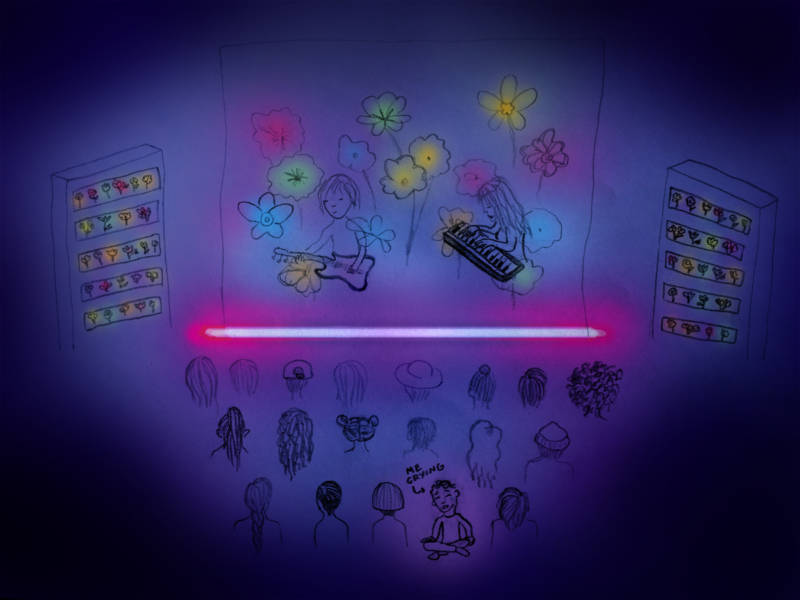
"caption": "Photos were forbidden, but they can't take away my mediocre drawing skills! (Photo: Emmanuel Hapsis)",
"description": null,
"title": "beach-house",
"credit": null,
"status": "inherit",
"isLoading": false,
"fetchFailed": false
},
"arts_11528700": {
"type": "attachments",
"id": "arts_11528700",
"meta": {
"index": "attachments_1716263798",
"site": "arts",
"id": "11528700",
"found": true
},
"parent": 11528602,
"imgSizes": {
"twentyfourteen-full-width": {
"file": "https://ww2.kqed.org/app/uploads/sites/2/2016/04/Janis-Joplin-Press-tourCROP-1038x576.jpg",
"width": 1038,
"mimeType": "image/jpeg",
"height": 576
},
"thumbnail": {
"file": "https://ww2.kqed.org/app/uploads/sites/2/2016/04/Janis-Joplin-Press-tourCROP-400x229.jpg",
"width": 400,
"mimeType": "image/jpeg",
"height": 229
},
"fd-sm": {
"file": "https://ww2.kqed.org/app/uploads/sites/2/2016/04/Janis-Joplin-Press-tourCROP-960x549.jpg",
"width": 960,
"mimeType": "image/jpeg",
"height": 549
},
"post-thumbnail": {
"file": "https://ww2.kqed.org/app/uploads/sites/2/2016/04/Janis-Joplin-Press-tourCROP-672x372.jpg",
"width": 672,
"mimeType": "image/jpeg",
"height": 372
},
"kqedFullSize": {
"file": "https://ww2.kqed.org/app/uploads/sites/2/2016/04/Janis-Joplin-Press-tourCROP.jpg",
"width": 1456,
"height": 832
},
"large": {
"file": "https://ww2.kqed.org/app/uploads/sites/2/2016/04/Janis-Joplin-Press-tourCROP-1180x674.jpg",
"width": 1180,
"mimeType": "image/jpeg",
"height": 674
},
"guest-author-96": {
"file": "https://ww2.kqed.org/app/uploads/sites/2/2016/04/Janis-Joplin-Press-tourCROP-96x96.jpg",
"width": 96,
"mimeType": "image/jpeg",
"height": 96
},
"medium": {
"file": "https://ww2.kqed.org/app/uploads/sites/2/2016/04/Janis-Joplin-Press-tourCROP-800x457.jpg",
"width": 800,
"mimeType": "image/jpeg",
"height": 457
},
"guest-author-64": {
"file": "https://ww2.kqed.org/app/uploads/sites/2/2016/04/Janis-Joplin-Press-tourCROP-64x64.jpg",
"width": 64,
"mimeType": "image/jpeg",
"height": 64
},
"guest-author-32": {
"file": "https://ww2.kqed.org/app/uploads/sites/2/2016/04/Janis-Joplin-Press-tourCROP-32x32.jpg",
"width": 32,
"mimeType": "image/jpeg",
"height": 32
},
"fd-med": {
"file": "https://ww2.kqed.org/app/uploads/sites/2/2016/04/Janis-Joplin-Press-tourCROP-1180x674.jpg",
"width": 1180,
"mimeType": "image/jpeg",
"height": 674
},
"detail": {
"file": "https://ww2.kqed.org/app/uploads/sites/2/2016/04/Janis-Joplin-Press-tourCROP-150x150.jpg",
"width": 150,
"mimeType": "image/jpeg",
"height": 150
},
"medium_large": {
"file": "https://ww2.kqed.org/app/uploads/sites/2/2016/04/Janis-Joplin-Press-tourCROP-768x439.jpg",
"width": 768,
"mimeType": "image/jpeg",
"height": 439
},
"guest-author-128": {
"file": "https://ww2.kqed.org/app/uploads/sites/2/2016/04/Janis-Joplin-Press-tourCROP-128x128.jpg",
"width": 128,
"mimeType": "image/jpeg",
"height": 128
}
},
"publishDate": 1461717723,
"modified": 1461718122,
"caption": "During PBS’ AMERICAN MASTERS “Janis: Little Girl Blue” session at the Television Critics Association Winter Press Tour in Pasadena, CA on Tuesday, January 19, 2016, Big Brother and the Holding Company drummer Dave Getz, Janis Joplin’s sister Laura Joplin, filmmaker Amy Berg and series executive producer Michael Kantor discuss the first in-depth celebration of the iconic rock singer.",
"description": "During PBS’ AMERICAN MASTERS “Janis: Little Girl Blue” session at the Television Critics Association Winter Press Tour in Pasadena, CA on Tuesday, January 19, 2016, Big Brother and the Holding Company drummer Dave Getz, Janis Joplin’s sister Laura Joplin, filmmaker Amy Berg and series executive producer Michael Kantor discuss the first in-depth celebration of the iconic rock singer.",
"title": "Janis Joplin Press tourCROP",
"credit": "Photo: Rahoul Ghose/PBS",
"status": "inherit",
"isLoading": false,
"fetchFailed": false
},
"arts_11528215": {
"type": "attachments",
"id": "arts_11528215",
"meta": {
"index": "attachments_1716263798",
"site": "arts",
"id": "11528215",
"found": true
},
"parent": 11528085,
"imgSizes": {
"twentyfourteen-full-width": {
"file": "https://ww2.kqed.org/app/uploads/sites/2/2016/04/RadWomen7inch-1038x576.jpg",
"width": 1038,
"mimeType": "image/jpeg",
"height": 576
},
"thumbnail": {
"file": "https://ww2.kqed.org/app/uploads/sites/2/2016/04/RadWomen7inch-400x225.jpg",
"width": 400,
"mimeType": "image/jpeg",
"height": 225
},
"fd-sm": {
"file": "https://ww2.kqed.org/app/uploads/sites/2/2016/04/RadWomen7inch-960x540.jpg",
"width": 960,
"mimeType": "image/jpeg",
"height": 540
},
"post-thumbnail": {
"file": "https://ww2.kqed.org/app/uploads/sites/2/2016/04/RadWomen7inch-672x372.jpg",
"width": 672,
"mimeType": "image/jpeg",
"height": 372
},
"kqedFullSize": {
"file": "https://ww2.kqed.org/app/uploads/sites/2/2016/04/RadWomen7inch.jpg",
"width": 1200,
"height": 675
},
"large": {
"file": "https://ww2.kqed.org/app/uploads/sites/2/2016/04/RadWomen7inch-1180x664.jpg",
"width": 1180,
"mimeType": "image/jpeg",
"height": 664
},
"guest-author-96": {
"file": "https://ww2.kqed.org/app/uploads/sites/2/2016/04/RadWomen7inch-96x96.jpg",
"width": 96,
"mimeType": "image/jpeg",
"height": 96
},
"medium": {
"file": "https://ww2.kqed.org/app/uploads/sites/2/2016/04/RadWomen7inch-800x450.jpg",
"width": 800,
"mimeType": "image/jpeg",
"height": 450
},
"guest-author-64": {
"file": "https://ww2.kqed.org/app/uploads/sites/2/2016/04/RadWomen7inch-64x64.jpg",
"width": 64,
"mimeType": "image/jpeg",
"height": 64
},
"guest-author-32": {
"file": "https://ww2.kqed.org/app/uploads/sites/2/2016/04/RadWomen7inch-32x32.jpg",
"width": 32,
"mimeType": "image/jpeg",
"height": 32
},
"fd-med": {
"file": "https://ww2.kqed.org/app/uploads/sites/2/2016/04/RadWomen7inch-1180x664.jpg",
"width": 1180,
"mimeType": "image/jpeg",
"height": 664
},
"detail": {
"file": "https://ww2.kqed.org/app/uploads/sites/2/2016/04/RadWomen7inch-150x150.jpg",
"width": 150,
"mimeType": "image/jpeg",
"height": 150
},
"medium_large": {
"file": "https://ww2.kqed.org/app/uploads/sites/2/2016/04/RadWomen7inch-768x432.jpg",
"width": 768,
"mimeType": "image/jpeg",
"height": 432
},
"guest-author-128": {
"file": "https://ww2.kqed.org/app/uploads/sites/2/2016/04/RadWomen7inch-128x128.jpg",
"width": 128,
"mimeType": "image/jpeg",
"height": 128
}
},
"publishDate": 1461702525,
"modified": 1461702567,
"caption": "Detail from 'Rad American Women A-Z.'",
"description": "Detail from 'Rad American Women A-Z.'",
"title": "RadWomen7inch",
"credit": "Illustration: CIty Lights",
"status": "inherit",
"isLoading": false,
"fetchFailed": false
},
"arts_11528069": {
"type": "attachments",
"id": "arts_11528069",
"meta": {
"index": "attachments_1716263798",
"site": "arts",
"id": "11528069",
"found": true
},
"parent": 11527846,
"imgSizes": {
"thumbnail": {
"file": "https://ww2.kqed.org/app/uploads/sites/2/2016/04/Prince-BasketballCROP-400x225.jpg",
"width": 400,
"mimeType": "image/jpeg",
"height": 225
},
"post-thumbnail": {
"file": "https://ww2.kqed.org/app/uploads/sites/2/2016/04/Prince-BasketballCROP-672x372.jpg",
"width": 672,
"mimeType": "image/jpeg",
"height": 372
},
"kqedFullSize": {
"file": "https://ww2.kqed.org/app/uploads/sites/2/2016/04/Prince-BasketballCROP.jpg",
"width": 800,
"height": 450
},
"guest-author-96": {
"file": "https://ww2.kqed.org/app/uploads/sites/2/2016/04/Prince-BasketballCROP-96x96.jpg",
"width": 96,
"mimeType": "image/jpeg",
"height": 96
},
"medium": {
"file": "https://ww2.kqed.org/app/uploads/sites/2/2016/04/Prince-BasketballCROP-800x450.jpg",
"width": 800,
"mimeType": "image/jpeg",
"height": 450
},
"guest-author-64": {
"file": "https://ww2.kqed.org/app/uploads/sites/2/2016/04/Prince-BasketballCROP-64x64.jpg",
"width": 64,
"mimeType": "image/jpeg",
"height": 64
},
"detail": {
"file": "https://ww2.kqed.org/app/uploads/sites/2/2016/04/Prince-BasketballCROP-75x75.jpg",
"width": 75,
"mimeType": "image/jpeg",
"height": 75
},
"guest-author-32": {
"file": "https://ww2.kqed.org/app/uploads/sites/2/2016/04/Prince-BasketballCROP-32x32.jpg",
"width": 32,
"mimeType": "image/jpeg",
"height": 32
},
"medium_large": {
"file": "https://ww2.kqed.org/app/uploads/sites/2/2016/04/Prince-BasketballCROP-768x432.jpg",
"width": 768,
"mimeType": "image/jpeg",
"height": 432
},
"guest-author-128": {
"file": "https://ww2.kqed.org/app/uploads/sites/2/2016/04/Prince-BasketballCROP-128x128.jpg",
"width": 128,
"mimeType": "image/jpeg",
"height": 128
}
},
"publishDate": 1461698970,
"modified": 1461699170,
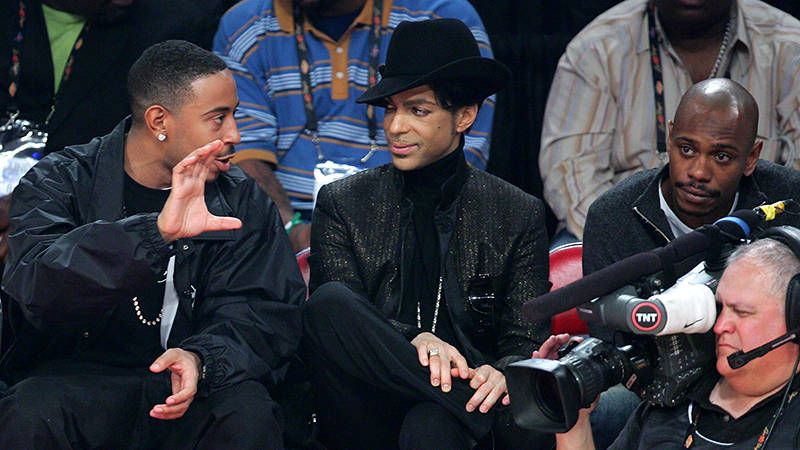
"caption": "Rapper Ludacris, musician Prince and actor Dave Chappelle watch the game during the 2007 NBA All Star Game ",
"description": "Rapper Ludacris, musician Prince and actor Dave Chappelle watch the game during the 2007 NBA All Star Game ",
"title": "Celebrities At 2007 NBA All Star Game",
"credit": "Photo: Ethan Miller/Getty Images",
"status": "inherit",
"isLoading": false,
"fetchFailed": false
},
"arts_11525584": {
"type": "attachments",
"id": "arts_11525584",
"meta": {
"index": "attachments_1716263798",
"site": "arts",
"id": "11525584",
"found": true
},
"parent": 11525582,
"imgSizes": {
"twentyfourteen-full-width": {
"file": "https://ww2.kqed.org/app/uploads/sites/2/2016/04/Mason-Bates-1038x576.jpg",
"width": 1038,
"mimeType": "image/jpeg",
"height": 576
},
"thumbnail": {
"file": "https://ww2.kqed.org/app/uploads/sites/2/2016/04/Mason-Bates-400x247.jpg",
"width": 400,
"mimeType": "image/jpeg",
"height": 247
},
"fd-sm": {
"file": "https://ww2.kqed.org/app/uploads/sites/2/2016/04/Mason-Bates-960x594.jpg",
"width": 960,
"mimeType": "image/jpeg",
"height": 594
},
"post-thumbnail": {
"file": "https://ww2.kqed.org/app/uploads/sites/2/2016/04/Mason-Bates-672x372.jpg",
"width": 672,
"mimeType": "image/jpeg",
"height": 372
},
"kqedFullSize": {
"file": "https://ww2.kqed.org/app/uploads/sites/2/2016/04/Mason-Bates.jpg",
"width": 3225,
"height": 1995
},
"large": {
"file": "https://ww2.kqed.org/app/uploads/sites/2/2016/04/Mason-Bates-1180x730.jpg",
"width": 1180,
"mimeType": "image/jpeg",
"height": 730
},
"guest-author-96": {
"file": "https://ww2.kqed.org/app/uploads/sites/2/2016/04/Mason-Bates-96x96.jpg",
"width": 96,
"mimeType": "image/jpeg",
"height": 96
},
"medium": {
"file": "https://ww2.kqed.org/app/uploads/sites/2/2016/04/Mason-Bates-800x495.jpg",
"width": 800,
"mimeType": "image/jpeg",
"height": 495
},
"guest-author-64": {
"file": "https://ww2.kqed.org/app/uploads/sites/2/2016/04/Mason-Bates-64x64.jpg",
"width": 64,
"mimeType": "image/jpeg",
"height": 64
},
"guest-author-32": {
"file": "https://ww2.kqed.org/app/uploads/sites/2/2016/04/Mason-Bates-32x32.jpg",
"width": 32,
"mimeType": "image/jpeg",
"height": 32
},
"fd-lrg": {
"file": "https://ww2.kqed.org/app/uploads/sites/2/2016/04/Mason-Bates-1920x1188.jpg",
"width": 1920,
"mimeType": "image/jpeg",
"height": 1188
},
"fd-med": {
"file": "https://ww2.kqed.org/app/uploads/sites/2/2016/04/Mason-Bates-1180x730.jpg",
"width": 1180,
"mimeType": "image/jpeg",
"height": 730
},
"detail": {
"file": "https://ww2.kqed.org/app/uploads/sites/2/2016/04/Mason-Bates-75x75.jpg",
"width": 75,
"mimeType": "image/jpeg",
"height": 75
},
"medium_large": {
"file": "https://ww2.kqed.org/app/uploads/sites/2/2016/04/Mason-Bates-768x475.jpg",
"width": 768,
"mimeType": "image/jpeg",
"height": 475
},
"guest-author-128": {
"file": "https://ww2.kqed.org/app/uploads/sites/2/2016/04/Mason-Bates-128x128.jpg",
"width": 128,
"mimeType": "image/jpeg",
"height": 128
}
},
"publishDate": 1461624066,
"modified": 1461624094,
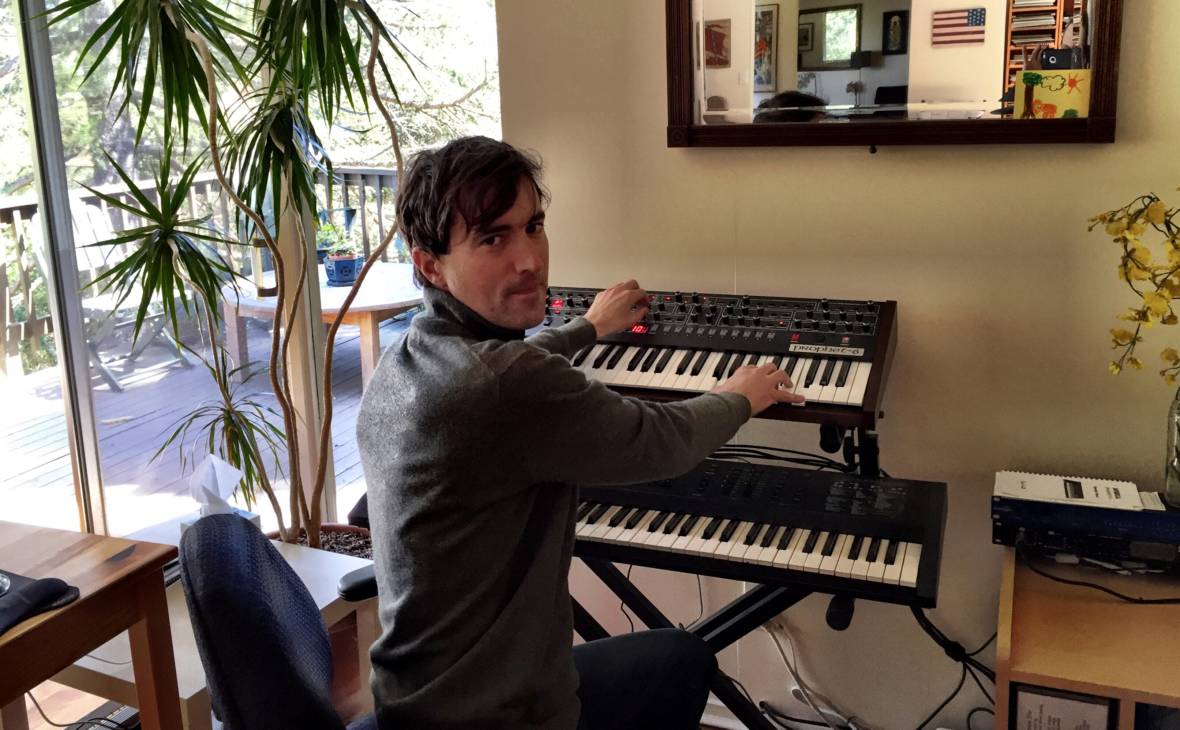
"caption": "Mason Bates working in his home studio",
"description": "Mason Bates working in his home studio",
"title": "Mason Bates working in his home studio",
"credit": "Photo: Cy Musiker/KQED",
"status": "inherit",
"isLoading": false,
"fetchFailed": false
},
"arts_11527838": {
"type": "attachments",
"id": "arts_11527838",
"meta": {
"index": "attachments_1716263798",
"site": "arts",
"id": "11527838",
"found": true
},
"parent": 11527837,
"imgSizes": {
"thumbnail": {
"file": "https://ww2.kqed.org/app/uploads/sites/2/2016/04/Prince-SingingCROP-400x225.jpg",
"width": 400,
"mimeType": "image/jpeg",
"height": 225
},
"post-thumbnail": {
"file": "https://ww2.kqed.org/app/uploads/sites/2/2016/04/Prince-SingingCROP-672x372.jpg",
"width": 672,
"mimeType": "image/jpeg",
"height": 372
},
"kqedFullSize": {
"file": "https://ww2.kqed.org/app/uploads/sites/2/2016/04/Prince-SingingCROP.jpg",
"width": 800,
"height": 450
},
"guest-author-96": {
"file": "https://ww2.kqed.org/app/uploads/sites/2/2016/04/Prince-SingingCROP-96x96.jpg",
"width": 96,
"mimeType": "image/jpeg",
"height": 96
},
"medium": {
"file": "https://ww2.kqed.org/app/uploads/sites/2/2016/04/Prince-SingingCROP-800x450.jpg",
"width": 800,
"mimeType": "image/jpeg",
"height": 450
},
"guest-author-64": {
"file": "https://ww2.kqed.org/app/uploads/sites/2/2016/04/Prince-SingingCROP-64x64.jpg",
"width": 64,
"mimeType": "image/jpeg",
"height": 64
},
"detail": {
"file": "https://ww2.kqed.org/app/uploads/sites/2/2016/04/Prince-SingingCROP-75x75.jpg",
"width": 75,
"mimeType": "image/jpeg",
"height": 75
},
"guest-author-32": {
"file": "https://ww2.kqed.org/app/uploads/sites/2/2016/04/Prince-SingingCROP-32x32.jpg",
"width": 32,
"mimeType": "image/jpeg",
"height": 32
},
"medium_large": {
"file": "https://ww2.kqed.org/app/uploads/sites/2/2016/04/Prince-SingingCROP-768x432.jpg",
"width": 768,
"mimeType": "image/jpeg",
"height": 432
},
"guest-author-128": {
"file": "https://ww2.kqed.org/app/uploads/sites/2/2016/04/Prince-SingingCROP-128x128.jpg",
"width": 128,
"mimeType": "image/jpeg",
"height": 128
}
},
"publishDate": 1461696430,
"modified": 1461696464,
"caption": "Prince performs onstage at the 36th Annual NAACP Image Awards ",
"description": "Prince performs onstage at the 36th Annual NAACP Image Awards ",
"title": "36th Annual NAACP Image Awards - Show",
"credit": "Photo: Kevin Winter/Getty Images",
"status": "inherit",
"isLoading": false,
"fetchFailed": false
},
"arts_11523998": {
"type": "attachments",
"id": "arts_11523998",
"meta": {
"index": "attachments_1716263798",
"site": "arts",
"id": "11523998",
"found": true
},
"parent": 11523883,
"imgSizes": {
"thumbnail": {
"file": "https://ww2.kqed.org/app/uploads/sites/2/2016/04/Prince-2-400x225.jpg",
"width": 400,
"mimeType": "image/jpeg",
"height": 225
},
"post-thumbnail": {
"file": "https://ww2.kqed.org/app/uploads/sites/2/2016/04/Prince-2-672x372.jpg",
"width": 672,
"mimeType": "image/jpeg",
"height": 372
},
"kqedFullSize": {
"file": "https://ww2.kqed.org/app/uploads/sites/2/2016/04/Prince-2.jpg",
"width": 800,
"height": 450
},
"guest-author-96": {
"file": "https://ww2.kqed.org/app/uploads/sites/2/2016/04/Prince-2-96x96.jpg",
"width": 96,
"mimeType": "image/jpeg",
"height": 96
},
"medium": {
"file": "https://ww2.kqed.org/app/uploads/sites/2/2016/04/Prince-2-800x450.jpg",
"width": 800,
"mimeType": "image/jpeg",
"height": 450
},
"guest-author-64": {
"file": "https://ww2.kqed.org/app/uploads/sites/2/2016/04/Prince-2-64x64.jpg",
"width": 64,
"mimeType": "image/jpeg",
"height": 64
},
"detail": {
"file": "https://ww2.kqed.org/app/uploads/sites/2/2016/04/Prince-2-75x75.jpg",
"width": 75,
"mimeType": "image/jpeg",
"height": 75
},
"guest-author-32": {
"file": "https://ww2.kqed.org/app/uploads/sites/2/2016/04/Prince-2-32x32.jpg",
"width": 32,
"mimeType": "image/jpeg",
"height": 32
},
"medium_large": {
"file": "https://ww2.kqed.org/app/uploads/sites/2/2016/04/Prince-2-768x432.jpg",
"width": 768,
"mimeType": "image/jpeg",
"height": 432
},
"guest-author-128": {
"file": "https://ww2.kqed.org/app/uploads/sites/2/2016/04/Prince-2-128x128.jpg",
"width": 128,
"mimeType": "image/jpeg",
"height": 128
}
},
"publishDate": 1461562267,
"modified": 1461562342,
"caption": "Prince speaks onstage at the 42nd NAACP Image Awards ",
"description": "Prince speaks onstage at the 42nd NAACP Image Awards ",
"title": "Prince at 42nd NAACP Image Awards - Show",
"credit": "Photo: Kevin Winter/Getty Images for NAACP Image Awards",
"status": "inherit",
"isLoading": false,
"fetchFailed": false
},
"pop_23250": {
"type": "attachments",
"id": "pop_23250",
"meta": {
"index": "attachments_1716263798",
"site": "pop",
"id": "23250",
"found": true
},
"parent": 23178,
"imgSizes": {
"thumbnail": {
"file": "https://ww2.kqed.org/app/uploads/sites/12/2016/04/warsan-shire-400x225.jpg",
"width": 400,
"mimeType": "image/jpeg",
"height": 225
},
"post-thumbnail": {
"file": "https://ww2.kqed.org/app/uploads/sites/12/2016/04/warsan-shire-672x372.jpg",
"width": 672,
"mimeType": "image/jpeg",
"height": 372
},
"kqedFullSize": {
"file": "https://ww2.kqed.org/app/uploads/sites/12/2016/04/warsan-shire.jpg",
"width": 800,
"height": 450
},
"guest-author-96": {
"file": "https://ww2.kqed.org/app/uploads/sites/12/2016/04/warsan-shire-96x96.jpg",
"width": 96,
"mimeType": "image/jpeg",
"height": 96
},
"medium": {
"file": "https://ww2.kqed.org/app/uploads/sites/12/2016/04/warsan-shire-800x450.jpg",
"width": 800,
"mimeType": "image/jpeg",
"height": 450
},
"guest-author-64": {
"file": "https://ww2.kqed.org/app/uploads/sites/12/2016/04/warsan-shire-64x64.jpg",
"width": 64,
"mimeType": "image/jpeg",
"height": 64
},
"detail": {
"file": "https://ww2.kqed.org/app/uploads/sites/12/2016/04/warsan-shire-150x150.jpg",
"width": 150,
"mimeType": "image/jpeg",
"height": 150
},
"guest-author-32": {
"file": "https://ww2.kqed.org/app/uploads/sites/12/2016/04/warsan-shire-32x32.jpg",
"width": 32,
"mimeType": "image/jpeg",
"height": 32
},
"medium_large": {
"file": "https://ww2.kqed.org/app/uploads/sites/12/2016/04/warsan-shire-768x432.jpg",
"width": 768,
"mimeType": "image/jpeg",
"height": 432
},
"guest-author-128": {
"file": "https://ww2.kqed.org/app/uploads/sites/12/2016/04/warsan-shire-128x128.jpg",
"width": 128,
"mimeType": "image/jpeg",
"height": 128
}
},
"publishDate": 1461705775,
"modified": 1461705800,
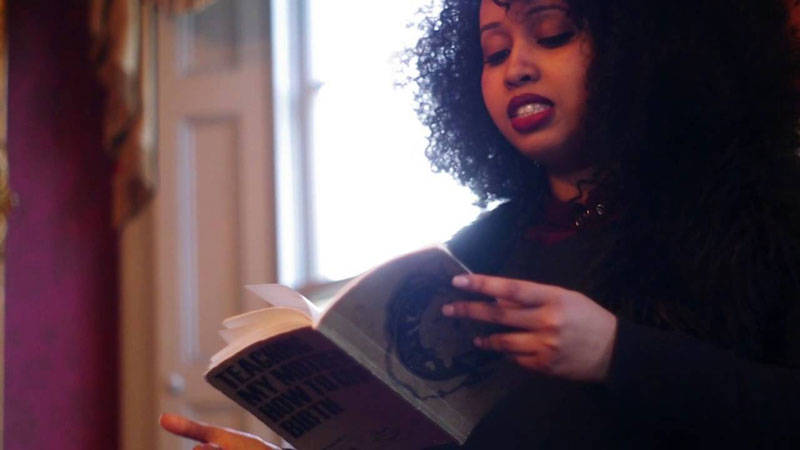
"caption": "Photo: \u003ca href=\"https://www.youtube.com/watch?v=BjS1oN58Osc\">YouTube\u003c/a>",
"description": null,
"title": "warsan-shire",
"credit": null,
"status": "inherit",
"isLoading": false,
"fetchFailed": false
},
"arts_11525019": {
"type": "attachments",
"id": "arts_11525019",
"meta": {
"index": "attachments_1716263798",
"site": "arts",
"id": "11525019",
"found": true
},
"parent": 11525017,
"imgSizes": {
"thumbnail": {
"file": "https://ww2.kqed.org/app/uploads/sites/2/2016/04/SheerMag.MAIN_-400x225.jpg",
"width": 400,
"mimeType": "image/jpeg",
"height": 225
},
"post-thumbnail": {
"file": "https://ww2.kqed.org/app/uploads/sites/2/2016/04/SheerMag.MAIN_-672x372.jpg",
"width": 672,
"mimeType": "image/jpeg",
"height": 372
},
"kqedFullSize": {
"file": "https://ww2.kqed.org/app/uploads/sites/2/2016/04/SheerMag.MAIN_.jpg",
"width": 800,
"height": 450
},
"guest-author-96": {
"file": "https://ww2.kqed.org/app/uploads/sites/2/2016/04/SheerMag.MAIN_-96x96.jpg",
"width": 96,
"mimeType": "image/jpeg",
"height": 96
},
"medium": {
"file": "https://ww2.kqed.org/app/uploads/sites/2/2016/04/SheerMag.MAIN_-800x450.jpg",
"width": 800,
"mimeType": "image/jpeg",
"height": 450
},
"guest-author-64": {
"file": "https://ww2.kqed.org/app/uploads/sites/2/2016/04/SheerMag.MAIN_-64x64.jpg",
"width": 64,
"mimeType": "image/jpeg",
"height": 64
},
"detail": {
"file": "https://ww2.kqed.org/app/uploads/sites/2/2016/04/SheerMag.MAIN_-75x75.jpg",
"width": 75,
"mimeType": "image/jpeg",
"height": 75
},
"guest-author-32": {
"file": "https://ww2.kqed.org/app/uploads/sites/2/2016/04/SheerMag.MAIN_-32x32.jpg",
"width": 32,
"mimeType": "image/jpeg",
"height": 32
},
"medium_large": {
"file": "https://ww2.kqed.org/app/uploads/sites/2/2016/04/SheerMag.MAIN_-768x432.jpg",
"width": 768,
"mimeType": "image/jpeg",
"height": 432
},
"guest-author-128": {
"file": "https://ww2.kqed.org/app/uploads/sites/2/2016/04/SheerMag.MAIN_-128x128.jpg",
"width": 128,
"mimeType": "image/jpeg",
"height": 128
}
},
"publishDate": 1461609417,
"modified": 1461609449,
"caption": "Sheer Mag at Faith Tattoo in Santa Rosa, April 24, 2016.",
"description": "Sheer Mag at Faith Tattoo in Santa Rosa, April 24, 2016.",
"title": "SheerMag.MAIN",
"credit": "Photo: Gabe Meline",
"status": "inherit",
"isLoading": false,
"fetchFailed": false
},
"pop_23102": {
"type": "attachments",
"id": "pop_23102",
"meta": {
"index": "attachments_1716263798",
"site": "pop",
"id": "23102",
"found": true
},
"parent": 23099,
"imgSizes": {
"thumbnail": {
"file": "https://ww2.kqed.org/app/uploads/sites/12/2016/04/lemonade-jay-beyonce-jealous-400x225.jpg",
"width": 400,
"mimeType": "image/jpeg",
"height": 225
},
"post-thumbnail": {
"file": "https://ww2.kqed.org/app/uploads/sites/12/2016/04/lemonade-jay-beyonce-jealous-672x372.jpg",
"width": 672,
"mimeType": "image/jpeg",
"height": 372
},
"kqedFullSize": {
"file": "https://ww2.kqed.org/app/uploads/sites/12/2016/04/lemonade-jay-beyonce-jealous.jpg",
"width": 800,
"height": 450
},
"guest-author-96": {
"file": "https://ww2.kqed.org/app/uploads/sites/12/2016/04/lemonade-jay-beyonce-jealous-96x96.jpg",
"width": 96,
"mimeType": "image/jpeg",
"height": 96
},
"medium": {
"file": "https://ww2.kqed.org/app/uploads/sites/12/2016/04/lemonade-jay-beyonce-jealous-800x450.jpg",
"width": 800,
"mimeType": "image/jpeg",
"height": 450
},
"guest-author-64": {
"file": "https://ww2.kqed.org/app/uploads/sites/12/2016/04/lemonade-jay-beyonce-jealous-64x64.jpg",
"width": 64,
"mimeType": "image/jpeg",
"height": 64
},
"detail": {
"file": "https://ww2.kqed.org/app/uploads/sites/12/2016/04/lemonade-jay-beyonce-jealous-75x75.jpg",
"width": 75,
"mimeType": "image/jpeg",
"height": 75
},
"guest-author-32": {
"file": "https://ww2.kqed.org/app/uploads/sites/12/2016/04/lemonade-jay-beyonce-jealous-32x32.jpg",
"width": 32,
"mimeType": "image/jpeg",
"height": 32
},
"medium_large": {
"file": "https://ww2.kqed.org/app/uploads/sites/12/2016/04/lemonade-jay-beyonce-jealous-768x432.jpg",
"width": 768,
"mimeType": "image/jpeg",
"height": 432
},
"guest-author-128": {
"file": "https://ww2.kqed.org/app/uploads/sites/12/2016/04/lemonade-jay-beyonce-jealous-128x128.jpg",
"width": 128,
"mimeType": "image/jpeg",
"height": 128
}
},
"publishDate": 1461524729,
"modified": 1461524729,
"caption": null,
"description": null,
"title": "lemonade-jay-beyonce-jealous",
"credit": null,
"status": "inherit",
"isLoading": false,
"fetchFailed": false
}
},
"audioPlayerReducer": {
"postId": "stream_live",
"isPaused": true,
"isPlaying": false,
"pfsActive": false,
"pledgeModalIsOpen": true,
"playerDrawerIsOpen": false,
"liveAudioPlayStartedAt": 0,
"liveAudioPlayContext": ""
},
"authorsReducer": {
"byline_arts_11527846": {
"type": "authors",
"id": "byline_arts_11527846",
"meta": {
"override": true
},
"slug": "byline_arts_11527846",
"name": "Nekesa Mumbi Moody, Associated Press",
"isLoading": false
},
"byline_arts_11527837": {
"type": "authors",
"id": "byline_arts_11527837",
"meta": {
"override": true
},
"slug": "byline_arts_11527837",
"name": "Ryan Nakashima & Steve Karnowski, Associated Press",
"isLoading": false
},
"ehapsis": {
"type": "authors",
"id": "27",
"meta": {
"index": "authors_1716337520",
"id": "27",
"found": true
},
"name": "Emmanuel Hapsis",
"firstName": "Emmanuel",
"lastName": "Hapsis",
"slug": "ehapsis",
"email": "ehapsis@kqed.org",
"display_author_email": false,
"staff_mastheads": [],
"title": "KQED Contributor",
"bio": "Emmanuel Hapsis is the creator and editor of KQED Pop and also the host of \u003cem>\u003ca href=\"https://itunes.apple.com/us/podcast/the-cooler/id1041117499?mt=2\">The Cooler\u003c/a>\u003c/em>. He studied creative writing at University of Maryland and went on to receive his MFA in the field from California College of the Arts. In his free time, he sings his heart out at karaoke.",
"avatar": "https://secure.gravatar.com/avatar/6302b6f7ef8b2dcd3acd9e2c6bc570b7?s=600&d=blank&r=g",
"twitter": "xcusemybeauty",
"facebook": null,
"instagram": null,
"linkedin": null,
"sites": [
{
"site": "arts",
"roles": [
"Contributor",
"subscriber"
]
},
{
"site": "pop",
"roles": [
"contributor"
]
}
],
"headData": {
"title": "Emmanuel Hapsis | KQED",
"description": "KQED Contributor",
"ogImgSrc": "https://secure.gravatar.com/avatar/6302b6f7ef8b2dcd3acd9e2c6bc570b7?s=600&d=blank&r=g",
"twImgSrc": "https://secure.gravatar.com/avatar/6302b6f7ef8b2dcd3acd9e2c6bc570b7?s=600&d=blank&r=g"
},
"isLoading": false,
"link": "/author/ehapsis"
},
"cmusiker": {
"type": "authors",
"id": "32",
"meta": {
"index": "authors_1716337520",
"id": "32",
"found": true
},
"name": "Cy Musiker",
"firstName": "Cy",
"lastName": "Musiker",
"slug": "cmusiker",
"email": "cmusiker@kqed.org",
"display_author_email": false,
"staff_mastheads": [],
"title": "KQED Contributor",
"bio": "Cy Musiker is a former co-host of The Do List and a former reporter covering the arts for KQED News and The California Report. He loves live performance, especially great theater, jazz, roots music, anything by Mahler. Cy has an MJ from UC Berkeley's School of Journalism, and got his BA from Hampshire College. His work has been recognized by the Society for Professional Journalists with their Sigma Delta Chi Award for Public Service in Journalism. When he can, Cy likes to swim in Tomales Bay, run with his dog in the East Bay Hills, and hike the Sierra.",
"avatar": "https://secure.gravatar.com/avatar/05eaba5c5696ce8f062e4ea2df428a43?s=600&d=blank&r=g",
"twitter": null,
"facebook": null,
"instagram": null,
"linkedin": null,
"sites": [
{
"site": "arts",
"roles": [
"Contributor",
"subscriber"
]
},
{
"site": "news",
"roles": [
"author"
]
},
{
"site": "bayareabites",
"roles": [
"contributor"
]
}
],
"headData": {
"title": "Cy Musiker | KQED",
"description": "KQED Contributor",
"ogImgSrc": "https://secure.gravatar.com/avatar/05eaba5c5696ce8f062e4ea2df428a43?s=600&d=blank&r=g",
"twImgSrc": "https://secure.gravatar.com/avatar/05eaba5c5696ce8f062e4ea2df428a43?s=600&d=blank&r=g"
},
"isLoading": false,
"link": "/author/cmusiker"
},
"kqedarts": {
"type": "authors",
"id": "92",
"meta": {
"index": "authors_1716337520",
"id": "92",
"found": true
},
"name": "KQED Arts",
"firstName": "KQED",
"lastName": "Arts",
"slug": "kqedarts",
"email": "arts@kqed.org",
"display_author_email": false,
"staff_mastheads": [],
"title": "KQED Staff",
"bio": null,
"avatar": "https://secure.gravatar.com/avatar/321c9ebfeb7736f9e55366a6d3399ab0?s=600&d=blank&r=g",
"twitter": null,
"facebook": null,
"instagram": "https://www.instagram.com/kqed_arts/",
"linkedin": null,
"sites": [
{
"site": "arts",
"roles": [
"contributor"
]
},
{
"site": "pop",
"roles": [
"contributor"
]
},
{
"site": "science",
"roles": [
"author"
]
},
{
"site": "food",
"roles": [
"contributor"
]
}
],
"headData": {
"title": "KQED Arts | KQED",
"description": "KQED Staff",
"ogImgSrc": "https://secure.gravatar.com/avatar/321c9ebfeb7736f9e55366a6d3399ab0?s=600&d=blank&r=g",
"twImgSrc": "https://secure.gravatar.com/avatar/321c9ebfeb7736f9e55366a6d3399ab0?s=600&d=blank&r=g"
},
"isLoading": false,
"link": "/author/kqedarts"
},
"kjones": {
"type": "authors",
"id": "93",
"meta": {
"index": "authors_1716337520",
"id": "93",
"found": true
},
"name": "Kevin L. Jones",
"firstName": "Kevin",
"lastName": "Jones",
"slug": "kjones",
"email": "kjones@kqed.org",
"display_author_email": false,
"staff_mastheads": [],
"title": null,
"bio": null,
"avatar": "https://secure.gravatar.com/avatar/12c65b5633ed39d0a59bb7f497eff645?s=600&d=blank&r=g",
"twitter": null,
"facebook": null,
"instagram": null,
"linkedin": null,
"sites": [
{
"site": "arts",
"roles": [
"subscriber"
]
},
{
"site": "styleguide",
"roles": [
"contributor"
]
},
{
"site": "artschool",
"roles": [
"subscriber"
]
},
{
"site": "news",
"roles": [
"subscriber"
]
},
{
"site": "pop",
"roles": [
"subscriber"
]
}
],
"headData": {
"title": "Kevin L. Jones | KQED",
"description": null,
"ogImgSrc": "https://secure.gravatar.com/avatar/12c65b5633ed39d0a59bb7f497eff645?s=600&d=blank&r=g",
"twImgSrc": "https://secure.gravatar.com/avatar/12c65b5633ed39d0a59bb7f497eff645?s=600&d=blank&r=g"
},
"isLoading": false,
"link": "/author/kjones"
},
"gmeline": {
"type": "authors",
"id": "185",
"meta": {
"index": "authors_1716337520",
"id": "185",
"found": true
},
"name": "Gabe Meline",
"firstName": "Gabe",
"lastName": "Meline",
"slug": "gmeline",
"email": "gmeline@kqed.org",
"display_author_email": true,
"staff_mastheads": [
"arts"
],
"title": "Senior Editor, KQED Arts & Culture",
"bio": "Gabe Meline entered journalism at age 15 making photocopied zines, and has since earned awards from the Edward R. Murrow Awards, the Society for Professional Journalists, the Online Journalism Awards, the Association of Alternative Newsweeklies and the California Newspaper Publishers Association. Prior to KQED, he was the editor of the \u003cem>North Bay Bohemian\u003c/em> and a touring musician. He lives with his wife and daughter in his hometown of Santa Rosa, CA.",
"avatar": "https://secure.gravatar.com/avatar/5bebe57be0d8bc2dd318934feb47299e2d2d10cba28d09d8d7afb389a2ce2bdd?s=600&d=blank&r=g",
"twitter": null,
"bluesky": null,
"facebook": null,
"instagram": null,
"linkedin": null,
"sites": [
{
"site": "",
"roles": [
"editor"
]
},
{
"site": "arts",
"roles": [
"administrator"
]
},
{
"site": "artschool",
"roles": [
"editor"
]
},
{
"site": "news",
"roles": [
"author"
]
},
{
"site": "pop",
"roles": [
"editor"
]
},
{
"site": "bayareabites",
"roles": [
"editor"
]
},
{
"site": "food",
"roles": [
"editor"
]
},
{
"site": "forum",
"roles": [
"administrator"
]
},
{
"site": "liveblog",
"roles": [
"editor"
]
},
{
"site": "hiphop",
"roles": [
"editor"
]
}
],
"headData": {
"title": "Gabe Meline | KQED",
"description": "Senior Editor, KQED Arts & Culture",
"ogImgSrc": "https://secure.gravatar.com/avatar/5bebe57be0d8bc2dd318934feb47299e2d2d10cba28d09d8d7afb389a2ce2bdd?s=600&d=blank&r=g",
"twImgSrc": "https://secure.gravatar.com/avatar/5bebe57be0d8bc2dd318934feb47299e2d2d10cba28d09d8d7afb389a2ce2bdd?s=600&d=blank&r=g"
},
"isLoading": false,
"link": "/author/gmeline"
},
"esilvers": {
"type": "authors",
"id": "7237",
"meta": {
"index": "authors_1716337520",
"id": "7237",
"found": true
},
"name": "Emma Silvers",
"firstName": "Emma",
"lastName": "Silvers",
"slug": "esilvers",
"email": "esilvers@kqed.org",
"display_author_email": false,
"staff_mastheads": [],
"title": "KQED Contributor",
"bio": "Emma Silvers is an editor at KQED Arts and a former digital producer at KQED News. Born and raised in the Bay Area, she has previously been an arts and entertainment editor at the \u003cem>San Francisco Chronicle\u003c/em>, \u003cem>SF Weekly\u003c/em> and the \u003cem>San Francisco Bay Guardian.\u003c/em> \u003ca href=\"https://www.emmasilvers.com\">Her work\u003c/a> has also appeared in \u003cem>Rolling Stone\u003c/em>, Pitchfork and \u003cem>Mother Jones\u003c/em>. In 2017 she was the recipient of the Society of Professional Journalists-Northern California's award for arts and culture reporting. In 1993 she \u003ca href=\"https://www.kqed.org/pop/16759/wait-what-my-coworker-was-a-voice-over-hyperventilator-for-jurassic-park\">hyperventilated in \u003cem>Jurassic Park\u003c/em>\u003c/a>.",
"avatar": "https://secure.gravatar.com/avatar/247beada39b88ea5759db1f51dba05cf?s=600&d=blank&r=g",
"twitter": "emmaruthless",
"facebook": null,
"instagram": null,
"linkedin": null,
"sites": [
{
"site": "arts",
"roles": [
"editor"
]
},
{
"site": "news",
"roles": [
"editor"
]
},
{
"site": "pop",
"roles": [
"contributor"
]
},
{
"site": "bayareabites",
"roles": [
"editor"
]
},
{
"site": "food",
"roles": [
"contributor"
]
},
{
"site": "liveblog",
"roles": [
"editor"
]
}
],
"headData": {
"title": "Emma Silvers | KQED",
"description": "KQED Contributor",
"ogImgSrc": "https://secure.gravatar.com/avatar/247beada39b88ea5759db1f51dba05cf?s=600&d=blank&r=g",
"twImgSrc": "https://secure.gravatar.com/avatar/247beada39b88ea5759db1f51dba05cf?s=600&d=blank&r=g"
},
"isLoading": false,
"link": "/author/esilvers"
},
"cescoda": {
"type": "authors",
"id": "11206",
"meta": {
"index": "authors_1716337520",
"id": "11206",
"found": true
},
"name": "Carla Escoda",
"firstName": "Carla",
"lastName": "Escoda",
"slug": "cescoda",
"email": "ballettothepeople@gmail.com",
"display_author_email": false,
"staff_mastheads": [],
"title": null,
"bio": "Carla can most often be found in theatres, airports and on airplanes, writing about dance and the arts for various websites whenever she can find wi-fi. Her blog Ballet to the People<\u003ca href=\"http://ballettothepeople.com/\" target=\"_blank\" rel=\"noreferrer\">http://\u003cwbr />ballettothepeople.com\u003c/a>> has become a street corner where dance-lovers enjoy loitering and plotting the revolution which will renew the populist roots of ballet.\r\n\u003cspan class=\"im\">\r\nIn her previous lives, Carla worked in scientific research, then in project finance in Asia. Prior to that, she trained as a ballet and modern dancer, and performed with the Yaledancers while getting her undergraduate degrees in Engineering and Applied Science and French Literature, and her graduate degree in Engineering.\u003c/span>",
"avatar": "https://secure.gravatar.com/avatar/3a012eb3749d4353e3e28aab414dd815?s=600&d=blank&r=g",
"twitter": null,
"facebook": null,
"instagram": null,
"linkedin": null,
"sites": [
{
"site": "arts",
"roles": [
"author"
]
}
],
"headData": {
"title": "Carla Escoda | KQED",
"description": null,
"ogImgSrc": "https://secure.gravatar.com/avatar/3a012eb3749d4353e3e28aab414dd815?s=600&d=blank&r=g",
"twImgSrc": "https://secure.gravatar.com/avatar/3a012eb3749d4353e3e28aab414dd815?s=600&d=blank&r=g"
},
"isLoading": false,
"link": "/author/cescoda"
}
},
"pagesReducer": {
"arts_category_music": {
"type": "terms",
"id": "arts_69",
"meta": {
"index": "terms_1716263798",
"site": "arts",
"id": "69",
"score": 10.851607
},
"featImg": null,
"name": "Music",
"description": null,
"taxonomy": "category",
"headData": {
"twImgId": null,
"twTitle": null,
"ogTitle": null,
"ogImgId": null,
"twDescription": null,
"description": null,
"title": "Music Archives | KQED Arts",
"ogDescription": null
},
"ttid": 70,
"slug": "music",
"isLoading": false,
"title": "Music",
"pageMeta": {
"site": "arts",
"WpPageTemplate": "page-topic-editorial",
"currentPage": 293
},
"blocks": [
{
"blockName": "kqed/post-list",
"attrs": {
"layout": "cardArticle2",
"query": "posts/arts?category=music",
"seeMore": false,
"paginated": true,
"page": 293
}
},
{
"blockName": "kqed/ad"
}
]
}
},
"pfsSessionReducer": {},
"postsReducer": {
"stream_live": {
"type": "live",
"id": "stream_live",
"audioUrl": "https://streams.kqed.org/kqedradio",
"title": "Live Stream",
"excerpt": "Live Stream information currently unavailable.",
"link": "/radio",
"featImg": "",
"label": {
"name": "KQED Live",
"link": "/"
}
},
"stream_kqedNewscast": {
"type": "posts",
"id": "stream_kqedNewscast",
"audioUrl": "https://www.kqed.org/.stream/anon/radio/RDnews/newscast.mp3?_=1",
"title": "KQED Newscast",
"featImg": "",
"label": {
"name": "88.5 FM",
"link": "/"
}
},
"arts_11524242": {
"type": "posts",
"id": "arts_11524242",
"meta": {
"index": "posts_1716263798",
"site": "arts",
"id": "11524242",
"score": null,
"sort": [
1461783617000
]
},
"parent": 0,
"labelTerm": {
"site": "arts",
"term": 140
},
"blocks": [],
"publishDate": 1461783617,
"format": "standard",
"title": "CubaCaribe Festival Takes Stock a Year into the 'Great Cuban Thaw'",
"headTitle": "CubaCaribe Festival Takes Stock a Year into the ‘Great Cuban Thaw’ | KQED",
"content": "\u003cp>The annual \u003ca href=\"http://cubacaribe.org/festival12/\" target=\"_blank\" rel=\"noopener\">CubaCaribe dance festival\u003c/a> hit Oakland last weekend, with its “Cuba on my mind” theme for 2016 arriving presciently a year into the Great Cuban Thaw. It’s also been barely a month since Barack Obama’s historic visit to Havana, in the aftermath of which Fidel Castro groused, “we do not need the empire to give us anything.”\u003c/p>\n\u003cp>But it’s safe to say the “empire” itself has greatly benefited from the Cuban diaspora. The vibrant Caribbean music and dance scene in the San Francisco Bay Area attests to the longstanding search by Cuban artists and others from nearby islands for freedom of expression and collaboration opportunities. Cuban ballet dancers, for example, continue to defect to the west, and many of them end up in the Bay Area. As Joan Acocella noted in \u003ca href=\"http://www.newyorker.com/culture/cultural-comment/growing-pains-in-cuban-dance\" target=\"_blank\" rel=\"noopener\">a column last year\u003c/a> for \u003cem>The New Yorker\u003c/em> about the potential impact of the loosening of the trade and travel embargo on “the island’s most important artistic exports, music and dance,” these talented performers crave the modern, often experimental, repertory that is not permitted to flourish in authoritarian soil.\u003c/p>\n\u003cp>The three choreographers represented in the second weekend of the CubaCaribe festival riff on the “Cuba on my mind” theme with imaginative results. Revolution – in some form – is definitely on their minds.\u003c/p>\n\u003cfigure id=\"attachment_11528228\" class=\"wp-caption aligncenter\" style=\"max-width: 800px\">\u003cimg loading=\"lazy\" decoding=\"async\" class=\"size-medium wp-image-11528228\" src=\"http://ww2.kqed.org/arts/wp-content/uploads/sites/2/2016/04/EJF_7359-800x514.jpg\" alt=\"George Cheng (on the floor) with singers Rashida Chase and Valerie Troutt in Nicole Klaymoon's ‘Chalk Outlines’\" width=\"800\" height=\"514\" srcset=\"https://cdn.kqed.org/wp-content/uploads/sites/2/2016/04/EJF_7359-800x514.jpg 800w, https://cdn.kqed.org/wp-content/uploads/sites/2/2016/04/EJF_7359-400x257.jpg 400w, https://cdn.kqed.org/wp-content/uploads/sites/2/2016/04/EJF_7359-768x494.jpg 768w, https://cdn.kqed.org/wp-content/uploads/sites/2/2016/04/EJF_7359-1180x758.jpg 1180w, https://cdn.kqed.org/wp-content/uploads/sites/2/2016/04/EJF_7359-1920x1234.jpg 1920w, https://cdn.kqed.org/wp-content/uploads/sites/2/2016/04/EJF_7359-960x617.jpg 960w\" sizes=\"(max-width: 800px) 100vw, 800px\">\u003cfigcaption class=\"wp-caption-text\">George Cheng (on the floor) with singers Rashida Chase and Valerie Troutt in Nicole Klaymoon’s ‘Chalk Outlines (Excerpts)’ \u003ccite>(Photo: Eli Jacobs Fantauzzi)\u003c/cite>\u003c/figcaption>\u003c/figure>\n\u003cp>In \u003cem>Chalk Outlines (Excerpts)\u003c/em>, a dance, poetry, vocal music, and theater piece created in response to deaths of non-whites as a result of police violence from choreographer Nicole Klaymoon’s \u003ca href=\"http://www.embodimentproject.org/\" target=\"_blank\" rel=\"noopener\">Embodiment Project\u003c/a>, commanding vocalists Valerie Troutt and Rashida Chase sing of Africa, “the mother of civilization,” and invoke Moses (“go tell Pharaoh/let my people go.”) The dancers, all in spanking white, perform crisp and ebullient street dance-style moves, tracing the shapes of corpses with their own bodies. Do we acknowledge the individual humanity of the victims of oppression, Klaymoon seems to be asking with this work, or are they just statistics and chalk outlines at a crime scene?\u003c/p>\n\u003caside class=\"aligncenter\">[vimeo 113939924 w=640&h=360]\u003c/aside>\n\u003cp>With her work \u003cem>Gracias A La Vida\u003c/em>, guest choreographer Krissy Keefer assembles a soundtrack of protest songs from Cuba, Peru, and Argentina, alongside tracks well known to U.S. audiences like Nina Simone’s “Mississippi Goddam,” Neil Young’s “Southern Man,” and Marvin Gaye’s “What’s Going On.” In Keefer’s setting of the music, six dancers from the Alayo Dance Company wield wooden stools and a bracing contemporary dance vocabulary in their evolution from prisoners to freedom fighters, egged on by an impeccable ensemble of musicians.\u003c/p>\n\u003cp>[ad fullwidth]\u003c/p>\n\u003cp>Meanwhile, CubaCaribe festival founder Ramón Ramos Alayo’s powerful, grounded, African-inspired movement evokes an astonishing meditation on such themes as the dehumanizing side of technology, the complex nature of transitions, and the fragility of the artistic soul, in three short pieces that bookend the program.\u003c/p>\n\u003cp>\u003cem>Where the Butterflies go (A Donde Van Las Mariposas)\u003c/em> identifies the artist with nature’s most fragile and short-lived creatures, darting above a rippling stream that provides essential nourishment. \u003cem>24/7\u003c/em> puts Ramos Ayala’s dancers in an urban setting, where bird calls are drowned out by the static, buzzing, and ringing of phones. Prisoners of invisible handheld devices, the dancers wear tortured, sleep-deprived stares and strut like robots. As the people of Cuba clamor for technology to underpin a new economic order, \u003cem>24/7\u003c/em> seems to warn against buying into a tech-utopian idyll.\u003c/p>\n\u003cfigure id=\"attachment_11528226\" class=\"wp-caption aligncenter\" style=\"max-width: 800px\">\u003cimg loading=\"lazy\" decoding=\"async\" class=\"size-medium wp-image-11528226\" src=\"http://ww2.kqed.org/arts/wp-content/uploads/sites/2/2016/04/EJF_6954-800x533.jpg\" alt=\"Ramón Ramos Alayo and Natalie Aceves in Ramón Ramos Alayo's ‘Where the Butterflies Go / A Donde Van las Mariposas’\" width=\"800\" height=\"533\" srcset=\"https://cdn.kqed.org/wp-content/uploads/sites/2/2016/04/EJF_6954-800x533.jpg 800w, https://cdn.kqed.org/wp-content/uploads/sites/2/2016/04/EJF_6954-400x267.jpg 400w, https://cdn.kqed.org/wp-content/uploads/sites/2/2016/04/EJF_6954-768x512.jpg 768w, https://cdn.kqed.org/wp-content/uploads/sites/2/2016/04/EJF_6954-1180x787.jpg 1180w, https://cdn.kqed.org/wp-content/uploads/sites/2/2016/04/EJF_6954-1920x1280.jpg 1920w, https://cdn.kqed.org/wp-content/uploads/sites/2/2016/04/EJF_6954-960x640.jpg 960w\" sizes=\"(max-width: 800px) 100vw, 800px\">\u003cfigcaption class=\"wp-caption-text\">Ramón Ramos Alayo and Natalie Aceves in Ramón Ramos Alayo’s ‘Where the Butterflies Go / A Donde Van las Mariposas’ \u003ccite>(Photo: Eli Jacobs Fantauzzi)\u003c/cite>\u003c/figcaption>\u003c/figure>\n\u003cp>Then there’s the melancholy but gripping \u003cem>Goodbye\u003c/em>. Enveloped in a swirl of turquoise and a bright red manton, with a sexy cry in her voice, singer Destani Wolf, backed by a splendid trio of musicians, wanders the stage telling us through song that no one knows what tomorrow will bring. Ramos Alayo’s fluid, acrobatic dance moves underscore a resolve to live in the passion of the moment. One of several forceful alliances in this piece is a duet of sisterhood featuring dancers Fredrika Keefer and Jillian Hibbert. Their bond is a glorious mixture of abandon and control that promises shelter in an era of instability and transience.\u003c/p>\n\u003cp>\u003c/p>\n\u003cp>\u003cstrong>The third and final weekend of the festival moves to San Francisco’s Brava Theater on Friday, Apr. 29 and Saturday, Apr. 30 and promises more of a folkloric bent, with Haitian dance, capoeira, samba de gafieira, and more on the schedule. The festival is also offering dance workshops, and a screening of the documentary \u003cem>They are We\u003c/em> (on Thursday, Apr. 28 at the Museum of the African Disapora) which recounts how an African clan, riven by the slave trade 170 years ago, is reunited through its tribal music. Details on CubaCaribe’s \u003ca href=\"http://cubacaribe.org/festival12/\" target=\"_blank\" rel=\"noopener\">website\u003c/a>.\u003c/strong>\u003c/p>\n\n",
"stats": {
"hasVideo": true,
"hasChartOrMap": false,
"hasAudio": false,
"hasPolis": false,
"wordCount": 873,
"hasGoogleForm": false,
"hasGallery": false,
"hasHearkenModule": false,
"iframeSrcs": [],
"paragraphCount": 11
},
"modified": 1705044453,
"excerpt": "The annual festival devoted to the performing arts of the Caribbean gets behind Cuba and the U.S.'s rapprochement with powerful choreography and music",
"headData": {
"twImgId": "",
"twTitle": "",
"ogTitle": "",
"ogImgId": "",
"twDescription": "",
"description": "The annual festival devoted to the performing arts of the Caribbean gets behind Cuba and the U.S.'s rapprochement with powerful choreography and music",
"title": "CubaCaribe Festival Takes Stock a Year into the 'Great Cuban Thaw' | KQED",
"ogDescription": "",
"schema": {
"@context": "https://schema.org",
"@type": "Article",
"headline": "CubaCaribe Festival Takes Stock a Year into the 'Great Cuban Thaw'",
"datePublished": "2016-04-27T12:00:17-07:00",
"dateModified": "2024-01-11T23:27:33-08:00",
"image": "https://cdn.kqed.org/wp-content/uploads/2020/02/KQED-OG-Image@1x.png"
}
},
"guestAuthors": [],
"slug": "cubacaribe-festival-takes-stock-a-year-into-the-great-cuban-thaw",
"status": "publish",
"sticky": false,
"path": "/arts/11524242/cubacaribe-festival-takes-stock-a-year-into-the-great-cuban-thaw",
"audioTrackLength": null,
"parsedContent": [
{
"type": "contentString",
"content": "\u003cdiv class=\"post-body\">\u003cp>\u003cp>The annual \u003ca href=\"http://cubacaribe.org/festival12/\" target=\"_blank\" rel=\"noopener\">CubaCaribe dance festival\u003c/a> hit Oakland last weekend, with its “Cuba on my mind” theme for 2016 arriving presciently a year into the Great Cuban Thaw. It’s also been barely a month since Barack Obama’s historic visit to Havana, in the aftermath of which Fidel Castro groused, “we do not need the empire to give us anything.”\u003c/p>\n\u003cp>But it’s safe to say the “empire” itself has greatly benefited from the Cuban diaspora. The vibrant Caribbean music and dance scene in the San Francisco Bay Area attests to the longstanding search by Cuban artists and others from nearby islands for freedom of expression and collaboration opportunities. Cuban ballet dancers, for example, continue to defect to the west, and many of them end up in the Bay Area. As Joan Acocella noted in \u003ca href=\"http://www.newyorker.com/culture/cultural-comment/growing-pains-in-cuban-dance\" target=\"_blank\" rel=\"noopener\">a column last year\u003c/a> for \u003cem>The New Yorker\u003c/em> about the potential impact of the loosening of the trade and travel embargo on “the island’s most important artistic exports, music and dance,” these talented performers crave the modern, often experimental, repertory that is not permitted to flourish in authoritarian soil.\u003c/p>\n\u003cp>The three choreographers represented in the second weekend of the CubaCaribe festival riff on the “Cuba on my mind” theme with imaginative results. Revolution – in some form – is definitely on their minds.\u003c/p>\n\u003cfigure id=\"attachment_11528228\" class=\"wp-caption aligncenter\" style=\"max-width: 800px\">\u003cimg loading=\"lazy\" decoding=\"async\" class=\"size-medium wp-image-11528228\" src=\"http://ww2.kqed.org/arts/wp-content/uploads/sites/2/2016/04/EJF_7359-800x514.jpg\" alt=\"George Cheng (on the floor) with singers Rashida Chase and Valerie Troutt in Nicole Klaymoon's ‘Chalk Outlines’\" width=\"800\" height=\"514\" srcset=\"https://cdn.kqed.org/wp-content/uploads/sites/2/2016/04/EJF_7359-800x514.jpg 800w, https://cdn.kqed.org/wp-content/uploads/sites/2/2016/04/EJF_7359-400x257.jpg 400w, https://cdn.kqed.org/wp-content/uploads/sites/2/2016/04/EJF_7359-768x494.jpg 768w, https://cdn.kqed.org/wp-content/uploads/sites/2/2016/04/EJF_7359-1180x758.jpg 1180w, https://cdn.kqed.org/wp-content/uploads/sites/2/2016/04/EJF_7359-1920x1234.jpg 1920w, https://cdn.kqed.org/wp-content/uploads/sites/2/2016/04/EJF_7359-960x617.jpg 960w\" sizes=\"(max-width: 800px) 100vw, 800px\">\u003cfigcaption class=\"wp-caption-text\">George Cheng (on the floor) with singers Rashida Chase and Valerie Troutt in Nicole Klaymoon’s ‘Chalk Outlines (Excerpts)’ \u003ccite>(Photo: Eli Jacobs Fantauzzi)\u003c/cite>\u003c/figcaption>\u003c/figure>\n\u003cp>In \u003cem>Chalk Outlines (Excerpts)\u003c/em>, a dance, poetry, vocal music, and theater piece created in response to deaths of non-whites as a result of police violence from choreographer Nicole Klaymoon’s \u003ca href=\"http://www.embodimentproject.org/\" target=\"_blank\" rel=\"noopener\">Embodiment Project\u003c/a>, commanding vocalists Valerie Troutt and Rashida Chase sing of Africa, “the mother of civilization,” and invoke Moses (“go tell Pharaoh/let my people go.”) The dancers, all in spanking white, perform crisp and ebullient street dance-style moves, tracing the shapes of corpses with their own bodies. Do we acknowledge the individual humanity of the victims of oppression, Klaymoon seems to be asking with this work, or are they just statistics and chalk outlines at a crime scene?\u003c/p>\n\u003caside class=\"aligncenter\">\u003c/p>\u003c/div>",
"attributes": {
"named": {},
"numeric": []
}
},
{
"type": "component",
"content": "",
"name": "vimeo",
"attributes": {
"named": {
"w": "640&h=360",
"label": "113939924"
},
"numeric": [
"113939924"
]
}
},
{
"type": "contentString",
"content": "\u003cdiv class=\"post-body\">\u003cp>\u003c/aside>\n\u003cp>With her work \u003cem>Gracias A La Vida\u003c/em>, guest choreographer Krissy Keefer assembles a soundtrack of protest songs from Cuba, Peru, and Argentina, alongside tracks well known to U.S. audiences like Nina Simone’s “Mississippi Goddam,” Neil Young’s “Southern Man,” and Marvin Gaye’s “What’s Going On.” In Keefer’s setting of the music, six dancers from the Alayo Dance Company wield wooden stools and a bracing contemporary dance vocabulary in their evolution from prisoners to freedom fighters, egged on by an impeccable ensemble of musicians.\u003c/p>\n\u003cp>\u003c/p>\u003c/div>",
"attributes": {
"named": {},
"numeric": []
}
},
{
"type": "component",
"content": "",
"name": "ad",
"attributes": {
"named": {
"label": "fullwidth"
},
"numeric": [
"fullwidth"
]
}
},
{
"type": "contentString",
"content": "\u003cdiv class=\"post-body\">\u003cp>\u003c/p>\n\u003cp>Meanwhile, CubaCaribe festival founder Ramón Ramos Alayo’s powerful, grounded, African-inspired movement evokes an astonishing meditation on such themes as the dehumanizing side of technology, the complex nature of transitions, and the fragility of the artistic soul, in three short pieces that bookend the program.\u003c/p>\n\u003cp>\u003cem>Where the Butterflies go (A Donde Van Las Mariposas)\u003c/em> identifies the artist with nature’s most fragile and short-lived creatures, darting above a rippling stream that provides essential nourishment. \u003cem>24/7\u003c/em> puts Ramos Ayala’s dancers in an urban setting, where bird calls are drowned out by the static, buzzing, and ringing of phones. Prisoners of invisible handheld devices, the dancers wear tortured, sleep-deprived stares and strut like robots. As the people of Cuba clamor for technology to underpin a new economic order, \u003cem>24/7\u003c/em> seems to warn against buying into a tech-utopian idyll.\u003c/p>\n\u003cfigure id=\"attachment_11528226\" class=\"wp-caption aligncenter\" style=\"max-width: 800px\">\u003cimg loading=\"lazy\" decoding=\"async\" class=\"size-medium wp-image-11528226\" src=\"http://ww2.kqed.org/arts/wp-content/uploads/sites/2/2016/04/EJF_6954-800x533.jpg\" alt=\"Ramón Ramos Alayo and Natalie Aceves in Ramón Ramos Alayo's ‘Where the Butterflies Go / A Donde Van las Mariposas’\" width=\"800\" height=\"533\" srcset=\"https://cdn.kqed.org/wp-content/uploads/sites/2/2016/04/EJF_6954-800x533.jpg 800w, https://cdn.kqed.org/wp-content/uploads/sites/2/2016/04/EJF_6954-400x267.jpg 400w, https://cdn.kqed.org/wp-content/uploads/sites/2/2016/04/EJF_6954-768x512.jpg 768w, https://cdn.kqed.org/wp-content/uploads/sites/2/2016/04/EJF_6954-1180x787.jpg 1180w, https://cdn.kqed.org/wp-content/uploads/sites/2/2016/04/EJF_6954-1920x1280.jpg 1920w, https://cdn.kqed.org/wp-content/uploads/sites/2/2016/04/EJF_6954-960x640.jpg 960w\" sizes=\"(max-width: 800px) 100vw, 800px\">\u003cfigcaption class=\"wp-caption-text\">Ramón Ramos Alayo and Natalie Aceves in Ramón Ramos Alayo’s ‘Where the Butterflies Go / A Donde Van las Mariposas’ \u003ccite>(Photo: Eli Jacobs Fantauzzi)\u003c/cite>\u003c/figcaption>\u003c/figure>\n\u003cp>Then there’s the melancholy but gripping \u003cem>Goodbye\u003c/em>. Enveloped in a swirl of turquoise and a bright red manton, with a sexy cry in her voice, singer Destani Wolf, backed by a splendid trio of musicians, wanders the stage telling us through song that no one knows what tomorrow will bring. Ramos Alayo’s fluid, acrobatic dance moves underscore a resolve to live in the passion of the moment. One of several forceful alliances in this piece is a duet of sisterhood featuring dancers Fredrika Keefer and Jillian Hibbert. Their bond is a glorious mixture of abandon and control that promises shelter in an era of instability and transience.\u003c/p>\n\u003cp>\u003c/p>\n\u003cp>\u003cstrong>The third and final weekend of the festival moves to San Francisco’s Brava Theater on Friday, Apr. 29 and Saturday, Apr. 30 and promises more of a folkloric bent, with Haitian dance, capoeira, samba de gafieira, and more on the schedule. The festival is also offering dance workshops, and a screening of the documentary \u003cem>They are We\u003c/em> (on Thursday, Apr. 28 at the Museum of the African Disapora) which recounts how an African clan, riven by the slave trade 170 years ago, is reunited through its tribal music. Details on CubaCaribe’s \u003ca href=\"http://cubacaribe.org/festival12/\" target=\"_blank\" rel=\"noopener\">website\u003c/a>.\u003c/strong>\u003c/p>\n\n\u003c/div>\u003c/p>",
"attributes": {
"named": {},
"numeric": []
}
}
],
"link": "/arts/11524242/cubacaribe-festival-takes-stock-a-year-into-the-great-cuban-thaw",
"authors": [
"11206"
],
"programs": [
"arts_140"
],
"categories": [
"arts_966",
"arts_69",
"arts_235"
],
"tags": [
"arts_1119",
"arts_1118",
"arts_596"
],
"featImg": "arts_11528224",
"label": "arts_140"
},
"pop_23329": {
"type": "posts",
"id": "pop_23329",
"meta": {
"index": "posts_1716263798",
"site": "pop",
"id": "23329",
"score": null,
"sort": [
1461792937000
]
},
"parent": 0,
"labelTerm": {
"site": "pop"
},
"blocks": [],
"publishDate": 1461792937,
"format": "standard",
"disqusTitle": "Watch D'Angelo's Emotional Tribute to Prince, With Help From Maya Rudolph",
"title": "Watch D'Angelo's Emotional Tribute to Prince, With Help From Maya Rudolph",
"headTitle": "KQED Pop | KQED Arts",
"content": "\u003cp>Thought you were done being \u003ca href=\"http://ww2.kqed.org/pop/2016/04/21/lets-go-crazy-prince-and-the-subversive-power-of-party-music/\">emotional about Prince\u003c/a>? Not so fast.\u003c/p>\n\u003cp>D'Angelo, whose progressive, eclectic blend of soul, funk and R&B owes a tremendous debt to Prince's influence -- he's\u003ca href=\"http://daily.redbullmusicacademy.com/2014/12/dangelo-black-messiah-inspirations-interview\"> said as much in interviews for years\u003c/a> -- appeared on \u003cem>The Tonight Show \u003c/em>on April 26 to pay tribute to the icon.\u003c/p>\n\u003cp>https://twitter.com/questlove/status/725182139910754304\u003c/p>\n\u003cp>Performing a beautiful rendition of the Prince ballad \"Sometimes It Snows In April,\" D'Angelo had the support of \u003ca href=\"http://www.werprincess.com/#princess\">Princess\u003c/a>, the Prince tribute band comprised of comedian Maya Rudolph and singer-songwriter Gretchen Lieberum.\u003c/p>\n\u003cp>But aside from their voices, D'Angelo is alone in a spotlight at the piano, dressed in a vest that would have made his musical hero proud. So it's all the more heartbreaking when his voice begins to crack with emotion near the end of the song.\u003c/p>\n\u003cp>[ad fullwidth]\u003c/p>\n\u003cp>https://www.youtube.com/watch?v=6uzBHhPEWpE\u003c/p>\n\u003cp>One take-away: In case there was any doubt, real men definitely cry. And also: We're really lucky to have D'Angelo.\u003c/p>\n\u003cp>\u003c/p>\n\u003cp> \u003c/p>\n\n",
"disqusIdentifier": "23329 http://ww2.kqed.org/pop/?p=23329",
"disqusUrl": "https://ww2.kqed.org/pop/2016/04/27/watch-dangelos-emotional-tribute-to-prince-with-help-from-maya-rudolph/",
"stats": {
"hasVideo": true,
"hasChartOrMap": false,
"hasAudio": false,
"hasPolis": false,
"wordCount": 186,
"hasGoogleForm": false,
"hasGallery": false,
"hasHearkenModule": false,
"iframeSrcs": [],
"paragraphCount": 7
},
"modified": 1461812133,
"excerpt": "The R&B star, who owes a tremendous debt to the Purple One, performed a heartbreaking cover of \"Sometimes It Snows In April\" on 'The Tonight Show.' ",
"headData": {
"twImgId": "",
"twTitle": "",
"ogTitle": "",
"ogImgId": "",
"twDescription": "",
"description": "The R&B star, who owes a tremendous debt to the Purple One, performed a heartbreaking cover of "Sometimes It Snows In April" on 'The Tonight Show.' ",
"title": "Watch D'Angelo's Emotional Tribute to Prince, With Help From Maya Rudolph | KQED",
"ogDescription": "",
"schema": {
"@context": "https://schema.org",
"@type": "Article",
"headline": "Watch D'Angelo's Emotional Tribute to Prince, With Help From Maya Rudolph",
"datePublished": "2016-04-27T14:35:37-07:00",
"dateModified": "2016-04-27T19:55:33-07:00",
"image": "https://cdn.kqed.org/wp-content/uploads/2020/02/KQED-OG-Image@1x.png"
}
},
"guestAuthors": [],
"slug": "watch-dangelos-emotional-tribute-to-prince-with-help-from-maya-rudolph",
"status": "publish",
"path": "/pop/23329/watch-dangelos-emotional-tribute-to-prince-with-help-from-maya-rudolph",
"audioTrackLength": null,
"parsedContent": [
{
"type": "contentString",
"content": "\u003cdiv class=\"post-body\">\u003cp>\u003cp>Thought you were done being \u003ca href=\"http://ww2.kqed.org/pop/2016/04/21/lets-go-crazy-prince-and-the-subversive-power-of-party-music/\">emotional about Prince\u003c/a>? Not so fast.\u003c/p>\n\u003cp>D'Angelo, whose progressive, eclectic blend of soul, funk and R&B owes a tremendous debt to Prince's influence -- he's\u003ca href=\"http://daily.redbullmusicacademy.com/2014/12/dangelo-black-messiah-inspirations-interview\"> said as much in interviews for years\u003c/a> -- appeared on \u003cem>The Tonight Show \u003c/em>on April 26 to pay tribute to the icon.\u003c/p>\u003c/p>\u003c/div>",
"attributes": {
"named": {},
"numeric": []
}
},
{
"type": "component",
"content": "",
"name": "singleTwitterStatus",
"attributes": {
"named": {
"id": "725182139910754304"
},
"numeric": []
}
},
{
"type": "contentString",
"content": "\u003cdiv class=\"post-body\">\u003cp>\n\u003cp>Performing a beautiful rendition of the Prince ballad \"Sometimes It Snows In April,\" D'Angelo had the support of \u003ca href=\"http://www.werprincess.com/#princess\">Princess\u003c/a>, the Prince tribute band comprised of comedian Maya Rudolph and singer-songwriter Gretchen Lieberum.\u003c/p>\n\u003cp>But aside from their voices, D'Angelo is alone in a spotlight at the piano, dressed in a vest that would have made his musical hero proud. So it's all the more heartbreaking when his voice begins to crack with emotion near the end of the song.\u003c/p>\n\u003cp>\u003c/p>\u003c/div>",
"attributes": {
"named": {},
"numeric": []
}
},
{
"type": "component",
"content": "",
"name": "ad",
"attributes": {
"named": {
"label": "fullwidth"
},
"numeric": [
"fullwidth"
]
}
},
{
"type": "contentString",
"content": "\u003cdiv class=\"post-body\">\u003cp>\u003c/p>\u003c/p>\u003cp>\u003cspan class='utils-parseShortcode-shortcodes-__youtubeShortcode__embedYoutube'>\n \u003cspan class='utils-parseShortcode-shortcodes-__youtubeShortcode__embedYoutubeInside'>\n \u003ciframe\n loading='lazy'\n class='utils-parseShortcode-shortcodes-__youtubeShortcode__youtubePlayer'\n type='text/html'\n src='//www.youtube.com/embed/6uzBHhPEWpE'\n title='//www.youtube.com/embed/6uzBHhPEWpE'\n allowfullscreen='true'\n style='border:0;'>\u003c/iframe>\n \u003c/span>\n \u003c/span>\u003c/p>\u003cp>\u003cp>One take-away: In case there was any doubt, real men definitely cry. And also: We're really lucky to have D'Angelo.\u003c/p>\n\u003cp>\u003c/p>\n\u003cp> \u003c/p>\n\n\u003c/div>\u003c/p>",
"attributes": {
"named": {},
"numeric": []
}
}
],
"link": "/pop/23329/watch-dangelos-emotional-tribute-to-prince-with-help-from-maya-rudolph",
"authors": [
"7237"
],
"categories": [
"pop_4",
"pop_1536"
],
"tags": [
"pop_2846",
"pop_1468",
"pop_529",
"pop_2847"
],
"featImg": "pop_23334",
"label": "pop"
},
"pop_23263": {
"type": "posts",
"id": "pop_23263",
"meta": {
"index": "posts_1716263798",
"site": "pop",
"id": "23263",
"score": null,
"sort": [
1461785311000
]
},
"parent": 0,
"labelTerm": {
"site": "pop"
},
"blocks": [],
"publishDate": 1461785311,
"format": "standard",
"disqusTitle": "Beach House Plays Exclusive 'Installation' Show to 200 People Sitting on the Floor",
"title": "Beach House Plays Exclusive 'Installation' Show to 200 People Sitting on the Floor",
"headTitle": "KQED Pop | KQED Arts",
"content": "\u003cp>The first time I saw Beach House was at the Swedish American Music Hall, in 2008. The space was cozy and intimate. There were folding chairs. I was able to snag a seat front-row center, where Victoria Legrand and Alex Scally brought their dreamy, otherworldly sound to life, and me to tears (albeit, with the help of a generous helping of whiskey). I've seen them five times since, and there's a reason behind this \u003ca href=\"https://www.youtube.com/watch?v=WSLXEdI5ZVs\" target=\"_blank\">devotion\u003c/a>; few other musicians inspire such a full-body fever dream response. A few songs in and I transform into that weirdo who's alone in a crowd, swaying and smiling with his eyes closed.\u003c/p>\n\u003cp>These days, word has gotten out about Beach House and their powerful live shows. The venues are bigger and the magic is spread more thinly. So it was exciting to hear the band announce their latest experiment: \u003ca href=\"http://www.beachhousebaltimore.com/installation/\">six \"installation\" shows\u003c/a> to take place in art galleries, community centers and other alternative venues, featuring no backup band, a mysterious \"design,\" and songs mostly culled from their first two albums (which don't get much play on their traditional tours) and their latest.\u003c/p>\n\u003caside class=\"pullquote alignright\">'The distress over not being able to Instagram any of it was palpable. The entire spectacle made me regret giving up weed years ago.'\u003c/aside>\n\u003cp>But there are conditions: Only 200 people will witness each show. Those lucky enough to snag a ticket are advised to bring a pillow, because everyone sits on the floor. Once you're inside the space, you're there for the duration. No applause. No photos.\u003c/p>\n\u003cp>So what's the point of all this? According to the band, the project's purpose is to recapture the \"pure, embryonic state of mind\" that comes with the initial spark of inspiration, but that gets lost somewhere between pre-studio conception and the stage.\u003c/p>\n\u003cp>Most people who showed up at the Mission District's \u003ca href=\"http://grayarea.org/theater/overview/\" target=\"_blank\">Gray Area Theater\u003c/a> to see what all this fuss is about were down for whatever might be coming, actual pillows from their beds in tow. We were led into a former, gutted theater, the only illumination coming from a multi-colored horizontal bar of light at the bottom of the stage. People stepped over each other in the dark to find a spot to sit. We all huddled together and waited.\u003c/p>\n\u003cfigure id=\"attachment_23324\" class=\"wp-caption alignleft\" style=\"max-width: 267px\">\u003ca href=\"http://ww2.kqed.org/pop/wp-content/uploads/sites/12/2016/04/beachhouse-2015-promo-01-shawnbrackbill-1500x2248-300.jpg\">\u003cimg class=\"wp-image-23324 size-full\" src=\"http://ww2.kqed.org/pop/wp-content/uploads/sites/12/2016/04/beachhouse-2015-promo-01-shawnbrackbill-1500x2248-300.jpg\" alt=\"Victoria Legrand and Alex Scally. (Photo: Sub Pop)\" width=\"267\" height=\"400\">\u003c/a>\u003cfigcaption class=\"wp-caption-text\">Victoria Legrand and Alex Scally. (Photo: \u003ca href=\"https://www.subpop.com/artists/beach_house\">Sub Pop\u003c/a>)\u003c/figcaption>\u003c/figure>\n\u003cp>When showtime finally came, the smoke machines did their work and Legrand and Scally took the stage, although it was easy to miss them in the dark. Eventually, it became clear that a screen separated the duo from the audience. They began to project images of a variety of flowers and live footage onto themselves. Two display cabinets on either side lit up with rows of fiber-optic flowers. The distress over not being able to Instagram any of it was palpable. The entire spectacle made me regret giving up weed years ago.\u003c/p>\n\u003cp>[ad fullwidth]\u003c/p>\n\u003cp> \u003c/p>\n\u003cp>As for the music, the band relied heavily on their first and last albums. The night began with \"Saltwater,\" the first track on their debut, and ended with \"Somewhere Tonight,\" the last track on their most recent release, as if the point of the whole evening was to find their way back to their origins and remind themselves why they're in this band in the first place. The cramped space and smaller number of fans underscored this trip back in time, back to that Swedish American Hall show in 2008, before Beach House songs found themselves in flashy car commercials.\u003c/p>\n\u003cp>The sense is that, when you reach a certain level of fame, you lose control. The band no longer belongs to themselves, but to the masses who've latched onto their music. This project felt like their way of pressing the reset button and taking back what's rightfully theirs. No backing band, no sea of iPhones Snapchatting away, no audience participation -- just the two of them making the music they love, as if they were back in their mid-aughts bedrooms, with no one on the other side of the screen.\u003c/p>\n\u003cp>\u003c/p>\n\u003cp>After they left the stage, the 200 fans clapped and hollered for several minutes, in an attempt to prove that we deserved an encore. \"Just one song, please!\" begged one dude. A man working the event eventually came on the mic to say, \"We appreciate your enthusiasm, but the show is over.\" More evidence that this \"installation\" show was less about Beach House giving something to the fans, and more about taking something back.\u003c/p>\n\n",
"disqusIdentifier": "23263 http://ww2.kqed.org/pop/?p=23263",
"disqusUrl": "https://ww2.kqed.org/pop/2016/04/27/beach-house-plays-exclusive-installation-show-to-200-people-sitting-on-the-floor/",
"stats": {
"hasVideo": false,
"hasChartOrMap": false,
"hasAudio": false,
"hasPolis": false,
"wordCount": 769,
"hasGoogleForm": false,
"hasGallery": false,
"hasHearkenModule": false,
"iframeSrcs": [],
"paragraphCount": 11
},
"modified": 1461785857,
"excerpt": "Only 200 people got to experience Beach House's mysterious \"installation\" performance in San Francisco. Here's what it was like.",
"headData": {
"twImgId": "",
"twTitle": "",
"ogTitle": "",
"ogImgId": "",
"twDescription": "",
"description": "Only 200 people got to experience Beach House's mysterious "installation" performance in San Francisco. Here's what it was like.",
"title": "Beach House Plays Exclusive 'Installation' Show to 200 People Sitting on the Floor | KQED",
"ogDescription": "",
"schema": {
"@context": "https://schema.org",
"@type": "Article",
"headline": "Beach House Plays Exclusive 'Installation' Show to 200 People Sitting on the Floor",
"datePublished": "2016-04-27T12:28:31-07:00",
"dateModified": "2016-04-27T12:37:37-07:00",
"image": "https://cdn.kqed.org/wp-content/uploads/2020/02/KQED-OG-Image@1x.png"
}
},
"guestAuthors": [],
"slug": "beach-house-plays-exclusive-installation-show-to-200-people-sitting-on-the-floor",
"status": "publish",
"path": "/pop/23263/beach-house-plays-exclusive-installation-show-to-200-people-sitting-on-the-floor",
"audioTrackLength": null,
"parsedContent": [
{
"type": "contentString",
"content": "\u003cdiv class=\"post-body\">\u003cp>\u003cp>The first time I saw Beach House was at the Swedish American Music Hall, in 2008. The space was cozy and intimate. There were folding chairs. I was able to snag a seat front-row center, where Victoria Legrand and Alex Scally brought their dreamy, otherworldly sound to life, and me to tears (albeit, with the help of a generous helping of whiskey). I've seen them five times since, and there's a reason behind this \u003ca href=\"https://www.youtube.com/watch?v=WSLXEdI5ZVs\" target=\"_blank\">devotion\u003c/a>; few other musicians inspire such a full-body fever dream response. A few songs in and I transform into that weirdo who's alone in a crowd, swaying and smiling with his eyes closed.\u003c/p>\n\u003cp>These days, word has gotten out about Beach House and their powerful live shows. The venues are bigger and the magic is spread more thinly. So it was exciting to hear the band announce their latest experiment: \u003ca href=\"http://www.beachhousebaltimore.com/installation/\">six \"installation\" shows\u003c/a> to take place in art galleries, community centers and other alternative venues, featuring no backup band, a mysterious \"design,\" and songs mostly culled from their first two albums (which don't get much play on their traditional tours) and their latest.\u003c/p>\n\u003caside class=\"pullquote alignright\">'The distress over not being able to Instagram any of it was palpable. The entire spectacle made me regret giving up weed years ago.'\u003c/aside>\n\u003cp>But there are conditions: Only 200 people will witness each show. Those lucky enough to snag a ticket are advised to bring a pillow, because everyone sits on the floor. Once you're inside the space, you're there for the duration. No applause. No photos.\u003c/p>\n\u003cp>So what's the point of all this? According to the band, the project's purpose is to recapture the \"pure, embryonic state of mind\" that comes with the initial spark of inspiration, but that gets lost somewhere between pre-studio conception and the stage.\u003c/p>\n\u003cp>Most people who showed up at the Mission District's \u003ca href=\"http://grayarea.org/theater/overview/\" target=\"_blank\">Gray Area Theater\u003c/a> to see what all this fuss is about were down for whatever might be coming, actual pillows from their beds in tow. We were led into a former, gutted theater, the only illumination coming from a multi-colored horizontal bar of light at the bottom of the stage. People stepped over each other in the dark to find a spot to sit. We all huddled together and waited.\u003c/p>\n\u003cfigure id=\"attachment_23324\" class=\"wp-caption alignleft\" style=\"max-width: 267px\">\u003ca href=\"http://ww2.kqed.org/pop/wp-content/uploads/sites/12/2016/04/beachhouse-2015-promo-01-shawnbrackbill-1500x2248-300.jpg\">\u003cimg class=\"wp-image-23324 size-full\" src=\"http://ww2.kqed.org/pop/wp-content/uploads/sites/12/2016/04/beachhouse-2015-promo-01-shawnbrackbill-1500x2248-300.jpg\" alt=\"Victoria Legrand and Alex Scally. (Photo: Sub Pop)\" width=\"267\" height=\"400\">\u003c/a>\u003cfigcaption class=\"wp-caption-text\">Victoria Legrand and Alex Scally. (Photo: \u003ca href=\"https://www.subpop.com/artists/beach_house\">Sub Pop\u003c/a>)\u003c/figcaption>\u003c/figure>\n\u003cp>When showtime finally came, the smoke machines did their work and Legrand and Scally took the stage, although it was easy to miss them in the dark. Eventually, it became clear that a screen separated the duo from the audience. They began to project images of a variety of flowers and live footage onto themselves. Two display cabinets on either side lit up with rows of fiber-optic flowers. The distress over not being able to Instagram any of it was palpable. The entire spectacle made me regret giving up weed years ago.\u003c/p>\n\u003cp>\u003c/p>\u003c/div>",
"attributes": {
"named": {},
"numeric": []
}
},
{
"type": "component",
"content": "",
"name": "ad",
"attributes": {
"named": {
"label": "fullwidth"
},
"numeric": [
"fullwidth"
]
}
},
{
"type": "contentString",
"content": "\u003cdiv class=\"post-body\">\u003cp>\u003c/p>\n\u003cp> \u003c/p>\n\u003cp>As for the music, the band relied heavily on their first and last albums. The night began with \"Saltwater,\" the first track on their debut, and ended with \"Somewhere Tonight,\" the last track on their most recent release, as if the point of the whole evening was to find their way back to their origins and remind themselves why they're in this band in the first place. The cramped space and smaller number of fans underscored this trip back in time, back to that Swedish American Hall show in 2008, before Beach House songs found themselves in flashy car commercials.\u003c/p>\n\u003cp>The sense is that, when you reach a certain level of fame, you lose control. The band no longer belongs to themselves, but to the masses who've latched onto their music. This project felt like their way of pressing the reset button and taking back what's rightfully theirs. No backing band, no sea of iPhones Snapchatting away, no audience participation -- just the two of them making the music they love, as if they were back in their mid-aughts bedrooms, with no one on the other side of the screen.\u003c/p>\n\u003cp>\u003c/p>\n\u003cp>After they left the stage, the 200 fans clapped and hollered for several minutes, in an attempt to prove that we deserved an encore. \"Just one song, please!\" begged one dude. A man working the event eventually came on the mic to say, \"We appreciate your enthusiasm, but the show is over.\" More evidence that this \"installation\" show was less about Beach House giving something to the fans, and more about taking something back.\u003c/p>\n\n\u003c/div>\u003c/p>",
"attributes": {
"named": {},
"numeric": []
}
}
],
"link": "/pop/23263/beach-house-plays-exclusive-installation-show-to-200-people-sitting-on-the-floor",
"authors": [
"27"
],
"categories": [
"pop_4"
],
"tags": [
"pop_342"
],
"featImg": "pop_23320",
"label": "pop"
},
"arts_11528602": {
"type": "posts",
"id": "arts_11528602",
"meta": {
"index": "posts_1716263798",
"site": "arts",
"id": "11528602",
"score": null,
"sort": [
1461718125000
]
},
"parent": 0,
"labelTerm": {
"site": "arts",
"term": 148
},
"blocks": [],
"publishDate": 1461718125,
"format": "standard",
"title": "The Making of 'Janis: Little Girl Blue'",
"headTitle": "The Making of ‘Janis: Little Girl Blue’ | KQED",
"content": "\u003cp>In 2007, soon after the release of her acclaimed documentary \u003cem>Deliver Us from Evil\u003c/em>, Amy Berg was approached by the estate of Janis Joplin with the idea of making a film about the iconic singer. A lifelong fan, Academy Award-nominated Berg immediately jumped at the opportunity; though Joplin is perhaps the most influential female vocalist in rock & roll history, no one had ever explored her story on film.\u003c/p>\n\u003cp>Eight years later, Berg has completed \u003cem>Janis: Little Girl Blue\u003c/em>, an insightful and moving examination of the musician’s complex, tragic life. Using interviews with those closest to Joplin, riveting performance footage, and the singer’s own personal diaries and correspondence, Berg has assembled a layered and revelatory portrait of a misunderstood figure, as shy and vulnerable offstage as she was explosive and aggressive in front of a band.\u003c/p>\n\u003cp>Soon after meeting with the Joplin family, Berg started gathering interviews whenever she could—on her first visit to Janis’ hometown of Port Arthur, Texas, she filmed a crucial conversation with one of the singer’s high school friends, opening up the notion of Joplin as a woman who never escaped the scars from her painful adolescence as an ambitious outcast in a typical Southern town. For two years, the director continued to shoot with sources across the country, from Joplin’s musical colleagues in San Francisco to her friend and frequent interviewer, television host Dick Cavett.\u003c/p>\n\u003cp>But the project lost momentum, and Berg spent several years trying to get the film back on track. Eventually she met with Oscar-winning filmmaker Alex Gibney (Taxi to the Dark Side, Enron: The Smartest Guys in the Room), who has worked on numerous music-related documentaries over the years, even touching on eras and communities close to Joplin in his films about the blues (Lightning in a Bottle), Ken Kesey’s Merry Pranksters (Magic Trip), and Hunter S. Thompson (Gonzo). Gibney agreed to join the Joplin project as a producer, and put together the funding and resources that Berg required to get the film made.\u003c/p>\n\u003cp>The director determined that she wanted the movie to be told as much as possible in Joplin’s own words, so she dove deep into the singer’s private letters, many of them never previously published. What she discovered was Joplin’s constant need for approval and validation—what Berg calls “the little girl inside of her” with a permanent sense that she had to prove, especially to her own family, that she truly was somebody, that her desire for freedom and individual expression was leading her toward real accomplishment, not just a rejection of her upbringing. Janis’ unique and ultra-powerful voice was driving her journey, shouting angst, pain and heartbreak from every stage she visited.\u003c/p>\n\u003cp>[ad fullwidth]\u003c/p>\n\u003cp>Berg searched for the perfect person to read the letters and give voice to Joplin’s innermost feelings. She heard an interview with the celebrated Georgia-born indie rock artist Chan Marshall, who performs under the name Cat Power, on the internet, and instantly thought she found the right reader to convey these difficult emotional experiences.\u003cbr>\n“I was terrified because I didn’t want to hurt Janis,” says Marshall. “She’s not a character, not a cartoon, she was a real young woman with so much heart and feeling. But I was moved by the letters—I was the weirdo, the only person in my family who ever left the South, and they reminded me of letters I wrote to my grandmother in hopes of acknowledgment and validation. I felt parallels.”\u003c/p>\n\u003cp>“When I was reading the last letter,” she continues, “I couldn’t do it. I was so upset, I started bawling. But right at the end, I imagined Janis sitting there, saying ‘Do it, it’s cool, do whatever you want.’ She was there all of a sudden, saying ‘You’re helping me out.’ So I felt that spirit vibe for a second, and I was able to finish.”\u003cbr>\nEven for such a legendary subject, finding archival material was a challenge. It was essential to take a thorough look at Joplin’s early years, Berg felt, to really understand what shaped her character and drove her performances. But documentation of her life before she reached the spotlight was sparse, and the director had to dig deep to find photos, flyers, and newspaper clippings to illustrate Joplin’s high school and college years. \u003c/p>\n\u003cp>Even once Joplin became a star, though, footage could be surprisingly difficult to come by. Many archives have been erased or lost, and even coverage of some of her most celebrated performances was often limited to one camera that wasn’t always focused on the lead singer. Berg’s research, though, turned up some extraordinary, never-before-seen clips, including stunning footage (shot by groundbreaking documentary filmmaker D.A. Pennebaker) of Joplin in the recording studio; a scene of her playing the not-yet-released “Me and Bobby McGee” for the musicians in the Grateful Dead and the Band on the Festival Express tour; and audio from her triumphant concert at London’s Royal Albert Hall.\u003c/p>\n\u003cp>Eventually, Berg settled on the five most significant performances—including Joplin’s break through at the Monterey Pop Festival and her set at Woodstock, which she considered one of her worst appearances—to establish the building blocks for the narrative. The edit was challenging as it was solely based on the archive, and since she wanted the film to be from Janis’ perspective, Berg had to make difficult decisions on omitting stories that had no visuals to accompany them. But the sole goal of the edit was to keep Janis’ world feeling small and real and three-dimensional. \u003c/p>\n\u003cp>Along the way, Berg also discovered Joplin’s remarkable rebirth late in her life, when she kicked heroin, found a new romance with a man her friends all believed was the right guy for her, and created her finest album, Pearl. For the first time, Janis could see a real future for herself as an artist—until she slipped and took a final, fateful shot of the drug that killed her in 1971, at the age of 27.\u003c/p>\n\u003cp>[ad floatright]\u003c/p>\n\u003cp>“Janis is huge in our collective memory,” says Chan Marshall. “People still listen to her voice and feel that happiness—it’s like a shotgun blast to your chakras.”\u003cbr>\nJanis: Little Girl Blue reminds us of Joplin’s incomparable musical power. More importantly, though, it reveals for the first time the woman behind that voice, the conflicted and fragile visionary who forever transformed the image of and the possibilities for women in rock and roll, and beyond.\u003c/p>\n\n",
"stats": {
"hasVideo": false,
"hasChartOrMap": false,
"hasAudio": false,
"hasPolis": false,
"wordCount": 1159,
"hasGoogleForm": false,
"hasGallery": false,
"hasHearkenModule": false,
"iframeSrcs": [],
"paragraphCount": 13
},
"modified": 1705044459,
"excerpt": "In 2007, soon after the release of her acclaimed documentary \u003cem>Deliver Us from Evil\u003c/em>, Amy Berg was approached by the estate of Janis Joplin with the idea of making a film about the iconic singer.",
"headData": {
"twImgId": "",
"twTitle": "",
"ogTitle": "",
"ogImgId": "",
"twDescription": "",
"description": "In 2007, soon after the release of her acclaimed documentary Deliver Us from Evil, Amy Berg was approached by the estate of Janis Joplin with the idea of making a film about the iconic singer.",
"title": "The Making of 'Janis: Little Girl Blue' | KQED",
"ogDescription": "",
"schema": {
"@context": "https://schema.org",
"@type": "Article",
"headline": "The Making of 'Janis: Little Girl Blue'",
"datePublished": "2016-04-26T17:48:45-07:00",
"dateModified": "2024-01-11T23:27:39-08:00",
"image": "https://cdn.kqed.org/wp-content/uploads/2020/02/KQED-OG-Image@1x.png"
}
},
"guestAuthors": [],
"slug": "the-making-of-janis-little-girl-blue",
"status": "publish",
"sticky": false,
"path": "/arts/11528602/the-making-of-janis-little-girl-blue",
"audioTrackLength": null,
"parsedContent": [
{
"type": "contentString",
"content": "\u003cdiv class=\"post-body\">\u003cp>\u003cp>In 2007, soon after the release of her acclaimed documentary \u003cem>Deliver Us from Evil\u003c/em>, Amy Berg was approached by the estate of Janis Joplin with the idea of making a film about the iconic singer. A lifelong fan, Academy Award-nominated Berg immediately jumped at the opportunity; though Joplin is perhaps the most influential female vocalist in rock & roll history, no one had ever explored her story on film.\u003c/p>\n\u003cp>Eight years later, Berg has completed \u003cem>Janis: Little Girl Blue\u003c/em>, an insightful and moving examination of the musician’s complex, tragic life. Using interviews with those closest to Joplin, riveting performance footage, and the singer’s own personal diaries and correspondence, Berg has assembled a layered and revelatory portrait of a misunderstood figure, as shy and vulnerable offstage as she was explosive and aggressive in front of a band.\u003c/p>\n\u003cp>Soon after meeting with the Joplin family, Berg started gathering interviews whenever she could—on her first visit to Janis’ hometown of Port Arthur, Texas, she filmed a crucial conversation with one of the singer’s high school friends, opening up the notion of Joplin as a woman who never escaped the scars from her painful adolescence as an ambitious outcast in a typical Southern town. For two years, the director continued to shoot with sources across the country, from Joplin’s musical colleagues in San Francisco to her friend and frequent interviewer, television host Dick Cavett.\u003c/p>\n\u003cp>But the project lost momentum, and Berg spent several years trying to get the film back on track. Eventually she met with Oscar-winning filmmaker Alex Gibney (Taxi to the Dark Side, Enron: The Smartest Guys in the Room), who has worked on numerous music-related documentaries over the years, even touching on eras and communities close to Joplin in his films about the blues (Lightning in a Bottle), Ken Kesey’s Merry Pranksters (Magic Trip), and Hunter S. Thompson (Gonzo). Gibney agreed to join the Joplin project as a producer, and put together the funding and resources that Berg required to get the film made.\u003c/p>\n\u003cp>The director determined that she wanted the movie to be told as much as possible in Joplin’s own words, so she dove deep into the singer’s private letters, many of them never previously published. What she discovered was Joplin’s constant need for approval and validation—what Berg calls “the little girl inside of her” with a permanent sense that she had to prove, especially to her own family, that she truly was somebody, that her desire for freedom and individual expression was leading her toward real accomplishment, not just a rejection of her upbringing. Janis’ unique and ultra-powerful voice was driving her journey, shouting angst, pain and heartbreak from every stage she visited.\u003c/p>\n\u003cp>\u003c/p>\u003c/div>",
"attributes": {
"named": {},
"numeric": []
}
},
{
"type": "component",
"content": "",
"name": "ad",
"attributes": {
"named": {
"label": "fullwidth"
},
"numeric": [
"fullwidth"
]
}
},
{
"type": "contentString",
"content": "\u003cdiv class=\"post-body\">\u003cp>\u003c/p>\n\u003cp>Berg searched for the perfect person to read the letters and give voice to Joplin’s innermost feelings. She heard an interview with the celebrated Georgia-born indie rock artist Chan Marshall, who performs under the name Cat Power, on the internet, and instantly thought she found the right reader to convey these difficult emotional experiences.\u003cbr>\n“I was terrified because I didn’t want to hurt Janis,” says Marshall. “She’s not a character, not a cartoon, she was a real young woman with so much heart and feeling. But I was moved by the letters—I was the weirdo, the only person in my family who ever left the South, and they reminded me of letters I wrote to my grandmother in hopes of acknowledgment and validation. I felt parallels.”\u003c/p>\n\u003cp>“When I was reading the last letter,” she continues, “I couldn’t do it. I was so upset, I started bawling. But right at the end, I imagined Janis sitting there, saying ‘Do it, it’s cool, do whatever you want.’ She was there all of a sudden, saying ‘You’re helping me out.’ So I felt that spirit vibe for a second, and I was able to finish.”\u003cbr>\nEven for such a legendary subject, finding archival material was a challenge. It was essential to take a thorough look at Joplin’s early years, Berg felt, to really understand what shaped her character and drove her performances. But documentation of her life before she reached the spotlight was sparse, and the director had to dig deep to find photos, flyers, and newspaper clippings to illustrate Joplin’s high school and college years. \u003c/p>\n\u003cp>Even once Joplin became a star, though, footage could be surprisingly difficult to come by. Many archives have been erased or lost, and even coverage of some of her most celebrated performances was often limited to one camera that wasn’t always focused on the lead singer. Berg’s research, though, turned up some extraordinary, never-before-seen clips, including stunning footage (shot by groundbreaking documentary filmmaker D.A. Pennebaker) of Joplin in the recording studio; a scene of her playing the not-yet-released “Me and Bobby McGee” for the musicians in the Grateful Dead and the Band on the Festival Express tour; and audio from her triumphant concert at London’s Royal Albert Hall.\u003c/p>\n\u003cp>Eventually, Berg settled on the five most significant performances—including Joplin’s break through at the Monterey Pop Festival and her set at Woodstock, which she considered one of her worst appearances—to establish the building blocks for the narrative. The edit was challenging as it was solely based on the archive, and since she wanted the film to be from Janis’ perspective, Berg had to make difficult decisions on omitting stories that had no visuals to accompany them. But the sole goal of the edit was to keep Janis’ world feeling small and real and three-dimensional. \u003c/p>\n\u003cp>Along the way, Berg also discovered Joplin’s remarkable rebirth late in her life, when she kicked heroin, found a new romance with a man her friends all believed was the right guy for her, and created her finest album, Pearl. For the first time, Janis could see a real future for herself as an artist—until she slipped and took a final, fateful shot of the drug that killed her in 1971, at the age of 27.\u003c/p>\n\u003cp>\u003c/p>\u003c/div>",
"attributes": {
"named": {},
"numeric": []
}
},
{
"type": "component",
"content": "",
"name": "ad",
"attributes": {
"named": {
"label": "floatright"
},
"numeric": [
"floatright"
]
}
},
{
"type": "contentString",
"content": "\u003cdiv class=\"post-body\">\u003cp>\u003c/p>\n\u003cp>“Janis is huge in our collective memory,” says Chan Marshall. “People still listen to her voice and feel that happiness—it’s like a shotgun blast to your chakras.”\u003cbr>\nJanis: Little Girl Blue reminds us of Joplin’s incomparable musical power. More importantly, though, it reveals for the first time the woman behind that voice, the conflicted and fragile visionary who forever transformed the image of and the possibilities for women in rock and roll, and beyond.\u003c/p>\n\n\u003c/div>\u003c/p>",
"attributes": {
"named": {},
"numeric": []
}
}
],
"link": "/arts/11528602/the-making-of-janis-little-girl-blue",
"authors": [
"92"
],
"categories": [
"arts_74",
"arts_69"
],
"tags": [
"arts_1254",
"arts_1119"
],
"affiliates": [
"arts_148"
],
"featImg": "arts_11528700",
"label": "arts_148"
},
"arts_11528085": {
"type": "posts",
"id": "arts_11528085",
"meta": {
"index": "posts_1716263798",
"site": "arts",
"id": "11528085",
"score": null,
"sort": [
1461708048000
]
},
"parent": 0,
"labelTerm": {
"site": "arts"
},
"blocks": [],
"publishDate": 1461708048,
"format": "standard",
"title": "Hear the Official 'Rad American Woman A-Z' Musical Anthem",
"headTitle": "Hear the Official ‘Rad American Woman A-Z’ Musical Anthem | KQED",
"content": "\u003cp>If I were to estimate, I’d say a solid 80 percent of my friends who have daughters are proud owners of \u003cem>\u003ca href=\"http://ww2.kqed.org/arts/2015/05/05/beyond-susan-b-anthony-the-rad-women-of-american-history/\" target=\"_blank\" rel=\"noopener\">Rad American Women A-Z\u003c/a>\u003c/em> — a book extolling the contributions of radical women throughout history. In the ongoing trend of \u003ca href=\"http://www.ordinarypeoplechangetheworld.com/\" target=\"_blank\" rel=\"noopener\">historical-figure explainer books\u003c/a> for young readers, the books covers an alphabetical list of women, including Ella Baker, Billie Jean King, Sonia Sotomayor, Hazel Scott and many others.\u003c/p>\n\u003cp>[contextly_sidebar id=”4qDyJjs1q4czmF66hyT1wQsei9ZlSsHm”]\u003c/p>\n\u003cp>Now, authors Kate Schatz and Miriam Klein Stahl have arranged for the release of an official song for the book. Over a moody three-chord organ figure, Carolyn Pennypacker Riggs of Bouquet, Glasser, Daniela Sea and more run through the book’s alphabet of women:\u003c/p>\n\u003cp>[soundcloud url=”https://api.soundcloud.com/tracks/259927574″ params=”color=ff5500&auto_play=false&hide_related=false&show_comments=true&show_user=true&show_reposts=false” width=”100%” height=”166″ iframe=”true” /]\u003c/p>\n\u003cp>On the B-side of the 7″ (yes, \u003ca href=\"http://www.radamericanwomen.com/x/\" target=\"_blank\" rel=\"noopener\">it’s a record\u003c/a>, released for Independent Bookstore Day), women like Angela Davis, Rebecca Solnit, Charlene Yi, Alice Bag, and Aminatou Sow & Ann Friedman of \u003cem>Call Your Girlfriend\u003c/em> recite the explanation of the book’s entry for “X” — for the important women throughout history who are unknown today:\u003c/p>\n\u003cp>[ad fullwidth]\u003c/p>\n\u003cp>[soundcloud url=”https://api.soundcloud.com/tracks/259927039″ params=”color=ff5500&auto_play=false&hide_related=false&show_comments=true&show_user=true&show_reposts=false” width=”100%” height=”166″ iframe=”true” /]\u003c/p>\n\u003cp>\u003c/p>\n\u003cp>\u003cem>Kate Schatz and Miriam Stahl appear at Green Apple Books on Saturday, April 30, at 2pm. \u003ca href=\"http://www.greenapplebooks.com/independent-bookstore-day-clement\" target=\"_blank\" rel=\"noopener\">Details here\u003c/a>.\u003c/em>\u003c/p>\n\n",
"stats": {
"hasVideo": false,
"hasChartOrMap": false,
"hasAudio": false,
"hasPolis": false,
"wordCount": 290,
"hasGoogleForm": false,
"hasGallery": false,
"hasHearkenModule": false,
"iframeSrcs": [],
"paragraphCount": 9
},
"modified": 1705044461,
"excerpt": "Listen to the book's upcoming 7\" companion, including Angela Davis, Rebecca Solnit, Charlene Yi, Alice Bag, and Aminatou Sow & Ann Friedman.",
"headData": {
"twImgId": "",
"twTitle": "",
"ogTitle": "",
"ogImgId": "",
"twDescription": "",
"description": "Listen to the book's upcoming 7" companion, including Angela Davis, Rebecca Solnit, Charlene Yi, Alice Bag, and Aminatou Sow & Ann Friedman.",
"title": "Hear the Official 'Rad American Woman A-Z' Musical Anthem | KQED",
"ogDescription": "",
"schema": {
"@context": "https://schema.org",
"@type": "Article",
"headline": "Hear the Official 'Rad American Woman A-Z' Musical Anthem",
"datePublished": "2016-04-26T15:00:48-07:00",
"dateModified": "2024-01-11T23:27:41-08:00",
"image": "https://cdn.kqed.org/wp-content/uploads/2020/02/KQED-OG-Image@1x.png"
}
},
"guestAuthors": [],
"slug": "hear-the-official-rad-american-woman-a-z-anthem",
"status": "publish",
"sticky": false,
"path": "/arts/11528085/hear-the-official-rad-american-woman-a-z-anthem",
"audioTrackLength": null,
"parsedContent": [
{
"type": "contentString",
"content": "\u003cdiv class=\"post-body\">\u003cp>\u003cp>If I were to estimate, I’d say a solid 80 percent of my friends who have daughters are proud owners of \u003cem>\u003ca href=\"http://ww2.kqed.org/arts/2015/05/05/beyond-susan-b-anthony-the-rad-women-of-american-history/\" target=\"_blank\" rel=\"noopener\">Rad American Women A-Z\u003c/a>\u003c/em> — a book extolling the contributions of radical women throughout history. In the ongoing trend of \u003ca href=\"http://www.ordinarypeoplechangetheworld.com/\" target=\"_blank\" rel=\"noopener\">historical-figure explainer books\u003c/a> for young readers, the books covers an alphabetical list of women, including Ella Baker, Billie Jean King, Sonia Sotomayor, Hazel Scott and many others.\u003c/p>\n\u003cp>\u003c/p>\u003cp>\u003c/p>\u003cp>\u003c/p>\n\u003cp>Now, authors Kate Schatz and Miriam Klein Stahl have arranged for the release of an official song for the book. Over a moody three-chord organ figure, Carolyn Pennypacker Riggs of Bouquet, Glasser, Daniela Sea and more run through the book’s alphabet of women:\u003c/p>\n\u003cp>\u003c/p>\u003cp>\u003cdiv class='utils-parseShortcode-shortcodes-__shortcodes__shortcodeWrapper'>\n \u003ciframe width='”100%”' height='”166″'\n scrolling='no' frameborder='no'\n src='https://w.soundcloud.com/player/?url=”https://api.soundcloud.com/tracks/259927574″&visual=true&”color=ff5500&auto_play=false&hide_related=false&show_comments=true&show_user=true&show_reposts=false”'\n title='”https://api.soundcloud.com/tracks/259927574″'>\n \u003c/iframe>\n \u003c/div>\u003c/p>\u003cp>\u003c/p>\n\u003cp>On the B-side of the 7″ (yes, \u003ca href=\"http://www.radamericanwomen.com/x/\" target=\"_blank\" rel=\"noopener\">it’s a record\u003c/a>, released for Independent Bookstore Day), women like Angela Davis, Rebecca Solnit, Charlene Yi, Alice Bag, and Aminatou Sow & Ann Friedman of \u003cem>Call Your Girlfriend\u003c/em> recite the explanation of the book’s entry for “X” — for the important women throughout history who are unknown today:\u003c/p>\n\u003cp>\u003c/p>\u003c/div>",
"attributes": {
"named": {},
"numeric": []
}
},
{
"type": "component",
"content": "",
"name": "ad",
"attributes": {
"named": {
"label": "fullwidth"
},
"numeric": [
"fullwidth"
]
}
},
{
"type": "contentString",
"content": "\u003cdiv class=\"post-body\">\u003cp>\u003c/p>\n\u003cp>\u003c/p>\u003cp>\u003cdiv class='utils-parseShortcode-shortcodes-__shortcodes__shortcodeWrapper'>\n \u003ciframe width='”100%”' height='”166″'\n scrolling='no' frameborder='no'\n src='https://w.soundcloud.com/player/?url=”https://api.soundcloud.com/tracks/259927039″&visual=true&”color=ff5500&auto_play=false&hide_related=false&show_comments=true&show_user=true&show_reposts=false”'\n title='”https://api.soundcloud.com/tracks/259927039″'>\n \u003c/iframe>\n \u003c/div>\u003c/p>\u003cp>\u003c/p>\n\u003cp>\u003c/p>\n\u003cp>\u003cem>Kate Schatz and Miriam Stahl appear at Green Apple Books on Saturday, April 30, at 2pm. \u003ca href=\"http://www.greenapplebooks.com/independent-bookstore-day-clement\" target=\"_blank\" rel=\"noopener\">Details here\u003c/a>.\u003c/em>\u003c/p>\n\n\u003c/div>\u003c/p>",
"attributes": {
"named": {},
"numeric": []
}
}
],
"link": "/arts/11528085/hear-the-official-rad-american-woman-a-z-anthem",
"authors": [
"185"
],
"categories": [
"arts_73",
"arts_69"
],
"tags": [
"arts_1119",
"arts_1118",
"arts_596"
],
"featImg": "arts_11528215",
"label": "arts"
},
"arts_11527846": {
"type": "posts",
"id": "arts_11527846",
"meta": {
"index": "posts_1716263798",
"site": "arts",
"id": "11527846",
"score": null,
"sort": [
1461699223000
]
},
"guestAuthors": [],
"slug": "princes-lawyer-death-a-shock-singer-led-clean-lifestyle",
"title": "Prince's Lawyer: Death a Shock; Singer Led Clean Lifestyle",
"publishDate": 1461699223,
"format": "standard",
"headTitle": "Prince’s Lawyer: Death a Shock; Singer Led Clean Lifestyle | KQED",
"labelTerm": {
"site": "arts"
},
"content": "\u003cp>Prince’s longtime lawyer called the death of the superstar a complete shock and said Monday that the singer lived a clean and healthy lifestyle, disputing suggestions that he had a drug addiction.\u003c/p>\n\u003cp>Prince was found dead in Paisley Park, his home and vast recording studio in Chanhassen, Minnesota, on Thursday at the age of 57. An autopsy was conducted, but complete results won’t be in for weeks. Police have said there was no indication of suicide.\u003c/p>\n\u003cp>Lawyer L. Londell McMillan had known Prince for 25 years and at one time was his manager. In a phone interview Monday night, he told The Associated Press he spoke to Prince the Sunday before he died, after it was reported that his plane made an emergency landing to deal with a medical emergency involving the singer.\u003c/p>\n\u003cp>Prince assured McMillan he was fine.\u003c/p>\n\u003cp>“He said he was doing perfect,” McMillan recalled. “He said, ‘OK, I’ll call you soon.'”\u003c/p>\n\u003cp>[ad fullwidth]\u003c/p>\n\u003cp>Celebrity website TMZ, citing unidentified sources, reported that Prince was treated for an overdose of the powerful painkiller Percocet while traveling home from concerts in Atlanta last week. The site said his plane made an emergency landing April 15 in Moline, Illinois, where he was briefly hospitalized. Prince had postponed concerts in Atlanta citing an illness but rescheduled them and performed there April 14.\u003c/p>\n\u003cp>Asked about the TMZ report, McMillan said that while Prince may have been in pain and may have taken medication from time to time, he was “not on any drugs that would be any cause for concern.”\u003c/p>\n\u003cp>“People use medication. The question is, are you on meds in a dangerous way?” he said.\u003c/p>\n\u003cp>McMillan noted that Prince, a vegan, was known for his clean lifestyle.\u003c/p>\n\u003cp>“Everybody who knows Prince knows he wasn’t walking around drugged up,” McMillan said. “That’s foolish. No one ever saw Prince and said, ‘He looks high.’ It wasn’t what he was about.”\u003c/p>\n\u003cp>McMillan also said Prince was in great spirits.\u003c/p>\n\u003cp>“Prince had an amazing life. He enjoyed life,” he said. “He had a lot of fun.”\u003c/p>\n\u003cp>McMillan, whose clients also included Michael Jackson, said he owed his career to Prince. He managed the star amid Prince’s battles with his label, Warner Bros. Records. Prince credited him with coming up with the title “The Artist” when he stopped using his name and took on a symbol instead as part of that battle.\u003c/p>\n\u003cp>“I’m shocked and overwhelmed,” McMillan said of Prince’s death.\u003c/p>\n\u003cp>He was among those present for a private and intimate memorial service at Paisley Park on Saturday. Prince was cremated.\u003c/p>\n\u003cp>“It was a very loving and special, solemn and very appreciative,” McMillan said. “I think he would have been proud of how we celebrated his life.”\u003c/p>\n\u003cp>___\u003c/p>\n\u003cp>\u003c/p>\n\u003cp>Copyright 2016 The Associated Press. All rights reserved. \u003c/p>\n\n",
"blocks": [],
"excerpt": "Prince's longtime lawyer called the death of the superstar a complete shock",
"status": "publish",
"parent": 0,
"modified": 1726709925,
"stats": {
"hasAudio": false,
"hasVideo": false,
"hasChartOrMap": false,
"iframeSrcs": [],
"hasGoogleForm": false,
"hasGallery": false,
"hasHearkenModule": false,
"hasPolis": false,
"paragraphCount": 20,
"wordCount": 504
},
"headData": {
"title": "Prince's Lawyer: Death a Shock; Singer Led Clean Lifestyle | KQED",
"description": "Prince's longtime lawyer called the death of the superstar a complete shock",
"ogTitle": "",
"ogDescription": "",
"ogImgId": "",
"twTitle": "",
"twDescription": "",
"twImgId": "",
"schema": {
"@context": "https://schema.org",
"@type": "Article",
"headline": "Prince's Lawyer: Death a Shock; Singer Led Clean Lifestyle",
"datePublished": "2016-04-26T12:33:43-07:00",
"dateModified": "2024-09-18T18:38:45-07:00",
"image": "https://cdn.kqed.org/wp-content/uploads/2020/02/KQED-OG-Image@1x.png"
}
},
"sticky": false,
"nprByline": "Nekesa Mumbi Moody, Associated Press",
"path": "/arts/11527846/princes-lawyer-death-a-shock-singer-led-clean-lifestyle",
"audioTrackLength": null,
"parsedContent": [
{
"type": "contentString",
"content": "\u003cdiv class=\"post-body\">\u003cp>\u003cp>Prince’s longtime lawyer called the death of the superstar a complete shock and said Monday that the singer lived a clean and healthy lifestyle, disputing suggestions that he had a drug addiction.\u003c/p>\n\u003cp>Prince was found dead in Paisley Park, his home and vast recording studio in Chanhassen, Minnesota, on Thursday at the age of 57. An autopsy was conducted, but complete results won’t be in for weeks. Police have said there was no indication of suicide.\u003c/p>\n\u003cp>Lawyer L. Londell McMillan had known Prince for 25 years and at one time was his manager. In a phone interview Monday night, he told The Associated Press he spoke to Prince the Sunday before he died, after it was reported that his plane made an emergency landing to deal with a medical emergency involving the singer.\u003c/p>\n\u003cp>Prince assured McMillan he was fine.\u003c/p>\n\u003cp>“He said he was doing perfect,” McMillan recalled. “He said, ‘OK, I’ll call you soon.'”\u003c/p>\n\u003cp>\u003c/p>\u003c/div>",
"attributes": {
"named": {},
"numeric": []
}
},
{
"type": "component",
"content": "",
"name": "ad",
"attributes": {
"named": {
"label": "fullwidth"
},
"numeric": [
"fullwidth"
]
}
},
{
"type": "contentString",
"content": "\u003cdiv class=\"post-body\">\u003cp>\u003c/p>\n\u003cp>Celebrity website TMZ, citing unidentified sources, reported that Prince was treated for an overdose of the powerful painkiller Percocet while traveling home from concerts in Atlanta last week. The site said his plane made an emergency landing April 15 in Moline, Illinois, where he was briefly hospitalized. Prince had postponed concerts in Atlanta citing an illness but rescheduled them and performed there April 14.\u003c/p>\n\u003cp>Asked about the TMZ report, McMillan said that while Prince may have been in pain and may have taken medication from time to time, he was “not on any drugs that would be any cause for concern.”\u003c/p>\n\u003cp>“People use medication. The question is, are you on meds in a dangerous way?” he said.\u003c/p>\n\u003cp>McMillan noted that Prince, a vegan, was known for his clean lifestyle.\u003c/p>\n\u003cp>“Everybody who knows Prince knows he wasn’t walking around drugged up,” McMillan said. “That’s foolish. No one ever saw Prince and said, ‘He looks high.’ It wasn’t what he was about.”\u003c/p>\n\u003cp>McMillan also said Prince was in great spirits.\u003c/p>\n\u003cp>“Prince had an amazing life. He enjoyed life,” he said. “He had a lot of fun.”\u003c/p>\n\u003cp>McMillan, whose clients also included Michael Jackson, said he owed his career to Prince. He managed the star amid Prince’s battles with his label, Warner Bros. Records. Prince credited him with coming up with the title “The Artist” when he stopped using his name and took on a symbol instead as part of that battle.\u003c/p>\n\u003cp>“I’m shocked and overwhelmed,” McMillan said of Prince’s death.\u003c/p>\n\u003cp>He was among those present for a private and intimate memorial service at Paisley Park on Saturday. Prince was cremated.\u003c/p>\n\u003cp>“It was a very loving and special, solemn and very appreciative,” McMillan said. “I think he would have been proud of how we celebrated his life.”\u003c/p>\n\u003cp>___\u003c/p>\n\u003cp>\u003c/p>\n\u003cp>Copyright 2016 The Associated Press. All rights reserved. \u003c/p>\n\n\u003c/div>\u003c/p>",
"attributes": {
"named": {},
"numeric": []
}
}
],
"link": "/arts/11527846/princes-lawyer-death-a-shock-singer-led-clean-lifestyle",
"authors": [
"byline_arts_11527846"
],
"categories": [
"arts_69",
"arts_235"
],
"tags": [
"arts_1254",
"arts_746",
"arts_596",
"arts_1424"
],
"featImg": "arts_11528069",
"label": "arts"
},
"arts_11525582": {
"type": "posts",
"id": "arts_11525582",
"meta": {
"index": "posts_1716263798",
"site": "arts",
"id": "11525582",
"score": null,
"sort": [
1461697257000
]
},
"parent": 0,
"labelTerm": {
"site": "arts"
},
"blocks": [],
"publishDate": 1461697257,
"format": "standard",
"title": "Meet Mason Bates — The Man Behind Steve Jobs the Opera",
"headTitle": "Meet Mason Bates — The Man Behind Steve Jobs the Opera | KQED",
"content": "\u003cp>[soundcloud url=”https://api.soundcloud.com/tracks/261228276″ params=”color=ff5500&auto_play=false&hide_related=false&show_comments=true&show_user=true&show_reposts=false” width=”100%” height=”166″ iframe=”true” /]\u003c/p>\n\u003cp>\u003ca href=\"http://www.masonbates.com/\" target=\"_blank\" rel=\"noopener\">Mason Bates\u003c/a> writes most of his music in a light, airy home studio on the Peninsula with lots of glass and a view of San Francisco Bay through the trees.\u003c/p>\n\u003cp>But when I visited Bates a few weeks ago, he was working on a piece with a gloomy theme. “\u003cem>Auditorium\u003c/em> starts with the conceit that an orchestra, like a person, can be haunted,” the composer says. “It’s a piece for two orchestras. One that’s living and one that’s dead.”\u003c/p>\n\u003cp>Bates often works to expand the orchestra’s sound universe with electronic dance beats and audio samples. In\u003cem> Auditorium\u003c/em>, which will receive\u003ca href=\"http://www.sfsymphony.org/Buy-Tickets/2015-2016/Shostakovich-Symphony-No-9.aspx\" target=\"_blank\" rel=\"noopener\"> its world premiere performances from Wednesday, Apr. 27 – Friday, Apr. 29 in concerts with the San Francisco Symphony\u003c/a> at Davies Symphony Hall, Bates will play the laptop in the orchestra, triggering recordings he’s made of a baroque ensemble. “So when the orchestra — the living one — goes to tune, we hear this ghost kind of blow in, building almost a kind of Ouija board type of relationship,” Bates says.\u003c/p>\n\u003cp>\u003cstrong>High profile fans\u003c/strong>\u003c/p>\n\u003cp>[ad fullwidth]\u003c/p>\n\u003cp>“His sense of mystery is tremendous,” says the San Francisco Symphony’s music director Michael Tilson Thomas. “There’s a sparkle of joy of life in Mason’s Bate’s music, along with his wonderful ear for harmony and musical gesture. He makes everything, sound lustrous.”\u003c/p>\n\u003cfigure id=\"attachment_11525587\" class=\"wp-caption aligncenter\" style=\"max-width: 600px\">\u003cimg loading=\"lazy\" decoding=\"async\" class=\"size-medium wp-image-11525587\" src=\"http://ww2.kqed.org/arts/wp-content/uploads/sites/2/2016/04/Mason-Bates-Works-for-Orchestra-600x600.jpg\" alt=\"Mason Bates: Works for Orchestra from the San Francisco Symphony\" width=\"600\" height=\"600\" srcset=\"https://cdn.kqed.org/wp-content/uploads/sites/2/2016/04/Mason-Bates-Works-for-Orchestra-600x600.jpg 600w, https://cdn.kqed.org/wp-content/uploads/sites/2/2016/04/Mason-Bates-Works-for-Orchestra-400x400.jpg 400w, https://cdn.kqed.org/wp-content/uploads/sites/2/2016/04/Mason-Bates-Works-for-Orchestra-768x768.jpg 768w, https://cdn.kqed.org/wp-content/uploads/sites/2/2016/04/Mason-Bates-Works-for-Orchestra-32x32.jpg 32w, https://cdn.kqed.org/wp-content/uploads/sites/2/2016/04/Mason-Bates-Works-for-Orchestra-64x64.jpg 64w, https://cdn.kqed.org/wp-content/uploads/sites/2/2016/04/Mason-Bates-Works-for-Orchestra-96x96.jpg 96w, https://cdn.kqed.org/wp-content/uploads/sites/2/2016/04/Mason-Bates-Works-for-Orchestra-128x128.jpg 128w, https://cdn.kqed.org/wp-content/uploads/sites/2/2016/04/Mason-Bates-Works-for-Orchestra-75x75.jpg 75w, https://cdn.kqed.org/wp-content/uploads/sites/2/2016/04/Mason-Bates-Works-for-Orchestra.jpg 920w\" sizes=\"(max-width: 600px) 100vw, 600px\">\u003cfigcaption class=\"wp-caption-text\">Mason Bates: Works for Orchestra from the San Francisco Symphony \u003ccite>(Photo: Courtesy SFS Media)\u003c/cite>\u003c/figcaption>\u003c/figure>\n\u003cp>Bates says he works best at home in this studio. He uses both the old fashioned way of writing notes on a page with pencil and paper, as well as more modern tools that fill the room. “There’s the piano, and I’m often banging on that,” Bates says. “And over here among the synths and computer, that’s where I’ m creating the electronic sounds and integrating them into the pieces I’m writing.”\u003c/p>\n\u003cp>Bates says he likes composing especially because it means he can spend time with his wife, a molecular biologist, and their two young children. “I mean not at the same time, that would not work,” he says. “But you know I’m at home, I’m not traveling.”\u003c/p>\n\u003cp>https://www.youtube.com/watch?v=XrvyBCZ4cxc\u003c/p>\n\u003cp>Time at home for any purpose has been precious lately. Bates just started a gig as \u003ca href=\"https://www.kennedy-center.org/calendar/series/MBC\" target=\"_blank\" rel=\"noopener\">composer-in-residence at the Kennedy Center\u003c/a> in Washington D.C. There’s the San Francisco Symphony premiere, and he’s just finished two recording projects, one with the The San Francisco Symphony, and the other with The Boston Modern Orchestra Project. He’ll also be a composer-in residence at the \u003ca href=\"http://cabrillomusic.org/\" target=\"_blank\" rel=\"noopener\">Cabrillo Festival of Contemporary Music \u003c/a>this summer in Santa Cruz, where he’ll work for the sixth time with Festival Director \u003ca href=\"http://www.marinalsop.com/\" target=\"_blank\" rel=\"noopener\">Marin Alsop\u003c/a>, a champion of Bates’ music.\u003c/p>\n\u003cp>“I think Mason is extraordinarily talented,” Alsop says. “I enjoy so much having him involved in the performances as well. Often he’s in the orchestra with his laptop, and his music resonates with audiences of today with younger audiences.”\u003c/p>\n\u003cp>\u003cstrong>A draw for younger audiences\u003c/strong>\u003c/p>\n\u003cp>That’s one reason Bates is in demand. Symphony orchestras around the world are worried about aging audiences and a shrinking music business. Composers like Bates up the cool factor. He sometimes DJ’s after-concert parties, and his compositions aren’t thickets of atonality, as with some modern composers: the electronica and dance beats he favors ride on familiar harmonies.\u003c/p>\n\u003cp>https://www.youtube.com/watch?v=zhhbJ-9lpW0\u003c/p>\n\u003cp>“It’s a sound world that’s very very appealing,” Alsop says. “Some of it is pop oriented, some not. But it’s something everybody can relate to.”\u003c/p>\n\u003cp>\u003cstrong>Accessibility is important\u003c/strong>\u003c/p>\n\u003cp>A few critics and the occasional older audience member have knocked the pop harmonies and beats in some of Bates’ work. But the composer says he wants to be both accessible and something more. “If you want to go to a deep space, a deep listening experience, then you have to find a way to take the listener along with you,” Bates says.\u003c/p>\n\u003cp>Bates’ newest project is a \u003ca href=\"https://www.santafeopera.org/uploadedFiles/The_Company/News/News_Items/2015-08-05%20Santa%20Fe%20Opera%20Announces%20World%20Premiere.pdf\" target=\"_blank\" rel=\"noopener\">Santa Fe Opera commission for 2017\u003c/a>, written with librettist Mark Campbell, about Apple co-founder Steve Jobs. “What if in an opera about a guy who changed communication, everybody communicates through a sound world,” Bates says. “Maybe Steve Jobs has acoustic guitar and electronica, his wife has these oceanic strings, Woz [Apple co-founder Steve Wozniak] has saxophones. And when they’re all on stage together, worlds are colliding.”\u003c/p>\n\u003cp>\u003c/p>\n\u003cp>Bates’ music for the opera includes a theme for Jobs’ spiritual adviser which is full of pulsing synthesizers and vibrating prayer bowls. “Storytelling is the idea that possesses me,” the composer says.\u003c/p>\n\n",
"stats": {
"hasVideo": true,
"hasChartOrMap": false,
"hasAudio": false,
"hasPolis": false,
"wordCount": 919,
"hasGoogleForm": false,
"hasGallery": false,
"hasHearkenModule": false,
"iframeSrcs": [],
"paragraphCount": 19
},
"modified": 1705044466,
"excerpt": "With world premieres, recordings and other high-profile projects ahead, the Bay Area-based composer sees storytelling as the way forward for his art form\r\n",
"headData": {
"twImgId": "",
"twTitle": "",
"ogTitle": "",
"ogImgId": "",
"twDescription": "",
"description": "With world premieres, recordings and other high-profile projects ahead, the Bay Area-based composer sees storytelling as the way forward for his art form\r\n",
"title": "Meet Mason Bates — The Man Behind Steve Jobs the Opera | KQED",
"ogDescription": "",
"schema": {
"@context": "https://schema.org",
"@type": "Article",
"headline": "Meet Mason Bates — The Man Behind Steve Jobs the Opera",
"datePublished": "2016-04-26T12:00:57-07:00",
"dateModified": "2024-01-11T23:27:46-08:00",
"image": "https://cdn.kqed.org/wp-content/uploads/2020/02/KQED-OG-Image@1x.png"
}
},
"guestAuthors": [],
"slug": "meet-mason-bates-the-man-behind-steve-jobs-the-opera",
"status": "publish",
"templateType": "standard",
"excludeFromSiteSearch": "Include",
"featuredImageType": "standard",
"sticky": false,
"articleAge": "0",
"path": "/arts/11525582/meet-mason-bates-the-man-behind-steve-jobs-the-opera",
"audioTrackLength": null,
"parsedContent": [
{
"type": "contentString",
"content": "\u003cdiv class=\"post-body\">\u003cp>\u003cp>\u003c/p>\u003cp>\u003cdiv class='utils-parseShortcode-shortcodes-__shortcodes__shortcodeWrapper'>\n \u003ciframe width='”100%”' height='”166″'\n scrolling='no' frameborder='no'\n src='https://w.soundcloud.com/player/?url=”https://api.soundcloud.com/tracks/261228276″&visual=true&”color=ff5500&auto_play=false&hide_related=false&show_comments=true&show_user=true&show_reposts=false”'\n title='”https://api.soundcloud.com/tracks/261228276″'>\n \u003c/iframe>\n \u003c/div>\u003c/p>\u003cp>\u003c/p>\n\u003cp>\u003ca href=\"http://www.masonbates.com/\" target=\"_blank\" rel=\"noopener\">Mason Bates\u003c/a> writes most of his music in a light, airy home studio on the Peninsula with lots of glass and a view of San Francisco Bay through the trees.\u003c/p>\n\u003cp>But when I visited Bates a few weeks ago, he was working on a piece with a gloomy theme. “\u003cem>Auditorium\u003c/em> starts with the conceit that an orchestra, like a person, can be haunted,” the composer says. “It’s a piece for two orchestras. One that’s living and one that’s dead.”\u003c/p>\n\u003cp>Bates often works to expand the orchestra’s sound universe with electronic dance beats and audio samples. In\u003cem> Auditorium\u003c/em>, which will receive\u003ca href=\"http://www.sfsymphony.org/Buy-Tickets/2015-2016/Shostakovich-Symphony-No-9.aspx\" target=\"_blank\" rel=\"noopener\"> its world premiere performances from Wednesday, Apr. 27 – Friday, Apr. 29 in concerts with the San Francisco Symphony\u003c/a> at Davies Symphony Hall, Bates will play the laptop in the orchestra, triggering recordings he’s made of a baroque ensemble. “So when the orchestra — the living one — goes to tune, we hear this ghost kind of blow in, building almost a kind of Ouija board type of relationship,” Bates says.\u003c/p>\n\u003cp>\u003cstrong>High profile fans\u003c/strong>\u003c/p>\n\u003cp>\u003c/p>\u003c/div>",
"attributes": {
"named": {},
"numeric": []
}
},
{
"type": "component",
"content": "",
"name": "ad",
"attributes": {
"named": {
"label": "fullwidth"
},
"numeric": [
"fullwidth"
]
}
},
{
"type": "contentString",
"content": "\u003cdiv class=\"post-body\">\u003cp>\u003c/p>\n\u003cp>“His sense of mystery is tremendous,” says the San Francisco Symphony’s music director Michael Tilson Thomas. “There’s a sparkle of joy of life in Mason’s Bate’s music, along with his wonderful ear for harmony and musical gesture. He makes everything, sound lustrous.”\u003c/p>\n\u003cfigure id=\"attachment_11525587\" class=\"wp-caption aligncenter\" style=\"max-width: 600px\">\u003cimg loading=\"lazy\" decoding=\"async\" class=\"size-medium wp-image-11525587\" src=\"http://ww2.kqed.org/arts/wp-content/uploads/sites/2/2016/04/Mason-Bates-Works-for-Orchestra-600x600.jpg\" alt=\"Mason Bates: Works for Orchestra from the San Francisco Symphony\" width=\"600\" height=\"600\" srcset=\"https://cdn.kqed.org/wp-content/uploads/sites/2/2016/04/Mason-Bates-Works-for-Orchestra-600x600.jpg 600w, https://cdn.kqed.org/wp-content/uploads/sites/2/2016/04/Mason-Bates-Works-for-Orchestra-400x400.jpg 400w, https://cdn.kqed.org/wp-content/uploads/sites/2/2016/04/Mason-Bates-Works-for-Orchestra-768x768.jpg 768w, https://cdn.kqed.org/wp-content/uploads/sites/2/2016/04/Mason-Bates-Works-for-Orchestra-32x32.jpg 32w, https://cdn.kqed.org/wp-content/uploads/sites/2/2016/04/Mason-Bates-Works-for-Orchestra-64x64.jpg 64w, https://cdn.kqed.org/wp-content/uploads/sites/2/2016/04/Mason-Bates-Works-for-Orchestra-96x96.jpg 96w, https://cdn.kqed.org/wp-content/uploads/sites/2/2016/04/Mason-Bates-Works-for-Orchestra-128x128.jpg 128w, https://cdn.kqed.org/wp-content/uploads/sites/2/2016/04/Mason-Bates-Works-for-Orchestra-75x75.jpg 75w, https://cdn.kqed.org/wp-content/uploads/sites/2/2016/04/Mason-Bates-Works-for-Orchestra.jpg 920w\" sizes=\"(max-width: 600px) 100vw, 600px\">\u003cfigcaption class=\"wp-caption-text\">Mason Bates: Works for Orchestra from the San Francisco Symphony \u003ccite>(Photo: Courtesy SFS Media)\u003c/cite>\u003c/figcaption>\u003c/figure>\n\u003cp>Bates says he works best at home in this studio. He uses both the old fashioned way of writing notes on a page with pencil and paper, as well as more modern tools that fill the room. “There’s the piano, and I’m often banging on that,” Bates says. “And over here among the synths and computer, that’s where I’ m creating the electronic sounds and integrating them into the pieces I’m writing.”\u003c/p>\n\u003cp>Bates says he likes composing especially because it means he can spend time with his wife, a molecular biologist, and their two young children. “I mean not at the same time, that would not work,” he says. “But you know I’m at home, I’m not traveling.”\u003c/p>\u003c/p>\u003cp>\u003cspan class='utils-parseShortcode-shortcodes-__youtubeShortcode__embedYoutube'>\n \u003cspan class='utils-parseShortcode-shortcodes-__youtubeShortcode__embedYoutubeInside'>\n \u003ciframe\n loading='lazy'\n class='utils-parseShortcode-shortcodes-__youtubeShortcode__youtubePlayer'\n type='text/html'\n src='//www.youtube.com/embed/XrvyBCZ4cxc'\n title='//www.youtube.com/embed/XrvyBCZ4cxc'\n allowfullscreen='true'\n style='border:0;'>\u003c/iframe>\n \u003c/span>\n \u003c/span>\u003c/p>\u003cp>\u003cp>Time at home for any purpose has been precious lately. Bates just started a gig as \u003ca href=\"https://www.kennedy-center.org/calendar/series/MBC\" target=\"_blank\" rel=\"noopener\">composer-in-residence at the Kennedy Center\u003c/a> in Washington D.C. There’s the San Francisco Symphony premiere, and he’s just finished two recording projects, one with the The San Francisco Symphony, and the other with The Boston Modern Orchestra Project. He’ll also be a composer-in residence at the \u003ca href=\"http://cabrillomusic.org/\" target=\"_blank\" rel=\"noopener\">Cabrillo Festival of Contemporary Music \u003c/a>this summer in Santa Cruz, where he’ll work for the sixth time with Festival Director \u003ca href=\"http://www.marinalsop.com/\" target=\"_blank\" rel=\"noopener\">Marin Alsop\u003c/a>, a champion of Bates’ music.\u003c/p>\n\u003cp>“I think Mason is extraordinarily talented,” Alsop says. “I enjoy so much having him involved in the performances as well. Often he’s in the orchestra with his laptop, and his music resonates with audiences of today with younger audiences.”\u003c/p>\n\u003cp>\u003cstrong>A draw for younger audiences\u003c/strong>\u003c/p>\n\u003cp>That’s one reason Bates is in demand. Symphony orchestras around the world are worried about aging audiences and a shrinking music business. Composers like Bates up the cool factor. He sometimes DJ’s after-concert parties, and his compositions aren’t thickets of atonality, as with some modern composers: the electronica and dance beats he favors ride on familiar harmonies.\u003c/p>\u003c/p>\u003cp>\u003cspan class='utils-parseShortcode-shortcodes-__youtubeShortcode__embedYoutube'>\n \u003cspan class='utils-parseShortcode-shortcodes-__youtubeShortcode__embedYoutubeInside'>\n \u003ciframe\n loading='lazy'\n class='utils-parseShortcode-shortcodes-__youtubeShortcode__youtubePlayer'\n type='text/html'\n src='//www.youtube.com/embed/zhhbJ-9lpW0'\n title='//www.youtube.com/embed/zhhbJ-9lpW0'\n allowfullscreen='true'\n style='border:0;'>\u003c/iframe>\n \u003c/span>\n \u003c/span>\u003c/p>\u003cp>\u003cp>“It’s a sound world that’s very very appealing,” Alsop says. “Some of it is pop oriented, some not. But it’s something everybody can relate to.”\u003c/p>\n\u003cp>\u003cstrong>Accessibility is important\u003c/strong>\u003c/p>\n\u003cp>A few critics and the occasional older audience member have knocked the pop harmonies and beats in some of Bates’ work. But the composer says he wants to be both accessible and something more. “If you want to go to a deep space, a deep listening experience, then you have to find a way to take the listener along with you,” Bates says.\u003c/p>\n\u003cp>Bates’ newest project is a \u003ca href=\"https://www.santafeopera.org/uploadedFiles/The_Company/News/News_Items/2015-08-05%20Santa%20Fe%20Opera%20Announces%20World%20Premiere.pdf\" target=\"_blank\" rel=\"noopener\">Santa Fe Opera commission for 2017\u003c/a>, written with librettist Mark Campbell, about Apple co-founder Steve Jobs. “What if in an opera about a guy who changed communication, everybody communicates through a sound world,” Bates says. “Maybe Steve Jobs has acoustic guitar and electronica, his wife has these oceanic strings, Woz [Apple co-founder Steve Wozniak] has saxophones. And when they’re all on stage together, worlds are colliding.”\u003c/p>\n\u003cp>\u003c/p>\n\u003cp>Bates’ music for the opera includes a theme for Jobs’ spiritual adviser which is full of pulsing synthesizers and vibrating prayer bowls. “Storytelling is the idea that possesses me,” the composer says.\u003c/p>\n\n\u003c/div>\u003c/p>",
"attributes": {
"named": {},
"numeric": []
}
}
],
"link": "/arts/11525582/meet-mason-bates-the-man-behind-steve-jobs-the-opera",
"authors": [
"32"
],
"categories": [
"arts_69",
"arts_235"
],
"tags": [
"arts_1119",
"arts_1118",
"arts_596",
"arts_763"
],
"featImg": "arts_11525584",
"label": "arts"
},
"arts_11527837": {
"type": "posts",
"id": "arts_11527837",
"meta": {
"index": "posts_1716263798",
"site": "arts",
"id": "11527837",
"score": null,
"sort": [
1461696576000
]
},
"guestAuthors": [],
"slug": "princes-sister-says-musician-had-no-known-will",
"title": "Prince's Sister Says Musician Had No Known Will",
"publishDate": 1461696576,
"format": "standard",
"headTitle": "Prince’s Sister Says Musician Had No Known Will | KQED",
"labelTerm": {
"site": "arts"
},
"content": "\u003cp>Prince’s sister on Tuesday said the superstar musician had no known will and asked a Minnesota court to appoint a special administrator to oversee his estate, though the size of his fortune is unclear.\u003c/p>\n\u003cp>Tyka Nelson, Prince’s only surviving full sibling, said in a court filing that immediate action was necessary to manage Prince’s business interests following his death last week. The documents don’t estimate how much his estate may be worth, but Prince made hundreds of millions of dollars for record companies, concert venues and others, and he owned about $27 million in property in Minnesota.\u003c/p>\n\u003cp>Nelson asked that Bremer Trust, a corporate trust company, be named administrator of the estate. The court documents say Bremer Bank provided financial services to Prince for many years.\u003c/p>\n\u003cp>The filing comes less than a week after the pop star died Thursday at his home in suburban Minneapolis. The outpouring of grief and nostalgia prompted fans to buy 2.3 million of his songs in three days.\u003c/p>\n\u003cp>Prince owned a dozen properties in and around his famous Paisley Park complex in suburban Minneapolis: mostly rural pieces of land and some houses for family members. Public records show those properties were worth about $27 million in 2016.\u003c/p>\n\u003cp>[ad fullwidth]\u003c/p>\n\u003cp>Estimates of how much licensing his personal brand will bring in after death reach to the purple clouds.\u003c/p>\n\u003cp>“He was as big as they get,” said Mark Roesler, chief executive of CMG Worldwide, which handles licensing for the estates of Marilyn Monroe, James Dean and other late stars.\u003c/p>\n\u003cp>Roesler estimates Prince’s post-mortem earnings will match top-earning dead celebrities like Elvis Presley, whose estate made $55 million in 2015, according to Forbes magazine.\u003c/p>\n\u003cp>“Will there be a business built up around Prince 60 years from now like James Dean? The answer is unequivocally yes,” Roesler said Friday.\u003c/p>\n\u003cp>Nelson’s filing said she had “no reason to believe” that Prince executed a will or any other documents saying what should happen to his estate. Nelson’s filing said she doesn’t know Prince’s assets or debts, but said he had “substantial assets” that require protection.\u003c/p>\n\u003cp>Nelson’s attorneys, Matthew Shea and Brian Dillon of the Minneapolis law firm Gray Plant Mooty, did not immediately return phone calls seeking comment.\u003c/p>\n\u003cp>Irwin Feinberg, a Los Angeles trust and probate lawyer who spoke to The Associated Press before Nelson’s filing, said wealthy people usually create trusts to avoid the public spectacle of probate court. He said it would be unusual for Prince not to have done so.\u003c/p>\n\u003cp>Under Minnesota law, if a person dies without a will — and with no surviving parents, children, or grandchildren — the next people in line to share in the estate are the surviving siblings, including half-siblings.\u003c/p>\n\u003cp>Prince wasn’t married and had no known living children. Nelson is his only full sibling, though he has five half-siblings (two other half-siblings have died).\u003c/p>\n\u003cp>The AP did not find liens or mortgages on any of his properties, which range from a sprawling 160-acre piece of grassland between Lake Lucy and Lake Ann, to a three-bedroom bungalow in Minneapolis that is home to his half brother, Omarr Baker.\u003c/p>\n\u003cp>Prince sold over 100 million albums on his lifetime, according to Warner Music Group. And Pollstar, a concert industry magazine, said that in the years that his tours topped the charts — 10 years over four decades performing — the tours raked in $225 million in ticket sales.\u003c/p>\n\u003cp>His best-earning touring year, when he took in $87.4 million, was 2004, the year he was inducted into the Rock and Roll Hall of Fame and two decades after the soundtrack to \u003cem>Purple Rain\u003c/em> went multi-platinum.\u003c/p>\n\u003cp>But what remained in Prince’s hands is, by any estimate, less than the sum of ticket and album sales. In every record deal, a cut goes to the label, background performers and music publishers, though Prince published and wrote his own songs. Concert ticket revenue is split among the venue, the promoter, staff and the cost of travelling around. And Prince was known to throw expensive parties.\u003c/p>\n\u003cp>Court battles in recent years suggest money wasn’t free flowing.\u003c/p>\n\u003cp>In April 2013, Prince lost a suit filed in New York State’s Supreme Court brought by perfume maker Revelations Perfume and Cosmetics Inc. for failing to promote the “3121” perfume line named after his album from 2006 and which he touted, but only once, in a massive concert that started July 7, 2007 near Macy’s in downtown Minneapolis and ended at 5 a.m. at the First Avenue club, a famous venue from \u003cem>Purple Rain\u003c/em>.\u003c/p>\n\u003cp>He was ordered to pay $4.4 million; he never did. Instead, plaintiff lawyers went searching for assets, found about $3 million in various Minnesota bank accounts, and used court orders to freeze them, according to Brian Slipakoff, a New York lawyer who represented the perfume maker. Prince settled for a lower amount shortly after.\u003c/p>\n\u003cp>“It doesn’t suggest there was oodles of cash lying around,” Slipakoff said last week.\u003c/p>\n\u003cp>Prince encountered tax difficulties several times over the years, including owing back taxes to France in 2012, which he paid up, and overdue property taxes around $450,000 in 2010. In 2013, the IRS filed a federal tax lien against him in Carver County Court in Minnesota for $1.6 million. What happened with that case is unclear.\u003c/p>\n\u003cp>Records on file with Carver County, where Paisley Park is located, show that he was up to date on his property taxes when he died.\u003c/p>\n\u003cp>___\u003c/p>\n\u003cp>Nakashima, an AP Business writer, reported from Los Angeles. AP Entertainment Writer Nekesa Mumbi Moody in New York, and Associated Press writers Doug Glass in Minneapolis and Kevin Burbach in Chanhassen, Minnesota, contributed to this report.\u003c/p>\n\u003cp>\u003c/p>\n\u003cp>Copyright 2016 The Associated Press. All rights reserved. \u003c/p>\n\n",
"blocks": [],
"excerpt": "Prince's sister has asked a judge to appoint an administrator to handle the artist's estate",
"status": "publish",
"parent": 0,
"modified": 1726709930,
"stats": {
"hasAudio": false,
"hasVideo": false,
"hasChartOrMap": false,
"iframeSrcs": [],
"hasGoogleForm": false,
"hasGallery": false,
"hasHearkenModule": false,
"hasPolis": false,
"paragraphCount": 29,
"wordCount": 1006
},
"headData": {
"title": "Prince's Sister Says Musician Had No Known Will | KQED",
"description": "Prince's sister has asked a judge to appoint an administrator to handle the artist's estate",
"ogTitle": "",
"ogDescription": "",
"ogImgId": "",
"twTitle": "",
"twDescription": "",
"twImgId": "",
"schema": {
"@context": "https://schema.org",
"@type": "Article",
"headline": "Prince's Sister Says Musician Had No Known Will",
"datePublished": "2016-04-26T11:49:36-07:00",
"dateModified": "2024-09-18T18:38:50-07:00",
"image": "https://cdn.kqed.org/wp-content/uploads/2020/02/KQED-OG-Image@1x.png"
}
},
"sticky": false,
"nprByline": "Ryan Nakashima & Steve Karnowski, Associated Press",
"path": "/arts/11527837/princes-sister-says-musician-had-no-known-will",
"audioTrackLength": null,
"parsedContent": [
{
"type": "contentString",
"content": "\u003cdiv class=\"post-body\">\u003cp>\u003cp>Prince’s sister on Tuesday said the superstar musician had no known will and asked a Minnesota court to appoint a special administrator to oversee his estate, though the size of his fortune is unclear.\u003c/p>\n\u003cp>Tyka Nelson, Prince’s only surviving full sibling, said in a court filing that immediate action was necessary to manage Prince’s business interests following his death last week. The documents don’t estimate how much his estate may be worth, but Prince made hundreds of millions of dollars for record companies, concert venues and others, and he owned about $27 million in property in Minnesota.\u003c/p>\n\u003cp>Nelson asked that Bremer Trust, a corporate trust company, be named administrator of the estate. The court documents say Bremer Bank provided financial services to Prince for many years.\u003c/p>\n\u003cp>The filing comes less than a week after the pop star died Thursday at his home in suburban Minneapolis. The outpouring of grief and nostalgia prompted fans to buy 2.3 million of his songs in three days.\u003c/p>\n\u003cp>Prince owned a dozen properties in and around his famous Paisley Park complex in suburban Minneapolis: mostly rural pieces of land and some houses for family members. Public records show those properties were worth about $27 million in 2016.\u003c/p>\n\u003cp>\u003c/p>\u003c/div>",
"attributes": {
"named": {},
"numeric": []
}
},
{
"type": "component",
"content": "",
"name": "ad",
"attributes": {
"named": {
"label": "fullwidth"
},
"numeric": [
"fullwidth"
]
}
},
{
"type": "contentString",
"content": "\u003cdiv class=\"post-body\">\u003cp>\u003c/p>\n\u003cp>Estimates of how much licensing his personal brand will bring in after death reach to the purple clouds.\u003c/p>\n\u003cp>“He was as big as they get,” said Mark Roesler, chief executive of CMG Worldwide, which handles licensing for the estates of Marilyn Monroe, James Dean and other late stars.\u003c/p>\n\u003cp>Roesler estimates Prince’s post-mortem earnings will match top-earning dead celebrities like Elvis Presley, whose estate made $55 million in 2015, according to Forbes magazine.\u003c/p>\n\u003cp>“Will there be a business built up around Prince 60 years from now like James Dean? The answer is unequivocally yes,” Roesler said Friday.\u003c/p>\n\u003cp>Nelson’s filing said she had “no reason to believe” that Prince executed a will or any other documents saying what should happen to his estate. Nelson’s filing said she doesn’t know Prince’s assets or debts, but said he had “substantial assets” that require protection.\u003c/p>\n\u003cp>Nelson’s attorneys, Matthew Shea and Brian Dillon of the Minneapolis law firm Gray Plant Mooty, did not immediately return phone calls seeking comment.\u003c/p>\n\u003cp>Irwin Feinberg, a Los Angeles trust and probate lawyer who spoke to The Associated Press before Nelson’s filing, said wealthy people usually create trusts to avoid the public spectacle of probate court. He said it would be unusual for Prince not to have done so.\u003c/p>\n\u003cp>Under Minnesota law, if a person dies without a will — and with no surviving parents, children, or grandchildren — the next people in line to share in the estate are the surviving siblings, including half-siblings.\u003c/p>\n\u003cp>Prince wasn’t married and had no known living children. Nelson is his only full sibling, though he has five half-siblings (two other half-siblings have died).\u003c/p>\n\u003cp>The AP did not find liens or mortgages on any of his properties, which range from a sprawling 160-acre piece of grassland between Lake Lucy and Lake Ann, to a three-bedroom bungalow in Minneapolis that is home to his half brother, Omarr Baker.\u003c/p>\n\u003cp>Prince sold over 100 million albums on his lifetime, according to Warner Music Group. And Pollstar, a concert industry magazine, said that in the years that his tours topped the charts — 10 years over four decades performing — the tours raked in $225 million in ticket sales.\u003c/p>\n\u003cp>His best-earning touring year, when he took in $87.4 million, was 2004, the year he was inducted into the Rock and Roll Hall of Fame and two decades after the soundtrack to \u003cem>Purple Rain\u003c/em> went multi-platinum.\u003c/p>\n\u003cp>But what remained in Prince’s hands is, by any estimate, less than the sum of ticket and album sales. In every record deal, a cut goes to the label, background performers and music publishers, though Prince published and wrote his own songs. Concert ticket revenue is split among the venue, the promoter, staff and the cost of travelling around. And Prince was known to throw expensive parties.\u003c/p>\n\u003cp>Court battles in recent years suggest money wasn’t free flowing.\u003c/p>\n\u003cp>In April 2013, Prince lost a suit filed in New York State’s Supreme Court brought by perfume maker Revelations Perfume and Cosmetics Inc. for failing to promote the “3121” perfume line named after his album from 2006 and which he touted, but only once, in a massive concert that started July 7, 2007 near Macy’s in downtown Minneapolis and ended at 5 a.m. at the First Avenue club, a famous venue from \u003cem>Purple Rain\u003c/em>.\u003c/p>\n\u003cp>He was ordered to pay $4.4 million; he never did. Instead, plaintiff lawyers went searching for assets, found about $3 million in various Minnesota bank accounts, and used court orders to freeze them, according to Brian Slipakoff, a New York lawyer who represented the perfume maker. Prince settled for a lower amount shortly after.\u003c/p>\n\u003cp>“It doesn’t suggest there was oodles of cash lying around,” Slipakoff said last week.\u003c/p>\n\u003cp>Prince encountered tax difficulties several times over the years, including owing back taxes to France in 2012, which he paid up, and overdue property taxes around $450,000 in 2010. In 2013, the IRS filed a federal tax lien against him in Carver County Court in Minnesota for $1.6 million. What happened with that case is unclear.\u003c/p>\n\u003cp>Records on file with Carver County, where Paisley Park is located, show that he was up to date on his property taxes when he died.\u003c/p>\n\u003cp>___\u003c/p>\n\u003cp>Nakashima, an AP Business writer, reported from Los Angeles. AP Entertainment Writer Nekesa Mumbi Moody in New York, and Associated Press writers Doug Glass in Minneapolis and Kevin Burbach in Chanhassen, Minnesota, contributed to this report.\u003c/p>\n\u003cp>\u003c/p>\n\u003cp>Copyright 2016 The Associated Press. All rights reserved. \u003c/p>\n\n\u003c/div>\u003c/p>",
"attributes": {
"named": {},
"numeric": []
}
}
],
"link": "/arts/11527837/princes-sister-says-musician-had-no-known-will",
"authors": [
"byline_arts_11527837"
],
"categories": [
"arts_69",
"arts_235"
],
"tags": [
"arts_1254",
"arts_746",
"arts_596",
"arts_1424"
],
"featImg": "arts_11527838",
"label": "arts"
},
"arts_11523883": {
"type": "posts",
"id": "arts_11523883",
"meta": {
"index": "posts_1716263798",
"site": "arts",
"id": "11523883",
"score": null,
"sort": [
1461682847000
]
},
"parent": 0,
"labelTerm": {
"site": "arts"
},
"blocks": [],
"publishDate": 1461682847,
"format": "standard",
"title": "On Prince's 'Controversy' and the Power of the 'DOOFT'",
"headTitle": "On Prince’s ‘Controversy’ and the Power of the ‘DOOFT’ | KQED",
"content": "\u003cp>After seeing video of LCD Soundsystem butcher the Prince song \u003ca href=\"https://www.youtube.com/watch?v=v4nJ4PC8Ri4\" target=\"_blank\" rel=\"noopener\">“Controversy” at Coachella\u003c/a> — and then watching the \u003cem>Saturday Night Live\u003c/em> Prince special, seeing him in all his glory, owning stage after stage, performance after performance — I can’t help but be reminded of one of my favorite Prince moments on record.\u003c/p>\n\u003cp>\u003cimg loading=\"lazy\" decoding=\"async\" src=\"http://ww2.kqed.org/arts/wp-content/uploads/sites/2/2016/04/Controversy-coverCROP-800x450.jpg\" alt=\"Controversy coverCROP\" width=\"800\" height=\"450\" class=\"aligncenter size-medium wp-image-11524130\" srcset=\"https://cdn.kqed.org/wp-content/uploads/sites/2/2016/04/Controversy-coverCROP-800x450.jpg 800w, https://cdn.kqed.org/wp-content/uploads/sites/2/2016/04/Controversy-coverCROP-400x225.jpg 400w, https://cdn.kqed.org/wp-content/uploads/sites/2/2016/04/Controversy-coverCROP-768x432.jpg 768w, https://cdn.kqed.org/wp-content/uploads/sites/2/2016/04/Controversy-coverCROP-1180x664.jpg 1180w, https://cdn.kqed.org/wp-content/uploads/sites/2/2016/04/Controversy-coverCROP-960x540.jpg 960w, https://cdn.kqed.org/wp-content/uploads/sites/2/2016/04/Controversy-coverCROP.jpg 1200w\" sizes=\"(max-width: 800px) 100vw, 800px\">\u003c/p>\n\u003cp>Prince’s “Controversy” is pipin’ hot manna to me. I really fell in love with it a few years ago, on a dance music kick. (Chrisma’s \u003ca href=\"https://www.youtube.com/watch?v=UJWOsUCw5Kc\" target=\"_blank\" rel=\"noopener\">“Gott Gott Elektron”\u003c/a> and the Isley Brothers’ \u003ca href=\"https://www.youtube.com/watch?v=f7hOqGEEBMc\" target=\"_blank\" rel=\"noopener\">“Live it Up”\u003c/a> were also on heavy rotation.) Of all the straight-ahead, synth-and-guitar-driven funk I listened to during that time, “Controversy” stands out above all the rest. The sound, the composition, how the synth and the guitar play off each other, how the bass couldn’t be simpler, how the lyrics couldn’t be more sparse — it was like you took the best AC/DC song and remixed it for the dance floor. Hell, I’m an atheist and I even love the Lord’s Prayer in it, simply for the fact that such a weird vocal part didn’t stop the song from becoming a hit. \u003c/p>\n\u003cp>Yet my favorite part of “Controversy” is the part no one notices or recreates when covering it. It’s hard to describe, so readers, bear with me, and listen to it on your best set of headphones:\u003c/p>\n\u003cp>https://www.youtube.com/watch?v=zwl30bxoX7w\u003c/p>\n\u003cp>[ad fullwidth]\u003c/p>\n\u003cp>Alrighty, the song has started. Are you paying attention? Can you hear all the parts — the throbbing bass, the clicking guitar, the pounding drums? Now listen closely to the right channel, where the guitar and a little bit of the drums sit. At about nine seconds in, you’ll hear a noise under the guitar on the second beat of every measure. When you really listen close, you’ll recognize that it’s not just any noise, but a man — probably Prince, but I can’t confirm — making a “DOOFT” sound with his mouth, like he’s recording Foley sound for a boxing film. \u003c/p>\n\u003cp>During the rest of the song, it cuts out when Prince sings, but whenever the band returns to that initial groove, the “DOOFT” comes right back in, and it’s even louder near the outro. In essence, it’s a rhythm instrument, boosting the power of a beat that your ass just cannot deny. It’s also one of the weirdest “instruments” to be used in a hit song — a song that can pack a dance floor anywhere in the world.\u003c/p>\n\u003cp>Where did the idea for that part come from? It’s similar to something the industrial gods \u003ca href=\"https://www.youtube.com/watch?v=JYhgqFBs19w\" target=\"_blank\" rel=\"noopener\">Einstürzende Neubauten\u003c/a> would do, and it’s evidence of Prince’s experimentation in the studio. There’s a story, often repeated in the last week, about Prince removing the bass from “When Doves Cry” at the last minute. Is this what happened here? Did he tell his engineer, “Do me a favor and boost the ‘DOOFT’ just a tad?” \u003c/p>\n\u003cp>https://www.youtube.com/watch?v=KN62KrzzVIU\u003c/p>\n\u003cp>\u003c/p>\n\u003cp>The fact that the “DOOFT” exists is worth some celebration. It’s such an out-there-but-genius idea, and one that only Prince could pull off.\u003c/p>\n\n",
"stats": {
"hasVideo": true,
"hasChartOrMap": false,
"hasAudio": false,
"hasPolis": false,
"wordCount": 596,
"hasGoogleForm": false,
"hasGallery": false,
"hasHearkenModule": false,
"iframeSrcs": [],
"paragraphCount": 10
},
"modified": 1705044469,
"excerpt": "My favorite part of \"Controversy\" is the part no one notices -- it’s hard to describe, so readers, bear with me.",
"headData": {
"twImgId": "",
"twTitle": "",
"ogTitle": "",
"ogImgId": "",
"twDescription": "",
"description": "My favorite part of "Controversy" is the part no one notices -- it’s hard to describe, so readers, bear with me.",
"title": "On Prince's 'Controversy' and the Power of the 'DOOFT' | KQED",
"ogDescription": "",
"schema": {
"@context": "https://schema.org",
"@type": "Article",
"headline": "On Prince's 'Controversy' and the Power of the 'DOOFT'",
"datePublished": "2016-04-26T08:00:47-07:00",
"dateModified": "2024-01-11T23:27:49-08:00",
"image": "https://cdn.kqed.org/wp-content/uploads/2020/02/KQED-OG-Image@1x.png"
}
},
"guestAuthors": [],
"slug": "on-princes-controversy-and-the-power-of-the-dooft",
"status": "publish",
"sticky": false,
"path": "/arts/11523883/on-princes-controversy-and-the-power-of-the-dooft",
"audioTrackLength": null,
"parsedContent": [
{
"type": "contentString",
"content": "\u003cdiv class=\"post-body\">\u003cp>\u003cp>After seeing video of LCD Soundsystem butcher the Prince song \u003ca href=\"https://www.youtube.com/watch?v=v4nJ4PC8Ri4\" target=\"_blank\" rel=\"noopener\">“Controversy” at Coachella\u003c/a> — and then watching the \u003cem>Saturday Night Live\u003c/em> Prince special, seeing him in all his glory, owning stage after stage, performance after performance — I can’t help but be reminded of one of my favorite Prince moments on record.\u003c/p>\n\u003cp>\u003cimg loading=\"lazy\" decoding=\"async\" src=\"http://ww2.kqed.org/arts/wp-content/uploads/sites/2/2016/04/Controversy-coverCROP-800x450.jpg\" alt=\"Controversy coverCROP\" width=\"800\" height=\"450\" class=\"aligncenter size-medium wp-image-11524130\" srcset=\"https://cdn.kqed.org/wp-content/uploads/sites/2/2016/04/Controversy-coverCROP-800x450.jpg 800w, https://cdn.kqed.org/wp-content/uploads/sites/2/2016/04/Controversy-coverCROP-400x225.jpg 400w, https://cdn.kqed.org/wp-content/uploads/sites/2/2016/04/Controversy-coverCROP-768x432.jpg 768w, https://cdn.kqed.org/wp-content/uploads/sites/2/2016/04/Controversy-coverCROP-1180x664.jpg 1180w, https://cdn.kqed.org/wp-content/uploads/sites/2/2016/04/Controversy-coverCROP-960x540.jpg 960w, https://cdn.kqed.org/wp-content/uploads/sites/2/2016/04/Controversy-coverCROP.jpg 1200w\" sizes=\"(max-width: 800px) 100vw, 800px\">\u003c/p>\n\u003cp>Prince’s “Controversy” is pipin’ hot manna to me. I really fell in love with it a few years ago, on a dance music kick. (Chrisma’s \u003ca href=\"https://www.youtube.com/watch?v=UJWOsUCw5Kc\" target=\"_blank\" rel=\"noopener\">“Gott Gott Elektron”\u003c/a> and the Isley Brothers’ \u003ca href=\"https://www.youtube.com/watch?v=f7hOqGEEBMc\" target=\"_blank\" rel=\"noopener\">“Live it Up”\u003c/a> were also on heavy rotation.) Of all the straight-ahead, synth-and-guitar-driven funk I listened to during that time, “Controversy” stands out above all the rest. The sound, the composition, how the synth and the guitar play off each other, how the bass couldn’t be simpler, how the lyrics couldn’t be more sparse — it was like you took the best AC/DC song and remixed it for the dance floor. Hell, I’m an atheist and I even love the Lord’s Prayer in it, simply for the fact that such a weird vocal part didn’t stop the song from becoming a hit. \u003c/p>\n\u003cp>Yet my favorite part of “Controversy” is the part no one notices or recreates when covering it. It’s hard to describe, so readers, bear with me, and listen to it on your best set of headphones:\u003c/p>\u003c/p>\u003cp>\u003cspan class='utils-parseShortcode-shortcodes-__youtubeShortcode__embedYoutube'>\n \u003cspan class='utils-parseShortcode-shortcodes-__youtubeShortcode__embedYoutubeInside'>\n \u003ciframe\n loading='lazy'\n class='utils-parseShortcode-shortcodes-__youtubeShortcode__youtubePlayer'\n type='text/html'\n src='//www.youtube.com/embed/zwl30bxoX7w'\n title='//www.youtube.com/embed/zwl30bxoX7w'\n allowfullscreen='true'\n style='border:0;'>\u003c/iframe>\n \u003c/span>\n \u003c/span>\u003c/p>\u003cp>\u003cp>\u003c/p>\u003c/div>",
"attributes": {
"named": {},
"numeric": []
}
},
{
"type": "component",
"content": "",
"name": "ad",
"attributes": {
"named": {
"label": "fullwidth"
},
"numeric": [
"fullwidth"
]
}
},
{
"type": "contentString",
"content": "\u003cdiv class=\"post-body\">\u003cp>\u003c/p>\n\u003cp>Alrighty, the song has started. Are you paying attention? Can you hear all the parts — the throbbing bass, the clicking guitar, the pounding drums? Now listen closely to the right channel, where the guitar and a little bit of the drums sit. At about nine seconds in, you’ll hear a noise under the guitar on the second beat of every measure. When you really listen close, you’ll recognize that it’s not just any noise, but a man — probably Prince, but I can’t confirm — making a “DOOFT” sound with his mouth, like he’s recording Foley sound for a boxing film. \u003c/p>\n\u003cp>During the rest of the song, it cuts out when Prince sings, but whenever the band returns to that initial groove, the “DOOFT” comes right back in, and it’s even louder near the outro. In essence, it’s a rhythm instrument, boosting the power of a beat that your ass just cannot deny. It’s also one of the weirdest “instruments” to be used in a hit song — a song that can pack a dance floor anywhere in the world.\u003c/p>\n\u003cp>Where did the idea for that part come from? It’s similar to something the industrial gods \u003ca href=\"https://www.youtube.com/watch?v=JYhgqFBs19w\" target=\"_blank\" rel=\"noopener\">Einstürzende Neubauten\u003c/a> would do, and it’s evidence of Prince’s experimentation in the studio. There’s a story, often repeated in the last week, about Prince removing the bass from “When Doves Cry” at the last minute. Is this what happened here? Did he tell his engineer, “Do me a favor and boost the ‘DOOFT’ just a tad?” \u003c/p>\u003c/p>\u003cp>\u003cspan class='utils-parseShortcode-shortcodes-__youtubeShortcode__embedYoutube'>\n \u003cspan class='utils-parseShortcode-shortcodes-__youtubeShortcode__embedYoutubeInside'>\n \u003ciframe\n loading='lazy'\n class='utils-parseShortcode-shortcodes-__youtubeShortcode__youtubePlayer'\n type='text/html'\n src='//www.youtube.com/embed/KN62KrzzVIU'\n title='//www.youtube.com/embed/KN62KrzzVIU'\n allowfullscreen='true'\n style='border:0;'>\u003c/iframe>\n \u003c/span>\n \u003c/span>\u003c/p>\u003cp>\u003cp>\u003c/p>\n\u003cp>The fact that the “DOOFT” exists is worth some celebration. It’s such an out-there-but-genius idea, and one that only Prince could pull off.\u003c/p>\n\n\u003c/div>\u003c/p>",
"attributes": {
"named": {},
"numeric": []
}
}
],
"link": "/arts/11523883/on-princes-controversy-and-the-power-of-the-dooft",
"authors": [
"93"
],
"categories": [
"arts_69"
],
"tags": [
"arts_991",
"arts_1118",
"arts_596"
],
"featImg": "arts_11523998",
"label": "arts"
},
"pop_23178": {
"type": "posts",
"id": "pop_23178",
"meta": {
"index": "posts_1716263798",
"site": "pop",
"id": "23178",
"score": null,
"sort": [
1461706332000
]
},
"parent": 0,
"labelTerm": {
"site": "pop"
},
"blocks": [],
"publishDate": 1461706332,
"format": "standard",
"disqusTitle": "Meet Warsan Shire, the Poet Whose Words Are All Over Beyoncé's LEMONADE",
"title": "Meet Warsan Shire, the Poet Whose Words Are All Over Beyoncé's LEMONADE",
"headTitle": "KQED Pop | KQED Arts",
"content": "\u003cp>\u003c!-- iframe plugin v.4.3 wordpress.org/plugins/iframe/ -->\u003cbr>\n\u003ciframe width=\"100%\" height=\"166\" scrolling=\"no\" frameborder=\"no\" src=\"https://w.soundcloud.com/player/?url=https%3A//api.soundcloud.com/tracks/261294973&color=ff5500&auto_play=false&hide_related=false&show_comments=true&show_user=true&show_reposts=false\" class=\"iframe-class\">\u003c/iframe>\u003c/p>\n\u003cp>[contextly_sidebar id=\"g5dj8boKK2wejRcE1PIgL0tb8ij9pXF4\"]Beyonce is a big fan of \u003ca href=\"http://ww2.kqed.org/pop/2016/03/17/ann-friedman-on-everything-from-shine-theory-to-kim-kardashian/\">shine theory\u003c/a>, the if-you-shine-I-shine ideology that involves propping up other women, instead of seeing them as competition. In 2013, Nigerian writer Chimamanda Ngozi Achicie experienced a stratospheric rise to fame, thanks to a portion of \u003ca href=\"http://ww2.kqed.org/pop/2013/12/16/beyonce-and-chimamanda-ngozi-adichie-make-feminism-go-viral/\">her TED talk on feminism being sampled\u003c/a> in Beyoncé's \"Flawless.\" Adichie was already well-known in many lit circles, but, almost overnight, millions of people were chanting her words and carrying around copies of \u003cem>Americanah\u003c/em>.\u003c/p>\n\u003cp>With the release of \u003cem>LEMONADE\u003c/em>, Beyoncé continued this theme of spotlighting emerging artists by reciting poetry by Somali-British poet Warsan Shire as connective tissue between her songs throughout the visual album. Shire's name might be new to you, but she's been making waves within the poetry scene and all over social media for quite some time. At the age of 27, she's already been awarded the U.K.'s Brunel University prize for African Poetry and become London's first Young Poet Laureate and Queensland, Australia's poet-in-residence. A full-length collection is in the works, but, until then, there are two chapbooks available, \u003ci>Teaching My Mother How To Give Birth \u003c/i>and\u003ci> Her Blue Body\u003c/i>. You can buy them \u003ca href=\"http://www.amazon.com/Teaching-Mother-Give-Birth-Mouthmark/dp/1905233299\">here\u003c/a> and \u003ca href=\"http://www.amazon.com/Her-Blue-Body-Flap-Pamphlet/dp/1905233485\">here\u003c/a>.\u003c/p>\n\u003cp>A poem called \"For Women Who Are Difficult To Love” is quoted heavily within \u003cem>LEMONADE\u003c/em>. Watch a short film Shire produced around the poem:\u003c/p>\n\u003cp>\u003c!-- iframe plugin v.4.3 wordpress.org/plugins/iframe/ -->\u003cbr>\n\u003ciframe src=\"https://player.vimeo.com/video/38766162\" width=\"640\" height=\"472\" frameborder=\"0\" scrolling=\"yes\" class=\"iframe-class\">\u003c/iframe>\u003c/p>\n\u003cp>[ad fullwidth]\u003c/p>\n\u003cp>And this \u003cem>New Yorker\u003c/em> profile, which explains how Shire manages to \"write movingly about African migration to Europe and also tweet humorously about the VH1 reality show \u003cem>Love & Hip-Hop: Atlanta,\u003c/em>” is a must-read:\u003c/p>\n\u003cp>http://www.newyorker.com/culture/cultural-comment/the-writing-life-of-a-young-prolific-poet-warsan-shire\u003c/p>\n\u003cp>\u003c/p>\n\u003cp>And they say poetry is dead.\u003c/p>\n\n",
"disqusIdentifier": "23178 http://ww2.kqed.org/pop/?p=23178",
"disqusUrl": "https://ww2.kqed.org/pop/2016/04/26/meet-warsan-shire-the-poet-whose-words-are-all-over-beyonces-lemonade/",
"stats": {
"hasVideo": true,
"hasChartOrMap": false,
"hasAudio": true,
"hasPolis": false,
"wordCount": 313,
"hasGoogleForm": false,
"hasGallery": false,
"hasHearkenModule": false,
"iframeSrcs": [],
"paragraphCount": 9
},
"modified": 1461962797,
"excerpt": "The Somali-British poet might be new to you, but she's been making waves on social media and the poetry scene for quite some time.",
"headData": {
"twImgId": "",
"twTitle": "",
"ogTitle": "",
"ogImgId": "",
"twDescription": "",
"description": "The Somali-British poet might be new to you, but she's been making waves on social media and the poetry scene for quite some time.",
"title": "Meet Warsan Shire, the Poet Whose Words Are All Over Beyoncé's LEMONADE | KQED",
"ogDescription": "",
"schema": {
"@context": "https://schema.org",
"@type": "Article",
"headline": "Meet Warsan Shire, the Poet Whose Words Are All Over Beyoncé's LEMONADE",
"datePublished": "2016-04-26T14:32:12-07:00",
"dateModified": "2016-04-29T13:46:37-07:00",
"image": "https://cdn.kqed.org/wp-content/uploads/2020/02/KQED-OG-Image@1x.png"
}
},
"guestAuthors": [],
"slug": "meet-warsan-shire-the-poet-whose-words-are-all-over-beyonces-lemonade",
"status": "publish",
"path": "/pop/23178/meet-warsan-shire-the-poet-whose-words-are-all-over-beyonces-lemonade",
"audioTrackLength": null,
"parsedContent": [
{
"type": "contentString",
"content": "\u003cdiv class=\"post-body\">\u003cp>\u003cp>\u003c!-- iframe plugin v.4.3 wordpress.org/plugins/iframe/ -->\u003cbr>\n\u003ciframe width=\"100%\" height=\"166\" scrolling=\"no\" frameborder=\"no\" src=\"https://w.soundcloud.com/player/?url=https%3A//api.soundcloud.com/tracks/261294973&color=ff5500&auto_play=false&hide_related=false&show_comments=true&show_user=true&show_reposts=false\" class=\"iframe-class\">\u003c/iframe>\u003c/p>\n\u003cp>\u003c/p>\u003cp>\u003c/p>\u003cp>Beyonce is a big fan of \u003ca href=\"http://ww2.kqed.org/pop/2016/03/17/ann-friedman-on-everything-from-shine-theory-to-kim-kardashian/\">shine theory\u003c/a>, the if-you-shine-I-shine ideology that involves propping up other women, instead of seeing them as competition. In 2013, Nigerian writer Chimamanda Ngozi Achicie experienced a stratospheric rise to fame, thanks to a portion of \u003ca href=\"http://ww2.kqed.org/pop/2013/12/16/beyonce-and-chimamanda-ngozi-adichie-make-feminism-go-viral/\">her TED talk on feminism being sampled\u003c/a> in Beyoncé's \"Flawless.\" Adichie was already well-known in many lit circles, but, almost overnight, millions of people were chanting her words and carrying around copies of \u003cem>Americanah\u003c/em>.\u003c/p>\n\u003cp>With the release of \u003cem>LEMONADE\u003c/em>, Beyoncé continued this theme of spotlighting emerging artists by reciting poetry by Somali-British poet Warsan Shire as connective tissue between her songs throughout the visual album. Shire's name might be new to you, but she's been making waves within the poetry scene and all over social media for quite some time. At the age of 27, she's already been awarded the U.K.'s Brunel University prize for African Poetry and become London's first Young Poet Laureate and Queensland, Australia's poet-in-residence. A full-length collection is in the works, but, until then, there are two chapbooks available, \u003ci>Teaching My Mother How To Give Birth \u003c/i>and\u003ci> Her Blue Body\u003c/i>. You can buy them \u003ca href=\"http://www.amazon.com/Teaching-Mother-Give-Birth-Mouthmark/dp/1905233299\">here\u003c/a> and \u003ca href=\"http://www.amazon.com/Her-Blue-Body-Flap-Pamphlet/dp/1905233485\">here\u003c/a>.\u003c/p>\n\u003cp>A poem called \"For Women Who Are Difficult To Love” is quoted heavily within \u003cem>LEMONADE\u003c/em>. Watch a short film Shire produced around the poem:\u003c/p>\n\u003cp>\u003c!-- iframe plugin v.4.3 wordpress.org/plugins/iframe/ -->\u003cbr>\n\u003ciframe src=\"https://player.vimeo.com/video/38766162\" width=\"640\" height=\"472\" frameborder=\"0\" scrolling=\"yes\" class=\"iframe-class\">\u003c/iframe>\u003c/p>\n\u003cp>\u003c/p>\u003c/div>",
"attributes": {
"named": {},
"numeric": []
}
},
{
"type": "component",
"content": "",
"name": "ad",
"attributes": {
"named": {
"label": "fullwidth"
},
"numeric": [
"fullwidth"
]
}
},
{
"type": "contentString",
"content": "\u003cdiv class=\"post-body\">\u003cp>\u003c/p>\n\u003cp>And this \u003cem>New Yorker\u003c/em> profile, which explains how Shire manages to \"write movingly about African migration to Europe and also tweet humorously about the VH1 reality show \u003cem>Love & Hip-Hop: Atlanta,\u003c/em>” is a must-read:\u003c/p>\n\u003cp>http://www.newyorker.com/culture/cultural-comment/the-writing-life-of-a-young-prolific-poet-warsan-shire\u003c/p>\n\u003cp>\u003c/p>\n\u003cp>And they say poetry is dead.\u003c/p>\n\n\u003c/div>\u003c/p>",
"attributes": {
"named": {},
"numeric": []
}
}
],
"link": "/pop/23178/meet-warsan-shire-the-poet-whose-words-are-all-over-beyonces-lemonade",
"authors": [
"27"
],
"categories": [
"pop_4"
],
"tags": [
"pop_465",
"pop_176"
],
"featImg": "pop_23250",
"label": "pop"
},
"arts_11525017": {
"type": "posts",
"id": "arts_11525017",
"meta": {
"index": "posts_1716263798",
"site": "arts",
"id": "11525017",
"score": null,
"sort": [
1461610588000
]
},
"parent": 0,
"labelTerm": {
"site": "arts"
},
"blocks": [],
"publishDate": 1461610588,
"format": "standard",
"title": "Live Review: Fresh From Coachella, Sheer Mag Proves They're DIY as Ever",
"headTitle": "Live Review: Fresh From Coachella, Sheer Mag Proves They’re DIY as Ever | KQED",
"content": "\u003cp>How many bands can you name who play the biggest outdoor festival in the country and then, just two days later, play a tiny tattoo shop for 100 people?\u003c/p>\n\u003cp>There’s likely only one: Sheer Mag, the Philadelphia ’70s-style rock band who lit up Faith Tattoo in Santa Rosa on Sunday night like it was a huge arena. A mere 48 hours after appearing at Coachella, the band squeezed into the corner of the tattoo shop’s lobby for a short, propulsive set that caused bodies to spill every which way on the dancefloor.\u003c/p>\n\u003cfigure id=\"attachment_11525072\" class=\"wp-caption aligncenter\" style=\"max-width: 769px\">\u003cimg loading=\"lazy\" decoding=\"async\" class=\"size-full wp-image-11525072\" src=\"http://ww2.kqed.org/arts/wp-content/uploads/sites/2/2016/04/SheerMaginline.jpg\" alt=\"Sheer Mag.\" width=\"769\" height=\"513\" srcset=\"https://cdn.kqed.org/wp-content/uploads/sites/2/2016/04/SheerMaginline.jpg 769w, https://cdn.kqed.org/wp-content/uploads/sites/2/2016/04/SheerMaginline-400x267.jpg 400w, https://cdn.kqed.org/wp-content/uploads/sites/2/2016/04/SheerMaginline-768x512.jpg 768w\" sizes=\"(max-width: 769px) 100vw, 769px\">\u003cfigcaption class=\"wp-caption-text\">Sheer Mag. \u003ccite>(Artist Photo)\u003c/cite>\u003c/figcaption>\u003c/figure>\n\u003cp>One might assume that when a band is big enough to get booked at Coachella, they acquire managers, roadies, merch people and stage techs. Not so with Sheer Mag, who set up their own equipment and fixed their own stage problems. When I bought their 7-inches from the guy at a table next to a tattoo booth behind the counter, I realized I was talking with the band’s drummer, Ian Dykstra.\u003c/p>\n\u003cp>This is not unique, certainly — punk bands have been scraping by on their own in the DIY circuit for over 30 years. But Sheer Mag is in an interesting spot right now: the recipients of online indie-blog hype, they also know the perils of it. “We just get a little worried about things getting out of control,” bassist Hart Seely \u003ca href=\"http://noisey.vice.com/blog/sheer-mag-interview\" target=\"_blank\" rel=\"noopener\">told \u003cem>Vice\u003c/em>\u003c/a> last year. “I never want our band to be shoved down anyone’s throat.”\u003c/p>\n\u003cp>https://www.youtube.com/watch?v=oOt774ekroI\u003c/p>\n\u003cp>[ad fullwidth]\u003c/p>\n\u003cp>And yet on Sunday, the band’s DIY ethos never felt reactionary or defiant: just a celebration of great rock ‘n’ roll. When audience members weren’t fixing toppled lights, or repairing crackling P.A. speakers, they were falling all over each other in a dance frenzy that included a woman in the front — wide-open shirt, bare underneath –- repeatedly hugging singer Christina Halladay between songs.\u003c/p>\n\u003cp>“Excuse me!” shouted a man at the end of the set, when the lights to the tattoo shop came on. “My friend here drove five hours to see Sheer Mag in Santa Rosa, and can you \u003cem>please\u003c/em> play one more song for him?!”\u003c/p>\n\u003cp>Chants for an encore ensued. The band unpacked their guitars again. Halladay asked which song the long-distance traveler wanted to hear, and then burst into the request: “Button Up,” a ramshackle power-pop song with Thin Lizzy leads and a slam-dunk chorus.\u003c/p>\n\u003cp>\u003c/p>\n\u003cp>And just like that, Sheer Mag wrapped up another night on the road in America.\u003c/p>\n\n",
"stats": {
"hasVideo": true,
"hasChartOrMap": false,
"hasAudio": false,
"hasPolis": false,
"wordCount": 449,
"hasGoogleForm": false,
"hasGallery": false,
"hasHearkenModule": false,
"iframeSrcs": [],
"paragraphCount": 10
},
"modified": 1705044475,
"excerpt": "Amidst reams of online indie-blog hype and a slot at Coachella, Philadelphia's Sheer Mag slays a tattoo parlor's tiny lobby for 100 people.",
"headData": {
"twImgId": "",
"twTitle": "",
"ogTitle": "",
"ogImgId": "",
"twDescription": "",
"description": "Amidst reams of online indie-blog hype and a slot at Coachella, Philadelphia's Sheer Mag slays a tattoo parlor's tiny lobby for 100 people.",
"title": "Live Review: Fresh From Coachella, Sheer Mag Proves They're DIY as Ever | KQED",
"ogDescription": "",
"schema": {
"@context": "https://schema.org",
"@type": "Article",
"headline": "Live Review: Fresh From Coachella, Sheer Mag Proves They're DIY as Ever",
"datePublished": "2016-04-25T11:56:28-07:00",
"dateModified": "2024-01-11T23:27:55-08:00",
"image": "https://cdn.kqed.org/wp-content/uploads/2020/02/KQED-OG-Image@1x.png"
}
},
"guestAuthors": [],
"slug": "live-review-fresh-from-coachella-sheer-mag-proves-theyre-diy-as-ever",
"status": "publish",
"sticky": false,
"path": "/arts/11525017/live-review-fresh-from-coachella-sheer-mag-proves-theyre-diy-as-ever",
"audioTrackLength": null,
"parsedContent": [
{
"type": "contentString",
"content": "\u003cdiv class=\"post-body\">\u003cp>\u003cp>How many bands can you name who play the biggest outdoor festival in the country and then, just two days later, play a tiny tattoo shop for 100 people?\u003c/p>\n\u003cp>There’s likely only one: Sheer Mag, the Philadelphia ’70s-style rock band who lit up Faith Tattoo in Santa Rosa on Sunday night like it was a huge arena. A mere 48 hours after appearing at Coachella, the band squeezed into the corner of the tattoo shop’s lobby for a short, propulsive set that caused bodies to spill every which way on the dancefloor.\u003c/p>\n\u003cfigure id=\"attachment_11525072\" class=\"wp-caption aligncenter\" style=\"max-width: 769px\">\u003cimg loading=\"lazy\" decoding=\"async\" class=\"size-full wp-image-11525072\" src=\"http://ww2.kqed.org/arts/wp-content/uploads/sites/2/2016/04/SheerMaginline.jpg\" alt=\"Sheer Mag.\" width=\"769\" height=\"513\" srcset=\"https://cdn.kqed.org/wp-content/uploads/sites/2/2016/04/SheerMaginline.jpg 769w, https://cdn.kqed.org/wp-content/uploads/sites/2/2016/04/SheerMaginline-400x267.jpg 400w, https://cdn.kqed.org/wp-content/uploads/sites/2/2016/04/SheerMaginline-768x512.jpg 768w\" sizes=\"(max-width: 769px) 100vw, 769px\">\u003cfigcaption class=\"wp-caption-text\">Sheer Mag. \u003ccite>(Artist Photo)\u003c/cite>\u003c/figcaption>\u003c/figure>\n\u003cp>One might assume that when a band is big enough to get booked at Coachella, they acquire managers, roadies, merch people and stage techs. Not so with Sheer Mag, who set up their own equipment and fixed their own stage problems. When I bought their 7-inches from the guy at a table next to a tattoo booth behind the counter, I realized I was talking with the band’s drummer, Ian Dykstra.\u003c/p>\n\u003cp>This is not unique, certainly — punk bands have been scraping by on their own in the DIY circuit for over 30 years. But Sheer Mag is in an interesting spot right now: the recipients of online indie-blog hype, they also know the perils of it. “We just get a little worried about things getting out of control,” bassist Hart Seely \u003ca href=\"http://noisey.vice.com/blog/sheer-mag-interview\" target=\"_blank\" rel=\"noopener\">told \u003cem>Vice\u003c/em>\u003c/a> last year. “I never want our band to be shoved down anyone’s throat.”\u003c/p>\u003c/p>\u003cp>\u003cspan class='utils-parseShortcode-shortcodes-__youtubeShortcode__embedYoutube'>\n \u003cspan class='utils-parseShortcode-shortcodes-__youtubeShortcode__embedYoutubeInside'>\n \u003ciframe\n loading='lazy'\n class='utils-parseShortcode-shortcodes-__youtubeShortcode__youtubePlayer'\n type='text/html'\n src='//www.youtube.com/embed/oOt774ekroI'\n title='//www.youtube.com/embed/oOt774ekroI'\n allowfullscreen='true'\n style='border:0;'>\u003c/iframe>\n \u003c/span>\n \u003c/span>\u003c/p>\u003cp>\u003cp>\u003c/p>\u003c/div>",
"attributes": {
"named": {},
"numeric": []
}
},
{
"type": "component",
"content": "",
"name": "ad",
"attributes": {
"named": {
"label": "fullwidth"
},
"numeric": [
"fullwidth"
]
}
},
{
"type": "contentString",
"content": "\u003cdiv class=\"post-body\">\u003cp>\u003c/p>\n\u003cp>And yet on Sunday, the band’s DIY ethos never felt reactionary or defiant: just a celebration of great rock ‘n’ roll. When audience members weren’t fixing toppled lights, or repairing crackling P.A. speakers, they were falling all over each other in a dance frenzy that included a woman in the front — wide-open shirt, bare underneath –- repeatedly hugging singer Christina Halladay between songs.\u003c/p>\n\u003cp>“Excuse me!” shouted a man at the end of the set, when the lights to the tattoo shop came on. “My friend here drove five hours to see Sheer Mag in Santa Rosa, and can you \u003cem>please\u003c/em> play one more song for him?!”\u003c/p>\n\u003cp>Chants for an encore ensued. The band unpacked their guitars again. Halladay asked which song the long-distance traveler wanted to hear, and then burst into the request: “Button Up,” a ramshackle power-pop song with Thin Lizzy leads and a slam-dunk chorus.\u003c/p>\n\u003cp>\u003c/p>\n\u003cp>And just like that, Sheer Mag wrapped up another night on the road in America.\u003c/p>\n\n\u003c/div>\u003c/p>",
"attributes": {
"named": {},
"numeric": []
}
}
],
"link": "/arts/11525017/live-review-fresh-from-coachella-sheer-mag-proves-theyre-diy-as-ever",
"authors": [
"185"
],
"categories": [
"arts_69"
],
"tags": [
"arts_596"
],
"featImg": "arts_11525019",
"label": "arts"
},
"pop_23099": {
"type": "posts",
"id": "pop_23099",
"meta": {
"index": "posts_1716263798",
"site": "pop",
"id": "23099",
"score": null,
"sort": [
1461526826000
]
},
"parent": 0,
"labelTerm": {
"site": "pop"
},
"blocks": [],
"publishDate": 1461526826,
"format": "standard",
"disqusTitle": "Beyoncé: 11 LEMONADE Lyrics That Have Jay Z Researching Witness Protection Programs",
"title": "Beyoncé: 11 LEMONADE Lyrics That Have Jay Z Researching Witness Protection Programs",
"headTitle": "KQED Pop | KQED Arts",
"content": "\u003cp>\u003c!-- iframe plugin v.4.3 wordpress.org/plugins/iframe/ -->\u003cbr>\n\u003ciframe width=\"100%\" height=\"166\" scrolling=\"no\" frameborder=\"no\" src=\"https://w.soundcloud.com/player/?url=https%3A//api.soundcloud.com/tracks/261294973&color=ff5500&auto_play=false&hide_related=false&show_comments=true&show_user=true&show_reposts=false\" class=\"iframe-class\">\u003c/iframe>\u003c/p>\n\u003cp>The main takeaway from Beyoncé's \u003cem>LEMONADE\u003c/em> is that black girls rock really hard and Bey is the most interesting artist in the music industry right now. Another thing the visual album made abundantly clear: Jay Z should research witness protection programs because, after hearing all about his cheating ways, the BeyHive is abuzz and poised to sting him dead like Macaulay in \u003cem>My Girl\u003c/em>.\u003c/p>\n\u003cp>https://twitter.com/xcusemybeauty/status/724303975458054145\u003c/p>\n\u003cp>Here are some of the damning lyrics that got everyone riled up and proved that you should never ever...no, really, never...cheat on Beyoncé:\u003c/p>\n\u003cp style=\"text-align: center\">1. How did it come down to this?\u003cbr>\nGoing through your call list.\u003cbr>\nI don't wanna lose my pride, but I'ma f*ck me up a b*tch.\u003c/p>\n\u003cp>[ad fullwidth]\u003c/p>\n\u003cp>\u003ca href=\"http://ww2.kqed.org/pop/wp-content/uploads/sites/12/2016/04/obsessed.gif\" rel=\"attachment wp-att-23104\">\u003cimg class=\"aligncenter size-full wp-image-23104\" src=\"http://ww2.kqed.org/pop/wp-content/uploads/sites/12/2016/04/obsessed.gif\" alt=\"obsessed\" width=\"499\" height=\"191\">\u003c/a>\u003c/p>\n\u003cp style=\"text-align: center\">2. Who the f*ck do you think I is?\u003cbr>\nYou ain't married to no average b*tch, boy.\u003cbr>\nYou can watch my fat ass twist, boy.\u003cbr>\nAs I bounce to the next d*ck, boy.\u003c/p>\n\u003cp>\u003ca href=\"http://ww2.kqed.org/pop/wp-content/uploads/sites/12/2016/04/tumblr_lufw0gLnTT1qdlkgg.gif\" rel=\"attachment wp-att-23105\">\u003cimg class=\"aligncenter size-full wp-image-23105\" src=\"http://ww2.kqed.org/pop/wp-content/uploads/sites/12/2016/04/tumblr_lufw0gLnTT1qdlkgg.gif\" alt=\"beyonce girl bye gif\" width=\"250\" height=\"141\">\u003c/a>\u003c/p>\n\u003cp style=\"text-align: center\">3. And keep your money, I got my own.\u003cbr>\nGet a bigger smile on my face, being alone.\u003c/p>\n\u003cp>\u003ca href=\"http://ww2.kqed.org/pop/wp-content/uploads/sites/12/2016/04/Oh-Madonna.gif\" rel=\"attachment wp-att-23106\">\u003cimg class=\"aligncenter size-full wp-image-23106\" src=\"http://ww2.kqed.org/pop/wp-content/uploads/sites/12/2016/04/Oh-Madonna.gif\" alt=\"beyonce money gif\" width=\"500\" height=\"360\">\u003c/a>\u003c/p>\n\u003cp style=\"text-align: center\">4. I smell that fragrance on your Louie V, boy.\u003cbr>\nJust give my fat ass a big kiss, boy.\u003cbr>\nTonight I'm f*cking up all your shit, boy.\u003c/p>\n\u003cp>\u003ca href=\"http://ww2.kqed.org/pop/wp-content/uploads/sites/12/2016/04/rs_500x258-150219113945-giphy-52.gif\" rel=\"attachment wp-att-23109\">\u003cimg class=\"aligncenter size-full wp-image-23109\" src=\"http://ww2.kqed.org/pop/wp-content/uploads/sites/12/2016/04/rs_500x258-150219113945-giphy-52.gif\" alt=\"beyonce mad gif\" width=\"500\" height=\"258\">\u003c/a>\u003c/p>\n\u003cp style=\"text-align: center\">5. This is your final warning.\u003cbr>\nYou know I give you life.\u003cbr>\nIf you try this sh*t again,\u003cbr>\nYou gon' lose your wife.\u003c/p>\n\u003cp>\u003ca href=\"http://ww2.kqed.org/pop/wp-content/uploads/sites/12/2016/04/tumblr_m411tm0KQN1qma32qo2_400.gif\" rel=\"attachment wp-att-23110\">\u003cimg class=\"aligncenter size-full wp-image-23110\" src=\"http://ww2.kqed.org/pop/wp-content/uploads/sites/12/2016/04/tumblr_m411tm0KQN1qma32qo2_400.gif\" alt=\"beyonce carmen mad gif\" width=\"340\" height=\"191\">\u003c/a>\u003c/p>\n\u003cp style=\"text-align: center\">6. Headed to the club, I ain't thinking 'bout you.\u003cbr>\nMe and my ladies sip my D'USSÉ cup.\u003cbr>\nI don't give a f*ck, chucking my deuces up.\u003cbr>\nSuck on my balls, pause, I had enough.\u003cbr>\nI ain't thinking 'bout you.\u003c/p>\n\u003cp>\u003ca href=\"http://ww2.kqed.org/pop/wp-content/uploads/sites/12/2016/04/large.gif\" rel=\"attachment wp-att-23111\">\u003cimg class=\"aligncenter size-full wp-image-23111\" src=\"http://ww2.kqed.org/pop/wp-content/uploads/sites/12/2016/04/large.gif\" alt=\"beyonce over gif\" width=\"500\" height=\"281\">\u003c/a>\u003c/p>\n\u003cp style=\"text-align: center\">7. Middle fingers up, put them hands high.\u003cbr>\nWave it in his face, tell him, \"Boy, bye!\"\u003c/p>\n\u003cp>\u003ca href=\"http://ww2.kqed.org/pop/wp-content/uploads/sites/12/2016/04/beyonceprettyhurts.gif\" rel=\"attachment wp-att-23112\">\u003cimg class=\"aligncenter size-full wp-image-23112\" src=\"http://ww2.kqed.org/pop/wp-content/uploads/sites/12/2016/04/beyonceprettyhurts.gif\" alt=\"beyonce+pretty+hurts\" width=\"500\" height=\"230\">\u003c/a>\u003c/p>\n\u003cp style=\"text-align: center\">8. Looking at my watch, he shoulda been home.\u003cbr>\nToday I regret the night I put that ring on.\u003c/p>\n\u003cp>\u003ca href=\"http://ww2.kqed.org/pop/wp-content/uploads/sites/12/2016/04/tumblr_nf52dbyJaP1sy4wkto1_500.gif\" rel=\"attachment wp-att-23113\">\u003cimg class=\"aligncenter size-full wp-image-23113\" src=\"http://ww2.kqed.org/pop/wp-content/uploads/sites/12/2016/04/tumblr_nf52dbyJaP1sy4wkto1_500.gif\" alt=\"beyonce ring gif\" width=\"500\" height=\"215\">\u003c/a>\u003c/p>\n\u003cp style=\"text-align: center\">9. My daddy warned me about men like you.\u003cbr>\nHe said, \"Baby girl, he's playing you.\u003cbr>\nHe's playing you.\u003cbr>\nCause when trouble comes in town\u003cbr>\nAnd men like me come around,\"\u003cbr>\nOh, my daddy said, \"Shoot.\"\u003c/p>\n\u003cp>\u003ca href=\"http://ww2.kqed.org/pop/wp-content/uploads/sites/12/2016/04/Beyonce-and-Nicki-Minaj-Feeling-Myself-Water-Guns.gif\" rel=\"attachment wp-att-23115\">\u003cimg class=\"aligncenter size-full wp-image-23115\" src=\"http://ww2.kqed.org/pop/wp-content/uploads/sites/12/2016/04/Beyonce-and-Nicki-Minaj-Feeling-Myself-Water-Guns.gif\" alt=\"beyonce nicki water gun gif\" width=\"556\" height=\"300\">\u003c/a>\u003c/p>\n\u003cp style=\"text-align: center\">10. Pictures snatched out the frame.\u003cbr>\nB*tch, I scratched out your name and your face.\u003c/p>\n\u003cp>\u003ca href=\"http://ww2.kqed.org/pop/wp-content/uploads/sites/12/2016/04/yYad7.gif\" rel=\"attachment wp-att-23116\">\u003cimg class=\"aligncenter size-full wp-image-23116\" src=\"http://ww2.kqed.org/pop/wp-content/uploads/sites/12/2016/04/yYad7.gif\" alt=\"beyonce gif bootylicious\" width=\"250\" height=\"330\">\u003c/a>\u003c/p>\n\u003cp style=\"text-align: center\">11. He only want me when I'm not there.\u003cbr>\nHe better call Becky with the good hair.\u003c/p>\n\u003cp>\u003ca href=\"http://ww2.kqed.org/pop/wp-content/uploads/sites/12/2016/04/1jsvmw.gif\" rel=\"attachment wp-att-23114\">\u003cimg class=\"aligncenter size-full wp-image-23114\" src=\"http://ww2.kqed.org/pop/wp-content/uploads/sites/12/2016/04/1jsvmw.gif\" alt=\"beyonce why don't you love me gif\" width=\"352\" height=\"259\">\u003c/a>\u003c/p>\n\u003cp> \u003c/p>\n\u003cp>\u003cem>Thirtsy for more LEMONADE? Read up:\u003c/em>\u003c/p>\n\u003cp>http://ww2.kqed.org/pop/2016/04/23/beyonces-lemonade-isnt-the-first-time-shes-used-divorce-to-play-with-our-emotions/\u003c/p>\n\u003cp>\u003c/p>\n\u003cp>http://ww2.kqed.org/pop/2016/04/23/the-best-twitter-reactions-to-beyonces-visual-album-lemonade/\u003c/p>\n\n",
"disqusIdentifier": "23099 http://ww2.kqed.org/pop/?p=23099",
"disqusUrl": "https://ww2.kqed.org/pop/2016/04/24/beyonce-11-lemonade-lyrics-that-have-jay-z-researching-witness-protection-programs/",
"stats": {
"hasVideo": false,
"hasChartOrMap": false,
"hasAudio": true,
"hasPolis": false,
"wordCount": 439,
"hasGoogleForm": false,
"hasGallery": false,
"hasHearkenModule": false,
"iframeSrcs": [],
"paragraphCount": 17
},
"modified": 1461962851,
"excerpt": "Dear Jay Z: You in danger, girl.",
"headData": {
"twImgId": "",
"twTitle": "",
"ogTitle": "",
"ogImgId": "",
"twDescription": "",
"description": "Dear Jay Z: You in danger, girl.",
"title": "Beyoncé: 11 LEMONADE Lyrics That Have Jay Z Researching Witness Protection Programs | KQED",
"ogDescription": "",
"schema": {
"@context": "https://schema.org",
"@type": "Article",
"headline": "Beyoncé: 11 LEMONADE Lyrics That Have Jay Z Researching Witness Protection Programs",
"datePublished": "2016-04-24T12:40:26-07:00",
"dateModified": "2016-04-29T13:47:31-07:00",
"image": "https://cdn.kqed.org/wp-content/uploads/2020/02/KQED-OG-Image@1x.png"
}
},
"guestAuthors": [],
"slug": "beyonce-11-lemonade-lyrics-that-have-jay-z-researching-witness-protection-programs",
"status": "publish",
"path": "/pop/23099/beyonce-11-lemonade-lyrics-that-have-jay-z-researching-witness-protection-programs",
"audioTrackLength": null,
"parsedContent": [
{
"type": "contentString",
"content": "\u003cdiv class=\"post-body\">\u003cp>\u003cp>\u003c!-- iframe plugin v.4.3 wordpress.org/plugins/iframe/ -->\u003cbr>\n\u003ciframe width=\"100%\" height=\"166\" scrolling=\"no\" frameborder=\"no\" src=\"https://w.soundcloud.com/player/?url=https%3A//api.soundcloud.com/tracks/261294973&color=ff5500&auto_play=false&hide_related=false&show_comments=true&show_user=true&show_reposts=false\" class=\"iframe-class\">\u003c/iframe>\u003c/p>\n\u003cp>The main takeaway from Beyoncé's \u003cem>LEMONADE\u003c/em> is that black girls rock really hard and Bey is the most interesting artist in the music industry right now. Another thing the visual album made abundantly clear: Jay Z should research witness protection programs because, after hearing all about his cheating ways, the BeyHive is abuzz and poised to sting him dead like Macaulay in \u003cem>My Girl\u003c/em>.\u003c/p>\u003c/p>\u003c/div>",
"attributes": {
"named": {},
"numeric": []
}
},
{
"type": "component",
"content": "",
"name": "singleTwitterStatus",
"attributes": {
"named": {
"id": "724303975458054145"
},
"numeric": []
}
},
{
"type": "contentString",
"content": "\u003cdiv class=\"post-body\">\u003cp>\n\u003cp>Here are some of the damning lyrics that got everyone riled up and proved that you should never ever...no, really, never...cheat on Beyoncé:\u003c/p>\n\u003cp style=\"text-align: center\">1. How did it come down to this?\u003cbr>\nGoing through your call list.\u003cbr>\nI don't wanna lose my pride, but I'ma f*ck me up a b*tch.\u003c/p>\n\u003cp>\u003c/p>\u003c/div>",
"attributes": {
"named": {},
"numeric": []
}
},
{
"type": "component",
"content": "",
"name": "ad",
"attributes": {
"named": {
"label": "fullwidth"
},
"numeric": [
"fullwidth"
]
}
},
{
"type": "contentString",
"content": "\u003cdiv class=\"post-body\">\u003cp>\u003c/p>\n\u003cp>\u003ca href=\"http://ww2.kqed.org/pop/wp-content/uploads/sites/12/2016/04/obsessed.gif\" rel=\"attachment wp-att-23104\">\u003cimg class=\"aligncenter size-full wp-image-23104\" src=\"http://ww2.kqed.org/pop/wp-content/uploads/sites/12/2016/04/obsessed.gif\" alt=\"obsessed\" width=\"499\" height=\"191\">\u003c/a>\u003c/p>\n\u003cp style=\"text-align: center\">2. Who the f*ck do you think I is?\u003cbr>\nYou ain't married to no average b*tch, boy.\u003cbr>\nYou can watch my fat ass twist, boy.\u003cbr>\nAs I bounce to the next d*ck, boy.\u003c/p>\n\u003cp>\u003ca href=\"http://ww2.kqed.org/pop/wp-content/uploads/sites/12/2016/04/tumblr_lufw0gLnTT1qdlkgg.gif\" rel=\"attachment wp-att-23105\">\u003cimg class=\"aligncenter size-full wp-image-23105\" src=\"http://ww2.kqed.org/pop/wp-content/uploads/sites/12/2016/04/tumblr_lufw0gLnTT1qdlkgg.gif\" alt=\"beyonce girl bye gif\" width=\"250\" height=\"141\">\u003c/a>\u003c/p>\n\u003cp style=\"text-align: center\">3. And keep your money, I got my own.\u003cbr>\nGet a bigger smile on my face, being alone.\u003c/p>\n\u003cp>\u003ca href=\"http://ww2.kqed.org/pop/wp-content/uploads/sites/12/2016/04/Oh-Madonna.gif\" rel=\"attachment wp-att-23106\">\u003cimg class=\"aligncenter size-full wp-image-23106\" src=\"http://ww2.kqed.org/pop/wp-content/uploads/sites/12/2016/04/Oh-Madonna.gif\" alt=\"beyonce money gif\" width=\"500\" height=\"360\">\u003c/a>\u003c/p>\n\u003cp style=\"text-align: center\">4. I smell that fragrance on your Louie V, boy.\u003cbr>\nJust give my fat ass a big kiss, boy.\u003cbr>\nTonight I'm f*cking up all your shit, boy.\u003c/p>\n\u003cp>\u003ca href=\"http://ww2.kqed.org/pop/wp-content/uploads/sites/12/2016/04/rs_500x258-150219113945-giphy-52.gif\" rel=\"attachment wp-att-23109\">\u003cimg class=\"aligncenter size-full wp-image-23109\" src=\"http://ww2.kqed.org/pop/wp-content/uploads/sites/12/2016/04/rs_500x258-150219113945-giphy-52.gif\" alt=\"beyonce mad gif\" width=\"500\" height=\"258\">\u003c/a>\u003c/p>\n\u003cp style=\"text-align: center\">5. This is your final warning.\u003cbr>\nYou know I give you life.\u003cbr>\nIf you try this sh*t again,\u003cbr>\nYou gon' lose your wife.\u003c/p>\n\u003cp>\u003ca href=\"http://ww2.kqed.org/pop/wp-content/uploads/sites/12/2016/04/tumblr_m411tm0KQN1qma32qo2_400.gif\" rel=\"attachment wp-att-23110\">\u003cimg class=\"aligncenter size-full wp-image-23110\" src=\"http://ww2.kqed.org/pop/wp-content/uploads/sites/12/2016/04/tumblr_m411tm0KQN1qma32qo2_400.gif\" alt=\"beyonce carmen mad gif\" width=\"340\" height=\"191\">\u003c/a>\u003c/p>\n\u003cp style=\"text-align: center\">6. Headed to the club, I ain't thinking 'bout you.\u003cbr>\nMe and my ladies sip my D'USSÉ cup.\u003cbr>\nI don't give a f*ck, chucking my deuces up.\u003cbr>\nSuck on my balls, pause, I had enough.\u003cbr>\nI ain't thinking 'bout you.\u003c/p>\n\u003cp>\u003ca href=\"http://ww2.kqed.org/pop/wp-content/uploads/sites/12/2016/04/large.gif\" rel=\"attachment wp-att-23111\">\u003cimg class=\"aligncenter size-full wp-image-23111\" src=\"http://ww2.kqed.org/pop/wp-content/uploads/sites/12/2016/04/large.gif\" alt=\"beyonce over gif\" width=\"500\" height=\"281\">\u003c/a>\u003c/p>\n\u003cp style=\"text-align: center\">7. Middle fingers up, put them hands high.\u003cbr>\nWave it in his face, tell him, \"Boy, bye!\"\u003c/p>\n\u003cp>\u003ca href=\"http://ww2.kqed.org/pop/wp-content/uploads/sites/12/2016/04/beyonceprettyhurts.gif\" rel=\"attachment wp-att-23112\">\u003cimg class=\"aligncenter size-full wp-image-23112\" src=\"http://ww2.kqed.org/pop/wp-content/uploads/sites/12/2016/04/beyonceprettyhurts.gif\" alt=\"beyonce+pretty+hurts\" width=\"500\" height=\"230\">\u003c/a>\u003c/p>\n\u003cp style=\"text-align: center\">8. Looking at my watch, he shoulda been home.\u003cbr>\nToday I regret the night I put that ring on.\u003c/p>\n\u003cp>\u003ca href=\"http://ww2.kqed.org/pop/wp-content/uploads/sites/12/2016/04/tumblr_nf52dbyJaP1sy4wkto1_500.gif\" rel=\"attachment wp-att-23113\">\u003cimg class=\"aligncenter size-full wp-image-23113\" src=\"http://ww2.kqed.org/pop/wp-content/uploads/sites/12/2016/04/tumblr_nf52dbyJaP1sy4wkto1_500.gif\" alt=\"beyonce ring gif\" width=\"500\" height=\"215\">\u003c/a>\u003c/p>\n\u003cp style=\"text-align: center\">9. My daddy warned me about men like you.\u003cbr>\nHe said, \"Baby girl, he's playing you.\u003cbr>\nHe's playing you.\u003cbr>\nCause when trouble comes in town\u003cbr>\nAnd men like me come around,\"\u003cbr>\nOh, my daddy said, \"Shoot.\"\u003c/p>\n\u003cp>\u003ca href=\"http://ww2.kqed.org/pop/wp-content/uploads/sites/12/2016/04/Beyonce-and-Nicki-Minaj-Feeling-Myself-Water-Guns.gif\" rel=\"attachment wp-att-23115\">\u003cimg class=\"aligncenter size-full wp-image-23115\" src=\"http://ww2.kqed.org/pop/wp-content/uploads/sites/12/2016/04/Beyonce-and-Nicki-Minaj-Feeling-Myself-Water-Guns.gif\" alt=\"beyonce nicki water gun gif\" width=\"556\" height=\"300\">\u003c/a>\u003c/p>\n\u003cp style=\"text-align: center\">10. Pictures snatched out the frame.\u003cbr>\nB*tch, I scratched out your name and your face.\u003c/p>\n\u003cp>\u003ca href=\"http://ww2.kqed.org/pop/wp-content/uploads/sites/12/2016/04/yYad7.gif\" rel=\"attachment wp-att-23116\">\u003cimg class=\"aligncenter size-full wp-image-23116\" src=\"http://ww2.kqed.org/pop/wp-content/uploads/sites/12/2016/04/yYad7.gif\" alt=\"beyonce gif bootylicious\" width=\"250\" height=\"330\">\u003c/a>\u003c/p>\n\u003cp style=\"text-align: center\">11. He only want me when I'm not there.\u003cbr>\nHe better call Becky with the good hair.\u003c/p>\n\u003cp>\u003ca href=\"http://ww2.kqed.org/pop/wp-content/uploads/sites/12/2016/04/1jsvmw.gif\" rel=\"attachment wp-att-23114\">\u003cimg class=\"aligncenter size-full wp-image-23114\" src=\"http://ww2.kqed.org/pop/wp-content/uploads/sites/12/2016/04/1jsvmw.gif\" alt=\"beyonce why don't you love me gif\" width=\"352\" height=\"259\">\u003c/a>\u003c/p>\n\u003cp> \u003c/p>\n\u003cp>\u003cem>Thirtsy for more LEMONADE? Read up:\u003c/em>\u003c/p>\u003c/p>\u003c/div>",
"attributes": {
"named": {},
"numeric": []
}
},
{
"type": "component",
"content": "",
"name": "kqedEmbed",
"attributes": {
"named": {
"url": "http://ww2.kqed.org/pop/2016/04/23/beyonces-lemonade-isnt-the-first-time-shes-used-divorce-to-play-with-our-emotions/"
},
"numeric": []
}
},
{
"type": "contentString",
"content": "\u003cdiv class=\"post-body\">\u003cp>\u003cp>\u003c/p>\u003c/p>\u003c/div>",
"attributes": {
"named": {},
"numeric": []
}
},
{
"type": "component",
"content": "",
"name": "kqedEmbed",
"attributes": {
"named": {
"url": "http://ww2.kqed.org/pop/2016/04/23/the-best-twitter-reactions-to-beyonces-visual-album-lemonade/"
},
"numeric": []
}
},
{
"type": "contentString",
"content": "\u003cdiv class=\"post-body\">\u003cp>\n\u003c/div>\u003c/p>",
"attributes": {
"named": {},
"numeric": []
}
}
],
"link": "/pop/23099/beyonce-11-lemonade-lyrics-that-have-jay-z-researching-witness-protection-programs",
"authors": [
"27"
],
"categories": [
"pop_4"
],
"tags": [
"pop_465"
],
"featImg": "pop_23102",
"label": "pop"
}
},
"podcastsReducer": {
"isFetching": false,
"fetchFailed": false,
"hasFetched": false,
"podcasts": {}
},
"radioProgramsReducer": {
"isFetching": false,
"fetchFailed": false,
"hasFetched": false,
"radioPrograms": {}
},
"radioSearchSegmentsReducer": {},
"programsReducer": {
"all-things-considered": {
"id": "all-things-considered",
"title": "All Things Considered",
"info": "Every weekday, \u003cem>All Things Considered\u003c/em> hosts Robert Siegel, Audie Cornish, Ari Shapiro, and Kelly McEvers present the program's trademark mix of news, interviews, commentaries, reviews, and offbeat features. Michel Martin hosts on the weekends.",
"airtime": "MON-FRI 1pm-2pm, 4:30pm-6:30pm\u003cbr />SAT-SUN 5pm-6pm",
"imageSrc": "https://cdn.kqed.org/wp-content/uploads/2024/04/All-Things-Considered-Podcast-Tile-360x360-1.jpg",
"officialWebsiteLink": "https://www.npr.org/programs/all-things-considered/",
"meta": {
"site": "news",
"source": "npr"
},
"link": "/radio/program/all-things-considered"
},
"american-suburb-podcast": {
"id": "american-suburb-podcast",
"title": "American Suburb: The Podcast",
"tagline": "The flip side of gentrification, told through one town",
"info": "Gentrification is changing cities across America, forcing people from neighborhoods they have long called home. Call them the displaced. Now those priced out of the Bay Area are looking for a better life in an unlikely place. American Suburb follows this migration to one California town along the Delta, 45 miles from San Francisco. But is this once sleepy suburb ready for them?",
"imageSrc": "https://cdn.kqed.org/wp-content/uploads/2024/04/American-Suburb-Podcast-Tile-703x703-1.jpg",
"officialWebsiteLink": "/news/series/american-suburb-podcast",
"meta": {
"site": "news",
"source": "kqed",
"order": 19
},
"link": "/news/series/american-suburb-podcast/",
"subscribe": {
"npr": "https://rpb3r.app.goo.gl/RBrW",
"apple": "https://itunes.apple.com/WebObjects/MZStore.woa/wa/viewPodcast?mt=2&id=1287748328",
"tuneIn": "https://tunein.com/radio/American-Suburb-p1086805/",
"rss": "https://ww2.kqed.org/news/series/american-suburb-podcast/feed/podcast",
"google": "https://podcasts.google.com/feed/aHR0cHM6Ly9mZWVkcy5tZWdhcGhvbmUuZm0vS1FJTkMzMDExODgxNjA5"
}
},
"baycurious": {
"id": "baycurious",
"title": "Bay Curious",
"tagline": "Exploring the Bay Area, one question at a time",
"info": "KQED’s new podcast, Bay Curious, gets to the bottom of the mysteries — both profound and peculiar — that give the Bay Area its unique identity. And we’ll do it with your help! You ask the questions. You decide what Bay Curious investigates. And you join us on the journey to find the answers.",
"imageSrc": "https://cdn.kqed.org/wp-content/uploads/2024/04/Bay-Curious-Podcast-Tile-703x703-1.jpg",
"imageAlt": "KQED Bay Curious",
"officialWebsiteLink": "/news/series/baycurious",
"meta": {
"site": "news",
"source": "kqed",
"order": 3
},
"link": "/podcasts/baycurious",
"subscribe": {
"apple": "https://podcasts.apple.com/us/podcast/bay-curious/id1172473406",
"npr": "https://www.npr.org/podcasts/500557090/bay-curious",
"rss": "https://ww2.kqed.org/news/category/bay-curious-podcast/feed/podcast",
"amazon": "https://music.amazon.com/podcasts/9a90d476-aa04-455d-9a4c-0871ed6216d4/bay-curious",
"stitcher": "https://www.stitcher.com/podcast/kqed/bay-curious",
"spotify": "https://open.spotify.com/show/6O76IdmhixfijmhTZLIJ8k"
}
},
"bbc-world-service": {
"id": "bbc-world-service",
"title": "BBC World Service",
"info": "The day's top stories from BBC News compiled twice daily in the week, once at weekends.",
"airtime": "MON-FRI 9pm-10pm, TUE-FRI 1am-2am",
"imageSrc": "https://cdn.kqed.org/wp-content/uploads/2024/04/BBC-World-Service-Podcast-Tile-360x360-1.jpg",
"officialWebsiteLink": "https://www.bbc.co.uk/sounds/play/live:bbc_world_service",
"meta": {
"site": "news",
"source": "BBC World Service"
},
"link": "/radio/program/bbc-world-service",
"subscribe": {
"apple": "https://itunes.apple.com/us/podcast/global-news-podcast/id135067274?mt=2",
"tuneIn": "https://tunein.com/radio/BBC-World-Service-p455581/",
"rss": "https://podcasts.files.bbci.co.uk/p02nq0gn.rss"
}
},
"californiareport": {
"id": "californiareport",
"title": "The California Report",
"tagline": "California, day by day",
"info": "KQED’s statewide radio news program providing daily coverage of issues, trends and public policy decisions.",
"imageSrc": "https://cdn.kqed.org/wp-content/uploads/2024/04/The-California-Report-Podcast-Tile-703x703-1.jpg",
"imageAlt": "KQED The California Report",
"officialWebsiteLink": "/californiareport",
"meta": {
"site": "news",
"source": "kqed",
"order": 8
},
"link": "/californiareport",
"subscribe": {
"apple": "https://podcasts.apple.com/us/podcast/kqeds-the-california-report/id79681292",
"amazon": "https://music.amazon.com/podcasts/26099305-72af-4542-9dde-ac1807fe36d5/kqed-s-the-california-report",
"npr": "https://www.npr.org/podcasts/432285393/the-california-report",
"stitcher": "https://www.stitcher.com/podcast/kqedfm-kqeds-the-california-report-podcast-8838",
"rss": "https://ww2.kqed.org/news/tag/tcram/feed/podcast"
}
},
"californiareportmagazine": {
"id": "californiareportmagazine",
"title": "The California Report Magazine",
"tagline": "Your state, your stories",
"info": "Every week, The California Report Magazine takes you on a road trip for the ears: to visit the places and meet the people who make California unique. The in-depth storytelling podcast from the California Report.",
"airtime": "FRI 4:30pm-5pm, 6:30pm-7pm, 11pm-11:30pm",
"imageSrc": "https://cdn.kqed.org/wp-content/uploads/2024/04/The-California-Report-Magazine-Podcast-Tile-703x703-1.jpg",
"imageAlt": "KQED The California Report Magazine",
"officialWebsiteLink": "/californiareportmagazine",
"meta": {
"site": "news",
"source": "kqed",
"order": 10
},
"link": "/californiareportmagazine",
"subscribe": {
"apple": "https://podcasts.apple.com/us/podcast/the-california-report-magazine/id1314750545",
"google": "https://podcasts.google.com/feed/aHR0cHM6Ly9mZWVkcy5tZWdhcGhvbmUuZm0vS1FJTkM3NjkwNjk1OTAz",
"npr": "https://www.npr.org/podcasts/564733126/the-california-report-magazine",
"stitcher": "https://www.stitcher.com/podcast/kqed/the-california-report-magazine",
"rss": "https://ww2.kqed.org/news/tag/tcrmag/feed/podcast"
}
},
"city-arts": {
"id": "city-arts",
"title": "City Arts & Lectures",
"info": "A one-hour radio program to hear celebrated writers, artists and thinkers address contemporary ideas and values, often discussing the creative process. Please note: tapes or transcripts are not available",
"imageSrc": "https://ww2.kqed.org/radio/wp-content/uploads/sites/50/2018/05/cityartsandlecture-300x300.jpg",
"officialWebsiteLink": "https://www.cityarts.net/",
"airtime": "SUN 1pm-2pm, TUE 10pm, WED 1am",
"meta": {
"site": "news",
"source": "City Arts & Lectures"
},
"link": "https://www.cityarts.net",
"subscribe": {
"tuneIn": "https://tunein.com/radio/City-Arts-and-Lectures-p692/",
"rss": "https://www.cityarts.net/feed/"
}
},
"closealltabs": {
"id": "closealltabs",
"title": "Close All Tabs",
"tagline": "Your irreverent guide to the trends redefining our world",
"info": "Close All Tabs breaks down how digital culture shapes our world through thoughtful insights and irreverent humor.",
"imageSrc": "https://cdn.kqed.org/wp-content/uploads/2025/02/CAT_2_Tile-scaled.jpg",
"imageAlt": "KQED Close All Tabs",
"officialWebsiteLink": "/podcasts/closealltabs",
"meta": {
"site": "news",
"source": "kqed",
"order": 1
},
"link": "/podcasts/closealltabs",
"subscribe": {
"apple": "https://podcasts.apple.com/us/podcast/close-all-tabs/id214663465",
"rss": "https://feeds.megaphone.fm/KQINC6993880386",
"amazon": "https://music.amazon.com/podcasts/92d9d4ac-67a3-4eed-b10a-fb45d45b1ef2/close-all-tabs",
"spotify": "https://open.spotify.com/show/6LAJFHnGK1pYXYzv6SIol6?si=deb0cae19813417c"
}
},
"code-switch-life-kit": {
"id": "code-switch-life-kit",
"title": "Code Switch / Life Kit",
"info": "\u003cem>Code Switch\u003c/em>, which listeners will hear in the first part of the hour, has fearless and much-needed conversations about race. Hosted by journalists of color, the show tackles the subject of race head-on, exploring how it impacts every part of society — from politics and pop culture to history, sports and more.\u003cbr />\u003cbr />\u003cem>Life Kit\u003c/em>, which will be in the second part of the hour, guides you through spaces and feelings no one prepares you for — from finances to mental health, from workplace microaggressions to imposter syndrome, from relationships to parenting. The show features experts with real world experience and shares their knowledge. Because everyone needs a little help being human.\u003cbr />\u003cbr />\u003ca href=\"https://www.npr.org/podcasts/510312/codeswitch\">\u003cem>Code Switch\u003c/em> offical site and podcast\u003c/a>\u003cbr />\u003ca href=\"https://www.npr.org/lifekit\">\u003cem>Life Kit\u003c/em> offical site and podcast\u003c/a>\u003cbr />",
"airtime": "SUN 9pm-10pm",
"imageSrc": "https://cdn.kqed.org/wp-content/uploads/2024/04/Code-Switch-Life-Kit-Podcast-Tile-360x360-1.jpg",
"meta": {
"site": "radio",
"source": "npr"
},
"link": "/radio/program/code-switch-life-kit",
"subscribe": {
"apple": "https://podcasts.apple.com/podcast/1112190608?mt=2&at=11l79Y&ct=nprdirectory",
"google": "https://podcasts.google.com/feed/aHR0cHM6Ly93d3cubnByLm9yZy9yc3MvcG9kY2FzdC5waHA_aWQ9NTEwMzEy",
"spotify": "https://open.spotify.com/show/3bExJ9JQpkwNhoHvaIIuyV",
"rss": "https://feeds.npr.org/510312/podcast.xml"
}
},
"commonwealth-club": {
"id": "commonwealth-club",
"title": "Commonwealth Club of California Podcast",
"info": "The Commonwealth Club of California is the nation's oldest and largest public affairs forum. As a non-partisan forum, The Club brings to the public airwaves diverse viewpoints on important topics. The Club's weekly radio broadcast - the oldest in the U.S., dating back to 1924 - is carried across the nation on public radio stations and is now podcasting. Our website archive features audio of our recent programs, as well as selected speeches from our long and distinguished history. This podcast feed is usually updated twice a week and is always un-edited.",
"airtime": "THU 10pm, FRI 1am",
"imageSrc": "https://cdn.kqed.org/wp-content/uploads/2024/04/Commonwealth-Club-Podcast-Tile-360x360-1.jpg",
"officialWebsiteLink": "https://www.commonwealthclub.org/podcasts",
"meta": {
"site": "news",
"source": "Commonwealth Club of California"
},
"link": "/radio/program/commonwealth-club",
"subscribe": {
"apple": "https://itunes.apple.com/us/podcast/commonwealth-club-of-california-podcast/id976334034?mt=2",
"google": "https://podcasts.google.com/feed/aHR0cDovL3d3dy5jb21tb253ZWFsdGhjbHViLm9yZy9hdWRpby9wb2RjYXN0L3dlZWtseS54bWw",
"tuneIn": "https://tunein.com/radio/Commonwealth-Club-of-California-p1060/"
}
},
"forum": {
"id": "forum",
"title": "Forum",
"tagline": "The conversation starts here",
"info": "KQED’s live call-in program discussing local, state, national and international issues, as well as in-depth interviews.",
"airtime": "MON-FRI 9am-11am, 10pm-11pm",
"imageSrc": "https://cdn.kqed.org/wp-content/uploads/2024/04/Forum-Podcast-Tile-703x703-1.jpg",
"imageAlt": "KQED Forum with Mina Kim and Alexis Madrigal",
"officialWebsiteLink": "/forum",
"meta": {
"site": "news",
"source": "kqed",
"order": 9
},
"link": "/forum",
"subscribe": {
"apple": "https://podcasts.apple.com/us/podcast/kqeds-forum/id73329719",
"google": "https://podcasts.google.com/feed/aHR0cHM6Ly9mZWVkcy5tZWdhcGhvbmUuZm0vS1FJTkM5NTU3MzgxNjMz",
"npr": "https://www.npr.org/podcasts/432307980/forum",
"stitcher": "https://www.stitcher.com/podcast/kqedfm-kqeds-forum-podcast",
"rss": "https://feeds.megaphone.fm/KQINC9557381633"
}
},
"freakonomics-radio": {
"id": "freakonomics-radio",
"title": "Freakonomics Radio",
"info": "Freakonomics Radio is a one-hour award-winning podcast and public-radio project hosted by Stephen Dubner, with co-author Steve Levitt as a regular guest. It is produced in partnership with WNYC.",
"imageSrc": "https://ww2.kqed.org/news/wp-content/uploads/sites/10/2018/05/freakonomicsRadio.png",
"officialWebsiteLink": "http://freakonomics.com/",
"airtime": "SUN 1am-2am, SAT 3pm-4pm",
"meta": {
"site": "radio",
"source": "WNYC"
},
"link": "/radio/program/freakonomics-radio",
"subscribe": {
"npr": "https://rpb3r.app.goo.gl/4s8b",
"apple": "https://itunes.apple.com/us/podcast/freakonomics-radio/id354668519",
"tuneIn": "https://tunein.com/podcasts/WNYC-Podcasts/Freakonomics-Radio-p272293/",
"rss": "https://feeds.feedburner.com/freakonomicsradio"
}
},
"fresh-air": {
"id": "fresh-air",
"title": "Fresh Air",
"info": "Hosted by Terry Gross, \u003cem>Fresh Air from WHYY\u003c/em> is the Peabody Award-winning weekday magazine of contemporary arts and issues. One of public radio's most popular programs, Fresh Air features intimate conversations with today's biggest luminaries.",
"airtime": "MON-FRI 7pm-8pm",
"imageSrc": "https://cdn.kqed.org/wp-content/uploads/2024/04/Fresh-Air-Podcast-Tile-360x360-1.jpg",
"officialWebsiteLink": "https://www.npr.org/programs/fresh-air/",
"meta": {
"site": "radio",
"source": "npr"
},
"link": "/radio/program/fresh-air",
"subscribe": {
"npr": "https://rpb3r.app.goo.gl/4s8b",
"apple": "https://itunes.apple.com/WebObjects/MZStore.woa/wa/viewPodcast?s=143441&mt=2&id=214089682&at=11l79Y&ct=nprdirectory",
"tuneIn": "https://tunein.com/radio/Fresh-Air-p17/",
"rss": "https://feeds.npr.org/381444908/podcast.xml"
}
},
"here-and-now": {
"id": "here-and-now",
"title": "Here & Now",
"info": "A live production of NPR and WBUR Boston, in collaboration with stations across the country, Here & Now reflects the fluid world of news as it's happening in the middle of the day, with timely, in-depth news, interviews and conversation. Hosted by Robin Young, Jeremy Hobson and Tonya Mosley.",
"airtime": "MON-THU 11am-12pm",
"imageSrc": "https://cdn.kqed.org/wp-content/uploads/2024/04/Here-And-Now-Podcast-Tile-360x360-1.jpg",
"officialWebsiteLink": "http://www.wbur.org/hereandnow",
"meta": {
"site": "news",
"source": "npr"
},
"link": "/radio/program/here-and-now",
"subsdcribe": {
"apple": "https://itunes.apple.com/WebObjects/MZStore.woa/wa/viewPodcast?mt=2&id=426698661",
"tuneIn": "https://tunein.com/radio/Here--Now-p211/",
"rss": "https://feeds.npr.org/510051/podcast.xml"
}
},
"hidden-brain": {
"id": "hidden-brain",
"title": "Hidden Brain",
"info": "Shankar Vedantam uses science and storytelling to reveal the unconscious patterns that drive human behavior, shape our choices and direct our relationships.",
"imageSrc": "https://ww2.kqed.org/radio/wp-content/uploads/sites/50/2018/05/hiddenbrain.jpg",
"officialWebsiteLink": "https://www.npr.org/series/423302056/hidden-brain",
"airtime": "SUN 7pm-8pm",
"meta": {
"site": "news",
"source": "NPR"
},
"link": "/radio/program/hidden-brain",
"subscribe": {
"apple": "https://itunes.apple.com/us/podcast/hidden-brain/id1028908750?mt=2",
"tuneIn": "https://tunein.com/podcasts/Science-Podcasts/Hidden-Brain-p787503/",
"rss": "https://feeds.npr.org/510308/podcast.xml"
}
},
"how-i-built-this": {
"id": "how-i-built-this",
"title": "How I Built This with Guy Raz",
"info": "Guy Raz dives into the stories behind some of the world's best known companies. How I Built This weaves a narrative journey about innovators, entrepreneurs and idealists—and the movements they built.",
"imageSrc": "https://ww2.kqed.org/news/wp-content/uploads/sites/10/2018/05/howIBuiltThis.png",
"officialWebsiteLink": "https://www.npr.org/podcasts/510313/how-i-built-this",
"airtime": "SUN 7:30pm-8pm",
"meta": {
"site": "news",
"source": "npr"
},
"link": "/radio/program/how-i-built-this",
"subscribe": {
"npr": "https://rpb3r.app.goo.gl/3zxy",
"apple": "https://itunes.apple.com/us/podcast/how-i-built-this-with-guy-raz/id1150510297?mt=2",
"tuneIn": "https://tunein.com/podcasts/Arts--Culture-Podcasts/How-I-Built-This-p910896/",
"rss": "https://feeds.npr.org/510313/podcast.xml"
}
},
"hyphenacion": {
"id": "hyphenacion",
"title": "Hyphenación",
"tagline": "Where conversation and cultura meet",
"info": "What kind of no sabo word is Hyphenación? For us, it’s about living within a hyphenation. Like being a third-gen Mexican-American from the Texas border now living that Bay Area Chicano life. Like Xorje! Each week we bring together a couple of hyphenated Latinos to talk all about personal life choices: family, careers, relationships, belonging … everything is on the table. ",
"imageSrc": "https://cdn.kqed.org/wp-content/uploads/2025/03/Hyphenacion_FinalAssets_PodcastTile.png",
"imageAlt": "KQED Hyphenación",
"officialWebsiteLink": "/podcasts/hyphenacion",
"meta": {
"site": "news",
"source": "kqed",
"order": 15
},
"link": "/podcasts/hyphenacion",
"subscribe": {
"apple": "https://podcasts.apple.com/us/podcast/hyphenaci%C3%B3n/id1191591838",
"spotify": "https://open.spotify.com/show/2p3Fifq96nw9BPcmFdIq0o?si=39209f7b25774f38",
"youtube": "https://www.youtube.com/c/kqedarts",
"amazon": "https://music.amazon.com/podcasts/6c3dd23c-93fb-4aab-97ba-1725fa6315f1/hyphenaci%C3%B3n",
"rss": "https://feeds.megaphone.fm/KQINC2275451163"
}
},
"jerrybrown": {
"id": "jerrybrown",
"title": "The Political Mind of Jerry Brown",
"tagline": "Lessons from a lifetime in politics",
"info": "The Political Mind of Jerry Brown brings listeners the wisdom of the former Governor, Mayor, and presidential candidate. Scott Shafer interviewed Brown for more than 40 hours, covering the former governor's life and half-century in the political game – and Brown has some lessons he'd like to share. ",
"imageSrc": "https://cdn.kqed.org/wp-content/uploads/2024/04/The-Political-Mind-of-Jerry-Brown-Podcast-Tile-703x703-1.jpg",
"imageAlt": "KQED The Political Mind of Jerry Brown",
"officialWebsiteLink": "/podcasts/jerrybrown",
"meta": {
"site": "news",
"source": "kqed",
"order": 18
},
"link": "/podcasts/jerrybrown",
"subscribe": {
"npr": "https://www.npr.org/podcasts/790253322/the-political-mind-of-jerry-brown",
"apple": "https://itunes.apple.com/us/podcast/id1492194549",
"rss": "https://ww2.kqed.org/news/series/jerrybrown/feed/podcast/",
"tuneIn": "http://tun.in/pjGcK",
"stitcher": "https://www.stitcher.com/podcast/kqed/the-political-mind-of-jerry-brown",
"spotify": "https://open.spotify.com/show/54C1dmuyFyKMFttY6X2j6r?si=K8SgRCoISNK6ZbjpXrX5-w",
"amazon": "https://music.amazon.com/podcasts/44420f75-3b0e-4301-ab3b-16da6b09e543/the-political-mind-of-jerry-brown"
}
},
"latino-usa": {
"id": "latino-usa",
"title": "Latino USA",
"airtime": "MON 1am-2am, SUN 6pm-7pm",
"info": "Latino USA, the radio journal of news and culture, is the only national, English-language radio program produced from a Latino perspective.",
"imageSrc": "https://ww2.kqed.org/radio/wp-content/uploads/sites/50/2018/04/latinoUsa.jpg",
"officialWebsiteLink": "http://latinousa.org/",
"meta": {
"site": "news",
"source": "npr"
},
"link": "/radio/program/latino-usa",
"subscribe": {
"npr": "https://rpb3r.app.goo.gl/xtTd",
"apple": "https://itunes.apple.com/WebObjects/MZStore.woa/wa/viewPodcast?s=143441&mt=2&id=79681317&at=11l79Y&ct=nprdirectory",
"tuneIn": "https://tunein.com/radio/Latino-USA-p621/",
"rss": "https://feeds.npr.org/510016/podcast.xml"
}
},
"marketplace": {
"id": "marketplace",
"title": "Marketplace",
"info": "Our flagship program, helmed by Kai Ryssdal, examines what the day in money delivered, through stories, conversations, newsworthy numbers and more. Updated Monday through Friday at about 3:30 p.m. PT.",
"airtime": "MON-FRI 4pm-4:30pm, MON-WED 6:30pm-7pm",
"imageSrc": "https://cdn.kqed.org/wp-content/uploads/2024/04/Marketplace-Podcast-Tile-360x360-1.jpg",
"officialWebsiteLink": "https://www.marketplace.org/",
"meta": {
"site": "news",
"source": "American Public Media"
},
"link": "/radio/program/marketplace",
"subscribe": {
"apple": "https://itunes.apple.com/WebObjects/MZStore.woa/wa/viewPodcast?s=143441&mt=2&id=201853034&at=11l79Y&ct=nprdirectory",
"tuneIn": "https://tunein.com/radio/APM-Marketplace-p88/",
"rss": "https://feeds.publicradio.org/public_feeds/marketplace-pm/rss/rss"
}
},
"masters-of-scale": {
"id": "masters-of-scale",
"title": "Masters of Scale",
"info": "Masters of Scale is an original podcast in which LinkedIn co-founder and Greylock Partner Reid Hoffman sets out to describe and prove theories that explain how great entrepreneurs take their companies from zero to a gazillion in ingenious fashion.",
"airtime": "Every other Wednesday June 12 through October 16 at 8pm (repeats Thursdays at 2am)",
"imageSrc": "https://cdn.kqed.org/wp-content/uploads/2024/04/Masters-of-Scale-Podcast-Tile-360x360-1.jpg",
"officialWebsiteLink": "https://mastersofscale.com/",
"meta": {
"site": "radio",
"source": "WaitWhat"
},
"link": "/radio/program/masters-of-scale",
"subscribe": {
"apple": "http://mastersofscale.app.link/",
"rss": "https://rss.art19.com/masters-of-scale"
}
},
"mindshift": {
"id": "mindshift",
"title": "MindShift",
"tagline": "A podcast about the future of learning and how we raise our kids",
"info": "The MindShift podcast explores the innovations in education that are shaping how kids learn. Hosts Ki Sung and Katrina Schwartz introduce listeners to educators, researchers, parents and students who are developing effective ways to improve how kids learn. We cover topics like how fed-up administrators are developing surprising tactics to deal with classroom disruptions; how listening to podcasts are helping kids develop reading skills; the consequences of overparenting; and why interdisciplinary learning can engage students on all ends of the traditional achievement spectrum. This podcast is part of the MindShift education site, a division of KQED News. KQED is an NPR/PBS member station based in San Francisco. You can also visit the MindShift website for episodes and supplemental blog posts or tweet us \u003ca href=\"https://twitter.com/MindShiftKQED\">@MindShiftKQED\u003c/a> or visit us at \u003ca href=\"/mindshift\">MindShift.KQED.org\u003c/a>",
"imageSrc": "https://cdn.kqed.org/wp-content/uploads/2024/04/Mindshift-Podcast-Tile-703x703-1.jpg",
"imageAlt": "KQED MindShift: How We Will Learn",
"officialWebsiteLink": "/mindshift/",
"meta": {
"site": "news",
"source": "kqed",
"order": 12
},
"link": "/podcasts/mindshift",
"subscribe": {
"apple": "https://podcasts.apple.com/us/podcast/mindshift-podcast/id1078765985",
"google": "https://podcasts.google.com/feed/aHR0cHM6Ly9mZWVkcy5tZWdhcGhvbmUuZm0vS1FJTkM1NzY0NjAwNDI5",
"npr": "https://www.npr.org/podcasts/464615685/mind-shift-podcast",
"stitcher": "https://www.stitcher.com/podcast/kqed/stories-teachers-share",
"spotify": "https://open.spotify.com/show/0MxSpNYZKNprFLCl7eEtyx"
}
},
"morning-edition": {
"id": "morning-edition",
"title": "Morning Edition",
"info": "\u003cem>Morning Edition\u003c/em> takes listeners around the country and the world with multi-faceted stories and commentaries every weekday. Hosts Steve Inskeep, David Greene and Rachel Martin bring you the latest breaking news and features to prepare you for the day.",
"airtime": "MON-FRI 3am-9am",
"imageSrc": "https://cdn.kqed.org/wp-content/uploads/2024/04/Morning-Edition-Podcast-Tile-360x360-1.jpg",
"officialWebsiteLink": "https://www.npr.org/programs/morning-edition/",
"meta": {
"site": "news",
"source": "npr"
},
"link": "/radio/program/morning-edition"
},
"onourwatch": {
"id": "onourwatch",
"title": "On Our Watch",
"tagline": "Deeply-reported investigative journalism",
"info": "For decades, the process for how police police themselves has been inconsistent – if not opaque. In some states, like California, these proceedings were completely hidden. After a new police transparency law unsealed scores of internal affairs files, our reporters set out to examine these cases and the shadow world of police discipline. On Our Watch brings listeners into the rooms where officers are questioned and witnesses are interrogated to find out who this system is really protecting. Is it the officers, or the public they've sworn to serve?",
"imageSrc": "https://cdn.kqed.org/wp-content/uploads/2024/04/On-Our-Watch-Podcast-Tile-703x703-1.jpg",
"imageAlt": "On Our Watch from NPR and KQED",
"officialWebsiteLink": "/podcasts/onourwatch",
"meta": {
"site": "news",
"source": "kqed",
"order": 11
},
"link": "/podcasts/onourwatch",
"subscribe": {
"apple": "https://podcasts.apple.com/podcast/id1567098962",
"google": "https://podcasts.google.com/feed/aHR0cHM6Ly9mZWVkcy5ucHIub3JnLzUxMDM2MC9wb2RjYXN0LnhtbD9zYz1nb29nbGVwb2RjYXN0cw",
"npr": "https://rpb3r.app.goo.gl/onourwatch",
"spotify": "https://open.spotify.com/show/0OLWoyizopu6tY1XiuX70x",
"tuneIn": "https://tunein.com/radio/On-Our-Watch-p1436229/",
"stitcher": "https://www.stitcher.com/show/on-our-watch",
"rss": "https://feeds.npr.org/510360/podcast.xml"
}
},
"on-the-media": {
"id": "on-the-media",
"title": "On The Media",
"info": "Our weekly podcast explores how the media 'sausage' is made, casts an incisive eye on fluctuations in the marketplace of ideas, and examines threats to the freedom of information and expression in America and abroad. For one hour a week, the show tries to lift the veil from the process of \"making media,\" especially news media, because it's through that lens that we see the world and the world sees us",
"airtime": "SUN 2pm-3pm, MON 12am-1am",
"imageSrc": "https://ww2.kqed.org/radio/wp-content/uploads/sites/50/2018/04/onTheMedia.png",
"officialWebsiteLink": "https://www.wnycstudios.org/shows/otm",
"meta": {
"site": "news",
"source": "wnyc"
},
"link": "/radio/program/on-the-media",
"subscribe": {
"apple": "https://itunes.apple.com/us/podcast/on-the-media/id73330715?mt=2",
"tuneIn": "https://tunein.com/radio/On-the-Media-p69/",
"rss": "http://feeds.wnyc.org/onthemedia"
}
},
"pbs-newshour": {
"id": "pbs-newshour",
"title": "PBS NewsHour",
"info": "Analysis, background reports and updates from the PBS NewsHour putting today's news in context.",
"airtime": "MON-FRI 3pm-4pm",
"imageSrc": "https://cdn.kqed.org/wp-content/uploads/2024/04/PBS-News-Hour-Podcast-Tile-360x360-1.jpg",
"officialWebsiteLink": "https://www.pbs.org/newshour/",
"meta": {
"site": "news",
"source": "pbs"
},
"link": "/radio/program/pbs-newshour",
"subscribe": {
"apple": "https://itunes.apple.com/us/podcast/pbs-newshour-full-show/id394432287?mt=2",
"tuneIn": "https://tunein.com/radio/PBS-NewsHour---Full-Show-p425698/",
"rss": "https://www.pbs.org/newshour/feeds/rss/podcasts/show"
}
},
"perspectives": {
"id": "perspectives",
"title": "Perspectives",
"tagline": "KQED's series of daily listener commentaries since 1991",
"info": "KQED's series of daily listener commentaries since 1991.",
"imageSrc": "https://cdn.kqed.org/wp-content/uploads/2025/01/Perspectives_Tile_Final.jpg",
"imageAlt": "KQED Perspectives",
"officialWebsiteLink": "/perspectives/",
"meta": {
"site": "radio",
"source": "kqed",
"order": 14
},
"link": "/perspectives",
"subscribe": {
"apple": "https://podcasts.apple.com/us/podcast/id73801135",
"npr": "https://www.npr.org/podcasts/432309616/perspectives",
"rss": "https://ww2.kqed.org/perspectives/category/perspectives/feed/",
"google": "https://podcasts.google.com/feed/aHR0cHM6Ly93dzIua3FlZC5vcmcvcGVyc3BlY3RpdmVzL2NhdGVnb3J5L3BlcnNwZWN0aXZlcy9mZWVkLw"
}
},
"planet-money": {
"id": "planet-money",
"title": "Planet Money",
"info": "The economy explained. Imagine you could call up a friend and say, Meet me at the bar and tell me what's going on with the economy. Now imagine that's actually a fun evening.",
"airtime": "SUN 3pm-4pm",
"imageSrc": "https://ww2.kqed.org/radio/wp-content/uploads/sites/50/2018/04/planetmoney.jpg",
"officialWebsiteLink": "https://www.npr.org/sections/money/",
"meta": {
"site": "news",
"source": "npr"
},
"link": "/radio/program/planet-money",
"subscribe": {
"npr": "https://rpb3r.app.goo.gl/M4f5",
"apple": "https://itunes.apple.com/us/podcast/planet-money/id290783428?mt=2",
"tuneIn": "https://tunein.com/podcasts/Business--Economics-Podcasts/Planet-Money-p164680/",
"rss": "https://feeds.npr.org/510289/podcast.xml"
}
},
"politicalbreakdown": {
"id": "politicalbreakdown",
"title": "Political Breakdown",
"tagline": "Politics from a personal perspective",
"info": "Political Breakdown is a new series that explores the political intersection of California and the nation. Each week hosts Scott Shafer and Marisa Lagos are joined with a new special guest to unpack politics -- with personality — and offer an insider’s glimpse at how politics happens.",
"airtime": "THU 6:30pm-7pm",
"imageSrc": "https://cdn.kqed.org/wp-content/uploads/2024/04/Political-Breakdown-2024-Podcast-Tile-703x703-1.jpg",
"imageAlt": "KQED Political Breakdown",
"officialWebsiteLink": "/podcasts/politicalbreakdown",
"meta": {
"site": "radio",
"source": "kqed",
"order": 5
},
"link": "/podcasts/politicalbreakdown",
"subscribe": {
"apple": "https://podcasts.apple.com/us/podcast/political-breakdown/id1327641087",
"amazon": "https://music.amazon.com/podcasts/e0c2d153-ad36-4c8d-901d-f1da6a724824/political-breakdown",
"npr": "https://www.npr.org/podcasts/572155894/political-breakdown",
"stitcher": "https://www.stitcher.com/podcast/kqed/political-breakdown",
"spotify": "https://open.spotify.com/show/07RVyIjIdk2WDuVehvBMoN",
"rss": "https://ww2.kqed.org/news/tag/political-breakdown/feed/podcast"
}
},
"possible": {
"id": "possible",
"title": "Possible",
"info": "Possible is hosted by entrepreneur Reid Hoffman and writer Aria Finger. Together in Possible, Hoffman and Finger lead enlightening discussions about building a brighter collective future. The show features interviews with visionary guests like Trevor Noah, Sam Altman and Janette Sadik-Khan. Possible paints an optimistic portrait of the world we can create through science, policy, business, art and our shared humanity. It asks: What if everything goes right for once? How can we get there? Each episode also includes a short fiction story generated by advanced AI GPT-4, serving as a thought-provoking springboard to speculate how humanity could leverage technology for good.",
"airtime": "SUN 2pm",
"imageSrc": "https://cdn.kqed.org/wp-content/uploads/2024/04/Possible-Podcast-Tile-360x360-1.jpg",
"officialWebsiteLink": "https://www.possible.fm/",
"meta": {
"site": "news",
"source": "Possible"
},
"link": "/radio/program/possible",
"subscribe": {
"apple": "https://podcasts.apple.com/us/podcast/possible/id1677184070",
"spotify": "https://open.spotify.com/show/730YpdUSNlMyPQwNnyjp4k"
}
},
"pri-the-world": {
"id": "pri-the-world",
"title": "PRI's The World: Latest Edition",
"info": "Each weekday, host Marco Werman and his team of producers bring you the world's most interesting stories in an hour of radio that reminds us just how small our planet really is.",
"airtime": "MON-FRI 2pm-3pm",
"imageSrc": "https://cdn.kqed.org/wp-content/uploads/2024/04/The-World-Podcast-Tile-360x360-1.jpg",
"officialWebsiteLink": "https://www.pri.org/programs/the-world",
"meta": {
"site": "news",
"source": "PRI"
},
"link": "/radio/program/pri-the-world",
"subscribe": {
"apple": "https://itunes.apple.com/us/podcast/pris-the-world-latest-edition/id278196007?mt=2",
"tuneIn": "https://tunein.com/podcasts/News--Politics-Podcasts/PRIs-The-World-p24/",
"rss": "http://feeds.feedburner.com/pri/theworld"
}
},
"radiolab": {
"id": "radiolab",
"title": "Radiolab",
"info": "A two-time Peabody Award-winner, Radiolab is an investigation told through sounds and stories, and centered around one big idea. In the Radiolab world, information sounds like music and science and culture collide. Hosted by Jad Abumrad and Robert Krulwich, the show is designed for listeners who demand skepticism, but appreciate wonder. WNYC Studios is the producer of other leading podcasts including Freakonomics Radio, Death, Sex & Money, On the Media and many more.",
"airtime": "SUN 12am-1am, SAT 2pm-3pm",
"imageSrc": "https://ww2.kqed.org/radio/wp-content/uploads/sites/50/2018/04/radiolab1400.png",
"officialWebsiteLink": "https://www.wnycstudios.org/shows/radiolab/",
"meta": {
"site": "science",
"source": "WNYC"
},
"link": "/radio/program/radiolab",
"subscribe": {
"apple": "https://itunes.apple.com/us/podcast/radiolab/id152249110?mt=2",
"tuneIn": "https://tunein.com/radio/RadioLab-p68032/",
"rss": "https://feeds.wnyc.org/radiolab"
}
},
"reveal": {
"id": "reveal",
"title": "Reveal",
"info": "Created by The Center for Investigative Reporting and PRX, Reveal is public radios first one-hour weekly radio show and podcast dedicated to investigative reporting. Credible, fact based and without a partisan agenda, Reveal combines the power and artistry of driveway moment storytelling with data-rich reporting on critically important issues. The result is stories that inform and inspire, arming our listeners with information to right injustices, hold the powerful accountable and improve lives.Reveal is hosted by Al Letson and showcases the award-winning work of CIR and newsrooms large and small across the nation. In a radio and podcast market crowded with choices, Reveal focuses on important and often surprising stories that illuminate the world for our listeners.",
"airtime": "SAT 4pm-5pm",
"imageSrc": "https://ww2.kqed.org/radio/wp-content/uploads/sites/50/2018/04/reveal300px.png",
"officialWebsiteLink": "https://www.revealnews.org/episodes/",
"meta": {
"site": "news",
"source": "npr"
},
"link": "/radio/program/reveal",
"subscribe": {
"apple": "https://itunes.apple.com/us/podcast/reveal/id886009669",
"tuneIn": "https://tunein.com/radio/Reveal-p679597/",
"rss": "http://feeds.revealradio.org/revealpodcast"
}
},
"rightnowish": {
"id": "rightnowish",
"title": "Rightnowish",
"tagline": "Art is where you find it",
"info": "Rightnowish digs into life in the Bay Area right now… ish. Journalist Pendarvis Harshaw takes us to galleries painted on the sides of liquor stores in West Oakland. We'll dance in warehouses in the Bayview, make smoothies with kids in South Berkeley, and listen to classical music in a 1984 Cutlass Supreme in Richmond. Every week, Pen talks to movers and shakers about how the Bay Area shapes what they create, and how they shape the place we call home.",
"imageSrc": "https://cdn.kqed.org/wp-content/uploads/2024/04/Rightnowish-Podcast-Tile-500x500-1.jpg",
"imageAlt": "KQED Rightnowish with Pendarvis Harshaw",
"officialWebsiteLink": "/podcasts/rightnowish",
"meta": {
"site": "arts",
"source": "kqed",
"order": 16
},
"link": "/podcasts/rightnowish",
"subscribe": {
"npr": "https://www.npr.org/podcasts/721590300/rightnowish",
"rss": "https://ww2.kqed.org/arts/programs/rightnowish/feed/podcast",
"apple": "https://podcasts.apple.com/us/podcast/rightnowish/id1482187648",
"stitcher": "https://www.stitcher.com/podcast/kqed/rightnowish",
"google": "https://podcasts.google.com/feed/aHR0cHM6Ly9mZWVkcy5tZWdhcGhvbmUuZm0vS1FJTkMxMjU5MTY3NDc4",
"spotify": "https://open.spotify.com/show/7kEJuafTzTVan7B78ttz1I"
}
},
"science-friday": {
"id": "science-friday",
"title": "Science Friday",
"info": "Science Friday is a weekly science talk show, broadcast live over public radio stations nationwide. Each week, the show focuses on science topics that are in the news and tries to bring an educated, balanced discussion to bear on the scientific issues at hand. Panels of expert guests join host Ira Flatow, a veteran science journalist, to discuss science and to take questions from listeners during the call-in portion of the program.",
"airtime": "FRI 11am-1pm",
"imageSrc": "https://cdn.kqed.org/wp-content/uploads/2024/04/Science-Friday-Podcast-Tile-360x360-1.jpg",
"officialWebsiteLink": "https://www.wnycstudios.org/shows/science-friday",
"meta": {
"site": "news",
"source": "npr"
},
"link": "/radio/program/science-friday",
"subscribe": {
"apple": "https://itunes.apple.com/WebObjects/MZStore.woa/wa/viewPodcast?s=143441&mt=2&id=73329284&at=11l79Y&ct=nprdirectory",
"tuneIn": "https://tunein.com/radio/Science-Friday-p394/",
"rss": "http://feeds.wnyc.org/science-friday"
}
},
"snap-judgment": {
"id": "snap-judgment",
"title": "Snap Judgment",
"tagline": "Real stories with killer beats",
"info": "The Snap Judgment radio show and podcast mixes real stories with killer beats to produce cinematic, dramatic radio. Snap's musical brand of storytelling dares listeners to see the world through the eyes of another. This is storytelling... with a BEAT!! Snap first aired on public radio stations nationwide in July 2010. Today, Snap Judgment airs on over 450 public radio stations and is brought to the airwaves by KQED & PRX.",
"airtime": "SAT 1pm-2pm, 9pm-10pm",
"imageSrc": "https://cdn.kqed.org/wp-content/uploads/2024/05/Snap-Judgment-Podcast-Tile-703x703-1.jpg",
"imageAlt": "KQED Snap Judgment",
"officialWebsiteLink": "https://snapjudgment.org",
"meta": {
"site": "arts",
"source": "kqed",
"order": 4
},
"link": "https://snapjudgment.org",
"subscribe": {
"apple": "https://podcasts.apple.com/us/podcast/snap-judgment/id283657561",
"npr": "https://www.npr.org/podcasts/449018144/snap-judgment",
"stitcher": "https://www.pandora.com/podcast/snap-judgment/PC:241?source=stitcher-sunset",
"spotify": "https://open.spotify.com/show/3Cct7ZWmxHNAtLgBTqjC5v",
"rss": "https://snap.feed.snapjudgment.org/"
}
},
"soldout": {
"id": "soldout",
"title": "SOLD OUT: Rethinking Housing in America",
"tagline": "A new future for housing",
"info": "Sold Out: Rethinking Housing in America",
"imageSrc": "https://cdn.kqed.org/wp-content/uploads/2024/04/Sold-Out-Podcast-Tile-703x703-1.jpg",
"imageAlt": "KQED Sold Out: Rethinking Housing in America",
"officialWebsiteLink": "/podcasts/soldout",
"meta": {
"site": "news",
"source": "kqed",
"order": 13
},
"link": "/podcasts/soldout",
"subscribe": {
"npr": "https://www.npr.org/podcasts/911586047/s-o-l-d-o-u-t-a-new-future-for-housing",
"apple": "https://podcasts.apple.com/us/podcast/introducing-sold-out-rethinking-housing-in-america/id1531354937",
"rss": "https://feeds.megaphone.fm/soldout",
"spotify": "https://open.spotify.com/show/38dTBSk2ISFoPiyYNoKn1X",
"stitcher": "https://www.stitcher.com/podcast/kqed/sold-out-rethinking-housing-in-america",
"tunein": "https://tunein.com/radio/SOLD-OUT-Rethinking-Housing-in-America-p1365871/"
}
},
"spooked": {
"id": "spooked",
"title": "Spooked",
"tagline": "True-life supernatural stories",
"info": "",
"imageSrc": "https://cdn.kqed.org/wp-content/uploads/2024/10/Spooked-Podcast-Tile-703x703-1.jpg",
"imageAlt": "KQED Spooked",
"officialWebsiteLink": "https://spookedpodcast.org/",
"meta": {
"site": "news",
"source": "kqed",
"order": 7
},
"link": "https://spookedpodcast.org/",
"subscribe": {
"apple": "https://podcasts.apple.com/us/podcast/spooked/id1279361017",
"npr": "https://www.npr.org/podcasts/549547848/snap-judgment-presents-spooked",
"spotify": "https://open.spotify.com/show/76571Rfl3m7PLJQZKQIGCT",
"rss": "https://feeds.simplecast.com/TBotaapn"
}
},
"tech-nation": {
"id": "tech-nation",
"title": "Tech Nation Radio Podcast",
"info": "Tech Nation is a weekly public radio program, hosted by Dr. Moira Gunn. Founded in 1993, it has grown from a simple interview show to a multi-faceted production, featuring conversations with noted technology and science leaders, and a weekly science and technology-related commentary.",
"airtime": "FRI 10pm",
"imageSrc": "https://cdn.kqed.org/wp-content/uploads/2024/04/Tech-Nation-Radio-Podcast-Tile-360x360-1.jpg",
"officialWebsiteLink": "http://technation.podomatic.com/",
"meta": {
"site": "science",
"source": "Tech Nation Media"
},
"link": "/radio/program/tech-nation",
"subscribe": {
"rss": "https://technation.podomatic.com/rss2.xml"
}
},
"ted-radio-hour": {
"id": "ted-radio-hour",
"title": "TED Radio Hour",
"info": "The TED Radio Hour is a journey through fascinating ideas, astonishing inventions, fresh approaches to old problems, and new ways to think and create.",
"airtime": "SUN 3pm-4pm, SAT 10pm-11pm",
"imageSrc": "https://ww2.kqed.org/radio/wp-content/uploads/sites/50/2018/04/tedRadioHour.jpg",
"officialWebsiteLink": "https://www.npr.org/programs/ted-radio-hour/?showDate=2018-06-22",
"meta": {
"site": "news",
"source": "npr"
},
"link": "/radio/program/ted-radio-hour",
"subscribe": {
"npr": "https://rpb3r.app.goo.gl/8vsS",
"apple": "https://itunes.apple.com/WebObjects/MZStore.woa/wa/viewPodcast?s=143441&mt=2&id=523121474&at=11l79Y&ct=nprdirectory",
"tuneIn": "https://tunein.com/radio/TED-Radio-Hour-p418021/",
"rss": "https://feeds.npr.org/510298/podcast.xml"
}
},
"thebay": {
"id": "thebay",
"title": "The Bay",
"tagline": "Local news to keep you rooted",
"info": "Host Devin Katayama walks you through the biggest story of the day with reporters and newsmakers.",
"imageSrc": "https://cdn.kqed.org/wp-content/uploads/2024/04/The-Bay-Podcast-Tile-703x703-1.jpg",
"imageAlt": "KQED The Bay",
"officialWebsiteLink": "/podcasts/thebay",
"meta": {
"site": "radio",
"source": "kqed",
"order": 2
},
"link": "/podcasts/thebay",
"subscribe": {
"apple": "https://podcasts.apple.com/us/podcast/the-bay/id1350043452",
"amazon": "https://music.amazon.com/podcasts/d800ea4c-7a2c-42f2-b861-edaf78a5db0b/the-bay",
"npr": "https://www.npr.org/podcasts/586725995/the-bay",
"stitcher": "https://www.stitcher.com/podcast/kqed/the-bay",
"spotify": "https://open.spotify.com/show/4BIKBKIujizLHlIlBNaAqQ",
"rss": "https://feeds.megaphone.fm/KQINC8259786327"
}
},
"thelatest": {
"id": "thelatest",
"title": "The Latest",
"tagline": "Trusted local news in real time",
"info": "",
"imageSrc": "https://cdn.kqed.org/wp-content/uploads/2025/05/The-Latest-2025-Podcast-Tile-703x703-1.jpg",
"imageAlt": "KQED The Latest",
"officialWebsiteLink": "/thelatest",
"meta": {
"site": "news",
"source": "kqed",
"order": 6
},
"link": "/thelatest",
"subscribe": {
"apple": "https://podcasts.apple.com/us/podcast/the-latest-from-kqed/id1197721799",
"npr": "https://www.npr.org/podcasts/1257949365/the-latest-from-k-q-e-d",
"spotify": "https://open.spotify.com/show/5KIIXMgM9GTi5AepwOYvIZ?si=bd3053fec7244dba",
"rss": "https://feeds.megaphone.fm/KQINC9137121918"
}
},
"theleap": {
"id": "theleap",
"title": "The Leap",
"tagline": "What if you closed your eyes, and jumped?",
"info": "Stories about people making dramatic, risky changes, told by award-winning public radio reporter Judy Campbell.",
"imageSrc": "https://cdn.kqed.org/wp-content/uploads/2024/04/The-Leap-Podcast-Tile-703x703-1.jpg",
"imageAlt": "KQED The Leap",
"officialWebsiteLink": "/podcasts/theleap",
"meta": {
"site": "news",
"source": "kqed",
"order": 17
},
"link": "/podcasts/theleap",
"subscribe": {
"apple": "https://podcasts.apple.com/us/podcast/the-leap/id1046668171",
"npr": "https://www.npr.org/podcasts/447248267/the-leap",
"stitcher": "https://www.stitcher.com/podcast/kqed/the-leap",
"spotify": "https://open.spotify.com/show/3sSlVHHzU0ytLwuGs1SD1U",
"rss": "https://ww2.kqed.org/news/programs/the-leap/feed/podcast"
}
},
"the-moth-radio-hour": {
"id": "the-moth-radio-hour",
"title": "The Moth Radio Hour",
"info": "Since its launch in 1997, The Moth has presented thousands of true stories, told live and without notes, to standing-room-only crowds worldwide. Moth storytellers stand alone, under a spotlight, with only a microphone and a roomful of strangers. The storyteller and the audience embark on a high-wire act of shared experience which is both terrifying and exhilarating. Since 2008, The Moth podcast has featured many of our favorite stories told live on Moth stages around the country. For information on all of our programs and live events, visit themoth.org.",
"airtime": "SAT 8pm-9pm and SUN 11am-12pm",
"imageSrc": "https://ww2.kqed.org/radio/wp-content/uploads/sites/50/2018/04/theMoth.jpg",
"officialWebsiteLink": "https://themoth.org/",
"meta": {
"site": "arts",
"source": "prx"
},
"link": "/radio/program/the-moth-radio-hour",
"subscribe": {
"apple": "https://itunes.apple.com/us/podcast/the-moth-podcast/id275699983?mt=2",
"tuneIn": "https://tunein.com/radio/The-Moth-p273888/",
"rss": "http://feeds.themoth.org/themothpodcast"
}
},
"the-new-yorker-radio-hour": {
"id": "the-new-yorker-radio-hour",
"title": "The New Yorker Radio Hour",
"info": "The New Yorker Radio Hour is a weekly program presented by the magazine's editor, David Remnick, and produced by WNYC Studios and The New Yorker. Each episode features a diverse mix of interviews, profiles, storytelling, and an occasional burst of humor inspired by the magazine, and shaped by its writers, artists, and editors. This isn't a radio version of a magazine, but something all its own, reflecting the rich possibilities of audio storytelling and conversation. Theme music for the show was composed and performed by Merrill Garbus of tUnE-YArDs.",
"airtime": "SAT 10am-11am",
"imageSrc": "https://cdn.kqed.org/wp-content/uploads/2024/04/The-New-Yorker-Podcast-Tile-360x360-1.jpg",
"officialWebsiteLink": "https://www.wnycstudios.org/shows/tnyradiohour",
"meta": {
"site": "arts",
"source": "WNYC"
},
"link": "/radio/program/the-new-yorker-radio-hour",
"subscribe": {
"apple": "https://itunes.apple.com/us/podcast/id1050430296",
"tuneIn": "https://tunein.com/podcasts/WNYC-Podcasts/New-Yorker-Radio-Hour-p803804/",
"rss": "https://feeds.feedburner.com/newyorkerradiohour"
}
},
"the-sam-sanders-show": {
"id": "the-sam-sanders-show",
"title": "The Sam Sanders Show",
"info": "One of public radio's most dynamic voices, Sam Sanders helped launch The NPR Politics Podcast and hosted NPR's hit show It's Been A Minute. Now, the award-winning host returns with something brand new, The Sam Sanders Show. Every week, Sam Sanders and friends dig into the culture that shapes our lives: what's driving the biggest trends, how artists really think, and even the memes you can't stop scrolling past. Sam is beloved for his way of unpacking the world and bringing you up close to fresh currents and engaging conversations. The Sam Sanders Show is smart, funny and always a good time.",
"airtime": "FRI 12-1pm AND SAT 11am-12pm",
"imageSrc": "https://cdn.kqed.org/wp-content/uploads/2025/11/The-Sam-Sanders-Show-Podcast-Tile-400x400-1.jpg",
"officialWebsiteLink": "https://www.kcrw.com/shows/the-sam-sanders-show/latest",
"meta": {
"site": "arts",
"source": "KCRW"
},
"link": "https://www.kcrw.com/shows/the-sam-sanders-show/latest",
"subscribe": {
"rss": "https://feed.cdnstream1.com/zjb/feed/download/ac/28/59/ac28594c-e1d0-4231-8728-61865cdc80e8.xml"
}
},
"the-splendid-table": {
"id": "the-splendid-table",
"title": "The Splendid Table",
"info": "\u003cem>The Splendid Table\u003c/em> hosts our nation's conversations about cooking, sustainability and food culture.",
"imageSrc": "https://cdn.kqed.org/wp-content/uploads/2024/04/The-Splendid-Table-Podcast-Tile-360x360-1.jpg",
"officialWebsiteLink": "https://www.splendidtable.org/",
"airtime": "SUN 10-11 pm",
"meta": {
"site": "radio",
"source": "npr"
},
"link": "/radio/program/the-splendid-table"
},
"this-american-life": {
"id": "this-american-life",
"title": "This American Life",
"info": "This American Life is a weekly public radio show, heard by 2.2 million people on more than 500 stations. Another 2.5 million people download the weekly podcast. It is hosted by Ira Glass, produced in collaboration with Chicago Public Media, delivered to stations by PRX The Public Radio Exchange, and has won all of the major broadcasting awards.",
"airtime": "SAT 12pm-1pm, 7pm-8pm",
"imageSrc": "https://ww2.kqed.org/radio/wp-content/uploads/sites/50/2018/04/thisAmericanLife.png",
"officialWebsiteLink": "https://www.thisamericanlife.org/",
"meta": {
"site": "news",
"source": "wbez"
},
"link": "/radio/program/this-american-life",
"subscribe": {
"apple": "https://itunes.apple.com/WebObjects/MZStore.woa/wa/viewPodcast?s=143441&mt=2&id=201671138&at=11l79Y&ct=nprdirectory",
"rss": "https://www.thisamericanlife.org/podcast/rss.xml"
}
},
"tinydeskradio": {
"id": "tinydeskradio",
"title": "Tiny Desk Radio",
"info": "We're bringing the best of Tiny Desk to the airwaves, only on public radio.",
"airtime": "SUN 8pm and SAT 9pm",
"imageSrc": "https://cdn.kqed.org/wp-content/uploads/2025/04/300x300-For-Member-Station-Logo-Tiny-Desk-Radio-@2x.png",
"officialWebsiteLink": "https://www.npr.org/series/g-s1-52030/tiny-desk-radio",
"meta": {
"site": "news",
"source": "npr"
},
"link": "/radio/program/tinydeskradio",
"subscribe": {
"rss": "https://feeds.npr.org/g-s1-52030/rss.xml"
}
},
"wait-wait-dont-tell-me": {
"id": "wait-wait-dont-tell-me",
"title": "Wait Wait... Don't Tell Me!",
"info": "Peter Sagal and Bill Kurtis host the weekly NPR News quiz show alongside some of the best and brightest news and entertainment personalities.",
"airtime": "SUN 10am-11am, SAT 11am-12pm, SAT 6pm-7pm",
"imageSrc": "https://cdn.kqed.org/wp-content/uploads/2024/04/Wait-Wait-Podcast-Tile-300x300-1.jpg",
"officialWebsiteLink": "https://www.npr.org/programs/wait-wait-dont-tell-me/",
"meta": {
"site": "news",
"source": "npr"
},
"link": "/radio/program/wait-wait-dont-tell-me",
"subscribe": {
"npr": "https://rpb3r.app.goo.gl/Xogv",
"apple": "https://itunes.apple.com/WebObjects/MZStore.woa/wa/viewPodcast?s=143441&mt=2&id=121493804&at=11l79Y&ct=nprdirectory",
"tuneIn": "https://tunein.com/radio/Wait-Wait-Dont-Tell-Me-p46/",
"rss": "https://feeds.npr.org/344098539/podcast.xml"
}
},
"weekend-edition-saturday": {
"id": "weekend-edition-saturday",
"title": "Weekend Edition Saturday",
"info": "Weekend Edition Saturday wraps up the week's news and offers a mix of analysis and features on a wide range of topics, including arts, sports, entertainment, and human interest stories. The two-hour program is hosted by NPR's Peabody Award-winning Scott Simon.",
"airtime": "SAT 5am-10am",
"imageSrc": "https://cdn.kqed.org/wp-content/uploads/2024/04/Weekend-Edition-Podcast-Tile-360x360-1.jpg",
"officialWebsiteLink": "https://www.npr.org/programs/weekend-edition-saturday/",
"meta": {
"site": "news",
"source": "npr"
},
"link": "/radio/program/weekend-edition-saturday"
},
"weekend-edition-sunday": {
"id": "weekend-edition-sunday",
"title": "Weekend Edition Sunday",
"info": "Weekend Edition Sunday features interviews with newsmakers, artists, scientists, politicians, musicians, writers, theologians and historians. The program has covered news events from Nelson Mandela's 1990 release from a South African prison to the capture of Saddam Hussein.",
"airtime": "SUN 5am-10am",
"imageSrc": "https://cdn.kqed.org/wp-content/uploads/2024/04/Weekend-Edition-Podcast-Tile-360x360-1.jpg",
"officialWebsiteLink": "https://www.npr.org/programs/weekend-edition-sunday/",
"meta": {
"site": "news",
"source": "npr"
},
"link": "/radio/program/weekend-edition-sunday"
}
},
"racesReducer": {},
"racesGenElectionReducer": {},
"racesGenElection2026Reducer": {},
"racesGenElection2026PresidentialReducer": {},
"radioSchedulesReducer": {},
"listsReducer": {
"posts/arts?category=music": {
"isFetching": false,
"latestQuery": {
"from": 3504,
"size": 12
},
"vitalsOnly": false,
"totalRequested": 12,
"isLoading": false,
"isLoadingMore": true,
"total": {
"value": 4932,
"relation": "eq"
},
"items": [
"arts_11524242",
"pop_23329",
"pop_23263",
"arts_11528602",
"arts_11528085",
"arts_11527846",
"arts_11525582",
"arts_11527837",
"arts_11523883",
"pop_23178",
"arts_11525017",
"pop_23099"
],
"complete": true
}
},
"recallGuideReducer": {
"intros": {},
"policy": {},
"candidates": {}
},
"savedArticleReducer": {
"articles": [],
"status": {}
},
"newslettersReducer": {
"isFetching": false,
"fetchFailed": false,
"hasFetched": false,
"newsletters": {},
"isSubscribing": false,
"isUnsubscribing": false,
"subscribedNewsletters": {}
},
"termsReducer": {
"about": {
"name": "About",
"type": "terms",
"id": "about",
"slug": "about",
"link": "/about",
"taxonomy": "site"
},
"arts": {
"name": "Arts & Culture",
"grouping": [
"arts",
"pop",
"trulyca"
],
"description": "KQED Arts provides daily in-depth coverage of the Bay Area's music, art, film, performing arts, literature and arts news, as well as cultural commentary and criticism.",
"type": "terms",
"id": "arts",
"slug": "arts",
"link": "/arts",
"taxonomy": "site"
},
"artschool": {
"name": "Art School",
"parent": "arts",
"type": "terms",
"id": "artschool",
"slug": "artschool",
"link": "/artschool",
"taxonomy": "site"
},
"bayareabites": {
"name": "KQED food",
"grouping": [
"food",
"bayareabites",
"checkplease"
],
"parent": "food",
"type": "terms",
"id": "bayareabites",
"slug": "bayareabites",
"link": "/food",
"taxonomy": "site"
},
"bayareahiphop": {
"name": "Bay Area Hiphop",
"type": "terms",
"id": "bayareahiphop",
"slug": "bayareahiphop",
"link": "/bayareahiphop",
"taxonomy": "site"
},
"campaign21": {
"name": "Campaign 21",
"type": "terms",
"id": "campaign21",
"slug": "campaign21",
"link": "/campaign21",
"taxonomy": "site"
},
"careers": {
"name": "Careers",
"type": "terms",
"id": "careers",
"slug": "careers",
"link": "/careers",
"taxonomy": "site"
},
"checkplease": {
"name": "KQED food",
"grouping": [
"food",
"bayareabites",
"checkplease"
],
"parent": "food",
"type": "terms",
"id": "checkplease",
"slug": "checkplease",
"link": "/food",
"taxonomy": "site"
},
"education": {
"name": "Education",
"grouping": [
"education"
],
"type": "terms",
"id": "education",
"slug": "education",
"link": "/education",
"taxonomy": "site"
},
"elections": {
"name": "Elections",
"type": "terms",
"id": "elections",
"slug": "elections",
"link": "/elections",
"taxonomy": "site"
},
"events": {
"name": "Events",
"type": "terms",
"id": "events",
"slug": "events",
"link": "/events",
"taxonomy": "site"
},
"event": {
"name": "Event",
"alias": "events",
"type": "terms",
"id": "event",
"slug": "event",
"link": "/event",
"taxonomy": "site"
},
"filmschoolshorts": {
"name": "Film School Shorts",
"type": "terms",
"id": "filmschoolshorts",
"slug": "filmschoolshorts",
"link": "/filmschoolshorts",
"taxonomy": "site"
},
"food": {
"name": "KQED food",
"grouping": [
"food",
"bayareabites",
"checkplease"
],
"type": "terms",
"id": "food",
"slug": "food",
"link": "/food",
"taxonomy": "site"
},
"forum": {
"name": "Forum",
"relatedContentQuery": "posts/forum?",
"parent": "news",
"type": "terms",
"id": "forum",
"slug": "forum",
"link": "/forum",
"taxonomy": "site"
},
"futureofyou": {
"name": "Future of You",
"grouping": [
"science",
"futureofyou"
],
"parent": "science",
"type": "terms",
"id": "futureofyou",
"slug": "futureofyou",
"link": "/futureofyou",
"taxonomy": "site"
},
"jpepinheart": {
"name": "KQED food",
"relatedContentQuery": "posts/food,bayareabites,checkplease",
"parent": "food",
"type": "terms",
"id": "jpepinheart",
"slug": "jpepinheart",
"link": "/food",
"taxonomy": "site"
},
"liveblog": {
"name": "Live Blog",
"type": "terms",
"id": "liveblog",
"slug": "liveblog",
"link": "/liveblog",
"taxonomy": "site"
},
"livetv": {
"name": "Live TV",
"parent": "tv",
"type": "terms",
"id": "livetv",
"slug": "livetv",
"link": "/livetv",
"taxonomy": "site"
},
"lowdown": {
"name": "The Lowdown",
"relatedContentQuery": "posts/lowdown?",
"parent": "news",
"type": "terms",
"id": "lowdown",
"slug": "lowdown",
"link": "/lowdown",
"taxonomy": "site"
},
"mindshift": {
"name": "Mindshift",
"parent": "news",
"description": "MindShift explores the future of education by highlighting the innovative – and sometimes counterintuitive – ways educators and parents are helping all children succeed.",
"type": "terms",
"id": "mindshift",
"slug": "mindshift",
"link": "/mindshift",
"taxonomy": "site"
},
"news": {
"name": "News",
"grouping": [
"news",
"forum"
],
"type": "terms",
"id": "news",
"slug": "news",
"link": "/news",
"taxonomy": "site"
},
"newsletters": {
"name": "newsletters",
"type": "terms",
"id": "newsletters",
"slug": "newsletters",
"link": "/newsletters",
"taxonomy": "site"
},
"perspectives": {
"name": "Perspectives",
"parent": "radio",
"type": "terms",
"id": "perspectives",
"slug": "perspectives",
"link": "/perspectives",
"taxonomy": "site"
},
"podcasts": {
"name": "Podcasts",
"type": "terms",
"id": "podcasts",
"slug": "podcasts",
"link": "/podcasts",
"taxonomy": "site"
},
"pop": {
"name": "Pop",
"parent": "arts",
"type": "terms",
"id": "pop",
"slug": "pop",
"link": "/pop",
"taxonomy": "site"
},
"pressroom": {
"name": "Pressroom",
"type": "terms",
"id": "pressroom",
"slug": "pressroom",
"link": "/pressroom",
"taxonomy": "site"
},
"quest": {
"name": "Quest",
"parent": "science",
"type": "terms",
"id": "quest",
"slug": "quest",
"link": "/quest",
"taxonomy": "site"
},
"radio": {
"name": "Radio",
"grouping": [
"forum",
"perspectives"
],
"description": "Listen to KQED Public Radio – home of Forum and The California Report – on 88.5 FM in San Francisco, 89.3 FM in Sacramento, 88.3 FM in Santa Rosa and 88.1 FM in Martinez.",
"type": "terms",
"id": "radio",
"slug": "radio",
"link": "/radio",
"taxonomy": "site"
},
"root": {
"name": "KQED",
"image": "https://ww2.kqed.org/app/uploads/2020/02/KQED-OG-Image@1x.png",
"imageWidth": 1200,
"imageHeight": 630,
"headData": {
"title": "KQED | News, Radio, Podcasts, TV | Public Media for Northern California",
"description": "KQED provides public radio, television, and independent reporting on issues that matter to the Bay Area. We’re the NPR and PBS member station for Northern California."
},
"type": "terms",
"id": "root",
"slug": "root",
"link": "/root",
"taxonomy": "site"
},
"science": {
"name": "Science",
"grouping": [
"science",
"futureofyou"
],
"description": "KQED Science brings you award-winning science and environment coverage from the Bay Area and beyond.",
"type": "terms",
"id": "science",
"slug": "science",
"link": "/science",
"taxonomy": "site"
},
"stateofhealth": {
"name": "State of Health",
"parent": "science",
"type": "terms",
"id": "stateofhealth",
"slug": "stateofhealth",
"link": "/stateofhealth",
"taxonomy": "site"
},
"support": {
"name": "Support",
"type": "terms",
"id": "support",
"slug": "support",
"link": "/support",
"taxonomy": "site"
},
"thedolist": {
"name": "The Do List",
"parent": "arts",
"type": "terms",
"id": "thedolist",
"slug": "thedolist",
"link": "/thedolist",
"taxonomy": "site"
},
"trulyca": {
"name": "Truly CA",
"grouping": [
"arts",
"pop",
"trulyca"
],
"parent": "arts",
"type": "terms",
"id": "trulyca",
"slug": "trulyca",
"link": "/trulyca",
"taxonomy": "site"
},
"tv": {
"name": "TV",
"type": "terms",
"id": "tv",
"slug": "tv",
"link": "/tv",
"taxonomy": "site"
},
"voterguide": {
"name": "Voter Guide",
"parent": "elections",
"alias": "elections",
"type": "terms",
"id": "voterguide",
"slug": "voterguide",
"link": "/voterguide",
"taxonomy": "site"
},
"guiaelectoral": {
"name": "Guia Electoral",
"parent": "elections",
"alias": "elections",
"type": "terms",
"id": "guiaelectoral",
"slug": "guiaelectoral",
"link": "/guiaelectoral",
"taxonomy": "site"
},
"arts_category_music": {
"isLoading": true
},
"arts_69": {
"type": "terms",
"id": "arts_69",
"meta": {
"index": "terms_1716263798",
"site": "arts",
"id": "69",
"found": true
},
"relationships": {},
"featImg": null,
"name": "Music",
"description": null,
"taxonomy": "category",
"headData": {
"twImgId": null,
"twTitle": null,
"ogTitle": null,
"ogImgId": null,
"twDescription": null,
"description": null,
"title": "Music Archives | KQED Arts",
"ogDescription": null
},
"ttid": 70,
"slug": "music",
"isLoading": false,
"link": "/arts/category/music"
},
"arts_140": {
"type": "terms",
"id": "arts_140",
"meta": {
"index": "terms_1716263798",
"site": "arts",
"id": "140",
"found": true
},
"relationships": {},
"name": "The Do List",
"slug": "the-do-list",
"taxonomy": "program",
"description": null,
"featImg": "https://cdn.kqed.org/wp-content/uploads/sites/2/2015/11/The-Do-LIst-logo-2014-horizontal-015.png",
"headData": {
"title": "The Do List Archives | KQED Arts",
"description": null,
"ogTitle": null,
"ogDescription": null,
"ogImgId": null,
"twTitle": null,
"twDescription": null,
"twImgId": null
},
"ttid": 141,
"isLoading": false,
"link": "/arts/program/the-do-list"
},
"arts_966": {
"type": "terms",
"id": "arts_966",
"meta": {
"index": "terms_1716263798",
"site": "arts",
"id": "966",
"found": true
},
"relationships": {},
"featImg": null,
"name": "Dance",
"description": null,
"taxonomy": "category",
"headData": {
"twImgId": null,
"twTitle": null,
"ogTitle": null,
"ogImgId": null,
"twDescription": null,
"description": null,
"title": "Dance Archives | KQED Arts",
"ogDescription": null
},
"ttid": 984,
"slug": "dance",
"isLoading": false,
"link": "/arts/category/dance"
},
"arts_235": {
"type": "terms",
"id": "arts_235",
"meta": {
"index": "terms_1716263798",
"site": "arts",
"id": "235",
"found": true
},
"relationships": {},
"featImg": null,
"name": "News",
"description": null,
"taxonomy": "category",
"headData": {
"twImgId": null,
"twTitle": null,
"ogTitle": null,
"ogImgId": null,
"twDescription": null,
"description": null,
"title": "News Archives | KQED Arts",
"ogDescription": null
},
"ttid": 236,
"slug": "news",
"isLoading": false,
"link": "/arts/category/news"
},
"arts_1119": {
"type": "terms",
"id": "arts_1119",
"meta": {
"index": "terms_1716263798",
"site": "arts",
"id": "1119",
"found": true
},
"relationships": {},
"featImg": null,
"name": "feature",
"description": null,
"taxonomy": "tag",
"headData": {
"twImgId": null,
"twTitle": null,
"ogTitle": null,
"ogImgId": null,
"twDescription": null,
"description": null,
"title": "feature Archives | KQED Arts",
"ogDescription": null
},
"ttid": 1136,
"slug": "feature",
"isLoading": false,
"link": "/arts/tag/feature"
},
"arts_1118": {
"type": "terms",
"id": "arts_1118",
"meta": {
"index": "terms_1716263798",
"site": "arts",
"id": "1118",
"found": true
},
"relationships": {},
"featImg": null,
"name": "featured",
"description": null,
"taxonomy": "tag",
"headData": {
"twImgId": null,
"twTitle": null,
"ogTitle": null,
"ogImgId": null,
"twDescription": null,
"description": null,
"title": "featured Archives | KQED Arts",
"ogDescription": null
},
"ttid": 1135,
"slug": "featured",
"isLoading": false,
"link": "/arts/tag/featured"
},
"arts_596": {
"type": "terms",
"id": "arts_596",
"meta": {
"index": "terms_1716263798",
"site": "arts",
"id": "596",
"found": true
},
"relationships": {},
"featImg": null,
"name": "ntv",
"description": null,
"taxonomy": "tag",
"headData": {
"twImgId": null,
"twTitle": null,
"ogTitle": null,
"ogImgId": null,
"twDescription": null,
"description": null,
"title": "ntv Archives | KQED Arts",
"ogDescription": null
},
"ttid": 602,
"slug": "ntv",
"isLoading": false,
"link": "/arts/tag/ntv"
},
"pop_4": {
"type": "terms",
"id": "pop_4",
"meta": {
"index": "terms_1716263798",
"site": "pop",
"id": "4",
"found": true
},
"relationships": {},
"featImg": null,
"name": "Music",
"description": null,
"taxonomy": "category",
"headData": {
"twImgId": null,
"twTitle": null,
"ogTitle": null,
"ogImgId": null,
"twDescription": null,
"description": null,
"title": "Music Archives | KQED Arts",
"ogDescription": null
},
"ttid": 4,
"slug": "music",
"isLoading": false,
"link": "/pop/category/music"
},
"pop_1536": {
"type": "terms",
"id": "pop_1536",
"meta": {
"index": "terms_1716263798",
"site": "pop",
"id": "1536",
"found": true
},
"relationships": {},
"featImg": null,
"name": "News",
"description": null,
"taxonomy": "category",
"headData": {
"twImgId": null,
"twTitle": null,
"ogTitle": null,
"ogImgId": null,
"twDescription": null,
"description": null,
"title": "News Archives | KQED Arts",
"ogDescription": null
},
"ttid": 1539,
"slug": "news-2",
"isLoading": false,
"link": "/pop/category/news-2"
},
"pop_2846": {
"type": "terms",
"id": "pop_2846",
"meta": {
"index": "terms_1716263798",
"site": "pop",
"id": "2846",
"found": true
},
"relationships": {},
"featImg": null,
"name": "d'angelo",
"description": null,
"taxonomy": "tag",
"headData": {
"twImgId": null,
"twTitle": null,
"ogTitle": null,
"ogImgId": null,
"twDescription": null,
"description": null,
"title": "d'angelo Archives | KQED Arts",
"ogDescription": null
},
"ttid": 2846,
"slug": "dangelo",
"isLoading": false,
"link": "/pop/tag/dangelo"
},
"pop_1468": {
"type": "terms",
"id": "pop_1468",
"meta": {
"index": "terms_1716263798",
"site": "pop",
"id": "1468",
"found": true
},
"relationships": {},
"featImg": null,
"name": "Maya Rudolph",
"description": null,
"taxonomy": "tag",
"headData": {
"twImgId": null,
"twTitle": null,
"ogTitle": null,
"ogImgId": null,
"twDescription": null,
"description": null,
"title": "Maya Rudolph Archives | KQED Arts",
"ogDescription": null
},
"ttid": 1470,
"slug": "maya-rudolph",
"isLoading": false,
"link": "/pop/tag/maya-rudolph"
},
"pop_529": {
"type": "terms",
"id": "pop_529",
"meta": {
"index": "terms_1716263798",
"site": "pop",
"id": "529",
"found": true
},
"relationships": {},
"featImg": null,
"name": "Prince",
"description": null,
"taxonomy": "tag",
"headData": {
"twImgId": null,
"twTitle": null,
"ogTitle": null,
"ogImgId": null,
"twDescription": null,
"description": null,
"title": "Prince Archives | KQED Arts",
"ogDescription": null
},
"ttid": 529,
"slug": "prince",
"isLoading": false,
"link": "/pop/tag/prince"
},
"pop_2847": {
"type": "terms",
"id": "pop_2847",
"meta": {
"index": "terms_1716263798",
"site": "pop",
"id": "2847",
"found": true
},
"relationships": {},
"featImg": null,
"name": "tonight show",
"description": null,
"taxonomy": "tag",
"headData": {
"twImgId": null,
"twTitle": null,
"ogTitle": null,
"ogImgId": null,
"twDescription": null,
"description": null,
"title": "tonight show Archives | KQED Arts",
"ogDescription": null
},
"ttid": 2847,
"slug": "tonight-show",
"isLoading": false,
"link": "/pop/tag/tonight-show"
},
"pop_342": {
"type": "terms",
"id": "pop_342",
"meta": {
"index": "terms_1716263798",
"site": "pop",
"id": "342",
"found": true
},
"relationships": {},
"featImg": null,
"name": "Beach House",
"description": null,
"taxonomy": "tag",
"headData": {
"twImgId": null,
"twTitle": null,
"ogTitle": null,
"ogImgId": null,
"twDescription": null,
"description": null,
"title": "Beach House Archives | KQED Arts",
"ogDescription": null
},
"ttid": 342,
"slug": "beach-house",
"isLoading": false,
"link": "/pop/tag/beach-house"
},
"arts_74": {
"type": "terms",
"id": "arts_74",
"meta": {
"index": "terms_1716263798",
"site": "arts",
"id": "74",
"found": true
},
"relationships": {},
"featImg": null,
"name": "Movies",
"description": null,
"taxonomy": "category",
"headData": {
"twImgId": null,
"twTitle": null,
"ogTitle": null,
"ogImgId": null,
"twDescription": null,
"description": null,
"title": "Movies Archives | KQED Arts",
"ogDescription": null
},
"ttid": 75,
"slug": "movies",
"isLoading": false,
"link": "/arts/category/movies"
},
"arts_1254": {
"type": "terms",
"id": "arts_1254",
"meta": {
"index": "terms_1716263798",
"site": "arts",
"id": "1254",
"found": true
},
"relationships": {},
"featImg": null,
"name": "exclude",
"description": null,
"taxonomy": "tag",
"headData": {
"twImgId": null,
"twTitle": null,
"ogTitle": null,
"ogImgId": null,
"twDescription": null,
"description": null,
"title": "exclude Archives | KQED Arts",
"ogDescription": null
},
"ttid": 1266,
"slug": "exclude",
"isLoading": false,
"link": "/arts/tag/exclude"
},
"arts_148": {
"type": "terms",
"id": "arts_148",
"meta": {
"index": "terms_1716263798",
"site": "arts",
"id": "148",
"found": true
},
"relationships": {},
"featImg": "https://ww2.kqed.org/app/uploads/sites/2/2014/04/logo-pbs-lg1.png",
"name": "PBS",
"description": null,
"taxonomy": "affiliate",
"headData": {
"twImgId": null,
"twTitle": null,
"ogTitle": null,
"ogImgId": null,
"twDescription": null,
"description": null,
"title": "PBS Archives | KQED Arts",
"ogDescription": null
},
"ttid": 149,
"slug": "pbs",
"isLoading": false,
"link": "/arts/affiliate/pbs"
},
"arts_73": {
"type": "terms",
"id": "arts_73",
"meta": {
"index": "terms_1716263798",
"site": "arts",
"id": "73",
"found": true
},
"relationships": {},
"featImg": null,
"name": "Books",
"description": null,
"taxonomy": "category",
"headData": {
"twImgId": null,
"twTitle": null,
"ogTitle": null,
"ogImgId": null,
"twDescription": null,
"description": null,
"title": "Books Archives | KQED Arts",
"ogDescription": null
},
"ttid": 74,
"slug": "literature",
"isLoading": false,
"link": "/arts/category/literature"
},
"arts_746": {
"type": "terms",
"id": "arts_746",
"meta": {
"index": "terms_1716263798",
"site": "arts",
"id": "746",
"found": true
},
"relationships": {},
"featImg": null,
"name": "news",
"description": null,
"taxonomy": "tag",
"headData": {
"twImgId": null,
"twTitle": null,
"ogTitle": null,
"ogImgId": null,
"twDescription": null,
"description": null,
"title": "news Archives | KQED Arts",
"ogDescription": null
},
"ttid": 764,
"slug": "news-2",
"isLoading": false,
"link": "/arts/tag/news-2"
},
"arts_1424": {
"type": "terms",
"id": "arts_1424",
"meta": {
"index": "terms_1716263798",
"site": "arts",
"id": "1424",
"found": true
},
"relationships": {},
"featImg": null,
"name": "Prince",
"description": null,
"taxonomy": "tag",
"headData": {
"twImgId": null,
"twTitle": null,
"ogTitle": null,
"ogImgId": null,
"twDescription": null,
"description": null,
"title": "Prince Archives | KQED Arts",
"ogDescription": null
},
"ttid": 1436,
"slug": "prince",
"isLoading": false,
"link": "/arts/tag/prince"
},
"arts_763": {
"type": "terms",
"id": "arts_763",
"meta": {
"index": "terms_1716263798",
"site": "arts",
"id": "763",
"found": true
},
"relationships": {},
"featImg": null,
"name": "Opera",
"description": null,
"taxonomy": "tag",
"headData": {
"twImgId": null,
"twTitle": null,
"ogTitle": null,
"ogImgId": null,
"twDescription": null,
"description": null,
"title": "Opera Archives | KQED Arts",
"ogDescription": null
},
"ttid": 781,
"slug": "opera",
"isLoading": false,
"link": "/arts/tag/opera"
},
"arts_991": {
"type": "terms",
"id": "arts_991",
"meta": {
"index": "terms_1716263798",
"site": "arts",
"id": "991",
"found": true
},
"relationships": {},
"featImg": null,
"name": "Essay",
"description": null,
"taxonomy": "tag",
"headData": {
"twImgId": null,
"twTitle": null,
"ogTitle": null,
"ogImgId": null,
"twDescription": null,
"description": null,
"title": "Essay Archives | KQED Arts",
"ogDescription": null
},
"ttid": 1009,
"slug": "essay",
"isLoading": false,
"link": "/arts/tag/essay"
},
"pop_465": {
"type": "terms",
"id": "pop_465",
"meta": {
"index": "terms_1716263798",
"site": "pop",
"id": "465",
"found": true
},
"relationships": {},
"featImg": null,
"name": "Beyonce",
"description": null,
"taxonomy": "tag",
"headData": {
"twImgId": null,
"twTitle": null,
"ogTitle": null,
"ogImgId": null,
"twDescription": null,
"description": null,
"title": "Beyonce Archives | KQED Arts",
"ogDescription": null
},
"ttid": 465,
"slug": "beyonce",
"isLoading": false,
"link": "/pop/tag/beyonce"
},
"pop_176": {
"type": "terms",
"id": "pop_176",
"meta": {
"index": "terms_1716263798",
"site": "pop",
"id": "176",
"found": true
},
"relationships": {},
"featImg": null,
"name": "poetry",
"description": null,
"taxonomy": "tag",
"headData": {
"twImgId": null,
"twTitle": null,
"ogTitle": null,
"ogImgId": null,
"twDescription": null,
"description": null,
"title": "poetry Archives | KQED Arts",
"ogDescription": null
},
"ttid": 176,
"slug": "poetry",
"isLoading": false,
"link": "/pop/tag/poetry"
}
},
"userPermissionsReducer": {
"wpLoggedIn": false
},
"eventsReducer": {},
"fssReducer": {},
"tvDailyScheduleReducer": {},
"tvWeeklyScheduleReducer": {},
"tvPrimetimeScheduleReducer": {},
"tvMonthlyScheduleReducer": {},
"userAccountReducer": {
"user": {
"email": null,
"emailStatus": "EMAIL_UNVALIDATED",
"loggedStatus": "LOGGED_OUT",
"loggingChecked": false,
"articles": [],
"firstName": null,
"lastName": null,
"phoneNumber": null,
"fetchingMembership": false,
"membershipError": false,
"memberships": [
{
"id": null,
"startDate": null,
"firstName": null,
"lastName": null,
"familyNumber": null,
"memberNumber": null,
"memberSince": null,
"expirationDate": null,
"pfsEligible": false,
"isSustaining": false,
"membershipLevel": "Prospect",
"membershipStatus": "Non Member",
"lastGiftDate": null,
"renewalDate": null,
"lastDonationAmount": null
}
]
},
"authModal": {
"isOpen": false,
"view": "LANDING_VIEW"
},
"error": null
},
"youthMediaReducer": {},
"checkPleaseReducer": {
"filterData": {
"region": {
"key": "Restaurant Region",
"filters": [
"Any Region"
]
},
"cuisine": {
"key": "Restaurant Cuisine",
"filters": [
"Any Cuisine"
]
}
},
"restaurantDataById": {},
"restaurantIdsSorted": [],
"error": null
},
"userAgentReducer": {
"userAgent": "Mozilla/5.0 AppleWebKit/537.36 (KHTML, like Gecko; compatible; ClaudeBot/1.0; +claudebot@anthropic.com)",
"isBot": true
},
"requestOutcomesReducer": {
"notFound": []
}
}