window.__IS_SSR__=true
window.__INITIAL_STATE__={
"attachmentsReducer": {
"audio_0": {
"type": "attachments",
"id": "audio_0",
"imgSizes": {
"kqedFullSize": {
"file": "https://ww2.kqed.org/news/wp-content/themes/KQED-unified/img/audio_bgs/background0.jpg"
}
}
},
"audio_1": {
"type": "attachments",
"id": "audio_1",
"imgSizes": {
"kqedFullSize": {
"file": "https://ww2.kqed.org/news/wp-content/themes/KQED-unified/img/audio_bgs/background1.jpg"
}
}
},
"audio_2": {
"type": "attachments",
"id": "audio_2",
"imgSizes": {
"kqedFullSize": {
"file": "https://ww2.kqed.org/news/wp-content/themes/KQED-unified/img/audio_bgs/background2.jpg"
}
}
},
"audio_3": {
"type": "attachments",
"id": "audio_3",
"imgSizes": {
"kqedFullSize": {
"file": "https://ww2.kqed.org/news/wp-content/themes/KQED-unified/img/audio_bgs/background3.jpg"
}
}
},
"audio_4": {
"type": "attachments",
"id": "audio_4",
"imgSizes": {
"kqedFullSize": {
"file": "https://ww2.kqed.org/news/wp-content/themes/KQED-unified/img/audio_bgs/background4.jpg"
}
}
},
"placeholder": {
"type": "attachments",
"id": "placeholder",
"imgSizes": {
"thumbnail": {
"file": "https://cdn.kqed.org/wp-content/uploads/2024/12/KQED-Default-Image-816638274-2000x1333-1-160x107.jpg",
"width": 160,
"height": 107,
"mimeType": "image/jpeg"
},
"medium": {
"file": "https://cdn.kqed.org/wp-content/uploads/2024/12/KQED-Default-Image-816638274-2000x1333-1-800x533.jpg",
"width": 800,
"height": 533,
"mimeType": "image/jpeg"
},
"medium_large": {
"file": "https://cdn.kqed.org/wp-content/uploads/2024/12/KQED-Default-Image-816638274-2000x1333-1-768x512.jpg",
"width": 768,
"height": 512,
"mimeType": "image/jpeg"
},
"large": {
"file": "https://cdn.kqed.org/wp-content/uploads/2024/12/KQED-Default-Image-816638274-2000x1333-1-1020x680.jpg",
"width": 1020,
"height": 680,
"mimeType": "image/jpeg"
},
"1536x1536": {
"file": "https://cdn.kqed.org/wp-content/uploads/2024/12/KQED-Default-Image-816638274-2000x1333-1-1536x1024.jpg",
"width": 1536,
"height": 1024,
"mimeType": "image/jpeg"
},
"fd-lrg": {
"file": "https://cdn.kqed.org/wp-content/uploads/2024/12/KQED-Default-Image-816638274-2000x1333-1-1536x1024.jpg",
"width": 1536,
"height": 1024,
"mimeType": "image/jpeg"
},
"fd-med": {
"file": "https://cdn.kqed.org/wp-content/uploads/2024/12/KQED-Default-Image-816638274-2000x1333-1-1020x680.jpg",
"width": 1020,
"height": 680,
"mimeType": "image/jpeg"
},
"fd-sm": {
"file": "https://cdn.kqed.org/wp-content/uploads/2024/12/KQED-Default-Image-816638274-2000x1333-1-800x533.jpg",
"width": 800,
"height": 533,
"mimeType": "image/jpeg"
},
"post-thumbnail": {
"file": "https://cdn.kqed.org/wp-content/uploads/2024/12/KQED-Default-Image-816638274-2000x1333-1-672x372.jpg",
"width": 672,
"height": 372,
"mimeType": "image/jpeg"
},
"twentyfourteen-full-width": {
"file": "https://cdn.kqed.org/wp-content/uploads/2024/12/KQED-Default-Image-816638274-2000x1333-1-1038x576.jpg",
"width": 1038,
"height": 576,
"mimeType": "image/jpeg"
},
"xxsmall": {
"file": "https://cdn.kqed.org/wp-content/uploads/2024/12/KQED-Default-Image-816638274-2000x1333-1-160x107.jpg",
"width": 160,
"height": 107,
"mimeType": "image/jpeg"
},
"xsmall": {
"file": "https://cdn.kqed.org/wp-content/uploads/2024/12/KQED-Default-Image-816638274-2000x1333-1-672x372.jpg",
"width": 672,
"height": 372,
"mimeType": "image/jpeg"
},
"small": {
"file": "https://cdn.kqed.org/wp-content/uploads/2024/12/KQED-Default-Image-816638274-2000x1333-1-672x372.jpg",
"width": 672,
"height": 372,
"mimeType": "image/jpeg"
},
"xlarge": {
"file": "https://cdn.kqed.org/wp-content/uploads/2024/12/KQED-Default-Image-816638274-2000x1333-1-1020x680.jpg",
"width": 1020,
"height": 680,
"mimeType": "image/jpeg"
},
"full-width": {
"file": "https://cdn.kqed.org/wp-content/uploads/2024/12/KQED-Default-Image-816638274-2000x1333-1-1920x1280.jpg",
"width": 1920,
"height": 1280,
"mimeType": "image/jpeg"
},
"guest-author-32": {
"file": "https://cdn.kqed.org/wp-content/uploads/2025/01/KQED-Default-Image-816638274-1333x1333-1-160x160.jpg",
"width": 32,
"height": 32,
"mimeType": "image/jpeg"
},
"guest-author-50": {
"file": "https://cdn.kqed.org/wp-content/uploads/2025/01/KQED-Default-Image-816638274-1333x1333-1-160x160.jpg",
"width": 50,
"height": 50,
"mimeType": "image/jpeg"
},
"guest-author-64": {
"file": "https://cdn.kqed.org/wp-content/uploads/2025/01/KQED-Default-Image-816638274-1333x1333-1-160x160.jpg",
"width": 64,
"height": 64,
"mimeType": "image/jpeg"
},
"guest-author-96": {
"file": "https://cdn.kqed.org/wp-content/uploads/2025/01/KQED-Default-Image-816638274-1333x1333-1-160x160.jpg",
"width": 96,
"height": 96,
"mimeType": "image/jpeg"
},
"guest-author-128": {
"file": "https://cdn.kqed.org/wp-content/uploads/2025/01/KQED-Default-Image-816638274-1333x1333-1-160x160.jpg",
"width": 128,
"height": 128,
"mimeType": "image/jpeg"
},
"detail": {
"file": "https://cdn.kqed.org/wp-content/uploads/2025/01/KQED-Default-Image-816638274-1333x1333-1-160x160.jpg",
"width": 160,
"height": 160,
"mimeType": "image/jpeg"
},
"kqedFullSize": {
"file": "https://cdn.kqed.org/wp-content/uploads/2024/12/KQED-Default-Image-816638274-2000x1333-1.jpg",
"width": 2000,
"height": 1333
}
}
},
"arts_11535516": {
"type": "attachments",
"id": "arts_11535516",
"meta": {
"index": "attachments_1716263798",
"site": "arts",
"id": "11535516",
"found": true
},
"parent": 11535515,
"imgSizes": {
"thumbnail": {
"file": "https://ww2.kqed.org/app/uploads/sites/2/2016/04/Prince-guitarCROP-400x225.jpg",
"width": 400,
"mimeType": "image/jpeg",
"height": 225
},
"fd-sm": {
"file": "https://ww2.kqed.org/app/uploads/sites/2/2016/04/Prince-guitarCROP-960x540.jpg",
"width": 960,
"mimeType": "image/jpeg",
"height": 540
},
"post-thumbnail": {
"file": "https://ww2.kqed.org/app/uploads/sites/2/2016/04/Prince-guitarCROP-672x372.jpg",
"width": 672,
"mimeType": "image/jpeg",
"height": 372
},
"kqedFullSize": {
"file": "https://ww2.kqed.org/app/uploads/sites/2/2016/04/Prince-guitarCROP.jpg",
"width": 1020,
"height": 574
},
"guest-author-96": {
"file": "https://ww2.kqed.org/app/uploads/sites/2/2016/04/Prince-guitarCROP-96x96.jpg",
"width": 96,
"mimeType": "image/jpeg",
"height": 96
},
"medium": {
"file": "https://ww2.kqed.org/app/uploads/sites/2/2016/04/Prince-guitarCROP-800x450.jpg",
"width": 800,
"mimeType": "image/jpeg",
"height": 450
},
"guest-author-64": {
"file": "https://ww2.kqed.org/app/uploads/sites/2/2016/04/Prince-guitarCROP-64x64.jpg",
"width": 64,
"mimeType": "image/jpeg",
"height": 64
},
"detail": {
"file": "https://ww2.kqed.org/app/uploads/sites/2/2016/04/Prince-guitarCROP-150x150.jpg",
"width": 150,
"mimeType": "image/jpeg",
"height": 150
},
"guest-author-32": {
"file": "https://ww2.kqed.org/app/uploads/sites/2/2016/04/Prince-guitarCROP-32x32.jpg",
"width": 32,
"mimeType": "image/jpeg",
"height": 32
},
"medium_large": {
"file": "https://ww2.kqed.org/app/uploads/sites/2/2016/04/Prince-guitarCROP-768x432.jpg",
"width": 768,
"mimeType": "image/jpeg",
"height": 432
},
"guest-author-128": {
"file": "https://ww2.kqed.org/app/uploads/sites/2/2016/04/Prince-guitarCROP-128x128.jpg",
"width": 128,
"mimeType": "image/jpeg",
"height": 128
}
},
"publishDate": 1461920062,
"modified": 1461920118,
"caption": "Prince performs in, 2009 at the Grand Palais in Paris. ",
"description": "Prince performs in, 2009 at the Grand Palais in Paris. ",
"title": "US singer Prince performs on October 11,",
"credit": "Photo: Bertrand Guay/AFP/Getty Images",
"status": "inherit",
"isLoading": false,
"fetchFailed": false
},
"arts_11534562": {
"type": "attachments",
"id": "arts_11534562",
"meta": {
"index": "attachments_1716263798",
"site": "arts",
"id": "11534562",
"found": true
},
"parent": 11511957,
"imgSizes": {
"twentyfourteen-full-width": {
"file": "https://ww2.kqed.org/app/uploads/sites/2/2016/04/Janis_LGB_CROP-1920x900-JH-1038x576.jpg",
"width": 1038,
"mimeType": "image/jpeg",
"height": 576
},
"thumbnail": {
"file": "https://ww2.kqed.org/app/uploads/sites/2/2016/04/Janis_LGB_CROP-1920x900-JH-400x188.jpg",
"width": 400,
"mimeType": "image/jpeg",
"height": 188
},
"fd-sm": {
"file": "https://ww2.kqed.org/app/uploads/sites/2/2016/04/Janis_LGB_CROP-1920x900-JH-960x450.jpg",
"width": 960,
"mimeType": "image/jpeg",
"height": 450
},
"post-thumbnail": {
"file": "https://ww2.kqed.org/app/uploads/sites/2/2016/04/Janis_LGB_CROP-1920x900-JH-672x372.jpg",
"width": 672,
"mimeType": "image/jpeg",
"height": 372
},
"kqedFullSize": {
"file": "https://ww2.kqed.org/app/uploads/sites/2/2016/04/Janis_LGB_CROP-1920x900-JH.jpg",
"width": 1920,
"height": 900
},
"large": {
"file": "https://ww2.kqed.org/app/uploads/sites/2/2016/04/Janis_LGB_CROP-1920x900-JH-1180x553.jpg",
"width": 1180,
"mimeType": "image/jpeg",
"height": 553
},
"guest-author-96": {
"file": "https://ww2.kqed.org/app/uploads/sites/2/2016/04/Janis_LGB_CROP-1920x900-JH-96x96.jpg",
"width": 96,
"mimeType": "image/jpeg",
"height": 96
},
"medium": {
"file": "https://ww2.kqed.org/app/uploads/sites/2/2016/04/Janis_LGB_CROP-1920x900-JH-800x375.jpg",
"width": 800,
"mimeType": "image/jpeg",
"height": 375
},
"guest-author-64": {
"file": "https://ww2.kqed.org/app/uploads/sites/2/2016/04/Janis_LGB_CROP-1920x900-JH-64x64.jpg",
"width": 64,
"mimeType": "image/jpeg",
"height": 64
},
"guest-author-32": {
"file": "https://ww2.kqed.org/app/uploads/sites/2/2016/04/Janis_LGB_CROP-1920x900-JH-32x32.jpg",
"width": 32,
"mimeType": "image/jpeg",
"height": 32
},
"fd-lrg": {
"file": "https://ww2.kqed.org/app/uploads/sites/2/2016/04/Janis_LGB_CROP-1920x900-JH-1920x900.jpg",
"width": 1920,
"mimeType": "image/jpeg",
"height": 900
},
"fd-med": {
"file": "https://ww2.kqed.org/app/uploads/sites/2/2016/04/Janis_LGB_CROP-1920x900-JH-1180x553.jpg",
"width": 1180,
"mimeType": "image/jpeg",
"height": 553
},
"detail": {
"file": "https://ww2.kqed.org/app/uploads/sites/2/2016/04/Janis_LGB_CROP-1920x900-JH-150x150.jpg",
"width": 150,
"mimeType": "image/jpeg",
"height": 150
},
"medium_large": {
"file": "https://ww2.kqed.org/app/uploads/sites/2/2016/04/Janis_LGB_CROP-1920x900-JH-768x360.jpg",
"width": 768,
"mimeType": "image/jpeg",
"height": 360
},
"guest-author-128": {
"file": "https://ww2.kqed.org/app/uploads/sites/2/2016/04/Janis_LGB_CROP-1920x900-JH-128x128.jpg",
"width": 128,
"mimeType": "image/jpeg",
"height": 128
}
},
"publishDate": 1461892298,
"modified": 1461892298,
"caption": null,
"description": null,
"title": "Janis_LGB_CROP-1920x900-JH",
"credit": null,
"status": "inherit",
"isLoading": false,
"fetchFailed": false
},
"arts_11370310": {
"type": "attachments",
"id": "arts_11370310",
"meta": {
"index": "attachments_1716263798",
"site": "arts",
"id": "11370310",
"found": true
},
"parent": 11370308,
"imgSizes": {
"twentyfourteen-full-width": {
"file": "https://ww2.kqed.org/app/uploads/sites/2/2016/02/006-e1461790716482-1038x576.jpg",
"width": 1038,
"mimeType": "image/jpeg",
"height": 576
},
"thumbnail": {
"file": "https://ww2.kqed.org/app/uploads/sites/2/2016/02/006-e1461790716482-400x218.jpg",
"width": 400,
"mimeType": "image/jpeg",
"height": 218
},
"fd-sm": {
"file": "https://ww2.kqed.org/app/uploads/sites/2/2016/02/006-e1461790716482-960x523.jpg",
"width": 960,
"mimeType": "image/jpeg",
"height": 523
},
"post-thumbnail": {
"file": "https://ww2.kqed.org/app/uploads/sites/2/2016/02/006-e1461790716482-672x372.jpg",
"width": 672,
"mimeType": "image/jpeg",
"height": 372
},
"kqedFullSize": {
"file": "https://ww2.kqed.org/app/uploads/sites/2/2016/02/006-e1461790716482.jpg",
"width": 2964,
"height": 1615
},
"large": {
"file": "https://ww2.kqed.org/app/uploads/sites/2/2016/02/006-e1461790716482-1180x643.jpg",
"width": 1180,
"mimeType": "image/jpeg",
"height": 643
},
"guest-author-96": {
"file": "https://ww2.kqed.org/app/uploads/sites/2/2016/02/006-e1461790716482-96x96.jpg",
"width": 96,
"mimeType": "image/jpeg",
"height": 96
},
"medium": {
"file": "https://ww2.kqed.org/app/uploads/sites/2/2016/02/006-e1461790716482-800x436.jpg",
"width": 800,
"mimeType": "image/jpeg",
"height": 436
},
"guest-author-64": {
"file": "https://ww2.kqed.org/app/uploads/sites/2/2016/02/006-e1461790716482-64x64.jpg",
"width": 64,
"mimeType": "image/jpeg",
"height": 64
},
"guest-author-32": {
"file": "https://ww2.kqed.org/app/uploads/sites/2/2016/02/006-e1461790716482-32x32.jpg",
"width": 32,
"mimeType": "image/jpeg",
"height": 32
},
"fd-lrg": {
"file": "https://ww2.kqed.org/app/uploads/sites/2/2016/02/006-e1461790716482-1920x1046.jpg",
"width": 1920,
"mimeType": "image/jpeg",
"height": 1046
},
"fd-med": {
"file": "https://ww2.kqed.org/app/uploads/sites/2/2016/02/006-e1461790716482-1180x643.jpg",
"width": 1180,
"mimeType": "image/jpeg",
"height": 643
},
"detail": {
"file": "https://ww2.kqed.org/app/uploads/sites/2/2016/02/006-e1461790716482-150x150.jpg",
"width": 150,
"mimeType": "image/jpeg",
"height": 150
},
"medium_large": {
"file": "https://ww2.kqed.org/app/uploads/sites/2/2016/02/006-e1461790716482-768x418.jpg",
"width": 768,
"mimeType": "image/jpeg",
"height": 418
},
"guest-author-128": {
"file": "https://ww2.kqed.org/app/uploads/sites/2/2016/02/006-e1461790716482-128x128.jpg",
"width": 128,
"mimeType": "image/jpeg",
"height": 128
}
},
"publishDate": 1456799545,
"modified": 1461790732,
"caption": "Oakland School for the Arts students rehearsing 'School of Rock' on the Curran Theater stage ",
"description": "Oakland School for the Arts students rehearsing 'School of Rock' on the Curran Theater stage ",
"title": "Oakland School for the Arts students rehearsing 'School of Rock' on the Curran Theater stage",
"credit": "Photo: Cy Musiker/KQED",
"status": "inherit",
"isLoading": false,
"fetchFailed": false
},
"arts_11528425": {
"type": "attachments",
"id": "arts_11528425",
"meta": {
"index": "attachments_1716263798",
"site": "arts",
"id": "11528425",
"found": true
},
"parent": 11528362,
"imgSizes": {
"thumbnail": {
"file": "https://ww2.kqed.org/app/uploads/sites/2/2016/04/Sam-Andrew-Little-Girl-Blue-400x225.jpg",
"width": 400,
"mimeType": "image/jpeg",
"height": 225
},
"post-thumbnail": {
"file": "https://ww2.kqed.org/app/uploads/sites/2/2016/04/Sam-Andrew-Little-Girl-Blue-672x372.jpg",
"width": 672,
"mimeType": "image/jpeg",
"height": 372
},
"kqedFullSize": {
"file": "https://ww2.kqed.org/app/uploads/sites/2/2016/04/Sam-Andrew-Little-Girl-Blue.jpg",
"width": 800,
"height": 450
},
"guest-author-96": {
"file": "https://ww2.kqed.org/app/uploads/sites/2/2016/04/Sam-Andrew-Little-Girl-Blue-96x96.jpg",
"width": 96,
"mimeType": "image/jpeg",
"height": 96
},
"medium": {
"file": "https://ww2.kqed.org/app/uploads/sites/2/2016/04/Sam-Andrew-Little-Girl-Blue-800x450.jpg",
"width": 800,
"mimeType": "image/jpeg",
"height": 450
},
"guest-author-64": {
"file": "https://ww2.kqed.org/app/uploads/sites/2/2016/04/Sam-Andrew-Little-Girl-Blue-64x64.jpg",
"width": 64,
"mimeType": "image/jpeg",
"height": 64
},
"detail": {
"file": "https://ww2.kqed.org/app/uploads/sites/2/2016/04/Sam-Andrew-Little-Girl-Blue-150x150.jpg",
"width": 150,
"mimeType": "image/jpeg",
"height": 150
},
"guest-author-32": {
"file": "https://ww2.kqed.org/app/uploads/sites/2/2016/04/Sam-Andrew-Little-Girl-Blue-32x32.jpg",
"width": 32,
"mimeType": "image/jpeg",
"height": 32
},
"medium_large": {
"file": "https://ww2.kqed.org/app/uploads/sites/2/2016/04/Sam-Andrew-Little-Girl-Blue-768x432.jpg",
"width": 768,
"mimeType": "image/jpeg",
"height": 432
},
"guest-author-128": {
"file": "https://ww2.kqed.org/app/uploads/sites/2/2016/04/Sam-Andrew-Little-Girl-Blue-128x128.jpg",
"width": 128,
"mimeType": "image/jpeg",
"height": 128
}
},
"publishDate": 1461709233,
"modified": 1461709291,
"caption": "Sam Andrew of Big Brother & the Holding Company",
"description": "Sam Andrew of Big Brother & the Holding Company",
"title": "Sam Andrew Little Girl Blue",
"credit": "Photo: Courtesy of PBS",
"status": "inherit",
"isLoading": false,
"fetchFailed": false
},
"arts_11528328": {
"type": "attachments",
"id": "arts_11528328",
"meta": {
"index": "attachments_1716263798",
"site": "arts",
"id": "11528328",
"found": true
},
"parent": 11528235,
"imgSizes": {
"thumbnail": {
"file": "https://ww2.kqed.org/app/uploads/sites/2/2016/04/Laura-Joplin-CROP-400x225.jpg",
"width": 400,
"mimeType": "image/jpeg",
"height": 225
},
"post-thumbnail": {
"file": "https://ww2.kqed.org/app/uploads/sites/2/2016/04/Laura-Joplin-CROP-672x372.jpg",
"width": 672,
"mimeType": "image/jpeg",
"height": 372
},
"kqedFullSize": {
"file": "https://ww2.kqed.org/app/uploads/sites/2/2016/04/Laura-Joplin-CROP.jpg",
"width": 798,
"height": 449
},
"guest-author-96": {
"file": "https://ww2.kqed.org/app/uploads/sites/2/2016/04/Laura-Joplin-CROP-96x96.jpg",
"width": 96,
"mimeType": "image/jpeg",
"height": 96
},
"guest-author-64": {
"file": "https://ww2.kqed.org/app/uploads/sites/2/2016/04/Laura-Joplin-CROP-64x64.jpg",
"width": 64,
"mimeType": "image/jpeg",
"height": 64
},
"detail": {
"file": "https://ww2.kqed.org/app/uploads/sites/2/2016/04/Laura-Joplin-CROP-150x150.jpg",
"width": 150,
"mimeType": "image/jpeg",
"height": 150
},
"guest-author-32": {
"file": "https://ww2.kqed.org/app/uploads/sites/2/2016/04/Laura-Joplin-CROP-32x32.jpg",
"width": 32,
"mimeType": "image/jpeg",
"height": 32
},
"medium_large": {
"file": "https://ww2.kqed.org/app/uploads/sites/2/2016/04/Laura-Joplin-CROP-768x432.jpg",
"width": 768,
"mimeType": "image/jpeg",
"height": 432
},
"guest-author-128": {
"file": "https://ww2.kqed.org/app/uploads/sites/2/2016/04/Laura-Joplin-CROP-128x128.jpg",
"width": 128,
"mimeType": "image/jpeg",
"height": 128
}
},
"publishDate": 1461706487,
"modified": 1461706546,
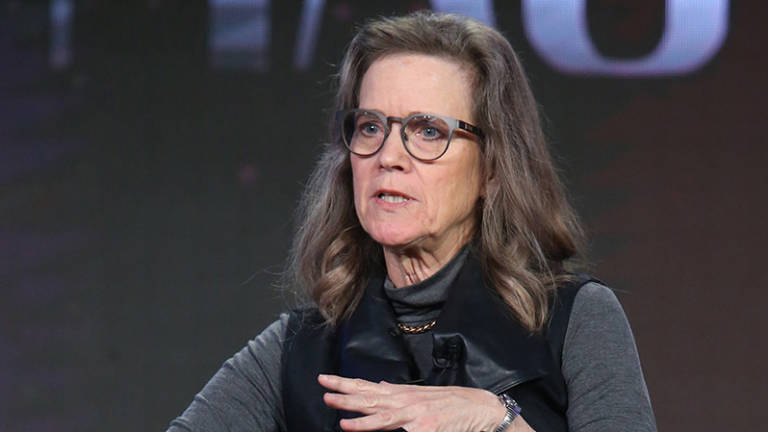
"caption": "Laura Joplin, Janis Joplin's sister, speaks onstage during American Masters' 'Janis: Little Girl Blue' as part of the PBS portion of the 2016 Television Critics Association Winter Press Tour ",
"description": "Laura Joplin, Janis Joplin's sister, speaks onstage during American Masters' 'Janis: Little Girl Blue' as part of the PBS portion of the 2016 Television Critics Association Winter Press Tour ",
"title": "2016 Winter TCA Tour - Day 15",
"credit": "Photo: Frederick M. Brown/Getty Images",
"status": "inherit",
"isLoading": false,
"fetchFailed": false
},
"arts_11528330": {
"type": "attachments",
"id": "arts_11528330",
"meta": {
"index": "attachments_1716263798",
"site": "arts",
"id": "11528330",
"found": true
},
"parent": 11528077,
"imgSizes": {
"twentyfourteen-full-width": {
"file": "https://ww2.kqed.org/app/uploads/sites/2/2016/04/Chet-Helms-Big-Brother-1038x576.jpg",
"width": 1038,
"mimeType": "image/jpeg",
"height": 576
},
"thumbnail": {
"file": "https://ww2.kqed.org/app/uploads/sites/2/2016/04/Chet-Helms-Big-Brother-400x225.jpg",
"width": 400,
"mimeType": "image/jpeg",
"height": 225
},
"fd-sm": {
"file": "https://ww2.kqed.org/app/uploads/sites/2/2016/04/Chet-Helms-Big-Brother-960x540.jpg",
"width": 960,
"mimeType": "image/jpeg",
"height": 540
},
"post-thumbnail": {
"file": "https://ww2.kqed.org/app/uploads/sites/2/2016/04/Chet-Helms-Big-Brother-672x372.jpg",
"width": 672,
"mimeType": "image/jpeg",
"height": 372
},
"kqedFullSize": {
"file": "https://ww2.kqed.org/app/uploads/sites/2/2016/04/Chet-Helms-Big-Brother.jpg",
"width": 1720,
"height": 968
},
"large": {
"file": "https://ww2.kqed.org/app/uploads/sites/2/2016/04/Chet-Helms-Big-Brother-1180x664.jpg",
"width": 1180,
"mimeType": "image/jpeg",
"height": 664
},
"guest-author-96": {
"file": "https://ww2.kqed.org/app/uploads/sites/2/2016/04/Chet-Helms-Big-Brother-96x96.jpg",
"width": 96,
"mimeType": "image/jpeg",
"height": 96
},
"medium": {
"file": "https://ww2.kqed.org/app/uploads/sites/2/2016/04/Chet-Helms-Big-Brother-800x450.jpg",
"width": 800,
"mimeType": "image/jpeg",
"height": 450
},
"guest-author-64": {
"file": "https://ww2.kqed.org/app/uploads/sites/2/2016/04/Chet-Helms-Big-Brother-64x64.jpg",
"width": 64,
"mimeType": "image/jpeg",
"height": 64
},
"guest-author-32": {
"file": "https://ww2.kqed.org/app/uploads/sites/2/2016/04/Chet-Helms-Big-Brother-32x32.jpg",
"width": 32,
"mimeType": "image/jpeg",
"height": 32
},
"fd-med": {
"file": "https://ww2.kqed.org/app/uploads/sites/2/2016/04/Chet-Helms-Big-Brother-1180x664.jpg",
"width": 1180,
"mimeType": "image/jpeg",
"height": 664
},
"detail": {
"file": "https://ww2.kqed.org/app/uploads/sites/2/2016/04/Chet-Helms-Big-Brother-150x150.jpg",
"width": 150,
"mimeType": "image/jpeg",
"height": 150
},
"medium_large": {
"file": "https://ww2.kqed.org/app/uploads/sites/2/2016/04/Chet-Helms-Big-Brother-768x432.jpg",
"width": 768,
"mimeType": "image/jpeg",
"height": 432
},
"guest-author-128": {
"file": "https://ww2.kqed.org/app/uploads/sites/2/2016/04/Chet-Helms-Big-Brother-128x128.jpg",
"width": 128,
"mimeType": "image/jpeg",
"height": 128
}
},
"publishDate": 1461706884,
"modified": 1461706914,
"caption": "Chet Helms (L) with members of Big Brother and the Holding Company",
"description": "Chet Helms (L) with members of Big Brother and the Holding Company",
"title": "Chet Helms & Big Brother",
"credit": "Photo: Courtesy of PBS",
"status": "inherit",
"isLoading": false,
"fetchFailed": false
},
"arts_11533413": {
"type": "attachments",
"id": "arts_11533413",
"meta": {
"index": "attachments_1716263798",
"site": "arts",
"id": "11533413",
"found": true
},
"parent": 11523994,
"imgSizes": {
"thumbnail": {
"file": "https://ww2.kqed.org/app/uploads/sites/2/2016/04/WesMontgomeryRepeat.MAIN_-400x225.jpg",
"width": 400,
"mimeType": "image/jpeg",
"height": 225
},
"post-thumbnail": {
"file": "https://ww2.kqed.org/app/uploads/sites/2/2016/04/WesMontgomeryRepeat.MAIN_-672x372.jpg",
"width": 672,
"mimeType": "image/jpeg",
"height": 372
},
"kqedFullSize": {
"file": "https://ww2.kqed.org/app/uploads/sites/2/2016/04/WesMontgomeryRepeat.MAIN_.jpg",
"width": 800,
"height": 450
},
"guest-author-96": {
"file": "https://ww2.kqed.org/app/uploads/sites/2/2016/04/WesMontgomeryRepeat.MAIN_-96x96.jpg",
"width": 96,
"mimeType": "image/jpeg",
"height": 96
},
"medium": {
"file": "https://ww2.kqed.org/app/uploads/sites/2/2016/04/WesMontgomeryRepeat.MAIN_-800x450.jpg",
"width": 800,
"mimeType": "image/jpeg",
"height": 450
},
"guest-author-64": {
"file": "https://ww2.kqed.org/app/uploads/sites/2/2016/04/WesMontgomeryRepeat.MAIN_-64x64.jpg",
"width": 64,
"mimeType": "image/jpeg",
"height": 64
},
"detail": {
"file": "https://ww2.kqed.org/app/uploads/sites/2/2016/04/WesMontgomeryRepeat.MAIN_-150x150.jpg",
"width": 150,
"mimeType": "image/jpeg",
"height": 150
},
"guest-author-32": {
"file": "https://ww2.kqed.org/app/uploads/sites/2/2016/04/WesMontgomeryRepeat.MAIN_-32x32.jpg",
"width": 32,
"mimeType": "image/jpeg",
"height": 32
},
"medium_large": {
"file": "https://ww2.kqed.org/app/uploads/sites/2/2016/04/WesMontgomeryRepeat.MAIN_-768x432.jpg",
"width": 768,
"mimeType": "image/jpeg",
"height": 432
},
"guest-author-128": {
"file": "https://ww2.kqed.org/app/uploads/sites/2/2016/04/WesMontgomeryRepeat.MAIN_-128x128.jpg",
"width": 128,
"mimeType": "image/jpeg",
"height": 128
}
},
"publishDate": 1461860110,
"modified": 1461860197,
"caption": "Why wouldn't one listen to the brilliant jazz guitarist Wes Montgomery on repeat?",
"description": "Why wouldn't one listen to the brilliant jazz guitarist Wes Montgomery on repeat?",
"title": "WesMontgomeryRepeat.MAIN",
"credit": "Image alteration: Gabe Meline",
"status": "inherit",
"isLoading": false,
"fetchFailed": false
},
"arts_11532350": {
"type": "attachments",
"id": "arts_11532350",
"meta": {
"index": "attachments_1716263798",
"site": "arts",
"id": "11532350",
"found": true
},
"parent": 11532348,
"imgSizes": {
"twentyfourteen-full-width": {
"file": "https://ww2.kqed.org/app/uploads/sites/2/2016/04/JulietaVenegas-1038x576.jpg",
"width": 1038,
"mimeType": "image/jpeg",
"height": 576
},
"thumbnail": {
"file": "https://ww2.kqed.org/app/uploads/sites/2/2016/04/JulietaVenegas-400x225.jpg",
"width": 400,
"mimeType": "image/jpeg",
"height": 225
},
"fd-sm": {
"file": "https://ww2.kqed.org/app/uploads/sites/2/2016/04/JulietaVenegas-960x540.jpg",
"width": 960,
"mimeType": "image/jpeg",
"height": 540
},
"post-thumbnail": {
"file": "https://ww2.kqed.org/app/uploads/sites/2/2016/04/JulietaVenegas-672x372.jpg",
"width": 672,
"mimeType": "image/jpeg",
"height": 372
},
"kqedFullSize": {
"file": "https://ww2.kqed.org/app/uploads/sites/2/2016/04/JulietaVenegas.jpg",
"width": 1735,
"height": 976
},
"large": {
"file": "https://ww2.kqed.org/app/uploads/sites/2/2016/04/JulietaVenegas-1180x664.jpg",
"width": 1180,
"mimeType": "image/jpeg",
"height": 664
},
"guest-author-96": {
"file": "https://ww2.kqed.org/app/uploads/sites/2/2016/04/JulietaVenegas-96x96.jpg",
"width": 96,
"mimeType": "image/jpeg",
"height": 96
},
"medium": {
"file": "https://ww2.kqed.org/app/uploads/sites/2/2016/04/JulietaVenegas-800x450.jpg",
"width": 800,
"mimeType": "image/jpeg",
"height": 450
},
"guest-author-64": {
"file": "https://ww2.kqed.org/app/uploads/sites/2/2016/04/JulietaVenegas-64x64.jpg",
"width": 64,
"mimeType": "image/jpeg",
"height": 64
},
"guest-author-32": {
"file": "https://ww2.kqed.org/app/uploads/sites/2/2016/04/JulietaVenegas-32x32.jpg",
"width": 32,
"mimeType": "image/jpeg",
"height": 32
},
"fd-med": {
"file": "https://ww2.kqed.org/app/uploads/sites/2/2016/04/JulietaVenegas-1180x664.jpg",
"width": 1180,
"mimeType": "image/jpeg",
"height": 664
},
"detail": {
"file": "https://ww2.kqed.org/app/uploads/sites/2/2016/04/JulietaVenegas-150x150.jpg",
"width": 150,
"mimeType": "image/jpeg",
"height": 150
},
"medium_large": {
"file": "https://ww2.kqed.org/app/uploads/sites/2/2016/04/JulietaVenegas-768x432.jpg",
"width": 768,
"mimeType": "image/jpeg",
"height": 432
},
"guest-author-128": {
"file": "https://ww2.kqed.org/app/uploads/sites/2/2016/04/JulietaVenegas-128x128.jpg",
"width": 128,
"mimeType": "image/jpeg",
"height": 128
}
},
"publishDate": 1461825855,
"modified": 1461825909,
"caption": "Julieta Venegas headlines Stern Grove on July 24.",
"description": "Julieta Venegas headlines Stern Grove on July 24.",
"title": "JulietaVenegas",
"credit": "Artist photo",
"status": "inherit",
"isLoading": false,
"fetchFailed": false
},
"arts_11371761": {
"type": "attachments",
"id": "arts_11371761",
"meta": {
"index": "attachments_1716263798",
"site": "arts",
"id": "11371761",
"found": true
},
"parent": 11371760,
"imgSizes": {
"thumbnail": {
"file": "https://ww2.kqed.org/app/uploads/sites/2/2016/03/Prince.MAIN1_.-400x225.jpg",
"width": 400,
"mimeType": "image/jpeg",
"height": 225
},
"post-thumbnail": {
"file": "https://ww2.kqed.org/app/uploads/sites/2/2016/03/Prince.MAIN1_.-672x372.jpg",
"width": 672,
"mimeType": "image/jpeg",
"height": 372
},
"kqedFullSize": {
"file": "https://ww2.kqed.org/app/uploads/sites/2/2016/03/Prince.MAIN1_..jpg",
"width": 800,
"height": 450
},
"guest-author-96": {
"file": "https://ww2.kqed.org/app/uploads/sites/2/2016/03/Prince.MAIN1_.-96x96.jpg",
"width": 96,
"mimeType": "image/jpeg",
"height": 96
},
"medium": {
"file": "https://ww2.kqed.org/app/uploads/sites/2/2016/03/Prince.MAIN1_.-800x450.jpg",
"width": 800,
"mimeType": "image/jpeg",
"height": 450
},
"guest-author-64": {
"file": "https://ww2.kqed.org/app/uploads/sites/2/2016/03/Prince.MAIN1_.-64x64.jpg",
"width": 64,
"mimeType": "image/jpeg",
"height": 64
},
"detail": {
"file": "https://ww2.kqed.org/app/uploads/sites/2/2016/03/Prince.MAIN1_.-75x75.jpg",
"width": 75,
"mimeType": "image/jpeg",
"height": 75
},
"guest-author-32": {
"file": "https://ww2.kqed.org/app/uploads/sites/2/2016/03/Prince.MAIN1_.-32x32.jpg",
"width": 32,
"mimeType": "image/jpeg",
"height": 32
},
"medium_large": {
"file": "https://ww2.kqed.org/app/uploads/sites/2/2016/03/Prince.MAIN1_.-768x432.jpg",
"width": 768,
"mimeType": "image/jpeg",
"height": 432
},
"guest-author-128": {
"file": "https://ww2.kqed.org/app/uploads/sites/2/2016/03/Prince.MAIN1_.-128x128.jpg",
"width": 128,
"mimeType": "image/jpeg",
"height": 128
}
},
"publishDate": 1456851243,
"modified": 1461262309,
"caption": "Prince recently toured solo on his 'Piano and a Microphone' tour.",
"description": "Prince recently toured solo on his 'Piano and a Microphone' tour.",
"title": "Prince.MAIN1.",
"credit": "Photo courtesy Prince management",
"status": "inherit",
"isLoading": false,
"fetchFailed": false
},
"pop_23384": {
"type": "attachments",
"id": "pop_23384",
"meta": {
"index": "attachments_1716263798",
"site": "pop",
"id": "23384",
"found": true
},
"parent": 23381,
"imgSizes": {
"thumbnail": {
"file": "https://ww2.kqed.org/app/uploads/sites/12/2016/04/beyonce-400x225.jpg",
"width": 400,
"mimeType": "image/jpeg",
"height": 225
},
"post-thumbnail": {
"file": "https://ww2.kqed.org/app/uploads/sites/12/2016/04/beyonce-672x372.jpg",
"width": 672,
"mimeType": "image/jpeg",
"height": 372
},
"kqedFullSize": {
"file": "https://ww2.kqed.org/app/uploads/sites/12/2016/04/beyonce.jpg",
"width": 800,
"height": 450
},
"guest-author-96": {
"file": "https://ww2.kqed.org/app/uploads/sites/12/2016/04/beyonce-96x96.jpg",
"width": 96,
"mimeType": "image/jpeg",
"height": 96
},
"medium": {
"file": "https://ww2.kqed.org/app/uploads/sites/12/2016/04/beyonce-800x450.jpg",
"width": 800,
"mimeType": "image/jpeg",
"height": 450
},
"guest-author-64": {
"file": "https://ww2.kqed.org/app/uploads/sites/12/2016/04/beyonce-64x64.jpg",
"width": 64,
"mimeType": "image/jpeg",
"height": 64
},
"detail": {
"file": "https://ww2.kqed.org/app/uploads/sites/12/2016/04/beyonce-150x150.jpg",
"width": 150,
"mimeType": "image/jpeg",
"height": 150
},
"guest-author-32": {
"file": "https://ww2.kqed.org/app/uploads/sites/12/2016/04/beyonce-32x32.jpg",
"width": 32,
"mimeType": "image/jpeg",
"height": 32
},
"medium_large": {
"file": "https://ww2.kqed.org/app/uploads/sites/12/2016/04/beyonce-768x432.jpg",
"width": 768,
"mimeType": "image/jpeg",
"height": 432
},
"guest-author-128": {
"file": "https://ww2.kqed.org/app/uploads/sites/12/2016/04/beyonce-128x128.jpg",
"width": 128,
"mimeType": "image/jpeg",
"height": 128
}
},
"publishDate": 1461831023,
"modified": 1461831035,
"caption": null,
"description": null,
"title": "beyonce prince blue ivy",
"credit": null,
"status": "inherit",
"isLoading": false,
"fetchFailed": false
},
"arts_11515134": {
"type": "attachments",
"id": "arts_11515134",
"meta": {
"index": "attachments_1716263798",
"site": "arts",
"id": "11515134",
"found": true
},
"parent": 11514986,
"imgSizes": {
"twentyfourteen-full-width": {
"file": "https://ww2.kqed.org/app/uploads/sites/2/2016/04/princeMAIN-1038x576.jpg",
"width": 1038,
"mimeType": "image/jpeg",
"height": 576
},
"thumbnail": {
"file": "https://ww2.kqed.org/app/uploads/sites/2/2016/04/princeMAIN-400x225.jpg",
"width": 400,
"mimeType": "image/jpeg",
"height": 225
},
"fd-sm": {
"file": "https://ww2.kqed.org/app/uploads/sites/2/2016/04/princeMAIN-960x540.jpg",
"width": 960,
"mimeType": "image/jpeg",
"height": 540
},
"post-thumbnail": {
"file": "https://ww2.kqed.org/app/uploads/sites/2/2016/04/princeMAIN-672x372.jpg",
"width": 672,
"mimeType": "image/jpeg",
"height": 372
},
"kqedFullSize": {
"file": "https://ww2.kqed.org/app/uploads/sites/2/2016/04/princeMAIN.jpg",
"width": 1920,
"height": 1080
},
"large": {
"file": "https://ww2.kqed.org/app/uploads/sites/2/2016/04/princeMAIN-1180x664.jpg",
"width": 1180,
"mimeType": "image/jpeg",
"height": 664
},
"guest-author-96": {
"file": "https://ww2.kqed.org/app/uploads/sites/2/2016/04/princeMAIN-96x96.jpg",
"width": 96,
"mimeType": "image/jpeg",
"height": 96
},
"medium": {
"file": "https://ww2.kqed.org/app/uploads/sites/2/2016/04/princeMAIN-800x450.jpg",
"width": 800,
"mimeType": "image/jpeg",
"height": 450
},
"guest-author-64": {
"file": "https://ww2.kqed.org/app/uploads/sites/2/2016/04/princeMAIN-64x64.jpg",
"width": 64,
"mimeType": "image/jpeg",
"height": 64
},
"guest-author-32": {
"file": "https://ww2.kqed.org/app/uploads/sites/2/2016/04/princeMAIN-32x32.jpg",
"width": 32,
"mimeType": "image/jpeg",
"height": 32
},
"fd-lrg": {
"file": "https://ww2.kqed.org/app/uploads/sites/2/2016/04/princeMAIN-1920x1080.jpg",
"width": 1920,
"mimeType": "image/jpeg",
"height": 1080
},
"fd-med": {
"file": "https://ww2.kqed.org/app/uploads/sites/2/2016/04/princeMAIN-1180x664.jpg",
"width": 1180,
"mimeType": "image/jpeg",
"height": 664
},
"detail": {
"file": "https://ww2.kqed.org/app/uploads/sites/2/2016/04/princeMAIN-75x75.jpg",
"width": 75,
"mimeType": "image/jpeg",
"height": 75
},
"medium_large": {
"file": "https://ww2.kqed.org/app/uploads/sites/2/2016/04/princeMAIN-768x432.jpg",
"width": 768,
"mimeType": "image/jpeg",
"height": 432
},
"guest-author-128": {
"file": "https://ww2.kqed.org/app/uploads/sites/2/2016/04/princeMAIN-128x128.jpg",
"width": 128,
"mimeType": "image/jpeg",
"height": 128
}
},
"publishDate": 1461286125,
"modified": 1461286203,
"caption": "No other pop star gave as much as Prince did, night after night.",
"description": "No other pop star gave as much as Prince did, night after night.",
"title": "princeMAIN",
"credit": "Photo: Herb Ritts/Paisley Park",
"status": "inherit",
"isLoading": false,
"fetchFailed": false
},
"arts_10829647": {
"type": "attachments",
"id": "arts_10829647",
"meta": {
"index": "attachments_1716263798",
"site": "arts",
"id": "10829647",
"found": true
},
"parent": 10829382,
"imgSizes": {
"twentyfourteen-full-width": {
"file": "https://ww2.kqed.org/app/uploads/sites/2/2015/07/Fat-Mike-e1436914583413-1038x576.jpg",
"width": 1038,
"mimeType": "image/jpeg",
"height": 576
},
"thumbnail": {
"file": "https://ww2.kqed.org/app/uploads/sites/2/2015/07/Fat-Mike-e1436914583413-400x226.jpg",
"width": 400,
"mimeType": "image/jpeg",
"height": 226
},
"fd-sm": {
"file": "https://ww2.kqed.org/app/uploads/sites/2/2015/07/Fat-Mike-e1436914583413-960x542.jpg",
"width": 960,
"mimeType": "image/jpeg",
"height": 542
},
"post-thumbnail": {
"file": "https://ww2.kqed.org/app/uploads/sites/2/2015/07/Fat-Mike-e1436914583413-672x372.jpg",
"width": 672,
"mimeType": "image/jpeg",
"height": 372
},
"kqedFullSize": {
"file": "https://ww2.kqed.org/app/uploads/sites/2/2015/07/Fat-Mike-e1436914583413.jpg",
"width": 2929,
"height": 1653
},
"large": {
"file": "https://ww2.kqed.org/app/uploads/sites/2/2015/07/Fat-Mike-e1436914583413-1180x666.jpg",
"width": 1180,
"mimeType": "image/jpeg",
"height": 666
},
"guest-author-96": {
"file": "https://ww2.kqed.org/app/uploads/sites/2/2015/07/Fat-Mike-e1436914583413-96x96.jpg",
"width": 96,
"mimeType": "image/jpeg",
"height": 96
},
"medium": {
"file": "https://ww2.kqed.org/app/uploads/sites/2/2015/07/Fat-Mike-e1436914583413-800x451.jpg",
"width": 800,
"mimeType": "image/jpeg",
"height": 451
},
"guest-author-64": {
"file": "https://ww2.kqed.org/app/uploads/sites/2/2015/07/Fat-Mike-e1436914583413-64x64.jpg",
"width": 64,
"mimeType": "image/jpeg",
"height": 64
},
"guest-author-32": {
"file": "https://ww2.kqed.org/app/uploads/sites/2/2015/07/Fat-Mike-e1436914583413-32x32.jpg",
"width": 32,
"mimeType": "image/jpeg",
"height": 32
},
"fd-med": {
"file": "https://ww2.kqed.org/app/uploads/sites/2/2015/07/Fat-Mike-e1436914583413-1180x666.jpg",
"width": 1180,
"mimeType": "image/jpeg",
"height": 666
},
"detail": {
"file": "https://ww2.kqed.org/app/uploads/sites/2/2015/07/Fat-Mike-e1436914583413-75x75.jpg",
"width": 75,
"mimeType": "image/jpeg",
"height": 75
},
"guest-author-128": {
"file": "https://ww2.kqed.org/app/uploads/sites/2/2015/07/Fat-Mike-e1436914583413-128x128.jpg",
"width": 128,
"mimeType": "image/jpeg",
"height": 128
}
},
"publishDate": 1436517442,
"modified": 1527709924,
"caption": "Fat Mike of NOFX ",
"description": "Fat Mike of NOFX ",
"title": "US band NOFX performs on",
"credit": "Nanna Kreutzmann/AFP/Getty Images",
"status": "inherit",
"isLoading": false,
"fetchFailed": false
}
},
"audioPlayerReducer": {
"postId": "stream_live",
"isPaused": true,
"isPlaying": false,
"pfsActive": false,
"pledgeModalIsOpen": true,
"playerDrawerIsOpen": false,
"liveAudioPlayStartedAt": 0,
"liveAudioPlayContext": ""
},
"authorsReducer": {
"128435": {
"type": "authors",
"id": "128435",
"meta": {
"override": true
},
"slug": "128435",
"name": "Jonathan Curiel",
"firstName": "Jonathan",
"lastName": "Curiel",
"bio": "Jonathan Curiel has written widely about music, film, books, art, photography and other cultural subjects. \u003ci>SF Weekly's\u003c/i> art critic, he is a former staff writer with the \u003ci>San Francisco Chronicle\u003c/i>, and has also written on the arts for \u003ca href=\"http://www.salon.com/\">Salon\u003c/a>, the \u003ci>Christian Science Monitor\u003c/i>, \u003ci>The Wire\u003c/i> (a London music magazine), \u003ci>Tablet\u003c/i> and \u003ci>GlobalPost\u003c/i>. He has researched architecture at England's Oxford University, taught music journalism at the UCLA Herb Alpert School of Music, and been a juror at the San Francisco International Film Festival.",
"email": "jonathancuriel@hotmail.com",
"isLoading": false
},
"byline_arts_11531768": {
"type": "authors",
"id": "byline_arts_11531768",
"meta": {
"override": true
},
"slug": "byline_arts_11531768",
"name": "Amy Forliti, Associated Press",
"isLoading": false
},
"byline_arts_11531393": {
"type": "authors",
"id": "byline_arts_11531393",
"meta": {
"override": true
},
"slug": "byline_arts_11531393",
"name": "Erik Schelzig, Associated Press",
"isLoading": false
},
"ehapsis": {
"type": "authors",
"id": "27",
"meta": {
"index": "authors_1716337520",
"id": "27",
"found": true
},
"name": "Emmanuel Hapsis",
"firstName": "Emmanuel",
"lastName": "Hapsis",
"slug": "ehapsis",
"email": "ehapsis@kqed.org",
"display_author_email": false,
"staff_mastheads": [],
"title": "KQED Contributor",
"bio": "Emmanuel Hapsis is the creator and editor of KQED Pop and also the host of \u003cem>\u003ca href=\"https://itunes.apple.com/us/podcast/the-cooler/id1041117499?mt=2\">The Cooler\u003c/a>\u003c/em>. He studied creative writing at University of Maryland and went on to receive his MFA in the field from California College of the Arts. In his free time, he sings his heart out at karaoke.",
"avatar": "https://secure.gravatar.com/avatar/6302b6f7ef8b2dcd3acd9e2c6bc570b7?s=600&d=blank&r=g",
"twitter": "xcusemybeauty",
"facebook": null,
"instagram": null,
"linkedin": null,
"sites": [
{
"site": "arts",
"roles": [
"Contributor",
"subscriber"
]
},
{
"site": "pop",
"roles": [
"contributor"
]
}
],
"headData": {
"title": "Emmanuel Hapsis | KQED",
"description": "KQED Contributor",
"ogImgSrc": "https://secure.gravatar.com/avatar/6302b6f7ef8b2dcd3acd9e2c6bc570b7?s=600&d=blank&r=g",
"twImgSrc": "https://secure.gravatar.com/avatar/6302b6f7ef8b2dcd3acd9e2c6bc570b7?s=600&d=blank&r=g"
},
"isLoading": false,
"link": "/author/ehapsis"
},
"cmusiker": {
"type": "authors",
"id": "32",
"meta": {
"index": "authors_1716337520",
"id": "32",
"found": true
},
"name": "Cy Musiker",
"firstName": "Cy",
"lastName": "Musiker",
"slug": "cmusiker",
"email": "cmusiker@kqed.org",
"display_author_email": false,
"staff_mastheads": [],
"title": "KQED Contributor",
"bio": "Cy Musiker is a former co-host of The Do List and a former reporter covering the arts for KQED News and The California Report. He loves live performance, especially great theater, jazz, roots music, anything by Mahler. Cy has an MJ from UC Berkeley's School of Journalism, and got his BA from Hampshire College. His work has been recognized by the Society for Professional Journalists with their Sigma Delta Chi Award for Public Service in Journalism. When he can, Cy likes to swim in Tomales Bay, run with his dog in the East Bay Hills, and hike the Sierra.",
"avatar": "https://secure.gravatar.com/avatar/05eaba5c5696ce8f062e4ea2df428a43?s=600&d=blank&r=g",
"twitter": null,
"facebook": null,
"instagram": null,
"linkedin": null,
"sites": [
{
"site": "arts",
"roles": [
"Contributor",
"subscriber"
]
},
{
"site": "news",
"roles": [
"author"
]
},
{
"site": "bayareabites",
"roles": [
"contributor"
]
}
],
"headData": {
"title": "Cy Musiker | KQED",
"description": "KQED Contributor",
"ogImgSrc": "https://secure.gravatar.com/avatar/05eaba5c5696ce8f062e4ea2df428a43?s=600&d=blank&r=g",
"twImgSrc": "https://secure.gravatar.com/avatar/05eaba5c5696ce8f062e4ea2df428a43?s=600&d=blank&r=g"
},
"isLoading": false,
"link": "/author/cmusiker"
},
"kqedarts": {
"type": "authors",
"id": "92",
"meta": {
"index": "authors_1716337520",
"id": "92",
"found": true
},
"name": "KQED Arts",
"firstName": "KQED",
"lastName": "Arts",
"slug": "kqedarts",
"email": "arts@kqed.org",
"display_author_email": false,
"staff_mastheads": [],
"title": "KQED Staff",
"bio": null,
"avatar": "https://secure.gravatar.com/avatar/321c9ebfeb7736f9e55366a6d3399ab0?s=600&d=blank&r=g",
"twitter": null,
"facebook": null,
"instagram": "https://www.instagram.com/kqed_arts/",
"linkedin": null,
"sites": [
{
"site": "arts",
"roles": [
"contributor"
]
},
{
"site": "pop",
"roles": [
"contributor"
]
},
{
"site": "science",
"roles": [
"author"
]
},
{
"site": "food",
"roles": [
"contributor"
]
}
],
"headData": {
"title": "KQED Arts | KQED",
"description": "KQED Staff",
"ogImgSrc": "https://secure.gravatar.com/avatar/321c9ebfeb7736f9e55366a6d3399ab0?s=600&d=blank&r=g",
"twImgSrc": "https://secure.gravatar.com/avatar/321c9ebfeb7736f9e55366a6d3399ab0?s=600&d=blank&r=g"
},
"isLoading": false,
"link": "/author/kqedarts"
},
"kjones": {
"type": "authors",
"id": "93",
"meta": {
"index": "authors_1716337520",
"id": "93",
"found": true
},
"name": "Kevin L. Jones",
"firstName": "Kevin",
"lastName": "Jones",
"slug": "kjones",
"email": "kjones@kqed.org",
"display_author_email": false,
"staff_mastheads": [],
"title": null,
"bio": null,
"avatar": "https://secure.gravatar.com/avatar/12c65b5633ed39d0a59bb7f497eff645?s=600&d=blank&r=g",
"twitter": null,
"facebook": null,
"instagram": null,
"linkedin": null,
"sites": [
{
"site": "arts",
"roles": [
"subscriber"
]
},
{
"site": "styleguide",
"roles": [
"contributor"
]
},
{
"site": "artschool",
"roles": [
"subscriber"
]
},
{
"site": "news",
"roles": [
"subscriber"
]
},
{
"site": "pop",
"roles": [
"subscriber"
]
}
],
"headData": {
"title": "Kevin L. Jones | KQED",
"description": null,
"ogImgSrc": "https://secure.gravatar.com/avatar/12c65b5633ed39d0a59bb7f497eff645?s=600&d=blank&r=g",
"twImgSrc": "https://secure.gravatar.com/avatar/12c65b5633ed39d0a59bb7f497eff645?s=600&d=blank&r=g"
},
"isLoading": false,
"link": "/author/kjones"
},
"gmeline": {
"type": "authors",
"id": "185",
"meta": {
"index": "authors_1716337520",
"id": "185",
"found": true
},
"name": "Gabe Meline",
"firstName": "Gabe",
"lastName": "Meline",
"slug": "gmeline",
"email": "gmeline@kqed.org",
"display_author_email": true,
"staff_mastheads": [
"arts"
],
"title": "Senior Editor, KQED Arts & Culture",
"bio": "Gabe Meline entered journalism at age 15 making photocopied zines, and has since earned awards from the Edward R. Murrow Awards, the Society for Professional Journalists, the Online Journalism Awards, the Association of Alternative Newsweeklies and the California Newspaper Publishers Association. Prior to KQED, he was the editor of the \u003cem>North Bay Bohemian\u003c/em> and a touring musician. He lives with his wife and daughter in his hometown of Santa Rosa, CA.",
"avatar": "https://secure.gravatar.com/avatar/5bebe57be0d8bc2dd318934feb47299e2d2d10cba28d09d8d7afb389a2ce2bdd?s=600&d=blank&r=g",
"twitter": null,
"bluesky": null,
"facebook": null,
"instagram": null,
"linkedin": null,
"sites": [
{
"site": "",
"roles": [
"editor"
]
},
{
"site": "arts",
"roles": [
"administrator"
]
},
{
"site": "artschool",
"roles": [
"editor"
]
},
{
"site": "news",
"roles": [
"author"
]
},
{
"site": "pop",
"roles": [
"editor"
]
},
{
"site": "bayareabites",
"roles": [
"editor"
]
},
{
"site": "food",
"roles": [
"editor"
]
},
{
"site": "forum",
"roles": [
"administrator"
]
},
{
"site": "liveblog",
"roles": [
"editor"
]
},
{
"site": "hiphop",
"roles": [
"editor"
]
}
],
"headData": {
"title": "Gabe Meline | KQED",
"description": "Senior Editor, KQED Arts & Culture",
"ogImgSrc": "https://secure.gravatar.com/avatar/5bebe57be0d8bc2dd318934feb47299e2d2d10cba28d09d8d7afb389a2ce2bdd?s=600&d=blank&r=g",
"twImgSrc": "https://secure.gravatar.com/avatar/5bebe57be0d8bc2dd318934feb47299e2d2d10cba28d09d8d7afb389a2ce2bdd?s=600&d=blank&r=g"
},
"isLoading": false,
"link": "/author/gmeline"
}
},
"pagesReducer": {
"arts_category_music": {
"type": "terms",
"id": "arts_69",
"meta": {
"index": "terms_1716263798",
"site": "arts",
"id": "69",
"score": 10.851565
},
"featImg": null,
"name": "Music",
"description": null,
"taxonomy": "category",
"headData": {
"twImgId": null,
"twTitle": null,
"ogTitle": null,
"ogImgId": null,
"twDescription": null,
"description": null,
"title": "Music Archives | KQED Arts",
"ogDescription": null
},
"ttid": 70,
"slug": "music",
"isLoading": false,
"title": "Music",
"pageMeta": {
"site": "arts",
"WpPageTemplate": "page-topic-editorial",
"currentPage": 292
},
"blocks": [
{
"blockName": "kqed/post-list",
"attrs": {
"layout": "cardArticle2",
"query": "posts/arts?category=music",
"seeMore": false,
"paginated": true,
"page": 292
}
},
{
"blockName": "kqed/ad"
}
]
}
},
"pfsSessionReducer": {},
"postsReducer": {
"stream_live": {
"type": "live",
"id": "stream_live",
"audioUrl": "https://streams.kqed.org/kqedradio",
"title": "Live Stream",
"excerpt": "Live Stream information currently unavailable.",
"link": "/radio",
"featImg": "",
"label": {
"name": "KQED Live",
"link": "/"
}
},
"stream_kqedNewscast": {
"type": "posts",
"id": "stream_kqedNewscast",
"audioUrl": "https://www.kqed.org/.stream/anon/radio/RDnews/newscast.mp3?_=1",
"title": "KQED Newscast",
"featImg": "",
"label": {
"name": "88.5 FM",
"link": "/"
}
},
"arts_11535515": {
"type": "posts",
"id": "arts_11535515",
"meta": {
"index": "posts_1716263798",
"site": "arts",
"id": "11535515",
"score": null,
"sort": [
1461920135000
]
},
"guestAuthors": [],
"slug": "source-investigators-looking-into-whether-prince-died-of-an-overdose",
"title": "Source: Investigators Looking into Whether Prince Died of an Overdose",
"publishDate": 1461920135,
"format": "standard",
"headTitle": "Source: Investigators Looking into Whether Prince Died of an Overdose | KQED",
"labelTerm": {
"site": "arts"
},
"content": "\u003cp>Investigators are looking into whether Prince died from an overdose and whether a doctor was prescribing him drugs in the weeks before he was found dead at his home in suburban Minneapolis, a law enforcement official told The Associated Press on Thursday.\u003c/p>\n\u003cp>The official said that among the things investigators are looking at is whether a doctor was with Prince on a plane that made an emergency landing in Illinois less than a week before the star died.\u003c/p>\n\u003cp>The law enforcement official has been briefed on the investigation and spoke to the AP on condition of anonymity because he was not authorized to speak to the media.\u003c/p>\n\u003cp>The official said investigators are also looking into what kind of drugs were on the plane and at Prince’s house in suburban Minneapolis.\u003c/p>\n\u003cp>The official also confirmed some details that have previously been reported by other media outlets, including TMZ.\u003c/p>\n\u003cp>[ad fullwidth]\u003c/p>\n\u003cp>Prince’s plane made an emergency stop in Moline, in western Illinois, on April 15 and he was found unconscious on the plane, the official said. The person said first responders gave Prince a shot of Narcan, which is used in suspected opioid overdoses. The official said the so-called save shot was given when the plane was on the tarmac in Moline as Prince returned to Minneapolis following a performance in Atlanta.\u003c/p>\n\u003cp>The official said investigators are looking at whether Prince overdosed on the plane and whether an overdose killed him, and at what kind of drugs were involved. One possibility is the powerful painkiller Percocet or something similar, the official said.\u003c/p>\n\u003cp>Narcan can be used on people even if an overdose isn’t confirmed because it wouldn’t necessarily be harmful.\u003c/p>\n\u003cp>While it’s premature to say where the investigation is heading, the mention of a doctor calls to mind other celebrity deaths, including Michael Jackson’s. Jackson’s doctor, Conrad Murray, was convicted of involuntary manslaughter for his role in prescribing a powerful anesthetic that contributed to the pop star’s death in 2009.\u003c/p>\n\u003cp>A second law enforcement official told AP that prescription drugs were discovered at Prince’s home when the musician was found dead on April 21.\u003c/p>\n\u003cp>That official spoke on condition of anonymity because the person was not authorized to speak about the ongoing investigation into Prince’s death. The official did not elaborate. An autopsy has been performed, but results aren’t expected for three to four weeks. The search warrant for Prince’s Paisley Park home and studio — carried out the day of his death — was filed Thursday under seal at the request of investigators who said it would hamper their investigation if contents were public.\u003c/p>\n\u003cp>An affidavit in support of sealing the warrant, signed by Carver County Chief Deputy Jason Kamerud, also warned that disclosing details in the warrant could cause “the search or related searches to be unsuccessful” and risk injury to innocent people.\u003c/p>\n\u003cp>Kamerud declined to comment Thursday on the reports of drugs found at Paisley Park, and told AP that he strongly disputed reports by several media outlets that investigators had asked the U.S. Drug Enforcement Administration for help in the case.\u003c/p>\n\u003cp>“We have not asked them for help, or asked them to be a part of the investigation,” Kamerud said. “We might contact them to help us, but that hasn’t happened. We don’t have the medical examiner’s report yet. We don’t know to what extent pharmaceuticals could be a part of this.”\u003c/p>\n\u003cp>Leo Hawkins, a DEA spokesman in Chicago, said he had no comment.\u003c/p>\n\u003cp>Prince’s death came two weeks after he canceled concerts in Atlanta, saying he wasn’t feeling well. He played a pair of makeup shows April 14 in that city. Prince was scheduled to perform two shows in St. Louis but canceled them shortly before his death due to health concerns.\u003c/p>\n\u003cp>Longtime friend and collaborator Sheila E. has told the AP that Prince had physical issues from performing, citing hip and knee problems that she said came from years of jumping off risers and stage speakers in heels.\u003c/p>\n\u003cp>___\u003c/p>\n\u003cp>Tarm reported from Chicago. Tucker reported from Washington, D.C.\u003c/p>\n\u003cp>\u003c/p>\n\u003cp>Copyright 2016 The Associated Press. All rights reserved.\u003c/p>\n\n",
"blocks": [],
"excerpt": "An anonymous official working on the case says they are also investigating the emergency landing the week before Prince's death",
"status": "publish",
"parent": 0,
"modified": 1726709902,
"stats": {
"hasAudio": false,
"hasVideo": false,
"hasChartOrMap": false,
"iframeSrcs": [],
"hasGoogleForm": false,
"hasGallery": false,
"hasHearkenModule": false,
"hasPolis": false,
"paragraphCount": 22,
"wordCount": 725
},
"headData": {
"title": "Source: Investigators Looking into Whether Prince Died of an Overdose | KQED",
"description": "An anonymous official working on the case says they are also investigating the emergency landing the week before Prince's death",
"ogTitle": "",
"ogDescription": "",
"ogImgId": "",
"twTitle": "",
"twDescription": "",
"twImgId": "",
"schema": {
"@context": "https://schema.org",
"@type": "Article",
"headline": "Source: Investigators Looking into Whether Prince Died of an Overdose",
"datePublished": "2016-04-29T01:55:35-07:00",
"dateModified": "2024-09-18T18:38:22-07:00",
"image": "https://cdn.kqed.org/wp-content/uploads/2020/02/KQED-OG-Image@1x.png"
}
},
"sticky": false,
"path": "/arts/11535515/source-investigators-looking-into-whether-prince-died-of-an-overdose",
"audioTrackLength": null,
"parsedContent": [
{
"type": "contentString",
"content": "\u003cdiv class=\"post-body\">\u003cp>\u003cp>Investigators are looking into whether Prince died from an overdose and whether a doctor was prescribing him drugs in the weeks before he was found dead at his home in suburban Minneapolis, a law enforcement official told The Associated Press on Thursday.\u003c/p>\n\u003cp>The official said that among the things investigators are looking at is whether a doctor was with Prince on a plane that made an emergency landing in Illinois less than a week before the star died.\u003c/p>\n\u003cp>The law enforcement official has been briefed on the investigation and spoke to the AP on condition of anonymity because he was not authorized to speak to the media.\u003c/p>\n\u003cp>The official said investigators are also looking into what kind of drugs were on the plane and at Prince’s house in suburban Minneapolis.\u003c/p>\n\u003cp>The official also confirmed some details that have previously been reported by other media outlets, including TMZ.\u003c/p>\n\u003cp>\u003c/p>\u003c/div>",
"attributes": {
"named": {},
"numeric": []
}
},
{
"type": "component",
"content": "",
"name": "ad",
"attributes": {
"named": {
"label": "fullwidth"
},
"numeric": [
"fullwidth"
]
}
},
{
"type": "contentString",
"content": "\u003cdiv class=\"post-body\">\u003cp>\u003c/p>\n\u003cp>Prince’s plane made an emergency stop in Moline, in western Illinois, on April 15 and he was found unconscious on the plane, the official said. The person said first responders gave Prince a shot of Narcan, which is used in suspected opioid overdoses. The official said the so-called save shot was given when the plane was on the tarmac in Moline as Prince returned to Minneapolis following a performance in Atlanta.\u003c/p>\n\u003cp>The official said investigators are looking at whether Prince overdosed on the plane and whether an overdose killed him, and at what kind of drugs were involved. One possibility is the powerful painkiller Percocet or something similar, the official said.\u003c/p>\n\u003cp>Narcan can be used on people even if an overdose isn’t confirmed because it wouldn’t necessarily be harmful.\u003c/p>\n\u003cp>While it’s premature to say where the investigation is heading, the mention of a doctor calls to mind other celebrity deaths, including Michael Jackson’s. Jackson’s doctor, Conrad Murray, was convicted of involuntary manslaughter for his role in prescribing a powerful anesthetic that contributed to the pop star’s death in 2009.\u003c/p>\n\u003cp>A second law enforcement official told AP that prescription drugs were discovered at Prince’s home when the musician was found dead on April 21.\u003c/p>\n\u003cp>That official spoke on condition of anonymity because the person was not authorized to speak about the ongoing investigation into Prince’s death. The official did not elaborate. An autopsy has been performed, but results aren’t expected for three to four weeks. The search warrant for Prince’s Paisley Park home and studio — carried out the day of his death — was filed Thursday under seal at the request of investigators who said it would hamper their investigation if contents were public.\u003c/p>\n\u003cp>An affidavit in support of sealing the warrant, signed by Carver County Chief Deputy Jason Kamerud, also warned that disclosing details in the warrant could cause “the search or related searches to be unsuccessful” and risk injury to innocent people.\u003c/p>\n\u003cp>Kamerud declined to comment Thursday on the reports of drugs found at Paisley Park, and told AP that he strongly disputed reports by several media outlets that investigators had asked the U.S. Drug Enforcement Administration for help in the case.\u003c/p>\n\u003cp>“We have not asked them for help, or asked them to be a part of the investigation,” Kamerud said. “We might contact them to help us, but that hasn’t happened. We don’t have the medical examiner’s report yet. We don’t know to what extent pharmaceuticals could be a part of this.”\u003c/p>\n\u003cp>Leo Hawkins, a DEA spokesman in Chicago, said he had no comment.\u003c/p>\n\u003cp>Prince’s death came two weeks after he canceled concerts in Atlanta, saying he wasn’t feeling well. He played a pair of makeup shows April 14 in that city. Prince was scheduled to perform two shows in St. Louis but canceled them shortly before his death due to health concerns.\u003c/p>\n\u003cp>Longtime friend and collaborator Sheila E. has told the AP that Prince had physical issues from performing, citing hip and knee problems that she said came from years of jumping off risers and stage speakers in heels.\u003c/p>\n\u003cp>___\u003c/p>\n\u003cp>Tarm reported from Chicago. Tucker reported from Washington, D.C.\u003c/p>\n\u003cp>\u003c/p>\n\u003cp>Copyright 2016 The Associated Press. All rights reserved.\u003c/p>\n\n\u003c/div>\u003c/p>",
"attributes": {
"named": {},
"numeric": []
}
}
],
"link": "/arts/11535515/source-investigators-looking-into-whether-prince-died-of-an-overdose",
"authors": [
"92"
],
"categories": [
"arts_69",
"arts_235"
],
"tags": [
"arts_1254",
"arts_596",
"arts_1427"
],
"featImg": "arts_11535516",
"label": "arts"
},
"arts_11511957": {
"type": "posts",
"id": "arts_11511957",
"meta": {
"index": "posts_1716263798",
"site": "arts",
"id": "11511957",
"score": null,
"sort": [
1461888050000
]
},
"parent": 0,
"labelTerm": {
"site": "arts"
},
"blocks": [],
"publishDate": 1461888050,
"format": "image",
"title": "Janis Joplin: A San Francisco Legend",
"headTitle": "Janis Joplin: A San Francisco Legend | KQED",
"content": "\u003cp>One of the most revered and influential rock ’n’ roll singers of all time, Janis Joplin (Jan. 19, 1943 – Oct. 4, 1970) thrilled audiences and blazed new creative trails before her death at age 27. Oscar-nominated director Amy Berg (\u003cem>Deliver Us From Evil\u003c/em>, \u003cem>West of Memphis\u003c/em>, \u003cem>Prophet’s Prey\u003c/em>) examines Joplin’s story in depth, for the first time on film, presenting an intimate portrait of a complicated and driven artist.\u003c/p>\n\u003cp>\u003cem>\u003ca href=\"http://www.kqed.org/tv/programs/index.jsp?pgmid=23409\" target=\"_blank\" rel=\"noopener\">American Masters – Janis: Little Girl Blue\u003c/a>\u003c/em> premieres nationwide Tuesday, May 3, at 8pm on KQED as part of the 30th anniversary season of THIRTEEN’s American Masters series. The broadcast features a never-before-seen extended film cut with additional archival performance footage and new interviews with Joplin’s sister Laura Joplin and musicians influenced by Janis: Alecia Moore (a.k.a. Pink), Juliette Lewis, Melissa Etheridge and the film’s narrator, Chan Marshall, who is best known as indie rock star Cat Power. In tribute, she performs “A Woman Left Lonely” from Joplin’s final studio album \u003cem>Pearl\u003c/em>, released posthumously on Jan. 11, 1971. This year marks the album’s 45th anniversary.\u003c/p>\n\u003cp>Also, following at 10pm is the KQED production \u003ca href=\"http://www.kqed.org/tv/programs/index.jsp?pgmid=23456\" target=\"_blank\" rel=\"noopener\">\u003cem>Janis Joplin: San Francisco’s Pearl\u003c/em>\u003c/a>. Follow Janis Joplin’s career from her rise to fame at the 1967 Monterey Pop Festival to her untimely death in Los Angeles in 1970. Narrated by Jefferson Airplane’s Marty Balin, the documentary features interviews with Joplin’s former bandmates and Bay Area journalists and performers.\u003c/p>\n\u003cp>\u003ci>Watch the trailer for \u003cb>Janis: Little Girl Blue\u003c/b> below. Visit \u003ca href=\"http://www.kqed.org/tv/programs/index.jsp?pgmid=23409\" target=\"_blank\" rel=\"noopener\">KQED.org/tv\u003c/a> to find upcoming broadcasts.\u003c/i>\u003c/p>\n\u003cp>https://www.youtube.com/watch?v=uO9Z5Kew9zs\u003c/p>\n\u003cp>[ad fullwidth]\u003c/p>\n\u003cp>\u003ci>Want more Janis? Check out the exclusive stories and interview transcripts below, and bonus content from the filmmakers.\u003c/i>\u003c/p>\n\u003cdiv class=\"row\">\n\u003cdiv class=\"small-12 medium-4 column\">\n\u003ch2>About Janis and the ’60s\u003c/h2>\n\u003cp>\u003cimg decoding=\"async\" src=\"https://ww2.kqed.org/arts/wp-content/uploads/sites/2/2016/05/2RG-c-Fantality-CorpCROP2.jpg\" alt=\"\">\u003cbr>\n\u003ca href=\"https://ww2.kqed.org/arts/2016/05/03/combination-of-the-two-how-san-francisco-helped-make-janis-a-legend/\" target=\"_blank\" rel=\"noopener\">\u003c/a>\u003c/p>\n\u003ch3>Combination of the Two: How San Francisco Helped Make Janis a Legend\u003c/h3>\n\u003cp>\u003c/p>\n\u003chr>\n\u003cp>\u003ca href=\"https://ww2.kqed.org/arts/2016/05/02/photos-the-1960s-san-francisco-bay-area-seen-though-family-albums/\" target=\"_blank\" rel=\"noopener\">\u003c/a>\u003c/p>\n\u003ch3>PHOTOS: The 1960s San Francisco Bay Area, Seen Though Family Albums\u003c/h3>\n\u003cp>\u003c/p>\n\u003chr>\n\u003cp>\u003ca href=\"https://ww2.kqed.org/arts/2016/04/30/a-midnight-call-from-janis-joplin-ben-fong-torres-tells-all/\" target=\"_blank\" rel=\"noopener\">\u003c/a>\u003c/p>\n\u003ch3>A Midnight Call from Janis Joplin: Ben Fong-Torres Tells All\u003c/h3>\n\u003cp>\u003c/p>\n\u003chr>\n\u003cp>\u003ca href=\"http://www.pbs.org/wnet/americanmasters/janis-joplin-photo-gallery-career-timeline/5831/\" target=\"_blank\" rel=\"noopener\">\u003c/a>\u003c/p>\n\u003ch3> Janis Joplin Career Timeline\u003c/h3>\n\u003cp>\u003c/p>\n\u003chr>\n\u003cp>\u003ca href=\"http://www.pbs.org/wnet/americanmasters/love-janis-read-excerpts-janis-joplins-biography-written-younger-sister/7172/\" target=\"_blank\" rel=\"noopener\">\u003c/a>\u003c/p>\n\u003ch3>Read Excerpts from \u003ci>Love, Janis\u003c/i>\u003c/h3>\n\u003cp>\n\u003c/p>\u003c/div>\n\u003cdiv class=\"small-12 medium-4 column\">\n\u003ch2>Exclusive Interviews\u003c/h2>\n\u003cp>\u003cimg decoding=\"async\" src=\"/arts/wp-content/uploads/sites/2/2016/05/Jorma.ScottyHall-1920x1080.jpg\" alt=\"\">\u003cbr>\n\u003ca href=\"https://ww2.kqed.org/arts/2016/05/03/jorma-kaukonen-on-janis-joplin-and-recording-the-1964-typewriter-tape/\" target=\"_blank\" rel=\"noopener\">\u003c/a>\u003c/p>\n\u003ch3>Jorma Kaukonen on Janis Joplin and Recording the 1964 ‘Typewriter Tape’\u003c/h3>\n\u003cp>\u003c/p>\n\u003chr>\n\u003cp>\u003ca href=\"https://ww2.kqed.org/arts/2016/04/28/chet-helms-on-bringing-janis-to-s-f-starting-music-scene-1998-qa/\" target=\"_blank\" rel=\"noopener\">\u003c/a>\u003c/p>\n\u003ch3>Chet Helms Discusses Bringing Janis to San Francisco, Start of Music Scene\u003c/h3>\n\u003cp>\u003c/p>\n\u003chr>\n\u003cp>\u003ca href=\"https://ww2.kqed.org/arts/2016/04/28/growing-up-with-sister-janis-1998-qa-with-laura-joplin/\" target=\"_blank\" rel=\"noopener\">\u003c/a>\u003c/p>\n\u003ch3>Laura Joplin Talks About What it Was Like Growing Up with Janis\u003c/h3>\n\u003cp>\u003c/p>\n\u003chr>\n\u003cp>\u003ca href=\"https://ww2.kqed.org/arts/2016/04/28/a-tremendous-ride-sam-andrew-on-playing-with-janis-joplin-qa-1998/\" target=\"_blank\" rel=\"noopener\">\u003c/a>\u003c/p>\n\u003ch3>Guitarist Sam Andrew on Playing with Janis, Start of Music Scene\u003c/h3>\n\u003cp>\n\u003c/p>\u003c/div>\n\u003cdiv class=\"small-12 medium-4 column\">\n\u003ch2>About The Film\u003c/h2>\n\u003cp>\u003cimg decoding=\"async\" src=\"http://u.s.kqed.net/2016/05/02/JanisLGBStill3cropped.jpg\" alt=\"\">\u003cbr>\n\u003ca href=\"http://www.kqed.org/a/forum/R201605031000\" target=\"_blank\" rel=\"noopener\">\u003c/a>\u003c/p>\n\u003ch3>Janis Joplin’s Short, Bluesy Life Explored in New Documentary\u003c/h3>\n\u003cp>\u003c/p>\n\u003chr>\n\u003cp>\u003ca href=\"https://ww2.kqed.org/arts/2016/04/27/amy-bergs-janis-documents-a-musician-who-was-all-or-nothing/\" target=\"_blank\" rel=\"noopener\">\u003c/a>\u003c/p>\n\u003ch3>Amy Berg’s ‘Janis’ Documents a Musician Who Was All or Nothing\u003c/h3>\n\u003cp>\u003c/p>\n\u003chr>\n\u003cp>\u003ca href=\"http://ww2.kqed.org/arts/2016/04/29/bonus-video-clips-and-excerpts-from-janis-little-girl-blue/\" target=\"_blank\" rel=\"noopener\">\u003c/a>\u003c/p>\n\u003ch3>Bonus Video Clips and Excerpts from ‘Janis: Little Girl Blue’\u003c/h3>\n\u003cp>\u003c/p>\n\u003chr>\n\u003cp>\u003ca href=\"https://ww2.kqed.org/arts/2015/12/04/janis-little-girl-blue-goes-beyond-cliches-of-a-sad-childhood/\" target=\"_blank\" rel=\"noopener\">\u003c/a>\u003c/p>\n\u003ch3>‘Janis: Little Girl Blue’ Goes Beyond Cliches Of A Sad Childhood\u003c/h3>\n\u003cp>\u003c/p>\n\u003chr>\n\u003cp>\u003ca href=\"https://ww2.kqed.org/arts/2016/04/26/the-making-of-janis-little-girl-blue/\" target=\"_blank\" rel=\"noopener\">\u003c/a>\u003c/p>\n\u003ch3>The Making of ‘Janis: Little Girl Blue’\u003c/h3>\n\u003cp>\n\u003c/p>\u003c/div>\n\u003c/div>\n\u003chr>\n\u003cp>\u003c/p>\n\u003cp>\u003c/p>\u003ccenter>\n\u003ch2>Related Content from the KQED Arts Archives\u003c/h2>\n\u003cp>\u003c/p>\u003c/center>\n\u003cdiv class=\"row\">\n\u003cdiv class=\"small-12 medium-6 column\">\n\u003cimg decoding=\"async\" src=\"https://ww2.kqed.org/arts/wp-content/uploads/sites/2/2016/03/Graham.MAIN_-1920x1080.jpg\" alt=\"\">\u003cbr>\n\u003ca href=\"https://ww2.kqed.org/arts/2016/03/16/bill-graham-the-personality-no-museum-could-possibly-contain/\" target=\"_blank\" rel=\"noopener\">\n\u003ch3>Bill Graham: The Personality No Museum Could Possibly Contain\u003c/h3>\n\u003cp>\u003c/p>\u003c/a>\n\u003c/div>\n\u003cdiv class=\"small-12 medium-6 column\">\n\u003cimg decoding=\"async\" src=\"https://ww2.kqed.org/arts/wp-content/uploads/sites/2/2016/02/Art-Noveu-Graphic-1920x1080.jpg\" alt=\"\">\u003cbr>\n\u003ca href=\"https://ww2.kqed.org/arts/2016/03/02/sfo-exhibit-shows-how-artists-adapted-art-nouveau-to-rock-posters/\" target=\"_blank\" rel=\"noopener\">\n\u003ch3>SFO Exhibit Shows How Artists Adapted Art Nouveau to Rock Posters\u003c/h3>\n\u003cp>\u003c/p>\u003c/a>\n\u003c/div>\n\u003chr>\n\u003c/div>\n\u003cdiv class=\"row\">\n\u003cdiv class=\"small-12 medium-6 column\">\n\u003cimg decoding=\"async\" src=\"https://ww2.kqed.org/arts/wp-content/uploads/sites/2/2016/01/TripsFestival.MAIN_-1920x1080.jpg\" alt=\"\">\u003cbr>\n\u003ca href=\"https://ww2.kqed.org/arts/2016/01/21/qa-stewart-brand-revisits-the-trips-festival-50-years-later/\" target=\"_blank\" rel=\"noopener\">\n\u003ch3>Q&A: Stewart Brand Revisits the Trips Festival, 50 Years Later\u003c/h3>\n\u003cp>\u003c/p>\u003c/a>\n\u003c/div>\n\u003cdiv class=\"small-12 medium-6 column\">\n\u003cimg decoding=\"async\" src=\"https://ww2.kqed.org/arts/wp-content/uploads/sites/2/2016/01/HaightAshbury2.jpg\" alt=\"\">\u003cbr>\n\u003ca href=\"https://ww2.kqed.org/arts/2016/01/13/haight-ashbury-peter-coyote-tour/\" target=\"_blank\" rel=\"noopener\">\n\u003ch3>(Almost) Everything You’ll See on Peter Coyote’s Haight-Ashbury Walking Tour\u003c/h3>\n\u003cp>\u003c/p>\u003c/a>\n\u003c/div>\n\u003chr>\n\u003c/div>\n\u003cdiv class=\"row\">\n\u003cdiv class=\"small-12 medium-6 column\">\n\u003cimg decoding=\"async\" src=\"https://ww2.kqed.org/arts/wp-content/uploads/sites/2/2015/11/JanisJoplinMAIN.jpg\" alt=\"\">\u003cbr>\n\u003ca href=\"https://ww2.kqed.org/arts/2015/12/04/janis-little-girl-blue-goes-beyond-cliches-of-a-sad-childhood/\" target=\"_blank\" rel=\"noopener\">\n\u003ch3>‘Janis: Little Girl Blue’ Goes Beyond Cliches Of A Sad Childhood\u003c/h3>\n\u003cp>\u003c/p>\u003c/a>\n\u003c/div>\n\u003cdiv class=\"small-12 medium-6 column\">\n\u003cimg decoding=\"async\" src=\"https://ww2.kqed.org/arts/wp-content/uploads/sites/2/2015/11/ChocWatchMAIN.jpg\" alt=\"\">\u003cbr>\n\u003ca href=\"https://ww2.kqed.org/arts/2015/11/14/from-the-garage-to-outer-space-talking-with-the-chocolate-watchbands-david-aguilar/\" target=\"_blank\" rel=\"noopener\">\n\u003ch3>From the Garage to Outer Space: Talking with the Chocolate Watchband’s David Aguilar\u003c/h3>\n\u003cp>\u003c/p>\u003c/a>\n\u003c/div>\n\u003chr>\n\u003c/div>\n\u003cdiv class=\"row\">\n\u003cdiv class=\"small-12 medium-6 column\">\n\u003cimg decoding=\"async\" src=\"https://ww2.kqed.org/arts/wp-content/uploads/sites/2/2015/04/mad-men-season-6_custom-a59ccdeddc5d2e702d357ed505ba4e041ff8e7f2-e1428441710174-1180x665.jpg\" alt=\"\">\u003cbr>\n\u003ca href=\"https://ww2.kqed.org/arts/2015/04/07/a-nearly-comprehensive-guide-to-the-music-of-mad-men/\" target=\"_blank\" rel=\"noopener\">\n\u003ch3>A (Nearly) Comprehensive Guide to the Music of ‘Mad Men’\u003c/h3>\n\u003cp>\u003c/p>\u003c/a>\n\u003c/div>\n\u003cdiv class=\"small-12 medium-6 column\">\n\u003cimg decoding=\"async\" src=\"https://ww2.kqed.org/arts/wp-content/uploads/sites/2/2013/08/Roky640360.jpg\" alt=\"\">\u003cbr>\n\u003ca href=\"https://ww2.kqed.org/arts/2013/08/19/roky_erickson_is_still_making_elevator_music/\" target=\"_blank\" rel=\"noopener\">\n\u003ch3>Roky Erickson Is Still Making Elevator Music\u003c/h3>\n\u003cp>\u003c/p>\u003c/a>\n\u003c/div>\n\u003chr>\n\u003c/div>\n\n",
"stats": {
"hasVideo": true,
"hasChartOrMap": false,
"hasAudio": false,
"hasPolis": false,
"wordCount": 570,
"hasGoogleForm": false,
"hasGallery": false,
"hasHearkenModule": false,
"iframeSrcs": [],
"paragraphCount": 45
},
"modified": 1705044429,
"excerpt": "Oscar-nominated director Amy Berg examines Joplin’s story in depth, for the first time on film, presenting an intimate portrait of a complicated and driven artist.",
"headData": {
"twImgId": "",
"twTitle": "",
"ogTitle": "",
"ogImgId": "",
"twDescription": "",
"description": "Oscar-nominated director Amy Berg examines Joplin’s story in depth, for the first time on film, presenting an intimate portrait of a complicated and driven artist.",
"title": "Janis Joplin: A San Francisco Legend | KQED",
"ogDescription": "",
"schema": {
"@context": "https://schema.org",
"@type": "Article",
"headline": "Janis Joplin: A San Francisco Legend",
"datePublished": "2016-04-28T17:00:50-07:00",
"dateModified": "2024-01-11T23:27:09-08:00",
"image": "https://cdn.kqed.org/wp-content/uploads/2020/02/KQED-OG-Image@1x.png"
}
},
"guestAuthors": [],
"slug": "american-masters-janis-joplin",
"status": "publish",
"sticky": false,
"path": "/arts/11511957/american-masters-janis-joplin",
"audioTrackLength": null,
"parsedContent": [
{
"type": "contentString",
"content": "\u003cdiv class=\"post-body\">\u003cp>\u003cp>One of the most revered and influential rock ’n’ roll singers of all time, Janis Joplin (Jan. 19, 1943 – Oct. 4, 1970) thrilled audiences and blazed new creative trails before her death at age 27. Oscar-nominated director Amy Berg (\u003cem>Deliver Us From Evil\u003c/em>, \u003cem>West of Memphis\u003c/em>, \u003cem>Prophet’s Prey\u003c/em>) examines Joplin’s story in depth, for the first time on film, presenting an intimate portrait of a complicated and driven artist.\u003c/p>\n\u003cp>\u003cem>\u003ca href=\"http://www.kqed.org/tv/programs/index.jsp?pgmid=23409\" target=\"_blank\" rel=\"noopener\">American Masters – Janis: Little Girl Blue\u003c/a>\u003c/em> premieres nationwide Tuesday, May 3, at 8pm on KQED as part of the 30th anniversary season of THIRTEEN’s American Masters series. The broadcast features a never-before-seen extended film cut with additional archival performance footage and new interviews with Joplin’s sister Laura Joplin and musicians influenced by Janis: Alecia Moore (a.k.a. Pink), Juliette Lewis, Melissa Etheridge and the film’s narrator, Chan Marshall, who is best known as indie rock star Cat Power. In tribute, she performs “A Woman Left Lonely” from Joplin’s final studio album \u003cem>Pearl\u003c/em>, released posthumously on Jan. 11, 1971. This year marks the album’s 45th anniversary.\u003c/p>\n\u003cp>Also, following at 10pm is the KQED production \u003ca href=\"http://www.kqed.org/tv/programs/index.jsp?pgmid=23456\" target=\"_blank\" rel=\"noopener\">\u003cem>Janis Joplin: San Francisco’s Pearl\u003c/em>\u003c/a>. Follow Janis Joplin’s career from her rise to fame at the 1967 Monterey Pop Festival to her untimely death in Los Angeles in 1970. Narrated by Jefferson Airplane’s Marty Balin, the documentary features interviews with Joplin’s former bandmates and Bay Area journalists and performers.\u003c/p>\n\u003cp>\u003ci>Watch the trailer for \u003cb>Janis: Little Girl Blue\u003c/b> below. Visit \u003ca href=\"http://www.kqed.org/tv/programs/index.jsp?pgmid=23409\" target=\"_blank\" rel=\"noopener\">KQED.org/tv\u003c/a> to find upcoming broadcasts.\u003c/i>\u003c/p>\u003c/p>\u003cp>\u003cspan class='utils-parseShortcode-shortcodes-__youtubeShortcode__embedYoutube'>\n \u003cspan class='utils-parseShortcode-shortcodes-__youtubeShortcode__embedYoutubeInside'>\n \u003ciframe\n loading='lazy'\n class='utils-parseShortcode-shortcodes-__youtubeShortcode__youtubePlayer'\n type='text/html'\n src='//www.youtube.com/embed/uO9Z5Kew9zs'\n title='//www.youtube.com/embed/uO9Z5Kew9zs'\n allowfullscreen='true'\n style='border:0;'>\u003c/iframe>\n \u003c/span>\n \u003c/span>\u003c/p>\u003cp>\u003cp>\u003c/p>\u003c/div>",
"attributes": {
"named": {},
"numeric": []
}
},
{
"type": "component",
"content": "",
"name": "ad",
"attributes": {
"named": {
"label": "fullwidth"
},
"numeric": [
"fullwidth"
]
}
},
{
"type": "contentString",
"content": "\u003cdiv class=\"post-body\">\u003cp>\u003c/p>\n\u003cp>\u003ci>Want more Janis? Check out the exclusive stories and interview transcripts below, and bonus content from the filmmakers.\u003c/i>\u003c/p>\n\u003cdiv class=\"row\">\n\u003cdiv class=\"small-12 medium-4 column\">\n\u003ch2>About Janis and the ’60s\u003c/h2>\n\u003cp>\u003cimg decoding=\"async\" src=\"https://ww2.kqed.org/arts/wp-content/uploads/sites/2/2016/05/2RG-c-Fantality-CorpCROP2.jpg\" alt=\"\">\u003cbr>\n\u003ca href=\"https://ww2.kqed.org/arts/2016/05/03/combination-of-the-two-how-san-francisco-helped-make-janis-a-legend/\" target=\"_blank\" rel=\"noopener\">\u003c/a>\u003c/p>\n\u003ch3>Combination of the Two: How San Francisco Helped Make Janis a Legend\u003c/h3>\n\u003cp>\u003c/p>\n\u003chr>\n\u003cp>\u003ca href=\"https://ww2.kqed.org/arts/2016/05/02/photos-the-1960s-san-francisco-bay-area-seen-though-family-albums/\" target=\"_blank\" rel=\"noopener\">\u003c/a>\u003c/p>\n\u003ch3>PHOTOS: The 1960s San Francisco Bay Area, Seen Though Family Albums\u003c/h3>\n\u003cp>\u003c/p>\n\u003chr>\n\u003cp>\u003ca href=\"https://ww2.kqed.org/arts/2016/04/30/a-midnight-call-from-janis-joplin-ben-fong-torres-tells-all/\" target=\"_blank\" rel=\"noopener\">\u003c/a>\u003c/p>\n\u003ch3>A Midnight Call from Janis Joplin: Ben Fong-Torres Tells All\u003c/h3>\n\u003cp>\u003c/p>\n\u003chr>\n\u003cp>\u003ca href=\"http://www.pbs.org/wnet/americanmasters/janis-joplin-photo-gallery-career-timeline/5831/\" target=\"_blank\" rel=\"noopener\">\u003c/a>\u003c/p>\n\u003ch3> Janis Joplin Career Timeline\u003c/h3>\n\u003cp>\u003c/p>\n\u003chr>\n\u003cp>\u003ca href=\"http://www.pbs.org/wnet/americanmasters/love-janis-read-excerpts-janis-joplins-biography-written-younger-sister/7172/\" target=\"_blank\" rel=\"noopener\">\u003c/a>\u003c/p>\n\u003ch3>Read Excerpts from \u003ci>Love, Janis\u003c/i>\u003c/h3>\n\u003cp>\n\u003c/p>\u003c/div>\n\u003cdiv class=\"small-12 medium-4 column\">\n\u003ch2>Exclusive Interviews\u003c/h2>\n\u003cp>\u003cimg decoding=\"async\" src=\"/arts/wp-content/uploads/sites/2/2016/05/Jorma.ScottyHall-1920x1080.jpg\" alt=\"\">\u003cbr>\n\u003ca href=\"https://ww2.kqed.org/arts/2016/05/03/jorma-kaukonen-on-janis-joplin-and-recording-the-1964-typewriter-tape/\" target=\"_blank\" rel=\"noopener\">\u003c/a>\u003c/p>\n\u003ch3>Jorma Kaukonen on Janis Joplin and Recording the 1964 ‘Typewriter Tape’\u003c/h3>\n\u003cp>\u003c/p>\n\u003chr>\n\u003cp>\u003ca href=\"https://ww2.kqed.org/arts/2016/04/28/chet-helms-on-bringing-janis-to-s-f-starting-music-scene-1998-qa/\" target=\"_blank\" rel=\"noopener\">\u003c/a>\u003c/p>\n\u003ch3>Chet Helms Discusses Bringing Janis to San Francisco, Start of Music Scene\u003c/h3>\n\u003cp>\u003c/p>\n\u003chr>\n\u003cp>\u003ca href=\"https://ww2.kqed.org/arts/2016/04/28/growing-up-with-sister-janis-1998-qa-with-laura-joplin/\" target=\"_blank\" rel=\"noopener\">\u003c/a>\u003c/p>\n\u003ch3>Laura Joplin Talks About What it Was Like Growing Up with Janis\u003c/h3>\n\u003cp>\u003c/p>\n\u003chr>\n\u003cp>\u003ca href=\"https://ww2.kqed.org/arts/2016/04/28/a-tremendous-ride-sam-andrew-on-playing-with-janis-joplin-qa-1998/\" target=\"_blank\" rel=\"noopener\">\u003c/a>\u003c/p>\n\u003ch3>Guitarist Sam Andrew on Playing with Janis, Start of Music Scene\u003c/h3>\n\u003cp>\n\u003c/p>\u003c/div>\n\u003cdiv class=\"small-12 medium-4 column\">\n\u003ch2>About The Film\u003c/h2>\n\u003cp>\u003cimg decoding=\"async\" src=\"http://u.s.kqed.net/2016/05/02/JanisLGBStill3cropped.jpg\" alt=\"\">\u003cbr>\n\u003ca href=\"http://www.kqed.org/a/forum/R201605031000\" target=\"_blank\" rel=\"noopener\">\u003c/a>\u003c/p>\n\u003ch3>Janis Joplin’s Short, Bluesy Life Explored in New Documentary\u003c/h3>\n\u003cp>\u003c/p>\n\u003chr>\n\u003cp>\u003ca href=\"https://ww2.kqed.org/arts/2016/04/27/amy-bergs-janis-documents-a-musician-who-was-all-or-nothing/\" target=\"_blank\" rel=\"noopener\">\u003c/a>\u003c/p>\n\u003ch3>Amy Berg’s ‘Janis’ Documents a Musician Who Was All or Nothing\u003c/h3>\n\u003cp>\u003c/p>\n\u003chr>\n\u003cp>\u003ca href=\"http://ww2.kqed.org/arts/2016/04/29/bonus-video-clips-and-excerpts-from-janis-little-girl-blue/\" target=\"_blank\" rel=\"noopener\">\u003c/a>\u003c/p>\n\u003ch3>Bonus Video Clips and Excerpts from ‘Janis: Little Girl Blue’\u003c/h3>\n\u003cp>\u003c/p>\n\u003chr>\n\u003cp>\u003ca href=\"https://ww2.kqed.org/arts/2015/12/04/janis-little-girl-blue-goes-beyond-cliches-of-a-sad-childhood/\" target=\"_blank\" rel=\"noopener\">\u003c/a>\u003c/p>\n\u003ch3>‘Janis: Little Girl Blue’ Goes Beyond Cliches Of A Sad Childhood\u003c/h3>\n\u003cp>\u003c/p>\n\u003chr>\n\u003cp>\u003ca href=\"https://ww2.kqed.org/arts/2016/04/26/the-making-of-janis-little-girl-blue/\" target=\"_blank\" rel=\"noopener\">\u003c/a>\u003c/p>\n\u003ch3>The Making of ‘Janis: Little Girl Blue’\u003c/h3>\n\u003cp>\n\u003c/p>\u003c/div>\n\u003c/div>\n\u003chr>\n\u003cp>\u003c/p>\n\u003cp>\u003c/p>\u003ccenter>\n\u003ch2>Related Content from the KQED Arts Archives\u003c/h2>\n\u003cp>\u003c/p>\u003c/center>\n\u003cdiv class=\"row\">\n\u003cdiv class=\"small-12 medium-6 column\">\n\u003cimg decoding=\"async\" src=\"https://ww2.kqed.org/arts/wp-content/uploads/sites/2/2016/03/Graham.MAIN_-1920x1080.jpg\" alt=\"\">\u003cbr>\n\u003ca href=\"https://ww2.kqed.org/arts/2016/03/16/bill-graham-the-personality-no-museum-could-possibly-contain/\" target=\"_blank\" rel=\"noopener\">\n\u003ch3>Bill Graham: The Personality No Museum Could Possibly Contain\u003c/h3>\n\u003cp>\u003c/p>\u003c/a>\n\u003c/div>\n\u003cdiv class=\"small-12 medium-6 column\">\n\u003cimg decoding=\"async\" src=\"https://ww2.kqed.org/arts/wp-content/uploads/sites/2/2016/02/Art-Noveu-Graphic-1920x1080.jpg\" alt=\"\">\u003cbr>\n\u003ca href=\"https://ww2.kqed.org/arts/2016/03/02/sfo-exhibit-shows-how-artists-adapted-art-nouveau-to-rock-posters/\" target=\"_blank\" rel=\"noopener\">\n\u003ch3>SFO Exhibit Shows How Artists Adapted Art Nouveau to Rock Posters\u003c/h3>\n\u003cp>\u003c/p>\u003c/a>\n\u003c/div>\n\u003chr>\n\u003c/div>\n\u003cdiv class=\"row\">\n\u003cdiv class=\"small-12 medium-6 column\">\n\u003cimg decoding=\"async\" src=\"https://ww2.kqed.org/arts/wp-content/uploads/sites/2/2016/01/TripsFestival.MAIN_-1920x1080.jpg\" alt=\"\">\u003cbr>\n\u003ca href=\"https://ww2.kqed.org/arts/2016/01/21/qa-stewart-brand-revisits-the-trips-festival-50-years-later/\" target=\"_blank\" rel=\"noopener\">\n\u003ch3>Q&A: Stewart Brand Revisits the Trips Festival, 50 Years Later\u003c/h3>\n\u003cp>\u003c/p>\u003c/a>\n\u003c/div>\n\u003cdiv class=\"small-12 medium-6 column\">\n\u003cimg decoding=\"async\" src=\"https://ww2.kqed.org/arts/wp-content/uploads/sites/2/2016/01/HaightAshbury2.jpg\" alt=\"\">\u003cbr>\n\u003ca href=\"https://ww2.kqed.org/arts/2016/01/13/haight-ashbury-peter-coyote-tour/\" target=\"_blank\" rel=\"noopener\">\n\u003ch3>(Almost) Everything You’ll See on Peter Coyote’s Haight-Ashbury Walking Tour\u003c/h3>\n\u003cp>\u003c/p>\u003c/a>\n\u003c/div>\n\u003chr>\n\u003c/div>\n\u003cdiv class=\"row\">\n\u003cdiv class=\"small-12 medium-6 column\">\n\u003cimg decoding=\"async\" src=\"https://ww2.kqed.org/arts/wp-content/uploads/sites/2/2015/11/JanisJoplinMAIN.jpg\" alt=\"\">\u003cbr>\n\u003ca href=\"https://ww2.kqed.org/arts/2015/12/04/janis-little-girl-blue-goes-beyond-cliches-of-a-sad-childhood/\" target=\"_blank\" rel=\"noopener\">\n\u003ch3>‘Janis: Little Girl Blue’ Goes Beyond Cliches Of A Sad Childhood\u003c/h3>\n\u003cp>\u003c/p>\u003c/a>\n\u003c/div>\n\u003cdiv class=\"small-12 medium-6 column\">\n\u003cimg decoding=\"async\" src=\"https://ww2.kqed.org/arts/wp-content/uploads/sites/2/2015/11/ChocWatchMAIN.jpg\" alt=\"\">\u003cbr>\n\u003ca href=\"https://ww2.kqed.org/arts/2015/11/14/from-the-garage-to-outer-space-talking-with-the-chocolate-watchbands-david-aguilar/\" target=\"_blank\" rel=\"noopener\">\n\u003ch3>From the Garage to Outer Space: Talking with the Chocolate Watchband’s David Aguilar\u003c/h3>\n\u003cp>\u003c/p>\u003c/a>\n\u003c/div>\n\u003chr>\n\u003c/div>\n\u003cdiv class=\"row\">\n\u003cdiv class=\"small-12 medium-6 column\">\n\u003cimg decoding=\"async\" src=\"https://ww2.kqed.org/arts/wp-content/uploads/sites/2/2015/04/mad-men-season-6_custom-a59ccdeddc5d2e702d357ed505ba4e041ff8e7f2-e1428441710174-1180x665.jpg\" alt=\"\">\u003cbr>\n\u003ca href=\"https://ww2.kqed.org/arts/2015/04/07/a-nearly-comprehensive-guide-to-the-music-of-mad-men/\" target=\"_blank\" rel=\"noopener\">\n\u003ch3>A (Nearly) Comprehensive Guide to the Music of ‘Mad Men’\u003c/h3>\n\u003cp>\u003c/p>\u003c/a>\n\u003c/div>\n\u003cdiv class=\"small-12 medium-6 column\">\n\u003cimg decoding=\"async\" src=\"https://ww2.kqed.org/arts/wp-content/uploads/sites/2/2013/08/Roky640360.jpg\" alt=\"\">\u003cbr>\n\u003ca href=\"https://ww2.kqed.org/arts/2013/08/19/roky_erickson_is_still_making_elevator_music/\" target=\"_blank\" rel=\"noopener\">\n\u003ch3>Roky Erickson Is Still Making Elevator Music\u003c/h3>\n\u003cp>\u003c/p>\u003c/a>\n\u003c/div>\n\u003chr>\n\u003c/div>\n\n\u003c/div>\u003c/p>",
"attributes": {
"named": {},
"numeric": []
}
}
],
"link": "/arts/11511957/american-masters-janis-joplin",
"authors": [
"93"
],
"categories": [
"arts_69"
],
"tags": [
"arts_1254",
"arts_1425"
],
"featImg": "arts_11534562",
"label": "arts"
},
"arts_11530916": {
"type": "posts",
"id": "arts_11530916",
"meta": {
"index": "posts_1716263798",
"site": "arts",
"id": "11530916",
"score": null,
"sort": [
1461888049000
]
},
"guestAuthors": [],
"slug": "cy-and-davids-picks-dollar-brand-20-years-of-beethoven-and-getting-a-bleach-job",
"title": "Cy and David's Picks: Dollar Brand, 20 Years of Beethoven, and Getting a Bleach Job",
"publishDate": 1461888049,
"format": "standard",
"headTitle": "Cy and David’s Picks: Dollar Brand, 20 Years of Beethoven, and Getting a Bleach Job | KQED",
"labelTerm": {
"site": "arts"
},
"content": "\u003caside class=\"aligncenter\">\n\u003ch4>KQED’s Cy Musiker and David Wiegand share their picks for great events around the Bay Area this week.\u003c/h4>\n\u003cp>http://www.kqed.org/.stream/anon/radio/thedolist/2016/04/TDL20160429.mp3\u003c/p>\n\u003c/aside>\n\u003cp>\u003cstrong>April 29 -May 1: \u003c/strong> Pianist \u003ca href=\"http://abdullahibrahim.co.za/\" target=\"_blank\" rel=\"noopener\">Abdullah Ibrahim\u003c/a>, once nicknamed Dollar Brand, is a pioneer of Cape Jazz, as in Cape Town, South Africa, where he grew up. His song “Mannenberg” (you’ll know it when you hear it) became the unofficial anthem of the Anti-Apartheid movement.\u003c/p>\n\u003cp>https://www.youtube.com/watch?v=hiQ0uyqySBg\u003cbr>\nNelson Mandela called Ibrahim “South Africa’s Mozart.” He got his first recording gig after Duke Ellington saw him in Europe and championed his music. And he even led the Ellington Orchestra a few times in the 1960’s. He’s still making gorgeous music, so no excuse if you miss this 81 year old master at \u003ca href=\"https://www.sfjazz.org/\" target=\"_blank\" rel=\"noopener\">SFJAZZ\u003c/a> this weekend. We won’t get many more chances. Details \u003ca href=\"https://www.sfjazz.org/\" target=\"_blank\" rel=\"noopener\">here.\u003c/a>\u003c/p>\n\u003cp>https://vimeo.com/57729188\u003c/p>\n\u003cp>\u003cstrong>April 30: \u003c/strong>\u003ca href=\"http://www.erikjekabson.com/bio/\" target=\"_blank\" rel=\"noopener\">Erik Jekabson\u003c/a> is one of the Bay Area’s indispensable session players. I caught him a few weeks ago backing Natalie Cressman in her gig at SFJAZZ, and he offered impeccable support and artfully shaped solos. He’s leading his Stringtet Saturday at the \u003ca href=\"http://musicallyminded.org/\" target=\"_blank\" rel=\"noopener\">Musically Minded Academy\u003c/a> in Oakland’s Rockridge, and you won’t find a more tasteful evening of jazz. Details \u003ca href=\"http://musicallyminded.org/events/category/professional_concerts/\" target=\"_blank\" rel=\"noopener\">here\u003c/a>.\u003c/p>\n\u003cp>https://www.youtube.com/watch?v=q6WsKQrAHVg\u003c/p>\n\u003cp>[ad fullwidth]\u003c/p>\n\u003cp>\u003cstrong>May 6 – May 29:\u003c/strong> There’s so much good theater right now in the Bay Area, but here’s another show you have to make time for, \u003cem>The Most Dangerous Highway in the World\u003c/em> by Kevin Artigue, the opening show for \u003ca href=\"http://www.goldenthread.org/2016-season/\" target=\"_blank\" rel=\"noopener\">Golden Thread’s \u003c/a>new season. The play is inspired by a \u003cem>New York Times\u003c/em> article about an Afghan boy who helps direct traffic with a plastic Pepsi bottle on a mountain highway in Afghanistan in return for tips from long haul truckers and American soldiers. Details \u003ca href=\"http://www.goldenthread.org/2016-season/\" target=\"_blank\" rel=\"noopener\">here.\u003c/a>\u003c/p>\n\u003cp>https://www.youtube.com/watch?v=pOB4YD7iZDA\u003c/p>\n\u003cp>\u003cstrong>May 4 – June 26:\u003c/strong> \u003ca href=\"http://cypressquartet.com/\" target=\"_blank\" rel=\"noopener\">The Cypress String Quartet\u003c/a> set out 20 years ago to play and record all of Beethoven’s string quartets (with a few detours for some modern composers). Now that they’re done, they’re disbanding. It’s not, said cellist Jennifer Kloetzel, that they aren’t still finding fresh insights into Beethoven’s amazing cycle of quartets: “My colleagues tease me and say Beethoven is like your boyfriend, because I’m so obsessed with how he dug very deep. I can perform one of these quartets hundreds of times and always find something new in it.”\u003c/p>\n\u003cp>But Kloetzel said she and the other members (Cecily Ward, violin; Tom Stone, violin; Ethan Filner, viola) have other projects they want to pursue. Still they’re going out like “Thelma and Louise, full speed ahead,” with a series of free concerts in every district of San Francisco, the quartet’s home, plus ticketed concerts in Napa, Berkeley and Palo Alto. Details for this lovely parting gift are \u003ca href=\"http://cypressquartet.com/calendar/\" target=\"_blank\" rel=\"noopener\">here.\u003c/a>\u003c/p>\n\u003cp>https://www.youtube.com/watch?v=8XW7fFUnggo\u003c/p>\n\u003cp>\u003cstrong>May 5: \u003c/strong>\u003ca href=\"http://www.oakarts.org/\" target=\"_blank\" rel=\"noopener\">The Oakland School for the Arts\u003c/a> had a world premiere earlier this year — they mounted the \u003ca href=\"http://ww2.kqed.org/arts/2016/03/01/oakland-school-premiering-webber-penned-school-of-rock-production/\" target=\"_blank\" rel=\"noopener\">very first amateur production of the Broadway hit School of Rock\u003c/a>. And now the 120 students in the OSA’s School of Vocal Music are putting on their own show. The theme is Identity, a big deal for any high-schooler. The difference is these kids can really sing, and dance. I caught a contingent of the Vocal Music students recently doing a song from the Broadway show \u003cem>Fun Home\u003c/em>, and they just about broke my heart. Details for their show at The Fox in Oakland are\u003ca href=\"https://www.facebook.com/events/788144131315539/\" target=\"_blank\" rel=\"noopener\"> here.\u003c/a>\u003c/p>\n\u003cp>https://www.youtube.com/watch?v=pmgBdqsOwLo\u003c/p>\n\u003cp>\u003cstrong>May 2\u003c/strong>: Echo Park’s \u003ca href=\"https://www.facebook.com/HelloBleached\" target=\"_blank\" rel=\"noopener\">Bleached \u003c/a>have been described as “Evil Go-Go’s, and their new album is \u003ca href=\"http://www.latimes.com/entertainment/music/la-ca-ms-bleached-20160403-1-story.html\" target=\"_blank\" rel=\"noopener\">\u003cem>Welcome the Worms\u003c/em>\u003c/a>, which I guess is a graveyard expression suggesting we all embrace the darkness of life. But you can hear a hint of sunnier West Coast pop peeking through the punk negativity. Sisters Jennifer and Jessica Clavin formerly of the Mika Miko, bassist Micayla Grace, and drummer Mark Jordan play with extraordinary energy. Definitely a \u003cstrong>Cheap Thrill.\u003c/strong> Details for Bleached’s \u003ca href=\"http://www.bottomofthehill.com/20160502.html#.VyEqivkrKJA\" target=\"_blank\" rel=\"noopener\">Bottom of the Hill gig are here\u003c/a>.\u003c/p>\n\u003cp>\u003c/p>\n\u003cp> \u003c/p>\n\n",
"blocks": [],
"excerpt": "Cy and David of The Do List share their picks for the best shows around the Bay Area this week. ",
"status": "publish",
"parent": 0,
"modified": 1726788086,
"stats": {
"hasAudio": true,
"hasVideo": true,
"hasChartOrMap": false,
"iframeSrcs": [],
"hasGoogleForm": false,
"hasGallery": false,
"hasHearkenModule": false,
"hasPolis": false,
"paragraphCount": 9,
"wordCount": 768
},
"headData": {
"title": "Cy and David's Picks: Dollar Brand, 20 Years of Beethoven, and Getting a Bleach Job | KQED",
"description": "Cy and David of The Do List share their picks for the best shows around the Bay Area this week. ",
"ogTitle": "",
"ogDescription": "",
"ogImgId": "",
"twTitle": "",
"twDescription": "",
"twImgId": "",
"schema": {
"@context": "https://schema.org",
"@type": "Article",
"headline": "Cy and David's Picks: Dollar Brand, 20 Years of Beethoven, and Getting a Bleach Job",
"datePublished": "2016-04-28T17:00:49-07:00",
"dateModified": "2024-09-19T16:21:26-07:00",
"image": "https://cdn.kqed.org/wp-content/uploads/2020/02/KQED-OG-Image@1x.png"
}
},
"sticky": false,
"path": "/arts/11530916/cy-and-davids-picks-dollar-brand-20-years-of-beethoven-and-getting-a-bleach-job",
"audioUrl": "http://www.kqed.org/.stream/anon/radio/thedolist/2016/04/TDL20160429.mp3",
"audioDuration": null,
"audioTrackLength": null,
"parsedContent": [
{
"type": "contentString",
"content": "\u003cdiv class=\"post-body\">\u003cp>\u003caside class=\"aligncenter\">\n\u003ch4>KQED’s Cy Musiker and David Wiegand share their picks for great events around the Bay Area this week.\u003c/h4>\u003c/p>\u003c/div>",
"attributes": {
"named": {},
"numeric": []
}
},
{
"type": "component",
"content": "",
"name": "audioLink",
"attributes": {
"named": {
"src": "http://www.kqed.org/.stream/anon/radio/thedolist/2016/04/TDL20160429.mp3"
},
"numeric": []
}
},
{
"type": "contentString",
"content": "\u003cdiv class=\"post-body\">\u003cp>\u003c/aside>\n\u003cp>\u003cstrong>April 29 -May 1: \u003c/strong> Pianist \u003ca href=\"http://abdullahibrahim.co.za/\" target=\"_blank\" rel=\"noopener\">Abdullah Ibrahim\u003c/a>, once nicknamed Dollar Brand, is a pioneer of Cape Jazz, as in Cape Town, South Africa, where he grew up. His song “Mannenberg” (you’ll know it when you hear it) became the unofficial anthem of the Anti-Apartheid movement.\u003c/p>\n\u003cp>https://www.youtube.com/watch?v=hiQ0uyqySBg\u003cbr>\nNelson Mandela called Ibrahim “South Africa’s Mozart.” He got his first recording gig after Duke Ellington saw him in Europe and championed his music. And he even led the Ellington Orchestra a few times in the 1960’s. He’s still making gorgeous music, so no excuse if you miss this 81 year old master at \u003ca href=\"https://www.sfjazz.org/\" target=\"_blank\" rel=\"noopener\">SFJAZZ\u003c/a> this weekend. We won’t get many more chances. Details \u003ca href=\"https://www.sfjazz.org/\" target=\"_blank\" rel=\"noopener\">here.\u003c/a>\u003c/p>\u003c/p>\u003c/div>",
"attributes": {
"named": {},
"numeric": []
}
},
{
"type": "component",
"content": "",
"name": "vimeoLink",
"attributes": {
"named": {
"vimeoId": "57729188"
},
"numeric": []
}
},
{
"type": "contentString",
"content": "\u003cdiv class=\"post-body\">\u003cp>\u003cp>\u003cstrong>April 30: \u003c/strong>\u003ca href=\"http://www.erikjekabson.com/bio/\" target=\"_blank\" rel=\"noopener\">Erik Jekabson\u003c/a> is one of the Bay Area’s indispensable session players. I caught him a few weeks ago backing Natalie Cressman in her gig at SFJAZZ, and he offered impeccable support and artfully shaped solos. He’s leading his Stringtet Saturday at the \u003ca href=\"http://musicallyminded.org/\" target=\"_blank\" rel=\"noopener\">Musically Minded Academy\u003c/a> in Oakland’s Rockridge, and you won’t find a more tasteful evening of jazz. Details \u003ca href=\"http://musicallyminded.org/events/category/professional_concerts/\" target=\"_blank\" rel=\"noopener\">here\u003c/a>.\u003c/p>\u003c/p>\u003cp>\u003cspan class='utils-parseShortcode-shortcodes-__youtubeShortcode__embedYoutube'>\n \u003cspan class='utils-parseShortcode-shortcodes-__youtubeShortcode__embedYoutubeInside'>\n \u003ciframe\n loading='lazy'\n class='utils-parseShortcode-shortcodes-__youtubeShortcode__youtubePlayer'\n type='text/html'\n src='//www.youtube.com/embed/q6WsKQrAHVg'\n title='//www.youtube.com/embed/q6WsKQrAHVg'\n allowfullscreen='true'\n style='border:0;'>\u003c/iframe>\n \u003c/span>\n \u003c/span>\u003c/p>\u003cp>\u003cp>\u003c/p>\u003c/div>",
"attributes": {
"named": {},
"numeric": []
}
},
{
"type": "component",
"content": "",
"name": "ad",
"attributes": {
"named": {
"label": "fullwidth"
},
"numeric": [
"fullwidth"
]
}
},
{
"type": "contentString",
"content": "\u003cdiv class=\"post-body\">\u003cp>\u003c/p>\n\u003cp>\u003cstrong>May 6 – May 29:\u003c/strong> There’s so much good theater right now in the Bay Area, but here’s another show you have to make time for, \u003cem>The Most Dangerous Highway in the World\u003c/em> by Kevin Artigue, the opening show for \u003ca href=\"http://www.goldenthread.org/2016-season/\" target=\"_blank\" rel=\"noopener\">Golden Thread’s \u003c/a>new season. The play is inspired by a \u003cem>New York Times\u003c/em> article about an Afghan boy who helps direct traffic with a plastic Pepsi bottle on a mountain highway in Afghanistan in return for tips from long haul truckers and American soldiers. Details \u003ca href=\"http://www.goldenthread.org/2016-season/\" target=\"_blank\" rel=\"noopener\">here.\u003c/a>\u003c/p>\u003c/p>\u003cp>\u003cspan class='utils-parseShortcode-shortcodes-__youtubeShortcode__embedYoutube'>\n \u003cspan class='utils-parseShortcode-shortcodes-__youtubeShortcode__embedYoutubeInside'>\n \u003ciframe\n loading='lazy'\n class='utils-parseShortcode-shortcodes-__youtubeShortcode__youtubePlayer'\n type='text/html'\n src='//www.youtube.com/embed/pOB4YD7iZDA'\n title='//www.youtube.com/embed/pOB4YD7iZDA'\n allowfullscreen='true'\n style='border:0;'>\u003c/iframe>\n \u003c/span>\n \u003c/span>\u003c/p>\u003cp>\u003cp>\u003cstrong>May 4 – June 26:\u003c/strong> \u003ca href=\"http://cypressquartet.com/\" target=\"_blank\" rel=\"noopener\">The Cypress String Quartet\u003c/a> set out 20 years ago to play and record all of Beethoven’s string quartets (with a few detours for some modern composers). Now that they’re done, they’re disbanding. It’s not, said cellist Jennifer Kloetzel, that they aren’t still finding fresh insights into Beethoven’s amazing cycle of quartets: “My colleagues tease me and say Beethoven is like your boyfriend, because I’m so obsessed with how he dug very deep. I can perform one of these quartets hundreds of times and always find something new in it.”\u003c/p>\n\u003cp>But Kloetzel said she and the other members (Cecily Ward, violin; Tom Stone, violin; Ethan Filner, viola) have other projects they want to pursue. Still they’re going out like “Thelma and Louise, full speed ahead,” with a series of free concerts in every district of San Francisco, the quartet’s home, plus ticketed concerts in Napa, Berkeley and Palo Alto. Details for this lovely parting gift are \u003ca href=\"http://cypressquartet.com/calendar/\" target=\"_blank\" rel=\"noopener\">here.\u003c/a>\u003c/p>\u003c/p>\u003cp>\u003cspan class='utils-parseShortcode-shortcodes-__youtubeShortcode__embedYoutube'>\n \u003cspan class='utils-parseShortcode-shortcodes-__youtubeShortcode__embedYoutubeInside'>\n \u003ciframe\n loading='lazy'\n class='utils-parseShortcode-shortcodes-__youtubeShortcode__youtubePlayer'\n type='text/html'\n src='//www.youtube.com/embed/8XW7fFUnggo'\n title='//www.youtube.com/embed/8XW7fFUnggo'\n allowfullscreen='true'\n style='border:0;'>\u003c/iframe>\n \u003c/span>\n \u003c/span>\u003c/p>\u003cp>\u003cp>\u003cstrong>May 5: \u003c/strong>\u003ca href=\"http://www.oakarts.org/\" target=\"_blank\" rel=\"noopener\">The Oakland School for the Arts\u003c/a> had a world premiere earlier this year — they mounted the \u003ca href=\"http://ww2.kqed.org/arts/2016/03/01/oakland-school-premiering-webber-penned-school-of-rock-production/\" target=\"_blank\" rel=\"noopener\">very first amateur production of the Broadway hit School of Rock\u003c/a>. And now the 120 students in the OSA’s School of Vocal Music are putting on their own show. The theme is Identity, a big deal for any high-schooler. The difference is these kids can really sing, and dance. I caught a contingent of the Vocal Music students recently doing a song from the Broadway show \u003cem>Fun Home\u003c/em>, and they just about broke my heart. Details for their show at The Fox in Oakland are\u003ca href=\"https://www.facebook.com/events/788144131315539/\" target=\"_blank\" rel=\"noopener\"> here.\u003c/a>\u003c/p>\u003c/p>\u003cp>\u003cspan class='utils-parseShortcode-shortcodes-__youtubeShortcode__embedYoutube'>\n \u003cspan class='utils-parseShortcode-shortcodes-__youtubeShortcode__embedYoutubeInside'>\n \u003ciframe\n loading='lazy'\n class='utils-parseShortcode-shortcodes-__youtubeShortcode__youtubePlayer'\n type='text/html'\n src='//www.youtube.com/embed/pmgBdqsOwLo'\n title='//www.youtube.com/embed/pmgBdqsOwLo'\n allowfullscreen='true'\n style='border:0;'>\u003c/iframe>\n \u003c/span>\n \u003c/span>\u003c/p>\u003cp>\u003cp>\u003cstrong>May 2\u003c/strong>: Echo Park’s \u003ca href=\"https://www.facebook.com/HelloBleached\" target=\"_blank\" rel=\"noopener\">Bleached \u003c/a>have been described as “Evil Go-Go’s, and their new album is \u003ca href=\"http://www.latimes.com/entertainment/music/la-ca-ms-bleached-20160403-1-story.html\" target=\"_blank\" rel=\"noopener\">\u003cem>Welcome the Worms\u003c/em>\u003c/a>, which I guess is a graveyard expression suggesting we all embrace the darkness of life. But you can hear a hint of sunnier West Coast pop peeking through the punk negativity. Sisters Jennifer and Jessica Clavin formerly of the Mika Miko, bassist Micayla Grace, and drummer Mark Jordan play with extraordinary energy. Definitely a \u003cstrong>Cheap Thrill.\u003c/strong> Details for Bleached’s \u003ca href=\"http://www.bottomofthehill.com/20160502.html#.VyEqivkrKJA\" target=\"_blank\" rel=\"noopener\">Bottom of the Hill gig are here\u003c/a>.\u003c/p>\n\u003cp>\u003c/p>\n\u003cp> \u003c/p>\n\n\u003c/div>\u003c/p>",
"attributes": {
"named": {},
"numeric": []
}
}
],
"link": "/arts/11530916/cy-and-davids-picks-dollar-brand-20-years-of-beethoven-and-getting-a-bleach-job",
"authors": [
"32"
],
"categories": [
"arts_69",
"arts_235",
"arts_75",
"arts_967"
],
"tags": [
"arts_1119",
"arts_1118",
"arts_596",
"arts_626"
],
"featImg": "arts_11370310",
"label": "arts"
},
"arts_11528362": {
"type": "posts",
"id": "arts_11528362",
"meta": {
"index": "posts_1716263798",
"site": "arts",
"id": "11528362",
"score": null,
"sort": [
1461887914000
]
},
"parent": 0,
"labelTerm": {
"site": "arts"
},
"blocks": [],
"publishDate": 1461887914,
"format": "standard",
"title": "\"A Tremendous Ride\": Sam Andrew on Playing with Janis Joplin [Q&A 1998]",
"headTitle": "“A Tremendous Ride”: Sam Andrew on Playing with Janis Joplin [Q&A 1998] | KQED",
"content": "\u003cp>In retrospect, Sam Andrews is the perfect example of a musician who made a name for himself in the heyday of the San Francisco psychedelic music scene. As one of the guitarists and main songwriters in Big Brother and the Holding Company and later, Janis Joplin’s Kozmic Blues Band, Andrews went from being a passionate amateur to playing with one of the most popular singers in the nation to being fired and addicted to drugs. But for all his ups and downs, Andrews never gave up playing music, playing with reincarnations of Big Brother until his death in 2015.\u003c/p>\n\u003cp>In this interview transcript conducted by Ben Manilla Productions in 1998, Andrews opens up about how inexperienced the group was when it started, the changes in the San Francisco scene and his troubles with drugs.\u003c/p>\n\u003cp>\u003cstrong>What was life like for Big Brother and the Holding Company in 1968?\u003c/strong>\u003c/p>\n\u003cp>It was a tremendous ride, it was a lot of fun, it was very beautiful, exciting time full of a lot of possibility actually if you zero in right on ’68. If you would have said ’65 to ’67 it would have been a little different that’s when everything was unknown and there was a feeling of tremendous possibility by 1968 the entire scene had become a little professional and a little specialized. Some of the holiness and innocence was lost but we all knew what we were about.\u003c/p>\n\u003cp>We learned how to tune our guitars, Janis had learned what it was to sing with a band and to really step out. The entire thing become more professional but lost a little innocence a little sense of possibility by 1968.\u003c/p>\n\u003cp>[ad fullwidth]\u003c/p>\n\u003cp>\u003cstrong>Say more about that sense of possibility, what does that mean to you? What did it feel like? What was the energy behind that?\u003c/strong>\u003c/p>\n\u003cp>It was incredibly exciting, it was one of those times that come along, there was one in the 1920s and there was one in San Francisco when Mark Twain and Bret Harte were here. At that time when you really feel like there is a real chance that your generation and your time is going to make the world a better place, just for a spit second, it seems like if we were going to continue that way that things were really going to change for the better and all of the problems were going to be magically solved, it looked like there was going to be tolerance of gays, it looked like the whole racial civil rights movements that had begun earlier later in the ’50s and earlier in ’60s was going to take off.\u003c/p>\n\u003cp>These problems were going to be solved in two three years. The women’s movement begun in the ’60s just as a lot of the environmental movement started, andthere was just a real sense of, “This is it, we’ve got it made.” We thought that probably by 1975 it would be all over with, everything solved, and then hard drugs hit the scene.\u003c/p>\n\u003cp>\u003cstrong>Where did that possibility come from, that it could well up in the whole community and whole scene? There’s a mystery to it do you have a sense of what that is?\u003c/strong>\u003c/p>\n\u003cp>As I say it came up in Christianity, it came up in Buddhism, it probably comes up every several generations and there is probably one due any minute now that I would like to see. More specifically than that the Beatnik era had just happened in the late ’50s and the early ’60s and everyone wore solid black and there were poems of eve of destruction and hell. It was a very down … It felt like the entire world was in black and white and the Hippies who were too young to know any better … Hippies was diminutive term that the Beats called us because we were hanging around with them but we were too young to be contributing to their scene.\u003c/p>\n\u003cp>It was derogatory terms for which begun as hipsters and hippies as a diminutive of that. We were hanging around watching that cynicism and desperate and it seemed to go nowhere, there was a lot of use of alcohol, a lot of drugs. Just to have that lifted of that generation passed and it was our turn. There was this riot of color, they were all many colors even on television, it’s a trivial thing but the peacock for CBS or whatever.\u003c/p>\n\u003cp>All over sudden there were all these colors and it’s tails weren’t there before. It seemed like the whole world all over sudden this color knob had been pushed and it started. Why that happened, I don’t maybe it was reaction to the Beats or the whole Eisenhower ’50s thing was over with. Who knows? I don’t know. Even going to the moon was part of that, there was just a sense of hope and to really pinpoint why it begun though it’s hard to say.\u003c/p>\n\u003cp>\u003cstrong>You talked about what happened in the ’65 to ’67 and then, then the professionalism of the music industry came up, and you’ve mentioned drugs what about that? What’s your sense of how that changed the scene and what did you see, what was your personal experience of what went on around you?\u003c/strong>\u003c/p>\n\u003cp>When that scene begun here in San Francisco and New York, Los Angeles probably to put it on a drug level for a second, probably most people were doing things like taking Peyote or LSD or smoking pot. They’re psychotropic drugs — they open the mind or they can make you spaced out. As a negative way of looking at it, they can distract you.\u003c/p>\n\u003cp>It really opens your mind and that had been happening for a while and people started using harder drugs, harder drugs came in to the community and like heroin and cocaine and those drugs close your mind. If there is something ugly you would … That’s a drug that would alleviate the pain of that, whereas something like Peyote or marijuana will open you up to that. You don’t want to be opening up if something like that’s around.\u003c/p>\n\u003cp>That was what happened to that scene, that started happening in 1968, it happened to me personally I was a junkie for years and took a long time to get from under that, I had a good time I enjoyed it, it was really a fun time. Janis and I did a lot of that together and it wasn’t a tragedy, we didn’t feel victimized by it, we enjoyed every second of it. It was certainly nice when it got over when we worked our way through that on a personal level and when the whole scene did to.\u003c/p>\n\u003cp>Which took probably until 1975 or something and she didn’t make it, it was a historical accident she didn’t commit suicide or anything. It’s just a none regulated thing, you don’t know what dosage you’re getting.\u003c/p>\n\u003cp>\u003cstrong>What else did you do with Janis when you guys hang out, when you’re on the road, when you’re touring and when you guys were just hanging out in San Francisco, what was it like? What was the day in the life like for you guys?\u003c/strong>\u003c/p>\n\u003cp>What everyone who comes in here is going to say about Janis is that they were best friends with her and I’m going to say that to because she was a wonderful person, she was really generous she had really quick reflexes, she was very intelligent, really bright and it’s hard to quantify but maybe an IQ of somewhere in the 160s. Very well read. \u003c/p>\n\u003cp>Janis was really colorful she had a great sense of humor she was really funny, she was funnier than Joan Rivers but sometimes in the same ways. A lot of her life was a party and a typical day with her would be walking up and down Haight street, dropping into every shop. We knew everybody. \u003c/p>\n\u003cp>She and I personally wrote a whole lot of music together. It was just fun. Many times it came effortlessly; for example, there is a song called “I Need a Man to Love” that she did that we just came out with. We had a tuning amp backstage and I plugged in to it and I started playing and that song just came out.\u003c/p>\n\u003cp>For most of it, it’s a very simple song — it’s only one chord. There is a bridge part that’s very complicated and even revolutionary for the time and it all just came out and she sang the words and there it was great. We did a lot of song writing together, on the night Otis Redding died we got together at her apartment on Lyon street and held a little wake for him, talked about how much we loved him, played his records and that kind of thing. There wasn’t a typical day, though a lot of days were just spent cruising Haight Street.\u003c/p>\n\u003cp>\u003cstrong>When you guys are on the road, did you drive each other crazy? Did you love each other? What did you eat when you’re on the road? Where did you party?\u003c/strong>\u003c/p>\n\u003cp>Big Brother and Holding Company and of course including Janis, is odd in that, a lot of bands when they are together a whole lot it makes them quarrel. But this band gets along the best when it’s on the road and together all the time. That was true with Janis. I don’t know why that would be and when it’s worse for this band when it’s apart from each other and people start entertaining these unreal notions about each other.\u003c/p>\n\u003cp>We got along the best when we were on the road which was good because very often we played two or three dates in one day and worked together a lot. Her entire career was maybe four, four and a half years and she was with us three and a half, it was a very concentrated and intense period.\u003c/p>\n\u003cp>\u003cstrong>You talked about how it was an experiential time, and the sense I get about the Janis experience is that the magic of her was her presence and how she brought all of her to a performance. Did you see that and what was it like? \u003c/strong>\u003c/p>\n\u003cp>She brought all of her to everything, anything that she did there was a whole lot and it was real quick and there was an expression an impression of velocity, even when she moved it was almost like a quiver she was vibrating, it was really fast. That what it felt, that was the feeling, that she was moving really quick. I was listening to an introduction she did to a tune the other night, “Catch me Daddy,” and she was singing it and moving through the changes so fast, it was like a bee wing.\u003c/p>\n\u003cp>\u003cstrong>Where did you guys live? Did you all live together?\u003c/strong>\u003c/p>\n\u003cp>We lived in various places around the Haight and she lived on Lyon Street, right on the Panhandle of Golden Gate Park. We did that for a while and we all moved to Marin and lived in Lagunitas, a town in West Marin, which is hard to get to — you go over some hills and it’s over there in the woods. I lived in a little cabin out back with my girlfriend and they lived in the main house and we rehearsed eight hours a day.\u003c/p>\n\u003cp>That was another time, we were all together and it was really good, and we moved back in the city, communal living wasn’t the way to go for us.\u003c/p>\n\u003cp>\u003cstrong>You talked about living in the Haight. What was the scene like? What was San Francisco like as compared to the cities that you toured on the east coast?\u003c/strong>\u003c/p>\n\u003cp>New York and Los Angeles were always more professional just as they are today, it was more of a professional take. Going to New York especially the lower east side where we were that’s where we played our first day at the Anderson Theater and the film more. Those were all on the lower east side and there were a lot of Russians and Jews. It was snowing and this feeling like it was … All those colored Easter eggs and the coats they wore, that were woven in the spoken art. There was this impression of color and exoticism. There was very beautiful in New York and we stayed in the Chelsea hotel where Mark Twain had lived.\u003c/p>\n\u003cp>Everybody, Jean, O’Neal, everyone had gone through there at one time or another and that was very exciting and there was this sense of maybe we are adding a layer on this thing that all these people have created and Los Angeles was sunnier, they were all more professional, to tell you the truth they looked down on San Francisco at first, like we weren’t serious.\u003c/p>\n\u003cp>\u003cstrong>In hindsight, the San Francisco music scene transformed to what we knew as music in a lot of ways.\u003c/strong>\u003c/p>\n\u003cp>They transformed it and they followed it later but I think they though here’s the raw material these untutored people are coming up with and we’ll transmit this in to the gold of hit singles and so on and they did. To be fair that’s what happened a lot, and what does happen even today.\u003c/p>\n\u003cp>\u003cstrong>When I read the liner notes for the recording \u003cem>Live at Winterland\u003c/em>, it said it was a homecoming?\u003c/strong>\u003c/p>\n\u003cp>Very much so it was every time we came back that time was … We’d played eight nights in a row without a break or something when that happened, it was always fun to come back and see these crazy friends that we had, some of them were really crazy and they would come out in a body, there was a group of people from Detroit and a group from Austin and a group from new York.\u003c/p>\n\u003cp>They would come out and little families and see us, that’s was always fun to get together with them. For Janis naturally seeing all Austin people was a treat.\u003c/p>\n\u003cp>\u003cstrong>At Winterland, what was it like when you walked in the door? What did it smell like, what did it look like?\u003c/strong>\u003c/p>\n\u003cp>It was like a cave. Bill Graham’s place was the Fillmore and that was hung with velvet hangings and you get the impression of being inside this jewel box. Winterland was modern. It was colder, the walls were flat and it was indeed like many of the places we’d play all over the world shortly after that.\u003c/p>\n\u003cp>You got this feeling of great spaces and it was the first big place that the San Francisco scene had moved in to, certainly.\u003c/p>\n\u003cp>\u003cstrong>How did that compare because you started out just like a jam band, just because of hanging out at Chet’s house?\u003c/strong>\u003c/p>\n\u003cp>Winterland was part of the thing where the whole scene became more professional. At first it was like the audience and the musicians were in it together. It seemed like anyone could come up and take the mic and sing or start playing the guitar and the band member would go sit in the audience they were the same people we all live next door to each other, we all knew each other and that was a very organic thing.\u003c/p>\n\u003cp>It became now it’s us and all the lights are on us and you guys are out there be quite, just watch this because we’re going to really lay it on you, here it is … This is the truth right now. That was lamentable in a way, there was a separation between a the performer in the audience.\u003c/p>\n\u003cp>\u003cstrong>There was a loss because it went from the communal experience to the …?\u003c/strong>\u003c/p>\n\u003cp>The stage is high, we are looking down on them and they’re down there looking up and it just changed it but it was okay everyone went a long with it was all right because it meant the bands got better, they had to better it was more interesting. It’s something you watch as opposed to something you’re participating in with this sort of electric current running through everyone in a big circle.\u003c/p>\n\u003cp>\u003cstrong>\u003cbr>\nWhat was it like being in a band that was always tagged to Janis Joplin? Did it feel like you were in her shadow or was it a good thing for you?\u003c/strong>\u003c/p>\n\u003cp>We had a long time to adjust to that because at first she was in our shadow. She came from Austin, Texas and she was this Texas girl, she dressed the way mother dressed — very dowdy and not with it. That lasted for about six months and she grew and grew. It was a real incremental change we were used to it by the time that it happened and really her talent was so huge it was … You say shadow but it was more like being in the face of a title wave, it was just like blowing you over.\u003c/p>\n\u003cp>Her voice had tremendous range, she exhausted it and she distorted it but she had an incredible range the tragedy of her not living was that she could have gone on and made an album, with Jazz standards that would have totally amazing. What she did with “Little Girl Blue” was this really beautiful thing and “Summer Time” is where she started on that journey. She could have made a whole album of Jazz standards with us and a lot of people would have sat up and taken notice that, who to this day, probably didn’t realize how talented Janis was.\u003c/p>\n\u003cp>There was some resentment in the band but really not much from me because I was participating, we were writing songs together, I was just like, “I’m so privileged. This is really great I have this person to write songs for and she’s’ this great singer.” I was participating more and when we left big brother which I think was a mistake we both went together in to cosmic blues, I was right there with her it wasn’t so much over shadowed, you could look at it that way but I didn’t.\u003c/p>\n\u003cp>\u003cstrong>Did I hear regret for leaving the band?\u003c/strong>\u003c/p>\n\u003cp>Yeah it was a mistake just business-wise. She was insane to leave the band and I wish I had a little more power with her, I wish I could have talked the way feel … I know what it is today but even then I said, “Can you wait six month or a year? We’ve got a number one hit record and you’re going to have to start over again and train a band and come back up. Don’t you want to see how this is going to happen?”\u003c/p>\n\u003cp>There were parts of the band that didn’t want to add any horn and didn’t want any keyboards. It was a very conservative element in the band and that was hard to take at time. As I said we were playing two or three times a day but …\u003c/p>\n\u003cp>\u003cstrong>What do you think motivated her to leave? Wanting to grow musically?\u003c/strong>\u003c/p>\n\u003cp>Yeah that’s number one. She admired Tina Turner and Aretha Franklin and she wanted a band like they had. The second one is I don’t know how much of a child of the ’60s you were but she was a Capricorn and she kept her bank book balanced and money was important to her. Although I don’t think she could admit that to herself at the time — that was very uncool thing to admit.\u003c/p>\n\u003cp>If she went out on her own she would split the money one way and we were splitting it five in Big Brother. It just has to be faced as part of life. Those two things mainly. A lot of people come in here will tell you that it was Albert Grossman but I don’t think he had much to do with that. It came from Janis; it was a real thing.\u003c/p>\n\u003cp>\u003cstrong>She was pretty smart she could think for herself. It sounds like that you were witness to a transformation or to her coming in to her own in that brief period of time as you guys were developing this?\u003c/strong>\u003c/p>\n\u003cp>Yeah we saw here come in to her own very vividly we made a record with main streams records, that sound folk rock, it sounds like the Mamas and the Papas from the time, from then to the record we made called \u003cem>Cheap Thrills\u003c/em> that’s when she was transformed as a person she became larger than. She started out with little freely blouses and the little cotton things and blue jeans, and these things that hung down at her wait.\u003c/p>\n\u003cp>She grew in to this person who was dressing like no one else did by the time, really well and originally. She just became larger than life, that was quite a transformation she knew where she was going it was real clear.\u003c/p>\n\u003cp>\u003cstrong>\u003cbr>\nWhat do you think it was like being a woman in 1968 and what impact do you think that she’s had for women since then?\u003c/strong>\u003c/p>\n\u003cp>What I think it was like being a woman in 1968 is hard to say because I wasn’t one but I watched her real close and many other women. Men said, “Baby.” To women a lot in 1968, it’s hard to believe now, when you see an older movie, someone who’s perfectly intelligent person says to a woman says, “Come on baby lets go do.” You wince, “Did I say that then?” Yeah probably.\u003c/p>\n\u003cp>With Janis — because her music was accepted by a lot of people and because she was so strong, she didn’t have any choice. She wasn’t trying to be like this spokesman for this courageous cadre of women who were going to change things in the ’70s but that’s who she was. It wasn’t a political thing; she didn’t set out with this agenda of making things better for women. Indeed maybe in some ways she made it worse temporarily because she succumbed to drugs.\u003c/p>\n\u003cp>\u003cstrong>Why do you think she succumbed to drugs and what impact did it have on you when you guys lost her?\u003c/strong>\u003c/p>\n\u003cp>I did it. It’s probably a predisposition also it was what was happening historically. If she would have lived in the 80s and came of age, she wouldn’t have use heroin, she would have been in the gym, working on fitness or something, it’s that tragedy of being in the wrong decade. It was terrible when she died of course, there was a combination of thinking that she would, not being surprised because of what she was doing, what we were doing indeed.\u003c/p>\n\u003cp>Not believing anyone that we knew was going to die from that, she used to tell me, “This isn’t going to kill me, I come from pioneer stock, my genes are good, I’m strong, I’m a survivor.” That was all true and stuff but it would always make a chill go up my back because it’s like being two … It’s like challenging God if you will, or challenging reality. I just want to say, “Don’t say that, that’s … Come on now take it easy.”\u003c/p>\n\u003cp>\u003cstrong>What do you think is the legacy of Janis and of Big Brother?\u003c/strong>\u003c/p>\n\u003cp>The legacy of Janis it is more present today. The generation that followed us retrenched; they were frightened by the excesses of that era and they became certified public accountants and Republicans. That took a while for that to get over with. Now this generation is back and I’m afraid for them, sometimes I see them in the street and I can see what they’re doing. I want to go up and shake them and say, “Listen, there are chapters that follow this, take it easy don’t get to carried away on this particular chapter because there are many more to live and they all beautiful. Take it easy.”\u003c/p>\n\u003cp>Her legacy was … It had a lot to do with making women feel strong and happy and victimized and not led around because that’s one things that Janis was not was a victim ever, she was a strong person. Whatever it was that … Bad that had happened to her came out of her own character it wasn’t something that was put on her from the outside.\u003c/p>\n\u003cp>\u003cstrong>What do you think is the legacy of the band, of you guys?\u003c/strong>\u003c/p>\n\u003cp>We broke a lot of rules musically and played a lot of cords that shouldn’t follow each other they tell you in harmony one don’t put that chord after that chord and don’t use parallel fists and all of that and we did that because we didn’t know any better. It codified in to a new set of rules that people have to break today, that’s what it was we set up a lot of rules for people to break today.\u003c/p>\n\u003cp>\u003cstrong>What did you guys say and what do you still say to the … There was a faction there was a wrath that the band wasn’t tight enough and wasn’t professional enough, what do you say to that?\u003c/strong>\u003c/p>\n\u003cp>[ad floatright]\u003c/p>\n\u003cp>I say that’s absolutely right but what we had was a sense of directness and spirit and soul that you can’t buy because young people will always have that. Also I’ll say in time we learned in tune and do of that thing and this album represents us learning how to play these tunes more in tune. Perhaps more professionally. That you can go and train, you can go and get that part in school, you can’t have the other part and that’s what we … We had that in spades.\u003c/p>\n\n",
"stats": {
"hasVideo": false,
"hasChartOrMap": false,
"hasAudio": false,
"hasPolis": false,
"wordCount": 4529,
"hasGoogleForm": false,
"hasGallery": false,
"hasHearkenModule": false,
"iframeSrcs": [],
"paragraphCount": 74
},
"modified": 1705044432,
"excerpt": "The former Big Brother guitarist details the early days of the band and reflects on Janis's legacy",
"headData": {
"twImgId": "",
"twTitle": "",
"ogTitle": "",
"ogImgId": "",
"twDescription": "",
"description": "The former Big Brother guitarist details the early days of the band and reflects on Janis's legacy",
"title": "\"A Tremendous Ride\": Sam Andrew on Playing with Janis Joplin [Q&A 1998] | KQED",
"ogDescription": "",
"schema": {
"@context": "https://schema.org",
"@type": "Article",
"headline": "\"A Tremendous Ride\": Sam Andrew on Playing with Janis Joplin [Q&A 1998]",
"datePublished": "2016-04-28T16:58:34-07:00",
"dateModified": "2024-01-11T23:27:12-08:00",
"image": "https://cdn.kqed.org/wp-content/uploads/2020/02/KQED-OG-Image@1x.png"
}
},
"guestAuthors": [],
"slug": "a-tremendous-ride-sam-andrew-on-playing-with-janis-joplin-qa-1998",
"status": "publish",
"sticky": false,
"path": "/arts/11528362/a-tremendous-ride-sam-andrew-on-playing-with-janis-joplin-qa-1998",
"audioTrackLength": null,
"parsedContent": [
{
"type": "contentString",
"content": "\u003cdiv class=\"post-body\">\u003cp>\u003cp>In retrospect, Sam Andrews is the perfect example of a musician who made a name for himself in the heyday of the San Francisco psychedelic music scene. As one of the guitarists and main songwriters in Big Brother and the Holding Company and later, Janis Joplin’s Kozmic Blues Band, Andrews went from being a passionate amateur to playing with one of the most popular singers in the nation to being fired and addicted to drugs. But for all his ups and downs, Andrews never gave up playing music, playing with reincarnations of Big Brother until his death in 2015.\u003c/p>\n\u003cp>In this interview transcript conducted by Ben Manilla Productions in 1998, Andrews opens up about how inexperienced the group was when it started, the changes in the San Francisco scene and his troubles with drugs.\u003c/p>\n\u003cp>\u003cstrong>What was life like for Big Brother and the Holding Company in 1968?\u003c/strong>\u003c/p>\n\u003cp>It was a tremendous ride, it was a lot of fun, it was very beautiful, exciting time full of a lot of possibility actually if you zero in right on ’68. If you would have said ’65 to ’67 it would have been a little different that’s when everything was unknown and there was a feeling of tremendous possibility by 1968 the entire scene had become a little professional and a little specialized. Some of the holiness and innocence was lost but we all knew what we were about.\u003c/p>\n\u003cp>We learned how to tune our guitars, Janis had learned what it was to sing with a band and to really step out. The entire thing become more professional but lost a little innocence a little sense of possibility by 1968.\u003c/p>\n\u003cp>\u003c/p>\u003c/div>",
"attributes": {
"named": {},
"numeric": []
}
},
{
"type": "component",
"content": "",
"name": "ad",
"attributes": {
"named": {
"label": "fullwidth"
},
"numeric": [
"fullwidth"
]
}
},
{
"type": "contentString",
"content": "\u003cdiv class=\"post-body\">\u003cp>\u003c/p>\n\u003cp>\u003cstrong>Say more about that sense of possibility, what does that mean to you? What did it feel like? What was the energy behind that?\u003c/strong>\u003c/p>\n\u003cp>It was incredibly exciting, it was one of those times that come along, there was one in the 1920s and there was one in San Francisco when Mark Twain and Bret Harte were here. At that time when you really feel like there is a real chance that your generation and your time is going to make the world a better place, just for a spit second, it seems like if we were going to continue that way that things were really going to change for the better and all of the problems were going to be magically solved, it looked like there was going to be tolerance of gays, it looked like the whole racial civil rights movements that had begun earlier later in the ’50s and earlier in ’60s was going to take off.\u003c/p>\n\u003cp>These problems were going to be solved in two three years. The women’s movement begun in the ’60s just as a lot of the environmental movement started, andthere was just a real sense of, “This is it, we’ve got it made.” We thought that probably by 1975 it would be all over with, everything solved, and then hard drugs hit the scene.\u003c/p>\n\u003cp>\u003cstrong>Where did that possibility come from, that it could well up in the whole community and whole scene? There’s a mystery to it do you have a sense of what that is?\u003c/strong>\u003c/p>\n\u003cp>As I say it came up in Christianity, it came up in Buddhism, it probably comes up every several generations and there is probably one due any minute now that I would like to see. More specifically than that the Beatnik era had just happened in the late ’50s and the early ’60s and everyone wore solid black and there were poems of eve of destruction and hell. It was a very down … It felt like the entire world was in black and white and the Hippies who were too young to know any better … Hippies was diminutive term that the Beats called us because we were hanging around with them but we were too young to be contributing to their scene.\u003c/p>\n\u003cp>It was derogatory terms for which begun as hipsters and hippies as a diminutive of that. We were hanging around watching that cynicism and desperate and it seemed to go nowhere, there was a lot of use of alcohol, a lot of drugs. Just to have that lifted of that generation passed and it was our turn. There was this riot of color, they were all many colors even on television, it’s a trivial thing but the peacock for CBS or whatever.\u003c/p>\n\u003cp>All over sudden there were all these colors and it’s tails weren’t there before. It seemed like the whole world all over sudden this color knob had been pushed and it started. Why that happened, I don’t maybe it was reaction to the Beats or the whole Eisenhower ’50s thing was over with. Who knows? I don’t know. Even going to the moon was part of that, there was just a sense of hope and to really pinpoint why it begun though it’s hard to say.\u003c/p>\n\u003cp>\u003cstrong>You talked about what happened in the ’65 to ’67 and then, then the professionalism of the music industry came up, and you’ve mentioned drugs what about that? What’s your sense of how that changed the scene and what did you see, what was your personal experience of what went on around you?\u003c/strong>\u003c/p>\n\u003cp>When that scene begun here in San Francisco and New York, Los Angeles probably to put it on a drug level for a second, probably most people were doing things like taking Peyote or LSD or smoking pot. They’re psychotropic drugs — they open the mind or they can make you spaced out. As a negative way of looking at it, they can distract you.\u003c/p>\n\u003cp>It really opens your mind and that had been happening for a while and people started using harder drugs, harder drugs came in to the community and like heroin and cocaine and those drugs close your mind. If there is something ugly you would … That’s a drug that would alleviate the pain of that, whereas something like Peyote or marijuana will open you up to that. You don’t want to be opening up if something like that’s around.\u003c/p>\n\u003cp>That was what happened to that scene, that started happening in 1968, it happened to me personally I was a junkie for years and took a long time to get from under that, I had a good time I enjoyed it, it was really a fun time. Janis and I did a lot of that together and it wasn’t a tragedy, we didn’t feel victimized by it, we enjoyed every second of it. It was certainly nice when it got over when we worked our way through that on a personal level and when the whole scene did to.\u003c/p>\n\u003cp>Which took probably until 1975 or something and she didn’t make it, it was a historical accident she didn’t commit suicide or anything. It’s just a none regulated thing, you don’t know what dosage you’re getting.\u003c/p>\n\u003cp>\u003cstrong>What else did you do with Janis when you guys hang out, when you’re on the road, when you’re touring and when you guys were just hanging out in San Francisco, what was it like? What was the day in the life like for you guys?\u003c/strong>\u003c/p>\n\u003cp>What everyone who comes in here is going to say about Janis is that they were best friends with her and I’m going to say that to because she was a wonderful person, she was really generous she had really quick reflexes, she was very intelligent, really bright and it’s hard to quantify but maybe an IQ of somewhere in the 160s. Very well read. \u003c/p>\n\u003cp>Janis was really colorful she had a great sense of humor she was really funny, she was funnier than Joan Rivers but sometimes in the same ways. A lot of her life was a party and a typical day with her would be walking up and down Haight street, dropping into every shop. We knew everybody. \u003c/p>\n\u003cp>She and I personally wrote a whole lot of music together. It was just fun. Many times it came effortlessly; for example, there is a song called “I Need a Man to Love” that she did that we just came out with. We had a tuning amp backstage and I plugged in to it and I started playing and that song just came out.\u003c/p>\n\u003cp>For most of it, it’s a very simple song — it’s only one chord. There is a bridge part that’s very complicated and even revolutionary for the time and it all just came out and she sang the words and there it was great. We did a lot of song writing together, on the night Otis Redding died we got together at her apartment on Lyon street and held a little wake for him, talked about how much we loved him, played his records and that kind of thing. There wasn’t a typical day, though a lot of days were just spent cruising Haight Street.\u003c/p>\n\u003cp>\u003cstrong>When you guys are on the road, did you drive each other crazy? Did you love each other? What did you eat when you’re on the road? Where did you party?\u003c/strong>\u003c/p>\n\u003cp>Big Brother and Holding Company and of course including Janis, is odd in that, a lot of bands when they are together a whole lot it makes them quarrel. But this band gets along the best when it’s on the road and together all the time. That was true with Janis. I don’t know why that would be and when it’s worse for this band when it’s apart from each other and people start entertaining these unreal notions about each other.\u003c/p>\n\u003cp>We got along the best when we were on the road which was good because very often we played two or three dates in one day and worked together a lot. Her entire career was maybe four, four and a half years and she was with us three and a half, it was a very concentrated and intense period.\u003c/p>\n\u003cp>\u003cstrong>You talked about how it was an experiential time, and the sense I get about the Janis experience is that the magic of her was her presence and how she brought all of her to a performance. Did you see that and what was it like? \u003c/strong>\u003c/p>\n\u003cp>She brought all of her to everything, anything that she did there was a whole lot and it was real quick and there was an expression an impression of velocity, even when she moved it was almost like a quiver she was vibrating, it was really fast. That what it felt, that was the feeling, that she was moving really quick. I was listening to an introduction she did to a tune the other night, “Catch me Daddy,” and she was singing it and moving through the changes so fast, it was like a bee wing.\u003c/p>\n\u003cp>\u003cstrong>Where did you guys live? Did you all live together?\u003c/strong>\u003c/p>\n\u003cp>We lived in various places around the Haight and she lived on Lyon Street, right on the Panhandle of Golden Gate Park. We did that for a while and we all moved to Marin and lived in Lagunitas, a town in West Marin, which is hard to get to — you go over some hills and it’s over there in the woods. I lived in a little cabin out back with my girlfriend and they lived in the main house and we rehearsed eight hours a day.\u003c/p>\n\u003cp>That was another time, we were all together and it was really good, and we moved back in the city, communal living wasn’t the way to go for us.\u003c/p>\n\u003cp>\u003cstrong>You talked about living in the Haight. What was the scene like? What was San Francisco like as compared to the cities that you toured on the east coast?\u003c/strong>\u003c/p>\n\u003cp>New York and Los Angeles were always more professional just as they are today, it was more of a professional take. Going to New York especially the lower east side where we were that’s where we played our first day at the Anderson Theater and the film more. Those were all on the lower east side and there were a lot of Russians and Jews. It was snowing and this feeling like it was … All those colored Easter eggs and the coats they wore, that were woven in the spoken art. There was this impression of color and exoticism. There was very beautiful in New York and we stayed in the Chelsea hotel where Mark Twain had lived.\u003c/p>\n\u003cp>Everybody, Jean, O’Neal, everyone had gone through there at one time or another and that was very exciting and there was this sense of maybe we are adding a layer on this thing that all these people have created and Los Angeles was sunnier, they were all more professional, to tell you the truth they looked down on San Francisco at first, like we weren’t serious.\u003c/p>\n\u003cp>\u003cstrong>In hindsight, the San Francisco music scene transformed to what we knew as music in a lot of ways.\u003c/strong>\u003c/p>\n\u003cp>They transformed it and they followed it later but I think they though here’s the raw material these untutored people are coming up with and we’ll transmit this in to the gold of hit singles and so on and they did. To be fair that’s what happened a lot, and what does happen even today.\u003c/p>\n\u003cp>\u003cstrong>When I read the liner notes for the recording \u003cem>Live at Winterland\u003c/em>, it said it was a homecoming?\u003c/strong>\u003c/p>\n\u003cp>Very much so it was every time we came back that time was … We’d played eight nights in a row without a break or something when that happened, it was always fun to come back and see these crazy friends that we had, some of them were really crazy and they would come out in a body, there was a group of people from Detroit and a group from Austin and a group from new York.\u003c/p>\n\u003cp>They would come out and little families and see us, that’s was always fun to get together with them. For Janis naturally seeing all Austin people was a treat.\u003c/p>\n\u003cp>\u003cstrong>At Winterland, what was it like when you walked in the door? What did it smell like, what did it look like?\u003c/strong>\u003c/p>\n\u003cp>It was like a cave. Bill Graham’s place was the Fillmore and that was hung with velvet hangings and you get the impression of being inside this jewel box. Winterland was modern. It was colder, the walls were flat and it was indeed like many of the places we’d play all over the world shortly after that.\u003c/p>\n\u003cp>You got this feeling of great spaces and it was the first big place that the San Francisco scene had moved in to, certainly.\u003c/p>\n\u003cp>\u003cstrong>How did that compare because you started out just like a jam band, just because of hanging out at Chet’s house?\u003c/strong>\u003c/p>\n\u003cp>Winterland was part of the thing where the whole scene became more professional. At first it was like the audience and the musicians were in it together. It seemed like anyone could come up and take the mic and sing or start playing the guitar and the band member would go sit in the audience they were the same people we all live next door to each other, we all knew each other and that was a very organic thing.\u003c/p>\n\u003cp>It became now it’s us and all the lights are on us and you guys are out there be quite, just watch this because we’re going to really lay it on you, here it is … This is the truth right now. That was lamentable in a way, there was a separation between a the performer in the audience.\u003c/p>\n\u003cp>\u003cstrong>There was a loss because it went from the communal experience to the …?\u003c/strong>\u003c/p>\n\u003cp>The stage is high, we are looking down on them and they’re down there looking up and it just changed it but it was okay everyone went a long with it was all right because it meant the bands got better, they had to better it was more interesting. It’s something you watch as opposed to something you’re participating in with this sort of electric current running through everyone in a big circle.\u003c/p>\n\u003cp>\u003cstrong>\u003cbr>\nWhat was it like being in a band that was always tagged to Janis Joplin? Did it feel like you were in her shadow or was it a good thing for you?\u003c/strong>\u003c/p>\n\u003cp>We had a long time to adjust to that because at first she was in our shadow. She came from Austin, Texas and she was this Texas girl, she dressed the way mother dressed — very dowdy and not with it. That lasted for about six months and she grew and grew. It was a real incremental change we were used to it by the time that it happened and really her talent was so huge it was … You say shadow but it was more like being in the face of a title wave, it was just like blowing you over.\u003c/p>\n\u003cp>Her voice had tremendous range, she exhausted it and she distorted it but she had an incredible range the tragedy of her not living was that she could have gone on and made an album, with Jazz standards that would have totally amazing. What she did with “Little Girl Blue” was this really beautiful thing and “Summer Time” is where she started on that journey. She could have made a whole album of Jazz standards with us and a lot of people would have sat up and taken notice that, who to this day, probably didn’t realize how talented Janis was.\u003c/p>\n\u003cp>There was some resentment in the band but really not much from me because I was participating, we were writing songs together, I was just like, “I’m so privileged. This is really great I have this person to write songs for and she’s’ this great singer.” I was participating more and when we left big brother which I think was a mistake we both went together in to cosmic blues, I was right there with her it wasn’t so much over shadowed, you could look at it that way but I didn’t.\u003c/p>\n\u003cp>\u003cstrong>Did I hear regret for leaving the band?\u003c/strong>\u003c/p>\n\u003cp>Yeah it was a mistake just business-wise. She was insane to leave the band and I wish I had a little more power with her, I wish I could have talked the way feel … I know what it is today but even then I said, “Can you wait six month or a year? We’ve got a number one hit record and you’re going to have to start over again and train a band and come back up. Don’t you want to see how this is going to happen?”\u003c/p>\n\u003cp>There were parts of the band that didn’t want to add any horn and didn’t want any keyboards. It was a very conservative element in the band and that was hard to take at time. As I said we were playing two or three times a day but …\u003c/p>\n\u003cp>\u003cstrong>What do you think motivated her to leave? Wanting to grow musically?\u003c/strong>\u003c/p>\n\u003cp>Yeah that’s number one. She admired Tina Turner and Aretha Franklin and she wanted a band like they had. The second one is I don’t know how much of a child of the ’60s you were but she was a Capricorn and she kept her bank book balanced and money was important to her. Although I don’t think she could admit that to herself at the time — that was very uncool thing to admit.\u003c/p>\n\u003cp>If she went out on her own she would split the money one way and we were splitting it five in Big Brother. It just has to be faced as part of life. Those two things mainly. A lot of people come in here will tell you that it was Albert Grossman but I don’t think he had much to do with that. It came from Janis; it was a real thing.\u003c/p>\n\u003cp>\u003cstrong>She was pretty smart she could think for herself. It sounds like that you were witness to a transformation or to her coming in to her own in that brief period of time as you guys were developing this?\u003c/strong>\u003c/p>\n\u003cp>Yeah we saw here come in to her own very vividly we made a record with main streams records, that sound folk rock, it sounds like the Mamas and the Papas from the time, from then to the record we made called \u003cem>Cheap Thrills\u003c/em> that’s when she was transformed as a person she became larger than. She started out with little freely blouses and the little cotton things and blue jeans, and these things that hung down at her wait.\u003c/p>\n\u003cp>She grew in to this person who was dressing like no one else did by the time, really well and originally. She just became larger than life, that was quite a transformation she knew where she was going it was real clear.\u003c/p>\n\u003cp>\u003cstrong>\u003cbr>\nWhat do you think it was like being a woman in 1968 and what impact do you think that she’s had for women since then?\u003c/strong>\u003c/p>\n\u003cp>What I think it was like being a woman in 1968 is hard to say because I wasn’t one but I watched her real close and many other women. Men said, “Baby.” To women a lot in 1968, it’s hard to believe now, when you see an older movie, someone who’s perfectly intelligent person says to a woman says, “Come on baby lets go do.” You wince, “Did I say that then?” Yeah probably.\u003c/p>\n\u003cp>With Janis — because her music was accepted by a lot of people and because she was so strong, she didn’t have any choice. She wasn’t trying to be like this spokesman for this courageous cadre of women who were going to change things in the ’70s but that’s who she was. It wasn’t a political thing; she didn’t set out with this agenda of making things better for women. Indeed maybe in some ways she made it worse temporarily because she succumbed to drugs.\u003c/p>\n\u003cp>\u003cstrong>Why do you think she succumbed to drugs and what impact did it have on you when you guys lost her?\u003c/strong>\u003c/p>\n\u003cp>I did it. It’s probably a predisposition also it was what was happening historically. If she would have lived in the 80s and came of age, she wouldn’t have use heroin, she would have been in the gym, working on fitness or something, it’s that tragedy of being in the wrong decade. It was terrible when she died of course, there was a combination of thinking that she would, not being surprised because of what she was doing, what we were doing indeed.\u003c/p>\n\u003cp>Not believing anyone that we knew was going to die from that, she used to tell me, “This isn’t going to kill me, I come from pioneer stock, my genes are good, I’m strong, I’m a survivor.” That was all true and stuff but it would always make a chill go up my back because it’s like being two … It’s like challenging God if you will, or challenging reality. I just want to say, “Don’t say that, that’s … Come on now take it easy.”\u003c/p>\n\u003cp>\u003cstrong>What do you think is the legacy of Janis and of Big Brother?\u003c/strong>\u003c/p>\n\u003cp>The legacy of Janis it is more present today. The generation that followed us retrenched; they were frightened by the excesses of that era and they became certified public accountants and Republicans. That took a while for that to get over with. Now this generation is back and I’m afraid for them, sometimes I see them in the street and I can see what they’re doing. I want to go up and shake them and say, “Listen, there are chapters that follow this, take it easy don’t get to carried away on this particular chapter because there are many more to live and they all beautiful. Take it easy.”\u003c/p>\n\u003cp>Her legacy was … It had a lot to do with making women feel strong and happy and victimized and not led around because that’s one things that Janis was not was a victim ever, she was a strong person. Whatever it was that … Bad that had happened to her came out of her own character it wasn’t something that was put on her from the outside.\u003c/p>\n\u003cp>\u003cstrong>What do you think is the legacy of the band, of you guys?\u003c/strong>\u003c/p>\n\u003cp>We broke a lot of rules musically and played a lot of cords that shouldn’t follow each other they tell you in harmony one don’t put that chord after that chord and don’t use parallel fists and all of that and we did that because we didn’t know any better. It codified in to a new set of rules that people have to break today, that’s what it was we set up a lot of rules for people to break today.\u003c/p>\n\u003cp>\u003cstrong>What did you guys say and what do you still say to the … There was a faction there was a wrath that the band wasn’t tight enough and wasn’t professional enough, what do you say to that?\u003c/strong>\u003c/p>\n\u003cp>\u003c/p>\u003c/div>",
"attributes": {
"named": {},
"numeric": []
}
},
{
"type": "component",
"content": "",
"name": "ad",
"attributes": {
"named": {
"label": "floatright"
},
"numeric": [
"floatright"
]
}
},
{
"type": "contentString",
"content": "\u003cdiv class=\"post-body\">\u003cp>\u003c/p>\n\u003cp>I say that’s absolutely right but what we had was a sense of directness and spirit and soul that you can’t buy because young people will always have that. Also I’ll say in time we learned in tune and do of that thing and this album represents us learning how to play these tunes more in tune. Perhaps more professionally. That you can go and train, you can go and get that part in school, you can’t have the other part and that’s what we … We had that in spades.\u003c/p>\n\n\u003c/div>\u003c/p>",
"attributes": {
"named": {},
"numeric": []
}
}
],
"link": "/arts/11528362/a-tremendous-ride-sam-andrew-on-playing-with-janis-joplin-qa-1998",
"authors": [
"93"
],
"categories": [
"arts_74",
"arts_69"
],
"tags": [
"arts_1254",
"arts_1425",
"arts_989"
],
"featImg": "arts_11528425",
"label": "arts"
},
"arts_11528235": {
"type": "posts",
"id": "arts_11528235",
"meta": {
"index": "posts_1716263798",
"site": "arts",
"id": "11528235",
"score": null,
"sort": [
1461884001000
]
},
"parent": 0,
"labelTerm": {
"site": "arts"
},
"blocks": [],
"publishDate": 1461884001,
"format": "standard",
"title": "Growing Up with Sister Janis: 1998 Q&A with Laura Joplin",
"headTitle": "Growing Up with Sister Janis: 1998 Q&A with Laura Joplin | KQED",
"content": "\u003cp>While Janis Joplin was in San Francisco becoming one of the greatest singers of the ’60s, she was always writing to her family — especially her sister Laura, who was six years younger and completely idolized Janis.\u003c/p>\n\u003cp>Laura kept all those letters, which became not only the basis of her 2005 book \u003ci>\u003ca href=\"http://www.pbs.org/wnet/americanmasters/love-janis-read-excerpts-janis-joplins-biography-written-younger-sister/7172/\" target=\"_blank\" rel=\"noopener\">Dear Janis\u003c/a>\u003c/i>, but the backbone of the documentary \u003ci>Janis: Little Girl Blue\u003c/i>, as voiced onscreen by indie rock maven \u003ca href=\"http://www.pbs.org/wnet/americanmasters/janis-joplin-chan-marshall-talks-voicing-janis-joplins-letters/7216/\" target=\"_blank\" rel=\"noopener\">Chan Marshall\u003c/a>, a.k.a. Cat Power. \u003c/p>\n\u003cp>This interview with Laura Joplin, from 1998, was conducted by Ben Manilla Productions.\u003c/p>\n\u003cp>\u003cem>Note: Interview has been edited for length and clarity.\u003c/em>\u003c/p>\n\u003cp>\u003cstrong>Growing up with Janis, were you two close from an early age?\u003c/strong>\u003c/p>\n\u003cp>[ad fullwidth]\u003c/p>\n\u003cp>Janis was six years older than I was, and she was really into having a younger sister — and later, when Micheal was born, having a younger brother. Our neighborhood was full of kids running around, playing chase and hide-and-seek and stuff. Janis was a wonderful big sister; she brought us in, made us feel included even when we were really young, showed us how to participate and took care of us. She was a very nurturing, caring, fun older sister, really involved with us.\u003c/p>\n\u003cp>\u003cstrong>The three of you — you, Micheal, and Janis — were palling around pretty much around town?\u003c/strong>\u003c/p>\n\u003cp>Well, you have to understand that Janis was 10 years older than Micheal. That’s a huge age difference when you’re young. She was six years older than I, so when I was entering junior high school she was entering college. There’s only a certain amount of palling around you can do with that kind of an age difference but we certainly played around in the neighborhood when it comes to playing ball or things like that when we were kids and before she got too sophisticated as a teenager to play those kinds of things.\u003c/p>\n\u003cp>\u003cstrong>With you being six years younger than her, was she someone you looked up to?\u003c/strong>\u003c/p>\n\u003cp>Oh, I idolized Janis when I was young. I thought that she was perfect. I copied her in everything. She taught me how to draw, she taught me how to play guitar, she chose books. In that sense she really brought me up in a certain part of life, you know, how to be a kid and groovy and into things. She was always there until she left home after high school when she was going to college.\u003c/p>\n\u003cp>\u003cstrong>When Janis moved away, what did that do to you?\u003c/strong> \u003c/p>\n\u003cp>I think Janis’ leaving home and going off to college was something that really was both devastating and infuriating. I mean, who was she to think she could go off to college and check the world out while I was still stuck at home? But, you know, we grew and did different things. Here I was getting into the marching band and here she was going off to play blues music in Los Angeles, so there was a significant difference of life experience at that point in time. It’s just about the changes of life.\u003c/p>\n\u003cp>It was really nice when Janis came home in 1965 and was much more settled. She was much less the adolescent rebel that she had been, and was into studying and attending college and majoring in social work and living in the “middle road,” as she called it, because she had been strung out, had problems with speed and was coming home to kind of get her life together. She knew that she’d pushed it too far and wanted to see if she could find satisfaction in the kinds of activities that she saw most people living. Music at that point was something that she kind of played quietly here and there — sang a little bit, not much. It was something that she equated with drugs and that scared her.\u003c/p>\n\u003cp>\u003cstrong>Before she left for California she was singing a bit in Texas, right?\u003c/strong>\u003c/p>\n\u003cp>When Janis was in high school she ran around with a bunch of people who listened to anything and everything. One of the guys played jazz trombone so they’d go to his gigs and hang out. They listened to folk music, everything, a lot of the black music. We lived in a very segregated, racially segregated town, and the whole world of African Americans was a question. What is it? Was it different? All those kinds of things. Yet integration was being hotly debated, it was the era of Brown vs. the Board of Education, the 1954 school segregation case. [Janis and her friends] were clearly the intellectual liberals of the town and were interested in everything, trying to understand the African-American experience, so they would read beatnik literature and they’d listen to jazz music and they’d listen to folk blues. Janis really got interested in Leadbelly, she loved Billie Holiday, she loved Bessie Smith, Odetta was someone that she really adored. She was a painter at the time, and she was into Modigliani, which has wonderful African-inspired figures.\u003c/p>\n\u003cp>There was clearly a great deal of interest in trying to do integration internally, socially, emotionally — what is life about? In her own music she began singing blues music, partly out of chance. She discovered one night with some friends that she had the ability to sing Odetta and sound like Odetta. Finding that power within her was just a tremendous excitement. It’s awesome. You have to also remember that when someone plays a piano the music is created in the instrument, but as a singer the instrument is your body and so the vibration that a singer gets when they’re using that kind of power and the depth of tones, is just such an awesome personal experience. She was overwhelmed and taken with it. She sang locally, frittered around doing stuff, not really sure what she was doing. She accompanied herself on autoharp, sometimes on guitar, sometimes with other people here and there. Sang at a few clubs, and then when she went out to LA right after her first year of college, she sang some in coffeehouses. That was the ear of the hootenanny in the coffeehouse.\u003c/p>\n\u003cp>She ended up going to Austin, Texas where she sang at the hootenannies at the University of Texas student union. Kenneth Threadgill had a bar where there were a lot of local people that came out and sang, and she sang there. When she was back at home in ’65, again, she sang some. A good friend of hers, Jim Langdon, who actually had been the trombone player of her high school group, was at that time a music critic for the \u003cem>Austin Statesman\u003c/em>. He was well connected in the Texas music scene and got her a couple of gigs up in Austin and some in Beaumont. She played here and there but it wasn’t her primary focus, it was something that satisfied an inner yearning of hers but she hadn’t quite figured out how to put it into her life. She was figuring that perhaps it was a little dangerous.\u003c/p>\n\u003cp>She talked with Jim about the fact that drugs were a problem, in music and the lifestyle and stuff, and his comment was, “Well you know the two aren’t wedded, you don’t have to do drugs and do music.” I think that when she finally decided to go back to San Francisco in ’66 and check out the music scene and meet this new group she’d heard about and wanted a singer, Big Brother & the Holding Company, I think that was her decision. She had been free from drug use for a year, she felt really stable, her life was centered, and she felt she could handle the music world. So she headed out to California.\u003c/p>\n\u003cp>\u003cstrong>What were the feelings in the house about her leaving to become a musician?\u003c/strong>\u003c/p>\n\u003cp>Well, when Janis went out in 1966 to see if she wanted to stay, see if she wanted to be a singer, she was still thinking about coming back to college. This was just summer break, you know? She cleverly left from Austin while she was up there visiting and didn’t tell our parents until she wrote them a letter. I’m sure that was because they had a lot of discussions about the difficulties that she had had in California before. She was worried about it, they were worried about it. It’s hard to explain their feelings. They didn’t agree with Janis’ lifestyle, but that didn’t mean that they didn’t approve of their daughter. They essentially agreed to disagree. They worried for her safety, which, in hindsight, was accurate.\u003c/p>\n\u003cp>\u003cstrong>Sure. Well hindsight’s always 20/20. So, she’s off in San Francisco and you’re receiving letters home. How are you feeling when those letters are arriving at the house?\u003c/strong>\u003c/p>\n\u003cp>Janis was such a wonderful writer of letters. She was really gifted at presenting things with humor and intellect and great descriptions so it made you curious, you want to see stuff. She did invite us out, so as a family we went out the following summer, the “Summer of Love,” and checked it out. Toured Golden Gate Park and went to the Avalon and heard the band and walked around Haight Street with all kinds of people running up and saying, “Give me your autograph Janis.” It was real thrilling for her and it was real exciting for us. My brother and I liked to joke that we were part of the Summer of Love, but we’re probably the only two people who came out here with our parents. Everyone else left, so it was a little different.\u003c/p>\n\u003cp>\u003cstrong>You did get to see the band?\u003c/strong>\u003c/p>\n\u003cp>Yeah, we saw them perform. They did a guest set so that we could hear them play and it was pretty awesome. It certainly wasn’t like anything that was part of my experience in the university parties that I went to, just not yet.\u003c/p>\n\u003cp>\u003cstrong>Can you describe the show and the feeling you got from seeing your sister up there?\u003c/strong> \u003c/p>\n\u003cp>What I remember about the show is a dark room with a bunch of people that, rather than dancing, were just kind of standing and swaying, sitting and listening, to this overwhelmingly loud, tremendously powerful music that was shaking the building. But the people were more in a trance than they were, say, jumping up and down and doing the jitterbug.\u003c/p>\n\u003cp>\u003cstrong>So much has been said about what she did for women, then and now. What did she stand for, for women back then? What did she enable ladies to do back then?\u003c/strong>\u003c/p>\n\u003cp>I think that Janis in the 1960s was more a challenge to females, the female identity, the roles that were held up to women that you’re supposed to aspire to, and for her it was defiant. It was a sense of obligation to be true to yourself. She said that a lot, that it’s important to be true to yourself because yourself is all you’ve got. But I think that what Janis has become, because she was prior to the feminist movement, is a symbol of someone breaking down doors. She said, “Look, you can do what you want to do, you don’t have to do what people expect or think you should do.” People see her as giving them opportunities to find their own place.\u003c/p>\n\u003cp>\u003cstrong>A lot of people were for it, but there must have been some people that weren’t all that happy with the way she was.\u003c/strong>\u003c/p>\n\u003cp>You have to remember that the 1960s was considered a social revolution, and Janis was a member of that, a leading exponent of it, someone who represented the challenge to traditional society. She did that by flaunting the way she lived, being outspoken about her sexual activity, her drug use. Even though she challenged people’s sense of morals at the time, she was exceedingly ethical in terms of her business relationships and how she dealt with people. It wasn’t a time of doing what you want selfishly against other people — it was the definition of a new ethic, a new way of living.\u003c/p>\n\u003cp>\u003cstrong>Okay, she’s away in San Francisco, you’re there in Texas. Did you lose any closeness with her? Did you guys still remain… Was she still Janis to you? You know, your big sister, still idolizing her a bit?\u003c/strong>\u003c/p>\n\u003cp>Some of that’s funny, in that here’s Janis on the cover of magazines, on the Ed Sullivan Show. We’re watching her on TV running around doing these incredible things and she’s still our sister, we talk to her on the telephone, get letters, Christmas presents, all that kind of stuff, she comes through town. What’s funny, I remember the last time she came in, walking up to the airplane and giving her a hug, you don’t realize it but you somehow think that, you know, she’s my older sister, she’s this famous person, she must be taller and bigger than me, you know? She wasn’t. She’s just an average person so there is some of that adjustment, you know, who is she? But anytime we were together it was just straight back into being able to talk about anything and everything and just really relive and know the closeness that was part of the family.\u003c/p>\n\u003cp>\u003cstrong>You’re in Texas while she’s here, what happened to you personally? Were friends showing up everywhere?\u003c/strong>\u003c/p>\n\u003cp>You know, Janis died when I was 21, and it was just the beginning of the ’60s in terms of its effect on Texas. Even though I was in college and we played \u003cem>Cheap Thrills\u003c/em> on the turntable in my dorm room and that kind of stuff, we were just beginning to wear blue jeans and take our bras off and stuff like that. It wasn’t as big an effect as you might have. I know that Janis did come with me once, I was going from the house to the dorm and when she walked in the dorm all the girls in the dorm were going, “Janis Joplin’s here! Ah!” Running down the hall and she’s going, “Uh, I think I’ll wait for you in the car.” \u003c/p>\n\u003cp>\u003cstrong>What did it mean to you when you found out that she died?\u003c/strong>\u003c/p>\n\u003cp>I was in graduate school in Dallas at the time, and my initial reaction was the sense of this incredible, personal experience of grief and having it be so public. It was very bizarre to walk around the campus and hear people talking about it, you know, something that for them was a tidbit. It was really awkward. On a bigger level, I think it was just overwhelming. There was no way to put it in perspective. I had no experience of it. Our parents went out to take care of the details around Janis’ death. My brother was at home in Port Arthur, I was up in Dallas and as a family I think it probably pointed out the weaknesses in our family’s structure. We just didn’t process it. We didn’t go through it together, we didn’t have a burial or a wake or a large get-together and discuss it. I think for each of us it was really stuffed in a closet, locked away in our hearts, in the recesses because we didn’t know how to deal with it and it took me years and years to open the door and let the grief out. When I did, it was a real liberation, and enabled me to appreciate Janis’ music and love her as she was — whereas before, whenever I thought about her, it was just grief and discomfort.\u003c/p>\n\u003cp>\u003cstrong>You talk about appreciating her music — is there anything that she recorded that’s a favorite?\u003c/strong>\u003c/p>\n\u003cp>I like a lot of Janis’ music. I think that the song “Mercedes Benz” is probably my favorite, because it shows her sense of humor and to be around Janis was really to be having fun. She was an upbeat person with an incredible sense of humor, so even though there were moments of despair and depression and she did sing the blues, actually being around her was a lot of fun. She was a funny person. I listen to a lot of her tapes and I find it kind of funny that I’ll be sitting down to listen as, “Is this a good thing to release?” Or “How’s the background?” Or “How’s her voice?” I start out that way, and after a couple of songs I totally forget I’m supposed to be analyzing it. Her music still really speaks to me, and it’s fun to just kick up your heels and jump in and belt out with your best voice whatever the lyrics are.\u003c/p>\n\u003cp>\u003cstrong>What is it about her music that speaks to you? What is it about just her that spoke to everybody and will continue to speak for generations to come?\u003c/strong>\u003c/p>\n\u003cp>You know, I’ve wondered what it is about Janis that still communicates to people. What is it they’re fascinated with about her? I read the fan letters, and I talk to people, and there’s one thing that keeps coming up. People say, “You know, I didn’t know Janis” or “I didn’t get to see Janis” or something, then they say, “But she knew me” and that’s what she had. It’s the ability to express how other people are feeling. She was really emphatic that music was about honest emotion, and I think that she continues to be able to express the depth and honesty that people feel and maybe don’t know how to express themselves.\u003c/p>\n\u003cp>\u003cstrong>What would be the ripple effects, 50 years from now, of Janis being put here? What’s her legacy?\u003c/strong>\u003c/p>\n\u003cp>[ad floatright]\u003c/p>\n\u003cp>When she was alive, Janis was asked the question about how she wanted to be remembered, and her comment was that she wanted to be remembered by the music. And that the music wasn’t about black music or white music, it was about just good music; that she wanted to be all good things of all cultures. I think that the fact that her music communicates is testament to what she was saying. I think Janis is also remembered for her lifestyle and the way she brazenly stepped out on stage and broke rules. In that regard, I think she is someone who says, “Don’t accept the limits other people try to be put on you. Go for it. But,” and this is the favorite quote, “be true to yourself because yourself is all you got.”\u003c/p>\n\n",
"stats": {
"hasVideo": false,
"hasChartOrMap": false,
"hasAudio": false,
"hasPolis": false,
"wordCount": 3271,
"hasGoogleForm": false,
"hasGallery": false,
"hasHearkenModule": false,
"iframeSrcs": [],
"paragraphCount": 44
},
"modified": 1705044433,
"excerpt": "While Janis was in California, becoming a star, she was constantly writing letters to her family, which her sister Laura kept.",
"headData": {
"twImgId": "",
"twTitle": "",
"ogTitle": "",
"ogImgId": "",
"twDescription": "",
"description": "While Janis was in California, becoming a star, she was constantly writing letters to her family, which her sister Laura kept.",
"title": "Growing Up with Sister Janis: 1998 Q&A with Laura Joplin | KQED",
"ogDescription": "",
"schema": {
"@context": "https://schema.org",
"@type": "Article",
"headline": "Growing Up with Sister Janis: 1998 Q&A with Laura Joplin",
"datePublished": "2016-04-28T15:53:21-07:00",
"dateModified": "2024-01-11T23:27:13-08:00",
"image": "https://cdn.kqed.org/wp-content/uploads/2020/02/KQED-OG-Image@1x.png"
}
},
"guestAuthors": [],
"slug": "growing-up-with-sister-janis-1998-qa-with-laura-joplin",
"status": "publish",
"sticky": false,
"path": "/arts/11528235/growing-up-with-sister-janis-1998-qa-with-laura-joplin",
"audioTrackLength": null,
"parsedContent": [
{
"type": "contentString",
"content": "\u003cdiv class=\"post-body\">\u003cp>\u003cp>While Janis Joplin was in San Francisco becoming one of the greatest singers of the ’60s, she was always writing to her family — especially her sister Laura, who was six years younger and completely idolized Janis.\u003c/p>\n\u003cp>Laura kept all those letters, which became not only the basis of her 2005 book \u003ci>\u003ca href=\"http://www.pbs.org/wnet/americanmasters/love-janis-read-excerpts-janis-joplins-biography-written-younger-sister/7172/\" target=\"_blank\" rel=\"noopener\">Dear Janis\u003c/a>\u003c/i>, but the backbone of the documentary \u003ci>Janis: Little Girl Blue\u003c/i>, as voiced onscreen by indie rock maven \u003ca href=\"http://www.pbs.org/wnet/americanmasters/janis-joplin-chan-marshall-talks-voicing-janis-joplins-letters/7216/\" target=\"_blank\" rel=\"noopener\">Chan Marshall\u003c/a>, a.k.a. Cat Power. \u003c/p>\n\u003cp>This interview with Laura Joplin, from 1998, was conducted by Ben Manilla Productions.\u003c/p>\n\u003cp>\u003cem>Note: Interview has been edited for length and clarity.\u003c/em>\u003c/p>\n\u003cp>\u003cstrong>Growing up with Janis, were you two close from an early age?\u003c/strong>\u003c/p>\n\u003cp>\u003c/p>\u003c/div>",
"attributes": {
"named": {},
"numeric": []
}
},
{
"type": "component",
"content": "",
"name": "ad",
"attributes": {
"named": {
"label": "fullwidth"
},
"numeric": [
"fullwidth"
]
}
},
{
"type": "contentString",
"content": "\u003cdiv class=\"post-body\">\u003cp>\u003c/p>\n\u003cp>Janis was six years older than I was, and she was really into having a younger sister — and later, when Micheal was born, having a younger brother. Our neighborhood was full of kids running around, playing chase and hide-and-seek and stuff. Janis was a wonderful big sister; she brought us in, made us feel included even when we were really young, showed us how to participate and took care of us. She was a very nurturing, caring, fun older sister, really involved with us.\u003c/p>\n\u003cp>\u003cstrong>The three of you — you, Micheal, and Janis — were palling around pretty much around town?\u003c/strong>\u003c/p>\n\u003cp>Well, you have to understand that Janis was 10 years older than Micheal. That’s a huge age difference when you’re young. She was six years older than I, so when I was entering junior high school she was entering college. There’s only a certain amount of palling around you can do with that kind of an age difference but we certainly played around in the neighborhood when it comes to playing ball or things like that when we were kids and before she got too sophisticated as a teenager to play those kinds of things.\u003c/p>\n\u003cp>\u003cstrong>With you being six years younger than her, was she someone you looked up to?\u003c/strong>\u003c/p>\n\u003cp>Oh, I idolized Janis when I was young. I thought that she was perfect. I copied her in everything. She taught me how to draw, she taught me how to play guitar, she chose books. In that sense she really brought me up in a certain part of life, you know, how to be a kid and groovy and into things. She was always there until she left home after high school when she was going to college.\u003c/p>\n\u003cp>\u003cstrong>When Janis moved away, what did that do to you?\u003c/strong> \u003c/p>\n\u003cp>I think Janis’ leaving home and going off to college was something that really was both devastating and infuriating. I mean, who was she to think she could go off to college and check the world out while I was still stuck at home? But, you know, we grew and did different things. Here I was getting into the marching band and here she was going off to play blues music in Los Angeles, so there was a significant difference of life experience at that point in time. It’s just about the changes of life.\u003c/p>\n\u003cp>It was really nice when Janis came home in 1965 and was much more settled. She was much less the adolescent rebel that she had been, and was into studying and attending college and majoring in social work and living in the “middle road,” as she called it, because she had been strung out, had problems with speed and was coming home to kind of get her life together. She knew that she’d pushed it too far and wanted to see if she could find satisfaction in the kinds of activities that she saw most people living. Music at that point was something that she kind of played quietly here and there — sang a little bit, not much. It was something that she equated with drugs and that scared her.\u003c/p>\n\u003cp>\u003cstrong>Before she left for California she was singing a bit in Texas, right?\u003c/strong>\u003c/p>\n\u003cp>When Janis was in high school she ran around with a bunch of people who listened to anything and everything. One of the guys played jazz trombone so they’d go to his gigs and hang out. They listened to folk music, everything, a lot of the black music. We lived in a very segregated, racially segregated town, and the whole world of African Americans was a question. What is it? Was it different? All those kinds of things. Yet integration was being hotly debated, it was the era of Brown vs. the Board of Education, the 1954 school segregation case. [Janis and her friends] were clearly the intellectual liberals of the town and were interested in everything, trying to understand the African-American experience, so they would read beatnik literature and they’d listen to jazz music and they’d listen to folk blues. Janis really got interested in Leadbelly, she loved Billie Holiday, she loved Bessie Smith, Odetta was someone that she really adored. She was a painter at the time, and she was into Modigliani, which has wonderful African-inspired figures.\u003c/p>\n\u003cp>There was clearly a great deal of interest in trying to do integration internally, socially, emotionally — what is life about? In her own music she began singing blues music, partly out of chance. She discovered one night with some friends that she had the ability to sing Odetta and sound like Odetta. Finding that power within her was just a tremendous excitement. It’s awesome. You have to also remember that when someone plays a piano the music is created in the instrument, but as a singer the instrument is your body and so the vibration that a singer gets when they’re using that kind of power and the depth of tones, is just such an awesome personal experience. She was overwhelmed and taken with it. She sang locally, frittered around doing stuff, not really sure what she was doing. She accompanied herself on autoharp, sometimes on guitar, sometimes with other people here and there. Sang at a few clubs, and then when she went out to LA right after her first year of college, she sang some in coffeehouses. That was the ear of the hootenanny in the coffeehouse.\u003c/p>\n\u003cp>She ended up going to Austin, Texas where she sang at the hootenannies at the University of Texas student union. Kenneth Threadgill had a bar where there were a lot of local people that came out and sang, and she sang there. When she was back at home in ’65, again, she sang some. A good friend of hers, Jim Langdon, who actually had been the trombone player of her high school group, was at that time a music critic for the \u003cem>Austin Statesman\u003c/em>. He was well connected in the Texas music scene and got her a couple of gigs up in Austin and some in Beaumont. She played here and there but it wasn’t her primary focus, it was something that satisfied an inner yearning of hers but she hadn’t quite figured out how to put it into her life. She was figuring that perhaps it was a little dangerous.\u003c/p>\n\u003cp>She talked with Jim about the fact that drugs were a problem, in music and the lifestyle and stuff, and his comment was, “Well you know the two aren’t wedded, you don’t have to do drugs and do music.” I think that when she finally decided to go back to San Francisco in ’66 and check out the music scene and meet this new group she’d heard about and wanted a singer, Big Brother & the Holding Company, I think that was her decision. She had been free from drug use for a year, she felt really stable, her life was centered, and she felt she could handle the music world. So she headed out to California.\u003c/p>\n\u003cp>\u003cstrong>What were the feelings in the house about her leaving to become a musician?\u003c/strong>\u003c/p>\n\u003cp>Well, when Janis went out in 1966 to see if she wanted to stay, see if she wanted to be a singer, she was still thinking about coming back to college. This was just summer break, you know? She cleverly left from Austin while she was up there visiting and didn’t tell our parents until she wrote them a letter. I’m sure that was because they had a lot of discussions about the difficulties that she had had in California before. She was worried about it, they were worried about it. It’s hard to explain their feelings. They didn’t agree with Janis’ lifestyle, but that didn’t mean that they didn’t approve of their daughter. They essentially agreed to disagree. They worried for her safety, which, in hindsight, was accurate.\u003c/p>\n\u003cp>\u003cstrong>Sure. Well hindsight’s always 20/20. So, she’s off in San Francisco and you’re receiving letters home. How are you feeling when those letters are arriving at the house?\u003c/strong>\u003c/p>\n\u003cp>Janis was such a wonderful writer of letters. She was really gifted at presenting things with humor and intellect and great descriptions so it made you curious, you want to see stuff. She did invite us out, so as a family we went out the following summer, the “Summer of Love,” and checked it out. Toured Golden Gate Park and went to the Avalon and heard the band and walked around Haight Street with all kinds of people running up and saying, “Give me your autograph Janis.” It was real thrilling for her and it was real exciting for us. My brother and I liked to joke that we were part of the Summer of Love, but we’re probably the only two people who came out here with our parents. Everyone else left, so it was a little different.\u003c/p>\n\u003cp>\u003cstrong>You did get to see the band?\u003c/strong>\u003c/p>\n\u003cp>Yeah, we saw them perform. They did a guest set so that we could hear them play and it was pretty awesome. It certainly wasn’t like anything that was part of my experience in the university parties that I went to, just not yet.\u003c/p>\n\u003cp>\u003cstrong>Can you describe the show and the feeling you got from seeing your sister up there?\u003c/strong> \u003c/p>\n\u003cp>What I remember about the show is a dark room with a bunch of people that, rather than dancing, were just kind of standing and swaying, sitting and listening, to this overwhelmingly loud, tremendously powerful music that was shaking the building. But the people were more in a trance than they were, say, jumping up and down and doing the jitterbug.\u003c/p>\n\u003cp>\u003cstrong>So much has been said about what she did for women, then and now. What did she stand for, for women back then? What did she enable ladies to do back then?\u003c/strong>\u003c/p>\n\u003cp>I think that Janis in the 1960s was more a challenge to females, the female identity, the roles that were held up to women that you’re supposed to aspire to, and for her it was defiant. It was a sense of obligation to be true to yourself. She said that a lot, that it’s important to be true to yourself because yourself is all you’ve got. But I think that what Janis has become, because she was prior to the feminist movement, is a symbol of someone breaking down doors. She said, “Look, you can do what you want to do, you don’t have to do what people expect or think you should do.” People see her as giving them opportunities to find their own place.\u003c/p>\n\u003cp>\u003cstrong>A lot of people were for it, but there must have been some people that weren’t all that happy with the way she was.\u003c/strong>\u003c/p>\n\u003cp>You have to remember that the 1960s was considered a social revolution, and Janis was a member of that, a leading exponent of it, someone who represented the challenge to traditional society. She did that by flaunting the way she lived, being outspoken about her sexual activity, her drug use. Even though she challenged people’s sense of morals at the time, she was exceedingly ethical in terms of her business relationships and how she dealt with people. It wasn’t a time of doing what you want selfishly against other people — it was the definition of a new ethic, a new way of living.\u003c/p>\n\u003cp>\u003cstrong>Okay, she’s away in San Francisco, you’re there in Texas. Did you lose any closeness with her? Did you guys still remain… Was she still Janis to you? You know, your big sister, still idolizing her a bit?\u003c/strong>\u003c/p>\n\u003cp>Some of that’s funny, in that here’s Janis on the cover of magazines, on the Ed Sullivan Show. We’re watching her on TV running around doing these incredible things and she’s still our sister, we talk to her on the telephone, get letters, Christmas presents, all that kind of stuff, she comes through town. What’s funny, I remember the last time she came in, walking up to the airplane and giving her a hug, you don’t realize it but you somehow think that, you know, she’s my older sister, she’s this famous person, she must be taller and bigger than me, you know? She wasn’t. She’s just an average person so there is some of that adjustment, you know, who is she? But anytime we were together it was just straight back into being able to talk about anything and everything and just really relive and know the closeness that was part of the family.\u003c/p>\n\u003cp>\u003cstrong>You’re in Texas while she’s here, what happened to you personally? Were friends showing up everywhere?\u003c/strong>\u003c/p>\n\u003cp>You know, Janis died when I was 21, and it was just the beginning of the ’60s in terms of its effect on Texas. Even though I was in college and we played \u003cem>Cheap Thrills\u003c/em> on the turntable in my dorm room and that kind of stuff, we were just beginning to wear blue jeans and take our bras off and stuff like that. It wasn’t as big an effect as you might have. I know that Janis did come with me once, I was going from the house to the dorm and when she walked in the dorm all the girls in the dorm were going, “Janis Joplin’s here! Ah!” Running down the hall and she’s going, “Uh, I think I’ll wait for you in the car.” \u003c/p>\n\u003cp>\u003cstrong>What did it mean to you when you found out that she died?\u003c/strong>\u003c/p>\n\u003cp>I was in graduate school in Dallas at the time, and my initial reaction was the sense of this incredible, personal experience of grief and having it be so public. It was very bizarre to walk around the campus and hear people talking about it, you know, something that for them was a tidbit. It was really awkward. On a bigger level, I think it was just overwhelming. There was no way to put it in perspective. I had no experience of it. Our parents went out to take care of the details around Janis’ death. My brother was at home in Port Arthur, I was up in Dallas and as a family I think it probably pointed out the weaknesses in our family’s structure. We just didn’t process it. We didn’t go through it together, we didn’t have a burial or a wake or a large get-together and discuss it. I think for each of us it was really stuffed in a closet, locked away in our hearts, in the recesses because we didn’t know how to deal with it and it took me years and years to open the door and let the grief out. When I did, it was a real liberation, and enabled me to appreciate Janis’ music and love her as she was — whereas before, whenever I thought about her, it was just grief and discomfort.\u003c/p>\n\u003cp>\u003cstrong>You talk about appreciating her music — is there anything that she recorded that’s a favorite?\u003c/strong>\u003c/p>\n\u003cp>I like a lot of Janis’ music. I think that the song “Mercedes Benz” is probably my favorite, because it shows her sense of humor and to be around Janis was really to be having fun. She was an upbeat person with an incredible sense of humor, so even though there were moments of despair and depression and she did sing the blues, actually being around her was a lot of fun. She was a funny person. I listen to a lot of her tapes and I find it kind of funny that I’ll be sitting down to listen as, “Is this a good thing to release?” Or “How’s the background?” Or “How’s her voice?” I start out that way, and after a couple of songs I totally forget I’m supposed to be analyzing it. Her music still really speaks to me, and it’s fun to just kick up your heels and jump in and belt out with your best voice whatever the lyrics are.\u003c/p>\n\u003cp>\u003cstrong>What is it about her music that speaks to you? What is it about just her that spoke to everybody and will continue to speak for generations to come?\u003c/strong>\u003c/p>\n\u003cp>You know, I’ve wondered what it is about Janis that still communicates to people. What is it they’re fascinated with about her? I read the fan letters, and I talk to people, and there’s one thing that keeps coming up. People say, “You know, I didn’t know Janis” or “I didn’t get to see Janis” or something, then they say, “But she knew me” and that’s what she had. It’s the ability to express how other people are feeling. She was really emphatic that music was about honest emotion, and I think that she continues to be able to express the depth and honesty that people feel and maybe don’t know how to express themselves.\u003c/p>\n\u003cp>\u003cstrong>What would be the ripple effects, 50 years from now, of Janis being put here? What’s her legacy?\u003c/strong>\u003c/p>\n\u003cp>\u003c/p>\u003c/div>",
"attributes": {
"named": {},
"numeric": []
}
},
{
"type": "component",
"content": "",
"name": "ad",
"attributes": {
"named": {
"label": "floatright"
},
"numeric": [
"floatright"
]
}
},
{
"type": "contentString",
"content": "\u003cdiv class=\"post-body\">\u003cp>\u003c/p>\n\u003cp>When she was alive, Janis was asked the question about how she wanted to be remembered, and her comment was that she wanted to be remembered by the music. And that the music wasn’t about black music or white music, it was about just good music; that she wanted to be all good things of all cultures. I think that the fact that her music communicates is testament to what she was saying. I think Janis is also remembered for her lifestyle and the way she brazenly stepped out on stage and broke rules. In that regard, I think she is someone who says, “Don’t accept the limits other people try to be put on you. Go for it. But,” and this is the favorite quote, “be true to yourself because yourself is all you got.”\u003c/p>\n\n\u003c/div>\u003c/p>",
"attributes": {
"named": {},
"numeric": []
}
}
],
"link": "/arts/11528235/growing-up-with-sister-janis-1998-qa-with-laura-joplin",
"authors": [
"93"
],
"categories": [
"arts_74",
"arts_69"
],
"tags": [
"arts_1254",
"arts_1425",
"arts_989"
],
"featImg": "arts_11528328",
"label": "arts"
},
"arts_11528077": {
"type": "posts",
"id": "arts_11528077",
"meta": {
"index": "posts_1716263798",
"site": "arts",
"id": "11528077",
"score": null,
"sort": [
1461880753000
]
},
"parent": 0,
"labelTerm": {
"site": "arts"
},
"blocks": [],
"publishDate": 1461880753,
"format": "standard",
"title": "Chet Helms On Bringing Janis Joplin to S.F., Starting Music Scene [1998 Q&A]",
"headTitle": "Chet Helms On Bringing Janis Joplin to S.F., Starting Music Scene [1998 Q&A] | KQED",
"content": "\u003cp>Chet Helms, who died in 2005, has the honorable legacy of being the man who helped start Janis Joplin’s singing career. The first manager of Big Brother & the Holding Company, Helms was the one who not only suggested that Joplin join the group, he even drove to Texas to pick her up. \u003c/p>\n\u003cp>As you’ll see in this 1998 interview conducted by Ben Manilla Productions, Helms was an ideologue, and his strong beliefs explain why he became such a catalyst at the start of San Francisco’s psychedelic music scene — he would go on to co-found the concert production company the Family Dog, and later be described by the \u003cem>San Francisco Chronicle\u003c/em> as “a towering figure in the 1960s Bay Area music scene.” In this interview, Helms goes into great detail about his early days with Janis Joplin, about his first experiences seeing her sing, and about bringing her into Big Brother & the Holding Company, the band he managed.\u003c/p>\n\u003cp>\u003cem>Note: Interview has been edited for length and clarity.\u003c/em>\u003c/p>\n\u003cp>\u003cstrong>What inspired you to bring Janis Joplin into the group? How did that come about?\u003c/strong>\u003c/p>\n\u003cp>I had dropped out of the University of Texas in 1962, and I hitchhiked back and forth between the east coast and San Francisco a couple of times in that year. We’d go through Austin. On one of these occasions, I met Janis there at a place called the Ghetto, where all the “beatniks” from the University of Texas were. It was a very low-rent, barracks-like building — no amenities, really. A lot of red wine parties, peyote parties, crash-on-the-floor parties, and a more sexually libertine group of people in the general populace at the University of Texas. I met Janis there. \u003c/p>\n\u003cp>[ad fullwidth]\u003c/p>\n\u003cp>I had heard her sing. At that time, I would note that her manner of delivery was totally a different one. She needed to be intoxicated to sing at all at that time. I mean, just nerves, shyness, introversion, or whatever. She just wouldn’t sing unless she had a few belts in her. Then, she would stand very rigidly. Either someone else would accompany her, or with no accompaniment, more commonly, she would just stand there, perfectly rigid, and just belt these country blues songs.\u003c/p>\n\u003cp>For a few moments when I heard Janis, it raised the hair on the back of my neck. It was some core feeling that this person could provoke in me, it almost felt out of control on my part: \u003cem>Here’s someone who can have this effect on me\u003c/em>.\u003c/p>\n\u003cp>I was very impressed with her. On that occasion, I hitchhiked on to the east coast. I came back several months later on my way back to the coast, hanging out a bit with her again. I was a very romantic figure to her. She had spent summer ’61 in Venice, California, hanging out in coffee shops, trying to be a beatnik poet person. At this time, she was in school. Here I was, on the road. I was free as a bird living my own life, a poet. I was a very romantic figure to her.\u003c/p>\n\u003cp>Also, I was part of the folk music scene here, as I had been in the University of Texas. Here, what you had at that time was the Kingston Trio, the New Christy Minstrels, etc. It was all very polished, very tight vocal harmony stuff. There was no funk, no roots to it, no discord in it. It was always very pure, very sleek, very orchestrated stuff. Yet, everyone was into the lingo of Alan Lomax’s books. “We’re fine in our roots. We’re fine in our musical roots. We’re getting that soul,” and all this.\u003c/p>\n\u003cp>When I first heard Janis, my first reaction was, “Jesus Christ, these people are yapping about roots all the time. If these people could hear this, \u003cem>this\u003c/em> is roots. This is what it’s about.” Anyway, I pretty much told her how I felt. That I thought that if she came to California, she would knock people in San Francisco on their ass, because this was something they had imagined but not experienced, except through the records of Huddie Ledbetter (Leadbelly) or somebody like that. Brownie McGhee and Sonny Terry. Maybe Barbara Dane.\u003c/p>\n\u003cp>She decided to drop out of school and hitchhiked to California with me. We hitchhiked a little over 50 hours from Boston to San Francisco. We arrived sometime in ’63 in North Beach. When I had left, there was a club there called the Fox and the Hound. When I came back, it was called Coffee and Confusion. We went there on a Monday night, open-mic night. They didn’t pay anybody and they wouldn’t allow you to pass the hat. It’s a totally free gig. I persuaded he owner Sylvia Fennel to give Janis a chance. Janis had her autoharp and she stood up there perfectly rigidly and just belted all these country blues songs. I put the emphasis on \u003cem>country\u003c/em> blues. She wasn’t doing Bessie Smith or Billie Holiday, stuff like that. She’s doing things like old country southern blues songs and stuff. More on the gospel side of blues and the urban blues from the north and stuff.\u003c/p>\n\u003cp>She got a standing ovation. Sylvia said, “Pass the hat.” She got about $50 or $60 — which, for two kids who’d been hitchhiking around and for whom meals were few and far between, 60 bucks was a lot of money. \u003c/p>\n\u003cp>People have always asked whether our… I think there was romance between us. It was never consummated sexually. We slept on the same bed often. We cuddled. We were very close friends but we were both cut from the same cloth a little too much, in that we both had these sexually repressive and fundamentalist family backgrounds, heavy religious backgrounds. I think that we were both in rebellion against it. When we tried to get together, we had too much baggage on either end.\u003c/p>\n\u003cp>Then over the next couple of years or so, she and I drifted apart. She became more involved in speed and various things. A couple of times her career almost took off, where she had record companies who’d heard her and wanted to sign her. In one instance, she walked out of the Anxious Asp, a lesbian and gay bar in North Beach, and a bunch of bikers were hanging around the street. They were drunk, she was drunk, they gave her a bad time, she mouthed off to them and they beat the crap out of her and put her in the hospital. She lost that big opportunity.\u003c/p>\n\u003cp>Then, on another occasion, when somebody was ready to sign her — and I was not representing her at this point, I was just her friend — she crashed a Vespa. She had a little Vespa motor scooter and she crashed and broke some bones and was rushed to the hospital. Again, a big opportunity missed.\u003c/p>\n\u003cp>Progressively, she got out strung on speed to the point where everyone was very concerned about her. Even people and friends who were doing speed with her were concerned about her. We had a big party on Minna Alley. I forgot what we put her on — a bus or a train or a plane or whatever — but we basically had a big party to raise money and gave her transportation back to her family.\u003c/p>\n\u003cp>\u003cstrong>It got to be the worse plan, actually.\u003c/strong>\u003c/p>\n\u003cp>She went back to Texas at that point. Meantime, in 1964… Let’s see. I’d been dabbling in speed, and I stopped doing it in late December of ’63. Also, right around that time, I took LSD for the first time. Someone handed me a sugar cube wrapped in aluminum foil. I said, “What’s this like?” They said, “It’s just like speed.” I said, “Okay.” Damn, I popped it in my mouth and had the trip of my life. I had this tremendous heaven-and-hell vision where I could see myself killing myself with speed going down this one path, and then I could see this positive, constructive, “I can recreate my life” path going this other way. It was clear what choice I had to make at that point. That was the last I did of speed. It was after I took LSD. It had no appeal for me after that.\u003c/p>\n\u003cp>When I put Big Brother & the Holding Company together and was first managing them, we were always weak on vocals. Peter Albin did all the lead vocals at that time. Not that he’s a bad singer, but he was fairly limited in range and the type of material he could do. We were constantly looking for a vocalist; over about seven or eight months of time, we mass-auditioned 50, 60, 80 vocalists. I don’t know how many but lots, lots. People would come and jam and sing and nothing just quite felt right.\u003c/p>\n\u003cp>I suggested to them that we try to contact Janis. Peter and James had both seen her in North Beach singing in the Coffee Gallery. They said, “Man, she’s great but she’s just too unique. She’s too weird. It just wouldn’t work out.” At the outset of starting Big Brother, there was a lot of resistance to Janis. Time went by, we auditioned all these people and nothing really worked out. My friend, Travis Rivers, another Austin person, came to me and said, “I’m going back to Austin. Any messages you wanna convey to anybody?” I said, “Yeah. Find Janis, tell Janis to call me collect.” He said, “Sure. I’ll do that.”\u003c/p>\n\u003cp>I talked to James and Peter and the band again about it. I said, “Listen. Travis is going back there. Janis is gonna call me and I’d like her to come out and try her out as a vocalist.” They said, “Well, okay. We’ll give her a shot.” She called me and had a couple of concerns. One of them was were all our friends still on speed, which I could truthfully tell her, at that moment in time, no, they were not. Most people I knew were on this real positive creation cycle. They were forming bands or they were writing plays or they were making live shows or they were designing costumes. It was beginning to be a very creative period.\u003c/p>\n\u003cp>Then, her other big concern was, “How will I live there? If it doesn’t work out, how will I get home?” I basically agreed to pay her and Travis’ rent for a few months and I agreed that I would give her a ticket home if she didn’t like it.\u003c/p>\n\u003cp>Anyway, she came out and rehearsed. The first time I heard her, it was on one of those little alleys over in the Duboce Triangle area — either Henry Street or Beaver Street. They had a big art studio over there, in an old carriage house. It was a space big enough for a band, and insulated and isolated from other buildings so that a band could rehearse.\u003c/p>\n\u003cp>It was, to my mind, just magic from the beginning. I have to say, I don’t think she ever played as well with any other band as Big Brother. Not to say that a lot of musicians she played with weren’t great as individuals or whatever, but nothing ever quite worked, I don’t think, as well as Janis and Big Brother together.\u003c/p>\n\u003cp>\u003cstrong>What made Janis special as a vocalist? You mentioned the hair standing up on the back of your neck.\u003c/strong>\u003c/p>\n\u003cp>She had the unique ability to really tap into her pain and to project it. That’s something that, in some sense, we all desire. We all have pain. We all know that the relief from that pain is in the expression of it, or in getting it out in some sense. Most of us don’t have the ability to do that, but Janis did. I don’t think that she was necessarily uniquely pained, but she was uniquely in touch with her pain and had the ability to project it.\u003c/p>\n\u003cp>Her stage mannerisms, in my opinion, the core of them were largely adapted from Roky Erickson of the 13th Floor Elevators. She played for about three months off and on with him during the period of time when she was back in Austin before she played with Big Brother. When she was here before, when she was standing very rigidly with her arms at her side, or holding her autoharp and stroking it on the beat. Her entire delivery suddenly changed; there was a fear that you’d get hit with a tonsil in the tenth row. A lot of her physical stage manner was different and much more animated. These were the things, in large part, that she picked up from Roky Erickson and the 13th Floor Elevators — and prior to that, that Roky picked up from Little Richard.\u003c/p>\n\u003cp>\u003cstrong>What was it like working with Janis?\u003c/strong>\u003c/p>\n\u003cp>It was a real roller coaster. It was emotionally difficult, sometimes. She had a very strong personality, very opinionated personality. For all her toughness, if rejected, she was a really easily wounded person, with very sensitive feelings. Generally speaking, I got along reasonably well with her as their manager. She was very ambitious.\u003c/p>\n\u003cp>I would say, one of her negative sides perhaps, is she pretty much didn’t care who got in the way. She was going to get to the goal, no matter who she saw as an obstacle. She was going to step over him or step on him. I don’t think that she was gratuitously mean or messed people with people for no purpose, but if she saw you or anyone in the way of her and her goals, she didn’t hesitate to plow on through.\u003c/p>\n\u003cp>From the beginning of Janis performing with Big Brother, she began to be courted by different record companies, almost constantly. [Bob Dylan’s manager] Albert Grossman actually courted her two or three different times… The first turned in to a super session, what eventually became the Electric Flag; she was courted for that but didn’t end up being part of it.\u003c/p>\n\u003cp>In Janis’ view, she began to see me as the obstacle to that band getting signed. Their one big opportunity as a band, they auditioned for Bobby Shad about two weeks after he got out of the federal penitentiary as one of the few guys who went to jail behind the payola thing. I don’t think he went to jail for payola \u003cem>per se\u003c/em>, but of some related matter. It was for payola basically. That’s what they were trying to get him for.\u003c/p>\n\u003cp>He’d been in federal penitentiary for five years. He got out. Two weeks later, he’s at Buena Vista Studios, auditioning bands. A friend called and said, “This guy’d like to hear Big Brother. I’ve been auditioning these various bands for him. He’s here in town. He’s interested in signing bands and so on.” I said, “Okay, sure.”\u003c/p>\n\u003cp>We went up there and they played a couple of tunes. I’m in the control room in the studio with Bobby Shad and the band is performing in the other room. He sat in there outlining for me in great detail how he and I were going to screw the band out of their publishing, this, that and the other. “We don’t have to tell them about this,” and so on and so forth.\u003c/p>\n\u003cp>Finally, I just got disgusted and said, “Look. It’s not the way I operate. We’re outta here. No deal.” I went in and literally pulled the plug on the band. I just said, “Hey. Guys, we’re outta here. This guy’s a thief. He’s just been sitting there discussing with me how we’re going to screw you. We don’t need that.”\u003c/p>\n\u003cp>Also, I had a philosophy, even though we were very hungry and we were almost literally starving, that in a negotiation, it was bad to be dealing from a point of hunger. Or at least the person on the other side of the deal knowing that you’re that hungry. I always tried to adopt the posture that we would wait until we got the right deal. I definitely knew the Mainstream deal was not the deal for Big Brother.\u003c/p>\n\u003cp>Anyway, I came to be perceived in Janis’ mind as the guy who wouldn’t let them sign. I began to be perceived in the band’s mind as the guy who was going to cause them to lose Janis because I wouldn’t get them signed. There were a number of other people interested in them at the time. It wasn’t that I wasn’t working on it. I just wasn’t dealing from a hungry place, though I was hungry. We all were.\u003c/p>\n\u003cp>\u003cstrong>What do you think Janis’ legacy is?\u003c/strong>\u003c/p>\n\u003cp>Tremendous on a whole lot of levels. One, her greatest value is as a role model for women. She said to women, “You can wear pants, it’s okay. You can talk any way you like, it’s okay. You can sing loud if you want. You don’t have to sing sweet. You can sing rough if you like. You can talk dirty if you like. You can throw away your bra if you like.”\u003c/p>\n\u003cp>I think every woman presently living owes Janis a lot. It’s just a whole lot freer for women because Janis did the things she did. \u003c/p>\n\u003cp>To me, about the most important writing that I see going on is being done by women right now. Songwriting, anyway. Alanis Morissette, Heather Nova, Tracy Chapman, Melissa Etheridge and Bonnie Raitt and on and on and on. It’s a woman’s game right now. I think that’s great. I think it’s about time.\u003c/p>\n\u003cp>\u003cstrong>That’s the big thing that Janis left behind.\u003c/strong>\u003c/p>\n\u003cp>[ad floatright]\u003c/p>\n\u003cp>I think so. I met James Brown recently for the first time, when he played at the Maritime Hall. He kept hugging me and saying, “You’re a great man, Mr. Helms. You’re a great man but…” Then he kept saying, “You find us another Janis Joplin. You find us another Janis Joplin. I love that woman. I love Janis. You find us another Janis.” I said, “I will, James.”\u003c/p>\n\n",
"stats": {
"hasVideo": false,
"hasChartOrMap": false,
"hasAudio": false,
"hasPolis": false,
"wordCount": 3254,
"hasGoogleForm": false,
"hasGallery": false,
"hasHearkenModule": false,
"iframeSrcs": [],
"paragraphCount": 45
},
"modified": 1705044437,
"excerpt": "In this interview from 1998, rock promoter Chet Helms describes the nascent San Francisco psychedelic music scene and how he first heard Janis Joplin singing.",
"headData": {
"twImgId": "",
"twTitle": "",
"ogTitle": "",
"ogImgId": "",
"twDescription": "",
"description": "In this interview from 1998, rock promoter Chet Helms describes the nascent San Francisco psychedelic music scene and how he first heard Janis Joplin singing.",
"title": "Chet Helms On Bringing Janis Joplin to S.F., Starting Music Scene [1998 Q&A] | KQED",
"ogDescription": "",
"schema": {
"@context": "https://schema.org",
"@type": "Article",
"headline": "Chet Helms On Bringing Janis Joplin to S.F., Starting Music Scene [1998 Q&A]",
"datePublished": "2016-04-28T14:59:13-07:00",
"dateModified": "2024-01-11T23:27:17-08:00",
"image": "https://cdn.kqed.org/wp-content/uploads/2020/02/KQED-OG-Image@1x.png"
}
},
"guestAuthors": [],
"slug": "chet-helms-on-bringing-janis-to-s-f-starting-music-scene-1998-qa",
"status": "publish",
"sticky": false,
"path": "/arts/11528077/chet-helms-on-bringing-janis-to-s-f-starting-music-scene-1998-qa",
"audioTrackLength": null,
"parsedContent": [
{
"type": "contentString",
"content": "\u003cdiv class=\"post-body\">\u003cp>\u003cp>Chet Helms, who died in 2005, has the honorable legacy of being the man who helped start Janis Joplin’s singing career. The first manager of Big Brother & the Holding Company, Helms was the one who not only suggested that Joplin join the group, he even drove to Texas to pick her up. \u003c/p>\n\u003cp>As you’ll see in this 1998 interview conducted by Ben Manilla Productions, Helms was an ideologue, and his strong beliefs explain why he became such a catalyst at the start of San Francisco’s psychedelic music scene — he would go on to co-found the concert production company the Family Dog, and later be described by the \u003cem>San Francisco Chronicle\u003c/em> as “a towering figure in the 1960s Bay Area music scene.” In this interview, Helms goes into great detail about his early days with Janis Joplin, about his first experiences seeing her sing, and about bringing her into Big Brother & the Holding Company, the band he managed.\u003c/p>\n\u003cp>\u003cem>Note: Interview has been edited for length and clarity.\u003c/em>\u003c/p>\n\u003cp>\u003cstrong>What inspired you to bring Janis Joplin into the group? How did that come about?\u003c/strong>\u003c/p>\n\u003cp>I had dropped out of the University of Texas in 1962, and I hitchhiked back and forth between the east coast and San Francisco a couple of times in that year. We’d go through Austin. On one of these occasions, I met Janis there at a place called the Ghetto, where all the “beatniks” from the University of Texas were. It was a very low-rent, barracks-like building — no amenities, really. A lot of red wine parties, peyote parties, crash-on-the-floor parties, and a more sexually libertine group of people in the general populace at the University of Texas. I met Janis there. \u003c/p>\n\u003cp>\u003c/p>\u003c/div>",
"attributes": {
"named": {},
"numeric": []
}
},
{
"type": "component",
"content": "",
"name": "ad",
"attributes": {
"named": {
"label": "fullwidth"
},
"numeric": [
"fullwidth"
]
}
},
{
"type": "contentString",
"content": "\u003cdiv class=\"post-body\">\u003cp>\u003c/p>\n\u003cp>I had heard her sing. At that time, I would note that her manner of delivery was totally a different one. She needed to be intoxicated to sing at all at that time. I mean, just nerves, shyness, introversion, or whatever. She just wouldn’t sing unless she had a few belts in her. Then, she would stand very rigidly. Either someone else would accompany her, or with no accompaniment, more commonly, she would just stand there, perfectly rigid, and just belt these country blues songs.\u003c/p>\n\u003cp>For a few moments when I heard Janis, it raised the hair on the back of my neck. It was some core feeling that this person could provoke in me, it almost felt out of control on my part: \u003cem>Here’s someone who can have this effect on me\u003c/em>.\u003c/p>\n\u003cp>I was very impressed with her. On that occasion, I hitchhiked on to the east coast. I came back several months later on my way back to the coast, hanging out a bit with her again. I was a very romantic figure to her. She had spent summer ’61 in Venice, California, hanging out in coffee shops, trying to be a beatnik poet person. At this time, she was in school. Here I was, on the road. I was free as a bird living my own life, a poet. I was a very romantic figure to her.\u003c/p>\n\u003cp>Also, I was part of the folk music scene here, as I had been in the University of Texas. Here, what you had at that time was the Kingston Trio, the New Christy Minstrels, etc. It was all very polished, very tight vocal harmony stuff. There was no funk, no roots to it, no discord in it. It was always very pure, very sleek, very orchestrated stuff. Yet, everyone was into the lingo of Alan Lomax’s books. “We’re fine in our roots. We’re fine in our musical roots. We’re getting that soul,” and all this.\u003c/p>\n\u003cp>When I first heard Janis, my first reaction was, “Jesus Christ, these people are yapping about roots all the time. If these people could hear this, \u003cem>this\u003c/em> is roots. This is what it’s about.” Anyway, I pretty much told her how I felt. That I thought that if she came to California, she would knock people in San Francisco on their ass, because this was something they had imagined but not experienced, except through the records of Huddie Ledbetter (Leadbelly) or somebody like that. Brownie McGhee and Sonny Terry. Maybe Barbara Dane.\u003c/p>\n\u003cp>She decided to drop out of school and hitchhiked to California with me. We hitchhiked a little over 50 hours from Boston to San Francisco. We arrived sometime in ’63 in North Beach. When I had left, there was a club there called the Fox and the Hound. When I came back, it was called Coffee and Confusion. We went there on a Monday night, open-mic night. They didn’t pay anybody and they wouldn’t allow you to pass the hat. It’s a totally free gig. I persuaded he owner Sylvia Fennel to give Janis a chance. Janis had her autoharp and she stood up there perfectly rigidly and just belted all these country blues songs. I put the emphasis on \u003cem>country\u003c/em> blues. She wasn’t doing Bessie Smith or Billie Holiday, stuff like that. She’s doing things like old country southern blues songs and stuff. More on the gospel side of blues and the urban blues from the north and stuff.\u003c/p>\n\u003cp>She got a standing ovation. Sylvia said, “Pass the hat.” She got about $50 or $60 — which, for two kids who’d been hitchhiking around and for whom meals were few and far between, 60 bucks was a lot of money. \u003c/p>\n\u003cp>People have always asked whether our… I think there was romance between us. It was never consummated sexually. We slept on the same bed often. We cuddled. We were very close friends but we were both cut from the same cloth a little too much, in that we both had these sexually repressive and fundamentalist family backgrounds, heavy religious backgrounds. I think that we were both in rebellion against it. When we tried to get together, we had too much baggage on either end.\u003c/p>\n\u003cp>Then over the next couple of years or so, she and I drifted apart. She became more involved in speed and various things. A couple of times her career almost took off, where she had record companies who’d heard her and wanted to sign her. In one instance, she walked out of the Anxious Asp, a lesbian and gay bar in North Beach, and a bunch of bikers were hanging around the street. They were drunk, she was drunk, they gave her a bad time, she mouthed off to them and they beat the crap out of her and put her in the hospital. She lost that big opportunity.\u003c/p>\n\u003cp>Then, on another occasion, when somebody was ready to sign her — and I was not representing her at this point, I was just her friend — she crashed a Vespa. She had a little Vespa motor scooter and she crashed and broke some bones and was rushed to the hospital. Again, a big opportunity missed.\u003c/p>\n\u003cp>Progressively, she got out strung on speed to the point where everyone was very concerned about her. Even people and friends who were doing speed with her were concerned about her. We had a big party on Minna Alley. I forgot what we put her on — a bus or a train or a plane or whatever — but we basically had a big party to raise money and gave her transportation back to her family.\u003c/p>\n\u003cp>\u003cstrong>It got to be the worse plan, actually.\u003c/strong>\u003c/p>\n\u003cp>She went back to Texas at that point. Meantime, in 1964… Let’s see. I’d been dabbling in speed, and I stopped doing it in late December of ’63. Also, right around that time, I took LSD for the first time. Someone handed me a sugar cube wrapped in aluminum foil. I said, “What’s this like?” They said, “It’s just like speed.” I said, “Okay.” Damn, I popped it in my mouth and had the trip of my life. I had this tremendous heaven-and-hell vision where I could see myself killing myself with speed going down this one path, and then I could see this positive, constructive, “I can recreate my life” path going this other way. It was clear what choice I had to make at that point. That was the last I did of speed. It was after I took LSD. It had no appeal for me after that.\u003c/p>\n\u003cp>When I put Big Brother & the Holding Company together and was first managing them, we were always weak on vocals. Peter Albin did all the lead vocals at that time. Not that he’s a bad singer, but he was fairly limited in range and the type of material he could do. We were constantly looking for a vocalist; over about seven or eight months of time, we mass-auditioned 50, 60, 80 vocalists. I don’t know how many but lots, lots. People would come and jam and sing and nothing just quite felt right.\u003c/p>\n\u003cp>I suggested to them that we try to contact Janis. Peter and James had both seen her in North Beach singing in the Coffee Gallery. They said, “Man, she’s great but she’s just too unique. She’s too weird. It just wouldn’t work out.” At the outset of starting Big Brother, there was a lot of resistance to Janis. Time went by, we auditioned all these people and nothing really worked out. My friend, Travis Rivers, another Austin person, came to me and said, “I’m going back to Austin. Any messages you wanna convey to anybody?” I said, “Yeah. Find Janis, tell Janis to call me collect.” He said, “Sure. I’ll do that.”\u003c/p>\n\u003cp>I talked to James and Peter and the band again about it. I said, “Listen. Travis is going back there. Janis is gonna call me and I’d like her to come out and try her out as a vocalist.” They said, “Well, okay. We’ll give her a shot.” She called me and had a couple of concerns. One of them was were all our friends still on speed, which I could truthfully tell her, at that moment in time, no, they were not. Most people I knew were on this real positive creation cycle. They were forming bands or they were writing plays or they were making live shows or they were designing costumes. It was beginning to be a very creative period.\u003c/p>\n\u003cp>Then, her other big concern was, “How will I live there? If it doesn’t work out, how will I get home?” I basically agreed to pay her and Travis’ rent for a few months and I agreed that I would give her a ticket home if she didn’t like it.\u003c/p>\n\u003cp>Anyway, she came out and rehearsed. The first time I heard her, it was on one of those little alleys over in the Duboce Triangle area — either Henry Street or Beaver Street. They had a big art studio over there, in an old carriage house. It was a space big enough for a band, and insulated and isolated from other buildings so that a band could rehearse.\u003c/p>\n\u003cp>It was, to my mind, just magic from the beginning. I have to say, I don’t think she ever played as well with any other band as Big Brother. Not to say that a lot of musicians she played with weren’t great as individuals or whatever, but nothing ever quite worked, I don’t think, as well as Janis and Big Brother together.\u003c/p>\n\u003cp>\u003cstrong>What made Janis special as a vocalist? You mentioned the hair standing up on the back of your neck.\u003c/strong>\u003c/p>\n\u003cp>She had the unique ability to really tap into her pain and to project it. That’s something that, in some sense, we all desire. We all have pain. We all know that the relief from that pain is in the expression of it, or in getting it out in some sense. Most of us don’t have the ability to do that, but Janis did. I don’t think that she was necessarily uniquely pained, but she was uniquely in touch with her pain and had the ability to project it.\u003c/p>\n\u003cp>Her stage mannerisms, in my opinion, the core of them were largely adapted from Roky Erickson of the 13th Floor Elevators. She played for about three months off and on with him during the period of time when she was back in Austin before she played with Big Brother. When she was here before, when she was standing very rigidly with her arms at her side, or holding her autoharp and stroking it on the beat. Her entire delivery suddenly changed; there was a fear that you’d get hit with a tonsil in the tenth row. A lot of her physical stage manner was different and much more animated. These were the things, in large part, that she picked up from Roky Erickson and the 13th Floor Elevators — and prior to that, that Roky picked up from Little Richard.\u003c/p>\n\u003cp>\u003cstrong>What was it like working with Janis?\u003c/strong>\u003c/p>\n\u003cp>It was a real roller coaster. It was emotionally difficult, sometimes. She had a very strong personality, very opinionated personality. For all her toughness, if rejected, she was a really easily wounded person, with very sensitive feelings. Generally speaking, I got along reasonably well with her as their manager. She was very ambitious.\u003c/p>\n\u003cp>I would say, one of her negative sides perhaps, is she pretty much didn’t care who got in the way. She was going to get to the goal, no matter who she saw as an obstacle. She was going to step over him or step on him. I don’t think that she was gratuitously mean or messed people with people for no purpose, but if she saw you or anyone in the way of her and her goals, she didn’t hesitate to plow on through.\u003c/p>\n\u003cp>From the beginning of Janis performing with Big Brother, she began to be courted by different record companies, almost constantly. [Bob Dylan’s manager] Albert Grossman actually courted her two or three different times… The first turned in to a super session, what eventually became the Electric Flag; she was courted for that but didn’t end up being part of it.\u003c/p>\n\u003cp>In Janis’ view, she began to see me as the obstacle to that band getting signed. Their one big opportunity as a band, they auditioned for Bobby Shad about two weeks after he got out of the federal penitentiary as one of the few guys who went to jail behind the payola thing. I don’t think he went to jail for payola \u003cem>per se\u003c/em>, but of some related matter. It was for payola basically. That’s what they were trying to get him for.\u003c/p>\n\u003cp>He’d been in federal penitentiary for five years. He got out. Two weeks later, he’s at Buena Vista Studios, auditioning bands. A friend called and said, “This guy’d like to hear Big Brother. I’ve been auditioning these various bands for him. He’s here in town. He’s interested in signing bands and so on.” I said, “Okay, sure.”\u003c/p>\n\u003cp>We went up there and they played a couple of tunes. I’m in the control room in the studio with Bobby Shad and the band is performing in the other room. He sat in there outlining for me in great detail how he and I were going to screw the band out of their publishing, this, that and the other. “We don’t have to tell them about this,” and so on and so forth.\u003c/p>\n\u003cp>Finally, I just got disgusted and said, “Look. It’s not the way I operate. We’re outta here. No deal.” I went in and literally pulled the plug on the band. I just said, “Hey. Guys, we’re outta here. This guy’s a thief. He’s just been sitting there discussing with me how we’re going to screw you. We don’t need that.”\u003c/p>\n\u003cp>Also, I had a philosophy, even though we were very hungry and we were almost literally starving, that in a negotiation, it was bad to be dealing from a point of hunger. Or at least the person on the other side of the deal knowing that you’re that hungry. I always tried to adopt the posture that we would wait until we got the right deal. I definitely knew the Mainstream deal was not the deal for Big Brother.\u003c/p>\n\u003cp>Anyway, I came to be perceived in Janis’ mind as the guy who wouldn’t let them sign. I began to be perceived in the band’s mind as the guy who was going to cause them to lose Janis because I wouldn’t get them signed. There were a number of other people interested in them at the time. It wasn’t that I wasn’t working on it. I just wasn’t dealing from a hungry place, though I was hungry. We all were.\u003c/p>\n\u003cp>\u003cstrong>What do you think Janis’ legacy is?\u003c/strong>\u003c/p>\n\u003cp>Tremendous on a whole lot of levels. One, her greatest value is as a role model for women. She said to women, “You can wear pants, it’s okay. You can talk any way you like, it’s okay. You can sing loud if you want. You don’t have to sing sweet. You can sing rough if you like. You can talk dirty if you like. You can throw away your bra if you like.”\u003c/p>\n\u003cp>I think every woman presently living owes Janis a lot. It’s just a whole lot freer for women because Janis did the things she did. \u003c/p>\n\u003cp>To me, about the most important writing that I see going on is being done by women right now. Songwriting, anyway. Alanis Morissette, Heather Nova, Tracy Chapman, Melissa Etheridge and Bonnie Raitt and on and on and on. It’s a woman’s game right now. I think that’s great. I think it’s about time.\u003c/p>\n\u003cp>\u003cstrong>That’s the big thing that Janis left behind.\u003c/strong>\u003c/p>\n\u003cp>\u003c/p>\u003c/div>",
"attributes": {
"named": {},
"numeric": []
}
},
{
"type": "component",
"content": "",
"name": "ad",
"attributes": {
"named": {
"label": "floatright"
},
"numeric": [
"floatright"
]
}
},
{
"type": "contentString",
"content": "\u003cdiv class=\"post-body\">\u003cp>\u003c/p>\n\u003cp>I think so. I met James Brown recently for the first time, when he played at the Maritime Hall. He kept hugging me and saying, “You’re a great man, Mr. Helms. You’re a great man but…” Then he kept saying, “You find us another Janis Joplin. You find us another Janis Joplin. I love that woman. I love Janis. You find us another Janis.” I said, “I will, James.”\u003c/p>\n\n\u003c/div>\u003c/p>",
"attributes": {
"named": {},
"numeric": []
}
}
],
"link": "/arts/11528077/chet-helms-on-bringing-janis-to-s-f-starting-music-scene-1998-qa",
"authors": [
"93"
],
"categories": [
"arts_74",
"arts_69"
],
"tags": [
"arts_1254",
"arts_1425",
"arts_989"
],
"featImg": "arts_11528330",
"label": "arts"
},
"arts_11523994": {
"type": "posts",
"id": "arts_11523994",
"meta": {
"index": "posts_1716263798",
"site": "arts",
"id": "11523994",
"score": null,
"sort": [
1461870004000
]
},
"parent": 0,
"labelTerm": {
"site": "arts"
},
"blocks": [],
"publishDate": 1461870004,
"format": "standard",
"title": "Repeat After Me: It’s Normal to Play the Same Song Over and Over Again",
"headTitle": "Repeat After Me: It’s Normal to Play the Same Song Over and Over Again | KQED",
"content": "\u003cp>“Dad, can you \u003cem>please\u003c/em> play another song?”\u003c/p>\n\u003cp>The request came on a recent Sunday morning from my 14-year-old son, as I was in the kitchen listening for the 12th straight time to \u003ca href=\"https://en.wikipedia.org/wiki/Wes_Montgomery\" target=\"_blank\" rel=\"noopener noreferrer\">Wes Montgomery\u003c/a>’s 1965 recording of John Coltrane’s “Impressions”—a whirlwind of sensational guitar playing, complemented by bass (Arthur Harper), piano (Harold Mabern), and drums (Jimmy Lovelace) that lift Montgomery’s chords into the sonic stratosphere.\u003c/p>\n\u003cp>But this gem of musical dervish-ness—Montgomery and jazz at their best—is only three minutes and 37 seconds long. I want the song’s feeling to last much, much longer. And I have the power to do that, by \u003ca href=\"http://www.computerhope.com/tips/tip196.htm\" target=\"_blank\" rel=\"noopener noreferrer\">changing the YouTube URL\u003c/a> just a tiny bit. In a few seconds, I’ve commanded my computer to repeat the song \u003cem>ad infinitum\u003c/em>.\u003c/p>\n\u003cp>https://www.youtube.com/watch?v=3Z7yXLIk4oI\u003c/p>\n\u003cp>I’ve listened to Montgomery’s \u003cem>Impressions\u003c/em> recording for as long as an hour straight, usually as I write articles. The flow of words, and my concentration and energy levels during the process, are much, much better for it.\u003c/p>\n\u003cp>[ad fullwidth]\u003c/p>\n\u003cp>But it raises two questions: Am I disrespecting Montgomery’s original 1965 performance by using it as a kind of background music? And is it cognitively normal—not to mention socially normal—to listen to so many songs (from Natacha Atlas’ “\u003ca href=\"https://www.youtube.com/watch?v=w00oLQHN6tA\" target=\"_blank\" rel=\"noopener noreferrer\">The Righteous Path\u003c/a>” to the Super Rail Band’s “\u003ca href=\"https://www.youtube.com/watch?v=XYDvqq7AmKE\" target=\"_blank\" rel=\"noopener noreferrer\">Mali Cebaolenw\u003c/a>“) on repeat, day after day after day?\u003c/p>\n\u003cp>For the latter question, I consulted \u003ca href=\"http://www.elizabethmargulis.com/on-repeat/\" target=\"_blank\" rel=\"noopener noreferrer\">\u003cem>On Repeat: How Music Plays the Mind\u003c/em>\u003c/a>, a 2014 book by University of Arkansas professor \u003ca href=\"http://www.elizabethmargulis.com/about/\" target=\"_blank\" rel=\"noopener noreferrer\">Elizabeth Hellmuth Margulis\u003c/a>, who directs the school’s Music Cognition Lab. What I found is that yes, it’s normal. Perfectly normal. And the more I study the issue, the more I find people with whom I have this “musical repeatism” (my phrase) in common.\u003c/p>\n\u003cfigure id=\"attachment_11524004\" class=\"wp-caption alignleft\" style=\"max-width: 331px\">\u003cimg loading=\"lazy\" decoding=\"async\" class=\"size-full wp-image-11524004\" src=\"http://ww2.kqed.org/arts/wp-content/uploads/sites/2/2016/04/On-Repeat-Cover.jpg\" alt=\"Elizabeth Hellmuth Margulis' 2014 book\" width=\"331\" height=\"499\">\u003cfigcaption class=\"wp-caption-text\">Elizabeth Hellmuth Margulis’ 2014 book\u003c/figcaption>\u003c/figure>\n\u003cp>Usually, they’re what I’d call “creative types,” as with architect \u003ca href=\"https://en.wikipedia.org/wiki/Zaha_Hadid\" target=\"_blank\" rel=\"noopener noreferrer\">Zaha Hadid\u003c/a>, who before her death in March \u003ca href=\"http://www.bbc.co.uk/programmes/b0713rtr\" target=\"_blank\" rel=\"noopener noreferrer\">told the BBC’s \u003cem>Desert Island Discs\u003c/em> program\u003c/a> about her propensity to play films and songs on a loop while she painted and did other work. Among her favorite repeated films: \u003cem>American Gigolo\u003c/em>, the 1980 movie starring Richard Gere as a high-paid escort. “Unfortunately,” Hadid said, “I get stuck on one thing; for example, music. I like one song, and will play it over and over again, like forever, until I absolutely can’t listen to it anymore.”\u003c/p>\n\u003cp>So for Hadid, familiarity ultimately breeds contempt, a cycle that Margulis touches on in \u003cem>On Repeat\u003c/em>, when she writes that re-listening to songs “increases pleasure for a certain period and then reduces it. The relationship between exposure and enjoyment, in other words, is nonlinear.”\u003c/p>\n\u003cp>In still other words: Repeated songs can be like a quick affair. Intense. Personal. Pleasurable. Over. But that’s not quite right for me. The affair never really ends. It’s only on pause, until you’re in the mood again. And then the relationship begins anew. My relationship to repeated music centers on the trance-like state that it puts me in. Repeated songs help me focus. They lift me into a higher state of consciousness, accentuating the physical state that’s often needed to create something on a blank canvas. On repeat, the right songs (like Mazzy Star’s “\u003ca href=\"https://en.wikipedia.org/wiki/Fade_into_You\" target=\"_blank\" rel=\"noopener noreferrer\">Fade Into You\u003c/a>“) can also slow me to a meditative state. As Margulis puts it in her academic way, repetition has a way of “fostering an intimate connection to the music while bypassing conceptual cognition and allowing the sound to seem ‘lived’ rather than ‘perceived.’”\u003c/p>\n\u003cp>Musicians themselves, of course, dwell in the world of repetition. “Impressions” relies on a repeated two-note piano pattern that anchors the song at the beginning and the end. Coltrane borrowed that pattern from Miles Davis’ 1959 song “\u003ca href=\"https://en.wikipedia.org/wiki/So_What_(Miles_Davis_composition)\" target=\"_blank\" rel=\"noopener noreferrer\">So What\u003c/a>,” from Davis’ \u003cem>Kind of Blue\u003c/em> album, on which Coltrane was integral on saxophone. As jazz scholar \u003ca href=\"https://en.wikipedia.org/wiki/Lewis_Porter\" target=\"_blank\" rel=\"noopener noreferrer\">Lewis Porter\u003c/a> has observed, Coltrane’s \u003ca href=\"https://en.wikipedia.org/wiki/Impressions_(instrumental_composition)\" target=\"_blank\" rel=\"noopener noreferrer\">original “Impressions”\u003c/a>\u003ca href=\"https://en.wikipedia.org/wiki/So_What_(Miles_Davis_composition)\"> also \u003c/a>repeats a musical theme that’s very similar to one found on composer Morton Gould’s 1939 song “\u003ca href=\"https://www.youtube.com/watch?v=HRbslD5nz-8\">Pavanne\u003c/a>\u003ca href=\"https://en.wikipedia.org/wiki/So_What_(Miles_Davis_composition)\">.”\u003c/a>\u003c/p>\n\u003cp>[aside postid='arts_13915940']But repetition can be a contradiction both for musicians and those of us who listen on repeat. Many musicians, especially as they get older, don’t like playing their big hits over and over again. Miles Davis hated it. Coltrane’s whole career was about pushing forward—not looking back and repeating songs like “Impressions.” In his book \u003ca href=\"http://www.davidbyrne.com/archive/art/books/how_music_works/\" target=\"_blank\" rel=\"noopener noreferrer\">\u003cem>How Music Works\u003c/em>\u003c/a>, David Byrne of Talking Heads speaks for many celebrated musicians when he says, “We don’t want to be stuck playing our hits forever, but only playing new, unfamiliar stuff can alienate a crowd—I know, I’ve done it.”\u003c/p>\n\u003cp>Still, Byrne speaks of the public space where musicians and fans intersect. My repetition exists, thanks to headphones, mainly in a \u003cem>private space\u003c/em>, where the repetition is mine and mine alone. On those rare instances when I listen without earbuds, my musical repeatism becomes an issue. To me, the practice is less obnoxious than headphone listeners who sing badly and off-key as they repeat the words of their favorite songs. I want nothing to do with that kind of repeatism.\u003c/p>\n\u003cp>Good repeatism is a thing of utter beauty. Andy Warhol’s \u003ca href=\"https://en.wikipedia.org/wiki/Eight_Elvises\" target=\"_blank\" rel=\"noopener noreferrer\">\u003cem>Eight Elvises\u003c/em>\u003c/a> and \u003cem>\u003ca href=\"https://en.wikipedia.org/wiki/Campbell%27s_Soup_Cans\" target=\"_blank\" rel=\"noopener noreferrer\">Campbell’s Soup Cans\u003c/a>\u003c/em> are visual allures because of their repeated motifs. In \u003cem>How Music Works\u003c/em>, Byrne traces the history of “encores” to the 18th century—to the Italian opera house La Scala, where sometimes-unruly crowds would yell for the performers to come back and play another song. In the timeless film \u003cem>Casablanca\u003c/em>, Humphrey Bogart’s angry, drinking character \u003ca href=\"https://www.youtube.com/watch?v=w7IWLZcVU64\" target=\"_blank\" rel=\"noopener noreferrer\">has to plead\u003c/a> for his pianist to repeat “As Time Goes By.” None of us have to plead and yell anymore—and certainly not in public.\u003c/p>\n\u003cfigure id=\"attachment_11524005\" class=\"wp-caption alignright\" style=\"max-width: 414px\">\u003cimg loading=\"lazy\" decoding=\"async\" class=\"size-full wp-image-11524005\" src=\"http://ww2.kqed.org/arts/wp-content/uploads/sites/2/2016/04/Eight_Elvises.jpg\" alt=\"Andy Warhol's "Eight Elvises"\" width=\"414\" height=\"240\" srcset=\"https://cdn.kqed.org/wp-content/uploads/sites/2/2016/04/Eight_Elvises.jpg 414w, https://cdn.kqed.org/wp-content/uploads/sites/2/2016/04/Eight_Elvises-400x232.jpg 400w\" sizes=\"(max-width: 414px) 100vw, 414px\">\u003cfigcaption class=\"wp-caption-text\">Andy Warhol’s “Eight Elvises”\u003c/figcaption>\u003c/figure>\n\u003cp>Rather than breeding contempt in music, familiarity breeds comfort. In \u003cem>On Repeat\u003c/em>, Margulis cites another professor’s calculated estimation that “99 per cent of all listening experiences involve listening to musical passages that the listener has heard before.” None of us want to be Sisyphus, repeating the same task over and over again. None of us want to listen to one song for the rest of our lives. But none of us want to hear “I love you” just once, either. In the right relationship, we want to hear it again and again, day and night. Repeated songs have a positive effect on the brain; they’re a post-modern phenomenon that produces ecstasy on demand. “Encore” becomes automatic.\u003c/p>\n\u003cp>[ad floatright]\u003c/p>\n\u003cp>Websites now exist to document the waves of repeated music that people listen to. These songs are the tracks of our lives, letting everyone know that “musical repeatism” is alive and well. It was always there, of course, but now it’s an embedded part of the culture that is as public as we want it to be—a selective trait that allows repeating a song to take us higher and higher until we’re high enough to stay. When we come back down, we’re ready to repeat another song. Over and over again.\u003c/p>\n\n",
"stats": {
"hasVideo": true,
"hasChartOrMap": false,
"hasAudio": false,
"hasPolis": false,
"wordCount": 1295,
"hasGoogleForm": false,
"hasGallery": false,
"hasHearkenModule": false,
"iframeSrcs": [],
"paragraphCount": 17
},
"modified": 1705044438,
"excerpt": "Jonathan Curiel on the psychological power of \"musical repeatism\"—listening to the same piece of music in constant repetition.",
"headData": {
"twImgId": "",
"twTitle": "",
"ogTitle": "",
"ogImgId": "",
"twDescription": "",
"description": "Jonathan Curiel on the psychological power of "musical repeatism"—listening to the same piece of music in constant repetition.",
"title": "Repeat After Me: It’s Normal to Play the Same Song Over and Over Again | KQED",
"ogDescription": "",
"schema": {
"@context": "https://schema.org",
"@type": "Article",
"headline": "Repeat After Me: It’s Normal to Play the Same Song Over and Over Again",
"datePublished": "2016-04-28T12:00:04-07:00",
"dateModified": "2024-01-11T23:27:18-08:00",
"image": "https://cdn.kqed.org/wp-content/uploads/2020/02/KQED-OG-Image@1x.png"
}
},
"guestAuthors": [
{
"userLogin": "jonathan-curiel",
"firstName": "Jonathan",
"lastName": "Curiel",
"website": "",
"displayName": "Jonathan Curiel",
"linkedAccount": "jcuriel",
"nickname": "",
"description": "Jonathan Curiel has written widely about music, film, books, art, photography and other cultural subjects. \u003ci>SF Weekly's\u003c/i> art critic, he is a former staff writer with the \u003ci>San Francisco Chronicle\u003c/i>, and has also written on the arts for \u003ca href=\"http://www.salon.com/\">Salon\u003c/a>, the \u003ci>Christian Science Monitor\u003c/i>, \u003ci>The Wire\u003c/i> (a London music magazine), \u003ci>Tablet\u003c/i> and \u003ci>GlobalPost\u003c/i>. He has researched architecture at England's Oxford University, taught music journalism at the UCLA Herb Alpert School of Music, and been a juror at the San Francisco International Film Festival.",
"userEmail": "jonathancuriel@hotmail.com",
"ID": "128435",
"type": "guest-author",
"userNicename": "jonathan-curiel"
}
],
"slug": "repeat-after-me-its-normal-to-play-the-same-song-over-and-over-again",
"status": "publish",
"templateType": "standard",
"excludeFromSiteSearch": "Include",
"featuredImageType": "standard",
"sticky": false,
"path": "/arts/11523994/repeat-after-me-its-normal-to-play-the-same-song-over-and-over-again",
"audioTrackLength": null,
"parsedContent": [
{
"type": "contentString",
"content": "\u003cdiv class=\"post-body\">\u003cp>\u003cp>“Dad, can you \u003cem>please\u003c/em> play another song?”\u003c/p>\n\u003cp>The request came on a recent Sunday morning from my 14-year-old son, as I was in the kitchen listening for the 12th straight time to \u003ca href=\"https://en.wikipedia.org/wiki/Wes_Montgomery\" target=\"_blank\" rel=\"noopener noreferrer\">Wes Montgomery\u003c/a>’s 1965 recording of John Coltrane’s “Impressions”—a whirlwind of sensational guitar playing, complemented by bass (Arthur Harper), piano (Harold Mabern), and drums (Jimmy Lovelace) that lift Montgomery’s chords into the sonic stratosphere.\u003c/p>\n\u003cp>But this gem of musical dervish-ness—Montgomery and jazz at their best—is only three minutes and 37 seconds long. I want the song’s feeling to last much, much longer. And I have the power to do that, by \u003ca href=\"http://www.computerhope.com/tips/tip196.htm\" target=\"_blank\" rel=\"noopener noreferrer\">changing the YouTube URL\u003c/a> just a tiny bit. In a few seconds, I’ve commanded my computer to repeat the song \u003cem>ad infinitum\u003c/em>.\u003c/p>\u003c/p>\u003cp>\u003cspan class='utils-parseShortcode-shortcodes-__youtubeShortcode__embedYoutube'>\n \u003cspan class='utils-parseShortcode-shortcodes-__youtubeShortcode__embedYoutubeInside'>\n \u003ciframe\n loading='lazy'\n class='utils-parseShortcode-shortcodes-__youtubeShortcode__youtubePlayer'\n type='text/html'\n src='//www.youtube.com/embed/3Z7yXLIk4oI'\n title='//www.youtube.com/embed/3Z7yXLIk4oI'\n allowfullscreen='true'\n style='border:0;'>\u003c/iframe>\n \u003c/span>\n \u003c/span>\u003c/p>\u003cp>\u003cp>I’ve listened to Montgomery’s \u003cem>Impressions\u003c/em> recording for as long as an hour straight, usually as I write articles. The flow of words, and my concentration and energy levels during the process, are much, much better for it.\u003c/p>\n\u003cp>\u003c/p>\u003c/div>",
"attributes": {
"named": {},
"numeric": []
}
},
{
"type": "component",
"content": "",
"name": "ad",
"attributes": {
"named": {
"label": "fullwidth"
},
"numeric": [
"fullwidth"
]
}
},
{
"type": "contentString",
"content": "\u003cdiv class=\"post-body\">\u003cp>\u003c/p>\n\u003cp>But it raises two questions: Am I disrespecting Montgomery’s original 1965 performance by using it as a kind of background music? And is it cognitively normal—not to mention socially normal—to listen to so many songs (from Natacha Atlas’ “\u003ca href=\"https://www.youtube.com/watch?v=w00oLQHN6tA\" target=\"_blank\" rel=\"noopener noreferrer\">The Righteous Path\u003c/a>” to the Super Rail Band’s “\u003ca href=\"https://www.youtube.com/watch?v=XYDvqq7AmKE\" target=\"_blank\" rel=\"noopener noreferrer\">Mali Cebaolenw\u003c/a>“) on repeat, day after day after day?\u003c/p>\n\u003cp>For the latter question, I consulted \u003ca href=\"http://www.elizabethmargulis.com/on-repeat/\" target=\"_blank\" rel=\"noopener noreferrer\">\u003cem>On Repeat: How Music Plays the Mind\u003c/em>\u003c/a>, a 2014 book by University of Arkansas professor \u003ca href=\"http://www.elizabethmargulis.com/about/\" target=\"_blank\" rel=\"noopener noreferrer\">Elizabeth Hellmuth Margulis\u003c/a>, who directs the school’s Music Cognition Lab. What I found is that yes, it’s normal. Perfectly normal. And the more I study the issue, the more I find people with whom I have this “musical repeatism” (my phrase) in common.\u003c/p>\n\u003cfigure id=\"attachment_11524004\" class=\"wp-caption alignleft\" style=\"max-width: 331px\">\u003cimg loading=\"lazy\" decoding=\"async\" class=\"size-full wp-image-11524004\" src=\"http://ww2.kqed.org/arts/wp-content/uploads/sites/2/2016/04/On-Repeat-Cover.jpg\" alt=\"Elizabeth Hellmuth Margulis' 2014 book\" width=\"331\" height=\"499\">\u003cfigcaption class=\"wp-caption-text\">Elizabeth Hellmuth Margulis’ 2014 book\u003c/figcaption>\u003c/figure>\n\u003cp>Usually, they’re what I’d call “creative types,” as with architect \u003ca href=\"https://en.wikipedia.org/wiki/Zaha_Hadid\" target=\"_blank\" rel=\"noopener noreferrer\">Zaha Hadid\u003c/a>, who before her death in March \u003ca href=\"http://www.bbc.co.uk/programmes/b0713rtr\" target=\"_blank\" rel=\"noopener noreferrer\">told the BBC’s \u003cem>Desert Island Discs\u003c/em> program\u003c/a> about her propensity to play films and songs on a loop while she painted and did other work. Among her favorite repeated films: \u003cem>American Gigolo\u003c/em>, the 1980 movie starring Richard Gere as a high-paid escort. “Unfortunately,” Hadid said, “I get stuck on one thing; for example, music. I like one song, and will play it over and over again, like forever, until I absolutely can’t listen to it anymore.”\u003c/p>\n\u003cp>So for Hadid, familiarity ultimately breeds contempt, a cycle that Margulis touches on in \u003cem>On Repeat\u003c/em>, when she writes that re-listening to songs “increases pleasure for a certain period and then reduces it. The relationship between exposure and enjoyment, in other words, is nonlinear.”\u003c/p>\n\u003cp>In still other words: Repeated songs can be like a quick affair. Intense. Personal. Pleasurable. Over. But that’s not quite right for me. The affair never really ends. It’s only on pause, until you’re in the mood again. And then the relationship begins anew. My relationship to repeated music centers on the trance-like state that it puts me in. Repeated songs help me focus. They lift me into a higher state of consciousness, accentuating the physical state that’s often needed to create something on a blank canvas. On repeat, the right songs (like Mazzy Star’s “\u003ca href=\"https://en.wikipedia.org/wiki/Fade_into_You\" target=\"_blank\" rel=\"noopener noreferrer\">Fade Into You\u003c/a>“) can also slow me to a meditative state. As Margulis puts it in her academic way, repetition has a way of “fostering an intimate connection to the music while bypassing conceptual cognition and allowing the sound to seem ‘lived’ rather than ‘perceived.’”\u003c/p>\n\u003cp>Musicians themselves, of course, dwell in the world of repetition. “Impressions” relies on a repeated two-note piano pattern that anchors the song at the beginning and the end. Coltrane borrowed that pattern from Miles Davis’ 1959 song “\u003ca href=\"https://en.wikipedia.org/wiki/So_What_(Miles_Davis_composition)\" target=\"_blank\" rel=\"noopener noreferrer\">So What\u003c/a>,” from Davis’ \u003cem>Kind of Blue\u003c/em> album, on which Coltrane was integral on saxophone. As jazz scholar \u003ca href=\"https://en.wikipedia.org/wiki/Lewis_Porter\" target=\"_blank\" rel=\"noopener noreferrer\">Lewis Porter\u003c/a> has observed, Coltrane’s \u003ca href=\"https://en.wikipedia.org/wiki/Impressions_(instrumental_composition)\" target=\"_blank\" rel=\"noopener noreferrer\">original “Impressions”\u003c/a>\u003ca href=\"https://en.wikipedia.org/wiki/So_What_(Miles_Davis_composition)\"> also \u003c/a>repeats a musical theme that’s very similar to one found on composer Morton Gould’s 1939 song “\u003ca href=\"https://www.youtube.com/watch?v=HRbslD5nz-8\">Pavanne\u003c/a>\u003ca href=\"https://en.wikipedia.org/wiki/So_What_(Miles_Davis_composition)\">.”\u003c/a>\u003c/p>\n\u003cp>\u003c/p>\u003c/div>",
"attributes": {
"named": {},
"numeric": []
}
},
{
"type": "component",
"content": "",
"name": "aside",
"attributes": {
"named": {
"postid": "arts_13915940",
"label": ""
},
"numeric": []
}
},
{
"type": "contentString",
"content": "\u003cdiv class=\"post-body\">\u003cp>But repetition can be a contradiction both for musicians and those of us who listen on repeat. Many musicians, especially as they get older, don’t like playing their big hits over and over again. Miles Davis hated it. Coltrane’s whole career was about pushing forward—not looking back and repeating songs like “Impressions.” In his book \u003ca href=\"http://www.davidbyrne.com/archive/art/books/how_music_works/\" target=\"_blank\" rel=\"noopener noreferrer\">\u003cem>How Music Works\u003c/em>\u003c/a>, David Byrne of Talking Heads speaks for many celebrated musicians when he says, “We don’t want to be stuck playing our hits forever, but only playing new, unfamiliar stuff can alienate a crowd—I know, I’ve done it.”\u003c/p>\n\u003cp>Still, Byrne speaks of the public space where musicians and fans intersect. My repetition exists, thanks to headphones, mainly in a \u003cem>private space\u003c/em>, where the repetition is mine and mine alone. On those rare instances when I listen without earbuds, my musical repeatism becomes an issue. To me, the practice is less obnoxious than headphone listeners who sing badly and off-key as they repeat the words of their favorite songs. I want nothing to do with that kind of repeatism.\u003c/p>\n\u003cp>Good repeatism is a thing of utter beauty. Andy Warhol’s \u003ca href=\"https://en.wikipedia.org/wiki/Eight_Elvises\" target=\"_blank\" rel=\"noopener noreferrer\">\u003cem>Eight Elvises\u003c/em>\u003c/a> and \u003cem>\u003ca href=\"https://en.wikipedia.org/wiki/Campbell%27s_Soup_Cans\" target=\"_blank\" rel=\"noopener noreferrer\">Campbell’s Soup Cans\u003c/a>\u003c/em> are visual allures because of their repeated motifs. In \u003cem>How Music Works\u003c/em>, Byrne traces the history of “encores” to the 18th century—to the Italian opera house La Scala, where sometimes-unruly crowds would yell for the performers to come back and play another song. In the timeless film \u003cem>Casablanca\u003c/em>, Humphrey Bogart’s angry, drinking character \u003ca href=\"https://www.youtube.com/watch?v=w7IWLZcVU64\" target=\"_blank\" rel=\"noopener noreferrer\">has to plead\u003c/a> for his pianist to repeat “As Time Goes By.” None of us have to plead and yell anymore—and certainly not in public.\u003c/p>\n\u003cfigure id=\"attachment_11524005\" class=\"wp-caption alignright\" style=\"max-width: 414px\">\u003cimg loading=\"lazy\" decoding=\"async\" class=\"size-full wp-image-11524005\" src=\"http://ww2.kqed.org/arts/wp-content/uploads/sites/2/2016/04/Eight_Elvises.jpg\" alt=\"Andy Warhol's "Eight Elvises"\" width=\"414\" height=\"240\" srcset=\"https://cdn.kqed.org/wp-content/uploads/sites/2/2016/04/Eight_Elvises.jpg 414w, https://cdn.kqed.org/wp-content/uploads/sites/2/2016/04/Eight_Elvises-400x232.jpg 400w\" sizes=\"(max-width: 414px) 100vw, 414px\">\u003cfigcaption class=\"wp-caption-text\">Andy Warhol’s “Eight Elvises”\u003c/figcaption>\u003c/figure>\n\u003cp>Rather than breeding contempt in music, familiarity breeds comfort. In \u003cem>On Repeat\u003c/em>, Margulis cites another professor’s calculated estimation that “99 per cent of all listening experiences involve listening to musical passages that the listener has heard before.” None of us want to be Sisyphus, repeating the same task over and over again. None of us want to listen to one song for the rest of our lives. But none of us want to hear “I love you” just once, either. In the right relationship, we want to hear it again and again, day and night. Repeated songs have a positive effect on the brain; they’re a post-modern phenomenon that produces ecstasy on demand. “Encore” becomes automatic.\u003c/p>\n\u003cp>\u003c/p>\u003c/div>",
"attributes": {
"named": {},
"numeric": []
}
},
{
"type": "component",
"content": "",
"name": "ad",
"attributes": {
"named": {
"label": "floatright"
},
"numeric": [
"floatright"
]
}
},
{
"type": "contentString",
"content": "\u003cdiv class=\"post-body\">\u003cp>\u003c/p>\n\u003cp>Websites now exist to document the waves of repeated music that people listen to. These songs are the tracks of our lives, letting everyone know that “musical repeatism” is alive and well. It was always there, of course, but now it’s an embedded part of the culture that is as public as we want it to be—a selective trait that allows repeating a song to take us higher and higher until we’re high enough to stay. When we come back down, we’re ready to repeat another song. Over and over again.\u003c/p>\n\n\u003c/div>\u003c/p>",
"attributes": {
"named": {},
"numeric": []
}
}
],
"link": "/arts/11523994/repeat-after-me-its-normal-to-play-the-same-song-over-and-over-again",
"authors": [
"128435"
],
"categories": [
"arts_69"
],
"tags": [
"arts_991",
"arts_1118",
"arts_596"
],
"featImg": "arts_11533413",
"label": "arts"
},
"arts_11532348": {
"type": "posts",
"id": "arts_11532348",
"meta": {
"index": "posts_1716263798",
"site": "arts",
"id": "11532348",
"score": null,
"sort": [
1461826877000
]
},
"guestAuthors": [],
"slug": "stern-grove-lineup-announced-for-2016",
"title": "Stern Grove Lineup Announced for 2016",
"publishDate": 1461826877,
"format": "standard",
"headTitle": "Stern Grove Lineup Announced for 2016 | KQED",
"labelTerm": {
"site": "arts"
},
"content": "\u003cp>For almost eight decades, the Stern Grove Music Festival has been a staple for outdoor summertime music lovers in San Francisco. \u003c/p>\n\u003cp>This year’s lineup is hot off the presses, featuring Janelle Monáe, George Clinton, Hieroglyphics, Julieta Venegas, The New Pornographers, Atomic Bomb: The Music of William Onyeabor, the O’Jays and more.\u003c/p>\n\u003cp>Full lineup is below. All concerts begin at 2pm, and admission, as ever, is free. \u003ca href=\"http://www.sterngrove.org\" target=\"_blank\" rel=\"noopener\">Details here\u003c/a>.\u003c/p>\n\u003cp>June 19: \u003cstrong>Janelle Monáe\u003c/strong> and \u003cstrong>Midtown Social\u003c/strong>\u003c/p>\n\u003cp>June 26: \u003cstrong>George Clinton & Parliament Funkadelic\u003c/strong> and \u003cstrong>Bayonics\u003c/strong>\u003c/p>\n\u003cp>[ad fullwidth]\u003c/p>\n\u003cp>July 3: \u003cstrong>Hieroglyphics\u003c/strong> and dance crews \u003cstrong>Mix’d Ingrdnts\u003c/strong> and \u003cstrong>Golden State Breakers\u003c/strong>\u003c/p>\n\u003cp>July 10: \u003cstrong>San Francisco Symphony\u003c/strong> with Edwin Outwater, Conductor\u003c/p>\n\u003cp>July 17: \u003cstrong>Joan Osborne’s Soul Revue\u003c/strong> and \u003cstrong>John Brothers Piano Company\u003c/strong>\u003c/p>\n\u003cp>July 24: \u003cstrong>Julieta Venegas\u003c/strong> and \u003cstrong>La Misa Negra\u003c/strong>\u003c/p>\n\u003cp>July 31: \u003cstrong>San Francisco Ballet\u003c/strong> with Artistic Director Helgi Tomasson\u003c/p>\n\u003cp>Aug. 7: \u003cstrong>The O’Jays\u003c/strong> and \u003cstrong>MJ’s Brass Boppers\u003c/strong>\u003c/p>\n\u003cp>Aug. 14: \u003cstrong>ATOMIC BOMB!\u003c/strong>: The Music of William Onyeabor feat Jamie Lidell, Luke Jenner, Money Mark, Sinkane, and more and \u003cstrong>Afrolicious\u003c/strong>\u003c/p>\n\u003cp>Aug. 21: \u003cstrong>The New Pornographers\u003c/strong> and \u003cstrong>Astronauts, etc.\u003c/strong>\u003c/p>\n\u003cp>\u003c/p>\n\u003cp>\u003cimg loading=\"lazy\" decoding=\"async\" src=\"http://ww2.kqed.org/arts/wp-content/uploads/sites/2/2016/04/unspecified-800x532.jpg\" alt=\"Stern Grove\" width=\"800\" height=\"532\" class=\"aligncenter size-medium wp-image-11533410\" srcset=\"https://cdn.kqed.org/wp-content/uploads/sites/2/2016/04/unspecified-800x532.jpg 800w, https://cdn.kqed.org/wp-content/uploads/sites/2/2016/04/unspecified-400x266.jpg 400w, https://cdn.kqed.org/wp-content/uploads/sites/2/2016/04/unspecified-768x511.jpg 768w, https://cdn.kqed.org/wp-content/uploads/sites/2/2016/04/unspecified-960x638.jpg 960w, https://cdn.kqed.org/wp-content/uploads/sites/2/2016/04/unspecified.jpg 1024w\" sizes=\"(max-width: 800px) 100vw, 800px\">\u003c/p>\n\n",
"blocks": [],
"excerpt": "Featuring Janelle Monáe, George Clinton, Hieroglyphics, Julieta Venegas, the New Pornographers, the O'Jays, the Music of William Onyeabor and more.",
"status": "publish",
"parent": 0,
"modified": 1726709906,
"stats": {
"hasAudio": false,
"hasVideo": false,
"hasChartOrMap": false,
"iframeSrcs": [],
"hasGoogleForm": false,
"hasGallery": false,
"hasHearkenModule": false,
"hasPolis": false,
"paragraphCount": 16,
"wordCount": 189
},
"headData": {
"title": "Stern Grove Lineup Announced for 2016 | KQED",
"description": "Featuring Janelle Monáe, George Clinton, Hieroglyphics, Julieta Venegas, the New Pornographers, the O'Jays, the Music of William Onyeabor and more.",
"ogTitle": "",
"ogDescription": "",
"ogImgId": "",
"twTitle": "",
"twDescription": "",
"twImgId": "",
"schema": {
"@context": "https://schema.org",
"@type": "Article",
"headline": "Stern Grove Lineup Announced for 2016",
"datePublished": "2016-04-28T00:01:17-07:00",
"dateModified": "2024-09-18T18:38:26-07:00",
"image": "https://cdn.kqed.org/wp-content/uploads/2020/02/KQED-OG-Image@1x.png"
}
},
"sticky": false,
"path": "/arts/11532348/stern-grove-lineup-announced-for-2016",
"audioTrackLength": null,
"parsedContent": [
{
"type": "contentString",
"content": "\u003cdiv class=\"post-body\">\u003cp>\u003cp>For almost eight decades, the Stern Grove Music Festival has been a staple for outdoor summertime music lovers in San Francisco. \u003c/p>\n\u003cp>This year’s lineup is hot off the presses, featuring Janelle Monáe, George Clinton, Hieroglyphics, Julieta Venegas, The New Pornographers, Atomic Bomb: The Music of William Onyeabor, the O’Jays and more.\u003c/p>\n\u003cp>Full lineup is below. All concerts begin at 2pm, and admission, as ever, is free. \u003ca href=\"http://www.sterngrove.org\" target=\"_blank\" rel=\"noopener\">Details here\u003c/a>.\u003c/p>\n\u003cp>June 19: \u003cstrong>Janelle Monáe\u003c/strong> and \u003cstrong>Midtown Social\u003c/strong>\u003c/p>\n\u003cp>June 26: \u003cstrong>George Clinton & Parliament Funkadelic\u003c/strong> and \u003cstrong>Bayonics\u003c/strong>\u003c/p>\n\u003cp>\u003c/p>\u003c/div>",
"attributes": {
"named": {},
"numeric": []
}
},
{
"type": "component",
"content": "",
"name": "ad",
"attributes": {
"named": {
"label": "fullwidth"
},
"numeric": [
"fullwidth"
]
}
},
{
"type": "contentString",
"content": "\u003cdiv class=\"post-body\">\u003cp>\u003c/p>\n\u003cp>July 3: \u003cstrong>Hieroglyphics\u003c/strong> and dance crews \u003cstrong>Mix’d Ingrdnts\u003c/strong> and \u003cstrong>Golden State Breakers\u003c/strong>\u003c/p>\n\u003cp>July 10: \u003cstrong>San Francisco Symphony\u003c/strong> with Edwin Outwater, Conductor\u003c/p>\n\u003cp>July 17: \u003cstrong>Joan Osborne’s Soul Revue\u003c/strong> and \u003cstrong>John Brothers Piano Company\u003c/strong>\u003c/p>\n\u003cp>July 24: \u003cstrong>Julieta Venegas\u003c/strong> and \u003cstrong>La Misa Negra\u003c/strong>\u003c/p>\n\u003cp>July 31: \u003cstrong>San Francisco Ballet\u003c/strong> with Artistic Director Helgi Tomasson\u003c/p>\n\u003cp>Aug. 7: \u003cstrong>The O’Jays\u003c/strong> and \u003cstrong>MJ’s Brass Boppers\u003c/strong>\u003c/p>\n\u003cp>Aug. 14: \u003cstrong>ATOMIC BOMB!\u003c/strong>: The Music of William Onyeabor feat Jamie Lidell, Luke Jenner, Money Mark, Sinkane, and more and \u003cstrong>Afrolicious\u003c/strong>\u003c/p>\n\u003cp>Aug. 21: \u003cstrong>The New Pornographers\u003c/strong> and \u003cstrong>Astronauts, etc.\u003c/strong>\u003c/p>\n\u003cp>\u003c/p>\n\u003cp>\u003cimg loading=\"lazy\" decoding=\"async\" src=\"http://ww2.kqed.org/arts/wp-content/uploads/sites/2/2016/04/unspecified-800x532.jpg\" alt=\"Stern Grove\" width=\"800\" height=\"532\" class=\"aligncenter size-medium wp-image-11533410\" srcset=\"https://cdn.kqed.org/wp-content/uploads/sites/2/2016/04/unspecified-800x532.jpg 800w, https://cdn.kqed.org/wp-content/uploads/sites/2/2016/04/unspecified-400x266.jpg 400w, https://cdn.kqed.org/wp-content/uploads/sites/2/2016/04/unspecified-768x511.jpg 768w, https://cdn.kqed.org/wp-content/uploads/sites/2/2016/04/unspecified-960x638.jpg 960w, https://cdn.kqed.org/wp-content/uploads/sites/2/2016/04/unspecified.jpg 1024w\" sizes=\"(max-width: 800px) 100vw, 800px\">\u003c/p>\n\n\u003c/div>\u003c/p>",
"attributes": {
"named": {},
"numeric": []
}
}
],
"link": "/arts/11532348/stern-grove-lineup-announced-for-2016",
"authors": [
"185"
],
"categories": [
"arts_69"
],
"tags": [
"arts_596"
],
"featImg": "arts_11532350",
"label": "arts"
},
"arts_11531768": {
"type": "posts",
"id": "arts_11531768",
"meta": {
"index": "posts_1716263798",
"site": "arts",
"id": "11531768",
"score": null,
"sort": [
1461806906000
]
},
"guestAuthors": [],
"slug": "princes-estate-to-be-temporarily-managed-by-trust-company",
"title": "Prince's Estate to be Temporarily Managed by Trust Company",
"publishDate": 1461806906,
"format": "standard",
"headTitle": "Prince’s Estate to be Temporarily Managed by Trust Company | KQED",
"labelTerm": {
"site": "arts"
},
"content": "\u003cp>A Minnesota judge appointed a corporate trust company on Wednesday to temporarily oversee Prince’s multimillion-dollar estate, saying the emergency appointment was necessary because the superstar musician doesn’t appear to have a will and immediate decisions must be made about his business interests.\u003c/p>\n\u003cp>Judge Kevin Eide granted a request from Prince’s sister to appoint Bremer Trust as special administrator, giving the company authority to manage and supervise Prince’s assets and identify his heirs. Eide said Prince had no appointed personal representative but had substantial assets and owned businesses that require immediate attention and ongoing management.\u003c/p>\n\u003cp>The judge also noted that identities and addresses of Prince’s heirs need to be determined. Prince’s only full sibling, Tyka Nelson, requested the move Tuesday, telling the court she believed her brother didn’t have a will. Prince also has five surviving half-siblings who could share in the estate.\u003c/p>\n\u003cp>Eide wrote that Prince died “intestate,” meaning he did not have a valid will, and said there was no pending application or petition for probate of a will in any court. However, someone could still come forward with a will or trust document, which happened after Michael Jackson died in June 2009. Jackson’s longtime lawyer John Branca filed a will six days after his death, upending moves by Jackson’s mother to become his estate’s executor based on her assumption there wasn’t a will.\u003c/p>\n\u003cp>For now, Bremer Trust will act as special administrator for six months or until a personal representative is appointed, whichever is less.\u003c/p>\n\u003cp>[ad fullwidth]\u003c/p>\n\u003cp>Later Wednesday, the estate already had its first claim against it, with a filing from a California man who claimed that Prince had transferred ownership of his music catalog to him in 1995.\u003c/p>\n\u003cp>Prince, 57, died last week at Paisley Park, his famous home and recording studio complex in suburban Minneapolis. His cause of death hasn’t been released. An autopsy was conducted Friday, but results aren’t expected to be released for weeks.\u003c/p>\n\u003cp>The value of his estate isn’t known. Prince made hundreds of millions of dollars for record companies, concert venues and others, and the outpouring of grief and nostalgia after his death prompted fans to buy 2.3 million of his songs in just three days.\u003c/p>\n\u003cp>Prince also owned a dozen properties in Minnesota, most of it undeveloped land and some houses for relatives, worth about $27 million, according to public records. He also sold more than 100 million albums, and concert industry magazine Pollstar reported that in the years Prince’s tours topped the charts — 10 years over four decades performing — they raked in $225 million in ticket sales.\u003c/p>\n\u003cp>But it’s not clear how much money Prince had when he died, given that he had to pay record labels and staff and cover other expenses.\u003c/p>\n\u003cp>On Wednesday, Eide said Bremer Trust was in the best position to handle Prince’s estate. The judge noted that its affiliate, Bremer Bank, had worked with Prince and has knowledge of his personal and business finances.\u003c/p>\n\u003cp>The judge said Nelson and one of Prince’s half-brothers, Omarr Baker, were part of the telephone conference that prompted his decision Wednesday. The judge said no one objected to appointing a special administrator.\u003c/p>\n\u003cp>Under Minnesota law, if a person dies without a will — and with no surviving parents, children, or grandchildren — the next people in line to share in the estate are the surviving siblings, including half-siblings. Prince wasn’t married and had no known living children.\u003c/p>\n\u003cp>___\u003c/p>\n\u003cp>\u003c/p>\n\u003cp>Copyright 2016 The Associated Press. All rights reserved.\u003c/p>\n\n",
"blocks": [],
"excerpt": "Judge appoints company after determining that the artist didn't have a will when he died",
"status": "publish",
"parent": 0,
"modified": 1726709911,
"stats": {
"hasAudio": false,
"hasVideo": false,
"hasChartOrMap": false,
"iframeSrcs": [],
"hasGoogleForm": false,
"hasGallery": false,
"hasHearkenModule": false,
"hasPolis": false,
"paragraphCount": 17,
"wordCount": 624
},
"headData": {
"title": "Prince's Estate to be Temporarily Managed by Trust Company | KQED",
"description": "Judge appoints company after determining that the artist didn't have a will when he died",
"ogTitle": "",
"ogDescription": "",
"ogImgId": "",
"twTitle": "",
"twDescription": "",
"twImgId": "",
"schema": {
"@context": "https://schema.org",
"@type": "Article",
"headline": "Prince's Estate to be Temporarily Managed by Trust Company",
"datePublished": "2016-04-27T18:28:26-07:00",
"dateModified": "2024-09-18T18:38:31-07:00",
"image": "https://cdn.kqed.org/wp-content/uploads/2020/02/KQED-OG-Image@1x.png"
}
},
"sticky": false,
"nprByline": "Amy Forliti, Associated Press",
"path": "/arts/11531768/princes-estate-to-be-temporarily-managed-by-trust-company",
"audioTrackLength": null,
"parsedContent": [
{
"type": "contentString",
"content": "\u003cdiv class=\"post-body\">\u003cp>\u003cp>A Minnesota judge appointed a corporate trust company on Wednesday to temporarily oversee Prince’s multimillion-dollar estate, saying the emergency appointment was necessary because the superstar musician doesn’t appear to have a will and immediate decisions must be made about his business interests.\u003c/p>\n\u003cp>Judge Kevin Eide granted a request from Prince’s sister to appoint Bremer Trust as special administrator, giving the company authority to manage and supervise Prince’s assets and identify his heirs. Eide said Prince had no appointed personal representative but had substantial assets and owned businesses that require immediate attention and ongoing management.\u003c/p>\n\u003cp>The judge also noted that identities and addresses of Prince’s heirs need to be determined. Prince’s only full sibling, Tyka Nelson, requested the move Tuesday, telling the court she believed her brother didn’t have a will. Prince also has five surviving half-siblings who could share in the estate.\u003c/p>\n\u003cp>Eide wrote that Prince died “intestate,” meaning he did not have a valid will, and said there was no pending application or petition for probate of a will in any court. However, someone could still come forward with a will or trust document, which happened after Michael Jackson died in June 2009. Jackson’s longtime lawyer John Branca filed a will six days after his death, upending moves by Jackson’s mother to become his estate’s executor based on her assumption there wasn’t a will.\u003c/p>\n\u003cp>For now, Bremer Trust will act as special administrator for six months or until a personal representative is appointed, whichever is less.\u003c/p>\n\u003cp>\u003c/p>\u003c/div>",
"attributes": {
"named": {},
"numeric": []
}
},
{
"type": "component",
"content": "",
"name": "ad",
"attributes": {
"named": {
"label": "fullwidth"
},
"numeric": [
"fullwidth"
]
}
},
{
"type": "contentString",
"content": "\u003cdiv class=\"post-body\">\u003cp>\u003c/p>\n\u003cp>Later Wednesday, the estate already had its first claim against it, with a filing from a California man who claimed that Prince had transferred ownership of his music catalog to him in 1995.\u003c/p>\n\u003cp>Prince, 57, died last week at Paisley Park, his famous home and recording studio complex in suburban Minneapolis. His cause of death hasn’t been released. An autopsy was conducted Friday, but results aren’t expected to be released for weeks.\u003c/p>\n\u003cp>The value of his estate isn’t known. Prince made hundreds of millions of dollars for record companies, concert venues and others, and the outpouring of grief and nostalgia after his death prompted fans to buy 2.3 million of his songs in just three days.\u003c/p>\n\u003cp>Prince also owned a dozen properties in Minnesota, most of it undeveloped land and some houses for relatives, worth about $27 million, according to public records. He also sold more than 100 million albums, and concert industry magazine Pollstar reported that in the years Prince’s tours topped the charts — 10 years over four decades performing — they raked in $225 million in ticket sales.\u003c/p>\n\u003cp>But it’s not clear how much money Prince had when he died, given that he had to pay record labels and staff and cover other expenses.\u003c/p>\n\u003cp>On Wednesday, Eide said Bremer Trust was in the best position to handle Prince’s estate. The judge noted that its affiliate, Bremer Bank, had worked with Prince and has knowledge of his personal and business finances.\u003c/p>\n\u003cp>The judge said Nelson and one of Prince’s half-brothers, Omarr Baker, were part of the telephone conference that prompted his decision Wednesday. The judge said no one objected to appointing a special administrator.\u003c/p>\n\u003cp>Under Minnesota law, if a person dies without a will — and with no surviving parents, children, or grandchildren — the next people in line to share in the estate are the surviving siblings, including half-siblings. Prince wasn’t married and had no known living children.\u003c/p>\n\u003cp>___\u003c/p>\n\u003cp>\u003c/p>\n\u003cp>Copyright 2016 The Associated Press. All rights reserved.\u003c/p>\n\n\u003c/div>\u003c/p>",
"attributes": {
"named": {},
"numeric": []
}
}
],
"link": "/arts/11531768/princes-estate-to-be-temporarily-managed-by-trust-company",
"authors": [
"byline_arts_11531768"
],
"categories": [
"arts_69",
"arts_235"
],
"tags": [
"arts_1254",
"arts_596",
"arts_1424"
],
"featImg": "arts_11371761",
"label": "arts"
},
"pop_23381": {
"type": "posts",
"id": "pop_23381",
"meta": {
"index": "posts_1716263798",
"site": "pop",
"id": "23381",
"score": null,
"sort": [
1461831843000
]
},
"parent": 0,
"labelTerm": {
"site": "pop"
},
"blocks": [],
"publishDate": 1461831843,
"format": "standard",
"disqusTitle": "Let's Go Crazy Over Beyoncé's LEMONADE",
"title": "Let's Go Crazy Over Beyoncé's LEMONADE",
"headTitle": "KQED Pop | KQED Arts",
"content": "\u003cp>Mourning Prince and celebrating Beyonce, as if we could talk about anything else.\u003c/p>\n\u003cp>[audio src=\"[audio src=\"https://dts.podtrac.com/redirect.mp3/www.kqed.org/.stream/mp3splice/radio/thecooler/2016/05/LEMONADE03.mp3\" title=\"Let's Go Crazy Over Beyoncé's LEMONADE\" program=\"The Cooler\" image=\"https://ww2.kqed.org/pop/wp-content/uploads/sites/12/2017/03/clo.jpg\"]\u003c/p>\n\u003caside class=\"aligncenter\">\n\u003cdiv>\u003ca href=\"https://itunes.apple.com/us/podcast/the-cooler/id1041117499?mt=2\" target=\"_blank\">\u003cimg class=\"alignnone\" src=\"https://ww2.kqed.org/news/wp-content/uploads/sites/10/2016/11/DownloadOniTunes_100x100.png\" width=\"75px\">\u003c/a> \u003ca href=\"https://play.google.com/music/m/Ig3hk6qa4fzcgjp2kagptfgu4u4?t=The_Cooler\" target=\"_blank\">\u003cimg class=\"alignnone\" src=\"https://ww2.kqed.org/news/wp-content/uploads/sites/10/2016/11/Google_Play_100x100.png\" width=\"75px\">\u003c/a>\u003c/div>\n\u003c/aside>\n\u003cp>This week, we mourn Prince and share some facts about his life you might not know:\u003c/p>\n\u003cp> \u003c/p>\n\u003cp>https://giphy.com/gifs/originals-prince-parker-jackson-when-doves-cry-xT1XGB0FtCkxiFeiU8\u003c/p>\n\u003cp>[ad fullwidth]\u003c/p>\n\u003cp>Then we make ourselves feel better by celebrating and analyzing Beyoncé's \u003cem>LEMONADE\u003c/em>:\u003c/p>\n\u003cp>http://ww2.kqed.org/pop/2016/04/23/beyonces-lemonade-isnt-the-first-time-shes-used-divorce-to-play-with-our-emotions/\u003c/p>\n\u003cp>http://ww2.kqed.org/pop/2016/04/24/beyonce-11-lemonade-lyrics-that-have-jay-z-researching-witness-protection-programs/\u003c/p>\n\u003cp>And we cap things off with a musical bridge between these two legends -- their joint Grammys performance from 2004:\u003c/p>\n\u003cp>https://www.youtube.com/watch?v=YOs_XbVZUiA\u003c/p>\n\u003cp>Until next week!\u003c/p>\n\u003cp>\u003c/p>\n\u003cp>\u003ca href=\"https://itunes.apple.com/us/podcast/id1041117499\" target=\"_blank\">Subscribe and rate us in iTunes\u003c/a>! And find us on \u003ca href=\"https://www.facebook.com/KQED-Pop-336039936485067/timeline/\" target=\"_blank\">Facebook\u003c/a> and \u003ca href=\"https://twitter.com/kqedpop\" target=\"_blank\">Twitter\u003c/a>!\u003c/p>\n\n",
"disqusIdentifier": "23381 http://ww2.kqed.org/pop/?p=23381",
"disqusUrl": "https://ww2.kqed.org/pop/2016/04/28/lets-go-crazy-over-beyonces-lemonade/",
"stats": {
"hasVideo": true,
"hasChartOrMap": false,
"hasAudio": true,
"hasPolis": false,
"wordCount": 194,
"hasGoogleForm": false,
"hasGallery": false,
"hasHearkenModule": false,
"iframeSrcs": [],
"paragraphCount": 8
},
"modified": 1492211598,
"excerpt": "Mourning Prince and celebrating Beyonce, as if we could talk about anything else.",
"headData": {
"twImgId": "",
"twTitle": "",
"ogTitle": "",
"ogImgId": "",
"twDescription": "",
"description": "Mourning Prince and celebrating Beyonce, as if we could talk about anything else.",
"title": "Let's Go Crazy Over Beyoncé's LEMONADE | KQED",
"ogDescription": "",
"schema": {
"@context": "https://schema.org",
"@type": "Article",
"headline": "Let's Go Crazy Over Beyoncé's LEMONADE",
"datePublished": "2016-04-28T01:24:03-07:00",
"dateModified": "2017-04-14T16:13:18-07:00",
"image": "https://cdn.kqed.org/wp-content/uploads/2020/02/KQED-OG-Image@1x.png"
}
},
"guestAuthors": [],
"slug": "lets-go-crazy-over-beyonces-lemonade",
"status": "publish",
"path": "/pop/23381/lets-go-crazy-over-beyonces-lemonade",
"audioUrl": "https://www.kqed.org/.stream/mp3splice/radio/thecooler/2016/05/LEMONADE03.mp3",
"audioDuration": 2434000,
"audioTrackLength": null,
"parsedContent": [
{
"type": "contentString",
"content": "\u003cdiv class=\"post-body\">\u003cp>\u003cp>Mourning Prince and celebrating Beyonce, as if we could talk about anything else.\u003c/p>\n\u003cp>\u003c/p>\u003c/div>",
"attributes": {
"named": {},
"numeric": []
}
},
{
"type": "component",
"content": "",
"name": "audio",
"attributes": {
"named": {
"program": "The Cooler",
"image": "https://ww2.kqed.org/pop/wp-content/uploads/sites/12/2017/03/clo.jpg",
"label": "src=\"[audio src=\"https://dts.podtrac.com/redirect.mp3/www.kqed.org/.stream/mp3splice/radio/thecooler/2016/05/LEMONADE03.mp3\" title=\"Let's Go Crazy Over Beyoncé's LEMONADE\""
},
"numeric": [
"src=\"[audio",
"src=\"https://dts.podtrac.com/redirect.mp3/www.kqed.org/.stream/mp3splice/radio/thecooler/2016/05/LEMONADE03.mp3\" title=\"Let's",
"Go",
"Crazy",
"Over",
"Beyoncé's",
"LEMONADE\""
]
}
},
{
"type": "contentString",
"content": "\u003cdiv class=\"post-body\">\u003cp>\u003c/p>\n\u003caside class=\"aligncenter\">\n\u003cdiv>\u003ca href=\"https://itunes.apple.com/us/podcast/the-cooler/id1041117499?mt=2\" target=\"_blank\">\u003cimg class=\"alignnone\" src=\"https://ww2.kqed.org/news/wp-content/uploads/sites/10/2016/11/DownloadOniTunes_100x100.png\" width=\"75px\">\u003c/a> \u003ca href=\"https://play.google.com/music/m/Ig3hk6qa4fzcgjp2kagptfgu4u4?t=The_Cooler\" target=\"_blank\">\u003cimg class=\"alignnone\" src=\"https://ww2.kqed.org/news/wp-content/uploads/sites/10/2016/11/Google_Play_100x100.png\" width=\"75px\">\u003c/a>\u003c/div>\n\u003c/aside>\n\u003cp>This week, we mourn Prince and share some facts about his life you might not know:\u003c/p>\n\u003cp> \u003c/p>\n\u003cp>https://giphy.com/gifs/originals-prince-parker-jackson-when-doves-cry-xT1XGB0FtCkxiFeiU8\u003c/p>\n\u003cp>\u003c/p>\u003c/div>",
"attributes": {
"named": {},
"numeric": []
}
},
{
"type": "component",
"content": "",
"name": "ad",
"attributes": {
"named": {
"label": "fullwidth"
},
"numeric": [
"fullwidth"
]
}
},
{
"type": "contentString",
"content": "\u003cdiv class=\"post-body\">\u003cp>\u003c/p>\n\u003cp>Then we make ourselves feel better by celebrating and analyzing Beyoncé's \u003cem>LEMONADE\u003c/em>:\u003c/p>\u003c/p>\u003c/div>",
"attributes": {
"named": {},
"numeric": []
}
},
{
"type": "component",
"content": "",
"name": "kqedEmbed",
"attributes": {
"named": {
"url": "http://ww2.kqed.org/pop/2016/04/23/beyonces-lemonade-isnt-the-first-time-shes-used-divorce-to-play-with-our-emotions/"
},
"numeric": []
}
},
{
"type": "contentString",
"content": "\u003cdiv class=\"post-body\">\u003cp>\u003cp>http://ww2.kqed.org/pop/2016/04/24/beyonce-11-lemonade-lyrics-that-have-jay-z-researching-witness-protection-programs/\u003c/p>\n\u003cp>And we cap things off with a musical bridge between these two legends -- their joint Grammys performance from 2004:\u003c/p>\u003c/p>\u003cp>\u003cspan class='utils-parseShortcode-shortcodes-__youtubeShortcode__embedYoutube'>\n \u003cspan class='utils-parseShortcode-shortcodes-__youtubeShortcode__embedYoutubeInside'>\n \u003ciframe\n loading='lazy'\n class='utils-parseShortcode-shortcodes-__youtubeShortcode__youtubePlayer'\n type='text/html'\n src='//www.youtube.com/embed/YOs_XbVZUiA'\n title='//www.youtube.com/embed/YOs_XbVZUiA'\n allowfullscreen='true'\n style='border:0;'>\u003c/iframe>\n \u003c/span>\n \u003c/span>\u003c/p>\u003cp>\u003cp>Until next week!\u003c/p>\n\u003cp>\u003c/p>\n\u003cp>\u003ca href=\"https://itunes.apple.com/us/podcast/id1041117499\" target=\"_blank\">Subscribe and rate us in iTunes\u003c/a>! And find us on \u003ca href=\"https://www.facebook.com/KQED-Pop-336039936485067/timeline/\" target=\"_blank\">Facebook\u003c/a> and \u003ca href=\"https://twitter.com/kqedpop\" target=\"_blank\">Twitter\u003c/a>!\u003c/p>\n\n\u003c/div>\u003c/p>",
"attributes": {
"named": {},
"numeric": []
}
}
],
"link": "/pop/23381/lets-go-crazy-over-beyonces-lemonade",
"authors": [
"27"
],
"categories": [
"pop_2793"
],
"tags": [
"pop_465",
"pop_529"
],
"featImg": "pop_23384",
"label": "pop"
},
"arts_11531528": {
"type": "posts",
"id": "arts_11531528",
"meta": {
"index": "posts_1716263798",
"site": "arts",
"id": "11531528",
"score": null,
"sort": [
1461804508000
]
},
"guestAuthors": [],
"slug": "report-prince-had-painkillers-in-his-possession-at-time-of-death",
"title": "Report: Prince had Painkillers in his Possession at Time of Death [UPDATE]",
"publishDate": 1461804508,
"format": "standard",
"headTitle": "Report: Prince had Painkillers in his Possession at Time of Death [UPDATE] | KQED",
"labelTerm": {
"site": "arts"
},
"content": "\u003cp>\u003cb>UPDATE:\u003c/b> \u003cem>April 28, 2pm\u003c/em>\u003c/p>\n\u003cp>Sheriff’s deputies investigating the death of superstar Prince have reportedly found prescription painkillers in the artist’s home and are asking for assistance from the Drug Enforcement Agency (DEA), according \u003ca href=\"http://www.nbcnews.com/pop-culture/celebrity/prince-s-death-local-investigators-ask-dea-s-help-case-n563766\" target=\"_blank\" rel=\"noopener\">to several news reports\u003c/a>.\u003c/p>\n\u003cp>[contextly_sidebar id=”eVNGxOdzC7VuxQMqhL3CzPpAQil0CMPf”]\u003c/p>\n\u003cp>Prince died suddenly last Thursday at the age of 57 at his Minnesota home, less than a week after his plane made an emergency landing in Illinois because he was experiencing health issues, \u003ca href=\"http://www.nbcnews.com/pop-culture/music/prince-s-mysterious-final-flight-stopped-unresponsive-male-source-n560416\" target=\"_blank\" rel=\"noopener\">his representatives later said\u003c/a>.\u003c/p>\n\u003cp>It is unclear whether or not the painkillers played a role in the musician’s death; the day after Prince died, an autopsy was conducted but officials have said that the results would not be ready for weeks. The Carver County Sheriff’s office has reached out to the DEA for assistance in determining where the pills came from and what prescriptions Prince had obtained.\u003c/p>\n\u003cp>[ad fullwidth]\u003c/p>\n\u003cp>Some of Prince’s friends \u003ca href=\"http://www.tmz.com/2016/04/27/prince-percocet-addiction-doctors/\" target=\"_blank\" rel=\"noopener\">told TMZ\u003c/a> that the artist had been taking Percocet since 2009 and continued to do so after undergoing hip surgery the following year.\u003c/p>\n\u003cp>\u003cem>UPDATE:\u003c/em> The Associated Press reports that the Carver County Sheriff’s office denies reaching out to the DEA for assistance and has convinced a judge to seal the search warrant being used in their investigation.\u003c/p>\n\u003cp>\u003c/p>\n\u003cp>“We have not asked them for help, or asked them to be a part of the investigation,” Carver County Deputy Sheriff Jason Kamerud told the Associated Press. “We might contact them to help us, but that hasn’t happened. We don’t have the medical examiner’s report yet. We don’t know to what extent pharmaceuticals could be a part of this.”\u003c/p>\n\n",
"blocks": [],
"excerpt": "It is unclear whether the drugs are related to his death, which is why the DEA has been asked to assist",
"status": "publish",
"parent": 0,
"modified": 1726709915,
"stats": {
"hasAudio": false,
"hasVideo": false,
"hasChartOrMap": false,
"iframeSrcs": [],
"hasGoogleForm": false,
"hasGallery": false,
"hasHearkenModule": false,
"hasPolis": false,
"paragraphCount": 10,
"wordCount": 289
},
"headData": {
"title": "Report: Prince had Painkillers in his Possession at Time of Death [UPDATE] | KQED",
"description": "It is unclear whether the drugs are related to his death, which is why the DEA has been asked to assist",
"ogTitle": "",
"ogDescription": "",
"ogImgId": "",
"twTitle": "",
"twDescription": "",
"twImgId": "",
"schema": {
"@context": "https://schema.org",
"@type": "Article",
"headline": "Report: Prince had Painkillers in his Possession at Time of Death [UPDATE]",
"datePublished": "2016-04-27T17:48:28-07:00",
"dateModified": "2024-09-18T18:38:35-07:00",
"image": "https://cdn.kqed.org/wp-content/uploads/2020/02/KQED-OG-Image@1x.png"
}
},
"sticky": false,
"path": "/arts/11531528/report-prince-had-painkillers-in-his-possession-at-time-of-death",
"audioTrackLength": null,
"parsedContent": [
{
"type": "contentString",
"content": "\u003cdiv class=\"post-body\">\u003cp>\u003cp>\u003cb>UPDATE:\u003c/b> \u003cem>April 28, 2pm\u003c/em>\u003c/p>\n\u003cp>Sheriff’s deputies investigating the death of superstar Prince have reportedly found prescription painkillers in the artist’s home and are asking for assistance from the Drug Enforcement Agency (DEA), according \u003ca href=\"http://www.nbcnews.com/pop-culture/celebrity/prince-s-death-local-investigators-ask-dea-s-help-case-n563766\" target=\"_blank\" rel=\"noopener\">to several news reports\u003c/a>.\u003c/p>\n\u003cp>\u003c/p>\u003cp>\u003c/p>\u003cp>\u003c/p>\n\u003cp>Prince died suddenly last Thursday at the age of 57 at his Minnesota home, less than a week after his plane made an emergency landing in Illinois because he was experiencing health issues, \u003ca href=\"http://www.nbcnews.com/pop-culture/music/prince-s-mysterious-final-flight-stopped-unresponsive-male-source-n560416\" target=\"_blank\" rel=\"noopener\">his representatives later said\u003c/a>.\u003c/p>\n\u003cp>It is unclear whether or not the painkillers played a role in the musician’s death; the day after Prince died, an autopsy was conducted but officials have said that the results would not be ready for weeks. The Carver County Sheriff’s office has reached out to the DEA for assistance in determining where the pills came from and what prescriptions Prince had obtained.\u003c/p>\n\u003cp>\u003c/p>\u003c/div>",
"attributes": {
"named": {},
"numeric": []
}
},
{
"type": "component",
"content": "",
"name": "ad",
"attributes": {
"named": {
"label": "fullwidth"
},
"numeric": [
"fullwidth"
]
}
},
{
"type": "contentString",
"content": "\u003cdiv class=\"post-body\">\u003cp>\u003c/p>\n\u003cp>Some of Prince’s friends \u003ca href=\"http://www.tmz.com/2016/04/27/prince-percocet-addiction-doctors/\" target=\"_blank\" rel=\"noopener\">told TMZ\u003c/a> that the artist had been taking Percocet since 2009 and continued to do so after undergoing hip surgery the following year.\u003c/p>\n\u003cp>\u003cem>UPDATE:\u003c/em> The Associated Press reports that the Carver County Sheriff’s office denies reaching out to the DEA for assistance and has convinced a judge to seal the search warrant being used in their investigation.\u003c/p>\n\u003cp>\u003c/p>\n\u003cp>“We have not asked them for help, or asked them to be a part of the investigation,” Carver County Deputy Sheriff Jason Kamerud told the Associated Press. “We might contact them to help us, but that hasn’t happened. We don’t have the medical examiner’s report yet. We don’t know to what extent pharmaceuticals could be a part of this.”\u003c/p>\n\n\u003c/div>\u003c/p>",
"attributes": {
"named": {},
"numeric": []
}
}
],
"link": "/arts/11531528/report-prince-had-painkillers-in-his-possession-at-time-of-death",
"authors": [
"93"
],
"categories": [
"arts_69",
"arts_235"
],
"tags": [
"arts_1254",
"arts_746",
"arts_596"
],
"featImg": "arts_11515134",
"label": "arts"
},
"arts_11531393": {
"type": "posts",
"id": "arts_11531393",
"meta": {
"index": "posts_1716263798",
"site": "arts",
"id": "11531393",
"score": null,
"sort": [
1461800705000
]
},
"guestAuthors": [],
"slug": "san-francisco-punks-nofx-add-best-selling-book-to-list-of-achievements",
"title": "San Francisco Punks NOFX Add Best-Selling Book to List of Achievements",
"publishDate": 1461800705,
"format": "standard",
"headTitle": "San Francisco Punks NOFX Add Best-Selling Book to List of Achievements | KQED",
"labelTerm": {
"site": "arts"
},
"content": "\u003cp>Punk rock mainstays NOFX have been defying music industry trends for three decades. Now the band’s members can add a new achievement to their unlikely success story: Best-selling authors.\u003c/p>\n\u003cp>The collaborative autobiography \u003cem>Hepatitis Bathtub and Other Stories\u003c/em> reached No. 9 on the \u003cem>New York Times\u003c/em> best seller list for paperback nonfiction this week, and the band is on a tour that alternates shows with book signing events.\u003c/p>\n\u003cp>It has them exchanging graffiti-covered backstage rooms and music venues for the more erudite surroundings of the Harvard University book store in Boston on Thursday, the Strand in New York on Friday and Politics and Prose in Washington on Saturday.\u003c/p>\n\u003cp>Singer and bass player Mike Burkett, drummer Erik “Smelly” Sandin and guitarists Eric Melvin and Aaron “El Hefe” Abeyta spoke to The Associated Press on Tuesday at novelist Ann Patchett’s Parnassus Books in Nashville before signing books and paraphernalia for a crowd of fans lined up through the store, many with children — and sometimes grandchildren — in tow.\u003c/p>\n\u003cp>The book written with documentary filmmaker Jeff Alulis features first-person accounts about NOFX’s origins amid the violence of the Los Angeles punk scene in the early 1980s, the damaging influence of unsavory characters surrounding the band in its early years and members’ struggles with drugs, alcohol and general debauchery. All of that was followed by seemingly sudden success following Nirvana’s breakout and the ensuing boom for California punk bands like Green Day and Rancid in the early 1990s.\u003c/p>\n\u003cp>[ad fullwidth]\u003c/p>\n\u003cp>Burkett, known universally as “Fat Mike,” credits the band’s longevity to the fact that none of the members ever thought they’d make any money, and because they remained independent.\u003c/p>\n\u003cp>“Why did kids like listening to punk rock? Because it was secret music,” he said. “That’s why we never went to a major label. If everybody likes it, it’s no fun to like.”\u003c/p>\n\u003cp>Burkett doesn’t apologize for his blunt descriptions in the books of his forays into bondage, bodily fluids and other fetishism. That’s in keeping with the overall approach of the band, he said.\u003c/p>\n\u003cp>“You’ve always got to push. You’ve got to do things different than what’s been done,” Burkett said. “Other bands don’t want to offend audiences. I love offending audiences.”\u003c/p>\n\u003cp>Still, Burkett was shaken by the November attacks by Islamic extremists that left 89 people dead at an Eagles of Death Metal show at a Paris venue where NOFX has played before.\u003c/p>\n\u003cp>“I’m the cross-dressing Jew pervert, singing songs against all religions,” Burkett said. “We’ve always kept going with lyrics that are totally anti-social and not accepted. But now there’s people that will kill you for that.”\u003c/p>\n\u003cp>The band has since ramped up security for its European shows, hiring a former Navy SEAL to coordinate protection for the band.\u003c/p>\n\u003cp>In the book, amusing stories like the inadvertent theft of the Red Hot Chili Peppers’ stage costumes are balanced with darker memories. For example, guitarist Melvin for the first time discloses to bandmates, family and the public that he was sexually abused by a schoolmate’s father as a child.\u003c/p>\n\u003cp>“For years I just kept it inside, not talking about it,” said Melvin. “People are afraid for many different reasons to talk about it — and what you need to do is talk about it and to sort it out.”\u003c/p>\n\u003cp>Drummer Sandin and band mates candidly discuss their struggles to cope with his worsening heroin addiction, followed by his successful effort to quit taking drugs even as his bandmates continue to revel in mind-altering substances.\u003c/p>\n\u003cp>“They gave me the ultimatum that I either needed to get sober or I was going to die for sure,” Sandlin said. “So I got sober and I got clean, and now I’m on the outs because they’re partying and I’m kind of to myself.”\u003c/p>\n\u003cp>“But I’m happy where I’m at,” he said.\u003c/p>\n\u003cp>\u003c/p>\n\u003cp>Copyright 2016 The Associated Press. All rights reserved. \u003c/p>\n\n",
"blocks": [],
"excerpt": "Fat Mike and company wrote a book together and their tour finds them in stores rather than clubs",
"status": "publish",
"parent": 0,
"modified": 1726709920,
"stats": {
"hasAudio": false,
"hasVideo": false,
"hasChartOrMap": false,
"iframeSrcs": [],
"hasGoogleForm": false,
"hasGallery": false,
"hasHearkenModule": false,
"hasPolis": false,
"paragraphCount": 20,
"wordCount": 724
},
"headData": {
"title": "San Francisco Punks NOFX Add Best-Selling Book to List of Achievements | KQED",
"description": "Fat Mike and company wrote a book together and their tour finds them in stores rather than clubs",
"ogTitle": "",
"ogDescription": "",
"ogImgId": "",
"twTitle": "",
"twDescription": "",
"twImgId": "",
"schema": {
"@context": "https://schema.org",
"@type": "Article",
"headline": "San Francisco Punks NOFX Add Best-Selling Book to List of Achievements",
"datePublished": "2016-04-27T16:45:05-07:00",
"dateModified": "2024-09-18T18:38:40-07:00",
"image": "https://cdn.kqed.org/wp-content/uploads/2020/02/KQED-OG-Image@1x.png"
}
},
"sticky": false,
"nprByline": "Erik Schelzig, Associated Press",
"path": "/arts/11531393/san-francisco-punks-nofx-add-best-selling-book-to-list-of-achievements",
"audioTrackLength": null,
"parsedContent": [
{
"type": "contentString",
"content": "\u003cdiv class=\"post-body\">\u003cp>\u003cp>Punk rock mainstays NOFX have been defying music industry trends for three decades. Now the band’s members can add a new achievement to their unlikely success story: Best-selling authors.\u003c/p>\n\u003cp>The collaborative autobiography \u003cem>Hepatitis Bathtub and Other Stories\u003c/em> reached No. 9 on the \u003cem>New York Times\u003c/em> best seller list for paperback nonfiction this week, and the band is on a tour that alternates shows with book signing events.\u003c/p>\n\u003cp>It has them exchanging graffiti-covered backstage rooms and music venues for the more erudite surroundings of the Harvard University book store in Boston on Thursday, the Strand in New York on Friday and Politics and Prose in Washington on Saturday.\u003c/p>\n\u003cp>Singer and bass player Mike Burkett, drummer Erik “Smelly” Sandin and guitarists Eric Melvin and Aaron “El Hefe” Abeyta spoke to The Associated Press on Tuesday at novelist Ann Patchett’s Parnassus Books in Nashville before signing books and paraphernalia for a crowd of fans lined up through the store, many with children — and sometimes grandchildren — in tow.\u003c/p>\n\u003cp>The book written with documentary filmmaker Jeff Alulis features first-person accounts about NOFX’s origins amid the violence of the Los Angeles punk scene in the early 1980s, the damaging influence of unsavory characters surrounding the band in its early years and members’ struggles with drugs, alcohol and general debauchery. All of that was followed by seemingly sudden success following Nirvana’s breakout and the ensuing boom for California punk bands like Green Day and Rancid in the early 1990s.\u003c/p>\n\u003cp>\u003c/p>\u003c/div>",
"attributes": {
"named": {},
"numeric": []
}
},
{
"type": "component",
"content": "",
"name": "ad",
"attributes": {
"named": {
"label": "fullwidth"
},
"numeric": [
"fullwidth"
]
}
},
{
"type": "contentString",
"content": "\u003cdiv class=\"post-body\">\u003cp>\u003c/p>\n\u003cp>Burkett, known universally as “Fat Mike,” credits the band’s longevity to the fact that none of the members ever thought they’d make any money, and because they remained independent.\u003c/p>\n\u003cp>“Why did kids like listening to punk rock? Because it was secret music,” he said. “That’s why we never went to a major label. If everybody likes it, it’s no fun to like.”\u003c/p>\n\u003cp>Burkett doesn’t apologize for his blunt descriptions in the books of his forays into bondage, bodily fluids and other fetishism. That’s in keeping with the overall approach of the band, he said.\u003c/p>\n\u003cp>“You’ve always got to push. You’ve got to do things different than what’s been done,” Burkett said. “Other bands don’t want to offend audiences. I love offending audiences.”\u003c/p>\n\u003cp>Still, Burkett was shaken by the November attacks by Islamic extremists that left 89 people dead at an Eagles of Death Metal show at a Paris venue where NOFX has played before.\u003c/p>\n\u003cp>“I’m the cross-dressing Jew pervert, singing songs against all religions,” Burkett said. “We’ve always kept going with lyrics that are totally anti-social and not accepted. But now there’s people that will kill you for that.”\u003c/p>\n\u003cp>The band has since ramped up security for its European shows, hiring a former Navy SEAL to coordinate protection for the band.\u003c/p>\n\u003cp>In the book, amusing stories like the inadvertent theft of the Red Hot Chili Peppers’ stage costumes are balanced with darker memories. For example, guitarist Melvin for the first time discloses to bandmates, family and the public that he was sexually abused by a schoolmate’s father as a child.\u003c/p>\n\u003cp>“For years I just kept it inside, not talking about it,” said Melvin. “People are afraid for many different reasons to talk about it — and what you need to do is talk about it and to sort it out.”\u003c/p>\n\u003cp>Drummer Sandin and band mates candidly discuss their struggles to cope with his worsening heroin addiction, followed by his successful effort to quit taking drugs even as his bandmates continue to revel in mind-altering substances.\u003c/p>\n\u003cp>“They gave me the ultimatum that I either needed to get sober or I was going to die for sure,” Sandlin said. “So I got sober and I got clean, and now I’m on the outs because they’re partying and I’m kind of to myself.”\u003c/p>\n\u003cp>“But I’m happy where I’m at,” he said.\u003c/p>\n\u003cp>\u003c/p>\n\u003cp>Copyright 2016 The Associated Press. All rights reserved. \u003c/p>\n\n\u003c/div>\u003c/p>",
"attributes": {
"named": {},
"numeric": []
}
}
],
"link": "/arts/11531393/san-francisco-punks-nofx-add-best-selling-book-to-list-of-achievements",
"authors": [
"byline_arts_11531393"
],
"categories": [
"arts_73",
"arts_69",
"arts_235"
],
"tags": [
"arts_1254",
"arts_746",
"arts_596"
],
"featImg": "arts_10829647",
"label": "arts"
}
},
"podcastsReducer": {
"isFetching": false,
"fetchFailed": false,
"hasFetched": false,
"podcasts": {}
},
"radioProgramsReducer": {
"isFetching": false,
"fetchFailed": false,
"hasFetched": false,
"radioPrograms": {}
},
"radioSearchSegmentsReducer": {},
"programsReducer": {
"all-things-considered": {
"id": "all-things-considered",
"title": "All Things Considered",
"info": "Every weekday, \u003cem>All Things Considered\u003c/em> hosts Robert Siegel, Audie Cornish, Ari Shapiro, and Kelly McEvers present the program's trademark mix of news, interviews, commentaries, reviews, and offbeat features. Michel Martin hosts on the weekends.",
"airtime": "MON-FRI 1pm-2pm, 4:30pm-6:30pm\u003cbr />SAT-SUN 5pm-6pm",
"imageSrc": "https://cdn.kqed.org/wp-content/uploads/2024/04/All-Things-Considered-Podcast-Tile-360x360-1.jpg",
"officialWebsiteLink": "https://www.npr.org/programs/all-things-considered/",
"meta": {
"site": "news",
"source": "npr"
},
"link": "/radio/program/all-things-considered"
},
"american-suburb-podcast": {
"id": "american-suburb-podcast",
"title": "American Suburb: The Podcast",
"tagline": "The flip side of gentrification, told through one town",
"info": "Gentrification is changing cities across America, forcing people from neighborhoods they have long called home. Call them the displaced. Now those priced out of the Bay Area are looking for a better life in an unlikely place. American Suburb follows this migration to one California town along the Delta, 45 miles from San Francisco. But is this once sleepy suburb ready for them?",
"imageSrc": "https://cdn.kqed.org/wp-content/uploads/2024/04/American-Suburb-Podcast-Tile-703x703-1.jpg",
"officialWebsiteLink": "/news/series/american-suburb-podcast",
"meta": {
"site": "news",
"source": "kqed",
"order": 19
},
"link": "/news/series/american-suburb-podcast/",
"subscribe": {
"npr": "https://rpb3r.app.goo.gl/RBrW",
"apple": "https://itunes.apple.com/WebObjects/MZStore.woa/wa/viewPodcast?mt=2&id=1287748328",
"tuneIn": "https://tunein.com/radio/American-Suburb-p1086805/",
"rss": "https://ww2.kqed.org/news/series/american-suburb-podcast/feed/podcast",
"google": "https://podcasts.google.com/feed/aHR0cHM6Ly9mZWVkcy5tZWdhcGhvbmUuZm0vS1FJTkMzMDExODgxNjA5"
}
},
"baycurious": {
"id": "baycurious",
"title": "Bay Curious",
"tagline": "Exploring the Bay Area, one question at a time",
"info": "KQED’s new podcast, Bay Curious, gets to the bottom of the mysteries — both profound and peculiar — that give the Bay Area its unique identity. And we’ll do it with your help! You ask the questions. You decide what Bay Curious investigates. And you join us on the journey to find the answers.",
"imageSrc": "https://cdn.kqed.org/wp-content/uploads/2024/04/Bay-Curious-Podcast-Tile-703x703-1.jpg",
"imageAlt": "KQED Bay Curious",
"officialWebsiteLink": "/news/series/baycurious",
"meta": {
"site": "news",
"source": "kqed",
"order": 3
},
"link": "/podcasts/baycurious",
"subscribe": {
"apple": "https://podcasts.apple.com/us/podcast/bay-curious/id1172473406",
"npr": "https://www.npr.org/podcasts/500557090/bay-curious",
"rss": "https://ww2.kqed.org/news/category/bay-curious-podcast/feed/podcast",
"amazon": "https://music.amazon.com/podcasts/9a90d476-aa04-455d-9a4c-0871ed6216d4/bay-curious",
"stitcher": "https://www.stitcher.com/podcast/kqed/bay-curious",
"spotify": "https://open.spotify.com/show/6O76IdmhixfijmhTZLIJ8k"
}
},
"bbc-world-service": {
"id": "bbc-world-service",
"title": "BBC World Service",
"info": "The day's top stories from BBC News compiled twice daily in the week, once at weekends.",
"airtime": "MON-FRI 9pm-10pm, TUE-FRI 1am-2am",
"imageSrc": "https://cdn.kqed.org/wp-content/uploads/2024/04/BBC-World-Service-Podcast-Tile-360x360-1.jpg",
"officialWebsiteLink": "https://www.bbc.co.uk/sounds/play/live:bbc_world_service",
"meta": {
"site": "news",
"source": "BBC World Service"
},
"link": "/radio/program/bbc-world-service",
"subscribe": {
"apple": "https://itunes.apple.com/us/podcast/global-news-podcast/id135067274?mt=2",
"tuneIn": "https://tunein.com/radio/BBC-World-Service-p455581/",
"rss": "https://podcasts.files.bbci.co.uk/p02nq0gn.rss"
}
},
"californiareport": {
"id": "californiareport",
"title": "The California Report",
"tagline": "California, day by day",
"info": "KQED’s statewide radio news program providing daily coverage of issues, trends and public policy decisions.",
"imageSrc": "https://cdn.kqed.org/wp-content/uploads/2024/04/The-California-Report-Podcast-Tile-703x703-1.jpg",
"imageAlt": "KQED The California Report",
"officialWebsiteLink": "/californiareport",
"meta": {
"site": "news",
"source": "kqed",
"order": 8
},
"link": "/californiareport",
"subscribe": {
"apple": "https://podcasts.apple.com/us/podcast/kqeds-the-california-report/id79681292",
"amazon": "https://music.amazon.com/podcasts/26099305-72af-4542-9dde-ac1807fe36d5/kqed-s-the-california-report",
"npr": "https://www.npr.org/podcasts/432285393/the-california-report",
"stitcher": "https://www.stitcher.com/podcast/kqedfm-kqeds-the-california-report-podcast-8838",
"rss": "https://ww2.kqed.org/news/tag/tcram/feed/podcast"
}
},
"californiareportmagazine": {
"id": "californiareportmagazine",
"title": "The California Report Magazine",
"tagline": "Your state, your stories",
"info": "Every week, The California Report Magazine takes you on a road trip for the ears: to visit the places and meet the people who make California unique. The in-depth storytelling podcast from the California Report.",
"airtime": "FRI 4:30pm-5pm, 6:30pm-7pm, 11pm-11:30pm",
"imageSrc": "https://cdn.kqed.org/wp-content/uploads/2024/04/The-California-Report-Magazine-Podcast-Tile-703x703-1.jpg",
"imageAlt": "KQED The California Report Magazine",
"officialWebsiteLink": "/californiareportmagazine",
"meta": {
"site": "news",
"source": "kqed",
"order": 10
},
"link": "/californiareportmagazine",
"subscribe": {
"apple": "https://podcasts.apple.com/us/podcast/the-california-report-magazine/id1314750545",
"google": "https://podcasts.google.com/feed/aHR0cHM6Ly9mZWVkcy5tZWdhcGhvbmUuZm0vS1FJTkM3NjkwNjk1OTAz",
"npr": "https://www.npr.org/podcasts/564733126/the-california-report-magazine",
"stitcher": "https://www.stitcher.com/podcast/kqed/the-california-report-magazine",
"rss": "https://ww2.kqed.org/news/tag/tcrmag/feed/podcast"
}
},
"city-arts": {
"id": "city-arts",
"title": "City Arts & Lectures",
"info": "A one-hour radio program to hear celebrated writers, artists and thinkers address contemporary ideas and values, often discussing the creative process. Please note: tapes or transcripts are not available",
"imageSrc": "https://ww2.kqed.org/radio/wp-content/uploads/sites/50/2018/05/cityartsandlecture-300x300.jpg",
"officialWebsiteLink": "https://www.cityarts.net/",
"airtime": "SUN 1pm-2pm, TUE 10pm, WED 1am",
"meta": {
"site": "news",
"source": "City Arts & Lectures"
},
"link": "https://www.cityarts.net",
"subscribe": {
"tuneIn": "https://tunein.com/radio/City-Arts-and-Lectures-p692/",
"rss": "https://www.cityarts.net/feed/"
}
},
"closealltabs": {
"id": "closealltabs",
"title": "Close All Tabs",
"tagline": "Your irreverent guide to the trends redefining our world",
"info": "Close All Tabs breaks down how digital culture shapes our world through thoughtful insights and irreverent humor.",
"imageSrc": "https://cdn.kqed.org/wp-content/uploads/2025/02/CAT_2_Tile-scaled.jpg",
"imageAlt": "KQED Close All Tabs",
"officialWebsiteLink": "/podcasts/closealltabs",
"meta": {
"site": "news",
"source": "kqed",
"order": 1
},
"link": "/podcasts/closealltabs",
"subscribe": {
"apple": "https://podcasts.apple.com/us/podcast/close-all-tabs/id214663465",
"rss": "https://feeds.megaphone.fm/KQINC6993880386",
"amazon": "https://music.amazon.com/podcasts/92d9d4ac-67a3-4eed-b10a-fb45d45b1ef2/close-all-tabs",
"spotify": "https://open.spotify.com/show/6LAJFHnGK1pYXYzv6SIol6?si=deb0cae19813417c"
}
},
"code-switch-life-kit": {
"id": "code-switch-life-kit",
"title": "Code Switch / Life Kit",
"info": "\u003cem>Code Switch\u003c/em>, which listeners will hear in the first part of the hour, has fearless and much-needed conversations about race. Hosted by journalists of color, the show tackles the subject of race head-on, exploring how it impacts every part of society — from politics and pop culture to history, sports and more.\u003cbr />\u003cbr />\u003cem>Life Kit\u003c/em>, which will be in the second part of the hour, guides you through spaces and feelings no one prepares you for — from finances to mental health, from workplace microaggressions to imposter syndrome, from relationships to parenting. The show features experts with real world experience and shares their knowledge. Because everyone needs a little help being human.\u003cbr />\u003cbr />\u003ca href=\"https://www.npr.org/podcasts/510312/codeswitch\">\u003cem>Code Switch\u003c/em> offical site and podcast\u003c/a>\u003cbr />\u003ca href=\"https://www.npr.org/lifekit\">\u003cem>Life Kit\u003c/em> offical site and podcast\u003c/a>\u003cbr />",
"airtime": "SUN 9pm-10pm",
"imageSrc": "https://cdn.kqed.org/wp-content/uploads/2024/04/Code-Switch-Life-Kit-Podcast-Tile-360x360-1.jpg",
"meta": {
"site": "radio",
"source": "npr"
},
"link": "/radio/program/code-switch-life-kit",
"subscribe": {
"apple": "https://podcasts.apple.com/podcast/1112190608?mt=2&at=11l79Y&ct=nprdirectory",
"google": "https://podcasts.google.com/feed/aHR0cHM6Ly93d3cubnByLm9yZy9yc3MvcG9kY2FzdC5waHA_aWQ9NTEwMzEy",
"spotify": "https://open.spotify.com/show/3bExJ9JQpkwNhoHvaIIuyV",
"rss": "https://feeds.npr.org/510312/podcast.xml"
}
},
"commonwealth-club": {
"id": "commonwealth-club",
"title": "Commonwealth Club of California Podcast",
"info": "The Commonwealth Club of California is the nation's oldest and largest public affairs forum. As a non-partisan forum, The Club brings to the public airwaves diverse viewpoints on important topics. The Club's weekly radio broadcast - the oldest in the U.S., dating back to 1924 - is carried across the nation on public radio stations and is now podcasting. Our website archive features audio of our recent programs, as well as selected speeches from our long and distinguished history. This podcast feed is usually updated twice a week and is always un-edited.",
"airtime": "THU 10pm, FRI 1am",
"imageSrc": "https://cdn.kqed.org/wp-content/uploads/2024/04/Commonwealth-Club-Podcast-Tile-360x360-1.jpg",
"officialWebsiteLink": "https://www.commonwealthclub.org/podcasts",
"meta": {
"site": "news",
"source": "Commonwealth Club of California"
},
"link": "/radio/program/commonwealth-club",
"subscribe": {
"apple": "https://itunes.apple.com/us/podcast/commonwealth-club-of-california-podcast/id976334034?mt=2",
"google": "https://podcasts.google.com/feed/aHR0cDovL3d3dy5jb21tb253ZWFsdGhjbHViLm9yZy9hdWRpby9wb2RjYXN0L3dlZWtseS54bWw",
"tuneIn": "https://tunein.com/radio/Commonwealth-Club-of-California-p1060/"
}
},
"forum": {
"id": "forum",
"title": "Forum",
"tagline": "The conversation starts here",
"info": "KQED’s live call-in program discussing local, state, national and international issues, as well as in-depth interviews.",
"airtime": "MON-FRI 9am-11am, 10pm-11pm",
"imageSrc": "https://cdn.kqed.org/wp-content/uploads/2024/04/Forum-Podcast-Tile-703x703-1.jpg",
"imageAlt": "KQED Forum with Mina Kim and Alexis Madrigal",
"officialWebsiteLink": "/forum",
"meta": {
"site": "news",
"source": "kqed",
"order": 9
},
"link": "/forum",
"subscribe": {
"apple": "https://podcasts.apple.com/us/podcast/kqeds-forum/id73329719",
"google": "https://podcasts.google.com/feed/aHR0cHM6Ly9mZWVkcy5tZWdhcGhvbmUuZm0vS1FJTkM5NTU3MzgxNjMz",
"npr": "https://www.npr.org/podcasts/432307980/forum",
"stitcher": "https://www.stitcher.com/podcast/kqedfm-kqeds-forum-podcast",
"rss": "https://feeds.megaphone.fm/KQINC9557381633"
}
},
"freakonomics-radio": {
"id": "freakonomics-radio",
"title": "Freakonomics Radio",
"info": "Freakonomics Radio is a one-hour award-winning podcast and public-radio project hosted by Stephen Dubner, with co-author Steve Levitt as a regular guest. It is produced in partnership with WNYC.",
"imageSrc": "https://ww2.kqed.org/news/wp-content/uploads/sites/10/2018/05/freakonomicsRadio.png",
"officialWebsiteLink": "http://freakonomics.com/",
"airtime": "SUN 1am-2am, SAT 3pm-4pm",
"meta": {
"site": "radio",
"source": "WNYC"
},
"link": "/radio/program/freakonomics-radio",
"subscribe": {
"npr": "https://rpb3r.app.goo.gl/4s8b",
"apple": "https://itunes.apple.com/us/podcast/freakonomics-radio/id354668519",
"tuneIn": "https://tunein.com/podcasts/WNYC-Podcasts/Freakonomics-Radio-p272293/",
"rss": "https://feeds.feedburner.com/freakonomicsradio"
}
},
"fresh-air": {
"id": "fresh-air",
"title": "Fresh Air",
"info": "Hosted by Terry Gross, \u003cem>Fresh Air from WHYY\u003c/em> is the Peabody Award-winning weekday magazine of contemporary arts and issues. One of public radio's most popular programs, Fresh Air features intimate conversations with today's biggest luminaries.",
"airtime": "MON-FRI 7pm-8pm",
"imageSrc": "https://cdn.kqed.org/wp-content/uploads/2024/04/Fresh-Air-Podcast-Tile-360x360-1.jpg",
"officialWebsiteLink": "https://www.npr.org/programs/fresh-air/",
"meta": {
"site": "radio",
"source": "npr"
},
"link": "/radio/program/fresh-air",
"subscribe": {
"npr": "https://rpb3r.app.goo.gl/4s8b",
"apple": "https://itunes.apple.com/WebObjects/MZStore.woa/wa/viewPodcast?s=143441&mt=2&id=214089682&at=11l79Y&ct=nprdirectory",
"tuneIn": "https://tunein.com/radio/Fresh-Air-p17/",
"rss": "https://feeds.npr.org/381444908/podcast.xml"
}
},
"here-and-now": {
"id": "here-and-now",
"title": "Here & Now",
"info": "A live production of NPR and WBUR Boston, in collaboration with stations across the country, Here & Now reflects the fluid world of news as it's happening in the middle of the day, with timely, in-depth news, interviews and conversation. Hosted by Robin Young, Jeremy Hobson and Tonya Mosley.",
"airtime": "MON-THU 11am-12pm",
"imageSrc": "https://cdn.kqed.org/wp-content/uploads/2024/04/Here-And-Now-Podcast-Tile-360x360-1.jpg",
"officialWebsiteLink": "http://www.wbur.org/hereandnow",
"meta": {
"site": "news",
"source": "npr"
},
"link": "/radio/program/here-and-now",
"subsdcribe": {
"apple": "https://itunes.apple.com/WebObjects/MZStore.woa/wa/viewPodcast?mt=2&id=426698661",
"tuneIn": "https://tunein.com/radio/Here--Now-p211/",
"rss": "https://feeds.npr.org/510051/podcast.xml"
}
},
"hidden-brain": {
"id": "hidden-brain",
"title": "Hidden Brain",
"info": "Shankar Vedantam uses science and storytelling to reveal the unconscious patterns that drive human behavior, shape our choices and direct our relationships.",
"imageSrc": "https://ww2.kqed.org/radio/wp-content/uploads/sites/50/2018/05/hiddenbrain.jpg",
"officialWebsiteLink": "https://www.npr.org/series/423302056/hidden-brain",
"airtime": "SUN 7pm-8pm",
"meta": {
"site": "news",
"source": "NPR"
},
"link": "/radio/program/hidden-brain",
"subscribe": {
"apple": "https://itunes.apple.com/us/podcast/hidden-brain/id1028908750?mt=2",
"tuneIn": "https://tunein.com/podcasts/Science-Podcasts/Hidden-Brain-p787503/",
"rss": "https://feeds.npr.org/510308/podcast.xml"
}
},
"how-i-built-this": {
"id": "how-i-built-this",
"title": "How I Built This with Guy Raz",
"info": "Guy Raz dives into the stories behind some of the world's best known companies. How I Built This weaves a narrative journey about innovators, entrepreneurs and idealists—and the movements they built.",
"imageSrc": "https://ww2.kqed.org/news/wp-content/uploads/sites/10/2018/05/howIBuiltThis.png",
"officialWebsiteLink": "https://www.npr.org/podcasts/510313/how-i-built-this",
"airtime": "SUN 7:30pm-8pm",
"meta": {
"site": "news",
"source": "npr"
},
"link": "/radio/program/how-i-built-this",
"subscribe": {
"npr": "https://rpb3r.app.goo.gl/3zxy",
"apple": "https://itunes.apple.com/us/podcast/how-i-built-this-with-guy-raz/id1150510297?mt=2",
"tuneIn": "https://tunein.com/podcasts/Arts--Culture-Podcasts/How-I-Built-This-p910896/",
"rss": "https://feeds.npr.org/510313/podcast.xml"
}
},
"hyphenacion": {
"id": "hyphenacion",
"title": "Hyphenación",
"tagline": "Where conversation and cultura meet",
"info": "What kind of no sabo word is Hyphenación? For us, it’s about living within a hyphenation. Like being a third-gen Mexican-American from the Texas border now living that Bay Area Chicano life. Like Xorje! Each week we bring together a couple of hyphenated Latinos to talk all about personal life choices: family, careers, relationships, belonging … everything is on the table. ",
"imageSrc": "https://cdn.kqed.org/wp-content/uploads/2025/03/Hyphenacion_FinalAssets_PodcastTile.png",
"imageAlt": "KQED Hyphenación",
"officialWebsiteLink": "/podcasts/hyphenacion",
"meta": {
"site": "news",
"source": "kqed",
"order": 15
},
"link": "/podcasts/hyphenacion",
"subscribe": {
"apple": "https://podcasts.apple.com/us/podcast/hyphenaci%C3%B3n/id1191591838",
"spotify": "https://open.spotify.com/show/2p3Fifq96nw9BPcmFdIq0o?si=39209f7b25774f38",
"youtube": "https://www.youtube.com/c/kqedarts",
"amazon": "https://music.amazon.com/podcasts/6c3dd23c-93fb-4aab-97ba-1725fa6315f1/hyphenaci%C3%B3n",
"rss": "https://feeds.megaphone.fm/KQINC2275451163"
}
},
"jerrybrown": {
"id": "jerrybrown",
"title": "The Political Mind of Jerry Brown",
"tagline": "Lessons from a lifetime in politics",
"info": "The Political Mind of Jerry Brown brings listeners the wisdom of the former Governor, Mayor, and presidential candidate. Scott Shafer interviewed Brown for more than 40 hours, covering the former governor's life and half-century in the political game – and Brown has some lessons he'd like to share. ",
"imageSrc": "https://cdn.kqed.org/wp-content/uploads/2024/04/The-Political-Mind-of-Jerry-Brown-Podcast-Tile-703x703-1.jpg",
"imageAlt": "KQED The Political Mind of Jerry Brown",
"officialWebsiteLink": "/podcasts/jerrybrown",
"meta": {
"site": "news",
"source": "kqed",
"order": 18
},
"link": "/podcasts/jerrybrown",
"subscribe": {
"npr": "https://www.npr.org/podcasts/790253322/the-political-mind-of-jerry-brown",
"apple": "https://itunes.apple.com/us/podcast/id1492194549",
"rss": "https://ww2.kqed.org/news/series/jerrybrown/feed/podcast/",
"tuneIn": "http://tun.in/pjGcK",
"stitcher": "https://www.stitcher.com/podcast/kqed/the-political-mind-of-jerry-brown",
"spotify": "https://open.spotify.com/show/54C1dmuyFyKMFttY6X2j6r?si=K8SgRCoISNK6ZbjpXrX5-w",
"amazon": "https://music.amazon.com/podcasts/44420f75-3b0e-4301-ab3b-16da6b09e543/the-political-mind-of-jerry-brown"
}
},
"latino-usa": {
"id": "latino-usa",
"title": "Latino USA",
"airtime": "MON 1am-2am, SUN 6pm-7pm",
"info": "Latino USA, the radio journal of news and culture, is the only national, English-language radio program produced from a Latino perspective.",
"imageSrc": "https://ww2.kqed.org/radio/wp-content/uploads/sites/50/2018/04/latinoUsa.jpg",
"officialWebsiteLink": "http://latinousa.org/",
"meta": {
"site": "news",
"source": "npr"
},
"link": "/radio/program/latino-usa",
"subscribe": {
"npr": "https://rpb3r.app.goo.gl/xtTd",
"apple": "https://itunes.apple.com/WebObjects/MZStore.woa/wa/viewPodcast?s=143441&mt=2&id=79681317&at=11l79Y&ct=nprdirectory",
"tuneIn": "https://tunein.com/radio/Latino-USA-p621/",
"rss": "https://feeds.npr.org/510016/podcast.xml"
}
},
"marketplace": {
"id": "marketplace",
"title": "Marketplace",
"info": "Our flagship program, helmed by Kai Ryssdal, examines what the day in money delivered, through stories, conversations, newsworthy numbers and more. Updated Monday through Friday at about 3:30 p.m. PT.",
"airtime": "MON-FRI 4pm-4:30pm, MON-WED 6:30pm-7pm",
"imageSrc": "https://cdn.kqed.org/wp-content/uploads/2024/04/Marketplace-Podcast-Tile-360x360-1.jpg",
"officialWebsiteLink": "https://www.marketplace.org/",
"meta": {
"site": "news",
"source": "American Public Media"
},
"link": "/radio/program/marketplace",
"subscribe": {
"apple": "https://itunes.apple.com/WebObjects/MZStore.woa/wa/viewPodcast?s=143441&mt=2&id=201853034&at=11l79Y&ct=nprdirectory",
"tuneIn": "https://tunein.com/radio/APM-Marketplace-p88/",
"rss": "https://feeds.publicradio.org/public_feeds/marketplace-pm/rss/rss"
}
},
"masters-of-scale": {
"id": "masters-of-scale",
"title": "Masters of Scale",
"info": "Masters of Scale is an original podcast in which LinkedIn co-founder and Greylock Partner Reid Hoffman sets out to describe and prove theories that explain how great entrepreneurs take their companies from zero to a gazillion in ingenious fashion.",
"airtime": "Every other Wednesday June 12 through October 16 at 8pm (repeats Thursdays at 2am)",
"imageSrc": "https://cdn.kqed.org/wp-content/uploads/2024/04/Masters-of-Scale-Podcast-Tile-360x360-1.jpg",
"officialWebsiteLink": "https://mastersofscale.com/",
"meta": {
"site": "radio",
"source": "WaitWhat"
},
"link": "/radio/program/masters-of-scale",
"subscribe": {
"apple": "http://mastersofscale.app.link/",
"rss": "https://rss.art19.com/masters-of-scale"
}
},
"mindshift": {
"id": "mindshift",
"title": "MindShift",
"tagline": "A podcast about the future of learning and how we raise our kids",
"info": "The MindShift podcast explores the innovations in education that are shaping how kids learn. Hosts Ki Sung and Katrina Schwartz introduce listeners to educators, researchers, parents and students who are developing effective ways to improve how kids learn. We cover topics like how fed-up administrators are developing surprising tactics to deal with classroom disruptions; how listening to podcasts are helping kids develop reading skills; the consequences of overparenting; and why interdisciplinary learning can engage students on all ends of the traditional achievement spectrum. This podcast is part of the MindShift education site, a division of KQED News. KQED is an NPR/PBS member station based in San Francisco. You can also visit the MindShift website for episodes and supplemental blog posts or tweet us \u003ca href=\"https://twitter.com/MindShiftKQED\">@MindShiftKQED\u003c/a> or visit us at \u003ca href=\"/mindshift\">MindShift.KQED.org\u003c/a>",
"imageSrc": "https://cdn.kqed.org/wp-content/uploads/2024/04/Mindshift-Podcast-Tile-703x703-1.jpg",
"imageAlt": "KQED MindShift: How We Will Learn",
"officialWebsiteLink": "/mindshift/",
"meta": {
"site": "news",
"source": "kqed",
"order": 12
},
"link": "/podcasts/mindshift",
"subscribe": {
"apple": "https://podcasts.apple.com/us/podcast/mindshift-podcast/id1078765985",
"google": "https://podcasts.google.com/feed/aHR0cHM6Ly9mZWVkcy5tZWdhcGhvbmUuZm0vS1FJTkM1NzY0NjAwNDI5",
"npr": "https://www.npr.org/podcasts/464615685/mind-shift-podcast",
"stitcher": "https://www.stitcher.com/podcast/kqed/stories-teachers-share",
"spotify": "https://open.spotify.com/show/0MxSpNYZKNprFLCl7eEtyx"
}
},
"morning-edition": {
"id": "morning-edition",
"title": "Morning Edition",
"info": "\u003cem>Morning Edition\u003c/em> takes listeners around the country and the world with multi-faceted stories and commentaries every weekday. Hosts Steve Inskeep, David Greene and Rachel Martin bring you the latest breaking news and features to prepare you for the day.",
"airtime": "MON-FRI 3am-9am",
"imageSrc": "https://cdn.kqed.org/wp-content/uploads/2024/04/Morning-Edition-Podcast-Tile-360x360-1.jpg",
"officialWebsiteLink": "https://www.npr.org/programs/morning-edition/",
"meta": {
"site": "news",
"source": "npr"
},
"link": "/radio/program/morning-edition"
},
"onourwatch": {
"id": "onourwatch",
"title": "On Our Watch",
"tagline": "Deeply-reported investigative journalism",
"info": "For decades, the process for how police police themselves has been inconsistent – if not opaque. In some states, like California, these proceedings were completely hidden. After a new police transparency law unsealed scores of internal affairs files, our reporters set out to examine these cases and the shadow world of police discipline. On Our Watch brings listeners into the rooms where officers are questioned and witnesses are interrogated to find out who this system is really protecting. Is it the officers, or the public they've sworn to serve?",
"imageSrc": "https://cdn.kqed.org/wp-content/uploads/2024/04/On-Our-Watch-Podcast-Tile-703x703-1.jpg",
"imageAlt": "On Our Watch from NPR and KQED",
"officialWebsiteLink": "/podcasts/onourwatch",
"meta": {
"site": "news",
"source": "kqed",
"order": 11
},
"link": "/podcasts/onourwatch",
"subscribe": {
"apple": "https://podcasts.apple.com/podcast/id1567098962",
"google": "https://podcasts.google.com/feed/aHR0cHM6Ly9mZWVkcy5ucHIub3JnLzUxMDM2MC9wb2RjYXN0LnhtbD9zYz1nb29nbGVwb2RjYXN0cw",
"npr": "https://rpb3r.app.goo.gl/onourwatch",
"spotify": "https://open.spotify.com/show/0OLWoyizopu6tY1XiuX70x",
"tuneIn": "https://tunein.com/radio/On-Our-Watch-p1436229/",
"stitcher": "https://www.stitcher.com/show/on-our-watch",
"rss": "https://feeds.npr.org/510360/podcast.xml"
}
},
"on-the-media": {
"id": "on-the-media",
"title": "On The Media",
"info": "Our weekly podcast explores how the media 'sausage' is made, casts an incisive eye on fluctuations in the marketplace of ideas, and examines threats to the freedom of information and expression in America and abroad. For one hour a week, the show tries to lift the veil from the process of \"making media,\" especially news media, because it's through that lens that we see the world and the world sees us",
"airtime": "SUN 2pm-3pm, MON 12am-1am",
"imageSrc": "https://ww2.kqed.org/radio/wp-content/uploads/sites/50/2018/04/onTheMedia.png",
"officialWebsiteLink": "https://www.wnycstudios.org/shows/otm",
"meta": {
"site": "news",
"source": "wnyc"
},
"link": "/radio/program/on-the-media",
"subscribe": {
"apple": "https://itunes.apple.com/us/podcast/on-the-media/id73330715?mt=2",
"tuneIn": "https://tunein.com/radio/On-the-Media-p69/",
"rss": "http://feeds.wnyc.org/onthemedia"
}
},
"pbs-newshour": {
"id": "pbs-newshour",
"title": "PBS NewsHour",
"info": "Analysis, background reports and updates from the PBS NewsHour putting today's news in context.",
"airtime": "MON-FRI 3pm-4pm",
"imageSrc": "https://cdn.kqed.org/wp-content/uploads/2024/04/PBS-News-Hour-Podcast-Tile-360x360-1.jpg",
"officialWebsiteLink": "https://www.pbs.org/newshour/",
"meta": {
"site": "news",
"source": "pbs"
},
"link": "/radio/program/pbs-newshour",
"subscribe": {
"apple": "https://itunes.apple.com/us/podcast/pbs-newshour-full-show/id394432287?mt=2",
"tuneIn": "https://tunein.com/radio/PBS-NewsHour---Full-Show-p425698/",
"rss": "https://www.pbs.org/newshour/feeds/rss/podcasts/show"
}
},
"perspectives": {
"id": "perspectives",
"title": "Perspectives",
"tagline": "KQED's series of daily listener commentaries since 1991",
"info": "KQED's series of daily listener commentaries since 1991.",
"imageSrc": "https://cdn.kqed.org/wp-content/uploads/2025/01/Perspectives_Tile_Final.jpg",
"imageAlt": "KQED Perspectives",
"officialWebsiteLink": "/perspectives/",
"meta": {
"site": "radio",
"source": "kqed",
"order": 14
},
"link": "/perspectives",
"subscribe": {
"apple": "https://podcasts.apple.com/us/podcast/id73801135",
"npr": "https://www.npr.org/podcasts/432309616/perspectives",
"rss": "https://ww2.kqed.org/perspectives/category/perspectives/feed/",
"google": "https://podcasts.google.com/feed/aHR0cHM6Ly93dzIua3FlZC5vcmcvcGVyc3BlY3RpdmVzL2NhdGVnb3J5L3BlcnNwZWN0aXZlcy9mZWVkLw"
}
},
"planet-money": {
"id": "planet-money",
"title": "Planet Money",
"info": "The economy explained. Imagine you could call up a friend and say, Meet me at the bar and tell me what's going on with the economy. Now imagine that's actually a fun evening.",
"airtime": "SUN 3pm-4pm",
"imageSrc": "https://ww2.kqed.org/radio/wp-content/uploads/sites/50/2018/04/planetmoney.jpg",
"officialWebsiteLink": "https://www.npr.org/sections/money/",
"meta": {
"site": "news",
"source": "npr"
},
"link": "/radio/program/planet-money",
"subscribe": {
"npr": "https://rpb3r.app.goo.gl/M4f5",
"apple": "https://itunes.apple.com/us/podcast/planet-money/id290783428?mt=2",
"tuneIn": "https://tunein.com/podcasts/Business--Economics-Podcasts/Planet-Money-p164680/",
"rss": "https://feeds.npr.org/510289/podcast.xml"
}
},
"politicalbreakdown": {
"id": "politicalbreakdown",
"title": "Political Breakdown",
"tagline": "Politics from a personal perspective",
"info": "Political Breakdown is a new series that explores the political intersection of California and the nation. Each week hosts Scott Shafer and Marisa Lagos are joined with a new special guest to unpack politics -- with personality — and offer an insider’s glimpse at how politics happens.",
"airtime": "THU 6:30pm-7pm",
"imageSrc": "https://cdn.kqed.org/wp-content/uploads/2024/04/Political-Breakdown-2024-Podcast-Tile-703x703-1.jpg",
"imageAlt": "KQED Political Breakdown",
"officialWebsiteLink": "/podcasts/politicalbreakdown",
"meta": {
"site": "radio",
"source": "kqed",
"order": 5
},
"link": "/podcasts/politicalbreakdown",
"subscribe": {
"apple": "https://podcasts.apple.com/us/podcast/political-breakdown/id1327641087",
"amazon": "https://music.amazon.com/podcasts/e0c2d153-ad36-4c8d-901d-f1da6a724824/political-breakdown",
"npr": "https://www.npr.org/podcasts/572155894/political-breakdown",
"stitcher": "https://www.stitcher.com/podcast/kqed/political-breakdown",
"spotify": "https://open.spotify.com/show/07RVyIjIdk2WDuVehvBMoN",
"rss": "https://ww2.kqed.org/news/tag/political-breakdown/feed/podcast"
}
},
"possible": {
"id": "possible",
"title": "Possible",
"info": "Possible is hosted by entrepreneur Reid Hoffman and writer Aria Finger. Together in Possible, Hoffman and Finger lead enlightening discussions about building a brighter collective future. The show features interviews with visionary guests like Trevor Noah, Sam Altman and Janette Sadik-Khan. Possible paints an optimistic portrait of the world we can create through science, policy, business, art and our shared humanity. It asks: What if everything goes right for once? How can we get there? Each episode also includes a short fiction story generated by advanced AI GPT-4, serving as a thought-provoking springboard to speculate how humanity could leverage technology for good.",
"airtime": "SUN 2pm",
"imageSrc": "https://cdn.kqed.org/wp-content/uploads/2024/04/Possible-Podcast-Tile-360x360-1.jpg",
"officialWebsiteLink": "https://www.possible.fm/",
"meta": {
"site": "news",
"source": "Possible"
},
"link": "/radio/program/possible",
"subscribe": {
"apple": "https://podcasts.apple.com/us/podcast/possible/id1677184070",
"spotify": "https://open.spotify.com/show/730YpdUSNlMyPQwNnyjp4k"
}
},
"pri-the-world": {
"id": "pri-the-world",
"title": "PRI's The World: Latest Edition",
"info": "Each weekday, host Marco Werman and his team of producers bring you the world's most interesting stories in an hour of radio that reminds us just how small our planet really is.",
"airtime": "MON-FRI 2pm-3pm",
"imageSrc": "https://cdn.kqed.org/wp-content/uploads/2024/04/The-World-Podcast-Tile-360x360-1.jpg",
"officialWebsiteLink": "https://www.pri.org/programs/the-world",
"meta": {
"site": "news",
"source": "PRI"
},
"link": "/radio/program/pri-the-world",
"subscribe": {
"apple": "https://itunes.apple.com/us/podcast/pris-the-world-latest-edition/id278196007?mt=2",
"tuneIn": "https://tunein.com/podcasts/News--Politics-Podcasts/PRIs-The-World-p24/",
"rss": "http://feeds.feedburner.com/pri/theworld"
}
},
"radiolab": {
"id": "radiolab",
"title": "Radiolab",
"info": "A two-time Peabody Award-winner, Radiolab is an investigation told through sounds and stories, and centered around one big idea. In the Radiolab world, information sounds like music and science and culture collide. Hosted by Jad Abumrad and Robert Krulwich, the show is designed for listeners who demand skepticism, but appreciate wonder. WNYC Studios is the producer of other leading podcasts including Freakonomics Radio, Death, Sex & Money, On the Media and many more.",
"airtime": "SUN 12am-1am, SAT 2pm-3pm",
"imageSrc": "https://ww2.kqed.org/radio/wp-content/uploads/sites/50/2018/04/radiolab1400.png",
"officialWebsiteLink": "https://www.wnycstudios.org/shows/radiolab/",
"meta": {
"site": "science",
"source": "WNYC"
},
"link": "/radio/program/radiolab",
"subscribe": {
"apple": "https://itunes.apple.com/us/podcast/radiolab/id152249110?mt=2",
"tuneIn": "https://tunein.com/radio/RadioLab-p68032/",
"rss": "https://feeds.wnyc.org/radiolab"
}
},
"reveal": {
"id": "reveal",
"title": "Reveal",
"info": "Created by The Center for Investigative Reporting and PRX, Reveal is public radios first one-hour weekly radio show and podcast dedicated to investigative reporting. Credible, fact based and without a partisan agenda, Reveal combines the power and artistry of driveway moment storytelling with data-rich reporting on critically important issues. The result is stories that inform and inspire, arming our listeners with information to right injustices, hold the powerful accountable and improve lives.Reveal is hosted by Al Letson and showcases the award-winning work of CIR and newsrooms large and small across the nation. In a radio and podcast market crowded with choices, Reveal focuses on important and often surprising stories that illuminate the world for our listeners.",
"airtime": "SAT 4pm-5pm",
"imageSrc": "https://ww2.kqed.org/radio/wp-content/uploads/sites/50/2018/04/reveal300px.png",
"officialWebsiteLink": "https://www.revealnews.org/episodes/",
"meta": {
"site": "news",
"source": "npr"
},
"link": "/radio/program/reveal",
"subscribe": {
"apple": "https://itunes.apple.com/us/podcast/reveal/id886009669",
"tuneIn": "https://tunein.com/radio/Reveal-p679597/",
"rss": "http://feeds.revealradio.org/revealpodcast"
}
},
"rightnowish": {
"id": "rightnowish",
"title": "Rightnowish",
"tagline": "Art is where you find it",
"info": "Rightnowish digs into life in the Bay Area right now… ish. Journalist Pendarvis Harshaw takes us to galleries painted on the sides of liquor stores in West Oakland. We'll dance in warehouses in the Bayview, make smoothies with kids in South Berkeley, and listen to classical music in a 1984 Cutlass Supreme in Richmond. Every week, Pen talks to movers and shakers about how the Bay Area shapes what they create, and how they shape the place we call home.",
"imageSrc": "https://cdn.kqed.org/wp-content/uploads/2024/04/Rightnowish-Podcast-Tile-500x500-1.jpg",
"imageAlt": "KQED Rightnowish with Pendarvis Harshaw",
"officialWebsiteLink": "/podcasts/rightnowish",
"meta": {
"site": "arts",
"source": "kqed",
"order": 16
},
"link": "/podcasts/rightnowish",
"subscribe": {
"npr": "https://www.npr.org/podcasts/721590300/rightnowish",
"rss": "https://ww2.kqed.org/arts/programs/rightnowish/feed/podcast",
"apple": "https://podcasts.apple.com/us/podcast/rightnowish/id1482187648",
"stitcher": "https://www.stitcher.com/podcast/kqed/rightnowish",
"google": "https://podcasts.google.com/feed/aHR0cHM6Ly9mZWVkcy5tZWdhcGhvbmUuZm0vS1FJTkMxMjU5MTY3NDc4",
"spotify": "https://open.spotify.com/show/7kEJuafTzTVan7B78ttz1I"
}
},
"science-friday": {
"id": "science-friday",
"title": "Science Friday",
"info": "Science Friday is a weekly science talk show, broadcast live over public radio stations nationwide. Each week, the show focuses on science topics that are in the news and tries to bring an educated, balanced discussion to bear on the scientific issues at hand. Panels of expert guests join host Ira Flatow, a veteran science journalist, to discuss science and to take questions from listeners during the call-in portion of the program.",
"airtime": "FRI 11am-1pm",
"imageSrc": "https://cdn.kqed.org/wp-content/uploads/2024/04/Science-Friday-Podcast-Tile-360x360-1.jpg",
"officialWebsiteLink": "https://www.wnycstudios.org/shows/science-friday",
"meta": {
"site": "news",
"source": "npr"
},
"link": "/radio/program/science-friday",
"subscribe": {
"apple": "https://itunes.apple.com/WebObjects/MZStore.woa/wa/viewPodcast?s=143441&mt=2&id=73329284&at=11l79Y&ct=nprdirectory",
"tuneIn": "https://tunein.com/radio/Science-Friday-p394/",
"rss": "http://feeds.wnyc.org/science-friday"
}
},
"snap-judgment": {
"id": "snap-judgment",
"title": "Snap Judgment",
"tagline": "Real stories with killer beats",
"info": "The Snap Judgment radio show and podcast mixes real stories with killer beats to produce cinematic, dramatic radio. Snap's musical brand of storytelling dares listeners to see the world through the eyes of another. This is storytelling... with a BEAT!! Snap first aired on public radio stations nationwide in July 2010. Today, Snap Judgment airs on over 450 public radio stations and is brought to the airwaves by KQED & PRX.",
"airtime": "SAT 1pm-2pm, 9pm-10pm",
"imageSrc": "https://cdn.kqed.org/wp-content/uploads/2024/05/Snap-Judgment-Podcast-Tile-703x703-1.jpg",
"imageAlt": "KQED Snap Judgment",
"officialWebsiteLink": "https://snapjudgment.org",
"meta": {
"site": "arts",
"source": "kqed",
"order": 4
},
"link": "https://snapjudgment.org",
"subscribe": {
"apple": "https://podcasts.apple.com/us/podcast/snap-judgment/id283657561",
"npr": "https://www.npr.org/podcasts/449018144/snap-judgment",
"stitcher": "https://www.pandora.com/podcast/snap-judgment/PC:241?source=stitcher-sunset",
"spotify": "https://open.spotify.com/show/3Cct7ZWmxHNAtLgBTqjC5v",
"rss": "https://snap.feed.snapjudgment.org/"
}
},
"soldout": {
"id": "soldout",
"title": "SOLD OUT: Rethinking Housing in America",
"tagline": "A new future for housing",
"info": "Sold Out: Rethinking Housing in America",
"imageSrc": "https://cdn.kqed.org/wp-content/uploads/2024/04/Sold-Out-Podcast-Tile-703x703-1.jpg",
"imageAlt": "KQED Sold Out: Rethinking Housing in America",
"officialWebsiteLink": "/podcasts/soldout",
"meta": {
"site": "news",
"source": "kqed",
"order": 13
},
"link": "/podcasts/soldout",
"subscribe": {
"npr": "https://www.npr.org/podcasts/911586047/s-o-l-d-o-u-t-a-new-future-for-housing",
"apple": "https://podcasts.apple.com/us/podcast/introducing-sold-out-rethinking-housing-in-america/id1531354937",
"rss": "https://feeds.megaphone.fm/soldout",
"spotify": "https://open.spotify.com/show/38dTBSk2ISFoPiyYNoKn1X",
"stitcher": "https://www.stitcher.com/podcast/kqed/sold-out-rethinking-housing-in-america",
"tunein": "https://tunein.com/radio/SOLD-OUT-Rethinking-Housing-in-America-p1365871/"
}
},
"spooked": {
"id": "spooked",
"title": "Spooked",
"tagline": "True-life supernatural stories",
"info": "",
"imageSrc": "https://cdn.kqed.org/wp-content/uploads/2024/10/Spooked-Podcast-Tile-703x703-1.jpg",
"imageAlt": "KQED Spooked",
"officialWebsiteLink": "https://spookedpodcast.org/",
"meta": {
"site": "news",
"source": "kqed",
"order": 7
},
"link": "https://spookedpodcast.org/",
"subscribe": {
"apple": "https://podcasts.apple.com/us/podcast/spooked/id1279361017",
"npr": "https://www.npr.org/podcasts/549547848/snap-judgment-presents-spooked",
"spotify": "https://open.spotify.com/show/76571Rfl3m7PLJQZKQIGCT",
"rss": "https://feeds.simplecast.com/TBotaapn"
}
},
"tech-nation": {
"id": "tech-nation",
"title": "Tech Nation Radio Podcast",
"info": "Tech Nation is a weekly public radio program, hosted by Dr. Moira Gunn. Founded in 1993, it has grown from a simple interview show to a multi-faceted production, featuring conversations with noted technology and science leaders, and a weekly science and technology-related commentary.",
"airtime": "FRI 10pm",
"imageSrc": "https://cdn.kqed.org/wp-content/uploads/2024/04/Tech-Nation-Radio-Podcast-Tile-360x360-1.jpg",
"officialWebsiteLink": "http://technation.podomatic.com/",
"meta": {
"site": "science",
"source": "Tech Nation Media"
},
"link": "/radio/program/tech-nation",
"subscribe": {
"rss": "https://technation.podomatic.com/rss2.xml"
}
},
"ted-radio-hour": {
"id": "ted-radio-hour",
"title": "TED Radio Hour",
"info": "The TED Radio Hour is a journey through fascinating ideas, astonishing inventions, fresh approaches to old problems, and new ways to think and create.",
"airtime": "SUN 3pm-4pm, SAT 10pm-11pm",
"imageSrc": "https://ww2.kqed.org/radio/wp-content/uploads/sites/50/2018/04/tedRadioHour.jpg",
"officialWebsiteLink": "https://www.npr.org/programs/ted-radio-hour/?showDate=2018-06-22",
"meta": {
"site": "news",
"source": "npr"
},
"link": "/radio/program/ted-radio-hour",
"subscribe": {
"npr": "https://rpb3r.app.goo.gl/8vsS",
"apple": "https://itunes.apple.com/WebObjects/MZStore.woa/wa/viewPodcast?s=143441&mt=2&id=523121474&at=11l79Y&ct=nprdirectory",
"tuneIn": "https://tunein.com/radio/TED-Radio-Hour-p418021/",
"rss": "https://feeds.npr.org/510298/podcast.xml"
}
},
"thebay": {
"id": "thebay",
"title": "The Bay",
"tagline": "Local news to keep you rooted",
"info": "Host Devin Katayama walks you through the biggest story of the day with reporters and newsmakers.",
"imageSrc": "https://cdn.kqed.org/wp-content/uploads/2024/04/The-Bay-Podcast-Tile-703x703-1.jpg",
"imageAlt": "KQED The Bay",
"officialWebsiteLink": "/podcasts/thebay",
"meta": {
"site": "radio",
"source": "kqed",
"order": 2
},
"link": "/podcasts/thebay",
"subscribe": {
"apple": "https://podcasts.apple.com/us/podcast/the-bay/id1350043452",
"amazon": "https://music.amazon.com/podcasts/d800ea4c-7a2c-42f2-b861-edaf78a5db0b/the-bay",
"npr": "https://www.npr.org/podcasts/586725995/the-bay",
"stitcher": "https://www.stitcher.com/podcast/kqed/the-bay",
"spotify": "https://open.spotify.com/show/4BIKBKIujizLHlIlBNaAqQ",
"rss": "https://feeds.megaphone.fm/KQINC8259786327"
}
},
"thelatest": {
"id": "thelatest",
"title": "The Latest",
"tagline": "Trusted local news in real time",
"info": "",
"imageSrc": "https://cdn.kqed.org/wp-content/uploads/2025/05/The-Latest-2025-Podcast-Tile-703x703-1.jpg",
"imageAlt": "KQED The Latest",
"officialWebsiteLink": "/thelatest",
"meta": {
"site": "news",
"source": "kqed",
"order": 6
},
"link": "/thelatest",
"subscribe": {
"apple": "https://podcasts.apple.com/us/podcast/the-latest-from-kqed/id1197721799",
"npr": "https://www.npr.org/podcasts/1257949365/the-latest-from-k-q-e-d",
"spotify": "https://open.spotify.com/show/5KIIXMgM9GTi5AepwOYvIZ?si=bd3053fec7244dba",
"rss": "https://feeds.megaphone.fm/KQINC9137121918"
}
},
"theleap": {
"id": "theleap",
"title": "The Leap",
"tagline": "What if you closed your eyes, and jumped?",
"info": "Stories about people making dramatic, risky changes, told by award-winning public radio reporter Judy Campbell.",
"imageSrc": "https://cdn.kqed.org/wp-content/uploads/2024/04/The-Leap-Podcast-Tile-703x703-1.jpg",
"imageAlt": "KQED The Leap",
"officialWebsiteLink": "/podcasts/theleap",
"meta": {
"site": "news",
"source": "kqed",
"order": 17
},
"link": "/podcasts/theleap",
"subscribe": {
"apple": "https://podcasts.apple.com/us/podcast/the-leap/id1046668171",
"npr": "https://www.npr.org/podcasts/447248267/the-leap",
"stitcher": "https://www.stitcher.com/podcast/kqed/the-leap",
"spotify": "https://open.spotify.com/show/3sSlVHHzU0ytLwuGs1SD1U",
"rss": "https://ww2.kqed.org/news/programs/the-leap/feed/podcast"
}
},
"the-moth-radio-hour": {
"id": "the-moth-radio-hour",
"title": "The Moth Radio Hour",
"info": "Since its launch in 1997, The Moth has presented thousands of true stories, told live and without notes, to standing-room-only crowds worldwide. Moth storytellers stand alone, under a spotlight, with only a microphone and a roomful of strangers. The storyteller and the audience embark on a high-wire act of shared experience which is both terrifying and exhilarating. Since 2008, The Moth podcast has featured many of our favorite stories told live on Moth stages around the country. For information on all of our programs and live events, visit themoth.org.",
"airtime": "SAT 8pm-9pm and SUN 11am-12pm",
"imageSrc": "https://ww2.kqed.org/radio/wp-content/uploads/sites/50/2018/04/theMoth.jpg",
"officialWebsiteLink": "https://themoth.org/",
"meta": {
"site": "arts",
"source": "prx"
},
"link": "/radio/program/the-moth-radio-hour",
"subscribe": {
"apple": "https://itunes.apple.com/us/podcast/the-moth-podcast/id275699983?mt=2",
"tuneIn": "https://tunein.com/radio/The-Moth-p273888/",
"rss": "http://feeds.themoth.org/themothpodcast"
}
},
"the-new-yorker-radio-hour": {
"id": "the-new-yorker-radio-hour",
"title": "The New Yorker Radio Hour",
"info": "The New Yorker Radio Hour is a weekly program presented by the magazine's editor, David Remnick, and produced by WNYC Studios and The New Yorker. Each episode features a diverse mix of interviews, profiles, storytelling, and an occasional burst of humor inspired by the magazine, and shaped by its writers, artists, and editors. This isn't a radio version of a magazine, but something all its own, reflecting the rich possibilities of audio storytelling and conversation. Theme music for the show was composed and performed by Merrill Garbus of tUnE-YArDs.",
"airtime": "SAT 10am-11am",
"imageSrc": "https://cdn.kqed.org/wp-content/uploads/2024/04/The-New-Yorker-Podcast-Tile-360x360-1.jpg",
"officialWebsiteLink": "https://www.wnycstudios.org/shows/tnyradiohour",
"meta": {
"site": "arts",
"source": "WNYC"
},
"link": "/radio/program/the-new-yorker-radio-hour",
"subscribe": {
"apple": "https://itunes.apple.com/us/podcast/id1050430296",
"tuneIn": "https://tunein.com/podcasts/WNYC-Podcasts/New-Yorker-Radio-Hour-p803804/",
"rss": "https://feeds.feedburner.com/newyorkerradiohour"
}
},
"the-sam-sanders-show": {
"id": "the-sam-sanders-show",
"title": "The Sam Sanders Show",
"info": "One of public radio's most dynamic voices, Sam Sanders helped launch The NPR Politics Podcast and hosted NPR's hit show It's Been A Minute. Now, the award-winning host returns with something brand new, The Sam Sanders Show. Every week, Sam Sanders and friends dig into the culture that shapes our lives: what's driving the biggest trends, how artists really think, and even the memes you can't stop scrolling past. Sam is beloved for his way of unpacking the world and bringing you up close to fresh currents and engaging conversations. The Sam Sanders Show is smart, funny and always a good time.",
"airtime": "FRI 12-1pm AND SAT 11am-12pm",
"imageSrc": "https://cdn.kqed.org/wp-content/uploads/2025/11/The-Sam-Sanders-Show-Podcast-Tile-400x400-1.jpg",
"officialWebsiteLink": "https://www.kcrw.com/shows/the-sam-sanders-show/latest",
"meta": {
"site": "arts",
"source": "KCRW"
},
"link": "https://www.kcrw.com/shows/the-sam-sanders-show/latest",
"subscribe": {
"rss": "https://feed.cdnstream1.com/zjb/feed/download/ac/28/59/ac28594c-e1d0-4231-8728-61865cdc80e8.xml"
}
},
"the-splendid-table": {
"id": "the-splendid-table",
"title": "The Splendid Table",
"info": "\u003cem>The Splendid Table\u003c/em> hosts our nation's conversations about cooking, sustainability and food culture.",
"imageSrc": "https://cdn.kqed.org/wp-content/uploads/2024/04/The-Splendid-Table-Podcast-Tile-360x360-1.jpg",
"officialWebsiteLink": "https://www.splendidtable.org/",
"airtime": "SUN 10-11 pm",
"meta": {
"site": "radio",
"source": "npr"
},
"link": "/radio/program/the-splendid-table"
},
"this-american-life": {
"id": "this-american-life",
"title": "This American Life",
"info": "This American Life is a weekly public radio show, heard by 2.2 million people on more than 500 stations. Another 2.5 million people download the weekly podcast. It is hosted by Ira Glass, produced in collaboration with Chicago Public Media, delivered to stations by PRX The Public Radio Exchange, and has won all of the major broadcasting awards.",
"airtime": "SAT 12pm-1pm, 7pm-8pm",
"imageSrc": "https://ww2.kqed.org/radio/wp-content/uploads/sites/50/2018/04/thisAmericanLife.png",
"officialWebsiteLink": "https://www.thisamericanlife.org/",
"meta": {
"site": "news",
"source": "wbez"
},
"link": "/radio/program/this-american-life",
"subscribe": {
"apple": "https://itunes.apple.com/WebObjects/MZStore.woa/wa/viewPodcast?s=143441&mt=2&id=201671138&at=11l79Y&ct=nprdirectory",
"rss": "https://www.thisamericanlife.org/podcast/rss.xml"
}
},
"tinydeskradio": {
"id": "tinydeskradio",
"title": "Tiny Desk Radio",
"info": "We're bringing the best of Tiny Desk to the airwaves, only on public radio.",
"airtime": "SUN 8pm and SAT 9pm",
"imageSrc": "https://cdn.kqed.org/wp-content/uploads/2025/04/300x300-For-Member-Station-Logo-Tiny-Desk-Radio-@2x.png",
"officialWebsiteLink": "https://www.npr.org/series/g-s1-52030/tiny-desk-radio",
"meta": {
"site": "news",
"source": "npr"
},
"link": "/radio/program/tinydeskradio",
"subscribe": {
"rss": "https://feeds.npr.org/g-s1-52030/rss.xml"
}
},
"wait-wait-dont-tell-me": {
"id": "wait-wait-dont-tell-me",
"title": "Wait Wait... Don't Tell Me!",
"info": "Peter Sagal and Bill Kurtis host the weekly NPR News quiz show alongside some of the best and brightest news and entertainment personalities.",
"airtime": "SUN 10am-11am, SAT 11am-12pm, SAT 6pm-7pm",
"imageSrc": "https://cdn.kqed.org/wp-content/uploads/2024/04/Wait-Wait-Podcast-Tile-300x300-1.jpg",
"officialWebsiteLink": "https://www.npr.org/programs/wait-wait-dont-tell-me/",
"meta": {
"site": "news",
"source": "npr"
},
"link": "/radio/program/wait-wait-dont-tell-me",
"subscribe": {
"npr": "https://rpb3r.app.goo.gl/Xogv",
"apple": "https://itunes.apple.com/WebObjects/MZStore.woa/wa/viewPodcast?s=143441&mt=2&id=121493804&at=11l79Y&ct=nprdirectory",
"tuneIn": "https://tunein.com/radio/Wait-Wait-Dont-Tell-Me-p46/",
"rss": "https://feeds.npr.org/344098539/podcast.xml"
}
},
"weekend-edition-saturday": {
"id": "weekend-edition-saturday",
"title": "Weekend Edition Saturday",
"info": "Weekend Edition Saturday wraps up the week's news and offers a mix of analysis and features on a wide range of topics, including arts, sports, entertainment, and human interest stories. The two-hour program is hosted by NPR's Peabody Award-winning Scott Simon.",
"airtime": "SAT 5am-10am",
"imageSrc": "https://cdn.kqed.org/wp-content/uploads/2024/04/Weekend-Edition-Podcast-Tile-360x360-1.jpg",
"officialWebsiteLink": "https://www.npr.org/programs/weekend-edition-saturday/",
"meta": {
"site": "news",
"source": "npr"
},
"link": "/radio/program/weekend-edition-saturday"
},
"weekend-edition-sunday": {
"id": "weekend-edition-sunday",
"title": "Weekend Edition Sunday",
"info": "Weekend Edition Sunday features interviews with newsmakers, artists, scientists, politicians, musicians, writers, theologians and historians. The program has covered news events from Nelson Mandela's 1990 release from a South African prison to the capture of Saddam Hussein.",
"airtime": "SUN 5am-10am",
"imageSrc": "https://cdn.kqed.org/wp-content/uploads/2024/04/Weekend-Edition-Podcast-Tile-360x360-1.jpg",
"officialWebsiteLink": "https://www.npr.org/programs/weekend-edition-sunday/",
"meta": {
"site": "news",
"source": "npr"
},
"link": "/radio/program/weekend-edition-sunday"
}
},
"racesReducer": {},
"racesGenElectionReducer": {},
"racesGenElection2026Reducer": {},
"racesGenElection2026PresidentialReducer": {},
"radioSchedulesReducer": {},
"listsReducer": {
"posts/arts?category=music": {
"isFetching": false,
"latestQuery": {
"from": 3492,
"size": 12
},
"vitalsOnly": false,
"totalRequested": 12,
"isLoading": false,
"isLoadingMore": true,
"total": {
"value": 4932,
"relation": "eq"
},
"items": [
"arts_11535515",
"arts_11511957",
"arts_11530916",
"arts_11528362",
"arts_11528235",
"arts_11528077",
"arts_11523994",
"arts_11532348",
"arts_11531768",
"pop_23381",
"arts_11531528",
"arts_11531393"
],
"complete": true
}
},
"recallGuideReducer": {
"intros": {},
"policy": {},
"candidates": {}
},
"savedArticleReducer": {
"articles": [],
"status": {}
},
"newslettersReducer": {
"isFetching": false,
"fetchFailed": false,
"hasFetched": false,
"newsletters": {},
"isSubscribing": false,
"isUnsubscribing": false,
"subscribedNewsletters": {}
},
"termsReducer": {
"about": {
"name": "About",
"type": "terms",
"id": "about",
"slug": "about",
"link": "/about",
"taxonomy": "site"
},
"arts": {
"name": "Arts & Culture",
"grouping": [
"arts",
"pop",
"trulyca"
],
"description": "KQED Arts provides daily in-depth coverage of the Bay Area's music, art, film, performing arts, literature and arts news, as well as cultural commentary and criticism.",
"type": "terms",
"id": "arts",
"slug": "arts",
"link": "/arts",
"taxonomy": "site"
},
"artschool": {
"name": "Art School",
"parent": "arts",
"type": "terms",
"id": "artschool",
"slug": "artschool",
"link": "/artschool",
"taxonomy": "site"
},
"bayareabites": {
"name": "KQED food",
"grouping": [
"food",
"bayareabites",
"checkplease"
],
"parent": "food",
"type": "terms",
"id": "bayareabites",
"slug": "bayareabites",
"link": "/food",
"taxonomy": "site"
},
"bayareahiphop": {
"name": "Bay Area Hiphop",
"type": "terms",
"id": "bayareahiphop",
"slug": "bayareahiphop",
"link": "/bayareahiphop",
"taxonomy": "site"
},
"campaign21": {
"name": "Campaign 21",
"type": "terms",
"id": "campaign21",
"slug": "campaign21",
"link": "/campaign21",
"taxonomy": "site"
},
"careers": {
"name": "Careers",
"type": "terms",
"id": "careers",
"slug": "careers",
"link": "/careers",
"taxonomy": "site"
},
"checkplease": {
"name": "KQED food",
"grouping": [
"food",
"bayareabites",
"checkplease"
],
"parent": "food",
"type": "terms",
"id": "checkplease",
"slug": "checkplease",
"link": "/food",
"taxonomy": "site"
},
"education": {
"name": "Education",
"grouping": [
"education"
],
"type": "terms",
"id": "education",
"slug": "education",
"link": "/education",
"taxonomy": "site"
},
"elections": {
"name": "Elections",
"type": "terms",
"id": "elections",
"slug": "elections",
"link": "/elections",
"taxonomy": "site"
},
"events": {
"name": "Events",
"type": "terms",
"id": "events",
"slug": "events",
"link": "/events",
"taxonomy": "site"
},
"event": {
"name": "Event",
"alias": "events",
"type": "terms",
"id": "event",
"slug": "event",
"link": "/event",
"taxonomy": "site"
},
"filmschoolshorts": {
"name": "Film School Shorts",
"type": "terms",
"id": "filmschoolshorts",
"slug": "filmschoolshorts",
"link": "/filmschoolshorts",
"taxonomy": "site"
},
"food": {
"name": "KQED food",
"grouping": [
"food",
"bayareabites",
"checkplease"
],
"type": "terms",
"id": "food",
"slug": "food",
"link": "/food",
"taxonomy": "site"
},
"forum": {
"name": "Forum",
"relatedContentQuery": "posts/forum?",
"parent": "news",
"type": "terms",
"id": "forum",
"slug": "forum",
"link": "/forum",
"taxonomy": "site"
},
"futureofyou": {
"name": "Future of You",
"grouping": [
"science",
"futureofyou"
],
"parent": "science",
"type": "terms",
"id": "futureofyou",
"slug": "futureofyou",
"link": "/futureofyou",
"taxonomy": "site"
},
"jpepinheart": {
"name": "KQED food",
"relatedContentQuery": "posts/food,bayareabites,checkplease",
"parent": "food",
"type": "terms",
"id": "jpepinheart",
"slug": "jpepinheart",
"link": "/food",
"taxonomy": "site"
},
"liveblog": {
"name": "Live Blog",
"type": "terms",
"id": "liveblog",
"slug": "liveblog",
"link": "/liveblog",
"taxonomy": "site"
},
"livetv": {
"name": "Live TV",
"parent": "tv",
"type": "terms",
"id": "livetv",
"slug": "livetv",
"link": "/livetv",
"taxonomy": "site"
},
"lowdown": {
"name": "The Lowdown",
"relatedContentQuery": "posts/lowdown?",
"parent": "news",
"type": "terms",
"id": "lowdown",
"slug": "lowdown",
"link": "/lowdown",
"taxonomy": "site"
},
"mindshift": {
"name": "Mindshift",
"parent": "news",
"description": "MindShift explores the future of education by highlighting the innovative – and sometimes counterintuitive – ways educators and parents are helping all children succeed.",
"type": "terms",
"id": "mindshift",
"slug": "mindshift",
"link": "/mindshift",
"taxonomy": "site"
},
"news": {
"name": "News",
"grouping": [
"news",
"forum"
],
"type": "terms",
"id": "news",
"slug": "news",
"link": "/news",
"taxonomy": "site"
},
"newsletters": {
"name": "newsletters",
"type": "terms",
"id": "newsletters",
"slug": "newsletters",
"link": "/newsletters",
"taxonomy": "site"
},
"perspectives": {
"name": "Perspectives",
"parent": "radio",
"type": "terms",
"id": "perspectives",
"slug": "perspectives",
"link": "/perspectives",
"taxonomy": "site"
},
"podcasts": {
"name": "Podcasts",
"type": "terms",
"id": "podcasts",
"slug": "podcasts",
"link": "/podcasts",
"taxonomy": "site"
},
"pop": {
"name": "Pop",
"parent": "arts",
"type": "terms",
"id": "pop",
"slug": "pop",
"link": "/pop",
"taxonomy": "site"
},
"pressroom": {
"name": "Pressroom",
"type": "terms",
"id": "pressroom",
"slug": "pressroom",
"link": "/pressroom",
"taxonomy": "site"
},
"quest": {
"name": "Quest",
"parent": "science",
"type": "terms",
"id": "quest",
"slug": "quest",
"link": "/quest",
"taxonomy": "site"
},
"radio": {
"name": "Radio",
"grouping": [
"forum",
"perspectives"
],
"description": "Listen to KQED Public Radio – home of Forum and The California Report – on 88.5 FM in San Francisco, 89.3 FM in Sacramento, 88.3 FM in Santa Rosa and 88.1 FM in Martinez.",
"type": "terms",
"id": "radio",
"slug": "radio",
"link": "/radio",
"taxonomy": "site"
},
"root": {
"name": "KQED",
"image": "https://ww2.kqed.org/app/uploads/2020/02/KQED-OG-Image@1x.png",
"imageWidth": 1200,
"imageHeight": 630,
"headData": {
"title": "KQED | News, Radio, Podcasts, TV | Public Media for Northern California",
"description": "KQED provides public radio, television, and independent reporting on issues that matter to the Bay Area. We’re the NPR and PBS member station for Northern California."
},
"type": "terms",
"id": "root",
"slug": "root",
"link": "/root",
"taxonomy": "site"
},
"science": {
"name": "Science",
"grouping": [
"science",
"futureofyou"
],
"description": "KQED Science brings you award-winning science and environment coverage from the Bay Area and beyond.",
"type": "terms",
"id": "science",
"slug": "science",
"link": "/science",
"taxonomy": "site"
},
"stateofhealth": {
"name": "State of Health",
"parent": "science",
"type": "terms",
"id": "stateofhealth",
"slug": "stateofhealth",
"link": "/stateofhealth",
"taxonomy": "site"
},
"support": {
"name": "Support",
"type": "terms",
"id": "support",
"slug": "support",
"link": "/support",
"taxonomy": "site"
},
"thedolist": {
"name": "The Do List",
"parent": "arts",
"type": "terms",
"id": "thedolist",
"slug": "thedolist",
"link": "/thedolist",
"taxonomy": "site"
},
"trulyca": {
"name": "Truly CA",
"grouping": [
"arts",
"pop",
"trulyca"
],
"parent": "arts",
"type": "terms",
"id": "trulyca",
"slug": "trulyca",
"link": "/trulyca",
"taxonomy": "site"
},
"tv": {
"name": "TV",
"type": "terms",
"id": "tv",
"slug": "tv",
"link": "/tv",
"taxonomy": "site"
},
"voterguide": {
"name": "Voter Guide",
"parent": "elections",
"alias": "elections",
"type": "terms",
"id": "voterguide",
"slug": "voterguide",
"link": "/voterguide",
"taxonomy": "site"
},
"guiaelectoral": {
"name": "Guia Electoral",
"parent": "elections",
"alias": "elections",
"type": "terms",
"id": "guiaelectoral",
"slug": "guiaelectoral",
"link": "/guiaelectoral",
"taxonomy": "site"
},
"arts_category_music": {
"isLoading": true
},
"arts_69": {
"type": "terms",
"id": "arts_69",
"meta": {
"index": "terms_1716263798",
"site": "arts",
"id": "69",
"found": true
},
"relationships": {},
"featImg": null,
"name": "Music",
"description": null,
"taxonomy": "category",
"headData": {
"twImgId": null,
"twTitle": null,
"ogTitle": null,
"ogImgId": null,
"twDescription": null,
"description": null,
"title": "Music Archives | KQED Arts",
"ogDescription": null
},
"ttid": 70,
"slug": "music",
"isLoading": false,
"link": "/arts/category/music"
},
"arts_235": {
"type": "terms",
"id": "arts_235",
"meta": {
"index": "terms_1716263798",
"site": "arts",
"id": "235",
"found": true
},
"relationships": {},
"featImg": null,
"name": "News",
"description": null,
"taxonomy": "category",
"headData": {
"twImgId": null,
"twTitle": null,
"ogTitle": null,
"ogImgId": null,
"twDescription": null,
"description": null,
"title": "News Archives | KQED Arts",
"ogDescription": null
},
"ttid": 236,
"slug": "news",
"isLoading": false,
"link": "/arts/category/news"
},
"arts_1254": {
"type": "terms",
"id": "arts_1254",
"meta": {
"index": "terms_1716263798",
"site": "arts",
"id": "1254",
"found": true
},
"relationships": {},
"featImg": null,
"name": "exclude",
"description": null,
"taxonomy": "tag",
"headData": {
"twImgId": null,
"twTitle": null,
"ogTitle": null,
"ogImgId": null,
"twDescription": null,
"description": null,
"title": "exclude Archives | KQED Arts",
"ogDescription": null
},
"ttid": 1266,
"slug": "exclude",
"isLoading": false,
"link": "/arts/tag/exclude"
},
"arts_596": {
"type": "terms",
"id": "arts_596",
"meta": {
"index": "terms_1716263798",
"site": "arts",
"id": "596",
"found": true
},
"relationships": {},
"featImg": null,
"name": "ntv",
"description": null,
"taxonomy": "tag",
"headData": {
"twImgId": null,
"twTitle": null,
"ogTitle": null,
"ogImgId": null,
"twDescription": null,
"description": null,
"title": "ntv Archives | KQED Arts",
"ogDescription": null
},
"ttid": 602,
"slug": "ntv",
"isLoading": false,
"link": "/arts/tag/ntv"
},
"arts_1427": {
"type": "terms",
"id": "arts_1427",
"meta": {
"index": "terms_1716263798",
"site": "arts",
"id": "1427",
"found": true
},
"relationships": {},
"featImg": null,
"name": "wire",
"description": null,
"taxonomy": "tag",
"headData": {
"twImgId": null,
"twTitle": null,
"ogTitle": null,
"ogImgId": null,
"twDescription": null,
"description": null,
"title": "wire Archives | KQED Arts",
"ogDescription": null
},
"ttid": 1439,
"slug": "wire",
"isLoading": false,
"link": "/arts/tag/wire"
},
"arts_1425": {
"type": "terms",
"id": "arts_1425",
"meta": {
"index": "terms_1716263798",
"site": "arts",
"id": "1425",
"found": true
},
"relationships": {},
"featImg": null,
"name": "Janis",
"description": null,
"taxonomy": "tag",
"headData": {
"twImgId": null,
"twTitle": null,
"ogTitle": null,
"ogImgId": null,
"twDescription": null,
"description": null,
"title": "Janis Archives | KQED Arts",
"ogDescription": null
},
"ttid": 1437,
"slug": "janis",
"isLoading": false,
"link": "/arts/tag/janis"
},
"arts_75": {
"type": "terms",
"id": "arts_75",
"meta": {
"index": "terms_1716263798",
"site": "arts",
"id": "75",
"found": true
},
"relationships": {},
"featImg": null,
"name": "Pop Culture",
"description": null,
"taxonomy": "category",
"headData": {
"twImgId": null,
"twTitle": null,
"ogTitle": null,
"ogImgId": null,
"twDescription": null,
"description": null,
"title": "Pop Culture Archives | KQED Arts",
"ogDescription": null
},
"ttid": 76,
"slug": "popculture",
"isLoading": false,
"link": "/arts/category/popculture"
},
"arts_967": {
"type": "terms",
"id": "arts_967",
"meta": {
"index": "terms_1716263798",
"site": "arts",
"id": "967",
"found": true
},
"relationships": {},
"featImg": null,
"name": "Theater",
"description": null,
"taxonomy": "category",
"headData": {
"twImgId": null,
"twTitle": null,
"ogTitle": null,
"ogImgId": null,
"twDescription": null,
"description": null,
"title": "Theater Archives | KQED Arts",
"ogDescription": null
},
"ttid": 985,
"slug": "theater",
"isLoading": false,
"link": "/arts/category/theater"
},
"arts_1119": {
"type": "terms",
"id": "arts_1119",
"meta": {
"index": "terms_1716263798",
"site": "arts",
"id": "1119",
"found": true
},
"relationships": {},
"featImg": null,
"name": "feature",
"description": null,
"taxonomy": "tag",
"headData": {
"twImgId": null,
"twTitle": null,
"ogTitle": null,
"ogImgId": null,
"twDescription": null,
"description": null,
"title": "feature Archives | KQED Arts",
"ogDescription": null
},
"ttid": 1136,
"slug": "feature",
"isLoading": false,
"link": "/arts/tag/feature"
},
"arts_1118": {
"type": "terms",
"id": "arts_1118",
"meta": {
"index": "terms_1716263798",
"site": "arts",
"id": "1118",
"found": true
},
"relationships": {},
"featImg": null,
"name": "featured",
"description": null,
"taxonomy": "tag",
"headData": {
"twImgId": null,
"twTitle": null,
"ogTitle": null,
"ogImgId": null,
"twDescription": null,
"description": null,
"title": "featured Archives | KQED Arts",
"ogDescription": null
},
"ttid": 1135,
"slug": "featured",
"isLoading": false,
"link": "/arts/tag/featured"
},
"arts_626": {
"type": "terms",
"id": "arts_626",
"meta": {
"index": "terms_1716263798",
"site": "arts",
"id": "626",
"found": true
},
"relationships": {},
"featImg": null,
"name": "the-do-list-featured",
"description": null,
"taxonomy": "tag",
"headData": {
"twImgId": null,
"twTitle": null,
"ogTitle": null,
"ogImgId": null,
"twDescription": null,
"description": null,
"title": "the-do-list-featured Archives | KQED Arts",
"ogDescription": null
},
"ttid": 634,
"slug": "the-do-list-featured",
"isLoading": false,
"link": "/arts/tag/the-do-list-featured"
},
"arts_74": {
"type": "terms",
"id": "arts_74",
"meta": {
"index": "terms_1716263798",
"site": "arts",
"id": "74",
"found": true
},
"relationships": {},
"featImg": null,
"name": "Movies",
"description": null,
"taxonomy": "category",
"headData": {
"twImgId": null,
"twTitle": null,
"ogTitle": null,
"ogImgId": null,
"twDescription": null,
"description": null,
"title": "Movies Archives | KQED Arts",
"ogDescription": null
},
"ttid": 75,
"slug": "movies",
"isLoading": false,
"link": "/arts/category/movies"
},
"arts_989": {
"type": "terms",
"id": "arts_989",
"meta": {
"index": "terms_1716263798",
"site": "arts",
"id": "989",
"found": true
},
"relationships": {},
"featImg": null,
"name": "Q&A",
"description": null,
"taxonomy": "tag",
"headData": {
"twImgId": null,
"twTitle": null,
"ogTitle": null,
"ogImgId": null,
"twDescription": null,
"description": null,
"title": "Q&A Archives | KQED Arts",
"ogDescription": null
},
"ttid": 1007,
"slug": "qa",
"isLoading": false,
"link": "/arts/tag/qa"
},
"arts_991": {
"type": "terms",
"id": "arts_991",
"meta": {
"index": "terms_1716263798",
"site": "arts",
"id": "991",
"found": true
},
"relationships": {},
"featImg": null,
"name": "Essay",
"description": null,
"taxonomy": "tag",
"headData": {
"twImgId": null,
"twTitle": null,
"ogTitle": null,
"ogImgId": null,
"twDescription": null,
"description": null,
"title": "Essay Archives | KQED Arts",
"ogDescription": null
},
"ttid": 1009,
"slug": "essay",
"isLoading": false,
"link": "/arts/tag/essay"
},
"arts_1424": {
"type": "terms",
"id": "arts_1424",
"meta": {
"index": "terms_1716263798",
"site": "arts",
"id": "1424",
"found": true
},
"relationships": {},
"featImg": null,
"name": "Prince",
"description": null,
"taxonomy": "tag",
"headData": {
"twImgId": null,
"twTitle": null,
"ogTitle": null,
"ogImgId": null,
"twDescription": null,
"description": null,
"title": "Prince Archives | KQED Arts",
"ogDescription": null
},
"ttid": 1436,
"slug": "prince",
"isLoading": false,
"link": "/arts/tag/prince"
},
"pop_2793": {
"type": "terms",
"id": "pop_2793",
"meta": {
"index": "terms_1716263798",
"site": "pop",
"id": "2793",
"found": true
},
"relationships": {},
"featImg": "https://ww2.kqed.org/app/uploads/sites/12/2015/09/thecoolerlogo_BW_400.png",
"name": "The Cooler",
"description": null,
"taxonomy": "category",
"headData": {
"twImgId": null,
"twTitle": null,
"ogTitle": null,
"ogImgId": null,
"twDescription": null,
"description": null,
"title": "The Cooler Archives | KQED Arts",
"ogDescription": null
},
"ttid": 2793,
"slug": "the-cooler",
"isLoading": false,
"link": "/pop/category/the-cooler"
},
"pop_465": {
"type": "terms",
"id": "pop_465",
"meta": {
"index": "terms_1716263798",
"site": "pop",
"id": "465",
"found": true
},
"relationships": {},
"featImg": null,
"name": "Beyonce",
"description": null,
"taxonomy": "tag",
"headData": {
"twImgId": null,
"twTitle": null,
"ogTitle": null,
"ogImgId": null,
"twDescription": null,
"description": null,
"title": "Beyonce Archives | KQED Arts",
"ogDescription": null
},
"ttid": 465,
"slug": "beyonce",
"isLoading": false,
"link": "/pop/tag/beyonce"
},
"pop_529": {
"type": "terms",
"id": "pop_529",
"meta": {
"index": "terms_1716263798",
"site": "pop",
"id": "529",
"found": true
},
"relationships": {},
"featImg": null,
"name": "Prince",
"description": null,
"taxonomy": "tag",
"headData": {
"twImgId": null,
"twTitle": null,
"ogTitle": null,
"ogImgId": null,
"twDescription": null,
"description": null,
"title": "Prince Archives | KQED Arts",
"ogDescription": null
},
"ttid": 529,
"slug": "prince",
"isLoading": false,
"link": "/pop/tag/prince"
},
"arts_746": {
"type": "terms",
"id": "arts_746",
"meta": {
"index": "terms_1716263798",
"site": "arts",
"id": "746",
"found": true
},
"relationships": {},
"featImg": null,
"name": "news",
"description": null,
"taxonomy": "tag",
"headData": {
"twImgId": null,
"twTitle": null,
"ogTitle": null,
"ogImgId": null,
"twDescription": null,
"description": null,
"title": "news Archives | KQED Arts",
"ogDescription": null
},
"ttid": 764,
"slug": "news-2",
"isLoading": false,
"link": "/arts/tag/news-2"
},
"arts_73": {
"type": "terms",
"id": "arts_73",
"meta": {
"index": "terms_1716263798",
"site": "arts",
"id": "73",
"found": true
},
"relationships": {},
"featImg": null,
"name": "Books",
"description": null,
"taxonomy": "category",
"headData": {
"twImgId": null,
"twTitle": null,
"ogTitle": null,
"ogImgId": null,
"twDescription": null,
"description": null,
"title": "Books Archives | KQED Arts",
"ogDescription": null
},
"ttid": 74,
"slug": "literature",
"isLoading": false,
"link": "/arts/category/literature"
}
},
"userPermissionsReducer": {
"wpLoggedIn": false
},
"eventsReducer": {},
"fssReducer": {},
"tvDailyScheduleReducer": {},
"tvWeeklyScheduleReducer": {},
"tvPrimetimeScheduleReducer": {},
"tvMonthlyScheduleReducer": {},
"userAccountReducer": {
"user": {
"email": null,
"emailStatus": "EMAIL_UNVALIDATED",
"loggedStatus": "LOGGED_OUT",
"loggingChecked": false,
"articles": [],
"firstName": null,
"lastName": null,
"phoneNumber": null,
"fetchingMembership": false,
"membershipError": false,
"memberships": [
{
"id": null,
"startDate": null,
"firstName": null,
"lastName": null,
"familyNumber": null,
"memberNumber": null,
"memberSince": null,
"expirationDate": null,
"pfsEligible": false,
"isSustaining": false,
"membershipLevel": "Prospect",
"membershipStatus": "Non Member",
"lastGiftDate": null,
"renewalDate": null,
"lastDonationAmount": null
}
]
},
"authModal": {
"isOpen": false,
"view": "LANDING_VIEW"
},
"error": null
},
"youthMediaReducer": {},
"checkPleaseReducer": {
"filterData": {
"region": {
"key": "Restaurant Region",
"filters": [
"Any Region"
]
},
"cuisine": {
"key": "Restaurant Cuisine",
"filters": [
"Any Cuisine"
]
}
},
"restaurantDataById": {},
"restaurantIdsSorted": [],
"error": null
},
"userAgentReducer": {
"userAgent": "Mozilla/5.0 AppleWebKit/537.36 (KHTML, like Gecko; compatible; ClaudeBot/1.0; +claudebot@anthropic.com)",
"isBot": true
},
"requestOutcomesReducer": {
"notFound": []
}
}