window.__IS_SSR__=true
window.__INITIAL_STATE__={
"attachmentsReducer": {
"audio_0": {
"type": "attachments",
"id": "audio_0",
"imgSizes": {
"kqedFullSize": {
"file": "https://ww2.kqed.org/news/wp-content/themes/KQED-unified/img/audio_bgs/background0.jpg"
}
}
},
"audio_1": {
"type": "attachments",
"id": "audio_1",
"imgSizes": {
"kqedFullSize": {
"file": "https://ww2.kqed.org/news/wp-content/themes/KQED-unified/img/audio_bgs/background1.jpg"
}
}
},
"audio_2": {
"type": "attachments",
"id": "audio_2",
"imgSizes": {
"kqedFullSize": {
"file": "https://ww2.kqed.org/news/wp-content/themes/KQED-unified/img/audio_bgs/background2.jpg"
}
}
},
"audio_3": {
"type": "attachments",
"id": "audio_3",
"imgSizes": {
"kqedFullSize": {
"file": "https://ww2.kqed.org/news/wp-content/themes/KQED-unified/img/audio_bgs/background3.jpg"
}
}
},
"audio_4": {
"type": "attachments",
"id": "audio_4",
"imgSizes": {
"kqedFullSize": {
"file": "https://ww2.kqed.org/news/wp-content/themes/KQED-unified/img/audio_bgs/background4.jpg"
}
}
},
"placeholder": {
"type": "attachments",
"id": "placeholder",
"imgSizes": {
"thumbnail": {
"file": "https://cdn.kqed.org/wp-content/uploads/2024/12/KQED-Default-Image-816638274-2000x1333-1-160x107.jpg",
"width": 160,
"height": 107,
"mimeType": "image/jpeg"
},
"medium": {
"file": "https://cdn.kqed.org/wp-content/uploads/2024/12/KQED-Default-Image-816638274-2000x1333-1-800x533.jpg",
"width": 800,
"height": 533,
"mimeType": "image/jpeg"
},
"medium_large": {
"file": "https://cdn.kqed.org/wp-content/uploads/2024/12/KQED-Default-Image-816638274-2000x1333-1-768x512.jpg",
"width": 768,
"height": 512,
"mimeType": "image/jpeg"
},
"large": {
"file": "https://cdn.kqed.org/wp-content/uploads/2024/12/KQED-Default-Image-816638274-2000x1333-1-1020x680.jpg",
"width": 1020,
"height": 680,
"mimeType": "image/jpeg"
},
"1536x1536": {
"file": "https://cdn.kqed.org/wp-content/uploads/2024/12/KQED-Default-Image-816638274-2000x1333-1-1536x1024.jpg",
"width": 1536,
"height": 1024,
"mimeType": "image/jpeg"
},
"fd-lrg": {
"file": "https://cdn.kqed.org/wp-content/uploads/2024/12/KQED-Default-Image-816638274-2000x1333-1-1536x1024.jpg",
"width": 1536,
"height": 1024,
"mimeType": "image/jpeg"
},
"fd-med": {
"file": "https://cdn.kqed.org/wp-content/uploads/2024/12/KQED-Default-Image-816638274-2000x1333-1-1020x680.jpg",
"width": 1020,
"height": 680,
"mimeType": "image/jpeg"
},
"fd-sm": {
"file": "https://cdn.kqed.org/wp-content/uploads/2024/12/KQED-Default-Image-816638274-2000x1333-1-800x533.jpg",
"width": 800,
"height": 533,
"mimeType": "image/jpeg"
},
"post-thumbnail": {
"file": "https://cdn.kqed.org/wp-content/uploads/2024/12/KQED-Default-Image-816638274-2000x1333-1-672x372.jpg",
"width": 672,
"height": 372,
"mimeType": "image/jpeg"
},
"twentyfourteen-full-width": {
"file": "https://cdn.kqed.org/wp-content/uploads/2024/12/KQED-Default-Image-816638274-2000x1333-1-1038x576.jpg",
"width": 1038,
"height": 576,
"mimeType": "image/jpeg"
},
"xxsmall": {
"file": "https://cdn.kqed.org/wp-content/uploads/2024/12/KQED-Default-Image-816638274-2000x1333-1-160x107.jpg",
"width": 160,
"height": 107,
"mimeType": "image/jpeg"
},
"xsmall": {
"file": "https://cdn.kqed.org/wp-content/uploads/2024/12/KQED-Default-Image-816638274-2000x1333-1-672x372.jpg",
"width": 672,
"height": 372,
"mimeType": "image/jpeg"
},
"small": {
"file": "https://cdn.kqed.org/wp-content/uploads/2024/12/KQED-Default-Image-816638274-2000x1333-1-672x372.jpg",
"width": 672,
"height": 372,
"mimeType": "image/jpeg"
},
"xlarge": {
"file": "https://cdn.kqed.org/wp-content/uploads/2024/12/KQED-Default-Image-816638274-2000x1333-1-1020x680.jpg",
"width": 1020,
"height": 680,
"mimeType": "image/jpeg"
},
"full-width": {
"file": "https://cdn.kqed.org/wp-content/uploads/2024/12/KQED-Default-Image-816638274-2000x1333-1-1920x1280.jpg",
"width": 1920,
"height": 1280,
"mimeType": "image/jpeg"
},
"guest-author-32": {
"file": "https://cdn.kqed.org/wp-content/uploads/2025/01/KQED-Default-Image-816638274-1333x1333-1-160x160.jpg",
"width": 32,
"height": 32,
"mimeType": "image/jpeg"
},
"guest-author-50": {
"file": "https://cdn.kqed.org/wp-content/uploads/2025/01/KQED-Default-Image-816638274-1333x1333-1-160x160.jpg",
"width": 50,
"height": 50,
"mimeType": "image/jpeg"
},
"guest-author-64": {
"file": "https://cdn.kqed.org/wp-content/uploads/2025/01/KQED-Default-Image-816638274-1333x1333-1-160x160.jpg",
"width": 64,
"height": 64,
"mimeType": "image/jpeg"
},
"guest-author-96": {
"file": "https://cdn.kqed.org/wp-content/uploads/2025/01/KQED-Default-Image-816638274-1333x1333-1-160x160.jpg",
"width": 96,
"height": 96,
"mimeType": "image/jpeg"
},
"guest-author-128": {
"file": "https://cdn.kqed.org/wp-content/uploads/2025/01/KQED-Default-Image-816638274-1333x1333-1-160x160.jpg",
"width": 128,
"height": 128,
"mimeType": "image/jpeg"
},
"detail": {
"file": "https://cdn.kqed.org/wp-content/uploads/2025/01/KQED-Default-Image-816638274-1333x1333-1-160x160.jpg",
"width": 160,
"height": 160,
"mimeType": "image/jpeg"
},
"kqedFullSize": {
"file": "https://cdn.kqed.org/wp-content/uploads/2024/12/KQED-Default-Image-816638274-2000x1333-1.jpg",
"width": 2000,
"height": 1333
}
}
},
"arts_11979216": {
"type": "attachments",
"id": "arts_11979216",
"meta": {
"index": "attachments_1716263798",
"site": "arts",
"id": "11979216",
"found": true
},
"parent": 11979215,
"imgSizes": {
"thumbnail": {
"file": "https://ww2.kqed.org/app/uploads/sites/2/2016/08/Wander-400x225.jpg",
"width": 400,
"mimeType": "image/jpeg",
"height": 225
},
"post-thumbnail": {
"file": "https://ww2.kqed.org/app/uploads/sites/2/2016/08/Wander-672x372.jpg",
"width": 672,
"mimeType": "image/jpeg",
"height": 372
},
"kqedFullSize": {
"file": "https://ww2.kqed.org/app/uploads/sites/2/2016/08/Wander.jpg",
"width": 800,
"height": 450
},
"guest-author-50": {
"file": "https://ww2.kqed.org/app/uploads/sites/2/2016/08/Wander-50x50.jpg",
"width": 50,
"mimeType": "image/jpeg",
"height": 50
},
"guest-author-96": {
"file": "https://ww2.kqed.org/app/uploads/sites/2/2016/08/Wander-96x96.jpg",
"width": 96,
"mimeType": "image/jpeg",
"height": 96
},
"medium": {
"file": "https://ww2.kqed.org/app/uploads/sites/2/2016/08/Wander-800x450.jpg",
"width": 800,
"mimeType": "image/jpeg",
"height": 450
},
"guest-author-64": {
"file": "https://ww2.kqed.org/app/uploads/sites/2/2016/08/Wander-64x64.jpg",
"width": 64,
"mimeType": "image/jpeg",
"height": 64
},
"detail": {
"file": "https://ww2.kqed.org/app/uploads/sites/2/2016/08/Wander-150x150.jpg",
"width": 150,
"mimeType": "image/jpeg",
"height": 150
},
"guest-author-32": {
"file": "https://ww2.kqed.org/app/uploads/sites/2/2016/08/Wander-32x32.jpg",
"width": 32,
"mimeType": "image/jpeg",
"height": 32
},
"medium_large": {
"file": "https://ww2.kqed.org/app/uploads/sites/2/2016/08/Wander-768x432.jpg",
"width": 768,
"mimeType": "image/jpeg",
"height": 432
},
"guest-author-128": {
"file": "https://ww2.kqed.org/app/uploads/sites/2/2016/08/Wander-128x128.jpg",
"width": 128,
"mimeType": "image/jpeg",
"height": 128
}
},
"publishDate": 1472144440,
"modified": 1472508253,
"caption": "Wander.",
"description": "Wander.",
"title": "Wander",
"credit": null,
"status": "inherit",
"isLoading": false,
"fetchFailed": false
},
"arts_11984696": {
"type": "attachments",
"id": "arts_11984696",
"meta": {
"index": "attachments_1716263798",
"site": "arts",
"id": "11984696",
"found": true
},
"parent": 11984682,
"imgSizes": {
"twentyfourteen-full-width": {
"file": "https://ww2.kqed.org/app/uploads/sites/2/2016/08/La-Victrola-1038x500.jpg",
"width": 1038,
"mimeType": "image/jpeg",
"height": 500
},
"thumbnail": {
"file": "https://ww2.kqed.org/app/uploads/sites/2/2016/08/La-Victrola-e1472504075941-400x221.jpg",
"width": 400,
"mimeType": "image/jpeg",
"height": 221
},
"fd-sm": {
"file": "https://ww2.kqed.org/app/uploads/sites/2/2016/08/La-Victrola-960x410.jpg",
"width": 960,
"mimeType": "image/jpeg",
"height": 410
},
"post-thumbnail": {
"file": "https://ww2.kqed.org/app/uploads/sites/2/2016/08/La-Victrola-e1472504075941-672x372.jpg",
"width": 672,
"mimeType": "image/jpeg",
"height": 372
},
"kqedFullSize": {
"file": "https://ww2.kqed.org/app/uploads/sites/2/2016/08/La-Victrola-e1472504075941.jpg",
"width": 906,
"height": 500
},
"guest-author-50": {
"file": "https://ww2.kqed.org/app/uploads/sites/2/2016/08/La-Victrola-e1472504075941-50x50.jpg",
"width": 50,
"mimeType": "image/jpeg",
"height": 50
},
"guest-author-96": {
"file": "https://ww2.kqed.org/app/uploads/sites/2/2016/08/La-Victrola-e1472504075941-96x96.jpg",
"width": 96,
"mimeType": "image/jpeg",
"height": 96
},
"medium": {
"file": "https://ww2.kqed.org/app/uploads/sites/2/2016/08/La-Victrola-e1472504075941-800x442.jpg",
"width": 800,
"mimeType": "image/jpeg",
"height": 442
},
"guest-author-64": {
"file": "https://ww2.kqed.org/app/uploads/sites/2/2016/08/La-Victrola-e1472504075941-64x64.jpg",
"width": 64,
"mimeType": "image/jpeg",
"height": 64
},
"guest-author-32": {
"file": "https://ww2.kqed.org/app/uploads/sites/2/2016/08/La-Victrola-e1472504075941-32x32.jpg",
"width": 32,
"mimeType": "image/jpeg",
"height": 32
},
"detail": {
"file": "https://ww2.kqed.org/app/uploads/sites/2/2016/08/La-Victrola-e1472504075941-150x150.jpg",
"width": 150,
"mimeType": "image/jpeg",
"height": 150
},
"medium_large": {
"file": "https://ww2.kqed.org/app/uploads/sites/2/2016/08/La-Victrola-e1472504075941-768x424.jpg",
"width": 768,
"mimeType": "image/jpeg",
"height": 424
},
"guest-author-128": {
"file": "https://ww2.kqed.org/app/uploads/sites/2/2016/08/La-Victrola-e1472504075941-128x128.jpg",
"width": 128,
"mimeType": "image/jpeg",
"height": 128
}
},
"publishDate": 1472255558,
"modified": 1472256579,
"caption": "A rendering of \"La Victrola\"",
"description": "A rendering of \"La Victrola\"",
"title": "A rendering of \"La Victrola\"",
"credit": "Photo: Courtesy of Hand Crank Creative",
"status": "inherit",
"isLoading": false,
"fetchFailed": false
},
"news_11062451": {
"type": "attachments",
"id": "news_11062451",
"meta": {
"index": "attachments_1716263798",
"site": "news",
"id": "11062451",
"found": true
},
"parent": 11061855,
"imgSizes": {
"twentyfourteen-full-width": {
"file": "https://ww2.kqed.org/app/uploads/sites/10/2016/08/VinylWilliams-1-1038x576.jpg",
"width": 1038,
"mimeType": "image/jpeg",
"height": 576
},
"thumbnail": {
"file": "https://ww2.kqed.org/app/uploads/sites/10/2016/08/VinylWilliams-1-400x339.jpg",
"width": 400,
"mimeType": "image/jpeg",
"height": 339
},
"fd-sm": {
"file": "https://ww2.kqed.org/app/uploads/sites/10/2016/08/VinylWilliams-1-960x814.jpg",
"width": 960,
"mimeType": "image/jpeg",
"height": 814
},
"post-thumbnail": {
"file": "https://ww2.kqed.org/app/uploads/sites/10/2016/08/VinylWilliams-1-672x372.jpg",
"width": 672,
"mimeType": "image/jpeg",
"height": 372
},
"kqedFullSize": {
"file": "https://ww2.kqed.org/app/uploads/sites/10/2016/08/VinylWilliams-1.jpg",
"width": 1920,
"height": 1627
},
"large": {
"file": "https://ww2.kqed.org/app/uploads/sites/10/2016/08/VinylWilliams-1-1920x1627.jpg",
"width": 1920,
"mimeType": "image/jpeg",
"height": 1627
},
"guest-author-50": {
"file": "https://ww2.kqed.org/app/uploads/sites/10/2016/08/VinylWilliams-1-50x50.jpg",
"width": 50,
"mimeType": "image/jpeg",
"height": 50
},
"guest-author-96": {
"file": "https://ww2.kqed.org/app/uploads/sites/10/2016/08/VinylWilliams-1-96x96.jpg",
"width": 96,
"mimeType": "image/jpeg",
"height": 96
},
"medium": {
"file": "https://ww2.kqed.org/app/uploads/sites/10/2016/08/VinylWilliams-1-800x678.jpg",
"width": 800,
"mimeType": "image/jpeg",
"height": 678
},
"guest-author-64": {
"file": "https://ww2.kqed.org/app/uploads/sites/10/2016/08/VinylWilliams-1-64x64.jpg",
"width": 64,
"mimeType": "image/jpeg",
"height": 64
},
"guest-author-32": {
"file": "https://ww2.kqed.org/app/uploads/sites/10/2016/08/VinylWilliams-1-32x32.jpg",
"width": 32,
"mimeType": "image/jpeg",
"height": 32
},
"jmtc-small-thumb": {
"file": "https://ww2.kqed.org/app/uploads/sites/10/2016/08/VinylWilliams-1-280x150.jpg",
"width": 280,
"mimeType": "image/jpeg",
"height": 150
},
"fd-lrg": {
"file": "https://ww2.kqed.org/app/uploads/sites/10/2016/08/VinylWilliams-1-1920x1627.jpg",
"width": 1920,
"mimeType": "image/jpeg",
"height": 1627
},
"fd-med": {
"file": "https://ww2.kqed.org/app/uploads/sites/10/2016/08/VinylWilliams-1-1180x1000.jpg",
"width": 1180,
"mimeType": "image/jpeg",
"height": 1000
},
"detail": {
"file": "https://ww2.kqed.org/app/uploads/sites/10/2016/08/VinylWilliams-1-150x150.jpg",
"width": 150,
"mimeType": "image/jpeg",
"height": 150
},
"guest-author-128": {
"file": "https://ww2.kqed.org/app/uploads/sites/10/2016/08/VinylWilliams-1-128x128.jpg",
"width": 128,
"mimeType": "image/jpeg",
"height": 128
}
},
"publishDate": 1472263034,
"modified": 1472263058,
"caption": "Vinyl Williams",
"description": "Vinyl Williams",
"title": "Vinyl Williams",
"credit": "Vinyl Williams",
"status": "inherit",
"isLoading": false,
"fetchFailed": false
},
"arts_11972217": {
"type": "attachments",
"id": "arts_11972217",
"meta": {
"index": "attachments_1716263798",
"site": "arts",
"id": "11972217",
"found": true
},
"parent": 11971863,
"imgSizes": {
"thumbnail": {
"file": "https://ww2.kqed.org/app/uploads/sites/2/2016/08/FullSizeRender-1-400x295.jpg",
"width": 400,
"mimeType": "image/jpeg",
"height": 295
},
"post-thumbnail": {
"file": "https://ww2.kqed.org/app/uploads/sites/2/2016/08/FullSizeRender-1-640x372.jpg",
"width": 640,
"mimeType": "image/jpeg",
"height": 372
},
"kqedFullSize": {
"file": "https://ww2.kqed.org/app/uploads/sites/2/2016/08/FullSizeRender-1.jpg",
"width": 640,
"height": 472
},
"guest-author-50": {
"file": "https://ww2.kqed.org/app/uploads/sites/2/2016/08/FullSizeRender-1-50x50.jpg",
"width": 50,
"mimeType": "image/jpeg",
"height": 50
},
"guest-author-96": {
"file": "https://ww2.kqed.org/app/uploads/sites/2/2016/08/FullSizeRender-1-96x96.jpg",
"width": 96,
"mimeType": "image/jpeg",
"height": 96
},
"guest-author-64": {
"file": "https://ww2.kqed.org/app/uploads/sites/2/2016/08/FullSizeRender-1-64x64.jpg",
"width": 64,
"mimeType": "image/jpeg",
"height": 64
},
"detail": {
"file": "https://ww2.kqed.org/app/uploads/sites/2/2016/08/FullSizeRender-1-150x150.jpg",
"width": 150,
"mimeType": "image/jpeg",
"height": 150
},
"guest-author-32": {
"file": "https://ww2.kqed.org/app/uploads/sites/2/2016/08/FullSizeRender-1-32x32.jpg",
"width": 32,
"mimeType": "image/jpeg",
"height": 32
},
"guest-author-128": {
"file": "https://ww2.kqed.org/app/uploads/sites/2/2016/08/FullSizeRender-1-128x128.jpg",
"width": 128,
"mimeType": "image/jpeg",
"height": 128
}
},
"publishDate": 1471996303,
"modified": 1471996329,
"caption": "Goodnight, Texas recording at Third Man Records in Nashville. ",
"description": null,
"title": "FullSizeRender (1)",
"credit": null,
"status": "inherit",
"isLoading": false,
"fetchFailed": false
},
"arts_11979939": {
"type": "attachments",
"id": "arts_11979939",
"meta": {
"index": "attachments_1716263798",
"site": "arts",
"id": "11979939",
"found": true
},
"parent": 11979920,
"imgSizes": {
"twentyfourteen-full-width": {
"file": "https://ww2.kqed.org/app/uploads/sites/2/2016/08/MSCOthello2981-e1472159235347-1038x576.jpg",
"width": 1038,
"mimeType": "image/jpeg",
"height": 576
},
"thumbnail": {
"file": "https://ww2.kqed.org/app/uploads/sites/2/2016/08/MSCOthello2981-e1472159235347-400x251.jpg",
"width": 400,
"mimeType": "image/jpeg",
"height": 251
},
"fd-sm": {
"file": "https://ww2.kqed.org/app/uploads/sites/2/2016/08/MSCOthello2981-e1472159235347-960x602.jpg",
"width": 960,
"mimeType": "image/jpeg",
"height": 602
},
"post-thumbnail": {
"file": "https://ww2.kqed.org/app/uploads/sites/2/2016/08/MSCOthello2981-e1472159235347-672x372.jpg",
"width": 672,
"mimeType": "image/jpeg",
"height": 372
},
"kqedFullSize": {
"file": "https://ww2.kqed.org/app/uploads/sites/2/2016/08/MSCOthello2981-e1472159235347.jpg",
"width": 5673,
"height": 3556
},
"large": {
"file": "https://ww2.kqed.org/app/uploads/sites/2/2016/08/MSCOthello2981-e1472159235347-1180x740.jpg",
"width": 1180,
"mimeType": "image/jpeg",
"height": 740
},
"guest-author-50": {
"file": "https://ww2.kqed.org/app/uploads/sites/2/2016/08/MSCOthello2981-e1472159235347-50x50.jpg",
"width": 50,
"mimeType": "image/jpeg",
"height": 50
},
"guest-author-96": {
"file": "https://ww2.kqed.org/app/uploads/sites/2/2016/08/MSCOthello2981-e1472159235347-96x96.jpg",
"width": 96,
"mimeType": "image/jpeg",
"height": 96
},
"medium": {
"file": "https://ww2.kqed.org/app/uploads/sites/2/2016/08/MSCOthello2981-e1472159235347-800x501.jpg",
"width": 800,
"mimeType": "image/jpeg",
"height": 501
},
"guest-author-64": {
"file": "https://ww2.kqed.org/app/uploads/sites/2/2016/08/MSCOthello2981-e1472159235347-64x64.jpg",
"width": 64,
"mimeType": "image/jpeg",
"height": 64
},
"guest-author-32": {
"file": "https://ww2.kqed.org/app/uploads/sites/2/2016/08/MSCOthello2981-e1472159235347-32x32.jpg",
"width": 32,
"mimeType": "image/jpeg",
"height": 32
},
"fd-lrg": {
"file": "https://ww2.kqed.org/app/uploads/sites/2/2016/08/MSCOthello2981-e1472159235347-1920x1204.jpg",
"width": 1920,
"mimeType": "image/jpeg",
"height": 1204
},
"fd-med": {
"file": "https://ww2.kqed.org/app/uploads/sites/2/2016/08/MSCOthello2981-e1472159235347-1180x740.jpg",
"width": 1180,
"mimeType": "image/jpeg",
"height": 740
},
"detail": {
"file": "https://ww2.kqed.org/app/uploads/sites/2/2016/08/MSCOthello2981-e1472159235347-150x150.jpg",
"width": 150,
"mimeType": "image/jpeg",
"height": 150
},
"medium_large": {
"file": "https://ww2.kqed.org/app/uploads/sites/2/2016/08/MSCOthello2981-e1472159235347-768x481.jpg",
"width": 768,
"mimeType": "image/jpeg",
"height": 481
},
"guest-author-128": {
"file": "https://ww2.kqed.org/app/uploads/sites/2/2016/08/MSCOthello2981-e1472159235347-128x128.jpg",
"width": 128,
"mimeType": "image/jpeg",
"height": 128
}
},
"publishDate": 1472159106,
"modified": 1472159207,
"caption": "Marin Shakespeare Company's production of 'Othello\" features Luisa Frasconi as Desdemona and Dameion Brown as Othello",
"description": "Marin Shakespeare Company's production of 'Othello\" features Luisa Frasconi as Desdemona and Dameion Brown as Othello",
"title": "Marin Shakespeare Company's production of 'Othello\" features Luisa Frasconi as Desdemona and Dameion Brown as Othello",
"credit": "Photo: Steven Underwood/Marin Shakespeare Co. ",
"status": "inherit",
"isLoading": false,
"fetchFailed": false
},
"arts_11980295": {
"type": "attachments",
"id": "arts_11980295",
"meta": {
"index": "attachments_1716263798",
"site": "arts",
"id": "11980295",
"found": true
},
"parent": 11979924,
"imgSizes": {
"twentyfourteen-full-width": {
"file": "https://ww2.kqed.org/app/uploads/sites/2/2016/08/RVG-1038x576.jpg",
"width": 1038,
"mimeType": "image/jpeg",
"height": 576
},
"thumbnail": {
"file": "https://ww2.kqed.org/app/uploads/sites/2/2016/08/RVG-400x225.jpg",
"width": 400,
"mimeType": "image/jpeg",
"height": 225
},
"fd-sm": {
"file": "https://ww2.kqed.org/app/uploads/sites/2/2016/08/RVG-960x540.jpg",
"width": 960,
"mimeType": "image/jpeg",
"height": 540
},
"post-thumbnail": {
"file": "https://ww2.kqed.org/app/uploads/sites/2/2016/08/RVG-672x372.jpg",
"width": 672,
"mimeType": "image/jpeg",
"height": 372
},
"kqedFullSize": {
"file": "https://ww2.kqed.org/app/uploads/sites/2/2016/08/RVG.jpg",
"width": 1280,
"height": 720
},
"large": {
"file": "https://ww2.kqed.org/app/uploads/sites/2/2016/08/RVG-1180x664.jpg",
"width": 1180,
"mimeType": "image/jpeg",
"height": 664
},
"guest-author-50": {
"file": "https://ww2.kqed.org/app/uploads/sites/2/2016/08/RVG-50x50.jpg",
"width": 50,
"mimeType": "image/jpeg",
"height": 50
},
"guest-author-96": {
"file": "https://ww2.kqed.org/app/uploads/sites/2/2016/08/RVG-96x96.jpg",
"width": 96,
"mimeType": "image/jpeg",
"height": 96
},
"medium": {
"file": "https://ww2.kqed.org/app/uploads/sites/2/2016/08/RVG-800x450.jpg",
"width": 800,
"mimeType": "image/jpeg",
"height": 450
},
"guest-author-64": {
"file": "https://ww2.kqed.org/app/uploads/sites/2/2016/08/RVG-64x64.jpg",
"width": 64,
"mimeType": "image/jpeg",
"height": 64
},
"guest-author-32": {
"file": "https://ww2.kqed.org/app/uploads/sites/2/2016/08/RVG-32x32.jpg",
"width": 32,
"mimeType": "image/jpeg",
"height": 32
},
"fd-med": {
"file": "https://ww2.kqed.org/app/uploads/sites/2/2016/08/RVG-1180x664.jpg",
"width": 1180,
"mimeType": "image/jpeg",
"height": 664
},
"detail": {
"file": "https://ww2.kqed.org/app/uploads/sites/2/2016/08/RVG-150x150.jpg",
"width": 150,
"mimeType": "image/jpeg",
"height": 150
},
"medium_large": {
"file": "https://ww2.kqed.org/app/uploads/sites/2/2016/08/RVG-768x432.jpg",
"width": 768,
"mimeType": "image/jpeg",
"height": 432
},
"guest-author-128": {
"file": "https://ww2.kqed.org/app/uploads/sites/2/2016/08/RVG-128x128.jpg",
"width": 128,
"mimeType": "image/jpeg",
"height": 128
}
},
"publishDate": 1472167152,
"modified": 1472167178,
"caption": "Rudy Van Gelder in his studio. ",
"description": "Rudy Van Gelder in his studio. ",
"title": "RVG",
"credit": "Blue Note Records",
"status": "inherit",
"isLoading": false,
"fetchFailed": false
},
"arts_11977171": {
"type": "attachments",
"id": "arts_11977171",
"meta": {
"index": "attachments_1716263798",
"site": "arts",
"id": "11977171",
"found": true
},
"parent": 11976285,
"imgSizes": {
"twentyfourteen-full-width": {
"file": "https://ww2.kqed.org/app/uploads/sites/2/2016/08/IMG_2340-1038x576.jpg",
"width": 1038,
"mimeType": "image/jpeg",
"height": 576
},
"thumbnail": {
"file": "https://ww2.kqed.org/app/uploads/sites/2/2016/08/IMG_2340-400x225.jpg",
"width": 400,
"mimeType": "image/jpeg",
"height": 225
},
"fd-sm": {
"file": "https://ww2.kqed.org/app/uploads/sites/2/2016/08/IMG_2340-960x540.jpg",
"width": 960,
"mimeType": "image/jpeg",
"height": 540
},
"post-thumbnail": {
"file": "https://ww2.kqed.org/app/uploads/sites/2/2016/08/IMG_2340-672x372.jpg",
"width": 672,
"mimeType": "image/jpeg",
"height": 372
},
"kqedFullSize": {
"file": "https://ww2.kqed.org/app/uploads/sites/2/2016/08/IMG_2340.jpg",
"width": 3264,
"height": 1836
},
"large": {
"file": "https://ww2.kqed.org/app/uploads/sites/2/2016/08/IMG_2340-1180x664.jpg",
"width": 1180,
"mimeType": "image/jpeg",
"height": 664
},
"guest-author-50": {
"file": "https://ww2.kqed.org/app/uploads/sites/2/2016/08/IMG_2340-50x50.jpg",
"width": 50,
"mimeType": "image/jpeg",
"height": 50
},
"guest-author-96": {
"file": "https://ww2.kqed.org/app/uploads/sites/2/2016/08/IMG_2340-96x96.jpg",
"width": 96,
"mimeType": "image/jpeg",
"height": 96
},
"medium": {
"file": "https://ww2.kqed.org/app/uploads/sites/2/2016/08/IMG_2340-800x450.jpg",
"width": 800,
"mimeType": "image/jpeg",
"height": 450
},
"guest-author-64": {
"file": "https://ww2.kqed.org/app/uploads/sites/2/2016/08/IMG_2340-64x64.jpg",
"width": 64,
"mimeType": "image/jpeg",
"height": 64
},
"guest-author-32": {
"file": "https://ww2.kqed.org/app/uploads/sites/2/2016/08/IMG_2340-32x32.jpg",
"width": 32,
"mimeType": "image/jpeg",
"height": 32
},
"fd-lrg": {
"file": "https://ww2.kqed.org/app/uploads/sites/2/2016/08/IMG_2340-1920x1080.jpg",
"width": 1920,
"mimeType": "image/jpeg",
"height": 1080
},
"fd-med": {
"file": "https://ww2.kqed.org/app/uploads/sites/2/2016/08/IMG_2340-1180x664.jpg",
"width": 1180,
"mimeType": "image/jpeg",
"height": 664
},
"detail": {
"file": "https://ww2.kqed.org/app/uploads/sites/2/2016/08/IMG_2340-150x150.jpg",
"width": 150,
"mimeType": "image/jpeg",
"height": 150
},
"medium_large": {
"file": "https://ww2.kqed.org/app/uploads/sites/2/2016/08/IMG_2340-768x432.jpg",
"width": 768,
"mimeType": "image/jpeg",
"height": 432
},
"guest-author-128": {
"file": "https://ww2.kqed.org/app/uploads/sites/2/2016/08/IMG_2340-128x128.jpg",
"width": 128,
"mimeType": "image/jpeg",
"height": 128
}
},
"publishDate": 1472100322,
"modified": 1472149779,
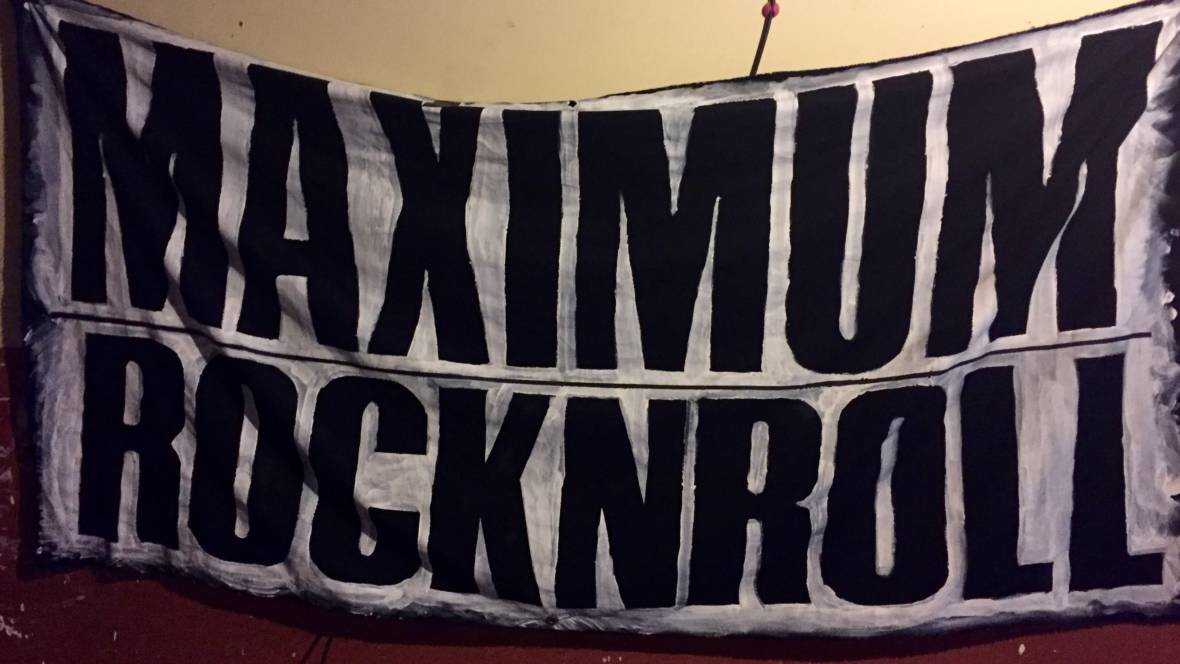
"caption": "A banner at Maximum Rocknroll's office",
"description": "A banner at Maximum Rocknroll's office",
"title": "IMG_2340",
"credit": "Photo: Kevin L. Jones/KQED",
"status": "inherit",
"isLoading": false,
"fetchFailed": false
},
"arts_11979755": {
"type": "attachments",
"id": "arts_11979755",
"meta": {
"index": "attachments_1716263798",
"site": "arts",
"id": "11979755",
"found": true
},
"parent": 11979396,
"imgSizes": {
"twentyfourteen-full-width": {
"file": "https://ww2.kqed.org/app/uploads/sites/2/2016/08/Akifeaturedimage2-1038x576.jpg",
"width": 1038,
"mimeType": "image/jpeg",
"height": 576
},
"thumbnail": {
"file": "https://ww2.kqed.org/app/uploads/sites/2/2016/08/Akifeaturedimage2-400x225.jpg",
"width": 400,
"mimeType": "image/jpeg",
"height": 225
},
"fd-sm": {
"file": "https://ww2.kqed.org/app/uploads/sites/2/2016/08/Akifeaturedimage2-960x540.jpg",
"width": 960,
"mimeType": "image/jpeg",
"height": 540
},
"post-thumbnail": {
"file": "https://ww2.kqed.org/app/uploads/sites/2/2016/08/Akifeaturedimage2-672x372.jpg",
"width": 672,
"mimeType": "image/jpeg",
"height": 372
},
"kqedFullSize": {
"file": "https://ww2.kqed.org/app/uploads/sites/2/2016/08/Akifeaturedimage2.jpg",
"width": 1920,
"height": 1080
},
"large": {
"file": "https://ww2.kqed.org/app/uploads/sites/2/2016/08/Akifeaturedimage2-1180x664.jpg",
"width": 1180,
"mimeType": "image/jpeg",
"height": 664
},
"guest-author-50": {
"file": "https://ww2.kqed.org/app/uploads/sites/2/2016/08/Akifeaturedimage2-50x50.jpg",
"width": 50,
"mimeType": "image/jpeg",
"height": 50
},
"guest-author-96": {
"file": "https://ww2.kqed.org/app/uploads/sites/2/2016/08/Akifeaturedimage2-96x96.jpg",
"width": 96,
"mimeType": "image/jpeg",
"height": 96
},
"medium": {
"file": "https://ww2.kqed.org/app/uploads/sites/2/2016/08/Akifeaturedimage2-800x450.jpg",
"width": 800,
"mimeType": "image/jpeg",
"height": 450
},
"guest-author-64": {
"file": "https://ww2.kqed.org/app/uploads/sites/2/2016/08/Akifeaturedimage2-64x64.jpg",
"width": 64,
"mimeType": "image/jpeg",
"height": 64
},
"guest-author-32": {
"file": "https://ww2.kqed.org/app/uploads/sites/2/2016/08/Akifeaturedimage2-32x32.jpg",
"width": 32,
"mimeType": "image/jpeg",
"height": 32
},
"fd-lrg": {
"file": "https://ww2.kqed.org/app/uploads/sites/2/2016/08/Akifeaturedimage2-1920x1080.jpg",
"width": 1920,
"mimeType": "image/jpeg",
"height": 1080
},
"fd-med": {
"file": "https://ww2.kqed.org/app/uploads/sites/2/2016/08/Akifeaturedimage2-1180x664.jpg",
"width": 1180,
"mimeType": "image/jpeg",
"height": 664
},
"detail": {
"file": "https://ww2.kqed.org/app/uploads/sites/2/2016/08/Akifeaturedimage2-150x150.jpg",
"width": 150,
"mimeType": "image/jpeg",
"height": 150
},
"medium_large": {
"file": "https://ww2.kqed.org/app/uploads/sites/2/2016/08/Akifeaturedimage2-768x432.jpg",
"width": 768,
"mimeType": "image/jpeg",
"height": 432
},
"guest-author-128": {
"file": "https://ww2.kqed.org/app/uploads/sites/2/2016/08/Akifeaturedimage2-128x128.jpg",
"width": 128,
"mimeType": "image/jpeg",
"height": 128
}
},
"publishDate": 1472155063,
"modified": 1472155094,
"caption": "Blues musician Aki Kumar ",
"description": "Blues Musician Aki Kumar",
"title": "Akifeaturedimage2",
"credit": null,
"status": "inherit",
"isLoading": false,
"fetchFailed": false
},
"pop_33576": {
"type": "attachments",
"id": "pop_33576",
"meta": {
"index": "attachments_1716263798",
"site": "pop",
"id": "33576",
"found": true
},
"parent": 33481,
"imgSizes": {
"twentyfourteen-full-width": {
"file": "https://ww2.kqed.org/app/uploads/sites/12/2016/08/GettyImages-583778176-e1472069843251-1021x576.jpg",
"width": 1021,
"mimeType": "image/jpeg",
"height": 576
},
"thumbnail": {
"file": "https://ww2.kqed.org/app/uploads/sites/12/2016/08/GettyImages-583778176-e1472069843251-400x226.jpg",
"width": 400,
"mimeType": "image/jpeg",
"height": 226
},
"fd-sm": {
"file": "https://ww2.kqed.org/app/uploads/sites/12/2016/08/GettyImages-583778176-e1472069843251-960x542.jpg",
"width": 960,
"mimeType": "image/jpeg",
"height": 542
},
"post-thumbnail": {
"file": "https://ww2.kqed.org/app/uploads/sites/12/2016/08/GettyImages-583778176-e1472069843251-672x372.jpg",
"width": 672,
"mimeType": "image/jpeg",
"height": 372
},
"kqedFullSize": {
"file": "https://ww2.kqed.org/app/uploads/sites/12/2016/08/GettyImages-583778176-e1472069843251.jpg",
"width": 1021,
"height": 576
},
"guest-author-50": {
"file": "https://ww2.kqed.org/app/uploads/sites/12/2016/08/GettyImages-583778176-e1472069843251-50x50.jpg",
"width": 50,
"mimeType": "image/jpeg",
"height": 50
},
"guest-author-96": {
"file": "https://ww2.kqed.org/app/uploads/sites/12/2016/08/GettyImages-583778176-e1472069843251-96x96.jpg",
"width": 96,
"mimeType": "image/jpeg",
"height": 96
},
"medium": {
"file": "https://ww2.kqed.org/app/uploads/sites/12/2016/08/GettyImages-583778176-e1472069843251-800x451.jpg",
"width": 800,
"mimeType": "image/jpeg",
"height": 451
},
"guest-author-64": {
"file": "https://ww2.kqed.org/app/uploads/sites/12/2016/08/GettyImages-583778176-e1472069843251-64x64.jpg",
"width": 64,
"mimeType": "image/jpeg",
"height": 64
},
"guest-author-32": {
"file": "https://ww2.kqed.org/app/uploads/sites/12/2016/08/GettyImages-583778176-e1472069843251-32x32.jpg",
"width": 32,
"mimeType": "image/jpeg",
"height": 32
},
"detail": {
"file": "https://ww2.kqed.org/app/uploads/sites/12/2016/08/GettyImages-583778176-e1472069843251-150x150.jpg",
"width": 150,
"mimeType": "image/jpeg",
"height": 150
},
"medium_large": {
"file": "https://ww2.kqed.org/app/uploads/sites/12/2016/08/GettyImages-583778176-e1472069843251-768x433.jpg",
"width": 768,
"mimeType": "image/jpeg",
"height": 433
},
"guest-author-128": {
"file": "https://ww2.kqed.org/app/uploads/sites/12/2016/08/GettyImages-583778176-e1472069843251-128x128.jpg",
"width": 128,
"mimeType": "image/jpeg",
"height": 128
}
},
"publishDate": 1472069347,
"modified": 1472069385,
"caption": "Demi Lovato performs at the Boston stop of her \"Future Now\" tour. ",
"description": null,
"title": "Demi Lovato & Nick Jonas In Concert - Boston, Massachusetts",
"credit": "Mike Lawrie/Getty Images",
"status": "inherit",
"isLoading": false,
"fetchFailed": false
},
"arts_11975583": {
"type": "attachments",
"id": "arts_11975583",
"meta": {
"index": "attachments_1716263798",
"site": "arts",
"id": "11975583",
"found": true
},
"parent": 11975582,
"imgSizes": {
"twentyfourteen-full-width": {
"file": "https://ww2.kqed.org/app/uploads/sites/2/2016/08/gettyimages-521716084-a3d1768d41c498765bd29b676e2f570766a84d56-e1472069582150-1038x576.jpg",
"width": 1038,
"mimeType": "image/jpeg",
"height": 576
},
"thumbnail": {
"file": "https://ww2.kqed.org/app/uploads/sites/2/2016/08/gettyimages-521716084-a3d1768d41c498765bd29b676e2f570766a84d56-e1472069582150-400x225.jpg",
"width": 400,
"mimeType": "image/jpeg",
"height": 225
},
"fd-sm": {
"file": "https://ww2.kqed.org/app/uploads/sites/2/2016/08/gettyimages-521716084-a3d1768d41c498765bd29b676e2f570766a84d56-e1472069582150-960x539.jpg",
"width": 960,
"mimeType": "image/jpeg",
"height": 539
},
"post-thumbnail": {
"file": "https://ww2.kqed.org/app/uploads/sites/2/2016/08/gettyimages-521716084-a3d1768d41c498765bd29b676e2f570766a84d56-e1472069582150-672x372.jpg",
"width": 672,
"mimeType": "image/jpeg",
"height": 372
},
"kqedFullSize": {
"file": "https://ww2.kqed.org/app/uploads/sites/2/2016/08/gettyimages-521716084-a3d1768d41c498765bd29b676e2f570766a84d56-e1472069582150.jpg",
"width": 1438,
"height": 808
},
"large": {
"file": "https://ww2.kqed.org/app/uploads/sites/2/2016/08/gettyimages-521716084-a3d1768d41c498765bd29b676e2f570766a84d56-e1472069582150-1180x663.jpg",
"width": 1180,
"mimeType": "image/jpeg",
"height": 663
},
"guest-author-50": {
"file": "https://ww2.kqed.org/app/uploads/sites/2/2016/08/gettyimages-521716084-a3d1768d41c498765bd29b676e2f570766a84d56-e1472069582150-50x50.jpg",
"width": 50,
"mimeType": "image/jpeg",
"height": 50
},
"guest-author-96": {
"file": "https://ww2.kqed.org/app/uploads/sites/2/2016/08/gettyimages-521716084-a3d1768d41c498765bd29b676e2f570766a84d56-e1472069582150-96x96.jpg",
"width": 96,
"mimeType": "image/jpeg",
"height": 96
},
"medium": {
"file": "https://ww2.kqed.org/app/uploads/sites/2/2016/08/gettyimages-521716084-a3d1768d41c498765bd29b676e2f570766a84d56-e1472069582150-800x450.jpg",
"width": 800,
"mimeType": "image/jpeg",
"height": 450
},
"guest-author-64": {
"file": "https://ww2.kqed.org/app/uploads/sites/2/2016/08/gettyimages-521716084-a3d1768d41c498765bd29b676e2f570766a84d56-e1472069582150-64x64.jpg",
"width": 64,
"mimeType": "image/jpeg",
"height": 64
},
"guest-author-32": {
"file": "https://ww2.kqed.org/app/uploads/sites/2/2016/08/gettyimages-521716084-a3d1768d41c498765bd29b676e2f570766a84d56-e1472069582150-32x32.jpg",
"width": 32,
"mimeType": "image/jpeg",
"height": 32
},
"fd-med": {
"file": "https://ww2.kqed.org/app/uploads/sites/2/2016/08/gettyimages-521716084-a3d1768d41c498765bd29b676e2f570766a84d56-e1472069582150-1180x663.jpg",
"width": 1180,
"mimeType": "image/jpeg",
"height": 663
},
"detail": {
"file": "https://ww2.kqed.org/app/uploads/sites/2/2016/08/gettyimages-521716084-a3d1768d41c498765bd29b676e2f570766a84d56-e1472069582150-150x150.jpg",
"width": 150,
"mimeType": "image/jpeg",
"height": 150
},
"medium_large": {
"file": "https://ww2.kqed.org/app/uploads/sites/2/2016/08/gettyimages-521716084-a3d1768d41c498765bd29b676e2f570766a84d56-e1472069582150-768x432.jpg",
"width": 768,
"mimeType": "image/jpeg",
"height": 432
},
"guest-author-128": {
"file": "https://ww2.kqed.org/app/uploads/sites/2/2016/08/gettyimages-521716084-a3d1768d41c498765bd29b676e2f570766a84d56-e1472069582150-128x128.jpg",
"width": 128,
"mimeType": "image/jpeg",
"height": 128
}
},
"publishDate": 1472069431,
"modified": 1472069614,
"caption": "A screen displays the concert of Mexican folk singer Vicente Fernández in Guadalajara, Mexico, in April, when Fernández announced his retirement.",
"description": "A screen displays the concert of Mexican folk singer Vicente Fernández in Guadalajara, Mexico, in April, when Fernández announced his retirement.",
"title": "A screen displays the concert of Mexican folk singer Vicente Fernández in Guadalajara, Mexico, in April, when Fernández announced his retirement.",
"credit": "Photo: Hector Guerrero/AFP/Getty Images",
"status": "inherit",
"isLoading": false,
"fetchFailed": false
},
"pop_33623": {
"type": "attachments",
"id": "pop_33623",
"meta": {
"index": "attachments_1716263798",
"site": "pop",
"id": "33623",
"found": true
},
"parent": 33608,
"imgSizes": {
"thumbnail": {
"file": "https://ww2.kqed.org/app/uploads/sites/12/2016/08/mgid-ao-image-mtv-400x225.jpg",
"width": 400,
"mimeType": "image/jpeg",
"height": 225
},
"fd-sm": {
"file": "https://ww2.kqed.org/app/uploads/sites/12/2016/08/mgid-ao-image-mtv-960x540.jpg",
"width": 960,
"mimeType": "image/jpeg",
"height": 540
},
"post-thumbnail": {
"file": "https://ww2.kqed.org/app/uploads/sites/12/2016/08/mgid-ao-image-mtv-672x372.jpg",
"width": 672,
"mimeType": "image/jpeg",
"height": 372
},
"kqedFullSize": {
"file": "https://ww2.kqed.org/app/uploads/sites/12/2016/08/mgid-ao-image-mtv.jpg",
"width": 980,
"height": 551
},
"guest-author-50": {
"file": "https://ww2.kqed.org/app/uploads/sites/12/2016/08/mgid-ao-image-mtv-50x50.jpg",
"width": 50,
"mimeType": "image/jpeg",
"height": 50
},
"guest-author-96": {
"file": "https://ww2.kqed.org/app/uploads/sites/12/2016/08/mgid-ao-image-mtv-96x96.jpg",
"width": 96,
"mimeType": "image/jpeg",
"height": 96
},
"medium": {
"file": "https://ww2.kqed.org/app/uploads/sites/12/2016/08/mgid-ao-image-mtv-800x450.jpg",
"width": 800,
"mimeType": "image/jpeg",
"height": 450
},
"guest-author-64": {
"file": "https://ww2.kqed.org/app/uploads/sites/12/2016/08/mgid-ao-image-mtv-64x64.jpg",
"width": 64,
"mimeType": "image/jpeg",
"height": 64
},
"detail": {
"file": "https://ww2.kqed.org/app/uploads/sites/12/2016/08/mgid-ao-image-mtv-150x150.jpg",
"width": 150,
"mimeType": "image/jpeg",
"height": 150
},
"guest-author-32": {
"file": "https://ww2.kqed.org/app/uploads/sites/12/2016/08/mgid-ao-image-mtv-32x32.jpg",
"width": 32,
"mimeType": "image/jpeg",
"height": 32
},
"medium_large": {
"file": "https://ww2.kqed.org/app/uploads/sites/12/2016/08/mgid-ao-image-mtv-768x432.jpg",
"width": 768,
"mimeType": "image/jpeg",
"height": 432
},
"guest-author-128": {
"file": "https://ww2.kqed.org/app/uploads/sites/12/2016/08/mgid-ao-image-mtv-128x128.jpg",
"width": 128,
"mimeType": "image/jpeg",
"height": 128
}
},
"publishDate": 1472090705,
"modified": 1472090718,
"caption": null,
"description": null,
"title": "britney jean",
"credit": null,
"status": "inherit",
"isLoading": false,
"fetchFailed": false
},
"arts_11975410": {
"type": "attachments",
"id": "arts_11975410",
"meta": {
"index": "attachments_1716263798",
"site": "arts",
"id": "11975410",
"found": true
},
"parent": 11975409,
"imgSizes": {
"twentyfourteen-full-width": {
"file": "https://ww2.kqed.org/app/uploads/sites/2/2016/08/ap_720316057-edit1_custom-206e1d713265f46f4fb5bf4beb41dee4108dd030-1038x576.jpg",
"width": 1038,
"mimeType": "image/jpeg",
"height": 576
},
"thumbnail": {
"file": "https://ww2.kqed.org/app/uploads/sites/2/2016/08/ap_720316057-edit1_custom-206e1d713265f46f4fb5bf4beb41dee4108dd030-400x269.jpg",
"width": 400,
"mimeType": "image/jpeg",
"height": 269
},
"fd-sm": {
"file": "https://ww2.kqed.org/app/uploads/sites/2/2016/08/ap_720316057-edit1_custom-206e1d713265f46f4fb5bf4beb41dee4108dd030-960x646.jpg",
"width": 960,
"mimeType": "image/jpeg",
"height": 646
},
"post-thumbnail": {
"file": "https://ww2.kqed.org/app/uploads/sites/2/2016/08/ap_720316057-edit1_custom-206e1d713265f46f4fb5bf4beb41dee4108dd030-672x372.jpg",
"width": 672,
"mimeType": "image/jpeg",
"height": 372
},
"kqedFullSize": {
"file": "https://ww2.kqed.org/app/uploads/sites/2/2016/08/ap_720316057-edit1_custom-206e1d713265f46f4fb5bf4beb41dee4108dd030.jpg",
"width": 1884,
"height": 1267
},
"large": {
"file": "https://ww2.kqed.org/app/uploads/sites/2/2016/08/ap_720316057-edit1_custom-206e1d713265f46f4fb5bf4beb41dee4108dd030-1180x794.jpg",
"width": 1180,
"mimeType": "image/jpeg",
"height": 794
},
"guest-author-50": {
"file": "https://ww2.kqed.org/app/uploads/sites/2/2016/08/ap_720316057-edit1_custom-206e1d713265f46f4fb5bf4beb41dee4108dd030-50x50.jpg",
"width": 50,
"mimeType": "image/jpeg",
"height": 50
},
"guest-author-96": {
"file": "https://ww2.kqed.org/app/uploads/sites/2/2016/08/ap_720316057-edit1_custom-206e1d713265f46f4fb5bf4beb41dee4108dd030-96x96.jpg",
"width": 96,
"mimeType": "image/jpeg",
"height": 96
},
"medium": {
"file": "https://ww2.kqed.org/app/uploads/sites/2/2016/08/ap_720316057-edit1_custom-206e1d713265f46f4fb5bf4beb41dee4108dd030-800x538.jpg",
"width": 800,
"mimeType": "image/jpeg",
"height": 538
},
"guest-author-64": {
"file": "https://ww2.kqed.org/app/uploads/sites/2/2016/08/ap_720316057-edit1_custom-206e1d713265f46f4fb5bf4beb41dee4108dd030-64x64.jpg",
"width": 64,
"mimeType": "image/jpeg",
"height": 64
},
"guest-author-32": {
"file": "https://ww2.kqed.org/app/uploads/sites/2/2016/08/ap_720316057-edit1_custom-206e1d713265f46f4fb5bf4beb41dee4108dd030-32x32.jpg",
"width": 32,
"mimeType": "image/jpeg",
"height": 32
},
"fd-med": {
"file": "https://ww2.kqed.org/app/uploads/sites/2/2016/08/ap_720316057-edit1_custom-206e1d713265f46f4fb5bf4beb41dee4108dd030-1180x794.jpg",
"width": 1180,
"mimeType": "image/jpeg",
"height": 794
},
"detail": {
"file": "https://ww2.kqed.org/app/uploads/sites/2/2016/08/ap_720316057-edit1_custom-206e1d713265f46f4fb5bf4beb41dee4108dd030-150x150.jpg",
"width": 150,
"mimeType": "image/jpeg",
"height": 150
},
"medium_large": {
"file": "https://ww2.kqed.org/app/uploads/sites/2/2016/08/ap_720316057-edit1_custom-206e1d713265f46f4fb5bf4beb41dee4108dd030-768x516.jpg",
"width": 768,
"mimeType": "image/jpeg",
"height": 516
},
"guest-author-128": {
"file": "https://ww2.kqed.org/app/uploads/sites/2/2016/08/ap_720316057-edit1_custom-206e1d713265f46f4fb5bf4beb41dee4108dd030-128x128.jpg",
"width": 128,
"mimeType": "image/jpeg",
"height": 128
}
},
"publishDate": 1472064878,
"modified": 1472064878,
"caption": null,
"description": "Yoko Ono, John Lennon and their immigration attorney, Michael Wildes (right), leave the Immigration and Naturalization Service in New York City on March 16, 1972.",
"title": "Yoko Ono, John Lennon and their immigration attorney, Michael Wildes (right), leave the Immigration and Naturalization Service in New York City on March 16, 1972.",
"credit": null,
"status": "inherit",
"isLoading": false,
"fetchFailed": false
}
},
"audioPlayerReducer": {
"postId": "stream_live",
"isPaused": true,
"isPlaying": false,
"pfsActive": false,
"pledgeModalIsOpen": true,
"playerDrawerIsOpen": false,
"liveAudioPlayStartedAt": 0,
"liveAudioPlayContext": ""
},
"authorsReducer": {
"byline_pop_33481": {
"type": "authors",
"id": "byline_pop_33481",
"meta": {
"override": true
},
"slug": "byline_pop_33481",
"name": "Ezra Romero",
"isLoading": false
},
"byline_arts_11975582": {
"type": "authors",
"id": "byline_arts_11975582",
"meta": {
"override": true
},
"slug": "byline_arts_11975582",
"name": "Brenda Salinas",
"isLoading": false
},
"byline_arts_11975409": {
"type": "authors",
"id": "byline_arts_11975409",
"meta": {
"override": true
},
"slug": "byline_arts_11975409",
"name": "Hansi Lo Wang",
"isLoading": false
},
"ehapsis": {
"type": "authors",
"id": "27",
"meta": {
"index": "authors_1716337520",
"id": "27",
"found": true
},
"name": "Emmanuel Hapsis",
"firstName": "Emmanuel",
"lastName": "Hapsis",
"slug": "ehapsis",
"email": "ehapsis@kqed.org",
"display_author_email": false,
"staff_mastheads": [],
"title": "KQED Contributor",
"bio": "Emmanuel Hapsis is the creator and editor of KQED Pop and also the host of \u003cem>\u003ca href=\"https://itunes.apple.com/us/podcast/the-cooler/id1041117499?mt=2\">The Cooler\u003c/a>\u003c/em>. He studied creative writing at University of Maryland and went on to receive his MFA in the field from California College of the Arts. In his free time, he sings his heart out at karaoke.",
"avatar": "https://secure.gravatar.com/avatar/6302b6f7ef8b2dcd3acd9e2c6bc570b7?s=600&d=blank&r=g",
"twitter": "xcusemybeauty",
"facebook": null,
"instagram": null,
"linkedin": null,
"sites": [
{
"site": "arts",
"roles": [
"Contributor",
"subscriber"
]
},
{
"site": "pop",
"roles": [
"contributor"
]
}
],
"headData": {
"title": "Emmanuel Hapsis | KQED",
"description": "KQED Contributor",
"ogImgSrc": "https://secure.gravatar.com/avatar/6302b6f7ef8b2dcd3acd9e2c6bc570b7?s=600&d=blank&r=g",
"twImgSrc": "https://secure.gravatar.com/avatar/6302b6f7ef8b2dcd3acd9e2c6bc570b7?s=600&d=blank&r=g"
},
"isLoading": false,
"link": "/author/ehapsis"
},
"cmusiker": {
"type": "authors",
"id": "32",
"meta": {
"index": "authors_1716337520",
"id": "32",
"found": true
},
"name": "Cy Musiker",
"firstName": "Cy",
"lastName": "Musiker",
"slug": "cmusiker",
"email": "cmusiker@kqed.org",
"display_author_email": false,
"staff_mastheads": [],
"title": "KQED Contributor",
"bio": "Cy Musiker is a former co-host of The Do List and a former reporter covering the arts for KQED News and The California Report. He loves live performance, especially great theater, jazz, roots music, anything by Mahler. Cy has an MJ from UC Berkeley's School of Journalism, and got his BA from Hampshire College. His work has been recognized by the Society for Professional Journalists with their Sigma Delta Chi Award for Public Service in Journalism. When he can, Cy likes to swim in Tomales Bay, run with his dog in the East Bay Hills, and hike the Sierra.",
"avatar": "https://secure.gravatar.com/avatar/05eaba5c5696ce8f062e4ea2df428a43?s=600&d=blank&r=g",
"twitter": null,
"facebook": null,
"instagram": null,
"linkedin": null,
"sites": [
{
"site": "arts",
"roles": [
"Contributor",
"subscriber"
]
},
{
"site": "news",
"roles": [
"author"
]
},
{
"site": "bayareabites",
"roles": [
"contributor"
]
}
],
"headData": {
"title": "Cy Musiker | KQED",
"description": "KQED Contributor",
"ogImgSrc": "https://secure.gravatar.com/avatar/05eaba5c5696ce8f062e4ea2df428a43?s=600&d=blank&r=g",
"twImgSrc": "https://secure.gravatar.com/avatar/05eaba5c5696ce8f062e4ea2df428a43?s=600&d=blank&r=g"
},
"isLoading": false,
"link": "/author/cmusiker"
},
"shochman": {
"type": "authors",
"id": "87",
"meta": {
"index": "authors_1716337520",
"id": "87",
"found": true
},
"name": "Steve Hochman",
"firstName": "Steve",
"lastName": "Hochman",
"slug": "shochman",
"email": "sehochman@me.com",
"display_author_email": false,
"staff_mastheads": [],
"title": "KQED Contributor",
"bio": "Steve Hochman has covered popular, and unpopular, music for more than 30 years, most of that time as a key member of the \u003ci>Los Angeles Times\u003c/i>' music team. In that capacity he wrote about the full range of music and musicians, from Hungarian folk to industrial noise, and from 1991 through 2005 wrote the \u003ci>Times\u003c/i>' widely read weekly \"Pop Eye\" column. In addition to his role with \u003ci>The California Report\u003c/i>, he's a music critic for Pasadena station KPCC's morning magazine \u003ci>Take Two\u003c/i> and a regular contributor to Grammy.com, Fender.com and other outlets. His byline has appeared through the years in an array of major publications, including \u003ci>Rolling Stone\u003c/i>, \u003ci>Billboard\u003c/i> and \u003ci>Entertainment Weekly\u003c/i> and New Orleans' \u003ci>Offbeat\u003c/i>.",
"avatar": "https://secure.gravatar.com/avatar/37fbddee9db232a05a1be3b065171301e8baa142626c45b0caa6fc61c25a8c8d?s=600&d=blank&r=g",
"twitter": null,
"bluesky": null,
"facebook": null,
"instagram": null,
"linkedin": null,
"sites": [
{
"site": "arts",
"roles": [
"Contributor",
"subscriber"
]
},
{
"site": "news",
"roles": [
"subscriber"
]
}
],
"headData": {
"title": "Steve Hochman | KQED",
"description": "KQED Contributor",
"ogImgSrc": "https://secure.gravatar.com/avatar/37fbddee9db232a05a1be3b065171301e8baa142626c45b0caa6fc61c25a8c8d?s=600&d=blank&r=g",
"twImgSrc": "https://secure.gravatar.com/avatar/37fbddee9db232a05a1be3b065171301e8baa142626c45b0caa6fc61c25a8c8d?s=600&d=blank&r=g"
},
"isLoading": false,
"link": "/author/shochman"
},
"kjones": {
"type": "authors",
"id": "93",
"meta": {
"index": "authors_1716337520",
"id": "93",
"found": true
},
"name": "Kevin L. Jones",
"firstName": "Kevin",
"lastName": "Jones",
"slug": "kjones",
"email": "kjones@kqed.org",
"display_author_email": false,
"staff_mastheads": [],
"title": null,
"bio": null,
"avatar": "https://secure.gravatar.com/avatar/12c65b5633ed39d0a59bb7f497eff645?s=600&d=blank&r=g",
"twitter": null,
"facebook": null,
"instagram": null,
"linkedin": null,
"sites": [
{
"site": "arts",
"roles": [
"subscriber"
]
},
{
"site": "styleguide",
"roles": [
"contributor"
]
},
{
"site": "artschool",
"roles": [
"subscriber"
]
},
{
"site": "news",
"roles": [
"subscriber"
]
},
{
"site": "pop",
"roles": [
"subscriber"
]
}
],
"headData": {
"title": "Kevin L. Jones | KQED",
"description": null,
"ogImgSrc": "https://secure.gravatar.com/avatar/12c65b5633ed39d0a59bb7f497eff645?s=600&d=blank&r=g",
"twImgSrc": "https://secure.gravatar.com/avatar/12c65b5633ed39d0a59bb7f497eff645?s=600&d=blank&r=g"
},
"isLoading": false,
"link": "/author/kjones"
},
"baybridged": {
"type": "authors",
"id": "178",
"meta": {
"index": "authors_1716337520",
"id": "178",
"found": true
},
"name": "The Bay Bridged",
"firstName": "The Bay",
"lastName": "Bridged",
"slug": "baybridged",
"email": "thebaybridged@gmail.com",
"display_author_email": false,
"staff_mastheads": [],
"title": "KQED Contributor",
"bio": null,
"avatar": "https://secure.gravatar.com/avatar/211daad5386ad504c39c31f3e16cfae45ec7b0ad32ecca7ee64cfd9b7eb76609?s=600&d=blank&r=g",
"twitter": null,
"bluesky": null,
"facebook": null,
"instagram": null,
"linkedin": null,
"sites": [
{
"site": "arts",
"roles": [
"subscriber"
]
}
],
"headData": {
"title": "The Bay Bridged | KQED",
"description": "KQED Contributor",
"ogImgSrc": "https://secure.gravatar.com/avatar/211daad5386ad504c39c31f3e16cfae45ec7b0ad32ecca7ee64cfd9b7eb76609?s=600&d=blank&r=g",
"twImgSrc": "https://secure.gravatar.com/avatar/211daad5386ad504c39c31f3e16cfae45ec7b0ad32ecca7ee64cfd9b7eb76609?s=600&d=blank&r=g"
},
"isLoading": false,
"link": "/author/baybridged"
},
"gmeline": {
"type": "authors",
"id": "185",
"meta": {
"index": "authors_1716337520",
"id": "185",
"found": true
},
"name": "Gabe Meline",
"firstName": "Gabe",
"lastName": "Meline",
"slug": "gmeline",
"email": "gmeline@kqed.org",
"display_author_email": true,
"staff_mastheads": [
"arts"
],
"title": "Senior Editor, KQED Arts & Culture",
"bio": "Gabe Meline entered journalism at age 15 making photocopied zines, and has since earned awards from the Edward R. Murrow Awards, the Society for Professional Journalists, the Online Journalism Awards, the Association of Alternative Newsweeklies and the California Newspaper Publishers Association. Prior to KQED, he was the editor of the \u003cem>North Bay Bohemian\u003c/em> and a touring musician. He lives with his wife and daughter in his hometown of Santa Rosa, CA.",
"avatar": "https://secure.gravatar.com/avatar/5bebe57be0d8bc2dd318934feb47299e2d2d10cba28d09d8d7afb389a2ce2bdd?s=600&d=blank&r=g",
"twitter": null,
"bluesky": null,
"facebook": null,
"instagram": null,
"linkedin": null,
"sites": [
{
"site": "",
"roles": [
"editor"
]
},
{
"site": "arts",
"roles": [
"administrator"
]
},
{
"site": "artschool",
"roles": [
"editor"
]
},
{
"site": "news",
"roles": [
"author"
]
},
{
"site": "pop",
"roles": [
"editor"
]
},
{
"site": "bayareabites",
"roles": [
"editor"
]
},
{
"site": "food",
"roles": [
"editor"
]
},
{
"site": "forum",
"roles": [
"administrator"
]
},
{
"site": "liveblog",
"roles": [
"editor"
]
},
{
"site": "hiphop",
"roles": [
"editor"
]
}
],
"headData": {
"title": "Gabe Meline | KQED",
"description": "Senior Editor, KQED Arts & Culture",
"ogImgSrc": "https://secure.gravatar.com/avatar/5bebe57be0d8bc2dd318934feb47299e2d2d10cba28d09d8d7afb389a2ce2bdd?s=600&d=blank&r=g",
"twImgSrc": "https://secure.gravatar.com/avatar/5bebe57be0d8bc2dd318934feb47299e2d2d10cba28d09d8d7afb389a2ce2bdd?s=600&d=blank&r=g"
},
"isLoading": false,
"link": "/author/gmeline"
},
"kwhalen": {
"type": "authors",
"id": "3248",
"meta": {
"index": "authors_1716337520",
"id": "3248",
"found": true
},
"name": "Kelly Whalen",
"firstName": "Kelly",
"lastName": "Whalen",
"slug": "kwhalen",
"email": "kwhalen@kqed.org",
"display_author_email": false,
"staff_mastheads": [],
"title": "Senior Video Producer",
"bio": "Kelly Whalen is a filmmaker and educator who directs and produces social justice documentaries and award-winning arts and culture web series. She is the creator of KQED Arts’ three-time Webby Award-winning YouTube series \u003cem>If Cities Could Dance\u003c/em>, featuring dancers across the country representing their cities’ signature moves, and the director of \u003cem>When the Waters Get Deep\u003c/em>, a documentary about Oakland-based artists SOL Development and their work toward healing their communities’ trauma from gun violence.",
"avatar": "https://secure.gravatar.com/avatar/1a2b57e8a13abdcfc3d4966d9c0e1512?s=600&d=blank&r=g",
"twitter": "kellyfilmmaker",
"facebook": null,
"instagram": null,
"linkedin": null,
"sites": [
{
"site": "arts",
"roles": [
"subscriber"
]
}
],
"headData": {
"title": "Kelly Whalen | KQED",
"description": "Senior Video Producer",
"ogImgSrc": "https://secure.gravatar.com/avatar/1a2b57e8a13abdcfc3d4966d9c0e1512?s=600&d=blank&r=g",
"twImgSrc": "https://secure.gravatar.com/avatar/1a2b57e8a13abdcfc3d4966d9c0e1512?s=600&d=blank&r=g"
},
"isLoading": false,
"link": "/author/kwhalen"
}
},
"pagesReducer": {
"arts_category_music": {
"type": "terms",
"id": "arts_69",
"meta": {
"index": "terms_1716263798",
"site": "arts",
"id": "69",
"score": 10.851818
},
"featImg": null,
"name": "Music",
"description": null,
"taxonomy": "category",
"headData": {
"twImgId": null,
"twTitle": null,
"ogTitle": null,
"ogImgId": null,
"twDescription": null,
"description": null,
"title": "Music Archives | KQED Arts",
"ogDescription": null
},
"ttid": 70,
"slug": "music",
"isLoading": false,
"title": "Music",
"pageMeta": {
"site": "arts",
"WpPageTemplate": "page-topic-editorial",
"currentPage": 271
},
"blocks": [
{
"blockName": "kqed/post-list",
"attrs": {
"layout": "cardArticle2",
"query": "posts/arts?category=music",
"seeMore": false,
"paginated": true,
"page": 271
}
},
{
"blockName": "kqed/ad"
}
]
}
},
"pfsSessionReducer": {},
"postsReducer": {
"stream_live": {
"type": "live",
"id": "stream_live",
"audioUrl": "https://streams.kqed.org/kqedradio",
"title": "Live Stream",
"excerpt": "Live Stream information currently unavailable.",
"link": "/radio",
"featImg": "",
"label": {
"name": "KQED Live",
"link": "/"
}
},
"stream_kqedNewscast": {
"type": "posts",
"id": "stream_kqedNewscast",
"audioUrl": "https://www.kqed.org/.stream/anon/radio/RDnews/newscast.mp3?_=1",
"title": "KQED Newscast",
"featImg": "",
"label": {
"name": "88.5 FM",
"link": "/"
}
},
"arts_11979215": {
"type": "posts",
"id": "arts_11979215",
"meta": {
"index": "posts_1716263798",
"site": "arts",
"id": "11979215",
"score": null,
"sort": [
1472569219000
]
},
"parent": 0,
"labelTerm": {
"site": "arts"
},
"blocks": [],
"publishDate": 1472569219,
"format": "standard",
"title": "Mixtape: The Adventurous Sounds of Bay Area Post-Rock",
"headTitle": "Mixtape: The Adventurous Sounds of Bay Area Post-Rock | KQED",
"content": "\u003caside class=\"aligncenter\">\n\u003ch4>Listen to the Bay Bridged mix of the Bay Area’s latest post-rock bands.\u003c/h4>\n\u003cp>http://media.libsyn.com/media/thebaybridged/Post_Rock_2016_Mixtape.mp3\u003cbr>\n\u003c/p>\u003c/aside>\n\u003cp>Despite the festival-headlining status of Explosions in the Sky, the resurgent Godspeed! You Black Emperor, and the lengthy careers of bands like Mogwai, it often feels like post-rock doesn’t get its due. Perhaps it’s the genre’s terrible name — although is it any worse than “shoegaze”? Or maybe it’s a perception that mostly-instrumental, composition-focused rock music sounds more like a novelty than fertile terrain for bands to explore. \u003c/p>\n\u003cp>As this mixtape indicates, that perception couldn’t be further from the truth. Locally, there’s a wide range of emerging groups crafting music that exemplifies post-rock at its best, tracks that are dynamic, melodic, complex, and emotive. That last element is perhaps the most key; unlike the more noodling, navel-gazing technicality of progressive rock, the songs you’ll hear in this mix, from exciting young bands like \u003cstrong>\u003ca href=\"https://www.facebook.com/unconditionalarms/?fref=ts\">Unconditional Arms\u003c/a>\u003c/strong> and \u003cstrong>\u003ca href=\"https://www.facebook.com/wakingwander/?fref=ts\">Wander\u003c/a>\u003c/strong>, create real feeling.\u003c/p>\n\u003cp>Equally impressive is the range of sounds included here. \u003cstrong>\u003ca href=\"https://www.facebook.com/impuritan/?fref=ts\">Impuritan\u003c/a>\u003c/strong> binds its post-rock to adventurous psych and noise elements. A violin plays a key role in our lead-off track from \u003cstrong>\u003ca href=\"https://www.facebook.com/commissure/?fref=ts\">Commissure\u003c/a>\u003c/strong>, while a saxophone guides the contribution from \u003cstrong>\u003ca href=\"https://www.facebook.com/SkyscraperMori/\">Skyscraper Mori\u003c/a>\u003c/strong>. On the post-metal front, Oakland’s \u003cstrong>\u003ca href=\"https://www.facebook.com/solipband/?fref=ts\">Solip\u003c/a>\u003c/strong> offers a doom-influenced, very heavy track.\u003c/p>\n\u003cp>Finally, it’s also notable that this mix is truly a Bay Area sampler, with bands representing San Francisco, Oakland, and San Jose. We don’t typically see that many SJ bands in these mixtapes, so the presence of multiple San Jose artists — \u003cstrong>\u003ca href=\"https://www.facebook.com/inlightsband\">In Lights\u003c/a>\u003c/strong>, \u003cstrong>\u003ca href=\"https://www.facebook.com/EvenGodsCanDie/?fref=ts\">Even Gods Can Die\u003c/a>\u003c/strong>, and \u003cstrong>\u003ca href=\"https://www.facebook.com/covetband/\">Covet\u003c/a>\u003c/strong> (whose members hail from Oakland and San Jose) — is a noteworthy and welcome surprise.\u003c/p>\n\u003cp>\u003cstrong>\u003cu>Track Listing\u003c/u>\u003c/strong>\u003c/p>\n\u003cp>[ad fullwidth]\u003c/p>\n\u003cp>\u003c/p>\n\u003cp>\u003cstrong>\u003ca href=\"https://www.facebook.com/commissure/?fref=ts\">Commissure\u003c/a>\u003c/strong> – “Sourmander.”\u003cbr>\n\u003cstrong>\u003ca href=\"https://www.facebook.com/unconditionalarms/?fref=ts\">Unconditional Arms\u003c/a>\u003c/strong> – “Fever Basin”\u003cbr>\n\u003cstrong>\u003ca href=\"https://www.facebook.com/wakingwander/?fref=ts\">Wander\u003c/a>\u003c/strong> – “Soar”\u003cbr>\n\u003cstrong>\u003ca href=\"https://www.facebook.com/solipband/?fref=ts\">Solip\u003c/a>\u003c/strong> – “I: Erasure”\u003cbr>\n\u003cstrong>\u003ca href=\"https://www.facebook.com/covetband/\">Covet\u003c/a>\u003c/strong> – “Hydra”\u003cbr>\n\u003cstrong>\u003ca href=\"https://www.facebook.com/impuritan/?fref=ts\">Impuritan\u003c/a>\u003c/strong> – “Faux Medusa”\u003cbr>\n\u003cstrong>\u003ca href=\"https://www.facebook.com/inlightsband\">In Lights\u003c/a>\u003c/strong> – “Spring”\u003cbr>\n\u003cstrong>\u003ca href=\"https://www.facebook.com/isles.band/\">Isles\u003c/a>\u003c/strong> – “Contrails”\u003cbr>\n\u003cstrong>\u003ca href=\"https://www.facebook.com/SkyscraperMori/\">Skyscraper Mori\u003c/a>\u003c/strong> – “Jungle”\u003cbr>\n\u003cstrong>\u003ca href=\"https://www.facebook.com/EvenGodsCanDie/?fref=ts\">Even Gods Can Die\u003c/a>\u003c/strong> – “Tragedy and Triumph”\u003c/p>\n\n",
"stats": {
"hasVideo": false,
"hasChartOrMap": false,
"hasAudio": false,
"hasPolis": false,
"wordCount": 378,
"hasGoogleForm": false,
"hasGallery": false,
"hasHearkenModule": false,
"iframeSrcs": [],
"paragraphCount": 8
},
"modified": 1705033174,
"excerpt": "Listen to 10 new songs from Bay Area bands that defy the perception of mostly-instrumental, composition-focused rock music as novelty instead of fertile terrain.",
"headData": {
"twImgId": "",
"twTitle": "",
"ogTitle": "",
"ogImgId": "",
"twDescription": "",
"description": "Listen to 10 new songs from Bay Area bands that defy the perception of mostly-instrumental, composition-focused rock music as novelty instead of fertile terrain.",
"title": "Mixtape: The Adventurous Sounds of Bay Area Post-Rock | KQED",
"ogDescription": "",
"schema": {
"@context": "https://schema.org",
"@type": "Article",
"headline": "Mixtape: The Adventurous Sounds of Bay Area Post-Rock",
"datePublished": "2016-08-30T08:00:19-07:00",
"dateModified": "2024-01-11T20:19:34-08:00",
"image": "https://cdn.kqed.org/wp-content/uploads/2020/02/KQED-OG-Image@1x.png"
}
},
"guestAuthors": [],
"slug": "mixtape-the-adventurous-sounds-of-bay-area-post-rock",
"status": "publish",
"sticky": false,
"nprStoryId": "491940814",
"path": "/arts/11979215/mixtape-the-adventurous-sounds-of-bay-area-post-rock",
"audioTrackLength": null,
"parsedContent": [
{
"type": "contentString",
"content": "\u003cdiv class=\"post-body\">\u003cp>\u003caside class=\"aligncenter\">\n\u003ch4>Listen to the Bay Bridged mix of the Bay Area’s latest post-rock bands.\u003c/h4>\n\u003cp>http://media.libsyn.com/media/thebaybridged/Post_Rock_2016_Mixtape.mp3\u003cbr>\n\u003c/p>\u003c/aside>\n\u003cp>Despite the festival-headlining status of Explosions in the Sky, the resurgent Godspeed! You Black Emperor, and the lengthy careers of bands like Mogwai, it often feels like post-rock doesn’t get its due. Perhaps it’s the genre’s terrible name — although is it any worse than “shoegaze”? Or maybe it’s a perception that mostly-instrumental, composition-focused rock music sounds more like a novelty than fertile terrain for bands to explore. \u003c/p>\n\u003cp>As this mixtape indicates, that perception couldn’t be further from the truth. Locally, there’s a wide range of emerging groups crafting music that exemplifies post-rock at its best, tracks that are dynamic, melodic, complex, and emotive. That last element is perhaps the most key; unlike the more noodling, navel-gazing technicality of progressive rock, the songs you’ll hear in this mix, from exciting young bands like \u003cstrong>\u003ca href=\"https://www.facebook.com/unconditionalarms/?fref=ts\">Unconditional Arms\u003c/a>\u003c/strong> and \u003cstrong>\u003ca href=\"https://www.facebook.com/wakingwander/?fref=ts\">Wander\u003c/a>\u003c/strong>, create real feeling.\u003c/p>\n\u003cp>Equally impressive is the range of sounds included here. \u003cstrong>\u003ca href=\"https://www.facebook.com/impuritan/?fref=ts\">Impuritan\u003c/a>\u003c/strong> binds its post-rock to adventurous psych and noise elements. A violin plays a key role in our lead-off track from \u003cstrong>\u003ca href=\"https://www.facebook.com/commissure/?fref=ts\">Commissure\u003c/a>\u003c/strong>, while a saxophone guides the contribution from \u003cstrong>\u003ca href=\"https://www.facebook.com/SkyscraperMori/\">Skyscraper Mori\u003c/a>\u003c/strong>. On the post-metal front, Oakland’s \u003cstrong>\u003ca href=\"https://www.facebook.com/solipband/?fref=ts\">Solip\u003c/a>\u003c/strong> offers a doom-influenced, very heavy track.\u003c/p>\n\u003cp>Finally, it’s also notable that this mix is truly a Bay Area sampler, with bands representing San Francisco, Oakland, and San Jose. We don’t typically see that many SJ bands in these mixtapes, so the presence of multiple San Jose artists — \u003cstrong>\u003ca href=\"https://www.facebook.com/inlightsband\">In Lights\u003c/a>\u003c/strong>, \u003cstrong>\u003ca href=\"https://www.facebook.com/EvenGodsCanDie/?fref=ts\">Even Gods Can Die\u003c/a>\u003c/strong>, and \u003cstrong>\u003ca href=\"https://www.facebook.com/covetband/\">Covet\u003c/a>\u003c/strong> (whose members hail from Oakland and San Jose) — is a noteworthy and welcome surprise.\u003c/p>\n\u003cp>\u003cstrong>\u003cu>Track Listing\u003c/u>\u003c/strong>\u003c/p>\n\u003cp>\u003c/p>\u003c/div>",
"attributes": {
"named": {},
"numeric": []
}
},
{
"type": "component",
"content": "",
"name": "ad",
"attributes": {
"named": {
"label": "fullwidth"
},
"numeric": [
"fullwidth"
]
}
},
{
"type": "contentString",
"content": "\u003cdiv class=\"post-body\">\u003cp>\u003c/p>\n\u003cp>\u003c/p>\n\u003cp>\u003cstrong>\u003ca href=\"https://www.facebook.com/commissure/?fref=ts\">Commissure\u003c/a>\u003c/strong> – “Sourmander.”\u003cbr>\n\u003cstrong>\u003ca href=\"https://www.facebook.com/unconditionalarms/?fref=ts\">Unconditional Arms\u003c/a>\u003c/strong> – “Fever Basin”\u003cbr>\n\u003cstrong>\u003ca href=\"https://www.facebook.com/wakingwander/?fref=ts\">Wander\u003c/a>\u003c/strong> – “Soar”\u003cbr>\n\u003cstrong>\u003ca href=\"https://www.facebook.com/solipband/?fref=ts\">Solip\u003c/a>\u003c/strong> – “I: Erasure”\u003cbr>\n\u003cstrong>\u003ca href=\"https://www.facebook.com/covetband/\">Covet\u003c/a>\u003c/strong> – “Hydra”\u003cbr>\n\u003cstrong>\u003ca href=\"https://www.facebook.com/impuritan/?fref=ts\">Impuritan\u003c/a>\u003c/strong> – “Faux Medusa”\u003cbr>\n\u003cstrong>\u003ca href=\"https://www.facebook.com/inlightsband\">In Lights\u003c/a>\u003c/strong> – “Spring”\u003cbr>\n\u003cstrong>\u003ca href=\"https://www.facebook.com/isles.band/\">Isles\u003c/a>\u003c/strong> – “Contrails”\u003cbr>\n\u003cstrong>\u003ca href=\"https://www.facebook.com/SkyscraperMori/\">Skyscraper Mori\u003c/a>\u003c/strong> – “Jungle”\u003cbr>\n\u003cstrong>\u003ca href=\"https://www.facebook.com/EvenGodsCanDie/?fref=ts\">Even Gods Can Die\u003c/a>\u003c/strong> – “Tragedy and Triumph”\u003c/p>\n\n\u003c/div>\u003c/p>",
"attributes": {
"named": {},
"numeric": []
}
}
],
"link": "/arts/11979215/mixtape-the-adventurous-sounds-of-bay-area-post-rock",
"authors": [
"178"
],
"categories": [
"arts_69"
],
"tags": [
"arts_1118",
"arts_596"
],
"featImg": "arts_11979216",
"label": "arts"
},
"arts_11984682": {
"type": "posts",
"id": "arts_11984682",
"meta": {
"index": "posts_1716263798",
"site": "arts",
"id": "11984682",
"score": null,
"sort": [
1472508045000
]
},
"guestAuthors": [],
"slug": "massive-victrola-brings-analog-touch-to-tech-infused-burning-man",
"title": "Massive Victrola Brings Analog Touch to Tech-Infused Burning Man",
"publishDate": 1472508045,
"format": "audio",
"headTitle": "Massive Victrola Brings Analog Touch to Tech-Infused Burning Man | KQED",
"labelTerm": {
"site": "arts"
},
"content": "\u003cp>[soundcloud url=”https://api.soundcloud.com/tracks/280484108″ params=”color=ff5500&auto_play=false&hide_related=false&show_comments=true&show_user=true&show_reposts=false” width=”100%” height=”166″ iframe=”true” /]\u003c/p>\n\u003cp>A huge metal door creaked open a few weeks ago, shedding light on a massive art project under construction at the giant \u003ca href=\"http://americansteelstudios.com/\" target=\"_blank\" rel=\"noopener\">American Steel Studios\u003c/a> in West Oakland. A dozen or so volunteers were riveting steel plates together to form the horn of a giant gramophone that, when finished, will stand 35 feet high and weigh thousands of pounds.\u003c/p>\n\u003cfigure id=\"attachment_11984700\" class=\"wp-caption aligncenter\" style=\"max-width: 800px\">\u003cimg loading=\"lazy\" decoding=\"async\" class=\"size-medium wp-image-11984700\" src=\"http://ww2.kqed.org/arts/wp-content/uploads/sites/2/2016/08/001-800x496.jpg\" alt='Volunteers get more light as they rivet perforated steel plates together for \"La Victrola\"' width=\"800\" height=\"496\" srcset=\"https://cdn.kqed.org/wp-content/uploads/sites/2/2016/08/001-800x496.jpg 800w, https://cdn.kqed.org/wp-content/uploads/sites/2/2016/08/001-400x248.jpg 400w, https://cdn.kqed.org/wp-content/uploads/sites/2/2016/08/001-768x477.jpg 768w, https://cdn.kqed.org/wp-content/uploads/sites/2/2016/08/001-1180x732.jpg 1180w, https://cdn.kqed.org/wp-content/uploads/sites/2/2016/08/001-1920x1191.jpg 1920w, https://cdn.kqed.org/wp-content/uploads/sites/2/2016/08/001-960x596.jpg 960w\" sizes=\"(max-width: 800px) 100vw, 800px\">\u003cfigcaption class=\"wp-caption-text\">Volunteers get more light as they rivet perforated steel plates together for “La Victrola” \u003ccite>(Photo: Cy Musiker/KQED)\u003c/cite>\u003c/figcaption>\u003c/figure>\n\u003cp>\u003ca href=\"http://burningman.org/\" target=\"_blank\" rel=\"noopener\">Burning Man,\u003c/a> the famed annual festival of fire, high-tech, and art underway this week in \u003ca href=\"http://blackrockdesert.org/about-the-black-rock-desert-playa/\" target=\"_blank\" rel=\"noopener\">Nevada’s Black Rock Desert\u003c/a>, is featuring “\u003ca href=\"http://www.lavictrola2016.com/\" target=\"_blank\" rel=\"noopener\">La Victrola,\u003c/a>” an art project that hearkens back to our analog past. The piece is named for the \u003ca href=\"http://www.victor-victrola.com/History%20of%20the%20Victor%20Phonograph.htm\" target=\"_blank\" rel=\"noopener\">crank up turntables\u003c/a> that played records in the early 20th century.\u003c/p>\n\u003cp>“The age of Victrolas (made by the Victor Talking Machine Co.) was a very different time,” says Nick Fynn, one of a trio of Burning Man regulars who conceived the project. “In those days people had to gather around the piano to hear music, and gramophones were rare at first. So the big picture behind this piece is to think about what we’ve lost with extreme digital music and digital entertainment.”\u003c/p>\n\u003cp>Fynn says the art piece is meant to make people think about the downside of our digital world. “These days, everyone walks around with their cellphone in front of their face, playing \u003ca href=\"http://www.pokemongo.com/\" target=\"_blank\" rel=\"noopener\">Pokemon Go\u003c/a>, not even seeing where they’re going,” Fynn says.\u003c/p>\n\u003cfigure id=\"attachment_11984704\" class=\"wp-caption alignnone\" style=\"max-width: 692px\">\u003cimg loading=\"lazy\" decoding=\"async\" class=\"wp-image-11984704 size-medium\" src=\"http://ww2.kqed.org/arts/wp-content/uploads/sites/2/2016/08/005-e1472504130456-692x600.jpg\" alt='A gramophone used by the \"La Victrola\" crew for inspiration as they worked' width=\"692\" height=\"600\" srcset=\"https://cdn.kqed.org/wp-content/uploads/sites/2/2016/08/005-e1472504130456-692x600.jpg 692w, https://cdn.kqed.org/wp-content/uploads/sites/2/2016/08/005-e1472504130456-400x347.jpg 400w, https://cdn.kqed.org/wp-content/uploads/sites/2/2016/08/005-e1472504130456-768x666.jpg 768w, https://cdn.kqed.org/wp-content/uploads/sites/2/2016/08/005-e1472504130456-1180x1024.jpg 1180w, https://cdn.kqed.org/wp-content/uploads/sites/2/2016/08/005-e1472504130456-1920x1666.jpg 1920w, https://cdn.kqed.org/wp-content/uploads/sites/2/2016/08/005-e1472504130456-960x833.jpg 960w\" sizes=\"(max-width: 692px) 100vw, 692px\">\u003cfigcaption class=\"wp-caption-text\">A gramophone used by the “La Victrola” crew for inspiration as they worked \u003ccite>(Photo: Cy Musiker/KQED)\u003c/cite>\u003c/figcaption>\u003c/figure>\n\u003cp>The base of the gramophone, Fynn says, will be a stage for acoustic performance — ragtime and blues — at a festival better known for electronica and other dance music. “I think it’s really kind of epic and beautiful and offers an alternative to the soundscape of Burning Man,” says \u003ca href=\"http://journal.burningman.org/2015/11/news/official-announcements/kim-cook-hired-as-burning-mans-director-of-art-civic-engagement/\" target=\"_blank\" rel=\"noopener\">Kim Cook\u003c/a>, the director of art and civic engagement for Burning Man, headquartered in San Francisco’s Mission District.\u003c/p>\n\u003cp>[ad fullwidth]\u003c/p>\n\u003cp>Fynn admits that the horn of the massive sculpture won’t really amplify the music as it did for the original Victrolas. “We’re using perforated steel for the horn,” Fynn says. “We need to let a lot of air pass through, because out on the Playa, we get extremely high winds. Otherwise, the horn could turn into an extremely dangerous, heavy sail.” The Playa is prone to gusts of up to 70 miles an hour.\u003c/p>\n\u003cp>Nearly 30 volunteers, with skills ranging from engineering to metalwork, donated their skills and labor to design and build “La Victrola.” But Cook also notes that’s how most festival projects get built, and it’s a good thing.\u003c/p>\n\u003cp>“This approach to creating work together is one of the most beautiful things that Burning Man has to offer the world,” Cook says. “Things that would be impossible by yourself become possible as something you do together.”\u003c/p>\n\u003cfigure id=\"attachment_11984701\" class=\"wp-caption aligncenter\" style=\"max-width: 800px\">\u003cimg loading=\"lazy\" decoding=\"async\" class=\"size-medium wp-image-11984701\" src=\"http://ww2.kqed.org/arts/wp-content/uploads/sites/2/2016/08/002-800x476.jpg\" alt=\"Artist Analy Nakat designed a series of art deco posters for the body of the gramophone \" width=\"800\" height=\"476\" srcset=\"https://cdn.kqed.org/wp-content/uploads/sites/2/2016/08/002-800x476.jpg 800w, https://cdn.kqed.org/wp-content/uploads/sites/2/2016/08/002-400x238.jpg 400w, https://cdn.kqed.org/wp-content/uploads/sites/2/2016/08/002-768x457.jpg 768w, https://cdn.kqed.org/wp-content/uploads/sites/2/2016/08/002-1180x702.jpg 1180w, https://cdn.kqed.org/wp-content/uploads/sites/2/2016/08/002-1920x1142.jpg 1920w, https://cdn.kqed.org/wp-content/uploads/sites/2/2016/08/002-960x571.jpg 960w\" sizes=\"(max-width: 800px) 100vw, 800px\">\u003cfigcaption class=\"wp-caption-text\">Artist Analy Nakat designed a series of art deco posters for the body of the gramophone \u003ccite>(Photo: Cy Musiker/KQED)\u003c/cite>\u003c/figcaption>\u003c/figure>\n\u003cp>“La Victrola” is just one of around 300 art projects unfolding at Burning Man. But Fynn says “La Victrola” won’t be finished this year, despite the $90,000, crowd-funded budget. “In some sense it’s a leap of faith,” Fynn says. “But the project is so strong, it keeps drawing people in, and every time you don’t know what’s going to happen next, a door you didn’t even know existed opens.”\u003c/p>\n\u003cp>\u003c/p>\n\u003cp>Fynn says he’s sure they’ll be able to raise the funds they need to finish the project, in plenty of time for Burning Man 2017.\u003c/p>\n\n",
"blocks": [],
"excerpt": "A 35-foot-high sculpture of an old-fashioned gramophone built by dozens of volunteers will play blues and ragtime at the festival, reminding attendees that there's more to life than electronic dance music and Pokemon Go.",
"status": "publish",
"parent": 0,
"modified": 1726701183,
"stats": {
"hasAudio": false,
"hasVideo": false,
"hasChartOrMap": false,
"iframeSrcs": [],
"hasGoogleForm": false,
"hasGallery": false,
"hasHearkenModule": false,
"hasPolis": false,
"paragraphCount": 13,
"wordCount": 716
},
"headData": {
"title": "Massive Victrola Brings Analog Touch to Tech-Infused Burning Man | KQED",
"description": "A 35-foot-high sculpture of an old-fashioned gramophone built by dozens of volunteers will play blues and ragtime at the festival, reminding attendees that there's more to life than electronic dance music and Pokemon Go.",
"ogTitle": "",
"ogDescription": "",
"ogImgId": "",
"twTitle": "",
"twDescription": "",
"twImgId": "",
"schema": {
"@context": "https://schema.org",
"@type": "Article",
"headline": "Massive Victrola Brings Analog Touch to Tech-Infused Burning Man",
"datePublished": "2016-08-29T15:00:45-07:00",
"dateModified": "2024-09-18T16:13:03-07:00",
"image": "https://cdn.kqed.org/wp-content/uploads/2020/02/KQED-OG-Image@1x.png"
}
},
"guestFields": "0",
"sticky": false,
"nprStoryId": "491867308",
"path": "/arts/11984682/massive-victrola-brings-analog-touch-to-tech-infused-burning-man",
"audioTrackLength": null,
"parsedContent": [
{
"type": "contentString",
"content": "\u003cdiv class=\"post-body\">\u003cp>\u003cp>\u003c/p>\u003cp>\u003cdiv class='utils-parseShortcode-shortcodes-__shortcodes__shortcodeWrapper'>\n \u003ciframe width='”100%”' height='”166″'\n scrolling='no' frameborder='no'\n src='https://w.soundcloud.com/player/?url=”https://api.soundcloud.com/tracks/280484108″&visual=true&”color=ff5500&auto_play=false&hide_related=false&show_comments=true&show_user=true&show_reposts=false”'\n title='”https://api.soundcloud.com/tracks/280484108″'>\n \u003c/iframe>\n \u003c/div>\u003c/p>\u003cp>\u003c/p>\n\u003cp>A huge metal door creaked open a few weeks ago, shedding light on a massive art project under construction at the giant \u003ca href=\"http://americansteelstudios.com/\" target=\"_blank\" rel=\"noopener\">American Steel Studios\u003c/a> in West Oakland. A dozen or so volunteers were riveting steel plates together to form the horn of a giant gramophone that, when finished, will stand 35 feet high and weigh thousands of pounds.\u003c/p>\n\u003cfigure id=\"attachment_11984700\" class=\"wp-caption aligncenter\" style=\"max-width: 800px\">\u003cimg loading=\"lazy\" decoding=\"async\" class=\"size-medium wp-image-11984700\" src=\"http://ww2.kqed.org/arts/wp-content/uploads/sites/2/2016/08/001-800x496.jpg\" alt='Volunteers get more light as they rivet perforated steel plates together for \"La Victrola\"' width=\"800\" height=\"496\" srcset=\"https://cdn.kqed.org/wp-content/uploads/sites/2/2016/08/001-800x496.jpg 800w, https://cdn.kqed.org/wp-content/uploads/sites/2/2016/08/001-400x248.jpg 400w, https://cdn.kqed.org/wp-content/uploads/sites/2/2016/08/001-768x477.jpg 768w, https://cdn.kqed.org/wp-content/uploads/sites/2/2016/08/001-1180x732.jpg 1180w, https://cdn.kqed.org/wp-content/uploads/sites/2/2016/08/001-1920x1191.jpg 1920w, https://cdn.kqed.org/wp-content/uploads/sites/2/2016/08/001-960x596.jpg 960w\" sizes=\"(max-width: 800px) 100vw, 800px\">\u003cfigcaption class=\"wp-caption-text\">Volunteers get more light as they rivet perforated steel plates together for “La Victrola” \u003ccite>(Photo: Cy Musiker/KQED)\u003c/cite>\u003c/figcaption>\u003c/figure>\n\u003cp>\u003ca href=\"http://burningman.org/\" target=\"_blank\" rel=\"noopener\">Burning Man,\u003c/a> the famed annual festival of fire, high-tech, and art underway this week in \u003ca href=\"http://blackrockdesert.org/about-the-black-rock-desert-playa/\" target=\"_blank\" rel=\"noopener\">Nevada’s Black Rock Desert\u003c/a>, is featuring “\u003ca href=\"http://www.lavictrola2016.com/\" target=\"_blank\" rel=\"noopener\">La Victrola,\u003c/a>” an art project that hearkens back to our analog past. The piece is named for the \u003ca href=\"http://www.victor-victrola.com/History%20of%20the%20Victor%20Phonograph.htm\" target=\"_blank\" rel=\"noopener\">crank up turntables\u003c/a> that played records in the early 20th century.\u003c/p>\n\u003cp>“The age of Victrolas (made by the Victor Talking Machine Co.) was a very different time,” says Nick Fynn, one of a trio of Burning Man regulars who conceived the project. “In those days people had to gather around the piano to hear music, and gramophones were rare at first. So the big picture behind this piece is to think about what we’ve lost with extreme digital music and digital entertainment.”\u003c/p>\n\u003cp>Fynn says the art piece is meant to make people think about the downside of our digital world. “These days, everyone walks around with their cellphone in front of their face, playing \u003ca href=\"http://www.pokemongo.com/\" target=\"_blank\" rel=\"noopener\">Pokemon Go\u003c/a>, not even seeing where they’re going,” Fynn says.\u003c/p>\n\u003cfigure id=\"attachment_11984704\" class=\"wp-caption alignnone\" style=\"max-width: 692px\">\u003cimg loading=\"lazy\" decoding=\"async\" class=\"wp-image-11984704 size-medium\" src=\"http://ww2.kqed.org/arts/wp-content/uploads/sites/2/2016/08/005-e1472504130456-692x600.jpg\" alt='A gramophone used by the \"La Victrola\" crew for inspiration as they worked' width=\"692\" height=\"600\" srcset=\"https://cdn.kqed.org/wp-content/uploads/sites/2/2016/08/005-e1472504130456-692x600.jpg 692w, https://cdn.kqed.org/wp-content/uploads/sites/2/2016/08/005-e1472504130456-400x347.jpg 400w, https://cdn.kqed.org/wp-content/uploads/sites/2/2016/08/005-e1472504130456-768x666.jpg 768w, https://cdn.kqed.org/wp-content/uploads/sites/2/2016/08/005-e1472504130456-1180x1024.jpg 1180w, https://cdn.kqed.org/wp-content/uploads/sites/2/2016/08/005-e1472504130456-1920x1666.jpg 1920w, https://cdn.kqed.org/wp-content/uploads/sites/2/2016/08/005-e1472504130456-960x833.jpg 960w\" sizes=\"(max-width: 692px) 100vw, 692px\">\u003cfigcaption class=\"wp-caption-text\">A gramophone used by the “La Victrola” crew for inspiration as they worked \u003ccite>(Photo: Cy Musiker/KQED)\u003c/cite>\u003c/figcaption>\u003c/figure>\n\u003cp>The base of the gramophone, Fynn says, will be a stage for acoustic performance — ragtime and blues — at a festival better known for electronica and other dance music. “I think it’s really kind of epic and beautiful and offers an alternative to the soundscape of Burning Man,” says \u003ca href=\"http://journal.burningman.org/2015/11/news/official-announcements/kim-cook-hired-as-burning-mans-director-of-art-civic-engagement/\" target=\"_blank\" rel=\"noopener\">Kim Cook\u003c/a>, the director of art and civic engagement for Burning Man, headquartered in San Francisco’s Mission District.\u003c/p>\n\u003cp>\u003c/p>\u003c/div>",
"attributes": {
"named": {},
"numeric": []
}
},
{
"type": "component",
"content": "",
"name": "ad",
"attributes": {
"named": {
"label": "fullwidth"
},
"numeric": [
"fullwidth"
]
}
},
{
"type": "contentString",
"content": "\u003cdiv class=\"post-body\">\u003cp>\u003c/p>\n\u003cp>Fynn admits that the horn of the massive sculpture won’t really amplify the music as it did for the original Victrolas. “We’re using perforated steel for the horn,” Fynn says. “We need to let a lot of air pass through, because out on the Playa, we get extremely high winds. Otherwise, the horn could turn into an extremely dangerous, heavy sail.” The Playa is prone to gusts of up to 70 miles an hour.\u003c/p>\n\u003cp>Nearly 30 volunteers, with skills ranging from engineering to metalwork, donated their skills and labor to design and build “La Victrola.” But Cook also notes that’s how most festival projects get built, and it’s a good thing.\u003c/p>\n\u003cp>“This approach to creating work together is one of the most beautiful things that Burning Man has to offer the world,” Cook says. “Things that would be impossible by yourself become possible as something you do together.”\u003c/p>\n\u003cfigure id=\"attachment_11984701\" class=\"wp-caption aligncenter\" style=\"max-width: 800px\">\u003cimg loading=\"lazy\" decoding=\"async\" class=\"size-medium wp-image-11984701\" src=\"http://ww2.kqed.org/arts/wp-content/uploads/sites/2/2016/08/002-800x476.jpg\" alt=\"Artist Analy Nakat designed a series of art deco posters for the body of the gramophone \" width=\"800\" height=\"476\" srcset=\"https://cdn.kqed.org/wp-content/uploads/sites/2/2016/08/002-800x476.jpg 800w, https://cdn.kqed.org/wp-content/uploads/sites/2/2016/08/002-400x238.jpg 400w, https://cdn.kqed.org/wp-content/uploads/sites/2/2016/08/002-768x457.jpg 768w, https://cdn.kqed.org/wp-content/uploads/sites/2/2016/08/002-1180x702.jpg 1180w, https://cdn.kqed.org/wp-content/uploads/sites/2/2016/08/002-1920x1142.jpg 1920w, https://cdn.kqed.org/wp-content/uploads/sites/2/2016/08/002-960x571.jpg 960w\" sizes=\"(max-width: 800px) 100vw, 800px\">\u003cfigcaption class=\"wp-caption-text\">Artist Analy Nakat designed a series of art deco posters for the body of the gramophone \u003ccite>(Photo: Cy Musiker/KQED)\u003c/cite>\u003c/figcaption>\u003c/figure>\n\u003cp>“La Victrola” is just one of around 300 art projects unfolding at Burning Man. But Fynn says “La Victrola” won’t be finished this year, despite the $90,000, crowd-funded budget. “In some sense it’s a leap of faith,” Fynn says. “But the project is so strong, it keeps drawing people in, and every time you don’t know what’s going to happen next, a door you didn’t even know existed opens.”\u003c/p>\n\u003cp>\u003c/p>\n\u003cp>Fynn says he’s sure they’ll be able to raise the funds they need to finish the project, in plenty of time for Burning Man 2017.\u003c/p>\n\n\u003c/div>\u003c/p>",
"attributes": {
"named": {},
"numeric": []
}
}
],
"link": "/arts/11984682/massive-victrola-brings-analog-touch-to-tech-infused-burning-man",
"authors": [
"32"
],
"categories": [
"arts_69",
"arts_235",
"arts_70"
],
"tags": [
"arts_1037",
"arts_1119",
"arts_1118",
"arts_596"
],
"featImg": "arts_11984696",
"label": "arts"
},
"news_11061855": {
"type": "posts",
"id": "news_11061855",
"meta": {
"index": "posts_1716263798",
"site": "news",
"id": "11061855",
"score": null,
"sort": [
1472367907000
]
},
"parent": 0,
"labelTerm": {
"site": "news",
"term": 72
},
"blocks": [],
"publishDate": 1472367907,
"format": "audio",
"disqusTitle": "New Music: From Space to the Beach With Vinyl Williams, The Album Leaf and The Tyde",
"title": "New Music: From Space to the Beach With Vinyl Williams, The Album Leaf and The Tyde",
"headTitle": "The California Report | KQED News",
"content": "\u003cp>From outer space to inner peace, from the beaches to the canyons, we have some colorful musical textures to contemplate this month among new and upcoming pop music releases.\u003c/p>\n\u003cp>Space is the place for \u003ca href=\"http://vinylwilliams.com\">\u003cb>Vinyl Williams\u003c/b>\u003c/a>, at least for the inspiration of his music, as well as his internationally exhibited visual art. Here’s a bit from the press release for his new album, “Brunei”:\u003c/p>\n\u003cp>“Lyrically, the album is written mainly from the perspective of an incorporeal being from Xol, the gravity cluster orbiting the star Alnilam (the center of the Orion constellation), which represents purely harmonious patterns. ‘Brunei’ opens as if at the birth of a new galaxy .,.\"\u003c/p>\n\u003cp>Well, after all, he is the grandson of “Star Wars” composer John Williams, so looking to space maybe comes naturally to him. But the music he makes, here on his third full album, evokes some locales right here on this planet, particularly Berlin and Paris, as such highlights as “Riddles of the Sphinx” sound like a combo of Kraftwerk’s Krautrock chill and Stereolab’s Parisian cool. The latter is particularly the case with Williams' airy, almost detached vocals, often submerged in layers of sound.\u003c/p>\n\u003cp>Since first releasing music under the Vinyl Williams name in 2012 (Lionel is his given name), he’s gathered in various supporters and collaborators, notably L.A. electronic dance music artist Toro y Moi (aka Chaz Bundick), who has released this album on his Company Records label. And here, on the propulsive song “Evol,” he has help from Brad Laner, who made his name in the '90s L.A. experimental rock band Medicine.\u003c/p>\n\u003cp>[ad fullwidth]\u003c/p>\n\u003cp>As for the space themes, well, let’s not make too much of it. Some lyrics are certainly space\u003ci>y\u003c/i>, but in a good way. Take this from the extended closing soundscape “Aboroun”:\u003c/p>\n\u003cp>\u003ci>The gibberish of the stars\u003c/i>\u003c/p>\n\u003cp>\u003ci>Corporealizes our words\u003c/i>\u003c/p>\n\u003cp>\u003ci>What we say is mirage\u003c/i>\u003c/p>\n\u003cp>\u003ci>What we mean is the truth\u003c/i>\u003c/p>\n\u003cp>Intergalactic sentiments from a man of Earth. Or perhaps a man who fell to Earth.\u003c/p>\n\u003cp>https://www.youtube.com/watch?v=gRe_fE8zpDU\u003c/p>\n\u003cp>With the new release from \u003ca href=\"http://www.thealbumleaf.com\">\u003cb>the Album Leaf\u003c/b>\u003c/a>, here we are, as the title puts it, “Between Waves,” sitting in that moment of calm/exhilaration/relief as one great rush has passed, but with anticipation of the next one about to crash down.\u003c/p>\n\u003cp>And here we are, as a song title puts it, “Wandering Still,” though which definition of the second word you use can give different meaning to the phrase: Is it \u003ci>still\u003c/i> as in “ongoing,” as in continual movement, always seeking? Or is it as in “at rest,” the title now taking on a Zen tone of being at once moving and unmoving?\u003c/p>\n\u003cp>Either works for the latter, and by extension for the album. The instrumental (as are most of the album’s eight songs) at first evokes the miniatures Eno interspersed throughout his 1975 album “Another Green World,” then growing a little twitchier, restless even, as it goes on, an electronically enhanced soundtrack for a nice walk in the country. And when a trumpet-like synth line comes in for a bit, it almost sounds like an homage to Vangelis’ slow-motion-run-on-the-beach theme to the movie “Chariots of Fire.”\u003c/p>\n\u003cp>San Diego’s Jimmy LaValle, the creator and mainstay of the Album Leaf, explores various aspects of those states of being with “Between Waves,” as he has for nearly 20 years of working under that moniker. Take a couple of earlier album titles: “An Orchestrated Rise to Fall” and “In a Safe Place.”\u003c/p>\n\u003cp>This is overall a moody, atmospheric album, but don’t read “moody” as “dark.” LaValle here coaxes a variety of moods throughout, rising and falling like those titular waves, from the uncertain promise of opener “False Dawn” (spiky electronic beats poking and prodding somber keyboards) to the brighter tones of “Back to the Start” (at times evoking sunrise over the desert skies of U2’s “The Joshua Tree”).\u003c/p>\n\u003cp>The moods are echoed, if not expanded, in the several real songs — with vocals and words and everything! “New Soul” would have slotted well alongside Tears for Fears and other aspirational mood explorers of the '80s, while “Never Far” explores its own dichotomy of distance and attachment with a yearning pledge (“I’m always part of you. I’m never far away”). And with the closing title song, LaValle’s voice is given electronic treatment to sound icy, mechanical, as he sits, solitary, contemplative — waiting for the next surge.\u003c/p>\n\u003cp>https://www.youtube.com/watch?v=6WOciOo59m0\u003c/p>\n\u003cp>Speaking of waves, here’s \u003ca href=\"https://thetyde.bandcamp.com\">\u003cb>the Tyde\u003c/b>\u003c/a> — the group fronted by Darren Rademaker, a mainstay of the L.A. band Beachwood Sparks in the '90s. That band was perhaps just ahead of its time with its revival of the '60s country-tinged psyche-rock of Buffalo Springfield et al, presaging such current faves as Dawes, but never quite breaking through beyond buzz-level notice.\u003c/p>\n\u003cp>Or maybe it just lacked such cool, sparkling pop songs as “Nice to Know You” and, yes, “Rainbow Boogie,” featured on this soon-to-be-released mini-album, “Darren 4,” the first in 10 years (and fourth overall, as you might guess from the title).\u003c/p>\n\u003cp>After all, who wouldn’t want to do the “Rainbow Boogie”? Not that Rademaker is breaking new ground or anything. “Ode to Islands” revives the CSN “Marrakesh Express” twin-guitar sound in an irresistible sunshine folk-rocker. “The Rights” is part “Wooden Ships,” part “Cowgirl in the Sand,” soundwise. Yeah, he remains a loyal devotee of that era, though a few of the songs advance things into the '70s or even the '80s -- and at times his somewhat pinched vocals and some snaky guitar lines might remind some of Tom Verlaine from the NYC band Television. And Bernard Butler, from ‘90s English band the Suede, adds that era/nation tone with guitars and vocals on “The Curse in Reverse.”\u003c/p>\n\u003cp>\u003c/p>\n\u003cp>But “Rainbow Boogie”? Those are moves for any era.\u003c/p>\n\n",
"disqusIdentifier": "11061855 http://ww2.kqed.org/news/?p=11061855",
"disqusUrl": "https://ww2.kqed.org/news/2016/08/28/new-music-from-space-to-the-beach-with-vinyl-williams-the-album-leaf-and-the-tyde/",
"stats": {
"hasVideo": true,
"hasChartOrMap": false,
"hasAudio": false,
"hasPolis": false,
"wordCount": 1082,
"hasGoogleForm": false,
"hasGallery": false,
"hasHearkenModule": false,
"iframeSrcs": [],
"paragraphCount": 23
},
"modified": 1472263061,
"excerpt": "From outer space to inner peace, from the beaches to the canyons, we contemplate colorful musical textures among new and upcoming pop music releases.",
"headData": {
"twImgId": "",
"twTitle": "",
"ogTitle": "",
"ogImgId": "",
"twDescription": "",
"description": "From outer space to inner peace, from the beaches to the canyons, we contemplate colorful musical textures among new and upcoming pop music releases.",
"title": "New Music: From Space to the Beach With Vinyl Williams, The Album Leaf and The Tyde | KQED",
"ogDescription": "",
"schema": {
"@context": "https://schema.org",
"@type": "NewsArticle",
"headline": "New Music: From Space to the Beach With Vinyl Williams, The Album Leaf and The Tyde",
"datePublished": "2016-08-28T00:05:07-07:00",
"dateModified": "2016-08-26T18:57:41-07:00",
"image": "https://cdn.kqed.org/wp-content/uploads/2020/02/KQED-OG-Image@1x.png",
"isAccessibleForFree": "True",
"publisher": {
"@type": "NewsMediaOrganization",
"@id": "https://www.kqed.org/#organization",
"name": "KQED",
"logo": "https://cdn.kqed.org/wp-content/uploads/2020/02/KQED-OG-Image@1x.png",
"url": "https://www.kqed.org",
"sameAs": [
"https://www.facebook.com/KQED",
"https://twitter.com/KQED",
"https://www.instagram.com/kqed/",
"https://www.tiktok.com/@kqedofficial",
"https://www.linkedin.com/company/kqed",
"https://www.youtube.com/channel/UCeC0IOo7i1P_61zVUWbJ4nw"
]
}
}
},
"guestAuthors": [],
"slug": "new-music-from-space-to-the-beach-with-vinyl-williams-the-album-leaf-and-the-tyde",
"status": "publish",
"audioUrl": "http://www.kqed.org/.stream/anon/radio/tcrmag/2016/08/2016-08-26d-tcrmag.mp3",
"guestFields": "0",
"path": "/news/11061855/new-music-from-space-to-the-beach-with-vinyl-williams-the-album-leaf-and-the-tyde",
"audioTrackLength": null,
"parsedContent": [
{
"type": "contentString",
"content": "\u003cdiv class=\"post-body\">\u003cp>\u003cp>From outer space to inner peace, from the beaches to the canyons, we have some colorful musical textures to contemplate this month among new and upcoming pop music releases.\u003c/p>\n\u003cp>Space is the place for \u003ca href=\"http://vinylwilliams.com\">\u003cb>Vinyl Williams\u003c/b>\u003c/a>, at least for the inspiration of his music, as well as his internationally exhibited visual art. Here’s a bit from the press release for his new album, “Brunei”:\u003c/p>\n\u003cp>“Lyrically, the album is written mainly from the perspective of an incorporeal being from Xol, the gravity cluster orbiting the star Alnilam (the center of the Orion constellation), which represents purely harmonious patterns. ‘Brunei’ opens as if at the birth of a new galaxy .,.\"\u003c/p>\n\u003cp>Well, after all, he is the grandson of “Star Wars” composer John Williams, so looking to space maybe comes naturally to him. But the music he makes, here on his third full album, evokes some locales right here on this planet, particularly Berlin and Paris, as such highlights as “Riddles of the Sphinx” sound like a combo of Kraftwerk’s Krautrock chill and Stereolab’s Parisian cool. The latter is particularly the case with Williams' airy, almost detached vocals, often submerged in layers of sound.\u003c/p>\n\u003cp>Since first releasing music under the Vinyl Williams name in 2012 (Lionel is his given name), he’s gathered in various supporters and collaborators, notably L.A. electronic dance music artist Toro y Moi (aka Chaz Bundick), who has released this album on his Company Records label. And here, on the propulsive song “Evol,” he has help from Brad Laner, who made his name in the '90s L.A. experimental rock band Medicine.\u003c/p>\n\u003cp>\u003c/p>\u003c/div>",
"attributes": {
"named": {},
"numeric": []
}
},
{
"type": "component",
"content": "",
"name": "ad",
"attributes": {
"named": {
"label": "fullwidth"
},
"numeric": [
"fullwidth"
]
}
},
{
"type": "contentString",
"content": "\u003cdiv class=\"post-body\">\u003cp>\u003c/p>\n\u003cp>As for the space themes, well, let’s not make too much of it. Some lyrics are certainly space\u003ci>y\u003c/i>, but in a good way. Take this from the extended closing soundscape “Aboroun”:\u003c/p>\n\u003cp>\u003ci>The gibberish of the stars\u003c/i>\u003c/p>\n\u003cp>\u003ci>Corporealizes our words\u003c/i>\u003c/p>\n\u003cp>\u003ci>What we say is mirage\u003c/i>\u003c/p>\n\u003cp>\u003ci>What we mean is the truth\u003c/i>\u003c/p>\n\u003cp>Intergalactic sentiments from a man of Earth. Or perhaps a man who fell to Earth.\u003c/p>\u003c/p>\u003cp>\u003cspan class='utils-parseShortcode-shortcodes-__youtubeShortcode__embedYoutube'>\n \u003cspan class='utils-parseShortcode-shortcodes-__youtubeShortcode__embedYoutubeInside'>\n \u003ciframe\n loading='lazy'\n class='utils-parseShortcode-shortcodes-__youtubeShortcode__youtubePlayer'\n type='text/html'\n src='//www.youtube.com/embed/gRe_fE8zpDU'\n title='//www.youtube.com/embed/gRe_fE8zpDU'\n allowfullscreen='true'\n style='border:0;'>\u003c/iframe>\n \u003c/span>\n \u003c/span>\u003c/p>\u003cp>\u003cp>With the new release from \u003ca href=\"http://www.thealbumleaf.com\">\u003cb>the Album Leaf\u003c/b>\u003c/a>, here we are, as the title puts it, “Between Waves,” sitting in that moment of calm/exhilaration/relief as one great rush has passed, but with anticipation of the next one about to crash down.\u003c/p>\n\u003cp>And here we are, as a song title puts it, “Wandering Still,” though which definition of the second word you use can give different meaning to the phrase: Is it \u003ci>still\u003c/i> as in “ongoing,” as in continual movement, always seeking? Or is it as in “at rest,” the title now taking on a Zen tone of being at once moving and unmoving?\u003c/p>\n\u003cp>Either works for the latter, and by extension for the album. The instrumental (as are most of the album’s eight songs) at first evokes the miniatures Eno interspersed throughout his 1975 album “Another Green World,” then growing a little twitchier, restless even, as it goes on, an electronically enhanced soundtrack for a nice walk in the country. And when a trumpet-like synth line comes in for a bit, it almost sounds like an homage to Vangelis’ slow-motion-run-on-the-beach theme to the movie “Chariots of Fire.”\u003c/p>\n\u003cp>San Diego’s Jimmy LaValle, the creator and mainstay of the Album Leaf, explores various aspects of those states of being with “Between Waves,” as he has for nearly 20 years of working under that moniker. Take a couple of earlier album titles: “An Orchestrated Rise to Fall” and “In a Safe Place.”\u003c/p>\n\u003cp>This is overall a moody, atmospheric album, but don’t read “moody” as “dark.” LaValle here coaxes a variety of moods throughout, rising and falling like those titular waves, from the uncertain promise of opener “False Dawn” (spiky electronic beats poking and prodding somber keyboards) to the brighter tones of “Back to the Start” (at times evoking sunrise over the desert skies of U2’s “The Joshua Tree”).\u003c/p>\n\u003cp>The moods are echoed, if not expanded, in the several real songs — with vocals and words and everything! “New Soul” would have slotted well alongside Tears for Fears and other aspirational mood explorers of the '80s, while “Never Far” explores its own dichotomy of distance and attachment with a yearning pledge (“I’m always part of you. I’m never far away”). And with the closing title song, LaValle’s voice is given electronic treatment to sound icy, mechanical, as he sits, solitary, contemplative — waiting for the next surge.\u003c/p>\u003c/p>\u003cp>\u003cspan class='utils-parseShortcode-shortcodes-__youtubeShortcode__embedYoutube'>\n \u003cspan class='utils-parseShortcode-shortcodes-__youtubeShortcode__embedYoutubeInside'>\n \u003ciframe\n loading='lazy'\n class='utils-parseShortcode-shortcodes-__youtubeShortcode__youtubePlayer'\n type='text/html'\n src='//www.youtube.com/embed/6WOciOo59m0'\n title='//www.youtube.com/embed/6WOciOo59m0'\n allowfullscreen='true'\n style='border:0;'>\u003c/iframe>\n \u003c/span>\n \u003c/span>\u003c/p>\u003cp>\u003cp>Speaking of waves, here’s \u003ca href=\"https://thetyde.bandcamp.com\">\u003cb>the Tyde\u003c/b>\u003c/a> — the group fronted by Darren Rademaker, a mainstay of the L.A. band Beachwood Sparks in the '90s. That band was perhaps just ahead of its time with its revival of the '60s country-tinged psyche-rock of Buffalo Springfield et al, presaging such current faves as Dawes, but never quite breaking through beyond buzz-level notice.\u003c/p>\n\u003cp>Or maybe it just lacked such cool, sparkling pop songs as “Nice to Know You” and, yes, “Rainbow Boogie,” featured on this soon-to-be-released mini-album, “Darren 4,” the first in 10 years (and fourth overall, as you might guess from the title).\u003c/p>\n\u003cp>After all, who wouldn’t want to do the “Rainbow Boogie”? Not that Rademaker is breaking new ground or anything. “Ode to Islands” revives the CSN “Marrakesh Express” twin-guitar sound in an irresistible sunshine folk-rocker. “The Rights” is part “Wooden Ships,” part “Cowgirl in the Sand,” soundwise. Yeah, he remains a loyal devotee of that era, though a few of the songs advance things into the '70s or even the '80s -- and at times his somewhat pinched vocals and some snaky guitar lines might remind some of Tom Verlaine from the NYC band Television. And Bernard Butler, from ‘90s English band the Suede, adds that era/nation tone with guitars and vocals on “The Curse in Reverse.”\u003c/p>\n\u003cp>\u003c/p>\n\u003cp>But “Rainbow Boogie”? Those are moves for any era.\u003c/p>\n\n\u003c/div>\u003c/p>",
"attributes": {
"named": {},
"numeric": []
}
}
],
"link": "/news/11061855/new-music-from-space-to-the-beach-with-vinyl-williams-the-album-leaf-and-the-tyde",
"authors": [
"87"
],
"programs": [
"news_72"
],
"categories": [
"news_223"
],
"tags": [
"news_17051",
"news_17286"
],
"featImg": "news_11062451",
"label": "news_72"
},
"arts_11971863": {
"type": "posts",
"id": "arts_11971863",
"meta": {
"index": "posts_1716263798",
"site": "arts",
"id": "11971863",
"score": null,
"sort": [
1472238573000
]
},
"parent": 0,
"labelTerm": {
"site": "arts"
},
"blocks": [],
"publishDate": 1472238573,
"format": "standard",
"title": "Goodnight, Texas Recaptures a High, Lonesome Sound in Nashville",
"headTitle": "Goodnight, Texas Recaptures a High, Lonesome Sound in Nashville | KQED",
"content": "\u003cp>Decades ago, visitors to the local state fair could pay 35¢, step into a booth, record themselves singing or talking, and receive a playable acetate record with their voice on it. The technology was fundamentally similar to that used in recording most music from the 1920s, with the results distinctly lo-fi — a connecting thread through the era’s blues, folk, jazz and opera recordings.\u003c/p>\n\u003cp>Earlier this year, San Francisco’s own Goodnight, Texas recorded in one of these same booths — a \u003ca href=\"https://thirdmanrecords.com/more/novelties/record-booth/\" target=\"_blank\" rel=\"noopener\">refurbished 1947 Voice-o-Graph\u003c/a>, to be exact, restored by Jack White’s Third Man Records in Nashville. You might remember the \u003ca href=\"https://en.wikipedia.org/wiki/A_Letter_Home\" target=\"_blank\" rel=\"noopener\">eerie-sounding album\u003c/a> Neil Young released a couple years ago, recorded in this booth; you can watch him recording a song in it below.\u003c/p>\n\u003cp>https://www.youtube.com/watch?v=6H47jI6xanA\u003c/p>\n\u003cp>Goodnight, Texas’ \u003cem>For My Mother’s Wedding\u003c/em> isn’t an album, per se, but rather a collection of songs released via \u003ca href=\"https://goodnighttexas.bandcamp.com/\" target=\"_blank\" rel=\"noopener\">pay-what-you-want download\u003c/a>, themed around frontman Avi Vincour’s mother’s wedding. As recorded in the 1947 Voice-o-Graph, the music sounds wonderfully jarring. The booth’s acetates aren’t perfect, by any means; in these Goodnight, Texas songs, the pitch fluctuates, the sound drops out, and surface noise abounds. The sensation is akin to viewing a photo of a close friend done in tintype — a current object replicated through a process inextricably linked with the past. \u003c/p>\n\u003cfigure id=\"attachment_11972203\" class=\"wp-caption aligncenter\" style=\"max-width: 600px\">\u003ca href=\"http://ww2.kqed.org/arts/wp-content/uploads/sites/2/2016/08/3MRCover.jpg\">\u003cimg loading=\"lazy\" decoding=\"async\" class=\"size-medium wp-image-11972203\" src=\"http://ww2.kqed.org/arts/wp-content/uploads/sites/2/2016/08/3MRCover-600x600.jpg\" alt=\"Goodnight, Texas recording in a booth at Third Man Records. \" width=\"600\" height=\"600\" srcset=\"https://cdn.kqed.org/wp-content/uploads/sites/2/2016/08/3MRCover-600x600.jpg 600w, https://cdn.kqed.org/wp-content/uploads/sites/2/2016/08/3MRCover-400x400.jpg 400w, https://cdn.kqed.org/wp-content/uploads/sites/2/2016/08/3MRCover-768x768.jpg 768w, https://cdn.kqed.org/wp-content/uploads/sites/2/2016/08/3MRCover-1180x1180.jpg 1180w, https://cdn.kqed.org/wp-content/uploads/sites/2/2016/08/3MRCover-960x960.jpg 960w, https://cdn.kqed.org/wp-content/uploads/sites/2/2016/08/3MRCover-32x32.jpg 32w, https://cdn.kqed.org/wp-content/uploads/sites/2/2016/08/3MRCover-50x50.jpg 50w, https://cdn.kqed.org/wp-content/uploads/sites/2/2016/08/3MRCover-64x64.jpg 64w, https://cdn.kqed.org/wp-content/uploads/sites/2/2016/08/3MRCover-96x96.jpg 96w, https://cdn.kqed.org/wp-content/uploads/sites/2/2016/08/3MRCover-128x128.jpg 128w, https://cdn.kqed.org/wp-content/uploads/sites/2/2016/08/3MRCover-150x150.jpg 150w, https://cdn.kqed.org/wp-content/uploads/sites/2/2016/08/3MRCover.jpg 1536w\" sizes=\"(max-width: 600px) 100vw, 600px\">\u003c/a>\u003cfigcaption class=\"wp-caption-text\">Goodnight, Texas recording in a booth at Third Man Records.\u003c/figcaption>\u003c/figure>\n\u003cp>“Hearing them for the first time was pretty unbelievable,” says Goodnight, Texas’ Avi Vinocur. “It really sounded like it was recorded 80 years ago.”\u003c/p>\n\u003cp>[ad fullwidth]\u003c/p>\n\u003cp>Nowhere is the disconnect more evident than in the song “Coattails,” when amidst the record’s vintage crackle and hiss comes the out-of-place line “My brain’s been fried by the internet / and maybe yours has too.” \u003c/p>\n\u003cp>\u003c!-- iframe plugin v.4.3 wordpress.org/plugins/iframe/ -->\u003cbr>\n\u003ciframe loading=\"lazy\" style=\"border: 0; width: 100%; height: 120px;\" src=\"https://bandcamp.com/EmbeddedPlayer/album=868298490/size=large/bgcol=ffffff/linkcol=0687f5/tracklist=false/artwork=small/track=4216296945/transparent=true/\" width=\"100%\" height=\"500\" scrolling=\"yes\" class=\"iframe-class\" frameborder=\"0\">\u003c/iframe>\u003c/p>\n\u003cp>At places on the recording, songs start to skip in a locked groove, a symptom of the booth’s time limitations (each 6″ acetate can only contain two and half minutes’ worth of music, roughly). Intentionally adopting the less-convenient processes of the past for an affected result is an oft-mocked trend in twee indie culture, but Vinocur’s genuine passion for the history of recording — and especially its most rudimentary, mechanical forms — is evident.\u003c/p>\n\u003cp>“The early forms of it,” he says, “the way we figured out how to use a microphone to record things directly onto a piece of vinyl — it’s an amazing thing that we as humans figured out how to do. Watching this machine do it live, while you’re recording, is incredible and surreal.”\u003c/p>\n\u003cp>Listen to \u003cem>For My Mother’s Wedding\u003c/em> below, or visit \u003ca href=\"https://goodnighttexas.bandcamp.com/\" target=\"_blank\" rel=\"noopener\">Goodnight, Texas’ Bandcamp page\u003c/a> for more.\u003c/p>\n\u003cp>\u003c/p>\n\u003cp>\u003c!-- iframe plugin v.4.3 wordpress.org/plugins/iframe/ -->\u003cbr>\n\u003ciframe loading=\"lazy\" style=\"border: 0; width: 100%; height: 120px;\" src=\"https://bandcamp.com/EmbeddedPlayer/album=868298490/size=large/bgcol=ffffff/linkcol=0687f5/tracklist=false/artwork=small/transparent=true/\" width=\"100%\" height=\"500\" scrolling=\"yes\" class=\"iframe-class\" frameborder=\"0\">\u003c/iframe>\u003c/p>\n\n",
"stats": {
"hasVideo": true,
"hasChartOrMap": true,
"hasAudio": false,
"hasPolis": false,
"wordCount": 498,
"hasGoogleForm": false,
"hasGallery": false,
"hasHearkenModule": false,
"iframeSrcs": [
"https://bandcamp.com/EmbeddedPlayer/album=868298490/size=large/bgcol=ffffff/linkcol=0687f5/tracklist=false/artwork=small/track=4216296945/transparent=true/",
"https://bandcamp.com/EmbeddedPlayer/album=868298490/size=large/bgcol=ffffff/linkcol=0687f5/tracklist=false/artwork=small/transparent=true/"
],
"paragraphCount": 12
},
"modified": 1705033198,
"excerpt": "For San Francisco band Goodnight, Texas, a 1947 'Voice-o-Graph' booth proved a perfect mechanical studio for recording their folk-leaning songs.",
"headData": {
"twImgId": "",
"twTitle": "",
"ogTitle": "",
"ogImgId": "",
"twDescription": "",
"description": "For San Francisco band Goodnight, Texas, a 1947 'Voice-o-Graph' booth proved a perfect mechanical studio for recording their folk-leaning songs.",
"title": "Goodnight, Texas Recaptures a High, Lonesome Sound in Nashville | KQED",
"ogDescription": "",
"schema": {
"@context": "https://schema.org",
"@type": "Article",
"headline": "Goodnight, Texas Recaptures a High, Lonesome Sound in Nashville",
"datePublished": "2016-08-26T12:09:33-07:00",
"dateModified": "2024-01-11T20:19:58-08:00",
"image": "https://cdn.kqed.org/wp-content/uploads/2020/02/KQED-OG-Image@1x.png"
}
},
"guestAuthors": [],
"slug": "goodnight-texas-recaptures-a-high-lonesome-sound-in-nashville",
"status": "publish",
"sticky": false,
"path": "/arts/11971863/goodnight-texas-recaptures-a-high-lonesome-sound-in-nashville",
"audioTrackLength": null,
"parsedContent": [
{
"type": "contentString",
"content": "\u003cdiv class=\"post-body\">\u003cp>\u003cp>Decades ago, visitors to the local state fair could pay 35¢, step into a booth, record themselves singing or talking, and receive a playable acetate record with their voice on it. The technology was fundamentally similar to that used in recording most music from the 1920s, with the results distinctly lo-fi — a connecting thread through the era’s blues, folk, jazz and opera recordings.\u003c/p>\n\u003cp>Earlier this year, San Francisco’s own Goodnight, Texas recorded in one of these same booths — a \u003ca href=\"https://thirdmanrecords.com/more/novelties/record-booth/\" target=\"_blank\" rel=\"noopener\">refurbished 1947 Voice-o-Graph\u003c/a>, to be exact, restored by Jack White’s Third Man Records in Nashville. You might remember the \u003ca href=\"https://en.wikipedia.org/wiki/A_Letter_Home\" target=\"_blank\" rel=\"noopener\">eerie-sounding album\u003c/a> Neil Young released a couple years ago, recorded in this booth; you can watch him recording a song in it below.\u003c/p>\u003c/p>\u003cp>\u003cspan class='utils-parseShortcode-shortcodes-__youtubeShortcode__embedYoutube'>\n \u003cspan class='utils-parseShortcode-shortcodes-__youtubeShortcode__embedYoutubeInside'>\n \u003ciframe\n loading='lazy'\n class='utils-parseShortcode-shortcodes-__youtubeShortcode__youtubePlayer'\n type='text/html'\n src='//www.youtube.com/embed/6H47jI6xanA'\n title='//www.youtube.com/embed/6H47jI6xanA'\n allowfullscreen='true'\n style='border:0;'>\u003c/iframe>\n \u003c/span>\n \u003c/span>\u003c/p>\u003cp>\u003cp>Goodnight, Texas’ \u003cem>For My Mother’s Wedding\u003c/em> isn’t an album, per se, but rather a collection of songs released via \u003ca href=\"https://goodnighttexas.bandcamp.com/\" target=\"_blank\" rel=\"noopener\">pay-what-you-want download\u003c/a>, themed around frontman Avi Vincour’s mother’s wedding. As recorded in the 1947 Voice-o-Graph, the music sounds wonderfully jarring. The booth’s acetates aren’t perfect, by any means; in these Goodnight, Texas songs, the pitch fluctuates, the sound drops out, and surface noise abounds. The sensation is akin to viewing a photo of a close friend done in tintype — a current object replicated through a process inextricably linked with the past. \u003c/p>\n\u003cfigure id=\"attachment_11972203\" class=\"wp-caption aligncenter\" style=\"max-width: 600px\">\u003ca href=\"http://ww2.kqed.org/arts/wp-content/uploads/sites/2/2016/08/3MRCover.jpg\">\u003cimg loading=\"lazy\" decoding=\"async\" class=\"size-medium wp-image-11972203\" src=\"http://ww2.kqed.org/arts/wp-content/uploads/sites/2/2016/08/3MRCover-600x600.jpg\" alt=\"Goodnight, Texas recording in a booth at Third Man Records. \" width=\"600\" height=\"600\" srcset=\"https://cdn.kqed.org/wp-content/uploads/sites/2/2016/08/3MRCover-600x600.jpg 600w, https://cdn.kqed.org/wp-content/uploads/sites/2/2016/08/3MRCover-400x400.jpg 400w, https://cdn.kqed.org/wp-content/uploads/sites/2/2016/08/3MRCover-768x768.jpg 768w, https://cdn.kqed.org/wp-content/uploads/sites/2/2016/08/3MRCover-1180x1180.jpg 1180w, https://cdn.kqed.org/wp-content/uploads/sites/2/2016/08/3MRCover-960x960.jpg 960w, https://cdn.kqed.org/wp-content/uploads/sites/2/2016/08/3MRCover-32x32.jpg 32w, https://cdn.kqed.org/wp-content/uploads/sites/2/2016/08/3MRCover-50x50.jpg 50w, https://cdn.kqed.org/wp-content/uploads/sites/2/2016/08/3MRCover-64x64.jpg 64w, https://cdn.kqed.org/wp-content/uploads/sites/2/2016/08/3MRCover-96x96.jpg 96w, https://cdn.kqed.org/wp-content/uploads/sites/2/2016/08/3MRCover-128x128.jpg 128w, https://cdn.kqed.org/wp-content/uploads/sites/2/2016/08/3MRCover-150x150.jpg 150w, https://cdn.kqed.org/wp-content/uploads/sites/2/2016/08/3MRCover.jpg 1536w\" sizes=\"(max-width: 600px) 100vw, 600px\">\u003c/a>\u003cfigcaption class=\"wp-caption-text\">Goodnight, Texas recording in a booth at Third Man Records.\u003c/figcaption>\u003c/figure>\n\u003cp>“Hearing them for the first time was pretty unbelievable,” says Goodnight, Texas’ Avi Vinocur. “It really sounded like it was recorded 80 years ago.”\u003c/p>\n\u003cp>\u003c/p>\u003c/div>",
"attributes": {
"named": {},
"numeric": []
}
},
{
"type": "component",
"content": "",
"name": "ad",
"attributes": {
"named": {
"label": "fullwidth"
},
"numeric": [
"fullwidth"
]
}
},
{
"type": "contentString",
"content": "\u003cdiv class=\"post-body\">\u003cp>\u003c/p>\n\u003cp>Nowhere is the disconnect more evident than in the song “Coattails,” when amidst the record’s vintage crackle and hiss comes the out-of-place line “My brain’s been fried by the internet / and maybe yours has too.” \u003c/p>\n\u003cp>\u003c!-- iframe plugin v.4.3 wordpress.org/plugins/iframe/ -->\u003cbr>\n\u003ciframe loading=\"lazy\" style=\"border: 0; width: 100%; height: 120px;\" src=\"https://bandcamp.com/EmbeddedPlayer/album=868298490/size=large/bgcol=ffffff/linkcol=0687f5/tracklist=false/artwork=small/track=4216296945/transparent=true/\" width=\"100%\" height=\"500\" scrolling=\"yes\" class=\"iframe-class\" frameborder=\"0\">\u003c/iframe>\u003c/p>\n\u003cp>At places on the recording, songs start to skip in a locked groove, a symptom of the booth’s time limitations (each 6″ acetate can only contain two and half minutes’ worth of music, roughly). Intentionally adopting the less-convenient processes of the past for an affected result is an oft-mocked trend in twee indie culture, but Vinocur’s genuine passion for the history of recording — and especially its most rudimentary, mechanical forms — is evident.\u003c/p>\n\u003cp>“The early forms of it,” he says, “the way we figured out how to use a microphone to record things directly onto a piece of vinyl — it’s an amazing thing that we as humans figured out how to do. Watching this machine do it live, while you’re recording, is incredible and surreal.”\u003c/p>\n\u003cp>Listen to \u003cem>For My Mother’s Wedding\u003c/em> below, or visit \u003ca href=\"https://goodnighttexas.bandcamp.com/\" target=\"_blank\" rel=\"noopener\">Goodnight, Texas’ Bandcamp page\u003c/a> for more.\u003c/p>\n\u003cp>\u003c/p>\n\u003cp>\u003c!-- iframe plugin v.4.3 wordpress.org/plugins/iframe/ -->\u003cbr>\n\u003ciframe loading=\"lazy\" style=\"border: 0; width: 100%; height: 120px;\" src=\"https://bandcamp.com/EmbeddedPlayer/album=868298490/size=large/bgcol=ffffff/linkcol=0687f5/tracklist=false/artwork=small/transparent=true/\" width=\"100%\" height=\"500\" scrolling=\"yes\" class=\"iframe-class\" frameborder=\"0\">\u003c/iframe>\u003c/p>\n\n\u003c/div>\u003c/p>",
"attributes": {
"named": {},
"numeric": []
}
}
],
"link": "/arts/11971863/goodnight-texas-recaptures-a-high-lonesome-sound-in-nashville",
"authors": [
"185"
],
"categories": [
"arts_69"
],
"tags": [
"arts_1118",
"arts_596"
],
"featImg": "arts_11972217",
"label": "arts"
},
"arts_11979920": {
"type": "posts",
"id": "arts_11979920",
"meta": {
"index": "posts_1716263798",
"site": "arts",
"id": "11979920",
"score": null,
"sort": [
1472171477000
]
},
"guestAuthors": [],
"slug": "cy-and-davids-picks-a-family-string-band-new-ways-to-see-shakespeares-moor-feeling-mortal",
"title": "Cy and David's Picks: A Family String Band, New Ways to See Shakespeare’s Moor, Feeling Mortal",
"publishDate": 1472171477,
"format": "standard",
"headTitle": "Cy and David’s Picks: A Family String Band, New Ways to See Shakespeare’s Moor, Feeling Mortal | KQED",
"labelTerm": {
"term": 140,
"site": "arts"
},
"content": "\u003cp>\u003cb>KQED’s Cy Musiker and David Wiegand share their picks for great events around the Bay Area this week.\u003c/b>\u003c/p>\n\u003cp>[soundcloud url=”https://api.soundcloud.com/tracks/279907304″ params=”color=ff5500&auto_play=false&hide_related=false&show_comments=true&show_user=true&show_reposts=false” width=”100%” height=”166″ iframe=”true” /]\u003c/p>\n\u003chr>\n\u003cp>https://www.youtube.com/watch?v=oLARQ8c_Z8k\u003c/p>\n\u003cp>\u003cstrong>Aug. 26-28:\u003c/strong> Violinist and composer \u003ca href=\"http://www.markoconnor.com/o-connor-band\" target=\"_blank\" rel=\"noopener\">Mark O’Connor \u003c/a>debuted at the Grand Ole Opry at the age of 12, and has played with everyone from Stéphane Grappelli to Dolly Parton to Yo Yo Ma. Now he’s featuring wife Maggie (also on violin), their son Forrest on mandolin, plus lead singer Kate Lee, Forrest’s fiancé in the O’Connor family band. I’m guessing this is a very tight group, except when they’re bickering like crazy. David says he gets the chills thinking about how the Grappelli link ties O’Connor to the work of the great gypsy jazz guitarist Django Reinhardt (born 1910), so there will be a century-and-change of music history at the O’Connor Band’s shows on Aug. 26 at \u003ca href=\"https://www.kuumbwajazz.org/calendar/7pm-mark-oconnor8-26-16/\" target=\"_blank\" rel=\"noopener\">Kuumbwa Jazz\u003c/a> in Santa Cruz, Aug. 27 \u003ca href=\"https://lesherartscenter.showare.com/eventperformances.asp?evt=518\" target=\"_blank\" rel=\"noopener\">at the Lesher Center in Walnut Creek\u003c/a>, and Aug 28 at \u003ca href=\"http://www.thefreight.org/mark-oconnors-oconnor-band\" target=\"_blank\" rel=\"noopener\">Freight and Salvage in Berkeley\u003c/a>.\u003c/p>\n\u003cp>https://www.youtube.com/watch?v=EiSC2VzQznA\u003c/p>\n\u003cp>[ad fullwidth]\u003c/p>\n\u003cp>\u003cstrong>Aug 26-28\u003c/strong>: \u003ca href=\"http://www.bcfhereandnow.com/\" target=\"_blank\" rel=\"noopener\">The Black Choreographers Festival\u003c/a> is doing its first summer series, with some of the region’s best African American choreographers trying out new material. They’re tackling big issues like the anxiety of being a young black man and gentrification in Oakland. Look for work from \u003ca href=\"https://www.dimensionsdance.org/\" target=\"_blank\" rel=\"noopener\">Dimensions Dance Theater\u003c/a>, \u003ca href=\"http://www.dawsondancesf.org/\" target=\"_blank\" rel=\"noopener\">Dawson Dance SF’s\u003c/a> founding director Gregory Dawson, Urban Jazz Dance Company, LA’s JazzAntiqua Dance Ensemble, and several youth dance companies, including the terrific \u003ca href=\"http://cultureshockdance.org/oakland/\" target=\"_blank\" rel=\"noopener\">Culture Shock Oakland\u003c/a> (see their work in the video above). Details for the three day Black Choreographers Festival are \u003ca href=\"http://www.bcfhereandnow.com/\" target=\"_blank\" rel=\"noopener\">here\u003c/a>.\u003c/p>\n\u003cp>https://www.youtube.com/watch?v=cQbQfkinWCo\u003c/p>\n\u003cp>\u003cstrong>Aug. 28\u003c/strong>: \u003ca href=\"http://www.ecrmusicgroup.com/artists/blake-morgan/\" target=\"_blank\" rel=\"noopener\">Blake Morgan \u003c/a>is a singer-songwriter who is also well known for his advocacy for the rights of performers and for his family background as for his music. He started an \u003ca href=\"http://irespectmusic.org/\" target=\"_blank\" rel=\"noopener\">online petition\u003c/a> to fight for royalties for performing artists when their records are played on the radio. He’s the one who lured \u003ca href=\"http://www.ecrmusicgroup.com/artists/lesley-gore/\" target=\"_blank\" rel=\"noopener\">Lesley Gore\u003c/a> out of semi-retirement to record an album a few years ago for Morgan’s own label, and he’s the son of proto-feminist Robin Morgan who coined the term, “The personal is political.” And his dad is Kenneth Pitchford, an original member of the Gay Liberation Front. Did we mention Morgan’s a terrific songwriter? Details for his show at the Hotel Utah on Sunday are \u003ca href=\"http://www.hotelutah.com/event/1205461-janita-blake-morgan-pat-san-francisco/\" target=\"_blank\" rel=\"noopener\">here.\u003c/a>\u003c/p>\n\u003cfigure id=\"attachment_11980102\" class=\"wp-caption aligncenter\" style=\"max-width: 800px\">\u003cimg loading=\"lazy\" decoding=\"async\" class=\"wp-image-11980102 size-medium\" src=\"http://ww2.kqed.org/arts/wp-content/uploads/sites/2/2016/08/DameionBrown_2605-e1472165746925-800x505.jpg\" alt=\"Dameion Brown is ‘Othello’ at Marin Shakespeare Company\" width=\"800\" height=\"505\" srcset=\"https://cdn.kqed.org/wp-content/uploads/sites/2/2016/08/DameionBrown_2605-e1472165746925-800x505.jpg 800w, https://cdn.kqed.org/wp-content/uploads/sites/2/2016/08/DameionBrown_2605-e1472165746925-400x253.jpg 400w, https://cdn.kqed.org/wp-content/uploads/sites/2/2016/08/DameionBrown_2605-e1472165746925-768x485.jpg 768w, https://cdn.kqed.org/wp-content/uploads/sites/2/2016/08/DameionBrown_2605-e1472165746925-1180x745.jpg 1180w, https://cdn.kqed.org/wp-content/uploads/sites/2/2016/08/DameionBrown_2605-e1472165746925-1920x1212.jpg 1920w, https://cdn.kqed.org/wp-content/uploads/sites/2/2016/08/DameionBrown_2605-e1472165746925-960x606.jpg 960w\" sizes=\"(max-width: 800px) 100vw, 800px\">\u003cfigcaption class=\"wp-caption-text\">Dameion Brown is ‘Othello’ at Marin Shakespeare Company \u003ccite>(Photo: Steven Underwood/Marin Shakes )\u003c/cite>\u003c/figcaption>\u003c/figure>\n\u003cp>\u003cstrong>Aug. 26-Sept. 25 & Sept. 14-Oct. 9:\u003c/strong> In a time of heightened racial tension, we’re highlighting two productions of \u003cem>Othello\u003c/em>, one of Shakespeare’s most enduring tragic heroes. Othello was the Moor, the other, the black man in a white society, who had to be better than everyone else to fit in, and yet was still plotted against and driven mad to the point of homicide. Actor \u003ca href=\"http://marinshakespeare.org/2016/07/29/meet-dameion-brown/\" target=\"_blank\" rel=\"noopener\">Dameion Brown\u003c/a>, a former Solano State Prison inmate, plays Othello at the \u003ca href=\"http://marinshakespeare.org/on-stage/\" target=\"_blank\" rel=\"noopener\">Marin Shakespeare Company\u003c/a>, and Brown told me he feels a lot in common with the character. “I know the feeling of being viewed as not good enough,” Brown said in a phone interview. “These things \u003cem>Othello\u003c/em> went through, the racism, even though he was the greatest general they had. He was still looked upon as the Moor, and back in the Elizabethan era, it was not much different than the n-word is used by others toward African-Americans today.” Details \u003ca href=\"http://marinshakespeare.org/tickets/\" target=\"_blank\" rel=\"noopener\">here.\u003c/a>\u003c/p>\n\u003cp>https://www.youtube.com/watch?v=82BMdcJFkYM\u003c/p>\n\u003cp>Meanwhile, California Shakespeare Theater’s new Artistic Director Eric Ting directs actor Aldo Billingslea (also Provost for Diversity at Santa Clara University) as the titular character in their production of \u003cem>Othello\u003c/em>. Billingslea was terrific in August Wilson’s \u003cem>Fences\u003c/em> at Cal Shakes earlier this year. Liz Sklar plays Desdemona. Details for Cal Shakes production are \u003ca href=\"https://tickets.calshakes.org/Online/default.asp\" target=\"_blank\" rel=\"noopener\">here.\u003c/a>\u003c/p>\n\u003cfigure id=\"attachment_11980266\" class=\"wp-caption aligncenter\" style=\"max-width: 800px\">\u003cimg loading=\"lazy\" decoding=\"async\" class=\"wp-image-11980266 size-medium\" src=\"http://ww2.kqed.org/arts/wp-content/uploads/sites/2/2016/08/Quantum-Dragon-Theater-800x328.jpg\" alt=\"Quantum Dragon Theatre Founding Members\" width=\"800\" height=\"328\">\u003cfigcaption class=\"wp-caption-text\">Quantum Dragon Theatre’s Founding Members \u003ccite>(Photo: Courtesy Quantum Dragon Theatre)\u003c/cite>\u003c/figcaption>\u003c/figure>\n\u003cp>\u003cstrong>Aug. 26-Sept. 10\u003c/strong>: \u003ca href=\"http://www.quantumdragon.org/\" target=\"_blank\" rel=\"noopener\">Quantum Dragon Theatre\u003c/a> is a new company focusing on works of science fiction and fantasy, both new and classic. Their first play is \u003ca href=\"http://www.quantumdragon.org/#!speed-of-light/no57l\" target=\"_blank\" rel=\"noopener\">\u003cem>Speed of Light\u003c/em>\u003c/a> by by Bella Poynton, about Mayra, a woman scientist who also has a drug addiction, as she discovers the secret to traveling at light speed. Details \u003ca href=\"http://www.quantumdragon.org/\" target=\"_blank\" rel=\"noopener\">here.\u003c/a>\u003c/p>\n\u003cp>https://www.youtube.com/watch?v=bEtDVy55shI\u003c/p>\n\u003cp>\u003c/p>\n\u003cp>\u003cstrong>Aug 30 & Sept 2-3\u003c/strong>: The \u003ca href=\"http://unknownmortalorchestra.com/\" target=\"_blank\" rel=\"noopener\">Unknown Mortal Orchestra\u003c/a> is a very odd trio playing retro 70’s funk and disco. But founder Ruban Nielson likes to thrash out thoroughly 21st century issues in his lyrics, including polyamory and heartache on last year’s \u003cem>Multi-Love\u003c/em>: “Checked into my heart and trashed it like a hotel room. Who is your God? Where is she?” Which doesn’t mean they don’t have some fun as well with their psychedelic take on The Grateful Dead’s \u003ca href=\"https://www.youtube.com/watch?v=dtQd-i4pIBA\" target=\"_blank\" rel=\"noopener\">“Shakedown Street.”\u003c/a> Your best chance to catch the band is at the Lagunitas Brewing Company in Petaluma on Tuesday Aug. 30. Details \u003ca href=\"https://lagunitas.com/music/unknownmortalorchestra\" target=\"_blank\" rel=\"noopener\">here.\u003c/a> But they’re also doing a pair of sold out shows (opening for Tame Impala) at the Greek in Berkeley Sept 2 & 3rd. Details \u003ca href=\"http://www.livenation.com/events/534029-sep-3-2016-tame-impala\" target=\"_blank\" rel=\"noopener\">here.\u003c/a>\u003c/p>\n\n",
"blocks": [],
"excerpt": "KQED's Cy Musiker and David Wiegand share their picks for great events around the Bay Area this week.",
"status": "publish",
"parent": 0,
"modified": 1726787467,
"stats": {
"hasAudio": false,
"hasVideo": true,
"hasChartOrMap": false,
"iframeSrcs": [],
"hasGoogleForm": false,
"hasGallery": false,
"hasHearkenModule": false,
"hasPolis": false,
"paragraphCount": 11,
"wordCount": 975
},
"headData": {
"title": "Cy and David's Picks: A Family String Band, New Ways to See Shakespeare’s Moor, Feeling Mortal | KQED",
"description": "KQED's Cy Musiker and David Wiegand share their picks for great events around the Bay Area this week.",
"ogTitle": "",
"ogDescription": "",
"ogImgId": "",
"twTitle": "",
"twDescription": "",
"twImgId": "",
"schema": {
"@context": "https://schema.org",
"@type": "Article",
"headline": "Cy and David's Picks: A Family String Band, New Ways to See Shakespeare’s Moor, Feeling Mortal",
"datePublished": "2016-08-25T17:31:17-07:00",
"dateModified": "2024-09-19T16:11:07-07:00",
"image": "https://cdn.kqed.org/wp-content/uploads/2020/02/KQED-OG-Image@1x.png"
}
},
"sticky": false,
"path": "/arts/11979920/cy-and-davids-picks-a-family-string-band-new-ways-to-see-shakespeares-moor-feeling-mortal",
"audioTrackLength": null,
"parsedContent": [
{
"type": "contentString",
"content": "\u003cdiv class=\"post-body\">\u003cp>\u003cp>\u003cb>KQED’s Cy Musiker and David Wiegand share their picks for great events around the Bay Area this week.\u003c/b>\u003c/p>\n\u003cp>\u003c/p>\u003cp>\u003cdiv class='utils-parseShortcode-shortcodes-__shortcodes__shortcodeWrapper'>\n \u003ciframe width='”100%”' height='”166″'\n scrolling='no' frameborder='no'\n src='https://w.soundcloud.com/player/?url=”https://api.soundcloud.com/tracks/279907304″&visual=true&”color=ff5500&auto_play=false&hide_related=false&show_comments=true&show_user=true&show_reposts=false”'\n title='”https://api.soundcloud.com/tracks/279907304″'>\n \u003c/iframe>\n \u003c/div>\u003c/p>\u003cp>\u003c/p>\n\u003chr>\u003c/p>\u003cp>\u003cspan class='utils-parseShortcode-shortcodes-__youtubeShortcode__embedYoutube'>\n \u003cspan class='utils-parseShortcode-shortcodes-__youtubeShortcode__embedYoutubeInside'>\n \u003ciframe\n loading='lazy'\n class='utils-parseShortcode-shortcodes-__youtubeShortcode__youtubePlayer'\n type='text/html'\n src='//www.youtube.com/embed/oLARQ8c_Z8k'\n title='//www.youtube.com/embed/oLARQ8c_Z8k'\n allowfullscreen='true'\n style='border:0;'>\u003c/iframe>\n \u003c/span>\n \u003c/span>\u003c/p>\u003cp>\u003cp>\u003cstrong>Aug. 26-28:\u003c/strong> Violinist and composer \u003ca href=\"http://www.markoconnor.com/o-connor-band\" target=\"_blank\" rel=\"noopener\">Mark O’Connor \u003c/a>debuted at the Grand Ole Opry at the age of 12, and has played with everyone from Stéphane Grappelli to Dolly Parton to Yo Yo Ma. Now he’s featuring wife Maggie (also on violin), their son Forrest on mandolin, plus lead singer Kate Lee, Forrest’s fiancé in the O’Connor family band. I’m guessing this is a very tight group, except when they’re bickering like crazy. David says he gets the chills thinking about how the Grappelli link ties O’Connor to the work of the great gypsy jazz guitarist Django Reinhardt (born 1910), so there will be a century-and-change of music history at the O’Connor Band’s shows on Aug. 26 at \u003ca href=\"https://www.kuumbwajazz.org/calendar/7pm-mark-oconnor8-26-16/\" target=\"_blank\" rel=\"noopener\">Kuumbwa Jazz\u003c/a> in Santa Cruz, Aug. 27 \u003ca href=\"https://lesherartscenter.showare.com/eventperformances.asp?evt=518\" target=\"_blank\" rel=\"noopener\">at the Lesher Center in Walnut Creek\u003c/a>, and Aug 28 at \u003ca href=\"http://www.thefreight.org/mark-oconnors-oconnor-band\" target=\"_blank\" rel=\"noopener\">Freight and Salvage in Berkeley\u003c/a>.\u003c/p>\u003c/p>\u003cp>\u003cspan class='utils-parseShortcode-shortcodes-__youtubeShortcode__embedYoutube'>\n \u003cspan class='utils-parseShortcode-shortcodes-__youtubeShortcode__embedYoutubeInside'>\n \u003ciframe\n loading='lazy'\n class='utils-parseShortcode-shortcodes-__youtubeShortcode__youtubePlayer'\n type='text/html'\n src='//www.youtube.com/embed/EiSC2VzQznA'\n title='//www.youtube.com/embed/EiSC2VzQznA'\n allowfullscreen='true'\n style='border:0;'>\u003c/iframe>\n \u003c/span>\n \u003c/span>\u003c/p>\u003cp>\u003cp>\u003c/p>\u003c/div>",
"attributes": {
"named": {},
"numeric": []
}
},
{
"type": "component",
"content": "",
"name": "ad",
"attributes": {
"named": {
"label": "fullwidth"
},
"numeric": [
"fullwidth"
]
}
},
{
"type": "contentString",
"content": "\u003cdiv class=\"post-body\">\u003cp>\u003c/p>\n\u003cp>\u003cstrong>Aug 26-28\u003c/strong>: \u003ca href=\"http://www.bcfhereandnow.com/\" target=\"_blank\" rel=\"noopener\">The Black Choreographers Festival\u003c/a> is doing its first summer series, with some of the region’s best African American choreographers trying out new material. They’re tackling big issues like the anxiety of being a young black man and gentrification in Oakland. Look for work from \u003ca href=\"https://www.dimensionsdance.org/\" target=\"_blank\" rel=\"noopener\">Dimensions Dance Theater\u003c/a>, \u003ca href=\"http://www.dawsondancesf.org/\" target=\"_blank\" rel=\"noopener\">Dawson Dance SF’s\u003c/a> founding director Gregory Dawson, Urban Jazz Dance Company, LA’s JazzAntiqua Dance Ensemble, and several youth dance companies, including the terrific \u003ca href=\"http://cultureshockdance.org/oakland/\" target=\"_blank\" rel=\"noopener\">Culture Shock Oakland\u003c/a> (see their work in the video above). Details for the three day Black Choreographers Festival are \u003ca href=\"http://www.bcfhereandnow.com/\" target=\"_blank\" rel=\"noopener\">here\u003c/a>.\u003c/p>\u003c/p>\u003cp>\u003cspan class='utils-parseShortcode-shortcodes-__youtubeShortcode__embedYoutube'>\n \u003cspan class='utils-parseShortcode-shortcodes-__youtubeShortcode__embedYoutubeInside'>\n \u003ciframe\n loading='lazy'\n class='utils-parseShortcode-shortcodes-__youtubeShortcode__youtubePlayer'\n type='text/html'\n src='//www.youtube.com/embed/cQbQfkinWCo'\n title='//www.youtube.com/embed/cQbQfkinWCo'\n allowfullscreen='true'\n style='border:0;'>\u003c/iframe>\n \u003c/span>\n \u003c/span>\u003c/p>\u003cp>\u003cp>\u003cstrong>Aug. 28\u003c/strong>: \u003ca href=\"http://www.ecrmusicgroup.com/artists/blake-morgan/\" target=\"_blank\" rel=\"noopener\">Blake Morgan \u003c/a>is a singer-songwriter who is also well known for his advocacy for the rights of performers and for his family background as for his music. He started an \u003ca href=\"http://irespectmusic.org/\" target=\"_blank\" rel=\"noopener\">online petition\u003c/a> to fight for royalties for performing artists when their records are played on the radio. He’s the one who lured \u003ca href=\"http://www.ecrmusicgroup.com/artists/lesley-gore/\" target=\"_blank\" rel=\"noopener\">Lesley Gore\u003c/a> out of semi-retirement to record an album a few years ago for Morgan’s own label, and he’s the son of proto-feminist Robin Morgan who coined the term, “The personal is political.” And his dad is Kenneth Pitchford, an original member of the Gay Liberation Front. Did we mention Morgan’s a terrific songwriter? Details for his show at the Hotel Utah on Sunday are \u003ca href=\"http://www.hotelutah.com/event/1205461-janita-blake-morgan-pat-san-francisco/\" target=\"_blank\" rel=\"noopener\">here.\u003c/a>\u003c/p>\n\u003cfigure id=\"attachment_11980102\" class=\"wp-caption aligncenter\" style=\"max-width: 800px\">\u003cimg loading=\"lazy\" decoding=\"async\" class=\"wp-image-11980102 size-medium\" src=\"http://ww2.kqed.org/arts/wp-content/uploads/sites/2/2016/08/DameionBrown_2605-e1472165746925-800x505.jpg\" alt=\"Dameion Brown is ‘Othello’ at Marin Shakespeare Company\" width=\"800\" height=\"505\" srcset=\"https://cdn.kqed.org/wp-content/uploads/sites/2/2016/08/DameionBrown_2605-e1472165746925-800x505.jpg 800w, https://cdn.kqed.org/wp-content/uploads/sites/2/2016/08/DameionBrown_2605-e1472165746925-400x253.jpg 400w, https://cdn.kqed.org/wp-content/uploads/sites/2/2016/08/DameionBrown_2605-e1472165746925-768x485.jpg 768w, https://cdn.kqed.org/wp-content/uploads/sites/2/2016/08/DameionBrown_2605-e1472165746925-1180x745.jpg 1180w, https://cdn.kqed.org/wp-content/uploads/sites/2/2016/08/DameionBrown_2605-e1472165746925-1920x1212.jpg 1920w, https://cdn.kqed.org/wp-content/uploads/sites/2/2016/08/DameionBrown_2605-e1472165746925-960x606.jpg 960w\" sizes=\"(max-width: 800px) 100vw, 800px\">\u003cfigcaption class=\"wp-caption-text\">Dameion Brown is ‘Othello’ at Marin Shakespeare Company \u003ccite>(Photo: Steven Underwood/Marin Shakes )\u003c/cite>\u003c/figcaption>\u003c/figure>\n\u003cp>\u003cstrong>Aug. 26-Sept. 25 & Sept. 14-Oct. 9:\u003c/strong> In a time of heightened racial tension, we’re highlighting two productions of \u003cem>Othello\u003c/em>, one of Shakespeare’s most enduring tragic heroes. Othello was the Moor, the other, the black man in a white society, who had to be better than everyone else to fit in, and yet was still plotted against and driven mad to the point of homicide. Actor \u003ca href=\"http://marinshakespeare.org/2016/07/29/meet-dameion-brown/\" target=\"_blank\" rel=\"noopener\">Dameion Brown\u003c/a>, a former Solano State Prison inmate, plays Othello at the \u003ca href=\"http://marinshakespeare.org/on-stage/\" target=\"_blank\" rel=\"noopener\">Marin Shakespeare Company\u003c/a>, and Brown told me he feels a lot in common with the character. “I know the feeling of being viewed as not good enough,” Brown said in a phone interview. “These things \u003cem>Othello\u003c/em> went through, the racism, even though he was the greatest general they had. He was still looked upon as the Moor, and back in the Elizabethan era, it was not much different than the n-word is used by others toward African-Americans today.” Details \u003ca href=\"http://marinshakespeare.org/tickets/\" target=\"_blank\" rel=\"noopener\">here.\u003c/a>\u003c/p>\u003c/p>\u003cp>\u003cspan class='utils-parseShortcode-shortcodes-__youtubeShortcode__embedYoutube'>\n \u003cspan class='utils-parseShortcode-shortcodes-__youtubeShortcode__embedYoutubeInside'>\n \u003ciframe\n loading='lazy'\n class='utils-parseShortcode-shortcodes-__youtubeShortcode__youtubePlayer'\n type='text/html'\n src='//www.youtube.com/embed/82BMdcJFkYM'\n title='//www.youtube.com/embed/82BMdcJFkYM'\n allowfullscreen='true'\n style='border:0;'>\u003c/iframe>\n \u003c/span>\n \u003c/span>\u003c/p>\u003cp>\u003cp>Meanwhile, California Shakespeare Theater’s new Artistic Director Eric Ting directs actor Aldo Billingslea (also Provost for Diversity at Santa Clara University) as the titular character in their production of \u003cem>Othello\u003c/em>. Billingslea was terrific in August Wilson’s \u003cem>Fences\u003c/em> at Cal Shakes earlier this year. Liz Sklar plays Desdemona. Details for Cal Shakes production are \u003ca href=\"https://tickets.calshakes.org/Online/default.asp\" target=\"_blank\" rel=\"noopener\">here.\u003c/a>\u003c/p>\n\u003cfigure id=\"attachment_11980266\" class=\"wp-caption aligncenter\" style=\"max-width: 800px\">\u003cimg loading=\"lazy\" decoding=\"async\" class=\"wp-image-11980266 size-medium\" src=\"http://ww2.kqed.org/arts/wp-content/uploads/sites/2/2016/08/Quantum-Dragon-Theater-800x328.jpg\" alt=\"Quantum Dragon Theatre Founding Members\" width=\"800\" height=\"328\">\u003cfigcaption class=\"wp-caption-text\">Quantum Dragon Theatre’s Founding Members \u003ccite>(Photo: Courtesy Quantum Dragon Theatre)\u003c/cite>\u003c/figcaption>\u003c/figure>\n\u003cp>\u003cstrong>Aug. 26-Sept. 10\u003c/strong>: \u003ca href=\"http://www.quantumdragon.org/\" target=\"_blank\" rel=\"noopener\">Quantum Dragon Theatre\u003c/a> is a new company focusing on works of science fiction and fantasy, both new and classic. Their first play is \u003ca href=\"http://www.quantumdragon.org/#!speed-of-light/no57l\" target=\"_blank\" rel=\"noopener\">\u003cem>Speed of Light\u003c/em>\u003c/a> by by Bella Poynton, about Mayra, a woman scientist who also has a drug addiction, as she discovers the secret to traveling at light speed. Details \u003ca href=\"http://www.quantumdragon.org/\" target=\"_blank\" rel=\"noopener\">here.\u003c/a>\u003c/p>\u003c/p>\u003cp>\u003cspan class='utils-parseShortcode-shortcodes-__youtubeShortcode__embedYoutube'>\n \u003cspan class='utils-parseShortcode-shortcodes-__youtubeShortcode__embedYoutubeInside'>\n \u003ciframe\n loading='lazy'\n class='utils-parseShortcode-shortcodes-__youtubeShortcode__youtubePlayer'\n type='text/html'\n src='//www.youtube.com/embed/bEtDVy55shI'\n title='//www.youtube.com/embed/bEtDVy55shI'\n allowfullscreen='true'\n style='border:0;'>\u003c/iframe>\n \u003c/span>\n \u003c/span>\u003c/p>\u003cp>\u003cp>\u003c/p>\n\u003cp>\u003cstrong>Aug 30 & Sept 2-3\u003c/strong>: The \u003ca href=\"http://unknownmortalorchestra.com/\" target=\"_blank\" rel=\"noopener\">Unknown Mortal Orchestra\u003c/a> is a very odd trio playing retro 70’s funk and disco. But founder Ruban Nielson likes to thrash out thoroughly 21st century issues in his lyrics, including polyamory and heartache on last year’s \u003cem>Multi-Love\u003c/em>: “Checked into my heart and trashed it like a hotel room. Who is your God? Where is she?” Which doesn’t mean they don’t have some fun as well with their psychedelic take on The Grateful Dead’s \u003ca href=\"https://www.youtube.com/watch?v=dtQd-i4pIBA\" target=\"_blank\" rel=\"noopener\">“Shakedown Street.”\u003c/a> Your best chance to catch the band is at the Lagunitas Brewing Company in Petaluma on Tuesday Aug. 30. Details \u003ca href=\"https://lagunitas.com/music/unknownmortalorchestra\" target=\"_blank\" rel=\"noopener\">here.\u003c/a> But they’re also doing a pair of sold out shows (opening for Tame Impala) at the Greek in Berkeley Sept 2 & 3rd. Details \u003ca href=\"http://www.livenation.com/events/534029-sep-3-2016-tame-impala\" target=\"_blank\" rel=\"noopener\">here.\u003c/a>\u003c/p>\n\n\u003c/div>\u003c/p>",
"attributes": {
"named": {},
"numeric": []
}
}
],
"link": "/arts/11979920/cy-and-davids-picks-a-family-string-band-new-ways-to-see-shakespeares-moor-feeling-mortal",
"authors": [
"32"
],
"programs": [
"arts_140"
],
"categories": [
"arts_1",
"arts_968",
"arts_966",
"arts_69",
"arts_967",
"arts_990"
],
"tags": [
"arts_1119",
"arts_1118",
"arts_596",
"arts_626"
],
"featImg": "arts_11979939",
"label": "arts_140"
},
"arts_11979924": {
"type": "posts",
"id": "arts_11979924",
"meta": {
"index": "posts_1716263798",
"site": "arts",
"id": "11979924",
"score": null,
"sort": [
1472167571000
]
},
"parent": 0,
"labelTerm": {
"site": "arts"
},
"blocks": [],
"publishDate": 1472167571,
"format": "standard",
"title": "Remembering Rudy Van Gelder, Jazz's Tireless Engineer",
"headTitle": "Remembering Rudy Van Gelder, Jazz’s Tireless Engineer | KQED",
"content": "\u003cp>Rudy Van Gelder, the recording engineer, producer and mastering engineer whose contributions to recorded jazz are less like “contributions” and more like “the definition of,” died today. He was 91, which is a great age to live to. He outlasted a lot of the musicians he recorded, including Miles Davis, John Coltrane, Thelonious Monk, Charles Mingus and thousands more. \u003c/p>\n\u003cp>Losing Rudy van Gelder is like losing a fan belt or a distributor cap — a thing nobody thinks about until it’s gone, and the engine doesn’t run like it used to. For years, in jazz, Van Gelder was the fan belt, transforming energy from one realm of jazz to another, regulating and processing it, translating it for the recorded album.\u003c/p>\n\u003cfigure id=\"attachment_11980296\" class=\"wp-caption aligncenter\" style=\"max-width: 500px\">\u003cimg loading=\"lazy\" decoding=\"async\" src=\"http://ww2.kqed.org/arts/wp-content/uploads/sites/2/2016/08/vangelderlion.jpg\" alt=\"Rudy Van Gelder and Blue Note co-founder Alfred Lion.\" width=\"500\" height=\"519\" class=\"size-full wp-image-11980296\" srcset=\"https://cdn.kqed.org/wp-content/uploads/sites/2/2016/08/vangelderlion.jpg 500w, https://cdn.kqed.org/wp-content/uploads/sites/2/2016/08/vangelderlion-400x415.jpg 400w, https://cdn.kqed.org/wp-content/uploads/sites/2/2016/08/vangelderlion-32x32.jpg 32w\" sizes=\"(max-width: 500px) 100vw, 500px\">\u003cfigcaption class=\"wp-caption-text\">Rudy Van Gelder and Blue Note co-founder Alfred Lion. \u003ccite>(Blue Note Records)\u003c/cite>\u003c/figcaption>\u003c/figure>\n\u003cp>“When I achieved what I thought the musicians were trying to do,” Van Gelder once said, “the sound bloomed.” A very common thing for an engineer to say; a hard thing to do. Getting in the way just enough to guide something along without losing its essence is a tricky balance, especially when that thing is Sonny Rollins playing “\u003ca href=\"https://www.youtube.com/watch?v=tLFlJIqiMLc\" target=\"_blank\" rel=\"noopener\">You Don’t Know What Love Is\u003c/a>.” The more beautiful the art, the more an engineer usually wants to insert himself into it. Van Gelder knew to get out of the way.\u003c/p>\n\u003cp>Because of that talent, Rudy Van Gelder is as synonymous with jazz as the saxophone. Seeing his name on the back of a jazz album is like seeing the word “piano” on the back of a jazz album. How many albums did he record? Several thousand? We’d have to be talking not in actual numbers, and instead, percentages. (Even his initials are valuable: when record collectors buy vintage Blue Note pressings, they look for an “RVG” etched into the space between the record’s grooves and its label. Its absence indicates the pressing was not personally mastered by Van Gelder, and therefore worth far less. His ear was that widely trusted.)\u003c/p>\n\u003cp>https://www.youtube.com/watch?v=p3L-gL4XmjM\u003c/p>\n\u003cp>[ad fullwidth]\u003c/p>\n\u003cp>For my part, I finally decided a few years ago to look up \u003ca href=\"https://www.google.com/maps/place/Van+Gelder+Recording+Studios/@40.8764674,-73.9520846,15z/data=!4m5!3m4!1s0x89c2f14ee0ded035:0x6098f3fd372e2107!8m2!3d40.8763134!4d-73.9515553!6m1!1e1\" target=\"_blank\" rel=\"noopener\">Rudy Van Gelder’s studio on Google Maps\u003c/a>. It was like looking up Paisley Park, or Abbey Road, or Sun Studios — these places you’ve heard about for years and then one day remember, “Hey, the internet exists. What does that place look like?” — and it came with all the same disconnect of viewing a regular building on a regular street instead of a gleaming emerald Oz, as your mind always pictured it. \u003c/p>\n\u003cp>Mostly I was surprised that the studio in Englewood Cliffs, New Jersey, a city embedded in my brain from reading liner notes, was just a few miles from a hotel I’d stayed at once, seven years ago. What would I have done if I’d known Rudy Van Gelder’s place, the mecca, was just up the road? Knock on the door? Yes, probably.\u003c/p>\n\u003cp>And then, as these rabbit holes go, I found \u003ca href=\"http://forums.stevehoffman.tv/threads/rudy-van-gelder-yelled-at-me-today.357916/\" target=\"_blank\" rel=\"noopener\">a story of a man who did just that\u003c/a>. It was 2014. A woman answered the door:\u003c/p>\n\u003cblockquote>\u003cp>She returned in a few minutes and said that Rudy did not want to see anyone. She mentioned he’s in a wheelchair. As I thanked her, I couldn’t help but peer over her shoulder into the main recording room, with the coned wood ceiling. I said “wow,” and she agreed, saying it was beautiful. Then, suddenly, over the intercom by the door, I hear a strong voice yelling “Catrina! Catrina! I don’t want to see anyone!”\u003c/p>\u003c/blockquote>\n\u003cp>\u003c/p>\n\u003cp>If anyone earned the right to turn fans away, it was him. Rest in peace, Rudy Van Gelder – and thanks for all the records.\u003c/p>\n\n",
"stats": {
"hasVideo": true,
"hasChartOrMap": false,
"hasAudio": false,
"hasPolis": false,
"wordCount": 664,
"hasGoogleForm": false,
"hasGallery": false,
"hasHearkenModule": false,
"iframeSrcs": [],
"paragraphCount": 11
},
"modified": 1705033207,
"excerpt": "For decades, Van Gelder transformed energy from one realm of jazz to another, regulating and processing it, translating it for the recorded album.",
"headData": {
"twImgId": "",
"twTitle": "",
"ogTitle": "",
"ogImgId": "",
"twDescription": "",
"description": "For decades, Van Gelder transformed energy from one realm of jazz to another, regulating and processing it, translating it for the recorded album.",
"title": "Remembering Rudy Van Gelder, Jazz's Tireless Engineer | KQED",
"ogDescription": "",
"schema": {
"@context": "https://schema.org",
"@type": "Article",
"headline": "Remembering Rudy Van Gelder, Jazz's Tireless Engineer",
"datePublished": "2016-08-25T16:26:11-07:00",
"dateModified": "2024-01-11T20:20:07-08:00",
"image": "https://cdn.kqed.org/wp-content/uploads/2020/02/KQED-OG-Image@1x.png"
}
},
"guestAuthors": [],
"slug": "rudy-van-gelder-jazzs-tireless-engineer",
"status": "publish",
"sticky": false,
"path": "/arts/11979924/rudy-van-gelder-jazzs-tireless-engineer",
"audioTrackLength": null,
"parsedContent": [
{
"type": "contentString",
"content": "\u003cdiv class=\"post-body\">\u003cp>\u003cp>Rudy Van Gelder, the recording engineer, producer and mastering engineer whose contributions to recorded jazz are less like “contributions” and more like “the definition of,” died today. He was 91, which is a great age to live to. He outlasted a lot of the musicians he recorded, including Miles Davis, John Coltrane, Thelonious Monk, Charles Mingus and thousands more. \u003c/p>\n\u003cp>Losing Rudy van Gelder is like losing a fan belt or a distributor cap — a thing nobody thinks about until it’s gone, and the engine doesn’t run like it used to. For years, in jazz, Van Gelder was the fan belt, transforming energy from one realm of jazz to another, regulating and processing it, translating it for the recorded album.\u003c/p>\n\u003cfigure id=\"attachment_11980296\" class=\"wp-caption aligncenter\" style=\"max-width: 500px\">\u003cimg loading=\"lazy\" decoding=\"async\" src=\"http://ww2.kqed.org/arts/wp-content/uploads/sites/2/2016/08/vangelderlion.jpg\" alt=\"Rudy Van Gelder and Blue Note co-founder Alfred Lion.\" width=\"500\" height=\"519\" class=\"size-full wp-image-11980296\" srcset=\"https://cdn.kqed.org/wp-content/uploads/sites/2/2016/08/vangelderlion.jpg 500w, https://cdn.kqed.org/wp-content/uploads/sites/2/2016/08/vangelderlion-400x415.jpg 400w, https://cdn.kqed.org/wp-content/uploads/sites/2/2016/08/vangelderlion-32x32.jpg 32w\" sizes=\"(max-width: 500px) 100vw, 500px\">\u003cfigcaption class=\"wp-caption-text\">Rudy Van Gelder and Blue Note co-founder Alfred Lion. \u003ccite>(Blue Note Records)\u003c/cite>\u003c/figcaption>\u003c/figure>\n\u003cp>“When I achieved what I thought the musicians were trying to do,” Van Gelder once said, “the sound bloomed.” A very common thing for an engineer to say; a hard thing to do. Getting in the way just enough to guide something along without losing its essence is a tricky balance, especially when that thing is Sonny Rollins playing “\u003ca href=\"https://www.youtube.com/watch?v=tLFlJIqiMLc\" target=\"_blank\" rel=\"noopener\">You Don’t Know What Love Is\u003c/a>.” The more beautiful the art, the more an engineer usually wants to insert himself into it. Van Gelder knew to get out of the way.\u003c/p>\n\u003cp>Because of that talent, Rudy Van Gelder is as synonymous with jazz as the saxophone. Seeing his name on the back of a jazz album is like seeing the word “piano” on the back of a jazz album. How many albums did he record? Several thousand? We’d have to be talking not in actual numbers, and instead, percentages. (Even his initials are valuable: when record collectors buy vintage Blue Note pressings, they look for an “RVG” etched into the space between the record’s grooves and its label. Its absence indicates the pressing was not personally mastered by Van Gelder, and therefore worth far less. His ear was that widely trusted.)\u003c/p>\u003c/p>\u003cp>\u003cspan class='utils-parseShortcode-shortcodes-__youtubeShortcode__embedYoutube'>\n \u003cspan class='utils-parseShortcode-shortcodes-__youtubeShortcode__embedYoutubeInside'>\n \u003ciframe\n loading='lazy'\n class='utils-parseShortcode-shortcodes-__youtubeShortcode__youtubePlayer'\n type='text/html'\n src='//www.youtube.com/embed/p3L-gL4XmjM'\n title='//www.youtube.com/embed/p3L-gL4XmjM'\n allowfullscreen='true'\n style='border:0;'>\u003c/iframe>\n \u003c/span>\n \u003c/span>\u003c/p>\u003cp>\u003cp>\u003c/p>\u003c/div>",
"attributes": {
"named": {},
"numeric": []
}
},
{
"type": "component",
"content": "",
"name": "ad",
"attributes": {
"named": {
"label": "fullwidth"
},
"numeric": [
"fullwidth"
]
}
},
{
"type": "contentString",
"content": "\u003cdiv class=\"post-body\">\u003cp>\u003c/p>\n\u003cp>For my part, I finally decided a few years ago to look up \u003ca href=\"https://www.google.com/maps/place/Van+Gelder+Recording+Studios/@40.8764674,-73.9520846,15z/data=!4m5!3m4!1s0x89c2f14ee0ded035:0x6098f3fd372e2107!8m2!3d40.8763134!4d-73.9515553!6m1!1e1\" target=\"_blank\" rel=\"noopener\">Rudy Van Gelder’s studio on Google Maps\u003c/a>. It was like looking up Paisley Park, or Abbey Road, or Sun Studios — these places you’ve heard about for years and then one day remember, “Hey, the internet exists. What does that place look like?” — and it came with all the same disconnect of viewing a regular building on a regular street instead of a gleaming emerald Oz, as your mind always pictured it. \u003c/p>\n\u003cp>Mostly I was surprised that the studio in Englewood Cliffs, New Jersey, a city embedded in my brain from reading liner notes, was just a few miles from a hotel I’d stayed at once, seven years ago. What would I have done if I’d known Rudy Van Gelder’s place, the mecca, was just up the road? Knock on the door? Yes, probably.\u003c/p>\n\u003cp>And then, as these rabbit holes go, I found \u003ca href=\"http://forums.stevehoffman.tv/threads/rudy-van-gelder-yelled-at-me-today.357916/\" target=\"_blank\" rel=\"noopener\">a story of a man who did just that\u003c/a>. It was 2014. A woman answered the door:\u003c/p>\n\u003cblockquote>\u003cp>She returned in a few minutes and said that Rudy did not want to see anyone. She mentioned he’s in a wheelchair. As I thanked her, I couldn’t help but peer over her shoulder into the main recording room, with the coned wood ceiling. I said “wow,” and she agreed, saying it was beautiful. Then, suddenly, over the intercom by the door, I hear a strong voice yelling “Catrina! Catrina! I don’t want to see anyone!”\u003c/p>\u003c/blockquote>\n\u003cp>\u003c/p>\n\u003cp>If anyone earned the right to turn fans away, it was him. Rest in peace, Rudy Van Gelder – and thanks for all the records.\u003c/p>\n\n\u003c/div>\u003c/p>",
"attributes": {
"named": {},
"numeric": []
}
}
],
"link": "/arts/11979924/rudy-van-gelder-jazzs-tireless-engineer",
"authors": [
"185"
],
"categories": [
"arts_69"
],
"tags": [
"arts_596",
"arts_1091"
],
"featImg": "arts_11980295",
"label": "arts"
},
"arts_11976285": {
"type": "posts",
"id": "arts_11976285",
"meta": {
"index": "posts_1716263798",
"site": "arts",
"id": "11976285",
"score": null,
"sort": [
1472162423000
]
},
"guestAuthors": [],
"slug": "400-issues-life-at-maximum-rocknroll-after-tim-yohannan",
"title": "400 Issues: Life at 'Maximum Rocknroll' After Tim Yohannan",
"publishDate": 1472162423,
"format": "image",
"headTitle": "400 Issues: Life at ‘Maximum Rocknroll’ After Tim Yohannan | KQED",
"labelTerm": {
"site": "arts"
},
"content": "\u003cp>The staff at \u003ca href=\"http://www.maximumrocknroll.com/\" target=\"_blank\" rel=\"noopener\">\u003cem>Maximum Rocknroll\u003c/em>\u003c/a> are convinced Tim Yohannan haunts their offices. The founder of the punk magazine died in 1998 at age 52 — too soon — and his opinionated ghost likes to make his presence known during odd moments.\u003c/p>\n\u003cp>“[Once] a shelf of books came toppling down when we spent too much time talking about [the band] Integrity,” Grace Ambrose, \u003cem>Maximum Rocknroll\u003c/em>’s current content coordinator, wrote in an email, referring to the long-running Cleveland hardcore band who was probably a little too metal for Yohannan’s taste.\u003c/p>\n\u003cp>There are stories of needles skipping on ‘80s pop records and of push pins suddenly disappearing from a poster on a wall; basically everyone who has lived in the magazine’s office/living space north of the San Francisco Panhandle since Yohannan’s death 18 years ago has had some kind of supernatural experience. But you don’t have to live there to feel his overwhelming presence, it’s in the green tape on every single one of the thousands of records on the office shelves, the custom 7″ covers and other memorabilia, and in the immaculately clean office — a middle finger to anyone who assumes punks are lazy and gross.\u003c/p>\n\u003cp>Yohannan founded\u003cem> Maximum Rocknroll\u003c/em> (\u003cem>MRR\u003c/em>) in 1982; by now it has been around longer without him than it was with him. The magazine’s longevity can be partially credited to his planning: after he was diagnosed with non-Hodgkins lymphoma, Yohannan elected to find not one, but two replacements for himself because he did so much for the magazine. (The staff later found they actually needed three people to fully fill his shoes.)\u003c/p>\n\u003cfigure id=\"attachment_11981518\" class=\"wp-caption alignright\" style=\"max-width: 640px\">\u003cimg loading=\"lazy\" decoding=\"async\" src=\"http://ww2.kqed.org/arts/wp-content/uploads/sites/2/2016/08/Issue-400-Cover-922x1180.jpeg\" alt=\"Cover of Maximum Rocknroll's 400th issue\" width=\"640\" height=\"819\" class=\"size-large wp-image-11981518\" srcset=\"https://cdn.kqed.org/wp-content/uploads/sites/2/2016/08/Issue-400-Cover-922x1180.jpeg 922w, https://cdn.kqed.org/wp-content/uploads/sites/2/2016/08/Issue-400-Cover-400x512.jpeg 400w, https://cdn.kqed.org/wp-content/uploads/sites/2/2016/08/Issue-400-Cover-469x600.jpeg 469w, https://cdn.kqed.org/wp-content/uploads/sites/2/2016/08/Issue-400-Cover-768x983.jpeg 768w, https://cdn.kqed.org/wp-content/uploads/sites/2/2016/08/Issue-400-Cover-1920x2459.jpeg 1920w, https://cdn.kqed.org/wp-content/uploads/sites/2/2016/08/Issue-400-Cover-1180x1511.jpeg 1180w, https://cdn.kqed.org/wp-content/uploads/sites/2/2016/08/Issue-400-Cover-960x1229.jpeg 960w\" sizes=\"(max-width: 640px) 100vw, 640px\">\u003cfigcaption class=\"wp-caption-text\">Cover of Maximum Rocknroll’s 400th issue \u003ccite>(Photo: Shivaun Watchorn)\u003c/cite>\u003c/figcaption>\u003c/figure>\n\u003cp>The staff at \u003cem>Maximum Rocknroll\u003c/em> have also encountered unforeseen obstacles and, without Yohannan’s guidance, managed to keep publishing the zine, never missing a month. Like all legacy print publications, \u003cem>MRR\u003c/em> no longer makes the riches on ad sales that it did during the ’90s (thanks internet). It’s come close to shutting its doors many times, and yet it lives today — the September 2016 issue of the zine is its 400th issue. The issue is dedicated to the volunteers, aka “the shitworkers,” who are mostly responsible for \u003cem>Maximum Rocknroll\u003c/em>’s continuing existence.\u003c/p>\n\u003cp>[ad fullwidth]\u003c/p>\n\u003cp>“It’s an arbitrary numerical milestone, but we always do something for those issues,” \u003cem>MRR\u003c/em> archive coordinator Shivaun Watchorn said. “We have a lot of exciting stuff going on, so we felt like we should support those who made it happen. It’s a labor of love.”\u003c/p>\n\u003cp>\u003cb>After Yohannan’s Death\u003c/b>\u003c/p>\n\u003cp>When Yohannan died in April of 1998, not only was it a tragic end to a local legend, it was sooner than unexpected. The magazine’s staff thought he had at least three more months, and it left the magazine in a bit of a bind; Yohannan still needed to train Mark “Icki” Murrmann.\u003c/p>\n\u003cp>Murrmann, who is now the photo editor at \u003cem>Mother Jones\u003c/em> magazine, applied for the content coordinator position when Yohannan began looking for his replacements. He got far enough along in the process that he was flown out from the Midwest to interview in person, but Yohannan ended up choosing Jen Angel and Jacqueline Pritchard to succeed him. A few months later, he called Murrmann to offer him the job — Yohannan had a falling out with Angel and she was asked to leave the magazine. (She would go on to start \u003cem>Clamor\u003c/em> magazine with Jason Kucsma.)\u003c/p>\n\u003cp>Murrmann drove from Florida to San Francisco and moved into the offices a week after Yohannan died. He says those first days of living at the offices were difficult; the staff was still reeling from Yohannan’s death and Murrmann, who nobody really knew, had to be an authority figure.\u003c/p>\n\u003cfigure id=\"attachment_11979391\" class=\"wp-caption alignright\" style=\"max-width: 800px\">\u003cimg loading=\"lazy\" decoding=\"async\" class=\"size-full wp-image-11979391\" src=\"http://ww2.kqed.org/arts/wp-content/uploads/sites/2/2016/08/Murrmann-2.jpg\" alt='Mark \"Icki\" Murrman' width=\"800\" height=\"531\" srcset=\"https://cdn.kqed.org/wp-content/uploads/sites/2/2016/08/Murrmann-2.jpg 800w, https://cdn.kqed.org/wp-content/uploads/sites/2/2016/08/Murrmann-2-400x266.jpg 400w, https://cdn.kqed.org/wp-content/uploads/sites/2/2016/08/Murrmann-2-768x510.jpg 768w\" sizes=\"(max-width: 800px) 100vw, 800px\">\u003cfigcaption class=\"wp-caption-text\">Mark “Icki” Murrmann \u003ccite>(Photo: Ian Willms)\u003c/cite>\u003c/figcaption>\u003c/figure>\n\u003cp>“It was a really tough time to come into a scene where nobody knew you and you were in charge. People were trying decide if they wanted to stick around,” Murrmann said. “They were also dealing with the fact that somebody had stolen a lot of high value records immediately after Tim’s death.”\u003c/p>\n\u003cp>As it turned out, Murrmann didn’t really need Yohannan’s supervision as Pritchard had been trained by Yohannan. But even if she wasn’t there, Yohannan had it covered before he died, compiling instructions for putting the magazine together. The instructions were in a binder that literally said “How to Run Maximum Rocknroll” on the cover.\u003c/p>\n\u003cp>Murrmann would only last about eight months, and his early exit was the result of the number one rule at \u003cem>MRR\u003c/em>: coordinators are not paid for their work. They live at the offices for free but they cannot receive any compensation, which ensures that those who apply for the position are passionate about the job, not the income.\u003c/p>\n\u003cp>“The three tenets of the magazine were that it will always be on newsprint, nobody will get paid and there will never be a color cover,” Murrmann says. “And those are things that basically handicap it.”\u003c/p>\n\u003cp>Murrmann had to take a second job to pay off debt, there were records he wanted to own and he somehow needed to pay for food. But his options for employment were limited thanks to another rule for coordinators — they both had to be present when the office was open from 10am to 6pm, hours that Yohannan could keep because his job as head of shipping and receiving at UC Berkeley freed him up. Murrmann had to find work during unconventional hours.\u003c/p>\n\u003cp>“I worked all types of odd jobs. I worked as security at Tower Records in the Castro, I worked at a catering company on the graveyard shift washing dishes, I made buttons for Busy Beaver buttons, shit like that,” Murrmann says. “Basically I just wasn’t making enough money and I wound up going back to Indiana.”\u003c/p>\n\u003cp>Murrmann’s employment issues did inspire change at the magazine. The magazine has a board of directors made up of \u003cem>MRR\u003c/em> veterans and Yohannan’s friends, set up to ensure the magazine stays true its mission. The board hires new coordinators, approves price increases, and changed the rules before Murrmann’s departure to hire a third coordinator. Now only one coordinator is required to be at the office when \u003cem>MRR\u003c/em> is open.\u003c/p>\n\u003cfigure id=\"attachment_11976289\" class=\"wp-caption aligncenter\" style=\"max-width: 931px\">\u003cimg loading=\"lazy\" decoding=\"async\" class=\"size-full wp-image-11976289\" src=\"http://ww2.kqed.org/arts/wp-content/uploads/sites/2/2016/08/record_green_tape1.png\" alt=\"A MRR sh*tworker adding green tape to records\" width=\"931\" height=\"808\" srcset=\"https://cdn.kqed.org/wp-content/uploads/sites/2/2016/08/record_green_tape1.png 931w, https://cdn.kqed.org/wp-content/uploads/sites/2/2016/08/record_green_tape1-400x347.png 400w, https://cdn.kqed.org/wp-content/uploads/sites/2/2016/08/record_green_tape1-691x600.png 691w, https://cdn.kqed.org/wp-content/uploads/sites/2/2016/08/record_green_tape1-768x667.png 768w\" sizes=\"(max-width: 931px) 100vw, 931px\">\u003cfigcaption class=\"wp-caption-text\">A MRR shitworker adding green tape to records \u003ccite>(Photo: Courtesy of Maximum Rocknroll)\u003c/cite>\u003c/figcaption>\u003c/figure>\n\u003cp>\u003cb>The End of the Heyday\u003c/b>\u003c/p>\n\u003cp>These changes made it easier for coordinators to support themselves, but it didn’t stop the inevitable revolving door in the position. Since Yohannan’s death, the turnover has been so high in the magazine’s top position that it’s difficult to keep track (but the magazine reportedly has a list). A few have left after a year, some after a couple of months. Occasionally some stay in the position for years, such as Pritchard, Layla Gibbon, Golnar Nikpour and Arwen Curry, the third coordinator brought on while Murrmann was still around.\u003c/p>\n\u003caside class=\"pullquote alignright\">\nDuring my tenure we went from having this surplus to really struggling. Sometimes we felt there was an existential threat to the magazine.\u003cbr>\n\u003ccite>Arwen Curry\u003c/cite>\u003cbr>\n\u003c/aside>\n\u003cp>Curry struck up a friendship with Yohannan over email while she was living in Santa Cruz, singing in punk bands and writing a column for the local weekly. She moved up to San Francisco in 1998 but Yohannan died before she could meet him. Still, she went to work at \u003cem>MRR\u003c/em> reviewing records, and as the difficulties of coordinating the magazine increased, it wasn’t long before the board asked Curry to come on as a third coordinator.\u003c/p>\n\u003cp>It was during the turn of the century when Curry says the magazine would see the end of its most profitable era. Before then, as much as the magazine railed against the punk bands like Green Day and Jawbreaker that went mainstream during the ’90s, punk’s popularity was a tide that lifted all boats, acting as a gateway to the bands on smaller independent labels. \u003cem>MRR\u003c/em> profited from that popularity as much as a not-for-profit magazine could. At the end of each year during those salad days, Yohannan would bust open the overflowing coffers and start giving away the would-be-profits to \u003cem>MRR\u003c/em>-related projects — the all-ages music venue \u003ca href=\"http://www.924gilman.org/\" target=\"_blank\" rel=\"noopener\">924 Gilman\u003c/a>, the record store \u003ca href=\"http://www.salon.com/1999/07/01/epicenter/\" target=\"_blank\" rel=\"noopener\">Epicenter Zone\u003c/a>, Blacklist Mailorder — and to the shitworkers, in the form of Christmas bonuses. “The first year I was there, it was a couple hundred dollars per person,” Curry says.\u003c/p>\n\u003cfigure id=\"attachment_11977525\" class=\"wp-caption alignright\" style=\"max-width: 640px\">\u003cimg loading=\"lazy\" decoding=\"async\" class=\"size-large wp-image-11977525\" src=\"http://ww2.kqed.org/arts/wp-content/uploads/sites/2/2016/08/IMG_2323-1180x885.jpg\" alt=\"A pallet of Maximum Rocknroll issues, ready for distribution\" width=\"640\" height=\"480\" srcset=\"https://cdn.kqed.org/wp-content/uploads/sites/2/2016/08/IMG_2323-1180x885.jpg 1180w, https://cdn.kqed.org/wp-content/uploads/sites/2/2016/08/IMG_2323-400x300.jpg 400w, https://cdn.kqed.org/wp-content/uploads/sites/2/2016/08/IMG_2323-800x600.jpg 800w, https://cdn.kqed.org/wp-content/uploads/sites/2/2016/08/IMG_2323-768x576.jpg 768w, https://cdn.kqed.org/wp-content/uploads/sites/2/2016/08/IMG_2323-1920x1440.jpg 1920w, https://cdn.kqed.org/wp-content/uploads/sites/2/2016/08/IMG_2323-960x720.jpg 960w\" sizes=\"(max-width: 640px) 100vw, 640px\">\u003cfigcaption class=\"wp-caption-text\">A pallet of Maximum Rocknroll issues, ready for distribution \u003ccite>(Photo: Kevin L. Jones/KQED)\u003c/cite>\u003c/figcaption>\u003c/figure>\n\u003cp>“That changed pretty quickly when punk stopped being mainstream again and slipped back into its regular underground home,” Curry says. “During my tenure we went from having this surplus to really struggling. Sometimes we felt there was an existential threat to the magazine.”\u003c/p>\n\u003cp>As the magazine entered the ’00s, ad sales sank and subscriptions began a steady decline that would go on for years.\u003c/p>\n\u003cp>Not only did the money stop coming in like it used to, the magazine stopped its longtime distribution deal with Mordam Records, which began almost in tandem with \u003cem>MRR\u003c/em>. By then, Mordam was working with labels that were too corporate for the \u003cem>Maximum\u003c/em> staff, so they opted to distribute \u003cem>MRR\u003c/em> themselves and hire someone to help sell the magazine.\u003c/p>\n\u003cp>“That was a challenge. Financially it still is, although it’s the best option we found,” Curry says.\u003c/p>\n\u003cp>The magazine stayed afloat, but not without a few close calls.\u003c/p>\n\u003cp>“It was terrifying for me because you really feel, as the coordinator, that despite all the people who are helping, it’s on your shoulders ultimately,” Curry says. “I was feeling the burden of the possibility that an incredible institution would go under when I’m at the helm.”\u003c/p>\n\u003cp>\u003cb>Back in the Black\u003c/b>\u003c/p>\n\u003cp>Curry left the coordinator position in 2004 and would later head to UC Berkeley’s Graduate School of Journalism, earning her master’s degree two years after Murrmann completed his own at the same school. (She became a filmmaker, working at KQED before starting her own production company, which is currently producing a \u003ca href=\"https://ww2.kqed.org/arts/2016/03/02/ursula-k-le-guin-documentary-raises-200000-with-kickstarter/\" target=\"_blank\" rel=\"noopener\">feature-length documentary\u003c/a> about sci-fi author Ursula K. Le Guin.)\u003c/p>\n\u003cfigure id=\"attachment_11375013\" class=\"wp-caption alignright\" style=\"max-width: 640px\">\u003cimg loading=\"lazy\" decoding=\"async\" class=\"size-large wp-image-11375013\" src=\"http://ww2.kqed.org/arts/wp-content/uploads/sites/2/2016/03/Curry-WOUKL-1180x664.jpg\" alt=\"'Worlds of Ursula K Le Guin' director Arwen Curry and SciFi author Le Guin\" width=\"640\" height=\"360\" srcset=\"https://cdn.kqed.org/wp-content/uploads/sites/2/2016/03/Curry-WOUKL-1180x664.jpg 1180w, https://cdn.kqed.org/wp-content/uploads/sites/2/2016/03/Curry-WOUKL-400x225.jpg 400w, https://cdn.kqed.org/wp-content/uploads/sites/2/2016/03/Curry-WOUKL-800x450.jpg 800w, https://cdn.kqed.org/wp-content/uploads/sites/2/2016/03/Curry-WOUKL-768x432.jpg 768w, https://cdn.kqed.org/wp-content/uploads/sites/2/2016/03/Curry-WOUKL-960x540.jpg 960w, https://cdn.kqed.org/wp-content/uploads/sites/2/2016/03/Curry-WOUKL.jpg 1799w\" sizes=\"(max-width: 640px) 100vw, 640px\">\u003cfigcaption class=\"wp-caption-text\">‘Worlds of Ursula K Le Guin’ director Arwen Curry and sci-fi author Le Guin \u003ccite>(Courtesy: Arwen Curry)\u003c/cite>\u003c/figcaption>\u003c/figure>\n\u003cp>Murrmann and Curry continued working for the zine, writing, taking photos and even sitting on the board. And they watched for years as the zine continued to struggle with debt and the fact that \u003ca href=\"http://fortune.com/2015/06/01/print-readership-paywalls/\" target=\"_blank\" rel=\"noopener\">print readership in America has been in constant decline\u003c/a>.\u003c/p>\n\u003cp>“I think I’m exaggerating, but I remember a time five years ago where we went through five coordinators in just as many months,” say Brace Belden, a \u003cem>MRR\u003c/em> columnist since 2008.\u003c/p>\n\u003cp>But now, by all accounts, the state of the magazine is good. Under the leadership of coordinator Grace Ambrose, the magazine has paid off its debts and has even built up a bit of a surplus.\u003c/p>\n\u003cp>“I will say right now that \u003cem>MRR\u003c/em> is definitely in its best incarnation since the ’80s,” Belden says. “Grace does a fucking great job. No knocking any of the other coordinators that have been there since I have been there, but the only person who makes it seem like she’s running a magazine is Grace.”\u003c/p>\n\u003cp>Ambrose, who came to the magazine from Philadelphia in 2014, credits her co-workers — “Nothing that happens at MRR can be credited to any one person,” she says — and some lucky breaks for \u003cem>MRR\u003c/em>‘s current financial standing. With the help of distribution coordinator Eli Wald, she identified and eliminated a lot of “inherited inefficiencies” in all aspects of the magazine’s production and developed a new system for distributing the magazine. She also oversaw the expansion of merchandise options and the release of a Los Crudos double-LP discography (compiled over many years by former \u003cem>MRR\u003c/em> coordinators Mariam Bastani, Martin Sorrondeguy (Los Crudos’s singer), and Lydia Athanasopolou) on the magazine’s label. When the album sold out, the band members donated all the profits to \u003cem>MRR\u003c/em>, enough to pay off a massive debt that had been weighing on the publication for a decade.\u003c/p>\n\u003cfigure id=\"attachment_11980291\" class=\"wp-caption aligncenter\" style=\"max-width: 1024px\">\u003cimg loading=\"lazy\" decoding=\"async\" src=\"http://ww2.kqed.org/arts/wp-content/uploads/sites/2/2016/08/benfordree.jpg\" alt=\"MRR coordinator Grace Ambrose with long-time MRR columnist Bryony Beynon\" width=\"1024\" height=\"679\" class=\"size-full wp-image-11980291\" srcset=\"https://cdn.kqed.org/wp-content/uploads/sites/2/2016/08/benfordree.jpg 1024w, https://cdn.kqed.org/wp-content/uploads/sites/2/2016/08/benfordree-400x265.jpg 400w, https://cdn.kqed.org/wp-content/uploads/sites/2/2016/08/benfordree-800x530.jpg 800w, https://cdn.kqed.org/wp-content/uploads/sites/2/2016/08/benfordree-768x509.jpg 768w, https://cdn.kqed.org/wp-content/uploads/sites/2/2016/08/benfordree-960x637.jpg 960w\" sizes=\"(max-width: 1024px) 100vw, 1024px\">\u003cfigcaption class=\"wp-caption-text\">MRR coordinator Grace Ambrose with long-time MRR columnist Bryony Beynon \u003ccite>(Photo: Ben Fordree)\u003c/cite>\u003c/figcaption>\u003c/figure>\n\u003cp>“Cut costs and make more money, that’s the secret to running a business right? We’re figuring it out,” Ambrose says. “Running a print magazine about punk in San Francisco still seems totally improbable, but we’re making it work.”\u003c/p>\n\u003cp>With the magazine on stable footing, Ambrose and staff are working towards the magazine’s next big project: a digital registration of over 50,000 records at \u003cem>Maximum Rocknroll\u003c/em>. The online archive will include a picture, release information and the magazine’s review of each record or cassette in its massive collection. Ambrose even brought out her friend Shivaun Watchorn, a professional archivist, to help with the massive project.\u003c/p>\n\u003cp>“The magazine always had an international readership and it has always been designed to serve the international punk community. We have so many people that read the magazine that are never going to be able to come visit us here in San Francisco,” Ambrose says. “The idea was to do a project that would help us maintain our physical collections that we have here in the building and preserve them for as long as possible. It’s the biggest and most extensive collection of its kind in the world, and we’re making it discoverable and accessible for people all over.”\u003c/p>\n\u003cp>Back in April of 2016, Watchorn started an \u003ca href=\"https://www.indiegogo.com/projects/maximum-rocknroll-archive-and-database-diy-media#/\" target=\"_blank\" rel=\"noopener\">Indiegogo campaign\u003c/a> to raise $15,000 for the project. Within 24 hours it raised half of its goal, and by the second day it was fully funded. By the end of the two-month campaign, the magazine raised over $26,000 for the project.\u003c/p>\n\u003cfigure id=\"attachment_11977526\" class=\"wp-caption aligncenter\" style=\"max-width: 640px\">\u003cimg loading=\"lazy\" decoding=\"async\" class=\"size-large wp-image-11977526\" src=\"http://ww2.kqed.org/arts/wp-content/uploads/sites/2/2016/08/IMG_2328-1180x885.jpg\" alt=\"MRR archivist Shivaun Watchorn adding records to the magazine's massive database\" width=\"640\" height=\"480\" srcset=\"https://cdn.kqed.org/wp-content/uploads/sites/2/2016/08/IMG_2328-1180x885.jpg 1180w, https://cdn.kqed.org/wp-content/uploads/sites/2/2016/08/IMG_2328-400x300.jpg 400w, https://cdn.kqed.org/wp-content/uploads/sites/2/2016/08/IMG_2328-800x600.jpg 800w, https://cdn.kqed.org/wp-content/uploads/sites/2/2016/08/IMG_2328-768x576.jpg 768w, https://cdn.kqed.org/wp-content/uploads/sites/2/2016/08/IMG_2328-1920x1440.jpg 1920w, https://cdn.kqed.org/wp-content/uploads/sites/2/2016/08/IMG_2328-960x720.jpg 960w\" sizes=\"(max-width: 640px) 100vw, 640px\">\u003cfigcaption class=\"wp-caption-text\">MRR archivist Shivaun Watchorn adding records to the magazine’s massive database \u003ccite>(Photo: Kevin L. Jones/KQED)\u003c/cite>\u003c/figcaption>\u003c/figure>\n\u003cp>\u003cb>Living on as an Example\u003c/b>\u003c/p>\n\u003cp>If Yohannan came back from the dead today, he would see much missing from the \u003cem>Maximum Rocknroll\u003c/em> he left behind. Bruce Roehrs, \u003cem>MRR\u003c/em>‘s longest running columnist, died in 2010. Once-popular columns from Mykel Board and George Tabb have been dropped. Screeching Weasel frontman Ben Weasel, whose column was a favorite in the ’90s, probably wouldn’t be allowed anywhere near the magazine’s offices because of \u003ca href=\"http://www.villagevoice.com/music/ben-weasel-punched-two-women-so-why-do-i-still-want-to-watch-his-band-6639154\" target=\"_blank\" rel=\"noopener\">past incidents\u003c/a>. But the zine is still seen as the “cop of punk” for continuing to comment on issues that pop up in the punk scene, like the \u003ca href=\"http://www.eastbayexpress.com/oakland/boycotters-condemn-924-gilman-st-projects-ethical-backslide/Content?oid=4807011\" target=\"_blank\" rel=\"noopener\">recent Gilman Boycott\u003c/a>. It’s also still read all over the world; to get a record review in \u003cem>MRR \u003c/em>is a huge accomplishment for the unheard-of bands that submit their songs.\u003c/p>\n\u003caside class=\"pullquote alignright\">\nCut costs and make more money, that’s the secret to running a business right?\u003cbr>\n\u003ccite>Grace Ambrose\u003c/cite>\u003cbr>\n\u003c/aside>\n\u003cp>Martin Sprouse, who worked at \u003cem>MRR\u003c/em> for decades and was considered Yohannan’s best friend, says that what mattered most to Yohannan was living by example. Yohannan was known for expressing strong opinions about bands who “sold out,” but these opinions were shared by many in the scene, just like his stances against skinhead violence. Yohannan was so vocal because someone had to say something and the magazine was the perfect pulpit.\u003c/p>\n\u003cp>[ad floatright]\u003c/p>\n\u003cp>“When bands started signing up to majors, we were talking about why that was a bad idea — why would you get in bed with the majors? But bands are always going to do what they want to do and we’re just presenting the alternatives to it, like staying with independent labels,” Sprouse says. “It wasn’t telling people not to do it, it was about living as an example. That’s the key to \u003cem>Maximum\u003c/em> and that’s the key to Gilman. It wasn’t about an idea that lasted six months — \u003cem>Maximum\u003c/em> has lasted 400 issues. That’s incredible, and that’s through living by example.”\u003c/p>\n\n",
"blocks": [],
"excerpt": "One of the biggest punk magazines in the world published its 400th issue in August after years of struggling to stay afloat.",
"status": "publish",
"parent": 0,
"modified": 1726709139,
"stats": {
"hasAudio": false,
"hasVideo": false,
"hasChartOrMap": false,
"iframeSrcs": [],
"hasGoogleForm": false,
"hasGallery": false,
"hasHearkenModule": false,
"hasPolis": false,
"paragraphCount": 44,
"wordCount": 2833
},
"headData": {
"title": "400 Issues: Life at 'Maximum Rocknroll' After Tim Yohannan | KQED",
"description": "One of the biggest punk magazines in the world published its 400th issue in August after years of struggling to stay afloat.",
"ogTitle": "",
"ogDescription": "",
"ogImgId": "",
"twTitle": "",
"twDescription": "",
"twImgId": "",
"schema": {
"@context": "https://schema.org",
"@type": "Article",
"headline": "400 Issues: Life at 'Maximum Rocknroll' After Tim Yohannan",
"datePublished": "2016-08-25T15:00:23-07:00",
"dateModified": "2024-09-18T18:25:39-07:00",
"image": "https://cdn.kqed.org/wp-content/uploads/2020/02/KQED-OG-Image@1x.png"
}
},
"sticky": false,
"path": "/arts/11976285/400-issues-life-at-maximum-rocknroll-after-tim-yohannan",
"audioTrackLength": null,
"parsedContent": [
{
"type": "contentString",
"content": "\u003cdiv class=\"post-body\">\u003cp>\u003cp>The staff at \u003ca href=\"http://www.maximumrocknroll.com/\" target=\"_blank\" rel=\"noopener\">\u003cem>Maximum Rocknroll\u003c/em>\u003c/a> are convinced Tim Yohannan haunts their offices. The founder of the punk magazine died in 1998 at age 52 — too soon — and his opinionated ghost likes to make his presence known during odd moments.\u003c/p>\n\u003cp>“[Once] a shelf of books came toppling down when we spent too much time talking about [the band] Integrity,” Grace Ambrose, \u003cem>Maximum Rocknroll\u003c/em>’s current content coordinator, wrote in an email, referring to the long-running Cleveland hardcore band who was probably a little too metal for Yohannan’s taste.\u003c/p>\n\u003cp>There are stories of needles skipping on ‘80s pop records and of push pins suddenly disappearing from a poster on a wall; basically everyone who has lived in the magazine’s office/living space north of the San Francisco Panhandle since Yohannan’s death 18 years ago has had some kind of supernatural experience. But you don’t have to live there to feel his overwhelming presence, it’s in the green tape on every single one of the thousands of records on the office shelves, the custom 7″ covers and other memorabilia, and in the immaculately clean office — a middle finger to anyone who assumes punks are lazy and gross.\u003c/p>\n\u003cp>Yohannan founded\u003cem> Maximum Rocknroll\u003c/em> (\u003cem>MRR\u003c/em>) in 1982; by now it has been around longer without him than it was with him. The magazine’s longevity can be partially credited to his planning: after he was diagnosed with non-Hodgkins lymphoma, Yohannan elected to find not one, but two replacements for himself because he did so much for the magazine. (The staff later found they actually needed three people to fully fill his shoes.)\u003c/p>\n\u003cfigure id=\"attachment_11981518\" class=\"wp-caption alignright\" style=\"max-width: 640px\">\u003cimg loading=\"lazy\" decoding=\"async\" src=\"http://ww2.kqed.org/arts/wp-content/uploads/sites/2/2016/08/Issue-400-Cover-922x1180.jpeg\" alt=\"Cover of Maximum Rocknroll's 400th issue\" width=\"640\" height=\"819\" class=\"size-large wp-image-11981518\" srcset=\"https://cdn.kqed.org/wp-content/uploads/sites/2/2016/08/Issue-400-Cover-922x1180.jpeg 922w, https://cdn.kqed.org/wp-content/uploads/sites/2/2016/08/Issue-400-Cover-400x512.jpeg 400w, https://cdn.kqed.org/wp-content/uploads/sites/2/2016/08/Issue-400-Cover-469x600.jpeg 469w, https://cdn.kqed.org/wp-content/uploads/sites/2/2016/08/Issue-400-Cover-768x983.jpeg 768w, https://cdn.kqed.org/wp-content/uploads/sites/2/2016/08/Issue-400-Cover-1920x2459.jpeg 1920w, https://cdn.kqed.org/wp-content/uploads/sites/2/2016/08/Issue-400-Cover-1180x1511.jpeg 1180w, https://cdn.kqed.org/wp-content/uploads/sites/2/2016/08/Issue-400-Cover-960x1229.jpeg 960w\" sizes=\"(max-width: 640px) 100vw, 640px\">\u003cfigcaption class=\"wp-caption-text\">Cover of Maximum Rocknroll’s 400th issue \u003ccite>(Photo: Shivaun Watchorn)\u003c/cite>\u003c/figcaption>\u003c/figure>\n\u003cp>The staff at \u003cem>Maximum Rocknroll\u003c/em> have also encountered unforeseen obstacles and, without Yohannan’s guidance, managed to keep publishing the zine, never missing a month. Like all legacy print publications, \u003cem>MRR\u003c/em> no longer makes the riches on ad sales that it did during the ’90s (thanks internet). It’s come close to shutting its doors many times, and yet it lives today — the September 2016 issue of the zine is its 400th issue. The issue is dedicated to the volunteers, aka “the shitworkers,” who are mostly responsible for \u003cem>Maximum Rocknroll\u003c/em>’s continuing existence.\u003c/p>\n\u003cp>\u003c/p>\u003c/div>",
"attributes": {
"named": {},
"numeric": []
}
},
{
"type": "component",
"content": "",
"name": "ad",
"attributes": {
"named": {
"label": "fullwidth"
},
"numeric": [
"fullwidth"
]
}
},
{
"type": "contentString",
"content": "\u003cdiv class=\"post-body\">\u003cp>\u003c/p>\n\u003cp>“It’s an arbitrary numerical milestone, but we always do something for those issues,” \u003cem>MRR\u003c/em> archive coordinator Shivaun Watchorn said. “We have a lot of exciting stuff going on, so we felt like we should support those who made it happen. It’s a labor of love.”\u003c/p>\n\u003cp>\u003cb>After Yohannan’s Death\u003c/b>\u003c/p>\n\u003cp>When Yohannan died in April of 1998, not only was it a tragic end to a local legend, it was sooner than unexpected. The magazine’s staff thought he had at least three more months, and it left the magazine in a bit of a bind; Yohannan still needed to train Mark “Icki” Murrmann.\u003c/p>\n\u003cp>Murrmann, who is now the photo editor at \u003cem>Mother Jones\u003c/em> magazine, applied for the content coordinator position when Yohannan began looking for his replacements. He got far enough along in the process that he was flown out from the Midwest to interview in person, but Yohannan ended up choosing Jen Angel and Jacqueline Pritchard to succeed him. A few months later, he called Murrmann to offer him the job — Yohannan had a falling out with Angel and she was asked to leave the magazine. (She would go on to start \u003cem>Clamor\u003c/em> magazine with Jason Kucsma.)\u003c/p>\n\u003cp>Murrmann drove from Florida to San Francisco and moved into the offices a week after Yohannan died. He says those first days of living at the offices were difficult; the staff was still reeling from Yohannan’s death and Murrmann, who nobody really knew, had to be an authority figure.\u003c/p>\n\u003cfigure id=\"attachment_11979391\" class=\"wp-caption alignright\" style=\"max-width: 800px\">\u003cimg loading=\"lazy\" decoding=\"async\" class=\"size-full wp-image-11979391\" src=\"http://ww2.kqed.org/arts/wp-content/uploads/sites/2/2016/08/Murrmann-2.jpg\" alt='Mark \"Icki\" Murrman' width=\"800\" height=\"531\" srcset=\"https://cdn.kqed.org/wp-content/uploads/sites/2/2016/08/Murrmann-2.jpg 800w, https://cdn.kqed.org/wp-content/uploads/sites/2/2016/08/Murrmann-2-400x266.jpg 400w, https://cdn.kqed.org/wp-content/uploads/sites/2/2016/08/Murrmann-2-768x510.jpg 768w\" sizes=\"(max-width: 800px) 100vw, 800px\">\u003cfigcaption class=\"wp-caption-text\">Mark “Icki” Murrmann \u003ccite>(Photo: Ian Willms)\u003c/cite>\u003c/figcaption>\u003c/figure>\n\u003cp>“It was a really tough time to come into a scene where nobody knew you and you were in charge. People were trying decide if they wanted to stick around,” Murrmann said. “They were also dealing with the fact that somebody had stolen a lot of high value records immediately after Tim’s death.”\u003c/p>\n\u003cp>As it turned out, Murrmann didn’t really need Yohannan’s supervision as Pritchard had been trained by Yohannan. But even if she wasn’t there, Yohannan had it covered before he died, compiling instructions for putting the magazine together. The instructions were in a binder that literally said “How to Run Maximum Rocknroll” on the cover.\u003c/p>\n\u003cp>Murrmann would only last about eight months, and his early exit was the result of the number one rule at \u003cem>MRR\u003c/em>: coordinators are not paid for their work. They live at the offices for free but they cannot receive any compensation, which ensures that those who apply for the position are passionate about the job, not the income.\u003c/p>\n\u003cp>“The three tenets of the magazine were that it will always be on newsprint, nobody will get paid and there will never be a color cover,” Murrmann says. “And those are things that basically handicap it.”\u003c/p>\n\u003cp>Murrmann had to take a second job to pay off debt, there were records he wanted to own and he somehow needed to pay for food. But his options for employment were limited thanks to another rule for coordinators — they both had to be present when the office was open from 10am to 6pm, hours that Yohannan could keep because his job as head of shipping and receiving at UC Berkeley freed him up. Murrmann had to find work during unconventional hours.\u003c/p>\n\u003cp>“I worked all types of odd jobs. I worked as security at Tower Records in the Castro, I worked at a catering company on the graveyard shift washing dishes, I made buttons for Busy Beaver buttons, shit like that,” Murrmann says. “Basically I just wasn’t making enough money and I wound up going back to Indiana.”\u003c/p>\n\u003cp>Murrmann’s employment issues did inspire change at the magazine. The magazine has a board of directors made up of \u003cem>MRR\u003c/em> veterans and Yohannan’s friends, set up to ensure the magazine stays true its mission. The board hires new coordinators, approves price increases, and changed the rules before Murrmann’s departure to hire a third coordinator. Now only one coordinator is required to be at the office when \u003cem>MRR\u003c/em> is open.\u003c/p>\n\u003cfigure id=\"attachment_11976289\" class=\"wp-caption aligncenter\" style=\"max-width: 931px\">\u003cimg loading=\"lazy\" decoding=\"async\" class=\"size-full wp-image-11976289\" src=\"http://ww2.kqed.org/arts/wp-content/uploads/sites/2/2016/08/record_green_tape1.png\" alt=\"A MRR sh*tworker adding green tape to records\" width=\"931\" height=\"808\" srcset=\"https://cdn.kqed.org/wp-content/uploads/sites/2/2016/08/record_green_tape1.png 931w, https://cdn.kqed.org/wp-content/uploads/sites/2/2016/08/record_green_tape1-400x347.png 400w, https://cdn.kqed.org/wp-content/uploads/sites/2/2016/08/record_green_tape1-691x600.png 691w, https://cdn.kqed.org/wp-content/uploads/sites/2/2016/08/record_green_tape1-768x667.png 768w\" sizes=\"(max-width: 931px) 100vw, 931px\">\u003cfigcaption class=\"wp-caption-text\">A MRR shitworker adding green tape to records \u003ccite>(Photo: Courtesy of Maximum Rocknroll)\u003c/cite>\u003c/figcaption>\u003c/figure>\n\u003cp>\u003cb>The End of the Heyday\u003c/b>\u003c/p>\n\u003cp>These changes made it easier for coordinators to support themselves, but it didn’t stop the inevitable revolving door in the position. Since Yohannan’s death, the turnover has been so high in the magazine’s top position that it’s difficult to keep track (but the magazine reportedly has a list). A few have left after a year, some after a couple of months. Occasionally some stay in the position for years, such as Pritchard, Layla Gibbon, Golnar Nikpour and Arwen Curry, the third coordinator brought on while Murrmann was still around.\u003c/p>\n\u003caside class=\"pullquote alignright\">\nDuring my tenure we went from having this surplus to really struggling. Sometimes we felt there was an existential threat to the magazine.\u003cbr>\n\u003ccite>Arwen Curry\u003c/cite>\u003cbr>\n\u003c/aside>\n\u003cp>Curry struck up a friendship with Yohannan over email while she was living in Santa Cruz, singing in punk bands and writing a column for the local weekly. She moved up to San Francisco in 1998 but Yohannan died before she could meet him. Still, she went to work at \u003cem>MRR\u003c/em> reviewing records, and as the difficulties of coordinating the magazine increased, it wasn’t long before the board asked Curry to come on as a third coordinator.\u003c/p>\n\u003cp>It was during the turn of the century when Curry says the magazine would see the end of its most profitable era. Before then, as much as the magazine railed against the punk bands like Green Day and Jawbreaker that went mainstream during the ’90s, punk’s popularity was a tide that lifted all boats, acting as a gateway to the bands on smaller independent labels. \u003cem>MRR\u003c/em> profited from that popularity as much as a not-for-profit magazine could. At the end of each year during those salad days, Yohannan would bust open the overflowing coffers and start giving away the would-be-profits to \u003cem>MRR\u003c/em>-related projects — the all-ages music venue \u003ca href=\"http://www.924gilman.org/\" target=\"_blank\" rel=\"noopener\">924 Gilman\u003c/a>, the record store \u003ca href=\"http://www.salon.com/1999/07/01/epicenter/\" target=\"_blank\" rel=\"noopener\">Epicenter Zone\u003c/a>, Blacklist Mailorder — and to the shitworkers, in the form of Christmas bonuses. “The first year I was there, it was a couple hundred dollars per person,” Curry says.\u003c/p>\n\u003cfigure id=\"attachment_11977525\" class=\"wp-caption alignright\" style=\"max-width: 640px\">\u003cimg loading=\"lazy\" decoding=\"async\" class=\"size-large wp-image-11977525\" src=\"http://ww2.kqed.org/arts/wp-content/uploads/sites/2/2016/08/IMG_2323-1180x885.jpg\" alt=\"A pallet of Maximum Rocknroll issues, ready for distribution\" width=\"640\" height=\"480\" srcset=\"https://cdn.kqed.org/wp-content/uploads/sites/2/2016/08/IMG_2323-1180x885.jpg 1180w, https://cdn.kqed.org/wp-content/uploads/sites/2/2016/08/IMG_2323-400x300.jpg 400w, https://cdn.kqed.org/wp-content/uploads/sites/2/2016/08/IMG_2323-800x600.jpg 800w, https://cdn.kqed.org/wp-content/uploads/sites/2/2016/08/IMG_2323-768x576.jpg 768w, https://cdn.kqed.org/wp-content/uploads/sites/2/2016/08/IMG_2323-1920x1440.jpg 1920w, https://cdn.kqed.org/wp-content/uploads/sites/2/2016/08/IMG_2323-960x720.jpg 960w\" sizes=\"(max-width: 640px) 100vw, 640px\">\u003cfigcaption class=\"wp-caption-text\">A pallet of Maximum Rocknroll issues, ready for distribution \u003ccite>(Photo: Kevin L. Jones/KQED)\u003c/cite>\u003c/figcaption>\u003c/figure>\n\u003cp>“That changed pretty quickly when punk stopped being mainstream again and slipped back into its regular underground home,” Curry says. “During my tenure we went from having this surplus to really struggling. Sometimes we felt there was an existential threat to the magazine.”\u003c/p>\n\u003cp>As the magazine entered the ’00s, ad sales sank and subscriptions began a steady decline that would go on for years.\u003c/p>\n\u003cp>Not only did the money stop coming in like it used to, the magazine stopped its longtime distribution deal with Mordam Records, which began almost in tandem with \u003cem>MRR\u003c/em>. By then, Mordam was working with labels that were too corporate for the \u003cem>Maximum\u003c/em> staff, so they opted to distribute \u003cem>MRR\u003c/em> themselves and hire someone to help sell the magazine.\u003c/p>\n\u003cp>“That was a challenge. Financially it still is, although it’s the best option we found,” Curry says.\u003c/p>\n\u003cp>The magazine stayed afloat, but not without a few close calls.\u003c/p>\n\u003cp>“It was terrifying for me because you really feel, as the coordinator, that despite all the people who are helping, it’s on your shoulders ultimately,” Curry says. “I was feeling the burden of the possibility that an incredible institution would go under when I’m at the helm.”\u003c/p>\n\u003cp>\u003cb>Back in the Black\u003c/b>\u003c/p>\n\u003cp>Curry left the coordinator position in 2004 and would later head to UC Berkeley’s Graduate School of Journalism, earning her master’s degree two years after Murrmann completed his own at the same school. (She became a filmmaker, working at KQED before starting her own production company, which is currently producing a \u003ca href=\"https://ww2.kqed.org/arts/2016/03/02/ursula-k-le-guin-documentary-raises-200000-with-kickstarter/\" target=\"_blank\" rel=\"noopener\">feature-length documentary\u003c/a> about sci-fi author Ursula K. Le Guin.)\u003c/p>\n\u003cfigure id=\"attachment_11375013\" class=\"wp-caption alignright\" style=\"max-width: 640px\">\u003cimg loading=\"lazy\" decoding=\"async\" class=\"size-large wp-image-11375013\" src=\"http://ww2.kqed.org/arts/wp-content/uploads/sites/2/2016/03/Curry-WOUKL-1180x664.jpg\" alt=\"'Worlds of Ursula K Le Guin' director Arwen Curry and SciFi author Le Guin\" width=\"640\" height=\"360\" srcset=\"https://cdn.kqed.org/wp-content/uploads/sites/2/2016/03/Curry-WOUKL-1180x664.jpg 1180w, https://cdn.kqed.org/wp-content/uploads/sites/2/2016/03/Curry-WOUKL-400x225.jpg 400w, https://cdn.kqed.org/wp-content/uploads/sites/2/2016/03/Curry-WOUKL-800x450.jpg 800w, https://cdn.kqed.org/wp-content/uploads/sites/2/2016/03/Curry-WOUKL-768x432.jpg 768w, https://cdn.kqed.org/wp-content/uploads/sites/2/2016/03/Curry-WOUKL-960x540.jpg 960w, https://cdn.kqed.org/wp-content/uploads/sites/2/2016/03/Curry-WOUKL.jpg 1799w\" sizes=\"(max-width: 640px) 100vw, 640px\">\u003cfigcaption class=\"wp-caption-text\">‘Worlds of Ursula K Le Guin’ director Arwen Curry and sci-fi author Le Guin \u003ccite>(Courtesy: Arwen Curry)\u003c/cite>\u003c/figcaption>\u003c/figure>\n\u003cp>Murrmann and Curry continued working for the zine, writing, taking photos and even sitting on the board. And they watched for years as the zine continued to struggle with debt and the fact that \u003ca href=\"http://fortune.com/2015/06/01/print-readership-paywalls/\" target=\"_blank\" rel=\"noopener\">print readership in America has been in constant decline\u003c/a>.\u003c/p>\n\u003cp>“I think I’m exaggerating, but I remember a time five years ago where we went through five coordinators in just as many months,” say Brace Belden, a \u003cem>MRR\u003c/em> columnist since 2008.\u003c/p>\n\u003cp>But now, by all accounts, the state of the magazine is good. Under the leadership of coordinator Grace Ambrose, the magazine has paid off its debts and has even built up a bit of a surplus.\u003c/p>\n\u003cp>“I will say right now that \u003cem>MRR\u003c/em> is definitely in its best incarnation since the ’80s,” Belden says. “Grace does a fucking great job. No knocking any of the other coordinators that have been there since I have been there, but the only person who makes it seem like she’s running a magazine is Grace.”\u003c/p>\n\u003cp>Ambrose, who came to the magazine from Philadelphia in 2014, credits her co-workers — “Nothing that happens at MRR can be credited to any one person,” she says — and some lucky breaks for \u003cem>MRR\u003c/em>‘s current financial standing. With the help of distribution coordinator Eli Wald, she identified and eliminated a lot of “inherited inefficiencies” in all aspects of the magazine’s production and developed a new system for distributing the magazine. She also oversaw the expansion of merchandise options and the release of a Los Crudos double-LP discography (compiled over many years by former \u003cem>MRR\u003c/em> coordinators Mariam Bastani, Martin Sorrondeguy (Los Crudos’s singer), and Lydia Athanasopolou) on the magazine’s label. When the album sold out, the band members donated all the profits to \u003cem>MRR\u003c/em>, enough to pay off a massive debt that had been weighing on the publication for a decade.\u003c/p>\n\u003cfigure id=\"attachment_11980291\" class=\"wp-caption aligncenter\" style=\"max-width: 1024px\">\u003cimg loading=\"lazy\" decoding=\"async\" src=\"http://ww2.kqed.org/arts/wp-content/uploads/sites/2/2016/08/benfordree.jpg\" alt=\"MRR coordinator Grace Ambrose with long-time MRR columnist Bryony Beynon\" width=\"1024\" height=\"679\" class=\"size-full wp-image-11980291\" srcset=\"https://cdn.kqed.org/wp-content/uploads/sites/2/2016/08/benfordree.jpg 1024w, https://cdn.kqed.org/wp-content/uploads/sites/2/2016/08/benfordree-400x265.jpg 400w, https://cdn.kqed.org/wp-content/uploads/sites/2/2016/08/benfordree-800x530.jpg 800w, https://cdn.kqed.org/wp-content/uploads/sites/2/2016/08/benfordree-768x509.jpg 768w, https://cdn.kqed.org/wp-content/uploads/sites/2/2016/08/benfordree-960x637.jpg 960w\" sizes=\"(max-width: 1024px) 100vw, 1024px\">\u003cfigcaption class=\"wp-caption-text\">MRR coordinator Grace Ambrose with long-time MRR columnist Bryony Beynon \u003ccite>(Photo: Ben Fordree)\u003c/cite>\u003c/figcaption>\u003c/figure>\n\u003cp>“Cut costs and make more money, that’s the secret to running a business right? We’re figuring it out,” Ambrose says. “Running a print magazine about punk in San Francisco still seems totally improbable, but we’re making it work.”\u003c/p>\n\u003cp>With the magazine on stable footing, Ambrose and staff are working towards the magazine’s next big project: a digital registration of over 50,000 records at \u003cem>Maximum Rocknroll\u003c/em>. The online archive will include a picture, release information and the magazine’s review of each record or cassette in its massive collection. Ambrose even brought out her friend Shivaun Watchorn, a professional archivist, to help with the massive project.\u003c/p>\n\u003cp>“The magazine always had an international readership and it has always been designed to serve the international punk community. We have so many people that read the magazine that are never going to be able to come visit us here in San Francisco,” Ambrose says. “The idea was to do a project that would help us maintain our physical collections that we have here in the building and preserve them for as long as possible. It’s the biggest and most extensive collection of its kind in the world, and we’re making it discoverable and accessible for people all over.”\u003c/p>\n\u003cp>Back in April of 2016, Watchorn started an \u003ca href=\"https://www.indiegogo.com/projects/maximum-rocknroll-archive-and-database-diy-media#/\" target=\"_blank\" rel=\"noopener\">Indiegogo campaign\u003c/a> to raise $15,000 for the project. Within 24 hours it raised half of its goal, and by the second day it was fully funded. By the end of the two-month campaign, the magazine raised over $26,000 for the project.\u003c/p>\n\u003cfigure id=\"attachment_11977526\" class=\"wp-caption aligncenter\" style=\"max-width: 640px\">\u003cimg loading=\"lazy\" decoding=\"async\" class=\"size-large wp-image-11977526\" src=\"http://ww2.kqed.org/arts/wp-content/uploads/sites/2/2016/08/IMG_2328-1180x885.jpg\" alt=\"MRR archivist Shivaun Watchorn adding records to the magazine's massive database\" width=\"640\" height=\"480\" srcset=\"https://cdn.kqed.org/wp-content/uploads/sites/2/2016/08/IMG_2328-1180x885.jpg 1180w, https://cdn.kqed.org/wp-content/uploads/sites/2/2016/08/IMG_2328-400x300.jpg 400w, https://cdn.kqed.org/wp-content/uploads/sites/2/2016/08/IMG_2328-800x600.jpg 800w, https://cdn.kqed.org/wp-content/uploads/sites/2/2016/08/IMG_2328-768x576.jpg 768w, https://cdn.kqed.org/wp-content/uploads/sites/2/2016/08/IMG_2328-1920x1440.jpg 1920w, https://cdn.kqed.org/wp-content/uploads/sites/2/2016/08/IMG_2328-960x720.jpg 960w\" sizes=\"(max-width: 640px) 100vw, 640px\">\u003cfigcaption class=\"wp-caption-text\">MRR archivist Shivaun Watchorn adding records to the magazine’s massive database \u003ccite>(Photo: Kevin L. Jones/KQED)\u003c/cite>\u003c/figcaption>\u003c/figure>\n\u003cp>\u003cb>Living on as an Example\u003c/b>\u003c/p>\n\u003cp>If Yohannan came back from the dead today, he would see much missing from the \u003cem>Maximum Rocknroll\u003c/em> he left behind. Bruce Roehrs, \u003cem>MRR\u003c/em>‘s longest running columnist, died in 2010. Once-popular columns from Mykel Board and George Tabb have been dropped. Screeching Weasel frontman Ben Weasel, whose column was a favorite in the ’90s, probably wouldn’t be allowed anywhere near the magazine’s offices because of \u003ca href=\"http://www.villagevoice.com/music/ben-weasel-punched-two-women-so-why-do-i-still-want-to-watch-his-band-6639154\" target=\"_blank\" rel=\"noopener\">past incidents\u003c/a>. But the zine is still seen as the “cop of punk” for continuing to comment on issues that pop up in the punk scene, like the \u003ca href=\"http://www.eastbayexpress.com/oakland/boycotters-condemn-924-gilman-st-projects-ethical-backslide/Content?oid=4807011\" target=\"_blank\" rel=\"noopener\">recent Gilman Boycott\u003c/a>. It’s also still read all over the world; to get a record review in \u003cem>MRR \u003c/em>is a huge accomplishment for the unheard-of bands that submit their songs.\u003c/p>\n\u003caside class=\"pullquote alignright\">\nCut costs and make more money, that’s the secret to running a business right?\u003cbr>\n\u003ccite>Grace Ambrose\u003c/cite>\u003cbr>\n\u003c/aside>\n\u003cp>Martin Sprouse, who worked at \u003cem>MRR\u003c/em> for decades and was considered Yohannan’s best friend, says that what mattered most to Yohannan was living by example. Yohannan was known for expressing strong opinions about bands who “sold out,” but these opinions were shared by many in the scene, just like his stances against skinhead violence. Yohannan was so vocal because someone had to say something and the magazine was the perfect pulpit.\u003c/p>\n\u003cp>\u003c/p>\u003c/div>",
"attributes": {
"named": {},
"numeric": []
}
},
{
"type": "component",
"content": "",
"name": "ad",
"attributes": {
"named": {
"label": "floatright"
},
"numeric": [
"floatright"
]
}
},
{
"type": "contentString",
"content": "\u003cdiv class=\"post-body\">\u003cp>\u003c/p>\n\u003cp>“When bands started signing up to majors, we were talking about why that was a bad idea — why would you get in bed with the majors? But bands are always going to do what they want to do and we’re just presenting the alternatives to it, like staying with independent labels,” Sprouse says. “It wasn’t telling people not to do it, it was about living as an example. That’s the key to \u003cem>Maximum\u003c/em> and that’s the key to Gilman. It wasn’t about an idea that lasted six months — \u003cem>Maximum\u003c/em> has lasted 400 issues. That’s incredible, and that’s through living by example.”\u003c/p>\n\n\u003c/div>\u003c/p>",
"attributes": {
"named": {},
"numeric": []
}
}
],
"link": "/arts/11976285/400-issues-life-at-maximum-rocknroll-after-tim-yohannan",
"authors": [
"93"
],
"categories": [
"arts_73",
"arts_69",
"arts_70"
],
"tags": [
"arts_1119",
"arts_1118",
"arts_596"
],
"featImg": "arts_11977171",
"label": "arts"
},
"arts_11979396": {
"type": "posts",
"id": "arts_11979396",
"meta": {
"index": "posts_1716263798",
"site": "arts",
"id": "11979396",
"score": null,
"sort": [
1472155338000
]
},
"parent": 0,
"labelTerm": {
"site": "arts"
},
"blocks": [],
"publishDate": 1472155338,
"format": "video",
"title": "Blowin' the Blues Bollywood-Style with Aki Kumar",
"headTitle": "Blowin’ the Blues Bollywood-Style with Aki Kumar | KQED",
"content": "\u003cp>Meet San Jose musician Aki Kumar today, and he’ll proudly introduce himself as “The Only Bombay Blues Man.”\u003c/p>\n\u003cp>But there was a time when Kumar, while making a name for himself on the Bay Area blues scene more than a decade ago, would intentionally downplay his Indian heritage. He wasn’t so forthright about immigrating from Bombay — now called Mumbai, and one of the world’s largest exporters of software engineers to the U.S. — to find a new life in America as a software engineer.\u003c/p>\n\u003cp>[soundcloud url=”https://api.soundcloud.com/tracks/282764971″ params=”color=ff5500&auto_play=false&hide_related=false&show_comments=true&show_user=true&show_reposts=false” width=”100%” height=”166″ iframe=”true” /]\u003c/p>\n\u003cp>“I wanted to make a statement that I was a traditional blues man, so I wanted to be playing blues and have nobody even wonder where I came from,” says Kumar, 36, frontman and harmonica player for the Aki Kumar Blues Band.\u003c/p>\n\u003cfigure id=\"attachment_11979572\" class=\"wp-caption alignright\" style=\"max-width: 600px\">\u003cimg loading=\"lazy\" decoding=\"async\" class=\"size-full wp-image-11979572\" src=\"http://ww2.kqed.org/arts/wp-content/uploads/sites/2/2016/08/aki-front.jpg\" alt=\"The cover for 'Aki Goes to Bollywood' pays tribute to classic Indian cinema poster design.\" width=\"600\" height=\"604\" srcset=\"https://cdn.kqed.org/wp-content/uploads/sites/2/2016/08/aki-front.jpg 600w, https://cdn.kqed.org/wp-content/uploads/sites/2/2016/08/aki-front-400x403.jpg 400w, https://cdn.kqed.org/wp-content/uploads/sites/2/2016/08/aki-front-596x600.jpg 596w, https://cdn.kqed.org/wp-content/uploads/sites/2/2016/08/aki-front-32x32.jpg 32w, https://cdn.kqed.org/wp-content/uploads/sites/2/2016/08/aki-front-50x50.jpg 50w, https://cdn.kqed.org/wp-content/uploads/sites/2/2016/08/aki-front-64x64.jpg 64w, https://cdn.kqed.org/wp-content/uploads/sites/2/2016/08/aki-front-96x96.jpg 96w, https://cdn.kqed.org/wp-content/uploads/sites/2/2016/08/aki-front-128x128.jpg 128w, https://cdn.kqed.org/wp-content/uploads/sites/2/2016/08/aki-front-150x150.jpg 150w\" sizes=\"(max-width: 600px) 100vw, 600px\">\u003cfigcaption class=\"wp-caption-text\">The cover for ‘Aki Goes to Bollywood’ pays tribute to classic Indian cinema poster design.\u003c/figcaption>\u003c/figure>\n\u003cp>But after more than a decade of playing with top-notch blues musicians and recording a rock-solid first album \u003cem>Don’t Hold Back\u003c/em> (which garnered widespread accolades from the \u003cem>Los Angeles Times\u003c/em> to Dan Aykroyd), Kumar is taking his love for the blues to unexpected places.\u003c/p>\n\u003cp>[ad fullwidth]\u003c/p>\n\u003cp>This month, he released his second album, \u003cem>Aki Goes to Bollywood\u003c/em>, a stylistic mashup of old songs from Indian blockbuster films of his childhood with Chicago-style blues. “It’s Mumbai meets Muddy Waters,” says Kumar, who reworked Hindi-language hits from big names in Indian pop music — Kishore Kumar, Mohammed Rafi, and Mukesh — and made them his own.\u003c/p>\n\u003cp>American blues fans are used to seeing their music evolve and take on new forms, but back home in India, Kumar notes, musical culture isn’t so malleable. As he worked on the arrangements for \u003cem>Aki Goes to Bollywood\u003c/em>, Kumar nervously sent rough mixes back home to his parents, both still living in India, whose love of music Kumar credits for planting the seeds of his musical career.\u003c/p>\n\u003cp>“It was terrifying in some ways. These songs are national treasures in India, sung by legends,” says Kumar. “But I think we pulled it off, and for me, it was the coming together of the music I discovered in the U.S. and my musical roots growing up.”\u003c/p>\n\u003cp>\u003c/p>\n\u003cp>\u003cem>‘Aki Goes to Bollywood’ is \u003ca href=\"http://www.akikumar.com/store\" target=\"_blank\" rel=\"noopener\">out now\u003c/a>. Kumar also hosts a weekly blues jam session on Thursday nights at \u003ca href=\"http://littlelousbbq.com/\" target=\"_blank\" rel=\"noopener\">Little Lou’s BBQ\u003c/a> in Campbell. For more, see \u003ca href=\"http://www.akikumar.com/\" target=\"_blank\" rel=\"noopener\">here\u003c/a>.\u003c/em>\u003c/p>\n\n",
"stats": {
"hasVideo": false,
"hasChartOrMap": false,
"hasAudio": false,
"hasPolis": false,
"wordCount": 464,
"hasGoogleForm": false,
"hasGallery": false,
"hasHearkenModule": false,
"iframeSrcs": [],
"paragraphCount": 11
},
"modified": 1705033211,
"excerpt": "The San Jose musician is remaking hit songs from Indian blockbuster films of his childhood in the Chicago-style blues tradition.",
"headData": {
"twImgId": "",
"twTitle": "",
"ogTitle": "",
"ogImgId": "",
"twDescription": "",
"description": "The San Jose musician is remaking hit songs from Indian blockbuster films of his childhood in the Chicago-style blues tradition.",
"title": "Blowin' the Blues Bollywood-Style with Aki Kumar | KQED",
"ogDescription": "",
"schema": {
"@context": "https://schema.org",
"@type": "Article",
"headline": "Blowin' the Blues Bollywood-Style with Aki Kumar",
"datePublished": "2016-08-25T13:02:18-07:00",
"dateModified": "2024-01-11T20:20:11-08:00",
"image": "https://cdn.kqed.org/wp-content/uploads/2020/02/KQED-OG-Image@1x.png"
}
},
"guestAuthors": [],
"slug": "blowin-the-blues-bollywood-style-with-aki-kumar",
"status": "publish",
"videoEmbed": "https://youtu.be/pnPaSmPxgtw",
"sticky": false,
"nprStoryId": "493308922",
"path": "/arts/11979396/blowin-the-blues-bollywood-style-with-aki-kumar",
"audioTrackLength": null,
"parsedContent": [
{
"type": "contentString",
"content": "\u003cdiv class=\"post-body\">\u003cp>\u003cp>Meet San Jose musician Aki Kumar today, and he’ll proudly introduce himself as “The Only Bombay Blues Man.”\u003c/p>\n\u003cp>But there was a time when Kumar, while making a name for himself on the Bay Area blues scene more than a decade ago, would intentionally downplay his Indian heritage. He wasn’t so forthright about immigrating from Bombay — now called Mumbai, and one of the world’s largest exporters of software engineers to the U.S. — to find a new life in America as a software engineer.\u003c/p>\n\u003cp>\u003c/p>\u003cp>\u003cdiv class='utils-parseShortcode-shortcodes-__shortcodes__shortcodeWrapper'>\n \u003ciframe width='”100%”' height='”166″'\n scrolling='no' frameborder='no'\n src='https://w.soundcloud.com/player/?url=”https://api.soundcloud.com/tracks/282764971″&visual=true&”color=ff5500&auto_play=false&hide_related=false&show_comments=true&show_user=true&show_reposts=false”'\n title='”https://api.soundcloud.com/tracks/282764971″'>\n \u003c/iframe>\n \u003c/div>\u003c/p>\u003cp>\u003c/p>\n\u003cp>“I wanted to make a statement that I was a traditional blues man, so I wanted to be playing blues and have nobody even wonder where I came from,” says Kumar, 36, frontman and harmonica player for the Aki Kumar Blues Band.\u003c/p>\n\u003cfigure id=\"attachment_11979572\" class=\"wp-caption alignright\" style=\"max-width: 600px\">\u003cimg loading=\"lazy\" decoding=\"async\" class=\"size-full wp-image-11979572\" src=\"http://ww2.kqed.org/arts/wp-content/uploads/sites/2/2016/08/aki-front.jpg\" alt=\"The cover for 'Aki Goes to Bollywood' pays tribute to classic Indian cinema poster design.\" width=\"600\" height=\"604\" srcset=\"https://cdn.kqed.org/wp-content/uploads/sites/2/2016/08/aki-front.jpg 600w, https://cdn.kqed.org/wp-content/uploads/sites/2/2016/08/aki-front-400x403.jpg 400w, https://cdn.kqed.org/wp-content/uploads/sites/2/2016/08/aki-front-596x600.jpg 596w, https://cdn.kqed.org/wp-content/uploads/sites/2/2016/08/aki-front-32x32.jpg 32w, https://cdn.kqed.org/wp-content/uploads/sites/2/2016/08/aki-front-50x50.jpg 50w, https://cdn.kqed.org/wp-content/uploads/sites/2/2016/08/aki-front-64x64.jpg 64w, https://cdn.kqed.org/wp-content/uploads/sites/2/2016/08/aki-front-96x96.jpg 96w, https://cdn.kqed.org/wp-content/uploads/sites/2/2016/08/aki-front-128x128.jpg 128w, https://cdn.kqed.org/wp-content/uploads/sites/2/2016/08/aki-front-150x150.jpg 150w\" sizes=\"(max-width: 600px) 100vw, 600px\">\u003cfigcaption class=\"wp-caption-text\">The cover for ‘Aki Goes to Bollywood’ pays tribute to classic Indian cinema poster design.\u003c/figcaption>\u003c/figure>\n\u003cp>But after more than a decade of playing with top-notch blues musicians and recording a rock-solid first album \u003cem>Don’t Hold Back\u003c/em> (which garnered widespread accolades from the \u003cem>Los Angeles Times\u003c/em> to Dan Aykroyd), Kumar is taking his love for the blues to unexpected places.\u003c/p>\n\u003cp>\u003c/p>\u003c/div>",
"attributes": {
"named": {},
"numeric": []
}
},
{
"type": "component",
"content": "",
"name": "ad",
"attributes": {
"named": {
"label": "fullwidth"
},
"numeric": [
"fullwidth"
]
}
},
{
"type": "contentString",
"content": "\u003cdiv class=\"post-body\">\u003cp>\u003c/p>\n\u003cp>This month, he released his second album, \u003cem>Aki Goes to Bollywood\u003c/em>, a stylistic mashup of old songs from Indian blockbuster films of his childhood with Chicago-style blues. “It’s Mumbai meets Muddy Waters,” says Kumar, who reworked Hindi-language hits from big names in Indian pop music — Kishore Kumar, Mohammed Rafi, and Mukesh — and made them his own.\u003c/p>\n\u003cp>American blues fans are used to seeing their music evolve and take on new forms, but back home in India, Kumar notes, musical culture isn’t so malleable. As he worked on the arrangements for \u003cem>Aki Goes to Bollywood\u003c/em>, Kumar nervously sent rough mixes back home to his parents, both still living in India, whose love of music Kumar credits for planting the seeds of his musical career.\u003c/p>\n\u003cp>“It was terrifying in some ways. These songs are national treasures in India, sung by legends,” says Kumar. “But I think we pulled it off, and for me, it was the coming together of the music I discovered in the U.S. and my musical roots growing up.”\u003c/p>\n\u003cp>\u003c/p>\n\u003cp>\u003cem>‘Aki Goes to Bollywood’ is \u003ca href=\"http://www.akikumar.com/store\" target=\"_blank\" rel=\"noopener\">out now\u003c/a>. Kumar also hosts a weekly blues jam session on Thursday nights at \u003ca href=\"http://littlelousbbq.com/\" target=\"_blank\" rel=\"noopener\">Little Lou’s BBQ\u003c/a> in Campbell. For more, see \u003ca href=\"http://www.akikumar.com/\" target=\"_blank\" rel=\"noopener\">here\u003c/a>.\u003c/em>\u003c/p>\n\n\u003c/div>\u003c/p>",
"attributes": {
"named": {},
"numeric": []
}
}
],
"link": "/arts/11979396/blowin-the-blues-bollywood-style-with-aki-kumar",
"authors": [
"3248"
],
"categories": [
"arts_69",
"arts_235"
],
"tags": [
"arts_1118",
"arts_746",
"arts_596"
],
"featImg": "arts_11979755",
"label": "arts"
},
"pop_33481": {
"type": "posts",
"id": "pop_33481",
"meta": {
"index": "posts_1716263798",
"site": "pop",
"id": "33481",
"score": null,
"sort": [
1472140851000
]
},
"parent": 0,
"labelTerm": {
"site": "pop"
},
"blocks": [],
"publishDate": 1472140851,
"format": "standard",
"disqusTitle": "More Than Just a Pet Cause: Demi Lovato Shines a Spotlight on Mental Health",
"title": "More Than Just a Pet Cause: Demi Lovato Shines a Spotlight on Mental Health",
"headTitle": "KQED Pop | KQED Arts",
"content": "\u003cp>\u003cspan style=\"font-weight: 400\">Tori Tatum is a Demi Lovato superfan. The twentysomething has been to a dozen or so of Lovato’s shows, including two on the pop star's current tour, “Future Now,” with Nick Jonas.\u003c/span>\u003c/p>\n\u003cp>\u003cspan style=\"font-weight: 400\">“Her voice is just amazing,” says Tatum. It's a couple hours before Lovato and Jonas take the stage at the SAP Center in San Jose on August 18. “I love her shows. You never know what she is going to sing. She does a lot of surprises on her tours.”\u003c/span>\u003c/p>\n\u003cp>\u003cspan style=\"font-weight: 400\">Tatum's hardly alone. More than 200 others like her have lined up in front of the venue today for a chance of glimpsing the former Disney Channel stars.\u003c/span>\u003c/p>\n\u003cp>\u003cspan style=\"font-weight: 400\">But Tatum and her line of friends haven't shown up just for the spectacle. They've been handpicked to attend a “wellness workshop” before the show, a session led by the personal development coach -- Mike Bayer, CEO of the Southern California-based CAST Centers -- who helped Lovato through her battle with eating disorders, drug addiction, and the day-to-day trials that come with bipolar disorder. CAST Centers is a counseling and rehabilitation organization that works with people on personal development, addiction and psychiatric disorders.\u003c/span>\u003c/p>\n\u003cp>\u003cspan style=\"font-weight: 400\">“I first met [Mike Bayer] under circumstances where I had asked for help, but I didn’t really want it,” Lovato tells me after the workshop, surrounded by her hair and makeup team. “We’ve gotten in so many heated arguments and debates over the years, but he ultimately knew what was right for me. Because of that I was able to get sober.”\u003c/span>\u003c/p>\n\u003cp>[ad fullwidth]\u003c/p>\n\u003cp>\u003cspan style=\"font-weight: 400\">Lovato wants to remove the stigma around discussing mental health. And it must be said: For a pop star who's come out of perhaps the shiniest pop star-generating machine in the business, the pairing doesn't feel quite like the usual \"celebrity with a cause.\" The campaign’s marketing materials feature neither starving children nor malnourished animals with compelling music in the background\u003c/span> \u003cspan style=\"font-weight: 400\">-- just a group of young people admitting they have issues.\u003c/span>\u003c/p>\n\u003cfigure id=\"attachment_33567\" class=\"wp-caption aligncenter\" style=\"max-width: 800px\">\u003ca href=\"http://ww2.kqed.org/pop/wp-content/uploads/sites/12/2016/08/Demi-Lovato-5.jpg\">\u003cimg class=\"size-medium wp-image-33567\" src=\"http://ww2.kqed.org/pop/wp-content/uploads/sites/12/2016/08/Demi-Lovato-5-800x600.jpg\" alt=\"Attendees line up for the pre-concert workshop. \" width=\"800\" height=\"600\" srcset=\"https://ww2.kqed.org/app/uploads/sites/12/2016/08/Demi-Lovato-5-800x600.jpg 800w, https://ww2.kqed.org/app/uploads/sites/12/2016/08/Demi-Lovato-5-400x300.jpg 400w, https://ww2.kqed.org/app/uploads/sites/12/2016/08/Demi-Lovato-5-768x576.jpg 768w, https://ww2.kqed.org/app/uploads/sites/12/2016/08/Demi-Lovato-5-1440x1080.jpg 1440w, https://ww2.kqed.org/app/uploads/sites/12/2016/08/Demi-Lovato-5-1180x885.jpg 1180w, https://ww2.kqed.org/app/uploads/sites/12/2016/08/Demi-Lovato-5-960x720.jpg 960w, https://ww2.kqed.org/app/uploads/sites/12/2016/08/Demi-Lovato-5.jpg 1600w\" sizes=\"(max-width: 800px) 100vw, 800px\">\u003c/a>\u003cfigcaption class=\"wp-caption-text\">Attendees line up for the pre-concert workshop. \u003ccite>(Ezra Romero)\u003c/cite>\u003c/figcaption>\u003c/figure>\n\u003cp>\u003cspan style=\"font-weight: 400\">In short, it feels personal, with good reason: Lovato, at 24, has lived through the same self-deprecation, pain and anxiety that many young people\u003c/span> \u003cspan style=\"font-weight: 400\">deal with.\u003c/span>\u003c/p>\n\u003cp>\u003cspan style=\"font-weight: 400\">“This was something that helped me get sober... it's one of the reasons why I’m alive today,\" Lovato tells me. \"So [CAST counselors] being on tour, I knew it would provide an opportunity for other people to get resources so they can get the help that they need.” \u003c/span>CAST is paying for all the workshops. Even still, the benefit is clear; with Lovato endorsing the events, the company is getting boatloads of advertising.\u003c/p>\n\u003cp>\u003cspan style=\"font-weight: 400\">Two hours before the concert, this gaggle of fans files into a side room at the stadium. The workshop starts out high-energy: The MC pumps the crowd up with audio from Lovato’s album, \u003cem>Confident\u003c/em>, and questions like “How many of you spend an hour a day working out your body?” A majority of the hands in the room shoot up.\u003c/span>\u003c/p>\n\u003cp>\u003cspan style=\"font-weight: 400\">But then he asks “How many of you spend an hour a day working on your mental health?” Only a few hands go up, including mine.\u003c/span>\u003c/p>\n\u003cp>\u003cspan style=\"font-weight: 400\">After the MC leads a breathing exercise, Lovato walks into the room and the attendees cheer. Lovato waves, smiles and then sits down on a leather couch with her band. She's there to take part in the workshop, just like the fans behind her.\u003c/span>\u003c/p>\n\u003cp>\u003cspan style=\"font-weight: 400\">That’s when Kevin Hines takes the stage. He is, to be blunt, the guy who didn't die after \u003ca href=\"https://www.buzzfeed.com/lizzwarner/this-guy-jumped-off-the-golden-gate-bridge-and-survived-to-t?utm_term=.vjKy9VDlb#.uqlVwOBKR\" target=\"_blank\">attempting suicide by jumping off the Golden Gate Bridge in 2000\u003c/a>. Hines recounts what went through his mind before he jumped, and how a number of what seemed like divine moments kept him alive, including a sea lion circling him and bobbing him up every time he sank.\u003c/span>\u003c/p>\n\u003cp>\u003cspan style=\"font-weight: 400\">“I was 19 and my life changed dramatically in four seconds,” says Hines, remembering that day. “It was the four seconds it took me to fall from the Golden Gate Bridge.”\u003c/span>\u003c/p>\n\u003cp>\u003cspan style=\"font-weight: 400\">There's something in these testimonials that calls to mind my high school days at Christian bible camp. But when I look around at the fans, they're getting the message. This isn't a place for irony, nor cynicism.\u003c/span>\u003c/p>\n\u003cp>\u003cspan style=\"font-weight: 400\">“I feel like him sharing that with everybody opened our eyes,\" participant and San Ramon native Kylie Prentice tells me afterward. “I didn’t expect it to be so deep.”\u003c/span>\u003c/p>\n\u003cfigure id=\"attachment_33569\" class=\"wp-caption aligncenter\" style=\"max-width: 800px\">\u003ca href=\"http://ww2.kqed.org/pop/wp-content/uploads/sites/12/2016/08/Demi-Lovato-7.jpg\">\u003cimg class=\"size-medium wp-image-33569\" src=\"http://ww2.kqed.org/pop/wp-content/uploads/sites/12/2016/08/Demi-Lovato-7-800x600.jpg\" alt=\"Attendees (and Demi Lovato fans) Tori Tatum and Kylie Prentice.\" width=\"800\" height=\"600\" srcset=\"https://ww2.kqed.org/app/uploads/sites/12/2016/08/Demi-Lovato-7-800x600.jpg 800w, https://ww2.kqed.org/app/uploads/sites/12/2016/08/Demi-Lovato-7-400x300.jpg 400w, https://ww2.kqed.org/app/uploads/sites/12/2016/08/Demi-Lovato-7-768x576.jpg 768w, https://ww2.kqed.org/app/uploads/sites/12/2016/08/Demi-Lovato-7-1440x1080.jpg 1440w, https://ww2.kqed.org/app/uploads/sites/12/2016/08/Demi-Lovato-7-1920x1440.jpg 1920w, https://ww2.kqed.org/app/uploads/sites/12/2016/08/Demi-Lovato-7-1180x885.jpg 1180w, https://ww2.kqed.org/app/uploads/sites/12/2016/08/Demi-Lovato-7-960x720.jpg 960w, https://ww2.kqed.org/app/uploads/sites/12/2016/08/Demi-Lovato-7.jpg 2048w\" sizes=\"(max-width: 800px) 100vw, 800px\">\u003c/a>\u003cfigcaption class=\"wp-caption-text\">Attendees (and Demi Lovato fans) Tori Tatum and Kylie Prentice. \u003ccite>(Ezra Romero)\u003c/cite>\u003c/figcaption>\u003c/figure>\n\u003cp>\u003cspan style=\"font-weight: 400\">This avenue of encouraging young people to address their personal needs is, to be sure, not entirely perfect. It’s debatable whether the youth who really need mental health care the most can be adequately reached by a short two hour large-group session tied to a pop show. And, at least in the workshop I attended, there was very little one-on-one or peer-to-peer interaction. \u003c/span>\u003c/p>\n\u003cp>\u003cspan style=\"font-weight: 400\">Bayer concedes that it’s a starting point; he says that getting young people talking about their issues at all is an important first step. \u003c/span>\u003c/p>\n\u003cp>\u003cspan style=\"font-weight: 400\">“Everyone on this planet, from my experience, wants to be the best version of themselves,” he says. “So what we try to do on tour is give people that opportunity to get some tools to be a better version of themselves.”\u003c/span>\u003c/p>\n\u003cp>\u003cspan style=\"font-weight: 400\">After the session, Bayer and his crew offer advice to anyone interested about where to find help in their communities, and I find myself wondering if the point of this event will stick. For super fans like Tori Tatum, it has. She’s taking what she learned home.\u003c/span>\u003c/p>\n\u003cp>\u003cspan style=\"font-weight: 400\">“I’ve never had [mental health] conversations at home. It’s like taboo,” Tatum tells\u003c/span> \u003cspan style=\"font-weight: 400\">me, as attendees file out. “You can talk about physical pain or whatever, but, every time something mental comes up, the conversation is just shut off.”\u003c/span>\u003c/p>\n\u003cp>\u003cspan style=\"font-weight: 400\">Later, in Lovato’s dressing room, the singer says it's just that attitude she's hoping to turn around.\u003c/span>\u003c/p>\n\u003cfigure id=\"attachment_33575\" class=\"wp-caption aligncenter\" style=\"max-width: 800px\">\u003ca href=\"http://ww2.kqed.org/pop/wp-content/uploads/sites/12/2016/08/GettyImages-583778170.jpg\">\u003cimg class=\"size-medium wp-image-33575\" src=\"http://ww2.kqed.org/pop/wp-content/uploads/sites/12/2016/08/GettyImages-583778170-800x533.jpg\" alt='Demi Lovato performs at the Boston stop of her \"Future Now\" tour. ' width=\"800\" height=\"533\" srcset=\"https://ww2.kqed.org/app/uploads/sites/12/2016/08/GettyImages-583778170-800x533.jpg 800w, https://ww2.kqed.org/app/uploads/sites/12/2016/08/GettyImages-583778170-400x266.jpg 400w, https://ww2.kqed.org/app/uploads/sites/12/2016/08/GettyImages-583778170-768x512.jpg 768w, https://ww2.kqed.org/app/uploads/sites/12/2016/08/GettyImages-583778170-960x639.jpg 960w, https://ww2.kqed.org/app/uploads/sites/12/2016/08/GettyImages-583778170.jpg 1024w\" sizes=\"(max-width: 800px) 100vw, 800px\">\u003c/a>\u003cfigcaption class=\"wp-caption-text\">Demi Lovato performs at the Boston stop of her \"Future Now\" tour. \u003ccite>(Mike Lawrie/Getty Images)\u003c/cite>\u003c/figcaption>\u003c/figure>\n\u003cp>\u003cspan style=\"font-weight: 400\">“The key is to make mental health mainstream,\" says Lovato. \"We have to make it as mainstream as physical health. When you take care of your mind, everything else falls into place.”\u003c/span>\u003c/p>\n\u003cp>\u003cspan style=\"font-weight: 400\">If it seems like something of a messy, complex subject for a pop star who rose to fame on a squeaky-clean image -- it is. But at this point, Lovato says, what does she have to lose?\u003c/span>\u003c/p>\n\u003cp>\u003cspan style=\"font-weight: 400\">“I feel like anything is possible, and it’s my responsibility to use my voice as a platform for something more than just singing. If I can do that through mental health care, I want to.\"\u003c/span>\u003c/p>\n\u003cp>[ad floatright]\u003c/p>\n\u003cp> \u003c/p>\n\n",
"disqusIdentifier": "33481 http://ww2.kqed.org/pop/?p=33481",
"disqusUrl": "https://ww2.kqed.org/pop/2016/08/25/more-than-just-a-pet-cause-demi-lovato-shines-a-spotlight-on-mental-health/",
"stats": {
"hasVideo": false,
"hasChartOrMap": false,
"hasAudio": false,
"hasPolis": false,
"wordCount": 1192,
"hasGoogleForm": false,
"hasGallery": false,
"hasHearkenModule": false,
"iframeSrcs": [],
"paragraphCount": 26
},
"modified": 1472076939,
"excerpt": "The former Disney Channel star has been open about her struggles -- and now she's committed to keeping that conversation going. ",
"headData": {
"twImgId": "",
"twTitle": "",
"ogTitle": "",
"ogImgId": "",
"twDescription": "",
"description": "The former Disney Channel star has been open about her struggles -- and now she's committed to keeping that conversation going. ",
"title": "More Than Just a Pet Cause: Demi Lovato Shines a Spotlight on Mental Health | KQED",
"ogDescription": "",
"schema": {
"@context": "https://schema.org",
"@type": "Article",
"headline": "More Than Just a Pet Cause: Demi Lovato Shines a Spotlight on Mental Health",
"datePublished": "2016-08-25T09:00:51-07:00",
"dateModified": "2016-08-24T15:15:39-07:00",
"image": "https://cdn.kqed.org/wp-content/uploads/2020/02/KQED-OG-Image@1x.png"
}
},
"guestAuthors": [],
"slug": "more-than-just-a-pet-cause-demi-lovato-shines-a-spotlight-on-mental-health",
"status": "publish",
"nprByline": "Ezra Romero",
"path": "/pop/33481/more-than-just-a-pet-cause-demi-lovato-shines-a-spotlight-on-mental-health",
"audioTrackLength": null,
"parsedContent": [
{
"type": "contentString",
"content": "\u003cdiv class=\"post-body\">\u003cp>\u003cp>\u003cspan style=\"font-weight: 400\">Tori Tatum is a Demi Lovato superfan. The twentysomething has been to a dozen or so of Lovato’s shows, including two on the pop star's current tour, “Future Now,” with Nick Jonas.\u003c/span>\u003c/p>\n\u003cp>\u003cspan style=\"font-weight: 400\">“Her voice is just amazing,” says Tatum. It's a couple hours before Lovato and Jonas take the stage at the SAP Center in San Jose on August 18. “I love her shows. You never know what she is going to sing. She does a lot of surprises on her tours.”\u003c/span>\u003c/p>\n\u003cp>\u003cspan style=\"font-weight: 400\">Tatum's hardly alone. More than 200 others like her have lined up in front of the venue today for a chance of glimpsing the former Disney Channel stars.\u003c/span>\u003c/p>\n\u003cp>\u003cspan style=\"font-weight: 400\">But Tatum and her line of friends haven't shown up just for the spectacle. They've been handpicked to attend a “wellness workshop” before the show, a session led by the personal development coach -- Mike Bayer, CEO of the Southern California-based CAST Centers -- who helped Lovato through her battle with eating disorders, drug addiction, and the day-to-day trials that come with bipolar disorder. CAST Centers is a counseling and rehabilitation organization that works with people on personal development, addiction and psychiatric disorders.\u003c/span>\u003c/p>\n\u003cp>\u003cspan style=\"font-weight: 400\">“I first met [Mike Bayer] under circumstances where I had asked for help, but I didn’t really want it,” Lovato tells me after the workshop, surrounded by her hair and makeup team. “We’ve gotten in so many heated arguments and debates over the years, but he ultimately knew what was right for me. Because of that I was able to get sober.”\u003c/span>\u003c/p>\n\u003cp>\u003c/p>\u003c/div>",
"attributes": {
"named": {},
"numeric": []
}
},
{
"type": "component",
"content": "",
"name": "ad",
"attributes": {
"named": {
"label": "fullwidth"
},
"numeric": [
"fullwidth"
]
}
},
{
"type": "contentString",
"content": "\u003cdiv class=\"post-body\">\u003cp>\u003c/p>\n\u003cp>\u003cspan style=\"font-weight: 400\">Lovato wants to remove the stigma around discussing mental health. And it must be said: For a pop star who's come out of perhaps the shiniest pop star-generating machine in the business, the pairing doesn't feel quite like the usual \"celebrity with a cause.\" The campaign’s marketing materials feature neither starving children nor malnourished animals with compelling music in the background\u003c/span> \u003cspan style=\"font-weight: 400\">-- just a group of young people admitting they have issues.\u003c/span>\u003c/p>\n\u003cfigure id=\"attachment_33567\" class=\"wp-caption aligncenter\" style=\"max-width: 800px\">\u003ca href=\"http://ww2.kqed.org/pop/wp-content/uploads/sites/12/2016/08/Demi-Lovato-5.jpg\">\u003cimg class=\"size-medium wp-image-33567\" src=\"http://ww2.kqed.org/pop/wp-content/uploads/sites/12/2016/08/Demi-Lovato-5-800x600.jpg\" alt=\"Attendees line up for the pre-concert workshop. \" width=\"800\" height=\"600\" srcset=\"https://ww2.kqed.org/app/uploads/sites/12/2016/08/Demi-Lovato-5-800x600.jpg 800w, https://ww2.kqed.org/app/uploads/sites/12/2016/08/Demi-Lovato-5-400x300.jpg 400w, https://ww2.kqed.org/app/uploads/sites/12/2016/08/Demi-Lovato-5-768x576.jpg 768w, https://ww2.kqed.org/app/uploads/sites/12/2016/08/Demi-Lovato-5-1440x1080.jpg 1440w, https://ww2.kqed.org/app/uploads/sites/12/2016/08/Demi-Lovato-5-1180x885.jpg 1180w, https://ww2.kqed.org/app/uploads/sites/12/2016/08/Demi-Lovato-5-960x720.jpg 960w, https://ww2.kqed.org/app/uploads/sites/12/2016/08/Demi-Lovato-5.jpg 1600w\" sizes=\"(max-width: 800px) 100vw, 800px\">\u003c/a>\u003cfigcaption class=\"wp-caption-text\">Attendees line up for the pre-concert workshop. \u003ccite>(Ezra Romero)\u003c/cite>\u003c/figcaption>\u003c/figure>\n\u003cp>\u003cspan style=\"font-weight: 400\">In short, it feels personal, with good reason: Lovato, at 24, has lived through the same self-deprecation, pain and anxiety that many young people\u003c/span> \u003cspan style=\"font-weight: 400\">deal with.\u003c/span>\u003c/p>\n\u003cp>\u003cspan style=\"font-weight: 400\">“This was something that helped me get sober... it's one of the reasons why I’m alive today,\" Lovato tells me. \"So [CAST counselors] being on tour, I knew it would provide an opportunity for other people to get resources so they can get the help that they need.” \u003c/span>CAST is paying for all the workshops. Even still, the benefit is clear; with Lovato endorsing the events, the company is getting boatloads of advertising.\u003c/p>\n\u003cp>\u003cspan style=\"font-weight: 400\">Two hours before the concert, this gaggle of fans files into a side room at the stadium. The workshop starts out high-energy: The MC pumps the crowd up with audio from Lovato’s album, \u003cem>Confident\u003c/em>, and questions like “How many of you spend an hour a day working out your body?” A majority of the hands in the room shoot up.\u003c/span>\u003c/p>\n\u003cp>\u003cspan style=\"font-weight: 400\">But then he asks “How many of you spend an hour a day working on your mental health?” Only a few hands go up, including mine.\u003c/span>\u003c/p>\n\u003cp>\u003cspan style=\"font-weight: 400\">After the MC leads a breathing exercise, Lovato walks into the room and the attendees cheer. Lovato waves, smiles and then sits down on a leather couch with her band. She's there to take part in the workshop, just like the fans behind her.\u003c/span>\u003c/p>\n\u003cp>\u003cspan style=\"font-weight: 400\">That’s when Kevin Hines takes the stage. He is, to be blunt, the guy who didn't die after \u003ca href=\"https://www.buzzfeed.com/lizzwarner/this-guy-jumped-off-the-golden-gate-bridge-and-survived-to-t?utm_term=.vjKy9VDlb#.uqlVwOBKR\" target=\"_blank\">attempting suicide by jumping off the Golden Gate Bridge in 2000\u003c/a>. Hines recounts what went through his mind before he jumped, and how a number of what seemed like divine moments kept him alive, including a sea lion circling him and bobbing him up every time he sank.\u003c/span>\u003c/p>\n\u003cp>\u003cspan style=\"font-weight: 400\">“I was 19 and my life changed dramatically in four seconds,” says Hines, remembering that day. “It was the four seconds it took me to fall from the Golden Gate Bridge.”\u003c/span>\u003c/p>\n\u003cp>\u003cspan style=\"font-weight: 400\">There's something in these testimonials that calls to mind my high school days at Christian bible camp. But when I look around at the fans, they're getting the message. This isn't a place for irony, nor cynicism.\u003c/span>\u003c/p>\n\u003cp>\u003cspan style=\"font-weight: 400\">“I feel like him sharing that with everybody opened our eyes,\" participant and San Ramon native Kylie Prentice tells me afterward. “I didn’t expect it to be so deep.”\u003c/span>\u003c/p>\n\u003cfigure id=\"attachment_33569\" class=\"wp-caption aligncenter\" style=\"max-width: 800px\">\u003ca href=\"http://ww2.kqed.org/pop/wp-content/uploads/sites/12/2016/08/Demi-Lovato-7.jpg\">\u003cimg class=\"size-medium wp-image-33569\" src=\"http://ww2.kqed.org/pop/wp-content/uploads/sites/12/2016/08/Demi-Lovato-7-800x600.jpg\" alt=\"Attendees (and Demi Lovato fans) Tori Tatum and Kylie Prentice.\" width=\"800\" height=\"600\" srcset=\"https://ww2.kqed.org/app/uploads/sites/12/2016/08/Demi-Lovato-7-800x600.jpg 800w, https://ww2.kqed.org/app/uploads/sites/12/2016/08/Demi-Lovato-7-400x300.jpg 400w, https://ww2.kqed.org/app/uploads/sites/12/2016/08/Demi-Lovato-7-768x576.jpg 768w, https://ww2.kqed.org/app/uploads/sites/12/2016/08/Demi-Lovato-7-1440x1080.jpg 1440w, https://ww2.kqed.org/app/uploads/sites/12/2016/08/Demi-Lovato-7-1920x1440.jpg 1920w, https://ww2.kqed.org/app/uploads/sites/12/2016/08/Demi-Lovato-7-1180x885.jpg 1180w, https://ww2.kqed.org/app/uploads/sites/12/2016/08/Demi-Lovato-7-960x720.jpg 960w, https://ww2.kqed.org/app/uploads/sites/12/2016/08/Demi-Lovato-7.jpg 2048w\" sizes=\"(max-width: 800px) 100vw, 800px\">\u003c/a>\u003cfigcaption class=\"wp-caption-text\">Attendees (and Demi Lovato fans) Tori Tatum and Kylie Prentice. \u003ccite>(Ezra Romero)\u003c/cite>\u003c/figcaption>\u003c/figure>\n\u003cp>\u003cspan style=\"font-weight: 400\">This avenue of encouraging young people to address their personal needs is, to be sure, not entirely perfect. It’s debatable whether the youth who really need mental health care the most can be adequately reached by a short two hour large-group session tied to a pop show. And, at least in the workshop I attended, there was very little one-on-one or peer-to-peer interaction. \u003c/span>\u003c/p>\n\u003cp>\u003cspan style=\"font-weight: 400\">Bayer concedes that it’s a starting point; he says that getting young people talking about their issues at all is an important first step. \u003c/span>\u003c/p>\n\u003cp>\u003cspan style=\"font-weight: 400\">“Everyone on this planet, from my experience, wants to be the best version of themselves,” he says. “So what we try to do on tour is give people that opportunity to get some tools to be a better version of themselves.”\u003c/span>\u003c/p>\n\u003cp>\u003cspan style=\"font-weight: 400\">After the session, Bayer and his crew offer advice to anyone interested about where to find help in their communities, and I find myself wondering if the point of this event will stick. For super fans like Tori Tatum, it has. She’s taking what she learned home.\u003c/span>\u003c/p>\n\u003cp>\u003cspan style=\"font-weight: 400\">“I’ve never had [mental health] conversations at home. It’s like taboo,” Tatum tells\u003c/span> \u003cspan style=\"font-weight: 400\">me, as attendees file out. “You can talk about physical pain or whatever, but, every time something mental comes up, the conversation is just shut off.”\u003c/span>\u003c/p>\n\u003cp>\u003cspan style=\"font-weight: 400\">Later, in Lovato’s dressing room, the singer says it's just that attitude she's hoping to turn around.\u003c/span>\u003c/p>\n\u003cfigure id=\"attachment_33575\" class=\"wp-caption aligncenter\" style=\"max-width: 800px\">\u003ca href=\"http://ww2.kqed.org/pop/wp-content/uploads/sites/12/2016/08/GettyImages-583778170.jpg\">\u003cimg class=\"size-medium wp-image-33575\" src=\"http://ww2.kqed.org/pop/wp-content/uploads/sites/12/2016/08/GettyImages-583778170-800x533.jpg\" alt='Demi Lovato performs at the Boston stop of her \"Future Now\" tour. ' width=\"800\" height=\"533\" srcset=\"https://ww2.kqed.org/app/uploads/sites/12/2016/08/GettyImages-583778170-800x533.jpg 800w, https://ww2.kqed.org/app/uploads/sites/12/2016/08/GettyImages-583778170-400x266.jpg 400w, https://ww2.kqed.org/app/uploads/sites/12/2016/08/GettyImages-583778170-768x512.jpg 768w, https://ww2.kqed.org/app/uploads/sites/12/2016/08/GettyImages-583778170-960x639.jpg 960w, https://ww2.kqed.org/app/uploads/sites/12/2016/08/GettyImages-583778170.jpg 1024w\" sizes=\"(max-width: 800px) 100vw, 800px\">\u003c/a>\u003cfigcaption class=\"wp-caption-text\">Demi Lovato performs at the Boston stop of her \"Future Now\" tour. \u003ccite>(Mike Lawrie/Getty Images)\u003c/cite>\u003c/figcaption>\u003c/figure>\n\u003cp>\u003cspan style=\"font-weight: 400\">“The key is to make mental health mainstream,\" says Lovato. \"We have to make it as mainstream as physical health. When you take care of your mind, everything else falls into place.”\u003c/span>\u003c/p>\n\u003cp>\u003cspan style=\"font-weight: 400\">If it seems like something of a messy, complex subject for a pop star who rose to fame on a squeaky-clean image -- it is. But at this point, Lovato says, what does she have to lose?\u003c/span>\u003c/p>\n\u003cp>\u003cspan style=\"font-weight: 400\">“I feel like anything is possible, and it’s my responsibility to use my voice as a platform for something more than just singing. If I can do that through mental health care, I want to.\"\u003c/span>\u003c/p>\n\u003cp>\u003c/p>\u003c/div>",
"attributes": {
"named": {},
"numeric": []
}
},
{
"type": "component",
"content": "",
"name": "ad",
"attributes": {
"named": {
"label": "floatright"
},
"numeric": [
"floatright"
]
}
},
{
"type": "contentString",
"content": "\u003cdiv class=\"post-body\">\u003cp>\u003c/p>\n\u003cp> \u003c/p>\n\n\u003c/div>\u003c/p>",
"attributes": {
"named": {},
"numeric": []
}
}
],
"link": "/pop/33481/more-than-just-a-pet-cause-demi-lovato-shines-a-spotlight-on-mental-health",
"authors": [
"byline_pop_33481"
],
"categories": [
"pop_7",
"pop_4"
],
"tags": [
"pop_2906",
"pop_2849"
],
"featImg": "pop_33576",
"label": "pop"
},
"arts_11975582": {
"type": "posts",
"id": "arts_11975582",
"meta": {
"index": "posts_1716263798",
"site": "arts",
"id": "11975582",
"score": null,
"sort": [
1472076028000
]
},
"guestAuthors": [],
"slug": "in-mariachi-music-a-distinctive-yell-speaks-to-the-soul",
"title": "In Mariachi Music, a Distinctive Yell Speaks to the Soul",
"publishDate": 1472076028,
"format": "standard",
"headTitle": "In Mariachi Music, a Distinctive Yell Speaks to the Soul | KQED",
"labelTerm": {
"term": 137,
"site": "arts"
},
"content": "\u003cp>\u003ciframe loading=\"lazy\" src=\"https://www.npr.org/player/embed/488502412/491024865\" width=\"100%\" height=\"290\" frameborder=\"0\" scrolling=\"no\" title=\"NPR embedded audio player\">\u003c/iframe>\u003c/p>\n\u003cp>Do you know that feeling when a song moves you so much, you just feel like you have to add your own voice? Mexican culture has an answer to that: a cathartic, joyous yell called a \u003cem>grito. \u003c/em>\u003c/p>\n\u003cp>Legendary Mexican performer Vicente Fernández, aka “Chente,” performs the crazy tragic love song “Volver, Volver.” “It’s one of the most iconic mariachi songs of all time, performed by the most popular Mexican mariachi vocalist ever,” says alt.latino’s Felix Contreras. “And there is a championship \u003cem>grito \u003c/em>at the top of the song.”\u003c/p>\n\u003cp>https://www.youtube.com/watch?v=ugNQ5uIN09Q\u003c/p>\n\u003cp>\u003cstrong>Growing Up Hearing \u003cem>Gritos\u003c/em>\u003c/strong>\u003c/p>\n\u003cp>[ad fullwidth]\u003c/p>\n\u003cp>Like lots of Mexican-American kids, Contreras and I grew up hearing the adults in our lives performing \u003cem>gritos\u003c/em> when they listened to mariachi music at family barbecues, or cheering on friends and family at graduation.\u003c/p>\n\u003cp>“In my family, my mother and my grandfather, her step-dad, when we would be at family parties like Christmas or something like that, we’d be in the other room playing, we’d hear a really loud \u003cem>grito\u003c/em>, we knew the party was on, it just took it to a different level,” Contreras says. “It was the ultimate expression that we were really having a good time.”\u003c/p>\n\u003cp>I am pretty sure I could identify my \u003cem>t\u003c/em>\u003cem>í\u003c/em>\u003cem>os \u003c/em>and \u003cem>t\u003c/em>\u003cem>í\u003c/em>\u003cem>as\u003c/em> by their \u003cem>gritos, \u003c/em>and many Mexican-American children begin finding their own \u003cem>grito \u003c/em>voice early.\u003c/p>\n\u003cp>Like many schools in Texas, students at Perez Elementary school in Austin have the opportunity to learn and perform mariachi music. Their teacher, Angela Machado, is too busy teaching them chords and song lyrics to teach them \u003cem>gritos. \u003c/em>“It is not part of the curriculum necessarily but I know a lot of them do already know how,” she says.\u003c/p>\n\u003cfigure id=\"attachment_11975584\" class=\"wp-caption aligncenter\" style=\"max-width: 640px\">\u003cimg loading=\"lazy\" decoding=\"async\" src=\"http://ww2.kqed.org/arts/wp-content/uploads/sites/2/2016/08/grito-photo-42d57bba568c5eedd28163b959938c5cb2a09d90-1180x885.jpg\" alt=\"Angela Machado and her third-grade class perform at the University of Texas's Cinco de Mayo festivities.\" width=\"640\" height=\"480\" class=\"size-large wp-image-11975584\" srcset=\"https://cdn.kqed.org/wp-content/uploads/sites/2/2016/08/grito-photo-42d57bba568c5eedd28163b959938c5cb2a09d90-1180x885.jpg 1180w, https://cdn.kqed.org/wp-content/uploads/sites/2/2016/08/grito-photo-42d57bba568c5eedd28163b959938c5cb2a09d90-400x300.jpg 400w, https://cdn.kqed.org/wp-content/uploads/sites/2/2016/08/grito-photo-42d57bba568c5eedd28163b959938c5cb2a09d90-800x600.jpg 800w, https://cdn.kqed.org/wp-content/uploads/sites/2/2016/08/grito-photo-42d57bba568c5eedd28163b959938c5cb2a09d90-768x576.jpg 768w, https://cdn.kqed.org/wp-content/uploads/sites/2/2016/08/grito-photo-42d57bba568c5eedd28163b959938c5cb2a09d90-1920x1440.jpg 1920w, https://cdn.kqed.org/wp-content/uploads/sites/2/2016/08/grito-photo-42d57bba568c5eedd28163b959938c5cb2a09d90-960x720.jpg 960w\" sizes=\"(max-width: 640px) 100vw, 640px\">\u003cfigcaption class=\"wp-caption-text\">Angela Machado and her third-grade class perform at the University of Texas’s Cinco de Mayo festivities. \u003ccite>(Photo: Brenda P. Salinas)\u003c/cite>\u003c/figcaption>\u003c/figure>\n\u003cp>Third graders Leo Garcia, Jose Jaimes, Mario Flores and Angelita Alivter Cardenas show me their \u003cem>gritos\u003c/em>. They sound like lion cubs learning how to roar.\u003c/p>\n\u003cp>If they want to keep working on their \u003cem>gritos\u003c/em>, these kids may have a chance in college. Ezekiel Castro is \u003ca href=\"http://music.utexas.edu/about/people/castro-ezekiel-zeke\" target=\"_blank\" rel=\"noopener\">a lecturer\u003c/a> at the University of Texas Sarah and Ernest Butler School of Music. He is also director of the school’s mariachi ensemble and teaches about mariachi culture. The\u003cem> grito\u003c/em> is an important part of that.\u003c/p>\n\u003cp>“The Mexicans are very emotional people,” says Castro. “When they hear mariachi music, whether it’s because of sorrow or because of joy, they do these \u003cem>gritos\u003c/em>, these yells.” Castro says his students do a much better \u003cem>grito\u003c/em> than he does. “Some people are just exquisite with it. Others, you know, we just do the best we can.”\u003c/p>\n\u003cp>\u003cem>\u003ca href=\"http://www.npr.org/2014/03/19/291475061/grito-the-longest-shout-youll-hear-today-with-a-history\">Gritos\u003c/a> \u003c/em>aren’t just emotional; they’re political. One of Mexico’s founding fathers uttered the first documented \u003cem>grito \u003c/em>in history when he declared the war for Mexican independence. The president of Mexico does a more formal \u003cem>grito\u003c/em> every year on that anniversary, as Enrique Peña Nieto did in 2015.\u003c/p>\n\u003cp>\u003cstrong>\u003cem>Grito\u003c/em> 101\u003c/strong>\u003c/p>\n\u003cp>https://www.youtube.com/watch?v=zUeGRVy2IIY\u003c/p>\n\u003cp>Laura Gutierrez \u003ca href=\"http://www.utexas.edu/finearts/tad/people/gutierrez-laura\" target=\"_blank\" rel=\"noopener\">teaches Mexican performance studies\u003c/a> at the University of Texas. She says \u003cem>gritos\u003c/em> are complex expressions. “They’re like small narrative capsules, without the narrative that are full of layers of emotion,” Gutierrez says. And belting out a great \u003cem>grito\u003c/em> feels really good. “When you finally release the last gasp of air, there’s relief,” Gutierrez says.\u003c/p>\n\u003cp>\u003cstrong>\u003c/strong>Video producer Kathryn Gonzales rediscovered the \u003cem>grito \u003c/em>at a 2014 Day of the Dead party in west Texas. “I was the only brown person at the whole party,” Gonzales says. “There was a little conjunto band and I was so moved, I don’t even really honestly remember the song, but I was compelled to do a \u003cem>grito\u003c/em>.”\u003c/p>\n\u003cp>But there were two things stopping her. “I thought well, A, I don’t know if anyone here would know what that was and why I was doing it,” Gonzales says. “And B, I thought I don’t really know if I know how to do a good \u003cem>grito,\u003c/em> like I’m not sure that I could pull it off.”\u003c/p>\n\u003cp>So Gonzales teamed up with a developer friend and created the \u003ca href=\"https://www.facebook.com/GritoApp/?fref=ts\" target=\"_blank\" rel=\"noopener\">\u003cem>Grito\u003c/em> App\u003c/a>.\u003c/p>\n\u003cp>“You scroll through the different sounds, each sound has its own screen. You can learn a little more about the \u003cem>grito\u003c/em>, you can share the \u003cem>grito\u003c/em>, you can save it to your videos and just kind of text it or email it around,” Gonzales says.\u003c/p>\n\u003cp>Since mariachi music is less popular among newer generations, not that many young people know how to do a good \u003cem>grito\u003c/em>. Castro says that’s no reason not to try. “Everybody has their own individual way of doing \u003cem>gritos\u003c/em>,” he says. “It’s a great expression.”\u003c/p>\n\u003cp>\u003cstrong>Growing Into \u003cem>Gritos\u003c/em>\u003c/strong>\u003c/p>\n\u003cp>Felix Contreras tried to do a \u003cem>grito\u003c/em> when he was a college student at Cal State University Fresno in the late ’70s. His friends would have \u003cem>grito\u003c/em> contests after a long night. “It was pathetic. I thought, ‘Ugh, I definitely won’t be doing that again.'”\u003c/p>\n\u003cp>And even though his alt.latino co-host Jasmine Garsd has been trying to get him to do a \u003cem>grito\u003c/em> on-air, Contreras says he won’t do it. “You have to not be afraid to be the subject of attention in a small world,” Contreras says. “You have to use the front of the diaphragm, full of gusto, and release anguish and joy from your soul to do a successful \u003cem>grito\u003c/em>.”\u003c/p>\n\u003cp>Contreras has found himself listening to more mariachi music over the years. “It’s an acquired taste as you get older, you experience life’s heartbreaks and joys, the lyrics and the recitations and the performance resonates in a different way,” Contreras says. “It has all the secrets to life in the lyrics. You don’t know that when you’re in your twenties.”\u003c/p>\n\u003cp>[ad floatright]\u003c/p>\n\u003cp>“By the time you hit your forties, Chente knew what he was talking about,” Contreras says. And you might feel inspired to try out your own \u003cem>grito\u003c/em>. \u003c/p>\n\u003cdiv class=\"fullattribution\">Copyright 2016 NPR. To see more, visit http://www.npr.org/.\u003cimg decoding=\"async\" src=\"http://www.google-analytics.com/__utm.gif?utmac=UA-5828686-4&utmdt=In+Mariachi+Music%2C+A+Distinctive+Yell+Speaks+To+The+Soul&utme=8(APIKey)9(MDAxOTAwOTE4MDEyMTkxMDAzNjczZDljZA004)\">\u003c/div>\n\n",
"blocks": [],
"excerpt": "The 'grito' is a spontaneous burst of emotion — a shout — that is part of the mariachi tradition. Some younger Mexican-Americans are reclaiming the grito for a new generation.",
"status": "publish",
"parent": 0,
"modified": 1726787473,
"stats": {
"hasAudio": false,
"hasVideo": true,
"hasChartOrMap": false,
"iframeSrcs": [],
"hasGoogleForm": false,
"hasGallery": false,
"hasHearkenModule": false,
"hasPolis": false,
"paragraphCount": 26,
"wordCount": 1103
},
"headData": {
"title": "In Mariachi Music, a Distinctive Yell Speaks to the Soul | KQED",
"description": "The 'grito' is a spontaneous burst of emotion — a shout — that is part of the mariachi tradition. Some younger Mexican-Americans are reclaiming the grito for a new generation.",
"ogTitle": "",
"ogDescription": "",
"ogImgId": "",
"twTitle": "",
"twDescription": "",
"twImgId": "",
"schema": {
"@context": "https://schema.org",
"@type": "Article",
"headline": "In Mariachi Music, a Distinctive Yell Speaks to the Soul",
"datePublished": "2016-08-24T15:00:28-07:00",
"dateModified": "2024-09-19T16:11:13-07:00",
"image": "https://cdn.kqed.org/wp-content/uploads/2020/02/KQED-OG-Image@1x.png"
}
},
"sticky": false,
"nprImageCredit": "Hector Guerrero",
"nprByline": "Brenda Salinas",
"nprImageAgency": "AFP/Getty Images",
"nprStoryId": "488502412",
"nprApiLink": "http://api.npr.org/query?id=488502412&apiKey=MDAxOTAwOTE4MDEyMTkxMDAzNjczZDljZA004",
"nprHtmlLink": "http://www.npr.org/sections/codeswitch/2016/08/23/488502412/in-mariachi-music-a-distinctive-yell-speaks-to-the-soul?ft=nprml&f=488502412",
"nprRetrievedStory": "1",
"nprPubDate": "Tue, 23 Aug 2016 10:48:00 -0400",
"nprStoryDate": "Tue, 23 Aug 2016 04:34:00 -0400",
"nprLastModifiedDate": "Tue, 23 Aug 2016 10:48:38 -0400",
"nprAudio": "https://ondemand.npr.org/anon.npr-mp3/npr/me/2016/08/20160823_me_in_mariachi_music_a_distinctive_yell_speaks_to_the_soul.mp3?orgId=1&topicId=1039&d=231&p=3&story=488502412&t=progseg&e=491014246&seg=9&ft=nprml&f=488502412",
"nprAudioM3u": "http://api.npr.org/m3u/1491024865-89ab85.m3u?orgId=1&topicId=1039&d=231&p=3&story=488502412&t=progseg&e=491014246&seg=9&ft=nprml&f=488502412",
"path": "/arts/11975582/in-mariachi-music-a-distinctive-yell-speaks-to-the-soul",
"audioUrl": "https://ondemand.npr.org/anon.npr-mp3/npr/me/2016/08/20160823_me_in_mariachi_music_a_distinctive_yell_speaks_to_the_soul.mp3?orgId=1&topicId=1039&d=231&p=3&story=488502412&t=progseg&e=491014246&seg=9&ft=nprml&f=488502412",
"audioTrackLength": null,
"parsedContent": [
{
"type": "contentString",
"content": "\u003cdiv class=\"post-body\">\u003cp>\u003cp>\u003ciframe loading=\"lazy\" src=\"https://www.npr.org/player/embed/488502412/491024865\" width=\"100%\" height=\"290\" frameborder=\"0\" scrolling=\"no\" title=\"NPR embedded audio player\">\u003c/iframe>\u003c/p>\n\u003cp>Do you know that feeling when a song moves you so much, you just feel like you have to add your own voice? Mexican culture has an answer to that: a cathartic, joyous yell called a \u003cem>grito. \u003c/em>\u003c/p>\n\u003cp>Legendary Mexican performer Vicente Fernández, aka “Chente,” performs the crazy tragic love song “Volver, Volver.” “It’s one of the most iconic mariachi songs of all time, performed by the most popular Mexican mariachi vocalist ever,” says alt.latino’s Felix Contreras. “And there is a championship \u003cem>grito \u003c/em>at the top of the song.”\u003c/p>\u003c/p>\u003cp>\u003cspan class='utils-parseShortcode-shortcodes-__youtubeShortcode__embedYoutube'>\n \u003cspan class='utils-parseShortcode-shortcodes-__youtubeShortcode__embedYoutubeInside'>\n \u003ciframe\n loading='lazy'\n class='utils-parseShortcode-shortcodes-__youtubeShortcode__youtubePlayer'\n type='text/html'\n src='//www.youtube.com/embed/ugNQ5uIN09Q'\n title='//www.youtube.com/embed/ugNQ5uIN09Q'\n allowfullscreen='true'\n style='border:0;'>\u003c/iframe>\n \u003c/span>\n \u003c/span>\u003c/p>\u003cp>\u003cp>\u003cstrong>Growing Up Hearing \u003cem>Gritos\u003c/em>\u003c/strong>\u003c/p>\n\u003cp>\u003c/p>\u003c/div>",
"attributes": {
"named": {},
"numeric": []
}
},
{
"type": "component",
"content": "",
"name": "ad",
"attributes": {
"named": {
"label": "fullwidth"
},
"numeric": [
"fullwidth"
]
}
},
{
"type": "contentString",
"content": "\u003cdiv class=\"post-body\">\u003cp>\u003c/p>\n\u003cp>Like lots of Mexican-American kids, Contreras and I grew up hearing the adults in our lives performing \u003cem>gritos\u003c/em> when they listened to mariachi music at family barbecues, or cheering on friends and family at graduation.\u003c/p>\n\u003cp>“In my family, my mother and my grandfather, her step-dad, when we would be at family parties like Christmas or something like that, we’d be in the other room playing, we’d hear a really loud \u003cem>grito\u003c/em>, we knew the party was on, it just took it to a different level,” Contreras says. “It was the ultimate expression that we were really having a good time.”\u003c/p>\n\u003cp>I am pretty sure I could identify my \u003cem>t\u003c/em>\u003cem>í\u003c/em>\u003cem>os \u003c/em>and \u003cem>t\u003c/em>\u003cem>í\u003c/em>\u003cem>as\u003c/em> by their \u003cem>gritos, \u003c/em>and many Mexican-American children begin finding their own \u003cem>grito \u003c/em>voice early.\u003c/p>\n\u003cp>Like many schools in Texas, students at Perez Elementary school in Austin have the opportunity to learn and perform mariachi music. Their teacher, Angela Machado, is too busy teaching them chords and song lyrics to teach them \u003cem>gritos. \u003c/em>“It is not part of the curriculum necessarily but I know a lot of them do already know how,” she says.\u003c/p>\n\u003cfigure id=\"attachment_11975584\" class=\"wp-caption aligncenter\" style=\"max-width: 640px\">\u003cimg loading=\"lazy\" decoding=\"async\" src=\"http://ww2.kqed.org/arts/wp-content/uploads/sites/2/2016/08/grito-photo-42d57bba568c5eedd28163b959938c5cb2a09d90-1180x885.jpg\" alt=\"Angela Machado and her third-grade class perform at the University of Texas's Cinco de Mayo festivities.\" width=\"640\" height=\"480\" class=\"size-large wp-image-11975584\" srcset=\"https://cdn.kqed.org/wp-content/uploads/sites/2/2016/08/grito-photo-42d57bba568c5eedd28163b959938c5cb2a09d90-1180x885.jpg 1180w, https://cdn.kqed.org/wp-content/uploads/sites/2/2016/08/grito-photo-42d57bba568c5eedd28163b959938c5cb2a09d90-400x300.jpg 400w, https://cdn.kqed.org/wp-content/uploads/sites/2/2016/08/grito-photo-42d57bba568c5eedd28163b959938c5cb2a09d90-800x600.jpg 800w, https://cdn.kqed.org/wp-content/uploads/sites/2/2016/08/grito-photo-42d57bba568c5eedd28163b959938c5cb2a09d90-768x576.jpg 768w, https://cdn.kqed.org/wp-content/uploads/sites/2/2016/08/grito-photo-42d57bba568c5eedd28163b959938c5cb2a09d90-1920x1440.jpg 1920w, https://cdn.kqed.org/wp-content/uploads/sites/2/2016/08/grito-photo-42d57bba568c5eedd28163b959938c5cb2a09d90-960x720.jpg 960w\" sizes=\"(max-width: 640px) 100vw, 640px\">\u003cfigcaption class=\"wp-caption-text\">Angela Machado and her third-grade class perform at the University of Texas’s Cinco de Mayo festivities. \u003ccite>(Photo: Brenda P. Salinas)\u003c/cite>\u003c/figcaption>\u003c/figure>\n\u003cp>Third graders Leo Garcia, Jose Jaimes, Mario Flores and Angelita Alivter Cardenas show me their \u003cem>gritos\u003c/em>. They sound like lion cubs learning how to roar.\u003c/p>\n\u003cp>If they want to keep working on their \u003cem>gritos\u003c/em>, these kids may have a chance in college. Ezekiel Castro is \u003ca href=\"http://music.utexas.edu/about/people/castro-ezekiel-zeke\" target=\"_blank\" rel=\"noopener\">a lecturer\u003c/a> at the University of Texas Sarah and Ernest Butler School of Music. He is also director of the school’s mariachi ensemble and teaches about mariachi culture. The\u003cem> grito\u003c/em> is an important part of that.\u003c/p>\n\u003cp>“The Mexicans are very emotional people,” says Castro. “When they hear mariachi music, whether it’s because of sorrow or because of joy, they do these \u003cem>gritos\u003c/em>, these yells.” Castro says his students do a much better \u003cem>grito\u003c/em> than he does. “Some people are just exquisite with it. Others, you know, we just do the best we can.”\u003c/p>\n\u003cp>\u003cem>\u003ca href=\"http://www.npr.org/2014/03/19/291475061/grito-the-longest-shout-youll-hear-today-with-a-history\">Gritos\u003c/a> \u003c/em>aren’t just emotional; they’re political. One of Mexico’s founding fathers uttered the first documented \u003cem>grito \u003c/em>in history when he declared the war for Mexican independence. The president of Mexico does a more formal \u003cem>grito\u003c/em> every year on that anniversary, as Enrique Peña Nieto did in 2015.\u003c/p>\n\u003cp>\u003cstrong>\u003cem>Grito\u003c/em> 101\u003c/strong>\u003c/p>\u003c/p>\u003cp>\u003cspan class='utils-parseShortcode-shortcodes-__youtubeShortcode__embedYoutube'>\n \u003cspan class='utils-parseShortcode-shortcodes-__youtubeShortcode__embedYoutubeInside'>\n \u003ciframe\n loading='lazy'\n class='utils-parseShortcode-shortcodes-__youtubeShortcode__youtubePlayer'\n type='text/html'\n src='//www.youtube.com/embed/zUeGRVy2IIY'\n title='//www.youtube.com/embed/zUeGRVy2IIY'\n allowfullscreen='true'\n style='border:0;'>\u003c/iframe>\n \u003c/span>\n \u003c/span>\u003c/p>\u003cp>\u003cp>Laura Gutierrez \u003ca href=\"http://www.utexas.edu/finearts/tad/people/gutierrez-laura\" target=\"_blank\" rel=\"noopener\">teaches Mexican performance studies\u003c/a> at the University of Texas. She says \u003cem>gritos\u003c/em> are complex expressions. “They’re like small narrative capsules, without the narrative that are full of layers of emotion,” Gutierrez says. And belting out a great \u003cem>grito\u003c/em> feels really good. “When you finally release the last gasp of air, there’s relief,” Gutierrez says.\u003c/p>\n\u003cp>\u003cstrong>\u003c/strong>Video producer Kathryn Gonzales rediscovered the \u003cem>grito \u003c/em>at a 2014 Day of the Dead party in west Texas. “I was the only brown person at the whole party,” Gonzales says. “There was a little conjunto band and I was so moved, I don’t even really honestly remember the song, but I was compelled to do a \u003cem>grito\u003c/em>.”\u003c/p>\n\u003cp>But there were two things stopping her. “I thought well, A, I don’t know if anyone here would know what that was and why I was doing it,” Gonzales says. “And B, I thought I don’t really know if I know how to do a good \u003cem>grito,\u003c/em> like I’m not sure that I could pull it off.”\u003c/p>\n\u003cp>So Gonzales teamed up with a developer friend and created the \u003ca href=\"https://www.facebook.com/GritoApp/?fref=ts\" target=\"_blank\" rel=\"noopener\">\u003cem>Grito\u003c/em> App\u003c/a>.\u003c/p>\n\u003cp>“You scroll through the different sounds, each sound has its own screen. You can learn a little more about the \u003cem>grito\u003c/em>, you can share the \u003cem>grito\u003c/em>, you can save it to your videos and just kind of text it or email it around,” Gonzales says.\u003c/p>\n\u003cp>Since mariachi music is less popular among newer generations, not that many young people know how to do a good \u003cem>grito\u003c/em>. Castro says that’s no reason not to try. “Everybody has their own individual way of doing \u003cem>gritos\u003c/em>,” he says. “It’s a great expression.”\u003c/p>\n\u003cp>\u003cstrong>Growing Into \u003cem>Gritos\u003c/em>\u003c/strong>\u003c/p>\n\u003cp>Felix Contreras tried to do a \u003cem>grito\u003c/em> when he was a college student at Cal State University Fresno in the late ’70s. His friends would have \u003cem>grito\u003c/em> contests after a long night. “It was pathetic. I thought, ‘Ugh, I definitely won’t be doing that again.'”\u003c/p>\n\u003cp>And even though his alt.latino co-host Jasmine Garsd has been trying to get him to do a \u003cem>grito\u003c/em> on-air, Contreras says he won’t do it. “You have to not be afraid to be the subject of attention in a small world,” Contreras says. “You have to use the front of the diaphragm, full of gusto, and release anguish and joy from your soul to do a successful \u003cem>grito\u003c/em>.”\u003c/p>\n\u003cp>Contreras has found himself listening to more mariachi music over the years. “It’s an acquired taste as you get older, you experience life’s heartbreaks and joys, the lyrics and the recitations and the performance resonates in a different way,” Contreras says. “It has all the secrets to life in the lyrics. You don’t know that when you’re in your twenties.”\u003c/p>\n\u003cp>\u003c/p>\u003c/div>",
"attributes": {
"named": {},
"numeric": []
}
},
{
"type": "component",
"content": "",
"name": "ad",
"attributes": {
"named": {
"label": "floatright"
},
"numeric": [
"floatright"
]
}
},
{
"type": "contentString",
"content": "\u003cdiv class=\"post-body\">\u003cp>\u003c/p>\n\u003cp>“By the time you hit your forties, Chente knew what he was talking about,” Contreras says. And you might feel inspired to try out your own \u003cem>grito\u003c/em>. \u003c/p>\n\u003cdiv class=\"fullattribution\">Copyright 2016 NPR. To see more, visit http://www.npr.org/.\u003cimg decoding=\"async\" src=\"http://www.google-analytics.com/__utm.gif?utmac=UA-5828686-4&utmdt=In+Mariachi+Music%2C+A+Distinctive+Yell+Speaks+To+The+Soul&utme=8(APIKey)9(MDAxOTAwOTE4MDEyMTkxMDAzNjczZDljZA004)\">\u003c/div>\n\n\u003c/div>\u003c/p>",
"attributes": {
"named": {},
"numeric": []
}
}
],
"link": "/arts/11975582/in-mariachi-music-a-distinctive-yell-speaks-to-the-soul",
"authors": [
"byline_arts_11975582"
],
"categories": [
"arts_69"
],
"tags": [
"arts_1119",
"arts_1118",
"arts_596"
],
"affiliates": [
"arts_137"
],
"featImg": "arts_11975583",
"label": "arts_137"
},
"pop_33608": {
"type": "posts",
"id": "pop_33608",
"meta": {
"index": "posts_1716263798",
"site": "pop",
"id": "33608",
"score": null,
"sort": [
1472090845000
]
},
"parent": 0,
"labelTerm": {
"site": "pop"
},
"blocks": [],
"publishDate": 1472090845,
"format": "standard",
"disqusTitle": "Lifetime Rudely Plans TV Movie Based on the Life of Britney Spears",
"title": "Lifetime Rudely Plans TV Movie Based on the Life of Britney Spears",
"headTitle": "KQED Pop | KQED Arts",
"content": "\u003cp>Lifetime, the destroyer of all the cultural iconography we hold dear, is at it again. In 2014, they decided to make a TV movie about Aaliyah's life and death that no one, most of all her family, wanted. In 2015, they did the same for Whitney Houston; again, the world was like \u003cem>DO. NOT. WANT.\u003c/em> And \u003ca href=\"http://www.hollywoodreporter.com/live-feed/britney-spears-tv-movie-set-922594\">now they're going for Britney Jean Spears\u003c/a>. My feelings, and those of many other Brit fans, can best be expressed through this animated gif:\u003c/p>\n\u003cp>\u003ca href=\"http://ww2.kqed.org/pop/wp-content/uploads/sites/12/2016/08/tumblr_mpaqgy0fUv1sxk8zwo1_400.gif\">\u003cimg class=\"aligncenter size-full wp-image-33615\" src=\"http://ww2.kqed.org/pop/wp-content/uploads/sites/12/2016/08/tumblr_mpaqgy0fUv1sxk8zwo1_400.gif\" alt=\"leave britney alone gif\" width=\"323\" height=\"242\">\u003c/a>\u003c/p>\n\u003cp>So who did they pick to play Brit? Some person named Natasha Bassett:\u003c/p>\n\u003cp>\u003ca href=\"http://ww2.kqed.org/pop/wp-content/uploads/sites/12/2016/08/NatashaBassettInsideCreativeCoalitionUvhD7HxwIpll.jpg\">\u003cimg class=\"aligncenter size-full wp-image-33620\" src=\"http://ww2.kqed.org/pop/wp-content/uploads/sites/12/2016/08/NatashaBassettInsideCreativeCoalitionUvhD7HxwIpll.jpg\" alt=\"Natasha+Bassett+Inside+Creative+Coalition+UvhD7HxwIpll\">\u003c/a>\u003c/p>\n\u003cp>Other than also being a human woman, I'm not really seeing a resemblance. Plus, she's Australian! Was \u003ca href=\"http://thefilmexperience.net/storage/tv/enter-derrick.gif?__SQUARESPACE_CACHEVERSION=1457628788779\">Derrick Barry\u003c/a> not available?\u003c/p>\n\u003cp>[ad fullwidth]\u003c/p>\n\u003cp>But really, they could have picked anyone and I would probably have a problem because this TV movie is unnecessary. Yes, we know Britney shaved her head that one time, married that sloppy backup dancer, and\u003ca href=\"https://www.youtube.com/watch?v=qu_NJMDkx90\"> really wanted to see \u003cem>Spun\u003c/em>\u003c/a> that one time. We've obsessed and critiqued every detail of her life since she was a teenager. Isn't it time we just let her be?\u003c/p>\n\u003cp>After many years of public struggle, Britney finally seems like herself again. \u003cem>Glory\u003c/em>, her amazing new album (haven't been able to say that for a while), and her \u003ca href=\"https://ww2.kqed.org/pop/2016/03/09/the-redemptive-power-of-britney-spears-instagram/\">endlessly entertaining Instagram\u003c/a> are both full of the personality we got to know back in 1999, the one that disappeared after she was placed on a conservatorship (and medication?) following her 2007 breakdown. Why can't we let Britney enjoy this moment, before subjecting her to the same kind of intense scrutiny that led to her problems in the first place? Oops, I forgot we live in a world that doesn't even allow celebrities to rest after death (see: \u003ca href=\"https://ww2.kqed.org/pop/2015/04/09/why-the-selena-hologram-is-a-really-bad-idea/\">Selena's hologram\u003c/a>, \u003ca href=\"https://ww2.kqed.org/pop/2016/05/19/theres-a-reason-why-this-creepy-duet-between-christina-aguilera-and-a-hologram-of-whitney-houston-was-axed-from-the-voice/\">Whitney's hologram\u003c/a>, Tupac's hologram, Left Eye's hologram, etc.).\u003c/p>\n\u003cp>For those of you who care, Lifetime plans to start filming their rude little movie in September and hope for a 2017 release date.\u003c/p>\n\u003cp>\u003ca href=\"http://ww2.kqed.org/pop/wp-content/uploads/sites/12/2016/08/giphy-3.gif\">\u003cimg class=\"aligncenter size-full wp-image-33621\" src=\"http://ww2.kqed.org/pop/wp-content/uploads/sites/12/2016/08/giphy-3.gif\" alt=\"britney spears whatever gif\" width=\"500\" height=\"266\">\u003c/a>\u003c/p>\n\u003cp>\u003c/p>\n\u003cp>Yeah. What she said.\u003c/p>\n\n",
"disqusIdentifier": "33608 http://ww2.kqed.org/pop/?p=33608",
"disqusUrl": "https://ww2.kqed.org/pop/2016/08/24/lifetime-rudely-plans-tv-movie-based-on-the-life-of-britney-spears/",
"stats": {
"hasVideo": false,
"hasChartOrMap": false,
"hasAudio": false,
"hasPolis": false,
"wordCount": 352,
"hasGoogleForm": false,
"hasGallery": false,
"hasHearkenModule": false,
"iframeSrcs": [],
"paragraphCount": 12
},
"modified": 1472090845,
"excerpt": "Leave. Britney. Alone!",
"headData": {
"twImgId": "",
"twTitle": "",
"ogTitle": "",
"ogImgId": "",
"twDescription": "",
"description": "Leave. Britney. Alone!",
"title": "Lifetime Rudely Plans TV Movie Based on the Life of Britney Spears | KQED",
"ogDescription": "",
"schema": {
"@context": "https://schema.org",
"@type": "Article",
"headline": "Lifetime Rudely Plans TV Movie Based on the Life of Britney Spears",
"datePublished": "2016-08-24T19:07:25-07:00",
"dateModified": "2016-08-24T19:07:25-07:00",
"image": "https://cdn.kqed.org/wp-content/uploads/2020/02/KQED-OG-Image@1x.png"
}
},
"guestAuthors": [],
"slug": "lifetime-rudely-plans-tv-movie-based-on-the-life-of-britney-spears",
"status": "publish",
"path": "/pop/33608/lifetime-rudely-plans-tv-movie-based-on-the-life-of-britney-spears",
"audioTrackLength": null,
"parsedContent": [
{
"type": "contentString",
"content": "\u003cdiv class=\"post-body\">\u003cp>\u003cp>Lifetime, the destroyer of all the cultural iconography we hold dear, is at it again. In 2014, they decided to make a TV movie about Aaliyah's life and death that no one, most of all her family, wanted. In 2015, they did the same for Whitney Houston; again, the world was like \u003cem>DO. NOT. WANT.\u003c/em> And \u003ca href=\"http://www.hollywoodreporter.com/live-feed/britney-spears-tv-movie-set-922594\">now they're going for Britney Jean Spears\u003c/a>. My feelings, and those of many other Brit fans, can best be expressed through this animated gif:\u003c/p>\n\u003cp>\u003ca href=\"http://ww2.kqed.org/pop/wp-content/uploads/sites/12/2016/08/tumblr_mpaqgy0fUv1sxk8zwo1_400.gif\">\u003cimg class=\"aligncenter size-full wp-image-33615\" src=\"http://ww2.kqed.org/pop/wp-content/uploads/sites/12/2016/08/tumblr_mpaqgy0fUv1sxk8zwo1_400.gif\" alt=\"leave britney alone gif\" width=\"323\" height=\"242\">\u003c/a>\u003c/p>\n\u003cp>So who did they pick to play Brit? Some person named Natasha Bassett:\u003c/p>\n\u003cp>\u003ca href=\"http://ww2.kqed.org/pop/wp-content/uploads/sites/12/2016/08/NatashaBassettInsideCreativeCoalitionUvhD7HxwIpll.jpg\">\u003cimg class=\"aligncenter size-full wp-image-33620\" src=\"http://ww2.kqed.org/pop/wp-content/uploads/sites/12/2016/08/NatashaBassettInsideCreativeCoalitionUvhD7HxwIpll.jpg\" alt=\"Natasha+Bassett+Inside+Creative+Coalition+UvhD7HxwIpll\">\u003c/a>\u003c/p>\n\u003cp>Other than also being a human woman, I'm not really seeing a resemblance. Plus, she's Australian! Was \u003ca href=\"http://thefilmexperience.net/storage/tv/enter-derrick.gif?__SQUARESPACE_CACHEVERSION=1457628788779\">Derrick Barry\u003c/a> not available?\u003c/p>\n\u003cp>\u003c/p>\u003c/div>",
"attributes": {
"named": {},
"numeric": []
}
},
{
"type": "component",
"content": "",
"name": "ad",
"attributes": {
"named": {
"label": "fullwidth"
},
"numeric": [
"fullwidth"
]
}
},
{
"type": "contentString",
"content": "\u003cdiv class=\"post-body\">\u003cp>\u003c/p>\n\u003cp>But really, they could have picked anyone and I would probably have a problem because this TV movie is unnecessary. Yes, we know Britney shaved her head that one time, married that sloppy backup dancer, and\u003ca href=\"https://www.youtube.com/watch?v=qu_NJMDkx90\"> really wanted to see \u003cem>Spun\u003c/em>\u003c/a> that one time. We've obsessed and critiqued every detail of her life since she was a teenager. Isn't it time we just let her be?\u003c/p>\n\u003cp>After many years of public struggle, Britney finally seems like herself again. \u003cem>Glory\u003c/em>, her amazing new album (haven't been able to say that for a while), and her \u003ca href=\"https://ww2.kqed.org/pop/2016/03/09/the-redemptive-power-of-britney-spears-instagram/\">endlessly entertaining Instagram\u003c/a> are both full of the personality we got to know back in 1999, the one that disappeared after she was placed on a conservatorship (and medication?) following her 2007 breakdown. Why can't we let Britney enjoy this moment, before subjecting her to the same kind of intense scrutiny that led to her problems in the first place? Oops, I forgot we live in a world that doesn't even allow celebrities to rest after death (see: \u003ca href=\"https://ww2.kqed.org/pop/2015/04/09/why-the-selena-hologram-is-a-really-bad-idea/\">Selena's hologram\u003c/a>, \u003ca href=\"https://ww2.kqed.org/pop/2016/05/19/theres-a-reason-why-this-creepy-duet-between-christina-aguilera-and-a-hologram-of-whitney-houston-was-axed-from-the-voice/\">Whitney's hologram\u003c/a>, Tupac's hologram, Left Eye's hologram, etc.).\u003c/p>\n\u003cp>For those of you who care, Lifetime plans to start filming their rude little movie in September and hope for a 2017 release date.\u003c/p>\n\u003cp>\u003ca href=\"http://ww2.kqed.org/pop/wp-content/uploads/sites/12/2016/08/giphy-3.gif\">\u003cimg class=\"aligncenter size-full wp-image-33621\" src=\"http://ww2.kqed.org/pop/wp-content/uploads/sites/12/2016/08/giphy-3.gif\" alt=\"britney spears whatever gif\" width=\"500\" height=\"266\">\u003c/a>\u003c/p>\n\u003cp>\u003c/p>\n\u003cp>Yeah. What she said.\u003c/p>\n\n\u003c/div>\u003c/p>",
"attributes": {
"named": {},
"numeric": []
}
}
],
"link": "/pop/33608/lifetime-rudely-plans-tv-movie-based-on-the-life-of-britney-spears",
"authors": [
"27"
],
"categories": [
"pop_4",
"pop_3"
],
"tags": [
"pop_651"
],
"featImg": "pop_33623",
"label": "pop"
},
"arts_11975409": {
"type": "posts",
"id": "arts_11975409",
"meta": {
"index": "posts_1716263798",
"site": "arts",
"id": "11975409",
"score": null,
"sort": [
1472065251000
]
},
"guestAuthors": [],
"slug": "john-lennons-deportation-fight-paved-way-for-obamas-deferred-action-policy",
"title": "John Lennon's Deportation Fight Paved Way for Obama's Deferred Action Policy",
"publishDate": 1472065251,
"format": "standard",
"headTitle": "John Lennon’s Deportation Fight Paved Way for Obama’s Deferred Action Policy | KQED",
"labelTerm": {
"term": 137,
"site": "arts"
},
"content": "\u003cp>\u003ciframe loading=\"lazy\" src=\"https://www.npr.org/player/embed/490957803/491103757\" width=\"100%\" height=\"290\" frameborder=\"0\" scrolling=\"no\" title=\"NPR embedded audio player\">\u003c/iframe>\u003c/p>\n\u003cp>Back in 1972, John Lennon hired Leon Wildes, an immigration attorney who had no idea who he was.\u003c/p>\n\u003cp>Wildes’ son, Michael, remembers his father coming home to tell his mother about their first meeting.\u003c/p>\n\u003cp>“And he said, ‘A singer by the name of Jack Lemon and his wife Yoko Moto,’ ” Michael recalls. “My mom looked at him like he wasn’t well. ‘Are you talking about the Beatles and John Lennon?’ My father said, ‘Yeah!’ ”\u003c/p>\n\u003cp>Over the next five years, Lennon and Wildes often were caught on camera outside immigration court in New York City — as well as on late-night talk shows, such as NBC’s \u003cem>The Tomorrow Show With Tom Snyder\u003c/em>.\u003c/p>\n\u003cp>[ad fullwidth]\u003c/p>\n\u003cp>“What is your status in the country right now?” Snyder asked Lennon during a show taping in 1975.\u003c/p>\n\u003cp>“That’s why Leon’s here,” Lennon answers. He glances over at Leon Wildes sitting across from him on a dark TV set. “What, what am I, Leon?”\u003c/p>\n\u003cp>“Well, John was charged with being deportable in the U.S. for being an overstay,” says Wildes, who has written a new book about Lennon’s deportation case called \u003cem>John Lennon vs. The U.S.A\u003c/em>.\u003c/p>\n\u003cp>In other words, Lennon was on a tourist visa that expired while he was helping his wife, Yoko Ono, with a custody battle over her daughter from a previous marriage.\u003c/p>\n\u003cp>So Wildes got that visa extended. But immigration officials gave them only just over month before Lennon would have to leave. Later, Wildes put in an application for a green card, which was denied.\u003c/p>\n\u003cp>But Lennon still wanted to stay in America.\u003c/p>\n\u003cp>“I like to be here because this is where the music came from,” Lennon said. “This is what influenced my whole life and got me where I am today.”\u003c/p>\n\u003cp>Wildes appealed the denial.\u003c/p>\n\u003cp>But FBI files show that the Nixon administration wanted Lennon, along with his anti-war activism and influence over young voters, out of the country.\u003c/p>\n\u003cp>So Wildes started digging for another route.\u003c/p>\n\u003cp>“I always had a feeling that the government must have a program to exercise some discretion,” Wildes said.\u003c/p>\n\u003cp>Asked why he had that feeling, Wildes said it was “because there were rumors of certain guys who were — had critical criminal backgrounds and bad immigration histories and seemed to be still around.”\u003c/p>\n\u003cp>Those guys probably benefited from what’s now known as “prosecutorial discretion.” It’s based mainly on the premise that the federal government doesn’t have enough resources to deport all of the immigrants living in the U.S. illegally.\u003c/p>\n\u003cp>Under federal law, immigration officials can choose to prioritize certain deportation cases while holding off on other ones for humanitarian or political reasons.\u003c/p>\n\u003cp>The problem at the time was that Wildes didn’t have proof that this kind of program existed until he filed a Freedom of Information Act request.\u003c/p>\n\u003cp>“When the box came into my office, there was jubilation!” Wildes said. “Unbelievable feeling that I had succeeded.”\u003c/p>\n\u003cp>In the end, Lennon received a green card, which allowed him to stay in the U.S. But those files led U.S. immigration officials to publicize a secret policy.\u003c/p>\n\u003cp>“Before the work of Mr. Wildes, deferred action was a complete mystery because there wasn’t even a guideline for attorneys and noncitizens,” says Shoba Sivaprasad Wadhia, who teaches immigration law at Penn State University and wrote \u003cem>Beyond Deportation: The Role of Prosecutorial Discretion in Immigration Cases\u003c/em>.\u003c/p>\n\u003cp>The files showed that for decades, the government had shielded some immigrants living in the U.S. illegally from deportation because of their sympathetic cases. The Obama administration used that policy to create the original Deferred Action for Childhood Arrivals program, or DACA.\u003c/p>\n\u003cp>“Eligible individuals who do not present a risk to national security or public safety will be able to request temporary relief from deportation proceedings and apply for work authorization,” said President Obama in a 2012 announcement.\u003c/p>\n\u003cp>An expansion of the program, as well as the creation of a similar program called Deferred Action for Parents of Americans and Lawful Permanent Residents, or DAPA, is currently on hold because of legal challenges.\u003c/p>\n\u003cp>\u003c/p>\n\u003cp>But today, the original DACA program covers more than 700,000 young people brought to the U.S. as children — all in part because of that immigrant from Liverpool. \u003c/p>\n\u003cdiv class=\"fullattribution\">Copyright 2016 NPR. To see more, visit http://www.npr.org/.\u003cimg decoding=\"async\" src=\"http://www.google-analytics.com/__utm.gif?utmac=UA-5828686-4&utmdt=John+Lennon%27s+Deportation+Fight+Paved+Way+For+Obama%27s+Deferred+Action+Policy&utme=8(APIKey)9(MDAxOTAwOTE4MDEyMTkxMDAzNjczZDljZA004)\">\u003c/div>\n\n",
"blocks": [],
"excerpt": "John Lennon once fought a deportation order to stay in the U.S. His lawyer uncovered documents that eventually led to a program to temporarily protect unauthorized immigrants from deportation.",
"status": "publish",
"parent": 0,
"modified": 1726787474,
"stats": {
"hasAudio": false,
"hasVideo": false,
"hasChartOrMap": false,
"iframeSrcs": [],
"hasGoogleForm": false,
"hasGallery": false,
"hasHearkenModule": false,
"hasPolis": false,
"paragraphCount": 29,
"wordCount": 774
},
"headData": {
"title": "John Lennon's Deportation Fight Paved Way for Obama's Deferred Action Policy | KQED",
"description": "John Lennon once fought a deportation order to stay in the U.S. His lawyer uncovered documents that eventually led to a program to temporarily protect unauthorized immigrants from deportation.",
"ogTitle": "",
"ogDescription": "",
"ogImgId": "",
"twTitle": "",
"twDescription": "",
"twImgId": "",
"schema": {
"@context": "https://schema.org",
"@type": "Article",
"headline": "John Lennon's Deportation Fight Paved Way for Obama's Deferred Action Policy",
"datePublished": "2016-08-24T12:00:51-07:00",
"dateModified": "2024-09-19T16:11:14-07:00",
"image": "https://cdn.kqed.org/wp-content/uploads/2020/02/KQED-OG-Image@1x.png"
}
},
"sticky": false,
"nprImageCredit": "Anthony Camerano",
"nprByline": "Hansi Lo Wang",
"nprImageAgency": "AP",
"nprStoryId": "490957803",
"nprApiLink": "http://api.npr.org/query?id=490957803&apiKey=MDAxOTAwOTE4MDEyMTkxMDAzNjczZDljZA004",
"nprHtmlLink": "http://www.npr.org/2016/08/23/490957803/john-lennons-deportation-fight-paved-way-to-obamas-deferred-action-policy?ft=nprml&f=490957803",
"nprRetrievedStory": "1",
"nprPubDate": "Wed, 24 Aug 2016 08:34:00 -0400",
"nprStoryDate": "Tue, 23 Aug 2016 16:42:00 -0400",
"nprLastModifiedDate": "Wed, 24 Aug 2016 08:34:24 -0400",
"nprAudio": "https://ondemand.npr.org/anon.npr-mp3/npr/atc/2016/08/20160823_atc_john_lennons_green_card_fight_paved_way_to_obamas_deferred_action_policy.mp3?orgId=1&topicId=1003&d=257&p=2&story=490957803&t=progseg&e=491014243&seg=16&ft=nprml&f=490957803",
"nprAudioM3u": "http://api.npr.org/m3u/1491103757-cf9865.m3u?orgId=1&topicId=1003&d=257&p=2&story=490957803&t=progseg&e=491014243&seg=16&ft=nprml&f=490957803",
"path": "/arts/11975409/john-lennons-deportation-fight-paved-way-for-obamas-deferred-action-policy",
"audioUrl": "https://ondemand.npr.org/anon.npr-mp3/npr/atc/2016/08/20160823_atc_john_lennons_green_card_fight_paved_way_to_obamas_deferred_action_policy.mp3?orgId=1&topicId=1003&d=257&p=2&story=490957803&t=progseg&e=491014243&seg=16&ft=nprml&f=490957803",
"audioTrackLength": null,
"parsedContent": [
{
"type": "contentString",
"content": "\u003cdiv class=\"post-body\">\u003cp>\u003cp>\u003ciframe loading=\"lazy\" src=\"https://www.npr.org/player/embed/490957803/491103757\" width=\"100%\" height=\"290\" frameborder=\"0\" scrolling=\"no\" title=\"NPR embedded audio player\">\u003c/iframe>\u003c/p>\n\u003cp>Back in 1972, John Lennon hired Leon Wildes, an immigration attorney who had no idea who he was.\u003c/p>\n\u003cp>Wildes’ son, Michael, remembers his father coming home to tell his mother about their first meeting.\u003c/p>\n\u003cp>“And he said, ‘A singer by the name of Jack Lemon and his wife Yoko Moto,’ ” Michael recalls. “My mom looked at him like he wasn’t well. ‘Are you talking about the Beatles and John Lennon?’ My father said, ‘Yeah!’ ”\u003c/p>\n\u003cp>Over the next five years, Lennon and Wildes often were caught on camera outside immigration court in New York City — as well as on late-night talk shows, such as NBC’s \u003cem>The Tomorrow Show With Tom Snyder\u003c/em>.\u003c/p>\n\u003cp>\u003c/p>\u003c/div>",
"attributes": {
"named": {},
"numeric": []
}
},
{
"type": "component",
"content": "",
"name": "ad",
"attributes": {
"named": {
"label": "fullwidth"
},
"numeric": [
"fullwidth"
]
}
},
{
"type": "contentString",
"content": "\u003cdiv class=\"post-body\">\u003cp>\u003c/p>\n\u003cp>“What is your status in the country right now?” Snyder asked Lennon during a show taping in 1975.\u003c/p>\n\u003cp>“That’s why Leon’s here,” Lennon answers. He glances over at Leon Wildes sitting across from him on a dark TV set. “What, what am I, Leon?”\u003c/p>\n\u003cp>“Well, John was charged with being deportable in the U.S. for being an overstay,” says Wildes, who has written a new book about Lennon’s deportation case called \u003cem>John Lennon vs. The U.S.A\u003c/em>.\u003c/p>\n\u003cp>In other words, Lennon was on a tourist visa that expired while he was helping his wife, Yoko Ono, with a custody battle over her daughter from a previous marriage.\u003c/p>\n\u003cp>So Wildes got that visa extended. But immigration officials gave them only just over month before Lennon would have to leave. Later, Wildes put in an application for a green card, which was denied.\u003c/p>\n\u003cp>But Lennon still wanted to stay in America.\u003c/p>\n\u003cp>“I like to be here because this is where the music came from,” Lennon said. “This is what influenced my whole life and got me where I am today.”\u003c/p>\n\u003cp>Wildes appealed the denial.\u003c/p>\n\u003cp>But FBI files show that the Nixon administration wanted Lennon, along with his anti-war activism and influence over young voters, out of the country.\u003c/p>\n\u003cp>So Wildes started digging for another route.\u003c/p>\n\u003cp>“I always had a feeling that the government must have a program to exercise some discretion,” Wildes said.\u003c/p>\n\u003cp>Asked why he had that feeling, Wildes said it was “because there were rumors of certain guys who were — had critical criminal backgrounds and bad immigration histories and seemed to be still around.”\u003c/p>\n\u003cp>Those guys probably benefited from what’s now known as “prosecutorial discretion.” It’s based mainly on the premise that the federal government doesn’t have enough resources to deport all of the immigrants living in the U.S. illegally.\u003c/p>\n\u003cp>Under federal law, immigration officials can choose to prioritize certain deportation cases while holding off on other ones for humanitarian or political reasons.\u003c/p>\n\u003cp>The problem at the time was that Wildes didn’t have proof that this kind of program existed until he filed a Freedom of Information Act request.\u003c/p>\n\u003cp>“When the box came into my office, there was jubilation!” Wildes said. “Unbelievable feeling that I had succeeded.”\u003c/p>\n\u003cp>In the end, Lennon received a green card, which allowed him to stay in the U.S. But those files led U.S. immigration officials to publicize a secret policy.\u003c/p>\n\u003cp>“Before the work of Mr. Wildes, deferred action was a complete mystery because there wasn’t even a guideline for attorneys and noncitizens,” says Shoba Sivaprasad Wadhia, who teaches immigration law at Penn State University and wrote \u003cem>Beyond Deportation: The Role of Prosecutorial Discretion in Immigration Cases\u003c/em>.\u003c/p>\n\u003cp>The files showed that for decades, the government had shielded some immigrants living in the U.S. illegally from deportation because of their sympathetic cases. The Obama administration used that policy to create the original Deferred Action for Childhood Arrivals program, or DACA.\u003c/p>\n\u003cp>“Eligible individuals who do not present a risk to national security or public safety will be able to request temporary relief from deportation proceedings and apply for work authorization,” said President Obama in a 2012 announcement.\u003c/p>\n\u003cp>An expansion of the program, as well as the creation of a similar program called Deferred Action for Parents of Americans and Lawful Permanent Residents, or DAPA, is currently on hold because of legal challenges.\u003c/p>\n\u003cp>\u003c/p>\n\u003cp>But today, the original DACA program covers more than 700,000 young people brought to the U.S. as children — all in part because of that immigrant from Liverpool. \u003c/p>\n\u003cdiv class=\"fullattribution\">Copyright 2016 NPR. To see more, visit http://www.npr.org/.\u003cimg decoding=\"async\" src=\"http://www.google-analytics.com/__utm.gif?utmac=UA-5828686-4&utmdt=John+Lennon%27s+Deportation+Fight+Paved+Way+For+Obama%27s+Deferred+Action+Policy&utme=8(APIKey)9(MDAxOTAwOTE4MDEyMTkxMDAzNjczZDljZA004)\">\u003c/div>\n\n\u003c/div>\u003c/p>",
"attributes": {
"named": {},
"numeric": []
}
}
],
"link": "/arts/11975409/john-lennons-deportation-fight-paved-way-for-obamas-deferred-action-policy",
"authors": [
"byline_arts_11975409"
],
"categories": [
"arts_73",
"arts_69",
"arts_235"
],
"tags": [
"arts_1118",
"arts_596",
"arts_1427"
],
"affiliates": [
"arts_137"
],
"featImg": "arts_11975410",
"label": "arts_137"
}
},
"podcastsReducer": {
"isFetching": false,
"fetchFailed": false,
"hasFetched": false,
"podcasts": {}
},
"radioProgramsReducer": {
"isFetching": false,
"fetchFailed": false,
"hasFetched": false,
"radioPrograms": {}
},
"radioSearchSegmentsReducer": {},
"programsReducer": {
"all-things-considered": {
"id": "all-things-considered",
"title": "All Things Considered",
"info": "Every weekday, \u003cem>All Things Considered\u003c/em> hosts Robert Siegel, Audie Cornish, Ari Shapiro, and Kelly McEvers present the program's trademark mix of news, interviews, commentaries, reviews, and offbeat features. Michel Martin hosts on the weekends.",
"airtime": "MON-FRI 1pm-2pm, 4:30pm-6:30pm\u003cbr />SAT-SUN 5pm-6pm",
"imageSrc": "https://cdn.kqed.org/wp-content/uploads/2024/04/All-Things-Considered-Podcast-Tile-360x360-1.jpg",
"officialWebsiteLink": "https://www.npr.org/programs/all-things-considered/",
"meta": {
"site": "news",
"source": "npr"
},
"link": "/radio/program/all-things-considered"
},
"american-suburb-podcast": {
"id": "american-suburb-podcast",
"title": "American Suburb: The Podcast",
"tagline": "The flip side of gentrification, told through one town",
"info": "Gentrification is changing cities across America, forcing people from neighborhoods they have long called home. Call them the displaced. Now those priced out of the Bay Area are looking for a better life in an unlikely place. American Suburb follows this migration to one California town along the Delta, 45 miles from San Francisco. But is this once sleepy suburb ready for them?",
"imageSrc": "https://cdn.kqed.org/wp-content/uploads/2024/04/American-Suburb-Podcast-Tile-703x703-1.jpg",
"officialWebsiteLink": "/news/series/american-suburb-podcast",
"meta": {
"site": "news",
"source": "kqed",
"order": 19
},
"link": "/news/series/american-suburb-podcast/",
"subscribe": {
"npr": "https://rpb3r.app.goo.gl/RBrW",
"apple": "https://itunes.apple.com/WebObjects/MZStore.woa/wa/viewPodcast?mt=2&id=1287748328",
"tuneIn": "https://tunein.com/radio/American-Suburb-p1086805/",
"rss": "https://ww2.kqed.org/news/series/american-suburb-podcast/feed/podcast",
"google": "https://podcasts.google.com/feed/aHR0cHM6Ly9mZWVkcy5tZWdhcGhvbmUuZm0vS1FJTkMzMDExODgxNjA5"
}
},
"baycurious": {
"id": "baycurious",
"title": "Bay Curious",
"tagline": "Exploring the Bay Area, one question at a time",
"info": "KQED’s new podcast, Bay Curious, gets to the bottom of the mysteries — both profound and peculiar — that give the Bay Area its unique identity. And we’ll do it with your help! You ask the questions. You decide what Bay Curious investigates. And you join us on the journey to find the answers.",
"imageSrc": "https://cdn.kqed.org/wp-content/uploads/2024/04/Bay-Curious-Podcast-Tile-703x703-1.jpg",
"imageAlt": "KQED Bay Curious",
"officialWebsiteLink": "/news/series/baycurious",
"meta": {
"site": "news",
"source": "kqed",
"order": 3
},
"link": "/podcasts/baycurious",
"subscribe": {
"apple": "https://podcasts.apple.com/us/podcast/bay-curious/id1172473406",
"npr": "https://www.npr.org/podcasts/500557090/bay-curious",
"rss": "https://ww2.kqed.org/news/category/bay-curious-podcast/feed/podcast",
"amazon": "https://music.amazon.com/podcasts/9a90d476-aa04-455d-9a4c-0871ed6216d4/bay-curious",
"stitcher": "https://www.stitcher.com/podcast/kqed/bay-curious",
"spotify": "https://open.spotify.com/show/6O76IdmhixfijmhTZLIJ8k"
}
},
"bbc-world-service": {
"id": "bbc-world-service",
"title": "BBC World Service",
"info": "The day's top stories from BBC News compiled twice daily in the week, once at weekends.",
"airtime": "MON-FRI 9pm-10pm, TUE-FRI 1am-2am",
"imageSrc": "https://cdn.kqed.org/wp-content/uploads/2024/04/BBC-World-Service-Podcast-Tile-360x360-1.jpg",
"officialWebsiteLink": "https://www.bbc.co.uk/sounds/play/live:bbc_world_service",
"meta": {
"site": "news",
"source": "BBC World Service"
},
"link": "/radio/program/bbc-world-service",
"subscribe": {
"apple": "https://itunes.apple.com/us/podcast/global-news-podcast/id135067274?mt=2",
"tuneIn": "https://tunein.com/radio/BBC-World-Service-p455581/",
"rss": "https://podcasts.files.bbci.co.uk/p02nq0gn.rss"
}
},
"californiareport": {
"id": "californiareport",
"title": "The California Report",
"tagline": "California, day by day",
"info": "KQED’s statewide radio news program providing daily coverage of issues, trends and public policy decisions.",
"imageSrc": "https://cdn.kqed.org/wp-content/uploads/2024/04/The-California-Report-Podcast-Tile-703x703-1.jpg",
"imageAlt": "KQED The California Report",
"officialWebsiteLink": "/californiareport",
"meta": {
"site": "news",
"source": "kqed",
"order": 8
},
"link": "/californiareport",
"subscribe": {
"apple": "https://podcasts.apple.com/us/podcast/kqeds-the-california-report/id79681292",
"amazon": "https://music.amazon.com/podcasts/26099305-72af-4542-9dde-ac1807fe36d5/kqed-s-the-california-report",
"npr": "https://www.npr.org/podcasts/432285393/the-california-report",
"stitcher": "https://www.stitcher.com/podcast/kqedfm-kqeds-the-california-report-podcast-8838",
"rss": "https://ww2.kqed.org/news/tag/tcram/feed/podcast"
}
},
"californiareportmagazine": {
"id": "californiareportmagazine",
"title": "The California Report Magazine",
"tagline": "Your state, your stories",
"info": "Every week, The California Report Magazine takes you on a road trip for the ears: to visit the places and meet the people who make California unique. The in-depth storytelling podcast from the California Report.",
"airtime": "FRI 4:30pm-5pm, 6:30pm-7pm, 11pm-11:30pm",
"imageSrc": "https://cdn.kqed.org/wp-content/uploads/2024/04/The-California-Report-Magazine-Podcast-Tile-703x703-1.jpg",
"imageAlt": "KQED The California Report Magazine",
"officialWebsiteLink": "/californiareportmagazine",
"meta": {
"site": "news",
"source": "kqed",
"order": 10
},
"link": "/californiareportmagazine",
"subscribe": {
"apple": "https://podcasts.apple.com/us/podcast/the-california-report-magazine/id1314750545",
"google": "https://podcasts.google.com/feed/aHR0cHM6Ly9mZWVkcy5tZWdhcGhvbmUuZm0vS1FJTkM3NjkwNjk1OTAz",
"npr": "https://www.npr.org/podcasts/564733126/the-california-report-magazine",
"stitcher": "https://www.stitcher.com/podcast/kqed/the-california-report-magazine",
"rss": "https://ww2.kqed.org/news/tag/tcrmag/feed/podcast"
}
},
"city-arts": {
"id": "city-arts",
"title": "City Arts & Lectures",
"info": "A one-hour radio program to hear celebrated writers, artists and thinkers address contemporary ideas and values, often discussing the creative process. Please note: tapes or transcripts are not available",
"imageSrc": "https://ww2.kqed.org/radio/wp-content/uploads/sites/50/2018/05/cityartsandlecture-300x300.jpg",
"officialWebsiteLink": "https://www.cityarts.net/",
"airtime": "SUN 1pm-2pm, TUE 10pm, WED 1am",
"meta": {
"site": "news",
"source": "City Arts & Lectures"
},
"link": "https://www.cityarts.net",
"subscribe": {
"tuneIn": "https://tunein.com/radio/City-Arts-and-Lectures-p692/",
"rss": "https://www.cityarts.net/feed/"
}
},
"closealltabs": {
"id": "closealltabs",
"title": "Close All Tabs",
"tagline": "Your irreverent guide to the trends redefining our world",
"info": "Close All Tabs breaks down how digital culture shapes our world through thoughtful insights and irreverent humor.",
"imageSrc": "https://cdn.kqed.org/wp-content/uploads/2025/02/CAT_2_Tile-scaled.jpg",
"imageAlt": "KQED Close All Tabs",
"officialWebsiteLink": "/podcasts/closealltabs",
"meta": {
"site": "news",
"source": "kqed",
"order": 1
},
"link": "/podcasts/closealltabs",
"subscribe": {
"apple": "https://podcasts.apple.com/us/podcast/close-all-tabs/id214663465",
"rss": "https://feeds.megaphone.fm/KQINC6993880386",
"amazon": "https://music.amazon.com/podcasts/92d9d4ac-67a3-4eed-b10a-fb45d45b1ef2/close-all-tabs",
"spotify": "https://open.spotify.com/show/6LAJFHnGK1pYXYzv6SIol6?si=deb0cae19813417c"
}
},
"code-switch-life-kit": {
"id": "code-switch-life-kit",
"title": "Code Switch / Life Kit",
"info": "\u003cem>Code Switch\u003c/em>, which listeners will hear in the first part of the hour, has fearless and much-needed conversations about race. Hosted by journalists of color, the show tackles the subject of race head-on, exploring how it impacts every part of society — from politics and pop culture to history, sports and more.\u003cbr />\u003cbr />\u003cem>Life Kit\u003c/em>, which will be in the second part of the hour, guides you through spaces and feelings no one prepares you for — from finances to mental health, from workplace microaggressions to imposter syndrome, from relationships to parenting. The show features experts with real world experience and shares their knowledge. Because everyone needs a little help being human.\u003cbr />\u003cbr />\u003ca href=\"https://www.npr.org/podcasts/510312/codeswitch\">\u003cem>Code Switch\u003c/em> offical site and podcast\u003c/a>\u003cbr />\u003ca href=\"https://www.npr.org/lifekit\">\u003cem>Life Kit\u003c/em> offical site and podcast\u003c/a>\u003cbr />",
"airtime": "SUN 9pm-10pm",
"imageSrc": "https://cdn.kqed.org/wp-content/uploads/2024/04/Code-Switch-Life-Kit-Podcast-Tile-360x360-1.jpg",
"meta": {
"site": "radio",
"source": "npr"
},
"link": "/radio/program/code-switch-life-kit",
"subscribe": {
"apple": "https://podcasts.apple.com/podcast/1112190608?mt=2&at=11l79Y&ct=nprdirectory",
"google": "https://podcasts.google.com/feed/aHR0cHM6Ly93d3cubnByLm9yZy9yc3MvcG9kY2FzdC5waHA_aWQ9NTEwMzEy",
"spotify": "https://open.spotify.com/show/3bExJ9JQpkwNhoHvaIIuyV",
"rss": "https://feeds.npr.org/510312/podcast.xml"
}
},
"commonwealth-club": {
"id": "commonwealth-club",
"title": "Commonwealth Club of California Podcast",
"info": "The Commonwealth Club of California is the nation's oldest and largest public affairs forum. As a non-partisan forum, The Club brings to the public airwaves diverse viewpoints on important topics. The Club's weekly radio broadcast - the oldest in the U.S., dating back to 1924 - is carried across the nation on public radio stations and is now podcasting. Our website archive features audio of our recent programs, as well as selected speeches from our long and distinguished history. This podcast feed is usually updated twice a week and is always un-edited.",
"airtime": "THU 10pm, FRI 1am",
"imageSrc": "https://cdn.kqed.org/wp-content/uploads/2024/04/Commonwealth-Club-Podcast-Tile-360x360-1.jpg",
"officialWebsiteLink": "https://www.commonwealthclub.org/podcasts",
"meta": {
"site": "news",
"source": "Commonwealth Club of California"
},
"link": "/radio/program/commonwealth-club",
"subscribe": {
"apple": "https://itunes.apple.com/us/podcast/commonwealth-club-of-california-podcast/id976334034?mt=2",
"google": "https://podcasts.google.com/feed/aHR0cDovL3d3dy5jb21tb253ZWFsdGhjbHViLm9yZy9hdWRpby9wb2RjYXN0L3dlZWtseS54bWw",
"tuneIn": "https://tunein.com/radio/Commonwealth-Club-of-California-p1060/"
}
},
"forum": {
"id": "forum",
"title": "Forum",
"tagline": "The conversation starts here",
"info": "KQED’s live call-in program discussing local, state, national and international issues, as well as in-depth interviews.",
"airtime": "MON-FRI 9am-11am, 10pm-11pm",
"imageSrc": "https://cdn.kqed.org/wp-content/uploads/2024/04/Forum-Podcast-Tile-703x703-1.jpg",
"imageAlt": "KQED Forum with Mina Kim and Alexis Madrigal",
"officialWebsiteLink": "/forum",
"meta": {
"site": "news",
"source": "kqed",
"order": 9
},
"link": "/forum",
"subscribe": {
"apple": "https://podcasts.apple.com/us/podcast/kqeds-forum/id73329719",
"google": "https://podcasts.google.com/feed/aHR0cHM6Ly9mZWVkcy5tZWdhcGhvbmUuZm0vS1FJTkM5NTU3MzgxNjMz",
"npr": "https://www.npr.org/podcasts/432307980/forum",
"stitcher": "https://www.stitcher.com/podcast/kqedfm-kqeds-forum-podcast",
"rss": "https://feeds.megaphone.fm/KQINC9557381633"
}
},
"freakonomics-radio": {
"id": "freakonomics-radio",
"title": "Freakonomics Radio",
"info": "Freakonomics Radio is a one-hour award-winning podcast and public-radio project hosted by Stephen Dubner, with co-author Steve Levitt as a regular guest. It is produced in partnership with WNYC.",
"imageSrc": "https://ww2.kqed.org/news/wp-content/uploads/sites/10/2018/05/freakonomicsRadio.png",
"officialWebsiteLink": "http://freakonomics.com/",
"airtime": "SUN 1am-2am, SAT 3pm-4pm",
"meta": {
"site": "radio",
"source": "WNYC"
},
"link": "/radio/program/freakonomics-radio",
"subscribe": {
"npr": "https://rpb3r.app.goo.gl/4s8b",
"apple": "https://itunes.apple.com/us/podcast/freakonomics-radio/id354668519",
"tuneIn": "https://tunein.com/podcasts/WNYC-Podcasts/Freakonomics-Radio-p272293/",
"rss": "https://feeds.feedburner.com/freakonomicsradio"
}
},
"fresh-air": {
"id": "fresh-air",
"title": "Fresh Air",
"info": "Hosted by Terry Gross, \u003cem>Fresh Air from WHYY\u003c/em> is the Peabody Award-winning weekday magazine of contemporary arts and issues. One of public radio's most popular programs, Fresh Air features intimate conversations with today's biggest luminaries.",
"airtime": "MON-FRI 7pm-8pm",
"imageSrc": "https://cdn.kqed.org/wp-content/uploads/2024/04/Fresh-Air-Podcast-Tile-360x360-1.jpg",
"officialWebsiteLink": "https://www.npr.org/programs/fresh-air/",
"meta": {
"site": "radio",
"source": "npr"
},
"link": "/radio/program/fresh-air",
"subscribe": {
"npr": "https://rpb3r.app.goo.gl/4s8b",
"apple": "https://itunes.apple.com/WebObjects/MZStore.woa/wa/viewPodcast?s=143441&mt=2&id=214089682&at=11l79Y&ct=nprdirectory",
"tuneIn": "https://tunein.com/radio/Fresh-Air-p17/",
"rss": "https://feeds.npr.org/381444908/podcast.xml"
}
},
"here-and-now": {
"id": "here-and-now",
"title": "Here & Now",
"info": "A live production of NPR and WBUR Boston, in collaboration with stations across the country, Here & Now reflects the fluid world of news as it's happening in the middle of the day, with timely, in-depth news, interviews and conversation. Hosted by Robin Young, Jeremy Hobson and Tonya Mosley.",
"airtime": "MON-THU 11am-12pm",
"imageSrc": "https://cdn.kqed.org/wp-content/uploads/2024/04/Here-And-Now-Podcast-Tile-360x360-1.jpg",
"officialWebsiteLink": "http://www.wbur.org/hereandnow",
"meta": {
"site": "news",
"source": "npr"
},
"link": "/radio/program/here-and-now",
"subsdcribe": {
"apple": "https://itunes.apple.com/WebObjects/MZStore.woa/wa/viewPodcast?mt=2&id=426698661",
"tuneIn": "https://tunein.com/radio/Here--Now-p211/",
"rss": "https://feeds.npr.org/510051/podcast.xml"
}
},
"hidden-brain": {
"id": "hidden-brain",
"title": "Hidden Brain",
"info": "Shankar Vedantam uses science and storytelling to reveal the unconscious patterns that drive human behavior, shape our choices and direct our relationships.",
"imageSrc": "https://ww2.kqed.org/radio/wp-content/uploads/sites/50/2018/05/hiddenbrain.jpg",
"officialWebsiteLink": "https://www.npr.org/series/423302056/hidden-brain",
"airtime": "SUN 7pm-8pm",
"meta": {
"site": "news",
"source": "NPR"
},
"link": "/radio/program/hidden-brain",
"subscribe": {
"apple": "https://itunes.apple.com/us/podcast/hidden-brain/id1028908750?mt=2",
"tuneIn": "https://tunein.com/podcasts/Science-Podcasts/Hidden-Brain-p787503/",
"rss": "https://feeds.npr.org/510308/podcast.xml"
}
},
"how-i-built-this": {
"id": "how-i-built-this",
"title": "How I Built This with Guy Raz",
"info": "Guy Raz dives into the stories behind some of the world's best known companies. How I Built This weaves a narrative journey about innovators, entrepreneurs and idealists—and the movements they built.",
"imageSrc": "https://ww2.kqed.org/news/wp-content/uploads/sites/10/2018/05/howIBuiltThis.png",
"officialWebsiteLink": "https://www.npr.org/podcasts/510313/how-i-built-this",
"airtime": "SUN 7:30pm-8pm",
"meta": {
"site": "news",
"source": "npr"
},
"link": "/radio/program/how-i-built-this",
"subscribe": {
"npr": "https://rpb3r.app.goo.gl/3zxy",
"apple": "https://itunes.apple.com/us/podcast/how-i-built-this-with-guy-raz/id1150510297?mt=2",
"tuneIn": "https://tunein.com/podcasts/Arts--Culture-Podcasts/How-I-Built-This-p910896/",
"rss": "https://feeds.npr.org/510313/podcast.xml"
}
},
"hyphenacion": {
"id": "hyphenacion",
"title": "Hyphenación",
"tagline": "Where conversation and cultura meet",
"info": "What kind of no sabo word is Hyphenación? For us, it’s about living within a hyphenation. Like being a third-gen Mexican-American from the Texas border now living that Bay Area Chicano life. Like Xorje! Each week we bring together a couple of hyphenated Latinos to talk all about personal life choices: family, careers, relationships, belonging … everything is on the table. ",
"imageSrc": "https://cdn.kqed.org/wp-content/uploads/2025/03/Hyphenacion_FinalAssets_PodcastTile.png",
"imageAlt": "KQED Hyphenación",
"officialWebsiteLink": "/podcasts/hyphenacion",
"meta": {
"site": "news",
"source": "kqed",
"order": 15
},
"link": "/podcasts/hyphenacion",
"subscribe": {
"apple": "https://podcasts.apple.com/us/podcast/hyphenaci%C3%B3n/id1191591838",
"spotify": "https://open.spotify.com/show/2p3Fifq96nw9BPcmFdIq0o?si=39209f7b25774f38",
"youtube": "https://www.youtube.com/c/kqedarts",
"amazon": "https://music.amazon.com/podcasts/6c3dd23c-93fb-4aab-97ba-1725fa6315f1/hyphenaci%C3%B3n",
"rss": "https://feeds.megaphone.fm/KQINC2275451163"
}
},
"jerrybrown": {
"id": "jerrybrown",
"title": "The Political Mind of Jerry Brown",
"tagline": "Lessons from a lifetime in politics",
"info": "The Political Mind of Jerry Brown brings listeners the wisdom of the former Governor, Mayor, and presidential candidate. Scott Shafer interviewed Brown for more than 40 hours, covering the former governor's life and half-century in the political game – and Brown has some lessons he'd like to share. ",
"imageSrc": "https://cdn.kqed.org/wp-content/uploads/2024/04/The-Political-Mind-of-Jerry-Brown-Podcast-Tile-703x703-1.jpg",
"imageAlt": "KQED The Political Mind of Jerry Brown",
"officialWebsiteLink": "/podcasts/jerrybrown",
"meta": {
"site": "news",
"source": "kqed",
"order": 18
},
"link": "/podcasts/jerrybrown",
"subscribe": {
"npr": "https://www.npr.org/podcasts/790253322/the-political-mind-of-jerry-brown",
"apple": "https://itunes.apple.com/us/podcast/id1492194549",
"rss": "https://ww2.kqed.org/news/series/jerrybrown/feed/podcast/",
"tuneIn": "http://tun.in/pjGcK",
"stitcher": "https://www.stitcher.com/podcast/kqed/the-political-mind-of-jerry-brown",
"spotify": "https://open.spotify.com/show/54C1dmuyFyKMFttY6X2j6r?si=K8SgRCoISNK6ZbjpXrX5-w",
"amazon": "https://music.amazon.com/podcasts/44420f75-3b0e-4301-ab3b-16da6b09e543/the-political-mind-of-jerry-brown"
}
},
"latino-usa": {
"id": "latino-usa",
"title": "Latino USA",
"airtime": "MON 1am-2am, SUN 6pm-7pm",
"info": "Latino USA, the radio journal of news and culture, is the only national, English-language radio program produced from a Latino perspective.",
"imageSrc": "https://ww2.kqed.org/radio/wp-content/uploads/sites/50/2018/04/latinoUsa.jpg",
"officialWebsiteLink": "http://latinousa.org/",
"meta": {
"site": "news",
"source": "npr"
},
"link": "/radio/program/latino-usa",
"subscribe": {
"npr": "https://rpb3r.app.goo.gl/xtTd",
"apple": "https://itunes.apple.com/WebObjects/MZStore.woa/wa/viewPodcast?s=143441&mt=2&id=79681317&at=11l79Y&ct=nprdirectory",
"tuneIn": "https://tunein.com/radio/Latino-USA-p621/",
"rss": "https://feeds.npr.org/510016/podcast.xml"
}
},
"marketplace": {
"id": "marketplace",
"title": "Marketplace",
"info": "Our flagship program, helmed by Kai Ryssdal, examines what the day in money delivered, through stories, conversations, newsworthy numbers and more. Updated Monday through Friday at about 3:30 p.m. PT.",
"airtime": "MON-FRI 4pm-4:30pm, MON-WED 6:30pm-7pm",
"imageSrc": "https://cdn.kqed.org/wp-content/uploads/2024/04/Marketplace-Podcast-Tile-360x360-1.jpg",
"officialWebsiteLink": "https://www.marketplace.org/",
"meta": {
"site": "news",
"source": "American Public Media"
},
"link": "/radio/program/marketplace",
"subscribe": {
"apple": "https://itunes.apple.com/WebObjects/MZStore.woa/wa/viewPodcast?s=143441&mt=2&id=201853034&at=11l79Y&ct=nprdirectory",
"tuneIn": "https://tunein.com/radio/APM-Marketplace-p88/",
"rss": "https://feeds.publicradio.org/public_feeds/marketplace-pm/rss/rss"
}
},
"masters-of-scale": {
"id": "masters-of-scale",
"title": "Masters of Scale",
"info": "Masters of Scale is an original podcast in which LinkedIn co-founder and Greylock Partner Reid Hoffman sets out to describe and prove theories that explain how great entrepreneurs take their companies from zero to a gazillion in ingenious fashion.",
"airtime": "Every other Wednesday June 12 through October 16 at 8pm (repeats Thursdays at 2am)",
"imageSrc": "https://cdn.kqed.org/wp-content/uploads/2024/04/Masters-of-Scale-Podcast-Tile-360x360-1.jpg",
"officialWebsiteLink": "https://mastersofscale.com/",
"meta": {
"site": "radio",
"source": "WaitWhat"
},
"link": "/radio/program/masters-of-scale",
"subscribe": {
"apple": "http://mastersofscale.app.link/",
"rss": "https://rss.art19.com/masters-of-scale"
}
},
"mindshift": {
"id": "mindshift",
"title": "MindShift",
"tagline": "A podcast about the future of learning and how we raise our kids",
"info": "The MindShift podcast explores the innovations in education that are shaping how kids learn. Hosts Ki Sung and Katrina Schwartz introduce listeners to educators, researchers, parents and students who are developing effective ways to improve how kids learn. We cover topics like how fed-up administrators are developing surprising tactics to deal with classroom disruptions; how listening to podcasts are helping kids develop reading skills; the consequences of overparenting; and why interdisciplinary learning can engage students on all ends of the traditional achievement spectrum. This podcast is part of the MindShift education site, a division of KQED News. KQED is an NPR/PBS member station based in San Francisco. You can also visit the MindShift website for episodes and supplemental blog posts or tweet us \u003ca href=\"https://twitter.com/MindShiftKQED\">@MindShiftKQED\u003c/a> or visit us at \u003ca href=\"/mindshift\">MindShift.KQED.org\u003c/a>",
"imageSrc": "https://cdn.kqed.org/wp-content/uploads/2024/04/Mindshift-Podcast-Tile-703x703-1.jpg",
"imageAlt": "KQED MindShift: How We Will Learn",
"officialWebsiteLink": "/mindshift/",
"meta": {
"site": "news",
"source": "kqed",
"order": 12
},
"link": "/podcasts/mindshift",
"subscribe": {
"apple": "https://podcasts.apple.com/us/podcast/mindshift-podcast/id1078765985",
"google": "https://podcasts.google.com/feed/aHR0cHM6Ly9mZWVkcy5tZWdhcGhvbmUuZm0vS1FJTkM1NzY0NjAwNDI5",
"npr": "https://www.npr.org/podcasts/464615685/mind-shift-podcast",
"stitcher": "https://www.stitcher.com/podcast/kqed/stories-teachers-share",
"spotify": "https://open.spotify.com/show/0MxSpNYZKNprFLCl7eEtyx"
}
},
"morning-edition": {
"id": "morning-edition",
"title": "Morning Edition",
"info": "\u003cem>Morning Edition\u003c/em> takes listeners around the country and the world with multi-faceted stories and commentaries every weekday. Hosts Steve Inskeep, David Greene and Rachel Martin bring you the latest breaking news and features to prepare you for the day.",
"airtime": "MON-FRI 3am-9am",
"imageSrc": "https://cdn.kqed.org/wp-content/uploads/2024/04/Morning-Edition-Podcast-Tile-360x360-1.jpg",
"officialWebsiteLink": "https://www.npr.org/programs/morning-edition/",
"meta": {
"site": "news",
"source": "npr"
},
"link": "/radio/program/morning-edition"
},
"onourwatch": {
"id": "onourwatch",
"title": "On Our Watch",
"tagline": "Deeply-reported investigative journalism",
"info": "For decades, the process for how police police themselves has been inconsistent – if not opaque. In some states, like California, these proceedings were completely hidden. After a new police transparency law unsealed scores of internal affairs files, our reporters set out to examine these cases and the shadow world of police discipline. On Our Watch brings listeners into the rooms where officers are questioned and witnesses are interrogated to find out who this system is really protecting. Is it the officers, or the public they've sworn to serve?",
"imageSrc": "https://cdn.kqed.org/wp-content/uploads/2024/04/On-Our-Watch-Podcast-Tile-703x703-1.jpg",
"imageAlt": "On Our Watch from NPR and KQED",
"officialWebsiteLink": "/podcasts/onourwatch",
"meta": {
"site": "news",
"source": "kqed",
"order": 11
},
"link": "/podcasts/onourwatch",
"subscribe": {
"apple": "https://podcasts.apple.com/podcast/id1567098962",
"google": "https://podcasts.google.com/feed/aHR0cHM6Ly9mZWVkcy5ucHIub3JnLzUxMDM2MC9wb2RjYXN0LnhtbD9zYz1nb29nbGVwb2RjYXN0cw",
"npr": "https://rpb3r.app.goo.gl/onourwatch",
"spotify": "https://open.spotify.com/show/0OLWoyizopu6tY1XiuX70x",
"tuneIn": "https://tunein.com/radio/On-Our-Watch-p1436229/",
"stitcher": "https://www.stitcher.com/show/on-our-watch",
"rss": "https://feeds.npr.org/510360/podcast.xml"
}
},
"on-the-media": {
"id": "on-the-media",
"title": "On The Media",
"info": "Our weekly podcast explores how the media 'sausage' is made, casts an incisive eye on fluctuations in the marketplace of ideas, and examines threats to the freedom of information and expression in America and abroad. For one hour a week, the show tries to lift the veil from the process of \"making media,\" especially news media, because it's through that lens that we see the world and the world sees us",
"airtime": "SUN 2pm-3pm, MON 12am-1am",
"imageSrc": "https://ww2.kqed.org/radio/wp-content/uploads/sites/50/2018/04/onTheMedia.png",
"officialWebsiteLink": "https://www.wnycstudios.org/shows/otm",
"meta": {
"site": "news",
"source": "wnyc"
},
"link": "/radio/program/on-the-media",
"subscribe": {
"apple": "https://itunes.apple.com/us/podcast/on-the-media/id73330715?mt=2",
"tuneIn": "https://tunein.com/radio/On-the-Media-p69/",
"rss": "http://feeds.wnyc.org/onthemedia"
}
},
"pbs-newshour": {
"id": "pbs-newshour",
"title": "PBS NewsHour",
"info": "Analysis, background reports and updates from the PBS NewsHour putting today's news in context.",
"airtime": "MON-FRI 3pm-4pm",
"imageSrc": "https://cdn.kqed.org/wp-content/uploads/2024/04/PBS-News-Hour-Podcast-Tile-360x360-1.jpg",
"officialWebsiteLink": "https://www.pbs.org/newshour/",
"meta": {
"site": "news",
"source": "pbs"
},
"link": "/radio/program/pbs-newshour",
"subscribe": {
"apple": "https://itunes.apple.com/us/podcast/pbs-newshour-full-show/id394432287?mt=2",
"tuneIn": "https://tunein.com/radio/PBS-NewsHour---Full-Show-p425698/",
"rss": "https://www.pbs.org/newshour/feeds/rss/podcasts/show"
}
},
"perspectives": {
"id": "perspectives",
"title": "Perspectives",
"tagline": "KQED's series of daily listener commentaries since 1991",
"info": "KQED's series of daily listener commentaries since 1991.",
"imageSrc": "https://cdn.kqed.org/wp-content/uploads/2025/01/Perspectives_Tile_Final.jpg",
"imageAlt": "KQED Perspectives",
"officialWebsiteLink": "/perspectives/",
"meta": {
"site": "radio",
"source": "kqed",
"order": 14
},
"link": "/perspectives",
"subscribe": {
"apple": "https://podcasts.apple.com/us/podcast/id73801135",
"npr": "https://www.npr.org/podcasts/432309616/perspectives",
"rss": "https://ww2.kqed.org/perspectives/category/perspectives/feed/",
"google": "https://podcasts.google.com/feed/aHR0cHM6Ly93dzIua3FlZC5vcmcvcGVyc3BlY3RpdmVzL2NhdGVnb3J5L3BlcnNwZWN0aXZlcy9mZWVkLw"
}
},
"planet-money": {
"id": "planet-money",
"title": "Planet Money",
"info": "The economy explained. Imagine you could call up a friend and say, Meet me at the bar and tell me what's going on with the economy. Now imagine that's actually a fun evening.",
"airtime": "SUN 3pm-4pm",
"imageSrc": "https://ww2.kqed.org/radio/wp-content/uploads/sites/50/2018/04/planetmoney.jpg",
"officialWebsiteLink": "https://www.npr.org/sections/money/",
"meta": {
"site": "news",
"source": "npr"
},
"link": "/radio/program/planet-money",
"subscribe": {
"npr": "https://rpb3r.app.goo.gl/M4f5",
"apple": "https://itunes.apple.com/us/podcast/planet-money/id290783428?mt=2",
"tuneIn": "https://tunein.com/podcasts/Business--Economics-Podcasts/Planet-Money-p164680/",
"rss": "https://feeds.npr.org/510289/podcast.xml"
}
},
"politicalbreakdown": {
"id": "politicalbreakdown",
"title": "Political Breakdown",
"tagline": "Politics from a personal perspective",
"info": "Political Breakdown is a new series that explores the political intersection of California and the nation. Each week hosts Scott Shafer and Marisa Lagos are joined with a new special guest to unpack politics -- with personality — and offer an insider’s glimpse at how politics happens.",
"airtime": "THU 6:30pm-7pm",
"imageSrc": "https://cdn.kqed.org/wp-content/uploads/2024/04/Political-Breakdown-2024-Podcast-Tile-703x703-1.jpg",
"imageAlt": "KQED Political Breakdown",
"officialWebsiteLink": "/podcasts/politicalbreakdown",
"meta": {
"site": "radio",
"source": "kqed",
"order": 5
},
"link": "/podcasts/politicalbreakdown",
"subscribe": {
"apple": "https://podcasts.apple.com/us/podcast/political-breakdown/id1327641087",
"amazon": "https://music.amazon.com/podcasts/e0c2d153-ad36-4c8d-901d-f1da6a724824/political-breakdown",
"npr": "https://www.npr.org/podcasts/572155894/political-breakdown",
"stitcher": "https://www.stitcher.com/podcast/kqed/political-breakdown",
"spotify": "https://open.spotify.com/show/07RVyIjIdk2WDuVehvBMoN",
"rss": "https://ww2.kqed.org/news/tag/political-breakdown/feed/podcast"
}
},
"possible": {
"id": "possible",
"title": "Possible",
"info": "Possible is hosted by entrepreneur Reid Hoffman and writer Aria Finger. Together in Possible, Hoffman and Finger lead enlightening discussions about building a brighter collective future. The show features interviews with visionary guests like Trevor Noah, Sam Altman and Janette Sadik-Khan. Possible paints an optimistic portrait of the world we can create through science, policy, business, art and our shared humanity. It asks: What if everything goes right for once? How can we get there? Each episode also includes a short fiction story generated by advanced AI GPT-4, serving as a thought-provoking springboard to speculate how humanity could leverage technology for good.",
"airtime": "SUN 2pm",
"imageSrc": "https://cdn.kqed.org/wp-content/uploads/2024/04/Possible-Podcast-Tile-360x360-1.jpg",
"officialWebsiteLink": "https://www.possible.fm/",
"meta": {
"site": "news",
"source": "Possible"
},
"link": "/radio/program/possible",
"subscribe": {
"apple": "https://podcasts.apple.com/us/podcast/possible/id1677184070",
"spotify": "https://open.spotify.com/show/730YpdUSNlMyPQwNnyjp4k"
}
},
"pri-the-world": {
"id": "pri-the-world",
"title": "PRI's The World: Latest Edition",
"info": "Each weekday, host Marco Werman and his team of producers bring you the world's most interesting stories in an hour of radio that reminds us just how small our planet really is.",
"airtime": "MON-FRI 2pm-3pm",
"imageSrc": "https://cdn.kqed.org/wp-content/uploads/2024/04/The-World-Podcast-Tile-360x360-1.jpg",
"officialWebsiteLink": "https://www.pri.org/programs/the-world",
"meta": {
"site": "news",
"source": "PRI"
},
"link": "/radio/program/pri-the-world",
"subscribe": {
"apple": "https://itunes.apple.com/us/podcast/pris-the-world-latest-edition/id278196007?mt=2",
"tuneIn": "https://tunein.com/podcasts/News--Politics-Podcasts/PRIs-The-World-p24/",
"rss": "http://feeds.feedburner.com/pri/theworld"
}
},
"radiolab": {
"id": "radiolab",
"title": "Radiolab",
"info": "A two-time Peabody Award-winner, Radiolab is an investigation told through sounds and stories, and centered around one big idea. In the Radiolab world, information sounds like music and science and culture collide. Hosted by Jad Abumrad and Robert Krulwich, the show is designed for listeners who demand skepticism, but appreciate wonder. WNYC Studios is the producer of other leading podcasts including Freakonomics Radio, Death, Sex & Money, On the Media and many more.",
"airtime": "SUN 12am-1am, SAT 2pm-3pm",
"imageSrc": "https://ww2.kqed.org/radio/wp-content/uploads/sites/50/2018/04/radiolab1400.png",
"officialWebsiteLink": "https://www.wnycstudios.org/shows/radiolab/",
"meta": {
"site": "science",
"source": "WNYC"
},
"link": "/radio/program/radiolab",
"subscribe": {
"apple": "https://itunes.apple.com/us/podcast/radiolab/id152249110?mt=2",
"tuneIn": "https://tunein.com/radio/RadioLab-p68032/",
"rss": "https://feeds.wnyc.org/radiolab"
}
},
"reveal": {
"id": "reveal",
"title": "Reveal",
"info": "Created by The Center for Investigative Reporting and PRX, Reveal is public radios first one-hour weekly radio show and podcast dedicated to investigative reporting. Credible, fact based and without a partisan agenda, Reveal combines the power and artistry of driveway moment storytelling with data-rich reporting on critically important issues. The result is stories that inform and inspire, arming our listeners with information to right injustices, hold the powerful accountable and improve lives.Reveal is hosted by Al Letson and showcases the award-winning work of CIR and newsrooms large and small across the nation. In a radio and podcast market crowded with choices, Reveal focuses on important and often surprising stories that illuminate the world for our listeners.",
"airtime": "SAT 4pm-5pm",
"imageSrc": "https://ww2.kqed.org/radio/wp-content/uploads/sites/50/2018/04/reveal300px.png",
"officialWebsiteLink": "https://www.revealnews.org/episodes/",
"meta": {
"site": "news",
"source": "npr"
},
"link": "/radio/program/reveal",
"subscribe": {
"apple": "https://itunes.apple.com/us/podcast/reveal/id886009669",
"tuneIn": "https://tunein.com/radio/Reveal-p679597/",
"rss": "http://feeds.revealradio.org/revealpodcast"
}
},
"rightnowish": {
"id": "rightnowish",
"title": "Rightnowish",
"tagline": "Art is where you find it",
"info": "Rightnowish digs into life in the Bay Area right now… ish. Journalist Pendarvis Harshaw takes us to galleries painted on the sides of liquor stores in West Oakland. We'll dance in warehouses in the Bayview, make smoothies with kids in South Berkeley, and listen to classical music in a 1984 Cutlass Supreme in Richmond. Every week, Pen talks to movers and shakers about how the Bay Area shapes what they create, and how they shape the place we call home.",
"imageSrc": "https://cdn.kqed.org/wp-content/uploads/2024/04/Rightnowish-Podcast-Tile-500x500-1.jpg",
"imageAlt": "KQED Rightnowish with Pendarvis Harshaw",
"officialWebsiteLink": "/podcasts/rightnowish",
"meta": {
"site": "arts",
"source": "kqed",
"order": 16
},
"link": "/podcasts/rightnowish",
"subscribe": {
"npr": "https://www.npr.org/podcasts/721590300/rightnowish",
"rss": "https://ww2.kqed.org/arts/programs/rightnowish/feed/podcast",
"apple": "https://podcasts.apple.com/us/podcast/rightnowish/id1482187648",
"stitcher": "https://www.stitcher.com/podcast/kqed/rightnowish",
"google": "https://podcasts.google.com/feed/aHR0cHM6Ly9mZWVkcy5tZWdhcGhvbmUuZm0vS1FJTkMxMjU5MTY3NDc4",
"spotify": "https://open.spotify.com/show/7kEJuafTzTVan7B78ttz1I"
}
},
"science-friday": {
"id": "science-friday",
"title": "Science Friday",
"info": "Science Friday is a weekly science talk show, broadcast live over public radio stations nationwide. Each week, the show focuses on science topics that are in the news and tries to bring an educated, balanced discussion to bear on the scientific issues at hand. Panels of expert guests join host Ira Flatow, a veteran science journalist, to discuss science and to take questions from listeners during the call-in portion of the program.",
"airtime": "FRI 11am-1pm",
"imageSrc": "https://cdn.kqed.org/wp-content/uploads/2024/04/Science-Friday-Podcast-Tile-360x360-1.jpg",
"officialWebsiteLink": "https://www.wnycstudios.org/shows/science-friday",
"meta": {
"site": "news",
"source": "npr"
},
"link": "/radio/program/science-friday",
"subscribe": {
"apple": "https://itunes.apple.com/WebObjects/MZStore.woa/wa/viewPodcast?s=143441&mt=2&id=73329284&at=11l79Y&ct=nprdirectory",
"tuneIn": "https://tunein.com/radio/Science-Friday-p394/",
"rss": "http://feeds.wnyc.org/science-friday"
}
},
"snap-judgment": {
"id": "snap-judgment",
"title": "Snap Judgment",
"tagline": "Real stories with killer beats",
"info": "The Snap Judgment radio show and podcast mixes real stories with killer beats to produce cinematic, dramatic radio. Snap's musical brand of storytelling dares listeners to see the world through the eyes of another. This is storytelling... with a BEAT!! Snap first aired on public radio stations nationwide in July 2010. Today, Snap Judgment airs on over 450 public radio stations and is brought to the airwaves by KQED & PRX.",
"airtime": "SAT 1pm-2pm, 9pm-10pm",
"imageSrc": "https://cdn.kqed.org/wp-content/uploads/2024/05/Snap-Judgment-Podcast-Tile-703x703-1.jpg",
"imageAlt": "KQED Snap Judgment",
"officialWebsiteLink": "https://snapjudgment.org",
"meta": {
"site": "arts",
"source": "kqed",
"order": 4
},
"link": "https://snapjudgment.org",
"subscribe": {
"apple": "https://podcasts.apple.com/us/podcast/snap-judgment/id283657561",
"npr": "https://www.npr.org/podcasts/449018144/snap-judgment",
"stitcher": "https://www.pandora.com/podcast/snap-judgment/PC:241?source=stitcher-sunset",
"spotify": "https://open.spotify.com/show/3Cct7ZWmxHNAtLgBTqjC5v",
"rss": "https://snap.feed.snapjudgment.org/"
}
},
"soldout": {
"id": "soldout",
"title": "SOLD OUT: Rethinking Housing in America",
"tagline": "A new future for housing",
"info": "Sold Out: Rethinking Housing in America",
"imageSrc": "https://cdn.kqed.org/wp-content/uploads/2024/04/Sold-Out-Podcast-Tile-703x703-1.jpg",
"imageAlt": "KQED Sold Out: Rethinking Housing in America",
"officialWebsiteLink": "/podcasts/soldout",
"meta": {
"site": "news",
"source": "kqed",
"order": 13
},
"link": "/podcasts/soldout",
"subscribe": {
"npr": "https://www.npr.org/podcasts/911586047/s-o-l-d-o-u-t-a-new-future-for-housing",
"apple": "https://podcasts.apple.com/us/podcast/introducing-sold-out-rethinking-housing-in-america/id1531354937",
"rss": "https://feeds.megaphone.fm/soldout",
"spotify": "https://open.spotify.com/show/38dTBSk2ISFoPiyYNoKn1X",
"stitcher": "https://www.stitcher.com/podcast/kqed/sold-out-rethinking-housing-in-america",
"tunein": "https://tunein.com/radio/SOLD-OUT-Rethinking-Housing-in-America-p1365871/"
}
},
"spooked": {
"id": "spooked",
"title": "Spooked",
"tagline": "True-life supernatural stories",
"info": "",
"imageSrc": "https://cdn.kqed.org/wp-content/uploads/2024/10/Spooked-Podcast-Tile-703x703-1.jpg",
"imageAlt": "KQED Spooked",
"officialWebsiteLink": "https://spookedpodcast.org/",
"meta": {
"site": "news",
"source": "kqed",
"order": 7
},
"link": "https://spookedpodcast.org/",
"subscribe": {
"apple": "https://podcasts.apple.com/us/podcast/spooked/id1279361017",
"npr": "https://www.npr.org/podcasts/549547848/snap-judgment-presents-spooked",
"spotify": "https://open.spotify.com/show/76571Rfl3m7PLJQZKQIGCT",
"rss": "https://feeds.simplecast.com/TBotaapn"
}
},
"tech-nation": {
"id": "tech-nation",
"title": "Tech Nation Radio Podcast",
"info": "Tech Nation is a weekly public radio program, hosted by Dr. Moira Gunn. Founded in 1993, it has grown from a simple interview show to a multi-faceted production, featuring conversations with noted technology and science leaders, and a weekly science and technology-related commentary.",
"airtime": "FRI 10pm",
"imageSrc": "https://cdn.kqed.org/wp-content/uploads/2024/04/Tech-Nation-Radio-Podcast-Tile-360x360-1.jpg",
"officialWebsiteLink": "http://technation.podomatic.com/",
"meta": {
"site": "science",
"source": "Tech Nation Media"
},
"link": "/radio/program/tech-nation",
"subscribe": {
"rss": "https://technation.podomatic.com/rss2.xml"
}
},
"ted-radio-hour": {
"id": "ted-radio-hour",
"title": "TED Radio Hour",
"info": "The TED Radio Hour is a journey through fascinating ideas, astonishing inventions, fresh approaches to old problems, and new ways to think and create.",
"airtime": "SUN 3pm-4pm, SAT 10pm-11pm",
"imageSrc": "https://ww2.kqed.org/radio/wp-content/uploads/sites/50/2018/04/tedRadioHour.jpg",
"officialWebsiteLink": "https://www.npr.org/programs/ted-radio-hour/?showDate=2018-06-22",
"meta": {
"site": "news",
"source": "npr"
},
"link": "/radio/program/ted-radio-hour",
"subscribe": {
"npr": "https://rpb3r.app.goo.gl/8vsS",
"apple": "https://itunes.apple.com/WebObjects/MZStore.woa/wa/viewPodcast?s=143441&mt=2&id=523121474&at=11l79Y&ct=nprdirectory",
"tuneIn": "https://tunein.com/radio/TED-Radio-Hour-p418021/",
"rss": "https://feeds.npr.org/510298/podcast.xml"
}
},
"thebay": {
"id": "thebay",
"title": "The Bay",
"tagline": "Local news to keep you rooted",
"info": "Host Devin Katayama walks you through the biggest story of the day with reporters and newsmakers.",
"imageSrc": "https://cdn.kqed.org/wp-content/uploads/2024/04/The-Bay-Podcast-Tile-703x703-1.jpg",
"imageAlt": "KQED The Bay",
"officialWebsiteLink": "/podcasts/thebay",
"meta": {
"site": "radio",
"source": "kqed",
"order": 2
},
"link": "/podcasts/thebay",
"subscribe": {
"apple": "https://podcasts.apple.com/us/podcast/the-bay/id1350043452",
"amazon": "https://music.amazon.com/podcasts/d800ea4c-7a2c-42f2-b861-edaf78a5db0b/the-bay",
"npr": "https://www.npr.org/podcasts/586725995/the-bay",
"stitcher": "https://www.stitcher.com/podcast/kqed/the-bay",
"spotify": "https://open.spotify.com/show/4BIKBKIujizLHlIlBNaAqQ",
"rss": "https://feeds.megaphone.fm/KQINC8259786327"
}
},
"thelatest": {
"id": "thelatest",
"title": "The Latest",
"tagline": "Trusted local news in real time",
"info": "",
"imageSrc": "https://cdn.kqed.org/wp-content/uploads/2025/05/The-Latest-2025-Podcast-Tile-703x703-1.jpg",
"imageAlt": "KQED The Latest",
"officialWebsiteLink": "/thelatest",
"meta": {
"site": "news",
"source": "kqed",
"order": 6
},
"link": "/thelatest",
"subscribe": {
"apple": "https://podcasts.apple.com/us/podcast/the-latest-from-kqed/id1197721799",
"npr": "https://www.npr.org/podcasts/1257949365/the-latest-from-k-q-e-d",
"spotify": "https://open.spotify.com/show/5KIIXMgM9GTi5AepwOYvIZ?si=bd3053fec7244dba",
"rss": "https://feeds.megaphone.fm/KQINC9137121918"
}
},
"theleap": {
"id": "theleap",
"title": "The Leap",
"tagline": "What if you closed your eyes, and jumped?",
"info": "Stories about people making dramatic, risky changes, told by award-winning public radio reporter Judy Campbell.",
"imageSrc": "https://cdn.kqed.org/wp-content/uploads/2024/04/The-Leap-Podcast-Tile-703x703-1.jpg",
"imageAlt": "KQED The Leap",
"officialWebsiteLink": "/podcasts/theleap",
"meta": {
"site": "news",
"source": "kqed",
"order": 17
},
"link": "/podcasts/theleap",
"subscribe": {
"apple": "https://podcasts.apple.com/us/podcast/the-leap/id1046668171",
"npr": "https://www.npr.org/podcasts/447248267/the-leap",
"stitcher": "https://www.stitcher.com/podcast/kqed/the-leap",
"spotify": "https://open.spotify.com/show/3sSlVHHzU0ytLwuGs1SD1U",
"rss": "https://ww2.kqed.org/news/programs/the-leap/feed/podcast"
}
},
"the-moth-radio-hour": {
"id": "the-moth-radio-hour",
"title": "The Moth Radio Hour",
"info": "Since its launch in 1997, The Moth has presented thousands of true stories, told live and without notes, to standing-room-only crowds worldwide. Moth storytellers stand alone, under a spotlight, with only a microphone and a roomful of strangers. The storyteller and the audience embark on a high-wire act of shared experience which is both terrifying and exhilarating. Since 2008, The Moth podcast has featured many of our favorite stories told live on Moth stages around the country. For information on all of our programs and live events, visit themoth.org.",
"airtime": "SAT 8pm-9pm and SUN 11am-12pm",
"imageSrc": "https://ww2.kqed.org/radio/wp-content/uploads/sites/50/2018/04/theMoth.jpg",
"officialWebsiteLink": "https://themoth.org/",
"meta": {
"site": "arts",
"source": "prx"
},
"link": "/radio/program/the-moth-radio-hour",
"subscribe": {
"apple": "https://itunes.apple.com/us/podcast/the-moth-podcast/id275699983?mt=2",
"tuneIn": "https://tunein.com/radio/The-Moth-p273888/",
"rss": "http://feeds.themoth.org/themothpodcast"
}
},
"the-new-yorker-radio-hour": {
"id": "the-new-yorker-radio-hour",
"title": "The New Yorker Radio Hour",
"info": "The New Yorker Radio Hour is a weekly program presented by the magazine's editor, David Remnick, and produced by WNYC Studios and The New Yorker. Each episode features a diverse mix of interviews, profiles, storytelling, and an occasional burst of humor inspired by the magazine, and shaped by its writers, artists, and editors. This isn't a radio version of a magazine, but something all its own, reflecting the rich possibilities of audio storytelling and conversation. Theme music for the show was composed and performed by Merrill Garbus of tUnE-YArDs.",
"airtime": "SAT 10am-11am",
"imageSrc": "https://cdn.kqed.org/wp-content/uploads/2024/04/The-New-Yorker-Podcast-Tile-360x360-1.jpg",
"officialWebsiteLink": "https://www.wnycstudios.org/shows/tnyradiohour",
"meta": {
"site": "arts",
"source": "WNYC"
},
"link": "/radio/program/the-new-yorker-radio-hour",
"subscribe": {
"apple": "https://itunes.apple.com/us/podcast/id1050430296",
"tuneIn": "https://tunein.com/podcasts/WNYC-Podcasts/New-Yorker-Radio-Hour-p803804/",
"rss": "https://feeds.feedburner.com/newyorkerradiohour"
}
},
"the-sam-sanders-show": {
"id": "the-sam-sanders-show",
"title": "The Sam Sanders Show",
"info": "One of public radio's most dynamic voices, Sam Sanders helped launch The NPR Politics Podcast and hosted NPR's hit show It's Been A Minute. Now, the award-winning host returns with something brand new, The Sam Sanders Show. Every week, Sam Sanders and friends dig into the culture that shapes our lives: what's driving the biggest trends, how artists really think, and even the memes you can't stop scrolling past. Sam is beloved for his way of unpacking the world and bringing you up close to fresh currents and engaging conversations. The Sam Sanders Show is smart, funny and always a good time.",
"airtime": "FRI 12-1pm AND SAT 11am-12pm",
"imageSrc": "https://cdn.kqed.org/wp-content/uploads/2025/11/The-Sam-Sanders-Show-Podcast-Tile-400x400-1.jpg",
"officialWebsiteLink": "https://www.kcrw.com/shows/the-sam-sanders-show/latest",
"meta": {
"site": "arts",
"source": "KCRW"
},
"link": "https://www.kcrw.com/shows/the-sam-sanders-show/latest",
"subscribe": {
"rss": "https://feed.cdnstream1.com/zjb/feed/download/ac/28/59/ac28594c-e1d0-4231-8728-61865cdc80e8.xml"
}
},
"the-splendid-table": {
"id": "the-splendid-table",
"title": "The Splendid Table",
"info": "\u003cem>The Splendid Table\u003c/em> hosts our nation's conversations about cooking, sustainability and food culture.",
"imageSrc": "https://cdn.kqed.org/wp-content/uploads/2024/04/The-Splendid-Table-Podcast-Tile-360x360-1.jpg",
"officialWebsiteLink": "https://www.splendidtable.org/",
"airtime": "SUN 10-11 pm",
"meta": {
"site": "radio",
"source": "npr"
},
"link": "/radio/program/the-splendid-table"
},
"this-american-life": {
"id": "this-american-life",
"title": "This American Life",
"info": "This American Life is a weekly public radio show, heard by 2.2 million people on more than 500 stations. Another 2.5 million people download the weekly podcast. It is hosted by Ira Glass, produced in collaboration with Chicago Public Media, delivered to stations by PRX The Public Radio Exchange, and has won all of the major broadcasting awards.",
"airtime": "SAT 12pm-1pm, 7pm-8pm",
"imageSrc": "https://ww2.kqed.org/radio/wp-content/uploads/sites/50/2018/04/thisAmericanLife.png",
"officialWebsiteLink": "https://www.thisamericanlife.org/",
"meta": {
"site": "news",
"source": "wbez"
},
"link": "/radio/program/this-american-life",
"subscribe": {
"apple": "https://itunes.apple.com/WebObjects/MZStore.woa/wa/viewPodcast?s=143441&mt=2&id=201671138&at=11l79Y&ct=nprdirectory",
"rss": "https://www.thisamericanlife.org/podcast/rss.xml"
}
},
"tinydeskradio": {
"id": "tinydeskradio",
"title": "Tiny Desk Radio",
"info": "We're bringing the best of Tiny Desk to the airwaves, only on public radio.",
"airtime": "SUN 8pm and SAT 9pm",
"imageSrc": "https://cdn.kqed.org/wp-content/uploads/2025/04/300x300-For-Member-Station-Logo-Tiny-Desk-Radio-@2x.png",
"officialWebsiteLink": "https://www.npr.org/series/g-s1-52030/tiny-desk-radio",
"meta": {
"site": "news",
"source": "npr"
},
"link": "/radio/program/tinydeskradio",
"subscribe": {
"rss": "https://feeds.npr.org/g-s1-52030/rss.xml"
}
},
"wait-wait-dont-tell-me": {
"id": "wait-wait-dont-tell-me",
"title": "Wait Wait... Don't Tell Me!",
"info": "Peter Sagal and Bill Kurtis host the weekly NPR News quiz show alongside some of the best and brightest news and entertainment personalities.",
"airtime": "SUN 10am-11am, SAT 11am-12pm, SAT 6pm-7pm",
"imageSrc": "https://cdn.kqed.org/wp-content/uploads/2024/04/Wait-Wait-Podcast-Tile-300x300-1.jpg",
"officialWebsiteLink": "https://www.npr.org/programs/wait-wait-dont-tell-me/",
"meta": {
"site": "news",
"source": "npr"
},
"link": "/radio/program/wait-wait-dont-tell-me",
"subscribe": {
"npr": "https://rpb3r.app.goo.gl/Xogv",
"apple": "https://itunes.apple.com/WebObjects/MZStore.woa/wa/viewPodcast?s=143441&mt=2&id=121493804&at=11l79Y&ct=nprdirectory",
"tuneIn": "https://tunein.com/radio/Wait-Wait-Dont-Tell-Me-p46/",
"rss": "https://feeds.npr.org/344098539/podcast.xml"
}
},
"weekend-edition-saturday": {
"id": "weekend-edition-saturday",
"title": "Weekend Edition Saturday",
"info": "Weekend Edition Saturday wraps up the week's news and offers a mix of analysis and features on a wide range of topics, including arts, sports, entertainment, and human interest stories. The two-hour program is hosted by NPR's Peabody Award-winning Scott Simon.",
"airtime": "SAT 5am-10am",
"imageSrc": "https://cdn.kqed.org/wp-content/uploads/2024/04/Weekend-Edition-Podcast-Tile-360x360-1.jpg",
"officialWebsiteLink": "https://www.npr.org/programs/weekend-edition-saturday/",
"meta": {
"site": "news",
"source": "npr"
},
"link": "/radio/program/weekend-edition-saturday"
},
"weekend-edition-sunday": {
"id": "weekend-edition-sunday",
"title": "Weekend Edition Sunday",
"info": "Weekend Edition Sunday features interviews with newsmakers, artists, scientists, politicians, musicians, writers, theologians and historians. The program has covered news events from Nelson Mandela's 1990 release from a South African prison to the capture of Saddam Hussein.",
"airtime": "SUN 5am-10am",
"imageSrc": "https://cdn.kqed.org/wp-content/uploads/2024/04/Weekend-Edition-Podcast-Tile-360x360-1.jpg",
"officialWebsiteLink": "https://www.npr.org/programs/weekend-edition-sunday/",
"meta": {
"site": "news",
"source": "npr"
},
"link": "/radio/program/weekend-edition-sunday"
}
},
"racesReducer": {},
"racesGenElectionReducer": {},
"racesGenElection2026Reducer": {},
"racesGenElection2026PresidentialReducer": {},
"radioSchedulesReducer": {},
"listsReducer": {
"posts/arts?category=music": {
"isFetching": false,
"latestQuery": {
"from": 3240,
"size": 12
},
"vitalsOnly": false,
"totalRequested": 12,
"isLoading": false,
"isLoadingMore": true,
"total": {
"value": 4933,
"relation": "eq"
},
"items": [
"arts_11979215",
"arts_11984682",
"news_11061855",
"arts_11971863",
"arts_11979920",
"arts_11979924",
"arts_11976285",
"arts_11979396",
"pop_33481",
"arts_11975582",
"pop_33608",
"arts_11975409"
],
"complete": true
}
},
"recallGuideReducer": {
"intros": {},
"policy": {},
"candidates": {}
},
"savedArticleReducer": {
"articles": [],
"status": {}
},
"newslettersReducer": {
"isFetching": false,
"fetchFailed": false,
"hasFetched": false,
"newsletters": {},
"isSubscribing": false,
"isUnsubscribing": false,
"subscribedNewsletters": {}
},
"termsReducer": {
"about": {
"name": "About",
"type": "terms",
"id": "about",
"slug": "about",
"link": "/about",
"taxonomy": "site"
},
"arts": {
"name": "Arts & Culture",
"grouping": [
"arts",
"pop",
"trulyca"
],
"description": "KQED Arts provides daily in-depth coverage of the Bay Area's music, art, film, performing arts, literature and arts news, as well as cultural commentary and criticism.",
"type": "terms",
"id": "arts",
"slug": "arts",
"link": "/arts",
"taxonomy": "site"
},
"artschool": {
"name": "Art School",
"parent": "arts",
"type": "terms",
"id": "artschool",
"slug": "artschool",
"link": "/artschool",
"taxonomy": "site"
},
"bayareabites": {
"name": "KQED food",
"grouping": [
"food",
"bayareabites",
"checkplease"
],
"parent": "food",
"type": "terms",
"id": "bayareabites",
"slug": "bayareabites",
"link": "/food",
"taxonomy": "site"
},
"bayareahiphop": {
"name": "Bay Area Hiphop",
"type": "terms",
"id": "bayareahiphop",
"slug": "bayareahiphop",
"link": "/bayareahiphop",
"taxonomy": "site"
},
"campaign21": {
"name": "Campaign 21",
"type": "terms",
"id": "campaign21",
"slug": "campaign21",
"link": "/campaign21",
"taxonomy": "site"
},
"careers": {
"name": "Careers",
"type": "terms",
"id": "careers",
"slug": "careers",
"link": "/careers",
"taxonomy": "site"
},
"checkplease": {
"name": "KQED food",
"grouping": [
"food",
"bayareabites",
"checkplease"
],
"parent": "food",
"type": "terms",
"id": "checkplease",
"slug": "checkplease",
"link": "/food",
"taxonomy": "site"
},
"education": {
"name": "Education",
"grouping": [
"education"
],
"type": "terms",
"id": "education",
"slug": "education",
"link": "/education",
"taxonomy": "site"
},
"elections": {
"name": "Elections",
"type": "terms",
"id": "elections",
"slug": "elections",
"link": "/elections",
"taxonomy": "site"
},
"events": {
"name": "Events",
"type": "terms",
"id": "events",
"slug": "events",
"link": "/events",
"taxonomy": "site"
},
"event": {
"name": "Event",
"alias": "events",
"type": "terms",
"id": "event",
"slug": "event",
"link": "/event",
"taxonomy": "site"
},
"filmschoolshorts": {
"name": "Film School Shorts",
"type": "terms",
"id": "filmschoolshorts",
"slug": "filmschoolshorts",
"link": "/filmschoolshorts",
"taxonomy": "site"
},
"food": {
"name": "KQED food",
"grouping": [
"food",
"bayareabites",
"checkplease"
],
"type": "terms",
"id": "food",
"slug": "food",
"link": "/food",
"taxonomy": "site"
},
"forum": {
"name": "Forum",
"relatedContentQuery": "posts/forum?",
"parent": "news",
"type": "terms",
"id": "forum",
"slug": "forum",
"link": "/forum",
"taxonomy": "site"
},
"futureofyou": {
"name": "Future of You",
"grouping": [
"science",
"futureofyou"
],
"parent": "science",
"type": "terms",
"id": "futureofyou",
"slug": "futureofyou",
"link": "/futureofyou",
"taxonomy": "site"
},
"jpepinheart": {
"name": "KQED food",
"relatedContentQuery": "posts/food,bayareabites,checkplease",
"parent": "food",
"type": "terms",
"id": "jpepinheart",
"slug": "jpepinheart",
"link": "/food",
"taxonomy": "site"
},
"liveblog": {
"name": "Live Blog",
"type": "terms",
"id": "liveblog",
"slug": "liveblog",
"link": "/liveblog",
"taxonomy": "site"
},
"livetv": {
"name": "Live TV",
"parent": "tv",
"type": "terms",
"id": "livetv",
"slug": "livetv",
"link": "/livetv",
"taxonomy": "site"
},
"lowdown": {
"name": "The Lowdown",
"relatedContentQuery": "posts/lowdown?",
"parent": "news",
"type": "terms",
"id": "lowdown",
"slug": "lowdown",
"link": "/lowdown",
"taxonomy": "site"
},
"mindshift": {
"name": "Mindshift",
"parent": "news",
"description": "MindShift explores the future of education by highlighting the innovative – and sometimes counterintuitive – ways educators and parents are helping all children succeed.",
"type": "terms",
"id": "mindshift",
"slug": "mindshift",
"link": "/mindshift",
"taxonomy": "site"
},
"news": {
"name": "News",
"grouping": [
"news",
"forum"
],
"type": "terms",
"id": "news",
"slug": "news",
"link": "/news",
"taxonomy": "site"
},
"newsletters": {
"name": "newsletters",
"type": "terms",
"id": "newsletters",
"slug": "newsletters",
"link": "/newsletters",
"taxonomy": "site"
},
"perspectives": {
"name": "Perspectives",
"parent": "radio",
"type": "terms",
"id": "perspectives",
"slug": "perspectives",
"link": "/perspectives",
"taxonomy": "site"
},
"podcasts": {
"name": "Podcasts",
"type": "terms",
"id": "podcasts",
"slug": "podcasts",
"link": "/podcasts",
"taxonomy": "site"
},
"pop": {
"name": "Pop",
"parent": "arts",
"type": "terms",
"id": "pop",
"slug": "pop",
"link": "/pop",
"taxonomy": "site"
},
"pressroom": {
"name": "Pressroom",
"type": "terms",
"id": "pressroom",
"slug": "pressroom",
"link": "/pressroom",
"taxonomy": "site"
},
"quest": {
"name": "Quest",
"parent": "science",
"type": "terms",
"id": "quest",
"slug": "quest",
"link": "/quest",
"taxonomy": "site"
},
"radio": {
"name": "Radio",
"grouping": [
"forum",
"perspectives"
],
"description": "Listen to KQED Public Radio – home of Forum and The California Report – on 88.5 FM in San Francisco, 89.3 FM in Sacramento, 88.3 FM in Santa Rosa and 88.1 FM in Martinez.",
"type": "terms",
"id": "radio",
"slug": "radio",
"link": "/radio",
"taxonomy": "site"
},
"root": {
"name": "KQED",
"image": "https://ww2.kqed.org/app/uploads/2020/02/KQED-OG-Image@1x.png",
"imageWidth": 1200,
"imageHeight": 630,
"headData": {
"title": "KQED | News, Radio, Podcasts, TV | Public Media for Northern California",
"description": "KQED provides public radio, television, and independent reporting on issues that matter to the Bay Area. We’re the NPR and PBS member station for Northern California."
},
"type": "terms",
"id": "root",
"slug": "root",
"link": "/root",
"taxonomy": "site"
},
"science": {
"name": "Science",
"grouping": [
"science",
"futureofyou"
],
"description": "KQED Science brings you award-winning science and environment coverage from the Bay Area and beyond.",
"type": "terms",
"id": "science",
"slug": "science",
"link": "/science",
"taxonomy": "site"
},
"stateofhealth": {
"name": "State of Health",
"parent": "science",
"type": "terms",
"id": "stateofhealth",
"slug": "stateofhealth",
"link": "/stateofhealth",
"taxonomy": "site"
},
"support": {
"name": "Support",
"type": "terms",
"id": "support",
"slug": "support",
"link": "/support",
"taxonomy": "site"
},
"thedolist": {
"name": "The Do List",
"parent": "arts",
"type": "terms",
"id": "thedolist",
"slug": "thedolist",
"link": "/thedolist",
"taxonomy": "site"
},
"trulyca": {
"name": "Truly CA",
"grouping": [
"arts",
"pop",
"trulyca"
],
"parent": "arts",
"type": "terms",
"id": "trulyca",
"slug": "trulyca",
"link": "/trulyca",
"taxonomy": "site"
},
"tv": {
"name": "TV",
"type": "terms",
"id": "tv",
"slug": "tv",
"link": "/tv",
"taxonomy": "site"
},
"voterguide": {
"name": "Voter Guide",
"parent": "elections",
"alias": "elections",
"type": "terms",
"id": "voterguide",
"slug": "voterguide",
"link": "/voterguide",
"taxonomy": "site"
},
"guiaelectoral": {
"name": "Guia Electoral",
"parent": "elections",
"alias": "elections",
"type": "terms",
"id": "guiaelectoral",
"slug": "guiaelectoral",
"link": "/guiaelectoral",
"taxonomy": "site"
},
"arts_category_music": {
"isLoading": true
},
"arts_69": {
"type": "terms",
"id": "arts_69",
"meta": {
"index": "terms_1716263798",
"site": "arts",
"id": "69",
"found": true
},
"relationships": {},
"featImg": null,
"name": "Music",
"description": null,
"taxonomy": "category",
"headData": {
"twImgId": null,
"twTitle": null,
"ogTitle": null,
"ogImgId": null,
"twDescription": null,
"description": null,
"title": "Music Archives | KQED Arts",
"ogDescription": null
},
"ttid": 70,
"slug": "music",
"isLoading": false,
"link": "/arts/category/music"
},
"arts_1118": {
"type": "terms",
"id": "arts_1118",
"meta": {
"index": "terms_1716263798",
"site": "arts",
"id": "1118",
"found": true
},
"relationships": {},
"featImg": null,
"name": "featured",
"description": null,
"taxonomy": "tag",
"headData": {
"twImgId": null,
"twTitle": null,
"ogTitle": null,
"ogImgId": null,
"twDescription": null,
"description": null,
"title": "featured Archives | KQED Arts",
"ogDescription": null
},
"ttid": 1135,
"slug": "featured",
"isLoading": false,
"link": "/arts/tag/featured"
},
"arts_596": {
"type": "terms",
"id": "arts_596",
"meta": {
"index": "terms_1716263798",
"site": "arts",
"id": "596",
"found": true
},
"relationships": {},
"featImg": null,
"name": "ntv",
"description": null,
"taxonomy": "tag",
"headData": {
"twImgId": null,
"twTitle": null,
"ogTitle": null,
"ogImgId": null,
"twDescription": null,
"description": null,
"title": "ntv Archives | KQED Arts",
"ogDescription": null
},
"ttid": 602,
"slug": "ntv",
"isLoading": false,
"link": "/arts/tag/ntv"
},
"arts_235": {
"type": "terms",
"id": "arts_235",
"meta": {
"index": "terms_1716263798",
"site": "arts",
"id": "235",
"found": true
},
"relationships": {},
"featImg": null,
"name": "News",
"description": null,
"taxonomy": "category",
"headData": {
"twImgId": null,
"twTitle": null,
"ogTitle": null,
"ogImgId": null,
"twDescription": null,
"description": null,
"title": "News Archives | KQED Arts",
"ogDescription": null
},
"ttid": 236,
"slug": "news",
"isLoading": false,
"link": "/arts/category/news"
},
"arts_70": {
"type": "terms",
"id": "arts_70",
"meta": {
"index": "terms_1716263798",
"site": "arts",
"id": "70",
"found": true
},
"relationships": {},
"featImg": null,
"name": "Visual Arts",
"description": null,
"taxonomy": "category",
"headData": {
"twImgId": null,
"twTitle": null,
"ogTitle": null,
"ogImgId": null,
"twDescription": null,
"description": null,
"title": "Visual Arts Archives | KQED Arts",
"ogDescription": null
},
"ttid": 71,
"slug": "visualarts",
"isLoading": false,
"link": "/arts/category/visualarts"
},
"arts_1037": {
"type": "terms",
"id": "arts_1037",
"meta": {
"index": "terms_1716263798",
"site": "arts",
"id": "1037",
"found": true
},
"relationships": {},
"featImg": null,
"name": "audio",
"description": null,
"taxonomy": "tag",
"headData": {
"twImgId": null,
"twTitle": null,
"ogTitle": null,
"ogImgId": null,
"twDescription": null,
"description": null,
"title": "audio Archives | KQED Arts",
"ogDescription": null
},
"ttid": 1054,
"slug": "audio",
"isLoading": false,
"link": "/arts/tag/audio"
},
"arts_1119": {
"type": "terms",
"id": "arts_1119",
"meta": {
"index": "terms_1716263798",
"site": "arts",
"id": "1119",
"found": true
},
"relationships": {},
"featImg": null,
"name": "feature",
"description": null,
"taxonomy": "tag",
"headData": {
"twImgId": null,
"twTitle": null,
"ogTitle": null,
"ogImgId": null,
"twDescription": null,
"description": null,
"title": "feature Archives | KQED Arts",
"ogDescription": null
},
"ttid": 1136,
"slug": "feature",
"isLoading": false,
"link": "/arts/tag/feature"
},
"news_72": {
"type": "terms",
"id": "news_72",
"meta": {
"index": "terms_1716263798",
"site": "news",
"id": "72",
"found": true
},
"relationships": {},
"featImg": "https://ww2.kqed.org/app/uploads/sites/10/2014/10/TCR-2-Logo-Web-Banners-03.png",
"name": "The California Report",
"description": null,
"taxonomy": "program",
"headData": {
"twImgId": null,
"twTitle": null,
"ogTitle": null,
"ogImgId": null,
"twDescription": null,
"description": null,
"title": "The California Report Archives | KQED News",
"ogDescription": null
},
"ttid": 6969,
"slug": "the-california-report",
"isLoading": false,
"link": "/news/program/the-california-report"
},
"news_223": {
"type": "terms",
"id": "news_223",
"meta": {
"index": "terms_1716263798",
"site": "news",
"id": "223",
"found": true
},
"relationships": {},
"featImg": null,
"name": "Arts and Culture",
"description": null,
"taxonomy": "category",
"headData": {
"twImgId": null,
"twTitle": null,
"ogTitle": null,
"ogImgId": null,
"twDescription": null,
"description": null,
"title": "Arts and Culture Archives | KQED News",
"ogDescription": null
},
"ttid": 231,
"slug": "arts-and-culture",
"isLoading": false,
"link": "/news/category/arts-and-culture"
},
"news_17051": {
"type": "terms",
"id": "news_17051",
"meta": {
"index": "terms_1716263798",
"site": "news",
"id": "17051",
"found": true
},
"relationships": {},
"featImg": null,
"name": "Music Review",
"description": null,
"taxonomy": "tag",
"headData": {
"twImgId": null,
"twTitle": null,
"ogTitle": null,
"ogImgId": null,
"twDescription": null,
"description": null,
"title": "Music Review Archives | KQED News",
"ogDescription": null
},
"ttid": 17079,
"slug": "music-review",
"isLoading": false,
"link": "/news/tag/music-review"
},
"news_17286": {
"type": "terms",
"id": "news_17286",
"meta": {
"index": "terms_1716263798",
"site": "news",
"id": "17286",
"found": true
},
"relationships": {},
"featImg": null,
"name": "tcr",
"description": null,
"taxonomy": "tag",
"headData": {
"twImgId": null,
"twTitle": null,
"ogTitle": null,
"ogImgId": null,
"twDescription": null,
"description": null,
"title": "tcr Archives | KQED News",
"ogDescription": null
},
"ttid": 17318,
"slug": "tcr",
"isLoading": false,
"link": "/news/tag/tcr"
},
"arts_140": {
"type": "terms",
"id": "arts_140",
"meta": {
"index": "terms_1716263798",
"site": "arts",
"id": "140",
"found": true
},
"relationships": {},
"name": "The Do List",
"slug": "the-do-list",
"taxonomy": "program",
"description": null,
"featImg": "https://cdn.kqed.org/wp-content/uploads/sites/2/2015/11/The-Do-LIst-logo-2014-horizontal-015.png",
"headData": {
"title": "The Do List Archives | KQED Arts",
"description": null,
"ogTitle": null,
"ogDescription": null,
"ogImgId": null,
"twTitle": null,
"twDescription": null,
"twImgId": null
},
"ttid": 141,
"isLoading": false,
"link": "/arts/program/the-do-list"
},
"arts_1": {
"type": "terms",
"id": "arts_1",
"meta": {
"index": "terms_1716263798",
"site": "arts",
"id": "1",
"found": true
},
"relationships": {},
"featImg": null,
"name": "Arts",
"description": null,
"taxonomy": "category",
"headData": {
"twImgId": null,
"twTitle": null,
"ogTitle": null,
"ogImgId": null,
"twDescription": null,
"description": null,
"title": "Arts Archives | KQED Arts",
"ogDescription": null
},
"ttid": 1,
"slug": "arts",
"isLoading": false,
"link": "/arts/category/arts"
},
"arts_968": {
"type": "terms",
"id": "arts_968",
"meta": {
"index": "terms_1716263798",
"site": "arts",
"id": "968",
"found": true
},
"relationships": {},
"featImg": null,
"name": "Comedy",
"description": null,
"taxonomy": "category",
"headData": {
"twImgId": null,
"twTitle": null,
"ogTitle": null,
"ogImgId": null,
"twDescription": null,
"description": null,
"title": "Comedy Archives | KQED Arts",
"ogDescription": null
},
"ttid": 986,
"slug": "comedy",
"isLoading": false,
"link": "/arts/category/comedy"
},
"arts_966": {
"type": "terms",
"id": "arts_966",
"meta": {
"index": "terms_1716263798",
"site": "arts",
"id": "966",
"found": true
},
"relationships": {},
"featImg": null,
"name": "Dance",
"description": null,
"taxonomy": "category",
"headData": {
"twImgId": null,
"twTitle": null,
"ogTitle": null,
"ogImgId": null,
"twDescription": null,
"description": null,
"title": "Dance Archives | KQED Arts",
"ogDescription": null
},
"ttid": 984,
"slug": "dance",
"isLoading": false,
"link": "/arts/category/dance"
},
"arts_967": {
"type": "terms",
"id": "arts_967",
"meta": {
"index": "terms_1716263798",
"site": "arts",
"id": "967",
"found": true
},
"relationships": {},
"featImg": null,
"name": "Theater",
"description": null,
"taxonomy": "category",
"headData": {
"twImgId": null,
"twTitle": null,
"ogTitle": null,
"ogImgId": null,
"twDescription": null,
"description": null,
"title": "Theater Archives | KQED Arts",
"ogDescription": null
},
"ttid": 985,
"slug": "theater",
"isLoading": false,
"link": "/arts/category/theater"
},
"arts_990": {
"type": "terms",
"id": "arts_990",
"meta": {
"index": "terms_1716263798",
"site": "arts",
"id": "990",
"found": true
},
"relationships": {},
"featImg": null,
"name": "TV",
"description": null,
"taxonomy": "category",
"headData": {
"twImgId": null,
"twTitle": null,
"ogTitle": null,
"ogImgId": null,
"twDescription": null,
"description": null,
"title": "TV Archives | KQED Arts",
"ogDescription": null
},
"ttid": 1008,
"slug": "tv",
"isLoading": false,
"link": "/arts/category/tv"
},
"arts_626": {
"type": "terms",
"id": "arts_626",
"meta": {
"index": "terms_1716263798",
"site": "arts",
"id": "626",
"found": true
},
"relationships": {},
"featImg": null,
"name": "the-do-list-featured",
"description": null,
"taxonomy": "tag",
"headData": {
"twImgId": null,
"twTitle": null,
"ogTitle": null,
"ogImgId": null,
"twDescription": null,
"description": null,
"title": "the-do-list-featured Archives | KQED Arts",
"ogDescription": null
},
"ttid": 634,
"slug": "the-do-list-featured",
"isLoading": false,
"link": "/arts/tag/the-do-list-featured"
},
"arts_1091": {
"type": "terms",
"id": "arts_1091",
"meta": {
"index": "terms_1716263798",
"site": "arts",
"id": "1091",
"found": true
},
"relationships": {},
"featImg": null,
"name": "obit",
"description": null,
"taxonomy": "tag",
"headData": {
"twImgId": null,
"twTitle": null,
"ogTitle": null,
"ogImgId": null,
"twDescription": null,
"description": null,
"title": "obit Archives | KQED Arts",
"ogDescription": null
},
"ttid": 1108,
"slug": "obit",
"isLoading": false,
"link": "/arts/tag/obit"
},
"arts_73": {
"type": "terms",
"id": "arts_73",
"meta": {
"index": "terms_1716263798",
"site": "arts",
"id": "73",
"found": true
},
"relationships": {},
"featImg": null,
"name": "Books",
"description": null,
"taxonomy": "category",
"headData": {
"twImgId": null,
"twTitle": null,
"ogTitle": null,
"ogImgId": null,
"twDescription": null,
"description": null,
"title": "Books Archives | KQED Arts",
"ogDescription": null
},
"ttid": 74,
"slug": "literature",
"isLoading": false,
"link": "/arts/category/literature"
},
"arts_746": {
"type": "terms",
"id": "arts_746",
"meta": {
"index": "terms_1716263798",
"site": "arts",
"id": "746",
"found": true
},
"relationships": {},
"featImg": null,
"name": "news",
"description": null,
"taxonomy": "tag",
"headData": {
"twImgId": null,
"twTitle": null,
"ogTitle": null,
"ogImgId": null,
"twDescription": null,
"description": null,
"title": "news Archives | KQED Arts",
"ogDescription": null
},
"ttid": 764,
"slug": "news-2",
"isLoading": false,
"link": "/arts/tag/news-2"
},
"pop_7": {
"type": "terms",
"id": "pop_7",
"meta": {
"index": "terms_1716263798",
"site": "pop",
"id": "7",
"found": true
},
"relationships": {},
"featImg": null,
"name": "Celebrity",
"description": null,
"taxonomy": "category",
"headData": {
"twImgId": null,
"twTitle": null,
"ogTitle": null,
"ogImgId": null,
"twDescription": null,
"description": null,
"title": "Celebrity Archives | KQED Arts",
"ogDescription": null
},
"ttid": 7,
"slug": "celebrity",
"isLoading": false,
"link": "/pop/category/celebrity"
},
"pop_4": {
"type": "terms",
"id": "pop_4",
"meta": {
"index": "terms_1716263798",
"site": "pop",
"id": "4",
"found": true
},
"relationships": {},
"featImg": null,
"name": "Music",
"description": null,
"taxonomy": "category",
"headData": {
"twImgId": null,
"twTitle": null,
"ogTitle": null,
"ogImgId": null,
"twDescription": null,
"description": null,
"title": "Music Archives | KQED Arts",
"ogDescription": null
},
"ttid": 4,
"slug": "music",
"isLoading": false,
"link": "/pop/category/music"
},
"pop_2906": {
"type": "terms",
"id": "pop_2906",
"meta": {
"index": "terms_1716263798",
"site": "pop",
"id": "2906",
"found": true
},
"relationships": {},
"featImg": null,
"name": "demi lovato",
"description": null,
"taxonomy": "tag",
"headData": {
"twImgId": null,
"twTitle": null,
"ogTitle": null,
"ogImgId": null,
"twDescription": null,
"description": null,
"title": "demi lovato Archives | KQED Arts",
"ogDescription": null
},
"ttid": 2906,
"slug": "demi-lovato",
"isLoading": false,
"link": "/pop/tag/demi-lovato"
},
"pop_2849": {
"type": "terms",
"id": "pop_2849",
"meta": {
"index": "terms_1716263798",
"site": "pop",
"id": "2849",
"found": true
},
"relationships": {},
"featImg": null,
"name": "ntv",
"description": null,
"taxonomy": "tag",
"headData": {
"twImgId": null,
"twTitle": null,
"ogTitle": null,
"ogImgId": null,
"twDescription": null,
"description": null,
"title": "ntv Archives | KQED Arts",
"ogDescription": null
},
"ttid": 2849,
"slug": "ntv",
"isLoading": false,
"link": "/pop/tag/ntv"
},
"arts_137": {
"type": "terms",
"id": "arts_137",
"meta": {
"index": "terms_1716263798",
"site": "arts",
"id": "137",
"found": true
},
"relationships": {},
"featImg": "https://ww2.kqed.org/app/uploads/sites/2/2014/04/logo-npr-lg1.png",
"name": "NPR",
"description": null,
"taxonomy": "affiliate",
"headData": {
"twImgId": null,
"twTitle": null,
"ogTitle": null,
"ogImgId": null,
"twDescription": null,
"description": null,
"title": "NPR Archives | KQED Arts",
"ogDescription": null
},
"ttid": 138,
"slug": "npr",
"isLoading": false,
"link": "/arts/affiliate/npr"
},
"pop_3": {
"type": "terms",
"id": "pop_3",
"meta": {
"index": "terms_1716263798",
"site": "pop",
"id": "3",
"found": true
},
"relationships": {},
"featImg": null,
"name": "TV",
"description": null,
"taxonomy": "category",
"headData": {
"twImgId": null,
"twTitle": null,
"ogTitle": null,
"ogImgId": null,
"twDescription": null,
"description": null,
"title": "TV Archives | KQED Arts",
"ogDescription": null
},
"ttid": 3,
"slug": "tv",
"isLoading": false,
"link": "/pop/category/tv"
},
"pop_651": {
"type": "terms",
"id": "pop_651",
"meta": {
"index": "terms_1716263798",
"site": "pop",
"id": "651",
"found": true
},
"relationships": {},
"featImg": null,
"name": "Britney Spears",
"description": null,
"taxonomy": "tag",
"headData": {
"twImgId": null,
"twTitle": null,
"ogTitle": null,
"ogImgId": null,
"twDescription": null,
"description": null,
"title": "Britney Spears Archives | KQED Arts",
"ogDescription": null
},
"ttid": 652,
"slug": "britney-spears",
"isLoading": false,
"link": "/pop/tag/britney-spears"
},
"arts_1427": {
"type": "terms",
"id": "arts_1427",
"meta": {
"index": "terms_1716263798",
"site": "arts",
"id": "1427",
"found": true
},
"relationships": {},
"featImg": null,
"name": "wire",
"description": null,
"taxonomy": "tag",
"headData": {
"twImgId": null,
"twTitle": null,
"ogTitle": null,
"ogImgId": null,
"twDescription": null,
"description": null,
"title": "wire Archives | KQED Arts",
"ogDescription": null
},
"ttid": 1439,
"slug": "wire",
"isLoading": false,
"link": "/arts/tag/wire"
}
},
"userPermissionsReducer": {
"wpLoggedIn": false
},
"eventsReducer": {},
"fssReducer": {},
"tvDailyScheduleReducer": {},
"tvWeeklyScheduleReducer": {},
"tvPrimetimeScheduleReducer": {},
"tvMonthlyScheduleReducer": {},
"userAccountReducer": {
"user": {
"email": null,
"emailStatus": "EMAIL_UNVALIDATED",
"loggedStatus": "LOGGED_OUT",
"loggingChecked": false,
"articles": [],
"firstName": null,
"lastName": null,
"phoneNumber": null,
"fetchingMembership": false,
"membershipError": false,
"memberships": [
{
"id": null,
"startDate": null,
"firstName": null,
"lastName": null,
"familyNumber": null,
"memberNumber": null,
"memberSince": null,
"expirationDate": null,
"pfsEligible": false,
"isSustaining": false,
"membershipLevel": "Prospect",
"membershipStatus": "Non Member",
"lastGiftDate": null,
"renewalDate": null,
"lastDonationAmount": null
}
]
},
"authModal": {
"isOpen": false,
"view": "LANDING_VIEW"
},
"error": null
},
"youthMediaReducer": {},
"checkPleaseReducer": {
"filterData": {
"region": {
"key": "Restaurant Region",
"filters": [
"Any Region"
]
},
"cuisine": {
"key": "Restaurant Cuisine",
"filters": [
"Any Cuisine"
]
}
},
"restaurantDataById": {},
"restaurantIdsSorted": [],
"error": null
},
"userAgentReducer": {
"userAgent": "Mozilla/5.0 AppleWebKit/537.36 (KHTML, like Gecko; compatible; ClaudeBot/1.0; +claudebot@anthropic.com)",
"isBot": true
},
"requestOutcomesReducer": {
"notFound": []
}
}