window.__IS_SSR__=true
window.__INITIAL_STATE__={
"attachmentsReducer": {
"audio_0": {
"type": "attachments",
"id": "audio_0",
"imgSizes": {
"kqedFullSize": {
"file": "https://ww2.kqed.org/news/wp-content/themes/KQED-unified/img/audio_bgs/background0.jpg"
}
}
},
"audio_1": {
"type": "attachments",
"id": "audio_1",
"imgSizes": {
"kqedFullSize": {
"file": "https://ww2.kqed.org/news/wp-content/themes/KQED-unified/img/audio_bgs/background1.jpg"
}
}
},
"audio_2": {
"type": "attachments",
"id": "audio_2",
"imgSizes": {
"kqedFullSize": {
"file": "https://ww2.kqed.org/news/wp-content/themes/KQED-unified/img/audio_bgs/background2.jpg"
}
}
},
"audio_3": {
"type": "attachments",
"id": "audio_3",
"imgSizes": {
"kqedFullSize": {
"file": "https://ww2.kqed.org/news/wp-content/themes/KQED-unified/img/audio_bgs/background3.jpg"
}
}
},
"audio_4": {
"type": "attachments",
"id": "audio_4",
"imgSizes": {
"kqedFullSize": {
"file": "https://ww2.kqed.org/news/wp-content/themes/KQED-unified/img/audio_bgs/background4.jpg"
}
}
},
"placeholder": {
"type": "attachments",
"id": "placeholder",
"imgSizes": {
"thumbnail": {
"file": "https://cdn.kqed.org/wp-content/uploads/2024/12/KQED-Default-Image-816638274-2000x1333-1-160x107.jpg",
"width": 160,
"height": 107,
"mimeType": "image/jpeg"
},
"medium": {
"file": "https://cdn.kqed.org/wp-content/uploads/2024/12/KQED-Default-Image-816638274-2000x1333-1-800x533.jpg",
"width": 800,
"height": 533,
"mimeType": "image/jpeg"
},
"medium_large": {
"file": "https://cdn.kqed.org/wp-content/uploads/2024/12/KQED-Default-Image-816638274-2000x1333-1-768x512.jpg",
"width": 768,
"height": 512,
"mimeType": "image/jpeg"
},
"large": {
"file": "https://cdn.kqed.org/wp-content/uploads/2024/12/KQED-Default-Image-816638274-2000x1333-1-1020x680.jpg",
"width": 1020,
"height": 680,
"mimeType": "image/jpeg"
},
"1536x1536": {
"file": "https://cdn.kqed.org/wp-content/uploads/2024/12/KQED-Default-Image-816638274-2000x1333-1-1536x1024.jpg",
"width": 1536,
"height": 1024,
"mimeType": "image/jpeg"
},
"fd-lrg": {
"file": "https://cdn.kqed.org/wp-content/uploads/2024/12/KQED-Default-Image-816638274-2000x1333-1-1536x1024.jpg",
"width": 1536,
"height": 1024,
"mimeType": "image/jpeg"
},
"fd-med": {
"file": "https://cdn.kqed.org/wp-content/uploads/2024/12/KQED-Default-Image-816638274-2000x1333-1-1020x680.jpg",
"width": 1020,
"height": 680,
"mimeType": "image/jpeg"
},
"fd-sm": {
"file": "https://cdn.kqed.org/wp-content/uploads/2024/12/KQED-Default-Image-816638274-2000x1333-1-800x533.jpg",
"width": 800,
"height": 533,
"mimeType": "image/jpeg"
},
"post-thumbnail": {
"file": "https://cdn.kqed.org/wp-content/uploads/2024/12/KQED-Default-Image-816638274-2000x1333-1-672x372.jpg",
"width": 672,
"height": 372,
"mimeType": "image/jpeg"
},
"twentyfourteen-full-width": {
"file": "https://cdn.kqed.org/wp-content/uploads/2024/12/KQED-Default-Image-816638274-2000x1333-1-1038x576.jpg",
"width": 1038,
"height": 576,
"mimeType": "image/jpeg"
},
"xxsmall": {
"file": "https://cdn.kqed.org/wp-content/uploads/2024/12/KQED-Default-Image-816638274-2000x1333-1-160x107.jpg",
"width": 160,
"height": 107,
"mimeType": "image/jpeg"
},
"xsmall": {
"file": "https://cdn.kqed.org/wp-content/uploads/2024/12/KQED-Default-Image-816638274-2000x1333-1-672x372.jpg",
"width": 672,
"height": 372,
"mimeType": "image/jpeg"
},
"small": {
"file": "https://cdn.kqed.org/wp-content/uploads/2024/12/KQED-Default-Image-816638274-2000x1333-1-672x372.jpg",
"width": 672,
"height": 372,
"mimeType": "image/jpeg"
},
"xlarge": {
"file": "https://cdn.kqed.org/wp-content/uploads/2024/12/KQED-Default-Image-816638274-2000x1333-1-1020x680.jpg",
"width": 1020,
"height": 680,
"mimeType": "image/jpeg"
},
"full-width": {
"file": "https://cdn.kqed.org/wp-content/uploads/2024/12/KQED-Default-Image-816638274-2000x1333-1-1920x1280.jpg",
"width": 1920,
"height": 1280,
"mimeType": "image/jpeg"
},
"guest-author-32": {
"file": "https://cdn.kqed.org/wp-content/uploads/2025/01/KQED-Default-Image-816638274-1333x1333-1-160x160.jpg",
"width": 32,
"height": 32,
"mimeType": "image/jpeg"
},
"guest-author-50": {
"file": "https://cdn.kqed.org/wp-content/uploads/2025/01/KQED-Default-Image-816638274-1333x1333-1-160x160.jpg",
"width": 50,
"height": 50,
"mimeType": "image/jpeg"
},
"guest-author-64": {
"file": "https://cdn.kqed.org/wp-content/uploads/2025/01/KQED-Default-Image-816638274-1333x1333-1-160x160.jpg",
"width": 64,
"height": 64,
"mimeType": "image/jpeg"
},
"guest-author-96": {
"file": "https://cdn.kqed.org/wp-content/uploads/2025/01/KQED-Default-Image-816638274-1333x1333-1-160x160.jpg",
"width": 96,
"height": 96,
"mimeType": "image/jpeg"
},
"guest-author-128": {
"file": "https://cdn.kqed.org/wp-content/uploads/2025/01/KQED-Default-Image-816638274-1333x1333-1-160x160.jpg",
"width": 128,
"height": 128,
"mimeType": "image/jpeg"
},
"detail": {
"file": "https://cdn.kqed.org/wp-content/uploads/2025/01/KQED-Default-Image-816638274-1333x1333-1-160x160.jpg",
"width": 160,
"height": 160,
"mimeType": "image/jpeg"
},
"kqedFullSize": {
"file": "https://cdn.kqed.org/wp-content/uploads/2024/12/KQED-Default-Image-816638274-2000x1333-1.jpg",
"width": 2000,
"height": 1333
}
}
},
"arts_13795346": {
"type": "attachments",
"id": "arts_13795346",
"meta": {
"index": "attachments_1716263798",
"site": "arts",
"id": "13795346",
"found": true
},
"parent": 13795328,
"imgSizes": {
"small": {
"file": "https://ww2.kqed.org/app/uploads/sites/2/2017/08/Hamlet-e1501696834511-520x324.jpg",
"width": 520,
"mimeType": "image/jpeg",
"height": 324
},
"twentyfourteen-full-width": {
"file": "https://ww2.kqed.org/app/uploads/sites/2/2017/08/Hamlet-e1501696834511-1038x576.jpg",
"width": 1038,
"mimeType": "image/jpeg",
"height": 576
},
"thumbnail": {
"file": "https://ww2.kqed.org/app/uploads/sites/2/2017/08/Hamlet-e1501696834511-160x100.jpg",
"width": 160,
"mimeType": "image/jpeg",
"height": 100
},
"fd-sm": {
"file": "https://ww2.kqed.org/app/uploads/sites/2/2017/08/Hamlet-e1501696834511-960x597.jpg",
"width": 960,
"mimeType": "image/jpeg",
"height": 597
},
"post-thumbnail": {
"file": "https://ww2.kqed.org/app/uploads/sites/2/2017/08/Hamlet-e1501696834511-672x372.jpg",
"width": 672,
"mimeType": "image/jpeg",
"height": 372
},
"xsmall": {
"file": "https://ww2.kqed.org/app/uploads/sites/2/2017/08/Hamlet-e1501696834511-375x233.jpg",
"width": 375,
"mimeType": "image/jpeg",
"height": 233
},
"kqedFullSize": {
"file": "https://ww2.kqed.org/app/uploads/sites/2/2017/08/Hamlet-e1501696834511.jpg",
"width": 1620,
"height": 1008
},
"large": {
"file": "https://ww2.kqed.org/app/uploads/sites/2/2017/08/Hamlet-e1501696834511-1020x635.jpg",
"width": 1020,
"mimeType": "image/jpeg",
"height": 635
},
"xlarge": {
"file": "https://ww2.kqed.org/app/uploads/sites/2/2017/08/Hamlet-e1501696834511-1180x734.jpg",
"width": 1180,
"mimeType": "image/jpeg",
"height": 734
},
"guest-author-50": {
"file": "https://ww2.kqed.org/app/uploads/sites/2/2017/08/Hamlet-e1501696834511-50x50.jpg",
"width": 50,
"mimeType": "image/jpeg",
"height": 50
},
"guest-author-96": {
"file": "https://ww2.kqed.org/app/uploads/sites/2/2017/08/Hamlet-e1501696834511-96x96.jpg",
"width": 96,
"mimeType": "image/jpeg",
"height": 96
},
"medium": {
"file": "https://ww2.kqed.org/app/uploads/sites/2/2017/08/Hamlet-e1501696834511-800x498.jpg",
"width": 800,
"mimeType": "image/jpeg",
"height": 498
},
"guest-author-64": {
"file": "https://ww2.kqed.org/app/uploads/sites/2/2017/08/Hamlet-e1501696834511-64x64.jpg",
"width": 64,
"mimeType": "image/jpeg",
"height": 64
},
"guest-author-32": {
"file": "https://ww2.kqed.org/app/uploads/sites/2/2017/08/Hamlet-e1501696834511-32x32.jpg",
"width": 32,
"mimeType": "image/jpeg",
"height": 32
},
"fd-lrg": {
"file": "https://ww2.kqed.org/app/uploads/sites/2/2017/08/Hamlet-1920x1280.jpg",
"width": 1920,
"mimeType": "image/jpeg",
"height": 1280
},
"fd-med": {
"file": "https://ww2.kqed.org/app/uploads/sites/2/2017/08/Hamlet-e1501696834511-1180x734.jpg",
"width": 1180,
"mimeType": "image/jpeg",
"height": 734
},
"full-width": {
"file": "https://ww2.kqed.org/app/uploads/sites/2/2017/08/Hamlet-1920x1280.jpg",
"width": 1920,
"mimeType": "image/jpeg",
"height": 1280
},
"detail": {
"file": "https://ww2.kqed.org/app/uploads/sites/2/2017/08/Hamlet-e1501696834511-150x150.jpg",
"width": 150,
"mimeType": "image/jpeg",
"height": 150
},
"medium_large": {
"file": "https://ww2.kqed.org/app/uploads/sites/2/2017/08/Hamlet-e1501696834511-768x478.jpg",
"width": 768,
"mimeType": "image/jpeg",
"height": 478
},
"guest-author-128": {
"file": "https://ww2.kqed.org/app/uploads/sites/2/2017/08/Hamlet-e1501696834511-128x128.jpg",
"width": 128,
"mimeType": "image/jpeg",
"height": 128
},
"xxsmall": {
"file": "https://ww2.kqed.org/app/uploads/sites/2/2017/08/Hamlet-e1501696834511-240x149.jpg",
"width": 240,
"mimeType": "image/jpeg",
"height": 149
}
},
"publishDate": 1501696716,
"modified": 1501696892,
"caption": "Edward Nelson plays Hamlet in the Amboise Thomas opera",
"description": "Edward Nelson plays Hamlet in the Amboise Thomas opera",
"title": "Edward Nelson plays Hamlet in the Amboise Thomas opera",
"credit": "Photo: Courtesy of West Edge Opera",
"status": "inherit",
"isLoading": false,
"fetchFailed": false
},
"arts_10905592": {
"type": "attachments",
"id": "arts_10905592",
"meta": {
"index": "attachments_1716263798",
"site": "arts",
"id": "10905592",
"found": true
},
"parent": 10905496,
"imgSizes": {
"thumbnail": {
"file": "https://ww2.kqed.org/app/uploads/sites/2/2015/08/Elbo-Room-Sign-400x225.jpg",
"width": 400,
"mimeType": "image/jpeg",
"height": 225
},
"post-thumbnail": {
"file": "https://ww2.kqed.org/app/uploads/sites/2/2015/08/Elbo-Room-Sign-672x372.jpg",
"width": 672,
"mimeType": "image/jpeg",
"height": 372
},
"kqedFullSize": {
"file": "https://ww2.kqed.org/app/uploads/sites/2/2015/08/Elbo-Room-Sign.jpg",
"width": 799,
"height": 449
},
"guest-author-96": {
"file": "https://ww2.kqed.org/app/uploads/sites/2/2015/08/Elbo-Room-Sign-96x96.jpg",
"width": 96,
"mimeType": "image/jpeg",
"height": 96
},
"guest-author-64": {
"file": "https://ww2.kqed.org/app/uploads/sites/2/2015/08/Elbo-Room-Sign-64x64.jpg",
"width": 64,
"mimeType": "image/jpeg",
"height": 64
},
"detail": {
"file": "https://ww2.kqed.org/app/uploads/sites/2/2015/08/Elbo-Room-Sign-75x75.jpg",
"width": 75,
"mimeType": "image/jpeg",
"height": 75
},
"guest-author-32": {
"file": "https://ww2.kqed.org/app/uploads/sites/2/2015/08/Elbo-Room-Sign-32x32.jpg",
"width": 32,
"mimeType": "image/jpeg",
"height": 32
},
"guest-author-128": {
"file": "https://ww2.kqed.org/app/uploads/sites/2/2015/08/Elbo-Room-Sign-128x128.jpg",
"width": 128,
"mimeType": "image/jpeg",
"height": 128
}
},
"publishDate": 1440021335,
"modified": 1440021559,
"caption": "Photo / Kevin Jones, KQED",
"description": "Photo / Kevin Jones, KQED",
"title": "Elbo-Room-Sign",
"credit": null,
"status": "inherit",
"isLoading": false,
"fetchFailed": false
},
"arts_13794217": {
"type": "attachments",
"id": "arts_13794217",
"meta": {
"index": "attachments_1716263798",
"site": "arts",
"id": "13794217",
"found": true
},
"parent": 13793868,
"imgSizes": {
"small": {
"file": "https://ww2.kqed.org/app/uploads/sites/2/2017/08/awesomedavid-520x312.jpg",
"width": 520,
"mimeType": "image/jpeg",
"height": 312
},
"twentyfourteen-full-width": {
"file": "https://ww2.kqed.org/app/uploads/sites/2/2017/08/awesomedavid-1038x576.jpg",
"width": 1038,
"mimeType": "image/jpeg",
"height": 576
},
"thumbnail": {
"file": "https://ww2.kqed.org/app/uploads/sites/2/2017/08/awesomedavid-160x96.jpg",
"width": 160,
"mimeType": "image/jpeg",
"height": 96
},
"fd-sm": {
"file": "https://ww2.kqed.org/app/uploads/sites/2/2017/08/awesomedavid-960x576.jpg",
"width": 960,
"mimeType": "image/jpeg",
"height": 576
},
"post-thumbnail": {
"file": "https://ww2.kqed.org/app/uploads/sites/2/2017/08/awesomedavid-672x372.jpg",
"width": 672,
"mimeType": "image/jpeg",
"height": 372
},
"xsmall": {
"file": "https://ww2.kqed.org/app/uploads/sites/2/2017/08/awesomedavid-375x225.jpg",
"width": 375,
"mimeType": "image/jpeg",
"height": 225
},
"kqedFullSize": {
"file": "https://ww2.kqed.org/app/uploads/sites/2/2017/08/awesomedavid.jpg",
"width": 5184,
"height": 3110
},
"large": {
"file": "https://ww2.kqed.org/app/uploads/sites/2/2017/08/awesomedavid-1020x612.jpg",
"width": 1020,
"mimeType": "image/jpeg",
"height": 612
},
"xlarge": {
"file": "https://ww2.kqed.org/app/uploads/sites/2/2017/08/awesomedavid-1180x708.jpg",
"width": 1180,
"mimeType": "image/jpeg",
"height": 708
},
"guest-author-50": {
"file": "https://ww2.kqed.org/app/uploads/sites/2/2017/08/awesomedavid-50x50.jpg",
"width": 50,
"mimeType": "image/jpeg",
"height": 50
},
"guest-author-96": {
"file": "https://ww2.kqed.org/app/uploads/sites/2/2017/08/awesomedavid-96x96.jpg",
"width": 96,
"mimeType": "image/jpeg",
"height": 96
},
"medium": {
"file": "https://ww2.kqed.org/app/uploads/sites/2/2017/08/awesomedavid-800x480.jpg",
"width": 800,
"mimeType": "image/jpeg",
"height": 480
},
"guest-author-64": {
"file": "https://ww2.kqed.org/app/uploads/sites/2/2017/08/awesomedavid-64x64.jpg",
"width": 64,
"mimeType": "image/jpeg",
"height": 64
},
"guest-author-32": {
"file": "https://ww2.kqed.org/app/uploads/sites/2/2017/08/awesomedavid-32x32.jpg",
"width": 32,
"mimeType": "image/jpeg",
"height": 32
},
"fd-lrg": {
"file": "https://ww2.kqed.org/app/uploads/sites/2/2017/08/awesomedavid-1920x1152.jpg",
"width": 1920,
"mimeType": "image/jpeg",
"height": 1152
},
"fd-med": {
"file": "https://ww2.kqed.org/app/uploads/sites/2/2017/08/awesomedavid-1180x708.jpg",
"width": 1180,
"mimeType": "image/jpeg",
"height": 708
},
"full-width": {
"file": "https://ww2.kqed.org/app/uploads/sites/2/2017/08/awesomedavid-1920x1152.jpg",
"width": 1920,
"mimeType": "image/jpeg",
"height": 1152
},
"detail": {
"file": "https://ww2.kqed.org/app/uploads/sites/2/2017/08/awesomedavid-150x150.jpg",
"width": 150,
"mimeType": "image/jpeg",
"height": 150
},
"medium_large": {
"file": "https://ww2.kqed.org/app/uploads/sites/2/2017/08/awesomedavid-768x461.jpg",
"width": 768,
"mimeType": "image/jpeg",
"height": 461
},
"guest-author-128": {
"file": "https://ww2.kqed.org/app/uploads/sites/2/2017/08/awesomedavid-128x128.jpg",
"width": 128,
"mimeType": "image/jpeg",
"height": 128
},
"xxsmall": {
"file": "https://ww2.kqed.org/app/uploads/sites/2/2017/08/awesomedavid-240x144.jpg",
"width": 240,
"mimeType": "image/jpeg",
"height": 144
}
},
"publishDate": 1501681977,
"modified": 1501682017,
"caption": "David Moschler conducts the orchestra during an open session at Oakland Public Library on Tuesday, Aug. 1. ",
"description": "David Moschler conducts the orchestra during an open session at Oakland Public Library on Tuesday, Aug. 1. ",
"title": "David Moschler conducts the orchestra during an open session at Oakland Public Library on Tuesday, Aug. 1.",
"credit": "Photo: Creo Noveno/KQED",
"status": "inherit",
"isLoading": false,
"fetchFailed": false
},
"arts_13788929": {
"type": "attachments",
"id": "arts_13788929",
"meta": {
"index": "attachments_1716263798",
"site": "arts",
"id": "13788929",
"found": true
},
"parent": 13788928,
"imgSizes": {
"small": {
"file": "https://ww2.kqed.org/app/uploads/sites/2/2017/08/dirty-dancing-during-wilco_custom-d724bf78a9be14aa930f6ea96612db3a8db1454e-520x348.jpg",
"width": 520,
"mimeType": "image/jpeg",
"height": 348
},
"twentyfourteen-full-width": {
"file": "https://ww2.kqed.org/app/uploads/sites/2/2017/08/dirty-dancing-during-wilco_custom-d724bf78a9be14aa930f6ea96612db3a8db1454e-1038x576.jpg",
"width": 1038,
"mimeType": "image/jpeg",
"height": 576
},
"thumbnail": {
"file": "https://ww2.kqed.org/app/uploads/sites/2/2017/08/dirty-dancing-during-wilco_custom-d724bf78a9be14aa930f6ea96612db3a8db1454e-160x107.jpg",
"width": 160,
"mimeType": "image/jpeg",
"height": 107
},
"fd-sm": {
"file": "https://ww2.kqed.org/app/uploads/sites/2/2017/08/dirty-dancing-during-wilco_custom-d724bf78a9be14aa930f6ea96612db3a8db1454e-960x642.jpg",
"width": 960,
"mimeType": "image/jpeg",
"height": 642
},
"post-thumbnail": {
"file": "https://ww2.kqed.org/app/uploads/sites/2/2017/08/dirty-dancing-during-wilco_custom-d724bf78a9be14aa930f6ea96612db3a8db1454e-672x372.jpg",
"width": 672,
"mimeType": "image/jpeg",
"height": 372
},
"xsmall": {
"file": "https://ww2.kqed.org/app/uploads/sites/2/2017/08/dirty-dancing-during-wilco_custom-d724bf78a9be14aa930f6ea96612db3a8db1454e-375x251.jpg",
"width": 375,
"mimeType": "image/jpeg",
"height": 251
},
"kqedFullSize": {
"file": "https://ww2.kqed.org/app/uploads/sites/2/2017/08/dirty-dancing-during-wilco_custom-d724bf78a9be14aa930f6ea96612db3a8db1454e.jpg",
"width": 3955,
"height": 2645
},
"large": {
"file": "https://ww2.kqed.org/app/uploads/sites/2/2017/08/dirty-dancing-during-wilco_custom-d724bf78a9be14aa930f6ea96612db3a8db1454e-1020x682.jpg",
"width": 1020,
"mimeType": "image/jpeg",
"height": 682
},
"xlarge": {
"file": "https://ww2.kqed.org/app/uploads/sites/2/2017/08/dirty-dancing-during-wilco_custom-d724bf78a9be14aa930f6ea96612db3a8db1454e-1180x789.jpg",
"width": 1180,
"mimeType": "image/jpeg",
"height": 789
},
"guest-author-50": {
"file": "https://ww2.kqed.org/app/uploads/sites/2/2017/08/dirty-dancing-during-wilco_custom-d724bf78a9be14aa930f6ea96612db3a8db1454e-50x50.jpg",
"width": 50,
"mimeType": "image/jpeg",
"height": 50
},
"guest-author-96": {
"file": "https://ww2.kqed.org/app/uploads/sites/2/2017/08/dirty-dancing-during-wilco_custom-d724bf78a9be14aa930f6ea96612db3a8db1454e-96x96.jpg",
"width": 96,
"mimeType": "image/jpeg",
"height": 96
},
"medium": {
"file": "https://ww2.kqed.org/app/uploads/sites/2/2017/08/dirty-dancing-during-wilco_custom-d724bf78a9be14aa930f6ea96612db3a8db1454e-800x535.jpg",
"width": 800,
"mimeType": "image/jpeg",
"height": 535
},
"guest-author-64": {
"file": "https://ww2.kqed.org/app/uploads/sites/2/2017/08/dirty-dancing-during-wilco_custom-d724bf78a9be14aa930f6ea96612db3a8db1454e-64x64.jpg",
"width": 64,
"mimeType": "image/jpeg",
"height": 64
},
"guest-author-32": {
"file": "https://ww2.kqed.org/app/uploads/sites/2/2017/08/dirty-dancing-during-wilco_custom-d724bf78a9be14aa930f6ea96612db3a8db1454e-32x32.jpg",
"width": 32,
"mimeType": "image/jpeg",
"height": 32
},
"fd-lrg": {
"file": "https://ww2.kqed.org/app/uploads/sites/2/2017/08/dirty-dancing-during-wilco_custom-d724bf78a9be14aa930f6ea96612db3a8db1454e-1920x1284.jpg",
"width": 1920,
"mimeType": "image/jpeg",
"height": 1284
},
"fd-med": {
"file": "https://ww2.kqed.org/app/uploads/sites/2/2017/08/dirty-dancing-during-wilco_custom-d724bf78a9be14aa930f6ea96612db3a8db1454e-1180x789.jpg",
"width": 1180,
"mimeType": "image/jpeg",
"height": 789
},
"full-width": {
"file": "https://ww2.kqed.org/app/uploads/sites/2/2017/08/dirty-dancing-during-wilco_custom-d724bf78a9be14aa930f6ea96612db3a8db1454e-1920x1284.jpg",
"width": 1920,
"mimeType": "image/jpeg",
"height": 1284
},
"detail": {
"file": "https://ww2.kqed.org/app/uploads/sites/2/2017/08/dirty-dancing-during-wilco_custom-d724bf78a9be14aa930f6ea96612db3a8db1454e-150x150.jpg",
"width": 150,
"mimeType": "image/jpeg",
"height": 150
},
"medium_large": {
"file": "https://ww2.kqed.org/app/uploads/sites/2/2017/08/dirty-dancing-during-wilco_custom-d724bf78a9be14aa930f6ea96612db3a8db1454e-768x514.jpg",
"width": 768,
"mimeType": "image/jpeg",
"height": 514
},
"guest-author-128": {
"file": "https://ww2.kqed.org/app/uploads/sites/2/2017/08/dirty-dancing-during-wilco_custom-d724bf78a9be14aa930f6ea96612db3a8db1454e-128x128.jpg",
"width": 128,
"mimeType": "image/jpeg",
"height": 128
},
"xxsmall": {
"file": "https://ww2.kqed.org/app/uploads/sites/2/2017/08/dirty-dancing-during-wilco_custom-d724bf78a9be14aa930f6ea96612db3a8db1454e-240x161.jpg",
"width": 240,
"mimeType": "image/jpeg",
"height": 161
}
},
"publishDate": 1501616580,
"modified": 1501616580,
"caption": null,
"description": "Two audience members dance during Wilco's set at the 2017 Newport Folk Festival.",
"title": "Two audience members dance during Wilco's set at the 2017 Newport Folk Festival.",
"credit": null,
"status": "inherit",
"isLoading": false,
"fetchFailed": false
},
"arts_13788691": {
"type": "attachments",
"id": "arts_13788691",
"meta": {
"index": "attachments_1716263798",
"site": "arts",
"id": "13788691",
"found": true
},
"parent": 13788690,
"imgSizes": {
"small": {
"file": "https://ww2.kqed.org/app/uploads/sites/2/2017/08/gettyimages-94150744_wide-51b0b2e1c137a85c1bb8859d50c1f806b0b551fc-520x292.jpg",
"width": 520,
"mimeType": "image/jpeg",
"height": 292
},
"twentyfourteen-full-width": {
"file": "https://ww2.kqed.org/app/uploads/sites/2/2017/08/gettyimages-94150744_wide-51b0b2e1c137a85c1bb8859d50c1f806b0b551fc-1038x576.jpg",
"width": 1038,
"mimeType": "image/jpeg",
"height": 576
},
"thumbnail": {
"file": "https://ww2.kqed.org/app/uploads/sites/2/2017/08/gettyimages-94150744_wide-51b0b2e1c137a85c1bb8859d50c1f806b0b551fc-160x90.jpg",
"width": 160,
"mimeType": "image/jpeg",
"height": 90
},
"fd-sm": {
"file": "https://ww2.kqed.org/app/uploads/sites/2/2017/08/gettyimages-94150744_wide-51b0b2e1c137a85c1bb8859d50c1f806b0b551fc-960x540.jpg",
"width": 960,
"mimeType": "image/jpeg",
"height": 540
},
"post-thumbnail": {
"file": "https://ww2.kqed.org/app/uploads/sites/2/2017/08/gettyimages-94150744_wide-51b0b2e1c137a85c1bb8859d50c1f806b0b551fc-672x372.jpg",
"width": 672,
"mimeType": "image/jpeg",
"height": 372
},
"xsmall": {
"file": "https://ww2.kqed.org/app/uploads/sites/2/2017/08/gettyimages-94150744_wide-51b0b2e1c137a85c1bb8859d50c1f806b0b551fc-375x211.jpg",
"width": 375,
"mimeType": "image/jpeg",
"height": 211
},
"kqedFullSize": {
"file": "https://ww2.kqed.org/app/uploads/sites/2/2017/08/gettyimages-94150744_wide-51b0b2e1c137a85c1bb8859d50c1f806b0b551fc.jpg",
"width": 2587,
"height": 1455
},
"large": {
"file": "https://ww2.kqed.org/app/uploads/sites/2/2017/08/gettyimages-94150744_wide-51b0b2e1c137a85c1bb8859d50c1f806b0b551fc-1020x574.jpg",
"width": 1020,
"mimeType": "image/jpeg",
"height": 574
},
"xlarge": {
"file": "https://ww2.kqed.org/app/uploads/sites/2/2017/08/gettyimages-94150744_wide-51b0b2e1c137a85c1bb8859d50c1f806b0b551fc-1180x664.jpg",
"width": 1180,
"mimeType": "image/jpeg",
"height": 664
},
"guest-author-50": {
"file": "https://ww2.kqed.org/app/uploads/sites/2/2017/08/gettyimages-94150744_wide-51b0b2e1c137a85c1bb8859d50c1f806b0b551fc-50x50.jpg",
"width": 50,
"mimeType": "image/jpeg",
"height": 50
},
"guest-author-96": {
"file": "https://ww2.kqed.org/app/uploads/sites/2/2017/08/gettyimages-94150744_wide-51b0b2e1c137a85c1bb8859d50c1f806b0b551fc-96x96.jpg",
"width": 96,
"mimeType": "image/jpeg",
"height": 96
},
"medium": {
"file": "https://ww2.kqed.org/app/uploads/sites/2/2017/08/gettyimages-94150744_wide-51b0b2e1c137a85c1bb8859d50c1f806b0b551fc-800x450.jpg",
"width": 800,
"mimeType": "image/jpeg",
"height": 450
},
"guest-author-64": {
"file": "https://ww2.kqed.org/app/uploads/sites/2/2017/08/gettyimages-94150744_wide-51b0b2e1c137a85c1bb8859d50c1f806b0b551fc-64x64.jpg",
"width": 64,
"mimeType": "image/jpeg",
"height": 64
},
"guest-author-32": {
"file": "https://ww2.kqed.org/app/uploads/sites/2/2017/08/gettyimages-94150744_wide-51b0b2e1c137a85c1bb8859d50c1f806b0b551fc-32x32.jpg",
"width": 32,
"mimeType": "image/jpeg",
"height": 32
},
"fd-lrg": {
"file": "https://ww2.kqed.org/app/uploads/sites/2/2017/08/gettyimages-94150744_wide-51b0b2e1c137a85c1bb8859d50c1f806b0b551fc-1920x1080.jpg",
"width": 1920,
"mimeType": "image/jpeg",
"height": 1080
},
"fd-med": {
"file": "https://ww2.kqed.org/app/uploads/sites/2/2017/08/gettyimages-94150744_wide-51b0b2e1c137a85c1bb8859d50c1f806b0b551fc-1180x664.jpg",
"width": 1180,
"mimeType": "image/jpeg",
"height": 664
},
"full-width": {
"file": "https://ww2.kqed.org/app/uploads/sites/2/2017/08/gettyimages-94150744_wide-51b0b2e1c137a85c1bb8859d50c1f806b0b551fc-1920x1080.jpg",
"width": 1920,
"mimeType": "image/jpeg",
"height": 1080
},
"detail": {
"file": "https://ww2.kqed.org/app/uploads/sites/2/2017/08/gettyimages-94150744_wide-51b0b2e1c137a85c1bb8859d50c1f806b0b551fc-150x150.jpg",
"width": 150,
"mimeType": "image/jpeg",
"height": 150
},
"medium_large": {
"file": "https://ww2.kqed.org/app/uploads/sites/2/2017/08/gettyimages-94150744_wide-51b0b2e1c137a85c1bb8859d50c1f806b0b551fc-768x432.jpg",
"width": 768,
"mimeType": "image/jpeg",
"height": 432
},
"guest-author-128": {
"file": "https://ww2.kqed.org/app/uploads/sites/2/2017/08/gettyimages-94150744_wide-51b0b2e1c137a85c1bb8859d50c1f806b0b551fc-128x128.jpg",
"width": 128,
"mimeType": "image/jpeg",
"height": 128
},
"xxsmall": {
"file": "https://ww2.kqed.org/app/uploads/sites/2/2017/08/gettyimages-94150744_wide-51b0b2e1c137a85c1bb8859d50c1f806b0b551fc-240x135.jpg",
"width": 240,
"mimeType": "image/jpeg",
"height": 135
}
},
"publishDate": 1501614886,
"modified": 1501614886,
"caption": null,
"description": "Rep. James Sensenbrenner of Wisconsin, who recently introduced a bill that he claims will simplify music licensin",
"title": "Rep. James Sensenbrenner of Wisconsin, who recently introduced a bill that he claims will simplify music licensing.",
"credit": null,
"status": "inherit",
"isLoading": false,
"fetchFailed": false
},
"arts_13784232": {
"type": "attachments",
"id": "arts_13784232",
"meta": {
"index": "attachments_1716263798",
"site": "arts",
"id": "13784232",
"found": true
},
"parent": 13783251,
"imgSizes": {
"small": {
"file": "https://ww2.kqed.org/app/uploads/sites/2/2017/07/Spellling.Main_-520x325.jpg",
"width": 520,
"mimeType": "image/jpeg",
"height": 325
},
"twentyfourteen-full-width": {
"file": "https://ww2.kqed.org/app/uploads/sites/2/2017/07/Spellling.Main_-1038x576.jpg",
"width": 1038,
"mimeType": "image/jpeg",
"height": 576
},
"thumbnail": {
"file": "https://ww2.kqed.org/app/uploads/sites/2/2017/07/Spellling.Main_-160x100.jpg",
"width": 160,
"mimeType": "image/jpeg",
"height": 100
},
"fd-sm": {
"file": "https://ww2.kqed.org/app/uploads/sites/2/2017/07/Spellling.Main_-960x600.jpg",
"width": 960,
"mimeType": "image/jpeg",
"height": 600
},
"post-thumbnail": {
"file": "https://ww2.kqed.org/app/uploads/sites/2/2017/07/Spellling.Main_-672x372.jpg",
"width": 672,
"mimeType": "image/jpeg",
"height": 372
},
"xsmall": {
"file": "https://ww2.kqed.org/app/uploads/sites/2/2017/07/Spellling.Main_-375x234.jpg",
"width": 375,
"mimeType": "image/jpeg",
"height": 234
},
"kqedFullSize": {
"file": "https://ww2.kqed.org/app/uploads/sites/2/2017/07/Spellling.Main_.jpg",
"width": 1920,
"height": 1200
},
"large": {
"file": "https://ww2.kqed.org/app/uploads/sites/2/2017/07/Spellling.Main_-1020x638.jpg",
"width": 1020,
"mimeType": "image/jpeg",
"height": 638
},
"xlarge": {
"file": "https://ww2.kqed.org/app/uploads/sites/2/2017/07/Spellling.Main_-1180x738.jpg",
"width": 1180,
"mimeType": "image/jpeg",
"height": 738
},
"guest-author-50": {
"file": "https://ww2.kqed.org/app/uploads/sites/2/2017/07/Spellling.Main_-50x50.jpg",
"width": 50,
"mimeType": "image/jpeg",
"height": 50
},
"guest-author-96": {
"file": "https://ww2.kqed.org/app/uploads/sites/2/2017/07/Spellling.Main_-96x96.jpg",
"width": 96,
"mimeType": "image/jpeg",
"height": 96
},
"medium": {
"file": "https://ww2.kqed.org/app/uploads/sites/2/2017/07/Spellling.Main_-800x500.jpg",
"width": 800,
"mimeType": "image/jpeg",
"height": 500
},
"guest-author-64": {
"file": "https://ww2.kqed.org/app/uploads/sites/2/2017/07/Spellling.Main_-64x64.jpg",
"width": 64,
"mimeType": "image/jpeg",
"height": 64
},
"guest-author-32": {
"file": "https://ww2.kqed.org/app/uploads/sites/2/2017/07/Spellling.Main_-32x32.jpg",
"width": 32,
"mimeType": "image/jpeg",
"height": 32
},
"fd-lrg": {
"file": "https://ww2.kqed.org/app/uploads/sites/2/2017/07/Spellling.Main_-1920x1200.jpg",
"width": 1920,
"mimeType": "image/jpeg",
"height": 1200
},
"fd-med": {
"file": "https://ww2.kqed.org/app/uploads/sites/2/2017/07/Spellling.Main_-1180x738.jpg",
"width": 1180,
"mimeType": "image/jpeg",
"height": 738
},
"full-width": {
"file": "https://ww2.kqed.org/app/uploads/sites/2/2017/07/Spellling.Main_-1920x1200.jpg",
"width": 1920,
"mimeType": "image/jpeg",
"height": 1200
},
"detail": {
"file": "https://ww2.kqed.org/app/uploads/sites/2/2017/07/Spellling.Main_-150x150.jpg",
"width": 150,
"mimeType": "image/jpeg",
"height": 150
},
"medium_large": {
"file": "https://ww2.kqed.org/app/uploads/sites/2/2017/07/Spellling.Main_-768x480.jpg",
"width": 768,
"mimeType": "image/jpeg",
"height": 480
},
"guest-author-128": {
"file": "https://ww2.kqed.org/app/uploads/sites/2/2017/07/Spellling.Main_-128x128.jpg",
"width": 128,
"mimeType": "image/jpeg",
"height": 128
},
"xxsmall": {
"file": "https://ww2.kqed.org/app/uploads/sites/2/2017/07/Spellling.Main_-240x150.jpg",
"width": 240,
"mimeType": "image/jpeg",
"height": 150
}
},
"publishDate": 1501557493,
"modified": 1503440776,
"caption": "SPELLLING's looped sounds and ethereal voice are like the last wisps of punk dissipating into something new.",
"description": "SPELLLING's looped sounds and ethereal voice are like the last wisps of punk dissipating into something new.",
"title": "Spellling.Main",
"credit": "Kristin Cofer",
"status": "inherit",
"isLoading": false,
"fetchFailed": false
},
"arts_13741252": {
"type": "attachments",
"id": "arts_13741252",
"meta": {
"index": "attachments_1716263798",
"site": "arts",
"id": "13741252",
"found": true
},
"parent": 0,
"imgSizes": {
"small": {
"file": "https://ww2.kqed.org/app/uploads/sites/2/2017/07/w2w-header-candice-520x293.jpg",
"width": 520,
"mimeType": "image/jpeg",
"height": 293
},
"twentyfourteen-full-width": {
"file": "https://ww2.kqed.org/app/uploads/sites/2/2017/07/w2w-header-candice-1038x576.jpg",
"width": 1038,
"mimeType": "image/jpeg",
"height": 576
},
"thumbnail": {
"file": "https://ww2.kqed.org/app/uploads/sites/2/2017/07/w2w-header-candice-160x90.jpg",
"width": 160,
"mimeType": "image/jpeg",
"height": 90
},
"fd-sm": {
"file": "https://ww2.kqed.org/app/uploads/sites/2/2017/07/w2w-header-candice-960x540.jpg",
"width": 960,
"mimeType": "image/jpeg",
"height": 540
},
"post-thumbnail": {
"file": "https://ww2.kqed.org/app/uploads/sites/2/2017/07/w2w-header-candice-672x372.jpg",
"width": 672,
"mimeType": "image/jpeg",
"height": 372
},
"xsmall": {
"file": "https://ww2.kqed.org/app/uploads/sites/2/2017/07/w2w-header-candice-375x211.jpg",
"width": 375,
"mimeType": "image/jpeg",
"height": 211
},
"kqedFullSize": {
"file": "https://ww2.kqed.org/app/uploads/sites/2/2017/07/w2w-header-candice.jpg",
"width": 1920,
"height": 1080
},
"large": {
"file": "https://ww2.kqed.org/app/uploads/sites/2/2017/07/w2w-header-candice-1020x574.jpg",
"width": 1020,
"mimeType": "image/jpeg",
"height": 574
},
"xlarge": {
"file": "https://ww2.kqed.org/app/uploads/sites/2/2017/07/w2w-header-candice-1180x664.jpg",
"width": 1180,
"mimeType": "image/jpeg",
"height": 664
},
"guest-author-50": {
"file": "https://ww2.kqed.org/app/uploads/sites/2/2017/07/w2w-header-candice-50x50.jpg",
"width": 50,
"mimeType": "image/jpeg",
"height": 50
},
"guest-author-96": {
"file": "https://ww2.kqed.org/app/uploads/sites/2/2017/07/w2w-header-candice-96x96.jpg",
"width": 96,
"mimeType": "image/jpeg",
"height": 96
},
"medium": {
"file": "https://ww2.kqed.org/app/uploads/sites/2/2017/07/w2w-header-candice-800x450.jpg",
"width": 800,
"mimeType": "image/jpeg",
"height": 450
},
"guest-author-64": {
"file": "https://ww2.kqed.org/app/uploads/sites/2/2017/07/w2w-header-candice-64x64.jpg",
"width": 64,
"mimeType": "image/jpeg",
"height": 64
},
"guest-author-32": {
"file": "https://ww2.kqed.org/app/uploads/sites/2/2017/07/w2w-header-candice-32x32.jpg",
"width": 32,
"mimeType": "image/jpeg",
"height": 32
},
"fd-lrg": {
"file": "https://ww2.kqed.org/app/uploads/sites/2/2017/07/w2w-header-candice-1920x1080.jpg",
"width": 1920,
"mimeType": "image/jpeg",
"height": 1080
},
"fd-med": {
"file": "https://ww2.kqed.org/app/uploads/sites/2/2017/07/w2w-header-candice-1180x664.jpg",
"width": 1180,
"mimeType": "image/jpeg",
"height": 664
},
"full-width": {
"file": "https://ww2.kqed.org/app/uploads/sites/2/2017/07/w2w-header-candice-1920x1080.jpg",
"width": 1920,
"mimeType": "image/jpeg",
"height": 1080
},
"detail": {
"file": "https://ww2.kqed.org/app/uploads/sites/2/2017/07/w2w-header-candice-150x150.jpg",
"width": 150,
"mimeType": "image/jpeg",
"height": 150
},
"medium_large": {
"file": "https://ww2.kqed.org/app/uploads/sites/2/2017/07/w2w-header-candice-768x432.jpg",
"width": 768,
"mimeType": "image/jpeg",
"height": 432
},
"guest-author-128": {
"file": "https://ww2.kqed.org/app/uploads/sites/2/2017/07/w2w-header-candice-128x128.jpg",
"width": 128,
"mimeType": "image/jpeg",
"height": 128
},
"xxsmall": {
"file": "https://ww2.kqed.org/app/uploads/sites/2/2017/07/w2w-header-candice-240x135.jpg",
"width": 240,
"mimeType": "image/jpeg",
"height": 135
}
},
"publishDate": 1501025933,
"modified": 1501567199,
"caption": "Candice 'Antique' Wicks-Davis",
"description": "Candice 'Antique' Wicks-Davis",
"title": "Candice 'Antique' Wicks-Davis",
"credit": "Photo: Christina Campbell",
"status": "inherit",
"isLoading": false,
"fetchFailed": false
},
"arts_13785532": {
"type": "attachments",
"id": "arts_13785532",
"meta": {
"index": "attachments_1716263798",
"site": "arts",
"id": "13785532",
"found": true
},
"parent": 13785286,
"imgSizes": {
"small": {
"file": "https://ww2.kqed.org/app/uploads/sites/2/2017/07/OMBPeezy.MAIN_-520x293.jpg",
"width": 520,
"mimeType": "image/jpeg",
"height": 293
},
"twentyfourteen-full-width": {
"file": "https://ww2.kqed.org/app/uploads/sites/2/2017/07/OMBPeezy.MAIN_-1038x576.jpg",
"width": 1038,
"mimeType": "image/jpeg",
"height": 576
},
"thumbnail": {
"file": "https://ww2.kqed.org/app/uploads/sites/2/2017/07/OMBPeezy.MAIN_-160x90.jpg",
"width": 160,
"mimeType": "image/jpeg",
"height": 90
},
"fd-sm": {
"file": "https://ww2.kqed.org/app/uploads/sites/2/2017/07/OMBPeezy.MAIN_-960x540.jpg",
"width": 960,
"mimeType": "image/jpeg",
"height": 540
},
"post-thumbnail": {
"file": "https://ww2.kqed.org/app/uploads/sites/2/2017/07/OMBPeezy.MAIN_-672x372.jpg",
"width": 672,
"mimeType": "image/jpeg",
"height": 372
},
"xsmall": {
"file": "https://ww2.kqed.org/app/uploads/sites/2/2017/07/OMBPeezy.MAIN_-375x211.jpg",
"width": 375,
"mimeType": "image/jpeg",
"height": 211
},
"kqedFullSize": {
"file": "https://ww2.kqed.org/app/uploads/sites/2/2017/07/OMBPeezy.MAIN_.jpg",
"width": 1920,
"height": 1080
},
"large": {
"file": "https://ww2.kqed.org/app/uploads/sites/2/2017/07/OMBPeezy.MAIN_-1020x574.jpg",
"width": 1020,
"mimeType": "image/jpeg",
"height": 574
},
"xlarge": {
"file": "https://ww2.kqed.org/app/uploads/sites/2/2017/07/OMBPeezy.MAIN_-1180x664.jpg",
"width": 1180,
"mimeType": "image/jpeg",
"height": 664
},
"guest-author-50": {
"file": "https://ww2.kqed.org/app/uploads/sites/2/2017/07/OMBPeezy.MAIN_-50x50.jpg",
"width": 50,
"mimeType": "image/jpeg",
"height": 50
},
"guest-author-96": {
"file": "https://ww2.kqed.org/app/uploads/sites/2/2017/07/OMBPeezy.MAIN_-96x96.jpg",
"width": 96,
"mimeType": "image/jpeg",
"height": 96
},
"medium": {
"file": "https://ww2.kqed.org/app/uploads/sites/2/2017/07/OMBPeezy.MAIN_-800x450.jpg",
"width": 800,
"mimeType": "image/jpeg",
"height": 450
},
"guest-author-64": {
"file": "https://ww2.kqed.org/app/uploads/sites/2/2017/07/OMBPeezy.MAIN_-64x64.jpg",
"width": 64,
"mimeType": "image/jpeg",
"height": 64
},
"guest-author-32": {
"file": "https://ww2.kqed.org/app/uploads/sites/2/2017/07/OMBPeezy.MAIN_-32x32.jpg",
"width": 32,
"mimeType": "image/jpeg",
"height": 32
},
"fd-lrg": {
"file": "https://ww2.kqed.org/app/uploads/sites/2/2017/07/OMBPeezy.MAIN_-1920x1080.jpg",
"width": 1920,
"mimeType": "image/jpeg",
"height": 1080
},
"fd-med": {
"file": "https://ww2.kqed.org/app/uploads/sites/2/2017/07/OMBPeezy.MAIN_-1180x664.jpg",
"width": 1180,
"mimeType": "image/jpeg",
"height": 664
},
"full-width": {
"file": "https://ww2.kqed.org/app/uploads/sites/2/2017/07/OMBPeezy.MAIN_-1920x1080.jpg",
"width": 1920,
"mimeType": "image/jpeg",
"height": 1080
},
"detail": {
"file": "https://ww2.kqed.org/app/uploads/sites/2/2017/07/OMBPeezy.MAIN_-150x150.jpg",
"width": 150,
"mimeType": "image/jpeg",
"height": 150
},
"medium_large": {
"file": "https://ww2.kqed.org/app/uploads/sites/2/2017/07/OMBPeezy.MAIN_-768x432.jpg",
"width": 768,
"mimeType": "image/jpeg",
"height": 432
},
"guest-author-128": {
"file": "https://ww2.kqed.org/app/uploads/sites/2/2017/07/OMBPeezy.MAIN_-128x128.jpg",
"width": 128,
"mimeType": "image/jpeg",
"height": 128
},
"xxsmall": {
"file": "https://ww2.kqed.org/app/uploads/sites/2/2017/07/OMBPeezy.MAIN_-240x135.jpg",
"width": 240,
"mimeType": "image/jpeg",
"height": 135
}
},
"publishDate": 1501570524,
"modified": 1501570650,
"caption": "OMB Peezy has risen quickly in the Bay Area, but it may only be a matter of time before he moves back to the South.",
"description": "OMB Peezy has risen quickly in the Bay Area, but it may only be a matter of time before he moves back to the South.",
"title": "OMBPeezy.MAIN",
"credit": "Gabe Meline/KQED",
"status": "inherit",
"isLoading": false,
"fetchFailed": false
},
"news_11597264": {
"type": "attachments",
"id": "news_11597264",
"meta": {
"index": "attachments_1716263798",
"site": "news",
"id": "11597264",
"found": true
},
"parent": 11566435,
"imgSizes": {
"small": {
"file": "https://ww2.kqed.org/app/uploads/sites/10/2017/07/Kronos800-520x346.jpg",
"width": 520,
"mimeType": "image/jpeg",
"height": 346
},
"thumbnail": {
"file": "https://ww2.kqed.org/app/uploads/sites/10/2017/07/Kronos800-160x107.jpg",
"width": 160,
"mimeType": "image/jpeg",
"height": 107
},
"post-thumbnail": {
"file": "https://ww2.kqed.org/app/uploads/sites/10/2017/07/Kronos800-672x372.jpg",
"width": 672,
"mimeType": "image/jpeg",
"height": 372
},
"xsmall": {
"file": "https://ww2.kqed.org/app/uploads/sites/10/2017/07/Kronos800-375x250.jpg",
"width": 375,
"mimeType": "image/jpeg",
"height": 250
},
"kqedFullSize": {
"file": "https://ww2.kqed.org/app/uploads/sites/10/2017/07/Kronos800.jpg",
"width": 800,
"height": 533
},
"guest-author-50": {
"file": "https://ww2.kqed.org/app/uploads/sites/10/2017/07/Kronos800-50x50.jpg",
"width": 50,
"mimeType": "image/jpeg",
"height": 50
},
"guest-author-96": {
"file": "https://ww2.kqed.org/app/uploads/sites/10/2017/07/Kronos800-96x96.jpg",
"width": 96,
"mimeType": "image/jpeg",
"height": 96
},
"medium": {
"file": "https://ww2.kqed.org/app/uploads/sites/10/2017/07/Kronos800-800x533.jpg",
"width": 800,
"mimeType": "image/jpeg",
"height": 533
},
"guest-author-64": {
"file": "https://ww2.kqed.org/app/uploads/sites/10/2017/07/Kronos800-64x64.jpg",
"width": 64,
"mimeType": "image/jpeg",
"height": 64
},
"guest-author-32": {
"file": "https://ww2.kqed.org/app/uploads/sites/10/2017/07/Kronos800-32x32.jpg",
"width": 32,
"mimeType": "image/jpeg",
"height": 32
},
"detail": {
"file": "https://ww2.kqed.org/app/uploads/sites/10/2017/07/Kronos800-150x150.jpg",
"width": 150,
"mimeType": "image/jpeg",
"height": 150
},
"guest-author-128": {
"file": "https://ww2.kqed.org/app/uploads/sites/10/2017/07/Kronos800-128x128.jpg",
"width": 128,
"mimeType": "image/jpeg",
"height": 128
},
"xxsmall": {
"file": "https://ww2.kqed.org/app/uploads/sites/10/2017/07/Kronos800-240x160.jpg",
"width": 240,
"mimeType": "image/jpeg",
"height": 160
}
},
"publishDate": 1501194826,
"modified": 1501194867,
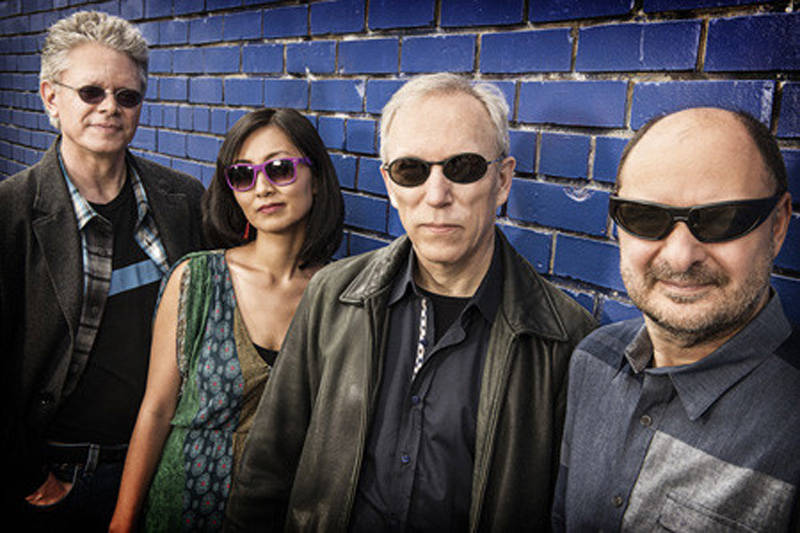
"caption": "The usually pyrotechnic Kronos Quartet slows things down on its new album, 'Folk Songs.'",
"description": "The usually pyrotechnic Kronos Quartet slows things down on its new album, 'Folk Songs.'",
"title": "Kronos800",
"credit": "Jay Blakesberg",
"status": "inherit",
"isLoading": false,
"fetchFailed": false
},
"arts_13749223": {
"type": "attachments",
"id": "arts_13749223",
"meta": {
"index": "attachments_1716263798",
"site": "arts",
"id": "13749223",
"found": true
},
"parent": 13748611,
"imgSizes": {
"small": {
"file": "https://ww2.kqed.org/app/uploads/sites/2/2017/07/Jasdeep.MAIN_.Field_-520x293.jpg",
"width": 520,
"mimeType": "image/jpeg",
"height": 293
},
"twentyfourteen-full-width": {
"file": "https://ww2.kqed.org/app/uploads/sites/2/2017/07/Jasdeep.MAIN_.Field_-1038x576.jpg",
"width": 1038,
"mimeType": "image/jpeg",
"height": 576
},
"thumbnail": {
"file": "https://ww2.kqed.org/app/uploads/sites/2/2017/07/Jasdeep.MAIN_.Field_-160x90.jpg",
"width": 160,
"mimeType": "image/jpeg",
"height": 90
},
"fd-sm": {
"file": "https://ww2.kqed.org/app/uploads/sites/2/2017/07/Jasdeep.MAIN_.Field_-960x540.jpg",
"width": 960,
"mimeType": "image/jpeg",
"height": 540
},
"post-thumbnail": {
"file": "https://ww2.kqed.org/app/uploads/sites/2/2017/07/Jasdeep.MAIN_.Field_-672x372.jpg",
"width": 672,
"mimeType": "image/jpeg",
"height": 372
},
"xsmall": {
"file": "https://ww2.kqed.org/app/uploads/sites/2/2017/07/Jasdeep.MAIN_.Field_-375x211.jpg",
"width": 375,
"mimeType": "image/jpeg",
"height": 211
},
"kqedFullSize": {
"file": "https://ww2.kqed.org/app/uploads/sites/2/2017/07/Jasdeep.MAIN_.Field_.jpg",
"width": 1920,
"height": 1080
},
"large": {
"file": "https://ww2.kqed.org/app/uploads/sites/2/2017/07/Jasdeep.MAIN_.Field_-1020x574.jpg",
"width": 1020,
"mimeType": "image/jpeg",
"height": 574
},
"xlarge": {
"file": "https://ww2.kqed.org/app/uploads/sites/2/2017/07/Jasdeep.MAIN_.Field_-1180x664.jpg",
"width": 1180,
"mimeType": "image/jpeg",
"height": 664
},
"guest-author-50": {
"file": "https://ww2.kqed.org/app/uploads/sites/2/2017/07/Jasdeep.MAIN_.Field_-50x50.jpg",
"width": 50,
"mimeType": "image/jpeg",
"height": 50
},
"guest-author-96": {
"file": "https://ww2.kqed.org/app/uploads/sites/2/2017/07/Jasdeep.MAIN_.Field_-96x96.jpg",
"width": 96,
"mimeType": "image/jpeg",
"height": 96
},
"medium": {
"file": "https://ww2.kqed.org/app/uploads/sites/2/2017/07/Jasdeep.MAIN_.Field_-800x450.jpg",
"width": 800,
"mimeType": "image/jpeg",
"height": 450
},
"guest-author-64": {
"file": "https://ww2.kqed.org/app/uploads/sites/2/2017/07/Jasdeep.MAIN_.Field_-64x64.jpg",
"width": 64,
"mimeType": "image/jpeg",
"height": 64
},
"guest-author-32": {
"file": "https://ww2.kqed.org/app/uploads/sites/2/2017/07/Jasdeep.MAIN_.Field_-32x32.jpg",
"width": 32,
"mimeType": "image/jpeg",
"height": 32
},
"fd-lrg": {
"file": "https://ww2.kqed.org/app/uploads/sites/2/2017/07/Jasdeep.MAIN_.Field_-1920x1080.jpg",
"width": 1920,
"mimeType": "image/jpeg",
"height": 1080
},
"fd-med": {
"file": "https://ww2.kqed.org/app/uploads/sites/2/2017/07/Jasdeep.MAIN_.Field_-1180x664.jpg",
"width": 1180,
"mimeType": "image/jpeg",
"height": 664
},
"full-width": {
"file": "https://ww2.kqed.org/app/uploads/sites/2/2017/07/Jasdeep.MAIN_.Field_-1920x1080.jpg",
"width": 1920,
"mimeType": "image/jpeg",
"height": 1080
},
"detail": {
"file": "https://ww2.kqed.org/app/uploads/sites/2/2017/07/Jasdeep.MAIN_.Field_-150x150.jpg",
"width": 150,
"mimeType": "image/jpeg",
"height": 150
},
"medium_large": {
"file": "https://ww2.kqed.org/app/uploads/sites/2/2017/07/Jasdeep.MAIN_.Field_-768x432.jpg",
"width": 768,
"mimeType": "image/jpeg",
"height": 432
},
"guest-author-128": {
"file": "https://ww2.kqed.org/app/uploads/sites/2/2017/07/Jasdeep.MAIN_.Field_-128x128.jpg",
"width": 128,
"mimeType": "image/jpeg",
"height": 128
},
"xxsmall": {
"file": "https://ww2.kqed.org/app/uploads/sites/2/2017/07/Jasdeep.MAIN_.Field_-240x135.jpg",
"width": 240,
"mimeType": "image/jpeg",
"height": 135
}
},
"publishDate": 1501118832,
"modified": 1501119294,
"caption": "A still from KOHINOORGASM's music video for 'Azaadi Is Freedom Is Fate,' directed by Jasdeep Kang.",
"description": "A still from KOHINOORGASM's music video for 'Azaadi Is Freedom Is Fate,' directed by Jasdeep Kang.",
"title": "Jasdeep.MAIN.Field",
"credit": "Jasdeep Kang",
"status": "inherit",
"isLoading": false,
"fetchFailed": false
},
"arts_13748711": {
"type": "attachments",
"id": "arts_13748711",
"meta": {
"index": "attachments_1716263798",
"site": "arts",
"id": "13748711",
"found": true
},
"parent": 13747360,
"imgSizes": {
"small": {
"file": "https://ww2.kqed.org/app/uploads/sites/2/2017/07/tumblr_ot1s10fLsa1rr36wao2_1280-e1501113316267-520x298.jpg",
"width": 520,
"mimeType": "image/jpeg",
"height": 298
},
"twentyfourteen-full-width": {
"file": "https://ww2.kqed.org/app/uploads/sites/2/2017/07/tumblr_ot1s10fLsa1rr36wao2_1280-e1501113316267-1038x576.jpg",
"width": 1038,
"mimeType": "image/jpeg",
"height": 576
},
"thumbnail": {
"file": "https://ww2.kqed.org/app/uploads/sites/2/2017/07/tumblr_ot1s10fLsa1rr36wao2_1280-e1501113316267-160x92.jpg",
"width": 160,
"mimeType": "image/jpeg",
"height": 92
},
"fd-sm": {
"file": "https://ww2.kqed.org/app/uploads/sites/2/2017/07/tumblr_ot1s10fLsa1rr36wao2_1280-e1501113316267-960x550.jpg",
"width": 960,
"mimeType": "image/jpeg",
"height": 550
},
"post-thumbnail": {
"file": "https://ww2.kqed.org/app/uploads/sites/2/2017/07/tumblr_ot1s10fLsa1rr36wao2_1280-e1501113316267-672x372.jpg",
"width": 672,
"mimeType": "image/jpeg",
"height": 372
},
"xsmall": {
"file": "https://ww2.kqed.org/app/uploads/sites/2/2017/07/tumblr_ot1s10fLsa1rr36wao2_1280-e1501113316267-375x215.jpg",
"width": 375,
"mimeType": "image/jpeg",
"height": 215
},
"kqedFullSize": {
"file": "https://ww2.kqed.org/app/uploads/sites/2/2017/07/tumblr_ot1s10fLsa1rr36wao2_1280-e1501113316267.jpg",
"width": 1273,
"height": 729
},
"large": {
"file": "https://ww2.kqed.org/app/uploads/sites/2/2017/07/tumblr_ot1s10fLsa1rr36wao2_1280-e1501113316267-1020x584.jpg",
"width": 1020,
"mimeType": "image/jpeg",
"height": 584
},
"xlarge": {
"file": "https://ww2.kqed.org/app/uploads/sites/2/2017/07/tumblr_ot1s10fLsa1rr36wao2_1280-e1501113316267-1180x676.jpg",
"width": 1180,
"mimeType": "image/jpeg",
"height": 676
},
"guest-author-50": {
"file": "https://ww2.kqed.org/app/uploads/sites/2/2017/07/tumblr_ot1s10fLsa1rr36wao2_1280-e1501113316267-50x50.jpg",
"width": 50,
"mimeType": "image/jpeg",
"height": 50
},
"guest-author-96": {
"file": "https://ww2.kqed.org/app/uploads/sites/2/2017/07/tumblr_ot1s10fLsa1rr36wao2_1280-e1501113316267-96x96.jpg",
"width": 96,
"mimeType": "image/jpeg",
"height": 96
},
"medium": {
"file": "https://ww2.kqed.org/app/uploads/sites/2/2017/07/tumblr_ot1s10fLsa1rr36wao2_1280-e1501113316267-800x458.jpg",
"width": 800,
"mimeType": "image/jpeg",
"height": 458
},
"guest-author-64": {
"file": "https://ww2.kqed.org/app/uploads/sites/2/2017/07/tumblr_ot1s10fLsa1rr36wao2_1280-e1501113316267-64x64.jpg",
"width": 64,
"mimeType": "image/jpeg",
"height": 64
},
"guest-author-32": {
"file": "https://ww2.kqed.org/app/uploads/sites/2/2017/07/tumblr_ot1s10fLsa1rr36wao2_1280-e1501113316267-32x32.jpg",
"width": 32,
"mimeType": "image/jpeg",
"height": 32
},
"fd-med": {
"file": "https://ww2.kqed.org/app/uploads/sites/2/2017/07/tumblr_ot1s10fLsa1rr36wao2_1280-e1501113316267-1180x676.jpg",
"width": 1180,
"mimeType": "image/jpeg",
"height": 676
},
"detail": {
"file": "https://ww2.kqed.org/app/uploads/sites/2/2017/07/tumblr_ot1s10fLsa1rr36wao2_1280-e1501113316267-150x150.jpg",
"width": 150,
"mimeType": "image/jpeg",
"height": 150
},
"medium_large": {
"file": "https://ww2.kqed.org/app/uploads/sites/2/2017/07/tumblr_ot1s10fLsa1rr36wao2_1280-e1501113316267-768x440.jpg",
"width": 768,
"mimeType": "image/jpeg",
"height": 440
},
"guest-author-128": {
"file": "https://ww2.kqed.org/app/uploads/sites/2/2017/07/tumblr_ot1s10fLsa1rr36wao2_1280-e1501113316267-128x128.jpg",
"width": 128,
"mimeType": "image/jpeg",
"height": 128
},
"xxsmall": {
"file": "https://ww2.kqed.org/app/uploads/sites/2/2017/07/tumblr_ot1s10fLsa1rr36wao2_1280-e1501113316267-240x137.jpg",
"width": 240,
"mimeType": "image/jpeg",
"height": 137
}
},
"publishDate": 1501111515,
"modified": 1501111571,
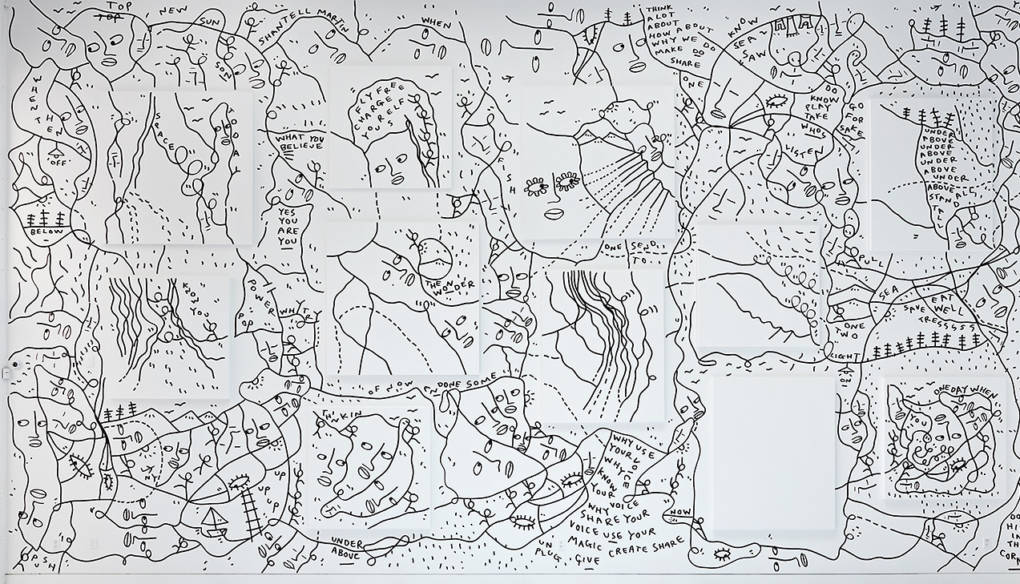
"caption": "Wall and paintings by Shantell Martin at Chandran Gallery in San Francisco",
"description": "Wall and paintings by Shantell Martin at Chandran Gallery in San Francisco",
"title": "Wall and paintings by Shantell Martin at Chandran Gallery in San Francisco",
"credit": null,
"status": "inherit",
"isLoading": false,
"fetchFailed": false
},
"arts_11001881": {
"type": "attachments",
"id": "arts_11001881",
"meta": {
"index": "attachments_1716263798",
"site": "arts",
"id": "11001881",
"found": true
},
"parent": 11001878,
"imgSizes": {
"twentyfourteen-full-width": {
"file": "https://ww2.kqed.org/app/uploads/sites/2/2015/10/TheCoup_sanseri_TreasureIsland2012_084-1-1038x576.jpg",
"width": 1038,
"mimeType": "image/jpeg",
"height": 576
},
"thumbnail": {
"file": "https://ww2.kqed.org/app/uploads/sites/2/2015/10/TheCoup_sanseri_TreasureIsland2012_084-1-e1459984832157-400x225.jpg",
"width": 400,
"mimeType": "image/jpeg",
"height": 225
},
"fd-sm": {
"file": "https://ww2.kqed.org/app/uploads/sites/2/2015/10/TheCoup_sanseri_TreasureIsland2012_084-1-e1459984832157-960x540.jpg",
"width": 960,
"mimeType": "image/jpeg",
"height": 540
},
"post-thumbnail": {
"file": "https://ww2.kqed.org/app/uploads/sites/2/2015/10/TheCoup_sanseri_TreasureIsland2012_084-1-e1459984832157-672x372.jpg",
"width": 672,
"mimeType": "image/jpeg",
"height": 372
},
"kqedFullSize": {
"file": "https://ww2.kqed.org/app/uploads/sites/2/2015/10/TheCoup_sanseri_TreasureIsland2012_084-1-e1459984832157.jpg",
"width": 1000,
"height": 562
},
"large": {
"file": "https://ww2.kqed.org/app/uploads/sites/2/2015/10/TheCoup_sanseri_TreasureIsland2012_084-1-1180x787.jpg",
"width": 1180,
"mimeType": "image/jpeg",
"height": 787
},
"guest-author-96": {
"file": "https://ww2.kqed.org/app/uploads/sites/2/2015/10/TheCoup_sanseri_TreasureIsland2012_084-1-e1459984832157-96x96.jpg",
"width": 96,
"mimeType": "image/jpeg",
"height": 96
},
"medium": {
"file": "https://ww2.kqed.org/app/uploads/sites/2/2015/10/TheCoup_sanseri_TreasureIsland2012_084-1-e1459984832157-800x450.jpg",
"width": 800,
"mimeType": "image/jpeg",
"height": 450
},
"guest-author-64": {
"file": "https://ww2.kqed.org/app/uploads/sites/2/2015/10/TheCoup_sanseri_TreasureIsland2012_084-1-e1459984832157-64x64.jpg",
"width": 64,
"mimeType": "image/jpeg",
"height": 64
},
"guest-author-32": {
"file": "https://ww2.kqed.org/app/uploads/sites/2/2015/10/TheCoup_sanseri_TreasureIsland2012_084-1-e1459984832157-32x32.jpg",
"width": 32,
"mimeType": "image/jpeg",
"height": 32
},
"fd-med": {
"file": "https://ww2.kqed.org/app/uploads/sites/2/2015/10/TheCoup_sanseri_TreasureIsland2012_084-1-1180x787.jpg",
"width": 1180,
"mimeType": "image/jpeg",
"height": 787
},
"detail": {
"file": "https://ww2.kqed.org/app/uploads/sites/2/2015/10/TheCoup_sanseri_TreasureIsland2012_084-1-e1459984832157-75x75.jpg",
"width": 75,
"mimeType": "image/jpeg",
"height": 75
},
"guest-author-128": {
"file": "https://ww2.kqed.org/app/uploads/sites/2/2015/10/TheCoup_sanseri_TreasureIsland2012_084-1-e1459984832157-128x128.jpg",
"width": 128,
"mimeType": "image/jpeg",
"height": 128
},
"medium_large": {
"file": "https://ww2.kqed.org/app/uploads/sites/2/2015/10/TheCoup_sanseri_TreasureIsland2012_084-1-e1459984832157-768x432.jpg",
"width": 768,
"mimeType": "image/jpeg",
"height": 432
}
},
"publishDate": 1444265484,
"modified": 1501112898,
"caption": "Boots Riley is the director of 'Sorry to Bother You'. The movie is currently being shot on location in Oakland and features Patton Oswalt and Danny Glover, among other stars.",
"description": "Boots Riley is the director of 'Sorry to Bother You'. The movie is currently being shot on location in Oakland and features Patton Oswalt and Danny Glover, among other stars.",
"title": "TheCoup_sanseri_TreasureIsland2012_084-1",
"credit": "Photo: Josh Sanseri",
"status": "inherit",
"isLoading": false,
"fetchFailed": false
}
},
"audioPlayerReducer": {
"postId": "stream_live",
"isPaused": true,
"isPlaying": false,
"pfsActive": false,
"pledgeModalIsOpen": true,
"playerDrawerIsOpen": false,
"liveAudioPlayStartedAt": 0,
"liveAudioPlayContext": ""
},
"authorsReducer": {
"byline_arts_13788928": {
"type": "authors",
"id": "byline_arts_13788928",
"meta": {
"override": true
},
"slug": "byline_arts_13788928",
"name": "Rachel Horn",
"isLoading": false
},
"byline_arts_13788690": {
"type": "authors",
"id": "byline_arts_13788690",
"meta": {
"override": true
},
"slug": "byline_arts_13788690",
"name": "Andrew Flanagan",
"isLoading": false
},
"byline_arts_13783251": {
"type": "authors",
"id": "byline_arts_13783251",
"meta": {
"override": true
},
"slug": "byline_arts_13783251",
"name": "Claire Mullen",
"isLoading": false
},
"cmusiker": {
"type": "authors",
"id": "32",
"meta": {
"index": "authors_1716337520",
"id": "32",
"found": true
},
"name": "Cy Musiker",
"firstName": "Cy",
"lastName": "Musiker",
"slug": "cmusiker",
"email": "cmusiker@kqed.org",
"display_author_email": false,
"staff_mastheads": [],
"title": "KQED Contributor",
"bio": "Cy Musiker is a former co-host of The Do List and a former reporter covering the arts for KQED News and The California Report. He loves live performance, especially great theater, jazz, roots music, anything by Mahler. Cy has an MJ from UC Berkeley's School of Journalism, and got his BA from Hampshire College. His work has been recognized by the Society for Professional Journalists with their Sigma Delta Chi Award for Public Service in Journalism. When he can, Cy likes to swim in Tomales Bay, run with his dog in the East Bay Hills, and hike the Sierra.",
"avatar": "https://secure.gravatar.com/avatar/05eaba5c5696ce8f062e4ea2df428a43?s=600&d=blank&r=g",
"twitter": null,
"facebook": null,
"instagram": null,
"linkedin": null,
"sites": [
{
"site": "arts",
"roles": [
"Contributor",
"subscriber"
]
},
{
"site": "news",
"roles": [
"author"
]
},
{
"site": "bayareabites",
"roles": [
"contributor"
]
}
],
"headData": {
"title": "Cy Musiker | KQED",
"description": "KQED Contributor",
"ogImgSrc": "https://secure.gravatar.com/avatar/05eaba5c5696ce8f062e4ea2df428a43?s=600&d=blank&r=g",
"twImgSrc": "https://secure.gravatar.com/avatar/05eaba5c5696ce8f062e4ea2df428a43?s=600&d=blank&r=g"
},
"isLoading": false,
"link": "/author/cmusiker"
},
"agilbert": {
"type": "authors",
"id": "86",
"meta": {
"index": "authors_1716337520",
"id": "86",
"found": true
},
"name": "Andrew Gilbert",
"firstName": "Andrew",
"lastName": "Gilbert",
"slug": "agilbert",
"email": "jazzscribe@aol.com",
"display_author_email": false,
"staff_mastheads": [],
"title": "KQED Contributor",
"bio": "A Los Angeles native based in the Berkeley area since 1996, Andrew Gilbert covers jazz, international music and dance for KQED's \u003ci>California Report, \u003c/i>the\u003ci> Mercury News\u003c/i>, \u003ci>San Francisco Chronicle\u003c/i>, \u003ci>Berkeleyside.com\u003c/i>, and other publications. He is available for weddings and bar and bat mitzvahs. #jazzscribe",
"avatar": "https://secure.gravatar.com/avatar/d7bcafdbefdd39e9a68f88724ca616eb4e7a5a6bff9cdfb62de652a1e1751471?s=600&d=blank&r=g",
"twitter": null,
"bluesky": null,
"facebook": null,
"instagram": null,
"linkedin": null,
"sites": [
{
"site": "arts",
"roles": [
"Contributor",
"author"
]
},
{
"site": "news",
"roles": [
"author"
]
}
],
"headData": {
"title": "Andrew Gilbert | KQED",
"description": "KQED Contributor",
"ogImgSrc": "https://secure.gravatar.com/avatar/d7bcafdbefdd39e9a68f88724ca616eb4e7a5a6bff9cdfb62de652a1e1751471?s=600&d=blank&r=g",
"twImgSrc": "https://secure.gravatar.com/avatar/d7bcafdbefdd39e9a68f88724ca616eb4e7a5a6bff9cdfb62de652a1e1751471?s=600&d=blank&r=g"
},
"isLoading": false,
"link": "/author/agilbert"
},
"kjones": {
"type": "authors",
"id": "93",
"meta": {
"index": "authors_1716337520",
"id": "93",
"found": true
},
"name": "Kevin L. Jones",
"firstName": "Kevin",
"lastName": "Jones",
"slug": "kjones",
"email": "kjones@kqed.org",
"display_author_email": false,
"staff_mastheads": [],
"title": null,
"bio": null,
"avatar": "https://secure.gravatar.com/avatar/12c65b5633ed39d0a59bb7f497eff645?s=600&d=blank&r=g",
"twitter": null,
"facebook": null,
"instagram": null,
"linkedin": null,
"sites": [
{
"site": "arts",
"roles": [
"subscriber"
]
},
{
"site": "styleguide",
"roles": [
"contributor"
]
},
{
"site": "artschool",
"roles": [
"subscriber"
]
},
{
"site": "news",
"roles": [
"subscriber"
]
},
{
"site": "pop",
"roles": [
"subscriber"
]
}
],
"headData": {
"title": "Kevin L. Jones | KQED",
"description": null,
"ogImgSrc": "https://secure.gravatar.com/avatar/12c65b5633ed39d0a59bb7f497eff645?s=600&d=blank&r=g",
"twImgSrc": "https://secure.gravatar.com/avatar/12c65b5633ed39d0a59bb7f497eff645?s=600&d=blank&r=g"
},
"isLoading": false,
"link": "/author/kjones"
},
"gmeline": {
"type": "authors",
"id": "185",
"meta": {
"index": "authors_1716337520",
"id": "185",
"found": true
},
"name": "Gabe Meline",
"firstName": "Gabe",
"lastName": "Meline",
"slug": "gmeline",
"email": "gmeline@kqed.org",
"display_author_email": true,
"staff_mastheads": [
"arts"
],
"title": "Senior Editor, KQED Arts & Culture",
"bio": "Gabe Meline entered journalism at age 15 making photocopied zines, and has since earned awards from the Edward R. Murrow Awards, the Society for Professional Journalists, the Online Journalism Awards, the Association of Alternative Newsweeklies and the California Newspaper Publishers Association. Prior to KQED, he was the editor of the \u003cem>North Bay Bohemian\u003c/em> and a touring musician. He lives with his wife and daughter in his hometown of Santa Rosa, CA.",
"avatar": "https://secure.gravatar.com/avatar/5bebe57be0d8bc2dd318934feb47299e2d2d10cba28d09d8d7afb389a2ce2bdd?s=600&d=blank&r=g",
"twitter": null,
"bluesky": null,
"facebook": null,
"instagram": null,
"linkedin": null,
"sites": [
{
"site": "",
"roles": [
"editor"
]
},
{
"site": "arts",
"roles": [
"administrator"
]
},
{
"site": "artschool",
"roles": [
"editor"
]
},
{
"site": "news",
"roles": [
"author"
]
},
{
"site": "pop",
"roles": [
"editor"
]
},
{
"site": "bayareabites",
"roles": [
"editor"
]
},
{
"site": "food",
"roles": [
"editor"
]
},
{
"site": "forum",
"roles": [
"administrator"
]
},
{
"site": "liveblog",
"roles": [
"editor"
]
},
{
"site": "hiphop",
"roles": [
"editor"
]
}
],
"headData": {
"title": "Gabe Meline | KQED",
"description": "Senior Editor, KQED Arts & Culture",
"ogImgSrc": "https://secure.gravatar.com/avatar/5bebe57be0d8bc2dd318934feb47299e2d2d10cba28d09d8d7afb389a2ce2bdd?s=600&d=blank&r=g",
"twImgSrc": "https://secure.gravatar.com/avatar/5bebe57be0d8bc2dd318934feb47299e2d2d10cba28d09d8d7afb389a2ce2bdd?s=600&d=blank&r=g"
},
"isLoading": false,
"link": "/author/gmeline"
},
"cveltman": {
"type": "authors",
"id": "8608",
"meta": {
"index": "authors_1716337520",
"id": "8608",
"found": true
},
"name": "Chloe Veltman",
"firstName": "Chloe",
"lastName": "Veltman",
"slug": "cveltman",
"email": "cveltman@kqed.org",
"display_author_email": true,
"staff_mastheads": [],
"title": "Arts and Culture Reporter",
"bio": "Chloe Veltman is a former arts and culture reporter for KQED. Prior to joining the organization, she launched and led the arts bureau at Colorado Public Radio, served as the Bay Area's culture columnist for the New York Times, and was the founder, host and executive producer of VoiceBox, a national award-winning weekly podcast/radio show and live events series all about the human voice. Chloe is the recipient of numerous prizes, grants and fellowships including a Webby Award for her work on interactive storytelling, both the John S Knight Journalism Fellowship and Humanities Center Fellowship at Stanford University, the Sundance Arts Writing Fellowship and a Library of Congress Research Fellowship. She is the author of the book \"On Acting\" and has appeared as a guest lecturer at Yale University and the San Francisco Conservatory of Music among other institutions. She holds a BA in english literature from King's College, Cambridge, and a Masters in Dramaturgy from the Central School of Speech and Drama/Harvard Institute for Advanced Theater Training.\r\n\u003ca href=\"https://www.chloeveltman.com\">www.chloeveltman.com\u003c/a>",
"avatar": "https://secure.gravatar.com/avatar/55403394b00a1ddab683952c2eb2cf85?s=600&d=blank&r=g",
"twitter": "chloeveltman",
"facebook": null,
"instagram": null,
"linkedin": null,
"sites": [
{
"site": "arts",
"roles": []
},
{
"site": "news",
"roles": [
"author"
]
},
{
"site": "pop",
"roles": [
"editor"
]
},
{
"site": "science",
"roles": []
}
],
"headData": {
"title": "Chloe Veltman | KQED",
"description": "Arts and Culture Reporter",
"ogImgSrc": "https://secure.gravatar.com/avatar/55403394b00a1ddab683952c2eb2cf85?s=600&d=blank&r=g",
"twImgSrc": "https://secure.gravatar.com/avatar/55403394b00a1ddab683952c2eb2cf85?s=600&d=blank&r=g"
},
"isLoading": false,
"link": "/author/cveltman"
},
"crnoveno": {
"type": "authors",
"id": "11208",
"meta": {
"index": "authors_1716337520",
"id": "11208",
"found": true
},
"name": "Creo Noveno",
"firstName": "Creo",
"lastName": "Noveno",
"slug": "crnoveno",
"email": "creonoveno@gmail.com",
"display_author_email": false,
"staff_mastheads": [],
"title": "KQED Contributor",
"bio": null,
"avatar": "https://secure.gravatar.com/avatar/0df6606b8e36036309fd287052246d01?s=600&d=blank&r=g",
"twitter": null,
"facebook": null,
"instagram": null,
"linkedin": null,
"sites": [
{
"site": "arts",
"roles": [
"subscriber"
]
},
{
"site": "pop",
"roles": [
"contributor"
]
}
],
"headData": {
"title": "Creo Noveno | KQED",
"description": "KQED Contributor",
"ogImgSrc": "https://secure.gravatar.com/avatar/0df6606b8e36036309fd287052246d01?s=600&d=blank&r=g",
"twImgSrc": "https://secure.gravatar.com/avatar/0df6606b8e36036309fd287052246d01?s=600&d=blank&r=g"
},
"isLoading": false,
"link": "/author/crnoveno"
},
"jbote": {
"type": "authors",
"id": "11371",
"meta": {
"index": "authors_1716337520",
"id": "11371",
"found": true
},
"name": "Joshua Bote",
"firstName": "Joshua",
"lastName": "Bote",
"slug": "jbote",
"email": "jbote@kqed.org",
"display_author_email": false,
"staff_mastheads": [],
"title": null,
"bio": "\u003cp class=\"p1\">Joshua Bote is an intern for KQED Arts. A senior at UC Berkeley, Joshua previously served as the Arts & Entertainment Editor at \u003ci>The Daily Californian\u003c/i>, UC Berkeley’s independently-run student newspaper. His work has been published in the \u003cem>East Bay Express.\u003c/em>\u003c/p>\r\n\u003cp class=\"p1\">He’s deeply enamored with Twitter culture, Carly Rae Jepsen, and love-oriented podcasts. He's also slowly learning to appreciate bad award shows. Follow him on Twitter \u003ca href=\"http://twitter.com/joshuaboat\">@joshuaboat\u003c/a>.\u003c/p>",
"avatar": "https://secure.gravatar.com/avatar/f060759cb27bc8b191022334ab99fc5a?s=600&d=blank&r=g",
"twitter": null,
"facebook": null,
"instagram": null,
"linkedin": null,
"sites": [
{
"site": "arts",
"roles": [
"author"
]
}
],
"headData": {
"title": "Joshua Bote | KQED",
"description": null,
"ogImgSrc": "https://secure.gravatar.com/avatar/f060759cb27bc8b191022334ab99fc5a?s=600&d=blank&r=g",
"twImgSrc": "https://secure.gravatar.com/avatar/f060759cb27bc8b191022334ab99fc5a?s=600&d=blank&r=g"
},
"isLoading": false,
"link": "/author/jbote"
},
"edayu": {
"type": "authors",
"id": "11391",
"meta": {
"index": "authors_1716337520",
"id": "11391",
"found": true
},
"name": "Eda Yu",
"firstName": "Eda",
"lastName": "Yu",
"slug": "edayu",
"email": "eda.cyu@gmail.com",
"display_author_email": false,
"staff_mastheads": [],
"title": "KQED Contributor",
"bio": "Eda Yu is a freelance writer and arts and culture journalist born and raised in Los Angeles, California. Her work centers the intersection of culture and identity, and her writing has appeared on platforms like VICE, Paper Magazine, and Complex. Follow her latest on Instagram and Twitter @edacyu.",
"avatar": "https://secure.gravatar.com/avatar/6dac2abe6c01e7b538d29f9c902136eb?s=600&d=blank&r=g",
"twitter": null,
"facebook": null,
"instagram": "https://www.instagram.com/edacyu/",
"linkedin": null,
"sites": [
{
"site": "arts",
"roles": [
"contributor"
]
}
],
"headData": {
"title": "Eda Yu | KQED",
"description": "KQED Contributor",
"ogImgSrc": "https://secure.gravatar.com/avatar/6dac2abe6c01e7b538d29f9c902136eb?s=600&d=blank&r=g",
"twImgSrc": "https://secure.gravatar.com/avatar/6dac2abe6c01e7b538d29f9c902136eb?s=600&d=blank&r=g"
},
"isLoading": false,
"link": "/author/edayu"
}
},
"pagesReducer": {
"arts_category_music": {
"type": "terms",
"id": "arts_69",
"meta": {
"index": "terms_1716263798",
"site": "arts",
"id": "69",
"score": 10.85186
},
"featImg": null,
"name": "Music",
"description": null,
"taxonomy": "category",
"headData": {
"twImgId": null,
"twTitle": null,
"ogTitle": null,
"ogImgId": null,
"twDescription": null,
"description": null,
"title": "Music Archives | KQED Arts",
"ogDescription": null
},
"ttid": 70,
"slug": "music",
"isLoading": false,
"title": "Music",
"pageMeta": {
"site": "arts",
"WpPageTemplate": "page-topic-editorial",
"currentPage": 225
},
"blocks": [
{
"blockName": "kqed/post-list",
"attrs": {
"layout": "cardArticle2",
"query": "posts/arts?category=music",
"seeMore": false,
"paginated": true,
"page": 225
}
},
{
"blockName": "kqed/ad"
}
]
}
},
"pfsSessionReducer": {},
"postsReducer": {
"stream_live": {
"type": "live",
"id": "stream_live",
"audioUrl": "https://streams.kqed.org/kqedradio",
"title": "Live Stream",
"excerpt": "Live Stream information currently unavailable.",
"link": "/radio",
"featImg": "",
"label": {
"name": "KQED Live",
"link": "/"
}
},
"stream_kqedNewscast": {
"type": "posts",
"id": "stream_kqedNewscast",
"audioUrl": "https://www.kqed.org/.stream/anon/radio/RDnews/newscast.mp3?_=1",
"title": "KQED Newscast",
"featImg": "",
"label": {
"name": "88.5 FM",
"link": "/"
}
},
"arts_13795328": {
"type": "posts",
"id": "arts_13795328",
"meta": {
"index": "posts_1716263798",
"site": "arts",
"id": "13795328",
"score": null,
"sort": [
1501718448000
]
},
"guestAuthors": [],
"slug": "cy-and-zahras-picks-hamlet-sings-standing-up-for-books-and-a-desi-comedy-fest",
"title": "Cy and Zahra's Picks: Hamlet Sings, Standing Up for Books, and a Desi Comedy Fest",
"publishDate": 1501718448,
"format": "audio",
"headTitle": "Cy and Zahra’s Picks: Hamlet Sings, Standing Up for Books, and a Desi Comedy Fest | KQED",
"labelTerm": {
"term": 140,
"site": "arts"
},
"content": "\u003cp>We’re welcoming back as co-host this week comedian, co-host of the \u003cem>Good Muslim, Bad Muslim\u003c/em> podcast, and \u003ca href=\"https://ww2.kqed.org/arts/women-to-watch2016/\" target=\"_blank\" rel=\"noopener noreferrer\">KQED Women to Watch\u003c/a> honoree \u003ca href=\"http://www.zahracomedy.com/\" target=\"_blank\" rel=\"noopener noreferrer\">Zahra Noorbaksh\u003c/a>. Somehow she and I couldn’t fit in the \u003ca href=\"http://petalumamusicfestival.org/our_mission/\" target=\"_blank\" rel=\"noopener noreferrer\">Petaluma Music Festival\u003c/a>, a terrific concert featuring the Chris Robinson Brotherhood, Poor Man’s Whiskey and other American roots bands Aug. 5 at the Sonoma-Marin Fairgrounds, which benefits music programs in Petaluma schools. \u003ca href=\"http://petalumamusicfestival.org/our_mission/\" target=\"_blank\" rel=\"noopener noreferrer\">Details are here\u003c/a>. Now on with the show.\u003c/p>\n\u003cp>https://www.youtube.com/watch?v=0e5jPX3ysY8\u003c/p>\n\u003cp>\u003cstrong>Aug. 3–6\u003c/strong>: We start with the cosmic jazz of the\u003ca href=\"http://www.sunraarkestra.com/\" target=\"_blank\" rel=\"noopener noreferrer\"> Sun Ra Arkestra, \u003c/a>which carries on the Afrofuturist ideas of founder Sun Ra — born Herman Blount, who claimed to be from the planet Saturn. Sun Ra died in 1993, but the band continues under the direction of longtime member Marshall Allen, who maintains Sun Ra’s artistic vision for the band, including on-stage costumes that look like Egyptian spacesuits. Years after Sun Ra’s seminal recordings, the music is still mind-blowing; a cacophony of free jazz resolves into a hard bop solo, chased with a chant about space travel. Zahra ran into a number of artists at the recent \u003ca href=\"https://opportunityagenda.org/connect/creative-change/2017-creative-change-retreat\" target=\"_blank\" rel=\"noopener noreferrer\">Sundance Creative Change Retreat\u003c/a> who were deeply influenced by Sun Ra’s Afrocentrism and surrealist approach to his art; even stars in the pop realm \u003ca href=\"http://saintheron.com/featured/happy-birthday-sun-ra/\" target=\"_blank\" rel=\"noopener\">like Solange Knowles\u003c/a> hail his influence. This series of concerts at SFJAZZ is as big a deal as the solar eclipse happening this month, and just as rare. \u003ca href=\"https://sfjazz.org/events/sessions/2017/0804/sun-ra-arkestra\" target=\"_blank\" rel=\"noopener noreferrer\">Details here.\u003c/a>\u003c/p>\n\u003cp>https://www.youtube.com/watch?v=nfUkLAvU4t4&t=203s\u003c/p>\n\u003cp>\u003cstrong>Aug. 5–Sept. 10\u003c/strong>: There are a handful of great storytellers in the Bay Area — people like Brian Copeland, Dan Hoyle and Al Letson — who can hold the attention of a roomful of people with the detail, warmth and humor of their tale-spinning. Don Reed belongs in that lofty company, and he’s bringing back one of his classic one-man shows, \u003cem>The Kipling Hotel\u003c/em>. It’s about his experience as a student at UCLA on a bare-bones scholarship that left him too broke for a dorm room or apartment. Zahra notes he brings the same level of energy and presence every night, something she strives for herself, and the shows reward repeat viewings. \u003cem>The Kipling Hotel\u003c/em> returns to the Marsh in Berkeley starting Aug. 5; \u003ca href=\"https://themarsh.org/kipling_hotel/don-reed-2/\" target=\"_blank\" rel=\"noopener noreferrer\"> details here.\u003c/a>\u003c/p>\n\u003cfigure id=\"attachment_13795971\" class=\"wp-caption aligncenter\" style=\"max-width: 800px\">\u003cimg loading=\"lazy\" decoding=\"async\" class=\"size-medium wp-image-13795971\" src=\"https://ww2.kqed.org/arts/wp-content/uploads/sites/2/2017/08/Frankenstein-e1501702319709-800x468.jpg\" alt=\"West Edge Opera presents Libby Larsen's opera 'Frankenstein'\" width=\"800\" height=\"468\" srcset=\"https://cdn.kqed.org/wp-content/uploads/sites/2/2017/08/Frankenstein-e1501702319709-800x468.jpg 800w, https://cdn.kqed.org/wp-content/uploads/sites/2/2017/08/Frankenstein-e1501702319709-160x94.jpg 160w, https://cdn.kqed.org/wp-content/uploads/sites/2/2017/08/Frankenstein-e1501702319709-768x449.jpg 768w, https://cdn.kqed.org/wp-content/uploads/sites/2/2017/08/Frankenstein-e1501702319709-1020x597.jpg 1020w, https://cdn.kqed.org/wp-content/uploads/sites/2/2017/08/Frankenstein-e1501702319709-1920x1123.jpg 1920w, https://cdn.kqed.org/wp-content/uploads/sites/2/2017/08/Frankenstein-e1501702319709-1180x690.jpg 1180w, https://cdn.kqed.org/wp-content/uploads/sites/2/2017/08/Frankenstein-e1501702319709-960x561.jpg 960w, https://cdn.kqed.org/wp-content/uploads/sites/2/2017/08/Frankenstein-e1501702319709-240x140.jpg 240w, https://cdn.kqed.org/wp-content/uploads/sites/2/2017/08/Frankenstein-e1501702319709-375x219.jpg 375w, https://cdn.kqed.org/wp-content/uploads/sites/2/2017/08/Frankenstein-e1501702319709-520x304.jpg 520w\" sizes=\"(max-width: 800px) 100vw, 800px\">\u003cfigcaption class=\"wp-caption-text\">West Edge Opera presents Libby Larsen’s opera ‘Frankenstein.’ \u003ccite>(Photo: Courtesy of West Edge Opera)\u003c/cite>\u003c/figcaption>\u003c/figure>\n\u003cp>\u003cstrong>Aug. 5–20\u003c/strong>: \u003ca href=\"http://www.westedgeopera.org/\" target=\"_blank\" rel=\"noopener noreferrer\">West Edge Opera \u003c/a>is a scrappy little Bay Area company with big ambitions, and they’re experts at discovering little-known but deserving work. This year they’re producing new versions of \u003cem>Frankenstein, The Modern Prometheus\u003c/em> by \u003ca href=\"https://libbylarsen.com/\" target=\"_blank\" rel=\"noopener noreferrer\">Libby Larsen\u003c/a>, a rare opera by a (living) woman composer; \u003cem>The Chastity Tree, \u003c/em>by Vicente Martín y Soler (the Valencian Mozart); and \u003cem>Hamlet\u003c/em>, by the French composer Amboise Thomas, featuring some beautiful arias. Listen to the show (above) to hear former Adler fellow Edward Nelson nail the “To be or not to be…” monologue during a piano rehearsal. West Edge got kicked out of its former home at the old Oakland train station, but they landed safely at Pacific Pipe, an old factory and warehouse in West Oakland. There will be shuttles from the \u003ca href=\"https://www.bart.gov/stations/woak\" target=\"_blank\" rel=\"noopener noreferrer\">West Oakland BART station\u003c/a> — a good thing, because we hear parking is limited. \u003ca href=\"http://www.westedgeopera.org/\" target=\"_blank\" rel=\"noopener noreferrer\">Details here.\u003c/a>\u003c/p>\n\u003cp>[ad fullwidth]\u003c/p>\n\u003cp>https://www.youtube.com/watch?v=qjCTIq6JVgU\u003c/p>\n\u003cp>\u003cstrong>Aug. 10–20\u003c/strong>: Here’s a new tradition in the making: the 4th annual Desi Comedy Fest, featuring comedians like Reyhaneh Rajabzadeh, a Muslim Iranian-American comedian, and Ahmed Bharoocha, who is Irish Catholic, Pakistani-Muslim, Indian, and Burmese. (“Desi” is a way that people of the South Asian Diaspora self-identify.) The festival celebrates the great melting pot of American standup comedy (think the Borscht Belt), and you don’t have to travel far. There are shows in San Francisco at Cobb’s Comedy Club, in Alameda at the Rhythmix Cultural Center, in Berkeley at Freight and Salvage, and at the Santa Clara Convention Center, The Mountain View Center for the Performing Arts, and more. Find all the \u003ca href=\"http://www.desicomedyfest.com/\" target=\"_blank\" rel=\"noopener noreferrer\">details here\u003c/a>.\u003c/p>\n\u003cfigure id=\"attachment_13796542\" class=\"wp-caption aligncenter\" style=\"max-width: 550px\">\u003cimg loading=\"lazy\" decoding=\"async\" class=\"size-full wp-image-13796542\" src=\"https://ww2.kqed.org/arts/wp-content/uploads/sites/2/2017/08/Biltmore-Hotel-in-Los-Angeles.jpg\" alt=\"LA's Biltmore Hotel, the setting for Cherrie Moraga's new play\" width=\"550\" height=\"366\" srcset=\"https://cdn.kqed.org/wp-content/uploads/sites/2/2017/08/Biltmore-Hotel-in-Los-Angeles.jpg 550w, https://cdn.kqed.org/wp-content/uploads/sites/2/2017/08/Biltmore-Hotel-in-Los-Angeles-160x106.jpg 160w, https://cdn.kqed.org/wp-content/uploads/sites/2/2017/08/Biltmore-Hotel-in-Los-Angeles-240x160.jpg 240w, https://cdn.kqed.org/wp-content/uploads/sites/2/2017/08/Biltmore-Hotel-in-Los-Angeles-375x250.jpg 375w, https://cdn.kqed.org/wp-content/uploads/sites/2/2017/08/Biltmore-Hotel-in-Los-Angeles-520x346.jpg 520w\" sizes=\"(max-width: 550px) 100vw, 550px\">\u003cfigcaption class=\"wp-caption-text\">L.A.’s Biltmore Hotel, the setting for Cherrie Moraga’s new play. \u003ccite>(Photo: Courtesy of Biltmore Hotel)\u003c/cite>\u003c/figcaption>\u003c/figure>\n\u003cp>\u003cstrong>Aug. 10–27\u003c/strong>: Playwright and Stanford scholar \u003ca href=\"http://cherriemoraga.com/\" target=\"_blank\" rel=\"noopener noreferrer\">Cherríe Moraga\u003c/a> has a brand new play called \u003cem>The Mathematics of Change\u003c/em> opening soon at Brava for Women in the Arts (which she co-founded). Zahra says that when she was an English major at UC Berkeley, she came across a Moraga play, an adaptation of \u003cem>Medea\u003c/em>, called \u003cem>\u003ca href=\"https://www.amazon.com/hungry-woman-Mexican-Medea/dp/097053440X\" target=\"_blank\" rel=\"noopener noreferrer\">The Hungry Woman\u003c/a>. \u003c/em>Zahra was so impressed at how Moraga took the canon of dead white males and \u003ca href=\"https://www.amazon.com/hungry-woman-Mexican-Medea/dp/097053440X\" target=\"_blank\" rel=\"noopener\">adapted it to focus on a queer Mexican woman\u003c/a> that she changed her major to theater, believing that was where she’d have more power to change the culture herself. The new play is set in L.A.’s Biltmore Hotel, with a Mexican-Indian woman based on Moraga’s own mother succumbing to the early stages of Alzheimer’s and traveling through time. \u003ca href=\"https://www.brava.org/all-events/2017/5/10/the-mathematics-of-love\" target=\"_blank\" rel=\"noopener noreferrer\">Details here.\u003c/a>\u003c/p>\n\u003cfigure id=\"attachment_13796253\" class=\"wp-caption aligncenter\" style=\"max-width: 800px\">\u003cimg loading=\"lazy\" decoding=\"async\" class=\"size-medium wp-image-13796253\" src=\"https://ww2.kqed.org/arts/wp-content/uploads/sites/2/2017/08/19620953_10155362170475120_6089559118716135375_o-800x320.jpg\" alt=\"Sedef Ecer, one of the playwrights whose work is getting a staged reading at Goldenthread Productions staged reading series\" width=\"800\" height=\"320\" srcset=\"https://cdn.kqed.org/wp-content/uploads/sites/2/2017/08/19620953_10155362170475120_6089559118716135375_o-800x320.jpg 800w, https://cdn.kqed.org/wp-content/uploads/sites/2/2017/08/19620953_10155362170475120_6089559118716135375_o-160x64.jpg 160w, https://cdn.kqed.org/wp-content/uploads/sites/2/2017/08/19620953_10155362170475120_6089559118716135375_o-768x307.jpg 768w, https://cdn.kqed.org/wp-content/uploads/sites/2/2017/08/19620953_10155362170475120_6089559118716135375_o-960x384.jpg 960w, https://cdn.kqed.org/wp-content/uploads/sites/2/2017/08/19620953_10155362170475120_6089559118716135375_o-240x96.jpg 240w, https://cdn.kqed.org/wp-content/uploads/sites/2/2017/08/19620953_10155362170475120_6089559118716135375_o-375x150.jpg 375w, https://cdn.kqed.org/wp-content/uploads/sites/2/2017/08/19620953_10155362170475120_6089559118716135375_o-520x208.jpg 520w, https://cdn.kqed.org/wp-content/uploads/sites/2/2017/08/19620953_10155362170475120_6089559118716135375_o.jpg 1000w\" sizes=\"(max-width: 800px) 100vw, 800px\">\u003cfigcaption class=\"wp-caption-text\">Sedef Ecer, one of the playwrights whose work is featured at Goldenthread Productions’ staged reading series. \u003ccite>(Photo: Courtesy of Goldenthread Productions)\u003c/cite>\u003c/figcaption>\u003c/figure>\n\u003cp>\u003cstrong>Aug. 8 & 15:\u003c/strong> Zahra also wanted to highlight Goldenthread Productions’ new play reading series, in which audiences can help shape the stories they end up seeing on stage. “New Threads” offers staged readings of brand new plays, including \u003cem>When Farah Cries\u003c/em> by Mudar Alhaggi, set in Syria a year after the start of the Syrian civil war, and \u003cem>At The Periphery\u003c/em> by Sedef Ecer, about migrants in Istanbul’s slums. \u003ca href=\"http://www.goldenthread.org/programs/new-threads-2017/\" target=\"_blank\" rel=\"noopener noreferrer\">Details for the shows at the Portrero Theater and at Brava are here\u003c/a>.\u003c/p>\n\u003cp>https://www.youtube.com/watch?v=AxqYr-9G21o&t=1127s\u003c/p>\n\u003cp>\u003cstrong>Aug. 3–6\u003c/strong>: Like Sun Ra, Rahsaan Roland Kirk was a jazz master — little remembered today, but a powerhouse in his time. He was blind, outspoken on racial politics of the ’60s and ’70s, and could play a flute with his nose, while harmonizing on two saxophones at the same time. Kirk’s been gone since 1977, but every year Cafe Stritch in San Jose (named for a saxophone Kirk himself designed) presents a Rahsaanathon: four days in Kirk’s honor, with a terrific band led by Steve Turre, a former Kirk sideman, with James Carter on sax. The shows have been some of the best jazz I’ve ever seen. \u003ca href=\"https://www.facebook.com/events/498120750520924/\" target=\"_blank\" rel=\"noopener noreferrer\">Details here. \u003c/a>\u003c/p>\n\u003cfigure id=\"attachment_13796531\" class=\"wp-caption aligncenter\" style=\"max-width: 800px\">\u003cimg loading=\"lazy\" decoding=\"async\" class=\"wp-image-13796531 size-medium\" src=\"https://ww2.kqed.org/arts/wp-content/uploads/sites/2/2017/08/cy-and-zahra-1-e1501709463683-800x468.jpg\" alt=\"Zahra Noorbaksh and Cy Musiker after recording the Do List.\" width=\"800\" height=\"468\" srcset=\"https://cdn.kqed.org/wp-content/uploads/sites/2/2017/08/cy-and-zahra-1-e1501709463683-800x468.jpg 800w, https://cdn.kqed.org/wp-content/uploads/sites/2/2017/08/cy-and-zahra-1-e1501709463683-160x94.jpg 160w, https://cdn.kqed.org/wp-content/uploads/sites/2/2017/08/cy-and-zahra-1-e1501709463683-768x449.jpg 768w, https://cdn.kqed.org/wp-content/uploads/sites/2/2017/08/cy-and-zahra-1-e1501709463683-1020x596.jpg 1020w, https://cdn.kqed.org/wp-content/uploads/sites/2/2017/08/cy-and-zahra-1-e1501709463683-1920x1123.jpg 1920w, https://cdn.kqed.org/wp-content/uploads/sites/2/2017/08/cy-and-zahra-1-e1501709463683-1180x690.jpg 1180w, https://cdn.kqed.org/wp-content/uploads/sites/2/2017/08/cy-and-zahra-1-e1501709463683-960x561.jpg 960w, https://cdn.kqed.org/wp-content/uploads/sites/2/2017/08/cy-and-zahra-1-e1501709463683-240x140.jpg 240w, https://cdn.kqed.org/wp-content/uploads/sites/2/2017/08/cy-and-zahra-1-e1501709463683-375x219.jpg 375w, https://cdn.kqed.org/wp-content/uploads/sites/2/2017/08/cy-and-zahra-1-e1501709463683-520x304.jpg 520w\" sizes=\"(max-width: 800px) 100vw, 800px\">\u003cfigcaption class=\"wp-caption-text\">Zahra Noorbaksh and Cy Musiker after recording the Do List. \u003ccite>(Photo: Chloe Veltman/KQED)\u003c/cite>\u003c/figcaption>\u003c/figure>\n\u003cp>\u003cstrong>Aug. 12:\u003c/strong> One more item — a Noorbaksh performance. Berkeley’s EastWind Books specializes in books on Asian-American culture and ethnic studies, and they’re throwing the third annual \u003cem>Stand Up for Books\u003c/em> fundraiser with some high powered comedic talent: W. Kamau Bell, Irene Tu, and, of course, Zahra Noorbakhsh. \u003ca href=\"http://www.asiabookcenter.com/author--book-events.html\" target=\"_blank\" rel=\"noopener noreferrer\">Details for the fundraiser at Alameda’s Rhythmix Cultural Center are here\u003c/a>.\u003c/p>\n\u003cp>[ad floatright]\u003c/p>\n\u003cp>\u003cimg loading=\"lazy\" decoding=\"async\" src=\"https://ww2.kqed.org/arts/wp-content/uploads/sites/2/2016/09/Q.Logo_.Break_-800x78.jpg\" alt=\"\" width=\"800\" height=\"78\" class=\"aligncenter size-medium wp-image-12127869\" srcset=\"https://cdn.kqed.org/wp-content/uploads/sites/2/2016/09/Q.Logo_.Break_.jpg 800w, https://cdn.kqed.org/wp-content/uploads/sites/2/2016/09/Q.Logo_.Break_-400x39.jpg 400w, https://cdn.kqed.org/wp-content/uploads/sites/2/2016/09/Q.Logo_.Break_-768x75.jpg 768w\" sizes=\"(max-width: 800px) 100vw, 800px\">\u003c/p>\n\n",
"blocks": [],
"excerpt": "The Do List this week features music from Sun Ra and Rahsaan Roland Kirk, singing from Hamlet, standup comedy and new plays.",
"status": "publish",
"parent": 0,
"modified": 1726785575,
"stats": {
"hasAudio": false,
"hasVideo": true,
"hasChartOrMap": false,
"iframeSrcs": [],
"hasGoogleForm": false,
"hasGallery": false,
"hasHearkenModule": false,
"hasPolis": false,
"paragraphCount": 12,
"wordCount": 1224
},
"headData": {
"title": "Cy and Zahra's Picks: Hamlet Sings, Standing Up for Books, and a Desi Comedy Fest | KQED",
"description": "The Do List this week features music from Sun Ra and Rahsaan Roland Kirk, singing from Hamlet, standup comedy and new plays.",
"ogTitle": "",
"ogDescription": "",
"ogImgId": "",
"twTitle": "",
"twDescription": "",
"twImgId": "",
"schema": {
"@context": "https://schema.org",
"@type": "Article",
"headline": "Cy and Zahra's Picks: Hamlet Sings, Standing Up for Books, and a Desi Comedy Fest",
"datePublished": "2017-08-02T17:00:48-07:00",
"dateModified": "2024-09-19T15:39:35-07:00",
"image": "https://cdn.kqed.org/wp-content/uploads/2020/02/KQED-OG-Image@1x.png"
}
},
"audioUrl": "https://www.kqed.org/.stream/anon/radio//2017/08/TheDoListAugust42017.mp3",
"guestFields": "0",
"sticky": false,
"path": "/arts/13795328/cy-and-zahras-picks-hamlet-sings-standing-up-for-books-and-a-desi-comedy-fest",
"audioTrackLength": null,
"parsedContent": [
{
"type": "contentString",
"content": "\u003cdiv class=\"post-body\">\u003cp>\u003cp>We’re welcoming back as co-host this week comedian, co-host of the \u003cem>Good Muslim, Bad Muslim\u003c/em> podcast, and \u003ca href=\"https://ww2.kqed.org/arts/women-to-watch2016/\" target=\"_blank\" rel=\"noopener noreferrer\">KQED Women to Watch\u003c/a> honoree \u003ca href=\"http://www.zahracomedy.com/\" target=\"_blank\" rel=\"noopener noreferrer\">Zahra Noorbaksh\u003c/a>. Somehow she and I couldn’t fit in the \u003ca href=\"http://petalumamusicfestival.org/our_mission/\" target=\"_blank\" rel=\"noopener noreferrer\">Petaluma Music Festival\u003c/a>, a terrific concert featuring the Chris Robinson Brotherhood, Poor Man’s Whiskey and other American roots bands Aug. 5 at the Sonoma-Marin Fairgrounds, which benefits music programs in Petaluma schools. \u003ca href=\"http://petalumamusicfestival.org/our_mission/\" target=\"_blank\" rel=\"noopener noreferrer\">Details are here\u003c/a>. Now on with the show.\u003c/p>\u003c/p>\u003cp>\u003cspan class='utils-parseShortcode-shortcodes-__youtubeShortcode__embedYoutube'>\n \u003cspan class='utils-parseShortcode-shortcodes-__youtubeShortcode__embedYoutubeInside'>\n \u003ciframe\n loading='lazy'\n class='utils-parseShortcode-shortcodes-__youtubeShortcode__youtubePlayer'\n type='text/html'\n src='//www.youtube.com/embed/0e5jPX3ysY8'\n title='//www.youtube.com/embed/0e5jPX3ysY8'\n allowfullscreen='true'\n style='border:0;'>\u003c/iframe>\n \u003c/span>\n \u003c/span>\u003c/p>\u003cp>\u003cp>\u003cstrong>Aug. 3–6\u003c/strong>: We start with the cosmic jazz of the\u003ca href=\"http://www.sunraarkestra.com/\" target=\"_blank\" rel=\"noopener noreferrer\"> Sun Ra Arkestra, \u003c/a>which carries on the Afrofuturist ideas of founder Sun Ra — born Herman Blount, who claimed to be from the planet Saturn. Sun Ra died in 1993, but the band continues under the direction of longtime member Marshall Allen, who maintains Sun Ra’s artistic vision for the band, including on-stage costumes that look like Egyptian spacesuits. Years after Sun Ra’s seminal recordings, the music is still mind-blowing; a cacophony of free jazz resolves into a hard bop solo, chased with a chant about space travel. Zahra ran into a number of artists at the recent \u003ca href=\"https://opportunityagenda.org/connect/creative-change/2017-creative-change-retreat\" target=\"_blank\" rel=\"noopener noreferrer\">Sundance Creative Change Retreat\u003c/a> who were deeply influenced by Sun Ra’s Afrocentrism and surrealist approach to his art; even stars in the pop realm \u003ca href=\"http://saintheron.com/featured/happy-birthday-sun-ra/\" target=\"_blank\" rel=\"noopener\">like Solange Knowles\u003c/a> hail his influence. This series of concerts at SFJAZZ is as big a deal as the solar eclipse happening this month, and just as rare. \u003ca href=\"https://sfjazz.org/events/sessions/2017/0804/sun-ra-arkestra\" target=\"_blank\" rel=\"noopener noreferrer\">Details here.\u003c/a>\u003c/p>\u003c/p>\u003cp>\u003cspan class='utils-parseShortcode-shortcodes-__youtubeShortcode__embedYoutube'>\n \u003cspan class='utils-parseShortcode-shortcodes-__youtubeShortcode__embedYoutubeInside'>\n \u003ciframe\n loading='lazy'\n class='utils-parseShortcode-shortcodes-__youtubeShortcode__youtubePlayer'\n type='text/html'\n src='//www.youtube.com/embed/nfUkLAvU4t4'\n title='//www.youtube.com/embed/nfUkLAvU4t4'\n allowfullscreen='true'\n style='border:0;'>\u003c/iframe>\n \u003c/span>\n \u003c/span>\u003c/p>\u003cp>\u003cp>\u003cstrong>Aug. 5–Sept. 10\u003c/strong>: There are a handful of great storytellers in the Bay Area — people like Brian Copeland, Dan Hoyle and Al Letson — who can hold the attention of a roomful of people with the detail, warmth and humor of their tale-spinning. Don Reed belongs in that lofty company, and he’s bringing back one of his classic one-man shows, \u003cem>The Kipling Hotel\u003c/em>. It’s about his experience as a student at UCLA on a bare-bones scholarship that left him too broke for a dorm room or apartment. Zahra notes he brings the same level of energy and presence every night, something she strives for herself, and the shows reward repeat viewings. \u003cem>The Kipling Hotel\u003c/em> returns to the Marsh in Berkeley starting Aug. 5; \u003ca href=\"https://themarsh.org/kipling_hotel/don-reed-2/\" target=\"_blank\" rel=\"noopener noreferrer\"> details here.\u003c/a>\u003c/p>\n\u003cfigure id=\"attachment_13795971\" class=\"wp-caption aligncenter\" style=\"max-width: 800px\">\u003cimg loading=\"lazy\" decoding=\"async\" class=\"size-medium wp-image-13795971\" src=\"https://ww2.kqed.org/arts/wp-content/uploads/sites/2/2017/08/Frankenstein-e1501702319709-800x468.jpg\" alt=\"West Edge Opera presents Libby Larsen's opera 'Frankenstein'\" width=\"800\" height=\"468\" srcset=\"https://cdn.kqed.org/wp-content/uploads/sites/2/2017/08/Frankenstein-e1501702319709-800x468.jpg 800w, https://cdn.kqed.org/wp-content/uploads/sites/2/2017/08/Frankenstein-e1501702319709-160x94.jpg 160w, https://cdn.kqed.org/wp-content/uploads/sites/2/2017/08/Frankenstein-e1501702319709-768x449.jpg 768w, https://cdn.kqed.org/wp-content/uploads/sites/2/2017/08/Frankenstein-e1501702319709-1020x597.jpg 1020w, https://cdn.kqed.org/wp-content/uploads/sites/2/2017/08/Frankenstein-e1501702319709-1920x1123.jpg 1920w, https://cdn.kqed.org/wp-content/uploads/sites/2/2017/08/Frankenstein-e1501702319709-1180x690.jpg 1180w, https://cdn.kqed.org/wp-content/uploads/sites/2/2017/08/Frankenstein-e1501702319709-960x561.jpg 960w, https://cdn.kqed.org/wp-content/uploads/sites/2/2017/08/Frankenstein-e1501702319709-240x140.jpg 240w, https://cdn.kqed.org/wp-content/uploads/sites/2/2017/08/Frankenstein-e1501702319709-375x219.jpg 375w, https://cdn.kqed.org/wp-content/uploads/sites/2/2017/08/Frankenstein-e1501702319709-520x304.jpg 520w\" sizes=\"(max-width: 800px) 100vw, 800px\">\u003cfigcaption class=\"wp-caption-text\">West Edge Opera presents Libby Larsen’s opera ‘Frankenstein.’ \u003ccite>(Photo: Courtesy of West Edge Opera)\u003c/cite>\u003c/figcaption>\u003c/figure>\n\u003cp>\u003cstrong>Aug. 5–20\u003c/strong>: \u003ca href=\"http://www.westedgeopera.org/\" target=\"_blank\" rel=\"noopener noreferrer\">West Edge Opera \u003c/a>is a scrappy little Bay Area company with big ambitions, and they’re experts at discovering little-known but deserving work. This year they’re producing new versions of \u003cem>Frankenstein, The Modern Prometheus\u003c/em> by \u003ca href=\"https://libbylarsen.com/\" target=\"_blank\" rel=\"noopener noreferrer\">Libby Larsen\u003c/a>, a rare opera by a (living) woman composer; \u003cem>The Chastity Tree, \u003c/em>by Vicente Martín y Soler (the Valencian Mozart); and \u003cem>Hamlet\u003c/em>, by the French composer Amboise Thomas, featuring some beautiful arias. Listen to the show (above) to hear former Adler fellow Edward Nelson nail the “To be or not to be…” monologue during a piano rehearsal. West Edge got kicked out of its former home at the old Oakland train station, but they landed safely at Pacific Pipe, an old factory and warehouse in West Oakland. There will be shuttles from the \u003ca href=\"https://www.bart.gov/stations/woak\" target=\"_blank\" rel=\"noopener noreferrer\">West Oakland BART station\u003c/a> — a good thing, because we hear parking is limited. \u003ca href=\"http://www.westedgeopera.org/\" target=\"_blank\" rel=\"noopener noreferrer\">Details here.\u003c/a>\u003c/p>\n\u003cp>\u003c/p>\u003c/div>",
"attributes": {
"named": {},
"numeric": []
}
},
{
"type": "component",
"content": "",
"name": "ad",
"attributes": {
"named": {
"label": "fullwidth"
},
"numeric": [
"fullwidth"
]
}
},
{
"type": "contentString",
"content": "\u003cdiv class=\"post-body\">\u003cp>\u003c/p>\u003c/p>\u003cp>\u003cspan class='utils-parseShortcode-shortcodes-__youtubeShortcode__embedYoutube'>\n \u003cspan class='utils-parseShortcode-shortcodes-__youtubeShortcode__embedYoutubeInside'>\n \u003ciframe\n loading='lazy'\n class='utils-parseShortcode-shortcodes-__youtubeShortcode__youtubePlayer'\n type='text/html'\n src='//www.youtube.com/embed/qjCTIq6JVgU'\n title='//www.youtube.com/embed/qjCTIq6JVgU'\n allowfullscreen='true'\n style='border:0;'>\u003c/iframe>\n \u003c/span>\n \u003c/span>\u003c/p>\u003cp>\u003cp>\u003cstrong>Aug. 10–20\u003c/strong>: Here’s a new tradition in the making: the 4th annual Desi Comedy Fest, featuring comedians like Reyhaneh Rajabzadeh, a Muslim Iranian-American comedian, and Ahmed Bharoocha, who is Irish Catholic, Pakistani-Muslim, Indian, and Burmese. (“Desi” is a way that people of the South Asian Diaspora self-identify.) The festival celebrates the great melting pot of American standup comedy (think the Borscht Belt), and you don’t have to travel far. There are shows in San Francisco at Cobb’s Comedy Club, in Alameda at the Rhythmix Cultural Center, in Berkeley at Freight and Salvage, and at the Santa Clara Convention Center, The Mountain View Center for the Performing Arts, and more. Find all the \u003ca href=\"http://www.desicomedyfest.com/\" target=\"_blank\" rel=\"noopener noreferrer\">details here\u003c/a>.\u003c/p>\n\u003cfigure id=\"attachment_13796542\" class=\"wp-caption aligncenter\" style=\"max-width: 550px\">\u003cimg loading=\"lazy\" decoding=\"async\" class=\"size-full wp-image-13796542\" src=\"https://ww2.kqed.org/arts/wp-content/uploads/sites/2/2017/08/Biltmore-Hotel-in-Los-Angeles.jpg\" alt=\"LA's Biltmore Hotel, the setting for Cherrie Moraga's new play\" width=\"550\" height=\"366\" srcset=\"https://cdn.kqed.org/wp-content/uploads/sites/2/2017/08/Biltmore-Hotel-in-Los-Angeles.jpg 550w, https://cdn.kqed.org/wp-content/uploads/sites/2/2017/08/Biltmore-Hotel-in-Los-Angeles-160x106.jpg 160w, https://cdn.kqed.org/wp-content/uploads/sites/2/2017/08/Biltmore-Hotel-in-Los-Angeles-240x160.jpg 240w, https://cdn.kqed.org/wp-content/uploads/sites/2/2017/08/Biltmore-Hotel-in-Los-Angeles-375x250.jpg 375w, https://cdn.kqed.org/wp-content/uploads/sites/2/2017/08/Biltmore-Hotel-in-Los-Angeles-520x346.jpg 520w\" sizes=\"(max-width: 550px) 100vw, 550px\">\u003cfigcaption class=\"wp-caption-text\">L.A.’s Biltmore Hotel, the setting for Cherrie Moraga’s new play. \u003ccite>(Photo: Courtesy of Biltmore Hotel)\u003c/cite>\u003c/figcaption>\u003c/figure>\n\u003cp>\u003cstrong>Aug. 10–27\u003c/strong>: Playwright and Stanford scholar \u003ca href=\"http://cherriemoraga.com/\" target=\"_blank\" rel=\"noopener noreferrer\">Cherríe Moraga\u003c/a> has a brand new play called \u003cem>The Mathematics of Change\u003c/em> opening soon at Brava for Women in the Arts (which she co-founded). Zahra says that when she was an English major at UC Berkeley, she came across a Moraga play, an adaptation of \u003cem>Medea\u003c/em>, called \u003cem>\u003ca href=\"https://www.amazon.com/hungry-woman-Mexican-Medea/dp/097053440X\" target=\"_blank\" rel=\"noopener noreferrer\">The Hungry Woman\u003c/a>. \u003c/em>Zahra was so impressed at how Moraga took the canon of dead white males and \u003ca href=\"https://www.amazon.com/hungry-woman-Mexican-Medea/dp/097053440X\" target=\"_blank\" rel=\"noopener\">adapted it to focus on a queer Mexican woman\u003c/a> that she changed her major to theater, believing that was where she’d have more power to change the culture herself. The new play is set in L.A.’s Biltmore Hotel, with a Mexican-Indian woman based on Moraga’s own mother succumbing to the early stages of Alzheimer’s and traveling through time. \u003ca href=\"https://www.brava.org/all-events/2017/5/10/the-mathematics-of-love\" target=\"_blank\" rel=\"noopener noreferrer\">Details here.\u003c/a>\u003c/p>\n\u003cfigure id=\"attachment_13796253\" class=\"wp-caption aligncenter\" style=\"max-width: 800px\">\u003cimg loading=\"lazy\" decoding=\"async\" class=\"size-medium wp-image-13796253\" src=\"https://ww2.kqed.org/arts/wp-content/uploads/sites/2/2017/08/19620953_10155362170475120_6089559118716135375_o-800x320.jpg\" alt=\"Sedef Ecer, one of the playwrights whose work is getting a staged reading at Goldenthread Productions staged reading series\" width=\"800\" height=\"320\" srcset=\"https://cdn.kqed.org/wp-content/uploads/sites/2/2017/08/19620953_10155362170475120_6089559118716135375_o-800x320.jpg 800w, https://cdn.kqed.org/wp-content/uploads/sites/2/2017/08/19620953_10155362170475120_6089559118716135375_o-160x64.jpg 160w, https://cdn.kqed.org/wp-content/uploads/sites/2/2017/08/19620953_10155362170475120_6089559118716135375_o-768x307.jpg 768w, https://cdn.kqed.org/wp-content/uploads/sites/2/2017/08/19620953_10155362170475120_6089559118716135375_o-960x384.jpg 960w, https://cdn.kqed.org/wp-content/uploads/sites/2/2017/08/19620953_10155362170475120_6089559118716135375_o-240x96.jpg 240w, https://cdn.kqed.org/wp-content/uploads/sites/2/2017/08/19620953_10155362170475120_6089559118716135375_o-375x150.jpg 375w, https://cdn.kqed.org/wp-content/uploads/sites/2/2017/08/19620953_10155362170475120_6089559118716135375_o-520x208.jpg 520w, https://cdn.kqed.org/wp-content/uploads/sites/2/2017/08/19620953_10155362170475120_6089559118716135375_o.jpg 1000w\" sizes=\"(max-width: 800px) 100vw, 800px\">\u003cfigcaption class=\"wp-caption-text\">Sedef Ecer, one of the playwrights whose work is featured at Goldenthread Productions’ staged reading series. \u003ccite>(Photo: Courtesy of Goldenthread Productions)\u003c/cite>\u003c/figcaption>\u003c/figure>\n\u003cp>\u003cstrong>Aug. 8 & 15:\u003c/strong> Zahra also wanted to highlight Goldenthread Productions’ new play reading series, in which audiences can help shape the stories they end up seeing on stage. “New Threads” offers staged readings of brand new plays, including \u003cem>When Farah Cries\u003c/em> by Mudar Alhaggi, set in Syria a year after the start of the Syrian civil war, and \u003cem>At The Periphery\u003c/em> by Sedef Ecer, about migrants in Istanbul’s slums. \u003ca href=\"http://www.goldenthread.org/programs/new-threads-2017/\" target=\"_blank\" rel=\"noopener noreferrer\">Details for the shows at the Portrero Theater and at Brava are here\u003c/a>.\u003c/p>\u003c/p>\u003cp>\u003cspan class='utils-parseShortcode-shortcodes-__youtubeShortcode__embedYoutube'>\n \u003cspan class='utils-parseShortcode-shortcodes-__youtubeShortcode__embedYoutubeInside'>\n \u003ciframe\n loading='lazy'\n class='utils-parseShortcode-shortcodes-__youtubeShortcode__youtubePlayer'\n type='text/html'\n src='//www.youtube.com/embed/AxqYr-9G21o'\n title='//www.youtube.com/embed/AxqYr-9G21o'\n allowfullscreen='true'\n style='border:0;'>\u003c/iframe>\n \u003c/span>\n \u003c/span>\u003c/p>\u003cp>\u003cp>\u003cstrong>Aug. 3–6\u003c/strong>: Like Sun Ra, Rahsaan Roland Kirk was a jazz master — little remembered today, but a powerhouse in his time. He was blind, outspoken on racial politics of the ’60s and ’70s, and could play a flute with his nose, while harmonizing on two saxophones at the same time. Kirk’s been gone since 1977, but every year Cafe Stritch in San Jose (named for a saxophone Kirk himself designed) presents a Rahsaanathon: four days in Kirk’s honor, with a terrific band led by Steve Turre, a former Kirk sideman, with James Carter on sax. The shows have been some of the best jazz I’ve ever seen. \u003ca href=\"https://www.facebook.com/events/498120750520924/\" target=\"_blank\" rel=\"noopener noreferrer\">Details here. \u003c/a>\u003c/p>\n\u003cfigure id=\"attachment_13796531\" class=\"wp-caption aligncenter\" style=\"max-width: 800px\">\u003cimg loading=\"lazy\" decoding=\"async\" class=\"wp-image-13796531 size-medium\" src=\"https://ww2.kqed.org/arts/wp-content/uploads/sites/2/2017/08/cy-and-zahra-1-e1501709463683-800x468.jpg\" alt=\"Zahra Noorbaksh and Cy Musiker after recording the Do List.\" width=\"800\" height=\"468\" srcset=\"https://cdn.kqed.org/wp-content/uploads/sites/2/2017/08/cy-and-zahra-1-e1501709463683-800x468.jpg 800w, https://cdn.kqed.org/wp-content/uploads/sites/2/2017/08/cy-and-zahra-1-e1501709463683-160x94.jpg 160w, https://cdn.kqed.org/wp-content/uploads/sites/2/2017/08/cy-and-zahra-1-e1501709463683-768x449.jpg 768w, https://cdn.kqed.org/wp-content/uploads/sites/2/2017/08/cy-and-zahra-1-e1501709463683-1020x596.jpg 1020w, https://cdn.kqed.org/wp-content/uploads/sites/2/2017/08/cy-and-zahra-1-e1501709463683-1920x1123.jpg 1920w, https://cdn.kqed.org/wp-content/uploads/sites/2/2017/08/cy-and-zahra-1-e1501709463683-1180x690.jpg 1180w, https://cdn.kqed.org/wp-content/uploads/sites/2/2017/08/cy-and-zahra-1-e1501709463683-960x561.jpg 960w, https://cdn.kqed.org/wp-content/uploads/sites/2/2017/08/cy-and-zahra-1-e1501709463683-240x140.jpg 240w, https://cdn.kqed.org/wp-content/uploads/sites/2/2017/08/cy-and-zahra-1-e1501709463683-375x219.jpg 375w, https://cdn.kqed.org/wp-content/uploads/sites/2/2017/08/cy-and-zahra-1-e1501709463683-520x304.jpg 520w\" sizes=\"(max-width: 800px) 100vw, 800px\">\u003cfigcaption class=\"wp-caption-text\">Zahra Noorbaksh and Cy Musiker after recording the Do List. \u003ccite>(Photo: Chloe Veltman/KQED)\u003c/cite>\u003c/figcaption>\u003c/figure>\n\u003cp>\u003cstrong>Aug. 12:\u003c/strong> One more item — a Noorbaksh performance. Berkeley’s EastWind Books specializes in books on Asian-American culture and ethnic studies, and they’re throwing the third annual \u003cem>Stand Up for Books\u003c/em> fundraiser with some high powered comedic talent: W. Kamau Bell, Irene Tu, and, of course, Zahra Noorbakhsh. \u003ca href=\"http://www.asiabookcenter.com/author--book-events.html\" target=\"_blank\" rel=\"noopener noreferrer\">Details for the fundraiser at Alameda’s Rhythmix Cultural Center are here\u003c/a>.\u003c/p>\n\u003cp>\u003c/p>\u003c/div>",
"attributes": {
"named": {},
"numeric": []
}
},
{
"type": "component",
"content": "",
"name": "ad",
"attributes": {
"named": {
"label": "floatright"
},
"numeric": [
"floatright"
]
}
},
{
"type": "contentString",
"content": "\u003cdiv class=\"post-body\">\u003cp>\u003c/p>\n\u003cp>\u003cimg loading=\"lazy\" decoding=\"async\" src=\"https://ww2.kqed.org/arts/wp-content/uploads/sites/2/2016/09/Q.Logo_.Break_-800x78.jpg\" alt=\"\" width=\"800\" height=\"78\" class=\"aligncenter size-medium wp-image-12127869\" srcset=\"https://cdn.kqed.org/wp-content/uploads/sites/2/2016/09/Q.Logo_.Break_.jpg 800w, https://cdn.kqed.org/wp-content/uploads/sites/2/2016/09/Q.Logo_.Break_-400x39.jpg 400w, https://cdn.kqed.org/wp-content/uploads/sites/2/2016/09/Q.Logo_.Break_-768x75.jpg 768w\" sizes=\"(max-width: 800px) 100vw, 800px\">\u003c/p>\n\n\u003c/div>\u003c/p>",
"attributes": {
"named": {},
"numeric": []
}
}
],
"link": "/arts/13795328/cy-and-zahras-picks-hamlet-sings-standing-up-for-books-and-a-desi-comedy-fest",
"authors": [
"32"
],
"programs": [
"arts_140"
],
"categories": [
"arts_1",
"arts_968",
"arts_69",
"arts_235",
"arts_75",
"arts_967"
],
"tags": [
"arts_549",
"arts_1118",
"arts_1006",
"arts_1420",
"arts_1694",
"arts_596",
"arts_763",
"arts_2048",
"arts_626"
],
"featImg": "arts_13795346",
"label": "arts_140"
},
"arts_13795350": {
"type": "posts",
"id": "arts_13795350",
"meta": {
"index": "posts_1716263798",
"site": "arts",
"id": "13795350",
"score": null,
"sort": [
1501701629000
]
},
"parent": 0,
"labelTerm": {
"site": "arts"
},
"blocks": [],
"publishDate": 1501701629,
"format": "standard",
"title": "Elbo Room Gets Lease Stretched Out to 2019",
"headTitle": "Elbo Room Gets Lease Stretched Out to 2019 | KQED",
"content": "\u003cp>In what has been a series of years-long, eleventh-hour extensions, the Elbo Room in the Mission has been granted another (temporary) lease on life.\u003c/p>\n\u003cp>The owners of the Elbo Room, Matt Shapiro and Erik Cantu, announced in a Facebook post Monday that its lease has been extended to the start of 2019.\u003c/p>\n\u003cp>https://www.facebook.com/elbo.room.9/posts/1977027962624148\u003c/p>\n\u003cp>Property owners Susan and Dennis Ring have been working to tear down the bar and entertainment venue since 2014, and in its place, build a nine-unit condominium in which they could reside. But after pushback from community members, the Rings’ development proposal has shifted.\u003c/p>\n\u003cp>Rather than demolish the current structure, the latest proposal states that the couple would have built three additional floors atop the current two-floor space to make a seven-unit condominium with a potential retail or restaurant space in the first floor. \u003ca href=\"https://hoodline.com/2017/07/elbo-room-extends-lease-until-january-2019\" target=\"_blank\" rel=\"noopener\">According to Hoodline,\u003c/a> however, the Ring couple has yet to obtain a building permit for the proposed residency.\u003c/p>\n\u003cp>[ad fullwidth]\u003c/p>\n\u003cp>\u003c/p>\n\u003cp>The last lease extension, which granted the Mission nightlife haunt permission to stay in their current space on 647 Valencia St., was granted in December 2015.\u003c/p>\n\n",
"stats": {
"hasVideo": false,
"hasChartOrMap": false,
"hasAudio": false,
"hasPolis": false,
"wordCount": 199,
"hasGoogleForm": false,
"hasGallery": false,
"hasHearkenModule": false,
"iframeSrcs": [],
"paragraphCount": 7
},
"modified": 1705029870,
"excerpt": "The owners of the Mission haunt announced on Tuesday that its lease has been extended to the start of 2019.\r\n\r\n",
"headData": {
"twImgId": "",
"twTitle": "",
"ogTitle": "",
"ogImgId": "",
"twDescription": "",
"description": "The owners of the Mission haunt announced on Tuesday that its lease has been extended to the start of 2019.\r\n\r\n",
"title": "Elbo Room Gets Lease Stretched Out to 2019 | KQED",
"ogDescription": "",
"schema": {
"@context": "https://schema.org",
"@type": "Article",
"headline": "Elbo Room Gets Lease Stretched Out to 2019",
"datePublished": "2017-08-02T12:20:29-07:00",
"dateModified": "2024-01-11T19:24:30-08:00",
"image": "https://cdn.kqed.org/wp-content/uploads/2020/02/KQED-OG-Image@1x.png"
}
},
"guestAuthors": [],
"slug": "elbo-room-stretches-out-lease-to-2019",
"status": "publish",
"sticky": false,
"path": "/arts/13795350/elbo-room-stretches-out-lease-to-2019",
"audioTrackLength": null,
"parsedContent": [
{
"type": "contentString",
"content": "\u003cdiv class=\"post-body\">\u003cp>\u003cp>In what has been a series of years-long, eleventh-hour extensions, the Elbo Room in the Mission has been granted another (temporary) lease on life.\u003c/p>\n\u003cp>The owners of the Elbo Room, Matt Shapiro and Erik Cantu, announced in a Facebook post Monday that its lease has been extended to the start of 2019.\u003c/p>\n\u003cp>https://www.facebook.com/elbo.room.9/posts/1977027962624148\u003c/p>\n\u003cp>Property owners Susan and Dennis Ring have been working to tear down the bar and entertainment venue since 2014, and in its place, build a nine-unit condominium in which they could reside. But after pushback from community members, the Rings’ development proposal has shifted.\u003c/p>\n\u003cp>Rather than demolish the current structure, the latest proposal states that the couple would have built three additional floors atop the current two-floor space to make a seven-unit condominium with a potential retail or restaurant space in the first floor. \u003ca href=\"https://hoodline.com/2017/07/elbo-room-extends-lease-until-january-2019\" target=\"_blank\" rel=\"noopener\">According to Hoodline,\u003c/a> however, the Ring couple has yet to obtain a building permit for the proposed residency.\u003c/p>\n\u003cp>\u003c/p>\u003c/div>",
"attributes": {
"named": {},
"numeric": []
}
},
{
"type": "component",
"content": "",
"name": "ad",
"attributes": {
"named": {
"label": "fullwidth"
},
"numeric": [
"fullwidth"
]
}
},
{
"type": "contentString",
"content": "\u003cdiv class=\"post-body\">\u003cp>\u003c/p>\n\u003cp>\u003c/p>\n\u003cp>The last lease extension, which granted the Mission nightlife haunt permission to stay in their current space on 647 Valencia St., was granted in December 2015.\u003c/p>\n\n\u003c/div>\u003c/p>",
"attributes": {
"named": {},
"numeric": []
}
}
],
"link": "/arts/13795350/elbo-room-stretches-out-lease-to-2019",
"authors": [
"11371"
],
"categories": [
"arts_69",
"arts_235"
],
"tags": [
"arts_1448",
"arts_6387",
"arts_596"
],
"featImg": "arts_10905592",
"label": "arts"
},
"arts_13793868": {
"type": "posts",
"id": "arts_13793868",
"meta": {
"index": "posts_1716263798",
"site": "arts",
"id": "13793868",
"score": null,
"sort": [
1501696545000
]
},
"parent": 0,
"labelTerm": {
"site": "arts"
},
"blocks": [],
"publishDate": 1501696545,
"format": "image",
"title": "Ghost Ship Victims Live On in 'Requiem Without Words'",
"headTitle": "Ghost Ship Victims Live On in ‘Requiem Without Words’ | KQED",
"content": "\u003cp>Last December’s Ghost Ship warehouse fire covered the Bay Area with \u003ca href=\"https://ww2.kqed.org/arts/2016/12/04/it-could-have-been-any-one-of-us/\" target=\"_blank\" rel=\"noopener noreferrer\">grief\u003c/a>. But the fierce unity that grew in its wake forged a sense of community, and inspired composer and Pittsburg resident Arturo Rodriguez to create a requiem mass to honor the 36 victims who died in the blaze and reflect on the resilience of Oakland’s creative life. “I thought of it more as a noble statement to them than a sad one,” Rodriguez says.\u003c/p>\n\u003cp>A section of Rodriguez’s new \u003cem>Requiem Sinfonica (Requiem Without Words)\u003c/em> premiered at \u003ca href=\"http://www.awesomeorchestra.org/mission/\" target=\"_blank\" rel=\"noopener noreferrer\">Awesome Orchestra Collective\u003c/a>’s open session outside the Oakland Public Library Tuesday evening. While traditional requiems — masses for the dead — are usually composed with giant choirs, Rodriguez says the voiceless, instrument-only tribute serves as a poignant reminder of the lives lost seven months ago.\u003c/p>\n\u003cp>[audio src=\"http://www.kqed.org/.stream/anon/radio/tcr/2017/08/00127963.mp3\" title=\"Ghost Ship Victims Live On in 'Requiem Without Words'\" program=\"The California Report\" image=\"https://ww2.kqed.org/arts/wp-content/uploads/sites/2/2017/08/awesomedavid-1920x1152.jpg\"]\u003c/p>\n\u003cp>“These people’s voices aren’t going to be heard again,” Rodriguez, 31, says. “I wanted the piece to be an emotional connection to the music rather than the words.”\u003c/p>\n\u003cp>The composition, which has been in production since mid-January, came to fruition with the help of the Awesöme Orchestra collective, in which Rodriguez plays the flute. The collective’s various connections to victims and survivors of the Ghost Ship fire and its own inception in a West Oakland warehouse makes the collaboration all the more poignant.\u003c/p>\n\u003cp>[ad fullwidth]\u003c/p>\n\u003cp>https://youtu.be/-LXlttwHgKc\u003c/p>\n\u003cp>“These people are part of our extended musical family,” says Awesome Orchestra’s founding director and conductor David Möschler. “We owe it to them to continue to perform and hold up the ideals of the warehouse community.”\u003c/p>\n\u003cp>The piece brought up different emotions in the people who gathered outside Oakland Public Library to listen.\u003c/p>\n\u003cp>“You can’t help but remember the fact that folks in the Ghost Ship that night were there for community and music and making art,” says San Francisco artist Isaac Amala, who lost a friend to the Ghost Ship fire. “Feeling and hearing the spirit of community and musicians coming together was really beautiful.”\u003c/p>\n\u003cp>For designer and Oakland resident Alyssa Young, who also lost friends in the fire, the music brought up painful memories.\u003c/p>\n\u003cfigure id=\"attachment_13794214\" class=\"wp-caption aligncenter\" style=\"max-width: 768px\">\u003cimg loading=\"lazy\" decoding=\"async\" class=\"size-full wp-image-13794214\" src=\"https://ww2.kqed.org/arts/wp-content/uploads/sites/2/2017/08/feature.jpg\" alt=\"David Moschler conducts the orchestra during an open session at Oakland Public Library on Tuesday, Aug. 1.\" width=\"768\" height=\"461\" srcset=\"https://cdn.kqed.org/wp-content/uploads/sites/2/2017/08/feature.jpg 768w, https://cdn.kqed.org/wp-content/uploads/sites/2/2017/08/feature-160x96.jpg 160w, https://cdn.kqed.org/wp-content/uploads/sites/2/2017/08/feature-240x144.jpg 240w, https://cdn.kqed.org/wp-content/uploads/sites/2/2017/08/feature-375x225.jpg 375w, https://cdn.kqed.org/wp-content/uploads/sites/2/2017/08/feature-520x312.jpg 520w\" sizes=\"(max-width: 768px) 100vw, 768px\">\u003cfigcaption class=\"wp-caption-text\">David Möschler conducts the orchestra during an open session at Oakland Public Library on Tuesday, Aug. 1. \u003ccite>(Photo: Creo Noveno/KQED)\u003c/cite>\u003c/figcaption>\u003c/figure>\n\u003cp>“I certainly had a lot of mental images of the walls burning, especially of the very rickety staircase falling, which was what trapped a lot of people up on the second floor,” Young says. “I guess it’s a little bit of self-torture in a way, like discomfort.”\u003c/p>\n\u003cp>Young believes that Rodriguez’s piece can also serve as an impetus for renewed support for \u003ca href=\"https://ww2.kqed.org/arts/2017/01/18/artists-and-makers-lose-another-east-bay-warehouse-space/\" target=\"_blank\" rel=\"noopener noreferrer\">vulnerable communities\u003c/a> living and working in spaces like the Ghost Ship.\u003c/p>\n\u003cp>“There’s obviously people who are still hurting, now that the general public interest has died down,” Young says. “I think now is the time to really be making inquiries — now’s really the time to offer the support.”\u003c/p>\n\u003cp>[audio src=\"http://www.kqed.org/.stream/anon/radio/RDnews/2017/08/GhostShipRequiem1.mp3\" title=\"Requiem Sinfonica (Requiem Without Words)\" program=\"The California Report\" image=\"https://ww2.kqed.org/arts/wp-content/uploads/sites/2/2017/08/feature.jpg\"]\u003c/p>\n\u003cp>The audience heard only the opening movement from the work on Tuesday night; Rodriguez and Möschler are planning a full performance at the end of the year. But Rodriguez hopes the preview reminds audiences of the sense of togetherness found in the wake of the Ghost Ship fire.\u003c/p>\n\u003cp>“In musical terms the piece starts out in a really sad key — E minor — and it ends in E minor, but it has this motion in it of determination,” he says. “Ultimately I want people to be brought together by this music.”\u003c/p>\n\u003cfigure id=\"attachment_13794216\" class=\"wp-caption aligncenter\" style=\"max-width: 768px\">\u003cimg loading=\"lazy\" decoding=\"async\" class=\"size-full wp-image-13794216\" src=\"https://ww2.kqed.org/arts/wp-content/uploads/sites/2/2017/08/audience.jpg\" alt=\"An audience member looks on as the Awesome Orchestra performs on Tuesday, Aug. 1 at the Oakland Public Library.\" width=\"768\" height=\"461\" srcset=\"https://cdn.kqed.org/wp-content/uploads/sites/2/2017/08/audience.jpg 768w, https://cdn.kqed.org/wp-content/uploads/sites/2/2017/08/audience-160x96.jpg 160w, https://cdn.kqed.org/wp-content/uploads/sites/2/2017/08/audience-240x144.jpg 240w, https://cdn.kqed.org/wp-content/uploads/sites/2/2017/08/audience-375x225.jpg 375w, https://cdn.kqed.org/wp-content/uploads/sites/2/2017/08/audience-520x312.jpg 520w\" sizes=\"(max-width: 768px) 100vw, 768px\">\u003cfigcaption class=\"wp-caption-text\">An audience member looks on as the Awesöme Orchestra performs on Tuesday, Aug. 1 at the Oakland Public Library. \u003ccite>(Photo: Creo Noveno/KQED)\u003c/cite>\u003c/figcaption>\u003c/figure>\n\u003cp>\u003c/p>\n\u003cp>\u003cimg loading=\"lazy\" decoding=\"async\" class=\"aligncenter size-medium wp-image-12127869\" src=\"https://ww2.kqed.org/arts/wp-content/uploads/sites/2/2016/09/Q.Logo_.Break_-800x78.jpg\" alt=\"\" width=\"800\" height=\"78\" srcset=\"https://cdn.kqed.org/wp-content/uploads/sites/2/2016/09/Q.Logo_.Break_.jpg 800w, https://cdn.kqed.org/wp-content/uploads/sites/2/2016/09/Q.Logo_.Break_-400x39.jpg 400w, https://cdn.kqed.org/wp-content/uploads/sites/2/2016/09/Q.Logo_.Break_-768x75.jpg 768w\" sizes=\"(max-width: 800px) 100vw, 800px\">\u003c/p>\n\n",
"stats": {
"hasVideo": false,
"hasChartOrMap": false,
"hasAudio": true,
"hasPolis": false,
"wordCount": 756,
"hasGoogleForm": false,
"hasGallery": false,
"hasHearkenModule": false,
"iframeSrcs": [],
"paragraphCount": 16
},
"modified": 1705029871,
"excerpt": "A new requiem mass by composer Arturo Rodriguez honoring victims of the Oakland Warehouse fire received its first public airing in Oakland Tuesday night.",
"headData": {
"twImgId": "",
"twTitle": "",
"ogTitle": "",
"ogImgId": "",
"twDescription": "",
"description": "A new requiem mass by composer Arturo Rodriguez honoring victims of the Oakland Warehouse fire received its first public airing in Oakland Tuesday night.",
"title": "Ghost Ship Victims Live On in 'Requiem Without Words' | KQED",
"ogDescription": "",
"schema": {
"@context": "https://schema.org",
"@type": "Article",
"headline": "Ghost Ship Victims Live On in 'Requiem Without Words'",
"datePublished": "2017-08-02T10:55:45-07:00",
"dateModified": "2024-01-11T19:24:31-08:00",
"image": "https://cdn.kqed.org/wp-content/uploads/2020/02/KQED-OG-Image@1x.png"
}
},
"guestAuthors": [],
"slug": "ghost-ship-victims-live-on-in-requiem-without-words",
"status": "publish",
"sticky": false,
"path": "/arts/13793868/ghost-ship-victims-live-on-in-requiem-without-words",
"audioTrackLength": null,
"parsedContent": [
{
"type": "contentString",
"content": "\u003cdiv class=\"post-body\">\u003cp>\u003cp>Last December’s Ghost Ship warehouse fire covered the Bay Area with \u003ca href=\"https://ww2.kqed.org/arts/2016/12/04/it-could-have-been-any-one-of-us/\" target=\"_blank\" rel=\"noopener noreferrer\">grief\u003c/a>. But the fierce unity that grew in its wake forged a sense of community, and inspired composer and Pittsburg resident Arturo Rodriguez to create a requiem mass to honor the 36 victims who died in the blaze and reflect on the resilience of Oakland’s creative life. “I thought of it more as a noble statement to them than a sad one,” Rodriguez says.\u003c/p>\n\u003cp>A section of Rodriguez’s new \u003cem>Requiem Sinfonica (Requiem Without Words)\u003c/em> premiered at \u003ca href=\"http://www.awesomeorchestra.org/mission/\" target=\"_blank\" rel=\"noopener noreferrer\">Awesome Orchestra Collective\u003c/a>’s open session outside the Oakland Public Library Tuesday evening. While traditional requiems — masses for the dead — are usually composed with giant choirs, Rodriguez says the voiceless, instrument-only tribute serves as a poignant reminder of the lives lost seven months ago.\u003c/p>\n\u003cp>\u003c/p>\u003c/div>",
"attributes": {
"named": {},
"numeric": []
}
},
{
"type": "component",
"content": "",
"name": "audio",
"attributes": {
"named": {
"src": "http://www.kqed.org/.stream/anon/radio/tcr/2017/08/00127963.mp3",
"title": "Ghost Ship Victims Live On in 'Requiem Without Words'",
"program": "The California Report",
"image": "https://ww2.kqed.org/arts/wp-content/uploads/sites/2/2017/08/awesomedavid-1920x1152.jpg",
"label": ""
},
"numeric": []
}
},
{
"type": "contentString",
"content": "\u003cdiv class=\"post-body\">\u003cp>\u003c/p>\n\u003cp>“These people’s voices aren’t going to be heard again,” Rodriguez, 31, says. “I wanted the piece to be an emotional connection to the music rather than the words.”\u003c/p>\n\u003cp>The composition, which has been in production since mid-January, came to fruition with the help of the Awesöme Orchestra collective, in which Rodriguez plays the flute. The collective’s various connections to victims and survivors of the Ghost Ship fire and its own inception in a West Oakland warehouse makes the collaboration all the more poignant.\u003c/p>\n\u003cp>\u003c/p>\u003c/div>",
"attributes": {
"named": {},
"numeric": []
}
},
{
"type": "component",
"content": "",
"name": "ad",
"attributes": {
"named": {
"label": "fullwidth"
},
"numeric": [
"fullwidth"
]
}
},
{
"type": "contentString",
"content": "\u003cdiv class=\"post-body\">\u003cp>\u003c/p>\u003c/p>\u003cp>\u003cspan class='utils-parseShortcode-shortcodes-__youtubeShortcode__embedYoutube'>\n \u003cspan class='utils-parseShortcode-shortcodes-__youtubeShortcode__embedYoutubeInside'>\n \u003ciframe\n loading='lazy'\n class='utils-parseShortcode-shortcodes-__youtubeShortcode__youtubePlayer'\n type='text/html'\n src='//www.youtube.com/embed/-LXlttwHgKc'\n title='//www.youtube.com/embed/-LXlttwHgKc'\n allowfullscreen='true'\n style='border:0;'>\u003c/iframe>\n \u003c/span>\n \u003c/span>\u003c/p>\u003cp>\u003cp>“These people are part of our extended musical family,” says Awesome Orchestra’s founding director and conductor David Möschler. “We owe it to them to continue to perform and hold up the ideals of the warehouse community.”\u003c/p>\n\u003cp>The piece brought up different emotions in the people who gathered outside Oakland Public Library to listen.\u003c/p>\n\u003cp>“You can’t help but remember the fact that folks in the Ghost Ship that night were there for community and music and making art,” says San Francisco artist Isaac Amala, who lost a friend to the Ghost Ship fire. “Feeling and hearing the spirit of community and musicians coming together was really beautiful.”\u003c/p>\n\u003cp>For designer and Oakland resident Alyssa Young, who also lost friends in the fire, the music brought up painful memories.\u003c/p>\n\u003cfigure id=\"attachment_13794214\" class=\"wp-caption aligncenter\" style=\"max-width: 768px\">\u003cimg loading=\"lazy\" decoding=\"async\" class=\"size-full wp-image-13794214\" src=\"https://ww2.kqed.org/arts/wp-content/uploads/sites/2/2017/08/feature.jpg\" alt=\"David Moschler conducts the orchestra during an open session at Oakland Public Library on Tuesday, Aug. 1.\" width=\"768\" height=\"461\" srcset=\"https://cdn.kqed.org/wp-content/uploads/sites/2/2017/08/feature.jpg 768w, https://cdn.kqed.org/wp-content/uploads/sites/2/2017/08/feature-160x96.jpg 160w, https://cdn.kqed.org/wp-content/uploads/sites/2/2017/08/feature-240x144.jpg 240w, https://cdn.kqed.org/wp-content/uploads/sites/2/2017/08/feature-375x225.jpg 375w, https://cdn.kqed.org/wp-content/uploads/sites/2/2017/08/feature-520x312.jpg 520w\" sizes=\"(max-width: 768px) 100vw, 768px\">\u003cfigcaption class=\"wp-caption-text\">David Möschler conducts the orchestra during an open session at Oakland Public Library on Tuesday, Aug. 1. \u003ccite>(Photo: Creo Noveno/KQED)\u003c/cite>\u003c/figcaption>\u003c/figure>\n\u003cp>“I certainly had a lot of mental images of the walls burning, especially of the very rickety staircase falling, which was what trapped a lot of people up on the second floor,” Young says. “I guess it’s a little bit of self-torture in a way, like discomfort.”\u003c/p>\n\u003cp>Young believes that Rodriguez’s piece can also serve as an impetus for renewed support for \u003ca href=\"https://ww2.kqed.org/arts/2017/01/18/artists-and-makers-lose-another-east-bay-warehouse-space/\" target=\"_blank\" rel=\"noopener noreferrer\">vulnerable communities\u003c/a> living and working in spaces like the Ghost Ship.\u003c/p>\n\u003cp>“There’s obviously people who are still hurting, now that the general public interest has died down,” Young says. “I think now is the time to really be making inquiries — now’s really the time to offer the support.”\u003c/p>\n\u003cp>\u003c/p>\u003c/div>",
"attributes": {
"named": {},
"numeric": []
}
},
{
"type": "component",
"content": "",
"name": "audio",
"attributes": {
"named": {
"src": "http://www.kqed.org/.stream/anon/radio/RDnews/2017/08/GhostShipRequiem1.mp3",
"title": "Requiem Sinfonica (Requiem Without Words)",
"program": "The California Report",
"image": "https://ww2.kqed.org/arts/wp-content/uploads/sites/2/2017/08/feature.jpg",
"label": ""
},
"numeric": []
}
},
{
"type": "contentString",
"content": "\u003cdiv class=\"post-body\">\u003cp>\u003c/p>\n\u003cp>The audience heard only the opening movement from the work on Tuesday night; Rodriguez and Möschler are planning a full performance at the end of the year. But Rodriguez hopes the preview reminds audiences of the sense of togetherness found in the wake of the Ghost Ship fire.\u003c/p>\n\u003cp>“In musical terms the piece starts out in a really sad key — E minor — and it ends in E minor, but it has this motion in it of determination,” he says. “Ultimately I want people to be brought together by this music.”\u003c/p>\n\u003cfigure id=\"attachment_13794216\" class=\"wp-caption aligncenter\" style=\"max-width: 768px\">\u003cimg loading=\"lazy\" decoding=\"async\" class=\"size-full wp-image-13794216\" src=\"https://ww2.kqed.org/arts/wp-content/uploads/sites/2/2017/08/audience.jpg\" alt=\"An audience member looks on as the Awesome Orchestra performs on Tuesday, Aug. 1 at the Oakland Public Library.\" width=\"768\" height=\"461\" srcset=\"https://cdn.kqed.org/wp-content/uploads/sites/2/2017/08/audience.jpg 768w, https://cdn.kqed.org/wp-content/uploads/sites/2/2017/08/audience-160x96.jpg 160w, https://cdn.kqed.org/wp-content/uploads/sites/2/2017/08/audience-240x144.jpg 240w, https://cdn.kqed.org/wp-content/uploads/sites/2/2017/08/audience-375x225.jpg 375w, https://cdn.kqed.org/wp-content/uploads/sites/2/2017/08/audience-520x312.jpg 520w\" sizes=\"(max-width: 768px) 100vw, 768px\">\u003cfigcaption class=\"wp-caption-text\">An audience member looks on as the Awesöme Orchestra performs on Tuesday, Aug. 1 at the Oakland Public Library. \u003ccite>(Photo: Creo Noveno/KQED)\u003c/cite>\u003c/figcaption>\u003c/figure>\n\u003cp>\u003c/p>\n\u003cp>\u003cimg loading=\"lazy\" decoding=\"async\" class=\"aligncenter size-medium wp-image-12127869\" src=\"https://ww2.kqed.org/arts/wp-content/uploads/sites/2/2016/09/Q.Logo_.Break_-800x78.jpg\" alt=\"\" width=\"800\" height=\"78\" srcset=\"https://cdn.kqed.org/wp-content/uploads/sites/2/2016/09/Q.Logo_.Break_.jpg 800w, https://cdn.kqed.org/wp-content/uploads/sites/2/2016/09/Q.Logo_.Break_-400x39.jpg 400w, https://cdn.kqed.org/wp-content/uploads/sites/2/2016/09/Q.Logo_.Break_-768x75.jpg 768w\" sizes=\"(max-width: 800px) 100vw, 800px\">\u003c/p>\n\n\u003c/div>\u003c/p>",
"attributes": {
"named": {},
"numeric": []
}
}
],
"link": "/arts/13793868/ghost-ship-victims-live-on-in-requiem-without-words",
"authors": [
"11208",
"8608"
],
"categories": [
"arts_69",
"arts_235"
],
"tags": [
"arts_1037",
"arts_1119",
"arts_1118",
"arts_1627",
"arts_596",
"arts_1007"
],
"featImg": "arts_13794217",
"label": "arts"
},
"arts_13788928": {
"type": "posts",
"id": "arts_13788928",
"meta": {
"index": "posts_1716263798",
"site": "arts",
"id": "13788928",
"score": null,
"sort": [
1501624760000
]
},
"parent": 0,
"labelTerm": {
"site": "arts",
"term": 137
},
"blocks": [],
"publishDate": 1501624760,
"format": "image",
"title": "What We Saw at Newport Folk 2017",
"headTitle": "What We Saw at Newport Folk 2017 | KQED",
"content": "\u003cp>Moments of unexpected magic are the Newport Folk Festival’s calling card. The festival typically sells out well before its lineup is even announced — but the official lineup is more of a rough guideline, anyway, since the weekend is peppered every year with surprise performances and collaborations.\u003c/p>\n\u003cp>An unannounced slot at the smallest of Newport’s main stages turned out to belong to Nathaniel Rateliff and The Night Sweats, who played some new music with the Preservation Hall Jazz Band and finished out their set by parading, second-line style, through the enormous crowd that had assembled.\u003c/p>\n\u003cp>Hiss Golden Messenger’s M.C. Taylor assembled a few friends — including Justin Vernon, Phil Cook and Natalie Prass — to perform a tribute to Bill Withers’ music.\u003c/p>\n\u003cp>And master songwriter John Prine, who played Sunday evening’s last set, brought out Vernon, Rateliff, Jim James, Margo Price and Roger Waters, before a stageful of the weekend’s performers gathered to sing “Paradise.”\u003c/p>\n\u003cp>Newport’s most dedicated festivalgoers, affectionately known as the Folk, know to expect surprises like this; they’re what have made Newport Folk Festival one of the country’s most unique and beloved music festivals for almost 60 years.\u003c/p>\n\u003cp>[ad fullwidth]\u003c/p>\n\u003cp>\u003c/p>\n\u003cp>NPR Music’s photographer Adam Kissick is ready for those surprises, too. He spent the weekend chasing them down, traversing the festival grounds at Fort Adams State Park many times over. (We asked him to check his step counter at the end of one day’s work: eight miles.) Below, find some of what we saw at this year’s festival. For some of what we heard, check back over the coming days as we continue to post audio from selected sets. \u003c/p>\n\u003cfigure id=\"attachment_13789409\" class=\"wp-caption aligncenter\" style=\"max-width: 800px\">\u003cimg loading=\"lazy\" decoding=\"async\" src=\"https://ww2.kqed.org/arts/wp-content/uploads/sites/2/2017/08/no-running_custom-edeec32d9aa9e780b508e1bab41877faaf732f70-s1300-c85-800x535.jpg\" alt=\"The gates are open — no running!\" width=\"800\" height=\"535\" class=\"size-medium wp-image-13789409\" srcset=\"https://cdn.kqed.org/wp-content/uploads/sites/2/2017/08/no-running_custom-edeec32d9aa9e780b508e1bab41877faaf732f70-s1300-c85-800x535.jpg 800w, https://cdn.kqed.org/wp-content/uploads/sites/2/2017/08/no-running_custom-edeec32d9aa9e780b508e1bab41877faaf732f70-s1300-c85-160x107.jpg 160w, https://cdn.kqed.org/wp-content/uploads/sites/2/2017/08/no-running_custom-edeec32d9aa9e780b508e1bab41877faaf732f70-s1300-c85-768x513.jpg 768w, https://cdn.kqed.org/wp-content/uploads/sites/2/2017/08/no-running_custom-edeec32d9aa9e780b508e1bab41877faaf732f70-s1300-c85-1020x682.jpg 1020w, https://cdn.kqed.org/wp-content/uploads/sites/2/2017/08/no-running_custom-edeec32d9aa9e780b508e1bab41877faaf732f70-s1300-c85-1180x789.jpg 1180w, https://cdn.kqed.org/wp-content/uploads/sites/2/2017/08/no-running_custom-edeec32d9aa9e780b508e1bab41877faaf732f70-s1300-c85-960x642.jpg 960w, https://cdn.kqed.org/wp-content/uploads/sites/2/2017/08/no-running_custom-edeec32d9aa9e780b508e1bab41877faaf732f70-s1300-c85-240x160.jpg 240w, https://cdn.kqed.org/wp-content/uploads/sites/2/2017/08/no-running_custom-edeec32d9aa9e780b508e1bab41877faaf732f70-s1300-c85-375x251.jpg 375w, https://cdn.kqed.org/wp-content/uploads/sites/2/2017/08/no-running_custom-edeec32d9aa9e780b508e1bab41877faaf732f70-s1300-c85-520x348.jpg 520w, https://cdn.kqed.org/wp-content/uploads/sites/2/2017/08/no-running_custom-edeec32d9aa9e780b508e1bab41877faaf732f70-s1300-c85.jpg 1300w\" sizes=\"(max-width: 800px) 100vw, 800px\">\u003cfigcaption class=\"wp-caption-text\">The gates are open — no running! \u003ccite>(Adam Kissick for NPR)\u003c/cite>\u003c/figcaption>\u003c/figure>\n\u003cfigure id=\"attachment_13789410\" class=\"wp-caption aligncenter\" style=\"max-width: 800px\">\u003cimg loading=\"lazy\" decoding=\"async\" src=\"https://ww2.kqed.org/arts/wp-content/uploads/sites/2/2017/08/waters-prine-2_custom-f2a880065f89508111f5998df74b87479a84f133-s1300-c85-800x534.jpg\" alt=\"Roger Waters and John Prine.\" width=\"800\" height=\"534\" class=\"size-medium wp-image-13789410\" srcset=\"https://cdn.kqed.org/wp-content/uploads/sites/2/2017/08/waters-prine-2_custom-f2a880065f89508111f5998df74b87479a84f133-s1300-c85-800x534.jpg 800w, https://cdn.kqed.org/wp-content/uploads/sites/2/2017/08/waters-prine-2_custom-f2a880065f89508111f5998df74b87479a84f133-s1300-c85-160x107.jpg 160w, https://cdn.kqed.org/wp-content/uploads/sites/2/2017/08/waters-prine-2_custom-f2a880065f89508111f5998df74b87479a84f133-s1300-c85-768x512.jpg 768w, https://cdn.kqed.org/wp-content/uploads/sites/2/2017/08/waters-prine-2_custom-f2a880065f89508111f5998df74b87479a84f133-s1300-c85-1020x680.jpg 1020w, https://cdn.kqed.org/wp-content/uploads/sites/2/2017/08/waters-prine-2_custom-f2a880065f89508111f5998df74b87479a84f133-s1300-c85-1180x787.jpg 1180w, https://cdn.kqed.org/wp-content/uploads/sites/2/2017/08/waters-prine-2_custom-f2a880065f89508111f5998df74b87479a84f133-s1300-c85-960x640.jpg 960w, https://cdn.kqed.org/wp-content/uploads/sites/2/2017/08/waters-prine-2_custom-f2a880065f89508111f5998df74b87479a84f133-s1300-c85-240x160.jpg 240w, https://cdn.kqed.org/wp-content/uploads/sites/2/2017/08/waters-prine-2_custom-f2a880065f89508111f5998df74b87479a84f133-s1300-c85-375x250.jpg 375w, https://cdn.kqed.org/wp-content/uploads/sites/2/2017/08/waters-prine-2_custom-f2a880065f89508111f5998df74b87479a84f133-s1300-c85-520x347.jpg 520w, https://cdn.kqed.org/wp-content/uploads/sites/2/2017/08/waters-prine-2_custom-f2a880065f89508111f5998df74b87479a84f133-s1300-c85.jpg 1300w\" sizes=\"(max-width: 800px) 100vw, 800px\">\u003cfigcaption class=\"wp-caption-text\">Roger Waters and John Prine. \u003ccite>(Adam Kissick for NPR)\u003c/cite>\u003c/figcaption>\u003c/figure>\n\u003cfigure id=\"attachment_13789421\" class=\"wp-caption aligncenter\" style=\"max-width: 800px\">\u003cimg loading=\"lazy\" decoding=\"async\" src=\"https://ww2.kqed.org/arts/wp-content/uploads/sites/2/2017/08/nancy-and-beth-2_custom-93e409c108be453823aeebb17f101fe7ef581dcd-s1300-c85-800x532.jpg\" alt=\"Nancy And Beth (and Shakey Graves, and Nick Offerman).\" width=\"800\" height=\"532\" class=\"size-medium wp-image-13789421\" srcset=\"https://cdn.kqed.org/wp-content/uploads/sites/2/2017/08/nancy-and-beth-2_custom-93e409c108be453823aeebb17f101fe7ef581dcd-s1300-c85-800x532.jpg 800w, https://cdn.kqed.org/wp-content/uploads/sites/2/2017/08/nancy-and-beth-2_custom-93e409c108be453823aeebb17f101fe7ef581dcd-s1300-c85-160x106.jpg 160w, https://cdn.kqed.org/wp-content/uploads/sites/2/2017/08/nancy-and-beth-2_custom-93e409c108be453823aeebb17f101fe7ef581dcd-s1300-c85-768x511.jpg 768w, https://cdn.kqed.org/wp-content/uploads/sites/2/2017/08/nancy-and-beth-2_custom-93e409c108be453823aeebb17f101fe7ef581dcd-s1300-c85-1020x679.jpg 1020w, https://cdn.kqed.org/wp-content/uploads/sites/2/2017/08/nancy-and-beth-2_custom-93e409c108be453823aeebb17f101fe7ef581dcd-s1300-c85-1180x785.jpg 1180w, https://cdn.kqed.org/wp-content/uploads/sites/2/2017/08/nancy-and-beth-2_custom-93e409c108be453823aeebb17f101fe7ef581dcd-s1300-c85-960x639.jpg 960w, https://cdn.kqed.org/wp-content/uploads/sites/2/2017/08/nancy-and-beth-2_custom-93e409c108be453823aeebb17f101fe7ef581dcd-s1300-c85-240x160.jpg 240w, https://cdn.kqed.org/wp-content/uploads/sites/2/2017/08/nancy-and-beth-2_custom-93e409c108be453823aeebb17f101fe7ef581dcd-s1300-c85-375x250.jpg 375w, https://cdn.kqed.org/wp-content/uploads/sites/2/2017/08/nancy-and-beth-2_custom-93e409c108be453823aeebb17f101fe7ef581dcd-s1300-c85-520x346.jpg 520w, https://cdn.kqed.org/wp-content/uploads/sites/2/2017/08/nancy-and-beth-2_custom-93e409c108be453823aeebb17f101fe7ef581dcd-s1300-c85.jpg 1300w\" sizes=\"(max-width: 800px) 100vw, 800px\">\u003cfigcaption class=\"wp-caption-text\">Nancy And Beth (and Shakey Graves, and Nick Offerman). \u003ccite>(Adam Kissick for NPR)\u003c/cite>\u003c/figcaption>\u003c/figure>\n\u003cfigure id=\"attachment_13789424\" class=\"wp-caption aligncenter\" style=\"max-width: 800px\">\u003cimg loading=\"lazy\" decoding=\"async\" src=\"https://ww2.kqed.org/arts/wp-content/uploads/sites/2/2017/08/jim-pres-hall_custom-4fb719c4ccf8156070c0da34f8d4efeb95cd5bb1-s1300-c85-800x531.jpg\" alt=\"Jim James and Preservation Hall Jazz Band.\" width=\"800\" height=\"531\" class=\"size-medium wp-image-13789424\" srcset=\"https://cdn.kqed.org/wp-content/uploads/sites/2/2017/08/jim-pres-hall_custom-4fb719c4ccf8156070c0da34f8d4efeb95cd5bb1-s1300-c85-800x531.jpg 800w, https://cdn.kqed.org/wp-content/uploads/sites/2/2017/08/jim-pres-hall_custom-4fb719c4ccf8156070c0da34f8d4efeb95cd5bb1-s1300-c85-160x106.jpg 160w, https://cdn.kqed.org/wp-content/uploads/sites/2/2017/08/jim-pres-hall_custom-4fb719c4ccf8156070c0da34f8d4efeb95cd5bb1-s1300-c85-768x510.jpg 768w, https://cdn.kqed.org/wp-content/uploads/sites/2/2017/08/jim-pres-hall_custom-4fb719c4ccf8156070c0da34f8d4efeb95cd5bb1-s1300-c85-1020x677.jpg 1020w, https://cdn.kqed.org/wp-content/uploads/sites/2/2017/08/jim-pres-hall_custom-4fb719c4ccf8156070c0da34f8d4efeb95cd5bb1-s1300-c85-1180x783.jpg 1180w, https://cdn.kqed.org/wp-content/uploads/sites/2/2017/08/jim-pres-hall_custom-4fb719c4ccf8156070c0da34f8d4efeb95cd5bb1-s1300-c85-960x637.jpg 960w, https://cdn.kqed.org/wp-content/uploads/sites/2/2017/08/jim-pres-hall_custom-4fb719c4ccf8156070c0da34f8d4efeb95cd5bb1-s1300-c85-240x159.jpg 240w, https://cdn.kqed.org/wp-content/uploads/sites/2/2017/08/jim-pres-hall_custom-4fb719c4ccf8156070c0da34f8d4efeb95cd5bb1-s1300-c85-375x249.jpg 375w, https://cdn.kqed.org/wp-content/uploads/sites/2/2017/08/jim-pres-hall_custom-4fb719c4ccf8156070c0da34f8d4efeb95cd5bb1-s1300-c85-520x345.jpg 520w, https://cdn.kqed.org/wp-content/uploads/sites/2/2017/08/jim-pres-hall_custom-4fb719c4ccf8156070c0da34f8d4efeb95cd5bb1-s1300-c85.jpg 1300w\" sizes=\"(max-width: 800px) 100vw, 800px\">\u003cfigcaption class=\"wp-caption-text\">Jim James and Preservation Hall Jazz Band. \u003ccite>(Adam Kissick for NPR)\u003c/cite>\u003c/figcaption>\u003c/figure>\n\u003cfigure id=\"attachment_13789454\" class=\"wp-caption aligncenter\" style=\"max-width: 800px\">\u003cimg loading=\"lazy\" decoding=\"async\" src=\"https://ww2.kqed.org/arts/wp-content/uploads/sites/2/2017/08/hurray-for-the-riff-raff-2_custom-756303542cafbf700b0984d0d5f8d07eb35d031f-s1300-c85-800x532.jpg\" alt=\"Hurray For The Riff Raff.\" width=\"800\" height=\"532\" class=\"size-medium wp-image-13789454\" srcset=\"https://cdn.kqed.org/wp-content/uploads/sites/2/2017/08/hurray-for-the-riff-raff-2_custom-756303542cafbf700b0984d0d5f8d07eb35d031f-s1300-c85-800x532.jpg 800w, https://cdn.kqed.org/wp-content/uploads/sites/2/2017/08/hurray-for-the-riff-raff-2_custom-756303542cafbf700b0984d0d5f8d07eb35d031f-s1300-c85-160x106.jpg 160w, https://cdn.kqed.org/wp-content/uploads/sites/2/2017/08/hurray-for-the-riff-raff-2_custom-756303542cafbf700b0984d0d5f8d07eb35d031f-s1300-c85-768x511.jpg 768w, https://cdn.kqed.org/wp-content/uploads/sites/2/2017/08/hurray-for-the-riff-raff-2_custom-756303542cafbf700b0984d0d5f8d07eb35d031f-s1300-c85-1020x679.jpg 1020w, https://cdn.kqed.org/wp-content/uploads/sites/2/2017/08/hurray-for-the-riff-raff-2_custom-756303542cafbf700b0984d0d5f8d07eb35d031f-s1300-c85-1180x785.jpg 1180w, https://cdn.kqed.org/wp-content/uploads/sites/2/2017/08/hurray-for-the-riff-raff-2_custom-756303542cafbf700b0984d0d5f8d07eb35d031f-s1300-c85-960x639.jpg 960w, https://cdn.kqed.org/wp-content/uploads/sites/2/2017/08/hurray-for-the-riff-raff-2_custom-756303542cafbf700b0984d0d5f8d07eb35d031f-s1300-c85-240x160.jpg 240w, https://cdn.kqed.org/wp-content/uploads/sites/2/2017/08/hurray-for-the-riff-raff-2_custom-756303542cafbf700b0984d0d5f8d07eb35d031f-s1300-c85-375x250.jpg 375w, https://cdn.kqed.org/wp-content/uploads/sites/2/2017/08/hurray-for-the-riff-raff-2_custom-756303542cafbf700b0984d0d5f8d07eb35d031f-s1300-c85-520x346.jpg 520w, https://cdn.kqed.org/wp-content/uploads/sites/2/2017/08/hurray-for-the-riff-raff-2_custom-756303542cafbf700b0984d0d5f8d07eb35d031f-s1300-c85.jpg 1300w\" sizes=\"(max-width: 800px) 100vw, 800px\">\u003cfigcaption class=\"wp-caption-text\">Hurray For The Riff Raff. \u003ccite>(Adam Kissick for NPR)\u003c/cite>\u003c/figcaption>\u003c/figure>\n\u003cfigure id=\"attachment_13789458\" class=\"wp-caption aligncenter\" style=\"max-width: 800px\">\u003cimg loading=\"lazy\" decoding=\"async\" src=\"https://ww2.kqed.org/arts/wp-content/uploads/sites/2/2017/08/angel-olsen_custom-04d2170627f4b948ede13f6e5d52cc5dcb6a0a6c-s1300-c85-800x532.jpg\" alt=\"Angel Olsen\" width=\"800\" height=\"532\" class=\"size-medium wp-image-13789458\" srcset=\"https://cdn.kqed.org/wp-content/uploads/sites/2/2017/08/angel-olsen_custom-04d2170627f4b948ede13f6e5d52cc5dcb6a0a6c-s1300-c85-800x532.jpg 800w, https://cdn.kqed.org/wp-content/uploads/sites/2/2017/08/angel-olsen_custom-04d2170627f4b948ede13f6e5d52cc5dcb6a0a6c-s1300-c85-160x106.jpg 160w, https://cdn.kqed.org/wp-content/uploads/sites/2/2017/08/angel-olsen_custom-04d2170627f4b948ede13f6e5d52cc5dcb6a0a6c-s1300-c85-768x511.jpg 768w, https://cdn.kqed.org/wp-content/uploads/sites/2/2017/08/angel-olsen_custom-04d2170627f4b948ede13f6e5d52cc5dcb6a0a6c-s1300-c85-1020x679.jpg 1020w, https://cdn.kqed.org/wp-content/uploads/sites/2/2017/08/angel-olsen_custom-04d2170627f4b948ede13f6e5d52cc5dcb6a0a6c-s1300-c85-1180x785.jpg 1180w, https://cdn.kqed.org/wp-content/uploads/sites/2/2017/08/angel-olsen_custom-04d2170627f4b948ede13f6e5d52cc5dcb6a0a6c-s1300-c85-960x639.jpg 960w, https://cdn.kqed.org/wp-content/uploads/sites/2/2017/08/angel-olsen_custom-04d2170627f4b948ede13f6e5d52cc5dcb6a0a6c-s1300-c85-240x160.jpg 240w, https://cdn.kqed.org/wp-content/uploads/sites/2/2017/08/angel-olsen_custom-04d2170627f4b948ede13f6e5d52cc5dcb6a0a6c-s1300-c85-375x250.jpg 375w, https://cdn.kqed.org/wp-content/uploads/sites/2/2017/08/angel-olsen_custom-04d2170627f4b948ede13f6e5d52cc5dcb6a0a6c-s1300-c85-520x346.jpg 520w, https://cdn.kqed.org/wp-content/uploads/sites/2/2017/08/angel-olsen_custom-04d2170627f4b948ede13f6e5d52cc5dcb6a0a6c-s1300-c85.jpg 1300w\" sizes=\"(max-width: 800px) 100vw, 800px\">\u003cfigcaption class=\"wp-caption-text\">Angel Olsen \u003ccite>(Adam Kissick for NPR)\u003c/cite>\u003c/figcaption>\u003c/figure>\n\u003cfigure id=\"attachment_13789466\" class=\"wp-caption aligncenter\" style=\"max-width: 800px\">\u003cimg loading=\"lazy\" decoding=\"async\" src=\"https://ww2.kqed.org/arts/wp-content/uploads/sites/2/2017/08/high-five-line_custom-78e40f14c914ed5609642bf8a3e296295d68b5e7-s1300-c85-800x534.jpg\" alt=\"High five!\" width=\"800\" height=\"534\" class=\"size-medium wp-image-13789466\" srcset=\"https://cdn.kqed.org/wp-content/uploads/sites/2/2017/08/high-five-line_custom-78e40f14c914ed5609642bf8a3e296295d68b5e7-s1300-c85-800x534.jpg 800w, https://cdn.kqed.org/wp-content/uploads/sites/2/2017/08/high-five-line_custom-78e40f14c914ed5609642bf8a3e296295d68b5e7-s1300-c85-160x107.jpg 160w, https://cdn.kqed.org/wp-content/uploads/sites/2/2017/08/high-five-line_custom-78e40f14c914ed5609642bf8a3e296295d68b5e7-s1300-c85-768x512.jpg 768w, https://cdn.kqed.org/wp-content/uploads/sites/2/2017/08/high-five-line_custom-78e40f14c914ed5609642bf8a3e296295d68b5e7-s1300-c85-1020x680.jpg 1020w, https://cdn.kqed.org/wp-content/uploads/sites/2/2017/08/high-five-line_custom-78e40f14c914ed5609642bf8a3e296295d68b5e7-s1300-c85-1180x787.jpg 1180w, https://cdn.kqed.org/wp-content/uploads/sites/2/2017/08/high-five-line_custom-78e40f14c914ed5609642bf8a3e296295d68b5e7-s1300-c85-960x640.jpg 960w, https://cdn.kqed.org/wp-content/uploads/sites/2/2017/08/high-five-line_custom-78e40f14c914ed5609642bf8a3e296295d68b5e7-s1300-c85-240x160.jpg 240w, https://cdn.kqed.org/wp-content/uploads/sites/2/2017/08/high-five-line_custom-78e40f14c914ed5609642bf8a3e296295d68b5e7-s1300-c85-375x250.jpg 375w, https://cdn.kqed.org/wp-content/uploads/sites/2/2017/08/high-five-line_custom-78e40f14c914ed5609642bf8a3e296295d68b5e7-s1300-c85-520x347.jpg 520w, https://cdn.kqed.org/wp-content/uploads/sites/2/2017/08/high-five-line_custom-78e40f14c914ed5609642bf8a3e296295d68b5e7-s1300-c85.jpg 1300w\" sizes=\"(max-width: 800px) 100vw, 800px\">\u003cfigcaption class=\"wp-caption-text\">High five! \u003ccite>(Adam Kissick for NPR)\u003c/cite>\u003c/figcaption>\u003c/figure>\n\u003cfigure id=\"attachment_13789520\" class=\"wp-caption aligncenter\" style=\"max-width: 800px\">\u003cimg loading=\"lazy\" decoding=\"async\" src=\"https://ww2.kqed.org/arts/wp-content/uploads/sites/2/2017/08/la-salami_custom-edd802320b554b005f7bfed1d90b74701e4e0540-s1300-c85-800x449.jpg\" alt=\"L.A. Salami.\" width=\"800\" height=\"449\" class=\"size-medium wp-image-13789520\" srcset=\"https://cdn.kqed.org/wp-content/uploads/sites/2/2017/08/la-salami_custom-edd802320b554b005f7bfed1d90b74701e4e0540-s1300-c85-800x449.jpg 800w, https://cdn.kqed.org/wp-content/uploads/sites/2/2017/08/la-salami_custom-edd802320b554b005f7bfed1d90b74701e4e0540-s1300-c85-160x90.jpg 160w, https://cdn.kqed.org/wp-content/uploads/sites/2/2017/08/la-salami_custom-edd802320b554b005f7bfed1d90b74701e4e0540-s1300-c85-768x431.jpg 768w, https://cdn.kqed.org/wp-content/uploads/sites/2/2017/08/la-salami_custom-edd802320b554b005f7bfed1d90b74701e4e0540-s1300-c85-1020x572.jpg 1020w, https://cdn.kqed.org/wp-content/uploads/sites/2/2017/08/la-salami_custom-edd802320b554b005f7bfed1d90b74701e4e0540-s1300-c85-1180x662.jpg 1180w, https://cdn.kqed.org/wp-content/uploads/sites/2/2017/08/la-salami_custom-edd802320b554b005f7bfed1d90b74701e4e0540-s1300-c85-960x538.jpg 960w, https://cdn.kqed.org/wp-content/uploads/sites/2/2017/08/la-salami_custom-edd802320b554b005f7bfed1d90b74701e4e0540-s1300-c85-240x135.jpg 240w, https://cdn.kqed.org/wp-content/uploads/sites/2/2017/08/la-salami_custom-edd802320b554b005f7bfed1d90b74701e4e0540-s1300-c85-375x210.jpg 375w, https://cdn.kqed.org/wp-content/uploads/sites/2/2017/08/la-salami_custom-edd802320b554b005f7bfed1d90b74701e4e0540-s1300-c85-520x292.jpg 520w, https://cdn.kqed.org/wp-content/uploads/sites/2/2017/08/la-salami_custom-edd802320b554b005f7bfed1d90b74701e4e0540-s1300-c85.jpg 1300w\" sizes=\"(max-width: 800px) 100vw, 800px\">\u003cfigcaption class=\"wp-caption-text\">L.A. Salami. \u003ccite>(Adam Kissick for NPR)\u003c/cite>\u003c/figcaption>\u003c/figure>\n\u003cfigure id=\"attachment_13789575\" class=\"wp-caption aligncenter\" style=\"max-width: 800px\">\u003cimg loading=\"lazy\" decoding=\"async\" src=\"https://ww2.kqed.org/arts/wp-content/uploads/sites/2/2017/08/avett-bros-5_custom-9d7d047bef092c296cb6eed5da7e5161af18bc75-s1300-c85-800x449.jpg\" alt=\"The Avett Brothers\" width=\"800\" height=\"449\" class=\"size-medium wp-image-13789575\" srcset=\"https://cdn.kqed.org/wp-content/uploads/sites/2/2017/08/avett-bros-5_custom-9d7d047bef092c296cb6eed5da7e5161af18bc75-s1300-c85-800x449.jpg 800w, https://cdn.kqed.org/wp-content/uploads/sites/2/2017/08/avett-bros-5_custom-9d7d047bef092c296cb6eed5da7e5161af18bc75-s1300-c85-160x90.jpg 160w, https://cdn.kqed.org/wp-content/uploads/sites/2/2017/08/avett-bros-5_custom-9d7d047bef092c296cb6eed5da7e5161af18bc75-s1300-c85-768x431.jpg 768w, https://cdn.kqed.org/wp-content/uploads/sites/2/2017/08/avett-bros-5_custom-9d7d047bef092c296cb6eed5da7e5161af18bc75-s1300-c85-1020x572.jpg 1020w, https://cdn.kqed.org/wp-content/uploads/sites/2/2017/08/avett-bros-5_custom-9d7d047bef092c296cb6eed5da7e5161af18bc75-s1300-c85-1180x662.jpg 1180w, https://cdn.kqed.org/wp-content/uploads/sites/2/2017/08/avett-bros-5_custom-9d7d047bef092c296cb6eed5da7e5161af18bc75-s1300-c85-960x538.jpg 960w, https://cdn.kqed.org/wp-content/uploads/sites/2/2017/08/avett-bros-5_custom-9d7d047bef092c296cb6eed5da7e5161af18bc75-s1300-c85-240x135.jpg 240w, https://cdn.kqed.org/wp-content/uploads/sites/2/2017/08/avett-bros-5_custom-9d7d047bef092c296cb6eed5da7e5161af18bc75-s1300-c85-375x210.jpg 375w, https://cdn.kqed.org/wp-content/uploads/sites/2/2017/08/avett-bros-5_custom-9d7d047bef092c296cb6eed5da7e5161af18bc75-s1300-c85-520x292.jpg 520w, https://cdn.kqed.org/wp-content/uploads/sites/2/2017/08/avett-bros-5_custom-9d7d047bef092c296cb6eed5da7e5161af18bc75-s1300-c85.jpg 1300w\" sizes=\"(max-width: 800px) 100vw, 800px\">\u003cfigcaption class=\"wp-caption-text\">The Avett Brothers \u003ccite>(Adam Kissick for NPR)\u003c/cite>\u003c/figcaption>\u003c/figure>\n\u003cfigure id=\"attachment_13789646\" class=\"wp-caption aligncenter\" style=\"max-width: 800px\">\u003cimg loading=\"lazy\" decoding=\"async\" src=\"https://ww2.kqed.org/arts/wp-content/uploads/sites/2/2017/08/rhiannon-giddens1_custom-7cefbcf59e1b66aab9fac4c9b0b9039928aeb4c6-s1300-c85-800x532.jpg\" alt=\"Rhiannon Giddens\" width=\"800\" height=\"532\" class=\"size-medium wp-image-13789646\" srcset=\"https://cdn.kqed.org/wp-content/uploads/sites/2/2017/08/rhiannon-giddens1_custom-7cefbcf59e1b66aab9fac4c9b0b9039928aeb4c6-s1300-c85-800x532.jpg 800w, https://cdn.kqed.org/wp-content/uploads/sites/2/2017/08/rhiannon-giddens1_custom-7cefbcf59e1b66aab9fac4c9b0b9039928aeb4c6-s1300-c85-160x106.jpg 160w, https://cdn.kqed.org/wp-content/uploads/sites/2/2017/08/rhiannon-giddens1_custom-7cefbcf59e1b66aab9fac4c9b0b9039928aeb4c6-s1300-c85-768x511.jpg 768w, https://cdn.kqed.org/wp-content/uploads/sites/2/2017/08/rhiannon-giddens1_custom-7cefbcf59e1b66aab9fac4c9b0b9039928aeb4c6-s1300-c85-1020x679.jpg 1020w, https://cdn.kqed.org/wp-content/uploads/sites/2/2017/08/rhiannon-giddens1_custom-7cefbcf59e1b66aab9fac4c9b0b9039928aeb4c6-s1300-c85-1180x785.jpg 1180w, https://cdn.kqed.org/wp-content/uploads/sites/2/2017/08/rhiannon-giddens1_custom-7cefbcf59e1b66aab9fac4c9b0b9039928aeb4c6-s1300-c85-960x639.jpg 960w, https://cdn.kqed.org/wp-content/uploads/sites/2/2017/08/rhiannon-giddens1_custom-7cefbcf59e1b66aab9fac4c9b0b9039928aeb4c6-s1300-c85-240x160.jpg 240w, https://cdn.kqed.org/wp-content/uploads/sites/2/2017/08/rhiannon-giddens1_custom-7cefbcf59e1b66aab9fac4c9b0b9039928aeb4c6-s1300-c85-375x250.jpg 375w, https://cdn.kqed.org/wp-content/uploads/sites/2/2017/08/rhiannon-giddens1_custom-7cefbcf59e1b66aab9fac4c9b0b9039928aeb4c6-s1300-c85-520x346.jpg 520w, https://cdn.kqed.org/wp-content/uploads/sites/2/2017/08/rhiannon-giddens1_custom-7cefbcf59e1b66aab9fac4c9b0b9039928aeb4c6-s1300-c85.jpg 1300w\" sizes=\"(max-width: 800px) 100vw, 800px\">\u003cfigcaption class=\"wp-caption-text\">Rhiannon Giddens \u003ccite>(Adam Kissick for NPR)\u003c/cite>\u003c/figcaption>\u003c/figure>\n\u003cfigure id=\"attachment_13789649\" class=\"wp-caption aligncenter\" style=\"max-width: 800px\">\u003cimg loading=\"lazy\" decoding=\"async\" src=\"https://ww2.kqed.org/arts/wp-content/uploads/sites/2/2017/08/chicano-batman_custom-cdbd89b63628f4cc21f5b44782d02bf61509ef8e-s1300-c85-800x534.jpg\" alt=\"Chicano Batman\" width=\"800\" height=\"534\" class=\"size-medium wp-image-13789649\" srcset=\"https://cdn.kqed.org/wp-content/uploads/sites/2/2017/08/chicano-batman_custom-cdbd89b63628f4cc21f5b44782d02bf61509ef8e-s1300-c85-800x534.jpg 800w, https://cdn.kqed.org/wp-content/uploads/sites/2/2017/08/chicano-batman_custom-cdbd89b63628f4cc21f5b44782d02bf61509ef8e-s1300-c85-160x107.jpg 160w, https://cdn.kqed.org/wp-content/uploads/sites/2/2017/08/chicano-batman_custom-cdbd89b63628f4cc21f5b44782d02bf61509ef8e-s1300-c85-768x512.jpg 768w, https://cdn.kqed.org/wp-content/uploads/sites/2/2017/08/chicano-batman_custom-cdbd89b63628f4cc21f5b44782d02bf61509ef8e-s1300-c85-1020x680.jpg 1020w, https://cdn.kqed.org/wp-content/uploads/sites/2/2017/08/chicano-batman_custom-cdbd89b63628f4cc21f5b44782d02bf61509ef8e-s1300-c85-1180x787.jpg 1180w, https://cdn.kqed.org/wp-content/uploads/sites/2/2017/08/chicano-batman_custom-cdbd89b63628f4cc21f5b44782d02bf61509ef8e-s1300-c85-960x640.jpg 960w, https://cdn.kqed.org/wp-content/uploads/sites/2/2017/08/chicano-batman_custom-cdbd89b63628f4cc21f5b44782d02bf61509ef8e-s1300-c85-240x160.jpg 240w, https://cdn.kqed.org/wp-content/uploads/sites/2/2017/08/chicano-batman_custom-cdbd89b63628f4cc21f5b44782d02bf61509ef8e-s1300-c85-375x250.jpg 375w, https://cdn.kqed.org/wp-content/uploads/sites/2/2017/08/chicano-batman_custom-cdbd89b63628f4cc21f5b44782d02bf61509ef8e-s1300-c85-520x347.jpg 520w, https://cdn.kqed.org/wp-content/uploads/sites/2/2017/08/chicano-batman_custom-cdbd89b63628f4cc21f5b44782d02bf61509ef8e-s1300-c85.jpg 1300w\" sizes=\"(max-width: 800px) 100vw, 800px\">\u003cfigcaption class=\"wp-caption-text\">Chicano Batman \u003ccite>(Adam Kissick for NPR)\u003c/cite>\u003c/figcaption>\u003c/figure>\n\u003cfigure id=\"attachment_13789648\" class=\"wp-caption aligncenter\" style=\"max-width: 800px\">\u003cimg loading=\"lazy\" decoding=\"async\" src=\"https://ww2.kqed.org/arts/wp-content/uploads/sites/2/2017/08/grandmas-hands_custom-61ab6d2248d1a2412dd437d11bd6bf9e60d7a12d-s1300-c85-800x532.jpg\" alt=\"Grandma's Hands (M.C. Taylor and friends).\" width=\"800\" height=\"532\" class=\"size-medium wp-image-13789648\" srcset=\"https://cdn.kqed.org/wp-content/uploads/sites/2/2017/08/grandmas-hands_custom-61ab6d2248d1a2412dd437d11bd6bf9e60d7a12d-s1300-c85-800x532.jpg 800w, https://cdn.kqed.org/wp-content/uploads/sites/2/2017/08/grandmas-hands_custom-61ab6d2248d1a2412dd437d11bd6bf9e60d7a12d-s1300-c85-160x106.jpg 160w, https://cdn.kqed.org/wp-content/uploads/sites/2/2017/08/grandmas-hands_custom-61ab6d2248d1a2412dd437d11bd6bf9e60d7a12d-s1300-c85-768x511.jpg 768w, https://cdn.kqed.org/wp-content/uploads/sites/2/2017/08/grandmas-hands_custom-61ab6d2248d1a2412dd437d11bd6bf9e60d7a12d-s1300-c85-1020x679.jpg 1020w, https://cdn.kqed.org/wp-content/uploads/sites/2/2017/08/grandmas-hands_custom-61ab6d2248d1a2412dd437d11bd6bf9e60d7a12d-s1300-c85-1180x785.jpg 1180w, https://cdn.kqed.org/wp-content/uploads/sites/2/2017/08/grandmas-hands_custom-61ab6d2248d1a2412dd437d11bd6bf9e60d7a12d-s1300-c85-960x639.jpg 960w, https://cdn.kqed.org/wp-content/uploads/sites/2/2017/08/grandmas-hands_custom-61ab6d2248d1a2412dd437d11bd6bf9e60d7a12d-s1300-c85-240x160.jpg 240w, https://cdn.kqed.org/wp-content/uploads/sites/2/2017/08/grandmas-hands_custom-61ab6d2248d1a2412dd437d11bd6bf9e60d7a12d-s1300-c85-375x250.jpg 375w, https://cdn.kqed.org/wp-content/uploads/sites/2/2017/08/grandmas-hands_custom-61ab6d2248d1a2412dd437d11bd6bf9e60d7a12d-s1300-c85-520x346.jpg 520w, https://cdn.kqed.org/wp-content/uploads/sites/2/2017/08/grandmas-hands_custom-61ab6d2248d1a2412dd437d11bd6bf9e60d7a12d-s1300-c85.jpg 1300w\" sizes=\"(max-width: 800px) 100vw, 800px\">\u003cfigcaption class=\"wp-caption-text\">Grandma’s Hands (M.C. Taylor and friends). \u003ccite>(Adam Kissick for NPR)\u003c/cite>\u003c/figcaption>\u003c/figure>\n\u003cfigure id=\"attachment_13789657\" class=\"wp-caption aligncenter\" style=\"max-width: 800px\">\u003cimg loading=\"lazy\" decoding=\"async\" src=\"https://ww2.kqed.org/arts/wp-content/uploads/sites/2/2017/08/nathaniel-rateliff-pres-hall-2_custom-89d7561585e583fb8c2c64e684351abeccf3a93e-s1300-c85-800x532.jpg\" alt=\"Nathaniel Rateliff and Preservation Hall Jazz Band.\" width=\"800\" height=\"532\" class=\"size-medium wp-image-13789657\" srcset=\"https://cdn.kqed.org/wp-content/uploads/sites/2/2017/08/nathaniel-rateliff-pres-hall-2_custom-89d7561585e583fb8c2c64e684351abeccf3a93e-s1300-c85-800x532.jpg 800w, https://cdn.kqed.org/wp-content/uploads/sites/2/2017/08/nathaniel-rateliff-pres-hall-2_custom-89d7561585e583fb8c2c64e684351abeccf3a93e-s1300-c85-160x106.jpg 160w, https://cdn.kqed.org/wp-content/uploads/sites/2/2017/08/nathaniel-rateliff-pres-hall-2_custom-89d7561585e583fb8c2c64e684351abeccf3a93e-s1300-c85-768x511.jpg 768w, https://cdn.kqed.org/wp-content/uploads/sites/2/2017/08/nathaniel-rateliff-pres-hall-2_custom-89d7561585e583fb8c2c64e684351abeccf3a93e-s1300-c85-1020x679.jpg 1020w, https://cdn.kqed.org/wp-content/uploads/sites/2/2017/08/nathaniel-rateliff-pres-hall-2_custom-89d7561585e583fb8c2c64e684351abeccf3a93e-s1300-c85-1180x785.jpg 1180w, https://cdn.kqed.org/wp-content/uploads/sites/2/2017/08/nathaniel-rateliff-pres-hall-2_custom-89d7561585e583fb8c2c64e684351abeccf3a93e-s1300-c85-960x639.jpg 960w, https://cdn.kqed.org/wp-content/uploads/sites/2/2017/08/nathaniel-rateliff-pres-hall-2_custom-89d7561585e583fb8c2c64e684351abeccf3a93e-s1300-c85-240x160.jpg 240w, https://cdn.kqed.org/wp-content/uploads/sites/2/2017/08/nathaniel-rateliff-pres-hall-2_custom-89d7561585e583fb8c2c64e684351abeccf3a93e-s1300-c85-375x250.jpg 375w, https://cdn.kqed.org/wp-content/uploads/sites/2/2017/08/nathaniel-rateliff-pres-hall-2_custom-89d7561585e583fb8c2c64e684351abeccf3a93e-s1300-c85-520x346.jpg 520w, https://cdn.kqed.org/wp-content/uploads/sites/2/2017/08/nathaniel-rateliff-pres-hall-2_custom-89d7561585e583fb8c2c64e684351abeccf3a93e-s1300-c85.jpg 1300w\" sizes=\"(max-width: 800px) 100vw, 800px\">\u003cfigcaption class=\"wp-caption-text\">Nathaniel Rateliff and Preservation Hall Jazz Band. \u003ccite>(Adam Kissick for NPR)\u003c/cite>\u003c/figcaption>\u003c/figure>\n\u003cfigure id=\"attachment_13789656\" class=\"wp-caption aligncenter\" style=\"max-width: 800px\">\u003cimg loading=\"lazy\" decoding=\"async\" src=\"https://ww2.kqed.org/arts/wp-content/uploads/sites/2/2017/08/speak-out-sharon-van-etten_custom-f89d50ef457858df4e1a48353913c93453b7e03d-s1300-c85-800x532.jpg\" alt='\"Speak Out!\" with Sharon Van Etten' width=\"800\" height=\"532\" class=\"size-medium wp-image-13789656\" srcset=\"https://cdn.kqed.org/wp-content/uploads/sites/2/2017/08/speak-out-sharon-van-etten_custom-f89d50ef457858df4e1a48353913c93453b7e03d-s1300-c85-800x532.jpg 800w, https://cdn.kqed.org/wp-content/uploads/sites/2/2017/08/speak-out-sharon-van-etten_custom-f89d50ef457858df4e1a48353913c93453b7e03d-s1300-c85-160x106.jpg 160w, https://cdn.kqed.org/wp-content/uploads/sites/2/2017/08/speak-out-sharon-van-etten_custom-f89d50ef457858df4e1a48353913c93453b7e03d-s1300-c85-768x511.jpg 768w, https://cdn.kqed.org/wp-content/uploads/sites/2/2017/08/speak-out-sharon-van-etten_custom-f89d50ef457858df4e1a48353913c93453b7e03d-s1300-c85-1020x679.jpg 1020w, https://cdn.kqed.org/wp-content/uploads/sites/2/2017/08/speak-out-sharon-van-etten_custom-f89d50ef457858df4e1a48353913c93453b7e03d-s1300-c85-1180x785.jpg 1180w, https://cdn.kqed.org/wp-content/uploads/sites/2/2017/08/speak-out-sharon-van-etten_custom-f89d50ef457858df4e1a48353913c93453b7e03d-s1300-c85-960x639.jpg 960w, https://cdn.kqed.org/wp-content/uploads/sites/2/2017/08/speak-out-sharon-van-etten_custom-f89d50ef457858df4e1a48353913c93453b7e03d-s1300-c85-240x160.jpg 240w, https://cdn.kqed.org/wp-content/uploads/sites/2/2017/08/speak-out-sharon-van-etten_custom-f89d50ef457858df4e1a48353913c93453b7e03d-s1300-c85-375x250.jpg 375w, https://cdn.kqed.org/wp-content/uploads/sites/2/2017/08/speak-out-sharon-van-etten_custom-f89d50ef457858df4e1a48353913c93453b7e03d-s1300-c85-520x346.jpg 520w, https://cdn.kqed.org/wp-content/uploads/sites/2/2017/08/speak-out-sharon-van-etten_custom-f89d50ef457858df4e1a48353913c93453b7e03d-s1300-c85.jpg 1300w\" sizes=\"(max-width: 800px) 100vw, 800px\">\u003cfigcaption class=\"wp-caption-text\">“Speak Out!” with Sharon Van Etten \u003ccite>(Adam Kissick for NPR)\u003c/cite>\u003c/figcaption>\u003c/figure>\n\u003cfigure id=\"attachment_13789655\" class=\"wp-caption aligncenter\" style=\"max-width: 800px\">\u003cimg loading=\"lazy\" decoding=\"async\" src=\"https://ww2.kqed.org/arts/wp-content/uploads/sites/2/2017/08/jalen-n-gonda_custom-3f07d3bb2af089abc402dfc90ae75bb37117a522-s1300-c85-800x532.jpg\" alt=\"Jalen N'Gonda\" width=\"800\" height=\"532\" class=\"size-medium wp-image-13789655\" srcset=\"https://cdn.kqed.org/wp-content/uploads/sites/2/2017/08/jalen-n-gonda_custom-3f07d3bb2af089abc402dfc90ae75bb37117a522-s1300-c85-800x532.jpg 800w, https://cdn.kqed.org/wp-content/uploads/sites/2/2017/08/jalen-n-gonda_custom-3f07d3bb2af089abc402dfc90ae75bb37117a522-s1300-c85-160x106.jpg 160w, https://cdn.kqed.org/wp-content/uploads/sites/2/2017/08/jalen-n-gonda_custom-3f07d3bb2af089abc402dfc90ae75bb37117a522-s1300-c85-768x511.jpg 768w, https://cdn.kqed.org/wp-content/uploads/sites/2/2017/08/jalen-n-gonda_custom-3f07d3bb2af089abc402dfc90ae75bb37117a522-s1300-c85-1020x679.jpg 1020w, https://cdn.kqed.org/wp-content/uploads/sites/2/2017/08/jalen-n-gonda_custom-3f07d3bb2af089abc402dfc90ae75bb37117a522-s1300-c85-1180x785.jpg 1180w, https://cdn.kqed.org/wp-content/uploads/sites/2/2017/08/jalen-n-gonda_custom-3f07d3bb2af089abc402dfc90ae75bb37117a522-s1300-c85-960x639.jpg 960w, https://cdn.kqed.org/wp-content/uploads/sites/2/2017/08/jalen-n-gonda_custom-3f07d3bb2af089abc402dfc90ae75bb37117a522-s1300-c85-240x160.jpg 240w, https://cdn.kqed.org/wp-content/uploads/sites/2/2017/08/jalen-n-gonda_custom-3f07d3bb2af089abc402dfc90ae75bb37117a522-s1300-c85-375x250.jpg 375w, https://cdn.kqed.org/wp-content/uploads/sites/2/2017/08/jalen-n-gonda_custom-3f07d3bb2af089abc402dfc90ae75bb37117a522-s1300-c85-520x346.jpg 520w, https://cdn.kqed.org/wp-content/uploads/sites/2/2017/08/jalen-n-gonda_custom-3f07d3bb2af089abc402dfc90ae75bb37117a522-s1300-c85.jpg 1300w\" sizes=\"(max-width: 800px) 100vw, 800px\">\u003cfigcaption class=\"wp-caption-text\">Jalen N’Gonda \u003ccite>(Jalen N'Gonda)\u003c/cite>\u003c/figcaption>\u003c/figure>\n\u003cfigure id=\"attachment_13789654\" class=\"wp-caption aligncenter\" style=\"max-width: 800px\">\u003cimg loading=\"lazy\" decoding=\"async\" src=\"https://ww2.kqed.org/arts/wp-content/uploads/sites/2/2017/08/robert-ellis-2_custom-26b436c6a37fd1078ba0e8f686f2d47b4ee29036-s1300-c85-800x532.jpg\" alt=\"Robert Ellis\" width=\"800\" height=\"532\" class=\"size-medium wp-image-13789654\" srcset=\"https://cdn.kqed.org/wp-content/uploads/sites/2/2017/08/robert-ellis-2_custom-26b436c6a37fd1078ba0e8f686f2d47b4ee29036-s1300-c85-800x532.jpg 800w, https://cdn.kqed.org/wp-content/uploads/sites/2/2017/08/robert-ellis-2_custom-26b436c6a37fd1078ba0e8f686f2d47b4ee29036-s1300-c85-160x106.jpg 160w, https://cdn.kqed.org/wp-content/uploads/sites/2/2017/08/robert-ellis-2_custom-26b436c6a37fd1078ba0e8f686f2d47b4ee29036-s1300-c85-768x511.jpg 768w, https://cdn.kqed.org/wp-content/uploads/sites/2/2017/08/robert-ellis-2_custom-26b436c6a37fd1078ba0e8f686f2d47b4ee29036-s1300-c85-1020x679.jpg 1020w, https://cdn.kqed.org/wp-content/uploads/sites/2/2017/08/robert-ellis-2_custom-26b436c6a37fd1078ba0e8f686f2d47b4ee29036-s1300-c85-1180x785.jpg 1180w, https://cdn.kqed.org/wp-content/uploads/sites/2/2017/08/robert-ellis-2_custom-26b436c6a37fd1078ba0e8f686f2d47b4ee29036-s1300-c85-960x639.jpg 960w, https://cdn.kqed.org/wp-content/uploads/sites/2/2017/08/robert-ellis-2_custom-26b436c6a37fd1078ba0e8f686f2d47b4ee29036-s1300-c85-240x160.jpg 240w, https://cdn.kqed.org/wp-content/uploads/sites/2/2017/08/robert-ellis-2_custom-26b436c6a37fd1078ba0e8f686f2d47b4ee29036-s1300-c85-375x250.jpg 375w, https://cdn.kqed.org/wp-content/uploads/sites/2/2017/08/robert-ellis-2_custom-26b436c6a37fd1078ba0e8f686f2d47b4ee29036-s1300-c85-520x346.jpg 520w, https://cdn.kqed.org/wp-content/uploads/sites/2/2017/08/robert-ellis-2_custom-26b436c6a37fd1078ba0e8f686f2d47b4ee29036-s1300-c85.jpg 1300w\" sizes=\"(max-width: 800px) 100vw, 800px\">\u003cfigcaption class=\"wp-caption-text\">Robert Ellis \u003ccite>(Adam Kissick for NPR)\u003c/cite>\u003c/figcaption>\u003c/figure>\n\u003cfigure id=\"attachment_13789653\" class=\"wp-caption aligncenter\" style=\"max-width: 800px\">\u003cimg loading=\"lazy\" decoding=\"async\" src=\"https://ww2.kqed.org/arts/wp-content/uploads/sites/2/2017/08/ben-gibbard_custom-a00d1c3a35c7f07c667eb68c429531ebadca31da-s1300-c85-800x534.jpg\" alt=\"Ben Gibbard\" width=\"800\" height=\"534\" class=\"size-medium wp-image-13789653\" srcset=\"https://cdn.kqed.org/wp-content/uploads/sites/2/2017/08/ben-gibbard_custom-a00d1c3a35c7f07c667eb68c429531ebadca31da-s1300-c85-800x534.jpg 800w, https://cdn.kqed.org/wp-content/uploads/sites/2/2017/08/ben-gibbard_custom-a00d1c3a35c7f07c667eb68c429531ebadca31da-s1300-c85-160x107.jpg 160w, https://cdn.kqed.org/wp-content/uploads/sites/2/2017/08/ben-gibbard_custom-a00d1c3a35c7f07c667eb68c429531ebadca31da-s1300-c85-768x512.jpg 768w, https://cdn.kqed.org/wp-content/uploads/sites/2/2017/08/ben-gibbard_custom-a00d1c3a35c7f07c667eb68c429531ebadca31da-s1300-c85-1020x680.jpg 1020w, https://cdn.kqed.org/wp-content/uploads/sites/2/2017/08/ben-gibbard_custom-a00d1c3a35c7f07c667eb68c429531ebadca31da-s1300-c85-1180x787.jpg 1180w, https://cdn.kqed.org/wp-content/uploads/sites/2/2017/08/ben-gibbard_custom-a00d1c3a35c7f07c667eb68c429531ebadca31da-s1300-c85-960x640.jpg 960w, https://cdn.kqed.org/wp-content/uploads/sites/2/2017/08/ben-gibbard_custom-a00d1c3a35c7f07c667eb68c429531ebadca31da-s1300-c85-240x160.jpg 240w, https://cdn.kqed.org/wp-content/uploads/sites/2/2017/08/ben-gibbard_custom-a00d1c3a35c7f07c667eb68c429531ebadca31da-s1300-c85-375x250.jpg 375w, https://cdn.kqed.org/wp-content/uploads/sites/2/2017/08/ben-gibbard_custom-a00d1c3a35c7f07c667eb68c429531ebadca31da-s1300-c85-520x347.jpg 520w, https://cdn.kqed.org/wp-content/uploads/sites/2/2017/08/ben-gibbard_custom-a00d1c3a35c7f07c667eb68c429531ebadca31da-s1300-c85.jpg 1300w\" sizes=\"(max-width: 800px) 100vw, 800px\">\u003cfigcaption class=\"wp-caption-text\">Ben Gibbard \u003ccite>(Adam Kissick for NPR)\u003c/cite>\u003c/figcaption>\u003c/figure>\n\u003cfigure id=\"attachment_13789652\" class=\"wp-caption aligncenter\" style=\"max-width: 800px\">\u003cimg loading=\"lazy\" decoding=\"async\" src=\"https://ww2.kqed.org/arts/wp-content/uploads/sites/2/2017/08/mandolin-orange_custom-88ea7ca7c6c2c7b6e3f5e680690537d2ad43e62c-s1300-c85-800x532.jpg\" alt=\"Mandolin Orange.\" width=\"800\" height=\"532\" class=\"size-medium wp-image-13789652\" srcset=\"https://cdn.kqed.org/wp-content/uploads/sites/2/2017/08/mandolin-orange_custom-88ea7ca7c6c2c7b6e3f5e680690537d2ad43e62c-s1300-c85-800x532.jpg 800w, https://cdn.kqed.org/wp-content/uploads/sites/2/2017/08/mandolin-orange_custom-88ea7ca7c6c2c7b6e3f5e680690537d2ad43e62c-s1300-c85-160x106.jpg 160w, https://cdn.kqed.org/wp-content/uploads/sites/2/2017/08/mandolin-orange_custom-88ea7ca7c6c2c7b6e3f5e680690537d2ad43e62c-s1300-c85-768x511.jpg 768w, https://cdn.kqed.org/wp-content/uploads/sites/2/2017/08/mandolin-orange_custom-88ea7ca7c6c2c7b6e3f5e680690537d2ad43e62c-s1300-c85-1020x679.jpg 1020w, https://cdn.kqed.org/wp-content/uploads/sites/2/2017/08/mandolin-orange_custom-88ea7ca7c6c2c7b6e3f5e680690537d2ad43e62c-s1300-c85-1180x785.jpg 1180w, https://cdn.kqed.org/wp-content/uploads/sites/2/2017/08/mandolin-orange_custom-88ea7ca7c6c2c7b6e3f5e680690537d2ad43e62c-s1300-c85-960x639.jpg 960w, https://cdn.kqed.org/wp-content/uploads/sites/2/2017/08/mandolin-orange_custom-88ea7ca7c6c2c7b6e3f5e680690537d2ad43e62c-s1300-c85-240x160.jpg 240w, https://cdn.kqed.org/wp-content/uploads/sites/2/2017/08/mandolin-orange_custom-88ea7ca7c6c2c7b6e3f5e680690537d2ad43e62c-s1300-c85-375x250.jpg 375w, https://cdn.kqed.org/wp-content/uploads/sites/2/2017/08/mandolin-orange_custom-88ea7ca7c6c2c7b6e3f5e680690537d2ad43e62c-s1300-c85-520x346.jpg 520w, https://cdn.kqed.org/wp-content/uploads/sites/2/2017/08/mandolin-orange_custom-88ea7ca7c6c2c7b6e3f5e680690537d2ad43e62c-s1300-c85.jpg 1300w\" sizes=\"(max-width: 800px) 100vw, 800px\">\u003cfigcaption class=\"wp-caption-text\">Mandolin Orange \u003ccite>(Adam Kissick for NPR)\u003c/cite>\u003c/figcaption>\u003c/figure>\n\u003cfigure id=\"attachment_13789651\" class=\"wp-caption aligncenter\" style=\"max-width: 800px\">\u003cimg loading=\"lazy\" decoding=\"async\" src=\"https://ww2.kqed.org/arts/wp-content/uploads/sites/2/2017/08/jeff-billy_custom-29482f60dd9680c3224ccd30003bf84c68d63c8a-s1300-c85-800x532.jpg\" alt=\"Wilco and Billy Bragg\" width=\"800\" height=\"532\" class=\"size-medium wp-image-13789651\" srcset=\"https://cdn.kqed.org/wp-content/uploads/sites/2/2017/08/jeff-billy_custom-29482f60dd9680c3224ccd30003bf84c68d63c8a-s1300-c85-800x532.jpg 800w, https://cdn.kqed.org/wp-content/uploads/sites/2/2017/08/jeff-billy_custom-29482f60dd9680c3224ccd30003bf84c68d63c8a-s1300-c85-160x106.jpg 160w, https://cdn.kqed.org/wp-content/uploads/sites/2/2017/08/jeff-billy_custom-29482f60dd9680c3224ccd30003bf84c68d63c8a-s1300-c85-768x511.jpg 768w, https://cdn.kqed.org/wp-content/uploads/sites/2/2017/08/jeff-billy_custom-29482f60dd9680c3224ccd30003bf84c68d63c8a-s1300-c85-1020x679.jpg 1020w, https://cdn.kqed.org/wp-content/uploads/sites/2/2017/08/jeff-billy_custom-29482f60dd9680c3224ccd30003bf84c68d63c8a-s1300-c85-1180x785.jpg 1180w, https://cdn.kqed.org/wp-content/uploads/sites/2/2017/08/jeff-billy_custom-29482f60dd9680c3224ccd30003bf84c68d63c8a-s1300-c85-960x639.jpg 960w, https://cdn.kqed.org/wp-content/uploads/sites/2/2017/08/jeff-billy_custom-29482f60dd9680c3224ccd30003bf84c68d63c8a-s1300-c85-240x160.jpg 240w, https://cdn.kqed.org/wp-content/uploads/sites/2/2017/08/jeff-billy_custom-29482f60dd9680c3224ccd30003bf84c68d63c8a-s1300-c85-375x250.jpg 375w, https://cdn.kqed.org/wp-content/uploads/sites/2/2017/08/jeff-billy_custom-29482f60dd9680c3224ccd30003bf84c68d63c8a-s1300-c85-520x346.jpg 520w, https://cdn.kqed.org/wp-content/uploads/sites/2/2017/08/jeff-billy_custom-29482f60dd9680c3224ccd30003bf84c68d63c8a-s1300-c85.jpg 1300w\" sizes=\"(max-width: 800px) 100vw, 800px\">\u003cfigcaption class=\"wp-caption-text\">Wilco and Billy Bragg \u003ccite>(Adam Kissick for NPR)\u003c/cite>\u003c/figcaption>\u003c/figure>\n\u003cfigure id=\"attachment_13789650\" class=\"wp-caption aligncenter\" style=\"max-width: 800px\">\u003cimg loading=\"lazy\" decoding=\"async\" src=\"https://ww2.kqed.org/arts/wp-content/uploads/sites/2/2017/08/speak-out-margo-price-zach-williams_custom-97aedddbd4fa9a2f05c89bd4db38ae8dd38c230d-s1300-c85-800x532.jpg\" alt='\"Speak Out!\" with Margo Price and Zach Williams' width=\"800\" height=\"532\" class=\"size-medium wp-image-13789650\" srcset=\"https://cdn.kqed.org/wp-content/uploads/sites/2/2017/08/speak-out-margo-price-zach-williams_custom-97aedddbd4fa9a2f05c89bd4db38ae8dd38c230d-s1300-c85-800x532.jpg 800w, https://cdn.kqed.org/wp-content/uploads/sites/2/2017/08/speak-out-margo-price-zach-williams_custom-97aedddbd4fa9a2f05c89bd4db38ae8dd38c230d-s1300-c85-160x106.jpg 160w, https://cdn.kqed.org/wp-content/uploads/sites/2/2017/08/speak-out-margo-price-zach-williams_custom-97aedddbd4fa9a2f05c89bd4db38ae8dd38c230d-s1300-c85-768x511.jpg 768w, https://cdn.kqed.org/wp-content/uploads/sites/2/2017/08/speak-out-margo-price-zach-williams_custom-97aedddbd4fa9a2f05c89bd4db38ae8dd38c230d-s1300-c85-1020x679.jpg 1020w, https://cdn.kqed.org/wp-content/uploads/sites/2/2017/08/speak-out-margo-price-zach-williams_custom-97aedddbd4fa9a2f05c89bd4db38ae8dd38c230d-s1300-c85-1180x785.jpg 1180w, https://cdn.kqed.org/wp-content/uploads/sites/2/2017/08/speak-out-margo-price-zach-williams_custom-97aedddbd4fa9a2f05c89bd4db38ae8dd38c230d-s1300-c85-960x639.jpg 960w, https://cdn.kqed.org/wp-content/uploads/sites/2/2017/08/speak-out-margo-price-zach-williams_custom-97aedddbd4fa9a2f05c89bd4db38ae8dd38c230d-s1300-c85-240x160.jpg 240w, https://cdn.kqed.org/wp-content/uploads/sites/2/2017/08/speak-out-margo-price-zach-williams_custom-97aedddbd4fa9a2f05c89bd4db38ae8dd38c230d-s1300-c85-375x250.jpg 375w, https://cdn.kqed.org/wp-content/uploads/sites/2/2017/08/speak-out-margo-price-zach-williams_custom-97aedddbd4fa9a2f05c89bd4db38ae8dd38c230d-s1300-c85-520x346.jpg 520w, https://cdn.kqed.org/wp-content/uploads/sites/2/2017/08/speak-out-margo-price-zach-williams_custom-97aedddbd4fa9a2f05c89bd4db38ae8dd38c230d-s1300-c85.jpg 1300w\" sizes=\"(max-width: 800px) 100vw, 800px\">\u003cfigcaption class=\"wp-caption-text\">“Speak Out!” with Margo Price and Zach Williams \u003ccite>(Adam Kissick for NPR)\u003c/cite>\u003c/figcaption>\u003c/figure>\n\u003cfigure id=\"attachment_13789666\" class=\"wp-caption aligncenter\" style=\"max-width: 800px\">\u003cimg loading=\"lazy\" decoding=\"async\" src=\"https://ww2.kqed.org/arts/wp-content/uploads/sites/2/2017/08/a-blur_custom-01bc94d9e7f47e859e9a954932bd7f7de40d0a86-s1300-c85-800x534.jpg\" alt=\"It was all a blur\" width=\"800\" height=\"534\" class=\"size-medium wp-image-13789666\" srcset=\"https://cdn.kqed.org/wp-content/uploads/sites/2/2017/08/a-blur_custom-01bc94d9e7f47e859e9a954932bd7f7de40d0a86-s1300-c85-800x534.jpg 800w, https://cdn.kqed.org/wp-content/uploads/sites/2/2017/08/a-blur_custom-01bc94d9e7f47e859e9a954932bd7f7de40d0a86-s1300-c85-160x107.jpg 160w, https://cdn.kqed.org/wp-content/uploads/sites/2/2017/08/a-blur_custom-01bc94d9e7f47e859e9a954932bd7f7de40d0a86-s1300-c85-768x512.jpg 768w, https://cdn.kqed.org/wp-content/uploads/sites/2/2017/08/a-blur_custom-01bc94d9e7f47e859e9a954932bd7f7de40d0a86-s1300-c85-1020x680.jpg 1020w, https://cdn.kqed.org/wp-content/uploads/sites/2/2017/08/a-blur_custom-01bc94d9e7f47e859e9a954932bd7f7de40d0a86-s1300-c85-1180x787.jpg 1180w, https://cdn.kqed.org/wp-content/uploads/sites/2/2017/08/a-blur_custom-01bc94d9e7f47e859e9a954932bd7f7de40d0a86-s1300-c85-960x640.jpg 960w, https://cdn.kqed.org/wp-content/uploads/sites/2/2017/08/a-blur_custom-01bc94d9e7f47e859e9a954932bd7f7de40d0a86-s1300-c85-240x160.jpg 240w, https://cdn.kqed.org/wp-content/uploads/sites/2/2017/08/a-blur_custom-01bc94d9e7f47e859e9a954932bd7f7de40d0a86-s1300-c85-375x250.jpg 375w, https://cdn.kqed.org/wp-content/uploads/sites/2/2017/08/a-blur_custom-01bc94d9e7f47e859e9a954932bd7f7de40d0a86-s1300-c85-520x347.jpg 520w, https://cdn.kqed.org/wp-content/uploads/sites/2/2017/08/a-blur_custom-01bc94d9e7f47e859e9a954932bd7f7de40d0a86-s1300-c85.jpg 1300w\" sizes=\"(max-width: 800px) 100vw, 800px\">\u003cfigcaption class=\"wp-caption-text\">It was all a blur \u003ccite>(Adam Kissick for NPR)\u003c/cite>\u003c/figcaption>\u003c/figure>\n\u003cdiv class=\"fullattribution\">Copyright 2017 NPR. To see more, visit http://www.npr.org/.\u003cimg decoding=\"async\" src=\"https://www.google-analytics.com/__utm.gif?utmac=UA-5828686-4&utmdt=What+We+Saw+At+Newport+Folk+2017&utme=8(APIKey)9(MDAxOTAwOTE4MDEyMTkxMDAzNjczZDljZA004)\">\u003c/div>\n\n",
"stats": {
"hasVideo": false,
"hasChartOrMap": false,
"hasAudio": false,
"hasPolis": false,
"wordCount": 493,
"hasGoogleForm": false,
"hasGallery": false,
"hasHearkenModule": false,
"iframeSrcs": [],
"paragraphCount": 8
},
"modified": 1705029881,
"excerpt": "The Newport Folk Festival is not just a festival — it's an annualized community. Photographer Adam Kissick captured it.",
"headData": {
"twImgId": "",
"twTitle": "",
"ogTitle": "",
"ogImgId": "",
"twDescription": "",
"description": "The Newport Folk Festival is not just a festival — it's an annualized community. Photographer Adam Kissick captured it.",
"title": "What We Saw at Newport Folk 2017 | KQED",
"ogDescription": "",
"schema": {
"@context": "https://schema.org",
"@type": "Article",
"headline": "What We Saw at Newport Folk 2017",
"datePublished": "2017-08-01T14:59:20-07:00",
"dateModified": "2024-01-11T19:24:41-08:00",
"image": "https://cdn.kqed.org/wp-content/uploads/2020/02/KQED-OG-Image@1x.png"
}
},
"guestAuthors": [],
"slug": "what-we-saw-at-newport-folk-2017",
"status": "publish",
"nprApiLink": "http://api.npr.org/query?id=540560193&apiKey=MDAxOTAwOTE4MDEyMTkxMDAzNjczZDljZA004",
"nprByline": "Rachel Horn",
"nprStoryDate": "Tue, 01 Aug 2017 09:20:00 -0400",
"nprLastModifiedDate": "Tue, 01 Aug 2017 12:25:02 -0400",
"sticky": false,
"nprHtmlLink": "http://www.npr.org/sections/allsongs/2017/08/01/540560193/what-we-saw-at-newport-folk-2017?ft=nprml&f=540560193",
"nprImageAgency": "Adam Kissick for NPR",
"nprStoryId": "540560193",
"nprRetrievedStory": "1",
"nprPubDate": "Tue, 01 Aug 2017 09:20:00 -0400",
"path": "/arts/13788928/what-we-saw-at-newport-folk-2017",
"audioTrackLength": null,
"parsedContent": [
{
"type": "contentString",
"content": "\u003cdiv class=\"post-body\">\u003cp>\u003cp>Moments of unexpected magic are the Newport Folk Festival’s calling card. The festival typically sells out well before its lineup is even announced — but the official lineup is more of a rough guideline, anyway, since the weekend is peppered every year with surprise performances and collaborations.\u003c/p>\n\u003cp>An unannounced slot at the smallest of Newport’s main stages turned out to belong to Nathaniel Rateliff and The Night Sweats, who played some new music with the Preservation Hall Jazz Band and finished out their set by parading, second-line style, through the enormous crowd that had assembled.\u003c/p>\n\u003cp>Hiss Golden Messenger’s M.C. Taylor assembled a few friends — including Justin Vernon, Phil Cook and Natalie Prass — to perform a tribute to Bill Withers’ music.\u003c/p>\n\u003cp>And master songwriter John Prine, who played Sunday evening’s last set, brought out Vernon, Rateliff, Jim James, Margo Price and Roger Waters, before a stageful of the weekend’s performers gathered to sing “Paradise.”\u003c/p>\n\u003cp>Newport’s most dedicated festivalgoers, affectionately known as the Folk, know to expect surprises like this; they’re what have made Newport Folk Festival one of the country’s most unique and beloved music festivals for almost 60 years.\u003c/p>\n\u003cp>\u003c/p>\u003c/div>",
"attributes": {
"named": {},
"numeric": []
}
},
{
"type": "component",
"content": "",
"name": "ad",
"attributes": {
"named": {
"label": "fullwidth"
},
"numeric": [
"fullwidth"
]
}
},
{
"type": "contentString",
"content": "\u003cdiv class=\"post-body\">\u003cp>\u003c/p>\n\u003cp>\u003c/p>\n\u003cp>NPR Music’s photographer Adam Kissick is ready for those surprises, too. He spent the weekend chasing them down, traversing the festival grounds at Fort Adams State Park many times over. (We asked him to check his step counter at the end of one day’s work: eight miles.) Below, find some of what we saw at this year’s festival. For some of what we heard, check back over the coming days as we continue to post audio from selected sets. \u003c/p>\n\u003cfigure id=\"attachment_13789409\" class=\"wp-caption aligncenter\" style=\"max-width: 800px\">\u003cimg loading=\"lazy\" decoding=\"async\" src=\"https://ww2.kqed.org/arts/wp-content/uploads/sites/2/2017/08/no-running_custom-edeec32d9aa9e780b508e1bab41877faaf732f70-s1300-c85-800x535.jpg\" alt=\"The gates are open — no running!\" width=\"800\" height=\"535\" class=\"size-medium wp-image-13789409\" srcset=\"https://cdn.kqed.org/wp-content/uploads/sites/2/2017/08/no-running_custom-edeec32d9aa9e780b508e1bab41877faaf732f70-s1300-c85-800x535.jpg 800w, https://cdn.kqed.org/wp-content/uploads/sites/2/2017/08/no-running_custom-edeec32d9aa9e780b508e1bab41877faaf732f70-s1300-c85-160x107.jpg 160w, https://cdn.kqed.org/wp-content/uploads/sites/2/2017/08/no-running_custom-edeec32d9aa9e780b508e1bab41877faaf732f70-s1300-c85-768x513.jpg 768w, https://cdn.kqed.org/wp-content/uploads/sites/2/2017/08/no-running_custom-edeec32d9aa9e780b508e1bab41877faaf732f70-s1300-c85-1020x682.jpg 1020w, https://cdn.kqed.org/wp-content/uploads/sites/2/2017/08/no-running_custom-edeec32d9aa9e780b508e1bab41877faaf732f70-s1300-c85-1180x789.jpg 1180w, https://cdn.kqed.org/wp-content/uploads/sites/2/2017/08/no-running_custom-edeec32d9aa9e780b508e1bab41877faaf732f70-s1300-c85-960x642.jpg 960w, https://cdn.kqed.org/wp-content/uploads/sites/2/2017/08/no-running_custom-edeec32d9aa9e780b508e1bab41877faaf732f70-s1300-c85-240x160.jpg 240w, https://cdn.kqed.org/wp-content/uploads/sites/2/2017/08/no-running_custom-edeec32d9aa9e780b508e1bab41877faaf732f70-s1300-c85-375x251.jpg 375w, https://cdn.kqed.org/wp-content/uploads/sites/2/2017/08/no-running_custom-edeec32d9aa9e780b508e1bab41877faaf732f70-s1300-c85-520x348.jpg 520w, https://cdn.kqed.org/wp-content/uploads/sites/2/2017/08/no-running_custom-edeec32d9aa9e780b508e1bab41877faaf732f70-s1300-c85.jpg 1300w\" sizes=\"(max-width: 800px) 100vw, 800px\">\u003cfigcaption class=\"wp-caption-text\">The gates are open — no running! \u003ccite>(Adam Kissick for NPR)\u003c/cite>\u003c/figcaption>\u003c/figure>\n\u003cfigure id=\"attachment_13789410\" class=\"wp-caption aligncenter\" style=\"max-width: 800px\">\u003cimg loading=\"lazy\" decoding=\"async\" src=\"https://ww2.kqed.org/arts/wp-content/uploads/sites/2/2017/08/waters-prine-2_custom-f2a880065f89508111f5998df74b87479a84f133-s1300-c85-800x534.jpg\" alt=\"Roger Waters and John Prine.\" width=\"800\" height=\"534\" class=\"size-medium wp-image-13789410\" srcset=\"https://cdn.kqed.org/wp-content/uploads/sites/2/2017/08/waters-prine-2_custom-f2a880065f89508111f5998df74b87479a84f133-s1300-c85-800x534.jpg 800w, https://cdn.kqed.org/wp-content/uploads/sites/2/2017/08/waters-prine-2_custom-f2a880065f89508111f5998df74b87479a84f133-s1300-c85-160x107.jpg 160w, https://cdn.kqed.org/wp-content/uploads/sites/2/2017/08/waters-prine-2_custom-f2a880065f89508111f5998df74b87479a84f133-s1300-c85-768x512.jpg 768w, https://cdn.kqed.org/wp-content/uploads/sites/2/2017/08/waters-prine-2_custom-f2a880065f89508111f5998df74b87479a84f133-s1300-c85-1020x680.jpg 1020w, https://cdn.kqed.org/wp-content/uploads/sites/2/2017/08/waters-prine-2_custom-f2a880065f89508111f5998df74b87479a84f133-s1300-c85-1180x787.jpg 1180w, https://cdn.kqed.org/wp-content/uploads/sites/2/2017/08/waters-prine-2_custom-f2a880065f89508111f5998df74b87479a84f133-s1300-c85-960x640.jpg 960w, https://cdn.kqed.org/wp-content/uploads/sites/2/2017/08/waters-prine-2_custom-f2a880065f89508111f5998df74b87479a84f133-s1300-c85-240x160.jpg 240w, https://cdn.kqed.org/wp-content/uploads/sites/2/2017/08/waters-prine-2_custom-f2a880065f89508111f5998df74b87479a84f133-s1300-c85-375x250.jpg 375w, https://cdn.kqed.org/wp-content/uploads/sites/2/2017/08/waters-prine-2_custom-f2a880065f89508111f5998df74b87479a84f133-s1300-c85-520x347.jpg 520w, https://cdn.kqed.org/wp-content/uploads/sites/2/2017/08/waters-prine-2_custom-f2a880065f89508111f5998df74b87479a84f133-s1300-c85.jpg 1300w\" sizes=\"(max-width: 800px) 100vw, 800px\">\u003cfigcaption class=\"wp-caption-text\">Roger Waters and John Prine. \u003ccite>(Adam Kissick for NPR)\u003c/cite>\u003c/figcaption>\u003c/figure>\n\u003cfigure id=\"attachment_13789421\" class=\"wp-caption aligncenter\" style=\"max-width: 800px\">\u003cimg loading=\"lazy\" decoding=\"async\" src=\"https://ww2.kqed.org/arts/wp-content/uploads/sites/2/2017/08/nancy-and-beth-2_custom-93e409c108be453823aeebb17f101fe7ef581dcd-s1300-c85-800x532.jpg\" alt=\"Nancy And Beth (and Shakey Graves, and Nick Offerman).\" width=\"800\" height=\"532\" class=\"size-medium wp-image-13789421\" srcset=\"https://cdn.kqed.org/wp-content/uploads/sites/2/2017/08/nancy-and-beth-2_custom-93e409c108be453823aeebb17f101fe7ef581dcd-s1300-c85-800x532.jpg 800w, https://cdn.kqed.org/wp-content/uploads/sites/2/2017/08/nancy-and-beth-2_custom-93e409c108be453823aeebb17f101fe7ef581dcd-s1300-c85-160x106.jpg 160w, https://cdn.kqed.org/wp-content/uploads/sites/2/2017/08/nancy-and-beth-2_custom-93e409c108be453823aeebb17f101fe7ef581dcd-s1300-c85-768x511.jpg 768w, https://cdn.kqed.org/wp-content/uploads/sites/2/2017/08/nancy-and-beth-2_custom-93e409c108be453823aeebb17f101fe7ef581dcd-s1300-c85-1020x679.jpg 1020w, https://cdn.kqed.org/wp-content/uploads/sites/2/2017/08/nancy-and-beth-2_custom-93e409c108be453823aeebb17f101fe7ef581dcd-s1300-c85-1180x785.jpg 1180w, https://cdn.kqed.org/wp-content/uploads/sites/2/2017/08/nancy-and-beth-2_custom-93e409c108be453823aeebb17f101fe7ef581dcd-s1300-c85-960x639.jpg 960w, https://cdn.kqed.org/wp-content/uploads/sites/2/2017/08/nancy-and-beth-2_custom-93e409c108be453823aeebb17f101fe7ef581dcd-s1300-c85-240x160.jpg 240w, https://cdn.kqed.org/wp-content/uploads/sites/2/2017/08/nancy-and-beth-2_custom-93e409c108be453823aeebb17f101fe7ef581dcd-s1300-c85-375x250.jpg 375w, https://cdn.kqed.org/wp-content/uploads/sites/2/2017/08/nancy-and-beth-2_custom-93e409c108be453823aeebb17f101fe7ef581dcd-s1300-c85-520x346.jpg 520w, https://cdn.kqed.org/wp-content/uploads/sites/2/2017/08/nancy-and-beth-2_custom-93e409c108be453823aeebb17f101fe7ef581dcd-s1300-c85.jpg 1300w\" sizes=\"(max-width: 800px) 100vw, 800px\">\u003cfigcaption class=\"wp-caption-text\">Nancy And Beth (and Shakey Graves, and Nick Offerman). \u003ccite>(Adam Kissick for NPR)\u003c/cite>\u003c/figcaption>\u003c/figure>\n\u003cfigure id=\"attachment_13789424\" class=\"wp-caption aligncenter\" style=\"max-width: 800px\">\u003cimg loading=\"lazy\" decoding=\"async\" src=\"https://ww2.kqed.org/arts/wp-content/uploads/sites/2/2017/08/jim-pres-hall_custom-4fb719c4ccf8156070c0da34f8d4efeb95cd5bb1-s1300-c85-800x531.jpg\" alt=\"Jim James and Preservation Hall Jazz Band.\" width=\"800\" height=\"531\" class=\"size-medium wp-image-13789424\" srcset=\"https://cdn.kqed.org/wp-content/uploads/sites/2/2017/08/jim-pres-hall_custom-4fb719c4ccf8156070c0da34f8d4efeb95cd5bb1-s1300-c85-800x531.jpg 800w, https://cdn.kqed.org/wp-content/uploads/sites/2/2017/08/jim-pres-hall_custom-4fb719c4ccf8156070c0da34f8d4efeb95cd5bb1-s1300-c85-160x106.jpg 160w, https://cdn.kqed.org/wp-content/uploads/sites/2/2017/08/jim-pres-hall_custom-4fb719c4ccf8156070c0da34f8d4efeb95cd5bb1-s1300-c85-768x510.jpg 768w, https://cdn.kqed.org/wp-content/uploads/sites/2/2017/08/jim-pres-hall_custom-4fb719c4ccf8156070c0da34f8d4efeb95cd5bb1-s1300-c85-1020x677.jpg 1020w, https://cdn.kqed.org/wp-content/uploads/sites/2/2017/08/jim-pres-hall_custom-4fb719c4ccf8156070c0da34f8d4efeb95cd5bb1-s1300-c85-1180x783.jpg 1180w, https://cdn.kqed.org/wp-content/uploads/sites/2/2017/08/jim-pres-hall_custom-4fb719c4ccf8156070c0da34f8d4efeb95cd5bb1-s1300-c85-960x637.jpg 960w, https://cdn.kqed.org/wp-content/uploads/sites/2/2017/08/jim-pres-hall_custom-4fb719c4ccf8156070c0da34f8d4efeb95cd5bb1-s1300-c85-240x159.jpg 240w, https://cdn.kqed.org/wp-content/uploads/sites/2/2017/08/jim-pres-hall_custom-4fb719c4ccf8156070c0da34f8d4efeb95cd5bb1-s1300-c85-375x249.jpg 375w, https://cdn.kqed.org/wp-content/uploads/sites/2/2017/08/jim-pres-hall_custom-4fb719c4ccf8156070c0da34f8d4efeb95cd5bb1-s1300-c85-520x345.jpg 520w, https://cdn.kqed.org/wp-content/uploads/sites/2/2017/08/jim-pres-hall_custom-4fb719c4ccf8156070c0da34f8d4efeb95cd5bb1-s1300-c85.jpg 1300w\" sizes=\"(max-width: 800px) 100vw, 800px\">\u003cfigcaption class=\"wp-caption-text\">Jim James and Preservation Hall Jazz Band. \u003ccite>(Adam Kissick for NPR)\u003c/cite>\u003c/figcaption>\u003c/figure>\n\u003cfigure id=\"attachment_13789454\" class=\"wp-caption aligncenter\" style=\"max-width: 800px\">\u003cimg loading=\"lazy\" decoding=\"async\" src=\"https://ww2.kqed.org/arts/wp-content/uploads/sites/2/2017/08/hurray-for-the-riff-raff-2_custom-756303542cafbf700b0984d0d5f8d07eb35d031f-s1300-c85-800x532.jpg\" alt=\"Hurray For The Riff Raff.\" width=\"800\" height=\"532\" class=\"size-medium wp-image-13789454\" srcset=\"https://cdn.kqed.org/wp-content/uploads/sites/2/2017/08/hurray-for-the-riff-raff-2_custom-756303542cafbf700b0984d0d5f8d07eb35d031f-s1300-c85-800x532.jpg 800w, https://cdn.kqed.org/wp-content/uploads/sites/2/2017/08/hurray-for-the-riff-raff-2_custom-756303542cafbf700b0984d0d5f8d07eb35d031f-s1300-c85-160x106.jpg 160w, https://cdn.kqed.org/wp-content/uploads/sites/2/2017/08/hurray-for-the-riff-raff-2_custom-756303542cafbf700b0984d0d5f8d07eb35d031f-s1300-c85-768x511.jpg 768w, https://cdn.kqed.org/wp-content/uploads/sites/2/2017/08/hurray-for-the-riff-raff-2_custom-756303542cafbf700b0984d0d5f8d07eb35d031f-s1300-c85-1020x679.jpg 1020w, https://cdn.kqed.org/wp-content/uploads/sites/2/2017/08/hurray-for-the-riff-raff-2_custom-756303542cafbf700b0984d0d5f8d07eb35d031f-s1300-c85-1180x785.jpg 1180w, https://cdn.kqed.org/wp-content/uploads/sites/2/2017/08/hurray-for-the-riff-raff-2_custom-756303542cafbf700b0984d0d5f8d07eb35d031f-s1300-c85-960x639.jpg 960w, https://cdn.kqed.org/wp-content/uploads/sites/2/2017/08/hurray-for-the-riff-raff-2_custom-756303542cafbf700b0984d0d5f8d07eb35d031f-s1300-c85-240x160.jpg 240w, https://cdn.kqed.org/wp-content/uploads/sites/2/2017/08/hurray-for-the-riff-raff-2_custom-756303542cafbf700b0984d0d5f8d07eb35d031f-s1300-c85-375x250.jpg 375w, https://cdn.kqed.org/wp-content/uploads/sites/2/2017/08/hurray-for-the-riff-raff-2_custom-756303542cafbf700b0984d0d5f8d07eb35d031f-s1300-c85-520x346.jpg 520w, https://cdn.kqed.org/wp-content/uploads/sites/2/2017/08/hurray-for-the-riff-raff-2_custom-756303542cafbf700b0984d0d5f8d07eb35d031f-s1300-c85.jpg 1300w\" sizes=\"(max-width: 800px) 100vw, 800px\">\u003cfigcaption class=\"wp-caption-text\">Hurray For The Riff Raff. \u003ccite>(Adam Kissick for NPR)\u003c/cite>\u003c/figcaption>\u003c/figure>\n\u003cfigure id=\"attachment_13789458\" class=\"wp-caption aligncenter\" style=\"max-width: 800px\">\u003cimg loading=\"lazy\" decoding=\"async\" src=\"https://ww2.kqed.org/arts/wp-content/uploads/sites/2/2017/08/angel-olsen_custom-04d2170627f4b948ede13f6e5d52cc5dcb6a0a6c-s1300-c85-800x532.jpg\" alt=\"Angel Olsen\" width=\"800\" height=\"532\" class=\"size-medium wp-image-13789458\" srcset=\"https://cdn.kqed.org/wp-content/uploads/sites/2/2017/08/angel-olsen_custom-04d2170627f4b948ede13f6e5d52cc5dcb6a0a6c-s1300-c85-800x532.jpg 800w, https://cdn.kqed.org/wp-content/uploads/sites/2/2017/08/angel-olsen_custom-04d2170627f4b948ede13f6e5d52cc5dcb6a0a6c-s1300-c85-160x106.jpg 160w, https://cdn.kqed.org/wp-content/uploads/sites/2/2017/08/angel-olsen_custom-04d2170627f4b948ede13f6e5d52cc5dcb6a0a6c-s1300-c85-768x511.jpg 768w, https://cdn.kqed.org/wp-content/uploads/sites/2/2017/08/angel-olsen_custom-04d2170627f4b948ede13f6e5d52cc5dcb6a0a6c-s1300-c85-1020x679.jpg 1020w, https://cdn.kqed.org/wp-content/uploads/sites/2/2017/08/angel-olsen_custom-04d2170627f4b948ede13f6e5d52cc5dcb6a0a6c-s1300-c85-1180x785.jpg 1180w, https://cdn.kqed.org/wp-content/uploads/sites/2/2017/08/angel-olsen_custom-04d2170627f4b948ede13f6e5d52cc5dcb6a0a6c-s1300-c85-960x639.jpg 960w, https://cdn.kqed.org/wp-content/uploads/sites/2/2017/08/angel-olsen_custom-04d2170627f4b948ede13f6e5d52cc5dcb6a0a6c-s1300-c85-240x160.jpg 240w, https://cdn.kqed.org/wp-content/uploads/sites/2/2017/08/angel-olsen_custom-04d2170627f4b948ede13f6e5d52cc5dcb6a0a6c-s1300-c85-375x250.jpg 375w, https://cdn.kqed.org/wp-content/uploads/sites/2/2017/08/angel-olsen_custom-04d2170627f4b948ede13f6e5d52cc5dcb6a0a6c-s1300-c85-520x346.jpg 520w, https://cdn.kqed.org/wp-content/uploads/sites/2/2017/08/angel-olsen_custom-04d2170627f4b948ede13f6e5d52cc5dcb6a0a6c-s1300-c85.jpg 1300w\" sizes=\"(max-width: 800px) 100vw, 800px\">\u003cfigcaption class=\"wp-caption-text\">Angel Olsen \u003ccite>(Adam Kissick for NPR)\u003c/cite>\u003c/figcaption>\u003c/figure>\n\u003cfigure id=\"attachment_13789466\" class=\"wp-caption aligncenter\" style=\"max-width: 800px\">\u003cimg loading=\"lazy\" decoding=\"async\" src=\"https://ww2.kqed.org/arts/wp-content/uploads/sites/2/2017/08/high-five-line_custom-78e40f14c914ed5609642bf8a3e296295d68b5e7-s1300-c85-800x534.jpg\" alt=\"High five!\" width=\"800\" height=\"534\" class=\"size-medium wp-image-13789466\" srcset=\"https://cdn.kqed.org/wp-content/uploads/sites/2/2017/08/high-five-line_custom-78e40f14c914ed5609642bf8a3e296295d68b5e7-s1300-c85-800x534.jpg 800w, https://cdn.kqed.org/wp-content/uploads/sites/2/2017/08/high-five-line_custom-78e40f14c914ed5609642bf8a3e296295d68b5e7-s1300-c85-160x107.jpg 160w, https://cdn.kqed.org/wp-content/uploads/sites/2/2017/08/high-five-line_custom-78e40f14c914ed5609642bf8a3e296295d68b5e7-s1300-c85-768x512.jpg 768w, https://cdn.kqed.org/wp-content/uploads/sites/2/2017/08/high-five-line_custom-78e40f14c914ed5609642bf8a3e296295d68b5e7-s1300-c85-1020x680.jpg 1020w, https://cdn.kqed.org/wp-content/uploads/sites/2/2017/08/high-five-line_custom-78e40f14c914ed5609642bf8a3e296295d68b5e7-s1300-c85-1180x787.jpg 1180w, https://cdn.kqed.org/wp-content/uploads/sites/2/2017/08/high-five-line_custom-78e40f14c914ed5609642bf8a3e296295d68b5e7-s1300-c85-960x640.jpg 960w, https://cdn.kqed.org/wp-content/uploads/sites/2/2017/08/high-five-line_custom-78e40f14c914ed5609642bf8a3e296295d68b5e7-s1300-c85-240x160.jpg 240w, https://cdn.kqed.org/wp-content/uploads/sites/2/2017/08/high-five-line_custom-78e40f14c914ed5609642bf8a3e296295d68b5e7-s1300-c85-375x250.jpg 375w, https://cdn.kqed.org/wp-content/uploads/sites/2/2017/08/high-five-line_custom-78e40f14c914ed5609642bf8a3e296295d68b5e7-s1300-c85-520x347.jpg 520w, https://cdn.kqed.org/wp-content/uploads/sites/2/2017/08/high-five-line_custom-78e40f14c914ed5609642bf8a3e296295d68b5e7-s1300-c85.jpg 1300w\" sizes=\"(max-width: 800px) 100vw, 800px\">\u003cfigcaption class=\"wp-caption-text\">High five! \u003ccite>(Adam Kissick for NPR)\u003c/cite>\u003c/figcaption>\u003c/figure>\n\u003cfigure id=\"attachment_13789520\" class=\"wp-caption aligncenter\" style=\"max-width: 800px\">\u003cimg loading=\"lazy\" decoding=\"async\" src=\"https://ww2.kqed.org/arts/wp-content/uploads/sites/2/2017/08/la-salami_custom-edd802320b554b005f7bfed1d90b74701e4e0540-s1300-c85-800x449.jpg\" alt=\"L.A. Salami.\" width=\"800\" height=\"449\" class=\"size-medium wp-image-13789520\" srcset=\"https://cdn.kqed.org/wp-content/uploads/sites/2/2017/08/la-salami_custom-edd802320b554b005f7bfed1d90b74701e4e0540-s1300-c85-800x449.jpg 800w, https://cdn.kqed.org/wp-content/uploads/sites/2/2017/08/la-salami_custom-edd802320b554b005f7bfed1d90b74701e4e0540-s1300-c85-160x90.jpg 160w, https://cdn.kqed.org/wp-content/uploads/sites/2/2017/08/la-salami_custom-edd802320b554b005f7bfed1d90b74701e4e0540-s1300-c85-768x431.jpg 768w, https://cdn.kqed.org/wp-content/uploads/sites/2/2017/08/la-salami_custom-edd802320b554b005f7bfed1d90b74701e4e0540-s1300-c85-1020x572.jpg 1020w, https://cdn.kqed.org/wp-content/uploads/sites/2/2017/08/la-salami_custom-edd802320b554b005f7bfed1d90b74701e4e0540-s1300-c85-1180x662.jpg 1180w, https://cdn.kqed.org/wp-content/uploads/sites/2/2017/08/la-salami_custom-edd802320b554b005f7bfed1d90b74701e4e0540-s1300-c85-960x538.jpg 960w, https://cdn.kqed.org/wp-content/uploads/sites/2/2017/08/la-salami_custom-edd802320b554b005f7bfed1d90b74701e4e0540-s1300-c85-240x135.jpg 240w, https://cdn.kqed.org/wp-content/uploads/sites/2/2017/08/la-salami_custom-edd802320b554b005f7bfed1d90b74701e4e0540-s1300-c85-375x210.jpg 375w, https://cdn.kqed.org/wp-content/uploads/sites/2/2017/08/la-salami_custom-edd802320b554b005f7bfed1d90b74701e4e0540-s1300-c85-520x292.jpg 520w, https://cdn.kqed.org/wp-content/uploads/sites/2/2017/08/la-salami_custom-edd802320b554b005f7bfed1d90b74701e4e0540-s1300-c85.jpg 1300w\" sizes=\"(max-width: 800px) 100vw, 800px\">\u003cfigcaption class=\"wp-caption-text\">L.A. Salami. \u003ccite>(Adam Kissick for NPR)\u003c/cite>\u003c/figcaption>\u003c/figure>\n\u003cfigure id=\"attachment_13789575\" class=\"wp-caption aligncenter\" style=\"max-width: 800px\">\u003cimg loading=\"lazy\" decoding=\"async\" src=\"https://ww2.kqed.org/arts/wp-content/uploads/sites/2/2017/08/avett-bros-5_custom-9d7d047bef092c296cb6eed5da7e5161af18bc75-s1300-c85-800x449.jpg\" alt=\"The Avett Brothers\" width=\"800\" height=\"449\" class=\"size-medium wp-image-13789575\" srcset=\"https://cdn.kqed.org/wp-content/uploads/sites/2/2017/08/avett-bros-5_custom-9d7d047bef092c296cb6eed5da7e5161af18bc75-s1300-c85-800x449.jpg 800w, https://cdn.kqed.org/wp-content/uploads/sites/2/2017/08/avett-bros-5_custom-9d7d047bef092c296cb6eed5da7e5161af18bc75-s1300-c85-160x90.jpg 160w, https://cdn.kqed.org/wp-content/uploads/sites/2/2017/08/avett-bros-5_custom-9d7d047bef092c296cb6eed5da7e5161af18bc75-s1300-c85-768x431.jpg 768w, https://cdn.kqed.org/wp-content/uploads/sites/2/2017/08/avett-bros-5_custom-9d7d047bef092c296cb6eed5da7e5161af18bc75-s1300-c85-1020x572.jpg 1020w, https://cdn.kqed.org/wp-content/uploads/sites/2/2017/08/avett-bros-5_custom-9d7d047bef092c296cb6eed5da7e5161af18bc75-s1300-c85-1180x662.jpg 1180w, https://cdn.kqed.org/wp-content/uploads/sites/2/2017/08/avett-bros-5_custom-9d7d047bef092c296cb6eed5da7e5161af18bc75-s1300-c85-960x538.jpg 960w, https://cdn.kqed.org/wp-content/uploads/sites/2/2017/08/avett-bros-5_custom-9d7d047bef092c296cb6eed5da7e5161af18bc75-s1300-c85-240x135.jpg 240w, https://cdn.kqed.org/wp-content/uploads/sites/2/2017/08/avett-bros-5_custom-9d7d047bef092c296cb6eed5da7e5161af18bc75-s1300-c85-375x210.jpg 375w, https://cdn.kqed.org/wp-content/uploads/sites/2/2017/08/avett-bros-5_custom-9d7d047bef092c296cb6eed5da7e5161af18bc75-s1300-c85-520x292.jpg 520w, https://cdn.kqed.org/wp-content/uploads/sites/2/2017/08/avett-bros-5_custom-9d7d047bef092c296cb6eed5da7e5161af18bc75-s1300-c85.jpg 1300w\" sizes=\"(max-width: 800px) 100vw, 800px\">\u003cfigcaption class=\"wp-caption-text\">The Avett Brothers \u003ccite>(Adam Kissick for NPR)\u003c/cite>\u003c/figcaption>\u003c/figure>\n\u003cfigure id=\"attachment_13789646\" class=\"wp-caption aligncenter\" style=\"max-width: 800px\">\u003cimg loading=\"lazy\" decoding=\"async\" src=\"https://ww2.kqed.org/arts/wp-content/uploads/sites/2/2017/08/rhiannon-giddens1_custom-7cefbcf59e1b66aab9fac4c9b0b9039928aeb4c6-s1300-c85-800x532.jpg\" alt=\"Rhiannon Giddens\" width=\"800\" height=\"532\" class=\"size-medium wp-image-13789646\" srcset=\"https://cdn.kqed.org/wp-content/uploads/sites/2/2017/08/rhiannon-giddens1_custom-7cefbcf59e1b66aab9fac4c9b0b9039928aeb4c6-s1300-c85-800x532.jpg 800w, https://cdn.kqed.org/wp-content/uploads/sites/2/2017/08/rhiannon-giddens1_custom-7cefbcf59e1b66aab9fac4c9b0b9039928aeb4c6-s1300-c85-160x106.jpg 160w, https://cdn.kqed.org/wp-content/uploads/sites/2/2017/08/rhiannon-giddens1_custom-7cefbcf59e1b66aab9fac4c9b0b9039928aeb4c6-s1300-c85-768x511.jpg 768w, https://cdn.kqed.org/wp-content/uploads/sites/2/2017/08/rhiannon-giddens1_custom-7cefbcf59e1b66aab9fac4c9b0b9039928aeb4c6-s1300-c85-1020x679.jpg 1020w, https://cdn.kqed.org/wp-content/uploads/sites/2/2017/08/rhiannon-giddens1_custom-7cefbcf59e1b66aab9fac4c9b0b9039928aeb4c6-s1300-c85-1180x785.jpg 1180w, https://cdn.kqed.org/wp-content/uploads/sites/2/2017/08/rhiannon-giddens1_custom-7cefbcf59e1b66aab9fac4c9b0b9039928aeb4c6-s1300-c85-960x639.jpg 960w, https://cdn.kqed.org/wp-content/uploads/sites/2/2017/08/rhiannon-giddens1_custom-7cefbcf59e1b66aab9fac4c9b0b9039928aeb4c6-s1300-c85-240x160.jpg 240w, https://cdn.kqed.org/wp-content/uploads/sites/2/2017/08/rhiannon-giddens1_custom-7cefbcf59e1b66aab9fac4c9b0b9039928aeb4c6-s1300-c85-375x250.jpg 375w, https://cdn.kqed.org/wp-content/uploads/sites/2/2017/08/rhiannon-giddens1_custom-7cefbcf59e1b66aab9fac4c9b0b9039928aeb4c6-s1300-c85-520x346.jpg 520w, https://cdn.kqed.org/wp-content/uploads/sites/2/2017/08/rhiannon-giddens1_custom-7cefbcf59e1b66aab9fac4c9b0b9039928aeb4c6-s1300-c85.jpg 1300w\" sizes=\"(max-width: 800px) 100vw, 800px\">\u003cfigcaption class=\"wp-caption-text\">Rhiannon Giddens \u003ccite>(Adam Kissick for NPR)\u003c/cite>\u003c/figcaption>\u003c/figure>\n\u003cfigure id=\"attachment_13789649\" class=\"wp-caption aligncenter\" style=\"max-width: 800px\">\u003cimg loading=\"lazy\" decoding=\"async\" src=\"https://ww2.kqed.org/arts/wp-content/uploads/sites/2/2017/08/chicano-batman_custom-cdbd89b63628f4cc21f5b44782d02bf61509ef8e-s1300-c85-800x534.jpg\" alt=\"Chicano Batman\" width=\"800\" height=\"534\" class=\"size-medium wp-image-13789649\" srcset=\"https://cdn.kqed.org/wp-content/uploads/sites/2/2017/08/chicano-batman_custom-cdbd89b63628f4cc21f5b44782d02bf61509ef8e-s1300-c85-800x534.jpg 800w, https://cdn.kqed.org/wp-content/uploads/sites/2/2017/08/chicano-batman_custom-cdbd89b63628f4cc21f5b44782d02bf61509ef8e-s1300-c85-160x107.jpg 160w, https://cdn.kqed.org/wp-content/uploads/sites/2/2017/08/chicano-batman_custom-cdbd89b63628f4cc21f5b44782d02bf61509ef8e-s1300-c85-768x512.jpg 768w, https://cdn.kqed.org/wp-content/uploads/sites/2/2017/08/chicano-batman_custom-cdbd89b63628f4cc21f5b44782d02bf61509ef8e-s1300-c85-1020x680.jpg 1020w, https://cdn.kqed.org/wp-content/uploads/sites/2/2017/08/chicano-batman_custom-cdbd89b63628f4cc21f5b44782d02bf61509ef8e-s1300-c85-1180x787.jpg 1180w, https://cdn.kqed.org/wp-content/uploads/sites/2/2017/08/chicano-batman_custom-cdbd89b63628f4cc21f5b44782d02bf61509ef8e-s1300-c85-960x640.jpg 960w, https://cdn.kqed.org/wp-content/uploads/sites/2/2017/08/chicano-batman_custom-cdbd89b63628f4cc21f5b44782d02bf61509ef8e-s1300-c85-240x160.jpg 240w, https://cdn.kqed.org/wp-content/uploads/sites/2/2017/08/chicano-batman_custom-cdbd89b63628f4cc21f5b44782d02bf61509ef8e-s1300-c85-375x250.jpg 375w, https://cdn.kqed.org/wp-content/uploads/sites/2/2017/08/chicano-batman_custom-cdbd89b63628f4cc21f5b44782d02bf61509ef8e-s1300-c85-520x347.jpg 520w, https://cdn.kqed.org/wp-content/uploads/sites/2/2017/08/chicano-batman_custom-cdbd89b63628f4cc21f5b44782d02bf61509ef8e-s1300-c85.jpg 1300w\" sizes=\"(max-width: 800px) 100vw, 800px\">\u003cfigcaption class=\"wp-caption-text\">Chicano Batman \u003ccite>(Adam Kissick for NPR)\u003c/cite>\u003c/figcaption>\u003c/figure>\n\u003cfigure id=\"attachment_13789648\" class=\"wp-caption aligncenter\" style=\"max-width: 800px\">\u003cimg loading=\"lazy\" decoding=\"async\" src=\"https://ww2.kqed.org/arts/wp-content/uploads/sites/2/2017/08/grandmas-hands_custom-61ab6d2248d1a2412dd437d11bd6bf9e60d7a12d-s1300-c85-800x532.jpg\" alt=\"Grandma's Hands (M.C. Taylor and friends).\" width=\"800\" height=\"532\" class=\"size-medium wp-image-13789648\" srcset=\"https://cdn.kqed.org/wp-content/uploads/sites/2/2017/08/grandmas-hands_custom-61ab6d2248d1a2412dd437d11bd6bf9e60d7a12d-s1300-c85-800x532.jpg 800w, https://cdn.kqed.org/wp-content/uploads/sites/2/2017/08/grandmas-hands_custom-61ab6d2248d1a2412dd437d11bd6bf9e60d7a12d-s1300-c85-160x106.jpg 160w, https://cdn.kqed.org/wp-content/uploads/sites/2/2017/08/grandmas-hands_custom-61ab6d2248d1a2412dd437d11bd6bf9e60d7a12d-s1300-c85-768x511.jpg 768w, https://cdn.kqed.org/wp-content/uploads/sites/2/2017/08/grandmas-hands_custom-61ab6d2248d1a2412dd437d11bd6bf9e60d7a12d-s1300-c85-1020x679.jpg 1020w, https://cdn.kqed.org/wp-content/uploads/sites/2/2017/08/grandmas-hands_custom-61ab6d2248d1a2412dd437d11bd6bf9e60d7a12d-s1300-c85-1180x785.jpg 1180w, https://cdn.kqed.org/wp-content/uploads/sites/2/2017/08/grandmas-hands_custom-61ab6d2248d1a2412dd437d11bd6bf9e60d7a12d-s1300-c85-960x639.jpg 960w, https://cdn.kqed.org/wp-content/uploads/sites/2/2017/08/grandmas-hands_custom-61ab6d2248d1a2412dd437d11bd6bf9e60d7a12d-s1300-c85-240x160.jpg 240w, https://cdn.kqed.org/wp-content/uploads/sites/2/2017/08/grandmas-hands_custom-61ab6d2248d1a2412dd437d11bd6bf9e60d7a12d-s1300-c85-375x250.jpg 375w, https://cdn.kqed.org/wp-content/uploads/sites/2/2017/08/grandmas-hands_custom-61ab6d2248d1a2412dd437d11bd6bf9e60d7a12d-s1300-c85-520x346.jpg 520w, https://cdn.kqed.org/wp-content/uploads/sites/2/2017/08/grandmas-hands_custom-61ab6d2248d1a2412dd437d11bd6bf9e60d7a12d-s1300-c85.jpg 1300w\" sizes=\"(max-width: 800px) 100vw, 800px\">\u003cfigcaption class=\"wp-caption-text\">Grandma’s Hands (M.C. Taylor and friends). \u003ccite>(Adam Kissick for NPR)\u003c/cite>\u003c/figcaption>\u003c/figure>\n\u003cfigure id=\"attachment_13789657\" class=\"wp-caption aligncenter\" style=\"max-width: 800px\">\u003cimg loading=\"lazy\" decoding=\"async\" src=\"https://ww2.kqed.org/arts/wp-content/uploads/sites/2/2017/08/nathaniel-rateliff-pres-hall-2_custom-89d7561585e583fb8c2c64e684351abeccf3a93e-s1300-c85-800x532.jpg\" alt=\"Nathaniel Rateliff and Preservation Hall Jazz Band.\" width=\"800\" height=\"532\" class=\"size-medium wp-image-13789657\" srcset=\"https://cdn.kqed.org/wp-content/uploads/sites/2/2017/08/nathaniel-rateliff-pres-hall-2_custom-89d7561585e583fb8c2c64e684351abeccf3a93e-s1300-c85-800x532.jpg 800w, https://cdn.kqed.org/wp-content/uploads/sites/2/2017/08/nathaniel-rateliff-pres-hall-2_custom-89d7561585e583fb8c2c64e684351abeccf3a93e-s1300-c85-160x106.jpg 160w, https://cdn.kqed.org/wp-content/uploads/sites/2/2017/08/nathaniel-rateliff-pres-hall-2_custom-89d7561585e583fb8c2c64e684351abeccf3a93e-s1300-c85-768x511.jpg 768w, https://cdn.kqed.org/wp-content/uploads/sites/2/2017/08/nathaniel-rateliff-pres-hall-2_custom-89d7561585e583fb8c2c64e684351abeccf3a93e-s1300-c85-1020x679.jpg 1020w, https://cdn.kqed.org/wp-content/uploads/sites/2/2017/08/nathaniel-rateliff-pres-hall-2_custom-89d7561585e583fb8c2c64e684351abeccf3a93e-s1300-c85-1180x785.jpg 1180w, https://cdn.kqed.org/wp-content/uploads/sites/2/2017/08/nathaniel-rateliff-pres-hall-2_custom-89d7561585e583fb8c2c64e684351abeccf3a93e-s1300-c85-960x639.jpg 960w, https://cdn.kqed.org/wp-content/uploads/sites/2/2017/08/nathaniel-rateliff-pres-hall-2_custom-89d7561585e583fb8c2c64e684351abeccf3a93e-s1300-c85-240x160.jpg 240w, https://cdn.kqed.org/wp-content/uploads/sites/2/2017/08/nathaniel-rateliff-pres-hall-2_custom-89d7561585e583fb8c2c64e684351abeccf3a93e-s1300-c85-375x250.jpg 375w, https://cdn.kqed.org/wp-content/uploads/sites/2/2017/08/nathaniel-rateliff-pres-hall-2_custom-89d7561585e583fb8c2c64e684351abeccf3a93e-s1300-c85-520x346.jpg 520w, https://cdn.kqed.org/wp-content/uploads/sites/2/2017/08/nathaniel-rateliff-pres-hall-2_custom-89d7561585e583fb8c2c64e684351abeccf3a93e-s1300-c85.jpg 1300w\" sizes=\"(max-width: 800px) 100vw, 800px\">\u003cfigcaption class=\"wp-caption-text\">Nathaniel Rateliff and Preservation Hall Jazz Band. \u003ccite>(Adam Kissick for NPR)\u003c/cite>\u003c/figcaption>\u003c/figure>\n\u003cfigure id=\"attachment_13789656\" class=\"wp-caption aligncenter\" style=\"max-width: 800px\">\u003cimg loading=\"lazy\" decoding=\"async\" src=\"https://ww2.kqed.org/arts/wp-content/uploads/sites/2/2017/08/speak-out-sharon-van-etten_custom-f89d50ef457858df4e1a48353913c93453b7e03d-s1300-c85-800x532.jpg\" alt='\"Speak Out!\" with Sharon Van Etten' width=\"800\" height=\"532\" class=\"size-medium wp-image-13789656\" srcset=\"https://cdn.kqed.org/wp-content/uploads/sites/2/2017/08/speak-out-sharon-van-etten_custom-f89d50ef457858df4e1a48353913c93453b7e03d-s1300-c85-800x532.jpg 800w, https://cdn.kqed.org/wp-content/uploads/sites/2/2017/08/speak-out-sharon-van-etten_custom-f89d50ef457858df4e1a48353913c93453b7e03d-s1300-c85-160x106.jpg 160w, https://cdn.kqed.org/wp-content/uploads/sites/2/2017/08/speak-out-sharon-van-etten_custom-f89d50ef457858df4e1a48353913c93453b7e03d-s1300-c85-768x511.jpg 768w, https://cdn.kqed.org/wp-content/uploads/sites/2/2017/08/speak-out-sharon-van-etten_custom-f89d50ef457858df4e1a48353913c93453b7e03d-s1300-c85-1020x679.jpg 1020w, https://cdn.kqed.org/wp-content/uploads/sites/2/2017/08/speak-out-sharon-van-etten_custom-f89d50ef457858df4e1a48353913c93453b7e03d-s1300-c85-1180x785.jpg 1180w, https://cdn.kqed.org/wp-content/uploads/sites/2/2017/08/speak-out-sharon-van-etten_custom-f89d50ef457858df4e1a48353913c93453b7e03d-s1300-c85-960x639.jpg 960w, https://cdn.kqed.org/wp-content/uploads/sites/2/2017/08/speak-out-sharon-van-etten_custom-f89d50ef457858df4e1a48353913c93453b7e03d-s1300-c85-240x160.jpg 240w, https://cdn.kqed.org/wp-content/uploads/sites/2/2017/08/speak-out-sharon-van-etten_custom-f89d50ef457858df4e1a48353913c93453b7e03d-s1300-c85-375x250.jpg 375w, https://cdn.kqed.org/wp-content/uploads/sites/2/2017/08/speak-out-sharon-van-etten_custom-f89d50ef457858df4e1a48353913c93453b7e03d-s1300-c85-520x346.jpg 520w, https://cdn.kqed.org/wp-content/uploads/sites/2/2017/08/speak-out-sharon-van-etten_custom-f89d50ef457858df4e1a48353913c93453b7e03d-s1300-c85.jpg 1300w\" sizes=\"(max-width: 800px) 100vw, 800px\">\u003cfigcaption class=\"wp-caption-text\">“Speak Out!” with Sharon Van Etten \u003ccite>(Adam Kissick for NPR)\u003c/cite>\u003c/figcaption>\u003c/figure>\n\u003cfigure id=\"attachment_13789655\" class=\"wp-caption aligncenter\" style=\"max-width: 800px\">\u003cimg loading=\"lazy\" decoding=\"async\" src=\"https://ww2.kqed.org/arts/wp-content/uploads/sites/2/2017/08/jalen-n-gonda_custom-3f07d3bb2af089abc402dfc90ae75bb37117a522-s1300-c85-800x532.jpg\" alt=\"Jalen N'Gonda\" width=\"800\" height=\"532\" class=\"size-medium wp-image-13789655\" srcset=\"https://cdn.kqed.org/wp-content/uploads/sites/2/2017/08/jalen-n-gonda_custom-3f07d3bb2af089abc402dfc90ae75bb37117a522-s1300-c85-800x532.jpg 800w, https://cdn.kqed.org/wp-content/uploads/sites/2/2017/08/jalen-n-gonda_custom-3f07d3bb2af089abc402dfc90ae75bb37117a522-s1300-c85-160x106.jpg 160w, https://cdn.kqed.org/wp-content/uploads/sites/2/2017/08/jalen-n-gonda_custom-3f07d3bb2af089abc402dfc90ae75bb37117a522-s1300-c85-768x511.jpg 768w, https://cdn.kqed.org/wp-content/uploads/sites/2/2017/08/jalen-n-gonda_custom-3f07d3bb2af089abc402dfc90ae75bb37117a522-s1300-c85-1020x679.jpg 1020w, https://cdn.kqed.org/wp-content/uploads/sites/2/2017/08/jalen-n-gonda_custom-3f07d3bb2af089abc402dfc90ae75bb37117a522-s1300-c85-1180x785.jpg 1180w, https://cdn.kqed.org/wp-content/uploads/sites/2/2017/08/jalen-n-gonda_custom-3f07d3bb2af089abc402dfc90ae75bb37117a522-s1300-c85-960x639.jpg 960w, https://cdn.kqed.org/wp-content/uploads/sites/2/2017/08/jalen-n-gonda_custom-3f07d3bb2af089abc402dfc90ae75bb37117a522-s1300-c85-240x160.jpg 240w, https://cdn.kqed.org/wp-content/uploads/sites/2/2017/08/jalen-n-gonda_custom-3f07d3bb2af089abc402dfc90ae75bb37117a522-s1300-c85-375x250.jpg 375w, https://cdn.kqed.org/wp-content/uploads/sites/2/2017/08/jalen-n-gonda_custom-3f07d3bb2af089abc402dfc90ae75bb37117a522-s1300-c85-520x346.jpg 520w, https://cdn.kqed.org/wp-content/uploads/sites/2/2017/08/jalen-n-gonda_custom-3f07d3bb2af089abc402dfc90ae75bb37117a522-s1300-c85.jpg 1300w\" sizes=\"(max-width: 800px) 100vw, 800px\">\u003cfigcaption class=\"wp-caption-text\">Jalen N’Gonda \u003ccite>(Jalen N'Gonda)\u003c/cite>\u003c/figcaption>\u003c/figure>\n\u003cfigure id=\"attachment_13789654\" class=\"wp-caption aligncenter\" style=\"max-width: 800px\">\u003cimg loading=\"lazy\" decoding=\"async\" src=\"https://ww2.kqed.org/arts/wp-content/uploads/sites/2/2017/08/robert-ellis-2_custom-26b436c6a37fd1078ba0e8f686f2d47b4ee29036-s1300-c85-800x532.jpg\" alt=\"Robert Ellis\" width=\"800\" height=\"532\" class=\"size-medium wp-image-13789654\" srcset=\"https://cdn.kqed.org/wp-content/uploads/sites/2/2017/08/robert-ellis-2_custom-26b436c6a37fd1078ba0e8f686f2d47b4ee29036-s1300-c85-800x532.jpg 800w, https://cdn.kqed.org/wp-content/uploads/sites/2/2017/08/robert-ellis-2_custom-26b436c6a37fd1078ba0e8f686f2d47b4ee29036-s1300-c85-160x106.jpg 160w, https://cdn.kqed.org/wp-content/uploads/sites/2/2017/08/robert-ellis-2_custom-26b436c6a37fd1078ba0e8f686f2d47b4ee29036-s1300-c85-768x511.jpg 768w, https://cdn.kqed.org/wp-content/uploads/sites/2/2017/08/robert-ellis-2_custom-26b436c6a37fd1078ba0e8f686f2d47b4ee29036-s1300-c85-1020x679.jpg 1020w, https://cdn.kqed.org/wp-content/uploads/sites/2/2017/08/robert-ellis-2_custom-26b436c6a37fd1078ba0e8f686f2d47b4ee29036-s1300-c85-1180x785.jpg 1180w, https://cdn.kqed.org/wp-content/uploads/sites/2/2017/08/robert-ellis-2_custom-26b436c6a37fd1078ba0e8f686f2d47b4ee29036-s1300-c85-960x639.jpg 960w, https://cdn.kqed.org/wp-content/uploads/sites/2/2017/08/robert-ellis-2_custom-26b436c6a37fd1078ba0e8f686f2d47b4ee29036-s1300-c85-240x160.jpg 240w, https://cdn.kqed.org/wp-content/uploads/sites/2/2017/08/robert-ellis-2_custom-26b436c6a37fd1078ba0e8f686f2d47b4ee29036-s1300-c85-375x250.jpg 375w, https://cdn.kqed.org/wp-content/uploads/sites/2/2017/08/robert-ellis-2_custom-26b436c6a37fd1078ba0e8f686f2d47b4ee29036-s1300-c85-520x346.jpg 520w, https://cdn.kqed.org/wp-content/uploads/sites/2/2017/08/robert-ellis-2_custom-26b436c6a37fd1078ba0e8f686f2d47b4ee29036-s1300-c85.jpg 1300w\" sizes=\"(max-width: 800px) 100vw, 800px\">\u003cfigcaption class=\"wp-caption-text\">Robert Ellis \u003ccite>(Adam Kissick for NPR)\u003c/cite>\u003c/figcaption>\u003c/figure>\n\u003cfigure id=\"attachment_13789653\" class=\"wp-caption aligncenter\" style=\"max-width: 800px\">\u003cimg loading=\"lazy\" decoding=\"async\" src=\"https://ww2.kqed.org/arts/wp-content/uploads/sites/2/2017/08/ben-gibbard_custom-a00d1c3a35c7f07c667eb68c429531ebadca31da-s1300-c85-800x534.jpg\" alt=\"Ben Gibbard\" width=\"800\" height=\"534\" class=\"size-medium wp-image-13789653\" srcset=\"https://cdn.kqed.org/wp-content/uploads/sites/2/2017/08/ben-gibbard_custom-a00d1c3a35c7f07c667eb68c429531ebadca31da-s1300-c85-800x534.jpg 800w, https://cdn.kqed.org/wp-content/uploads/sites/2/2017/08/ben-gibbard_custom-a00d1c3a35c7f07c667eb68c429531ebadca31da-s1300-c85-160x107.jpg 160w, https://cdn.kqed.org/wp-content/uploads/sites/2/2017/08/ben-gibbard_custom-a00d1c3a35c7f07c667eb68c429531ebadca31da-s1300-c85-768x512.jpg 768w, https://cdn.kqed.org/wp-content/uploads/sites/2/2017/08/ben-gibbard_custom-a00d1c3a35c7f07c667eb68c429531ebadca31da-s1300-c85-1020x680.jpg 1020w, https://cdn.kqed.org/wp-content/uploads/sites/2/2017/08/ben-gibbard_custom-a00d1c3a35c7f07c667eb68c429531ebadca31da-s1300-c85-1180x787.jpg 1180w, https://cdn.kqed.org/wp-content/uploads/sites/2/2017/08/ben-gibbard_custom-a00d1c3a35c7f07c667eb68c429531ebadca31da-s1300-c85-960x640.jpg 960w, https://cdn.kqed.org/wp-content/uploads/sites/2/2017/08/ben-gibbard_custom-a00d1c3a35c7f07c667eb68c429531ebadca31da-s1300-c85-240x160.jpg 240w, https://cdn.kqed.org/wp-content/uploads/sites/2/2017/08/ben-gibbard_custom-a00d1c3a35c7f07c667eb68c429531ebadca31da-s1300-c85-375x250.jpg 375w, https://cdn.kqed.org/wp-content/uploads/sites/2/2017/08/ben-gibbard_custom-a00d1c3a35c7f07c667eb68c429531ebadca31da-s1300-c85-520x347.jpg 520w, https://cdn.kqed.org/wp-content/uploads/sites/2/2017/08/ben-gibbard_custom-a00d1c3a35c7f07c667eb68c429531ebadca31da-s1300-c85.jpg 1300w\" sizes=\"(max-width: 800px) 100vw, 800px\">\u003cfigcaption class=\"wp-caption-text\">Ben Gibbard \u003ccite>(Adam Kissick for NPR)\u003c/cite>\u003c/figcaption>\u003c/figure>\n\u003cfigure id=\"attachment_13789652\" class=\"wp-caption aligncenter\" style=\"max-width: 800px\">\u003cimg loading=\"lazy\" decoding=\"async\" src=\"https://ww2.kqed.org/arts/wp-content/uploads/sites/2/2017/08/mandolin-orange_custom-88ea7ca7c6c2c7b6e3f5e680690537d2ad43e62c-s1300-c85-800x532.jpg\" alt=\"Mandolin Orange.\" width=\"800\" height=\"532\" class=\"size-medium wp-image-13789652\" srcset=\"https://cdn.kqed.org/wp-content/uploads/sites/2/2017/08/mandolin-orange_custom-88ea7ca7c6c2c7b6e3f5e680690537d2ad43e62c-s1300-c85-800x532.jpg 800w, https://cdn.kqed.org/wp-content/uploads/sites/2/2017/08/mandolin-orange_custom-88ea7ca7c6c2c7b6e3f5e680690537d2ad43e62c-s1300-c85-160x106.jpg 160w, https://cdn.kqed.org/wp-content/uploads/sites/2/2017/08/mandolin-orange_custom-88ea7ca7c6c2c7b6e3f5e680690537d2ad43e62c-s1300-c85-768x511.jpg 768w, https://cdn.kqed.org/wp-content/uploads/sites/2/2017/08/mandolin-orange_custom-88ea7ca7c6c2c7b6e3f5e680690537d2ad43e62c-s1300-c85-1020x679.jpg 1020w, https://cdn.kqed.org/wp-content/uploads/sites/2/2017/08/mandolin-orange_custom-88ea7ca7c6c2c7b6e3f5e680690537d2ad43e62c-s1300-c85-1180x785.jpg 1180w, https://cdn.kqed.org/wp-content/uploads/sites/2/2017/08/mandolin-orange_custom-88ea7ca7c6c2c7b6e3f5e680690537d2ad43e62c-s1300-c85-960x639.jpg 960w, https://cdn.kqed.org/wp-content/uploads/sites/2/2017/08/mandolin-orange_custom-88ea7ca7c6c2c7b6e3f5e680690537d2ad43e62c-s1300-c85-240x160.jpg 240w, https://cdn.kqed.org/wp-content/uploads/sites/2/2017/08/mandolin-orange_custom-88ea7ca7c6c2c7b6e3f5e680690537d2ad43e62c-s1300-c85-375x250.jpg 375w, https://cdn.kqed.org/wp-content/uploads/sites/2/2017/08/mandolin-orange_custom-88ea7ca7c6c2c7b6e3f5e680690537d2ad43e62c-s1300-c85-520x346.jpg 520w, https://cdn.kqed.org/wp-content/uploads/sites/2/2017/08/mandolin-orange_custom-88ea7ca7c6c2c7b6e3f5e680690537d2ad43e62c-s1300-c85.jpg 1300w\" sizes=\"(max-width: 800px) 100vw, 800px\">\u003cfigcaption class=\"wp-caption-text\">Mandolin Orange \u003ccite>(Adam Kissick for NPR)\u003c/cite>\u003c/figcaption>\u003c/figure>\n\u003cfigure id=\"attachment_13789651\" class=\"wp-caption aligncenter\" style=\"max-width: 800px\">\u003cimg loading=\"lazy\" decoding=\"async\" src=\"https://ww2.kqed.org/arts/wp-content/uploads/sites/2/2017/08/jeff-billy_custom-29482f60dd9680c3224ccd30003bf84c68d63c8a-s1300-c85-800x532.jpg\" alt=\"Wilco and Billy Bragg\" width=\"800\" height=\"532\" class=\"size-medium wp-image-13789651\" srcset=\"https://cdn.kqed.org/wp-content/uploads/sites/2/2017/08/jeff-billy_custom-29482f60dd9680c3224ccd30003bf84c68d63c8a-s1300-c85-800x532.jpg 800w, https://cdn.kqed.org/wp-content/uploads/sites/2/2017/08/jeff-billy_custom-29482f60dd9680c3224ccd30003bf84c68d63c8a-s1300-c85-160x106.jpg 160w, https://cdn.kqed.org/wp-content/uploads/sites/2/2017/08/jeff-billy_custom-29482f60dd9680c3224ccd30003bf84c68d63c8a-s1300-c85-768x511.jpg 768w, https://cdn.kqed.org/wp-content/uploads/sites/2/2017/08/jeff-billy_custom-29482f60dd9680c3224ccd30003bf84c68d63c8a-s1300-c85-1020x679.jpg 1020w, https://cdn.kqed.org/wp-content/uploads/sites/2/2017/08/jeff-billy_custom-29482f60dd9680c3224ccd30003bf84c68d63c8a-s1300-c85-1180x785.jpg 1180w, https://cdn.kqed.org/wp-content/uploads/sites/2/2017/08/jeff-billy_custom-29482f60dd9680c3224ccd30003bf84c68d63c8a-s1300-c85-960x639.jpg 960w, https://cdn.kqed.org/wp-content/uploads/sites/2/2017/08/jeff-billy_custom-29482f60dd9680c3224ccd30003bf84c68d63c8a-s1300-c85-240x160.jpg 240w, https://cdn.kqed.org/wp-content/uploads/sites/2/2017/08/jeff-billy_custom-29482f60dd9680c3224ccd30003bf84c68d63c8a-s1300-c85-375x250.jpg 375w, https://cdn.kqed.org/wp-content/uploads/sites/2/2017/08/jeff-billy_custom-29482f60dd9680c3224ccd30003bf84c68d63c8a-s1300-c85-520x346.jpg 520w, https://cdn.kqed.org/wp-content/uploads/sites/2/2017/08/jeff-billy_custom-29482f60dd9680c3224ccd30003bf84c68d63c8a-s1300-c85.jpg 1300w\" sizes=\"(max-width: 800px) 100vw, 800px\">\u003cfigcaption class=\"wp-caption-text\">Wilco and Billy Bragg \u003ccite>(Adam Kissick for NPR)\u003c/cite>\u003c/figcaption>\u003c/figure>\n\u003cfigure id=\"attachment_13789650\" class=\"wp-caption aligncenter\" style=\"max-width: 800px\">\u003cimg loading=\"lazy\" decoding=\"async\" src=\"https://ww2.kqed.org/arts/wp-content/uploads/sites/2/2017/08/speak-out-margo-price-zach-williams_custom-97aedddbd4fa9a2f05c89bd4db38ae8dd38c230d-s1300-c85-800x532.jpg\" alt='\"Speak Out!\" with Margo Price and Zach Williams' width=\"800\" height=\"532\" class=\"size-medium wp-image-13789650\" srcset=\"https://cdn.kqed.org/wp-content/uploads/sites/2/2017/08/speak-out-margo-price-zach-williams_custom-97aedddbd4fa9a2f05c89bd4db38ae8dd38c230d-s1300-c85-800x532.jpg 800w, https://cdn.kqed.org/wp-content/uploads/sites/2/2017/08/speak-out-margo-price-zach-williams_custom-97aedddbd4fa9a2f05c89bd4db38ae8dd38c230d-s1300-c85-160x106.jpg 160w, https://cdn.kqed.org/wp-content/uploads/sites/2/2017/08/speak-out-margo-price-zach-williams_custom-97aedddbd4fa9a2f05c89bd4db38ae8dd38c230d-s1300-c85-768x511.jpg 768w, https://cdn.kqed.org/wp-content/uploads/sites/2/2017/08/speak-out-margo-price-zach-williams_custom-97aedddbd4fa9a2f05c89bd4db38ae8dd38c230d-s1300-c85-1020x679.jpg 1020w, https://cdn.kqed.org/wp-content/uploads/sites/2/2017/08/speak-out-margo-price-zach-williams_custom-97aedddbd4fa9a2f05c89bd4db38ae8dd38c230d-s1300-c85-1180x785.jpg 1180w, https://cdn.kqed.org/wp-content/uploads/sites/2/2017/08/speak-out-margo-price-zach-williams_custom-97aedddbd4fa9a2f05c89bd4db38ae8dd38c230d-s1300-c85-960x639.jpg 960w, https://cdn.kqed.org/wp-content/uploads/sites/2/2017/08/speak-out-margo-price-zach-williams_custom-97aedddbd4fa9a2f05c89bd4db38ae8dd38c230d-s1300-c85-240x160.jpg 240w, https://cdn.kqed.org/wp-content/uploads/sites/2/2017/08/speak-out-margo-price-zach-williams_custom-97aedddbd4fa9a2f05c89bd4db38ae8dd38c230d-s1300-c85-375x250.jpg 375w, https://cdn.kqed.org/wp-content/uploads/sites/2/2017/08/speak-out-margo-price-zach-williams_custom-97aedddbd4fa9a2f05c89bd4db38ae8dd38c230d-s1300-c85-520x346.jpg 520w, https://cdn.kqed.org/wp-content/uploads/sites/2/2017/08/speak-out-margo-price-zach-williams_custom-97aedddbd4fa9a2f05c89bd4db38ae8dd38c230d-s1300-c85.jpg 1300w\" sizes=\"(max-width: 800px) 100vw, 800px\">\u003cfigcaption class=\"wp-caption-text\">“Speak Out!” with Margo Price and Zach Williams \u003ccite>(Adam Kissick for NPR)\u003c/cite>\u003c/figcaption>\u003c/figure>\n\u003cfigure id=\"attachment_13789666\" class=\"wp-caption aligncenter\" style=\"max-width: 800px\">\u003cimg loading=\"lazy\" decoding=\"async\" src=\"https://ww2.kqed.org/arts/wp-content/uploads/sites/2/2017/08/a-blur_custom-01bc94d9e7f47e859e9a954932bd7f7de40d0a86-s1300-c85-800x534.jpg\" alt=\"It was all a blur\" width=\"800\" height=\"534\" class=\"size-medium wp-image-13789666\" srcset=\"https://cdn.kqed.org/wp-content/uploads/sites/2/2017/08/a-blur_custom-01bc94d9e7f47e859e9a954932bd7f7de40d0a86-s1300-c85-800x534.jpg 800w, https://cdn.kqed.org/wp-content/uploads/sites/2/2017/08/a-blur_custom-01bc94d9e7f47e859e9a954932bd7f7de40d0a86-s1300-c85-160x107.jpg 160w, https://cdn.kqed.org/wp-content/uploads/sites/2/2017/08/a-blur_custom-01bc94d9e7f47e859e9a954932bd7f7de40d0a86-s1300-c85-768x512.jpg 768w, https://cdn.kqed.org/wp-content/uploads/sites/2/2017/08/a-blur_custom-01bc94d9e7f47e859e9a954932bd7f7de40d0a86-s1300-c85-1020x680.jpg 1020w, https://cdn.kqed.org/wp-content/uploads/sites/2/2017/08/a-blur_custom-01bc94d9e7f47e859e9a954932bd7f7de40d0a86-s1300-c85-1180x787.jpg 1180w, https://cdn.kqed.org/wp-content/uploads/sites/2/2017/08/a-blur_custom-01bc94d9e7f47e859e9a954932bd7f7de40d0a86-s1300-c85-960x640.jpg 960w, https://cdn.kqed.org/wp-content/uploads/sites/2/2017/08/a-blur_custom-01bc94d9e7f47e859e9a954932bd7f7de40d0a86-s1300-c85-240x160.jpg 240w, https://cdn.kqed.org/wp-content/uploads/sites/2/2017/08/a-blur_custom-01bc94d9e7f47e859e9a954932bd7f7de40d0a86-s1300-c85-375x250.jpg 375w, https://cdn.kqed.org/wp-content/uploads/sites/2/2017/08/a-blur_custom-01bc94d9e7f47e859e9a954932bd7f7de40d0a86-s1300-c85-520x347.jpg 520w, https://cdn.kqed.org/wp-content/uploads/sites/2/2017/08/a-blur_custom-01bc94d9e7f47e859e9a954932bd7f7de40d0a86-s1300-c85.jpg 1300w\" sizes=\"(max-width: 800px) 100vw, 800px\">\u003cfigcaption class=\"wp-caption-text\">It was all a blur \u003ccite>(Adam Kissick for NPR)\u003c/cite>\u003c/figcaption>\u003c/figure>\n\u003cdiv class=\"fullattribution\">Copyright 2017 NPR. To see more, visit http://www.npr.org/.\u003cimg decoding=\"async\" src=\"https://www.google-analytics.com/__utm.gif?utmac=UA-5828686-4&utmdt=What+We+Saw+At+Newport+Folk+2017&utme=8(APIKey)9(MDAxOTAwOTE4MDEyMTkxMDAzNjczZDljZA004)\">\u003c/div>\n\n\u003c/div>\u003c/p>",
"attributes": {
"named": {},
"numeric": []
}
}
],
"link": "/arts/13788928/what-we-saw-at-newport-folk-2017",
"authors": [
"byline_arts_13788928"
],
"categories": [
"arts_69"
],
"tags": [
"arts_1118",
"arts_1420",
"arts_596",
"arts_822"
],
"affiliates": [
"arts_137"
],
"featImg": "arts_13788929",
"label": "arts_137"
},
"arts_13788690": {
"type": "posts",
"id": "arts_13788690",
"meta": {
"index": "posts_1716263798",
"site": "arts",
"id": "13788690",
"score": null,
"sort": [
1501615949000
]
},
"parent": 0,
"labelTerm": {
"site": "arts",
"term": 137
},
"blocks": [],
"publishDate": 1501615949,
"format": "standard",
"title": "New Bill Calling for Transparency in Music is Surprisingly Opaque",
"headTitle": "New Bill Calling for Transparency in Music is Surprisingly Opaque | KQED",
"content": "\u003cp>It’s accurate, but not entirely helpful, when thinking about the business of music to imagine in your mind a tangled knot about the size of an elephant. The free ends, rope made up of different gauges and materials, trail out from its center, resembling an asterisk. Holding each is a representative from one of the industry’s many stakeholders — record labels and publishing companies, legislators and record store owners, tech companies and non-profit advocates. Oh, and artists too. With uneven strength, they all pull at all times, a never-ending game of tug of war with each other and with the knot, which grows ever tighter. Its circuity is, for some involved, not a bug but a feature — what’s called informational asymmetry. To others this density keeps them from a comprehensive understanding of their own business. If the knot were untied, many would benefit. Some others wouldn’t.\u003c/p>\n\u003cp>Recently, Republican congressman Jim Sensenbrenner of Wisconsin picked up an unattended end of this squiggle, unveiling his “Transparency in Music Licensing and Ownership Act.” Rep. Sensenbrenner’s \u003ca href=\"https://artistrightswatchdotcom.files.wordpress.com/2017/07/sensen_034_xml.pdf\" target=\"_blank\" rel=\"noopener\">new bill\u003c/a> is ambitious.\u003c/p>\n\u003cp>Sensenbrenner, who sits on the House Judiciary Committee — through which he has conducted (by his own account) 20 hearings on copyright reform — is calling for the establishment of a comprehensive database of compositions and recordings and those works’ owners and identification numbers. It’s a project that has been attempted at least once before, and which failed spectacularly due to the competing interests involved in its creation, as well as its significant cost, which no one has been inclined to shoulder. What’s more, this database will be free and public.\u003c/p>\n\u003cp>The lack of a central repository for this information has resulted in many legal and public-relations confrontations over the years, most recently two lawsuits \u003ca href=\"http://www.npr.org/sections/therecord/2017/07/21/538501163/spotify-sued-yet-again-over-compositions\" target=\"_blank\" rel=\"noopener\">against Spotify\u003c/a> that accuse it of failing to properly license the rights for and of failing to create a system that could intake those rights were it notified of them. (The company \u003ca href=\"http://www.npr.org/sections/therecord/2017/06/01/531029555/in-43-million-settlement-spotify-forced-to-confront-a-persistent-problem\" target=\"_blank\" rel=\"noopener\">settled\u003c/a> one class action suit over the same issue recently.) That word “central” is important — this information is out there, but diffused among its owners, some of whom consider this data a trade secret. Rep. Sensenbrenner’s bill would create the database Spotify failed to, at no cost to it.\u003c/p>\n\u003cp>The bill, which we’ll call the Music Transparency Act, was ostensibly written to help businesses like bars and restaurants have clarity on what they are allowed to play, by giving them a place to see which company controls which artist’s work. However, the availability of this information is not the same thing as the availability to \u003cem>license\u003c/em> this music. To do that — and so to legally play music in certain establishments — a license from a performance rights organization is required. The two leading performance rights organizations in the world are ASCAP and BMI, who jointly control the performance rights of some 90 percent of recorded music.\u003c/p>\n\u003cp>[ad fullwidth]\u003c/p>\n\u003cp>Because there is no off switch for music from ASCAP or from BMI on the radio, or on Pandora, or on Spotify, the problem of businesses having to license from \u003cem>all\u003c/em> of the performance rights organizations — because at any moment a song from any one of these organizations could pop up in a shuffle — would still be required.\u003c/p>\n\u003cp>So what does the Music Transparency Act hope to accomplish? In addition to creating this public database, to be administered by the Copyright Office, the bill also places the responsibility of its data collection on songwriters and music publishers, the companies which help manage the business of song compositions for songwriters. (Compositions are not recordings, but the music \u003cem>underneath\u003c/em> those recordings.) If they don’t register appropriately, then the legal recourse they have against people who use their work without permission — like Spotify is accused of doing in those two lawsuits — is curtailed.\u003c/p>\n\u003cp>“It’s basically a prophylactic for copyright infringement,” says Lisa Alter, an attorney who has worked on music copyright on behalf of artists for more than two decades, over the phone with NPR. “It puts the whole burden on the creators … It’s very cloak and dagger.” Alter also was curious as to who would bankroll such a massive technological project — when asked about its funding, a spokesperson for Rep. Sensenbrenner emailed that registrants would pay to file with the Copyright Office in order to finance it.\u003c/p>\n\u003cp>If this all sounds intractable, that’s because it kind of is. Remember our elephantine knot? Opinions around the merits of Rep. Sensenbrenner’s bill seem to break down along a fissure between people who create music and those who want to use it.\u003c/p>\n\u003cp>The MIC Coalition, a lobbying group that represents businesses who use music, \u003ca href=\"http://mic-coalition.org/news-posts/transparency-music-licensing-ownership-act-promotes-vibrant-music-licensing-marketplace/\" target=\"_blank\" rel=\"noopener\">voiced\u003c/a> its “enthusiastic” support of the bill the same day Rep. Sensenbrenner \u003ca href=\"https://sensenbrenner.house.gov/press-releases-statements?ID=F3B8D172-50CA-4F24-A2ED-159A55BD79EE\" target=\"_blank\" rel=\"noopener\">announced\u003c/a> it. \u003cem>[Disclosure: NPR was an early member of the MIC Coalition, \u003c/em>\u003ca href=\"http://www.billboard.com/articles/business/6633536/npr-follows-amazon-in-withdrawing-from-mic-coalition\" target=\"_blank\" rel=\"noopener\">\u003cem>before exiting\u003c/em>\u003c/a>\u003cem> about six months after its formation.]\u003c/em>\u003c/p>\n\u003cp>“A common-sense solution to a systemic problem in the music industry,” Spotify’s general counsel \u003ca href=\"https://twitter.com/horaciog/status/888472599633707008\" target=\"_blank\" rel=\"noopener\">tweeted\u003c/a> the following day.\u003c/p>\n\u003cp>“Utter bulls***,” \u003ca href=\"https://thetrichordist.com/2017/07/30/heres-how-you-know-mic-coalition-shiv-act-is-about-screwing-songwriters-not-transparency/amp/\" target=\"_blank\" rel=\"noopener\">wrote\u003c/a> David Lowery, a songwriter who regularly criticizes technology companies’ treatment of songwriters.\u003c/p>\n\u003cp>“I don’t believe it is burdensome on creators and rights holders,” Sasha Moss, technology policy manager with R Street, a Washington think tank that promotes “free markets and limited, effective government,” wrote in an email to NPR.\u003c/p>\n\u003cp>“We’re supportive of more transparency generally, but the devil’s in the details,” Kevin Erickson, national organizing director of the Future of Music Coalition, a Washington-based organization that works on artist pay and industry transparency, told NPR. “This bill leaves us with too many questions to be able to endorse at this time.”\u003c/p>\n\u003cp>The National Association of Broadcasters, which lobbies on behalf of radio stations and television broadcasters, is “in the yes column” on the bill, said Dennis Wharton, the group’s spokesperson.\u003c/p>\n\u003cp>Not to be outdone, ASCAP and BMI announced last week that, after decades of competition, they would be combining their separate databases, a first step to creating the same thing Rep. Sensenbrenner’s bill calls for. (ASCAP and BMI’s announcement was, it would appear, pushed up after Rep. Sensenbrenner revealed his bill — the pair state the project has been in the works for a year and won’t be available for use until the end of 2018.)\u003c/p>\n\u003cp>“I’ve seen efforts like this around the world fail time and time again,” Mike O’Neill, president and CEO of BMI, tells NPR, referring to Rep. Sensenbrenner’s proposal, “because they try to get to the finished product from day one, instead of a solution that would \u003cem>lead\u003c/em> to a finished product.”\u003c/p>\n\u003cp>Sensenbrenner responded quickly to ASCAP and BMI’s announcement, writing in \u003ca href=\"https://sensenbrenner.house.gov/2017/7/pros-introduce-incomplete-music-database-to-combat-sensenbrenner-bill\" target=\"_blank\" rel=\"noopener\">a statement\u003c/a> that the pair are “grasping at straws; trying to maintain power over a failing process that only serves their interests, not those of the American consumer.”\u003c/p>\n\u003cp>[ad floatright]\u003c/p>\n\u003cp>And so the knot tightens. \u003c/p>\n\u003cdiv class=\"fullattribution\">Copyright 2017 NPR. To see more, visit http://www.npr.org/.\u003cimg decoding=\"async\" src=\"https://www.google-analytics.com/__utm.gif?utmac=UA-5828686-4&utmdt=New+Bill+Calling+For+Transparency+In+Music+Is+Surprisingly+Opaque&utme=8(APIKey)9(MDAxOTAwOTE4MDEyMTkxMDAzNjczZDljZA004)\">\u003c/div>\n\n",
"stats": {
"hasVideo": false,
"hasChartOrMap": false,
"hasAudio": false,
"hasPolis": false,
"wordCount": 1235,
"hasGoogleForm": false,
"hasGallery": false,
"hasHearkenModule": false,
"iframeSrcs": [],
"paragraphCount": 21
},
"modified": 1705029883,
"excerpt": "\"It's basically a prophylactic for copyright infringement,\" says one lawyer who spoke to NPR.",
"headData": {
"twImgId": "",
"twTitle": "",
"ogTitle": "",
"ogImgId": "",
"twDescription": "",
"description": ""It's basically a prophylactic for copyright infringement," says one lawyer who spoke to NPR.",
"title": "New Bill Calling for Transparency in Music is Surprisingly Opaque | KQED",
"ogDescription": "",
"schema": {
"@context": "https://schema.org",
"@type": "Article",
"headline": "New Bill Calling for Transparency in Music is Surprisingly Opaque",
"datePublished": "2017-08-01T12:32:29-07:00",
"dateModified": "2024-01-11T19:24:43-08:00",
"image": "https://cdn.kqed.org/wp-content/uploads/2020/02/KQED-OG-Image@1x.png"
}
},
"guestAuthors": [],
"slug": "new-bill-calling-for-transparency-in-music-is-surprisingly-opaque",
"status": "publish",
"nprApiLink": "http://api.npr.org/query?id=540655528&apiKey=MDAxOTAwOTE4MDEyMTkxMDAzNjczZDljZA004",
"nprByline": "Andrew Flanagan",
"nprStoryDate": "Tue, 01 Aug 2017 12:29:00 -0400",
"nprLastModifiedDate": "Tue, 01 Aug 2017 12:57:50 -0400",
"sticky": false,
"nprHtmlLink": "http://www.npr.org/sections/therecord/2017/08/01/540655528/new-bill-calling-for-transparency-in-music-is-surprisingly-opaque?ft=nprml&f=540655528",
"nprImageAgency": "Getty Images",
"nprImageCredit": "Chip Somodevilla",
"nprStoryId": "540655528",
"nprRetrievedStory": "1",
"nprPubDate": "Tue, 01 Aug 2017 12:57:00 -0400",
"path": "/arts/13788690/new-bill-calling-for-transparency-in-music-is-surprisingly-opaque",
"audioTrackLength": null,
"parsedContent": [
{
"type": "contentString",
"content": "\u003cdiv class=\"post-body\">\u003cp>\u003cp>It’s accurate, but not entirely helpful, when thinking about the business of music to imagine in your mind a tangled knot about the size of an elephant. The free ends, rope made up of different gauges and materials, trail out from its center, resembling an asterisk. Holding each is a representative from one of the industry’s many stakeholders — record labels and publishing companies, legislators and record store owners, tech companies and non-profit advocates. Oh, and artists too. With uneven strength, they all pull at all times, a never-ending game of tug of war with each other and with the knot, which grows ever tighter. Its circuity is, for some involved, not a bug but a feature — what’s called informational asymmetry. To others this density keeps them from a comprehensive understanding of their own business. If the knot were untied, many would benefit. Some others wouldn’t.\u003c/p>\n\u003cp>Recently, Republican congressman Jim Sensenbrenner of Wisconsin picked up an unattended end of this squiggle, unveiling his “Transparency in Music Licensing and Ownership Act.” Rep. Sensenbrenner’s \u003ca href=\"https://artistrightswatchdotcom.files.wordpress.com/2017/07/sensen_034_xml.pdf\" target=\"_blank\" rel=\"noopener\">new bill\u003c/a> is ambitious.\u003c/p>\n\u003cp>Sensenbrenner, who sits on the House Judiciary Committee — through which he has conducted (by his own account) 20 hearings on copyright reform — is calling for the establishment of a comprehensive database of compositions and recordings and those works’ owners and identification numbers. It’s a project that has been attempted at least once before, and which failed spectacularly due to the competing interests involved in its creation, as well as its significant cost, which no one has been inclined to shoulder. What’s more, this database will be free and public.\u003c/p>\n\u003cp>The lack of a central repository for this information has resulted in many legal and public-relations confrontations over the years, most recently two lawsuits \u003ca href=\"http://www.npr.org/sections/therecord/2017/07/21/538501163/spotify-sued-yet-again-over-compositions\" target=\"_blank\" rel=\"noopener\">against Spotify\u003c/a> that accuse it of failing to properly license the rights for and of failing to create a system that could intake those rights were it notified of them. (The company \u003ca href=\"http://www.npr.org/sections/therecord/2017/06/01/531029555/in-43-million-settlement-spotify-forced-to-confront-a-persistent-problem\" target=\"_blank\" rel=\"noopener\">settled\u003c/a> one class action suit over the same issue recently.) That word “central” is important — this information is out there, but diffused among its owners, some of whom consider this data a trade secret. Rep. Sensenbrenner’s bill would create the database Spotify failed to, at no cost to it.\u003c/p>\n\u003cp>The bill, which we’ll call the Music Transparency Act, was ostensibly written to help businesses like bars and restaurants have clarity on what they are allowed to play, by giving them a place to see which company controls which artist’s work. However, the availability of this information is not the same thing as the availability to \u003cem>license\u003c/em> this music. To do that — and so to legally play music in certain establishments — a license from a performance rights organization is required. The two leading performance rights organizations in the world are ASCAP and BMI, who jointly control the performance rights of some 90 percent of recorded music.\u003c/p>\n\u003cp>\u003c/p>\u003c/div>",
"attributes": {
"named": {},
"numeric": []
}
},
{
"type": "component",
"content": "",
"name": "ad",
"attributes": {
"named": {
"label": "fullwidth"
},
"numeric": [
"fullwidth"
]
}
},
{
"type": "contentString",
"content": "\u003cdiv class=\"post-body\">\u003cp>\u003c/p>\n\u003cp>Because there is no off switch for music from ASCAP or from BMI on the radio, or on Pandora, or on Spotify, the problem of businesses having to license from \u003cem>all\u003c/em> of the performance rights organizations — because at any moment a song from any one of these organizations could pop up in a shuffle — would still be required.\u003c/p>\n\u003cp>So what does the Music Transparency Act hope to accomplish? In addition to creating this public database, to be administered by the Copyright Office, the bill also places the responsibility of its data collection on songwriters and music publishers, the companies which help manage the business of song compositions for songwriters. (Compositions are not recordings, but the music \u003cem>underneath\u003c/em> those recordings.) If they don’t register appropriately, then the legal recourse they have against people who use their work without permission — like Spotify is accused of doing in those two lawsuits — is curtailed.\u003c/p>\n\u003cp>“It’s basically a prophylactic for copyright infringement,” says Lisa Alter, an attorney who has worked on music copyright on behalf of artists for more than two decades, over the phone with NPR. “It puts the whole burden on the creators … It’s very cloak and dagger.” Alter also was curious as to who would bankroll such a massive technological project — when asked about its funding, a spokesperson for Rep. Sensenbrenner emailed that registrants would pay to file with the Copyright Office in order to finance it.\u003c/p>\n\u003cp>If this all sounds intractable, that’s because it kind of is. Remember our elephantine knot? Opinions around the merits of Rep. Sensenbrenner’s bill seem to break down along a fissure between people who create music and those who want to use it.\u003c/p>\n\u003cp>The MIC Coalition, a lobbying group that represents businesses who use music, \u003ca href=\"http://mic-coalition.org/news-posts/transparency-music-licensing-ownership-act-promotes-vibrant-music-licensing-marketplace/\" target=\"_blank\" rel=\"noopener\">voiced\u003c/a> its “enthusiastic” support of the bill the same day Rep. Sensenbrenner \u003ca href=\"https://sensenbrenner.house.gov/press-releases-statements?ID=F3B8D172-50CA-4F24-A2ED-159A55BD79EE\" target=\"_blank\" rel=\"noopener\">announced\u003c/a> it. \u003cem>[Disclosure: NPR was an early member of the MIC Coalition, \u003c/em>\u003ca href=\"http://www.billboard.com/articles/business/6633536/npr-follows-amazon-in-withdrawing-from-mic-coalition\" target=\"_blank\" rel=\"noopener\">\u003cem>before exiting\u003c/em>\u003c/a>\u003cem> about six months after its formation.]\u003c/em>\u003c/p>\n\u003cp>“A common-sense solution to a systemic problem in the music industry,” Spotify’s general counsel \u003ca href=\"https://twitter.com/horaciog/status/888472599633707008\" target=\"_blank\" rel=\"noopener\">tweeted\u003c/a> the following day.\u003c/p>\n\u003cp>“Utter bulls***,” \u003ca href=\"https://thetrichordist.com/2017/07/30/heres-how-you-know-mic-coalition-shiv-act-is-about-screwing-songwriters-not-transparency/amp/\" target=\"_blank\" rel=\"noopener\">wrote\u003c/a> David Lowery, a songwriter who regularly criticizes technology companies’ treatment of songwriters.\u003c/p>\n\u003cp>“I don’t believe it is burdensome on creators and rights holders,” Sasha Moss, technology policy manager with R Street, a Washington think tank that promotes “free markets and limited, effective government,” wrote in an email to NPR.\u003c/p>\n\u003cp>“We’re supportive of more transparency generally, but the devil’s in the details,” Kevin Erickson, national organizing director of the Future of Music Coalition, a Washington-based organization that works on artist pay and industry transparency, told NPR. “This bill leaves us with too many questions to be able to endorse at this time.”\u003c/p>\n\u003cp>The National Association of Broadcasters, which lobbies on behalf of radio stations and television broadcasters, is “in the yes column” on the bill, said Dennis Wharton, the group’s spokesperson.\u003c/p>\n\u003cp>Not to be outdone, ASCAP and BMI announced last week that, after decades of competition, they would be combining their separate databases, a first step to creating the same thing Rep. Sensenbrenner’s bill calls for. (ASCAP and BMI’s announcement was, it would appear, pushed up after Rep. Sensenbrenner revealed his bill — the pair state the project has been in the works for a year and won’t be available for use until the end of 2018.)\u003c/p>\n\u003cp>“I’ve seen efforts like this around the world fail time and time again,” Mike O’Neill, president and CEO of BMI, tells NPR, referring to Rep. Sensenbrenner’s proposal, “because they try to get to the finished product from day one, instead of a solution that would \u003cem>lead\u003c/em> to a finished product.”\u003c/p>\n\u003cp>Sensenbrenner responded quickly to ASCAP and BMI’s announcement, writing in \u003ca href=\"https://sensenbrenner.house.gov/2017/7/pros-introduce-incomplete-music-database-to-combat-sensenbrenner-bill\" target=\"_blank\" rel=\"noopener\">a statement\u003c/a> that the pair are “grasping at straws; trying to maintain power over a failing process that only serves their interests, not those of the American consumer.”\u003c/p>\n\u003cp>\u003c/p>\u003c/div>",
"attributes": {
"named": {},
"numeric": []
}
},
{
"type": "component",
"content": "",
"name": "ad",
"attributes": {
"named": {
"label": "floatright"
},
"numeric": [
"floatright"
]
}
},
{
"type": "contentString",
"content": "\u003cdiv class=\"post-body\">\u003cp>\u003c/p>\n\u003cp>And so the knot tightens. \u003c/p>\n\u003cdiv class=\"fullattribution\">Copyright 2017 NPR. To see more, visit http://www.npr.org/.\u003cimg decoding=\"async\" src=\"https://www.google-analytics.com/__utm.gif?utmac=UA-5828686-4&utmdt=New+Bill+Calling+For+Transparency+In+Music+Is+Surprisingly+Opaque&utme=8(APIKey)9(MDAxOTAwOTE4MDEyMTkxMDAzNjczZDljZA004)\">\u003c/div>\n\n\u003c/div>\u003c/p>",
"attributes": {
"named": {},
"numeric": []
}
}
],
"link": "/arts/13788690/new-bill-calling-for-transparency-in-music-is-surprisingly-opaque",
"authors": [
"byline_arts_13788690"
],
"categories": [
"arts_69",
"arts_235"
],
"tags": [
"arts_1448",
"arts_596"
],
"affiliates": [
"arts_137"
],
"featImg": "arts_13788691",
"label": "arts_137"
},
"arts_13783251": {
"type": "posts",
"id": "arts_13783251",
"meta": {
"index": "posts_1716263798",
"site": "arts",
"id": "13783251",
"score": null,
"sort": [
1501614035000
]
},
"parent": 0,
"labelTerm": {
"site": "arts"
},
"blocks": [],
"publishDate": 1501614035,
"format": "image",
"title": "SPELLLING a Highlight at Three-Day 'Black & Brown' Punk Festival",
"headTitle": "SPELLLING a Highlight at Three-Day ‘Black & Brown’ Punk Festival | KQED",
"content": "\u003cp>As we sit down in Tia Cabral’s apartment in downtown Berkeley to talk about how she has spent the last year — building her one-woman project SPELLLING — she shows me an old cassette tape labeled “Tia’s Greatest Hits.”\u003c/p>\n\u003cp>“I found this recently. My dad had kept it,” she says. “When I was little I had a tiny tape recorder, and I would take my dad’s old cassettes and make talk shows, or use the songs that were on there to introduce them. I thought there was no way it would still work, but I played it, and it’s me when I was about six on the piano. I’d found a way to rewind and dub harmonies, and make it into a song.”\u003c/p>\n\u003cp>As she grew older, she became a visual artist instead of keeping up with music; today, the walls of her bright studio are covered in her own artwork and the work of friends. She says writing songs was always in the back of her mind, “but I never had the right tool for writing songs,” she says. \u003c/p>\n\u003cfigure id=\"attachment_13784231\" class=\"wp-caption aligncenter\" style=\"max-width: 700px\">\u003cimg loading=\"lazy\" decoding=\"async\" src=\"https://ww2.kqed.org/arts/wp-content/uploads/sites/2/2017/07/Spellling.Pantheon.jpg\" alt=\"The cover of SPELLLING's EP, 'Pantheon of Me.'\" width=\"700\" height=\"700\" class=\"size-full wp-image-13784231\" srcset=\"https://cdn.kqed.org/wp-content/uploads/sites/2/2017/07/Spellling.Pantheon.jpg 700w, https://cdn.kqed.org/wp-content/uploads/sites/2/2017/07/Spellling.Pantheon-160x160.jpg 160w, https://cdn.kqed.org/wp-content/uploads/sites/2/2017/07/Spellling.Pantheon-240x240.jpg 240w, https://cdn.kqed.org/wp-content/uploads/sites/2/2017/07/Spellling.Pantheon-375x375.jpg 375w, https://cdn.kqed.org/wp-content/uploads/sites/2/2017/07/Spellling.Pantheon-520x520.jpg 520w, https://cdn.kqed.org/wp-content/uploads/sites/2/2017/07/Spellling.Pantheon-32x32.jpg 32w, https://cdn.kqed.org/wp-content/uploads/sites/2/2017/07/Spellling.Pantheon-50x50.jpg 50w, https://cdn.kqed.org/wp-content/uploads/sites/2/2017/07/Spellling.Pantheon-64x64.jpg 64w, https://cdn.kqed.org/wp-content/uploads/sites/2/2017/07/Spellling.Pantheon-96x96.jpg 96w, https://cdn.kqed.org/wp-content/uploads/sites/2/2017/07/Spellling.Pantheon-128x128.jpg 128w, https://cdn.kqed.org/wp-content/uploads/sites/2/2017/07/Spellling.Pantheon-150x150.jpg 150w\" sizes=\"(max-width: 700px) 100vw, 700px\">\u003cfigcaption class=\"wp-caption-text\">The cover of SPELLLING’s EP, ‘Pantheon of Me.’\u003c/figcaption>\u003c/figure>\n\u003cp>Two events changed things for SPELLLING. First, she moved into the room of a friend who had died suddenly, an artist, which made her feel pressure to begin the creative projects she had always thought about. Then she went to a show at Viracocha, the now-defunct San Francisco venue, and saw a woman perform with a loop pedal. “I just knew, ‘That’s it, that’s my tool,’” she says. “I don’t know how to use instruments or compose in these traditional ways, but this seemed like the way that I could make music.”\u003c/p>\n\u003cp>So she bought her first musical instrument, a loop pedal, and began learning how to produce her own music. By January, she’d released a six song EP, \u003cem>Pantheon of Me\u003c/em>, and this August she plans to release an extended version as her first full-length album. \u003c/p>\n\u003cp>[ad fullwidth]\u003c/p>\n\u003cp>The songs on \u003cem>Pantheon of Me\u003c/em> unspool slowly, meandering between resonant vocals, sludgy bass and ethereal spacey synth. Cabral says she uses spoons, cups, utensils and other objects around her apartment to create texture in sound. \u003c/p>\n\u003cp>https://www.youtube.com/watch?v=pEw-RpqPxuY\u003c/p>\n\u003cp>“The mood and the shape of the sound is important to me,” she says. “I like to hear flaws a lot, I like to hear fragility, and songs that feel vulnerable. I don’t like when identity is lacking in a sound. So a big part of this project is that I want these feelings that I have, of vulnerability and experimentation, to be tangible in the sound. I try to do that with my voice — I am inspired by soul artists and people who make it a point to make their voice vulnerable, and I like to hear the grittiness and the texture in the way that they speak.”\u003c/p>\n\u003cp>She began performing, too. Playing live scared her at first, but it’s since become one of the most important aspects, for her, of being part of a music scene.\u003c/p>\n\u003cp>“I like that it’s gotten me out places I would have never gone before, to meet so many people, artists, and to connect,” she says. “Working with that fear has helped me grow a lot as a person and be more adventurous, more confident, and to continue to be motivated.”\u003c/p>\n\u003cp>That’s especially true, SPELLLING says, in the Bay Area. “The community here feels bottomless, endless,” she says. “There’s something happening every day. Even if it’s not in public, it’s in someone’s home, and that makes it even more special.”\u003c/p>\n\u003cp>\u003cimg loading=\"lazy\" decoding=\"async\" src=\"https://ww2.kqed.org/arts/wp-content/uploads/sites/2/2017/03/Q.Logo_.Break_-400x39.jpg\" alt=\"\" width=\"400\" height=\"39\" class=\"aligncenter size-full wp-image-12904247\" srcset=\"https://cdn.kqed.org/wp-content/uploads/sites/2/2017/03/Q.Logo_.Break_-400x39.jpg 400w, https://cdn.kqed.org/wp-content/uploads/sites/2/2017/03/Q.Logo_.Break_-400x39-160x16.jpg 160w, https://cdn.kqed.org/wp-content/uploads/sites/2/2017/03/Q.Logo_.Break_-400x39-240x23.jpg 240w, https://cdn.kqed.org/wp-content/uploads/sites/2/2017/03/Q.Logo_.Break_-400x39-375x37.jpg 375w\" sizes=\"(max-width: 400px) 100vw, 400px\">\u003c/p>\n\u003cp>SPELLLING’s next performance is on Thursday, Aug. 3, as one of the 43 bands playing at \u003ca href=\"http://www.theuniverseislit.com/\" target=\"_blank\" rel=\"noopener\">The Universe is Lit: Bay Area Black and Brown Punk Festival\u003c/a> running Aug. 3–6 in Oakland and San Francisco. \u003c/p>\n\u003cp>This festival is a true labor of love by three friends, Shawna Shawnté, Titania Kumeh and Jade Ariana Fair, who say they were inspired by similar festivals in Chicago, New Orleans, and Portland with a mission to forge a positive space for black and brown artists making non-conventional music, film, and art here in the Bay Area. \u003c/p>\n\u003cp>“We’re all in bands together, we’re all making music, and we just thought, ‘Why don’t we get people together?’” says Kumeh. “No one else was doing it, so we just decided to organize it.”\u003c/p>\n\u003cfigure id=\"attachment_13784822\" class=\"wp-caption aligncenter\" style=\"max-width: 800px\">\u003cimg loading=\"lazy\" decoding=\"async\" src=\"https://ww2.kqed.org/arts/wp-content/uploads/sites/2/2017/07/MayaSongbird.JazYossarian-800x587.jpg\" alt=\"Maya Songbird is among the 43 performers at The Universe Is Lit's festival.\" width=\"800\" height=\"587\" class=\"size-medium wp-image-13784822\" srcset=\"https://cdn.kqed.org/wp-content/uploads/sites/2/2017/07/MayaSongbird.JazYossarian.jpg 800w, https://cdn.kqed.org/wp-content/uploads/sites/2/2017/07/MayaSongbird.JazYossarian-160x117.jpg 160w, https://cdn.kqed.org/wp-content/uploads/sites/2/2017/07/MayaSongbird.JazYossarian-768x564.jpg 768w, https://cdn.kqed.org/wp-content/uploads/sites/2/2017/07/MayaSongbird.JazYossarian-240x176.jpg 240w, https://cdn.kqed.org/wp-content/uploads/sites/2/2017/07/MayaSongbird.JazYossarian-375x275.jpg 375w, https://cdn.kqed.org/wp-content/uploads/sites/2/2017/07/MayaSongbird.JazYossarian-520x382.jpg 520w\" sizes=\"(max-width: 800px) 100vw, 800px\">\u003cfigcaption class=\"wp-caption-text\">Maya Songbird is among the 43 performers at The Universe Is Lit’s festival. \u003ccite>(Jaz Yossarian)\u003c/cite>\u003c/figcaption>\u003c/figure>\n\u003cp>To that end, they’ve spent the past year fundraising, booking, and finding venues. Mostly a volunteer effort, with friend’s bands hosting over a dozen benefit shows all over the country, the festival is free to attend and even begins with a group dinner. “There are bands coming from all over, as far as Australia, so we’re having a dinner to help everyone meet each other and connect,” says Fair. “Food does that for people. Food, music and art.” \u003c/p>\n\u003cp>The name “The Universe is Lit” was inspired, they say, by the ways people are helping one another and finding inspiration at a time when “everything that wants you \u003cem>not\u003c/em> to radiate is being shown daily,” says Shawnté. “But right now, we’re lit up.” It’s meant to be a celebration of and for the communities that performers like SPELLLING have found so important here — artists who produce music outside of the mainstream, or in private spaces.\u003c/p>\n\u003cfigure id=\"attachment_13784824\" class=\"wp-caption alignright\" style=\"max-width: 400px\">\u003cimg loading=\"lazy\" decoding=\"async\" src=\"https://ww2.kqed.org/arts/wp-content/uploads/sites/2/2017/07/LasSucias.jpg\" alt=\"Las Sucias play The Universe Is Lit festival Aug. 4.\" width=\"400\" height=\"400\" class=\"size-full wp-image-13784824\" srcset=\"https://cdn.kqed.org/wp-content/uploads/sites/2/2017/07/LasSucias.jpg 400w, https://cdn.kqed.org/wp-content/uploads/sites/2/2017/07/LasSucias-160x160.jpg 160w, https://cdn.kqed.org/wp-content/uploads/sites/2/2017/07/LasSucias-240x240.jpg 240w, https://cdn.kqed.org/wp-content/uploads/sites/2/2017/07/LasSucias-375x375.jpg 375w, https://cdn.kqed.org/wp-content/uploads/sites/2/2017/07/LasSucias-32x32.jpg 32w, https://cdn.kqed.org/wp-content/uploads/sites/2/2017/07/LasSucias-50x50.jpg 50w, https://cdn.kqed.org/wp-content/uploads/sites/2/2017/07/LasSucias-64x64.jpg 64w, https://cdn.kqed.org/wp-content/uploads/sites/2/2017/07/LasSucias-96x96.jpg 96w, https://cdn.kqed.org/wp-content/uploads/sites/2/2017/07/LasSucias-128x128.jpg 128w, https://cdn.kqed.org/wp-content/uploads/sites/2/2017/07/LasSucias-150x150.jpg 150w\" sizes=\"(max-width: 400px) 100vw, 400px\">\u003cfigcaption class=\"wp-caption-text\">Las Sucias play The Universe Is Lit festival Aug. 4.\u003c/figcaption>\u003c/figure>\n\u003cp>“In the Bay Area there is so much scarcity and stress about housing, and a lack of ways to create, and needing money, but we wanted to really show that we are doing it, that we are creating,” says Shawnté. “It’s very easy for people to think of punk or freak culture as just automatically a ‘white thing’ but we have this whole community, all of these friends who are doing these things, and there’s a long history of black and brown people making this kind of music.”\u003c/p>\n\u003cp>For Shawnté, Kumeh and Fair, the festival is not about any singular aesthetic, but the act of inclusion for nonlinear, informal approaches to making art. That’s one aspect that SPELLLING especially values.\u003c/p>\n\u003cp>“I relate to punk because I think it’s the ultimate strive,” she says. “Nothing I make is ever going to be perfect. And I relate to that as it not being the goal. The goal is just to let it out, the process.” \u003c/p>\n\u003cp>\u003cimg loading=\"lazy\" decoding=\"async\" src=\"https://ww2.kqed.org/arts/wp-content/uploads/sites/2/2016/09/Q.Logo_.Break_-800x78.jpg\" alt=\"\" width=\"800\" height=\"78\" class=\"aligncenter size-medium wp-image-12127869\" srcset=\"https://cdn.kqed.org/wp-content/uploads/sites/2/2016/09/Q.Logo_.Break_.jpg 800w, https://cdn.kqed.org/wp-content/uploads/sites/2/2016/09/Q.Logo_.Break_-400x39.jpg 400w, https://cdn.kqed.org/wp-content/uploads/sites/2/2016/09/Q.Logo_.Break_-768x75.jpg 768w\" sizes=\"(max-width: 800px) 100vw, 800px\">\u003c/p>\n\u003cp>\u003cem>The Universe is Lit: Black & Brown Punk Festival runs Aug. 3–6 at various venues in Oakland and San Francisco. \u003ca href=\"http://www.theuniverseislit.com/\" target=\"_blank\" rel=\"noopener\">More details here\u003c/a>.\u003c/em>\u003c/p>\n\u003cp>[ad floatright]\u003c/p>\n\u003cp>\u003cem>Find more about SPELLLING \u003ca href=\"https://spellling.bandcamp.com/releases\" target=\"_blank\" rel=\"noopener\">here\u003c/a>.\u003c/em>\u003c/p>\n\n",
"stats": {
"hasVideo": true,
"hasChartOrMap": false,
"hasAudio": false,
"hasPolis": false,
"wordCount": 1228,
"hasGoogleForm": false,
"hasGallery": false,
"hasHearkenModule": false,
"iframeSrcs": [],
"paragraphCount": 24
},
"modified": 1705029886,
"excerpt": "With 43 performers throughout the weekend, The Universe Is Lit's festival celebrates \"non-linear, obscure, cacophonic and melodic works of art\" from musicians of color.",
"headData": {
"twImgId": "",
"twTitle": "",
"ogTitle": "",
"ogImgId": "",
"twDescription": "",
"description": "With 43 performers throughout the weekend, The Universe Is Lit's festival celebrates "non-linear, obscure, cacophonic and melodic works of art" from musicians of color.",
"title": "SPELLLING a Highlight at Three-Day 'Black & Brown' Punk Festival | KQED",
"ogDescription": "",
"schema": {
"@context": "https://schema.org",
"@type": "Article",
"headline": "SPELLLING a Highlight at Three-Day 'Black & Brown' Punk Festival",
"datePublished": "2017-08-01T12:00:35-07:00",
"dateModified": "2024-01-11T19:24:46-08:00",
"image": "https://cdn.kqed.org/wp-content/uploads/2020/02/KQED-OG-Image@1x.png"
}
},
"guestAuthors": [],
"slug": "spellling-a-highlight-at-three-day-black-brown-punk-festival",
"status": "publish",
"nprByline": "Claire Mullen",
"sticky": false,
"path": "/arts/13783251/spellling-a-highlight-at-three-day-black-brown-punk-festival",
"audioTrackLength": null,
"parsedContent": [
{
"type": "contentString",
"content": "\u003cdiv class=\"post-body\">\u003cp>\u003cp>As we sit down in Tia Cabral’s apartment in downtown Berkeley to talk about how she has spent the last year — building her one-woman project SPELLLING — she shows me an old cassette tape labeled “Tia’s Greatest Hits.”\u003c/p>\n\u003cp>“I found this recently. My dad had kept it,” she says. “When I was little I had a tiny tape recorder, and I would take my dad’s old cassettes and make talk shows, or use the songs that were on there to introduce them. I thought there was no way it would still work, but I played it, and it’s me when I was about six on the piano. I’d found a way to rewind and dub harmonies, and make it into a song.”\u003c/p>\n\u003cp>As she grew older, she became a visual artist instead of keeping up with music; today, the walls of her bright studio are covered in her own artwork and the work of friends. She says writing songs was always in the back of her mind, “but I never had the right tool for writing songs,” she says. \u003c/p>\n\u003cfigure id=\"attachment_13784231\" class=\"wp-caption aligncenter\" style=\"max-width: 700px\">\u003cimg loading=\"lazy\" decoding=\"async\" src=\"https://ww2.kqed.org/arts/wp-content/uploads/sites/2/2017/07/Spellling.Pantheon.jpg\" alt=\"The cover of SPELLLING's EP, 'Pantheon of Me.'\" width=\"700\" height=\"700\" class=\"size-full wp-image-13784231\" srcset=\"https://cdn.kqed.org/wp-content/uploads/sites/2/2017/07/Spellling.Pantheon.jpg 700w, https://cdn.kqed.org/wp-content/uploads/sites/2/2017/07/Spellling.Pantheon-160x160.jpg 160w, https://cdn.kqed.org/wp-content/uploads/sites/2/2017/07/Spellling.Pantheon-240x240.jpg 240w, https://cdn.kqed.org/wp-content/uploads/sites/2/2017/07/Spellling.Pantheon-375x375.jpg 375w, https://cdn.kqed.org/wp-content/uploads/sites/2/2017/07/Spellling.Pantheon-520x520.jpg 520w, https://cdn.kqed.org/wp-content/uploads/sites/2/2017/07/Spellling.Pantheon-32x32.jpg 32w, https://cdn.kqed.org/wp-content/uploads/sites/2/2017/07/Spellling.Pantheon-50x50.jpg 50w, https://cdn.kqed.org/wp-content/uploads/sites/2/2017/07/Spellling.Pantheon-64x64.jpg 64w, https://cdn.kqed.org/wp-content/uploads/sites/2/2017/07/Spellling.Pantheon-96x96.jpg 96w, https://cdn.kqed.org/wp-content/uploads/sites/2/2017/07/Spellling.Pantheon-128x128.jpg 128w, https://cdn.kqed.org/wp-content/uploads/sites/2/2017/07/Spellling.Pantheon-150x150.jpg 150w\" sizes=\"(max-width: 700px) 100vw, 700px\">\u003cfigcaption class=\"wp-caption-text\">The cover of SPELLLING’s EP, ‘Pantheon of Me.’\u003c/figcaption>\u003c/figure>\n\u003cp>Two events changed things for SPELLLING. First, she moved into the room of a friend who had died suddenly, an artist, which made her feel pressure to begin the creative projects she had always thought about. Then she went to a show at Viracocha, the now-defunct San Francisco venue, and saw a woman perform with a loop pedal. “I just knew, ‘That’s it, that’s my tool,’” she says. “I don’t know how to use instruments or compose in these traditional ways, but this seemed like the way that I could make music.”\u003c/p>\n\u003cp>So she bought her first musical instrument, a loop pedal, and began learning how to produce her own music. By January, she’d released a six song EP, \u003cem>Pantheon of Me\u003c/em>, and this August she plans to release an extended version as her first full-length album. \u003c/p>\n\u003cp>\u003c/p>\u003c/div>",
"attributes": {
"named": {},
"numeric": []
}
},
{
"type": "component",
"content": "",
"name": "ad",
"attributes": {
"named": {
"label": "fullwidth"
},
"numeric": [
"fullwidth"
]
}
},
{
"type": "contentString",
"content": "\u003cdiv class=\"post-body\">\u003cp>\u003c/p>\n\u003cp>The songs on \u003cem>Pantheon of Me\u003c/em> unspool slowly, meandering between resonant vocals, sludgy bass and ethereal spacey synth. Cabral says she uses spoons, cups, utensils and other objects around her apartment to create texture in sound. \u003c/p>\u003c/p>\u003cp>\u003cspan class='utils-parseShortcode-shortcodes-__youtubeShortcode__embedYoutube'>\n \u003cspan class='utils-parseShortcode-shortcodes-__youtubeShortcode__embedYoutubeInside'>\n \u003ciframe\n loading='lazy'\n class='utils-parseShortcode-shortcodes-__youtubeShortcode__youtubePlayer'\n type='text/html'\n src='//www.youtube.com/embed/pEw-RpqPxuY'\n title='//www.youtube.com/embed/pEw-RpqPxuY'\n allowfullscreen='true'\n style='border:0;'>\u003c/iframe>\n \u003c/span>\n \u003c/span>\u003c/p>\u003cp>\u003cp>“The mood and the shape of the sound is important to me,” she says. “I like to hear flaws a lot, I like to hear fragility, and songs that feel vulnerable. I don’t like when identity is lacking in a sound. So a big part of this project is that I want these feelings that I have, of vulnerability and experimentation, to be tangible in the sound. I try to do that with my voice — I am inspired by soul artists and people who make it a point to make their voice vulnerable, and I like to hear the grittiness and the texture in the way that they speak.”\u003c/p>\n\u003cp>She began performing, too. Playing live scared her at first, but it’s since become one of the most important aspects, for her, of being part of a music scene.\u003c/p>\n\u003cp>“I like that it’s gotten me out places I would have never gone before, to meet so many people, artists, and to connect,” she says. “Working with that fear has helped me grow a lot as a person and be more adventurous, more confident, and to continue to be motivated.”\u003c/p>\n\u003cp>That’s especially true, SPELLLING says, in the Bay Area. “The community here feels bottomless, endless,” she says. “There’s something happening every day. Even if it’s not in public, it’s in someone’s home, and that makes it even more special.”\u003c/p>\n\u003cp>\u003cimg loading=\"lazy\" decoding=\"async\" src=\"https://ww2.kqed.org/arts/wp-content/uploads/sites/2/2017/03/Q.Logo_.Break_-400x39.jpg\" alt=\"\" width=\"400\" height=\"39\" class=\"aligncenter size-full wp-image-12904247\" srcset=\"https://cdn.kqed.org/wp-content/uploads/sites/2/2017/03/Q.Logo_.Break_-400x39.jpg 400w, https://cdn.kqed.org/wp-content/uploads/sites/2/2017/03/Q.Logo_.Break_-400x39-160x16.jpg 160w, https://cdn.kqed.org/wp-content/uploads/sites/2/2017/03/Q.Logo_.Break_-400x39-240x23.jpg 240w, https://cdn.kqed.org/wp-content/uploads/sites/2/2017/03/Q.Logo_.Break_-400x39-375x37.jpg 375w\" sizes=\"(max-width: 400px) 100vw, 400px\">\u003c/p>\n\u003cp>SPELLLING’s next performance is on Thursday, Aug. 3, as one of the 43 bands playing at \u003ca href=\"http://www.theuniverseislit.com/\" target=\"_blank\" rel=\"noopener\">The Universe is Lit: Bay Area Black and Brown Punk Festival\u003c/a> running Aug. 3–6 in Oakland and San Francisco. \u003c/p>\n\u003cp>This festival is a true labor of love by three friends, Shawna Shawnté, Titania Kumeh and Jade Ariana Fair, who say they were inspired by similar festivals in Chicago, New Orleans, and Portland with a mission to forge a positive space for black and brown artists making non-conventional music, film, and art here in the Bay Area. \u003c/p>\n\u003cp>“We’re all in bands together, we’re all making music, and we just thought, ‘Why don’t we get people together?’” says Kumeh. “No one else was doing it, so we just decided to organize it.”\u003c/p>\n\u003cfigure id=\"attachment_13784822\" class=\"wp-caption aligncenter\" style=\"max-width: 800px\">\u003cimg loading=\"lazy\" decoding=\"async\" src=\"https://ww2.kqed.org/arts/wp-content/uploads/sites/2/2017/07/MayaSongbird.JazYossarian-800x587.jpg\" alt=\"Maya Songbird is among the 43 performers at The Universe Is Lit's festival.\" width=\"800\" height=\"587\" class=\"size-medium wp-image-13784822\" srcset=\"https://cdn.kqed.org/wp-content/uploads/sites/2/2017/07/MayaSongbird.JazYossarian.jpg 800w, https://cdn.kqed.org/wp-content/uploads/sites/2/2017/07/MayaSongbird.JazYossarian-160x117.jpg 160w, https://cdn.kqed.org/wp-content/uploads/sites/2/2017/07/MayaSongbird.JazYossarian-768x564.jpg 768w, https://cdn.kqed.org/wp-content/uploads/sites/2/2017/07/MayaSongbird.JazYossarian-240x176.jpg 240w, https://cdn.kqed.org/wp-content/uploads/sites/2/2017/07/MayaSongbird.JazYossarian-375x275.jpg 375w, https://cdn.kqed.org/wp-content/uploads/sites/2/2017/07/MayaSongbird.JazYossarian-520x382.jpg 520w\" sizes=\"(max-width: 800px) 100vw, 800px\">\u003cfigcaption class=\"wp-caption-text\">Maya Songbird is among the 43 performers at The Universe Is Lit’s festival. \u003ccite>(Jaz Yossarian)\u003c/cite>\u003c/figcaption>\u003c/figure>\n\u003cp>To that end, they’ve spent the past year fundraising, booking, and finding venues. Mostly a volunteer effort, with friend’s bands hosting over a dozen benefit shows all over the country, the festival is free to attend and even begins with a group dinner. “There are bands coming from all over, as far as Australia, so we’re having a dinner to help everyone meet each other and connect,” says Fair. “Food does that for people. Food, music and art.” \u003c/p>\n\u003cp>The name “The Universe is Lit” was inspired, they say, by the ways people are helping one another and finding inspiration at a time when “everything that wants you \u003cem>not\u003c/em> to radiate is being shown daily,” says Shawnté. “But right now, we’re lit up.” It’s meant to be a celebration of and for the communities that performers like SPELLLING have found so important here — artists who produce music outside of the mainstream, or in private spaces.\u003c/p>\n\u003cfigure id=\"attachment_13784824\" class=\"wp-caption alignright\" style=\"max-width: 400px\">\u003cimg loading=\"lazy\" decoding=\"async\" src=\"https://ww2.kqed.org/arts/wp-content/uploads/sites/2/2017/07/LasSucias.jpg\" alt=\"Las Sucias play The Universe Is Lit festival Aug. 4.\" width=\"400\" height=\"400\" class=\"size-full wp-image-13784824\" srcset=\"https://cdn.kqed.org/wp-content/uploads/sites/2/2017/07/LasSucias.jpg 400w, https://cdn.kqed.org/wp-content/uploads/sites/2/2017/07/LasSucias-160x160.jpg 160w, https://cdn.kqed.org/wp-content/uploads/sites/2/2017/07/LasSucias-240x240.jpg 240w, https://cdn.kqed.org/wp-content/uploads/sites/2/2017/07/LasSucias-375x375.jpg 375w, https://cdn.kqed.org/wp-content/uploads/sites/2/2017/07/LasSucias-32x32.jpg 32w, https://cdn.kqed.org/wp-content/uploads/sites/2/2017/07/LasSucias-50x50.jpg 50w, https://cdn.kqed.org/wp-content/uploads/sites/2/2017/07/LasSucias-64x64.jpg 64w, https://cdn.kqed.org/wp-content/uploads/sites/2/2017/07/LasSucias-96x96.jpg 96w, https://cdn.kqed.org/wp-content/uploads/sites/2/2017/07/LasSucias-128x128.jpg 128w, https://cdn.kqed.org/wp-content/uploads/sites/2/2017/07/LasSucias-150x150.jpg 150w\" sizes=\"(max-width: 400px) 100vw, 400px\">\u003cfigcaption class=\"wp-caption-text\">Las Sucias play The Universe Is Lit festival Aug. 4.\u003c/figcaption>\u003c/figure>\n\u003cp>“In the Bay Area there is so much scarcity and stress about housing, and a lack of ways to create, and needing money, but we wanted to really show that we are doing it, that we are creating,” says Shawnté. “It’s very easy for people to think of punk or freak culture as just automatically a ‘white thing’ but we have this whole community, all of these friends who are doing these things, and there’s a long history of black and brown people making this kind of music.”\u003c/p>\n\u003cp>For Shawnté, Kumeh and Fair, the festival is not about any singular aesthetic, but the act of inclusion for nonlinear, informal approaches to making art. That’s one aspect that SPELLLING especially values.\u003c/p>\n\u003cp>“I relate to punk because I think it’s the ultimate strive,” she says. “Nothing I make is ever going to be perfect. And I relate to that as it not being the goal. The goal is just to let it out, the process.” \u003c/p>\n\u003cp>\u003cimg loading=\"lazy\" decoding=\"async\" src=\"https://ww2.kqed.org/arts/wp-content/uploads/sites/2/2016/09/Q.Logo_.Break_-800x78.jpg\" alt=\"\" width=\"800\" height=\"78\" class=\"aligncenter size-medium wp-image-12127869\" srcset=\"https://cdn.kqed.org/wp-content/uploads/sites/2/2016/09/Q.Logo_.Break_.jpg 800w, https://cdn.kqed.org/wp-content/uploads/sites/2/2016/09/Q.Logo_.Break_-400x39.jpg 400w, https://cdn.kqed.org/wp-content/uploads/sites/2/2016/09/Q.Logo_.Break_-768x75.jpg 768w\" sizes=\"(max-width: 800px) 100vw, 800px\">\u003c/p>\n\u003cp>\u003cem>The Universe is Lit: Black & Brown Punk Festival runs Aug. 3–6 at various venues in Oakland and San Francisco. \u003ca href=\"http://www.theuniverseislit.com/\" target=\"_blank\" rel=\"noopener\">More details here\u003c/a>.\u003c/em>\u003c/p>\n\u003cp>\u003c/p>\u003c/div>",
"attributes": {
"named": {},
"numeric": []
}
},
{
"type": "component",
"content": "",
"name": "ad",
"attributes": {
"named": {
"label": "floatright"
},
"numeric": [
"floatright"
]
}
},
{
"type": "contentString",
"content": "\u003cdiv class=\"post-body\">\u003cp>\u003c/p>\n\u003cp>\u003cem>Find more about SPELLLING \u003ca href=\"https://spellling.bandcamp.com/releases\" target=\"_blank\" rel=\"noopener\">here\u003c/a>.\u003c/em>\u003c/p>\n\n\u003c/div>\u003c/p>",
"attributes": {
"named": {},
"numeric": []
}
}
],
"link": "/arts/13783251/spellling-a-highlight-at-three-day-black-brown-punk-festival",
"authors": [
"byline_arts_13783251"
],
"categories": [
"arts_69"
],
"tags": [
"arts_1501",
"arts_1118",
"arts_596",
"arts_2021"
],
"featImg": "arts_13784232",
"label": "arts"
},
"arts_13785028": {
"type": "posts",
"id": "arts_13785028",
"meta": {
"index": "posts_1716263798",
"site": "arts",
"id": "13785028",
"score": null,
"sort": [
1501603201000
]
},
"guestAuthors": [],
"slug": "women-to-watch-candice-antique-wicks-davis",
"title": "Women to Watch: Candice 'Antique' Wicks-Davis",
"publishDate": 1501603201,
"format": "image",
"headTitle": "Women to Watch: Candice ‘Antique’ Wicks-Davis | KQED",
"labelTerm": {
"site": "arts"
},
"content": "\u003cp>Candice Wicks-Davis is one of those prolific people with their hand in almost everything. A musician, educator, activist and entrepreneur, she knows the payoffs of hard work and dedication. The only thing is that she makes it look like, well, \u003cem>not\u003c/em> hard work.\u003c/p>\n\u003cp>That’s because she’s driven by passion, a fuel that’s propelled her all over the world from her home in Oakland to Iran, Spain, Cuba, Ghana and beyond. That global perspective has proven valuable, as I found out talking to her about her work. With involvement in \u003ca href=\"http://edutainmentforequity.com/new-page/\" target=\"_blank\" rel=\"noopener noreferrer\">Edutainment for Equity\u003c/a>, \u003ca href=\"http://proud2beblack.org/the-kids/\" target=\"_blank\" rel=\"noopener noreferrer\">Young Gifted & Black\u003c/a>, and the \u003ca href=\"http://youthspeaks.org/lifeisliving/\" target=\"_blank\" rel=\"noopener noreferrer\">Life is Living Festival\u003c/a>, Wicks-Davis is part of the a capella quartet \u003ca href=\"https://www.facebook.com/Antique-Naked-Soul-836093419808849/\" target=\"_blank\" rel=\"noopener noreferrer\">Antique Naked Soul\u003c/a>, but also performs as \u003ca href=\"http://antique-music.com/\" target=\"_blank\" rel=\"noopener noreferrer\">Candice Antique\u003c/a> — and today we’re glad to premiere her video for “Nappy,” a song about “advocating for and affirming self-love as the first step to end cultural transformation.”\u003c/p>\n\u003cp>https://youtu.be/ZRSNywhXVdM\u003c/p>\n\u003cp>\u003cstrong>Your work has taken you all over the world. What sort of perspective has that given you on America?\u003c/strong>\u003c/p>\n\u003cp>Oh, wow… so much. One that’s fairly recent was being in Ghana, and dealing with police. I have dreadlocks, my husband has dreadlocks, the person that works with us in Ghana does as well, and there’s a certain amount of profiling that happens with people who have dreadlocks. So we were getting pulled over quite a bit while we were there. But the difference was that we were able to have full-on discussions and arguments with police without worry about losing our lives as three black people. If we were here, I can’t imagine what would have happened.\u003c/p>\n\u003cp>[ad fullwidth]\u003c/p>\n\u003cp>I think also that we \u003cem>have\u003c/em> a lot. When you go to these other places in the world, materially people don’t have as much, and I don’t think they’re missing it. It makes you think about how much we really need, and just how much we expect. Over the course of the last couple of years, I’ve been really purging things, getting rid of things, and really trying to only have what I need in order to feel comfortable.\u003c/p>\n\u003cp>It’s also taught me, being here in America as a black woman, you don’t ever really think about being an \u003cem>American\u003c/em>. You think about being black, and what that brings, and the types of discrimination you experience on a daily basis. But when you’re in another country, it’s almost like your race gets de-centered and your nationality becomes central. So I wanted to be mindful of how we show up as Americans, and the ways that we can be really insightful, and helpful, and useful instead of the ways that we can be really entitled, and rude, and overbearing.\u003c/p>\n\u003cfigure id=\"attachment_13741251\" class=\"wp-caption alignright\" style=\"max-width: 640px\">\u003cimg loading=\"lazy\" decoding=\"async\" class=\"size-large wp-image-13741251\" src=\"https://ww2.kqed.org/arts/wp-content/uploads/sites/2/2017/07/w2w-candice-1-1020x1813.jpg\" alt=\"Candice 'Antique' Wicks-Davis.\" width=\"640\" height=\"1138\" srcset=\"https://cdn.kqed.org/wp-content/uploads/sites/2/2017/07/w2w-candice-1-1020x1813.jpg 1020w, https://cdn.kqed.org/wp-content/uploads/sites/2/2017/07/w2w-candice-1-160x284.jpg 160w, https://cdn.kqed.org/wp-content/uploads/sites/2/2017/07/w2w-candice-1-800x1422.jpg 800w, https://cdn.kqed.org/wp-content/uploads/sites/2/2017/07/w2w-candice-1-768x1365.jpg 768w, https://cdn.kqed.org/wp-content/uploads/sites/2/2017/07/w2w-candice-1-960x1707.jpg 960w, https://cdn.kqed.org/wp-content/uploads/sites/2/2017/07/w2w-candice-1-240x427.jpg 240w, https://cdn.kqed.org/wp-content/uploads/sites/2/2017/07/w2w-candice-1-375x667.jpg 375w, https://cdn.kqed.org/wp-content/uploads/sites/2/2017/07/w2w-candice-1-520x924.jpg 520w, https://cdn.kqed.org/wp-content/uploads/sites/2/2017/07/w2w-candice-1.jpg 1080w\" sizes=\"(max-width: 640px) 100vw, 640px\">\u003cfigcaption class=\"wp-caption-text\">Candice ‘Antique’ Wicks-Davis. \u003ccite>(Photo: Christina Campbell)\u003c/cite>\u003c/figcaption>\u003c/figure>\n\u003cp>\u003cstrong>San Francisco’s already lost a lot of its black population, and in Oakland, the same thing is happening. How does your work react to that loss?\u003c/strong>\u003c/p>\n\u003cp>In Edutainment for Equity, my company, we are really trying to help businesses and institutions and companies think about the resource and the power of diversity — that when you have a team that’s homogenized, you lose perspective. You lose the ability to reach a map of people. There’s monetary value in diversity: your customer service is better, your ability to reach new customer segments is better, everything is better when there’s a diversity of experience and perspective in the room. So that work is fully around wanting to not only push for companies to look for ways to incorporate more diversity into their demographics of their business, but also how to create an environment that’s inclusive and respectful and nurturing of that diversity, and that doesn’t shut it down or tokenize it.\u003c/p>\n\u003cp>The other part of the work is we’ve been doing our best to try to document and archive what \u003cem>was\u003c/em> here. I think that’s what Young, Gifted & Black does. It archives the experience of black Oakland, when Oakland was a black city, primarily. We make sure to incorporate the local kind of heroes, and local celebrities, and local people who have been doing so much to fight for equality and justice and equity within this city in particular.\u003c/p>\n\u003cp>I would also say that gentrification is a part of the reason that we’re pushing the extension of our work onto an international platform. Because the more that the population in the Bay Area of diverse people shrinks, they’re going \u003cem>somewhere\u003c/em>. And if we want to continue to serve those communities, we have to be where they are. It’s a shame that we can’t all exist in this city together, and that money means more than human beings. But that’s clearly the choice that’s been made in this city.\u003c/p>\n\u003cp>\u003cimg loading=\"lazy\" decoding=\"async\" class=\"aligncenter size-full wp-image-13785283\" src=\"https://ww2.kqed.org/arts/wp-content/uploads/sites/2/2017/07/Candice.2.jpg\" alt=\"\" width=\"1100\" height=\"733\" srcset=\"https://cdn.kqed.org/wp-content/uploads/sites/2/2017/07/Candice.2.jpg 1100w, https://cdn.kqed.org/wp-content/uploads/sites/2/2017/07/Candice.2-160x107.jpg 160w, https://cdn.kqed.org/wp-content/uploads/sites/2/2017/07/Candice.2-800x533.jpg 800w, https://cdn.kqed.org/wp-content/uploads/sites/2/2017/07/Candice.2-768x512.jpg 768w, https://cdn.kqed.org/wp-content/uploads/sites/2/2017/07/Candice.2-1020x680.jpg 1020w, https://cdn.kqed.org/wp-content/uploads/sites/2/2017/07/Candice.2-960x640.jpg 960w, https://cdn.kqed.org/wp-content/uploads/sites/2/2017/07/Candice.2-240x160.jpg 240w, https://cdn.kqed.org/wp-content/uploads/sites/2/2017/07/Candice.2-375x250.jpg 375w, https://cdn.kqed.org/wp-content/uploads/sites/2/2017/07/Candice.2-520x347.jpg 520w\" sizes=\"(max-width: 1100px) 100vw, 1100px\">\u003c/p>\n\u003cp>\u003cstrong>With your work with Young, Gifted & Black, and in general, what do you most want to impart to young people in Oakland?\u003c/strong>\u003c/p>\n\u003cp>Ultimately, for my own journey, self-love was a critical part of me being able to accomplish anything. So to me, I want to impart pride in yourself: in your cultural identity, your national identity, your racial identity, your gender, whatever it is about you, your feeling about who that person is that you’re looking at in the mirror is the foundation for your life. And if you look in the mirror and you see something that you hate, there are a lot of things that you’re not going to do. There are a lot of things that you won’t pursue because you won’t feel like you’re worthy of pursuing an opportunity that would make you so happy, or help you to manifest your full self.\u003c/p>\n\u003cp>When we take young people to Africa, one of the things that they’ve said consistently across the board, different groups of children and youth that we’ve taken, is that they’ve never felt like race wasn’t an issue until they were in Africa. One of our kids even said that “I forgot that I was even black, because everybody’s like me and the statues look like me, and the magazine pictures look like me, and the billboard people look like me, and the people when I go to the bank or the grocery store, they look like me.” There’s something about seeing your own image and having it affirmed and validated.\u003c/p>\n\u003cp>Young, Gifted & Black, to me, that’s the deepest function of it — to create a space that feels validating and that affirms you, and teaches history that you’re never taught in school about who you were. It helps to recover the histories that were erased. And to me, that’s critical. If you have a strong sense of self, there’s nothing that can stop you from being whoever you’re supposed to be in the world.\u003c/p>\n\u003cfigure id=\"attachment_13741250\" class=\"wp-caption alignright\" style=\"max-width: 640px\">\u003cimg loading=\"lazy\" decoding=\"async\" class=\"size-large wp-image-13741250\" src=\"https://ww2.kqed.org/arts/wp-content/uploads/sites/2/2017/07/w2w-candice-2-1020x1813.jpg\" alt=\"Candice 'Antique' Wicks-Davis.\" width=\"640\" height=\"1138\" srcset=\"https://cdn.kqed.org/wp-content/uploads/sites/2/2017/07/w2w-candice-2-1020x1813.jpg 1020w, https://cdn.kqed.org/wp-content/uploads/sites/2/2017/07/w2w-candice-2-160x284.jpg 160w, https://cdn.kqed.org/wp-content/uploads/sites/2/2017/07/w2w-candice-2-800x1422.jpg 800w, https://cdn.kqed.org/wp-content/uploads/sites/2/2017/07/w2w-candice-2-768x1365.jpg 768w, https://cdn.kqed.org/wp-content/uploads/sites/2/2017/07/w2w-candice-2-960x1707.jpg 960w, https://cdn.kqed.org/wp-content/uploads/sites/2/2017/07/w2w-candice-2-240x427.jpg 240w, https://cdn.kqed.org/wp-content/uploads/sites/2/2017/07/w2w-candice-2-375x667.jpg 375w, https://cdn.kqed.org/wp-content/uploads/sites/2/2017/07/w2w-candice-2-520x924.jpg 520w, https://cdn.kqed.org/wp-content/uploads/sites/2/2017/07/w2w-candice-2.jpg 1080w\" sizes=\"(max-width: 640px) 100vw, 640px\">\u003cfigcaption class=\"wp-caption-text\">Candice ‘Antique’ Wicks-Davis. \u003ccite>(Photo: Christina Campbell)\u003c/cite>\u003c/figcaption>\u003c/figure>\n\u003cp>\u003cstrong>I have to ask you about this, it’s even in your official bio, that you “touched Prince’s hand at a concert.” What did you learn from Prince’s life and his music?\u003c/strong>\u003c/p>\n\u003cp>He’s someone who showed me how to make my own way. He’s someone who showed me that there are boxes that exist, but they don’t have to apply to you. He’s someone who showed me that you, in and of yourself, you are art. And everything about you is art.\u003c/p>\n\u003cp>I think he defied the boundaries of genre, he defied the boundaries of gender, he defied the boundaries of race, and people couldn’t place him. They couldn’t place him in a category, and I think that’s why we love him so much, and that’s why a lot of people were afraid of Prince’s music and didn’t want it played, and didn’t want him performing. And that, to me, is when you’re really pushing the envelope, that’s when you’re really forwarding and trailblazing, is when there are a contingent of people who are confused by who you are and they can’t, in their mind, figure out where to put you. So I try to strive for that as much as I can in my music, in my business, and just in my life in general. How can I be everything and nothing at the same time? He was a master at that. At just blazing his own path. And you can come along or not.\u003c/p>\n\u003cp>To me, he also represented self-love and a self-acceptance that was really brave and courageous, especially I that time, especially in the early ’80s, the late ’70s. To be who he was at the time was groundbreaking. And so I strive for that in everything I do.\u003c/p>\n\u003cp>https://youtu.be/abfL57gsAGE\u003c/p>\n\u003cp>\u003cstrong>What does your ideal future look like for women artists in the Bay Area?\u003c/strong>\u003c/p>\n\u003cp>Hopefully we’ll still be here and be able to afford to still live in the city! My ideal future would be… I think we have a scene, but we don’t have an industry. And so I’m hoping that all of the talent here draws people who can help us to build a business industry around our local music scene. I think our music scene is so unique — the art is everywhere, and the art is high-quality, and it’s beautiful. I hope that we can draw industry here.\u003c/p>\n\u003cp>I also hope that we can use our music more intentionally as a tool for changing actual circumstances. One of the ways traveling has changed me, too, is that the song is not enough. The music in and of itself is not enough. We have to also do something. We also have to have action behind the music.\u003c/p>\n\u003cp>I don’t want us to take gentrification lying down and just write songs about what we used to be. I want us to write songs and \u003cem>also\u003c/em> put pressure on people to have policies that don’t allow these types of things to happen. I want to empower a generation of young people to not tolerate it happening again. That’s my hope.\u003c/p>\n\u003cp>\u003cimg loading=\"lazy\" decoding=\"async\" class=\"aligncenter size-medium wp-image-12127869\" src=\"https://ww2.kqed.org/arts/wp-content/uploads/sites/2/2016/09/Q.Logo_.Break_-800x78.jpg\" alt=\"\" width=\"800\" height=\"78\" srcset=\"https://cdn.kqed.org/wp-content/uploads/sites/2/2016/09/Q.Logo_.Break_.jpg 800w, https://cdn.kqed.org/wp-content/uploads/sites/2/2016/09/Q.Logo_.Break_-400x39.jpg 400w, https://cdn.kqed.org/wp-content/uploads/sites/2/2016/09/Q.Logo_.Break_-768x75.jpg 768w\" sizes=\"(max-width: 800px) 100vw, 800px\">\u003c/p>\n\u003cp>[ad floatright]\u003c/p>\n\u003cp>\u003cem>A new album by Candice Antique called ‘Afrikantique,’ a sonic reflection of travels throughout Africa, is being released on Oct. 15. For more details, \u003ca href=\"http://antique-music.com/home/\" target=\"_blank\" rel=\"noopener noreferrer\">see her site\u003c/a>.\u003c/em>\u003c/p>\n\n",
"blocks": [],
"excerpt": "A musician, educator, activist and entrepreneur whose work has taken her around the world, Candice knows the payoffs of hard work and dedication. ",
"status": "publish",
"parent": 0,
"modified": 1726704221,
"stats": {
"hasAudio": false,
"hasVideo": false,
"hasChartOrMap": false,
"iframeSrcs": [],
"hasGoogleForm": false,
"hasGallery": false,
"hasHearkenModule": false,
"hasPolis": false,
"paragraphCount": 27,
"wordCount": 1834
},
"headData": {
"title": "Women to Watch: Candice 'Antique' Wicks-Davis | KQED",
"description": "A musician, educator, activist and entrepreneur whose work has taken her around the world, Candice knows the payoffs of hard work and dedication. ",
"ogTitle": "",
"ogDescription": "",
"ogImgId": "",
"twTitle": "",
"twDescription": "",
"twImgId": "",
"schema": {
"@context": "https://schema.org",
"@type": "Article",
"headline": "Women to Watch: Candice 'Antique' Wicks-Davis",
"datePublished": "2017-08-01T09:00:01-07:00",
"dateModified": "2024-09-18T17:03:41-07:00",
"image": "https://cdn.kqed.org/wp-content/uploads/2020/02/KQED-OG-Image@1x.png"
}
},
"sticky": false,
"path": "/arts/13785028/women-to-watch-candice-antique-wicks-davis",
"audioTrackLength": null,
"parsedContent": [
{
"type": "contentString",
"content": "\u003cdiv class=\"post-body\">\u003cp>\u003cp>Candice Wicks-Davis is one of those prolific people with their hand in almost everything. A musician, educator, activist and entrepreneur, she knows the payoffs of hard work and dedication. The only thing is that she makes it look like, well, \u003cem>not\u003c/em> hard work.\u003c/p>\n\u003cp>That’s because she’s driven by passion, a fuel that’s propelled her all over the world from her home in Oakland to Iran, Spain, Cuba, Ghana and beyond. That global perspective has proven valuable, as I found out talking to her about her work. With involvement in \u003ca href=\"http://edutainmentforequity.com/new-page/\" target=\"_blank\" rel=\"noopener noreferrer\">Edutainment for Equity\u003c/a>, \u003ca href=\"http://proud2beblack.org/the-kids/\" target=\"_blank\" rel=\"noopener noreferrer\">Young Gifted & Black\u003c/a>, and the \u003ca href=\"http://youthspeaks.org/lifeisliving/\" target=\"_blank\" rel=\"noopener noreferrer\">Life is Living Festival\u003c/a>, Wicks-Davis is part of the a capella quartet \u003ca href=\"https://www.facebook.com/Antique-Naked-Soul-836093419808849/\" target=\"_blank\" rel=\"noopener noreferrer\">Antique Naked Soul\u003c/a>, but also performs as \u003ca href=\"http://antique-music.com/\" target=\"_blank\" rel=\"noopener noreferrer\">Candice Antique\u003c/a> — and today we’re glad to premiere her video for “Nappy,” a song about “advocating for and affirming self-love as the first step to end cultural transformation.”\u003c/p>\u003c/p>\u003cp>\u003cspan class='utils-parseShortcode-shortcodes-__youtubeShortcode__embedYoutube'>\n \u003cspan class='utils-parseShortcode-shortcodes-__youtubeShortcode__embedYoutubeInside'>\n \u003ciframe\n loading='lazy'\n class='utils-parseShortcode-shortcodes-__youtubeShortcode__youtubePlayer'\n type='text/html'\n src='//www.youtube.com/embed/ZRSNywhXVdM'\n title='//www.youtube.com/embed/ZRSNywhXVdM'\n allowfullscreen='true'\n style='border:0;'>\u003c/iframe>\n \u003c/span>\n \u003c/span>\u003c/p>\u003cp>\u003cp>\u003cstrong>Your work has taken you all over the world. What sort of perspective has that given you on America?\u003c/strong>\u003c/p>\n\u003cp>Oh, wow… so much. One that’s fairly recent was being in Ghana, and dealing with police. I have dreadlocks, my husband has dreadlocks, the person that works with us in Ghana does as well, and there’s a certain amount of profiling that happens with people who have dreadlocks. So we were getting pulled over quite a bit while we were there. But the difference was that we were able to have full-on discussions and arguments with police without worry about losing our lives as three black people. If we were here, I can’t imagine what would have happened.\u003c/p>\n\u003cp>\u003c/p>\u003c/div>",
"attributes": {
"named": {},
"numeric": []
}
},
{
"type": "component",
"content": "",
"name": "ad",
"attributes": {
"named": {
"label": "fullwidth"
},
"numeric": [
"fullwidth"
]
}
},
{
"type": "contentString",
"content": "\u003cdiv class=\"post-body\">\u003cp>\u003c/p>\n\u003cp>I think also that we \u003cem>have\u003c/em> a lot. When you go to these other places in the world, materially people don’t have as much, and I don’t think they’re missing it. It makes you think about how much we really need, and just how much we expect. Over the course of the last couple of years, I’ve been really purging things, getting rid of things, and really trying to only have what I need in order to feel comfortable.\u003c/p>\n\u003cp>It’s also taught me, being here in America as a black woman, you don’t ever really think about being an \u003cem>American\u003c/em>. You think about being black, and what that brings, and the types of discrimination you experience on a daily basis. But when you’re in another country, it’s almost like your race gets de-centered and your nationality becomes central. So I wanted to be mindful of how we show up as Americans, and the ways that we can be really insightful, and helpful, and useful instead of the ways that we can be really entitled, and rude, and overbearing.\u003c/p>\n\u003cfigure id=\"attachment_13741251\" class=\"wp-caption alignright\" style=\"max-width: 640px\">\u003cimg loading=\"lazy\" decoding=\"async\" class=\"size-large wp-image-13741251\" src=\"https://ww2.kqed.org/arts/wp-content/uploads/sites/2/2017/07/w2w-candice-1-1020x1813.jpg\" alt=\"Candice 'Antique' Wicks-Davis.\" width=\"640\" height=\"1138\" srcset=\"https://cdn.kqed.org/wp-content/uploads/sites/2/2017/07/w2w-candice-1-1020x1813.jpg 1020w, https://cdn.kqed.org/wp-content/uploads/sites/2/2017/07/w2w-candice-1-160x284.jpg 160w, https://cdn.kqed.org/wp-content/uploads/sites/2/2017/07/w2w-candice-1-800x1422.jpg 800w, https://cdn.kqed.org/wp-content/uploads/sites/2/2017/07/w2w-candice-1-768x1365.jpg 768w, https://cdn.kqed.org/wp-content/uploads/sites/2/2017/07/w2w-candice-1-960x1707.jpg 960w, https://cdn.kqed.org/wp-content/uploads/sites/2/2017/07/w2w-candice-1-240x427.jpg 240w, https://cdn.kqed.org/wp-content/uploads/sites/2/2017/07/w2w-candice-1-375x667.jpg 375w, https://cdn.kqed.org/wp-content/uploads/sites/2/2017/07/w2w-candice-1-520x924.jpg 520w, https://cdn.kqed.org/wp-content/uploads/sites/2/2017/07/w2w-candice-1.jpg 1080w\" sizes=\"(max-width: 640px) 100vw, 640px\">\u003cfigcaption class=\"wp-caption-text\">Candice ‘Antique’ Wicks-Davis. \u003ccite>(Photo: Christina Campbell)\u003c/cite>\u003c/figcaption>\u003c/figure>\n\u003cp>\u003cstrong>San Francisco’s already lost a lot of its black population, and in Oakland, the same thing is happening. How does your work react to that loss?\u003c/strong>\u003c/p>\n\u003cp>In Edutainment for Equity, my company, we are really trying to help businesses and institutions and companies think about the resource and the power of diversity — that when you have a team that’s homogenized, you lose perspective. You lose the ability to reach a map of people. There’s monetary value in diversity: your customer service is better, your ability to reach new customer segments is better, everything is better when there’s a diversity of experience and perspective in the room. So that work is fully around wanting to not only push for companies to look for ways to incorporate more diversity into their demographics of their business, but also how to create an environment that’s inclusive and respectful and nurturing of that diversity, and that doesn’t shut it down or tokenize it.\u003c/p>\n\u003cp>The other part of the work is we’ve been doing our best to try to document and archive what \u003cem>was\u003c/em> here. I think that’s what Young, Gifted & Black does. It archives the experience of black Oakland, when Oakland was a black city, primarily. We make sure to incorporate the local kind of heroes, and local celebrities, and local people who have been doing so much to fight for equality and justice and equity within this city in particular.\u003c/p>\n\u003cp>I would also say that gentrification is a part of the reason that we’re pushing the extension of our work onto an international platform. Because the more that the population in the Bay Area of diverse people shrinks, they’re going \u003cem>somewhere\u003c/em>. And if we want to continue to serve those communities, we have to be where they are. It’s a shame that we can’t all exist in this city together, and that money means more than human beings. But that’s clearly the choice that’s been made in this city.\u003c/p>\n\u003cp>\u003cimg loading=\"lazy\" decoding=\"async\" class=\"aligncenter size-full wp-image-13785283\" src=\"https://ww2.kqed.org/arts/wp-content/uploads/sites/2/2017/07/Candice.2.jpg\" alt=\"\" width=\"1100\" height=\"733\" srcset=\"https://cdn.kqed.org/wp-content/uploads/sites/2/2017/07/Candice.2.jpg 1100w, https://cdn.kqed.org/wp-content/uploads/sites/2/2017/07/Candice.2-160x107.jpg 160w, https://cdn.kqed.org/wp-content/uploads/sites/2/2017/07/Candice.2-800x533.jpg 800w, https://cdn.kqed.org/wp-content/uploads/sites/2/2017/07/Candice.2-768x512.jpg 768w, https://cdn.kqed.org/wp-content/uploads/sites/2/2017/07/Candice.2-1020x680.jpg 1020w, https://cdn.kqed.org/wp-content/uploads/sites/2/2017/07/Candice.2-960x640.jpg 960w, https://cdn.kqed.org/wp-content/uploads/sites/2/2017/07/Candice.2-240x160.jpg 240w, https://cdn.kqed.org/wp-content/uploads/sites/2/2017/07/Candice.2-375x250.jpg 375w, https://cdn.kqed.org/wp-content/uploads/sites/2/2017/07/Candice.2-520x347.jpg 520w\" sizes=\"(max-width: 1100px) 100vw, 1100px\">\u003c/p>\n\u003cp>\u003cstrong>With your work with Young, Gifted & Black, and in general, what do you most want to impart to young people in Oakland?\u003c/strong>\u003c/p>\n\u003cp>Ultimately, for my own journey, self-love was a critical part of me being able to accomplish anything. So to me, I want to impart pride in yourself: in your cultural identity, your national identity, your racial identity, your gender, whatever it is about you, your feeling about who that person is that you’re looking at in the mirror is the foundation for your life. And if you look in the mirror and you see something that you hate, there are a lot of things that you’re not going to do. There are a lot of things that you won’t pursue because you won’t feel like you’re worthy of pursuing an opportunity that would make you so happy, or help you to manifest your full self.\u003c/p>\n\u003cp>When we take young people to Africa, one of the things that they’ve said consistently across the board, different groups of children and youth that we’ve taken, is that they’ve never felt like race wasn’t an issue until they were in Africa. One of our kids even said that “I forgot that I was even black, because everybody’s like me and the statues look like me, and the magazine pictures look like me, and the billboard people look like me, and the people when I go to the bank or the grocery store, they look like me.” There’s something about seeing your own image and having it affirmed and validated.\u003c/p>\n\u003cp>Young, Gifted & Black, to me, that’s the deepest function of it — to create a space that feels validating and that affirms you, and teaches history that you’re never taught in school about who you were. It helps to recover the histories that were erased. And to me, that’s critical. If you have a strong sense of self, there’s nothing that can stop you from being whoever you’re supposed to be in the world.\u003c/p>\n\u003cfigure id=\"attachment_13741250\" class=\"wp-caption alignright\" style=\"max-width: 640px\">\u003cimg loading=\"lazy\" decoding=\"async\" class=\"size-large wp-image-13741250\" src=\"https://ww2.kqed.org/arts/wp-content/uploads/sites/2/2017/07/w2w-candice-2-1020x1813.jpg\" alt=\"Candice 'Antique' Wicks-Davis.\" width=\"640\" height=\"1138\" srcset=\"https://cdn.kqed.org/wp-content/uploads/sites/2/2017/07/w2w-candice-2-1020x1813.jpg 1020w, https://cdn.kqed.org/wp-content/uploads/sites/2/2017/07/w2w-candice-2-160x284.jpg 160w, https://cdn.kqed.org/wp-content/uploads/sites/2/2017/07/w2w-candice-2-800x1422.jpg 800w, https://cdn.kqed.org/wp-content/uploads/sites/2/2017/07/w2w-candice-2-768x1365.jpg 768w, https://cdn.kqed.org/wp-content/uploads/sites/2/2017/07/w2w-candice-2-960x1707.jpg 960w, https://cdn.kqed.org/wp-content/uploads/sites/2/2017/07/w2w-candice-2-240x427.jpg 240w, https://cdn.kqed.org/wp-content/uploads/sites/2/2017/07/w2w-candice-2-375x667.jpg 375w, https://cdn.kqed.org/wp-content/uploads/sites/2/2017/07/w2w-candice-2-520x924.jpg 520w, https://cdn.kqed.org/wp-content/uploads/sites/2/2017/07/w2w-candice-2.jpg 1080w\" sizes=\"(max-width: 640px) 100vw, 640px\">\u003cfigcaption class=\"wp-caption-text\">Candice ‘Antique’ Wicks-Davis. \u003ccite>(Photo: Christina Campbell)\u003c/cite>\u003c/figcaption>\u003c/figure>\n\u003cp>\u003cstrong>I have to ask you about this, it’s even in your official bio, that you “touched Prince’s hand at a concert.” What did you learn from Prince’s life and his music?\u003c/strong>\u003c/p>\n\u003cp>He’s someone who showed me how to make my own way. He’s someone who showed me that there are boxes that exist, but they don’t have to apply to you. He’s someone who showed me that you, in and of yourself, you are art. And everything about you is art.\u003c/p>\n\u003cp>I think he defied the boundaries of genre, he defied the boundaries of gender, he defied the boundaries of race, and people couldn’t place him. They couldn’t place him in a category, and I think that’s why we love him so much, and that’s why a lot of people were afraid of Prince’s music and didn’t want it played, and didn’t want him performing. And that, to me, is when you’re really pushing the envelope, that’s when you’re really forwarding and trailblazing, is when there are a contingent of people who are confused by who you are and they can’t, in their mind, figure out where to put you. So I try to strive for that as much as I can in my music, in my business, and just in my life in general. How can I be everything and nothing at the same time? He was a master at that. At just blazing his own path. And you can come along or not.\u003c/p>\n\u003cp>To me, he also represented self-love and a self-acceptance that was really brave and courageous, especially I that time, especially in the early ’80s, the late ’70s. To be who he was at the time was groundbreaking. And so I strive for that in everything I do.\u003c/p>\u003c/p>\u003cp>\u003cspan class='utils-parseShortcode-shortcodes-__youtubeShortcode__embedYoutube'>\n \u003cspan class='utils-parseShortcode-shortcodes-__youtubeShortcode__embedYoutubeInside'>\n \u003ciframe\n loading='lazy'\n class='utils-parseShortcode-shortcodes-__youtubeShortcode__youtubePlayer'\n type='text/html'\n src='//www.youtube.com/embed/abfL57gsAGE'\n title='//www.youtube.com/embed/abfL57gsAGE'\n allowfullscreen='true'\n style='border:0;'>\u003c/iframe>\n \u003c/span>\n \u003c/span>\u003c/p>\u003cp>\u003cp>\u003cstrong>What does your ideal future look like for women artists in the Bay Area?\u003c/strong>\u003c/p>\n\u003cp>Hopefully we’ll still be here and be able to afford to still live in the city! My ideal future would be… I think we have a scene, but we don’t have an industry. And so I’m hoping that all of the talent here draws people who can help us to build a business industry around our local music scene. I think our music scene is so unique — the art is everywhere, and the art is high-quality, and it’s beautiful. I hope that we can draw industry here.\u003c/p>\n\u003cp>I also hope that we can use our music more intentionally as a tool for changing actual circumstances. One of the ways traveling has changed me, too, is that the song is not enough. The music in and of itself is not enough. We have to also do something. We also have to have action behind the music.\u003c/p>\n\u003cp>I don’t want us to take gentrification lying down and just write songs about what we used to be. I want us to write songs and \u003cem>also\u003c/em> put pressure on people to have policies that don’t allow these types of things to happen. I want to empower a generation of young people to not tolerate it happening again. That’s my hope.\u003c/p>\n\u003cp>\u003cimg loading=\"lazy\" decoding=\"async\" class=\"aligncenter size-medium wp-image-12127869\" src=\"https://ww2.kqed.org/arts/wp-content/uploads/sites/2/2016/09/Q.Logo_.Break_-800x78.jpg\" alt=\"\" width=\"800\" height=\"78\" srcset=\"https://cdn.kqed.org/wp-content/uploads/sites/2/2016/09/Q.Logo_.Break_.jpg 800w, https://cdn.kqed.org/wp-content/uploads/sites/2/2016/09/Q.Logo_.Break_-400x39.jpg 400w, https://cdn.kqed.org/wp-content/uploads/sites/2/2016/09/Q.Logo_.Break_-768x75.jpg 768w\" sizes=\"(max-width: 800px) 100vw, 800px\">\u003c/p>\n\u003cp>\u003c/p>\u003c/div>",
"attributes": {
"named": {},
"numeric": []
}
},
{
"type": "component",
"content": "",
"name": "ad",
"attributes": {
"named": {
"label": "floatright"
},
"numeric": [
"floatright"
]
}
},
{
"type": "contentString",
"content": "\u003cdiv class=\"post-body\">\u003cp>\u003c/p>\n\u003cp>\u003cem>A new album by Candice Antique called ‘Afrikantique,’ a sonic reflection of travels throughout Africa, is being released on Oct. 15. For more details, \u003ca href=\"http://antique-music.com/home/\" target=\"_blank\" rel=\"noopener noreferrer\">see her site\u003c/a>.\u003c/em>\u003c/p>\n\n\u003c/div>\u003c/p>",
"attributes": {
"named": {},
"numeric": []
}
}
],
"link": "/arts/13785028/women-to-watch-candice-antique-wicks-davis",
"authors": [
"185"
],
"categories": [
"arts_69"
],
"tags": [
"arts_1118",
"arts_596",
"arts_4337",
"arts_1950"
],
"featImg": "arts_13741252",
"label": "arts"
},
"arts_13785286": {
"type": "posts",
"id": "arts_13785286",
"meta": {
"index": "posts_1716263798",
"site": "arts",
"id": "13785286",
"score": null,
"sort": [
1501574423000
]
},
"parent": 0,
"labelTerm": {
"site": "arts"
},
"blocks": [],
"publishDate": 1501574423,
"format": "image",
"title": "Talking With OMB Peezy, the Bay Area's Missing Link to Southern Rap",
"headTitle": "Talking With OMB Peezy, the Bay Area’s Missing Link to Southern Rap | KQED",
"content": "\u003cp>OMB Peezy is tired. It’s the fourteenth night of tour, he’s been sleeping in the backseat of a Mercedes Sprinter van all afternoon, and the conspicuous Ziploc bag brought to him by the tour’s merch girl is getting low on contents.\u003c/p>\n\u003cp>Meanwhile, the past eight months have been a whirlwind for the Mobile, Ala.-born rapper. Two days earlier, Wiz Khalifa posted his track “\u003ca href=\"https://www.youtube.com/watch?v=DGHkrFEJ9yc\" target=\"_blank\" rel=\"noopener\">Lay Down\u003c/a>,” adding to the heap of co-signs for Peezy’s addictive, nasal delivery that ebbs and flows more like an Eric Dolphy saxophone solo than a 20-year-old rapper from Sacramento. The week prior, he played a New York showcase that attracted industry veterans, and he’s signed two record deals in six months — one with E-40’s Sic Wit It Records and one with 300 Entertainment, home to heavy hitters like Young Thug, Fetty Wap and Migos.\u003c/p>\n\u003cp>It’s the type of sudden rise that regional rappers dream of, with two anticipated mixtapes on the way: \u003cem>Loyalty Over Love\u003c/em>, a 12-song autobiographical song cycle, and an as-yet-untitled project with producer \u003ca href=\"https://twitter.com/CardoGotWings\" target=\"_blank\" rel=\"noopener\">Cardo\u003c/a> (who’s worked with Kendrick Lamar, Schoolboy Q, Travis Scott and others). While a line of fans snaked down the block two hours before a sold-out show with Vallejo’s \u003ca href=\"https://www.eastbayexpress.com/oakland/sob-x-rbe-is-doing-numbers/Content?oid=8169789\" target=\"_blank\" rel=\"noopener\">SOB x RBE\u003c/a> at the Phoenix Theater in Petaluma, Peezy talked to me about growing up in the South, being in jail when his son was born, and what he wants for the future. \u003c/p>\n\u003cfigure id=\"attachment_13785533\" class=\"wp-caption aligncenter\" style=\"max-width: 800px\">\u003cimg loading=\"lazy\" decoding=\"async\" src=\"https://ww2.kqed.org/arts/wp-content/uploads/sites/2/2017/07/Peezy.Necklace-800x533.jpg\" alt=\"OMB Peezy: 'I don’t wanna be havin’ to make myself comfortable in places that I’m not comfortable in.'\" width=\"800\" height=\"533\" class=\"size-medium wp-image-13785533\" srcset=\"https://cdn.kqed.org/wp-content/uploads/sites/2/2017/07/Peezy.Necklace-800x533.jpg 800w, https://cdn.kqed.org/wp-content/uploads/sites/2/2017/07/Peezy.Necklace-160x107.jpg 160w, https://cdn.kqed.org/wp-content/uploads/sites/2/2017/07/Peezy.Necklace-768x512.jpg 768w, https://cdn.kqed.org/wp-content/uploads/sites/2/2017/07/Peezy.Necklace-1020x680.jpg 1020w, https://cdn.kqed.org/wp-content/uploads/sites/2/2017/07/Peezy.Necklace.jpg 1920w, https://cdn.kqed.org/wp-content/uploads/sites/2/2017/07/Peezy.Necklace-1180x787.jpg 1180w, https://cdn.kqed.org/wp-content/uploads/sites/2/2017/07/Peezy.Necklace-960x640.jpg 960w, https://cdn.kqed.org/wp-content/uploads/sites/2/2017/07/Peezy.Necklace-240x160.jpg 240w, https://cdn.kqed.org/wp-content/uploads/sites/2/2017/07/Peezy.Necklace-375x250.jpg 375w, https://cdn.kqed.org/wp-content/uploads/sites/2/2017/07/Peezy.Necklace-520x347.jpg 520w\" sizes=\"(max-width: 800px) 100vw, 800px\">\u003cfigcaption class=\"wp-caption-text\">OMB Peezy: ‘I don’t wanna be havin’ to make myself comfortable in places that I’m not comfortable in.’ \u003ccite>(Gabe Meline/KQED)\u003c/cite>\u003c/figcaption>\u003c/figure>\n\u003cp>\u003cstrong>How wild has your life been in the last year?\u003c/strong>\u003c/p>\n\u003cp>It’s been crazy. I seen so much in the last 8 months. It was “Lay Down” that made it go through the roof. This shit’s stressful, man — going through all these airlines, all these people, all these shows — but I feel like I’m made for it, so I ain’t trippin’.\u003c/p>\n\u003cp>[ad fullwidth]\u003c/p>\n\u003cp>\u003cstrong>You’re from Mobile, Alabama. What was it like growing up there? \u003c/strong>\u003c/p>\n\u003cp>I grew up moving from house to house, the \u003ca href=\"https://www.facebook.com/pages/Orange-Grove-Housing-Projects/369934566386969\" target=\"_blank\" rel=\"noopener\">Orange Grove Projects\u003c/a>, and I left at a young age, like 12, so I ain’t really get to explore the whole of Mobile. I only got to explore the dirty portions, I ain’t get to see no pretty sights and shit, so I can’t really tell you too much. I ain’t really have no childhood. Everybody else getting Christmas presents, everybody else going on field trips. So everything I tell you would be some bad shit, all the way ’til I get out to California. \u003c/p>\n\u003cp>\u003cstrong>What was the biggest culture shock when you moved to the Bay Area?\u003c/strong>\u003c/p>\n\u003cp>The people, the accents. The way people talk! I thought people only talked like that on TV.\u003c/p>\n\u003cfigure id=\"attachment_13785535\" class=\"wp-caption alignright\" style=\"max-width: 800px\">\u003cimg loading=\"lazy\" decoding=\"async\" src=\"https://ww2.kqed.org/arts/wp-content/uploads/sites/2/2017/07/Peezy.Standing-800x1200.jpg\" alt=\"OMB Peezy, outside the Phoenix Theater in Petaluma.\" width=\"800\" height=\"1200\" class=\"size-medium wp-image-13785535\" srcset=\"https://cdn.kqed.org/wp-content/uploads/sites/2/2017/07/Peezy.Standing-800x1200.jpg 800w, https://cdn.kqed.org/wp-content/uploads/sites/2/2017/07/Peezy.Standing-160x240.jpg 160w, https://cdn.kqed.org/wp-content/uploads/sites/2/2017/07/Peezy.Standing-768x1152.jpg 768w, https://cdn.kqed.org/wp-content/uploads/sites/2/2017/07/Peezy.Standing-1020x1530.jpg 1020w, https://cdn.kqed.org/wp-content/uploads/sites/2/2017/07/Peezy.Standing-1180x1770.jpg 1180w, https://cdn.kqed.org/wp-content/uploads/sites/2/2017/07/Peezy.Standing-960x1440.jpg 960w, https://cdn.kqed.org/wp-content/uploads/sites/2/2017/07/Peezy.Standing-240x360.jpg 240w, https://cdn.kqed.org/wp-content/uploads/sites/2/2017/07/Peezy.Standing-375x563.jpg 375w, https://cdn.kqed.org/wp-content/uploads/sites/2/2017/07/Peezy.Standing-520x780.jpg 520w, https://cdn.kqed.org/wp-content/uploads/sites/2/2017/07/Peezy.Standing.jpg 1280w\" sizes=\"(max-width: 800px) 100vw, 800px\">\u003cfigcaption class=\"wp-caption-text\">OMB Peezy, outside the Phoenix Theater in Petaluma. \u003ccite>(Gabe Meline/KQED)\u003c/cite>\u003c/figcaption>\u003c/figure>\n\u003cp>\u003cstrong>Were you aware of any Bay Area rap in Alabama?\u003c/strong>\u003c/p>\n\u003cp>Nah. I ain’t know a lot. I knew about E-40, ’cause he was in movies. The music, it was different, but me bein’ Southern, and bein’ that I grew up on so many different types of music, I had an open ear to it, so I grew a likin’ to it. \u003c/p>\n\u003cp>\u003cstrong>You’ve got a kid, don’t you?\u003c/strong>\u003c/p>\n\u003cp>Yeah, I got a son. He gonna be two years old on Aug. 18. Leo, he a little badass. He’s a big motivator for me. I feel like anyone who have a kid, that’s gonna push ’em harder. \u003c/p>\n\u003cp>\u003cstrong>You’re finally coming up on some money and opportunity. What do you want out of life?\u003c/strong>\u003c/p>\n\u003cp>I don’t only wanna be able to take care of my kid — I don’t want him to see me strugglin’. Know what I mean? I want to be comfortable with life, I want to be content with life. I want my son to be comfortable. I don’t wanna be tryin’ to make myself comfortable no more. I don’t wanna be havin’ to \u003cem>make\u003c/em> myself comfortable in places that I’m not comfortable in.\u003c/p>\n\u003cp>\u003cstrong>You’ve said before that you were locked up when your son was born. \u003c/strong>\u003c/p>\n\u003cp>Yeah, I was locked up. That shit wasn’t cool. My son was already a month and a couple days old when I got out. I was happy and mad as hell at the same time. I didn’t even know how to take it, ’cause it was my fault that I was in there — I got caught with a gun. I was in there seven months. \u003c/p>\n\u003cp>\u003cstrong>Your song “\u003ca href=\"https://www.youtube.com/watch?v=oEgtvdCx-24\" target=\"_blank\" rel=\"noopener\">Porch\u003c/a>” is a message to younger people. Why did you make that song?\u003c/strong>\u003c/p>\n\u003cp>I made it ’cause a lot of people listen to music, like when I made “Lay Down,” people listen to it and they wanna do exactly what the song say. I was like, man, that’s good, but be ready for what you’re gettin’ yourself into. I ain’t sayin’ don’t do it, but be mindful of what you’re doin’.\u003c/p>\n\u003cfigure id=\"attachment_13785534\" class=\"wp-caption aligncenter\" style=\"max-width: 800px\">\u003cimg loading=\"lazy\" decoding=\"async\" src=\"https://ww2.kqed.org/arts/wp-content/uploads/sites/2/2017/07/Peezy.Van_-800x533.jpg\" alt=\"OMB Peezy.\" width=\"800\" height=\"533\" class=\"size-medium wp-image-13785534\" srcset=\"https://cdn.kqed.org/wp-content/uploads/sites/2/2017/07/Peezy.Van_-800x533.jpg 800w, https://cdn.kqed.org/wp-content/uploads/sites/2/2017/07/Peezy.Van_-160x107.jpg 160w, https://cdn.kqed.org/wp-content/uploads/sites/2/2017/07/Peezy.Van_-768x512.jpg 768w, https://cdn.kqed.org/wp-content/uploads/sites/2/2017/07/Peezy.Van_-1020x680.jpg 1020w, https://cdn.kqed.org/wp-content/uploads/sites/2/2017/07/Peezy.Van_.jpg 1920w, https://cdn.kqed.org/wp-content/uploads/sites/2/2017/07/Peezy.Van_-1180x787.jpg 1180w, https://cdn.kqed.org/wp-content/uploads/sites/2/2017/07/Peezy.Van_-960x640.jpg 960w, https://cdn.kqed.org/wp-content/uploads/sites/2/2017/07/Peezy.Van_-240x160.jpg 240w, https://cdn.kqed.org/wp-content/uploads/sites/2/2017/07/Peezy.Van_-375x250.jpg 375w, https://cdn.kqed.org/wp-content/uploads/sites/2/2017/07/Peezy.Van_-520x347.jpg 520w\" sizes=\"(max-width: 800px) 100vw, 800px\">\u003cfigcaption class=\"wp-caption-text\">OMB Peezy. \u003ccite>(Gabe Meline/KQED)\u003c/cite>\u003c/figcaption>\u003c/figure>\n\u003cp>\u003cstrong>You talk a lot about the people who supported you early on, like with “\u003ca href=\"https://www.youtube.com/watch?v=CKAH7eSB82s\" target=\"_blank\" rel=\"noopener\">When I Was Down\u003c/a>.” What happens when your reality becomes a lot of fame, a lot of money?\u003c/strong>\u003c/p>\n\u003cp>Then I’ll talk about my path to that reality. I don’t forget \u003cem>nothing\u003c/em>. I got a memory like an elephant. And certain shit that happened to me had a big-ass impact on me. You’re gonna hear it in \u003cem>Loyalty Over Love\u003c/em> – that’s what I’m doing, basically, is telling my story. \u003c/p>\n\u003cp>\u003cstrong>People talk about \u003ca href=\"https://en.wikipedia.org/wiki/Boosie_Badazz\" target=\"_blank\" rel=\"noopener\">Boosie\u003c/a> a lot when it comes to your voice. I think there’s a more going on than people give you credit for. \u003c/strong>\u003c/p>\n\u003cp>I think I’m similar to Boosie too, but that ain’t all. I feel like people shouldn’t think when they hear me, “Oh, he sound like Boosie” and just leave it that. “He sound like Boosie, oh, he lyrical, he raw, he got this, he got that.” I want people to see my talent for what it is. Not see my talent and just cut it short because I sound like someone they heard. It’s deeper. There’s a lot goin’ on. \u003c/p>\n\u003cp>\u003cstrong>After this tour, this next project, this documentary — where do you want to be in a year?\u003c/strong>\u003c/p>\n\u003cp>I wanna move out of California. Move to Atlanta. Bay Area ain’t ever gonna lose me, cause I’m always gonna have a spot out here. This is my second home, man. But Atlanta, I just gotta have a spot out there. The culture’s just the culture.\u003c/p>\n\u003cp>Look, I come from Mobile. But Mobile’s like crabs in a bucket. I don’t know no rapper who can blow on in and go back to his city and stay there. Like, my life movin’ way faster than Mobile right now. I love Mobile to death, and I love the people in it. But if I was to move back to Mobile, my career would die down right now. So I wanna move to Atlanta, ’cause that’s where everything is – the music is through the roof, studios, the vibe is just lovely, everything is cool. Just like the Bay.\u003c/p>\n\u003cp>\u003cimg loading=\"lazy\" decoding=\"async\" src=\"https://ww2.kqed.org/arts/wp-content/uploads/sites/2/2016/09/Q.Logo_.Break_.jpg\" alt=\"\" width=\"800\" height=\"78\" class=\"aligncenter size-full wp-image-12127869\" srcset=\"https://cdn.kqed.org/wp-content/uploads/sites/2/2016/09/Q.Logo_.Break_.jpg 800w, https://cdn.kqed.org/wp-content/uploads/sites/2/2016/09/Q.Logo_.Break_-400x39.jpg 400w, https://cdn.kqed.org/wp-content/uploads/sites/2/2016/09/Q.Logo_.Break_-768x75.jpg 768w\" sizes=\"(max-width: 800px) 100vw, 800px\">\u003c/p>\n\u003cp>[ad floatright]\u003c/p>\n\u003cp>\u003cem>OMB Peezy performs with SOB x RBE at the UC Theatre in Berkeley on Tuesday, Aug. 1. \u003ca href=\"http://www.theuctheatre.org/event/1505162-sob-x-rbe-berkeley/\" target=\"_blank\" rel=\"noopener\">Details here\u003c/a>.\u003c/em>\u003c/p>\n\n",
"stats": {
"hasVideo": false,
"hasChartOrMap": false,
"hasAudio": false,
"hasPolis": false,
"wordCount": 1347,
"hasGoogleForm": false,
"hasGallery": false,
"hasHearkenModule": false,
"iframeSrcs": [],
"paragraphCount": 30
},
"modified": 1705029892,
"excerpt": "From a rough life in Mobile, Alabama to a major record deal at age 20, \"Lay Down\" rapper OMB Peezy talks growing up, spending time in jail, taking care of his son and more.",
"headData": {
"twImgId": "",
"twTitle": "",
"ogTitle": "",
"ogImgId": "",
"twDescription": "",
"description": "From a rough life in Mobile, Alabama to a major record deal at age 20, "Lay Down" rapper OMB Peezy talks growing up, spending time in jail, taking care of his son and more.",
"title": "Talking With OMB Peezy, the Bay Area's Missing Link to Southern Rap | KQED",
"ogDescription": "",
"schema": {
"@context": "https://schema.org",
"@type": "Article",
"headline": "Talking With OMB Peezy, the Bay Area's Missing Link to Southern Rap",
"datePublished": "2017-08-01T01:00:23-07:00",
"dateModified": "2024-01-11T19:24:52-08:00",
"image": "https://cdn.kqed.org/wp-content/uploads/2020/02/KQED-OG-Image@1x.png"
}
},
"guestAuthors": [],
"slug": "talking-with-omb-peezy-the-bay-areas-missing-link-to-southern-rap",
"status": "publish",
"sticky": false,
"path": "/arts/13785286/talking-with-omb-peezy-the-bay-areas-missing-link-to-southern-rap",
"audioTrackLength": null,
"parsedContent": [
{
"type": "contentString",
"content": "\u003cdiv class=\"post-body\">\u003cp>\u003cp>OMB Peezy is tired. It’s the fourteenth night of tour, he’s been sleeping in the backseat of a Mercedes Sprinter van all afternoon, and the conspicuous Ziploc bag brought to him by the tour’s merch girl is getting low on contents.\u003c/p>\n\u003cp>Meanwhile, the past eight months have been a whirlwind for the Mobile, Ala.-born rapper. Two days earlier, Wiz Khalifa posted his track “\u003ca href=\"https://www.youtube.com/watch?v=DGHkrFEJ9yc\" target=\"_blank\" rel=\"noopener\">Lay Down\u003c/a>,” adding to the heap of co-signs for Peezy’s addictive, nasal delivery that ebbs and flows more like an Eric Dolphy saxophone solo than a 20-year-old rapper from Sacramento. The week prior, he played a New York showcase that attracted industry veterans, and he’s signed two record deals in six months — one with E-40’s Sic Wit It Records and one with 300 Entertainment, home to heavy hitters like Young Thug, Fetty Wap and Migos.\u003c/p>\n\u003cp>It’s the type of sudden rise that regional rappers dream of, with two anticipated mixtapes on the way: \u003cem>Loyalty Over Love\u003c/em>, a 12-song autobiographical song cycle, and an as-yet-untitled project with producer \u003ca href=\"https://twitter.com/CardoGotWings\" target=\"_blank\" rel=\"noopener\">Cardo\u003c/a> (who’s worked with Kendrick Lamar, Schoolboy Q, Travis Scott and others). While a line of fans snaked down the block two hours before a sold-out show with Vallejo’s \u003ca href=\"https://www.eastbayexpress.com/oakland/sob-x-rbe-is-doing-numbers/Content?oid=8169789\" target=\"_blank\" rel=\"noopener\">SOB x RBE\u003c/a> at the Phoenix Theater in Petaluma, Peezy talked to me about growing up in the South, being in jail when his son was born, and what he wants for the future. \u003c/p>\n\u003cfigure id=\"attachment_13785533\" class=\"wp-caption aligncenter\" style=\"max-width: 800px\">\u003cimg loading=\"lazy\" decoding=\"async\" src=\"https://ww2.kqed.org/arts/wp-content/uploads/sites/2/2017/07/Peezy.Necklace-800x533.jpg\" alt=\"OMB Peezy: 'I don’t wanna be havin’ to make myself comfortable in places that I’m not comfortable in.'\" width=\"800\" height=\"533\" class=\"size-medium wp-image-13785533\" srcset=\"https://cdn.kqed.org/wp-content/uploads/sites/2/2017/07/Peezy.Necklace-800x533.jpg 800w, https://cdn.kqed.org/wp-content/uploads/sites/2/2017/07/Peezy.Necklace-160x107.jpg 160w, https://cdn.kqed.org/wp-content/uploads/sites/2/2017/07/Peezy.Necklace-768x512.jpg 768w, https://cdn.kqed.org/wp-content/uploads/sites/2/2017/07/Peezy.Necklace-1020x680.jpg 1020w, https://cdn.kqed.org/wp-content/uploads/sites/2/2017/07/Peezy.Necklace.jpg 1920w, https://cdn.kqed.org/wp-content/uploads/sites/2/2017/07/Peezy.Necklace-1180x787.jpg 1180w, https://cdn.kqed.org/wp-content/uploads/sites/2/2017/07/Peezy.Necklace-960x640.jpg 960w, https://cdn.kqed.org/wp-content/uploads/sites/2/2017/07/Peezy.Necklace-240x160.jpg 240w, https://cdn.kqed.org/wp-content/uploads/sites/2/2017/07/Peezy.Necklace-375x250.jpg 375w, https://cdn.kqed.org/wp-content/uploads/sites/2/2017/07/Peezy.Necklace-520x347.jpg 520w\" sizes=\"(max-width: 800px) 100vw, 800px\">\u003cfigcaption class=\"wp-caption-text\">OMB Peezy: ‘I don’t wanna be havin’ to make myself comfortable in places that I’m not comfortable in.’ \u003ccite>(Gabe Meline/KQED)\u003c/cite>\u003c/figcaption>\u003c/figure>\n\u003cp>\u003cstrong>How wild has your life been in the last year?\u003c/strong>\u003c/p>\n\u003cp>It’s been crazy. I seen so much in the last 8 months. It was “Lay Down” that made it go through the roof. This shit’s stressful, man — going through all these airlines, all these people, all these shows — but I feel like I’m made for it, so I ain’t trippin’.\u003c/p>\n\u003cp>\u003c/p>\u003c/div>",
"attributes": {
"named": {},
"numeric": []
}
},
{
"type": "component",
"content": "",
"name": "ad",
"attributes": {
"named": {
"label": "fullwidth"
},
"numeric": [
"fullwidth"
]
}
},
{
"type": "contentString",
"content": "\u003cdiv class=\"post-body\">\u003cp>\u003c/p>\n\u003cp>\u003cstrong>You’re from Mobile, Alabama. What was it like growing up there? \u003c/strong>\u003c/p>\n\u003cp>I grew up moving from house to house, the \u003ca href=\"https://www.facebook.com/pages/Orange-Grove-Housing-Projects/369934566386969\" target=\"_blank\" rel=\"noopener\">Orange Grove Projects\u003c/a>, and I left at a young age, like 12, so I ain’t really get to explore the whole of Mobile. I only got to explore the dirty portions, I ain’t get to see no pretty sights and shit, so I can’t really tell you too much. I ain’t really have no childhood. Everybody else getting Christmas presents, everybody else going on field trips. So everything I tell you would be some bad shit, all the way ’til I get out to California. \u003c/p>\n\u003cp>\u003cstrong>What was the biggest culture shock when you moved to the Bay Area?\u003c/strong>\u003c/p>\n\u003cp>The people, the accents. The way people talk! I thought people only talked like that on TV.\u003c/p>\n\u003cfigure id=\"attachment_13785535\" class=\"wp-caption alignright\" style=\"max-width: 800px\">\u003cimg loading=\"lazy\" decoding=\"async\" src=\"https://ww2.kqed.org/arts/wp-content/uploads/sites/2/2017/07/Peezy.Standing-800x1200.jpg\" alt=\"OMB Peezy, outside the Phoenix Theater in Petaluma.\" width=\"800\" height=\"1200\" class=\"size-medium wp-image-13785535\" srcset=\"https://cdn.kqed.org/wp-content/uploads/sites/2/2017/07/Peezy.Standing-800x1200.jpg 800w, https://cdn.kqed.org/wp-content/uploads/sites/2/2017/07/Peezy.Standing-160x240.jpg 160w, https://cdn.kqed.org/wp-content/uploads/sites/2/2017/07/Peezy.Standing-768x1152.jpg 768w, https://cdn.kqed.org/wp-content/uploads/sites/2/2017/07/Peezy.Standing-1020x1530.jpg 1020w, https://cdn.kqed.org/wp-content/uploads/sites/2/2017/07/Peezy.Standing-1180x1770.jpg 1180w, https://cdn.kqed.org/wp-content/uploads/sites/2/2017/07/Peezy.Standing-960x1440.jpg 960w, https://cdn.kqed.org/wp-content/uploads/sites/2/2017/07/Peezy.Standing-240x360.jpg 240w, https://cdn.kqed.org/wp-content/uploads/sites/2/2017/07/Peezy.Standing-375x563.jpg 375w, https://cdn.kqed.org/wp-content/uploads/sites/2/2017/07/Peezy.Standing-520x780.jpg 520w, https://cdn.kqed.org/wp-content/uploads/sites/2/2017/07/Peezy.Standing.jpg 1280w\" sizes=\"(max-width: 800px) 100vw, 800px\">\u003cfigcaption class=\"wp-caption-text\">OMB Peezy, outside the Phoenix Theater in Petaluma. \u003ccite>(Gabe Meline/KQED)\u003c/cite>\u003c/figcaption>\u003c/figure>\n\u003cp>\u003cstrong>Were you aware of any Bay Area rap in Alabama?\u003c/strong>\u003c/p>\n\u003cp>Nah. I ain’t know a lot. I knew about E-40, ’cause he was in movies. The music, it was different, but me bein’ Southern, and bein’ that I grew up on so many different types of music, I had an open ear to it, so I grew a likin’ to it. \u003c/p>\n\u003cp>\u003cstrong>You’ve got a kid, don’t you?\u003c/strong>\u003c/p>\n\u003cp>Yeah, I got a son. He gonna be two years old on Aug. 18. Leo, he a little badass. He’s a big motivator for me. I feel like anyone who have a kid, that’s gonna push ’em harder. \u003c/p>\n\u003cp>\u003cstrong>You’re finally coming up on some money and opportunity. What do you want out of life?\u003c/strong>\u003c/p>\n\u003cp>I don’t only wanna be able to take care of my kid — I don’t want him to see me strugglin’. Know what I mean? I want to be comfortable with life, I want to be content with life. I want my son to be comfortable. I don’t wanna be tryin’ to make myself comfortable no more. I don’t wanna be havin’ to \u003cem>make\u003c/em> myself comfortable in places that I’m not comfortable in.\u003c/p>\n\u003cp>\u003cstrong>You’ve said before that you were locked up when your son was born. \u003c/strong>\u003c/p>\n\u003cp>Yeah, I was locked up. That shit wasn’t cool. My son was already a month and a couple days old when I got out. I was happy and mad as hell at the same time. I didn’t even know how to take it, ’cause it was my fault that I was in there — I got caught with a gun. I was in there seven months. \u003c/p>\n\u003cp>\u003cstrong>Your song “\u003ca href=\"https://www.youtube.com/watch?v=oEgtvdCx-24\" target=\"_blank\" rel=\"noopener\">Porch\u003c/a>” is a message to younger people. Why did you make that song?\u003c/strong>\u003c/p>\n\u003cp>I made it ’cause a lot of people listen to music, like when I made “Lay Down,” people listen to it and they wanna do exactly what the song say. I was like, man, that’s good, but be ready for what you’re gettin’ yourself into. I ain’t sayin’ don’t do it, but be mindful of what you’re doin’.\u003c/p>\n\u003cfigure id=\"attachment_13785534\" class=\"wp-caption aligncenter\" style=\"max-width: 800px\">\u003cimg loading=\"lazy\" decoding=\"async\" src=\"https://ww2.kqed.org/arts/wp-content/uploads/sites/2/2017/07/Peezy.Van_-800x533.jpg\" alt=\"OMB Peezy.\" width=\"800\" height=\"533\" class=\"size-medium wp-image-13785534\" srcset=\"https://cdn.kqed.org/wp-content/uploads/sites/2/2017/07/Peezy.Van_-800x533.jpg 800w, https://cdn.kqed.org/wp-content/uploads/sites/2/2017/07/Peezy.Van_-160x107.jpg 160w, https://cdn.kqed.org/wp-content/uploads/sites/2/2017/07/Peezy.Van_-768x512.jpg 768w, https://cdn.kqed.org/wp-content/uploads/sites/2/2017/07/Peezy.Van_-1020x680.jpg 1020w, https://cdn.kqed.org/wp-content/uploads/sites/2/2017/07/Peezy.Van_.jpg 1920w, https://cdn.kqed.org/wp-content/uploads/sites/2/2017/07/Peezy.Van_-1180x787.jpg 1180w, https://cdn.kqed.org/wp-content/uploads/sites/2/2017/07/Peezy.Van_-960x640.jpg 960w, https://cdn.kqed.org/wp-content/uploads/sites/2/2017/07/Peezy.Van_-240x160.jpg 240w, https://cdn.kqed.org/wp-content/uploads/sites/2/2017/07/Peezy.Van_-375x250.jpg 375w, https://cdn.kqed.org/wp-content/uploads/sites/2/2017/07/Peezy.Van_-520x347.jpg 520w\" sizes=\"(max-width: 800px) 100vw, 800px\">\u003cfigcaption class=\"wp-caption-text\">OMB Peezy. \u003ccite>(Gabe Meline/KQED)\u003c/cite>\u003c/figcaption>\u003c/figure>\n\u003cp>\u003cstrong>You talk a lot about the people who supported you early on, like with “\u003ca href=\"https://www.youtube.com/watch?v=CKAH7eSB82s\" target=\"_blank\" rel=\"noopener\">When I Was Down\u003c/a>.” What happens when your reality becomes a lot of fame, a lot of money?\u003c/strong>\u003c/p>\n\u003cp>Then I’ll talk about my path to that reality. I don’t forget \u003cem>nothing\u003c/em>. I got a memory like an elephant. And certain shit that happened to me had a big-ass impact on me. You’re gonna hear it in \u003cem>Loyalty Over Love\u003c/em> – that’s what I’m doing, basically, is telling my story. \u003c/p>\n\u003cp>\u003cstrong>People talk about \u003ca href=\"https://en.wikipedia.org/wiki/Boosie_Badazz\" target=\"_blank\" rel=\"noopener\">Boosie\u003c/a> a lot when it comes to your voice. I think there’s a more going on than people give you credit for. \u003c/strong>\u003c/p>\n\u003cp>I think I’m similar to Boosie too, but that ain’t all. I feel like people shouldn’t think when they hear me, “Oh, he sound like Boosie” and just leave it that. “He sound like Boosie, oh, he lyrical, he raw, he got this, he got that.” I want people to see my talent for what it is. Not see my talent and just cut it short because I sound like someone they heard. It’s deeper. There’s a lot goin’ on. \u003c/p>\n\u003cp>\u003cstrong>After this tour, this next project, this documentary — where do you want to be in a year?\u003c/strong>\u003c/p>\n\u003cp>I wanna move out of California. Move to Atlanta. Bay Area ain’t ever gonna lose me, cause I’m always gonna have a spot out here. This is my second home, man. But Atlanta, I just gotta have a spot out there. The culture’s just the culture.\u003c/p>\n\u003cp>Look, I come from Mobile. But Mobile’s like crabs in a bucket. I don’t know no rapper who can blow on in and go back to his city and stay there. Like, my life movin’ way faster than Mobile right now. I love Mobile to death, and I love the people in it. But if I was to move back to Mobile, my career would die down right now. So I wanna move to Atlanta, ’cause that’s where everything is – the music is through the roof, studios, the vibe is just lovely, everything is cool. Just like the Bay.\u003c/p>\n\u003cp>\u003cimg loading=\"lazy\" decoding=\"async\" src=\"https://ww2.kqed.org/arts/wp-content/uploads/sites/2/2016/09/Q.Logo_.Break_.jpg\" alt=\"\" width=\"800\" height=\"78\" class=\"aligncenter size-full wp-image-12127869\" srcset=\"https://cdn.kqed.org/wp-content/uploads/sites/2/2016/09/Q.Logo_.Break_.jpg 800w, https://cdn.kqed.org/wp-content/uploads/sites/2/2016/09/Q.Logo_.Break_-400x39.jpg 400w, https://cdn.kqed.org/wp-content/uploads/sites/2/2016/09/Q.Logo_.Break_-768x75.jpg 768w\" sizes=\"(max-width: 800px) 100vw, 800px\">\u003c/p>\n\u003cp>\u003c/p>\u003c/div>",
"attributes": {
"named": {},
"numeric": []
}
},
{
"type": "component",
"content": "",
"name": "ad",
"attributes": {
"named": {
"label": "floatright"
},
"numeric": [
"floatright"
]
}
},
{
"type": "contentString",
"content": "\u003cdiv class=\"post-body\">\u003cp>\u003c/p>\n\u003cp>\u003cem>OMB Peezy performs with SOB x RBE at the UC Theatre in Berkeley on Tuesday, Aug. 1. \u003ca href=\"http://www.theuctheatre.org/event/1505162-sob-x-rbe-berkeley/\" target=\"_blank\" rel=\"noopener\">Details here\u003c/a>.\u003c/em>\u003c/p>\n\n\u003c/div>\u003c/p>",
"attributes": {
"named": {},
"numeric": []
}
}
],
"link": "/arts/13785286/talking-with-omb-peezy-the-bay-areas-missing-link-to-southern-rap",
"authors": [
"185"
],
"categories": [
"arts_69"
],
"tags": [
"arts_1601",
"arts_1118",
"arts_596",
"arts_989"
],
"featImg": "arts_13785532",
"label": "arts"
},
"news_11566435": {
"type": "posts",
"id": "news_11566435",
"meta": {
"index": "posts_1716263798",
"site": "news",
"id": "11566435",
"score": null,
"sort": [
1501205425000
]
},
"parent": 0,
"labelTerm": {
"site": "news",
"term": 72
},
"blocks": [],
"publishDate": 1501205425,
"format": "audio",
"disqusTitle": "Days of Future Past with Kronos Quartet and Nicole Mitchell's Black Earth Ensemble",
"title": "Days of Future Past with Kronos Quartet and Nicole Mitchell's Black Earth Ensemble",
"headTitle": "The California Report | KQED News",
"content": "\u003cp>Music can thrill and entertain us. It can also suggest new ways to think about the past and the future. Two new albums by visionary California artists look backward and forward at the same time.\u003c/p>\n\u003cp>After more than four decades expanding the creative limits of classical music, San Francisco’s \u003ca href=\"http://www.kronosquartet.org\">Kronos Quartet\u003c/a> is more than capable of delivering surprises. On their latest album, “Folk Songs,” they’re exploring traditional American music with four guest artists who are all Nonesuch label mates: \u003ca href=\"http://www.nataliemerchant.com\">Natalie Merchant\u003c/a>, \u003ca href=\"http://www.oliviachaney.net\">Olivia Chaney\u003c/a>, \u003ca href=\"http://www.samamidon.com\">Sam Amidon\u003c/a> and the Carolina Chocolate Drops’ \u003ca href=\"http://rhiannongiddens.com\">Rhiannon Giddens\u003c/a>.\u003c/p>\n\u003cp>Part of what makes “Folk Songs” such a departure for Kronos is what’s not here. We often expect instrumental pyrotechnics and exotic timbres from the ensemble. “Folk Songs” slows the action down, luxuriating in traditional American forms.\u003c/p>\n\u003cp>Working with imaginative arrangers like \u003ca href=\"https://en.wikipedia.org/wiki/Gabe_Witcher\">Gabe Witcher,\u003c/a> \u003ca href=\"http://nicomuhly.com\">Nico Muhly\u003c/a> and \u003ca href=\"http://jacobgarchik.com\">Jacob Garchik\u003c/a> (son of longtime San Francisco Chronicle columnist Leah Garchik), Kronos keeps the spotlight on the singers, who fully inhabit a series of soundscapes haunted by death, separation and judgment day.\u003c/p>\n\u003cp>\u003cimg class=\"alignnone size-medium wp-image-11566440\" src=\"https://ww2.kqed.org/news/wp-content/uploads/sites/10/2017/07/KRONOS-QUARTET-Folk-Songs-sq-800x800.jpg\" alt=\"\" width=\"800\" height=\"800\" srcset=\"https://ww2.kqed.org/app/uploads/sites/10/2017/07/KRONOS-QUARTET-Folk-Songs-sq-800x800.jpg 800w, https://ww2.kqed.org/app/uploads/sites/10/2017/07/KRONOS-QUARTET-Folk-Songs-sq-160x160.jpg 160w, https://ww2.kqed.org/app/uploads/sites/10/2017/07/KRONOS-QUARTET-Folk-Songs-sq-1020x1020.jpg 1020w, https://ww2.kqed.org/app/uploads/sites/10/2017/07/KRONOS-QUARTET-Folk-Songs-sq-1180x1180.jpg 1180w, https://ww2.kqed.org/app/uploads/sites/10/2017/07/KRONOS-QUARTET-Folk-Songs-sq-960x960.jpg 960w, https://ww2.kqed.org/app/uploads/sites/10/2017/07/KRONOS-QUARTET-Folk-Songs-sq-240x240.jpg 240w, https://ww2.kqed.org/app/uploads/sites/10/2017/07/KRONOS-QUARTET-Folk-Songs-sq-375x375.jpg 375w, https://ww2.kqed.org/app/uploads/sites/10/2017/07/KRONOS-QUARTET-Folk-Songs-sq-520x520.jpg 520w, https://ww2.kqed.org/app/uploads/sites/10/2017/07/KRONOS-QUARTET-Folk-Songs-sq-32x32.jpg 32w, https://ww2.kqed.org/app/uploads/sites/10/2017/07/KRONOS-QUARTET-Folk-Songs-sq-50x50.jpg 50w, https://ww2.kqed.org/app/uploads/sites/10/2017/07/KRONOS-QUARTET-Folk-Songs-sq-64x64.jpg 64w, https://ww2.kqed.org/app/uploads/sites/10/2017/07/KRONOS-QUARTET-Folk-Songs-sq-96x96.jpg 96w, https://ww2.kqed.org/app/uploads/sites/10/2017/07/KRONOS-QUARTET-Folk-Songs-sq-128x128.jpg 128w, https://ww2.kqed.org/app/uploads/sites/10/2017/07/KRONOS-QUARTET-Folk-Songs-sq-150x150.jpg 150w, https://ww2.kqed.org/app/uploads/sites/10/2017/07/KRONOS-QUARTET-Folk-Songs-sq.jpg 1500w\" sizes=\"(max-width: 800px) 100vw, 800px\">\u003c/p>\n\u003cp>[ad fullwidth]\u003c/p>\n\u003cp>In many ways the album’s touchstone is Amidon’s lugubrious take on “I See the Sign,” a harbinger of the apocalypse in which he sounds utterly resigned to the end. The song also served as the title track of his 2010 Bedroom Community album, an avant-chamber folk project featuring gorgeous arrangements by Muhly, who seems to distill that chart for Kronos. Muhly also contributes a starkly beautiful arrangement for Amidon on “Oh Where,” a traditional lament that opens the album.\u003c/p>\n\u003cp>Giddens seems to be everywhere these days, and her striking voice is heard to advantage on “Folk Songs.” Like with Amidon, Kronos features her on a song she previously recorded, with Gabe Witcher revamping his arrangement of “Factory Girl” (the title track of her 2015 Nonesuch EP). The contrast between the purity of her tone and the brutal story about an industrial disaster heightens the drama, which rises with Sunny Yang’s cello.\u003c/p>\n\u003cp>https://www.youtube.com/watch?v=YAcikv1Q1eY\u003c/p>\n\u003cp>With so many bad tidings, rumors of war can’t be far behind, and Natalie Merchant continues her sojourn into Anglo-American roots music with “Johnny Has Gone for a Soldier,” a swirling, ache-filled arrangement by Garchik. After all the loss and devastation, Kronos closes the album with Giddens delivering Witcher’s brisk and beautiful arrangement of “Lullaby.” Thematically and musically, the quartet ushers string band-inspired music into the world of contemporary chamber music.\u003c/p>\n\u003ch3>Nicole Mitchell’s Black Earth Ensemble\u003c/h3>\n\u003cp>While Kronos reimagines the musical past on “Folk Songs,” flutist and composer Nicole Mitchell is exploring the future on \"Mandorla Awakening II: Emerging Worlds.\" Recorded in concert at Chicago’s Museum of Contemporary Art, the album features her Black Earth Ensemble, a singular band built on a coruscating matrix of strings, percussion and winds (particularly the intertwined lines of Mitchell’s flute and the shakuhachi of \u003ca href=\"https://www.silkroadproject.org/ensemble/artists/kojiro-umezaki\">Kojiro Umezaki\u003c/a>, best known for his work in the Silk Road Ensemble).\u003c/p>\n\u003cp>Bristling with exceptional improvisers, the Black Earth Ensemble features the brilliant \u003ca href=\"http://www.tomekareid.net\">cellist Tomeka Reid\u003c/a> (who doubles on banjo); \u003ca href=\"http://www.thegreatblackmusicproject.org/reneebaker.html\">violinist Renèe Baker\u003c/a>; \u003ca href=\"http://www.tatsuaoki.com\">Tatsu Aoki\u003c/a> on bass, shamisen and taiko; Alex Wing on electric guitar, oud and theremin; \u003ca href=\"http://www.joviamusic.com\">percussionist Jovia Armstrong\u003c/a> and vocalist \u003ca href=\"https://www.3arts.org/artist/avery-young/\">Avery R. Young\u003c/a>.\u003c/p>\n\u003cfigure id=\"attachment_11574943\" class=\"wp-caption aligncenter\" style=\"max-width: 800px\">\u003cimg class=\"size-medium wp-image-11574943\" src=\"https://ww2.kqed.org/news/wp-content/uploads/sites/10/2017/07/RS26024_NM-LD-Recent-qut-800x533.jpg\" alt=\"\" width=\"800\" height=\"533\" srcset=\"https://ww2.kqed.org/app/uploads/sites/10/2017/07/RS26024_NM-LD-Recent-qut-800x533.jpg 800w, https://ww2.kqed.org/app/uploads/sites/10/2017/07/RS26024_NM-LD-Recent-qut-160x107.jpg 160w, https://ww2.kqed.org/app/uploads/sites/10/2017/07/RS26024_NM-LD-Recent-qut-1020x680.jpg 1020w, https://ww2.kqed.org/app/uploads/sites/10/2017/07/RS26024_NM-LD-Recent-qut.jpg 1920w, https://ww2.kqed.org/app/uploads/sites/10/2017/07/RS26024_NM-LD-Recent-qut-1180x787.jpg 1180w, https://ww2.kqed.org/app/uploads/sites/10/2017/07/RS26024_NM-LD-Recent-qut-960x640.jpg 960w, https://ww2.kqed.org/app/uploads/sites/10/2017/07/RS26024_NM-LD-Recent-qut-240x160.jpg 240w, https://ww2.kqed.org/app/uploads/sites/10/2017/07/RS26024_NM-LD-Recent-qut-375x250.jpg 375w, https://ww2.kqed.org/app/uploads/sites/10/2017/07/RS26024_NM-LD-Recent-qut-520x347.jpg 520w\" sizes=\"(max-width: 800px) 100vw, 800px\">\u003cfigcaption class=\"wp-caption-text\">Flutist Nicole Mitchell's “Mandorla” is set on an island in post-apocalyptic 2099. \u003ccite>(Photo by Lauren Deutsch)\u003c/cite>\u003c/figcaption>\u003c/figure>\n\u003cp>Part song cycle, part suite — and very much an attempt to imagine a brave new world — \"Mandorla\" is set on an island in post-apocalyptic 2099. Inspired by writers like Octavia Butler, Mitchell paints another chapter in her ongoing Afro-futurist project, an attempt to imagine a realm in which gender and race aren’t vectors for oppression.\u003c/p>\n\u003cp>Like much of Mitchell’s music, there’s a lot going on. She can sound rootsy and avant-garde in the same phrase. One of the greatest flutists in jazz, she’s a strikingly expressive improviser, and her instrument is the album’s primary voice, though she also relies on vocalist Avery Young, who gives an incendiary, soul-steeped performance.\u003c/p>\n\u003cp>\u003cimg class=\"aligncenter size-medium wp-image-11597269\" src=\"https://ww2.kqed.org/news/wp-content/uploads/sites/10/2017/07/Mandorla-Awakening-cover-800x800-1-800x800.jpg\" alt=\"\" width=\"800\" height=\"800\" srcset=\"https://ww2.kqed.org/app/uploads/sites/10/2017/07/Mandorla-Awakening-cover-800x800-1.jpg 800w, https://ww2.kqed.org/app/uploads/sites/10/2017/07/Mandorla-Awakening-cover-800x800-1-160x160.jpg 160w, https://ww2.kqed.org/app/uploads/sites/10/2017/07/Mandorla-Awakening-cover-800x800-1-240x240.jpg 240w, https://ww2.kqed.org/app/uploads/sites/10/2017/07/Mandorla-Awakening-cover-800x800-1-375x375.jpg 375w, https://ww2.kqed.org/app/uploads/sites/10/2017/07/Mandorla-Awakening-cover-800x800-1-520x520.jpg 520w, https://ww2.kqed.org/app/uploads/sites/10/2017/07/Mandorla-Awakening-cover-800x800-1-32x32.jpg 32w, https://ww2.kqed.org/app/uploads/sites/10/2017/07/Mandorla-Awakening-cover-800x800-1-50x50.jpg 50w, https://ww2.kqed.org/app/uploads/sites/10/2017/07/Mandorla-Awakening-cover-800x800-1-64x64.jpg 64w, https://ww2.kqed.org/app/uploads/sites/10/2017/07/Mandorla-Awakening-cover-800x800-1-96x96.jpg 96w, https://ww2.kqed.org/app/uploads/sites/10/2017/07/Mandorla-Awakening-cover-800x800-1-128x128.jpg 128w, https://ww2.kqed.org/app/uploads/sites/10/2017/07/Mandorla-Awakening-cover-800x800-1-150x150.jpg 150w\" sizes=\"(max-width: 800px) 100vw, 800px\">\u003cbr>\nMitchell grew up in Orange County and currently works as a professor of music in UC Irvine’s Claire Trevor School of the Arts’ integrated composition, improvisation and technology program. But she’s very much a product of the Chicago scene. Part of what makes her such a consistently enthralling artist is the way she’s forged a vividly idiosyncratic vision out of the disparate sonic strands running through Chicago's \u003ca href=\"http://www.aacmchicago.org/\" target=\"_blank\" rel=\"noopener noreferrer\">Association for the Advancement of Creative Musicians.\u003c/a>\u003c/p>\n\u003cp>\u003c/p>\n\u003cp>“Mandorla” is the latest dispatch from an artist pushing jazz forward from the inside and the outside. And while “Mandorla” and “Folk Songs” sound like worlds apart, it wouldn’t be a stretch for Kronos to commission Nicole Mitchell on some future project.\u003c/p>\n\n",
"disqusIdentifier": "11566435 https://ww2.kqed.org/news/?p=11566435",
"disqusUrl": "https://ww2.kqed.org/news/2017/07/27/days-of-future-past-with-kronos-quartet-and-nicole-mitchells-black-earth-ensemble/",
"stats": {
"hasVideo": true,
"hasChartOrMap": false,
"hasAudio": false,
"hasPolis": false,
"wordCount": 858,
"hasGoogleForm": false,
"hasGallery": false,
"hasHearkenModule": false,
"iframeSrcs": [],
"paragraphCount": 16
},
"modified": 1501203683,
"excerpt": "Two new jazz albums out this month: one reinvents the past, while the other conjures up a utopian future.",
"headData": {
"twImgId": "",
"twTitle": "",
"ogTitle": "",
"ogImgId": "",
"twDescription": "",
"description": "Two new jazz albums out this month: one reinvents the past, while the other conjures up a utopian future.",
"title": "Days of Future Past with Kronos Quartet and Nicole Mitchell's Black Earth Ensemble | KQED",
"ogDescription": "",
"schema": {
"@context": "https://schema.org",
"@type": "NewsArticle",
"headline": "Days of Future Past with Kronos Quartet and Nicole Mitchell's Black Earth Ensemble",
"datePublished": "2017-07-27T18:30:25-07:00",
"dateModified": "2017-07-27T18:01:23-07:00",
"image": "https://cdn.kqed.org/wp-content/uploads/2020/02/KQED-OG-Image@1x.png",
"isAccessibleForFree": "True",
"publisher": {
"@type": "NewsMediaOrganization",
"@id": "https://www.kqed.org/#organization",
"name": "KQED",
"logo": "https://cdn.kqed.org/wp-content/uploads/2020/02/KQED-OG-Image@1x.png",
"url": "https://www.kqed.org",
"sameAs": [
"https://www.facebook.com/KQED",
"https://twitter.com/KQED",
"https://www.instagram.com/kqed/",
"https://www.tiktok.com/@kqedofficial",
"https://www.linkedin.com/company/kqed",
"https://www.youtube.com/channel/UCeC0IOo7i1P_61zVUWbJ4nw"
]
}
}
},
"guestAuthors": [],
"slug": "days-of-future-past-with-kronos-quartet-and-nicole-mitchells-black-earth-ensemble",
"status": "publish",
"audioUrl": "http://www.kqed.org/.stream/anon/radio/tcrmag/2017/07/TCRMag20170721Seg3Music.mp3",
"guestFields": "0",
"path": "/news/11566435/days-of-future-past-with-kronos-quartet-and-nicole-mitchells-black-earth-ensemble",
"audioTrackLength": null,
"parsedContent": [
{
"type": "contentString",
"content": "\u003cdiv class=\"post-body\">\u003cp>\u003cp>Music can thrill and entertain us. It can also suggest new ways to think about the past and the future. Two new albums by visionary California artists look backward and forward at the same time.\u003c/p>\n\u003cp>After more than four decades expanding the creative limits of classical music, San Francisco’s \u003ca href=\"http://www.kronosquartet.org\">Kronos Quartet\u003c/a> is more than capable of delivering surprises. On their latest album, “Folk Songs,” they’re exploring traditional American music with four guest artists who are all Nonesuch label mates: \u003ca href=\"http://www.nataliemerchant.com\">Natalie Merchant\u003c/a>, \u003ca href=\"http://www.oliviachaney.net\">Olivia Chaney\u003c/a>, \u003ca href=\"http://www.samamidon.com\">Sam Amidon\u003c/a> and the Carolina Chocolate Drops’ \u003ca href=\"http://rhiannongiddens.com\">Rhiannon Giddens\u003c/a>.\u003c/p>\n\u003cp>Part of what makes “Folk Songs” such a departure for Kronos is what’s not here. We often expect instrumental pyrotechnics and exotic timbres from the ensemble. “Folk Songs” slows the action down, luxuriating in traditional American forms.\u003c/p>\n\u003cp>Working with imaginative arrangers like \u003ca href=\"https://en.wikipedia.org/wiki/Gabe_Witcher\">Gabe Witcher,\u003c/a> \u003ca href=\"http://nicomuhly.com\">Nico Muhly\u003c/a> and \u003ca href=\"http://jacobgarchik.com\">Jacob Garchik\u003c/a> (son of longtime San Francisco Chronicle columnist Leah Garchik), Kronos keeps the spotlight on the singers, who fully inhabit a series of soundscapes haunted by death, separation and judgment day.\u003c/p>\n\u003cp>\u003cimg class=\"alignnone size-medium wp-image-11566440\" src=\"https://ww2.kqed.org/news/wp-content/uploads/sites/10/2017/07/KRONOS-QUARTET-Folk-Songs-sq-800x800.jpg\" alt=\"\" width=\"800\" height=\"800\" srcset=\"https://ww2.kqed.org/app/uploads/sites/10/2017/07/KRONOS-QUARTET-Folk-Songs-sq-800x800.jpg 800w, https://ww2.kqed.org/app/uploads/sites/10/2017/07/KRONOS-QUARTET-Folk-Songs-sq-160x160.jpg 160w, https://ww2.kqed.org/app/uploads/sites/10/2017/07/KRONOS-QUARTET-Folk-Songs-sq-1020x1020.jpg 1020w, https://ww2.kqed.org/app/uploads/sites/10/2017/07/KRONOS-QUARTET-Folk-Songs-sq-1180x1180.jpg 1180w, https://ww2.kqed.org/app/uploads/sites/10/2017/07/KRONOS-QUARTET-Folk-Songs-sq-960x960.jpg 960w, https://ww2.kqed.org/app/uploads/sites/10/2017/07/KRONOS-QUARTET-Folk-Songs-sq-240x240.jpg 240w, https://ww2.kqed.org/app/uploads/sites/10/2017/07/KRONOS-QUARTET-Folk-Songs-sq-375x375.jpg 375w, https://ww2.kqed.org/app/uploads/sites/10/2017/07/KRONOS-QUARTET-Folk-Songs-sq-520x520.jpg 520w, https://ww2.kqed.org/app/uploads/sites/10/2017/07/KRONOS-QUARTET-Folk-Songs-sq-32x32.jpg 32w, https://ww2.kqed.org/app/uploads/sites/10/2017/07/KRONOS-QUARTET-Folk-Songs-sq-50x50.jpg 50w, https://ww2.kqed.org/app/uploads/sites/10/2017/07/KRONOS-QUARTET-Folk-Songs-sq-64x64.jpg 64w, https://ww2.kqed.org/app/uploads/sites/10/2017/07/KRONOS-QUARTET-Folk-Songs-sq-96x96.jpg 96w, https://ww2.kqed.org/app/uploads/sites/10/2017/07/KRONOS-QUARTET-Folk-Songs-sq-128x128.jpg 128w, https://ww2.kqed.org/app/uploads/sites/10/2017/07/KRONOS-QUARTET-Folk-Songs-sq-150x150.jpg 150w, https://ww2.kqed.org/app/uploads/sites/10/2017/07/KRONOS-QUARTET-Folk-Songs-sq.jpg 1500w\" sizes=\"(max-width: 800px) 100vw, 800px\">\u003c/p>\n\u003cp>\u003c/p>\u003c/div>",
"attributes": {
"named": {},
"numeric": []
}
},
{
"type": "component",
"content": "",
"name": "ad",
"attributes": {
"named": {
"label": "fullwidth"
},
"numeric": [
"fullwidth"
]
}
},
{
"type": "contentString",
"content": "\u003cdiv class=\"post-body\">\u003cp>\u003c/p>\n\u003cp>In many ways the album’s touchstone is Amidon’s lugubrious take on “I See the Sign,” a harbinger of the apocalypse in which he sounds utterly resigned to the end. The song also served as the title track of his 2010 Bedroom Community album, an avant-chamber folk project featuring gorgeous arrangements by Muhly, who seems to distill that chart for Kronos. Muhly also contributes a starkly beautiful arrangement for Amidon on “Oh Where,” a traditional lament that opens the album.\u003c/p>\n\u003cp>Giddens seems to be everywhere these days, and her striking voice is heard to advantage on “Folk Songs.” Like with Amidon, Kronos features her on a song she previously recorded, with Gabe Witcher revamping his arrangement of “Factory Girl” (the title track of her 2015 Nonesuch EP). The contrast between the purity of her tone and the brutal story about an industrial disaster heightens the drama, which rises with Sunny Yang’s cello.\u003c/p>\u003c/p>\u003cp>\u003cspan class='utils-parseShortcode-shortcodes-__youtubeShortcode__embedYoutube'>\n \u003cspan class='utils-parseShortcode-shortcodes-__youtubeShortcode__embedYoutubeInside'>\n \u003ciframe\n loading='lazy'\n class='utils-parseShortcode-shortcodes-__youtubeShortcode__youtubePlayer'\n type='text/html'\n src='//www.youtube.com/embed/YAcikv1Q1eY'\n title='//www.youtube.com/embed/YAcikv1Q1eY'\n allowfullscreen='true'\n style='border:0;'>\u003c/iframe>\n \u003c/span>\n \u003c/span>\u003c/p>\u003cp>\u003cp>With so many bad tidings, rumors of war can’t be far behind, and Natalie Merchant continues her sojourn into Anglo-American roots music with “Johnny Has Gone for a Soldier,” a swirling, ache-filled arrangement by Garchik. After all the loss and devastation, Kronos closes the album with Giddens delivering Witcher’s brisk and beautiful arrangement of “Lullaby.” Thematically and musically, the quartet ushers string band-inspired music into the world of contemporary chamber music.\u003c/p>\n\u003ch3>Nicole Mitchell’s Black Earth Ensemble\u003c/h3>\n\u003cp>While Kronos reimagines the musical past on “Folk Songs,” flutist and composer Nicole Mitchell is exploring the future on \"Mandorla Awakening II: Emerging Worlds.\" Recorded in concert at Chicago’s Museum of Contemporary Art, the album features her Black Earth Ensemble, a singular band built on a coruscating matrix of strings, percussion and winds (particularly the intertwined lines of Mitchell’s flute and the shakuhachi of \u003ca href=\"https://www.silkroadproject.org/ensemble/artists/kojiro-umezaki\">Kojiro Umezaki\u003c/a>, best known for his work in the Silk Road Ensemble).\u003c/p>\n\u003cp>Bristling with exceptional improvisers, the Black Earth Ensemble features the brilliant \u003ca href=\"http://www.tomekareid.net\">cellist Tomeka Reid\u003c/a> (who doubles on banjo); \u003ca href=\"http://www.thegreatblackmusicproject.org/reneebaker.html\">violinist Renèe Baker\u003c/a>; \u003ca href=\"http://www.tatsuaoki.com\">Tatsu Aoki\u003c/a> on bass, shamisen and taiko; Alex Wing on electric guitar, oud and theremin; \u003ca href=\"http://www.joviamusic.com\">percussionist Jovia Armstrong\u003c/a> and vocalist \u003ca href=\"https://www.3arts.org/artist/avery-young/\">Avery R. Young\u003c/a>.\u003c/p>\n\u003cfigure id=\"attachment_11574943\" class=\"wp-caption aligncenter\" style=\"max-width: 800px\">\u003cimg class=\"size-medium wp-image-11574943\" src=\"https://ww2.kqed.org/news/wp-content/uploads/sites/10/2017/07/RS26024_NM-LD-Recent-qut-800x533.jpg\" alt=\"\" width=\"800\" height=\"533\" srcset=\"https://ww2.kqed.org/app/uploads/sites/10/2017/07/RS26024_NM-LD-Recent-qut-800x533.jpg 800w, https://ww2.kqed.org/app/uploads/sites/10/2017/07/RS26024_NM-LD-Recent-qut-160x107.jpg 160w, https://ww2.kqed.org/app/uploads/sites/10/2017/07/RS26024_NM-LD-Recent-qut-1020x680.jpg 1020w, https://ww2.kqed.org/app/uploads/sites/10/2017/07/RS26024_NM-LD-Recent-qut.jpg 1920w, https://ww2.kqed.org/app/uploads/sites/10/2017/07/RS26024_NM-LD-Recent-qut-1180x787.jpg 1180w, https://ww2.kqed.org/app/uploads/sites/10/2017/07/RS26024_NM-LD-Recent-qut-960x640.jpg 960w, https://ww2.kqed.org/app/uploads/sites/10/2017/07/RS26024_NM-LD-Recent-qut-240x160.jpg 240w, https://ww2.kqed.org/app/uploads/sites/10/2017/07/RS26024_NM-LD-Recent-qut-375x250.jpg 375w, https://ww2.kqed.org/app/uploads/sites/10/2017/07/RS26024_NM-LD-Recent-qut-520x347.jpg 520w\" sizes=\"(max-width: 800px) 100vw, 800px\">\u003cfigcaption class=\"wp-caption-text\">Flutist Nicole Mitchell's “Mandorla” is set on an island in post-apocalyptic 2099. \u003ccite>(Photo by Lauren Deutsch)\u003c/cite>\u003c/figcaption>\u003c/figure>\n\u003cp>Part song cycle, part suite — and very much an attempt to imagine a brave new world — \"Mandorla\" is set on an island in post-apocalyptic 2099. Inspired by writers like Octavia Butler, Mitchell paints another chapter in her ongoing Afro-futurist project, an attempt to imagine a realm in which gender and race aren’t vectors for oppression.\u003c/p>\n\u003cp>Like much of Mitchell’s music, there’s a lot going on. She can sound rootsy and avant-garde in the same phrase. One of the greatest flutists in jazz, she’s a strikingly expressive improviser, and her instrument is the album’s primary voice, though she also relies on vocalist Avery Young, who gives an incendiary, soul-steeped performance.\u003c/p>\n\u003cp>\u003cimg class=\"aligncenter size-medium wp-image-11597269\" src=\"https://ww2.kqed.org/news/wp-content/uploads/sites/10/2017/07/Mandorla-Awakening-cover-800x800-1-800x800.jpg\" alt=\"\" width=\"800\" height=\"800\" srcset=\"https://ww2.kqed.org/app/uploads/sites/10/2017/07/Mandorla-Awakening-cover-800x800-1.jpg 800w, https://ww2.kqed.org/app/uploads/sites/10/2017/07/Mandorla-Awakening-cover-800x800-1-160x160.jpg 160w, https://ww2.kqed.org/app/uploads/sites/10/2017/07/Mandorla-Awakening-cover-800x800-1-240x240.jpg 240w, https://ww2.kqed.org/app/uploads/sites/10/2017/07/Mandorla-Awakening-cover-800x800-1-375x375.jpg 375w, https://ww2.kqed.org/app/uploads/sites/10/2017/07/Mandorla-Awakening-cover-800x800-1-520x520.jpg 520w, https://ww2.kqed.org/app/uploads/sites/10/2017/07/Mandorla-Awakening-cover-800x800-1-32x32.jpg 32w, https://ww2.kqed.org/app/uploads/sites/10/2017/07/Mandorla-Awakening-cover-800x800-1-50x50.jpg 50w, https://ww2.kqed.org/app/uploads/sites/10/2017/07/Mandorla-Awakening-cover-800x800-1-64x64.jpg 64w, https://ww2.kqed.org/app/uploads/sites/10/2017/07/Mandorla-Awakening-cover-800x800-1-96x96.jpg 96w, https://ww2.kqed.org/app/uploads/sites/10/2017/07/Mandorla-Awakening-cover-800x800-1-128x128.jpg 128w, https://ww2.kqed.org/app/uploads/sites/10/2017/07/Mandorla-Awakening-cover-800x800-1-150x150.jpg 150w\" sizes=\"(max-width: 800px) 100vw, 800px\">\u003cbr>\nMitchell grew up in Orange County and currently works as a professor of music in UC Irvine’s Claire Trevor School of the Arts’ integrated composition, improvisation and technology program. But she’s very much a product of the Chicago scene. Part of what makes her such a consistently enthralling artist is the way she’s forged a vividly idiosyncratic vision out of the disparate sonic strands running through Chicago's \u003ca href=\"http://www.aacmchicago.org/\" target=\"_blank\" rel=\"noopener noreferrer\">Association for the Advancement of Creative Musicians.\u003c/a>\u003c/p>\n\u003cp>\u003c/p>\n\u003cp>“Mandorla” is the latest dispatch from an artist pushing jazz forward from the inside and the outside. And while “Mandorla” and “Folk Songs” sound like worlds apart, it wouldn’t be a stretch for Kronos to commission Nicole Mitchell on some future project.\u003c/p>\n\n\u003c/div>\u003c/p>",
"attributes": {
"named": {},
"numeric": []
}
}
],
"link": "/news/11566435/days-of-future-past-with-kronos-quartet-and-nicole-mitchells-black-earth-ensemble",
"authors": [
"86"
],
"programs": [
"news_72"
],
"categories": [
"news_223"
],
"tags": [
"news_3771",
"news_1425",
"news_17051",
"news_17286"
],
"featImg": "news_11597264",
"label": "news_72"
},
"arts_13748611": {
"type": "posts",
"id": "arts_13748611",
"meta": {
"index": "posts_1716263798",
"site": "arts",
"id": "13748611",
"score": null,
"sort": [
1501182020000
]
},
"guestAuthors": [],
"slug": "inside-jasdeep-kangs-meticulous-interrogative-filmmaking",
"title": "Inside Jasdeep Kang's Meticulous, Interrogative Filmmaking",
"publishDate": 1501182020,
"format": "image",
"headTitle": "Inside Jasdeep Kang’s Meticulous, Interrogative Filmmaking | KQED",
"labelTerm": {
"site": "arts"
},
"content": "\u003cp>“Blue (American Dream),” a \u003ca href=\"https://www.youtube.com/watch?v=pEw-RpqPxuY\" target=\"_blank\" rel=\"noopener\">music video\u003c/a> directed by filmmaker Jasdeep Kang, opens with a woman (Tia Cabral, better known by her stage name, \u003ca href=\"https://www.eastbayexpress.com/oakland/pantheon-of-me-by-berkeleys-spellling-is-the-most-striking-local-debut-this-year/Content?oid=7855644\" target=\"_blank\" rel=\"noopener\">SPELLLING\u003c/a>) leaning on the back of a dancer, eyes closed and neck extended to catch the last waning wisps of afternoon light. The characters remain motionless as the camera’s slow, leftward pan highlights the faint glimmer of an Oakland warehouse’s corrugated steel wall — a shine outdone by the sharp sparkle of Cabral’s metallic gold dress further down the frame. Transforming the drab industrial setting into an ethereal, dream-like space is an iridescent lens flare, instantly setting the tone for the remainder of the surreal video in its first two seconds.\u003c/p>\n\u003cp>Released in late June, the four-minute long collaboration with up-and-coming Berkeley songwriter Cabral is the most recent installment of Kang’s visual work. The music video addresses and criticizes the notion of the American Dream achievable by the immigrant body. It brims with dramatic cinematography, meticulous attention to detail, and a profound interrogation of cultural identity — facets of Kang’s style that have grown to characterize her films with collaborators in the Bay Area.\u003c/p>\n\u003cp>https://www.youtube.com/watch?v=pEw-RpqPxuY\u003c/p>\n\u003cp>“One of the biggest things that inspires my work is the concept of identity,” Kang shares. “I look for people who speak truth, [regardless of] whether it’s about identity, spirituality, or decolonization. The people that I’ve worked with so far — I think that they address their identity in a very present way. They’re very open about their ancestral roots… but want to redefine identity in the space that we live in now [while] also addressing how they’re represented in various degrees.”\u003c/p>\n\u003cp>Kang’s collaborations are few but mighty, perhaps due to the care with which the filmmaker decides her projects. In the last year, she’s collaborated extensively with \u003ca href=\"https://ww2.kqed.org/arts/2017/05/11/onx-the-collective-redefining-black-grief-and-creative-allyship/\" target=\"_blank\" rel=\"noopener\">ONX\u003c/a>, an artistic collective that \u003ca href=\"https://ww2.kqed.org/arts/2017/05/11/onx-the-collective-redefining-black-grief-and-creative-allyship/\" target=\"_blank\" rel=\"noopener\">focuses on the black experience\u003c/a>. Kang shot \u003cem>Copper\u003c/em>, the gorgeous, 14-minute long film on the topic of black death, which acted as the focal point of ONX’s third major release this spring. Previously, she also filmed “Azaadi: Is Freedom Is Fate,” a music video for Berkeley-based musician \u003ca href=\"https://soundcloud.com/kohinoorgasm\" target=\"_blank\" rel=\"noopener\">Kohinoorgasm\u003c/a> which explores the intersections of hair, expression, and freedom.\u003c/p>\n\u003cp>[ad fullwidth]\u003c/p>\n\u003cp>https://www.youtube.com/watch?v=vuZNAjvhK7Q\u003c/p>\n\u003cp>For Kang, a Punjabi-Sikh American, the inclusive and celebratory energy of the East Bay played an enormous role in shaping her current cinematic style. Although Kang recalls being behind the camera for as long as she can remember, it wasn’t until she moved back to the Bay — Kang originally hails from north of Sacramento — after graduating from UC Irvine in 2014 that she truly understood her position as a woman of color behind the lens.\u003c/p>\n\u003cp>“I’ve been on sets where I was the only brown person, or I was the only woman — [with] no one knowing how to pronounce my name. I felt so belittled by that… [It wasn’t] until I graduated college and started working with people in the Bay that I realized how powerful of a community I could be a part of behind the camera,” she explains. “I wanted to [do] work about race, addressing my identity and spaces [I occupy] with people that didn’t understand it or didn’t understand the importance of it.” Until she came back to the Bay Area, she says, “I wasn’t able to find that.”\u003c/p>\n\u003cfigure id=\"attachment_13748818\" class=\"wp-caption aligncenter\" style=\"max-width: 800px\">\u003cimg loading=\"lazy\" decoding=\"async\" src=\"https://ww2.kqed.org/arts/wp-content/uploads/sites/2/2017/07/Jasdeep-800x450.jpg\" alt=\"Jasdeep Kang's filmmaking is simultaneously exploratory and hazy.\" width=\"800\" height=\"450\" class=\"size-medium wp-image-13748818\" srcset=\"https://cdn.kqed.org/wp-content/uploads/sites/2/2017/07/Jasdeep-800x450.jpg 800w, https://cdn.kqed.org/wp-content/uploads/sites/2/2017/07/Jasdeep-160x90.jpg 160w, https://cdn.kqed.org/wp-content/uploads/sites/2/2017/07/Jasdeep-768x432.jpg 768w, https://cdn.kqed.org/wp-content/uploads/sites/2/2017/07/Jasdeep-1020x574.jpg 1020w, https://cdn.kqed.org/wp-content/uploads/sites/2/2017/07/Jasdeep.jpg 1920w, https://cdn.kqed.org/wp-content/uploads/sites/2/2017/07/Jasdeep-1180x664.jpg 1180w, https://cdn.kqed.org/wp-content/uploads/sites/2/2017/07/Jasdeep-960x540.jpg 960w, https://cdn.kqed.org/wp-content/uploads/sites/2/2017/07/Jasdeep-240x135.jpg 240w, https://cdn.kqed.org/wp-content/uploads/sites/2/2017/07/Jasdeep-375x211.jpg 375w, https://cdn.kqed.org/wp-content/uploads/sites/2/2017/07/Jasdeep-520x293.jpg 520w\" sizes=\"(max-width: 800px) 100vw, 800px\">\u003cfigcaption class=\"wp-caption-text\">Jasdeep Kang’s filmmaking is simultaneously exploratory and veiled. \u003ccite>(Artist photo)\u003c/cite>\u003c/figcaption>\u003c/figure>\n\u003cp>Since coming into her own in the local art community, Kang has grown particularly passionate about ensuring that she and her creative collaborators remain dedicated to exploring the nuances of her actual and stereotyped identity — and continuing to work in redefining those nuances through their art. She cites her own family’s history and immigration story as primary sources of inspiration in her work. \u003c/p>\n\u003cp>“I’ve seen my parents reclaim their identity, and I’ve seen my grandparents reclaim theirs, because both generations have gone through their own genocides and have been displaced. The history of [my family] even being in this country alone has always made them challenge their identities. And, therefore, it’s forced me to challenge my own and every single space that I’ve been in.”\u003c/p>\n\u003cfigure id=\"attachment_13749234\" class=\"wp-caption aligncenter\" style=\"max-width: 800px\">\u003cimg loading=\"lazy\" decoding=\"async\" src=\"https://ww2.kqed.org/arts/wp-content/uploads/sites/2/2017/07/Jasdeep.Copper-800x450.jpg\" alt=\"A still from 'Copper,' a short film by Jasdeep Kang.\" width=\"800\" height=\"450\" class=\"size-medium wp-image-13749234\" srcset=\"https://cdn.kqed.org/wp-content/uploads/sites/2/2017/07/Jasdeep.Copper-800x450.jpg 800w, https://cdn.kqed.org/wp-content/uploads/sites/2/2017/07/Jasdeep.Copper-160x90.jpg 160w, https://cdn.kqed.org/wp-content/uploads/sites/2/2017/07/Jasdeep.Copper-768x432.jpg 768w, https://cdn.kqed.org/wp-content/uploads/sites/2/2017/07/Jasdeep.Copper-1020x574.jpg 1020w, https://cdn.kqed.org/wp-content/uploads/sites/2/2017/07/Jasdeep.Copper-1180x664.jpg 1180w, https://cdn.kqed.org/wp-content/uploads/sites/2/2017/07/Jasdeep.Copper-960x540.jpg 960w, https://cdn.kqed.org/wp-content/uploads/sites/2/2017/07/Jasdeep.Copper-240x135.jpg 240w, https://cdn.kqed.org/wp-content/uploads/sites/2/2017/07/Jasdeep.Copper-375x211.jpg 375w, https://cdn.kqed.org/wp-content/uploads/sites/2/2017/07/Jasdeep.Copper-520x293.jpg 520w, https://cdn.kqed.org/wp-content/uploads/sites/2/2017/07/Jasdeep.Copper.jpg 1280w\" sizes=\"(max-width: 800px) 100vw, 800px\">\u003cfigcaption class=\"wp-caption-text\">A still from ‘Copper,’ a short film shot by Jasdeep Kang. \u003ccite>(Jasdeep Kang)\u003c/cite>\u003c/figcaption>\u003c/figure>\n\u003cp>The solution to some of that cultural displacement, as it appears in Kang’s films, is the creation of an imaginary dream space — one that Kang has ultimately found possible to construct through the support of her diverse collaborators in the Bay. Although the filmmaker has recently moved to New York to pursue various freelancing opportunities, she has numerous long-term projects — like video and film installations — she’ll return to complete in the coming months. \u003c/p>\n\u003cp>Regardless of where Kang might be, however, she hopes to continue encouraging artists, no matter how established or how fledging, to take up space in areas they feel they aren’t allowed to.\u003c/p>\n\u003cp>“I’m trying to dream up spaces so people can fill them in, in real life,” she says. “That’s it honestly. That’s what really inspires the motion and my work.”\u003c/p>\n\u003cp>\u003cimg loading=\"lazy\" decoding=\"async\" src=\"https://ww2.kqed.org/arts/wp-content/uploads/sites/2/2016/09/Q.Logo_.Break_-800x78.jpg\" alt=\"\" width=\"800\" height=\"78\" class=\"aligncenter size-medium wp-image-12127869\" srcset=\"https://cdn.kqed.org/wp-content/uploads/sites/2/2016/09/Q.Logo_.Break_.jpg 800w, https://cdn.kqed.org/wp-content/uploads/sites/2/2016/09/Q.Logo_.Break_-400x39.jpg 400w, https://cdn.kqed.org/wp-content/uploads/sites/2/2016/09/Q.Logo_.Break_-768x75.jpg 768w\" sizes=\"(max-width: 800px) 100vw, 800px\">\u003c/p>\n\u003cp>\u003c/p>\n\u003cp>\u003cem>For more from Jasdeep Kang, see the \u003ca href=\"http://www.jasdeepkang.com/\" target=\"_blank\" rel=\"noopener\">artist’s site\u003c/a>.\u003c/em>\u003c/p>\n\n",
"blocks": [],
"excerpt": "In the East Bay, the Punjabi-Sikh American filmmaker upends expectation with her work examining identity, spirituality, and decolonization.",
"status": "publish",
"parent": 0,
"modified": 1726785580,
"stats": {
"hasAudio": false,
"hasVideo": true,
"hasChartOrMap": false,
"iframeSrcs": [],
"hasGoogleForm": false,
"hasGallery": false,
"hasHearkenModule": false,
"hasPolis": false,
"paragraphCount": 15,
"wordCount": 950
},
"headData": {
"title": "Inside Jasdeep Kang's Meticulous, Interrogative Filmmaking | KQED",
"description": "In the East Bay, the Punjabi-Sikh American filmmaker upends expectation with her work examining identity, spirituality, and decolonization.",
"ogTitle": "",
"ogDescription": "",
"ogImgId": "",
"twTitle": "",
"twDescription": "",
"twImgId": "",
"schema": {
"@context": "https://schema.org",
"@type": "Article",
"headline": "Inside Jasdeep Kang's Meticulous, Interrogative Filmmaking",
"datePublished": "2017-07-27T12:00:20-07:00",
"dateModified": "2024-09-19T15:39:40-07:00",
"image": "https://cdn.kqed.org/wp-content/uploads/2020/02/KQED-OG-Image@1x.png"
}
},
"sticky": false,
"path": "/arts/13748611/inside-jasdeep-kangs-meticulous-interrogative-filmmaking",
"audioTrackLength": null,
"parsedContent": [
{
"type": "contentString",
"content": "\u003cdiv class=\"post-body\">\u003cp>\u003cp>“Blue (American Dream),” a \u003ca href=\"https://www.youtube.com/watch?v=pEw-RpqPxuY\" target=\"_blank\" rel=\"noopener\">music video\u003c/a> directed by filmmaker Jasdeep Kang, opens with a woman (Tia Cabral, better known by her stage name, \u003ca href=\"https://www.eastbayexpress.com/oakland/pantheon-of-me-by-berkeleys-spellling-is-the-most-striking-local-debut-this-year/Content?oid=7855644\" target=\"_blank\" rel=\"noopener\">SPELLLING\u003c/a>) leaning on the back of a dancer, eyes closed and neck extended to catch the last waning wisps of afternoon light. The characters remain motionless as the camera’s slow, leftward pan highlights the faint glimmer of an Oakland warehouse’s corrugated steel wall — a shine outdone by the sharp sparkle of Cabral’s metallic gold dress further down the frame. Transforming the drab industrial setting into an ethereal, dream-like space is an iridescent lens flare, instantly setting the tone for the remainder of the surreal video in its first two seconds.\u003c/p>\n\u003cp>Released in late June, the four-minute long collaboration with up-and-coming Berkeley songwriter Cabral is the most recent installment of Kang’s visual work. The music video addresses and criticizes the notion of the American Dream achievable by the immigrant body. It brims with dramatic cinematography, meticulous attention to detail, and a profound interrogation of cultural identity — facets of Kang’s style that have grown to characterize her films with collaborators in the Bay Area.\u003c/p>\u003c/p>\u003cp>\u003cspan class='utils-parseShortcode-shortcodes-__youtubeShortcode__embedYoutube'>\n \u003cspan class='utils-parseShortcode-shortcodes-__youtubeShortcode__embedYoutubeInside'>\n \u003ciframe\n loading='lazy'\n class='utils-parseShortcode-shortcodes-__youtubeShortcode__youtubePlayer'\n type='text/html'\n src='//www.youtube.com/embed/pEw-RpqPxuY'\n title='//www.youtube.com/embed/pEw-RpqPxuY'\n allowfullscreen='true'\n style='border:0;'>\u003c/iframe>\n \u003c/span>\n \u003c/span>\u003c/p>\u003cp>\u003cp>“One of the biggest things that inspires my work is the concept of identity,” Kang shares. “I look for people who speak truth, [regardless of] whether it’s about identity, spirituality, or decolonization. The people that I’ve worked with so far — I think that they address their identity in a very present way. They’re very open about their ancestral roots… but want to redefine identity in the space that we live in now [while] also addressing how they’re represented in various degrees.”\u003c/p>\n\u003cp>Kang’s collaborations are few but mighty, perhaps due to the care with which the filmmaker decides her projects. In the last year, she’s collaborated extensively with \u003ca href=\"https://ww2.kqed.org/arts/2017/05/11/onx-the-collective-redefining-black-grief-and-creative-allyship/\" target=\"_blank\" rel=\"noopener\">ONX\u003c/a>, an artistic collective that \u003ca href=\"https://ww2.kqed.org/arts/2017/05/11/onx-the-collective-redefining-black-grief-and-creative-allyship/\" target=\"_blank\" rel=\"noopener\">focuses on the black experience\u003c/a>. Kang shot \u003cem>Copper\u003c/em>, the gorgeous, 14-minute long film on the topic of black death, which acted as the focal point of ONX’s third major release this spring. Previously, she also filmed “Azaadi: Is Freedom Is Fate,” a music video for Berkeley-based musician \u003ca href=\"https://soundcloud.com/kohinoorgasm\" target=\"_blank\" rel=\"noopener\">Kohinoorgasm\u003c/a> which explores the intersections of hair, expression, and freedom.\u003c/p>\n\u003cp>\u003c/p>\u003c/div>",
"attributes": {
"named": {},
"numeric": []
}
},
{
"type": "component",
"content": "",
"name": "ad",
"attributes": {
"named": {
"label": "fullwidth"
},
"numeric": [
"fullwidth"
]
}
},
{
"type": "contentString",
"content": "\u003cdiv class=\"post-body\">\u003cp>\u003c/p>\u003c/p>\u003cp>\u003cspan class='utils-parseShortcode-shortcodes-__youtubeShortcode__embedYoutube'>\n \u003cspan class='utils-parseShortcode-shortcodes-__youtubeShortcode__embedYoutubeInside'>\n \u003ciframe\n loading='lazy'\n class='utils-parseShortcode-shortcodes-__youtubeShortcode__youtubePlayer'\n type='text/html'\n src='//www.youtube.com/embed/vuZNAjvhK7Q'\n title='//www.youtube.com/embed/vuZNAjvhK7Q'\n allowfullscreen='true'\n style='border:0;'>\u003c/iframe>\n \u003c/span>\n \u003c/span>\u003c/p>\u003cp>\u003cp>For Kang, a Punjabi-Sikh American, the inclusive and celebratory energy of the East Bay played an enormous role in shaping her current cinematic style. Although Kang recalls being behind the camera for as long as she can remember, it wasn’t until she moved back to the Bay — Kang originally hails from north of Sacramento — after graduating from UC Irvine in 2014 that she truly understood her position as a woman of color behind the lens.\u003c/p>\n\u003cp>“I’ve been on sets where I was the only brown person, or I was the only woman — [with] no one knowing how to pronounce my name. I felt so belittled by that… [It wasn’t] until I graduated college and started working with people in the Bay that I realized how powerful of a community I could be a part of behind the camera,” she explains. “I wanted to [do] work about race, addressing my identity and spaces [I occupy] with people that didn’t understand it or didn’t understand the importance of it.” Until she came back to the Bay Area, she says, “I wasn’t able to find that.”\u003c/p>\n\u003cfigure id=\"attachment_13748818\" class=\"wp-caption aligncenter\" style=\"max-width: 800px\">\u003cimg loading=\"lazy\" decoding=\"async\" src=\"https://ww2.kqed.org/arts/wp-content/uploads/sites/2/2017/07/Jasdeep-800x450.jpg\" alt=\"Jasdeep Kang's filmmaking is simultaneously exploratory and hazy.\" width=\"800\" height=\"450\" class=\"size-medium wp-image-13748818\" srcset=\"https://cdn.kqed.org/wp-content/uploads/sites/2/2017/07/Jasdeep-800x450.jpg 800w, https://cdn.kqed.org/wp-content/uploads/sites/2/2017/07/Jasdeep-160x90.jpg 160w, https://cdn.kqed.org/wp-content/uploads/sites/2/2017/07/Jasdeep-768x432.jpg 768w, https://cdn.kqed.org/wp-content/uploads/sites/2/2017/07/Jasdeep-1020x574.jpg 1020w, https://cdn.kqed.org/wp-content/uploads/sites/2/2017/07/Jasdeep.jpg 1920w, https://cdn.kqed.org/wp-content/uploads/sites/2/2017/07/Jasdeep-1180x664.jpg 1180w, https://cdn.kqed.org/wp-content/uploads/sites/2/2017/07/Jasdeep-960x540.jpg 960w, https://cdn.kqed.org/wp-content/uploads/sites/2/2017/07/Jasdeep-240x135.jpg 240w, https://cdn.kqed.org/wp-content/uploads/sites/2/2017/07/Jasdeep-375x211.jpg 375w, https://cdn.kqed.org/wp-content/uploads/sites/2/2017/07/Jasdeep-520x293.jpg 520w\" sizes=\"(max-width: 800px) 100vw, 800px\">\u003cfigcaption class=\"wp-caption-text\">Jasdeep Kang’s filmmaking is simultaneously exploratory and veiled. \u003ccite>(Artist photo)\u003c/cite>\u003c/figcaption>\u003c/figure>\n\u003cp>Since coming into her own in the local art community, Kang has grown particularly passionate about ensuring that she and her creative collaborators remain dedicated to exploring the nuances of her actual and stereotyped identity — and continuing to work in redefining those nuances through their art. She cites her own family’s history and immigration story as primary sources of inspiration in her work. \u003c/p>\n\u003cp>“I’ve seen my parents reclaim their identity, and I’ve seen my grandparents reclaim theirs, because both generations have gone through their own genocides and have been displaced. The history of [my family] even being in this country alone has always made them challenge their identities. And, therefore, it’s forced me to challenge my own and every single space that I’ve been in.”\u003c/p>\n\u003cfigure id=\"attachment_13749234\" class=\"wp-caption aligncenter\" style=\"max-width: 800px\">\u003cimg loading=\"lazy\" decoding=\"async\" src=\"https://ww2.kqed.org/arts/wp-content/uploads/sites/2/2017/07/Jasdeep.Copper-800x450.jpg\" alt=\"A still from 'Copper,' a short film by Jasdeep Kang.\" width=\"800\" height=\"450\" class=\"size-medium wp-image-13749234\" srcset=\"https://cdn.kqed.org/wp-content/uploads/sites/2/2017/07/Jasdeep.Copper-800x450.jpg 800w, https://cdn.kqed.org/wp-content/uploads/sites/2/2017/07/Jasdeep.Copper-160x90.jpg 160w, https://cdn.kqed.org/wp-content/uploads/sites/2/2017/07/Jasdeep.Copper-768x432.jpg 768w, https://cdn.kqed.org/wp-content/uploads/sites/2/2017/07/Jasdeep.Copper-1020x574.jpg 1020w, https://cdn.kqed.org/wp-content/uploads/sites/2/2017/07/Jasdeep.Copper-1180x664.jpg 1180w, https://cdn.kqed.org/wp-content/uploads/sites/2/2017/07/Jasdeep.Copper-960x540.jpg 960w, https://cdn.kqed.org/wp-content/uploads/sites/2/2017/07/Jasdeep.Copper-240x135.jpg 240w, https://cdn.kqed.org/wp-content/uploads/sites/2/2017/07/Jasdeep.Copper-375x211.jpg 375w, https://cdn.kqed.org/wp-content/uploads/sites/2/2017/07/Jasdeep.Copper-520x293.jpg 520w, https://cdn.kqed.org/wp-content/uploads/sites/2/2017/07/Jasdeep.Copper.jpg 1280w\" sizes=\"(max-width: 800px) 100vw, 800px\">\u003cfigcaption class=\"wp-caption-text\">A still from ‘Copper,’ a short film shot by Jasdeep Kang. \u003ccite>(Jasdeep Kang)\u003c/cite>\u003c/figcaption>\u003c/figure>\n\u003cp>The solution to some of that cultural displacement, as it appears in Kang’s films, is the creation of an imaginary dream space — one that Kang has ultimately found possible to construct through the support of her diverse collaborators in the Bay. Although the filmmaker has recently moved to New York to pursue various freelancing opportunities, she has numerous long-term projects — like video and film installations — she’ll return to complete in the coming months. \u003c/p>\n\u003cp>Regardless of where Kang might be, however, she hopes to continue encouraging artists, no matter how established or how fledging, to take up space in areas they feel they aren’t allowed to.\u003c/p>\n\u003cp>“I’m trying to dream up spaces so people can fill them in, in real life,” she says. “That’s it honestly. That’s what really inspires the motion and my work.”\u003c/p>\n\u003cp>\u003cimg loading=\"lazy\" decoding=\"async\" src=\"https://ww2.kqed.org/arts/wp-content/uploads/sites/2/2016/09/Q.Logo_.Break_-800x78.jpg\" alt=\"\" width=\"800\" height=\"78\" class=\"aligncenter size-medium wp-image-12127869\" srcset=\"https://cdn.kqed.org/wp-content/uploads/sites/2/2016/09/Q.Logo_.Break_.jpg 800w, https://cdn.kqed.org/wp-content/uploads/sites/2/2016/09/Q.Logo_.Break_-400x39.jpg 400w, https://cdn.kqed.org/wp-content/uploads/sites/2/2016/09/Q.Logo_.Break_-768x75.jpg 768w\" sizes=\"(max-width: 800px) 100vw, 800px\">\u003c/p>\n\u003cp>\u003c/p>\n\u003cp>\u003cem>For more from Jasdeep Kang, see the \u003ca href=\"http://www.jasdeepkang.com/\" target=\"_blank\" rel=\"noopener\">artist’s site\u003c/a>.\u003c/em>\u003c/p>\n\n\u003c/div>\u003c/p>",
"attributes": {
"named": {},
"numeric": []
}
}
],
"link": "/arts/13748611/inside-jasdeep-kangs-meticulous-interrogative-filmmaking",
"authors": [
"11391"
],
"categories": [
"arts_74",
"arts_69",
"arts_70"
],
"tags": [
"arts_1118",
"arts_596"
],
"featImg": "arts_13749223",
"label": "arts"
},
"arts_13747360": {
"type": "posts",
"id": "arts_13747360",
"meta": {
"index": "posts_1716263798",
"site": "arts",
"id": "13747360",
"score": null,
"sort": [
1501113628000
]
},
"parent": 0,
"labelTerm": {
"site": "arts",
"term": 140
},
"blocks": [],
"publishDate": 1501113628,
"format": "audio",
"title": "Cy and Ariana's Picks: Poets on Art, Drawing on Everything, and Jazz for a Summer's Day",
"headTitle": "Cy and Ariana’s Picks: Poets on Art, Drawing on Everything, and Jazz for a Summer’s Day | KQED",
"content": "\u003cp>This week we welcome back as co-host KQED Youth Media Manager and music geek Ariana Proehl. Despite the fact that it’s summer, we are overstocked with cool stuff: We didn’t have a chance to talk about the incredible John Luther Adams festival, running July 26–30 at SFJAZZ (and outdoors, at \u003ca href=\"https://sfjazz.org/events/sessions/2017/jla/inuksuit\" target=\"_blank\" rel=\"noopener noreferrer\">Sutro Baths\u003c/a>). It looks like a huge deal, with a world premiere by the Alaskan composer on the schedule — \u003ca href=\"https://sfjazz.org/johnlutheradams\" target=\"_blank\" rel=\"noopener noreferrer\">details here.\u003c/a> And there’s no place better to be for families than at the free 30th annual Berkeley Kite Festival, running July 29-30 at the Berkeley Marina. \u003ca href=\"http://www.highlinekites.com/pages.php?pageid=21\" target=\"_blank\" rel=\"noopener noreferrer\">Details here\u003c/a>. Now on with the show.\u003c/p>\n\u003cp>https://www.youtube.com/watch?v=C2EJ5_HOiDA\u003c/p>\n\u003cp>\u003cstrong>Aug. 11–13:\u003c/strong> \u003ca href=\"https://summerfest.sanjosejazz.org/\" target=\"_blank\" rel=\"noopener noreferrer\">San Jose Jazz Sumer Fest\u003c/a> always features a lot of salsa — and this year, the woman from Benin, Angélique Kidjo, does her own tribute to the musical style. The gifted Cuban singer Daymé Arocena also delivers her intoxicating mix of rumba, Santeria and jazz, and the Bay Area’s dance kings, the Pacific Mambo Orchestra, is also there. But the festival embraces all kinds of music, with a strong hit of R&B and funk this year, with Maceo Parker, George Clinton and Parliament Funkadelic representing the past, and East Bay band The Seshen exemplifying the future. Traditional jazz lovers will be happy to catch bassist Eddie Gomez (in a quintet with George Cables, Randy Brecker, Javon Jackson and Jimmy Cobb), and B3 organ jazz master Dr. Lonnie Smith. \u003ca href=\"https://summerfest.sanjosejazz.org/?gclid=CJOr1_3qp9UCFRKXfgodwYcOXg\" target=\"_blank\" rel=\"noopener noreferrer\">Details here\u003c/a>.\u003c/p>\n\u003cp>https://www.youtube.com/watch?v=kwPEFVHZTmE\u003c/p>\n\u003cp>\u003cstrong>Aug. 4\u003c/strong>: One extra jazz note as the gifted ukulele player Taimane, who gets a huge sound with her three finger technique, follows her San Jose Jazz performance with a gig at Don Quixote’s in Felton, in the Santa Cruz Mountains, on Aug. 15. \u003ca href=\"http://www.bandsintown.com/event/14825388-taimane-gardner-felton-don-quixotes-international-music-hall-2017?artist=Taimane+Gardner\" target=\"_blank\" rel=\"noopener noreferrer\">Details here\u003c/a>. And then she’s at Freight and Salvage in Berkeley on Aug. 16. \u003ca href=\"http://thefreight.org/taimane-special-guest-ruslan-sirota\" target=\"_blank\" rel=\"noopener noreferrer\">Details here\u003c/a>.\u003c/p>\n\u003cfigure id=\"attachment_13748743\" class=\"wp-caption aligncenter\" style=\"max-width: 800px\">\u003cimg loading=\"lazy\" decoding=\"async\" class=\"size-medium wp-image-13748743\" src=\"https://ww2.kqed.org/arts/wp-content/uploads/sites/2/2017/07/Duhirwe-Rushemeza-II-800x775.jpg\" alt=\"Work by Duhirwe Rushemeza part of the show 'Ease of Fiction' at MOAD in San Francisco\" width=\"800\" height=\"775\" srcset=\"https://cdn.kqed.org/wp-content/uploads/sites/2/2017/07/Duhirwe-Rushemeza-II-800x775.jpg 800w, https://cdn.kqed.org/wp-content/uploads/sites/2/2017/07/Duhirwe-Rushemeza-II-160x155.jpg 160w, https://cdn.kqed.org/wp-content/uploads/sites/2/2017/07/Duhirwe-Rushemeza-II-768x744.jpg 768w, https://cdn.kqed.org/wp-content/uploads/sites/2/2017/07/Duhirwe-Rushemeza-II-1020x988.jpg 1020w, https://cdn.kqed.org/wp-content/uploads/sites/2/2017/07/Duhirwe-Rushemeza-II-1180x1143.jpg 1180w, https://cdn.kqed.org/wp-content/uploads/sites/2/2017/07/Duhirwe-Rushemeza-II-960x930.jpg 960w, https://cdn.kqed.org/wp-content/uploads/sites/2/2017/07/Duhirwe-Rushemeza-II-240x232.jpg 240w, https://cdn.kqed.org/wp-content/uploads/sites/2/2017/07/Duhirwe-Rushemeza-II-375x363.jpg 375w, https://cdn.kqed.org/wp-content/uploads/sites/2/2017/07/Duhirwe-Rushemeza-II-520x504.jpg 520w, https://cdn.kqed.org/wp-content/uploads/sites/2/2017/07/Duhirwe-Rushemeza-II-32x32.jpg 32w, https://cdn.kqed.org/wp-content/uploads/sites/2/2017/07/Duhirwe-Rushemeza-II.jpg 1200w\" sizes=\"(max-width: 800px) 100vw, 800px\">\u003cfigcaption class=\"wp-caption-text\">Work by Duhirwe Rushemeza, part of the show ‘Ease of Fiction’ at MOAD in San Francisco. \u003ccite>(Photo: Courtesy of Museum of the African Diaspora (MOAD))\u003c/cite>\u003c/figcaption>\u003c/figure>\n\u003cp>\u003cstrong>Aug 3, 10 and 17: Who better to interpret challenging visual arts than poets? That’s the idea behind \u003cem>Community Voices: Poets Speak\u003c/em> at the \u003c/strong>\u003ca href=\"http://www.moadsf.org/\" target=\"_blank\" rel=\"noopener noreferrer\">The Museum of the African Diaspora\u003c/a> (MOAD) — where every week a new poet offers their insights into the exhibition \u003cem>The Ease of Fiction\u003c/em>, which presents the work of four African artists living in the United States. Poet Arisa White is the curator for the series, tapping fellow Bay Area members of Cave Canem (Latin for “beware the dog”), a poetry fellowship for African-American poets. As Ariana notes, what a beautiful and fun way to experience visual art — with a poet as your guide. Details for upcoming evenings (featuring Oakland poet George Higgens and former San Francisco Poet Laureate devorah major) \u003ca href=\"https://www.moadsf.org/event/community-voices-poets-speak/\" target=\"_blank\" rel=\"noopener noreferrer\">are here\u003c/a>.\u003c/p>\n\u003cp>[ad fullwidth]\u003c/p>\n\u003cp>https://www.youtube.com/watch?v=zuNMmaU1XGw\u003c/p>\n\u003cp>\u003cstrong>Continuing through Aug. 5:\u003c/strong> Music at Menlo, now underway, is just the nicest little chamber festival you can imagine, with concerts and seminars, international stars and student ensembles lecturing and playing in intimate concert halls. A stone’s throw from Facebook HQ, the annual festival \u003ca href=\"https://ww2.kqed.org/arts/2017/07/11/for-chamber-music-in-silicon-valley-hoodies-and-haydn-dont-mix/\" target=\"_blank\" rel=\"noopener noreferrer\">hasn’t exactly seen the tech-worker crowd embrace it yet\u003c/a>, but that’s a side note when the music is of such high quality. This year’s theme is \u003cem>The Glorious Violin\u003c/em>, featuring violin music from the Baroque to brand new works. \u003ca href=\"https://musicatmenlo.org/\" target=\"_blank\" rel=\"noopener noreferrer\">Details here\u003c/a>.\u003c/p>\n\u003cp>https://www.youtube.com/watch?v=hAN8LnK960o\u003c/p>\n\u003cp>\u003cstrong>Aug. 1, 2, 8, and 15:\u003c/strong> Boz Scaggs began his career in the dawn of the “San Francisco Sound” playing in the Steve Miller Band, later scoring hits in the ’70s with blue-eyed soul and disco favorites. Ariana says she bonded with a boyfriend in her youth over the soulful groove of “Lowdown,” and Scaggs is still mixing it up in 2017, with a new album featuring his takes on songs by Fats Domino (see the video for “A Fool to Care” above), Al Green, and even the Spinners. Even though he owns Slim’s music club in San Francisco, Scaggs plays the Luther Burbank Center in Santa Rosa on Aug. 1, Monterey’s Golden State Theater on Aug. 2, Saratoga’s Mountain Winery Aug. 8, and Livermore’s Wente Winery Aug. 15. Details \u003ca href=\"http://www.bozscaggs.com/tour.html\" target=\"_blank\" rel=\"noopener noreferrer\">here\u003c/a>.\u003c/p>\n\u003cp>https://www.youtube.com/watch?v=7ywYnk0-xUY\u003c/p>\n\u003cp>\u003cstrong>Continuing through Aug. 18\u003c/strong>: Shantell Martin is an artist who likes to draw on everything — metaphorically and literally. She grew up in a public housing complex in East London, where she drew behind the curtains and on the floor under her bed to avoid getting in trouble. Now, galleries are eager to have her use her Sharpies on their walls, because she’s become an international art star. Her style is a bit like Keith Haring, with a more whimsical streak. Her newest show is \u003cem>Charge Your Self\u003c/em>, and speckled among the googly eyes of the faces she draws are affirmations like “Share your voice. Use your magic.” Ariana says she got a lot of energy from the show. We both felt charged up. \u003ca href=\"http://www.blouinartinfo.com/news/story/2383359/charge-your-self-by-shantell-martin-at-chandran-gallery-san\" target=\"_blank\" rel=\"noopener noreferrer\">Details for Martin’s show at Chandran Gallery in Union Square are here.\u003c/a>\u003c/p>\n\u003cp>Thanks, Ariana!\u003c/p>\n\u003cfigure id=\"attachment_13748662\" class=\"wp-caption aligncenter\" style=\"max-width: 800px\">\u003cimg loading=\"lazy\" decoding=\"async\" class=\"size-medium wp-image-13748662\" src=\"https://ww2.kqed.org/arts/wp-content/uploads/sites/2/2017/07/Image-uploaded-from-iOS-1-2-800x550.jpg\" alt=\"Ariana Proehl and Cy Musiker at the Chandran Gallery for the Shantell Martin show\" width=\"800\" height=\"550\">\u003cfigcaption class=\"wp-caption-text\">Ariana Proehl and Cy Musiker at the Chandran Gallery for the Shantell Martin show. \u003ccite>(Photo: Courtesy of Chandran Gallery)\u003c/cite>\u003c/figcaption>\u003c/figure>\n\u003cp>\u003c/p>\n\u003cp>\u003cimg loading=\"lazy\" decoding=\"async\" class=\"aligncenter size-medium wp-image-12127869\" src=\"https://ww2.kqed.org/arts/wp-content/uploads/sites/2/2016/09/Q.Logo_.Break_-800x78.jpg\" alt=\"\" width=\"800\" height=\"78\" srcset=\"https://cdn.kqed.org/wp-content/uploads/sites/2/2016/09/Q.Logo_.Break_.jpg 800w, https://cdn.kqed.org/wp-content/uploads/sites/2/2016/09/Q.Logo_.Break_-400x39.jpg 400w, https://cdn.kqed.org/wp-content/uploads/sites/2/2016/09/Q.Logo_.Break_-768x75.jpg 768w\" sizes=\"(max-width: 800px) 100vw, 800px\">\u003c/p>\n\n",
"stats": {
"hasVideo": true,
"hasChartOrMap": false,
"hasAudio": false,
"hasPolis": false,
"wordCount": 937,
"hasGoogleForm": false,
"hasGallery": false,
"hasHearkenModule": false,
"iframeSrcs": [],
"paragraphCount": 11
},
"modified": 1705029929,
"excerpt": "Do List co-hosts Cy Musiker and Ariana Proehl talk about San Jose's Jazz Fest, a poetry and art show at MoAD, Music at Menlo, a show by Shantell Martin and more.",
"headData": {
"twImgId": "",
"twTitle": "",
"ogTitle": "",
"ogImgId": "",
"twDescription": "",
"description": "Do List co-hosts Cy Musiker and Ariana Proehl talk about San Jose's Jazz Fest, a poetry and art show at MoAD, Music at Menlo, a show by Shantell Martin and more.",
"title": "Cy and Ariana's Picks: Poets on Art, Drawing on Everything, and Jazz for a Summer's Day | KQED",
"ogDescription": "",
"schema": {
"@context": "https://schema.org",
"@type": "Article",
"headline": "Cy and Ariana's Picks: Poets on Art, Drawing on Everything, and Jazz for a Summer's Day",
"datePublished": "2017-07-26T17:00:28-07:00",
"dateModified": "2024-01-11T19:25:29-08:00",
"image": "https://cdn.kqed.org/wp-content/uploads/2020/02/KQED-OG-Image@1x.png"
}
},
"guestAuthors": [],
"slug": "cy-and-arianas-picks-poets-on-art-drawing-on-everything-and-jazz-for-a-summers-day",
"status": "publish",
"audioUrl": "https://www.kqed.org/.stream/anon/radio//2017/07/TheDoListJuly282017.mp3",
"sticky": false,
"path": "/arts/13747360/cy-and-arianas-picks-poets-on-art-drawing-on-everything-and-jazz-for-a-summers-day",
"audioDuration": 420000,
"audioTrackLength": null,
"parsedContent": [
{
"type": "contentString",
"content": "\u003cdiv class=\"post-body\">\u003cp>\u003cp>This week we welcome back as co-host KQED Youth Media Manager and music geek Ariana Proehl. Despite the fact that it’s summer, we are overstocked with cool stuff: We didn’t have a chance to talk about the incredible John Luther Adams festival, running July 26–30 at SFJAZZ (and outdoors, at \u003ca href=\"https://sfjazz.org/events/sessions/2017/jla/inuksuit\" target=\"_blank\" rel=\"noopener noreferrer\">Sutro Baths\u003c/a>). It looks like a huge deal, with a world premiere by the Alaskan composer on the schedule — \u003ca href=\"https://sfjazz.org/johnlutheradams\" target=\"_blank\" rel=\"noopener noreferrer\">details here.\u003c/a> And there’s no place better to be for families than at the free 30th annual Berkeley Kite Festival, running July 29-30 at the Berkeley Marina. \u003ca href=\"http://www.highlinekites.com/pages.php?pageid=21\" target=\"_blank\" rel=\"noopener noreferrer\">Details here\u003c/a>. Now on with the show.\u003c/p>\u003c/p>\u003cp>\u003cspan class='utils-parseShortcode-shortcodes-__youtubeShortcode__embedYoutube'>\n \u003cspan class='utils-parseShortcode-shortcodes-__youtubeShortcode__embedYoutubeInside'>\n \u003ciframe\n loading='lazy'\n class='utils-parseShortcode-shortcodes-__youtubeShortcode__youtubePlayer'\n type='text/html'\n src='//www.youtube.com/embed/C2EJ5_HOiDA'\n title='//www.youtube.com/embed/C2EJ5_HOiDA'\n allowfullscreen='true'\n style='border:0;'>\u003c/iframe>\n \u003c/span>\n \u003c/span>\u003c/p>\u003cp>\u003cp>\u003cstrong>Aug. 11–13:\u003c/strong> \u003ca href=\"https://summerfest.sanjosejazz.org/\" target=\"_blank\" rel=\"noopener noreferrer\">San Jose Jazz Sumer Fest\u003c/a> always features a lot of salsa — and this year, the woman from Benin, Angélique Kidjo, does her own tribute to the musical style. The gifted Cuban singer Daymé Arocena also delivers her intoxicating mix of rumba, Santeria and jazz, and the Bay Area’s dance kings, the Pacific Mambo Orchestra, is also there. But the festival embraces all kinds of music, with a strong hit of R&B and funk this year, with Maceo Parker, George Clinton and Parliament Funkadelic representing the past, and East Bay band The Seshen exemplifying the future. Traditional jazz lovers will be happy to catch bassist Eddie Gomez (in a quintet with George Cables, Randy Brecker, Javon Jackson and Jimmy Cobb), and B3 organ jazz master Dr. Lonnie Smith. \u003ca href=\"https://summerfest.sanjosejazz.org/?gclid=CJOr1_3qp9UCFRKXfgodwYcOXg\" target=\"_blank\" rel=\"noopener noreferrer\">Details here\u003c/a>.\u003c/p>\u003c/p>\u003cp>\u003cspan class='utils-parseShortcode-shortcodes-__youtubeShortcode__embedYoutube'>\n \u003cspan class='utils-parseShortcode-shortcodes-__youtubeShortcode__embedYoutubeInside'>\n \u003ciframe\n loading='lazy'\n class='utils-parseShortcode-shortcodes-__youtubeShortcode__youtubePlayer'\n type='text/html'\n src='//www.youtube.com/embed/kwPEFVHZTmE'\n title='//www.youtube.com/embed/kwPEFVHZTmE'\n allowfullscreen='true'\n style='border:0;'>\u003c/iframe>\n \u003c/span>\n \u003c/span>\u003c/p>\u003cp>\u003cp>\u003cstrong>Aug. 4\u003c/strong>: One extra jazz note as the gifted ukulele player Taimane, who gets a huge sound with her three finger technique, follows her San Jose Jazz performance with a gig at Don Quixote’s in Felton, in the Santa Cruz Mountains, on Aug. 15. \u003ca href=\"http://www.bandsintown.com/event/14825388-taimane-gardner-felton-don-quixotes-international-music-hall-2017?artist=Taimane+Gardner\" target=\"_blank\" rel=\"noopener noreferrer\">Details here\u003c/a>. And then she’s at Freight and Salvage in Berkeley on Aug. 16. \u003ca href=\"http://thefreight.org/taimane-special-guest-ruslan-sirota\" target=\"_blank\" rel=\"noopener noreferrer\">Details here\u003c/a>.\u003c/p>\n\u003cfigure id=\"attachment_13748743\" class=\"wp-caption aligncenter\" style=\"max-width: 800px\">\u003cimg loading=\"lazy\" decoding=\"async\" class=\"size-medium wp-image-13748743\" src=\"https://ww2.kqed.org/arts/wp-content/uploads/sites/2/2017/07/Duhirwe-Rushemeza-II-800x775.jpg\" alt=\"Work by Duhirwe Rushemeza part of the show 'Ease of Fiction' at MOAD in San Francisco\" width=\"800\" height=\"775\" srcset=\"https://cdn.kqed.org/wp-content/uploads/sites/2/2017/07/Duhirwe-Rushemeza-II-800x775.jpg 800w, https://cdn.kqed.org/wp-content/uploads/sites/2/2017/07/Duhirwe-Rushemeza-II-160x155.jpg 160w, https://cdn.kqed.org/wp-content/uploads/sites/2/2017/07/Duhirwe-Rushemeza-II-768x744.jpg 768w, https://cdn.kqed.org/wp-content/uploads/sites/2/2017/07/Duhirwe-Rushemeza-II-1020x988.jpg 1020w, https://cdn.kqed.org/wp-content/uploads/sites/2/2017/07/Duhirwe-Rushemeza-II-1180x1143.jpg 1180w, https://cdn.kqed.org/wp-content/uploads/sites/2/2017/07/Duhirwe-Rushemeza-II-960x930.jpg 960w, https://cdn.kqed.org/wp-content/uploads/sites/2/2017/07/Duhirwe-Rushemeza-II-240x232.jpg 240w, https://cdn.kqed.org/wp-content/uploads/sites/2/2017/07/Duhirwe-Rushemeza-II-375x363.jpg 375w, https://cdn.kqed.org/wp-content/uploads/sites/2/2017/07/Duhirwe-Rushemeza-II-520x504.jpg 520w, https://cdn.kqed.org/wp-content/uploads/sites/2/2017/07/Duhirwe-Rushemeza-II-32x32.jpg 32w, https://cdn.kqed.org/wp-content/uploads/sites/2/2017/07/Duhirwe-Rushemeza-II.jpg 1200w\" sizes=\"(max-width: 800px) 100vw, 800px\">\u003cfigcaption class=\"wp-caption-text\">Work by Duhirwe Rushemeza, part of the show ‘Ease of Fiction’ at MOAD in San Francisco. \u003ccite>(Photo: Courtesy of Museum of the African Diaspora (MOAD))\u003c/cite>\u003c/figcaption>\u003c/figure>\n\u003cp>\u003cstrong>Aug 3, 10 and 17: Who better to interpret challenging visual arts than poets? That’s the idea behind \u003cem>Community Voices: Poets Speak\u003c/em> at the \u003c/strong>\u003ca href=\"http://www.moadsf.org/\" target=\"_blank\" rel=\"noopener noreferrer\">The Museum of the African Diaspora\u003c/a> (MOAD) — where every week a new poet offers their insights into the exhibition \u003cem>The Ease of Fiction\u003c/em>, which presents the work of four African artists living in the United States. Poet Arisa White is the curator for the series, tapping fellow Bay Area members of Cave Canem (Latin for “beware the dog”), a poetry fellowship for African-American poets. As Ariana notes, what a beautiful and fun way to experience visual art — with a poet as your guide. Details for upcoming evenings (featuring Oakland poet George Higgens and former San Francisco Poet Laureate devorah major) \u003ca href=\"https://www.moadsf.org/event/community-voices-poets-speak/\" target=\"_blank\" rel=\"noopener noreferrer\">are here\u003c/a>.\u003c/p>\n\u003cp>\u003c/p>\u003c/div>",
"attributes": {
"named": {},
"numeric": []
}
},
{
"type": "component",
"content": "",
"name": "ad",
"attributes": {
"named": {
"label": "fullwidth"
},
"numeric": [
"fullwidth"
]
}
},
{
"type": "contentString",
"content": "\u003cdiv class=\"post-body\">\u003cp>\u003c/p>\u003c/p>\u003cp>\u003cspan class='utils-parseShortcode-shortcodes-__youtubeShortcode__embedYoutube'>\n \u003cspan class='utils-parseShortcode-shortcodes-__youtubeShortcode__embedYoutubeInside'>\n \u003ciframe\n loading='lazy'\n class='utils-parseShortcode-shortcodes-__youtubeShortcode__youtubePlayer'\n type='text/html'\n src='//www.youtube.com/embed/zuNMmaU1XGw'\n title='//www.youtube.com/embed/zuNMmaU1XGw'\n allowfullscreen='true'\n style='border:0;'>\u003c/iframe>\n \u003c/span>\n \u003c/span>\u003c/p>\u003cp>\u003cp>\u003cstrong>Continuing through Aug. 5:\u003c/strong> Music at Menlo, now underway, is just the nicest little chamber festival you can imagine, with concerts and seminars, international stars and student ensembles lecturing and playing in intimate concert halls. A stone’s throw from Facebook HQ, the annual festival \u003ca href=\"https://ww2.kqed.org/arts/2017/07/11/for-chamber-music-in-silicon-valley-hoodies-and-haydn-dont-mix/\" target=\"_blank\" rel=\"noopener noreferrer\">hasn’t exactly seen the tech-worker crowd embrace it yet\u003c/a>, but that’s a side note when the music is of such high quality. This year’s theme is \u003cem>The Glorious Violin\u003c/em>, featuring violin music from the Baroque to brand new works. \u003ca href=\"https://musicatmenlo.org/\" target=\"_blank\" rel=\"noopener noreferrer\">Details here\u003c/a>.\u003c/p>\u003c/p>\u003cp>\u003cspan class='utils-parseShortcode-shortcodes-__youtubeShortcode__embedYoutube'>\n \u003cspan class='utils-parseShortcode-shortcodes-__youtubeShortcode__embedYoutubeInside'>\n \u003ciframe\n loading='lazy'\n class='utils-parseShortcode-shortcodes-__youtubeShortcode__youtubePlayer'\n type='text/html'\n src='//www.youtube.com/embed/hAN8LnK960o'\n title='//www.youtube.com/embed/hAN8LnK960o'\n allowfullscreen='true'\n style='border:0;'>\u003c/iframe>\n \u003c/span>\n \u003c/span>\u003c/p>\u003cp>\u003cp>\u003cstrong>Aug. 1, 2, 8, and 15:\u003c/strong> Boz Scaggs began his career in the dawn of the “San Francisco Sound” playing in the Steve Miller Band, later scoring hits in the ’70s with blue-eyed soul and disco favorites. Ariana says she bonded with a boyfriend in her youth over the soulful groove of “Lowdown,” and Scaggs is still mixing it up in 2017, with a new album featuring his takes on songs by Fats Domino (see the video for “A Fool to Care” above), Al Green, and even the Spinners. Even though he owns Slim’s music club in San Francisco, Scaggs plays the Luther Burbank Center in Santa Rosa on Aug. 1, Monterey’s Golden State Theater on Aug. 2, Saratoga’s Mountain Winery Aug. 8, and Livermore’s Wente Winery Aug. 15. Details \u003ca href=\"http://www.bozscaggs.com/tour.html\" target=\"_blank\" rel=\"noopener noreferrer\">here\u003c/a>.\u003c/p>\u003c/p>\u003cp>\u003cspan class='utils-parseShortcode-shortcodes-__youtubeShortcode__embedYoutube'>\n \u003cspan class='utils-parseShortcode-shortcodes-__youtubeShortcode__embedYoutubeInside'>\n \u003ciframe\n loading='lazy'\n class='utils-parseShortcode-shortcodes-__youtubeShortcode__youtubePlayer'\n type='text/html'\n src='//www.youtube.com/embed/7ywYnk0-xUY'\n title='//www.youtube.com/embed/7ywYnk0-xUY'\n allowfullscreen='true'\n style='border:0;'>\u003c/iframe>\n \u003c/span>\n \u003c/span>\u003c/p>\u003cp>\u003cp>\u003cstrong>Continuing through Aug. 18\u003c/strong>: Shantell Martin is an artist who likes to draw on everything — metaphorically and literally. She grew up in a public housing complex in East London, where she drew behind the curtains and on the floor under her bed to avoid getting in trouble. Now, galleries are eager to have her use her Sharpies on their walls, because she’s become an international art star. Her style is a bit like Keith Haring, with a more whimsical streak. Her newest show is \u003cem>Charge Your Self\u003c/em>, and speckled among the googly eyes of the faces she draws are affirmations like “Share your voice. Use your magic.” Ariana says she got a lot of energy from the show. We both felt charged up. \u003ca href=\"http://www.blouinartinfo.com/news/story/2383359/charge-your-self-by-shantell-martin-at-chandran-gallery-san\" target=\"_blank\" rel=\"noopener noreferrer\">Details for Martin’s show at Chandran Gallery in Union Square are here.\u003c/a>\u003c/p>\n\u003cp>Thanks, Ariana!\u003c/p>\n\u003cfigure id=\"attachment_13748662\" class=\"wp-caption aligncenter\" style=\"max-width: 800px\">\u003cimg loading=\"lazy\" decoding=\"async\" class=\"size-medium wp-image-13748662\" src=\"https://ww2.kqed.org/arts/wp-content/uploads/sites/2/2017/07/Image-uploaded-from-iOS-1-2-800x550.jpg\" alt=\"Ariana Proehl and Cy Musiker at the Chandran Gallery for the Shantell Martin show\" width=\"800\" height=\"550\">\u003cfigcaption class=\"wp-caption-text\">Ariana Proehl and Cy Musiker at the Chandran Gallery for the Shantell Martin show. \u003ccite>(Photo: Courtesy of Chandran Gallery)\u003c/cite>\u003c/figcaption>\u003c/figure>\n\u003cp>\u003c/p>\n\u003cp>\u003cimg loading=\"lazy\" decoding=\"async\" class=\"aligncenter size-medium wp-image-12127869\" src=\"https://ww2.kqed.org/arts/wp-content/uploads/sites/2/2016/09/Q.Logo_.Break_-800x78.jpg\" alt=\"\" width=\"800\" height=\"78\" srcset=\"https://cdn.kqed.org/wp-content/uploads/sites/2/2016/09/Q.Logo_.Break_.jpg 800w, https://cdn.kqed.org/wp-content/uploads/sites/2/2016/09/Q.Logo_.Break_-400x39.jpg 400w, https://cdn.kqed.org/wp-content/uploads/sites/2/2016/09/Q.Logo_.Break_-768x75.jpg 768w\" sizes=\"(max-width: 800px) 100vw, 800px\">\u003c/p>\n\n\u003c/div>\u003c/p>",
"attributes": {
"named": {},
"numeric": []
}
}
],
"link": "/arts/13747360/cy-and-arianas-picks-poets-on-art-drawing-on-everything-and-jazz-for-a-summers-day",
"authors": [
"32"
],
"programs": [
"arts_140"
],
"categories": [
"arts_69",
"arts_235",
"arts_70"
],
"tags": [
"arts_1118",
"arts_1006",
"arts_1988",
"arts_1987",
"arts_1694",
"arts_596",
"arts_626"
],
"featImg": "arts_13748711",
"label": "arts_140"
},
"arts_13747358": {
"type": "posts",
"id": "arts_13747358",
"meta": {
"index": "posts_1716263798",
"site": "arts",
"id": "13747358",
"score": null,
"sort": [
1501113044000
]
},
"guestAuthors": [],
"slug": "danny-glover-patton-oswalt-join-boots-riley-film-in-oakland",
"title": "Danny Glover, Patton Oswalt Join Boots Riley Film in Oakland",
"publishDate": 1501113044,
"format": "standard",
"headTitle": "Danny Glover, Patton Oswalt Join Boots Riley Film in Oakland | KQED",
"labelTerm": {
"site": "arts"
},
"content": "\u003cp>Entertainers Danny Glover, David Cross and Patton Oswalt have joined the cast of \u003cem>Sorry To Bother You,\u003c/em> the directorial debut from rapid-fire rapper Boots Riley. The online entertainment publication \u003ca href=\"http://deadline.com/2017/07/sorry-to-bother-you-movie-danny-glover-david-cross-patton-oswalt-boots-riley-1202136106/\" target=\"_blank\" rel=\"noopener noreferrer\">Deadline.com\u003c/a> announced the expansion of the cast on Wednesday.\u003c/p>\n\u003cp>Riley, who performs with the band \u003ca href=\"https://www.facebook.com/TheCoup/\" target=\"_blank\" rel=\"noopener noreferrer\">The Coup\u003c/a>, and crew began shooting the \u003ca href=\"https://en.wikipedia.org/wiki/Sorry_to_Bother_You_(film)\" target=\"_blank\" rel=\"noopener noreferrer\">comedy fantasy sci-fi film\u003c/a> in Riley’s hometown of Oakland last month.\u003c/p>\n\u003cp>“Boom. All this amazing talent coming together to make \u003cem>Sorry To Bother You\u003c/em> fly,” Riley wrote on his \u003ca href=\"https://www.facebook.com/boots.riley/posts/10155541981183664\" target=\"_blank\" rel=\"noopener noreferrer\">Facebook page\u003c/a> about the casting update.\u003c/p>\n\u003cp>The new additions round-out an already star-packed cast that includes \u003ca href=\"http://www.imdb.com/name/nm3147751/\" target=\"_blank\" rel=\"noopener noreferrer\">Lakeith Stanfield\u003c/a> (\u003ci>Get Out\u003c/i>, \u003ci>Selma\u003c/i>) \u003ca href=\"http://www.imdb.com/name/nm1935086/\" target=\"_blank\" rel=\"noopener noreferrer\">Tessa Thompson \u003c/a>(\u003ci>Creed\u003c/i>, \u003ci>Selma\u003c/i>), \u003ca href=\"http://www.imdb.com/name/nm2309517/\" target=\"_blank\" rel=\"noopener noreferrer\">Armie Hammer\u003c/a> (\u003ci>Birth Of A Nation\u003c/i>, \u003ci>The Lone Ranger\u003c/i>), \u003ca href=\"http://www.imdb.com/name/nm3081796/\" target=\"_blank\" rel=\"noopener noreferrer\">Steven Yeun\u003c/a> (\u003ci>The Walking Dead\u003c/i>, \u003ci>Okja\u003c/i>) and \u003ca href=\"http://www.imdb.com/name/nm0187719/\" target=\"_blank\" rel=\"noopener noreferrer\">Terry Crews\u003c/a> (\u003ci>Brooklyn Nine-Nine\u003c/i>, \u003ci>Idiocracy\u003c/i>).\u003c/p>\n\u003cp>The film, which is about a black telemarketer who discovers a magical key to success in business, was written by 46-year-old Riley, who once worked as a tele-fundraiser. Riley studied film at San Francisco State before his music career took off, and workshopped \u003cem>Sorry To Bother You\u003c/em> last year at the Sundance Directors Lab.\u003c/p>\n\u003cp>[ad fullwidth]\u003c/p>\n\u003cp>\u003c/p>\n\u003cp>Significant Productions, the company behind \u003ci>Fruitvale Station\u003c/i> and \u003ci>Dope\u003c/i>, is producing the project. The shoot is scheduled to wrap up Friday.\u003c/p>\n\n",
"blocks": [],
"excerpt": "A star-studded cast is lining up for the rapper's directorial debut, titled 'Sorry To Bother You.'",
"status": "publish",
"parent": 0,
"modified": 1726707232,
"stats": {
"hasAudio": false,
"hasVideo": false,
"hasChartOrMap": false,
"iframeSrcs": [],
"hasGoogleForm": false,
"hasGallery": false,
"hasHearkenModule": false,
"hasPolis": false,
"paragraphCount": 8,
"wordCount": 226
},
"headData": {
"title": "Danny Glover, Patton Oswalt Join Boots Riley Film in Oakland | KQED",
"description": "A star-studded cast is lining up for the rapper's directorial debut, titled 'Sorry To Bother You.'",
"ogTitle": "",
"ogDescription": "",
"ogImgId": "",
"twTitle": "",
"twDescription": "",
"twImgId": "",
"schema": {
"@context": "https://schema.org",
"@type": "Article",
"headline": "Danny Glover, Patton Oswalt Join Boots Riley Film in Oakland",
"datePublished": "2017-07-26T16:50:44-07:00",
"dateModified": "2024-09-18T17:53:52-07:00",
"image": "https://cdn.kqed.org/wp-content/uploads/2020/02/KQED-OG-Image@1x.png"
}
},
"sticky": false,
"path": "/arts/13747358/danny-glover-patton-oswalt-join-boots-riley-film-in-oakland",
"audioTrackLength": null,
"parsedContent": [
{
"type": "contentString",
"content": "\u003cdiv class=\"post-body\">\u003cp>\u003cp>Entertainers Danny Glover, David Cross and Patton Oswalt have joined the cast of \u003cem>Sorry To Bother You,\u003c/em> the directorial debut from rapid-fire rapper Boots Riley. The online entertainment publication \u003ca href=\"http://deadline.com/2017/07/sorry-to-bother-you-movie-danny-glover-david-cross-patton-oswalt-boots-riley-1202136106/\" target=\"_blank\" rel=\"noopener noreferrer\">Deadline.com\u003c/a> announced the expansion of the cast on Wednesday.\u003c/p>\n\u003cp>Riley, who performs with the band \u003ca href=\"https://www.facebook.com/TheCoup/\" target=\"_blank\" rel=\"noopener noreferrer\">The Coup\u003c/a>, and crew began shooting the \u003ca href=\"https://en.wikipedia.org/wiki/Sorry_to_Bother_You_(film)\" target=\"_blank\" rel=\"noopener noreferrer\">comedy fantasy sci-fi film\u003c/a> in Riley’s hometown of Oakland last month.\u003c/p>\n\u003cp>“Boom. All this amazing talent coming together to make \u003cem>Sorry To Bother You\u003c/em> fly,” Riley wrote on his \u003ca href=\"https://www.facebook.com/boots.riley/posts/10155541981183664\" target=\"_blank\" rel=\"noopener noreferrer\">Facebook page\u003c/a> about the casting update.\u003c/p>\n\u003cp>The new additions round-out an already star-packed cast that includes \u003ca href=\"http://www.imdb.com/name/nm3147751/\" target=\"_blank\" rel=\"noopener noreferrer\">Lakeith Stanfield\u003c/a> (\u003ci>Get Out\u003c/i>, \u003ci>Selma\u003c/i>) \u003ca href=\"http://www.imdb.com/name/nm1935086/\" target=\"_blank\" rel=\"noopener noreferrer\">Tessa Thompson \u003c/a>(\u003ci>Creed\u003c/i>, \u003ci>Selma\u003c/i>), \u003ca href=\"http://www.imdb.com/name/nm2309517/\" target=\"_blank\" rel=\"noopener noreferrer\">Armie Hammer\u003c/a> (\u003ci>Birth Of A Nation\u003c/i>, \u003ci>The Lone Ranger\u003c/i>), \u003ca href=\"http://www.imdb.com/name/nm3081796/\" target=\"_blank\" rel=\"noopener noreferrer\">Steven Yeun\u003c/a> (\u003ci>The Walking Dead\u003c/i>, \u003ci>Okja\u003c/i>) and \u003ca href=\"http://www.imdb.com/name/nm0187719/\" target=\"_blank\" rel=\"noopener noreferrer\">Terry Crews\u003c/a> (\u003ci>Brooklyn Nine-Nine\u003c/i>, \u003ci>Idiocracy\u003c/i>).\u003c/p>\n\u003cp>The film, which is about a black telemarketer who discovers a magical key to success in business, was written by 46-year-old Riley, who once worked as a tele-fundraiser. Riley studied film at San Francisco State before his music career took off, and workshopped \u003cem>Sorry To Bother You\u003c/em> last year at the Sundance Directors Lab.\u003c/p>\n\u003cp>\u003c/p>\u003c/div>",
"attributes": {
"named": {},
"numeric": []
}
},
{
"type": "component",
"content": "",
"name": "ad",
"attributes": {
"named": {
"label": "fullwidth"
},
"numeric": [
"fullwidth"
]
}
},
{
"type": "contentString",
"content": "\u003cdiv class=\"post-body\">\u003cp>\u003c/p>\n\u003cp>\u003c/p>\n\u003cp>Significant Productions, the company behind \u003ci>Fruitvale Station\u003c/i> and \u003ci>Dope\u003c/i>, is producing the project. The shoot is scheduled to wrap up Friday.\u003c/p>\n\n\u003c/div>\u003c/p>",
"attributes": {
"named": {},
"numeric": []
}
}
],
"link": "/arts/13747358/danny-glover-patton-oswalt-join-boots-riley-film-in-oakland",
"authors": [
"93"
],
"categories": [
"arts_74",
"arts_69",
"arts_235"
],
"tags": [
"arts_1448",
"arts_1998",
"arts_549",
"arts_831",
"arts_596",
"arts_1999"
],
"featImg": "arts_11001881",
"label": "arts"
}
},
"podcastsReducer": {
"isFetching": false,
"fetchFailed": false,
"hasFetched": false,
"podcasts": {}
},
"radioProgramsReducer": {
"isFetching": false,
"fetchFailed": false,
"hasFetched": false,
"radioPrograms": {}
},
"radioSearchSegmentsReducer": {},
"programsReducer": {
"all-things-considered": {
"id": "all-things-considered",
"title": "All Things Considered",
"info": "Every weekday, \u003cem>All Things Considered\u003c/em> hosts Robert Siegel, Audie Cornish, Ari Shapiro, and Kelly McEvers present the program's trademark mix of news, interviews, commentaries, reviews, and offbeat features. Michel Martin hosts on the weekends.",
"airtime": "MON-FRI 1pm-2pm, 4:30pm-6:30pm\u003cbr />SAT-SUN 5pm-6pm",
"imageSrc": "https://cdn.kqed.org/wp-content/uploads/2024/04/All-Things-Considered-Podcast-Tile-360x360-1.jpg",
"officialWebsiteLink": "https://www.npr.org/programs/all-things-considered/",
"meta": {
"site": "news",
"source": "npr"
},
"link": "/radio/program/all-things-considered"
},
"american-suburb-podcast": {
"id": "american-suburb-podcast",
"title": "American Suburb: The Podcast",
"tagline": "The flip side of gentrification, told through one town",
"info": "Gentrification is changing cities across America, forcing people from neighborhoods they have long called home. Call them the displaced. Now those priced out of the Bay Area are looking for a better life in an unlikely place. American Suburb follows this migration to one California town along the Delta, 45 miles from San Francisco. But is this once sleepy suburb ready for them?",
"imageSrc": "https://cdn.kqed.org/wp-content/uploads/2024/04/American-Suburb-Podcast-Tile-703x703-1.jpg",
"officialWebsiteLink": "/news/series/american-suburb-podcast",
"meta": {
"site": "news",
"source": "kqed",
"order": 19
},
"link": "/news/series/american-suburb-podcast/",
"subscribe": {
"npr": "https://rpb3r.app.goo.gl/RBrW",
"apple": "https://itunes.apple.com/WebObjects/MZStore.woa/wa/viewPodcast?mt=2&id=1287748328",
"tuneIn": "https://tunein.com/radio/American-Suburb-p1086805/",
"rss": "https://ww2.kqed.org/news/series/american-suburb-podcast/feed/podcast",
"google": "https://podcasts.google.com/feed/aHR0cHM6Ly9mZWVkcy5tZWdhcGhvbmUuZm0vS1FJTkMzMDExODgxNjA5"
}
},
"baycurious": {
"id": "baycurious",
"title": "Bay Curious",
"tagline": "Exploring the Bay Area, one question at a time",
"info": "KQED’s new podcast, Bay Curious, gets to the bottom of the mysteries — both profound and peculiar — that give the Bay Area its unique identity. And we’ll do it with your help! You ask the questions. You decide what Bay Curious investigates. And you join us on the journey to find the answers.",
"imageSrc": "https://cdn.kqed.org/wp-content/uploads/2024/04/Bay-Curious-Podcast-Tile-703x703-1.jpg",
"imageAlt": "KQED Bay Curious",
"officialWebsiteLink": "/news/series/baycurious",
"meta": {
"site": "news",
"source": "kqed",
"order": 3
},
"link": "/podcasts/baycurious",
"subscribe": {
"apple": "https://podcasts.apple.com/us/podcast/bay-curious/id1172473406",
"npr": "https://www.npr.org/podcasts/500557090/bay-curious",
"rss": "https://ww2.kqed.org/news/category/bay-curious-podcast/feed/podcast",
"amazon": "https://music.amazon.com/podcasts/9a90d476-aa04-455d-9a4c-0871ed6216d4/bay-curious",
"stitcher": "https://www.stitcher.com/podcast/kqed/bay-curious",
"spotify": "https://open.spotify.com/show/6O76IdmhixfijmhTZLIJ8k"
}
},
"bbc-world-service": {
"id": "bbc-world-service",
"title": "BBC World Service",
"info": "The day's top stories from BBC News compiled twice daily in the week, once at weekends.",
"airtime": "MON-FRI 9pm-10pm, TUE-FRI 1am-2am",
"imageSrc": "https://cdn.kqed.org/wp-content/uploads/2024/04/BBC-World-Service-Podcast-Tile-360x360-1.jpg",
"officialWebsiteLink": "https://www.bbc.co.uk/sounds/play/live:bbc_world_service",
"meta": {
"site": "news",
"source": "BBC World Service"
},
"link": "/radio/program/bbc-world-service",
"subscribe": {
"apple": "https://itunes.apple.com/us/podcast/global-news-podcast/id135067274?mt=2",
"tuneIn": "https://tunein.com/radio/BBC-World-Service-p455581/",
"rss": "https://podcasts.files.bbci.co.uk/p02nq0gn.rss"
}
},
"californiareport": {
"id": "californiareport",
"title": "The California Report",
"tagline": "California, day by day",
"info": "KQED’s statewide radio news program providing daily coverage of issues, trends and public policy decisions.",
"imageSrc": "https://cdn.kqed.org/wp-content/uploads/2024/04/The-California-Report-Podcast-Tile-703x703-1.jpg",
"imageAlt": "KQED The California Report",
"officialWebsiteLink": "/californiareport",
"meta": {
"site": "news",
"source": "kqed",
"order": 8
},
"link": "/californiareport",
"subscribe": {
"apple": "https://podcasts.apple.com/us/podcast/kqeds-the-california-report/id79681292",
"amazon": "https://music.amazon.com/podcasts/26099305-72af-4542-9dde-ac1807fe36d5/kqed-s-the-california-report",
"npr": "https://www.npr.org/podcasts/432285393/the-california-report",
"stitcher": "https://www.stitcher.com/podcast/kqedfm-kqeds-the-california-report-podcast-8838",
"rss": "https://ww2.kqed.org/news/tag/tcram/feed/podcast"
}
},
"californiareportmagazine": {
"id": "californiareportmagazine",
"title": "The California Report Magazine",
"tagline": "Your state, your stories",
"info": "Every week, The California Report Magazine takes you on a road trip for the ears: to visit the places and meet the people who make California unique. The in-depth storytelling podcast from the California Report.",
"airtime": "FRI 4:30pm-5pm, 6:30pm-7pm, 11pm-11:30pm",
"imageSrc": "https://cdn.kqed.org/wp-content/uploads/2024/04/The-California-Report-Magazine-Podcast-Tile-703x703-1.jpg",
"imageAlt": "KQED The California Report Magazine",
"officialWebsiteLink": "/californiareportmagazine",
"meta": {
"site": "news",
"source": "kqed",
"order": 10
},
"link": "/californiareportmagazine",
"subscribe": {
"apple": "https://podcasts.apple.com/us/podcast/the-california-report-magazine/id1314750545",
"google": "https://podcasts.google.com/feed/aHR0cHM6Ly9mZWVkcy5tZWdhcGhvbmUuZm0vS1FJTkM3NjkwNjk1OTAz",
"npr": "https://www.npr.org/podcasts/564733126/the-california-report-magazine",
"stitcher": "https://www.stitcher.com/podcast/kqed/the-california-report-magazine",
"rss": "https://ww2.kqed.org/news/tag/tcrmag/feed/podcast"
}
},
"city-arts": {
"id": "city-arts",
"title": "City Arts & Lectures",
"info": "A one-hour radio program to hear celebrated writers, artists and thinkers address contemporary ideas and values, often discussing the creative process. Please note: tapes or transcripts are not available",
"imageSrc": "https://ww2.kqed.org/radio/wp-content/uploads/sites/50/2018/05/cityartsandlecture-300x300.jpg",
"officialWebsiteLink": "https://www.cityarts.net/",
"airtime": "SUN 1pm-2pm, TUE 10pm, WED 1am",
"meta": {
"site": "news",
"source": "City Arts & Lectures"
},
"link": "https://www.cityarts.net",
"subscribe": {
"tuneIn": "https://tunein.com/radio/City-Arts-and-Lectures-p692/",
"rss": "https://www.cityarts.net/feed/"
}
},
"closealltabs": {
"id": "closealltabs",
"title": "Close All Tabs",
"tagline": "Your irreverent guide to the trends redefining our world",
"info": "Close All Tabs breaks down how digital culture shapes our world through thoughtful insights and irreverent humor.",
"imageSrc": "https://cdn.kqed.org/wp-content/uploads/2025/02/CAT_2_Tile-scaled.jpg",
"imageAlt": "KQED Close All Tabs",
"officialWebsiteLink": "/podcasts/closealltabs",
"meta": {
"site": "news",
"source": "kqed",
"order": 1
},
"link": "/podcasts/closealltabs",
"subscribe": {
"apple": "https://podcasts.apple.com/us/podcast/close-all-tabs/id214663465",
"rss": "https://feeds.megaphone.fm/KQINC6993880386",
"amazon": "https://music.amazon.com/podcasts/92d9d4ac-67a3-4eed-b10a-fb45d45b1ef2/close-all-tabs",
"spotify": "https://open.spotify.com/show/6LAJFHnGK1pYXYzv6SIol6?si=deb0cae19813417c"
}
},
"code-switch-life-kit": {
"id": "code-switch-life-kit",
"title": "Code Switch / Life Kit",
"info": "\u003cem>Code Switch\u003c/em>, which listeners will hear in the first part of the hour, has fearless and much-needed conversations about race. Hosted by journalists of color, the show tackles the subject of race head-on, exploring how it impacts every part of society — from politics and pop culture to history, sports and more.\u003cbr />\u003cbr />\u003cem>Life Kit\u003c/em>, which will be in the second part of the hour, guides you through spaces and feelings no one prepares you for — from finances to mental health, from workplace microaggressions to imposter syndrome, from relationships to parenting. The show features experts with real world experience and shares their knowledge. Because everyone needs a little help being human.\u003cbr />\u003cbr />\u003ca href=\"https://www.npr.org/podcasts/510312/codeswitch\">\u003cem>Code Switch\u003c/em> offical site and podcast\u003c/a>\u003cbr />\u003ca href=\"https://www.npr.org/lifekit\">\u003cem>Life Kit\u003c/em> offical site and podcast\u003c/a>\u003cbr />",
"airtime": "SUN 9pm-10pm",
"imageSrc": "https://cdn.kqed.org/wp-content/uploads/2024/04/Code-Switch-Life-Kit-Podcast-Tile-360x360-1.jpg",
"meta": {
"site": "radio",
"source": "npr"
},
"link": "/radio/program/code-switch-life-kit",
"subscribe": {
"apple": "https://podcasts.apple.com/podcast/1112190608?mt=2&at=11l79Y&ct=nprdirectory",
"google": "https://podcasts.google.com/feed/aHR0cHM6Ly93d3cubnByLm9yZy9yc3MvcG9kY2FzdC5waHA_aWQ9NTEwMzEy",
"spotify": "https://open.spotify.com/show/3bExJ9JQpkwNhoHvaIIuyV",
"rss": "https://feeds.npr.org/510312/podcast.xml"
}
},
"commonwealth-club": {
"id": "commonwealth-club",
"title": "Commonwealth Club of California Podcast",
"info": "The Commonwealth Club of California is the nation's oldest and largest public affairs forum. As a non-partisan forum, The Club brings to the public airwaves diverse viewpoints on important topics. The Club's weekly radio broadcast - the oldest in the U.S., dating back to 1924 - is carried across the nation on public radio stations and is now podcasting. Our website archive features audio of our recent programs, as well as selected speeches from our long and distinguished history. This podcast feed is usually updated twice a week and is always un-edited.",
"airtime": "THU 10pm, FRI 1am",
"imageSrc": "https://cdn.kqed.org/wp-content/uploads/2024/04/Commonwealth-Club-Podcast-Tile-360x360-1.jpg",
"officialWebsiteLink": "https://www.commonwealthclub.org/podcasts",
"meta": {
"site": "news",
"source": "Commonwealth Club of California"
},
"link": "/radio/program/commonwealth-club",
"subscribe": {
"apple": "https://itunes.apple.com/us/podcast/commonwealth-club-of-california-podcast/id976334034?mt=2",
"google": "https://podcasts.google.com/feed/aHR0cDovL3d3dy5jb21tb253ZWFsdGhjbHViLm9yZy9hdWRpby9wb2RjYXN0L3dlZWtseS54bWw",
"tuneIn": "https://tunein.com/radio/Commonwealth-Club-of-California-p1060/"
}
},
"forum": {
"id": "forum",
"title": "Forum",
"tagline": "The conversation starts here",
"info": "KQED’s live call-in program discussing local, state, national and international issues, as well as in-depth interviews.",
"airtime": "MON-FRI 9am-11am, 10pm-11pm",
"imageSrc": "https://cdn.kqed.org/wp-content/uploads/2024/04/Forum-Podcast-Tile-703x703-1.jpg",
"imageAlt": "KQED Forum with Mina Kim and Alexis Madrigal",
"officialWebsiteLink": "/forum",
"meta": {
"site": "news",
"source": "kqed",
"order": 9
},
"link": "/forum",
"subscribe": {
"apple": "https://podcasts.apple.com/us/podcast/kqeds-forum/id73329719",
"google": "https://podcasts.google.com/feed/aHR0cHM6Ly9mZWVkcy5tZWdhcGhvbmUuZm0vS1FJTkM5NTU3MzgxNjMz",
"npr": "https://www.npr.org/podcasts/432307980/forum",
"stitcher": "https://www.stitcher.com/podcast/kqedfm-kqeds-forum-podcast",
"rss": "https://feeds.megaphone.fm/KQINC9557381633"
}
},
"freakonomics-radio": {
"id": "freakonomics-radio",
"title": "Freakonomics Radio",
"info": "Freakonomics Radio is a one-hour award-winning podcast and public-radio project hosted by Stephen Dubner, with co-author Steve Levitt as a regular guest. It is produced in partnership with WNYC.",
"imageSrc": "https://ww2.kqed.org/news/wp-content/uploads/sites/10/2018/05/freakonomicsRadio.png",
"officialWebsiteLink": "http://freakonomics.com/",
"airtime": "SUN 1am-2am, SAT 3pm-4pm",
"meta": {
"site": "radio",
"source": "WNYC"
},
"link": "/radio/program/freakonomics-radio",
"subscribe": {
"npr": "https://rpb3r.app.goo.gl/4s8b",
"apple": "https://itunes.apple.com/us/podcast/freakonomics-radio/id354668519",
"tuneIn": "https://tunein.com/podcasts/WNYC-Podcasts/Freakonomics-Radio-p272293/",
"rss": "https://feeds.feedburner.com/freakonomicsradio"
}
},
"fresh-air": {
"id": "fresh-air",
"title": "Fresh Air",
"info": "Hosted by Terry Gross, \u003cem>Fresh Air from WHYY\u003c/em> is the Peabody Award-winning weekday magazine of contemporary arts and issues. One of public radio's most popular programs, Fresh Air features intimate conversations with today's biggest luminaries.",
"airtime": "MON-FRI 7pm-8pm",
"imageSrc": "https://cdn.kqed.org/wp-content/uploads/2024/04/Fresh-Air-Podcast-Tile-360x360-1.jpg",
"officialWebsiteLink": "https://www.npr.org/programs/fresh-air/",
"meta": {
"site": "radio",
"source": "npr"
},
"link": "/radio/program/fresh-air",
"subscribe": {
"npr": "https://rpb3r.app.goo.gl/4s8b",
"apple": "https://itunes.apple.com/WebObjects/MZStore.woa/wa/viewPodcast?s=143441&mt=2&id=214089682&at=11l79Y&ct=nprdirectory",
"tuneIn": "https://tunein.com/radio/Fresh-Air-p17/",
"rss": "https://feeds.npr.org/381444908/podcast.xml"
}
},
"here-and-now": {
"id": "here-and-now",
"title": "Here & Now",
"info": "A live production of NPR and WBUR Boston, in collaboration with stations across the country, Here & Now reflects the fluid world of news as it's happening in the middle of the day, with timely, in-depth news, interviews and conversation. Hosted by Robin Young, Jeremy Hobson and Tonya Mosley.",
"airtime": "MON-THU 11am-12pm",
"imageSrc": "https://cdn.kqed.org/wp-content/uploads/2024/04/Here-And-Now-Podcast-Tile-360x360-1.jpg",
"officialWebsiteLink": "http://www.wbur.org/hereandnow",
"meta": {
"site": "news",
"source": "npr"
},
"link": "/radio/program/here-and-now",
"subsdcribe": {
"apple": "https://itunes.apple.com/WebObjects/MZStore.woa/wa/viewPodcast?mt=2&id=426698661",
"tuneIn": "https://tunein.com/radio/Here--Now-p211/",
"rss": "https://feeds.npr.org/510051/podcast.xml"
}
},
"hidden-brain": {
"id": "hidden-brain",
"title": "Hidden Brain",
"info": "Shankar Vedantam uses science and storytelling to reveal the unconscious patterns that drive human behavior, shape our choices and direct our relationships.",
"imageSrc": "https://ww2.kqed.org/radio/wp-content/uploads/sites/50/2018/05/hiddenbrain.jpg",
"officialWebsiteLink": "https://www.npr.org/series/423302056/hidden-brain",
"airtime": "SUN 7pm-8pm",
"meta": {
"site": "news",
"source": "NPR"
},
"link": "/radio/program/hidden-brain",
"subscribe": {
"apple": "https://itunes.apple.com/us/podcast/hidden-brain/id1028908750?mt=2",
"tuneIn": "https://tunein.com/podcasts/Science-Podcasts/Hidden-Brain-p787503/",
"rss": "https://feeds.npr.org/510308/podcast.xml"
}
},
"how-i-built-this": {
"id": "how-i-built-this",
"title": "How I Built This with Guy Raz",
"info": "Guy Raz dives into the stories behind some of the world's best known companies. How I Built This weaves a narrative journey about innovators, entrepreneurs and idealists—and the movements they built.",
"imageSrc": "https://ww2.kqed.org/news/wp-content/uploads/sites/10/2018/05/howIBuiltThis.png",
"officialWebsiteLink": "https://www.npr.org/podcasts/510313/how-i-built-this",
"airtime": "SUN 7:30pm-8pm",
"meta": {
"site": "news",
"source": "npr"
},
"link": "/radio/program/how-i-built-this",
"subscribe": {
"npr": "https://rpb3r.app.goo.gl/3zxy",
"apple": "https://itunes.apple.com/us/podcast/how-i-built-this-with-guy-raz/id1150510297?mt=2",
"tuneIn": "https://tunein.com/podcasts/Arts--Culture-Podcasts/How-I-Built-This-p910896/",
"rss": "https://feeds.npr.org/510313/podcast.xml"
}
},
"hyphenacion": {
"id": "hyphenacion",
"title": "Hyphenación",
"tagline": "Where conversation and cultura meet",
"info": "What kind of no sabo word is Hyphenación? For us, it’s about living within a hyphenation. Like being a third-gen Mexican-American from the Texas border now living that Bay Area Chicano life. Like Xorje! Each week we bring together a couple of hyphenated Latinos to talk all about personal life choices: family, careers, relationships, belonging … everything is on the table. ",
"imageSrc": "https://cdn.kqed.org/wp-content/uploads/2025/03/Hyphenacion_FinalAssets_PodcastTile.png",
"imageAlt": "KQED Hyphenación",
"officialWebsiteLink": "/podcasts/hyphenacion",
"meta": {
"site": "news",
"source": "kqed",
"order": 15
},
"link": "/podcasts/hyphenacion",
"subscribe": {
"apple": "https://podcasts.apple.com/us/podcast/hyphenaci%C3%B3n/id1191591838",
"spotify": "https://open.spotify.com/show/2p3Fifq96nw9BPcmFdIq0o?si=39209f7b25774f38",
"youtube": "https://www.youtube.com/c/kqedarts",
"amazon": "https://music.amazon.com/podcasts/6c3dd23c-93fb-4aab-97ba-1725fa6315f1/hyphenaci%C3%B3n",
"rss": "https://feeds.megaphone.fm/KQINC2275451163"
}
},
"jerrybrown": {
"id": "jerrybrown",
"title": "The Political Mind of Jerry Brown",
"tagline": "Lessons from a lifetime in politics",
"info": "The Political Mind of Jerry Brown brings listeners the wisdom of the former Governor, Mayor, and presidential candidate. Scott Shafer interviewed Brown for more than 40 hours, covering the former governor's life and half-century in the political game – and Brown has some lessons he'd like to share. ",
"imageSrc": "https://cdn.kqed.org/wp-content/uploads/2024/04/The-Political-Mind-of-Jerry-Brown-Podcast-Tile-703x703-1.jpg",
"imageAlt": "KQED The Political Mind of Jerry Brown",
"officialWebsiteLink": "/podcasts/jerrybrown",
"meta": {
"site": "news",
"source": "kqed",
"order": 18
},
"link": "/podcasts/jerrybrown",
"subscribe": {
"npr": "https://www.npr.org/podcasts/790253322/the-political-mind-of-jerry-brown",
"apple": "https://itunes.apple.com/us/podcast/id1492194549",
"rss": "https://ww2.kqed.org/news/series/jerrybrown/feed/podcast/",
"tuneIn": "http://tun.in/pjGcK",
"stitcher": "https://www.stitcher.com/podcast/kqed/the-political-mind-of-jerry-brown",
"spotify": "https://open.spotify.com/show/54C1dmuyFyKMFttY6X2j6r?si=K8SgRCoISNK6ZbjpXrX5-w",
"amazon": "https://music.amazon.com/podcasts/44420f75-3b0e-4301-ab3b-16da6b09e543/the-political-mind-of-jerry-brown"
}
},
"latino-usa": {
"id": "latino-usa",
"title": "Latino USA",
"airtime": "MON 1am-2am, SUN 6pm-7pm",
"info": "Latino USA, the radio journal of news and culture, is the only national, English-language radio program produced from a Latino perspective.",
"imageSrc": "https://ww2.kqed.org/radio/wp-content/uploads/sites/50/2018/04/latinoUsa.jpg",
"officialWebsiteLink": "http://latinousa.org/",
"meta": {
"site": "news",
"source": "npr"
},
"link": "/radio/program/latino-usa",
"subscribe": {
"npr": "https://rpb3r.app.goo.gl/xtTd",
"apple": "https://itunes.apple.com/WebObjects/MZStore.woa/wa/viewPodcast?s=143441&mt=2&id=79681317&at=11l79Y&ct=nprdirectory",
"tuneIn": "https://tunein.com/radio/Latino-USA-p621/",
"rss": "https://feeds.npr.org/510016/podcast.xml"
}
},
"marketplace": {
"id": "marketplace",
"title": "Marketplace",
"info": "Our flagship program, helmed by Kai Ryssdal, examines what the day in money delivered, through stories, conversations, newsworthy numbers and more. Updated Monday through Friday at about 3:30 p.m. PT.",
"airtime": "MON-FRI 4pm-4:30pm, MON-WED 6:30pm-7pm",
"imageSrc": "https://cdn.kqed.org/wp-content/uploads/2024/04/Marketplace-Podcast-Tile-360x360-1.jpg",
"officialWebsiteLink": "https://www.marketplace.org/",
"meta": {
"site": "news",
"source": "American Public Media"
},
"link": "/radio/program/marketplace",
"subscribe": {
"apple": "https://itunes.apple.com/WebObjects/MZStore.woa/wa/viewPodcast?s=143441&mt=2&id=201853034&at=11l79Y&ct=nprdirectory",
"tuneIn": "https://tunein.com/radio/APM-Marketplace-p88/",
"rss": "https://feeds.publicradio.org/public_feeds/marketplace-pm/rss/rss"
}
},
"masters-of-scale": {
"id": "masters-of-scale",
"title": "Masters of Scale",
"info": "Masters of Scale is an original podcast in which LinkedIn co-founder and Greylock Partner Reid Hoffman sets out to describe and prove theories that explain how great entrepreneurs take their companies from zero to a gazillion in ingenious fashion.",
"airtime": "Every other Wednesday June 12 through October 16 at 8pm (repeats Thursdays at 2am)",
"imageSrc": "https://cdn.kqed.org/wp-content/uploads/2024/04/Masters-of-Scale-Podcast-Tile-360x360-1.jpg",
"officialWebsiteLink": "https://mastersofscale.com/",
"meta": {
"site": "radio",
"source": "WaitWhat"
},
"link": "/radio/program/masters-of-scale",
"subscribe": {
"apple": "http://mastersofscale.app.link/",
"rss": "https://rss.art19.com/masters-of-scale"
}
},
"mindshift": {
"id": "mindshift",
"title": "MindShift",
"tagline": "A podcast about the future of learning and how we raise our kids",
"info": "The MindShift podcast explores the innovations in education that are shaping how kids learn. Hosts Ki Sung and Katrina Schwartz introduce listeners to educators, researchers, parents and students who are developing effective ways to improve how kids learn. We cover topics like how fed-up administrators are developing surprising tactics to deal with classroom disruptions; how listening to podcasts are helping kids develop reading skills; the consequences of overparenting; and why interdisciplinary learning can engage students on all ends of the traditional achievement spectrum. This podcast is part of the MindShift education site, a division of KQED News. KQED is an NPR/PBS member station based in San Francisco. You can also visit the MindShift website for episodes and supplemental blog posts or tweet us \u003ca href=\"https://twitter.com/MindShiftKQED\">@MindShiftKQED\u003c/a> or visit us at \u003ca href=\"/mindshift\">MindShift.KQED.org\u003c/a>",
"imageSrc": "https://cdn.kqed.org/wp-content/uploads/2024/04/Mindshift-Podcast-Tile-703x703-1.jpg",
"imageAlt": "KQED MindShift: How We Will Learn",
"officialWebsiteLink": "/mindshift/",
"meta": {
"site": "news",
"source": "kqed",
"order": 12
},
"link": "/podcasts/mindshift",
"subscribe": {
"apple": "https://podcasts.apple.com/us/podcast/mindshift-podcast/id1078765985",
"google": "https://podcasts.google.com/feed/aHR0cHM6Ly9mZWVkcy5tZWdhcGhvbmUuZm0vS1FJTkM1NzY0NjAwNDI5",
"npr": "https://www.npr.org/podcasts/464615685/mind-shift-podcast",
"stitcher": "https://www.stitcher.com/podcast/kqed/stories-teachers-share",
"spotify": "https://open.spotify.com/show/0MxSpNYZKNprFLCl7eEtyx"
}
},
"morning-edition": {
"id": "morning-edition",
"title": "Morning Edition",
"info": "\u003cem>Morning Edition\u003c/em> takes listeners around the country and the world with multi-faceted stories and commentaries every weekday. Hosts Steve Inskeep, David Greene and Rachel Martin bring you the latest breaking news and features to prepare you for the day.",
"airtime": "MON-FRI 3am-9am",
"imageSrc": "https://cdn.kqed.org/wp-content/uploads/2024/04/Morning-Edition-Podcast-Tile-360x360-1.jpg",
"officialWebsiteLink": "https://www.npr.org/programs/morning-edition/",
"meta": {
"site": "news",
"source": "npr"
},
"link": "/radio/program/morning-edition"
},
"onourwatch": {
"id": "onourwatch",
"title": "On Our Watch",
"tagline": "Deeply-reported investigative journalism",
"info": "For decades, the process for how police police themselves has been inconsistent – if not opaque. In some states, like California, these proceedings were completely hidden. After a new police transparency law unsealed scores of internal affairs files, our reporters set out to examine these cases and the shadow world of police discipline. On Our Watch brings listeners into the rooms where officers are questioned and witnesses are interrogated to find out who this system is really protecting. Is it the officers, or the public they've sworn to serve?",
"imageSrc": "https://cdn.kqed.org/wp-content/uploads/2024/04/On-Our-Watch-Podcast-Tile-703x703-1.jpg",
"imageAlt": "On Our Watch from NPR and KQED",
"officialWebsiteLink": "/podcasts/onourwatch",
"meta": {
"site": "news",
"source": "kqed",
"order": 11
},
"link": "/podcasts/onourwatch",
"subscribe": {
"apple": "https://podcasts.apple.com/podcast/id1567098962",
"google": "https://podcasts.google.com/feed/aHR0cHM6Ly9mZWVkcy5ucHIub3JnLzUxMDM2MC9wb2RjYXN0LnhtbD9zYz1nb29nbGVwb2RjYXN0cw",
"npr": "https://rpb3r.app.goo.gl/onourwatch",
"spotify": "https://open.spotify.com/show/0OLWoyizopu6tY1XiuX70x",
"tuneIn": "https://tunein.com/radio/On-Our-Watch-p1436229/",
"stitcher": "https://www.stitcher.com/show/on-our-watch",
"rss": "https://feeds.npr.org/510360/podcast.xml"
}
},
"on-the-media": {
"id": "on-the-media",
"title": "On The Media",
"info": "Our weekly podcast explores how the media 'sausage' is made, casts an incisive eye on fluctuations in the marketplace of ideas, and examines threats to the freedom of information and expression in America and abroad. For one hour a week, the show tries to lift the veil from the process of \"making media,\" especially news media, because it's through that lens that we see the world and the world sees us",
"airtime": "SUN 2pm-3pm, MON 12am-1am",
"imageSrc": "https://ww2.kqed.org/radio/wp-content/uploads/sites/50/2018/04/onTheMedia.png",
"officialWebsiteLink": "https://www.wnycstudios.org/shows/otm",
"meta": {
"site": "news",
"source": "wnyc"
},
"link": "/radio/program/on-the-media",
"subscribe": {
"apple": "https://itunes.apple.com/us/podcast/on-the-media/id73330715?mt=2",
"tuneIn": "https://tunein.com/radio/On-the-Media-p69/",
"rss": "http://feeds.wnyc.org/onthemedia"
}
},
"pbs-newshour": {
"id": "pbs-newshour",
"title": "PBS NewsHour",
"info": "Analysis, background reports and updates from the PBS NewsHour putting today's news in context.",
"airtime": "MON-FRI 3pm-4pm",
"imageSrc": "https://cdn.kqed.org/wp-content/uploads/2024/04/PBS-News-Hour-Podcast-Tile-360x360-1.jpg",
"officialWebsiteLink": "https://www.pbs.org/newshour/",
"meta": {
"site": "news",
"source": "pbs"
},
"link": "/radio/program/pbs-newshour",
"subscribe": {
"apple": "https://itunes.apple.com/us/podcast/pbs-newshour-full-show/id394432287?mt=2",
"tuneIn": "https://tunein.com/radio/PBS-NewsHour---Full-Show-p425698/",
"rss": "https://www.pbs.org/newshour/feeds/rss/podcasts/show"
}
},
"perspectives": {
"id": "perspectives",
"title": "Perspectives",
"tagline": "KQED's series of daily listener commentaries since 1991",
"info": "KQED's series of daily listener commentaries since 1991.",
"imageSrc": "https://cdn.kqed.org/wp-content/uploads/2025/01/Perspectives_Tile_Final.jpg",
"imageAlt": "KQED Perspectives",
"officialWebsiteLink": "/perspectives/",
"meta": {
"site": "radio",
"source": "kqed",
"order": 14
},
"link": "/perspectives",
"subscribe": {
"apple": "https://podcasts.apple.com/us/podcast/id73801135",
"npr": "https://www.npr.org/podcasts/432309616/perspectives",
"rss": "https://ww2.kqed.org/perspectives/category/perspectives/feed/",
"google": "https://podcasts.google.com/feed/aHR0cHM6Ly93dzIua3FlZC5vcmcvcGVyc3BlY3RpdmVzL2NhdGVnb3J5L3BlcnNwZWN0aXZlcy9mZWVkLw"
}
},
"planet-money": {
"id": "planet-money",
"title": "Planet Money",
"info": "The economy explained. Imagine you could call up a friend and say, Meet me at the bar and tell me what's going on with the economy. Now imagine that's actually a fun evening.",
"airtime": "SUN 3pm-4pm",
"imageSrc": "https://ww2.kqed.org/radio/wp-content/uploads/sites/50/2018/04/planetmoney.jpg",
"officialWebsiteLink": "https://www.npr.org/sections/money/",
"meta": {
"site": "news",
"source": "npr"
},
"link": "/radio/program/planet-money",
"subscribe": {
"npr": "https://rpb3r.app.goo.gl/M4f5",
"apple": "https://itunes.apple.com/us/podcast/planet-money/id290783428?mt=2",
"tuneIn": "https://tunein.com/podcasts/Business--Economics-Podcasts/Planet-Money-p164680/",
"rss": "https://feeds.npr.org/510289/podcast.xml"
}
},
"politicalbreakdown": {
"id": "politicalbreakdown",
"title": "Political Breakdown",
"tagline": "Politics from a personal perspective",
"info": "Political Breakdown is a new series that explores the political intersection of California and the nation. Each week hosts Scott Shafer and Marisa Lagos are joined with a new special guest to unpack politics -- with personality — and offer an insider’s glimpse at how politics happens.",
"airtime": "THU 6:30pm-7pm",
"imageSrc": "https://cdn.kqed.org/wp-content/uploads/2024/04/Political-Breakdown-2024-Podcast-Tile-703x703-1.jpg",
"imageAlt": "KQED Political Breakdown",
"officialWebsiteLink": "/podcasts/politicalbreakdown",
"meta": {
"site": "radio",
"source": "kqed",
"order": 5
},
"link": "/podcasts/politicalbreakdown",
"subscribe": {
"apple": "https://podcasts.apple.com/us/podcast/political-breakdown/id1327641087",
"amazon": "https://music.amazon.com/podcasts/e0c2d153-ad36-4c8d-901d-f1da6a724824/political-breakdown",
"npr": "https://www.npr.org/podcasts/572155894/political-breakdown",
"stitcher": "https://www.stitcher.com/podcast/kqed/political-breakdown",
"spotify": "https://open.spotify.com/show/07RVyIjIdk2WDuVehvBMoN",
"rss": "https://ww2.kqed.org/news/tag/political-breakdown/feed/podcast"
}
},
"possible": {
"id": "possible",
"title": "Possible",
"info": "Possible is hosted by entrepreneur Reid Hoffman and writer Aria Finger. Together in Possible, Hoffman and Finger lead enlightening discussions about building a brighter collective future. The show features interviews with visionary guests like Trevor Noah, Sam Altman and Janette Sadik-Khan. Possible paints an optimistic portrait of the world we can create through science, policy, business, art and our shared humanity. It asks: What if everything goes right for once? How can we get there? Each episode also includes a short fiction story generated by advanced AI GPT-4, serving as a thought-provoking springboard to speculate how humanity could leverage technology for good.",
"airtime": "SUN 2pm",
"imageSrc": "https://cdn.kqed.org/wp-content/uploads/2024/04/Possible-Podcast-Tile-360x360-1.jpg",
"officialWebsiteLink": "https://www.possible.fm/",
"meta": {
"site": "news",
"source": "Possible"
},
"link": "/radio/program/possible",
"subscribe": {
"apple": "https://podcasts.apple.com/us/podcast/possible/id1677184070",
"spotify": "https://open.spotify.com/show/730YpdUSNlMyPQwNnyjp4k"
}
},
"pri-the-world": {
"id": "pri-the-world",
"title": "PRI's The World: Latest Edition",
"info": "Each weekday, host Marco Werman and his team of producers bring you the world's most interesting stories in an hour of radio that reminds us just how small our planet really is.",
"airtime": "MON-FRI 2pm-3pm",
"imageSrc": "https://cdn.kqed.org/wp-content/uploads/2024/04/The-World-Podcast-Tile-360x360-1.jpg",
"officialWebsiteLink": "https://www.pri.org/programs/the-world",
"meta": {
"site": "news",
"source": "PRI"
},
"link": "/radio/program/pri-the-world",
"subscribe": {
"apple": "https://itunes.apple.com/us/podcast/pris-the-world-latest-edition/id278196007?mt=2",
"tuneIn": "https://tunein.com/podcasts/News--Politics-Podcasts/PRIs-The-World-p24/",
"rss": "http://feeds.feedburner.com/pri/theworld"
}
},
"radiolab": {
"id": "radiolab",
"title": "Radiolab",
"info": "A two-time Peabody Award-winner, Radiolab is an investigation told through sounds and stories, and centered around one big idea. In the Radiolab world, information sounds like music and science and culture collide. Hosted by Jad Abumrad and Robert Krulwich, the show is designed for listeners who demand skepticism, but appreciate wonder. WNYC Studios is the producer of other leading podcasts including Freakonomics Radio, Death, Sex & Money, On the Media and many more.",
"airtime": "SUN 12am-1am, SAT 2pm-3pm",
"imageSrc": "https://ww2.kqed.org/radio/wp-content/uploads/sites/50/2018/04/radiolab1400.png",
"officialWebsiteLink": "https://www.wnycstudios.org/shows/radiolab/",
"meta": {
"site": "science",
"source": "WNYC"
},
"link": "/radio/program/radiolab",
"subscribe": {
"apple": "https://itunes.apple.com/us/podcast/radiolab/id152249110?mt=2",
"tuneIn": "https://tunein.com/radio/RadioLab-p68032/",
"rss": "https://feeds.wnyc.org/radiolab"
}
},
"reveal": {
"id": "reveal",
"title": "Reveal",
"info": "Created by The Center for Investigative Reporting and PRX, Reveal is public radios first one-hour weekly radio show and podcast dedicated to investigative reporting. Credible, fact based and without a partisan agenda, Reveal combines the power and artistry of driveway moment storytelling with data-rich reporting on critically important issues. The result is stories that inform and inspire, arming our listeners with information to right injustices, hold the powerful accountable and improve lives.Reveal is hosted by Al Letson and showcases the award-winning work of CIR and newsrooms large and small across the nation. In a radio and podcast market crowded with choices, Reveal focuses on important and often surprising stories that illuminate the world for our listeners.",
"airtime": "SAT 4pm-5pm",
"imageSrc": "https://ww2.kqed.org/radio/wp-content/uploads/sites/50/2018/04/reveal300px.png",
"officialWebsiteLink": "https://www.revealnews.org/episodes/",
"meta": {
"site": "news",
"source": "npr"
},
"link": "/radio/program/reveal",
"subscribe": {
"apple": "https://itunes.apple.com/us/podcast/reveal/id886009669",
"tuneIn": "https://tunein.com/radio/Reveal-p679597/",
"rss": "http://feeds.revealradio.org/revealpodcast"
}
},
"rightnowish": {
"id": "rightnowish",
"title": "Rightnowish",
"tagline": "Art is where you find it",
"info": "Rightnowish digs into life in the Bay Area right now… ish. Journalist Pendarvis Harshaw takes us to galleries painted on the sides of liquor stores in West Oakland. We'll dance in warehouses in the Bayview, make smoothies with kids in South Berkeley, and listen to classical music in a 1984 Cutlass Supreme in Richmond. Every week, Pen talks to movers and shakers about how the Bay Area shapes what they create, and how they shape the place we call home.",
"imageSrc": "https://cdn.kqed.org/wp-content/uploads/2024/04/Rightnowish-Podcast-Tile-500x500-1.jpg",
"imageAlt": "KQED Rightnowish with Pendarvis Harshaw",
"officialWebsiteLink": "/podcasts/rightnowish",
"meta": {
"site": "arts",
"source": "kqed",
"order": 16
},
"link": "/podcasts/rightnowish",
"subscribe": {
"npr": "https://www.npr.org/podcasts/721590300/rightnowish",
"rss": "https://ww2.kqed.org/arts/programs/rightnowish/feed/podcast",
"apple": "https://podcasts.apple.com/us/podcast/rightnowish/id1482187648",
"stitcher": "https://www.stitcher.com/podcast/kqed/rightnowish",
"google": "https://podcasts.google.com/feed/aHR0cHM6Ly9mZWVkcy5tZWdhcGhvbmUuZm0vS1FJTkMxMjU5MTY3NDc4",
"spotify": "https://open.spotify.com/show/7kEJuafTzTVan7B78ttz1I"
}
},
"science-friday": {
"id": "science-friday",
"title": "Science Friday",
"info": "Science Friday is a weekly science talk show, broadcast live over public radio stations nationwide. Each week, the show focuses on science topics that are in the news and tries to bring an educated, balanced discussion to bear on the scientific issues at hand. Panels of expert guests join host Ira Flatow, a veteran science journalist, to discuss science and to take questions from listeners during the call-in portion of the program.",
"airtime": "FRI 11am-1pm",
"imageSrc": "https://cdn.kqed.org/wp-content/uploads/2024/04/Science-Friday-Podcast-Tile-360x360-1.jpg",
"officialWebsiteLink": "https://www.wnycstudios.org/shows/science-friday",
"meta": {
"site": "news",
"source": "npr"
},
"link": "/radio/program/science-friday",
"subscribe": {
"apple": "https://itunes.apple.com/WebObjects/MZStore.woa/wa/viewPodcast?s=143441&mt=2&id=73329284&at=11l79Y&ct=nprdirectory",
"tuneIn": "https://tunein.com/radio/Science-Friday-p394/",
"rss": "http://feeds.wnyc.org/science-friday"
}
},
"snap-judgment": {
"id": "snap-judgment",
"title": "Snap Judgment",
"tagline": "Real stories with killer beats",
"info": "The Snap Judgment radio show and podcast mixes real stories with killer beats to produce cinematic, dramatic radio. Snap's musical brand of storytelling dares listeners to see the world through the eyes of another. This is storytelling... with a BEAT!! Snap first aired on public radio stations nationwide in July 2010. Today, Snap Judgment airs on over 450 public radio stations and is brought to the airwaves by KQED & PRX.",
"airtime": "SAT 1pm-2pm, 9pm-10pm",
"imageSrc": "https://cdn.kqed.org/wp-content/uploads/2024/05/Snap-Judgment-Podcast-Tile-703x703-1.jpg",
"imageAlt": "KQED Snap Judgment",
"officialWebsiteLink": "https://snapjudgment.org",
"meta": {
"site": "arts",
"source": "kqed",
"order": 4
},
"link": "https://snapjudgment.org",
"subscribe": {
"apple": "https://podcasts.apple.com/us/podcast/snap-judgment/id283657561",
"npr": "https://www.npr.org/podcasts/449018144/snap-judgment",
"stitcher": "https://www.pandora.com/podcast/snap-judgment/PC:241?source=stitcher-sunset",
"spotify": "https://open.spotify.com/show/3Cct7ZWmxHNAtLgBTqjC5v",
"rss": "https://snap.feed.snapjudgment.org/"
}
},
"soldout": {
"id": "soldout",
"title": "SOLD OUT: Rethinking Housing in America",
"tagline": "A new future for housing",
"info": "Sold Out: Rethinking Housing in America",
"imageSrc": "https://cdn.kqed.org/wp-content/uploads/2024/04/Sold-Out-Podcast-Tile-703x703-1.jpg",
"imageAlt": "KQED Sold Out: Rethinking Housing in America",
"officialWebsiteLink": "/podcasts/soldout",
"meta": {
"site": "news",
"source": "kqed",
"order": 13
},
"link": "/podcasts/soldout",
"subscribe": {
"npr": "https://www.npr.org/podcasts/911586047/s-o-l-d-o-u-t-a-new-future-for-housing",
"apple": "https://podcasts.apple.com/us/podcast/introducing-sold-out-rethinking-housing-in-america/id1531354937",
"rss": "https://feeds.megaphone.fm/soldout",
"spotify": "https://open.spotify.com/show/38dTBSk2ISFoPiyYNoKn1X",
"stitcher": "https://www.stitcher.com/podcast/kqed/sold-out-rethinking-housing-in-america",
"tunein": "https://tunein.com/radio/SOLD-OUT-Rethinking-Housing-in-America-p1365871/"
}
},
"spooked": {
"id": "spooked",
"title": "Spooked",
"tagline": "True-life supernatural stories",
"info": "",
"imageSrc": "https://cdn.kqed.org/wp-content/uploads/2024/10/Spooked-Podcast-Tile-703x703-1.jpg",
"imageAlt": "KQED Spooked",
"officialWebsiteLink": "https://spookedpodcast.org/",
"meta": {
"site": "news",
"source": "kqed",
"order": 7
},
"link": "https://spookedpodcast.org/",
"subscribe": {
"apple": "https://podcasts.apple.com/us/podcast/spooked/id1279361017",
"npr": "https://www.npr.org/podcasts/549547848/snap-judgment-presents-spooked",
"spotify": "https://open.spotify.com/show/76571Rfl3m7PLJQZKQIGCT",
"rss": "https://feeds.simplecast.com/TBotaapn"
}
},
"tech-nation": {
"id": "tech-nation",
"title": "Tech Nation Radio Podcast",
"info": "Tech Nation is a weekly public radio program, hosted by Dr. Moira Gunn. Founded in 1993, it has grown from a simple interview show to a multi-faceted production, featuring conversations with noted technology and science leaders, and a weekly science and technology-related commentary.",
"airtime": "FRI 10pm",
"imageSrc": "https://cdn.kqed.org/wp-content/uploads/2024/04/Tech-Nation-Radio-Podcast-Tile-360x360-1.jpg",
"officialWebsiteLink": "http://technation.podomatic.com/",
"meta": {
"site": "science",
"source": "Tech Nation Media"
},
"link": "/radio/program/tech-nation",
"subscribe": {
"rss": "https://technation.podomatic.com/rss2.xml"
}
},
"ted-radio-hour": {
"id": "ted-radio-hour",
"title": "TED Radio Hour",
"info": "The TED Radio Hour is a journey through fascinating ideas, astonishing inventions, fresh approaches to old problems, and new ways to think and create.",
"airtime": "SUN 3pm-4pm, SAT 10pm-11pm",
"imageSrc": "https://ww2.kqed.org/radio/wp-content/uploads/sites/50/2018/04/tedRadioHour.jpg",
"officialWebsiteLink": "https://www.npr.org/programs/ted-radio-hour/?showDate=2018-06-22",
"meta": {
"site": "news",
"source": "npr"
},
"link": "/radio/program/ted-radio-hour",
"subscribe": {
"npr": "https://rpb3r.app.goo.gl/8vsS",
"apple": "https://itunes.apple.com/WebObjects/MZStore.woa/wa/viewPodcast?s=143441&mt=2&id=523121474&at=11l79Y&ct=nprdirectory",
"tuneIn": "https://tunein.com/radio/TED-Radio-Hour-p418021/",
"rss": "https://feeds.npr.org/510298/podcast.xml"
}
},
"thebay": {
"id": "thebay",
"title": "The Bay",
"tagline": "Local news to keep you rooted",
"info": "Host Devin Katayama walks you through the biggest story of the day with reporters and newsmakers.",
"imageSrc": "https://cdn.kqed.org/wp-content/uploads/2024/04/The-Bay-Podcast-Tile-703x703-1.jpg",
"imageAlt": "KQED The Bay",
"officialWebsiteLink": "/podcasts/thebay",
"meta": {
"site": "radio",
"source": "kqed",
"order": 2
},
"link": "/podcasts/thebay",
"subscribe": {
"apple": "https://podcasts.apple.com/us/podcast/the-bay/id1350043452",
"amazon": "https://music.amazon.com/podcasts/d800ea4c-7a2c-42f2-b861-edaf78a5db0b/the-bay",
"npr": "https://www.npr.org/podcasts/586725995/the-bay",
"stitcher": "https://www.stitcher.com/podcast/kqed/the-bay",
"spotify": "https://open.spotify.com/show/4BIKBKIujizLHlIlBNaAqQ",
"rss": "https://feeds.megaphone.fm/KQINC8259786327"
}
},
"thelatest": {
"id": "thelatest",
"title": "The Latest",
"tagline": "Trusted local news in real time",
"info": "",
"imageSrc": "https://cdn.kqed.org/wp-content/uploads/2025/05/The-Latest-2025-Podcast-Tile-703x703-1.jpg",
"imageAlt": "KQED The Latest",
"officialWebsiteLink": "/thelatest",
"meta": {
"site": "news",
"source": "kqed",
"order": 6
},
"link": "/thelatest",
"subscribe": {
"apple": "https://podcasts.apple.com/us/podcast/the-latest-from-kqed/id1197721799",
"npr": "https://www.npr.org/podcasts/1257949365/the-latest-from-k-q-e-d",
"spotify": "https://open.spotify.com/show/5KIIXMgM9GTi5AepwOYvIZ?si=bd3053fec7244dba",
"rss": "https://feeds.megaphone.fm/KQINC9137121918"
}
},
"theleap": {
"id": "theleap",
"title": "The Leap",
"tagline": "What if you closed your eyes, and jumped?",
"info": "Stories about people making dramatic, risky changes, told by award-winning public radio reporter Judy Campbell.",
"imageSrc": "https://cdn.kqed.org/wp-content/uploads/2024/04/The-Leap-Podcast-Tile-703x703-1.jpg",
"imageAlt": "KQED The Leap",
"officialWebsiteLink": "/podcasts/theleap",
"meta": {
"site": "news",
"source": "kqed",
"order": 17
},
"link": "/podcasts/theleap",
"subscribe": {
"apple": "https://podcasts.apple.com/us/podcast/the-leap/id1046668171",
"npr": "https://www.npr.org/podcasts/447248267/the-leap",
"stitcher": "https://www.stitcher.com/podcast/kqed/the-leap",
"spotify": "https://open.spotify.com/show/3sSlVHHzU0ytLwuGs1SD1U",
"rss": "https://ww2.kqed.org/news/programs/the-leap/feed/podcast"
}
},
"the-moth-radio-hour": {
"id": "the-moth-radio-hour",
"title": "The Moth Radio Hour",
"info": "Since its launch in 1997, The Moth has presented thousands of true stories, told live and without notes, to standing-room-only crowds worldwide. Moth storytellers stand alone, under a spotlight, with only a microphone and a roomful of strangers. The storyteller and the audience embark on a high-wire act of shared experience which is both terrifying and exhilarating. Since 2008, The Moth podcast has featured many of our favorite stories told live on Moth stages around the country. For information on all of our programs and live events, visit themoth.org.",
"airtime": "SAT 8pm-9pm and SUN 11am-12pm",
"imageSrc": "https://ww2.kqed.org/radio/wp-content/uploads/sites/50/2018/04/theMoth.jpg",
"officialWebsiteLink": "https://themoth.org/",
"meta": {
"site": "arts",
"source": "prx"
},
"link": "/radio/program/the-moth-radio-hour",
"subscribe": {
"apple": "https://itunes.apple.com/us/podcast/the-moth-podcast/id275699983?mt=2",
"tuneIn": "https://tunein.com/radio/The-Moth-p273888/",
"rss": "http://feeds.themoth.org/themothpodcast"
}
},
"the-new-yorker-radio-hour": {
"id": "the-new-yorker-radio-hour",
"title": "The New Yorker Radio Hour",
"info": "The New Yorker Radio Hour is a weekly program presented by the magazine's editor, David Remnick, and produced by WNYC Studios and The New Yorker. Each episode features a diverse mix of interviews, profiles, storytelling, and an occasional burst of humor inspired by the magazine, and shaped by its writers, artists, and editors. This isn't a radio version of a magazine, but something all its own, reflecting the rich possibilities of audio storytelling and conversation. Theme music for the show was composed and performed by Merrill Garbus of tUnE-YArDs.",
"airtime": "SAT 10am-11am",
"imageSrc": "https://cdn.kqed.org/wp-content/uploads/2024/04/The-New-Yorker-Podcast-Tile-360x360-1.jpg",
"officialWebsiteLink": "https://www.wnycstudios.org/shows/tnyradiohour",
"meta": {
"site": "arts",
"source": "WNYC"
},
"link": "/radio/program/the-new-yorker-radio-hour",
"subscribe": {
"apple": "https://itunes.apple.com/us/podcast/id1050430296",
"tuneIn": "https://tunein.com/podcasts/WNYC-Podcasts/New-Yorker-Radio-Hour-p803804/",
"rss": "https://feeds.feedburner.com/newyorkerradiohour"
}
},
"the-sam-sanders-show": {
"id": "the-sam-sanders-show",
"title": "The Sam Sanders Show",
"info": "One of public radio's most dynamic voices, Sam Sanders helped launch The NPR Politics Podcast and hosted NPR's hit show It's Been A Minute. Now, the award-winning host returns with something brand new, The Sam Sanders Show. Every week, Sam Sanders and friends dig into the culture that shapes our lives: what's driving the biggest trends, how artists really think, and even the memes you can't stop scrolling past. Sam is beloved for his way of unpacking the world and bringing you up close to fresh currents and engaging conversations. The Sam Sanders Show is smart, funny and always a good time.",
"airtime": "FRI 12-1pm AND SAT 11am-12pm",
"imageSrc": "https://cdn.kqed.org/wp-content/uploads/2025/11/The-Sam-Sanders-Show-Podcast-Tile-400x400-1.jpg",
"officialWebsiteLink": "https://www.kcrw.com/shows/the-sam-sanders-show/latest",
"meta": {
"site": "arts",
"source": "KCRW"
},
"link": "https://www.kcrw.com/shows/the-sam-sanders-show/latest",
"subscribe": {
"rss": "https://feed.cdnstream1.com/zjb/feed/download/ac/28/59/ac28594c-e1d0-4231-8728-61865cdc80e8.xml"
}
},
"the-splendid-table": {
"id": "the-splendid-table",
"title": "The Splendid Table",
"info": "\u003cem>The Splendid Table\u003c/em> hosts our nation's conversations about cooking, sustainability and food culture.",
"imageSrc": "https://cdn.kqed.org/wp-content/uploads/2024/04/The-Splendid-Table-Podcast-Tile-360x360-1.jpg",
"officialWebsiteLink": "https://www.splendidtable.org/",
"airtime": "SUN 10-11 pm",
"meta": {
"site": "radio",
"source": "npr"
},
"link": "/radio/program/the-splendid-table"
},
"this-american-life": {
"id": "this-american-life",
"title": "This American Life",
"info": "This American Life is a weekly public radio show, heard by 2.2 million people on more than 500 stations. Another 2.5 million people download the weekly podcast. It is hosted by Ira Glass, produced in collaboration with Chicago Public Media, delivered to stations by PRX The Public Radio Exchange, and has won all of the major broadcasting awards.",
"airtime": "SAT 12pm-1pm, 7pm-8pm",
"imageSrc": "https://ww2.kqed.org/radio/wp-content/uploads/sites/50/2018/04/thisAmericanLife.png",
"officialWebsiteLink": "https://www.thisamericanlife.org/",
"meta": {
"site": "news",
"source": "wbez"
},
"link": "/radio/program/this-american-life",
"subscribe": {
"apple": "https://itunes.apple.com/WebObjects/MZStore.woa/wa/viewPodcast?s=143441&mt=2&id=201671138&at=11l79Y&ct=nprdirectory",
"rss": "https://www.thisamericanlife.org/podcast/rss.xml"
}
},
"tinydeskradio": {
"id": "tinydeskradio",
"title": "Tiny Desk Radio",
"info": "We're bringing the best of Tiny Desk to the airwaves, only on public radio.",
"airtime": "SUN 8pm and SAT 9pm",
"imageSrc": "https://cdn.kqed.org/wp-content/uploads/2025/04/300x300-For-Member-Station-Logo-Tiny-Desk-Radio-@2x.png",
"officialWebsiteLink": "https://www.npr.org/series/g-s1-52030/tiny-desk-radio",
"meta": {
"site": "news",
"source": "npr"
},
"link": "/radio/program/tinydeskradio",
"subscribe": {
"rss": "https://feeds.npr.org/g-s1-52030/rss.xml"
}
},
"wait-wait-dont-tell-me": {
"id": "wait-wait-dont-tell-me",
"title": "Wait Wait... Don't Tell Me!",
"info": "Peter Sagal and Bill Kurtis host the weekly NPR News quiz show alongside some of the best and brightest news and entertainment personalities.",
"airtime": "SUN 10am-11am, SAT 11am-12pm, SAT 6pm-7pm",
"imageSrc": "https://cdn.kqed.org/wp-content/uploads/2024/04/Wait-Wait-Podcast-Tile-300x300-1.jpg",
"officialWebsiteLink": "https://www.npr.org/programs/wait-wait-dont-tell-me/",
"meta": {
"site": "news",
"source": "npr"
},
"link": "/radio/program/wait-wait-dont-tell-me",
"subscribe": {
"npr": "https://rpb3r.app.goo.gl/Xogv",
"apple": "https://itunes.apple.com/WebObjects/MZStore.woa/wa/viewPodcast?s=143441&mt=2&id=121493804&at=11l79Y&ct=nprdirectory",
"tuneIn": "https://tunein.com/radio/Wait-Wait-Dont-Tell-Me-p46/",
"rss": "https://feeds.npr.org/344098539/podcast.xml"
}
},
"weekend-edition-saturday": {
"id": "weekend-edition-saturday",
"title": "Weekend Edition Saturday",
"info": "Weekend Edition Saturday wraps up the week's news and offers a mix of analysis and features on a wide range of topics, including arts, sports, entertainment, and human interest stories. The two-hour program is hosted by NPR's Peabody Award-winning Scott Simon.",
"airtime": "SAT 5am-10am",
"imageSrc": "https://cdn.kqed.org/wp-content/uploads/2024/04/Weekend-Edition-Podcast-Tile-360x360-1.jpg",
"officialWebsiteLink": "https://www.npr.org/programs/weekend-edition-saturday/",
"meta": {
"site": "news",
"source": "npr"
},
"link": "/radio/program/weekend-edition-saturday"
},
"weekend-edition-sunday": {
"id": "weekend-edition-sunday",
"title": "Weekend Edition Sunday",
"info": "Weekend Edition Sunday features interviews with newsmakers, artists, scientists, politicians, musicians, writers, theologians and historians. The program has covered news events from Nelson Mandela's 1990 release from a South African prison to the capture of Saddam Hussein.",
"airtime": "SUN 5am-10am",
"imageSrc": "https://cdn.kqed.org/wp-content/uploads/2024/04/Weekend-Edition-Podcast-Tile-360x360-1.jpg",
"officialWebsiteLink": "https://www.npr.org/programs/weekend-edition-sunday/",
"meta": {
"site": "news",
"source": "npr"
},
"link": "/radio/program/weekend-edition-sunday"
}
},
"racesReducer": {},
"racesGenElectionReducer": {},
"racesGenElection2026Reducer": {},
"racesGenElection2026PresidentialReducer": {},
"radioSchedulesReducer": {},
"listsReducer": {
"posts/arts?category=music": {
"isFetching": false,
"latestQuery": {
"from": 2688,
"size": 12
},
"vitalsOnly": false,
"totalRequested": 12,
"isLoading": false,
"isLoadingMore": true,
"total": {
"value": 4933,
"relation": "eq"
},
"items": [
"arts_13795328",
"arts_13795350",
"arts_13793868",
"arts_13788928",
"arts_13788690",
"arts_13783251",
"arts_13785028",
"arts_13785286",
"news_11566435",
"arts_13748611",
"arts_13747360",
"arts_13747358"
],
"complete": true
}
},
"recallGuideReducer": {
"intros": {},
"policy": {},
"candidates": {}
},
"savedArticleReducer": {
"articles": [],
"status": {}
},
"newslettersReducer": {
"isFetching": false,
"fetchFailed": false,
"hasFetched": false,
"newsletters": {},
"isSubscribing": false,
"isUnsubscribing": false,
"subscribedNewsletters": {}
},
"termsReducer": {
"about": {
"name": "About",
"type": "terms",
"id": "about",
"slug": "about",
"link": "/about",
"taxonomy": "site"
},
"arts": {
"name": "Arts & Culture",
"grouping": [
"arts",
"pop",
"trulyca"
],
"description": "KQED Arts provides daily in-depth coverage of the Bay Area's music, art, film, performing arts, literature and arts news, as well as cultural commentary and criticism.",
"type": "terms",
"id": "arts",
"slug": "arts",
"link": "/arts",
"taxonomy": "site"
},
"artschool": {
"name": "Art School",
"parent": "arts",
"type": "terms",
"id": "artschool",
"slug": "artschool",
"link": "/artschool",
"taxonomy": "site"
},
"bayareabites": {
"name": "KQED food",
"grouping": [
"food",
"bayareabites",
"checkplease"
],
"parent": "food",
"type": "terms",
"id": "bayareabites",
"slug": "bayareabites",
"link": "/food",
"taxonomy": "site"
},
"bayareahiphop": {
"name": "Bay Area Hiphop",
"type": "terms",
"id": "bayareahiphop",
"slug": "bayareahiphop",
"link": "/bayareahiphop",
"taxonomy": "site"
},
"campaign21": {
"name": "Campaign 21",
"type": "terms",
"id": "campaign21",
"slug": "campaign21",
"link": "/campaign21",
"taxonomy": "site"
},
"careers": {
"name": "Careers",
"type": "terms",
"id": "careers",
"slug": "careers",
"link": "/careers",
"taxonomy": "site"
},
"checkplease": {
"name": "KQED food",
"grouping": [
"food",
"bayareabites",
"checkplease"
],
"parent": "food",
"type": "terms",
"id": "checkplease",
"slug": "checkplease",
"link": "/food",
"taxonomy": "site"
},
"education": {
"name": "Education",
"grouping": [
"education"
],
"type": "terms",
"id": "education",
"slug": "education",
"link": "/education",
"taxonomy": "site"
},
"elections": {
"name": "Elections",
"type": "terms",
"id": "elections",
"slug": "elections",
"link": "/elections",
"taxonomy": "site"
},
"events": {
"name": "Events",
"type": "terms",
"id": "events",
"slug": "events",
"link": "/events",
"taxonomy": "site"
},
"event": {
"name": "Event",
"alias": "events",
"type": "terms",
"id": "event",
"slug": "event",
"link": "/event",
"taxonomy": "site"
},
"filmschoolshorts": {
"name": "Film School Shorts",
"type": "terms",
"id": "filmschoolshorts",
"slug": "filmschoolshorts",
"link": "/filmschoolshorts",
"taxonomy": "site"
},
"food": {
"name": "KQED food",
"grouping": [
"food",
"bayareabites",
"checkplease"
],
"type": "terms",
"id": "food",
"slug": "food",
"link": "/food",
"taxonomy": "site"
},
"forum": {
"name": "Forum",
"relatedContentQuery": "posts/forum?",
"parent": "news",
"type": "terms",
"id": "forum",
"slug": "forum",
"link": "/forum",
"taxonomy": "site"
},
"futureofyou": {
"name": "Future of You",
"grouping": [
"science",
"futureofyou"
],
"parent": "science",
"type": "terms",
"id": "futureofyou",
"slug": "futureofyou",
"link": "/futureofyou",
"taxonomy": "site"
},
"jpepinheart": {
"name": "KQED food",
"relatedContentQuery": "posts/food,bayareabites,checkplease",
"parent": "food",
"type": "terms",
"id": "jpepinheart",
"slug": "jpepinheart",
"link": "/food",
"taxonomy": "site"
},
"liveblog": {
"name": "Live Blog",
"type": "terms",
"id": "liveblog",
"slug": "liveblog",
"link": "/liveblog",
"taxonomy": "site"
},
"livetv": {
"name": "Live TV",
"parent": "tv",
"type": "terms",
"id": "livetv",
"slug": "livetv",
"link": "/livetv",
"taxonomy": "site"
},
"lowdown": {
"name": "The Lowdown",
"relatedContentQuery": "posts/lowdown?",
"parent": "news",
"type": "terms",
"id": "lowdown",
"slug": "lowdown",
"link": "/lowdown",
"taxonomy": "site"
},
"mindshift": {
"name": "Mindshift",
"parent": "news",
"description": "MindShift explores the future of education by highlighting the innovative – and sometimes counterintuitive – ways educators and parents are helping all children succeed.",
"type": "terms",
"id": "mindshift",
"slug": "mindshift",
"link": "/mindshift",
"taxonomy": "site"
},
"news": {
"name": "News",
"grouping": [
"news",
"forum"
],
"type": "terms",
"id": "news",
"slug": "news",
"link": "/news",
"taxonomy": "site"
},
"newsletters": {
"name": "newsletters",
"type": "terms",
"id": "newsletters",
"slug": "newsletters",
"link": "/newsletters",
"taxonomy": "site"
},
"perspectives": {
"name": "Perspectives",
"parent": "radio",
"type": "terms",
"id": "perspectives",
"slug": "perspectives",
"link": "/perspectives",
"taxonomy": "site"
},
"podcasts": {
"name": "Podcasts",
"type": "terms",
"id": "podcasts",
"slug": "podcasts",
"link": "/podcasts",
"taxonomy": "site"
},
"pop": {
"name": "Pop",
"parent": "arts",
"type": "terms",
"id": "pop",
"slug": "pop",
"link": "/pop",
"taxonomy": "site"
},
"pressroom": {
"name": "Pressroom",
"type": "terms",
"id": "pressroom",
"slug": "pressroom",
"link": "/pressroom",
"taxonomy": "site"
},
"quest": {
"name": "Quest",
"parent": "science",
"type": "terms",
"id": "quest",
"slug": "quest",
"link": "/quest",
"taxonomy": "site"
},
"radio": {
"name": "Radio",
"grouping": [
"forum",
"perspectives"
],
"description": "Listen to KQED Public Radio – home of Forum and The California Report – on 88.5 FM in San Francisco, 89.3 FM in Sacramento, 88.3 FM in Santa Rosa and 88.1 FM in Martinez.",
"type": "terms",
"id": "radio",
"slug": "radio",
"link": "/radio",
"taxonomy": "site"
},
"root": {
"name": "KQED",
"image": "https://ww2.kqed.org/app/uploads/2020/02/KQED-OG-Image@1x.png",
"imageWidth": 1200,
"imageHeight": 630,
"headData": {
"title": "KQED | News, Radio, Podcasts, TV | Public Media for Northern California",
"description": "KQED provides public radio, television, and independent reporting on issues that matter to the Bay Area. We’re the NPR and PBS member station for Northern California."
},
"type": "terms",
"id": "root",
"slug": "root",
"link": "/root",
"taxonomy": "site"
},
"science": {
"name": "Science",
"grouping": [
"science",
"futureofyou"
],
"description": "KQED Science brings you award-winning science and environment coverage from the Bay Area and beyond.",
"type": "terms",
"id": "science",
"slug": "science",
"link": "/science",
"taxonomy": "site"
},
"stateofhealth": {
"name": "State of Health",
"parent": "science",
"type": "terms",
"id": "stateofhealth",
"slug": "stateofhealth",
"link": "/stateofhealth",
"taxonomy": "site"
},
"support": {
"name": "Support",
"type": "terms",
"id": "support",
"slug": "support",
"link": "/support",
"taxonomy": "site"
},
"thedolist": {
"name": "The Do List",
"parent": "arts",
"type": "terms",
"id": "thedolist",
"slug": "thedolist",
"link": "/thedolist",
"taxonomy": "site"
},
"trulyca": {
"name": "Truly CA",
"grouping": [
"arts",
"pop",
"trulyca"
],
"parent": "arts",
"type": "terms",
"id": "trulyca",
"slug": "trulyca",
"link": "/trulyca",
"taxonomy": "site"
},
"tv": {
"name": "TV",
"type": "terms",
"id": "tv",
"slug": "tv",
"link": "/tv",
"taxonomy": "site"
},
"voterguide": {
"name": "Voter Guide",
"parent": "elections",
"alias": "elections",
"type": "terms",
"id": "voterguide",
"slug": "voterguide",
"link": "/voterguide",
"taxonomy": "site"
},
"guiaelectoral": {
"name": "Guia Electoral",
"parent": "elections",
"alias": "elections",
"type": "terms",
"id": "guiaelectoral",
"slug": "guiaelectoral",
"link": "/guiaelectoral",
"taxonomy": "site"
},
"arts_category_music": {
"isLoading": true
},
"arts_69": {
"type": "terms",
"id": "arts_69",
"meta": {
"index": "terms_1716263798",
"site": "arts",
"id": "69",
"found": true
},
"relationships": {},
"featImg": null,
"name": "Music",
"description": null,
"taxonomy": "category",
"headData": {
"twImgId": null,
"twTitle": null,
"ogTitle": null,
"ogImgId": null,
"twDescription": null,
"description": null,
"title": "Music Archives | KQED Arts",
"ogDescription": null
},
"ttid": 70,
"slug": "music",
"isLoading": false,
"link": "/arts/category/music"
},
"arts_140": {
"type": "terms",
"id": "arts_140",
"meta": {
"index": "terms_1716263798",
"site": "arts",
"id": "140",
"found": true
},
"relationships": {},
"name": "The Do List",
"slug": "the-do-list",
"taxonomy": "program",
"description": null,
"featImg": "https://cdn.kqed.org/wp-content/uploads/sites/2/2015/11/The-Do-LIst-logo-2014-horizontal-015.png",
"headData": {
"title": "The Do List Archives | KQED Arts",
"description": null,
"ogTitle": null,
"ogDescription": null,
"ogImgId": null,
"twTitle": null,
"twDescription": null,
"twImgId": null
},
"ttid": 141,
"isLoading": false,
"link": "/arts/program/the-do-list"
},
"arts_1": {
"type": "terms",
"id": "arts_1",
"meta": {
"index": "terms_1716263798",
"site": "arts",
"id": "1",
"found": true
},
"relationships": {},
"featImg": null,
"name": "Arts",
"description": null,
"taxonomy": "category",
"headData": {
"twImgId": null,
"twTitle": null,
"ogTitle": null,
"ogImgId": null,
"twDescription": null,
"description": null,
"title": "Arts Archives | KQED Arts",
"ogDescription": null
},
"ttid": 1,
"slug": "arts",
"isLoading": false,
"link": "/arts/category/arts"
},
"arts_968": {
"type": "terms",
"id": "arts_968",
"meta": {
"index": "terms_1716263798",
"site": "arts",
"id": "968",
"found": true
},
"relationships": {},
"featImg": null,
"name": "Comedy",
"description": null,
"taxonomy": "category",
"headData": {
"twImgId": null,
"twTitle": null,
"ogTitle": null,
"ogImgId": null,
"twDescription": null,
"description": null,
"title": "Comedy Archives | KQED Arts",
"ogDescription": null
},
"ttid": 986,
"slug": "comedy",
"isLoading": false,
"link": "/arts/category/comedy"
},
"arts_235": {
"type": "terms",
"id": "arts_235",
"meta": {
"index": "terms_1716263798",
"site": "arts",
"id": "235",
"found": true
},
"relationships": {},
"featImg": null,
"name": "News",
"description": null,
"taxonomy": "category",
"headData": {
"twImgId": null,
"twTitle": null,
"ogTitle": null,
"ogImgId": null,
"twDescription": null,
"description": null,
"title": "News Archives | KQED Arts",
"ogDescription": null
},
"ttid": 236,
"slug": "news",
"isLoading": false,
"link": "/arts/category/news"
},
"arts_75": {
"type": "terms",
"id": "arts_75",
"meta": {
"index": "terms_1716263798",
"site": "arts",
"id": "75",
"found": true
},
"relationships": {},
"featImg": null,
"name": "Pop Culture",
"description": null,
"taxonomy": "category",
"headData": {
"twImgId": null,
"twTitle": null,
"ogTitle": null,
"ogImgId": null,
"twDescription": null,
"description": null,
"title": "Pop Culture Archives | KQED Arts",
"ogDescription": null
},
"ttid": 76,
"slug": "popculture",
"isLoading": false,
"link": "/arts/category/popculture"
},
"arts_967": {
"type": "terms",
"id": "arts_967",
"meta": {
"index": "terms_1716263798",
"site": "arts",
"id": "967",
"found": true
},
"relationships": {},
"featImg": null,
"name": "Theater",
"description": null,
"taxonomy": "category",
"headData": {
"twImgId": null,
"twTitle": null,
"ogTitle": null,
"ogImgId": null,
"twDescription": null,
"description": null,
"title": "Theater Archives | KQED Arts",
"ogDescription": null
},
"ttid": 985,
"slug": "theater",
"isLoading": false,
"link": "/arts/category/theater"
},
"arts_549": {
"type": "terms",
"id": "arts_549",
"meta": {
"index": "terms_1716263798",
"site": "arts",
"id": "549",
"found": true
},
"relationships": {},
"featImg": null,
"name": "comedy",
"description": null,
"taxonomy": "tag",
"headData": {
"twImgId": null,
"twTitle": null,
"ogTitle": null,
"ogImgId": null,
"twDescription": null,
"description": null,
"title": "comedy Archives | KQED Arts",
"ogDescription": null
},
"ttid": 550,
"slug": "comedy",
"isLoading": false,
"link": "/arts/tag/comedy"
},
"arts_1118": {
"type": "terms",
"id": "arts_1118",
"meta": {
"index": "terms_1716263798",
"site": "arts",
"id": "1118",
"found": true
},
"relationships": {},
"featImg": null,
"name": "featured",
"description": null,
"taxonomy": "tag",
"headData": {
"twImgId": null,
"twTitle": null,
"ogTitle": null,
"ogImgId": null,
"twDescription": null,
"description": null,
"title": "featured Archives | KQED Arts",
"ogDescription": null
},
"ttid": 1135,
"slug": "featured",
"isLoading": false,
"link": "/arts/tag/featured"
},
"arts_1006": {
"type": "terms",
"id": "arts_1006",
"meta": {
"index": "terms_1716263798",
"site": "arts",
"id": "1006",
"found": true
},
"relationships": {},
"featImg": null,
"name": "guide",
"description": null,
"taxonomy": "tag",
"headData": {
"twImgId": null,
"twTitle": null,
"ogTitle": null,
"ogImgId": null,
"twDescription": null,
"description": null,
"title": "guide Archives | KQED Arts",
"ogDescription": null
},
"ttid": 1023,
"slug": "guide",
"isLoading": false,
"link": "/arts/tag/guide"
},
"arts_1420": {
"type": "terms",
"id": "arts_1420",
"meta": {
"index": "terms_1716263798",
"site": "arts",
"id": "1420",
"found": true
},
"relationships": {},
"featImg": null,
"name": "jazz",
"description": null,
"taxonomy": "tag",
"headData": {
"twImgId": null,
"twTitle": null,
"ogTitle": null,
"ogImgId": null,
"twDescription": null,
"description": null,
"title": "jazz Archives | KQED Arts",
"ogDescription": null
},
"ttid": 1432,
"slug": "jazz",
"isLoading": false,
"link": "/arts/tag/jazz"
},
"arts_1694": {
"type": "terms",
"id": "arts_1694",
"meta": {
"index": "terms_1716263798",
"site": "arts",
"id": "1694",
"found": true
},
"relationships": {},
"featImg": null,
"name": "music festivals",
"description": null,
"taxonomy": "tag",
"headData": {
"twImgId": null,
"twTitle": null,
"ogTitle": null,
"ogImgId": null,
"twDescription": null,
"description": null,
"title": "music festivals Archives | KQED Arts",
"ogDescription": null
},
"ttid": 1706,
"slug": "music-festivals",
"isLoading": false,
"link": "/arts/tag/music-festivals"
},
"arts_596": {
"type": "terms",
"id": "arts_596",
"meta": {
"index": "terms_1716263798",
"site": "arts",
"id": "596",
"found": true
},
"relationships": {},
"featImg": null,
"name": "ntv",
"description": null,
"taxonomy": "tag",
"headData": {
"twImgId": null,
"twTitle": null,
"ogTitle": null,
"ogImgId": null,
"twDescription": null,
"description": null,
"title": "ntv Archives | KQED Arts",
"ogDescription": null
},
"ttid": 602,
"slug": "ntv",
"isLoading": false,
"link": "/arts/tag/ntv"
},
"arts_763": {
"type": "terms",
"id": "arts_763",
"meta": {
"index": "terms_1716263798",
"site": "arts",
"id": "763",
"found": true
},
"relationships": {},
"featImg": null,
"name": "Opera",
"description": null,
"taxonomy": "tag",
"headData": {
"twImgId": null,
"twTitle": null,
"ogTitle": null,
"ogImgId": null,
"twDescription": null,
"description": null,
"title": "Opera Archives | KQED Arts",
"ogDescription": null
},
"ttid": 781,
"slug": "opera",
"isLoading": false,
"link": "/arts/tag/opera"
},
"arts_2048": {
"type": "terms",
"id": "arts_2048",
"meta": {
"index": "terms_1716263798",
"site": "arts",
"id": "2048",
"found": true
},
"relationships": {},
"featImg": null,
"name": "SFJAZZ",
"description": null,
"taxonomy": "tag",
"headData": {
"twImgId": null,
"twTitle": null,
"ogTitle": null,
"ogImgId": null,
"twDescription": null,
"description": null,
"title": "SFJAZZ Archives | KQED Arts",
"ogDescription": null
},
"ttid": 2060,
"slug": "sfjazz",
"isLoading": false,
"link": "/arts/tag/sfjazz"
},
"arts_626": {
"type": "terms",
"id": "arts_626",
"meta": {
"index": "terms_1716263798",
"site": "arts",
"id": "626",
"found": true
},
"relationships": {},
"featImg": null,
"name": "the-do-list-featured",
"description": null,
"taxonomy": "tag",
"headData": {
"twImgId": null,
"twTitle": null,
"ogTitle": null,
"ogImgId": null,
"twDescription": null,
"description": null,
"title": "the-do-list-featured Archives | KQED Arts",
"ogDescription": null
},
"ttid": 634,
"slug": "the-do-list-featured",
"isLoading": false,
"link": "/arts/tag/the-do-list-featured"
},
"arts_1448": {
"type": "terms",
"id": "arts_1448",
"meta": {
"index": "terms_1716263798",
"site": "arts",
"id": "1448",
"found": true
},
"relationships": {},
"featImg": null,
"name": "art wire",
"description": null,
"taxonomy": "tag",
"headData": {
"twImgId": null,
"twTitle": null,
"ogTitle": null,
"ogImgId": null,
"twDescription": null,
"description": null,
"title": "art wire Archives | KQED Arts",
"ogDescription": null
},
"ttid": 1460,
"slug": "art-wire",
"isLoading": false,
"link": "/arts/tag/art-wire"
},
"arts_6387": {
"type": "terms",
"id": "arts_6387",
"meta": {
"index": "terms_1716263798",
"site": "arts",
"id": "6387",
"found": true
},
"relationships": {},
"featImg": null,
"name": "music venues",
"description": null,
"taxonomy": "tag",
"headData": {
"twImgId": null,
"twTitle": null,
"ogTitle": null,
"ogImgId": null,
"twDescription": null,
"description": null,
"title": "music venues Archives | KQED Arts",
"ogDescription": null
},
"ttid": 6399,
"slug": "music-venues",
"isLoading": false,
"link": "/arts/tag/music-venues"
},
"arts_1037": {
"type": "terms",
"id": "arts_1037",
"meta": {
"index": "terms_1716263798",
"site": "arts",
"id": "1037",
"found": true
},
"relationships": {},
"featImg": null,
"name": "audio",
"description": null,
"taxonomy": "tag",
"headData": {
"twImgId": null,
"twTitle": null,
"ogTitle": null,
"ogImgId": null,
"twDescription": null,
"description": null,
"title": "audio Archives | KQED Arts",
"ogDescription": null
},
"ttid": 1054,
"slug": "audio",
"isLoading": false,
"link": "/arts/tag/audio"
},
"arts_1119": {
"type": "terms",
"id": "arts_1119",
"meta": {
"index": "terms_1716263798",
"site": "arts",
"id": "1119",
"found": true
},
"relationships": {},
"featImg": null,
"name": "feature",
"description": null,
"taxonomy": "tag",
"headData": {
"twImgId": null,
"twTitle": null,
"ogTitle": null,
"ogImgId": null,
"twDescription": null,
"description": null,
"title": "feature Archives | KQED Arts",
"ogDescription": null
},
"ttid": 1136,
"slug": "feature",
"isLoading": false,
"link": "/arts/tag/feature"
},
"arts_1627": {
"type": "terms",
"id": "arts_1627",
"meta": {
"index": "terms_1716263798",
"site": "arts",
"id": "1627",
"found": true
},
"relationships": {},
"featImg": null,
"name": "Ghost Ship fire",
"description": null,
"taxonomy": "tag",
"headData": {
"twImgId": null,
"twTitle": null,
"ogTitle": null,
"ogImgId": null,
"twDescription": null,
"description": null,
"title": "Ghost Ship fire Archives | KQED Arts",
"ogDescription": null
},
"ttid": 1639,
"slug": "ghost-ship-fire",
"isLoading": false,
"link": "/arts/tag/ghost-ship-fire"
},
"arts_1007": {
"type": "terms",
"id": "arts_1007",
"meta": {
"index": "terms_1716263798",
"site": "arts",
"id": "1007",
"found": true
},
"relationships": {},
"featImg": null,
"name": "video",
"description": null,
"taxonomy": "tag",
"headData": {
"twImgId": null,
"twTitle": null,
"ogTitle": null,
"ogImgId": null,
"twDescription": null,
"description": null,
"title": "video Archives | KQED Arts",
"ogDescription": null
},
"ttid": 1024,
"slug": "video",
"isLoading": false,
"link": "/arts/tag/video"
},
"arts_822": {
"type": "terms",
"id": "arts_822",
"meta": {
"index": "terms_1716263798",
"site": "arts",
"id": "822",
"found": true
},
"relationships": {},
"featImg": null,
"name": "photography",
"description": null,
"taxonomy": "tag",
"headData": {
"twImgId": null,
"twTitle": null,
"ogTitle": null,
"ogImgId": null,
"twDescription": null,
"description": null,
"title": "photography Archives | KQED Arts",
"ogDescription": null
},
"ttid": 840,
"slug": "photography",
"isLoading": false,
"link": "/arts/tag/photography"
},
"arts_137": {
"type": "terms",
"id": "arts_137",
"meta": {
"index": "terms_1716263798",
"site": "arts",
"id": "137",
"found": true
},
"relationships": {},
"featImg": "https://ww2.kqed.org/app/uploads/sites/2/2014/04/logo-npr-lg1.png",
"name": "NPR",
"description": null,
"taxonomy": "affiliate",
"headData": {
"twImgId": null,
"twTitle": null,
"ogTitle": null,
"ogImgId": null,
"twDescription": null,
"description": null,
"title": "NPR Archives | KQED Arts",
"ogDescription": null
},
"ttid": 138,
"slug": "npr",
"isLoading": false,
"link": "/arts/affiliate/npr"
},
"arts_1501": {
"type": "terms",
"id": "arts_1501",
"meta": {
"index": "terms_1716263798",
"site": "arts",
"id": "1501",
"found": true
},
"relationships": {},
"featImg": null,
"name": "electronic music",
"description": null,
"taxonomy": "tag",
"headData": {
"twImgId": null,
"twTitle": null,
"ogTitle": null,
"ogImgId": null,
"twDescription": null,
"description": null,
"title": "electronic music Archives | KQED Arts",
"ogDescription": null
},
"ttid": 1513,
"slug": "electronic-music",
"isLoading": false,
"link": "/arts/tag/electronic-music"
},
"arts_2021": {
"type": "terms",
"id": "arts_2021",
"meta": {
"index": "terms_1716263798",
"site": "arts",
"id": "2021",
"found": true
},
"relationships": {},
"featImg": null,
"name": "spellling",
"description": null,
"taxonomy": "tag",
"headData": {
"twImgId": null,
"twTitle": null,
"ogTitle": null,
"ogImgId": null,
"twDescription": null,
"description": null,
"title": "spellling Archives | KQED Arts",
"ogDescription": null
},
"ttid": 2033,
"slug": "spellling",
"isLoading": false,
"link": "/arts/tag/spellling"
},
"arts_4337": {
"type": "terms",
"id": "arts_4337",
"meta": {
"index": "terms_1716263798",
"site": "arts",
"id": "4337",
"found": true
},
"relationships": {},
"featImg": null,
"name": "women-to-watch-2017",
"description": null,
"taxonomy": "tag",
"headData": {
"twImgId": null,
"twTitle": null,
"ogTitle": null,
"ogImgId": null,
"twDescription": null,
"description": null,
"title": "women-to-watch-2017 Archives | KQED Arts",
"ogDescription": null
},
"ttid": 4349,
"slug": "women-to-watch-2017",
"isLoading": false,
"link": "/arts/tag/women-to-watch-2017"
},
"arts_1950": {
"type": "terms",
"id": "arts_1950",
"meta": {
"index": "terms_1716263798",
"site": "arts",
"id": "1950",
"found": true
},
"relationships": {},
"featImg": null,
"name": "women-to-watch-featured",
"description": null,
"taxonomy": "tag",
"headData": {
"twImgId": null,
"twTitle": null,
"ogTitle": null,
"ogImgId": null,
"twDescription": null,
"description": null,
"title": "women-to-watch-featured Archives | KQED Arts",
"ogDescription": null
},
"ttid": 1962,
"slug": "women-to-watch-featured",
"isLoading": false,
"link": "/arts/tag/women-to-watch-featured"
},
"arts_1601": {
"type": "terms",
"id": "arts_1601",
"meta": {
"index": "terms_1716263798",
"site": "arts",
"id": "1601",
"found": true
},
"relationships": {},
"featImg": null,
"name": "E-40",
"description": null,
"taxonomy": "tag",
"headData": {
"twImgId": null,
"twTitle": null,
"ogTitle": null,
"ogImgId": null,
"twDescription": null,
"description": null,
"title": "E-40 Archives | KQED Arts",
"ogDescription": null
},
"ttid": 1613,
"slug": "e-40",
"isLoading": false,
"link": "/arts/tag/e-40"
},
"arts_989": {
"type": "terms",
"id": "arts_989",
"meta": {
"index": "terms_1716263798",
"site": "arts",
"id": "989",
"found": true
},
"relationships": {},
"featImg": null,
"name": "Q&A",
"description": null,
"taxonomy": "tag",
"headData": {
"twImgId": null,
"twTitle": null,
"ogTitle": null,
"ogImgId": null,
"twDescription": null,
"description": null,
"title": "Q&A Archives | KQED Arts",
"ogDescription": null
},
"ttid": 1007,
"slug": "qa",
"isLoading": false,
"link": "/arts/tag/qa"
},
"news_72": {
"type": "terms",
"id": "news_72",
"meta": {
"index": "terms_1716263798",
"site": "news",
"id": "72",
"found": true
},
"relationships": {},
"featImg": "https://ww2.kqed.org/app/uploads/sites/10/2014/10/TCR-2-Logo-Web-Banners-03.png",
"name": "The California Report",
"description": null,
"taxonomy": "program",
"headData": {
"twImgId": null,
"twTitle": null,
"ogTitle": null,
"ogImgId": null,
"twDescription": null,
"description": null,
"title": "The California Report Archives | KQED News",
"ogDescription": null
},
"ttid": 6969,
"slug": "the-california-report",
"isLoading": false,
"link": "/news/program/the-california-report"
},
"news_223": {
"type": "terms",
"id": "news_223",
"meta": {
"index": "terms_1716263798",
"site": "news",
"id": "223",
"found": true
},
"relationships": {},
"featImg": null,
"name": "Arts and Culture",
"description": null,
"taxonomy": "category",
"headData": {
"twImgId": null,
"twTitle": null,
"ogTitle": null,
"ogImgId": null,
"twDescription": null,
"description": null,
"title": "Arts and Culture Archives | KQED News",
"ogDescription": null
},
"ttid": 231,
"slug": "arts-and-culture",
"isLoading": false,
"link": "/news/category/arts-and-culture"
},
"news_3771": {
"type": "terms",
"id": "news_3771",
"meta": {
"index": "terms_1716263798",
"site": "news",
"id": "3771",
"found": true
},
"relationships": {},
"featImg": null,
"name": "jazz",
"description": null,
"taxonomy": "tag",
"headData": {
"twImgId": null,
"twTitle": null,
"ogTitle": null,
"ogImgId": null,
"twDescription": null,
"description": null,
"title": "jazz Archives | KQED News",
"ogDescription": null
},
"ttid": 3789,
"slug": "jazz",
"isLoading": false,
"link": "/news/tag/jazz"
},
"news_1425": {
"type": "terms",
"id": "news_1425",
"meta": {
"index": "terms_1716263798",
"site": "news",
"id": "1425",
"found": true
},
"relationships": {},
"featImg": null,
"name": "music",
"description": null,
"taxonomy": "tag",
"headData": {
"twImgId": null,
"twTitle": null,
"ogTitle": null,
"ogImgId": null,
"twDescription": null,
"description": null,
"title": "music Archives | KQED News",
"ogDescription": null
},
"ttid": 1437,
"slug": "music",
"isLoading": false,
"link": "/news/tag/music"
},
"news_17051": {
"type": "terms",
"id": "news_17051",
"meta": {
"index": "terms_1716263798",
"site": "news",
"id": "17051",
"found": true
},
"relationships": {},
"featImg": null,
"name": "Music Review",
"description": null,
"taxonomy": "tag",
"headData": {
"twImgId": null,
"twTitle": null,
"ogTitle": null,
"ogImgId": null,
"twDescription": null,
"description": null,
"title": "Music Review Archives | KQED News",
"ogDescription": null
},
"ttid": 17079,
"slug": "music-review",
"isLoading": false,
"link": "/news/tag/music-review"
},
"news_17286": {
"type": "terms",
"id": "news_17286",
"meta": {
"index": "terms_1716263798",
"site": "news",
"id": "17286",
"found": true
},
"relationships": {},
"featImg": null,
"name": "tcr",
"description": null,
"taxonomy": "tag",
"headData": {
"twImgId": null,
"twTitle": null,
"ogTitle": null,
"ogImgId": null,
"twDescription": null,
"description": null,
"title": "tcr Archives | KQED News",
"ogDescription": null
},
"ttid": 17318,
"slug": "tcr",
"isLoading": false,
"link": "/news/tag/tcr"
},
"arts_74": {
"type": "terms",
"id": "arts_74",
"meta": {
"index": "terms_1716263798",
"site": "arts",
"id": "74",
"found": true
},
"relationships": {},
"featImg": null,
"name": "Movies",
"description": null,
"taxonomy": "category",
"headData": {
"twImgId": null,
"twTitle": null,
"ogTitle": null,
"ogImgId": null,
"twDescription": null,
"description": null,
"title": "Movies Archives | KQED Arts",
"ogDescription": null
},
"ttid": 75,
"slug": "movies",
"isLoading": false,
"link": "/arts/category/movies"
},
"arts_70": {
"type": "terms",
"id": "arts_70",
"meta": {
"index": "terms_1716263798",
"site": "arts",
"id": "70",
"found": true
},
"relationships": {},
"featImg": null,
"name": "Visual Arts",
"description": null,
"taxonomy": "category",
"headData": {
"twImgId": null,
"twTitle": null,
"ogTitle": null,
"ogImgId": null,
"twDescription": null,
"description": null,
"title": "Visual Arts Archives | KQED Arts",
"ogDescription": null
},
"ttid": 71,
"slug": "visualarts",
"isLoading": false,
"link": "/arts/category/visualarts"
},
"arts_1988": {
"type": "terms",
"id": "arts_1988",
"meta": {
"index": "terms_1716263798",
"site": "arts",
"id": "1988",
"found": true
},
"relationships": {},
"featImg": null,
"name": "Luther Burbank Center",
"description": null,
"taxonomy": "tag",
"headData": {
"twImgId": null,
"twTitle": null,
"ogTitle": null,
"ogImgId": null,
"twDescription": null,
"description": null,
"title": "Luther Burbank Center Archives | KQED Arts",
"ogDescription": null
},
"ttid": 2000,
"slug": "luther-burbank-center",
"isLoading": false,
"link": "/arts/tag/luther-burbank-center"
},
"arts_1987": {
"type": "terms",
"id": "arts_1987",
"meta": {
"index": "terms_1716263798",
"site": "arts",
"id": "1987",
"found": true
},
"relationships": {},
"featImg": null,
"name": "Museum of the African Diaspora",
"description": null,
"taxonomy": "tag",
"headData": {
"twImgId": null,
"twTitle": null,
"ogTitle": null,
"ogImgId": null,
"twDescription": null,
"description": null,
"title": "Museum of the African Diaspora Archives | KQED Arts",
"ogDescription": null
},
"ttid": 1999,
"slug": "museum-of-the-african-diaspora",
"isLoading": false,
"link": "/arts/tag/museum-of-the-african-diaspora"
},
"arts_1998": {
"type": "terms",
"id": "arts_1998",
"meta": {
"index": "terms_1716263798",
"site": "arts",
"id": "1998",
"found": true
},
"relationships": {},
"featImg": null,
"name": "Boots Riley",
"description": null,
"taxonomy": "tag",
"headData": {
"twImgId": null,
"twTitle": null,
"ogTitle": null,
"ogImgId": null,
"twDescription": null,
"description": null,
"title": "Boots Riley Archives | KQED Arts",
"ogDescription": null
},
"ttid": 2010,
"slug": "boots-riley",
"isLoading": false,
"link": "/arts/tag/boots-riley"
},
"arts_831": {
"type": "terms",
"id": "arts_831",
"meta": {
"index": "terms_1716263798",
"site": "arts",
"id": "831",
"found": true
},
"relationships": {},
"featImg": null,
"name": "Hip Hop",
"description": null,
"taxonomy": "tag",
"headData": {
"twImgId": null,
"twTitle": null,
"socialTitle": "Fresh Off the Streets: Get Amped by the Bay's Hottest Hip-Hop Stories",
"ogTitle": null,
"ogImgId": null,
"twDescription": null,
"description": "Discover rising stars, hidden gems, and live events that'll keep your head nodding. Find your next favorite local hip hop artist right here.",
"metaRobotsNoIndex": "index",
"title": "Fresh Off the Streets: Get Amped by the Bay's Hottest Hip-Hop Stories",
"ogDescription": null
},
"ttid": 849,
"slug": "hip-hop",
"isLoading": false,
"link": "/arts/tag/hip-hop"
},
"arts_1999": {
"type": "terms",
"id": "arts_1999",
"meta": {
"index": "terms_1716263798",
"site": "arts",
"id": "1999",
"found": true
},
"relationships": {},
"featImg": null,
"name": "Sorry to Bother You",
"description": null,
"taxonomy": "tag",
"headData": {
"twImgId": null,
"twTitle": null,
"ogTitle": null,
"ogImgId": null,
"twDescription": null,
"description": null,
"title": "Sorry to Bother You Archives | KQED Arts",
"ogDescription": null
},
"ttid": 2011,
"slug": "sorry-to-bother-you",
"isLoading": false,
"link": "/arts/tag/sorry-to-bother-you"
}
},
"userPermissionsReducer": {
"wpLoggedIn": false
},
"eventsReducer": {},
"fssReducer": {},
"tvDailyScheduleReducer": {},
"tvWeeklyScheduleReducer": {},
"tvPrimetimeScheduleReducer": {},
"tvMonthlyScheduleReducer": {},
"userAccountReducer": {
"user": {
"email": null,
"emailStatus": "EMAIL_UNVALIDATED",
"loggedStatus": "LOGGED_OUT",
"loggingChecked": false,
"articles": [],
"firstName": null,
"lastName": null,
"phoneNumber": null,
"fetchingMembership": false,
"membershipError": false,
"memberships": [
{
"id": null,
"startDate": null,
"firstName": null,
"lastName": null,
"familyNumber": null,
"memberNumber": null,
"memberSince": null,
"expirationDate": null,
"pfsEligible": false,
"isSustaining": false,
"membershipLevel": "Prospect",
"membershipStatus": "Non Member",
"lastGiftDate": null,
"renewalDate": null,
"lastDonationAmount": null
}
]
},
"authModal": {
"isOpen": false,
"view": "LANDING_VIEW"
},
"error": null
},
"youthMediaReducer": {},
"checkPleaseReducer": {
"filterData": {
"region": {
"key": "Restaurant Region",
"filters": [
"Any Region"
]
},
"cuisine": {
"key": "Restaurant Cuisine",
"filters": [
"Any Cuisine"
]
}
},
"restaurantDataById": {},
"restaurantIdsSorted": [],
"error": null
},
"userAgentReducer": {
"userAgent": "Mozilla/5.0 AppleWebKit/537.36 (KHTML, like Gecko; compatible; ClaudeBot/1.0; +claudebot@anthropic.com)",
"isBot": true
},
"requestOutcomesReducer": {
"notFound": []
}
}