window.__IS_SSR__=true
window.__INITIAL_STATE__={
"attachmentsReducer": {
"audio_0": {
"type": "attachments",
"id": "audio_0",
"imgSizes": {
"kqedFullSize": {
"file": "https://ww2.kqed.org/news/wp-content/themes/KQED-unified/img/audio_bgs/background0.jpg"
}
}
},
"audio_1": {
"type": "attachments",
"id": "audio_1",
"imgSizes": {
"kqedFullSize": {
"file": "https://ww2.kqed.org/news/wp-content/themes/KQED-unified/img/audio_bgs/background1.jpg"
}
}
},
"audio_2": {
"type": "attachments",
"id": "audio_2",
"imgSizes": {
"kqedFullSize": {
"file": "https://ww2.kqed.org/news/wp-content/themes/KQED-unified/img/audio_bgs/background2.jpg"
}
}
},
"audio_3": {
"type": "attachments",
"id": "audio_3",
"imgSizes": {
"kqedFullSize": {
"file": "https://ww2.kqed.org/news/wp-content/themes/KQED-unified/img/audio_bgs/background3.jpg"
}
}
},
"audio_4": {
"type": "attachments",
"id": "audio_4",
"imgSizes": {
"kqedFullSize": {
"file": "https://ww2.kqed.org/news/wp-content/themes/KQED-unified/img/audio_bgs/background4.jpg"
}
}
},
"placeholder": {
"type": "attachments",
"id": "placeholder",
"imgSizes": {
"thumbnail": {
"file": "https://cdn.kqed.org/wp-content/uploads/2024/12/KQED-Default-Image-816638274-2000x1333-1-160x107.jpg",
"width": 160,
"height": 107,
"mimeType": "image/jpeg"
},
"medium": {
"file": "https://cdn.kqed.org/wp-content/uploads/2024/12/KQED-Default-Image-816638274-2000x1333-1-800x533.jpg",
"width": 800,
"height": 533,
"mimeType": "image/jpeg"
},
"medium_large": {
"file": "https://cdn.kqed.org/wp-content/uploads/2024/12/KQED-Default-Image-816638274-2000x1333-1-768x512.jpg",
"width": 768,
"height": 512,
"mimeType": "image/jpeg"
},
"large": {
"file": "https://cdn.kqed.org/wp-content/uploads/2024/12/KQED-Default-Image-816638274-2000x1333-1-1020x680.jpg",
"width": 1020,
"height": 680,
"mimeType": "image/jpeg"
},
"1536x1536": {
"file": "https://cdn.kqed.org/wp-content/uploads/2024/12/KQED-Default-Image-816638274-2000x1333-1-1536x1024.jpg",
"width": 1536,
"height": 1024,
"mimeType": "image/jpeg"
},
"fd-lrg": {
"file": "https://cdn.kqed.org/wp-content/uploads/2024/12/KQED-Default-Image-816638274-2000x1333-1-1536x1024.jpg",
"width": 1536,
"height": 1024,
"mimeType": "image/jpeg"
},
"fd-med": {
"file": "https://cdn.kqed.org/wp-content/uploads/2024/12/KQED-Default-Image-816638274-2000x1333-1-1020x680.jpg",
"width": 1020,
"height": 680,
"mimeType": "image/jpeg"
},
"fd-sm": {
"file": "https://cdn.kqed.org/wp-content/uploads/2024/12/KQED-Default-Image-816638274-2000x1333-1-800x533.jpg",
"width": 800,
"height": 533,
"mimeType": "image/jpeg"
},
"post-thumbnail": {
"file": "https://cdn.kqed.org/wp-content/uploads/2024/12/KQED-Default-Image-816638274-2000x1333-1-672x372.jpg",
"width": 672,
"height": 372,
"mimeType": "image/jpeg"
},
"twentyfourteen-full-width": {
"file": "https://cdn.kqed.org/wp-content/uploads/2024/12/KQED-Default-Image-816638274-2000x1333-1-1038x576.jpg",
"width": 1038,
"height": 576,
"mimeType": "image/jpeg"
},
"xxsmall": {
"file": "https://cdn.kqed.org/wp-content/uploads/2024/12/KQED-Default-Image-816638274-2000x1333-1-160x107.jpg",
"width": 160,
"height": 107,
"mimeType": "image/jpeg"
},
"xsmall": {
"file": "https://cdn.kqed.org/wp-content/uploads/2024/12/KQED-Default-Image-816638274-2000x1333-1-672x372.jpg",
"width": 672,
"height": 372,
"mimeType": "image/jpeg"
},
"small": {
"file": "https://cdn.kqed.org/wp-content/uploads/2024/12/KQED-Default-Image-816638274-2000x1333-1-672x372.jpg",
"width": 672,
"height": 372,
"mimeType": "image/jpeg"
},
"xlarge": {
"file": "https://cdn.kqed.org/wp-content/uploads/2024/12/KQED-Default-Image-816638274-2000x1333-1-1020x680.jpg",
"width": 1020,
"height": 680,
"mimeType": "image/jpeg"
},
"full-width": {
"file": "https://cdn.kqed.org/wp-content/uploads/2024/12/KQED-Default-Image-816638274-2000x1333-1-1920x1280.jpg",
"width": 1920,
"height": 1280,
"mimeType": "image/jpeg"
},
"guest-author-32": {
"file": "https://cdn.kqed.org/wp-content/uploads/2025/01/KQED-Default-Image-816638274-1333x1333-1-160x160.jpg",
"width": 32,
"height": 32,
"mimeType": "image/jpeg"
},
"guest-author-50": {
"file": "https://cdn.kqed.org/wp-content/uploads/2025/01/KQED-Default-Image-816638274-1333x1333-1-160x160.jpg",
"width": 50,
"height": 50,
"mimeType": "image/jpeg"
},
"guest-author-64": {
"file": "https://cdn.kqed.org/wp-content/uploads/2025/01/KQED-Default-Image-816638274-1333x1333-1-160x160.jpg",
"width": 64,
"height": 64,
"mimeType": "image/jpeg"
},
"guest-author-96": {
"file": "https://cdn.kqed.org/wp-content/uploads/2025/01/KQED-Default-Image-816638274-1333x1333-1-160x160.jpg",
"width": 96,
"height": 96,
"mimeType": "image/jpeg"
},
"guest-author-128": {
"file": "https://cdn.kqed.org/wp-content/uploads/2025/01/KQED-Default-Image-816638274-1333x1333-1-160x160.jpg",
"width": 128,
"height": 128,
"mimeType": "image/jpeg"
},
"detail": {
"file": "https://cdn.kqed.org/wp-content/uploads/2025/01/KQED-Default-Image-816638274-1333x1333-1-160x160.jpg",
"width": 160,
"height": 160,
"mimeType": "image/jpeg"
},
"kqedFullSize": {
"file": "https://cdn.kqed.org/wp-content/uploads/2024/12/KQED-Default-Image-816638274-2000x1333-1.jpg",
"width": 2000,
"height": 1333
}
}
},
"arts_13804924": {
"type": "attachments",
"id": "arts_13804924",
"meta": {
"index": "attachments_1716263798",
"site": "arts",
"id": "13804924",
"found": true
},
"parent": 13804922,
"imgSizes": {
"small": {
"file": "https://ww2.kqed.org/app/uploads/sites/2/2017/08/SundayBeautyQueen-520x293.jpg",
"width": 520,
"mimeType": "image/jpeg",
"height": 293
},
"twentyfourteen-full-width": {
"file": "https://ww2.kqed.org/app/uploads/sites/2/2017/08/SundayBeautyQueen-1038x576.jpg",
"width": 1038,
"mimeType": "image/jpeg",
"height": 576
},
"thumbnail": {
"file": "https://ww2.kqed.org/app/uploads/sites/2/2017/08/SundayBeautyQueen-160x90.jpg",
"width": 160,
"mimeType": "image/jpeg",
"height": 90
},
"fd-sm": {
"file": "https://ww2.kqed.org/app/uploads/sites/2/2017/08/SundayBeautyQueen-960x540.jpg",
"width": 960,
"mimeType": "image/jpeg",
"height": 540
},
"post-thumbnail": {
"file": "https://ww2.kqed.org/app/uploads/sites/2/2017/08/SundayBeautyQueen-672x372.jpg",
"width": 672,
"mimeType": "image/jpeg",
"height": 372
},
"xsmall": {
"file": "https://ww2.kqed.org/app/uploads/sites/2/2017/08/SundayBeautyQueen-375x211.jpg",
"width": 375,
"mimeType": "image/jpeg",
"height": 211
},
"kqedFullSize": {
"file": "https://ww2.kqed.org/app/uploads/sites/2/2017/08/SundayBeautyQueen.jpg",
"width": 1440,
"height": 810
},
"large": {
"file": "https://ww2.kqed.org/app/uploads/sites/2/2017/08/SundayBeautyQueen-1020x574.jpg",
"width": 1020,
"mimeType": "image/jpeg",
"height": 574
},
"xlarge": {
"file": "https://ww2.kqed.org/app/uploads/sites/2/2017/08/SundayBeautyQueen-1180x664.jpg",
"width": 1180,
"mimeType": "image/jpeg",
"height": 664
},
"guest-author-50": {
"file": "https://ww2.kqed.org/app/uploads/sites/2/2017/08/SundayBeautyQueen-50x50.jpg",
"width": 50,
"mimeType": "image/jpeg",
"height": 50
},
"guest-author-96": {
"file": "https://ww2.kqed.org/app/uploads/sites/2/2017/08/SundayBeautyQueen-96x96.jpg",
"width": 96,
"mimeType": "image/jpeg",
"height": 96
},
"medium": {
"file": "https://ww2.kqed.org/app/uploads/sites/2/2017/08/SundayBeautyQueen-800x450.jpg",
"width": 800,
"mimeType": "image/jpeg",
"height": 450
},
"guest-author-64": {
"file": "https://ww2.kqed.org/app/uploads/sites/2/2017/08/SundayBeautyQueen-64x64.jpg",
"width": 64,
"mimeType": "image/jpeg",
"height": 64
},
"guest-author-32": {
"file": "https://ww2.kqed.org/app/uploads/sites/2/2017/08/SundayBeautyQueen-32x32.jpg",
"width": 32,
"mimeType": "image/jpeg",
"height": 32
},
"fd-med": {
"file": "https://ww2.kqed.org/app/uploads/sites/2/2017/08/SundayBeautyQueen-1180x664.jpg",
"width": 1180,
"mimeType": "image/jpeg",
"height": 664
},
"detail": {
"file": "https://ww2.kqed.org/app/uploads/sites/2/2017/08/SundayBeautyQueen-150x150.jpg",
"width": 150,
"mimeType": "image/jpeg",
"height": 150
},
"medium_large": {
"file": "https://ww2.kqed.org/app/uploads/sites/2/2017/08/SundayBeautyQueen-768x432.jpg",
"width": 768,
"mimeType": "image/jpeg",
"height": 432
},
"guest-author-128": {
"file": "https://ww2.kqed.org/app/uploads/sites/2/2017/08/SundayBeautyQueen-128x128.jpg",
"width": 128,
"mimeType": "image/jpeg",
"height": 128
},
"xxsmall": {
"file": "https://ww2.kqed.org/app/uploads/sites/2/2017/08/SundayBeautyQueen-240x135.jpg",
"width": 240,
"mimeType": "image/jpeg",
"height": 135
}
},
"publishDate": 1502317169,
"modified": 1502317207,
"caption": "'Sunday Beauty Queen' is the opening-night film at YBCA's New FIlipino series.",
"description": "'Sunday Beauty Queen' is the opening-night film at YBCA's New FIlipino series.",
"title": "SundayBeautyQueen",
"credit": "via YBCA",
"status": "inherit",
"isLoading": false,
"fetchFailed": false
},
"arts_13804919": {
"type": "attachments",
"id": "arts_13804919",
"meta": {
"index": "attachments_1716263798",
"site": "arts",
"id": "13804919",
"found": true
},
"parent": 13804918,
"imgSizes": {
"small": {
"file": "https://ww2.kqed.org/app/uploads/sites/2/2017/08/Mulatu.Astatke-520x293.jpg",
"width": 520,
"mimeType": "image/jpeg",
"height": 293
},
"twentyfourteen-full-width": {
"file": "https://ww2.kqed.org/app/uploads/sites/2/2017/08/Mulatu.Astatke-1038x576.jpg",
"width": 1038,
"mimeType": "image/jpeg",
"height": 576
},
"thumbnail": {
"file": "https://ww2.kqed.org/app/uploads/sites/2/2017/08/Mulatu.Astatke-160x90.jpg",
"width": 160,
"mimeType": "image/jpeg",
"height": 90
},
"fd-sm": {
"file": "https://ww2.kqed.org/app/uploads/sites/2/2017/08/Mulatu.Astatke-960x540.jpg",
"width": 960,
"mimeType": "image/jpeg",
"height": 540
},
"post-thumbnail": {
"file": "https://ww2.kqed.org/app/uploads/sites/2/2017/08/Mulatu.Astatke-672x372.jpg",
"width": 672,
"mimeType": "image/jpeg",
"height": 372
},
"xsmall": {
"file": "https://ww2.kqed.org/app/uploads/sites/2/2017/08/Mulatu.Astatke-375x211.jpg",
"width": 375,
"mimeType": "image/jpeg",
"height": 211
},
"kqedFullSize": {
"file": "https://ww2.kqed.org/app/uploads/sites/2/2017/08/Mulatu.Astatke.jpg",
"width": 1280,
"height": 720
},
"large": {
"file": "https://ww2.kqed.org/app/uploads/sites/2/2017/08/Mulatu.Astatke-1020x574.jpg",
"width": 1020,
"mimeType": "image/jpeg",
"height": 574
},
"xlarge": {
"file": "https://ww2.kqed.org/app/uploads/sites/2/2017/08/Mulatu.Astatke-1180x664.jpg",
"width": 1180,
"mimeType": "image/jpeg",
"height": 664
},
"guest-author-50": {
"file": "https://ww2.kqed.org/app/uploads/sites/2/2017/08/Mulatu.Astatke-50x50.jpg",
"width": 50,
"mimeType": "image/jpeg",
"height": 50
},
"guest-author-96": {
"file": "https://ww2.kqed.org/app/uploads/sites/2/2017/08/Mulatu.Astatke-96x96.jpg",
"width": 96,
"mimeType": "image/jpeg",
"height": 96
},
"medium": {
"file": "https://ww2.kqed.org/app/uploads/sites/2/2017/08/Mulatu.Astatke-800x450.jpg",
"width": 800,
"mimeType": "image/jpeg",
"height": 450
},
"guest-author-64": {
"file": "https://ww2.kqed.org/app/uploads/sites/2/2017/08/Mulatu.Astatke-64x64.jpg",
"width": 64,
"mimeType": "image/jpeg",
"height": 64
},
"guest-author-32": {
"file": "https://ww2.kqed.org/app/uploads/sites/2/2017/08/Mulatu.Astatke-32x32.jpg",
"width": 32,
"mimeType": "image/jpeg",
"height": 32
},
"fd-med": {
"file": "https://ww2.kqed.org/app/uploads/sites/2/2017/08/Mulatu.Astatke-1180x664.jpg",
"width": 1180,
"mimeType": "image/jpeg",
"height": 664
},
"detail": {
"file": "https://ww2.kqed.org/app/uploads/sites/2/2017/08/Mulatu.Astatke-150x150.jpg",
"width": 150,
"mimeType": "image/jpeg",
"height": 150
},
"medium_large": {
"file": "https://ww2.kqed.org/app/uploads/sites/2/2017/08/Mulatu.Astatke-768x432.jpg",
"width": 768,
"mimeType": "image/jpeg",
"height": 432
},
"guest-author-128": {
"file": "https://ww2.kqed.org/app/uploads/sites/2/2017/08/Mulatu.Astatke-128x128.jpg",
"width": 128,
"mimeType": "image/jpeg",
"height": 128
},
"xxsmall": {
"file": "https://ww2.kqed.org/app/uploads/sites/2/2017/08/Mulatu.Astatke-240x135.jpg",
"width": 240,
"mimeType": "image/jpeg",
"height": 135
}
},
"publishDate": 1502314460,
"modified": 1502314492,
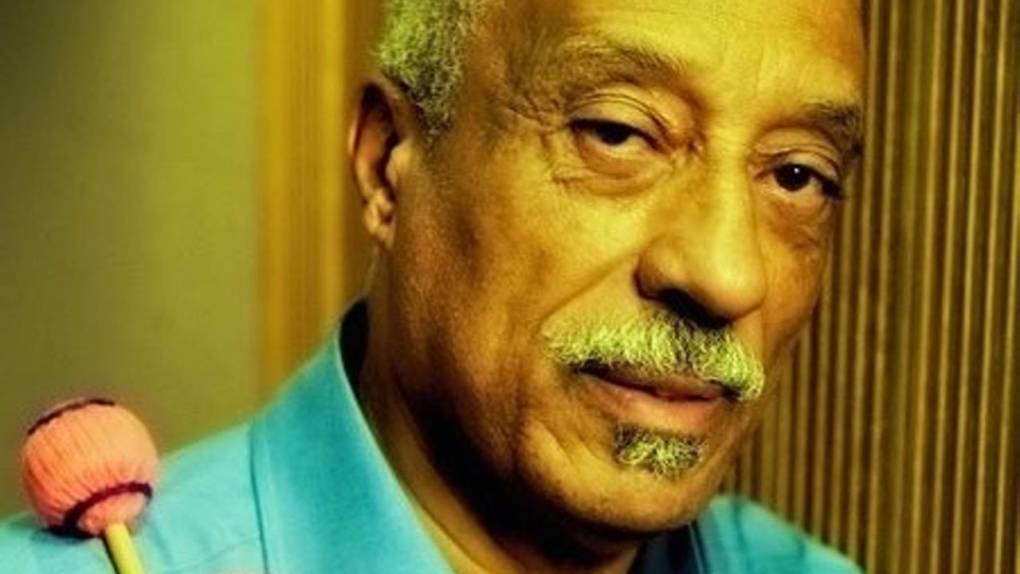
"caption": "Mulatu Astatke.",
"description": "Mulatu Astatke.",
"title": "Mulatu.Astatke",
"credit": "via UC Theatre",
"status": "inherit",
"isLoading": false,
"fetchFailed": false
},
"arts_13804819": {
"type": "attachments",
"id": "arts_13804819",
"meta": {
"index": "attachments_1716263798",
"site": "arts",
"id": "13804819",
"found": true
},
"parent": 13804818,
"imgSizes": {
"small": {
"file": "https://ww2.kqed.org/app/uploads/sites/2/2017/08/just-blaze-1a-3fa7b890b998dcd0b847a4b56104c89cb580873d-520x390.jpg",
"width": 520,
"mimeType": "image/jpeg",
"height": 390
},
"twentyfourteen-full-width": {
"file": "https://ww2.kqed.org/app/uploads/sites/2/2017/08/just-blaze-1a-3fa7b890b998dcd0b847a4b56104c89cb580873d-1038x576.jpg",
"width": 1038,
"mimeType": "image/jpeg",
"height": 576
},
"thumbnail": {
"file": "https://ww2.kqed.org/app/uploads/sites/2/2017/08/just-blaze-1a-3fa7b890b998dcd0b847a4b56104c89cb580873d-160x120.jpg",
"width": 160,
"mimeType": "image/jpeg",
"height": 120
},
"fd-sm": {
"file": "https://ww2.kqed.org/app/uploads/sites/2/2017/08/just-blaze-1a-3fa7b890b998dcd0b847a4b56104c89cb580873d-960x720.jpg",
"width": 960,
"mimeType": "image/jpeg",
"height": 720
},
"post-thumbnail": {
"file": "https://ww2.kqed.org/app/uploads/sites/2/2017/08/just-blaze-1a-3fa7b890b998dcd0b847a4b56104c89cb580873d-672x372.jpg",
"width": 672,
"mimeType": "image/jpeg",
"height": 372
},
"xsmall": {
"file": "https://ww2.kqed.org/app/uploads/sites/2/2017/08/just-blaze-1a-3fa7b890b998dcd0b847a4b56104c89cb580873d-375x281.jpg",
"width": 375,
"mimeType": "image/jpeg",
"height": 281
},
"kqedFullSize": {
"file": "https://ww2.kqed.org/app/uploads/sites/2/2017/08/just-blaze-1a-3fa7b890b998dcd0b847a4b56104c89cb580873d.jpg",
"width": 2233,
"height": 1674
},
"large": {
"file": "https://ww2.kqed.org/app/uploads/sites/2/2017/08/just-blaze-1a-3fa7b890b998dcd0b847a4b56104c89cb580873d-1020x765.jpg",
"width": 1020,
"mimeType": "image/jpeg",
"height": 765
},
"xlarge": {
"file": "https://ww2.kqed.org/app/uploads/sites/2/2017/08/just-blaze-1a-3fa7b890b998dcd0b847a4b56104c89cb580873d-1180x885.jpg",
"width": 1180,
"mimeType": "image/jpeg",
"height": 885
},
"guest-author-50": {
"file": "https://ww2.kqed.org/app/uploads/sites/2/2017/08/just-blaze-1a-3fa7b890b998dcd0b847a4b56104c89cb580873d-50x50.jpg",
"width": 50,
"mimeType": "image/jpeg",
"height": 50
},
"guest-author-96": {
"file": "https://ww2.kqed.org/app/uploads/sites/2/2017/08/just-blaze-1a-3fa7b890b998dcd0b847a4b56104c89cb580873d-96x96.jpg",
"width": 96,
"mimeType": "image/jpeg",
"height": 96
},
"medium": {
"file": "https://ww2.kqed.org/app/uploads/sites/2/2017/08/just-blaze-1a-3fa7b890b998dcd0b847a4b56104c89cb580873d-800x600.jpg",
"width": 800,
"mimeType": "image/jpeg",
"height": 600
},
"guest-author-64": {
"file": "https://ww2.kqed.org/app/uploads/sites/2/2017/08/just-blaze-1a-3fa7b890b998dcd0b847a4b56104c89cb580873d-64x64.jpg",
"width": 64,
"mimeType": "image/jpeg",
"height": 64
},
"guest-author-32": {
"file": "https://ww2.kqed.org/app/uploads/sites/2/2017/08/just-blaze-1a-3fa7b890b998dcd0b847a4b56104c89cb580873d-32x32.jpg",
"width": 32,
"mimeType": "image/jpeg",
"height": 32
},
"fd-lrg": {
"file": "https://ww2.kqed.org/app/uploads/sites/2/2017/08/just-blaze-1a-3fa7b890b998dcd0b847a4b56104c89cb580873d-1920x1439.jpg",
"width": 1920,
"mimeType": "image/jpeg",
"height": 1439
},
"fd-med": {
"file": "https://ww2.kqed.org/app/uploads/sites/2/2017/08/just-blaze-1a-3fa7b890b998dcd0b847a4b56104c89cb580873d-1180x885.jpg",
"width": 1180,
"mimeType": "image/jpeg",
"height": 885
},
"full-width": {
"file": "https://ww2.kqed.org/app/uploads/sites/2/2017/08/just-blaze-1a-3fa7b890b998dcd0b847a4b56104c89cb580873d-1920x1439.jpg",
"width": 1920,
"mimeType": "image/jpeg",
"height": 1439
},
"detail": {
"file": "https://ww2.kqed.org/app/uploads/sites/2/2017/08/just-blaze-1a-3fa7b890b998dcd0b847a4b56104c89cb580873d-150x150.jpg",
"width": 150,
"mimeType": "image/jpeg",
"height": 150
},
"medium_large": {
"file": "https://ww2.kqed.org/app/uploads/sites/2/2017/08/just-blaze-1a-3fa7b890b998dcd0b847a4b56104c89cb580873d-768x576.jpg",
"width": 768,
"mimeType": "image/jpeg",
"height": 576
},
"guest-author-128": {
"file": "https://ww2.kqed.org/app/uploads/sites/2/2017/08/just-blaze-1a-3fa7b890b998dcd0b847a4b56104c89cb580873d-128x128.jpg",
"width": 128,
"mimeType": "image/jpeg",
"height": 128
},
"xxsmall": {
"file": "https://ww2.kqed.org/app/uploads/sites/2/2017/08/just-blaze-1a-3fa7b890b998dcd0b847a4b56104c89cb580873d-240x180.jpg",
"width": 240,
"mimeType": "image/jpeg",
"height": 180
}
},
"publishDate": 1502233042,
"modified": 1502233969,
"caption": "Producer Just Blaze inspects the DJ-808, an update of the iconic Roland drum machine that aims to unite DJing, production and composition in a single device.",
"description": "Producer Just Blaze inspects the DJ-808, an update of the iconic Roland drum machine that aims to unite DJing, production and composition in a single device.",
"title": "Producer Just Blaze inspects the DJ-808, an update of the iconic Roland drum machine that aims to unite DJing, production and composition in a single device.",
"credit": "Courtesy of Roland",
"status": "inherit",
"isLoading": false,
"fetchFailed": false
},
"arts_13804808": {
"type": "attachments",
"id": "arts_13804808",
"meta": {
"index": "attachments_1716263798",
"site": "arts",
"id": "13804808",
"found": true
},
"parent": 13804806,
"imgSizes": {
"small": {
"file": "https://ww2.kqed.org/app/uploads/sites/2/2017/08/Glen-Campbell-520x293.jpg",
"width": 520,
"mimeType": "image/jpeg",
"height": 293
},
"twentyfourteen-full-width": {
"file": "https://ww2.kqed.org/app/uploads/sites/2/2017/08/Glen-Campbell-1038x576.jpg",
"width": 1038,
"mimeType": "image/jpeg",
"height": 576
},
"thumbnail": {
"file": "https://ww2.kqed.org/app/uploads/sites/2/2017/08/Glen-Campbell-160x90.jpg",
"width": 160,
"mimeType": "image/jpeg",
"height": 90
},
"fd-sm": {
"file": "https://ww2.kqed.org/app/uploads/sites/2/2017/08/Glen-Campbell-960x540.jpg",
"width": 960,
"mimeType": "image/jpeg",
"height": 540
},
"post-thumbnail": {
"file": "https://ww2.kqed.org/app/uploads/sites/2/2017/08/Glen-Campbell-672x372.jpg",
"width": 672,
"mimeType": "image/jpeg",
"height": 372
},
"xsmall": {
"file": "https://ww2.kqed.org/app/uploads/sites/2/2017/08/Glen-Campbell-375x211.jpg",
"width": 375,
"mimeType": "image/jpeg",
"height": 211
},
"kqedFullSize": {
"file": "https://ww2.kqed.org/app/uploads/sites/2/2017/08/Glen-Campbell.jpg",
"width": 1920,
"height": 1080
},
"large": {
"file": "https://ww2.kqed.org/app/uploads/sites/2/2017/08/Glen-Campbell-1020x574.jpg",
"width": 1020,
"mimeType": "image/jpeg",
"height": 574
},
"xlarge": {
"file": "https://ww2.kqed.org/app/uploads/sites/2/2017/08/Glen-Campbell-1180x664.jpg",
"width": 1180,
"mimeType": "image/jpeg",
"height": 664
},
"guest-author-50": {
"file": "https://ww2.kqed.org/app/uploads/sites/2/2017/08/Glen-Campbell-50x50.jpg",
"width": 50,
"mimeType": "image/jpeg",
"height": 50
},
"guest-author-96": {
"file": "https://ww2.kqed.org/app/uploads/sites/2/2017/08/Glen-Campbell-96x96.jpg",
"width": 96,
"mimeType": "image/jpeg",
"height": 96
},
"medium": {
"file": "https://ww2.kqed.org/app/uploads/sites/2/2017/08/Glen-Campbell-800x450.jpg",
"width": 800,
"mimeType": "image/jpeg",
"height": 450
},
"guest-author-64": {
"file": "https://ww2.kqed.org/app/uploads/sites/2/2017/08/Glen-Campbell-64x64.jpg",
"width": 64,
"mimeType": "image/jpeg",
"height": 64
},
"guest-author-32": {
"file": "https://ww2.kqed.org/app/uploads/sites/2/2017/08/Glen-Campbell-32x32.jpg",
"width": 32,
"mimeType": "image/jpeg",
"height": 32
},
"fd-lrg": {
"file": "https://ww2.kqed.org/app/uploads/sites/2/2017/08/Glen-Campbell-1920x1080.jpg",
"width": 1920,
"mimeType": "image/jpeg",
"height": 1080
},
"fd-med": {
"file": "https://ww2.kqed.org/app/uploads/sites/2/2017/08/Glen-Campbell-1180x664.jpg",
"width": 1180,
"mimeType": "image/jpeg",
"height": 664
},
"full-width": {
"file": "https://ww2.kqed.org/app/uploads/sites/2/2017/08/Glen-Campbell-1920x1080.jpg",
"width": 1920,
"mimeType": "image/jpeg",
"height": 1080
},
"detail": {
"file": "https://ww2.kqed.org/app/uploads/sites/2/2017/08/Glen-Campbell-150x150.jpg",
"width": 150,
"mimeType": "image/jpeg",
"height": 150
},
"medium_large": {
"file": "https://ww2.kqed.org/app/uploads/sites/2/2017/08/Glen-Campbell-768x432.jpg",
"width": 768,
"mimeType": "image/jpeg",
"height": 432
},
"guest-author-128": {
"file": "https://ww2.kqed.org/app/uploads/sites/2/2017/08/Glen-Campbell-128x128.jpg",
"width": 128,
"mimeType": "image/jpeg",
"height": 128
},
"xxsmall": {
"file": "https://ww2.kqed.org/app/uploads/sites/2/2017/08/Glen-Campbell-240x135.jpg",
"width": 240,
"mimeType": "image/jpeg",
"height": 135
}
},
"publishDate": 1502229152,
"modified": 1502229205,
"caption": "Glen Campbell performs at the Staples Center during the 54th Grammy Awards in Los Angeles, California, February 12, 2012. ",
"description": "Glen Campbell performs at the Staples Center during the 54th Grammy Awards in Los Angeles, California, February 12, 2012. ",
"title": "Glen Campbell performs at the Staples Ce",
"credit": "Photo: Robyn Beck/AFP/Getty Images",
"status": "inherit",
"isLoading": false,
"fetchFailed": false
},
"arts_13804615": {
"type": "attachments",
"id": "arts_13804615",
"meta": {
"index": "attachments_1716263798",
"site": "arts",
"id": "13804615",
"found": true
},
"parent": 13804610,
"imgSizes": {
"small": {
"file": "https://ww2.kqed.org/app/uploads/sites/2/2017/08/RS26149_20170801_Opera_jt_120-qut-520x347.jpg",
"width": 520,
"mimeType": "image/jpeg",
"height": 347
},
"twentyfourteen-full-width": {
"file": "https://ww2.kqed.org/app/uploads/sites/2/2017/08/RS26149_20170801_Opera_jt_120-qut-1038x576.jpg",
"width": 1038,
"mimeType": "image/jpeg",
"height": 576
},
"thumbnail": {
"file": "https://ww2.kqed.org/app/uploads/sites/2/2017/08/RS26149_20170801_Opera_jt_120-qut-160x107.jpg",
"width": 160,
"mimeType": "image/jpeg",
"height": 107
},
"fd-sm": {
"file": "https://ww2.kqed.org/app/uploads/sites/2/2017/08/RS26149_20170801_Opera_jt_120-qut-960x640.jpg",
"width": 960,
"mimeType": "image/jpeg",
"height": 640
},
"post-thumbnail": {
"file": "https://ww2.kqed.org/app/uploads/sites/2/2017/08/RS26149_20170801_Opera_jt_120-qut-672x372.jpg",
"width": 672,
"mimeType": "image/jpeg",
"height": 372
},
"xsmall": {
"file": "https://ww2.kqed.org/app/uploads/sites/2/2017/08/RS26149_20170801_Opera_jt_120-qut-375x250.jpg",
"width": 375,
"mimeType": "image/jpeg",
"height": 250
},
"kqedFullSize": {
"file": "https://ww2.kqed.org/app/uploads/sites/2/2017/08/RS26149_20170801_Opera_jt_120-qut.jpg",
"width": 1920,
"height": 1280
},
"large": {
"file": "https://ww2.kqed.org/app/uploads/sites/2/2017/08/RS26149_20170801_Opera_jt_120-qut-1020x680.jpg",
"width": 1020,
"mimeType": "image/jpeg",
"height": 680
},
"xlarge": {
"file": "https://ww2.kqed.org/app/uploads/sites/2/2017/08/RS26149_20170801_Opera_jt_120-qut-1180x787.jpg",
"width": 1180,
"mimeType": "image/jpeg",
"height": 787
},
"guest-author-50": {
"file": "https://ww2.kqed.org/app/uploads/sites/2/2017/08/RS26149_20170801_Opera_jt_120-qut-50x50.jpg",
"width": 50,
"mimeType": "image/jpeg",
"height": 50
},
"guest-author-96": {
"file": "https://ww2.kqed.org/app/uploads/sites/2/2017/08/RS26149_20170801_Opera_jt_120-qut-96x96.jpg",
"width": 96,
"mimeType": "image/jpeg",
"height": 96
},
"medium": {
"file": "https://ww2.kqed.org/app/uploads/sites/2/2017/08/RS26149_20170801_Opera_jt_120-qut-800x533.jpg",
"width": 800,
"mimeType": "image/jpeg",
"height": 533
},
"guest-author-64": {
"file": "https://ww2.kqed.org/app/uploads/sites/2/2017/08/RS26149_20170801_Opera_jt_120-qut-64x64.jpg",
"width": 64,
"mimeType": "image/jpeg",
"height": 64
},
"guest-author-32": {
"file": "https://ww2.kqed.org/app/uploads/sites/2/2017/08/RS26149_20170801_Opera_jt_120-qut-32x32.jpg",
"width": 32,
"mimeType": "image/jpeg",
"height": 32
},
"fd-lrg": {
"file": "https://ww2.kqed.org/app/uploads/sites/2/2017/08/RS26149_20170801_Opera_jt_120-qut-1920x1280.jpg",
"width": 1920,
"mimeType": "image/jpeg",
"height": 1280
},
"fd-med": {
"file": "https://ww2.kqed.org/app/uploads/sites/2/2017/08/RS26149_20170801_Opera_jt_120-qut-1180x787.jpg",
"width": 1180,
"mimeType": "image/jpeg",
"height": 787
},
"full-width": {
"file": "https://ww2.kqed.org/app/uploads/sites/2/2017/08/RS26149_20170801_Opera_jt_120-qut-1920x1280.jpg",
"width": 1920,
"mimeType": "image/jpeg",
"height": 1280
},
"detail": {
"file": "https://ww2.kqed.org/app/uploads/sites/2/2017/08/RS26149_20170801_Opera_jt_120-qut-150x150.jpg",
"width": 150,
"mimeType": "image/jpeg",
"height": 150
},
"medium_large": {
"file": "https://ww2.kqed.org/app/uploads/sites/2/2017/08/RS26149_20170801_Opera_jt_120-qut-768x512.jpg",
"width": 768,
"mimeType": "image/jpeg",
"height": 512
},
"guest-author-128": {
"file": "https://ww2.kqed.org/app/uploads/sites/2/2017/08/RS26149_20170801_Opera_jt_120-qut-128x128.jpg",
"width": 128,
"mimeType": "image/jpeg",
"height": 128
},
"xxsmall": {
"file": "https://ww2.kqed.org/app/uploads/sites/2/2017/08/RS26149_20170801_Opera_jt_120-qut-240x160.jpg",
"width": 240,
"mimeType": "image/jpeg",
"height": 160
}
},
"publishDate": 1501881491,
"modified": 1502169499,
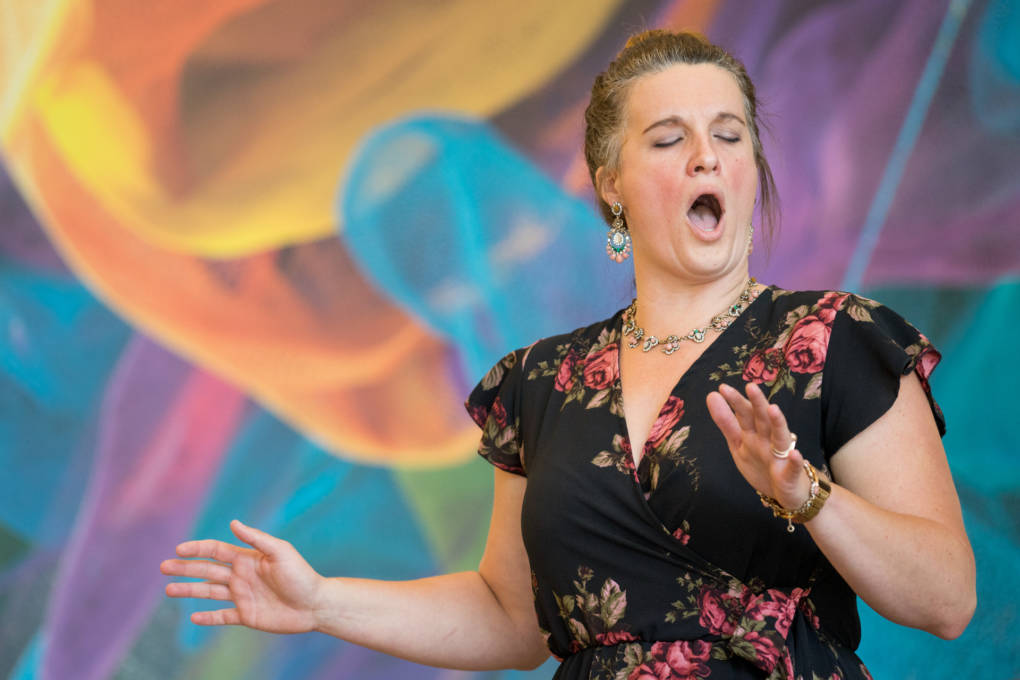
"caption": "Katharine Gunnink performs at Adobe Headquarters in San Jose, Calif. Arias in the Office brings singers from Opera San José to various workplaces around Silicon Valley.\n",
"description": "Katharine Gunnink performs at Adobe Headquarters in San Jose, Calif. Arias in the Office brings singers from Opera San Jose to various workplaces around Silicon Valley.\n",
"title": "Opera",
"credit": "Photo: James Tensuan/KQED",
"status": "inherit",
"isLoading": false,
"fetchFailed": false
},
"arts_13804727": {
"type": "attachments",
"id": "arts_13804727",
"meta": {
"index": "attachments_1716263798",
"site": "arts",
"id": "13804727",
"found": true
},
"parent": 13804037,
"imgSizes": {
"small": {
"file": "https://ww2.kqed.org/app/uploads/sites/2/2017/08/ArtHirahara.SarahPettinella-520x293.jpg",
"width": 520,
"mimeType": "image/jpeg",
"height": 293
},
"twentyfourteen-full-width": {
"file": "https://ww2.kqed.org/app/uploads/sites/2/2017/08/ArtHirahara.SarahPettinella-1038x576.jpg",
"width": 1038,
"mimeType": "image/jpeg",
"height": 576
},
"thumbnail": {
"file": "https://ww2.kqed.org/app/uploads/sites/2/2017/08/ArtHirahara.SarahPettinella-160x90.jpg",
"width": 160,
"mimeType": "image/jpeg",
"height": 90
},
"fd-sm": {
"file": "https://ww2.kqed.org/app/uploads/sites/2/2017/08/ArtHirahara.SarahPettinella-960x540.jpg",
"width": 960,
"mimeType": "image/jpeg",
"height": 540
},
"post-thumbnail": {
"file": "https://ww2.kqed.org/app/uploads/sites/2/2017/08/ArtHirahara.SarahPettinella-672x372.jpg",
"width": 672,
"mimeType": "image/jpeg",
"height": 372
},
"xsmall": {
"file": "https://ww2.kqed.org/app/uploads/sites/2/2017/08/ArtHirahara.SarahPettinella-375x211.jpg",
"width": 375,
"mimeType": "image/jpeg",
"height": 211
},
"kqedFullSize": {
"file": "https://ww2.kqed.org/app/uploads/sites/2/2017/08/ArtHirahara.SarahPettinella.jpg",
"width": 1920,
"height": 1080
},
"large": {
"file": "https://ww2.kqed.org/app/uploads/sites/2/2017/08/ArtHirahara.SarahPettinella-1020x574.jpg",
"width": 1020,
"mimeType": "image/jpeg",
"height": 574
},
"xlarge": {
"file": "https://ww2.kqed.org/app/uploads/sites/2/2017/08/ArtHirahara.SarahPettinella-1180x664.jpg",
"width": 1180,
"mimeType": "image/jpeg",
"height": 664
},
"guest-author-50": {
"file": "https://ww2.kqed.org/app/uploads/sites/2/2017/08/ArtHirahara.SarahPettinella-50x50.jpg",
"width": 50,
"mimeType": "image/jpeg",
"height": 50
},
"guest-author-96": {
"file": "https://ww2.kqed.org/app/uploads/sites/2/2017/08/ArtHirahara.SarahPettinella-96x96.jpg",
"width": 96,
"mimeType": "image/jpeg",
"height": 96
},
"medium": {
"file": "https://ww2.kqed.org/app/uploads/sites/2/2017/08/ArtHirahara.SarahPettinella-800x450.jpg",
"width": 800,
"mimeType": "image/jpeg",
"height": 450
},
"guest-author-64": {
"file": "https://ww2.kqed.org/app/uploads/sites/2/2017/08/ArtHirahara.SarahPettinella-64x64.jpg",
"width": 64,
"mimeType": "image/jpeg",
"height": 64
},
"guest-author-32": {
"file": "https://ww2.kqed.org/app/uploads/sites/2/2017/08/ArtHirahara.SarahPettinella-32x32.jpg",
"width": 32,
"mimeType": "image/jpeg",
"height": 32
},
"fd-lrg": {
"file": "https://ww2.kqed.org/app/uploads/sites/2/2017/08/ArtHirahara.SarahPettinella-1920x1080.jpg",
"width": 1920,
"mimeType": "image/jpeg",
"height": 1080
},
"fd-med": {
"file": "https://ww2.kqed.org/app/uploads/sites/2/2017/08/ArtHirahara.SarahPettinella-1180x664.jpg",
"width": 1180,
"mimeType": "image/jpeg",
"height": 664
},
"full-width": {
"file": "https://ww2.kqed.org/app/uploads/sites/2/2017/08/ArtHirahara.SarahPettinella-1920x1080.jpg",
"width": 1920,
"mimeType": "image/jpeg",
"height": 1080
},
"detail": {
"file": "https://ww2.kqed.org/app/uploads/sites/2/2017/08/ArtHirahara.SarahPettinella-150x150.jpg",
"width": 150,
"mimeType": "image/jpeg",
"height": 150
},
"medium_large": {
"file": "https://ww2.kqed.org/app/uploads/sites/2/2017/08/ArtHirahara.SarahPettinella-768x432.jpg",
"width": 768,
"mimeType": "image/jpeg",
"height": 432
},
"guest-author-128": {
"file": "https://ww2.kqed.org/app/uploads/sites/2/2017/08/ArtHirahara.SarahPettinella-128x128.jpg",
"width": 128,
"mimeType": "image/jpeg",
"height": 128
},
"xxsmall": {
"file": "https://ww2.kqed.org/app/uploads/sites/2/2017/08/ArtHirahara.SarahPettinella-240x135.jpg",
"width": 240,
"mimeType": "image/jpeg",
"height": 135
}
},
"publishDate": 1502143654,
"modified": 1502143722,
"caption": "Jazz pianist Art Hirahara returns this weekend to his native San Jose to show off what he's learned from life in New York.",
"description": "Jazz pianist Art Hirahara returns this weekend to his native San Jose to show off what he's learned from life in New York.",
"title": "ArtHirahara.SarahPettinella",
"credit": "Sara Pettinalla",
"status": "inherit",
"isLoading": false,
"fetchFailed": false
},
"arts_13804628": {
"type": "attachments",
"id": "arts_13804628",
"meta": {
"index": "attachments_1716263798",
"site": "arts",
"id": "13804628",
"found": true
},
"parent": 13804627,
"imgSizes": {
"small": {
"file": "https://ww2.kqed.org/app/uploads/sites/2/2017/08/20161020_herbie_concert_banner_wide-a9527ea7e2350182ce144909739f5e224c7cbb0f-520x292.jpg",
"width": 520,
"mimeType": "image/jpeg",
"height": 292
},
"twentyfourteen-full-width": {
"file": "https://ww2.kqed.org/app/uploads/sites/2/2017/08/20161020_herbie_concert_banner_wide-a9527ea7e2350182ce144909739f5e224c7cbb0f-1038x576.jpg",
"width": 1038,
"mimeType": "image/jpeg",
"height": 576
},
"thumbnail": {
"file": "https://ww2.kqed.org/app/uploads/sites/2/2017/08/20161020_herbie_concert_banner_wide-a9527ea7e2350182ce144909739f5e224c7cbb0f-160x90.jpg",
"width": 160,
"mimeType": "image/jpeg",
"height": 90
},
"fd-sm": {
"file": "https://ww2.kqed.org/app/uploads/sites/2/2017/08/20161020_herbie_concert_banner_wide-a9527ea7e2350182ce144909739f5e224c7cbb0f-960x540.jpg",
"width": 960,
"mimeType": "image/jpeg",
"height": 540
},
"post-thumbnail": {
"file": "https://ww2.kqed.org/app/uploads/sites/2/2017/08/20161020_herbie_concert_banner_wide-a9527ea7e2350182ce144909739f5e224c7cbb0f-672x372.jpg",
"width": 672,
"mimeType": "image/jpeg",
"height": 372
},
"xsmall": {
"file": "https://ww2.kqed.org/app/uploads/sites/2/2017/08/20161020_herbie_concert_banner_wide-a9527ea7e2350182ce144909739f5e224c7cbb0f-375x211.jpg",
"width": 375,
"mimeType": "image/jpeg",
"height": 211
},
"kqedFullSize": {
"file": "https://ww2.kqed.org/app/uploads/sites/2/2017/08/20161020_herbie_concert_banner_wide-a9527ea7e2350182ce144909739f5e224c7cbb0f.jpg",
"width": 1917,
"height": 1078
},
"large": {
"file": "https://ww2.kqed.org/app/uploads/sites/2/2017/08/20161020_herbie_concert_banner_wide-a9527ea7e2350182ce144909739f5e224c7cbb0f-1020x574.jpg",
"width": 1020,
"mimeType": "image/jpeg",
"height": 574
},
"xlarge": {
"file": "https://ww2.kqed.org/app/uploads/sites/2/2017/08/20161020_herbie_concert_banner_wide-a9527ea7e2350182ce144909739f5e224c7cbb0f-1180x664.jpg",
"width": 1180,
"mimeType": "image/jpeg",
"height": 664
},
"guest-author-50": {
"file": "https://ww2.kqed.org/app/uploads/sites/2/2017/08/20161020_herbie_concert_banner_wide-a9527ea7e2350182ce144909739f5e224c7cbb0f-50x50.jpg",
"width": 50,
"mimeType": "image/jpeg",
"height": 50
},
"guest-author-96": {
"file": "https://ww2.kqed.org/app/uploads/sites/2/2017/08/20161020_herbie_concert_banner_wide-a9527ea7e2350182ce144909739f5e224c7cbb0f-96x96.jpg",
"width": 96,
"mimeType": "image/jpeg",
"height": 96
},
"medium": {
"file": "https://ww2.kqed.org/app/uploads/sites/2/2017/08/20161020_herbie_concert_banner_wide-a9527ea7e2350182ce144909739f5e224c7cbb0f-800x450.jpg",
"width": 800,
"mimeType": "image/jpeg",
"height": 450
},
"guest-author-64": {
"file": "https://ww2.kqed.org/app/uploads/sites/2/2017/08/20161020_herbie_concert_banner_wide-a9527ea7e2350182ce144909739f5e224c7cbb0f-64x64.jpg",
"width": 64,
"mimeType": "image/jpeg",
"height": 64
},
"guest-author-32": {
"file": "https://ww2.kqed.org/app/uploads/sites/2/2017/08/20161020_herbie_concert_banner_wide-a9527ea7e2350182ce144909739f5e224c7cbb0f-32x32.jpg",
"width": 32,
"mimeType": "image/jpeg",
"height": 32
},
"fd-med": {
"file": "https://ww2.kqed.org/app/uploads/sites/2/2017/08/20161020_herbie_concert_banner_wide-a9527ea7e2350182ce144909739f5e224c7cbb0f-1180x664.jpg",
"width": 1180,
"mimeType": "image/jpeg",
"height": 664
},
"detail": {
"file": "https://ww2.kqed.org/app/uploads/sites/2/2017/08/20161020_herbie_concert_banner_wide-a9527ea7e2350182ce144909739f5e224c7cbb0f-150x150.jpg",
"width": 150,
"mimeType": "image/jpeg",
"height": 150
},
"medium_large": {
"file": "https://ww2.kqed.org/app/uploads/sites/2/2017/08/20161020_herbie_concert_banner_wide-a9527ea7e2350182ce144909739f5e224c7cbb0f-768x432.jpg",
"width": 768,
"mimeType": "image/jpeg",
"height": 432
},
"guest-author-128": {
"file": "https://ww2.kqed.org/app/uploads/sites/2/2017/08/20161020_herbie_concert_banner_wide-a9527ea7e2350182ce144909739f5e224c7cbb0f-128x128.jpg",
"width": 128,
"mimeType": "image/jpeg",
"height": 128
},
"xxsmall": {
"file": "https://ww2.kqed.org/app/uploads/sites/2/2017/08/20161020_herbie_concert_banner_wide-a9527ea7e2350182ce144909739f5e224c7cbb0f-240x135.jpg",
"width": 240,
"mimeType": "image/jpeg",
"height": 135
}
},
"publishDate": 1501885097,
"modified": 1501887759,
"caption": "Herbie Hancock performs at the BRIC Celebrate Brooklyn! Festival in August 2016.",
"description": "Herbie Hancock performs at the BRIC Celebrate Brooklyn! Festival in August 2016.",
"title": "Herbie Hancock performs at the BRIC Celebrate Brooklyn! Festival in August 2016.",
"credit": "NPR",
"status": "inherit",
"isLoading": false,
"fetchFailed": false
},
"arts_13804551": {
"type": "attachments",
"id": "arts_13804551",
"meta": {
"index": "attachments_1716263798",
"site": "arts",
"id": "13804551",
"found": true
},
"parent": 13804539,
"imgSizes": {
"small": {
"file": "https://ww2.kqed.org/app/uploads/sites/2/2017/08/IMG_3834-e1501881020407-520x293.jpg",
"width": 520,
"mimeType": "image/jpeg",
"height": 293
},
"twentyfourteen-full-width": {
"file": "https://ww2.kqed.org/app/uploads/sites/2/2017/08/IMG_3834-e1501881020407-1038x576.jpg",
"width": 1038,
"mimeType": "image/jpeg",
"height": 576
},
"thumbnail": {
"file": "https://ww2.kqed.org/app/uploads/sites/2/2017/08/IMG_3834-e1501881020407-160x90.jpg",
"width": 160,
"mimeType": "image/jpeg",
"height": 90
},
"fd-sm": {
"file": "https://ww2.kqed.org/app/uploads/sites/2/2017/08/IMG_3834-e1501881020407-960x540.jpg",
"width": 960,
"mimeType": "image/jpeg",
"height": 540
},
"post-thumbnail": {
"file": "https://ww2.kqed.org/app/uploads/sites/2/2017/08/IMG_3834-e1501881020407-672x372.jpg",
"width": 672,
"mimeType": "image/jpeg",
"height": 372
},
"xsmall": {
"file": "https://ww2.kqed.org/app/uploads/sites/2/2017/08/IMG_3834-e1501881020407-375x211.jpg",
"width": 375,
"mimeType": "image/jpeg",
"height": 211
},
"kqedFullSize": {
"file": "https://ww2.kqed.org/app/uploads/sites/2/2017/08/IMG_3834-e1501881020407.jpg",
"width": 1920,
"height": 1080
},
"large": {
"file": "https://ww2.kqed.org/app/uploads/sites/2/2017/08/IMG_3834-e1501881020407-1020x574.jpg",
"width": 1020,
"mimeType": "image/jpeg",
"height": 574
},
"xlarge": {
"file": "https://ww2.kqed.org/app/uploads/sites/2/2017/08/IMG_3834-e1501881020407-1180x664.jpg",
"width": 1180,
"mimeType": "image/jpeg",
"height": 664
},
"guest-author-50": {
"file": "https://ww2.kqed.org/app/uploads/sites/2/2017/08/IMG_3834-e1501881020407-50x50.jpg",
"width": 50,
"mimeType": "image/jpeg",
"height": 50
},
"guest-author-96": {
"file": "https://ww2.kqed.org/app/uploads/sites/2/2017/08/IMG_3834-e1501881020407-96x96.jpg",
"width": 96,
"mimeType": "image/jpeg",
"height": 96
},
"medium": {
"file": "https://ww2.kqed.org/app/uploads/sites/2/2017/08/IMG_3834-e1501881020407-800x450.jpg",
"width": 800,
"mimeType": "image/jpeg",
"height": 450
},
"guest-author-64": {
"file": "https://ww2.kqed.org/app/uploads/sites/2/2017/08/IMG_3834-e1501881020407-64x64.jpg",
"width": 64,
"mimeType": "image/jpeg",
"height": 64
},
"guest-author-32": {
"file": "https://ww2.kqed.org/app/uploads/sites/2/2017/08/IMG_3834-e1501881020407-32x32.jpg",
"width": 32,
"mimeType": "image/jpeg",
"height": 32
},
"fd-lrg": {
"file": "https://ww2.kqed.org/app/uploads/sites/2/2017/08/IMG_3834-e1501881020407-1920x1080.jpg",
"width": 1920,
"mimeType": "image/jpeg",
"height": 1080
},
"fd-med": {
"file": "https://ww2.kqed.org/app/uploads/sites/2/2017/08/IMG_3834-e1501881020407-1180x664.jpg",
"width": 1180,
"mimeType": "image/jpeg",
"height": 664
},
"full-width": {
"file": "https://ww2.kqed.org/app/uploads/sites/2/2017/08/IMG_3834-e1501881020407-1920x1080.jpg",
"width": 1920,
"mimeType": "image/jpeg",
"height": 1080
},
"detail": {
"file": "https://ww2.kqed.org/app/uploads/sites/2/2017/08/IMG_3834-e1501881020407-150x150.jpg",
"width": 150,
"mimeType": "image/jpeg",
"height": 150
},
"medium_large": {
"file": "https://ww2.kqed.org/app/uploads/sites/2/2017/08/IMG_3834-e1501881020407-768x432.jpg",
"width": 768,
"mimeType": "image/jpeg",
"height": 432
},
"guest-author-128": {
"file": "https://ww2.kqed.org/app/uploads/sites/2/2017/08/IMG_3834-e1501881020407-128x128.jpg",
"width": 128,
"mimeType": "image/jpeg",
"height": 128
},
"xxsmall": {
"file": "https://ww2.kqed.org/app/uploads/sites/2/2017/08/IMG_3834-e1501881020407-240x135.jpg",
"width": 240,
"mimeType": "image/jpeg",
"height": 135
}
},
"publishDate": 1501844647,
"modified": 1501920597,
"caption": "Blake Schwarzenbach at Jawbreaker's first show in 21 years at the Ivy Room in Albany, Calif., Aug. 3, 2017.",
"description": "Blake Schwarzenbach at Jawbreaker's first show in 21 years at the Ivy Room in Albany, Calif., Aug. 3, 2017.",
"title": "IMG_3834",
"credit": "Photo: Gabe Meline/KQED",
"status": "inherit",
"isLoading": false,
"fetchFailed": false
},
"arts_13804590": {
"type": "attachments",
"id": "arts_13804590",
"meta": {
"index": "attachments_1716263798",
"site": "arts",
"id": "13804590",
"found": true
},
"parent": 13804589,
"imgSizes": {
"small": {
"file": "https://ww2.kqed.org/app/uploads/sites/2/2017/08/carseat-b4ee84e6c8c36a3a0a152e154b5a4748e5fb330f-e1501870294957-520x293.jpg",
"width": 520,
"mimeType": "image/jpeg",
"height": 293
},
"twentyfourteen-full-width": {
"file": "https://ww2.kqed.org/app/uploads/sites/2/2017/08/carseat-b4ee84e6c8c36a3a0a152e154b5a4748e5fb330f-e1501870294957-1038x576.jpg",
"width": 1038,
"mimeType": "image/jpeg",
"height": 576
},
"thumbnail": {
"file": "https://ww2.kqed.org/app/uploads/sites/2/2017/08/carseat-b4ee84e6c8c36a3a0a152e154b5a4748e5fb330f-e1501870294957-160x90.jpg",
"width": 160,
"mimeType": "image/jpeg",
"height": 90
},
"fd-sm": {
"file": "https://ww2.kqed.org/app/uploads/sites/2/2017/08/carseat-b4ee84e6c8c36a3a0a152e154b5a4748e5fb330f-e1501870294957-960x541.jpg",
"width": 960,
"mimeType": "image/jpeg",
"height": 541
},
"post-thumbnail": {
"file": "https://ww2.kqed.org/app/uploads/sites/2/2017/08/carseat-b4ee84e6c8c36a3a0a152e154b5a4748e5fb330f-e1501870294957-672x372.jpg",
"width": 672,
"mimeType": "image/jpeg",
"height": 372
},
"xsmall": {
"file": "https://ww2.kqed.org/app/uploads/sites/2/2017/08/carseat-b4ee84e6c8c36a3a0a152e154b5a4748e5fb330f-e1501870294957-375x211.jpg",
"width": 375,
"mimeType": "image/jpeg",
"height": 211
},
"kqedFullSize": {
"file": "https://ww2.kqed.org/app/uploads/sites/2/2017/08/carseat-b4ee84e6c8c36a3a0a152e154b5a4748e5fb330f-e1501870294957.jpg",
"width": 2352,
"height": 1326
},
"large": {
"file": "https://ww2.kqed.org/app/uploads/sites/2/2017/08/carseat-b4ee84e6c8c36a3a0a152e154b5a4748e5fb330f-e1501870294957-1020x575.jpg",
"width": 1020,
"mimeType": "image/jpeg",
"height": 575
},
"xlarge": {
"file": "https://ww2.kqed.org/app/uploads/sites/2/2017/08/carseat-b4ee84e6c8c36a3a0a152e154b5a4748e5fb330f-e1501870294957-1180x665.jpg",
"width": 1180,
"mimeType": "image/jpeg",
"height": 665
},
"guest-author-50": {
"file": "https://ww2.kqed.org/app/uploads/sites/2/2017/08/carseat-b4ee84e6c8c36a3a0a152e154b5a4748e5fb330f-e1501870294957-50x50.jpg",
"width": 50,
"mimeType": "image/jpeg",
"height": 50
},
"guest-author-96": {
"file": "https://ww2.kqed.org/app/uploads/sites/2/2017/08/carseat-b4ee84e6c8c36a3a0a152e154b5a4748e5fb330f-e1501870294957-96x96.jpg",
"width": 96,
"mimeType": "image/jpeg",
"height": 96
},
"medium": {
"file": "https://ww2.kqed.org/app/uploads/sites/2/2017/08/carseat-b4ee84e6c8c36a3a0a152e154b5a4748e5fb330f-e1501870294957-800x451.jpg",
"width": 800,
"mimeType": "image/jpeg",
"height": 451
},
"guest-author-64": {
"file": "https://ww2.kqed.org/app/uploads/sites/2/2017/08/carseat-b4ee84e6c8c36a3a0a152e154b5a4748e5fb330f-e1501870294957-64x64.jpg",
"width": 64,
"mimeType": "image/jpeg",
"height": 64
},
"guest-author-32": {
"file": "https://ww2.kqed.org/app/uploads/sites/2/2017/08/carseat-b4ee84e6c8c36a3a0a152e154b5a4748e5fb330f-e1501870294957-32x32.jpg",
"width": 32,
"mimeType": "image/jpeg",
"height": 32
},
"fd-lrg": {
"file": "https://ww2.kqed.org/app/uploads/sites/2/2017/08/carseat-b4ee84e6c8c36a3a0a152e154b5a4748e5fb330f-e1501870294957-1920x1082.jpg",
"width": 1920,
"mimeType": "image/jpeg",
"height": 1082
},
"fd-med": {
"file": "https://ww2.kqed.org/app/uploads/sites/2/2017/08/carseat-b4ee84e6c8c36a3a0a152e154b5a4748e5fb330f-e1501870294957-1180x665.jpg",
"width": 1180,
"mimeType": "image/jpeg",
"height": 665
},
"full-width": {
"file": "https://ww2.kqed.org/app/uploads/sites/2/2017/08/carseat-b4ee84e6c8c36a3a0a152e154b5a4748e5fb330f-e1501870294957-1920x1082.jpg",
"width": 1920,
"mimeType": "image/jpeg",
"height": 1082
},
"detail": {
"file": "https://ww2.kqed.org/app/uploads/sites/2/2017/08/carseat-b4ee84e6c8c36a3a0a152e154b5a4748e5fb330f-e1501870294957-150x150.jpg",
"width": 150,
"mimeType": "image/jpeg",
"height": 150
},
"medium_large": {
"file": "https://ww2.kqed.org/app/uploads/sites/2/2017/08/carseat-b4ee84e6c8c36a3a0a152e154b5a4748e5fb330f-e1501870294957-768x433.jpg",
"width": 768,
"mimeType": "image/jpeg",
"height": 433
},
"guest-author-128": {
"file": "https://ww2.kqed.org/app/uploads/sites/2/2017/08/carseat-b4ee84e6c8c36a3a0a152e154b5a4748e5fb330f-e1501870294957-128x128.jpg",
"width": 128,
"mimeType": "image/jpeg",
"height": 128
},
"xxsmall": {
"file": "https://ww2.kqed.org/app/uploads/sites/2/2017/08/carseat-b4ee84e6c8c36a3a0a152e154b5a4748e5fb330f-e1501870294957-240x135.jpg",
"width": 240,
"mimeType": "image/jpeg",
"height": 135
}
},
"publishDate": 1501869649,
"modified": 1501870082,
"caption": "Car Seat Headrest is among the artists who are joining Bandcamp in donating proceeds to the Transgender Law Center.",
"description": "Car Seat Headrest is among the artists who are joining Bandcamp in donating proceeds to the Transgender Law Center.",
"title": "Car Seat Headrest is among the artists who are joining Bandcamp in donating proceeds to the Transgender Law Center.",
"credit": "Photo: Chona Kasinger/Courtesy of the artist",
"status": "inherit",
"isLoading": false,
"fetchFailed": false
},
"arts_13804544": {
"type": "attachments",
"id": "arts_13804544",
"meta": {
"index": "attachments_1716263798",
"site": "arts",
"id": "13804544",
"found": true
},
"parent": 13804539,
"imgSizes": {
"small": {
"file": "https://ww2.kqed.org/app/uploads/sites/2/2017/08/Jawbreaker.MAIN_-520x325.jpg",
"width": 520,
"mimeType": "image/jpeg",
"height": 325
},
"twentyfourteen-full-width": {
"file": "https://ww2.kqed.org/app/uploads/sites/2/2017/08/Jawbreaker.MAIN_-1038x576.jpg",
"width": 1038,
"mimeType": "image/jpeg",
"height": 576
},
"thumbnail": {
"file": "https://ww2.kqed.org/app/uploads/sites/2/2017/08/Jawbreaker.MAIN_-160x100.jpg",
"width": 160,
"mimeType": "image/jpeg",
"height": 100
},
"fd-sm": {
"file": "https://ww2.kqed.org/app/uploads/sites/2/2017/08/Jawbreaker.MAIN_-960x600.jpg",
"width": 960,
"mimeType": "image/jpeg",
"height": 600
},
"post-thumbnail": {
"file": "https://ww2.kqed.org/app/uploads/sites/2/2017/08/Jawbreaker.MAIN_-672x372.jpg",
"width": 672,
"mimeType": "image/jpeg",
"height": 372
},
"xsmall": {
"file": "https://ww2.kqed.org/app/uploads/sites/2/2017/08/Jawbreaker.MAIN_-375x234.jpg",
"width": 375,
"mimeType": "image/jpeg",
"height": 234
},
"kqedFullSize": {
"file": "https://ww2.kqed.org/app/uploads/sites/2/2017/08/Jawbreaker.MAIN_.jpg",
"width": 1920,
"height": 1200
},
"large": {
"file": "https://ww2.kqed.org/app/uploads/sites/2/2017/08/Jawbreaker.MAIN_-1020x638.jpg",
"width": 1020,
"mimeType": "image/jpeg",
"height": 638
},
"xlarge": {
"file": "https://ww2.kqed.org/app/uploads/sites/2/2017/08/Jawbreaker.MAIN_-1180x738.jpg",
"width": 1180,
"mimeType": "image/jpeg",
"height": 738
},
"guest-author-50": {
"file": "https://ww2.kqed.org/app/uploads/sites/2/2017/08/Jawbreaker.MAIN_-50x50.jpg",
"width": 50,
"mimeType": "image/jpeg",
"height": 50
},
"guest-author-96": {
"file": "https://ww2.kqed.org/app/uploads/sites/2/2017/08/Jawbreaker.MAIN_-96x96.jpg",
"width": 96,
"mimeType": "image/jpeg",
"height": 96
},
"medium": {
"file": "https://ww2.kqed.org/app/uploads/sites/2/2017/08/Jawbreaker.MAIN_-800x500.jpg",
"width": 800,
"mimeType": "image/jpeg",
"height": 500
},
"guest-author-64": {
"file": "https://ww2.kqed.org/app/uploads/sites/2/2017/08/Jawbreaker.MAIN_-64x64.jpg",
"width": 64,
"mimeType": "image/jpeg",
"height": 64
},
"guest-author-32": {
"file": "https://ww2.kqed.org/app/uploads/sites/2/2017/08/Jawbreaker.MAIN_-32x32.jpg",
"width": 32,
"mimeType": "image/jpeg",
"height": 32
},
"fd-lrg": {
"file": "https://ww2.kqed.org/app/uploads/sites/2/2017/08/Jawbreaker.MAIN_-1920x1200.jpg",
"width": 1920,
"mimeType": "image/jpeg",
"height": 1200
},
"fd-med": {
"file": "https://ww2.kqed.org/app/uploads/sites/2/2017/08/Jawbreaker.MAIN_-1180x738.jpg",
"width": 1180,
"mimeType": "image/jpeg",
"height": 738
},
"full-width": {
"file": "https://ww2.kqed.org/app/uploads/sites/2/2017/08/Jawbreaker.MAIN_-1920x1200.jpg",
"width": 1920,
"mimeType": "image/jpeg",
"height": 1200
},
"detail": {
"file": "https://ww2.kqed.org/app/uploads/sites/2/2017/08/Jawbreaker.MAIN_-150x150.jpg",
"width": 150,
"mimeType": "image/jpeg",
"height": 150
},
"medium_large": {
"file": "https://ww2.kqed.org/app/uploads/sites/2/2017/08/Jawbreaker.MAIN_-768x480.jpg",
"width": 768,
"mimeType": "image/jpeg",
"height": 480
},
"guest-author-128": {
"file": "https://ww2.kqed.org/app/uploads/sites/2/2017/08/Jawbreaker.MAIN_-128x128.jpg",
"width": 128,
"mimeType": "image/jpeg",
"height": 128
},
"xxsmall": {
"file": "https://ww2.kqed.org/app/uploads/sites/2/2017/08/Jawbreaker.MAIN_-240x150.jpg",
"width": 240,
"mimeType": "image/jpeg",
"height": 150
}
},
"publishDate": 1501839782,
"modified": 1501920616,
"caption": "Jawbreaker plays their first show in 21 years, Aug. 3, 2017, at the Ivy Room in Albany, Calif.",
"description": "Jawbreaker plays their first show in 21 years, Aug. 3, 2017, at the Ivy Room in Albany, Calif.",
"title": "Jawbreaker.MAIN",
"credit": "Gabe Meline/KQED",
"status": "inherit",
"isLoading": false,
"fetchFailed": false
},
"arts_13803408": {
"type": "attachments",
"id": "arts_13803408",
"meta": {
"index": "attachments_1716263798",
"site": "arts",
"id": "13803408",
"found": true
},
"parent": 13803407,
"imgSizes": {
"small": {
"file": "https://ww2.kqed.org/app/uploads/sites/2/2017/08/gettyimages-824523400_wide-c7a9b5eefa58a68decf4dd93ce0a9aa6a896df58-520x292.jpg",
"width": 520,
"mimeType": "image/jpeg",
"height": 292
},
"twentyfourteen-full-width": {
"file": "https://ww2.kqed.org/app/uploads/sites/2/2017/08/gettyimages-824523400_wide-c7a9b5eefa58a68decf4dd93ce0a9aa6a896df58-1038x576.jpg",
"width": 1038,
"mimeType": "image/jpeg",
"height": 576
},
"thumbnail": {
"file": "https://ww2.kqed.org/app/uploads/sites/2/2017/08/gettyimages-824523400_wide-c7a9b5eefa58a68decf4dd93ce0a9aa6a896df58-160x90.jpg",
"width": 160,
"mimeType": "image/jpeg",
"height": 90
},
"fd-sm": {
"file": "https://ww2.kqed.org/app/uploads/sites/2/2017/08/gettyimages-824523400_wide-c7a9b5eefa58a68decf4dd93ce0a9aa6a896df58-960x540.jpg",
"width": 960,
"mimeType": "image/jpeg",
"height": 540
},
"post-thumbnail": {
"file": "https://ww2.kqed.org/app/uploads/sites/2/2017/08/gettyimages-824523400_wide-c7a9b5eefa58a68decf4dd93ce0a9aa6a896df58-672x372.jpg",
"width": 672,
"mimeType": "image/jpeg",
"height": 372
},
"xsmall": {
"file": "https://ww2.kqed.org/app/uploads/sites/2/2017/08/gettyimages-824523400_wide-c7a9b5eefa58a68decf4dd93ce0a9aa6a896df58-375x211.jpg",
"width": 375,
"mimeType": "image/jpeg",
"height": 211
},
"kqedFullSize": {
"file": "https://ww2.kqed.org/app/uploads/sites/2/2017/08/gettyimages-824523400_wide-c7a9b5eefa58a68decf4dd93ce0a9aa6a896df58.jpg",
"width": 5059,
"height": 2845
},
"large": {
"file": "https://ww2.kqed.org/app/uploads/sites/2/2017/08/gettyimages-824523400_wide-c7a9b5eefa58a68decf4dd93ce0a9aa6a896df58-1020x574.jpg",
"width": 1020,
"mimeType": "image/jpeg",
"height": 574
},
"xlarge": {
"file": "https://ww2.kqed.org/app/uploads/sites/2/2017/08/gettyimages-824523400_wide-c7a9b5eefa58a68decf4dd93ce0a9aa6a896df58-1180x664.jpg",
"width": 1180,
"mimeType": "image/jpeg",
"height": 664
},
"guest-author-50": {
"file": "https://ww2.kqed.org/app/uploads/sites/2/2017/08/gettyimages-824523400_wide-c7a9b5eefa58a68decf4dd93ce0a9aa6a896df58-50x50.jpg",
"width": 50,
"mimeType": "image/jpeg",
"height": 50
},
"guest-author-96": {
"file": "https://ww2.kqed.org/app/uploads/sites/2/2017/08/gettyimages-824523400_wide-c7a9b5eefa58a68decf4dd93ce0a9aa6a896df58-96x96.jpg",
"width": 96,
"mimeType": "image/jpeg",
"height": 96
},
"medium": {
"file": "https://ww2.kqed.org/app/uploads/sites/2/2017/08/gettyimages-824523400_wide-c7a9b5eefa58a68decf4dd93ce0a9aa6a896df58-800x450.jpg",
"width": 800,
"mimeType": "image/jpeg",
"height": 450
},
"guest-author-64": {
"file": "https://ww2.kqed.org/app/uploads/sites/2/2017/08/gettyimages-824523400_wide-c7a9b5eefa58a68decf4dd93ce0a9aa6a896df58-64x64.jpg",
"width": 64,
"mimeType": "image/jpeg",
"height": 64
},
"guest-author-32": {
"file": "https://ww2.kqed.org/app/uploads/sites/2/2017/08/gettyimages-824523400_wide-c7a9b5eefa58a68decf4dd93ce0a9aa6a896df58-32x32.jpg",
"width": 32,
"mimeType": "image/jpeg",
"height": 32
},
"fd-lrg": {
"file": "https://ww2.kqed.org/app/uploads/sites/2/2017/08/gettyimages-824523400_wide-c7a9b5eefa58a68decf4dd93ce0a9aa6a896df58-1920x1080.jpg",
"width": 1920,
"mimeType": "image/jpeg",
"height": 1080
},
"fd-med": {
"file": "https://ww2.kqed.org/app/uploads/sites/2/2017/08/gettyimages-824523400_wide-c7a9b5eefa58a68decf4dd93ce0a9aa6a896df58-1180x664.jpg",
"width": 1180,
"mimeType": "image/jpeg",
"height": 664
},
"full-width": {
"file": "https://ww2.kqed.org/app/uploads/sites/2/2017/08/gettyimages-824523400_wide-c7a9b5eefa58a68decf4dd93ce0a9aa6a896df58-1920x1080.jpg",
"width": 1920,
"mimeType": "image/jpeg",
"height": 1080
},
"detail": {
"file": "https://ww2.kqed.org/app/uploads/sites/2/2017/08/gettyimages-824523400_wide-c7a9b5eefa58a68decf4dd93ce0a9aa6a896df58-150x150.jpg",
"width": 150,
"mimeType": "image/jpeg",
"height": 150
},
"medium_large": {
"file": "https://ww2.kqed.org/app/uploads/sites/2/2017/08/gettyimages-824523400_wide-c7a9b5eefa58a68decf4dd93ce0a9aa6a896df58-768x432.jpg",
"width": 768,
"mimeType": "image/jpeg",
"height": 432
},
"guest-author-128": {
"file": "https://ww2.kqed.org/app/uploads/sites/2/2017/08/gettyimages-824523400_wide-c7a9b5eefa58a68decf4dd93ce0a9aa6a896df58-128x128.jpg",
"width": 128,
"mimeType": "image/jpeg",
"height": 128
},
"xxsmall": {
"file": "https://ww2.kqed.org/app/uploads/sites/2/2017/08/gettyimages-824523400_wide-c7a9b5eefa58a68decf4dd93ce0a9aa6a896df58-240x135.jpg",
"width": 240,
"mimeType": "image/jpeg",
"height": 135
}
},
"publishDate": 1501784014,
"modified": 1501784847,
"caption": "The Kennedy Center Honors will recognize the pioneering achievements of LL Cool J on Dec. 3.",
"description": "The Kennedy Center Honors will recognize the pioneering achievements of LL Cool J on Dec. 3.",
"title": "The Kennedy Center Honors will recognize the pioneering achievements of LL Cool J on Dec. 3.",
"credit": "Photo: Ronald Martinez/BIG3/Getty Images",
"status": "inherit",
"isLoading": false,
"fetchFailed": false
},
"arts_13796941": {
"type": "attachments",
"id": "arts_13796941",
"meta": {
"index": "attachments_1716263798",
"site": "arts",
"id": "13796941",
"found": true
},
"parent": 13796937,
"imgSizes": {
"small": {
"file": "https://ww2.kqed.org/app/uploads/sites/2/2017/08/PEter-Bywaters-as-Trump-520x293.jpg",
"width": 520,
"mimeType": "image/jpeg",
"height": 293
},
"twentyfourteen-full-width": {
"file": "https://ww2.kqed.org/app/uploads/sites/2/2017/08/PEter-Bywaters-as-Trump-1038x576.jpg",
"width": 1038,
"mimeType": "image/jpeg",
"height": 576
},
"thumbnail": {
"file": "https://ww2.kqed.org/app/uploads/sites/2/2017/08/PEter-Bywaters-as-Trump-160x90.jpg",
"width": 160,
"mimeType": "image/jpeg",
"height": 90
},
"fd-sm": {
"file": "https://ww2.kqed.org/app/uploads/sites/2/2017/08/PEter-Bywaters-as-Trump-960x540.jpg",
"width": 960,
"mimeType": "image/jpeg",
"height": 540
},
"post-thumbnail": {
"file": "https://ww2.kqed.org/app/uploads/sites/2/2017/08/PEter-Bywaters-as-Trump-672x372.jpg",
"width": 672,
"mimeType": "image/jpeg",
"height": 372
},
"xsmall": {
"file": "https://ww2.kqed.org/app/uploads/sites/2/2017/08/PEter-Bywaters-as-Trump-375x211.jpg",
"width": 375,
"mimeType": "image/jpeg",
"height": 211
},
"kqedFullSize": {
"file": "https://ww2.kqed.org/app/uploads/sites/2/2017/08/PEter-Bywaters-as-Trump.jpg",
"width": 1200,
"height": 675
},
"large": {
"file": "https://ww2.kqed.org/app/uploads/sites/2/2017/08/PEter-Bywaters-as-Trump-1020x574.jpg",
"width": 1020,
"mimeType": "image/jpeg",
"height": 574
},
"xlarge": {
"file": "https://ww2.kqed.org/app/uploads/sites/2/2017/08/PEter-Bywaters-as-Trump-1180x664.jpg",
"width": 1180,
"mimeType": "image/jpeg",
"height": 664
},
"guest-author-50": {
"file": "https://ww2.kqed.org/app/uploads/sites/2/2017/08/PEter-Bywaters-as-Trump-50x50.jpg",
"width": 50,
"mimeType": "image/jpeg",
"height": 50
},
"guest-author-96": {
"file": "https://ww2.kqed.org/app/uploads/sites/2/2017/08/PEter-Bywaters-as-Trump-96x96.jpg",
"width": 96,
"mimeType": "image/jpeg",
"height": 96
},
"medium": {
"file": "https://ww2.kqed.org/app/uploads/sites/2/2017/08/PEter-Bywaters-as-Trump-800x450.jpg",
"width": 800,
"mimeType": "image/jpeg",
"height": 450
},
"guest-author-64": {
"file": "https://ww2.kqed.org/app/uploads/sites/2/2017/08/PEter-Bywaters-as-Trump-64x64.jpg",
"width": 64,
"mimeType": "image/jpeg",
"height": 64
},
"guest-author-32": {
"file": "https://ww2.kqed.org/app/uploads/sites/2/2017/08/PEter-Bywaters-as-Trump-32x32.jpg",
"width": 32,
"mimeType": "image/jpeg",
"height": 32
},
"fd-med": {
"file": "https://ww2.kqed.org/app/uploads/sites/2/2017/08/PEter-Bywaters-as-Trump-1180x664.jpg",
"width": 1180,
"mimeType": "image/jpeg",
"height": 664
},
"detail": {
"file": "https://ww2.kqed.org/app/uploads/sites/2/2017/08/PEter-Bywaters-as-Trump-150x150.jpg",
"width": 150,
"mimeType": "image/jpeg",
"height": 150
},
"medium_large": {
"file": "https://ww2.kqed.org/app/uploads/sites/2/2017/08/PEter-Bywaters-as-Trump-768x432.jpg",
"width": 768,
"mimeType": "image/jpeg",
"height": 432
},
"guest-author-128": {
"file": "https://ww2.kqed.org/app/uploads/sites/2/2017/08/PEter-Bywaters-as-Trump-128x128.jpg",
"width": 128,
"mimeType": "image/jpeg",
"height": 128
},
"xxsmall": {
"file": "https://ww2.kqed.org/app/uploads/sites/2/2017/08/PEter-Bywaters-as-Trump-240x135.jpg",
"width": 240,
"mimeType": "image/jpeg",
"height": 135
}
},
"publishDate": 1501715563,
"modified": 1501715673,
"caption": "Peter Bywaters singing with his band, Peter and the Test Tube Babies, dressed as Donald Trump in 2016",
"description": "Peter Bywaters singing with his band, Peter and the Test Tube Babies, dressed as Donald Trump in 2016",
"title": "PEter Bywaters as Trump",
"credit": "Photo: YouTube",
"status": "inherit",
"isLoading": false,
"fetchFailed": false
}
},
"audioPlayerReducer": {
"postId": "stream_live",
"isPaused": true,
"isPlaying": false,
"pfsActive": false,
"pledgeModalIsOpen": true,
"playerDrawerIsOpen": false,
"liveAudioPlayStartedAt": 0,
"liveAudioPlayContext": ""
},
"authorsReducer": {
"byline_arts_13804818": {
"type": "authors",
"id": "byline_arts_13804818",
"meta": {
"override": true
},
"slug": "byline_arts_13804818",
"name": "Tamara Palmer",
"isLoading": false
},
"byline_arts_13804806": {
"type": "authors",
"id": "byline_arts_13804806",
"meta": {
"override": true
},
"slug": "byline_arts_13804806",
"name": "Kristin M. Hall, Associated Press",
"isLoading": false
},
"byline_arts_13804627": {
"type": "authors",
"id": "byline_arts_13804627",
"meta": {
"override": true
},
"slug": "byline_arts_13804627",
"name": "Nate Chinen",
"isLoading": false
},
"byline_arts_13804589": {
"type": "authors",
"id": "byline_arts_13804589",
"meta": {
"override": true
},
"slug": "byline_arts_13804589",
"name": "Anastasia Tsioulcas",
"isLoading": false
},
"byline_arts_13803407": {
"type": "authors",
"id": "byline_arts_13803407",
"meta": {
"override": true
},
"slug": "byline_arts_13803407",
"name": "Rodney Carmichael",
"isLoading": false
},
"agilbert": {
"type": "authors",
"id": "86",
"meta": {
"index": "authors_1716337520",
"id": "86",
"found": true
},
"name": "Andrew Gilbert",
"firstName": "Andrew",
"lastName": "Gilbert",
"slug": "agilbert",
"email": "jazzscribe@aol.com",
"display_author_email": false,
"staff_mastheads": [],
"title": "KQED Contributor",
"bio": "A Los Angeles native based in the Berkeley area since 1996, Andrew Gilbert covers jazz, international music and dance for KQED's \u003ci>California Report, \u003c/i>the\u003ci> Mercury News\u003c/i>, \u003ci>San Francisco Chronicle\u003c/i>, \u003ci>Berkeleyside.com\u003c/i>, and other publications. He is available for weddings and bar and bat mitzvahs. #jazzscribe",
"avatar": "https://secure.gravatar.com/avatar/d7bcafdbefdd39e9a68f88724ca616eb4e7a5a6bff9cdfb62de652a1e1751471?s=600&d=blank&r=g",
"twitter": null,
"bluesky": null,
"facebook": null,
"instagram": null,
"linkedin": null,
"sites": [
{
"site": "arts",
"roles": [
"Contributor",
"author"
]
},
{
"site": "news",
"roles": [
"author"
]
}
],
"headData": {
"title": "Andrew Gilbert | KQED",
"description": "KQED Contributor",
"ogImgSrc": "https://secure.gravatar.com/avatar/d7bcafdbefdd39e9a68f88724ca616eb4e7a5a6bff9cdfb62de652a1e1751471?s=600&d=blank&r=g",
"twImgSrc": "https://secure.gravatar.com/avatar/d7bcafdbefdd39e9a68f88724ca616eb4e7a5a6bff9cdfb62de652a1e1751471?s=600&d=blank&r=g"
},
"isLoading": false,
"link": "/author/agilbert"
},
"kjones": {
"type": "authors",
"id": "93",
"meta": {
"index": "authors_1716337520",
"id": "93",
"found": true
},
"name": "Kevin L. Jones",
"firstName": "Kevin",
"lastName": "Jones",
"slug": "kjones",
"email": "kjones@kqed.org",
"display_author_email": false,
"staff_mastheads": [],
"title": null,
"bio": null,
"avatar": "https://secure.gravatar.com/avatar/12c65b5633ed39d0a59bb7f497eff645?s=600&d=blank&r=g",
"twitter": null,
"facebook": null,
"instagram": null,
"linkedin": null,
"sites": [
{
"site": "arts",
"roles": [
"subscriber"
]
},
{
"site": "styleguide",
"roles": [
"contributor"
]
},
{
"site": "artschool",
"roles": [
"subscriber"
]
},
{
"site": "news",
"roles": [
"subscriber"
]
},
{
"site": "pop",
"roles": [
"subscriber"
]
}
],
"headData": {
"title": "Kevin L. Jones | KQED",
"description": null,
"ogImgSrc": "https://secure.gravatar.com/avatar/12c65b5633ed39d0a59bb7f497eff645?s=600&d=blank&r=g",
"twImgSrc": "https://secure.gravatar.com/avatar/12c65b5633ed39d0a59bb7f497eff645?s=600&d=blank&r=g"
},
"isLoading": false,
"link": "/author/kjones"
},
"gmeline": {
"type": "authors",
"id": "185",
"meta": {
"index": "authors_1716337520",
"id": "185",
"found": true
},
"name": "Gabe Meline",
"firstName": "Gabe",
"lastName": "Meline",
"slug": "gmeline",
"email": "gmeline@kqed.org",
"display_author_email": true,
"staff_mastheads": [
"arts"
],
"title": "Senior Editor, KQED Arts & Culture",
"bio": "Gabe Meline entered journalism at age 15 making photocopied zines, and has since earned awards from the Edward R. Murrow Awards, the Society for Professional Journalists, the Online Journalism Awards, the Association of Alternative Newsweeklies and the California Newspaper Publishers Association. Prior to KQED, he was the editor of the \u003cem>North Bay Bohemian\u003c/em> and a touring musician. He lives with his wife and daughter in his hometown of Santa Rosa, CA.",
"avatar": "https://secure.gravatar.com/avatar/5bebe57be0d8bc2dd318934feb47299e2d2d10cba28d09d8d7afb389a2ce2bdd?s=600&d=blank&r=g",
"twitter": null,
"bluesky": null,
"facebook": null,
"instagram": null,
"linkedin": null,
"sites": [
{
"site": "",
"roles": [
"editor"
]
},
{
"site": "arts",
"roles": [
"administrator"
]
},
{
"site": "artschool",
"roles": [
"editor"
]
},
{
"site": "news",
"roles": [
"author"
]
},
{
"site": "pop",
"roles": [
"editor"
]
},
{
"site": "bayareabites",
"roles": [
"editor"
]
},
{
"site": "food",
"roles": [
"editor"
]
},
{
"site": "forum",
"roles": [
"administrator"
]
},
{
"site": "liveblog",
"roles": [
"editor"
]
},
{
"site": "hiphop",
"roles": [
"editor"
]
}
],
"headData": {
"title": "Gabe Meline | KQED",
"description": "Senior Editor, KQED Arts & Culture",
"ogImgSrc": "https://secure.gravatar.com/avatar/5bebe57be0d8bc2dd318934feb47299e2d2d10cba28d09d8d7afb389a2ce2bdd?s=600&d=blank&r=g",
"twImgSrc": "https://secure.gravatar.com/avatar/5bebe57be0d8bc2dd318934feb47299e2d2d10cba28d09d8d7afb389a2ce2bdd?s=600&d=blank&r=g"
},
"isLoading": false,
"link": "/author/gmeline"
},
"rachael-myrow": {
"type": "authors",
"id": "251",
"meta": {
"index": "authors_1716337520",
"id": "251",
"found": true
},
"name": "Rachael Myrow",
"firstName": "Rachael",
"lastName": "Myrow",
"slug": "rachael-myrow",
"email": "rmyrow@kqed.org",
"display_author_email": true,
"staff_mastheads": [
"news"
],
"title": "Senior Editor of KQED's Silicon Valley News Desk",
"bio": "• I write and edit stories about how Silicon Valley power and policies shape everyday life in California. I’m also passionate about making Bay Area history and culture more accessible to a broad public. • I’ve been a journalist for most of my life, starting in high school with The Franklin Press in Los Angeles, where I grew up. While earning my first degree in English at UC Berkeley, I got my start in public radio at KALX-FM. After completing a second degree in journalism at Cal, I landed my first professional job at Marketplace, then moved on to KPCC (now LAist), and then KQED, where I hosted The California Report for more than seven years. • My reporting has appeared on NPR, The World, WBUR’s \u003ci>Here & Now\u003c/i>, and the BBC. I also guest host for KQED’s \u003ci>Forum\u003c/i>, as well as the Commonwealth Club in San Francisco. • I speak periodically on media, democracy and technology issues, and do voiceover work for documentaries and educational video projects. • Outside of the studio, you'll find me hiking Bay Area trails and whipping up Insta-ready meals in my kitchen. • I do not accept gifts, money, or favors from anyone connected to my reporting, I don't pay people for information, and I do not support or donate to political causes. • I strive to treat the people I report on with fairness, honesty, and respect. I also recognize there are often multiple sides to a story and work to verify information through multiple sources and documentation. If I get something wrong, I correct it.",
"avatar": "https://secure.gravatar.com/avatar/3ed8a3c5f26025e4a805ba634cda8cd764906b97438a6d9ce216b044e340da4e?s=600&d=blank&r=g",
"twitter": "rachaelmyrow",
"bluesky": null,
"facebook": null,
"instagram": null,
"linkedin": "https://www.linkedin.com/in/rachaelmyrow/",
"sites": [
{
"site": "arts",
"roles": [
"administrator"
]
},
{
"site": "news",
"roles": [
"edit_others_posts",
"editor"
]
},
{
"site": "futureofyou",
"roles": [
"editor"
]
},
{
"site": "bayareabites",
"roles": [
"editor"
]
},
{
"site": "stateofhealth",
"roles": [
"editor"
]
},
{
"site": "science",
"roles": [
"editor"
]
},
{
"site": "food",
"roles": [
"editor"
]
},
{
"site": "forum",
"roles": [
"editor"
]
},
{
"site": "liveblog",
"roles": [
"author"
]
}
],
"headData": {
"title": "Rachael Myrow | KQED",
"description": "Senior Editor of KQED's Silicon Valley News Desk",
"ogImgSrc": "https://secure.gravatar.com/avatar/3ed8a3c5f26025e4a805ba634cda8cd764906b97438a6d9ce216b044e340da4e?s=600&d=blank&r=g",
"twImgSrc": "https://secure.gravatar.com/avatar/3ed8a3c5f26025e4a805ba634cda8cd764906b97438a6d9ce216b044e340da4e?s=600&d=blank&r=g"
},
"isLoading": false,
"link": "/author/rachael-myrow"
}
},
"pagesReducer": {
"arts_category_music": {
"type": "terms",
"id": "arts_69",
"meta": {
"index": "terms_1716263798",
"site": "arts",
"id": "69",
"score": 10.85186
},
"featImg": null,
"name": "Music",
"description": null,
"taxonomy": "category",
"headData": {
"twImgId": null,
"twTitle": null,
"ogTitle": null,
"ogImgId": null,
"twDescription": null,
"description": null,
"title": "Music Archives | KQED Arts",
"ogDescription": null
},
"ttid": 70,
"slug": "music",
"isLoading": false,
"title": "Music",
"pageMeta": {
"site": "arts",
"WpPageTemplate": "page-topic-editorial",
"currentPage": 224
},
"blocks": [
{
"blockName": "kqed/post-list",
"attrs": {
"layout": "cardArticle2",
"query": "posts/arts?category=music",
"seeMore": false,
"paginated": true,
"page": 224
}
},
{
"blockName": "kqed/ad"
}
]
}
},
"pfsSessionReducer": {},
"postsReducer": {
"stream_live": {
"type": "live",
"id": "stream_live",
"audioUrl": "https://streams.kqed.org/kqedradio",
"title": "Live Stream",
"excerpt": "Live Stream information currently unavailable.",
"link": "/radio",
"featImg": "",
"label": {
"name": "KQED Live",
"link": "/"
}
},
"stream_kqedNewscast": {
"type": "posts",
"id": "stream_kqedNewscast",
"audioUrl": "https://www.kqed.org/.stream/anon/radio/RDnews/newscast.mp3?_=1",
"title": "KQED Newscast",
"featImg": "",
"label": {
"name": "88.5 FM",
"link": "/"
}
},
"arts_13804922": {
"type": "posts",
"id": "arts_13804922",
"meta": {
"index": "posts_1716263798",
"site": "arts",
"id": "13804922",
"score": null,
"sort": [
1502317542000
]
},
"guestAuthors": [],
"slug": "a-double-dose-of-filipino-culture-at-yerba-buena",
"title": "A Double Dose of Filipino Culture At Yerba Buena",
"publishDate": 1502317542,
"format": "standard",
"headTitle": "A Double Dose of Filipino Culture At Yerba Buena | KQED",
"labelTerm": {
"term": 140,
"site": "arts"
},
"content": "\u003cp>Ah, downtown San Francisco, alive with the smell of coffee, weed, and, well, \u003ca href=\"http://www.atlasobscura.com/articles/san-francisco-was-just-subjected-to-a-mysterious-gross-smell\" target=\"_blank\" rel=\"noopener\">other things\u003c/a>. But if you’re near Yerba Buena Gardens in San Francisco on Aug. 12 or 13, you’ll probably be drawn in by the marvelous aroma of \u003cem>adobo\u003c/em> and \u003cem>lechon\u003c/em>. That’s where the free annual Pistahan Filipino Festival is taking place, with a parade down Market Street on Saturday and a soirée of Filipino food, art and music at Yerba Buena Gardens. \u003ca href=\"http://www.pistahan.net/\" target=\"_blank\" rel=\"noopener\">Details here\u003c/a>.\u003c/p>\n\u003cfigure id=\"attachment_13804923\" class=\"wp-caption aligncenter\" style=\"max-width: 1000px\">\u003cimg loading=\"lazy\" decoding=\"async\" src=\"https://ww2.kqed.org/arts/wp-content/uploads/sites/2/2017/08/Pistahan.jpg\" alt=\"\" width=\"1000\" height=\"667\" class=\"size-full wp-image-13804923\" srcset=\"https://cdn.kqed.org/wp-content/uploads/sites/2/2017/08/Pistahan.jpg 1000w, https://cdn.kqed.org/wp-content/uploads/sites/2/2017/08/Pistahan-160x107.jpg 160w, https://cdn.kqed.org/wp-content/uploads/sites/2/2017/08/Pistahan-800x534.jpg 800w, https://cdn.kqed.org/wp-content/uploads/sites/2/2017/08/Pistahan-768x512.jpg 768w, https://cdn.kqed.org/wp-content/uploads/sites/2/2017/08/Pistahan-960x640.jpg 960w, https://cdn.kqed.org/wp-content/uploads/sites/2/2017/08/Pistahan-240x160.jpg 240w, https://cdn.kqed.org/wp-content/uploads/sites/2/2017/08/Pistahan-375x250.jpg 375w, https://cdn.kqed.org/wp-content/uploads/sites/2/2017/08/Pistahan-520x347.jpg 520w\" sizes=\"(max-width: 1000px) 100vw, 1000px\">\u003cfigcaption class=\"wp-caption-text\">The parade on Market Street. \u003ccite>(via Pistahan Fetsival)\u003c/cite>\u003c/figcaption>\u003c/figure>\n\u003cp>Meanwhile, inside YBCA starting Aug. 17, there’s the \u003ca href=\"https://ybca.org/whats-on/new-filipino-cinema-2017\" target=\"_blank\" rel=\"noopener\">Festival of New Filipino Cinema\u003c/a>, which organizers are framing as a response to the current political climate — and the anxiety over the unpredictable presidents of both the U.S. and the Philippines. \u003c/p>\n\u003cp>Along with films about life under President Rodrigo Duterte, about the war on drugs and other upheavals, there’s also the festival’s opening film: \u003cem>Sunday Beauty Queen\u003c/em>, a documentary about domestic workers in Hong Kong who spend their solitary day off at the end of the working week getting dressed up, putting on makeup, and holding a beauty pageant for themselves. That’s opening night, Thursday, Aug. 17. New Filipino Cinema runs through Sept. 3 at the Yerba Buena Center for the Arts. \u003ca href=\"https://ybca.org/whats-on/new-filipino-cinema-2017\" target=\"_blank\" rel=\"noopener\">Details here\u003c/a>.\u003c/p>\n\u003cp>[ad fullwidth]\u003c/p>\u003cp>\u003c/p>\n",
"blocks": [],
"excerpt": "Celebrating the Philippines, the annual free Pistahan Festival brings the food and music and YBCA's 'New Filipino Cinema' series brings the films.",
"status": "publish",
"parent": 0,
"modified": 1726785569,
"stats": {
"hasAudio": false,
"hasVideo": false,
"hasChartOrMap": false,
"iframeSrcs": [],
"hasGoogleForm": false,
"hasGallery": false,
"hasHearkenModule": false,
"hasPolis": false,
"paragraphCount": 5,
"wordCount": 227
},
"headData": {
"title": "A Double Dose of Filipino Culture At Yerba Buena | KQED",
"description": "Celebrating the Philippines, the annual free Pistahan Festival brings the food and music and YBCA's 'New Filipino Cinema' series brings the films.",
"ogTitle": "",
"ogDescription": "",
"ogImgId": "",
"twTitle": "",
"twDescription": "",
"twImgId": "",
"schema": {
"@context": "https://schema.org",
"@type": "Article",
"headline": "A Double Dose of Filipino Culture At Yerba Buena",
"datePublished": "2017-08-09T15:25:42-07:00",
"dateModified": "2024-09-19T15:39:29-07:00",
"image": "https://cdn.kqed.org/wp-content/uploads/2020/02/KQED-OG-Image@1x.png"
}
},
"sticky": false,
"path": "/arts/13804922/a-double-dose-of-filipino-culture-at-yerba-buena",
"audioTrackLength": null,
"parsedContent": [
{
"type": "contentString",
"content": "\u003cdiv class=\"post-body\">\u003cp>\u003cp>Ah, downtown San Francisco, alive with the smell of coffee, weed, and, well, \u003ca href=\"http://www.atlasobscura.com/articles/san-francisco-was-just-subjected-to-a-mysterious-gross-smell\" target=\"_blank\" rel=\"noopener\">other things\u003c/a>. But if you’re near Yerba Buena Gardens in San Francisco on Aug. 12 or 13, you’ll probably be drawn in by the marvelous aroma of \u003cem>adobo\u003c/em> and \u003cem>lechon\u003c/em>. That’s where the free annual Pistahan Filipino Festival is taking place, with a parade down Market Street on Saturday and a soirée of Filipino food, art and music at Yerba Buena Gardens. \u003ca href=\"http://www.pistahan.net/\" target=\"_blank\" rel=\"noopener\">Details here\u003c/a>.\u003c/p>\n\u003cfigure id=\"attachment_13804923\" class=\"wp-caption aligncenter\" style=\"max-width: 1000px\">\u003cimg loading=\"lazy\" decoding=\"async\" src=\"https://ww2.kqed.org/arts/wp-content/uploads/sites/2/2017/08/Pistahan.jpg\" alt=\"\" width=\"1000\" height=\"667\" class=\"size-full wp-image-13804923\" srcset=\"https://cdn.kqed.org/wp-content/uploads/sites/2/2017/08/Pistahan.jpg 1000w, https://cdn.kqed.org/wp-content/uploads/sites/2/2017/08/Pistahan-160x107.jpg 160w, https://cdn.kqed.org/wp-content/uploads/sites/2/2017/08/Pistahan-800x534.jpg 800w, https://cdn.kqed.org/wp-content/uploads/sites/2/2017/08/Pistahan-768x512.jpg 768w, https://cdn.kqed.org/wp-content/uploads/sites/2/2017/08/Pistahan-960x640.jpg 960w, https://cdn.kqed.org/wp-content/uploads/sites/2/2017/08/Pistahan-240x160.jpg 240w, https://cdn.kqed.org/wp-content/uploads/sites/2/2017/08/Pistahan-375x250.jpg 375w, https://cdn.kqed.org/wp-content/uploads/sites/2/2017/08/Pistahan-520x347.jpg 520w\" sizes=\"(max-width: 1000px) 100vw, 1000px\">\u003cfigcaption class=\"wp-caption-text\">The parade on Market Street. \u003ccite>(via Pistahan Fetsival)\u003c/cite>\u003c/figcaption>\u003c/figure>\n\u003cp>Meanwhile, inside YBCA starting Aug. 17, there’s the \u003ca href=\"https://ybca.org/whats-on/new-filipino-cinema-2017\" target=\"_blank\" rel=\"noopener\">Festival of New Filipino Cinema\u003c/a>, which organizers are framing as a response to the current political climate — and the anxiety over the unpredictable presidents of both the U.S. and the Philippines. \u003c/p>\n\u003cp>Along with films about life under President Rodrigo Duterte, about the war on drugs and other upheavals, there’s also the festival’s opening film: \u003cem>Sunday Beauty Queen\u003c/em>, a documentary about domestic workers in Hong Kong who spend their solitary day off at the end of the working week getting dressed up, putting on makeup, and holding a beauty pageant for themselves. That’s opening night, Thursday, Aug. 17. New Filipino Cinema runs through Sept. 3 at the Yerba Buena Center for the Arts. \u003ca href=\"https://ybca.org/whats-on/new-filipino-cinema-2017\" target=\"_blank\" rel=\"noopener\">Details here\u003c/a>.\u003c/p>\n\u003cp>\u003c/p>\u003c/div>",
"attributes": {
"named": {},
"numeric": []
}
},
{
"type": "component",
"content": "",
"name": "ad",
"attributes": {
"named": {
"label": "fullwidth"
},
"numeric": [
"fullwidth"
]
}
},
{
"type": "contentString",
"content": "\u003cdiv class=\"post-body\">\u003cp>\u003c/p>\u003cp>\u003c/p>\n\u003c/div>\u003c/p>",
"attributes": {
"named": {},
"numeric": []
}
}
],
"link": "/arts/13804922/a-double-dose-of-filipino-culture-at-yerba-buena",
"authors": [
"185"
],
"programs": [
"arts_140"
],
"categories": [
"arts_74",
"arts_69"
],
"tags": [
"arts_2855",
"arts_1334",
"arts_1040"
],
"featImg": "arts_13804924",
"label": "arts_140"
},
"arts_13804918": {
"type": "posts",
"id": "arts_13804918",
"meta": {
"index": "posts_1716263798",
"site": "arts",
"id": "13804918",
"score": null,
"sort": [
1502314887000
]
},
"parent": 0,
"labelTerm": {
"site": "arts",
"term": 140
},
"blocks": [],
"publishDate": 1502314887,
"format": "standard",
"title": "A Giant of Ethiopian Jazz Meets A Local Musical Ambassador",
"headTitle": "A Giant of Ethiopian Jazz Meets A Local Musical Ambassador | KQED",
"content": "\u003cp>You may have heard Mulatu Astatke’s music in the Jim Jarmusch film \u003cem>Broken Flowers\u003c/em>, or on various mixtapes and playlists — it’s this hypnotic, pulsing sound that’s hard to forget. The godfather of Ethiopian jazz makes a rare U.S. appearance next Wednesday at the U.C. Theatre in Berkeley, and opening the show is the Bay Area’s own Meklit, who’s been an ambassador for East AFrican music worldwide both as an Ethiopian-born TED fellow and \u003ca href=\"https://ww2.kqed.org/arts/2015/02/17/indelible-music-inspires-new-view-of-countries-connected-by-nile-river/\" target=\"_blank\" rel=\"noopener\">in her touring show The Nile Project\u003c/a>. \u003c/p>\n\u003cp>On the importance of Mulatu’s music, “There’s pretty much no artist who’s had a more greater impact on me,” Meklit says. “Before him, no one had taken American jazz and Ethiopian pentatonic systems and brought them together in one form. He was the pioneer and the innovator in that sound, and in a way, he freed \u003cem>me\u003c/em> to be an innovator.”\u003c/p>\n\u003cp>https://www.youtube.com/watch?v=weiUAWyy8MY\u003c/p>\n\u003cp>Meklit’s new album of her own, \u003cem>When The People Move, The Music Moves Too\u003c/em>, is \u003ca href=\"https://ww2.kqed.org/arts/2017/05/05/with-a-drum-driven-new-record-meklit-is-determined-to-make-you-move/\" target=\"_blank\" rel=\"noopener\">a rhythm-heavy burst of joy\u003c/a>. It’s a great double bill as Meklit opens for Mulatu Astatke at the UC Theatre in Berkeley on Wednesday, Aug. 16 — and it’ll likely sell out. \u003ca href=\"http://www.theuctheatre.org/event/1511562-mulatu-astatke-berkeley/\" target=\"_blank\" rel=\"noopener\">Details here\u003c/a>.\u003c/p>\n\u003cp>[ad fullwidth]\u003c/p>\u003cp>\u003c/p>\n",
"stats": {
"hasVideo": true,
"hasChartOrMap": false,
"hasAudio": false,
"hasPolis": false,
"wordCount": 230,
"hasGoogleForm": false,
"hasGallery": false,
"hasHearkenModule": false,
"iframeSrcs": [],
"paragraphCount": 5
},
"modified": 1705029815,
"excerpt": "Two giants from Ethiopia come to Berkeley: Mulatu Astatke's music is a hypnotic, pulsing sound that's hard to forget, and Meklit's new album boils over with rhythm.",
"headData": {
"twImgId": "",
"twTitle": "",
"ogTitle": "",
"ogImgId": "",
"twDescription": "",
"description": "Two giants from Ethiopia come to Berkeley: Mulatu Astatke's music is a hypnotic, pulsing sound that's hard to forget, and Meklit's new album boils over with rhythm.",
"title": "A Giant of Ethiopian Jazz Meets A Local Musical Ambassador | KQED",
"ogDescription": "",
"schema": {
"@context": "https://schema.org",
"@type": "Article",
"headline": "A Giant of Ethiopian Jazz Meets A Local Musical Ambassador",
"datePublished": "2017-08-09T14:41:27-07:00",
"dateModified": "2024-01-11T19:23:35-08:00",
"image": "https://cdn.kqed.org/wp-content/uploads/2020/02/KQED-OG-Image@1x.png"
}
},
"guestAuthors": [],
"slug": "a-giant-of-ethiopian-jazz-meets-a-local-musical-ambassador",
"status": "publish",
"sticky": false,
"path": "/arts/13804918/a-giant-of-ethiopian-jazz-meets-a-local-musical-ambassador",
"audioTrackLength": null,
"parsedContent": [
{
"type": "contentString",
"content": "\u003cdiv class=\"post-body\">\u003cp>\u003cp>You may have heard Mulatu Astatke’s music in the Jim Jarmusch film \u003cem>Broken Flowers\u003c/em>, or on various mixtapes and playlists — it’s this hypnotic, pulsing sound that’s hard to forget. The godfather of Ethiopian jazz makes a rare U.S. appearance next Wednesday at the U.C. Theatre in Berkeley, and opening the show is the Bay Area’s own Meklit, who’s been an ambassador for East AFrican music worldwide both as an Ethiopian-born TED fellow and \u003ca href=\"https://ww2.kqed.org/arts/2015/02/17/indelible-music-inspires-new-view-of-countries-connected-by-nile-river/\" target=\"_blank\" rel=\"noopener\">in her touring show The Nile Project\u003c/a>. \u003c/p>\n\u003cp>On the importance of Mulatu’s music, “There’s pretty much no artist who’s had a more greater impact on me,” Meklit says. “Before him, no one had taken American jazz and Ethiopian pentatonic systems and brought them together in one form. He was the pioneer and the innovator in that sound, and in a way, he freed \u003cem>me\u003c/em> to be an innovator.”\u003c/p>\u003c/p>\u003cp>\u003cspan class='utils-parseShortcode-shortcodes-__youtubeShortcode__embedYoutube'>\n \u003cspan class='utils-parseShortcode-shortcodes-__youtubeShortcode__embedYoutubeInside'>\n \u003ciframe\n loading='lazy'\n class='utils-parseShortcode-shortcodes-__youtubeShortcode__youtubePlayer'\n type='text/html'\n src='//www.youtube.com/embed/weiUAWyy8MY'\n title='//www.youtube.com/embed/weiUAWyy8MY'\n allowfullscreen='true'\n style='border:0;'>\u003c/iframe>\n \u003c/span>\n \u003c/span>\u003c/p>\u003cp>\u003cp>Meklit’s new album of her own, \u003cem>When The People Move, The Music Moves Too\u003c/em>, is \u003ca href=\"https://ww2.kqed.org/arts/2017/05/05/with-a-drum-driven-new-record-meklit-is-determined-to-make-you-move/\" target=\"_blank\" rel=\"noopener\">a rhythm-heavy burst of joy\u003c/a>. It’s a great double bill as Meklit opens for Mulatu Astatke at the UC Theatre in Berkeley on Wednesday, Aug. 16 — and it’ll likely sell out. \u003ca href=\"http://www.theuctheatre.org/event/1511562-mulatu-astatke-berkeley/\" target=\"_blank\" rel=\"noopener\">Details here\u003c/a>.\u003c/p>\n\u003cp>\u003c/p>\u003c/div>",
"attributes": {
"named": {},
"numeric": []
}
},
{
"type": "component",
"content": "",
"name": "ad",
"attributes": {
"named": {
"label": "fullwidth"
},
"numeric": [
"fullwidth"
]
}
},
{
"type": "contentString",
"content": "\u003cdiv class=\"post-body\">\u003cp>\u003c/p>\u003cp>\u003c/p>\n\u003c/div>\u003c/p>",
"attributes": {
"named": {},
"numeric": []
}
}
],
"link": "/arts/13804918/a-giant-of-ethiopian-jazz-meets-a-local-musical-ambassador",
"authors": [
"185"
],
"programs": [
"arts_140"
],
"categories": [
"arts_69"
],
"tags": [
"arts_1420",
"arts_1334",
"arts_626",
"arts_2093"
],
"featImg": "arts_13804919",
"label": "arts_140"
},
"arts_13804818": {
"type": "posts",
"id": "arts_13804818",
"meta": {
"index": "posts_1716263798",
"site": "arts",
"id": "13804818",
"score": null,
"sort": [
1502233990000
]
},
"guestAuthors": [],
"slug": "with-a-fresh-spin-on-the-808-djs-become-rhythm-composers",
"title": "With A Fresh Spin On The 808, DJs Become Rhythm Composers",
"publishDate": 1502233990,
"format": "standard",
"headTitle": "With A Fresh Spin On The 808, DJs Become Rhythm Composers | KQED",
"labelTerm": {
"term": 137,
"site": "arts"
},
"content": "\u003cp>It’s disarmingly easy to become an amateur DJ in 2017, when an iPhone and a $1.99 app will quickly have you on your way to learning the basics of mixing songs together, or a thumb drive filled with tracks ripped from the Internet and plugged into a digital player called a CDJ can soundtrack a party hundreds of hours long. But DJing has a long history of craft — and while the bar has lowered for amateurs, technology has steadily changed the game for professionals, too.\u003c/p>\n\u003cp>There are purists around the world who still prefer the same equipment used at the first hip-hop parties: vinyl records, two turntables and a two-channel mixer. But today, you might see that setup augmented with specially encoded vinyl and a software program like Serato DJ, allowing the user to physically mix and scratch digital files from a laptop. Some DJs mix their songs with controllers, machines that mimic the turntable and CDJ experiences in one piece of hardware. Others add sounds of their own, playing samplers and synthesizers between and on top of the tracks in their set. There have long been DJs who produce, producers who make original music and musicians who spin records, but new tools and business synergies have continued to blur the lines.\u003c/p>\n\u003cp>Last year, two companies announced a partnership that seemed aimed at eliminating those boundaries altogether. In September, New Zealand’s Serato and the pioneering Japanese electronic instrument company Roland unveiled the DJ-808: a digital controller that combines tools for DJing, production and composition into a single device.\u003c/p>\n\u003cp>“Playing with music, manipulating audio, is very much the core of everything we do,” Serato CEO Young Ly said \u003ca href=\"https://www.youtube.com/watch?v=PqyyRcDuP0Y\">in a video\u003c/a> announcing the DJ-808. “So when you take Roland, a company that’s known for iconic sounds and amazing instruments, and you take these sounds and you mix it with Serato tech, suddenly, are you scratching? Are you flipping? Are you mixing? Are you producing? Are you DJing? It all mixes together into live performance.”\u003c/p>\n\u003cp>If the 808 part sounds familiar, that’s because this new machine was named after one of the most important sound-makers in music history, the Roland TR-808 Rhythm Composer.\u003c/p>\n\u003cp>[ad fullwidth]\u003c/p>\n\u003cp>https://www.youtube.com/watch?v=yJiJSGsJH4U\u003c/p>\n\u003cp>Few electronic instruments have been as fetishized as the TR-808, the imperfectly perfect and rare drum machine that’s been a part of nearly every genre with a funky pulse. Though it was produced for just a short time between 1980 and 1983, the 808 has lent memorable sizzle to everyone from Phil Collins to Lil Jon. It gives Marvin Gaye’s “\u003ca href=\"https://www.youtube.com/watch?v=rjlSiASsUIs\">Sexual Healing\u003c/a>” its spare sway, helps Whitney Houston catch a groove on “\u003ca href=\"https://www.youtube.com/watch?v=eH3giaIzONA\">I Wanna Dance With Somebody\u003c/a>” and is the not-so-secret ingredient that propelled regional styles like New York electro, Detroit techno, Miami bass and New Orleans bounce into the international spotlight.\u003c/p>\n\u003cp>“I would call whoever: ‘Yo, you got the 808?’ And they’d say, ‘No, so and so has it.’ When you found out who had it you’d say, ‘I need to get the 808, when are you going to be done with it?'” Nathaniel “DJ Pierre” Jones, who pioneered the sound that would become acid house (with the help of another Roland machine, the bass-focused TB-303), says he never had an 808 of his own. In the ’80s, major recording facilities might have a unit in-house — the one at Manhattan’s Chung King Studios, for example, boomed on tracks by LL Cool J, Run-DMC and the Beastie Boys. But in Chicago, Pierre says, the progenitors of house music literally passed around a single 808 like a lending library.\u003c/p>\n\u003cp>“We were all very competitive as counterparts, but at the same time we were very community-oriented,” he says. “We didn’t let our competitive nature keep us from sharing the technology, because we all felt like we were confident in what we were doing — and whatever we were doing was going to be different from what they were doing, even if they were using the same thing.”\u003c/p>\n\u003cp>Only about 12,000 TR-808s were manufactured before the product was discontinued. In \u003ca href=\"https://www.youtube.com/watch?v=LMPzuRWoNgE\">the 2015 documentary \u003cem>808\u003c/em>\u003c/a>, Roland founder Ikutaro Kakehashi explains that the machines were deliberately built with defective transistors — which had a sound he described as “sizzling,” and which eventually became impossible to buy. “Semiconductor technology got better and better … so [there was] no way to come back,” said Kakehashi, who passed away this April at 87, just shy of the company’s 45th birthday.\u003c/p>\n\u003cp>Despite the relative scarcity of these machines, 808 sounds have remained ubiquitous in popular music. In the ’90s and beyond, that pervasiveness could be attributed to ReBirth, a software program that emulated the sounds and look of the 808 and its siblings the 303 and 909. ReBirth launched for computers in 1996 and later evolved into an iOS app after being discontinued for desktop systems in 2005. In June, Swedish company Propellerhead \u003ca href=\"http://www.factmag.com/2017/06/13/propellerhead-rebirth-ipad-discontinued-roland-ip-infringement/\">was forced to remove\u003c/a> it from the market altogether after IP infringement claims by Roland.\u003c/p>\n\u003cp>Even so, today you can find 808 samples and soundalikes in the libraries of most major music recording programs. And earlier this year, Canada’s System80 announced it would release \u003ca href=\"http://cdm.link/2017/01/system-80-control-control-808-clone-eurorack/\">a physical 808 clone\u003c/a> made specially for modular synthesizer systems. (Roland may have something to say about this copycat once it’s out.) If if you’ve got the cash, it’s still possible to find an original 808 on eBay, where they sell for upwards of $5,000. The machine even survives purely as a design object: The row of red, orange, yellow and white buttons across its front panel, representing a bar of music as 16 programmable “steps,” has inspired a \u003ca href=\"http://mixmag.net/read/these-roland-tr-808-adidas-are-fully-functional-news\">conceptual Adidas sneaker\u003c/a> that would sell by the boatload if it were real.\u003c/p>\n\u003cp>In the meantime, Roland has remained vital in the development of hip-hop and dance music, and in recent years has even released revamped, boutique versions of its vintage rhythm machines. But it has never formally ventured into the DJ market until now.\u003c/p>\n\u003cp>https://www.youtube.com/watch?v=X2PTwp2HZvQ\u003c/p>\n\u003cp>The essential pitch of the DJ-808 is that it does in a single unit what would otherwise require a table full of gear. The name owes to the set of onboard drum sounds — and in fact it’s a little misleading, since the DJ-808 also incorporates sounds from the 303, 909 and 707. Users can blend digital music files on the controller, build a beat piece by piece on an integrated sequencer (rendered in classic 808 colors), tap out drum parts on two sets of pads or use the vocal transformer to record and warp vocals on the fly. Effectively, you can make your own music while you spin someone else’s, and the elements should all remain in sync.\u003c/p>\n\u003cp>The price tag, around $1,299, is cheaper than the TR-808 at its debut ($1,195 in 1980 dollars, or about $3,500 today) — but orders of magnitude steeper than an entry-level controller, most of which can be had for just over $200. With so much more affordable gear on the market, the creators of the DJ-808 are banking on consumers seeing it the way DJ Pierre does. He was among the first artists with whom Roland shared the machine before its release, and says its range of functionality instantly impressed him.\u003c/p>\n\u003cp>“You can grow with it, and you can link other gear to it that will run smoothly,” Pierre says. “You always want to think big picture — don’t think just for today. Get something that can grow with you, that you can grow with.” Roland has also gifted the machine to artists Erykah Badu and Q-Tip, who began using it on his Beats 1 radio show on Apple Music after seeing Pete Rock post about it on social media. Biz Markie confessed he’s putting together a new room in his house just for the DJ-808. “It’s going to change the future,” he says. “It’s like a one-stop shop for DJs. It’s got a drum machine, you can break things up, \u003cem>and\u003c/em> you can DJ. It’s just super incredible.”\u003c/p>\n\u003cp>The success of DJ-808, however, may depend more on people like Cynthia Cherish Malaran. As DJ CherishTheLuv, she has worked events for Oprah Winfrey and Samantha Bee and has the distinction of being Whole Foods’ resident DJ in New York City. Malaran says she bought a DJ-808 as soon as it hit the market.\u003c/p>\n\u003cp>“You can use one beat of a song and create a whole new intro, and then drop the song into it,” she explains of the DJ-808’s ability to help restructure a tune. “People are like, ‘Whoa, that’s what that was, I knew that was familiar!’ It’s like you’re reprogramming the song to sound like something new and exciting.”\u003c/p>\n\u003cp>A generation and a hemisphere away, the machine is a new favorite of 14-year-old Belgian Amber Broos — who, as DJ 13 AMPS, has been teaching kids even younger than her to spin using the DJ-808 at the\u003ca href=\"http://www.begintodj.be/\"> Begin to DJ\u003c/a> school in Kortenberg, near Brussels. “The DJ-808 stimulates me to make my own tracks as a producer,” Broos says. “It gives me new ideas and creativity. The possibilities of adapting tracks are unlimited.”\u003c/p>\n\u003cp>https://www.youtube.com/watch?v=DLBNj1xSd2k\u003c/p>\n\u003cp>For Just Blaze, the super-producer who has crafted songs for JAY Z, Beyoncé and Kanye West (although not on West’s 2008 album \u003cem>808s & Heartbreak\u003c/em>), the DJ-808 represents a leap forward in merging DJing and production — something he says he’s always wanted to do but never found convenient enough. “We used to be, in the earlier days, at a place where the software was held back by what the computer was capable of,” he says. “Now, we’re kind of at the opposite end of the spectrum, where the computers are so powerful they can pretty much handle anything within reason that the software can throw at it.”\u003c/p>\n\u003cp>Just Blaze was able to offer a kind of informal beta testing to Roland before they released the DJ-808. He thinks they got the machine right for the most part (enough that he used it in \u003ca href=\"https://www.youtube.com/watch?v=YaDNDpO7vfg\">a live-streamed battle\u003c/a> with Swizz Beatz in February), though he has a small wish list of what he’d like to see next: “Now that we have computers that are capable of doing what we need them to do, maybe the next step is adding a keyboard section.”\u003c/p>\n\u003cp>Not everyone I spoke to was ready to get on board. Greg Broussard, an early electro producer who DJs and records as Egyptian Lover, is among the few artists in the world who still prefers to use vinyl records and an old TR-808 for his DJ sets. “That 808 makes my shows everything they are,” he insists. But he did play with the DJ-808 when it first came out and thought it was a great piece of gear for those who do.\u003c/p>\n\u003cp>“I’m extremely excited that Serato and Roland put out that DJ-808 for the new school,” he says. “Mixing and making beats while DJing is so futuristic and something I would have rocked if I was a new DJ today. I see all kinds of possibilities for today’s DJ with this product.”\u003c/p>\n\u003cp>A Roland sales manager told me the DJ-808’s sales had tapered off by the end of 2016 but are picking up gradually this year, as potential customers have had time to read reviews — and save up money. The machines are also starting to be seen on the secondhand market, which helped the original 808 find followers when getting one new wasn’t an option.\u003c/p>\n\u003cp>Meanwhile, the company has announced a new slate of products for Aug. 8 (#808Day, get it?), including a \u003ca href=\"http://cdm.link/2017/08/what-you-need-to-know-about-the-roland-boutique-101-808-remakes/\">reimagined standalone TR-808\u003c/a> in a portable size and at a more accessible price point — betting on a growing market of DJs looking to stretch the limits of their form and the persistence of a beloved set of numbers. If a keyboard \u003cem>is \u003c/em>brought into future iterations of the DJ-808, perhaps a strappable keytar formation to really bring it back to the ’80s wouldn’t be too far off? Just Blaze lights up at the prospect.\u003c/p>\n\u003cp>[ad floatright]\u003c/p>\n\u003cp>“I’ve dreamed about this for years,” he admits. “For me to be able to step in front of a crowd and give a straight up rock star-style scratch performance, that’s one of my musical dreams come true. So, Roland, if you’re listening … ” \u003c/p>\n\u003cdiv class=\"fullattribution\">Copyright 2017 NPR. To see more, visit http://www.npr.org/.\u003cimg decoding=\"async\" src=\"https://www.google-analytics.com/__utm.gif?utmac=UA-5828686-4&utmdt=With+A+Fresh+Spin+On+The+808%2C+DJs+Become+Rhythm+Composers&utme=8(APIKey)9(MDAxOTAwOTE4MDEyMTkxMDAzNjczZDljZA004)\">\u003c/div>\n\n",
"blocks": [],
"excerpt": "It's the Fender Stratocaster of drum machines. More than three decades after the TR-808 forever changed the sound of popular music, its creators are hoping a DJ-friendly update can make history again.",
"status": "publish",
"parent": 0,
"modified": 1726704786,
"stats": {
"hasAudio": false,
"hasVideo": true,
"hasChartOrMap": false,
"iframeSrcs": [],
"hasGoogleForm": false,
"hasGallery": false,
"hasHearkenModule": false,
"hasPolis": false,
"paragraphCount": 27,
"wordCount": 2260
},
"headData": {
"title": "With A Fresh Spin On The 808, DJs Become Rhythm Composers | KQED",
"description": "It's the Fender Stratocaster of drum machines. More than three decades after the TR-808 forever changed the sound of popular music, its creators are hoping a DJ-friendly update can make history again.",
"ogTitle": "",
"ogDescription": "",
"ogImgId": "",
"twTitle": "",
"twDescription": "",
"twImgId": "",
"schema": {
"@context": "https://schema.org",
"@type": "Article",
"headline": "With A Fresh Spin On The 808, DJs Become Rhythm Composers",
"datePublished": "2017-08-08T16:13:10-07:00",
"dateModified": "2024-09-18T17:13:06-07:00",
"image": "https://cdn.kqed.org/wp-content/uploads/2020/02/KQED-OG-Image@1x.png"
}
},
"sticky": false,
"nprByline": "Tamara Palmer",
"nprImageAgency": "Courtesy of Roland",
"nprStoryId": "542124229",
"nprApiLink": "http://api.npr.org/query?id=542124229&apiKey=MDAxOTAwOTE4MDEyMTkxMDAzNjczZDljZA004",
"nprHtmlLink": "http://www.npr.org/sections/therecord/2017/08/08/542124229/with-a-fresh-spin-on-the-808-djs-become-rhythm-composers?ft=nprml&f=542124229",
"nprRetrievedStory": "1",
"nprPubDate": "Tue, 08 Aug 2017 12:34:00 -0400",
"nprStoryDate": "Tue, 08 Aug 2017 08:08:00 -0400",
"nprLastModifiedDate": "Tue, 08 Aug 2017 12:34:02 -0400",
"path": "/arts/13804818/with-a-fresh-spin-on-the-808-djs-become-rhythm-composers",
"audioTrackLength": null,
"parsedContent": [
{
"type": "contentString",
"content": "\u003cdiv class=\"post-body\">\u003cp>\u003cp>It’s disarmingly easy to become an amateur DJ in 2017, when an iPhone and a $1.99 app will quickly have you on your way to learning the basics of mixing songs together, or a thumb drive filled with tracks ripped from the Internet and plugged into a digital player called a CDJ can soundtrack a party hundreds of hours long. But DJing has a long history of craft — and while the bar has lowered for amateurs, technology has steadily changed the game for professionals, too.\u003c/p>\n\u003cp>There are purists around the world who still prefer the same equipment used at the first hip-hop parties: vinyl records, two turntables and a two-channel mixer. But today, you might see that setup augmented with specially encoded vinyl and a software program like Serato DJ, allowing the user to physically mix and scratch digital files from a laptop. Some DJs mix their songs with controllers, machines that mimic the turntable and CDJ experiences in one piece of hardware. Others add sounds of their own, playing samplers and synthesizers between and on top of the tracks in their set. There have long been DJs who produce, producers who make original music and musicians who spin records, but new tools and business synergies have continued to blur the lines.\u003c/p>\n\u003cp>Last year, two companies announced a partnership that seemed aimed at eliminating those boundaries altogether. In September, New Zealand’s Serato and the pioneering Japanese electronic instrument company Roland unveiled the DJ-808: a digital controller that combines tools for DJing, production and composition into a single device.\u003c/p>\n\u003cp>“Playing with music, manipulating audio, is very much the core of everything we do,” Serato CEO Young Ly said \u003ca href=\"https://www.youtube.com/watch?v=PqyyRcDuP0Y\">in a video\u003c/a> announcing the DJ-808. “So when you take Roland, a company that’s known for iconic sounds and amazing instruments, and you take these sounds and you mix it with Serato tech, suddenly, are you scratching? Are you flipping? Are you mixing? Are you producing? Are you DJing? It all mixes together into live performance.”\u003c/p>\n\u003cp>If the 808 part sounds familiar, that’s because this new machine was named after one of the most important sound-makers in music history, the Roland TR-808 Rhythm Composer.\u003c/p>\n\u003cp>\u003c/p>\u003c/div>",
"attributes": {
"named": {},
"numeric": []
}
},
{
"type": "component",
"content": "",
"name": "ad",
"attributes": {
"named": {
"label": "fullwidth"
},
"numeric": [
"fullwidth"
]
}
},
{
"type": "contentString",
"content": "\u003cdiv class=\"post-body\">\u003cp>\u003c/p>\u003c/p>\u003cp>\u003cspan class='utils-parseShortcode-shortcodes-__youtubeShortcode__embedYoutube'>\n \u003cspan class='utils-parseShortcode-shortcodes-__youtubeShortcode__embedYoutubeInside'>\n \u003ciframe\n loading='lazy'\n class='utils-parseShortcode-shortcodes-__youtubeShortcode__youtubePlayer'\n type='text/html'\n src='//www.youtube.com/embed/yJiJSGsJH4U'\n title='//www.youtube.com/embed/yJiJSGsJH4U'\n allowfullscreen='true'\n style='border:0;'>\u003c/iframe>\n \u003c/span>\n \u003c/span>\u003c/p>\u003cp>\u003cp>Few electronic instruments have been as fetishized as the TR-808, the imperfectly perfect and rare drum machine that’s been a part of nearly every genre with a funky pulse. Though it was produced for just a short time between 1980 and 1983, the 808 has lent memorable sizzle to everyone from Phil Collins to Lil Jon. It gives Marvin Gaye’s “\u003ca href=\"https://www.youtube.com/watch?v=rjlSiASsUIs\">Sexual Healing\u003c/a>” its spare sway, helps Whitney Houston catch a groove on “\u003ca href=\"https://www.youtube.com/watch?v=eH3giaIzONA\">I Wanna Dance With Somebody\u003c/a>” and is the not-so-secret ingredient that propelled regional styles like New York electro, Detroit techno, Miami bass and New Orleans bounce into the international spotlight.\u003c/p>\n\u003cp>“I would call whoever: ‘Yo, you got the 808?’ And they’d say, ‘No, so and so has it.’ When you found out who had it you’d say, ‘I need to get the 808, when are you going to be done with it?'” Nathaniel “DJ Pierre” Jones, who pioneered the sound that would become acid house (with the help of another Roland machine, the bass-focused TB-303), says he never had an 808 of his own. In the ’80s, major recording facilities might have a unit in-house — the one at Manhattan’s Chung King Studios, for example, boomed on tracks by LL Cool J, Run-DMC and the Beastie Boys. But in Chicago, Pierre says, the progenitors of house music literally passed around a single 808 like a lending library.\u003c/p>\n\u003cp>“We were all very competitive as counterparts, but at the same time we were very community-oriented,” he says. “We didn’t let our competitive nature keep us from sharing the technology, because we all felt like we were confident in what we were doing — and whatever we were doing was going to be different from what they were doing, even if they were using the same thing.”\u003c/p>\n\u003cp>Only about 12,000 TR-808s were manufactured before the product was discontinued. In \u003ca href=\"https://www.youtube.com/watch?v=LMPzuRWoNgE\">the 2015 documentary \u003cem>808\u003c/em>\u003c/a>, Roland founder Ikutaro Kakehashi explains that the machines were deliberately built with defective transistors — which had a sound he described as “sizzling,” and which eventually became impossible to buy. “Semiconductor technology got better and better … so [there was] no way to come back,” said Kakehashi, who passed away this April at 87, just shy of the company’s 45th birthday.\u003c/p>\n\u003cp>Despite the relative scarcity of these machines, 808 sounds have remained ubiquitous in popular music. In the ’90s and beyond, that pervasiveness could be attributed to ReBirth, a software program that emulated the sounds and look of the 808 and its siblings the 303 and 909. ReBirth launched for computers in 1996 and later evolved into an iOS app after being discontinued for desktop systems in 2005. In June, Swedish company Propellerhead \u003ca href=\"http://www.factmag.com/2017/06/13/propellerhead-rebirth-ipad-discontinued-roland-ip-infringement/\">was forced to remove\u003c/a> it from the market altogether after IP infringement claims by Roland.\u003c/p>\n\u003cp>Even so, today you can find 808 samples and soundalikes in the libraries of most major music recording programs. And earlier this year, Canada’s System80 announced it would release \u003ca href=\"http://cdm.link/2017/01/system-80-control-control-808-clone-eurorack/\">a physical 808 clone\u003c/a> made specially for modular synthesizer systems. (Roland may have something to say about this copycat once it’s out.) If if you’ve got the cash, it’s still possible to find an original 808 on eBay, where they sell for upwards of $5,000. The machine even survives purely as a design object: The row of red, orange, yellow and white buttons across its front panel, representing a bar of music as 16 programmable “steps,” has inspired a \u003ca href=\"http://mixmag.net/read/these-roland-tr-808-adidas-are-fully-functional-news\">conceptual Adidas sneaker\u003c/a> that would sell by the boatload if it were real.\u003c/p>\n\u003cp>In the meantime, Roland has remained vital in the development of hip-hop and dance music, and in recent years has even released revamped, boutique versions of its vintage rhythm machines. But it has never formally ventured into the DJ market until now.\u003c/p>\u003c/p>\u003cp>\u003cspan class='utils-parseShortcode-shortcodes-__youtubeShortcode__embedYoutube'>\n \u003cspan class='utils-parseShortcode-shortcodes-__youtubeShortcode__embedYoutubeInside'>\n \u003ciframe\n loading='lazy'\n class='utils-parseShortcode-shortcodes-__youtubeShortcode__youtubePlayer'\n type='text/html'\n src='//www.youtube.com/embed/X2PTwp2HZvQ'\n title='//www.youtube.com/embed/X2PTwp2HZvQ'\n allowfullscreen='true'\n style='border:0;'>\u003c/iframe>\n \u003c/span>\n \u003c/span>\u003c/p>\u003cp>\u003cp>The essential pitch of the DJ-808 is that it does in a single unit what would otherwise require a table full of gear. The name owes to the set of onboard drum sounds — and in fact it’s a little misleading, since the DJ-808 also incorporates sounds from the 303, 909 and 707. Users can blend digital music files on the controller, build a beat piece by piece on an integrated sequencer (rendered in classic 808 colors), tap out drum parts on two sets of pads or use the vocal transformer to record and warp vocals on the fly. Effectively, you can make your own music while you spin someone else’s, and the elements should all remain in sync.\u003c/p>\n\u003cp>The price tag, around $1,299, is cheaper than the TR-808 at its debut ($1,195 in 1980 dollars, or about $3,500 today) — but orders of magnitude steeper than an entry-level controller, most of which can be had for just over $200. With so much more affordable gear on the market, the creators of the DJ-808 are banking on consumers seeing it the way DJ Pierre does. He was among the first artists with whom Roland shared the machine before its release, and says its range of functionality instantly impressed him.\u003c/p>\n\u003cp>“You can grow with it, and you can link other gear to it that will run smoothly,” Pierre says. “You always want to think big picture — don’t think just for today. Get something that can grow with you, that you can grow with.” Roland has also gifted the machine to artists Erykah Badu and Q-Tip, who began using it on his Beats 1 radio show on Apple Music after seeing Pete Rock post about it on social media. Biz Markie confessed he’s putting together a new room in his house just for the DJ-808. “It’s going to change the future,” he says. “It’s like a one-stop shop for DJs. It’s got a drum machine, you can break things up, \u003cem>and\u003c/em> you can DJ. It’s just super incredible.”\u003c/p>\n\u003cp>The success of DJ-808, however, may depend more on people like Cynthia Cherish Malaran. As DJ CherishTheLuv, she has worked events for Oprah Winfrey and Samantha Bee and has the distinction of being Whole Foods’ resident DJ in New York City. Malaran says she bought a DJ-808 as soon as it hit the market.\u003c/p>\n\u003cp>“You can use one beat of a song and create a whole new intro, and then drop the song into it,” she explains of the DJ-808’s ability to help restructure a tune. “People are like, ‘Whoa, that’s what that was, I knew that was familiar!’ It’s like you’re reprogramming the song to sound like something new and exciting.”\u003c/p>\n\u003cp>A generation and a hemisphere away, the machine is a new favorite of 14-year-old Belgian Amber Broos — who, as DJ 13 AMPS, has been teaching kids even younger than her to spin using the DJ-808 at the\u003ca href=\"http://www.begintodj.be/\"> Begin to DJ\u003c/a> school in Kortenberg, near Brussels. “The DJ-808 stimulates me to make my own tracks as a producer,” Broos says. “It gives me new ideas and creativity. The possibilities of adapting tracks are unlimited.”\u003c/p>\u003c/p>\u003cp>\u003cspan class='utils-parseShortcode-shortcodes-__youtubeShortcode__embedYoutube'>\n \u003cspan class='utils-parseShortcode-shortcodes-__youtubeShortcode__embedYoutubeInside'>\n \u003ciframe\n loading='lazy'\n class='utils-parseShortcode-shortcodes-__youtubeShortcode__youtubePlayer'\n type='text/html'\n src='//www.youtube.com/embed/DLBNj1xSd2k'\n title='//www.youtube.com/embed/DLBNj1xSd2k'\n allowfullscreen='true'\n style='border:0;'>\u003c/iframe>\n \u003c/span>\n \u003c/span>\u003c/p>\u003cp>\u003cp>For Just Blaze, the super-producer who has crafted songs for JAY Z, Beyoncé and Kanye West (although not on West’s 2008 album \u003cem>808s & Heartbreak\u003c/em>), the DJ-808 represents a leap forward in merging DJing and production — something he says he’s always wanted to do but never found convenient enough. “We used to be, in the earlier days, at a place where the software was held back by what the computer was capable of,” he says. “Now, we’re kind of at the opposite end of the spectrum, where the computers are so powerful they can pretty much handle anything within reason that the software can throw at it.”\u003c/p>\n\u003cp>Just Blaze was able to offer a kind of informal beta testing to Roland before they released the DJ-808. He thinks they got the machine right for the most part (enough that he used it in \u003ca href=\"https://www.youtube.com/watch?v=YaDNDpO7vfg\">a live-streamed battle\u003c/a> with Swizz Beatz in February), though he has a small wish list of what he’d like to see next: “Now that we have computers that are capable of doing what we need them to do, maybe the next step is adding a keyboard section.”\u003c/p>\n\u003cp>Not everyone I spoke to was ready to get on board. Greg Broussard, an early electro producer who DJs and records as Egyptian Lover, is among the few artists in the world who still prefers to use vinyl records and an old TR-808 for his DJ sets. “That 808 makes my shows everything they are,” he insists. But he did play with the DJ-808 when it first came out and thought it was a great piece of gear for those who do.\u003c/p>\n\u003cp>“I’m extremely excited that Serato and Roland put out that DJ-808 for the new school,” he says. “Mixing and making beats while DJing is so futuristic and something I would have rocked if I was a new DJ today. I see all kinds of possibilities for today’s DJ with this product.”\u003c/p>\n\u003cp>A Roland sales manager told me the DJ-808’s sales had tapered off by the end of 2016 but are picking up gradually this year, as potential customers have had time to read reviews — and save up money. The machines are also starting to be seen on the secondhand market, which helped the original 808 find followers when getting one new wasn’t an option.\u003c/p>\n\u003cp>Meanwhile, the company has announced a new slate of products for Aug. 8 (#808Day, get it?), including a \u003ca href=\"http://cdm.link/2017/08/what-you-need-to-know-about-the-roland-boutique-101-808-remakes/\">reimagined standalone TR-808\u003c/a> in a portable size and at a more accessible price point — betting on a growing market of DJs looking to stretch the limits of their form and the persistence of a beloved set of numbers. If a keyboard \u003cem>is \u003c/em>brought into future iterations of the DJ-808, perhaps a strappable keytar formation to really bring it back to the ’80s wouldn’t be too far off? Just Blaze lights up at the prospect.\u003c/p>\n\u003cp>\u003c/p>\u003c/div>",
"attributes": {
"named": {},
"numeric": []
}
},
{
"type": "component",
"content": "",
"name": "ad",
"attributes": {
"named": {
"label": "floatright"
},
"numeric": [
"floatright"
]
}
},
{
"type": "contentString",
"content": "\u003cdiv class=\"post-body\">\u003cp>\u003c/p>\n\u003cp>“I’ve dreamed about this for years,” he admits. “For me to be able to step in front of a crowd and give a straight up rock star-style scratch performance, that’s one of my musical dreams come true. So, Roland, if you’re listening … ” \u003c/p>\n\u003cdiv class=\"fullattribution\">Copyright 2017 NPR. To see more, visit http://www.npr.org/.\u003cimg decoding=\"async\" src=\"https://www.google-analytics.com/__utm.gif?utmac=UA-5828686-4&utmdt=With+A+Fresh+Spin+On+The+808%2C+DJs+Become+Rhythm+Composers&utme=8(APIKey)9(MDAxOTAwOTE4MDEyMTkxMDAzNjczZDljZA004)\">\u003c/div>\n\n\u003c/div>\u003c/p>",
"attributes": {
"named": {},
"numeric": []
}
}
],
"link": "/arts/13804818/with-a-fresh-spin-on-the-808-djs-become-rhythm-composers",
"authors": [
"byline_arts_13804818"
],
"categories": [
"arts_69"
],
"tags": [
"arts_1118",
"arts_596",
"arts_769"
],
"affiliates": [
"arts_137"
],
"featImg": "arts_13804819",
"label": "arts_137"
},
"arts_13804806": {
"type": "posts",
"id": "arts_13804806",
"meta": {
"index": "posts_1716263798",
"site": "arts",
"id": "13804806",
"score": null,
"sort": [
1502229575000
]
},
"guestAuthors": [],
"slug": "glen-campbell-superstar-entertainer-of-1960s-and-70s-dies",
"title": "Glen Campbell, Superstar Entertainer of 1960s and '70s, Dies",
"publishDate": 1502229575,
"format": "standard",
"headTitle": "Glen Campbell, Superstar Entertainer of 1960s and ’70s, Dies | KQED",
"labelTerm": {
"site": "arts"
},
"content": "\u003cp>Glen Campbell, the grinning, high-pitched entertainer whose dozens of hit singles included “Rhinestone Cowboy” and “Wichita Lineman” and whose appeal spanned country, pop, television and movies, died Tuesday, his family said. He was 81.\u003c/p>\n\u003cp>Campbell’s family said the singer died Tuesday morning in Nashville and publicist Sandy Brokaw confirmed the news. No cause was immediately given. Campbell announced in June 2011 that he had been diagnosed with Alzheimer’s disease and that it was in its early stages at that time.\u003c/p>\n\u003cp>In the late 1960s and well into the ’70s, the Arkansas native seemed to be everywhere, known by his boyish face, wavy hair and friendly tenor. He won five Grammys, sold more than 45 million records, had 12 gold albums and 75 chart hits, including No. 1 songs with “Rhinestone Cowboy” and “Southern Nights.”\u003c/p>\n\u003cp>His performance of the title song from “True Grit,” a 1969 release in which he played a Texas Ranger alongside Oscar winner John Wayne, received an Academy Award nomination. He twice won album of the year awards from the Academy of Country Music and was voted into the Country Music Hall of Fame in 2005. Seven years later, he received a Grammy for lifetime achievement.\u003c/p>\n\u003cp>He was among a wave of country crossover stars that included Johnny Cash, Roy Clark and Kenny Rogers, and like many of his contemporaries, he enjoyed success on television. Campbell had a weekly audience of some 50 million people for the \u003cem>Glen Campbell Goodtime Hour\u003c/em>, on CBS from 1969 to 1972. He gained new fans decades later when the show, featuring his cheerful greeting “Hi I’m Glen Campbell,” was rerun on cable channel CMT.\u003c/p>\n\u003cp>[ad fullwidth]\u003c/p>\n\u003cp>“I did what my Dad told me to do — ‘Be nice, son, and don’t cuss. And be nice to people.’ And that’s the way I handled myself, and people were very, very nice to me,” Campbell told The Telegraph in 2011.\u003c/p>\n\u003cp>He released more than 70 of his own albums, and in the 1990s recorded a series of gospel CDs. A 2011 farewell album, \u003cem>Ghost On the Canvas\u003c/em>, included contributions from Jacob Dylan, Rick Nielsen of Cheap Trick and Billy Corgan of Smashing Pumpkins.\u003c/p>\n\u003cp>The documentary \u003cem>Glen Campbell … I’ll Be Me\u003c/em> came out in 2014. The film about Campbell’s 2011-12 farewell tour offers a poignant look at his decline from Alzheimer’s while showcasing his virtuoso guitar chops that somehow continued to shine as his mind unraveled. The song “I’m Not Gonna Miss You” won a Grammy for best country song in 2015 and was nominated for an Oscar for best original song.\u003c/p>\n\u003cp>Campbell’s musical career dated back to the early years of rock ‘n roll. He toured with the Champs of “Tequila” fame when the group included two singers who formed the popular ’70s duo Seals & Crofts. He was part of the house band for the ABC TV show \u003cem>Shindig!\u003c/em> and a member of Phil Spector’s “Wrecking Crew” studio band that played on hits by the Ronettes, the Righteous Brothers and the Crystals. He played guitar on Frank Sinatra’s “Strangers In the Night,” the Monkees’ “I’m a Believer” and Elvis Presley’s “Viva Las Vegas.”\u003c/p>\n\u003cp>https://www.youtube.com/watch?v=8fqN4zgqf78\u003c/p>\n\u003cp>“We’d get the rock ‘n’ roll guys and play all that, then we’d get Sinatra and Dean Martin,” Campbell told The Associated Press in 2011. “That was a kick. I really enjoyed that. I didn’t want to go nowhere. I was making more money than I ever made just doing studio work.”\u003c/p>\n\u003cp>A sharecropper’s son, and one of 12 children, he was born outside of Delight, Arkansas, and grew up revering country music stars such as Hank Williams.\u003c/p>\n\u003cp>“I’m not a country singer per se,” Campbell once said. “I’m a country boy who sings.”\u003c/p>\n\u003cp>He was just 4 when he learned to play guitar. As a teenager, anxious to escape a life of farm work and unpaid bills, he moved to Albuquerque, New Mexico to join his uncle’s band and appear on his uncle’s radio show. By his early 20s, he had formed his own group, the Western Wranglers, and moved to Los Angeles. He opened for the Doors and sang and played bass with the Beach Boys as a replacement for Brian Wilson, who in the mid-’60s had retired from touring to concentrate on studio work. In 1966, Campbell played on the Beach Boys’ classic “Pet Sounds” album.\u003c/p>\n\u003cp>“I didn’t go to Nashville because Nashville at that time seemed one-dimensional to me,” Campbell told the AP. “I’m a jazzer. I just love to get the guitar and play the hell out of it if I can.”\u003c/p>\n\u003cp>By the late ’60s, he was a performer on his own, an appearance on Joey Bishop’s show leading to his TV breakthrough. Tommy Smothers of the Smothers Brothers saw the program and asked Campbell if he’d like to host a summertime series, \u003cem>The Summer Brothers Smothers Show\u003c/em>. Campbell shied from the Smothers Brothers’ political humor, but still accepted the offer. He was out of the country when the first episode aired.\u003c/p>\n\u003cp>“The whole lid just blew off,” Campbell told the AP. “I had never had anything like that happen to me. I got more phone calls. It was awesome. For the first couple of days I was like how do they know me? I didn’t realize the power of television.”\u003c/p>\n\u003cp>His guests included country acts, but also the Monkees, Lucille Ball, Cream, Neil Diamond and Ella Fitzgerald.\u003c/p>\n\u003cp>He was married four times and had eight children. As he would confide in painful detail, Campbell suffered for his fame and made others suffer as well. He drank heavily, used drugs and indulged in a turbulent relationship with country singer Tanya Tucker in the early 1980s.\u003c/p>\n\u003cp>He is survived by his wife, Kim; their three children, Cal, Shannon and Ashley; and his children from previous marriages, Debby, Kelli, Travis, Kane and Dillon. He had 10 grandchildren.\u003c/p>\n\u003cp>In late 2003, he was arrested near his home in Phoenix after causing a minor traffic accident. He later pleaded guilty to “extreme” DUI and leaving the scene of an accident and served a 10-day sentence.\u003c/p>\n\u003cp>https://www.youtube.com/watch?v=8kAU3B9Pi_U\u003c/p>\n\u003cp>Among Campbell’s own hits, “Rhinestone Cowboy” stood out and became his personal anthem. Written and recorded by Larry Weiss in 1974, “Rhinestone Cowboy” received little attention until Campbell heard it on the radio and quickly related to the story of a veteran performer who triumphs over despair and hardship. Campbell’s version was a chart topper in 1975.\u003c/p>\n\u003cp>[ad floatright]\u003c/p>\n\u003cp>“I thought it was my autobiography set to song,” he wrote 20 years later, in his autobiography, titled \u003cem>Rhinestone Cowboy\u003c/em>.\u003c/p>\n\n",
"blocks": [],
"excerpt": "Glen Campbell, high-pitched entertainer and talented guitarist, died after a long battle Alzheimer's disease",
"status": "publish",
"parent": 0,
"modified": 1726707208,
"stats": {
"hasAudio": false,
"hasVideo": true,
"hasChartOrMap": false,
"iframeSrcs": [],
"hasGoogleForm": false,
"hasGallery": false,
"hasHearkenModule": false,
"hasPolis": false,
"paragraphCount": 24,
"wordCount": 1229
},
"headData": {
"title": "Glen Campbell, Superstar Entertainer of 1960s and '70s, Dies | KQED",
"description": "Glen Campbell, high-pitched entertainer and talented guitarist, died after a long battle Alzheimer's disease",
"ogTitle": "",
"ogDescription": "",
"ogImgId": "",
"twTitle": "",
"twDescription": "",
"twImgId": "",
"schema": {
"@context": "https://schema.org",
"@type": "Article",
"headline": "Glen Campbell, Superstar Entertainer of 1960s and '70s, Dies",
"datePublished": "2017-08-08T14:59:35-07:00",
"dateModified": "2024-09-18T17:53:28-07:00",
"image": "https://cdn.kqed.org/wp-content/uploads/2020/02/KQED-OG-Image@1x.png"
}
},
"sticky": false,
"nprByline": "Kristin M. Hall, Associated Press",
"path": "/arts/13804806/glen-campbell-superstar-entertainer-of-1960s-and-70s-dies",
"audioTrackLength": null,
"parsedContent": [
{
"type": "contentString",
"content": "\u003cdiv class=\"post-body\">\u003cp>\u003cp>Glen Campbell, the grinning, high-pitched entertainer whose dozens of hit singles included “Rhinestone Cowboy” and “Wichita Lineman” and whose appeal spanned country, pop, television and movies, died Tuesday, his family said. He was 81.\u003c/p>\n\u003cp>Campbell’s family said the singer died Tuesday morning in Nashville and publicist Sandy Brokaw confirmed the news. No cause was immediately given. Campbell announced in June 2011 that he had been diagnosed with Alzheimer’s disease and that it was in its early stages at that time.\u003c/p>\n\u003cp>In the late 1960s and well into the ’70s, the Arkansas native seemed to be everywhere, known by his boyish face, wavy hair and friendly tenor. He won five Grammys, sold more than 45 million records, had 12 gold albums and 75 chart hits, including No. 1 songs with “Rhinestone Cowboy” and “Southern Nights.”\u003c/p>\n\u003cp>His performance of the title song from “True Grit,” a 1969 release in which he played a Texas Ranger alongside Oscar winner John Wayne, received an Academy Award nomination. He twice won album of the year awards from the Academy of Country Music and was voted into the Country Music Hall of Fame in 2005. Seven years later, he received a Grammy for lifetime achievement.\u003c/p>\n\u003cp>He was among a wave of country crossover stars that included Johnny Cash, Roy Clark and Kenny Rogers, and like many of his contemporaries, he enjoyed success on television. Campbell had a weekly audience of some 50 million people for the \u003cem>Glen Campbell Goodtime Hour\u003c/em>, on CBS from 1969 to 1972. He gained new fans decades later when the show, featuring his cheerful greeting “Hi I’m Glen Campbell,” was rerun on cable channel CMT.\u003c/p>\n\u003cp>\u003c/p>\u003c/div>",
"attributes": {
"named": {},
"numeric": []
}
},
{
"type": "component",
"content": "",
"name": "ad",
"attributes": {
"named": {
"label": "fullwidth"
},
"numeric": [
"fullwidth"
]
}
},
{
"type": "contentString",
"content": "\u003cdiv class=\"post-body\">\u003cp>\u003c/p>\n\u003cp>“I did what my Dad told me to do — ‘Be nice, son, and don’t cuss. And be nice to people.’ And that’s the way I handled myself, and people were very, very nice to me,” Campbell told The Telegraph in 2011.\u003c/p>\n\u003cp>He released more than 70 of his own albums, and in the 1990s recorded a series of gospel CDs. A 2011 farewell album, \u003cem>Ghost On the Canvas\u003c/em>, included contributions from Jacob Dylan, Rick Nielsen of Cheap Trick and Billy Corgan of Smashing Pumpkins.\u003c/p>\n\u003cp>The documentary \u003cem>Glen Campbell … I’ll Be Me\u003c/em> came out in 2014. The film about Campbell’s 2011-12 farewell tour offers a poignant look at his decline from Alzheimer’s while showcasing his virtuoso guitar chops that somehow continued to shine as his mind unraveled. The song “I’m Not Gonna Miss You” won a Grammy for best country song in 2015 and was nominated for an Oscar for best original song.\u003c/p>\n\u003cp>Campbell’s musical career dated back to the early years of rock ‘n roll. He toured with the Champs of “Tequila” fame when the group included two singers who formed the popular ’70s duo Seals & Crofts. He was part of the house band for the ABC TV show \u003cem>Shindig!\u003c/em> and a member of Phil Spector’s “Wrecking Crew” studio band that played on hits by the Ronettes, the Righteous Brothers and the Crystals. He played guitar on Frank Sinatra’s “Strangers In the Night,” the Monkees’ “I’m a Believer” and Elvis Presley’s “Viva Las Vegas.”\u003c/p>\u003c/p>\u003cp>\u003cspan class='utils-parseShortcode-shortcodes-__youtubeShortcode__embedYoutube'>\n \u003cspan class='utils-parseShortcode-shortcodes-__youtubeShortcode__embedYoutubeInside'>\n \u003ciframe\n loading='lazy'\n class='utils-parseShortcode-shortcodes-__youtubeShortcode__youtubePlayer'\n type='text/html'\n src='//www.youtube.com/embed/8fqN4zgqf78'\n title='//www.youtube.com/embed/8fqN4zgqf78'\n allowfullscreen='true'\n style='border:0;'>\u003c/iframe>\n \u003c/span>\n \u003c/span>\u003c/p>\u003cp>\u003cp>“We’d get the rock ‘n’ roll guys and play all that, then we’d get Sinatra and Dean Martin,” Campbell told The Associated Press in 2011. “That was a kick. I really enjoyed that. I didn’t want to go nowhere. I was making more money than I ever made just doing studio work.”\u003c/p>\n\u003cp>A sharecropper’s son, and one of 12 children, he was born outside of Delight, Arkansas, and grew up revering country music stars such as Hank Williams.\u003c/p>\n\u003cp>“I’m not a country singer per se,” Campbell once said. “I’m a country boy who sings.”\u003c/p>\n\u003cp>He was just 4 when he learned to play guitar. As a teenager, anxious to escape a life of farm work and unpaid bills, he moved to Albuquerque, New Mexico to join his uncle’s band and appear on his uncle’s radio show. By his early 20s, he had formed his own group, the Western Wranglers, and moved to Los Angeles. He opened for the Doors and sang and played bass with the Beach Boys as a replacement for Brian Wilson, who in the mid-’60s had retired from touring to concentrate on studio work. In 1966, Campbell played on the Beach Boys’ classic “Pet Sounds” album.\u003c/p>\n\u003cp>“I didn’t go to Nashville because Nashville at that time seemed one-dimensional to me,” Campbell told the AP. “I’m a jazzer. I just love to get the guitar and play the hell out of it if I can.”\u003c/p>\n\u003cp>By the late ’60s, he was a performer on his own, an appearance on Joey Bishop’s show leading to his TV breakthrough. Tommy Smothers of the Smothers Brothers saw the program and asked Campbell if he’d like to host a summertime series, \u003cem>The Summer Brothers Smothers Show\u003c/em>. Campbell shied from the Smothers Brothers’ political humor, but still accepted the offer. He was out of the country when the first episode aired.\u003c/p>\n\u003cp>“The whole lid just blew off,” Campbell told the AP. “I had never had anything like that happen to me. I got more phone calls. It was awesome. For the first couple of days I was like how do they know me? I didn’t realize the power of television.”\u003c/p>\n\u003cp>His guests included country acts, but also the Monkees, Lucille Ball, Cream, Neil Diamond and Ella Fitzgerald.\u003c/p>\n\u003cp>He was married four times and had eight children. As he would confide in painful detail, Campbell suffered for his fame and made others suffer as well. He drank heavily, used drugs and indulged in a turbulent relationship with country singer Tanya Tucker in the early 1980s.\u003c/p>\n\u003cp>He is survived by his wife, Kim; their three children, Cal, Shannon and Ashley; and his children from previous marriages, Debby, Kelli, Travis, Kane and Dillon. He had 10 grandchildren.\u003c/p>\n\u003cp>In late 2003, he was arrested near his home in Phoenix after causing a minor traffic accident. He later pleaded guilty to “extreme” DUI and leaving the scene of an accident and served a 10-day sentence.\u003c/p>\u003c/p>\u003cp>\u003cspan class='utils-parseShortcode-shortcodes-__youtubeShortcode__embedYoutube'>\n \u003cspan class='utils-parseShortcode-shortcodes-__youtubeShortcode__embedYoutubeInside'>\n \u003ciframe\n loading='lazy'\n class='utils-parseShortcode-shortcodes-__youtubeShortcode__youtubePlayer'\n type='text/html'\n src='//www.youtube.com/embed/8kAU3B9Pi_U'\n title='//www.youtube.com/embed/8kAU3B9Pi_U'\n allowfullscreen='true'\n style='border:0;'>\u003c/iframe>\n \u003c/span>\n \u003c/span>\u003c/p>\u003cp>\u003cp>Among Campbell’s own hits, “Rhinestone Cowboy” stood out and became his personal anthem. Written and recorded by Larry Weiss in 1974, “Rhinestone Cowboy” received little attention until Campbell heard it on the radio and quickly related to the story of a veteran performer who triumphs over despair and hardship. Campbell’s version was a chart topper in 1975.\u003c/p>\n\u003cp>\u003c/p>\u003c/div>",
"attributes": {
"named": {},
"numeric": []
}
},
{
"type": "component",
"content": "",
"name": "ad",
"attributes": {
"named": {
"label": "floatright"
},
"numeric": [
"floatright"
]
}
},
{
"type": "contentString",
"content": "\u003cdiv class=\"post-body\">\u003cp>\u003c/p>\n\u003cp>“I thought it was my autobiography set to song,” he wrote 20 years later, in his autobiography, titled \u003cem>Rhinestone Cowboy\u003c/em>.\u003c/p>\n\n\u003c/div>\u003c/p>",
"attributes": {
"named": {},
"numeric": []
}
}
],
"link": "/arts/13804806/glen-campbell-superstar-entertainer-of-1960s-and-70s-dies",
"authors": [
"byline_arts_13804806"
],
"categories": [
"arts_69",
"arts_235"
],
"tags": [
"arts_1448",
"arts_596",
"arts_1091"
],
"featImg": "arts_13804808",
"label": "arts"
},
"arts_13804610": {
"type": "posts",
"id": "arts_13804610",
"meta": {
"index": "posts_1716263798",
"site": "arts",
"id": "13804610",
"score": null,
"sort": [
1502204453000
]
},
"guestAuthors": [],
"slug": "strains-of-puccini-and-verdi-fill-the-halls-of-silicon-valley-tech-firms",
"title": "Strains of Puccini and Verdi Fill the Halls of Silicon Valley Tech Firms",
"publishDate": 1502204453,
"format": "audio",
"headTitle": "Strains of Puccini and Verdi Fill the Halls of Silicon Valley Tech Firms | KQED",
"labelTerm": {
"site": "arts"
},
"content": "\u003cp>Silicon Valley companies pull in all sorts of celebrities and theatrical acts for lunchtime entertainment to keep techies tethered to their corporate campuses. That gave the folks at \u003ca href=\"https://www.operasj.org/\" target=\"_blank\" rel=\"noopener noreferrer\">Opera San José\u003c/a> an idea. What if they took advantage of those captive audiences to make a pitch for opera?\u003c/p>\n\u003cp>Enter “\u003ca href=\"https://www.operasj.org/wp-content/uploads/2017/07/Arias-in-the-Office-Final.pdf\" target=\"_blank\" rel=\"noopener noreferrer\">Arias in the Office\u003c/a>,” a new pop-up series touring South Bay tech companies this fall. “The idea is to bring what we do to people who are fans and to people who’ve never heard it,” said Aaron Nicholson, director of marketing and development for Opera San José.\u003c/p>\n\u003cp>On a recent sunny Tuesday at noon, people passing through the lobby of Adobe’s West Tower in San Jose were confronted by soprano Katherine Gunnink soaring through a performance of the famous aria “Ch’il Bel Sogno” by the 19th century Italian composer Giacomo Puccini, accompanied on the piano by Veronika Agranov-Dafoe.\u003c/p>\n\u003cfigure id=\"attachment_13804634\" class=\"wp-caption aligncenter\" style=\"max-width: 800px\">\u003cimg loading=\"lazy\" decoding=\"async\" class=\"size-medium wp-image-13804634\" src=\"https://ww2.kqed.org/arts/wp-content/uploads/sites/2/2017/08/RS26153_20170801_Opera_jt_151-qut-800x533.jpg\" alt=\"Trevor Neal performs during Arias at the Office at Adobe Headquarters in San Jose, Calif. on Tuesday, Aug. 1, 2017. Arias in the Office brings singers from Opera San José to various workplaces around Silicon Valley for 40 minute performances during the lunch hour.\" width=\"800\" height=\"533\" srcset=\"https://cdn.kqed.org/wp-content/uploads/sites/2/2017/08/RS26153_20170801_Opera_jt_151-qut-800x533.jpg 800w, https://cdn.kqed.org/wp-content/uploads/sites/2/2017/08/RS26153_20170801_Opera_jt_151-qut-160x107.jpg 160w, https://cdn.kqed.org/wp-content/uploads/sites/2/2017/08/RS26153_20170801_Opera_jt_151-qut-768x512.jpg 768w, https://cdn.kqed.org/wp-content/uploads/sites/2/2017/08/RS26153_20170801_Opera_jt_151-qut-1020x680.jpg 1020w, https://cdn.kqed.org/wp-content/uploads/sites/2/2017/08/RS26153_20170801_Opera_jt_151-qut.jpg 1920w, https://cdn.kqed.org/wp-content/uploads/sites/2/2017/08/RS26153_20170801_Opera_jt_151-qut-1180x787.jpg 1180w, https://cdn.kqed.org/wp-content/uploads/sites/2/2017/08/RS26153_20170801_Opera_jt_151-qut-960x640.jpg 960w, https://cdn.kqed.org/wp-content/uploads/sites/2/2017/08/RS26153_20170801_Opera_jt_151-qut-240x160.jpg 240w, https://cdn.kqed.org/wp-content/uploads/sites/2/2017/08/RS26153_20170801_Opera_jt_151-qut-375x250.jpg 375w, https://cdn.kqed.org/wp-content/uploads/sites/2/2017/08/RS26153_20170801_Opera_jt_151-qut-520x347.jpg 520w\" sizes=\"(max-width: 800px) 100vw, 800px\">\u003cfigcaption class=\"wp-caption-text\">Trevor Neal performs during Arias at the Office at Adobe Headquarters in San Jose, Calif. on Tuesday, Aug. 1, 2017. Arias in the Office brings singers from Opera San Jose to various workplaces around Silicon Valley for 40 minute performances during the lunch hour. \u003ccite>(Photo: James Tensuan/KQED)\u003c/cite>\u003c/figcaption>\u003c/figure>\n\u003cp>These pop-up performances are not only designed to sell tickets to full concerts, but also to introduce people to the very concept of opera. Many of those present in the audience at Adobe were opera newbies.\u003c/p>\n\u003cp>Among them was Adobe employee Jyh-Jiun Liu, who’s lived in nearby Sunnyvale for 25 years but had no clue of Opera San José’s existence until she heard the company’s singers performing in the lobby. She said she hasn’t paid much attention to opera in the past, but was impressed by what she heard. “I really like it,” she said. “So if I see they will have a performance, maybe I will purchase a ticket.”\u003c/p>\n\u003cp>[ad fullwidth]\u003c/p>\n\u003cp>Some of those present, like Zori Sanchez of Adobe’s finance department, were already opera fans. “I go with friends periodically,” she said. “I tend to go with people who kind of love it.”\u003c/p>\n\u003cfigure id=\"attachment_13804635\" class=\"wp-caption aligncenter\" style=\"max-width: 800px\">\u003cimg loading=\"lazy\" decoding=\"async\" class=\"size-medium wp-image-13804635\" src=\"https://ww2.kqed.org/arts/wp-content/uploads/sites/2/2017/08/RS26152_20170801_Opera_jt_144-qut-800x533.jpg\" alt='Adobe employees listen to singers from Opera San Jose perform as part of a touring series called \"Arias in the Office\" at Adobe Headquarters in San Jose, Calif. ' width=\"800\" height=\"533\" srcset=\"https://cdn.kqed.org/wp-content/uploads/sites/2/2017/08/RS26152_20170801_Opera_jt_144-qut-800x533.jpg 800w, https://cdn.kqed.org/wp-content/uploads/sites/2/2017/08/RS26152_20170801_Opera_jt_144-qut-160x107.jpg 160w, https://cdn.kqed.org/wp-content/uploads/sites/2/2017/08/RS26152_20170801_Opera_jt_144-qut-768x512.jpg 768w, https://cdn.kqed.org/wp-content/uploads/sites/2/2017/08/RS26152_20170801_Opera_jt_144-qut-1020x680.jpg 1020w, https://cdn.kqed.org/wp-content/uploads/sites/2/2017/08/RS26152_20170801_Opera_jt_144-qut.jpg 1920w, https://cdn.kqed.org/wp-content/uploads/sites/2/2017/08/RS26152_20170801_Opera_jt_144-qut-1180x787.jpg 1180w, https://cdn.kqed.org/wp-content/uploads/sites/2/2017/08/RS26152_20170801_Opera_jt_144-qut-960x640.jpg 960w, https://cdn.kqed.org/wp-content/uploads/sites/2/2017/08/RS26152_20170801_Opera_jt_144-qut-240x160.jpg 240w, https://cdn.kqed.org/wp-content/uploads/sites/2/2017/08/RS26152_20170801_Opera_jt_144-qut-375x250.jpg 375w, https://cdn.kqed.org/wp-content/uploads/sites/2/2017/08/RS26152_20170801_Opera_jt_144-qut-520x347.jpg 520w\" sizes=\"(max-width: 800px) 100vw, 800px\">\u003cfigcaption class=\"wp-caption-text\">Adobe employees listen to singers from Opera San José perform as part of a touring series called “Arias in the Office” at Adobe Headquarters in San Jose, Calif. \u003ccite>(Photo: James Tensuan/KQED)\u003c/cite>\u003c/figcaption>\u003c/figure>\n\u003cp>In recent years, a growing number of opera artists and organizations have cultivated new fans with pop-up concerts in parks, pubs and other non-traditional venues.\u003c/p>\n\u003cp>“We can’t just expect that if we put together a great season, people will come,” said soprano Indre Viskontas, who runs the San Francisco chapter of \u003ca href=\"http://www.operaontap.org/san-francisco/\" target=\"_blank\" rel=\"noopener noreferrer\">Opera on Tap\u003c/a>, a national nonprofit that brings opera to bars and other unlikely places. “We need to go to where they are, and show them how awesome our art is, and \u003cem>then\u003c/em> they’ll come to some of the bigger productions.”\u003c/p>\n\u003cfigure id=\"attachment_13804636\" class=\"wp-caption aligncenter\" style=\"max-width: 800px\">\u003cimg loading=\"lazy\" decoding=\"async\" class=\"wp-image-13804636 size-medium\" src=\"https://ww2.kqed.org/arts/wp-content/uploads/sites/2/2017/08/RS26150_20170801_Opera_jt_131-qut-800x533.jpg\" alt=\"Adobe employees in San Jose find themselves inexorably drawn to the lobby to listen to singers from Opera San José perform arias from Verdi and Puccini.\" width=\"800\" height=\"533\" srcset=\"https://cdn.kqed.org/wp-content/uploads/sites/2/2017/08/RS26150_20170801_Opera_jt_131-qut-800x533.jpg 800w, https://cdn.kqed.org/wp-content/uploads/sites/2/2017/08/RS26150_20170801_Opera_jt_131-qut-160x107.jpg 160w, https://cdn.kqed.org/wp-content/uploads/sites/2/2017/08/RS26150_20170801_Opera_jt_131-qut-768x512.jpg 768w, https://cdn.kqed.org/wp-content/uploads/sites/2/2017/08/RS26150_20170801_Opera_jt_131-qut-1020x680.jpg 1020w, https://cdn.kqed.org/wp-content/uploads/sites/2/2017/08/RS26150_20170801_Opera_jt_131-qut.jpg 1920w, https://cdn.kqed.org/wp-content/uploads/sites/2/2017/08/RS26150_20170801_Opera_jt_131-qut-1180x787.jpg 1180w, https://cdn.kqed.org/wp-content/uploads/sites/2/2017/08/RS26150_20170801_Opera_jt_131-qut-960x640.jpg 960w, https://cdn.kqed.org/wp-content/uploads/sites/2/2017/08/RS26150_20170801_Opera_jt_131-qut-240x160.jpg 240w, https://cdn.kqed.org/wp-content/uploads/sites/2/2017/08/RS26150_20170801_Opera_jt_131-qut-375x250.jpg 375w, https://cdn.kqed.org/wp-content/uploads/sites/2/2017/08/RS26150_20170801_Opera_jt_131-qut-520x347.jpg 520w\" sizes=\"(max-width: 800px) 100vw, 800px\">\u003cfigcaption class=\"wp-caption-text\">Adobe employees in San Jose find themselves inexorably drawn to the lobby to listen to singers from Opera San José perform arias from Verdi and Puccini. \u003ccite>(Photo: James Tensuan/KQED)\u003c/cite>\u003c/figcaption>\u003c/figure>\n\u003cp>In addition to hosting the opera pop-up, Adobe also donated $10,000 to Opera San José for the first time this year. The arts organization is just one among several Bay Area nonprofits chosen by employee advisory committees for support.\u003c/p>\n\u003cp>In addition to Adobe, “Arias in the Office” has visited Oracle and Nvidia. Cisco, Applied Materials, and other firms are on the hit list for September.\u003c/p>\n\u003cp>“You know, opera is an older art genre, and it typically appeals to an older generation,” Neal said. “So it’s always nice to present to a younger audience an art form that we love, in a way that’s fresh and accessible.”\u003c/p>\n\u003cp>[soundcloud url=”https://api.soundcloud.com/tracks/336436625″ params=”color=ff5500&auto_play=false&hide_related=false&show_comments=true&show_user=true&show_reposts=false” width=”100%” height=”166″ iframe=”true” /]\u003c/p>\n\u003cp>\u003cimg loading=\"lazy\" decoding=\"async\" class=\"aligncenter size-medium wp-image-12127869\" src=\"https://ww2.kqed.org/arts/wp-content/uploads/sites/2/2016/09/Q.Logo_.Break_-800x78.jpg\" alt=\"\" width=\"800\" height=\"78\" srcset=\"https://cdn.kqed.org/wp-content/uploads/sites/2/2016/09/Q.Logo_.Break_.jpg 800w, https://cdn.kqed.org/wp-content/uploads/sites/2/2016/09/Q.Logo_.Break_-400x39.jpg 400w, https://cdn.kqed.org/wp-content/uploads/sites/2/2016/09/Q.Logo_.Break_-768x75.jpg 768w\" sizes=\"(max-width: 800px) 100vw, 800px\">\u003c/p>\n\u003cp>\u003c/p>\n\u003cp> \u003c/p>\n\n",
"blocks": [],
"excerpt": "Opera San José seeks to win over new fans with free lunchtime performances at companies like Adobe, Oracle and Cisco.",
"status": "publish",
"parent": 0,
"modified": 1726702375,
"stats": {
"hasAudio": false,
"hasVideo": false,
"hasChartOrMap": false,
"iframeSrcs": [],
"hasGoogleForm": false,
"hasGallery": false,
"hasHearkenModule": false,
"hasPolis": false,
"paragraphCount": 15,
"wordCount": 720
},
"headData": {
"title": "Strains of Puccini and Verdi Fill the Halls of Silicon Valley Tech Firms | KQED",
"description": "Opera San José seeks to win over new fans with free lunchtime performances at companies like Adobe, Oracle and Cisco.",
"ogTitle": "",
"ogDescription": "",
"ogImgId": "",
"twTitle": "",
"twDescription": "",
"twImgId": "",
"schema": {
"@context": "https://schema.org",
"@type": "Article",
"headline": "Strains of Puccini and Verdi Fill the Halls of Silicon Valley Tech Firms",
"datePublished": "2017-08-08T08:00:53-07:00",
"dateModified": "2024-09-18T16:32:55-07:00",
"image": "https://cdn.kqed.org/wp-content/uploads/2020/02/KQED-OG-Image@1x.png"
}
},
"audioUrl": "http://www.kqed.org/.stream/anon/radio/RDnews/2017/08/AriasintheOfficeMyrow.mp3",
"guestFields": "0",
"sticky": false,
"path": "/arts/13804610/strains-of-puccini-and-verdi-fill-the-halls-of-silicon-valley-tech-firms",
"audioTrackLength": null,
"parsedContent": [
{
"type": "contentString",
"content": "\u003cdiv class=\"post-body\">\u003cp>\u003cp>Silicon Valley companies pull in all sorts of celebrities and theatrical acts for lunchtime entertainment to keep techies tethered to their corporate campuses. That gave the folks at \u003ca href=\"https://www.operasj.org/\" target=\"_blank\" rel=\"noopener noreferrer\">Opera San José\u003c/a> an idea. What if they took advantage of those captive audiences to make a pitch for opera?\u003c/p>\n\u003cp>Enter “\u003ca href=\"https://www.operasj.org/wp-content/uploads/2017/07/Arias-in-the-Office-Final.pdf\" target=\"_blank\" rel=\"noopener noreferrer\">Arias in the Office\u003c/a>,” a new pop-up series touring South Bay tech companies this fall. “The idea is to bring what we do to people who are fans and to people who’ve never heard it,” said Aaron Nicholson, director of marketing and development for Opera San José.\u003c/p>\n\u003cp>On a recent sunny Tuesday at noon, people passing through the lobby of Adobe’s West Tower in San Jose were confronted by soprano Katherine Gunnink soaring through a performance of the famous aria “Ch’il Bel Sogno” by the 19th century Italian composer Giacomo Puccini, accompanied on the piano by Veronika Agranov-Dafoe.\u003c/p>\n\u003cfigure id=\"attachment_13804634\" class=\"wp-caption aligncenter\" style=\"max-width: 800px\">\u003cimg loading=\"lazy\" decoding=\"async\" class=\"size-medium wp-image-13804634\" src=\"https://ww2.kqed.org/arts/wp-content/uploads/sites/2/2017/08/RS26153_20170801_Opera_jt_151-qut-800x533.jpg\" alt=\"Trevor Neal performs during Arias at the Office at Adobe Headquarters in San Jose, Calif. on Tuesday, Aug. 1, 2017. Arias in the Office brings singers from Opera San José to various workplaces around Silicon Valley for 40 minute performances during the lunch hour.\" width=\"800\" height=\"533\" srcset=\"https://cdn.kqed.org/wp-content/uploads/sites/2/2017/08/RS26153_20170801_Opera_jt_151-qut-800x533.jpg 800w, https://cdn.kqed.org/wp-content/uploads/sites/2/2017/08/RS26153_20170801_Opera_jt_151-qut-160x107.jpg 160w, https://cdn.kqed.org/wp-content/uploads/sites/2/2017/08/RS26153_20170801_Opera_jt_151-qut-768x512.jpg 768w, https://cdn.kqed.org/wp-content/uploads/sites/2/2017/08/RS26153_20170801_Opera_jt_151-qut-1020x680.jpg 1020w, https://cdn.kqed.org/wp-content/uploads/sites/2/2017/08/RS26153_20170801_Opera_jt_151-qut.jpg 1920w, https://cdn.kqed.org/wp-content/uploads/sites/2/2017/08/RS26153_20170801_Opera_jt_151-qut-1180x787.jpg 1180w, https://cdn.kqed.org/wp-content/uploads/sites/2/2017/08/RS26153_20170801_Opera_jt_151-qut-960x640.jpg 960w, https://cdn.kqed.org/wp-content/uploads/sites/2/2017/08/RS26153_20170801_Opera_jt_151-qut-240x160.jpg 240w, https://cdn.kqed.org/wp-content/uploads/sites/2/2017/08/RS26153_20170801_Opera_jt_151-qut-375x250.jpg 375w, https://cdn.kqed.org/wp-content/uploads/sites/2/2017/08/RS26153_20170801_Opera_jt_151-qut-520x347.jpg 520w\" sizes=\"(max-width: 800px) 100vw, 800px\">\u003cfigcaption class=\"wp-caption-text\">Trevor Neal performs during Arias at the Office at Adobe Headquarters in San Jose, Calif. on Tuesday, Aug. 1, 2017. Arias in the Office brings singers from Opera San Jose to various workplaces around Silicon Valley for 40 minute performances during the lunch hour. \u003ccite>(Photo: James Tensuan/KQED)\u003c/cite>\u003c/figcaption>\u003c/figure>\n\u003cp>These pop-up performances are not only designed to sell tickets to full concerts, but also to introduce people to the very concept of opera. Many of those present in the audience at Adobe were opera newbies.\u003c/p>\n\u003cp>Among them was Adobe employee Jyh-Jiun Liu, who’s lived in nearby Sunnyvale for 25 years but had no clue of Opera San José’s existence until she heard the company’s singers performing in the lobby. She said she hasn’t paid much attention to opera in the past, but was impressed by what she heard. “I really like it,” she said. “So if I see they will have a performance, maybe I will purchase a ticket.”\u003c/p>\n\u003cp>\u003c/p>\u003c/div>",
"attributes": {
"named": {},
"numeric": []
}
},
{
"type": "component",
"content": "",
"name": "ad",
"attributes": {
"named": {
"label": "fullwidth"
},
"numeric": [
"fullwidth"
]
}
},
{
"type": "contentString",
"content": "\u003cdiv class=\"post-body\">\u003cp>\u003c/p>\n\u003cp>Some of those present, like Zori Sanchez of Adobe’s finance department, were already opera fans. “I go with friends periodically,” she said. “I tend to go with people who kind of love it.”\u003c/p>\n\u003cfigure id=\"attachment_13804635\" class=\"wp-caption aligncenter\" style=\"max-width: 800px\">\u003cimg loading=\"lazy\" decoding=\"async\" class=\"size-medium wp-image-13804635\" src=\"https://ww2.kqed.org/arts/wp-content/uploads/sites/2/2017/08/RS26152_20170801_Opera_jt_144-qut-800x533.jpg\" alt='Adobe employees listen to singers from Opera San Jose perform as part of a touring series called \"Arias in the Office\" at Adobe Headquarters in San Jose, Calif. ' width=\"800\" height=\"533\" srcset=\"https://cdn.kqed.org/wp-content/uploads/sites/2/2017/08/RS26152_20170801_Opera_jt_144-qut-800x533.jpg 800w, https://cdn.kqed.org/wp-content/uploads/sites/2/2017/08/RS26152_20170801_Opera_jt_144-qut-160x107.jpg 160w, https://cdn.kqed.org/wp-content/uploads/sites/2/2017/08/RS26152_20170801_Opera_jt_144-qut-768x512.jpg 768w, https://cdn.kqed.org/wp-content/uploads/sites/2/2017/08/RS26152_20170801_Opera_jt_144-qut-1020x680.jpg 1020w, https://cdn.kqed.org/wp-content/uploads/sites/2/2017/08/RS26152_20170801_Opera_jt_144-qut.jpg 1920w, https://cdn.kqed.org/wp-content/uploads/sites/2/2017/08/RS26152_20170801_Opera_jt_144-qut-1180x787.jpg 1180w, https://cdn.kqed.org/wp-content/uploads/sites/2/2017/08/RS26152_20170801_Opera_jt_144-qut-960x640.jpg 960w, https://cdn.kqed.org/wp-content/uploads/sites/2/2017/08/RS26152_20170801_Opera_jt_144-qut-240x160.jpg 240w, https://cdn.kqed.org/wp-content/uploads/sites/2/2017/08/RS26152_20170801_Opera_jt_144-qut-375x250.jpg 375w, https://cdn.kqed.org/wp-content/uploads/sites/2/2017/08/RS26152_20170801_Opera_jt_144-qut-520x347.jpg 520w\" sizes=\"(max-width: 800px) 100vw, 800px\">\u003cfigcaption class=\"wp-caption-text\">Adobe employees listen to singers from Opera San José perform as part of a touring series called “Arias in the Office” at Adobe Headquarters in San Jose, Calif. \u003ccite>(Photo: James Tensuan/KQED)\u003c/cite>\u003c/figcaption>\u003c/figure>\n\u003cp>In recent years, a growing number of opera artists and organizations have cultivated new fans with pop-up concerts in parks, pubs and other non-traditional venues.\u003c/p>\n\u003cp>“We can’t just expect that if we put together a great season, people will come,” said soprano Indre Viskontas, who runs the San Francisco chapter of \u003ca href=\"http://www.operaontap.org/san-francisco/\" target=\"_blank\" rel=\"noopener noreferrer\">Opera on Tap\u003c/a>, a national nonprofit that brings opera to bars and other unlikely places. “We need to go to where they are, and show them how awesome our art is, and \u003cem>then\u003c/em> they’ll come to some of the bigger productions.”\u003c/p>\n\u003cfigure id=\"attachment_13804636\" class=\"wp-caption aligncenter\" style=\"max-width: 800px\">\u003cimg loading=\"lazy\" decoding=\"async\" class=\"wp-image-13804636 size-medium\" src=\"https://ww2.kqed.org/arts/wp-content/uploads/sites/2/2017/08/RS26150_20170801_Opera_jt_131-qut-800x533.jpg\" alt=\"Adobe employees in San Jose find themselves inexorably drawn to the lobby to listen to singers from Opera San José perform arias from Verdi and Puccini.\" width=\"800\" height=\"533\" srcset=\"https://cdn.kqed.org/wp-content/uploads/sites/2/2017/08/RS26150_20170801_Opera_jt_131-qut-800x533.jpg 800w, https://cdn.kqed.org/wp-content/uploads/sites/2/2017/08/RS26150_20170801_Opera_jt_131-qut-160x107.jpg 160w, https://cdn.kqed.org/wp-content/uploads/sites/2/2017/08/RS26150_20170801_Opera_jt_131-qut-768x512.jpg 768w, https://cdn.kqed.org/wp-content/uploads/sites/2/2017/08/RS26150_20170801_Opera_jt_131-qut-1020x680.jpg 1020w, https://cdn.kqed.org/wp-content/uploads/sites/2/2017/08/RS26150_20170801_Opera_jt_131-qut.jpg 1920w, https://cdn.kqed.org/wp-content/uploads/sites/2/2017/08/RS26150_20170801_Opera_jt_131-qut-1180x787.jpg 1180w, https://cdn.kqed.org/wp-content/uploads/sites/2/2017/08/RS26150_20170801_Opera_jt_131-qut-960x640.jpg 960w, https://cdn.kqed.org/wp-content/uploads/sites/2/2017/08/RS26150_20170801_Opera_jt_131-qut-240x160.jpg 240w, https://cdn.kqed.org/wp-content/uploads/sites/2/2017/08/RS26150_20170801_Opera_jt_131-qut-375x250.jpg 375w, https://cdn.kqed.org/wp-content/uploads/sites/2/2017/08/RS26150_20170801_Opera_jt_131-qut-520x347.jpg 520w\" sizes=\"(max-width: 800px) 100vw, 800px\">\u003cfigcaption class=\"wp-caption-text\">Adobe employees in San Jose find themselves inexorably drawn to the lobby to listen to singers from Opera San José perform arias from Verdi and Puccini. \u003ccite>(Photo: James Tensuan/KQED)\u003c/cite>\u003c/figcaption>\u003c/figure>\n\u003cp>In addition to hosting the opera pop-up, Adobe also donated $10,000 to Opera San José for the first time this year. The arts organization is just one among several Bay Area nonprofits chosen by employee advisory committees for support.\u003c/p>\n\u003cp>In addition to Adobe, “Arias in the Office” has visited Oracle and Nvidia. Cisco, Applied Materials, and other firms are on the hit list for September.\u003c/p>\n\u003cp>“You know, opera is an older art genre, and it typically appeals to an older generation,” Neal said. “So it’s always nice to present to a younger audience an art form that we love, in a way that’s fresh and accessible.”\u003c/p>\n\u003cp>\u003c/p>\u003cp>\u003cdiv class='utils-parseShortcode-shortcodes-__shortcodes__shortcodeWrapper'>\n \u003ciframe width='”100%”' height='”166″'\n scrolling='no' frameborder='no'\n src='https://w.soundcloud.com/player/?url=”https://api.soundcloud.com/tracks/336436625″&visual=true&”color=ff5500&auto_play=false&hide_related=false&show_comments=true&show_user=true&show_reposts=false”'\n title='”https://api.soundcloud.com/tracks/336436625″'>\n \u003c/iframe>\n \u003c/div>\u003c/p>\u003cp>\u003c/p>\n\u003cp>\u003cimg loading=\"lazy\" decoding=\"async\" class=\"aligncenter size-medium wp-image-12127869\" src=\"https://ww2.kqed.org/arts/wp-content/uploads/sites/2/2016/09/Q.Logo_.Break_-800x78.jpg\" alt=\"\" width=\"800\" height=\"78\" srcset=\"https://cdn.kqed.org/wp-content/uploads/sites/2/2016/09/Q.Logo_.Break_.jpg 800w, https://cdn.kqed.org/wp-content/uploads/sites/2/2016/09/Q.Logo_.Break_-400x39.jpg 400w, https://cdn.kqed.org/wp-content/uploads/sites/2/2016/09/Q.Logo_.Break_-768x75.jpg 768w\" sizes=\"(max-width: 800px) 100vw, 800px\">\u003c/p>\n\u003cp>\u003c/p>\n\u003cp> \u003c/p>\n\n\u003c/div>\u003c/p>",
"attributes": {
"named": {},
"numeric": []
}
}
],
"link": "/arts/13804610/strains-of-puccini-and-verdi-fill-the-halls-of-silicon-valley-tech-firms",
"authors": [
"251"
],
"categories": [
"arts_69",
"arts_235"
],
"tags": [
"arts_1037",
"arts_1119",
"arts_1118",
"arts_596",
"arts_763"
],
"featImg": "arts_13804615",
"label": "arts"
},
"arts_13804037": {
"type": "posts",
"id": "arts_13804037",
"meta": {
"index": "posts_1716263798",
"site": "arts",
"id": "13804037",
"score": null,
"sort": [
1502146826000
]
},
"parent": 0,
"labelTerm": {
"site": "arts"
},
"blocks": [],
"publishDate": 1502146826,
"format": "image",
"title": "A Jazz Cat Saunters Back Home: Art Hirahara at San Jose Summer Fest",
"headTitle": "A Jazz Cat Saunters Back Home: Art Hirahara at San Jose Summer Fest | KQED",
"content": "\u003cp>It’s easy to be dazzled by the big-name acts at \u003ca href=\"https://sanjosejazz.org\">San Jose Jazz\u003c/a>’s \u003ca href=\"https://summerfest.sanjosejazz.org\">Summer Fest\u003c/a>, an annual event that transforms the environs around the downtown Plaza de Cesar Chavez into a three-day street party. Running Aug. 11–13, the festival features \u003ca href=\"http://maceoparker.com\">Maceo Parker\u003c/a>, \u003ca href=\"http://www.robertglasper.com\">Robert Glasper Experiment\u003c/a>, \u003ca href=\"https://www.chrisbotti.com/\" target=\"_blank\" rel=\"noopener\">Chris Botti\u003c/a>, \u003ca href=\"http://www.kidjo.com\">Angélique Kidjo\u003c/a>, and a quintet of post-bop patriarchs including Miles Davis drum legend \u003ca href=\"http://www.jimmycobb.com\">Jimmy Cobb\u003c/a>, Bill Evans Trio bass virtuoso \u003ca href=\"http://eddiegomez.com\">Eddie Gomez\u003c/a>, piano master \u003ca href=\"http://georgecables.com\">George Cables\u003c/a>, and powerhouse trumpeter \u003ca href=\"http://randybrecker.com\">Randy Brecker.\u003c/a>.\u003c/p>\n\u003cfigure id=\"attachment_13804046\" class=\"wp-caption aligncenter\" style=\"max-width: 800px\">\u003cimg loading=\"lazy\" decoding=\"async\" class=\"size-medium wp-image-13804046\" src=\"https://ww2.kqed.org/arts/wp-content/uploads/sites/2/2017/08/Robert-Glasper-Experiment-800x519.jpg\" alt=\"\" width=\"800\" height=\"519\" srcset=\"https://cdn.kqed.org/wp-content/uploads/sites/2/2017/08/Robert-Glasper-Experiment-800x519.jpg 800w, https://cdn.kqed.org/wp-content/uploads/sites/2/2017/08/Robert-Glasper-Experiment-160x104.jpg 160w, https://cdn.kqed.org/wp-content/uploads/sites/2/2017/08/Robert-Glasper-Experiment-768x498.jpg 768w, https://cdn.kqed.org/wp-content/uploads/sites/2/2017/08/Robert-Glasper-Experiment-1020x661.jpg 1020w, https://cdn.kqed.org/wp-content/uploads/sites/2/2017/08/Robert-Glasper-Experiment-1920x1245.jpg 1920w, https://cdn.kqed.org/wp-content/uploads/sites/2/2017/08/Robert-Glasper-Experiment-1180x765.jpg 1180w, https://cdn.kqed.org/wp-content/uploads/sites/2/2017/08/Robert-Glasper-Experiment-960x623.jpg 960w, https://cdn.kqed.org/wp-content/uploads/sites/2/2017/08/Robert-Glasper-Experiment-240x156.jpg 240w, https://cdn.kqed.org/wp-content/uploads/sites/2/2017/08/Robert-Glasper-Experiment-375x243.jpg 375w, https://cdn.kqed.org/wp-content/uploads/sites/2/2017/08/Robert-Glasper-Experiment-520x337.jpg 520w\" sizes=\"(max-width: 800px) 100vw, 800px\">\u003cfigcaption class=\"wp-caption-text\">The Grammy Award-winning Robert Glasper Experiment, featuring Justin Tyson, Burniss Travis II, Glasper, Mike Severson, and Casey Benjamin, perform two shows Saturday at San Jose Jazz’s Summer Fest.\u003c/figcaption>\u003c/figure>\n\u003cp>Look past the big names, though, and you’ll find locally sourced treasures like San Jose-reared \u003ca href=\"http://arthirahara.com\">pianist/composer Art Hirahara\u003c/a>, a \u003ca href=\"https://www.youtube.com/watch?v=zyO1UlOf6ok\">melodically inventive improviser\u003c/a> who on Friday plays his first Bay Area set as a leader since moving to New York City in the fall of 2002. Part of a \u003ca href=\"http://www.posi-tone.com\">Posi-Tone Records\u003c/a> series at \u003ca href=\"https://summerfest.sanjosejazz.org/artists/posi-tone-records-showcase-art-hirahara\">Café Stritch\u003c/a>, Hirahara plays with a trio featuring Berkeley High alum Noah Garabedian on bass and rising Richmond-raised drummer Malachi Whitson.\u003c/p>\n\u003cp>https://www.youtube.com/watch?v=PeNjRHwD9zE\u003c/p>\n\u003cp>It’s the same format that Hirahara employed on his past two albums, though his recent release \u003cem>Central Line\u003c/em> adds Santa Cruz-raised tenor sax star \u003ca href=\"http://donnymccaslin.com\">Donny McCaslin\u003c/a> into the mix. Hirahara connected with McCaslin “before Bowie released \u003cem>Blackstar\u003c/em> [with McCaslin’s collaboration], before Donny blew up into this big star,” Hirahara says. “I’d loved his playing for years but we only had a chance to play together once before \u003cem>Central Line\u003c/em>. We had a gig at this tiny Thai restaurant in the East Village, and his playing was so strong. I was psyched he was into recording together when I called him.”\u003c/p>\n\u003cp>Hirahara knows all about the importance of making a powerful first impression. As an electronic and computer music major at Oberlin, he convinced a skeptical jazz and composition professor, Cleveland keyboard great \u003ca href=\"https://en.wikipedia.org/wiki/Neal_Creque\">Neal Creque\u003c/a>, to take him on as a student by bringing in an impressive original tune. His interest in composition brought him to the California Institute of the Arts in Valencia, where bass giant \u003ca href=\"http://www.charliehadenmusic.com\">Charlie Haden\u003c/a> became a mentor.\u003c/p>\n\u003cp>[ad fullwidth]\u003c/p>\n\u003cp>Selected by the U.S. Information Agency to serve as a “Jazz Ambassador” in 1996, Hirahara toured throughout the Middle East and Asia, teaching and performing with local musicians. When he returned to the Bay Area, he broke into the local scene at San Jose’s defunct Garden City Casino, a longtime jazz spot where the \u003ca href=\"http://www.sfgate.com/bayarea/article/Smith-Dobson-could-do-it-all-Pianist-s-death-a-2923124.php\">late pianist Smith Dobson\u003c/a> gave him his first gig as a leader.\u003c/p>\n\u003cp>“I did a short stint with Marcus Shelby when I first moved to town, and had a lot of interesting experiences with veteran cats like Walter Savage and Yancie Taylor, who I used to play with at the 5th Amendment in Oakland,” Hirahara says.\u003c/p>\n\u003cp>He notes that it was a years-long regular gig at swanky SOMA restaurant Bacar, playing in a collective trio with \u003ca href=\"http://www.toddsickafoose.com\">bassist Todd Sickafoose\u003c/a> and \u003ca href=\"https://www.scottamendola.com\">drummer Scott Amendola\u003c/a>, that really allowed him to “develop my own sound and concept.”\u003c/p>\n\u003cp>He credits his formative years in the Bay Area with providing the skills to land on his feet, and to stand out. “All of those experiences helped shape me and prepared me well for New York,” he says. “I got to play in a lot of different scenes with a lot of different musicians. But it’s a tough town, especially if you don’t know a lot of people. Looking back, I can trace almost every single musician I work with now back to the first jam session I went to.”\u003c/p>\n\u003cp>\u003cimg loading=\"lazy\" decoding=\"async\" src=\"https://ww2.kqed.org/arts/wp-content/uploads/sites/2/2017/08/Art-Hirahara-Central-Line-press-1-800x533.jpg\" alt=\"\" width=\"800\" height=\"533\" class=\"aligncenter size-medium wp-image-13804734\" srcset=\"https://cdn.kqed.org/wp-content/uploads/sites/2/2017/08/Art-Hirahara-Central-Line-press-1-800x533.jpg 800w, https://cdn.kqed.org/wp-content/uploads/sites/2/2017/08/Art-Hirahara-Central-Line-press-1-160x107.jpg 160w, https://cdn.kqed.org/wp-content/uploads/sites/2/2017/08/Art-Hirahara-Central-Line-press-1-768x511.jpg 768w, https://cdn.kqed.org/wp-content/uploads/sites/2/2017/08/Art-Hirahara-Central-Line-press-1-960x639.jpg 960w, https://cdn.kqed.org/wp-content/uploads/sites/2/2017/08/Art-Hirahara-Central-Line-press-1-240x160.jpg 240w, https://cdn.kqed.org/wp-content/uploads/sites/2/2017/08/Art-Hirahara-Central-Line-press-1-375x250.jpg 375w, https://cdn.kqed.org/wp-content/uploads/sites/2/2017/08/Art-Hirahara-Central-Line-press-1-520x346.jpg 520w, https://cdn.kqed.org/wp-content/uploads/sites/2/2017/08/Art-Hirahara-Central-Line-press-1.jpg 1000w\" sizes=\"(max-width: 800px) 100vw, 800px\">\u003c/p>\n\u003cp>Since, he’s attained a vaunted reputation for his improvisational imagination and finely wrought tunes recorded with first call musicians like \u003ca href=\"http://lindamayhanoh.com\">bassist Linda Oh\u003c/a> and \u003ca href=\"http://www.rudyroyston.com\">drummer Rudy Royston\u003c/a> (on \u003cem>Central Line\u003c/em>). He performs regularly with tenor saxophonist Don Braden, and serves as the North American accompanist for the stylish London-based, U.S.-born jazz \u003ca href=\"http://www.staceykent.com\">vocalist Stacey Kent\u003c/a>.\u003c/p>\n\u003cp>With Summer Fest, Hirahara finally gets a chance to bring his music back home.\u003c/p>\n\u003cp>\u003cimg loading=\"lazy\" decoding=\"async\" src=\"https://ww2.kqed.org/arts/wp-content/uploads/sites/2/2016/09/Q.Logo_.Break_-800x78.jpg\" alt=\"\" width=\"800\" height=\"78\" class=\"aligncenter size-medium wp-image-12127869\" srcset=\"https://cdn.kqed.org/wp-content/uploads/sites/2/2016/09/Q.Logo_.Break_.jpg 800w, https://cdn.kqed.org/wp-content/uploads/sites/2/2016/09/Q.Logo_.Break_-400x39.jpg 400w, https://cdn.kqed.org/wp-content/uploads/sites/2/2016/09/Q.Logo_.Break_-768x75.jpg 768w\" sizes=\"(max-width: 800px) 100vw, 800px\">\u003c/p>\n\u003cp>\u003c/p>\n\u003cp>\u003cem>For full details on San Jose Summer Fest, \u003ca href=\"https://summerfest.sanjosejazz.org/lineup\" target=\"_blank\" rel=\"noopener\">see here\u003c/a>.\u003c/em>\u003c/p>\n\n",
"stats": {
"hasVideo": true,
"hasChartOrMap": false,
"hasAudio": false,
"hasPolis": false,
"wordCount": 731,
"hasGoogleForm": false,
"hasGallery": false,
"hasHearkenModule": false,
"iframeSrcs": [],
"paragraphCount": 15
},
"modified": 1705029829,
"excerpt": "Playing among the bigger names at San Jose Summer Fest, Art Hirahara returns from New York to his native South Bay for his first headlining Bay Area gig in 16 years.",
"headData": {
"twImgId": "",
"twTitle": "",
"ogTitle": "",
"ogImgId": "",
"twDescription": "",
"description": "Playing among the bigger names at San Jose Summer Fest, Art Hirahara returns from New York to his native South Bay for his first headlining Bay Area gig in 16 years.",
"title": "A Jazz Cat Saunters Back Home: Art Hirahara at San Jose Summer Fest | KQED",
"ogDescription": "",
"schema": {
"@context": "https://schema.org",
"@type": "Article",
"headline": "A Jazz Cat Saunters Back Home: Art Hirahara at San Jose Summer Fest",
"datePublished": "2017-08-07T16:00:26-07:00",
"dateModified": "2024-01-11T19:23:49-08:00",
"image": "https://cdn.kqed.org/wp-content/uploads/2020/02/KQED-OG-Image@1x.png"
}
},
"guestAuthors": [],
"slug": "a-jazz-cat-saunters-back-home-art-hirahara-at-san-jose-summer-fest",
"status": "publish",
"sticky": false,
"path": "/arts/13804037/a-jazz-cat-saunters-back-home-art-hirahara-at-san-jose-summer-fest",
"audioTrackLength": null,
"parsedContent": [
{
"type": "contentString",
"content": "\u003cdiv class=\"post-body\">\u003cp>\u003cp>It’s easy to be dazzled by the big-name acts at \u003ca href=\"https://sanjosejazz.org\">San Jose Jazz\u003c/a>’s \u003ca href=\"https://summerfest.sanjosejazz.org\">Summer Fest\u003c/a>, an annual event that transforms the environs around the downtown Plaza de Cesar Chavez into a three-day street party. Running Aug. 11–13, the festival features \u003ca href=\"http://maceoparker.com\">Maceo Parker\u003c/a>, \u003ca href=\"http://www.robertglasper.com\">Robert Glasper Experiment\u003c/a>, \u003ca href=\"https://www.chrisbotti.com/\" target=\"_blank\" rel=\"noopener\">Chris Botti\u003c/a>, \u003ca href=\"http://www.kidjo.com\">Angélique Kidjo\u003c/a>, and a quintet of post-bop patriarchs including Miles Davis drum legend \u003ca href=\"http://www.jimmycobb.com\">Jimmy Cobb\u003c/a>, Bill Evans Trio bass virtuoso \u003ca href=\"http://eddiegomez.com\">Eddie Gomez\u003c/a>, piano master \u003ca href=\"http://georgecables.com\">George Cables\u003c/a>, and powerhouse trumpeter \u003ca href=\"http://randybrecker.com\">Randy Brecker.\u003c/a>.\u003c/p>\n\u003cfigure id=\"attachment_13804046\" class=\"wp-caption aligncenter\" style=\"max-width: 800px\">\u003cimg loading=\"lazy\" decoding=\"async\" class=\"size-medium wp-image-13804046\" src=\"https://ww2.kqed.org/arts/wp-content/uploads/sites/2/2017/08/Robert-Glasper-Experiment-800x519.jpg\" alt=\"\" width=\"800\" height=\"519\" srcset=\"https://cdn.kqed.org/wp-content/uploads/sites/2/2017/08/Robert-Glasper-Experiment-800x519.jpg 800w, https://cdn.kqed.org/wp-content/uploads/sites/2/2017/08/Robert-Glasper-Experiment-160x104.jpg 160w, https://cdn.kqed.org/wp-content/uploads/sites/2/2017/08/Robert-Glasper-Experiment-768x498.jpg 768w, https://cdn.kqed.org/wp-content/uploads/sites/2/2017/08/Robert-Glasper-Experiment-1020x661.jpg 1020w, https://cdn.kqed.org/wp-content/uploads/sites/2/2017/08/Robert-Glasper-Experiment-1920x1245.jpg 1920w, https://cdn.kqed.org/wp-content/uploads/sites/2/2017/08/Robert-Glasper-Experiment-1180x765.jpg 1180w, https://cdn.kqed.org/wp-content/uploads/sites/2/2017/08/Robert-Glasper-Experiment-960x623.jpg 960w, https://cdn.kqed.org/wp-content/uploads/sites/2/2017/08/Robert-Glasper-Experiment-240x156.jpg 240w, https://cdn.kqed.org/wp-content/uploads/sites/2/2017/08/Robert-Glasper-Experiment-375x243.jpg 375w, https://cdn.kqed.org/wp-content/uploads/sites/2/2017/08/Robert-Glasper-Experiment-520x337.jpg 520w\" sizes=\"(max-width: 800px) 100vw, 800px\">\u003cfigcaption class=\"wp-caption-text\">The Grammy Award-winning Robert Glasper Experiment, featuring Justin Tyson, Burniss Travis II, Glasper, Mike Severson, and Casey Benjamin, perform two shows Saturday at San Jose Jazz’s Summer Fest.\u003c/figcaption>\u003c/figure>\n\u003cp>Look past the big names, though, and you’ll find locally sourced treasures like San Jose-reared \u003ca href=\"http://arthirahara.com\">pianist/composer Art Hirahara\u003c/a>, a \u003ca href=\"https://www.youtube.com/watch?v=zyO1UlOf6ok\">melodically inventive improviser\u003c/a> who on Friday plays his first Bay Area set as a leader since moving to New York City in the fall of 2002. Part of a \u003ca href=\"http://www.posi-tone.com\">Posi-Tone Records\u003c/a> series at \u003ca href=\"https://summerfest.sanjosejazz.org/artists/posi-tone-records-showcase-art-hirahara\">Café Stritch\u003c/a>, Hirahara plays with a trio featuring Berkeley High alum Noah Garabedian on bass and rising Richmond-raised drummer Malachi Whitson.\u003c/p>\u003c/p>\u003cp>\u003cspan class='utils-parseShortcode-shortcodes-__youtubeShortcode__embedYoutube'>\n \u003cspan class='utils-parseShortcode-shortcodes-__youtubeShortcode__embedYoutubeInside'>\n \u003ciframe\n loading='lazy'\n class='utils-parseShortcode-shortcodes-__youtubeShortcode__youtubePlayer'\n type='text/html'\n src='//www.youtube.com/embed/PeNjRHwD9zE'\n title='//www.youtube.com/embed/PeNjRHwD9zE'\n allowfullscreen='true'\n style='border:0;'>\u003c/iframe>\n \u003c/span>\n \u003c/span>\u003c/p>\u003cp>\u003cp>It’s the same format that Hirahara employed on his past two albums, though his recent release \u003cem>Central Line\u003c/em> adds Santa Cruz-raised tenor sax star \u003ca href=\"http://donnymccaslin.com\">Donny McCaslin\u003c/a> into the mix. Hirahara connected with McCaslin “before Bowie released \u003cem>Blackstar\u003c/em> [with McCaslin’s collaboration], before Donny blew up into this big star,” Hirahara says. “I’d loved his playing for years but we only had a chance to play together once before \u003cem>Central Line\u003c/em>. We had a gig at this tiny Thai restaurant in the East Village, and his playing was so strong. I was psyched he was into recording together when I called him.”\u003c/p>\n\u003cp>Hirahara knows all about the importance of making a powerful first impression. As an electronic and computer music major at Oberlin, he convinced a skeptical jazz and composition professor, Cleveland keyboard great \u003ca href=\"https://en.wikipedia.org/wiki/Neal_Creque\">Neal Creque\u003c/a>, to take him on as a student by bringing in an impressive original tune. His interest in composition brought him to the California Institute of the Arts in Valencia, where bass giant \u003ca href=\"http://www.charliehadenmusic.com\">Charlie Haden\u003c/a> became a mentor.\u003c/p>\n\u003cp>\u003c/p>\u003c/div>",
"attributes": {
"named": {},
"numeric": []
}
},
{
"type": "component",
"content": "",
"name": "ad",
"attributes": {
"named": {
"label": "fullwidth"
},
"numeric": [
"fullwidth"
]
}
},
{
"type": "contentString",
"content": "\u003cdiv class=\"post-body\">\u003cp>\u003c/p>\n\u003cp>Selected by the U.S. Information Agency to serve as a “Jazz Ambassador” in 1996, Hirahara toured throughout the Middle East and Asia, teaching and performing with local musicians. When he returned to the Bay Area, he broke into the local scene at San Jose’s defunct Garden City Casino, a longtime jazz spot where the \u003ca href=\"http://www.sfgate.com/bayarea/article/Smith-Dobson-could-do-it-all-Pianist-s-death-a-2923124.php\">late pianist Smith Dobson\u003c/a> gave him his first gig as a leader.\u003c/p>\n\u003cp>“I did a short stint with Marcus Shelby when I first moved to town, and had a lot of interesting experiences with veteran cats like Walter Savage and Yancie Taylor, who I used to play with at the 5th Amendment in Oakland,” Hirahara says.\u003c/p>\n\u003cp>He notes that it was a years-long regular gig at swanky SOMA restaurant Bacar, playing in a collective trio with \u003ca href=\"http://www.toddsickafoose.com\">bassist Todd Sickafoose\u003c/a> and \u003ca href=\"https://www.scottamendola.com\">drummer Scott Amendola\u003c/a>, that really allowed him to “develop my own sound and concept.”\u003c/p>\n\u003cp>He credits his formative years in the Bay Area with providing the skills to land on his feet, and to stand out. “All of those experiences helped shape me and prepared me well for New York,” he says. “I got to play in a lot of different scenes with a lot of different musicians. But it’s a tough town, especially if you don’t know a lot of people. Looking back, I can trace almost every single musician I work with now back to the first jam session I went to.”\u003c/p>\n\u003cp>\u003cimg loading=\"lazy\" decoding=\"async\" src=\"https://ww2.kqed.org/arts/wp-content/uploads/sites/2/2017/08/Art-Hirahara-Central-Line-press-1-800x533.jpg\" alt=\"\" width=\"800\" height=\"533\" class=\"aligncenter size-medium wp-image-13804734\" srcset=\"https://cdn.kqed.org/wp-content/uploads/sites/2/2017/08/Art-Hirahara-Central-Line-press-1-800x533.jpg 800w, https://cdn.kqed.org/wp-content/uploads/sites/2/2017/08/Art-Hirahara-Central-Line-press-1-160x107.jpg 160w, https://cdn.kqed.org/wp-content/uploads/sites/2/2017/08/Art-Hirahara-Central-Line-press-1-768x511.jpg 768w, https://cdn.kqed.org/wp-content/uploads/sites/2/2017/08/Art-Hirahara-Central-Line-press-1-960x639.jpg 960w, https://cdn.kqed.org/wp-content/uploads/sites/2/2017/08/Art-Hirahara-Central-Line-press-1-240x160.jpg 240w, https://cdn.kqed.org/wp-content/uploads/sites/2/2017/08/Art-Hirahara-Central-Line-press-1-375x250.jpg 375w, https://cdn.kqed.org/wp-content/uploads/sites/2/2017/08/Art-Hirahara-Central-Line-press-1-520x346.jpg 520w, https://cdn.kqed.org/wp-content/uploads/sites/2/2017/08/Art-Hirahara-Central-Line-press-1.jpg 1000w\" sizes=\"(max-width: 800px) 100vw, 800px\">\u003c/p>\n\u003cp>Since, he’s attained a vaunted reputation for his improvisational imagination and finely wrought tunes recorded with first call musicians like \u003ca href=\"http://lindamayhanoh.com\">bassist Linda Oh\u003c/a> and \u003ca href=\"http://www.rudyroyston.com\">drummer Rudy Royston\u003c/a> (on \u003cem>Central Line\u003c/em>). He performs regularly with tenor saxophonist Don Braden, and serves as the North American accompanist for the stylish London-based, U.S.-born jazz \u003ca href=\"http://www.staceykent.com\">vocalist Stacey Kent\u003c/a>.\u003c/p>\n\u003cp>With Summer Fest, Hirahara finally gets a chance to bring his music back home.\u003c/p>\n\u003cp>\u003cimg loading=\"lazy\" decoding=\"async\" src=\"https://ww2.kqed.org/arts/wp-content/uploads/sites/2/2016/09/Q.Logo_.Break_-800x78.jpg\" alt=\"\" width=\"800\" height=\"78\" class=\"aligncenter size-medium wp-image-12127869\" srcset=\"https://cdn.kqed.org/wp-content/uploads/sites/2/2016/09/Q.Logo_.Break_.jpg 800w, https://cdn.kqed.org/wp-content/uploads/sites/2/2016/09/Q.Logo_.Break_-400x39.jpg 400w, https://cdn.kqed.org/wp-content/uploads/sites/2/2016/09/Q.Logo_.Break_-768x75.jpg 768w\" sizes=\"(max-width: 800px) 100vw, 800px\">\u003c/p>\n\u003cp>\u003c/p>\n\u003cp>\u003cem>For full details on San Jose Summer Fest, \u003ca href=\"https://summerfest.sanjosejazz.org/lineup\" target=\"_blank\" rel=\"noopener\">see here\u003c/a>.\u003c/em>\u003c/p>\n\n\u003c/div>\u003c/p>",
"attributes": {
"named": {},
"numeric": []
}
}
],
"link": "/arts/13804037/a-jazz-cat-saunters-back-home-art-hirahara-at-san-jose-summer-fest",
"authors": [
"86"
],
"categories": [
"arts_69"
],
"tags": [
"arts_1118",
"arts_596",
"arts_2078"
],
"featImg": "arts_13804727",
"label": "arts"
},
"arts_13804627": {
"type": "posts",
"id": "arts_13804627",
"meta": {
"index": "posts_1716263798",
"site": "arts",
"id": "13804627",
"score": null,
"sort": [
1502031626000
]
},
"parent": 0,
"labelTerm": {
"site": "arts",
"term": 137
},
"blocks": [],
"publishDate": 1502031626,
"format": "image",
"title": "On the Cusp of His North American Tour, Herbie Hancock is Still Hurtling Forward",
"headTitle": "On the Cusp of His North American Tour, Herbie Hancock is Still Hurtling Forward | KQED",
"content": "\u003cp>There’s an emblematic photograph of Herbie Hancock on the back cover of his album \u003cem>Sunlight\u003c/em>, which he began recording 40 years ago this month. He’s depicted against a red backdrop with a Sennheiser vocoder headset on his cranium, which is bowed in deep focus.\u003c/p>\n\u003cp>He’s also totally boxed in by his keyboards. The LP insert sleeve includes a diagram to help identify them by name: Oberheim Polyphonic Synthesizer, Sequential Circuits Prophet Synthesizer, ARP 2600, ARP Odyssey, Micro-Moog, Mini-Moog, Poly-Moog. (This is not a complete tally.)\u003c/p>\n\u003cp>At the time, Hancock had already proven his ability to work in a few divergent modes: taut acoustic postbop, of the sort he’d refined in the Miles Davis Quintet; coloristic chamber-jazz, on albums including \u003cem>Speak Like a Child\u003c/em>; and earthy jazz-funk, in and out of his spectacularly successful band The Headhunters. But \u003cem>Sunlight \u003c/em>opened yet another door to pop crossover, pushing even some admiring listeners to their limit.\u003c/p>\n\u003cfigure id=\"attachment_13804641\" class=\"wp-caption alignright\" style=\"max-width: 400px\">\u003cimg loading=\"lazy\" decoding=\"async\" src=\"https://ww2.kqed.org/arts/wp-content/uploads/sites/2/2017/08/sunlight-back-cover_sq-fd824cf6ceae1d1eb1850035d25eacb67aa7f818-s400-c85.jpeg\" alt=\"The back cover of Herbie Hancock's 1978 album 'Sunlight'\" width=\"400\" height=\"400\" class=\"size-full wp-image-13804641\" srcset=\"https://cdn.kqed.org/wp-content/uploads/sites/2/2017/08/sunlight-back-cover_sq-fd824cf6ceae1d1eb1850035d25eacb67aa7f818-s400-c85.jpeg 400w, https://cdn.kqed.org/wp-content/uploads/sites/2/2017/08/sunlight-back-cover_sq-fd824cf6ceae1d1eb1850035d25eacb67aa7f818-s400-c85-160x160.jpeg 160w, https://cdn.kqed.org/wp-content/uploads/sites/2/2017/08/sunlight-back-cover_sq-fd824cf6ceae1d1eb1850035d25eacb67aa7f818-s400-c85-240x240.jpeg 240w, https://cdn.kqed.org/wp-content/uploads/sites/2/2017/08/sunlight-back-cover_sq-fd824cf6ceae1d1eb1850035d25eacb67aa7f818-s400-c85-375x375.jpeg 375w, https://cdn.kqed.org/wp-content/uploads/sites/2/2017/08/sunlight-back-cover_sq-fd824cf6ceae1d1eb1850035d25eacb67aa7f818-s400-c85-32x32.jpeg 32w, https://cdn.kqed.org/wp-content/uploads/sites/2/2017/08/sunlight-back-cover_sq-fd824cf6ceae1d1eb1850035d25eacb67aa7f818-s400-c85-50x50.jpeg 50w, https://cdn.kqed.org/wp-content/uploads/sites/2/2017/08/sunlight-back-cover_sq-fd824cf6ceae1d1eb1850035d25eacb67aa7f818-s400-c85-64x64.jpeg 64w, https://cdn.kqed.org/wp-content/uploads/sites/2/2017/08/sunlight-back-cover_sq-fd824cf6ceae1d1eb1850035d25eacb67aa7f818-s400-c85-96x96.jpeg 96w, https://cdn.kqed.org/wp-content/uploads/sites/2/2017/08/sunlight-back-cover_sq-fd824cf6ceae1d1eb1850035d25eacb67aa7f818-s400-c85-128x128.jpeg 128w, https://cdn.kqed.org/wp-content/uploads/sites/2/2017/08/sunlight-back-cover_sq-fd824cf6ceae1d1eb1850035d25eacb67aa7f818-s400-c85-150x150.jpeg 150w\" sizes=\"(max-width: 400px) 100vw, 400px\">\u003cfigcaption class=\"wp-caption-text\">The back cover of Herbie Hancock’s 1978 album ‘Sunlight’ \u003ccite>(Courtesy of the artist)\u003c/cite>\u003c/figcaption>\u003c/figure>\n\u003cp>Dave Tompkins chronicles one such reaction in his 2011 book \u003cem>How to Wreck a Nice Beach: The Vocoder from World War II to Hip-Hop, The Machine Speaks\u003c/em>. “What’s gotten into Herbie Hancock?” writes a disgruntled fan after a Boston concert, in a letter published in the July 1979 issue of \u003cem>Musician.\u003c/em> “Where does he think he’s going with that ridiculous vocoder? That thing isn’t just a waste of time, it’s a complete waste of taste.”\u003c/p>\n\u003cp>The music endured by this affronted concertgoer probably sounded much like it does in the clip below. Filmed in London on April 4, 1979, it features a performance of “I Thought It Was You,” \u003cem>Sunlight\u003c/em>‘s opening track, a radiant vocal number that set the mold for the more recent neo-disco alloy of Daft Punk.\u003c/p>\n\u003cp>[ad fullwidth]\u003c/p>\n\u003cp>https://www.youtube.com/watch?v=8agdCw7L0BE\u003c/p>\n\u003cp>The clip shows Hancock, slightly out of breath, prefacing the song with an endorsement of the vocoder: “With this device, even a keyboard player like Herbie Hancock can sing.” The performance that follows is hardly seamless in its execution, but Hancock, a former electrical engineering major, never looks less than delighted (if also a little harried).\u003c/p>\n\u003cp>Like the \u003cem>Sunlight\u003c/em> photograph, this footage captures a spirit of obsessive musical technophilia that Hancock still wears like a scout badge. At 77, he has stayed in the game long enough to embrace technologies barely imaginable back when \u003cem>Sunlight \u003c/em>first saw daylight, in 1978. \u003c/p>\n\u003cp>All of which is worth keeping in mind as Hancock — pianist, composer, NEA Jazz Master, UNESCO Goodwill Ambassador, 14-time Grammy winner, unabashed keytar assassin — forges onward with \u003ca href=\"http://herbiehancock.com/tour/\" target=\"_blank\" rel=\"noopener\">his current world tour\u003c/a>. (Its North American leg begins on Sunday, at the Count Basie Theater in Red Bank, N.J. Then come the Beacon Theater in New York City on Monday and the Kennedy Center in Washington, D.C. on Tuesday, followed by points west.)\u003c/p>\n\u003cp>Hancock thankfully travels lighter now than he did in the frontier age of analog synthesizers. “I have memory sticks that have my sounds on them, so I didn’t have to actually bring my keyboards on tour,” he said by phone last week. “I can use what’s provided, and put my sounds in them.”\u003c/p>\n\u003cp>Speaking from a tour bus during a 700-kilometer trek from St. Moritz, Switzerland to Marseille, France, Hancock touched on the evolution of his working band, the state of his hotly anticipated new album and the grinding exhaustion of the road.\u003c/p>\n\u003cp>“This is one of the hardest tours I’ve done, just because of the scheduling,” he said. “In six weeks of this European tour, there were only two days where we weren’t either playing a concert or traveling.” (During one of those off days, about 48 hours before our conversation, he’d dashed by private plane to Paris for the premiere of the intergalactic sci-fi movie \u003cem>Valerian and the City of a Thousand Planets, \u003c/em>\u003ca href=\"https://www.thrillist.com/entertainment/nation/herbie-hancock-valerian-movie\" target=\"_blank\" rel=\"noopener\">in which he has a cameo\u003c/a>.)\u003c/p>\n\u003cp>“We did, at one point, five concerts in five days in five different countries,” Hancock added. “It wasn’t easy, but you have no choice. So you commit to it, and say: ‘I’m going to give my all, no matter what.’ And you know what? Those were some of the best concerts that we did.”\u003c/p>\n\u003cp>Hancock’s band mainly consists of brilliantly adaptable musicians who have worked with him for years, like drummer Vinnie Colaiuta, bassist James Genus and guitarist Lionel Loueke. But it also features a newer arrival: Terrace Martin, the alto saxophonist, keyboardist and producer best known for his body of work on record with rappers Snoop Dogg and Kendrick Lamar. \u003c/p>\n\u003cp>Last summer Hancock and a close facsimile of this group appeared on the Celebrate Brooklyn! series, at Prospect Park Bandshell. The concert was filmed by Jazz Night in America, and the video captures both the charged interplay and gear-shifting ingenuity of the band.\u003c/p>\n\u003cp>When I asked Hancock how the sound of the band might have changed since, he responded at first in macro terms. “The very concept of how the band works means that it’s different every day,” he said. “Because the concept is that open. It can go from avant-garde to completely funky stuff. So the spirit of what happened in Brooklyn, we’re fine-tuning that more.”\u003c/p>\n\u003cp>But he also offered a concrete example of the band’s recombinant strategies, pointing to “Cantaloupe Island,” a loping funk confection that he first recorded in 1964. (It has been covered or sampled countless times, \u003ca href=\"https://youtu.be/JwBjhBL9G6U\" target=\"_blank\" rel=\"noopener\">most famously in the early ’90s\u003c/a> by Us3.) In its present form on tour, “Cantaloupe Island” comes spliced with a Lionel Loueke invention called “Flying,” featuring a tricky sequence of metric stutter-steps. \u003c/p>\n\u003cp>“The concerts are going way better than expected,” Hancock said, returning to a more general frame. “We’re constantly creating new ways of treating the material that we have. And the flow of the concerts is different than other tours I’ve done before.” \u003c/p>\n\u003cfigure id=\"attachment_13804630\" class=\"wp-caption aligncenter\" style=\"max-width: 800px\">\u003cimg loading=\"lazy\" decoding=\"async\" src=\"https://ww2.kqed.org/arts/wp-content/uploads/sites/2/2017/08/hh_in_studio_courtesy-jessica-hancock-edit-1c6f24d93573128d501158d6fbe0d7fd59e9ed44-800x600.jpg\" alt=\"Herbie Hancock in his studio.\" width=\"800\" height=\"600\" class=\"size-medium wp-image-13804630\" srcset=\"https://cdn.kqed.org/wp-content/uploads/sites/2/2017/08/hh_in_studio_courtesy-jessica-hancock-edit-1c6f24d93573128d501158d6fbe0d7fd59e9ed44-800x600.jpg 800w, https://cdn.kqed.org/wp-content/uploads/sites/2/2017/08/hh_in_studio_courtesy-jessica-hancock-edit-1c6f24d93573128d501158d6fbe0d7fd59e9ed44-160x120.jpg 160w, https://cdn.kqed.org/wp-content/uploads/sites/2/2017/08/hh_in_studio_courtesy-jessica-hancock-edit-1c6f24d93573128d501158d6fbe0d7fd59e9ed44-768x576.jpg 768w, https://cdn.kqed.org/wp-content/uploads/sites/2/2017/08/hh_in_studio_courtesy-jessica-hancock-edit-1c6f24d93573128d501158d6fbe0d7fd59e9ed44-1020x765.jpg 1020w, https://cdn.kqed.org/wp-content/uploads/sites/2/2017/08/hh_in_studio_courtesy-jessica-hancock-edit-1c6f24d93573128d501158d6fbe0d7fd59e9ed44-1180x885.jpg 1180w, https://cdn.kqed.org/wp-content/uploads/sites/2/2017/08/hh_in_studio_courtesy-jessica-hancock-edit-1c6f24d93573128d501158d6fbe0d7fd59e9ed44-960x720.jpg 960w, https://cdn.kqed.org/wp-content/uploads/sites/2/2017/08/hh_in_studio_courtesy-jessica-hancock-edit-1c6f24d93573128d501158d6fbe0d7fd59e9ed44-240x180.jpg 240w, https://cdn.kqed.org/wp-content/uploads/sites/2/2017/08/hh_in_studio_courtesy-jessica-hancock-edit-1c6f24d93573128d501158d6fbe0d7fd59e9ed44-375x281.jpg 375w, https://cdn.kqed.org/wp-content/uploads/sites/2/2017/08/hh_in_studio_courtesy-jessica-hancock-edit-1c6f24d93573128d501158d6fbe0d7fd59e9ed44-520x390.jpg 520w, https://cdn.kqed.org/wp-content/uploads/sites/2/2017/08/hh_in_studio_courtesy-jessica-hancock-edit-1c6f24d93573128d501158d6fbe0d7fd59e9ed44.jpg 1776w\" sizes=\"(max-width: 800px) 100vw, 800px\">\u003cfigcaption class=\"wp-caption-text\">Herbie Hancock in his studio. \u003ccite>(Jessica Hancock/Courtesy of the artist)\u003c/cite>\u003c/figcaption>\u003c/figure>\n\u003cp>There’s another way in which Hancock has lurched away from his usual protocols, and it can be traced to his home in West Hollywood. There, in a basement studio that calls to mind a state-of-the-art successor to Hancock’s old synth barricade, he has been working on another style-blending album, the details of which have been a subject of hungry scrutiny.\u003c/p>\n\u003cp>Hancock’s main partner in the studio has been \u003ca href=\"http://www.npr.org/artists/539033146/terrace-martin\" target=\"_blank\" rel=\"noopener\">Terrace Martin\u003c/a>, who was born about six months after \u003cem>Sunlight \u003c/em>was released, and has internalized its canny balance of live-band spark and high-gloss sheen. Martin belongs to a generation that grew up devouring Hancock’s pop hits, no less than his postbop innovations — and he understands how integral that crossover music, with its meld of brisk syncopation and emulsified texture, was to foundation of G-Funk. \u003c/p>\n\u003cp>In other words, Martin isn’t predisposed to regard Hancock’s synth-and-vocoder experiments as “a waste of taste,” or even an aberration. Rather, he sees it as part of a holistic expression, one that can still give up the occasional secret. \u003c/p>\n\u003cp>But this alert emulation isn’t a one-way street, as Hancock was quick to acknowledge. “I hear elements coming from Terrace, because of his generation, that I can add to my toolbox,” he said. “I don’t mean necessarily the songs, but the approach. How he approaches the process of producing my record is totally new for me; it’s not like anything I’ve been used to in the past.”\u003c/p>\n\u003cp>Martin travels in a vibrant creative orbit: He \u003ca href=\"http://www.npr.org/event/music/539020926/the-pollyseeds-intentions-oozes-style\" target=\"_blank\" rel=\"noopener\">just released an album\u003c/a> by a Los Angeles R&B collective he calls The Pollyseeds, and has collaborated with his fellow saxophonist Kamasi Washington, the electric bassist and vocalist Thundercat, and the electronic producer Flying Lotus, among others. One of Martin’s peer mentors is pianist and producer Robert Glasper, who has bridged much of the aesthetic and audience divide between hip-hop, R&B and modern jazz.\u003c/p>\n\u003cp>Every artist just mentioned is a member of Team Herbie, in one way or another. Flying Lotus \u003ca href=\"https://youtu.be/tNzZqcmukdk\" target=\"_blank\" rel=\"noopener\">featured Hancock’s playing\u003c/a> on a recent track; Glasper \u003ca href=\"https://youtu.be/zINCW1flz0U\" target=\"_blank\" rel=\"noopener\">covered a Hancock tune\u003c/a>, complete with vocoder, on a Robert Glasper Experiment album last year. By way of Martin, Glasper and Thundercat, there are moments on Kendrick Lamar’s epic \u003cem>To Pimp a Butterfly \u003c/em>that clearly evoke Hancockian precedent. \u003c/p>\n\u003cp>Lamar will reportedly make an appearance on Hancock’s new album. Hancock said Snoop Dogg has recorded a track, and Common has agreed to contribute. “Then we also have a track that Pharrell [Williams] wrote, and we kind of put it together in the studio,” he added. But it might not be accurate to suggest Herbie Hancock is making a hip-hop album, per se; he’s making a Herbie Hancock album, with parameters set to include some notable rappers.\u003c/p>\n\u003cp>Whatever the case, the goal is to have some music ready for release by early next year. “It’s coming a lot closer,” Hancock said. “We have some real melodies that we’ve come up with, instead of just building blocks.”\u003c/p>\n\u003cp>He paused, as if catching himself. “You know, it gets a little tricky when it’s taking years to put this together,” he said, laughing. “People can’t wait. If I let everything out in the press too soon, people will lose interest after a while. But it still seems to be building. Word is getting around.”\u003c/p>\n\u003cp>For all of his deftness as an early adopter, Hancock has also learned by experience to adopt the long view: It took years before \u003cem>Sunlight, \u003c/em>for example, was widely regarded as a success. In concert, he now receives applause for the album’s second track, “Come Running to Me,” which was memorably sampled by J Dilla for Slum Village. (Glasper recently \u003ca href=\"http://www.npr.org/event/music/524393926/jazz-is-the-mother-of-hip-hop-how-sampling-connects-genres\" target=\"_blank\" rel=\"noopener\">unpacked that sample\u003c/a>, among others, in a Jazz Night in America video short.) \u003c/p>\n\u003cp>Hancock has composed more enduring jazz standards, to be sure, and had bigger breakout hits. When people talk about Afrofuturism, rightly placing him in its vanguard, they often fixate on the sci-fi imagery of an album like \u003cem>Thrust\u003c/em>, or the landmark hip-hop synergies of “Rockit.” \u003c/p>\n\u003cp>Still, that image on the back cover of \u003cem>Sunlight\u003c/em> frames the idea in beguilingly practical terms, as if Hancock were a magician producing all his cards for inspection. Not that seeing the cards, fanned out on the table, does anything to disarm the sleight of hand.\u003c/p>\n\u003cp>Describing the episodic, quick-fire digression of his show, Hancock chuckled. “The reaction I see from people is that they’re on the edge of their seat,” he said, “not knowing what we’re going to do next.”\u003c/p>\n\u003chr>\n\u003cp>[ad floatright]\u003c/p>\n\u003cp>\u003cem>Herbie Hancock appears at the Count Basie Theater in Red Bank, N.J. on Sunday; the Beacon Theater in New York City on Monday; and the Kennedy Center in Washington, D.C. on Tuesday. For more tour dates and other information, visit \u003c/em>\u003ca href=\"http://www.herbiehancock.com/\" target=\"_blank\" rel=\"noopener\">\u003cem>herbiehancock.com\u003c/em>\u003c/a>\u003cem>.\u003c/em> \u003c/p>\n\u003cdiv class=\"fullattribution\">Copyright 2017 WBGO and Jazz At Lincoln Center. To see more, visit \u003ca href=\"http://www.npr.org/series/347139849/jazz-night-in-america\" target=\"_blank\" rel=\"noopener\">WBGO and Jazz At Lincoln Center\u003c/a>.\u003cimg decoding=\"async\" src=\"https://www.google-analytics.com/__utm.gif?utmac=UA-5828686-4&utmdt=On+The+Cusp+Of+His+North+American+Tour%2C+Herbie+Hancock+Is+Still+Hurtling+Forward&utme=8(APIKey)9(MDAxOTAwOTE4MDEyMTkxMDAzNjczZDljZA004)\">\u003c/div>\n\n",
"stats": {
"hasVideo": true,
"hasChartOrMap": false,
"hasAudio": false,
"hasPolis": false,
"wordCount": 1982,
"hasGoogleForm": false,
"hasGallery": false,
"hasHearkenModule": false,
"iframeSrcs": [],
"paragraphCount": 33
},
"modified": 1705029834,
"excerpt": "Working with a new band and deep into the making of a new record with collaborator Terrace Martin, Herbie Hancock finds himself in conversation with his own visions of the future, now 40 years old.",
"headData": {
"twImgId": "",
"twTitle": "",
"ogTitle": "",
"ogImgId": "",
"twDescription": "",
"description": "Working with a new band and deep into the making of a new record with collaborator Terrace Martin, Herbie Hancock finds himself in conversation with his own visions of the future, now 40 years old.",
"title": "On the Cusp of His North American Tour, Herbie Hancock is Still Hurtling Forward | KQED",
"ogDescription": "",
"schema": {
"@context": "https://schema.org",
"@type": "Article",
"headline": "On the Cusp of His North American Tour, Herbie Hancock is Still Hurtling Forward",
"datePublished": "2017-08-06T08:00:26-07:00",
"dateModified": "2024-01-11T19:23:54-08:00",
"image": "https://cdn.kqed.org/wp-content/uploads/2020/02/KQED-OG-Image@1x.png"
}
},
"guestAuthors": [],
"slug": "on-the-cusp-of-his-north-american-tour-herbie-hancock-is-still-hurtling-forward",
"status": "publish",
"nprApiLink": "http://api.npr.org/query?id=541565573&apiKey=MDAxOTAwOTE4MDEyMTkxMDAzNjczZDljZA004",
"nprByline": "Nate Chinen",
"nprStoryDate": "Fri, 04 Aug 2017 09:00:55 -0400",
"nprLastModifiedDate": "Fri, 04 Aug 2017 09:02:23 -0400",
"sticky": false,
"nprHtmlLink": "http://www.npr.org/2017/08/04/541565573/on-the-cusp-of-his-north-american-tour-herbie-hancock-is-still-hurtling-forward?ft=nprml&f=541565573",
"nprImageAgency": "NPR",
"nprStoryId": "541565573",
"nprRetrievedStory": "1",
"nprPubDate": "Fri, 04 Aug 2017 09:00:00 -0400",
"path": "/arts/13804627/on-the-cusp-of-his-north-american-tour-herbie-hancock-is-still-hurtling-forward",
"audioTrackLength": null,
"parsedContent": [
{
"type": "contentString",
"content": "\u003cdiv class=\"post-body\">\u003cp>\u003cp>There’s an emblematic photograph of Herbie Hancock on the back cover of his album \u003cem>Sunlight\u003c/em>, which he began recording 40 years ago this month. He’s depicted against a red backdrop with a Sennheiser vocoder headset on his cranium, which is bowed in deep focus.\u003c/p>\n\u003cp>He’s also totally boxed in by his keyboards. The LP insert sleeve includes a diagram to help identify them by name: Oberheim Polyphonic Synthesizer, Sequential Circuits Prophet Synthesizer, ARP 2600, ARP Odyssey, Micro-Moog, Mini-Moog, Poly-Moog. (This is not a complete tally.)\u003c/p>\n\u003cp>At the time, Hancock had already proven his ability to work in a few divergent modes: taut acoustic postbop, of the sort he’d refined in the Miles Davis Quintet; coloristic chamber-jazz, on albums including \u003cem>Speak Like a Child\u003c/em>; and earthy jazz-funk, in and out of his spectacularly successful band The Headhunters. But \u003cem>Sunlight \u003c/em>opened yet another door to pop crossover, pushing even some admiring listeners to their limit.\u003c/p>\n\u003cfigure id=\"attachment_13804641\" class=\"wp-caption alignright\" style=\"max-width: 400px\">\u003cimg loading=\"lazy\" decoding=\"async\" src=\"https://ww2.kqed.org/arts/wp-content/uploads/sites/2/2017/08/sunlight-back-cover_sq-fd824cf6ceae1d1eb1850035d25eacb67aa7f818-s400-c85.jpeg\" alt=\"The back cover of Herbie Hancock's 1978 album 'Sunlight'\" width=\"400\" height=\"400\" class=\"size-full wp-image-13804641\" srcset=\"https://cdn.kqed.org/wp-content/uploads/sites/2/2017/08/sunlight-back-cover_sq-fd824cf6ceae1d1eb1850035d25eacb67aa7f818-s400-c85.jpeg 400w, https://cdn.kqed.org/wp-content/uploads/sites/2/2017/08/sunlight-back-cover_sq-fd824cf6ceae1d1eb1850035d25eacb67aa7f818-s400-c85-160x160.jpeg 160w, https://cdn.kqed.org/wp-content/uploads/sites/2/2017/08/sunlight-back-cover_sq-fd824cf6ceae1d1eb1850035d25eacb67aa7f818-s400-c85-240x240.jpeg 240w, https://cdn.kqed.org/wp-content/uploads/sites/2/2017/08/sunlight-back-cover_sq-fd824cf6ceae1d1eb1850035d25eacb67aa7f818-s400-c85-375x375.jpeg 375w, https://cdn.kqed.org/wp-content/uploads/sites/2/2017/08/sunlight-back-cover_sq-fd824cf6ceae1d1eb1850035d25eacb67aa7f818-s400-c85-32x32.jpeg 32w, https://cdn.kqed.org/wp-content/uploads/sites/2/2017/08/sunlight-back-cover_sq-fd824cf6ceae1d1eb1850035d25eacb67aa7f818-s400-c85-50x50.jpeg 50w, https://cdn.kqed.org/wp-content/uploads/sites/2/2017/08/sunlight-back-cover_sq-fd824cf6ceae1d1eb1850035d25eacb67aa7f818-s400-c85-64x64.jpeg 64w, https://cdn.kqed.org/wp-content/uploads/sites/2/2017/08/sunlight-back-cover_sq-fd824cf6ceae1d1eb1850035d25eacb67aa7f818-s400-c85-96x96.jpeg 96w, https://cdn.kqed.org/wp-content/uploads/sites/2/2017/08/sunlight-back-cover_sq-fd824cf6ceae1d1eb1850035d25eacb67aa7f818-s400-c85-128x128.jpeg 128w, https://cdn.kqed.org/wp-content/uploads/sites/2/2017/08/sunlight-back-cover_sq-fd824cf6ceae1d1eb1850035d25eacb67aa7f818-s400-c85-150x150.jpeg 150w\" sizes=\"(max-width: 400px) 100vw, 400px\">\u003cfigcaption class=\"wp-caption-text\">The back cover of Herbie Hancock’s 1978 album ‘Sunlight’ \u003ccite>(Courtesy of the artist)\u003c/cite>\u003c/figcaption>\u003c/figure>\n\u003cp>Dave Tompkins chronicles one such reaction in his 2011 book \u003cem>How to Wreck a Nice Beach: The Vocoder from World War II to Hip-Hop, The Machine Speaks\u003c/em>. “What’s gotten into Herbie Hancock?” writes a disgruntled fan after a Boston concert, in a letter published in the July 1979 issue of \u003cem>Musician.\u003c/em> “Where does he think he’s going with that ridiculous vocoder? That thing isn’t just a waste of time, it’s a complete waste of taste.”\u003c/p>\n\u003cp>The music endured by this affronted concertgoer probably sounded much like it does in the clip below. Filmed in London on April 4, 1979, it features a performance of “I Thought It Was You,” \u003cem>Sunlight\u003c/em>‘s opening track, a radiant vocal number that set the mold for the more recent neo-disco alloy of Daft Punk.\u003c/p>\n\u003cp>\u003c/p>\u003c/div>",
"attributes": {
"named": {},
"numeric": []
}
},
{
"type": "component",
"content": "",
"name": "ad",
"attributes": {
"named": {
"label": "fullwidth"
},
"numeric": [
"fullwidth"
]
}
},
{
"type": "contentString",
"content": "\u003cdiv class=\"post-body\">\u003cp>\u003c/p>\u003c/p>\u003cp>\u003cspan class='utils-parseShortcode-shortcodes-__youtubeShortcode__embedYoutube'>\n \u003cspan class='utils-parseShortcode-shortcodes-__youtubeShortcode__embedYoutubeInside'>\n \u003ciframe\n loading='lazy'\n class='utils-parseShortcode-shortcodes-__youtubeShortcode__youtubePlayer'\n type='text/html'\n src='//www.youtube.com/embed/8agdCw7L0BE'\n title='//www.youtube.com/embed/8agdCw7L0BE'\n allowfullscreen='true'\n style='border:0;'>\u003c/iframe>\n \u003c/span>\n \u003c/span>\u003c/p>\u003cp>\u003cp>The clip shows Hancock, slightly out of breath, prefacing the song with an endorsement of the vocoder: “With this device, even a keyboard player like Herbie Hancock can sing.” The performance that follows is hardly seamless in its execution, but Hancock, a former electrical engineering major, never looks less than delighted (if also a little harried).\u003c/p>\n\u003cp>Like the \u003cem>Sunlight\u003c/em> photograph, this footage captures a spirit of obsessive musical technophilia that Hancock still wears like a scout badge. At 77, he has stayed in the game long enough to embrace technologies barely imaginable back when \u003cem>Sunlight \u003c/em>first saw daylight, in 1978. \u003c/p>\n\u003cp>All of which is worth keeping in mind as Hancock — pianist, composer, NEA Jazz Master, UNESCO Goodwill Ambassador, 14-time Grammy winner, unabashed keytar assassin — forges onward with \u003ca href=\"http://herbiehancock.com/tour/\" target=\"_blank\" rel=\"noopener\">his current world tour\u003c/a>. (Its North American leg begins on Sunday, at the Count Basie Theater in Red Bank, N.J. Then come the Beacon Theater in New York City on Monday and the Kennedy Center in Washington, D.C. on Tuesday, followed by points west.)\u003c/p>\n\u003cp>Hancock thankfully travels lighter now than he did in the frontier age of analog synthesizers. “I have memory sticks that have my sounds on them, so I didn’t have to actually bring my keyboards on tour,” he said by phone last week. “I can use what’s provided, and put my sounds in them.”\u003c/p>\n\u003cp>Speaking from a tour bus during a 700-kilometer trek from St. Moritz, Switzerland to Marseille, France, Hancock touched on the evolution of his working band, the state of his hotly anticipated new album and the grinding exhaustion of the road.\u003c/p>\n\u003cp>“This is one of the hardest tours I’ve done, just because of the scheduling,” he said. “In six weeks of this European tour, there were only two days where we weren’t either playing a concert or traveling.” (During one of those off days, about 48 hours before our conversation, he’d dashed by private plane to Paris for the premiere of the intergalactic sci-fi movie \u003cem>Valerian and the City of a Thousand Planets, \u003c/em>\u003ca href=\"https://www.thrillist.com/entertainment/nation/herbie-hancock-valerian-movie\" target=\"_blank\" rel=\"noopener\">in which he has a cameo\u003c/a>.)\u003c/p>\n\u003cp>“We did, at one point, five concerts in five days in five different countries,” Hancock added. “It wasn’t easy, but you have no choice. So you commit to it, and say: ‘I’m going to give my all, no matter what.’ And you know what? Those were some of the best concerts that we did.”\u003c/p>\n\u003cp>Hancock’s band mainly consists of brilliantly adaptable musicians who have worked with him for years, like drummer Vinnie Colaiuta, bassist James Genus and guitarist Lionel Loueke. But it also features a newer arrival: Terrace Martin, the alto saxophonist, keyboardist and producer best known for his body of work on record with rappers Snoop Dogg and Kendrick Lamar. \u003c/p>\n\u003cp>Last summer Hancock and a close facsimile of this group appeared on the Celebrate Brooklyn! series, at Prospect Park Bandshell. The concert was filmed by Jazz Night in America, and the video captures both the charged interplay and gear-shifting ingenuity of the band.\u003c/p>\n\u003cp>When I asked Hancock how the sound of the band might have changed since, he responded at first in macro terms. “The very concept of how the band works means that it’s different every day,” he said. “Because the concept is that open. It can go from avant-garde to completely funky stuff. So the spirit of what happened in Brooklyn, we’re fine-tuning that more.”\u003c/p>\n\u003cp>But he also offered a concrete example of the band’s recombinant strategies, pointing to “Cantaloupe Island,” a loping funk confection that he first recorded in 1964. (It has been covered or sampled countless times, \u003ca href=\"https://youtu.be/JwBjhBL9G6U\" target=\"_blank\" rel=\"noopener\">most famously in the early ’90s\u003c/a> by Us3.) In its present form on tour, “Cantaloupe Island” comes spliced with a Lionel Loueke invention called “Flying,” featuring a tricky sequence of metric stutter-steps. \u003c/p>\n\u003cp>“The concerts are going way better than expected,” Hancock said, returning to a more general frame. “We’re constantly creating new ways of treating the material that we have. And the flow of the concerts is different than other tours I’ve done before.” \u003c/p>\n\u003cfigure id=\"attachment_13804630\" class=\"wp-caption aligncenter\" style=\"max-width: 800px\">\u003cimg loading=\"lazy\" decoding=\"async\" src=\"https://ww2.kqed.org/arts/wp-content/uploads/sites/2/2017/08/hh_in_studio_courtesy-jessica-hancock-edit-1c6f24d93573128d501158d6fbe0d7fd59e9ed44-800x600.jpg\" alt=\"Herbie Hancock in his studio.\" width=\"800\" height=\"600\" class=\"size-medium wp-image-13804630\" srcset=\"https://cdn.kqed.org/wp-content/uploads/sites/2/2017/08/hh_in_studio_courtesy-jessica-hancock-edit-1c6f24d93573128d501158d6fbe0d7fd59e9ed44-800x600.jpg 800w, https://cdn.kqed.org/wp-content/uploads/sites/2/2017/08/hh_in_studio_courtesy-jessica-hancock-edit-1c6f24d93573128d501158d6fbe0d7fd59e9ed44-160x120.jpg 160w, https://cdn.kqed.org/wp-content/uploads/sites/2/2017/08/hh_in_studio_courtesy-jessica-hancock-edit-1c6f24d93573128d501158d6fbe0d7fd59e9ed44-768x576.jpg 768w, https://cdn.kqed.org/wp-content/uploads/sites/2/2017/08/hh_in_studio_courtesy-jessica-hancock-edit-1c6f24d93573128d501158d6fbe0d7fd59e9ed44-1020x765.jpg 1020w, https://cdn.kqed.org/wp-content/uploads/sites/2/2017/08/hh_in_studio_courtesy-jessica-hancock-edit-1c6f24d93573128d501158d6fbe0d7fd59e9ed44-1180x885.jpg 1180w, https://cdn.kqed.org/wp-content/uploads/sites/2/2017/08/hh_in_studio_courtesy-jessica-hancock-edit-1c6f24d93573128d501158d6fbe0d7fd59e9ed44-960x720.jpg 960w, https://cdn.kqed.org/wp-content/uploads/sites/2/2017/08/hh_in_studio_courtesy-jessica-hancock-edit-1c6f24d93573128d501158d6fbe0d7fd59e9ed44-240x180.jpg 240w, https://cdn.kqed.org/wp-content/uploads/sites/2/2017/08/hh_in_studio_courtesy-jessica-hancock-edit-1c6f24d93573128d501158d6fbe0d7fd59e9ed44-375x281.jpg 375w, https://cdn.kqed.org/wp-content/uploads/sites/2/2017/08/hh_in_studio_courtesy-jessica-hancock-edit-1c6f24d93573128d501158d6fbe0d7fd59e9ed44-520x390.jpg 520w, https://cdn.kqed.org/wp-content/uploads/sites/2/2017/08/hh_in_studio_courtesy-jessica-hancock-edit-1c6f24d93573128d501158d6fbe0d7fd59e9ed44.jpg 1776w\" sizes=\"(max-width: 800px) 100vw, 800px\">\u003cfigcaption class=\"wp-caption-text\">Herbie Hancock in his studio. \u003ccite>(Jessica Hancock/Courtesy of the artist)\u003c/cite>\u003c/figcaption>\u003c/figure>\n\u003cp>There’s another way in which Hancock has lurched away from his usual protocols, and it can be traced to his home in West Hollywood. There, in a basement studio that calls to mind a state-of-the-art successor to Hancock’s old synth barricade, he has been working on another style-blending album, the details of which have been a subject of hungry scrutiny.\u003c/p>\n\u003cp>Hancock’s main partner in the studio has been \u003ca href=\"http://www.npr.org/artists/539033146/terrace-martin\" target=\"_blank\" rel=\"noopener\">Terrace Martin\u003c/a>, who was born about six months after \u003cem>Sunlight \u003c/em>was released, and has internalized its canny balance of live-band spark and high-gloss sheen. Martin belongs to a generation that grew up devouring Hancock’s pop hits, no less than his postbop innovations — and he understands how integral that crossover music, with its meld of brisk syncopation and emulsified texture, was to foundation of G-Funk. \u003c/p>\n\u003cp>In other words, Martin isn’t predisposed to regard Hancock’s synth-and-vocoder experiments as “a waste of taste,” or even an aberration. Rather, he sees it as part of a holistic expression, one that can still give up the occasional secret. \u003c/p>\n\u003cp>But this alert emulation isn’t a one-way street, as Hancock was quick to acknowledge. “I hear elements coming from Terrace, because of his generation, that I can add to my toolbox,” he said. “I don’t mean necessarily the songs, but the approach. How he approaches the process of producing my record is totally new for me; it’s not like anything I’ve been used to in the past.”\u003c/p>\n\u003cp>Martin travels in a vibrant creative orbit: He \u003ca href=\"http://www.npr.org/event/music/539020926/the-pollyseeds-intentions-oozes-style\" target=\"_blank\" rel=\"noopener\">just released an album\u003c/a> by a Los Angeles R&B collective he calls The Pollyseeds, and has collaborated with his fellow saxophonist Kamasi Washington, the electric bassist and vocalist Thundercat, and the electronic producer Flying Lotus, among others. One of Martin’s peer mentors is pianist and producer Robert Glasper, who has bridged much of the aesthetic and audience divide between hip-hop, R&B and modern jazz.\u003c/p>\n\u003cp>Every artist just mentioned is a member of Team Herbie, in one way or another. Flying Lotus \u003ca href=\"https://youtu.be/tNzZqcmukdk\" target=\"_blank\" rel=\"noopener\">featured Hancock’s playing\u003c/a> on a recent track; Glasper \u003ca href=\"https://youtu.be/zINCW1flz0U\" target=\"_blank\" rel=\"noopener\">covered a Hancock tune\u003c/a>, complete with vocoder, on a Robert Glasper Experiment album last year. By way of Martin, Glasper and Thundercat, there are moments on Kendrick Lamar’s epic \u003cem>To Pimp a Butterfly \u003c/em>that clearly evoke Hancockian precedent. \u003c/p>\n\u003cp>Lamar will reportedly make an appearance on Hancock’s new album. Hancock said Snoop Dogg has recorded a track, and Common has agreed to contribute. “Then we also have a track that Pharrell [Williams] wrote, and we kind of put it together in the studio,” he added. But it might not be accurate to suggest Herbie Hancock is making a hip-hop album, per se; he’s making a Herbie Hancock album, with parameters set to include some notable rappers.\u003c/p>\n\u003cp>Whatever the case, the goal is to have some music ready for release by early next year. “It’s coming a lot closer,” Hancock said. “We have some real melodies that we’ve come up with, instead of just building blocks.”\u003c/p>\n\u003cp>He paused, as if catching himself. “You know, it gets a little tricky when it’s taking years to put this together,” he said, laughing. “People can’t wait. If I let everything out in the press too soon, people will lose interest after a while. But it still seems to be building. Word is getting around.”\u003c/p>\n\u003cp>For all of his deftness as an early adopter, Hancock has also learned by experience to adopt the long view: It took years before \u003cem>Sunlight, \u003c/em>for example, was widely regarded as a success. In concert, he now receives applause for the album’s second track, “Come Running to Me,” which was memorably sampled by J Dilla for Slum Village. (Glasper recently \u003ca href=\"http://www.npr.org/event/music/524393926/jazz-is-the-mother-of-hip-hop-how-sampling-connects-genres\" target=\"_blank\" rel=\"noopener\">unpacked that sample\u003c/a>, among others, in a Jazz Night in America video short.) \u003c/p>\n\u003cp>Hancock has composed more enduring jazz standards, to be sure, and had bigger breakout hits. When people talk about Afrofuturism, rightly placing him in its vanguard, they often fixate on the sci-fi imagery of an album like \u003cem>Thrust\u003c/em>, or the landmark hip-hop synergies of “Rockit.” \u003c/p>\n\u003cp>Still, that image on the back cover of \u003cem>Sunlight\u003c/em> frames the idea in beguilingly practical terms, as if Hancock were a magician producing all his cards for inspection. Not that seeing the cards, fanned out on the table, does anything to disarm the sleight of hand.\u003c/p>\n\u003cp>Describing the episodic, quick-fire digression of his show, Hancock chuckled. “The reaction I see from people is that they’re on the edge of their seat,” he said, “not knowing what we’re going to do next.”\u003c/p>\n\u003chr>\n\u003cp>\u003c/p>\u003c/div>",
"attributes": {
"named": {},
"numeric": []
}
},
{
"type": "component",
"content": "",
"name": "ad",
"attributes": {
"named": {
"label": "floatright"
},
"numeric": [
"floatright"
]
}
},
{
"type": "contentString",
"content": "\u003cdiv class=\"post-body\">\u003cp>\u003c/p>\n\u003cp>\u003cem>Herbie Hancock appears at the Count Basie Theater in Red Bank, N.J. on Sunday; the Beacon Theater in New York City on Monday; and the Kennedy Center in Washington, D.C. on Tuesday. For more tour dates and other information, visit \u003c/em>\u003ca href=\"http://www.herbiehancock.com/\" target=\"_blank\" rel=\"noopener\">\u003cem>herbiehancock.com\u003c/em>\u003c/a>\u003cem>.\u003c/em> \u003c/p>\n\u003cdiv class=\"fullattribution\">Copyright 2017 WBGO and Jazz At Lincoln Center. To see more, visit \u003ca href=\"http://www.npr.org/series/347139849/jazz-night-in-america\" target=\"_blank\" rel=\"noopener\">WBGO and Jazz At Lincoln Center\u003c/a>.\u003cimg decoding=\"async\" src=\"https://www.google-analytics.com/__utm.gif?utmac=UA-5828686-4&utmdt=On+The+Cusp+Of+His+North+American+Tour%2C+Herbie+Hancock+Is+Still+Hurtling+Forward&utme=8(APIKey)9(MDAxOTAwOTE4MDEyMTkxMDAzNjczZDljZA004)\">\u003c/div>\n\n\u003c/div>\u003c/p>",
"attributes": {
"named": {},
"numeric": []
}
}
],
"link": "/arts/13804627/on-the-cusp-of-his-north-american-tour-herbie-hancock-is-still-hurtling-forward",
"authors": [
"byline_arts_13804627"
],
"categories": [
"arts_69"
],
"tags": [
"arts_1119",
"arts_1118",
"arts_596"
],
"affiliates": [
"arts_137"
],
"featImg": "arts_13804628",
"label": "arts_137"
},
"arts_13804594": {
"type": "posts",
"id": "arts_13804594",
"meta": {
"index": "posts_1716263798",
"site": "arts",
"id": "13804594",
"score": null,
"sort": [
1501880814000
]
},
"guestAuthors": [],
"slug": "tickets-for-jawbreakers-san-francisco-show-sell-out-in-seconds",
"title": "Tickets for Jawbreaker's San Francisco Show Sell Out in Seconds",
"publishDate": 1501880814,
"format": "standard",
"headTitle": "Tickets for Jawbreaker’s San Francisco Show Sell Out in Seconds | KQED",
"labelTerm": {
"site": "arts"
},
"content": "\u003cp>Well that was fast.\u003c/p>\n\u003cp>The Friday after emo legends Jawbreaker took the stage for \u003ca href=\"https://ww2.kqed.org/arts/2017/08/04/jawbreaker-plays-first-show-in-21-years-video-photos-setlist/\" target=\"_blank\" rel=\"noopener\">the first time in 21 years\u003c/a> at Albany’s Ivy Room, tickets went on sale at 10am for another Jawbreaker show at San Francisco’s Rickshaw Stop.\u003c/p>\n\u003cp>About a minute later, the \u003ca href=\"http://www.rickshawstop.com/event/1527427-jawbreaker-san-francisco/\" target=\"_blank\" rel=\"noopener\">show was sold out\u003c/a>. \u003c/p>\n\u003cp>The Internet was crushed.\u003c/p>\n\u003cp>https://twitter.com/tinaxbell/status/893522886530449408\u003c/p>\n\u003cp>[ad fullwidth]\u003c/p>\n\u003cp>https://www.facebook.com/jeery.ilkenhons/posts/10154679409392793\u003c/p>\n\u003cp>https://twitter.com/KevinGetsRad/status/893527497651871745\u003c/p>\n\u003cp>https://www.facebook.com/TaylorTodd/posts/10211544257736258\u003c/p>\n\u003cp>https://twitter.com/bernie/status/893519903528898561\u003cbr>\n\u003c/p>\n\u003cp>(I’ll spare you the posts from fans celebrating their good luck.)\u003c/p>\n\u003cp>Don’t expect to find them on the resale market either, as the 400-seat Rickshaw Stop is serious about tickets only going to those attending the show. From the \u003ca href=\"http://www.rickshawstop.com/event/1527427-jawbreaker-san-francisco/\" target=\"_blank\" rel=\"noopener\">club’s website\u003c/a>:\u003c/p>\n\u003cblockquote>\u003cp>\nTickets are WILL CALL only, no name changes and no transfers. The name on the will call list must match the name of the purchaser’s ID. You and your guest must enter the venue as you check in. \u003c/p>\n\u003cp>Orders place for the sole purpose of resale will be cancelled. \u003c/p>\n\u003cp>Orders exceeding the 2 ticket limit subject to cancellation! We are serious here!!!!!\n\u003c/p>\u003c/blockquote>\n\u003cp>“We worked really hard with Ticketfly to assure that scalpers didn’t get in the mix, so that true fans would be the only ones getting the tickets. Seems to have worked,” says Rickshaw Stop talent booker Dan Strachota, who added that the band had booked the show a month ago.\u003c/p>\n\u003cp>KQED asked Strachota if some tickets will be freed up at the door the day of the show and the answer was, “Sadly, no.”\u003c/p>\n\u003cp>So then, what are dedicated Jawbreaker fans to do? If they’re willing to travel, there’s still tickets available for their appearance at \u003ca href=\"https://www.stubhub.com/riot-fest-tickets/grouping/129725/\" target=\"_blank\" rel=\"noopener\">Chicago’s Riot Fest\u003c/a>. For those satisfied with watching them on some kind of screen, \u003ca href=\"http://pitchfork.com/news/73286-jawbreaker-announce-dont-break-down-documentary-share-clip-watch/\" target=\"_blank\" rel=\"noopener\">a documentary about the band\u003c/a> will be released after the festival.\u003c/p>\n\u003cp>\u003c/p>\n\u003cp>As for the possibility of Jawbreaker touring after their festival appearance, one can only hope. Then again, if the Replacements could find \u003ca href=\"https://noisey.vice.com/en_us/article/6vgb4j/paul-westerbergs-t-shirts-have-a-message-for-you-about-the-replacements-breakup\" target=\"_blank\" rel=\"noopener\">a reason\u003c/a>, maybe Jawbreaker can too.\u003c/p>\n\n",
"blocks": [],
"excerpt": "Rickshaw Stop representatives say the tickets for show sold out in about a minute",
"status": "publish",
"parent": 0,
"modified": 1726707216,
"stats": {
"hasAudio": false,
"hasVideo": false,
"hasChartOrMap": false,
"iframeSrcs": [],
"hasGoogleForm": false,
"hasGallery": false,
"hasHearkenModule": false,
"hasPolis": false,
"paragraphCount": 15,
"wordCount": 364
},
"headData": {
"title": "Tickets for Jawbreaker's San Francisco Show Sell Out in Seconds | KQED",
"description": "Rickshaw Stop representatives say the tickets for show sold out in about a minute",
"ogTitle": "",
"ogDescription": "",
"ogImgId": "",
"twTitle": "",
"twDescription": "",
"twImgId": "",
"schema": {
"@context": "https://schema.org",
"@type": "Article",
"headline": "Tickets for Jawbreaker's San Francisco Show Sell Out in Seconds",
"datePublished": "2017-08-04T14:06:54-07:00",
"dateModified": "2024-09-18T17:53:36-07:00",
"image": "https://cdn.kqed.org/wp-content/uploads/2020/02/KQED-OG-Image@1x.png"
}
},
"sticky": false,
"path": "/arts/13804594/tickets-for-jawbreakers-san-francisco-show-sell-out-in-seconds",
"audioTrackLength": null,
"parsedContent": [
{
"type": "contentString",
"content": "\u003cdiv class=\"post-body\">\u003cp>\u003cp>Well that was fast.\u003c/p>\n\u003cp>The Friday after emo legends Jawbreaker took the stage for \u003ca href=\"https://ww2.kqed.org/arts/2017/08/04/jawbreaker-plays-first-show-in-21-years-video-photos-setlist/\" target=\"_blank\" rel=\"noopener\">the first time in 21 years\u003c/a> at Albany’s Ivy Room, tickets went on sale at 10am for another Jawbreaker show at San Francisco’s Rickshaw Stop.\u003c/p>\n\u003cp>About a minute later, the \u003ca href=\"http://www.rickshawstop.com/event/1527427-jawbreaker-san-francisco/\" target=\"_blank\" rel=\"noopener\">show was sold out\u003c/a>. \u003c/p>\n\u003cp>The Internet was crushed.\u003c/p>\u003c/p>\u003c/div>",
"attributes": {
"named": {},
"numeric": []
}
},
{
"type": "component",
"content": "",
"name": "singleTwitterStatus",
"attributes": {
"named": {
"id": "893522886530449408"
},
"numeric": []
}
},
{
"type": "contentString",
"content": "\u003cdiv class=\"post-body\">\u003cp>\n\u003cp>\u003c/p>\u003c/div>",
"attributes": {
"named": {},
"numeric": []
}
},
{
"type": "component",
"content": "",
"name": "ad",
"attributes": {
"named": {
"label": "fullwidth"
},
"numeric": [
"fullwidth"
]
}
},
{
"type": "contentString",
"content": "\u003cdiv class=\"post-body\">\u003cp>\u003c/p>\n\u003cp>https://www.facebook.com/jeery.ilkenhons/posts/10154679409392793\u003c/p>\u003c/p>\u003c/div>",
"attributes": {
"named": {},
"numeric": []
}
},
{
"type": "component",
"content": "",
"name": "singleTwitterStatus",
"attributes": {
"named": {
"id": "893527497651871745"
},
"numeric": []
}
},
{
"type": "contentString",
"content": "\u003cdiv class=\"post-body\">\u003cp>\n\u003cp>https://www.facebook.com/TaylorTodd/posts/10211544257736258\u003c/p>\u003c/p>\u003c/div>",
"attributes": {
"named": {},
"numeric": []
}
},
{
"type": "component",
"content": "",
"name": "singleTwitterStatus",
"attributes": {
"named": {
"id": "893519903528898561"
},
"numeric": []
}
},
{
"type": "contentString",
"content": "\u003cdiv class=\"post-body\">\u003cp>\u003cbr>\n\u003c/p>\n\u003cp>(I’ll spare you the posts from fans celebrating their good luck.)\u003c/p>\n\u003cp>Don’t expect to find them on the resale market either, as the 400-seat Rickshaw Stop is serious about tickets only going to those attending the show. From the \u003ca href=\"http://www.rickshawstop.com/event/1527427-jawbreaker-san-francisco/\" target=\"_blank\" rel=\"noopener\">club’s website\u003c/a>:\u003c/p>\n\u003cblockquote>\u003cp>\nTickets are WILL CALL only, no name changes and no transfers. The name on the will call list must match the name of the purchaser’s ID. You and your guest must enter the venue as you check in. \u003c/p>\n\u003cp>Orders place for the sole purpose of resale will be cancelled. \u003c/p>\n\u003cp>Orders exceeding the 2 ticket limit subject to cancellation! We are serious here!!!!!\n\u003c/p>\u003c/blockquote>\n\u003cp>“We worked really hard with Ticketfly to assure that scalpers didn’t get in the mix, so that true fans would be the only ones getting the tickets. Seems to have worked,” says Rickshaw Stop talent booker Dan Strachota, who added that the band had booked the show a month ago.\u003c/p>\n\u003cp>KQED asked Strachota if some tickets will be freed up at the door the day of the show and the answer was, “Sadly, no.”\u003c/p>\n\u003cp>So then, what are dedicated Jawbreaker fans to do? If they’re willing to travel, there’s still tickets available for their appearance at \u003ca href=\"https://www.stubhub.com/riot-fest-tickets/grouping/129725/\" target=\"_blank\" rel=\"noopener\">Chicago’s Riot Fest\u003c/a>. For those satisfied with watching them on some kind of screen, \u003ca href=\"http://pitchfork.com/news/73286-jawbreaker-announce-dont-break-down-documentary-share-clip-watch/\" target=\"_blank\" rel=\"noopener\">a documentary about the band\u003c/a> will be released after the festival.\u003c/p>\n\u003cp>\u003c/p>\n\u003cp>As for the possibility of Jawbreaker touring after their festival appearance, one can only hope. Then again, if the Replacements could find \u003ca href=\"https://noisey.vice.com/en_us/article/6vgb4j/paul-westerbergs-t-shirts-have-a-message-for-you-about-the-replacements-breakup\" target=\"_blank\" rel=\"noopener\">a reason\u003c/a>, maybe Jawbreaker can too.\u003c/p>\n\n\u003c/div>\u003c/p>",
"attributes": {
"named": {},
"numeric": []
}
}
],
"link": "/arts/13804594/tickets-for-jawbreakers-san-francisco-show-sell-out-in-seconds",
"authors": [
"93"
],
"categories": [
"arts_69",
"arts_235"
],
"tags": [
"arts_1448",
"arts_596"
],
"featImg": "arts_13804551",
"label": "arts"
},
"arts_13804589": {
"type": "posts",
"id": "arts_13804589",
"meta": {
"index": "posts_1716263798",
"site": "arts",
"id": "13804589",
"score": null,
"sort": [
1501870088000
]
},
"parent": 0,
"labelTerm": {
"site": "arts",
"term": 137
},
"blocks": [],
"publishDate": 1501870088,
"format": "standard",
"title": "Bandcamp Holds Fundraiser for Transgender Law Center",
"headTitle": "Bandcamp Holds Fundraiser for Transgender Law Center | KQED",
"content": "\u003cp>The music distribution site Bandcamp will be donating \u003ca href=\"https://daily.bandcamp.com/2017/07/31/this-friday-stand-with-bandcamp-in-support-of-trans-rights/\" target=\"_blank\" rel=\"noopener\">100 percent\u003c/a> of its share of music sales Friday to the Transgender Law Center, a nonprofit based in Oakland.\u003c/p>\n\u003cp>In an announcement of the fundraiser posted on July 31, the company declared that it is meant as a direct response to President Trump’s recent \u003ca href=\"http://www.npr.org/sections/thetwo-way/2017/07/26/539470211/trump-says-transgender-people-cant-serve-in-military\" target=\"_blank\" rel=\"noopener\">Twitter announcement\u003c/a> that the government will bar transgender people from serving in the U.S. military.\u003c/p>\n\u003cp>“We support our LGBT+ users and staff, and we stand against any person or group that would see them further marginalized,” the company’s staff wrote in the announcement. “This includes the current U.S. administration, and its recent capricious declaration that transgender troops will no longer be able to serve in the military. That this announcement was motivated in part to help fund the border wall exposes it as part of the administration’s cynical, discriminatory agenda.”\u003c/p>\n\u003cp>Friday’s activity is modeled after a fundraiser the site held in January. The fundraiser generated \u003ca href=\"https://daily.bandcamp.com/2017/02/03/update-on-todays-aclu-fundraising-frenzy/\" target=\"_blank\" rel=\"noopener\">$1 million in sales\u003c/a>. Bandcamp says it donated its share of the proceeds — about $120,000 — to the ACLU after President Trump issued an \u003ca href=\"http://www.npr.org/2017/01/31/512439121/trumps-executive-order-on-immigration-annotated\" target=\"_blank\" rel=\"noopener\">executive order\u003c/a> that aimed to temporarily ban travelers from seven Muslim-majority nations. It also says that many of the record labels and artists have pledged to donate some of the rest of the proceeds as well.\u003c/p>\n\u003cp>Since Bandcamp made its original announcement of Friday’s fundraiser, over 200 labels and artists have \u003ca href=\"https://daily.bandcamp.com/2017/08/03/labels-artists-join-us-in-donating-todays-profits-to-transgender-law-center/\" target=\"_blank\" rel=\"noopener\">declared\u003c/a> that they will also donate percentages of their sales shares Friday to the Transgender Law Center; some of those companies and musicians have extended their donations in various ways (for example, to apply to all sales during the month of August). Participants include Car Seat Headrest, King Britt and Speedy Ortiz, as well as dozens of record labels including Sub Pop, Merge, ANTI-, Kill Rock Stars and Greenleaf.\u003c/p>\n\u003cp>[ad fullwidth]\u003c/p>\n\u003cp>\u003c/p>\n\u003cp>Bandcamp has emerged as one of the most important commercial conduits between musicians and fans. The site allows listeners to stream music and buy songs from independent artists and labels, with \u003ca href=\"https://www.nytimes.com/2016/08/20/arts/music/bandcamp-shopping-for-music.html\" target=\"_blank\" rel=\"noopener\">85 percent\u003c/a> of the profit going to the musicians. According to the company, fans have paid artists \u003ca href=\"https://bandcamp.com/about\" target=\"_blank\" rel=\"noopener\">$231 million\u003c/a> since the company’s launch in 2008. \u003c/p>\n\u003cdiv class=\"fullattribution\">Copyright 2017 NPR. To see more, visit http://www.npr.org/.\u003cimg decoding=\"async\" src=\"https://www.google-analytics.com/__utm.gif?utmac=UA-5828686-4&utmdt=Bandcamp+Holds+Fundraiser+For+Transgender+Law+Center&utme=8(APIKey)9(MDAxOTAwOTE4MDEyMTkxMDAzNjczZDljZA004)\">\u003c/div>\n\n",
"stats": {
"hasVideo": false,
"hasChartOrMap": false,
"hasAudio": false,
"hasPolis": false,
"wordCount": 391,
"hasGoogleForm": false,
"hasGallery": false,
"hasHearkenModule": false,
"iframeSrcs": [],
"paragraphCount": 8
},
"modified": 1705029843,
"excerpt": "More than 200 record labels and artists will also be donating proceeds from their sales Friday to the nonprofit.",
"headData": {
"twImgId": "",
"twTitle": "",
"ogTitle": "",
"ogImgId": "",
"twDescription": "",
"description": "More than 200 record labels and artists will also be donating proceeds from their sales Friday to the nonprofit.",
"title": "Bandcamp Holds Fundraiser for Transgender Law Center | KQED",
"ogDescription": "",
"schema": {
"@context": "https://schema.org",
"@type": "Article",
"headline": "Bandcamp Holds Fundraiser for Transgender Law Center",
"datePublished": "2017-08-04T11:08:08-07:00",
"dateModified": "2024-01-11T19:24:03-08:00",
"image": "https://cdn.kqed.org/wp-content/uploads/2020/02/KQED-OG-Image@1x.png"
}
},
"guestAuthors": [],
"slug": "bandcamp-holds-fundraiser-for-transgender-law-center",
"status": "publish",
"nprApiLink": "http://api.npr.org/query?id=541447336&apiKey=MDAxOTAwOTE4MDEyMTkxMDAzNjczZDljZA004",
"nprByline": "Anastasia Tsioulcas",
"nprStoryDate": "Fri, 04 Aug 2017 05:00:00 -0400",
"nprLastModifiedDate": "Fri, 04 Aug 2017 11:06:09 -0400",
"sticky": false,
"nprHtmlLink": "http://www.npr.org/2017/08/04/541447336/bandcamp-holds-fundraiser-for-transgender-law-center?ft=nprml&f=541447336",
"nprImageAgency": "Courtesy of the artist",
"nprImageCredit": "Chona Kasinger",
"nprStoryId": "541447336",
"nprRetrievedStory": "1",
"nprPubDate": "Fri, 04 Aug 2017 11:06:00 -0400",
"path": "/arts/13804589/bandcamp-holds-fundraiser-for-transgender-law-center",
"audioTrackLength": null,
"parsedContent": [
{
"type": "contentString",
"content": "\u003cdiv class=\"post-body\">\u003cp>\u003cp>The music distribution site Bandcamp will be donating \u003ca href=\"https://daily.bandcamp.com/2017/07/31/this-friday-stand-with-bandcamp-in-support-of-trans-rights/\" target=\"_blank\" rel=\"noopener\">100 percent\u003c/a> of its share of music sales Friday to the Transgender Law Center, a nonprofit based in Oakland.\u003c/p>\n\u003cp>In an announcement of the fundraiser posted on July 31, the company declared that it is meant as a direct response to President Trump’s recent \u003ca href=\"http://www.npr.org/sections/thetwo-way/2017/07/26/539470211/trump-says-transgender-people-cant-serve-in-military\" target=\"_blank\" rel=\"noopener\">Twitter announcement\u003c/a> that the government will bar transgender people from serving in the U.S. military.\u003c/p>\n\u003cp>“We support our LGBT+ users and staff, and we stand against any person or group that would see them further marginalized,” the company’s staff wrote in the announcement. “This includes the current U.S. administration, and its recent capricious declaration that transgender troops will no longer be able to serve in the military. That this announcement was motivated in part to help fund the border wall exposes it as part of the administration’s cynical, discriminatory agenda.”\u003c/p>\n\u003cp>Friday’s activity is modeled after a fundraiser the site held in January. The fundraiser generated \u003ca href=\"https://daily.bandcamp.com/2017/02/03/update-on-todays-aclu-fundraising-frenzy/\" target=\"_blank\" rel=\"noopener\">$1 million in sales\u003c/a>. Bandcamp says it donated its share of the proceeds — about $120,000 — to the ACLU after President Trump issued an \u003ca href=\"http://www.npr.org/2017/01/31/512439121/trumps-executive-order-on-immigration-annotated\" target=\"_blank\" rel=\"noopener\">executive order\u003c/a> that aimed to temporarily ban travelers from seven Muslim-majority nations. It also says that many of the record labels and artists have pledged to donate some of the rest of the proceeds as well.\u003c/p>\n\u003cp>Since Bandcamp made its original announcement of Friday’s fundraiser, over 200 labels and artists have \u003ca href=\"https://daily.bandcamp.com/2017/08/03/labels-artists-join-us-in-donating-todays-profits-to-transgender-law-center/\" target=\"_blank\" rel=\"noopener\">declared\u003c/a> that they will also donate percentages of their sales shares Friday to the Transgender Law Center; some of those companies and musicians have extended their donations in various ways (for example, to apply to all sales during the month of August). Participants include Car Seat Headrest, King Britt and Speedy Ortiz, as well as dozens of record labels including Sub Pop, Merge, ANTI-, Kill Rock Stars and Greenleaf.\u003c/p>\n\u003cp>\u003c/p>\u003c/div>",
"attributes": {
"named": {},
"numeric": []
}
},
{
"type": "component",
"content": "",
"name": "ad",
"attributes": {
"named": {
"label": "fullwidth"
},
"numeric": [
"fullwidth"
]
}
},
{
"type": "contentString",
"content": "\u003cdiv class=\"post-body\">\u003cp>\u003c/p>\n\u003cp>\u003c/p>\n\u003cp>Bandcamp has emerged as one of the most important commercial conduits between musicians and fans. The site allows listeners to stream music and buy songs from independent artists and labels, with \u003ca href=\"https://www.nytimes.com/2016/08/20/arts/music/bandcamp-shopping-for-music.html\" target=\"_blank\" rel=\"noopener\">85 percent\u003c/a> of the profit going to the musicians. According to the company, fans have paid artists \u003ca href=\"https://bandcamp.com/about\" target=\"_blank\" rel=\"noopener\">$231 million\u003c/a> since the company’s launch in 2008. \u003c/p>\n\u003cdiv class=\"fullattribution\">Copyright 2017 NPR. To see more, visit http://www.npr.org/.\u003cimg decoding=\"async\" src=\"https://www.google-analytics.com/__utm.gif?utmac=UA-5828686-4&utmdt=Bandcamp+Holds+Fundraiser+For+Transgender+Law+Center&utme=8(APIKey)9(MDAxOTAwOTE4MDEyMTkxMDAzNjczZDljZA004)\">\u003c/div>\n\n\u003c/div>\u003c/p>",
"attributes": {
"named": {},
"numeric": []
}
}
],
"link": "/arts/13804589/bandcamp-holds-fundraiser-for-transgender-law-center",
"authors": [
"byline_arts_13804589"
],
"categories": [
"arts_69",
"arts_235"
],
"tags": [
"arts_1448",
"arts_596"
],
"affiliates": [
"arts_137"
],
"featImg": "arts_13804590",
"label": "arts_137"
},
"arts_13804539": {
"type": "posts",
"id": "arts_13804539",
"meta": {
"index": "posts_1716263798",
"site": "arts",
"id": "13804539",
"score": null,
"sort": [
1501840259000
]
},
"parent": 0,
"labelTerm": {
"site": "arts"
},
"blocks": [],
"publishDate": 1501840259,
"format": "image",
"title": "Jawbreaker Plays First Show in 21 Years: Video, Photos, Setlist",
"headTitle": "Jawbreaker Plays First Show in 21 Years: Video, Photos, Setlist | KQED",
"content": "\u003cp>“The Boat Dreams From the Hill.” That’s it. \u003cem>Of course\u003c/em> it’s “Boat.” The first song that Jawbreaker plays live in 21 years, a song of yearning for one’s more active days, of a new life, and of beginning again — that’s how they start their set.\u003c/p>\n\u003cp>And \u003cem>of course\u003c/em> it’s at the Ivy Room — a tiny 200-capacity dive bar in the East Bay with neon signs and a broken bathroom sink. Not at the Civic Auditorium, or the Warfield Theater. Just a small get-together with friends, a warm-up for their Riot Fest date, a chance to drink and hug and catch up: \u003cem>we’re having this party, please come\u003c/em>.\u003c/p>\n\u003cp>https://www.youtube.com/watch?v=ekvzvUbp-tI\u003c/p>\n\u003cp>In a short seven-song set, it’s like nothing has changed for Jawbreaker since their last tour in 1996. Chris cracks jokes and scratches off a lottery ticket between songs. Blake recites “Ode on a Grecian Urn” by Keats and waxes rhapsodic about The Cure’s \u003cem>Disintegration\u003c/em>. Adam anchors it all in propulsive fills. They are still good. \u003cem>Damn\u003c/em> good.\u003c/p>\n\u003cp>\u003cstrong>\u003cem>“While you’ve been having children and suffering in the real world, I’ve been in my cryochamber thinking of material for this comeback.”\u003c/em>\u003c/strong> \u003c/p>\n\u003cfigure id=\"attachment_13804542\" class=\"wp-caption aligncenter\" style=\"max-width: 800px\">\u003cimg loading=\"lazy\" decoding=\"async\" src=\"https://ww2.kqed.org/arts/wp-content/uploads/sites/2/2017/08/Blake.Lighting-800x533.jpg\" alt=\"Blake Schwarzenbach at Jawbreaker's first show in 21 years, Aug. 3, 2017.\" width=\"800\" height=\"533\" class=\"size-medium wp-image-13804542\" srcset=\"https://cdn.kqed.org/wp-content/uploads/sites/2/2017/08/Blake.Lighting-800x533.jpg 800w, https://cdn.kqed.org/wp-content/uploads/sites/2/2017/08/Blake.Lighting-160x107.jpg 160w, https://cdn.kqed.org/wp-content/uploads/sites/2/2017/08/Blake.Lighting-768x512.jpg 768w, https://cdn.kqed.org/wp-content/uploads/sites/2/2017/08/Blake.Lighting-1020x680.jpg 1020w, https://cdn.kqed.org/wp-content/uploads/sites/2/2017/08/Blake.Lighting.jpg 1920w, https://cdn.kqed.org/wp-content/uploads/sites/2/2017/08/Blake.Lighting-1180x787.jpg 1180w, https://cdn.kqed.org/wp-content/uploads/sites/2/2017/08/Blake.Lighting-960x640.jpg 960w, https://cdn.kqed.org/wp-content/uploads/sites/2/2017/08/Blake.Lighting-240x160.jpg 240w, https://cdn.kqed.org/wp-content/uploads/sites/2/2017/08/Blake.Lighting-375x250.jpg 375w, https://cdn.kqed.org/wp-content/uploads/sites/2/2017/08/Blake.Lighting-520x347.jpg 520w\" sizes=\"(max-width: 800px) 100vw, 800px\">\u003cfigcaption class=\"wp-caption-text\">Blake Schwarzenbach at Jawbreaker’s first show in 21 years, Aug. 3, 2017. \u003ccite>(Gabe Meline/KQED)\u003c/cite>\u003c/figcaption>\u003c/figure>\n\u003cp>Reunions are, by nature, as much a reflection on how you’ve aged as any aging on the band’s part. They play “West Bay Invitational,” and it hits you. Maybe you still see Jawbreaker on four hours’ sleep like you once routinely did, but now, you’re not tired from drinking Oly, smoking GPCs and talking shit on the back porch — you’re tired from working past midnight and spending the entire day in meetings. Why try to gauge if Jawbreaker changed? We all changed.\u003c/p>\n\u003cp>[ad fullwidth]\u003c/p>\n\u003cp>\u003cstrong>\u003cem>“With so many emotions in the world, we had to limit some of the material tonight because we were afraid of what could be unleashed.”\u003c/em>\u003c/strong> \u003c/p>\n\u003cfigure id=\"attachment_13804541\" class=\"wp-caption aligncenter\" style=\"max-width: 800px\">\u003cimg loading=\"lazy\" decoding=\"async\" src=\"https://ww2.kqed.org/arts/wp-content/uploads/sites/2/2017/08/Adam-800x533.jpg\" alt=\"Adam Pfahler at Jawbreaker's first show in 21 years, Aug. 3, 2017.\" width=\"800\" height=\"533\" class=\"size-medium wp-image-13804541\" srcset=\"https://cdn.kqed.org/wp-content/uploads/sites/2/2017/08/Adam-800x533.jpg 800w, https://cdn.kqed.org/wp-content/uploads/sites/2/2017/08/Adam-160x107.jpg 160w, https://cdn.kqed.org/wp-content/uploads/sites/2/2017/08/Adam-768x512.jpg 768w, https://cdn.kqed.org/wp-content/uploads/sites/2/2017/08/Adam-1020x680.jpg 1020w, https://cdn.kqed.org/wp-content/uploads/sites/2/2017/08/Adam.jpg 1920w, https://cdn.kqed.org/wp-content/uploads/sites/2/2017/08/Adam-1180x787.jpg 1180w, https://cdn.kqed.org/wp-content/uploads/sites/2/2017/08/Adam-960x640.jpg 960w, https://cdn.kqed.org/wp-content/uploads/sites/2/2017/08/Adam-240x160.jpg 240w, https://cdn.kqed.org/wp-content/uploads/sites/2/2017/08/Adam-375x250.jpg 375w, https://cdn.kqed.org/wp-content/uploads/sites/2/2017/08/Adam-520x347.jpg 520w\" sizes=\"(max-width: 800px) 100vw, 800px\">\u003cfigcaption class=\"wp-caption-text\">Adam Pfahler at Jawbreaker’s first show in 21 years, Aug. 3, 2017. \u003ccite>(Gabe Meline/KQED)\u003c/cite>\u003c/figcaption>\u003c/figure>\n\u003cp>The other thing is: during “Condition Oakland” and “Jet Black,” you realize you’ve imagined, for years, how monumental a Jawbreaker reunion would be. The world \u003ca href=\"https://noisey.vice.com/en_us/article/r7mvzr/jawbreaker-reunion-is-what-some-band-named-themselves\" target=\"_blank\" rel=\"noopener\">cannot allow you to forget it\u003c/a>. But at the Ivy Room, the place where you danced with your wife before you were married, where you drank too many martinis, and now, where old friends turn up around every corner, it feels normal. Jawbreaker is just three people playing together, ten feet away. The soundtrack of your life, sure. But somehow, after all this buildup, it’s a beautiful gift instead of a blaring headline.\u003c/p>\n\u003cp>\u003cstrong>\u003cem>“Where is the bro that can admit to crying in the fetal position hoping for change in this world?”\u003c/em>\u003c/strong>\u003c/p>\n\u003cfigure id=\"attachment_13804543\" class=\"wp-caption aligncenter\" style=\"max-width: 800px\">\u003cimg loading=\"lazy\" decoding=\"async\" src=\"https://ww2.kqed.org/arts/wp-content/uploads/sites/2/2017/08/Chris-800x533.jpg\" alt=\"Chris Bauermeister at Jawbreaker's first show in 21 years, Aug. 3, 2017.\" width=\"800\" height=\"533\" class=\"size-medium wp-image-13804543\" srcset=\"https://cdn.kqed.org/wp-content/uploads/sites/2/2017/08/Chris-800x533.jpg 800w, https://cdn.kqed.org/wp-content/uploads/sites/2/2017/08/Chris-160x107.jpg 160w, https://cdn.kqed.org/wp-content/uploads/sites/2/2017/08/Chris-768x512.jpg 768w, https://cdn.kqed.org/wp-content/uploads/sites/2/2017/08/Chris-1020x680.jpg 1020w, https://cdn.kqed.org/wp-content/uploads/sites/2/2017/08/Chris.jpg 1920w, https://cdn.kqed.org/wp-content/uploads/sites/2/2017/08/Chris-1180x787.jpg 1180w, https://cdn.kqed.org/wp-content/uploads/sites/2/2017/08/Chris-960x640.jpg 960w, https://cdn.kqed.org/wp-content/uploads/sites/2/2017/08/Chris-240x160.jpg 240w, https://cdn.kqed.org/wp-content/uploads/sites/2/2017/08/Chris-375x250.jpg 375w, https://cdn.kqed.org/wp-content/uploads/sites/2/2017/08/Chris-520x347.jpg 520w\" sizes=\"(max-width: 800px) 100vw, 800px\">\u003cfigcaption class=\"wp-caption-text\">Chris Bauermeister at Jawbreaker’s first show in 21 years, Aug. 3, 2017. \u003ccite>(Gabe Meline/KQED)\u003c/cite>\u003c/figcaption>\u003c/figure>\n\u003cp>\u003cem>Dear You\u003c/em> songs come next: “Chemistry,” “Save Your Generation.” You think of the people who texted you feverishly once word of the show got out; or your friend Nick, who came to the Ivy Room at 5:30, ordered a beer and then tried to hide out in the bathroom stall for three hours, but got caught and thrown out by the bartender. There’s been a crowd of 30 or so people outside on the sidewalk all night who raced down here, just listening outside, not on the list. But at this point, the staff at the door simply start letting people in. \u003c/p>\n\u003cp>https://www.youtube.com/watch?v=GStQBD98Rro&feature=youtu.be\u003c/p>\n\u003cp>Everyone’s here now. There’s only one song left to play, a foregone conclusion, really: “Boxcar,” with the chorus sung so loud by the entire room that it washes away all decades-old drama of signing and breaking up and leaving everyone to wonder what the hell happened over the course of seven joyful, cathartic years when Jawbreaker was alive and kicking. And then it’s over. \u003c/p>\n\u003cfigure id=\"attachment_13804548\" class=\"wp-caption aligncenter\" style=\"max-width: 800px\">\u003cimg loading=\"lazy\" decoding=\"async\" src=\"https://ww2.kqed.org/arts/wp-content/uploads/sites/2/2017/08/Jawbreaker.Setlist-800x600.jpg\" alt=\"Jawbreaker's setlist for their first show in 21 years, Aug. 3, 2017.\" width=\"800\" height=\"600\" class=\"size-medium wp-image-13804548\" srcset=\"https://cdn.kqed.org/wp-content/uploads/sites/2/2017/08/Jawbreaker.Setlist-800x600.jpg 800w, https://cdn.kqed.org/wp-content/uploads/sites/2/2017/08/Jawbreaker.Setlist-160x120.jpg 160w, https://cdn.kqed.org/wp-content/uploads/sites/2/2017/08/Jawbreaker.Setlist-768x576.jpg 768w, https://cdn.kqed.org/wp-content/uploads/sites/2/2017/08/Jawbreaker.Setlist-1020x765.jpg 1020w, https://cdn.kqed.org/wp-content/uploads/sites/2/2017/08/Jawbreaker.Setlist.jpg 1920w, https://cdn.kqed.org/wp-content/uploads/sites/2/2017/08/Jawbreaker.Setlist-1180x885.jpg 1180w, https://cdn.kqed.org/wp-content/uploads/sites/2/2017/08/Jawbreaker.Setlist-960x720.jpg 960w, https://cdn.kqed.org/wp-content/uploads/sites/2/2017/08/Jawbreaker.Setlist-240x180.jpg 240w, https://cdn.kqed.org/wp-content/uploads/sites/2/2017/08/Jawbreaker.Setlist-375x281.jpg 375w, https://cdn.kqed.org/wp-content/uploads/sites/2/2017/08/Jawbreaker.Setlist-520x390.jpg 520w\" sizes=\"(max-width: 800px) 100vw, 800px\">\u003cfigcaption class=\"wp-caption-text\">Jawbreaker’s setlist for their first show in 21 years, Aug. 3, 2017. \u003ccite>(Gabe Meline/KQED)\u003c/cite>\u003c/figcaption>\u003c/figure>\n\u003cp>People file out. Catch their breath, order another beer. You run into Blake, sitting on the floor near the one-foot-high stage, and tell him you can’t believe it. \u003c/p>\n\u003cp>“I can’t believe it either,” he says, beaming. “I never thought I’d see the day that my cool band would play in Albany.”\u003c/p>\n\u003cp>\u003cimg loading=\"lazy\" decoding=\"async\" src=\"https://ww2.kqed.org/arts/wp-content/uploads/sites/2/2016/09/Q.Logo_.Break_-800x78.jpg\" alt=\"\" width=\"800\" height=\"78\" class=\"aligncenter size-medium wp-image-12127869\" srcset=\"https://cdn.kqed.org/wp-content/uploads/sites/2/2016/09/Q.Logo_.Break_.jpg 800w, https://cdn.kqed.org/wp-content/uploads/sites/2/2016/09/Q.Logo_.Break_-400x39.jpg 400w, https://cdn.kqed.org/wp-content/uploads/sites/2/2016/09/Q.Logo_.Break_-768x75.jpg 768w\" sizes=\"(max-width: 800px) 100vw, 800px\">\u003c/p>\n\u003cp>\u003cem>Jawbreaker has \u003ca href=\"https://www.punknews.org/article/64428/jawbreaker-reunited-last-night-will-play-august-12\">some other things going on\u003c/a>. More photos below; all video and photos by Gabe Meline.\u003c/em>\u003c/p>\n\u003cp>\u003c/p>\n\u003cp>[gallery type=\"slideshow\" size=\"full\" ids=\"13804551,13804552,13804553,13804554,13804555,13804556,13804557,13804558,13804559,13804560,13804561,13804562\" orderby=\"rand\"]\u003c/p>\n\n",
"stats": {
"hasVideo": true,
"hasChartOrMap": false,
"hasAudio": false,
"hasPolis": false,
"wordCount": 840,
"hasGoogleForm": false,
"hasGallery": true,
"hasHearkenModule": false,
"iframeSrcs": [],
"paragraphCount": 17
},
"modified": 1705029847,
"excerpt": "See photos, video and setlist from Jawbreaker's first show since 1996 — a seven-song invite-only set at the Ivy Room in Albany, Calif.",
"headData": {
"twImgId": "",
"twTitle": "",
"ogTitle": "",
"ogImgId": "",
"twDescription": "",
"description": "See photos, video and setlist from Jawbreaker's first show since 1996 — a seven-song invite-only set at the Ivy Room in Albany, Calif.",
"title": "Jawbreaker Plays First Show in 21 Years: Video, Photos, Setlist | KQED",
"ogDescription": "",
"schema": {
"@context": "https://schema.org",
"@type": "Article",
"headline": "Jawbreaker Plays First Show in 21 Years: Video, Photos, Setlist",
"datePublished": "2017-08-04T02:50:59-07:00",
"dateModified": "2024-01-11T19:24:07-08:00",
"image": "https://cdn.kqed.org/wp-content/uploads/2020/02/KQED-OG-Image@1x.png"
}
},
"guestAuthors": [],
"slug": "jawbreaker-plays-first-show-in-21-years-video-photos-setlist",
"status": "publish",
"sticky": false,
"path": "/arts/13804539/jawbreaker-plays-first-show-in-21-years-video-photos-setlist",
"audioTrackLength": null,
"parsedContent": [
{
"type": "contentString",
"content": "\u003cdiv class=\"post-body\">\u003cp>\u003cp>“The Boat Dreams From the Hill.” That’s it. \u003cem>Of course\u003c/em> it’s “Boat.” The first song that Jawbreaker plays live in 21 years, a song of yearning for one’s more active days, of a new life, and of beginning again — that’s how they start their set.\u003c/p>\n\u003cp>And \u003cem>of course\u003c/em> it’s at the Ivy Room — a tiny 200-capacity dive bar in the East Bay with neon signs and a broken bathroom sink. Not at the Civic Auditorium, or the Warfield Theater. Just a small get-together with friends, a warm-up for their Riot Fest date, a chance to drink and hug and catch up: \u003cem>we’re having this party, please come\u003c/em>.\u003c/p>\u003c/p>\u003cp>\u003cspan class='utils-parseShortcode-shortcodes-__youtubeShortcode__embedYoutube'>\n \u003cspan class='utils-parseShortcode-shortcodes-__youtubeShortcode__embedYoutubeInside'>\n \u003ciframe\n loading='lazy'\n class='utils-parseShortcode-shortcodes-__youtubeShortcode__youtubePlayer'\n type='text/html'\n src='//www.youtube.com/embed/ekvzvUbp-tI'\n title='//www.youtube.com/embed/ekvzvUbp-tI'\n allowfullscreen='true'\n style='border:0;'>\u003c/iframe>\n \u003c/span>\n \u003c/span>\u003c/p>\u003cp>\u003cp>In a short seven-song set, it’s like nothing has changed for Jawbreaker since their last tour in 1996. Chris cracks jokes and scratches off a lottery ticket between songs. Blake recites “Ode on a Grecian Urn” by Keats and waxes rhapsodic about The Cure’s \u003cem>Disintegration\u003c/em>. Adam anchors it all in propulsive fills. They are still good. \u003cem>Damn\u003c/em> good.\u003c/p>\n\u003cp>\u003cstrong>\u003cem>“While you’ve been having children and suffering in the real world, I’ve been in my cryochamber thinking of material for this comeback.”\u003c/em>\u003c/strong> \u003c/p>\n\u003cfigure id=\"attachment_13804542\" class=\"wp-caption aligncenter\" style=\"max-width: 800px\">\u003cimg loading=\"lazy\" decoding=\"async\" src=\"https://ww2.kqed.org/arts/wp-content/uploads/sites/2/2017/08/Blake.Lighting-800x533.jpg\" alt=\"Blake Schwarzenbach at Jawbreaker's first show in 21 years, Aug. 3, 2017.\" width=\"800\" height=\"533\" class=\"size-medium wp-image-13804542\" srcset=\"https://cdn.kqed.org/wp-content/uploads/sites/2/2017/08/Blake.Lighting-800x533.jpg 800w, https://cdn.kqed.org/wp-content/uploads/sites/2/2017/08/Blake.Lighting-160x107.jpg 160w, https://cdn.kqed.org/wp-content/uploads/sites/2/2017/08/Blake.Lighting-768x512.jpg 768w, https://cdn.kqed.org/wp-content/uploads/sites/2/2017/08/Blake.Lighting-1020x680.jpg 1020w, https://cdn.kqed.org/wp-content/uploads/sites/2/2017/08/Blake.Lighting.jpg 1920w, https://cdn.kqed.org/wp-content/uploads/sites/2/2017/08/Blake.Lighting-1180x787.jpg 1180w, https://cdn.kqed.org/wp-content/uploads/sites/2/2017/08/Blake.Lighting-960x640.jpg 960w, https://cdn.kqed.org/wp-content/uploads/sites/2/2017/08/Blake.Lighting-240x160.jpg 240w, https://cdn.kqed.org/wp-content/uploads/sites/2/2017/08/Blake.Lighting-375x250.jpg 375w, https://cdn.kqed.org/wp-content/uploads/sites/2/2017/08/Blake.Lighting-520x347.jpg 520w\" sizes=\"(max-width: 800px) 100vw, 800px\">\u003cfigcaption class=\"wp-caption-text\">Blake Schwarzenbach at Jawbreaker’s first show in 21 years, Aug. 3, 2017. \u003ccite>(Gabe Meline/KQED)\u003c/cite>\u003c/figcaption>\u003c/figure>\n\u003cp>Reunions are, by nature, as much a reflection on how you’ve aged as any aging on the band’s part. They play “West Bay Invitational,” and it hits you. Maybe you still see Jawbreaker on four hours’ sleep like you once routinely did, but now, you’re not tired from drinking Oly, smoking GPCs and talking shit on the back porch — you’re tired from working past midnight and spending the entire day in meetings. Why try to gauge if Jawbreaker changed? We all changed.\u003c/p>\n\u003cp>\u003c/p>\u003c/div>",
"attributes": {
"named": {},
"numeric": []
}
},
{
"type": "component",
"content": "",
"name": "ad",
"attributes": {
"named": {
"label": "fullwidth"
},
"numeric": [
"fullwidth"
]
}
},
{
"type": "contentString",
"content": "\u003cdiv class=\"post-body\">\u003cp>\u003c/p>\n\u003cp>\u003cstrong>\u003cem>“With so many emotions in the world, we had to limit some of the material tonight because we were afraid of what could be unleashed.”\u003c/em>\u003c/strong> \u003c/p>\n\u003cfigure id=\"attachment_13804541\" class=\"wp-caption aligncenter\" style=\"max-width: 800px\">\u003cimg loading=\"lazy\" decoding=\"async\" src=\"https://ww2.kqed.org/arts/wp-content/uploads/sites/2/2017/08/Adam-800x533.jpg\" alt=\"Adam Pfahler at Jawbreaker's first show in 21 years, Aug. 3, 2017.\" width=\"800\" height=\"533\" class=\"size-medium wp-image-13804541\" srcset=\"https://cdn.kqed.org/wp-content/uploads/sites/2/2017/08/Adam-800x533.jpg 800w, https://cdn.kqed.org/wp-content/uploads/sites/2/2017/08/Adam-160x107.jpg 160w, https://cdn.kqed.org/wp-content/uploads/sites/2/2017/08/Adam-768x512.jpg 768w, https://cdn.kqed.org/wp-content/uploads/sites/2/2017/08/Adam-1020x680.jpg 1020w, https://cdn.kqed.org/wp-content/uploads/sites/2/2017/08/Adam.jpg 1920w, https://cdn.kqed.org/wp-content/uploads/sites/2/2017/08/Adam-1180x787.jpg 1180w, https://cdn.kqed.org/wp-content/uploads/sites/2/2017/08/Adam-960x640.jpg 960w, https://cdn.kqed.org/wp-content/uploads/sites/2/2017/08/Adam-240x160.jpg 240w, https://cdn.kqed.org/wp-content/uploads/sites/2/2017/08/Adam-375x250.jpg 375w, https://cdn.kqed.org/wp-content/uploads/sites/2/2017/08/Adam-520x347.jpg 520w\" sizes=\"(max-width: 800px) 100vw, 800px\">\u003cfigcaption class=\"wp-caption-text\">Adam Pfahler at Jawbreaker’s first show in 21 years, Aug. 3, 2017. \u003ccite>(Gabe Meline/KQED)\u003c/cite>\u003c/figcaption>\u003c/figure>\n\u003cp>The other thing is: during “Condition Oakland” and “Jet Black,” you realize you’ve imagined, for years, how monumental a Jawbreaker reunion would be. The world \u003ca href=\"https://noisey.vice.com/en_us/article/r7mvzr/jawbreaker-reunion-is-what-some-band-named-themselves\" target=\"_blank\" rel=\"noopener\">cannot allow you to forget it\u003c/a>. But at the Ivy Room, the place where you danced with your wife before you were married, where you drank too many martinis, and now, where old friends turn up around every corner, it feels normal. Jawbreaker is just three people playing together, ten feet away. The soundtrack of your life, sure. But somehow, after all this buildup, it’s a beautiful gift instead of a blaring headline.\u003c/p>\n\u003cp>\u003cstrong>\u003cem>“Where is the bro that can admit to crying in the fetal position hoping for change in this world?”\u003c/em>\u003c/strong>\u003c/p>\n\u003cfigure id=\"attachment_13804543\" class=\"wp-caption aligncenter\" style=\"max-width: 800px\">\u003cimg loading=\"lazy\" decoding=\"async\" src=\"https://ww2.kqed.org/arts/wp-content/uploads/sites/2/2017/08/Chris-800x533.jpg\" alt=\"Chris Bauermeister at Jawbreaker's first show in 21 years, Aug. 3, 2017.\" width=\"800\" height=\"533\" class=\"size-medium wp-image-13804543\" srcset=\"https://cdn.kqed.org/wp-content/uploads/sites/2/2017/08/Chris-800x533.jpg 800w, https://cdn.kqed.org/wp-content/uploads/sites/2/2017/08/Chris-160x107.jpg 160w, https://cdn.kqed.org/wp-content/uploads/sites/2/2017/08/Chris-768x512.jpg 768w, https://cdn.kqed.org/wp-content/uploads/sites/2/2017/08/Chris-1020x680.jpg 1020w, https://cdn.kqed.org/wp-content/uploads/sites/2/2017/08/Chris.jpg 1920w, https://cdn.kqed.org/wp-content/uploads/sites/2/2017/08/Chris-1180x787.jpg 1180w, https://cdn.kqed.org/wp-content/uploads/sites/2/2017/08/Chris-960x640.jpg 960w, https://cdn.kqed.org/wp-content/uploads/sites/2/2017/08/Chris-240x160.jpg 240w, https://cdn.kqed.org/wp-content/uploads/sites/2/2017/08/Chris-375x250.jpg 375w, https://cdn.kqed.org/wp-content/uploads/sites/2/2017/08/Chris-520x347.jpg 520w\" sizes=\"(max-width: 800px) 100vw, 800px\">\u003cfigcaption class=\"wp-caption-text\">Chris Bauermeister at Jawbreaker’s first show in 21 years, Aug. 3, 2017. \u003ccite>(Gabe Meline/KQED)\u003c/cite>\u003c/figcaption>\u003c/figure>\n\u003cp>\u003cem>Dear You\u003c/em> songs come next: “Chemistry,” “Save Your Generation.” You think of the people who texted you feverishly once word of the show got out; or your friend Nick, who came to the Ivy Room at 5:30, ordered a beer and then tried to hide out in the bathroom stall for three hours, but got caught and thrown out by the bartender. There’s been a crowd of 30 or so people outside on the sidewalk all night who raced down here, just listening outside, not on the list. But at this point, the staff at the door simply start letting people in. \u003c/p>\u003c/p>\u003cp>\u003cspan class='utils-parseShortcode-shortcodes-__youtubeShortcode__embedYoutube'>\n \u003cspan class='utils-parseShortcode-shortcodes-__youtubeShortcode__embedYoutubeInside'>\n \u003ciframe\n loading='lazy'\n class='utils-parseShortcode-shortcodes-__youtubeShortcode__youtubePlayer'\n type='text/html'\n src='//www.youtube.com/embed/GStQBD98Rro'\n title='//www.youtube.com/embed/GStQBD98Rro'\n allowfullscreen='true'\n style='border:0;'>\u003c/iframe>\n \u003c/span>\n \u003c/span>\u003c/p>\u003cp>\u003cp>Everyone’s here now. There’s only one song left to play, a foregone conclusion, really: “Boxcar,” with the chorus sung so loud by the entire room that it washes away all decades-old drama of signing and breaking up and leaving everyone to wonder what the hell happened over the course of seven joyful, cathartic years when Jawbreaker was alive and kicking. And then it’s over. \u003c/p>\n\u003cfigure id=\"attachment_13804548\" class=\"wp-caption aligncenter\" style=\"max-width: 800px\">\u003cimg loading=\"lazy\" decoding=\"async\" src=\"https://ww2.kqed.org/arts/wp-content/uploads/sites/2/2017/08/Jawbreaker.Setlist-800x600.jpg\" alt=\"Jawbreaker's setlist for their first show in 21 years, Aug. 3, 2017.\" width=\"800\" height=\"600\" class=\"size-medium wp-image-13804548\" srcset=\"https://cdn.kqed.org/wp-content/uploads/sites/2/2017/08/Jawbreaker.Setlist-800x600.jpg 800w, https://cdn.kqed.org/wp-content/uploads/sites/2/2017/08/Jawbreaker.Setlist-160x120.jpg 160w, https://cdn.kqed.org/wp-content/uploads/sites/2/2017/08/Jawbreaker.Setlist-768x576.jpg 768w, https://cdn.kqed.org/wp-content/uploads/sites/2/2017/08/Jawbreaker.Setlist-1020x765.jpg 1020w, https://cdn.kqed.org/wp-content/uploads/sites/2/2017/08/Jawbreaker.Setlist.jpg 1920w, https://cdn.kqed.org/wp-content/uploads/sites/2/2017/08/Jawbreaker.Setlist-1180x885.jpg 1180w, https://cdn.kqed.org/wp-content/uploads/sites/2/2017/08/Jawbreaker.Setlist-960x720.jpg 960w, https://cdn.kqed.org/wp-content/uploads/sites/2/2017/08/Jawbreaker.Setlist-240x180.jpg 240w, https://cdn.kqed.org/wp-content/uploads/sites/2/2017/08/Jawbreaker.Setlist-375x281.jpg 375w, https://cdn.kqed.org/wp-content/uploads/sites/2/2017/08/Jawbreaker.Setlist-520x390.jpg 520w\" sizes=\"(max-width: 800px) 100vw, 800px\">\u003cfigcaption class=\"wp-caption-text\">Jawbreaker’s setlist for their first show in 21 years, Aug. 3, 2017. \u003ccite>(Gabe Meline/KQED)\u003c/cite>\u003c/figcaption>\u003c/figure>\n\u003cp>People file out. Catch their breath, order another beer. You run into Blake, sitting on the floor near the one-foot-high stage, and tell him you can’t believe it. \u003c/p>\n\u003cp>“I can’t believe it either,” he says, beaming. “I never thought I’d see the day that my cool band would play in Albany.”\u003c/p>\n\u003cp>\u003cimg loading=\"lazy\" decoding=\"async\" src=\"https://ww2.kqed.org/arts/wp-content/uploads/sites/2/2016/09/Q.Logo_.Break_-800x78.jpg\" alt=\"\" width=\"800\" height=\"78\" class=\"aligncenter size-medium wp-image-12127869\" srcset=\"https://cdn.kqed.org/wp-content/uploads/sites/2/2016/09/Q.Logo_.Break_.jpg 800w, https://cdn.kqed.org/wp-content/uploads/sites/2/2016/09/Q.Logo_.Break_-400x39.jpg 400w, https://cdn.kqed.org/wp-content/uploads/sites/2/2016/09/Q.Logo_.Break_-768x75.jpg 768w\" sizes=\"(max-width: 800px) 100vw, 800px\">\u003c/p>\n\u003cp>\u003cem>Jawbreaker has \u003ca href=\"https://www.punknews.org/article/64428/jawbreaker-reunited-last-night-will-play-august-12\">some other things going on\u003c/a>. More photos below; all video and photos by Gabe Meline.\u003c/em>\u003c/p>\n\u003cp>\u003c/p>\n\u003cp>\u003c/p>\u003c/div>",
"attributes": {
"named": {},
"numeric": []
}
},
{
"type": "component",
"content": "",
"name": "gallery",
"attributes": {
"named": {
"type": "slideshow",
"size": "full",
"ids": "13804551,13804552,13804553,13804554,13804555,13804556,13804557,13804558,13804559,13804560,13804561,13804562",
"orderby": "rand",
"label": ""
},
"numeric": []
}
},
{
"type": "contentString",
"content": "\u003cdiv class=\"post-body\">\u003cp>\u003c/p>\n\n\u003c/div>\u003c/p>",
"attributes": {
"named": {},
"numeric": []
}
}
],
"link": "/arts/13804539/jawbreaker-plays-first-show-in-21-years-video-photos-setlist",
"authors": [
"185"
],
"categories": [
"arts_69"
],
"tags": [
"arts_1118",
"arts_6387",
"arts_596",
"arts_913"
],
"featImg": "arts_13804544",
"label": "arts"
},
"arts_13803407": {
"type": "posts",
"id": "arts_13803407",
"meta": {
"index": "posts_1716263798",
"site": "arts",
"id": "13803407",
"score": null,
"sort": [
1501784994000
]
},
"parent": 0,
"labelTerm": {
"site": "arts",
"term": 137
},
"blocks": [],
"publishDate": 1501784994,
"format": "standard",
"title": "LL Cool J to Become Kennedy Center's First Hip-Hop Honoree",
"headTitle": "LL Cool J to Become Kennedy Center’s First Hip-Hop Honoree | KQED",
"content": "\u003cp>Thirty years after becoming rap’s first sex symbol, LL Cool J will be the first hip-hop artist to receive Kennedy Center Honors in its 40-year history.\u003c/p>\n\u003cp>The rapper-turned-actor born James Todd Smith will be inducted with a prestigious 2017 class — including pop stars Gloria Estefan, Lionel Richie, television icon Norman Lear and choreographer Carmen de Lavallade – on Sunday, Dec. 3 at the Kennedy Center Opera House in Washington, D.C.\u003c/p>\n\u003cp>The honorees will be saluted by performers while seated alongside President Trump and First Lady Melania Trump.\u003c/p>\n\u003cp>While Kennedy Center Honors acknowledge the lifetime achievements of contributors to American culture, the list has traditionally been limited in scope. But the inclusion of LL, born James Todd Smith, in this year’s honoree list further expands the center’s growing embrace of hip-hop culture. Earlier this year the center appointed Simone Eccleston as its first director of Hip-Hop Culture after naming A Tribe Called Quest’s Q-Tip as artistic director of Hip-Hop Culture in 2016. Historic performances by Kendrick Lamar and Common have also underlined the center’s investment, and more programming for the 2017-18 season is expected to be announced in the coming months.\u003c/p>\n\u003cp>At 49, LL will become the Kennedy Center’s youngest honoree, too. It’s a long way from home for the St. Albans, Queens native who made his first record, “I Need A Beat,” at 16, after his demo tape made it to the ears of producer and Def Jam founder Rick Rubin.\u003c/p>\n\u003cp>[ad fullwidth]\u003c/p>\n\u003cp>As rap’s first bona fide solo star, LL was larger than life in the ’80s, the first to embody the street-corner swagger and sex appeal that would become a blueprint for future hip-hop icons ranging from Big Daddy Kane to Biggie. Before an artist like Drake could legitimately mix hip-hop lyricism with R&B vulnerability, LL turned out the first hit rap ballad with 1987’s “I Need Love.” And the ladies loved him for it.\u003c/p>\n\u003cp>Best known today for his starring roles in TV and film, he received his star on the Hollywood Walk of Fame last year. But after a career spanning 30-plus years and 13 albums, he’s yet to leave rap alone — he’s rumored to be in the studio recording with Dr. Dre.\u003c/p>\n\u003cp>In his statement on the Kennedy Center honor, LL credits his grandmother — the same one who inspired his 1990 hit, “Mama Said Knock You Out” — for his success, while dedicating the award to the hip-hop pioneers who preceded and the generations who have since followed.\u003c/p>\n\u003cp>“My late grandmother passed some wise advice to me: ‘If a task is once begun, never leave it ’til it’s done. Be thy labor great or small, do it well or not at all.’ That adage has guided everything I have ever done in my life and I couldn’t be more grateful because it has led me here,” he says. “To be the first rap artist honored by the Kennedy Center is beyond anything I could have imagined. I dedicate this honor to the hip-hop artists who came before me and those who came after me. This simply proves that dreams don’t have deadlines. God is great.”\u003c/p>\n\u003cp>But it takes a teen-aged LL to truly put his pioneering achievements in perspective. When rap still in its infancy, LL was already positioning himself as its rising star.\u003c/p>\n\u003cp>“There hasn’t been a rap star yet, just rappers,” a 19-year-old LL stated in a 1987 for a Bill Adler-penned bio that appeared inside his Def Jam Tour ’87 concert program. “There’ll be a rap star when one of us is standing next to Michael Jackson at the Grammy’s getting just as many as he is\u003cstrong> \u003c/strong>… I want the Bob Hope house and the Benz and the Corvette and the pool. I want to throw balls to my dog in the pool.”\u003c/p>\n\u003cp>“And just remember this,” he added. “I don’t write rhymes to make money. I write from the heart.”\u003c/p>\n\u003chr>\n\u003cp>\u003c/p>\n\u003cp>\u003cem>The 40th Annual Honors will air on CBS on Tuesday, December 26 at 9 p.m. ET.\u003c/em> \u003c/p>\n\u003cdiv class=\"fullattribution\">Copyright 2017 NPR. To see more, visit http://www.npr.org/.\u003cimg decoding=\"async\" src=\"https://www.google-analytics.com/__utm.gif?utmac=UA-5828686-4&utmdt=LL+Cool+J+To+Become+Kennedy+Center%27s+First+Hip-Hop+Honoree&utme=8(APIKey)9(MDAxOTAwOTE4MDEyMTkxMDAzNjczZDljZA004)\">\u003c/div>\n\n",
"stats": {
"hasVideo": false,
"hasChartOrMap": false,
"hasAudio": false,
"hasPolis": false,
"wordCount": 762,
"hasGoogleForm": false,
"hasGallery": false,
"hasHearkenModule": false,
"iframeSrcs": [],
"paragraphCount": 15
},
"modified": 1705029854,
"excerpt": "The rapper is part of an evolving appreciation of hip-hop for the Kennedy Center — and is also the youngest honoree in its history.",
"headData": {
"twImgId": "",
"twTitle": "",
"ogTitle": "",
"ogImgId": "",
"twDescription": "",
"description": "The rapper is part of an evolving appreciation of hip-hop for the Kennedy Center — and is also the youngest honoree in its history.",
"title": "LL Cool J to Become Kennedy Center's First Hip-Hop Honoree | KQED",
"ogDescription": "",
"schema": {
"@context": "https://schema.org",
"@type": "Article",
"headline": "LL Cool J to Become Kennedy Center's First Hip-Hop Honoree",
"datePublished": "2017-08-03T11:29:54-07:00",
"dateModified": "2024-01-11T19:24:14-08:00",
"image": "https://cdn.kqed.org/wp-content/uploads/2020/02/KQED-OG-Image@1x.png"
}
},
"guestAuthors": [],
"slug": "ll-cool-j-to-become-kennedy-centers-first-hip-hop-honoree",
"status": "publish",
"nprApiLink": "http://api.npr.org/query?id=541365592&apiKey=MDAxOTAwOTE4MDEyMTkxMDAzNjczZDljZA004",
"nprByline": "Rodney Carmichael",
"nprStoryDate": "Thu, 03 Aug 2017 11:59:00 -0400",
"nprLastModifiedDate": "Thu, 03 Aug 2017 12:00:02 -0400",
"sticky": false,
"nprHtmlLink": "http://www.npr.org/sections/therecord/2017/08/03/541365592/ll-cool-j-to-become-kennedy-centers-first-hip-hop-honoree?ft=nprml&f=541365592",
"nprImageAgency": "BIG3/Getty Images",
"nprImageCredit": "Ronald Martinez",
"nprStoryId": "541365592",
"nprRetrievedStory": "1",
"nprPubDate": "Thu, 03 Aug 2017 11:59:00 -0400",
"path": "/arts/13803407/ll-cool-j-to-become-kennedy-centers-first-hip-hop-honoree",
"audioTrackLength": null,
"parsedContent": [
{
"type": "contentString",
"content": "\u003cdiv class=\"post-body\">\u003cp>\u003cp>Thirty years after becoming rap’s first sex symbol, LL Cool J will be the first hip-hop artist to receive Kennedy Center Honors in its 40-year history.\u003c/p>\n\u003cp>The rapper-turned-actor born James Todd Smith will be inducted with a prestigious 2017 class — including pop stars Gloria Estefan, Lionel Richie, television icon Norman Lear and choreographer Carmen de Lavallade – on Sunday, Dec. 3 at the Kennedy Center Opera House in Washington, D.C.\u003c/p>\n\u003cp>The honorees will be saluted by performers while seated alongside President Trump and First Lady Melania Trump.\u003c/p>\n\u003cp>While Kennedy Center Honors acknowledge the lifetime achievements of contributors to American culture, the list has traditionally been limited in scope. But the inclusion of LL, born James Todd Smith, in this year’s honoree list further expands the center’s growing embrace of hip-hop culture. Earlier this year the center appointed Simone Eccleston as its first director of Hip-Hop Culture after naming A Tribe Called Quest’s Q-Tip as artistic director of Hip-Hop Culture in 2016. Historic performances by Kendrick Lamar and Common have also underlined the center’s investment, and more programming for the 2017-18 season is expected to be announced in the coming months.\u003c/p>\n\u003cp>At 49, LL will become the Kennedy Center’s youngest honoree, too. It’s a long way from home for the St. Albans, Queens native who made his first record, “I Need A Beat,” at 16, after his demo tape made it to the ears of producer and Def Jam founder Rick Rubin.\u003c/p>\n\u003cp>\u003c/p>\u003c/div>",
"attributes": {
"named": {},
"numeric": []
}
},
{
"type": "component",
"content": "",
"name": "ad",
"attributes": {
"named": {
"label": "fullwidth"
},
"numeric": [
"fullwidth"
]
}
},
{
"type": "contentString",
"content": "\u003cdiv class=\"post-body\">\u003cp>\u003c/p>\n\u003cp>As rap’s first bona fide solo star, LL was larger than life in the ’80s, the first to embody the street-corner swagger and sex appeal that would become a blueprint for future hip-hop icons ranging from Big Daddy Kane to Biggie. Before an artist like Drake could legitimately mix hip-hop lyricism with R&B vulnerability, LL turned out the first hit rap ballad with 1987’s “I Need Love.” And the ladies loved him for it.\u003c/p>\n\u003cp>Best known today for his starring roles in TV and film, he received his star on the Hollywood Walk of Fame last year. But after a career spanning 30-plus years and 13 albums, he’s yet to leave rap alone — he’s rumored to be in the studio recording with Dr. Dre.\u003c/p>\n\u003cp>In his statement on the Kennedy Center honor, LL credits his grandmother — the same one who inspired his 1990 hit, “Mama Said Knock You Out” — for his success, while dedicating the award to the hip-hop pioneers who preceded and the generations who have since followed.\u003c/p>\n\u003cp>“My late grandmother passed some wise advice to me: ‘If a task is once begun, never leave it ’til it’s done. Be thy labor great or small, do it well or not at all.’ That adage has guided everything I have ever done in my life and I couldn’t be more grateful because it has led me here,” he says. “To be the first rap artist honored by the Kennedy Center is beyond anything I could have imagined. I dedicate this honor to the hip-hop artists who came before me and those who came after me. This simply proves that dreams don’t have deadlines. God is great.”\u003c/p>\n\u003cp>But it takes a teen-aged LL to truly put his pioneering achievements in perspective. When rap still in its infancy, LL was already positioning himself as its rising star.\u003c/p>\n\u003cp>“There hasn’t been a rap star yet, just rappers,” a 19-year-old LL stated in a 1987 for a Bill Adler-penned bio that appeared inside his Def Jam Tour ’87 concert program. “There’ll be a rap star when one of us is standing next to Michael Jackson at the Grammy’s getting just as many as he is\u003cstrong> \u003c/strong>… I want the Bob Hope house and the Benz and the Corvette and the pool. I want to throw balls to my dog in the pool.”\u003c/p>\n\u003cp>“And just remember this,” he added. “I don’t write rhymes to make money. I write from the heart.”\u003c/p>\n\u003chr>\n\u003cp>\u003c/p>\n\u003cp>\u003cem>The 40th Annual Honors will air on CBS on Tuesday, December 26 at 9 p.m. ET.\u003c/em> \u003c/p>\n\u003cdiv class=\"fullattribution\">Copyright 2017 NPR. To see more, visit http://www.npr.org/.\u003cimg decoding=\"async\" src=\"https://www.google-analytics.com/__utm.gif?utmac=UA-5828686-4&utmdt=LL+Cool+J+To+Become+Kennedy+Center%27s+First+Hip-Hop+Honoree&utme=8(APIKey)9(MDAxOTAwOTE4MDEyMTkxMDAzNjczZDljZA004)\">\u003c/div>\n\n\u003c/div>\u003c/p>",
"attributes": {
"named": {},
"numeric": []
}
}
],
"link": "/arts/13803407/ll-cool-j-to-become-kennedy-centers-first-hip-hop-honoree",
"authors": [
"byline_arts_13803407"
],
"categories": [
"arts_69",
"arts_235"
],
"tags": [
"arts_1448",
"arts_596"
],
"affiliates": [
"arts_137"
],
"featImg": "arts_13803408",
"label": "arts_137"
},
"arts_13796937": {
"type": "posts",
"id": "arts_13796937",
"meta": {
"index": "posts_1716263798",
"site": "arts",
"id": "13796937",
"score": null,
"sort": [
1501719175000
]
},
"guestAuthors": [],
"slug": "british-punk-singer-deported-from-sfo-allegedly-for-mocking-trump",
"title": "British Punk Singer Blocked Entry into U.S. at SFO Before Concert [UPDATED]",
"publishDate": 1501719175,
"format": "standard",
"headTitle": "British Punk Singer Blocked Entry into U.S. at SFO Before Concert [UPDATED] | KQED",
"labelTerm": {
"site": "arts"
},
"content": "\u003cp>\u003cstrong>UPDATE Aug. 2, 7:45pm\u003c/strong>\u003c/p>\n\u003cp>A Customs and Border Protection official has informed \u003ca href=\"http://ew.com/music/2017/08/02/british-punk-singer-trump-impersonation-denied-us-entry-wrong-visa/\" target=\"_blank\" rel=\"noopener\">Entertainment Weekly\u003c/a> that Peter Bywaters was turned around at SFO for having the wrong visa.\u003c/p>\n\u003cp>“The claim that he was refused entry to the United States because he mocked the president of the United States, that is absolutely not true,” CBP spokesman Jaime Ruiz said.\u003c/p>\n\u003cp>Ruiz said that Bywaters tried to enter the U.S. with a visitor’s visa. Because he was performing, he was required to have a P1 Visa. He also confirmed that the CPB has the authority to determine whether an artist’s work is entertainment or freedom of expression, or a legitimate threat to the United States.\u003c/p>\n\u003cp>The band has yet to respond to the CPB’s statement.\u003c/p>\n\u003cp>[ad fullwidth]\u003c/p>\n\u003cp>\u003cstrong>Original Story\u003c/strong> \u003c/p>\n\u003cp>A singer for a British punk band was detained at San Francisco International Airport (SFO) Saturday for several hours before being sent back to England, and he says he was deported for mocking now-President Donald Trump.\u003c/p>\n\u003cp>Peter Bywaters, front man for Peter and the Test Tube Babies, who are best known for the song “\u003ca href=\"https://www.youtube.com/watch?v=EOQrPKuV4Ow\" target=\"_blank\" rel=\"noopener noreferrer\">Banned From The Pubs\u003c/a>,” was banned from entering the United States, thereby preventing him from performing on July 29 with his band at the Punk Invasion Festival in Santa Ana, Calif. Instead, the band performed with a series of guest singers from other bands on the festival’s bill.\u003c/p>\n\u003cp>https://www.facebook.com/PeterAndTheTestTubeBabies/photos/a.113803845325972.6292.105317342841289/1630503106989364/?type=3&theater\u003c/p>\n\u003cp>\u003cem>A doctored photograph posted by Peter and the Test Tube Babies on their Facebook page\u003c/em>\u003c/p>\n\u003cp>In an exclusive interview with British rock blog \u003ca href=\"http://teamrock.com/news/2017-08-02/peter-the-test-tube-babies-singer-deported-for-mocking-trump\" target=\"_blank\" rel=\"noopener noreferrer\">Team Rock\u003c/a>, Bywaters said security officers pulled him aside for questioning and confronted him with footage from the band’s 2016 tour in Germany, where Bywaters dressed up as Trump and mocked the then-presidential candidate.\u003c/p>\n\u003cp>“I had only been there 30 seconds when the customs and border control guard swung his screen round and said: ‘Is this you?’” Bywaters said. “There, in full view, was a video from last year’s German tour with me dressed as Donald Trump smoking a fake joint.”\u003c/p>\n\u003cp>Bywaters says he was questioned for six hours and fingerprinted before being “forcibly escorted” onto a plane back to England. The airline reportedly wouldn’t let him drink alcohol for the entire 11-hour flight, and he wasn’t given his phone and passport until the plane had landed.\u003c/p>\n\u003cp>U.S. Customs and Border Protection has yet to make a statement.\u003c/p>\n\u003cp>As for Bywaters, he says the band will never play the United States again.\u003c/p>\n\u003cp>Peter and the Test Tube Babies will release their new album, \u003ci>That Shallot,\u003c/i> this September. The first single, “Crap Californian Punk Band,” features Rancid guitarist Lars Frederiksen.\u003c/p>\n\u003cp>\u003ci>Watch footage from Peter and the Test Tube Babies ‘Jinx Jinx Presidential Tour’ below:\u003c/i>\u003c/p>\n\u003cp>\u003c/p>\n\u003cp>https://www.youtube.com/watch?v=VizTS3IMMpk\u003c/p>\n\n",
"blocks": [],
"excerpt": "The singer of the Peter and the Test Tube Babies claimed he was blocked entry into the U.S. over his Trump impression, but the CPB disputes this",
"status": "publish",
"parent": 0,
"modified": 1726707222,
"stats": {
"hasAudio": false,
"hasVideo": true,
"hasChartOrMap": false,
"iframeSrcs": [],
"hasGoogleForm": false,
"hasGallery": false,
"hasHearkenModule": false,
"hasPolis": false,
"paragraphCount": 18,
"wordCount": 504
},
"headData": {
"title": "British Punk Singer Blocked Entry into U.S. at SFO Before Concert [UPDATED] | KQED",
"description": "The singer of the Peter and the Test Tube Babies claimed he was blocked entry into the U.S. over his Trump impression, but the CPB disputes this",
"ogTitle": "",
"ogDescription": "",
"ogImgId": "",
"twTitle": "",
"twDescription": "",
"twImgId": "",
"schema": {
"@context": "https://schema.org",
"@type": "Article",
"headline": "British Punk Singer Blocked Entry into U.S. at SFO Before Concert [UPDATED]",
"datePublished": "2017-08-02T17:12:55-07:00",
"dateModified": "2024-09-18T17:53:42-07:00",
"image": "https://cdn.kqed.org/wp-content/uploads/2020/02/KQED-OG-Image@1x.png"
}
},
"sticky": false,
"path": "/arts/13796937/british-punk-singer-deported-from-sfo-allegedly-for-mocking-trump",
"audioTrackLength": null,
"parsedContent": [
{
"type": "contentString",
"content": "\u003cdiv class=\"post-body\">\u003cp>\u003cp>\u003cstrong>UPDATE Aug. 2, 7:45pm\u003c/strong>\u003c/p>\n\u003cp>A Customs and Border Protection official has informed \u003ca href=\"http://ew.com/music/2017/08/02/british-punk-singer-trump-impersonation-denied-us-entry-wrong-visa/\" target=\"_blank\" rel=\"noopener\">Entertainment Weekly\u003c/a> that Peter Bywaters was turned around at SFO for having the wrong visa.\u003c/p>\n\u003cp>“The claim that he was refused entry to the United States because he mocked the president of the United States, that is absolutely not true,” CBP spokesman Jaime Ruiz said.\u003c/p>\n\u003cp>Ruiz said that Bywaters tried to enter the U.S. with a visitor’s visa. Because he was performing, he was required to have a P1 Visa. He also confirmed that the CPB has the authority to determine whether an artist’s work is entertainment or freedom of expression, or a legitimate threat to the United States.\u003c/p>\n\u003cp>The band has yet to respond to the CPB’s statement.\u003c/p>\n\u003cp>\u003c/p>\u003c/div>",
"attributes": {
"named": {},
"numeric": []
}
},
{
"type": "component",
"content": "",
"name": "ad",
"attributes": {
"named": {
"label": "fullwidth"
},
"numeric": [
"fullwidth"
]
}
},
{
"type": "contentString",
"content": "\u003cdiv class=\"post-body\">\u003cp>\u003c/p>\n\u003cp>\u003cstrong>Original Story\u003c/strong> \u003c/p>\n\u003cp>A singer for a British punk band was detained at San Francisco International Airport (SFO) Saturday for several hours before being sent back to England, and he says he was deported for mocking now-President Donald Trump.\u003c/p>\n\u003cp>Peter Bywaters, front man for Peter and the Test Tube Babies, who are best known for the song “\u003ca href=\"https://www.youtube.com/watch?v=EOQrPKuV4Ow\" target=\"_blank\" rel=\"noopener noreferrer\">Banned From The Pubs\u003c/a>,” was banned from entering the United States, thereby preventing him from performing on July 29 with his band at the Punk Invasion Festival in Santa Ana, Calif. Instead, the band performed with a series of guest singers from other bands on the festival’s bill.\u003c/p>\n\u003cp>https://www.facebook.com/PeterAndTheTestTubeBabies/photos/a.113803845325972.6292.105317342841289/1630503106989364/?type=3&theater\u003c/p>\n\u003cp>\u003cem>A doctored photograph posted by Peter and the Test Tube Babies on their Facebook page\u003c/em>\u003c/p>\n\u003cp>In an exclusive interview with British rock blog \u003ca href=\"http://teamrock.com/news/2017-08-02/peter-the-test-tube-babies-singer-deported-for-mocking-trump\" target=\"_blank\" rel=\"noopener noreferrer\">Team Rock\u003c/a>, Bywaters said security officers pulled him aside for questioning and confronted him with footage from the band’s 2016 tour in Germany, where Bywaters dressed up as Trump and mocked the then-presidential candidate.\u003c/p>\n\u003cp>“I had only been there 30 seconds when the customs and border control guard swung his screen round and said: ‘Is this you?’” Bywaters said. “There, in full view, was a video from last year’s German tour with me dressed as Donald Trump smoking a fake joint.”\u003c/p>\n\u003cp>Bywaters says he was questioned for six hours and fingerprinted before being “forcibly escorted” onto a plane back to England. The airline reportedly wouldn’t let him drink alcohol for the entire 11-hour flight, and he wasn’t given his phone and passport until the plane had landed.\u003c/p>\n\u003cp>U.S. Customs and Border Protection has yet to make a statement.\u003c/p>\n\u003cp>As for Bywaters, he says the band will never play the United States again.\u003c/p>\n\u003cp>Peter and the Test Tube Babies will release their new album, \u003ci>That Shallot,\u003c/i> this September. The first single, “Crap Californian Punk Band,” features Rancid guitarist Lars Frederiksen.\u003c/p>\n\u003cp>\u003ci>Watch footage from Peter and the Test Tube Babies ‘Jinx Jinx Presidential Tour’ below:\u003c/i>\u003c/p>\n\u003cp>\u003c/p>\u003c/p>\u003cp>\u003cspan class='utils-parseShortcode-shortcodes-__youtubeShortcode__embedYoutube'>\n \u003cspan class='utils-parseShortcode-shortcodes-__youtubeShortcode__embedYoutubeInside'>\n \u003ciframe\n loading='lazy'\n class='utils-parseShortcode-shortcodes-__youtubeShortcode__youtubePlayer'\n type='text/html'\n src='//www.youtube.com/embed/VizTS3IMMpk'\n title='//www.youtube.com/embed/VizTS3IMMpk'\n allowfullscreen='true'\n style='border:0;'>\u003c/iframe>\n \u003c/span>\n \u003c/span>\u003c/p>\u003cp>\n\u003c/div>\u003c/p>",
"attributes": {
"named": {},
"numeric": []
}
}
],
"link": "/arts/13796937/british-punk-singer-deported-from-sfo-allegedly-for-mocking-trump",
"authors": [
"93"
],
"categories": [
"arts_69",
"arts_235"
],
"tags": [
"arts_1448",
"arts_596"
],
"featImg": "arts_13796941",
"label": "arts"
}
},
"podcastsReducer": {
"isFetching": false,
"fetchFailed": false,
"hasFetched": false,
"podcasts": {}
},
"radioProgramsReducer": {
"isFetching": false,
"fetchFailed": false,
"hasFetched": false,
"radioPrograms": {}
},
"radioSearchSegmentsReducer": {},
"programsReducer": {
"all-things-considered": {
"id": "all-things-considered",
"title": "All Things Considered",
"info": "Every weekday, \u003cem>All Things Considered\u003c/em> hosts Robert Siegel, Audie Cornish, Ari Shapiro, and Kelly McEvers present the program's trademark mix of news, interviews, commentaries, reviews, and offbeat features. Michel Martin hosts on the weekends.",
"airtime": "MON-FRI 1pm-2pm, 4:30pm-6:30pm\u003cbr />SAT-SUN 5pm-6pm",
"imageSrc": "https://cdn.kqed.org/wp-content/uploads/2024/04/All-Things-Considered-Podcast-Tile-360x360-1.jpg",
"officialWebsiteLink": "https://www.npr.org/programs/all-things-considered/",
"meta": {
"site": "news",
"source": "npr"
},
"link": "/radio/program/all-things-considered"
},
"american-suburb-podcast": {
"id": "american-suburb-podcast",
"title": "American Suburb: The Podcast",
"tagline": "The flip side of gentrification, told through one town",
"info": "Gentrification is changing cities across America, forcing people from neighborhoods they have long called home. Call them the displaced. Now those priced out of the Bay Area are looking for a better life in an unlikely place. American Suburb follows this migration to one California town along the Delta, 45 miles from San Francisco. But is this once sleepy suburb ready for them?",
"imageSrc": "https://cdn.kqed.org/wp-content/uploads/2024/04/American-Suburb-Podcast-Tile-703x703-1.jpg",
"officialWebsiteLink": "/news/series/american-suburb-podcast",
"meta": {
"site": "news",
"source": "kqed",
"order": 19
},
"link": "/news/series/american-suburb-podcast/",
"subscribe": {
"npr": "https://rpb3r.app.goo.gl/RBrW",
"apple": "https://itunes.apple.com/WebObjects/MZStore.woa/wa/viewPodcast?mt=2&id=1287748328",
"tuneIn": "https://tunein.com/radio/American-Suburb-p1086805/",
"rss": "https://ww2.kqed.org/news/series/american-suburb-podcast/feed/podcast",
"google": "https://podcasts.google.com/feed/aHR0cHM6Ly9mZWVkcy5tZWdhcGhvbmUuZm0vS1FJTkMzMDExODgxNjA5"
}
},
"baycurious": {
"id": "baycurious",
"title": "Bay Curious",
"tagline": "Exploring the Bay Area, one question at a time",
"info": "KQED’s new podcast, Bay Curious, gets to the bottom of the mysteries — both profound and peculiar — that give the Bay Area its unique identity. And we’ll do it with your help! You ask the questions. You decide what Bay Curious investigates. And you join us on the journey to find the answers.",
"imageSrc": "https://cdn.kqed.org/wp-content/uploads/2024/04/Bay-Curious-Podcast-Tile-703x703-1.jpg",
"imageAlt": "KQED Bay Curious",
"officialWebsiteLink": "/news/series/baycurious",
"meta": {
"site": "news",
"source": "kqed",
"order": 3
},
"link": "/podcasts/baycurious",
"subscribe": {
"apple": "https://podcasts.apple.com/us/podcast/bay-curious/id1172473406",
"npr": "https://www.npr.org/podcasts/500557090/bay-curious",
"rss": "https://ww2.kqed.org/news/category/bay-curious-podcast/feed/podcast",
"amazon": "https://music.amazon.com/podcasts/9a90d476-aa04-455d-9a4c-0871ed6216d4/bay-curious",
"stitcher": "https://www.stitcher.com/podcast/kqed/bay-curious",
"spotify": "https://open.spotify.com/show/6O76IdmhixfijmhTZLIJ8k"
}
},
"bbc-world-service": {
"id": "bbc-world-service",
"title": "BBC World Service",
"info": "The day's top stories from BBC News compiled twice daily in the week, once at weekends.",
"airtime": "MON-FRI 9pm-10pm, TUE-FRI 1am-2am",
"imageSrc": "https://cdn.kqed.org/wp-content/uploads/2024/04/BBC-World-Service-Podcast-Tile-360x360-1.jpg",
"officialWebsiteLink": "https://www.bbc.co.uk/sounds/play/live:bbc_world_service",
"meta": {
"site": "news",
"source": "BBC World Service"
},
"link": "/radio/program/bbc-world-service",
"subscribe": {
"apple": "https://itunes.apple.com/us/podcast/global-news-podcast/id135067274?mt=2",
"tuneIn": "https://tunein.com/radio/BBC-World-Service-p455581/",
"rss": "https://podcasts.files.bbci.co.uk/p02nq0gn.rss"
}
},
"californiareport": {
"id": "californiareport",
"title": "The California Report",
"tagline": "California, day by day",
"info": "KQED’s statewide radio news program providing daily coverage of issues, trends and public policy decisions.",
"imageSrc": "https://cdn.kqed.org/wp-content/uploads/2024/04/The-California-Report-Podcast-Tile-703x703-1.jpg",
"imageAlt": "KQED The California Report",
"officialWebsiteLink": "/californiareport",
"meta": {
"site": "news",
"source": "kqed",
"order": 8
},
"link": "/californiareport",
"subscribe": {
"apple": "https://podcasts.apple.com/us/podcast/kqeds-the-california-report/id79681292",
"amazon": "https://music.amazon.com/podcasts/26099305-72af-4542-9dde-ac1807fe36d5/kqed-s-the-california-report",
"npr": "https://www.npr.org/podcasts/432285393/the-california-report",
"stitcher": "https://www.stitcher.com/podcast/kqedfm-kqeds-the-california-report-podcast-8838",
"rss": "https://ww2.kqed.org/news/tag/tcram/feed/podcast"
}
},
"californiareportmagazine": {
"id": "californiareportmagazine",
"title": "The California Report Magazine",
"tagline": "Your state, your stories",
"info": "Every week, The California Report Magazine takes you on a road trip for the ears: to visit the places and meet the people who make California unique. The in-depth storytelling podcast from the California Report.",
"airtime": "FRI 4:30pm-5pm, 6:30pm-7pm, 11pm-11:30pm",
"imageSrc": "https://cdn.kqed.org/wp-content/uploads/2024/04/The-California-Report-Magazine-Podcast-Tile-703x703-1.jpg",
"imageAlt": "KQED The California Report Magazine",
"officialWebsiteLink": "/californiareportmagazine",
"meta": {
"site": "news",
"source": "kqed",
"order": 10
},
"link": "/californiareportmagazine",
"subscribe": {
"apple": "https://podcasts.apple.com/us/podcast/the-california-report-magazine/id1314750545",
"google": "https://podcasts.google.com/feed/aHR0cHM6Ly9mZWVkcy5tZWdhcGhvbmUuZm0vS1FJTkM3NjkwNjk1OTAz",
"npr": "https://www.npr.org/podcasts/564733126/the-california-report-magazine",
"stitcher": "https://www.stitcher.com/podcast/kqed/the-california-report-magazine",
"rss": "https://ww2.kqed.org/news/tag/tcrmag/feed/podcast"
}
},
"city-arts": {
"id": "city-arts",
"title": "City Arts & Lectures",
"info": "A one-hour radio program to hear celebrated writers, artists and thinkers address contemporary ideas and values, often discussing the creative process. Please note: tapes or transcripts are not available",
"imageSrc": "https://ww2.kqed.org/radio/wp-content/uploads/sites/50/2018/05/cityartsandlecture-300x300.jpg",
"officialWebsiteLink": "https://www.cityarts.net/",
"airtime": "SUN 1pm-2pm, TUE 10pm, WED 1am",
"meta": {
"site": "news",
"source": "City Arts & Lectures"
},
"link": "https://www.cityarts.net",
"subscribe": {
"tuneIn": "https://tunein.com/radio/City-Arts-and-Lectures-p692/",
"rss": "https://www.cityarts.net/feed/"
}
},
"closealltabs": {
"id": "closealltabs",
"title": "Close All Tabs",
"tagline": "Your irreverent guide to the trends redefining our world",
"info": "Close All Tabs breaks down how digital culture shapes our world through thoughtful insights and irreverent humor.",
"imageSrc": "https://cdn.kqed.org/wp-content/uploads/2025/02/CAT_2_Tile-scaled.jpg",
"imageAlt": "KQED Close All Tabs",
"officialWebsiteLink": "/podcasts/closealltabs",
"meta": {
"site": "news",
"source": "kqed",
"order": 1
},
"link": "/podcasts/closealltabs",
"subscribe": {
"apple": "https://podcasts.apple.com/us/podcast/close-all-tabs/id214663465",
"rss": "https://feeds.megaphone.fm/KQINC6993880386",
"amazon": "https://music.amazon.com/podcasts/92d9d4ac-67a3-4eed-b10a-fb45d45b1ef2/close-all-tabs",
"spotify": "https://open.spotify.com/show/6LAJFHnGK1pYXYzv6SIol6?si=deb0cae19813417c"
}
},
"code-switch-life-kit": {
"id": "code-switch-life-kit",
"title": "Code Switch / Life Kit",
"info": "\u003cem>Code Switch\u003c/em>, which listeners will hear in the first part of the hour, has fearless and much-needed conversations about race. Hosted by journalists of color, the show tackles the subject of race head-on, exploring how it impacts every part of society — from politics and pop culture to history, sports and more.\u003cbr />\u003cbr />\u003cem>Life Kit\u003c/em>, which will be in the second part of the hour, guides you through spaces and feelings no one prepares you for — from finances to mental health, from workplace microaggressions to imposter syndrome, from relationships to parenting. The show features experts with real world experience and shares their knowledge. Because everyone needs a little help being human.\u003cbr />\u003cbr />\u003ca href=\"https://www.npr.org/podcasts/510312/codeswitch\">\u003cem>Code Switch\u003c/em> offical site and podcast\u003c/a>\u003cbr />\u003ca href=\"https://www.npr.org/lifekit\">\u003cem>Life Kit\u003c/em> offical site and podcast\u003c/a>\u003cbr />",
"airtime": "SUN 9pm-10pm",
"imageSrc": "https://cdn.kqed.org/wp-content/uploads/2024/04/Code-Switch-Life-Kit-Podcast-Tile-360x360-1.jpg",
"meta": {
"site": "radio",
"source": "npr"
},
"link": "/radio/program/code-switch-life-kit",
"subscribe": {
"apple": "https://podcasts.apple.com/podcast/1112190608?mt=2&at=11l79Y&ct=nprdirectory",
"google": "https://podcasts.google.com/feed/aHR0cHM6Ly93d3cubnByLm9yZy9yc3MvcG9kY2FzdC5waHA_aWQ9NTEwMzEy",
"spotify": "https://open.spotify.com/show/3bExJ9JQpkwNhoHvaIIuyV",
"rss": "https://feeds.npr.org/510312/podcast.xml"
}
},
"commonwealth-club": {
"id": "commonwealth-club",
"title": "Commonwealth Club of California Podcast",
"info": "The Commonwealth Club of California is the nation's oldest and largest public affairs forum. As a non-partisan forum, The Club brings to the public airwaves diverse viewpoints on important topics. The Club's weekly radio broadcast - the oldest in the U.S., dating back to 1924 - is carried across the nation on public radio stations and is now podcasting. Our website archive features audio of our recent programs, as well as selected speeches from our long and distinguished history. This podcast feed is usually updated twice a week and is always un-edited.",
"airtime": "THU 10pm, FRI 1am",
"imageSrc": "https://cdn.kqed.org/wp-content/uploads/2024/04/Commonwealth-Club-Podcast-Tile-360x360-1.jpg",
"officialWebsiteLink": "https://www.commonwealthclub.org/podcasts",
"meta": {
"site": "news",
"source": "Commonwealth Club of California"
},
"link": "/radio/program/commonwealth-club",
"subscribe": {
"apple": "https://itunes.apple.com/us/podcast/commonwealth-club-of-california-podcast/id976334034?mt=2",
"google": "https://podcasts.google.com/feed/aHR0cDovL3d3dy5jb21tb253ZWFsdGhjbHViLm9yZy9hdWRpby9wb2RjYXN0L3dlZWtseS54bWw",
"tuneIn": "https://tunein.com/radio/Commonwealth-Club-of-California-p1060/"
}
},
"forum": {
"id": "forum",
"title": "Forum",
"tagline": "The conversation starts here",
"info": "KQED’s live call-in program discussing local, state, national and international issues, as well as in-depth interviews.",
"airtime": "MON-FRI 9am-11am, 10pm-11pm",
"imageSrc": "https://cdn.kqed.org/wp-content/uploads/2024/04/Forum-Podcast-Tile-703x703-1.jpg",
"imageAlt": "KQED Forum with Mina Kim and Alexis Madrigal",
"officialWebsiteLink": "/forum",
"meta": {
"site": "news",
"source": "kqed",
"order": 9
},
"link": "/forum",
"subscribe": {
"apple": "https://podcasts.apple.com/us/podcast/kqeds-forum/id73329719",
"google": "https://podcasts.google.com/feed/aHR0cHM6Ly9mZWVkcy5tZWdhcGhvbmUuZm0vS1FJTkM5NTU3MzgxNjMz",
"npr": "https://www.npr.org/podcasts/432307980/forum",
"stitcher": "https://www.stitcher.com/podcast/kqedfm-kqeds-forum-podcast",
"rss": "https://feeds.megaphone.fm/KQINC9557381633"
}
},
"freakonomics-radio": {
"id": "freakonomics-radio",
"title": "Freakonomics Radio",
"info": "Freakonomics Radio is a one-hour award-winning podcast and public-radio project hosted by Stephen Dubner, with co-author Steve Levitt as a regular guest. It is produced in partnership with WNYC.",
"imageSrc": "https://ww2.kqed.org/news/wp-content/uploads/sites/10/2018/05/freakonomicsRadio.png",
"officialWebsiteLink": "http://freakonomics.com/",
"airtime": "SUN 1am-2am, SAT 3pm-4pm",
"meta": {
"site": "radio",
"source": "WNYC"
},
"link": "/radio/program/freakonomics-radio",
"subscribe": {
"npr": "https://rpb3r.app.goo.gl/4s8b",
"apple": "https://itunes.apple.com/us/podcast/freakonomics-radio/id354668519",
"tuneIn": "https://tunein.com/podcasts/WNYC-Podcasts/Freakonomics-Radio-p272293/",
"rss": "https://feeds.feedburner.com/freakonomicsradio"
}
},
"fresh-air": {
"id": "fresh-air",
"title": "Fresh Air",
"info": "Hosted by Terry Gross, \u003cem>Fresh Air from WHYY\u003c/em> is the Peabody Award-winning weekday magazine of contemporary arts and issues. One of public radio's most popular programs, Fresh Air features intimate conversations with today's biggest luminaries.",
"airtime": "MON-FRI 7pm-8pm",
"imageSrc": "https://cdn.kqed.org/wp-content/uploads/2024/04/Fresh-Air-Podcast-Tile-360x360-1.jpg",
"officialWebsiteLink": "https://www.npr.org/programs/fresh-air/",
"meta": {
"site": "radio",
"source": "npr"
},
"link": "/radio/program/fresh-air",
"subscribe": {
"npr": "https://rpb3r.app.goo.gl/4s8b",
"apple": "https://itunes.apple.com/WebObjects/MZStore.woa/wa/viewPodcast?s=143441&mt=2&id=214089682&at=11l79Y&ct=nprdirectory",
"tuneIn": "https://tunein.com/radio/Fresh-Air-p17/",
"rss": "https://feeds.npr.org/381444908/podcast.xml"
}
},
"here-and-now": {
"id": "here-and-now",
"title": "Here & Now",
"info": "A live production of NPR and WBUR Boston, in collaboration with stations across the country, Here & Now reflects the fluid world of news as it's happening in the middle of the day, with timely, in-depth news, interviews and conversation. Hosted by Robin Young, Jeremy Hobson and Tonya Mosley.",
"airtime": "MON-THU 11am-12pm",
"imageSrc": "https://cdn.kqed.org/wp-content/uploads/2024/04/Here-And-Now-Podcast-Tile-360x360-1.jpg",
"officialWebsiteLink": "http://www.wbur.org/hereandnow",
"meta": {
"site": "news",
"source": "npr"
},
"link": "/radio/program/here-and-now",
"subsdcribe": {
"apple": "https://itunes.apple.com/WebObjects/MZStore.woa/wa/viewPodcast?mt=2&id=426698661",
"tuneIn": "https://tunein.com/radio/Here--Now-p211/",
"rss": "https://feeds.npr.org/510051/podcast.xml"
}
},
"hidden-brain": {
"id": "hidden-brain",
"title": "Hidden Brain",
"info": "Shankar Vedantam uses science and storytelling to reveal the unconscious patterns that drive human behavior, shape our choices and direct our relationships.",
"imageSrc": "https://ww2.kqed.org/radio/wp-content/uploads/sites/50/2018/05/hiddenbrain.jpg",
"officialWebsiteLink": "https://www.npr.org/series/423302056/hidden-brain",
"airtime": "SUN 7pm-8pm",
"meta": {
"site": "news",
"source": "NPR"
},
"link": "/radio/program/hidden-brain",
"subscribe": {
"apple": "https://itunes.apple.com/us/podcast/hidden-brain/id1028908750?mt=2",
"tuneIn": "https://tunein.com/podcasts/Science-Podcasts/Hidden-Brain-p787503/",
"rss": "https://feeds.npr.org/510308/podcast.xml"
}
},
"how-i-built-this": {
"id": "how-i-built-this",
"title": "How I Built This with Guy Raz",
"info": "Guy Raz dives into the stories behind some of the world's best known companies. How I Built This weaves a narrative journey about innovators, entrepreneurs and idealists—and the movements they built.",
"imageSrc": "https://ww2.kqed.org/news/wp-content/uploads/sites/10/2018/05/howIBuiltThis.png",
"officialWebsiteLink": "https://www.npr.org/podcasts/510313/how-i-built-this",
"airtime": "SUN 7:30pm-8pm",
"meta": {
"site": "news",
"source": "npr"
},
"link": "/radio/program/how-i-built-this",
"subscribe": {
"npr": "https://rpb3r.app.goo.gl/3zxy",
"apple": "https://itunes.apple.com/us/podcast/how-i-built-this-with-guy-raz/id1150510297?mt=2",
"tuneIn": "https://tunein.com/podcasts/Arts--Culture-Podcasts/How-I-Built-This-p910896/",
"rss": "https://feeds.npr.org/510313/podcast.xml"
}
},
"hyphenacion": {
"id": "hyphenacion",
"title": "Hyphenación",
"tagline": "Where conversation and cultura meet",
"info": "What kind of no sabo word is Hyphenación? For us, it’s about living within a hyphenation. Like being a third-gen Mexican-American from the Texas border now living that Bay Area Chicano life. Like Xorje! Each week we bring together a couple of hyphenated Latinos to talk all about personal life choices: family, careers, relationships, belonging … everything is on the table. ",
"imageSrc": "https://cdn.kqed.org/wp-content/uploads/2025/03/Hyphenacion_FinalAssets_PodcastTile.png",
"imageAlt": "KQED Hyphenación",
"officialWebsiteLink": "/podcasts/hyphenacion",
"meta": {
"site": "news",
"source": "kqed",
"order": 15
},
"link": "/podcasts/hyphenacion",
"subscribe": {
"apple": "https://podcasts.apple.com/us/podcast/hyphenaci%C3%B3n/id1191591838",
"spotify": "https://open.spotify.com/show/2p3Fifq96nw9BPcmFdIq0o?si=39209f7b25774f38",
"youtube": "https://www.youtube.com/c/kqedarts",
"amazon": "https://music.amazon.com/podcasts/6c3dd23c-93fb-4aab-97ba-1725fa6315f1/hyphenaci%C3%B3n",
"rss": "https://feeds.megaphone.fm/KQINC2275451163"
}
},
"jerrybrown": {
"id": "jerrybrown",
"title": "The Political Mind of Jerry Brown",
"tagline": "Lessons from a lifetime in politics",
"info": "The Political Mind of Jerry Brown brings listeners the wisdom of the former Governor, Mayor, and presidential candidate. Scott Shafer interviewed Brown for more than 40 hours, covering the former governor's life and half-century in the political game – and Brown has some lessons he'd like to share. ",
"imageSrc": "https://cdn.kqed.org/wp-content/uploads/2024/04/The-Political-Mind-of-Jerry-Brown-Podcast-Tile-703x703-1.jpg",
"imageAlt": "KQED The Political Mind of Jerry Brown",
"officialWebsiteLink": "/podcasts/jerrybrown",
"meta": {
"site": "news",
"source": "kqed",
"order": 18
},
"link": "/podcasts/jerrybrown",
"subscribe": {
"npr": "https://www.npr.org/podcasts/790253322/the-political-mind-of-jerry-brown",
"apple": "https://itunes.apple.com/us/podcast/id1492194549",
"rss": "https://ww2.kqed.org/news/series/jerrybrown/feed/podcast/",
"tuneIn": "http://tun.in/pjGcK",
"stitcher": "https://www.stitcher.com/podcast/kqed/the-political-mind-of-jerry-brown",
"spotify": "https://open.spotify.com/show/54C1dmuyFyKMFttY6X2j6r?si=K8SgRCoISNK6ZbjpXrX5-w",
"amazon": "https://music.amazon.com/podcasts/44420f75-3b0e-4301-ab3b-16da6b09e543/the-political-mind-of-jerry-brown"
}
},
"latino-usa": {
"id": "latino-usa",
"title": "Latino USA",
"airtime": "MON 1am-2am, SUN 6pm-7pm",
"info": "Latino USA, the radio journal of news and culture, is the only national, English-language radio program produced from a Latino perspective.",
"imageSrc": "https://ww2.kqed.org/radio/wp-content/uploads/sites/50/2018/04/latinoUsa.jpg",
"officialWebsiteLink": "http://latinousa.org/",
"meta": {
"site": "news",
"source": "npr"
},
"link": "/radio/program/latino-usa",
"subscribe": {
"npr": "https://rpb3r.app.goo.gl/xtTd",
"apple": "https://itunes.apple.com/WebObjects/MZStore.woa/wa/viewPodcast?s=143441&mt=2&id=79681317&at=11l79Y&ct=nprdirectory",
"tuneIn": "https://tunein.com/radio/Latino-USA-p621/",
"rss": "https://feeds.npr.org/510016/podcast.xml"
}
},
"marketplace": {
"id": "marketplace",
"title": "Marketplace",
"info": "Our flagship program, helmed by Kai Ryssdal, examines what the day in money delivered, through stories, conversations, newsworthy numbers and more. Updated Monday through Friday at about 3:30 p.m. PT.",
"airtime": "MON-FRI 4pm-4:30pm, MON-WED 6:30pm-7pm",
"imageSrc": "https://cdn.kqed.org/wp-content/uploads/2024/04/Marketplace-Podcast-Tile-360x360-1.jpg",
"officialWebsiteLink": "https://www.marketplace.org/",
"meta": {
"site": "news",
"source": "American Public Media"
},
"link": "/radio/program/marketplace",
"subscribe": {
"apple": "https://itunes.apple.com/WebObjects/MZStore.woa/wa/viewPodcast?s=143441&mt=2&id=201853034&at=11l79Y&ct=nprdirectory",
"tuneIn": "https://tunein.com/radio/APM-Marketplace-p88/",
"rss": "https://feeds.publicradio.org/public_feeds/marketplace-pm/rss/rss"
}
},
"masters-of-scale": {
"id": "masters-of-scale",
"title": "Masters of Scale",
"info": "Masters of Scale is an original podcast in which LinkedIn co-founder and Greylock Partner Reid Hoffman sets out to describe and prove theories that explain how great entrepreneurs take their companies from zero to a gazillion in ingenious fashion.",
"airtime": "Every other Wednesday June 12 through October 16 at 8pm (repeats Thursdays at 2am)",
"imageSrc": "https://cdn.kqed.org/wp-content/uploads/2024/04/Masters-of-Scale-Podcast-Tile-360x360-1.jpg",
"officialWebsiteLink": "https://mastersofscale.com/",
"meta": {
"site": "radio",
"source": "WaitWhat"
},
"link": "/radio/program/masters-of-scale",
"subscribe": {
"apple": "http://mastersofscale.app.link/",
"rss": "https://rss.art19.com/masters-of-scale"
}
},
"mindshift": {
"id": "mindshift",
"title": "MindShift",
"tagline": "A podcast about the future of learning and how we raise our kids",
"info": "The MindShift podcast explores the innovations in education that are shaping how kids learn. Hosts Ki Sung and Katrina Schwartz introduce listeners to educators, researchers, parents and students who are developing effective ways to improve how kids learn. We cover topics like how fed-up administrators are developing surprising tactics to deal with classroom disruptions; how listening to podcasts are helping kids develop reading skills; the consequences of overparenting; and why interdisciplinary learning can engage students on all ends of the traditional achievement spectrum. This podcast is part of the MindShift education site, a division of KQED News. KQED is an NPR/PBS member station based in San Francisco. You can also visit the MindShift website for episodes and supplemental blog posts or tweet us \u003ca href=\"https://twitter.com/MindShiftKQED\">@MindShiftKQED\u003c/a> or visit us at \u003ca href=\"/mindshift\">MindShift.KQED.org\u003c/a>",
"imageSrc": "https://cdn.kqed.org/wp-content/uploads/2024/04/Mindshift-Podcast-Tile-703x703-1.jpg",
"imageAlt": "KQED MindShift: How We Will Learn",
"officialWebsiteLink": "/mindshift/",
"meta": {
"site": "news",
"source": "kqed",
"order": 12
},
"link": "/podcasts/mindshift",
"subscribe": {
"apple": "https://podcasts.apple.com/us/podcast/mindshift-podcast/id1078765985",
"google": "https://podcasts.google.com/feed/aHR0cHM6Ly9mZWVkcy5tZWdhcGhvbmUuZm0vS1FJTkM1NzY0NjAwNDI5",
"npr": "https://www.npr.org/podcasts/464615685/mind-shift-podcast",
"stitcher": "https://www.stitcher.com/podcast/kqed/stories-teachers-share",
"spotify": "https://open.spotify.com/show/0MxSpNYZKNprFLCl7eEtyx"
}
},
"morning-edition": {
"id": "morning-edition",
"title": "Morning Edition",
"info": "\u003cem>Morning Edition\u003c/em> takes listeners around the country and the world with multi-faceted stories and commentaries every weekday. Hosts Steve Inskeep, David Greene and Rachel Martin bring you the latest breaking news and features to prepare you for the day.",
"airtime": "MON-FRI 3am-9am",
"imageSrc": "https://cdn.kqed.org/wp-content/uploads/2024/04/Morning-Edition-Podcast-Tile-360x360-1.jpg",
"officialWebsiteLink": "https://www.npr.org/programs/morning-edition/",
"meta": {
"site": "news",
"source": "npr"
},
"link": "/radio/program/morning-edition"
},
"onourwatch": {
"id": "onourwatch",
"title": "On Our Watch",
"tagline": "Deeply-reported investigative journalism",
"info": "For decades, the process for how police police themselves has been inconsistent – if not opaque. In some states, like California, these proceedings were completely hidden. After a new police transparency law unsealed scores of internal affairs files, our reporters set out to examine these cases and the shadow world of police discipline. On Our Watch brings listeners into the rooms where officers are questioned and witnesses are interrogated to find out who this system is really protecting. Is it the officers, or the public they've sworn to serve?",
"imageSrc": "https://cdn.kqed.org/wp-content/uploads/2024/04/On-Our-Watch-Podcast-Tile-703x703-1.jpg",
"imageAlt": "On Our Watch from NPR and KQED",
"officialWebsiteLink": "/podcasts/onourwatch",
"meta": {
"site": "news",
"source": "kqed",
"order": 11
},
"link": "/podcasts/onourwatch",
"subscribe": {
"apple": "https://podcasts.apple.com/podcast/id1567098962",
"google": "https://podcasts.google.com/feed/aHR0cHM6Ly9mZWVkcy5ucHIub3JnLzUxMDM2MC9wb2RjYXN0LnhtbD9zYz1nb29nbGVwb2RjYXN0cw",
"npr": "https://rpb3r.app.goo.gl/onourwatch",
"spotify": "https://open.spotify.com/show/0OLWoyizopu6tY1XiuX70x",
"tuneIn": "https://tunein.com/radio/On-Our-Watch-p1436229/",
"stitcher": "https://www.stitcher.com/show/on-our-watch",
"rss": "https://feeds.npr.org/510360/podcast.xml"
}
},
"on-the-media": {
"id": "on-the-media",
"title": "On The Media",
"info": "Our weekly podcast explores how the media 'sausage' is made, casts an incisive eye on fluctuations in the marketplace of ideas, and examines threats to the freedom of information and expression in America and abroad. For one hour a week, the show tries to lift the veil from the process of \"making media,\" especially news media, because it's through that lens that we see the world and the world sees us",
"airtime": "SUN 2pm-3pm, MON 12am-1am",
"imageSrc": "https://ww2.kqed.org/radio/wp-content/uploads/sites/50/2018/04/onTheMedia.png",
"officialWebsiteLink": "https://www.wnycstudios.org/shows/otm",
"meta": {
"site": "news",
"source": "wnyc"
},
"link": "/radio/program/on-the-media",
"subscribe": {
"apple": "https://itunes.apple.com/us/podcast/on-the-media/id73330715?mt=2",
"tuneIn": "https://tunein.com/radio/On-the-Media-p69/",
"rss": "http://feeds.wnyc.org/onthemedia"
}
},
"pbs-newshour": {
"id": "pbs-newshour",
"title": "PBS NewsHour",
"info": "Analysis, background reports and updates from the PBS NewsHour putting today's news in context.",
"airtime": "MON-FRI 3pm-4pm",
"imageSrc": "https://cdn.kqed.org/wp-content/uploads/2024/04/PBS-News-Hour-Podcast-Tile-360x360-1.jpg",
"officialWebsiteLink": "https://www.pbs.org/newshour/",
"meta": {
"site": "news",
"source": "pbs"
},
"link": "/radio/program/pbs-newshour",
"subscribe": {
"apple": "https://itunes.apple.com/us/podcast/pbs-newshour-full-show/id394432287?mt=2",
"tuneIn": "https://tunein.com/radio/PBS-NewsHour---Full-Show-p425698/",
"rss": "https://www.pbs.org/newshour/feeds/rss/podcasts/show"
}
},
"perspectives": {
"id": "perspectives",
"title": "Perspectives",
"tagline": "KQED's series of daily listener commentaries since 1991",
"info": "KQED's series of daily listener commentaries since 1991.",
"imageSrc": "https://cdn.kqed.org/wp-content/uploads/2025/01/Perspectives_Tile_Final.jpg",
"imageAlt": "KQED Perspectives",
"officialWebsiteLink": "/perspectives/",
"meta": {
"site": "radio",
"source": "kqed",
"order": 14
},
"link": "/perspectives",
"subscribe": {
"apple": "https://podcasts.apple.com/us/podcast/id73801135",
"npr": "https://www.npr.org/podcasts/432309616/perspectives",
"rss": "https://ww2.kqed.org/perspectives/category/perspectives/feed/",
"google": "https://podcasts.google.com/feed/aHR0cHM6Ly93dzIua3FlZC5vcmcvcGVyc3BlY3RpdmVzL2NhdGVnb3J5L3BlcnNwZWN0aXZlcy9mZWVkLw"
}
},
"planet-money": {
"id": "planet-money",
"title": "Planet Money",
"info": "The economy explained. Imagine you could call up a friend and say, Meet me at the bar and tell me what's going on with the economy. Now imagine that's actually a fun evening.",
"airtime": "SUN 3pm-4pm",
"imageSrc": "https://ww2.kqed.org/radio/wp-content/uploads/sites/50/2018/04/planetmoney.jpg",
"officialWebsiteLink": "https://www.npr.org/sections/money/",
"meta": {
"site": "news",
"source": "npr"
},
"link": "/radio/program/planet-money",
"subscribe": {
"npr": "https://rpb3r.app.goo.gl/M4f5",
"apple": "https://itunes.apple.com/us/podcast/planet-money/id290783428?mt=2",
"tuneIn": "https://tunein.com/podcasts/Business--Economics-Podcasts/Planet-Money-p164680/",
"rss": "https://feeds.npr.org/510289/podcast.xml"
}
},
"politicalbreakdown": {
"id": "politicalbreakdown",
"title": "Political Breakdown",
"tagline": "Politics from a personal perspective",
"info": "Political Breakdown is a new series that explores the political intersection of California and the nation. Each week hosts Scott Shafer and Marisa Lagos are joined with a new special guest to unpack politics -- with personality — and offer an insider’s glimpse at how politics happens.",
"airtime": "THU 6:30pm-7pm",
"imageSrc": "https://cdn.kqed.org/wp-content/uploads/2024/04/Political-Breakdown-2024-Podcast-Tile-703x703-1.jpg",
"imageAlt": "KQED Political Breakdown",
"officialWebsiteLink": "/podcasts/politicalbreakdown",
"meta": {
"site": "radio",
"source": "kqed",
"order": 5
},
"link": "/podcasts/politicalbreakdown",
"subscribe": {
"apple": "https://podcasts.apple.com/us/podcast/political-breakdown/id1327641087",
"amazon": "https://music.amazon.com/podcasts/e0c2d153-ad36-4c8d-901d-f1da6a724824/political-breakdown",
"npr": "https://www.npr.org/podcasts/572155894/political-breakdown",
"stitcher": "https://www.stitcher.com/podcast/kqed/political-breakdown",
"spotify": "https://open.spotify.com/show/07RVyIjIdk2WDuVehvBMoN",
"rss": "https://ww2.kqed.org/news/tag/political-breakdown/feed/podcast"
}
},
"possible": {
"id": "possible",
"title": "Possible",
"info": "Possible is hosted by entrepreneur Reid Hoffman and writer Aria Finger. Together in Possible, Hoffman and Finger lead enlightening discussions about building a brighter collective future. The show features interviews with visionary guests like Trevor Noah, Sam Altman and Janette Sadik-Khan. Possible paints an optimistic portrait of the world we can create through science, policy, business, art and our shared humanity. It asks: What if everything goes right for once? How can we get there? Each episode also includes a short fiction story generated by advanced AI GPT-4, serving as a thought-provoking springboard to speculate how humanity could leverage technology for good.",
"airtime": "SUN 2pm",
"imageSrc": "https://cdn.kqed.org/wp-content/uploads/2024/04/Possible-Podcast-Tile-360x360-1.jpg",
"officialWebsiteLink": "https://www.possible.fm/",
"meta": {
"site": "news",
"source": "Possible"
},
"link": "/radio/program/possible",
"subscribe": {
"apple": "https://podcasts.apple.com/us/podcast/possible/id1677184070",
"spotify": "https://open.spotify.com/show/730YpdUSNlMyPQwNnyjp4k"
}
},
"pri-the-world": {
"id": "pri-the-world",
"title": "PRI's The World: Latest Edition",
"info": "Each weekday, host Marco Werman and his team of producers bring you the world's most interesting stories in an hour of radio that reminds us just how small our planet really is.",
"airtime": "MON-FRI 2pm-3pm",
"imageSrc": "https://cdn.kqed.org/wp-content/uploads/2024/04/The-World-Podcast-Tile-360x360-1.jpg",
"officialWebsiteLink": "https://www.pri.org/programs/the-world",
"meta": {
"site": "news",
"source": "PRI"
},
"link": "/radio/program/pri-the-world",
"subscribe": {
"apple": "https://itunes.apple.com/us/podcast/pris-the-world-latest-edition/id278196007?mt=2",
"tuneIn": "https://tunein.com/podcasts/News--Politics-Podcasts/PRIs-The-World-p24/",
"rss": "http://feeds.feedburner.com/pri/theworld"
}
},
"radiolab": {
"id": "radiolab",
"title": "Radiolab",
"info": "A two-time Peabody Award-winner, Radiolab is an investigation told through sounds and stories, and centered around one big idea. In the Radiolab world, information sounds like music and science and culture collide. Hosted by Jad Abumrad and Robert Krulwich, the show is designed for listeners who demand skepticism, but appreciate wonder. WNYC Studios is the producer of other leading podcasts including Freakonomics Radio, Death, Sex & Money, On the Media and many more.",
"airtime": "SUN 12am-1am, SAT 2pm-3pm",
"imageSrc": "https://ww2.kqed.org/radio/wp-content/uploads/sites/50/2018/04/radiolab1400.png",
"officialWebsiteLink": "https://www.wnycstudios.org/shows/radiolab/",
"meta": {
"site": "science",
"source": "WNYC"
},
"link": "/radio/program/radiolab",
"subscribe": {
"apple": "https://itunes.apple.com/us/podcast/radiolab/id152249110?mt=2",
"tuneIn": "https://tunein.com/radio/RadioLab-p68032/",
"rss": "https://feeds.wnyc.org/radiolab"
}
},
"reveal": {
"id": "reveal",
"title": "Reveal",
"info": "Created by The Center for Investigative Reporting and PRX, Reveal is public radios first one-hour weekly radio show and podcast dedicated to investigative reporting. Credible, fact based and without a partisan agenda, Reveal combines the power and artistry of driveway moment storytelling with data-rich reporting on critically important issues. The result is stories that inform and inspire, arming our listeners with information to right injustices, hold the powerful accountable and improve lives.Reveal is hosted by Al Letson and showcases the award-winning work of CIR and newsrooms large and small across the nation. In a radio and podcast market crowded with choices, Reveal focuses on important and often surprising stories that illuminate the world for our listeners.",
"airtime": "SAT 4pm-5pm",
"imageSrc": "https://ww2.kqed.org/radio/wp-content/uploads/sites/50/2018/04/reveal300px.png",
"officialWebsiteLink": "https://www.revealnews.org/episodes/",
"meta": {
"site": "news",
"source": "npr"
},
"link": "/radio/program/reveal",
"subscribe": {
"apple": "https://itunes.apple.com/us/podcast/reveal/id886009669",
"tuneIn": "https://tunein.com/radio/Reveal-p679597/",
"rss": "http://feeds.revealradio.org/revealpodcast"
}
},
"rightnowish": {
"id": "rightnowish",
"title": "Rightnowish",
"tagline": "Art is where you find it",
"info": "Rightnowish digs into life in the Bay Area right now… ish. Journalist Pendarvis Harshaw takes us to galleries painted on the sides of liquor stores in West Oakland. We'll dance in warehouses in the Bayview, make smoothies with kids in South Berkeley, and listen to classical music in a 1984 Cutlass Supreme in Richmond. Every week, Pen talks to movers and shakers about how the Bay Area shapes what they create, and how they shape the place we call home.",
"imageSrc": "https://cdn.kqed.org/wp-content/uploads/2024/04/Rightnowish-Podcast-Tile-500x500-1.jpg",
"imageAlt": "KQED Rightnowish with Pendarvis Harshaw",
"officialWebsiteLink": "/podcasts/rightnowish",
"meta": {
"site": "arts",
"source": "kqed",
"order": 16
},
"link": "/podcasts/rightnowish",
"subscribe": {
"npr": "https://www.npr.org/podcasts/721590300/rightnowish",
"rss": "https://ww2.kqed.org/arts/programs/rightnowish/feed/podcast",
"apple": "https://podcasts.apple.com/us/podcast/rightnowish/id1482187648",
"stitcher": "https://www.stitcher.com/podcast/kqed/rightnowish",
"google": "https://podcasts.google.com/feed/aHR0cHM6Ly9mZWVkcy5tZWdhcGhvbmUuZm0vS1FJTkMxMjU5MTY3NDc4",
"spotify": "https://open.spotify.com/show/7kEJuafTzTVan7B78ttz1I"
}
},
"science-friday": {
"id": "science-friday",
"title": "Science Friday",
"info": "Science Friday is a weekly science talk show, broadcast live over public radio stations nationwide. Each week, the show focuses on science topics that are in the news and tries to bring an educated, balanced discussion to bear on the scientific issues at hand. Panels of expert guests join host Ira Flatow, a veteran science journalist, to discuss science and to take questions from listeners during the call-in portion of the program.",
"airtime": "FRI 11am-1pm",
"imageSrc": "https://cdn.kqed.org/wp-content/uploads/2024/04/Science-Friday-Podcast-Tile-360x360-1.jpg",
"officialWebsiteLink": "https://www.wnycstudios.org/shows/science-friday",
"meta": {
"site": "news",
"source": "npr"
},
"link": "/radio/program/science-friday",
"subscribe": {
"apple": "https://itunes.apple.com/WebObjects/MZStore.woa/wa/viewPodcast?s=143441&mt=2&id=73329284&at=11l79Y&ct=nprdirectory",
"tuneIn": "https://tunein.com/radio/Science-Friday-p394/",
"rss": "http://feeds.wnyc.org/science-friday"
}
},
"snap-judgment": {
"id": "snap-judgment",
"title": "Snap Judgment",
"tagline": "Real stories with killer beats",
"info": "The Snap Judgment radio show and podcast mixes real stories with killer beats to produce cinematic, dramatic radio. Snap's musical brand of storytelling dares listeners to see the world through the eyes of another. This is storytelling... with a BEAT!! Snap first aired on public radio stations nationwide in July 2010. Today, Snap Judgment airs on over 450 public radio stations and is brought to the airwaves by KQED & PRX.",
"airtime": "SAT 1pm-2pm, 9pm-10pm",
"imageSrc": "https://cdn.kqed.org/wp-content/uploads/2024/05/Snap-Judgment-Podcast-Tile-703x703-1.jpg",
"imageAlt": "KQED Snap Judgment",
"officialWebsiteLink": "https://snapjudgment.org",
"meta": {
"site": "arts",
"source": "kqed",
"order": 4
},
"link": "https://snapjudgment.org",
"subscribe": {
"apple": "https://podcasts.apple.com/us/podcast/snap-judgment/id283657561",
"npr": "https://www.npr.org/podcasts/449018144/snap-judgment",
"stitcher": "https://www.pandora.com/podcast/snap-judgment/PC:241?source=stitcher-sunset",
"spotify": "https://open.spotify.com/show/3Cct7ZWmxHNAtLgBTqjC5v",
"rss": "https://snap.feed.snapjudgment.org/"
}
},
"soldout": {
"id": "soldout",
"title": "SOLD OUT: Rethinking Housing in America",
"tagline": "A new future for housing",
"info": "Sold Out: Rethinking Housing in America",
"imageSrc": "https://cdn.kqed.org/wp-content/uploads/2024/04/Sold-Out-Podcast-Tile-703x703-1.jpg",
"imageAlt": "KQED Sold Out: Rethinking Housing in America",
"officialWebsiteLink": "/podcasts/soldout",
"meta": {
"site": "news",
"source": "kqed",
"order": 13
},
"link": "/podcasts/soldout",
"subscribe": {
"npr": "https://www.npr.org/podcasts/911586047/s-o-l-d-o-u-t-a-new-future-for-housing",
"apple": "https://podcasts.apple.com/us/podcast/introducing-sold-out-rethinking-housing-in-america/id1531354937",
"rss": "https://feeds.megaphone.fm/soldout",
"spotify": "https://open.spotify.com/show/38dTBSk2ISFoPiyYNoKn1X",
"stitcher": "https://www.stitcher.com/podcast/kqed/sold-out-rethinking-housing-in-america",
"tunein": "https://tunein.com/radio/SOLD-OUT-Rethinking-Housing-in-America-p1365871/"
}
},
"spooked": {
"id": "spooked",
"title": "Spooked",
"tagline": "True-life supernatural stories",
"info": "",
"imageSrc": "https://cdn.kqed.org/wp-content/uploads/2024/10/Spooked-Podcast-Tile-703x703-1.jpg",
"imageAlt": "KQED Spooked",
"officialWebsiteLink": "https://spookedpodcast.org/",
"meta": {
"site": "news",
"source": "kqed",
"order": 7
},
"link": "https://spookedpodcast.org/",
"subscribe": {
"apple": "https://podcasts.apple.com/us/podcast/spooked/id1279361017",
"npr": "https://www.npr.org/podcasts/549547848/snap-judgment-presents-spooked",
"spotify": "https://open.spotify.com/show/76571Rfl3m7PLJQZKQIGCT",
"rss": "https://feeds.simplecast.com/TBotaapn"
}
},
"tech-nation": {
"id": "tech-nation",
"title": "Tech Nation Radio Podcast",
"info": "Tech Nation is a weekly public radio program, hosted by Dr. Moira Gunn. Founded in 1993, it has grown from a simple interview show to a multi-faceted production, featuring conversations with noted technology and science leaders, and a weekly science and technology-related commentary.",
"airtime": "FRI 10pm",
"imageSrc": "https://cdn.kqed.org/wp-content/uploads/2024/04/Tech-Nation-Radio-Podcast-Tile-360x360-1.jpg",
"officialWebsiteLink": "http://technation.podomatic.com/",
"meta": {
"site": "science",
"source": "Tech Nation Media"
},
"link": "/radio/program/tech-nation",
"subscribe": {
"rss": "https://technation.podomatic.com/rss2.xml"
}
},
"ted-radio-hour": {
"id": "ted-radio-hour",
"title": "TED Radio Hour",
"info": "The TED Radio Hour is a journey through fascinating ideas, astonishing inventions, fresh approaches to old problems, and new ways to think and create.",
"airtime": "SUN 3pm-4pm, SAT 10pm-11pm",
"imageSrc": "https://ww2.kqed.org/radio/wp-content/uploads/sites/50/2018/04/tedRadioHour.jpg",
"officialWebsiteLink": "https://www.npr.org/programs/ted-radio-hour/?showDate=2018-06-22",
"meta": {
"site": "news",
"source": "npr"
},
"link": "/radio/program/ted-radio-hour",
"subscribe": {
"npr": "https://rpb3r.app.goo.gl/8vsS",
"apple": "https://itunes.apple.com/WebObjects/MZStore.woa/wa/viewPodcast?s=143441&mt=2&id=523121474&at=11l79Y&ct=nprdirectory",
"tuneIn": "https://tunein.com/radio/TED-Radio-Hour-p418021/",
"rss": "https://feeds.npr.org/510298/podcast.xml"
}
},
"thebay": {
"id": "thebay",
"title": "The Bay",
"tagline": "Local news to keep you rooted",
"info": "Host Devin Katayama walks you through the biggest story of the day with reporters and newsmakers.",
"imageSrc": "https://cdn.kqed.org/wp-content/uploads/2024/04/The-Bay-Podcast-Tile-703x703-1.jpg",
"imageAlt": "KQED The Bay",
"officialWebsiteLink": "/podcasts/thebay",
"meta": {
"site": "radio",
"source": "kqed",
"order": 2
},
"link": "/podcasts/thebay",
"subscribe": {
"apple": "https://podcasts.apple.com/us/podcast/the-bay/id1350043452",
"amazon": "https://music.amazon.com/podcasts/d800ea4c-7a2c-42f2-b861-edaf78a5db0b/the-bay",
"npr": "https://www.npr.org/podcasts/586725995/the-bay",
"stitcher": "https://www.stitcher.com/podcast/kqed/the-bay",
"spotify": "https://open.spotify.com/show/4BIKBKIujizLHlIlBNaAqQ",
"rss": "https://feeds.megaphone.fm/KQINC8259786327"
}
},
"thelatest": {
"id": "thelatest",
"title": "The Latest",
"tagline": "Trusted local news in real time",
"info": "",
"imageSrc": "https://cdn.kqed.org/wp-content/uploads/2025/05/The-Latest-2025-Podcast-Tile-703x703-1.jpg",
"imageAlt": "KQED The Latest",
"officialWebsiteLink": "/thelatest",
"meta": {
"site": "news",
"source": "kqed",
"order": 6
},
"link": "/thelatest",
"subscribe": {
"apple": "https://podcasts.apple.com/us/podcast/the-latest-from-kqed/id1197721799",
"npr": "https://www.npr.org/podcasts/1257949365/the-latest-from-k-q-e-d",
"spotify": "https://open.spotify.com/show/5KIIXMgM9GTi5AepwOYvIZ?si=bd3053fec7244dba",
"rss": "https://feeds.megaphone.fm/KQINC9137121918"
}
},
"theleap": {
"id": "theleap",
"title": "The Leap",
"tagline": "What if you closed your eyes, and jumped?",
"info": "Stories about people making dramatic, risky changes, told by award-winning public radio reporter Judy Campbell.",
"imageSrc": "https://cdn.kqed.org/wp-content/uploads/2024/04/The-Leap-Podcast-Tile-703x703-1.jpg",
"imageAlt": "KQED The Leap",
"officialWebsiteLink": "/podcasts/theleap",
"meta": {
"site": "news",
"source": "kqed",
"order": 17
},
"link": "/podcasts/theleap",
"subscribe": {
"apple": "https://podcasts.apple.com/us/podcast/the-leap/id1046668171",
"npr": "https://www.npr.org/podcasts/447248267/the-leap",
"stitcher": "https://www.stitcher.com/podcast/kqed/the-leap",
"spotify": "https://open.spotify.com/show/3sSlVHHzU0ytLwuGs1SD1U",
"rss": "https://ww2.kqed.org/news/programs/the-leap/feed/podcast"
}
},
"the-moth-radio-hour": {
"id": "the-moth-radio-hour",
"title": "The Moth Radio Hour",
"info": "Since its launch in 1997, The Moth has presented thousands of true stories, told live and without notes, to standing-room-only crowds worldwide. Moth storytellers stand alone, under a spotlight, with only a microphone and a roomful of strangers. The storyteller and the audience embark on a high-wire act of shared experience which is both terrifying and exhilarating. Since 2008, The Moth podcast has featured many of our favorite stories told live on Moth stages around the country. For information on all of our programs and live events, visit themoth.org.",
"airtime": "SAT 8pm-9pm and SUN 11am-12pm",
"imageSrc": "https://ww2.kqed.org/radio/wp-content/uploads/sites/50/2018/04/theMoth.jpg",
"officialWebsiteLink": "https://themoth.org/",
"meta": {
"site": "arts",
"source": "prx"
},
"link": "/radio/program/the-moth-radio-hour",
"subscribe": {
"apple": "https://itunes.apple.com/us/podcast/the-moth-podcast/id275699983?mt=2",
"tuneIn": "https://tunein.com/radio/The-Moth-p273888/",
"rss": "http://feeds.themoth.org/themothpodcast"
}
},
"the-new-yorker-radio-hour": {
"id": "the-new-yorker-radio-hour",
"title": "The New Yorker Radio Hour",
"info": "The New Yorker Radio Hour is a weekly program presented by the magazine's editor, David Remnick, and produced by WNYC Studios and The New Yorker. Each episode features a diverse mix of interviews, profiles, storytelling, and an occasional burst of humor inspired by the magazine, and shaped by its writers, artists, and editors. This isn't a radio version of a magazine, but something all its own, reflecting the rich possibilities of audio storytelling and conversation. Theme music for the show was composed and performed by Merrill Garbus of tUnE-YArDs.",
"airtime": "SAT 10am-11am",
"imageSrc": "https://cdn.kqed.org/wp-content/uploads/2024/04/The-New-Yorker-Podcast-Tile-360x360-1.jpg",
"officialWebsiteLink": "https://www.wnycstudios.org/shows/tnyradiohour",
"meta": {
"site": "arts",
"source": "WNYC"
},
"link": "/radio/program/the-new-yorker-radio-hour",
"subscribe": {
"apple": "https://itunes.apple.com/us/podcast/id1050430296",
"tuneIn": "https://tunein.com/podcasts/WNYC-Podcasts/New-Yorker-Radio-Hour-p803804/",
"rss": "https://feeds.feedburner.com/newyorkerradiohour"
}
},
"the-sam-sanders-show": {
"id": "the-sam-sanders-show",
"title": "The Sam Sanders Show",
"info": "One of public radio's most dynamic voices, Sam Sanders helped launch The NPR Politics Podcast and hosted NPR's hit show It's Been A Minute. Now, the award-winning host returns with something brand new, The Sam Sanders Show. Every week, Sam Sanders and friends dig into the culture that shapes our lives: what's driving the biggest trends, how artists really think, and even the memes you can't stop scrolling past. Sam is beloved for his way of unpacking the world and bringing you up close to fresh currents and engaging conversations. The Sam Sanders Show is smart, funny and always a good time.",
"airtime": "FRI 12-1pm AND SAT 11am-12pm",
"imageSrc": "https://cdn.kqed.org/wp-content/uploads/2025/11/The-Sam-Sanders-Show-Podcast-Tile-400x400-1.jpg",
"officialWebsiteLink": "https://www.kcrw.com/shows/the-sam-sanders-show/latest",
"meta": {
"site": "arts",
"source": "KCRW"
},
"link": "https://www.kcrw.com/shows/the-sam-sanders-show/latest",
"subscribe": {
"rss": "https://feed.cdnstream1.com/zjb/feed/download/ac/28/59/ac28594c-e1d0-4231-8728-61865cdc80e8.xml"
}
},
"the-splendid-table": {
"id": "the-splendid-table",
"title": "The Splendid Table",
"info": "\u003cem>The Splendid Table\u003c/em> hosts our nation's conversations about cooking, sustainability and food culture.",
"imageSrc": "https://cdn.kqed.org/wp-content/uploads/2024/04/The-Splendid-Table-Podcast-Tile-360x360-1.jpg",
"officialWebsiteLink": "https://www.splendidtable.org/",
"airtime": "SUN 10-11 pm",
"meta": {
"site": "radio",
"source": "npr"
},
"link": "/radio/program/the-splendid-table"
},
"this-american-life": {
"id": "this-american-life",
"title": "This American Life",
"info": "This American Life is a weekly public radio show, heard by 2.2 million people on more than 500 stations. Another 2.5 million people download the weekly podcast. It is hosted by Ira Glass, produced in collaboration with Chicago Public Media, delivered to stations by PRX The Public Radio Exchange, and has won all of the major broadcasting awards.",
"airtime": "SAT 12pm-1pm, 7pm-8pm",
"imageSrc": "https://ww2.kqed.org/radio/wp-content/uploads/sites/50/2018/04/thisAmericanLife.png",
"officialWebsiteLink": "https://www.thisamericanlife.org/",
"meta": {
"site": "news",
"source": "wbez"
},
"link": "/radio/program/this-american-life",
"subscribe": {
"apple": "https://itunes.apple.com/WebObjects/MZStore.woa/wa/viewPodcast?s=143441&mt=2&id=201671138&at=11l79Y&ct=nprdirectory",
"rss": "https://www.thisamericanlife.org/podcast/rss.xml"
}
},
"tinydeskradio": {
"id": "tinydeskradio",
"title": "Tiny Desk Radio",
"info": "We're bringing the best of Tiny Desk to the airwaves, only on public radio.",
"airtime": "SUN 8pm and SAT 9pm",
"imageSrc": "https://cdn.kqed.org/wp-content/uploads/2025/04/300x300-For-Member-Station-Logo-Tiny-Desk-Radio-@2x.png",
"officialWebsiteLink": "https://www.npr.org/series/g-s1-52030/tiny-desk-radio",
"meta": {
"site": "news",
"source": "npr"
},
"link": "/radio/program/tinydeskradio",
"subscribe": {
"rss": "https://feeds.npr.org/g-s1-52030/rss.xml"
}
},
"wait-wait-dont-tell-me": {
"id": "wait-wait-dont-tell-me",
"title": "Wait Wait... Don't Tell Me!",
"info": "Peter Sagal and Bill Kurtis host the weekly NPR News quiz show alongside some of the best and brightest news and entertainment personalities.",
"airtime": "SUN 10am-11am, SAT 11am-12pm, SAT 6pm-7pm",
"imageSrc": "https://cdn.kqed.org/wp-content/uploads/2024/04/Wait-Wait-Podcast-Tile-300x300-1.jpg",
"officialWebsiteLink": "https://www.npr.org/programs/wait-wait-dont-tell-me/",
"meta": {
"site": "news",
"source": "npr"
},
"link": "/radio/program/wait-wait-dont-tell-me",
"subscribe": {
"npr": "https://rpb3r.app.goo.gl/Xogv",
"apple": "https://itunes.apple.com/WebObjects/MZStore.woa/wa/viewPodcast?s=143441&mt=2&id=121493804&at=11l79Y&ct=nprdirectory",
"tuneIn": "https://tunein.com/radio/Wait-Wait-Dont-Tell-Me-p46/",
"rss": "https://feeds.npr.org/344098539/podcast.xml"
}
},
"weekend-edition-saturday": {
"id": "weekend-edition-saturday",
"title": "Weekend Edition Saturday",
"info": "Weekend Edition Saturday wraps up the week's news and offers a mix of analysis and features on a wide range of topics, including arts, sports, entertainment, and human interest stories. The two-hour program is hosted by NPR's Peabody Award-winning Scott Simon.",
"airtime": "SAT 5am-10am",
"imageSrc": "https://cdn.kqed.org/wp-content/uploads/2024/04/Weekend-Edition-Podcast-Tile-360x360-1.jpg",
"officialWebsiteLink": "https://www.npr.org/programs/weekend-edition-saturday/",
"meta": {
"site": "news",
"source": "npr"
},
"link": "/radio/program/weekend-edition-saturday"
},
"weekend-edition-sunday": {
"id": "weekend-edition-sunday",
"title": "Weekend Edition Sunday",
"info": "Weekend Edition Sunday features interviews with newsmakers, artists, scientists, politicians, musicians, writers, theologians and historians. The program has covered news events from Nelson Mandela's 1990 release from a South African prison to the capture of Saddam Hussein.",
"airtime": "SUN 5am-10am",
"imageSrc": "https://cdn.kqed.org/wp-content/uploads/2024/04/Weekend-Edition-Podcast-Tile-360x360-1.jpg",
"officialWebsiteLink": "https://www.npr.org/programs/weekend-edition-sunday/",
"meta": {
"site": "news",
"source": "npr"
},
"link": "/radio/program/weekend-edition-sunday"
}
},
"racesReducer": {},
"racesGenElectionReducer": {},
"racesGenElection2026Reducer": {},
"racesGenElection2026PresidentialReducer": {},
"radioSchedulesReducer": {},
"listsReducer": {
"posts/arts?category=music": {
"isFetching": false,
"latestQuery": {
"from": 2676,
"size": 12
},
"vitalsOnly": false,
"totalRequested": 12,
"isLoading": false,
"isLoadingMore": true,
"total": {
"value": 4933,
"relation": "eq"
},
"items": [
"arts_13804922",
"arts_13804918",
"arts_13804818",
"arts_13804806",
"arts_13804610",
"arts_13804037",
"arts_13804627",
"arts_13804594",
"arts_13804589",
"arts_13804539",
"arts_13803407",
"arts_13796937"
],
"complete": true
}
},
"recallGuideReducer": {
"intros": {},
"policy": {},
"candidates": {}
},
"savedArticleReducer": {
"articles": [],
"status": {}
},
"newslettersReducer": {
"isFetching": false,
"fetchFailed": false,
"hasFetched": false,
"newsletters": {},
"isSubscribing": false,
"isUnsubscribing": false,
"subscribedNewsletters": {}
},
"termsReducer": {
"about": {
"name": "About",
"type": "terms",
"id": "about",
"slug": "about",
"link": "/about",
"taxonomy": "site"
},
"arts": {
"name": "Arts & Culture",
"grouping": [
"arts",
"pop",
"trulyca"
],
"description": "KQED Arts provides daily in-depth coverage of the Bay Area's music, art, film, performing arts, literature and arts news, as well as cultural commentary and criticism.",
"type": "terms",
"id": "arts",
"slug": "arts",
"link": "/arts",
"taxonomy": "site"
},
"artschool": {
"name": "Art School",
"parent": "arts",
"type": "terms",
"id": "artschool",
"slug": "artschool",
"link": "/artschool",
"taxonomy": "site"
},
"bayareabites": {
"name": "KQED food",
"grouping": [
"food",
"bayareabites",
"checkplease"
],
"parent": "food",
"type": "terms",
"id": "bayareabites",
"slug": "bayareabites",
"link": "/food",
"taxonomy": "site"
},
"bayareahiphop": {
"name": "Bay Area Hiphop",
"type": "terms",
"id": "bayareahiphop",
"slug": "bayareahiphop",
"link": "/bayareahiphop",
"taxonomy": "site"
},
"campaign21": {
"name": "Campaign 21",
"type": "terms",
"id": "campaign21",
"slug": "campaign21",
"link": "/campaign21",
"taxonomy": "site"
},
"careers": {
"name": "Careers",
"type": "terms",
"id": "careers",
"slug": "careers",
"link": "/careers",
"taxonomy": "site"
},
"checkplease": {
"name": "KQED food",
"grouping": [
"food",
"bayareabites",
"checkplease"
],
"parent": "food",
"type": "terms",
"id": "checkplease",
"slug": "checkplease",
"link": "/food",
"taxonomy": "site"
},
"education": {
"name": "Education",
"grouping": [
"education"
],
"type": "terms",
"id": "education",
"slug": "education",
"link": "/education",
"taxonomy": "site"
},
"elections": {
"name": "Elections",
"type": "terms",
"id": "elections",
"slug": "elections",
"link": "/elections",
"taxonomy": "site"
},
"events": {
"name": "Events",
"type": "terms",
"id": "events",
"slug": "events",
"link": "/events",
"taxonomy": "site"
},
"event": {
"name": "Event",
"alias": "events",
"type": "terms",
"id": "event",
"slug": "event",
"link": "/event",
"taxonomy": "site"
},
"filmschoolshorts": {
"name": "Film School Shorts",
"type": "terms",
"id": "filmschoolshorts",
"slug": "filmschoolshorts",
"link": "/filmschoolshorts",
"taxonomy": "site"
},
"food": {
"name": "KQED food",
"grouping": [
"food",
"bayareabites",
"checkplease"
],
"type": "terms",
"id": "food",
"slug": "food",
"link": "/food",
"taxonomy": "site"
},
"forum": {
"name": "Forum",
"relatedContentQuery": "posts/forum?",
"parent": "news",
"type": "terms",
"id": "forum",
"slug": "forum",
"link": "/forum",
"taxonomy": "site"
},
"futureofyou": {
"name": "Future of You",
"grouping": [
"science",
"futureofyou"
],
"parent": "science",
"type": "terms",
"id": "futureofyou",
"slug": "futureofyou",
"link": "/futureofyou",
"taxonomy": "site"
},
"jpepinheart": {
"name": "KQED food",
"relatedContentQuery": "posts/food,bayareabites,checkplease",
"parent": "food",
"type": "terms",
"id": "jpepinheart",
"slug": "jpepinheart",
"link": "/food",
"taxonomy": "site"
},
"liveblog": {
"name": "Live Blog",
"type": "terms",
"id": "liveblog",
"slug": "liveblog",
"link": "/liveblog",
"taxonomy": "site"
},
"livetv": {
"name": "Live TV",
"parent": "tv",
"type": "terms",
"id": "livetv",
"slug": "livetv",
"link": "/livetv",
"taxonomy": "site"
},
"lowdown": {
"name": "The Lowdown",
"relatedContentQuery": "posts/lowdown?",
"parent": "news",
"type": "terms",
"id": "lowdown",
"slug": "lowdown",
"link": "/lowdown",
"taxonomy": "site"
},
"mindshift": {
"name": "Mindshift",
"parent": "news",
"description": "MindShift explores the future of education by highlighting the innovative – and sometimes counterintuitive – ways educators and parents are helping all children succeed.",
"type": "terms",
"id": "mindshift",
"slug": "mindshift",
"link": "/mindshift",
"taxonomy": "site"
},
"news": {
"name": "News",
"grouping": [
"news",
"forum"
],
"type": "terms",
"id": "news",
"slug": "news",
"link": "/news",
"taxonomy": "site"
},
"newsletters": {
"name": "newsletters",
"type": "terms",
"id": "newsletters",
"slug": "newsletters",
"link": "/newsletters",
"taxonomy": "site"
},
"perspectives": {
"name": "Perspectives",
"parent": "radio",
"type": "terms",
"id": "perspectives",
"slug": "perspectives",
"link": "/perspectives",
"taxonomy": "site"
},
"podcasts": {
"name": "Podcasts",
"type": "terms",
"id": "podcasts",
"slug": "podcasts",
"link": "/podcasts",
"taxonomy": "site"
},
"pop": {
"name": "Pop",
"parent": "arts",
"type": "terms",
"id": "pop",
"slug": "pop",
"link": "/pop",
"taxonomy": "site"
},
"pressroom": {
"name": "Pressroom",
"type": "terms",
"id": "pressroom",
"slug": "pressroom",
"link": "/pressroom",
"taxonomy": "site"
},
"quest": {
"name": "Quest",
"parent": "science",
"type": "terms",
"id": "quest",
"slug": "quest",
"link": "/quest",
"taxonomy": "site"
},
"radio": {
"name": "Radio",
"grouping": [
"forum",
"perspectives"
],
"description": "Listen to KQED Public Radio – home of Forum and The California Report – on 88.5 FM in San Francisco, 89.3 FM in Sacramento, 88.3 FM in Santa Rosa and 88.1 FM in Martinez.",
"type": "terms",
"id": "radio",
"slug": "radio",
"link": "/radio",
"taxonomy": "site"
},
"root": {
"name": "KQED",
"image": "https://ww2.kqed.org/app/uploads/2020/02/KQED-OG-Image@1x.png",
"imageWidth": 1200,
"imageHeight": 630,
"headData": {
"title": "KQED | News, Radio, Podcasts, TV | Public Media for Northern California",
"description": "KQED provides public radio, television, and independent reporting on issues that matter to the Bay Area. We’re the NPR and PBS member station for Northern California."
},
"type": "terms",
"id": "root",
"slug": "root",
"link": "/root",
"taxonomy": "site"
},
"science": {
"name": "Science",
"grouping": [
"science",
"futureofyou"
],
"description": "KQED Science brings you award-winning science and environment coverage from the Bay Area and beyond.",
"type": "terms",
"id": "science",
"slug": "science",
"link": "/science",
"taxonomy": "site"
},
"stateofhealth": {
"name": "State of Health",
"parent": "science",
"type": "terms",
"id": "stateofhealth",
"slug": "stateofhealth",
"link": "/stateofhealth",
"taxonomy": "site"
},
"support": {
"name": "Support",
"type": "terms",
"id": "support",
"slug": "support",
"link": "/support",
"taxonomy": "site"
},
"thedolist": {
"name": "The Do List",
"parent": "arts",
"type": "terms",
"id": "thedolist",
"slug": "thedolist",
"link": "/thedolist",
"taxonomy": "site"
},
"trulyca": {
"name": "Truly CA",
"grouping": [
"arts",
"pop",
"trulyca"
],
"parent": "arts",
"type": "terms",
"id": "trulyca",
"slug": "trulyca",
"link": "/trulyca",
"taxonomy": "site"
},
"tv": {
"name": "TV",
"type": "terms",
"id": "tv",
"slug": "tv",
"link": "/tv",
"taxonomy": "site"
},
"voterguide": {
"name": "Voter Guide",
"parent": "elections",
"alias": "elections",
"type": "terms",
"id": "voterguide",
"slug": "voterguide",
"link": "/voterguide",
"taxonomy": "site"
},
"guiaelectoral": {
"name": "Guia Electoral",
"parent": "elections",
"alias": "elections",
"type": "terms",
"id": "guiaelectoral",
"slug": "guiaelectoral",
"link": "/guiaelectoral",
"taxonomy": "site"
},
"arts_category_music": {
"isLoading": true
},
"arts_69": {
"type": "terms",
"id": "arts_69",
"meta": {
"index": "terms_1716263798",
"site": "arts",
"id": "69",
"found": true
},
"relationships": {},
"featImg": null,
"name": "Music",
"description": null,
"taxonomy": "category",
"headData": {
"twImgId": null,
"twTitle": null,
"ogTitle": null,
"ogImgId": null,
"twDescription": null,
"description": null,
"title": "Music Archives | KQED Arts",
"ogDescription": null
},
"ttid": 70,
"slug": "music",
"isLoading": false,
"link": "/arts/category/music"
},
"arts_140": {
"type": "terms",
"id": "arts_140",
"meta": {
"index": "terms_1716263798",
"site": "arts",
"id": "140",
"found": true
},
"relationships": {},
"name": "The Do List",
"slug": "the-do-list",
"taxonomy": "program",
"description": null,
"featImg": "https://cdn.kqed.org/wp-content/uploads/sites/2/2015/11/The-Do-LIst-logo-2014-horizontal-015.png",
"headData": {
"title": "The Do List Archives | KQED Arts",
"description": null,
"ogTitle": null,
"ogDescription": null,
"ogImgId": null,
"twTitle": null,
"twDescription": null,
"twImgId": null
},
"ttid": 141,
"isLoading": false,
"link": "/arts/program/the-do-list"
},
"arts_74": {
"type": "terms",
"id": "arts_74",
"meta": {
"index": "terms_1716263798",
"site": "arts",
"id": "74",
"found": true
},
"relationships": {},
"featImg": null,
"name": "Movies",
"description": null,
"taxonomy": "category",
"headData": {
"twImgId": null,
"twTitle": null,
"ogTitle": null,
"ogImgId": null,
"twDescription": null,
"description": null,
"title": "Movies Archives | KQED Arts",
"ogDescription": null
},
"ttid": 75,
"slug": "movies",
"isLoading": false,
"link": "/arts/category/movies"
},
"arts_2855": {
"type": "terms",
"id": "arts_2855",
"meta": {
"index": "terms_1716263798",
"site": "arts",
"id": "2855",
"found": true
},
"relationships": {},
"featImg": null,
"name": "Filipino",
"description": null,
"taxonomy": "tag",
"headData": {
"twImgId": null,
"twTitle": null,
"ogTitle": null,
"ogImgId": null,
"twDescription": null,
"description": null,
"title": "Filipino Archives | KQED Arts",
"ogDescription": null
},
"ttid": 2867,
"slug": "filipino",
"isLoading": false,
"link": "/arts/tag/filipino"
},
"arts_1334": {
"type": "terms",
"id": "arts_1334",
"meta": {
"index": "terms_1716263798",
"site": "arts",
"id": "1334",
"found": true
},
"relationships": {},
"featImg": null,
"name": "the do list",
"description": null,
"taxonomy": "tag",
"headData": {
"twImgId": null,
"twTitle": null,
"ogTitle": null,
"ogImgId": null,
"twDescription": null,
"description": null,
"title": "the do list Archives | KQED Arts",
"ogDescription": null
},
"ttid": 1346,
"slug": "the-do-list",
"isLoading": false,
"link": "/arts/tag/the-do-list"
},
"arts_1040": {
"type": "terms",
"id": "arts_1040",
"meta": {
"index": "terms_1716263798",
"site": "arts",
"id": "1040",
"found": true
},
"relationships": {},
"featImg": null,
"name": "YBCA",
"description": null,
"taxonomy": "tag",
"headData": {
"twImgId": null,
"twTitle": null,
"ogTitle": null,
"ogImgId": null,
"twDescription": null,
"description": null,
"title": "YBCA Archives | KQED Arts",
"ogDescription": null
},
"ttid": 1057,
"slug": "ybca",
"isLoading": false,
"link": "/arts/tag/ybca"
},
"arts_1420": {
"type": "terms",
"id": "arts_1420",
"meta": {
"index": "terms_1716263798",
"site": "arts",
"id": "1420",
"found": true
},
"relationships": {},
"featImg": null,
"name": "jazz",
"description": null,
"taxonomy": "tag",
"headData": {
"twImgId": null,
"twTitle": null,
"ogTitle": null,
"ogImgId": null,
"twDescription": null,
"description": null,
"title": "jazz Archives | KQED Arts",
"ogDescription": null
},
"ttid": 1432,
"slug": "jazz",
"isLoading": false,
"link": "/arts/tag/jazz"
},
"arts_626": {
"type": "terms",
"id": "arts_626",
"meta": {
"index": "terms_1716263798",
"site": "arts",
"id": "626",
"found": true
},
"relationships": {},
"featImg": null,
"name": "the-do-list-featured",
"description": null,
"taxonomy": "tag",
"headData": {
"twImgId": null,
"twTitle": null,
"ogTitle": null,
"ogImgId": null,
"twDescription": null,
"description": null,
"title": "the-do-list-featured Archives | KQED Arts",
"ogDescription": null
},
"ttid": 634,
"slug": "the-do-list-featured",
"isLoading": false,
"link": "/arts/tag/the-do-list-featured"
},
"arts_2093": {
"type": "terms",
"id": "arts_2093",
"meta": {
"index": "terms_1716263798",
"site": "arts",
"id": "2093",
"found": true
},
"relationships": {},
"featImg": null,
"name": "uc theatre",
"description": null,
"taxonomy": "tag",
"headData": {
"twImgId": null,
"twTitle": null,
"ogTitle": null,
"ogImgId": null,
"twDescription": null,
"description": null,
"title": "uc theatre Archives | KQED Arts",
"ogDescription": null
},
"ttid": 2105,
"slug": "uc-theatre",
"isLoading": false,
"link": "/arts/tag/uc-theatre"
},
"arts_1118": {
"type": "terms",
"id": "arts_1118",
"meta": {
"index": "terms_1716263798",
"site": "arts",
"id": "1118",
"found": true
},
"relationships": {},
"featImg": null,
"name": "featured",
"description": null,
"taxonomy": "tag",
"headData": {
"twImgId": null,
"twTitle": null,
"ogTitle": null,
"ogImgId": null,
"twDescription": null,
"description": null,
"title": "featured Archives | KQED Arts",
"ogDescription": null
},
"ttid": 1135,
"slug": "featured",
"isLoading": false,
"link": "/arts/tag/featured"
},
"arts_596": {
"type": "terms",
"id": "arts_596",
"meta": {
"index": "terms_1716263798",
"site": "arts",
"id": "596",
"found": true
},
"relationships": {},
"featImg": null,
"name": "ntv",
"description": null,
"taxonomy": "tag",
"headData": {
"twImgId": null,
"twTitle": null,
"ogTitle": null,
"ogImgId": null,
"twDescription": null,
"description": null,
"title": "ntv Archives | KQED Arts",
"ogDescription": null
},
"ttid": 602,
"slug": "ntv",
"isLoading": false,
"link": "/arts/tag/ntv"
},
"arts_769": {
"type": "terms",
"id": "arts_769",
"meta": {
"index": "terms_1716263798",
"site": "arts",
"id": "769",
"found": true
},
"relationships": {},
"featImg": null,
"name": "review",
"description": null,
"taxonomy": "tag",
"headData": {
"twImgId": null,
"twTitle": null,
"ogTitle": null,
"ogImgId": null,
"twDescription": null,
"description": null,
"title": "review Archives | KQED Arts",
"ogDescription": null
},
"ttid": 787,
"slug": "review",
"isLoading": false,
"link": "/arts/tag/review"
},
"arts_137": {
"type": "terms",
"id": "arts_137",
"meta": {
"index": "terms_1716263798",
"site": "arts",
"id": "137",
"found": true
},
"relationships": {},
"featImg": "https://ww2.kqed.org/app/uploads/sites/2/2014/04/logo-npr-lg1.png",
"name": "NPR",
"description": null,
"taxonomy": "affiliate",
"headData": {
"twImgId": null,
"twTitle": null,
"ogTitle": null,
"ogImgId": null,
"twDescription": null,
"description": null,
"title": "NPR Archives | KQED Arts",
"ogDescription": null
},
"ttid": 138,
"slug": "npr",
"isLoading": false,
"link": "/arts/affiliate/npr"
},
"arts_235": {
"type": "terms",
"id": "arts_235",
"meta": {
"index": "terms_1716263798",
"site": "arts",
"id": "235",
"found": true
},
"relationships": {},
"featImg": null,
"name": "News",
"description": null,
"taxonomy": "category",
"headData": {
"twImgId": null,
"twTitle": null,
"ogTitle": null,
"ogImgId": null,
"twDescription": null,
"description": null,
"title": "News Archives | KQED Arts",
"ogDescription": null
},
"ttid": 236,
"slug": "news",
"isLoading": false,
"link": "/arts/category/news"
},
"arts_1448": {
"type": "terms",
"id": "arts_1448",
"meta": {
"index": "terms_1716263798",
"site": "arts",
"id": "1448",
"found": true
},
"relationships": {},
"featImg": null,
"name": "art wire",
"description": null,
"taxonomy": "tag",
"headData": {
"twImgId": null,
"twTitle": null,
"ogTitle": null,
"ogImgId": null,
"twDescription": null,
"description": null,
"title": "art wire Archives | KQED Arts",
"ogDescription": null
},
"ttid": 1460,
"slug": "art-wire",
"isLoading": false,
"link": "/arts/tag/art-wire"
},
"arts_1091": {
"type": "terms",
"id": "arts_1091",
"meta": {
"index": "terms_1716263798",
"site": "arts",
"id": "1091",
"found": true
},
"relationships": {},
"featImg": null,
"name": "obit",
"description": null,
"taxonomy": "tag",
"headData": {
"twImgId": null,
"twTitle": null,
"ogTitle": null,
"ogImgId": null,
"twDescription": null,
"description": null,
"title": "obit Archives | KQED Arts",
"ogDescription": null
},
"ttid": 1108,
"slug": "obit",
"isLoading": false,
"link": "/arts/tag/obit"
},
"arts_1037": {
"type": "terms",
"id": "arts_1037",
"meta": {
"index": "terms_1716263798",
"site": "arts",
"id": "1037",
"found": true
},
"relationships": {},
"featImg": null,
"name": "audio",
"description": null,
"taxonomy": "tag",
"headData": {
"twImgId": null,
"twTitle": null,
"ogTitle": null,
"ogImgId": null,
"twDescription": null,
"description": null,
"title": "audio Archives | KQED Arts",
"ogDescription": null
},
"ttid": 1054,
"slug": "audio",
"isLoading": false,
"link": "/arts/tag/audio"
},
"arts_1119": {
"type": "terms",
"id": "arts_1119",
"meta": {
"index": "terms_1716263798",
"site": "arts",
"id": "1119",
"found": true
},
"relationships": {},
"featImg": null,
"name": "feature",
"description": null,
"taxonomy": "tag",
"headData": {
"twImgId": null,
"twTitle": null,
"ogTitle": null,
"ogImgId": null,
"twDescription": null,
"description": null,
"title": "feature Archives | KQED Arts",
"ogDescription": null
},
"ttid": 1136,
"slug": "feature",
"isLoading": false,
"link": "/arts/tag/feature"
},
"arts_763": {
"type": "terms",
"id": "arts_763",
"meta": {
"index": "terms_1716263798",
"site": "arts",
"id": "763",
"found": true
},
"relationships": {},
"featImg": null,
"name": "Opera",
"description": null,
"taxonomy": "tag",
"headData": {
"twImgId": null,
"twTitle": null,
"ogTitle": null,
"ogImgId": null,
"twDescription": null,
"description": null,
"title": "Opera Archives | KQED Arts",
"ogDescription": null
},
"ttid": 781,
"slug": "opera",
"isLoading": false,
"link": "/arts/tag/opera"
},
"arts_2078": {
"type": "terms",
"id": "arts_2078",
"meta": {
"index": "terms_1716263798",
"site": "arts",
"id": "2078",
"found": true
},
"relationships": {},
"featImg": null,
"name": "san jose jazz",
"description": null,
"taxonomy": "tag",
"headData": {
"twImgId": null,
"twTitle": null,
"ogTitle": null,
"ogImgId": null,
"twDescription": null,
"description": null,
"title": "san jose jazz Archives | KQED Arts",
"ogDescription": null
},
"ttid": 2090,
"slug": "san-jose-jazz",
"isLoading": false,
"link": "/arts/tag/san-jose-jazz"
},
"arts_6387": {
"type": "terms",
"id": "arts_6387",
"meta": {
"index": "terms_1716263798",
"site": "arts",
"id": "6387",
"found": true
},
"relationships": {},
"featImg": null,
"name": "music venues",
"description": null,
"taxonomy": "tag",
"headData": {
"twImgId": null,
"twTitle": null,
"ogTitle": null,
"ogImgId": null,
"twDescription": null,
"description": null,
"title": "music venues Archives | KQED Arts",
"ogDescription": null
},
"ttid": 6399,
"slug": "music-venues",
"isLoading": false,
"link": "/arts/tag/music-venues"
},
"arts_913": {
"type": "terms",
"id": "arts_913",
"meta": {
"index": "terms_1716263798",
"site": "arts",
"id": "913",
"found": true
},
"relationships": {},
"featImg": null,
"name": "punk",
"description": null,
"taxonomy": "tag",
"headData": {
"twImgId": null,
"twTitle": null,
"ogTitle": null,
"ogImgId": null,
"twDescription": null,
"description": null,
"title": "punk Archives | KQED Arts",
"ogDescription": null
},
"ttid": 931,
"slug": "punk",
"isLoading": false,
"link": "/arts/tag/punk"
}
},
"userPermissionsReducer": {
"wpLoggedIn": false
},
"eventsReducer": {},
"fssReducer": {},
"tvDailyScheduleReducer": {},
"tvWeeklyScheduleReducer": {},
"tvPrimetimeScheduleReducer": {},
"tvMonthlyScheduleReducer": {},
"userAccountReducer": {
"user": {
"email": null,
"emailStatus": "EMAIL_UNVALIDATED",
"loggedStatus": "LOGGED_OUT",
"loggingChecked": false,
"articles": [],
"firstName": null,
"lastName": null,
"phoneNumber": null,
"fetchingMembership": false,
"membershipError": false,
"memberships": [
{
"id": null,
"startDate": null,
"firstName": null,
"lastName": null,
"familyNumber": null,
"memberNumber": null,
"memberSince": null,
"expirationDate": null,
"pfsEligible": false,
"isSustaining": false,
"membershipLevel": "Prospect",
"membershipStatus": "Non Member",
"lastGiftDate": null,
"renewalDate": null,
"lastDonationAmount": null
}
]
},
"authModal": {
"isOpen": false,
"view": "LANDING_VIEW"
},
"error": null
},
"youthMediaReducer": {},
"checkPleaseReducer": {
"filterData": {
"region": {
"key": "Restaurant Region",
"filters": [
"Any Region"
]
},
"cuisine": {
"key": "Restaurant Cuisine",
"filters": [
"Any Cuisine"
]
}
},
"restaurantDataById": {},
"restaurantIdsSorted": [],
"error": null
},
"userAgentReducer": {
"userAgent": "Mozilla/5.0 AppleWebKit/537.36 (KHTML, like Gecko; compatible; ClaudeBot/1.0; +claudebot@anthropic.com)",
"isBot": true
},
"requestOutcomesReducer": {
"notFound": []
}
}