window.__IS_SSR__=true
window.__INITIAL_STATE__={
"attachmentsReducer": {
"audio_0": {
"type": "attachments",
"id": "audio_0",
"imgSizes": {
"kqedFullSize": {
"file": "https://ww2.kqed.org/news/wp-content/themes/KQED-unified/img/audio_bgs/background0.jpg"
}
}
},
"audio_1": {
"type": "attachments",
"id": "audio_1",
"imgSizes": {
"kqedFullSize": {
"file": "https://ww2.kqed.org/news/wp-content/themes/KQED-unified/img/audio_bgs/background1.jpg"
}
}
},
"audio_2": {
"type": "attachments",
"id": "audio_2",
"imgSizes": {
"kqedFullSize": {
"file": "https://ww2.kqed.org/news/wp-content/themes/KQED-unified/img/audio_bgs/background2.jpg"
}
}
},
"audio_3": {
"type": "attachments",
"id": "audio_3",
"imgSizes": {
"kqedFullSize": {
"file": "https://ww2.kqed.org/news/wp-content/themes/KQED-unified/img/audio_bgs/background3.jpg"
}
}
},
"audio_4": {
"type": "attachments",
"id": "audio_4",
"imgSizes": {
"kqedFullSize": {
"file": "https://ww2.kqed.org/news/wp-content/themes/KQED-unified/img/audio_bgs/background4.jpg"
}
}
},
"placeholder": {
"type": "attachments",
"id": "placeholder",
"imgSizes": {
"thumbnail": {
"file": "https://cdn.kqed.org/wp-content/uploads/2024/12/KQED-Default-Image-816638274-2000x1333-1-160x107.jpg",
"width": 160,
"height": 107,
"mimeType": "image/jpeg"
},
"medium": {
"file": "https://cdn.kqed.org/wp-content/uploads/2024/12/KQED-Default-Image-816638274-2000x1333-1-800x533.jpg",
"width": 800,
"height": 533,
"mimeType": "image/jpeg"
},
"medium_large": {
"file": "https://cdn.kqed.org/wp-content/uploads/2024/12/KQED-Default-Image-816638274-2000x1333-1-768x512.jpg",
"width": 768,
"height": 512,
"mimeType": "image/jpeg"
},
"large": {
"file": "https://cdn.kqed.org/wp-content/uploads/2024/12/KQED-Default-Image-816638274-2000x1333-1-1020x680.jpg",
"width": 1020,
"height": 680,
"mimeType": "image/jpeg"
},
"1536x1536": {
"file": "https://cdn.kqed.org/wp-content/uploads/2024/12/KQED-Default-Image-816638274-2000x1333-1-1536x1024.jpg",
"width": 1536,
"height": 1024,
"mimeType": "image/jpeg"
},
"fd-lrg": {
"file": "https://cdn.kqed.org/wp-content/uploads/2024/12/KQED-Default-Image-816638274-2000x1333-1-1536x1024.jpg",
"width": 1536,
"height": 1024,
"mimeType": "image/jpeg"
},
"fd-med": {
"file": "https://cdn.kqed.org/wp-content/uploads/2024/12/KQED-Default-Image-816638274-2000x1333-1-1020x680.jpg",
"width": 1020,
"height": 680,
"mimeType": "image/jpeg"
},
"fd-sm": {
"file": "https://cdn.kqed.org/wp-content/uploads/2024/12/KQED-Default-Image-816638274-2000x1333-1-800x533.jpg",
"width": 800,
"height": 533,
"mimeType": "image/jpeg"
},
"post-thumbnail": {
"file": "https://cdn.kqed.org/wp-content/uploads/2024/12/KQED-Default-Image-816638274-2000x1333-1-672x372.jpg",
"width": 672,
"height": 372,
"mimeType": "image/jpeg"
},
"twentyfourteen-full-width": {
"file": "https://cdn.kqed.org/wp-content/uploads/2024/12/KQED-Default-Image-816638274-2000x1333-1-1038x576.jpg",
"width": 1038,
"height": 576,
"mimeType": "image/jpeg"
},
"xxsmall": {
"file": "https://cdn.kqed.org/wp-content/uploads/2024/12/KQED-Default-Image-816638274-2000x1333-1-160x107.jpg",
"width": 160,
"height": 107,
"mimeType": "image/jpeg"
},
"xsmall": {
"file": "https://cdn.kqed.org/wp-content/uploads/2024/12/KQED-Default-Image-816638274-2000x1333-1-672x372.jpg",
"width": 672,
"height": 372,
"mimeType": "image/jpeg"
},
"small": {
"file": "https://cdn.kqed.org/wp-content/uploads/2024/12/KQED-Default-Image-816638274-2000x1333-1-672x372.jpg",
"width": 672,
"height": 372,
"mimeType": "image/jpeg"
},
"xlarge": {
"file": "https://cdn.kqed.org/wp-content/uploads/2024/12/KQED-Default-Image-816638274-2000x1333-1-1020x680.jpg",
"width": 1020,
"height": 680,
"mimeType": "image/jpeg"
},
"full-width": {
"file": "https://cdn.kqed.org/wp-content/uploads/2024/12/KQED-Default-Image-816638274-2000x1333-1-1920x1280.jpg",
"width": 1920,
"height": 1280,
"mimeType": "image/jpeg"
},
"guest-author-32": {
"file": "https://cdn.kqed.org/wp-content/uploads/2025/01/KQED-Default-Image-816638274-1333x1333-1-160x160.jpg",
"width": 32,
"height": 32,
"mimeType": "image/jpeg"
},
"guest-author-50": {
"file": "https://cdn.kqed.org/wp-content/uploads/2025/01/KQED-Default-Image-816638274-1333x1333-1-160x160.jpg",
"width": 50,
"height": 50,
"mimeType": "image/jpeg"
},
"guest-author-64": {
"file": "https://cdn.kqed.org/wp-content/uploads/2025/01/KQED-Default-Image-816638274-1333x1333-1-160x160.jpg",
"width": 64,
"height": 64,
"mimeType": "image/jpeg"
},
"guest-author-96": {
"file": "https://cdn.kqed.org/wp-content/uploads/2025/01/KQED-Default-Image-816638274-1333x1333-1-160x160.jpg",
"width": 96,
"height": 96,
"mimeType": "image/jpeg"
},
"guest-author-128": {
"file": "https://cdn.kqed.org/wp-content/uploads/2025/01/KQED-Default-Image-816638274-1333x1333-1-160x160.jpg",
"width": 128,
"height": 128,
"mimeType": "image/jpeg"
},
"detail": {
"file": "https://cdn.kqed.org/wp-content/uploads/2025/01/KQED-Default-Image-816638274-1333x1333-1-160x160.jpg",
"width": 160,
"height": 160,
"mimeType": "image/jpeg"
},
"kqedFullSize": {
"file": "https://cdn.kqed.org/wp-content/uploads/2024/12/KQED-Default-Image-816638274-2000x1333-1.jpg",
"width": 2000,
"height": 1333
}
}
},
"arts_13882180": {
"type": "attachments",
"id": "arts_13882180",
"meta": {
"index": "attachments_1716263798",
"site": "arts",
"id": "13882180",
"found": true
},
"parent": 13882177,
"imgSizes": {
"twentyfourteen-full-width": {
"file": "https://ww2.kqed.org/app/uploads/sites/2/2020/06/Marcus-Shelby-960x673-960x576.png",
"width": 960,
"mimeType": "image/png",
"height": 576
},
"thumbnail": {
"file": "https://ww2.kqed.org/app/uploads/sites/2/2020/06/Marcus-Shelby-960x673-160x112.png",
"width": 160,
"mimeType": "image/png",
"height": 112
},
"post-thumbnail": {
"file": "https://ww2.kqed.org/app/uploads/sites/2/2020/06/Marcus-Shelby-960x673-672x372.png",
"width": 672,
"mimeType": "image/png",
"height": 372
},
"kqedFullSize": {
"file": "https://ww2.kqed.org/app/uploads/sites/2/2020/06/Marcus-Shelby-960x673.png",
"width": 960,
"height": 673
},
"medium": {
"file": "https://ww2.kqed.org/app/uploads/sites/2/2020/06/Marcus-Shelby-960x673-800x561.png",
"width": 800,
"mimeType": "image/png",
"height": 561
},
"medium_large": {
"file": "https://ww2.kqed.org/app/uploads/sites/2/2020/06/Marcus-Shelby-960x673-768x538.png",
"width": 768,
"mimeType": "image/png",
"height": 538
}
},
"publishDate": 1592453492,
"modified": 1592453547,
"caption": "Marcus Shelby leads a Zoom presentation of live music, readings and poetry delving into Juneteenth's history and its resonance today.",
"description": "Marcus Shelby leads a Zoom presentation of live music, readings and poetry delving into Juneteenth's history and its resonance today.",
"title": "Marcus-Shelby-960x673",
"credit": "MoAD",
"status": "inherit",
"isLoading": false,
"fetchFailed": false
},
"arts_13881926": {
"type": "attachments",
"id": "arts_13881926",
"meta": {
"index": "attachments_1716263798",
"site": "arts",
"id": "13881926",
"found": true
},
"parent": 13881925,
"imgSizes": {
"twentyfourteen-full-width": {
"file": "https://ww2.kqed.org/app/uploads/sites/2/2020/06/flutronix12_0790_hires-d5a4fa6602532166fb82d42bb9474f9672070d6e-1038x576.jpg",
"width": 1038,
"mimeType": "image/jpeg",
"height": 576
},
"thumbnail": {
"file": "https://ww2.kqed.org/app/uploads/sites/2/2020/06/flutronix12_0790_hires-d5a4fa6602532166fb82d42bb9474f9672070d6e-160x120.jpg",
"width": 160,
"mimeType": "image/jpeg",
"height": 120
},
"post-thumbnail": {
"file": "https://ww2.kqed.org/app/uploads/sites/2/2020/06/flutronix12_0790_hires-d5a4fa6602532166fb82d42bb9474f9672070d6e-672x372.jpg",
"width": 672,
"mimeType": "image/jpeg",
"height": 372
},
"kqedFullSize": {
"file": "https://ww2.kqed.org/app/uploads/sites/2/2020/06/flutronix12_0790_hires-d5a4fa6602532166fb82d42bb9474f9672070d6e-e1591988581569.jpg",
"width": 1920,
"height": 1440
},
"large": {
"file": "https://ww2.kqed.org/app/uploads/sites/2/2020/06/flutronix12_0790_hires-d5a4fa6602532166fb82d42bb9474f9672070d6e-1020x765.jpg",
"width": 1020,
"mimeType": "image/jpeg",
"height": 765
},
"full-width": {
"file": "https://ww2.kqed.org/app/uploads/sites/2/2020/06/flutronix12_0790_hires-d5a4fa6602532166fb82d42bb9474f9672070d6e-1920x1440.jpg",
"width": 1920,
"mimeType": "image/jpeg",
"height": 1440
},
"medium": {
"file": "https://ww2.kqed.org/app/uploads/sites/2/2020/06/flutronix12_0790_hires-d5a4fa6602532166fb82d42bb9474f9672070d6e-800x600.jpg",
"width": 800,
"mimeType": "image/jpeg",
"height": 600
},
"medium_large": {
"file": "https://ww2.kqed.org/app/uploads/sites/2/2020/06/flutronix12_0790_hires-d5a4fa6602532166fb82d42bb9474f9672070d6e-768x576.jpg",
"width": 768,
"mimeType": "image/jpeg",
"height": 576
}
},
"publishDate": 1591988028,
"modified": 1591988616,
"caption": "Allison Loggins-Hull and Nathalie Joachim are two of the artists featured in the Library of Congress' Boccaccio Project, a collection of songs inspired by the coronavirus pandemic.",
"description": "Allison Loggins-Hull and Nathalie Joachim are two of the artists featured in the Library of Congress' Boccaccio Project, a collection of songs inspired by the coronavirus pandemic.",
"title": "Allison Loggins-Hull and Nathalie Joachim are two of the artists featured in the Library of Congress' Boccaccio Project, a collection of songs inspired by the coronavirus pandemic.",
"credit": "Erin Patrice O'Brien/Courtesy of the artist",
"status": "inherit",
"isLoading": false,
"fetchFailed": false
},
"arts_13825663": {
"type": "attachments",
"id": "arts_13825663",
"meta": {
"index": "attachments_1716263798",
"site": "arts",
"id": "13825663",
"found": true
},
"parent": 13825847,
"imgSizes": {
"small": {
"file": "https://ww2.kqed.org/app/uploads/sites/2/2018/02/12-520x347.jpg",
"width": 520,
"mimeType": "image/jpeg",
"height": 347
},
"twentyfourteen-full-width": {
"file": "https://ww2.kqed.org/app/uploads/sites/2/2018/02/12-1038x576.jpg",
"width": 1038,
"mimeType": "image/jpeg",
"height": 576
},
"thumbnail": {
"file": "https://ww2.kqed.org/app/uploads/sites/2/2018/02/12-160x107.jpg",
"width": 160,
"mimeType": "image/jpeg",
"height": 107
},
"fd-sm": {
"file": "https://ww2.kqed.org/app/uploads/sites/2/2018/02/12-960x640.jpg",
"width": 960,
"mimeType": "image/jpeg",
"height": 640
},
"post-thumbnail": {
"file": "https://ww2.kqed.org/app/uploads/sites/2/2018/02/12-672x372.jpg",
"width": 672,
"mimeType": "image/jpeg",
"height": 372
},
"xsmall": {
"file": "https://ww2.kqed.org/app/uploads/sites/2/2018/02/12-375x250.jpg",
"width": 375,
"mimeType": "image/jpeg",
"height": 250
},
"kqedFullSize": {
"file": "https://ww2.kqed.org/app/uploads/sites/2/2018/02/12.jpg",
"width": 1920,
"height": 1280
},
"large": {
"file": "https://ww2.kqed.org/app/uploads/sites/2/2018/02/12-1020x680.jpg",
"width": 1020,
"mimeType": "image/jpeg",
"height": 680
},
"xlarge": {
"file": "https://ww2.kqed.org/app/uploads/sites/2/2018/02/12-1180x787.jpg",
"width": 1180,
"mimeType": "image/jpeg",
"height": 787
},
"guest-author-50": {
"file": "https://ww2.kqed.org/app/uploads/sites/2/2018/02/12-50x50.jpg",
"width": 50,
"mimeType": "image/jpeg",
"height": 50
},
"guest-author-96": {
"file": "https://ww2.kqed.org/app/uploads/sites/2/2018/02/12-96x96.jpg",
"width": 96,
"mimeType": "image/jpeg",
"height": 96
},
"medium": {
"file": "https://ww2.kqed.org/app/uploads/sites/2/2018/02/12-800x533.jpg",
"width": 800,
"mimeType": "image/jpeg",
"height": 533
},
"guest-author-64": {
"file": "https://ww2.kqed.org/app/uploads/sites/2/2018/02/12-64x64.jpg",
"width": 64,
"mimeType": "image/jpeg",
"height": 64
},
"guest-author-32": {
"file": "https://ww2.kqed.org/app/uploads/sites/2/2018/02/12-32x32.jpg",
"width": 32,
"mimeType": "image/jpeg",
"height": 32
},
"fd-lrg": {
"file": "https://ww2.kqed.org/app/uploads/sites/2/2018/02/12-1920x1280.jpg",
"width": 1920,
"mimeType": "image/jpeg",
"height": 1280
},
"fd-med": {
"file": "https://ww2.kqed.org/app/uploads/sites/2/2018/02/12-1180x787.jpg",
"width": 1180,
"mimeType": "image/jpeg",
"height": 787
},
"full-width": {
"file": "https://ww2.kqed.org/app/uploads/sites/2/2018/02/12-1920x1280.jpg",
"width": 1920,
"mimeType": "image/jpeg",
"height": 1280
},
"detail": {
"file": "https://ww2.kqed.org/app/uploads/sites/2/2018/02/12-150x150.jpg",
"width": 150,
"mimeType": "image/jpeg",
"height": 150
},
"medium_large": {
"file": "https://ww2.kqed.org/app/uploads/sites/2/2018/02/12-768x512.jpg",
"width": 768,
"mimeType": "image/jpeg",
"height": 512
},
"guest-author-128": {
"file": "https://ww2.kqed.org/app/uploads/sites/2/2018/02/12-128x128.jpg",
"width": 128,
"mimeType": "image/jpeg",
"height": 128
},
"xxsmall": {
"file": "https://ww2.kqed.org/app/uploads/sites/2/2018/02/12-240x160.jpg",
"width": 240,
"mimeType": "image/jpeg",
"height": 160
}
},
"publishDate": 1519685436,
"modified": 1591987709,
"caption": "Kev Choice performs at an event in West Oakland.",
"description": "Kev Choice, ever animated, performs at an event in West Oakland.",
"title": "12",
"credit": "Pendarvis Harshaw",
"status": "inherit",
"isLoading": false,
"fetchFailed": false
},
"arts_13881910": {
"type": "attachments",
"id": "arts_13881910",
"meta": {
"index": "attachments_1716263798",
"site": "arts",
"id": "13881910",
"found": true
},
"parent": 13881899,
"imgSizes": {
"twentyfourteen-full-width": {
"file": "https://ww2.kqed.org/app/uploads/sites/2/2020/06/BigFreedia-3-1038x576.jpg",
"width": 1038,
"mimeType": "image/jpeg",
"height": 576
},
"thumbnail": {
"file": "https://ww2.kqed.org/app/uploads/sites/2/2020/06/BigFreedia-3-160x107.jpg",
"width": 160,
"mimeType": "image/jpeg",
"height": 107
},
"post-thumbnail": {
"file": "https://ww2.kqed.org/app/uploads/sites/2/2020/06/BigFreedia-3-672x372.jpg",
"width": 672,
"mimeType": "image/jpeg",
"height": 372
},
"kqedFullSize": {
"file": "https://ww2.kqed.org/app/uploads/sites/2/2020/06/BigFreedia-3.jpg",
"width": 1920,
"height": 1280
},
"large": {
"file": "https://ww2.kqed.org/app/uploads/sites/2/2020/06/BigFreedia-3-1020x680.jpg",
"width": 1020,
"mimeType": "image/jpeg",
"height": 680
},
"full-width": {
"file": "https://ww2.kqed.org/app/uploads/sites/2/2020/06/BigFreedia-3-1920x1280.jpg",
"width": 1920,
"mimeType": "image/jpeg",
"height": 1280
},
"medium": {
"file": "https://ww2.kqed.org/app/uploads/sites/2/2020/06/BigFreedia-3-800x533.jpg",
"width": 800,
"mimeType": "image/jpeg",
"height": 533
},
"medium_large": {
"file": "https://ww2.kqed.org/app/uploads/sites/2/2020/06/BigFreedia-3-768x512.jpg",
"width": 768,
"mimeType": "image/jpeg",
"height": 512
}
},
"publishDate": 1591985630,
"modified": 1591985862,
"caption": "Big Freedia, known as the queen of New Orleans bounce music, headlines San Francisco Pride‘s 50th anniversary celebration on June 27.",
"description": "Big Freedia, known as the queen of New Orleans bounce music, headlines San Francisco Pride‘s 50th anniversary celebration on June 27.",
"title": "BigFreedia-3",
"credit": "Courtesy of the artist",
"status": "inherit",
"isLoading": false,
"fetchFailed": false
},
"arts_13881709": {
"type": "attachments",
"id": "arts_13881709",
"meta": {
"index": "attachments_1716263798",
"site": "arts",
"id": "13881709",
"found": true
},
"parent": 13881708,
"imgSizes": {
"twentyfourteen-full-width": {
"file": "https://ww2.kqed.org/app/uploads/sites/2/2020/06/gettyimages-1164902406-17a5daaca64c00ef5d9283a0cf15624d174b8f47-909x576.jpg",
"width": 909,
"mimeType": "image/jpeg",
"height": 576
},
"thumbnail": {
"file": "https://ww2.kqed.org/app/uploads/sites/2/2020/06/gettyimages-1164902406-17a5daaca64c00ef5d9283a0cf15624d174b8f47-160x120.jpg",
"width": 160,
"mimeType": "image/jpeg",
"height": 120
},
"post-thumbnail": {
"file": "https://ww2.kqed.org/app/uploads/sites/2/2020/06/gettyimages-1164902406-17a5daaca64c00ef5d9283a0cf15624d174b8f47-672x372.jpg",
"width": 672,
"mimeType": "image/jpeg",
"height": 372
},
"kqedFullSize": {
"file": "https://ww2.kqed.org/app/uploads/sites/2/2020/06/gettyimages-1164902406-17a5daaca64c00ef5d9283a0cf15624d174b8f47.jpg",
"width": 909,
"height": 682
},
"medium": {
"file": "https://ww2.kqed.org/app/uploads/sites/2/2020/06/gettyimages-1164902406-17a5daaca64c00ef5d9283a0cf15624d174b8f47-800x600.jpg",
"width": 800,
"mimeType": "image/jpeg",
"height": 600
},
"medium_large": {
"file": "https://ww2.kqed.org/app/uploads/sites/2/2020/06/gettyimages-1164902406-17a5daaca64c00ef5d9283a0cf15624d174b8f47-768x576.jpg",
"width": 768,
"mimeType": "image/jpeg",
"height": 576
}
},
"publishDate": 1591740109,
"modified": 1591741347,
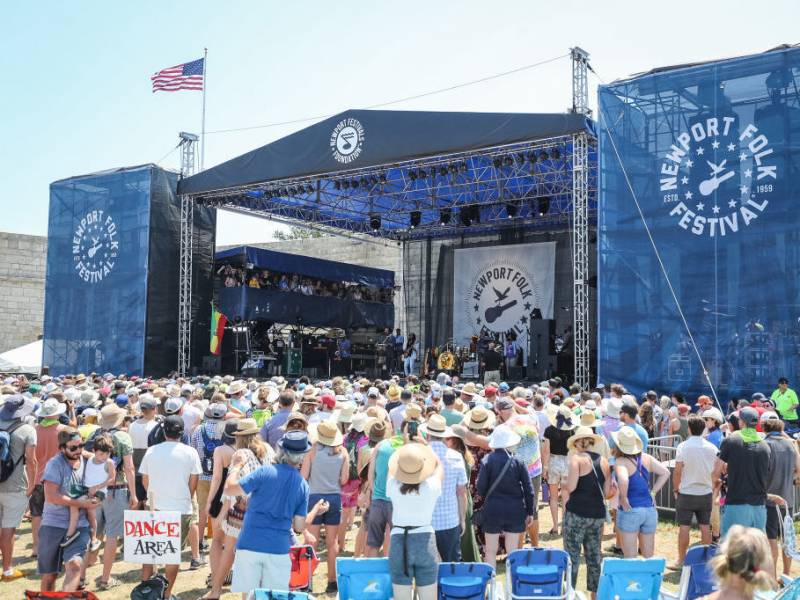
"caption": "A crowd at the 2019 Newport Folk Festival in Rhode Island. The festival is a member of NIVA, an advocacy association of independent music venues and presenters.",
"description": "A crowd at the 2019 Newport Folk Festival in Rhode Island. The festival is a member of NIVA, an advocacy association of independent music venues and presenters.",
"title": "A crowd at the 2019 Newport Folk Festival in Rhode Island. The festival is a member of NIVA, an advocacy association of independent music venues and presenters.",
"credit": "Douglas Mason/WireImage/Getty Images",
"status": "inherit",
"isLoading": false,
"fetchFailed": false
},
"arts_13880591": {
"type": "attachments",
"id": "arts_13880591",
"meta": {
"index": "attachments_1716263798",
"site": "arts",
"id": "13880591",
"found": true
},
"parent": 13876941,
"imgSizes": {
"twentyfourteen-full-width": {
"file": "https://ww2.kqed.org/app/uploads/sites/2/2020/05/Livestream.Concert.Sax_-1038x576.jpg",
"width": 1038,
"mimeType": "image/jpeg",
"height": 576
},
"thumbnail": {
"file": "https://ww2.kqed.org/app/uploads/sites/2/2020/05/Livestream.Concert.Sax_-160x90.jpg",
"width": 160,
"mimeType": "image/jpeg",
"height": 90
},
"post-thumbnail": {
"file": "https://ww2.kqed.org/app/uploads/sites/2/2020/05/Livestream.Concert.Sax_-672x372.jpg",
"width": 672,
"mimeType": "image/jpeg",
"height": 372
},
"kqedFullSize": {
"file": "https://ww2.kqed.org/app/uploads/sites/2/2020/05/Livestream.Concert.Sax_.jpg",
"width": 1100,
"height": 619
},
"large": {
"file": "https://ww2.kqed.org/app/uploads/sites/2/2020/05/Livestream.Concert.Sax_-1020x574.jpg",
"width": 1020,
"mimeType": "image/jpeg",
"height": 574
},
"medium": {
"file": "https://ww2.kqed.org/app/uploads/sites/2/2020/05/Livestream.Concert.Sax_-800x450.jpg",
"width": 800,
"mimeType": "image/jpeg",
"height": 450
},
"medium_large": {
"file": "https://ww2.kqed.org/app/uploads/sites/2/2020/05/Livestream.Concert.Sax_-768x432.jpg",
"width": 768,
"mimeType": "image/jpeg",
"height": 432
}
},
"publishDate": 1589828524,
"modified": 1589828538,
"caption": "Artists and music festivals are streaming concerts via Instagram, YouTube and Facebook.",
"description": "Artists and music festivals are streaming concerts via Instagram, YouTube and Facebook.",
"title": "Livestream.Concert.Sax",
"credit": "iStock",
"status": "inherit",
"isLoading": false,
"fetchFailed": false
},
"arts_13813266": {
"type": "attachments",
"id": "arts_13813266",
"meta": {
"index": "attachments_1716263798",
"site": "arts",
"id": "13813266",
"found": true
},
"parent": 13813262,
"imgSizes": {
"small": {
"file": "https://ww2.kqed.org/app/uploads/sites/2/2017/10/mtt_04-office-chair-back_0201-520x293.jpg",
"width": 520,
"mimeType": "image/jpeg",
"height": 293
},
"twentyfourteen-full-width": {
"file": "https://ww2.kqed.org/app/uploads/sites/2/2017/10/mtt_04-office-chair-back_0201-1038x576.jpg",
"width": 1038,
"mimeType": "image/jpeg",
"height": 576
},
"thumbnail": {
"file": "https://ww2.kqed.org/app/uploads/sites/2/2017/10/mtt_04-office-chair-back_0201-160x90.jpg",
"width": 160,
"mimeType": "image/jpeg",
"height": 90
},
"fd-sm": {
"file": "https://ww2.kqed.org/app/uploads/sites/2/2017/10/mtt_04-office-chair-back_0201-960x540.jpg",
"width": 960,
"mimeType": "image/jpeg",
"height": 540
},
"post-thumbnail": {
"file": "https://ww2.kqed.org/app/uploads/sites/2/2017/10/mtt_04-office-chair-back_0201-672x372.jpg",
"width": 672,
"mimeType": "image/jpeg",
"height": 372
},
"xsmall": {
"file": "https://ww2.kqed.org/app/uploads/sites/2/2017/10/mtt_04-office-chair-back_0201-375x211.jpg",
"width": 375,
"mimeType": "image/jpeg",
"height": 211
},
"kqedFullSize": {
"file": "https://ww2.kqed.org/app/uploads/sites/2/2017/10/mtt_04-office-chair-back_0201.jpg",
"width": 1920,
"height": 1080
},
"large": {
"file": "https://ww2.kqed.org/app/uploads/sites/2/2017/10/mtt_04-office-chair-back_0201-1020x574.jpg",
"width": 1020,
"mimeType": "image/jpeg",
"height": 574
},
"xlarge": {
"file": "https://ww2.kqed.org/app/uploads/sites/2/2017/10/mtt_04-office-chair-back_0201-1180x664.jpg",
"width": 1180,
"mimeType": "image/jpeg",
"height": 664
},
"guest-author-50": {
"file": "https://ww2.kqed.org/app/uploads/sites/2/2017/10/mtt_04-office-chair-back_0201-50x50.jpg",
"width": 50,
"mimeType": "image/jpeg",
"height": 50
},
"guest-author-96": {
"file": "https://ww2.kqed.org/app/uploads/sites/2/2017/10/mtt_04-office-chair-back_0201-96x96.jpg",
"width": 96,
"mimeType": "image/jpeg",
"height": 96
},
"medium": {
"file": "https://ww2.kqed.org/app/uploads/sites/2/2017/10/mtt_04-office-chair-back_0201-800x450.jpg",
"width": 800,
"mimeType": "image/jpeg",
"height": 450
},
"guest-author-64": {
"file": "https://ww2.kqed.org/app/uploads/sites/2/2017/10/mtt_04-office-chair-back_0201-64x64.jpg",
"width": 64,
"mimeType": "image/jpeg",
"height": 64
},
"guest-author-32": {
"file": "https://ww2.kqed.org/app/uploads/sites/2/2017/10/mtt_04-office-chair-back_0201-32x32.jpg",
"width": 32,
"mimeType": "image/jpeg",
"height": 32
},
"fd-lrg": {
"file": "https://ww2.kqed.org/app/uploads/sites/2/2017/10/mtt_04-office-chair-back_0201-1920x1080.jpg",
"width": 1920,
"mimeType": "image/jpeg",
"height": 1080
},
"fd-med": {
"file": "https://ww2.kqed.org/app/uploads/sites/2/2017/10/mtt_04-office-chair-back_0201-1180x664.jpg",
"width": 1180,
"mimeType": "image/jpeg",
"height": 664
},
"full-width": {
"file": "https://ww2.kqed.org/app/uploads/sites/2/2017/10/mtt_04-office-chair-back_0201-1920x1080.jpg",
"width": 1920,
"mimeType": "image/jpeg",
"height": 1080
},
"detail": {
"file": "https://ww2.kqed.org/app/uploads/sites/2/2017/10/mtt_04-office-chair-back_0201-150x150.jpg",
"width": 150,
"mimeType": "image/jpeg",
"height": 150
},
"medium_large": {
"file": "https://ww2.kqed.org/app/uploads/sites/2/2017/10/mtt_04-office-chair-back_0201-768x432.jpg",
"width": 768,
"mimeType": "image/jpeg",
"height": 432
},
"guest-author-128": {
"file": "https://ww2.kqed.org/app/uploads/sites/2/2017/10/mtt_04-office-chair-back_0201-128x128.jpg",
"width": 128,
"mimeType": "image/jpeg",
"height": 128
},
"xxsmall": {
"file": "https://ww2.kqed.org/app/uploads/sites/2/2017/10/mtt_04-office-chair-back_0201-240x135.jpg",
"width": 240,
"mimeType": "image/jpeg",
"height": 135
}
},
"publishDate": 1509481615,
"modified": 1509481664,
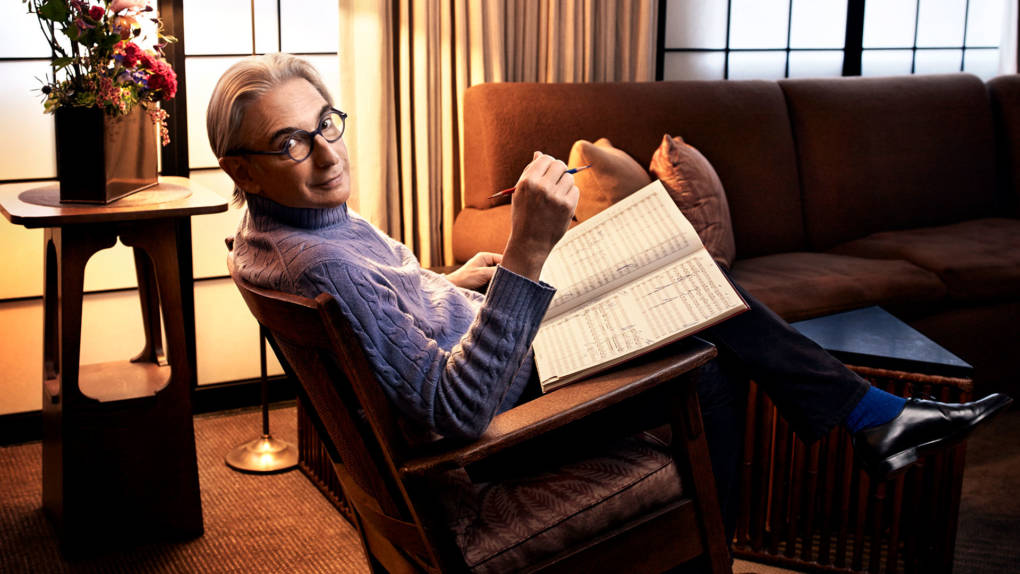
"caption": "Michael Tilson Thomas announced he will step down as Music Director in 2020.",
"description": "Michael Tilson Thomas announced he will step down as Music Director in 2020.",
"title": "mtt_04-office-chair-back_0201",
"credit": "Art Streiber",
"status": "inherit",
"isLoading": false,
"fetchFailed": false
},
"arts_13880932": {
"type": "attachments",
"id": "arts_13880932",
"meta": {
"index": "attachments_1716263798",
"site": "arts",
"id": "13880932",
"found": true
},
"parent": 13880931,
"imgSizes": {
"twentyfourteen-full-width": {
"file": "https://ww2.kqed.org/app/uploads/sites/2/2020/05/gaga-1-b41bc8df8dfb9505d6bdd3cfd364970d1165f72e-787x576.png",
"width": 787,
"mimeType": "image/png",
"height": 576
},
"thumbnail": {
"file": "https://ww2.kqed.org/app/uploads/sites/2/2020/05/gaga-1-b41bc8df8dfb9505d6bdd3cfd364970d1165f72e-160x120.png",
"width": 160,
"mimeType": "image/png",
"height": 120
},
"post-thumbnail": {
"file": "https://ww2.kqed.org/app/uploads/sites/2/2020/05/gaga-1-b41bc8df8dfb9505d6bdd3cfd364970d1165f72e-672x372.png",
"width": 672,
"mimeType": "image/png",
"height": 372
},
"kqedFullSize": {
"file": "https://ww2.kqed.org/app/uploads/sites/2/2020/05/gaga-1-b41bc8df8dfb9505d6bdd3cfd364970d1165f72e.png",
"width": 787,
"height": 590
},
"medium_large": {
"file": "https://ww2.kqed.org/app/uploads/sites/2/2020/05/gaga-1-b41bc8df8dfb9505d6bdd3cfd364970d1165f72e-768x576.png",
"width": 768,
"mimeType": "image/png",
"height": 576
}
},
"publishDate": 1590172807,
"modified": 1590173070,
"caption": "Ariana Grande and Lady Gaga in the video for \"Rain On Me.\"",
"description": "Ariana Grande and Lady Gaga in the video for \"Rain On Me.\"",
"title": "Ariana Grande and Lady Gaga in the video for \"Rain On Me.\"",
"credit": null,
"status": "inherit",
"isLoading": false,
"fetchFailed": false
},
"arts_13879216": {
"type": "attachments",
"id": "arts_13879216",
"meta": {
"index": "attachments_1716263798",
"site": "arts",
"id": "13879216",
"found": true
},
"parent": 0,
"imgSizes": {
"twentyfourteen-full-width": {
"file": "https://ww2.kqed.org/app/uploads/sites/2/2020/04/KQED-Coronavirus-Updates-1038x576.jpg",
"width": 1038,
"mimeType": "image/jpeg",
"height": 576
},
"thumbnail": {
"file": "https://ww2.kqed.org/app/uploads/sites/2/2020/04/KQED-Coronavirus-Updates-160x84.jpg",
"width": 160,
"mimeType": "image/jpeg",
"height": 84
},
"post-thumbnail": {
"file": "https://ww2.kqed.org/app/uploads/sites/2/2020/04/KQED-Coronavirus-Updates-672x372.jpg",
"width": 672,
"mimeType": "image/jpeg",
"height": 372
},
"kqedFullSize": {
"file": "https://ww2.kqed.org/app/uploads/sites/2/2020/04/KQED-Coronavirus-Updates.jpg",
"width": 1200,
"height": 628
},
"large": {
"file": "https://ww2.kqed.org/app/uploads/sites/2/2020/04/KQED-Coronavirus-Updates-1020x534.jpg",
"width": 1020,
"mimeType": "image/jpeg",
"height": 534
},
"medium": {
"file": "https://ww2.kqed.org/app/uploads/sites/2/2020/04/KQED-Coronavirus-Updates-800x419.jpg",
"width": 800,
"mimeType": "image/jpeg",
"height": 419
},
"medium_large": {
"file": "https://ww2.kqed.org/app/uploads/sites/2/2020/04/KQED-Coronavirus-Updates-768x402.jpg",
"width": 768,
"mimeType": "image/jpeg",
"height": 402
}
},
"publishDate": 1587671244,
"modified": 1587671270,
"caption": null,
"description": "liveupdates",
"title": "KQED-Coronavirus-liveupdates",
"credit": null,
"status": "inherit",
"isLoading": false,
"fetchFailed": false
},
"arts_13880740": {
"type": "attachments",
"id": "arts_13880740",
"meta": {
"index": "attachments_1716263798",
"site": "arts",
"id": "13880740",
"found": true
},
"parent": 13880706,
"imgSizes": {
"twentyfourteen-full-width": {
"file": "https://ww2.kqed.org/app/uploads/sites/2/2020/05/YouTube_contributors_thumbnail-1038x576.png",
"width": 1038,
"mimeType": "image/png",
"height": 576
},
"thumbnail": {
"file": "https://ww2.kqed.org/app/uploads/sites/2/2020/05/YouTube_contributors_thumbnail-160x90.png",
"width": 160,
"mimeType": "image/png",
"height": 90
},
"post-thumbnail": {
"file": "https://ww2.kqed.org/app/uploads/sites/2/2020/05/YouTube_contributors_thumbnail-672x372.png",
"width": 672,
"mimeType": "image/png",
"height": 372
},
"kqedFullSize": {
"file": "https://ww2.kqed.org/app/uploads/sites/2/2020/05/YouTube_contributors_thumbnail.png",
"width": 1280,
"height": 720
},
"large": {
"file": "https://ww2.kqed.org/app/uploads/sites/2/2020/05/YouTube_contributors_thumbnail-1020x574.png",
"width": 1020,
"mimeType": "image/png",
"height": 574
},
"medium": {
"file": "https://ww2.kqed.org/app/uploads/sites/2/2020/05/YouTube_contributors_thumbnail-800x450.png",
"width": 800,
"mimeType": "image/png",
"height": 450
},
"medium_large": {
"file": "https://ww2.kqed.org/app/uploads/sites/2/2020/05/YouTube_contributors_thumbnail-768x432.png",
"width": 768,
"mimeType": "image/png",
"height": 432
}
},
"publishDate": 1589992229,
"modified": 1589992568,
"caption": "Scenes from Pop-Up Magazine's 'Spring Issue: At Home.'",
"description": "Scenes from Pop-Up Magazine's 'Spring Issue: At Home.'",
"title": "YouTube_contributors_thumbnail",
"credit": "Courtesy Pop-Up Magazine",
"status": "inherit",
"isLoading": false,
"fetchFailed": false
},
"arts_13880729": {
"type": "attachments",
"id": "arts_13880729",
"meta": {
"index": "attachments_1716263798",
"site": "arts",
"id": "13880729",
"found": true
},
"parent": 13880716,
"imgSizes": {
"twentyfourteen-full-width": {
"file": "https://ww2.kqed.org/app/uploads/sites/2/2020/05/GettyImages-1179478861-1038x576.jpg",
"width": 1038,
"mimeType": "image/jpeg",
"height": 576
},
"thumbnail": {
"file": "https://ww2.kqed.org/app/uploads/sites/2/2020/05/GettyImages-1179478861-160x110.jpg",
"width": 160,
"mimeType": "image/jpeg",
"height": 110
},
"post-thumbnail": {
"file": "https://ww2.kqed.org/app/uploads/sites/2/2020/05/GettyImages-1179478861-672x372.jpg",
"width": 672,
"mimeType": "image/jpeg",
"height": 372
},
"kqedFullSize": {
"file": "https://ww2.kqed.org/app/uploads/sites/2/2020/05/GettyImages-1179478861.jpg",
"width": 1920,
"height": 1319
},
"large": {
"file": "https://ww2.kqed.org/app/uploads/sites/2/2020/05/GettyImages-1179478861-1020x701.jpg",
"width": 1020,
"mimeType": "image/jpeg",
"height": 701
},
"full-width": {
"file": "https://ww2.kqed.org/app/uploads/sites/2/2020/05/GettyImages-1179478861-1920x1319.jpg",
"width": 1920,
"mimeType": "image/jpeg",
"height": 1319
},
"medium": {
"file": "https://ww2.kqed.org/app/uploads/sites/2/2020/05/GettyImages-1179478861-800x550.jpg",
"width": 800,
"mimeType": "image/jpeg",
"height": 550
},
"medium_large": {
"file": "https://ww2.kqed.org/app/uploads/sites/2/2020/05/GettyImages-1179478861-768x528.jpg",
"width": 768,
"mimeType": "image/jpeg",
"height": 528
}
},
"publishDate": 1589930262,
"modified": 1589930295,
"caption": "Dan Reynolds of Imagine Dragons performs on stage during Rock in Rio 2019 - Day 7 at Cidade do Rock on October 06, 2019 in Rio de Janeiro, Brazil. ",
"description": "Dan Reynolds of Imagine Dragons performs on stage during Rock in Rio 2019 - Day 7 at Cidade do Rock on October 06, 2019 in Rio de Janeiro, Brazil. ",
"title": "Rock in Rio 2019 - Day 7",
"credit": "Alexandre Schneider/Getty Images",
"status": "inherit",
"isLoading": false,
"fetchFailed": false
},
"arts_13880589": {
"type": "attachments",
"id": "arts_13880589",
"meta": {
"index": "attachments_1716263798",
"site": "arts",
"id": "13880589",
"found": true
},
"parent": 13880588,
"imgSizes": {
"twentyfourteen-full-width": {
"file": "https://ww2.kqed.org/app/uploads/sites/2/2020/05/JorgeSantana-960x576.jpg",
"width": 960,
"mimeType": "image/jpeg",
"height": 576
},
"thumbnail": {
"file": "https://ww2.kqed.org/app/uploads/sites/2/2020/05/JorgeSantana-160x96.jpg",
"width": 160,
"mimeType": "image/jpeg",
"height": 96
},
"post-thumbnail": {
"file": "https://ww2.kqed.org/app/uploads/sites/2/2020/05/JorgeSantana-672x372.jpg",
"width": 672,
"mimeType": "image/jpeg",
"height": 372
},
"kqedFullSize": {
"file": "https://ww2.kqed.org/app/uploads/sites/2/2020/05/JorgeSantana.jpg",
"width": 960,
"height": 576
},
"medium": {
"file": "https://ww2.kqed.org/app/uploads/sites/2/2020/05/JorgeSantana-800x480.jpg",
"width": 800,
"mimeType": "image/jpeg",
"height": 480
},
"medium_large": {
"file": "https://ww2.kqed.org/app/uploads/sites/2/2020/05/JorgeSantana-768x461.jpg",
"width": 768,
"mimeType": "image/jpeg",
"height": 461
}
},
"publishDate": 1589827833,
"modified": 1589827871,
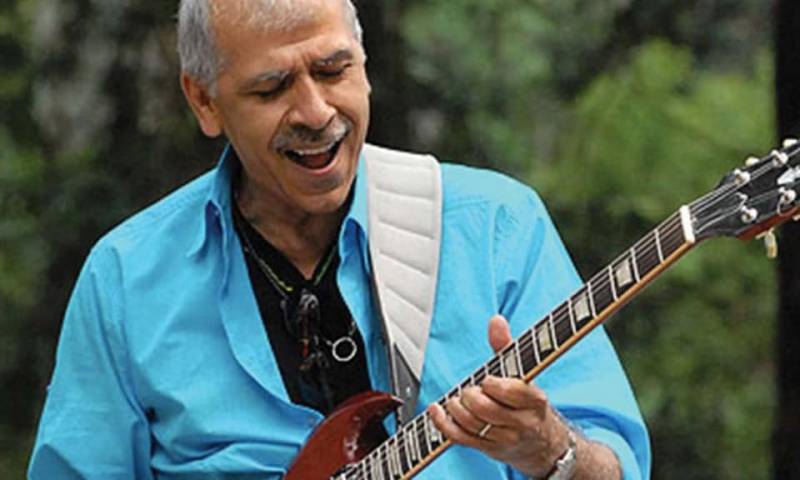
"caption": "Jorge Santana died Thursday at age 68.",
"description": "Jorge Santana died Thursday at age 68.",
"title": "JorgeSantana",
"credit": "Via Carlos Santana/FB",
"status": "inherit",
"isLoading": false,
"fetchFailed": false
}
},
"audioPlayerReducer": {
"postId": "stream_live",
"isPaused": true,
"isPlaying": false,
"pfsActive": false,
"pledgeModalIsOpen": true,
"playerDrawerIsOpen": false,
"liveAudioPlayStartedAt": 0,
"liveAudioPlayContext": ""
},
"authorsReducer": {
"byline_arts_13881925": {
"type": "authors",
"id": "byline_arts_13881925",
"meta": {
"override": true
},
"slug": "byline_arts_13881925",
"name": "Taylor Haney",
"isLoading": false
},
"byline_arts_13881708": {
"type": "authors",
"id": "byline_arts_13881708",
"meta": {
"override": true
},
"slug": "byline_arts_13881708",
"name": "Anastasia Tsioulcas",
"isLoading": false
},
"byline_arts_13876941": {
"type": "authors",
"id": "byline_arts_13876941",
"meta": {
"override": true
},
"slug": "byline_arts_13876941",
"name": "Lars Gotrich",
"isLoading": false
},
"byline_arts_13880931": {
"type": "authors",
"id": "byline_arts_13880931",
"meta": {
"override": true
},
"slug": "byline_arts_13880931",
"name": "Jon Lewis",
"isLoading": false
},
"byline_arts_13880588": {
"type": "authors",
"id": "byline_arts_13880588",
"meta": {
"override": true
},
"slug": "byline_arts_13880588",
"name": "Russell Contreras, Associated Press",
"isLoading": false
},
"shotchkiss": {
"type": "authors",
"id": "61",
"meta": {
"index": "authors_1716337520",
"id": "61",
"found": true
},
"name": "Sarah Hotchkiss",
"firstName": "Sarah",
"lastName": "Hotchkiss",
"slug": "shotchkiss",
"email": "shotchkiss@kqed.org",
"display_author_email": true,
"staff_mastheads": [
"arts"
],
"title": "Senior Editor",
"bio": "Sarah Hotchkiss is a San Francisco \u003ca href=\"http://www.sarahhotchkiss.com\">artist\u003c/a> and arts writer. In 2019, she received the Dorothea & Leo Rabkin Foundation grant for visual art journalism and in 2020 she received a Society of Professional Journalists, Northern California award for excellence in arts and culture reporting.",
"avatar": "https://secure.gravatar.com/avatar/bc662df144b3d27fd8b1b6f1c2a420d34e91e53154d411bb7ad353cc8b6cea8d?s=600&d=blank&r=g",
"twitter": null,
"bluesky": null,
"facebook": null,
"instagram": null,
"linkedin": null,
"sites": [
{
"site": "",
"roles": [
"editor"
]
},
{
"site": "arts",
"roles": [
"Contributor",
"administrator"
]
},
{
"site": "artschool",
"roles": [
"administrator"
]
},
{
"site": "news",
"roles": [
"editor"
]
},
{
"site": "pop",
"roles": [
"administrator"
]
},
{
"site": "bayareabites",
"roles": [
"editor"
]
},
{
"site": "spark",
"roles": [
"editor"
]
},
{
"site": "checkplease",
"roles": [
"editor"
]
}
],
"headData": {
"title": "Sarah Hotchkiss | KQED",
"description": "Senior Editor",
"ogImgSrc": "https://secure.gravatar.com/avatar/bc662df144b3d27fd8b1b6f1c2a420d34e91e53154d411bb7ad353cc8b6cea8d?s=600&d=blank&r=g",
"twImgSrc": "https://secure.gravatar.com/avatar/bc662df144b3d27fd8b1b6f1c2a420d34e91e53154d411bb7ad353cc8b6cea8d?s=600&d=blank&r=g"
},
"isLoading": false,
"link": "/author/shotchkiss"
},
"gmeline": {
"type": "authors",
"id": "185",
"meta": {
"index": "authors_1716337520",
"id": "185",
"found": true
},
"name": "Gabe Meline",
"firstName": "Gabe",
"lastName": "Meline",
"slug": "gmeline",
"email": "gmeline@kqed.org",
"display_author_email": true,
"staff_mastheads": [
"arts"
],
"title": "Senior Editor, KQED Arts & Culture",
"bio": "Gabe Meline entered journalism at age 15 making photocopied zines, and has since earned awards from the Edward R. Murrow Awards, the Society for Professional Journalists, the Online Journalism Awards, the Association of Alternative Newsweeklies and the California Newspaper Publishers Association. Prior to KQED, he was the editor of the \u003cem>North Bay Bohemian\u003c/em> and a touring musician. He lives with his wife and daughter in his hometown of Santa Rosa, CA.",
"avatar": "https://secure.gravatar.com/avatar/5bebe57be0d8bc2dd318934feb47299e2d2d10cba28d09d8d7afb389a2ce2bdd?s=600&d=blank&r=g",
"twitter": null,
"bluesky": null,
"facebook": null,
"instagram": null,
"linkedin": null,
"sites": [
{
"site": "",
"roles": [
"editor"
]
},
{
"site": "arts",
"roles": [
"administrator"
]
},
{
"site": "artschool",
"roles": [
"editor"
]
},
{
"site": "news",
"roles": [
"author"
]
},
{
"site": "pop",
"roles": [
"editor"
]
},
{
"site": "bayareabites",
"roles": [
"editor"
]
},
{
"site": "food",
"roles": [
"editor"
]
},
{
"site": "forum",
"roles": [
"administrator"
]
},
{
"site": "liveblog",
"roles": [
"editor"
]
},
{
"site": "hiphop",
"roles": [
"editor"
]
}
],
"headData": {
"title": "Gabe Meline | KQED",
"description": "Senior Editor, KQED Arts & Culture",
"ogImgSrc": "https://secure.gravatar.com/avatar/5bebe57be0d8bc2dd318934feb47299e2d2d10cba28d09d8d7afb389a2ce2bdd?s=600&d=blank&r=g",
"twImgSrc": "https://secure.gravatar.com/avatar/5bebe57be0d8bc2dd318934feb47299e2d2d10cba28d09d8d7afb389a2ce2bdd?s=600&d=blank&r=g"
},
"isLoading": false,
"link": "/author/gmeline"
},
"nvoynovskaya": {
"type": "authors",
"id": "11387",
"meta": {
"index": "authors_1716337520",
"id": "11387",
"found": true
},
"name": "Nastia Voynovskaya",
"firstName": "Nastia",
"lastName": "Voynovskaya",
"slug": "nvoynovskaya",
"email": "nvoynovskaya@kqed.org",
"display_author_email": false,
"staff_mastheads": [
"arts"
],
"title": "Editor and reporter",
"bio": "Nastia Voynovskaya is a reporter, editor and host at KQED Arts & Culture. She's been covering the arts in the Bay Area for over a decade, with a focus on music, queer culture, labor issues and grassroots organizing. She has edited KQED story series such as Trans Bay: A History of San Francisco's Gender-Diverse Community, and co-created KQED's Bay Area hip-hop history project, That's My Word. Nastia's work has been recognized by the Society of Professional Journalists and San Francisco Press Club. She regularly appears on podcasts and radio programs, including NPR's All Songs Considered, and hosts live events where music, culture and conversation meet.",
"avatar": "https://secure.gravatar.com/avatar/5025ee460e5a85d69ca20ea6c6f2f80d7e17795c828f61ea3aecfcd924e9042e?s=600&d=blank&r=g",
"twitter": null,
"bluesky": null,
"facebook": null,
"instagram": "https://www.instagram.com/nananastia/",
"linkedin": null,
"sites": [
{
"site": "",
"roles": [
"editor"
]
},
{
"site": "arts",
"roles": [
"administrator"
]
},
{
"site": "news",
"roles": [
"editor"
]
},
{
"site": "pop",
"roles": [
"administrator"
]
},
{
"site": "bayareabites",
"roles": [
"editor"
]
},
{
"site": "podcasts",
"roles": [
"editor"
]
},
{
"site": "hiphop",
"roles": [
"editor"
]
}
],
"headData": {
"title": "Nastia Voynovskaya | KQED",
"description": "Editor and reporter",
"ogImgSrc": "https://secure.gravatar.com/avatar/5025ee460e5a85d69ca20ea6c6f2f80d7e17795c828f61ea3aecfcd924e9042e?s=600&d=blank&r=g",
"twImgSrc": "https://secure.gravatar.com/avatar/5025ee460e5a85d69ca20ea6c6f2f80d7e17795c828f61ea3aecfcd924e9042e?s=600&d=blank&r=g"
},
"isLoading": false,
"link": "/author/nvoynovskaya"
}
},
"pagesReducer": {
"arts_category_music": {
"type": "terms",
"id": "arts_69",
"meta": {
"index": "terms_1716263798",
"site": "arts",
"id": "69",
"score": 10.85186
},
"featImg": null,
"name": "Music",
"description": null,
"taxonomy": "category",
"headData": {
"twImgId": null,
"twTitle": null,
"ogTitle": null,
"ogImgId": null,
"twDescription": null,
"description": null,
"title": "Music Archives | KQED Arts",
"ogDescription": null
},
"ttid": 70,
"slug": "music",
"isLoading": false,
"title": "Music",
"pageMeta": {
"site": "arts",
"WpPageTemplate": "page-topic-editorial",
"currentPage": 119
},
"blocks": [
{
"blockName": "kqed/post-list",
"attrs": {
"layout": "cardArticle2",
"query": "posts/arts?category=music",
"seeMore": false,
"paginated": true,
"page": 119
}
},
{
"blockName": "kqed/ad"
}
]
}
},
"pfsSessionReducer": {},
"postsReducer": {
"stream_live": {
"type": "live",
"id": "stream_live",
"audioUrl": "https://streams.kqed.org/kqedradio",
"title": "Live Stream",
"excerpt": "Live Stream information currently unavailable.",
"link": "/radio",
"featImg": "",
"label": {
"name": "KQED Live",
"link": "/"
}
},
"stream_kqedNewscast": {
"type": "posts",
"id": "stream_kqedNewscast",
"audioUrl": "https://www.kqed.org/.stream/anon/radio/RDnews/newscast.mp3?_=1",
"title": "KQED Newscast",
"featImg": "",
"label": {
"name": "88.5 FM",
"link": "/"
}
},
"arts_13882177": {
"type": "posts",
"id": "arts_13882177",
"meta": {
"index": "posts_1716263798",
"site": "arts",
"id": "13882177",
"score": null,
"sort": [
1592485209000
]
},
"guestAuthors": [],
"slug": "how-to-celebrate-juneteenth-in-the-bay-area-at-home-or-outside",
"title": "How to Celebrate Juneteenth in the Bay Area—at Home or Outside",
"publishDate": 1592485209,
"format": "standard",
"headTitle": "How to Celebrate Juneteenth in the Bay Area—at Home or Outside | KQED",
"labelTerm": {
"site": "arts"
},
"content": "\u003cp>As the country enters a third week of constant protests over the killing of George Floyd and Breonna Taylor and reckons with its racist structures, this year’s Juneteenth celebrations have seen increased interest.\u003c/p>\n\u003cp>An \u003ca href=\"https://www.kqed.org/news/11824859/juneteenth-2020-in-the-bay-area-what-to-know-where-to-go\" rel=\"noopener noreferrer\" target=\"_blank\">annual day observing the end of slavery in the south\u003c/a>, Juneteenth falls each year on June 19. This Friday’s celebrations get underway not only during a national uprising for racial justice, but during a global pandemic. Below, find ways to honor Juneteenth at home with streamed music and art, and view a select list of outdoor celebrations happening around the Bay Area.[aside postid='news_11824859']\u003c/p>\n\u003cp>\u003cem>Additional reporting by Dacia Mitchell.\u003c/em>\u003c/p>\n\u003ch2>Select Online Juneteenth Events on June 19\u003c/h2>\n\u003cp>\u003cstrong>‘Polar Bears, Black Boys & Prairie Fringed Orchids’\u003c/strong>\u003cbr>\nThirty Bay Area theater companies come together for this streamed performance of Vincent Terrell Durham’s play, \u003cem>Polar Bears, Black Boys & Prairie Fringed Orchids\u003c/em>, a timely meditation on police killings of Black people and the Black Lives Matter movement. The play is presented as part of the PlayGround Zoom Fest and the Juneteenth Theatre Justice Project, a national movement spanning theaters across America. Starts at 7pm Pacific time; \u003ca href=\"https://playground-sf.org/juneteenth/\" target=\"_blank\" rel=\"noopener noreferrer\">details here\u003c/a>.\u003c/p>\n\u003cp>\u003cstrong>Marcus Shelby: Juneteenth and the Blues\u003c/strong>\u003cbr>\nCarrying on the tradition of figures like Charles Mingus and Archie Shepp, who infused jazz with politics, composer and bassist Marcus Shelby has presented jazz programs on Harriet Tubman, the Negro Leagues, the school-to-prison pipeline and more. In an hour-long Zoom presentation of live music, readings and poetry, Shelby delves into Juneteenth’s history and resonance today. Starts at 4pm Pacific time; \u003ca href=\"https://www.moadsf.org/event/talk-performance-juneteenth-and-the-blues-with-marcus-shelby/\" target=\"_blank\" rel=\"noopener noreferrer\">details here\u003c/a>.\u003c/p>\n\u003cfigure id=\"attachment_13882181\" class=\"wp-caption aligncenter\" style=\"max-width: 800px\">\u003cimg loading=\"lazy\" decoding=\"async\" class=\"size-medium wp-image-13882181\" src=\"https://ww2.kqed.org/app/uploads/sites/2/2020/06/Brody-TakeThisHammerBaldwin-800x450.jpg\" alt=\"A still from 'Take This Hammer,' featuring James Baldwin.\" width=\"800\" height=\"450\" srcset=\"https://cdn.kqed.org/wp-content/uploads/sites/2/2020/06/Brody-TakeThisHammerBaldwin-800x450.jpg 800w, https://cdn.kqed.org/wp-content/uploads/sites/2/2020/06/Brody-TakeThisHammerBaldwin-160x90.jpg 160w, https://cdn.kqed.org/wp-content/uploads/sites/2/2020/06/Brody-TakeThisHammerBaldwin-768x432.jpg 768w, https://cdn.kqed.org/wp-content/uploads/sites/2/2020/06/Brody-TakeThisHammerBaldwin-1020x574.jpg 1020w, https://cdn.kqed.org/wp-content/uploads/sites/2/2020/06/Brody-TakeThisHammerBaldwin.jpg 1280w\" sizes=\"(max-width: 800px) 100vw, 800px\">\u003cfigcaption class=\"wp-caption-text\">A still from ‘Take This Hammer,’ featuring James Baldwin. \u003ccite>(KQED)\u003c/cite>\u003c/figcaption>\u003c/figure>\n\u003cp>\u003cstrong>‘Take This Hammer’\u003c/strong>\u003cbr>\nFilmed by KQED in 1963, \u003cem>Take This Hammer\u003c/em> follows James Baldwin around San Francisco as he speaks with young Black people and compasres the racial atmosphere in the so-called “progressive” city to the segregated south. The full director’s cut is available to stream; \u003ca href=\"https://diva.sfsu.edu/collections/sfbatv/bundles/216518\" target=\"_blank\" rel=\"noopener noreferrer\">details here\u003c/a>.\u003c/p>\n\u003cp>NAACP Black Family Reunion\u003cbr>\nThe NAACP hosts a two-hour special about lives lost and personal stories from the Black community. Participants can submit their story for potential inclusion in advance. Starts at 1pm Pacific time; \u003ca href=\"https://naacp.org/juneteenth/\" rel=\"noopener noreferrer\" target=\"_blank\">details here\u003c/a>.\u003c/p>\n\u003cp>\u003cstrong>Music From Other Minds: Juneteenth\u003c/strong>\u003cbr>\nThe Other Minds radio show expands to two hours for a Juneteenth special with the music of Black American composers including Matana Roberts, Moor Mother, Ben LaMar Gay, LOAN (Tongo Eisen-Martin & Chris Peck) and more. Hosted by Liam Herb, the special starts at 10pm Pacific time; \u003ca href=\"https://www.otherminds.org/mfom/\" target=\"_blank\" rel=\"noopener noreferrer\">details here\u003c/a>.\u003c/p>\n\u003cp>\u003cstrong>Harlem of the West: The San Francisco Fillmore Jazz Era\u003c/strong>\u003cbr>\nElizabeth Pepin Silva and Lewis Watts, authors of the book \u003cem>Harlem of the West: The San Francisco Fillmore Jazz Era\u003c/em>, discuss the neighborhood’s robust history of Black culture, which urban renewal erased in the 1960s and 1970s. Starts at noon Pacific time; \u003ca href=\"https://bit.ly/HarlemWestJune2020\" target=\"_blank\" rel=\"noopener noreferrer\">details here\u003c/a>.\u003c/p>\n\u003cp>[ad fullwidth]\u003c/p>\n\u003ch2>Select Outdoor Juneteenth Events on June 19\u003c/h2>\n\u003cp>\u003cstrong>Oakland\u003c/strong>\u003c/p>\n\u003cp>\u003ca href=\"https://www.juneteenthspt.com/\" target=\"_blank\" rel=\"noopener noreferrer\">Juneteenth West Coast Port Shutdown\u003c/a> & Caravan to Frank Ogawa Plaza – 10am\u003c/p>\n\u003cp>Second Annual \u003ca href=\"https://www.instagram.com/p/CBWcTrTBwMc/\" target=\"_blank\" rel=\"noopener noreferrer\">Bike 4 Justice Rally\u003c/a> in West Oakland – 12:30pm to 4pm[aside postid='arts_13882225']\u003c/p>\n\u003cp>\u003ca href=\"https://www.instagram.com/p/CBb2gBLhIYF/\" target=\"_blank\" rel=\"noopener noreferrer\">Juneteenth at the Lake\u003c/a> – Meet at Alameda County Courthouse & March around Lake Merritt – 1pm to Sunset\u003c/p>\n\u003cp>\u003ca href=\"https://sf.funcheap.com/balck-youth-march-people-liberation/\" target=\"_blank\" rel=\"noopener noreferrer\">Black Youth for the People’s Liberation\u003c/a> Protest at deFremery Park – 4pm\u003c/p>\n\u003cp>\u003ca href=\"https://www.instagram.com/p/CBe819Oh0J6/\" target=\"_blank\" rel=\"noopener noreferrer\">California Nurses Assoc. Black Lives Matter Protest\u003c/a> – at Kaiser on Broadway – 4pm\u003c/p>\n\u003cp>\u003ca href=\"https://www.instagram.com/p/CBVBduHhUUA/\" target=\"_blank\" rel=\"noopener noreferrer\">Lake Merritt Amphitheater Juneteenth Celebration\u003c/a> – 4pm to 7pm\u003c/p>\n\u003cp>\u003ca href=\"https://sf.funcheap.com/justice-juneteenth-lakemerritt/\" target=\"_blank\" rel=\"noopener noreferrer\">Justice for Juneteenth \u003c/a>at Lake Merritt – 5pm\u003c/p>\n\u003cp>\u003ca href=\"https://hueypnewtonfoundation.org/initiatives\" target=\"_blank\" rel=\"noopener noreferrer\">Rally for Huey P. Newton Monument\u003c/a> with Fredrika Newton at Alameda County Courthouse – 5pm\u003c/p>\n\u003cp>\u003ca href=\"https://www.facebook.com/funcheap/photos/p.10156909708402504/10156909708402504/?type=3&av=327396872503&eav=AfZ5kPmE0-C1VtLOp9LqpPcbLt1c78rut53h4mwMK1lSdSC28es2LLLFvjaVap3CjuA&theater\" target=\"_blank\" rel=\"noopener noreferrer\">Park Blvd. Juneteenth Protest\u003c/a> at Park Blvd. between I-580 and CA13. – 5-6pm\u003c/p>\n\u003cp>\u003ca href=\"https://www.instagram.com/p/CBWu88Yhtmu/\" target=\"_blank\" rel=\"noopener noreferrer\">‘Black Mass’ Juneteenth Spoken Word & Drum Circle\u003c/a> at Lake Merritt Amphitheater – 7pm\u003c/p>\n\u003cp>\u003cstrong>San Francisco\u003c/strong>\u003c/p>\n\u003cp>\u003ca href=\"https://www.facebook.com/events/566725343925258/?event_time_id=566725350591924\" target=\"_blank\" rel=\"noopener noreferrer\">March for Freedom & Justice\u003c/a> from Ferry Building to City Hall – Noon\u003c/p>\n\u003cp>\u003ca href=\"https://sf.funcheap.com/sf-caravan-protest/\" target=\"_blank\" rel=\"noopener noreferrer\">Black Lives Matter Caravan Protest\u003c/a> – location TBD – 10am–1pm\u003c/p>\n\u003cp>\u003ca href=\"https://www.instagram.com/p/CBRiLPwBw5h/\" target=\"_blank\" rel=\"noopener noreferrer\">“Kicking for Freedom”\u003c/a> three-mile skate through SF starting at Ferry Building – 1 to 3pm\u003c/p>\n\u003cp>\u003ca href=\"https://dothebay.com/events/2020/6/19/sf-qbar-juneteenth-reunion-black-queer-rally\" rel=\"noopener noreferrer\" target=\"_blank\">Rally Celebrating Black Queer Joy\u003c/a> at QBar in the Castro – 3pm\u003c/p>\n\u003cp>\u003ca href=\"https://www.instagram.com/p/CBf_p41h-jd/\" target=\"_blank\" rel=\"noopener noreferrer\">Juneteenth Rally\u003c/a> at City Hall – 1pm\u003c/p>\n\u003cp>\u003ca href=\"https://sf.funcheap.com/sf-peaceful-yoga-protest/\" target=\"_blank\" rel=\"noopener noreferrer\">Yoga Protest at Dolores Park\u003c/a> – 4pm to 5pm\u003c/p>\n\u003cp>\u003ca href=\"https://sf.funcheap.com/bay-swimmers-in-solidarity/\" target=\"_blank\" rel=\"noopener noreferrer\">Bay Swimmers in Solidarity Floating Protest\u003c/a> at Aquatic Park – 5:30pm\u003c/p>\n\u003cp>\u003cstrong>Antioch\u003c/strong>\u003cbr>\n\u003ca href=\"https://www.instagram.com/p/CBe9AOJBkr5/\" target=\"_blank\" rel=\"noopener noreferrer\">Juneteenth Peace Walk, Arts & Music\u003c/a> from City Hall to 6th & A St. – 11am to 3pm\u003c/p>\n\u003cp>\u003cstrong>Santa Rosa\u003c/strong>\u003cbr>\n\u003ca href=\"https://www.instagram.com/p/CBWPC7tBVV_/\" target=\"_blank\" rel=\"noopener noreferrer\">Juneteenth Festival \u003c/a>at Pioneer Park – Noon\u003c/p>\n\u003cp>\u003cstrong>Fremont\u003c/strong>\u003cbr>\n\u003ca href=\"https://sf.funcheap.com/juneteenth-march-for-justice-fremont/\" target=\"_blank\" rel=\"noopener noreferrer\">Juneteenth March for Justice\u003c/a> to City Hall – 1pm\u003c/p>\n\u003cp>\u003cstrong>Santa Clara\u003c/strong>\u003cbr>\n\u003ca href=\"https://sf.funcheap.com/march-for-freedom/\" target=\"_blank\" rel=\"noopener noreferrer\">March for Freedom Day\u003c/a> at Santa Clara University- 3pm to 5pm\u003c/p>\n\u003cp>\u003cstrong>Pittsburg\u003c/strong>\u003cbr>\n\u003ca href=\"https://www.instagram.com/p/CBWVqluheJt/\" target=\"_blank\" rel=\"noopener noreferrer\">March for Justice\u003c/a> from Buchanan Park to Marina – 3pm\u003c/p>\n\u003cp>\u003cstrong>Livermore\u003c/strong>\u003cbr>\n\u003ca href=\"https://www.instagram.com/p/CBcjmTdhXS1/\" target=\"_blank\" rel=\"noopener noreferrer\">Black Lives Matter Protest\u003c/a> at City Hall with speeches and march to Carnegie Park – 4pm\u003c/p>\n\u003cp>\u003cstrong>Palo Alto\u003c/strong>\u003cbr>\n\u003ca href=\"https://act.sixnineteen.com/event/action/86?source=map&akid=\" target=\"_blank\" rel=\"noopener noreferrer\">Defend Black Lives Protest\u003c/a> at King Plaza, City Hall – 5pm\u003c/p>\n\u003cp>\u003c/p>\n",
"blocks": [],
"excerpt": "A roundup of events both online and IRL to celebrate the day marking the end of slavery in the south.",
"status": "publish",
"parent": 0,
"modified": 1726761856,
"stats": {
"hasAudio": false,
"hasVideo": false,
"hasChartOrMap": false,
"iframeSrcs": [],
"hasGoogleForm": false,
"hasGallery": false,
"hasHearkenModule": false,
"hasPolis": false,
"paragraphCount": 37,
"wordCount": 814
},
"headData": {
"title": "How to Celebrate Juneteenth in the Bay Area—at Home or Outside | KQED",
"description": "A roundup of events both online and IRL to celebrate the day marking the end of slavery in the south.",
"ogTitle": "",
"ogDescription": "",
"ogImgId": "",
"twTitle": "",
"twDescription": "",
"twImgId": "",
"schema": {
"@context": "https://schema.org",
"@type": "Article",
"headline": "How to Celebrate Juneteenth in the Bay Area—at Home or Outside",
"datePublished": "2020-06-18T06:00:09-07:00",
"dateModified": "2024-09-19T09:04:16-07:00",
"image": "https://cdn.kqed.org/wp-content/uploads/2020/02/KQED-OG-Image@1x.png"
}
},
"sticky": false,
"templateType": "standard",
"featuredImageType": "standard",
"path": "/arts/13882177/how-to-celebrate-juneteenth-in-the-bay-area-at-home-or-outside",
"audioTrackLength": null,
"parsedContent": [
{
"type": "contentString",
"content": "\u003cdiv class=\"post-body\">\u003cp>\u003cp>As the country enters a third week of constant protests over the killing of George Floyd and Breonna Taylor and reckons with its racist structures, this year’s Juneteenth celebrations have seen increased interest.\u003c/p>\n\u003cp>An \u003ca href=\"https://www.kqed.org/news/11824859/juneteenth-2020-in-the-bay-area-what-to-know-where-to-go\" rel=\"noopener noreferrer\" target=\"_blank\">annual day observing the end of slavery in the south\u003c/a>, Juneteenth falls each year on June 19. This Friday’s celebrations get underway not only during a national uprising for racial justice, but during a global pandemic. Below, find ways to honor Juneteenth at home with streamed music and art, and view a select list of outdoor celebrations happening around the Bay Area.\u003c/p>\u003c/div>",
"attributes": {
"named": {},
"numeric": []
}
},
{
"type": "component",
"content": "",
"name": "aside",
"attributes": {
"named": {
"postid": "news_11824859",
"label": ""
},
"numeric": []
}
},
{
"type": "contentString",
"content": "\u003cdiv class=\"post-body\">\u003cp>\u003c/p>\n\u003cp>\u003cem>Additional reporting by Dacia Mitchell.\u003c/em>\u003c/p>\n\u003ch2>Select Online Juneteenth Events on June 19\u003c/h2>\n\u003cp>\u003cstrong>‘Polar Bears, Black Boys & Prairie Fringed Orchids’\u003c/strong>\u003cbr>\nThirty Bay Area theater companies come together for this streamed performance of Vincent Terrell Durham’s play, \u003cem>Polar Bears, Black Boys & Prairie Fringed Orchids\u003c/em>, a timely meditation on police killings of Black people and the Black Lives Matter movement. The play is presented as part of the PlayGround Zoom Fest and the Juneteenth Theatre Justice Project, a national movement spanning theaters across America. Starts at 7pm Pacific time; \u003ca href=\"https://playground-sf.org/juneteenth/\" target=\"_blank\" rel=\"noopener noreferrer\">details here\u003c/a>.\u003c/p>\n\u003cp>\u003cstrong>Marcus Shelby: Juneteenth and the Blues\u003c/strong>\u003cbr>\nCarrying on the tradition of figures like Charles Mingus and Archie Shepp, who infused jazz with politics, composer and bassist Marcus Shelby has presented jazz programs on Harriet Tubman, the Negro Leagues, the school-to-prison pipeline and more. In an hour-long Zoom presentation of live music, readings and poetry, Shelby delves into Juneteenth’s history and resonance today. Starts at 4pm Pacific time; \u003ca href=\"https://www.moadsf.org/event/talk-performance-juneteenth-and-the-blues-with-marcus-shelby/\" target=\"_blank\" rel=\"noopener noreferrer\">details here\u003c/a>.\u003c/p>\n\u003cfigure id=\"attachment_13882181\" class=\"wp-caption aligncenter\" style=\"max-width: 800px\">\u003cimg loading=\"lazy\" decoding=\"async\" class=\"size-medium wp-image-13882181\" src=\"https://ww2.kqed.org/app/uploads/sites/2/2020/06/Brody-TakeThisHammerBaldwin-800x450.jpg\" alt=\"A still from 'Take This Hammer,' featuring James Baldwin.\" width=\"800\" height=\"450\" srcset=\"https://cdn.kqed.org/wp-content/uploads/sites/2/2020/06/Brody-TakeThisHammerBaldwin-800x450.jpg 800w, https://cdn.kqed.org/wp-content/uploads/sites/2/2020/06/Brody-TakeThisHammerBaldwin-160x90.jpg 160w, https://cdn.kqed.org/wp-content/uploads/sites/2/2020/06/Brody-TakeThisHammerBaldwin-768x432.jpg 768w, https://cdn.kqed.org/wp-content/uploads/sites/2/2020/06/Brody-TakeThisHammerBaldwin-1020x574.jpg 1020w, https://cdn.kqed.org/wp-content/uploads/sites/2/2020/06/Brody-TakeThisHammerBaldwin.jpg 1280w\" sizes=\"(max-width: 800px) 100vw, 800px\">\u003cfigcaption class=\"wp-caption-text\">A still from ‘Take This Hammer,’ featuring James Baldwin. \u003ccite>(KQED)\u003c/cite>\u003c/figcaption>\u003c/figure>\n\u003cp>\u003cstrong>‘Take This Hammer’\u003c/strong>\u003cbr>\nFilmed by KQED in 1963, \u003cem>Take This Hammer\u003c/em> follows James Baldwin around San Francisco as he speaks with young Black people and compasres the racial atmosphere in the so-called “progressive” city to the segregated south. The full director’s cut is available to stream; \u003ca href=\"https://diva.sfsu.edu/collections/sfbatv/bundles/216518\" target=\"_blank\" rel=\"noopener noreferrer\">details here\u003c/a>.\u003c/p>\n\u003cp>NAACP Black Family Reunion\u003cbr>\nThe NAACP hosts a two-hour special about lives lost and personal stories from the Black community. Participants can submit their story for potential inclusion in advance. Starts at 1pm Pacific time; \u003ca href=\"https://naacp.org/juneteenth/\" rel=\"noopener noreferrer\" target=\"_blank\">details here\u003c/a>.\u003c/p>\n\u003cp>\u003cstrong>Music From Other Minds: Juneteenth\u003c/strong>\u003cbr>\nThe Other Minds radio show expands to two hours for a Juneteenth special with the music of Black American composers including Matana Roberts, Moor Mother, Ben LaMar Gay, LOAN (Tongo Eisen-Martin & Chris Peck) and more. Hosted by Liam Herb, the special starts at 10pm Pacific time; \u003ca href=\"https://www.otherminds.org/mfom/\" target=\"_blank\" rel=\"noopener noreferrer\">details here\u003c/a>.\u003c/p>\n\u003cp>\u003cstrong>Harlem of the West: The San Francisco Fillmore Jazz Era\u003c/strong>\u003cbr>\nElizabeth Pepin Silva and Lewis Watts, authors of the book \u003cem>Harlem of the West: The San Francisco Fillmore Jazz Era\u003c/em>, discuss the neighborhood’s robust history of Black culture, which urban renewal erased in the 1960s and 1970s. Starts at noon Pacific time; \u003ca href=\"https://bit.ly/HarlemWestJune2020\" target=\"_blank\" rel=\"noopener noreferrer\">details here\u003c/a>.\u003c/p>\n\u003cp>\u003c/p>\u003c/div>",
"attributes": {
"named": {},
"numeric": []
}
},
{
"type": "component",
"content": "",
"name": "ad",
"attributes": {
"named": {
"label": "fullwidth"
},
"numeric": [
"fullwidth"
]
}
},
{
"type": "contentString",
"content": "\u003cdiv class=\"post-body\">\u003cp>\u003c/p>\n\u003ch2>Select Outdoor Juneteenth Events on June 19\u003c/h2>\n\u003cp>\u003cstrong>Oakland\u003c/strong>\u003c/p>\n\u003cp>\u003ca href=\"https://www.juneteenthspt.com/\" target=\"_blank\" rel=\"noopener noreferrer\">Juneteenth West Coast Port Shutdown\u003c/a> & Caravan to Frank Ogawa Plaza – 10am\u003c/p>\n\u003cp>Second Annual \u003ca href=\"https://www.instagram.com/p/CBWcTrTBwMc/\" target=\"_blank\" rel=\"noopener noreferrer\">Bike 4 Justice Rally\u003c/a> in West Oakland – 12:30pm to 4pm\u003c/p>\u003c/div>",
"attributes": {
"named": {},
"numeric": []
}
},
{
"type": "component",
"content": "",
"name": "aside",
"attributes": {
"named": {
"postid": "arts_13882225",
"label": ""
},
"numeric": []
}
},
{
"type": "contentString",
"content": "\u003cdiv class=\"post-body\">\u003cp>\u003c/p>\n\u003cp>\u003ca href=\"https://www.instagram.com/p/CBb2gBLhIYF/\" target=\"_blank\" rel=\"noopener noreferrer\">Juneteenth at the Lake\u003c/a> – Meet at Alameda County Courthouse & March around Lake Merritt – 1pm to Sunset\u003c/p>\n\u003cp>\u003ca href=\"https://sf.funcheap.com/balck-youth-march-people-liberation/\" target=\"_blank\" rel=\"noopener noreferrer\">Black Youth for the People’s Liberation\u003c/a> Protest at deFremery Park – 4pm\u003c/p>\n\u003cp>\u003ca href=\"https://www.instagram.com/p/CBe819Oh0J6/\" target=\"_blank\" rel=\"noopener noreferrer\">California Nurses Assoc. Black Lives Matter Protest\u003c/a> – at Kaiser on Broadway – 4pm\u003c/p>\n\u003cp>\u003ca href=\"https://www.instagram.com/p/CBVBduHhUUA/\" target=\"_blank\" rel=\"noopener noreferrer\">Lake Merritt Amphitheater Juneteenth Celebration\u003c/a> – 4pm to 7pm\u003c/p>\n\u003cp>\u003ca href=\"https://sf.funcheap.com/justice-juneteenth-lakemerritt/\" target=\"_blank\" rel=\"noopener noreferrer\">Justice for Juneteenth \u003c/a>at Lake Merritt – 5pm\u003c/p>\n\u003cp>\u003ca href=\"https://hueypnewtonfoundation.org/initiatives\" target=\"_blank\" rel=\"noopener noreferrer\">Rally for Huey P. Newton Monument\u003c/a> with Fredrika Newton at Alameda County Courthouse – 5pm\u003c/p>\n\u003cp>\u003ca href=\"https://www.facebook.com/funcheap/photos/p.10156909708402504/10156909708402504/?type=3&av=327396872503&eav=AfZ5kPmE0-C1VtLOp9LqpPcbLt1c78rut53h4mwMK1lSdSC28es2LLLFvjaVap3CjuA&theater\" target=\"_blank\" rel=\"noopener noreferrer\">Park Blvd. Juneteenth Protest\u003c/a> at Park Blvd. between I-580 and CA13. – 5-6pm\u003c/p>\n\u003cp>\u003ca href=\"https://www.instagram.com/p/CBWu88Yhtmu/\" target=\"_blank\" rel=\"noopener noreferrer\">‘Black Mass’ Juneteenth Spoken Word & Drum Circle\u003c/a> at Lake Merritt Amphitheater – 7pm\u003c/p>\n\u003cp>\u003cstrong>San Francisco\u003c/strong>\u003c/p>\n\u003cp>\u003ca href=\"https://www.facebook.com/events/566725343925258/?event_time_id=566725350591924\" target=\"_blank\" rel=\"noopener noreferrer\">March for Freedom & Justice\u003c/a> from Ferry Building to City Hall – Noon\u003c/p>\n\u003cp>\u003ca href=\"https://sf.funcheap.com/sf-caravan-protest/\" target=\"_blank\" rel=\"noopener noreferrer\">Black Lives Matter Caravan Protest\u003c/a> – location TBD – 10am–1pm\u003c/p>\n\u003cp>\u003ca href=\"https://www.instagram.com/p/CBRiLPwBw5h/\" target=\"_blank\" rel=\"noopener noreferrer\">“Kicking for Freedom”\u003c/a> three-mile skate through SF starting at Ferry Building – 1 to 3pm\u003c/p>\n\u003cp>\u003ca href=\"https://dothebay.com/events/2020/6/19/sf-qbar-juneteenth-reunion-black-queer-rally\" rel=\"noopener noreferrer\" target=\"_blank\">Rally Celebrating Black Queer Joy\u003c/a> at QBar in the Castro – 3pm\u003c/p>\n\u003cp>\u003ca href=\"https://www.instagram.com/p/CBf_p41h-jd/\" target=\"_blank\" rel=\"noopener noreferrer\">Juneteenth Rally\u003c/a> at City Hall – 1pm\u003c/p>\n\u003cp>\u003ca href=\"https://sf.funcheap.com/sf-peaceful-yoga-protest/\" target=\"_blank\" rel=\"noopener noreferrer\">Yoga Protest at Dolores Park\u003c/a> – 4pm to 5pm\u003c/p>\n\u003cp>\u003ca href=\"https://sf.funcheap.com/bay-swimmers-in-solidarity/\" target=\"_blank\" rel=\"noopener noreferrer\">Bay Swimmers in Solidarity Floating Protest\u003c/a> at Aquatic Park – 5:30pm\u003c/p>\n\u003cp>\u003cstrong>Antioch\u003c/strong>\u003cbr>\n\u003ca href=\"https://www.instagram.com/p/CBe9AOJBkr5/\" target=\"_blank\" rel=\"noopener noreferrer\">Juneteenth Peace Walk, Arts & Music\u003c/a> from City Hall to 6th & A St. – 11am to 3pm\u003c/p>\n\u003cp>\u003cstrong>Santa Rosa\u003c/strong>\u003cbr>\n\u003ca href=\"https://www.instagram.com/p/CBWPC7tBVV_/\" target=\"_blank\" rel=\"noopener noreferrer\">Juneteenth Festival \u003c/a>at Pioneer Park – Noon\u003c/p>\n\u003cp>\u003cstrong>Fremont\u003c/strong>\u003cbr>\n\u003ca href=\"https://sf.funcheap.com/juneteenth-march-for-justice-fremont/\" target=\"_blank\" rel=\"noopener noreferrer\">Juneteenth March for Justice\u003c/a> to City Hall – 1pm\u003c/p>\n\u003cp>\u003cstrong>Santa Clara\u003c/strong>\u003cbr>\n\u003ca href=\"https://sf.funcheap.com/march-for-freedom/\" target=\"_blank\" rel=\"noopener noreferrer\">March for Freedom Day\u003c/a> at Santa Clara University- 3pm to 5pm\u003c/p>\n\u003cp>\u003cstrong>Pittsburg\u003c/strong>\u003cbr>\n\u003ca href=\"https://www.instagram.com/p/CBWVqluheJt/\" target=\"_blank\" rel=\"noopener noreferrer\">March for Justice\u003c/a> from Buchanan Park to Marina – 3pm\u003c/p>\n\u003cp>\u003cstrong>Livermore\u003c/strong>\u003cbr>\n\u003ca href=\"https://www.instagram.com/p/CBcjmTdhXS1/\" target=\"_blank\" rel=\"noopener noreferrer\">Black Lives Matter Protest\u003c/a> at City Hall with speeches and march to Carnegie Park – 4pm\u003c/p>\n\u003cp>\u003cstrong>Palo Alto\u003c/strong>\u003cbr>\n\u003ca href=\"https://act.sixnineteen.com/event/action/86?source=map&akid=\" target=\"_blank\" rel=\"noopener noreferrer\">Defend Black Lives Protest\u003c/a> at King Plaza, City Hall – 5pm\u003c/p>\n\u003cp>\u003c/p>\n\u003c/div>\u003c/p>",
"attributes": {
"named": {},
"numeric": []
}
}
],
"link": "/arts/13882177/how-to-celebrate-juneteenth-in-the-bay-area-at-home-or-outside",
"authors": [
"185"
],
"categories": [
"arts_1",
"arts_7862",
"arts_69",
"arts_967"
],
"tags": [
"arts_10278",
"arts_1806",
"arts_3087",
"arts_7465",
"arts_3584",
"arts_1692",
"arts_7723"
],
"featImg": "arts_13882180",
"label": "arts"
},
"arts_13881925": {
"type": "posts",
"id": "arts_13881925",
"meta": {
"index": "posts_1716263798",
"site": "arts",
"id": "13881925",
"score": null,
"sort": [
1591993640000
]
},
"parent": 0,
"labelTerm": {
"site": "arts",
"term": 137
},
"blocks": [],
"publishDate": 1591993640,
"format": "standard",
"title": "A New Library of Congress Project Commissions Music of the Pandemic",
"headTitle": "A New Library of Congress Project Commissions Music of the Pandemic | KQED",
"content": "\u003cp>The shutdown due to the coronavirus pandemic hit musicians hard, with concert halls and rehearsal spaces shuttered and silent. But a new music initiative from the Library of Congress embraces the constraints of COVID-19. The series is a collection of 10 videos of 10 different original compositions that will premiere online starting Monday, June 15. It’s called the \u003ca href=\"https://loc.gov/item/prn-20-038/\" target=\"_blank\" rel=\"noopener noreferrer\">Boccaccio Project\u003c/a>.\u003c/p>\n\u003cp>David Plylar is a senior music specialist at the Library of Congress and the person who spearheaded the project; it’s named after the Italian writer Giovanni Boccaccio, who saw the Black Death devastate Europe during the 14th century. Boccaccio’s \u003cem>The Decameron \u003c/em>follows 10 people who flee the plague in Florence and tell each other stories in a remote refuge. Pylar says that story feels very modern.\u003c/p>\n\u003cp>“You can take people out of what they know about society and they still have this compulsion to tell a story,” he says. “And I felt that Boccaccio exemplifies that. And while we are much more connected now than they were in his time, we are isolated and we still have this desire to reach out to each other.”\u003c/p>\n\u003cp>Luciano Chessa, one of the composers commissioned by the Library of Congress, meant to stay only a week in San Francisco. Chessa flew out from New York for a concert in March. From there he had events scheduled in Colorado, in Ohio and around the country. But then, like so many other musicians, the coronavirus pandemic changed his plans.\u003c/p>\n\u003cp>“The world changed,” he says. “So I ended up staying in San Francisco for two months instead of just a week.”\u003c/p>\n\u003cp>[ad fullwidth]\u003c/p>\n\u003cp>He worried about his parents in Italy as that country felt the worst of COVID-19.\u003c/p>\n\u003cp>“I think the most vivid images were basically caskets in piles outside of hospitals or retirement homes,” Chessa says. “And my aunt died in March. We don’t know whether exactly [if] it was COVID-19 or not because at the time, there were no tests.”\u003c/p>\n\u003cfigure id=\"attachment_13881930\" class=\"wp-caption alignright\" style=\"max-width: 248px\">\u003cimg loading=\"lazy\" decoding=\"async\" class=\"size-full wp-image-13881930\" src=\"https://ww2.kqed.org/app/uploads/sites/2/2020/06/Screen-Shot-2020-06-12-at-12.03.52-PM.png\" alt=\"The composer Luciano Chessa.\" width=\"248\" height=\"224\" srcset=\"https://cdn.kqed.org/wp-content/uploads/sites/2/2020/06/Screen-Shot-2020-06-12-at-12.03.52-PM.png 248w, https://cdn.kqed.org/wp-content/uploads/sites/2/2020/06/Screen-Shot-2020-06-12-at-12.03.52-PM-160x145.png 160w\" sizes=\"(max-width: 248px) 100vw, 248px\">\u003cfigcaption class=\"wp-caption-text\">The composer Luciano Chessa. \u003ccite>(Melesio Núñez/Courtesy of the artist)\u003c/cite>\u003c/figcaption>\u003c/figure>\n\u003cp>In April, he got a commission from the Library of Congress for the Boccaccio project. The instructions were simple: Write a work responding to the pandemic—just a couple minutes long—for a single performer to videotape at home. Chessa says the commission was more than welcome.\u003c/p>\n\u003cp>“After two months making fresh pasta and wearing the same shirt you probably kind of are ready for a change,” he says.\u003c/p>\n\u003cp>Chessa wrote a piece called “1462 Willard Street,” named after the address where he spent the early months of the pandemic, uprooted and uncertain. The video opens on a length of twine looped around the lower strings of a viola. It scrapes the instrument and obscures a melody. The violist is Charlton Lee of the Del Sol Quartet, and as he plays he glides through the room. Eventually, the twine falls away and the melody becomes clearer\u003c/p>\n\u003cp>“I find it to be nostalgic,” Lee says. “Somehow there’s hope and sadness and joy all wrapped together.”\u003c/p>\n\u003cp>Chessa says the video captures the feeling of composing while isolated during a pandemic.\u003c/p>\n\u003cp>“The player is set free halfway through the piece,” he says. “In my opinion it was supposed to be a way of staging this process between constraint and freedom.”\u003c/p>\n\u003cp>Damien Sneed, another composer commissioned by the Boccaccio Project, wrote a piece called “Sequestered Thoughts.” Jeremy Jordan, who performed it, says that the limitations of the project forced composers to test their creativity.\u003c/p>\n\u003cp>“Talented composers sometimes have the ability to create wonderful works with great creative restraints placed upon them,” he says. “You have to not only write a piece between one and three minutes, but then it has to be meaningful.”\u003c/p>\n\u003cp>Jordan learned the piece in a day or two.\u003c/p>\n\u003cp>“In some ways it was kind of a pure experience because I just received the music and learned it and played it,” he says.\u003c/p>\n\u003cp>Jordan’s attention to detail impressed the composer.\u003c/p>\n\u003cp>“I was mesmerized and amazed by how he personally interpreted what was on the page and brought it to life,” Sneed says.\u003c/p>\n\u003cp>The pandemic was a jolt for Sneed. He had just finished a 40-city tour when he began sheltering in place, alone. He means for his piece to evoke confinement, hope, the will to survive—and says all that resonates now with protests against police violence.\u003c/p>\n\u003cp>“At the end of ‘Sequestered Thoughts,’ it moves up the scale of the piano, so to speak,” he says. “And it ends up looking upward and that’s really the object of protest and reconciliation. Music allows us, these protests allow us, to hopefully get to a place where we are elevated.”\u003c/p>\n\u003cp>Another piece comes from Flutronix—composed of flautists and composers Allison Loggins-Hull and Nathalie Joachim. In response to COVID-19, Loggins-Hull wrote “Have and Hold.”\u003c/p>\n\u003cp>“I was really craving just the feeling of having companionship and being near people and just physical contact,” she says.\u003c/p>\n\u003cp>Loggins-Hull says her craving only intensified as news of police killings arrived.\u003c/p>\n\u003cp>“Whenever these shootings happen, I still have that desire to hold people that I love, even to hold people that I don’t know who share this common experience we all share as black people in this country,” she says.\u003c/p>\n\u003cp>Nathalie Joachim says that when she recorded the piece, it felt less like a performance and more like mourning.\u003c/p>\n\u003cp>“It’s not these killings happening in abstraction, or all of these bodies that are having to take to the streets to fight for what we deserve, which is humanity,” she says. “I claim each of these people as my own family.”\u003c/p>\n\u003cp>David Plylar, at the Library of Congress, says composers and performers are reacting to this moment, and as listeners we need to grab on to what they’re saying.\u003c/p>\n\u003cp>“I think that these artists were already doing this and that this is just another outlet for them,” he says. “But it’s a way of documenting what is happening, taking an artistic stance and then trying to preserve that so that other people can benefit from it down the road.”\u003c/p>\n\u003cp>[ad floatright]\u003c/p>\n\u003cp>\u003cem>The Boccaccio Project premieres Monday on the Library of Congress’ \u003c/em>\u003ca href=\"https://loc.gov/\" target=\"_blank\" rel=\"noopener noreferrer\">\u003cem>website\u003c/em>\u003c/a>\u003cem>.\u003c/em>\u003c/p>\n\u003cdiv class=\"fullattribution\">\u003cem>Copyright 2020 NPR. To see more, visit \u003ca href=\"https://www.npr.org\" target=\"_blank\" rel=\"noopener noreferrer\">NPR\u003c/a>.\u003cimg decoding=\"async\" src=\"https://www.google-analytics.com/__utm.gif?utmac=UA-5828686-4&utmdt=A+New+Library+Of+Congress+Project+Commissions+Music+Of+The+Coronavirus+Pandemic&utme=8(APIKey)9(MDAxOTAwOTE4MDEyMTkxMDAzNjczZDljZA004)\">\u003c/em>\u003c/div>\n\n",
"stats": {
"hasVideo": false,
"hasChartOrMap": false,
"hasAudio": false,
"hasPolis": false,
"wordCount": 1119,
"hasGoogleForm": false,
"hasGallery": false,
"hasHearkenModule": false,
"iframeSrcs": [],
"paragraphCount": 32
},
"modified": 1705020582,
"excerpt": "The Library of Congress is debuting 10 works about COVID-19. It takes inspiration from Giovanni Boccaccio who collected stories about the Black Death.",
"headData": {
"twImgId": "",
"twTitle": "",
"ogTitle": "",
"ogImgId": "",
"twDescription": "",
"description": "The Library of Congress is debuting 10 works about COVID-19. It takes inspiration from Giovanni Boccaccio who collected stories about the Black Death.",
"title": "A New Library of Congress Project Commissions Music of the Pandemic | KQED",
"ogDescription": "",
"schema": {
"@context": "https://schema.org",
"@type": "Article",
"headline": "A New Library of Congress Project Commissions Music of the Pandemic",
"datePublished": "2020-06-12T13:27:20-07:00",
"dateModified": "2024-01-11T16:49:42-08:00",
"image": "https://cdn.kqed.org/wp-content/uploads/2020/02/KQED-OG-Image@1x.png"
}
},
"guestAuthors": [],
"slug": "a-new-library-of-congress-project-commissions-music-of-the-pandemic",
"status": "publish",
"nprApiLink": "http://api.npr.org/query?id=875325958&apiKey=MDAxOTAwOTE4MDEyMTkxMDAzNjczZDljZA004",
"templateType": "standard",
"nprStoryDate": "Fri, 12 Jun 2020 05:03:00 -0400",
"nprLastModifiedDate": "Fri, 12 Jun 2020 06:19:58 -0400",
"featuredImageType": "standard",
"nprHtmlLink": "https://www.npr.org/2020/06/12/875325958/a-new-library-of-congress-project-commissions-music-of-the-coronavirus-pandemic?ft=nprml&f=875325958",
"nprAudio": "https://ondemand.npr.org/anon.npr-mp3/npr/me/2020/06/20200612_me_a_new_library_of_congress_project_commissions_music_of_the_coronavirus_pandemic.mp3?orgId=1&topicId=1106&aggIds=812054919&d=425&p=3&story=875325958&ft=nprml&f=875325958",
"nprImageAgency": "Courtesy of the artist",
"nprAudioM3u": "http://api.npr.org/m3u/1875548114-1b23c3.m3u?orgId=1&topicId=1106&aggIds=812054919&d=425&p=3&story=875325958&ft=nprml&f=875325958",
"nprStoryId": "875325958",
"nprByline": "Taylor Haney",
"sticky": false,
"nprImageCredit": "Erin Patrice O'Brien",
"nprRetrievedStory": "1",
"nprPubDate": "Fri, 12 Jun 2020 07:58:00 -0400",
"path": "/arts/13881925/a-new-library-of-congress-project-commissions-music-of-the-pandemic",
"audioUrl": "https://ondemand.npr.org/anon.npr-mp3/npr/me/2020/06/20200612_me_a_new_library_of_congress_project_commissions_music_of_the_coronavirus_pandemic.mp3?orgId=1&topicId=1106&aggIds=812054919&d=425&p=3&story=875325958&ft=nprml&f=875325958",
"audioTrackLength": null,
"parsedContent": [
{
"type": "contentString",
"content": "\u003cdiv class=\"post-body\">\u003cp>\u003cp>The shutdown due to the coronavirus pandemic hit musicians hard, with concert halls and rehearsal spaces shuttered and silent. But a new music initiative from the Library of Congress embraces the constraints of COVID-19. The series is a collection of 10 videos of 10 different original compositions that will premiere online starting Monday, June 15. It’s called the \u003ca href=\"https://loc.gov/item/prn-20-038/\" target=\"_blank\" rel=\"noopener noreferrer\">Boccaccio Project\u003c/a>.\u003c/p>\n\u003cp>David Plylar is a senior music specialist at the Library of Congress and the person who spearheaded the project; it’s named after the Italian writer Giovanni Boccaccio, who saw the Black Death devastate Europe during the 14th century. Boccaccio’s \u003cem>The Decameron \u003c/em>follows 10 people who flee the plague in Florence and tell each other stories in a remote refuge. Pylar says that story feels very modern.\u003c/p>\n\u003cp>“You can take people out of what they know about society and they still have this compulsion to tell a story,” he says. “And I felt that Boccaccio exemplifies that. And while we are much more connected now than they were in his time, we are isolated and we still have this desire to reach out to each other.”\u003c/p>\n\u003cp>Luciano Chessa, one of the composers commissioned by the Library of Congress, meant to stay only a week in San Francisco. Chessa flew out from New York for a concert in March. From there he had events scheduled in Colorado, in Ohio and around the country. But then, like so many other musicians, the coronavirus pandemic changed his plans.\u003c/p>\n\u003cp>“The world changed,” he says. “So I ended up staying in San Francisco for two months instead of just a week.”\u003c/p>\n\u003cp>\u003c/p>\u003c/div>",
"attributes": {
"named": {},
"numeric": []
}
},
{
"type": "component",
"content": "",
"name": "ad",
"attributes": {
"named": {
"label": "fullwidth"
},
"numeric": [
"fullwidth"
]
}
},
{
"type": "contentString",
"content": "\u003cdiv class=\"post-body\">\u003cp>\u003c/p>\n\u003cp>He worried about his parents in Italy as that country felt the worst of COVID-19.\u003c/p>\n\u003cp>“I think the most vivid images were basically caskets in piles outside of hospitals or retirement homes,” Chessa says. “And my aunt died in March. We don’t know whether exactly [if] it was COVID-19 or not because at the time, there were no tests.”\u003c/p>\n\u003cfigure id=\"attachment_13881930\" class=\"wp-caption alignright\" style=\"max-width: 248px\">\u003cimg loading=\"lazy\" decoding=\"async\" class=\"size-full wp-image-13881930\" src=\"https://ww2.kqed.org/app/uploads/sites/2/2020/06/Screen-Shot-2020-06-12-at-12.03.52-PM.png\" alt=\"The composer Luciano Chessa.\" width=\"248\" height=\"224\" srcset=\"https://cdn.kqed.org/wp-content/uploads/sites/2/2020/06/Screen-Shot-2020-06-12-at-12.03.52-PM.png 248w, https://cdn.kqed.org/wp-content/uploads/sites/2/2020/06/Screen-Shot-2020-06-12-at-12.03.52-PM-160x145.png 160w\" sizes=\"(max-width: 248px) 100vw, 248px\">\u003cfigcaption class=\"wp-caption-text\">The composer Luciano Chessa. \u003ccite>(Melesio Núñez/Courtesy of the artist)\u003c/cite>\u003c/figcaption>\u003c/figure>\n\u003cp>In April, he got a commission from the Library of Congress for the Boccaccio project. The instructions were simple: Write a work responding to the pandemic—just a couple minutes long—for a single performer to videotape at home. Chessa says the commission was more than welcome.\u003c/p>\n\u003cp>“After two months making fresh pasta and wearing the same shirt you probably kind of are ready for a change,” he says.\u003c/p>\n\u003cp>Chessa wrote a piece called “1462 Willard Street,” named after the address where he spent the early months of the pandemic, uprooted and uncertain. The video opens on a length of twine looped around the lower strings of a viola. It scrapes the instrument and obscures a melody. The violist is Charlton Lee of the Del Sol Quartet, and as he plays he glides through the room. Eventually, the twine falls away and the melody becomes clearer\u003c/p>\n\u003cp>“I find it to be nostalgic,” Lee says. “Somehow there’s hope and sadness and joy all wrapped together.”\u003c/p>\n\u003cp>Chessa says the video captures the feeling of composing while isolated during a pandemic.\u003c/p>\n\u003cp>“The player is set free halfway through the piece,” he says. “In my opinion it was supposed to be a way of staging this process between constraint and freedom.”\u003c/p>\n\u003cp>Damien Sneed, another composer commissioned by the Boccaccio Project, wrote a piece called “Sequestered Thoughts.” Jeremy Jordan, who performed it, says that the limitations of the project forced composers to test their creativity.\u003c/p>\n\u003cp>“Talented composers sometimes have the ability to create wonderful works with great creative restraints placed upon them,” he says. “You have to not only write a piece between one and three minutes, but then it has to be meaningful.”\u003c/p>\n\u003cp>Jordan learned the piece in a day or two.\u003c/p>\n\u003cp>“In some ways it was kind of a pure experience because I just received the music and learned it and played it,” he says.\u003c/p>\n\u003cp>Jordan’s attention to detail impressed the composer.\u003c/p>\n\u003cp>“I was mesmerized and amazed by how he personally interpreted what was on the page and brought it to life,” Sneed says.\u003c/p>\n\u003cp>The pandemic was a jolt for Sneed. He had just finished a 40-city tour when he began sheltering in place, alone. He means for his piece to evoke confinement, hope, the will to survive—and says all that resonates now with protests against police violence.\u003c/p>\n\u003cp>“At the end of ‘Sequestered Thoughts,’ it moves up the scale of the piano, so to speak,” he says. “And it ends up looking upward and that’s really the object of protest and reconciliation. Music allows us, these protests allow us, to hopefully get to a place where we are elevated.”\u003c/p>\n\u003cp>Another piece comes from Flutronix—composed of flautists and composers Allison Loggins-Hull and Nathalie Joachim. In response to COVID-19, Loggins-Hull wrote “Have and Hold.”\u003c/p>\n\u003cp>“I was really craving just the feeling of having companionship and being near people and just physical contact,” she says.\u003c/p>\n\u003cp>Loggins-Hull says her craving only intensified as news of police killings arrived.\u003c/p>\n\u003cp>“Whenever these shootings happen, I still have that desire to hold people that I love, even to hold people that I don’t know who share this common experience we all share as black people in this country,” she says.\u003c/p>\n\u003cp>Nathalie Joachim says that when she recorded the piece, it felt less like a performance and more like mourning.\u003c/p>\n\u003cp>“It’s not these killings happening in abstraction, or all of these bodies that are having to take to the streets to fight for what we deserve, which is humanity,” she says. “I claim each of these people as my own family.”\u003c/p>\n\u003cp>David Plylar, at the Library of Congress, says composers and performers are reacting to this moment, and as listeners we need to grab on to what they’re saying.\u003c/p>\n\u003cp>“I think that these artists were already doing this and that this is just another outlet for them,” he says. “But it’s a way of documenting what is happening, taking an artistic stance and then trying to preserve that so that other people can benefit from it down the road.”\u003c/p>\n\u003cp>\u003c/p>\u003c/div>",
"attributes": {
"named": {},
"numeric": []
}
},
{
"type": "component",
"content": "",
"name": "ad",
"attributes": {
"named": {
"label": "floatright"
},
"numeric": [
"floatright"
]
}
},
{
"type": "contentString",
"content": "\u003cdiv class=\"post-body\">\u003cp>\u003c/p>\n\u003cp>\u003cem>The Boccaccio Project premieres Monday on the Library of Congress’ \u003c/em>\u003ca href=\"https://loc.gov/\" target=\"_blank\" rel=\"noopener noreferrer\">\u003cem>website\u003c/em>\u003c/a>\u003cem>.\u003c/em>\u003c/p>\n\u003cdiv class=\"fullattribution\">\u003cem>Copyright 2020 NPR. To see more, visit \u003ca href=\"https://www.npr.org\" target=\"_blank\" rel=\"noopener noreferrer\">NPR\u003c/a>.\u003cimg decoding=\"async\" src=\"https://www.google-analytics.com/__utm.gif?utmac=UA-5828686-4&utmdt=A+New+Library+Of+Congress+Project+Commissions+Music+Of+The+Coronavirus+Pandemic&utme=8(APIKey)9(MDAxOTAwOTE4MDEyMTkxMDAzNjczZDljZA004)\">\u003c/em>\u003c/div>\n\n\u003c/div>\u003c/p>",
"attributes": {
"named": {},
"numeric": []
}
}
],
"link": "/arts/13881925/a-new-library-of-congress-project-commissions-music-of-the-pandemic",
"authors": [
"byline_arts_13881925"
],
"categories": [
"arts_1",
"arts_69"
],
"tags": [
"arts_10127"
],
"affiliates": [
"arts_137"
],
"featImg": "arts_13881926",
"label": "arts_137"
},
"arts_13881913": {
"type": "posts",
"id": "arts_13881913",
"meta": {
"index": "posts_1716263798",
"site": "arts",
"id": "13881913",
"score": null,
"sort": [
1591990616000
]
},
"guestAuthors": [],
"slug": "black-music-matters-outdoor-jam-session-offers-inspiration-for-the-movement",
"title": "‘Black Music Matters’ Outdoor Jam Session Offers Inspiration for the Movement",
"publishDate": 1591990616,
"format": "standard",
"headTitle": "‘Black Music Matters’ Outdoor Jam Session Offers Inspiration for the Movement | KQED",
"labelTerm": {
"term": 140,
"site": "arts"
},
"content": "\u003cp>Artists are crucial to social movements, offering spiritual nourishment, catharsis and hopeful visions for moving forward. Taking inspiration from that idea, pianist and MC \u003ca href=\"https://www.kqed.org/arts/13878382/kev-choices-social-distancing-album-captures-four-weeks-of-hope-and-grief\" target=\"_blank\" rel=\"noopener noreferrer\">Kev Choice\u003c/a>, singer Jennifer Johns and rapper RyanNicole have assembled a group of fellow artists for Black Music Matters, an outdoor, socially distanced jam session at Lake Merritt’s Edoff Bandstand on June 14, running from 2pm—6pm. More than a concert, the performance seeks to build solidarity with the movement to defund the Oakland Police Department, and offers opportunities for show-goers to register to vote. [aside postid='arts_13881227']\u003c/p>\n\u003cp>“We are coming together not only to provide cultural contributions to the movement for justice, but to also assert the world we want to live in,” the creators wrote in a statement. “Black Music Matters envisions an equitable future, where our systems of housing, education, public safety, and food are reimagined to assure security for the least of us. We support the assertion of defunding the police and reinvesting in the cultural and fiscal well-being of our community.”\u003c/p>\n\u003cp>The musical lineup also includes \u003ca href=\"https://www.kqed.org/pop/28324/on-zion-is-tech-a-housing-crisis-turns-personal\" target=\"_blank\" rel=\"noopener noreferrer\">Zion I\u003c/a>, \u003ca href=\"https://www.kqed.org/arts/13859615/rightnowish-rap-producer-drew-banga-on-music-and-fatherhood\" target=\"_blank\" rel=\"noopener noreferrer\">Drew Banga\u003c/a>, \u003ca href=\"https://www.kqed.org/arts/13864299/after-leaving-behind-a-record-deal-netta-brielle-rediscovers-her-motivation\" target=\"_blank\" rel=\"noopener noreferrer\">Netta Brielle\u003c/a>, the Golden State Warriors’ house DJ D Sharp and others. Sanitation stations will be provided. Details in the flyer below.\u003c/p>\n\u003cp>\u003cimg loading=\"lazy\" decoding=\"async\" class=\"aligncenter size-medium wp-image-13881918\" src=\"https://ww2.kqed.org/app/uploads/sites/2/2020/06/black-music-matters-800x800.jpg\" alt=\"\" width=\"800\" height=\"800\" srcset=\"https://cdn.kqed.org/wp-content/uploads/sites/2/2020/06/black-music-matters-800x800.jpg 800w, https://cdn.kqed.org/wp-content/uploads/sites/2/2020/06/black-music-matters-160x160.jpg 160w, https://cdn.kqed.org/wp-content/uploads/sites/2/2020/06/black-music-matters-768x768.jpg 768w, https://cdn.kqed.org/wp-content/uploads/sites/2/2020/06/black-music-matters-1020x1020.jpg 1020w, https://cdn.kqed.org/wp-content/uploads/sites/2/2020/06/black-music-matters.jpg 1080w\" sizes=\"(max-width: 800px) 100vw, 800px\">\u003c/p>\n\u003cp>[ad fullwidth]\u003c/p>\u003cp>\u003c/p>\n",
"blocks": [],
"excerpt": "The Oakland concert on June 14 seeks to build solidarity with the movement to defund the police department. ",
"status": "publish",
"parent": 0,
"modified": 1726761887,
"stats": {
"hasAudio": false,
"hasVideo": false,
"hasChartOrMap": false,
"iframeSrcs": [],
"hasGoogleForm": false,
"hasGallery": false,
"hasHearkenModule": false,
"hasPolis": false,
"paragraphCount": 6,
"wordCount": 213
},
"headData": {
"title": "‘Black Music Matters’ Outdoor Jam Session Offers Inspiration for the Movement | KQED",
"description": "The Oakland concert on June 14 seeks to build solidarity with the movement to defund the police department. ",
"ogTitle": "",
"ogDescription": "",
"ogImgId": "",
"twTitle": "",
"twDescription": "",
"twImgId": "",
"schema": {
"@context": "https://schema.org",
"@type": "Article",
"headline": "‘Black Music Matters’ Outdoor Jam Session Offers Inspiration for the Movement",
"datePublished": "2020-06-12T12:36:56-07:00",
"dateModified": "2024-09-19T09:04:47-07:00",
"image": "https://cdn.kqed.org/wp-content/uploads/2020/02/KQED-OG-Image@1x.png"
}
},
"sticky": false,
"templateType": "standard",
"featuredImageType": "standard",
"excludeFromSiteSearch": "Include",
"articleAge": "0",
"path": "/arts/13881913/black-music-matters-outdoor-jam-session-offers-inspiration-for-the-movement",
"audioTrackLength": null,
"parsedContent": [
{
"type": "contentString",
"content": "\u003cdiv class=\"post-body\">\u003cp>\u003cp>Artists are crucial to social movements, offering spiritual nourishment, catharsis and hopeful visions for moving forward. Taking inspiration from that idea, pianist and MC \u003ca href=\"https://www.kqed.org/arts/13878382/kev-choices-social-distancing-album-captures-four-weeks-of-hope-and-grief\" target=\"_blank\" rel=\"noopener noreferrer\">Kev Choice\u003c/a>, singer Jennifer Johns and rapper RyanNicole have assembled a group of fellow artists for Black Music Matters, an outdoor, socially distanced jam session at Lake Merritt’s Edoff Bandstand on June 14, running from 2pm—6pm. More than a concert, the performance seeks to build solidarity with the movement to defund the Oakland Police Department, and offers opportunities for show-goers to register to vote. \u003c/p>\u003c/div>",
"attributes": {
"named": {},
"numeric": []
}
},
{
"type": "component",
"content": "",
"name": "aside",
"attributes": {
"named": {
"postid": "arts_13881227",
"label": ""
},
"numeric": []
}
},
{
"type": "contentString",
"content": "\u003cdiv class=\"post-body\">\u003cp>\u003c/p>\n\u003cp>“We are coming together not only to provide cultural contributions to the movement for justice, but to also assert the world we want to live in,” the creators wrote in a statement. “Black Music Matters envisions an equitable future, where our systems of housing, education, public safety, and food are reimagined to assure security for the least of us. We support the assertion of defunding the police and reinvesting in the cultural and fiscal well-being of our community.”\u003c/p>\n\u003cp>The musical lineup also includes \u003ca href=\"https://www.kqed.org/pop/28324/on-zion-is-tech-a-housing-crisis-turns-personal\" target=\"_blank\" rel=\"noopener noreferrer\">Zion I\u003c/a>, \u003ca href=\"https://www.kqed.org/arts/13859615/rightnowish-rap-producer-drew-banga-on-music-and-fatherhood\" target=\"_blank\" rel=\"noopener noreferrer\">Drew Banga\u003c/a>, \u003ca href=\"https://www.kqed.org/arts/13864299/after-leaving-behind-a-record-deal-netta-brielle-rediscovers-her-motivation\" target=\"_blank\" rel=\"noopener noreferrer\">Netta Brielle\u003c/a>, the Golden State Warriors’ house DJ D Sharp and others. Sanitation stations will be provided. Details in the flyer below.\u003c/p>\n\u003cp>\u003cimg loading=\"lazy\" decoding=\"async\" class=\"aligncenter size-medium wp-image-13881918\" src=\"https://ww2.kqed.org/app/uploads/sites/2/2020/06/black-music-matters-800x800.jpg\" alt=\"\" width=\"800\" height=\"800\" srcset=\"https://cdn.kqed.org/wp-content/uploads/sites/2/2020/06/black-music-matters-800x800.jpg 800w, https://cdn.kqed.org/wp-content/uploads/sites/2/2020/06/black-music-matters-160x160.jpg 160w, https://cdn.kqed.org/wp-content/uploads/sites/2/2020/06/black-music-matters-768x768.jpg 768w, https://cdn.kqed.org/wp-content/uploads/sites/2/2020/06/black-music-matters-1020x1020.jpg 1020w, https://cdn.kqed.org/wp-content/uploads/sites/2/2020/06/black-music-matters.jpg 1080w\" sizes=\"(max-width: 800px) 100vw, 800px\">\u003c/p>\n\u003cp>\u003c/p>\u003c/div>",
"attributes": {
"named": {},
"numeric": []
}
},
{
"type": "component",
"content": "",
"name": "ad",
"attributes": {
"named": {
"label": "fullwidth"
},
"numeric": [
"fullwidth"
]
}
},
{
"type": "contentString",
"content": "\u003cdiv class=\"post-body\">\u003cp>\u003c/p>\u003cp>\u003c/p>\n\u003c/div>\u003c/p>",
"attributes": {
"named": {},
"numeric": []
}
}
],
"link": "/arts/13881913/black-music-matters-outdoor-jam-session-offers-inspiration-for-the-movement",
"authors": [
"11387"
],
"programs": [
"arts_140"
],
"categories": [
"arts_1",
"arts_69"
],
"tags": [
"arts_10278",
"arts_5371",
"arts_585"
],
"featImg": "arts_13825663",
"label": "arts_140"
},
"arts_13881899": {
"type": "posts",
"id": "arts_13881899",
"meta": {
"index": "posts_1716263798",
"site": "arts",
"id": "13881899",
"score": null,
"sort": [
1591987808000
]
},
"guestAuthors": [],
"slug": "big-freedia-to-headline-sf-prides-online-celebration",
"title": "Big Freedia to Headline SF Pride's Online Celebration",
"publishDate": 1591987808,
"format": "standard",
"headTitle": "Big Freedia to Headline SF Pride’s Online Celebration | KQED",
"labelTerm": {
"term": 140,
"site": "arts"
},
"content": "\u003cp>Like all big festivals in 2020, the San Francisco Pride parade is going online. And the celebration, which turns 50 this year, has 13 hours of programming planned for June 27 and 28, with Big Freedia at the top of the bill. The queen of New Orleans bounce was announced today as the headlining act in the first wave of the lineup, which also includes drag queens and activists Honey Mahogany, Per Sia, Sister Roma (of the Sisters of Perpetual Indulgence) and Yves Saint Croissant. \u003c/p>\n\u003cp>Australian singer Betty Who, \u003cem>American Idol\u003c/em> finalist David Hernandez, Dorian Electra, Kidd Kenn and Urias are also on the musical lineup, with more acts to be announced in coming days. The planned festivities also include speeches from LGBTQ+ leaders and a look back at Pride’s half-century of history. \u003c/p>\n\u003cp>This year, SF Pride joins Global Pride, a 24-hour stream of LGBTQ+ celebrations from around the world. \u003ca href=\"http://sfpride.org\" rel=\"noopener noreferrer\" target=\"_blank\">Details here\u003c/a>. \u003c/p>\n\u003cp>[ad fullwidth]\u003c/p>\u003cp>\u003c/p>\n",
"blocks": [],
"excerpt": "The online celebration offers 13 hours of music and other programming on June 27 and 28.",
"status": "publish",
"parent": 0,
"modified": 1741366899,
"stats": {
"hasAudio": false,
"hasVideo": false,
"hasChartOrMap": false,
"iframeSrcs": [],
"hasGoogleForm": false,
"hasGallery": false,
"hasHearkenModule": false,
"hasPolis": false,
"paragraphCount": 5,
"wordCount": 158
},
"headData": {
"title": "Big Freedia to Headline SF Pride's Online Celebration | KQED",
"description": "The online celebration offers 13 hours of music and other programming on June 27 and 28.",
"ogTitle": "",
"ogDescription": "",
"ogImgId": "",
"twTitle": "",
"twDescription": "",
"twImgId": "",
"schema": {
"@context": "https://schema.org",
"@type": "Article",
"headline": "Big Freedia to Headline SF Pride's Online Celebration",
"datePublished": "2020-06-12T11:50:08-07:00",
"dateModified": "2025-03-07T09:01:39-08:00",
"image": "https://cdn.kqed.org/wp-content/uploads/2020/02/KQED-OG-Image@1x.png"
}
},
"sticky": false,
"templateType": "standard",
"featuredImageType": "standard",
"path": "/arts/13881899/big-freedia-to-headline-sf-prides-online-celebration",
"audioTrackLength": null,
"parsedContent": [
{
"type": "contentString",
"content": "\u003cdiv class=\"post-body\">\u003cp>\u003cp>Like all big festivals in 2020, the San Francisco Pride parade is going online. And the celebration, which turns 50 this year, has 13 hours of programming planned for June 27 and 28, with Big Freedia at the top of the bill. The queen of New Orleans bounce was announced today as the headlining act in the first wave of the lineup, which also includes drag queens and activists Honey Mahogany, Per Sia, Sister Roma (of the Sisters of Perpetual Indulgence) and Yves Saint Croissant. \u003c/p>\n\u003cp>Australian singer Betty Who, \u003cem>American Idol\u003c/em> finalist David Hernandez, Dorian Electra, Kidd Kenn and Urias are also on the musical lineup, with more acts to be announced in coming days. The planned festivities also include speeches from LGBTQ+ leaders and a look back at Pride’s half-century of history. \u003c/p>\n\u003cp>This year, SF Pride joins Global Pride, a 24-hour stream of LGBTQ+ celebrations from around the world. \u003ca href=\"http://sfpride.org\" rel=\"noopener noreferrer\" target=\"_blank\">Details here\u003c/a>. \u003c/p>\n\u003cp>\u003c/p>\u003c/div>",
"attributes": {
"named": {},
"numeric": []
}
},
{
"type": "component",
"content": "",
"name": "ad",
"attributes": {
"named": {
"label": "fullwidth"
},
"numeric": [
"fullwidth"
]
}
},
{
"type": "contentString",
"content": "\u003cdiv class=\"post-body\">\u003cp>\u003c/p>\u003cp>\u003c/p>\n\u003c/div>\u003c/p>",
"attributes": {
"named": {},
"numeric": []
}
}
],
"link": "/arts/13881899/big-freedia-to-headline-sf-prides-online-celebration",
"authors": [
"11387"
],
"programs": [
"arts_140"
],
"categories": [
"arts_1",
"arts_69"
],
"tags": [
"arts_10278",
"arts_3226",
"arts_5158",
"arts_585"
],
"featImg": "arts_13881910",
"label": "arts_140"
},
"arts_13881708": {
"type": "posts",
"id": "arts_13881708",
"meta": {
"index": "posts_1716263798",
"site": "arts",
"id": "13881708",
"score": null,
"sort": [
1591741451000
]
},
"parent": 0,
"labelTerm": {
"site": "arts",
"term": 137
},
"blocks": [],
"publishDate": 1591741451,
"format": "standard",
"title": "America's Independent Music Venues Could Close Soon Due to Coronavirus",
"headTitle": "America’s Independent Music Venues Could Close Soon Due to Coronavirus | KQED",
"content": "\u003cp>Across the country, music venues remain closed due to the pandemic—and according to a new survey, 90 percent of independent venue owners, promoters and bookers say that they will have to close permanently within the next few months, if they can’t get an infusion of targeted government funding.\u003c/p>\n\u003cp>The \u003ca href=\"https://static1.squarespace.com/static/5e91157c96fe495a4baf48f2/t/5edef4ab8d0d2c0d8e9fb8cb/1591669933173/NIVA-+Policy+and+Fact+Sheet.pdf\" target=\"_blank\" rel=\"noopener noreferrer\">survey\u003c/a> of nearly 2,000 music professionals was conducted by the National Independent Venue Association (\u003ca href=\"https://www.nivassoc.org/\" target=\"_blank\" rel=\"noopener noreferrer\">NIVA\u003c/a>), a recently established advocacy group for music venue owners and promoters. Its members include The Bowery Ballroom in New York City, Troubador in Los Angeles, 9:30 Club in Washington, D.C. and Ryman Auditorium in Nashville.\u003c/p>\n\u003cp>NIVA members were asked seven weeks ago if their businesses could remain open for six months without governmental assistance that went beyond the \u003ca href=\"https://www.npr.org/2020/05/28/863387203/why-the-small-business-rescue-program-has-slowed-way-down\" target=\"_blank\" rel=\"noopener noreferrer\">Payment Protection Program\u003c/a>.\u003c/p>\n\u003cp>The association points out that at this point, most musicians make the bulk of their income through live performances and touring—which they can’t do for the foreseeable future. The entertainment business is scheduled to be among the very last industries to reopen across the country, and many experts and industry leaders are now assuming that they won’t be able to reopen before \u003ca href=\"https://www.nytimes.com/2020/05/24/arts/reopening-dance-music-theater-virus.html\" target=\"_blank\" rel=\"noopener noreferrer\">2021\u003c/a>.\u003c/p>\n\u003cp>Even if venues were allowed to reopen sooner, public health restrictions like severely limited audience capacity would make their businesses economically unviable, the venue owners and promoters say. As a result, NIVA is looking to Congress to pass specific relief funding that would address their members’ needs.\u003c/p>\n\u003cp>[ad fullwidth]\u003c/p>\n\u003cp>In early April, the concert industry trade publication \u003ca href=\"https://www.pollstar.com/article/pollstar-projects-2020-total-box-office-would-have-hit-122-billion-144197\" target=\"_blank\" rel=\"noopener noreferrer\">Pollstar\u003c/a> estimated nearly $9 billion in industry losses due to coronavirus cancellations for 2020; on Monday, the advocacy group Americans for the Arts released its most recent impact findings, saying that \u003ca href=\"https://www.americansforthearts.org/node/103614\" target=\"_blank\" rel=\"noopener noreferrer\">62 percent\u003c/a> of American artists (across all disciplines) are now unemployed.\u003c/p>\n\u003cp>Whenever people eventually do go back out to hear live music, smaller clubs, festivals and niche artists may already be gone. Within the music community, performers and industry advocates have been expressing fear that the remaining music venues will be those owned and controlled by massive entities like Live Nation and AEG Presents. (On Monday, AEG Presents \u003ca href=\"https://www.latimes.com/entertainment-arts/music/story/2020-06-08/aeg-layoffs-coronavirus\" target=\"_blank\" rel=\"noopener noreferrer\">announced\u003c/a> that it was taking significant steps to cut costs, including layoffs, furloughs and salary reductions.)\u003c/p>\n\u003cp>\u003c/p>\n\u003cp>A number of prominent musicians are publicly supporting the association’s quest for federal relief, including Billy Joel, Lady Gaga, Kacey Musgraves and Willie Nelson.\u003c/p>\n\u003cdiv class=\"fullattribution\">\u003cem>Copyright 2020 NPR. To see more, visit \u003ca href=\"https://www.npr.org\" target=\"_blank\" rel=\"noopener noreferrer\">NPR\u003c/a>.\u003cimg decoding=\"async\" src=\"https://www.google-analytics.com/__utm.gif?utmac=UA-5828686-4&utmdt=America%27s+Independent+Music+Venues+Could+Close+Soon+Due+To+Coronavirus&utme=8(APIKey)9(MDAxOTAwOTE4MDEyMTkxMDAzNjczZDljZA004)\">\u003c/em>\u003c/div>\n\n",
"stats": {
"hasVideo": false,
"hasChartOrMap": false,
"hasAudio": false,
"hasPolis": false,
"wordCount": 408,
"hasGoogleForm": false,
"hasGallery": false,
"hasHearkenModule": false,
"iframeSrcs": [],
"paragraphCount": 10
},
"modified": 1705020610,
"excerpt": "Unless they can secure governmental assistance, 2,000 music venue owners anticipate closure within the next few months.",
"headData": {
"twImgId": "",
"twTitle": "",
"ogTitle": "",
"ogImgId": "",
"twDescription": "",
"description": "Unless they can secure governmental assistance, 2,000 music venue owners anticipate closure within the next few months.",
"title": "America's Independent Music Venues Could Close Soon Due to Coronavirus | KQED",
"ogDescription": "",
"schema": {
"@context": "https://schema.org",
"@type": "Article",
"headline": "America's Independent Music Venues Could Close Soon Due to Coronavirus",
"datePublished": "2020-06-09T15:24:11-07:00",
"dateModified": "2024-01-11T16:50:10-08:00",
"image": "https://cdn.kqed.org/wp-content/uploads/2020/02/KQED-OG-Image@1x.png"
}
},
"guestAuthors": [],
"slug": "americas-independent-music-venues-could-close-soon-due-to-coronavirus",
"status": "publish",
"nprApiLink": "http://api.npr.org/query?id=873196748&apiKey=MDAxOTAwOTE4MDEyMTkxMDAzNjczZDljZA004",
"templateType": "standard",
"nprStoryDate": "Tue, 09 Jun 2020 16:36:22 -0400",
"nprLastModifiedDate": "Tue, 09 Jun 2020 17:33:08 -0400",
"featuredImageType": "standard",
"nprHtmlLink": "https://www.npr.org/sections/coronavirus-live-updates/2020/06/09/873196748/americas-independent-music-venues-could-close-soon-due-to-coronavirus?ft=nprml&f=873196748",
"nprImageAgency": "WireImage/Getty Images",
"nprStoryId": "873196748",
"nprByline": "Anastasia Tsioulcas",
"sticky": false,
"nprImageCredit": "Douglas Mason",
"nprRetrievedStory": "1",
"nprPubDate": "Tue, 09 Jun 2020 17:33:00 -0400",
"path": "/arts/13881708/americas-independent-music-venues-could-close-soon-due-to-coronavirus",
"audioTrackLength": null,
"parsedContent": [
{
"type": "contentString",
"content": "\u003cdiv class=\"post-body\">\u003cp>\u003cp>Across the country, music venues remain closed due to the pandemic—and according to a new survey, 90 percent of independent venue owners, promoters and bookers say that they will have to close permanently within the next few months, if they can’t get an infusion of targeted government funding.\u003c/p>\n\u003cp>The \u003ca href=\"https://static1.squarespace.com/static/5e91157c96fe495a4baf48f2/t/5edef4ab8d0d2c0d8e9fb8cb/1591669933173/NIVA-+Policy+and+Fact+Sheet.pdf\" target=\"_blank\" rel=\"noopener noreferrer\">survey\u003c/a> of nearly 2,000 music professionals was conducted by the National Independent Venue Association (\u003ca href=\"https://www.nivassoc.org/\" target=\"_blank\" rel=\"noopener noreferrer\">NIVA\u003c/a>), a recently established advocacy group for music venue owners and promoters. Its members include The Bowery Ballroom in New York City, Troubador in Los Angeles, 9:30 Club in Washington, D.C. and Ryman Auditorium in Nashville.\u003c/p>\n\u003cp>NIVA members were asked seven weeks ago if their businesses could remain open for six months without governmental assistance that went beyond the \u003ca href=\"https://www.npr.org/2020/05/28/863387203/why-the-small-business-rescue-program-has-slowed-way-down\" target=\"_blank\" rel=\"noopener noreferrer\">Payment Protection Program\u003c/a>.\u003c/p>\n\u003cp>The association points out that at this point, most musicians make the bulk of their income through live performances and touring—which they can’t do for the foreseeable future. The entertainment business is scheduled to be among the very last industries to reopen across the country, and many experts and industry leaders are now assuming that they won’t be able to reopen before \u003ca href=\"https://www.nytimes.com/2020/05/24/arts/reopening-dance-music-theater-virus.html\" target=\"_blank\" rel=\"noopener noreferrer\">2021\u003c/a>.\u003c/p>\n\u003cp>Even if venues were allowed to reopen sooner, public health restrictions like severely limited audience capacity would make their businesses economically unviable, the venue owners and promoters say. As a result, NIVA is looking to Congress to pass specific relief funding that would address their members’ needs.\u003c/p>\n\u003cp>\u003c/p>\u003c/div>",
"attributes": {
"named": {},
"numeric": []
}
},
{
"type": "component",
"content": "",
"name": "ad",
"attributes": {
"named": {
"label": "fullwidth"
},
"numeric": [
"fullwidth"
]
}
},
{
"type": "contentString",
"content": "\u003cdiv class=\"post-body\">\u003cp>\u003c/p>\n\u003cp>In early April, the concert industry trade publication \u003ca href=\"https://www.pollstar.com/article/pollstar-projects-2020-total-box-office-would-have-hit-122-billion-144197\" target=\"_blank\" rel=\"noopener noreferrer\">Pollstar\u003c/a> estimated nearly $9 billion in industry losses due to coronavirus cancellations for 2020; on Monday, the advocacy group Americans for the Arts released its most recent impact findings, saying that \u003ca href=\"https://www.americansforthearts.org/node/103614\" target=\"_blank\" rel=\"noopener noreferrer\">62 percent\u003c/a> of American artists (across all disciplines) are now unemployed.\u003c/p>\n\u003cp>Whenever people eventually do go back out to hear live music, smaller clubs, festivals and niche artists may already be gone. Within the music community, performers and industry advocates have been expressing fear that the remaining music venues will be those owned and controlled by massive entities like Live Nation and AEG Presents. (On Monday, AEG Presents \u003ca href=\"https://www.latimes.com/entertainment-arts/music/story/2020-06-08/aeg-layoffs-coronavirus\" target=\"_blank\" rel=\"noopener noreferrer\">announced\u003c/a> that it was taking significant steps to cut costs, including layoffs, furloughs and salary reductions.)\u003c/p>\n\u003cp>\u003c/p>\n\u003cp>A number of prominent musicians are publicly supporting the association’s quest for federal relief, including Billy Joel, Lady Gaga, Kacey Musgraves and Willie Nelson.\u003c/p>\n\u003cdiv class=\"fullattribution\">\u003cem>Copyright 2020 NPR. To see more, visit \u003ca href=\"https://www.npr.org\" target=\"_blank\" rel=\"noopener noreferrer\">NPR\u003c/a>.\u003cimg decoding=\"async\" src=\"https://www.google-analytics.com/__utm.gif?utmac=UA-5828686-4&utmdt=America%27s+Independent+Music+Venues+Could+Close+Soon+Due+To+Coronavirus&utme=8(APIKey)9(MDAxOTAwOTE4MDEyMTkxMDAzNjczZDljZA004)\">\u003c/em>\u003c/div>\n\n\u003c/div>\u003c/p>",
"attributes": {
"named": {},
"numeric": []
}
}
],
"link": "/arts/13881708/americas-independent-music-venues-could-close-soon-due-to-coronavirus",
"authors": [
"byline_arts_13881708"
],
"categories": [
"arts_1",
"arts_69"
],
"tags": [
"arts_10589",
"arts_10126",
"arts_10127"
],
"affiliates": [
"arts_137"
],
"featImg": "arts_13881709",
"label": "arts_137"
},
"arts_13876941": {
"type": "posts",
"id": "arts_13876941",
"meta": {
"index": "posts_1716263798",
"site": "arts",
"id": "13876941",
"score": null,
"sort": [
1591383060000
]
},
"parent": 0,
"labelTerm": {
"site": "arts",
"term": 140
},
"blocks": [],
"publishDate": 1591383060,
"format": "standard",
"title": "A List Of Live Virtual Concerts To Watch During The Coronavirus Shutdown",
"headTitle": "A List Of Live Virtual Concerts To Watch During The Coronavirus Shutdown | KQED",
"content": "\u003cp>\u003cstrong>Updated on June 9 at 12:39 p.m. ET.\u003c/strong>\u003c/p>\n\u003cp>As more festivals, performances and concerts are canceled due to the coronavirus shutdown, musicians of all stripes and sizes are taking to social and streaming platforms to play live for their fans8\u003c/p>\n\u003cp>NPR Music is compiling a list of live audio and video streams from around the world, categorized by date and genre, with links out to streaming platforms such as Facebook, Instagram and YouTube. Some will require registration or a subscription, but most will be free, often with digital tip jars and opportunities to directly support artists by buying music and merchandise.\u003c/p>\n\u003cp>Some artists are planning daily streams — like \u003ca href=\"https://found.ee/BenGibbard-LiveFromHome\">Ben Gibbard\u003c/a> and \u003ca href=\"https://www.instagram.com/christineandthequeens/?hl=en\">Christine and the Queens\u003c/a> — and will be noted below as information becomes available.\u003c/p>\n\u003cp>This is a living document, updated every day until it’s no longer needed.\u003c/p>\n\u003cp>[ad fullwidth]\u003c/p>\n\u003cp>\u003cstrong>If you would like a live concert to be considered for the list, please fill out this \u003c/strong>\u003ca href=\"https://forms.gle/P6pyn2LbB1A8aHsh6\">\u003cstrong>Google Form\u003c/strong>\u003c/a>\u003cstrong>. Thanks!\u003c/strong>\u003c/p>\n\u003chr>\n\u003ch3>June 8\u003c/h3>\n\u003ch6>classical\u003c/h6>\n\u003cp>\u003cstrong>Tulsa Opera Presents Aaron Blake\u003c/strong>\u003cbr>Time: 3 p.m. ET\u003cbr>Link: \u003ca href=\"https://tulsaopera.com/stayingalive/\">Tulsa Opera\u003c/a>\u003c/p>\n\u003cp>\u003cstrong>Metropolitan Opera: Mozart’s \u003c/strong>\u003cem>\u003cstrong>La Clemenza di Tito\u003c/strong>\u003c/em>\u003cem>\u003cbr>\u003c/em>Time: 7:30 p.m. ET\u003cbr>Link: \u003ca href=\"https://www.metopera.org/season/on-demand/opera/?upc=811357012031\">Met Opera\u003c/a> \u003c/p>\n\u003ch6>Jazz\u003c/h6>\n\u003cp>\u003cstrong>Blue Note at Home\u003c/strong>\u003cbr>– \u003cstrong>Jonathan Scales: \u003c/strong>8 p.m. ET\u003cbr>– \u003cstrong>A Bu\u003c/strong>: 10 p.m. ET\u003cbr>Link: \u003ca href=\"https://www.instagram.com/bluenotenyc/?hl=en\">Instagram\u003c/a> / \u003ca href=\"https://www.facebook.com/BlueNoteNYC/\">Facebook\u003c/a>\u003c/p>\n\u003ch6>Rock\u003c/h6>\n\u003cp>\u003cstrong>The National\u003c/strong>\u003cbr>Time: 5 p.m. ET\u003cbr>Link: \u003ca href=\"https://www.youtube.com/channel/UCeiRyLo_Q9q4tlv9aaQJF5w\">YouTube\u003c/a>\u003c/p>\n\u003cp>\u003cstrong>Waxahatchee\u003c/strong> \u003cstrong>plays\u003c/strong>\u003cstrong>\u003cem> American Weekend\u003c/em>\u003c/strong>\u003cbr>Time: 9 p.m. ET\u003cbr>Link: \u003ca href=\"https://noonchorus.com/upcoming/\">Noon Chorus\u003c/a>\u003c/p>\n\u003cp>\u003cstrong>Grace Potter\u003cbr>\u003c/strong>Time: 9 p.m. ET\u003cbr>Link: \u003ca href=\"https://www.youtube.com/watch?v=7q-k-9U4M40\">YouTube\u003c/a>\u003c/p>\n\u003ch6>Indie\u003c/h6>\n\u003cp>\u003cstrong>Shamir\u003c/strong>\u003cbr>Time: 1 p.m. ET\u003cbr>Link: \u003ca href=\"https://www.instagram.com/blogotheque/\">Instagram\u003c/a>\u003c/p>\n\u003cp>\u003cstrong>The Magnetic Fields\u003c/strong>\u003cbr>Time: 2 p.m. ET\u003cbr>Link: \u003ca href=\"https://www.instagram.com/roughtradenyc/channel/\">Instagram\u003c/a>\u003c/p>\n\u003ch6>R&B / Soul\u003c/h6>\n\u003cp>\u003cstrong>Pickathon Presents A Concert A Day: Mereba\u003c/strong>\u003cbr>Time: 4 p.m. ET\u003cbr>Link: \u003ca href=\"https://www.twitch.tv/amazonmusic\">Twitch\u003c/a> / \u003ca href=\"https://www.youtube.com/watch?list=PLuq8Lul5hf5K7ag9j8ei1omxCvA6eBewU&v=gPAZpUXMrV4\">YouTube\u003c/a> / \u003ca href=\"https://www.facebook.com/RecordingAcademy/live\">Facebook\u003c/a>\u003c/p>\n\u003ch6>Country / Americana\u003c/h6>\n\u003cp>\u003cstrong>Garth Brooks\u003c/strong>\u003cbr>Time: 7 p.m. ET\u003cbr>Link: \u003ca href=\"https://www.facebook.com/GarthBrooks/live\">Facebook\u003c/a>\u003c/p>\n\u003cp>\u003cstrong>Nice Horse \u003c/strong>\u003cbr>Time: 11 a.m. ET\u003cbr>Link: \u003ca href=\"https://www.facebook.com/nicehorsemusic\">Facebook\u003c/a>\u003c/p>\n\u003cp>\u003cstrong>Caitlyn Smith and Maggie Rose\u003c/strong>\u003cbr>Time: 3:30 p.m. ET\u003cbr>Link: \u003ca href=\"https://www.instagram.com/caitlynsmith/\">Instagram\u003c/a>\u003c/p>\n\u003cp>\u003cstrong>Levi Hummon\u003c/strong>\u003cbr>Time: 7 p.m. ET\u003cbr>Link: \u003ca href=\"https://www.facebook.com/soundslikenashville\">Facebook\u003cstrong> \u003c/strong>\u003c/a>\u003c/p>\n\u003cp>\u003cstrong>Rhett Miller\u003cbr>\u003c/strong>Time: 9 p.m. ET\u003cbr>Link: \u003ca href=\"https://www.stageit.com/RhettMiller\">Stage It\u003c/a>\u003c/p>\n\u003ch6>Folk\u003c/h6>\n\u003cp>\u003cstrong>James McMurty with Heidi Newfield\u003c/strong>\u003cbr>Time: 8:30 p.m. ET\u003cbr>Link: \u003ca href=\"http://www.signaturesounds.com/homesessions\">Signature Sounds\u003c/a>\u003c/p>\n\u003ch6>Metal\u003c/h6>\n\u003cp>\u003cstrong>Metalica\u003cbr>\u003c/strong>Time: 8 p.m. ET\u003cbr>Link: \u003ca href=\"https://www.youtube.com/watch?v=mJje9Xpp5GE&feature=emb_title\">YouTube\u003c/a>\u003c/p>\n\u003ch6>Experimental\u003c/h6>\n\u003cp>\u003cstrong>Experimental Sound Studio: Pedro Lopez\u003cbr>\u003c/strong>Time: 8 p.m. ET\u003cbr>Link: \u003ca href=\"https://www.twitch.tv/experimental_sound_studio\">Twitch\u003c/a> / \u003ca href=\"https://ess.org/the-quarantine-concerts\">Experimental Sound Studio\u003c/a>\u003c/p>\n\u003ch3>June 9\u003c/h3>\n\u003ch6>Classical\u003c/h6>\n\u003cp>\u003cstrong>Metropolitan Opera: Tchaikovsky’s \u003c/strong>\u003cem>\u003cstrong>Iolanta\u003c/strong>\u003c/em>\u003cstrong> and Bartók’s \u003c/strong>\u003cem>\u003cstrong>Bluebeard’s Castle\u003c/strong>\u003c/em>\u003cem>\u003cbr>\u003c/em>Time: 7:30 p.m. ET\u003cbr>Link: \u003ca href=\"https://www.metopera.org/season/on-demand/opera/?upc=811357012031\">Met Opera\u003c/a> \u003c/p>\n\u003ch6>Multi-Genre\u003c/h6>\n\u003cp>\u003cstrong>All In For Chelsea: Will Dailey, Chadwick Stokes, Adam Ezra Group and more \u003c/strong>\u003cbr>Time: 8 p.m. ET\u003cbr>Link: \u003ca href=\"https://www.facebook.com/callingallcrows/\">Facebook\u003c/a>\u003c/p>\n\u003ch6>Country / Americana\u003c/h6>\n\u003cp>\u003cstrong>Caylee Hammack\u003c/strong> \u003cbr>Time: 6 p.m. ET\u003cbr>Link: \u003ca href=\"https://www.facebook.com/cmt\">Facebook\u003c/a>\u003c/p>\n\u003cp>\u003cstrong>Freedy Johnston\u003cbr>\u003c/strong>Time: 9 p.m. ET\u003cbr>Link: \u003ca href=\"http://www.signaturesounds.com/homesessions\">Signature Sounds\u003c/a>\u003c/p>\n\u003cp>\u003cstrong>Trixie Mattel\u003c/strong>\u003cbr>Time: 9 p.m. ET\u003cbr>Link:\u003ca href=\"https://www.twitch.tv/trixiemattel\"> Twitch\u003c/a>\u003c/p>\n\u003ch6>R&B / Soul\u003c/h6>\n\u003cp>\u003cstrong>Zeshan B\u003cbr>\u003c/strong>Time: 8 p.m. ET\u003cbr>Link: \u003ca href=\"https://www.youtube.com/user/worldmusiccrasharts\">YouTube\u003c/a>\u003c/p>\n\u003ch6>Rock\u003c/h6>\n\u003cp>\u003cstrong>Phish\u003cbr>\u003c/strong>Time: 8:30 p.m. ET\u003cbr>Link:\u003ca href=\"https://webcast.livephish.com/\"> Live Phish \u003c/a>/ \u003ca href=\"https://www.facebook.com/phish/\">Facebook\u003c/a>\u003c/p>\n\u003ch6>Electronic\u003c/h6>\n\u003cp>\u003cstrong>NCZA Lines\u003c/strong>\u003cbr>Time: 1 p.m. ET\u003cbr>Link: \u003ca href=\"https://www.instagram.com/blogotheque/\">Instagram\u003c/a>\u003c/p>\n\u003cp>\u003cstrong>Dim Mak Records\u003c/strong>\u003cbr>Time: 8 p.m. ET\u003cbr>Link:\u003ca href=\"https://www.twitch.tv/dimmak\"> Twitch\u003c/a>\u003c/p>\n\u003ch6>Folk\u003c/h6>\n\u003cp>\u003cstrong>David Wax Museum\u003c/strong>\u003cbr>Time: 8 p.m. ET\u003cbr>Link: \u003ca href=\"https://www.facebook.com/DavidWaxMuseum/\">Faceboook\u003c/a>\u003c/p>\n\u003ch3>June 10\u003c/h3>\n\u003ch6>Classical\u003c/h6>\n\u003cp>\u003cstrong>Metropolitan Opera: Humperdinck’s \u003c/strong>\u003cem>\u003cstrong>Hansel and Gretel\u003c/strong>\u003c/em>\u003cem>\u003cbr>\u003c/em>Time: 7:30 p.m. ET\u003cbr>Link: \u003ca href=\"https://www.metopera.org/season/on-demand/opera/?upc=811357012031\">Met Opera\u003c/a> \u003c/p>\n\u003cp>\u003cstrong>Tulsa Opera: Coleen Daly, soprano\u003c/strong>\u003cbr>Time: 3 p.m. ET\u003cbr>Link: \u003ca href=\"https://tulsaopera.com/stayingalive/\">Tulsa Opra\u003c/a>\u003c/p>\n\u003ch6>Multi-Genre\u003c/h6>\n\u003cp>\u003cstrong>A Night For Austin: Paul Simon, Norah Jones, Willy Nelson, Black Pumas and more\u003c/strong>\u003cbr>Time: 9 p.m. ET\u003cbr>Link: \u003ca href=\"https://www.anightforaustin.com/\">A Night For Austin\u003c/a> / \u003ca href=\"https://www.twitch.tv/luckreunion\">Twitch\u003c/a>\u003c/p>\n\u003cp>\u003cstrong>All in WA: Pearl Jam, Macklemore, Ben Gibbard and more\u003c/strong>\u003cbr>Time: 10 p.m. ET\u003cbr>Link: \u003ca href=\"https://www.twitch.tv/amazonmusic\">Twitch\u003c/a>\u003c/p>\n\u003ch6>Jazz\u003c/h6>\n\u003cp>\u003cstrong>Ivan Neville\u003c/strong>\u003cbr>Time: 7 p.m. ET\u003cbr>Link: \u003ca href=\"https://www.facebook.com/DumpstaphunkNOLA/\">Facebook\u003c/a>\u003c/p>\n\u003ch6>Rock\u003c/h6>\n\u003cp>\u003cstrong>Dave Matthews Band\u003c/strong>\u003cbr>Time: 8 p.m. ET\u003cbr>Link: \u003ca href=\"https://www.davematthewsband.com/drivein/\">Dave Matthews Band\u003c/a>\u003c/p>\n\u003cp>\u003cstrong>Bob Weir\u003c/strong>\u003cbr>Time: 8 p.m. ET\u003cbr>Link: \u003ca href=\"https://www.facebook.com/BobbyWeir/live\">Facebook\u003c/a>\u003c/p>\n\u003ch6>Country / Americana\u003c/h6>\n\u003cp>\u003cstrong>Brandy Clark\u003c/strong>\u003cbr>Time: 7 p.m. ET\u003cbr>Link: \u003ca href=\"https://www.instagram.com/thebrandyclark/?hl=en\">Instagram\u003c/a>\u003c/p>\n\u003cp>\u003cstrong>American Aquarium\u003c/strong>\u003cbr>Time: 8 p.m. ET\u003cbr>Link: \u003ca href=\"https://www.instagram.com/americanaquarium/\">Instagram\u003c/a>\u003c/p>\n\u003cp>\u003cstrong>Rhett Miller\u003cbr>\u003c/strong>Time: 11 p.m. ET\u003cbr>Link: \u003ca href=\"https://www.stageit.com/RhettMiller\">Stage It\u003c/a>\u003c/p>\n\u003ch6>Indie\u003c/h6>\n\u003cp>\u003cstrong>Alfie Templeman\u003c/strong>\u003cbr>Time: 1 p.m. ET\u003cbr>Link: \u003ca href=\"https://www.instagram.com/blogotheque/\">Instagram\u003c/a>\u003c/p>\n\u003ch3>June 11\u003c/h3>\n\u003ch6>Classical\u003c/h6>\n\u003cp>\u003cstrong>Beth Morrison Projects: Opera of the Week\u003cbr>\u003c/strong>Time: 12 p.m. ET\u003cbr>Link: \u003ca href=\"https://www.bethmorrisonprojects.org/\">Beth Morrison Projects\u003c/a>\u003c/p>\n\u003cp>\u003cstrong>Metropolitan Opera: Rossini’s \u003c/strong>\u003cem>\u003cstrong>L’Italiana in Algeri\u003c/strong>\u003c/em>\u003cem>\u003cbr>\u003c/em>Time: 7:30 p.m. ET\u003cbr>Link: \u003ca href=\"https://www.metopera.org/season/on-demand/opera/?upc=811357012031\">Met Opera\u003c/a> \u003c/p>\n\u003ch6>Country / Americana\u003c/h6>\n\u003cp>\u003cstrong>Picture Show: A Tribute to John Prine\u003cbr>\u003c/strong>Time: 7:30 p.m. ET\u003cbr>Link: \u003ca href=\"https://www.youtube.com/user/ohboyrecords/\">YouTube\u003c/a> / \u003ca href=\"https://business.facebook.com/events/901288670282635/\">Facebook\u003c/a>\u003c/p>\n\u003cp>\u003cstrong>Christian Lee Hutson \u003c/strong>\u003cbr>Time: 1 p.m. ET\u003cbr>Link: \u003ca href=\"https://www.instagram.com/blogotheque/\">Instagram\u003c/a>\u003c/p>\n\u003ch6>Jazz\u003c/h6>\n\u003cp>\u003cstrong>Charlie Hunter\u003c/strong>\u003cbr>Time: 9 p.m. ET\u003cbr>Link: \u003ca href=\"http://www.signaturesounds.com/homesessions\">Signature Sounds\u003c/a>\u003c/p>\n\u003ch6>Latin\u003c/h6>\n\u003cp>\u003cstrong>Jesse & Joy\u003c/strong> \u003cstrong>\u003cbr>\u003c/strong>Time: 7 p.m. ET\u003cbr>Link: \u003ca href=\"https://www.instagram.com/jesseyjoy/\">Instagram\u003c/a>\u003c/p>\n\u003ch6>Folk\u003c/h6>\n\u003cp>\u003cstrong>Whitney\u003c/strong>\u003cbr>Time: 8 p.m. ET\u003cbr>Link: \u003ca href=\"https://noonchorus.com/whitney/\">Noon Chorus\u003c/a>\u003c/p>\n\u003ch6>Rock\u003c/h6>\n\u003cp>\u003cstrong>Radiohead\u003c/strong>\u003cbr>Time: 5 p.m. ET\u003cbr>Link: \u003ca href=\"https://www.youtube.com/channel/UCq19-LqvG35A-30oyAiPiqA\">YouTube\u003c/a>\u003c/p>\n\u003cp>\u003cstrong>Low Cut Connie\u003c/strong>\u003cbr>Time: 6 p.m. ET\u003cbr>Link: \u003ca href=\"https://www.instagram.com/lowcutconnie/\">Instagram\u003c/a> / \u003ca href=\"https://www.facebook.com/lowcutconnie/live\">Facebook\u003c/a>\u003c/p>\n\u003cp>\u003cstrong>Clap Your Hands Say Yeah\u003c/strong>\u003cbr>Time: 8 p.m. ET\u003cbr>Link: \u003ca href=\"https://www.twitch.tv/cyhsycyhsy/\">Twitch\u003c/a>\u003c/p>\n\u003ch6>Experimental\u003c/h6>\n\u003cp>\u003cstrong>Fridman Gallery Solos: C. Lavender\u003cbr>\u003c/strong>Time: 8 p.m. ET\u003cbr>Link: \u003ca href=\"https://www.fridmangallery.com/solos\">Fridman Gallery\u003c/a>\u003c/p>\n\u003ch3>June 12\u003c/h3>\n\u003ch6>classical\u003c/h6>\n\u003cp>\u003cstrong>Carnegie Hall Fridays: New World Symphony\u003c/strong>\u003cbr>Time: 3 a.m. ET\u003cbr>Link: \u003ca href=\"https://www.carnegiehall.org/Explore/Watch-and-Listen/Medici-Webcasts\">Carnegie Hall\u003c/a>\u003cbr>\u003cem>Note: Carnegie Hall’s Friday streams are available from 3 a.m. ET Friday until 3 a.m. ET the following Monday. \u003c/em>\u003c/p>\n\u003cp>\u003cstrong>New World Symphony Fellows Live From Our Living Rooms\u003cbr>\u003c/strong>Time: 7 p.m. ET\u003cbr>Link: \u003ca href=\"https://www.facebook.com/NewWorldSymphony/\">Facebook\u003c/a>\u003c/p>\n\u003cp>\u003cstrong>Tulsa Opera: Weston Hurt, baritone \u003c/strong> \u003cbr>Time: 3 p.m. ET\u003cbr>Link: \u003ca href=\"https://tulsaopera.com/stayingalive/\">Tulsa Opera\u003c/a>\u003c/p>\n\u003ch6>Folk\u003c/h6>\n\u003cp>\u003cstrong>The Tallest Man on Earth\u003c/strong>\u003cbr>Time: 3 p.m. ET\u003cbr>Link: \u003ca href=\"https://www.youtube.com/channel/UC9EHP9xTtUHNAkgaAraAPWA/featured\">YouTube\u003c/a>\u003c/p>\n\u003cp>\u003cstrong>Béla Fleck & Abigail Washburn\u003c/strong>\u003cbr>Time: 7 p.m. ET\u003cbr>Link: \u003ca href=\"https://www.facebook.com/belafleckbanjo/\">Facebook\u003c/a>\u003c/p>\n\u003ch6>Country / Americana\u003c/h6>\n\u003cp>\u003cstrong>Rhett Miller\u003cbr>\u003c/strong>Time: 9 p.m. ET\u003cbr>Link: \u003ca href=\"https://www.stageit.com/RhettMiller\">Stage It\u003c/a>\u003c/p>\n\u003ch6>Hip-Hop\u003c/h6>\n\u003cp>\u003cstrong>IDK\u003c/strong>\u003cbr>Time: 8 p.m. ET\u003cbr>Link: \u003ca href=\"https://www.youtube.com/watch?v=25llsPSTN5A&list=PLWX4Jt4X9kyqt6oziZ0xgp3NmAugsLMjK&index=9&t=0s\">YouTube\u003c/a>\u003c/p>\n\u003ch6>Experimental\u003c/h6>\n\u003cp>\u003cstrong>Derya Yildirim\u003c/strong>\u003cbr>Time: 1 p.m. ET\u003cbr>Link: \u003ca href=\"https://www.instagram.com/blogotheque/\">Instagram\u003c/a>\u003c/p>\n\u003ch6>Electronic\u003c/h6>\n\u003cp>\u003cstrong>Diplo and Dillon Francis\u003cbr>\u003c/strong>Time: 11 p.m. ET\u003cbr>Link: \u003ca href=\"https://www.twitch.tv/maddecentlive/\">Twitch\u003c/a>\u003c/p>\n\u003ch3>June 13\u003c/h3>\n\u003ch6>Classical\u003c/h6>\n\u003cp>\u003cstrong>Jennifer Koh’s \u003c/strong>\u003cem>\u003cstrong>Alone Together \u003c/strong>\u003c/em>\u003cstrong>Finale\u003c/strong>\u003cem>\u003cstrong>: \u003c/strong>\u003c/em>New works from Kati Agócs, Vincent Calianno, Patrick Castillo, and Sugar Vendil\u003cbr>Time: 7 p.m. ET\u003cbr>Link: \u003ca href=\"https://www.instagram.com/jenniferkohmusic/\">Instagram\u003c/a> / \u003ca href=\"https://www.facebook.com/jenniferkohviolin/\">Facebook\u003c/a>\u003c/p>\n\u003ch6>Jazz\u003c/h6>\n\u003cp>\u003cstrong>Live at the Village Vanguard: Billy Hart Quartet\u003c/strong> \u003cstrong>\u003cbr>\u003c/strong>Time: 7 p.m. ET\u003cbr>Link: \u003ca href=\"https://villagevanguard.com/\">Village Vanguard\u003c/a>\u003c/p>\n\u003ch6>Hip-Hop\u003c/h6>\n\u003cp>\u003cstrong>Shoreline Mafia\u003c/strong>\u003cbr>Time: 8 p.m. ET\u003cbr>Link: \u003ca href=\"https://www.youtube.com/watch?v=23DxSqfChyg&list=PLWX4Jt4X9kyqt6oziZ0xgp3NmAugsLMjK&index=10&t=0s\">YouTube\u003c/a>\u003c/p>\n\u003ch6>Rock\u003c/h6>\n\u003cp>\u003cstrong>Low Cut Connie\u003c/strong>\u003cbr>Time: 6 p.m. ET\u003cbr>Link: \u003ca href=\"https://www.instagram.com/lowcutconnie/\">Instagram\u003c/a> / \u003ca href=\"https://www.facebook.com/lowcutconnie/live\">Facebook\u003c/a>\u003c/p>\n\u003cp>\u003cstrong>Ben Folds\u003c/strong>\u003cbr>Time: 7 p.m. ET\u003cbr>Link:\u003ca href=\"https://www.youtube.com/watch?v=BpM4EYDyyGk\"> YouTube\u003c/a>\u003c/p>\n\u003ch6>Country / Americana\u003c/h6>\n\u003cp>\u003cstrong>Old Crow Medicine Show \u003c/strong>\u003cbr>Time: 7 p.m. ET\u003cbr>Link: \u003ca href=\"https://www.youtube.com/channel/UCv9bnG14QgGhDOW_XJtDZ2w\">YouTube \u003c/a>/ \u003ca href=\"https://www.facebook.com/OldCrowMedicineShow/live/\">Facebook\u003c/a>\u003c/p>\n\u003cp>\u003cstrong>Dylan LeBlanc\u003c/strong> \u003cstrong>\u003cbr>\u003c/strong>Time: 4 p.m. ET\u003cbr>Link: \u003ca href=\"https://www.facebook.com/dylanleblancmusic/\">Facebook\u003c/a>\u003c/p>\n\u003cp>\u003cstrong>Jameson Rodgers\u003c/strong> \u003cbr>Time: 8 p.m. ET\u003cbr>Link: \u003ca href=\"https://www.facebook.com/jamesonrodgers/\">Facebook\u003c/a>\u003c/p>\n\u003ch6>Cabaret\u003c/h6>\n\u003cp>\u003cstrong>Puddles Pity Party\u003c/strong>\u003cbr>Time: 5:30 p.m. ET\u003cbr>Link: \u003ca href=\"https://puddlespityparty.veeps.com/stream/schedule\">Veeps\u003c/a>\u003c/p>\n\u003ch6>Electronic\u003c/h6>\n\u003cp>\u003cstrong>Major Lazer\u003cbr>\u003c/strong>Time: 6 p.m. ET\u003cbr>Link: \u003ca href=\"https://www.twitch.tv/maddecentlive/\">Twitch\u003c/a>\u003c/p>\n\u003ch3>June 14\u003c/h3>\n\u003ch6>Classical\u003c/h6>\n\u003cp>\u003cstrong>Metropolitan Opera: Handel’s \u003c/strong>\u003cem>\u003cstrong>Rodelinda\u003c/strong>\u003c/em>\u003cem>\u003cbr>\u003c/em>Time: 7:30 p.m. ET\u003cbr>Link: \u003ca href=\"https://www.metopera.org/season/on-demand/opera/?upc=811357012031\">Met Opera\u003c/a> \u003c/p>\n\u003ch6>Experimental\u003c/h6>\n\u003cp>\u003cstrong>Bang on a Can Marathon: Rhiannon Giddens, Terry Riley, Roscoe Mitchell, Nico Muhly, Conrad Tao and more \u003c/strong>\u003cbr>Time: 3 p.m. ET\u003cbr>Link: \u003ca href=\"https://marathon2020.bangonacan.org/\">Bang on a Can\u003c/a>\u003c/p>\n\u003ch6>Jazz\u003c/h6>\n\u003cp>\u003cstrong>Live at the Village Vanguard: Billy Hart Quartet\u003c/strong> \u003cstrong>\u003cbr>\u003c/strong>Time: 2 p.m. ET\u003cbr>Link: \u003ca href=\"https://villagevanguard.com/\">Village Vanguard\u003c/a>\u003c/p>\n\u003ch6>Latin\u003c/h6>\n\u003cp>\u003cstrong>Gaby Moreno\u003c/strong>\u003cbr>Time: 2 p.m. ET\u003cbr>Link: \u003ca href=\"https://qchamberstream.com/concert/june-14-gravity-media-la/?buy\">QChamberStream\u003c/a>\u003c/p>\n\u003ch6>Hip-Hop\u003c/h6>\n\u003cp>\u003cstrong>G Herbo\u003c/strong>\u003cbr>Time: 8 p.m. ET\u003cbr>Link: \u003ca href=\"https://www.youtube.com/watch?v=B7DuLCvOqaE&list=PLWX4Jt4X9kyqt6oziZ0xgp3NmAugsLMjK&index=11&t=0s\">YouTube\u003c/a>\u003c/p>\n\u003ch6>Rock\u003c/h6>\n\u003cp>\u003cstrong>Deep Sea Diver\u003c/strong>\u003cbr>Time: 10 p.m. ET\u003cbr>Link: \u003ca href=\"https://www.instagram.com/thisisdeepseadiver/\">Instagram\u003c/a>\u003c/p>\n\u003ch6>Country / Americana\u003c/h6>\n\u003cp>\u003cstrong>American Aquarium\u003c/strong> \u003cbr>Time: 8 p.m. ET\u003cbr>Link: \u003ca href=\"https://www.instagram.com/americanaquarium/\">Instagram\u003c/a>\u003c/p>\n\u003ch6>Folk\u003c/h6>\n\u003cp>\u003cstrong>Patty Larkin \u003c/strong>\u003cbr>Time: 8 p.m. ET\u003cbr>Link: \u003ca href=\"http://www.signaturesounds.com/homesessions\">Signature Sounds\u003c/a>\u003c/p>\n\u003cp>\u003cstrong>David Wax Museum\u003c/strong>\u003cbr>Time: 9 p.m. ET\u003cbr>Link: \u003ca href=\"https://www.facebook.com/DavidWaxMuseum/\">Facebook\u003c/a>\u003c/p>\n\u003ch3>June 15\u003c/h3>\n\u003ch6>Classical\u003c/h6>\n\u003cp>\u003cstrong>The Violin Channel Live\u003c/strong>\u003cbr>– \u003cstrong>Violinist Callum Smart\u003c/strong>: 1 p.m. ET\u003cbr>Link: \u003ca href=\"https://www.youtube.com/channel/UC_DO3GwiKhy-Z6XtmnxhfRA\">YouTube\u003c/a> / \u003ca href=\"https://www.facebook.com/theviolinchannel/\">Facebook \u003c/a>\u003c/p>\n\u003cp>\u003cstrong>Metropolitan Opera: Rossini’s \u003c/strong>\u003cem>\u003cstrong>Armida\u003c/strong>\u003c/em>\u003cem>\u003cbr>\u003c/em>Time: 7:30 p.m. ET\u003cbr>Link: \u003ca href=\"https://www.metopera.org/season/on-demand/opera/?upc=811357012031\">Met Opera\u003c/a> \u003c/p>\n\u003ch6>Rock\u003c/h6>\n\u003cp>\u003cstrong>The National\u003c/strong>\u003cbr>Time: 5 p.m. ET\u003cbr>Link: \u003ca href=\"https://www.youtube.com/channel/UCeiRyLo_Q9q4tlv9aaQJF5w\">YouTube\u003c/a>\u003c/p>\n\u003cp>\u003cstrong>Waxahatchee\u003c/strong> \u003cstrong>plays \u003c/strong>\u003cem>\u003cstrong>Cerulean Salt \u003c/strong>\u003c/em>\u003cbr>Time: 9 p.m. ET\u003cbr>Link: \u003ca href=\"https://noonchorus.com/upcoming/\">Noon Chorus\u003c/a>\u003c/p>\n\u003ch3>June 16\u003c/h3>\n\u003ch6>Classical\u003c/h6>\n\u003cp>\u003cstrong>Metropolitan Opera: Rossini’s \u003c/strong>\u003cem>\u003cstrong>Semiramide\u003c/strong>\u003c/em>\u003cem>\u003cbr>\u003c/em>Time: 7:30 p.m. ET\u003cbr>Link: \u003ca href=\"https://www.metopera.org/season/on-demand/opera/?upc=811357012031\">Met Opera\u003c/a> \u003c/p>\n\u003ch6>Rock\u003c/h6>\n\u003cp>\u003cstrong>Phish\u003cbr>\u003c/strong>Time: 8:30 p.m. ET\u003cbr>Link:\u003ca href=\"https://webcast.livephish.com/\"> Live Phish \u003c/a>/ \u003ca href=\"https://www.facebook.com/phish/\">Facebook\u003c/a>\u003c/p>\n\u003cp>\u003cstrong>Joe Pernice\u003c/strong>\u003cbr>Time: 9 p.m. ET\u003cbr>Link: \u003ca href=\"http://www.signaturesounds.com/homesessions\">Signature Sounds\u003c/a>\u003c/p>\n\u003ch6>Country / Americana\u003c/h6>\n\u003cp>\u003cstrong>Caylee Hammack\u003c/strong> \u003cbr>Time: 6 p.m. ET\u003cbr>Link: \u003ca href=\"https://www.facebook.com/cmt\">Facebook\u003c/a>\u003c/p>\n\u003cp>\u003cstrong>Trixie Mattel\u003c/strong>\u003cbr>Time: 9 p.m. ET\u003cbr>Link:\u003ca href=\"https://www.twitch.tv/trixiemattel\"> Twitch\u003c/a>\u003c/p>\n\u003ch6>Electronic\u003c/h6>\n\u003cp>\u003cstrong>Dim Mak Records\u003c/strong>\u003cbr>Time: 8 p.m. ET\u003c/p>\n\u003ch3>June 17\u003c/h3>\n\u003ch6>Classical\u003c/h6>\n\u003cp>\u003cstrong>Metropolitan Opera: Gluck’s \u003c/strong>\u003cem>\u003cstrong>Iphigénie en Tauride\u003c/strong>\u003c/em>\u003cem>\u003cbr>\u003c/em>Time: 7:30 p.m. ET\u003cbr>Link: \u003ca href=\"https://www.metopera.org/season/on-demand/opera/?upc=811357012031\">Met Opera\u003c/a> \u003c/p>\n\u003ch6>Jazz\u003c/h6>\n\u003cp>\u003cstrong>Ivan Neville\u003c/strong>\u003cbr>Time: 7 p.m. ET\u003cbr>Link: \u003ca href=\"https://www.facebook.com/DumpstaphunkNOLA/\">Facebook\u003c/a>\u003c/p>\n\u003ch6>Rock\u003c/h6>\n\u003cp>\u003cstrong>Dave Matthews Band\u003c/strong>\u003cbr>Time: 8 p.m. ET\u003cbr>Link: \u003ca href=\"https://www.davematthewsband.com/drivein/\">Dave Matthews Band\u003c/a>\u003c/p>\n\u003cp>\u003cstrong>Bob Weir\u003c/strong>\u003cbr>Time: 8 p.m. ET\u003cbr>Link: \u003ca href=\"https://www.facebook.com/BobbyWeir/live\">Facebook\u003c/a>\u003c/p>\n\u003ch6>Country / Americana\u003c/h6>\n\u003cp>\u003cstrong>Brandy Clark\u003c/strong>\u003cbr>Time: 7 p.m. ET\u003cbr>Link: \u003ca href=\"https://www.instagram.com/thebrandyclark/?hl=en\">Instagram\u003c/a>\u003c/p>\n\u003cp>\u003cstrong>American Aquarium\u003c/strong>\u003cbr>Time: 8 p.m. ET\u003cbr>Link: \u003ca href=\"https://www.instagram.com/americanaquarium/\">Instagram\u003c/a>\u003c/p>\n\u003cp>\u003cstrong>Rhett Miller\u003cbr>\u003c/strong>Time: 11 p.m. ET\u003cbr>Link: \u003ca href=\"https://www.stageit.com/RhettMiller\">Stage It\u003c/a>\u003c/p>\n\u003ch3>June 18\u003c/h3>\n\u003ch6>classical\u003c/h6>\n\u003cp>\u003cstrong>Beth Morrison Projects: Opera of the Week\u003cbr>\u003c/strong>Time: 12 p.m. ET\u003cbr>Link: \u003ca href=\"https://www.bethmorrisonprojects.org/\">Beth Morrison Projects\u003c/a>\u003c/p>\n\u003cp>\u003cstrong>Metropolitan Opera: Verdi’s \u003c/strong>\u003cem>\u003cstrong>La Forza del Destino\u003c/strong>\u003c/em>\u003cem>\u003cbr>\u003c/em>Time: 7:30 p.m. ET\u003cbr>Link: \u003ca href=\"https://www.metopera.org/season/on-demand/opera/?upc=811357012031\">Met Opera\u003c/a> \u003c/p>\n\u003ch6>Latin\u003c/h6>\n\u003cp>\u003cstrong>Jesse & Joy\u003c/strong> \u003cstrong>\u003cbr>\u003c/strong>Time: 7 p.m. ET\u003cbr>Link: \u003ca href=\"https://www.instagram.com/jesseyjoy/\">Instagram\u003c/a>\u003c/p>\n\u003ch6>Rock\u003c/h6>\n\u003cp>\u003cstrong>Radiohead\u003c/strong>\u003cbr>Time: 5 p.m. ET\u003cbr>Link: \u003ca href=\"https://www.youtube.com/channel/UCq19-LqvG35A-30oyAiPiqA\">YouTube\u003c/a>\u003c/p>\n\u003cp>\u003cstrong>Low Cut Connie\u003c/strong>\u003cbr>Time: 6 p.m. ET\u003cbr>Link: \u003ca href=\"https://www.instagram.com/lowcutconnie/\">Instagram\u003c/a> / \u003ca href=\"https://www.facebook.com/lowcutconnie/live\">Facebook\u003c/a>\u003c/p>\n\u003cp>\u003cstrong>Clap Your Hands Say Yeah\u003c/strong>\u003cbr>Time: 8 p.m. ET\u003cbr>Link: \u003ca href=\"https://www.twitch.tv/cyhsycyhsy/\">Twitch\u003c/a>\u003c/p>\n\u003ch6>Experimental\u003c/h6>\n\u003cp>\u003cstrong>Fridman Gallery Solos: Leila Bordreuil\u003cbr>\u003c/strong>Time: 8 p.m. ET\u003cbr>Link: \u003ca href=\"https://www.fridmangallery.com/solos\">Fridman Gallery\u003c/a>\u003c/p>\n\u003ch3>June 19\u003c/h3>\n\u003ch6>Classical\u003c/h6>\n\u003cp>\u003cstrong>Carnegie Hall Fridays: Munich Philharmonic\u003c/strong>\u003cbr>Time: 3 a.m. ET\u003cbr>Link: \u003ca href=\"https://www.carnegiehall.org/Explore/Watch-and-Listen/Medici-Webcasts\">Carnegie Hall\u003c/a>\u003cbr>\u003cem>Note: Carnegie Hall’s Friday streams are available from 3 a.m. ET Friday until 3 a.m. ET the following Monday. \u003c/em>\u003c/p>\n\u003cp>\u003cstrong>Metropolitan Opera: Philip Glass’s \u003c/strong>\u003cem>\u003cstrong>Akhnaten\u003c/strong>\u003c/em>\u003cem>\u003cbr>\u003c/em>Time: 7:30 p.m. ET\u003cbr>Link: \u003ca href=\"https://www.metopera.org/season/on-demand/opera/?upc=811357012031\">Met Opera\u003c/a>\u003c/p>\n\u003ch6>Rock\u003c/h6>\n\u003cp>\u003cstrong>Radiohead\u003c/strong>\u003cbr>Time: 5 p.m. ET\u003cbr>Link: \u003ca href=\"https://www.youtube.com/channel/UCq19-LqvG35A-30oyAiPiqA\">YouTube\u003c/a>\u003c/p>\n\u003cp>\u003cstrong>Low Cut Connie\u003c/strong>\u003cbr>Time: 6 p.m. ET\u003cbr>Link: \u003ca href=\"https://www.instagram.com/lowcutconnie/\">Instagram\u003c/a> / \u003ca href=\"https://www.facebook.com/lowcutconnie/live\">Facebook\u003c/a>\u003c/p>\n\u003cp>\u003cstrong>Clap Your Hands Say Yeah\u003c/strong>\u003cbr>Time: 8 p.m. ET\u003cbr>Link: \u003ca href=\"https://www.twitch.tv/cyhsycyhsy/\">Twitch\u003c/a> \u003c/p>\n\u003ch6>Folk\u003c/h6>\n\u003cp>\u003cstrong>The Tallest Man on Earth\u003c/strong>\u003cbr>Time: 3 p.m. ET\u003cbr>Link: \u003ca href=\"https://www.youtube.com/channel/UC9EHP9xTtUHNAkgaAraAPWA/featured\">YouTube\u003c/a>\u003c/p>\n\u003cp>\u003cstrong>Béla Fleck & Abigail Washburn\u003c/strong>\u003cbr>Time: 7 p.m. ET\u003cbr>Link: \u003ca href=\"https://www.facebook.com/belafleckbanjo/\">Facebook\u003c/a>\u003c/p>\n\u003ch6>Country / Americana\u003c/h6>\n\u003cp>\u003cstrong>Rhett Miller\u003cbr>\u003c/strong>Time: 9 p.m. ET\u003cbr>Link: \u003ca href=\"https://www.stageit.com/RhettMiller\">Stage It\u003c/a>\u003c/p>\n\u003ch6>Electronic\u003c/h6>\n\u003cp>\u003cstrong>Diplo and Dillon Francis\u003cbr>\u003c/strong>Time: 11 p.m. ET\u003cbr>Link: \u003ca href=\"https://www.twitch.tv/maddecentlive/\">Twitch\u003c/a>\u003c/p>\n\u003ch3>June 20\u003c/h3>\n\u003ch6>Classical\u003c/h6>\n\u003cp>\u003cstrong>Metropolitan Opera: Philip Glass’s \u003c/strong>\u003cem>\u003cstrong>Satyagraha\u003c/strong>\u003c/em>\u003cem>\u003cbr>\u003c/em>Time: 7:30 p.m. ET\u003cbr>Link: \u003ca href=\"https://www.metopera.org/season/on-demand/opera/?upc=811357012031\">Met Opera\u003c/a> \u003c/p>\n\u003ch6>Jazz\u003c/h6>\n\u003cp>\u003cstrong>Live at the Village Vanguard: Vijay Iyer Trio\u003c/strong> \u003cstrong>\u003cbr>\u003c/strong>Time: 7 p.m. ET\u003cbr>Link: \u003ca href=\"https://villagevanguard.com/\">Village Vanguard\u003c/a>\u003c/p>\n\u003ch6>k-pop\u003c/h6>\n\u003cp>\u003cstrong>KCON:TACT 2020 Summer\u003c/strong>\u003cbr>Time: 12 a.m. – 11:59 p.m. ET\u003cbr>Link: \u003ca href=\"https://www.youtube.com/user/Mnet\">YouTube\u003c/a>\u003cbr>\u003cem>Note: KCON has not yet announced a detailed lineup or schedule. Check the festival’s \u003c/em>\u003ca href=\"http://www.kconusa.com/home/\">\u003cem>website\u003c/em>\u003c/a>\u003cem> for more details.\u003c/em>\u003c/p>\n\u003ch6>Rock\u003c/h6>\n\u003cp>\u003cstrong>Low Cut Connie\u003c/strong>\u003cbr>Time: 6 p.m. ET\u003cbr>Link: \u003ca href=\"https://www.instagram.com/lowcutconnie/\">Instagram\u003c/a> / \u003ca href=\"https://www.facebook.com/lowcutconnie/live\">Facebook\u003c/a>\u003c/p>\n\u003cp>\u003cstrong>Ben Folds\u003c/strong>\u003cbr>Time: 7 p.m. ET\u003cbr>Link: \u003ca href=\"https://www.youtube.com/watch?v=Riu1A6PPW0M\">YouTube\u003c/a>\u003c/p>\n\u003ch6>Country / Americana\u003c/h6>\n\u003cp>\u003cstrong>Old Crow Medicine Show \u003c/strong>\u003cbr>Time: 7 p.m. ET\u003cbr>Link: \u003ca href=\"https://www.youtube.com/channel/UCv9bnG14QgGhDOW_XJtDZ2w\">YouTube \u003c/a>/ \u003ca href=\"https://www.facebook.com/OldCrowMedicineShow/live/\">Facebook\u003c/a>\u003c/p>\n\u003cp>\u003cstrong>Dylan LeBlanc\u003c/strong> \u003cstrong>\u003cbr>\u003c/strong>Time: 4 p.m. ET\u003cbr>Link: \u003ca href=\"https://www.facebook.com/dylanleblancmusic/\">Facebook\u003c/a>\u003c/p>\n\u003cp>\u003cstrong>Jameson Rodgers\u003c/strong> \u003cbr>Time: 8 p.m. ET\u003cbr>Link: \u003ca href=\"https://www.facebook.com/jamesonrodgers/\">Facebook\u003c/a>\u003c/p>\n\u003ch3>June 21\u003c/h3>\n\u003ch6>Classical\u003c/h6>\n\u003cp>\u003cstrong>Metropolitan Opera: Verdi’s \u003c/strong>\u003cem>\u003cstrong>La Traviata\u003c/strong>\u003c/em>\u003cem>\u003cbr>\u003c/em>Time: 7:30 p.m. ET\u003cbr>Link: \u003ca href=\"https://www.metopera.org/season/on-demand/opera/?upc=811357012031\">Met Opera\u003c/a> \u003c/p>\n\u003ch6>Jazz\u003c/h6>\n\u003cp>\u003cstrong>Live at the Village Vanguard: Vijay Iyer Trio\u003c/strong> \u003cstrong>\u003cbr>\u003c/strong>Time: 2 p.m. ET\u003cbr>Link: \u003ca href=\"https://villagevanguard.com/\">Village Vanguard\u003c/a>\u003c/p>\n\u003ch6>k-pop\u003c/h6>\n\u003cp>\u003cstrong>KCON:TACT 2020 Summer\u003c/strong>\u003cbr>Time: 12 a.m. – 11:59 p.m. ET\u003cbr>Link: \u003ca href=\"https://www.youtube.com/user/Mnet\">YouTube\u003c/a>\u003cbr>\u003cem>Note: KCON has not yet announced a detailed lineup or schedule. Check the festival’s \u003c/em>\u003ca href=\"http://www.kconusa.com/home/\">\u003cem>website\u003c/em>\u003c/a>\u003cem> for more details.\u003c/em>\u003c/p>\n\u003ch6>Rock\u003c/h6>\n\u003cp>\u003cstrong>Deep Sea Diver\u003c/strong>\u003cbr>Time: 10 p.m. ET\u003cbr>Link: \u003ca href=\"https://www.instagram.com/thisisdeepseadiver/\">Instagram\u003c/a>\u003c/p>\n\u003ch6>Country / Americana\u003c/h6>\n\u003cp>\u003cstrong>American Aquarium\u003c/strong> \u003cbr>Time: 8 p.m. ET\u003cbr>Link: \u003ca href=\"https://www.instagram.com/americanaquarium/\">Instagram\u003c/a>\u003c/p>\n\u003ch6>Folk\u003c/h6>\n\u003cp>\u003cstrong>David Wax Museum\u003c/strong>\u003cbr>Time: 9 p.m. ET\u003cbr>Link: \u003ca href=\"https://www.facebook.com/DavidWaxMuseum/\">Facebook\u003c/a>\u003c/p>\n\u003ch3>June 22\u003c/h3>\n\u003ch6>rock\u003c/h6>\n\u003cp>\u003cstrong>Waxahatchee\u003c/strong> \u003cstrong>plays\u003c/strong>\u003cstrong>\u003cem> Ivy Tripp\u003c/em>\u003c/strong>\u003cbr>Time: 9 p.m. ET\u003cbr>Link: \u003ca href=\"https://noonchorus.com/upcoming/\">Noon Chorus\u003c/a>\u003c/p>\n\u003ch6>k-pop\u003c/h6>\n\u003cp>\u003cstrong>KCON:TACT 2020 Summer\u003c/strong>\u003cbr>Time: 12 a.m. – 11:59 p.m. ET\u003cbr>Link: \u003ca href=\"https://www.youtube.com/user/Mnet\">YouTube\u003c/a>\u003cbr>\u003cem>Note: KCON has not yet announced a detailed lineup or schedule. Check the festival’s \u003c/em>\u003ca href=\"http://www.kconusa.com/home/\">\u003cem>website\u003c/em>\u003c/a>\u003cem> for more details.\u003c/em>\u003c/p>\n\u003ch3>June 23\u003c/h3>\n\u003ch6>k-pop\u003c/h6>\n\u003cp>\u003cstrong>KCON:TACT 2020 Summer\u003c/strong>\u003cbr>Time: 12 a.m. – 11:59 p.m. ET\u003cbr>Link: \u003ca href=\"https://www.youtube.com/user/Mnet\">YouTube\u003c/a>\u003cbr>\u003cem>Note: KCON has not yet announced a detailed lineup or schedule. Check the festival’s \u003c/em>\u003ca href=\"http://www.kconusa.com/home/\">\u003cem>website\u003c/em>\u003c/a>\u003cem> for more details.\u003c/em>\u003c/p>\n\u003ch3>June 25 \u003c/h3>\n\u003ch6>Classical \u003c/h6>\n\u003cp>\u003cstrong>Beth Morrison Projects: Opera of the Week\u003cbr>\u003c/strong>Time: 12 p.m. ET\u003cbr>Link: \u003ca href=\"https://www.bethmorrisonprojects.org/\">Beth Morrison Projects\u003c/a>\u003c/p>\n\u003ch6>Electronic\u003c/h6>\n\u003cp>\u003cstrong>Electric Blockaloo: JAUZ, Diplo, A-Trak, Anjunabeats and more\u003c/strong>\u003cbr>Time: TBA\u003cbr>Link: \u003ca href=\"https://electricblockaloo.com/\">Electric Blockaloo\u003c/a>\u003cbr>\u003cem>Note: The festival will take place in the video game Minecraft.\u003c/em>\u003c/p>\n\u003ch6>Rock\u003c/h6>\n\u003cp>\u003cstrong>Radiohead\u003c/strong>\u003cbr>Time: 5 p.m. ET\u003cbr>Link: \u003ca href=\"https://www.youtube.com/channel/UCq19-LqvG35A-30oyAiPiqA\">YouTube\u003c/a>\u003c/p>\n\u003cp>\u003cstrong>Low Cut Connie\u003c/strong>\u003cbr>Time: 6 p.m. ET\u003cbr>Link: \u003ca href=\"https://www.instagram.com/lowcutconnie/\">Instagram\u003c/a> / \u003ca href=\"https://www.facebook.com/lowcutconnie/live\">Facebook\u003c/a>\u003c/p>\n\u003cp>\u003cstrong>Clap Your Hands Say Yeah\u003c/strong>\u003cbr>Time: 8 p.m. ET\u003cbr>Link: \u003ca href=\"https://www.twitch.tv/cyhsycyhsy/\">Twitch\u003c/a>\u003c/p>\n\u003ch6>Experimental\u003c/h6>\n\u003cp>\u003cstrong>Fridman Gallery Solos: Mendi and Keith Obadike\u003cbr>\u003c/strong>Time: 8 p.m. ET\u003cbr>Link: \u003ca href=\"https://www.fridmangallery.com/solos\">Fridman Gallery\u003c/a>\u003c/p>\n\u003ch3>June 26\u003c/h3>\n\u003ch6>Classical\u003c/h6>\n\u003cp>\u003cstrong>Carnegie Hall Fridays: Philip Glass Ensemble: Music with Changing Parts\u003c/strong>\u003cbr>Time: 3 a.m. ET\u003cbr>Link: \u003ca href=\"https://www.carnegiehall.org/Explore/Watch-and-Listen/Medici-Webcasts\">Carnegie Hall\u003c/a>\u003cbr>\u003cem>Note: Carnegie Hall’s Friday streams are available from 3 a.m. ET Friday until 3 a.m. ET the following Monday. \u003c/em>\u003c/p>\n\u003ch6>Electronic\u003c/h6>\n\u003cp>\u003cstrong>Electric Blockaloo: JAUZ, Diplo, A-Trak, Anjunabeats and more\u003c/strong>\u003cbr>Time: TBA\u003cbr>Link: \u003ca href=\"https://electricblockaloo.com/\">Electric Blockaloo\u003c/a>\u003cbr>\u003cem>Note: The festival will take place in the video game Minecraft.\u003c/em>\u003c/p>\n\u003ch3>June 27\u003c/h3>\n\u003ch6>Folk\u003c/h6>\n\u003cp>\u003cstrong>Bluegrass Pride: Allison de Groot and Patrick M’Gonigle, Jake Blount, Front Country, Alice Gerrard and more \u003c/strong>\u003cbr>Time: 4 – 11 p.m. ET\u003cbr>Link: \u003ca href=\"https://bluegrasspride.net/pages/porch-pride\">Bluegrass Pride\u003c/a>\u003c/p>\n\u003ch6>Jazz\u003c/h6>\n\u003cp>\u003cstrong>Live at the Village Vanguard: Joe Martin Quartet\u003c/strong> \u003cstrong>\u003cbr>\u003c/strong>Time: 7 p.m. ET\u003cbr>Link: \u003ca href=\"https://villagevanguard.com/\">Village Vanguard\u003c/a>\u003c/p>\n\u003ch6>Electronic\u003c/h6>\n\u003cp>\u003cstrong>Electric Blockaloo: JAUZ, Diplo, A-Trak, Anjunabeats and more\u003c/strong>\u003cbr>Time: TBA\u003cbr>Link: \u003ca href=\"https://electricblockaloo.com/\">Electric Blockaloo\u003c/a>\u003cbr>\u003cem>Note: The festival will take place in the video game Minecraft.\u003c/em>\u003c/p>\n\u003ch3>June 28\u003c/h3>\n\u003ch6>Folk\u003c/h6>\n\u003cp>\u003cstrong>Bluegrass Pride: Amythyst Kiah, Kimber Ludiker and Avril Smith, Sam Gleaves, Noa Laniakea and more\u003c/strong>\u003cbr>Time: 4 – 10:30 p.m. ET\u003cbr>Link: \u003ca href=\"https://bluegrasspride.net/pages/porch-pride\">Bluegrass Pride\u003c/a>\u003c/p>\n\u003ch6>Jazz\u003c/h6>\n\u003cp>\u003cstrong>Live at the Village Vanguard: Joe Martin Quartet\u003c/strong> \u003cstrong>\u003cbr>\u003c/strong>Time: 2 p.m. ET\u003cbr>Link: \u003ca href=\"https://villagevanguard.com/\">Village Vanguard\u003c/a>\u003c/p>\n\u003ch6>Electronic\u003c/h6>\n\u003cp>\u003cstrong>Electric Blockaloo: JAUZ, Diplo, A-Trak, Anjunabeats and more\u003c/strong>\u003cbr>Time: TBA\u003cbr>Link: \u003ca href=\"https://electricblockaloo.com/\">Electric Blockaloo\u003c/a>\u003cbr>\u003cem>Note: The festival will take place in the video game Minecraft.\u003c/em>\u003c/p>\n\u003ch3>June 29\u003c/h3>\n\u003ch6>Rock\u003c/h6>\n\u003cp>\u003cstrong>Waxahatchee\u003c/strong> \u003cstrong>plays\u003c/strong>\u003cstrong>\u003cem> Out In The Storm\u003c/em>\u003c/strong>\u003cbr>Time: 9 p.m. ET\u003cbr>Link: \u003ca href=\"https://noonchorus.com/upcoming/\">Noon Chorus\u003c/a>\u003c/p>\n\u003ch3>July 2\u003c/h3>\n\u003ch6>Experimental\u003c/h6>\n\u003cp>\u003cstrong>Fridman Gallery Solos: Lea Bertucci\u003cbr>\u003c/strong>Time: 8 p.m. ET\u003cbr>Link: \u003ca href=\"https://www.fridmangallery.com/solos\">Fridman Gallery\u003c/a>\u003c/p>\n\u003ch3>July 4\u003c/h3>\n\u003ch6>Jazz\u003c/h6>\n\u003cp>\u003cstrong>Live at the Village Vanguard: Joe Lovano Trio Fascination\u003c/strong> \u003cstrong>\u003cbr>\u003c/strong>Time: 7 p.m. ET\u003cbr>Link: \u003ca href=\"https://villagevanguard.com/\">Village Vanguard\u003c/a>\u003c/p>\n\u003ch3>July 5\u003c/h3>\n\u003ch6>Jazz\u003c/h6>\n\u003cp>\u003cstrong>Live at the Village Vanguard: Joe Lovano Trio Fascination\u003c/strong> \u003cstrong>\u003cbr>\u003c/strong>Time: 2 p.m. ET\u003cbr>Link: \u003ca href=\"https://villagevanguard.com/\">Village Vanguard\u003c/a>\u003c/p>\n\u003ch3>July 6 \u003c/h3>\n\u003ch6>Rock\u003c/h6>\n\u003cp>\u003cstrong>Waxahatchee\u003c/strong> \u003cstrong>plays\u003c/strong>\u003cstrong>\u003cem> Saint Cloud\u003c/em>\u003c/strong>\u003cbr>Time: 9 p.m. ET\u003cbr>Link: \u003ca href=\"https://noonchorus.com/upcoming/\">Noon Chorus\u003c/a>\u003c/p>\n\u003ch3>July 7\u003c/h3>\n\u003ch6>Classical\u003c/h6>\n\u003cp>\u003cstrong>Mimir Chamber Music Festival\u003c/strong>\u003cbr>Time: 8:30 p.m. ET\u003cbr>Link: \u003ca href=\"https://www.mimirfestival.org/\">Mimir Festival\u003c/a>\u003c/p>\n\u003ch3>July 9\u003c/h3>\n\u003ch6>Classical\u003c/h6>\n\u003cp>\u003cstrong>Mimir Chamber Music Festival\u003c/strong>\u003cbr>Time: 8:30 p.m. ET\u003cbr>Link: \u003ca href=\"https://www.mimirfestival.org/\">Mimir Festival\u003c/a>\u003c/p>\n\u003ch6>Experimental\u003c/h6>\n\u003cp>\u003cstrong>Fridman Gallery Solos: Marina Rosenfeld / Ben Vida (solos) \u003cbr>\u003c/strong>Time: 8 p.m. ET\u003cbr>Link: \u003ca href=\"https://www.fridmangallery.com/solos\">Fridman Gallery\u003c/a>\u003c/p>\n\u003ch3>July 10\u003c/h3>\n\u003ch6>Classical\u003c/h6>\n\u003cp>\u003cstrong>Mimir Chamber Music Festival Emerging Artists Concert\u003c/strong>\u003cbr>Time: 8:30 p.m. ET\u003cbr>Link: \u003ca href=\"https://www.mimirfestival.org/\">Mimir Festival\u003c/a>\u003c/p>\n\u003ch3>July 11\u003c/h3>\n\u003ch6>Classical\u003c/h6>\n\u003cp>\u003cstrong>Mimir Chamber Music Festival\u003c/strong>\u003cbr>Time: 8:30 p.m. ET\u003cbr>Link: \u003ca href=\"https://www.mimirfestival.org/\">Mimir Festival\u003c/a>\u003c/p>\n\u003ch3>July 25\u003c/h3>\n\u003ch6>Electronic\u003c/h6>\n\u003cp>\u003cstrong>Tomorrowland Around the World\u003c/strong>\u003cbr>Time: 9 a.m. – 7 p.m. ET\u003cbr>Link: \u003ca href=\"https://www.tomorrowland.com/en/around-the-world/welcome\">Tomorrowland\u003c/a>\u003c/p>\n\u003ch3>July 26\u003c/h3>\n\u003ch6>Electronic\u003c/h6>\n\u003cp>[ad floatright]\u003c/p>\n\u003cp>\u003cstrong>Tomorrowland Around the World\u003c/strong>\u003cbr>Time: 9 a.m. – 7 p.m. ET\u003cbr>Link: \u003ca href=\"https://www.tomorrowland.com/en/around-the-world/welcome\">Tomorrowland\u003c/a> \u003c/p>\n\u003cdiv class=\"fullattribution\">Copyright 2020 NPR. To see more, visit https://www.npr.org.\u003cimg decoding=\"async\" src=\"https://www.google-analytics.com/__utm.gif?utmac=UA-5828686-4&utmdt=A+List+Of+Live+Virtual+Concerts+To+Watch+During+The+Coronavirus+Shutdown&utme=8(APIKey)9(MDAxOTAwOTE4MDEyMTkxMDAzNjczZDljZA004)\">\u003c/div>\n\n",
"stats": {
"hasVideo": false,
"hasChartOrMap": false,
"hasAudio": false,
"hasPolis": false,
"wordCount": 2226,
"hasGoogleForm": false,
"hasGallery": false,
"hasHearkenModule": false,
"iframeSrcs": [],
"paragraphCount": 161
},
"modified": 1705020630,
"excerpt": "We're updating a list of live musical performances from around the world, categorized by date and genre.",
"headData": {
"twImgId": "",
"twTitle": "",
"ogTitle": "",
"ogImgId": "",
"twDescription": "",
"description": "We're updating a list of live musical performances from around the world, categorized by date and genre.",
"title": "A List Of Live Virtual Concerts To Watch During The Coronavirus Shutdown | KQED",
"ogDescription": "",
"schema": {
"@context": "https://schema.org",
"@type": "Article",
"headline": "A List Of Live Virtual Concerts To Watch During The Coronavirus Shutdown",
"datePublished": "2020-06-05T11:51:00-07:00",
"dateModified": "2024-01-11T16:50:30-08:00",
"image": "https://cdn.kqed.org/wp-content/uploads/2020/02/KQED-OG-Image@1x.png"
}
},
"guestAuthors": [],
"slug": "a-list-of-live-virtual-concerts-to-watch-during-the-coronavirus-shutdown",
"status": "publish",
"nprApiLink": "http://api.npr.org/query?id=816504058&apiKey=MDAxOTAwOTE4MDEyMTkxMDAzNjczZDljZA004",
"templateType": "standard",
"nprStoryDate": "Tue, 17 Mar 2020 11:51:00 -0400",
"nprLastModifiedDate": "Mon, 08 Jun 2020 12:40:00 -0400",
"featuredImageType": "standard",
"nprHtmlLink": "https://www.npr.org/2020/03/17/816504058/a-list-of-live-virtual-concerts-to-watch-during-the-coronavirus-shutdown?ft=nprml&f=816504058",
"nprImageAgency": "Getty Images",
"nprStoryId": "816504058",
"nprByline": "Lars Gotrich",
"sticky": false,
"nprImageCredit": "Carlos Alvarez",
"nprRetrievedStory": "1",
"nprPubDate": "Mon, 08 Jun 2020 12:40:00 -0400",
"path": "/arts/13876941/a-list-of-live-virtual-concerts-to-watch-during-the-coronavirus-shutdown",
"audioTrackLength": null,
"parsedContent": [
{
"type": "contentString",
"content": "\u003cdiv class=\"post-body\">\u003cp>\u003cp>\u003cstrong>Updated on June 9 at 12:39 p.m. ET.\u003c/strong>\u003c/p>\n\u003cp>As more festivals, performances and concerts are canceled due to the coronavirus shutdown, musicians of all stripes and sizes are taking to social and streaming platforms to play live for their fans8\u003c/p>\n\u003cp>NPR Music is compiling a list of live audio and video streams from around the world, categorized by date and genre, with links out to streaming platforms such as Facebook, Instagram and YouTube. Some will require registration or a subscription, but most will be free, often with digital tip jars and opportunities to directly support artists by buying music and merchandise.\u003c/p>\n\u003cp>Some artists are planning daily streams — like \u003ca href=\"https://found.ee/BenGibbard-LiveFromHome\">Ben Gibbard\u003c/a> and \u003ca href=\"https://www.instagram.com/christineandthequeens/?hl=en\">Christine and the Queens\u003c/a> — and will be noted below as information becomes available.\u003c/p>\n\u003cp>This is a living document, updated every day until it’s no longer needed.\u003c/p>\n\u003cp>\u003c/p>\u003c/div>",
"attributes": {
"named": {},
"numeric": []
}
},
{
"type": "component",
"content": "",
"name": "ad",
"attributes": {
"named": {
"label": "fullwidth"
},
"numeric": [
"fullwidth"
]
}
},
{
"type": "contentString",
"content": "\u003cdiv class=\"post-body\">\u003cp>\u003c/p>\n\u003cp>\u003cstrong>If you would like a live concert to be considered for the list, please fill out this \u003c/strong>\u003ca href=\"https://forms.gle/P6pyn2LbB1A8aHsh6\">\u003cstrong>Google Form\u003c/strong>\u003c/a>\u003cstrong>. Thanks!\u003c/strong>\u003c/p>\n\u003chr>\n\u003ch3>June 8\u003c/h3>\n\u003ch6>classical\u003c/h6>\n\u003cp>\u003cstrong>Tulsa Opera Presents Aaron Blake\u003c/strong>\u003cbr>Time: 3 p.m. ET\u003cbr>Link: \u003ca href=\"https://tulsaopera.com/stayingalive/\">Tulsa Opera\u003c/a>\u003c/p>\n\u003cp>\u003cstrong>Metropolitan Opera: Mozart’s \u003c/strong>\u003cem>\u003cstrong>La Clemenza di Tito\u003c/strong>\u003c/em>\u003cem>\u003cbr>\u003c/em>Time: 7:30 p.m. ET\u003cbr>Link: \u003ca href=\"https://www.metopera.org/season/on-demand/opera/?upc=811357012031\">Met Opera\u003c/a> \u003c/p>\n\u003ch6>Jazz\u003c/h6>\n\u003cp>\u003cstrong>Blue Note at Home\u003c/strong>\u003cbr>– \u003cstrong>Jonathan Scales: \u003c/strong>8 p.m. ET\u003cbr>– \u003cstrong>A Bu\u003c/strong>: 10 p.m. ET\u003cbr>Link: \u003ca href=\"https://www.instagram.com/bluenotenyc/?hl=en\">Instagram\u003c/a> / \u003ca href=\"https://www.facebook.com/BlueNoteNYC/\">Facebook\u003c/a>\u003c/p>\n\u003ch6>Rock\u003c/h6>\n\u003cp>\u003cstrong>The National\u003c/strong>\u003cbr>Time: 5 p.m. ET\u003cbr>Link: \u003ca href=\"https://www.youtube.com/channel/UCeiRyLo_Q9q4tlv9aaQJF5w\">YouTube\u003c/a>\u003c/p>\n\u003cp>\u003cstrong>Waxahatchee\u003c/strong> \u003cstrong>plays\u003c/strong>\u003cstrong>\u003cem> American Weekend\u003c/em>\u003c/strong>\u003cbr>Time: 9 p.m. ET\u003cbr>Link: \u003ca href=\"https://noonchorus.com/upcoming/\">Noon Chorus\u003c/a>\u003c/p>\n\u003cp>\u003cstrong>Grace Potter\u003cbr>\u003c/strong>Time: 9 p.m. ET\u003cbr>Link: \u003ca href=\"https://www.youtube.com/watch?v=7q-k-9U4M40\">YouTube\u003c/a>\u003c/p>\n\u003ch6>Indie\u003c/h6>\n\u003cp>\u003cstrong>Shamir\u003c/strong>\u003cbr>Time: 1 p.m. ET\u003cbr>Link: \u003ca href=\"https://www.instagram.com/blogotheque/\">Instagram\u003c/a>\u003c/p>\n\u003cp>\u003cstrong>The Magnetic Fields\u003c/strong>\u003cbr>Time: 2 p.m. ET\u003cbr>Link: \u003ca href=\"https://www.instagram.com/roughtradenyc/channel/\">Instagram\u003c/a>\u003c/p>\n\u003ch6>R&B / Soul\u003c/h6>\n\u003cp>\u003cstrong>Pickathon Presents A Concert A Day: Mereba\u003c/strong>\u003cbr>Time: 4 p.m. ET\u003cbr>Link: \u003ca href=\"https://www.twitch.tv/amazonmusic\">Twitch\u003c/a> / \u003ca href=\"https://www.youtube.com/watch?list=PLuq8Lul5hf5K7ag9j8ei1omxCvA6eBewU&v=gPAZpUXMrV4\">YouTube\u003c/a> / \u003ca href=\"https://www.facebook.com/RecordingAcademy/live\">Facebook\u003c/a>\u003c/p>\n\u003ch6>Country / Americana\u003c/h6>\n\u003cp>\u003cstrong>Garth Brooks\u003c/strong>\u003cbr>Time: 7 p.m. ET\u003cbr>Link: \u003ca href=\"https://www.facebook.com/GarthBrooks/live\">Facebook\u003c/a>\u003c/p>\n\u003cp>\u003cstrong>Nice Horse \u003c/strong>\u003cbr>Time: 11 a.m. ET\u003cbr>Link: \u003ca href=\"https://www.facebook.com/nicehorsemusic\">Facebook\u003c/a>\u003c/p>\n\u003cp>\u003cstrong>Caitlyn Smith and Maggie Rose\u003c/strong>\u003cbr>Time: 3:30 p.m. ET\u003cbr>Link: \u003ca href=\"https://www.instagram.com/caitlynsmith/\">Instagram\u003c/a>\u003c/p>\n\u003cp>\u003cstrong>Levi Hummon\u003c/strong>\u003cbr>Time: 7 p.m. ET\u003cbr>Link: \u003ca href=\"https://www.facebook.com/soundslikenashville\">Facebook\u003cstrong> \u003c/strong>\u003c/a>\u003c/p>\n\u003cp>\u003cstrong>Rhett Miller\u003cbr>\u003c/strong>Time: 9 p.m. ET\u003cbr>Link: \u003ca href=\"https://www.stageit.com/RhettMiller\">Stage It\u003c/a>\u003c/p>\n\u003ch6>Folk\u003c/h6>\n\u003cp>\u003cstrong>James McMurty with Heidi Newfield\u003c/strong>\u003cbr>Time: 8:30 p.m. ET\u003cbr>Link: \u003ca href=\"http://www.signaturesounds.com/homesessions\">Signature Sounds\u003c/a>\u003c/p>\n\u003ch6>Metal\u003c/h6>\n\u003cp>\u003cstrong>Metalica\u003cbr>\u003c/strong>Time: 8 p.m. ET\u003cbr>Link: \u003ca href=\"https://www.youtube.com/watch?v=mJje9Xpp5GE&feature=emb_title\">YouTube\u003c/a>\u003c/p>\n\u003ch6>Experimental\u003c/h6>\n\u003cp>\u003cstrong>Experimental Sound Studio: Pedro Lopez\u003cbr>\u003c/strong>Time: 8 p.m. ET\u003cbr>Link: \u003ca href=\"https://www.twitch.tv/experimental_sound_studio\">Twitch\u003c/a> / \u003ca href=\"https://ess.org/the-quarantine-concerts\">Experimental Sound Studio\u003c/a>\u003c/p>\n\u003ch3>June 9\u003c/h3>\n\u003ch6>Classical\u003c/h6>\n\u003cp>\u003cstrong>Metropolitan Opera: Tchaikovsky’s \u003c/strong>\u003cem>\u003cstrong>Iolanta\u003c/strong>\u003c/em>\u003cstrong> and Bartók’s \u003c/strong>\u003cem>\u003cstrong>Bluebeard’s Castle\u003c/strong>\u003c/em>\u003cem>\u003cbr>\u003c/em>Time: 7:30 p.m. ET\u003cbr>Link: \u003ca href=\"https://www.metopera.org/season/on-demand/opera/?upc=811357012031\">Met Opera\u003c/a> \u003c/p>\n\u003ch6>Multi-Genre\u003c/h6>\n\u003cp>\u003cstrong>All In For Chelsea: Will Dailey, Chadwick Stokes, Adam Ezra Group and more \u003c/strong>\u003cbr>Time: 8 p.m. ET\u003cbr>Link: \u003ca href=\"https://www.facebook.com/callingallcrows/\">Facebook\u003c/a>\u003c/p>\n\u003ch6>Country / Americana\u003c/h6>\n\u003cp>\u003cstrong>Caylee Hammack\u003c/strong> \u003cbr>Time: 6 p.m. ET\u003cbr>Link: \u003ca href=\"https://www.facebook.com/cmt\">Facebook\u003c/a>\u003c/p>\n\u003cp>\u003cstrong>Freedy Johnston\u003cbr>\u003c/strong>Time: 9 p.m. ET\u003cbr>Link: \u003ca href=\"http://www.signaturesounds.com/homesessions\">Signature Sounds\u003c/a>\u003c/p>\n\u003cp>\u003cstrong>Trixie Mattel\u003c/strong>\u003cbr>Time: 9 p.m. ET\u003cbr>Link:\u003ca href=\"https://www.twitch.tv/trixiemattel\"> Twitch\u003c/a>\u003c/p>\n\u003ch6>R&B / Soul\u003c/h6>\n\u003cp>\u003cstrong>Zeshan B\u003cbr>\u003c/strong>Time: 8 p.m. ET\u003cbr>Link: \u003ca href=\"https://www.youtube.com/user/worldmusiccrasharts\">YouTube\u003c/a>\u003c/p>\n\u003ch6>Rock\u003c/h6>\n\u003cp>\u003cstrong>Phish\u003cbr>\u003c/strong>Time: 8:30 p.m. ET\u003cbr>Link:\u003ca href=\"https://webcast.livephish.com/\"> Live Phish \u003c/a>/ \u003ca href=\"https://www.facebook.com/phish/\">Facebook\u003c/a>\u003c/p>\n\u003ch6>Electronic\u003c/h6>\n\u003cp>\u003cstrong>NCZA Lines\u003c/strong>\u003cbr>Time: 1 p.m. ET\u003cbr>Link: \u003ca href=\"https://www.instagram.com/blogotheque/\">Instagram\u003c/a>\u003c/p>\n\u003cp>\u003cstrong>Dim Mak Records\u003c/strong>\u003cbr>Time: 8 p.m. ET\u003cbr>Link:\u003ca href=\"https://www.twitch.tv/dimmak\"> Twitch\u003c/a>\u003c/p>\n\u003ch6>Folk\u003c/h6>\n\u003cp>\u003cstrong>David Wax Museum\u003c/strong>\u003cbr>Time: 8 p.m. ET\u003cbr>Link: \u003ca href=\"https://www.facebook.com/DavidWaxMuseum/\">Faceboook\u003c/a>\u003c/p>\n\u003ch3>June 10\u003c/h3>\n\u003ch6>Classical\u003c/h6>\n\u003cp>\u003cstrong>Metropolitan Opera: Humperdinck’s \u003c/strong>\u003cem>\u003cstrong>Hansel and Gretel\u003c/strong>\u003c/em>\u003cem>\u003cbr>\u003c/em>Time: 7:30 p.m. ET\u003cbr>Link: \u003ca href=\"https://www.metopera.org/season/on-demand/opera/?upc=811357012031\">Met Opera\u003c/a> \u003c/p>\n\u003cp>\u003cstrong>Tulsa Opera: Coleen Daly, soprano\u003c/strong>\u003cbr>Time: 3 p.m. ET\u003cbr>Link: \u003ca href=\"https://tulsaopera.com/stayingalive/\">Tulsa Opra\u003c/a>\u003c/p>\n\u003ch6>Multi-Genre\u003c/h6>\n\u003cp>\u003cstrong>A Night For Austin: Paul Simon, Norah Jones, Willy Nelson, Black Pumas and more\u003c/strong>\u003cbr>Time: 9 p.m. ET\u003cbr>Link: \u003ca href=\"https://www.anightforaustin.com/\">A Night For Austin\u003c/a> / \u003ca href=\"https://www.twitch.tv/luckreunion\">Twitch\u003c/a>\u003c/p>\n\u003cp>\u003cstrong>All in WA: Pearl Jam, Macklemore, Ben Gibbard and more\u003c/strong>\u003cbr>Time: 10 p.m. ET\u003cbr>Link: \u003ca href=\"https://www.twitch.tv/amazonmusic\">Twitch\u003c/a>\u003c/p>\n\u003ch6>Jazz\u003c/h6>\n\u003cp>\u003cstrong>Ivan Neville\u003c/strong>\u003cbr>Time: 7 p.m. ET\u003cbr>Link: \u003ca href=\"https://www.facebook.com/DumpstaphunkNOLA/\">Facebook\u003c/a>\u003c/p>\n\u003ch6>Rock\u003c/h6>\n\u003cp>\u003cstrong>Dave Matthews Band\u003c/strong>\u003cbr>Time: 8 p.m. ET\u003cbr>Link: \u003ca href=\"https://www.davematthewsband.com/drivein/\">Dave Matthews Band\u003c/a>\u003c/p>\n\u003cp>\u003cstrong>Bob Weir\u003c/strong>\u003cbr>Time: 8 p.m. ET\u003cbr>Link: \u003ca href=\"https://www.facebook.com/BobbyWeir/live\">Facebook\u003c/a>\u003c/p>\n\u003ch6>Country / Americana\u003c/h6>\n\u003cp>\u003cstrong>Brandy Clark\u003c/strong>\u003cbr>Time: 7 p.m. ET\u003cbr>Link: \u003ca href=\"https://www.instagram.com/thebrandyclark/?hl=en\">Instagram\u003c/a>\u003c/p>\n\u003cp>\u003cstrong>American Aquarium\u003c/strong>\u003cbr>Time: 8 p.m. ET\u003cbr>Link: \u003ca href=\"https://www.instagram.com/americanaquarium/\">Instagram\u003c/a>\u003c/p>\n\u003cp>\u003cstrong>Rhett Miller\u003cbr>\u003c/strong>Time: 11 p.m. ET\u003cbr>Link: \u003ca href=\"https://www.stageit.com/RhettMiller\">Stage It\u003c/a>\u003c/p>\n\u003ch6>Indie\u003c/h6>\n\u003cp>\u003cstrong>Alfie Templeman\u003c/strong>\u003cbr>Time: 1 p.m. ET\u003cbr>Link: \u003ca href=\"https://www.instagram.com/blogotheque/\">Instagram\u003c/a>\u003c/p>\n\u003ch3>June 11\u003c/h3>\n\u003ch6>Classical\u003c/h6>\n\u003cp>\u003cstrong>Beth Morrison Projects: Opera of the Week\u003cbr>\u003c/strong>Time: 12 p.m. ET\u003cbr>Link: \u003ca href=\"https://www.bethmorrisonprojects.org/\">Beth Morrison Projects\u003c/a>\u003c/p>\n\u003cp>\u003cstrong>Metropolitan Opera: Rossini’s \u003c/strong>\u003cem>\u003cstrong>L’Italiana in Algeri\u003c/strong>\u003c/em>\u003cem>\u003cbr>\u003c/em>Time: 7:30 p.m. ET\u003cbr>Link: \u003ca href=\"https://www.metopera.org/season/on-demand/opera/?upc=811357012031\">Met Opera\u003c/a> \u003c/p>\n\u003ch6>Country / Americana\u003c/h6>\n\u003cp>\u003cstrong>Picture Show: A Tribute to John Prine\u003cbr>\u003c/strong>Time: 7:30 p.m. ET\u003cbr>Link: \u003ca href=\"https://www.youtube.com/user/ohboyrecords/\">YouTube\u003c/a> / \u003ca href=\"https://business.facebook.com/events/901288670282635/\">Facebook\u003c/a>\u003c/p>\n\u003cp>\u003cstrong>Christian Lee Hutson \u003c/strong>\u003cbr>Time: 1 p.m. ET\u003cbr>Link: \u003ca href=\"https://www.instagram.com/blogotheque/\">Instagram\u003c/a>\u003c/p>\n\u003ch6>Jazz\u003c/h6>\n\u003cp>\u003cstrong>Charlie Hunter\u003c/strong>\u003cbr>Time: 9 p.m. ET\u003cbr>Link: \u003ca href=\"http://www.signaturesounds.com/homesessions\">Signature Sounds\u003c/a>\u003c/p>\n\u003ch6>Latin\u003c/h6>\n\u003cp>\u003cstrong>Jesse & Joy\u003c/strong> \u003cstrong>\u003cbr>\u003c/strong>Time: 7 p.m. ET\u003cbr>Link: \u003ca href=\"https://www.instagram.com/jesseyjoy/\">Instagram\u003c/a>\u003c/p>\n\u003ch6>Folk\u003c/h6>\n\u003cp>\u003cstrong>Whitney\u003c/strong>\u003cbr>Time: 8 p.m. ET\u003cbr>Link: \u003ca href=\"https://noonchorus.com/whitney/\">Noon Chorus\u003c/a>\u003c/p>\n\u003ch6>Rock\u003c/h6>\n\u003cp>\u003cstrong>Radiohead\u003c/strong>\u003cbr>Time: 5 p.m. ET\u003cbr>Link: \u003ca href=\"https://www.youtube.com/channel/UCq19-LqvG35A-30oyAiPiqA\">YouTube\u003c/a>\u003c/p>\n\u003cp>\u003cstrong>Low Cut Connie\u003c/strong>\u003cbr>Time: 6 p.m. ET\u003cbr>Link: \u003ca href=\"https://www.instagram.com/lowcutconnie/\">Instagram\u003c/a> / \u003ca href=\"https://www.facebook.com/lowcutconnie/live\">Facebook\u003c/a>\u003c/p>\n\u003cp>\u003cstrong>Clap Your Hands Say Yeah\u003c/strong>\u003cbr>Time: 8 p.m. ET\u003cbr>Link: \u003ca href=\"https://www.twitch.tv/cyhsycyhsy/\">Twitch\u003c/a>\u003c/p>\n\u003ch6>Experimental\u003c/h6>\n\u003cp>\u003cstrong>Fridman Gallery Solos: C. Lavender\u003cbr>\u003c/strong>Time: 8 p.m. ET\u003cbr>Link: \u003ca href=\"https://www.fridmangallery.com/solos\">Fridman Gallery\u003c/a>\u003c/p>\n\u003ch3>June 12\u003c/h3>\n\u003ch6>classical\u003c/h6>\n\u003cp>\u003cstrong>Carnegie Hall Fridays: New World Symphony\u003c/strong>\u003cbr>Time: 3 a.m. ET\u003cbr>Link: \u003ca href=\"https://www.carnegiehall.org/Explore/Watch-and-Listen/Medici-Webcasts\">Carnegie Hall\u003c/a>\u003cbr>\u003cem>Note: Carnegie Hall’s Friday streams are available from 3 a.m. ET Friday until 3 a.m. ET the following Monday. \u003c/em>\u003c/p>\n\u003cp>\u003cstrong>New World Symphony Fellows Live From Our Living Rooms\u003cbr>\u003c/strong>Time: 7 p.m. ET\u003cbr>Link: \u003ca href=\"https://www.facebook.com/NewWorldSymphony/\">Facebook\u003c/a>\u003c/p>\n\u003cp>\u003cstrong>Tulsa Opera: Weston Hurt, baritone \u003c/strong> \u003cbr>Time: 3 p.m. ET\u003cbr>Link: \u003ca href=\"https://tulsaopera.com/stayingalive/\">Tulsa Opera\u003c/a>\u003c/p>\n\u003ch6>Folk\u003c/h6>\n\u003cp>\u003cstrong>The Tallest Man on Earth\u003c/strong>\u003cbr>Time: 3 p.m. ET\u003cbr>Link: \u003ca href=\"https://www.youtube.com/channel/UC9EHP9xTtUHNAkgaAraAPWA/featured\">YouTube\u003c/a>\u003c/p>\n\u003cp>\u003cstrong>Béla Fleck & Abigail Washburn\u003c/strong>\u003cbr>Time: 7 p.m. ET\u003cbr>Link: \u003ca href=\"https://www.facebook.com/belafleckbanjo/\">Facebook\u003c/a>\u003c/p>\n\u003ch6>Country / Americana\u003c/h6>\n\u003cp>\u003cstrong>Rhett Miller\u003cbr>\u003c/strong>Time: 9 p.m. ET\u003cbr>Link: \u003ca href=\"https://www.stageit.com/RhettMiller\">Stage It\u003c/a>\u003c/p>\n\u003ch6>Hip-Hop\u003c/h6>\n\u003cp>\u003cstrong>IDK\u003c/strong>\u003cbr>Time: 8 p.m. ET\u003cbr>Link: \u003ca href=\"https://www.youtube.com/watch?v=25llsPSTN5A&list=PLWX4Jt4X9kyqt6oziZ0xgp3NmAugsLMjK&index=9&t=0s\">YouTube\u003c/a>\u003c/p>\n\u003ch6>Experimental\u003c/h6>\n\u003cp>\u003cstrong>Derya Yildirim\u003c/strong>\u003cbr>Time: 1 p.m. ET\u003cbr>Link: \u003ca href=\"https://www.instagram.com/blogotheque/\">Instagram\u003c/a>\u003c/p>\n\u003ch6>Electronic\u003c/h6>\n\u003cp>\u003cstrong>Diplo and Dillon Francis\u003cbr>\u003c/strong>Time: 11 p.m. ET\u003cbr>Link: \u003ca href=\"https://www.twitch.tv/maddecentlive/\">Twitch\u003c/a>\u003c/p>\n\u003ch3>June 13\u003c/h3>\n\u003ch6>Classical\u003c/h6>\n\u003cp>\u003cstrong>Jennifer Koh’s \u003c/strong>\u003cem>\u003cstrong>Alone Together \u003c/strong>\u003c/em>\u003cstrong>Finale\u003c/strong>\u003cem>\u003cstrong>: \u003c/strong>\u003c/em>New works from Kati Agócs, Vincent Calianno, Patrick Castillo, and Sugar Vendil\u003cbr>Time: 7 p.m. ET\u003cbr>Link: \u003ca href=\"https://www.instagram.com/jenniferkohmusic/\">Instagram\u003c/a> / \u003ca href=\"https://www.facebook.com/jenniferkohviolin/\">Facebook\u003c/a>\u003c/p>\n\u003ch6>Jazz\u003c/h6>\n\u003cp>\u003cstrong>Live at the Village Vanguard: Billy Hart Quartet\u003c/strong> \u003cstrong>\u003cbr>\u003c/strong>Time: 7 p.m. ET\u003cbr>Link: \u003ca href=\"https://villagevanguard.com/\">Village Vanguard\u003c/a>\u003c/p>\n\u003ch6>Hip-Hop\u003c/h6>\n\u003cp>\u003cstrong>Shoreline Mafia\u003c/strong>\u003cbr>Time: 8 p.m. ET\u003cbr>Link: \u003ca href=\"https://www.youtube.com/watch?v=23DxSqfChyg&list=PLWX4Jt4X9kyqt6oziZ0xgp3NmAugsLMjK&index=10&t=0s\">YouTube\u003c/a>\u003c/p>\n\u003ch6>Rock\u003c/h6>\n\u003cp>\u003cstrong>Low Cut Connie\u003c/strong>\u003cbr>Time: 6 p.m. ET\u003cbr>Link: \u003ca href=\"https://www.instagram.com/lowcutconnie/\">Instagram\u003c/a> / \u003ca href=\"https://www.facebook.com/lowcutconnie/live\">Facebook\u003c/a>\u003c/p>\n\u003cp>\u003cstrong>Ben Folds\u003c/strong>\u003cbr>Time: 7 p.m. ET\u003cbr>Link:\u003ca href=\"https://www.youtube.com/watch?v=BpM4EYDyyGk\"> YouTube\u003c/a>\u003c/p>\n\u003ch6>Country / Americana\u003c/h6>\n\u003cp>\u003cstrong>Old Crow Medicine Show \u003c/strong>\u003cbr>Time: 7 p.m. ET\u003cbr>Link: \u003ca href=\"https://www.youtube.com/channel/UCv9bnG14QgGhDOW_XJtDZ2w\">YouTube \u003c/a>/ \u003ca href=\"https://www.facebook.com/OldCrowMedicineShow/live/\">Facebook\u003c/a>\u003c/p>\n\u003cp>\u003cstrong>Dylan LeBlanc\u003c/strong> \u003cstrong>\u003cbr>\u003c/strong>Time: 4 p.m. ET\u003cbr>Link: \u003ca href=\"https://www.facebook.com/dylanleblancmusic/\">Facebook\u003c/a>\u003c/p>\n\u003cp>\u003cstrong>Jameson Rodgers\u003c/strong> \u003cbr>Time: 8 p.m. ET\u003cbr>Link: \u003ca href=\"https://www.facebook.com/jamesonrodgers/\">Facebook\u003c/a>\u003c/p>\n\u003ch6>Cabaret\u003c/h6>\n\u003cp>\u003cstrong>Puddles Pity Party\u003c/strong>\u003cbr>Time: 5:30 p.m. ET\u003cbr>Link: \u003ca href=\"https://puddlespityparty.veeps.com/stream/schedule\">Veeps\u003c/a>\u003c/p>\n\u003ch6>Electronic\u003c/h6>\n\u003cp>\u003cstrong>Major Lazer\u003cbr>\u003c/strong>Time: 6 p.m. ET\u003cbr>Link: \u003ca href=\"https://www.twitch.tv/maddecentlive/\">Twitch\u003c/a>\u003c/p>\n\u003ch3>June 14\u003c/h3>\n\u003ch6>Classical\u003c/h6>\n\u003cp>\u003cstrong>Metropolitan Opera: Handel’s \u003c/strong>\u003cem>\u003cstrong>Rodelinda\u003c/strong>\u003c/em>\u003cem>\u003cbr>\u003c/em>Time: 7:30 p.m. ET\u003cbr>Link: \u003ca href=\"https://www.metopera.org/season/on-demand/opera/?upc=811357012031\">Met Opera\u003c/a> \u003c/p>\n\u003ch6>Experimental\u003c/h6>\n\u003cp>\u003cstrong>Bang on a Can Marathon: Rhiannon Giddens, Terry Riley, Roscoe Mitchell, Nico Muhly, Conrad Tao and more \u003c/strong>\u003cbr>Time: 3 p.m. ET\u003cbr>Link: \u003ca href=\"https://marathon2020.bangonacan.org/\">Bang on a Can\u003c/a>\u003c/p>\n\u003ch6>Jazz\u003c/h6>\n\u003cp>\u003cstrong>Live at the Village Vanguard: Billy Hart Quartet\u003c/strong> \u003cstrong>\u003cbr>\u003c/strong>Time: 2 p.m. ET\u003cbr>Link: \u003ca href=\"https://villagevanguard.com/\">Village Vanguard\u003c/a>\u003c/p>\n\u003ch6>Latin\u003c/h6>\n\u003cp>\u003cstrong>Gaby Moreno\u003c/strong>\u003cbr>Time: 2 p.m. ET\u003cbr>Link: \u003ca href=\"https://qchamberstream.com/concert/june-14-gravity-media-la/?buy\">QChamberStream\u003c/a>\u003c/p>\n\u003ch6>Hip-Hop\u003c/h6>\n\u003cp>\u003cstrong>G Herbo\u003c/strong>\u003cbr>Time: 8 p.m. ET\u003cbr>Link: \u003ca href=\"https://www.youtube.com/watch?v=B7DuLCvOqaE&list=PLWX4Jt4X9kyqt6oziZ0xgp3NmAugsLMjK&index=11&t=0s\">YouTube\u003c/a>\u003c/p>\n\u003ch6>Rock\u003c/h6>\n\u003cp>\u003cstrong>Deep Sea Diver\u003c/strong>\u003cbr>Time: 10 p.m. ET\u003cbr>Link: \u003ca href=\"https://www.instagram.com/thisisdeepseadiver/\">Instagram\u003c/a>\u003c/p>\n\u003ch6>Country / Americana\u003c/h6>\n\u003cp>\u003cstrong>American Aquarium\u003c/strong> \u003cbr>Time: 8 p.m. ET\u003cbr>Link: \u003ca href=\"https://www.instagram.com/americanaquarium/\">Instagram\u003c/a>\u003c/p>\n\u003ch6>Folk\u003c/h6>\n\u003cp>\u003cstrong>Patty Larkin \u003c/strong>\u003cbr>Time: 8 p.m. ET\u003cbr>Link: \u003ca href=\"http://www.signaturesounds.com/homesessions\">Signature Sounds\u003c/a>\u003c/p>\n\u003cp>\u003cstrong>David Wax Museum\u003c/strong>\u003cbr>Time: 9 p.m. ET\u003cbr>Link: \u003ca href=\"https://www.facebook.com/DavidWaxMuseum/\">Facebook\u003c/a>\u003c/p>\n\u003ch3>June 15\u003c/h3>\n\u003ch6>Classical\u003c/h6>\n\u003cp>\u003cstrong>The Violin Channel Live\u003c/strong>\u003cbr>– \u003cstrong>Violinist Callum Smart\u003c/strong>: 1 p.m. ET\u003cbr>Link: \u003ca href=\"https://www.youtube.com/channel/UC_DO3GwiKhy-Z6XtmnxhfRA\">YouTube\u003c/a> / \u003ca href=\"https://www.facebook.com/theviolinchannel/\">Facebook \u003c/a>\u003c/p>\n\u003cp>\u003cstrong>Metropolitan Opera: Rossini’s \u003c/strong>\u003cem>\u003cstrong>Armida\u003c/strong>\u003c/em>\u003cem>\u003cbr>\u003c/em>Time: 7:30 p.m. ET\u003cbr>Link: \u003ca href=\"https://www.metopera.org/season/on-demand/opera/?upc=811357012031\">Met Opera\u003c/a> \u003c/p>\n\u003ch6>Rock\u003c/h6>\n\u003cp>\u003cstrong>The National\u003c/strong>\u003cbr>Time: 5 p.m. ET\u003cbr>Link: \u003ca href=\"https://www.youtube.com/channel/UCeiRyLo_Q9q4tlv9aaQJF5w\">YouTube\u003c/a>\u003c/p>\n\u003cp>\u003cstrong>Waxahatchee\u003c/strong> \u003cstrong>plays \u003c/strong>\u003cem>\u003cstrong>Cerulean Salt \u003c/strong>\u003c/em>\u003cbr>Time: 9 p.m. ET\u003cbr>Link: \u003ca href=\"https://noonchorus.com/upcoming/\">Noon Chorus\u003c/a>\u003c/p>\n\u003ch3>June 16\u003c/h3>\n\u003ch6>Classical\u003c/h6>\n\u003cp>\u003cstrong>Metropolitan Opera: Rossini’s \u003c/strong>\u003cem>\u003cstrong>Semiramide\u003c/strong>\u003c/em>\u003cem>\u003cbr>\u003c/em>Time: 7:30 p.m. ET\u003cbr>Link: \u003ca href=\"https://www.metopera.org/season/on-demand/opera/?upc=811357012031\">Met Opera\u003c/a> \u003c/p>\n\u003ch6>Rock\u003c/h6>\n\u003cp>\u003cstrong>Phish\u003cbr>\u003c/strong>Time: 8:30 p.m. ET\u003cbr>Link:\u003ca href=\"https://webcast.livephish.com/\"> Live Phish \u003c/a>/ \u003ca href=\"https://www.facebook.com/phish/\">Facebook\u003c/a>\u003c/p>\n\u003cp>\u003cstrong>Joe Pernice\u003c/strong>\u003cbr>Time: 9 p.m. ET\u003cbr>Link: \u003ca href=\"http://www.signaturesounds.com/homesessions\">Signature Sounds\u003c/a>\u003c/p>\n\u003ch6>Country / Americana\u003c/h6>\n\u003cp>\u003cstrong>Caylee Hammack\u003c/strong> \u003cbr>Time: 6 p.m. ET\u003cbr>Link: \u003ca href=\"https://www.facebook.com/cmt\">Facebook\u003c/a>\u003c/p>\n\u003cp>\u003cstrong>Trixie Mattel\u003c/strong>\u003cbr>Time: 9 p.m. ET\u003cbr>Link:\u003ca href=\"https://www.twitch.tv/trixiemattel\"> Twitch\u003c/a>\u003c/p>\n\u003ch6>Electronic\u003c/h6>\n\u003cp>\u003cstrong>Dim Mak Records\u003c/strong>\u003cbr>Time: 8 p.m. ET\u003c/p>\n\u003ch3>June 17\u003c/h3>\n\u003ch6>Classical\u003c/h6>\n\u003cp>\u003cstrong>Metropolitan Opera: Gluck’s \u003c/strong>\u003cem>\u003cstrong>Iphigénie en Tauride\u003c/strong>\u003c/em>\u003cem>\u003cbr>\u003c/em>Time: 7:30 p.m. ET\u003cbr>Link: \u003ca href=\"https://www.metopera.org/season/on-demand/opera/?upc=811357012031\">Met Opera\u003c/a> \u003c/p>\n\u003ch6>Jazz\u003c/h6>\n\u003cp>\u003cstrong>Ivan Neville\u003c/strong>\u003cbr>Time: 7 p.m. ET\u003cbr>Link: \u003ca href=\"https://www.facebook.com/DumpstaphunkNOLA/\">Facebook\u003c/a>\u003c/p>\n\u003ch6>Rock\u003c/h6>\n\u003cp>\u003cstrong>Dave Matthews Band\u003c/strong>\u003cbr>Time: 8 p.m. ET\u003cbr>Link: \u003ca href=\"https://www.davematthewsband.com/drivein/\">Dave Matthews Band\u003c/a>\u003c/p>\n\u003cp>\u003cstrong>Bob Weir\u003c/strong>\u003cbr>Time: 8 p.m. ET\u003cbr>Link: \u003ca href=\"https://www.facebook.com/BobbyWeir/live\">Facebook\u003c/a>\u003c/p>\n\u003ch6>Country / Americana\u003c/h6>\n\u003cp>\u003cstrong>Brandy Clark\u003c/strong>\u003cbr>Time: 7 p.m. ET\u003cbr>Link: \u003ca href=\"https://www.instagram.com/thebrandyclark/?hl=en\">Instagram\u003c/a>\u003c/p>\n\u003cp>\u003cstrong>American Aquarium\u003c/strong>\u003cbr>Time: 8 p.m. ET\u003cbr>Link: \u003ca href=\"https://www.instagram.com/americanaquarium/\">Instagram\u003c/a>\u003c/p>\n\u003cp>\u003cstrong>Rhett Miller\u003cbr>\u003c/strong>Time: 11 p.m. ET\u003cbr>Link: \u003ca href=\"https://www.stageit.com/RhettMiller\">Stage It\u003c/a>\u003c/p>\n\u003ch3>June 18\u003c/h3>\n\u003ch6>classical\u003c/h6>\n\u003cp>\u003cstrong>Beth Morrison Projects: Opera of the Week\u003cbr>\u003c/strong>Time: 12 p.m. ET\u003cbr>Link: \u003ca href=\"https://www.bethmorrisonprojects.org/\">Beth Morrison Projects\u003c/a>\u003c/p>\n\u003cp>\u003cstrong>Metropolitan Opera: Verdi’s \u003c/strong>\u003cem>\u003cstrong>La Forza del Destino\u003c/strong>\u003c/em>\u003cem>\u003cbr>\u003c/em>Time: 7:30 p.m. ET\u003cbr>Link: \u003ca href=\"https://www.metopera.org/season/on-demand/opera/?upc=811357012031\">Met Opera\u003c/a> \u003c/p>\n\u003ch6>Latin\u003c/h6>\n\u003cp>\u003cstrong>Jesse & Joy\u003c/strong> \u003cstrong>\u003cbr>\u003c/strong>Time: 7 p.m. ET\u003cbr>Link: \u003ca href=\"https://www.instagram.com/jesseyjoy/\">Instagram\u003c/a>\u003c/p>\n\u003ch6>Rock\u003c/h6>\n\u003cp>\u003cstrong>Radiohead\u003c/strong>\u003cbr>Time: 5 p.m. ET\u003cbr>Link: \u003ca href=\"https://www.youtube.com/channel/UCq19-LqvG35A-30oyAiPiqA\">YouTube\u003c/a>\u003c/p>\n\u003cp>\u003cstrong>Low Cut Connie\u003c/strong>\u003cbr>Time: 6 p.m. ET\u003cbr>Link: \u003ca href=\"https://www.instagram.com/lowcutconnie/\">Instagram\u003c/a> / \u003ca href=\"https://www.facebook.com/lowcutconnie/live\">Facebook\u003c/a>\u003c/p>\n\u003cp>\u003cstrong>Clap Your Hands Say Yeah\u003c/strong>\u003cbr>Time: 8 p.m. ET\u003cbr>Link: \u003ca href=\"https://www.twitch.tv/cyhsycyhsy/\">Twitch\u003c/a>\u003c/p>\n\u003ch6>Experimental\u003c/h6>\n\u003cp>\u003cstrong>Fridman Gallery Solos: Leila Bordreuil\u003cbr>\u003c/strong>Time: 8 p.m. ET\u003cbr>Link: \u003ca href=\"https://www.fridmangallery.com/solos\">Fridman Gallery\u003c/a>\u003c/p>\n\u003ch3>June 19\u003c/h3>\n\u003ch6>Classical\u003c/h6>\n\u003cp>\u003cstrong>Carnegie Hall Fridays: Munich Philharmonic\u003c/strong>\u003cbr>Time: 3 a.m. ET\u003cbr>Link: \u003ca href=\"https://www.carnegiehall.org/Explore/Watch-and-Listen/Medici-Webcasts\">Carnegie Hall\u003c/a>\u003cbr>\u003cem>Note: Carnegie Hall’s Friday streams are available from 3 a.m. ET Friday until 3 a.m. ET the following Monday. \u003c/em>\u003c/p>\n\u003cp>\u003cstrong>Metropolitan Opera: Philip Glass’s \u003c/strong>\u003cem>\u003cstrong>Akhnaten\u003c/strong>\u003c/em>\u003cem>\u003cbr>\u003c/em>Time: 7:30 p.m. ET\u003cbr>Link: \u003ca href=\"https://www.metopera.org/season/on-demand/opera/?upc=811357012031\">Met Opera\u003c/a>\u003c/p>\n\u003ch6>Rock\u003c/h6>\n\u003cp>\u003cstrong>Radiohead\u003c/strong>\u003cbr>Time: 5 p.m. ET\u003cbr>Link: \u003ca href=\"https://www.youtube.com/channel/UCq19-LqvG35A-30oyAiPiqA\">YouTube\u003c/a>\u003c/p>\n\u003cp>\u003cstrong>Low Cut Connie\u003c/strong>\u003cbr>Time: 6 p.m. ET\u003cbr>Link: \u003ca href=\"https://www.instagram.com/lowcutconnie/\">Instagram\u003c/a> / \u003ca href=\"https://www.facebook.com/lowcutconnie/live\">Facebook\u003c/a>\u003c/p>\n\u003cp>\u003cstrong>Clap Your Hands Say Yeah\u003c/strong>\u003cbr>Time: 8 p.m. ET\u003cbr>Link: \u003ca href=\"https://www.twitch.tv/cyhsycyhsy/\">Twitch\u003c/a> \u003c/p>\n\u003ch6>Folk\u003c/h6>\n\u003cp>\u003cstrong>The Tallest Man on Earth\u003c/strong>\u003cbr>Time: 3 p.m. ET\u003cbr>Link: \u003ca href=\"https://www.youtube.com/channel/UC9EHP9xTtUHNAkgaAraAPWA/featured\">YouTube\u003c/a>\u003c/p>\n\u003cp>\u003cstrong>Béla Fleck & Abigail Washburn\u003c/strong>\u003cbr>Time: 7 p.m. ET\u003cbr>Link: \u003ca href=\"https://www.facebook.com/belafleckbanjo/\">Facebook\u003c/a>\u003c/p>\n\u003ch6>Country / Americana\u003c/h6>\n\u003cp>\u003cstrong>Rhett Miller\u003cbr>\u003c/strong>Time: 9 p.m. ET\u003cbr>Link: \u003ca href=\"https://www.stageit.com/RhettMiller\">Stage It\u003c/a>\u003c/p>\n\u003ch6>Electronic\u003c/h6>\n\u003cp>\u003cstrong>Diplo and Dillon Francis\u003cbr>\u003c/strong>Time: 11 p.m. ET\u003cbr>Link: \u003ca href=\"https://www.twitch.tv/maddecentlive/\">Twitch\u003c/a>\u003c/p>\n\u003ch3>June 20\u003c/h3>\n\u003ch6>Classical\u003c/h6>\n\u003cp>\u003cstrong>Metropolitan Opera: Philip Glass’s \u003c/strong>\u003cem>\u003cstrong>Satyagraha\u003c/strong>\u003c/em>\u003cem>\u003cbr>\u003c/em>Time: 7:30 p.m. ET\u003cbr>Link: \u003ca href=\"https://www.metopera.org/season/on-demand/opera/?upc=811357012031\">Met Opera\u003c/a> \u003c/p>\n\u003ch6>Jazz\u003c/h6>\n\u003cp>\u003cstrong>Live at the Village Vanguard: Vijay Iyer Trio\u003c/strong> \u003cstrong>\u003cbr>\u003c/strong>Time: 7 p.m. ET\u003cbr>Link: \u003ca href=\"https://villagevanguard.com/\">Village Vanguard\u003c/a>\u003c/p>\n\u003ch6>k-pop\u003c/h6>\n\u003cp>\u003cstrong>KCON:TACT 2020 Summer\u003c/strong>\u003cbr>Time: 12 a.m. – 11:59 p.m. ET\u003cbr>Link: \u003ca href=\"https://www.youtube.com/user/Mnet\">YouTube\u003c/a>\u003cbr>\u003cem>Note: KCON has not yet announced a detailed lineup or schedule. Check the festival’s \u003c/em>\u003ca href=\"http://www.kconusa.com/home/\">\u003cem>website\u003c/em>\u003c/a>\u003cem> for more details.\u003c/em>\u003c/p>\n\u003ch6>Rock\u003c/h6>\n\u003cp>\u003cstrong>Low Cut Connie\u003c/strong>\u003cbr>Time: 6 p.m. ET\u003cbr>Link: \u003ca href=\"https://www.instagram.com/lowcutconnie/\">Instagram\u003c/a> / \u003ca href=\"https://www.facebook.com/lowcutconnie/live\">Facebook\u003c/a>\u003c/p>\n\u003cp>\u003cstrong>Ben Folds\u003c/strong>\u003cbr>Time: 7 p.m. ET\u003cbr>Link: \u003ca href=\"https://www.youtube.com/watch?v=Riu1A6PPW0M\">YouTube\u003c/a>\u003c/p>\n\u003ch6>Country / Americana\u003c/h6>\n\u003cp>\u003cstrong>Old Crow Medicine Show \u003c/strong>\u003cbr>Time: 7 p.m. ET\u003cbr>Link: \u003ca href=\"https://www.youtube.com/channel/UCv9bnG14QgGhDOW_XJtDZ2w\">YouTube \u003c/a>/ \u003ca href=\"https://www.facebook.com/OldCrowMedicineShow/live/\">Facebook\u003c/a>\u003c/p>\n\u003cp>\u003cstrong>Dylan LeBlanc\u003c/strong> \u003cstrong>\u003cbr>\u003c/strong>Time: 4 p.m. ET\u003cbr>Link: \u003ca href=\"https://www.facebook.com/dylanleblancmusic/\">Facebook\u003c/a>\u003c/p>\n\u003cp>\u003cstrong>Jameson Rodgers\u003c/strong> \u003cbr>Time: 8 p.m. ET\u003cbr>Link: \u003ca href=\"https://www.facebook.com/jamesonrodgers/\">Facebook\u003c/a>\u003c/p>\n\u003ch3>June 21\u003c/h3>\n\u003ch6>Classical\u003c/h6>\n\u003cp>\u003cstrong>Metropolitan Opera: Verdi’s \u003c/strong>\u003cem>\u003cstrong>La Traviata\u003c/strong>\u003c/em>\u003cem>\u003cbr>\u003c/em>Time: 7:30 p.m. ET\u003cbr>Link: \u003ca href=\"https://www.metopera.org/season/on-demand/opera/?upc=811357012031\">Met Opera\u003c/a> \u003c/p>\n\u003ch6>Jazz\u003c/h6>\n\u003cp>\u003cstrong>Live at the Village Vanguard: Vijay Iyer Trio\u003c/strong> \u003cstrong>\u003cbr>\u003c/strong>Time: 2 p.m. ET\u003cbr>Link: \u003ca href=\"https://villagevanguard.com/\">Village Vanguard\u003c/a>\u003c/p>\n\u003ch6>k-pop\u003c/h6>\n\u003cp>\u003cstrong>KCON:TACT 2020 Summer\u003c/strong>\u003cbr>Time: 12 a.m. – 11:59 p.m. ET\u003cbr>Link: \u003ca href=\"https://www.youtube.com/user/Mnet\">YouTube\u003c/a>\u003cbr>\u003cem>Note: KCON has not yet announced a detailed lineup or schedule. Check the festival’s \u003c/em>\u003ca href=\"http://www.kconusa.com/home/\">\u003cem>website\u003c/em>\u003c/a>\u003cem> for more details.\u003c/em>\u003c/p>\n\u003ch6>Rock\u003c/h6>\n\u003cp>\u003cstrong>Deep Sea Diver\u003c/strong>\u003cbr>Time: 10 p.m. ET\u003cbr>Link: \u003ca href=\"https://www.instagram.com/thisisdeepseadiver/\">Instagram\u003c/a>\u003c/p>\n\u003ch6>Country / Americana\u003c/h6>\n\u003cp>\u003cstrong>American Aquarium\u003c/strong> \u003cbr>Time: 8 p.m. ET\u003cbr>Link: \u003ca href=\"https://www.instagram.com/americanaquarium/\">Instagram\u003c/a>\u003c/p>\n\u003ch6>Folk\u003c/h6>\n\u003cp>\u003cstrong>David Wax Museum\u003c/strong>\u003cbr>Time: 9 p.m. ET\u003cbr>Link: \u003ca href=\"https://www.facebook.com/DavidWaxMuseum/\">Facebook\u003c/a>\u003c/p>\n\u003ch3>June 22\u003c/h3>\n\u003ch6>rock\u003c/h6>\n\u003cp>\u003cstrong>Waxahatchee\u003c/strong> \u003cstrong>plays\u003c/strong>\u003cstrong>\u003cem> Ivy Tripp\u003c/em>\u003c/strong>\u003cbr>Time: 9 p.m. ET\u003cbr>Link: \u003ca href=\"https://noonchorus.com/upcoming/\">Noon Chorus\u003c/a>\u003c/p>\n\u003ch6>k-pop\u003c/h6>\n\u003cp>\u003cstrong>KCON:TACT 2020 Summer\u003c/strong>\u003cbr>Time: 12 a.m. – 11:59 p.m. ET\u003cbr>Link: \u003ca href=\"https://www.youtube.com/user/Mnet\">YouTube\u003c/a>\u003cbr>\u003cem>Note: KCON has not yet announced a detailed lineup or schedule. Check the festival’s \u003c/em>\u003ca href=\"http://www.kconusa.com/home/\">\u003cem>website\u003c/em>\u003c/a>\u003cem> for more details.\u003c/em>\u003c/p>\n\u003ch3>June 23\u003c/h3>\n\u003ch6>k-pop\u003c/h6>\n\u003cp>\u003cstrong>KCON:TACT 2020 Summer\u003c/strong>\u003cbr>Time: 12 a.m. – 11:59 p.m. ET\u003cbr>Link: \u003ca href=\"https://www.youtube.com/user/Mnet\">YouTube\u003c/a>\u003cbr>\u003cem>Note: KCON has not yet announced a detailed lineup or schedule. Check the festival’s \u003c/em>\u003ca href=\"http://www.kconusa.com/home/\">\u003cem>website\u003c/em>\u003c/a>\u003cem> for more details.\u003c/em>\u003c/p>\n\u003ch3>June 25 \u003c/h3>\n\u003ch6>Classical \u003c/h6>\n\u003cp>\u003cstrong>Beth Morrison Projects: Opera of the Week\u003cbr>\u003c/strong>Time: 12 p.m. ET\u003cbr>Link: \u003ca href=\"https://www.bethmorrisonprojects.org/\">Beth Morrison Projects\u003c/a>\u003c/p>\n\u003ch6>Electronic\u003c/h6>\n\u003cp>\u003cstrong>Electric Blockaloo: JAUZ, Diplo, A-Trak, Anjunabeats and more\u003c/strong>\u003cbr>Time: TBA\u003cbr>Link: \u003ca href=\"https://electricblockaloo.com/\">Electric Blockaloo\u003c/a>\u003cbr>\u003cem>Note: The festival will take place in the video game Minecraft.\u003c/em>\u003c/p>\n\u003ch6>Rock\u003c/h6>\n\u003cp>\u003cstrong>Radiohead\u003c/strong>\u003cbr>Time: 5 p.m. ET\u003cbr>Link: \u003ca href=\"https://www.youtube.com/channel/UCq19-LqvG35A-30oyAiPiqA\">YouTube\u003c/a>\u003c/p>\n\u003cp>\u003cstrong>Low Cut Connie\u003c/strong>\u003cbr>Time: 6 p.m. ET\u003cbr>Link: \u003ca href=\"https://www.instagram.com/lowcutconnie/\">Instagram\u003c/a> / \u003ca href=\"https://www.facebook.com/lowcutconnie/live\">Facebook\u003c/a>\u003c/p>\n\u003cp>\u003cstrong>Clap Your Hands Say Yeah\u003c/strong>\u003cbr>Time: 8 p.m. ET\u003cbr>Link: \u003ca href=\"https://www.twitch.tv/cyhsycyhsy/\">Twitch\u003c/a>\u003c/p>\n\u003ch6>Experimental\u003c/h6>\n\u003cp>\u003cstrong>Fridman Gallery Solos: Mendi and Keith Obadike\u003cbr>\u003c/strong>Time: 8 p.m. ET\u003cbr>Link: \u003ca href=\"https://www.fridmangallery.com/solos\">Fridman Gallery\u003c/a>\u003c/p>\n\u003ch3>June 26\u003c/h3>\n\u003ch6>Classical\u003c/h6>\n\u003cp>\u003cstrong>Carnegie Hall Fridays: Philip Glass Ensemble: Music with Changing Parts\u003c/strong>\u003cbr>Time: 3 a.m. ET\u003cbr>Link: \u003ca href=\"https://www.carnegiehall.org/Explore/Watch-and-Listen/Medici-Webcasts\">Carnegie Hall\u003c/a>\u003cbr>\u003cem>Note: Carnegie Hall’s Friday streams are available from 3 a.m. ET Friday until 3 a.m. ET the following Monday. \u003c/em>\u003c/p>\n\u003ch6>Electronic\u003c/h6>\n\u003cp>\u003cstrong>Electric Blockaloo: JAUZ, Diplo, A-Trak, Anjunabeats and more\u003c/strong>\u003cbr>Time: TBA\u003cbr>Link: \u003ca href=\"https://electricblockaloo.com/\">Electric Blockaloo\u003c/a>\u003cbr>\u003cem>Note: The festival will take place in the video game Minecraft.\u003c/em>\u003c/p>\n\u003ch3>June 27\u003c/h3>\n\u003ch6>Folk\u003c/h6>\n\u003cp>\u003cstrong>Bluegrass Pride: Allison de Groot and Patrick M’Gonigle, Jake Blount, Front Country, Alice Gerrard and more \u003c/strong>\u003cbr>Time: 4 – 11 p.m. ET\u003cbr>Link: \u003ca href=\"https://bluegrasspride.net/pages/porch-pride\">Bluegrass Pride\u003c/a>\u003c/p>\n\u003ch6>Jazz\u003c/h6>\n\u003cp>\u003cstrong>Live at the Village Vanguard: Joe Martin Quartet\u003c/strong> \u003cstrong>\u003cbr>\u003c/strong>Time: 7 p.m. ET\u003cbr>Link: \u003ca href=\"https://villagevanguard.com/\">Village Vanguard\u003c/a>\u003c/p>\n\u003ch6>Electronic\u003c/h6>\n\u003cp>\u003cstrong>Electric Blockaloo: JAUZ, Diplo, A-Trak, Anjunabeats and more\u003c/strong>\u003cbr>Time: TBA\u003cbr>Link: \u003ca href=\"https://electricblockaloo.com/\">Electric Blockaloo\u003c/a>\u003cbr>\u003cem>Note: The festival will take place in the video game Minecraft.\u003c/em>\u003c/p>\n\u003ch3>June 28\u003c/h3>\n\u003ch6>Folk\u003c/h6>\n\u003cp>\u003cstrong>Bluegrass Pride: Amythyst Kiah, Kimber Ludiker and Avril Smith, Sam Gleaves, Noa Laniakea and more\u003c/strong>\u003cbr>Time: 4 – 10:30 p.m. ET\u003cbr>Link: \u003ca href=\"https://bluegrasspride.net/pages/porch-pride\">Bluegrass Pride\u003c/a>\u003c/p>\n\u003ch6>Jazz\u003c/h6>\n\u003cp>\u003cstrong>Live at the Village Vanguard: Joe Martin Quartet\u003c/strong> \u003cstrong>\u003cbr>\u003c/strong>Time: 2 p.m. ET\u003cbr>Link: \u003ca href=\"https://villagevanguard.com/\">Village Vanguard\u003c/a>\u003c/p>\n\u003ch6>Electronic\u003c/h6>\n\u003cp>\u003cstrong>Electric Blockaloo: JAUZ, Diplo, A-Trak, Anjunabeats and more\u003c/strong>\u003cbr>Time: TBA\u003cbr>Link: \u003ca href=\"https://electricblockaloo.com/\">Electric Blockaloo\u003c/a>\u003cbr>\u003cem>Note: The festival will take place in the video game Minecraft.\u003c/em>\u003c/p>\n\u003ch3>June 29\u003c/h3>\n\u003ch6>Rock\u003c/h6>\n\u003cp>\u003cstrong>Waxahatchee\u003c/strong> \u003cstrong>plays\u003c/strong>\u003cstrong>\u003cem> Out In The Storm\u003c/em>\u003c/strong>\u003cbr>Time: 9 p.m. ET\u003cbr>Link: \u003ca href=\"https://noonchorus.com/upcoming/\">Noon Chorus\u003c/a>\u003c/p>\n\u003ch3>July 2\u003c/h3>\n\u003ch6>Experimental\u003c/h6>\n\u003cp>\u003cstrong>Fridman Gallery Solos: Lea Bertucci\u003cbr>\u003c/strong>Time: 8 p.m. ET\u003cbr>Link: \u003ca href=\"https://www.fridmangallery.com/solos\">Fridman Gallery\u003c/a>\u003c/p>\n\u003ch3>July 4\u003c/h3>\n\u003ch6>Jazz\u003c/h6>\n\u003cp>\u003cstrong>Live at the Village Vanguard: Joe Lovano Trio Fascination\u003c/strong> \u003cstrong>\u003cbr>\u003c/strong>Time: 7 p.m. ET\u003cbr>Link: \u003ca href=\"https://villagevanguard.com/\">Village Vanguard\u003c/a>\u003c/p>\n\u003ch3>July 5\u003c/h3>\n\u003ch6>Jazz\u003c/h6>\n\u003cp>\u003cstrong>Live at the Village Vanguard: Joe Lovano Trio Fascination\u003c/strong> \u003cstrong>\u003cbr>\u003c/strong>Time: 2 p.m. ET\u003cbr>Link: \u003ca href=\"https://villagevanguard.com/\">Village Vanguard\u003c/a>\u003c/p>\n\u003ch3>July 6 \u003c/h3>\n\u003ch6>Rock\u003c/h6>\n\u003cp>\u003cstrong>Waxahatchee\u003c/strong> \u003cstrong>plays\u003c/strong>\u003cstrong>\u003cem> Saint Cloud\u003c/em>\u003c/strong>\u003cbr>Time: 9 p.m. ET\u003cbr>Link: \u003ca href=\"https://noonchorus.com/upcoming/\">Noon Chorus\u003c/a>\u003c/p>\n\u003ch3>July 7\u003c/h3>\n\u003ch6>Classical\u003c/h6>\n\u003cp>\u003cstrong>Mimir Chamber Music Festival\u003c/strong>\u003cbr>Time: 8:30 p.m. ET\u003cbr>Link: \u003ca href=\"https://www.mimirfestival.org/\">Mimir Festival\u003c/a>\u003c/p>\n\u003ch3>July 9\u003c/h3>\n\u003ch6>Classical\u003c/h6>\n\u003cp>\u003cstrong>Mimir Chamber Music Festival\u003c/strong>\u003cbr>Time: 8:30 p.m. ET\u003cbr>Link: \u003ca href=\"https://www.mimirfestival.org/\">Mimir Festival\u003c/a>\u003c/p>\n\u003ch6>Experimental\u003c/h6>\n\u003cp>\u003cstrong>Fridman Gallery Solos: Marina Rosenfeld / Ben Vida (solos) \u003cbr>\u003c/strong>Time: 8 p.m. ET\u003cbr>Link: \u003ca href=\"https://www.fridmangallery.com/solos\">Fridman Gallery\u003c/a>\u003c/p>\n\u003ch3>July 10\u003c/h3>\n\u003ch6>Classical\u003c/h6>\n\u003cp>\u003cstrong>Mimir Chamber Music Festival Emerging Artists Concert\u003c/strong>\u003cbr>Time: 8:30 p.m. ET\u003cbr>Link: \u003ca href=\"https://www.mimirfestival.org/\">Mimir Festival\u003c/a>\u003c/p>\n\u003ch3>July 11\u003c/h3>\n\u003ch6>Classical\u003c/h6>\n\u003cp>\u003cstrong>Mimir Chamber Music Festival\u003c/strong>\u003cbr>Time: 8:30 p.m. ET\u003cbr>Link: \u003ca href=\"https://www.mimirfestival.org/\">Mimir Festival\u003c/a>\u003c/p>\n\u003ch3>July 25\u003c/h3>\n\u003ch6>Electronic\u003c/h6>\n\u003cp>\u003cstrong>Tomorrowland Around the World\u003c/strong>\u003cbr>Time: 9 a.m. – 7 p.m. ET\u003cbr>Link: \u003ca href=\"https://www.tomorrowland.com/en/around-the-world/welcome\">Tomorrowland\u003c/a>\u003c/p>\n\u003ch3>July 26\u003c/h3>\n\u003ch6>Electronic\u003c/h6>\n\u003cp>\u003c/p>\u003c/div>",
"attributes": {
"named": {},
"numeric": []
}
},
{
"type": "component",
"content": "",
"name": "ad",
"attributes": {
"named": {
"label": "floatright"
},
"numeric": [
"floatright"
]
}
},
{
"type": "contentString",
"content": "\u003cdiv class=\"post-body\">\u003cp>\u003c/p>\n\u003cp>\u003cstrong>Tomorrowland Around the World\u003c/strong>\u003cbr>Time: 9 a.m. – 7 p.m. ET\u003cbr>Link: \u003ca href=\"https://www.tomorrowland.com/en/around-the-world/welcome\">Tomorrowland\u003c/a> \u003c/p>\n\u003cdiv class=\"fullattribution\">Copyright 2020 NPR. To see more, visit https://www.npr.org.\u003cimg decoding=\"async\" src=\"https://www.google-analytics.com/__utm.gif?utmac=UA-5828686-4&utmdt=A+List+Of+Live+Virtual+Concerts+To+Watch+During+The+Coronavirus+Shutdown&utme=8(APIKey)9(MDAxOTAwOTE4MDEyMTkxMDAzNjczZDljZA004)\">\u003c/div>\n\n\u003c/div>\u003c/p>",
"attributes": {
"named": {},
"numeric": []
}
}
],
"link": "/arts/13876941/a-list-of-live-virtual-concerts-to-watch-during-the-coronavirus-shutdown",
"authors": [
"byline_arts_13876941"
],
"programs": [
"arts_140"
],
"categories": [
"arts_1",
"arts_69"
],
"tags": [
"arts_10126",
"arts_10127",
"arts_10363",
"arts_10318",
"arts_10758",
"arts_585"
],
"featImg": "arts_13880591",
"label": "arts_140"
},
"arts_13881347": {
"type": "posts",
"id": "arts_13881347",
"meta": {
"index": "posts_1716263798",
"site": "arts",
"id": "13881347",
"score": null,
"sort": [
1591286440000
]
},
"parent": 0,
"labelTerm": {
"site": "arts",
"term": 140
},
"blocks": [],
"publishDate": 1591286440,
"format": "standard",
"title": "SF Symphony Kicks Off Digital Celebration of Michael Tilson Thomas’ 25-Year Tenure",
"headTitle": "SF Symphony Kicks Off Digital Celebration of Michael Tilson Thomas’ 25-Year Tenure | KQED",
"content": "\u003cp>The COVID-19 pandemic thwarted the San Francisco Symphony’s plans to celebrate outgoing musical director Michael Tilson Thomas with a slate of concerts that attest to his influential 25-year tenure. But the orchestra adapted quickly even as it canceled the remainder of its season.\u003c/p>\n\u003cp>Today, June 4, kicks off 25 days of virtual programming called MTT25, with daily releases of musical recordings, a virtual memory wall where fans can pay tribute to MTT and daily broadcasts on the Bay Area’s classical staton, \u003ca href=\"http://kdfc.com\" target=\"_blank\" rel=\"noopener noreferrer\">KDFC\u003c/a>, called “MTT Time.”\u003c/p>\n\u003cp>June 26 marks the release of Thomas’ new album of original compositions, \u003cem>From the Diary of Anne Frank & Meditations on Rilke\u003c/em>, on the Symphony’s SFS Media label. The orchestra will also release a short behind-the-scenes documentary about the project, which features mezzo-sopranos Sasha Cooke and Isabel Leonard, both of whom appear on the album.\u003c/p>\n\u003cp>The month of programming culminates with an online celebration on the Symphony’s \u003ca href=\"https://www.youtube.com/channel/UC0wRztEPtQWDXUybBpYRpaA\" target=\"_blank\" rel=\"noopener noreferrer\">YouTube channel\u003c/a> on June 28. Hosted by vocalists Audra McDonald Susan Graham, it features personal stories and tributes from MTT’s musical colleagues and friends from around the world.\u003c/p>\n\u003cp>More details on MTT25 can be found \u003ca href=\"http://sfsymphony.org/mtt25\" target=\"_blank\" rel=\"noopener noreferrer\">here\u003c/a>.\u003c/p>\n\u003cp>[ad fullwidth]\u003c/p>\u003cp>\u003c/p>\n",
"stats": {
"hasVideo": false,
"hasChartOrMap": false,
"hasAudio": false,
"hasPolis": false,
"wordCount": 208,
"hasGoogleForm": false,
"hasGallery": false,
"hasHearkenModule": false,
"iframeSrcs": [],
"paragraphCount": 7
},
"modified": 1705020640,
"excerpt": "The celebrated musical director concludes his term at the orchestra with 25 days of virtual programming. ",
"headData": {
"twImgId": "",
"twTitle": "",
"ogTitle": "",
"ogImgId": "",
"twDescription": "",
"description": "The celebrated musical director concludes his term at the orchestra with 25 days of virtual programming. ",
"title": "SF Symphony Kicks Off Digital Celebration of Michael Tilson Thomas’ 25-Year Tenure | KQED",
"ogDescription": "",
"schema": {
"@context": "https://schema.org",
"@type": "Article",
"headline": "SF Symphony Kicks Off Digital Celebration of Michael Tilson Thomas’ 25-Year Tenure",
"datePublished": "2020-06-04T09:00:40-07:00",
"dateModified": "2024-01-11T16:50:40-08:00",
"image": "https://cdn.kqed.org/wp-content/uploads/2020/02/KQED-OG-Image@1x.png"
}
},
"guestAuthors": [],
"slug": "sf-symphony-kicks-off-digital-celebration-of-michael-tilson-thomas-25-year-tenure",
"status": "publish",
"templateType": "standard",
"featuredImageType": "standard",
"sticky": false,
"path": "/arts/13881347/sf-symphony-kicks-off-digital-celebration-of-michael-tilson-thomas-25-year-tenure",
"audioTrackLength": null,
"parsedContent": [
{
"type": "contentString",
"content": "\u003cdiv class=\"post-body\">\u003cp>\u003cp>The COVID-19 pandemic thwarted the San Francisco Symphony’s plans to celebrate outgoing musical director Michael Tilson Thomas with a slate of concerts that attest to his influential 25-year tenure. But the orchestra adapted quickly even as it canceled the remainder of its season.\u003c/p>\n\u003cp>Today, June 4, kicks off 25 days of virtual programming called MTT25, with daily releases of musical recordings, a virtual memory wall where fans can pay tribute to MTT and daily broadcasts on the Bay Area’s classical staton, \u003ca href=\"http://kdfc.com\" target=\"_blank\" rel=\"noopener noreferrer\">KDFC\u003c/a>, called “MTT Time.”\u003c/p>\n\u003cp>June 26 marks the release of Thomas’ new album of original compositions, \u003cem>From the Diary of Anne Frank & Meditations on Rilke\u003c/em>, on the Symphony’s SFS Media label. The orchestra will also release a short behind-the-scenes documentary about the project, which features mezzo-sopranos Sasha Cooke and Isabel Leonard, both of whom appear on the album.\u003c/p>\n\u003cp>The month of programming culminates with an online celebration on the Symphony’s \u003ca href=\"https://www.youtube.com/channel/UC0wRztEPtQWDXUybBpYRpaA\" target=\"_blank\" rel=\"noopener noreferrer\">YouTube channel\u003c/a> on June 28. Hosted by vocalists Audra McDonald Susan Graham, it features personal stories and tributes from MTT’s musical colleagues and friends from around the world.\u003c/p>\n\u003cp>More details on MTT25 can be found \u003ca href=\"http://sfsymphony.org/mtt25\" target=\"_blank\" rel=\"noopener noreferrer\">here\u003c/a>.\u003c/p>\n\u003cp>\u003c/p>\u003c/div>",
"attributes": {
"named": {},
"numeric": []
}
},
{
"type": "component",
"content": "",
"name": "ad",
"attributes": {
"named": {
"label": "fullwidth"
},
"numeric": [
"fullwidth"
]
}
},
{
"type": "contentString",
"content": "\u003cdiv class=\"post-body\">\u003cp>\u003c/p>\u003cp>\u003c/p>\n\u003c/div>\u003c/p>",
"attributes": {
"named": {},
"numeric": []
}
}
],
"link": "/arts/13881347/sf-symphony-kicks-off-digital-celebration-of-michael-tilson-thomas-25-year-tenure",
"authors": [
"11387"
],
"programs": [
"arts_140"
],
"categories": [
"arts_1",
"arts_69"
],
"tags": [
"arts_10278",
"arts_1366",
"arts_1367",
"arts_585"
],
"featImg": "arts_13813266",
"label": "arts_140"
},
"arts_13880931": {
"type": "posts",
"id": "arts_13880931",
"meta": {
"index": "posts_1716263798",
"site": "arts",
"id": "13880931",
"score": null,
"sort": [
1590173260000
]
},
"parent": 0,
"labelTerm": {
"site": "arts",
"term": 137
},
"blocks": [],
"publishDate": 1590173260,
"format": "standard",
"title": "Lady Gaga and Ariana Grande Get Exuberantly Dystopic With \"Rain On Me\"",
"headTitle": "Lady Gaga and Ariana Grande Get Exuberantly Dystopic With “Rain On Me” | KQED",
"content": "\u003cp>Lady Gaga released “Rain On Me,” the second single ahead of her upcoming album \u003cem>Chromatica\u003c/em> midnight Friday morning, followed by a music video Friday afternoon.\u003c/p>\n\u003cp>Featuring guest vocals from Ariana Grande, “Rain On Me” is Gaga at her electronic-dance-pop \u003cem>most\u003c/em>, with those signature booming vocals and even some dramatic spoken lyrics just before the drop, another Germanotta staple. Few can belt the way that Gaga can and Grande is one of them, giving this the kind of grand-event feel that makes this kind of pop superstar team-up hum.\u003c/p>\n\u003cp>Fitting in with the sort-of-cyberpunk aesthetic around \u003cem>Chromatica \u003c/em>as a whole, the video features Gaga and Grande clad in sci-fi-inspired plastic-and-leather-wear, dancing amidst a rainstorm in a morose, futuristic city. At one point, Gaga becomes a giant, \u003cem>Blade Runner\u003c/em>-style projection and—underscoring the song’s message of making the best of a bad situation—by the end turns the dystopia into a dance floor.\u003c/p>\n\u003cp>https://www.youtube.com/watch?v=AoAm4om0wTs&feature=emb_logo\u003c/p>\n\u003cp>(All of that said, only time will tell if it can topple Natasha Bedingfield’s “Unwritten” as the world’s foremost rain-based pop anthem.)\u003c/p>\n\u003chr>\n\u003cp>\u003cem>Lady Gaga’s new album, \u003c/em>Chromatica\u003cem>, will be released May 29 on Interscope Records. \u003c/em>\u003c/p>\n\u003cdiv class=\"fullattribution\">\u003cem>Copyright 2020 NPR. To see more, visit \u003ca href=\"https://www.npr.org\" target=\"_blank\" rel=\"noopener noreferrer\">NPR\u003c/a>.\u003cimg decoding=\"async\" src=\"https://www.google-analytics.com/__utm.gif?utmac=UA-5828686-4&utmdt=In+Their+First+Collaboration%2C+Lady+Gaga+And+Ariana+Grande+Get+Exuberantly+Dystopic&utme=8(APIKey)9(MDAxOTAwOTE4MDEyMTkxMDAzNjczZDljZA004)\">\u003c/em>\u003c/div>\n\u003cp>[ad fullwidth]\u003c/p>\u003cp>\u003c/p>\n",
"stats": {
"hasVideo": true,
"hasChartOrMap": false,
"hasAudio": false,
"hasPolis": false,
"wordCount": 235,
"hasGoogleForm": false,
"hasGallery": false,
"hasHearkenModule": false,
"iframeSrcs": [],
"paragraphCount": 7
},
"modified": 1705020682,
"excerpt": "Lady Gaga shared her second single ahead of 'Chromatica', including a first-time feature from Ariana Grande. ",
"headData": {
"twImgId": "",
"twTitle": "",
"ogTitle": "",
"ogImgId": "",
"twDescription": "",
"description": "Lady Gaga shared her second single ahead of 'Chromatica', including a first-time feature from Ariana Grande. ",
"title": "Lady Gaga and Ariana Grande Get Exuberantly Dystopic With \"Rain On Me\" | KQED",
"ogDescription": "",
"schema": {
"@context": "https://schema.org",
"@type": "Article",
"headline": "Lady Gaga and Ariana Grande Get Exuberantly Dystopic With \"Rain On Me\"",
"datePublished": "2020-05-22T11:47:40-07:00",
"dateModified": "2024-01-11T16:51:22-08:00",
"image": "https://cdn.kqed.org/wp-content/uploads/2020/02/KQED-OG-Image@1x.png"
}
},
"guestAuthors": [],
"slug": "lady-gaga-and-ariana-grande-get-exuberantly-dystopic-with-rain-on-me",
"status": "publish",
"nprApiLink": "http://api.npr.org/query?id=860941566&apiKey=MDAxOTAwOTE4MDEyMTkxMDAzNjczZDljZA004",
"templateType": "standard",
"nprByline": "Jon Lewis",
"nprStoryDate": "Fri, 22 May 2020 13:29:31 -0400",
"nprLastModifiedDate": "Fri, 22 May 2020 13:42:20 -0400",
"featuredImageType": "standard",
"sticky": false,
"nprHtmlLink": "https://www.npr.org/2020/05/22/860941566/in-their-first-collaboration-lady-gaga-and-ariana-grande-get-exuberantly-dystopi?ft=nprml&f=860941566",
"nprImageAgency": "Screenshot by NPR",
"nprStoryId": "860941566",
"nprRetrievedStory": "1",
"nprPubDate": "Fri, 22 May 2020 13:42:00 -0400",
"path": "/arts/13880931/lady-gaga-and-ariana-grande-get-exuberantly-dystopic-with-rain-on-me",
"audioTrackLength": null,
"parsedContent": [
{
"type": "contentString",
"content": "\u003cdiv class=\"post-body\">\u003cp>\u003cp>Lady Gaga released “Rain On Me,” the second single ahead of her upcoming album \u003cem>Chromatica\u003c/em> midnight Friday morning, followed by a music video Friday afternoon.\u003c/p>\n\u003cp>Featuring guest vocals from Ariana Grande, “Rain On Me” is Gaga at her electronic-dance-pop \u003cem>most\u003c/em>, with those signature booming vocals and even some dramatic spoken lyrics just before the drop, another Germanotta staple. Few can belt the way that Gaga can and Grande is one of them, giving this the kind of grand-event feel that makes this kind of pop superstar team-up hum.\u003c/p>\n\u003cp>Fitting in with the sort-of-cyberpunk aesthetic around \u003cem>Chromatica \u003c/em>as a whole, the video features Gaga and Grande clad in sci-fi-inspired plastic-and-leather-wear, dancing amidst a rainstorm in a morose, futuristic city. At one point, Gaga becomes a giant, \u003cem>Blade Runner\u003c/em>-style projection and—underscoring the song’s message of making the best of a bad situation—by the end turns the dystopia into a dance floor.\u003c/p>\u003c/p>\u003cp>\u003cspan class='utils-parseShortcode-shortcodes-__youtubeShortcode__embedYoutube'>\n \u003cspan class='utils-parseShortcode-shortcodes-__youtubeShortcode__embedYoutubeInside'>\n \u003ciframe\n loading='lazy'\n class='utils-parseShortcode-shortcodes-__youtubeShortcode__youtubePlayer'\n type='text/html'\n src='//www.youtube.com/embed/AoAm4om0wTs'\n title='//www.youtube.com/embed/AoAm4om0wTs'\n allowfullscreen='true'\n style='border:0;'>\u003c/iframe>\n \u003c/span>\n \u003c/span>\u003c/p>\u003cp>\u003cp>(All of that said, only time will tell if it can topple Natasha Bedingfield’s “Unwritten” as the world’s foremost rain-based pop anthem.)\u003c/p>\n\u003chr>\n\u003cp>\u003cem>Lady Gaga’s new album, \u003c/em>Chromatica\u003cem>, will be released May 29 on Interscope Records. \u003c/em>\u003c/p>\n\u003cdiv class=\"fullattribution\">\u003cem>Copyright 2020 NPR. To see more, visit \u003ca href=\"https://www.npr.org\" target=\"_blank\" rel=\"noopener noreferrer\">NPR\u003c/a>.\u003cimg decoding=\"async\" src=\"https://www.google-analytics.com/__utm.gif?utmac=UA-5828686-4&utmdt=In+Their+First+Collaboration%2C+Lady+Gaga+And+Ariana+Grande+Get+Exuberantly+Dystopic&utme=8(APIKey)9(MDAxOTAwOTE4MDEyMTkxMDAzNjczZDljZA004)\">\u003c/em>\u003c/div>\n\u003cp>\u003c/p>\u003c/div>",
"attributes": {
"named": {},
"numeric": []
}
},
{
"type": "component",
"content": "",
"name": "ad",
"attributes": {
"named": {
"label": "fullwidth"
},
"numeric": [
"fullwidth"
]
}
},
{
"type": "contentString",
"content": "\u003cdiv class=\"post-body\">\u003cp>\u003c/p>\u003cp>\u003c/p>\n\u003c/div>\u003c/p>",
"attributes": {
"named": {},
"numeric": []
}
}
],
"link": "/arts/13880931/lady-gaga-and-ariana-grande-get-exuberantly-dystopic-with-rain-on-me",
"authors": [
"byline_arts_13880931"
],
"categories": [
"arts_1",
"arts_69"
],
"tags": [
"arts_2797",
"arts_925",
"arts_6012"
],
"affiliates": [
"arts_137"
],
"featImg": "arts_13880932",
"label": "arts_137"
},
"arts_13880741": {
"type": "posts",
"id": "arts_13880741",
"meta": {
"index": "posts_1716263798",
"site": "arts",
"id": "13880741",
"score": null,
"sort": [
1590000615000
]
},
"parent": 0,
"labelTerm": {
"site": "arts"
},
"blocks": [],
"publishDate": 1590000615,
"format": "standard",
"title": "Oakland Venues Stork Club, Spirithaus Shutter Due to Pandemic",
"headTitle": "Oakland Venues Stork Club, Spirithaus Shutter Due to Pandemic | KQED",
"content": "\u003cp>Oakland rock club and dive bar the Stork Club, a venue that’s been open in different forms for over 100 years, is temporarily closing due to the pandemic. Tom Chittock, manager and son of owner Juanita “Micki” Chittock, tells KQED that his family decided that it no longer made sense to pay $7,000 a month in rent and $3,000 in insurance with no reopening date in sight.\u003c/p>\n\u003cp>“I was trying and trying and trying and trying, the landlord isn’t talking to me,” says Chittock. “We would like to talk to him to see if we could get some rent forgiveness, and he hasn’t responded to any emails. I even walked over and hand delivered a letter.”\u003c/p>\n\u003cp>Chittock says that prior to the pandemic, the club had some financial struggles, but was mostly staying afloat with nightly punk shows. “\u003cspan class=\"s1\">We were hanging in there, we were having a little bit of trouble, but we were making it,” he says.\u003c/span>\u003c/p>\n\u003cp>But now, concerts are off in California until the state reaches phase four of its reopening plan—which would require the wide availability of a vaccine or therapeutics. With that timeline uncertain, the Chittock family decided to cut its losses and move out of its colorful, mural-strewn downtown Oakland space, located at the corner of Telegraph Avenue and 24th Street. Chittock says that Stork Club will one day reopen in another location, perhaps as a nonprofit, and that it’s fundraising for relocation with a \u003ca href=\"https://www.gofundme.com/f/1vggjuuuc0\" target=\"_blank\" rel=\"noopener noreferrer\">GoFundMe campaign\u003c/a>.\u003c/p>\n\u003cp>The Stork Club’s closure is the latest example of the pandemic’s alteration of Oakland’s cultural landscape. Spirithaus Gallery, a venue that centered black artists with Afrofuturist sensibilities, announced last week a move out of its West Oakland warehouse on Adeline Street. An \u003ca href=\"https://www.instagram.com/p/CAJ5Lz1Bk6G/\" target=\"_blank\" rel=\"noopener noreferrer\">Instagram post\u003c/a> from the venue owners suggested plans to reopen in another form as well.\u003c/p>\n\u003cp>[ad fullwidth]\u003c/p>\n\u003cp>“As you know, things are moving in ‘real time’ and the creativity of sustainability and survival is more relevant now than ever before in our modern era,” the post reads. “This, among many other factors, has influenced our decision to rethink, unplug and pivot to a more efficient means of creativity. We are looking forward to sharing what that looks like as it comes to fruition.”\u003c/p>\n\u003cp>\u003c/p>\n\u003cp>\u003cem>—Nastia Voynovskaya (\u003ca href=\"https://twitter.com/nananastia\" target=\"_blank\" rel=\"noopener noreferrer\">@nananastia\u003c/a>)\u003c/em>\u003c/p>\n\n",
"stats": {
"hasVideo": false,
"hasChartOrMap": false,
"hasAudio": false,
"hasPolis": false,
"wordCount": 405,
"hasGoogleForm": false,
"hasGallery": false,
"hasHearkenModule": false,
"iframeSrcs": [],
"paragraphCount": 9
},
"modified": 1705020703,
"excerpt": "The Stork Club on Telegraph Avenue had been open in various forms for over 100 years.",
"headData": {
"twImgId": "",
"twTitle": "",
"ogTitle": "",
"ogImgId": "",
"twDescription": "",
"description": "The Stork Club on Telegraph Avenue had been open in various forms for over 100 years.",
"title": "Oakland Venues Stork Club, Spirithaus Shutter Due to Pandemic | KQED",
"ogDescription": "",
"schema": {
"@context": "https://schema.org",
"@type": "Article",
"headline": "Oakland Venues Stork Club, Spirithaus Shutter Due to Pandemic",
"datePublished": "2020-05-20T11:50:15-07:00",
"dateModified": "2024-01-11T16:51:43-08:00",
"image": "https://cdn.kqed.org/wp-content/uploads/2020/02/KQED-OG-Image@1x.png"
}
},
"guestAuthors": [],
"slug": "oakland-venues-stork-club-spirithaus-shutter-due-to-pandemic",
"status": "publish",
"templateType": "standard",
"featuredImageType": "standard",
"justInHeadline": "Oakland venues Stork Club, Spirithaus shutter ",
"sticky": false,
"path": "/arts/13880741/oakland-venues-stork-club-spirithaus-shutter-due-to-pandemic",
"redirect": {
"type": "internal",
"url": "/coronavirusliveupdates/arts/13880741/oakland-venues-stork-club-spirithaus-shutter-due-to-pandemic"
},
"audioTrackLength": null,
"parsedContent": [
{
"type": "contentString",
"content": "\u003cdiv class=\"post-body\">\u003cp>\u003cp>Oakland rock club and dive bar the Stork Club, a venue that’s been open in different forms for over 100 years, is temporarily closing due to the pandemic. Tom Chittock, manager and son of owner Juanita “Micki” Chittock, tells KQED that his family decided that it no longer made sense to pay $7,000 a month in rent and $3,000 in insurance with no reopening date in sight.\u003c/p>\n\u003cp>“I was trying and trying and trying and trying, the landlord isn’t talking to me,” says Chittock. “We would like to talk to him to see if we could get some rent forgiveness, and he hasn’t responded to any emails. I even walked over and hand delivered a letter.”\u003c/p>\n\u003cp>Chittock says that prior to the pandemic, the club had some financial struggles, but was mostly staying afloat with nightly punk shows. “\u003cspan class=\"s1\">We were hanging in there, we were having a little bit of trouble, but we were making it,” he says.\u003c/span>\u003c/p>\n\u003cp>But now, concerts are off in California until the state reaches phase four of its reopening plan—which would require the wide availability of a vaccine or therapeutics. With that timeline uncertain, the Chittock family decided to cut its losses and move out of its colorful, mural-strewn downtown Oakland space, located at the corner of Telegraph Avenue and 24th Street. Chittock says that Stork Club will one day reopen in another location, perhaps as a nonprofit, and that it’s fundraising for relocation with a \u003ca href=\"https://www.gofundme.com/f/1vggjuuuc0\" target=\"_blank\" rel=\"noopener noreferrer\">GoFundMe campaign\u003c/a>.\u003c/p>\n\u003cp>The Stork Club’s closure is the latest example of the pandemic’s alteration of Oakland’s cultural landscape. Spirithaus Gallery, a venue that centered black artists with Afrofuturist sensibilities, announced last week a move out of its West Oakland warehouse on Adeline Street. An \u003ca href=\"https://www.instagram.com/p/CAJ5Lz1Bk6G/\" target=\"_blank\" rel=\"noopener noreferrer\">Instagram post\u003c/a> from the venue owners suggested plans to reopen in another form as well.\u003c/p>\n\u003cp>\u003c/p>\u003c/div>",
"attributes": {
"named": {},
"numeric": []
}
},
{
"type": "component",
"content": "",
"name": "ad",
"attributes": {
"named": {
"label": "fullwidth"
},
"numeric": [
"fullwidth"
]
}
},
{
"type": "contentString",
"content": "\u003cdiv class=\"post-body\">\u003cp>\u003c/p>\n\u003cp>“As you know, things are moving in ‘real time’ and the creativity of sustainability and survival is more relevant now than ever before in our modern era,” the post reads. “This, among many other factors, has influenced our decision to rethink, unplug and pivot to a more efficient means of creativity. We are looking forward to sharing what that looks like as it comes to fruition.”\u003c/p>\n\u003cp>\u003c/p>\n\u003cp>\u003cem>—Nastia Voynovskaya (\u003ca href=\"https://twitter.com/nananastia\" target=\"_blank\" rel=\"noopener noreferrer\">@nananastia\u003c/a>)\u003c/em>\u003c/p>\n\n\u003c/div>\u003c/p>",
"attributes": {
"named": {},
"numeric": []
}
}
],
"link": "/coronavirusliveupdates/arts/13880741/oakland-venues-stork-club-spirithaus-shutter-due-to-pandemic",
"authors": [
"11387"
],
"categories": [
"arts_1",
"arts_10797",
"arts_69",
"arts_235",
"arts_70"
],
"tags": [
"arts_10126",
"arts_10127",
"arts_11080",
"arts_10651"
],
"featImg": "arts_13879216",
"label": "arts"
},
"arts_13880706": {
"type": "posts",
"id": "arts_13880706",
"meta": {
"index": "posts_1716263798",
"site": "arts",
"id": "13880706",
"score": null,
"sort": [
1589997646000
]
},
"guestAuthors": [],
"slug": "pop-up-magazine-trades-stage-for-screen-and-were-all-invited",
"title": "‘Pop-Up Magazine’ Trades Stage for Screen and We’re All Invited",
"publishDate": 1589997646,
"format": "standard",
"headTitle": "‘Pop-Up Magazine’ Trades Stage for Screen and We’re All Invited | KQED",
"labelTerm": {
"term": 140,
"site": "arts"
},
"content": "\u003cp>Traditionally, a \u003ci>\u003ca href=\"https://www.popupmagazine.com/\" rel=\"noopener noreferrer\" target=\"_blank\">Pop-Up Magazine\u003c/a>\u003c/i> show is a resolutely ephemeral experience. Each issue of the live magazine repeats (via tour stops at venues across the country), but does not replicate. No recordings are made—each audience sees a unique, entirely in-the-moment night of storytelling, music, video and sound pieces. \u003c/p>\n\u003cp>But tours, live events, packed venues—these are things of the past and (hopefully) the eventual future. So the \u003ci>Pop-Up Magazine\u003c/i> team has taken these limitations in stride, transforming their live show into their first-ever online show, \u003ci>Spring Issue: At Home\u003c/i>.\u003c/p>\n\u003cp>Premiering on YouTube Wednesday, May 27 at 6pm PDT, the show features recordings of storytellers and musicians performing from their homes, with art, animation and video embellishments adding to the viewing experience. \u003c/p>\n\u003cp>https://youtu.be/9g7-mQWXJUg\u003c/p>\n\u003cp>Described as “a creative new kind of split-screen experience” and “a cross between a live performance, a video and a graphic novel,” \u003ci>Spring Issue: At Home\u003c/i> was shaped by the current pandemic in form and content. One story is about a medical student graduating early to become a doctor; another segment provides one-minute interpretive dances about social distancing, performed by luminaries of both the actual stage and the digital one (Instagram). \u003c/p>\n\u003cp>[ad fullwidth]\u003c/p>\n\u003cp>Though there’s drawbacks in eliminating the magic of the live performance and the energy of a rapt audience, going online does have its perks, like introducing \u003ci>Pop-Up Magazine\u003c/i>’s brand of thoughtful, entertaining storytelling to an even wider audience. Wednesday’s event has no capacity and the tickets have no price tag. Similar to the live shows, viewers can connect with performers after the event via Google Meet.\u003c/p>\n\u003cp>\u003c/p>\n\u003cp>See the full list of performers (which includes comedians, dancers and choreographers, a plant therapist and a documentary filmmaker) and RSVP \u003ca href=\"https://www.popupmagazine.com/watch/\" rel=\"noopener noreferrer\" target=\"_blank\">here\u003c/a>.\u003c/p>\n\n",
"blocks": [],
"excerpt": "Known for live storytelling events, 'Pop-Up Magazine' premieres their first online issue May 27. ",
"status": "publish",
"parent": 0,
"modified": 1726700714,
"stats": {
"hasAudio": false,
"hasVideo": false,
"hasChartOrMap": false,
"iframeSrcs": [],
"hasGoogleForm": false,
"hasGallery": false,
"hasHearkenModule": false,
"hasPolis": false,
"paragraphCount": 8,
"wordCount": 307
},
"headData": {
"title": "‘Pop-Up Magazine’ Trades Stage for Screen and We’re All Invited | KQED",
"description": "Known for live storytelling events, 'Pop-Up Magazine' premieres their first online issue May 27. ",
"ogTitle": "",
"ogDescription": "",
"ogImgId": "",
"twTitle": "",
"twDescription": "",
"twImgId": "",
"schema": {
"@context": "https://schema.org",
"@type": "Article",
"headline": "‘Pop-Up Magazine’ Trades Stage for Screen and We’re All Invited",
"datePublished": "2020-05-20T11:00:46-07:00",
"dateModified": "2024-09-18T16:05:14-07:00",
"image": "https://cdn.kqed.org/wp-content/uploads/2020/02/KQED-OG-Image@1x.png"
}
},
"sticky": false,
"templateType": "standard",
"featuredImageType": "standard",
"path": "/arts/13880706/pop-up-magazine-trades-stage-for-screen-and-were-all-invited",
"audioTrackLength": null,
"parsedContent": [
{
"type": "contentString",
"content": "\u003cdiv class=\"post-body\">\u003cp>\u003cp>Traditionally, a \u003ci>\u003ca href=\"https://www.popupmagazine.com/\" rel=\"noopener noreferrer\" target=\"_blank\">Pop-Up Magazine\u003c/a>\u003c/i> show is a resolutely ephemeral experience. Each issue of the live magazine repeats (via tour stops at venues across the country), but does not replicate. No recordings are made—each audience sees a unique, entirely in-the-moment night of storytelling, music, video and sound pieces. \u003c/p>\n\u003cp>But tours, live events, packed venues—these are things of the past and (hopefully) the eventual future. So the \u003ci>Pop-Up Magazine\u003c/i> team has taken these limitations in stride, transforming their live show into their first-ever online show, \u003ci>Spring Issue: At Home\u003c/i>.\u003c/p>\n\u003cp>Premiering on YouTube Wednesday, May 27 at 6pm PDT, the show features recordings of storytellers and musicians performing from their homes, with art, animation and video embellishments adding to the viewing experience. \u003c/p>\u003c/p>\u003cp>\u003cspan class='utils-parseShortcode-shortcodes-__youtubeShortcode__embedYoutube'>\n \u003cspan class='utils-parseShortcode-shortcodes-__youtubeShortcode__embedYoutubeInside'>\n \u003ciframe\n loading='lazy'\n class='utils-parseShortcode-shortcodes-__youtubeShortcode__youtubePlayer'\n type='text/html'\n src='//www.youtube.com/embed/9g7-mQWXJUg'\n title='//www.youtube.com/embed/9g7-mQWXJUg'\n allowfullscreen='true'\n style='border:0;'>\u003c/iframe>\n \u003c/span>\n \u003c/span>\u003c/p>\u003cp>\u003cp>Described as “a creative new kind of split-screen experience” and “a cross between a live performance, a video and a graphic novel,” \u003ci>Spring Issue: At Home\u003c/i> was shaped by the current pandemic in form and content. One story is about a medical student graduating early to become a doctor; another segment provides one-minute interpretive dances about social distancing, performed by luminaries of both the actual stage and the digital one (Instagram). \u003c/p>\n\u003cp>\u003c/p>\u003c/div>",
"attributes": {
"named": {},
"numeric": []
}
},
{
"type": "component",
"content": "",
"name": "ad",
"attributes": {
"named": {
"label": "fullwidth"
},
"numeric": [
"fullwidth"
]
}
},
{
"type": "contentString",
"content": "\u003cdiv class=\"post-body\">\u003cp>\u003c/p>\n\u003cp>Though there’s drawbacks in eliminating the magic of the live performance and the energy of a rapt audience, going online does have its perks, like introducing \u003ci>Pop-Up Magazine\u003c/i>’s brand of thoughtful, entertaining storytelling to an even wider audience. Wednesday’s event has no capacity and the tickets have no price tag. Similar to the live shows, viewers can connect with performers after the event via Google Meet.\u003c/p>\n\u003cp>\u003c/p>\n\u003cp>See the full list of performers (which includes comedians, dancers and choreographers, a plant therapist and a documentary filmmaker) and RSVP \u003ca href=\"https://www.popupmagazine.com/watch/\" rel=\"noopener noreferrer\" target=\"_blank\">here\u003c/a>.\u003c/p>\n\n\u003c/div>\u003c/p>",
"attributes": {
"named": {},
"numeric": []
}
}
],
"link": "/arts/13880706/pop-up-magazine-trades-stage-for-screen-and-were-all-invited",
"authors": [
"61"
],
"programs": [
"arts_140"
],
"categories": [
"arts_1",
"arts_968",
"arts_966",
"arts_69"
],
"tags": [
"arts_10126",
"arts_6427",
"arts_585"
],
"featImg": "arts_13880740",
"label": "arts_140"
},
"arts_13880716": {
"type": "posts",
"id": "arts_13880716",
"meta": {
"index": "posts_1716263798",
"site": "arts",
"id": "13880716",
"score": null,
"sort": [
1589994028000
]
},
"parent": 0,
"labelTerm": {
"site": "arts",
"term": 140
},
"blocks": [],
"publishDate": 1589994028,
"format": "standard",
"title": "Relive BottleRock’s Greatest Moments in Weekly Concert Streams",
"headTitle": "Relive BottleRock’s Greatest Moments in Weekly Concert Streams | KQED",
"content": "\u003cp>This Memorial Day weekend, music fans would have been basking in the Napa Valley sun, drinking Northern California’s finest wines and listening to live performances by Stevie Nicks, Red Hot Chili Peppers and Dave Matthews Band. But the universe had other plans, and BottleRock Napa Valley is no longer taking place on its original dates.\u003c/p>\n\u003cp>Currently, it’s rescheduled for October—although Governor Gavin Newsom says California won’t be ready for large-scale events until there’s a COVID-19 vaccine, which is still a ways away. In the meantime, BottleRock is giving fans another way to enjoy some tunes. On May 23, the festival launches (re)LIVE BottleRock, a concert video series featuring footage of previous headliners. The inaugural stream, which takes place at 3pm on Saturday, includes performances by Imagine Dragons, Muse, The Head and the Heart and Tash Sultana.\u003c/p>\n\u003cp>Afterwards, (re)LIVE BottleRock continues weekly on Fridays at 5pm and will also feature footage of food demos from the BottleRock Culinary Stage.\u003c/p>\n\u003cp>There will be opportunities throughout the livestreams to donate to \u003ca href=\"https://www.livenationentertainment.com/crewnation/\" target=\"_blank\" rel=\"noopener noreferrer\">Crew Nation\u003c/a>, a relief fund for concert workers, and the \u003ca href=\"http://canv.org/food-nutrition/food-bank/\" target=\"_blank\" rel=\"noopener noreferrer\">Napa Valley Food Bank\u003c/a>. \u003ca href=\"http://www.bottlerocknapavalley.com\" target=\"_blank\" rel=\"noopener noreferrer\">Details here\u003c/a>.\u003c/p>\n\u003cp>[ad fullwidth]\u003c/p>\u003cp>\u003c/p>\n",
"stats": {
"hasVideo": false,
"hasChartOrMap": false,
"hasAudio": false,
"hasPolis": false,
"wordCount": 200,
"hasGoogleForm": false,
"hasGallery": false,
"hasHearkenModule": false,
"iframeSrcs": [],
"paragraphCount": 6
},
"modified": 1705020709,
"excerpt": "Memorable performances from the festival stream weekly on YouTube starting May 23.",
"headData": {
"twImgId": "",
"twTitle": "",
"ogTitle": "",
"ogImgId": "",
"twDescription": "",
"description": "Memorable performances from the festival stream weekly on YouTube starting May 23.",
"title": "Relive BottleRock’s Greatest Moments in Weekly Concert Streams | KQED",
"ogDescription": "",
"schema": {
"@context": "https://schema.org",
"@type": "Article",
"headline": "Relive BottleRock’s Greatest Moments in Weekly Concert Streams",
"datePublished": "2020-05-20T10:00:28-07:00",
"dateModified": "2024-01-11T16:51:49-08:00",
"image": "https://cdn.kqed.org/wp-content/uploads/2020/02/KQED-OG-Image@1x.png"
}
},
"guestAuthors": [],
"slug": "bottlerock-goes-virtual-with-weekly-concert-streams-kicking-off-this-weekend",
"status": "publish",
"templateType": "standard",
"featuredImageType": "standard",
"sticky": false,
"path": "/arts/13880716/bottlerock-goes-virtual-with-weekly-concert-streams-kicking-off-this-weekend",
"audioTrackLength": null,
"parsedContent": [
{
"type": "contentString",
"content": "\u003cdiv class=\"post-body\">\u003cp>\u003cp>This Memorial Day weekend, music fans would have been basking in the Napa Valley sun, drinking Northern California’s finest wines and listening to live performances by Stevie Nicks, Red Hot Chili Peppers and Dave Matthews Band. But the universe had other plans, and BottleRock Napa Valley is no longer taking place on its original dates.\u003c/p>\n\u003cp>Currently, it’s rescheduled for October—although Governor Gavin Newsom says California won’t be ready for large-scale events until there’s a COVID-19 vaccine, which is still a ways away. In the meantime, BottleRock is giving fans another way to enjoy some tunes. On May 23, the festival launches (re)LIVE BottleRock, a concert video series featuring footage of previous headliners. The inaugural stream, which takes place at 3pm on Saturday, includes performances by Imagine Dragons, Muse, The Head and the Heart and Tash Sultana.\u003c/p>\n\u003cp>Afterwards, (re)LIVE BottleRock continues weekly on Fridays at 5pm and will also feature footage of food demos from the BottleRock Culinary Stage.\u003c/p>\n\u003cp>There will be opportunities throughout the livestreams to donate to \u003ca href=\"https://www.livenationentertainment.com/crewnation/\" target=\"_blank\" rel=\"noopener noreferrer\">Crew Nation\u003c/a>, a relief fund for concert workers, and the \u003ca href=\"http://canv.org/food-nutrition/food-bank/\" target=\"_blank\" rel=\"noopener noreferrer\">Napa Valley Food Bank\u003c/a>. \u003ca href=\"http://www.bottlerocknapavalley.com\" target=\"_blank\" rel=\"noopener noreferrer\">Details here\u003c/a>.\u003c/p>\n\u003cp>\u003c/p>\u003c/div>",
"attributes": {
"named": {},
"numeric": []
}
},
{
"type": "component",
"content": "",
"name": "ad",
"attributes": {
"named": {
"label": "fullwidth"
},
"numeric": [
"fullwidth"
]
}
},
{
"type": "contentString",
"content": "\u003cdiv class=\"post-body\">\u003cp>\u003c/p>\u003cp>\u003c/p>\n\u003c/div>\u003c/p>",
"attributes": {
"named": {},
"numeric": []
}
}
],
"link": "/arts/13880716/bottlerock-goes-virtual-with-weekly-concert-streams-kicking-off-this-weekend",
"authors": [
"11387"
],
"programs": [
"arts_140"
],
"categories": [
"arts_1",
"arts_69"
],
"tags": [
"arts_10278",
"arts_1694",
"arts_585"
],
"featImg": "arts_13880729",
"label": "arts_140"
},
"arts_13880588": {
"type": "posts",
"id": "arts_13880588",
"meta": {
"index": "posts_1716263798",
"site": "arts",
"id": "13880588",
"score": null,
"sort": [
1589827959000
]
},
"parent": 0,
"labelTerm": {
"site": "arts"
},
"blocks": [],
"publishDate": 1589827959,
"format": "standard",
"title": "Jorge Santana, Guitarist and Founder of SF Latin-Rock Band Malo, dies at 68",
"headTitle": "Jorge Santana, Guitarist and Founder of SF Latin-Rock Band Malo, dies at 68 | KQED",
"content": "\u003cp>Guitarist Jorge Santana, the younger brother of Carlos Santana whose guitar riffs on the band Malo’s 1972 hit “Suavecito” transformed the song into a Chicano anthem, has died.\u003c/p>\n\u003cp>Carlos Santana announced his brother’s death on his Facebook page Friday. He was 68.\u003c/p>\n\u003cp>“We take time to celebrate the magnificent spirit of our beloved brother, Jorge,” Carlos Santana wrote. “He transitioned unto the realm of light that cast no shadow the eyes of my heart clearly see him right in between our glorious and magnificent mother Josefina and our father Jose.”\u003c/p>\n\u003cp>Jorge Santana died Thursday of natural causes, the family said.\u003c/p>\n\u003cp>Born in Jalisco, Mexico, Jorge Santana began playing guitar following his brother’s footsteps.\u003c/p>\n\u003cp>[ad fullwidth]\u003c/p>\n\u003cp>He joined a San Francisco-based band that would later become Malo, which means “bad” in Spanish. According to band legend, the group got its name after the mother of its lead singer told them, “todos ustedes son malos,” translating into English, “all of you are bad.”\u003c/p>\n\u003cp>Their 1972 hit “Suavecito,” a tune released during the apex of the Chicano Movement, became a staple for Mexican American cookouts, weddings and quinceaneras for generations throughout the American Southwest. Its laid-back pace and bilingual lyrics came to signify Southern California.\u003c/p>\n\u003cp>The song remains one of the most requested on the Art Laboe Connection, a syndicated-oldies show out of Palm Springs, California, where D.J. Laboe, 94, allows family members of loved ones in prison send messages through dedications.\u003c/p>\n\u003cp>Malo made three albums before a highly publicized breakup.\u003c/p>\n\u003cp>Santana later played with the New York-based salsa collective Fania All-Stars. He was one of the few Mexican Americans in a project that included Puerto Ricans and Cuban Americans.\u003c/p>\n\u003cp>\u003c/p>\n\u003cp>Santana would embark on a solo career. He joined his brother, Carlos, on tour in 1993.\u003c/p>\n\n",
"stats": {
"hasVideo": false,
"hasChartOrMap": false,
"hasAudio": false,
"hasPolis": false,
"wordCount": 319,
"hasGoogleForm": false,
"hasGallery": false,
"hasHearkenModule": false,
"iframeSrcs": [],
"paragraphCount": 13
},
"modified": 1705020725,
"excerpt": "Carlos Santana, Jorge's older brother, paid tribute to his \"magnificent spirit.\" ",
"headData": {
"twImgId": "",
"twTitle": "",
"ogTitle": "",
"ogImgId": "",
"twDescription": "",
"description": "Carlos Santana, Jorge's older brother, paid tribute to his "magnificent spirit." ",
"title": "Jorge Santana, Guitarist and Founder of SF Latin-Rock Band Malo, dies at 68 | KQED",
"ogDescription": "",
"schema": {
"@context": "https://schema.org",
"@type": "Article",
"headline": "Jorge Santana, Guitarist and Founder of SF Latin-Rock Band Malo, dies at 68",
"datePublished": "2020-05-18T11:52:39-07:00",
"dateModified": "2024-01-11T16:52:05-08:00",
"image": "https://cdn.kqed.org/wp-content/uploads/2020/02/KQED-OG-Image@1x.png"
}
},
"guestAuthors": [],
"slug": "jorge-santana-guitarist-and-founder-of-sf-latin-rock-band-malo-dies-at-68",
"status": "publish",
"templateType": "standard",
"nprByline": "Russell Contreras, Associated Press",
"featuredImageType": "standard",
"sticky": false,
"path": "/arts/13880588/jorge-santana-guitarist-and-founder-of-sf-latin-rock-band-malo-dies-at-68",
"audioTrackLength": null,
"parsedContent": [
{
"type": "contentString",
"content": "\u003cdiv class=\"post-body\">\u003cp>\u003cp>Guitarist Jorge Santana, the younger brother of Carlos Santana whose guitar riffs on the band Malo’s 1972 hit “Suavecito” transformed the song into a Chicano anthem, has died.\u003c/p>\n\u003cp>Carlos Santana announced his brother’s death on his Facebook page Friday. He was 68.\u003c/p>\n\u003cp>“We take time to celebrate the magnificent spirit of our beloved brother, Jorge,” Carlos Santana wrote. “He transitioned unto the realm of light that cast no shadow the eyes of my heart clearly see him right in between our glorious and magnificent mother Josefina and our father Jose.”\u003c/p>\n\u003cp>Jorge Santana died Thursday of natural causes, the family said.\u003c/p>\n\u003cp>Born in Jalisco, Mexico, Jorge Santana began playing guitar following his brother’s footsteps.\u003c/p>\n\u003cp>\u003c/p>\u003c/div>",
"attributes": {
"named": {},
"numeric": []
}
},
{
"type": "component",
"content": "",
"name": "ad",
"attributes": {
"named": {
"label": "fullwidth"
},
"numeric": [
"fullwidth"
]
}
},
{
"type": "contentString",
"content": "\u003cdiv class=\"post-body\">\u003cp>\u003c/p>\n\u003cp>He joined a San Francisco-based band that would later become Malo, which means “bad” in Spanish. According to band legend, the group got its name after the mother of its lead singer told them, “todos ustedes son malos,” translating into English, “all of you are bad.”\u003c/p>\n\u003cp>Their 1972 hit “Suavecito,” a tune released during the apex of the Chicano Movement, became a staple for Mexican American cookouts, weddings and quinceaneras for generations throughout the American Southwest. Its laid-back pace and bilingual lyrics came to signify Southern California.\u003c/p>\n\u003cp>The song remains one of the most requested on the Art Laboe Connection, a syndicated-oldies show out of Palm Springs, California, where D.J. Laboe, 94, allows family members of loved ones in prison send messages through dedications.\u003c/p>\n\u003cp>Malo made three albums before a highly publicized breakup.\u003c/p>\n\u003cp>Santana later played with the New York-based salsa collective Fania All-Stars. He was one of the few Mexican Americans in a project that included Puerto Ricans and Cuban Americans.\u003c/p>\n\u003cp>\u003c/p>\n\u003cp>Santana would embark on a solo career. He joined his brother, Carlos, on tour in 1993.\u003c/p>\n\n\u003c/div>\u003c/p>",
"attributes": {
"named": {},
"numeric": []
}
}
],
"link": "/arts/13880588/jorge-santana-guitarist-and-founder-of-sf-latin-rock-band-malo-dies-at-68",
"authors": [
"byline_arts_13880588"
],
"categories": [
"arts_1",
"arts_69",
"arts_235"
],
"tags": [
"arts_3419",
"arts_9111",
"arts_1257",
"arts_905"
],
"featImg": "arts_13880589",
"label": "arts"
}
},
"podcastsReducer": {
"isFetching": false,
"fetchFailed": false,
"hasFetched": false,
"podcasts": {}
},
"radioProgramsReducer": {
"isFetching": false,
"fetchFailed": false,
"hasFetched": false,
"radioPrograms": {}
},
"radioSearchSegmentsReducer": {},
"programsReducer": {
"all-things-considered": {
"id": "all-things-considered",
"title": "All Things Considered",
"info": "Every weekday, \u003cem>All Things Considered\u003c/em> hosts Robert Siegel, Audie Cornish, Ari Shapiro, and Kelly McEvers present the program's trademark mix of news, interviews, commentaries, reviews, and offbeat features. Michel Martin hosts on the weekends.",
"airtime": "MON-FRI 1pm-2pm, 4:30pm-6:30pm\u003cbr />SAT-SUN 5pm-6pm",
"imageSrc": "https://cdn.kqed.org/wp-content/uploads/2024/04/All-Things-Considered-Podcast-Tile-360x360-1.jpg",
"officialWebsiteLink": "https://www.npr.org/programs/all-things-considered/",
"meta": {
"site": "news",
"source": "npr"
},
"link": "/radio/program/all-things-considered"
},
"american-suburb-podcast": {
"id": "american-suburb-podcast",
"title": "American Suburb: The Podcast",
"tagline": "The flip side of gentrification, told through one town",
"info": "Gentrification is changing cities across America, forcing people from neighborhoods they have long called home. Call them the displaced. Now those priced out of the Bay Area are looking for a better life in an unlikely place. American Suburb follows this migration to one California town along the Delta, 45 miles from San Francisco. But is this once sleepy suburb ready for them?",
"imageSrc": "https://cdn.kqed.org/wp-content/uploads/2024/04/American-Suburb-Podcast-Tile-703x703-1.jpg",
"officialWebsiteLink": "/news/series/american-suburb-podcast",
"meta": {
"site": "news",
"source": "kqed",
"order": 19
},
"link": "/news/series/american-suburb-podcast/",
"subscribe": {
"npr": "https://rpb3r.app.goo.gl/RBrW",
"apple": "https://itunes.apple.com/WebObjects/MZStore.woa/wa/viewPodcast?mt=2&id=1287748328",
"tuneIn": "https://tunein.com/radio/American-Suburb-p1086805/",
"rss": "https://ww2.kqed.org/news/series/american-suburb-podcast/feed/podcast",
"google": "https://podcasts.google.com/feed/aHR0cHM6Ly9mZWVkcy5tZWdhcGhvbmUuZm0vS1FJTkMzMDExODgxNjA5"
}
},
"baycurious": {
"id": "baycurious",
"title": "Bay Curious",
"tagline": "Exploring the Bay Area, one question at a time",
"info": "KQED’s new podcast, Bay Curious, gets to the bottom of the mysteries — both profound and peculiar — that give the Bay Area its unique identity. And we’ll do it with your help! You ask the questions. You decide what Bay Curious investigates. And you join us on the journey to find the answers.",
"imageSrc": "https://cdn.kqed.org/wp-content/uploads/2024/04/Bay-Curious-Podcast-Tile-703x703-1.jpg",
"imageAlt": "KQED Bay Curious",
"officialWebsiteLink": "/news/series/baycurious",
"meta": {
"site": "news",
"source": "kqed",
"order": 3
},
"link": "/podcasts/baycurious",
"subscribe": {
"apple": "https://podcasts.apple.com/us/podcast/bay-curious/id1172473406",
"npr": "https://www.npr.org/podcasts/500557090/bay-curious",
"rss": "https://ww2.kqed.org/news/category/bay-curious-podcast/feed/podcast",
"amazon": "https://music.amazon.com/podcasts/9a90d476-aa04-455d-9a4c-0871ed6216d4/bay-curious",
"stitcher": "https://www.stitcher.com/podcast/kqed/bay-curious",
"spotify": "https://open.spotify.com/show/6O76IdmhixfijmhTZLIJ8k"
}
},
"bbc-world-service": {
"id": "bbc-world-service",
"title": "BBC World Service",
"info": "The day's top stories from BBC News compiled twice daily in the week, once at weekends.",
"airtime": "MON-FRI 9pm-10pm, TUE-FRI 1am-2am",
"imageSrc": "https://cdn.kqed.org/wp-content/uploads/2024/04/BBC-World-Service-Podcast-Tile-360x360-1.jpg",
"officialWebsiteLink": "https://www.bbc.co.uk/sounds/play/live:bbc_world_service",
"meta": {
"site": "news",
"source": "BBC World Service"
},
"link": "/radio/program/bbc-world-service",
"subscribe": {
"apple": "https://itunes.apple.com/us/podcast/global-news-podcast/id135067274?mt=2",
"tuneIn": "https://tunein.com/radio/BBC-World-Service-p455581/",
"rss": "https://podcasts.files.bbci.co.uk/p02nq0gn.rss"
}
},
"californiareport": {
"id": "californiareport",
"title": "The California Report",
"tagline": "California, day by day",
"info": "KQED’s statewide radio news program providing daily coverage of issues, trends and public policy decisions.",
"imageSrc": "https://cdn.kqed.org/wp-content/uploads/2024/04/The-California-Report-Podcast-Tile-703x703-1.jpg",
"imageAlt": "KQED The California Report",
"officialWebsiteLink": "/californiareport",
"meta": {
"site": "news",
"source": "kqed",
"order": 8
},
"link": "/californiareport",
"subscribe": {
"apple": "https://podcasts.apple.com/us/podcast/kqeds-the-california-report/id79681292",
"amazon": "https://music.amazon.com/podcasts/26099305-72af-4542-9dde-ac1807fe36d5/kqed-s-the-california-report",
"npr": "https://www.npr.org/podcasts/432285393/the-california-report",
"stitcher": "https://www.stitcher.com/podcast/kqedfm-kqeds-the-california-report-podcast-8838",
"rss": "https://ww2.kqed.org/news/tag/tcram/feed/podcast"
}
},
"californiareportmagazine": {
"id": "californiareportmagazine",
"title": "The California Report Magazine",
"tagline": "Your state, your stories",
"info": "Every week, The California Report Magazine takes you on a road trip for the ears: to visit the places and meet the people who make California unique. The in-depth storytelling podcast from the California Report.",
"airtime": "FRI 4:30pm-5pm, 6:30pm-7pm, 11pm-11:30pm",
"imageSrc": "https://cdn.kqed.org/wp-content/uploads/2024/04/The-California-Report-Magazine-Podcast-Tile-703x703-1.jpg",
"imageAlt": "KQED The California Report Magazine",
"officialWebsiteLink": "/californiareportmagazine",
"meta": {
"site": "news",
"source": "kqed",
"order": 10
},
"link": "/californiareportmagazine",
"subscribe": {
"apple": "https://podcasts.apple.com/us/podcast/the-california-report-magazine/id1314750545",
"google": "https://podcasts.google.com/feed/aHR0cHM6Ly9mZWVkcy5tZWdhcGhvbmUuZm0vS1FJTkM3NjkwNjk1OTAz",
"npr": "https://www.npr.org/podcasts/564733126/the-california-report-magazine",
"stitcher": "https://www.stitcher.com/podcast/kqed/the-california-report-magazine",
"rss": "https://ww2.kqed.org/news/tag/tcrmag/feed/podcast"
}
},
"city-arts": {
"id": "city-arts",
"title": "City Arts & Lectures",
"info": "A one-hour radio program to hear celebrated writers, artists and thinkers address contemporary ideas and values, often discussing the creative process. Please note: tapes or transcripts are not available",
"imageSrc": "https://ww2.kqed.org/radio/wp-content/uploads/sites/50/2018/05/cityartsandlecture-300x300.jpg",
"officialWebsiteLink": "https://www.cityarts.net/",
"airtime": "SUN 1pm-2pm, TUE 10pm, WED 1am",
"meta": {
"site": "news",
"source": "City Arts & Lectures"
},
"link": "https://www.cityarts.net",
"subscribe": {
"tuneIn": "https://tunein.com/radio/City-Arts-and-Lectures-p692/",
"rss": "https://www.cityarts.net/feed/"
}
},
"closealltabs": {
"id": "closealltabs",
"title": "Close All Tabs",
"tagline": "Your irreverent guide to the trends redefining our world",
"info": "Close All Tabs breaks down how digital culture shapes our world through thoughtful insights and irreverent humor.",
"imageSrc": "https://cdn.kqed.org/wp-content/uploads/2025/02/CAT_2_Tile-scaled.jpg",
"imageAlt": "KQED Close All Tabs",
"officialWebsiteLink": "/podcasts/closealltabs",
"meta": {
"site": "news",
"source": "kqed",
"order": 1
},
"link": "/podcasts/closealltabs",
"subscribe": {
"apple": "https://podcasts.apple.com/us/podcast/close-all-tabs/id214663465",
"rss": "https://feeds.megaphone.fm/KQINC6993880386",
"amazon": "https://music.amazon.com/podcasts/92d9d4ac-67a3-4eed-b10a-fb45d45b1ef2/close-all-tabs",
"spotify": "https://open.spotify.com/show/6LAJFHnGK1pYXYzv6SIol6?si=deb0cae19813417c"
}
},
"code-switch-life-kit": {
"id": "code-switch-life-kit",
"title": "Code Switch / Life Kit",
"info": "\u003cem>Code Switch\u003c/em>, which listeners will hear in the first part of the hour, has fearless and much-needed conversations about race. Hosted by journalists of color, the show tackles the subject of race head-on, exploring how it impacts every part of society — from politics and pop culture to history, sports and more.\u003cbr />\u003cbr />\u003cem>Life Kit\u003c/em>, which will be in the second part of the hour, guides you through spaces and feelings no one prepares you for — from finances to mental health, from workplace microaggressions to imposter syndrome, from relationships to parenting. The show features experts with real world experience and shares their knowledge. Because everyone needs a little help being human.\u003cbr />\u003cbr />\u003ca href=\"https://www.npr.org/podcasts/510312/codeswitch\">\u003cem>Code Switch\u003c/em> offical site and podcast\u003c/a>\u003cbr />\u003ca href=\"https://www.npr.org/lifekit\">\u003cem>Life Kit\u003c/em> offical site and podcast\u003c/a>\u003cbr />",
"airtime": "SUN 9pm-10pm",
"imageSrc": "https://cdn.kqed.org/wp-content/uploads/2024/04/Code-Switch-Life-Kit-Podcast-Tile-360x360-1.jpg",
"meta": {
"site": "radio",
"source": "npr"
},
"link": "/radio/program/code-switch-life-kit",
"subscribe": {
"apple": "https://podcasts.apple.com/podcast/1112190608?mt=2&at=11l79Y&ct=nprdirectory",
"google": "https://podcasts.google.com/feed/aHR0cHM6Ly93d3cubnByLm9yZy9yc3MvcG9kY2FzdC5waHA_aWQ9NTEwMzEy",
"spotify": "https://open.spotify.com/show/3bExJ9JQpkwNhoHvaIIuyV",
"rss": "https://feeds.npr.org/510312/podcast.xml"
}
},
"commonwealth-club": {
"id": "commonwealth-club",
"title": "Commonwealth Club of California Podcast",
"info": "The Commonwealth Club of California is the nation's oldest and largest public affairs forum. As a non-partisan forum, The Club brings to the public airwaves diverse viewpoints on important topics. The Club's weekly radio broadcast - the oldest in the U.S., dating back to 1924 - is carried across the nation on public radio stations and is now podcasting. Our website archive features audio of our recent programs, as well as selected speeches from our long and distinguished history. This podcast feed is usually updated twice a week and is always un-edited.",
"airtime": "THU 10pm, FRI 1am",
"imageSrc": "https://cdn.kqed.org/wp-content/uploads/2024/04/Commonwealth-Club-Podcast-Tile-360x360-1.jpg",
"officialWebsiteLink": "https://www.commonwealthclub.org/podcasts",
"meta": {
"site": "news",
"source": "Commonwealth Club of California"
},
"link": "/radio/program/commonwealth-club",
"subscribe": {
"apple": "https://itunes.apple.com/us/podcast/commonwealth-club-of-california-podcast/id976334034?mt=2",
"google": "https://podcasts.google.com/feed/aHR0cDovL3d3dy5jb21tb253ZWFsdGhjbHViLm9yZy9hdWRpby9wb2RjYXN0L3dlZWtseS54bWw",
"tuneIn": "https://tunein.com/radio/Commonwealth-Club-of-California-p1060/"
}
},
"forum": {
"id": "forum",
"title": "Forum",
"tagline": "The conversation starts here",
"info": "KQED’s live call-in program discussing local, state, national and international issues, as well as in-depth interviews.",
"airtime": "MON-FRI 9am-11am, 10pm-11pm",
"imageSrc": "https://cdn.kqed.org/wp-content/uploads/2024/04/Forum-Podcast-Tile-703x703-1.jpg",
"imageAlt": "KQED Forum with Mina Kim and Alexis Madrigal",
"officialWebsiteLink": "/forum",
"meta": {
"site": "news",
"source": "kqed",
"order": 9
},
"link": "/forum",
"subscribe": {
"apple": "https://podcasts.apple.com/us/podcast/kqeds-forum/id73329719",
"google": "https://podcasts.google.com/feed/aHR0cHM6Ly9mZWVkcy5tZWdhcGhvbmUuZm0vS1FJTkM5NTU3MzgxNjMz",
"npr": "https://www.npr.org/podcasts/432307980/forum",
"stitcher": "https://www.stitcher.com/podcast/kqedfm-kqeds-forum-podcast",
"rss": "https://feeds.megaphone.fm/KQINC9557381633"
}
},
"freakonomics-radio": {
"id": "freakonomics-radio",
"title": "Freakonomics Radio",
"info": "Freakonomics Radio is a one-hour award-winning podcast and public-radio project hosted by Stephen Dubner, with co-author Steve Levitt as a regular guest. It is produced in partnership with WNYC.",
"imageSrc": "https://ww2.kqed.org/news/wp-content/uploads/sites/10/2018/05/freakonomicsRadio.png",
"officialWebsiteLink": "http://freakonomics.com/",
"airtime": "SUN 1am-2am, SAT 3pm-4pm",
"meta": {
"site": "radio",
"source": "WNYC"
},
"link": "/radio/program/freakonomics-radio",
"subscribe": {
"npr": "https://rpb3r.app.goo.gl/4s8b",
"apple": "https://itunes.apple.com/us/podcast/freakonomics-radio/id354668519",
"tuneIn": "https://tunein.com/podcasts/WNYC-Podcasts/Freakonomics-Radio-p272293/",
"rss": "https://feeds.feedburner.com/freakonomicsradio"
}
},
"fresh-air": {
"id": "fresh-air",
"title": "Fresh Air",
"info": "Hosted by Terry Gross, \u003cem>Fresh Air from WHYY\u003c/em> is the Peabody Award-winning weekday magazine of contemporary arts and issues. One of public radio's most popular programs, Fresh Air features intimate conversations with today's biggest luminaries.",
"airtime": "MON-FRI 7pm-8pm",
"imageSrc": "https://cdn.kqed.org/wp-content/uploads/2024/04/Fresh-Air-Podcast-Tile-360x360-1.jpg",
"officialWebsiteLink": "https://www.npr.org/programs/fresh-air/",
"meta": {
"site": "radio",
"source": "npr"
},
"link": "/radio/program/fresh-air",
"subscribe": {
"npr": "https://rpb3r.app.goo.gl/4s8b",
"apple": "https://itunes.apple.com/WebObjects/MZStore.woa/wa/viewPodcast?s=143441&mt=2&id=214089682&at=11l79Y&ct=nprdirectory",
"tuneIn": "https://tunein.com/radio/Fresh-Air-p17/",
"rss": "https://feeds.npr.org/381444908/podcast.xml"
}
},
"here-and-now": {
"id": "here-and-now",
"title": "Here & Now",
"info": "A live production of NPR and WBUR Boston, in collaboration with stations across the country, Here & Now reflects the fluid world of news as it's happening in the middle of the day, with timely, in-depth news, interviews and conversation. Hosted by Robin Young, Jeremy Hobson and Tonya Mosley.",
"airtime": "MON-THU 11am-12pm",
"imageSrc": "https://cdn.kqed.org/wp-content/uploads/2024/04/Here-And-Now-Podcast-Tile-360x360-1.jpg",
"officialWebsiteLink": "http://www.wbur.org/hereandnow",
"meta": {
"site": "news",
"source": "npr"
},
"link": "/radio/program/here-and-now",
"subsdcribe": {
"apple": "https://itunes.apple.com/WebObjects/MZStore.woa/wa/viewPodcast?mt=2&id=426698661",
"tuneIn": "https://tunein.com/radio/Here--Now-p211/",
"rss": "https://feeds.npr.org/510051/podcast.xml"
}
},
"hidden-brain": {
"id": "hidden-brain",
"title": "Hidden Brain",
"info": "Shankar Vedantam uses science and storytelling to reveal the unconscious patterns that drive human behavior, shape our choices and direct our relationships.",
"imageSrc": "https://ww2.kqed.org/radio/wp-content/uploads/sites/50/2018/05/hiddenbrain.jpg",
"officialWebsiteLink": "https://www.npr.org/series/423302056/hidden-brain",
"airtime": "SUN 7pm-8pm",
"meta": {
"site": "news",
"source": "NPR"
},
"link": "/radio/program/hidden-brain",
"subscribe": {
"apple": "https://itunes.apple.com/us/podcast/hidden-brain/id1028908750?mt=2",
"tuneIn": "https://tunein.com/podcasts/Science-Podcasts/Hidden-Brain-p787503/",
"rss": "https://feeds.npr.org/510308/podcast.xml"
}
},
"how-i-built-this": {
"id": "how-i-built-this",
"title": "How I Built This with Guy Raz",
"info": "Guy Raz dives into the stories behind some of the world's best known companies. How I Built This weaves a narrative journey about innovators, entrepreneurs and idealists—and the movements they built.",
"imageSrc": "https://ww2.kqed.org/news/wp-content/uploads/sites/10/2018/05/howIBuiltThis.png",
"officialWebsiteLink": "https://www.npr.org/podcasts/510313/how-i-built-this",
"airtime": "SUN 7:30pm-8pm",
"meta": {
"site": "news",
"source": "npr"
},
"link": "/radio/program/how-i-built-this",
"subscribe": {
"npr": "https://rpb3r.app.goo.gl/3zxy",
"apple": "https://itunes.apple.com/us/podcast/how-i-built-this-with-guy-raz/id1150510297?mt=2",
"tuneIn": "https://tunein.com/podcasts/Arts--Culture-Podcasts/How-I-Built-This-p910896/",
"rss": "https://feeds.npr.org/510313/podcast.xml"
}
},
"hyphenacion": {
"id": "hyphenacion",
"title": "Hyphenación",
"tagline": "Where conversation and cultura meet",
"info": "What kind of no sabo word is Hyphenación? For us, it’s about living within a hyphenation. Like being a third-gen Mexican-American from the Texas border now living that Bay Area Chicano life. Like Xorje! Each week we bring together a couple of hyphenated Latinos to talk all about personal life choices: family, careers, relationships, belonging … everything is on the table. ",
"imageSrc": "https://cdn.kqed.org/wp-content/uploads/2025/03/Hyphenacion_FinalAssets_PodcastTile.png",
"imageAlt": "KQED Hyphenación",
"officialWebsiteLink": "/podcasts/hyphenacion",
"meta": {
"site": "news",
"source": "kqed",
"order": 15
},
"link": "/podcasts/hyphenacion",
"subscribe": {
"apple": "https://podcasts.apple.com/us/podcast/hyphenaci%C3%B3n/id1191591838",
"spotify": "https://open.spotify.com/show/2p3Fifq96nw9BPcmFdIq0o?si=39209f7b25774f38",
"youtube": "https://www.youtube.com/c/kqedarts",
"amazon": "https://music.amazon.com/podcasts/6c3dd23c-93fb-4aab-97ba-1725fa6315f1/hyphenaci%C3%B3n",
"rss": "https://feeds.megaphone.fm/KQINC2275451163"
}
},
"jerrybrown": {
"id": "jerrybrown",
"title": "The Political Mind of Jerry Brown",
"tagline": "Lessons from a lifetime in politics",
"info": "The Political Mind of Jerry Brown brings listeners the wisdom of the former Governor, Mayor, and presidential candidate. Scott Shafer interviewed Brown for more than 40 hours, covering the former governor's life and half-century in the political game – and Brown has some lessons he'd like to share. ",
"imageSrc": "https://cdn.kqed.org/wp-content/uploads/2024/04/The-Political-Mind-of-Jerry-Brown-Podcast-Tile-703x703-1.jpg",
"imageAlt": "KQED The Political Mind of Jerry Brown",
"officialWebsiteLink": "/podcasts/jerrybrown",
"meta": {
"site": "news",
"source": "kqed",
"order": 18
},
"link": "/podcasts/jerrybrown",
"subscribe": {
"npr": "https://www.npr.org/podcasts/790253322/the-political-mind-of-jerry-brown",
"apple": "https://itunes.apple.com/us/podcast/id1492194549",
"rss": "https://ww2.kqed.org/news/series/jerrybrown/feed/podcast/",
"tuneIn": "http://tun.in/pjGcK",
"stitcher": "https://www.stitcher.com/podcast/kqed/the-political-mind-of-jerry-brown",
"spotify": "https://open.spotify.com/show/54C1dmuyFyKMFttY6X2j6r?si=K8SgRCoISNK6ZbjpXrX5-w",
"amazon": "https://music.amazon.com/podcasts/44420f75-3b0e-4301-ab3b-16da6b09e543/the-political-mind-of-jerry-brown"
}
},
"latino-usa": {
"id": "latino-usa",
"title": "Latino USA",
"airtime": "MON 1am-2am, SUN 6pm-7pm",
"info": "Latino USA, the radio journal of news and culture, is the only national, English-language radio program produced from a Latino perspective.",
"imageSrc": "https://ww2.kqed.org/radio/wp-content/uploads/sites/50/2018/04/latinoUsa.jpg",
"officialWebsiteLink": "http://latinousa.org/",
"meta": {
"site": "news",
"source": "npr"
},
"link": "/radio/program/latino-usa",
"subscribe": {
"npr": "https://rpb3r.app.goo.gl/xtTd",
"apple": "https://itunes.apple.com/WebObjects/MZStore.woa/wa/viewPodcast?s=143441&mt=2&id=79681317&at=11l79Y&ct=nprdirectory",
"tuneIn": "https://tunein.com/radio/Latino-USA-p621/",
"rss": "https://feeds.npr.org/510016/podcast.xml"
}
},
"marketplace": {
"id": "marketplace",
"title": "Marketplace",
"info": "Our flagship program, helmed by Kai Ryssdal, examines what the day in money delivered, through stories, conversations, newsworthy numbers and more. Updated Monday through Friday at about 3:30 p.m. PT.",
"airtime": "MON-FRI 4pm-4:30pm, MON-WED 6:30pm-7pm",
"imageSrc": "https://cdn.kqed.org/wp-content/uploads/2024/04/Marketplace-Podcast-Tile-360x360-1.jpg",
"officialWebsiteLink": "https://www.marketplace.org/",
"meta": {
"site": "news",
"source": "American Public Media"
},
"link": "/radio/program/marketplace",
"subscribe": {
"apple": "https://itunes.apple.com/WebObjects/MZStore.woa/wa/viewPodcast?s=143441&mt=2&id=201853034&at=11l79Y&ct=nprdirectory",
"tuneIn": "https://tunein.com/radio/APM-Marketplace-p88/",
"rss": "https://feeds.publicradio.org/public_feeds/marketplace-pm/rss/rss"
}
},
"masters-of-scale": {
"id": "masters-of-scale",
"title": "Masters of Scale",
"info": "Masters of Scale is an original podcast in which LinkedIn co-founder and Greylock Partner Reid Hoffman sets out to describe and prove theories that explain how great entrepreneurs take their companies from zero to a gazillion in ingenious fashion.",
"airtime": "Every other Wednesday June 12 through October 16 at 8pm (repeats Thursdays at 2am)",
"imageSrc": "https://cdn.kqed.org/wp-content/uploads/2024/04/Masters-of-Scale-Podcast-Tile-360x360-1.jpg",
"officialWebsiteLink": "https://mastersofscale.com/",
"meta": {
"site": "radio",
"source": "WaitWhat"
},
"link": "/radio/program/masters-of-scale",
"subscribe": {
"apple": "http://mastersofscale.app.link/",
"rss": "https://rss.art19.com/masters-of-scale"
}
},
"mindshift": {
"id": "mindshift",
"title": "MindShift",
"tagline": "A podcast about the future of learning and how we raise our kids",
"info": "The MindShift podcast explores the innovations in education that are shaping how kids learn. Hosts Ki Sung and Katrina Schwartz introduce listeners to educators, researchers, parents and students who are developing effective ways to improve how kids learn. We cover topics like how fed-up administrators are developing surprising tactics to deal with classroom disruptions; how listening to podcasts are helping kids develop reading skills; the consequences of overparenting; and why interdisciplinary learning can engage students on all ends of the traditional achievement spectrum. This podcast is part of the MindShift education site, a division of KQED News. KQED is an NPR/PBS member station based in San Francisco. You can also visit the MindShift website for episodes and supplemental blog posts or tweet us \u003ca href=\"https://twitter.com/MindShiftKQED\">@MindShiftKQED\u003c/a> or visit us at \u003ca href=\"/mindshift\">MindShift.KQED.org\u003c/a>",
"imageSrc": "https://cdn.kqed.org/wp-content/uploads/2024/04/Mindshift-Podcast-Tile-703x703-1.jpg",
"imageAlt": "KQED MindShift: How We Will Learn",
"officialWebsiteLink": "/mindshift/",
"meta": {
"site": "news",
"source": "kqed",
"order": 12
},
"link": "/podcasts/mindshift",
"subscribe": {
"apple": "https://podcasts.apple.com/us/podcast/mindshift-podcast/id1078765985",
"google": "https://podcasts.google.com/feed/aHR0cHM6Ly9mZWVkcy5tZWdhcGhvbmUuZm0vS1FJTkM1NzY0NjAwNDI5",
"npr": "https://www.npr.org/podcasts/464615685/mind-shift-podcast",
"stitcher": "https://www.stitcher.com/podcast/kqed/stories-teachers-share",
"spotify": "https://open.spotify.com/show/0MxSpNYZKNprFLCl7eEtyx"
}
},
"morning-edition": {
"id": "morning-edition",
"title": "Morning Edition",
"info": "\u003cem>Morning Edition\u003c/em> takes listeners around the country and the world with multi-faceted stories and commentaries every weekday. Hosts Steve Inskeep, David Greene and Rachel Martin bring you the latest breaking news and features to prepare you for the day.",
"airtime": "MON-FRI 3am-9am",
"imageSrc": "https://cdn.kqed.org/wp-content/uploads/2024/04/Morning-Edition-Podcast-Tile-360x360-1.jpg",
"officialWebsiteLink": "https://www.npr.org/programs/morning-edition/",
"meta": {
"site": "news",
"source": "npr"
},
"link": "/radio/program/morning-edition"
},
"onourwatch": {
"id": "onourwatch",
"title": "On Our Watch",
"tagline": "Deeply-reported investigative journalism",
"info": "For decades, the process for how police police themselves has been inconsistent – if not opaque. In some states, like California, these proceedings were completely hidden. After a new police transparency law unsealed scores of internal affairs files, our reporters set out to examine these cases and the shadow world of police discipline. On Our Watch brings listeners into the rooms where officers are questioned and witnesses are interrogated to find out who this system is really protecting. Is it the officers, or the public they've sworn to serve?",
"imageSrc": "https://cdn.kqed.org/wp-content/uploads/2024/04/On-Our-Watch-Podcast-Tile-703x703-1.jpg",
"imageAlt": "On Our Watch from NPR and KQED",
"officialWebsiteLink": "/podcasts/onourwatch",
"meta": {
"site": "news",
"source": "kqed",
"order": 11
},
"link": "/podcasts/onourwatch",
"subscribe": {
"apple": "https://podcasts.apple.com/podcast/id1567098962",
"google": "https://podcasts.google.com/feed/aHR0cHM6Ly9mZWVkcy5ucHIub3JnLzUxMDM2MC9wb2RjYXN0LnhtbD9zYz1nb29nbGVwb2RjYXN0cw",
"npr": "https://rpb3r.app.goo.gl/onourwatch",
"spotify": "https://open.spotify.com/show/0OLWoyizopu6tY1XiuX70x",
"tuneIn": "https://tunein.com/radio/On-Our-Watch-p1436229/",
"stitcher": "https://www.stitcher.com/show/on-our-watch",
"rss": "https://feeds.npr.org/510360/podcast.xml"
}
},
"on-the-media": {
"id": "on-the-media",
"title": "On The Media",
"info": "Our weekly podcast explores how the media 'sausage' is made, casts an incisive eye on fluctuations in the marketplace of ideas, and examines threats to the freedom of information and expression in America and abroad. For one hour a week, the show tries to lift the veil from the process of \"making media,\" especially news media, because it's through that lens that we see the world and the world sees us",
"airtime": "SUN 2pm-3pm, MON 12am-1am",
"imageSrc": "https://ww2.kqed.org/radio/wp-content/uploads/sites/50/2018/04/onTheMedia.png",
"officialWebsiteLink": "https://www.wnycstudios.org/shows/otm",
"meta": {
"site": "news",
"source": "wnyc"
},
"link": "/radio/program/on-the-media",
"subscribe": {
"apple": "https://itunes.apple.com/us/podcast/on-the-media/id73330715?mt=2",
"tuneIn": "https://tunein.com/radio/On-the-Media-p69/",
"rss": "http://feeds.wnyc.org/onthemedia"
}
},
"pbs-newshour": {
"id": "pbs-newshour",
"title": "PBS NewsHour",
"info": "Analysis, background reports and updates from the PBS NewsHour putting today's news in context.",
"airtime": "MON-FRI 3pm-4pm",
"imageSrc": "https://cdn.kqed.org/wp-content/uploads/2024/04/PBS-News-Hour-Podcast-Tile-360x360-1.jpg",
"officialWebsiteLink": "https://www.pbs.org/newshour/",
"meta": {
"site": "news",
"source": "pbs"
},
"link": "/radio/program/pbs-newshour",
"subscribe": {
"apple": "https://itunes.apple.com/us/podcast/pbs-newshour-full-show/id394432287?mt=2",
"tuneIn": "https://tunein.com/radio/PBS-NewsHour---Full-Show-p425698/",
"rss": "https://www.pbs.org/newshour/feeds/rss/podcasts/show"
}
},
"perspectives": {
"id": "perspectives",
"title": "Perspectives",
"tagline": "KQED's series of daily listener commentaries since 1991",
"info": "KQED's series of daily listener commentaries since 1991.",
"imageSrc": "https://cdn.kqed.org/wp-content/uploads/2025/01/Perspectives_Tile_Final.jpg",
"imageAlt": "KQED Perspectives",
"officialWebsiteLink": "/perspectives/",
"meta": {
"site": "radio",
"source": "kqed",
"order": 14
},
"link": "/perspectives",
"subscribe": {
"apple": "https://podcasts.apple.com/us/podcast/id73801135",
"npr": "https://www.npr.org/podcasts/432309616/perspectives",
"rss": "https://ww2.kqed.org/perspectives/category/perspectives/feed/",
"google": "https://podcasts.google.com/feed/aHR0cHM6Ly93dzIua3FlZC5vcmcvcGVyc3BlY3RpdmVzL2NhdGVnb3J5L3BlcnNwZWN0aXZlcy9mZWVkLw"
}
},
"planet-money": {
"id": "planet-money",
"title": "Planet Money",
"info": "The economy explained. Imagine you could call up a friend and say, Meet me at the bar and tell me what's going on with the economy. Now imagine that's actually a fun evening.",
"airtime": "SUN 3pm-4pm",
"imageSrc": "https://ww2.kqed.org/radio/wp-content/uploads/sites/50/2018/04/planetmoney.jpg",
"officialWebsiteLink": "https://www.npr.org/sections/money/",
"meta": {
"site": "news",
"source": "npr"
},
"link": "/radio/program/planet-money",
"subscribe": {
"npr": "https://rpb3r.app.goo.gl/M4f5",
"apple": "https://itunes.apple.com/us/podcast/planet-money/id290783428?mt=2",
"tuneIn": "https://tunein.com/podcasts/Business--Economics-Podcasts/Planet-Money-p164680/",
"rss": "https://feeds.npr.org/510289/podcast.xml"
}
},
"politicalbreakdown": {
"id": "politicalbreakdown",
"title": "Political Breakdown",
"tagline": "Politics from a personal perspective",
"info": "Political Breakdown is a new series that explores the political intersection of California and the nation. Each week hosts Scott Shafer and Marisa Lagos are joined with a new special guest to unpack politics -- with personality — and offer an insider’s glimpse at how politics happens.",
"airtime": "THU 6:30pm-7pm",
"imageSrc": "https://cdn.kqed.org/wp-content/uploads/2024/04/Political-Breakdown-2024-Podcast-Tile-703x703-1.jpg",
"imageAlt": "KQED Political Breakdown",
"officialWebsiteLink": "/podcasts/politicalbreakdown",
"meta": {
"site": "radio",
"source": "kqed",
"order": 5
},
"link": "/podcasts/politicalbreakdown",
"subscribe": {
"apple": "https://podcasts.apple.com/us/podcast/political-breakdown/id1327641087",
"amazon": "https://music.amazon.com/podcasts/e0c2d153-ad36-4c8d-901d-f1da6a724824/political-breakdown",
"npr": "https://www.npr.org/podcasts/572155894/political-breakdown",
"stitcher": "https://www.stitcher.com/podcast/kqed/political-breakdown",
"spotify": "https://open.spotify.com/show/07RVyIjIdk2WDuVehvBMoN",
"rss": "https://ww2.kqed.org/news/tag/political-breakdown/feed/podcast"
}
},
"possible": {
"id": "possible",
"title": "Possible",
"info": "Possible is hosted by entrepreneur Reid Hoffman and writer Aria Finger. Together in Possible, Hoffman and Finger lead enlightening discussions about building a brighter collective future. The show features interviews with visionary guests like Trevor Noah, Sam Altman and Janette Sadik-Khan. Possible paints an optimistic portrait of the world we can create through science, policy, business, art and our shared humanity. It asks: What if everything goes right for once? How can we get there? Each episode also includes a short fiction story generated by advanced AI GPT-4, serving as a thought-provoking springboard to speculate how humanity could leverage technology for good.",
"airtime": "SUN 2pm",
"imageSrc": "https://cdn.kqed.org/wp-content/uploads/2024/04/Possible-Podcast-Tile-360x360-1.jpg",
"officialWebsiteLink": "https://www.possible.fm/",
"meta": {
"site": "news",
"source": "Possible"
},
"link": "/radio/program/possible",
"subscribe": {
"apple": "https://podcasts.apple.com/us/podcast/possible/id1677184070",
"spotify": "https://open.spotify.com/show/730YpdUSNlMyPQwNnyjp4k"
}
},
"pri-the-world": {
"id": "pri-the-world",
"title": "PRI's The World: Latest Edition",
"info": "Each weekday, host Marco Werman and his team of producers bring you the world's most interesting stories in an hour of radio that reminds us just how small our planet really is.",
"airtime": "MON-FRI 2pm-3pm",
"imageSrc": "https://cdn.kqed.org/wp-content/uploads/2024/04/The-World-Podcast-Tile-360x360-1.jpg",
"officialWebsiteLink": "https://www.pri.org/programs/the-world",
"meta": {
"site": "news",
"source": "PRI"
},
"link": "/radio/program/pri-the-world",
"subscribe": {
"apple": "https://itunes.apple.com/us/podcast/pris-the-world-latest-edition/id278196007?mt=2",
"tuneIn": "https://tunein.com/podcasts/News--Politics-Podcasts/PRIs-The-World-p24/",
"rss": "http://feeds.feedburner.com/pri/theworld"
}
},
"radiolab": {
"id": "radiolab",
"title": "Radiolab",
"info": "A two-time Peabody Award-winner, Radiolab is an investigation told through sounds and stories, and centered around one big idea. In the Radiolab world, information sounds like music and science and culture collide. Hosted by Jad Abumrad and Robert Krulwich, the show is designed for listeners who demand skepticism, but appreciate wonder. WNYC Studios is the producer of other leading podcasts including Freakonomics Radio, Death, Sex & Money, On the Media and many more.",
"airtime": "SUN 12am-1am, SAT 2pm-3pm",
"imageSrc": "https://ww2.kqed.org/radio/wp-content/uploads/sites/50/2018/04/radiolab1400.png",
"officialWebsiteLink": "https://www.wnycstudios.org/shows/radiolab/",
"meta": {
"site": "science",
"source": "WNYC"
},
"link": "/radio/program/radiolab",
"subscribe": {
"apple": "https://itunes.apple.com/us/podcast/radiolab/id152249110?mt=2",
"tuneIn": "https://tunein.com/radio/RadioLab-p68032/",
"rss": "https://feeds.wnyc.org/radiolab"
}
},
"reveal": {
"id": "reveal",
"title": "Reveal",
"info": "Created by The Center for Investigative Reporting and PRX, Reveal is public radios first one-hour weekly radio show and podcast dedicated to investigative reporting. Credible, fact based and without a partisan agenda, Reveal combines the power and artistry of driveway moment storytelling with data-rich reporting on critically important issues. The result is stories that inform and inspire, arming our listeners with information to right injustices, hold the powerful accountable and improve lives.Reveal is hosted by Al Letson and showcases the award-winning work of CIR and newsrooms large and small across the nation. In a radio and podcast market crowded with choices, Reveal focuses on important and often surprising stories that illuminate the world for our listeners.",
"airtime": "SAT 4pm-5pm",
"imageSrc": "https://ww2.kqed.org/radio/wp-content/uploads/sites/50/2018/04/reveal300px.png",
"officialWebsiteLink": "https://www.revealnews.org/episodes/",
"meta": {
"site": "news",
"source": "npr"
},
"link": "/radio/program/reveal",
"subscribe": {
"apple": "https://itunes.apple.com/us/podcast/reveal/id886009669",
"tuneIn": "https://tunein.com/radio/Reveal-p679597/",
"rss": "http://feeds.revealradio.org/revealpodcast"
}
},
"rightnowish": {
"id": "rightnowish",
"title": "Rightnowish",
"tagline": "Art is where you find it",
"info": "Rightnowish digs into life in the Bay Area right now… ish. Journalist Pendarvis Harshaw takes us to galleries painted on the sides of liquor stores in West Oakland. We'll dance in warehouses in the Bayview, make smoothies with kids in South Berkeley, and listen to classical music in a 1984 Cutlass Supreme in Richmond. Every week, Pen talks to movers and shakers about how the Bay Area shapes what they create, and how they shape the place we call home.",
"imageSrc": "https://cdn.kqed.org/wp-content/uploads/2024/04/Rightnowish-Podcast-Tile-500x500-1.jpg",
"imageAlt": "KQED Rightnowish with Pendarvis Harshaw",
"officialWebsiteLink": "/podcasts/rightnowish",
"meta": {
"site": "arts",
"source": "kqed",
"order": 16
},
"link": "/podcasts/rightnowish",
"subscribe": {
"npr": "https://www.npr.org/podcasts/721590300/rightnowish",
"rss": "https://ww2.kqed.org/arts/programs/rightnowish/feed/podcast",
"apple": "https://podcasts.apple.com/us/podcast/rightnowish/id1482187648",
"stitcher": "https://www.stitcher.com/podcast/kqed/rightnowish",
"google": "https://podcasts.google.com/feed/aHR0cHM6Ly9mZWVkcy5tZWdhcGhvbmUuZm0vS1FJTkMxMjU5MTY3NDc4",
"spotify": "https://open.spotify.com/show/7kEJuafTzTVan7B78ttz1I"
}
},
"science-friday": {
"id": "science-friday",
"title": "Science Friday",
"info": "Science Friday is a weekly science talk show, broadcast live over public radio stations nationwide. Each week, the show focuses on science topics that are in the news and tries to bring an educated, balanced discussion to bear on the scientific issues at hand. Panels of expert guests join host Ira Flatow, a veteran science journalist, to discuss science and to take questions from listeners during the call-in portion of the program.",
"airtime": "FRI 11am-1pm",
"imageSrc": "https://cdn.kqed.org/wp-content/uploads/2024/04/Science-Friday-Podcast-Tile-360x360-1.jpg",
"officialWebsiteLink": "https://www.wnycstudios.org/shows/science-friday",
"meta": {
"site": "news",
"source": "npr"
},
"link": "/radio/program/science-friday",
"subscribe": {
"apple": "https://itunes.apple.com/WebObjects/MZStore.woa/wa/viewPodcast?s=143441&mt=2&id=73329284&at=11l79Y&ct=nprdirectory",
"tuneIn": "https://tunein.com/radio/Science-Friday-p394/",
"rss": "http://feeds.wnyc.org/science-friday"
}
},
"snap-judgment": {
"id": "snap-judgment",
"title": "Snap Judgment",
"tagline": "Real stories with killer beats",
"info": "The Snap Judgment radio show and podcast mixes real stories with killer beats to produce cinematic, dramatic radio. Snap's musical brand of storytelling dares listeners to see the world through the eyes of another. This is storytelling... with a BEAT!! Snap first aired on public radio stations nationwide in July 2010. Today, Snap Judgment airs on over 450 public radio stations and is brought to the airwaves by KQED & PRX.",
"airtime": "SAT 1pm-2pm, 9pm-10pm",
"imageSrc": "https://cdn.kqed.org/wp-content/uploads/2024/05/Snap-Judgment-Podcast-Tile-703x703-1.jpg",
"imageAlt": "KQED Snap Judgment",
"officialWebsiteLink": "https://snapjudgment.org",
"meta": {
"site": "arts",
"source": "kqed",
"order": 4
},
"link": "https://snapjudgment.org",
"subscribe": {
"apple": "https://podcasts.apple.com/us/podcast/snap-judgment/id283657561",
"npr": "https://www.npr.org/podcasts/449018144/snap-judgment",
"stitcher": "https://www.pandora.com/podcast/snap-judgment/PC:241?source=stitcher-sunset",
"spotify": "https://open.spotify.com/show/3Cct7ZWmxHNAtLgBTqjC5v",
"rss": "https://snap.feed.snapjudgment.org/"
}
},
"soldout": {
"id": "soldout",
"title": "SOLD OUT: Rethinking Housing in America",
"tagline": "A new future for housing",
"info": "Sold Out: Rethinking Housing in America",
"imageSrc": "https://cdn.kqed.org/wp-content/uploads/2024/04/Sold-Out-Podcast-Tile-703x703-1.jpg",
"imageAlt": "KQED Sold Out: Rethinking Housing in America",
"officialWebsiteLink": "/podcasts/soldout",
"meta": {
"site": "news",
"source": "kqed",
"order": 13
},
"link": "/podcasts/soldout",
"subscribe": {
"npr": "https://www.npr.org/podcasts/911586047/s-o-l-d-o-u-t-a-new-future-for-housing",
"apple": "https://podcasts.apple.com/us/podcast/introducing-sold-out-rethinking-housing-in-america/id1531354937",
"rss": "https://feeds.megaphone.fm/soldout",
"spotify": "https://open.spotify.com/show/38dTBSk2ISFoPiyYNoKn1X",
"stitcher": "https://www.stitcher.com/podcast/kqed/sold-out-rethinking-housing-in-america",
"tunein": "https://tunein.com/radio/SOLD-OUT-Rethinking-Housing-in-America-p1365871/"
}
},
"spooked": {
"id": "spooked",
"title": "Spooked",
"tagline": "True-life supernatural stories",
"info": "",
"imageSrc": "https://cdn.kqed.org/wp-content/uploads/2024/10/Spooked-Podcast-Tile-703x703-1.jpg",
"imageAlt": "KQED Spooked",
"officialWebsiteLink": "https://spookedpodcast.org/",
"meta": {
"site": "news",
"source": "kqed",
"order": 7
},
"link": "https://spookedpodcast.org/",
"subscribe": {
"apple": "https://podcasts.apple.com/us/podcast/spooked/id1279361017",
"npr": "https://www.npr.org/podcasts/549547848/snap-judgment-presents-spooked",
"spotify": "https://open.spotify.com/show/76571Rfl3m7PLJQZKQIGCT",
"rss": "https://feeds.simplecast.com/TBotaapn"
}
},
"tech-nation": {
"id": "tech-nation",
"title": "Tech Nation Radio Podcast",
"info": "Tech Nation is a weekly public radio program, hosted by Dr. Moira Gunn. Founded in 1993, it has grown from a simple interview show to a multi-faceted production, featuring conversations with noted technology and science leaders, and a weekly science and technology-related commentary.",
"airtime": "FRI 10pm",
"imageSrc": "https://cdn.kqed.org/wp-content/uploads/2024/04/Tech-Nation-Radio-Podcast-Tile-360x360-1.jpg",
"officialWebsiteLink": "http://technation.podomatic.com/",
"meta": {
"site": "science",
"source": "Tech Nation Media"
},
"link": "/radio/program/tech-nation",
"subscribe": {
"rss": "https://technation.podomatic.com/rss2.xml"
}
},
"ted-radio-hour": {
"id": "ted-radio-hour",
"title": "TED Radio Hour",
"info": "The TED Radio Hour is a journey through fascinating ideas, astonishing inventions, fresh approaches to old problems, and new ways to think and create.",
"airtime": "SUN 3pm-4pm, SAT 10pm-11pm",
"imageSrc": "https://ww2.kqed.org/radio/wp-content/uploads/sites/50/2018/04/tedRadioHour.jpg",
"officialWebsiteLink": "https://www.npr.org/programs/ted-radio-hour/?showDate=2018-06-22",
"meta": {
"site": "news",
"source": "npr"
},
"link": "/radio/program/ted-radio-hour",
"subscribe": {
"npr": "https://rpb3r.app.goo.gl/8vsS",
"apple": "https://itunes.apple.com/WebObjects/MZStore.woa/wa/viewPodcast?s=143441&mt=2&id=523121474&at=11l79Y&ct=nprdirectory",
"tuneIn": "https://tunein.com/radio/TED-Radio-Hour-p418021/",
"rss": "https://feeds.npr.org/510298/podcast.xml"
}
},
"thebay": {
"id": "thebay",
"title": "The Bay",
"tagline": "Local news to keep you rooted",
"info": "Host Devin Katayama walks you through the biggest story of the day with reporters and newsmakers.",
"imageSrc": "https://cdn.kqed.org/wp-content/uploads/2024/04/The-Bay-Podcast-Tile-703x703-1.jpg",
"imageAlt": "KQED The Bay",
"officialWebsiteLink": "/podcasts/thebay",
"meta": {
"site": "radio",
"source": "kqed",
"order": 2
},
"link": "/podcasts/thebay",
"subscribe": {
"apple": "https://podcasts.apple.com/us/podcast/the-bay/id1350043452",
"amazon": "https://music.amazon.com/podcasts/d800ea4c-7a2c-42f2-b861-edaf78a5db0b/the-bay",
"npr": "https://www.npr.org/podcasts/586725995/the-bay",
"stitcher": "https://www.stitcher.com/podcast/kqed/the-bay",
"spotify": "https://open.spotify.com/show/4BIKBKIujizLHlIlBNaAqQ",
"rss": "https://feeds.megaphone.fm/KQINC8259786327"
}
},
"thelatest": {
"id": "thelatest",
"title": "The Latest",
"tagline": "Trusted local news in real time",
"info": "",
"imageSrc": "https://cdn.kqed.org/wp-content/uploads/2025/05/The-Latest-2025-Podcast-Tile-703x703-1.jpg",
"imageAlt": "KQED The Latest",
"officialWebsiteLink": "/thelatest",
"meta": {
"site": "news",
"source": "kqed",
"order": 6
},
"link": "/thelatest",
"subscribe": {
"apple": "https://podcasts.apple.com/us/podcast/the-latest-from-kqed/id1197721799",
"npr": "https://www.npr.org/podcasts/1257949365/the-latest-from-k-q-e-d",
"spotify": "https://open.spotify.com/show/5KIIXMgM9GTi5AepwOYvIZ?si=bd3053fec7244dba",
"rss": "https://feeds.megaphone.fm/KQINC9137121918"
}
},
"theleap": {
"id": "theleap",
"title": "The Leap",
"tagline": "What if you closed your eyes, and jumped?",
"info": "Stories about people making dramatic, risky changes, told by award-winning public radio reporter Judy Campbell.",
"imageSrc": "https://cdn.kqed.org/wp-content/uploads/2024/04/The-Leap-Podcast-Tile-703x703-1.jpg",
"imageAlt": "KQED The Leap",
"officialWebsiteLink": "/podcasts/theleap",
"meta": {
"site": "news",
"source": "kqed",
"order": 17
},
"link": "/podcasts/theleap",
"subscribe": {
"apple": "https://podcasts.apple.com/us/podcast/the-leap/id1046668171",
"npr": "https://www.npr.org/podcasts/447248267/the-leap",
"stitcher": "https://www.stitcher.com/podcast/kqed/the-leap",
"spotify": "https://open.spotify.com/show/3sSlVHHzU0ytLwuGs1SD1U",
"rss": "https://ww2.kqed.org/news/programs/the-leap/feed/podcast"
}
},
"the-moth-radio-hour": {
"id": "the-moth-radio-hour",
"title": "The Moth Radio Hour",
"info": "Since its launch in 1997, The Moth has presented thousands of true stories, told live and without notes, to standing-room-only crowds worldwide. Moth storytellers stand alone, under a spotlight, with only a microphone and a roomful of strangers. The storyteller and the audience embark on a high-wire act of shared experience which is both terrifying and exhilarating. Since 2008, The Moth podcast has featured many of our favorite stories told live on Moth stages around the country. For information on all of our programs and live events, visit themoth.org.",
"airtime": "SAT 8pm-9pm and SUN 11am-12pm",
"imageSrc": "https://ww2.kqed.org/radio/wp-content/uploads/sites/50/2018/04/theMoth.jpg",
"officialWebsiteLink": "https://themoth.org/",
"meta": {
"site": "arts",
"source": "prx"
},
"link": "/radio/program/the-moth-radio-hour",
"subscribe": {
"apple": "https://itunes.apple.com/us/podcast/the-moth-podcast/id275699983?mt=2",
"tuneIn": "https://tunein.com/radio/The-Moth-p273888/",
"rss": "http://feeds.themoth.org/themothpodcast"
}
},
"the-new-yorker-radio-hour": {
"id": "the-new-yorker-radio-hour",
"title": "The New Yorker Radio Hour",
"info": "The New Yorker Radio Hour is a weekly program presented by the magazine's editor, David Remnick, and produced by WNYC Studios and The New Yorker. Each episode features a diverse mix of interviews, profiles, storytelling, and an occasional burst of humor inspired by the magazine, and shaped by its writers, artists, and editors. This isn't a radio version of a magazine, but something all its own, reflecting the rich possibilities of audio storytelling and conversation. Theme music for the show was composed and performed by Merrill Garbus of tUnE-YArDs.",
"airtime": "SAT 10am-11am",
"imageSrc": "https://cdn.kqed.org/wp-content/uploads/2024/04/The-New-Yorker-Podcast-Tile-360x360-1.jpg",
"officialWebsiteLink": "https://www.wnycstudios.org/shows/tnyradiohour",
"meta": {
"site": "arts",
"source": "WNYC"
},
"link": "/radio/program/the-new-yorker-radio-hour",
"subscribe": {
"apple": "https://itunes.apple.com/us/podcast/id1050430296",
"tuneIn": "https://tunein.com/podcasts/WNYC-Podcasts/New-Yorker-Radio-Hour-p803804/",
"rss": "https://feeds.feedburner.com/newyorkerradiohour"
}
},
"the-sam-sanders-show": {
"id": "the-sam-sanders-show",
"title": "The Sam Sanders Show",
"info": "One of public radio's most dynamic voices, Sam Sanders helped launch The NPR Politics Podcast and hosted NPR's hit show It's Been A Minute. Now, the award-winning host returns with something brand new, The Sam Sanders Show. Every week, Sam Sanders and friends dig into the culture that shapes our lives: what's driving the biggest trends, how artists really think, and even the memes you can't stop scrolling past. Sam is beloved for his way of unpacking the world and bringing you up close to fresh currents and engaging conversations. The Sam Sanders Show is smart, funny and always a good time.",
"airtime": "FRI 12-1pm AND SAT 11am-12pm",
"imageSrc": "https://cdn.kqed.org/wp-content/uploads/2025/11/The-Sam-Sanders-Show-Podcast-Tile-400x400-1.jpg",
"officialWebsiteLink": "https://www.kcrw.com/shows/the-sam-sanders-show/latest",
"meta": {
"site": "arts",
"source": "KCRW"
},
"link": "https://www.kcrw.com/shows/the-sam-sanders-show/latest",
"subscribe": {
"rss": "https://feed.cdnstream1.com/zjb/feed/download/ac/28/59/ac28594c-e1d0-4231-8728-61865cdc80e8.xml"
}
},
"the-splendid-table": {
"id": "the-splendid-table",
"title": "The Splendid Table",
"info": "\u003cem>The Splendid Table\u003c/em> hosts our nation's conversations about cooking, sustainability and food culture.",
"imageSrc": "https://cdn.kqed.org/wp-content/uploads/2024/04/The-Splendid-Table-Podcast-Tile-360x360-1.jpg",
"officialWebsiteLink": "https://www.splendidtable.org/",
"airtime": "SUN 10-11 pm",
"meta": {
"site": "radio",
"source": "npr"
},
"link": "/radio/program/the-splendid-table"
},
"this-american-life": {
"id": "this-american-life",
"title": "This American Life",
"info": "This American Life is a weekly public radio show, heard by 2.2 million people on more than 500 stations. Another 2.5 million people download the weekly podcast. It is hosted by Ira Glass, produced in collaboration with Chicago Public Media, delivered to stations by PRX The Public Radio Exchange, and has won all of the major broadcasting awards.",
"airtime": "SAT 12pm-1pm, 7pm-8pm",
"imageSrc": "https://ww2.kqed.org/radio/wp-content/uploads/sites/50/2018/04/thisAmericanLife.png",
"officialWebsiteLink": "https://www.thisamericanlife.org/",
"meta": {
"site": "news",
"source": "wbez"
},
"link": "/radio/program/this-american-life",
"subscribe": {
"apple": "https://itunes.apple.com/WebObjects/MZStore.woa/wa/viewPodcast?s=143441&mt=2&id=201671138&at=11l79Y&ct=nprdirectory",
"rss": "https://www.thisamericanlife.org/podcast/rss.xml"
}
},
"tinydeskradio": {
"id": "tinydeskradio",
"title": "Tiny Desk Radio",
"info": "We're bringing the best of Tiny Desk to the airwaves, only on public radio.",
"airtime": "SUN 8pm and SAT 9pm",
"imageSrc": "https://cdn.kqed.org/wp-content/uploads/2025/04/300x300-For-Member-Station-Logo-Tiny-Desk-Radio-@2x.png",
"officialWebsiteLink": "https://www.npr.org/series/g-s1-52030/tiny-desk-radio",
"meta": {
"site": "news",
"source": "npr"
},
"link": "/radio/program/tinydeskradio",
"subscribe": {
"rss": "https://feeds.npr.org/g-s1-52030/rss.xml"
}
},
"wait-wait-dont-tell-me": {
"id": "wait-wait-dont-tell-me",
"title": "Wait Wait... Don't Tell Me!",
"info": "Peter Sagal and Bill Kurtis host the weekly NPR News quiz show alongside some of the best and brightest news and entertainment personalities.",
"airtime": "SUN 10am-11am, SAT 11am-12pm, SAT 6pm-7pm",
"imageSrc": "https://cdn.kqed.org/wp-content/uploads/2024/04/Wait-Wait-Podcast-Tile-300x300-1.jpg",
"officialWebsiteLink": "https://www.npr.org/programs/wait-wait-dont-tell-me/",
"meta": {
"site": "news",
"source": "npr"
},
"link": "/radio/program/wait-wait-dont-tell-me",
"subscribe": {
"npr": "https://rpb3r.app.goo.gl/Xogv",
"apple": "https://itunes.apple.com/WebObjects/MZStore.woa/wa/viewPodcast?s=143441&mt=2&id=121493804&at=11l79Y&ct=nprdirectory",
"tuneIn": "https://tunein.com/radio/Wait-Wait-Dont-Tell-Me-p46/",
"rss": "https://feeds.npr.org/344098539/podcast.xml"
}
},
"weekend-edition-saturday": {
"id": "weekend-edition-saturday",
"title": "Weekend Edition Saturday",
"info": "Weekend Edition Saturday wraps up the week's news and offers a mix of analysis and features on a wide range of topics, including arts, sports, entertainment, and human interest stories. The two-hour program is hosted by NPR's Peabody Award-winning Scott Simon.",
"airtime": "SAT 5am-10am",
"imageSrc": "https://cdn.kqed.org/wp-content/uploads/2024/04/Weekend-Edition-Podcast-Tile-360x360-1.jpg",
"officialWebsiteLink": "https://www.npr.org/programs/weekend-edition-saturday/",
"meta": {
"site": "news",
"source": "npr"
},
"link": "/radio/program/weekend-edition-saturday"
},
"weekend-edition-sunday": {
"id": "weekend-edition-sunday",
"title": "Weekend Edition Sunday",
"info": "Weekend Edition Sunday features interviews with newsmakers, artists, scientists, politicians, musicians, writers, theologians and historians. The program has covered news events from Nelson Mandela's 1990 release from a South African prison to the capture of Saddam Hussein.",
"airtime": "SUN 5am-10am",
"imageSrc": "https://cdn.kqed.org/wp-content/uploads/2024/04/Weekend-Edition-Podcast-Tile-360x360-1.jpg",
"officialWebsiteLink": "https://www.npr.org/programs/weekend-edition-sunday/",
"meta": {
"site": "news",
"source": "npr"
},
"link": "/radio/program/weekend-edition-sunday"
}
},
"racesReducer": {},
"racesGenElectionReducer": {},
"racesGenElection2026Reducer": {},
"racesGenElection2026PresidentialReducer": {},
"radioSchedulesReducer": {},
"listsReducer": {
"posts/arts?category=music": {
"isFetching": false,
"latestQuery": {
"from": 1416,
"size": 12
},
"vitalsOnly": false,
"totalRequested": 12,
"isLoading": false,
"isLoadingMore": true,
"total": {
"value": 4933,
"relation": "eq"
},
"items": [
"arts_13882177",
"arts_13881925",
"arts_13881913",
"arts_13881899",
"arts_13881708",
"arts_13876941",
"arts_13881347",
"arts_13880931",
"arts_13880741",
"arts_13880706",
"arts_13880716",
"arts_13880588"
],
"complete": true
}
},
"recallGuideReducer": {
"intros": {},
"policy": {},
"candidates": {}
},
"savedArticleReducer": {
"articles": [],
"status": {}
},
"newslettersReducer": {
"isFetching": false,
"fetchFailed": false,
"hasFetched": false,
"newsletters": {},
"isSubscribing": false,
"isUnsubscribing": false,
"subscribedNewsletters": {}
},
"termsReducer": {
"about": {
"name": "About",
"type": "terms",
"id": "about",
"slug": "about",
"link": "/about",
"taxonomy": "site"
},
"arts": {
"name": "Arts & Culture",
"grouping": [
"arts",
"pop",
"trulyca"
],
"description": "KQED Arts provides daily in-depth coverage of the Bay Area's music, art, film, performing arts, literature and arts news, as well as cultural commentary and criticism.",
"type": "terms",
"id": "arts",
"slug": "arts",
"link": "/arts",
"taxonomy": "site"
},
"artschool": {
"name": "Art School",
"parent": "arts",
"type": "terms",
"id": "artschool",
"slug": "artschool",
"link": "/artschool",
"taxonomy": "site"
},
"bayareabites": {
"name": "KQED food",
"grouping": [
"food",
"bayareabites",
"checkplease"
],
"parent": "food",
"type": "terms",
"id": "bayareabites",
"slug": "bayareabites",
"link": "/food",
"taxonomy": "site"
},
"bayareahiphop": {
"name": "Bay Area Hiphop",
"type": "terms",
"id": "bayareahiphop",
"slug": "bayareahiphop",
"link": "/bayareahiphop",
"taxonomy": "site"
},
"campaign21": {
"name": "Campaign 21",
"type": "terms",
"id": "campaign21",
"slug": "campaign21",
"link": "/campaign21",
"taxonomy": "site"
},
"careers": {
"name": "Careers",
"type": "terms",
"id": "careers",
"slug": "careers",
"link": "/careers",
"taxonomy": "site"
},
"checkplease": {
"name": "KQED food",
"grouping": [
"food",
"bayareabites",
"checkplease"
],
"parent": "food",
"type": "terms",
"id": "checkplease",
"slug": "checkplease",
"link": "/food",
"taxonomy": "site"
},
"education": {
"name": "Education",
"grouping": [
"education"
],
"type": "terms",
"id": "education",
"slug": "education",
"link": "/education",
"taxonomy": "site"
},
"elections": {
"name": "Elections",
"type": "terms",
"id": "elections",
"slug": "elections",
"link": "/elections",
"taxonomy": "site"
},
"events": {
"name": "Events",
"type": "terms",
"id": "events",
"slug": "events",
"link": "/events",
"taxonomy": "site"
},
"event": {
"name": "Event",
"alias": "events",
"type": "terms",
"id": "event",
"slug": "event",
"link": "/event",
"taxonomy": "site"
},
"filmschoolshorts": {
"name": "Film School Shorts",
"type": "terms",
"id": "filmschoolshorts",
"slug": "filmschoolshorts",
"link": "/filmschoolshorts",
"taxonomy": "site"
},
"food": {
"name": "KQED food",
"grouping": [
"food",
"bayareabites",
"checkplease"
],
"type": "terms",
"id": "food",
"slug": "food",
"link": "/food",
"taxonomy": "site"
},
"forum": {
"name": "Forum",
"relatedContentQuery": "posts/forum?",
"parent": "news",
"type": "terms",
"id": "forum",
"slug": "forum",
"link": "/forum",
"taxonomy": "site"
},
"futureofyou": {
"name": "Future of You",
"grouping": [
"science",
"futureofyou"
],
"parent": "science",
"type": "terms",
"id": "futureofyou",
"slug": "futureofyou",
"link": "/futureofyou",
"taxonomy": "site"
},
"jpepinheart": {
"name": "KQED food",
"relatedContentQuery": "posts/food,bayareabites,checkplease",
"parent": "food",
"type": "terms",
"id": "jpepinheart",
"slug": "jpepinheart",
"link": "/food",
"taxonomy": "site"
},
"liveblog": {
"name": "Live Blog",
"type": "terms",
"id": "liveblog",
"slug": "liveblog",
"link": "/liveblog",
"taxonomy": "site"
},
"livetv": {
"name": "Live TV",
"parent": "tv",
"type": "terms",
"id": "livetv",
"slug": "livetv",
"link": "/livetv",
"taxonomy": "site"
},
"lowdown": {
"name": "The Lowdown",
"relatedContentQuery": "posts/lowdown?",
"parent": "news",
"type": "terms",
"id": "lowdown",
"slug": "lowdown",
"link": "/lowdown",
"taxonomy": "site"
},
"mindshift": {
"name": "Mindshift",
"parent": "news",
"description": "MindShift explores the future of education by highlighting the innovative – and sometimes counterintuitive – ways educators and parents are helping all children succeed.",
"type": "terms",
"id": "mindshift",
"slug": "mindshift",
"link": "/mindshift",
"taxonomy": "site"
},
"news": {
"name": "News",
"grouping": [
"news",
"forum"
],
"type": "terms",
"id": "news",
"slug": "news",
"link": "/news",
"taxonomy": "site"
},
"newsletters": {
"name": "newsletters",
"type": "terms",
"id": "newsletters",
"slug": "newsletters",
"link": "/newsletters",
"taxonomy": "site"
},
"perspectives": {
"name": "Perspectives",
"parent": "radio",
"type": "terms",
"id": "perspectives",
"slug": "perspectives",
"link": "/perspectives",
"taxonomy": "site"
},
"podcasts": {
"name": "Podcasts",
"type": "terms",
"id": "podcasts",
"slug": "podcasts",
"link": "/podcasts",
"taxonomy": "site"
},
"pop": {
"name": "Pop",
"parent": "arts",
"type": "terms",
"id": "pop",
"slug": "pop",
"link": "/pop",
"taxonomy": "site"
},
"pressroom": {
"name": "Pressroom",
"type": "terms",
"id": "pressroom",
"slug": "pressroom",
"link": "/pressroom",
"taxonomy": "site"
},
"quest": {
"name": "Quest",
"parent": "science",
"type": "terms",
"id": "quest",
"slug": "quest",
"link": "/quest",
"taxonomy": "site"
},
"radio": {
"name": "Radio",
"grouping": [
"forum",
"perspectives"
],
"description": "Listen to KQED Public Radio – home of Forum and The California Report – on 88.5 FM in San Francisco, 89.3 FM in Sacramento, 88.3 FM in Santa Rosa and 88.1 FM in Martinez.",
"type": "terms",
"id": "radio",
"slug": "radio",
"link": "/radio",
"taxonomy": "site"
},
"root": {
"name": "KQED",
"image": "https://ww2.kqed.org/app/uploads/2020/02/KQED-OG-Image@1x.png",
"imageWidth": 1200,
"imageHeight": 630,
"headData": {
"title": "KQED | News, Radio, Podcasts, TV | Public Media for Northern California",
"description": "KQED provides public radio, television, and independent reporting on issues that matter to the Bay Area. We’re the NPR and PBS member station for Northern California."
},
"type": "terms",
"id": "root",
"slug": "root",
"link": "/root",
"taxonomy": "site"
},
"science": {
"name": "Science",
"grouping": [
"science",
"futureofyou"
],
"description": "KQED Science brings you award-winning science and environment coverage from the Bay Area and beyond.",
"type": "terms",
"id": "science",
"slug": "science",
"link": "/science",
"taxonomy": "site"
},
"stateofhealth": {
"name": "State of Health",
"parent": "science",
"type": "terms",
"id": "stateofhealth",
"slug": "stateofhealth",
"link": "/stateofhealth",
"taxonomy": "site"
},
"support": {
"name": "Support",
"type": "terms",
"id": "support",
"slug": "support",
"link": "/support",
"taxonomy": "site"
},
"thedolist": {
"name": "The Do List",
"parent": "arts",
"type": "terms",
"id": "thedolist",
"slug": "thedolist",
"link": "/thedolist",
"taxonomy": "site"
},
"trulyca": {
"name": "Truly CA",
"grouping": [
"arts",
"pop",
"trulyca"
],
"parent": "arts",
"type": "terms",
"id": "trulyca",
"slug": "trulyca",
"link": "/trulyca",
"taxonomy": "site"
},
"tv": {
"name": "TV",
"type": "terms",
"id": "tv",
"slug": "tv",
"link": "/tv",
"taxonomy": "site"
},
"voterguide": {
"name": "Voter Guide",
"parent": "elections",
"alias": "elections",
"type": "terms",
"id": "voterguide",
"slug": "voterguide",
"link": "/voterguide",
"taxonomy": "site"
},
"guiaelectoral": {
"name": "Guia Electoral",
"parent": "elections",
"alias": "elections",
"type": "terms",
"id": "guiaelectoral",
"slug": "guiaelectoral",
"link": "/guiaelectoral",
"taxonomy": "site"
},
"arts_category_music": {
"isLoading": true
},
"arts_69": {
"type": "terms",
"id": "arts_69",
"meta": {
"index": "terms_1716263798",
"site": "arts",
"id": "69",
"found": true
},
"relationships": {},
"featImg": null,
"name": "Music",
"description": null,
"taxonomy": "category",
"headData": {
"twImgId": null,
"twTitle": null,
"ogTitle": null,
"ogImgId": null,
"twDescription": null,
"description": null,
"title": "Music Archives | KQED Arts",
"ogDescription": null
},
"ttid": 70,
"slug": "music",
"isLoading": false,
"link": "/arts/category/music"
},
"arts_1": {
"type": "terms",
"id": "arts_1",
"meta": {
"index": "terms_1716263798",
"site": "arts",
"id": "1",
"found": true
},
"relationships": {},
"featImg": null,
"name": "Arts",
"description": null,
"taxonomy": "category",
"headData": {
"twImgId": null,
"twTitle": null,
"ogTitle": null,
"ogImgId": null,
"twDescription": null,
"description": null,
"title": "Arts Archives | KQED Arts",
"ogDescription": null
},
"ttid": 1,
"slug": "arts",
"isLoading": false,
"link": "/arts/category/arts"
},
"arts_7862": {
"type": "terms",
"id": "arts_7862",
"meta": {
"index": "terms_1716263798",
"site": "arts",
"id": "7862",
"found": true
},
"relationships": {},
"featImg": null,
"name": "History",
"description": null,
"taxonomy": "category",
"headData": {
"twImgId": null,
"twTitle": null,
"ogTitle": null,
"ogImgId": null,
"twDescription": null,
"description": null,
"title": "History Archives | KQED Arts",
"ogDescription": null
},
"ttid": 7874,
"slug": "history",
"isLoading": false,
"link": "/arts/category/history"
},
"arts_967": {
"type": "terms",
"id": "arts_967",
"meta": {
"index": "terms_1716263798",
"site": "arts",
"id": "967",
"found": true
},
"relationships": {},
"featImg": null,
"name": "Theater",
"description": null,
"taxonomy": "category",
"headData": {
"twImgId": null,
"twTitle": null,
"ogTitle": null,
"ogImgId": null,
"twDescription": null,
"description": null,
"title": "Theater Archives | KQED Arts",
"ogDescription": null
},
"ttid": 985,
"slug": "theater",
"isLoading": false,
"link": "/arts/category/theater"
},
"arts_10278": {
"type": "terms",
"id": "arts_10278",
"meta": {
"index": "terms_1716263798",
"site": "arts",
"id": "10278",
"found": true
},
"relationships": {},
"featImg": null,
"name": "featured-arts",
"description": null,
"taxonomy": "tag",
"headData": {
"twImgId": null,
"twTitle": null,
"ogTitle": null,
"ogImgId": null,
"twDescription": null,
"description": null,
"title": "featured-arts Archives | KQED Arts",
"ogDescription": null
},
"ttid": 10290,
"slug": "featured-arts",
"isLoading": false,
"link": "/arts/tag/featured-arts"
},
"arts_1806": {
"type": "terms",
"id": "arts_1806",
"meta": {
"index": "terms_1716263798",
"site": "arts",
"id": "1806",
"found": true
},
"relationships": {},
"featImg": null,
"name": "fillmore",
"description": null,
"taxonomy": "tag",
"headData": {
"twImgId": null,
"twTitle": null,
"ogTitle": null,
"ogImgId": null,
"twDescription": null,
"description": null,
"title": "fillmore Archives | KQED Arts",
"ogDescription": null
},
"ttid": 1818,
"slug": "fillmore",
"isLoading": false,
"link": "/arts/tag/fillmore"
},
"arts_3087": {
"type": "terms",
"id": "arts_3087",
"meta": {
"index": "terms_1716263798",
"site": "arts",
"id": "3087",
"found": true
},
"relationships": {},
"featImg": null,
"name": "james baldwin",
"description": null,
"taxonomy": "tag",
"headData": {
"twImgId": null,
"twTitle": null,
"ogTitle": null,
"ogImgId": null,
"twDescription": null,
"description": null,
"title": "james baldwin Archives | KQED Arts",
"ogDescription": null
},
"ttid": 3099,
"slug": "james-baldwin",
"isLoading": false,
"link": "/arts/tag/james-baldwin"
},
"arts_7465": {
"type": "terms",
"id": "arts_7465",
"meta": {
"index": "terms_1716263798",
"site": "arts",
"id": "7465",
"found": true
},
"relationships": {},
"featImg": null,
"name": "juneteenth",
"description": null,
"taxonomy": "tag",
"headData": {
"twImgId": null,
"twTitle": null,
"ogTitle": null,
"ogImgId": null,
"twDescription": null,
"description": null,
"title": "juneteenth Archives | KQED Arts",
"ogDescription": null
},
"ttid": 7477,
"slug": "juneteenth",
"isLoading": false,
"link": "/arts/tag/juneteenth"
},
"arts_3584": {
"type": "terms",
"id": "arts_3584",
"meta": {
"index": "terms_1716263798",
"site": "arts",
"id": "3584",
"found": true
},
"relationships": {},
"featImg": null,
"name": "Marcus Shelby",
"description": null,
"taxonomy": "tag",
"headData": {
"twImgId": null,
"twTitle": null,
"ogTitle": null,
"ogImgId": null,
"twDescription": null,
"description": null,
"title": "Marcus Shelby Archives | KQED Arts",
"ogDescription": null
},
"ttid": 3596,
"slug": "marcus-shelby",
"isLoading": false,
"link": "/arts/tag/marcus-shelby"
},
"arts_1692": {
"type": "terms",
"id": "arts_1692",
"meta": {
"index": "terms_1716263798",
"site": "arts",
"id": "1692",
"found": true
},
"relationships": {},
"featImg": null,
"name": "other minds",
"description": null,
"taxonomy": "tag",
"headData": {
"twImgId": null,
"twTitle": null,
"ogTitle": null,
"ogImgId": null,
"twDescription": null,
"description": null,
"title": "other minds Archives | KQED Arts",
"ogDescription": null
},
"ttid": 1704,
"slug": "other-minds",
"isLoading": false,
"link": "/arts/tag/other-minds"
},
"arts_7723": {
"type": "terms",
"id": "arts_7723",
"meta": {
"index": "terms_1716263798",
"site": "arts",
"id": "7723",
"found": true
},
"relationships": {},
"featImg": null,
"name": "slavery",
"description": null,
"taxonomy": "tag",
"headData": {
"twImgId": null,
"twTitle": null,
"ogTitle": null,
"ogImgId": null,
"twDescription": null,
"description": null,
"title": "slavery Archives | KQED Arts",
"ogDescription": null
},
"ttid": 7735,
"slug": "slavery",
"isLoading": false,
"link": "/arts/tag/slavery"
},
"arts_10127": {
"type": "terms",
"id": "arts_10127",
"meta": {
"index": "terms_1716263798",
"site": "arts",
"id": "10127",
"found": true
},
"relationships": {},
"featImg": null,
"name": "covid-19",
"description": null,
"taxonomy": "tag",
"headData": {
"twImgId": null,
"twTitle": null,
"ogTitle": null,
"ogImgId": null,
"twDescription": null,
"description": null,
"title": "covid-19 Archives | KQED Arts",
"ogDescription": null
},
"ttid": 10139,
"slug": "covid-19",
"isLoading": false,
"link": "/arts/tag/covid-19"
},
"arts_137": {
"type": "terms",
"id": "arts_137",
"meta": {
"index": "terms_1716263798",
"site": "arts",
"id": "137",
"found": true
},
"relationships": {},
"featImg": "https://ww2.kqed.org/app/uploads/sites/2/2014/04/logo-npr-lg1.png",
"name": "NPR",
"description": null,
"taxonomy": "affiliate",
"headData": {
"twImgId": null,
"twTitle": null,
"ogTitle": null,
"ogImgId": null,
"twDescription": null,
"description": null,
"title": "NPR Archives | KQED Arts",
"ogDescription": null
},
"ttid": 138,
"slug": "npr",
"isLoading": false,
"link": "/arts/affiliate/npr"
},
"arts_140": {
"type": "terms",
"id": "arts_140",
"meta": {
"index": "terms_1716263798",
"site": "arts",
"id": "140",
"found": true
},
"relationships": {},
"name": "The Do List",
"slug": "the-do-list",
"taxonomy": "program",
"description": null,
"featImg": "https://cdn.kqed.org/wp-content/uploads/sites/2/2015/11/The-Do-LIst-logo-2014-horizontal-015.png",
"headData": {
"title": "The Do List Archives | KQED Arts",
"description": null,
"ogTitle": null,
"ogDescription": null,
"ogImgId": null,
"twTitle": null,
"twDescription": null,
"twImgId": null
},
"ttid": 141,
"isLoading": false,
"link": "/arts/program/the-do-list"
},
"arts_5371": {
"type": "terms",
"id": "arts_5371",
"meta": {
"index": "terms_1716263798",
"site": "arts",
"id": "5371",
"found": true
},
"relationships": {},
"featImg": null,
"name": "Kev Choice",
"description": null,
"taxonomy": "tag",
"headData": {
"twImgId": null,
"twTitle": null,
"ogTitle": null,
"ogImgId": null,
"twDescription": null,
"description": null,
"title": "Kev Choice Archives | KQED Arts",
"ogDescription": null
},
"ttid": 5383,
"slug": "kev-choice",
"isLoading": false,
"link": "/arts/tag/kev-choice"
},
"arts_585": {
"type": "terms",
"id": "arts_585",
"meta": {
"index": "terms_1716263798",
"site": "arts",
"id": "585",
"found": true
},
"relationships": {},
"featImg": null,
"name": "thedolist",
"description": null,
"taxonomy": "tag",
"headData": {
"twImgId": null,
"twTitle": null,
"ogTitle": null,
"ogImgId": null,
"twDescription": null,
"description": null,
"title": "thedolist Archives | KQED Arts",
"ogDescription": null
},
"ttid": 590,
"slug": "thedolist",
"isLoading": false,
"link": "/arts/tag/thedolist"
},
"arts_3226": {
"type": "terms",
"id": "arts_3226",
"meta": {
"index": "terms_1716263798",
"site": "arts",
"id": "3226",
"found": true
},
"relationships": {},
"name": "LGBTQ+",
"slug": "lgbtq",
"taxonomy": "tag",
"description": null,
"featImg": null,
"headData": {
"title": "LGBTQ+ | KQED Arts",
"description": null,
"ogTitle": null,
"ogDescription": null,
"ogImgId": null,
"twTitle": null,
"twDescription": null,
"twImgId": null
},
"ttid": 3238,
"isLoading": false,
"link": "/arts/tag/lgbtq"
},
"arts_5158": {
"type": "terms",
"id": "arts_5158",
"meta": {
"index": "terms_1716263798",
"site": "arts",
"id": "5158",
"found": true
},
"relationships": {},
"name": "Pride",
"slug": "pride",
"taxonomy": "tag",
"description": null,
"featImg": null,
"headData": {
"title": "Pride | KQED Arts",
"description": null,
"ogTitle": null,
"ogDescription": null,
"ogImgId": null,
"twTitle": null,
"twDescription": null,
"twImgId": null
},
"ttid": 5170,
"isLoading": false,
"link": "/arts/tag/pride"
},
"arts_10589": {
"type": "terms",
"id": "arts_10589",
"meta": {
"index": "terms_1716263798",
"site": "arts",
"id": "10589",
"found": true
},
"relationships": {},
"featImg": null,
"name": "&Music",
"description": null,
"taxonomy": "tag",
"headData": {
"twImgId": null,
"twTitle": null,
"ogTitle": null,
"ogImgId": null,
"twDescription": null,
"description": null,
"title": "&Music Archives | KQED Arts",
"ogDescription": null
},
"ttid": 10601,
"slug": "music",
"isLoading": false,
"link": "/arts/tag/music"
},
"arts_10126": {
"type": "terms",
"id": "arts_10126",
"meta": {
"index": "terms_1716263798",
"site": "arts",
"id": "10126",
"found": true
},
"relationships": {},
"featImg": null,
"name": "coronavirus",
"description": null,
"taxonomy": "tag",
"headData": {
"twImgId": null,
"twTitle": null,
"ogTitle": null,
"ogImgId": null,
"twDescription": null,
"description": null,
"title": "coronavirus Archives | KQED Arts",
"ogDescription": null
},
"ttid": 10138,
"slug": "coronavirus",
"isLoading": false,
"link": "/arts/tag/coronavirus"
},
"arts_10363": {
"type": "terms",
"id": "arts_10363",
"meta": {
"index": "terms_1716263798",
"site": "arts",
"id": "10363",
"found": true
},
"relationships": {},
"featImg": null,
"name": "livestreamed concerts",
"description": null,
"taxonomy": "tag",
"headData": {
"twImgId": null,
"twTitle": null,
"ogTitle": null,
"ogImgId": null,
"twDescription": null,
"description": null,
"title": "livestreamed concerts Archives | KQED Arts",
"ogDescription": null
},
"ttid": 10375,
"slug": "livestreamed-concerts",
"isLoading": false,
"link": "/arts/tag/livestreamed-concerts"
},
"arts_10318": {
"type": "terms",
"id": "arts_10318",
"meta": {
"index": "terms_1716263798",
"site": "arts",
"id": "10318",
"found": true
},
"relationships": {},
"featImg": null,
"name": "livestreaming",
"description": null,
"taxonomy": "tag",
"headData": {
"twImgId": null,
"twTitle": null,
"ogTitle": null,
"ogImgId": null,
"twDescription": null,
"description": null,
"title": "livestreaming Archives | KQED Arts",
"ogDescription": null
},
"ttid": 10330,
"slug": "livestreaming",
"isLoading": false,
"link": "/arts/tag/livestreaming"
},
"arts_10758": {
"type": "terms",
"id": "arts_10758",
"meta": {
"index": "terms_1716263798",
"site": "arts",
"id": "10758",
"found": true
},
"relationships": {},
"featImg": null,
"name": "resource",
"description": null,
"taxonomy": "tag",
"headData": {
"twImgId": null,
"twTitle": null,
"ogTitle": null,
"ogImgId": null,
"twDescription": null,
"description": null,
"title": "resource Archives | KQED Arts",
"ogDescription": null
},
"ttid": 10770,
"slug": "resource",
"isLoading": false,
"link": "/arts/tag/resource"
},
"arts_1366": {
"type": "terms",
"id": "arts_1366",
"meta": {
"index": "terms_1716263798",
"site": "arts",
"id": "1366",
"found": true
},
"relationships": {},
"featImg": null,
"name": "Michael Tilson Thomas",
"description": null,
"taxonomy": "tag",
"headData": {
"twImgId": null,
"twTitle": null,
"ogTitle": null,
"ogImgId": null,
"twDescription": null,
"description": null,
"title": "Michael Tilson Thomas Archives | KQED Arts",
"ogDescription": null
},
"ttid": 1378,
"slug": "michael-tilson-thomas",
"isLoading": false,
"link": "/arts/tag/michael-tilson-thomas"
},
"arts_1367": {
"type": "terms",
"id": "arts_1367",
"meta": {
"index": "terms_1716263798",
"site": "arts",
"id": "1367",
"found": true
},
"relationships": {},
"featImg": null,
"name": "San Francisco Symphony",
"description": null,
"taxonomy": "tag",
"headData": {
"twImgId": null,
"twTitle": null,
"ogTitle": null,
"ogImgId": null,
"twDescription": null,
"description": null,
"title": "San Francisco Symphony Archives | KQED Arts",
"ogDescription": null
},
"ttid": 1379,
"slug": "san-francisco-symphony",
"isLoading": false,
"link": "/arts/tag/san-francisco-symphony"
},
"arts_2797": {
"type": "terms",
"id": "arts_2797",
"meta": {
"index": "terms_1716263798",
"site": "arts",
"id": "2797",
"found": true
},
"relationships": {},
"featImg": null,
"name": "Lady Gaga",
"description": null,
"taxonomy": "tag",
"headData": {
"twImgId": null,
"twTitle": null,
"ogTitle": null,
"ogImgId": null,
"twDescription": null,
"description": null,
"title": "Lady Gaga Archives | KQED Arts",
"ogDescription": null
},
"ttid": 2809,
"slug": "lady-gaga",
"isLoading": false,
"link": "/arts/tag/lady-gaga"
},
"arts_925": {
"type": "terms",
"id": "arts_925",
"meta": {
"index": "terms_1716263798",
"site": "arts",
"id": "925",
"found": true
},
"relationships": {},
"featImg": null,
"name": "pop",
"description": null,
"taxonomy": "tag",
"headData": {
"twImgId": null,
"twTitle": null,
"ogTitle": null,
"ogImgId": null,
"twDescription": null,
"description": null,
"title": "pop Archives | KQED Arts",
"ogDescription": null
},
"ttid": 943,
"slug": "pop",
"isLoading": false,
"link": "/arts/tag/pop"
},
"arts_6012": {
"type": "terms",
"id": "arts_6012",
"meta": {
"index": "terms_1716263798",
"site": "arts",
"id": "6012",
"found": true
},
"relationships": {},
"featImg": null,
"name": "pop music",
"description": null,
"taxonomy": "tag",
"headData": {
"twImgId": null,
"twTitle": null,
"ogTitle": null,
"ogImgId": null,
"twDescription": null,
"description": null,
"title": "pop music Archives | KQED Arts",
"ogDescription": null
},
"ttid": 6024,
"slug": "pop-music",
"isLoading": false,
"link": "/arts/tag/pop-music"
},
"arts_10797": {
"type": "terms",
"id": "arts_10797",
"meta": {
"index": "terms_1716263798",
"site": "arts",
"id": "10797",
"found": true
},
"relationships": {},
"featImg": null,
"name": "Live Updates",
"description": null,
"taxonomy": "category",
"headData": {
"twImgId": null,
"twTitle": null,
"ogTitle": null,
"ogImgId": null,
"twDescription": null,
"description": null,
"title": "Live Updates Archives | KQED Arts",
"ogDescription": null
},
"ttid": 10809,
"slug": "live-updates",
"isLoading": false,
"link": "/arts/category/live-updates"
},
"arts_235": {
"type": "terms",
"id": "arts_235",
"meta": {
"index": "terms_1716263798",
"site": "arts",
"id": "235",
"found": true
},
"relationships": {},
"featImg": null,
"name": "News",
"description": null,
"taxonomy": "category",
"headData": {
"twImgId": null,
"twTitle": null,
"ogTitle": null,
"ogImgId": null,
"twDescription": null,
"description": null,
"title": "News Archives | KQED Arts",
"ogDescription": null
},
"ttid": 236,
"slug": "news",
"isLoading": false,
"link": "/arts/category/news"
},
"arts_70": {
"type": "terms",
"id": "arts_70",
"meta": {
"index": "terms_1716263798",
"site": "arts",
"id": "70",
"found": true
},
"relationships": {},
"featImg": null,
"name": "Visual Arts",
"description": null,
"taxonomy": "category",
"headData": {
"twImgId": null,
"twTitle": null,
"ogTitle": null,
"ogImgId": null,
"twDescription": null,
"description": null,
"title": "Visual Arts Archives | KQED Arts",
"ogDescription": null
},
"ttid": 71,
"slug": "visualarts",
"isLoading": false,
"link": "/arts/category/visualarts"
},
"arts_11080": {
"type": "terms",
"id": "arts_11080",
"meta": {
"index": "terms_1716263798",
"site": "arts",
"id": "11080",
"found": true
},
"relationships": {},
"featImg": null,
"name": "independent venues",
"description": null,
"taxonomy": "tag",
"headData": {
"twImgId": null,
"twTitle": null,
"ogTitle": null,
"ogImgId": null,
"twDescription": null,
"description": null,
"title": "independent venues Archives | KQED Arts",
"ogDescription": null
},
"ttid": 11092,
"slug": "independent-venues",
"isLoading": false,
"link": "/arts/tag/independent-venues"
},
"arts_10651": {
"type": "terms",
"id": "arts_10651",
"meta": {
"index": "terms_1716263798",
"site": "arts",
"id": "10651",
"found": true
},
"relationships": {},
"featImg": null,
"name": "liveupdates",
"description": null,
"taxonomy": "tag",
"headData": {
"twImgId": null,
"twTitle": null,
"ogTitle": null,
"ogImgId": null,
"twDescription": null,
"description": null,
"title": "liveupdates Archives | KQED Arts",
"ogDescription": null
},
"ttid": 10663,
"slug": "liveupdates",
"isLoading": false,
"link": "/arts/tag/liveupdates"
},
"arts_968": {
"type": "terms",
"id": "arts_968",
"meta": {
"index": "terms_1716263798",
"site": "arts",
"id": "968",
"found": true
},
"relationships": {},
"featImg": null,
"name": "Comedy",
"description": null,
"taxonomy": "category",
"headData": {
"twImgId": null,
"twTitle": null,
"ogTitle": null,
"ogImgId": null,
"twDescription": null,
"description": null,
"title": "Comedy Archives | KQED Arts",
"ogDescription": null
},
"ttid": 986,
"slug": "comedy",
"isLoading": false,
"link": "/arts/category/comedy"
},
"arts_966": {
"type": "terms",
"id": "arts_966",
"meta": {
"index": "terms_1716263798",
"site": "arts",
"id": "966",
"found": true
},
"relationships": {},
"featImg": null,
"name": "Dance",
"description": null,
"taxonomy": "category",
"headData": {
"twImgId": null,
"twTitle": null,
"ogTitle": null,
"ogImgId": null,
"twDescription": null,
"description": null,
"title": "Dance Archives | KQED Arts",
"ogDescription": null
},
"ttid": 984,
"slug": "dance",
"isLoading": false,
"link": "/arts/category/dance"
},
"arts_6427": {
"type": "terms",
"id": "arts_6427",
"meta": {
"index": "terms_1716263798",
"site": "arts",
"id": "6427",
"found": true
},
"relationships": {},
"featImg": null,
"name": "streaming",
"description": null,
"taxonomy": "tag",
"headData": {
"twImgId": null,
"twTitle": null,
"ogTitle": null,
"ogImgId": null,
"twDescription": null,
"description": null,
"title": "streaming Archives | KQED Arts",
"ogDescription": null
},
"ttid": 6439,
"slug": "streaming",
"isLoading": false,
"link": "/arts/tag/streaming"
},
"arts_1694": {
"type": "terms",
"id": "arts_1694",
"meta": {
"index": "terms_1716263798",
"site": "arts",
"id": "1694",
"found": true
},
"relationships": {},
"featImg": null,
"name": "music festivals",
"description": null,
"taxonomy": "tag",
"headData": {
"twImgId": null,
"twTitle": null,
"ogTitle": null,
"ogImgId": null,
"twDescription": null,
"description": null,
"title": "music festivals Archives | KQED Arts",
"ogDescription": null
},
"ttid": 1706,
"slug": "music-festivals",
"isLoading": false,
"link": "/arts/tag/music-festivals"
},
"arts_3419": {
"type": "terms",
"id": "arts_3419",
"meta": {
"index": "terms_1716263798",
"site": "arts",
"id": "3419",
"found": true
},
"relationships": {},
"featImg": null,
"name": "Chicano",
"description": null,
"taxonomy": "tag",
"headData": {
"twImgId": null,
"twTitle": null,
"ogTitle": null,
"ogImgId": null,
"twDescription": null,
"description": null,
"title": "Chicano Archives | KQED Arts",
"ogDescription": null
},
"ttid": 3431,
"slug": "chicano",
"isLoading": false,
"link": "/arts/tag/chicano"
},
"arts_9111": {
"type": "terms",
"id": "arts_9111",
"meta": {
"index": "terms_1716263798",
"site": "arts",
"id": "9111",
"found": true
},
"relationships": {},
"featImg": null,
"name": "chicano art",
"description": null,
"taxonomy": "tag",
"headData": {
"twImgId": null,
"twTitle": null,
"ogTitle": null,
"ogImgId": null,
"twDescription": null,
"description": null,
"title": "chicano art Archives | KQED Arts",
"ogDescription": null
},
"ttid": 9123,
"slug": "chicano-art",
"isLoading": false,
"link": "/arts/tag/chicano-art"
},
"arts_1257": {
"type": "terms",
"id": "arts_1257",
"meta": {
"index": "terms_1716263798",
"site": "arts",
"id": "1257",
"found": true
},
"relationships": {},
"featImg": null,
"name": "Mission District",
"description": null,
"taxonomy": "tag",
"headData": {
"twImgId": null,
"twTitle": null,
"ogTitle": null,
"ogImgId": null,
"twDescription": null,
"description": null,
"title": "Mission District Archives | KQED Arts",
"ogDescription": null
},
"ttid": 1269,
"slug": "mission-district",
"isLoading": false,
"link": "/arts/tag/mission-district"
},
"arts_905": {
"type": "terms",
"id": "arts_905",
"meta": {
"index": "terms_1716263798",
"site": "arts",
"id": "905",
"found": true
},
"relationships": {},
"featImg": null,
"name": "rock",
"description": null,
"taxonomy": "tag",
"headData": {
"twImgId": null,
"twTitle": null,
"ogTitle": null,
"ogImgId": null,
"twDescription": null,
"description": null,
"title": "rock Archives | KQED Arts",
"ogDescription": null
},
"ttid": 923,
"slug": "rock",
"isLoading": false,
"link": "/arts/tag/rock"
}
},
"userPermissionsReducer": {
"wpLoggedIn": false
},
"eventsReducer": {},
"fssReducer": {},
"tvDailyScheduleReducer": {},
"tvWeeklyScheduleReducer": {},
"tvPrimetimeScheduleReducer": {},
"tvMonthlyScheduleReducer": {},
"userAccountReducer": {
"user": {
"email": null,
"emailStatus": "EMAIL_UNVALIDATED",
"loggedStatus": "LOGGED_OUT",
"loggingChecked": false,
"articles": [],
"firstName": null,
"lastName": null,
"phoneNumber": null,
"fetchingMembership": false,
"membershipError": false,
"memberships": [
{
"id": null,
"startDate": null,
"firstName": null,
"lastName": null,
"familyNumber": null,
"memberNumber": null,
"memberSince": null,
"expirationDate": null,
"pfsEligible": false,
"isSustaining": false,
"membershipLevel": "Prospect",
"membershipStatus": "Non Member",
"lastGiftDate": null,
"renewalDate": null,
"lastDonationAmount": null
}
]
},
"authModal": {
"isOpen": false,
"view": "LANDING_VIEW"
},
"error": null
},
"youthMediaReducer": {},
"checkPleaseReducer": {
"filterData": {
"region": {
"key": "Restaurant Region",
"filters": [
"Any Region"
]
},
"cuisine": {
"key": "Restaurant Cuisine",
"filters": [
"Any Cuisine"
]
}
},
"restaurantDataById": {},
"restaurantIdsSorted": [],
"error": null
},
"userAgentReducer": {
"userAgent": "Mozilla/5.0 AppleWebKit/537.36 (KHTML, like Gecko; compatible; ClaudeBot/1.0; +claudebot@anthropic.com)",
"isBot": true
},
"requestOutcomesReducer": {
"notFound": []
}
}