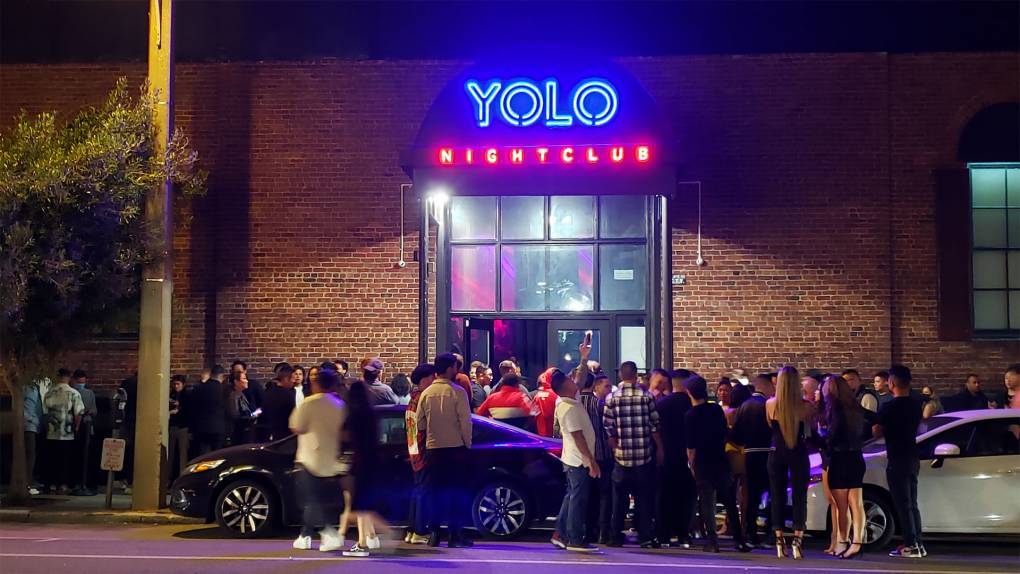
window.__IS_SSR__=true
window.__INITIAL_STATE__={
"attachmentsReducer": {
"audio_0": {
"type": "attachments",
"id": "audio_0",
"imgSizes": {
"kqedFullSize": {
"file": "https://ww2.kqed.org/news/wp-content/themes/KQED-unified/img/audio_bgs/background0.jpg"
}
}
},
"audio_1": {
"type": "attachments",
"id": "audio_1",
"imgSizes": {
"kqedFullSize": {
"file": "https://ww2.kqed.org/news/wp-content/themes/KQED-unified/img/audio_bgs/background1.jpg"
}
}
},
"audio_2": {
"type": "attachments",
"id": "audio_2",
"imgSizes": {
"kqedFullSize": {
"file": "https://ww2.kqed.org/news/wp-content/themes/KQED-unified/img/audio_bgs/background2.jpg"
}
}
},
"audio_3": {
"type": "attachments",
"id": "audio_3",
"imgSizes": {
"kqedFullSize": {
"file": "https://ww2.kqed.org/news/wp-content/themes/KQED-unified/img/audio_bgs/background3.jpg"
}
}
},
"audio_4": {
"type": "attachments",
"id": "audio_4",
"imgSizes": {
"kqedFullSize": {
"file": "https://ww2.kqed.org/news/wp-content/themes/KQED-unified/img/audio_bgs/background4.jpg"
}
}
},
"placeholder": {
"type": "attachments",
"id": "placeholder",
"imgSizes": {
"thumbnail": {
"file": "https://cdn.kqed.org/wp-content/uploads/2024/12/KQED-Default-Image-816638274-2000x1333-1-160x107.jpg",
"width": 160,
"height": 107,
"mimeType": "image/jpeg"
},
"medium": {
"file": "https://cdn.kqed.org/wp-content/uploads/2024/12/KQED-Default-Image-816638274-2000x1333-1-800x533.jpg",
"width": 800,
"height": 533,
"mimeType": "image/jpeg"
},
"medium_large": {
"file": "https://cdn.kqed.org/wp-content/uploads/2024/12/KQED-Default-Image-816638274-2000x1333-1-768x512.jpg",
"width": 768,
"height": 512,
"mimeType": "image/jpeg"
},
"large": {
"file": "https://cdn.kqed.org/wp-content/uploads/2024/12/KQED-Default-Image-816638274-2000x1333-1-1020x680.jpg",
"width": 1020,
"height": 680,
"mimeType": "image/jpeg"
},
"1536x1536": {
"file": "https://cdn.kqed.org/wp-content/uploads/2024/12/KQED-Default-Image-816638274-2000x1333-1-1536x1024.jpg",
"width": 1536,
"height": 1024,
"mimeType": "image/jpeg"
},
"fd-lrg": {
"file": "https://cdn.kqed.org/wp-content/uploads/2024/12/KQED-Default-Image-816638274-2000x1333-1-1536x1024.jpg",
"width": 1536,
"height": 1024,
"mimeType": "image/jpeg"
},
"fd-med": {
"file": "https://cdn.kqed.org/wp-content/uploads/2024/12/KQED-Default-Image-816638274-2000x1333-1-1020x680.jpg",
"width": 1020,
"height": 680,
"mimeType": "image/jpeg"
},
"fd-sm": {
"file": "https://cdn.kqed.org/wp-content/uploads/2024/12/KQED-Default-Image-816638274-2000x1333-1-800x533.jpg",
"width": 800,
"height": 533,
"mimeType": "image/jpeg"
},
"post-thumbnail": {
"file": "https://cdn.kqed.org/wp-content/uploads/2024/12/KQED-Default-Image-816638274-2000x1333-1-672x372.jpg",
"width": 672,
"height": 372,
"mimeType": "image/jpeg"
},
"twentyfourteen-full-width": {
"file": "https://cdn.kqed.org/wp-content/uploads/2024/12/KQED-Default-Image-816638274-2000x1333-1-1038x576.jpg",
"width": 1038,
"height": 576,
"mimeType": "image/jpeg"
},
"xxsmall": {
"file": "https://cdn.kqed.org/wp-content/uploads/2024/12/KQED-Default-Image-816638274-2000x1333-1-160x107.jpg",
"width": 160,
"height": 107,
"mimeType": "image/jpeg"
},
"xsmall": {
"file": "https://cdn.kqed.org/wp-content/uploads/2024/12/KQED-Default-Image-816638274-2000x1333-1-672x372.jpg",
"width": 672,
"height": 372,
"mimeType": "image/jpeg"
},
"small": {
"file": "https://cdn.kqed.org/wp-content/uploads/2024/12/KQED-Default-Image-816638274-2000x1333-1-672x372.jpg",
"width": 672,
"height": 372,
"mimeType": "image/jpeg"
},
"xlarge": {
"file": "https://cdn.kqed.org/wp-content/uploads/2024/12/KQED-Default-Image-816638274-2000x1333-1-1020x680.jpg",
"width": 1020,
"height": 680,
"mimeType": "image/jpeg"
},
"full-width": {
"file": "https://cdn.kqed.org/wp-content/uploads/2024/12/KQED-Default-Image-816638274-2000x1333-1-1920x1280.jpg",
"width": 1920,
"height": 1280,
"mimeType": "image/jpeg"
},
"guest-author-32": {
"file": "https://cdn.kqed.org/wp-content/uploads/2025/01/KQED-Default-Image-816638274-1333x1333-1-160x160.jpg",
"width": 32,
"height": 32,
"mimeType": "image/jpeg"
},
"guest-author-50": {
"file": "https://cdn.kqed.org/wp-content/uploads/2025/01/KQED-Default-Image-816638274-1333x1333-1-160x160.jpg",
"width": 50,
"height": 50,
"mimeType": "image/jpeg"
},
"guest-author-64": {
"file": "https://cdn.kqed.org/wp-content/uploads/2025/01/KQED-Default-Image-816638274-1333x1333-1-160x160.jpg",
"width": 64,
"height": 64,
"mimeType": "image/jpeg"
},
"guest-author-96": {
"file": "https://cdn.kqed.org/wp-content/uploads/2025/01/KQED-Default-Image-816638274-1333x1333-1-160x160.jpg",
"width": 96,
"height": 96,
"mimeType": "image/jpeg"
},
"guest-author-128": {
"file": "https://cdn.kqed.org/wp-content/uploads/2025/01/KQED-Default-Image-816638274-1333x1333-1-160x160.jpg",
"width": 128,
"height": 128,
"mimeType": "image/jpeg"
},
"detail": {
"file": "https://cdn.kqed.org/wp-content/uploads/2025/01/KQED-Default-Image-816638274-1333x1333-1-160x160.jpg",
"width": 160,
"height": 160,
"mimeType": "image/jpeg"
},
"kqedFullSize": {
"file": "https://cdn.kqed.org/wp-content/uploads/2024/12/KQED-Default-Image-816638274-2000x1333-1.jpg",
"width": 2000,
"height": 1333
}
}
},
"arts_13899423": {
"type": "attachments",
"id": "arts_13899423",
"meta": {
"index": "attachments_1716263798",
"site": "arts",
"id": "13899423",
"found": true
},
"parent": 13899416,
"imgSizes": {
"twentyfourteen-full-width": {
"file": "https://ww2.kqed.org/app/uploads/sites/2/2021/06/GiftofGab-1024x576.jpg",
"width": 1024,
"mimeType": "image/jpeg",
"height": 576
},
"thumbnail": {
"file": "https://ww2.kqed.org/app/uploads/sites/2/2021/06/GiftofGab-160x100.jpg",
"width": 160,
"mimeType": "image/jpeg",
"height": 100
},
"post-thumbnail": {
"file": "https://ww2.kqed.org/app/uploads/sites/2/2021/06/GiftofGab-672x372.jpg",
"width": 672,
"mimeType": "image/jpeg",
"height": 372
},
"kqedFullSize": {
"file": "https://ww2.kqed.org/app/uploads/sites/2/2021/06/GiftofGab.jpg",
"width": 1024,
"height": 640
},
"large": {
"file": "https://ww2.kqed.org/app/uploads/sites/2/2021/06/GiftofGab-1020x638.jpg",
"width": 1020,
"mimeType": "image/jpeg",
"height": 638
},
"medium": {
"file": "https://ww2.kqed.org/app/uploads/sites/2/2021/06/GiftofGab-800x500.jpg",
"width": 800,
"mimeType": "image/jpeg",
"height": 500
},
"medium_large": {
"file": "https://ww2.kqed.org/app/uploads/sites/2/2021/06/GiftofGab-768x480.jpg",
"width": 768,
"mimeType": "image/jpeg",
"height": 480
}
},
"publishDate": 1624652038,
"modified": 1624652064,
"caption": "Gift of Gab of Blackalicious performs at the first annual \"LA Weekly Detour Music Festival\" on October 7, 2006, on the streets of downtown Los Angeles, California.",
"description": "Gift of Gab of Blackalicious performs at the first annual \"LA Weekly Detour Music Festival\" on October 7, 2006, on the streets of downtown Los Angeles, California.",
"title": "GiftofGab",
"credit": "Karl Walter/Getty Images",
"status": "inherit",
"altTag": "Gift of Gab of Blackalicious performs at the first annual \"LA Weekly Detour Music Festival\" on October 7, 2006, on the streets of downtown Los Angeles, California.",
"isLoading": false,
"fetchFailed": false
},
"arts_13899318": {
"type": "attachments",
"id": "arts_13899318",
"meta": {
"index": "attachments_1716263798",
"site": "arts",
"id": "13899318",
"found": true
},
"parent": 13899317,
"imgSizes": {
"thumbnail": {
"file": "https://ww2.kqed.org/app/uploads/sites/2/2021/06/gettyimages-1157259269-32f2996e9cf2419ecf4e10a18ff0aa186f646657-160x120.jpg",
"width": 160,
"mimeType": "image/jpeg",
"height": 120
},
"post-thumbnail": {
"file": "https://ww2.kqed.org/app/uploads/sites/2/2021/06/gettyimages-1157259269-32f2996e9cf2419ecf4e10a18ff0aa186f646657-672x372.jpg",
"width": 672,
"mimeType": "image/jpeg",
"height": 372
},
"kqedFullSize": {
"file": "https://ww2.kqed.org/app/uploads/sites/2/2021/06/gettyimages-1157259269-32f2996e9cf2419ecf4e10a18ff0aa186f646657-scaled-e1624560947799.jpg",
"width": 1920,
"height": 1440
},
"2048x2048": {
"file": "https://ww2.kqed.org/app/uploads/sites/2/2021/06/gettyimages-1157259269-32f2996e9cf2419ecf4e10a18ff0aa186f646657-2048x1536.jpg",
"width": 2048,
"mimeType": "image/jpeg",
"height": 1536
},
"large": {
"file": "https://ww2.kqed.org/app/uploads/sites/2/2021/06/gettyimages-1157259269-32f2996e9cf2419ecf4e10a18ff0aa186f646657-1020x765.jpg",
"width": 1020,
"mimeType": "image/jpeg",
"height": 765
},
"1536x1536": {
"file": "https://ww2.kqed.org/app/uploads/sites/2/2021/06/gettyimages-1157259269-32f2996e9cf2419ecf4e10a18ff0aa186f646657-1536x1152.jpg",
"width": 1536,
"mimeType": "image/jpeg",
"height": 1152
},
"full-width": {
"file": "https://ww2.kqed.org/app/uploads/sites/2/2021/06/gettyimages-1157259269-32f2996e9cf2419ecf4e10a18ff0aa186f646657-1920x1440.jpg",
"width": 1920,
"mimeType": "image/jpeg",
"height": 1440
},
"medium": {
"file": "https://ww2.kqed.org/app/uploads/sites/2/2021/06/gettyimages-1157259269-32f2996e9cf2419ecf4e10a18ff0aa186f646657-800x600.jpg",
"width": 800,
"mimeType": "image/jpeg",
"height": 600
},
"medium_large": {
"file": "https://ww2.kqed.org/app/uploads/sites/2/2021/06/gettyimages-1157259269-32f2996e9cf2419ecf4e10a18ff0aa186f646657-768x576.jpg",
"width": 768,
"mimeType": "image/jpeg",
"height": 576
}
},
"publishDate": 1624559696,
"modified": 1624560982,
"caption": "Britney Spears arrives for a movie premier in Hollywood, on July 22, 2019. On Wednesday, the singer asked a judge to end her conservatorship.",
"description": "Britney Spears arrives for a movie premier in Hollywood, on July 22, 2019. On Wednesday, the singer asked a judge to end her conservatorship.",
"title": "Britney Spears arrives for a movie premier in Hollywood, on July 22, 2019. On Wednesday, the singer asked a judge to end her conservatorship.",
"credit": "Valerie Macon/AFP via Getty Images",
"status": "inherit",
"altTag": "Britney Spears arrives for a movie premier in Hollywood, on July 22, 2019. On Wednesday, the singer asked a judge to end her conservatorship.",
"isLoading": false,
"fetchFailed": false
},
"arts_13899219": {
"type": "attachments",
"id": "arts_13899219",
"meta": {
"index": "attachments_1716263798",
"site": "arts",
"id": "13899219",
"found": true
},
"parent": 13899215,
"imgSizes": {
"twentyfourteen-full-width": {
"file": "https://ww2.kqed.org/app/uploads/sites/2/2021/06/GettyImages-1314888047-1038x576.jpg",
"width": 1038,
"mimeType": "image/jpeg",
"height": 576
},
"thumbnail": {
"file": "https://ww2.kqed.org/app/uploads/sites/2/2021/06/GettyImages-1314888047-160x107.jpg",
"width": 160,
"mimeType": "image/jpeg",
"height": 107
},
"post-thumbnail": {
"file": "https://ww2.kqed.org/app/uploads/sites/2/2021/06/GettyImages-1314888047-672x372.jpg",
"width": 672,
"mimeType": "image/jpeg",
"height": 372
},
"kqedFullSize": {
"file": "https://ww2.kqed.org/app/uploads/sites/2/2021/06/GettyImages-1314888047-scaled.jpg",
"width": 2560,
"height": 1707
},
"2048x2048": {
"file": "https://ww2.kqed.org/app/uploads/sites/2/2021/06/GettyImages-1314888047-2048x1365.jpg",
"width": 2048,
"mimeType": "image/jpeg",
"height": 1365
},
"large": {
"file": "https://ww2.kqed.org/app/uploads/sites/2/2021/06/GettyImages-1314888047-1020x680.jpg",
"width": 1020,
"mimeType": "image/jpeg",
"height": 680
},
"1536x1536": {
"file": "https://ww2.kqed.org/app/uploads/sites/2/2021/06/GettyImages-1314888047-1536x1024.jpg",
"width": 1536,
"mimeType": "image/jpeg",
"height": 1024
},
"full-width": {
"file": "https://ww2.kqed.org/app/uploads/sites/2/2021/06/GettyImages-1314888047-1920x1280.jpg",
"width": 1920,
"mimeType": "image/jpeg",
"height": 1280
},
"medium": {
"file": "https://ww2.kqed.org/app/uploads/sites/2/2021/06/GettyImages-1314888047-800x533.jpg",
"width": 800,
"mimeType": "image/jpeg",
"height": 533
},
"medium_large": {
"file": "https://ww2.kqed.org/app/uploads/sites/2/2021/06/GettyImages-1314888047-768x512.jpg",
"width": 768,
"mimeType": "image/jpeg",
"height": 512
}
},
"publishDate": 1624476367,
"modified": 1624476458,
"caption": "#FreeBritney activists protest outside a courthouse in Los Angeles during an April conservatorship hearing. ",
"description": "#FreeBritney activists protest outside a courthouse in Los Angeles during an April conservatorship hearing. ",
"title": "#FreeBritney activists protest outside a courthouse in Los Angeles during an April conservatorship hearing.",
"credit": "Matt Winkelmeyer/Getty Images",
"status": "inherit",
"altTag": "#FreeBritney activists protest outside a courthouse in Los Angeles during an April conservatorship hearing.",
"isLoading": false,
"fetchFailed": false
},
"arts_13899060": {
"type": "attachments",
"id": "arts_13899060",
"meta": {
"index": "attachments_1716263798",
"site": "arts",
"id": "13899060",
"found": true
},
"parent": 13899058,
"imgSizes": {
"twentyfourteen-full-width": {
"file": "https://ww2.kqed.org/app/uploads/sites/2/2021/06/Oasis_DarcyDrollinger_closeup_photocredit_Gooch-1038x576.jpg",
"width": 1038,
"mimeType": "image/jpeg",
"height": 576
},
"thumbnail": {
"file": "https://ww2.kqed.org/app/uploads/sites/2/2021/06/Oasis_DarcyDrollinger_closeup_photocredit_Gooch-160x90.jpg",
"width": 160,
"mimeType": "image/jpeg",
"height": 90
},
"post-thumbnail": {
"file": "https://ww2.kqed.org/app/uploads/sites/2/2021/06/Oasis_DarcyDrollinger_closeup_photocredit_Gooch-672x372.jpg",
"width": 672,
"mimeType": "image/jpeg",
"height": 372
},
"kqedFullSize": {
"file": "https://ww2.kqed.org/app/uploads/sites/2/2021/06/Oasis_DarcyDrollinger_closeup_photocredit_Gooch.jpg",
"width": 1920,
"height": 1080
},
"large": {
"file": "https://ww2.kqed.org/app/uploads/sites/2/2021/06/Oasis_DarcyDrollinger_closeup_photocredit_Gooch-1020x574.jpg",
"width": 1020,
"mimeType": "image/jpeg",
"height": 574
},
"1536x1536": {
"file": "https://ww2.kqed.org/app/uploads/sites/2/2021/06/Oasis_DarcyDrollinger_closeup_photocredit_Gooch-1536x864.jpg",
"width": 1536,
"mimeType": "image/jpeg",
"height": 864
},
"medium": {
"file": "https://ww2.kqed.org/app/uploads/sites/2/2021/06/Oasis_DarcyDrollinger_closeup_photocredit_Gooch-800x450.jpg",
"width": 800,
"mimeType": "image/jpeg",
"height": 450
},
"medium_large": {
"file": "https://ww2.kqed.org/app/uploads/sites/2/2021/06/Oasis_DarcyDrollinger_closeup_photocredit_Gooch-768x432.jpg",
"width": 768,
"mimeType": "image/jpeg",
"height": 432
}
},
"publishDate": 1624298363,
"modified": 1624299454,
"caption": "D'Arcy Drollinger is ready to welcome folks back to Oasis for Pride weekend",
"description": "D'Arcy Drollinger is ready to welcome folks back to Oasis for Pride weekend",
"title": "Oasis_D'arcyDrollinger_closeup_photocredit_Gooch",
"credit": "Gooch",
"status": "inherit",
"altTag": null,
"isLoading": false,
"fetchFailed": false
},
"arts_13899160": {
"type": "attachments",
"id": "arts_13899160",
"meta": {
"index": "attachments_1716263798",
"site": "arts",
"id": "13899160",
"found": true
},
"parent": 13899154,
"imgSizes": {
"thumbnail": {
"file": "https://ww2.kqed.org/app/uploads/sites/2/2021/06/Sunami.MAIN_-160x90.jpg",
"width": 160,
"mimeType": "image/jpeg",
"height": 90
},
"post-thumbnail": {
"file": "https://ww2.kqed.org/app/uploads/sites/2/2021/06/Sunami.MAIN_-672x372.jpg",
"width": 672,
"mimeType": "image/jpeg",
"height": 372
},
"kqedFullSize": {
"file": "https://ww2.kqed.org/app/uploads/sites/2/2021/06/Sunami.MAIN_.jpg",
"width": 800,
"height": 450
},
"medium_large": {
"file": "https://ww2.kqed.org/app/uploads/sites/2/2021/06/Sunami.MAIN_-768x432.jpg",
"width": 768,
"mimeType": "image/jpeg",
"height": 432
}
},
"publishDate": 1624401097,
"modified": 1624401148,
"caption": "Josef Alfonso, singer of Sunami, at the Real Bay Shit show in San Jose on June 19, 2021.",
"description": "Josef Alfonso, singer of Sunami, at the Real Bay Shit show in San Jose on June 19, 2021.",
"title": "Sunami.MAIN",
"credit": "Gabe Meline/KQED",
"status": "inherit",
"altTag": "Josef Alfonso, singer of Sunami, at the Real Bay Shit show in San Jose on June 19, 2021.",
"isLoading": false,
"fetchFailed": false
},
"arts_13899142": {
"type": "attachments",
"id": "arts_13899142",
"meta": {
"index": "attachments_1716263798",
"site": "arts",
"id": "13899142",
"found": true
},
"parent": 13899093,
"imgSizes": {
"twentyfourteen-full-width": {
"file": "https://ww2.kqed.org/app/uploads/sites/2/2021/06/YOLO.Main_-1038x576.jpg",
"width": 1038,
"mimeType": "image/jpeg",
"height": 576
},
"thumbnail": {
"file": "https://ww2.kqed.org/app/uploads/sites/2/2021/06/YOLO.Main_-160x90.jpg",
"width": 160,
"mimeType": "image/jpeg",
"height": 90
},
"post-thumbnail": {
"file": "https://ww2.kqed.org/app/uploads/sites/2/2021/06/YOLO.Main_-672x372.jpg",
"width": 672,
"mimeType": "image/jpeg",
"height": 372
},
"kqedFullSize": {
"file": "https://ww2.kqed.org/app/uploads/sites/2/2021/06/YOLO.Main_.jpg",
"width": 1920,
"height": 1080
},
"large": {
"file": "https://ww2.kqed.org/app/uploads/sites/2/2021/06/YOLO.Main_-1020x574.jpg",
"width": 1020,
"mimeType": "image/jpeg",
"height": 574
},
"1536x1536": {
"file": "https://ww2.kqed.org/app/uploads/sites/2/2021/06/YOLO.Main_-1536x864.jpg",
"width": 1536,
"mimeType": "image/jpeg",
"height": 864
},
"medium": {
"file": "https://ww2.kqed.org/app/uploads/sites/2/2021/06/YOLO.Main_-800x450.jpg",
"width": 800,
"mimeType": "image/jpeg",
"height": 450
},
"medium_large": {
"file": "https://ww2.kqed.org/app/uploads/sites/2/2021/06/YOLO.Main_-768x432.jpg",
"width": 768,
"mimeType": "image/jpeg",
"height": 432
}
},
"publishDate": 1624385429,
"modified": 1624385453,
"caption": "Slim's no more: YOLO on Saturday, June 19, during its soft opening.",
"description": "Slim's no more: YOLO on Saturday, June 19, during its soft opening.",
"title": "YOLO.Main",
"credit": "Rae Alexandra/KQED",
"status": "inherit",
"altTag": "Slim's no more: YOLO on Saturday, June 19, during its soft opening.",
"isLoading": false,
"fetchFailed": false
},
"arts_13899086": {
"type": "attachments",
"id": "arts_13899086",
"meta": {
"index": "attachments_1716263798",
"site": "arts",
"id": "13899086",
"found": true
},
"parent": 13899062,
"imgSizes": {
"twentyfourteen-full-width": {
"file": "https://ww2.kqed.org/app/uploads/sites/2/2021/06/Pass-The-Aux-template-1038x576.jpg",
"width": 1038,
"mimeType": "image/jpeg",
"height": 576
},
"thumbnail": {
"file": "https://ww2.kqed.org/app/uploads/sites/2/2021/06/Pass-The-Aux-template-160x90.jpg",
"width": 160,
"mimeType": "image/jpeg",
"height": 90
},
"post-thumbnail": {
"file": "https://ww2.kqed.org/app/uploads/sites/2/2021/06/Pass-The-Aux-template-672x372.jpg",
"width": 672,
"mimeType": "image/jpeg",
"height": 372
},
"kqedFullSize": {
"file": "https://ww2.kqed.org/app/uploads/sites/2/2021/06/Pass-The-Aux-template.jpg",
"width": 1920,
"height": 1080
},
"large": {
"file": "https://ww2.kqed.org/app/uploads/sites/2/2021/06/Pass-The-Aux-template-1020x574.jpg",
"width": 1020,
"mimeType": "image/jpeg",
"height": 574
},
"1536x1536": {
"file": "https://ww2.kqed.org/app/uploads/sites/2/2021/06/Pass-The-Aux-template-1536x864.jpg",
"width": 1536,
"mimeType": "image/jpeg",
"height": 864
},
"medium": {
"file": "https://ww2.kqed.org/app/uploads/sites/2/2021/06/Pass-The-Aux-template-800x450.jpg",
"width": 800,
"mimeType": "image/jpeg",
"height": 450
},
"medium_large": {
"file": "https://ww2.kqed.org/app/uploads/sites/2/2021/06/Pass-The-Aux-template-768x432.jpg",
"width": 768,
"mimeType": "image/jpeg",
"height": 432
}
},
"publishDate": 1624304111,
"modified": 1624304158,
"caption": "Stoney Creation.",
"description": "Stoney Creation.",
"title": "Pass The Aux template",
"credit": "Photo: courtesy of the artist. Illustration: Kelly Heigert/KQED",
"status": "inherit",
"altTag": null,
"isLoading": false,
"fetchFailed": false
},
"arts_13899043": {
"type": "attachments",
"id": "arts_13899043",
"meta": {
"index": "attachments_1716263798",
"site": "arts",
"id": "13899043",
"found": true
},
"parent": 13899031,
"imgSizes": {
"twentyfourteen-full-width": {
"file": "https://ww2.kqed.org/app/uploads/sites/2/2021/06/Screen-Shot-2021-06-18-at-2.44.19-PM-1038x576.png",
"width": 1038,
"mimeType": "image/png",
"height": 576
},
"thumbnail": {
"file": "https://ww2.kqed.org/app/uploads/sites/2/2021/06/Screen-Shot-2021-06-18-at-2.44.19-PM-160x110.png",
"width": 160,
"mimeType": "image/png",
"height": 110
},
"post-thumbnail": {
"file": "https://ww2.kqed.org/app/uploads/sites/2/2021/06/Screen-Shot-2021-06-18-at-2.44.19-PM-672x372.png",
"width": 672,
"mimeType": "image/png",
"height": 372
},
"kqedFullSize": {
"file": "https://ww2.kqed.org/app/uploads/sites/2/2021/06/Screen-Shot-2021-06-18-at-2.44.19-PM.png",
"width": 2340,
"height": 1610
},
"2048x2048": {
"file": "https://ww2.kqed.org/app/uploads/sites/2/2021/06/Screen-Shot-2021-06-18-at-2.44.19-PM-2048x1409.png",
"width": 2048,
"mimeType": "image/png",
"height": 1409
},
"large": {
"file": "https://ww2.kqed.org/app/uploads/sites/2/2021/06/Screen-Shot-2021-06-18-at-2.44.19-PM-1020x702.png",
"width": 1020,
"mimeType": "image/png",
"height": 702
},
"1536x1536": {
"file": "https://ww2.kqed.org/app/uploads/sites/2/2021/06/Screen-Shot-2021-06-18-at-2.44.19-PM-1536x1057.png",
"width": 1536,
"mimeType": "image/png",
"height": 1057
},
"full-width": {
"file": "https://ww2.kqed.org/app/uploads/sites/2/2021/06/Screen-Shot-2021-06-18-at-2.44.19-PM-1920x1321.png",
"width": 1920,
"mimeType": "image/png",
"height": 1321
},
"medium": {
"file": "https://ww2.kqed.org/app/uploads/sites/2/2021/06/Screen-Shot-2021-06-18-at-2.44.19-PM-800x550.png",
"width": 800,
"mimeType": "image/png",
"height": 550
},
"medium_large": {
"file": "https://ww2.kqed.org/app/uploads/sites/2/2021/06/Screen-Shot-2021-06-18-at-2.44.19-PM-768x528.png",
"width": 768,
"mimeType": "image/png",
"height": 528
}
},
"publishDate": 1624052710,
"modified": 1624052804,
"caption": "Scott Alcoholocaust, as he'll be most remembered.",
"description": "Scott Alcoholocaust, as he'll be most remembered.",
"title": "Scott Alcoholocaust, as he'll be most remembered.",
"credit": "Courtesy of Monika Koczela-Stillman",
"status": "inherit",
"altTag": "A smiling Scott Alcoholocaust, as he'll be most remembered.",
"isLoading": false,
"fetchFailed": false
},
"arts_13899023": {
"type": "attachments",
"id": "arts_13899023",
"meta": {
"index": "attachments_1716263798",
"site": "arts",
"id": "13899023",
"found": true
},
"parent": 13898986,
"imgSizes": {
"twentyfourteen-full-width": {
"file": "https://ww2.kqed.org/app/uploads/sites/2/2021/06/001_sanfrancisco_juneteenthkickoffrally_06172021-1038x576.jpg",
"width": 1038,
"mimeType": "image/jpeg",
"height": 576
},
"thumbnail": {
"file": "https://ww2.kqed.org/app/uploads/sites/2/2021/06/001_sanfrancisco_juneteenthkickoffrally_06172021-160x107.jpg",
"width": 160,
"mimeType": "image/jpeg",
"height": 107
},
"post-thumbnail": {
"file": "https://ww2.kqed.org/app/uploads/sites/2/2021/06/001_sanfrancisco_juneteenthkickoffrally_06172021-672x372.jpg",
"width": 672,
"mimeType": "image/jpeg",
"height": 372
},
"kqedFullSize": {
"file": "https://ww2.kqed.org/app/uploads/sites/2/2021/06/001_sanfrancisco_juneteenthkickoffrally_06172021.jpg",
"width": 1920,
"height": 1280
},
"large": {
"file": "https://ww2.kqed.org/app/uploads/sites/2/2021/06/001_sanfrancisco_juneteenthkickoffrally_06172021-1020x680.jpg",
"width": 1020,
"mimeType": "image/jpeg",
"height": 680
},
"1536x1536": {
"file": "https://ww2.kqed.org/app/uploads/sites/2/2021/06/001_sanfrancisco_juneteenthkickoffrally_06172021-1536x1024.jpg",
"width": 1536,
"mimeType": "image/jpeg",
"height": 1024
},
"medium": {
"file": "https://ww2.kqed.org/app/uploads/sites/2/2021/06/001_sanfrancisco_juneteenthkickoffrally_06172021-800x533.jpg",
"width": 800,
"mimeType": "image/jpeg",
"height": 533
},
"medium_large": {
"file": "https://ww2.kqed.org/app/uploads/sites/2/2021/06/001_sanfrancisco_juneteenthkickoffrally_06172021-768x512.jpg",
"width": 768,
"mimeType": "image/jpeg",
"height": 512
}
},
"publishDate": 1624034186,
"modified": 1624034248,
"caption": "Attendees raise their fists during a Juneteenth kickoff rally on the steps of San Francisco City Hall on June 17, 2021.",
"description": "Attendees raise their fists during a Juneteenth kickoff rally on the steps of San Francisco City Hall on June 17, 2021.",
"title": "001_sanfrancisco_juneteenthkickoffrally_06172021",
"credit": "Beth LaBerge/KQED",
"status": "inherit",
"altTag": "Attendees raise their fists and hold signs that say, \"Am Black And I Matter\" during a Juneteenth kickoff rally on the steps of San Francisco City Hall on June 17, 2021.",
"isLoading": false,
"fetchFailed": false
},
"arts_13898902": {
"type": "attachments",
"id": "arts_13898902",
"meta": {
"index": "attachments_1716263798",
"site": "arts",
"id": "13898902",
"found": true
},
"parent": 13898899,
"imgSizes": {
"twentyfourteen-full-width": {
"file": "https://ww2.kqed.org/app/uploads/sites/2/2021/06/Screen-Shot-2021-06-16-at-12.37.13-PM-1038x576.png",
"width": 1038,
"mimeType": "image/png",
"height": 576
},
"thumbnail": {
"file": "https://ww2.kqed.org/app/uploads/sites/2/2021/06/Screen-Shot-2021-06-16-at-12.37.13-PM-160x93.png",
"width": 160,
"mimeType": "image/png",
"height": 93
},
"post-thumbnail": {
"file": "https://ww2.kqed.org/app/uploads/sites/2/2021/06/Screen-Shot-2021-06-16-at-12.37.13-PM-672x372.png",
"width": 672,
"mimeType": "image/png",
"height": 372
},
"kqedFullSize": {
"file": "https://ww2.kqed.org/app/uploads/sites/2/2021/06/Screen-Shot-2021-06-16-at-12.37.13-PM.png",
"width": 2768,
"height": 1606
},
"2048x2048": {
"file": "https://ww2.kqed.org/app/uploads/sites/2/2021/06/Screen-Shot-2021-06-16-at-12.37.13-PM-2048x1188.png",
"width": 2048,
"mimeType": "image/png",
"height": 1188
},
"large": {
"file": "https://ww2.kqed.org/app/uploads/sites/2/2021/06/Screen-Shot-2021-06-16-at-12.37.13-PM-1020x592.png",
"width": 1020,
"mimeType": "image/png",
"height": 592
},
"1536x1536": {
"file": "https://ww2.kqed.org/app/uploads/sites/2/2021/06/Screen-Shot-2021-06-16-at-12.37.13-PM-1536x891.png",
"width": 1536,
"mimeType": "image/png",
"height": 891
},
"full-width": {
"file": "https://ww2.kqed.org/app/uploads/sites/2/2021/06/Screen-Shot-2021-06-16-at-12.37.13-PM-1920x1114.png",
"width": 1920,
"mimeType": "image/png",
"height": 1114
},
"medium": {
"file": "https://ww2.kqed.org/app/uploads/sites/2/2021/06/Screen-Shot-2021-06-16-at-12.37.13-PM-800x464.png",
"width": 800,
"mimeType": "image/png",
"height": 464
},
"medium_large": {
"file": "https://ww2.kqed.org/app/uploads/sites/2/2021/06/Screen-Shot-2021-06-16-at-12.37.13-PM-768x446.png",
"width": 768,
"mimeType": "image/png",
"height": 446
}
},
"publishDate": 1623872254,
"modified": 1623872254,
"caption": null,
"description": null,
"title": "Screen Shot 2021-06-16 at 12.37.13 PM",
"credit": null,
"status": "inherit",
"altTag": null,
"isLoading": false,
"fetchFailed": false
},
"arts_13898753": {
"type": "attachments",
"id": "arts_13898753",
"meta": {
"index": "attachments_1716263798",
"site": "arts",
"id": "13898753",
"found": true
},
"parent": 13898752,
"imgSizes": {
"twentyfourteen-full-width": {
"file": "https://ww2.kqed.org/app/uploads/sites/2/2021/06/solar-power-screengrab_wide-a7338b6f067122d00e8fb05b480b343444d2a093-1038x576.png",
"width": 1038,
"mimeType": "image/png",
"height": 576
},
"thumbnail": {
"file": "https://ww2.kqed.org/app/uploads/sites/2/2021/06/solar-power-screengrab_wide-a7338b6f067122d00e8fb05b480b343444d2a093-160x90.png",
"width": 160,
"mimeType": "image/png",
"height": 90
},
"post-thumbnail": {
"file": "https://ww2.kqed.org/app/uploads/sites/2/2021/06/solar-power-screengrab_wide-a7338b6f067122d00e8fb05b480b343444d2a093-672x372.png",
"width": 672,
"mimeType": "image/png",
"height": 372
},
"kqedFullSize": {
"file": "https://ww2.kqed.org/app/uploads/sites/2/2021/06/solar-power-screengrab_wide-a7338b6f067122d00e8fb05b480b343444d2a093.png",
"width": 1241,
"height": 698
},
"large": {
"file": "https://ww2.kqed.org/app/uploads/sites/2/2021/06/solar-power-screengrab_wide-a7338b6f067122d00e8fb05b480b343444d2a093-1020x574.png",
"width": 1020,
"mimeType": "image/png",
"height": 574
},
"medium": {
"file": "https://ww2.kqed.org/app/uploads/sites/2/2021/06/solar-power-screengrab_wide-a7338b6f067122d00e8fb05b480b343444d2a093-800x450.png",
"width": 800,
"mimeType": "image/png",
"height": 450
},
"medium_large": {
"file": "https://ww2.kqed.org/app/uploads/sites/2/2021/06/solar-power-screengrab_wide-a7338b6f067122d00e8fb05b480b343444d2a093-768x432.png",
"width": 768,
"mimeType": "image/png",
"height": 432
}
},
"publishDate": 1623435467,
"modified": 1623435743,
"caption": "'Solar Power,' Lorde's first new song since 2017, is a celebration of sun, sand and saltwater.",
"description": "'Solar Power,' Lorde's first new song since 2017, is a celebration of sun, sand and saltwater.",
"title": "'Solar Power,' Lorde's first new song since 2017, is a celebration of sun, sand and saltwater.",
"credit": null,
"status": "inherit",
"altTag": "'Solar Power,' Lorde's first new song since 2017, is a celebration of sun, sand and saltwater.",
"isLoading": false,
"fetchFailed": false
},
"arts_13898636": {
"type": "attachments",
"id": "arts_13898636",
"meta": {
"index": "attachments_1716263798",
"site": "arts",
"id": "13898636",
"found": true
},
"parent": 13898635,
"imgSizes": {
"twentyfourteen-full-width": {
"file": "https://ww2.kqed.org/app/uploads/sites/2/2021/06/rev-1-ith-05767r_high_res_jpeg_custom-dc98a076b022136e1718bd2bb46ba731307072c5-1038x576.jpe",
"width": 1038,
"mimeType": "image/jpeg",
"height": 576
},
"thumbnail": {
"file": "https://ww2.kqed.org/app/uploads/sites/2/2021/06/rev-1-ith-05767r_high_res_jpeg_custom-dc98a076b022136e1718bd2bb46ba731307072c5-160x107.jpe",
"width": 160,
"mimeType": "image/jpeg",
"height": 107
},
"post-thumbnail": {
"file": "https://ww2.kqed.org/app/uploads/sites/2/2021/06/rev-1-ith-05767r_high_res_jpeg_custom-dc98a076b022136e1718bd2bb46ba731307072c5-672x372.jpe",
"width": 672,
"mimeType": "image/jpeg",
"height": 372
},
"kqedFullSize": {
"file": "https://ww2.kqed.org/app/uploads/sites/2/2021/06/rev-1-ith-05767r_high_res_jpeg_custom-dc98a076b022136e1718bd2bb46ba731307072c5-scaled-e1623349918189.jpe",
"width": 1920,
"height": 1279
},
"2048x2048": {
"file": "https://ww2.kqed.org/app/uploads/sites/2/2021/06/rev-1-ith-05767r_high_res_jpeg_custom-dc98a076b022136e1718bd2bb46ba731307072c5-2048x1364.jpe",
"width": 2048,
"mimeType": "image/jpeg",
"height": 1364
},
"large": {
"file": "https://ww2.kqed.org/app/uploads/sites/2/2021/06/rev-1-ith-05767r_high_res_jpeg_custom-dc98a076b022136e1718bd2bb46ba731307072c5-1020x679.jpe",
"width": 1020,
"mimeType": "image/jpeg",
"height": 679
},
"1536x1536": {
"file": "https://ww2.kqed.org/app/uploads/sites/2/2021/06/rev-1-ith-05767r_high_res_jpeg_custom-dc98a076b022136e1718bd2bb46ba731307072c5-1536x1023.jpe",
"width": 1536,
"mimeType": "image/jpeg",
"height": 1023
},
"full-width": {
"file": "https://ww2.kqed.org/app/uploads/sites/2/2021/06/rev-1-ith-05767r_high_res_jpeg_custom-dc98a076b022136e1718bd2bb46ba731307072c5-1920x1279.jpe",
"width": 1920,
"mimeType": "image/jpeg",
"height": 1279
},
"medium": {
"file": "https://ww2.kqed.org/app/uploads/sites/2/2021/06/rev-1-ith-05767r_high_res_jpeg_custom-dc98a076b022136e1718bd2bb46ba731307072c5-800x533.jpe",
"width": 800,
"mimeType": "image/jpeg",
"height": 533
},
"medium_large": {
"file": "https://ww2.kqed.org/app/uploads/sites/2/2021/06/rev-1-ith-05767r_high_res_jpeg_custom-dc98a076b022136e1718bd2bb46ba731307072c5-768x511.jpe",
"width": 768,
"mimeType": "image/jpeg",
"height": 511
}
},
"publishDate": 1623349459,
"modified": 1623349958,
"caption": "Anthony Ramos and Melissa Barrera play Usnavi and Vanessa in the film 'In the Heights.'",
"description": "Anthony Ramos and Melissa Barrera play Usnavi and Vanessa in the film 'In the Heights.'",
"title": "Anthony Ramos and Melissa Barrera play Usnavi and Vanessa in the film 'In the Heights.'",
"credit": "Warner Bros.",
"status": "inherit",
"altTag": "Anthony Ramos and Melissa Barrera play Usnavi and Vanessa in the film 'In the Heights.'",
"isLoading": false,
"fetchFailed": false
}
},
"audioPlayerReducer": {
"postId": "stream_live",
"isPaused": true,
"isPlaying": false,
"pfsActive": false,
"pledgeModalIsOpen": true,
"playerDrawerIsOpen": false,
"liveAudioPlayStartedAt": 0,
"liveAudioPlayContext": ""
},
"authorsReducer": {
"byline_arts_13899317": {
"type": "authors",
"id": "byline_arts_13899317",
"meta": {
"override": true
},
"slug": "byline_arts_13899317",
"name": "NPR Staff",
"isLoading": false
},
"byline_arts_13899215": {
"type": "authors",
"id": "byline_arts_13899215",
"meta": {
"override": true
},
"slug": "byline_arts_13899215",
"name": "Anastasia Tsioulcas",
"isLoading": false
},
"byline_arts_13898899": {
"type": "authors",
"id": "byline_arts_13898899",
"meta": {
"override": true
},
"slug": "byline_arts_13898899",
"name": "Leila Fadel",
"isLoading": false
},
"byline_arts_13898752": {
"type": "authors",
"id": "byline_arts_13898752",
"meta": {
"override": true
},
"slug": "byline_arts_13898752",
"name": "Alex Ramos",
"isLoading": false
},
"byline_arts_13898635": {
"type": "authors",
"id": "byline_arts_13898635",
"meta": {
"override": true
},
"slug": "byline_arts_13898635",
"name": "Justin Chang",
"isLoading": false
},
"gmeline": {
"type": "authors",
"id": "185",
"meta": {
"index": "authors_1716337520",
"id": "185",
"found": true
},
"name": "Gabe Meline",
"firstName": "Gabe",
"lastName": "Meline",
"slug": "gmeline",
"email": "gmeline@kqed.org",
"display_author_email": true,
"staff_mastheads": [
"arts"
],
"title": "Senior Editor, KQED Arts & Culture",
"bio": "Gabe Meline entered journalism at age 15 making photocopied zines, and has since earned awards from the Edward R. Murrow Awards, the Society for Professional Journalists, the Online Journalism Awards, the Association of Alternative Newsweeklies and the California Newspaper Publishers Association. Prior to KQED, he was the editor of the \u003cem>North Bay Bohemian\u003c/em> and a touring musician. He lives with his wife and daughter in his hometown of Santa Rosa, CA.",
"avatar": "https://secure.gravatar.com/avatar/5bebe57be0d8bc2dd318934feb47299e2d2d10cba28d09d8d7afb389a2ce2bdd?s=600&d=blank&r=g",
"twitter": null,
"bluesky": null,
"facebook": null,
"instagram": null,
"linkedin": null,
"sites": [
{
"site": "",
"roles": [
"editor"
]
},
{
"site": "arts",
"roles": [
"administrator"
]
},
{
"site": "artschool",
"roles": [
"editor"
]
},
{
"site": "news",
"roles": [
"author"
]
},
{
"site": "pop",
"roles": [
"editor"
]
},
{
"site": "bayareabites",
"roles": [
"editor"
]
},
{
"site": "food",
"roles": [
"editor"
]
},
{
"site": "forum",
"roles": [
"administrator"
]
},
{
"site": "liveblog",
"roles": [
"editor"
]
},
{
"site": "hiphop",
"roles": [
"editor"
]
}
],
"headData": {
"title": "Gabe Meline | KQED",
"description": "Senior Editor, KQED Arts & Culture",
"ogImgSrc": "https://secure.gravatar.com/avatar/5bebe57be0d8bc2dd318934feb47299e2d2d10cba28d09d8d7afb389a2ce2bdd?s=600&d=blank&r=g",
"twImgSrc": "https://secure.gravatar.com/avatar/5bebe57be0d8bc2dd318934feb47299e2d2d10cba28d09d8d7afb389a2ce2bdd?s=600&d=blank&r=g"
},
"isLoading": false,
"link": "/author/gmeline"
},
"ralexandra": {
"type": "authors",
"id": "11242",
"meta": {
"index": "authors_1716337520",
"id": "11242",
"found": true
},
"name": "Rae Alexandra",
"firstName": "Rae",
"lastName": "Alexandra",
"slug": "ralexandra",
"email": "ralexandra@kqed.org",
"display_author_email": true,
"staff_mastheads": [],
"title": "Reporter/Producer",
"bio": "Rae Alexandra is a Reporter/Producer for KQED Arts & Culture, and the creator/author of the \u003ca href=\"https://www.kqed.org/arts/program/rebel-girls-from-bay-area-history\">Rebel Girls From Bay Area History\u003c/a> and \u003ca href=\"https://www.kqed.org/bizarrebayarea\">Bizarre Bay Area\u003c/a> series. Her debut book, \u003ca href=\"https://citylights.com/politics-current-events-history/unsung-heroines35-women-who-changed/\">Unsung Heroines: 35 Women Who Changed the Bay Area\u003c/a> was published by City Lights in March 2026. In 2023, Rae was awarded an SPJ Excellence in Journalism Award for Arts & Culture. Rae was born and raised in Wales and subsequently — even after two decades in Northern California — still uses phrases that regularly baffle her coworkers.",
"avatar": "https://secure.gravatar.com/avatar/edfee8176c80cc0a382b051190f5341997df378a934a5774dcb0977732dfd401?s=600&d=blank&r=g",
"twitter": null,
"bluesky": null,
"facebook": null,
"instagram": null,
"linkedin": null,
"sites": [
{
"site": "arts",
"roles": [
"subscriber"
]
},
{
"site": "news",
"roles": [
"subscriber"
]
},
{
"site": "pop",
"roles": [
"subscriber"
]
},
{
"site": "bayareabites",
"roles": [
"subscriber"
]
},
{
"site": "science",
"roles": [
"subscriber"
]
}
],
"headData": {
"title": "Rae Alexandra | KQED",
"description": "Reporter/Producer",
"ogImgSrc": "https://secure.gravatar.com/avatar/edfee8176c80cc0a382b051190f5341997df378a934a5774dcb0977732dfd401?s=600&d=blank&r=g",
"twImgSrc": "https://secure.gravatar.com/avatar/edfee8176c80cc0a382b051190f5341997df378a934a5774dcb0977732dfd401?s=600&d=blank&r=g"
},
"isLoading": false,
"link": "/author/ralexandra"
},
"ngluckstern": {
"type": "authors",
"id": "11497",
"meta": {
"index": "authors_1716337520",
"id": "11497",
"found": true
},
"name": "Nicole Gluckstern",
"firstName": "Nicole",
"lastName": "Gluckstern",
"slug": "ngluckstern",
"email": "gluckstern.nicole@gmail.com",
"display_author_email": false,
"staff_mastheads": [],
"title": "KQED Contributor",
"bio": null,
"avatar": "https://secure.gravatar.com/avatar/2c3d593194017bfe811a998ad03140909de330b22abebf4889e1a564ce5b3495?s=600&d=blank&r=g",
"twitter": null,
"bluesky": null,
"facebook": null,
"instagram": null,
"linkedin": null,
"sites": [
{
"site": "arts",
"roles": [
"contributor"
]
}
],
"headData": {
"title": "Nicole Gluckstern | KQED",
"description": "KQED Contributor",
"ogImgSrc": "https://secure.gravatar.com/avatar/2c3d593194017bfe811a998ad03140909de330b22abebf4889e1a564ce5b3495?s=600&d=blank&r=g",
"twImgSrc": "https://secure.gravatar.com/avatar/2c3d593194017bfe811a998ad03140909de330b22abebf4889e1a564ce5b3495?s=600&d=blank&r=g"
},
"isLoading": false,
"link": "/author/ngluckstern"
},
"sgetachew": {
"type": "authors",
"id": "11734",
"meta": {
"index": "authors_1716337520",
"id": "11734",
"found": true
},
"name": "Samuel Getachew",
"firstName": "Samuel",
"lastName": "Getachew",
"slug": "sgetachew",
"email": "sgetachew@kqed.org",
"display_author_email": false,
"staff_mastheads": [],
"title": "KQED Contributor",
"bio": "\u003cspan style=\"font-weight: 400;\">Samuel Getachew is an 18-year-old poet and writer from Oakland, California. He is the 2019 Oakland Youth Poet Laureate, a 2020 Finalist for National Youth Poet Laureate, and a 4-time YoungArts Winner. His writing has been published in Teen Vogue, the New York Times, the Washington Post, and more. He will attend Yale University in the fall of 2021.\u003c/span>",
"avatar": "https://secure.gravatar.com/avatar/ebad3dcf2295975cfe77698fa670a089?s=600&d=blank&r=g",
"twitter": null,
"facebook": null,
"instagram": null,
"linkedin": null,
"sites": [
{
"site": "arts",
"roles": [
"subscriber"
]
}
],
"headData": {
"title": "Samuel Getachew | KQED",
"description": "KQED Contributor",
"ogImgSrc": "https://secure.gravatar.com/avatar/ebad3dcf2295975cfe77698fa670a089?s=600&d=blank&r=g",
"twImgSrc": "https://secure.gravatar.com/avatar/ebad3dcf2295975cfe77698fa670a089?s=600&d=blank&r=g"
},
"isLoading": false,
"link": "/author/sgetachew"
}
},
"pagesReducer": {
"arts_category_music": {
"type": "terms",
"id": "arts_69",
"meta": {
"index": "terms_1716263798",
"site": "arts",
"id": "69",
"score": 10.85186
},
"featImg": null,
"name": "Music",
"description": null,
"taxonomy": "category",
"headData": {
"twImgId": null,
"twTitle": null,
"ogTitle": null,
"ogImgId": null,
"twDescription": null,
"description": null,
"title": "Music Archives | KQED Arts",
"ogDescription": null
},
"ttid": 70,
"slug": "music",
"isLoading": false,
"title": "Music",
"pageMeta": {
"site": "arts",
"WpPageTemplate": "page-topic-editorial",
"currentPage": 107
},
"blocks": [
{
"blockName": "kqed/post-list",
"attrs": {
"layout": "cardArticle2",
"query": "posts/arts?category=music",
"seeMore": false,
"paginated": true,
"page": 107
}
},
{
"blockName": "kqed/ad"
}
]
}
},
"pfsSessionReducer": {},
"postsReducer": {
"stream_live": {
"type": "live",
"id": "stream_live",
"audioUrl": "https://streams.kqed.org/kqedradio",
"title": "Live Stream",
"excerpt": "Live Stream information currently unavailable.",
"link": "/radio",
"featImg": "",
"label": {
"name": "KQED Live",
"link": "/"
}
},
"stream_kqedNewscast": {
"type": "posts",
"id": "stream_kqedNewscast",
"audioUrl": "https://www.kqed.org/.stream/anon/radio/RDnews/newscast.mp3?_=1",
"title": "KQED Newscast",
"featImg": "",
"label": {
"name": "88.5 FM",
"link": "/"
}
},
"arts_13899416": {
"type": "posts",
"id": "arts_13899416",
"meta": {
"index": "posts_1716263798",
"site": "arts",
"id": "13899416",
"score": null,
"sort": [
1624653020000
]
},
"parent": 0,
"labelTerm": {
"site": "arts"
},
"blocks": [],
"publishDate": 1624653020,
"format": "standard",
"title": "The Gift of Gab: 5 Songs to Know by the Blackalicious Legend",
"headTitle": "The Gift of Gab: 5 Songs to Know by the Blackalicious Legend | KQED",
"content": "\u003cp>The Gift of Gab, who \u003ca href=\"https://www.kqed.org/arts/13899378/blackalicious-gift-of-gab-a-celebrated-mc-dies-at-age-50\" rel=\"noopener noreferrer\" target=\"_blank\">died June 18 at the age of 50\u003c/a>, was a bona fide Bay Area legend. Underappreciated nationally, he occupied a special place in Bay Area hip-hop: immensely skilled, imaginative, earnest, and filled with stamina.\u003c/p>\n\u003cp>Gab was a powerhouse on the stage; a thrill to watch. And while we won’t get that chance again, he leaves behind a large body of recorded work. Here are some of his more memorable tracks. \u003c/p>\n\u003cp>https://www.youtube.com/watch?v=8D5iyKXZcUQ\u003c/p>\n\u003ch2>“Alphabet Aerobics” (\u003cem>A2G\u003c/em>, 1999)\u003c/h2>\n\u003cp>Gab’s signature track is a dextrous workout, a mini-marathon of lyricism, and an \u003cem>accelerando\u003c/em> run through the alphabet that should be taught in every kindergarten class. It’s the Blackalicious song most people know (memorably, \u003ca href=\"https://www.youtube.com/watch?v=aKdV5FvXLuI\" rel=\"noopener noreferrer\" target=\"_blank\">Daniel Radcliffe performed it on \u003cem>The Tonight Show\u003c/em>\u003c/a>), and proved a guaranteed show-stopper in live sets. \u003c/p>\n\u003cp>https://www.youtube.com/watch?v=6kX2fs0soYg\u003c/p>\n\u003ch2>“Deception” (\u003cem>Nia\u003c/em>, 1999)\u003c/h2>\n\u003cp>Between Puffy’s Bad Boy dominance in 1997 and the bling era’s onset in 2000, so-called backpack rap reigned as a rebuke to commercial hip-hop. Money and gold chains were out; songs like “Deception” were in, with Gab in full storytelling mode, narrating the rise and fall of a rapper who loses his way among fame and wealth. Gab’s advice at the end? “If you’re blessed with the talent, utilize it to the fullest, be true to yourself, and stay humble.” \u003c/p>\n\u003cp>[ad fullwidth]\u003c/p>\n\u003cp>https://www.youtube.com/watch?v=sGEkP1F-tgQ\u003c/p>\n\u003ch2>“Swan Lake” (\u003cem>Melodica\u003c/em>, 1993)\u003c/h2>\n\u003cp>The Solesides crew (Gab, Chief Xcel, Lateef, Lyrics Born and DJ Shadow) was rich with talent, and three years before \u003cem>Endtroducing\u003c/em> mystified the world, DJ Shadow deftly turned an \u003ca href=\"https://youtu.be/VWVnQbGMUz4?t=55\" rel=\"noopener noreferrer\" target=\"_blank\">O’Donel Levy sample\u003c/a> into Blackalicious’ first great single. A statement of purpose, a modest flex (“not sayin I’m the baddest but I know I got potential”), “Swan Lake” also introduced Gab’s spiritual side: “Prepare for the essence when your inner soul’s free / Before the departure, plantin’ of the right seed.”\u003c/p>\n\u003cp>https://www.youtube.com/watch?v=YPshuzkL1W0\u003c/p>\n\u003ch2>“Cliff Hanger” (\u003cem>Nia\u003c/em>, 1999)\u003c/h2>\n\u003cp>Gab’s imagination operated at fantasy-author levels, and there’s no better example than this six-minute reverie of dragon queens, swords, helicopters, barracudas, horned creatures, spider webs, karate and ancient scrolls. You’ll be pulled into a fully-formed world—and you’ll forever be leery of being seduced in the club afterward.\u003c/p>\n\u003cp>https://youtu.be/ymVmDOL0-dA\u003c/p>\n\u003ch2>“Nowhere Fast” (\u003cem>Blazing Arrow\u003c/em>, 2002)\u003c/h2>\n\u003cp>\u003cem>Blazing Arrow\u003c/em> marked a new direction for Blackalicious, but Gab’s centered nature stayed constant. Case in point: “Nowhere Fast,” which sees Gab losing a girl, wrestling with her absence, trying to appreciate what they shared, and then looking within to improve himself with stark honesty.\u003c/p>\n\u003cp>\u003c/p>\n\u003cp>As Chief Xcel, his other half in Blackalicious, \u003ca href=\"https://www.instagram.com/p/CQjJdO0p_-X/\" rel=\"noopener noreferrer\" target=\"_blank\">wrote\u003c/a> on Friday: “He knew both his triumphs and challenges were universal and that his listeners might be able to find them applicable to their own lives. He was a compassionate man that cared deeply about people. He was my brother.”\u003c/p>\n\n",
"stats": {
"hasVideo": true,
"hasChartOrMap": false,
"hasAudio": false,
"hasPolis": false,
"wordCount": 549,
"hasGoogleForm": false,
"hasGallery": false,
"hasHearkenModule": false,
"iframeSrcs": [],
"paragraphCount": 10
},
"modified": 1705008147,
"excerpt": "In his rhymes, the Bay Area legend proved his immense skill, imagination, and stamina.",
"headData": {
"twImgId": "",
"twTitle": "",
"ogTitle": "",
"ogImgId": "",
"twDescription": "",
"description": "In his rhymes, the Bay Area legend proved his immense skill, imagination, and stamina.",
"title": "The Gift of Gab: 5 Songs to Know by the Blackalicious Legend | KQED",
"ogDescription": "",
"schema": {
"@context": "https://schema.org",
"@type": "Article",
"headline": "The Gift of Gab: 5 Songs to Know by the Blackalicious Legend",
"datePublished": "2021-06-25T13:30:20-07:00",
"dateModified": "2024-01-11T13:22:27-08:00",
"image": "https://cdn.kqed.org/wp-content/uploads/2020/02/KQED-OG-Image@1x.png"
}
},
"guestAuthors": [],
"slug": "the-gift-of-gab-5-songs-to-know-by-the-blackalicious-legend",
"status": "publish",
"templateType": "standard",
"featuredImageType": "standard",
"sticky": false,
"path": "/arts/13899416/the-gift-of-gab-5-songs-to-know-by-the-blackalicious-legend",
"audioTrackLength": null,
"parsedContent": [
{
"type": "contentString",
"content": "\u003cdiv class=\"post-body\">\u003cp>\u003cp>The Gift of Gab, who \u003ca href=\"https://www.kqed.org/arts/13899378/blackalicious-gift-of-gab-a-celebrated-mc-dies-at-age-50\" rel=\"noopener noreferrer\" target=\"_blank\">died June 18 at the age of 50\u003c/a>, was a bona fide Bay Area legend. Underappreciated nationally, he occupied a special place in Bay Area hip-hop: immensely skilled, imaginative, earnest, and filled with stamina.\u003c/p>\n\u003cp>Gab was a powerhouse on the stage; a thrill to watch. And while we won’t get that chance again, he leaves behind a large body of recorded work. Here are some of his more memorable tracks. \u003c/p>\u003c/p>\u003cp>\u003cspan class='utils-parseShortcode-shortcodes-__youtubeShortcode__embedYoutube'>\n \u003cspan class='utils-parseShortcode-shortcodes-__youtubeShortcode__embedYoutubeInside'>\n \u003ciframe\n loading='lazy'\n class='utils-parseShortcode-shortcodes-__youtubeShortcode__youtubePlayer'\n type='text/html'\n src='//www.youtube.com/embed/8D5iyKXZcUQ'\n title='//www.youtube.com/embed/8D5iyKXZcUQ'\n allowfullscreen='true'\n style='border:0;'>\u003c/iframe>\n \u003c/span>\n \u003c/span>\u003c/p>\u003cp>\u003ch2>“Alphabet Aerobics” (\u003cem>A2G\u003c/em>, 1999)\u003c/h2>\n\u003cp>Gab’s signature track is a dextrous workout, a mini-marathon of lyricism, and an \u003cem>accelerando\u003c/em> run through the alphabet that should be taught in every kindergarten class. It’s the Blackalicious song most people know (memorably, \u003ca href=\"https://www.youtube.com/watch?v=aKdV5FvXLuI\" rel=\"noopener noreferrer\" target=\"_blank\">Daniel Radcliffe performed it on \u003cem>The Tonight Show\u003c/em>\u003c/a>), and proved a guaranteed show-stopper in live sets. \u003c/p>\u003c/p>\u003cp>\u003cspan class='utils-parseShortcode-shortcodes-__youtubeShortcode__embedYoutube'>\n \u003cspan class='utils-parseShortcode-shortcodes-__youtubeShortcode__embedYoutubeInside'>\n \u003ciframe\n loading='lazy'\n class='utils-parseShortcode-shortcodes-__youtubeShortcode__youtubePlayer'\n type='text/html'\n src='//www.youtube.com/embed/6kX2fs0soYg'\n title='//www.youtube.com/embed/6kX2fs0soYg'\n allowfullscreen='true'\n style='border:0;'>\u003c/iframe>\n \u003c/span>\n \u003c/span>\u003c/p>\u003cp>\u003ch2>“Deception” (\u003cem>Nia\u003c/em>, 1999)\u003c/h2>\n\u003cp>Between Puffy’s Bad Boy dominance in 1997 and the bling era’s onset in 2000, so-called backpack rap reigned as a rebuke to commercial hip-hop. Money and gold chains were out; songs like “Deception” were in, with Gab in full storytelling mode, narrating the rise and fall of a rapper who loses his way among fame and wealth. Gab’s advice at the end? “If you’re blessed with the talent, utilize it to the fullest, be true to yourself, and stay humble.” \u003c/p>\n\u003cp>\u003c/p>\u003c/div>",
"attributes": {
"named": {},
"numeric": []
}
},
{
"type": "component",
"content": "",
"name": "ad",
"attributes": {
"named": {
"label": "fullwidth"
},
"numeric": [
"fullwidth"
]
}
},
{
"type": "contentString",
"content": "\u003cdiv class=\"post-body\">\u003cp>\u003c/p>\u003c/p>\u003cp>\u003cspan class='utils-parseShortcode-shortcodes-__youtubeShortcode__embedYoutube'>\n \u003cspan class='utils-parseShortcode-shortcodes-__youtubeShortcode__embedYoutubeInside'>\n \u003ciframe\n loading='lazy'\n class='utils-parseShortcode-shortcodes-__youtubeShortcode__youtubePlayer'\n type='text/html'\n src='//www.youtube.com/embed/sGEkP1F-tgQ'\n title='//www.youtube.com/embed/sGEkP1F-tgQ'\n allowfullscreen='true'\n style='border:0;'>\u003c/iframe>\n \u003c/span>\n \u003c/span>\u003c/p>\u003cp>\u003ch2>“Swan Lake” (\u003cem>Melodica\u003c/em>, 1993)\u003c/h2>\n\u003cp>The Solesides crew (Gab, Chief Xcel, Lateef, Lyrics Born and DJ Shadow) was rich with talent, and three years before \u003cem>Endtroducing\u003c/em> mystified the world, DJ Shadow deftly turned an \u003ca href=\"https://youtu.be/VWVnQbGMUz4?t=55\" rel=\"noopener noreferrer\" target=\"_blank\">O’Donel Levy sample\u003c/a> into Blackalicious’ first great single. A statement of purpose, a modest flex (“not sayin I’m the baddest but I know I got potential”), “Swan Lake” also introduced Gab’s spiritual side: “Prepare for the essence when your inner soul’s free / Before the departure, plantin’ of the right seed.”\u003c/p>\u003c/p>\u003cp>\u003cspan class='utils-parseShortcode-shortcodes-__youtubeShortcode__embedYoutube'>\n \u003cspan class='utils-parseShortcode-shortcodes-__youtubeShortcode__embedYoutubeInside'>\n \u003ciframe\n loading='lazy'\n class='utils-parseShortcode-shortcodes-__youtubeShortcode__youtubePlayer'\n type='text/html'\n src='//www.youtube.com/embed/YPshuzkL1W0'\n title='//www.youtube.com/embed/YPshuzkL1W0'\n allowfullscreen='true'\n style='border:0;'>\u003c/iframe>\n \u003c/span>\n \u003c/span>\u003c/p>\u003cp>\u003ch2>“Cliff Hanger” (\u003cem>Nia\u003c/em>, 1999)\u003c/h2>\n\u003cp>Gab’s imagination operated at fantasy-author levels, and there’s no better example than this six-minute reverie of dragon queens, swords, helicopters, barracudas, horned creatures, spider webs, karate and ancient scrolls. You’ll be pulled into a fully-formed world—and you’ll forever be leery of being seduced in the club afterward.\u003c/p>\u003c/p>\u003cp>\u003cspan class='utils-parseShortcode-shortcodes-__youtubeShortcode__embedYoutube'>\n \u003cspan class='utils-parseShortcode-shortcodes-__youtubeShortcode__embedYoutubeInside'>\n \u003ciframe\n loading='lazy'\n class='utils-parseShortcode-shortcodes-__youtubeShortcode__youtubePlayer'\n type='text/html'\n src='//www.youtube.com/embed/ymVmDOL0-dA'\n title='//www.youtube.com/embed/ymVmDOL0-dA'\n allowfullscreen='true'\n style='border:0;'>\u003c/iframe>\n \u003c/span>\n \u003c/span>\u003c/p>\u003cp>\u003ch2>“Nowhere Fast” (\u003cem>Blazing Arrow\u003c/em>, 2002)\u003c/h2>\n\u003cp>\u003cem>Blazing Arrow\u003c/em> marked a new direction for Blackalicious, but Gab’s centered nature stayed constant. Case in point: “Nowhere Fast,” which sees Gab losing a girl, wrestling with her absence, trying to appreciate what they shared, and then looking within to improve himself with stark honesty.\u003c/p>\n\u003cp>\u003c/p>\n\u003cp>As Chief Xcel, his other half in Blackalicious, \u003ca href=\"https://www.instagram.com/p/CQjJdO0p_-X/\" rel=\"noopener noreferrer\" target=\"_blank\">wrote\u003c/a> on Friday: “He knew both his triumphs and challenges were universal and that his listeners might be able to find them applicable to their own lives. He was a compassionate man that cared deeply about people. He was my brother.”\u003c/p>\n\n\u003c/div>\u003c/p>",
"attributes": {
"named": {},
"numeric": []
}
}
],
"link": "/arts/13899416/the-gift-of-gab-5-songs-to-know-by-the-blackalicious-legend",
"authors": [
"185"
],
"categories": [
"arts_1",
"arts_69",
"arts_1564"
],
"tags": [
"arts_831",
"arts_1091",
"arts_974"
],
"featImg": "arts_13899423",
"label": "arts"
},
"arts_13899317": {
"type": "posts",
"id": "arts_13899317",
"meta": {
"index": "posts_1716263798",
"site": "arts",
"id": "13899317",
"score": null,
"sort": [
1624561825000
]
},
"parent": 0,
"labelTerm": {
"site": "arts",
"term": 137
},
"blocks": [],
"publishDate": 1624561825,
"format": "standard",
"title": "Britney Spears' Full Statement to the Court in Her Conservatorship Hearing",
"headTitle": "Britney Spears’ Full Statement to the Court in Her Conservatorship Hearing | KQED",
"content": "\u003cp>Britney Spears is asking a Los Angeles Superior Court judge to \u003ca href=\"https://www.npr.org/2021/06/23/1009416566/britney-spears-speaks-her-mind-at-last-in-conservatorship-hearing\" target=\"_blank\" rel=\"noopener noreferrer\">end her 13-year conservatorship\u003c/a>, saying she is being exploited, bullied and feeling “left out and alone.”\u003c/p>\n\u003cp>Below is a transcript from a leaked audio recording of part of Spears’ court statement Wednesday \u003ca href=\"https://www.youtube.com/watch?v=iVrhKBhMrEI\" target=\"_blank\" rel=\"noopener noreferrer\">posted on YouTube\u003c/a> and verified by NPR.\u003c/p>\n\u003chr>\n\u003cp>\u003cstrong>Britney Spears:\u003c/strong> I will be honest with you, I haven’t been back to court in a long time because I don’t think I was heard on any level when I came to court the last time. I brought four sheets of paper in my hands and wrote in length what I had been through the last four months before I came there. The people who did that to me should not be able to walk away so easily. I’ll recap: I was on tour in 2018 I was forced to do. My management said if I don’t do this tour I will have to find an attorney.\u003c/p>\n\u003cp>\u003cstrong>Los Angeles Superior Court Judge Brenda Penny: \u003c/strong>Ms. Spears, Ms. Spears. I hate to interrupt you, but my court reporter is taking down what you’re saying.\u003c/p>\n\u003cp>\u003cstrong>Spears: \u003c/strong>OK.\u003c/p>\n\u003cp>[ad fullwidth]\u003c/p>\n\u003cp>\u003cstrong>Penny: \u003c/strong>And so you have to speak a little more slowly.\u003c/p>\n\u003cp>\u003cstrong>Spears:\u003c/strong> Oh, of course. Yes. OK. I apologize. Great.\u003c/p>\n\u003cp>\u003cstrong>Penny: \u003c/strong>So we hear and make a record of everything you’re saying.\u003c/p>\n\u003cp>\u003cstrong>Spears:\u003c/strong> The people who did this to me should not get away and be able to walk away so easily. Recap: I was on tour in 2018. I was forced to do. My management said if I don’t do this tour, I will have to find an attorney and by contract my own management could sue me if I didn’t follow through with the tour. He handed me a sheet of paper as I got off the stage in Vegas and said I had to sign it. It was very threatening and scary and with the conservatorship, I couldn’t even get my own attorney. So out of fear, I went ahead and I did the tour. When I came off that tour, a new show in Las Vegas was supposed to take place. I started rehearsing early, but it was hard cause I’d been doing Vegas for four years and I needed a break in between.\u003c/p>\n\u003cp>But no, I was told this is the timeline and this is how it’s gonna go. I rehearsed four to four days a week, half of the time in the studio and a half of the other time in a Westlake studio. I was basically directing most of the show with my whereabouts, where I preferred to rehearse and actually did most of the choreography, meaning I taught my dancers my new choreography myself. I take everything I do very seriously. There’s tons of video with me at rehearsals. I wasn’t good. I was great. I led a room of sixteen new dancers in rehearsals. It’s funny to hear my manager’s side of the story. They all said I wasn’t participating in rehearsals and I never agreed to take my medication, which my medication is only taken in the mornings, never at rehearsal. They don’t even see me. So why are they even claiming that?\u003c/p>\n\u003cp>[aside postid='arts_13899215']When I said no to one dance move into rehearsals, it was as if I planted a huge bomb somewhere and I said, no, I don’t want to do it this way. After that, my management, my dancers and my assistant of the new people that were supposed to do the new show all went into a room, shut the door and didn’t come out for at least forty five minutes. Ma’am, I’m not here to be anyone’s slave. I can say no to a dance move. I was told by my—at the time—therapist, Dr. Benson, who died, that my manager called him and then that moment and told him I wasn’t cooperating or following the guidelines in rehearsals. And he also said I wasn’t taking my medication, which is so dumb because I’ve had the same lady every morning for the past eight years give me my same medication and I’m nowhere near these stupid people. It made no sense at all.\u003c/p>\n\u003cp>There was a week period where they were nice to me and they said, “I don’t want to do…” And I told them, “I don’t want to do the…” They wait, no. They were nice to me. They said if I don’t want to do the new Vegas show, I don’t have to ’cause I was getting really nervous. I said “I can wait.” It was like, they told me I could wait. It was like lifting literally two hundred pounds off of me when they said I don’t have to do the show anymore cause it was… I was really, really hard on myself and it was too much.\u003c/p>\n\u003cp>I couldn’t take it anymore. So I remember telling my assistant, “But you know what, I feel weird if I say no. I feel like they’re going to come back and be mean to me or punish me or something.” Three days later, after I said no to Vegas, my therapist sat me down in a room and said he had a million phone calls about how I was not cooperating in rehearsals and I haven’t been taking my medication. All of this was a false. He immediately the next day put me on lithium out of nowhere. He took me off my normal meds I’d been on for five years. And lithium is a very, very strong and completely different medication compared to what I was used to. You can go mentally impaired if you take too much, if you stay on it longer than five months. But he put me on that and I felt drunk. I really couldn’t even take up for myself. I couldn’t even have a conversation with my mom or dad really about anything. I told them I was scared and my doctor had me on… Six different nurses with this new medication come to my home, stay with me to monitor me on this new medication, which I never wanted to be on to begin with.\u003c/p>\n\u003cp>There were six different nurses in my homes and they wouldn’t let me get in my car to go anywhere for a month. Not only did my family not do a goddamn thing, my dad was all for it. Anything that happened to me had to be approved by my dad. And my dad only… He acted like he didn’t know that I was told I had to be tested over the Christmas holidays before they sent me away when my kids went home to Louisiana. He was the one who approved all of it. My whole family did nothing. Over the two-week holiday, a lady came into my home for four hours a day, sat me down and did a psych test on me. It took forever, but I was told I had to then. After that I got off… wait.\u003c/p>\n\u003cp>I was told I had to then, after I got a phone call from my dad saying after I did the psych test with this lady, basically saying I had failed the test or whatever. Whatever. “I’m sorry, Britney, you have to listen to your doctors. They are planning to send you to a small home in Beverly Hills to do a small rehab program that we’re going to make up for you. You’re gonna pay sixty thousand dollars a month for this.”\u003c/p>\n\u003cp>I cried on the phone for an hour and he loved every minute of it. The control he had over someone as powerful as me, as he loved the control to hurt his own daughter. One hundred thousand percent. He loved it.\u003c/p>\n\u003cp>I packed my bags and went to that place. I worked seven days a week, no days off—which in California, the only similar thing to this is called sex trafficking, making anyone work—work against their will. Taking all their possessions away—credit card, cash, phone, passport card—and placing them in a home where they work with the people who live with them. They all lived in the house with me, the nurses, the 24/7 security. There was one chef that came there and cooked for me daily during the weekdays. They watched me change every day, naked. Morning, noon and night. My body… I had no privacy door for my room. I gave eight gallons of blood a week. If I didn’t do any of my meetings and work from eight to six at night—which is ten hours a day, seven days a week, no days off—I wouldn’t be able to see my kids or my boyfriend. I never had a say in my schedule. They always told me I had to do this. And ma’am, I will tell you, sitting in a chair ten hours a day, seven days a week, it ain’t fun. And especially when you can’t walk out the front door.\u003c/p>\n\u003cp>And that’s why I’m telling you this again two years later, after I’ve lied and told the whole world I’m OK and I’m happy. It’s a lie. I thought I just… Maybe I said that enough, maybe I might become happy because I’ve been in denial. I’ve been in shock. I am traumatized, you know? Fake it ’til you make it. But now I’m telling you the truth, OK? I’m not happy. I can’t sleep. I’m so angry, it’s insane. And I’m depressed. I cry every day.\u003c/p>\n\u003cp>And the reason I’m telling you this is because I don’t think how the state of California can have all this written in the court documents from the time I showed up, and do absolutely nothing. Just hire, with my money, another person to keep, and keep my dad on board. Ma’am, my dad and anyone involved in this conservatorship, and my management who played a huge role in punishing me when I said, “No, ma’am, they should be in jail.” Their cruel tactics working for Miley Cyrus. If she smokes on joints and stage at the VMAs, nothing is ever done to this generation for doing wrong things. But my precious body, whose work for my dad for the past fucking thirteen years, trying to be so good and pretty. So perfect when he works me so hard, when I do everything I’m told, and the state of California allowed my ignorant father to take his own daughter, who only has a role with me if I work with him. They set back the whole course and allowed him to do that to me? That’s given these people I’ve worked for way too much control.\u003c/p>\n\u003cp>They also threatened me and said if I don’t go, then I have to go to court and it will be more embarrassing me if the judge publicly makes you go, “The evidence we have, you have to go.” I was advised for my image. I need to go ahead and just go and get it over with. They said that to me. I don’t even drink alcohol. I should drink alcohol, considering what they put my heart through.\u003c/p>\n\u003cp>[aside postid='pop_105661']Also, the Bridges Facility, they sent me to none of the kids. I was doing this program for four months. So the last two months I went to a Bridges Facility. None of the kids there did the program. They never showed up for any of them. You didn’t have to do anything if you didn’t want to. How come they always made me go? How come I was always threatened by my dad and anybody that persisted in this conservatorship? If I don’t do this, what they tell me—enslave me to do—they’re going to punish me. The last time I spoke to you about just keeping the conservatorship going and also keeping my dad in the loop made me feel like I was dead. Like I didn’t matter. Like nothing had been done to to me. Like you thought I was lying or something. I’m telling you again, because I’m not lying. I want to feel heard and I’m telling you this again so maybe you can understand the depth and the degree and the damage that they did to me back then.\u003c/p>\n\u003cp>I want changes and I want changes going forward. I deserve changes. I was told I have to sit down and be evaluated again if I want to end the conservatorship. Ma’am, I didn’t know I could petition the conservatorship to end it. I’m sorry for my ignorance, but I honestly didn’t know that. But honestly, which I don’t think I really want to be evaluated. I’ve done more than enough. I don’t feel like I should even be in a room with anyone to offend me by trying to question my capacity of intelligence, whether I need to be in this stupid conservatorship or not. I’ve done more than enough. I don’t owe these people anything. Especially me, the one that has roofed and fed tons of people on tour, on the road. It’s embarrassing and demoralizing what I’ve been through. And that’s the main reason I’ve never said it openly. And mainly I didn’t want to say it openly because I honestly don’t think anyone would believe me. To be honest with you, the Paris Hilton story on what they did to her, at that school, I didn’t believe any of it. I’m sorry, I’m an outsider. And I’ll just be honest, I didn’t believe it. And maybe I’m wrong. And that’s why I didn’t want to say any of this to anybody, to the public, because people would make fun of me or laugh at me and say, “She’s lying. She’s got everything. She’s Britney Spears.” I’m not lying. I just want my life back. And it’s been 13 years and it’s enough.\u003c/p>\n\u003cp>It’s been a long time since I’ve owned my money, and it’s my wish and my dream for all of this to end without being tested. Again, it makes no sense whatsoever for the state of California to sit back and literally watch me with their own two eyes, make a living for so many people and pay so many people—trucks and buses on tour, on the road with me—and be told I’m not good enough. But I’m great at what I do. And I allow these people to control what I do, ma’am, and it’s enough. It makes no sense at all. Now, going forward, I’m not willing to meet or see anyone. I’ve met with enough people against my will. I’m done. All I want is to own my money, for this to end, and my boyfriend to drive me in his fucking car. And I would honestly like to sue my family, to be totally honest with you.\u003c/p>\n\u003cp>I also would like to be able to share my story with the world and what they did to me instead of it being a hush-hush secret to benefit all of them. I want to be able to be heard on what they did to me. By making me keep this in for so long is not good for my heart. I’ve been so angry and I cry every day. It concerns me. I’m told I’m not allowed to expose the people who did this to me. For my sanity, I need you to the judge to prove me to do an interview where I can be heard and what they did to me. And actually, I have the right to use my voice and take out for myself. My attorney says I can’t. It’s not good. I can’t let the public know anything they did to me. And by not saying anything is saying it’s OK. I don’t know what I said here. It’s not OK. I would actually… I don’t want to interview. I’d much rather just have an open call to you for the press to hear, which I didn’t know today we’re doing, so thank you.\u003c/p>\n\u003cp>Instead of having an interview, honestly, I need that to get it off my heart. The anger and all of it. That’s happening. It’s not fair. They’re telling me lies about me openly. Even my family. They do interviews to anyone they want on news stations. My own family doing interviews and talking about the situation and making me feel so stupid. And I can’t say one thing. And my own people say I can’t say anything. It’s been two years. I want a recorded call to you—actually, we’re doing this now, which I didn’t know that we were doing this—until the public knows what they did me. I told my… I know my lawyer Sam has been very scared for me to go forward because he’s saying if I speak up, I’m being overworked in that facility, that rehab place, that the rehab place will see me. He told me I should keep it to myself. I would personally like to… Actually, I know I’ve had grown with a personal relationship with Sam, my lawyer. I’ve been talking to him like three times a week now. We’ve kind of built a relationship, but I haven’t really had the opportunity by my own self to actually handpick my own lawyer by myself. And I would like to be able to do that.\u003c/p>\n\u003cp>I would like to also… The main reason why I’m here is because I want to end the conservatorship without having to be evaluated. I’ve done a lot of research, ma’am, and there is a lot of judges who do end conservatorships for people without them having to be evaluated all the time. The only times they don’t is if a concerned family member says something’s wrong with this person and consider an other- otherwise. And considering my family has lived off of my conservatorship for thirteen years, I won’t be surprised if one of them has something to say. Go forward and say, “We don’t think this should end. We have to help her.” Especially if I get my fair serve and turn in exposing what they did to me. Also I want to speak to you about at the moment my obligations, which I personally don’t think at the very moment, I owe anybody anything.\u003c/p>\n\u003cp>I have three meetings a week I have to attend no matter what. I just don’t like feeling like I work for the people whom I pay. I don’t like being told I have to, no matter what, even if I’m sick. Jodi, the conservator says I have to see my coach, Ken, even when I’m sick. I would like to do one meeting a week with a therapist. I’ve never, even before they sent me to that place, had two therapy sessions. A therapy session and one therapy session with my… I have a doctor and then a therapy person. What I’ve been forced to do illegal in my life, I shouldn’t be told I have to be available three times a week to these people I don’t know.\u003c/p>\n\u003cp>[aside postid='pop_111253']I’m talking to you today because I feel again, yes, even Jodi is starting to kind of take it too far with me. They have me going to therapy twice a week and a psychiatrist. I’ve never in the past had… They had me going, yeah, twice a week and my doctor goal. So that’s three times a week. I’ve never in the past went to see a therapist more than once a week. It takes too much out of me going to this man I don’t know. Number one, I’m scared of people. I don’t trust people with what I’ve been through. And the clever set up of being in what’s like, one of the most exposed places in Westlake, which today—yesterday—paparazzi showed me coming out of the place, literally crying in there. It’s embarrassing and it’s demoralizing. I deserve privacy when I go. I deserve privacy when I go and have therapy either at my home, like I’ve done for eight years—they’ve always come to my home—or when the Dr. Benson, the guy—the man that died—I went to a place similar to what I went to in Westlake, which was very exposed and really bad. OK, so wait, where was I? It was like, it was identical to Dr. Benson who died. The one who illegally—yes, one hundred percent—abused me by the treatment he gave me to. And to be totally honest with you, I was so…\u003c/p>\n\u003cp>\u003cstrong>Penny: \u003c/strong>Ms. Spears, excuse me for interrupting you. But my reporter says if you could just slow down a little bit because she’s trying to make sure she gets everything that you’re saying.\u003c/p>\n\u003cp>\u003cstrong>Spears: \u003c/strong>OK, cool.\u003c/p>\n\u003cp>\u003cstrong>Penny: \u003c/strong>And so if you just…\u003c/p>\n\u003cp>\u003cstrong>Spears: \u003c/strong>OK.\u003c/p>\n\u003cp>\u003cstrong>Penny: \u003c/strong>So that would be great.\u003c/p>\n\u003cp>\u003cstrong>Spears: \u003c/strong>I have been through—and the clever set up in Westlake is identical to Dr. Benson who died, the one who illegally—yes, one hundred percent—abused me by the treatment he gave me. And to be totally honest with you, when he passed away, I got on my knees and thanked God. In other words, my team is pushing it with me again. I have trapped phobias being in small rooms because the trauma locked me up for four months in that place is not OK for them to send me—sorry, I’m going fast—to that small room like that twice a week with another new therapist I pay that I never even approved. I don’t like it. I don’t want to do that. And I haven’t done anything wrong to deserve this treatment. It’s not OK to force me to do anything I don’t want to do. By law, Jodi and this so-called team should honestly… I should be able to sue them for threatening me and saying if I don’t go and do these meetings twice a week, we can’t let you have your money and go to Maui on your vacations. You have to do what you’re told for this program and then you will be able to go.\u003c/p>\n\u003cp>But it was very clever. They picked one of the most exposed places in Westlake knowing I have the hot topic of the conservatorship, that over five paparazzi are going to show up and get me crying coming out of that place. I begged them to make sure that they did this at my home so I would have privacy. I deserve privacy. The whole conservatorship from the beginning, once you see someone, whoever it is in the conservatorship, making money, making them money and myself money, and working. That whole statement right there, the conservatorship should end. There should be no… I shouldn’t be in a conservatorship if I can work and provide money and work for myself and pay other people. It makes no sense. The laws need to change. What state allows people to own another person’s money and account and threaten them and saying, “You can’t spend your money unless you do what we want you to do.” And I’m paying them.\u003c/p>\n\u003cp>Ma’am, I’ve worked since I was 17 years old. You have to understand how thin that is for me. Every morning I get up to know, I can’t go on somewhere unless I meet people I don’t know every week in an office identical to the one where the therapist was very abusive to me. I truly believe this conservatorship is abusive. And now we can sit here all day and say, “Oh, conservatorships are here to help people.” But ma’am, there’s a thousand conservatorships that are abusive as well. I don’t feel like I can live a full life. I don’t owe them to go see a man I don’t know and share him my problems. I don’t even believe in therapy. I always think you take it to God.\u003c/p>\n\u003cp>I want to end the conservatorship without being evaluated. In the meantime, I want this therapist once a week. He can either come to my home… No, I just want him to come to my home. I’m not willing to go to Westlake and be embarrassed by all these paparazzi; these scummy paparazzi laughing at my faces while I’m crying. Coming out and taking my pictures as all these white, nice dinners where people drinking wine at restaurants, watching me from these places.\u003c/p>\n\u003cp>They set me up by sending me to the most exposed places. And I told them I didn’t want to go there because I knew paparazzi would show up there. They only gave me two options for therapist, and I’m not sure how you make your decisions, ma’am, but this is the only chance for me to talk to you for a while. I need your help. So if you can just kind of let me know where your head is. I don’t really honestly know what to say, but my requests just are to end the conservatorship without being evaluated. I want to petition, basically, to end the conservatorship, but I want it to be petitioned. And if I don’t want to be evaluated, to be sat in a room with people for hours a day like they did me before—and they made it even worse for me after that happened.\u003c/p>\n\u003cp>So I just, I’m honestly new at this and I’m doing research on all these things. I do know common sense and the method that things can end it. For people, it has ended without them being evaluated. So I just want you to take that into consideration. I’ve also done research and wait… Also took a year during COVID to get me any self care methods during COVID. She said there were no services available. She’s lying, ma’am. My mom went to the spa twice in Louisiana during COVID. For a year, I didn’t have my nails done. No hair styling and no massages, no acupuncture, nothing. For a year. I saw the maids in my home each week with their nails done different each time. She made me feel like my dad does—very similar, her behavior. And my dad, but just a different dynamic. Team wants me to work and stay home instead of having longer vacations. They are used to me sort of doing a weekly routine for them and I’m over it. I don’t feel like I owe them anything at this point. They need to be reminded they actually work for me. They trick me by sending me to the… OK, I repeated myself there. OK.\u003c/p>\n\u003cp>Also, I was supposed to be able to have a friend that I used to do AA meetings with. I did AA for two years, I have like, you know, I did three meetings a week and met a bunch of women there. And I’m not able to see my friends that live eight minutes away from me, which I find extremely strange. I feel like they’re making me feel like I live in a rehab program. This is my home. I’d like for my boyfriend to be able to drive me in his car. And I want to meet with the therapist once a week, not twice a week. And I want him to come to my home because I actually know I do need a little therapy.\u003c/p>\n\u003cp>I was told, hold on. I think that’s… Oh, and I would like to progressively move forward and I want to have the real deal. I want to be able to get married and have a baby. I was told right now in the conservatorship, I’m not able to get married or have a baby. I have an IUD inside of myself right now, so I don’t get pregnant. I wanted to take the IUD out so I could start trying to have another baby. But this so-called team won’t let me go to the doctor to take it out because they don’t want me to have children… any more children.\u003c/p>\n\u003cp>[ad floatright]\u003c/p>\n\u003cp>So basically this conservatorship is doing me way more harm than good. I deserve to have a life. I’ve worked my whole life. I deserve to have a two- to three-year break and just, you know, do what I want to do. But I do feel like there is a crutch here, and I feel like I feel open, and I’m OK to talk to you today about it. But I wish I could stay with you on the phone forever, because when I get off the phone with you, all of a sudden, I hear all these no’s. “No, no, no.” And then all of a sudden I get… I feel ganged up on and I feel bullied and I feel left out and alone. And I’m tired of feeling alone. I deserve to have the same rights as anybody does by having a child, a family, any of those things. And more so. And that’s all I wanted to say to you. And thank you so much for letting me speak to you today.\u003c/p>\n\u003cdiv class=\"fullattribution\">\u003cem>Copyright 2021 NPR. To see more, visit \u003ca href=\"https://www.npr.org\" target=\"_blank\" rel=\"noopener noreferrer\">NPR\u003c/a>.\u003cimg decoding=\"async\" src=\"https://www.google-analytics.com/__utm.gif?utmac=UA-5828686-4&utmdt=Read+Britney+Spears%27+Statement+To+The+Court+In+Her+Conservatorship+Hearing&utme=8(APIKey)9(MDAxOTAwOTE4MDEyMTkxMDAzNjczZDljZA004)\">\u003c/em>\u003c/div>\n\n",
"stats": {
"hasVideo": false,
"hasChartOrMap": false,
"hasAudio": false,
"hasPolis": false,
"wordCount": 5426,
"hasGoogleForm": false,
"hasGallery": false,
"hasHearkenModule": false,
"iframeSrcs": [],
"paragraphCount": 44
},
"modified": 1705008160,
"excerpt": "Britney Spears asks a judge to end her conservatorship, saying she is being exploited, bullied and feeling \"left out and alone.\"",
"headData": {
"twImgId": "",
"twTitle": "",
"ogTitle": "",
"ogImgId": "",
"twDescription": "",
"description": "Britney Spears asks a judge to end her conservatorship, saying she is being exploited, bullied and feeling "left out and alone."",
"title": "Britney Spears' Full Statement to the Court in Her Conservatorship Hearing | KQED",
"ogDescription": "",
"schema": {
"@context": "https://schema.org",
"@type": "Article",
"headline": "Britney Spears' Full Statement to the Court in Her Conservatorship Hearing",
"datePublished": "2021-06-24T12:10:25-07:00",
"dateModified": "2024-01-11T13:22:40-08:00",
"image": "https://cdn.kqed.org/wp-content/uploads/2020/02/KQED-OG-Image@1x.png"
}
},
"guestAuthors": [],
"slug": "britney-spears-full-statement-to-the-court-in-her-conservatorship-hearing",
"status": "publish",
"nprApiLink": "http://api.npr.org/query?id=1009858617&apiKey=MDAxOTAwOTE4MDEyMTkxMDAzNjczZDljZA004",
"templateType": "standard",
"nprStoryDate": "Thu, 24 Jun 2021 13:25:51 -0400",
"nprLastModifiedDate": "Thu, 24 Jun 2021 13:35:40 -0400",
"featuredImageType": "standard",
"nprHtmlLink": "https://www.npr.org/2021/06/24/1009858617/britney-spears-transcript-court-hearing-conservatorship?ft=nprml&f=1009858617",
"nprImageAgency": "AFP via Getty Images",
"nprStoryId": "1009858617",
"nprByline": "NPR Staff",
"sticky": false,
"nprImageCredit": "Valerie Macon",
"nprRetrievedStory": "1",
"nprPubDate": "Thu, 24 Jun 2021 13:35:00 -0400",
"path": "/arts/13899317/britney-spears-full-statement-to-the-court-in-her-conservatorship-hearing",
"audioTrackLength": null,
"parsedContent": [
{
"type": "contentString",
"content": "\u003cdiv class=\"post-body\">\u003cp>\u003cp>Britney Spears is asking a Los Angeles Superior Court judge to \u003ca href=\"https://www.npr.org/2021/06/23/1009416566/britney-spears-speaks-her-mind-at-last-in-conservatorship-hearing\" target=\"_blank\" rel=\"noopener noreferrer\">end her 13-year conservatorship\u003c/a>, saying she is being exploited, bullied and feeling “left out and alone.”\u003c/p>\n\u003cp>Below is a transcript from a leaked audio recording of part of Spears’ court statement Wednesday \u003ca href=\"https://www.youtube.com/watch?v=iVrhKBhMrEI\" target=\"_blank\" rel=\"noopener noreferrer\">posted on YouTube\u003c/a> and verified by NPR.\u003c/p>\n\u003chr>\n\u003cp>\u003cstrong>Britney Spears:\u003c/strong> I will be honest with you, I haven’t been back to court in a long time because I don’t think I was heard on any level when I came to court the last time. I brought four sheets of paper in my hands and wrote in length what I had been through the last four months before I came there. The people who did that to me should not be able to walk away so easily. I’ll recap: I was on tour in 2018 I was forced to do. My management said if I don’t do this tour I will have to find an attorney.\u003c/p>\n\u003cp>\u003cstrong>Los Angeles Superior Court Judge Brenda Penny: \u003c/strong>Ms. Spears, Ms. Spears. I hate to interrupt you, but my court reporter is taking down what you’re saying.\u003c/p>\n\u003cp>\u003cstrong>Spears: \u003c/strong>OK.\u003c/p>\n\u003cp>\u003c/p>\u003c/div>",
"attributes": {
"named": {},
"numeric": []
}
},
{
"type": "component",
"content": "",
"name": "ad",
"attributes": {
"named": {
"label": "fullwidth"
},
"numeric": [
"fullwidth"
]
}
},
{
"type": "contentString",
"content": "\u003cdiv class=\"post-body\">\u003cp>\u003c/p>\n\u003cp>\u003cstrong>Penny: \u003c/strong>And so you have to speak a little more slowly.\u003c/p>\n\u003cp>\u003cstrong>Spears:\u003c/strong> Oh, of course. Yes. OK. I apologize. Great.\u003c/p>\n\u003cp>\u003cstrong>Penny: \u003c/strong>So we hear and make a record of everything you’re saying.\u003c/p>\n\u003cp>\u003cstrong>Spears:\u003c/strong> The people who did this to me should not get away and be able to walk away so easily. Recap: I was on tour in 2018. I was forced to do. My management said if I don’t do this tour, I will have to find an attorney and by contract my own management could sue me if I didn’t follow through with the tour. He handed me a sheet of paper as I got off the stage in Vegas and said I had to sign it. It was very threatening and scary and with the conservatorship, I couldn’t even get my own attorney. So out of fear, I went ahead and I did the tour. When I came off that tour, a new show in Las Vegas was supposed to take place. I started rehearsing early, but it was hard cause I’d been doing Vegas for four years and I needed a break in between.\u003c/p>\n\u003cp>But no, I was told this is the timeline and this is how it’s gonna go. I rehearsed four to four days a week, half of the time in the studio and a half of the other time in a Westlake studio. I was basically directing most of the show with my whereabouts, where I preferred to rehearse and actually did most of the choreography, meaning I taught my dancers my new choreography myself. I take everything I do very seriously. There’s tons of video with me at rehearsals. I wasn’t good. I was great. I led a room of sixteen new dancers in rehearsals. It’s funny to hear my manager’s side of the story. They all said I wasn’t participating in rehearsals and I never agreed to take my medication, which my medication is only taken in the mornings, never at rehearsal. They don’t even see me. So why are they even claiming that?\u003c/p>\n\u003cp>\u003c/p>\u003c/div>",
"attributes": {
"named": {},
"numeric": []
}
},
{
"type": "component",
"content": "",
"name": "aside",
"attributes": {
"named": {
"postid": "arts_13899215",
"label": ""
},
"numeric": []
}
},
{
"type": "contentString",
"content": "\u003cdiv class=\"post-body\">\u003cp>When I said no to one dance move into rehearsals, it was as if I planted a huge bomb somewhere and I said, no, I don’t want to do it this way. After that, my management, my dancers and my assistant of the new people that were supposed to do the new show all went into a room, shut the door and didn’t come out for at least forty five minutes. Ma’am, I’m not here to be anyone’s slave. I can say no to a dance move. I was told by my—at the time—therapist, Dr. Benson, who died, that my manager called him and then that moment and told him I wasn’t cooperating or following the guidelines in rehearsals. And he also said I wasn’t taking my medication, which is so dumb because I’ve had the same lady every morning for the past eight years give me my same medication and I’m nowhere near these stupid people. It made no sense at all.\u003c/p>\n\u003cp>There was a week period where they were nice to me and they said, “I don’t want to do…” And I told them, “I don’t want to do the…” They wait, no. They were nice to me. They said if I don’t want to do the new Vegas show, I don’t have to ’cause I was getting really nervous. I said “I can wait.” It was like, they told me I could wait. It was like lifting literally two hundred pounds off of me when they said I don’t have to do the show anymore cause it was… I was really, really hard on myself and it was too much.\u003c/p>\n\u003cp>I couldn’t take it anymore. So I remember telling my assistant, “But you know what, I feel weird if I say no. I feel like they’re going to come back and be mean to me or punish me or something.” Three days later, after I said no to Vegas, my therapist sat me down in a room and said he had a million phone calls about how I was not cooperating in rehearsals and I haven’t been taking my medication. All of this was a false. He immediately the next day put me on lithium out of nowhere. He took me off my normal meds I’d been on for five years. And lithium is a very, very strong and completely different medication compared to what I was used to. You can go mentally impaired if you take too much, if you stay on it longer than five months. But he put me on that and I felt drunk. I really couldn’t even take up for myself. I couldn’t even have a conversation with my mom or dad really about anything. I told them I was scared and my doctor had me on… Six different nurses with this new medication come to my home, stay with me to monitor me on this new medication, which I never wanted to be on to begin with.\u003c/p>\n\u003cp>There were six different nurses in my homes and they wouldn’t let me get in my car to go anywhere for a month. Not only did my family not do a goddamn thing, my dad was all for it. Anything that happened to me had to be approved by my dad. And my dad only… He acted like he didn’t know that I was told I had to be tested over the Christmas holidays before they sent me away when my kids went home to Louisiana. He was the one who approved all of it. My whole family did nothing. Over the two-week holiday, a lady came into my home for four hours a day, sat me down and did a psych test on me. It took forever, but I was told I had to then. After that I got off… wait.\u003c/p>\n\u003cp>I was told I had to then, after I got a phone call from my dad saying after I did the psych test with this lady, basically saying I had failed the test or whatever. Whatever. “I’m sorry, Britney, you have to listen to your doctors. They are planning to send you to a small home in Beverly Hills to do a small rehab program that we’re going to make up for you. You’re gonna pay sixty thousand dollars a month for this.”\u003c/p>\n\u003cp>I cried on the phone for an hour and he loved every minute of it. The control he had over someone as powerful as me, as he loved the control to hurt his own daughter. One hundred thousand percent. He loved it.\u003c/p>\n\u003cp>I packed my bags and went to that place. I worked seven days a week, no days off—which in California, the only similar thing to this is called sex trafficking, making anyone work—work against their will. Taking all their possessions away—credit card, cash, phone, passport card—and placing them in a home where they work with the people who live with them. They all lived in the house with me, the nurses, the 24/7 security. There was one chef that came there and cooked for me daily during the weekdays. They watched me change every day, naked. Morning, noon and night. My body… I had no privacy door for my room. I gave eight gallons of blood a week. If I didn’t do any of my meetings and work from eight to six at night—which is ten hours a day, seven days a week, no days off—I wouldn’t be able to see my kids or my boyfriend. I never had a say in my schedule. They always told me I had to do this. And ma’am, I will tell you, sitting in a chair ten hours a day, seven days a week, it ain’t fun. And especially when you can’t walk out the front door.\u003c/p>\n\u003cp>And that’s why I’m telling you this again two years later, after I’ve lied and told the whole world I’m OK and I’m happy. It’s a lie. I thought I just… Maybe I said that enough, maybe I might become happy because I’ve been in denial. I’ve been in shock. I am traumatized, you know? Fake it ’til you make it. But now I’m telling you the truth, OK? I’m not happy. I can’t sleep. I’m so angry, it’s insane. And I’m depressed. I cry every day.\u003c/p>\n\u003cp>And the reason I’m telling you this is because I don’t think how the state of California can have all this written in the court documents from the time I showed up, and do absolutely nothing. Just hire, with my money, another person to keep, and keep my dad on board. Ma’am, my dad and anyone involved in this conservatorship, and my management who played a huge role in punishing me when I said, “No, ma’am, they should be in jail.” Their cruel tactics working for Miley Cyrus. If she smokes on joints and stage at the VMAs, nothing is ever done to this generation for doing wrong things. But my precious body, whose work for my dad for the past fucking thirteen years, trying to be so good and pretty. So perfect when he works me so hard, when I do everything I’m told, and the state of California allowed my ignorant father to take his own daughter, who only has a role with me if I work with him. They set back the whole course and allowed him to do that to me? That’s given these people I’ve worked for way too much control.\u003c/p>\n\u003cp>They also threatened me and said if I don’t go, then I have to go to court and it will be more embarrassing me if the judge publicly makes you go, “The evidence we have, you have to go.” I was advised for my image. I need to go ahead and just go and get it over with. They said that to me. I don’t even drink alcohol. I should drink alcohol, considering what they put my heart through.\u003c/p>\n\u003cp>\u003c/p>\u003c/div>",
"attributes": {
"named": {},
"numeric": []
}
},
{
"type": "component",
"content": "",
"name": "aside",
"attributes": {
"named": {
"postid": "pop_105661",
"label": ""
},
"numeric": []
}
},
{
"type": "contentString",
"content": "\u003cdiv class=\"post-body\">\u003cp>Also, the Bridges Facility, they sent me to none of the kids. I was doing this program for four months. So the last two months I went to a Bridges Facility. None of the kids there did the program. They never showed up for any of them. You didn’t have to do anything if you didn’t want to. How come they always made me go? How come I was always threatened by my dad and anybody that persisted in this conservatorship? If I don’t do this, what they tell me—enslave me to do—they’re going to punish me. The last time I spoke to you about just keeping the conservatorship going and also keeping my dad in the loop made me feel like I was dead. Like I didn’t matter. Like nothing had been done to to me. Like you thought I was lying or something. I’m telling you again, because I’m not lying. I want to feel heard and I’m telling you this again so maybe you can understand the depth and the degree and the damage that they did to me back then.\u003c/p>\n\u003cp>I want changes and I want changes going forward. I deserve changes. I was told I have to sit down and be evaluated again if I want to end the conservatorship. Ma’am, I didn’t know I could petition the conservatorship to end it. I’m sorry for my ignorance, but I honestly didn’t know that. But honestly, which I don’t think I really want to be evaluated. I’ve done more than enough. I don’t feel like I should even be in a room with anyone to offend me by trying to question my capacity of intelligence, whether I need to be in this stupid conservatorship or not. I’ve done more than enough. I don’t owe these people anything. Especially me, the one that has roofed and fed tons of people on tour, on the road. It’s embarrassing and demoralizing what I’ve been through. And that’s the main reason I’ve never said it openly. And mainly I didn’t want to say it openly because I honestly don’t think anyone would believe me. To be honest with you, the Paris Hilton story on what they did to her, at that school, I didn’t believe any of it. I’m sorry, I’m an outsider. And I’ll just be honest, I didn’t believe it. And maybe I’m wrong. And that’s why I didn’t want to say any of this to anybody, to the public, because people would make fun of me or laugh at me and say, “She’s lying. She’s got everything. She’s Britney Spears.” I’m not lying. I just want my life back. And it’s been 13 years and it’s enough.\u003c/p>\n\u003cp>It’s been a long time since I’ve owned my money, and it’s my wish and my dream for all of this to end without being tested. Again, it makes no sense whatsoever for the state of California to sit back and literally watch me with their own two eyes, make a living for so many people and pay so many people—trucks and buses on tour, on the road with me—and be told I’m not good enough. But I’m great at what I do. And I allow these people to control what I do, ma’am, and it’s enough. It makes no sense at all. Now, going forward, I’m not willing to meet or see anyone. I’ve met with enough people against my will. I’m done. All I want is to own my money, for this to end, and my boyfriend to drive me in his fucking car. And I would honestly like to sue my family, to be totally honest with you.\u003c/p>\n\u003cp>I also would like to be able to share my story with the world and what they did to me instead of it being a hush-hush secret to benefit all of them. I want to be able to be heard on what they did to me. By making me keep this in for so long is not good for my heart. I’ve been so angry and I cry every day. It concerns me. I’m told I’m not allowed to expose the people who did this to me. For my sanity, I need you to the judge to prove me to do an interview where I can be heard and what they did to me. And actually, I have the right to use my voice and take out for myself. My attorney says I can’t. It’s not good. I can’t let the public know anything they did to me. And by not saying anything is saying it’s OK. I don’t know what I said here. It’s not OK. I would actually… I don’t want to interview. I’d much rather just have an open call to you for the press to hear, which I didn’t know today we’re doing, so thank you.\u003c/p>\n\u003cp>Instead of having an interview, honestly, I need that to get it off my heart. The anger and all of it. That’s happening. It’s not fair. They’re telling me lies about me openly. Even my family. They do interviews to anyone they want on news stations. My own family doing interviews and talking about the situation and making me feel so stupid. And I can’t say one thing. And my own people say I can’t say anything. It’s been two years. I want a recorded call to you—actually, we’re doing this now, which I didn’t know that we were doing this—until the public knows what they did me. I told my… I know my lawyer Sam has been very scared for me to go forward because he’s saying if I speak up, I’m being overworked in that facility, that rehab place, that the rehab place will see me. He told me I should keep it to myself. I would personally like to… Actually, I know I’ve had grown with a personal relationship with Sam, my lawyer. I’ve been talking to him like three times a week now. We’ve kind of built a relationship, but I haven’t really had the opportunity by my own self to actually handpick my own lawyer by myself. And I would like to be able to do that.\u003c/p>\n\u003cp>I would like to also… The main reason why I’m here is because I want to end the conservatorship without having to be evaluated. I’ve done a lot of research, ma’am, and there is a lot of judges who do end conservatorships for people without them having to be evaluated all the time. The only times they don’t is if a concerned family member says something’s wrong with this person and consider an other- otherwise. And considering my family has lived off of my conservatorship for thirteen years, I won’t be surprised if one of them has something to say. Go forward and say, “We don’t think this should end. We have to help her.” Especially if I get my fair serve and turn in exposing what they did to me. Also I want to speak to you about at the moment my obligations, which I personally don’t think at the very moment, I owe anybody anything.\u003c/p>\n\u003cp>I have three meetings a week I have to attend no matter what. I just don’t like feeling like I work for the people whom I pay. I don’t like being told I have to, no matter what, even if I’m sick. Jodi, the conservator says I have to see my coach, Ken, even when I’m sick. I would like to do one meeting a week with a therapist. I’ve never, even before they sent me to that place, had two therapy sessions. A therapy session and one therapy session with my… I have a doctor and then a therapy person. What I’ve been forced to do illegal in my life, I shouldn’t be told I have to be available three times a week to these people I don’t know.\u003c/p>\n\u003cp>\u003c/p>\u003c/div>",
"attributes": {
"named": {},
"numeric": []
}
},
{
"type": "component",
"content": "",
"name": "aside",
"attributes": {
"named": {
"postid": "pop_111253",
"label": ""
},
"numeric": []
}
},
{
"type": "contentString",
"content": "\u003cdiv class=\"post-body\">\u003cp>I’m talking to you today because I feel again, yes, even Jodi is starting to kind of take it too far with me. They have me going to therapy twice a week and a psychiatrist. I’ve never in the past had… They had me going, yeah, twice a week and my doctor goal. So that’s three times a week. I’ve never in the past went to see a therapist more than once a week. It takes too much out of me going to this man I don’t know. Number one, I’m scared of people. I don’t trust people with what I’ve been through. And the clever set up of being in what’s like, one of the most exposed places in Westlake, which today—yesterday—paparazzi showed me coming out of the place, literally crying in there. It’s embarrassing and it’s demoralizing. I deserve privacy when I go. I deserve privacy when I go and have therapy either at my home, like I’ve done for eight years—they’ve always come to my home—or when the Dr. Benson, the guy—the man that died—I went to a place similar to what I went to in Westlake, which was very exposed and really bad. OK, so wait, where was I? It was like, it was identical to Dr. Benson who died. The one who illegally—yes, one hundred percent—abused me by the treatment he gave me to. And to be totally honest with you, I was so…\u003c/p>\n\u003cp>\u003cstrong>Penny: \u003c/strong>Ms. Spears, excuse me for interrupting you. But my reporter says if you could just slow down a little bit because she’s trying to make sure she gets everything that you’re saying.\u003c/p>\n\u003cp>\u003cstrong>Spears: \u003c/strong>OK, cool.\u003c/p>\n\u003cp>\u003cstrong>Penny: \u003c/strong>And so if you just…\u003c/p>\n\u003cp>\u003cstrong>Spears: \u003c/strong>OK.\u003c/p>\n\u003cp>\u003cstrong>Penny: \u003c/strong>So that would be great.\u003c/p>\n\u003cp>\u003cstrong>Spears: \u003c/strong>I have been through—and the clever set up in Westlake is identical to Dr. Benson who died, the one who illegally—yes, one hundred percent—abused me by the treatment he gave me. And to be totally honest with you, when he passed away, I got on my knees and thanked God. In other words, my team is pushing it with me again. I have trapped phobias being in small rooms because the trauma locked me up for four months in that place is not OK for them to send me—sorry, I’m going fast—to that small room like that twice a week with another new therapist I pay that I never even approved. I don’t like it. I don’t want to do that. And I haven’t done anything wrong to deserve this treatment. It’s not OK to force me to do anything I don’t want to do. By law, Jodi and this so-called team should honestly… I should be able to sue them for threatening me and saying if I don’t go and do these meetings twice a week, we can’t let you have your money and go to Maui on your vacations. You have to do what you’re told for this program and then you will be able to go.\u003c/p>\n\u003cp>But it was very clever. They picked one of the most exposed places in Westlake knowing I have the hot topic of the conservatorship, that over five paparazzi are going to show up and get me crying coming out of that place. I begged them to make sure that they did this at my home so I would have privacy. I deserve privacy. The whole conservatorship from the beginning, once you see someone, whoever it is in the conservatorship, making money, making them money and myself money, and working. That whole statement right there, the conservatorship should end. There should be no… I shouldn’t be in a conservatorship if I can work and provide money and work for myself and pay other people. It makes no sense. The laws need to change. What state allows people to own another person’s money and account and threaten them and saying, “You can’t spend your money unless you do what we want you to do.” And I’m paying them.\u003c/p>\n\u003cp>Ma’am, I’ve worked since I was 17 years old. You have to understand how thin that is for me. Every morning I get up to know, I can’t go on somewhere unless I meet people I don’t know every week in an office identical to the one where the therapist was very abusive to me. I truly believe this conservatorship is abusive. And now we can sit here all day and say, “Oh, conservatorships are here to help people.” But ma’am, there’s a thousand conservatorships that are abusive as well. I don’t feel like I can live a full life. I don’t owe them to go see a man I don’t know and share him my problems. I don’t even believe in therapy. I always think you take it to God.\u003c/p>\n\u003cp>I want to end the conservatorship without being evaluated. In the meantime, I want this therapist once a week. He can either come to my home… No, I just want him to come to my home. I’m not willing to go to Westlake and be embarrassed by all these paparazzi; these scummy paparazzi laughing at my faces while I’m crying. Coming out and taking my pictures as all these white, nice dinners where people drinking wine at restaurants, watching me from these places.\u003c/p>\n\u003cp>They set me up by sending me to the most exposed places. And I told them I didn’t want to go there because I knew paparazzi would show up there. They only gave me two options for therapist, and I’m not sure how you make your decisions, ma’am, but this is the only chance for me to talk to you for a while. I need your help. So if you can just kind of let me know where your head is. I don’t really honestly know what to say, but my requests just are to end the conservatorship without being evaluated. I want to petition, basically, to end the conservatorship, but I want it to be petitioned. And if I don’t want to be evaluated, to be sat in a room with people for hours a day like they did me before—and they made it even worse for me after that happened.\u003c/p>\n\u003cp>So I just, I’m honestly new at this and I’m doing research on all these things. I do know common sense and the method that things can end it. For people, it has ended without them being evaluated. So I just want you to take that into consideration. I’ve also done research and wait… Also took a year during COVID to get me any self care methods during COVID. She said there were no services available. She’s lying, ma’am. My mom went to the spa twice in Louisiana during COVID. For a year, I didn’t have my nails done. No hair styling and no massages, no acupuncture, nothing. For a year. I saw the maids in my home each week with their nails done different each time. She made me feel like my dad does—very similar, her behavior. And my dad, but just a different dynamic. Team wants me to work and stay home instead of having longer vacations. They are used to me sort of doing a weekly routine for them and I’m over it. I don’t feel like I owe them anything at this point. They need to be reminded they actually work for me. They trick me by sending me to the… OK, I repeated myself there. OK.\u003c/p>\n\u003cp>Also, I was supposed to be able to have a friend that I used to do AA meetings with. I did AA for two years, I have like, you know, I did three meetings a week and met a bunch of women there. And I’m not able to see my friends that live eight minutes away from me, which I find extremely strange. I feel like they’re making me feel like I live in a rehab program. This is my home. I’d like for my boyfriend to be able to drive me in his car. And I want to meet with the therapist once a week, not twice a week. And I want him to come to my home because I actually know I do need a little therapy.\u003c/p>\n\u003cp>I was told, hold on. I think that’s… Oh, and I would like to progressively move forward and I want to have the real deal. I want to be able to get married and have a baby. I was told right now in the conservatorship, I’m not able to get married or have a baby. I have an IUD inside of myself right now, so I don’t get pregnant. I wanted to take the IUD out so I could start trying to have another baby. But this so-called team won’t let me go to the doctor to take it out because they don’t want me to have children… any more children.\u003c/p>\n\u003cp>\u003c/p>\u003c/div>",
"attributes": {
"named": {},
"numeric": []
}
},
{
"type": "component",
"content": "",
"name": "ad",
"attributes": {
"named": {
"label": "floatright"
},
"numeric": [
"floatright"
]
}
},
{
"type": "contentString",
"content": "\u003cdiv class=\"post-body\">\u003cp>\u003c/p>\n\u003cp>So basically this conservatorship is doing me way more harm than good. I deserve to have a life. I’ve worked my whole life. I deserve to have a two- to three-year break and just, you know, do what I want to do. But I do feel like there is a crutch here, and I feel like I feel open, and I’m OK to talk to you today about it. But I wish I could stay with you on the phone forever, because when I get off the phone with you, all of a sudden, I hear all these no’s. “No, no, no.” And then all of a sudden I get… I feel ganged up on and I feel bullied and I feel left out and alone. And I’m tired of feeling alone. I deserve to have the same rights as anybody does by having a child, a family, any of those things. And more so. And that’s all I wanted to say to you. And thank you so much for letting me speak to you today.\u003c/p>\n\u003cdiv class=\"fullattribution\">\u003cem>Copyright 2021 NPR. To see more, visit \u003ca href=\"https://www.npr.org\" target=\"_blank\" rel=\"noopener noreferrer\">NPR\u003c/a>.\u003cimg decoding=\"async\" src=\"https://www.google-analytics.com/__utm.gif?utmac=UA-5828686-4&utmdt=Read+Britney+Spears%27+Statement+To+The+Court+In+Her+Conservatorship+Hearing&utme=8(APIKey)9(MDAxOTAwOTE4MDEyMTkxMDAzNjczZDljZA004)\">\u003c/em>\u003c/div>\n\n\u003c/div>\u003c/p>",
"attributes": {
"named": {},
"numeric": []
}
}
],
"link": "/arts/13899317/britney-spears-full-statement-to-the-court-in-her-conservatorship-hearing",
"authors": [
"byline_arts_13899317"
],
"categories": [
"arts_1",
"arts_69",
"arts_75"
],
"tags": [
"arts_13475",
"arts_10387",
"arts_14787"
],
"affiliates": [
"arts_137"
],
"featImg": "arts_13899318",
"label": "arts_137"
},
"arts_13899215": {
"type": "posts",
"id": "arts_13899215",
"meta": {
"index": "posts_1716263798",
"site": "arts",
"id": "13899215",
"score": null,
"sort": [
1624476617000
]
},
"parent": 0,
"labelTerm": {
"site": "arts",
"term": 137
},
"blocks": [],
"publishDate": 1624476617,
"format": "standard",
"title": "Britney Spears is Headed to Court to Address Her Conservatorship. Here's What to Know",
"headTitle": "Britney Spears is Headed to Court to Address Her Conservatorship. Here’s What to Know | KQED",
"content": "\u003cp>Pop star \u003ca href=\"https://www.britneyspears.com/\" target=\"_blank\" rel=\"noopener noreferrer\">Britney Spears\u003c/a> hasn’t been in charge of her personal life or her finances for 13 years—that’s how long she has been in a court-dictated legal arrangement called a conservatorship.\u003c/p>\n\u003cp>But on Wednesday, the artist will be speaking directly, albeit from a remote location, to a Los Angeles Superior Court judge about her situation. What exactly she intends to say in her appearance and what her goals might be are anyone’s guess.\u003c/p>\n\u003cp>Before then, here’s a quick look at what conservatorships are and why they exist, the specifics of Spears’ arrangements, the \u003ca href=\"https://twitter.com/hashtag/freebritney?ref_src=twsrc%5Egoogle%7Ctwcamp%5Eserp%7Ctwgr%5Ehashtag\" target=\"_blank\" rel=\"noopener noreferrer\">#FreeBritney\u003c/a> movement and what Spears and others have said publicly—and privately—about her conservatorship.\u003c/p>\n\u003cp>\u003cstrong>What is a conservatorship, and why does one get put in place?\u003c/strong>\u003c/p>\n\u003cp>Typically, legal and financial conservatorships are arranged for people who are unable to make their own decisions in their own best self-interest, such as in the case of an elderly person or someone with some kind of cognitive impairment.\u003c/p>\n\u003cp>[ad fullwidth]\u003c/p>\n\u003cp>\u003cstrong>Why does Britney Spears have one?\u003c/strong>\u003c/p>\n\u003cp>The exact reasons that the 39-year-old Spears is under a conservatorship have not been publicly disclosed. She lost her autonomy 13 years ago, in 2008, after apparently suffering a mental health crisis.\u003c/p>\n\u003cp>During the time that Spears has lived under this arrangement, though, she has released four albums (two of which, 2008’s \u003cem>Circus\u003c/em> and 2011’s \u003cem>Femme Fatale,\u003c/em> achieved platinum sales); appeared as a judge on both \u003cem>The X Factor\u003c/em> and \u003cem>American Idol\u003c/em>; and had a four-year residency in Las Vegas that reportedly grossed close to \u003ca href=\"https://www.billboard.com/articles/columns/chart-beat/8491648/highest-grossing-las-vegas-residencies\">$138 million\u003c/a>. Those accomplishments don’t exactly line up with the typical profile of someone unable to look after themselves.\u003c/p>\n\u003cp>\u003cstrong>What does Spears’ conservatorship cover?\u003c/strong>\u003c/p>\n\u003cp>Essentially, it controls all the major aspects of Spears’ life, including decisions regarding her financial, medical and personal well-being. The conservators also oversee visitation arrangements with her two teenage sons, who are under the full custody of her ex-husband, Kevin Federline.\u003c/p>\n\u003cp>According to \u003cem>Forbes,\u003c/em> Spears’ current net worth is around \u003ca href=\"https://www.forbes.com/sites/maddieberg/2021/02/17/britney-spears-net-worth-revealed--and-its-shockingly-low-compared-to-her-pop-peers/?sh=245268a518ac\" target=\"_blank\" rel=\"noopener noreferrer\">$60 million\u003c/a>.\u003c/p>\n\u003cp>\u003cstrong>Who controls Spears’ conservatorship?\u003c/strong>\u003c/p>\n\u003cp>Up until recently, both the financial and personal arms of the conservatorship were controlled by Spears’ father, Jamie Spears.\u003c/p>\n\u003cp>[aside postid='pop_111253']In 2020, her lawyer, Samuel D. Ingham III, stated in a filing that Spears “strongly opposed” her father as conservator and that she refused to perform if he remained in charge of her career. Spears asked the court for her father to be suspended from his role as conservator. (He had temporarily stepped away in 2019 for health reasons.)\u003c/p>\n\u003cp>In February, Los Angeles Superior Court Judge Brenda Penny \u003ca href=\"https://www.npr.org/2021/02/11/967176455/judge-rules-against-britney-spears-father-in-conservatorship-dispute\" target=\"_blank\" rel=\"noopener noreferrer\">overruled\u003c/a> an objection from Jamie Spears to having a third party help look after his daughter’s financial affairs. A wealth-management company, Bessemer Trust, is now a co-conservator for the financial side of Spears’ situation. But Jamie Spears is still the main conservator for all other aspects of Spears’ arrangement.\u003c/p>\n\u003cp>\u003cstrong>Why is Spears planning to talk to the court now?\u003c/strong>\u003c/p>\n\u003cp>Back in April, Spears’ legal team \u003ca href=\"https://apnews.com/article/entertainment-los-angeles-britney-spears-arts-and-entertainment-73a26ccdfe9cb244aa7d894e0d585c4c\" target=\"_blank\" rel=\"noopener noreferrer\">asked\u003c/a> Penny to allow her to speak to the court directly about the conservatorship, and they agreed that June 23 would be the date for this to happen. At the time, Ingham did not disclose why Spears wants to speak or what she intends to say.\u003c/p>\n\u003cp>\u003cstrong>Has Spears ever asked for the conservatorship to end?\u003c/strong>\u003c/p>\n\u003cp>Up until now, Spears has never voiced a desire for the conservatorship to be removed completely—at least not publicly. In a court filing, she has \u003ca href=\"https://apnews.com/article/explaining-britney-spears-court-conservatorship-hearing-48451f0cb51d7c646a51f2e10e97fb61\" target=\"_blank\" rel=\"noopener noreferrer\">stated\u003c/a> that the conservatorship “rescued her from a collapse, exploitation by predatory individuals and financial ruin” and allowed her to “regain her position as a world class entertainer.”\u003c/p>\n\u003cp>But on Tuesday afternoon, \u003ca href=\"https://www.nytimes.com/2021/06/22/arts/music/britney-spears-conservatorship.html\" target=\"_blank\" rel=\"noopener noreferrer\">\u003cem>The New York Times\u003c/em>\u003c/a> reported that it had obtained confidential court records that purport to show that Spears has opposed the conservatorship privately for years. The \u003cem>Times \u003c/em>quoted a 2016 report from a court investigator assigned to Spears’ case, in which the investigator wrote that Spears told her that the conservatorship had “become an oppressive and controlling tool against her” and that she wanted the arrangement to end quickly.\u003c/p>\n\u003cp>According to the \u003cem>Times\u003c/em>, Spears told the court in 2019 that the conservatorship had forced her into a stay at a mental health facility, as well as into making public performances against her will. The article further reported that the conservatorship had dictated Spears’ friendships, her dating life and her spending habits, even preventing her from refinishing kitchen cabinets according to her taste.\u003c/p>\n\u003cp>As early as 2014, the article states, Spears wanted to consider removing her father from his prime role in the conservatorship, citing his reportedly heavy drinking.\u003c/p>\n\u003cp>\u003cstrong>Does Spears herself support the #FreeBritney movement?\u003c/strong>\u003c/p>\n\u003cp>Certain Spears fans have organized themselves into a grassroots movement—#FreeBritney—to help Spears regain autonomy over her life. The dynamics between Spears and her dedicated #FreeBritney fans are murky, as are her various declarations on social media.\u003c/p>\n\u003cp>In a court filing last September, her lawyer, Ingham, \u003ca href=\"https://www.bbc.com/news/entertainment-arts-54024740\" target=\"_blank\" rel=\"noopener noreferrer\">wrote\u003c/a>: “At this point in her life when she is trying to regain some measure of personal autonomy, Britney welcomes and appreciates the informed support of her many fans.”\u003c/p>\n\u003cp>On the other hand, Spears to date has never publicly asked to be released from the conservatorship and regain her autonomy—which is the main goal of #FreeBritney.\u003c/p>\n\u003cp>[aside postid='arts_13892744']A very sympathetic \u003cem>New York Times\u003c/em> television documentary, \u003ca href=\"https://www.nytimes.com/article/framing-britney-spears.html\" target=\"_blank\" rel=\"noopener noreferrer\">\u003cem>Framing Britney Spears\u003c/em>\u003c/a>, debuted on FX in February. The project reckons with the way the media, comedians and the music industry itself characterized Spears during her ascent to global fame and during her later, very public struggles—and it also profiles some #FreeBritney activists.\u003c/p>\n\u003cp>After it aired, Spears wrote \u003ca href=\"https://www.instagram.com/tv/CND5B1RArtK/?utm_source=ig_embed&ig_rid=f6fd8fa1-2de5-406e-a0e1-75ff7b683d26\" target=\"_blank\" rel=\"noopener noreferrer\">on Instagram\u003c/a>: “My life has always been very speculated [\u003cem>sic\u003c/em>] … watched … and judged really my whole life !!! … I didn’t watch the documentary but from what I did see of it I was embarrassed by the light they put me in … I cried for two weeks and well …. I still cry sometimes !!!!”\u003c/p>\n\u003cp>Some #FreeBritney supporters don’t believe Spears writes her own Instagram messages, leaving them to speculate about the pop star’s true feelings. But Spears reportedly told \u003ca href=\"https://www.tmz.com/2021/04/02/britney-spears-writes-social-media-posts-instagram-framing-documentary/\" target=\"_blank\" rel=\"noopener noreferrer\">TMZ\u003c/a> in April that she writes her own captions.\u003c/p>\n\u003cp>\u003cstrong>What’s next for Britney Spears?\u003c/strong>\u003c/p>\n\u003cp>Unclear. In an\u003ca href=\"https://www.instagram.com/p/CQPB1hmg6xV/\" target=\"_blank\" rel=\"noopener noreferrer\"> Instagram video\u003c/a> posted last week, a visibly jittery Spears professed to be answering fans’ most burning questions, including her shoe size and her favorite business trip (answer: “a trip to Italy [to] Donatella Versace. … She fined [\u003cem>sic\u003c/em>] and dined us”).\u003c/p>\n\u003cp>The last question Spears put forward to herself was a crucial one: Would she ever return to the stage again?\u003c/p>\n\u003cp>[ad floatright]\u003c/p>\n\u003cp>“I have no idea,” she said. “I’m having fun right now. I’m in transition in my life, and I’m enjoying myself.”\u003c/p>\n\u003cdiv class=\"fullattribution\">\u003cem>Copyright 2021 NPR. To see more, visit \u003ca href=\"https://www.npr.org\" target=\"_blank\" rel=\"noopener noreferrer\">NPR\u003c/a>.\u003cimg decoding=\"async\" src=\"https://www.google-analytics.com/__utm.gif?utmac=UA-5828686-4&utmdt=Britney+Spears+Is+Headed+To+Court+To+Address+Her+Conservatorship.+Here%27s+What+To+Know&utme=8(APIKey)9(MDAxOTAwOTE4MDEyMTkxMDAzNjczZDljZA004)\">\u003c/em>\u003c/div>\n\n",
"stats": {
"hasVideo": false,
"hasChartOrMap": false,
"hasAudio": false,
"hasPolis": false,
"wordCount": 1197,
"hasGoogleForm": false,
"hasGallery": false,
"hasHearkenModule": false,
"iframeSrcs": [],
"paragraphCount": 35
},
"modified": 1705008171,
"excerpt": "A guide to help understand the pop icon's ongoing conservatorship case. Spears is scheduled to speak in court on June 23.",
"headData": {
"twImgId": "",
"twTitle": "",
"ogTitle": "",
"ogImgId": "",
"twDescription": "",
"description": "A guide to help understand the pop icon's ongoing conservatorship case. Spears is scheduled to speak in court on June 23.",
"title": "Britney Spears is Headed to Court to Address Her Conservatorship. Here's What to Know | KQED",
"ogDescription": "",
"schema": {
"@context": "https://schema.org",
"@type": "Article",
"headline": "Britney Spears is Headed to Court to Address Her Conservatorship. Here's What to Know",
"datePublished": "2021-06-23T12:30:17-07:00",
"dateModified": "2024-01-11T13:22:51-08:00",
"image": "https://cdn.kqed.org/wp-content/uploads/2020/02/KQED-OG-Image@1x.png"
}
},
"guestAuthors": [],
"slug": "britney-spears-is-headed-to-court-to-address-her-conservatorship-heres-what-to-know",
"status": "publish",
"nprApiLink": "http://api.npr.org/query?id=1009059744&apiKey=MDAxOTAwOTE4MDEyMTkxMDAzNjczZDljZA004",
"templateType": "standard",
"nprStoryDate": "Wed, 23 Jun 2021 05:00:00 -0400",
"nprLastModifiedDate": "Wed, 23 Jun 2021 09:09:23 -0400",
"featuredImageType": "standard",
"nprHtmlLink": "https://www.npr.org/2021/06/23/1009059744/britney-spears-conservatorship?ft=nprml&f=1009059744",
"nprAudio": "https://ondemand.npr.org/anon.npr-mp3/npr/me/2021/06/20210623_me_britney_spears_is_headed_to_court_to_address_her_conservatorship_heres_what_to_know.mp3?orgId=1&topicId=1008&d=230&p=3&story=1009059744&ft=nprml&f=1009059744",
"nprImageAgency": "Getty Images",
"nprAudioM3u": "http://api.npr.org/m3u/11009340003-d9a100.m3u?orgId=1&topicId=1008&d=230&p=3&story=1009059744&ft=nprml&f=1009059744",
"nprStoryId": "1009059744",
"nprByline": "Anastasia Tsioulcas",
"sticky": false,
"nprImageCredit": "Matt Winkelmeyer",
"nprRetrievedStory": "1",
"nprPubDate": "Wed, 23 Jun 2021 11:12:00 -0400",
"path": "/arts/13899215/britney-spears-is-headed-to-court-to-address-her-conservatorship-heres-what-to-know",
"audioUrl": "https://ondemand.npr.org/anon.npr-mp3/npr/me/2021/06/20210623_me_britney_spears_is_headed_to_court_to_address_her_conservatorship_heres_what_to_know.mp3?orgId=1&topicId=1008&d=230&p=3&story=1009059744&ft=nprml&f=1009059744",
"audioTrackLength": null,
"parsedContent": [
{
"type": "contentString",
"content": "\u003cdiv class=\"post-body\">\u003cp>\u003cp>Pop star \u003ca href=\"https://www.britneyspears.com/\" target=\"_blank\" rel=\"noopener noreferrer\">Britney Spears\u003c/a> hasn’t been in charge of her personal life or her finances for 13 years—that’s how long she has been in a court-dictated legal arrangement called a conservatorship.\u003c/p>\n\u003cp>But on Wednesday, the artist will be speaking directly, albeit from a remote location, to a Los Angeles Superior Court judge about her situation. What exactly she intends to say in her appearance and what her goals might be are anyone’s guess.\u003c/p>\n\u003cp>Before then, here’s a quick look at what conservatorships are and why they exist, the specifics of Spears’ arrangements, the \u003ca href=\"https://twitter.com/hashtag/freebritney?ref_src=twsrc%5Egoogle%7Ctwcamp%5Eserp%7Ctwgr%5Ehashtag\" target=\"_blank\" rel=\"noopener noreferrer\">#FreeBritney\u003c/a> movement and what Spears and others have said publicly—and privately—about her conservatorship.\u003c/p>\n\u003cp>\u003cstrong>What is a conservatorship, and why does one get put in place?\u003c/strong>\u003c/p>\n\u003cp>Typically, legal and financial conservatorships are arranged for people who are unable to make their own decisions in their own best self-interest, such as in the case of an elderly person or someone with some kind of cognitive impairment.\u003c/p>\n\u003cp>\u003c/p>\u003c/div>",
"attributes": {
"named": {},
"numeric": []
}
},
{
"type": "component",
"content": "",
"name": "ad",
"attributes": {
"named": {
"label": "fullwidth"
},
"numeric": [
"fullwidth"
]
}
},
{
"type": "contentString",
"content": "\u003cdiv class=\"post-body\">\u003cp>\u003c/p>\n\u003cp>\u003cstrong>Why does Britney Spears have one?\u003c/strong>\u003c/p>\n\u003cp>The exact reasons that the 39-year-old Spears is under a conservatorship have not been publicly disclosed. She lost her autonomy 13 years ago, in 2008, after apparently suffering a mental health crisis.\u003c/p>\n\u003cp>During the time that Spears has lived under this arrangement, though, she has released four albums (two of which, 2008’s \u003cem>Circus\u003c/em> and 2011’s \u003cem>Femme Fatale,\u003c/em> achieved platinum sales); appeared as a judge on both \u003cem>The X Factor\u003c/em> and \u003cem>American Idol\u003c/em>; and had a four-year residency in Las Vegas that reportedly grossed close to \u003ca href=\"https://www.billboard.com/articles/columns/chart-beat/8491648/highest-grossing-las-vegas-residencies\">$138 million\u003c/a>. Those accomplishments don’t exactly line up with the typical profile of someone unable to look after themselves.\u003c/p>\n\u003cp>\u003cstrong>What does Spears’ conservatorship cover?\u003c/strong>\u003c/p>\n\u003cp>Essentially, it controls all the major aspects of Spears’ life, including decisions regarding her financial, medical and personal well-being. The conservators also oversee visitation arrangements with her two teenage sons, who are under the full custody of her ex-husband, Kevin Federline.\u003c/p>\n\u003cp>According to \u003cem>Forbes,\u003c/em> Spears’ current net worth is around \u003ca href=\"https://www.forbes.com/sites/maddieberg/2021/02/17/britney-spears-net-worth-revealed--and-its-shockingly-low-compared-to-her-pop-peers/?sh=245268a518ac\" target=\"_blank\" rel=\"noopener noreferrer\">$60 million\u003c/a>.\u003c/p>\n\u003cp>\u003cstrong>Who controls Spears’ conservatorship?\u003c/strong>\u003c/p>\n\u003cp>Up until recently, both the financial and personal arms of the conservatorship were controlled by Spears’ father, Jamie Spears.\u003c/p>\n\u003cp>\u003c/p>\u003c/div>",
"attributes": {
"named": {},
"numeric": []
}
},
{
"type": "component",
"content": "",
"name": "aside",
"attributes": {
"named": {
"postid": "pop_111253",
"label": ""
},
"numeric": []
}
},
{
"type": "contentString",
"content": "\u003cdiv class=\"post-body\">\u003cp>In 2020, her lawyer, Samuel D. Ingham III, stated in a filing that Spears “strongly opposed” her father as conservator and that she refused to perform if he remained in charge of her career. Spears asked the court for her father to be suspended from his role as conservator. (He had temporarily stepped away in 2019 for health reasons.)\u003c/p>\n\u003cp>In February, Los Angeles Superior Court Judge Brenda Penny \u003ca href=\"https://www.npr.org/2021/02/11/967176455/judge-rules-against-britney-spears-father-in-conservatorship-dispute\" target=\"_blank\" rel=\"noopener noreferrer\">overruled\u003c/a> an objection from Jamie Spears to having a third party help look after his daughter’s financial affairs. A wealth-management company, Bessemer Trust, is now a co-conservator for the financial side of Spears’ situation. But Jamie Spears is still the main conservator for all other aspects of Spears’ arrangement.\u003c/p>\n\u003cp>\u003cstrong>Why is Spears planning to talk to the court now?\u003c/strong>\u003c/p>\n\u003cp>Back in April, Spears’ legal team \u003ca href=\"https://apnews.com/article/entertainment-los-angeles-britney-spears-arts-and-entertainment-73a26ccdfe9cb244aa7d894e0d585c4c\" target=\"_blank\" rel=\"noopener noreferrer\">asked\u003c/a> Penny to allow her to speak to the court directly about the conservatorship, and they agreed that June 23 would be the date for this to happen. At the time, Ingham did not disclose why Spears wants to speak or what she intends to say.\u003c/p>\n\u003cp>\u003cstrong>Has Spears ever asked for the conservatorship to end?\u003c/strong>\u003c/p>\n\u003cp>Up until now, Spears has never voiced a desire for the conservatorship to be removed completely—at least not publicly. In a court filing, she has \u003ca href=\"https://apnews.com/article/explaining-britney-spears-court-conservatorship-hearing-48451f0cb51d7c646a51f2e10e97fb61\" target=\"_blank\" rel=\"noopener noreferrer\">stated\u003c/a> that the conservatorship “rescued her from a collapse, exploitation by predatory individuals and financial ruin” and allowed her to “regain her position as a world class entertainer.”\u003c/p>\n\u003cp>But on Tuesday afternoon, \u003ca href=\"https://www.nytimes.com/2021/06/22/arts/music/britney-spears-conservatorship.html\" target=\"_blank\" rel=\"noopener noreferrer\">\u003cem>The New York Times\u003c/em>\u003c/a> reported that it had obtained confidential court records that purport to show that Spears has opposed the conservatorship privately for years. The \u003cem>Times \u003c/em>quoted a 2016 report from a court investigator assigned to Spears’ case, in which the investigator wrote that Spears told her that the conservatorship had “become an oppressive and controlling tool against her” and that she wanted the arrangement to end quickly.\u003c/p>\n\u003cp>According to the \u003cem>Times\u003c/em>, Spears told the court in 2019 that the conservatorship had forced her into a stay at a mental health facility, as well as into making public performances against her will. The article further reported that the conservatorship had dictated Spears’ friendships, her dating life and her spending habits, even preventing her from refinishing kitchen cabinets according to her taste.\u003c/p>\n\u003cp>As early as 2014, the article states, Spears wanted to consider removing her father from his prime role in the conservatorship, citing his reportedly heavy drinking.\u003c/p>\n\u003cp>\u003cstrong>Does Spears herself support the #FreeBritney movement?\u003c/strong>\u003c/p>\n\u003cp>Certain Spears fans have organized themselves into a grassroots movement—#FreeBritney—to help Spears regain autonomy over her life. The dynamics between Spears and her dedicated #FreeBritney fans are murky, as are her various declarations on social media.\u003c/p>\n\u003cp>In a court filing last September, her lawyer, Ingham, \u003ca href=\"https://www.bbc.com/news/entertainment-arts-54024740\" target=\"_blank\" rel=\"noopener noreferrer\">wrote\u003c/a>: “At this point in her life when she is trying to regain some measure of personal autonomy, Britney welcomes and appreciates the informed support of her many fans.”\u003c/p>\n\u003cp>On the other hand, Spears to date has never publicly asked to be released from the conservatorship and regain her autonomy—which is the main goal of #FreeBritney.\u003c/p>\n\u003cp>\u003c/p>\u003c/div>",
"attributes": {
"named": {},
"numeric": []
}
},
{
"type": "component",
"content": "",
"name": "aside",
"attributes": {
"named": {
"postid": "arts_13892744",
"label": ""
},
"numeric": []
}
},
{
"type": "contentString",
"content": "\u003cdiv class=\"post-body\">\u003cp>A very sympathetic \u003cem>New York Times\u003c/em> television documentary, \u003ca href=\"https://www.nytimes.com/article/framing-britney-spears.html\" target=\"_blank\" rel=\"noopener noreferrer\">\u003cem>Framing Britney Spears\u003c/em>\u003c/a>, debuted on FX in February. The project reckons with the way the media, comedians and the music industry itself characterized Spears during her ascent to global fame and during her later, very public struggles—and it also profiles some #FreeBritney activists.\u003c/p>\n\u003cp>After it aired, Spears wrote \u003ca href=\"https://www.instagram.com/tv/CND5B1RArtK/?utm_source=ig_embed&ig_rid=f6fd8fa1-2de5-406e-a0e1-75ff7b683d26\" target=\"_blank\" rel=\"noopener noreferrer\">on Instagram\u003c/a>: “My life has always been very speculated [\u003cem>sic\u003c/em>] … watched … and judged really my whole life !!! … I didn’t watch the documentary but from what I did see of it I was embarrassed by the light they put me in … I cried for two weeks and well …. I still cry sometimes !!!!”\u003c/p>\n\u003cp>Some #FreeBritney supporters don’t believe Spears writes her own Instagram messages, leaving them to speculate about the pop star’s true feelings. But Spears reportedly told \u003ca href=\"https://www.tmz.com/2021/04/02/britney-spears-writes-social-media-posts-instagram-framing-documentary/\" target=\"_blank\" rel=\"noopener noreferrer\">TMZ\u003c/a> in April that she writes her own captions.\u003c/p>\n\u003cp>\u003cstrong>What’s next for Britney Spears?\u003c/strong>\u003c/p>\n\u003cp>Unclear. In an\u003ca href=\"https://www.instagram.com/p/CQPB1hmg6xV/\" target=\"_blank\" rel=\"noopener noreferrer\"> Instagram video\u003c/a> posted last week, a visibly jittery Spears professed to be answering fans’ most burning questions, including her shoe size and her favorite business trip (answer: “a trip to Italy [to] Donatella Versace. … She fined [\u003cem>sic\u003c/em>] and dined us”).\u003c/p>\n\u003cp>The last question Spears put forward to herself was a crucial one: Would she ever return to the stage again?\u003c/p>\n\u003cp>\u003c/p>\u003c/div>",
"attributes": {
"named": {},
"numeric": []
}
},
{
"type": "component",
"content": "",
"name": "ad",
"attributes": {
"named": {
"label": "floatright"
},
"numeric": [
"floatright"
]
}
},
{
"type": "contentString",
"content": "\u003cdiv class=\"post-body\">\u003cp>\u003c/p>\n\u003cp>“I have no idea,” she said. “I’m having fun right now. I’m in transition in my life, and I’m enjoying myself.”\u003c/p>\n\u003cdiv class=\"fullattribution\">\u003cem>Copyright 2021 NPR. To see more, visit \u003ca href=\"https://www.npr.org\" target=\"_blank\" rel=\"noopener noreferrer\">NPR\u003c/a>.\u003cimg decoding=\"async\" src=\"https://www.google-analytics.com/__utm.gif?utmac=UA-5828686-4&utmdt=Britney+Spears+Is+Headed+To+Court+To+Address+Her+Conservatorship.+Here%27s+What+To+Know&utme=8(APIKey)9(MDAxOTAwOTE4MDEyMTkxMDAzNjczZDljZA004)\">\u003c/em>\u003c/div>\n\n\u003c/div>\u003c/p>",
"attributes": {
"named": {},
"numeric": []
}
}
],
"link": "/arts/13899215/britney-spears-is-headed-to-court-to-address-her-conservatorship-heres-what-to-know",
"authors": [
"byline_arts_13899215"
],
"categories": [
"arts_1",
"arts_69",
"arts_75"
],
"tags": [
"arts_13475",
"arts_10387",
"arts_14787"
],
"affiliates": [
"arts_137"
],
"featImg": "arts_13899219",
"label": "arts_137"
},
"arts_13899058": {
"type": "posts",
"id": "arts_13899058",
"meta": {
"index": "posts_1716263798",
"site": "arts",
"id": "13899058",
"score": null,
"sort": [
1624474124000
]
},
"guestAuthors": [],
"slug": "darcy-drollinger-of-sf-oasis-is-ready-for-the-roaring-20s-to-begin",
"title": "D'Arcy Drollinger of SF Oasis is Ready for the Roaring '20s to Begin",
"publishDate": 1624474124,
"format": "standard",
"headTitle": "D’Arcy Drollinger of SF Oasis is Ready for the Roaring ’20s to Begin | KQED",
"labelTerm": {},
"content": "\u003cp>When I Zoom into D’Arcy Drollinger’s world, an audible sound check drifts in from the next room, folks wander in and out of the frame to ask logistical questions, and Drollinger himself looks like he’s been awake for days, though his disposition is sunny and enthusiastic. After a year and a half of the pandemic—the last seven months of which his queer nightlife hub \u003ca href=\"https://www.sfoasis.com/\" rel=\"noopener noreferrer\" target=\"_blank\">Oasis\u003c/a> has been completely closed—the grand reopening of Oasis, scheduled for Pride weekend, is finally just around the corner.\u003c/p>\n\u003cp>Opening with the Drag Disco party Princess feels especially meaningful, as it was formerly a staple of the Stud collective at their former Ninth St. digs, which shuttered just over a year ago. With the Stud collective still venue-less, it’s a symbolic melding of two beloved nightlife staples to usher in a new era of what Drollinger is calling “Oasis 2.0.” After a pandemic-induced realization that Oasis’ past programming (and ticket prices) might have attracted a somewhat insular group of regulars, Drollinger’s new vision includes more accessible pricing structures, a wider range of parties and producers, and the idea that Oasis could be—should be—a “clubhouse” for all.\u003c/p>\n\u003cp>“I feel a responsibility,” he elaborates. “Because we’re coming out of this pandemic where I feel like certain people don’t really have a home… as performers and audience members are gone. And I want to be here for them.”\u003c/p>\n\u003cfigure id=\"attachment_13899061\" class=\"wp-caption aligncenter\" style=\"max-width: 800px\">\u003cimg loading=\"lazy\" decoding=\"async\" class=\"size-medium wp-image-13899061\" src=\"https://ww2.kqed.org/app/uploads/sites/2/2021/06/Oasis_DArcyDRollinger_photocredit_Gooch-800x536.jpg\" alt=\"\" width=\"800\" height=\"536\" srcset=\"https://cdn.kqed.org/wp-content/uploads/sites/2/2021/06/Oasis_DArcyDRollinger_photocredit_Gooch-800x536.jpg 800w, https://cdn.kqed.org/wp-content/uploads/sites/2/2021/06/Oasis_DArcyDRollinger_photocredit_Gooch-160x107.jpg 160w, https://cdn.kqed.org/wp-content/uploads/sites/2/2021/06/Oasis_DArcyDRollinger_photocredit_Gooch-768x514.jpg 768w, https://cdn.kqed.org/wp-content/uploads/sites/2/2021/06/Oasis_DArcyDRollinger_photocredit_Gooch.jpg 960w\" sizes=\"(max-width: 800px) 100vw, 800px\">\u003cfigcaption class=\"wp-caption-text\">D’Arcy Drollinger living it up at Oasis. \u003ccite>(Gooch)\u003c/cite>\u003c/figcaption>\u003c/figure>\n\u003cp>Even if Oasis’ very existence hadn’t been threatened by the multiple crises that COVID-19 brought to the forefront, it would have been a hectic year for Drollinger. In February of 2020, he assumed full ownership of the business after co-owner Heklina sold back her stake and moved more or less full-time to Palm Springs.\u003c/p>\n\u003cp>The two began working regularly together 10 years ago while Heklina was managing Rebel, a bar on Market Street. Offered a Tuesday night slot, Drollinger decided to put on parodies of \u003cem>Sex in the City\u003c/em>—inspired in part by Heklina’s success with her popular \u003cem>Golden Girls \u003c/em>series. The show was a hit, and gradually Drollinger moved from Tuesdays to weekends, adding new shows to the roster, such as \u003cem>Designing Women\u003c/em> and \u003cem>Friends\u003c/em>, as well as one of her original works—\u003cem>Shit and Champagne\u003c/em>. In 2014, they got word that Rebel was closing for good. And that’s when the idea of co-owning a venue of their own began to take shape. On New Year’s Day, 2015—after months of negotiating for and remodeling the space at 298 11th Street— they opened the doors to the public, and Oasis was born.\u003c/p>\n\u003cfigure id=\"attachment_13899059\" class=\"wp-caption aligncenter\" style=\"max-width: 800px\">\u003cimg loading=\"lazy\" decoding=\"async\" class=\"wp-image-13899059 size-medium\" src=\"https://ww2.kqed.org/app/uploads/sites/2/2021/06/Oasis_CabaretStage_photocredit_Gooch-800x534.jpg\" alt=\"\" width=\"800\" height=\"534\" srcset=\"https://cdn.kqed.org/wp-content/uploads/sites/2/2021/06/Oasis_CabaretStage_photocredit_Gooch-800x534.jpg 800w, https://cdn.kqed.org/wp-content/uploads/sites/2/2021/06/Oasis_CabaretStage_photocredit_Gooch-160x107.jpg 160w, https://cdn.kqed.org/wp-content/uploads/sites/2/2021/06/Oasis_CabaretStage_photocredit_Gooch-768x513.jpg 768w, https://cdn.kqed.org/wp-content/uploads/sites/2/2021/06/Oasis_CabaretStage_photocredit_Gooch.jpg 959w\" sizes=\"(max-width: 800px) 100vw, 800px\">\u003cfigcaption class=\"wp-caption-text\">Cindy Goldfield, D’Arcy Drollinger, and Steven LeMay celebrating Drollinger’s birthday on the cabaret stage at Oasis. \u003ccite>(Gooch)\u003c/cite>\u003c/figcaption>\u003c/figure>\n\u003cp>A hybrid cabaret, theater, dance club and bar, Oasis is set apart from its fellow gay clubs and spaces partially by an attention to production elements. These include in-house technicians to run the shows, and a sturdy, theater-quality stage that, as Drollinger terms, “elevates” the experience for performers, who may be more accustomed to the glare of bare bulbs and makeshift platforms. While audiences stayed at home this past year, Drollinger added the equipment necessary to stream live performances from the space—a practice he intends to keep once live audiences return. Streaming is partly to keep the “clubhouse” accessible to a larger audience, and partly because Drollinger leaned hard into broadcasting during the shutdown, founding a subscriber-based streaming platform called Oasis TV. In addition to airing archival video of his signature staged parodies, Drollinger tapped a talent pool of local queens to create or guest star in a variety of talk shows, drag shows, makeup shows, cooking shows, and other original content created with a playful, queer emphasis.\u003c/p>\n\u003cp>[ad fullwidth]\u003c/p>\n\u003cp>“I know that there are other gay TV networks like Logo,” Drollinger says about the experiment. “(But) I feel like there isn’t really a drag-centered television network.” By filling that niche, Drollinger hopes that Oasis TV will outlive its pandemic origins and remain a home for the drag community both at home and further afield. “I’d like to expand it into a full network,” he enthuses. “I feel like it’s a great asset and it really does have a lot of possibility.”\u003c/p>\n\u003cp>But despite Drollinger’s creativity in creating platforms and income streams—such as the bespoke drag queen dinner delivery service, \u003ca href=\"https://www.sfoasis.com/meals-on-heels\" rel=\"noopener noreferrer\" target=\"_blank\">Meals on Heels\u003c/a>—Oasis was by no means spared the financial stresses that the pandemic wrought across San Francisco nightlife. Even the unanticipated windfall of their 11th hour telethon in early March, during which they raised over $268,000, has already mostly been spent on debts incurred during the pandemic, and on reopening costs. As Drollinger points out, there are government programs at the federal and the local level designed to help small businesses and entertainment venues to survive, but most of the money earmarked for them has yet to be distributed.\u003c/p>\n\u003cp>[aside postID='arts_13898639']“It’s crazy…we’re going to reopen before we get any money that was supposed to be here to help us get through this,” comments Drollinger. “I know there’s lots of red tape and so many people involved, but I feel like nobody really understands how hand-to-mouth we are in this business.”\u003c/p>\n\u003cp>Financial and operational struggles aside, Drollinger is thrilled to be able to open Oasis to a full capacity Pride crowd this weekend and beyond. Although scrambling to fill the calendar while simultaneously hiring back staff and renovating to reopen has been hectic, Drollinger promises some surprises on the horizon. In the immediate future, Oasis favorite Matthew Martin will star in a new original show penned by Michael Phillis called \u003cem>The Hand That Rocks the Crawford\u003c/em>, which reimagines female-led thrillers such as \u003cem>Basic Instinct\u003c/em> and \u003cem>The Hand That Rocks the Cradle\u003c/em> as starring Joan Crawford. Princess will continue weekly, and Drag King revue \u003cem>Dandy\u003c/em> will strut it out on July 3.\u003c/p>\n\u003cp>[ad floatright]\u003c/p>\n\u003cp>All in all, Drollinger is optimistic for the future of Oasis and for nightlife in general. “For the most part I think people—maybe even more so—are going to want to come out, and if history serves us, it’s possibly going to be a roaring ’20s situation,” he remarks. “We’ll see…but everything seems to be pointing to everybody’s sort of desperation to be together again.”\u003c/p>\n\n",
"blocks": [],
"excerpt": "Queer nightlife hub Oasis reopens on Pride weekend with drag favorites and new innovative shows. ",
"status": "publish",
"parent": 0,
"modified": 1726759909,
"stats": {
"hasAudio": false,
"hasVideo": false,
"hasChartOrMap": false,
"iframeSrcs": [],
"hasGoogleForm": false,
"hasGallery": false,
"hasHearkenModule": false,
"hasPolis": false,
"paragraphCount": 13,
"wordCount": 1156
},
"headData": {
"title": "D'Arcy Drollinger of SF Oasis is Ready for the Roaring '20s to Begin | KQED",
"description": "Queer nightlife hub Oasis reopens on Pride weekend with drag favorites and new innovative shows. ",
"ogTitle": "",
"ogDescription": "",
"ogImgId": "",
"twTitle": "",
"twDescription": "",
"twImgId": "",
"schema": {
"@context": "https://schema.org",
"@type": "Article",
"headline": "D'Arcy Drollinger of SF Oasis is Ready for the Roaring '20s to Begin",
"datePublished": "2021-06-23T11:48:44-07:00",
"dateModified": "2024-09-19T08:31:49-07:00",
"image": "https://cdn.kqed.org/wp-content/uploads/2020/02/KQED-OG-Image@1x.png"
}
},
"source": "Food",
"sourceUrl": "https://www.kqed.org/food",
"sticky": false,
"templateType": "standard",
"featuredImageType": "standard",
"path": "/arts/13899058/darcy-drollinger-of-sf-oasis-is-ready-for-the-roaring-20s-to-begin",
"audioTrackLength": null,
"parsedContent": [
{
"type": "contentString",
"content": "\u003cdiv class=\"post-body\">\u003cp>\u003cp>When I Zoom into D’Arcy Drollinger’s world, an audible sound check drifts in from the next room, folks wander in and out of the frame to ask logistical questions, and Drollinger himself looks like he’s been awake for days, though his disposition is sunny and enthusiastic. After a year and a half of the pandemic—the last seven months of which his queer nightlife hub \u003ca href=\"https://www.sfoasis.com/\" rel=\"noopener noreferrer\" target=\"_blank\">Oasis\u003c/a> has been completely closed—the grand reopening of Oasis, scheduled for Pride weekend, is finally just around the corner.\u003c/p>\n\u003cp>Opening with the Drag Disco party Princess feels especially meaningful, as it was formerly a staple of the Stud collective at their former Ninth St. digs, which shuttered just over a year ago. With the Stud collective still venue-less, it’s a symbolic melding of two beloved nightlife staples to usher in a new era of what Drollinger is calling “Oasis 2.0.” After a pandemic-induced realization that Oasis’ past programming (and ticket prices) might have attracted a somewhat insular group of regulars, Drollinger’s new vision includes more accessible pricing structures, a wider range of parties and producers, and the idea that Oasis could be—should be—a “clubhouse” for all.\u003c/p>\n\u003cp>“I feel a responsibility,” he elaborates. “Because we’re coming out of this pandemic where I feel like certain people don’t really have a home… as performers and audience members are gone. And I want to be here for them.”\u003c/p>\n\u003cfigure id=\"attachment_13899061\" class=\"wp-caption aligncenter\" style=\"max-width: 800px\">\u003cimg loading=\"lazy\" decoding=\"async\" class=\"size-medium wp-image-13899061\" src=\"https://ww2.kqed.org/app/uploads/sites/2/2021/06/Oasis_DArcyDRollinger_photocredit_Gooch-800x536.jpg\" alt=\"\" width=\"800\" height=\"536\" srcset=\"https://cdn.kqed.org/wp-content/uploads/sites/2/2021/06/Oasis_DArcyDRollinger_photocredit_Gooch-800x536.jpg 800w, https://cdn.kqed.org/wp-content/uploads/sites/2/2021/06/Oasis_DArcyDRollinger_photocredit_Gooch-160x107.jpg 160w, https://cdn.kqed.org/wp-content/uploads/sites/2/2021/06/Oasis_DArcyDRollinger_photocredit_Gooch-768x514.jpg 768w, https://cdn.kqed.org/wp-content/uploads/sites/2/2021/06/Oasis_DArcyDRollinger_photocredit_Gooch.jpg 960w\" sizes=\"(max-width: 800px) 100vw, 800px\">\u003cfigcaption class=\"wp-caption-text\">D’Arcy Drollinger living it up at Oasis. \u003ccite>(Gooch)\u003c/cite>\u003c/figcaption>\u003c/figure>\n\u003cp>Even if Oasis’ very existence hadn’t been threatened by the multiple crises that COVID-19 brought to the forefront, it would have been a hectic year for Drollinger. In February of 2020, he assumed full ownership of the business after co-owner Heklina sold back her stake and moved more or less full-time to Palm Springs.\u003c/p>\n\u003cp>The two began working regularly together 10 years ago while Heklina was managing Rebel, a bar on Market Street. Offered a Tuesday night slot, Drollinger decided to put on parodies of \u003cem>Sex in the City\u003c/em>—inspired in part by Heklina’s success with her popular \u003cem>Golden Girls \u003c/em>series. The show was a hit, and gradually Drollinger moved from Tuesdays to weekends, adding new shows to the roster, such as \u003cem>Designing Women\u003c/em> and \u003cem>Friends\u003c/em>, as well as one of her original works—\u003cem>Shit and Champagne\u003c/em>. In 2014, they got word that Rebel was closing for good. And that’s when the idea of co-owning a venue of their own began to take shape. On New Year’s Day, 2015—after months of negotiating for and remodeling the space at 298 11th Street— they opened the doors to the public, and Oasis was born.\u003c/p>\n\u003cfigure id=\"attachment_13899059\" class=\"wp-caption aligncenter\" style=\"max-width: 800px\">\u003cimg loading=\"lazy\" decoding=\"async\" class=\"wp-image-13899059 size-medium\" src=\"https://ww2.kqed.org/app/uploads/sites/2/2021/06/Oasis_CabaretStage_photocredit_Gooch-800x534.jpg\" alt=\"\" width=\"800\" height=\"534\" srcset=\"https://cdn.kqed.org/wp-content/uploads/sites/2/2021/06/Oasis_CabaretStage_photocredit_Gooch-800x534.jpg 800w, https://cdn.kqed.org/wp-content/uploads/sites/2/2021/06/Oasis_CabaretStage_photocredit_Gooch-160x107.jpg 160w, https://cdn.kqed.org/wp-content/uploads/sites/2/2021/06/Oasis_CabaretStage_photocredit_Gooch-768x513.jpg 768w, https://cdn.kqed.org/wp-content/uploads/sites/2/2021/06/Oasis_CabaretStage_photocredit_Gooch.jpg 959w\" sizes=\"(max-width: 800px) 100vw, 800px\">\u003cfigcaption class=\"wp-caption-text\">Cindy Goldfield, D’Arcy Drollinger, and Steven LeMay celebrating Drollinger’s birthday on the cabaret stage at Oasis. \u003ccite>(Gooch)\u003c/cite>\u003c/figcaption>\u003c/figure>\n\u003cp>A hybrid cabaret, theater, dance club and bar, Oasis is set apart from its fellow gay clubs and spaces partially by an attention to production elements. These include in-house technicians to run the shows, and a sturdy, theater-quality stage that, as Drollinger terms, “elevates” the experience for performers, who may be more accustomed to the glare of bare bulbs and makeshift platforms. While audiences stayed at home this past year, Drollinger added the equipment necessary to stream live performances from the space—a practice he intends to keep once live audiences return. Streaming is partly to keep the “clubhouse” accessible to a larger audience, and partly because Drollinger leaned hard into broadcasting during the shutdown, founding a subscriber-based streaming platform called Oasis TV. In addition to airing archival video of his signature staged parodies, Drollinger tapped a talent pool of local queens to create or guest star in a variety of talk shows, drag shows, makeup shows, cooking shows, and other original content created with a playful, queer emphasis.\u003c/p>\n\u003cp>\u003c/p>\u003c/div>",
"attributes": {
"named": {},
"numeric": []
}
},
{
"type": "component",
"content": "",
"name": "ad",
"attributes": {
"named": {
"label": "fullwidth"
},
"numeric": [
"fullwidth"
]
}
},
{
"type": "contentString",
"content": "\u003cdiv class=\"post-body\">\u003cp>\u003c/p>\n\u003cp>“I know that there are other gay TV networks like Logo,” Drollinger says about the experiment. “(But) I feel like there isn’t really a drag-centered television network.” By filling that niche, Drollinger hopes that Oasis TV will outlive its pandemic origins and remain a home for the drag community both at home and further afield. “I’d like to expand it into a full network,” he enthuses. “I feel like it’s a great asset and it really does have a lot of possibility.”\u003c/p>\n\u003cp>But despite Drollinger’s creativity in creating platforms and income streams—such as the bespoke drag queen dinner delivery service, \u003ca href=\"https://www.sfoasis.com/meals-on-heels\" rel=\"noopener noreferrer\" target=\"_blank\">Meals on Heels\u003c/a>—Oasis was by no means spared the financial stresses that the pandemic wrought across San Francisco nightlife. Even the unanticipated windfall of their 11th hour telethon in early March, during which they raised over $268,000, has already mostly been spent on debts incurred during the pandemic, and on reopening costs. As Drollinger points out, there are government programs at the federal and the local level designed to help small businesses and entertainment venues to survive, but most of the money earmarked for them has yet to be distributed.\u003c/p>\n\u003cp>\u003c/p>\u003c/div>",
"attributes": {
"named": {},
"numeric": []
}
},
{
"type": "component",
"content": "",
"name": "aside",
"attributes": {
"named": {
"postid": "arts_13898639",
"label": ""
},
"numeric": []
}
},
{
"type": "contentString",
"content": "\u003cdiv class=\"post-body\">\u003cp>“It’s crazy…we’re going to reopen before we get any money that was supposed to be here to help us get through this,” comments Drollinger. “I know there’s lots of red tape and so many people involved, but I feel like nobody really understands how hand-to-mouth we are in this business.”\u003c/p>\n\u003cp>Financial and operational struggles aside, Drollinger is thrilled to be able to open Oasis to a full capacity Pride crowd this weekend and beyond. Although scrambling to fill the calendar while simultaneously hiring back staff and renovating to reopen has been hectic, Drollinger promises some surprises on the horizon. In the immediate future, Oasis favorite Matthew Martin will star in a new original show penned by Michael Phillis called \u003cem>The Hand That Rocks the Crawford\u003c/em>, which reimagines female-led thrillers such as \u003cem>Basic Instinct\u003c/em> and \u003cem>The Hand That Rocks the Cradle\u003c/em> as starring Joan Crawford. Princess will continue weekly, and Drag King revue \u003cem>Dandy\u003c/em> will strut it out on July 3.\u003c/p>\n\u003cp>\u003c/p>\u003c/div>",
"attributes": {
"named": {},
"numeric": []
}
},
{
"type": "component",
"content": "",
"name": "ad",
"attributes": {
"named": {
"label": "floatright"
},
"numeric": [
"floatright"
]
}
},
{
"type": "contentString",
"content": "\u003cdiv class=\"post-body\">\u003cp>\u003c/p>\n\u003cp>All in all, Drollinger is optimistic for the future of Oasis and for nightlife in general. “For the most part I think people—maybe even more so—are going to want to come out, and if history serves us, it’s possibly going to be a roaring ’20s situation,” he remarks. “We’ll see…but everything seems to be pointing to everybody’s sort of desperation to be together again.”\u003c/p>\n\n\u003c/div>\u003c/p>",
"attributes": {
"named": {},
"numeric": []
}
}
],
"link": "/arts/13899058/darcy-drollinger-of-sf-oasis-is-ready-for-the-roaring-20s-to-begin",
"authors": [
"11497"
],
"categories": [
"arts_1",
"arts_966",
"arts_76",
"arts_69",
"arts_967"
],
"tags": [
"arts_11374",
"arts_14786",
"arts_1556",
"arts_10278",
"arts_1328",
"arts_3226",
"arts_10318",
"arts_10555",
"arts_5158"
],
"featImg": "arts_13899060",
"label": "source_arts_13899058"
},
"arts_13899154": {
"type": "posts",
"id": "arts_13899154",
"meta": {
"index": "posts_1716263798",
"site": "arts",
"id": "13899154",
"score": null,
"sort": [
1624404072000
]
},
"guestAuthors": [],
"slug": "sunami-review-san-jose-drain-gulch-show",
"title": "A Wave of Relief: DIY Hardcore Returns as Sunami Pummels San Jose",
"publishDate": 1624404072,
"format": "standard",
"headTitle": "A Wave of Relief: DIY Hardcore Returns as Sunami Pummels San Jose | KQED",
"labelTerm": {
"site": "arts"
},
"content": "\u003cp>If you’re gonna go out on the first weekend after California’s COVID restrictions are lifted, you might as well go hard. That was my idea, anyway, when I drove two hours to San Jose on Saturday. My destination: \u003ca href=\"https://www.instagram.com/p/CQRL-WkAfwi/\" rel=\"noopener noreferrer\" target=\"_blank\">REAL BAY SHIT\u003c/a>, a DIY show with seven bands, in the city that’s quickly become the epicenter of the country’s hardcore scene.\u003c/p>\n\u003cp>Picture your typical industrial park: faceless concrete buildings, loading bays, on the outskirts of town. Then picture a long line of people waiting to pay their $5, and, around a corner in a roped-off, hidden parking lot, upwards up 1,500 people. The location was announced at 3pm, just two hours prior, and people have been so eager to get together again that, when I arrive, the place is already full. Some of them are already crowdsurfing before even one band has played a note. \u003c/p>\n\u003cfigure id=\"attachment_13899179\" class=\"wp-caption aligncenter\" style=\"max-width: 800px\">\u003cimg loading=\"lazy\" decoding=\"async\" src=\"https://ww2.kqed.org/app/uploads/sites/2/2021/06/Sunami.crowd_-800x526.jpg\" alt=\"The crowd in San Jose. \" width=\"800\" height=\"526\" class=\"size-medium wp-image-13899179\" srcset=\"https://cdn.kqed.org/wp-content/uploads/sites/2/2021/06/Sunami.crowd_-800x526.jpg 800w, https://cdn.kqed.org/wp-content/uploads/sites/2/2021/06/Sunami.crowd_-1020x670.jpg 1020w, https://cdn.kqed.org/wp-content/uploads/sites/2/2021/06/Sunami.crowd_-160x105.jpg 160w, https://cdn.kqed.org/wp-content/uploads/sites/2/2021/06/Sunami.crowd_-768x505.jpg 768w, https://cdn.kqed.org/wp-content/uploads/sites/2/2021/06/Sunami.crowd_-1536x1010.jpg 1536w, https://cdn.kqed.org/wp-content/uploads/sites/2/2021/06/Sunami.crowd_.jpg 1920w\" sizes=\"(max-width: 800px) 100vw, 800px\">\u003cfigcaption class=\"wp-caption-text\">The crowd before the start of Real Bay Shit in San Jose. \u003ccite>(Gabe Meline)\u003c/cite>\u003c/figcaption>\u003c/figure>\n\u003cp>There’s an electricity in the air, along with the occasional hurled items: a beer can, a drum head, a giant stuffed animal, a discarded bra, and a human body soaring across the sky. And that’s just during the opening bands. During Xiobalba’s set, I scan the crowd: maybe 60% white, with a mix of Latino, Asian and Black fans—a reflection of the South Bay. I see a couple of typical mohawked drunk punks almost get into an all-out brawl with some dudes in matching “10 Years of Smashing Nazis” T-shirts and then, two minutes later, I see them working it out and hugging in the pit.\u003c/p>\n\u003cp>[aside postID='arts_13894169']I’m here for Sunami, San Jose’s most talked-about hardcore band at the moment, who specialize in a heavy, in-your-face assault. This is their second-ever show; the only other one they’ve played was in October of 2019, pre-COVID. In the past year and a half, two things happened: that show attained legendary status due to \u003ca href=\"https://youtu.be/wP-1Fdktbrk\" rel=\"noopener noreferrer\" target=\"_blank\">widely-watched footage\u003c/a> of crowd mayhem while the band debuted in a living room, and also, everyone who watched it sat at home for a year, waiting for the chance to finally allow the bottled-up powder keg of shelter-in-place to explode in every direction. \u003c/p>\n\u003cp>So… yeah. That’s \u003ca href=\"https://youtu.be/A7k9tuPFsf8?t=30\" rel=\"noopener noreferrer\" target=\"_blank\">basically what happens\u003c/a> when Sunami starts playing. \u003c/p>\n\u003cp>[ad fullwidth]\u003c/p>\n\u003cp>From where I am, at the front of the stage, it’s just a churn of bodies—flailing, falling, swarming. Entire sections of the crowd crash down hard on the asphalt, resurfacing with bloodied knees and palms. One guy has a bloody eye. During one song, four different stagedivers land right on my head. There are screams and sweat and gnashing of teeth all around me. There are men and women alike just straight-up kicking and throwing swings at anybody within striking distance, over and over; I wind up getting punched a couple times in the head.\u003c/p>\n\u003cp>And you know what? It is \u003cem>beautiful\u003c/em>. \u003c/p>\n\u003cp>https://www.youtube.com/watch?v=QPv3DVola_Q\u003c/p>\n\u003cp>This is what I missed most in the pandemic: not just being in a pit specifically, but moving in close quarters with other humans, with their movements impacting yours, and doing so in such a random and hectic way as to feel illicit or dangerous. Think crowded BART cars, or sideshows, or even wave pools. After a year of quarantine, I wanted chaos and tension with other people. I wanted the \u003cem>extreme opposite\u003c/em> of social distancing.\u003c/p>\n\u003cp>And, as I realized at some point on Saturday, I don’t want any more manufactured “experiences,” or festivals put on by huge promoters. This show was $5, it was completely DIY, probably illegal on a number of different levels, bands played on a plywood stage, powered by a generator, BYOB with cheap tacos being sold, no Live Nation, no Goldenvoice, by the scene, for the scene. The stacked lineup—Drain, Gulch, Sunami, Xiobalba, Skeletal Remains, Maya Over Eyes, and Scowl—could have easily sold out the Warfield. It wouldn’t have been nearly the same. \u003c/p>\n\u003cp>Plus it was just \u003cem>fun\u003c/em>. Being cooped up inside has made everyone I know take themselves too seriously. Give me more of the inane, the over-the-top, the unexplainable, the alive. Give me more of the band that, as I went to my car for more ibuprofen (I am 45), pulled up in a van, opened the side doors, and \u003ca href=\"https://youtu.be/ndyegYYWGAE\" rel=\"noopener noreferrer\" target=\"_blank\">played one song before insulting the crowd and driving off\u003c/a>, all in under a minute. \u003c/p>\n\u003cp>https://www.youtube.com/watch?v=ndyegYYWGAE\u003c/p>\n\u003cp>Yes, I know it isn’t for everybody. But to me, there’s a church-like ritual to the best hardcore shows that I’ve missed: the processional of the pit, the unwritten rules of lifting each other up, the moments of rising and singing along to hymns, the sin of beating the hell out of everyone around you and the redemption of hugging it out. People of all races and backgrounds and pronouns in a communal testimony. \u003c/p>\n\u003cp>And, especially after a year in quarantine, it’s the concentrated version of society itself, that thing we’re all going to have to re-enter: messy, unexpected, joyful and scary, and completely unmediated.\u003c/p>\n\u003cp>\u003cimg loading=\"lazy\" decoding=\"async\" src=\"https://ww2.kqed.org/app/uploads/sites/2/2016/09/Q.Logo_.Break_-800x78.jpg\" alt=\"\" width=\"800\" height=\"78\" class=\"aligncenter size-medium wp-image-12127869\" srcset=\"https://cdn.kqed.org/wp-content/uploads/sites/2/2016/09/Q.Logo_.Break_.jpg 800w, https://cdn.kqed.org/wp-content/uploads/sites/2/2016/09/Q.Logo_.Break_-400x39.jpg 400w, https://cdn.kqed.org/wp-content/uploads/sites/2/2016/09/Q.Logo_.Break_-768x75.jpg 768w\" sizes=\"(max-width: 800px) 100vw, 800px\">\u003c/p>\n\u003cp>\u003c/p>\n\u003cp>\u003cem>Sunami plays again with Connoisseur, Lead Dream, Extinguish, and Fentanyl at the Punk Rock Flea Market on Sunday, June 27, at LVL UP in San Jose. Bring aspirin. \u003ca href=\"https://twitter.com/HARDTIMESSHOWS/status/1404162886360915968\" rel=\"noopener noreferrer\" target=\"_blank\">Details here\u003c/a>. \u003c/em>\u003c/p>\n\n",
"blocks": [],
"excerpt": "San Jose's most talked-about hardcore band christens the end of quarantine at an insane parking lot show.",
"status": "publish",
"parent": 0,
"modified": 1726759917,
"stats": {
"hasAudio": false,
"hasVideo": true,
"hasChartOrMap": false,
"iframeSrcs": [],
"hasGoogleForm": false,
"hasGallery": false,
"hasHearkenModule": false,
"hasPolis": false,
"paragraphCount": 16,
"wordCount": 938
},
"headData": {
"title": "A Wave of Relief: DIY Hardcore Returns as Sunami Pummels San Jose | KQED",
"description": "Sunami, San Jose's most talked-about hardcore band, christens the end of quarantine at an insane parking lot show.",
"ogTitle": "A Wave of Relief: DIY Hardcore Returns as Sunami Pummels San Jose",
"ogDescription": "San Jose's most talked-about hardcore band christens the end of quarantine at an insane parking lot show.",
"ogImgId": "",
"twTitle": "What Did I Even Just Witness?",
"twDescription": "Sunami christens the end of quarantine at an insane parking lot show.",
"twImgId": "",
"socialDescription": "Sunami, San Jose's most talked-about hardcore band, christens the end of quarantine at an insane parking lot show.",
"schema": {
"@context": "https://schema.org",
"@type": "Article",
"headline": "A Wave of Relief: DIY Hardcore Returns as Sunami Pummels San Jose",
"datePublished": "2021-06-22T16:21:12-07:00",
"dateModified": "2024-09-19T08:31:57-07:00",
"image": "https://cdn.kqed.org/wp-content/uploads/2020/02/KQED-OG-Image@1x.png"
}
},
"sticky": false,
"templateType": "standard",
"featuredImageType": "standard",
"excludeFromSiteSearch": "Include",
"path": "/arts/13899154/sunami-review-san-jose-drain-gulch-show",
"audioTrackLength": null,
"parsedContent": [
{
"type": "contentString",
"content": "\u003cdiv class=\"post-body\">\u003cp>\u003cp>If you’re gonna go out on the first weekend after California’s COVID restrictions are lifted, you might as well go hard. That was my idea, anyway, when I drove two hours to San Jose on Saturday. My destination: \u003ca href=\"https://www.instagram.com/p/CQRL-WkAfwi/\" rel=\"noopener noreferrer\" target=\"_blank\">REAL BAY SHIT\u003c/a>, a DIY show with seven bands, in the city that’s quickly become the epicenter of the country’s hardcore scene.\u003c/p>\n\u003cp>Picture your typical industrial park: faceless concrete buildings, loading bays, on the outskirts of town. Then picture a long line of people waiting to pay their $5, and, around a corner in a roped-off, hidden parking lot, upwards up 1,500 people. The location was announced at 3pm, just two hours prior, and people have been so eager to get together again that, when I arrive, the place is already full. Some of them are already crowdsurfing before even one band has played a note. \u003c/p>\n\u003cfigure id=\"attachment_13899179\" class=\"wp-caption aligncenter\" style=\"max-width: 800px\">\u003cimg loading=\"lazy\" decoding=\"async\" src=\"https://ww2.kqed.org/app/uploads/sites/2/2021/06/Sunami.crowd_-800x526.jpg\" alt=\"The crowd in San Jose. \" width=\"800\" height=\"526\" class=\"size-medium wp-image-13899179\" srcset=\"https://cdn.kqed.org/wp-content/uploads/sites/2/2021/06/Sunami.crowd_-800x526.jpg 800w, https://cdn.kqed.org/wp-content/uploads/sites/2/2021/06/Sunami.crowd_-1020x670.jpg 1020w, https://cdn.kqed.org/wp-content/uploads/sites/2/2021/06/Sunami.crowd_-160x105.jpg 160w, https://cdn.kqed.org/wp-content/uploads/sites/2/2021/06/Sunami.crowd_-768x505.jpg 768w, https://cdn.kqed.org/wp-content/uploads/sites/2/2021/06/Sunami.crowd_-1536x1010.jpg 1536w, https://cdn.kqed.org/wp-content/uploads/sites/2/2021/06/Sunami.crowd_.jpg 1920w\" sizes=\"(max-width: 800px) 100vw, 800px\">\u003cfigcaption class=\"wp-caption-text\">The crowd before the start of Real Bay Shit in San Jose. \u003ccite>(Gabe Meline)\u003c/cite>\u003c/figcaption>\u003c/figure>\n\u003cp>There’s an electricity in the air, along with the occasional hurled items: a beer can, a drum head, a giant stuffed animal, a discarded bra, and a human body soaring across the sky. And that’s just during the opening bands. During Xiobalba’s set, I scan the crowd: maybe 60% white, with a mix of Latino, Asian and Black fans—a reflection of the South Bay. I see a couple of typical mohawked drunk punks almost get into an all-out brawl with some dudes in matching “10 Years of Smashing Nazis” T-shirts and then, two minutes later, I see them working it out and hugging in the pit.\u003c/p>\n\u003cp>\u003c/p>\u003c/div>",
"attributes": {
"named": {},
"numeric": []
}
},
{
"type": "component",
"content": "",
"name": "aside",
"attributes": {
"named": {
"postid": "arts_13894169",
"label": ""
},
"numeric": []
}
},
{
"type": "contentString",
"content": "\u003cdiv class=\"post-body\">\u003cp>I’m here for Sunami, San Jose’s most talked-about hardcore band at the moment, who specialize in a heavy, in-your-face assault. This is their second-ever show; the only other one they’ve played was in October of 2019, pre-COVID. In the past year and a half, two things happened: that show attained legendary status due to \u003ca href=\"https://youtu.be/wP-1Fdktbrk\" rel=\"noopener noreferrer\" target=\"_blank\">widely-watched footage\u003c/a> of crowd mayhem while the band debuted in a living room, and also, everyone who watched it sat at home for a year, waiting for the chance to finally allow the bottled-up powder keg of shelter-in-place to explode in every direction. \u003c/p>\n\u003cp>So… yeah. That’s \u003ca href=\"https://youtu.be/A7k9tuPFsf8?t=30\" rel=\"noopener noreferrer\" target=\"_blank\">basically what happens\u003c/a> when Sunami starts playing. \u003c/p>\n\u003cp>\u003c/p>\u003c/div>",
"attributes": {
"named": {},
"numeric": []
}
},
{
"type": "component",
"content": "",
"name": "ad",
"attributes": {
"named": {
"label": "fullwidth"
},
"numeric": [
"fullwidth"
]
}
},
{
"type": "contentString",
"content": "\u003cdiv class=\"post-body\">\u003cp>\u003c/p>\n\u003cp>From where I am, at the front of the stage, it’s just a churn of bodies—flailing, falling, swarming. Entire sections of the crowd crash down hard on the asphalt, resurfacing with bloodied knees and palms. One guy has a bloody eye. During one song, four different stagedivers land right on my head. There are screams and sweat and gnashing of teeth all around me. There are men and women alike just straight-up kicking and throwing swings at anybody within striking distance, over and over; I wind up getting punched a couple times in the head.\u003c/p>\n\u003cp>And you know what? It is \u003cem>beautiful\u003c/em>. \u003c/p>\u003c/p>\u003cp>\u003cspan class='utils-parseShortcode-shortcodes-__youtubeShortcode__embedYoutube'>\n \u003cspan class='utils-parseShortcode-shortcodes-__youtubeShortcode__embedYoutubeInside'>\n \u003ciframe\n loading='lazy'\n class='utils-parseShortcode-shortcodes-__youtubeShortcode__youtubePlayer'\n type='text/html'\n src='//www.youtube.com/embed/QPv3DVola_Q'\n title='//www.youtube.com/embed/QPv3DVola_Q'\n allowfullscreen='true'\n style='border:0;'>\u003c/iframe>\n \u003c/span>\n \u003c/span>\u003c/p>\u003cp>\u003cp>This is what I missed most in the pandemic: not just being in a pit specifically, but moving in close quarters with other humans, with their movements impacting yours, and doing so in such a random and hectic way as to feel illicit or dangerous. Think crowded BART cars, or sideshows, or even wave pools. After a year of quarantine, I wanted chaos and tension with other people. I wanted the \u003cem>extreme opposite\u003c/em> of social distancing.\u003c/p>\n\u003cp>And, as I realized at some point on Saturday, I don’t want any more manufactured “experiences,” or festivals put on by huge promoters. This show was $5, it was completely DIY, probably illegal on a number of different levels, bands played on a plywood stage, powered by a generator, BYOB with cheap tacos being sold, no Live Nation, no Goldenvoice, by the scene, for the scene. The stacked lineup—Drain, Gulch, Sunami, Xiobalba, Skeletal Remains, Maya Over Eyes, and Scowl—could have easily sold out the Warfield. It wouldn’t have been nearly the same. \u003c/p>\n\u003cp>Plus it was just \u003cem>fun\u003c/em>. Being cooped up inside has made everyone I know take themselves too seriously. Give me more of the inane, the over-the-top, the unexplainable, the alive. Give me more of the band that, as I went to my car for more ibuprofen (I am 45), pulled up in a van, opened the side doors, and \u003ca href=\"https://youtu.be/ndyegYYWGAE\" rel=\"noopener noreferrer\" target=\"_blank\">played one song before insulting the crowd and driving off\u003c/a>, all in under a minute. \u003c/p>\u003c/p>\u003cp>\u003cspan class='utils-parseShortcode-shortcodes-__youtubeShortcode__embedYoutube'>\n \u003cspan class='utils-parseShortcode-shortcodes-__youtubeShortcode__embedYoutubeInside'>\n \u003ciframe\n loading='lazy'\n class='utils-parseShortcode-shortcodes-__youtubeShortcode__youtubePlayer'\n type='text/html'\n src='//www.youtube.com/embed/ndyegYYWGAE'\n title='//www.youtube.com/embed/ndyegYYWGAE'\n allowfullscreen='true'\n style='border:0;'>\u003c/iframe>\n \u003c/span>\n \u003c/span>\u003c/p>\u003cp>\u003cp>Yes, I know it isn’t for everybody. But to me, there’s a church-like ritual to the best hardcore shows that I’ve missed: the processional of the pit, the unwritten rules of lifting each other up, the moments of rising and singing along to hymns, the sin of beating the hell out of everyone around you and the redemption of hugging it out. People of all races and backgrounds and pronouns in a communal testimony. \u003c/p>\n\u003cp>And, especially after a year in quarantine, it’s the concentrated version of society itself, that thing we’re all going to have to re-enter: messy, unexpected, joyful and scary, and completely unmediated.\u003c/p>\n\u003cp>\u003cimg loading=\"lazy\" decoding=\"async\" src=\"https://ww2.kqed.org/app/uploads/sites/2/2016/09/Q.Logo_.Break_-800x78.jpg\" alt=\"\" width=\"800\" height=\"78\" class=\"aligncenter size-medium wp-image-12127869\" srcset=\"https://cdn.kqed.org/wp-content/uploads/sites/2/2016/09/Q.Logo_.Break_.jpg 800w, https://cdn.kqed.org/wp-content/uploads/sites/2/2016/09/Q.Logo_.Break_-400x39.jpg 400w, https://cdn.kqed.org/wp-content/uploads/sites/2/2016/09/Q.Logo_.Break_-768x75.jpg 768w\" sizes=\"(max-width: 800px) 100vw, 800px\">\u003c/p>\n\u003cp>\u003c/p>\n\u003cp>\u003cem>Sunami plays again with Connoisseur, Lead Dream, Extinguish, and Fentanyl at the Punk Rock Flea Market on Sunday, June 27, at LVL UP in San Jose. Bring aspirin. \u003ca href=\"https://twitter.com/HARDTIMESSHOWS/status/1404162886360915968\" rel=\"noopener noreferrer\" target=\"_blank\">Details here\u003c/a>. \u003c/em>\u003c/p>\n\n\u003c/div>\u003c/p>",
"attributes": {
"named": {},
"numeric": []
}
}
],
"link": "/arts/13899154/sunami-review-san-jose-drain-gulch-show",
"authors": [
"185"
],
"categories": [
"arts_1",
"arts_69"
],
"tags": [
"arts_11374",
"arts_1779",
"arts_10342",
"arts_10278",
"arts_913",
"arts_1084"
],
"featImg": "arts_13899160",
"label": "arts"
},
"arts_13899093": {
"type": "posts",
"id": "arts_13899093",
"meta": {
"index": "posts_1716263798",
"site": "arts",
"id": "13899093",
"score": null,
"sort": [
1624387075000
]
},
"guestAuthors": [],
"slug": "i-went-to-yolo-the-nightclub-that-replaced-slims-so-you-dont-have-to",
"title": "I Went to YOLO—the Nightclub That Replaced Slim's—So You Don't Have To",
"publishDate": 1624387075,
"format": "standard",
"headTitle": "I Went to YOLO—the Nightclub That Replaced Slim’s—So You Don’t Have To | KQED",
"labelTerm": {},
"content": "\u003cp>Though it opened just this past weekend, people have been upset about new San Francisco nightclub \u003ca href=\"https://www.yolonightclub.com/\" target=\"_blank\" rel=\"noopener noreferrer\">YOLO\u003c/a> for months now. (Broke Ass Stuart referred to the club as a “\u003ca href=\"https://brokeassstuart.com/2020/08/13/slims-to-be-replaced-by-yolo-nightclub-douchefest/\" target=\"_blank\" rel=\"noopener noreferrer\">douchefest\u003c/a>” all the way back in August 2020.)\u003c/p>\n\u003cp>[aside postid='arts_13877225']For live music fans, the reality of YOLO’s opening was reason enough to be upset. Slim’s, a \u003ca href=\"https://www.kqed.org/arts/13877225/slims-a-storied-sf-concert-hall-permanently-closes-after-30-years\" target=\"_blank\" rel=\"noopener noreferrer\">live music institution in the city for over 30 years\u003c/a>, was being replaced by a dance club featuring DJs only. Then, it was discovered that the new owners were Peter Lin and Michael Hu, who own Sunnyvale’s \u003ca href=\"https://www.purenightclub408.com/\" target=\"_blank\" rel=\"noopener noreferrer\">Pure Nightclub\u003c/a>. And Pure is the kind of place where “\u003ca href=\"https://www.purenightclub408.com/dress-code-policy/\" target=\"_blank\" rel=\"noopener noreferrer\">sports, recreation [and] athletic attire\u003c/a>” are prohibited for club-goers, but female waitresses are required to wear\u003ca href=\"https://www.purenightclub408.com/\" target=\"_blank\" rel=\"noopener noreferrer\"> lingerie\u003c/a>.\u003c/p>\n\u003cp>More recently, adding insult to injury was \u003ca href=\"https://www.instagram.com/yolonightclub/\" target=\"_blank\" rel=\"noopener noreferrer\">YOLO’s social media\u003c/a>. It didn’t start out great: a series of images focused mostly on objectifying women—\u003ca href=\"https://www.instagram.com/p/CNxwHyjDCQQ/\" target=\"_blank\" rel=\"noopener noreferrer\">disembodied legs\u003c/a> in stockings, faceless \u003ca href=\"https://www.instagram.com/p/COjGgKtDaZ6/\" target=\"_blank\" rel=\"noopener noreferrer\">bunny girls\u003c/a>, faceless \u003ca href=\"https://www.instagram.com/p/CPR2gnlD1tN/\" target=\"_blank\" rel=\"noopener noreferrer\">space girls\u003c/a>, faceless \u003ca href=\"https://www.instagram.com/p/CN21Pg9DpH2/\" target=\"_blank\" rel=\"noopener noreferrer\">side boob\u003c/a>. But then the club ramped things up with a motivational meme that told people to “Speak English” and “Spend Arab.” (One KQED Arts reader was alarmed enough to take a screenshot and send it to us.)\u003c/p>\n\u003cfigure id=\"attachment_13899098\" class=\"wp-caption alignnone\" style=\"max-width: 716px\">\u003cimg loading=\"lazy\" decoding=\"async\" class=\"size-full wp-image-13899098\" src=\"https://ww2.kqed.org/app/uploads/sites/2/2021/06/Screen-Shot-2021-06-21-at-1.30.18-PM.png\" alt=\"YOLO posted this mess back in April, then deleted it a month later.\" width=\"716\" height=\"916\" srcset=\"https://cdn.kqed.org/wp-content/uploads/sites/2/2021/06/Screen-Shot-2021-06-21-at-1.30.18-PM.png 716w, https://cdn.kqed.org/wp-content/uploads/sites/2/2021/06/Screen-Shot-2021-06-21-at-1.30.18-PM-160x205.png 160w\" sizes=\"(max-width: 716px) 100vw, 716px\">\u003cfigcaption class=\"wp-caption-text\">YOLO posted this mess back in April, then deleted it a month later. \u003ccite>(Debbie Doom)\u003c/cite>\u003c/figcaption>\u003c/figure>\n\u003cp>With all this in mind, I was fairly stunned on Friday night to drive past 333 11th Street at 10:45pm and see pandemonium outside the club. It was a lot, even for the first weekend after California’s \u003ca href=\"https://www.kqed.org/news/11868240/newsom-announces-plan-to-open-up-business-as-usual-in-california-by-june-15\" target=\"_blank\" rel=\"noopener noreferrer\">lifting of COVID restrictions\u003c/a>. There was a throng under the awning, and roped-off lines to both the left and right of the front door. People weren’t just casually trying out YOLO, I realized—they were willing to stand in very long lines to get in.\u003c/p>\n\u003cp>In a fit of masochistic madness, and after seeing a sea of YOLO hate on my Facebook feed, I decided to go the following night. I did so knowing full well that I’d have to go it alone (no one I know would agree to step foot in there), and that the experience might be a little emotionally wrenching. Slim’s wasn’t just a place where I saw a lot of great shows; it was a place where I had in fact worked for a couple of years, over a decade ago.\u003c/p>\n\u003cp>[ad fullwidth]\u003c/p>\n\u003cp>Because of my general aversion to standing in lines, I got to YOLO two minutes after it opened. To the right of the door was the line for VIPs—people who had paid in advance for tables. I joined the line on the left for RSVPs and guest list. (All future events at YOLO will be ticketed; July 9 tickets to see \u003cem>Jersey Shore\u003c/em>‘s Pauly D, for example, will cost you $35-45, plus booking fee.)\u003c/p>\n\u003cp>It only took me a few minutes to get inside. Once in, I was immediately greeted by the sight of multiple female employees dressed in bras, high-waisted underwear and stockings, and the sound of Justin Bieber’s “Sorry.” I had been expecting EDM, but the music for the rest of the night was decidedly and surprisingly… well… \u003cem>basic\u003c/em>.\u003c/p>\n\u003cp>\u003cimg loading=\"lazy\" decoding=\"async\" class=\"size-medium wp-image-13907442 aligncenter\" src=\"https://ww2.kqed.org/app/uploads/sites/2/2021/06/267156295_2129049133914372_3518268310006300516_n-800x533.jpg\" alt=\"\" width=\"800\" height=\"533\" srcset=\"https://cdn.kqed.org/wp-content/uploads/sites/2/2021/06/267156295_2129049133914372_3518268310006300516_n-800x533.jpg 800w, https://cdn.kqed.org/wp-content/uploads/sites/2/2021/06/267156295_2129049133914372_3518268310006300516_n-160x107.jpg 160w, https://cdn.kqed.org/wp-content/uploads/sites/2/2021/06/267156295_2129049133914372_3518268310006300516_n-768x512.jpg 768w, https://cdn.kqed.org/wp-content/uploads/sites/2/2021/06/267156295_2129049133914372_3518268310006300516_n.jpg 960w\" sizes=\"(max-width: 800px) 100vw, 800px\">\u003c/p>\n\u003cp>As for the decor, the Slim’s bar that once took up most of the far wall has been ripped out and replaced by two rows of plush blue seats. That fenced-in area is where groups of up to eight people can now pay $800 for the privilege of sitting. (Woo?) These tables are guarded by the women in lingerie who move bottles from the bar to the tables, and occasionally hold up props. At one point, I witnessed them waving a “Happy Birthday” placard and a white UV seagull on a stick, the symbolism of which escaped me entirely.\u003c/p>\n\u003cp>I managed to sneak a look at a drinks menu from a VIP table and it was fairly jaw-dropping. $1,400 for a magnum of Don Julio 1942 tequila; $900 for a bottle of Dom Pérignon Rosé; $675 for a handle of Grey Goose; and—my personal favorite—$375 for a bottle of Jameson that costs $24.99 in Trader Joe’s. Also, curiously, at the bottom of the UV-lit menu are three options for something called the “Bottle Parade Packages (With Presentation).” These range from $5,500-$6,000. I did not witness one of these presentations during my time at YOLO, but I can only assume they involve more UV animals on sticks.\u003c/p>\n\u003cfigure id=\"attachment_13899099\" class=\"wp-caption alignnone\" style=\"max-width: 800px\">\u003cimg loading=\"lazy\" decoding=\"async\" class=\"size-medium wp-image-13899099\" src=\"https://ww2.kqed.org/app/uploads/sites/2/2021/06/20210619_225503-scaled-e1624314303718-800x1067.jpg\" alt=\"The stage where your favorite bands used to play.\" width=\"800\" height=\"1067\" srcset=\"https://cdn.kqed.org/wp-content/uploads/sites/2/2021/06/20210619_225503-scaled-e1624314303718-800x1067.jpg 800w, https://cdn.kqed.org/wp-content/uploads/sites/2/2021/06/20210619_225503-scaled-e1624314303718-1020x1360.jpg 1020w, https://cdn.kqed.org/wp-content/uploads/sites/2/2021/06/20210619_225503-scaled-e1624314303718-160x213.jpg 160w, https://cdn.kqed.org/wp-content/uploads/sites/2/2021/06/20210619_225503-scaled-e1624314303718-768x1024.jpg 768w, https://cdn.kqed.org/wp-content/uploads/sites/2/2021/06/20210619_225503-scaled-e1624314303718-1152x1536.jpg 1152w, https://cdn.kqed.org/wp-content/uploads/sites/2/2021/06/20210619_225503-scaled-e1624314303718-1536x2048.jpg 1536w, https://cdn.kqed.org/wp-content/uploads/sites/2/2021/06/20210619_225503-scaled-e1624314303718.jpg 1920w\" sizes=\"(max-width: 800px) 100vw, 800px\">\u003cfigcaption class=\"wp-caption-text\">The stage where your favorite bands used to play. \u003ccite>(Rae Alexandra)\u003c/cite>\u003c/figcaption>\u003c/figure>\n\u003cp>A much smaller version of the old bar still stands at the back of the room under what used to be the Slim’s dinner balcony, which now houses the more “exclusive” VIP tables. I can only suspect that the bar has been reduced to this minimal size to cause long lines, further incentivizing patrons to throw down for table service. For those willing to wait, though, prices at the bar were reasonable by club standards. I paid $11 for a vodka soda, and it was a heavy pour served by a very efficient bartender.\u003c/p>\n\u003cp>At the front of the club, the Slim’s stage is now dominated by a DJ booth with garish projections both in front of and behind the DJ. These screens never stop telling you where you are, lest you forget how embarrassing the name of this club is. More bizarrely, in front of the stage, taking up a deeply impractical amount of space, is an undulating light fixture. It is roped off and inaccessible, and prevents nightclub patrons from getting within 20 feet of the DJ booth. It also takes out an enormous amount of the club’s floor space. Of all of the endless barriers installed in YOLO, the disco jellyfish is by far the most elaborate and stupid.\u003c/p>\n\u003cfigure id=\"attachment_13899100\" class=\"wp-caption aligncenter\" style=\"max-width: 800px\">\u003cimg loading=\"lazy\" decoding=\"async\" class=\"size-medium wp-image-13899100\" src=\"https://ww2.kqed.org/app/uploads/sites/2/2021/06/20210619_221607-scaled-e1624314653428-800x1067.jpg\" alt=\"The undulating jellyfish of DJ protection.\" width=\"800\" height=\"1067\" srcset=\"https://cdn.kqed.org/wp-content/uploads/sites/2/2021/06/20210619_221607-scaled-e1624314653428-800x1067.jpg 800w, https://cdn.kqed.org/wp-content/uploads/sites/2/2021/06/20210619_221607-scaled-e1624314653428-1020x1360.jpg 1020w, https://cdn.kqed.org/wp-content/uploads/sites/2/2021/06/20210619_221607-scaled-e1624314653428-160x213.jpg 160w, https://cdn.kqed.org/wp-content/uploads/sites/2/2021/06/20210619_221607-scaled-e1624314653428-768x1024.jpg 768w, https://cdn.kqed.org/wp-content/uploads/sites/2/2021/06/20210619_221607-scaled-e1624314653428-1152x1536.jpg 1152w, https://cdn.kqed.org/wp-content/uploads/sites/2/2021/06/20210619_221607-scaled-e1624314653428-1536x2048.jpg 1536w, https://cdn.kqed.org/wp-content/uploads/sites/2/2021/06/20210619_221607-scaled-e1624314653428.jpg 1920w\" sizes=\"(max-width: 800px) 100vw, 800px\">\u003cfigcaption class=\"wp-caption-text\">The undulating jellyfish of DJ protection. \u003ccite>(Rae Alexandra)\u003c/cite>\u003c/figcaption>\u003c/figure>\n\u003cp>The door to the right of the stage, where bands used to load in, now leads to the smoking area, which comes with its very own security guard. (He was talking about Lamborghinis with another employee when I got there.) To the left of the stage, down the stairs, is the only part of YOLO that still bears a real resemblance to Slim’s. The coatcheck room is still there, but (practicality be damned!) was closed. And the bathrooms look exactly the same, even down to the leaky toilets in the ladies room. (The upstairs bathrooms were—alas—also roped off.)\u003c/p>\n\u003cp>Even more unfathomable than the closed coatcheck is the fact that no one bothered to throw down a couple of hundred bucks to paint the basement walls. The remaining grubby pattern of vertical rectangles is a sad reminder that these halls used to be lined with decades of show posters.\u003c/p>\n\u003cfigure id=\"attachment_13899101\" class=\"wp-caption aligncenter\" style=\"max-width: 800px\">\u003cimg loading=\"lazy\" decoding=\"async\" class=\"size-medium wp-image-13899101\" src=\"https://ww2.kqed.org/app/uploads/sites/2/2021/06/20210619_221708-scaled-e1624315282890-800x1067.jpg\" alt=\"YOLO's painting budget didn't extend to the basement, apparently.\" width=\"800\" height=\"1067\" srcset=\"https://cdn.kqed.org/wp-content/uploads/sites/2/2021/06/20210619_221708-scaled-e1624315282890-800x1067.jpg 800w, https://cdn.kqed.org/wp-content/uploads/sites/2/2021/06/20210619_221708-scaled-e1624315282890-1020x1360.jpg 1020w, https://cdn.kqed.org/wp-content/uploads/sites/2/2021/06/20210619_221708-scaled-e1624315282890-160x213.jpg 160w, https://cdn.kqed.org/wp-content/uploads/sites/2/2021/06/20210619_221708-scaled-e1624315282890-768x1024.jpg 768w, https://cdn.kqed.org/wp-content/uploads/sites/2/2021/06/20210619_221708-scaled-e1624315282890-1152x1536.jpg 1152w, https://cdn.kqed.org/wp-content/uploads/sites/2/2021/06/20210619_221708-scaled-e1624315282890-1536x2048.jpg 1536w, https://cdn.kqed.org/wp-content/uploads/sites/2/2021/06/20210619_221708-scaled-e1624315282890.jpg 1920w\" sizes=\"(max-width: 800px) 100vw, 800px\">\u003cfigcaption class=\"wp-caption-text\">YOLO’s painting budget hasn’t yet extended to the basement, apparently. \u003ccite>(Rae Alexandra)\u003c/cite>\u003c/figcaption>\u003c/figure>\n\u003cp>One thing that I will say for YOLO is that its staff was, across the board, remarkably warm and friendly—even the be-suited security guys. I took some consolation in that after an evening spent thinking about \u003ca href=\"http://santamonicainjurylawyer.com/the-skinny-on-san-franciscos-ban-on-size-discrimination/#:~:text=Section%203303%20of%20the%20San,the%20recruitment%2C%20engagement%2C%20use%2C\" target=\"_blank\" rel=\"noopener noreferrer\">Section 3303\u003c/a> of the San Francisco police code. You know—that thing where you’re legally prohibited from hiring and firing people based on their weight. (Look it up, YOLO.)\u003c/p>\n\u003cp>The thing that I was most surprised about, however, were the patrons. These clubbers weren’t the obnoxious, over-privileged d-bags I had been expecting. They were regular people, mostly in their early-to-mid-twenties, wearing smart-casual shirts and camisoles. They were, in the majority, grown men and women dancing in gender-separated circles, like it was a school dance. I watched one group of twenty-somethings on that top balcony, staring longingly at the dance floor, seemingly having the realization that they’d paid a ton of money to not dance or meet anyone new. I was left with the distinct impression that all of these people were forking over too much of their hard-earned cash for, I presume, aspirational reasons.\u003c/p>\n\u003cfigure id=\"attachment_13899096\" class=\"wp-caption aligncenter\" style=\"max-width: 800px\">\u003cimg loading=\"lazy\" decoding=\"async\" class=\"size-medium wp-image-13899096\" src=\"https://ww2.kqed.org/app/uploads/sites/2/2021/06/20210619_231902-800x600.jpg\" alt=\"YOLO—the nightclub that replaced Slim's—during opening weekend. June 19, 2021.\" width=\"800\" height=\"600\">\u003cfigcaption class=\"wp-caption-text\">YOLO—the nightclub that replaced Slim’s—during opening weekend. June 19, 2021. \u003ccite>(Rae Alexandra)\u003c/cite>\u003c/figcaption>\u003c/figure>\n\u003cp>[ad floatright]\u003c/p>\n\u003cp>On my way home from the club, my mother—who lives in a timezone eight hours ahead—happened to call me. I told her about YOLO in some depth and sent her some photos. “To each their own,” she said. “But gosh, vanity is expensive.”\u003c/p>\n\n",
"blocks": [],
"excerpt": "Waitresses in lingerie. $900 bottles of rosé. The club everyone was dreading is here, and it's exactly what you thought it'd be.",
"status": "publish",
"parent": 0,
"modified": 1726771275,
"stats": {
"hasAudio": false,
"hasVideo": false,
"hasChartOrMap": false,
"iframeSrcs": [],
"hasGoogleForm": false,
"hasGallery": false,
"hasHearkenModule": false,
"hasPolis": false,
"paragraphCount": 19,
"wordCount": 1469
},
"headData": {
"title": "I Went to YOLO—the Nightclub That Replaced Slim's—So You Don't Have To | KQED",
"description": "Waitresses in lingerie. $900 bottles of rosé. The club everyone was dreading is here, and it's exactly what you thought it'd be.",
"ogTitle": "",
"ogDescription": "",
"ogImgId": "",
"twTitle": "",
"twDescription": "",
"twImgId": "",
"schema": {
"@context": "https://schema.org",
"@type": "Article",
"headline": "I Went to YOLO—the Nightclub That Replaced Slim's—So You Don't Have To",
"datePublished": "2021-06-22T11:37:55-07:00",
"dateModified": "2024-09-19T11:41:15-07:00",
"image": "https://cdn.kqed.org/wp-content/uploads/2020/02/KQED-OG-Image@1x.png"
}
},
"source": "Commentary ",
"sourceUrl": "https://www.kqed.org/artscommentary",
"sticky": false,
"templateType": "standard",
"featuredImageType": "standard",
"excludeFromSiteSearch": "Include",
"path": "/arts/13899093/i-went-to-yolo-the-nightclub-that-replaced-slims-so-you-dont-have-to",
"audioTrackLength": null,
"parsedContent": [
{
"type": "contentString",
"content": "\u003cdiv class=\"post-body\">\u003cp>\u003cp>Though it opened just this past weekend, people have been upset about new San Francisco nightclub \u003ca href=\"https://www.yolonightclub.com/\" target=\"_blank\" rel=\"noopener noreferrer\">YOLO\u003c/a> for months now. (Broke Ass Stuart referred to the club as a “\u003ca href=\"https://brokeassstuart.com/2020/08/13/slims-to-be-replaced-by-yolo-nightclub-douchefest/\" target=\"_blank\" rel=\"noopener noreferrer\">douchefest\u003c/a>” all the way back in August 2020.)\u003c/p>\n\u003cp>\u003c/p>\u003c/div>",
"attributes": {
"named": {},
"numeric": []
}
},
{
"type": "component",
"content": "",
"name": "aside",
"attributes": {
"named": {
"postid": "arts_13877225",
"label": ""
},
"numeric": []
}
},
{
"type": "contentString",
"content": "\u003cdiv class=\"post-body\">\u003cp>For live music fans, the reality of YOLO’s opening was reason enough to be upset. Slim’s, a \u003ca href=\"https://www.kqed.org/arts/13877225/slims-a-storied-sf-concert-hall-permanently-closes-after-30-years\" target=\"_blank\" rel=\"noopener noreferrer\">live music institution in the city for over 30 years\u003c/a>, was being replaced by a dance club featuring DJs only. Then, it was discovered that the new owners were Peter Lin and Michael Hu, who own Sunnyvale’s \u003ca href=\"https://www.purenightclub408.com/\" target=\"_blank\" rel=\"noopener noreferrer\">Pure Nightclub\u003c/a>. And Pure is the kind of place where “\u003ca href=\"https://www.purenightclub408.com/dress-code-policy/\" target=\"_blank\" rel=\"noopener noreferrer\">sports, recreation [and] athletic attire\u003c/a>” are prohibited for club-goers, but female waitresses are required to wear\u003ca href=\"https://www.purenightclub408.com/\" target=\"_blank\" rel=\"noopener noreferrer\"> lingerie\u003c/a>.\u003c/p>\n\u003cp>More recently, adding insult to injury was \u003ca href=\"https://www.instagram.com/yolonightclub/\" target=\"_blank\" rel=\"noopener noreferrer\">YOLO’s social media\u003c/a>. It didn’t start out great: a series of images focused mostly on objectifying women—\u003ca href=\"https://www.instagram.com/p/CNxwHyjDCQQ/\" target=\"_blank\" rel=\"noopener noreferrer\">disembodied legs\u003c/a> in stockings, faceless \u003ca href=\"https://www.instagram.com/p/COjGgKtDaZ6/\" target=\"_blank\" rel=\"noopener noreferrer\">bunny girls\u003c/a>, faceless \u003ca href=\"https://www.instagram.com/p/CPR2gnlD1tN/\" target=\"_blank\" rel=\"noopener noreferrer\">space girls\u003c/a>, faceless \u003ca href=\"https://www.instagram.com/p/CN21Pg9DpH2/\" target=\"_blank\" rel=\"noopener noreferrer\">side boob\u003c/a>. But then the club ramped things up with a motivational meme that told people to “Speak English” and “Spend Arab.” (One KQED Arts reader was alarmed enough to take a screenshot and send it to us.)\u003c/p>\n\u003cfigure id=\"attachment_13899098\" class=\"wp-caption alignnone\" style=\"max-width: 716px\">\u003cimg loading=\"lazy\" decoding=\"async\" class=\"size-full wp-image-13899098\" src=\"https://ww2.kqed.org/app/uploads/sites/2/2021/06/Screen-Shot-2021-06-21-at-1.30.18-PM.png\" alt=\"YOLO posted this mess back in April, then deleted it a month later.\" width=\"716\" height=\"916\" srcset=\"https://cdn.kqed.org/wp-content/uploads/sites/2/2021/06/Screen-Shot-2021-06-21-at-1.30.18-PM.png 716w, https://cdn.kqed.org/wp-content/uploads/sites/2/2021/06/Screen-Shot-2021-06-21-at-1.30.18-PM-160x205.png 160w\" sizes=\"(max-width: 716px) 100vw, 716px\">\u003cfigcaption class=\"wp-caption-text\">YOLO posted this mess back in April, then deleted it a month later. \u003ccite>(Debbie Doom)\u003c/cite>\u003c/figcaption>\u003c/figure>\n\u003cp>With all this in mind, I was fairly stunned on Friday night to drive past 333 11th Street at 10:45pm and see pandemonium outside the club. It was a lot, even for the first weekend after California’s \u003ca href=\"https://www.kqed.org/news/11868240/newsom-announces-plan-to-open-up-business-as-usual-in-california-by-june-15\" target=\"_blank\" rel=\"noopener noreferrer\">lifting of COVID restrictions\u003c/a>. There was a throng under the awning, and roped-off lines to both the left and right of the front door. People weren’t just casually trying out YOLO, I realized—they were willing to stand in very long lines to get in.\u003c/p>\n\u003cp>In a fit of masochistic madness, and after seeing a sea of YOLO hate on my Facebook feed, I decided to go the following night. I did so knowing full well that I’d have to go it alone (no one I know would agree to step foot in there), and that the experience might be a little emotionally wrenching. Slim’s wasn’t just a place where I saw a lot of great shows; it was a place where I had in fact worked for a couple of years, over a decade ago.\u003c/p>\n\u003cp>\u003c/p>\u003c/div>",
"attributes": {
"named": {},
"numeric": []
}
},
{
"type": "component",
"content": "",
"name": "ad",
"attributes": {
"named": {
"label": "fullwidth"
},
"numeric": [
"fullwidth"
]
}
},
{
"type": "contentString",
"content": "\u003cdiv class=\"post-body\">\u003cp>\u003c/p>\n\u003cp>Because of my general aversion to standing in lines, I got to YOLO two minutes after it opened. To the right of the door was the line for VIPs—people who had paid in advance for tables. I joined the line on the left for RSVPs and guest list. (All future events at YOLO will be ticketed; July 9 tickets to see \u003cem>Jersey Shore\u003c/em>‘s Pauly D, for example, will cost you $35-45, plus booking fee.)\u003c/p>\n\u003cp>It only took me a few minutes to get inside. Once in, I was immediately greeted by the sight of multiple female employees dressed in bras, high-waisted underwear and stockings, and the sound of Justin Bieber’s “Sorry.” I had been expecting EDM, but the music for the rest of the night was decidedly and surprisingly… well… \u003cem>basic\u003c/em>.\u003c/p>\n\u003cp>\u003cimg loading=\"lazy\" decoding=\"async\" class=\"size-medium wp-image-13907442 aligncenter\" src=\"https://ww2.kqed.org/app/uploads/sites/2/2021/06/267156295_2129049133914372_3518268310006300516_n-800x533.jpg\" alt=\"\" width=\"800\" height=\"533\" srcset=\"https://cdn.kqed.org/wp-content/uploads/sites/2/2021/06/267156295_2129049133914372_3518268310006300516_n-800x533.jpg 800w, https://cdn.kqed.org/wp-content/uploads/sites/2/2021/06/267156295_2129049133914372_3518268310006300516_n-160x107.jpg 160w, https://cdn.kqed.org/wp-content/uploads/sites/2/2021/06/267156295_2129049133914372_3518268310006300516_n-768x512.jpg 768w, https://cdn.kqed.org/wp-content/uploads/sites/2/2021/06/267156295_2129049133914372_3518268310006300516_n.jpg 960w\" sizes=\"(max-width: 800px) 100vw, 800px\">\u003c/p>\n\u003cp>As for the decor, the Slim’s bar that once took up most of the far wall has been ripped out and replaced by two rows of plush blue seats. That fenced-in area is where groups of up to eight people can now pay $800 for the privilege of sitting. (Woo?) These tables are guarded by the women in lingerie who move bottles from the bar to the tables, and occasionally hold up props. At one point, I witnessed them waving a “Happy Birthday” placard and a white UV seagull on a stick, the symbolism of which escaped me entirely.\u003c/p>\n\u003cp>I managed to sneak a look at a drinks menu from a VIP table and it was fairly jaw-dropping. $1,400 for a magnum of Don Julio 1942 tequila; $900 for a bottle of Dom Pérignon Rosé; $675 for a handle of Grey Goose; and—my personal favorite—$375 for a bottle of Jameson that costs $24.99 in Trader Joe’s. Also, curiously, at the bottom of the UV-lit menu are three options for something called the “Bottle Parade Packages (With Presentation).” These range from $5,500-$6,000. I did not witness one of these presentations during my time at YOLO, but I can only assume they involve more UV animals on sticks.\u003c/p>\n\u003cfigure id=\"attachment_13899099\" class=\"wp-caption alignnone\" style=\"max-width: 800px\">\u003cimg loading=\"lazy\" decoding=\"async\" class=\"size-medium wp-image-13899099\" src=\"https://ww2.kqed.org/app/uploads/sites/2/2021/06/20210619_225503-scaled-e1624314303718-800x1067.jpg\" alt=\"The stage where your favorite bands used to play.\" width=\"800\" height=\"1067\" srcset=\"https://cdn.kqed.org/wp-content/uploads/sites/2/2021/06/20210619_225503-scaled-e1624314303718-800x1067.jpg 800w, https://cdn.kqed.org/wp-content/uploads/sites/2/2021/06/20210619_225503-scaled-e1624314303718-1020x1360.jpg 1020w, https://cdn.kqed.org/wp-content/uploads/sites/2/2021/06/20210619_225503-scaled-e1624314303718-160x213.jpg 160w, https://cdn.kqed.org/wp-content/uploads/sites/2/2021/06/20210619_225503-scaled-e1624314303718-768x1024.jpg 768w, https://cdn.kqed.org/wp-content/uploads/sites/2/2021/06/20210619_225503-scaled-e1624314303718-1152x1536.jpg 1152w, https://cdn.kqed.org/wp-content/uploads/sites/2/2021/06/20210619_225503-scaled-e1624314303718-1536x2048.jpg 1536w, https://cdn.kqed.org/wp-content/uploads/sites/2/2021/06/20210619_225503-scaled-e1624314303718.jpg 1920w\" sizes=\"(max-width: 800px) 100vw, 800px\">\u003cfigcaption class=\"wp-caption-text\">The stage where your favorite bands used to play. \u003ccite>(Rae Alexandra)\u003c/cite>\u003c/figcaption>\u003c/figure>\n\u003cp>A much smaller version of the old bar still stands at the back of the room under what used to be the Slim’s dinner balcony, which now houses the more “exclusive” VIP tables. I can only suspect that the bar has been reduced to this minimal size to cause long lines, further incentivizing patrons to throw down for table service. For those willing to wait, though, prices at the bar were reasonable by club standards. I paid $11 for a vodka soda, and it was a heavy pour served by a very efficient bartender.\u003c/p>\n\u003cp>At the front of the club, the Slim’s stage is now dominated by a DJ booth with garish projections both in front of and behind the DJ. These screens never stop telling you where you are, lest you forget how embarrassing the name of this club is. More bizarrely, in front of the stage, taking up a deeply impractical amount of space, is an undulating light fixture. It is roped off and inaccessible, and prevents nightclub patrons from getting within 20 feet of the DJ booth. It also takes out an enormous amount of the club’s floor space. Of all of the endless barriers installed in YOLO, the disco jellyfish is by far the most elaborate and stupid.\u003c/p>\n\u003cfigure id=\"attachment_13899100\" class=\"wp-caption aligncenter\" style=\"max-width: 800px\">\u003cimg loading=\"lazy\" decoding=\"async\" class=\"size-medium wp-image-13899100\" src=\"https://ww2.kqed.org/app/uploads/sites/2/2021/06/20210619_221607-scaled-e1624314653428-800x1067.jpg\" alt=\"The undulating jellyfish of DJ protection.\" width=\"800\" height=\"1067\" srcset=\"https://cdn.kqed.org/wp-content/uploads/sites/2/2021/06/20210619_221607-scaled-e1624314653428-800x1067.jpg 800w, https://cdn.kqed.org/wp-content/uploads/sites/2/2021/06/20210619_221607-scaled-e1624314653428-1020x1360.jpg 1020w, https://cdn.kqed.org/wp-content/uploads/sites/2/2021/06/20210619_221607-scaled-e1624314653428-160x213.jpg 160w, https://cdn.kqed.org/wp-content/uploads/sites/2/2021/06/20210619_221607-scaled-e1624314653428-768x1024.jpg 768w, https://cdn.kqed.org/wp-content/uploads/sites/2/2021/06/20210619_221607-scaled-e1624314653428-1152x1536.jpg 1152w, https://cdn.kqed.org/wp-content/uploads/sites/2/2021/06/20210619_221607-scaled-e1624314653428-1536x2048.jpg 1536w, https://cdn.kqed.org/wp-content/uploads/sites/2/2021/06/20210619_221607-scaled-e1624314653428.jpg 1920w\" sizes=\"(max-width: 800px) 100vw, 800px\">\u003cfigcaption class=\"wp-caption-text\">The undulating jellyfish of DJ protection. \u003ccite>(Rae Alexandra)\u003c/cite>\u003c/figcaption>\u003c/figure>\n\u003cp>The door to the right of the stage, where bands used to load in, now leads to the smoking area, which comes with its very own security guard. (He was talking about Lamborghinis with another employee when I got there.) To the left of the stage, down the stairs, is the only part of YOLO that still bears a real resemblance to Slim’s. The coatcheck room is still there, but (practicality be damned!) was closed. And the bathrooms look exactly the same, even down to the leaky toilets in the ladies room. (The upstairs bathrooms were—alas—also roped off.)\u003c/p>\n\u003cp>Even more unfathomable than the closed coatcheck is the fact that no one bothered to throw down a couple of hundred bucks to paint the basement walls. The remaining grubby pattern of vertical rectangles is a sad reminder that these halls used to be lined with decades of show posters.\u003c/p>\n\u003cfigure id=\"attachment_13899101\" class=\"wp-caption aligncenter\" style=\"max-width: 800px\">\u003cimg loading=\"lazy\" decoding=\"async\" class=\"size-medium wp-image-13899101\" src=\"https://ww2.kqed.org/app/uploads/sites/2/2021/06/20210619_221708-scaled-e1624315282890-800x1067.jpg\" alt=\"YOLO's painting budget didn't extend to the basement, apparently.\" width=\"800\" height=\"1067\" srcset=\"https://cdn.kqed.org/wp-content/uploads/sites/2/2021/06/20210619_221708-scaled-e1624315282890-800x1067.jpg 800w, https://cdn.kqed.org/wp-content/uploads/sites/2/2021/06/20210619_221708-scaled-e1624315282890-1020x1360.jpg 1020w, https://cdn.kqed.org/wp-content/uploads/sites/2/2021/06/20210619_221708-scaled-e1624315282890-160x213.jpg 160w, https://cdn.kqed.org/wp-content/uploads/sites/2/2021/06/20210619_221708-scaled-e1624315282890-768x1024.jpg 768w, https://cdn.kqed.org/wp-content/uploads/sites/2/2021/06/20210619_221708-scaled-e1624315282890-1152x1536.jpg 1152w, https://cdn.kqed.org/wp-content/uploads/sites/2/2021/06/20210619_221708-scaled-e1624315282890-1536x2048.jpg 1536w, https://cdn.kqed.org/wp-content/uploads/sites/2/2021/06/20210619_221708-scaled-e1624315282890.jpg 1920w\" sizes=\"(max-width: 800px) 100vw, 800px\">\u003cfigcaption class=\"wp-caption-text\">YOLO’s painting budget hasn’t yet extended to the basement, apparently. \u003ccite>(Rae Alexandra)\u003c/cite>\u003c/figcaption>\u003c/figure>\n\u003cp>One thing that I will say for YOLO is that its staff was, across the board, remarkably warm and friendly—even the be-suited security guys. I took some consolation in that after an evening spent thinking about \u003ca href=\"http://santamonicainjurylawyer.com/the-skinny-on-san-franciscos-ban-on-size-discrimination/#:~:text=Section%203303%20of%20the%20San,the%20recruitment%2C%20engagement%2C%20use%2C\" target=\"_blank\" rel=\"noopener noreferrer\">Section 3303\u003c/a> of the San Francisco police code. You know—that thing where you’re legally prohibited from hiring and firing people based on their weight. (Look it up, YOLO.)\u003c/p>\n\u003cp>The thing that I was most surprised about, however, were the patrons. These clubbers weren’t the obnoxious, over-privileged d-bags I had been expecting. They were regular people, mostly in their early-to-mid-twenties, wearing smart-casual shirts and camisoles. They were, in the majority, grown men and women dancing in gender-separated circles, like it was a school dance. I watched one group of twenty-somethings on that top balcony, staring longingly at the dance floor, seemingly having the realization that they’d paid a ton of money to not dance or meet anyone new. I was left with the distinct impression that all of these people were forking over too much of their hard-earned cash for, I presume, aspirational reasons.\u003c/p>\n\u003cfigure id=\"attachment_13899096\" class=\"wp-caption aligncenter\" style=\"max-width: 800px\">\u003cimg loading=\"lazy\" decoding=\"async\" class=\"size-medium wp-image-13899096\" src=\"https://ww2.kqed.org/app/uploads/sites/2/2021/06/20210619_231902-800x600.jpg\" alt=\"YOLO—the nightclub that replaced Slim's—during opening weekend. June 19, 2021.\" width=\"800\" height=\"600\">\u003cfigcaption class=\"wp-caption-text\">YOLO—the nightclub that replaced Slim’s—during opening weekend. June 19, 2021. \u003ccite>(Rae Alexandra)\u003c/cite>\u003c/figcaption>\u003c/figure>\n\u003cp>\u003c/p>\u003c/div>",
"attributes": {
"named": {},
"numeric": []
}
},
{
"type": "component",
"content": "",
"name": "ad",
"attributes": {
"named": {
"label": "floatright"
},
"numeric": [
"floatright"
]
}
},
{
"type": "contentString",
"content": "\u003cdiv class=\"post-body\">\u003cp>\u003c/p>\n\u003cp>On my way home from the club, my mother—who lives in a timezone eight hours ahead—happened to call me. I told her about YOLO in some depth and sent her some photos. “To each their own,” she said. “But gosh, vanity is expensive.”\u003c/p>\n\n\u003c/div>\u003c/p>",
"attributes": {
"named": {},
"numeric": []
}
}
],
"link": "/arts/13899093/i-went-to-yolo-the-nightclub-that-replaced-slims-so-you-dont-have-to",
"authors": [
"11242"
],
"categories": [
"arts_1",
"arts_69"
],
"tags": [
"arts_11374",
"arts_14452",
"arts_2767",
"arts_10342",
"arts_10278",
"arts_5351",
"arts_1146",
"arts_3278",
"arts_4903"
],
"featImg": "arts_13899142",
"label": "source_arts_13899093"
},
"arts_13899062": {
"type": "posts",
"id": "arts_13899062",
"meta": {
"index": "posts_1716263798",
"site": "arts",
"id": "13899062",
"score": null,
"sort": [
1624304294000
]
},
"parent": 0,
"labelTerm": {
"site": "arts"
},
"blocks": [],
"publishDate": 1624304294,
"format": "standard",
"title": "Oakland Singer Stoney Creation Finds Herself In ‘Dark Spaces’",
"headTitle": "Oakland Singer Stoney Creation Finds Herself In ‘Dark Spaces’ | KQED",
"content": "\u003cp>\u003ci>Welcome to Pass the Aux, where every week we feature new music by Bay Area artists. Check out past entries and submit a song for future coverage \u003ca href=\"https://www.kqed.org/arts/tag/pass-the-aux\" target=\"_blank\" rel=\"noopener noreferrer\">here\u003c/a>.\u003c/i>\u003c/p>\n\u003cp>“Dark Spaces,” by Oakland singer Stoney Creation, is a world unto itself that opens the door and says “come on in.” A full minute of billowy synthesizers and lush soprano saxophone opens the track—welcoming, promising, expectant—until the first lines finally draw the image: “I found myself, in the dark, waiting for him.”\u003c/p>\n\u003cp>The song is a highlight of Stoney Creation’s new EP, \u003cem>if it resonates…\u003c/em>, a collection of inviting tracks that reflect on the self, and how to more smoothly align it with a jagged world. Much of that inviting nature comes from the sonic quality itself; take the thumps and finger-snaps of “Dark Spaces,” evoking an old-time street corner doo-wop session, the definition of putting oneself out there in a public space. But, \u003ca href=\"https://youtu.be/uxjQ3M_v7xc?t=20\" target=\"_blank\" rel=\"noopener noreferrer\">like the best hits of the doo-wop era\u003c/a>, its songs’ themes aren’t always so light.\u003c/p>\n\u003cp>Hazy, woozy R&B has been in vogue for \u003ca href=\"https://www.youtube.com/watch?v=sX9DgavXiN4\" target=\"_blank\" rel=\"noopener noreferrer\">nearly a decade now\u003c/a>. But Stoney Creation’s approach is less about pills and fame and centered more on reflection and self-love. (If you’ve ever lost yourself in Tweet’s song “\u003ca href=\"https://www.youtube.com/watch?v=4v-f5sMYido\" target=\"_blank\" rel=\"noopener noreferrer\">Drunk\u003c/a>,” from 2002’s \u003cem>Southern Hummingbird\u003c/em>, you’ll recognize “Dark Spaces” as a spiritual descendant.) By the song’s end, the horns become layered in harmony over an ascending piano glissando, suggesting a resolution, or even a rapture. Close your eyes, and you can feel the ancient wisdom: that even though you sometimes gotta go through turmoil to reach it, peace is attainable.\u003c/p>\n\u003cp>\u003c!-- iframe plugin v.4.3 wordpress.org/plugins/iframe/ -->\u003cbr>\n\u003ciframe loading=\"lazy\" style=\"border: 0; width: 100%; height: 120px;\" src=\"https://bandcamp.com/EmbeddedPlayer/album=3414665724/size=large/bgcol=ffffff/linkcol=0687f5/tracklist=false/artwork=small/track=1731517204/transparent=true/\" width=\"100%\" height=\"500\" scrolling=\"yes\" class=\"iframe-class\" frameborder=\"0\">\u003c/iframe>\u003c/p>\n\u003cp>[ad fullwidth]\u003c/p>\u003cp>\u003c/p>\n",
"stats": {
"hasVideo": false,
"hasChartOrMap": true,
"hasAudio": false,
"hasPolis": false,
"wordCount": 307,
"hasGoogleForm": false,
"hasGallery": false,
"hasHearkenModule": false,
"iframeSrcs": [
"https://bandcamp.com/EmbeddedPlayer/album=3414665724/size=large/bgcol=ffffff/linkcol=0687f5/tracklist=false/artwork=small/track=1731517204/transparent=true/"
],
"paragraphCount": 7
},
"modified": 1705008183,
"excerpt": "The lush, saxophone-forward R&B track is an invitation for self-love and reflection. ",
"headData": {
"twImgId": "",
"twTitle": "",
"ogTitle": "",
"ogImgId": "",
"twDescription": "",
"description": "The lush, saxophone-forward R&B track is an invitation for self-love and reflection. ",
"title": "Oakland Singer Stoney Creation Finds Herself In ‘Dark Spaces’ | KQED",
"ogDescription": "",
"schema": {
"@context": "https://schema.org",
"@type": "Article",
"headline": "Oakland Singer Stoney Creation Finds Herself In ‘Dark Spaces’",
"datePublished": "2021-06-21T12:38:14-07:00",
"dateModified": "2024-01-11T13:23:03-08:00",
"image": "https://cdn.kqed.org/wp-content/uploads/2020/02/KQED-OG-Image@1x.png"
}
},
"guestAuthors": [],
"slug": "oakland-singer-stoney-creation-finds-herself-in-dark-spaces",
"status": "publish",
"templateType": "standard",
"featuredImageType": "standard",
"sticky": false,
"path": "/arts/13899062/oakland-singer-stoney-creation-finds-herself-in-dark-spaces",
"audioTrackLength": null,
"parsedContent": [
{
"type": "contentString",
"content": "\u003cdiv class=\"post-body\">\u003cp>\u003cp>\u003ci>Welcome to Pass the Aux, where every week we feature new music by Bay Area artists. Check out past entries and submit a song for future coverage \u003ca href=\"https://www.kqed.org/arts/tag/pass-the-aux\" target=\"_blank\" rel=\"noopener noreferrer\">here\u003c/a>.\u003c/i>\u003c/p>\n\u003cp>“Dark Spaces,” by Oakland singer Stoney Creation, is a world unto itself that opens the door and says “come on in.” A full minute of billowy synthesizers and lush soprano saxophone opens the track—welcoming, promising, expectant—until the first lines finally draw the image: “I found myself, in the dark, waiting for him.”\u003c/p>\n\u003cp>The song is a highlight of Stoney Creation’s new EP, \u003cem>if it resonates…\u003c/em>, a collection of inviting tracks that reflect on the self, and how to more smoothly align it with a jagged world. Much of that inviting nature comes from the sonic quality itself; take the thumps and finger-snaps of “Dark Spaces,” evoking an old-time street corner doo-wop session, the definition of putting oneself out there in a public space. But, \u003ca href=\"https://youtu.be/uxjQ3M_v7xc?t=20\" target=\"_blank\" rel=\"noopener noreferrer\">like the best hits of the doo-wop era\u003c/a>, its songs’ themes aren’t always so light.\u003c/p>\n\u003cp>Hazy, woozy R&B has been in vogue for \u003ca href=\"https://www.youtube.com/watch?v=sX9DgavXiN4\" target=\"_blank\" rel=\"noopener noreferrer\">nearly a decade now\u003c/a>. But Stoney Creation’s approach is less about pills and fame and centered more on reflection and self-love. (If you’ve ever lost yourself in Tweet’s song “\u003ca href=\"https://www.youtube.com/watch?v=4v-f5sMYido\" target=\"_blank\" rel=\"noopener noreferrer\">Drunk\u003c/a>,” from 2002’s \u003cem>Southern Hummingbird\u003c/em>, you’ll recognize “Dark Spaces” as a spiritual descendant.) By the song’s end, the horns become layered in harmony over an ascending piano glissando, suggesting a resolution, or even a rapture. Close your eyes, and you can feel the ancient wisdom: that even though you sometimes gotta go through turmoil to reach it, peace is attainable.\u003c/p>\n\u003cp>\u003c!-- iframe plugin v.4.3 wordpress.org/plugins/iframe/ -->\u003cbr>\n\u003ciframe loading=\"lazy\" style=\"border: 0; width: 100%; height: 120px;\" src=\"https://bandcamp.com/EmbeddedPlayer/album=3414665724/size=large/bgcol=ffffff/linkcol=0687f5/tracklist=false/artwork=small/track=1731517204/transparent=true/\" width=\"100%\" height=\"500\" scrolling=\"yes\" class=\"iframe-class\" frameborder=\"0\">\u003c/iframe>\u003c/p>\n\u003cp>\u003c/p>\u003c/div>",
"attributes": {
"named": {},
"numeric": []
}
},
{
"type": "component",
"content": "",
"name": "ad",
"attributes": {
"named": {
"label": "fullwidth"
},
"numeric": [
"fullwidth"
]
}
},
{
"type": "contentString",
"content": "\u003cdiv class=\"post-body\">\u003cp>\u003c/p>\u003cp>\u003c/p>\n\u003c/div>\u003c/p>",
"attributes": {
"named": {},
"numeric": []
}
}
],
"link": "/arts/13899062/oakland-singer-stoney-creation-finds-herself-in-dark-spaces",
"authors": [
"185"
],
"categories": [
"arts_1",
"arts_69"
],
"tags": [
"arts_10278",
"arts_1143",
"arts_13240"
],
"featImg": "arts_13899086",
"label": "arts"
},
"arts_13899031": {
"type": "posts",
"id": "arts_13899031",
"meta": {
"index": "posts_1716263798",
"site": "arts",
"id": "13899031",
"score": null,
"sort": [
1624054828000
]
},
"guestAuthors": [],
"slug": "scott-alcoholocaust-legendary-bay-area-punk-promoter-dies-at-54",
"title": "Scott Alcoholocaust, Legendary Bay Area Punk Promoter, Dies at 54",
"publishDate": 1624054828,
"format": "standard",
"headTitle": "Scott Alcoholocaust, Legendary Bay Area Punk Promoter, Dies at 54 | KQED",
"labelTerm": {
"site": "arts"
},
"content": "\u003cp>Legendary San Francisco punk promoter Scott Alcoholocaust has died at the age of 54, after an 18-month battle with metastatic prostate cancer. Alcoholocaust—whose real name was Scott Rogers—had been deeply involved in the Bay Area underground scene for 25 years. In that time, he booked more than 4,000 shows, and garnered a reputation for being among the most passionate and dedicated promoters in punk.\u003c/p>\n\u003cp>Alcoholocaust’s diagnosis was first publicly announced in February 2020. At that time, a \u003ca href=\"https://www.gofundme.com/f/d9sgb-help-scott-fight-cancer\" target=\"_blank\" rel=\"noopener noreferrer\">GoFundMe\u003c/a> campaign to help with his medical and living expenses raised over $140,000—a testament to how beloved he was in the community, and how many lives he touched. As word of his passing spread online, an outpouring of love and appreciation ensued for his work ethic, his larger-than-life personality, and the support he tirelessly gave to local musicians.\u003c/p>\n\u003cp>https://www.instagram.com/p/CQRmYSNhLn0/?utm_medium=copy_link\u003c/p>\n\u003cp>https://twitter.com/KochinaRude/status/1405909861980807172\u003c/p>\n\u003cp>https://www.instagram.com/p/CQRAipDl6Zx/\u003c/p>\n\u003cp>[ad fullwidth]\u003c/p>\n\u003cp>https://twitter.com/J_LaCroix/status/1405950891807502338\u003c/p>\n\u003cp>https://www.instagram.com/p/CQPwOcrBoNC/\u003c/p>\n\u003cp>“Scott fought his illness with courage and humility, taking scheduled hikes around S.F. with friends he’d made along the way,” \u003ca href=\"https://fleshies.net/album/introducing-the-fleshies\" target=\"_blank\" rel=\"noopener noreferrer\">Fleshies\u003c/a> drummer Brian Hamilton told KQED. “I can say that my life has been better for knowing him, and his contributions to music and community. He was genuine in his occupation. I admire that he picked something he loved and did it. His presence will be sorely missed but not forgotten.”\u003c/p>\n\u003cp>“He preferred the smaller D.I.Y. shows, the dive bars and the punk spots,” \u003ca href=\"https://alternativetentacles.com/artists/dead-and-gone/\" target=\"_blank\" rel=\"noopener noreferrer\">Dead and Gone\u003c/a> vocalist Shane Baker told KQED. “That’s where the energy was and the fun for him. One thing that always struck me about him was his calm, methodical way of doing his thing. He might talk to you about a show when you were out and about, but he knew the importance of following up because memories are short, especially when everyone was out partying. He was incredibly organized and still had all his flyers and calendars going back decades.\u003c/p>\n\u003cp>“His tolerance, kindness, and love for the music and especially the people were essential,” Baker said. “When S.F.’s waves of gentrification hit, he still managed to nurture a fun, dirty, raw, and organic scene. His passing just as the pandemic is ending leaves a big hole. I wish he could have been here to make it happen again.”\u003c/p>\n\u003cp>Alcoholocaust first moved to San Francisco in 1988 from Nevada City. His booking career began seven years later under the moniker Alcoholocaust Presents, which became Depth Charge Presents in 2016. He is remembered for the generosity he showed others; frequently housing bands himself, and sharing mementos with loved ones and friends in the final year of his life.\u003c/p>\n\u003cp>“He hugged and thanked everybody,” San Francisco \u003ca href=\"https://www.listennotes.com/podcasts/terrible-tuesdays-with-dj-naked-rob-naked-rob-F5mSzaPIOUA/\" target=\"_blank\" rel=\"noopener noreferrer\">DJ Robert Góngora\u003c/a> recalls. “He didn’t have to do that. Not many promoters do that. He would give you his shirt if you needed it and he didn’t ask for anything in return.”\u003c/p>\n\u003cp>For those who encountered him in a professional capacity, Alcoholocaust also stood out as singularly memorable in a sea of other promoters. \u003ca href=\"https://www.iamtravishayes.com/\" target=\"_blank\" rel=\"noopener noreferrer\">Travis Hayes\u003c/a> first encountered him while Hayes was working as a booker at \u003ca href=\"https://www.theeparkside.com/\" target=\"_blank\" rel=\"noopener noreferrer\">Thee Parkside\u003c/a> in 2010.\u003c/p>\n\u003cp>“He was one of the few outside promoters that [Thee Parkside] worked with,” Hayes tells KQED. “And every single band he ever worked with just loved him—not one of them ever had a bad word to say about him. There’s a lot to be said for that. I remember at one point, he was doing multiple shows at multiple venues on the same night. So he’d be running to Parkside from a day show at Bender’s, then running to the Knockout for a later show. He booked good shows, but he was only making tens of dollars per show. I honestly don’t know how he did it.”\u003c/p>\n\u003cp>https://www.instagram.com/p/CQRYeSupqoU/\u003c/p>\n\u003cp>\u003c/p>\n\u003cp>Alcoholocaust’s partner Emily Wentz announced his passing via Facebook, late in the day on June 17. “He was at home with me, his mother Lorna and cousin Gina to soothe him on his journey to the other side,” she wrote. “He fought so hard this last year and a half and I’m so proud of him, but I’m glad he’s no longer in pain … There will be a memorial in the city where we will all be able to raise our glasses to him and share our memories. Some of his last words were how much he loves all his friends.”\u003c/p>\n\n",
"blocks": [],
"excerpt": "The beloved promoter died at home after a battle with prostate cancer. ",
"status": "publish",
"parent": 0,
"modified": 1726771277,
"stats": {
"hasAudio": false,
"hasVideo": false,
"hasChartOrMap": false,
"iframeSrcs": [],
"hasGoogleForm": false,
"hasGallery": false,
"hasHearkenModule": false,
"hasPolis": false,
"paragraphCount": 12,
"wordCount": 816
},
"headData": {
"title": "Scott Alcoholocaust, Legendary Bay Area Punk Promoter, Dies at 54 | KQED",
"description": "The beloved promoter died at home after a battle with prostate cancer. ",
"ogTitle": "",
"ogDescription": "",
"ogImgId": "",
"twTitle": "",
"twDescription": "",
"twImgId": "",
"schema": {
"@context": "https://schema.org",
"@type": "Article",
"headline": "Scott Alcoholocaust, Legendary Bay Area Punk Promoter, Dies at 54",
"datePublished": "2021-06-18T15:20:28-07:00",
"dateModified": "2024-09-19T11:41:17-07:00",
"image": "https://cdn.kqed.org/wp-content/uploads/2020/02/KQED-OG-Image@1x.png"
}
},
"sticky": false,
"templateType": "standard",
"featuredImageType": "standard",
"path": "/arts/13899031/scott-alcoholocaust-legendary-bay-area-punk-promoter-dies-at-54",
"audioTrackLength": null,
"parsedContent": [
{
"type": "contentString",
"content": "\u003cdiv class=\"post-body\">\u003cp>\u003cp>Legendary San Francisco punk promoter Scott Alcoholocaust has died at the age of 54, after an 18-month battle with metastatic prostate cancer. Alcoholocaust—whose real name was Scott Rogers—had been deeply involved in the Bay Area underground scene for 25 years. In that time, he booked more than 4,000 shows, and garnered a reputation for being among the most passionate and dedicated promoters in punk.\u003c/p>\n\u003cp>Alcoholocaust’s diagnosis was first publicly announced in February 2020. At that time, a \u003ca href=\"https://www.gofundme.com/f/d9sgb-help-scott-fight-cancer\" target=\"_blank\" rel=\"noopener noreferrer\">GoFundMe\u003c/a> campaign to help with his medical and living expenses raised over $140,000—a testament to how beloved he was in the community, and how many lives he touched. As word of his passing spread online, an outpouring of love and appreciation ensued for his work ethic, his larger-than-life personality, and the support he tirelessly gave to local musicians.\u003c/p>\u003c/p>\u003c/div>",
"attributes": {
"named": {},
"numeric": []
}
},
{
"type": "component",
"content": "",
"name": "instagramLink",
"attributes": {
"named": {
"instagramUrl": "https://www.instagram.com/p/CQRmYSNhLn0/?utm_medium=copy_link"
},
"numeric": []
}
},
{
"type": "contentString",
"content": "\u003cdiv class=\"post-body\">\u003cp>\u003c/p>\u003c/div>",
"attributes": {
"named": {},
"numeric": []
}
},
{
"type": "component",
"content": "",
"name": "singleTwitterStatus",
"attributes": {
"named": {
"id": "1405909861980807172"
},
"numeric": []
}
},
{
"type": "contentString",
"content": "\u003cdiv class=\"post-body\">\u003cp>\u003c/p>\u003c/div>",
"attributes": {
"named": {},
"numeric": []
}
},
{
"type": "component",
"content": "",
"name": "instagramLink",
"attributes": {
"named": {
"instagramUrl": "https://www.instagram.com/p/CQRAipDl6Zx/"
},
"numeric": []
}
},
{
"type": "contentString",
"content": "\u003cdiv class=\"post-body\">\u003cp>\u003cp>\u003c/p>\u003c/div>",
"attributes": {
"named": {},
"numeric": []
}
},
{
"type": "component",
"content": "",
"name": "ad",
"attributes": {
"named": {
"label": "fullwidth"
},
"numeric": [
"fullwidth"
]
}
},
{
"type": "contentString",
"content": "\u003cdiv class=\"post-body\">\u003cp>\u003c/p>\u003c/p>\u003c/div>",
"attributes": {
"named": {},
"numeric": []
}
},
{
"type": "component",
"content": "",
"name": "singleTwitterStatus",
"attributes": {
"named": {
"id": "1405950891807502338"
},
"numeric": []
}
},
{
"type": "contentString",
"content": "\u003cdiv class=\"post-body\">\u003cp>\u003c/p>\u003c/div>",
"attributes": {
"named": {},
"numeric": []
}
},
{
"type": "component",
"content": "",
"name": "instagramLink",
"attributes": {
"named": {
"instagramUrl": "https://www.instagram.com/p/CQPwOcrBoNC/"
},
"numeric": []
}
},
{
"type": "contentString",
"content": "\u003cdiv class=\"post-body\">\u003cp>\u003cp>“Scott fought his illness with courage and humility, taking scheduled hikes around S.F. with friends he’d made along the way,” \u003ca href=\"https://fleshies.net/album/introducing-the-fleshies\" target=\"_blank\" rel=\"noopener noreferrer\">Fleshies\u003c/a> drummer Brian Hamilton told KQED. “I can say that my life has been better for knowing him, and his contributions to music and community. He was genuine in his occupation. I admire that he picked something he loved and did it. His presence will be sorely missed but not forgotten.”\u003c/p>\n\u003cp>“He preferred the smaller D.I.Y. shows, the dive bars and the punk spots,” \u003ca href=\"https://alternativetentacles.com/artists/dead-and-gone/\" target=\"_blank\" rel=\"noopener noreferrer\">Dead and Gone\u003c/a> vocalist Shane Baker told KQED. “That’s where the energy was and the fun for him. One thing that always struck me about him was his calm, methodical way of doing his thing. He might talk to you about a show when you were out and about, but he knew the importance of following up because memories are short, especially when everyone was out partying. He was incredibly organized and still had all his flyers and calendars going back decades.\u003c/p>\n\u003cp>“His tolerance, kindness, and love for the music and especially the people were essential,” Baker said. “When S.F.’s waves of gentrification hit, he still managed to nurture a fun, dirty, raw, and organic scene. His passing just as the pandemic is ending leaves a big hole. I wish he could have been here to make it happen again.”\u003c/p>\n\u003cp>Alcoholocaust first moved to San Francisco in 1988 from Nevada City. His booking career began seven years later under the moniker Alcoholocaust Presents, which became Depth Charge Presents in 2016. He is remembered for the generosity he showed others; frequently housing bands himself, and sharing mementos with loved ones and friends in the final year of his life.\u003c/p>\n\u003cp>“He hugged and thanked everybody,” San Francisco \u003ca href=\"https://www.listennotes.com/podcasts/terrible-tuesdays-with-dj-naked-rob-naked-rob-F5mSzaPIOUA/\" target=\"_blank\" rel=\"noopener noreferrer\">DJ Robert Góngora\u003c/a> recalls. “He didn’t have to do that. Not many promoters do that. He would give you his shirt if you needed it and he didn’t ask for anything in return.”\u003c/p>\n\u003cp>For those who encountered him in a professional capacity, Alcoholocaust also stood out as singularly memorable in a sea of other promoters. \u003ca href=\"https://www.iamtravishayes.com/\" target=\"_blank\" rel=\"noopener noreferrer\">Travis Hayes\u003c/a> first encountered him while Hayes was working as a booker at \u003ca href=\"https://www.theeparkside.com/\" target=\"_blank\" rel=\"noopener noreferrer\">Thee Parkside\u003c/a> in 2010.\u003c/p>\n\u003cp>“He was one of the few outside promoters that [Thee Parkside] worked with,” Hayes tells KQED. “And every single band he ever worked with just loved him—not one of them ever had a bad word to say about him. There’s a lot to be said for that. I remember at one point, he was doing multiple shows at multiple venues on the same night. So he’d be running to Parkside from a day show at Bender’s, then running to the Knockout for a later show. He booked good shows, but he was only making tens of dollars per show. I honestly don’t know how he did it.”\u003c/p>\u003c/p>\u003c/div>",
"attributes": {
"named": {},
"numeric": []
}
},
{
"type": "component",
"content": "",
"name": "instagramLink",
"attributes": {
"named": {
"instagramUrl": "https://www.instagram.com/p/CQRYeSupqoU/"
},
"numeric": []
}
},
{
"type": "contentString",
"content": "\u003cdiv class=\"post-body\">\u003cp>\u003cp>\u003c/p>\n\u003cp>Alcoholocaust’s partner Emily Wentz announced his passing via Facebook, late in the day on June 17. “He was at home with me, his mother Lorna and cousin Gina to soothe him on his journey to the other side,” she wrote. “He fought so hard this last year and a half and I’m so proud of him, but I’m glad he’s no longer in pain … There will be a memorial in the city where we will all be able to raise our glasses to him and share our memories. Some of his last words were how much he loves all his friends.”\u003c/p>\n\n\u003c/div>\u003c/p>",
"attributes": {
"named": {},
"numeric": []
}
}
],
"link": "/arts/13899031/scott-alcoholocaust-legendary-bay-area-punk-promoter-dies-at-54",
"authors": [
"11242"
],
"categories": [
"arts_1",
"arts_69",
"arts_235",
"arts_1564"
],
"tags": [
"arts_1331",
"arts_1091",
"arts_913"
],
"featImg": "arts_13899043",
"label": "arts"
},
"arts_13898986": {
"type": "posts",
"id": "arts_13898986",
"meta": {
"index": "posts_1716263798",
"site": "arts",
"id": "13898986",
"score": null,
"sort": [
1623972414000
]
},
"guestAuthors": [],
"slug": "juneteenth-events-your-bay-area-guide-to-celebrating-the-holiday",
"title": "Juneteenth Events: Your Bay Area Guide to Celebrating the Holiday",
"publishDate": 1623972414,
"format": "standard",
"headTitle": "Juneteenth Events: Your Bay Area Guide to Celebrating the Holiday | KQED",
"labelTerm": {
"term": 140,
"site": "arts"
},
"content": "\u003cp>With Juneteenth now \u003ca href=\"https://www.npr.org/2021/06/17/1007602290/biden-and-harris-will-speak-at-the-bill-signing-making-juneteenth-a-federal-holi\" rel=\"noopener noreferrer\" target=\"_blank\">a federal holiday\u003c/a>, there’s sure to be excitement in the air all around the country this Saturday. \u003c/p>\n\u003cp>But in the Bay Area, Juneteenth has \u003ca href=\"https://www.kqed.org/news/11824731/berkeley-juneteenth-2020\" rel=\"noopener noreferrer\" target=\"_blank\">long been celebrated\u003c/a> in many ways, from formally organized celebrations to casual cookouts by the lake. This year, we’ve rounded up a handful of them to plan your weekend around. \u003c/p>\n\u003ch2>Bay Area Juneteenth Events\n\u003ch2>\n\u003c/h2>\u003c/h2>\u003cp>\u003cstrong>Second Annual Oakland Juneteenth Fest\u003c/strong>\u003cbr>\nWhile all of Lake Merritt is guaranteed to be one big celebration, the amphitheater hosts DJs, art installations, small local businesses, live artists, food vendors, and more. Presented by the Alena Museum, L.E.G.I.T., and Afrocentric Oakland. Lake Merritt Amphitheater. June 19, 12-8pm. \u003ca href=\"https://www.instagram.com/p/CP04DU9BqeH/\" rel=\"noopener noreferrer\" target=\"_blank\">Details here\u003c/a>.\u003c/p>\n\u003cp>\u003cstrong>Black Liberation Walking Tour \u003c/strong>\u003cbr>\nJoin the Friends of the Hoover Durant Public Library for a day of art, food, and live music celebrating the launch of the Black Liberation Walking Tour. Exploring the civil rights movement, the Great Migration, and contemporary Black liberation movements, the self-guided tour spans 100 years of history in West Oakland. June 19, 11am-4pm. \u003ca href=\"https://www.facebook.com/events/572413663743456\" rel=\"noopener noreferrer\" target=\"_blank\">Details here\u003c/a>. \u003c/p>\n\u003cp>\u003cstrong>Juneteenth With MoAD\u003c/strong>\u003cbr>\nSan Francisco’s Museum of the African Diaspora presents a day of virtual workshops and roundtable talks. The day’s conversations explore the legacies of Black women in rock music, the role of dance in the Black social experience, and the history of the Juneteenth holiday. June 19, 11am-5pm. \u003ca href=\"https://www.moadsf.org/blog/celebrate-juneteenth-with-moad/\" rel=\"noopener noreferrer\" target=\"_blank\">Details here\u003c/a>.\u003c/p>\n\u003cp>[ad fullwidth]\u003c/p>\n\u003cp>\u003cstrong>‘Monumental Reckoning’ Unveiling with Dana King\u003c/strong>\u003cbr>\nThe day before Juneteenth, world-renowned sculptor Dana King unveils a new work at San Francisco’s Golden Gate Park of 350 ancestral sculptures. Replacing the recently removed Francis Scott Key monument, the new four-foot statues depict the African ancestors that would become America’s first enslaved people. June 18, 5-6:30pm. \u003ca href=\"https://www.monumentalreckoning.org/\" rel=\"noopener noreferrer\" target=\"_blank\">Details here\u003c/a>.\u003c/p>\n\u003cp>\u003cstrong>Juneteenth at the Bayview Opera House\u003c/strong>\u003cbr>\nA free afternoon of live music, poetry, dance, and more on the outdoor stage at the Bayview Opera House in its first in-person event since the beginning of the pandemic. June 19, 1-3pm. \u003ca href=\"https://bvoh.org/juneteenth-2021-art-culture-solidarity/\" rel=\"noopener noreferrer\" target=\"_blank\">Details here\u003c/a>. \u003c/p>\n\u003cp>\u003cstrong>Grace Cathedral Presents Juneteenth: A Celebration of Freedom\u003c/strong>\u003cbr>\nSan Francisco’s majestic Grace Cathedral is the setting for this Juneteenth celebration of Black music, including R&B, gospel and jazz. Led by Oakland-based DJ Nina Sol, the event streams online to kick off the day. June 19, 10am–11:30am, at Grace Cathedral, San Francisco. \u003ca href=\"https://gracecathedral.org/calendar-events/music-at-grace-presents-juneteeth-a-celebration-of-freedom/\" rel=\"noopener noreferrer\" target=\"_blank\">Details here\u003c/a>. \u003c/p>\n\u003cp>\u003cstrong>Outdoor Afro and East Bay Regional Parks Juneteenth Free Parks Day \u003c/strong>\u003cbr>\nThe East Bay Regional Park District joins forces with Outdoor Afro to waive park entry fees to its regional parks. With the goal of getting 50,000 people out in nature nationwide, Outdoor Afro encourages Americans to reflect on what freedom means by spending time in nature. June 19. \u003ca href=\"https://www.ebparks.org/civica/press/display.asp?layout=11&Entry=671\" rel=\"noopener noreferrer\" target=\"_blank\">Details here\u003c/a>.\u003c/p>\n\u003cp>\u003cstrong>Sonoma County Juneteenth\u003c/strong>\u003cbr>\nVirtual event with presentations and a performance by Zakiya Hooker, daughter of blues legend John Lee Hooker. June 19, 1pm–3pm. \u003ca href=\"https://www.sonomacountyjuneteenth.com/\" rel=\"noopener noreferrer\" target=\"_blank\">Details here.\u003c/a> \u003c/p>\n\u003cp>\u003cstrong>The Black Neighborhood Juneteenth Hike\u003c/strong>\u003cbr>\nJoin the Black Neighborhood for a five-mile hike at Wildcat Canyon in El Cerrito, CA. June 19, 9am. \u003ca href=\"https://www.instagram.com/p/CQHriZdMCpJ/\" rel=\"noopener noreferrer\" target=\"_blank\">Details here\u003c/a>. \u003c/p>\n\u003cp>\u003cstrong>Bay Area Mural Program Art Clash\u003c/strong>\u003cbr>\nCelebrate Juneteenth with an afternoon mural contest complete with a $1,000 prize; audience decides the winner. Auction of murals to follow. June 19, noon-4pm. Seventh West, Oakland. \u003ca href=\"http://@7thwestoakland\" rel=\"noopener noreferrer\" target=\"_blank\">Details here\u003c/a>.\u003c/p>\n\u003cp>\u003cstrong>Juneteenth on the Waterfront \u003c/strong>\u003cbr>\nCUESA and MegaBlack SF celebrate Juneteenth with a farmer’s market on the waterfront, featuring a range of local Black-owned businesses at the Embarcadero Ferry Terminal Plaza. July 19, 8am-2pm. \u003ca href=\"https://megablacksf.org/juneteenth\" rel=\"noopener noreferrer\" target=\"_blank\">Details here\u003c/a>.\u003c/p>\n\u003cfigure id=\"attachment_13899017\" class=\"wp-caption alignright\" style=\"max-width: 768px\">\u003cimg loading=\"lazy\" decoding=\"async\" src=\"https://ww2.kqed.org/app/uploads/sites/2/2021/06/image3.jpeg\" alt=\"Painters in a lot painting on canvases\" width=\"768\" height=\"512\" class=\"size-full wp-image-13899017\" srcset=\"https://cdn.kqed.org/wp-content/uploads/sites/2/2021/06/image3.jpeg 768w, https://cdn.kqed.org/wp-content/uploads/sites/2/2021/06/image3-160x107.jpeg 160w\" sizes=\"(max-width: 768px) 100vw, 768px\">\u003cfigcaption class=\"wp-caption-text\">The Bay Area Mural Program offers a grand prize of $1,000 at their Juneteenth event on Saturday. \u003ccite>(Courtesy BAMP)\u003c/cite>\u003c/figcaption>\u003c/figure>\n\u003ch2>More Juneteenth Events\u003c/h2>\n\u003cp>\u003ca href=\"https://www.eventbrite.com/e/berkeley-lab-live-science-scratching-the-surface-tickets-156001132587\" rel=\"noopener noreferrer\" target=\"_blank\">Scratching the Surface: A Hip-Hop STEM Story\u003c/a>\u003cbr>\nAn exploration of the physics of turntables and their importance in hip-hop with MacArthur Fellow Dr. Carl Haber, hip-hop artist Jahi, and DJ Miles Green. \u003c/p>\n\u003cp>\u003ca href=\"https://sneaker-museum-oakland.myshopify.com/products/tickets-banned-exxhibit\" rel=\"noopener noreferrer\" target=\"_blank\">Sneaker Museum Oakland Presents ‘Banned’\u003c/a>\u003cbr>\nLearn how the Jordan 1 laid the groundwork for sneaker culture. \u003c/p>\n\u003cp>\u003ca href=\"https://www.sfjazz.org/EXHIBIT\" rel=\"noopener noreferrer\" target=\"_blank\">Jazz Photography of Chuck Stewart Across from SFJAZZ\u003c/a>\u003cbr>\nFrom 8am-10am on Saturday, SFJAZZ installs a new collection of photos of jazz stars on the empty school building at Franklin and Fell Streets. \u003c/p>\n\u003cp>\u003c/p>\n\u003cp>\u003ca href=\"https://soulslicepizza.com/\" rel=\"noopener noreferrer\" target=\"_blank\">Soul Slice Grand Opening\u003c/a>\u003cbr>\nSoul food on a biscuit crust, inspired by Southern ingenuity. (Read more by KQED’s Luke Tsai \u003ca href=\"https://www.kqed.org/arts/13898909/soul-slice-biscuit-pizza-oakland-restaurant-opening\" rel=\"noopener noreferrer\" target=\"_blank\">here\u003c/a>.) \u003c/p>\n\n",
"blocks": [],
"excerpt": "Juneteenth, now a federal holiday, is celebrated in various events around the Bay Area. ",
"status": "publish",
"parent": 0,
"modified": 1726759938,
"stats": {
"hasAudio": false,
"hasVideo": false,
"hasChartOrMap": false,
"iframeSrcs": [],
"hasGoogleForm": false,
"hasGallery": false,
"hasHearkenModule": false,
"hasPolis": false,
"paragraphCount": 19,
"wordCount": 733
},
"headData": {
"title": "Juneteenth Events: Your Bay Area Guide to Celebrating the Holiday | KQED",
"description": "Juneteenth, now a federal holiday, is celebrated in various events around the Bay Area. ",
"ogTitle": "",
"ogDescription": "",
"ogImgId": "",
"twTitle": "",
"twDescription": "",
"twImgId": "",
"schema": {
"@context": "https://schema.org",
"@type": "Article",
"headline": "Juneteenth Events: Your Bay Area Guide to Celebrating the Holiday",
"datePublished": "2021-06-17T16:26:54-07:00",
"dateModified": "2024-09-19T08:32:18-07:00",
"image": "https://cdn.kqed.org/wp-content/uploads/2020/02/KQED-OG-Image@1x.png"
}
},
"sticky": false,
"templateType": "standard",
"featuredImageType": "standard",
"path": "/arts/13898986/juneteenth-events-your-bay-area-guide-to-celebrating-the-holiday",
"audioTrackLength": null,
"parsedContent": [
{
"type": "contentString",
"content": "\u003cdiv class=\"post-body\">\u003cp>\u003cp>With Juneteenth now \u003ca href=\"https://www.npr.org/2021/06/17/1007602290/biden-and-harris-will-speak-at-the-bill-signing-making-juneteenth-a-federal-holi\" rel=\"noopener noreferrer\" target=\"_blank\">a federal holiday\u003c/a>, there’s sure to be excitement in the air all around the country this Saturday. \u003c/p>\n\u003cp>But in the Bay Area, Juneteenth has \u003ca href=\"https://www.kqed.org/news/11824731/berkeley-juneteenth-2020\" rel=\"noopener noreferrer\" target=\"_blank\">long been celebrated\u003c/a> in many ways, from formally organized celebrations to casual cookouts by the lake. This year, we’ve rounded up a handful of them to plan your weekend around. \u003c/p>\n\u003ch2>Bay Area Juneteenth Events\n\u003ch2>\n\u003c/h2>\u003c/h2>\u003cp>\u003cstrong>Second Annual Oakland Juneteenth Fest\u003c/strong>\u003cbr>\nWhile all of Lake Merritt is guaranteed to be one big celebration, the amphitheater hosts DJs, art installations, small local businesses, live artists, food vendors, and more. Presented by the Alena Museum, L.E.G.I.T., and Afrocentric Oakland. Lake Merritt Amphitheater. June 19, 12-8pm. \u003ca href=\"https://www.instagram.com/p/CP04DU9BqeH/\" rel=\"noopener noreferrer\" target=\"_blank\">Details here\u003c/a>.\u003c/p>\n\u003cp>\u003cstrong>Black Liberation Walking Tour \u003c/strong>\u003cbr>\nJoin the Friends of the Hoover Durant Public Library for a day of art, food, and live music celebrating the launch of the Black Liberation Walking Tour. Exploring the civil rights movement, the Great Migration, and contemporary Black liberation movements, the self-guided tour spans 100 years of history in West Oakland. June 19, 11am-4pm. \u003ca href=\"https://www.facebook.com/events/572413663743456\" rel=\"noopener noreferrer\" target=\"_blank\">Details here\u003c/a>. \u003c/p>\n\u003cp>\u003cstrong>Juneteenth With MoAD\u003c/strong>\u003cbr>\nSan Francisco’s Museum of the African Diaspora presents a day of virtual workshops and roundtable talks. The day’s conversations explore the legacies of Black women in rock music, the role of dance in the Black social experience, and the history of the Juneteenth holiday. June 19, 11am-5pm. \u003ca href=\"https://www.moadsf.org/blog/celebrate-juneteenth-with-moad/\" rel=\"noopener noreferrer\" target=\"_blank\">Details here\u003c/a>.\u003c/p>\n\u003cp>\u003c/p>\u003c/div>",
"attributes": {
"named": {},
"numeric": []
}
},
{
"type": "component",
"content": "",
"name": "ad",
"attributes": {
"named": {
"label": "fullwidth"
},
"numeric": [
"fullwidth"
]
}
},
{
"type": "contentString",
"content": "\u003cdiv class=\"post-body\">\u003cp>\u003c/p>\n\u003cp>\u003cstrong>‘Monumental Reckoning’ Unveiling with Dana King\u003c/strong>\u003cbr>\nThe day before Juneteenth, world-renowned sculptor Dana King unveils a new work at San Francisco’s Golden Gate Park of 350 ancestral sculptures. Replacing the recently removed Francis Scott Key monument, the new four-foot statues depict the African ancestors that would become America’s first enslaved people. June 18, 5-6:30pm. \u003ca href=\"https://www.monumentalreckoning.org/\" rel=\"noopener noreferrer\" target=\"_blank\">Details here\u003c/a>.\u003c/p>\n\u003cp>\u003cstrong>Juneteenth at the Bayview Opera House\u003c/strong>\u003cbr>\nA free afternoon of live music, poetry, dance, and more on the outdoor stage at the Bayview Opera House in its first in-person event since the beginning of the pandemic. June 19, 1-3pm. \u003ca href=\"https://bvoh.org/juneteenth-2021-art-culture-solidarity/\" rel=\"noopener noreferrer\" target=\"_blank\">Details here\u003c/a>. \u003c/p>\n\u003cp>\u003cstrong>Grace Cathedral Presents Juneteenth: A Celebration of Freedom\u003c/strong>\u003cbr>\nSan Francisco’s majestic Grace Cathedral is the setting for this Juneteenth celebration of Black music, including R&B, gospel and jazz. Led by Oakland-based DJ Nina Sol, the event streams online to kick off the day. June 19, 10am–11:30am, at Grace Cathedral, San Francisco. \u003ca href=\"https://gracecathedral.org/calendar-events/music-at-grace-presents-juneteeth-a-celebration-of-freedom/\" rel=\"noopener noreferrer\" target=\"_blank\">Details here\u003c/a>. \u003c/p>\n\u003cp>\u003cstrong>Outdoor Afro and East Bay Regional Parks Juneteenth Free Parks Day \u003c/strong>\u003cbr>\nThe East Bay Regional Park District joins forces with Outdoor Afro to waive park entry fees to its regional parks. With the goal of getting 50,000 people out in nature nationwide, Outdoor Afro encourages Americans to reflect on what freedom means by spending time in nature. June 19. \u003ca href=\"https://www.ebparks.org/civica/press/display.asp?layout=11&Entry=671\" rel=\"noopener noreferrer\" target=\"_blank\">Details here\u003c/a>.\u003c/p>\n\u003cp>\u003cstrong>Sonoma County Juneteenth\u003c/strong>\u003cbr>\nVirtual event with presentations and a performance by Zakiya Hooker, daughter of blues legend John Lee Hooker. June 19, 1pm–3pm. \u003ca href=\"https://www.sonomacountyjuneteenth.com/\" rel=\"noopener noreferrer\" target=\"_blank\">Details here.\u003c/a> \u003c/p>\n\u003cp>\u003cstrong>The Black Neighborhood Juneteenth Hike\u003c/strong>\u003cbr>\nJoin the Black Neighborhood for a five-mile hike at Wildcat Canyon in El Cerrito, CA. June 19, 9am. \u003ca href=\"https://www.instagram.com/p/CQHriZdMCpJ/\" rel=\"noopener noreferrer\" target=\"_blank\">Details here\u003c/a>. \u003c/p>\n\u003cp>\u003cstrong>Bay Area Mural Program Art Clash\u003c/strong>\u003cbr>\nCelebrate Juneteenth with an afternoon mural contest complete with a $1,000 prize; audience decides the winner. Auction of murals to follow. June 19, noon-4pm. Seventh West, Oakland. \u003ca href=\"http://@7thwestoakland\" rel=\"noopener noreferrer\" target=\"_blank\">Details here\u003c/a>.\u003c/p>\n\u003cp>\u003cstrong>Juneteenth on the Waterfront \u003c/strong>\u003cbr>\nCUESA and MegaBlack SF celebrate Juneteenth with a farmer’s market on the waterfront, featuring a range of local Black-owned businesses at the Embarcadero Ferry Terminal Plaza. July 19, 8am-2pm. \u003ca href=\"https://megablacksf.org/juneteenth\" rel=\"noopener noreferrer\" target=\"_blank\">Details here\u003c/a>.\u003c/p>\n\u003cfigure id=\"attachment_13899017\" class=\"wp-caption alignright\" style=\"max-width: 768px\">\u003cimg loading=\"lazy\" decoding=\"async\" src=\"https://ww2.kqed.org/app/uploads/sites/2/2021/06/image3.jpeg\" alt=\"Painters in a lot painting on canvases\" width=\"768\" height=\"512\" class=\"size-full wp-image-13899017\" srcset=\"https://cdn.kqed.org/wp-content/uploads/sites/2/2021/06/image3.jpeg 768w, https://cdn.kqed.org/wp-content/uploads/sites/2/2021/06/image3-160x107.jpeg 160w\" sizes=\"(max-width: 768px) 100vw, 768px\">\u003cfigcaption class=\"wp-caption-text\">The Bay Area Mural Program offers a grand prize of $1,000 at their Juneteenth event on Saturday. \u003ccite>(Courtesy BAMP)\u003c/cite>\u003c/figcaption>\u003c/figure>\n\u003ch2>More Juneteenth Events\u003c/h2>\n\u003cp>\u003ca href=\"https://www.eventbrite.com/e/berkeley-lab-live-science-scratching-the-surface-tickets-156001132587\" rel=\"noopener noreferrer\" target=\"_blank\">Scratching the Surface: A Hip-Hop STEM Story\u003c/a>\u003cbr>\nAn exploration of the physics of turntables and their importance in hip-hop with MacArthur Fellow Dr. Carl Haber, hip-hop artist Jahi, and DJ Miles Green. \u003c/p>\n\u003cp>\u003ca href=\"https://sneaker-museum-oakland.myshopify.com/products/tickets-banned-exxhibit\" rel=\"noopener noreferrer\" target=\"_blank\">Sneaker Museum Oakland Presents ‘Banned’\u003c/a>\u003cbr>\nLearn how the Jordan 1 laid the groundwork for sneaker culture. \u003c/p>\n\u003cp>\u003ca href=\"https://www.sfjazz.org/EXHIBIT\" rel=\"noopener noreferrer\" target=\"_blank\">Jazz Photography of Chuck Stewart Across from SFJAZZ\u003c/a>\u003cbr>\nFrom 8am-10am on Saturday, SFJAZZ installs a new collection of photos of jazz stars on the empty school building at Franklin and Fell Streets. \u003c/p>\n\u003cp>\u003c/p>\n\u003cp>\u003ca href=\"https://soulslicepizza.com/\" rel=\"noopener noreferrer\" target=\"_blank\">Soul Slice Grand Opening\u003c/a>\u003cbr>\nSoul food on a biscuit crust, inspired by Southern ingenuity. (Read more by KQED’s Luke Tsai \u003ca href=\"https://www.kqed.org/arts/13898909/soul-slice-biscuit-pizza-oakland-restaurant-opening\" rel=\"noopener noreferrer\" target=\"_blank\">here\u003c/a>.) \u003c/p>\n\n\u003c/div>\u003c/p>",
"attributes": {
"named": {},
"numeric": []
}
}
],
"link": "/arts/13898986/juneteenth-events-your-bay-area-guide-to-celebrating-the-holiday",
"authors": [
"11734",
"185"
],
"programs": [
"arts_140"
],
"categories": [
"arts_1",
"arts_966",
"arts_69"
],
"tags": [
"arts_1331",
"arts_14736",
"arts_7465"
],
"featImg": "arts_13899023",
"label": "arts_140"
},
"arts_13898899": {
"type": "posts",
"id": "arts_13898899",
"meta": {
"index": "posts_1716263798",
"site": "arts",
"id": "13898899",
"score": null,
"sort": [
1623877432000
]
},
"parent": 0,
"labelTerm": {
"site": "arts",
"term": 137
},
"blocks": [],
"publishDate": 1623877432,
"format": "standard",
"title": "A David Bowie Painting That Sold For $4 at a Thrift Store is Now Up For Auction",
"headTitle": "A David Bowie Painting That Sold For $4 at a Thrift Store is Now Up For Auction | KQED",
"content": "\u003cp>A painting by the legendary rock star David Bowie is up for auction, and it could sell for tens of thousands more than the purchase price.\u003c/p>\n\u003cp>An unnamed seller picked it up at a donation center in Canada for $4.09. It wasn’t until later that they noticed the signature of Ziggy Stardust himself on the back, signed in 1997.\u003c/p>\n\u003cp>As of Wednesday, the highest bid for\u003cem> DHead XLVI \u003c/em>was around $18,000, with another week to go on the market.\u003c/p>\n\u003cfigure id=\"attachment_13898900\" class=\"wp-caption aligncenter\" style=\"max-width: 618px\">\u003cimg loading=\"lazy\" decoding=\"async\" class=\"size-full wp-image-13898900\" src=\"https://ww2.kqed.org/app/uploads/sites/2/2021/06/bowie_custom-8a794d4f53281d43c534c338f8dce94989ebc0bf.jpg\" alt=\"The painting by David Bowie on auction.\" width=\"618\" height=\"750\" srcset=\"https://cdn.kqed.org/wp-content/uploads/sites/2/2021/06/bowie_custom-8a794d4f53281d43c534c338f8dce94989ebc0bf.jpg 618w, https://cdn.kqed.org/wp-content/uploads/sites/2/2021/06/bowie_custom-8a794d4f53281d43c534c338f8dce94989ebc0bf-160x194.jpg 160w\" sizes=\"(max-width: 618px) 100vw, 618px\">\u003cfigcaption class=\"wp-caption-text\">The painting by David Bowie on auction. \u003ccite>(Cowley Abbott)\u003c/cite>\u003c/figcaption>\u003c/figure>\n\u003cp>The painting, a vibrant blue and red acrylic artwork, is part of a series of 47 pieces of art that Bowie created between 1995 and 1997. He titled the series Dead Heads (DHeads), and each piece included a nonsequential Roman numeral, according to the Canadian auction house Cowley Abbott.\u003c/p>\n\u003cp>This isn’t the first time Bowie’s work has been found in odd places. The earliest known recording of his singing, from 1963, \u003ca href=\"https://www.npr.org/2018/07/23/631491229/david-bowies-first-demo-from-1963-found-in-bread-basket\" target=\"_blank\" rel=\"noopener noreferrer\">was found in a breadbasket\u003c/a> of a former bandmate from one of his earliest projects, a band called the Konrads.\u003c/p>\n\u003cp>[ad fullwidth]\u003c/p>\n\u003cp>\u003c/p>\n\u003cp>Bowie, who influenced generations of musicians and fans, \u003ca href=\"https://www.npr.org/2016/01/11/462627061/british-rock-musician-david-bowie-dies-at-69\" target=\"_blank\" rel=\"noopener noreferrer\">died in 2016\u003c/a>.\u003c/p>\n\u003cdiv class=\"fullattribution\">\u003cem>Copyright 2021 NPR. To see more, visit \u003ca href=\"https://www.npr.org\" target=\"_blank\" rel=\"noopener noreferrer\">NPR\u003c/a>.\u003cimg decoding=\"async\" src=\"https://www.google-analytics.com/__utm.gif?utmac=UA-5828686-4&utmdt=A+David+Bowie+Painting+That+Sold+For+%244+At+A+Thrift+Store+Is+Now+Up+For+Auction&utme=8(APIKey)9(MDAxOTAwOTE4MDEyMTkxMDAzNjczZDljZA004)\">\u003c/em>\u003c/div>\n\n",
"stats": {
"hasVideo": false,
"hasChartOrMap": false,
"hasAudio": false,
"hasPolis": false,
"wordCount": 208,
"hasGoogleForm": false,
"hasGallery": false,
"hasHearkenModule": false,
"iframeSrcs": [],
"paragraphCount": 8
},
"modified": 1705008204,
"excerpt": "The unnamed seller found the painting at a donation center in Canada and paid $4.09 for it. It's now expected to make thousands.",
"headData": {
"twImgId": "",
"twTitle": "",
"ogTitle": "",
"ogImgId": "",
"twDescription": "",
"description": "The unnamed seller found the painting at a donation center in Canada and paid $4.09 for it. It's now expected to make thousands.",
"title": "A David Bowie Painting That Sold For $4 at a Thrift Store is Now Up For Auction | KQED",
"ogDescription": "",
"schema": {
"@context": "https://schema.org",
"@type": "Article",
"headline": "A David Bowie Painting That Sold For $4 at a Thrift Store is Now Up For Auction",
"datePublished": "2021-06-16T14:03:52-07:00",
"dateModified": "2024-01-11T13:23:24-08:00",
"image": "https://cdn.kqed.org/wp-content/uploads/2020/02/KQED-OG-Image@1x.png"
}
},
"guestAuthors": [],
"slug": "a-david-bowie-painting-that-sold-for-4-at-a-thrift-store-is-now-up-for-auction",
"status": "publish",
"nprApiLink": "http://api.npr.org/query?id=1007047497&apiKey=MDAxOTAwOTE4MDEyMTkxMDAzNjczZDljZA004",
"templateType": "standard",
"nprStoryDate": "Wed, 16 Jun 2021 05:45:00 -0400",
"nprLastModifiedDate": "Wed, 16 Jun 2021 14:59:36 -0400",
"featuredImageType": "standard",
"nprHtmlLink": "https://www.npr.org/2021/06/16/1007047497/an-abstract-painting-by-rock-legend-david-bowie-is-up-for-auction?ft=nprml&f=1007047497",
"nprAudio": "https://ondemand.npr.org/anon.npr-mp3/npr/me/2021/06/20210616_me_hr1_return-lf.mp3?orgId=1&topicId=1008&d=29&p=3&story=1007047497&ft=nprml&f=1007047497",
"nprImageAgency": "Cowley Abbott",
"nprAudioM3u": "http://api.npr.org/m3u/11007047498-eca2f5.m3u?orgId=1&topicId=1008&d=29&p=3&story=1007047497&ft=nprml&f=1007047497",
"nprStoryId": "1007047497",
"nprByline": "Leila Fadel",
"sticky": false,
"nprRetrievedStory": "1",
"nprPubDate": "Wed, 16 Jun 2021 14:59:00 -0400",
"path": "/arts/13898899/a-david-bowie-painting-that-sold-for-4-at-a-thrift-store-is-now-up-for-auction",
"audioUrl": "https://ondemand.npr.org/anon.npr-mp3/npr/me/2021/06/20210616_me_hr1_return-lf.mp3?orgId=1&topicId=1008&d=29&p=3&story=1007047497&ft=nprml&f=1007047497",
"audioTrackLength": null,
"parsedContent": [
{
"type": "contentString",
"content": "\u003cdiv class=\"post-body\">\u003cp>\u003cp>A painting by the legendary rock star David Bowie is up for auction, and it could sell for tens of thousands more than the purchase price.\u003c/p>\n\u003cp>An unnamed seller picked it up at a donation center in Canada for $4.09. It wasn’t until later that they noticed the signature of Ziggy Stardust himself on the back, signed in 1997.\u003c/p>\n\u003cp>As of Wednesday, the highest bid for\u003cem> DHead XLVI \u003c/em>was around $18,000, with another week to go on the market.\u003c/p>\n\u003cfigure id=\"attachment_13898900\" class=\"wp-caption aligncenter\" style=\"max-width: 618px\">\u003cimg loading=\"lazy\" decoding=\"async\" class=\"size-full wp-image-13898900\" src=\"https://ww2.kqed.org/app/uploads/sites/2/2021/06/bowie_custom-8a794d4f53281d43c534c338f8dce94989ebc0bf.jpg\" alt=\"The painting by David Bowie on auction.\" width=\"618\" height=\"750\" srcset=\"https://cdn.kqed.org/wp-content/uploads/sites/2/2021/06/bowie_custom-8a794d4f53281d43c534c338f8dce94989ebc0bf.jpg 618w, https://cdn.kqed.org/wp-content/uploads/sites/2/2021/06/bowie_custom-8a794d4f53281d43c534c338f8dce94989ebc0bf-160x194.jpg 160w\" sizes=\"(max-width: 618px) 100vw, 618px\">\u003cfigcaption class=\"wp-caption-text\">The painting by David Bowie on auction. \u003ccite>(Cowley Abbott)\u003c/cite>\u003c/figcaption>\u003c/figure>\n\u003cp>The painting, a vibrant blue and red acrylic artwork, is part of a series of 47 pieces of art that Bowie created between 1995 and 1997. He titled the series Dead Heads (DHeads), and each piece included a nonsequential Roman numeral, according to the Canadian auction house Cowley Abbott.\u003c/p>\n\u003cp>This isn’t the first time Bowie’s work has been found in odd places. The earliest known recording of his singing, from 1963, \u003ca href=\"https://www.npr.org/2018/07/23/631491229/david-bowies-first-demo-from-1963-found-in-bread-basket\" target=\"_blank\" rel=\"noopener noreferrer\">was found in a breadbasket\u003c/a> of a former bandmate from one of his earliest projects, a band called the Konrads.\u003c/p>\n\u003cp>\u003c/p>\u003c/div>",
"attributes": {
"named": {},
"numeric": []
}
},
{
"type": "component",
"content": "",
"name": "ad",
"attributes": {
"named": {
"label": "fullwidth"
},
"numeric": [
"fullwidth"
]
}
},
{
"type": "contentString",
"content": "\u003cdiv class=\"post-body\">\u003cp>\u003c/p>\n\u003cp>\u003c/p>\n\u003cp>Bowie, who influenced generations of musicians and fans, \u003ca href=\"https://www.npr.org/2016/01/11/462627061/british-rock-musician-david-bowie-dies-at-69\" target=\"_blank\" rel=\"noopener noreferrer\">died in 2016\u003c/a>.\u003c/p>\n\u003cdiv class=\"fullattribution\">\u003cem>Copyright 2021 NPR. To see more, visit \u003ca href=\"https://www.npr.org\" target=\"_blank\" rel=\"noopener noreferrer\">NPR\u003c/a>.\u003cimg decoding=\"async\" src=\"https://www.google-analytics.com/__utm.gif?utmac=UA-5828686-4&utmdt=A+David+Bowie+Painting+That+Sold+For+%244+At+A+Thrift+Store+Is+Now+Up+For+Auction&utme=8(APIKey)9(MDAxOTAwOTE4MDEyMTkxMDAzNjczZDljZA004)\">\u003c/em>\u003c/div>\n\n\u003c/div>\u003c/p>",
"attributes": {
"named": {},
"numeric": []
}
}
],
"link": "/arts/13898899/a-david-bowie-painting-that-sold-for-4-at-a-thrift-store-is-now-up-for-auction",
"authors": [
"byline_arts_13898899"
],
"categories": [
"arts_1",
"arts_69",
"arts_75"
],
"tags": [
"arts_1341",
"arts_13737"
],
"affiliates": [
"arts_137"
],
"featImg": "arts_13898902",
"label": "arts_137"
},
"arts_13898752": {
"type": "posts",
"id": "arts_13898752",
"meta": {
"index": "posts_1716263798",
"site": "arts",
"id": "13898752",
"score": null,
"sort": [
1623435851000
]
},
"parent": 0,
"labelTerm": {
"site": "arts",
"term": 137
},
"blocks": [],
"publishDate": 1623435851,
"format": "standard",
"title": "Lorde Drops Surprise New Song, 'Solar Power,' and Music Video",
"headTitle": "Lorde Drops Surprise New Song, ‘Solar Power,’ and Music Video | KQED",
"content": "\u003cp>It’s been four summers since the release of \u003ca href=\"https://www.npr.org/artists/227790178/lorde\" target=\"_blank\" rel=\"noopener noreferrer\">Lorde\u003c/a>‘s 2017 album \u003cem>Melodrama\u003c/em>, and although its release into the world involved a minor hiccup, the singer-songwriter has returned with the confident, sunny single, “Solar Power.” Accompanied by a music video Lorde co-directed with Joel Kefali—in which she appears centered in bright yellow, surrounded by acolytes dressed in earth tones, scattered on a beach—it’s the first single from what she confirmed today in a newsletter to fans will be her new album, also called \u003cem>Solar Power\u003c/em>.\u003c/p>\n\u003cp>[aside postid='pop_88946']The song inadvertently made its way onto streaming services ahead of schedule on Thursday, but was pulled and posted on official platforms in the evening. While a release date for the record has yet to be announced, the title track includes familiar collaborators—\u003ca href=\"https://www.npr.org/artists/526883217/bleachers\" target=\"_blank\" rel=\"noopener noreferrer\">Jack Antonoff\u003c/a> co-writes and co-produces—along with a pair of backing vocalists—\u003ca href=\"https://www.npr.org/artists/519693526/phoebe-bridgers\" target=\"_blank\" rel=\"noopener noreferrer\">Phoebe Bridgers\u003c/a> and \u003ca href=\"https://www.npr.org/artists/593106686/clairo\" target=\"_blank\" rel=\"noopener noreferrer\">Clairo\u003c/a>—whose careers have taken flight since Lorde released her last album in 2017.\u003c/p>\n\u003cp>In place of \u003cem>Melodrama\u003c/em>‘s reckless, love-drunk, city escapism, “Solar Power” celebrates sand, saltwater and “a new state of mind.” For listeners tuning in during the waning days of the Covid-19 pandemic, Lorde seems to be writing to us from New Zealand’s January summer, the host of a gathering that feels either years behind—or ahead—of the gloomy lockdown we’ve been living through. Swept by the track’s skittish guitar and Lorde’s nimble voice speaking glowing affirmations, it’s difficult not to follow along when she murmurs, “Are you coming, my baby?”\u003c/p>\n\u003cp>https://www.youtube.com/watch?v=wvsP_lzh2-8&t=20s\u003c/p>\n\u003cdiv class=\"fullattribution\">\u003cem>Copyright 2021 NPR. To see more, visit \u003ca href=\"https://www.npr.org\" target=\"_blank\" rel=\"noopener noreferrer\">NPR\u003c/a>.\u003cimg decoding=\"async\" src=\"https://www.google-analytics.com/__utm.gif?utmac=UA-5828686-4&utmdt=Lorde+Drops+Surprise+New+Song%2C+%27Solar+Power%2C%27+And+Music+Video&utme=8(APIKey)9(MDAxOTAwOTE4MDEyMTkxMDAzNjczZDljZA004)\">\u003c/em>\u003c/div>\n\u003cp>[ad fullwidth]\u003c/p>\u003cp>\u003c/p>\n",
"stats": {
"hasVideo": true,
"hasChartOrMap": false,
"hasAudio": false,
"hasPolis": false,
"wordCount": 312,
"hasGoogleForm": false,
"hasGallery": false,
"hasHearkenModule": false,
"iframeSrcs": [],
"paragraphCount": 5
},
"modified": 1705008221,
"excerpt": "The beloved New Zealand singer-songwriter's first new music since 2017 is a celebration of sun, sand and saltwater.",
"headData": {
"twImgId": "",
"twTitle": "",
"ogTitle": "",
"ogImgId": "",
"twDescription": "",
"description": "The beloved New Zealand singer-songwriter's first new music since 2017 is a celebration of sun, sand and saltwater.",
"title": "Lorde Drops Surprise New Song, 'Solar Power,' and Music Video | KQED",
"ogDescription": "",
"schema": {
"@context": "https://schema.org",
"@type": "Article",
"headline": "Lorde Drops Surprise New Song, 'Solar Power,' and Music Video",
"datePublished": "2021-06-11T11:24:11-07:00",
"dateModified": "2024-01-11T13:23:41-08:00",
"image": "https://cdn.kqed.org/wp-content/uploads/2020/02/KQED-OG-Image@1x.png"
}
},
"guestAuthors": [],
"slug": "lorde-drops-surprise-new-song-solar-power-and-music-video",
"status": "publish",
"nprApiLink": "http://api.npr.org/query?id=1005354026&apiKey=MDAxOTAwOTE4MDEyMTkxMDAzNjczZDljZA004",
"templateType": "standard",
"nprByline": "Alex Ramos",
"nprStoryDate": "Thu, 10 Jun 2021 21:08:37 -0400",
"nprLastModifiedDate": "Thu, 10 Jun 2021 21:32:03 -0400",
"featuredImageType": "standard",
"sticky": false,
"nprHtmlLink": "https://www.npr.org/2021/06/10/1005354026/lorde-drops-new-song-solar-power?ft=nprml&f=1005354026",
"nprImageAgency": "YouTube",
"nprStoryId": "1005354026",
"nprRetrievedStory": "1",
"nprPubDate": "Thu, 10 Jun 2021 21:32:00 -0400",
"path": "/arts/13898752/lorde-drops-surprise-new-song-solar-power-and-music-video",
"audioTrackLength": null,
"parsedContent": [
{
"type": "contentString",
"content": "\u003cdiv class=\"post-body\">\u003cp>\u003cp>It’s been four summers since the release of \u003ca href=\"https://www.npr.org/artists/227790178/lorde\" target=\"_blank\" rel=\"noopener noreferrer\">Lorde\u003c/a>‘s 2017 album \u003cem>Melodrama\u003c/em>, and although its release into the world involved a minor hiccup, the singer-songwriter has returned with the confident, sunny single, “Solar Power.” Accompanied by a music video Lorde co-directed with Joel Kefali—in which she appears centered in bright yellow, surrounded by acolytes dressed in earth tones, scattered on a beach—it’s the first single from what she confirmed today in a newsletter to fans will be her new album, also called \u003cem>Solar Power\u003c/em>.\u003c/p>\n\u003cp>\u003c/p>\u003c/div>",
"attributes": {
"named": {},
"numeric": []
}
},
{
"type": "component",
"content": "",
"name": "aside",
"attributes": {
"named": {
"postid": "pop_88946",
"label": ""
},
"numeric": []
}
},
{
"type": "contentString",
"content": "\u003cdiv class=\"post-body\">\u003cp>The song inadvertently made its way onto streaming services ahead of schedule on Thursday, but was pulled and posted on official platforms in the evening. While a release date for the record has yet to be announced, the title track includes familiar collaborators—\u003ca href=\"https://www.npr.org/artists/526883217/bleachers\" target=\"_blank\" rel=\"noopener noreferrer\">Jack Antonoff\u003c/a> co-writes and co-produces—along with a pair of backing vocalists—\u003ca href=\"https://www.npr.org/artists/519693526/phoebe-bridgers\" target=\"_blank\" rel=\"noopener noreferrer\">Phoebe Bridgers\u003c/a> and \u003ca href=\"https://www.npr.org/artists/593106686/clairo\" target=\"_blank\" rel=\"noopener noreferrer\">Clairo\u003c/a>—whose careers have taken flight since Lorde released her last album in 2017.\u003c/p>\n\u003cp>In place of \u003cem>Melodrama\u003c/em>‘s reckless, love-drunk, city escapism, “Solar Power” celebrates sand, saltwater and “a new state of mind.” For listeners tuning in during the waning days of the Covid-19 pandemic, Lorde seems to be writing to us from New Zealand’s January summer, the host of a gathering that feels either years behind—or ahead—of the gloomy lockdown we’ve been living through. Swept by the track’s skittish guitar and Lorde’s nimble voice speaking glowing affirmations, it’s difficult not to follow along when she murmurs, “Are you coming, my baby?”\u003c/p>\u003c/p>\u003cp>\u003cspan class='utils-parseShortcode-shortcodes-__youtubeShortcode__embedYoutube'>\n \u003cspan class='utils-parseShortcode-shortcodes-__youtubeShortcode__embedYoutubeInside'>\n \u003ciframe\n loading='lazy'\n class='utils-parseShortcode-shortcodes-__youtubeShortcode__youtubePlayer'\n type='text/html'\n src='//www.youtube.com/embed/wvsP_lzh2-8'\n title='//www.youtube.com/embed/wvsP_lzh2-8'\n allowfullscreen='true'\n style='border:0;'>\u003c/iframe>\n \u003c/span>\n \u003c/span>\u003c/p>\u003cp>\u003cdiv class=\"fullattribution\">\u003cem>Copyright 2021 NPR. To see more, visit \u003ca href=\"https://www.npr.org\" target=\"_blank\" rel=\"noopener noreferrer\">NPR\u003c/a>.\u003cimg decoding=\"async\" src=\"https://www.google-analytics.com/__utm.gif?utmac=UA-5828686-4&utmdt=Lorde+Drops+Surprise+New+Song%2C+%27Solar+Power%2C%27+And+Music+Video&utme=8(APIKey)9(MDAxOTAwOTE4MDEyMTkxMDAzNjczZDljZA004)\">\u003c/em>\u003c/div>\n\u003cp>\u003c/p>\u003c/div>",
"attributes": {
"named": {},
"numeric": []
}
},
{
"type": "component",
"content": "",
"name": "ad",
"attributes": {
"named": {
"label": "fullwidth"
},
"numeric": [
"fullwidth"
]
}
},
{
"type": "contentString",
"content": "\u003cdiv class=\"post-body\">\u003cp>\u003c/p>\u003cp>\u003c/p>\n\u003c/div>\u003c/p>",
"attributes": {
"named": {},
"numeric": []
}
}
],
"link": "/arts/13898752/lorde-drops-surprise-new-song-solar-power-and-music-video",
"authors": [
"byline_arts_13898752"
],
"categories": [
"arts_1",
"arts_69"
],
"affiliates": [
"arts_137"
],
"featImg": "arts_13898753",
"label": "arts_137"
},
"arts_13898635": {
"type": "posts",
"id": "arts_13898635",
"meta": {
"index": "posts_1716263798",
"site": "arts",
"id": "13898635",
"score": null,
"sort": [
1623351227000
]
},
"parent": 0,
"labelTerm": {
"site": "arts",
"term": 137
},
"blocks": [],
"publishDate": 1623351227,
"format": "standard",
"title": "'In The Heights' is a Spirited, Socially Undistanced, Summer Crowd Pleaser",
"headTitle": "‘In The Heights’ is a Spirited, Socially Undistanced, Summer Crowd Pleaser | KQED",
"content": "\u003cp>\u003cem>In the Heights\u003c/em> couldn’t be more perfectly timed. For one thing, summer movies don’t get much more summery than this one, which takes place during a record-breaking New York heat wave. For another, this vibrant screen adaptation of the\u003ca href=\"https://www.npr.org/artists/508048614/lin-manuel-miranda\" target=\"_blank\" rel=\"noopener noreferrer\"> Lin-Manuel Miranda\u003c/a> stage musical captures something we’ve largely gone without over the past year: a joyous sense of togetherness.\u003c/p>\n\u003cp>This is the most socially undistanced movie I’ve seen in months. The action unfolds in crowded store aisles and gossip-filled beauty salons where everyone knows everyone. The musical numbers, which blend hip-hop, Latin pop, salsa and other styles, frequently spill out into the surrounding neighborhood. The actors become dancers in an electrifying street ballet.\u003c/p>\n\u003cp>[aside postid='arts_13845568']A lot of this is packed into the movie’s transporting opening sequence, which brings us into this pan-Latino barrio in Washington Heights. Miranda pops up in a small role as a vendor, selling shaved ice out of a pushcart, but our real guide to this Upper Manhattan neighborhood is Usnavi de la Vega, played by a terrific Anthony Ramos.\u003c/p>\n\u003cp>Usnavi owns a popular corner bodega that’s especially prized for its café con leche. As he raps about the challenges of running his scrappy little business in a place that’s rapidly being gentrified, he’s joined by a chorus of voices from the neighborhood singing about their own struggles to get by.\u003c/p>\n\u003cp>As much as he loves Washington Heights and the people who live there, Usnavi longs to return to the beaches of the Dominican Republic where he grew up. He hopes his teenage cousin Sonny, played by Gregory Diaz IV, might come with him, but Sonny, an undocumented immigrant, dreams of becoming a U.S. citizen in a subplot that ties into recent headlines. One of the more poignant insights of \u003cem>In the Heights\u003c/em> is that everyone has a different concept of home.\u003c/p>\n\u003cp>[ad fullwidth]\u003c/p>\n\u003cp>https://www.youtube.com/watch?v=U0CL-ZSuCrQ\u003c/p>\n\u003cp>Usnavi has a long-standing crush on Vanessa, played by an excellent Melissa Barrera, who’s hoping to move downtown and become a fashion designer. Leslie Grace plays their friend Nina, an academic superstar who’s just had a rough year at Stanford, where she feels she doesn’t belong. But her father, Kevin—a nice turn by Jimmy Smits—wants Nina to stick with it: If she can’t get out of the Heights and succeed, he thinks, what hope is there for anyone else?\u003c/p>\n\u003cp>Kevin, who immigrated to New York from Puerto Rico decades ago, runs a cab company that’s one of the few remaining Latino-owned businesses in the area. As rents go up and people and businesses are forced out, the community gets a shot of excitement when Usnavi finds out that someone bought a winning lottery ticket for a $96,000 jackpot from his bodega.\u003c/p>\n\u003cp>[aside postid='pop_13021']I saw \u003cem>In the Heights\u003c/em> onstage in Los Angeles back in 2010, and while the screenwriter \u003ca href=\"https://www.npr.org/templates/story/story.php?storyId=129379017\" target=\"_blank\" rel=\"noopener noreferrer\">Quiara Alegría Hudes\u003c/a> has made some smart tweaks and trims to her original book for the musical, some of the material’s basic weaknesses persist here. The various romantic and aspirational subplots are engrossing enough, but feel thinly stretched at more than two hours. Washington Heights looks more vivid and immediate on-screen than it did onstage, but in some ways the simplistic, relentlessly upbeat nature of the story seems all the more glaring.\u003c/p>\n\u003cp>Still, there’s nothing wrong with staying upbeat right now, and the director Jon M. Chu is very much up to the task. Chu previously directed \u003ca href=\"https://www.npr.org/sections/codeswitch/2018/08/15/638775885/in-crazy-rich-asians-jon-chu-directs-all-asian-cast\">\u003cem>Crazy Rich Asians\u003c/em>\u003c/a>, and he’s good at squeezing resonant ideas about generational conflict and cultural confusion into a deft, crowd-pleasing package. It’s worth noting that Chu also made two entries in the \u003cem>Step Up\u003c/em> dance-movie franchise, and while I sometimes wish he would slow down the editing and let the musical numbers breathe more, the sheer dynamism of his filmmaking is pretty hard to resist.\u003c/p>\n\u003cp>\u003cem>In the Heights\u003c/em> may not be a great movie, but it’s a pretty great moviegoing experience. There are lovely moments here, like when Benny and Nina do a surreal, gravity-defying dance along the side of an apartment building. There are also exhilarating ones, like when the neighborhood, reeling from a heat-wave-triggered blackout, pulls together to throw the mother of all block parties.\u003c/p>\n\u003cp>\u003c/p>\n\u003cp>And there’s a knockout solo from Abuela Claudia, the neighborhood’s adopted grandmother, played by Olga Merediz, wonderfully reprising her Tony-nominated role. Claudia’s big number is called “Paciencia y Fe,” or “Patience and Faith,” values she’s clung to since she moved from Cuba back in the ’40s. She’s the living embodiment of this movie’s loving and enduring spirit.\u003c/p>\n\u003cdiv class=\"fullattribution\">\u003cem>Copyright 2021 Fresh Air. To see more, visit \u003ca href=\"http://www.npr.org/programs/fresh-air/\" target=\"_blank\" rel=\"noopener noreferrer\">Fresh Air\u003c/a>.\u003cimg decoding=\"async\" src=\"https://www.google-analytics.com/__utm.gif?utmac=UA-5828686-4&utmdt=%27In+The+Heights%27+Is+A+Spirited%2C+Socially+Undistanced%2C+Summer+Crowd+Pleaser&utme=8(APIKey)9(MDAxOTAwOTE4MDEyMTkxMDAzNjczZDljZA004)\">\u003c/em>\u003c/div>\n\n",
"stats": {
"hasVideo": true,
"hasChartOrMap": false,
"hasAudio": false,
"hasPolis": false,
"wordCount": 843,
"hasGoogleForm": false,
"hasGallery": false,
"hasHearkenModule": false,
"iframeSrcs": [],
"paragraphCount": 13
},
"modified": 1705008232,
"excerpt": "This vibrant screen adaptation of Lin-Manuel Miranda's stage musical pulses with hip-hop, Latin pop and salsa numbers. ",
"headData": {
"twImgId": "",
"twTitle": "",
"ogTitle": "",
"ogImgId": "",
"twDescription": "",
"description": "This vibrant screen adaptation of Lin-Manuel Miranda's stage musical pulses with hip-hop, Latin pop and salsa numbers. ",
"title": "'In The Heights' is a Spirited, Socially Undistanced, Summer Crowd Pleaser | KQED",
"ogDescription": "",
"schema": {
"@context": "https://schema.org",
"@type": "Article",
"headline": "'In The Heights' is a Spirited, Socially Undistanced, Summer Crowd Pleaser",
"datePublished": "2021-06-10T11:53:47-07:00",
"dateModified": "2024-01-11T13:23:52-08:00",
"image": "https://cdn.kqed.org/wp-content/uploads/2020/02/KQED-OG-Image@1x.png"
}
},
"guestAuthors": [],
"slug": "in-the-heights-is-a-spirited-socially-undistanced-summer-crowd-pleaser",
"status": "publish",
"nprApiLink": "http://api.npr.org/query?id=1004346682&apiKey=MDAxOTAwOTE4MDEyMTkxMDAzNjczZDljZA004",
"templateType": "standard",
"nprByline": "Justin Chang",
"nprStoryDate": "Thu, 10 Jun 2021 08:00:31 -0400",
"nprLastModifiedDate": "Thu, 10 Jun 2021 08:00:31 -0400",
"featuredImageType": "standard",
"sticky": false,
"nprHtmlLink": "https://www.npr.org/2021/06/10/1004346682/in-the-heights-review-lin-manuel-miranda-musical-movie?ft=nprml&f=1004346682",
"nprImageAgency": "Warner Bros.",
"nprStoryId": "1004346682",
"nprRetrievedStory": "1",
"nprPubDate": "Thu, 10 Jun 2021 08:00:00 -0400",
"path": "/arts/13898635/in-the-heights-is-a-spirited-socially-undistanced-summer-crowd-pleaser",
"audioTrackLength": null,
"parsedContent": [
{
"type": "contentString",
"content": "\u003cdiv class=\"post-body\">\u003cp>\u003cp>\u003cem>In the Heights\u003c/em> couldn’t be more perfectly timed. For one thing, summer movies don’t get much more summery than this one, which takes place during a record-breaking New York heat wave. For another, this vibrant screen adaptation of the\u003ca href=\"https://www.npr.org/artists/508048614/lin-manuel-miranda\" target=\"_blank\" rel=\"noopener noreferrer\"> Lin-Manuel Miranda\u003c/a> stage musical captures something we’ve largely gone without over the past year: a joyous sense of togetherness.\u003c/p>\n\u003cp>This is the most socially undistanced movie I’ve seen in months. The action unfolds in crowded store aisles and gossip-filled beauty salons where everyone knows everyone. The musical numbers, which blend hip-hop, Latin pop, salsa and other styles, frequently spill out into the surrounding neighborhood. The actors become dancers in an electrifying street ballet.\u003c/p>\n\u003cp>\u003c/p>\u003c/div>",
"attributes": {
"named": {},
"numeric": []
}
},
{
"type": "component",
"content": "",
"name": "aside",
"attributes": {
"named": {
"postid": "arts_13845568",
"label": ""
},
"numeric": []
}
},
{
"type": "contentString",
"content": "\u003cdiv class=\"post-body\">\u003cp>A lot of this is packed into the movie’s transporting opening sequence, which brings us into this pan-Latino barrio in Washington Heights. Miranda pops up in a small role as a vendor, selling shaved ice out of a pushcart, but our real guide to this Upper Manhattan neighborhood is Usnavi de la Vega, played by a terrific Anthony Ramos.\u003c/p>\n\u003cp>Usnavi owns a popular corner bodega that’s especially prized for its café con leche. As he raps about the challenges of running his scrappy little business in a place that’s rapidly being gentrified, he’s joined by a chorus of voices from the neighborhood singing about their own struggles to get by.\u003c/p>\n\u003cp>As much as he loves Washington Heights and the people who live there, Usnavi longs to return to the beaches of the Dominican Republic where he grew up. He hopes his teenage cousin Sonny, played by Gregory Diaz IV, might come with him, but Sonny, an undocumented immigrant, dreams of becoming a U.S. citizen in a subplot that ties into recent headlines. One of the more poignant insights of \u003cem>In the Heights\u003c/em> is that everyone has a different concept of home.\u003c/p>\n\u003cp>\u003c/p>\u003c/div>",
"attributes": {
"named": {},
"numeric": []
}
},
{
"type": "component",
"content": "",
"name": "ad",
"attributes": {
"named": {
"label": "fullwidth"
},
"numeric": [
"fullwidth"
]
}
},
{
"type": "contentString",
"content": "\u003cdiv class=\"post-body\">\u003cp>\u003c/p>\u003c/p>\u003cp>\u003cspan class='utils-parseShortcode-shortcodes-__youtubeShortcode__embedYoutube'>\n \u003cspan class='utils-parseShortcode-shortcodes-__youtubeShortcode__embedYoutubeInside'>\n \u003ciframe\n loading='lazy'\n class='utils-parseShortcode-shortcodes-__youtubeShortcode__youtubePlayer'\n type='text/html'\n src='//www.youtube.com/embed/U0CL-ZSuCrQ'\n title='//www.youtube.com/embed/U0CL-ZSuCrQ'\n allowfullscreen='true'\n style='border:0;'>\u003c/iframe>\n \u003c/span>\n \u003c/span>\u003c/p>\u003cp>\u003cp>Usnavi has a long-standing crush on Vanessa, played by an excellent Melissa Barrera, who’s hoping to move downtown and become a fashion designer. Leslie Grace plays their friend Nina, an academic superstar who’s just had a rough year at Stanford, where she feels she doesn’t belong. But her father, Kevin—a nice turn by Jimmy Smits—wants Nina to stick with it: If she can’t get out of the Heights and succeed, he thinks, what hope is there for anyone else?\u003c/p>\n\u003cp>Kevin, who immigrated to New York from Puerto Rico decades ago, runs a cab company that’s one of the few remaining Latino-owned businesses in the area. As rents go up and people and businesses are forced out, the community gets a shot of excitement when Usnavi finds out that someone bought a winning lottery ticket for a $96,000 jackpot from his bodega.\u003c/p>\n\u003cp>\u003c/p>\u003c/div>",
"attributes": {
"named": {},
"numeric": []
}
},
{
"type": "component",
"content": "",
"name": "aside",
"attributes": {
"named": {
"postid": "pop_13021",
"label": ""
},
"numeric": []
}
},
{
"type": "contentString",
"content": "\u003cdiv class=\"post-body\">\u003cp>I saw \u003cem>In the Heights\u003c/em> onstage in Los Angeles back in 2010, and while the screenwriter \u003ca href=\"https://www.npr.org/templates/story/story.php?storyId=129379017\" target=\"_blank\" rel=\"noopener noreferrer\">Quiara Alegría Hudes\u003c/a> has made some smart tweaks and trims to her original book for the musical, some of the material’s basic weaknesses persist here. The various romantic and aspirational subplots are engrossing enough, but feel thinly stretched at more than two hours. Washington Heights looks more vivid and immediate on-screen than it did onstage, but in some ways the simplistic, relentlessly upbeat nature of the story seems all the more glaring.\u003c/p>\n\u003cp>Still, there’s nothing wrong with staying upbeat right now, and the director Jon M. Chu is very much up to the task. Chu previously directed \u003ca href=\"https://www.npr.org/sections/codeswitch/2018/08/15/638775885/in-crazy-rich-asians-jon-chu-directs-all-asian-cast\">\u003cem>Crazy Rich Asians\u003c/em>\u003c/a>, and he’s good at squeezing resonant ideas about generational conflict and cultural confusion into a deft, crowd-pleasing package. It’s worth noting that Chu also made two entries in the \u003cem>Step Up\u003c/em> dance-movie franchise, and while I sometimes wish he would slow down the editing and let the musical numbers breathe more, the sheer dynamism of his filmmaking is pretty hard to resist.\u003c/p>\n\u003cp>\u003cem>In the Heights\u003c/em> may not be a great movie, but it’s a pretty great moviegoing experience. There are lovely moments here, like when Benny and Nina do a surreal, gravity-defying dance along the side of an apartment building. There are also exhilarating ones, like when the neighborhood, reeling from a heat-wave-triggered blackout, pulls together to throw the mother of all block parties.\u003c/p>\n\u003cp>\u003c/p>\n\u003cp>And there’s a knockout solo from Abuela Claudia, the neighborhood’s adopted grandmother, played by Olga Merediz, wonderfully reprising her Tony-nominated role. Claudia’s big number is called “Paciencia y Fe,” or “Patience and Faith,” values she’s clung to since she moved from Cuba back in the ’40s. She’s the living embodiment of this movie’s loving and enduring spirit.\u003c/p>\n\u003cdiv class=\"fullattribution\">\u003cem>Copyright 2021 Fresh Air. To see more, visit \u003ca href=\"http://www.npr.org/programs/fresh-air/\" target=\"_blank\" rel=\"noopener noreferrer\">Fresh Air\u003c/a>.\u003cimg decoding=\"async\" src=\"https://www.google-analytics.com/__utm.gif?utmac=UA-5828686-4&utmdt=%27In+The+Heights%27+Is+A+Spirited%2C+Socially+Undistanced%2C+Summer+Crowd+Pleaser&utme=8(APIKey)9(MDAxOTAwOTE4MDEyMTkxMDAzNjczZDljZA004)\">\u003c/em>\u003c/div>\n\n\u003c/div>\u003c/p>",
"attributes": {
"named": {},
"numeric": []
}
}
],
"link": "/arts/13898635/in-the-heights-is-a-spirited-socially-undistanced-summer-crowd-pleaser",
"authors": [
"byline_arts_13898635"
],
"categories": [
"arts_1",
"arts_74",
"arts_69"
],
"tags": [
"arts_5108",
"arts_13825",
"arts_1072"
],
"affiliates": [
"arts_137"
],
"featImg": "arts_13898636",
"label": "arts_137"
}
},
"podcastsReducer": {
"isFetching": false,
"fetchFailed": false,
"hasFetched": false,
"podcasts": {}
},
"radioProgramsReducer": {
"isFetching": false,
"fetchFailed": false,
"hasFetched": false,
"radioPrograms": {}
},
"radioSearchSegmentsReducer": {},
"programsReducer": {
"all-things-considered": {
"id": "all-things-considered",
"title": "All Things Considered",
"info": "Every weekday, \u003cem>All Things Considered\u003c/em> hosts Robert Siegel, Audie Cornish, Ari Shapiro, and Kelly McEvers present the program's trademark mix of news, interviews, commentaries, reviews, and offbeat features. Michel Martin hosts on the weekends.",
"airtime": "MON-FRI 1pm-2pm, 4:30pm-6:30pm\u003cbr />SAT-SUN 5pm-6pm",
"imageSrc": "https://cdn.kqed.org/wp-content/uploads/2024/04/All-Things-Considered-Podcast-Tile-360x360-1.jpg",
"officialWebsiteLink": "https://www.npr.org/programs/all-things-considered/",
"meta": {
"site": "news",
"source": "npr"
},
"link": "/radio/program/all-things-considered"
},
"american-suburb-podcast": {
"id": "american-suburb-podcast",
"title": "American Suburb: The Podcast",
"tagline": "The flip side of gentrification, told through one town",
"info": "Gentrification is changing cities across America, forcing people from neighborhoods they have long called home. Call them the displaced. Now those priced out of the Bay Area are looking for a better life in an unlikely place. American Suburb follows this migration to one California town along the Delta, 45 miles from San Francisco. But is this once sleepy suburb ready for them?",
"imageSrc": "https://cdn.kqed.org/wp-content/uploads/2024/04/American-Suburb-Podcast-Tile-703x703-1.jpg",
"officialWebsiteLink": "/news/series/american-suburb-podcast",
"meta": {
"site": "news",
"source": "kqed",
"order": 19
},
"link": "/news/series/american-suburb-podcast/",
"subscribe": {
"npr": "https://rpb3r.app.goo.gl/RBrW",
"apple": "https://itunes.apple.com/WebObjects/MZStore.woa/wa/viewPodcast?mt=2&id=1287748328",
"tuneIn": "https://tunein.com/radio/American-Suburb-p1086805/",
"rss": "https://ww2.kqed.org/news/series/american-suburb-podcast/feed/podcast",
"google": "https://podcasts.google.com/feed/aHR0cHM6Ly9mZWVkcy5tZWdhcGhvbmUuZm0vS1FJTkMzMDExODgxNjA5"
}
},
"baycurious": {
"id": "baycurious",
"title": "Bay Curious",
"tagline": "Exploring the Bay Area, one question at a time",
"info": "KQED’s new podcast, Bay Curious, gets to the bottom of the mysteries — both profound and peculiar — that give the Bay Area its unique identity. And we’ll do it with your help! You ask the questions. You decide what Bay Curious investigates. And you join us on the journey to find the answers.",
"imageSrc": "https://cdn.kqed.org/wp-content/uploads/2024/04/Bay-Curious-Podcast-Tile-703x703-1.jpg",
"imageAlt": "KQED Bay Curious",
"officialWebsiteLink": "/news/series/baycurious",
"meta": {
"site": "news",
"source": "kqed",
"order": 3
},
"link": "/podcasts/baycurious",
"subscribe": {
"apple": "https://podcasts.apple.com/us/podcast/bay-curious/id1172473406",
"npr": "https://www.npr.org/podcasts/500557090/bay-curious",
"rss": "https://ww2.kqed.org/news/category/bay-curious-podcast/feed/podcast",
"amazon": "https://music.amazon.com/podcasts/9a90d476-aa04-455d-9a4c-0871ed6216d4/bay-curious",
"stitcher": "https://www.stitcher.com/podcast/kqed/bay-curious",
"spotify": "https://open.spotify.com/show/6O76IdmhixfijmhTZLIJ8k"
}
},
"bbc-world-service": {
"id": "bbc-world-service",
"title": "BBC World Service",
"info": "The day's top stories from BBC News compiled twice daily in the week, once at weekends.",
"airtime": "MON-FRI 9pm-10pm, TUE-FRI 1am-2am",
"imageSrc": "https://cdn.kqed.org/wp-content/uploads/2024/04/BBC-World-Service-Podcast-Tile-360x360-1.jpg",
"officialWebsiteLink": "https://www.bbc.co.uk/sounds/play/live:bbc_world_service",
"meta": {
"site": "news",
"source": "BBC World Service"
},
"link": "/radio/program/bbc-world-service",
"subscribe": {
"apple": "https://itunes.apple.com/us/podcast/global-news-podcast/id135067274?mt=2",
"tuneIn": "https://tunein.com/radio/BBC-World-Service-p455581/",
"rss": "https://podcasts.files.bbci.co.uk/p02nq0gn.rss"
}
},
"californiareport": {
"id": "californiareport",
"title": "The California Report",
"tagline": "California, day by day",
"info": "KQED’s statewide radio news program providing daily coverage of issues, trends and public policy decisions.",
"imageSrc": "https://cdn.kqed.org/wp-content/uploads/2024/04/The-California-Report-Podcast-Tile-703x703-1.jpg",
"imageAlt": "KQED The California Report",
"officialWebsiteLink": "/californiareport",
"meta": {
"site": "news",
"source": "kqed",
"order": 8
},
"link": "/californiareport",
"subscribe": {
"apple": "https://podcasts.apple.com/us/podcast/kqeds-the-california-report/id79681292",
"amazon": "https://music.amazon.com/podcasts/26099305-72af-4542-9dde-ac1807fe36d5/kqed-s-the-california-report",
"npr": "https://www.npr.org/podcasts/432285393/the-california-report",
"stitcher": "https://www.stitcher.com/podcast/kqedfm-kqeds-the-california-report-podcast-8838",
"rss": "https://ww2.kqed.org/news/tag/tcram/feed/podcast"
}
},
"californiareportmagazine": {
"id": "californiareportmagazine",
"title": "The California Report Magazine",
"tagline": "Your state, your stories",
"info": "Every week, The California Report Magazine takes you on a road trip for the ears: to visit the places and meet the people who make California unique. The in-depth storytelling podcast from the California Report.",
"airtime": "FRI 4:30pm-5pm, 6:30pm-7pm, 11pm-11:30pm",
"imageSrc": "https://cdn.kqed.org/wp-content/uploads/2024/04/The-California-Report-Magazine-Podcast-Tile-703x703-1.jpg",
"imageAlt": "KQED The California Report Magazine",
"officialWebsiteLink": "/californiareportmagazine",
"meta": {
"site": "news",
"source": "kqed",
"order": 10
},
"link": "/californiareportmagazine",
"subscribe": {
"apple": "https://podcasts.apple.com/us/podcast/the-california-report-magazine/id1314750545",
"google": "https://podcasts.google.com/feed/aHR0cHM6Ly9mZWVkcy5tZWdhcGhvbmUuZm0vS1FJTkM3NjkwNjk1OTAz",
"npr": "https://www.npr.org/podcasts/564733126/the-california-report-magazine",
"stitcher": "https://www.stitcher.com/podcast/kqed/the-california-report-magazine",
"rss": "https://ww2.kqed.org/news/tag/tcrmag/feed/podcast"
}
},
"city-arts": {
"id": "city-arts",
"title": "City Arts & Lectures",
"info": "A one-hour radio program to hear celebrated writers, artists and thinkers address contemporary ideas and values, often discussing the creative process. Please note: tapes or transcripts are not available",
"imageSrc": "https://ww2.kqed.org/radio/wp-content/uploads/sites/50/2018/05/cityartsandlecture-300x300.jpg",
"officialWebsiteLink": "https://www.cityarts.net/",
"airtime": "SUN 1pm-2pm, TUE 10pm, WED 1am",
"meta": {
"site": "news",
"source": "City Arts & Lectures"
},
"link": "https://www.cityarts.net",
"subscribe": {
"tuneIn": "https://tunein.com/radio/City-Arts-and-Lectures-p692/",
"rss": "https://www.cityarts.net/feed/"
}
},
"closealltabs": {
"id": "closealltabs",
"title": "Close All Tabs",
"tagline": "Your irreverent guide to the trends redefining our world",
"info": "Close All Tabs breaks down how digital culture shapes our world through thoughtful insights and irreverent humor.",
"imageSrc": "https://cdn.kqed.org/wp-content/uploads/2025/02/CAT_2_Tile-scaled.jpg",
"imageAlt": "KQED Close All Tabs",
"officialWebsiteLink": "/podcasts/closealltabs",
"meta": {
"site": "news",
"source": "kqed",
"order": 1
},
"link": "/podcasts/closealltabs",
"subscribe": {
"apple": "https://podcasts.apple.com/us/podcast/close-all-tabs/id214663465",
"rss": "https://feeds.megaphone.fm/KQINC6993880386",
"amazon": "https://music.amazon.com/podcasts/92d9d4ac-67a3-4eed-b10a-fb45d45b1ef2/close-all-tabs",
"spotify": "https://open.spotify.com/show/6LAJFHnGK1pYXYzv6SIol6?si=deb0cae19813417c"
}
},
"code-switch-life-kit": {
"id": "code-switch-life-kit",
"title": "Code Switch / Life Kit",
"info": "\u003cem>Code Switch\u003c/em>, which listeners will hear in the first part of the hour, has fearless and much-needed conversations about race. Hosted by journalists of color, the show tackles the subject of race head-on, exploring how it impacts every part of society — from politics and pop culture to history, sports and more.\u003cbr />\u003cbr />\u003cem>Life Kit\u003c/em>, which will be in the second part of the hour, guides you through spaces and feelings no one prepares you for — from finances to mental health, from workplace microaggressions to imposter syndrome, from relationships to parenting. The show features experts with real world experience and shares their knowledge. Because everyone needs a little help being human.\u003cbr />\u003cbr />\u003ca href=\"https://www.npr.org/podcasts/510312/codeswitch\">\u003cem>Code Switch\u003c/em> offical site and podcast\u003c/a>\u003cbr />\u003ca href=\"https://www.npr.org/lifekit\">\u003cem>Life Kit\u003c/em> offical site and podcast\u003c/a>\u003cbr />",
"airtime": "SUN 9pm-10pm",
"imageSrc": "https://cdn.kqed.org/wp-content/uploads/2024/04/Code-Switch-Life-Kit-Podcast-Tile-360x360-1.jpg",
"meta": {
"site": "radio",
"source": "npr"
},
"link": "/radio/program/code-switch-life-kit",
"subscribe": {
"apple": "https://podcasts.apple.com/podcast/1112190608?mt=2&at=11l79Y&ct=nprdirectory",
"google": "https://podcasts.google.com/feed/aHR0cHM6Ly93d3cubnByLm9yZy9yc3MvcG9kY2FzdC5waHA_aWQ9NTEwMzEy",
"spotify": "https://open.spotify.com/show/3bExJ9JQpkwNhoHvaIIuyV",
"rss": "https://feeds.npr.org/510312/podcast.xml"
}
},
"commonwealth-club": {
"id": "commonwealth-club",
"title": "Commonwealth Club of California Podcast",
"info": "The Commonwealth Club of California is the nation's oldest and largest public affairs forum. As a non-partisan forum, The Club brings to the public airwaves diverse viewpoints on important topics. The Club's weekly radio broadcast - the oldest in the U.S., dating back to 1924 - is carried across the nation on public radio stations and is now podcasting. Our website archive features audio of our recent programs, as well as selected speeches from our long and distinguished history. This podcast feed is usually updated twice a week and is always un-edited.",
"airtime": "THU 10pm, FRI 1am",
"imageSrc": "https://cdn.kqed.org/wp-content/uploads/2024/04/Commonwealth-Club-Podcast-Tile-360x360-1.jpg",
"officialWebsiteLink": "https://www.commonwealthclub.org/podcasts",
"meta": {
"site": "news",
"source": "Commonwealth Club of California"
},
"link": "/radio/program/commonwealth-club",
"subscribe": {
"apple": "https://itunes.apple.com/us/podcast/commonwealth-club-of-california-podcast/id976334034?mt=2",
"google": "https://podcasts.google.com/feed/aHR0cDovL3d3dy5jb21tb253ZWFsdGhjbHViLm9yZy9hdWRpby9wb2RjYXN0L3dlZWtseS54bWw",
"tuneIn": "https://tunein.com/radio/Commonwealth-Club-of-California-p1060/"
}
},
"forum": {
"id": "forum",
"title": "Forum",
"tagline": "The conversation starts here",
"info": "KQED’s live call-in program discussing local, state, national and international issues, as well as in-depth interviews.",
"airtime": "MON-FRI 9am-11am, 10pm-11pm",
"imageSrc": "https://cdn.kqed.org/wp-content/uploads/2024/04/Forum-Podcast-Tile-703x703-1.jpg",
"imageAlt": "KQED Forum with Mina Kim and Alexis Madrigal",
"officialWebsiteLink": "/forum",
"meta": {
"site": "news",
"source": "kqed",
"order": 9
},
"link": "/forum",
"subscribe": {
"apple": "https://podcasts.apple.com/us/podcast/kqeds-forum/id73329719",
"google": "https://podcasts.google.com/feed/aHR0cHM6Ly9mZWVkcy5tZWdhcGhvbmUuZm0vS1FJTkM5NTU3MzgxNjMz",
"npr": "https://www.npr.org/podcasts/432307980/forum",
"stitcher": "https://www.stitcher.com/podcast/kqedfm-kqeds-forum-podcast",
"rss": "https://feeds.megaphone.fm/KQINC9557381633"
}
},
"freakonomics-radio": {
"id": "freakonomics-radio",
"title": "Freakonomics Radio",
"info": "Freakonomics Radio is a one-hour award-winning podcast and public-radio project hosted by Stephen Dubner, with co-author Steve Levitt as a regular guest. It is produced in partnership with WNYC.",
"imageSrc": "https://ww2.kqed.org/news/wp-content/uploads/sites/10/2018/05/freakonomicsRadio.png",
"officialWebsiteLink": "http://freakonomics.com/",
"airtime": "SUN 1am-2am, SAT 3pm-4pm",
"meta": {
"site": "radio",
"source": "WNYC"
},
"link": "/radio/program/freakonomics-radio",
"subscribe": {
"npr": "https://rpb3r.app.goo.gl/4s8b",
"apple": "https://itunes.apple.com/us/podcast/freakonomics-radio/id354668519",
"tuneIn": "https://tunein.com/podcasts/WNYC-Podcasts/Freakonomics-Radio-p272293/",
"rss": "https://feeds.feedburner.com/freakonomicsradio"
}
},
"fresh-air": {
"id": "fresh-air",
"title": "Fresh Air",
"info": "Hosted by Terry Gross, \u003cem>Fresh Air from WHYY\u003c/em> is the Peabody Award-winning weekday magazine of contemporary arts and issues. One of public radio's most popular programs, Fresh Air features intimate conversations with today's biggest luminaries.",
"airtime": "MON-FRI 7pm-8pm",
"imageSrc": "https://cdn.kqed.org/wp-content/uploads/2024/04/Fresh-Air-Podcast-Tile-360x360-1.jpg",
"officialWebsiteLink": "https://www.npr.org/programs/fresh-air/",
"meta": {
"site": "radio",
"source": "npr"
},
"link": "/radio/program/fresh-air",
"subscribe": {
"npr": "https://rpb3r.app.goo.gl/4s8b",
"apple": "https://itunes.apple.com/WebObjects/MZStore.woa/wa/viewPodcast?s=143441&mt=2&id=214089682&at=11l79Y&ct=nprdirectory",
"tuneIn": "https://tunein.com/radio/Fresh-Air-p17/",
"rss": "https://feeds.npr.org/381444908/podcast.xml"
}
},
"here-and-now": {
"id": "here-and-now",
"title": "Here & Now",
"info": "A live production of NPR and WBUR Boston, in collaboration with stations across the country, Here & Now reflects the fluid world of news as it's happening in the middle of the day, with timely, in-depth news, interviews and conversation. Hosted by Robin Young, Jeremy Hobson and Tonya Mosley.",
"airtime": "MON-THU 11am-12pm",
"imageSrc": "https://cdn.kqed.org/wp-content/uploads/2024/04/Here-And-Now-Podcast-Tile-360x360-1.jpg",
"officialWebsiteLink": "http://www.wbur.org/hereandnow",
"meta": {
"site": "news",
"source": "npr"
},
"link": "/radio/program/here-and-now",
"subsdcribe": {
"apple": "https://itunes.apple.com/WebObjects/MZStore.woa/wa/viewPodcast?mt=2&id=426698661",
"tuneIn": "https://tunein.com/radio/Here--Now-p211/",
"rss": "https://feeds.npr.org/510051/podcast.xml"
}
},
"hidden-brain": {
"id": "hidden-brain",
"title": "Hidden Brain",
"info": "Shankar Vedantam uses science and storytelling to reveal the unconscious patterns that drive human behavior, shape our choices and direct our relationships.",
"imageSrc": "https://ww2.kqed.org/radio/wp-content/uploads/sites/50/2018/05/hiddenbrain.jpg",
"officialWebsiteLink": "https://www.npr.org/series/423302056/hidden-brain",
"airtime": "SUN 7pm-8pm",
"meta": {
"site": "news",
"source": "NPR"
},
"link": "/radio/program/hidden-brain",
"subscribe": {
"apple": "https://itunes.apple.com/us/podcast/hidden-brain/id1028908750?mt=2",
"tuneIn": "https://tunein.com/podcasts/Science-Podcasts/Hidden-Brain-p787503/",
"rss": "https://feeds.npr.org/510308/podcast.xml"
}
},
"how-i-built-this": {
"id": "how-i-built-this",
"title": "How I Built This with Guy Raz",
"info": "Guy Raz dives into the stories behind some of the world's best known companies. How I Built This weaves a narrative journey about innovators, entrepreneurs and idealists—and the movements they built.",
"imageSrc": "https://ww2.kqed.org/news/wp-content/uploads/sites/10/2018/05/howIBuiltThis.png",
"officialWebsiteLink": "https://www.npr.org/podcasts/510313/how-i-built-this",
"airtime": "SUN 7:30pm-8pm",
"meta": {
"site": "news",
"source": "npr"
},
"link": "/radio/program/how-i-built-this",
"subscribe": {
"npr": "https://rpb3r.app.goo.gl/3zxy",
"apple": "https://itunes.apple.com/us/podcast/how-i-built-this-with-guy-raz/id1150510297?mt=2",
"tuneIn": "https://tunein.com/podcasts/Arts--Culture-Podcasts/How-I-Built-This-p910896/",
"rss": "https://feeds.npr.org/510313/podcast.xml"
}
},
"hyphenacion": {
"id": "hyphenacion",
"title": "Hyphenación",
"tagline": "Where conversation and cultura meet",
"info": "What kind of no sabo word is Hyphenación? For us, it’s about living within a hyphenation. Like being a third-gen Mexican-American from the Texas border now living that Bay Area Chicano life. Like Xorje! Each week we bring together a couple of hyphenated Latinos to talk all about personal life choices: family, careers, relationships, belonging … everything is on the table. ",
"imageSrc": "https://cdn.kqed.org/wp-content/uploads/2025/03/Hyphenacion_FinalAssets_PodcastTile.png",
"imageAlt": "KQED Hyphenación",
"officialWebsiteLink": "/podcasts/hyphenacion",
"meta": {
"site": "news",
"source": "kqed",
"order": 15
},
"link": "/podcasts/hyphenacion",
"subscribe": {
"apple": "https://podcasts.apple.com/us/podcast/hyphenaci%C3%B3n/id1191591838",
"spotify": "https://open.spotify.com/show/2p3Fifq96nw9BPcmFdIq0o?si=39209f7b25774f38",
"youtube": "https://www.youtube.com/c/kqedarts",
"amazon": "https://music.amazon.com/podcasts/6c3dd23c-93fb-4aab-97ba-1725fa6315f1/hyphenaci%C3%B3n",
"rss": "https://feeds.megaphone.fm/KQINC2275451163"
}
},
"jerrybrown": {
"id": "jerrybrown",
"title": "The Political Mind of Jerry Brown",
"tagline": "Lessons from a lifetime in politics",
"info": "The Political Mind of Jerry Brown brings listeners the wisdom of the former Governor, Mayor, and presidential candidate. Scott Shafer interviewed Brown for more than 40 hours, covering the former governor's life and half-century in the political game – and Brown has some lessons he'd like to share. ",
"imageSrc": "https://cdn.kqed.org/wp-content/uploads/2024/04/The-Political-Mind-of-Jerry-Brown-Podcast-Tile-703x703-1.jpg",
"imageAlt": "KQED The Political Mind of Jerry Brown",
"officialWebsiteLink": "/podcasts/jerrybrown",
"meta": {
"site": "news",
"source": "kqed",
"order": 18
},
"link": "/podcasts/jerrybrown",
"subscribe": {
"npr": "https://www.npr.org/podcasts/790253322/the-political-mind-of-jerry-brown",
"apple": "https://itunes.apple.com/us/podcast/id1492194549",
"rss": "https://ww2.kqed.org/news/series/jerrybrown/feed/podcast/",
"tuneIn": "http://tun.in/pjGcK",
"stitcher": "https://www.stitcher.com/podcast/kqed/the-political-mind-of-jerry-brown",
"spotify": "https://open.spotify.com/show/54C1dmuyFyKMFttY6X2j6r?si=K8SgRCoISNK6ZbjpXrX5-w",
"amazon": "https://music.amazon.com/podcasts/44420f75-3b0e-4301-ab3b-16da6b09e543/the-political-mind-of-jerry-brown"
}
},
"latino-usa": {
"id": "latino-usa",
"title": "Latino USA",
"airtime": "MON 1am-2am, SUN 6pm-7pm",
"info": "Latino USA, the radio journal of news and culture, is the only national, English-language radio program produced from a Latino perspective.",
"imageSrc": "https://ww2.kqed.org/radio/wp-content/uploads/sites/50/2018/04/latinoUsa.jpg",
"officialWebsiteLink": "http://latinousa.org/",
"meta": {
"site": "news",
"source": "npr"
},
"link": "/radio/program/latino-usa",
"subscribe": {
"npr": "https://rpb3r.app.goo.gl/xtTd",
"apple": "https://itunes.apple.com/WebObjects/MZStore.woa/wa/viewPodcast?s=143441&mt=2&id=79681317&at=11l79Y&ct=nprdirectory",
"tuneIn": "https://tunein.com/radio/Latino-USA-p621/",
"rss": "https://feeds.npr.org/510016/podcast.xml"
}
},
"marketplace": {
"id": "marketplace",
"title": "Marketplace",
"info": "Our flagship program, helmed by Kai Ryssdal, examines what the day in money delivered, through stories, conversations, newsworthy numbers and more. Updated Monday through Friday at about 3:30 p.m. PT.",
"airtime": "MON-FRI 4pm-4:30pm, MON-WED 6:30pm-7pm",
"imageSrc": "https://cdn.kqed.org/wp-content/uploads/2024/04/Marketplace-Podcast-Tile-360x360-1.jpg",
"officialWebsiteLink": "https://www.marketplace.org/",
"meta": {
"site": "news",
"source": "American Public Media"
},
"link": "/radio/program/marketplace",
"subscribe": {
"apple": "https://itunes.apple.com/WebObjects/MZStore.woa/wa/viewPodcast?s=143441&mt=2&id=201853034&at=11l79Y&ct=nprdirectory",
"tuneIn": "https://tunein.com/radio/APM-Marketplace-p88/",
"rss": "https://feeds.publicradio.org/public_feeds/marketplace-pm/rss/rss"
}
},
"masters-of-scale": {
"id": "masters-of-scale",
"title": "Masters of Scale",
"info": "Masters of Scale is an original podcast in which LinkedIn co-founder and Greylock Partner Reid Hoffman sets out to describe and prove theories that explain how great entrepreneurs take their companies from zero to a gazillion in ingenious fashion.",
"airtime": "Every other Wednesday June 12 through October 16 at 8pm (repeats Thursdays at 2am)",
"imageSrc": "https://cdn.kqed.org/wp-content/uploads/2024/04/Masters-of-Scale-Podcast-Tile-360x360-1.jpg",
"officialWebsiteLink": "https://mastersofscale.com/",
"meta": {
"site": "radio",
"source": "WaitWhat"
},
"link": "/radio/program/masters-of-scale",
"subscribe": {
"apple": "http://mastersofscale.app.link/",
"rss": "https://rss.art19.com/masters-of-scale"
}
},
"mindshift": {
"id": "mindshift",
"title": "MindShift",
"tagline": "A podcast about the future of learning and how we raise our kids",
"info": "The MindShift podcast explores the innovations in education that are shaping how kids learn. Hosts Ki Sung and Katrina Schwartz introduce listeners to educators, researchers, parents and students who are developing effective ways to improve how kids learn. We cover topics like how fed-up administrators are developing surprising tactics to deal with classroom disruptions; how listening to podcasts are helping kids develop reading skills; the consequences of overparenting; and why interdisciplinary learning can engage students on all ends of the traditional achievement spectrum. This podcast is part of the MindShift education site, a division of KQED News. KQED is an NPR/PBS member station based in San Francisco. You can also visit the MindShift website for episodes and supplemental blog posts or tweet us \u003ca href=\"https://twitter.com/MindShiftKQED\">@MindShiftKQED\u003c/a> or visit us at \u003ca href=\"/mindshift\">MindShift.KQED.org\u003c/a>",
"imageSrc": "https://cdn.kqed.org/wp-content/uploads/2024/04/Mindshift-Podcast-Tile-703x703-1.jpg",
"imageAlt": "KQED MindShift: How We Will Learn",
"officialWebsiteLink": "/mindshift/",
"meta": {
"site": "news",
"source": "kqed",
"order": 12
},
"link": "/podcasts/mindshift",
"subscribe": {
"apple": "https://podcasts.apple.com/us/podcast/mindshift-podcast/id1078765985",
"google": "https://podcasts.google.com/feed/aHR0cHM6Ly9mZWVkcy5tZWdhcGhvbmUuZm0vS1FJTkM1NzY0NjAwNDI5",
"npr": "https://www.npr.org/podcasts/464615685/mind-shift-podcast",
"stitcher": "https://www.stitcher.com/podcast/kqed/stories-teachers-share",
"spotify": "https://open.spotify.com/show/0MxSpNYZKNprFLCl7eEtyx"
}
},
"morning-edition": {
"id": "morning-edition",
"title": "Morning Edition",
"info": "\u003cem>Morning Edition\u003c/em> takes listeners around the country and the world with multi-faceted stories and commentaries every weekday. Hosts Steve Inskeep, David Greene and Rachel Martin bring you the latest breaking news and features to prepare you for the day.",
"airtime": "MON-FRI 3am-9am",
"imageSrc": "https://cdn.kqed.org/wp-content/uploads/2024/04/Morning-Edition-Podcast-Tile-360x360-1.jpg",
"officialWebsiteLink": "https://www.npr.org/programs/morning-edition/",
"meta": {
"site": "news",
"source": "npr"
},
"link": "/radio/program/morning-edition"
},
"onourwatch": {
"id": "onourwatch",
"title": "On Our Watch",
"tagline": "Deeply-reported investigative journalism",
"info": "For decades, the process for how police police themselves has been inconsistent – if not opaque. In some states, like California, these proceedings were completely hidden. After a new police transparency law unsealed scores of internal affairs files, our reporters set out to examine these cases and the shadow world of police discipline. On Our Watch brings listeners into the rooms where officers are questioned and witnesses are interrogated to find out who this system is really protecting. Is it the officers, or the public they've sworn to serve?",
"imageSrc": "https://cdn.kqed.org/wp-content/uploads/2024/04/On-Our-Watch-Podcast-Tile-703x703-1.jpg",
"imageAlt": "On Our Watch from NPR and KQED",
"officialWebsiteLink": "/podcasts/onourwatch",
"meta": {
"site": "news",
"source": "kqed",
"order": 11
},
"link": "/podcasts/onourwatch",
"subscribe": {
"apple": "https://podcasts.apple.com/podcast/id1567098962",
"google": "https://podcasts.google.com/feed/aHR0cHM6Ly9mZWVkcy5ucHIub3JnLzUxMDM2MC9wb2RjYXN0LnhtbD9zYz1nb29nbGVwb2RjYXN0cw",
"npr": "https://rpb3r.app.goo.gl/onourwatch",
"spotify": "https://open.spotify.com/show/0OLWoyizopu6tY1XiuX70x",
"tuneIn": "https://tunein.com/radio/On-Our-Watch-p1436229/",
"stitcher": "https://www.stitcher.com/show/on-our-watch",
"rss": "https://feeds.npr.org/510360/podcast.xml"
}
},
"on-the-media": {
"id": "on-the-media",
"title": "On The Media",
"info": "Our weekly podcast explores how the media 'sausage' is made, casts an incisive eye on fluctuations in the marketplace of ideas, and examines threats to the freedom of information and expression in America and abroad. For one hour a week, the show tries to lift the veil from the process of \"making media,\" especially news media, because it's through that lens that we see the world and the world sees us",
"airtime": "SUN 2pm-3pm, MON 12am-1am",
"imageSrc": "https://ww2.kqed.org/radio/wp-content/uploads/sites/50/2018/04/onTheMedia.png",
"officialWebsiteLink": "https://www.wnycstudios.org/shows/otm",
"meta": {
"site": "news",
"source": "wnyc"
},
"link": "/radio/program/on-the-media",
"subscribe": {
"apple": "https://itunes.apple.com/us/podcast/on-the-media/id73330715?mt=2",
"tuneIn": "https://tunein.com/radio/On-the-Media-p69/",
"rss": "http://feeds.wnyc.org/onthemedia"
}
},
"pbs-newshour": {
"id": "pbs-newshour",
"title": "PBS NewsHour",
"info": "Analysis, background reports and updates from the PBS NewsHour putting today's news in context.",
"airtime": "MON-FRI 3pm-4pm",
"imageSrc": "https://cdn.kqed.org/wp-content/uploads/2024/04/PBS-News-Hour-Podcast-Tile-360x360-1.jpg",
"officialWebsiteLink": "https://www.pbs.org/newshour/",
"meta": {
"site": "news",
"source": "pbs"
},
"link": "/radio/program/pbs-newshour",
"subscribe": {
"apple": "https://itunes.apple.com/us/podcast/pbs-newshour-full-show/id394432287?mt=2",
"tuneIn": "https://tunein.com/radio/PBS-NewsHour---Full-Show-p425698/",
"rss": "https://www.pbs.org/newshour/feeds/rss/podcasts/show"
}
},
"perspectives": {
"id": "perspectives",
"title": "Perspectives",
"tagline": "KQED's series of daily listener commentaries since 1991",
"info": "KQED's series of daily listener commentaries since 1991.",
"imageSrc": "https://cdn.kqed.org/wp-content/uploads/2025/01/Perspectives_Tile_Final.jpg",
"imageAlt": "KQED Perspectives",
"officialWebsiteLink": "/perspectives/",
"meta": {
"site": "radio",
"source": "kqed",
"order": 14
},
"link": "/perspectives",
"subscribe": {
"apple": "https://podcasts.apple.com/us/podcast/id73801135",
"npr": "https://www.npr.org/podcasts/432309616/perspectives",
"rss": "https://ww2.kqed.org/perspectives/category/perspectives/feed/",
"google": "https://podcasts.google.com/feed/aHR0cHM6Ly93dzIua3FlZC5vcmcvcGVyc3BlY3RpdmVzL2NhdGVnb3J5L3BlcnNwZWN0aXZlcy9mZWVkLw"
}
},
"planet-money": {
"id": "planet-money",
"title": "Planet Money",
"info": "The economy explained. Imagine you could call up a friend and say, Meet me at the bar and tell me what's going on with the economy. Now imagine that's actually a fun evening.",
"airtime": "SUN 3pm-4pm",
"imageSrc": "https://ww2.kqed.org/radio/wp-content/uploads/sites/50/2018/04/planetmoney.jpg",
"officialWebsiteLink": "https://www.npr.org/sections/money/",
"meta": {
"site": "news",
"source": "npr"
},
"link": "/radio/program/planet-money",
"subscribe": {
"npr": "https://rpb3r.app.goo.gl/M4f5",
"apple": "https://itunes.apple.com/us/podcast/planet-money/id290783428?mt=2",
"tuneIn": "https://tunein.com/podcasts/Business--Economics-Podcasts/Planet-Money-p164680/",
"rss": "https://feeds.npr.org/510289/podcast.xml"
}
},
"politicalbreakdown": {
"id": "politicalbreakdown",
"title": "Political Breakdown",
"tagline": "Politics from a personal perspective",
"info": "Political Breakdown is a new series that explores the political intersection of California and the nation. Each week hosts Scott Shafer and Marisa Lagos are joined with a new special guest to unpack politics -- with personality — and offer an insider’s glimpse at how politics happens.",
"airtime": "THU 6:30pm-7pm",
"imageSrc": "https://cdn.kqed.org/wp-content/uploads/2024/04/Political-Breakdown-2024-Podcast-Tile-703x703-1.jpg",
"imageAlt": "KQED Political Breakdown",
"officialWebsiteLink": "/podcasts/politicalbreakdown",
"meta": {
"site": "radio",
"source": "kqed",
"order": 5
},
"link": "/podcasts/politicalbreakdown",
"subscribe": {
"apple": "https://podcasts.apple.com/us/podcast/political-breakdown/id1327641087",
"amazon": "https://music.amazon.com/podcasts/e0c2d153-ad36-4c8d-901d-f1da6a724824/political-breakdown",
"npr": "https://www.npr.org/podcasts/572155894/political-breakdown",
"stitcher": "https://www.stitcher.com/podcast/kqed/political-breakdown",
"spotify": "https://open.spotify.com/show/07RVyIjIdk2WDuVehvBMoN",
"rss": "https://ww2.kqed.org/news/tag/political-breakdown/feed/podcast"
}
},
"possible": {
"id": "possible",
"title": "Possible",
"info": "Possible is hosted by entrepreneur Reid Hoffman and writer Aria Finger. Together in Possible, Hoffman and Finger lead enlightening discussions about building a brighter collective future. The show features interviews with visionary guests like Trevor Noah, Sam Altman and Janette Sadik-Khan. Possible paints an optimistic portrait of the world we can create through science, policy, business, art and our shared humanity. It asks: What if everything goes right for once? How can we get there? Each episode also includes a short fiction story generated by advanced AI GPT-4, serving as a thought-provoking springboard to speculate how humanity could leverage technology for good.",
"airtime": "SUN 2pm",
"imageSrc": "https://cdn.kqed.org/wp-content/uploads/2024/04/Possible-Podcast-Tile-360x360-1.jpg",
"officialWebsiteLink": "https://www.possible.fm/",
"meta": {
"site": "news",
"source": "Possible"
},
"link": "/radio/program/possible",
"subscribe": {
"apple": "https://podcasts.apple.com/us/podcast/possible/id1677184070",
"spotify": "https://open.spotify.com/show/730YpdUSNlMyPQwNnyjp4k"
}
},
"pri-the-world": {
"id": "pri-the-world",
"title": "PRI's The World: Latest Edition",
"info": "Each weekday, host Marco Werman and his team of producers bring you the world's most interesting stories in an hour of radio that reminds us just how small our planet really is.",
"airtime": "MON-FRI 2pm-3pm",
"imageSrc": "https://cdn.kqed.org/wp-content/uploads/2024/04/The-World-Podcast-Tile-360x360-1.jpg",
"officialWebsiteLink": "https://www.pri.org/programs/the-world",
"meta": {
"site": "news",
"source": "PRI"
},
"link": "/radio/program/pri-the-world",
"subscribe": {
"apple": "https://itunes.apple.com/us/podcast/pris-the-world-latest-edition/id278196007?mt=2",
"tuneIn": "https://tunein.com/podcasts/News--Politics-Podcasts/PRIs-The-World-p24/",
"rss": "http://feeds.feedburner.com/pri/theworld"
}
},
"radiolab": {
"id": "radiolab",
"title": "Radiolab",
"info": "A two-time Peabody Award-winner, Radiolab is an investigation told through sounds and stories, and centered around one big idea. In the Radiolab world, information sounds like music and science and culture collide. Hosted by Jad Abumrad and Robert Krulwich, the show is designed for listeners who demand skepticism, but appreciate wonder. WNYC Studios is the producer of other leading podcasts including Freakonomics Radio, Death, Sex & Money, On the Media and many more.",
"airtime": "SUN 12am-1am, SAT 2pm-3pm",
"imageSrc": "https://ww2.kqed.org/radio/wp-content/uploads/sites/50/2018/04/radiolab1400.png",
"officialWebsiteLink": "https://www.wnycstudios.org/shows/radiolab/",
"meta": {
"site": "science",
"source": "WNYC"
},
"link": "/radio/program/radiolab",
"subscribe": {
"apple": "https://itunes.apple.com/us/podcast/radiolab/id152249110?mt=2",
"tuneIn": "https://tunein.com/radio/RadioLab-p68032/",
"rss": "https://feeds.wnyc.org/radiolab"
}
},
"reveal": {
"id": "reveal",
"title": "Reveal",
"info": "Created by The Center for Investigative Reporting and PRX, Reveal is public radios first one-hour weekly radio show and podcast dedicated to investigative reporting. Credible, fact based and without a partisan agenda, Reveal combines the power and artistry of driveway moment storytelling with data-rich reporting on critically important issues. The result is stories that inform and inspire, arming our listeners with information to right injustices, hold the powerful accountable and improve lives.Reveal is hosted by Al Letson and showcases the award-winning work of CIR and newsrooms large and small across the nation. In a radio and podcast market crowded with choices, Reveal focuses on important and often surprising stories that illuminate the world for our listeners.",
"airtime": "SAT 4pm-5pm",
"imageSrc": "https://ww2.kqed.org/radio/wp-content/uploads/sites/50/2018/04/reveal300px.png",
"officialWebsiteLink": "https://www.revealnews.org/episodes/",
"meta": {
"site": "news",
"source": "npr"
},
"link": "/radio/program/reveal",
"subscribe": {
"apple": "https://itunes.apple.com/us/podcast/reveal/id886009669",
"tuneIn": "https://tunein.com/radio/Reveal-p679597/",
"rss": "http://feeds.revealradio.org/revealpodcast"
}
},
"rightnowish": {
"id": "rightnowish",
"title": "Rightnowish",
"tagline": "Art is where you find it",
"info": "Rightnowish digs into life in the Bay Area right now… ish. Journalist Pendarvis Harshaw takes us to galleries painted on the sides of liquor stores in West Oakland. We'll dance in warehouses in the Bayview, make smoothies with kids in South Berkeley, and listen to classical music in a 1984 Cutlass Supreme in Richmond. Every week, Pen talks to movers and shakers about how the Bay Area shapes what they create, and how they shape the place we call home.",
"imageSrc": "https://cdn.kqed.org/wp-content/uploads/2024/04/Rightnowish-Podcast-Tile-500x500-1.jpg",
"imageAlt": "KQED Rightnowish with Pendarvis Harshaw",
"officialWebsiteLink": "/podcasts/rightnowish",
"meta": {
"site": "arts",
"source": "kqed",
"order": 16
},
"link": "/podcasts/rightnowish",
"subscribe": {
"npr": "https://www.npr.org/podcasts/721590300/rightnowish",
"rss": "https://ww2.kqed.org/arts/programs/rightnowish/feed/podcast",
"apple": "https://podcasts.apple.com/us/podcast/rightnowish/id1482187648",
"stitcher": "https://www.stitcher.com/podcast/kqed/rightnowish",
"google": "https://podcasts.google.com/feed/aHR0cHM6Ly9mZWVkcy5tZWdhcGhvbmUuZm0vS1FJTkMxMjU5MTY3NDc4",
"spotify": "https://open.spotify.com/show/7kEJuafTzTVan7B78ttz1I"
}
},
"science-friday": {
"id": "science-friday",
"title": "Science Friday",
"info": "Science Friday is a weekly science talk show, broadcast live over public radio stations nationwide. Each week, the show focuses on science topics that are in the news and tries to bring an educated, balanced discussion to bear on the scientific issues at hand. Panels of expert guests join host Ira Flatow, a veteran science journalist, to discuss science and to take questions from listeners during the call-in portion of the program.",
"airtime": "FRI 11am-1pm",
"imageSrc": "https://cdn.kqed.org/wp-content/uploads/2024/04/Science-Friday-Podcast-Tile-360x360-1.jpg",
"officialWebsiteLink": "https://www.wnycstudios.org/shows/science-friday",
"meta": {
"site": "news",
"source": "npr"
},
"link": "/radio/program/science-friday",
"subscribe": {
"apple": "https://itunes.apple.com/WebObjects/MZStore.woa/wa/viewPodcast?s=143441&mt=2&id=73329284&at=11l79Y&ct=nprdirectory",
"tuneIn": "https://tunein.com/radio/Science-Friday-p394/",
"rss": "http://feeds.wnyc.org/science-friday"
}
},
"snap-judgment": {
"id": "snap-judgment",
"title": "Snap Judgment",
"tagline": "Real stories with killer beats",
"info": "The Snap Judgment radio show and podcast mixes real stories with killer beats to produce cinematic, dramatic radio. Snap's musical brand of storytelling dares listeners to see the world through the eyes of another. This is storytelling... with a BEAT!! Snap first aired on public radio stations nationwide in July 2010. Today, Snap Judgment airs on over 450 public radio stations and is brought to the airwaves by KQED & PRX.",
"airtime": "SAT 1pm-2pm, 9pm-10pm",
"imageSrc": "https://cdn.kqed.org/wp-content/uploads/2024/05/Snap-Judgment-Podcast-Tile-703x703-1.jpg",
"imageAlt": "KQED Snap Judgment",
"officialWebsiteLink": "https://snapjudgment.org",
"meta": {
"site": "arts",
"source": "kqed",
"order": 4
},
"link": "https://snapjudgment.org",
"subscribe": {
"apple": "https://podcasts.apple.com/us/podcast/snap-judgment/id283657561",
"npr": "https://www.npr.org/podcasts/449018144/snap-judgment",
"stitcher": "https://www.pandora.com/podcast/snap-judgment/PC:241?source=stitcher-sunset",
"spotify": "https://open.spotify.com/show/3Cct7ZWmxHNAtLgBTqjC5v",
"rss": "https://snap.feed.snapjudgment.org/"
}
},
"soldout": {
"id": "soldout",
"title": "SOLD OUT: Rethinking Housing in America",
"tagline": "A new future for housing",
"info": "Sold Out: Rethinking Housing in America",
"imageSrc": "https://cdn.kqed.org/wp-content/uploads/2024/04/Sold-Out-Podcast-Tile-703x703-1.jpg",
"imageAlt": "KQED Sold Out: Rethinking Housing in America",
"officialWebsiteLink": "/podcasts/soldout",
"meta": {
"site": "news",
"source": "kqed",
"order": 13
},
"link": "/podcasts/soldout",
"subscribe": {
"npr": "https://www.npr.org/podcasts/911586047/s-o-l-d-o-u-t-a-new-future-for-housing",
"apple": "https://podcasts.apple.com/us/podcast/introducing-sold-out-rethinking-housing-in-america/id1531354937",
"rss": "https://feeds.megaphone.fm/soldout",
"spotify": "https://open.spotify.com/show/38dTBSk2ISFoPiyYNoKn1X",
"stitcher": "https://www.stitcher.com/podcast/kqed/sold-out-rethinking-housing-in-america",
"tunein": "https://tunein.com/radio/SOLD-OUT-Rethinking-Housing-in-America-p1365871/"
}
},
"spooked": {
"id": "spooked",
"title": "Spooked",
"tagline": "True-life supernatural stories",
"info": "",
"imageSrc": "https://cdn.kqed.org/wp-content/uploads/2024/10/Spooked-Podcast-Tile-703x703-1.jpg",
"imageAlt": "KQED Spooked",
"officialWebsiteLink": "https://spookedpodcast.org/",
"meta": {
"site": "news",
"source": "kqed",
"order": 7
},
"link": "https://spookedpodcast.org/",
"subscribe": {
"apple": "https://podcasts.apple.com/us/podcast/spooked/id1279361017",
"npr": "https://www.npr.org/podcasts/549547848/snap-judgment-presents-spooked",
"spotify": "https://open.spotify.com/show/76571Rfl3m7PLJQZKQIGCT",
"rss": "https://feeds.simplecast.com/TBotaapn"
}
},
"tech-nation": {
"id": "tech-nation",
"title": "Tech Nation Radio Podcast",
"info": "Tech Nation is a weekly public radio program, hosted by Dr. Moira Gunn. Founded in 1993, it has grown from a simple interview show to a multi-faceted production, featuring conversations with noted technology and science leaders, and a weekly science and technology-related commentary.",
"airtime": "FRI 10pm",
"imageSrc": "https://cdn.kqed.org/wp-content/uploads/2024/04/Tech-Nation-Radio-Podcast-Tile-360x360-1.jpg",
"officialWebsiteLink": "http://technation.podomatic.com/",
"meta": {
"site": "science",
"source": "Tech Nation Media"
},
"link": "/radio/program/tech-nation",
"subscribe": {
"rss": "https://technation.podomatic.com/rss2.xml"
}
},
"ted-radio-hour": {
"id": "ted-radio-hour",
"title": "TED Radio Hour",
"info": "The TED Radio Hour is a journey through fascinating ideas, astonishing inventions, fresh approaches to old problems, and new ways to think and create.",
"airtime": "SUN 3pm-4pm, SAT 10pm-11pm",
"imageSrc": "https://ww2.kqed.org/radio/wp-content/uploads/sites/50/2018/04/tedRadioHour.jpg",
"officialWebsiteLink": "https://www.npr.org/programs/ted-radio-hour/?showDate=2018-06-22",
"meta": {
"site": "news",
"source": "npr"
},
"link": "/radio/program/ted-radio-hour",
"subscribe": {
"npr": "https://rpb3r.app.goo.gl/8vsS",
"apple": "https://itunes.apple.com/WebObjects/MZStore.woa/wa/viewPodcast?s=143441&mt=2&id=523121474&at=11l79Y&ct=nprdirectory",
"tuneIn": "https://tunein.com/radio/TED-Radio-Hour-p418021/",
"rss": "https://feeds.npr.org/510298/podcast.xml"
}
},
"thebay": {
"id": "thebay",
"title": "The Bay",
"tagline": "Local news to keep you rooted",
"info": "Host Devin Katayama walks you through the biggest story of the day with reporters and newsmakers.",
"imageSrc": "https://cdn.kqed.org/wp-content/uploads/2024/04/The-Bay-Podcast-Tile-703x703-1.jpg",
"imageAlt": "KQED The Bay",
"officialWebsiteLink": "/podcasts/thebay",
"meta": {
"site": "radio",
"source": "kqed",
"order": 2
},
"link": "/podcasts/thebay",
"subscribe": {
"apple": "https://podcasts.apple.com/us/podcast/the-bay/id1350043452",
"amazon": "https://music.amazon.com/podcasts/d800ea4c-7a2c-42f2-b861-edaf78a5db0b/the-bay",
"npr": "https://www.npr.org/podcasts/586725995/the-bay",
"stitcher": "https://www.stitcher.com/podcast/kqed/the-bay",
"spotify": "https://open.spotify.com/show/4BIKBKIujizLHlIlBNaAqQ",
"rss": "https://feeds.megaphone.fm/KQINC8259786327"
}
},
"thelatest": {
"id": "thelatest",
"title": "The Latest",
"tagline": "Trusted local news in real time",
"info": "",
"imageSrc": "https://cdn.kqed.org/wp-content/uploads/2025/05/The-Latest-2025-Podcast-Tile-703x703-1.jpg",
"imageAlt": "KQED The Latest",
"officialWebsiteLink": "/thelatest",
"meta": {
"site": "news",
"source": "kqed",
"order": 6
},
"link": "/thelatest",
"subscribe": {
"apple": "https://podcasts.apple.com/us/podcast/the-latest-from-kqed/id1197721799",
"npr": "https://www.npr.org/podcasts/1257949365/the-latest-from-k-q-e-d",
"spotify": "https://open.spotify.com/show/5KIIXMgM9GTi5AepwOYvIZ?si=bd3053fec7244dba",
"rss": "https://feeds.megaphone.fm/KQINC9137121918"
}
},
"theleap": {
"id": "theleap",
"title": "The Leap",
"tagline": "What if you closed your eyes, and jumped?",
"info": "Stories about people making dramatic, risky changes, told by award-winning public radio reporter Judy Campbell.",
"imageSrc": "https://cdn.kqed.org/wp-content/uploads/2024/04/The-Leap-Podcast-Tile-703x703-1.jpg",
"imageAlt": "KQED The Leap",
"officialWebsiteLink": "/podcasts/theleap",
"meta": {
"site": "news",
"source": "kqed",
"order": 17
},
"link": "/podcasts/theleap",
"subscribe": {
"apple": "https://podcasts.apple.com/us/podcast/the-leap/id1046668171",
"npr": "https://www.npr.org/podcasts/447248267/the-leap",
"stitcher": "https://www.stitcher.com/podcast/kqed/the-leap",
"spotify": "https://open.spotify.com/show/3sSlVHHzU0ytLwuGs1SD1U",
"rss": "https://ww2.kqed.org/news/programs/the-leap/feed/podcast"
}
},
"the-moth-radio-hour": {
"id": "the-moth-radio-hour",
"title": "The Moth Radio Hour",
"info": "Since its launch in 1997, The Moth has presented thousands of true stories, told live and without notes, to standing-room-only crowds worldwide. Moth storytellers stand alone, under a spotlight, with only a microphone and a roomful of strangers. The storyteller and the audience embark on a high-wire act of shared experience which is both terrifying and exhilarating. Since 2008, The Moth podcast has featured many of our favorite stories told live on Moth stages around the country. For information on all of our programs and live events, visit themoth.org.",
"airtime": "SAT 8pm-9pm and SUN 11am-12pm",
"imageSrc": "https://ww2.kqed.org/radio/wp-content/uploads/sites/50/2018/04/theMoth.jpg",
"officialWebsiteLink": "https://themoth.org/",
"meta": {
"site": "arts",
"source": "prx"
},
"link": "/radio/program/the-moth-radio-hour",
"subscribe": {
"apple": "https://itunes.apple.com/us/podcast/the-moth-podcast/id275699983?mt=2",
"tuneIn": "https://tunein.com/radio/The-Moth-p273888/",
"rss": "http://feeds.themoth.org/themothpodcast"
}
},
"the-new-yorker-radio-hour": {
"id": "the-new-yorker-radio-hour",
"title": "The New Yorker Radio Hour",
"info": "The New Yorker Radio Hour is a weekly program presented by the magazine's editor, David Remnick, and produced by WNYC Studios and The New Yorker. Each episode features a diverse mix of interviews, profiles, storytelling, and an occasional burst of humor inspired by the magazine, and shaped by its writers, artists, and editors. This isn't a radio version of a magazine, but something all its own, reflecting the rich possibilities of audio storytelling and conversation. Theme music for the show was composed and performed by Merrill Garbus of tUnE-YArDs.",
"airtime": "SAT 10am-11am",
"imageSrc": "https://cdn.kqed.org/wp-content/uploads/2024/04/The-New-Yorker-Podcast-Tile-360x360-1.jpg",
"officialWebsiteLink": "https://www.wnycstudios.org/shows/tnyradiohour",
"meta": {
"site": "arts",
"source": "WNYC"
},
"link": "/radio/program/the-new-yorker-radio-hour",
"subscribe": {
"apple": "https://itunes.apple.com/us/podcast/id1050430296",
"tuneIn": "https://tunein.com/podcasts/WNYC-Podcasts/New-Yorker-Radio-Hour-p803804/",
"rss": "https://feeds.feedburner.com/newyorkerradiohour"
}
},
"the-sam-sanders-show": {
"id": "the-sam-sanders-show",
"title": "The Sam Sanders Show",
"info": "One of public radio's most dynamic voices, Sam Sanders helped launch The NPR Politics Podcast and hosted NPR's hit show It's Been A Minute. Now, the award-winning host returns with something brand new, The Sam Sanders Show. Every week, Sam Sanders and friends dig into the culture that shapes our lives: what's driving the biggest trends, how artists really think, and even the memes you can't stop scrolling past. Sam is beloved for his way of unpacking the world and bringing you up close to fresh currents and engaging conversations. The Sam Sanders Show is smart, funny and always a good time.",
"airtime": "FRI 12-1pm AND SAT 11am-12pm",
"imageSrc": "https://cdn.kqed.org/wp-content/uploads/2025/11/The-Sam-Sanders-Show-Podcast-Tile-400x400-1.jpg",
"officialWebsiteLink": "https://www.kcrw.com/shows/the-sam-sanders-show/latest",
"meta": {
"site": "arts",
"source": "KCRW"
},
"link": "https://www.kcrw.com/shows/the-sam-sanders-show/latest",
"subscribe": {
"rss": "https://feed.cdnstream1.com/zjb/feed/download/ac/28/59/ac28594c-e1d0-4231-8728-61865cdc80e8.xml"
}
},
"the-splendid-table": {
"id": "the-splendid-table",
"title": "The Splendid Table",
"info": "\u003cem>The Splendid Table\u003c/em> hosts our nation's conversations about cooking, sustainability and food culture.",
"imageSrc": "https://cdn.kqed.org/wp-content/uploads/2024/04/The-Splendid-Table-Podcast-Tile-360x360-1.jpg",
"officialWebsiteLink": "https://www.splendidtable.org/",
"airtime": "SUN 10-11 pm",
"meta": {
"site": "radio",
"source": "npr"
},
"link": "/radio/program/the-splendid-table"
},
"this-american-life": {
"id": "this-american-life",
"title": "This American Life",
"info": "This American Life is a weekly public radio show, heard by 2.2 million people on more than 500 stations. Another 2.5 million people download the weekly podcast. It is hosted by Ira Glass, produced in collaboration with Chicago Public Media, delivered to stations by PRX The Public Radio Exchange, and has won all of the major broadcasting awards.",
"airtime": "SAT 12pm-1pm, 7pm-8pm",
"imageSrc": "https://ww2.kqed.org/radio/wp-content/uploads/sites/50/2018/04/thisAmericanLife.png",
"officialWebsiteLink": "https://www.thisamericanlife.org/",
"meta": {
"site": "news",
"source": "wbez"
},
"link": "/radio/program/this-american-life",
"subscribe": {
"apple": "https://itunes.apple.com/WebObjects/MZStore.woa/wa/viewPodcast?s=143441&mt=2&id=201671138&at=11l79Y&ct=nprdirectory",
"rss": "https://www.thisamericanlife.org/podcast/rss.xml"
}
},
"tinydeskradio": {
"id": "tinydeskradio",
"title": "Tiny Desk Radio",
"info": "We're bringing the best of Tiny Desk to the airwaves, only on public radio.",
"airtime": "SUN 8pm and SAT 9pm",
"imageSrc": "https://cdn.kqed.org/wp-content/uploads/2025/04/300x300-For-Member-Station-Logo-Tiny-Desk-Radio-@2x.png",
"officialWebsiteLink": "https://www.npr.org/series/g-s1-52030/tiny-desk-radio",
"meta": {
"site": "news",
"source": "npr"
},
"link": "/radio/program/tinydeskradio",
"subscribe": {
"rss": "https://feeds.npr.org/g-s1-52030/rss.xml"
}
},
"wait-wait-dont-tell-me": {
"id": "wait-wait-dont-tell-me",
"title": "Wait Wait... Don't Tell Me!",
"info": "Peter Sagal and Bill Kurtis host the weekly NPR News quiz show alongside some of the best and brightest news and entertainment personalities.",
"airtime": "SUN 10am-11am, SAT 11am-12pm, SAT 6pm-7pm",
"imageSrc": "https://cdn.kqed.org/wp-content/uploads/2024/04/Wait-Wait-Podcast-Tile-300x300-1.jpg",
"officialWebsiteLink": "https://www.npr.org/programs/wait-wait-dont-tell-me/",
"meta": {
"site": "news",
"source": "npr"
},
"link": "/radio/program/wait-wait-dont-tell-me",
"subscribe": {
"npr": "https://rpb3r.app.goo.gl/Xogv",
"apple": "https://itunes.apple.com/WebObjects/MZStore.woa/wa/viewPodcast?s=143441&mt=2&id=121493804&at=11l79Y&ct=nprdirectory",
"tuneIn": "https://tunein.com/radio/Wait-Wait-Dont-Tell-Me-p46/",
"rss": "https://feeds.npr.org/344098539/podcast.xml"
}
},
"weekend-edition-saturday": {
"id": "weekend-edition-saturday",
"title": "Weekend Edition Saturday",
"info": "Weekend Edition Saturday wraps up the week's news and offers a mix of analysis and features on a wide range of topics, including arts, sports, entertainment, and human interest stories. The two-hour program is hosted by NPR's Peabody Award-winning Scott Simon.",
"airtime": "SAT 5am-10am",
"imageSrc": "https://cdn.kqed.org/wp-content/uploads/2024/04/Weekend-Edition-Podcast-Tile-360x360-1.jpg",
"officialWebsiteLink": "https://www.npr.org/programs/weekend-edition-saturday/",
"meta": {
"site": "news",
"source": "npr"
},
"link": "/radio/program/weekend-edition-saturday"
},
"weekend-edition-sunday": {
"id": "weekend-edition-sunday",
"title": "Weekend Edition Sunday",
"info": "Weekend Edition Sunday features interviews with newsmakers, artists, scientists, politicians, musicians, writers, theologians and historians. The program has covered news events from Nelson Mandela's 1990 release from a South African prison to the capture of Saddam Hussein.",
"airtime": "SUN 5am-10am",
"imageSrc": "https://cdn.kqed.org/wp-content/uploads/2024/04/Weekend-Edition-Podcast-Tile-360x360-1.jpg",
"officialWebsiteLink": "https://www.npr.org/programs/weekend-edition-sunday/",
"meta": {
"site": "news",
"source": "npr"
},
"link": "/radio/program/weekend-edition-sunday"
}
},
"racesReducer": {},
"racesGenElectionReducer": {},
"racesGenElection2026Reducer": {},
"racesGenElection2026PresidentialReducer": {},
"radioSchedulesReducer": {},
"listsReducer": {
"posts/arts?category=music": {
"isFetching": false,
"latestQuery": {
"from": 1272,
"size": 12
},
"vitalsOnly": false,
"totalRequested": 12,
"isLoading": false,
"isLoadingMore": true,
"total": {
"value": 4933,
"relation": "eq"
},
"items": [
"arts_13899416",
"arts_13899317",
"arts_13899215",
"arts_13899058",
"arts_13899154",
"arts_13899093",
"arts_13899062",
"arts_13899031",
"arts_13898986",
"arts_13898899",
"arts_13898752",
"arts_13898635"
],
"complete": true
}
},
"recallGuideReducer": {
"intros": {},
"policy": {},
"candidates": {}
},
"savedArticleReducer": {
"articles": [],
"status": {}
},
"newslettersReducer": {
"isFetching": false,
"fetchFailed": false,
"hasFetched": false,
"newsletters": {},
"isSubscribing": false,
"isUnsubscribing": false,
"subscribedNewsletters": {}
},
"termsReducer": {
"about": {
"name": "About",
"type": "terms",
"id": "about",
"slug": "about",
"link": "/about",
"taxonomy": "site"
},
"arts": {
"name": "Arts & Culture",
"grouping": [
"arts",
"pop",
"trulyca"
],
"description": "KQED Arts provides daily in-depth coverage of the Bay Area's music, art, film, performing arts, literature and arts news, as well as cultural commentary and criticism.",
"type": "terms",
"id": "arts",
"slug": "arts",
"link": "/arts",
"taxonomy": "site"
},
"artschool": {
"name": "Art School",
"parent": "arts",
"type": "terms",
"id": "artschool",
"slug": "artschool",
"link": "/artschool",
"taxonomy": "site"
},
"bayareabites": {
"name": "KQED food",
"grouping": [
"food",
"bayareabites",
"checkplease"
],
"parent": "food",
"type": "terms",
"id": "bayareabites",
"slug": "bayareabites",
"link": "/food",
"taxonomy": "site"
},
"bayareahiphop": {
"name": "Bay Area Hiphop",
"type": "terms",
"id": "bayareahiphop",
"slug": "bayareahiphop",
"link": "/bayareahiphop",
"taxonomy": "site"
},
"campaign21": {
"name": "Campaign 21",
"type": "terms",
"id": "campaign21",
"slug": "campaign21",
"link": "/campaign21",
"taxonomy": "site"
},
"careers": {
"name": "Careers",
"type": "terms",
"id": "careers",
"slug": "careers",
"link": "/careers",
"taxonomy": "site"
},
"checkplease": {
"name": "KQED food",
"grouping": [
"food",
"bayareabites",
"checkplease"
],
"parent": "food",
"type": "terms",
"id": "checkplease",
"slug": "checkplease",
"link": "/food",
"taxonomy": "site"
},
"education": {
"name": "Education",
"grouping": [
"education"
],
"type": "terms",
"id": "education",
"slug": "education",
"link": "/education",
"taxonomy": "site"
},
"elections": {
"name": "Elections",
"type": "terms",
"id": "elections",
"slug": "elections",
"link": "/elections",
"taxonomy": "site"
},
"events": {
"name": "Events",
"type": "terms",
"id": "events",
"slug": "events",
"link": "/events",
"taxonomy": "site"
},
"event": {
"name": "Event",
"alias": "events",
"type": "terms",
"id": "event",
"slug": "event",
"link": "/event",
"taxonomy": "site"
},
"filmschoolshorts": {
"name": "Film School Shorts",
"type": "terms",
"id": "filmschoolshorts",
"slug": "filmschoolshorts",
"link": "/filmschoolshorts",
"taxonomy": "site"
},
"food": {
"name": "KQED food",
"grouping": [
"food",
"bayareabites",
"checkplease"
],
"type": "terms",
"id": "food",
"slug": "food",
"link": "/food",
"taxonomy": "site"
},
"forum": {
"name": "Forum",
"relatedContentQuery": "posts/forum?",
"parent": "news",
"type": "terms",
"id": "forum",
"slug": "forum",
"link": "/forum",
"taxonomy": "site"
},
"futureofyou": {
"name": "Future of You",
"grouping": [
"science",
"futureofyou"
],
"parent": "science",
"type": "terms",
"id": "futureofyou",
"slug": "futureofyou",
"link": "/futureofyou",
"taxonomy": "site"
},
"jpepinheart": {
"name": "KQED food",
"relatedContentQuery": "posts/food,bayareabites,checkplease",
"parent": "food",
"type": "terms",
"id": "jpepinheart",
"slug": "jpepinheart",
"link": "/food",
"taxonomy": "site"
},
"liveblog": {
"name": "Live Blog",
"type": "terms",
"id": "liveblog",
"slug": "liveblog",
"link": "/liveblog",
"taxonomy": "site"
},
"livetv": {
"name": "Live TV",
"parent": "tv",
"type": "terms",
"id": "livetv",
"slug": "livetv",
"link": "/livetv",
"taxonomy": "site"
},
"lowdown": {
"name": "The Lowdown",
"relatedContentQuery": "posts/lowdown?",
"parent": "news",
"type": "terms",
"id": "lowdown",
"slug": "lowdown",
"link": "/lowdown",
"taxonomy": "site"
},
"mindshift": {
"name": "Mindshift",
"parent": "news",
"description": "MindShift explores the future of education by highlighting the innovative – and sometimes counterintuitive – ways educators and parents are helping all children succeed.",
"type": "terms",
"id": "mindshift",
"slug": "mindshift",
"link": "/mindshift",
"taxonomy": "site"
},
"news": {
"name": "News",
"grouping": [
"news",
"forum"
],
"type": "terms",
"id": "news",
"slug": "news",
"link": "/news",
"taxonomy": "site"
},
"newsletters": {
"name": "newsletters",
"type": "terms",
"id": "newsletters",
"slug": "newsletters",
"link": "/newsletters",
"taxonomy": "site"
},
"perspectives": {
"name": "Perspectives",
"parent": "radio",
"type": "terms",
"id": "perspectives",
"slug": "perspectives",
"link": "/perspectives",
"taxonomy": "site"
},
"podcasts": {
"name": "Podcasts",
"type": "terms",
"id": "podcasts",
"slug": "podcasts",
"link": "/podcasts",
"taxonomy": "site"
},
"pop": {
"name": "Pop",
"parent": "arts",
"type": "terms",
"id": "pop",
"slug": "pop",
"link": "/pop",
"taxonomy": "site"
},
"pressroom": {
"name": "Pressroom",
"type": "terms",
"id": "pressroom",
"slug": "pressroom",
"link": "/pressroom",
"taxonomy": "site"
},
"quest": {
"name": "Quest",
"parent": "science",
"type": "terms",
"id": "quest",
"slug": "quest",
"link": "/quest",
"taxonomy": "site"
},
"radio": {
"name": "Radio",
"grouping": [
"forum",
"perspectives"
],
"description": "Listen to KQED Public Radio – home of Forum and The California Report – on 88.5 FM in San Francisco, 89.3 FM in Sacramento, 88.3 FM in Santa Rosa and 88.1 FM in Martinez.",
"type": "terms",
"id": "radio",
"slug": "radio",
"link": "/radio",
"taxonomy": "site"
},
"root": {
"name": "KQED",
"image": "https://ww2.kqed.org/app/uploads/2020/02/KQED-OG-Image@1x.png",
"imageWidth": 1200,
"imageHeight": 630,
"headData": {
"title": "KQED | News, Radio, Podcasts, TV | Public Media for Northern California",
"description": "KQED provides public radio, television, and independent reporting on issues that matter to the Bay Area. We’re the NPR and PBS member station for Northern California."
},
"type": "terms",
"id": "root",
"slug": "root",
"link": "/root",
"taxonomy": "site"
},
"science": {
"name": "Science",
"grouping": [
"science",
"futureofyou"
],
"description": "KQED Science brings you award-winning science and environment coverage from the Bay Area and beyond.",
"type": "terms",
"id": "science",
"slug": "science",
"link": "/science",
"taxonomy": "site"
},
"stateofhealth": {
"name": "State of Health",
"parent": "science",
"type": "terms",
"id": "stateofhealth",
"slug": "stateofhealth",
"link": "/stateofhealth",
"taxonomy": "site"
},
"support": {
"name": "Support",
"type": "terms",
"id": "support",
"slug": "support",
"link": "/support",
"taxonomy": "site"
},
"thedolist": {
"name": "The Do List",
"parent": "arts",
"type": "terms",
"id": "thedolist",
"slug": "thedolist",
"link": "/thedolist",
"taxonomy": "site"
},
"trulyca": {
"name": "Truly CA",
"grouping": [
"arts",
"pop",
"trulyca"
],
"parent": "arts",
"type": "terms",
"id": "trulyca",
"slug": "trulyca",
"link": "/trulyca",
"taxonomy": "site"
},
"tv": {
"name": "TV",
"type": "terms",
"id": "tv",
"slug": "tv",
"link": "/tv",
"taxonomy": "site"
},
"voterguide": {
"name": "Voter Guide",
"parent": "elections",
"alias": "elections",
"type": "terms",
"id": "voterguide",
"slug": "voterguide",
"link": "/voterguide",
"taxonomy": "site"
},
"guiaelectoral": {
"name": "Guia Electoral",
"parent": "elections",
"alias": "elections",
"type": "terms",
"id": "guiaelectoral",
"slug": "guiaelectoral",
"link": "/guiaelectoral",
"taxonomy": "site"
},
"arts_category_music": {
"isLoading": true
},
"arts_69": {
"type": "terms",
"id": "arts_69",
"meta": {
"index": "terms_1716263798",
"site": "arts",
"id": "69",
"found": true
},
"relationships": {},
"featImg": null,
"name": "Music",
"description": null,
"taxonomy": "category",
"headData": {
"twImgId": null,
"twTitle": null,
"ogTitle": null,
"ogImgId": null,
"twDescription": null,
"description": null,
"title": "Music Archives | KQED Arts",
"ogDescription": null
},
"ttid": 70,
"slug": "music",
"isLoading": false,
"link": "/arts/category/music"
},
"source_arts_13899058": {
"type": "terms",
"id": "source_arts_13899058",
"meta": {
"override": true
},
"name": "Food",
"link": "https://www.kqed.org/food",
"isLoading": false
},
"source_arts_13899093": {
"type": "terms",
"id": "source_arts_13899093",
"meta": {
"override": true
},
"name": "Commentary ",
"link": "https://www.kqed.org/artscommentary",
"isLoading": false
},
"arts_1": {
"type": "terms",
"id": "arts_1",
"meta": {
"index": "terms_1716263798",
"site": "arts",
"id": "1",
"found": true
},
"relationships": {},
"featImg": null,
"name": "Arts",
"description": null,
"taxonomy": "category",
"headData": {
"twImgId": null,
"twTitle": null,
"ogTitle": null,
"ogImgId": null,
"twDescription": null,
"description": null,
"title": "Arts Archives | KQED Arts",
"ogDescription": null
},
"ttid": 1,
"slug": "arts",
"isLoading": false,
"link": "/arts/category/arts"
},
"arts_1564": {
"type": "terms",
"id": "arts_1564",
"meta": {
"index": "terms_1716263798",
"site": "arts",
"id": "1564",
"found": true
},
"relationships": {},
"featImg": null,
"name": "Remembrance",
"description": null,
"taxonomy": "category",
"headData": {
"twImgId": null,
"twTitle": null,
"ogTitle": null,
"ogImgId": null,
"twDescription": null,
"description": null,
"title": "Remembrance Archives | KQED Arts",
"ogDescription": null
},
"ttid": 1576,
"slug": "remembrance",
"isLoading": false,
"link": "/arts/category/remembrance"
},
"arts_831": {
"type": "terms",
"id": "arts_831",
"meta": {
"index": "terms_1716263798",
"site": "arts",
"id": "831",
"found": true
},
"relationships": {},
"featImg": null,
"name": "Hip Hop",
"description": null,
"taxonomy": "tag",
"headData": {
"twImgId": null,
"twTitle": null,
"socialTitle": "Fresh Off the Streets: Get Amped by the Bay's Hottest Hip-Hop Stories",
"ogTitle": null,
"ogImgId": null,
"twDescription": null,
"description": "Discover rising stars, hidden gems, and live events that'll keep your head nodding. Find your next favorite local hip hop artist right here.",
"metaRobotsNoIndex": "index",
"title": "Fresh Off the Streets: Get Amped by the Bay's Hottest Hip-Hop Stories",
"ogDescription": null
},
"ttid": 849,
"slug": "hip-hop",
"isLoading": false,
"link": "/arts/tag/hip-hop"
},
"arts_1091": {
"type": "terms",
"id": "arts_1091",
"meta": {
"index": "terms_1716263798",
"site": "arts",
"id": "1091",
"found": true
},
"relationships": {},
"featImg": null,
"name": "obit",
"description": null,
"taxonomy": "tag",
"headData": {
"twImgId": null,
"twTitle": null,
"ogTitle": null,
"ogImgId": null,
"twDescription": null,
"description": null,
"title": "obit Archives | KQED Arts",
"ogDescription": null
},
"ttid": 1108,
"slug": "obit",
"isLoading": false,
"link": "/arts/tag/obit"
},
"arts_974": {
"type": "terms",
"id": "arts_974",
"meta": {
"index": "terms_1716263798",
"site": "arts",
"id": "974",
"found": true
},
"relationships": {},
"featImg": null,
"name": "rap",
"description": null,
"taxonomy": "tag",
"headData": {
"twImgId": null,
"twTitle": null,
"ogTitle": null,
"ogImgId": null,
"twDescription": null,
"description": null,
"title": "rap Archives | KQED Arts",
"ogDescription": null
},
"ttid": 992,
"slug": "rap",
"isLoading": false,
"link": "/arts/tag/rap"
},
"arts_75": {
"type": "terms",
"id": "arts_75",
"meta": {
"index": "terms_1716263798",
"site": "arts",
"id": "75",
"found": true
},
"relationships": {},
"featImg": null,
"name": "Pop Culture",
"description": null,
"taxonomy": "category",
"headData": {
"twImgId": null,
"twTitle": null,
"ogTitle": null,
"ogImgId": null,
"twDescription": null,
"description": null,
"title": "Pop Culture Archives | KQED Arts",
"ogDescription": null
},
"ttid": 76,
"slug": "popculture",
"isLoading": false,
"link": "/arts/category/popculture"
},
"arts_13475": {
"type": "terms",
"id": "arts_13475",
"meta": {
"index": "terms_1716263798",
"site": "arts",
"id": "13475",
"found": true
},
"relationships": {},
"featImg": null,
"name": "#FreeBritney",
"description": null,
"taxonomy": "tag",
"headData": {
"twImgId": null,
"twTitle": null,
"ogTitle": null,
"ogImgId": null,
"twDescription": null,
"description": null,
"title": "#FreeBritney Archives | KQED Arts",
"ogDescription": null
},
"ttid": 13487,
"slug": "freebritney",
"isLoading": false,
"link": "/arts/tag/freebritney"
},
"arts_10387": {
"type": "terms",
"id": "arts_10387",
"meta": {
"index": "terms_1716263798",
"site": "arts",
"id": "10387",
"found": true
},
"relationships": {},
"featImg": null,
"name": "Britney Spears",
"description": null,
"taxonomy": "tag",
"headData": {
"twImgId": null,
"twTitle": null,
"ogTitle": null,
"ogImgId": null,
"twDescription": null,
"description": null,
"title": "Britney Spears Archives | KQED Arts",
"ogDescription": null
},
"ttid": 10399,
"slug": "britney-spears",
"isLoading": false,
"link": "/arts/tag/britney-spears"
},
"arts_14787": {
"type": "terms",
"id": "arts_14787",
"meta": {
"index": "terms_1716263798",
"site": "arts",
"id": "14787",
"found": true
},
"relationships": {},
"featImg": null,
"name": "conservatorship",
"description": null,
"taxonomy": "tag",
"headData": {
"twImgId": null,
"twTitle": null,
"ogTitle": null,
"ogImgId": null,
"twDescription": null,
"description": null,
"title": "conservatorship Archives | KQED Arts",
"ogDescription": null
},
"ttid": 14799,
"slug": "conservatorship",
"isLoading": false,
"link": "/arts/tag/conservatorship"
},
"arts_137": {
"type": "terms",
"id": "arts_137",
"meta": {
"index": "terms_1716263798",
"site": "arts",
"id": "137",
"found": true
},
"relationships": {},
"featImg": "https://ww2.kqed.org/app/uploads/sites/2/2014/04/logo-npr-lg1.png",
"name": "NPR",
"description": null,
"taxonomy": "affiliate",
"headData": {
"twImgId": null,
"twTitle": null,
"ogTitle": null,
"ogImgId": null,
"twDescription": null,
"description": null,
"title": "NPR Archives | KQED Arts",
"ogDescription": null
},
"ttid": 138,
"slug": "npr",
"isLoading": false,
"link": "/arts/affiliate/npr"
},
"arts_966": {
"type": "terms",
"id": "arts_966",
"meta": {
"index": "terms_1716263798",
"site": "arts",
"id": "966",
"found": true
},
"relationships": {},
"featImg": null,
"name": "Dance",
"description": null,
"taxonomy": "category",
"headData": {
"twImgId": null,
"twTitle": null,
"ogTitle": null,
"ogImgId": null,
"twDescription": null,
"description": null,
"title": "Dance Archives | KQED Arts",
"ogDescription": null
},
"ttid": 984,
"slug": "dance",
"isLoading": false,
"link": "/arts/category/dance"
},
"arts_76": {
"type": "terms",
"id": "arts_76",
"meta": {
"index": "terms_1716263798",
"site": "arts",
"id": "76",
"found": true
},
"relationships": {},
"featImg": null,
"name": "Fashion/Design",
"description": null,
"taxonomy": "category",
"headData": {
"twImgId": null,
"twTitle": null,
"ogTitle": null,
"ogImgId": null,
"twDescription": null,
"description": null,
"title": "Fashion/Design Archives | KQED Arts",
"ogDescription": null
},
"ttid": 77,
"slug": "design",
"isLoading": false,
"link": "/arts/category/design"
},
"arts_967": {
"type": "terms",
"id": "arts_967",
"meta": {
"index": "terms_1716263798",
"site": "arts",
"id": "967",
"found": true
},
"relationships": {},
"featImg": null,
"name": "Theater",
"description": null,
"taxonomy": "category",
"headData": {
"twImgId": null,
"twTitle": null,
"ogTitle": null,
"ogImgId": null,
"twDescription": null,
"description": null,
"title": "Theater Archives | KQED Arts",
"ogDescription": null
},
"ttid": 985,
"slug": "theater",
"isLoading": false,
"link": "/arts/category/theater"
},
"arts_11374": {
"type": "terms",
"id": "arts_11374",
"meta": {
"index": "terms_1716263798",
"site": "arts",
"id": "11374",
"found": true
},
"relationships": {},
"featImg": null,
"name": "arts-featured",
"description": null,
"taxonomy": "tag",
"headData": {
"twImgId": null,
"twTitle": null,
"ogTitle": null,
"ogImgId": null,
"twDescription": null,
"description": null,
"title": "arts-featured Archives | KQED Arts",
"ogDescription": null
},
"ttid": 11386,
"slug": "arts-featured",
"isLoading": false,
"link": "/arts/tag/arts-featured"
},
"arts_14786": {
"type": "terms",
"id": "arts_14786",
"meta": {
"index": "terms_1716263798",
"site": "arts",
"id": "14786",
"found": true
},
"relationships": {},
"featImg": null,
"name": "d'arcy dollinger",
"description": null,
"taxonomy": "tag",
"headData": {
"twImgId": null,
"twTitle": null,
"ogTitle": null,
"ogImgId": null,
"twDescription": null,
"description": null,
"title": "d'arcy dollinger Archives | KQED Arts",
"ogDescription": null
},
"ttid": 14798,
"slug": "darcy-dollinger",
"isLoading": false,
"link": "/arts/tag/darcy-dollinger"
},
"arts_1556": {
"type": "terms",
"id": "arts_1556",
"meta": {
"index": "terms_1716263798",
"site": "arts",
"id": "1556",
"found": true
},
"relationships": {},
"featImg": null,
"name": "drag",
"description": null,
"taxonomy": "tag",
"headData": {
"twImgId": null,
"twTitle": null,
"ogTitle": null,
"ogImgId": null,
"twDescription": null,
"description": null,
"title": "drag Archives | KQED Arts",
"ogDescription": null
},
"ttid": 1568,
"slug": "drag",
"isLoading": false,
"link": "/arts/tag/drag"
},
"arts_10278": {
"type": "terms",
"id": "arts_10278",
"meta": {
"index": "terms_1716263798",
"site": "arts",
"id": "10278",
"found": true
},
"relationships": {},
"featImg": null,
"name": "featured-arts",
"description": null,
"taxonomy": "tag",
"headData": {
"twImgId": null,
"twTitle": null,
"ogTitle": null,
"ogImgId": null,
"twDescription": null,
"description": null,
"title": "featured-arts Archives | KQED Arts",
"ogDescription": null
},
"ttid": 10290,
"slug": "featured-arts",
"isLoading": false,
"link": "/arts/tag/featured-arts"
},
"arts_1328": {
"type": "terms",
"id": "arts_1328",
"meta": {
"index": "terms_1716263798",
"site": "arts",
"id": "1328",
"found": true
},
"relationships": {},
"featImg": null,
"name": "heklina",
"description": null,
"taxonomy": "tag",
"headData": {
"twImgId": null,
"twTitle": null,
"ogTitle": null,
"ogImgId": null,
"twDescription": null,
"description": null,
"title": "heklina Archives | KQED Arts",
"ogDescription": null
},
"ttid": 1340,
"slug": "heklina",
"isLoading": false,
"link": "/arts/tag/heklina"
},
"arts_3226": {
"type": "terms",
"id": "arts_3226",
"meta": {
"index": "terms_1716263798",
"site": "arts",
"id": "3226",
"found": true
},
"relationships": {},
"name": "LGBTQ+",
"slug": "lgbtq",
"taxonomy": "tag",
"description": null,
"featImg": null,
"headData": {
"title": "LGBTQ+ | KQED Arts",
"description": null,
"ogTitle": null,
"ogDescription": null,
"ogImgId": null,
"twTitle": null,
"twDescription": null,
"twImgId": null
},
"ttid": 3238,
"isLoading": false,
"link": "/arts/tag/lgbtq"
},
"arts_10318": {
"type": "terms",
"id": "arts_10318",
"meta": {
"index": "terms_1716263798",
"site": "arts",
"id": "10318",
"found": true
},
"relationships": {},
"featImg": null,
"name": "livestreaming",
"description": null,
"taxonomy": "tag",
"headData": {
"twImgId": null,
"twTitle": null,
"ogTitle": null,
"ogImgId": null,
"twDescription": null,
"description": null,
"title": "livestreaming Archives | KQED Arts",
"ogDescription": null
},
"ttid": 10330,
"slug": "livestreaming",
"isLoading": false,
"link": "/arts/tag/livestreaming"
},
"arts_10555": {
"type": "terms",
"id": "arts_10555",
"meta": {
"index": "terms_1716263798",
"site": "arts",
"id": "10555",
"found": true
},
"relationships": {},
"featImg": null,
"name": "Oasis",
"description": null,
"taxonomy": "tag",
"headData": {
"twImgId": null,
"twTitle": null,
"ogTitle": null,
"ogImgId": null,
"twDescription": null,
"description": null,
"title": "Oasis Archives | KQED Arts",
"ogDescription": null
},
"ttid": 10567,
"slug": "oasis",
"isLoading": false,
"link": "/arts/tag/oasis"
},
"arts_5158": {
"type": "terms",
"id": "arts_5158",
"meta": {
"index": "terms_1716263798",
"site": "arts",
"id": "5158",
"found": true
},
"relationships": {},
"name": "Pride",
"slug": "pride",
"taxonomy": "tag",
"description": null,
"featImg": null,
"headData": {
"title": "Pride | KQED Arts",
"description": null,
"ogTitle": null,
"ogDescription": null,
"ogImgId": null,
"twTitle": null,
"twDescription": null,
"twImgId": null
},
"ttid": 5170,
"isLoading": false,
"link": "/arts/tag/pride"
},
"arts_1779": {
"type": "terms",
"id": "arts_1779",
"meta": {
"index": "terms_1716263798",
"site": "arts",
"id": "1779",
"found": true
},
"relationships": {},
"featImg": null,
"name": "diy",
"description": null,
"taxonomy": "tag",
"headData": {
"twImgId": null,
"twTitle": null,
"ogTitle": null,
"ogImgId": null,
"twDescription": null,
"description": null,
"title": "diy Archives | KQED Arts",
"ogDescription": null
},
"ttid": 1791,
"slug": "diy",
"isLoading": false,
"link": "/arts/tag/diy"
},
"arts_10342": {
"type": "terms",
"id": "arts_10342",
"meta": {
"index": "terms_1716263798",
"site": "arts",
"id": "10342",
"found": true
},
"relationships": {},
"featImg": null,
"name": "editorspick",
"description": null,
"taxonomy": "tag",
"headData": {
"twImgId": null,
"twTitle": null,
"ogTitle": null,
"ogImgId": null,
"twDescription": null,
"description": null,
"title": "editorspick Archives | KQED Arts",
"ogDescription": null
},
"ttid": 10354,
"slug": "editorspick",
"isLoading": false,
"link": "/arts/tag/editorspick"
},
"arts_913": {
"type": "terms",
"id": "arts_913",
"meta": {
"index": "terms_1716263798",
"site": "arts",
"id": "913",
"found": true
},
"relationships": {},
"featImg": null,
"name": "punk",
"description": null,
"taxonomy": "tag",
"headData": {
"twImgId": null,
"twTitle": null,
"ogTitle": null,
"ogImgId": null,
"twDescription": null,
"description": null,
"title": "punk Archives | KQED Arts",
"ogDescription": null
},
"ttid": 931,
"slug": "punk",
"isLoading": false,
"link": "/arts/tag/punk"
},
"arts_1084": {
"type": "terms",
"id": "arts_1084",
"meta": {
"index": "terms_1716263798",
"site": "arts",
"id": "1084",
"found": true
},
"relationships": {},
"featImg": null,
"name": "San Jose",
"description": null,
"taxonomy": "tag",
"headData": {
"twImgId": null,
"twTitle": null,
"ogTitle": null,
"ogImgId": null,
"twDescription": null,
"description": null,
"title": "San Jose Archives | KQED Arts",
"ogDescription": null
},
"ttid": 1101,
"slug": "san-jose",
"isLoading": false,
"link": "/arts/tag/san-jose"
},
"arts_14452": {
"type": "terms",
"id": "arts_14452",
"meta": {
"index": "terms_1716263798",
"site": "arts",
"id": "14452",
"found": true
},
"relationships": {},
"featImg": null,
"name": "artscommentary",
"description": null,
"taxonomy": "tag",
"headData": {
"twImgId": null,
"twTitle": null,
"ogTitle": null,
"ogImgId": null,
"twDescription": null,
"description": null,
"title": "artscommentary Archives | KQED Arts",
"ogDescription": null
},
"ttid": 14464,
"slug": "artscommentary",
"isLoading": false,
"link": "/arts/tag/artscommentary"
},
"arts_2767": {
"type": "terms",
"id": "arts_2767",
"meta": {
"index": "terms_1716263798",
"site": "arts",
"id": "2767",
"found": true
},
"relationships": {},
"featImg": null,
"name": "commentary",
"description": null,
"taxonomy": "tag",
"headData": {
"twImgId": null,
"twTitle": null,
"ogTitle": null,
"ogImgId": null,
"twDescription": null,
"description": null,
"title": "commentary Archives | KQED Arts",
"ogDescription": null
},
"ttid": 2779,
"slug": "commentary",
"isLoading": false,
"link": "/arts/tag/commentary"
},
"arts_5351": {
"type": "terms",
"id": "arts_5351",
"meta": {
"index": "terms_1716263798",
"site": "arts",
"id": "5351",
"found": true
},
"relationships": {},
"featImg": null,
"name": "nightlife",
"description": null,
"taxonomy": "tag",
"headData": {
"twImgId": null,
"twTitle": null,
"ogTitle": null,
"ogImgId": null,
"twDescription": null,
"description": null,
"title": "nightlife Archives | KQED Arts",
"ogDescription": null
},
"ttid": 5363,
"slug": "nightlife",
"isLoading": false,
"link": "/arts/tag/nightlife"
},
"arts_1146": {
"type": "terms",
"id": "arts_1146",
"meta": {
"index": "terms_1716263798",
"site": "arts",
"id": "1146",
"found": true
},
"relationships": {},
"featImg": null,
"name": "San Francisco",
"description": null,
"taxonomy": "tag",
"headData": {
"twImgId": null,
"twTitle": null,
"ogTitle": null,
"ogImgId": null,
"twDescription": null,
"description": null,
"title": "San Francisco Archives | KQED Arts",
"ogDescription": null
},
"ttid": 701,
"slug": "san-francisco",
"isLoading": false,
"link": "/arts/tag/san-francisco"
},
"arts_3278": {
"type": "terms",
"id": "arts_3278",
"meta": {
"index": "terms_1716263798",
"site": "arts",
"id": "3278",
"found": true
},
"relationships": {},
"featImg": null,
"name": "Slim's",
"description": null,
"taxonomy": "tag",
"headData": {
"twImgId": null,
"twTitle": null,
"ogTitle": null,
"ogImgId": null,
"twDescription": null,
"description": null,
"title": "Slim's Archives | KQED Arts",
"ogDescription": null
},
"ttid": 3290,
"slug": "slims",
"isLoading": false,
"link": "/arts/tag/slims"
},
"arts_4903": {
"type": "terms",
"id": "arts_4903",
"meta": {
"index": "terms_1716263798",
"site": "arts",
"id": "4903",
"found": true
},
"relationships": {},
"featImg": null,
"name": "soma",
"description": null,
"taxonomy": "tag",
"headData": {
"twImgId": null,
"twTitle": null,
"ogTitle": null,
"ogImgId": null,
"twDescription": null,
"description": null,
"title": "soma Archives | KQED Arts",
"ogDescription": null
},
"ttid": 4915,
"slug": "soma",
"isLoading": false,
"link": "/arts/tag/soma"
},
"arts_1143": {
"type": "terms",
"id": "arts_1143",
"meta": {
"index": "terms_1716263798",
"site": "arts",
"id": "1143",
"found": true
},
"relationships": {},
"featImg": null,
"name": "Oakland",
"description": null,
"taxonomy": "tag",
"headData": {
"twImgId": null,
"twTitle": null,
"ogTitle": null,
"ogImgId": null,
"twDescription": null,
"description": null,
"title": "Oakland Archives | KQED Arts",
"ogDescription": null
},
"ttid": 692,
"slug": "oakland",
"isLoading": false,
"link": "/arts/tag/oakland"
},
"arts_13240": {
"type": "terms",
"id": "arts_13240",
"meta": {
"index": "terms_1716263798",
"site": "arts",
"id": "13240",
"found": true
},
"relationships": {},
"featImg": null,
"name": "Pass the Aux",
"description": null,
"taxonomy": "tag",
"headData": {
"twImgId": null,
"twTitle": null,
"socialTitle": "Bay Area Beats: Discover New Music with KQED's Pass the Aux",
"ogTitle": null,
"ogImgId": null,
"twDescription": null,
"description": "Discover rising stars, genre-bending gems, and local legends recommended by our music experts. Tune in, crank it up, and find your next musical obsession.",
"metaRobotsNoIndex": "index",
"title": "Bay Area Beats: Discover New Music with KQED's Pass the Aux",
"ogDescription": null
},
"ttid": 13252,
"slug": "pass-the-aux",
"isLoading": false,
"link": "/arts/tag/pass-the-aux"
},
"arts_235": {
"type": "terms",
"id": "arts_235",
"meta": {
"index": "terms_1716263798",
"site": "arts",
"id": "235",
"found": true
},
"relationships": {},
"featImg": null,
"name": "News",
"description": null,
"taxonomy": "category",
"headData": {
"twImgId": null,
"twTitle": null,
"ogTitle": null,
"ogImgId": null,
"twDescription": null,
"description": null,
"title": "News Archives | KQED Arts",
"ogDescription": null
},
"ttid": 236,
"slug": "news",
"isLoading": false,
"link": "/arts/category/news"
},
"arts_1331": {
"type": "terms",
"id": "arts_1331",
"meta": {
"index": "terms_1716263798",
"site": "arts",
"id": "1331",
"found": true
},
"relationships": {},
"featImg": null,
"name": "bay area",
"description": null,
"taxonomy": "tag",
"headData": {
"twImgId": null,
"twTitle": null,
"ogTitle": null,
"ogImgId": null,
"twDescription": null,
"description": null,
"title": "bay area Archives | KQED Arts",
"ogDescription": null
},
"ttid": 1343,
"slug": "bay-area",
"isLoading": false,
"link": "/arts/tag/bay-area"
},
"arts_140": {
"type": "terms",
"id": "arts_140",
"meta": {
"index": "terms_1716263798",
"site": "arts",
"id": "140",
"found": true
},
"relationships": {},
"name": "The Do List",
"slug": "the-do-list",
"taxonomy": "program",
"description": null,
"featImg": "https://cdn.kqed.org/wp-content/uploads/sites/2/2015/11/The-Do-LIst-logo-2014-horizontal-015.png",
"headData": {
"title": "The Do List Archives | KQED Arts",
"description": null,
"ogTitle": null,
"ogDescription": null,
"ogImgId": null,
"twTitle": null,
"twDescription": null,
"twImgId": null
},
"ttid": 141,
"isLoading": false,
"link": "/arts/program/the-do-list"
},
"arts_14736": {
"type": "terms",
"id": "arts_14736",
"meta": {
"index": "terms_1716263798",
"site": "arts",
"id": "14736",
"found": true
},
"relationships": {},
"featImg": null,
"name": "june 19",
"description": null,
"taxonomy": "tag",
"headData": {
"twImgId": null,
"twTitle": null,
"ogTitle": null,
"ogImgId": null,
"twDescription": null,
"description": null,
"title": "june 19 Archives | KQED Arts",
"ogDescription": null
},
"ttid": 14748,
"slug": "june-19",
"isLoading": false,
"link": "/arts/tag/june-19"
},
"arts_7465": {
"type": "terms",
"id": "arts_7465",
"meta": {
"index": "terms_1716263798",
"site": "arts",
"id": "7465",
"found": true
},
"relationships": {},
"featImg": null,
"name": "juneteenth",
"description": null,
"taxonomy": "tag",
"headData": {
"twImgId": null,
"twTitle": null,
"ogTitle": null,
"ogImgId": null,
"twDescription": null,
"description": null,
"title": "juneteenth Archives | KQED Arts",
"ogDescription": null
},
"ttid": 7477,
"slug": "juneteenth",
"isLoading": false,
"link": "/arts/tag/juneteenth"
},
"arts_1341": {
"type": "terms",
"id": "arts_1341",
"meta": {
"index": "terms_1716263798",
"site": "arts",
"id": "1341",
"found": true
},
"relationships": {},
"featImg": null,
"name": "David Bowie",
"description": null,
"taxonomy": "tag",
"headData": {
"twImgId": null,
"twTitle": null,
"ogTitle": null,
"ogImgId": null,
"twDescription": null,
"description": null,
"title": "David Bowie Archives | KQED Arts",
"ogDescription": null
},
"ttid": 1353,
"slug": "david-bowie",
"isLoading": false,
"link": "/arts/tag/david-bowie"
},
"arts_13737": {
"type": "terms",
"id": "arts_13737",
"meta": {
"index": "terms_1716263798",
"site": "arts",
"id": "13737",
"found": true
},
"relationships": {},
"featImg": null,
"name": "thrifting",
"description": null,
"taxonomy": "tag",
"headData": {
"twImgId": null,
"twTitle": null,
"ogTitle": null,
"ogImgId": null,
"twDescription": null,
"description": null,
"title": "thrifting Archives | KQED Arts",
"ogDescription": null
},
"ttid": 13749,
"slug": "thrifting",
"isLoading": false,
"link": "/arts/tag/thrifting"
},
"arts_74": {
"type": "terms",
"id": "arts_74",
"meta": {
"index": "terms_1716263798",
"site": "arts",
"id": "74",
"found": true
},
"relationships": {},
"featImg": null,
"name": "Movies",
"description": null,
"taxonomy": "category",
"headData": {
"twImgId": null,
"twTitle": null,
"ogTitle": null,
"ogImgId": null,
"twDescription": null,
"description": null,
"title": "Movies Archives | KQED Arts",
"ogDescription": null
},
"ttid": 75,
"slug": "movies",
"isLoading": false,
"link": "/arts/category/movies"
},
"arts_5108": {
"type": "terms",
"id": "arts_5108",
"meta": {
"index": "terms_1716263798",
"site": "arts",
"id": "5108",
"found": true
},
"relationships": {},
"featImg": null,
"name": "Lin-Manuel Miranda",
"description": null,
"taxonomy": "tag",
"headData": {
"twImgId": null,
"twTitle": null,
"ogTitle": null,
"ogImgId": null,
"twDescription": null,
"description": null,
"title": "Lin-Manuel Miranda Archives | KQED Arts",
"ogDescription": null
},
"ttid": 5120,
"slug": "lin-manuel-miranda",
"isLoading": false,
"link": "/arts/tag/lin-manuel-miranda"
},
"arts_13825": {
"type": "terms",
"id": "arts_13825",
"meta": {
"index": "terms_1716263798",
"site": "arts",
"id": "13825",
"found": true
},
"relationships": {},
"featImg": null,
"name": "musicals",
"description": null,
"taxonomy": "tag",
"headData": {
"twImgId": null,
"twTitle": null,
"ogTitle": null,
"ogImgId": null,
"twDescription": null,
"description": null,
"title": "musicals Archives | KQED Arts",
"ogDescription": null
},
"ttid": 13837,
"slug": "musicals",
"isLoading": false,
"link": "/arts/tag/musicals"
},
"arts_1072": {
"type": "terms",
"id": "arts_1072",
"meta": {
"index": "terms_1716263798",
"site": "arts",
"id": "1072",
"found": true
},
"relationships": {},
"featImg": null,
"name": "theater",
"description": null,
"taxonomy": "tag",
"headData": {
"twImgId": null,
"twTitle": null,
"ogTitle": null,
"ogImgId": null,
"twDescription": null,
"description": null,
"title": "theater Archives | KQED Arts",
"ogDescription": null
},
"ttid": 1089,
"slug": "theater",
"isLoading": false,
"link": "/arts/tag/theater"
}
},
"userPermissionsReducer": {
"wpLoggedIn": false
},
"eventsReducer": {},
"fssReducer": {},
"tvDailyScheduleReducer": {},
"tvWeeklyScheduleReducer": {},
"tvPrimetimeScheduleReducer": {},
"tvMonthlyScheduleReducer": {},
"userAccountReducer": {
"user": {
"email": null,
"emailStatus": "EMAIL_UNVALIDATED",
"loggedStatus": "LOGGED_OUT",
"loggingChecked": false,
"articles": [],
"firstName": null,
"lastName": null,
"phoneNumber": null,
"fetchingMembership": false,
"membershipError": false,
"memberships": [
{
"id": null,
"startDate": null,
"firstName": null,
"lastName": null,
"familyNumber": null,
"memberNumber": null,
"memberSince": null,
"expirationDate": null,
"pfsEligible": false,
"isSustaining": false,
"membershipLevel": "Prospect",
"membershipStatus": "Non Member",
"lastGiftDate": null,
"renewalDate": null,
"lastDonationAmount": null
}
]
},
"authModal": {
"isOpen": false,
"view": "LANDING_VIEW"
},
"error": null
},
"youthMediaReducer": {},
"checkPleaseReducer": {
"filterData": {
"region": {
"key": "Restaurant Region",
"filters": [
"Any Region"
]
},
"cuisine": {
"key": "Restaurant Cuisine",
"filters": [
"Any Cuisine"
]
}
},
"restaurantDataById": {},
"restaurantIdsSorted": [],
"error": null
},
"userAgentReducer": {
"userAgent": "Mozilla/5.0 AppleWebKit/537.36 (KHTML, like Gecko; compatible; ClaudeBot/1.0; +claudebot@anthropic.com)",
"isBot": true
},
"requestOutcomesReducer": {
"notFound": []
}
}