window.__IS_SSR__=true
window.__INITIAL_STATE__={
"attachmentsReducer": {
"audio_0": {
"type": "attachments",
"id": "audio_0",
"imgSizes": {
"kqedFullSize": {
"file": "https://ww2.kqed.org/news/wp-content/themes/KQED-unified/img/audio_bgs/background0.jpg"
}
}
},
"audio_1": {
"type": "attachments",
"id": "audio_1",
"imgSizes": {
"kqedFullSize": {
"file": "https://ww2.kqed.org/news/wp-content/themes/KQED-unified/img/audio_bgs/background1.jpg"
}
}
},
"audio_2": {
"type": "attachments",
"id": "audio_2",
"imgSizes": {
"kqedFullSize": {
"file": "https://ww2.kqed.org/news/wp-content/themes/KQED-unified/img/audio_bgs/background2.jpg"
}
}
},
"audio_3": {
"type": "attachments",
"id": "audio_3",
"imgSizes": {
"kqedFullSize": {
"file": "https://ww2.kqed.org/news/wp-content/themes/KQED-unified/img/audio_bgs/background3.jpg"
}
}
},
"audio_4": {
"type": "attachments",
"id": "audio_4",
"imgSizes": {
"kqedFullSize": {
"file": "https://ww2.kqed.org/news/wp-content/themes/KQED-unified/img/audio_bgs/background4.jpg"
}
}
},
"placeholder": {
"type": "attachments",
"id": "placeholder",
"imgSizes": {
"thumbnail": {
"file": "https://cdn.kqed.org/wp-content/uploads/2024/12/KQED-Default-Image-816638274-2000x1333-1-160x107.jpg",
"width": 160,
"height": 107,
"mimeType": "image/jpeg"
},
"medium": {
"file": "https://cdn.kqed.org/wp-content/uploads/2024/12/KQED-Default-Image-816638274-2000x1333-1-800x533.jpg",
"width": 800,
"height": 533,
"mimeType": "image/jpeg"
},
"medium_large": {
"file": "https://cdn.kqed.org/wp-content/uploads/2024/12/KQED-Default-Image-816638274-2000x1333-1-768x512.jpg",
"width": 768,
"height": 512,
"mimeType": "image/jpeg"
},
"large": {
"file": "https://cdn.kqed.org/wp-content/uploads/2024/12/KQED-Default-Image-816638274-2000x1333-1-1020x680.jpg",
"width": 1020,
"height": 680,
"mimeType": "image/jpeg"
},
"1536x1536": {
"file": "https://cdn.kqed.org/wp-content/uploads/2024/12/KQED-Default-Image-816638274-2000x1333-1-1536x1024.jpg",
"width": 1536,
"height": 1024,
"mimeType": "image/jpeg"
},
"fd-lrg": {
"file": "https://cdn.kqed.org/wp-content/uploads/2024/12/KQED-Default-Image-816638274-2000x1333-1-1536x1024.jpg",
"width": 1536,
"height": 1024,
"mimeType": "image/jpeg"
},
"fd-med": {
"file": "https://cdn.kqed.org/wp-content/uploads/2024/12/KQED-Default-Image-816638274-2000x1333-1-1020x680.jpg",
"width": 1020,
"height": 680,
"mimeType": "image/jpeg"
},
"fd-sm": {
"file": "https://cdn.kqed.org/wp-content/uploads/2024/12/KQED-Default-Image-816638274-2000x1333-1-800x533.jpg",
"width": 800,
"height": 533,
"mimeType": "image/jpeg"
},
"post-thumbnail": {
"file": "https://cdn.kqed.org/wp-content/uploads/2024/12/KQED-Default-Image-816638274-2000x1333-1-672x372.jpg",
"width": 672,
"height": 372,
"mimeType": "image/jpeg"
},
"twentyfourteen-full-width": {
"file": "https://cdn.kqed.org/wp-content/uploads/2024/12/KQED-Default-Image-816638274-2000x1333-1-1038x576.jpg",
"width": 1038,
"height": 576,
"mimeType": "image/jpeg"
},
"xxsmall": {
"file": "https://cdn.kqed.org/wp-content/uploads/2024/12/KQED-Default-Image-816638274-2000x1333-1-160x107.jpg",
"width": 160,
"height": 107,
"mimeType": "image/jpeg"
},
"xsmall": {
"file": "https://cdn.kqed.org/wp-content/uploads/2024/12/KQED-Default-Image-816638274-2000x1333-1-672x372.jpg",
"width": 672,
"height": 372,
"mimeType": "image/jpeg"
},
"small": {
"file": "https://cdn.kqed.org/wp-content/uploads/2024/12/KQED-Default-Image-816638274-2000x1333-1-672x372.jpg",
"width": 672,
"height": 372,
"mimeType": "image/jpeg"
},
"xlarge": {
"file": "https://cdn.kqed.org/wp-content/uploads/2024/12/KQED-Default-Image-816638274-2000x1333-1-1020x680.jpg",
"width": 1020,
"height": 680,
"mimeType": "image/jpeg"
},
"full-width": {
"file": "https://cdn.kqed.org/wp-content/uploads/2024/12/KQED-Default-Image-816638274-2000x1333-1-1920x1280.jpg",
"width": 1920,
"height": 1280,
"mimeType": "image/jpeg"
},
"guest-author-32": {
"file": "https://cdn.kqed.org/wp-content/uploads/2025/01/KQED-Default-Image-816638274-1333x1333-1-160x160.jpg",
"width": 32,
"height": 32,
"mimeType": "image/jpeg"
},
"guest-author-50": {
"file": "https://cdn.kqed.org/wp-content/uploads/2025/01/KQED-Default-Image-816638274-1333x1333-1-160x160.jpg",
"width": 50,
"height": 50,
"mimeType": "image/jpeg"
},
"guest-author-64": {
"file": "https://cdn.kqed.org/wp-content/uploads/2025/01/KQED-Default-Image-816638274-1333x1333-1-160x160.jpg",
"width": 64,
"height": 64,
"mimeType": "image/jpeg"
},
"guest-author-96": {
"file": "https://cdn.kqed.org/wp-content/uploads/2025/01/KQED-Default-Image-816638274-1333x1333-1-160x160.jpg",
"width": 96,
"height": 96,
"mimeType": "image/jpeg"
},
"guest-author-128": {
"file": "https://cdn.kqed.org/wp-content/uploads/2025/01/KQED-Default-Image-816638274-1333x1333-1-160x160.jpg",
"width": 128,
"height": 128,
"mimeType": "image/jpeg"
},
"detail": {
"file": "https://cdn.kqed.org/wp-content/uploads/2025/01/KQED-Default-Image-816638274-1333x1333-1-160x160.jpg",
"width": 160,
"height": 160,
"mimeType": "image/jpeg"
},
"kqedFullSize": {
"file": "https://cdn.kqed.org/wp-content/uploads/2024/12/KQED-Default-Image-816638274-2000x1333-1.jpg",
"width": 2000,
"height": 1333
}
}
},
"arts_12095858": {
"type": "attachments",
"id": "arts_12095858",
"meta": {
"index": "attachments_1716263798",
"site": "arts",
"id": "12095858",
"found": true
},
"parent": 12095857,
"imgSizes": {
"twentyfourteen-full-width": {
"file": "https://ww2.kqed.org/app/uploads/sites/2/2016/09/spx2-1_enl-0b2b5a6cd6111f06f75c5ab06a6816796e7e7b01-1038x576.jpg",
"width": 1038,
"mimeType": "image/jpeg",
"height": 576
},
"thumbnail": {
"file": "https://ww2.kqed.org/app/uploads/sites/2/2016/09/spx2-1_enl-0b2b5a6cd6111f06f75c5ab06a6816796e7e7b01-400x263.jpg",
"width": 400,
"mimeType": "image/jpeg",
"height": 263
},
"fd-sm": {
"file": "https://ww2.kqed.org/app/uploads/sites/2/2016/09/spx2-1_enl-0b2b5a6cd6111f06f75c5ab06a6816796e7e7b01-960x632.jpg",
"width": 960,
"mimeType": "image/jpeg",
"height": 632
},
"post-thumbnail": {
"file": "https://ww2.kqed.org/app/uploads/sites/2/2016/09/spx2-1_enl-0b2b5a6cd6111f06f75c5ab06a6816796e7e7b01-672x372.jpg",
"width": 672,
"mimeType": "image/jpeg",
"height": 372
},
"kqedFullSize": {
"file": "https://ww2.kqed.org/app/uploads/sites/2/2016/09/spx2-1_enl-0b2b5a6cd6111f06f75c5ab06a6816796e7e7b01.jpg",
"width": 2842,
"height": 1871
},
"large": {
"file": "https://ww2.kqed.org/app/uploads/sites/2/2016/09/spx2-1_enl-0b2b5a6cd6111f06f75c5ab06a6816796e7e7b01-1180x777.jpg",
"width": 1180,
"mimeType": "image/jpeg",
"height": 777
},
"guest-author-50": {
"file": "https://ww2.kqed.org/app/uploads/sites/2/2016/09/spx2-1_enl-0b2b5a6cd6111f06f75c5ab06a6816796e7e7b01-50x50.jpg",
"width": 50,
"mimeType": "image/jpeg",
"height": 50
},
"guest-author-96": {
"file": "https://ww2.kqed.org/app/uploads/sites/2/2016/09/spx2-1_enl-0b2b5a6cd6111f06f75c5ab06a6816796e7e7b01-96x96.jpg",
"width": 96,
"mimeType": "image/jpeg",
"height": 96
},
"medium": {
"file": "https://ww2.kqed.org/app/uploads/sites/2/2016/09/spx2-1_enl-0b2b5a6cd6111f06f75c5ab06a6816796e7e7b01-800x527.jpg",
"width": 800,
"mimeType": "image/jpeg",
"height": 527
},
"guest-author-64": {
"file": "https://ww2.kqed.org/app/uploads/sites/2/2016/09/spx2-1_enl-0b2b5a6cd6111f06f75c5ab06a6816796e7e7b01-64x64.jpg",
"width": 64,
"mimeType": "image/jpeg",
"height": 64
},
"guest-author-32": {
"file": "https://ww2.kqed.org/app/uploads/sites/2/2016/09/spx2-1_enl-0b2b5a6cd6111f06f75c5ab06a6816796e7e7b01-32x32.jpg",
"width": 32,
"mimeType": "image/jpeg",
"height": 32
},
"fd-lrg": {
"file": "https://ww2.kqed.org/app/uploads/sites/2/2016/09/spx2-1_enl-0b2b5a6cd6111f06f75c5ab06a6816796e7e7b01-1920x1264.jpg",
"width": 1920,
"mimeType": "image/jpeg",
"height": 1264
},
"fd-med": {
"file": "https://ww2.kqed.org/app/uploads/sites/2/2016/09/spx2-1_enl-0b2b5a6cd6111f06f75c5ab06a6816796e7e7b01-1180x777.jpg",
"width": 1180,
"mimeType": "image/jpeg",
"height": 777
},
"detail": {
"file": "https://ww2.kqed.org/app/uploads/sites/2/2016/09/spx2-1_enl-0b2b5a6cd6111f06f75c5ab06a6816796e7e7b01-150x150.jpg",
"width": 150,
"mimeType": "image/jpeg",
"height": 150
},
"medium_large": {
"file": "https://ww2.kqed.org/app/uploads/sites/2/2016/09/spx2-1_enl-0b2b5a6cd6111f06f75c5ab06a6816796e7e7b01-768x506.jpg",
"width": 768,
"mimeType": "image/jpeg",
"height": 506
},
"guest-author-128": {
"file": "https://ww2.kqed.org/app/uploads/sites/2/2016/09/spx2-1_enl-0b2b5a6cd6111f06f75c5ab06a6816796e7e7b01-128x128.jpg",
"width": 128,
"mimeType": "image/jpeg",
"height": 128
}
},
"publishDate": 1474411650,
"modified": 1474412097,
"caption": "The main floor at SPX is where independent artists have tables next to larger well-known publishers like Drawn & Quarterly or Fantagraphics Books.",
"description": "The main floor at SPX is where independent artists have tables next to larger well-known publishers like Drawn & Quarterly or Fantagraphics Books.",
"title": "The main floor at SPX is where independent artists have tables next to larger well-known publishers like Drawn & Quarterly or Fantagraphics Books.",
"credit": "Photo: Courtesy of SPX",
"status": "inherit",
"isLoading": false,
"fetchFailed": false
},
"arts_12095476": {
"type": "attachments",
"id": "arts_12095476",
"meta": {
"index": "attachments_1716263798",
"site": "arts",
"id": "12095476",
"found": true
},
"parent": 12095100,
"imgSizes": {
"twentyfourteen-full-width": {
"file": "https://ww2.kqed.org/app/uploads/sites/2/2016/09/WeCouldBeBeautiful.MAIN_-1038x576.jpg",
"width": 1038,
"mimeType": "image/jpeg",
"height": 576
},
"thumbnail": {
"file": "https://ww2.kqed.org/app/uploads/sites/2/2016/09/WeCouldBeBeautiful.MAIN_-400x225.jpg",
"width": 400,
"mimeType": "image/jpeg",
"height": 225
},
"fd-sm": {
"file": "https://ww2.kqed.org/app/uploads/sites/2/2016/09/WeCouldBeBeautiful.MAIN_-960x540.jpg",
"width": 960,
"mimeType": "image/jpeg",
"height": 540
},
"post-thumbnail": {
"file": "https://ww2.kqed.org/app/uploads/sites/2/2016/09/WeCouldBeBeautiful.MAIN_-672x372.jpg",
"width": 672,
"mimeType": "image/jpeg",
"height": 372
},
"kqedFullSize": {
"file": "https://ww2.kqed.org/app/uploads/sites/2/2016/09/WeCouldBeBeautiful.MAIN_.jpg",
"width": 1920,
"height": 1080
},
"large": {
"file": "https://ww2.kqed.org/app/uploads/sites/2/2016/09/WeCouldBeBeautiful.MAIN_-1180x664.jpg",
"width": 1180,
"mimeType": "image/jpeg",
"height": 664
},
"guest-author-50": {
"file": "https://ww2.kqed.org/app/uploads/sites/2/2016/09/WeCouldBeBeautiful.MAIN_-50x50.jpg",
"width": 50,
"mimeType": "image/jpeg",
"height": 50
},
"guest-author-96": {
"file": "https://ww2.kqed.org/app/uploads/sites/2/2016/09/WeCouldBeBeautiful.MAIN_-96x96.jpg",
"width": 96,
"mimeType": "image/jpeg",
"height": 96
},
"medium": {
"file": "https://ww2.kqed.org/app/uploads/sites/2/2016/09/WeCouldBeBeautiful.MAIN_-800x450.jpg",
"width": 800,
"mimeType": "image/jpeg",
"height": 450
},
"guest-author-64": {
"file": "https://ww2.kqed.org/app/uploads/sites/2/2016/09/WeCouldBeBeautiful.MAIN_-64x64.jpg",
"width": 64,
"mimeType": "image/jpeg",
"height": 64
},
"guest-author-32": {
"file": "https://ww2.kqed.org/app/uploads/sites/2/2016/09/WeCouldBeBeautiful.MAIN_-32x32.jpg",
"width": 32,
"mimeType": "image/jpeg",
"height": 32
},
"fd-lrg": {
"file": "https://ww2.kqed.org/app/uploads/sites/2/2016/09/WeCouldBeBeautiful.MAIN_-1920x1080.jpg",
"width": 1920,
"mimeType": "image/jpeg",
"height": 1080
},
"fd-med": {
"file": "https://ww2.kqed.org/app/uploads/sites/2/2016/09/WeCouldBeBeautiful.MAIN_-1180x664.jpg",
"width": 1180,
"mimeType": "image/jpeg",
"height": 664
},
"detail": {
"file": "https://ww2.kqed.org/app/uploads/sites/2/2016/09/WeCouldBeBeautiful.MAIN_-150x150.jpg",
"width": 150,
"mimeType": "image/jpeg",
"height": 150
},
"medium_large": {
"file": "https://ww2.kqed.org/app/uploads/sites/2/2016/09/WeCouldBeBeautiful.MAIN_-768x432.jpg",
"width": 768,
"mimeType": "image/jpeg",
"height": 432
},
"guest-author-128": {
"file": "https://ww2.kqed.org/app/uploads/sites/2/2016/09/WeCouldBeBeautiful.MAIN_-128x128.jpg",
"width": 128,
"mimeType": "image/jpeg",
"height": 128
}
},
"publishDate": 1474405510,
"modified": 1474405611,
"caption": null,
"description": null,
"title": "WeCouldBeBeautiful.MAIN",
"credit": "Morguefile",
"status": "inherit",
"isLoading": false,
"fetchFailed": false
},
"arts_10143607": {
"type": "attachments",
"id": "arts_10143607",
"meta": {
"index": "attachments_1716263798",
"site": "arts",
"id": "10143607",
"found": true
},
"parent": 10143528,
"imgSizes": {
"thumbnail": {
"file": "https://ww2.kqed.org/app/uploads/sites/2/2014/10/Michelle-Tea-Litquake-crop2-400x225.jpg",
"width": 400,
"mimeType": "image/jpeg",
"height": 225
},
"post-thumbnail": {
"file": "https://ww2.kqed.org/app/uploads/sites/2/2014/10/Michelle-Tea-Litquake-crop2-672x372.jpg",
"width": 672,
"mimeType": "image/jpeg",
"height": 372
},
"kqedFullSize": {
"file": "https://ww2.kqed.org/app/uploads/sites/2/2014/10/Michelle-Tea-Litquake-crop2.jpg",
"width": 800,
"height": 450
},
"guest-author-96": {
"file": "https://ww2.kqed.org/app/uploads/sites/2/2014/10/Michelle-Tea-Litquake-crop2-96x96.jpg",
"width": 96,
"mimeType": "image/jpeg",
"height": 96
},
"guest-author-64": {
"file": "https://ww2.kqed.org/app/uploads/sites/2/2014/10/Michelle-Tea-Litquake-crop2-64x64.jpg",
"width": 64,
"mimeType": "image/jpeg",
"height": 64
},
"detail": {
"file": "https://ww2.kqed.org/app/uploads/sites/2/2014/10/Michelle-Tea-Litquake-crop2-75x75.jpg",
"width": 75,
"mimeType": "image/jpeg",
"height": 75
},
"guest-author-32": {
"file": "https://ww2.kqed.org/app/uploads/sites/2/2014/10/Michelle-Tea-Litquake-crop2-32x32.jpg",
"width": 32,
"mimeType": "image/jpeg",
"height": 32
},
"guest-author-128": {
"file": "https://ww2.kqed.org/app/uploads/sites/2/2014/10/Michelle-Tea-Litquake-crop2-128x128.jpg",
"width": 128,
"mimeType": "image/jpeg",
"height": 128
}
},
"publishDate": 1412717327,
"modified": 1474350442,
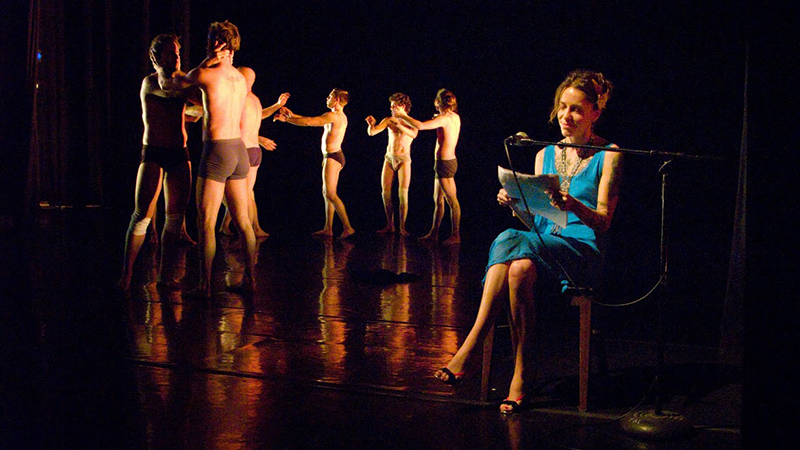
"caption": "Author Michelle Tea reads during 2008's Litquake at ODC Theater ",
"description": "Author Michelle Tea reads during 2008's Litquake & ODC Theater collaboration, \"Off Book.\" Courtesy of Litquake",
"title": "Michelle Tea Litquake crop2",
"credit": "Photo: Courtesy of Litquake",
"status": "inherit",
"isLoading": false,
"fetchFailed": false
},
"arts_12077735": {
"type": "attachments",
"id": "arts_12077735",
"meta": {
"index": "attachments_1716263798",
"site": "arts",
"id": "12077735",
"found": true
},
"parent": 12077728,
"imgSizes": {
"twentyfourteen-full-width": {
"file": "https://ww2.kqed.org/app/uploads/sites/2/2016/09/feminist-fight-club-1038x576.jpg",
"width": 1038,
"mimeType": "image/jpeg",
"height": 576
},
"thumbnail": {
"file": "https://ww2.kqed.org/app/uploads/sites/2/2016/09/feminist-fight-club-400x256.jpg",
"width": 400,
"mimeType": "image/jpeg",
"height": 256
},
"fd-sm": {
"file": "https://ww2.kqed.org/app/uploads/sites/2/2016/09/feminist-fight-club-960x614.jpg",
"width": 960,
"mimeType": "image/jpeg",
"height": 614
},
"post-thumbnail": {
"file": "https://ww2.kqed.org/app/uploads/sites/2/2016/09/feminist-fight-club-672x372.jpg",
"width": 672,
"mimeType": "image/jpeg",
"height": 372
},
"kqedFullSize": {
"file": "https://ww2.kqed.org/app/uploads/sites/2/2016/09/feminist-fight-club.jpg",
"width": 1223,
"height": 782
},
"large": {
"file": "https://ww2.kqed.org/app/uploads/sites/2/2016/09/feminist-fight-club-1180x755.jpg",
"width": 1180,
"mimeType": "image/jpeg",
"height": 755
},
"guest-author-50": {
"file": "https://ww2.kqed.org/app/uploads/sites/2/2016/09/feminist-fight-club-50x50.jpg",
"width": 50,
"mimeType": "image/jpeg",
"height": 50
},
"guest-author-96": {
"file": "https://ww2.kqed.org/app/uploads/sites/2/2016/09/feminist-fight-club-96x96.jpg",
"width": 96,
"mimeType": "image/jpeg",
"height": 96
},
"medium": {
"file": "https://ww2.kqed.org/app/uploads/sites/2/2016/09/feminist-fight-club-800x512.jpg",
"width": 800,
"mimeType": "image/jpeg",
"height": 512
},
"guest-author-64": {
"file": "https://ww2.kqed.org/app/uploads/sites/2/2016/09/feminist-fight-club-64x64.jpg",
"width": 64,
"mimeType": "image/jpeg",
"height": 64
},
"guest-author-32": {
"file": "https://ww2.kqed.org/app/uploads/sites/2/2016/09/feminist-fight-club-32x32.jpg",
"width": 32,
"mimeType": "image/jpeg",
"height": 32
},
"fd-med": {
"file": "https://ww2.kqed.org/app/uploads/sites/2/2016/09/feminist-fight-club-1180x755.jpg",
"width": 1180,
"mimeType": "image/jpeg",
"height": 755
},
"detail": {
"file": "https://ww2.kqed.org/app/uploads/sites/2/2016/09/feminist-fight-club-150x150.jpg",
"width": 150,
"mimeType": "image/jpeg",
"height": 150
},
"medium_large": {
"file": "https://ww2.kqed.org/app/uploads/sites/2/2016/09/feminist-fight-club-768x491.jpg",
"width": 768,
"mimeType": "image/jpeg",
"height": 491
},
"guest-author-128": {
"file": "https://ww2.kqed.org/app/uploads/sites/2/2016/09/feminist-fight-club-128x128.jpg",
"width": 128,
"mimeType": "image/jpeg",
"height": 128
}
},
"publishDate": 1474060321,
"modified": 1474060397,
"caption": "A still from the promo trailer for Feminist Fight Club by Jessica Bennett. ",
"description": null,
"title": "feminist-fight-club",
"credit": null,
"status": "inherit",
"isLoading": false,
"fetchFailed": false
},
"arts_12068221": {
"type": "attachments",
"id": "arts_12068221",
"meta": {
"index": "attachments_1716263798",
"site": "arts",
"id": "12068221",
"found": true
},
"parent": 12066016,
"imgSizes": {
"thumbnail": {
"file": "https://ww2.kqed.org/app/uploads/sites/2/2016/09/Rock-Memoirs-graphic-400x225.jpg",
"width": 400,
"mimeType": "image/jpeg",
"height": 225
},
"post-thumbnail": {
"file": "https://ww2.kqed.org/app/uploads/sites/2/2016/09/Rock-Memoirs-graphic-672x372.jpg",
"width": 672,
"mimeType": "image/jpeg",
"height": 372
},
"kqedFullSize": {
"file": "https://ww2.kqed.org/app/uploads/sites/2/2016/09/Rock-Memoirs-graphic.jpg",
"width": 800,
"height": 450
},
"guest-author-50": {
"file": "https://ww2.kqed.org/app/uploads/sites/2/2016/09/Rock-Memoirs-graphic-50x50.jpg",
"width": 50,
"mimeType": "image/jpeg",
"height": 50
},
"guest-author-96": {
"file": "https://ww2.kqed.org/app/uploads/sites/2/2016/09/Rock-Memoirs-graphic-96x96.jpg",
"width": 96,
"mimeType": "image/jpeg",
"height": 96
},
"medium": {
"file": "https://ww2.kqed.org/app/uploads/sites/2/2016/09/Rock-Memoirs-graphic-800x450.jpg",
"width": 800,
"mimeType": "image/jpeg",
"height": 450
},
"guest-author-64": {
"file": "https://ww2.kqed.org/app/uploads/sites/2/2016/09/Rock-Memoirs-graphic-64x64.jpg",
"width": 64,
"mimeType": "image/jpeg",
"height": 64
},
"detail": {
"file": "https://ww2.kqed.org/app/uploads/sites/2/2016/09/Rock-Memoirs-graphic-150x150.jpg",
"width": 150,
"mimeType": "image/jpeg",
"height": 150
},
"guest-author-32": {
"file": "https://ww2.kqed.org/app/uploads/sites/2/2016/09/Rock-Memoirs-graphic-32x32.jpg",
"width": 32,
"mimeType": "image/jpeg",
"height": 32
},
"medium_large": {
"file": "https://ww2.kqed.org/app/uploads/sites/2/2016/09/Rock-Memoirs-graphic-768x432.jpg",
"width": 768,
"mimeType": "image/jpeg",
"height": 432
},
"guest-author-128": {
"file": "https://ww2.kqed.org/app/uploads/sites/2/2016/09/Rock-Memoirs-graphic-128x128.jpg",
"width": 128,
"mimeType": "image/jpeg",
"height": 128
}
},
"publishDate": 1473877220,
"modified": 1473877220,
"caption": null,
"description": null,
"title": "Rock Memoirs graphic",
"credit": null,
"status": "inherit",
"isLoading": false,
"fetchFailed": false
},
"forum_2010101856608": {
"type": "attachments",
"id": "forum_2010101856608",
"meta": {
"index": "attachments_1716263798",
"site": "forum",
"id": "2010101856608",
"found": true
},
"parent": 2010101856606,
"imgSizes": {
"twentyfourteen-full-width": {
"file": "https://ww2.kqed.org/app/uploads/sites/43/2016/09/Dave-Barry-edited-1038x576.jpg",
"width": 1038,
"mimeType": "image/jpeg",
"height": 576
},
"thumbnail": {
"file": "https://ww2.kqed.org/app/uploads/sites/43/2016/09/Dave-Barry-edited-400x225.jpg",
"width": 400,
"mimeType": "image/jpeg",
"height": 225
},
"fd-sm": {
"file": "https://ww2.kqed.org/app/uploads/sites/43/2016/09/Dave-Barry-edited-960x540.jpg",
"width": 960,
"mimeType": "image/jpeg",
"height": 540
},
"post-thumbnail": {
"file": "https://ww2.kqed.org/app/uploads/sites/43/2016/09/Dave-Barry-edited-672x372.jpg",
"width": 672,
"mimeType": "image/jpeg",
"height": 372
},
"kqedFullSize": {
"file": "https://ww2.kqed.org/app/uploads/sites/43/2016/09/Dave-Barry-edited.jpg",
"width": 1920,
"height": 1080
},
"large": {
"file": "https://ww2.kqed.org/app/uploads/sites/43/2016/09/Dave-Barry-edited-1180x664.jpg",
"width": 1180,
"mimeType": "image/jpeg",
"height": 664
},
"guest-author-50": {
"file": "https://ww2.kqed.org/app/uploads/sites/43/2016/09/Dave-Barry-edited-50x50.jpg",
"width": 50,
"mimeType": "image/jpeg",
"height": 50
},
"guest-author-96": {
"file": "https://ww2.kqed.org/app/uploads/sites/43/2016/09/Dave-Barry-edited-96x96.jpg",
"width": 96,
"mimeType": "image/jpeg",
"height": 96
},
"medium": {
"file": "https://ww2.kqed.org/app/uploads/sites/43/2016/09/Dave-Barry-edited-800x450.jpg",
"width": 800,
"mimeType": "image/jpeg",
"height": 450
},
"guest-author-64": {
"file": "https://ww2.kqed.org/app/uploads/sites/43/2016/09/Dave-Barry-edited-64x64.jpg",
"width": 64,
"mimeType": "image/jpeg",
"height": 64
},
"guest-author-32": {
"file": "https://ww2.kqed.org/app/uploads/sites/43/2016/09/Dave-Barry-edited-32x32.jpg",
"width": 32,
"mimeType": "image/jpeg",
"height": 32
},
"fd-lrg": {
"file": "https://ww2.kqed.org/app/uploads/sites/43/2016/09/Dave-Barry-edited-1920x1080.jpg",
"width": 1920,
"mimeType": "image/jpeg",
"height": 1080
},
"fd-med": {
"file": "https://ww2.kqed.org/app/uploads/sites/43/2016/09/Dave-Barry-edited-1180x664.jpg",
"width": 1180,
"mimeType": "image/jpeg",
"height": 664
},
"detail": {
"file": "https://ww2.kqed.org/app/uploads/sites/43/2016/09/Dave-Barry-edited-150x150.jpg",
"width": 150,
"mimeType": "image/jpeg",
"height": 150
},
"medium_large": {
"file": "https://ww2.kqed.org/app/uploads/sites/43/2016/09/Dave-Barry-edited-768x432.jpg",
"width": 768,
"mimeType": "image/jpeg",
"height": 432
},
"guest-author-128": {
"file": "https://ww2.kqed.org/app/uploads/sites/43/2016/09/Dave-Barry-edited-128x128.jpg",
"width": 128,
"mimeType": "image/jpeg",
"height": 128
}
},
"publishDate": 1473459649,
"modified": 1473459697,
"caption": null,
"description": null,
"title": "Dave-Barry-edited",
"credit": "Photo: Michelle Kaufman",
"status": "inherit",
"isLoading": false,
"fetchFailed": false
},
"arts_12053065": {
"type": "attachments",
"id": "arts_12053065",
"meta": {
"index": "attachments_1716263798",
"site": "arts",
"id": "12053065",
"found": true
},
"parent": 12040942,
"imgSizes": {
"thumbnail": {
"file": "https://ww2.kqed.org/app/uploads/sites/2/2016/09/Vanessa-Hua-1-400x225.jpg",
"width": 400,
"mimeType": "image/jpeg",
"height": 225
},
"fd-sm": {
"file": "https://ww2.kqed.org/app/uploads/sites/2/2016/09/Vanessa-Hua-1-960x540.jpg",
"width": 960,
"mimeType": "image/jpeg",
"height": 540
},
"post-thumbnail": {
"file": "https://ww2.kqed.org/app/uploads/sites/2/2016/09/Vanessa-Hua-1-672x372.jpg",
"width": 672,
"mimeType": "image/jpeg",
"height": 372
},
"kqedFullSize": {
"file": "https://ww2.kqed.org/app/uploads/sites/2/2016/09/Vanessa-Hua-1.jpg",
"width": 1016,
"height": 572
},
"guest-author-50": {
"file": "https://ww2.kqed.org/app/uploads/sites/2/2016/09/Vanessa-Hua-1-50x50.jpg",
"width": 50,
"mimeType": "image/jpeg",
"height": 50
},
"guest-author-96": {
"file": "https://ww2.kqed.org/app/uploads/sites/2/2016/09/Vanessa-Hua-1-96x96.jpg",
"width": 96,
"mimeType": "image/jpeg",
"height": 96
},
"medium": {
"file": "https://ww2.kqed.org/app/uploads/sites/2/2016/09/Vanessa-Hua-1-800x450.jpg",
"width": 800,
"mimeType": "image/jpeg",
"height": 450
},
"guest-author-64": {
"file": "https://ww2.kqed.org/app/uploads/sites/2/2016/09/Vanessa-Hua-1-64x64.jpg",
"width": 64,
"mimeType": "image/jpeg",
"height": 64
},
"detail": {
"file": "https://ww2.kqed.org/app/uploads/sites/2/2016/09/Vanessa-Hua-1-150x150.jpg",
"width": 150,
"mimeType": "image/jpeg",
"height": 150
},
"guest-author-32": {
"file": "https://ww2.kqed.org/app/uploads/sites/2/2016/09/Vanessa-Hua-1-32x32.jpg",
"width": 32,
"mimeType": "image/jpeg",
"height": 32
},
"medium_large": {
"file": "https://ww2.kqed.org/app/uploads/sites/2/2016/09/Vanessa-Hua-1-768x432.jpg",
"width": 768,
"mimeType": "image/jpeg",
"height": 432
},
"guest-author-128": {
"file": "https://ww2.kqed.org/app/uploads/sites/2/2016/09/Vanessa-Hua-1-128x128.jpg",
"width": 128,
"mimeType": "image/jpeg",
"height": 128
}
},
"publishDate": 1473578598,
"modified": 1473578617,
"caption": "Vanessa Hua.",
"description": null,
"title": "Vanessa-Hua",
"credit": "Photo: Mark Puich",
"status": "inherit",
"isLoading": false,
"fetchFailed": false
},
"arts_12038292": {
"type": "attachments",
"id": "arts_12038292",
"meta": {
"index": "attachments_1716263798",
"site": "arts",
"id": "12038292",
"found": true
},
"parent": 12038287,
"imgSizes": {
"thumbnail": {
"file": "https://ww2.kqed.org/app/uploads/sites/2/2016/09/Anna-Dewdney-400x225.jpg",
"width": 400,
"mimeType": "image/jpeg",
"height": 225
},
"post-thumbnail": {
"file": "https://ww2.kqed.org/app/uploads/sites/2/2016/09/Anna-Dewdney-672x372.jpg",
"width": 672,
"mimeType": "image/jpeg",
"height": 372
},
"kqedFullSize": {
"file": "https://ww2.kqed.org/app/uploads/sites/2/2016/09/Anna-Dewdney.jpg",
"width": 800,
"height": 450
},
"guest-author-50": {
"file": "https://ww2.kqed.org/app/uploads/sites/2/2016/09/Anna-Dewdney-50x50.jpg",
"width": 50,
"mimeType": "image/jpeg",
"height": 50
},
"guest-author-96": {
"file": "https://ww2.kqed.org/app/uploads/sites/2/2016/09/Anna-Dewdney-96x96.jpg",
"width": 96,
"mimeType": "image/jpeg",
"height": 96
},
"medium": {
"file": "https://ww2.kqed.org/app/uploads/sites/2/2016/09/Anna-Dewdney-800x450.jpg",
"width": 800,
"mimeType": "image/jpeg",
"height": 450
},
"guest-author-64": {
"file": "https://ww2.kqed.org/app/uploads/sites/2/2016/09/Anna-Dewdney-64x64.jpg",
"width": 64,
"mimeType": "image/jpeg",
"height": 64
},
"detail": {
"file": "https://ww2.kqed.org/app/uploads/sites/2/2016/09/Anna-Dewdney-150x150.jpg",
"width": 150,
"mimeType": "image/jpeg",
"height": 150
},
"guest-author-32": {
"file": "https://ww2.kqed.org/app/uploads/sites/2/2016/09/Anna-Dewdney-32x32.jpg",
"width": 32,
"mimeType": "image/jpeg",
"height": 32
},
"medium_large": {
"file": "https://ww2.kqed.org/app/uploads/sites/2/2016/09/Anna-Dewdney-768x432.jpg",
"width": 768,
"mimeType": "image/jpeg",
"height": 432
},
"guest-author-128": {
"file": "https://ww2.kqed.org/app/uploads/sites/2/2016/09/Anna-Dewdney-128x128.jpg",
"width": 128,
"mimeType": "image/jpeg",
"height": 128
}
},
"publishDate": 1473296644,
"modified": 1473296678,
"caption": "Anna Dewdney and actress Bridget Moynahan attend the Jumpstart's Read For The Record event ",
"description": "Anna Dewdney and actress Bridget Moynahan attend the Jumpstart's Read For The Record event ",
"title": "Anna Dewdney",
"credit": "Photo: Jason Kempin/WireImage for Jumpstart for Young Children",
"status": "inherit",
"isLoading": false,
"fetchFailed": false
},
"forum_2010101856517": {
"type": "attachments",
"id": "forum_2010101856517",
"meta": {
"index": "attachments_1716263798",
"site": "forum",
"id": "2010101856517",
"found": true
},
"parent": 2010101856513,
"imgSizes": {
"twentyfourteen-full-width": {
"file": "https://ww2.kqed.org/app/uploads/sites/43/2016/09/Kim-Addonizio-cropped-1038x576.jpg",
"width": 1038,
"mimeType": "image/jpeg",
"height": 576
},
"thumbnail": {
"file": "https://ww2.kqed.org/app/uploads/sites/43/2016/09/Kim-Addonizio-cropped-400x225.jpg",
"width": 400,
"mimeType": "image/jpeg",
"height": 225
},
"fd-sm": {
"file": "https://ww2.kqed.org/app/uploads/sites/43/2016/09/Kim-Addonizio-cropped-960x540.jpg",
"width": 960,
"mimeType": "image/jpeg",
"height": 540
},
"post-thumbnail": {
"file": "https://ww2.kqed.org/app/uploads/sites/43/2016/09/Kim-Addonizio-cropped-672x372.jpg",
"width": 672,
"mimeType": "image/jpeg",
"height": 372
},
"kqedFullSize": {
"file": "https://ww2.kqed.org/app/uploads/sites/43/2016/09/Kim-Addonizio-cropped.jpg",
"width": 1920,
"height": 1080
},
"large": {
"file": "https://ww2.kqed.org/app/uploads/sites/43/2016/09/Kim-Addonizio-cropped-1180x664.jpg",
"width": 1180,
"mimeType": "image/jpeg",
"height": 664
},
"guest-author-50": {
"file": "https://ww2.kqed.org/app/uploads/sites/43/2016/09/Kim-Addonizio-cropped-50x50.jpg",
"width": 50,
"mimeType": "image/jpeg",
"height": 50
},
"guest-author-96": {
"file": "https://ww2.kqed.org/app/uploads/sites/43/2016/09/Kim-Addonizio-cropped-96x96.jpg",
"width": 96,
"mimeType": "image/jpeg",
"height": 96
},
"medium": {
"file": "https://ww2.kqed.org/app/uploads/sites/43/2016/09/Kim-Addonizio-cropped-800x450.jpg",
"width": 800,
"mimeType": "image/jpeg",
"height": 450
},
"guest-author-64": {
"file": "https://ww2.kqed.org/app/uploads/sites/43/2016/09/Kim-Addonizio-cropped-64x64.jpg",
"width": 64,
"mimeType": "image/jpeg",
"height": 64
},
"guest-author-32": {
"file": "https://ww2.kqed.org/app/uploads/sites/43/2016/09/Kim-Addonizio-cropped-32x32.jpg",
"width": 32,
"mimeType": "image/jpeg",
"height": 32
},
"fd-lrg": {
"file": "https://ww2.kqed.org/app/uploads/sites/43/2016/09/Kim-Addonizio-cropped-1920x1080.jpg",
"width": 1920,
"mimeType": "image/jpeg",
"height": 1080
},
"fd-med": {
"file": "https://ww2.kqed.org/app/uploads/sites/43/2016/09/Kim-Addonizio-cropped-1180x664.jpg",
"width": 1180,
"mimeType": "image/jpeg",
"height": 664
},
"detail": {
"file": "https://ww2.kqed.org/app/uploads/sites/43/2016/09/Kim-Addonizio-cropped-150x150.jpg",
"width": 150,
"mimeType": "image/jpeg",
"height": 150
},
"medium_large": {
"file": "https://ww2.kqed.org/app/uploads/sites/43/2016/09/Kim-Addonizio-cropped-768x432.jpg",
"width": 768,
"mimeType": "image/jpeg",
"height": 432
},
"guest-author-128": {
"file": "https://ww2.kqed.org/app/uploads/sites/43/2016/09/Kim-Addonizio-cropped-128x128.jpg",
"width": 128,
"mimeType": "image/jpeg",
"height": 128
}
},
"publishDate": 1472848449,
"modified": 1472848540,
"caption": null,
"description": null,
"title": "Kim-Addonizio-cropped",
"credit": "Photo: Kim Addonizio",
"status": "inherit",
"isLoading": false,
"fetchFailed": false
},
"arts_12010294": {
"type": "attachments",
"id": "arts_12010294",
"meta": {
"index": "attachments_1716263798",
"site": "arts",
"id": "12010294",
"found": true
},
"parent": 12010094,
"imgSizes": {
"twentyfourteen-full-width": {
"file": "https://ww2.kqed.org/app/uploads/sites/2/2016/09/Colson-Whitehead__03-1038x576.jpg",
"width": 1038,
"mimeType": "image/jpeg",
"height": 576
},
"thumbnail": {
"file": "https://ww2.kqed.org/app/uploads/sites/2/2016/09/Colson-Whitehead__03-400x267.jpg",
"width": 400,
"mimeType": "image/jpeg",
"height": 267
},
"fd-sm": {
"file": "https://ww2.kqed.org/app/uploads/sites/2/2016/09/Colson-Whitehead__03-960x640.jpg",
"width": 960,
"mimeType": "image/jpeg",
"height": 640
},
"post-thumbnail": {
"file": "https://ww2.kqed.org/app/uploads/sites/2/2016/09/Colson-Whitehead__03-672x372.jpg",
"width": 672,
"mimeType": "image/jpeg",
"height": 372
},
"kqedFullSize": {
"file": "https://ww2.kqed.org/app/uploads/sites/2/2016/09/Colson-Whitehead__03.jpg",
"width": 1170,
"height": 780
},
"guest-author-50": {
"file": "https://ww2.kqed.org/app/uploads/sites/2/2016/09/Colson-Whitehead__03-50x50.jpg",
"width": 50,
"mimeType": "image/jpeg",
"height": 50
},
"guest-author-96": {
"file": "https://ww2.kqed.org/app/uploads/sites/2/2016/09/Colson-Whitehead__03-96x96.jpg",
"width": 96,
"mimeType": "image/jpeg",
"height": 96
},
"medium": {
"file": "https://ww2.kqed.org/app/uploads/sites/2/2016/09/Colson-Whitehead__03-800x533.jpg",
"width": 800,
"mimeType": "image/jpeg",
"height": 533
},
"guest-author-64": {
"file": "https://ww2.kqed.org/app/uploads/sites/2/2016/09/Colson-Whitehead__03-64x64.jpg",
"width": 64,
"mimeType": "image/jpeg",
"height": 64
},
"guest-author-32": {
"file": "https://ww2.kqed.org/app/uploads/sites/2/2016/09/Colson-Whitehead__03-32x32.jpg",
"width": 32,
"mimeType": "image/jpeg",
"height": 32
},
"detail": {
"file": "https://ww2.kqed.org/app/uploads/sites/2/2016/09/Colson-Whitehead__03-150x150.jpg",
"width": 150,
"mimeType": "image/jpeg",
"height": 150
},
"medium_large": {
"file": "https://ww2.kqed.org/app/uploads/sites/2/2016/09/Colson-Whitehead__03-768x512.jpg",
"width": 768,
"mimeType": "image/jpeg",
"height": 512
},
"guest-author-128": {
"file": "https://ww2.kqed.org/app/uploads/sites/2/2016/09/Colson-Whitehead__03-128x128.jpg",
"width": 128,
"mimeType": "image/jpeg",
"height": 128
}
},
"publishDate": 1472762946,
"modified": 1491864830,
"caption": "Colson Whitehead ",
"description": "Colson Whitehead ",
"title": "Colson-Whitehead__03",
"credit": "Photo: Knopf Doubleday/Erin Patrice O'Brien) ",
"status": "inherit",
"isLoading": false,
"fetchFailed": false
},
"arts_11990319": {
"type": "attachments",
"id": "arts_11990319",
"meta": {
"index": "attachments_1716263798",
"site": "arts",
"id": "11990319",
"found": true
},
"parent": 11979746,
"imgSizes": {
"twentyfourteen-full-width": {
"file": "https://ww2.kqed.org/app/uploads/sites/2/2016/08/MichelleTea-1038x576.jpg",
"width": 1038,
"mimeType": "image/jpeg",
"height": 576
},
"thumbnail": {
"file": "https://ww2.kqed.org/app/uploads/sites/2/2016/08/MichelleTea-400x225.jpg",
"width": 400,
"mimeType": "image/jpeg",
"height": 225
},
"fd-sm": {
"file": "https://ww2.kqed.org/app/uploads/sites/2/2016/08/MichelleTea-960x540.jpg",
"width": 960,
"mimeType": "image/jpeg",
"height": 540
},
"post-thumbnail": {
"file": "https://ww2.kqed.org/app/uploads/sites/2/2016/08/MichelleTea-672x372.jpg",
"width": 672,
"mimeType": "image/jpeg",
"height": 372
},
"kqedFullSize": {
"file": "https://ww2.kqed.org/app/uploads/sites/2/2016/08/MichelleTea.jpg",
"width": 1920,
"height": 1080
},
"large": {
"file": "https://ww2.kqed.org/app/uploads/sites/2/2016/08/MichelleTea-1180x664.jpg",
"width": 1180,
"mimeType": "image/jpeg",
"height": 664
},
"guest-author-50": {
"file": "https://ww2.kqed.org/app/uploads/sites/2/2016/08/MichelleTea-50x50.jpg",
"width": 50,
"mimeType": "image/jpeg",
"height": 50
},
"guest-author-96": {
"file": "https://ww2.kqed.org/app/uploads/sites/2/2016/08/MichelleTea-96x96.jpg",
"width": 96,
"mimeType": "image/jpeg",
"height": 96
},
"medium": {
"file": "https://ww2.kqed.org/app/uploads/sites/2/2016/08/MichelleTea-800x450.jpg",
"width": 800,
"mimeType": "image/jpeg",
"height": 450
},
"guest-author-64": {
"file": "https://ww2.kqed.org/app/uploads/sites/2/2016/08/MichelleTea-64x64.jpg",
"width": 64,
"mimeType": "image/jpeg",
"height": 64
},
"guest-author-32": {
"file": "https://ww2.kqed.org/app/uploads/sites/2/2016/08/MichelleTea-32x32.jpg",
"width": 32,
"mimeType": "image/jpeg",
"height": 32
},
"fd-lrg": {
"file": "https://ww2.kqed.org/app/uploads/sites/2/2016/08/MichelleTea-1920x1080.jpg",
"width": 1920,
"mimeType": "image/jpeg",
"height": 1080
},
"fd-med": {
"file": "https://ww2.kqed.org/app/uploads/sites/2/2016/08/MichelleTea-1180x664.jpg",
"width": 1180,
"mimeType": "image/jpeg",
"height": 664
},
"detail": {
"file": "https://ww2.kqed.org/app/uploads/sites/2/2016/08/MichelleTea-150x150.jpg",
"width": 150,
"mimeType": "image/jpeg",
"height": 150
},
"medium_large": {
"file": "https://ww2.kqed.org/app/uploads/sites/2/2016/08/MichelleTea-768x432.jpg",
"width": 768,
"mimeType": "image/jpeg",
"height": 432
},
"guest-author-128": {
"file": "https://ww2.kqed.org/app/uploads/sites/2/2016/08/MichelleTea-128x128.jpg",
"width": 128,
"mimeType": "image/jpeg",
"height": 128
}
},
"publishDate": 1472367871,
"modified": 1472367956,
"caption": "In Michelle Tea's 'Black Wave,' the Pacific Ocean is a fuming, toxic stew. ",
"description": "In Michelle Tea's 'Black Wave,' the Pacific Ocean is a fuming, toxic stew. ",
"title": "MichelleTea",
"credit": "Photo: From 'HAZMAT Surfing,' byMichael Dyrland/Mike Marshall",
"status": "inherit",
"isLoading": false,
"fetchFailed": false
},
"arts_11819295": {
"type": "attachments",
"id": "arts_11819295",
"meta": {
"index": "attachments_1716263798",
"site": "arts",
"id": "11819295",
"found": true
},
"parent": 11818683,
"imgSizes": {
"thumbnail": {
"file": "https://ww2.kqed.org/app/uploads/sites/2/2016/07/Dennis-Cooper-2-400x225.jpg",
"width": 400,
"mimeType": "image/jpeg",
"height": 225
},
"fd-sm": {
"file": "https://ww2.kqed.org/app/uploads/sites/2/2016/07/Dennis-Cooper-2-960x540.jpg",
"width": 960,
"mimeType": "image/jpeg",
"height": 540
},
"post-thumbnail": {
"file": "https://ww2.kqed.org/app/uploads/sites/2/2016/07/Dennis-Cooper-2-672x372.jpg",
"width": 672,
"mimeType": "image/jpeg",
"height": 372
},
"kqedFullSize": {
"file": "https://ww2.kqed.org/app/uploads/sites/2/2016/07/Dennis-Cooper-2.jpg",
"width": 1000,
"height": 563
},
"guest-author-50": {
"file": "https://ww2.kqed.org/app/uploads/sites/2/2016/07/Dennis-Cooper-2-50x50.jpg",
"width": 50,
"mimeType": "image/jpeg",
"height": 50
},
"guest-author-96": {
"file": "https://ww2.kqed.org/app/uploads/sites/2/2016/07/Dennis-Cooper-2-96x96.jpg",
"width": 96,
"mimeType": "image/jpeg",
"height": 96
},
"medium": {
"file": "https://ww2.kqed.org/app/uploads/sites/2/2016/07/Dennis-Cooper-2-800x450.jpg",
"width": 800,
"mimeType": "image/jpeg",
"height": 450
},
"guest-author-64": {
"file": "https://ww2.kqed.org/app/uploads/sites/2/2016/07/Dennis-Cooper-2-64x64.jpg",
"width": 64,
"mimeType": "image/jpeg",
"height": 64
},
"detail": {
"file": "https://ww2.kqed.org/app/uploads/sites/2/2016/07/Dennis-Cooper-2-150x150.jpg",
"width": 150,
"mimeType": "image/jpeg",
"height": 150
},
"guest-author-32": {
"file": "https://ww2.kqed.org/app/uploads/sites/2/2016/07/Dennis-Cooper-2-32x32.jpg",
"width": 32,
"mimeType": "image/jpeg",
"height": 32
},
"medium_large": {
"file": "https://ww2.kqed.org/app/uploads/sites/2/2016/07/Dennis-Cooper-2-768x432.jpg",
"width": 768,
"mimeType": "image/jpeg",
"height": 432
},
"guest-author-128": {
"file": "https://ww2.kqed.org/app/uploads/sites/2/2016/07/Dennis-Cooper-2-128x128.jpg",
"width": 128,
"mimeType": "image/jpeg",
"height": 128
}
},
"publishDate": 1468627647,
"modified": 1468888374,
"caption": "Dennis Cooper, 2010",
"description": "Dennis Cooper",
"title": "Dennis Cooper 2",
"credit": "Photo: Christy Pessagno/ courtesy of Dennis Cooper",
"status": "inherit",
"isLoading": false,
"fetchFailed": false
}
},
"audioPlayerReducer": {
"postId": "stream_live",
"isPaused": true,
"isPlaying": false,
"pfsActive": false,
"pledgeModalIsOpen": true,
"playerDrawerIsOpen": false,
"liveAudioPlayStartedAt": 0,
"liveAudioPlayContext": ""
},
"authorsReducer": {
"byline_arts_12095857": {
"type": "authors",
"id": "byline_arts_12095857",
"meta": {
"override": true
},
"slug": "byline_arts_12095857",
"name": "Glen Weldon",
"isLoading": false
},
"byline_arts_12095100": {
"type": "authors",
"id": "byline_arts_12095100",
"meta": {
"override": true
},
"slug": "byline_arts_12095100",
"name": "Emily Wilson",
"isLoading": false
},
"byline_arts_12066016": {
"type": "authors",
"id": "byline_arts_12066016",
"meta": {
"override": true
},
"slug": "byline_arts_12066016",
"name": "Richie Unterberger",
"isLoading": false
},
"byline_arts_12038287": {
"type": "authors",
"id": "byline_arts_12038287",
"meta": {
"override": true
},
"slug": "byline_arts_12038287",
"name": "Dave Gram, Associated Press",
"isLoading": false
},
"kjones": {
"type": "authors",
"id": "93",
"meta": {
"index": "authors_1716337520",
"id": "93",
"found": true
},
"name": "Kevin L. Jones",
"firstName": "Kevin",
"lastName": "Jones",
"slug": "kjones",
"email": "kjones@kqed.org",
"display_author_email": false,
"staff_mastheads": [],
"title": null,
"bio": null,
"avatar": "https://secure.gravatar.com/avatar/12c65b5633ed39d0a59bb7f497eff645?s=600&d=blank&r=g",
"twitter": null,
"facebook": null,
"instagram": null,
"linkedin": null,
"sites": [
{
"site": "arts",
"roles": [
"subscriber"
]
},
{
"site": "styleguide",
"roles": [
"contributor"
]
},
{
"site": "artschool",
"roles": [
"subscriber"
]
},
{
"site": "news",
"roles": [
"subscriber"
]
},
{
"site": "pop",
"roles": [
"subscriber"
]
}
],
"headData": {
"title": "Kevin L. Jones | KQED",
"description": null,
"ogImgSrc": "https://secure.gravatar.com/avatar/12c65b5633ed39d0a59bb7f497eff645?s=600&d=blank&r=g",
"twImgSrc": "https://secure.gravatar.com/avatar/12c65b5633ed39d0a59bb7f497eff645?s=600&d=blank&r=g"
},
"isLoading": false,
"link": "/author/kjones"
},
"lclark": {
"type": "authors",
"id": "3224",
"meta": {
"index": "authors_1716337520",
"id": "3224",
"found": true
},
"name": "Leilani Clark",
"firstName": "Leilani",
"lastName": "Clark",
"slug": "lclark",
"email": "clark.leil@gmail.com",
"display_author_email": false,
"staff_mastheads": [],
"title": null,
"bio": "Leilani Clark writes about books for KQED Arts. Her writing has been published at Mother Jones, The Guardian, Civil Eats, Time Magazine, Food & Wine, Edible Marin & Wine Country, and The Rumpus. She is the editor of Made Local magazine in Sonoma County. Find her on Twitter \u003ca href=\"https://twitter.com/leilclark\">@leilclark\u003c/a>.",
"avatar": "https://secure.gravatar.com/avatar/7f691fdc52ed2e3f4cf164d1f4ec0889?s=600&d=blank&r=g",
"twitter": null,
"facebook": null,
"instagram": null,
"linkedin": null,
"sites": [
{
"site": "arts",
"roles": [
"contributor"
]
},
{
"site": "bayareabites",
"roles": [
"contributor"
]
},
{
"site": "food",
"roles": [
"contributor"
]
}
],
"headData": {
"title": "Leilani Clark | KQED",
"description": null,
"ogImgSrc": "https://secure.gravatar.com/avatar/7f691fdc52ed2e3f4cf164d1f4ec0889?s=600&d=blank&r=g",
"twImgSrc": "https://secure.gravatar.com/avatar/7f691fdc52ed2e3f4cf164d1f4ec0889?s=600&d=blank&r=g"
},
"isLoading": false,
"link": "/author/lclark"
},
"hswanhuyser": {
"type": "authors",
"id": "8641",
"meta": {
"index": "authors_1716337520",
"id": "8641",
"found": true
},
"name": "Hiya Swanhuyser",
"firstName": "Hiya",
"lastName": "Swanhuyser",
"slug": "hswanhuyser",
"email": "hiya.swanhuyser@gmail.com",
"display_author_email": false,
"staff_mastheads": [],
"title": null,
"bio": null,
"avatar": "https://secure.gravatar.com/avatar/ac82519cf874a4b89d7bb4486ab403ef?s=600&d=blank&r=g",
"twitter": null,
"facebook": null,
"instagram": null,
"linkedin": null,
"sites": [
{
"site": "arts",
"roles": [
"contributor"
]
}
],
"headData": {
"title": "Hiya Swanhuyser | KQED",
"description": null,
"ogImgSrc": "https://secure.gravatar.com/avatar/ac82519cf874a4b89d7bb4486ab403ef?s=600&d=blank&r=g",
"twImgSrc": "https://secure.gravatar.com/avatar/ac82519cf874a4b89d7bb4486ab403ef?s=600&d=blank&r=g"
},
"isLoading": false,
"link": "/author/hswanhuyser"
},
"mkrasny": {
"type": "authors",
"id": "11247",
"meta": {
"index": "authors_1716337520",
"id": "11247",
"found": true
},
"name": "Michael Krasny",
"firstName": "Michael",
"lastName": "Krasny",
"slug": "mkrasny",
"email": "mkrasny@kqed.org",
"display_author_email": false,
"staff_mastheads": [],
"title": "KQED Contributor",
"bio": "Michael Krasny was the former host of the program, Forum. He was with ABC in both radio and television and migrated to public broadcasting in 1993. He was a Professor of English at San Francisco State University and also taught at Stanford, the University of San Francisco and the University of California, as well as in the Fulbright International Institutes. A veteran interviewer for the nationally broadcast City Arts and Lectures, he is the author of a number of books, including “Off Mike: A Memoir of Talk Radio and Literary Life” (Stanford University Press) “Spiritual Envy” (New World); “Sound Ideas” (with M.E. Sokolik/ McGraw-Hill); “Let There Be Laughter” (Harper-Collins) as well as the twenty-four lecture series in DVD, audio and book, “Short Story Masterpieces” (The Teaching Company). He has interviewed many of the world’s leading political, cultural, literary, science and technology figures, as well as major figures from the world of entertainment. He is the recipient of many awards and honors including the S.Y. Agnon Medal for Intellectual Achievement; The Eugene Block Award for Human Rights Journalism; the James Madison Freedom of Information Award; the Excellence in Journalism Award from the National Lesbian and Gay Journalists Association; Career Achievement Award from the Society of Professional Journalists and an award from the Radio and Television News Directors Association. He holds a B.A. (cum laude) and M.A. from Ohio University and a PhD from the University of Wisconsin.",
"avatar": "https://secure.gravatar.com/avatar/243c9ef51f3b90a42850d3a766d24865?s=600&d=blank&r=g",
"twitter": null,
"facebook": null,
"instagram": null,
"linkedin": null,
"sites": [
{
"site": "forum",
"roles": [
"subscriber"
]
}
],
"headData": {
"title": "Michael Krasny | KQED",
"description": "KQED Contributor",
"ogImgSrc": "https://secure.gravatar.com/avatar/243c9ef51f3b90a42850d3a766d24865?s=600&d=blank&r=g",
"twImgSrc": "https://secure.gravatar.com/avatar/243c9ef51f3b90a42850d3a766d24865?s=600&d=blank&r=g"
},
"isLoading": false,
"link": "/author/mkrasny"
}
},
"pagesReducer": {
"arts_category_literature": {
"type": "terms",
"id": "arts_73",
"meta": {
"index": "terms_1716263798",
"site": "arts",
"id": "73",
"score": 12.795155
},
"featImg": null,
"name": "Books",
"description": null,
"taxonomy": "category",
"headData": {
"twImgId": null,
"twTitle": null,
"ogTitle": null,
"ogImgId": null,
"twDescription": null,
"description": null,
"title": "Books Archives | KQED Arts",
"ogDescription": null
},
"ttid": 74,
"slug": "literature",
"isLoading": false,
"title": "Books",
"pageMeta": {
"site": "arts",
"WpPageTemplate": "page-topic-editorial",
"currentPage": 84
},
"blocks": [
{
"blockName": "kqed/post-list",
"attrs": {
"layout": "cardArticle2",
"query": "posts/arts?category=literature",
"seeMore": false,
"paginated": true,
"page": 84
}
},
{
"blockName": "kqed/ad"
}
]
}
},
"pfsSessionReducer": {},
"postsReducer": {
"stream_live": {
"type": "live",
"id": "stream_live",
"audioUrl": "https://hls.kqed.org/hls/kqed_app/playlist.m3u8",
"title": "Live Stream",
"excerpt": "Live Stream information currently unavailable.",
"link": "/radio",
"featImg": "",
"label": {
"name": "KQED Live",
"link": "/"
}
},
"stream_kqedNewscast": {
"type": "posts",
"id": "stream_kqedNewscast",
"audioUrl": "https://www.kqed.org/.stream/anon/radio/RDnews/newscast.mp3?_=1",
"title": "KQED Newscast",
"featImg": "",
"label": {
"name": "88.5 FM",
"link": "/"
}
},
"arts_12095857": {
"type": "posts",
"id": "arts_12095857",
"meta": {
"index": "posts_1716263798",
"site": "arts",
"id": "12095857",
"score": null,
"sort": [
1474484450000
]
},
"parent": 0,
"labelTerm": {
"site": "arts",
"term": 137
},
"blocks": [],
"publishDate": 1474484450,
"format": "standard",
"title": "A Comics Convention for the Unconventional: The Small Press Expo",
"headTitle": "A Comics Convention for the Unconventional: The Small Press Expo | KQED",
"content": "\u003cp>\u003cem>Additional reporting by LA Johnson.\u003c/em>\u003c/p>\n\u003cp>I’ve attended the Small Press Expo, or SPX, for 10 years now. This year, I convinced NPR to let me take a reporting kit and interview attendees about what drew them to the show.\u003c/p>\n\u003cp>(You can check out more photos, illustrations and interviews with creators from the 2016 Small Press Expo on the \u003ca href=\"http://nprillustration.tumblr.com/\">NPR Illustrations Tumblr\u003c/a> over the coming days and weeks.)\u003c/p>\n\u003cp>In theory, SPX seems a lot like many of the other comic-cons that have been popping up across the country over the last few years. There’s the vast exhibit floor, there’s a packed schedule of panels and spotlights featuring interviews of, and discussions between, various comics creators. People mill about, lugging bags loaded down with stuff they’ve bought, or find an empty patch of carpeted hallway on which to plop themselves and rest while perusing their purchases.\u003c/p>\n\u003cp>If you close your eyes, its sounds a lot like any other con: the low, steady murmur of voices punctuated by the occasional exclamation of delight or surprise from someone who’s stumbling across an old friend — or a new passion.\u003c/p>\n\u003cp>[ad fullwidth]\u003c/p>\n\u003cp>But the moment you open your eyes, you’re reminded that SPX isn’t like most other cons.\u003c/p>\n\u003cp>It’s smaller, for one thing — the big shows in San Diego and New York attract upwards of 130,000 people, and SPX’s attendance is closer to 3,000. It fills the huge ballroom at a hotel in North Bethesda, Maryland, but unlike other comic-cons, where companies build massive booths that tower over you with video screens, loudly hawking all manner of comics-adjacent stuff like toys, games, statues and t-shirts, everything at SPX is at eye-level.\u003c/p>\n\u003cp>Hip-level, technically, as it’s just rows and rows of folding tables piled with comics and artwork.\u003c/p>\n\u003cfigure id=\"attachment_12095859\" class=\"wp-caption aligncenter\" style=\"max-width: 800px\">\u003cimg loading=\"lazy\" decoding=\"async\" src=\"http://ww2.kqed.org/arts/wp-content/uploads/sites/2/2016/09/spx-sat-3_enl-b862e97d57eb3bba7e68cc080bd931654d963a74-800x530.jpg\" alt=\"The Small Press Expo holds a yearly lottery for some of the tables, which allows for new artists to exhibit.\" width=\"800\" height=\"530\" class=\"size-medium wp-image-12095859\" srcset=\"https://cdn.kqed.org/wp-content/uploads/sites/2/2016/09/spx-sat-3_enl-b862e97d57eb3bba7e68cc080bd931654d963a74-800x530.jpg 800w, https://cdn.kqed.org/wp-content/uploads/sites/2/2016/09/spx-sat-3_enl-b862e97d57eb3bba7e68cc080bd931654d963a74-400x265.jpg 400w, https://cdn.kqed.org/wp-content/uploads/sites/2/2016/09/spx-sat-3_enl-b862e97d57eb3bba7e68cc080bd931654d963a74-768x508.jpg 768w, https://cdn.kqed.org/wp-content/uploads/sites/2/2016/09/spx-sat-3_enl-b862e97d57eb3bba7e68cc080bd931654d963a74-1180x781.jpg 1180w, https://cdn.kqed.org/wp-content/uploads/sites/2/2016/09/spx-sat-3_enl-b862e97d57eb3bba7e68cc080bd931654d963a74-960x636.jpg 960w, https://cdn.kqed.org/wp-content/uploads/sites/2/2016/09/spx-sat-3_enl-b862e97d57eb3bba7e68cc080bd931654d963a74.jpg 1500w\" sizes=\"(max-width: 800px) 100vw, 800px\">\u003cfigcaption class=\"wp-caption-text\">The Small Press Expo holds a yearly lottery for some of the tables, which allows for new artists to exhibit. \u003ccite>(Photo: Courtesy of SPX)\u003c/cite>\u003c/figcaption>\u003c/figure>\n\u003cp>\u003cstrong>Funkier, Smaller, More Approachable\u003c/strong>\u003c/p>\n\u003cp>“It’s not just a way to sell comics or buy comics,” said Whit Taylor, from New York City. “It’s also a social event … a chance to catch up with people, and meet new people both during the show and after the show and that’s kind of the most meaningful part to me.”\u003c/p>\n\u003cp>Whit came not just to buy comics, but to connect with the people who make them. And SPX is built around making exactly that happen.\u003c/p>\n\u003cp>It’s a convention for independent comics. People define “indie comics” differently, but for our purposes: not Marvel, and not DC.\u003c/p>\n\u003cp>“I like that it kinda sticks to just comics,” Whit said. “That’s how it started out. I know that shows can kinda go in different directions. I’m happy to see merch here and there, but I like that it’s just about independent artists or small presses.”\u003c/p>\n\u003cp>Some small presses \u003cem>do\u003c/em> set up tables at the Small Press Expo, fittingly enough — publishers like Drawn and Quarterly and Fantagraphics are SPX staples — but mostly, it’s men and women sitting or standing behind the tables, grinning earnestly at passersby to get them to stop and sample their work. That work could be a handsomely bound graphic novel, a print, or, in many cases, a mini-comic that they’ve drawn and copied and stapled together themselves.\u003c/p>\n\u003cp>Sarah Elizabeth drove up from Williamsburg, Virginia, and she appreciated that many of these comics are made without the usual gatekeepers — which affects who gets to make them.\u003c/p>\n\u003cp>“What I really like about this one so far is that there’s a lot more queer comics,” she said, “a lot more comics by women here, specifically women of color, that’s what stuck out to me the most.”\u003c/p>\n\u003cp>Liz Hathaway from Philadelphia came to support the creators.\u003c/p>\n\u003cp>“It’s independent comics, you know I give a lot of credit to a lot of these artists because they really believe in what they’re doing,” she said. “They have a passion for it, they’re spending a lot of their own money and resources to promote themselves so they must believe in themselves, and I like that independent, alternative type of comic.”\u003c/p>\n\u003cp>But Liz is also here for a more practical reason.\u003c/p>\n\u003cp>“I’m trying to get a feel of how they promote themselves,” she said. “I have a comic called \u003cem>The Hellwood Kids\u003c/em>, and it’s coming out next year, so I’m trying to get a feel of, you know. How they lay out everything and they show their comics.”\u003c/p>\n\u003cp>\u003cstrong>A Con About The Craft of Comics-Making\u003c/strong>\u003c/p>\n\u003cp>It turned out that Liz, and Whit Taylor, and 18 out of the 25 people I approached at random last weekend, make comics themselves. (Three of those 25 turned out to be NPR interns — make of that what you will.) That’s something else that sets this con apart, and has since it began in 1994.\u003c/p>\n\u003cp>“Well it was started by a bunch of local DC people who basically revolted against the mainstream superhero conventions,” said Warren Bernard, Executive Director of SPX. “They were like, why can’t we independent comics people get together with self-published people … and they had their first con over in Silver Spring back in 1994.”\u003c/p>\n\u003cp>The reason it grew to its current size, he said, is that today, “Many more people are activated by comics that aren’t superheroes — now that’s not taking anything away from superhero comics, I happen to like reading them — but there’s this other universe that’s everything but. And that’s what SPX is all about: everything but superheroes.”\u003c/p>\n\u003cp>He believes the people who come to SPX each year are not looking to score big Hollywood development deals. They’re driven by a different ethos.\u003c/p>\n\u003cp>“I think that’s part of what keeps SPX a little bit separate is that, you know, people are here for the art and the craft,” he said. “Whether you’re an attendee coming in and wanting to do stuff yourself, or you’re a creator that’s hanging out with all the other creators or just an attendee that kind of enjoys it, that is the thing that ties everyone together is the art and the craft, kinda combined.”\u003c/p>\n\u003cfigure id=\"attachment_12095860\" class=\"wp-caption aligncenter\" style=\"max-width: 800px\">\u003cimg loading=\"lazy\" decoding=\"async\" src=\"http://ww2.kqed.org/arts/wp-content/uploads/sites/2/2016/09/spx-sat-2_enl-a3e3c493b08e32ec2c3deb139ace989dae2c692a-800x533.jpg\" alt=\"The Small Press Expo brings together fans and creators of independent comics.\" width=\"800\" height=\"533\" class=\"size-medium wp-image-12095860\" srcset=\"https://cdn.kqed.org/wp-content/uploads/sites/2/2016/09/spx-sat-2_enl-a3e3c493b08e32ec2c3deb139ace989dae2c692a-800x533.jpg 800w, https://cdn.kqed.org/wp-content/uploads/sites/2/2016/09/spx-sat-2_enl-a3e3c493b08e32ec2c3deb139ace989dae2c692a-400x266.jpg 400w, https://cdn.kqed.org/wp-content/uploads/sites/2/2016/09/spx-sat-2_enl-a3e3c493b08e32ec2c3deb139ace989dae2c692a-768x511.jpg 768w, https://cdn.kqed.org/wp-content/uploads/sites/2/2016/09/spx-sat-2_enl-a3e3c493b08e32ec2c3deb139ace989dae2c692a-1180x786.jpg 1180w, https://cdn.kqed.org/wp-content/uploads/sites/2/2016/09/spx-sat-2_enl-a3e3c493b08e32ec2c3deb139ace989dae2c692a-960x639.jpg 960w, https://cdn.kqed.org/wp-content/uploads/sites/2/2016/09/spx-sat-2_enl-a3e3c493b08e32ec2c3deb139ace989dae2c692a.jpg 1500w\" sizes=\"(max-width: 800px) 100vw, 800px\">\u003cfigcaption class=\"wp-caption-text\">The Small Press Expo brings together fans and creators of independent comics. \u003ccite>(Photo: Courtesy of SPX)\u003c/cite>\u003c/figcaption>\u003c/figure>\n\u003cp>\u003cstrong>Stepping Stone to Wider Success\u003c/strong>\u003c/p>\n\u003cp>Which is not to say that big development deals don’t happen. Cartoon Network, Disney and Nickelodeon send people to SPX every year to scout for talent. Rebecca Sugar, who created the TV show \u003cem>Steven Universe\u003c/em>, put in her time behind a table at SPX. So did Lisa Hanawalt, whose distinctive character designs can now be seen on the Netflix series \u003cem>Bojack Horseman\u003c/em>. Raina Telgemeier sold her mini-comics here, back in the day, as did many other creators who’ve gone on to huge commercial success.\u003c/p>\n\u003cp>Several established indie comics creators said they love coming back to SPX, for various reasons.\u003c/p>\n\u003cp>“Honestly [we come to SPX] because it’s part of the world that we live in, and that we came up in, and it’s cool to see all these people doing what they want to do instead of what they have to do for money,” said Jaime Hernandez, half of Los Bros Hernandez, the team behind the venerable, and venerated, alt-series \u003cem>Love and Rockets\u003c/em>.\u003c/p>\n\u003cp>“What I have really liked about SPX is it’s a comics festival which is more or less only about the things that I like about comics,” said Tom Gauld, creator of deadpan comics marvels \u003cem>You’re All Just Jealous of My Jetpack\u003c/em> and \u003cem>Mooncop\u003c/em>. “It’s not about movies of comics, it’s not about toys related to comics, it’s not about superhero comics, it’s more or less about whatever you call the thing that I do. It’s the kind of indie comics literary comics.”\u003c/p>\n\u003cp>SPX isn’t \u003cem>completely\u003c/em> unlike other cons — you’ll likely leave having dropped a healthy chunk of change on books and art. But people like Bailey Kung, who started coming to SPX as a volunteer and is now a member of the executive board, leave with something else as well.\u003c/p>\n\u003cp>[ad floatright]\u003c/p>\n\u003cp>“It’s definitely inspiring to be here,” she told me, “everyone is making such awesome work, it does make me want to go home and draw something.” \u003c/p>\n\u003cdiv class=\"fullattribution\">Copyright 2016 NPR. To see more, visit http://www.npr.org/.\u003cimg decoding=\"async\" src=\"http://www.google-analytics.com/__utm.gif?utmac=UA-5828686-4&utmdt=A+Comics+Convention+For+The+Unconventional%3A+The+Small+Press+Expo+&utme=8(APIKey)9(MDAxOTAwOTE4MDEyMTkxMDAzNjczZDljZA004)\">\u003c/div>\n\n",
"stats": {
"hasVideo": false,
"hasChartOrMap": false,
"hasAudio": false,
"hasPolis": false,
"wordCount": 1526,
"hasGoogleForm": false,
"hasGallery": false,
"hasHearkenModule": false,
"iframeSrcs": [],
"paragraphCount": 35
},
"modified": 1705032980,
"excerpt": "Every year the Small Press Expo (SPX) brings creators of independent comics together with passionate fans. Many of those fans make comics themselves and say they're inspired by SPX's \"funkier\" feel.",
"headData": {
"twImgId": "",
"twTitle": "",
"ogTitle": "",
"ogImgId": "",
"twDescription": "",
"description": "Every year the Small Press Expo (SPX) brings creators of independent comics together with passionate fans. Many of those fans make comics themselves and say they're inspired by SPX's "funkier" feel.",
"title": "A Comics Convention for the Unconventional: The Small Press Expo | KQED",
"ogDescription": "",
"schema": {
"@context": "https://schema.org",
"@type": "Article",
"headline": "A Comics Convention for the Unconventional: The Small Press Expo",
"datePublished": "2016-09-21T12:00:50-07:00",
"dateModified": "2024-01-11T20:16:20-08:00",
"image": "https://cdn.kqed.org/wp-content/uploads/2020/02/KQED-OG-Image@1x.png"
}
},
"guestAuthors": [],
"slug": "a-comics-convention-for-the-unconventional-the-small-press-expo",
"status": "publish",
"nprApiLink": "http://api.npr.org/query?id=494713832&apiKey=MDAxOTAwOTE4MDEyMTkxMDAzNjczZDljZA004",
"nprByline": "Glen Weldon",
"nprStoryDate": "Tue, 20 Sep 2016 15:40:00 -0400",
"nprLastModifiedDate": "Tue, 20 Sep 2016 17:30:57 -0400",
"sticky": false,
"nprHtmlLink": "http://www.npr.org/sections/monkeysee/2016/09/20/494713832/a-comics-convention-for-the-unconventional-the-small-press-expo?ft=nprml&f=494713832",
"nprAudio": "https://ondemand.npr.org/anon.npr-mp3/npr/atc/2016/09/20160920_atc_a_comics_convention_for_the_unconventional_the_small_press_expo_.mp3?orgId=1&topicId=1032&d=219&p=2&story=494713832&t=progseg&e=494725065&seg=14&ft=nprml&f=494713832",
"nprImageAgency": "Courtesy of SPX",
"nprAudioM3u": "http://api.npr.org/m3u/1494765598-faf502.m3u?orgId=1&topicId=1032&d=219&p=2&story=494713832&t=progseg&e=494725065&seg=14&ft=nprml&f=494713832",
"nprStoryId": "494713832",
"nprRetrievedStory": "1",
"nprPubDate": "Tue, 20 Sep 2016 17:26:00 -0400",
"path": "/arts/12095857/a-comics-convention-for-the-unconventional-the-small-press-expo",
"audioUrl": "https://ondemand.npr.org/anon.npr-mp3/npr/atc/2016/09/20160920_atc_a_comics_convention_for_the_unconventional_the_small_press_expo_.mp3?orgId=1&topicId=1032&d=219&p=2&story=494713832&t=progseg&e=494725065&seg=14&ft=nprml&f=494713832",
"audioTrackLength": null,
"parsedContent": [
{
"type": "contentString",
"content": "\u003cdiv class=\"post-body\">\u003cp>\u003cp>\u003cem>Additional reporting by LA Johnson.\u003c/em>\u003c/p>\n\u003cp>I’ve attended the Small Press Expo, or SPX, for 10 years now. This year, I convinced NPR to let me take a reporting kit and interview attendees about what drew them to the show.\u003c/p>\n\u003cp>(You can check out more photos, illustrations and interviews with creators from the 2016 Small Press Expo on the \u003ca href=\"http://nprillustration.tumblr.com/\">NPR Illustrations Tumblr\u003c/a> over the coming days and weeks.)\u003c/p>\n\u003cp>In theory, SPX seems a lot like many of the other comic-cons that have been popping up across the country over the last few years. There’s the vast exhibit floor, there’s a packed schedule of panels and spotlights featuring interviews of, and discussions between, various comics creators. People mill about, lugging bags loaded down with stuff they’ve bought, or find an empty patch of carpeted hallway on which to plop themselves and rest while perusing their purchases.\u003c/p>\n\u003cp>If you close your eyes, its sounds a lot like any other con: the low, steady murmur of voices punctuated by the occasional exclamation of delight or surprise from someone who’s stumbling across an old friend — or a new passion.\u003c/p>\n\u003cp>\u003c/p>\u003c/div>",
"attributes": {
"named": {},
"numeric": []
}
},
{
"type": "component",
"content": "",
"name": "ad",
"attributes": {
"named": {
"label": "fullwidth"
},
"numeric": [
"fullwidth"
]
}
},
{
"type": "contentString",
"content": "\u003cdiv class=\"post-body\">\u003cp>\u003c/p>\n\u003cp>But the moment you open your eyes, you’re reminded that SPX isn’t like most other cons.\u003c/p>\n\u003cp>It’s smaller, for one thing — the big shows in San Diego and New York attract upwards of 130,000 people, and SPX’s attendance is closer to 3,000. It fills the huge ballroom at a hotel in North Bethesda, Maryland, but unlike other comic-cons, where companies build massive booths that tower over you with video screens, loudly hawking all manner of comics-adjacent stuff like toys, games, statues and t-shirts, everything at SPX is at eye-level.\u003c/p>\n\u003cp>Hip-level, technically, as it’s just rows and rows of folding tables piled with comics and artwork.\u003c/p>\n\u003cfigure id=\"attachment_12095859\" class=\"wp-caption aligncenter\" style=\"max-width: 800px\">\u003cimg loading=\"lazy\" decoding=\"async\" src=\"http://ww2.kqed.org/arts/wp-content/uploads/sites/2/2016/09/spx-sat-3_enl-b862e97d57eb3bba7e68cc080bd931654d963a74-800x530.jpg\" alt=\"The Small Press Expo holds a yearly lottery for some of the tables, which allows for new artists to exhibit.\" width=\"800\" height=\"530\" class=\"size-medium wp-image-12095859\" srcset=\"https://cdn.kqed.org/wp-content/uploads/sites/2/2016/09/spx-sat-3_enl-b862e97d57eb3bba7e68cc080bd931654d963a74-800x530.jpg 800w, https://cdn.kqed.org/wp-content/uploads/sites/2/2016/09/spx-sat-3_enl-b862e97d57eb3bba7e68cc080bd931654d963a74-400x265.jpg 400w, https://cdn.kqed.org/wp-content/uploads/sites/2/2016/09/spx-sat-3_enl-b862e97d57eb3bba7e68cc080bd931654d963a74-768x508.jpg 768w, https://cdn.kqed.org/wp-content/uploads/sites/2/2016/09/spx-sat-3_enl-b862e97d57eb3bba7e68cc080bd931654d963a74-1180x781.jpg 1180w, https://cdn.kqed.org/wp-content/uploads/sites/2/2016/09/spx-sat-3_enl-b862e97d57eb3bba7e68cc080bd931654d963a74-960x636.jpg 960w, https://cdn.kqed.org/wp-content/uploads/sites/2/2016/09/spx-sat-3_enl-b862e97d57eb3bba7e68cc080bd931654d963a74.jpg 1500w\" sizes=\"(max-width: 800px) 100vw, 800px\">\u003cfigcaption class=\"wp-caption-text\">The Small Press Expo holds a yearly lottery for some of the tables, which allows for new artists to exhibit. \u003ccite>(Photo: Courtesy of SPX)\u003c/cite>\u003c/figcaption>\u003c/figure>\n\u003cp>\u003cstrong>Funkier, Smaller, More Approachable\u003c/strong>\u003c/p>\n\u003cp>“It’s not just a way to sell comics or buy comics,” said Whit Taylor, from New York City. “It’s also a social event … a chance to catch up with people, and meet new people both during the show and after the show and that’s kind of the most meaningful part to me.”\u003c/p>\n\u003cp>Whit came not just to buy comics, but to connect with the people who make them. And SPX is built around making exactly that happen.\u003c/p>\n\u003cp>It’s a convention for independent comics. People define “indie comics” differently, but for our purposes: not Marvel, and not DC.\u003c/p>\n\u003cp>“I like that it kinda sticks to just comics,” Whit said. “That’s how it started out. I know that shows can kinda go in different directions. I’m happy to see merch here and there, but I like that it’s just about independent artists or small presses.”\u003c/p>\n\u003cp>Some small presses \u003cem>do\u003c/em> set up tables at the Small Press Expo, fittingly enough — publishers like Drawn and Quarterly and Fantagraphics are SPX staples — but mostly, it’s men and women sitting or standing behind the tables, grinning earnestly at passersby to get them to stop and sample their work. That work could be a handsomely bound graphic novel, a print, or, in many cases, a mini-comic that they’ve drawn and copied and stapled together themselves.\u003c/p>\n\u003cp>Sarah Elizabeth drove up from Williamsburg, Virginia, and she appreciated that many of these comics are made without the usual gatekeepers — which affects who gets to make them.\u003c/p>\n\u003cp>“What I really like about this one so far is that there’s a lot more queer comics,” she said, “a lot more comics by women here, specifically women of color, that’s what stuck out to me the most.”\u003c/p>\n\u003cp>Liz Hathaway from Philadelphia came to support the creators.\u003c/p>\n\u003cp>“It’s independent comics, you know I give a lot of credit to a lot of these artists because they really believe in what they’re doing,” she said. “They have a passion for it, they’re spending a lot of their own money and resources to promote themselves so they must believe in themselves, and I like that independent, alternative type of comic.”\u003c/p>\n\u003cp>But Liz is also here for a more practical reason.\u003c/p>\n\u003cp>“I’m trying to get a feel of how they promote themselves,” she said. “I have a comic called \u003cem>The Hellwood Kids\u003c/em>, and it’s coming out next year, so I’m trying to get a feel of, you know. How they lay out everything and they show their comics.”\u003c/p>\n\u003cp>\u003cstrong>A Con About The Craft of Comics-Making\u003c/strong>\u003c/p>\n\u003cp>It turned out that Liz, and Whit Taylor, and 18 out of the 25 people I approached at random last weekend, make comics themselves. (Three of those 25 turned out to be NPR interns — make of that what you will.) That’s something else that sets this con apart, and has since it began in 1994.\u003c/p>\n\u003cp>“Well it was started by a bunch of local DC people who basically revolted against the mainstream superhero conventions,” said Warren Bernard, Executive Director of SPX. “They were like, why can’t we independent comics people get together with self-published people … and they had their first con over in Silver Spring back in 1994.”\u003c/p>\n\u003cp>The reason it grew to its current size, he said, is that today, “Many more people are activated by comics that aren’t superheroes — now that’s not taking anything away from superhero comics, I happen to like reading them — but there’s this other universe that’s everything but. And that’s what SPX is all about: everything but superheroes.”\u003c/p>\n\u003cp>He believes the people who come to SPX each year are not looking to score big Hollywood development deals. They’re driven by a different ethos.\u003c/p>\n\u003cp>“I think that’s part of what keeps SPX a little bit separate is that, you know, people are here for the art and the craft,” he said. “Whether you’re an attendee coming in and wanting to do stuff yourself, or you’re a creator that’s hanging out with all the other creators or just an attendee that kind of enjoys it, that is the thing that ties everyone together is the art and the craft, kinda combined.”\u003c/p>\n\u003cfigure id=\"attachment_12095860\" class=\"wp-caption aligncenter\" style=\"max-width: 800px\">\u003cimg loading=\"lazy\" decoding=\"async\" src=\"http://ww2.kqed.org/arts/wp-content/uploads/sites/2/2016/09/spx-sat-2_enl-a3e3c493b08e32ec2c3deb139ace989dae2c692a-800x533.jpg\" alt=\"The Small Press Expo brings together fans and creators of independent comics.\" width=\"800\" height=\"533\" class=\"size-medium wp-image-12095860\" srcset=\"https://cdn.kqed.org/wp-content/uploads/sites/2/2016/09/spx-sat-2_enl-a3e3c493b08e32ec2c3deb139ace989dae2c692a-800x533.jpg 800w, https://cdn.kqed.org/wp-content/uploads/sites/2/2016/09/spx-sat-2_enl-a3e3c493b08e32ec2c3deb139ace989dae2c692a-400x266.jpg 400w, https://cdn.kqed.org/wp-content/uploads/sites/2/2016/09/spx-sat-2_enl-a3e3c493b08e32ec2c3deb139ace989dae2c692a-768x511.jpg 768w, https://cdn.kqed.org/wp-content/uploads/sites/2/2016/09/spx-sat-2_enl-a3e3c493b08e32ec2c3deb139ace989dae2c692a-1180x786.jpg 1180w, https://cdn.kqed.org/wp-content/uploads/sites/2/2016/09/spx-sat-2_enl-a3e3c493b08e32ec2c3deb139ace989dae2c692a-960x639.jpg 960w, https://cdn.kqed.org/wp-content/uploads/sites/2/2016/09/spx-sat-2_enl-a3e3c493b08e32ec2c3deb139ace989dae2c692a.jpg 1500w\" sizes=\"(max-width: 800px) 100vw, 800px\">\u003cfigcaption class=\"wp-caption-text\">The Small Press Expo brings together fans and creators of independent comics. \u003ccite>(Photo: Courtesy of SPX)\u003c/cite>\u003c/figcaption>\u003c/figure>\n\u003cp>\u003cstrong>Stepping Stone to Wider Success\u003c/strong>\u003c/p>\n\u003cp>Which is not to say that big development deals don’t happen. Cartoon Network, Disney and Nickelodeon send people to SPX every year to scout for talent. Rebecca Sugar, who created the TV show \u003cem>Steven Universe\u003c/em>, put in her time behind a table at SPX. So did Lisa Hanawalt, whose distinctive character designs can now be seen on the Netflix series \u003cem>Bojack Horseman\u003c/em>. Raina Telgemeier sold her mini-comics here, back in the day, as did many other creators who’ve gone on to huge commercial success.\u003c/p>\n\u003cp>Several established indie comics creators said they love coming back to SPX, for various reasons.\u003c/p>\n\u003cp>“Honestly [we come to SPX] because it’s part of the world that we live in, and that we came up in, and it’s cool to see all these people doing what they want to do instead of what they have to do for money,” said Jaime Hernandez, half of Los Bros Hernandez, the team behind the venerable, and venerated, alt-series \u003cem>Love and Rockets\u003c/em>.\u003c/p>\n\u003cp>“What I have really liked about SPX is it’s a comics festival which is more or less only about the things that I like about comics,” said Tom Gauld, creator of deadpan comics marvels \u003cem>You’re All Just Jealous of My Jetpack\u003c/em> and \u003cem>Mooncop\u003c/em>. “It’s not about movies of comics, it’s not about toys related to comics, it’s not about superhero comics, it’s more or less about whatever you call the thing that I do. It’s the kind of indie comics literary comics.”\u003c/p>\n\u003cp>SPX isn’t \u003cem>completely\u003c/em> unlike other cons — you’ll likely leave having dropped a healthy chunk of change on books and art. But people like Bailey Kung, who started coming to SPX as a volunteer and is now a member of the executive board, leave with something else as well.\u003c/p>\n\u003cp>\u003c/p>\u003c/div>",
"attributes": {
"named": {},
"numeric": []
}
},
{
"type": "component",
"content": "",
"name": "ad",
"attributes": {
"named": {
"label": "floatright"
},
"numeric": [
"floatright"
]
}
},
{
"type": "contentString",
"content": "\u003cdiv class=\"post-body\">\u003cp>\u003c/p>\n\u003cp>“It’s definitely inspiring to be here,” she told me, “everyone is making such awesome work, it does make me want to go home and draw something.” \u003c/p>\n\u003cdiv class=\"fullattribution\">Copyright 2016 NPR. To see more, visit http://www.npr.org/.\u003cimg decoding=\"async\" src=\"http://www.google-analytics.com/__utm.gif?utmac=UA-5828686-4&utmdt=A+Comics+Convention+For+The+Unconventional%3A+The+Small+Press+Expo+&utme=8(APIKey)9(MDAxOTAwOTE4MDEyMTkxMDAzNjczZDljZA004)\">\u003c/div>\n\n\u003c/div>\u003c/p>",
"attributes": {
"named": {},
"numeric": []
}
}
],
"link": "/arts/12095857/a-comics-convention-for-the-unconventional-the-small-press-expo",
"authors": [
"byline_arts_12095857"
],
"categories": [
"arts_73",
"arts_75"
],
"tags": [
"arts_1119",
"arts_1118",
"arts_596"
],
"affiliates": [
"arts_137"
],
"featImg": "arts_12095858",
"label": "arts_137"
},
"arts_12095100": {
"type": "posts",
"id": "arts_12095100",
"meta": {
"index": "posts_1716263798",
"site": "arts",
"id": "12095100",
"score": null,
"sort": [
1474408813000
]
},
"parent": 0,
"labelTerm": {
"site": "arts"
},
"blocks": [],
"publishDate": 1474408813,
"format": "standard",
"title": "'We Could Be Beautiful' a Compelling Variation on the 'Wealthy Family' Novel",
"headTitle": "‘We Could Be Beautiful’ a Compelling Variation on the ‘Wealthy Family’ Novel | KQED",
"content": "\u003cp>During a time when the United States is experiencing terrible economic inequality, many people seem happy to read about the troubles of moneyed families. The characters in Cynthia D’Aprix Sweeney’s \u003cem>\u003ca href=\"https://ww2.kqed.org/arts/2016/03/16/review-is-the-nest-worth-its-famed-seven-figure-advance/\" target=\"_blank\" rel=\"noopener\">The Nest\u003c/a>\u003c/em>, Ramona Ausubel’s \u003cem>\u003ca href=\"https://ww2.kqed.org/arts/2016/06/05/wealth-privilege-and-family-in-ramona-ausubels-sons-and-daughters-of-ease-and-plenty/\" target=\"_blank\" rel=\"noopener\">Sons and Daughters of Ease and Plenty\u003c/a>\u003c/em>, and Rumaan Alam’s \u003cem>\u003ca href=\"http://therumpus.net/2016/06/rich-and-pretty-by-rumaan-alam/\" target=\"_blank\" rel=\"noopener\">Rich and Pretty\u003c/a>\u003c/em>, all acclaimed novels released this year, provide a voyeuristic look into the struggles of the wealthy.\u003c/p>\n\u003cp>Joining the field is \u003cem>We Could Be Beautiful\u003c/em>, the funny, compelling new novel by Swan Huntley, who lives in San Anselmo and who knows the world of the East Coast moneyed sophisticate firsthand. \u003c/p>\n\u003cp>Catherine West, the protagonist of \u003cem>We Could Be Beautiful\u003c/em>, has an elegant house in Manhattan’s West Village, a ridiculous amount of money ($80,000) deposited in a trust each month, walls hung with expensive art, and a store hemorrhaging money that sells blank $10 cards. In spite of her wealth, Catherine isn’t happy, but she knows those poorer than her — and that’s just about everyone — may not see her as worthy of sympathy. \u003c/p>\n\u003cblockquote>\u003cp>They said, We’re not stupid and we know you can’t buy happiness, but we also know you sort of can, too, because money means choices and choices mean you don’t have the limits we do, and that means you should shut up now and be happy.\u003c/p>\u003c/blockquote>\n\u003cp>\u003cimg loading=\"lazy\" decoding=\"async\" src=\"http://ww2.kqed.org/arts/wp-content/uploads/sites/2/2016/09/SwanHuntley.Cover_.jpg\" alt=\"SwanHuntley.Cover\" width=\"500\" height=\"749\" class=\"aligncenter size-full wp-image-12095477\" srcset=\"https://cdn.kqed.org/wp-content/uploads/sites/2/2016/09/SwanHuntley.Cover_.jpg 500w, https://cdn.kqed.org/wp-content/uploads/sites/2/2016/09/SwanHuntley.Cover_-400x599.jpg 400w, https://cdn.kqed.org/wp-content/uploads/sites/2/2016/09/SwanHuntley.Cover_-401x600.jpg 401w\" sizes=\"(max-width: 500px) 100vw, 500px\">\u003c/p>\n\u003cp>Being able to imagine what an extremely wealthy person does all day comes directly from Huntley’s prior experience working for a family in Manhattan’s Soho neighborhood. Huntley, in fact, was one of four full-time nannies (with some “special guest stars,” as she puts it).\u003c/p>\n\u003cp>[ad fullwidth]\u003c/p>\n\u003cp>Huntley wrote \u003ca href=\"http://www.salon.com/2016/06/24/how_to_be_a_soho_nanny_and_survive_just_barely/\" target=\"_blank\" rel=\"noopener\">an essay for Salon\u003c/a> about the job — how the nannies hung out by the refrigerator, out of range of the surveillance cameras, trying to figure out when their boss would be home (her text symbol was the alien-face emoji and her code name was ‘Filbert,’ the least desirable of the nuts), and charging green juices on her credit card to relieve stress.\u003c/p>\n\u003cp>In \u003cem>We Could Be Beautiful\u003c/em>, this world is humanized with family. Catherine has a clinging sister; a mother with Alzheimer’s; and an equally rich friend, Susan, who runs a much more successful store that sells bonsai trees. Catherine feels incomplete, and she wants a family of her own. At 43, with two engagements that haven’t worked out — including one to a man who told Catherine she was a bad hugger and left her to marry an older woman — Catherine feels her time to get married and have a baby may be running out.\u003c/p>\n\u003cp>So when she meets William Stockton, a banker whose family knew her family, and he seems smitten, she’s more than willing to overlook his dog, Herman, who she doesn’t like, and her mother’s reaction to him — which seems extreme even for her mother who doesn’t really like anyone. Even though she’s still unhappy, Catherine convinces herself marriage to William will be the answer, and she desperately wants to stay together even as her doubts about him grow. \u003c/p>\n\u003cblockquote>\u003cp>I remember thinking, The couple that laughs together stays together. I was always doing that. The couple that strolls together stays together. The couple that goes to restaurants together stays together. The couple that hangs art together stays together. If there was anything to hold on to, I was holding on to it very tightly.\u003c/p>\u003c/blockquote>\n\u003cfigure id=\"attachment_12095479\" class=\"wp-caption aligncenter\" style=\"max-width: 508px\">\u003cimg loading=\"lazy\" decoding=\"async\" src=\"http://ww2.kqed.org/arts/wp-content/uploads/sites/2/2016/09/swanhuntley.jpg\" alt=\"Swan Huntley.\" width=\"508\" height=\"749\" class=\"size-full wp-image-12095479\" srcset=\"https://cdn.kqed.org/wp-content/uploads/sites/2/2016/09/swanhuntley.jpg 508w, https://cdn.kqed.org/wp-content/uploads/sites/2/2016/09/swanhuntley-400x590.jpg 400w, https://cdn.kqed.org/wp-content/uploads/sites/2/2016/09/swanhuntley-407x600.jpg 407w\" sizes=\"(max-width: 508px) 100vw, 508px\">\u003cfigcaption class=\"wp-caption-text\">Swan Huntley. \u003ccite>(Nicholas Latimer)\u003c/cite>\u003c/figcaption>\u003c/figure>\n\u003cp>Huntley says the recent spate of novels about the wealthy may fill a need for entertainment and diversion.\u003c/p>\n\u003cp>“Many people dream of being rich, and what you would do if you had a million dollars is a fascinating question,” she says. “Also, the stakes probably feel lower than with real-world problems.”\u003c/p>\n\u003cp>In \u003cem>We Could Be Beautiful\u003c/em>, Catherine’s growing concern about William’s secretiveness and her mother’s antipathy leads to suspense that has critics calling the book a psychological thriller. Huntley, who has always wanted to be a writer, says she didn’t think of it that way, but with two previous unpublished manuscripts, she did plan for this one to be different. \u003c/p>\n\u003cp>“I decided that things were going to happen in this book,” she said. “I wanted to have a plot, and that meant outlining.”\u003c/p>\n\u003cp>A few more things from Huntley’s experience in Manhattan made their way into the book. When she left her nanny job, she wrote a letter to her former boss’ little girl. She thought having Catherine find a letter from her former nanny would be a good plot device. \u003c/p>\n\u003cp>After finding the letter, Catherine tracks down her former nanny… who lives in a commune in Brooklyn. That seems a bit much, right? A commune in Brooklyn, in 2016? But this is another detail that comes from Huntley’s life. A colleague at the \u003ca href=\"http://www.macdowellcolony.org/\" target=\"_blank\" rel=\"noopener\">MacDowell Colony\u003c/a> told her about a commune in Fort Green, and Huntley ended up living there during her nanny job. She always thought she’d write about the commune. \u003c/p>\n\u003cp>“I mean, how could you not?” she said. “It’s so unexpected, and they exist everywhere, and it’s a wonderful place to live on the cheap.”\u003c/p>\n\u003cp>Huntley also used her experience of living part-time on Kona for her next book, \u003cem>The Goddesses\u003c/em>, which comes out next summer. About a woman who becomes friends with her yoga teacher, it’s being billed as \u003cem>The Descendants\u003c/em> meets \u003cem>Single White Female\u003c/em>. \u003c/p>\n\u003cp> \u003c/p>\n\u003cp>\u003c/p>\n\u003cp>\u003cem>Huntley reads from ‘We Could Be Beautiful’ at Folio Books (3957 24th St., San Francisco) on Thursday, September 22. \u003ca href=\"https://www.eventbrite.com/e/we-could-be-beautiful-swan-huntley-tickets-26546490267\" target=\"_blank\" rel=\"noopener\">Details here\u003c/a>.\u003c/em>\u003c/p>\n\n",
"stats": {
"hasVideo": false,
"hasChartOrMap": false,
"hasAudio": false,
"hasPolis": false,
"wordCount": 982,
"hasGoogleForm": false,
"hasGallery": false,
"hasHearkenModule": false,
"iframeSrcs": [],
"paragraphCount": 21
},
"modified": 1705032985,
"excerpt": "Swan Huntley's new book provides a voyeuristic look into the struggles of the wealthy.",
"headData": {
"twImgId": "",
"twTitle": "",
"ogTitle": "",
"ogImgId": "",
"twDescription": "",
"description": "Swan Huntley's new book provides a voyeuristic look into the struggles of the wealthy.",
"title": "'We Could Be Beautiful' a Compelling Variation on the 'Wealthy Family' Novel | KQED",
"ogDescription": "",
"schema": {
"@context": "https://schema.org",
"@type": "Article",
"headline": "'We Could Be Beautiful' a Compelling Variation on the 'Wealthy Family' Novel",
"datePublished": "2016-09-20T15:00:13-07:00",
"dateModified": "2024-01-11T20:16:25-08:00",
"image": "https://cdn.kqed.org/wp-content/uploads/2020/02/KQED-OG-Image@1x.png"
}
},
"guestAuthors": [],
"slug": "we-could-be-beautiful-a-compelling-variation-on-the-wealthy-family-novel",
"status": "publish",
"nprByline": "Emily Wilson",
"sticky": false,
"nprStoryId": "494788557",
"path": "/arts/12095100/we-could-be-beautiful-a-compelling-variation-on-the-wealthy-family-novel",
"audioTrackLength": null,
"parsedContent": [
{
"type": "contentString",
"content": "\u003cdiv class=\"post-body\">\u003cp>\u003cp>During a time when the United States is experiencing terrible economic inequality, many people seem happy to read about the troubles of moneyed families. The characters in Cynthia D’Aprix Sweeney’s \u003cem>\u003ca href=\"https://ww2.kqed.org/arts/2016/03/16/review-is-the-nest-worth-its-famed-seven-figure-advance/\" target=\"_blank\" rel=\"noopener\">The Nest\u003c/a>\u003c/em>, Ramona Ausubel’s \u003cem>\u003ca href=\"https://ww2.kqed.org/arts/2016/06/05/wealth-privilege-and-family-in-ramona-ausubels-sons-and-daughters-of-ease-and-plenty/\" target=\"_blank\" rel=\"noopener\">Sons and Daughters of Ease and Plenty\u003c/a>\u003c/em>, and Rumaan Alam’s \u003cem>\u003ca href=\"http://therumpus.net/2016/06/rich-and-pretty-by-rumaan-alam/\" target=\"_blank\" rel=\"noopener\">Rich and Pretty\u003c/a>\u003c/em>, all acclaimed novels released this year, provide a voyeuristic look into the struggles of the wealthy.\u003c/p>\n\u003cp>Joining the field is \u003cem>We Could Be Beautiful\u003c/em>, the funny, compelling new novel by Swan Huntley, who lives in San Anselmo and who knows the world of the East Coast moneyed sophisticate firsthand. \u003c/p>\n\u003cp>Catherine West, the protagonist of \u003cem>We Could Be Beautiful\u003c/em>, has an elegant house in Manhattan’s West Village, a ridiculous amount of money ($80,000) deposited in a trust each month, walls hung with expensive art, and a store hemorrhaging money that sells blank $10 cards. In spite of her wealth, Catherine isn’t happy, but she knows those poorer than her — and that’s just about everyone — may not see her as worthy of sympathy. \u003c/p>\n\u003cblockquote>\u003cp>They said, We’re not stupid and we know you can’t buy happiness, but we also know you sort of can, too, because money means choices and choices mean you don’t have the limits we do, and that means you should shut up now and be happy.\u003c/p>\u003c/blockquote>\n\u003cp>\u003cimg loading=\"lazy\" decoding=\"async\" src=\"http://ww2.kqed.org/arts/wp-content/uploads/sites/2/2016/09/SwanHuntley.Cover_.jpg\" alt=\"SwanHuntley.Cover\" width=\"500\" height=\"749\" class=\"aligncenter size-full wp-image-12095477\" srcset=\"https://cdn.kqed.org/wp-content/uploads/sites/2/2016/09/SwanHuntley.Cover_.jpg 500w, https://cdn.kqed.org/wp-content/uploads/sites/2/2016/09/SwanHuntley.Cover_-400x599.jpg 400w, https://cdn.kqed.org/wp-content/uploads/sites/2/2016/09/SwanHuntley.Cover_-401x600.jpg 401w\" sizes=\"(max-width: 500px) 100vw, 500px\">\u003c/p>\n\u003cp>Being able to imagine what an extremely wealthy person does all day comes directly from Huntley’s prior experience working for a family in Manhattan’s Soho neighborhood. Huntley, in fact, was one of four full-time nannies (with some “special guest stars,” as she puts it).\u003c/p>\n\u003cp>\u003c/p>\u003c/div>",
"attributes": {
"named": {},
"numeric": []
}
},
{
"type": "component",
"content": "",
"name": "ad",
"attributes": {
"named": {
"label": "fullwidth"
},
"numeric": [
"fullwidth"
]
}
},
{
"type": "contentString",
"content": "\u003cdiv class=\"post-body\">\u003cp>\u003c/p>\n\u003cp>Huntley wrote \u003ca href=\"http://www.salon.com/2016/06/24/how_to_be_a_soho_nanny_and_survive_just_barely/\" target=\"_blank\" rel=\"noopener\">an essay for Salon\u003c/a> about the job — how the nannies hung out by the refrigerator, out of range of the surveillance cameras, trying to figure out when their boss would be home (her text symbol was the alien-face emoji and her code name was ‘Filbert,’ the least desirable of the nuts), and charging green juices on her credit card to relieve stress.\u003c/p>\n\u003cp>In \u003cem>We Could Be Beautiful\u003c/em>, this world is humanized with family. Catherine has a clinging sister; a mother with Alzheimer’s; and an equally rich friend, Susan, who runs a much more successful store that sells bonsai trees. Catherine feels incomplete, and she wants a family of her own. At 43, with two engagements that haven’t worked out — including one to a man who told Catherine she was a bad hugger and left her to marry an older woman — Catherine feels her time to get married and have a baby may be running out.\u003c/p>\n\u003cp>So when she meets William Stockton, a banker whose family knew her family, and he seems smitten, she’s more than willing to overlook his dog, Herman, who she doesn’t like, and her mother’s reaction to him — which seems extreme even for her mother who doesn’t really like anyone. Even though she’s still unhappy, Catherine convinces herself marriage to William will be the answer, and she desperately wants to stay together even as her doubts about him grow. \u003c/p>\n\u003cblockquote>\u003cp>I remember thinking, The couple that laughs together stays together. I was always doing that. The couple that strolls together stays together. The couple that goes to restaurants together stays together. The couple that hangs art together stays together. If there was anything to hold on to, I was holding on to it very tightly.\u003c/p>\u003c/blockquote>\n\u003cfigure id=\"attachment_12095479\" class=\"wp-caption aligncenter\" style=\"max-width: 508px\">\u003cimg loading=\"lazy\" decoding=\"async\" src=\"http://ww2.kqed.org/arts/wp-content/uploads/sites/2/2016/09/swanhuntley.jpg\" alt=\"Swan Huntley.\" width=\"508\" height=\"749\" class=\"size-full wp-image-12095479\" srcset=\"https://cdn.kqed.org/wp-content/uploads/sites/2/2016/09/swanhuntley.jpg 508w, https://cdn.kqed.org/wp-content/uploads/sites/2/2016/09/swanhuntley-400x590.jpg 400w, https://cdn.kqed.org/wp-content/uploads/sites/2/2016/09/swanhuntley-407x600.jpg 407w\" sizes=\"(max-width: 508px) 100vw, 508px\">\u003cfigcaption class=\"wp-caption-text\">Swan Huntley. \u003ccite>(Nicholas Latimer)\u003c/cite>\u003c/figcaption>\u003c/figure>\n\u003cp>Huntley says the recent spate of novels about the wealthy may fill a need for entertainment and diversion.\u003c/p>\n\u003cp>“Many people dream of being rich, and what you would do if you had a million dollars is a fascinating question,” she says. “Also, the stakes probably feel lower than with real-world problems.”\u003c/p>\n\u003cp>In \u003cem>We Could Be Beautiful\u003c/em>, Catherine’s growing concern about William’s secretiveness and her mother’s antipathy leads to suspense that has critics calling the book a psychological thriller. Huntley, who has always wanted to be a writer, says she didn’t think of it that way, but with two previous unpublished manuscripts, she did plan for this one to be different. \u003c/p>\n\u003cp>“I decided that things were going to happen in this book,” she said. “I wanted to have a plot, and that meant outlining.”\u003c/p>\n\u003cp>A few more things from Huntley’s experience in Manhattan made their way into the book. When she left her nanny job, she wrote a letter to her former boss’ little girl. She thought having Catherine find a letter from her former nanny would be a good plot device. \u003c/p>\n\u003cp>After finding the letter, Catherine tracks down her former nanny… who lives in a commune in Brooklyn. That seems a bit much, right? A commune in Brooklyn, in 2016? But this is another detail that comes from Huntley’s life. A colleague at the \u003ca href=\"http://www.macdowellcolony.org/\" target=\"_blank\" rel=\"noopener\">MacDowell Colony\u003c/a> told her about a commune in Fort Green, and Huntley ended up living there during her nanny job. She always thought she’d write about the commune. \u003c/p>\n\u003cp>“I mean, how could you not?” she said. “It’s so unexpected, and they exist everywhere, and it’s a wonderful place to live on the cheap.”\u003c/p>\n\u003cp>Huntley also used her experience of living part-time on Kona for her next book, \u003cem>The Goddesses\u003c/em>, which comes out next summer. About a woman who becomes friends with her yoga teacher, it’s being billed as \u003cem>The Descendants\u003c/em> meets \u003cem>Single White Female\u003c/em>. \u003c/p>\n\u003cp> \u003c/p>\n\u003cp>\u003c/p>\n\u003cp>\u003cem>Huntley reads from ‘We Could Be Beautiful’ at Folio Books (3957 24th St., San Francisco) on Thursday, September 22. \u003ca href=\"https://www.eventbrite.com/e/we-could-be-beautiful-swan-huntley-tickets-26546490267\" target=\"_blank\" rel=\"noopener\">Details here\u003c/a>.\u003c/em>\u003c/p>\n\n\u003c/div>\u003c/p>",
"attributes": {
"named": {},
"numeric": []
}
}
],
"link": "/arts/12095100/we-could-be-beautiful-a-compelling-variation-on-the-wealthy-family-novel",
"authors": [
"byline_arts_12095100"
],
"categories": [
"arts_73"
],
"tags": [
"arts_1118",
"arts_596"
],
"featImg": "arts_12095476",
"label": "arts"
},
"arts_12091431": {
"type": "posts",
"id": "arts_12091431",
"meta": {
"index": "posts_1716263798",
"site": "arts",
"id": "12091431",
"score": null,
"sort": [
1474383604000
]
},
"guestAuthors": [],
"slug": "five-readings-and-skipping-dinner-how-to-litquake-2016",
"title": "Five Readings and Skipping Dinner: How to Litquake 2016",
"publishDate": 1474383604,
"format": "standard",
"headTitle": "Five Readings and Skipping Dinner: How to Litquake 2016 | KQED",
"labelTerm": {
"site": "arts"
},
"content": "\u003cp>\u003ca href=\"https://ww2.kqed.org/arts/series/fall-arts-guide-2016/\">\u003cimg loading=\"lazy\" decoding=\"async\" src=\"http://ww2.kqed.org/arts/wp-content/uploads/sites/2/2016/09/FallArtsPreview2016SQ.jpg\" alt=\"FallArtsPreview2016SQ\" width=\"300\" height=\"300\" class=\"alignright size-full wp-image-12037699\" srcset=\"https://cdn.kqed.org/wp-content/uploads/sites/2/2016/09/FallArtsPreview2016SQ.jpg 400w, https://cdn.kqed.org/wp-content/uploads/sites/2/2016/09/FallArtsPreview2016SQ-32x32.jpg 32w, https://cdn.kqed.org/wp-content/uploads/sites/2/2016/09/FallArtsPreview2016SQ-50x50.jpg 50w, https://cdn.kqed.org/wp-content/uploads/sites/2/2016/09/FallArtsPreview2016SQ-64x64.jpg 64w, https://cdn.kqed.org/wp-content/uploads/sites/2/2016/09/FallArtsPreview2016SQ-96x96.jpg 96w, https://cdn.kqed.org/wp-content/uploads/sites/2/2016/09/FallArtsPreview2016SQ-128x128.jpg 128w, https://cdn.kqed.org/wp-content/uploads/sites/2/2016/09/FallArtsPreview2016SQ-150x150.jpg 150w\" sizes=\"(max-width: 300px) 100vw, 300px\">\u003c/a>\u003c/p>\n\u003cp>Although Litquake, the Bay Area’s annual writing and reading festival, has events all year long, the week-plus of programming in early October is always incredible and a point of pride for locals. It can be tricky to navigate the San Francisco portion, with so many readings, performances, parties, and more, so we’ve picked a slate to recommend. To top it off, we’ve also provided a survival guide to Litquake’s most famous invention, the Lit Crawl: a single-night, 80-venue, all-reading all the time event that drew nearly 10,000 booklovers last year. \u003c/p>\n\u003cdiv class=\"callout noborder\">\n\u003cfigure id=\"attachment_12091615\" class=\"wp-caption alignleft\" style=\"max-width: 480px\">\u003cimg loading=\"lazy\" decoding=\"async\" src=\"http://ww2.kqed.org/arts/wp-content/uploads/sites/2/2016/09/Michelle-Tea-480x600.jpg\" alt=\"Michelle Tea\" width=\"480\" height=\"600\" class=\"size-medium wp-image-12091615\" srcset=\"https://cdn.kqed.org/wp-content/uploads/sites/2/2016/09/Michelle-Tea-480x600.jpg 480w, https://cdn.kqed.org/wp-content/uploads/sites/2/2016/09/Michelle-Tea-400x500.jpg 400w, https://cdn.kqed.org/wp-content/uploads/sites/2/2016/09/Michelle-Tea.jpg 750w\" sizes=\"(max-width: 480px) 100vw, 480px\">\u003cfigcaption class=\"wp-caption-text\">Michelle Tea \u003ccite>(Photo: Courtesy of Litquake)\u003c/cite>\u003c/figcaption>\u003c/figure>\n\u003ch3>Riding Out Doomsday: Michelle Tea in conversation with Daniel Handler\u003c/h3>\n\u003ch5>Oct. 9\u003cbr>\nAmerican Bookbonders Museum\u003cbr>\n\u003ca href=\"http://sched.co/7jtk\" target=\"_blank\" rel=\"noopener\">More Information\u003c/a>\u003c/h5>\n\u003cp>KQED’s The Spine analyzed \u003ca href=\"https://ww2.kqed.org/arts/2016/08/28/care-of-the-soul-on-michelle-teas-black-wave/\" target=\"_blank\" rel=\"noopener\">\u003cem>Black Wave\u003c/em>\u003c/a> recently, so let’s just state that Michelle Tea and Daniel Handler (aka Lemony Snicket, author of \u003cem>A Series of Unfortunate Events\u003c/em>) are incredibly accomplished writers, both prolific and dedicated to their craft. However, please note that not all great writers are great performers. Luckily these two are quick-witted, well-spoken, and warm, and seem to actually enjoy being onstage; they even seem to appreciate one another’s company while standing in front of a crowd. Tea and Handler are definitely the ingredients for an evening of writerly edification that’s the opposite of boring: she’s reliably dialed-in and funny, and he’ll do nearly anything for a smart laugh.\n\u003c/p>\u003c/div>\n\u003cdiv class=\"callout noborder\">\n\u003cfigure id=\"attachment_12091616\" class=\"wp-caption alignleft\" style=\"max-width: 403px\">\u003cimg loading=\"lazy\" decoding=\"async\" src=\"http://ww2.kqed.org/arts/wp-content/uploads/sites/2/2016/09/Gods_of_Tango-403x600.jpg\" alt=\"'The Gods of Tango'\" width=\"403\" height=\"600\" class=\"size-medium wp-image-12091616\" srcset=\"https://cdn.kqed.org/wp-content/uploads/sites/2/2016/09/Gods_of_Tango-403x600.jpg 403w, https://cdn.kqed.org/wp-content/uploads/sites/2/2016/09/Gods_of_Tango-400x596.jpg 400w, https://cdn.kqed.org/wp-content/uploads/sites/2/2016/09/Gods_of_Tango.jpg 500w\" sizes=\"(max-width: 403px) 100vw, 403px\">\u003cfigcaption class=\"wp-caption-text\">‘The Gods of Tango’\u003c/figcaption>\u003c/figure>\n\u003ch3>Latina Fiction: Politics, Social Justice, and Sexuality\u003c/h3>\n\u003ch5>Oct. 9\u003cbr>\nMechanics Institute Library\u003cbr>\n\u003ca href=\"http://sched.co/7sNQ\" target=\"_blank\" rel=\"noopener\">More Information\u003c/a>\u003c/h5>\n\u003cp>An Oakland author of Uruguayan origins, Carolina De Robertis is the kind of international multilingual superstar jetsetter lesbian wife and mother the Bay Area’s famous for. Award-winning, \u003cem>O-Magazine\u003c/em>-featured, NEA fellow De Robertis’ latest novel \u003cem>The Gods of Tango\u003c/em> is praised by Junot Diaz as “extraordinarily courageous.” Junot f*cking Diaz! The event, part of Litquake’s Off the Richter Scale series, also features Yalitza Ferreras, Aya de Leon, and Maria Poblet.\n\u003c/p>\u003c/div>\n\u003cdiv class=\"callout noborder\">\n\u003cfigure id=\"attachment_12092897\" class=\"wp-caption alignleft\" style=\"max-width: 406px\">\u003cimg loading=\"lazy\" decoding=\"async\" src=\"http://ww2.kqed.org/arts/wp-content/uploads/sites/2/2016/09/Citizen-406x600.png\" alt=\"'Citizen: An American Lyric '\" width=\"406\" height=\"600\" class=\"size-medium wp-image-12092897\" srcset=\"https://cdn.kqed.org/wp-content/uploads/sites/2/2016/09/Citizen-406x600.png 406w, https://cdn.kqed.org/wp-content/uploads/sites/2/2016/09/Citizen-400x591.png 400w, https://cdn.kqed.org/wp-content/uploads/sites/2/2016/09/Citizen.png 496w\" sizes=\"(max-width: 406px) 100vw, 406px\">\u003cfigcaption class=\"wp-caption-text\">‘Citizen: An American Lyric ‘\u003c/figcaption>\u003c/figure>\n\u003ch3>America Lyric: Claudia Rankine in Conversation\u003c/h3>\n\u003ch5>Oct. 14\u003cbr>\nSwedish American Music Hall\u003cbr>\n\u003ca href=\"http://sched.co/7jyX\" target=\"_blank\" rel=\"noopener\">More Information\u003c/a>\u003c/h5>\n\u003cp>Writing poetry is severely difficult and poets are always underpaid. Who knows how poets do it, let alone how a poet becomes as great as Claudia Rankine? The author of \u003cem>Citizen: An American Lyric\u003c/em> has detonated expectations of poetry in many ways; her prose poems describe phenomena invisible to the white reader’s eye, in language Marjorie Perloff describes as “terse, brilliant, parabolic.” Much of the book is short descriptions of microaggressions, those moments of casual, “small” racism people of color move through daily. Though not physically violent, they create injury, as Rankine and many others have pointed out. “That’s the bruise the ice in the heart was meant to ice,” she writes. Rankine will be speaking with author Sarah Ladipo Manyika, who published her second novel, \u003ci>Like a Mule Bringing Ice Cream to the Sun\u003c/i> back in April.\n\u003c/p>\u003c/div>\n\u003cdiv class=\"callout noborder\">\n\u003cfigure id=\"attachment_12092899\" class=\"wp-caption alignleft\" style=\"max-width: 593px\">\u003cimg loading=\"lazy\" decoding=\"async\" src=\"http://ww2.kqed.org/arts/wp-content/uploads/sites/2/2016/09/Vesuvio-Caf%C3%A9-593x600.jpg\" alt=\"Vesuvio Café\" width=\"593\" height=\"600\" class=\"size-medium wp-image-12092899\" srcset=\"https://cdn.kqed.org/wp-content/uploads/sites/2/2016/09/Vesuvio-Café-593x600.jpg 593w, https://cdn.kqed.org/wp-content/uploads/sites/2/2016/09/Vesuvio-Café-400x405.jpg 400w, https://cdn.kqed.org/wp-content/uploads/sites/2/2016/09/Vesuvio-Café-32x32.jpg 32w, https://cdn.kqed.org/wp-content/uploads/sites/2/2016/09/Vesuvio-Café-50x50.jpg 50w, https://cdn.kqed.org/wp-content/uploads/sites/2/2016/09/Vesuvio-Café-64x64.jpg 64w, https://cdn.kqed.org/wp-content/uploads/sites/2/2016/09/Vesuvio-Café-96x96.jpg 96w, https://cdn.kqed.org/wp-content/uploads/sites/2/2016/09/Vesuvio-Café.jpg 705w\" sizes=\"(max-width: 593px) 100vw, 593px\">\u003cfigcaption class=\"wp-caption-text\">Vesuvio Café\u003c/figcaption>\u003c/figure>\n\u003ch3>Straight, No Chaser: Writers at the Bar\u003c/h3>\n\u003ch5>Oct. 12\u003cbr>\nVesuvio Café\u003cbr>\n\u003ca href=\"http://sched.co/7jxA\" target=\"_blank\" rel=\"noopener\">More Information\u003c/a>\u003c/h5>\n\u003cp>If past years are any guide, this annual Litquake event is definitely a highlight. The venue itself, Vesuvio, is part of the experience, as a visual riot and a literary landmark. The tone of the evening tends to bat back and forth between sheer excellence and deep hilarity, not that those are mutually exclusive. This year features Alia Volz, Christian Keifer, D. Watkins, Joshua Mohr, Charlie Anders, and Zahra Noorbakhsh.\n\u003c/p>\u003c/div>\n\u003cdiv class=\"callout noborder\">\n\u003cfigure id=\"attachment_12093266\" class=\"wp-caption alignleft\" style=\"max-width: 400px\">\u003cimg loading=\"lazy\" decoding=\"async\" src=\"http://ww2.kqed.org/arts/wp-content/uploads/sites/2/2016/09/dunbar-ortiz-anindigenouspeopleshistory-400x600.jpg\" alt=\"'An Indigenous Peoples’ History of the United States'\" width=\"400\" height=\"600\" class=\"size-medium wp-image-12093266\" srcset=\"https://cdn.kqed.org/wp-content/uploads/sites/2/2016/09/dunbar-ortiz-anindigenouspeopleshistory-400x600.jpg 400w, https://cdn.kqed.org/wp-content/uploads/sites/2/2016/09/dunbar-ortiz-anindigenouspeopleshistory-768x1152.jpg 768w, https://cdn.kqed.org/wp-content/uploads/sites/2/2016/09/dunbar-ortiz-anindigenouspeopleshistory-787x1180.jpg 787w, https://cdn.kqed.org/wp-content/uploads/sites/2/2016/09/dunbar-ortiz-anindigenouspeopleshistory-1180x1770.jpg 1180w, https://cdn.kqed.org/wp-content/uploads/sites/2/2016/09/dunbar-ortiz-anindigenouspeopleshistory-960x1440.jpg 960w, https://cdn.kqed.org/wp-content/uploads/sites/2/2016/09/dunbar-ortiz-anindigenouspeopleshistory.jpg 1800w\" sizes=\"(max-width: 400px) 100vw, 400px\">\u003cfigcaption class=\"wp-caption-text\">‘An Indigenous Peoples’ History of the United States’\u003c/figcaption>\u003c/figure>\n\u003ch3>Writing the Indigenous Experience\u003c/h3>\n\u003ch5>Oct. 12\u003cbr>\nSan Francisco Center for the Book\u003cbr>\n\u003ca href=\"http://sched.co/7jxM\" target=\"_blank\" rel=\"noopener\">More Information\u003c/a>\u003c/h5>\n\u003cp>This is what Litquake does best: present a multitude of voices. They don’t do it to “foster diversity” (although it does), but for the basic logic and pleasure of hearing what actual Bay Area writers are doing with their lives. On this night, authors looking at the complexities of writing indigenous, First Nations, Native American, and American Indian experiences have the microphone. The great feminist Okie outlaw historian Roxanne Dunbar-Ortiz won the American Book Award last year for \u003cem>An Indigenous Peoples’ History of the United States\u003c/em>; she appears here with Dina Gilio-Whitaker, Greg Sarris, Alison Owings, and Kim Shuck.\n\u003c/p>\u003c/div>\n\u003cdiv class=\"callout noborder\">\n\u003cfigure id=\"attachment_10143584\" class=\"wp-caption alignleft\" style=\"max-width: 640px\">\u003cimg loading=\"lazy\" decoding=\"async\" src=\"http://ww2.kqed.org/arts/wp-content/uploads/sites/2/2014/10/a-classic-litquake-moment-crop.jpg\" alt=\"The scene from the first Lit Crawl in 2004, when the reading was held outside the Phoenix Bar because employees wouldn't turn the televisions off. Courtesy of Litquake\" width=\"640\" height=\"496\" class=\"size-thumb wp-image-10143584\" srcset=\"https://cdn.kqed.org/wp-content/uploads/sites/2/2014/10/a-classic-litquake-moment-crop.jpg 640w, https://cdn.kqed.org/wp-content/uploads/sites/2/2014/10/a-classic-litquake-moment-crop-400x310.jpg 400w\" sizes=\"(max-width: 640px) 100vw, 640px\">\u003cfigcaption class=\"wp-caption-text\">The scene from the first Lit Crawl in 2004, when the reading was held outside the Phoenix Bar because employees wouldn’t turn the televisions off. Courtesy of Litquake\u003c/figcaption>\u003c/figure>\n\u003ch3>The Lit Crawl Survival Guide\u003c/h3>\n\u003ch5>Oct. 15\u003cbr>\nVarious Venues\u003cbr>\n\u003ca href=\"https://litcrawlsanfrancisco2016.sched.org/\" target=\"_blank\" rel=\"noopener\">More Information\u003c/a>\u003c/h5>\n\u003cp>The Lit Crawl’s basic setup is that readings take over every available space in a given district: laundrymats, hair salons, hardware stores—anywhere, as long as they’ll turn down the TV and sometimes even if they won’t (looking at you, Phoenix Irish Pub three years ago.) Here in San Francisco, the crawl takes place mainly in the Mission/Valencia corridor, a densely populated retail-heavy area full of street-facing plate glass. During Lit Crawl, those big windows will be bright and packed with thousands of readers. Last year, 82 events featured an estimated 300 writers during the crawl’s three hourlong sessions, 10,000 people showed up, and the whole thing was free, like it always is. \u003c/p>\n\u003cp>Here are some suggestions for surviving the often overwhelming experience of being one of those thousands of happy literary lemmings:\u003c/p>\n\u003cp>\u003cstrong>– Bring your own water.\u003c/strong> You may wind up walking a lot, and every corner store, restaurant, feedbag, and watertrough will be on the other side of a long line from you. This is true of other things to drink as well, although it’s sometimes possible to purchase drinks if your event is at a bar. If you get the chance to buy food or drink, pounce on it. But come prepared. \u003c/p>\n\u003cp>\u003cstrong>– Choose one or two must-see events\u003c/strong>, and move heaven and earth to arrive at them half an hour or more before they begin. Still, be ready to queue up. \u003c/p>\n\u003cp>\u003cstrong>– The rest of the time, see whatever!\u003c/strong> No poor choices are possible, and although you may hear more about a random writer’s coke habit than is strictly necessary, that’s the worst thing that can happen. Stay flexible, keep your eyes and ears open, take advice from random strangers, and get caught up in enthusiastic crowds.\u003c/p>\n\u003cp>\u003cstrong>– Take time to appreciate\u003c/strong> the way the world is full of readers and writers tonight; San Francisco is the home-place of the Lit Crawl and the largest one in the world. Lit Crawls now exist in Texas, New Zealand, Iowa, London, Helsinki, Los Angeles, and more, but this is the original. Don’t rush by with your head in the program, and remember it’s OK to just look around, without even taking a picture. \u003c/p>\n\u003cp>\u003cstrong>– Bring “extra” money to buy books\u003c/strong>. If you’re unfamiliar with the rush of putting liquid currency directly into the hand of the artist who made your book, Litquake in general and the crawl in particular are great places to get hooked.\u003cbr>\n\u003cstrong>\u003cbr>\n– Be prepared to stand, or sit on the floor\u003c/strong>, and be squished in next to people. I want to see clogs on feet, people. I sat under a table and listened to Charlie Jane Anders’ feet one year, and it was fantastic. \u003c/p>\n\u003cp>\u003cstrong>– Give up on dinner.\u003c/strong> No dinner tonight, sorry. If you can eat before six or after 10, fine, but that’s it. You can eat dinner every other night of the year and I hope you do. Not tonight. Have fun! \u003c/p>\n\u003cp>\u003ci>The 14th annual Litquake takes place Oct. 7 – 15 in various venues around San Francisco. For more information, visit \u003ca href=\"http://www.litquake.org/\" target=\"_blank\" rel=\"noopener\">www.litquake.org\u003c/a>.\u003c/i>\n\u003c/p>\u003c/div>\n\u003cp>[ad fullwidth]\u003c/p>\u003cp>[ad floatright]\u003c/p>\n",
"blocks": [],
"excerpt": "You can't see everything -- don't even try. Here are our not-to-miss event suggestions, plus a handy guide on how to survive Lit Crawl. ",
"status": "publish",
"parent": 0,
"modified": 1726770918,
"stats": {
"hasAudio": false,
"hasVideo": false,
"hasChartOrMap": false,
"iframeSrcs": [],
"hasGoogleForm": false,
"hasGallery": false,
"hasHearkenModule": false,
"hasPolis": false,
"paragraphCount": 18,
"wordCount": 1329
},
"headData": {
"title": "Five Readings and Skipping Dinner: How to Litquake 2016 | KQED",
"description": "You can't see everything -- don't even try. Here are our not-to-miss event suggestions, plus a handy guide on how to survive Lit Crawl. ",
"ogTitle": "",
"ogDescription": "",
"ogImgId": "",
"twTitle": "",
"twDescription": "",
"twImgId": "",
"schema": {
"@context": "https://schema.org",
"@type": "Article",
"headline": "Five Readings and Skipping Dinner: How to Litquake 2016",
"datePublished": "2016-09-20T08:00:04-07:00",
"dateModified": "2024-09-19T11:35:18-07:00",
"image": "https://cdn.kqed.org/wp-content/uploads/2020/02/KQED-OG-Image@1x.png"
}
},
"sticky": false,
"nprStoryId": "494723095",
"path": "/arts/12091431/five-readings-and-skipping-dinner-how-to-litquake-2016",
"audioTrackLength": null,
"parsedContent": [
{
"type": "contentString",
"content": "\u003cdiv class=\"post-body\">\u003cp>\u003cp>\u003ca href=\"https://ww2.kqed.org/arts/series/fall-arts-guide-2016/\">\u003cimg loading=\"lazy\" decoding=\"async\" src=\"http://ww2.kqed.org/arts/wp-content/uploads/sites/2/2016/09/FallArtsPreview2016SQ.jpg\" alt=\"FallArtsPreview2016SQ\" width=\"300\" height=\"300\" class=\"alignright size-full wp-image-12037699\" srcset=\"https://cdn.kqed.org/wp-content/uploads/sites/2/2016/09/FallArtsPreview2016SQ.jpg 400w, https://cdn.kqed.org/wp-content/uploads/sites/2/2016/09/FallArtsPreview2016SQ-32x32.jpg 32w, https://cdn.kqed.org/wp-content/uploads/sites/2/2016/09/FallArtsPreview2016SQ-50x50.jpg 50w, https://cdn.kqed.org/wp-content/uploads/sites/2/2016/09/FallArtsPreview2016SQ-64x64.jpg 64w, https://cdn.kqed.org/wp-content/uploads/sites/2/2016/09/FallArtsPreview2016SQ-96x96.jpg 96w, https://cdn.kqed.org/wp-content/uploads/sites/2/2016/09/FallArtsPreview2016SQ-128x128.jpg 128w, https://cdn.kqed.org/wp-content/uploads/sites/2/2016/09/FallArtsPreview2016SQ-150x150.jpg 150w\" sizes=\"(max-width: 300px) 100vw, 300px\">\u003c/a>\u003c/p>\n\u003cp>Although Litquake, the Bay Area’s annual writing and reading festival, has events all year long, the week-plus of programming in early October is always incredible and a point of pride for locals. It can be tricky to navigate the San Francisco portion, with so many readings, performances, parties, and more, so we’ve picked a slate to recommend. To top it off, we’ve also provided a survival guide to Litquake’s most famous invention, the Lit Crawl: a single-night, 80-venue, all-reading all the time event that drew nearly 10,000 booklovers last year. \u003c/p>\n\u003cdiv class=\"callout noborder\">\n\u003cfigure id=\"attachment_12091615\" class=\"wp-caption alignleft\" style=\"max-width: 480px\">\u003cimg loading=\"lazy\" decoding=\"async\" src=\"http://ww2.kqed.org/arts/wp-content/uploads/sites/2/2016/09/Michelle-Tea-480x600.jpg\" alt=\"Michelle Tea\" width=\"480\" height=\"600\" class=\"size-medium wp-image-12091615\" srcset=\"https://cdn.kqed.org/wp-content/uploads/sites/2/2016/09/Michelle-Tea-480x600.jpg 480w, https://cdn.kqed.org/wp-content/uploads/sites/2/2016/09/Michelle-Tea-400x500.jpg 400w, https://cdn.kqed.org/wp-content/uploads/sites/2/2016/09/Michelle-Tea.jpg 750w\" sizes=\"(max-width: 480px) 100vw, 480px\">\u003cfigcaption class=\"wp-caption-text\">Michelle Tea \u003ccite>(Photo: Courtesy of Litquake)\u003c/cite>\u003c/figcaption>\u003c/figure>\n\u003ch3>Riding Out Doomsday: Michelle Tea in conversation with Daniel Handler\u003c/h3>\n\u003ch5>Oct. 9\u003cbr>\nAmerican Bookbonders Museum\u003cbr>\n\u003ca href=\"http://sched.co/7jtk\" target=\"_blank\" rel=\"noopener\">More Information\u003c/a>\u003c/h5>\n\u003cp>KQED’s The Spine analyzed \u003ca href=\"https://ww2.kqed.org/arts/2016/08/28/care-of-the-soul-on-michelle-teas-black-wave/\" target=\"_blank\" rel=\"noopener\">\u003cem>Black Wave\u003c/em>\u003c/a> recently, so let’s just state that Michelle Tea and Daniel Handler (aka Lemony Snicket, author of \u003cem>A Series of Unfortunate Events\u003c/em>) are incredibly accomplished writers, both prolific and dedicated to their craft. However, please note that not all great writers are great performers. Luckily these two are quick-witted, well-spoken, and warm, and seem to actually enjoy being onstage; they even seem to appreciate one another’s company while standing in front of a crowd. Tea and Handler are definitely the ingredients for an evening of writerly edification that’s the opposite of boring: she’s reliably dialed-in and funny, and he’ll do nearly anything for a smart laugh.\n\u003c/p>\u003c/div>\n\u003cdiv class=\"callout noborder\">\n\u003cfigure id=\"attachment_12091616\" class=\"wp-caption alignleft\" style=\"max-width: 403px\">\u003cimg loading=\"lazy\" decoding=\"async\" src=\"http://ww2.kqed.org/arts/wp-content/uploads/sites/2/2016/09/Gods_of_Tango-403x600.jpg\" alt=\"'The Gods of Tango'\" width=\"403\" height=\"600\" class=\"size-medium wp-image-12091616\" srcset=\"https://cdn.kqed.org/wp-content/uploads/sites/2/2016/09/Gods_of_Tango-403x600.jpg 403w, https://cdn.kqed.org/wp-content/uploads/sites/2/2016/09/Gods_of_Tango-400x596.jpg 400w, https://cdn.kqed.org/wp-content/uploads/sites/2/2016/09/Gods_of_Tango.jpg 500w\" sizes=\"(max-width: 403px) 100vw, 403px\">\u003cfigcaption class=\"wp-caption-text\">‘The Gods of Tango’\u003c/figcaption>\u003c/figure>\n\u003ch3>Latina Fiction: Politics, Social Justice, and Sexuality\u003c/h3>\n\u003ch5>Oct. 9\u003cbr>\nMechanics Institute Library\u003cbr>\n\u003ca href=\"http://sched.co/7sNQ\" target=\"_blank\" rel=\"noopener\">More Information\u003c/a>\u003c/h5>\n\u003cp>An Oakland author of Uruguayan origins, Carolina De Robertis is the kind of international multilingual superstar jetsetter lesbian wife and mother the Bay Area’s famous for. Award-winning, \u003cem>O-Magazine\u003c/em>-featured, NEA fellow De Robertis’ latest novel \u003cem>The Gods of Tango\u003c/em> is praised by Junot Diaz as “extraordinarily courageous.” Junot f*cking Diaz! The event, part of Litquake’s Off the Richter Scale series, also features Yalitza Ferreras, Aya de Leon, and Maria Poblet.\n\u003c/p>\u003c/div>\n\u003cdiv class=\"callout noborder\">\n\u003cfigure id=\"attachment_12092897\" class=\"wp-caption alignleft\" style=\"max-width: 406px\">\u003cimg loading=\"lazy\" decoding=\"async\" src=\"http://ww2.kqed.org/arts/wp-content/uploads/sites/2/2016/09/Citizen-406x600.png\" alt=\"'Citizen: An American Lyric '\" width=\"406\" height=\"600\" class=\"size-medium wp-image-12092897\" srcset=\"https://cdn.kqed.org/wp-content/uploads/sites/2/2016/09/Citizen-406x600.png 406w, https://cdn.kqed.org/wp-content/uploads/sites/2/2016/09/Citizen-400x591.png 400w, https://cdn.kqed.org/wp-content/uploads/sites/2/2016/09/Citizen.png 496w\" sizes=\"(max-width: 406px) 100vw, 406px\">\u003cfigcaption class=\"wp-caption-text\">‘Citizen: An American Lyric ‘\u003c/figcaption>\u003c/figure>\n\u003ch3>America Lyric: Claudia Rankine in Conversation\u003c/h3>\n\u003ch5>Oct. 14\u003cbr>\nSwedish American Music Hall\u003cbr>\n\u003ca href=\"http://sched.co/7jyX\" target=\"_blank\" rel=\"noopener\">More Information\u003c/a>\u003c/h5>\n\u003cp>Writing poetry is severely difficult and poets are always underpaid. Who knows how poets do it, let alone how a poet becomes as great as Claudia Rankine? The author of \u003cem>Citizen: An American Lyric\u003c/em> has detonated expectations of poetry in many ways; her prose poems describe phenomena invisible to the white reader’s eye, in language Marjorie Perloff describes as “terse, brilliant, parabolic.” Much of the book is short descriptions of microaggressions, those moments of casual, “small” racism people of color move through daily. Though not physically violent, they create injury, as Rankine and many others have pointed out. “That’s the bruise the ice in the heart was meant to ice,” she writes. Rankine will be speaking with author Sarah Ladipo Manyika, who published her second novel, \u003ci>Like a Mule Bringing Ice Cream to the Sun\u003c/i> back in April.\n\u003c/p>\u003c/div>\n\u003cdiv class=\"callout noborder\">\n\u003cfigure id=\"attachment_12092899\" class=\"wp-caption alignleft\" style=\"max-width: 593px\">\u003cimg loading=\"lazy\" decoding=\"async\" src=\"http://ww2.kqed.org/arts/wp-content/uploads/sites/2/2016/09/Vesuvio-Caf%C3%A9-593x600.jpg\" alt=\"Vesuvio Café\" width=\"593\" height=\"600\" class=\"size-medium wp-image-12092899\" srcset=\"https://cdn.kqed.org/wp-content/uploads/sites/2/2016/09/Vesuvio-Café-593x600.jpg 593w, https://cdn.kqed.org/wp-content/uploads/sites/2/2016/09/Vesuvio-Café-400x405.jpg 400w, https://cdn.kqed.org/wp-content/uploads/sites/2/2016/09/Vesuvio-Café-32x32.jpg 32w, https://cdn.kqed.org/wp-content/uploads/sites/2/2016/09/Vesuvio-Café-50x50.jpg 50w, https://cdn.kqed.org/wp-content/uploads/sites/2/2016/09/Vesuvio-Café-64x64.jpg 64w, https://cdn.kqed.org/wp-content/uploads/sites/2/2016/09/Vesuvio-Café-96x96.jpg 96w, https://cdn.kqed.org/wp-content/uploads/sites/2/2016/09/Vesuvio-Café.jpg 705w\" sizes=\"(max-width: 593px) 100vw, 593px\">\u003cfigcaption class=\"wp-caption-text\">Vesuvio Café\u003c/figcaption>\u003c/figure>\n\u003ch3>Straight, No Chaser: Writers at the Bar\u003c/h3>\n\u003ch5>Oct. 12\u003cbr>\nVesuvio Café\u003cbr>\n\u003ca href=\"http://sched.co/7jxA\" target=\"_blank\" rel=\"noopener\">More Information\u003c/a>\u003c/h5>\n\u003cp>If past years are any guide, this annual Litquake event is definitely a highlight. The venue itself, Vesuvio, is part of the experience, as a visual riot and a literary landmark. The tone of the evening tends to bat back and forth between sheer excellence and deep hilarity, not that those are mutually exclusive. This year features Alia Volz, Christian Keifer, D. Watkins, Joshua Mohr, Charlie Anders, and Zahra Noorbakhsh.\n\u003c/p>\u003c/div>\n\u003cdiv class=\"callout noborder\">\n\u003cfigure id=\"attachment_12093266\" class=\"wp-caption alignleft\" style=\"max-width: 400px\">\u003cimg loading=\"lazy\" decoding=\"async\" src=\"http://ww2.kqed.org/arts/wp-content/uploads/sites/2/2016/09/dunbar-ortiz-anindigenouspeopleshistory-400x600.jpg\" alt=\"'An Indigenous Peoples’ History of the United States'\" width=\"400\" height=\"600\" class=\"size-medium wp-image-12093266\" srcset=\"https://cdn.kqed.org/wp-content/uploads/sites/2/2016/09/dunbar-ortiz-anindigenouspeopleshistory-400x600.jpg 400w, https://cdn.kqed.org/wp-content/uploads/sites/2/2016/09/dunbar-ortiz-anindigenouspeopleshistory-768x1152.jpg 768w, https://cdn.kqed.org/wp-content/uploads/sites/2/2016/09/dunbar-ortiz-anindigenouspeopleshistory-787x1180.jpg 787w, https://cdn.kqed.org/wp-content/uploads/sites/2/2016/09/dunbar-ortiz-anindigenouspeopleshistory-1180x1770.jpg 1180w, https://cdn.kqed.org/wp-content/uploads/sites/2/2016/09/dunbar-ortiz-anindigenouspeopleshistory-960x1440.jpg 960w, https://cdn.kqed.org/wp-content/uploads/sites/2/2016/09/dunbar-ortiz-anindigenouspeopleshistory.jpg 1800w\" sizes=\"(max-width: 400px) 100vw, 400px\">\u003cfigcaption class=\"wp-caption-text\">‘An Indigenous Peoples’ History of the United States’\u003c/figcaption>\u003c/figure>\n\u003ch3>Writing the Indigenous Experience\u003c/h3>\n\u003ch5>Oct. 12\u003cbr>\nSan Francisco Center for the Book\u003cbr>\n\u003ca href=\"http://sched.co/7jxM\" target=\"_blank\" rel=\"noopener\">More Information\u003c/a>\u003c/h5>\n\u003cp>This is what Litquake does best: present a multitude of voices. They don’t do it to “foster diversity” (although it does), but for the basic logic and pleasure of hearing what actual Bay Area writers are doing with their lives. On this night, authors looking at the complexities of writing indigenous, First Nations, Native American, and American Indian experiences have the microphone. The great feminist Okie outlaw historian Roxanne Dunbar-Ortiz won the American Book Award last year for \u003cem>An Indigenous Peoples’ History of the United States\u003c/em>; she appears here with Dina Gilio-Whitaker, Greg Sarris, Alison Owings, and Kim Shuck.\n\u003c/p>\u003c/div>\n\u003cdiv class=\"callout noborder\">\n\u003cfigure id=\"attachment_10143584\" class=\"wp-caption alignleft\" style=\"max-width: 640px\">\u003cimg loading=\"lazy\" decoding=\"async\" src=\"http://ww2.kqed.org/arts/wp-content/uploads/sites/2/2014/10/a-classic-litquake-moment-crop.jpg\" alt=\"The scene from the first Lit Crawl in 2004, when the reading was held outside the Phoenix Bar because employees wouldn't turn the televisions off. Courtesy of Litquake\" width=\"640\" height=\"496\" class=\"size-thumb wp-image-10143584\" srcset=\"https://cdn.kqed.org/wp-content/uploads/sites/2/2014/10/a-classic-litquake-moment-crop.jpg 640w, https://cdn.kqed.org/wp-content/uploads/sites/2/2014/10/a-classic-litquake-moment-crop-400x310.jpg 400w\" sizes=\"(max-width: 640px) 100vw, 640px\">\u003cfigcaption class=\"wp-caption-text\">The scene from the first Lit Crawl in 2004, when the reading was held outside the Phoenix Bar because employees wouldn’t turn the televisions off. Courtesy of Litquake\u003c/figcaption>\u003c/figure>\n\u003ch3>The Lit Crawl Survival Guide\u003c/h3>\n\u003ch5>Oct. 15\u003cbr>\nVarious Venues\u003cbr>\n\u003ca href=\"https://litcrawlsanfrancisco2016.sched.org/\" target=\"_blank\" rel=\"noopener\">More Information\u003c/a>\u003c/h5>\n\u003cp>The Lit Crawl’s basic setup is that readings take over every available space in a given district: laundrymats, hair salons, hardware stores—anywhere, as long as they’ll turn down the TV and sometimes even if they won’t (looking at you, Phoenix Irish Pub three years ago.) Here in San Francisco, the crawl takes place mainly in the Mission/Valencia corridor, a densely populated retail-heavy area full of street-facing plate glass. During Lit Crawl, those big windows will be bright and packed with thousands of readers. Last year, 82 events featured an estimated 300 writers during the crawl’s three hourlong sessions, 10,000 people showed up, and the whole thing was free, like it always is. \u003c/p>\n\u003cp>Here are some suggestions for surviving the often overwhelming experience of being one of those thousands of happy literary lemmings:\u003c/p>\n\u003cp>\u003cstrong>– Bring your own water.\u003c/strong> You may wind up walking a lot, and every corner store, restaurant, feedbag, and watertrough will be on the other side of a long line from you. This is true of other things to drink as well, although it’s sometimes possible to purchase drinks if your event is at a bar. If you get the chance to buy food or drink, pounce on it. But come prepared. \u003c/p>\n\u003cp>\u003cstrong>– Choose one or two must-see events\u003c/strong>, and move heaven and earth to arrive at them half an hour or more before they begin. Still, be ready to queue up. \u003c/p>\n\u003cp>\u003cstrong>– The rest of the time, see whatever!\u003c/strong> No poor choices are possible, and although you may hear more about a random writer’s coke habit than is strictly necessary, that’s the worst thing that can happen. Stay flexible, keep your eyes and ears open, take advice from random strangers, and get caught up in enthusiastic crowds.\u003c/p>\n\u003cp>\u003cstrong>– Take time to appreciate\u003c/strong> the way the world is full of readers and writers tonight; San Francisco is the home-place of the Lit Crawl and the largest one in the world. Lit Crawls now exist in Texas, New Zealand, Iowa, London, Helsinki, Los Angeles, and more, but this is the original. Don’t rush by with your head in the program, and remember it’s OK to just look around, without even taking a picture. \u003c/p>\n\u003cp>\u003cstrong>– Bring “extra” money to buy books\u003c/strong>. If you’re unfamiliar with the rush of putting liquid currency directly into the hand of the artist who made your book, Litquake in general and the crawl in particular are great places to get hooked.\u003cbr>\n\u003cstrong>\u003cbr>\n– Be prepared to stand, or sit on the floor\u003c/strong>, and be squished in next to people. I want to see clogs on feet, people. I sat under a table and listened to Charlie Jane Anders’ feet one year, and it was fantastic. \u003c/p>\n\u003cp>\u003cstrong>– Give up on dinner.\u003c/strong> No dinner tonight, sorry. If you can eat before six or after 10, fine, but that’s it. You can eat dinner every other night of the year and I hope you do. Not tonight. Have fun! \u003c/p>\n\u003cp>\u003ci>The 14th annual Litquake takes place Oct. 7 – 15 in various venues around San Francisco. For more information, visit \u003ca href=\"http://www.litquake.org/\" target=\"_blank\" rel=\"noopener\">www.litquake.org\u003c/a>.\u003c/i>\n\u003c/p>\u003c/div>\n\u003cp>\u003c/p>\u003c/div>",
"attributes": {
"named": {},
"numeric": []
}
},
{
"type": "component",
"content": "",
"name": "ad",
"attributes": {
"named": {
"label": "fullwidth"
},
"numeric": [
"fullwidth"
]
}
},
{
"type": "contentString",
"content": "\u003cdiv class=\"post-body\">\u003cp>\u003c/p>\u003cp>\u003c/p>\u003c/div>",
"attributes": {
"named": {},
"numeric": []
}
},
{
"type": "component",
"content": "",
"name": "ad",
"attributes": {
"named": {
"label": "floatright"
},
"numeric": [
"floatright"
]
}
},
{
"type": "contentString",
"content": "\u003cdiv class=\"post-body\">\u003cp>\u003c/p>\n\u003c/div>\u003c/p>",
"attributes": {
"named": {},
"numeric": []
}
}
],
"link": "/arts/12091431/five-readings-and-skipping-dinner-how-to-litquake-2016",
"authors": [
"8641"
],
"categories": [
"arts_73"
],
"tags": [
"arts_1118",
"arts_1006",
"arts_596"
],
"featImg": "arts_10143607",
"label": "arts"
},
"arts_12077728": {
"type": "posts",
"id": "arts_12077728",
"meta": {
"index": "posts_1716263798",
"site": "arts",
"id": "12077728",
"score": null,
"sort": [
1474210847000
]
},
"guestAuthors": [],
"slug": "lit-picks-feminist-fight-club-ann-patchett-juan-gabriel-vasquez-and-more",
"title": "Lit Picks: Feminist Fight Club, Ann Patchett, Juan Gabriel Vasquez and More",
"publishDate": 1474210847,
"format": "standard",
"headTitle": "Lit Picks: Feminist Fight Club, Ann Patchett, Juan Gabriel Vasquez and More | KQED",
"labelTerm": {
"term": 140,
"site": "arts"
},
"content": "\u003cp>\u003cstrong>Tuesday, September 20: Jessica Bennett in conversation with Rachel Thomas at Kepler’s Books, Menlo Park \u003c/strong>\u003c/p>\n\u003cp>\u003cimg loading=\"lazy\" decoding=\"async\" class=\"alignleft wp-image-12077729\" src=\"http://ww2.kqed.org/arts/wp-content/uploads/sites/2/2016/09/161538.jpg\" alt=\"161538\" width=\"193\" height=\"250\">The bombastic \u003ca href=\"https://www.youtube.com/watch?v=h2l_N8plWqg\">promo trailer\u003c/a> for \u003cem>Feminist Fight Club: An Office Survival Manual (For a Sexist Workplace)\u003c/em>, is one of those things that will make you cringe as you cry-laugh. Like Bennett’s new book, which spawned from an actual club where women would get together and share sexist job frustrations and trade tips for how to tackle them, the video captures women dealing with the worst of sexism at work. Exhibit A: The Manterrupter who talks over female colleagues at work. Exhibit B: The annoying coworker who implies that any sort of urgency or frustration is because the woman is\u003ca href=\"https://www.washingtonpost.com/news/post-politics/wp/2015/08/07/trump-says-foxs-megyn-kelly-had-blood-coming-out-of-her-wherever/\"> having her moon time.\u003c/a> Exhibit C: The man who asks the equally professional woman across from him to take notes like a secretary during a presentation. Bennett’s book is an ode to throwing that Mad Men crap out the window and making like it’s 2016 already. \u003ca href=\"http://www.keplers.com/event/premier-event-jessica-bennett-conversation-rachel-thomas\">Details here\u003c/a>\u003c/p>\n\u003cp>\u003cstrong>Wednesday, September 21: Ann Patchett at the Nourse Theater, SF \u003c/strong>\u003c/p>\n\u003cp>\u003cimg loading=\"lazy\" decoding=\"async\" class=\"alignleft size-full wp-image-12077732\" src=\"http://ww2.kqed.org/arts/wp-content/uploads/sites/2/2016/09/PhotoCreditHeidiRossjpg.jpg\" alt=\"PhotoCreditHeidiRossjpg\" width=\"275\" height=\"183\">Ann Patchett has become quite the hero to book lovers. Not only is she an acclaimed novelist, with numerous bestsellers under her belt. She also went out on a limb and \u003ca href=\"http://articles.chicagotribune.com/2014-02-11/travel/sc-trav-0211-strip-nashville-bookstore-20140211_1_music-city-bookstore-parnassus-books\">purchased an independent bookstore in Nashville\u003c/a> during the worst of recession, at time when so many bookstores were falling under the sword of Amazon. For that act, the New York Times called her the \u003ca href=\"http://www.nytimes.com/2016/09/18/books/review/ann-patchett-commonwealth.html\">Joan of Arc of modern publishing\u003c/a>. Parnassus, an oasis for those who love to write and read, continues to thrive. And Patchett continues to knock out killer novels. \u003cem>\u003ca href=\"https://www.harpercollins.com/9780062491794/commonwealth\">Commonwealth\u003c/a> \u003c/em>is her latest. It tells the story Spanning five decades, \u003cem>Commonwealth\u003c/em> explores how a chance encounter, and kiss, reverberates through the lives of the four parents and six children involved. (She’s called it her \u003ca href=\"http://www.npr.org/2016/09/08/493142355/ann-patchett-calls-commonwealth-her-autobiographical-first-novel\">first autobiographical novel\u003c/a>.)\u003c/p>\n\u003cp>\u003ca href=\"http://www.booksinc.net/event/city-arts-lectures-presents-ann-patchett\">Details here\u003c/a>\u003c/p>\n\u003cp>[ad fullwidth]\u003c/p>\n\u003cp>\u003cem>Patchett will also \u003ca href=\"http://www.bookpassage.com/event/literary-luncheon-ann-patchett-commonwealth-corte-madera\">be at Book Passage\u003c/a> in Corte Madera on September 22 and at the Luther Burbank Center in Santa Rosa later that evening. More information \u003ca href=\"http://www.copperfieldsbooks.com/event/copperfields-books-luther-burbank-center-present-ann-patchett\">here. \u003c/a> \u003c/em>\u003c/p>\n\u003cp>\u003cstrong>Friday, September 23: Juan Gabriel Vasquez at Green Apple Books, San Francisco \u003c/strong>\u003c/p>\n\u003cp>\u003cimg loading=\"lazy\" decoding=\"async\" class=\"alignleft size-full wp-image-12077731\" src=\"http://ww2.kqed.org/arts/wp-content/uploads/sites/2/2016/09/reputations.jpg\" alt=\"reputations\" width=\"183\" height=\"276\"> In 2013, Colombian novelist Juan Gabriel Vasquez’s name became indelibly marked on the international literary map with the bestselling \u003cem>The Sounds of Things Falling\u003c/em>. Even Franzen got in on the game (not on Twitter though, don’t worry) calling him the new Colombian literary superstar. Watch out Gabriel Garcia Marquez! (Actually, Vasquez \u003ca href=\"http://www.nytimes.com/2015/08/02/books/review/juan-gabriel-vasquez-by-the-book.html\">lists\u003c/a> \u003cem>One Hundred Years of Solitude\u003c/em> as his favorite Colombian novel of all time, a worthy choice). A slim new novel\u003cem> Reputations\u003c/em> comes out this month on Riverhead Books. Translated from Spanish by Anne McClean, the novel focuses on Javier Mallarino, a famous and influential political cartoonist, a “man capable of repealing laws, overturning judges’ decision, and destroying politicans’ careers with his art.” But he sees that power shaken with the visit of a young woman with a shocking story, one that forces Mallarino to reconsider his life, work and position in the world. \u003ca href=\"http://www.greenapplebooks.com/event/9th-ave-juan-gabriel-vasquez\">Details here\u003c/a>\u003c/p>\n\u003cp>\u003cstrong>Tuesday, September 27: Riad Sattouf at Diesel Books, Oakland \u003c/strong>\u003c/p>\n\u003cp>\u003cimg loading=\"lazy\" decoding=\"async\" class=\"alignleft size-full wp-image-12077733\" src=\"http://ww2.kqed.org/arts/wp-content/uploads/sites/2/2016/09/thearabofthefuture.png\" alt=\"thearabofthefuture\" width=\"186\" height=\"271\">Speaking of political cartoonists, \u003ca href=\"http://www.newyorker.com/magazine/2015/10/19/drawing-blood\">Riad Sattouf \u003c/a>is the real deal. Born to a Syrian father and a French mother, Sattouf spent his childhood in Libya and Syria, moving to France as a teenager. Known for his clever and somewhat autobiographical work, from 2004 to 2014 he published a weekly strip in Charlie Hebdo. His latest book, \u003ca href=\"http://thearabofthefuture.com/\">\u003cem>The Arab of the Future: A Childhood in the Middle East, 1984 – 1985\u003c/em>\u003c/a> is the second volume in a series about the dismal, sometimes barbaric reality, of life in his father’s hometown in Syria. A bestseller in France, the New York Times has called \u003cem>The Arab of the Future\u003c/em> a disquieting yet essential read. The New Yorker compared Sattouf’s work, and crossover appeal, to Marjane Satrapi’s brilliant graphic memoir \u003cem>Persepolis\u003c/em>. \u003ca href=\"http://www.dieselbookstore.com/event/riad-sattouf-discusses-and-signs-arab-future-2\">Details here \u003c/a>\u003c/p>\n\u003cp>\u003cstrong>Wednesday, September 28: Jay McInerney at Hotel Healdsburg in an event sponsored by Copperfield’s Books, Healdsburg\u003cbr>\n\u003c/strong>\u003c/p>\n\u003cp>\u003c/p>\n\u003cp>\u003cimg loading=\"lazy\" decoding=\"async\" class=\"alignleft wp-image-12077734\" src=\"http://ww2.kqed.org/arts/wp-content/uploads/sites/2/2016/09/45508928.cached.jpg\" alt=\"45508928.cached\" width=\"231\" height=\"144\" srcset=\"https://cdn.kqed.org/wp-content/uploads/sites/2/2016/09/45508928.cached.jpg 800w, https://cdn.kqed.org/wp-content/uploads/sites/2/2016/09/45508928.cached-400x250.jpg 400w, https://cdn.kqed.org/wp-content/uploads/sites/2/2016/09/45508928.cached-768x480.jpg 768w\" sizes=\"(max-width: 231px) 100vw, 231px\">Jay McInerney invented tragic yuppie novel with \u003cem>Bright Lights, Big City\u003c/em> in 1984. He also wrote the screenplay that led to Michael J. Fox’s \u003ca href=\"https://youtu.be/zmeTsRQ6STE\">tour-de-force performance\u003c/a> as drug and love-addled magazine fact checker in ’80s Manhattan in the movie adaptation of the book. (Not to be confused with Robert Downey Jr.’s performance as a \u003ca href=\"https://youtu.be/g4oPo5BBxA8\">cocaine-addled rich kid\u003c/a> in ’80s Los Angeles). Decades later, McInerney’s still at the novel-writing game. His latest novel, \u003cem>Bright and Precious Days\u003c/em>, also takes Manhattan and people in the publishing industry at its core. Corrine and Russell Calloway are living the dream: Tribeca apartment, summers in the Hamptons, book parties, art openings, and high society soirees. But, cultural credentials can’t pay the bills, a fact that will soon come to challenge the couple’s carefully crafted world. \u003ca href=\"http://www.copperfieldsbooks.com/event/special-ticketed-event-jay-mcinerney?mc_cid=dcf13b435f&mc_eid=40284c192e\">Details here\u003c/a>\u003c/p>\n\n",
"blocks": [],
"excerpt": "End-of-summer blues got you down? This should help: Fall's a great time to be a lit fiend in the Bay Area.",
"status": "publish",
"parent": 0,
"modified": 1726700345,
"stats": {
"hasAudio": false,
"hasVideo": false,
"hasChartOrMap": false,
"iframeSrcs": [],
"hasGoogleForm": false,
"hasGallery": false,
"hasHearkenModule": false,
"hasPolis": false,
"paragraphCount": 13,
"wordCount": 830
},
"headData": {
"title": "Lit Picks: Feminist Fight Club, Ann Patchett, Juan Gabriel Vasquez and More | KQED",
"description": "End-of-summer blues got you down? This should help: Fall's a great time to be a lit fiend in the Bay Area.",
"ogTitle": "",
"ogDescription": "",
"ogImgId": "",
"twTitle": "",
"twDescription": "",
"twImgId": "",
"schema": {
"@context": "https://schema.org",
"@type": "Article",
"headline": "Lit Picks: Feminist Fight Club, Ann Patchett, Juan Gabriel Vasquez and More",
"datePublished": "2016-09-18T08:00:47-07:00",
"dateModified": "2024-09-18T15:59:05-07:00",
"image": "https://cdn.kqed.org/wp-content/uploads/2020/02/KQED-OG-Image@1x.png"
}
},
"sticky": false,
"nprStoryId": "494465319",
"path": "/arts/12077728/lit-picks-feminist-fight-club-ann-patchett-juan-gabriel-vasquez-and-more",
"audioTrackLength": null,
"parsedContent": [
{
"type": "contentString",
"content": "\u003cdiv class=\"post-body\">\u003cp>\u003cp>\u003cstrong>Tuesday, September 20: Jessica Bennett in conversation with Rachel Thomas at Kepler’s Books, Menlo Park \u003c/strong>\u003c/p>\n\u003cp>\u003cimg loading=\"lazy\" decoding=\"async\" class=\"alignleft wp-image-12077729\" src=\"http://ww2.kqed.org/arts/wp-content/uploads/sites/2/2016/09/161538.jpg\" alt=\"161538\" width=\"193\" height=\"250\">The bombastic \u003ca href=\"https://www.youtube.com/watch?v=h2l_N8plWqg\">promo trailer\u003c/a> for \u003cem>Feminist Fight Club: An Office Survival Manual (For a Sexist Workplace)\u003c/em>, is one of those things that will make you cringe as you cry-laugh. Like Bennett’s new book, which spawned from an actual club where women would get together and share sexist job frustrations and trade tips for how to tackle them, the video captures women dealing with the worst of sexism at work. Exhibit A: The Manterrupter who talks over female colleagues at work. Exhibit B: The annoying coworker who implies that any sort of urgency or frustration is because the woman is\u003ca href=\"https://www.washingtonpost.com/news/post-politics/wp/2015/08/07/trump-says-foxs-megyn-kelly-had-blood-coming-out-of-her-wherever/\"> having her moon time.\u003c/a> Exhibit C: The man who asks the equally professional woman across from him to take notes like a secretary during a presentation. Bennett’s book is an ode to throwing that Mad Men crap out the window and making like it’s 2016 already. \u003ca href=\"http://www.keplers.com/event/premier-event-jessica-bennett-conversation-rachel-thomas\">Details here\u003c/a>\u003c/p>\n\u003cp>\u003cstrong>Wednesday, September 21: Ann Patchett at the Nourse Theater, SF \u003c/strong>\u003c/p>\n\u003cp>\u003cimg loading=\"lazy\" decoding=\"async\" class=\"alignleft size-full wp-image-12077732\" src=\"http://ww2.kqed.org/arts/wp-content/uploads/sites/2/2016/09/PhotoCreditHeidiRossjpg.jpg\" alt=\"PhotoCreditHeidiRossjpg\" width=\"275\" height=\"183\">Ann Patchett has become quite the hero to book lovers. Not only is she an acclaimed novelist, with numerous bestsellers under her belt. She also went out on a limb and \u003ca href=\"http://articles.chicagotribune.com/2014-02-11/travel/sc-trav-0211-strip-nashville-bookstore-20140211_1_music-city-bookstore-parnassus-books\">purchased an independent bookstore in Nashville\u003c/a> during the worst of recession, at time when so many bookstores were falling under the sword of Amazon. For that act, the New York Times called her the \u003ca href=\"http://www.nytimes.com/2016/09/18/books/review/ann-patchett-commonwealth.html\">Joan of Arc of modern publishing\u003c/a>. Parnassus, an oasis for those who love to write and read, continues to thrive. And Patchett continues to knock out killer novels. \u003cem>\u003ca href=\"https://www.harpercollins.com/9780062491794/commonwealth\">Commonwealth\u003c/a> \u003c/em>is her latest. It tells the story Spanning five decades, \u003cem>Commonwealth\u003c/em> explores how a chance encounter, and kiss, reverberates through the lives of the four parents and six children involved. (She’s called it her \u003ca href=\"http://www.npr.org/2016/09/08/493142355/ann-patchett-calls-commonwealth-her-autobiographical-first-novel\">first autobiographical novel\u003c/a>.)\u003c/p>\n\u003cp>\u003ca href=\"http://www.booksinc.net/event/city-arts-lectures-presents-ann-patchett\">Details here\u003c/a>\u003c/p>\n\u003cp>\u003c/p>\u003c/div>",
"attributes": {
"named": {},
"numeric": []
}
},
{
"type": "component",
"content": "",
"name": "ad",
"attributes": {
"named": {
"label": "fullwidth"
},
"numeric": [
"fullwidth"
]
}
},
{
"type": "contentString",
"content": "\u003cdiv class=\"post-body\">\u003cp>\u003c/p>\n\u003cp>\u003cem>Patchett will also \u003ca href=\"http://www.bookpassage.com/event/literary-luncheon-ann-patchett-commonwealth-corte-madera\">be at Book Passage\u003c/a> in Corte Madera on September 22 and at the Luther Burbank Center in Santa Rosa later that evening. More information \u003ca href=\"http://www.copperfieldsbooks.com/event/copperfields-books-luther-burbank-center-present-ann-patchett\">here. \u003c/a> \u003c/em>\u003c/p>\n\u003cp>\u003cstrong>Friday, September 23: Juan Gabriel Vasquez at Green Apple Books, San Francisco \u003c/strong>\u003c/p>\n\u003cp>\u003cimg loading=\"lazy\" decoding=\"async\" class=\"alignleft size-full wp-image-12077731\" src=\"http://ww2.kqed.org/arts/wp-content/uploads/sites/2/2016/09/reputations.jpg\" alt=\"reputations\" width=\"183\" height=\"276\"> In 2013, Colombian novelist Juan Gabriel Vasquez’s name became indelibly marked on the international literary map with the bestselling \u003cem>The Sounds of Things Falling\u003c/em>. Even Franzen got in on the game (not on Twitter though, don’t worry) calling him the new Colombian literary superstar. Watch out Gabriel Garcia Marquez! (Actually, Vasquez \u003ca href=\"http://www.nytimes.com/2015/08/02/books/review/juan-gabriel-vasquez-by-the-book.html\">lists\u003c/a> \u003cem>One Hundred Years of Solitude\u003c/em> as his favorite Colombian novel of all time, a worthy choice). A slim new novel\u003cem> Reputations\u003c/em> comes out this month on Riverhead Books. Translated from Spanish by Anne McClean, the novel focuses on Javier Mallarino, a famous and influential political cartoonist, a “man capable of repealing laws, overturning judges’ decision, and destroying politicans’ careers with his art.” But he sees that power shaken with the visit of a young woman with a shocking story, one that forces Mallarino to reconsider his life, work and position in the world. \u003ca href=\"http://www.greenapplebooks.com/event/9th-ave-juan-gabriel-vasquez\">Details here\u003c/a>\u003c/p>\n\u003cp>\u003cstrong>Tuesday, September 27: Riad Sattouf at Diesel Books, Oakland \u003c/strong>\u003c/p>\n\u003cp>\u003cimg loading=\"lazy\" decoding=\"async\" class=\"alignleft size-full wp-image-12077733\" src=\"http://ww2.kqed.org/arts/wp-content/uploads/sites/2/2016/09/thearabofthefuture.png\" alt=\"thearabofthefuture\" width=\"186\" height=\"271\">Speaking of political cartoonists, \u003ca href=\"http://www.newyorker.com/magazine/2015/10/19/drawing-blood\">Riad Sattouf \u003c/a>is the real deal. Born to a Syrian father and a French mother, Sattouf spent his childhood in Libya and Syria, moving to France as a teenager. Known for his clever and somewhat autobiographical work, from 2004 to 2014 he published a weekly strip in Charlie Hebdo. His latest book, \u003ca href=\"http://thearabofthefuture.com/\">\u003cem>The Arab of the Future: A Childhood in the Middle East, 1984 – 1985\u003c/em>\u003c/a> is the second volume in a series about the dismal, sometimes barbaric reality, of life in his father’s hometown in Syria. A bestseller in France, the New York Times has called \u003cem>The Arab of the Future\u003c/em> a disquieting yet essential read. The New Yorker compared Sattouf’s work, and crossover appeal, to Marjane Satrapi’s brilliant graphic memoir \u003cem>Persepolis\u003c/em>. \u003ca href=\"http://www.dieselbookstore.com/event/riad-sattouf-discusses-and-signs-arab-future-2\">Details here \u003c/a>\u003c/p>\n\u003cp>\u003cstrong>Wednesday, September 28: Jay McInerney at Hotel Healdsburg in an event sponsored by Copperfield’s Books, Healdsburg\u003cbr>\n\u003c/strong>\u003c/p>\n\u003cp>\u003c/p>\n\u003cp>\u003cimg loading=\"lazy\" decoding=\"async\" class=\"alignleft wp-image-12077734\" src=\"http://ww2.kqed.org/arts/wp-content/uploads/sites/2/2016/09/45508928.cached.jpg\" alt=\"45508928.cached\" width=\"231\" height=\"144\" srcset=\"https://cdn.kqed.org/wp-content/uploads/sites/2/2016/09/45508928.cached.jpg 800w, https://cdn.kqed.org/wp-content/uploads/sites/2/2016/09/45508928.cached-400x250.jpg 400w, https://cdn.kqed.org/wp-content/uploads/sites/2/2016/09/45508928.cached-768x480.jpg 768w\" sizes=\"(max-width: 231px) 100vw, 231px\">Jay McInerney invented tragic yuppie novel with \u003cem>Bright Lights, Big City\u003c/em> in 1984. He also wrote the screenplay that led to Michael J. Fox’s \u003ca href=\"https://youtu.be/zmeTsRQ6STE\">tour-de-force performance\u003c/a> as drug and love-addled magazine fact checker in ’80s Manhattan in the movie adaptation of the book. (Not to be confused with Robert Downey Jr.’s performance as a \u003ca href=\"https://youtu.be/g4oPo5BBxA8\">cocaine-addled rich kid\u003c/a> in ’80s Los Angeles). Decades later, McInerney’s still at the novel-writing game. His latest novel, \u003cem>Bright and Precious Days\u003c/em>, also takes Manhattan and people in the publishing industry at its core. Corrine and Russell Calloway are living the dream: Tribeca apartment, summers in the Hamptons, book parties, art openings, and high society soirees. But, cultural credentials can’t pay the bills, a fact that will soon come to challenge the couple’s carefully crafted world. \u003ca href=\"http://www.copperfieldsbooks.com/event/special-ticketed-event-jay-mcinerney?mc_cid=dcf13b435f&mc_eid=40284c192e\">Details here\u003c/a>\u003c/p>\n\n\u003c/div>\u003c/p>",
"attributes": {
"named": {},
"numeric": []
}
}
],
"link": "/arts/12077728/lit-picks-feminist-fight-club-ann-patchett-juan-gabriel-vasquez-and-more",
"authors": [
"3224"
],
"programs": [
"arts_140"
],
"categories": [
"arts_73"
],
"tags": [
"arts_1118",
"arts_596"
],
"featImg": "arts_12077735",
"label": "arts_140"
},
"arts_12066016": {
"type": "posts",
"id": "arts_12066016",
"meta": {
"index": "posts_1716263798",
"site": "arts",
"id": "12066016",
"score": null,
"sort": [
1473879617000
]
},
"guestAuthors": [],
"slug": "rockstar-life-6-music-memoirs-for-big-fans-and-curious-observers",
"title": "Rockstar Life: 6 Music Memoirs for Big Fans and Curious Observers",
"publishDate": 1473879617,
"format": "standard",
"headTitle": "Rockstar Life: 6 Music Memoirs for Big Fans and Curious Observers | KQED",
"labelTerm": {
"site": "arts"
},
"content": "\u003cp>\u003ca href=\"https://ww2.kqed.org/arts/series/fall-arts-guide-2016/\">\u003cimg loading=\"lazy\" decoding=\"async\" src=\"http://ww2.kqed.org/arts/wp-content/uploads/sites/2/2016/09/FallArtsPreview2016SQ.jpg\" alt=\"FallArtsPreview2016SQ\" width=\"300\" height=\"300\" class=\"alignright size-full wp-image-12037699\" srcset=\"https://cdn.kqed.org/wp-content/uploads/sites/2/2016/09/FallArtsPreview2016SQ.jpg 400w, https://cdn.kqed.org/wp-content/uploads/sites/2/2016/09/FallArtsPreview2016SQ-32x32.jpg 32w, https://cdn.kqed.org/wp-content/uploads/sites/2/2016/09/FallArtsPreview2016SQ-50x50.jpg 50w, https://cdn.kqed.org/wp-content/uploads/sites/2/2016/09/FallArtsPreview2016SQ-64x64.jpg 64w, https://cdn.kqed.org/wp-content/uploads/sites/2/2016/09/FallArtsPreview2016SQ-96x96.jpg 96w, https://cdn.kqed.org/wp-content/uploads/sites/2/2016/09/FallArtsPreview2016SQ-128x128.jpg 128w, https://cdn.kqed.org/wp-content/uploads/sites/2/2016/09/FallArtsPreview2016SQ-150x150.jpg 150w\" sizes=\"(max-width: 300px) 100vw, 300px\">\u003c/a>\u003c/p>\n\u003cp>Memoirs have been a staple of rock music books for decades, but after the best-selling success of Patti Smith’s \u003cem>Just Kids\u003c/em> and Keith Richards’s \u003cem>Life\u003c/em> in 2010, the trickle’s become a deluge. This fall sees several tell-alls from superstars, cult icons, ex-wives and virtual unknowns. Their tales span surf music, psychedelia, punk, glam, indie and more, often within the same volume. No matter what your taste, the choice is wide, with enough spilled beans to satisfy both nerdy collectors and celebrity gossip hounds.\u003c/p>\n\u003cdiv class=\"callout noborder\">\n\u003cfigure id=\"attachment_12068219\" class=\"wp-caption alignleft\" style=\"max-width: 397px\">\u003cimg loading=\"lazy\" decoding=\"async\" src=\"http://ww2.kqed.org/arts/wp-content/uploads/sites/2/2016/09/I-am-Brian-Wilson-397x600.jpg\" alt=\"'I am Brian Wilson: A Memoir' by Brian Wilson\" width=\"397\" height=\"600\" class=\"size-medium wp-image-12068219\" srcset=\"https://cdn.kqed.org/wp-content/uploads/sites/2/2016/09/I-am-Brian-Wilson-397x600.jpg 397w, https://cdn.kqed.org/wp-content/uploads/sites/2/2016/09/I-am-Brian-Wilson-400x604.jpg 400w, https://cdn.kqed.org/wp-content/uploads/sites/2/2016/09/I-am-Brian-Wilson.jpg 620w\" sizes=\"(max-width: 397px) 100vw, 397px\">\u003cfigcaption class=\"wp-caption-text\">‘I am Brian Wilson: A Memoir’ by Brian Wilson\u003c/figcaption>\u003c/figure>\n\u003ch3>\u003cem>I Am Brian Wilson: A Memoir\u003c/em>\u003c/h3>\n\u003ch5>by Brian Wilson with Ben Greenman\u003cbr>\n320 pages, Publication date: Oct. 11\u003c/h5>\n\u003cp>Instead of sequencing his story chronologically, the driving force behind the Beach Boys jumps back and forth between different episodes from birth to the present. It’s a bit like reading a lengthy blog, giving about as much weight to his 2010 album of Gershwin covers as the 1966 classic \u003cem>Pet Sounds\u003c/em>. Fortunately it does cover most of his and the Beach Boys’ albums, most of their famous songs (and many of their un-famous/infamous ones), and many of his major problems with his father, family, manipulative psychiatrist-of-sorts Eugene Landy, and mental illness. It’s highly readable and, at least for those who haven’t scoured other sources of details about the Beach Boys’ career, very informative. Such was the detached tone, however, that I sometimes felt like Wilson was an observer of, rather than a participant, in his own life.\n\u003c/p>\u003c/div>\n\u003cdiv class=\"callout noborder\">\n\u003cfigure id=\"attachment_12068214\" class=\"wp-caption alignleft\" style=\"max-width: 398px\">\u003cimg loading=\"lazy\" decoding=\"async\" src=\"http://ww2.kqed.org/arts/wp-content/uploads/sites/2/2016/09/Good-Vibrationsbook-398x600.jpg\" alt=\"'Good Vibrations: My Life As A Beach Boy' by Mike Love\" width=\"398\" height=\"600\" class=\"size-medium wp-image-12068214\" srcset=\"https://cdn.kqed.org/wp-content/uploads/sites/2/2016/09/Good-Vibrationsbook-398x600.jpg 398w, https://cdn.kqed.org/wp-content/uploads/sites/2/2016/09/Good-Vibrationsbook-400x604.jpg 400w, https://cdn.kqed.org/wp-content/uploads/sites/2/2016/09/Good-Vibrationsbook.jpg 636w\" sizes=\"(max-width: 398px) 100vw, 398px\">\u003cfigcaption class=\"wp-caption-text\">‘Good Vibrations: My Life As A Beach Boy’ by Mike Love\u003c/figcaption>\u003c/figure>\n\u003ch3>\u003cem>Good Vibrations: My Life As a Beach Boy\u003c/em>\u003c/h3>\n\u003ch5>by Mike Love with James S. Hirsch\u003cbr>\n446 pages, Publication date: Sept. 13\u003c/h5>\n\u003cp>The Beach Boys’ lead singer has been accused by some fans and critics of hindering the band’s artistic evolution, and specifically of sinking Brian Wilson’s unreleased-at-the-time \u003cem>Pet Sounds\u003c/em> follow-up \u003cem>Smile\u003c/em> by objecting to its avant-gardism. At times his book reads like a defensive rebuttal to those charges, but more often it’s a straightforward, unexpectedly humble account of the band’s oft-thrilling journey from garage surf music to classic orchestrated pop-rock and, in Love’s case, immersion in transcendental meditation. The volatile conflicts within the band (especially between Love and drummer Dennis Wilson) are not ignored, and considerable space is devoted to his struggles to win songwriting credits for many 1960s Beach Boys songs he recalls helping compose (in great detail). No matter what side you favor in such disputes, this is above-average for a rock star memoir that, to my surprise, I’d recommend above Brian Wilson’s for an overall look at the group’s history.\n\u003c/p>\u003c/div>\n\u003cdiv class=\"callout noborder\">\n\u003cfigure id=\"attachment_12068217\" class=\"wp-caption alignleft\" style=\"max-width: 400px\">\u003cimg loading=\"lazy\" decoding=\"async\" src=\"http://ww2.kqed.org/arts/wp-content/uploads/sites/2/2016/09/Surf-CityUSE-400x600.jpg\" alt=\"'Surf City: The Jan & Dean Story' By Dean Torrence\" width=\"400\" height=\"600\" class=\"size-medium wp-image-12068217\" srcset=\"https://cdn.kqed.org/wp-content/uploads/sites/2/2016/09/Surf-CityUSE-400x600.jpg 400w, https://cdn.kqed.org/wp-content/uploads/sites/2/2016/09/Surf-CityUSE.jpg 432w\" sizes=\"(max-width: 400px) 100vw, 400px\">\u003cfigcaption class=\"wp-caption-text\">‘Surf City: The Jan & Dean Story’\u003cbr>By Dean Torrence\u003c/figcaption>\u003c/figure>\n\u003ch3>\u003cem>Surf City: The Jan & Dean Story\u003c/em>\u003c/h3>\n\u003ch5>by Dean Torrence\u003cbr>\n228 pages, Publication date: Sept. 13\u003c/h5>\n\u003cp>If you want a surf saga less contentious than the Beach Boys’ melodrama, Torrence’s tale is a likable, breezy ride through the career of Jan & Dean, the ‘60s’ second-most-popular surf’n’hot rod act. It’s a throwback to a more innocent time when two West L.A. teenagers could, by pluck and luck (specifically when Brian Wilson gave them a half-completed smash hit called “Surf City”), insert themselves into the city’s infant rock industry and become rock stars. It wasn’t as innocent as it seemed — Dean’s partner Jan Berry helped push their first single onto the chart by shoplifting copies from a store vital to industry surveys. Alas, the good times ended with a literal crash when Berry suffered brain damage in a horrific 1966 car accident. Although Torrence landed on his feet as a Grammy-winning graphic artist, his struggles to keep Jan in line on their reunion tours end the autobiography on a down note.\n\u003c/p>\u003c/div>\n\u003cdiv class=\"callout noborder\">\n\u003cfigure id=\"attachment_12066025\" class=\"wp-caption alignleft\" style=\"max-width: 400px\">\u003cimg loading=\"lazy\" decoding=\"async\" src=\"http://ww2.kqed.org/arts/wp-content/uploads/sites/2/2016/09/BettyeKronstadBook-400x569.jpg\" alt=\"'Perfect Day: An Intimate Portrait of Life with Lou Reed' By Bettye Kronstad\" width=\"400\" height=\"569\" class=\"size-thumbnail wp-image-12066025\" srcset=\"https://cdn.kqed.org/wp-content/uploads/sites/2/2016/09/BettyeKronstadBook-400x569.jpg 400w, https://cdn.kqed.org/wp-content/uploads/sites/2/2016/09/BettyeKronstadBook-422x600.jpg 422w, https://cdn.kqed.org/wp-content/uploads/sites/2/2016/09/BettyeKronstadBook.jpg 600w\" sizes=\"(max-width: 400px) 100vw, 400px\">\u003cfigcaption class=\"wp-caption-text\">‘Perfect Day: An Intimate Portrait of Life with Lou Reed’ By Bettye Kronstad\u003c/figcaption>\u003c/figure>\n\u003ch3>\u003cem>Perfect Day: An Intimate Portrait of Life with Lou Reed\u003c/em>\u003c/h3>\n\u003cp>by Bettye Kronstad\u003cbr>\n288 pages, Publication date: Nov. 8\u003c/p>\n\u003cp>Life was unexpectedly perfect, or at least good, with Reed in the early 1970s, according to Kronstad, his girlfriend of the era (and, briefly, first wife). Getting seriously involved with the notorious singer-songwriter just after the Velvet Underground split, she found not a crazed wildman, but a sensitive poet who was getting back on his feet by moving back in with his parents in the suburbs of Long Island. The good times didn’t last, as Lou went back to abusing drugs and, unfortunately, psychologically attacking Kronstad, who left after one outburst too many in the middle of a 1973 European tour. Her detailed memories of her years by Reed’s side can make for sad, and at times, enervating reading as Lou’s attacks erode her self-worth. But a (mostly) good day with him in Central Park did serve as the inspiration for his song “Perfect Day.” Her recollections of that experience — along, less flatteringly, with how Lou used some of Kronstad’s stormy family history as the basis for his 1973 album \u003cem>Berlin\u003c/em> — in themselves make this worth perusing for Reed fanatics.\n\u003c/p>\u003c/div>\n\u003cdiv class=\"callout noborder\">\n\u003cfigure id=\"attachment_12066023\" class=\"wp-caption alignleft\" style=\"max-width: 400px\">\u003cimg loading=\"lazy\" decoding=\"async\" src=\"http://ww2.kqed.org/arts/wp-content/uploads/sites/2/2016/09/BrixSmithBook-400x610.jpg\" alt=\"'The Rise, The Fall, and The Rise' by Brix Smith Start\" width=\"400\" height=\"610\" class=\"size-thumbnail wp-image-12066023\" srcset=\"https://cdn.kqed.org/wp-content/uploads/sites/2/2016/09/BrixSmithBook-400x610.jpg 400w, https://cdn.kqed.org/wp-content/uploads/sites/2/2016/09/BrixSmithBook-393x600.jpg 393w, https://cdn.kqed.org/wp-content/uploads/sites/2/2016/09/BrixSmithBook.jpg 518w\" sizes=\"(max-width: 400px) 100vw, 400px\">\u003cfigcaption class=\"wp-caption-text\">‘The Rise, The Fall, and The Rise’ by Brix Smith Start\u003c/figcaption>\u003c/figure>\n\u003ch3>The Rise, The Fall, and The Rise\u003c/h3>\n\u003ch5>By Brix Smith Start\u003cbr>\n480 pages, Publication date: July 12\u003c/h5>\n\u003cp>As guitarist in long-lived British punk band the Fall, Brix Smith got to see manic Fall mainman Mark E. Smith up close and personal, especially as she was married to him for about half the 1980s during her first stint in the group. It’s another tale of near-idyllic romance — a whirlwind that saw Brix moving into his Manchester flat within weeks after she saw the Fall for the first time in Chicago — that quickly soured amidst Mark’s drugs, infidelity and mental cruelty. The book isn’t just for Fall fans, however, as it also documents Brix’s stranger-than-fiction path from a privileged L.A. childhood to the heart of the British underground rock scene, as well as a lengthy subsequent relationship with top classical violinist Nigel Kennedy. Smith writes with penetrating-if-occasionally-rambling insight, never more so when stating, “It seemed to me that the deterioration of our relationship was reflected in my dwindling songwriting credits.”\n\u003c/p>\u003c/div>\n\u003cdiv class=\"callout noborder\">\n\u003cfigure id=\"attachment_12066021\" class=\"wp-caption alignleft\" style=\"max-width: 404px\">\u003cimg loading=\"lazy\" decoding=\"async\" src=\"http://ww2.kqed.org/arts/wp-content/uploads/sites/2/2016/09/CraigSmithBook-404x600.jpg\" alt=\"'Swim Through the Darkness: My Search for Craig Smith and the Mystery of Maitreya Kali' by Mike Stax\" width=\"404\" height=\"600\" class=\"size-medium wp-image-12066021\" srcset=\"https://cdn.kqed.org/wp-content/uploads/sites/2/2016/09/CraigSmithBook-404x600.jpg 404w, https://cdn.kqed.org/wp-content/uploads/sites/2/2016/09/CraigSmithBook-400x594.jpg 400w, https://cdn.kqed.org/wp-content/uploads/sites/2/2016/09/CraigSmithBook.jpg 510w\" sizes=\"(max-width: 404px) 100vw, 404px\">\u003cfigcaption class=\"wp-caption-text\">‘Swim Through the Darkness: My Search for Craig Smith and the Mystery of Maitreya Kali’\u003cbr>by Mike Stax\u003c/figcaption>\u003c/figure>\n\u003ch3>\u003cem>Swim Through the Darkness: My Search for Craig Smith and the Mystery of Maitreya Kali\u003c/em>\u003c/h3>\n\u003ch5>by Mike Stax\u003cbr>\n240 pages, Publication date: Sept. 20\n\u003c/h5>\u003cp>Not technically a memoir, but as close as we’re going to get after the death of the subject. This is a stupendously thorough examination of an All-American guy who seemed to have it all, only to have it all go down the tubes. Talented ‘60s folk-rock singer-songwriter Craig Smith made the unlikely transition from wholesome Andy Williams backup musician to Mike Nesmith-produced band the Penny Arkade, leaving for the “\u003ca href=\"https://en.wikipedia.org/wiki/Hippie_trail\" target=\"_blank\" rel=\"noopener\">hippie trail\u003c/a>” when the group failed to find a deal. When he returned from Asia at the end of the 1960s, he’d descended into mental illness and began recording eccentric-but-beguiling solo folk-rock LPs before serving time for assaulting his mother and enduring several decades of homelessness. Mike Stax unearthed a startling (and oft-disturbing) wealth of info considering Smith’s records were largely unreleased or unheard, though Craig crossed paths with everyone from the Monkees to Manson (and Brian Wilson and Mike Love, for that matter). It’s the dark side of the California dream that vaulted the likes of the Beach Boys and Monkees to worldwide fame, but left nearly-as-talented musicians like Smith (who died in his sleeping bag in North Hollywood Park in 2012) in the literal gutter.\n\u003c/p>\u003c/div>\n\u003cp>Other major fall memoirs of note will include Bruce Springsteen’s \u003cem>Born to Run\u003c/em> (Simon & Schuster, Sept. 27), whose 528 pages have already attracted press for detailing decades of struggle with depression’; and Robbie Robertson’s almost equally lengthy \u003cem>Testimony\u003c/em> (Crown Archetype, Nov. 15), much of which will tell the story of the Band from the guitarist-songwriter’s perspective.\u003c/p>\n\u003cp>[ad fullwidth]\u003c/p>\u003cp>[ad floatright]\u003c/p>\n",
"blocks": [],
"excerpt": "Music fans and drama lovers have a bountiful array of new books to read this fall about eccentric rock stars, both famous and unknown.",
"status": "publish",
"parent": 0,
"modified": 1726702420,
"stats": {
"hasAudio": false,
"hasVideo": false,
"hasChartOrMap": false,
"iframeSrcs": [],
"hasGoogleForm": false,
"hasGallery": false,
"hasHearkenModule": false,
"hasPolis": false,
"paragraphCount": 12,
"wordCount": 1447
},
"headData": {
"title": "Rockstar Life: 6 Music Memoirs for Big Fans and Curious Observers | KQED",
"description": "Music fans and drama lovers have a bountiful array of new books to read this fall about eccentric rock stars, both famous and unknown.",
"ogTitle": "",
"ogDescription": "",
"ogImgId": "",
"twTitle": "",
"twDescription": "",
"twImgId": "",
"schema": {
"@context": "https://schema.org",
"@type": "Article",
"headline": "Rockstar Life: 6 Music Memoirs for Big Fans and Curious Observers",
"datePublished": "2016-09-14T12:00:17-07:00",
"dateModified": "2024-09-18T16:33:40-07:00",
"image": "https://cdn.kqed.org/wp-content/uploads/2020/02/KQED-OG-Image@1x.png"
}
},
"sticky": false,
"nprByline": "Richie Unterberger",
"path": "/arts/12066016/rockstar-life-6-music-memoirs-for-big-fans-and-curious-observers",
"audioTrackLength": null,
"parsedContent": [
{
"type": "contentString",
"content": "\u003cdiv class=\"post-body\">\u003cp>\u003cp>\u003ca href=\"https://ww2.kqed.org/arts/series/fall-arts-guide-2016/\">\u003cimg loading=\"lazy\" decoding=\"async\" src=\"http://ww2.kqed.org/arts/wp-content/uploads/sites/2/2016/09/FallArtsPreview2016SQ.jpg\" alt=\"FallArtsPreview2016SQ\" width=\"300\" height=\"300\" class=\"alignright size-full wp-image-12037699\" srcset=\"https://cdn.kqed.org/wp-content/uploads/sites/2/2016/09/FallArtsPreview2016SQ.jpg 400w, https://cdn.kqed.org/wp-content/uploads/sites/2/2016/09/FallArtsPreview2016SQ-32x32.jpg 32w, https://cdn.kqed.org/wp-content/uploads/sites/2/2016/09/FallArtsPreview2016SQ-50x50.jpg 50w, https://cdn.kqed.org/wp-content/uploads/sites/2/2016/09/FallArtsPreview2016SQ-64x64.jpg 64w, https://cdn.kqed.org/wp-content/uploads/sites/2/2016/09/FallArtsPreview2016SQ-96x96.jpg 96w, https://cdn.kqed.org/wp-content/uploads/sites/2/2016/09/FallArtsPreview2016SQ-128x128.jpg 128w, https://cdn.kqed.org/wp-content/uploads/sites/2/2016/09/FallArtsPreview2016SQ-150x150.jpg 150w\" sizes=\"(max-width: 300px) 100vw, 300px\">\u003c/a>\u003c/p>\n\u003cp>Memoirs have been a staple of rock music books for decades, but after the best-selling success of Patti Smith’s \u003cem>Just Kids\u003c/em> and Keith Richards’s \u003cem>Life\u003c/em> in 2010, the trickle’s become a deluge. This fall sees several tell-alls from superstars, cult icons, ex-wives and virtual unknowns. Their tales span surf music, psychedelia, punk, glam, indie and more, often within the same volume. No matter what your taste, the choice is wide, with enough spilled beans to satisfy both nerdy collectors and celebrity gossip hounds.\u003c/p>\n\u003cdiv class=\"callout noborder\">\n\u003cfigure id=\"attachment_12068219\" class=\"wp-caption alignleft\" style=\"max-width: 397px\">\u003cimg loading=\"lazy\" decoding=\"async\" src=\"http://ww2.kqed.org/arts/wp-content/uploads/sites/2/2016/09/I-am-Brian-Wilson-397x600.jpg\" alt=\"'I am Brian Wilson: A Memoir' by Brian Wilson\" width=\"397\" height=\"600\" class=\"size-medium wp-image-12068219\" srcset=\"https://cdn.kqed.org/wp-content/uploads/sites/2/2016/09/I-am-Brian-Wilson-397x600.jpg 397w, https://cdn.kqed.org/wp-content/uploads/sites/2/2016/09/I-am-Brian-Wilson-400x604.jpg 400w, https://cdn.kqed.org/wp-content/uploads/sites/2/2016/09/I-am-Brian-Wilson.jpg 620w\" sizes=\"(max-width: 397px) 100vw, 397px\">\u003cfigcaption class=\"wp-caption-text\">‘I am Brian Wilson: A Memoir’ by Brian Wilson\u003c/figcaption>\u003c/figure>\n\u003ch3>\u003cem>I Am Brian Wilson: A Memoir\u003c/em>\u003c/h3>\n\u003ch5>by Brian Wilson with Ben Greenman\u003cbr>\n320 pages, Publication date: Oct. 11\u003c/h5>\n\u003cp>Instead of sequencing his story chronologically, the driving force behind the Beach Boys jumps back and forth between different episodes from birth to the present. It’s a bit like reading a lengthy blog, giving about as much weight to his 2010 album of Gershwin covers as the 1966 classic \u003cem>Pet Sounds\u003c/em>. Fortunately it does cover most of his and the Beach Boys’ albums, most of their famous songs (and many of their un-famous/infamous ones), and many of his major problems with his father, family, manipulative psychiatrist-of-sorts Eugene Landy, and mental illness. It’s highly readable and, at least for those who haven’t scoured other sources of details about the Beach Boys’ career, very informative. Such was the detached tone, however, that I sometimes felt like Wilson was an observer of, rather than a participant, in his own life.\n\u003c/p>\u003c/div>\n\u003cdiv class=\"callout noborder\">\n\u003cfigure id=\"attachment_12068214\" class=\"wp-caption alignleft\" style=\"max-width: 398px\">\u003cimg loading=\"lazy\" decoding=\"async\" src=\"http://ww2.kqed.org/arts/wp-content/uploads/sites/2/2016/09/Good-Vibrationsbook-398x600.jpg\" alt=\"'Good Vibrations: My Life As A Beach Boy' by Mike Love\" width=\"398\" height=\"600\" class=\"size-medium wp-image-12068214\" srcset=\"https://cdn.kqed.org/wp-content/uploads/sites/2/2016/09/Good-Vibrationsbook-398x600.jpg 398w, https://cdn.kqed.org/wp-content/uploads/sites/2/2016/09/Good-Vibrationsbook-400x604.jpg 400w, https://cdn.kqed.org/wp-content/uploads/sites/2/2016/09/Good-Vibrationsbook.jpg 636w\" sizes=\"(max-width: 398px) 100vw, 398px\">\u003cfigcaption class=\"wp-caption-text\">‘Good Vibrations: My Life As A Beach Boy’ by Mike Love\u003c/figcaption>\u003c/figure>\n\u003ch3>\u003cem>Good Vibrations: My Life As a Beach Boy\u003c/em>\u003c/h3>\n\u003ch5>by Mike Love with James S. Hirsch\u003cbr>\n446 pages, Publication date: Sept. 13\u003c/h5>\n\u003cp>The Beach Boys’ lead singer has been accused by some fans and critics of hindering the band’s artistic evolution, and specifically of sinking Brian Wilson’s unreleased-at-the-time \u003cem>Pet Sounds\u003c/em> follow-up \u003cem>Smile\u003c/em> by objecting to its avant-gardism. At times his book reads like a defensive rebuttal to those charges, but more often it’s a straightforward, unexpectedly humble account of the band’s oft-thrilling journey from garage surf music to classic orchestrated pop-rock and, in Love’s case, immersion in transcendental meditation. The volatile conflicts within the band (especially between Love and drummer Dennis Wilson) are not ignored, and considerable space is devoted to his struggles to win songwriting credits for many 1960s Beach Boys songs he recalls helping compose (in great detail). No matter what side you favor in such disputes, this is above-average for a rock star memoir that, to my surprise, I’d recommend above Brian Wilson’s for an overall look at the group’s history.\n\u003c/p>\u003c/div>\n\u003cdiv class=\"callout noborder\">\n\u003cfigure id=\"attachment_12068217\" class=\"wp-caption alignleft\" style=\"max-width: 400px\">\u003cimg loading=\"lazy\" decoding=\"async\" src=\"http://ww2.kqed.org/arts/wp-content/uploads/sites/2/2016/09/Surf-CityUSE-400x600.jpg\" alt=\"'Surf City: The Jan & Dean Story' By Dean Torrence\" width=\"400\" height=\"600\" class=\"size-medium wp-image-12068217\" srcset=\"https://cdn.kqed.org/wp-content/uploads/sites/2/2016/09/Surf-CityUSE-400x600.jpg 400w, https://cdn.kqed.org/wp-content/uploads/sites/2/2016/09/Surf-CityUSE.jpg 432w\" sizes=\"(max-width: 400px) 100vw, 400px\">\u003cfigcaption class=\"wp-caption-text\">‘Surf City: The Jan & Dean Story’\u003cbr>By Dean Torrence\u003c/figcaption>\u003c/figure>\n\u003ch3>\u003cem>Surf City: The Jan & Dean Story\u003c/em>\u003c/h3>\n\u003ch5>by Dean Torrence\u003cbr>\n228 pages, Publication date: Sept. 13\u003c/h5>\n\u003cp>If you want a surf saga less contentious than the Beach Boys’ melodrama, Torrence’s tale is a likable, breezy ride through the career of Jan & Dean, the ‘60s’ second-most-popular surf’n’hot rod act. It’s a throwback to a more innocent time when two West L.A. teenagers could, by pluck and luck (specifically when Brian Wilson gave them a half-completed smash hit called “Surf City”), insert themselves into the city’s infant rock industry and become rock stars. It wasn’t as innocent as it seemed — Dean’s partner Jan Berry helped push their first single onto the chart by shoplifting copies from a store vital to industry surveys. Alas, the good times ended with a literal crash when Berry suffered brain damage in a horrific 1966 car accident. Although Torrence landed on his feet as a Grammy-winning graphic artist, his struggles to keep Jan in line on their reunion tours end the autobiography on a down note.\n\u003c/p>\u003c/div>\n\u003cdiv class=\"callout noborder\">\n\u003cfigure id=\"attachment_12066025\" class=\"wp-caption alignleft\" style=\"max-width: 400px\">\u003cimg loading=\"lazy\" decoding=\"async\" src=\"http://ww2.kqed.org/arts/wp-content/uploads/sites/2/2016/09/BettyeKronstadBook-400x569.jpg\" alt=\"'Perfect Day: An Intimate Portrait of Life with Lou Reed' By Bettye Kronstad\" width=\"400\" height=\"569\" class=\"size-thumbnail wp-image-12066025\" srcset=\"https://cdn.kqed.org/wp-content/uploads/sites/2/2016/09/BettyeKronstadBook-400x569.jpg 400w, https://cdn.kqed.org/wp-content/uploads/sites/2/2016/09/BettyeKronstadBook-422x600.jpg 422w, https://cdn.kqed.org/wp-content/uploads/sites/2/2016/09/BettyeKronstadBook.jpg 600w\" sizes=\"(max-width: 400px) 100vw, 400px\">\u003cfigcaption class=\"wp-caption-text\">‘Perfect Day: An Intimate Portrait of Life with Lou Reed’ By Bettye Kronstad\u003c/figcaption>\u003c/figure>\n\u003ch3>\u003cem>Perfect Day: An Intimate Portrait of Life with Lou Reed\u003c/em>\u003c/h3>\n\u003cp>by Bettye Kronstad\u003cbr>\n288 pages, Publication date: Nov. 8\u003c/p>\n\u003cp>Life was unexpectedly perfect, or at least good, with Reed in the early 1970s, according to Kronstad, his girlfriend of the era (and, briefly, first wife). Getting seriously involved with the notorious singer-songwriter just after the Velvet Underground split, she found not a crazed wildman, but a sensitive poet who was getting back on his feet by moving back in with his parents in the suburbs of Long Island. The good times didn’t last, as Lou went back to abusing drugs and, unfortunately, psychologically attacking Kronstad, who left after one outburst too many in the middle of a 1973 European tour. Her detailed memories of her years by Reed’s side can make for sad, and at times, enervating reading as Lou’s attacks erode her self-worth. But a (mostly) good day with him in Central Park did serve as the inspiration for his song “Perfect Day.” Her recollections of that experience — along, less flatteringly, with how Lou used some of Kronstad’s stormy family history as the basis for his 1973 album \u003cem>Berlin\u003c/em> — in themselves make this worth perusing for Reed fanatics.\n\u003c/p>\u003c/div>\n\u003cdiv class=\"callout noborder\">\n\u003cfigure id=\"attachment_12066023\" class=\"wp-caption alignleft\" style=\"max-width: 400px\">\u003cimg loading=\"lazy\" decoding=\"async\" src=\"http://ww2.kqed.org/arts/wp-content/uploads/sites/2/2016/09/BrixSmithBook-400x610.jpg\" alt=\"'The Rise, The Fall, and The Rise' by Brix Smith Start\" width=\"400\" height=\"610\" class=\"size-thumbnail wp-image-12066023\" srcset=\"https://cdn.kqed.org/wp-content/uploads/sites/2/2016/09/BrixSmithBook-400x610.jpg 400w, https://cdn.kqed.org/wp-content/uploads/sites/2/2016/09/BrixSmithBook-393x600.jpg 393w, https://cdn.kqed.org/wp-content/uploads/sites/2/2016/09/BrixSmithBook.jpg 518w\" sizes=\"(max-width: 400px) 100vw, 400px\">\u003cfigcaption class=\"wp-caption-text\">‘The Rise, The Fall, and The Rise’ by Brix Smith Start\u003c/figcaption>\u003c/figure>\n\u003ch3>The Rise, The Fall, and The Rise\u003c/h3>\n\u003ch5>By Brix Smith Start\u003cbr>\n480 pages, Publication date: July 12\u003c/h5>\n\u003cp>As guitarist in long-lived British punk band the Fall, Brix Smith got to see manic Fall mainman Mark E. Smith up close and personal, especially as she was married to him for about half the 1980s during her first stint in the group. It’s another tale of near-idyllic romance — a whirlwind that saw Brix moving into his Manchester flat within weeks after she saw the Fall for the first time in Chicago — that quickly soured amidst Mark’s drugs, infidelity and mental cruelty. The book isn’t just for Fall fans, however, as it also documents Brix’s stranger-than-fiction path from a privileged L.A. childhood to the heart of the British underground rock scene, as well as a lengthy subsequent relationship with top classical violinist Nigel Kennedy. Smith writes with penetrating-if-occasionally-rambling insight, never more so when stating, “It seemed to me that the deterioration of our relationship was reflected in my dwindling songwriting credits.”\n\u003c/p>\u003c/div>\n\u003cdiv class=\"callout noborder\">\n\u003cfigure id=\"attachment_12066021\" class=\"wp-caption alignleft\" style=\"max-width: 404px\">\u003cimg loading=\"lazy\" decoding=\"async\" src=\"http://ww2.kqed.org/arts/wp-content/uploads/sites/2/2016/09/CraigSmithBook-404x600.jpg\" alt=\"'Swim Through the Darkness: My Search for Craig Smith and the Mystery of Maitreya Kali' by Mike Stax\" width=\"404\" height=\"600\" class=\"size-medium wp-image-12066021\" srcset=\"https://cdn.kqed.org/wp-content/uploads/sites/2/2016/09/CraigSmithBook-404x600.jpg 404w, https://cdn.kqed.org/wp-content/uploads/sites/2/2016/09/CraigSmithBook-400x594.jpg 400w, https://cdn.kqed.org/wp-content/uploads/sites/2/2016/09/CraigSmithBook.jpg 510w\" sizes=\"(max-width: 404px) 100vw, 404px\">\u003cfigcaption class=\"wp-caption-text\">‘Swim Through the Darkness: My Search for Craig Smith and the Mystery of Maitreya Kali’\u003cbr>by Mike Stax\u003c/figcaption>\u003c/figure>\n\u003ch3>\u003cem>Swim Through the Darkness: My Search for Craig Smith and the Mystery of Maitreya Kali\u003c/em>\u003c/h3>\n\u003ch5>by Mike Stax\u003cbr>\n240 pages, Publication date: Sept. 20\n\u003c/h5>\u003cp>Not technically a memoir, but as close as we’re going to get after the death of the subject. This is a stupendously thorough examination of an All-American guy who seemed to have it all, only to have it all go down the tubes. Talented ‘60s folk-rock singer-songwriter Craig Smith made the unlikely transition from wholesome Andy Williams backup musician to Mike Nesmith-produced band the Penny Arkade, leaving for the “\u003ca href=\"https://en.wikipedia.org/wiki/Hippie_trail\" target=\"_blank\" rel=\"noopener\">hippie trail\u003c/a>” when the group failed to find a deal. When he returned from Asia at the end of the 1960s, he’d descended into mental illness and began recording eccentric-but-beguiling solo folk-rock LPs before serving time for assaulting his mother and enduring several decades of homelessness. Mike Stax unearthed a startling (and oft-disturbing) wealth of info considering Smith’s records were largely unreleased or unheard, though Craig crossed paths with everyone from the Monkees to Manson (and Brian Wilson and Mike Love, for that matter). It’s the dark side of the California dream that vaulted the likes of the Beach Boys and Monkees to worldwide fame, but left nearly-as-talented musicians like Smith (who died in his sleeping bag in North Hollywood Park in 2012) in the literal gutter.\n\u003c/p>\u003c/div>\n\u003cp>Other major fall memoirs of note will include Bruce Springsteen’s \u003cem>Born to Run\u003c/em> (Simon & Schuster, Sept. 27), whose 528 pages have already attracted press for detailing decades of struggle with depression’; and Robbie Robertson’s almost equally lengthy \u003cem>Testimony\u003c/em> (Crown Archetype, Nov. 15), much of which will tell the story of the Band from the guitarist-songwriter’s perspective.\u003c/p>\n\u003cp>\u003c/p>\u003c/div>",
"attributes": {
"named": {},
"numeric": []
}
},
{
"type": "component",
"content": "",
"name": "ad",
"attributes": {
"named": {
"label": "fullwidth"
},
"numeric": [
"fullwidth"
]
}
},
{
"type": "contentString",
"content": "\u003cdiv class=\"post-body\">\u003cp>\u003c/p>\u003cp>\u003c/p>\u003c/div>",
"attributes": {
"named": {},
"numeric": []
}
},
{
"type": "component",
"content": "",
"name": "ad",
"attributes": {
"named": {
"label": "floatright"
},
"numeric": [
"floatright"
]
}
},
{
"type": "contentString",
"content": "\u003cdiv class=\"post-body\">\u003cp>\u003c/p>\n\u003c/div>\u003c/p>",
"attributes": {
"named": {},
"numeric": []
}
}
],
"link": "/arts/12066016/rockstar-life-6-music-memoirs-for-big-fans-and-curious-observers",
"authors": [
"byline_arts_12066016"
],
"categories": [
"arts_73"
],
"tags": [
"arts_1118",
"arts_1006",
"arts_596"
],
"featImg": "arts_12068221",
"label": "arts"
},
"forum_2010101856606": {
"type": "posts",
"id": "forum_2010101856606",
"meta": {
"index": "posts_1716263798",
"site": "forum",
"id": "2010101856606",
"score": null,
"sort": [
1473699600000
]
},
"parent": 0,
"labelTerm": {
"site": "forum",
"term": 3
},
"blocks": [],
"publishDate": 1473459735,
"format": "audio",
"title": "Dave Barry on Why Florida is the 'Best. State. Ever.'",
"headTitle": "Dave Barry on Why Florida is the ‘Best. State. Ever.’ | KQED",
"content": "\u003cp>Ah, Florida. Home to 167 trillion mosquitoes, tourists with sunburnt skin the color of Hawaiian Punch and retired grandparents with very long nose hairs. That’s according to humorist Dave Barry, who knows a thing or two about Florida life after 30-plus years in the Sunshine State. The Pulitzer Prize-winning Miami Herald columnist both lauds and lovingly mocks his home state in his new book, “BEST. STATE. EVER.: A Florida Man Defends His Homeland.” He joins us in-studio to talk about the hanging chads of 2000, the swamplands and strip clubs, and why people are always asking him, “What the hell is wrong with Florida?”\u003c/p>\n\u003cp>[ad fullwidth]\u003c/p>\u003cp>\u003c/p>\n",
"stats": {
"hasVideo": false,
"hasChartOrMap": false,
"hasAudio": false,
"hasPolis": false,
"wordCount": 115,
"hasGoogleForm": false,
"hasGallery": false,
"hasHearkenModule": false,
"iframeSrcs": [],
"paragraphCount": 3
},
"modified": 1704435106,
"excerpt": "Ah, Florida. Home to 167 trillion mosquitoes, tourists with sunburnt skin the color of Hawaiian Punch and retired grandparents with very long nose hairs. That's according to humorist Dave Barry, who knows a thing or two about Florida life after 30-plus years in the Sunshine State. The Pulitzer Prize-winning Miami Herald columnist both lauds and lovingly mocks his home state in his new book, \"BEST. STATE. EVER.: A Florida Man Defends His Homeland.\" He joins us in-studio to talk about the hanging chads of 2000, the swamplands and strip clubs, and why people are always asking him, \"What the hell is wrong with Florida?\"",
"headData": {
"twImgId": "",
"twTitle": "",
"ogTitle": "",
"ogImgId": "",
"twDescription": "",
"description": "Ah, Florida. Home to 167 trillion mosquitoes, tourists with sunburnt skin the color of Hawaiian Punch and retired grandparents with very long nose hairs. That's according to humorist Dave Barry, who knows a thing or two about Florida life after 30-plus years in the Sunshine State. The Pulitzer Prize-winning Miami Herald columnist both lauds and lovingly mocks his home state in his new book, "BEST. STATE. EVER.: A Florida Man Defends His Homeland." He joins us in-studio to talk about the hanging chads of 2000, the swamplands and strip clubs, and why people are always asking him, "What the hell is wrong with Florida?"",
"title": "Dave Barry on Why Florida is the 'Best. State. Ever.' | KQED",
"ogDescription": "",
"schema": {
"@context": "https://schema.org",
"@type": "Article",
"headline": "Dave Barry on Why Florida is the 'Best. State. Ever.'",
"datePublished": "2016-09-09T15:22:15-07:00",
"dateModified": "2024-01-04T22:11:46-08:00",
"image": "https://cdn.kqed.org/wp-content/uploads/2020/02/KQED-OG-Image@1x.png"
}
},
"guestAuthors": [],
"slug": "dave-barry-on-why-florida-is-the-best-state-ever",
"status": "publish",
"audioUrl": "https://www.kqed.org/.stream/mp3splice/radio/forum/2016/09/Forum20160912b.mp3",
"forumGuests": [
{
"name": "Dave Barry",
"bio": "humorist, syndicated columnist, screenwriter and author of books including \"BEST. STATE. EVER.: A Florida Man Defends His Homeland\""
}
],
"airdate": 1473699600,
"sticky": false,
"nprStoryId": "493344389",
"path": "/forum/2010101856606/dave-barry-on-why-florida-is-the-best-state-ever",
"audioDuration": 3087000,
"audioTrackLength": null,
"parsedContent": [
{
"type": "contentString",
"content": "\u003cdiv class=\"post-body\">\u003cp>\u003cp>Ah, Florida. Home to 167 trillion mosquitoes, tourists with sunburnt skin the color of Hawaiian Punch and retired grandparents with very long nose hairs. That’s according to humorist Dave Barry, who knows a thing or two about Florida life after 30-plus years in the Sunshine State. The Pulitzer Prize-winning Miami Herald columnist both lauds and lovingly mocks his home state in his new book, “BEST. STATE. EVER.: A Florida Man Defends His Homeland.” He joins us in-studio to talk about the hanging chads of 2000, the swamplands and strip clubs, and why people are always asking him, “What the hell is wrong with Florida?”\u003c/p>\n\u003cp>\u003c/p>\u003c/div>",
"attributes": {
"named": {},
"numeric": []
}
},
{
"type": "component",
"content": "",
"name": "ad",
"attributes": {
"named": {
"label": "fullwidth"
},
"numeric": [
"fullwidth"
]
}
},
{
"type": "contentString",
"content": "\u003cdiv class=\"post-body\">\u003cp>\u003c/p>\u003cp>\u003c/p>\n\u003c/div>\u003c/p>",
"attributes": {
"named": {},
"numeric": []
}
}
],
"link": "/forum/2010101856606/dave-barry-on-why-florida-is-the-best-state-ever",
"authors": [
"11247"
],
"programs": [
"forum_3"
],
"categories": [
"forum_1623"
],
"tags": [
"forum_29",
"forum_267"
],
"featImg": "forum_2010101856608",
"label": "forum_3"
},
"arts_12040942": {
"type": "posts",
"id": "arts_12040942",
"meta": {
"index": "posts_1716263798",
"site": "arts",
"id": "12040942",
"score": null,
"sort": [
1473606027000
]
},
"guestAuthors": [],
"slug": "temptation-and-consequence-in-vanessa-huas-deceit-and-other-possibilities",
"title": "Temptation and Consequence in Vanessa Hua's 'Deceit and Other Possibilities'",
"publishDate": 1473606027,
"format": "standard",
"headTitle": "Temptation and Consequence in Vanessa Hua’s ‘Deceit and Other Possibilities’ | KQED",
"labelTerm": {
"site": "arts"
},
"content": "\u003cp>Lies, betrayal, cheating, heartbreak — these are the themes that run through Vanessa Hua’s debut story collection \u003ca href=\"http://aquariuspress.myshopify.com/products/deceit-and-other-possibilities-pre-order\">\u003cem>Deceit and Other Possibilities\u003c/em>\u003c/a>. Out this month on \u003ca href=\"http://aquariuspress.myshopify.com/products/deceit-and-other-possibilities-pre-order\">Willow Books\u003c/a> (Hua was the publishing imprint’s grand prize winner for prose), the stories here are filled with desperate, confused, liminal people making questionable life choices. The American-born Hong Kong movie star facing a sex scandal of epic proportions. The defrocked 21st-century pastor looking to make a comeback in Hong Kong, by any means necessary. A woman whose husband’s sudden death forces her to reflect on their mutual history of infidelity. \u003c/p>\n\u003cp>Many of these stories take place in, or peripherally involve, the San Francisco Bay Area — no surprise since Hua, \u003ca href=\"http://www.sfchronicle.com/author/vanessa-hua/\">a \u003cem>San Francisco Chronicle\u003c/em> columnist\u003c/a>, lives locally. The daughter of Chinese immigrants, she’s written before about what it’s like to grow up between cultures, and that tension is often explored in these stories.\u003c/p>\n\u003cp>In “Line, Please,” the memorable opening story, Kingsway Lee is a Bay Area-born young Chinese-American man who moves to Hong Kong in his late teens and stumbles into a movie career, becoming a sudden sex symbol. His parents back in America couldn’t care less; to them, he’ll always be the college dropout that never became a doctor. Across the ocean, Lee finds a new life, a “bigger, brighter version, me all along, like a moth’s hidden brilliance, exposed in ultraviolet.”\u003c/p>\n\u003cp>At a commercial shoot, he experiences a sense of power for the first time in his life. Here he is desired, his Western manners and Chinese appearance making him a charmed creature.\u003c/p>\n\u003cblockquote>\u003cp>The photo shoot for a bottled grass jelly drink seemed legit. The scout didn’t fleece me with an up-front fee, and miraculously, the make-up artist with the smoky voice and smoky eyes seemed to be flirting with me. With me! In high school biology, the teacher had explained that asexual organisms, like the amoeba, divided and reproduced without a partner. When the teacher asked for more examples, someone blurted out, “Kingsway.”\u003c/p>\u003c/blockquote>\n\u003cp>For the next few years, Kingsway’s star soars in Hong Kong. He’s a household name, a teen heartthrob, and he views his accidental success as a “windfall, a blessing — what I was owed after my early, unhappy years.”\u003c/p>\n\u003cp>[ad fullwidth]\u003c/p>\n\u003cp>That is, until, his phone is hacked. Soon, a Chinese tabloid, owned by Kingway’s mentor Uncle Lo, has spread hundreds of photos with him in compromising positions from young starlets. When he returns home to his parents, tail between his legs, he’s forced to reckon with a quick, dramatic loss of status.\u003c/p>\n\u003cp>\u003cimg loading=\"lazy\" decoding=\"async\" class=\"size-full wp-image-12041714 aligncenter\" src=\"http://ww2.kqed.org/arts/wp-content/uploads/sites/2/2016/09/2016-02-02-vanessa-hua-deceit-and-other-possibilities-book-cover-design-04a.png\" alt=\"2016-02-02-vanessa-hua-deceit-and-other-possibilities-book-cover-design-04a\" width=\"800\" height=\"1200\" srcset=\"https://cdn.kqed.org/wp-content/uploads/sites/2/2016/09/2016-02-02-vanessa-hua-deceit-and-other-possibilities-book-cover-design-04a.png 800w, https://cdn.kqed.org/wp-content/uploads/sites/2/2016/09/2016-02-02-vanessa-hua-deceit-and-other-possibilities-book-cover-design-04a-400x600.png 400w, https://cdn.kqed.org/wp-content/uploads/sites/2/2016/09/2016-02-02-vanessa-hua-deceit-and-other-possibilities-book-cover-design-04a-768x1152.png 768w, https://cdn.kqed.org/wp-content/uploads/sites/2/2016/09/2016-02-02-vanessa-hua-deceit-and-other-possibilities-book-cover-design-04a-787x1180.png 787w\" sizes=\"(max-width: 800px) 100vw, 800px\">\u003c/p>\n\u003cp>“What They Shared” is another powerful story in the collection, an excerpt from which was \u003ca href=\"http://www.lennyletter.com/culture/a498/what-they-shared/\">published last month in Lena Dunham’s ‘Lenny Letter.’ \u003c/a>The setting is a campground in Big Sur. Told from the perspective of two different characters, the story follows Lin and her husband Sang, both recent Chinese immigrants and software engineers. They’ve lived in the United States for four years, and Sang is ready to return home to China. Lin, not so much.\u003c/p>\n\u003cblockquote>\u003cp>Lin would always belong to dirty and cramped Beijing but here she could give herself away. If she returned to China, she could already picture the rest of her life. A baby, living in high-rise apartments with her parents, she and Sang advancing toward middle management, growing old, and playing with her own grandchild someday. Comfortable but predictable. Here, there was discovery, uncertainty, possibility.\u003c/p>\u003c/blockquote>\n\u003cp>There’s one problem. Lin has recently been laid off from her job at a failing startup, and she doesn’t have a green card. To make matters worse, she hasn’t told her husband about the layoff. The lie creates a brittle tension that underlies a camping trip with Lin’s parents who are visiting from China, and who find camping baffling.\u003c/p>\n\u003cblockquote>\u003cp>In China, camping was considered a Western idiosyncrasy. People did not buy expensive gear to sleep on the ground. Why strive to be uncomfortable, when you had a bed that your ancestors can only dream of?\u003c/p>\u003c/blockquote>\n\u003cp>The second character, Aileen, a first-generation Chinese American and San Francisco native, is camping at the site next to Lin. Surrounded by her boyfriend’s white, upper-middle-class jock friends, Aileen acutely feels her outsider status. She cringes at the Chinese character tattooed on a woman named Janey’s bicep, the references to Buddhism: “White people who were more Chinese then her made Aileen feel guilty.”\u003c/p>\n\u003cp>Later, Aileen wonders whether Reed will ever understand her completely — or will culture always stand in the way?\u003c/p>\n\u003cblockquote>\u003cp>She and Reed never talked about the slights, the little judgements, and assumptions that people made. Your English is excellent. Your eyes look tired. Would he ever understand that the world saw her different? Maybe he thought they had moved beyond the need for discussion. What she feared was that he didn’t think about it at all.\u003c/p>\u003c/blockquote>\n\u003cp>The juxtaposition of the two women’s stories, and an eventual meeting in a bathroom where they size each other up, work well to capture the ways in which culture and assimilation can become a vise on the soul.\u003c/p>\n\u003cp>Hua excels not just at creating underlying tensions for her characters. She also manages to turn what might be mundane into high drama. In “The Shot,” a fiery Southern California golf course becomes the site of an epic battle of will (with a side of regret) and an expected semi-tragic ending. In “The Older the Ginger,” an elderly cook returns to his village in China after years of toiling anonymously in San Francisco Chinatown restaurant kitchens to find himself steeped in an altogether different identity. And in “The Responsibility of Deceit,” a young Chinese man finally comes to terms with being gay and releases the weight of his secrets.\u003c/p>\n\u003cp>What lies at the core of the book is the unhappiness that tends to follow secrets and betrayal. When Anna, a middle-aged woman on a solo camping trip, after her husband dies of a brain aneurysm, reflects on an abortion she’d had after cheating on him, she thinks “Although she kept this secret to protect him, she hadn’t realized it would distance them.”\u003c/p>\n\u003cp>It’s a hard lesson learned, and one that most of the characters in \u003cem>Deceit and Other Possibilities\u003c/em> eventually take to heart.\u003c/p>\n\u003cp>[ad floatright]\u003c/p>\n\u003cp>\u003cem>Vanessa Hua celebrates a book launch for \u003cstrong>Deceit and Other Possibilities\u003c/strong> on Wednesday, Oct. 5, at the Booksmith in San Francisco. \u003ca href=\"http://www.vanessahua.com/events/\">Details here\u003c/a>.\u003c/em>\u003c/p>\n\n",
"blocks": [],
"excerpt": "Vanessa Hua's new collection of stories is bound together by the unhappiness that tends to follow secrets and betrayal.",
"status": "publish",
"parent": 0,
"modified": 1726700353,
"stats": {
"hasAudio": false,
"hasVideo": false,
"hasChartOrMap": false,
"iframeSrcs": [],
"hasGoogleForm": false,
"hasGallery": false,
"hasHearkenModule": false,
"hasPolis": false,
"paragraphCount": 22,
"wordCount": 1144
},
"headData": {
"title": "Temptation and Consequence in Vanessa Hua's 'Deceit and Other Possibilities' | KQED",
"description": "Vanessa Hua's new collection of stories is bound together by the unhappiness that tends to follow secrets and betrayal.",
"ogTitle": "",
"ogDescription": "",
"ogImgId": "",
"twTitle": "",
"twDescription": "",
"twImgId": "",
"schema": {
"@context": "https://schema.org",
"@type": "Article",
"headline": "Temptation and Consequence in Vanessa Hua's 'Deceit and Other Possibilities'",
"datePublished": "2016-09-11T08:00:27-07:00",
"dateModified": "2024-09-18T15:59:13-07:00",
"image": "https://cdn.kqed.org/wp-content/uploads/2020/02/KQED-OG-Image@1x.png"
}
},
"sticky": false,
"nprStoryId": "493505102",
"path": "/arts/12040942/temptation-and-consequence-in-vanessa-huas-deceit-and-other-possibilities",
"audioTrackLength": null,
"parsedContent": [
{
"type": "contentString",
"content": "\u003cdiv class=\"post-body\">\u003cp>\u003cp>Lies, betrayal, cheating, heartbreak — these are the themes that run through Vanessa Hua’s debut story collection \u003ca href=\"http://aquariuspress.myshopify.com/products/deceit-and-other-possibilities-pre-order\">\u003cem>Deceit and Other Possibilities\u003c/em>\u003c/a>. Out this month on \u003ca href=\"http://aquariuspress.myshopify.com/products/deceit-and-other-possibilities-pre-order\">Willow Books\u003c/a> (Hua was the publishing imprint’s grand prize winner for prose), the stories here are filled with desperate, confused, liminal people making questionable life choices. The American-born Hong Kong movie star facing a sex scandal of epic proportions. The defrocked 21st-century pastor looking to make a comeback in Hong Kong, by any means necessary. A woman whose husband’s sudden death forces her to reflect on their mutual history of infidelity. \u003c/p>\n\u003cp>Many of these stories take place in, or peripherally involve, the San Francisco Bay Area — no surprise since Hua, \u003ca href=\"http://www.sfchronicle.com/author/vanessa-hua/\">a \u003cem>San Francisco Chronicle\u003c/em> columnist\u003c/a>, lives locally. The daughter of Chinese immigrants, she’s written before about what it’s like to grow up between cultures, and that tension is often explored in these stories.\u003c/p>\n\u003cp>In “Line, Please,” the memorable opening story, Kingsway Lee is a Bay Area-born young Chinese-American man who moves to Hong Kong in his late teens and stumbles into a movie career, becoming a sudden sex symbol. His parents back in America couldn’t care less; to them, he’ll always be the college dropout that never became a doctor. Across the ocean, Lee finds a new life, a “bigger, brighter version, me all along, like a moth’s hidden brilliance, exposed in ultraviolet.”\u003c/p>\n\u003cp>At a commercial shoot, he experiences a sense of power for the first time in his life. Here he is desired, his Western manners and Chinese appearance making him a charmed creature.\u003c/p>\n\u003cblockquote>\u003cp>The photo shoot for a bottled grass jelly drink seemed legit. The scout didn’t fleece me with an up-front fee, and miraculously, the make-up artist with the smoky voice and smoky eyes seemed to be flirting with me. With me! In high school biology, the teacher had explained that asexual organisms, like the amoeba, divided and reproduced without a partner. When the teacher asked for more examples, someone blurted out, “Kingsway.”\u003c/p>\u003c/blockquote>\n\u003cp>For the next few years, Kingsway’s star soars in Hong Kong. He’s a household name, a teen heartthrob, and he views his accidental success as a “windfall, a blessing — what I was owed after my early, unhappy years.”\u003c/p>\n\u003cp>\u003c/p>\u003c/div>",
"attributes": {
"named": {},
"numeric": []
}
},
{
"type": "component",
"content": "",
"name": "ad",
"attributes": {
"named": {
"label": "fullwidth"
},
"numeric": [
"fullwidth"
]
}
},
{
"type": "contentString",
"content": "\u003cdiv class=\"post-body\">\u003cp>\u003c/p>\n\u003cp>That is, until, his phone is hacked. Soon, a Chinese tabloid, owned by Kingway’s mentor Uncle Lo, has spread hundreds of photos with him in compromising positions from young starlets. When he returns home to his parents, tail between his legs, he’s forced to reckon with a quick, dramatic loss of status.\u003c/p>\n\u003cp>\u003cimg loading=\"lazy\" decoding=\"async\" class=\"size-full wp-image-12041714 aligncenter\" src=\"http://ww2.kqed.org/arts/wp-content/uploads/sites/2/2016/09/2016-02-02-vanessa-hua-deceit-and-other-possibilities-book-cover-design-04a.png\" alt=\"2016-02-02-vanessa-hua-deceit-and-other-possibilities-book-cover-design-04a\" width=\"800\" height=\"1200\" srcset=\"https://cdn.kqed.org/wp-content/uploads/sites/2/2016/09/2016-02-02-vanessa-hua-deceit-and-other-possibilities-book-cover-design-04a.png 800w, https://cdn.kqed.org/wp-content/uploads/sites/2/2016/09/2016-02-02-vanessa-hua-deceit-and-other-possibilities-book-cover-design-04a-400x600.png 400w, https://cdn.kqed.org/wp-content/uploads/sites/2/2016/09/2016-02-02-vanessa-hua-deceit-and-other-possibilities-book-cover-design-04a-768x1152.png 768w, https://cdn.kqed.org/wp-content/uploads/sites/2/2016/09/2016-02-02-vanessa-hua-deceit-and-other-possibilities-book-cover-design-04a-787x1180.png 787w\" sizes=\"(max-width: 800px) 100vw, 800px\">\u003c/p>\n\u003cp>“What They Shared” is another powerful story in the collection, an excerpt from which was \u003ca href=\"http://www.lennyletter.com/culture/a498/what-they-shared/\">published last month in Lena Dunham’s ‘Lenny Letter.’ \u003c/a>The setting is a campground in Big Sur. Told from the perspective of two different characters, the story follows Lin and her husband Sang, both recent Chinese immigrants and software engineers. They’ve lived in the United States for four years, and Sang is ready to return home to China. Lin, not so much.\u003c/p>\n\u003cblockquote>\u003cp>Lin would always belong to dirty and cramped Beijing but here she could give herself away. If she returned to China, she could already picture the rest of her life. A baby, living in high-rise apartments with her parents, she and Sang advancing toward middle management, growing old, and playing with her own grandchild someday. Comfortable but predictable. Here, there was discovery, uncertainty, possibility.\u003c/p>\u003c/blockquote>\n\u003cp>There’s one problem. Lin has recently been laid off from her job at a failing startup, and she doesn’t have a green card. To make matters worse, she hasn’t told her husband about the layoff. The lie creates a brittle tension that underlies a camping trip with Lin’s parents who are visiting from China, and who find camping baffling.\u003c/p>\n\u003cblockquote>\u003cp>In China, camping was considered a Western idiosyncrasy. People did not buy expensive gear to sleep on the ground. Why strive to be uncomfortable, when you had a bed that your ancestors can only dream of?\u003c/p>\u003c/blockquote>\n\u003cp>The second character, Aileen, a first-generation Chinese American and San Francisco native, is camping at the site next to Lin. Surrounded by her boyfriend’s white, upper-middle-class jock friends, Aileen acutely feels her outsider status. She cringes at the Chinese character tattooed on a woman named Janey’s bicep, the references to Buddhism: “White people who were more Chinese then her made Aileen feel guilty.”\u003c/p>\n\u003cp>Later, Aileen wonders whether Reed will ever understand her completely — or will culture always stand in the way?\u003c/p>\n\u003cblockquote>\u003cp>She and Reed never talked about the slights, the little judgements, and assumptions that people made. Your English is excellent. Your eyes look tired. Would he ever understand that the world saw her different? Maybe he thought they had moved beyond the need for discussion. What she feared was that he didn’t think about it at all.\u003c/p>\u003c/blockquote>\n\u003cp>The juxtaposition of the two women’s stories, and an eventual meeting in a bathroom where they size each other up, work well to capture the ways in which culture and assimilation can become a vise on the soul.\u003c/p>\n\u003cp>Hua excels not just at creating underlying tensions for her characters. She also manages to turn what might be mundane into high drama. In “The Shot,” a fiery Southern California golf course becomes the site of an epic battle of will (with a side of regret) and an expected semi-tragic ending. In “The Older the Ginger,” an elderly cook returns to his village in China after years of toiling anonymously in San Francisco Chinatown restaurant kitchens to find himself steeped in an altogether different identity. And in “The Responsibility of Deceit,” a young Chinese man finally comes to terms with being gay and releases the weight of his secrets.\u003c/p>\n\u003cp>What lies at the core of the book is the unhappiness that tends to follow secrets and betrayal. When Anna, a middle-aged woman on a solo camping trip, after her husband dies of a brain aneurysm, reflects on an abortion she’d had after cheating on him, she thinks “Although she kept this secret to protect him, she hadn’t realized it would distance them.”\u003c/p>\n\u003cp>It’s a hard lesson learned, and one that most of the characters in \u003cem>Deceit and Other Possibilities\u003c/em> eventually take to heart.\u003c/p>\n\u003cp>\u003c/p>\u003c/div>",
"attributes": {
"named": {},
"numeric": []
}
},
{
"type": "component",
"content": "",
"name": "ad",
"attributes": {
"named": {
"label": "floatright"
},
"numeric": [
"floatright"
]
}
},
{
"type": "contentString",
"content": "\u003cdiv class=\"post-body\">\u003cp>\u003c/p>\n\u003cp>\u003cem>Vanessa Hua celebrates a book launch for \u003cstrong>Deceit and Other Possibilities\u003c/strong> on Wednesday, Oct. 5, at the Booksmith in San Francisco. \u003ca href=\"http://www.vanessahua.com/events/\">Details here\u003c/a>.\u003c/em>\u003c/p>\n\n\u003c/div>\u003c/p>",
"attributes": {
"named": {},
"numeric": []
}
}
],
"link": "/arts/12040942/temptation-and-consequence-in-vanessa-huas-deceit-and-other-possibilities",
"authors": [
"3224"
],
"categories": [
"arts_73"
],
"tags": [
"arts_1118",
"arts_596",
"arts_769"
],
"featImg": "arts_12053065",
"label": "arts"
},
"arts_12038287": {
"type": "posts",
"id": "arts_12038287",
"meta": {
"index": "posts_1716263798",
"site": "arts",
"id": "12038287",
"score": null,
"sort": [
1473296683000
]
},
"guestAuthors": [],
"slug": "childrens-author-illustrator-of-llama-llama-stories-dies",
"title": "Children's Author, Illustrator of 'Llama Llama' Stories, Dies",
"publishDate": 1473296683,
"format": "standard",
"headTitle": "Children’s Author, Illustrator of ‘Llama Llama’ Stories, Dies | KQED",
"labelTerm": {
"site": "arts"
},
"content": "\u003cp>Best-selling children’s book author and illustrator Anna Dewdney, who gained fame with her series of \u003cem>Llama Llama\u003c/em> stories, has died at age 50.\u003c/p>\n\u003cp>Dewdney, who had a 15-month battle with brain cancer, died Saturday at her home in Chester, publisher Penguin Young Readers said.\u003c/p>\n\u003cp>“The entire Penguin Young Readers family is heartbroken,” Jen Loja, president of Penguin Young Readers, said in a statement. “And as we grieve, we also celebrate Anna’s life, in dedicating ourselves to carrying forward her mission of putting books into as many little hands as possible.”\u003c/p>\n\u003cp>Dewdney began to gain success in the 1990s as the illustrator of \u003cem>The Peppermint Race\u003c/em>, by Dian Curtis Regan, and other children’s books. She gained her greatest success with the series that began with the 2005 launch of \u003cem>Llama Llama Red Pajama\u003c/em>.\u003c/p>\n\u003cp>That story of Baby Llama’s difficulties getting to sleep at bedtimes was a hit with critics and readers alike. It began a series of stories that grew to more than 10 titles with more than 10 million copies combined. Publishers Weekly reported that Netflix is developing an animated Llama Llama series due out next year.\u003c/p>\n\u003cp>[ad fullwidth]\u003c/p>\n\u003cp>Dewdney also was a well-known advocate for children’s literacy. She published a 2013 opinion piece for The Wall Street Journal in which she wrote that “empathy is as important as literacy” when introducing children to reading. By reading with a child, “we are teaching that child to be human,” and the act enables the child “to see the world through someone else’s eyes,” she wrote.\u003c/p>\n\u003cp>Born in New York and raised in Englewood, New Jersey, Dewdney graduated with a bachelor’s degree in art from Wesleyan University. She worked as a waitress, a rural mail carrier and a daycare provider and taught art and history at a boarding school before gaining success as a children’s book illustrator and author.\u003c/p>\n\u003cp>\u003c/p>\n\u003cp>In lieu of a funeral, Dewdney asked that people read to children, Penguin said.\u003c/p>\n\n",
"blocks": [],
"excerpt": "Dewdney, who had a 15-month battle with brain cancer, died Saturday at her home in Chester",
"status": "publish",
"parent": 0,
"modified": 1726709088,
"stats": {
"hasAudio": false,
"hasVideo": false,
"hasChartOrMap": false,
"iframeSrcs": [],
"hasGoogleForm": false,
"hasGallery": false,
"hasHearkenModule": false,
"hasPolis": false,
"paragraphCount": 10,
"wordCount": 350
},
"headData": {
"title": "Children's Author, Illustrator of 'Llama Llama' Stories, Dies | KQED",
"description": "Dewdney, who had a 15-month battle with brain cancer, died Saturday at her home in Chester",
"ogTitle": "",
"ogDescription": "",
"ogImgId": "",
"twTitle": "",
"twDescription": "",
"twImgId": "",
"schema": {
"@context": "https://schema.org",
"@type": "Article",
"headline": "Children's Author, Illustrator of 'Llama Llama' Stories, Dies",
"datePublished": "2016-09-07T18:04:43-07:00",
"dateModified": "2024-09-18T18:24:48-07:00",
"image": "https://cdn.kqed.org/wp-content/uploads/2020/02/KQED-OG-Image@1x.png"
}
},
"sticky": false,
"nprByline": "Dave Gram, Associated Press",
"nprStoryId": "493050433",
"path": "/arts/12038287/childrens-author-illustrator-of-llama-llama-stories-dies",
"audioTrackLength": null,
"parsedContent": [
{
"type": "contentString",
"content": "\u003cdiv class=\"post-body\">\u003cp>\u003cp>Best-selling children’s book author and illustrator Anna Dewdney, who gained fame with her series of \u003cem>Llama Llama\u003c/em> stories, has died at age 50.\u003c/p>\n\u003cp>Dewdney, who had a 15-month battle with brain cancer, died Saturday at her home in Chester, publisher Penguin Young Readers said.\u003c/p>\n\u003cp>“The entire Penguin Young Readers family is heartbroken,” Jen Loja, president of Penguin Young Readers, said in a statement. “And as we grieve, we also celebrate Anna’s life, in dedicating ourselves to carrying forward her mission of putting books into as many little hands as possible.”\u003c/p>\n\u003cp>Dewdney began to gain success in the 1990s as the illustrator of \u003cem>The Peppermint Race\u003c/em>, by Dian Curtis Regan, and other children’s books. She gained her greatest success with the series that began with the 2005 launch of \u003cem>Llama Llama Red Pajama\u003c/em>.\u003c/p>\n\u003cp>That story of Baby Llama’s difficulties getting to sleep at bedtimes was a hit with critics and readers alike. It began a series of stories that grew to more than 10 titles with more than 10 million copies combined. Publishers Weekly reported that Netflix is developing an animated Llama Llama series due out next year.\u003c/p>\n\u003cp>\u003c/p>\u003c/div>",
"attributes": {
"named": {},
"numeric": []
}
},
{
"type": "component",
"content": "",
"name": "ad",
"attributes": {
"named": {
"label": "fullwidth"
},
"numeric": [
"fullwidth"
]
}
},
{
"type": "contentString",
"content": "\u003cdiv class=\"post-body\">\u003cp>\u003c/p>\n\u003cp>Dewdney also was a well-known advocate for children’s literacy. She published a 2013 opinion piece for The Wall Street Journal in which she wrote that “empathy is as important as literacy” when introducing children to reading. By reading with a child, “we are teaching that child to be human,” and the act enables the child “to see the world through someone else’s eyes,” she wrote.\u003c/p>\n\u003cp>Born in New York and raised in Englewood, New Jersey, Dewdney graduated with a bachelor’s degree in art from Wesleyan University. She worked as a waitress, a rural mail carrier and a daycare provider and taught art and history at a boarding school before gaining success as a children’s book illustrator and author.\u003c/p>\n\u003cp>\u003c/p>\n\u003cp>In lieu of a funeral, Dewdney asked that people read to children, Penguin said.\u003c/p>\n\n\u003c/div>\u003c/p>",
"attributes": {
"named": {},
"numeric": []
}
}
],
"link": "/arts/12038287/childrens-author-illustrator-of-llama-llama-stories-dies",
"authors": [
"byline_arts_12038287"
],
"categories": [
"arts_73",
"arts_235"
],
"tags": [
"arts_596",
"arts_1427"
],
"featImg": "arts_12038292",
"label": "arts"
},
"forum_2010101856513": {
"type": "posts",
"id": "forum_2010101856513",
"meta": {
"index": "posts_1716263798",
"site": "forum",
"id": "2010101856513",
"score": null,
"sort": [
1473183000000
]
},
"parent": 0,
"labelTerm": {
"site": "forum",
"term": 3
},
"blocks": [],
"publishDate": 1472848595,
"format": "audio",
"title": "Kim Addonizio on the Turbulence of the 'Writing Life'",
"headTitle": "Kim Addonizio on the Turbulence of the ‘Writing Life’ | KQED",
"content": "\u003cp>“If writing were a person, you would be in an abusive relationship.” So says award-winning author and poet Kim Addonzio, whose career as a writer hasn’t always been pretty. In her new memoir, “Bukowski in a Sundress: Confessions from a Writing Life,” the Bay Area native shares stories of vodka in coffee mugs, online dating, motherhood and, most of all, her dedication to the craft of writing. In this hour of Forum, we’ll talk to Addonizio about her new book and the struggle of writing.\u003c/p>\n\u003cp>[ad fullwidth]\u003c/p>\u003cp>\u003c/p>\n",
"stats": {
"hasVideo": false,
"hasChartOrMap": false,
"hasAudio": false,
"hasPolis": false,
"wordCount": 104,
"hasGoogleForm": false,
"hasGallery": false,
"hasHearkenModule": false,
"iframeSrcs": [],
"paragraphCount": 3
},
"modified": 1704435145,
"excerpt": "\"If writing were a person, you would be in an abusive relationship.\" So says award-winning author and poet Kim Addonzio, whose career as a writer hasn't always been pretty. In her new memoir, \"Bukowski in a Sundress: Confessions from a Writing Life,\" the Bay Area native shares stories of vodka in coffee mugs, online dating, motherhood and, most of all, her dedication to the craft of writing. In this hour of Forum, we'll talk to Addonizio about her new book and the often turbulent craft of writing.",
"headData": {
"twImgId": "",
"twTitle": "",
"ogTitle": "",
"ogImgId": "",
"twDescription": "",
"description": ""If writing were a person, you would be in an abusive relationship." So says award-winning author and poet Kim Addonzio, whose career as a writer hasn't always been pretty. In her new memoir, "Bukowski in a Sundress: Confessions from a Writing Life," the Bay Area native shares stories of vodka in coffee mugs, online dating, motherhood and, most of all, her dedication to the craft of writing. In this hour of Forum, we'll talk to Addonizio about her new book and the often turbulent craft of writing.",
"title": "Kim Addonizio on the Turbulence of the 'Writing Life' | KQED",
"ogDescription": "",
"schema": {
"@context": "https://schema.org",
"@type": "Article",
"headline": "Kim Addonizio on the Turbulence of the 'Writing Life'",
"datePublished": "2016-09-02T13:36:35-07:00",
"dateModified": "2024-01-04T22:12:25-08:00",
"image": "https://cdn.kqed.org/wp-content/uploads/2020/02/KQED-OG-Image@1x.png"
}
},
"guestAuthors": [],
"slug": "kim-addonizio-on-the-turbulence-of-the-writing-life",
"status": "publish",
"audioUrl": "https://www.kqed.org/.stream/mp3splice/radio/forum/2016/09/Forum20160906bb.mp3",
"forumGuests": [
{
"name": "Kim Addonizio",
"bio": "author, \"Bukowski in a Sundress: Confessions from a Writing Life\"; author of five poetry collections, including \"Lucifer at the Starlite\""
}
],
"airdate": 1473183000,
"sticky": false,
"nprStoryId": "492450237",
"path": "/forum/2010101856513/kim-addonizio-on-the-turbulence-of-the-writing-life",
"audioDuration": 1694000,
"audioTrackLength": null,
"parsedContent": [
{
"type": "contentString",
"content": "\u003cdiv class=\"post-body\">\u003cp>\u003cp>“If writing were a person, you would be in an abusive relationship.” So says award-winning author and poet Kim Addonzio, whose career as a writer hasn’t always been pretty. In her new memoir, “Bukowski in a Sundress: Confessions from a Writing Life,” the Bay Area native shares stories of vodka in coffee mugs, online dating, motherhood and, most of all, her dedication to the craft of writing. In this hour of Forum, we’ll talk to Addonizio about her new book and the struggle of writing.\u003c/p>\n\u003cp>\u003c/p>\u003c/div>",
"attributes": {
"named": {},
"numeric": []
}
},
{
"type": "component",
"content": "",
"name": "ad",
"attributes": {
"named": {
"label": "fullwidth"
},
"numeric": [
"fullwidth"
]
}
},
{
"type": "contentString",
"content": "\u003cdiv class=\"post-body\">\u003cp>\u003c/p>\u003cp>\u003c/p>\n\u003c/div>\u003c/p>",
"attributes": {
"named": {},
"numeric": []
}
}
],
"link": "/forum/2010101856513/kim-addonizio-on-the-turbulence-of-the-writing-life",
"authors": [
"11247"
],
"programs": [
"forum_3"
],
"categories": [
"forum_1623"
],
"tags": [
"forum_29"
],
"featImg": "forum_2010101856517",
"label": "forum_3"
},
"arts_12010094": {
"type": "posts",
"id": "arts_12010094",
"meta": {
"index": "posts_1716263798",
"site": "arts",
"id": "12010094",
"score": null,
"sort": [
1473001250000
]
},
"guestAuthors": [],
"slug": "lit-picks-john-jodzio-colson-whitehead-mary-mackey-amor-towles-and-more",
"title": "Lit Picks: John Jodzio, Colson Whitehead, Mary Mackey, Amor Towles, and More",
"publishDate": 1473001250,
"format": "standard",
"headTitle": "Lit Picks: John Jodzio, Colson Whitehead, Mary Mackey, Amor Towles, and More | KQED",
"labelTerm": {
"term": 140,
"site": "arts"
},
"content": "\u003cp>\u003cstrong>Thursday, September 8: John Jodzio at The Booksmith, SF\u003c/strong>\u003c/p>\n\u003cp>\u003cimg loading=\"lazy\" decoding=\"async\" class=\"alignleft size-full wp-image-12010284\" src=\"http://ww2.kqed.org/arts/wp-content/uploads/sites/2/2016/09/johnjodzio.jpg\" alt=\"johnjodzio\" width=\"184\" height=\"274\">Grief and a desire for redemption lie underneath the first story in \u003ca href=\"https://www.amazon.com/Knockout-Stories-John-Jodzio/dp/1593766351\">\u003cem>Knockout\u003c/em>\u003c/a> (Soft Skull; 2016), the latest collection from Minneapolis-based writer John Jodzio. “Great Alcoholic-Owned Bed and Breakfasts of the Eastern Seaboard” is narrated by a Jim Beam-swilling bed-and-breakfast owner with a dead wife and a stepson left over from the foiled marriage. He begrudgingly loves the boy, despite the fact that they don’t share the same blood. When a guest, supposedly a travel writer, with her own secrets comes to stay at the crumbling B&B, all hell (quietly) breaks loose. Jodzio’s concise stories of losers, bruisers, and outcasts have also appeared on \u003cem>This American Life\u003c/em> and in \u003cem>McSweeney’s\u003c/em> and \u003cem>One Story\u003c/em>. He’ll e reading on Sept. 8 with a superstar cast of local writers: \u003ca href=\"http://www.katefolk.com/\">Kate Folk\u003c/a>, Dave Madden, and Kara Vernor, whose debut short story collection \u003ca href=\"http://www.splitlippress.com/#!because-i-wanted-to-write-you-a-pop-song/cgrq6\">Because I Wanted to Write You a Pop Song \u003c/a>came out this summer on Split Lip Press. \u003ca href=\"http://www.booksmith.com/event/john-jodzio-knockout-w-special-guests-dave-madden-kara-vernor-and-kate-folk\">Details here \u003c/a>\u003c/p>\n\u003cp>*Jodzio also\u003ca href=\"https://www.facebook.com/events/318574601808671\"> reads at Babylon Salon on Sept. 10\u003c/a> along with Ramona Ausebel, J Ryan Stradel (Kitchens of the Great Midwest), Frances Stroh, and poet Tess Taylor.\u003c/p>\n\u003cp dir=\"ltr\">\u003cstrong>Tuesday, September 13: Mauro Javier Cardenas at Green Apple Books on the Park, SF\u003c/strong>\u003c/p>\n\u003cp dir=\"ltr\">\u003cimg loading=\"lazy\" decoding=\"async\" class=\"alignleft size-full wp-image-12010285\" src=\"http://ww2.kqed.org/arts/wp-content/uploads/sites/2/2016/09/revb.png\" alt=\"revb\" width=\"183\" height=\"275\">Mauro Javier Cardenas’ debut novel \u003ca href=\"http://coffeehousepress.org/shop/the-revolutionaries-try-again/\">\u003cem>The Revolutionaries Try Again\u003c/em> \u003c/a>(Coffee House Press; 2016) has evoked comparisons to great Latin American novels like Roberto Bolaños \u003cem>The Savage Detectives\u003c/em> and Julio Cortázar’s \u003cem>Hopscotch\u003c/em>. Of course, you don’t have to have read those books to enjoy this exciting, experimental book by one of San Francisco’s most daring novelists (look for a full review in next week’s column). It tells the story of three childhood friends — an expat, a bureaucrat, and a playwright — who are grappling with a dictatorship in Ecuador, and fear of closer betrayals, of the kind that happens between friends. Cardenas will be in conversation with \u003ca href=\"http://www.zyzzyva.org/\">Zyzzyva Magazine \u003c/a>editor Oscar Villalon. \u003ca href=\"https://www.facebook.com/events/171550946580788/\">Details here \u003c/a>\u003c/p>\n\u003cp>[ad fullwidth]\u003c/p>\n\u003cp dir=\"ltr\">\u003cstrong>Thursday, September 15: Colson Whitehead at Green Apple Books, SF\u003c/strong>\u003c/p>\n\u003cp>Those of us who discovered Colson Whitehead’s writing talent a few years back, thanks to his excellent coming-of-age novel \u003cem>\u003ca href=\"http://www.nytimes.com/2009/05/03/books/review/Toure-t.html\">Sag Harbor,\u003c/a>\u003c/em> weren’t surprised when Oprah declared that she’d stayed up all night reading h\u003cstrong>\u003cimg loading=\"lazy\" decoding=\"async\" class=\"alignleft wp-image-12010298\" src=\"http://ww2.kqed.org/arts/wp-content/uploads/sites/2/2016/09/9780385537032-1.jpg\" alt=\"9780385537032-1\" width=\"180\" height=\"275\">\u003c/strong>is latest novel, \u003cem>The Underground Railroad\u003c/em>. And yes, it has been anointed Winfrey’s \u003ca href=\"http://www.usatoday.com/story/life/books/2016/08/10/underground-railroad-colson-whitehead-oprahs-book-club-book-buzz/88480498/\">latest book club pick\u003c/a>. Still, I think we are all happy to see Whitehead, a Pulitzer Prize finalist and recipient of a MacArthur fellowship, gain even wider acclaim. In the novel, Cora, a slave on a cotton plantation in Georgia, attempts to escape by way of the underground railroad, which, it turns out, is no mere metaphor. In the book, it’s the real thing: a secret network of tracks and train stops underneath the Southern soil. Never one to shirk from narrative challenges, Whitehead once again slays the novel form in an entirely new way. \u003ca href=\"http://www.greenapplebooks.com/event/9th-ave-colson-whitehead\">Details her \u003c/a>\u003c/p>\n\u003cp>\u003cstrong>Thursday, September 15: Mary Mackey at Modern Times, SF\u003c/strong>\u003c/p>\n\u003cp>\u003cimg loading=\"lazy\" decoding=\"async\" class=\"alignleft wp-image-12010300\" src=\"http://ww2.kqed.org/arts/wp-content/uploads/sites/2/2016/09/MISTS-OF-AVALON_612x380_0.jpg\" alt=\"MISTS-OF-AVALON_612x380_0\" width=\"255\" height=\"158\" srcset=\"https://cdn.kqed.org/wp-content/uploads/sites/2/2016/09/MISTS-OF-AVALON_612x380_0.jpg 612w, https://cdn.kqed.org/wp-content/uploads/sites/2/2016/09/MISTS-OF-AVALON_612x380_0-400x248.jpg 400w\" sizes=\"(max-width: 255px) 100vw, 255px\">There was a period of time, somewhere in the mid-nineties, when my friends and I obsessively read \u003cem>The Mists of Avalon\u003c/em>, the proto-goddess fantasy novel by Marion Zimmer Bradley, which tells the story of King Arthur from the perspective of the women in his life. It was like the feminist version of all the adventure novels and movies we’d grown up with. Mary Mackey’s novels inhabit similar territory, with a focus on the goddess-worshiping cultures of Neolithic Europe, and the struggle to save them from nomad invaders. \u003cem>The Village of Bones\u003c/em>, Mackey’s latest, is about Sabalah, a young priestess in 4386 B.C. who gives birth Marrah, a girl with the power to save womankind. But first, Sabalah must keep her alive. \u003ca href=\"http://moderntimesbookstore.com/event/mary-mackey-the-village-of-bones/\">Details here \u003c/a>\u003c/p>\n\u003cp>\u003cstrong>Sunday, September 18: Amor Towles at Book Passage, Corte Madera\u003c/strong>\u003c/p>\n\u003cp>The Bolshevik revolution, and all that happened in Russia after the 20th century communist revolt against an entrenched aristocracy, stands as one of the most fascinating periods of the last 100 years. Amor Towles follows up his New York Times bestseller \u003cem>The Rules of Civility,\u003c/em> with a new novel, \u003cem>A Gentleman in Moscow\u003c/em> (Viking; 2016) set in 1922, just after the revolution. Deemed an unrepentant aristocrat by a Bolshevik tribunal, Count Alexander Rostov is sentenced to house arrest in a grand hotel across the street from the Kremlin. The prison sentence ends up giving Rostov an opportunity to do some deep soul-searching into the true purpose of his life. For a man whose never worked a day in his life, this is a big deal. \u003ca href=\"http://www.bookpassage.com/event/amor-towles-gentleman-moscow-corte-madera\">Details here \u003c/a>\u003c/p>\n\u003cp>\u003c/p>\n\u003cp>Amor Towles also appears at \u003ca href=\"http://www.copperfieldsbooks.com/event/lit-night-amor-towles\">Copperfield’s in Petaluma on September 17\u003c/a>, \u003ca href=\"http://www.rakestrawbooks.com/upcoming-events\">Rakestraw Books in Danville on September 18,\u003c/a> and at \u003ca href=\"http://www.townecenterbooks.com/events.html\">Towne Center Books in Pleasanton on September 19\u003c/a>.\u003c/p>\n\n",
"blocks": [],
"excerpt": "Read on for our critic's suggestions on planning a highly literate September. ",
"status": "publish",
"parent": 0,
"modified": 1726700361,
"stats": {
"hasAudio": false,
"hasVideo": false,
"hasChartOrMap": false,
"iframeSrcs": [],
"hasGoogleForm": false,
"hasGallery": false,
"hasHearkenModule": false,
"hasPolis": false,
"paragraphCount": 11,
"wordCount": 839
},
"headData": {
"title": "Lit Picks: John Jodzio, Colson Whitehead, Mary Mackey, Amor Towles, and More | KQED",
"description": "Read on for our critic's suggestions on planning a highly literate September. ",
"ogTitle": "",
"ogDescription": "",
"ogImgId": "",
"twTitle": "",
"twDescription": "",
"twImgId": "",
"schema": {
"@context": "https://schema.org",
"@type": "Article",
"headline": "Lit Picks: John Jodzio, Colson Whitehead, Mary Mackey, Amor Towles, and More",
"datePublished": "2016-09-04T08:00:50-07:00",
"dateModified": "2024-09-18T15:59:21-07:00",
"image": "https://cdn.kqed.org/wp-content/uploads/2020/02/KQED-OG-Image@1x.png"
}
},
"sticky": false,
"nprStoryId": "492607583",
"path": "/arts/12010094/lit-picks-john-jodzio-colson-whitehead-mary-mackey-amor-towles-and-more",
"audioTrackLength": null,
"parsedContent": [
{
"type": "contentString",
"content": "\u003cdiv class=\"post-body\">\u003cp>\u003cp>\u003cstrong>Thursday, September 8: John Jodzio at The Booksmith, SF\u003c/strong>\u003c/p>\n\u003cp>\u003cimg loading=\"lazy\" decoding=\"async\" class=\"alignleft size-full wp-image-12010284\" src=\"http://ww2.kqed.org/arts/wp-content/uploads/sites/2/2016/09/johnjodzio.jpg\" alt=\"johnjodzio\" width=\"184\" height=\"274\">Grief and a desire for redemption lie underneath the first story in \u003ca href=\"https://www.amazon.com/Knockout-Stories-John-Jodzio/dp/1593766351\">\u003cem>Knockout\u003c/em>\u003c/a> (Soft Skull; 2016), the latest collection from Minneapolis-based writer John Jodzio. “Great Alcoholic-Owned Bed and Breakfasts of the Eastern Seaboard” is narrated by a Jim Beam-swilling bed-and-breakfast owner with a dead wife and a stepson left over from the foiled marriage. He begrudgingly loves the boy, despite the fact that they don’t share the same blood. When a guest, supposedly a travel writer, with her own secrets comes to stay at the crumbling B&B, all hell (quietly) breaks loose. Jodzio’s concise stories of losers, bruisers, and outcasts have also appeared on \u003cem>This American Life\u003c/em> and in \u003cem>McSweeney’s\u003c/em> and \u003cem>One Story\u003c/em>. He’ll e reading on Sept. 8 with a superstar cast of local writers: \u003ca href=\"http://www.katefolk.com/\">Kate Folk\u003c/a>, Dave Madden, and Kara Vernor, whose debut short story collection \u003ca href=\"http://www.splitlippress.com/#!because-i-wanted-to-write-you-a-pop-song/cgrq6\">Because I Wanted to Write You a Pop Song \u003c/a>came out this summer on Split Lip Press. \u003ca href=\"http://www.booksmith.com/event/john-jodzio-knockout-w-special-guests-dave-madden-kara-vernor-and-kate-folk\">Details here \u003c/a>\u003c/p>\n\u003cp>*Jodzio also\u003ca href=\"https://www.facebook.com/events/318574601808671\"> reads at Babylon Salon on Sept. 10\u003c/a> along with Ramona Ausebel, J Ryan Stradel (Kitchens of the Great Midwest), Frances Stroh, and poet Tess Taylor.\u003c/p>\n\u003cp dir=\"ltr\">\u003cstrong>Tuesday, September 13: Mauro Javier Cardenas at Green Apple Books on the Park, SF\u003c/strong>\u003c/p>\n\u003cp dir=\"ltr\">\u003cimg loading=\"lazy\" decoding=\"async\" class=\"alignleft size-full wp-image-12010285\" src=\"http://ww2.kqed.org/arts/wp-content/uploads/sites/2/2016/09/revb.png\" alt=\"revb\" width=\"183\" height=\"275\">Mauro Javier Cardenas’ debut novel \u003ca href=\"http://coffeehousepress.org/shop/the-revolutionaries-try-again/\">\u003cem>The Revolutionaries Try Again\u003c/em> \u003c/a>(Coffee House Press; 2016) has evoked comparisons to great Latin American novels like Roberto Bolaños \u003cem>The Savage Detectives\u003c/em> and Julio Cortázar’s \u003cem>Hopscotch\u003c/em>. Of course, you don’t have to have read those books to enjoy this exciting, experimental book by one of San Francisco’s most daring novelists (look for a full review in next week’s column). It tells the story of three childhood friends — an expat, a bureaucrat, and a playwright — who are grappling with a dictatorship in Ecuador, and fear of closer betrayals, of the kind that happens between friends. Cardenas will be in conversation with \u003ca href=\"http://www.zyzzyva.org/\">Zyzzyva Magazine \u003c/a>editor Oscar Villalon. \u003ca href=\"https://www.facebook.com/events/171550946580788/\">Details here \u003c/a>\u003c/p>\n\u003cp>\u003c/p>\u003c/div>",
"attributes": {
"named": {},
"numeric": []
}
},
{
"type": "component",
"content": "",
"name": "ad",
"attributes": {
"named": {
"label": "fullwidth"
},
"numeric": [
"fullwidth"
]
}
},
{
"type": "contentString",
"content": "\u003cdiv class=\"post-body\">\u003cp>\u003c/p>\n\u003cp dir=\"ltr\">\u003cstrong>Thursday, September 15: Colson Whitehead at Green Apple Books, SF\u003c/strong>\u003c/p>\n\u003cp>Those of us who discovered Colson Whitehead’s writing talent a few years back, thanks to his excellent coming-of-age novel \u003cem>\u003ca href=\"http://www.nytimes.com/2009/05/03/books/review/Toure-t.html\">Sag Harbor,\u003c/a>\u003c/em> weren’t surprised when Oprah declared that she’d stayed up all night reading h\u003cstrong>\u003cimg loading=\"lazy\" decoding=\"async\" class=\"alignleft wp-image-12010298\" src=\"http://ww2.kqed.org/arts/wp-content/uploads/sites/2/2016/09/9780385537032-1.jpg\" alt=\"9780385537032-1\" width=\"180\" height=\"275\">\u003c/strong>is latest novel, \u003cem>The Underground Railroad\u003c/em>. And yes, it has been anointed Winfrey’s \u003ca href=\"http://www.usatoday.com/story/life/books/2016/08/10/underground-railroad-colson-whitehead-oprahs-book-club-book-buzz/88480498/\">latest book club pick\u003c/a>. Still, I think we are all happy to see Whitehead, a Pulitzer Prize finalist and recipient of a MacArthur fellowship, gain even wider acclaim. In the novel, Cora, a slave on a cotton plantation in Georgia, attempts to escape by way of the underground railroad, which, it turns out, is no mere metaphor. In the book, it’s the real thing: a secret network of tracks and train stops underneath the Southern soil. Never one to shirk from narrative challenges, Whitehead once again slays the novel form in an entirely new way. \u003ca href=\"http://www.greenapplebooks.com/event/9th-ave-colson-whitehead\">Details her \u003c/a>\u003c/p>\n\u003cp>\u003cstrong>Thursday, September 15: Mary Mackey at Modern Times, SF\u003c/strong>\u003c/p>\n\u003cp>\u003cimg loading=\"lazy\" decoding=\"async\" class=\"alignleft wp-image-12010300\" src=\"http://ww2.kqed.org/arts/wp-content/uploads/sites/2/2016/09/MISTS-OF-AVALON_612x380_0.jpg\" alt=\"MISTS-OF-AVALON_612x380_0\" width=\"255\" height=\"158\" srcset=\"https://cdn.kqed.org/wp-content/uploads/sites/2/2016/09/MISTS-OF-AVALON_612x380_0.jpg 612w, https://cdn.kqed.org/wp-content/uploads/sites/2/2016/09/MISTS-OF-AVALON_612x380_0-400x248.jpg 400w\" sizes=\"(max-width: 255px) 100vw, 255px\">There was a period of time, somewhere in the mid-nineties, when my friends and I obsessively read \u003cem>The Mists of Avalon\u003c/em>, the proto-goddess fantasy novel by Marion Zimmer Bradley, which tells the story of King Arthur from the perspective of the women in his life. It was like the feminist version of all the adventure novels and movies we’d grown up with. Mary Mackey’s novels inhabit similar territory, with a focus on the goddess-worshiping cultures of Neolithic Europe, and the struggle to save them from nomad invaders. \u003cem>The Village of Bones\u003c/em>, Mackey’s latest, is about Sabalah, a young priestess in 4386 B.C. who gives birth Marrah, a girl with the power to save womankind. But first, Sabalah must keep her alive. \u003ca href=\"http://moderntimesbookstore.com/event/mary-mackey-the-village-of-bones/\">Details here \u003c/a>\u003c/p>\n\u003cp>\u003cstrong>Sunday, September 18: Amor Towles at Book Passage, Corte Madera\u003c/strong>\u003c/p>\n\u003cp>The Bolshevik revolution, and all that happened in Russia after the 20th century communist revolt against an entrenched aristocracy, stands as one of the most fascinating periods of the last 100 years. Amor Towles follows up his New York Times bestseller \u003cem>The Rules of Civility,\u003c/em> with a new novel, \u003cem>A Gentleman in Moscow\u003c/em> (Viking; 2016) set in 1922, just after the revolution. Deemed an unrepentant aristocrat by a Bolshevik tribunal, Count Alexander Rostov is sentenced to house arrest in a grand hotel across the street from the Kremlin. The prison sentence ends up giving Rostov an opportunity to do some deep soul-searching into the true purpose of his life. For a man whose never worked a day in his life, this is a big deal. \u003ca href=\"http://www.bookpassage.com/event/amor-towles-gentleman-moscow-corte-madera\">Details here \u003c/a>\u003c/p>\n\u003cp>\u003c/p>\n\u003cp>Amor Towles also appears at \u003ca href=\"http://www.copperfieldsbooks.com/event/lit-night-amor-towles\">Copperfield’s in Petaluma on September 17\u003c/a>, \u003ca href=\"http://www.rakestrawbooks.com/upcoming-events\">Rakestraw Books in Danville on September 18,\u003c/a> and at \u003ca href=\"http://www.townecenterbooks.com/events.html\">Towne Center Books in Pleasanton on September 19\u003c/a>.\u003c/p>\n\n\u003c/div>\u003c/p>",
"attributes": {
"named": {},
"numeric": []
}
}
],
"link": "/arts/12010094/lit-picks-john-jodzio-colson-whitehead-mary-mackey-amor-towles-and-more",
"authors": [
"3224"
],
"programs": [
"arts_140"
],
"categories": [
"arts_73"
],
"tags": [
"arts_1118",
"arts_1006",
"arts_596"
],
"featImg": "arts_12010294",
"label": "arts_140"
},
"arts_11979746": {
"type": "posts",
"id": "arts_11979746",
"meta": {
"index": "posts_1716263798",
"site": "arts",
"id": "11979746",
"score": null,
"sort": [
1472396414000
]
},
"guestAuthors": [],
"slug": "care-of-the-soul-on-michelle-teas-black-wave",
"title": "Care of the Soul: On Michelle Tea's 'Black Wave'",
"publishDate": 1472396414,
"format": "standard",
"headTitle": "Care of the Soul: On Michelle Tea’s ‘Black Wave’ | KQED",
"labelTerm": {
"site": "arts"
},
"content": "\u003cp>When I was a fresh-faced MFA student at a San Francisco private college, we were regularly encouraged by our \u003ca href=\"http://www.daphnegottlieb.com/\">renegade\u003c/a> \u003ca href=\"http://www.ciis.edu/faculty-and-staff-directory/carolyn-cooke\">teachers \u003c/a>to break form, and approach our writing with openness to experimentation. I tried — and failed — to do so in my short stories, over and over. You’d think it would be easy to break the rules. It’s not.\u003c/p>\n\u003cp>So I admire Michelle Tea’s successful attempt to bring transparency to the “strange obligations of storytelling” in her latest book, the hybrid fiction-memoir \u003cem>Black Wave\u003c/em> (The Feminist Press; 2016). Last year, I \u003ca href=\"https://ww2.kqed.org/arts/2015/01/25/michelle-teas-bumpy-back-road-to-adulthood/\">interviewed Tea\u003c/a> on the release of her 2015 memoir \u003cem>How to Grow Up\u003c/em>, and at the time, she mentioned \u003cem>Black Wave\u003c/em>, explaining that she’d been working on a new memoir but had gotten waylaid midway through the process. Her ex had asked that Tea not write about their relationship, but the book’s entire narrative timeline hinged upon it. Tellingly, especially in light of the destabilized, failing world captured in \u003cem>Black Wave\u003c/em>, Tea also said of San Francisco: “The landscape I inhabited [in the 1990’s] is just gone.”\u003c/p>\n\u003cp>\u003cimg loading=\"lazy\" decoding=\"async\" class=\"size-full wp-image-11979749 aligncenter\" src=\"http://ww2.kqed.org/arts/wp-content/uploads/sites/2/2016/08/BW_Cover-1.jpg\" alt=\"BW_Cover-1\" width=\"396\" height=\"576\">\u003c/p>\n\u003cp>Rather than abandoning the manuscript, Tea dug in, throwing out normative narrative expectations with the dirty bathwater. Call it the ultimate queer narrative. It works.\u003c/p>\n\u003cp>\u003cem>Black Wave\u003c/em> opens on Valencia Street at the Albion, a dive bar in the Mission District. If you’ve read Tea’s previous books — \u003cem>The Passionate Mistakes and Intricate Corruption of One Girl in America\u003c/em>, \u003cem>Valencia\u003c/em>, \u003cem>The Chelsea Whistle\u003c/em>, \u003cem>Rent Girl\u003c/em> — then you’re familiar with her tales of wild, creative, sex-fueled, drug and alcohol-drenched lifestyles in San Francisco’s queer artistic haven of the nineties. And yes, the first half of \u003cem>Black Wave\u003c/em> dwells in this same landscape, but with a twist. It’s 1999, the first tech bubble has raised rents beyond reason, yuppies are taking over the Mission, and the world is, literally, about to end. The native plants have died; the only vegetation thriving are invasive weeds like kudzo. The trees have crumbled to dust. The ocean is blanketed in a thick, poisonous fog from toxins and underwater nuclear tests. Still, everyone goes about their business, only with more sun protection, like frogs in proverbial water slowly coming to a boil. “The ocean was a giant toilet lapping at San Francisco’s edges,” Tea writes, “but mainly things were functioning.”\u003c/p>\n\u003cp>[ad fullwidth]\u003c/p>\n\u003cp>Michelle and her friends continue with their lives: partying, writing poetry, snorting cocaine cut with baby laxatives, and eventually scoring heroin. It’s not until Michelle heads south to Los Angeles with her married, androgynous lover Quinn that the reality of the world’s desolation really starts to set in.\u003c/p>\n\u003cblockquote>\u003cp>“California was on fire and once out of San Francisco the highway shimmered in the windshield like a mirage. The land on the margins was dry, even charred. The farmland decreased as they drove. The water was too ruined for effective farming and the animals were out of whack, the bugs and the birds, the pests and the pollinators. They drove past wide plowed fields whose sickly crops had been abandoned. What Do You Think That Was? Michelle asked, starting at the mangled stalks, everything hay colored underneath the brutal sun. Quinn shrugged and kept her eyes on the road.”\u003c/p>\u003c/blockquote>\n\u003cp>Once Michelle arrives in Los Angeles, the thus-far straightforward narrative begins to unravel. It’s in this second part of the novel, simply titled “Los Angeles,” that the cracks in the storytelling begin to appear. Quinn confesses that Michelle didn’t actually drive to Los Angeles with her. That in real life, Michelle had moved south with Lucretia, her gender-queer partner of eight years. But the real Lu had asked not to be included in the story, making things difficult, making that turn of events impossible.\u003c/p>\n\u003cblockquote>\u003cp>“Michelle felt sad about all the sweet moments she would not be able to write about. The sweet parts were important, without them Michelle just look insane.”\u003c/p>\u003c/blockquote>\n\u003cp>At the same time, the sudden lacuna breaks open \u003cem>Black Wave\u003c/em>’s storytelling. Tea rises to the occasion by capturing the strange confusion of writing, the ultimate weirdness of what it means to write a life. Michelle spends pages trying to work out her novel. Should she try to make it more accessible, perhaps more straight, more white, more male, to have a wider appeal? What makes for a compelling narrator? How queer can a writer be and still possibly cross over to a larger, mainstream audience?\u003c/p>\n\u003cblockquote>\u003cp>“If Michelle had gone to college she was certain she’d have been taught how to write from the perspective of a straight, white, middle-class man. She would have to teach herself how to be universal. She could do it, it would just take time.”\u003c/p>\u003c/blockquote>\n\u003cp>As she struggles to write the story (or screenplay, since she’s in Los Angeles), the fictional Michelle has now taken a job at an archaic used book and record store. Matt Dillon is a customer, which leads to an interesting plot twist later. Her drinking also ventures into dangerous territory, morphing from artsy wild party girl to something more akin to Nicolas Cage’s descent in \u003cem>Leaving Las Vegas\u003c/em>.\u003c/p>\n\u003cp>Los Angeles is particularly suited for apocalyptic fantasies. The used bookstore where fictional Michelle takes a job sits directly across the street from the \u003ca href=\"http://www.scientology.cc/en_US/index.html\">Scientology Celebrity Centre\u003c/a>. One of \u003cem>Black Wave\u003c/em>’ funniest moments (if you share my taste for dark humor) comes when a mass suicide occurs at the gaudy, weird complex. Michelle watches as the bodies of John Travolta, Giovanni Ribisi, Jason Lee, Kirstie Alley and Linda Blair are wheeled out on gurneys. The scene ends with people parading through the streets, chanting “U.S.A.!”, and transforming apocalyptic tragedy into nationalistic jingoism.\u003c/p>\n\u003cp>\u003cimg loading=\"lazy\" decoding=\"async\" class=\"size-full wp-image-11979747 aligncenter\" src=\"http://ww2.kqed.org/arts/wp-content/uploads/sites/2/2016/08/BW_Tea-Author-Photo.-Credit-Gretchen-Sayers.jpg\" alt=\"BW_Tea Author Photo. Credit Gretchen Sayers\" width=\"360\" height=\"454\">\u003c/p>\n\u003cp>Later, fictional Michelle has sex with a gun-wielding Matt Dillon, because, why not? The end of the world is coming and fiction allows us to do all kinds of things. And Tea has set us up for these types of outlandish possibilities in earlier pages.\u003c/p>\n\u003cblockquote>\u003cp>“This was the terrible thing about fiction, Michelle could write about whatever she wanted. She could write about dinosaurs mating with unicorns on the lost city Atlantis and some fool would read it. In the face of so many options she spun, paralyzed, overthunk.”\u003c/p>\u003c/blockquote>\n\u003cp>[ad floatright]\u003c/p>\n\u003cp>There’s much more to \u003cem>Black Wave\u003c/em>, and for me, it will merit re-reading throughout the years. It’s about survival, sobriety, time-traveling teens, second-chance worlds, love, and everything in between. It’s earned a spot in my library next to Octavia Butler’s \u003ca href=\"https://www.goodreads.com/book/show/52397.Parable_of_the_Sower\">Parable of the Sower\u003c/a> and Claire Vaye Watkins’ \u003ca href=\"http://clairevayewatkins.com/gold-fame-citrus/\">Gold Fame Citrus\u003c/a> — both dystopian classics which place Los Angeles squarely at the center of environmental and social apocalypse. The difference in Tea’s book, and something that I quite enjoyed, is the sense that “care of the soul” — which ultimately means the ability to love deeply — still matters, even if the world outside is crumbling to the ground.\u003c/p>\n\u003cblockquote>\u003cp>“Michelle opened a blank document. She imagined a girl whose openness to everything was its own current, pushing her into life. She remembered the feelings of love and drugs sickening her body, and felt tender towards the experience even as she was glad it was over. She felt the same about the doomed world itself, an impossible tenderness that did not blunt her relief that it was all going to end soon. She began to type.”\u003c/p>\u003c/blockquote>\n\n",
"blocks": [],
"excerpt": "Michelle Tea's latest opens in the sex-fueled, drug and alcohol-drenched queer haven of the 1990s Mission -- then veers sharply, opening the curtain on the \"strange obligations of storytelling.\"",
"status": "publish",
"parent": 0,
"modified": 1726700368,
"stats": {
"hasAudio": false,
"hasVideo": false,
"hasChartOrMap": false,
"iframeSrcs": [],
"hasGoogleForm": false,
"hasGallery": false,
"hasHearkenModule": false,
"hasPolis": false,
"paragraphCount": 20,
"wordCount": 1300
},
"headData": {
"title": "Care of the Soul: On Michelle Tea's 'Black Wave' | KQED",
"description": "Michelle Tea's latest opens in the sex-fueled, drug and alcohol-drenched queer haven of the 1990s Mission -- then veers sharply, opening the curtain on the "strange obligations of storytelling."",
"ogTitle": "",
"ogDescription": "",
"ogImgId": "",
"twTitle": "",
"twDescription": "",
"twImgId": "",
"schema": {
"@context": "https://schema.org",
"@type": "Article",
"headline": "Care of the Soul: On Michelle Tea's 'Black Wave'",
"datePublished": "2016-08-28T08:00:14-07:00",
"dateModified": "2024-09-18T15:59:28-07:00",
"image": "https://cdn.kqed.org/wp-content/uploads/2020/02/KQED-OG-Image@1x.png"
}
},
"sticky": false,
"path": "/arts/11979746/care-of-the-soul-on-michelle-teas-black-wave",
"audioTrackLength": null,
"parsedContent": [
{
"type": "contentString",
"content": "\u003cdiv class=\"post-body\">\u003cp>\u003cp>When I was a fresh-faced MFA student at a San Francisco private college, we were regularly encouraged by our \u003ca href=\"http://www.daphnegottlieb.com/\">renegade\u003c/a> \u003ca href=\"http://www.ciis.edu/faculty-and-staff-directory/carolyn-cooke\">teachers \u003c/a>to break form, and approach our writing with openness to experimentation. I tried — and failed — to do so in my short stories, over and over. You’d think it would be easy to break the rules. It’s not.\u003c/p>\n\u003cp>So I admire Michelle Tea’s successful attempt to bring transparency to the “strange obligations of storytelling” in her latest book, the hybrid fiction-memoir \u003cem>Black Wave\u003c/em> (The Feminist Press; 2016). Last year, I \u003ca href=\"https://ww2.kqed.org/arts/2015/01/25/michelle-teas-bumpy-back-road-to-adulthood/\">interviewed Tea\u003c/a> on the release of her 2015 memoir \u003cem>How to Grow Up\u003c/em>, and at the time, she mentioned \u003cem>Black Wave\u003c/em>, explaining that she’d been working on a new memoir but had gotten waylaid midway through the process. Her ex had asked that Tea not write about their relationship, but the book’s entire narrative timeline hinged upon it. Tellingly, especially in light of the destabilized, failing world captured in \u003cem>Black Wave\u003c/em>, Tea also said of San Francisco: “The landscape I inhabited [in the 1990’s] is just gone.”\u003c/p>\n\u003cp>\u003cimg loading=\"lazy\" decoding=\"async\" class=\"size-full wp-image-11979749 aligncenter\" src=\"http://ww2.kqed.org/arts/wp-content/uploads/sites/2/2016/08/BW_Cover-1.jpg\" alt=\"BW_Cover-1\" width=\"396\" height=\"576\">\u003c/p>\n\u003cp>Rather than abandoning the manuscript, Tea dug in, throwing out normative narrative expectations with the dirty bathwater. Call it the ultimate queer narrative. It works.\u003c/p>\n\u003cp>\u003cem>Black Wave\u003c/em> opens on Valencia Street at the Albion, a dive bar in the Mission District. If you’ve read Tea’s previous books — \u003cem>The Passionate Mistakes and Intricate Corruption of One Girl in America\u003c/em>, \u003cem>Valencia\u003c/em>, \u003cem>The Chelsea Whistle\u003c/em>, \u003cem>Rent Girl\u003c/em> — then you’re familiar with her tales of wild, creative, sex-fueled, drug and alcohol-drenched lifestyles in San Francisco’s queer artistic haven of the nineties. And yes, the first half of \u003cem>Black Wave\u003c/em> dwells in this same landscape, but with a twist. It’s 1999, the first tech bubble has raised rents beyond reason, yuppies are taking over the Mission, and the world is, literally, about to end. The native plants have died; the only vegetation thriving are invasive weeds like kudzo. The trees have crumbled to dust. The ocean is blanketed in a thick, poisonous fog from toxins and underwater nuclear tests. Still, everyone goes about their business, only with more sun protection, like frogs in proverbial water slowly coming to a boil. “The ocean was a giant toilet lapping at San Francisco’s edges,” Tea writes, “but mainly things were functioning.”\u003c/p>\n\u003cp>\u003c/p>\u003c/div>",
"attributes": {
"named": {},
"numeric": []
}
},
{
"type": "component",
"content": "",
"name": "ad",
"attributes": {
"named": {
"label": "fullwidth"
},
"numeric": [
"fullwidth"
]
}
},
{
"type": "contentString",
"content": "\u003cdiv class=\"post-body\">\u003cp>\u003c/p>\n\u003cp>Michelle and her friends continue with their lives: partying, writing poetry, snorting cocaine cut with baby laxatives, and eventually scoring heroin. It’s not until Michelle heads south to Los Angeles with her married, androgynous lover Quinn that the reality of the world’s desolation really starts to set in.\u003c/p>\n\u003cblockquote>\u003cp>“California was on fire and once out of San Francisco the highway shimmered in the windshield like a mirage. The land on the margins was dry, even charred. The farmland decreased as they drove. The water was too ruined for effective farming and the animals were out of whack, the bugs and the birds, the pests and the pollinators. They drove past wide plowed fields whose sickly crops had been abandoned. What Do You Think That Was? Michelle asked, starting at the mangled stalks, everything hay colored underneath the brutal sun. Quinn shrugged and kept her eyes on the road.”\u003c/p>\u003c/blockquote>\n\u003cp>Once Michelle arrives in Los Angeles, the thus-far straightforward narrative begins to unravel. It’s in this second part of the novel, simply titled “Los Angeles,” that the cracks in the storytelling begin to appear. Quinn confesses that Michelle didn’t actually drive to Los Angeles with her. That in real life, Michelle had moved south with Lucretia, her gender-queer partner of eight years. But the real Lu had asked not to be included in the story, making things difficult, making that turn of events impossible.\u003c/p>\n\u003cblockquote>\u003cp>“Michelle felt sad about all the sweet moments she would not be able to write about. The sweet parts were important, without them Michelle just look insane.”\u003c/p>\u003c/blockquote>\n\u003cp>At the same time, the sudden lacuna breaks open \u003cem>Black Wave\u003c/em>’s storytelling. Tea rises to the occasion by capturing the strange confusion of writing, the ultimate weirdness of what it means to write a life. Michelle spends pages trying to work out her novel. Should she try to make it more accessible, perhaps more straight, more white, more male, to have a wider appeal? What makes for a compelling narrator? How queer can a writer be and still possibly cross over to a larger, mainstream audience?\u003c/p>\n\u003cblockquote>\u003cp>“If Michelle had gone to college she was certain she’d have been taught how to write from the perspective of a straight, white, middle-class man. She would have to teach herself how to be universal. She could do it, it would just take time.”\u003c/p>\u003c/blockquote>\n\u003cp>As she struggles to write the story (or screenplay, since she’s in Los Angeles), the fictional Michelle has now taken a job at an archaic used book and record store. Matt Dillon is a customer, which leads to an interesting plot twist later. Her drinking also ventures into dangerous territory, morphing from artsy wild party girl to something more akin to Nicolas Cage’s descent in \u003cem>Leaving Las Vegas\u003c/em>.\u003c/p>\n\u003cp>Los Angeles is particularly suited for apocalyptic fantasies. The used bookstore where fictional Michelle takes a job sits directly across the street from the \u003ca href=\"http://www.scientology.cc/en_US/index.html\">Scientology Celebrity Centre\u003c/a>. One of \u003cem>Black Wave\u003c/em>’ funniest moments (if you share my taste for dark humor) comes when a mass suicide occurs at the gaudy, weird complex. Michelle watches as the bodies of John Travolta, Giovanni Ribisi, Jason Lee, Kirstie Alley and Linda Blair are wheeled out on gurneys. The scene ends with people parading through the streets, chanting “U.S.A.!”, and transforming apocalyptic tragedy into nationalistic jingoism.\u003c/p>\n\u003cp>\u003cimg loading=\"lazy\" decoding=\"async\" class=\"size-full wp-image-11979747 aligncenter\" src=\"http://ww2.kqed.org/arts/wp-content/uploads/sites/2/2016/08/BW_Tea-Author-Photo.-Credit-Gretchen-Sayers.jpg\" alt=\"BW_Tea Author Photo. Credit Gretchen Sayers\" width=\"360\" height=\"454\">\u003c/p>\n\u003cp>Later, fictional Michelle has sex with a gun-wielding Matt Dillon, because, why not? The end of the world is coming and fiction allows us to do all kinds of things. And Tea has set us up for these types of outlandish possibilities in earlier pages.\u003c/p>\n\u003cblockquote>\u003cp>“This was the terrible thing about fiction, Michelle could write about whatever she wanted. She could write about dinosaurs mating with unicorns on the lost city Atlantis and some fool would read it. In the face of so many options she spun, paralyzed, overthunk.”\u003c/p>\u003c/blockquote>\n\u003cp>\u003c/p>\u003c/div>",
"attributes": {
"named": {},
"numeric": []
}
},
{
"type": "component",
"content": "",
"name": "ad",
"attributes": {
"named": {
"label": "floatright"
},
"numeric": [
"floatright"
]
}
},
{
"type": "contentString",
"content": "\u003cdiv class=\"post-body\">\u003cp>\u003c/p>\n\u003cp>There’s much more to \u003cem>Black Wave\u003c/em>, and for me, it will merit re-reading throughout the years. It’s about survival, sobriety, time-traveling teens, second-chance worlds, love, and everything in between. It’s earned a spot in my library next to Octavia Butler’s \u003ca href=\"https://www.goodreads.com/book/show/52397.Parable_of_the_Sower\">Parable of the Sower\u003c/a> and Claire Vaye Watkins’ \u003ca href=\"http://clairevayewatkins.com/gold-fame-citrus/\">Gold Fame Citrus\u003c/a> — both dystopian classics which place Los Angeles squarely at the center of environmental and social apocalypse. The difference in Tea’s book, and something that I quite enjoyed, is the sense that “care of the soul” — which ultimately means the ability to love deeply — still matters, even if the world outside is crumbling to the ground.\u003c/p>\n\u003cblockquote>\u003cp>“Michelle opened a blank document. She imagined a girl whose openness to everything was its own current, pushing her into life. She remembered the feelings of love and drugs sickening her body, and felt tender towards the experience even as she was glad it was over. She felt the same about the doomed world itself, an impossible tenderness that did not blunt her relief that it was all going to end soon. She began to type.”\u003c/p>\u003c/blockquote>\n\n\u003c/div>\u003c/p>",
"attributes": {
"named": {},
"numeric": []
}
}
],
"link": "/arts/11979746/care-of-the-soul-on-michelle-teas-black-wave",
"authors": [
"3224"
],
"categories": [
"arts_73"
],
"tags": [
"arts_1118",
"arts_596",
"arts_769"
],
"featImg": "arts_11990319",
"label": "arts"
},
"arts_11818683": {
"type": "posts",
"id": "arts_11818683",
"meta": {
"index": "posts_1716263798",
"site": "arts",
"id": "11818683",
"score": null,
"sort": [
1472257183000
]
},
"guestAuthors": [],
"slug": "google-gives-back-blog-to-writer-after-removing-it-for-decade-old-image",
"title": "Google Returns Blog to 'Dangerous Writer' Dennis Cooper",
"publishDate": 1472257183,
"format": "standard",
"headTitle": "Google Returns Blog to ‘Dangerous Writer’ Dennis Cooper | KQED",
"labelTerm": {
"site": "arts"
},
"content": "\u003cp>Author Dennis Cooper took on Google over the removal of his long-running blog, and after two months, he’s emerged as a victor: the Goliath of the Internet is giving it back.\u003c/p>\n\u003cp>Cooper, best known for the gritty, drugs-and-sex-fueled series of novels called the \u003ca href=\"http://www.dennis-cooper.net/georgemiles.htm\" target=\"_blank\" rel=\"noopener\">George Miles cycle\u003c/a>, has published regularly on his blog \u003ci>\u003ca href=\"http://denniscooper-theweaklings.blogspot.com/\" target=\"_blank\" rel=\"noopener\">The Weaklings\u003c/a> (\u003c/i>also known as \u003ci>DC’s Blog\u003c/i>) since 2002. But on June 27, he discovered that his blog had vanished. In its place was a note from Google, which hosted it, telling Cooper that his site had been shut down.\u003c/p>\n\u003cp>“They have never said or sent one word to me about what has happened or why,” Cooper said at the time. “I can only guess: either because they had some objection to something I posted on my blog, or it was hacked, or technical problem, or some accident that disabled my account.”\u003c/p>\n\u003cp>When KQED asked why Google removed his blog, the company sent a formulaic response:\u003c/p>\n\u003cblockquote>\u003cp>Thank you for getting in touch. We’re aware of this matter and not able to comment on specific user accounts. Here’s a link to our \u003ca href=\"https://www.google.com/policies/terms/\" target=\"_blank\" rel=\"noopener\">Terms of Service\u003c/a>, \u003ca href=\"https://www.google.com/intl/en_us/mail/help/program_policies.html\" target=\"_blank\" rel=\"noopener\">Gmail Policy\u003c/a> and \u003ca href=\"https://www.blogger.com/content.g?hl=en\" target=\"_blank\" rel=\"noopener\">Blogger Policy\u003c/a>.\u003c/p>\n\u003cp>Best,\u003c/p>\n\u003cp>The Google Press Team\u003c/p>\u003c/blockquote>\n\u003cp>They did not answer any follow up questions.\u003c/p>\n\u003cp>[ad fullwidth]\u003c/p>\n\u003cp>Perplexed, Cooper began reaching out to the press. He said he was worried that he had lost more than 10 years of irreplaceable compositions when his blog was taken down. The losses included two early examples of GIF novels (novels consisting purely of animated GIFs), one of which, \u003ci>Zac’s Haunted House, \u003c/i>had garnered the writer \u003ca href=\"http://www.newyorker.com/books/page-turner/how-dennis-cooper-creates-fiction-from-gifs\" target=\"_blank\" rel=\"noopener\">critical\u003c/a> \u003ca href=\"http://www.theverge.com/2015/1/16/7556041/dennis-cooper-gif-novel-zacs-haunted-house\" target=\"_blank\" rel=\"noopener\">acclaim\u003c/a>. So Cooper lawyered up and continued to push Google to allow him to at least retrieve his archives.\u003c/p>\n\u003cp>“If I get my blog’s contents back, I’m fairly certain I will continue the blog elsewhere,” Cooper said. “If my 10 years of work, thousands of posts, six days a week effort, and my new GIF novel that I spent 7 months working on are totally lost, I think I might be too heartbroken and dispirited to continue.”\u003c/p>\n\u003cp>Cooper successfully fought Google in the media, getting stories in the \u003cem>\u003ca href=\"http://www.nytimes.com/2016/07/30/opinion/sunday/the-blog-that-disappeared.html\" target=\"_blank\" rel=\"noopener\">New York Times\u003c/a>\u003c/em>, the \u003cem>\u003ca href=\"https://www.theguardian.com/books/2016/jul/14/dennis-cooper-google-censorship-dc-blog\" target=\"_blank\" rel=\"noopener\">Guardian\u003c/a>\u003c/em> and the \u003cem>\u003ca href=\"http://www.newyorker.com/culture/culture-desk/why-did-google-erase-dennis-coopers-beloved-literary-blog\" target=\"_blank\" rel=\"noopener\">New Yorker,\u003c/a>\u003c/em> as well as international publications. Also, the free speech advocacy group \u003ca href=\"https://pen.org/blog/pen-concerned-google-suspension-artist-blog\" target=\"_blank\" rel=\"noopener\">PEN America\u003c/a> has had his back for much of the fight and a \u003ca href=\"https://www.change.org/p/google-restore-dennis-cooper-s-blog-and-email\" target=\"_blank\" rel=\"noopener\">Change.org petition\u003c/a> garnered more than 4,000 signatures.\u003c/p>\n\u003cp>Less than a month later, Google’s lawyers reached out to Cooper’s attorney and \u003ca href=\"https://www.facebook.com/permalink.php?story_fbid=1095110797242053&id=214073142012494\" target=\"_blank\" rel=\"noopener\">began working on a resolution\u003c/a>. On Friday, Aug. 26, Cooper, who lives in France, announced on his \u003ca href=\"https://www.facebook.com/Dennis-Coopers-Blog-214073142012494/\" target=\"_blank\" rel=\"noopener\">Facebook page\u003c/a> in the early morning that Google had agreed to \u003ca href=\"https://www.facebook.com/permalink.php?story_fbid=1114019298684536&id=214073142012494\" target=\"_blank\" rel=\"noopener\">give him his blog back\u003c/a>.\u003c/p>\n\u003cp>“I am very, very happy to be able announce that the two month-long Google-related nightmare is over,” Cooper wrote.\u003c/p>\n\u003cblockquote>\u003cp>“The gist: (1) My DC’s blog will restart in a new location on this coming Monday. Watch this space. I have the data for the archive of my disabled blog, but it’s not something that can be uploaded into the new blog intact. I will need to restore each post by hand, and since there are many thousands of posts, that restoration will happen very gradually over time. (2) I have the data for the 10 years of correspondence in my gmail account. (3) My GIF novel ‘Zac’s Freight Elevator’ has been rescued. It will be published as a free download this November. More details on that are forthcoming.”\u003c/p>\u003c/blockquote>\n\u003cp>\u003cb>Why did Google remove Cooper’s blog?\u003c/b>\u003c/p>\n\u003cp>Google was vague regarding Cooper’s blog, forcing Cooper and other commentators to speculate as to why the blog was removed. All pointed to the same thing: Cooper’s regular posts about ads for male prostitutes.\u003c/p>\n\u003cp>Cooper defends this content. “90-plus percent of my blog posts are about experimental art, writing, film, music, video games, amusement parks, etc. Nothing remotely controversial or objectionable,” Cooper said. “Twice a month I do a post that features profile texts I have taken from various websites where male escorts do their business, usually edited, to emphasize their accidental literary qualities and their emotionality. The escorts whose profiles I use are all adults, and any images I use in those posts aren’t pornographic at all and rarely even show genitalia.”\u003c/p>\n\u003cp>Thanks to the Internet archival website the Wayback Machine, we can see a few of these posts. It’s fair to say that Cooper might not be as vigilant as he should in terms of keeping graphic images off his site. (\u003ca href=\"https://web.archive.org/web/20091016193456/http://denniscooper-theweaklings.blogspot.com/\" target=\"_blank\" rel=\"noopener\">See for yourself\u003c/a>, but warning: NSFW)\u003c/p>\n\u003cp>Yet it’s Cooper’s willingness to spotlight touchy subjects like male prostitution that make him the writer he is today. Fearless with his subjects, Cooper was once called “the most dangerous writer in America” by the \u003cem>Village Voice\u003c/em> and “a master of transgressive literature” by the \u003cem>Guardian\u003c/em>.\u003c/p>\n\u003cp>But now Cooper knows the answer, and it’s nothing like he had initially thought. In his Facebook announcement, Cooper said Google removed his blog after someone reported that a picture posted on his blog back in 2006 featured child pornography.\u003c/p>\n\u003cblockquote>\u003cp>In 2006, I did one of those posts where I asked people to send me things they thought were sexy. I had forgotten all about that post until the other day, and I don’t remember what was in it. I do remember that, upon assembling the post, I realized there was some rather pornographic things therein that could potentially get my blog in trouble. So I set up that Self-Portrait Day on a separate page off the blog that could only be accessed on the blog through a link with an adult content warning.\u003c/p>\n\u003cp>According to Google, around the time my account was disabled, some unknown person came across this ten year-old page, thought one of the images on it constituted child pornography, and reported it to Google who immediately disabled my account. Now let me just say that I know there are people who don’t know me or my work well and think I’m some kind of ultra-transgressive shock-creating monster, but I completely assure you that if someone had sent me an image that I thought was child pornography, I would never have uploaded it, period.\u003c/p>\u003c/blockquote>\n\u003cp>Cooper spent months trying to convince Google to let him get into his blog and remove the offending image. He was refused time and time again. “What followed was about three weeks of discussions, negotiations, and so on,” Cooper said. “Finally, a week ago, Google suddenly announced that they were going to send me the data for the DC’s blog and my email account. They did, and that’s how and when the stand-off ended.”\u003c/p>\n\u003cp>Cooper says his blog will be up again by Monday.\u003c/p>\n\u003cp>[ad floatright]\u003c/p>\n\u003cp>\u003ci>Read Cooper’s full statement on his Facebook page:\u003c/i>\u003cbr>\nhttps://www.facebook.com/permalink.php?story_fbid=1114019298684536&id=214073142012494\u003c/p>\n\n",
"blocks": [],
"excerpt": "After a two-month battle, Google is giving back Dennis Cooper's blog after it removed it without warning.",
"status": "publish",
"parent": 0,
"modified": 1726709134,
"stats": {
"hasAudio": false,
"hasVideo": false,
"hasChartOrMap": false,
"iframeSrcs": [],
"hasGoogleForm": false,
"hasGallery": false,
"hasHearkenModule": false,
"hasPolis": false,
"paragraphCount": 27,
"wordCount": 1235
},
"headData": {
"title": "Google Returns Blog to 'Dangerous Writer' Dennis Cooper | KQED",
"description": "After a two-month battle, Google is giving back Dennis Cooper's blog after it removed it without warning.",
"ogTitle": "",
"ogDescription": "",
"ogImgId": "",
"twTitle": "",
"twDescription": "",
"twImgId": "",
"schema": {
"@context": "https://schema.org",
"@type": "Article",
"headline": "Google Returns Blog to 'Dangerous Writer' Dennis Cooper",
"datePublished": "2016-08-26T17:19:43-07:00",
"dateModified": "2024-09-18T18:25:34-07:00",
"image": "https://cdn.kqed.org/wp-content/uploads/2020/02/KQED-OG-Image@1x.png"
}
},
"sticky": false,
"nprStoryId": "492160955",
"path": "/arts/11818683/google-gives-back-blog-to-writer-after-removing-it-for-decade-old-image",
"audioTrackLength": null,
"parsedContent": [
{
"type": "contentString",
"content": "\u003cdiv class=\"post-body\">\u003cp>\u003cp>Author Dennis Cooper took on Google over the removal of his long-running blog, and after two months, he’s emerged as a victor: the Goliath of the Internet is giving it back.\u003c/p>\n\u003cp>Cooper, best known for the gritty, drugs-and-sex-fueled series of novels called the \u003ca href=\"http://www.dennis-cooper.net/georgemiles.htm\" target=\"_blank\" rel=\"noopener\">George Miles cycle\u003c/a>, has published regularly on his blog \u003ci>\u003ca href=\"http://denniscooper-theweaklings.blogspot.com/\" target=\"_blank\" rel=\"noopener\">The Weaklings\u003c/a> (\u003c/i>also known as \u003ci>DC’s Blog\u003c/i>) since 2002. But on June 27, he discovered that his blog had vanished. In its place was a note from Google, which hosted it, telling Cooper that his site had been shut down.\u003c/p>\n\u003cp>“They have never said or sent one word to me about what has happened or why,” Cooper said at the time. “I can only guess: either because they had some objection to something I posted on my blog, or it was hacked, or technical problem, or some accident that disabled my account.”\u003c/p>\n\u003cp>When KQED asked why Google removed his blog, the company sent a formulaic response:\u003c/p>\n\u003cblockquote>\u003cp>Thank you for getting in touch. We’re aware of this matter and not able to comment on specific user accounts. Here’s a link to our \u003ca href=\"https://www.google.com/policies/terms/\" target=\"_blank\" rel=\"noopener\">Terms of Service\u003c/a>, \u003ca href=\"https://www.google.com/intl/en_us/mail/help/program_policies.html\" target=\"_blank\" rel=\"noopener\">Gmail Policy\u003c/a> and \u003ca href=\"https://www.blogger.com/content.g?hl=en\" target=\"_blank\" rel=\"noopener\">Blogger Policy\u003c/a>.\u003c/p>\n\u003cp>Best,\u003c/p>\n\u003cp>The Google Press Team\u003c/p>\u003c/blockquote>\n\u003cp>They did not answer any follow up questions.\u003c/p>\n\u003cp>\u003c/p>\u003c/div>",
"attributes": {
"named": {},
"numeric": []
}
},
{
"type": "component",
"content": "",
"name": "ad",
"attributes": {
"named": {
"label": "fullwidth"
},
"numeric": [
"fullwidth"
]
}
},
{
"type": "contentString",
"content": "\u003cdiv class=\"post-body\">\u003cp>\u003c/p>\n\u003cp>Perplexed, Cooper began reaching out to the press. He said he was worried that he had lost more than 10 years of irreplaceable compositions when his blog was taken down. The losses included two early examples of GIF novels (novels consisting purely of animated GIFs), one of which, \u003ci>Zac’s Haunted House, \u003c/i>had garnered the writer \u003ca href=\"http://www.newyorker.com/books/page-turner/how-dennis-cooper-creates-fiction-from-gifs\" target=\"_blank\" rel=\"noopener\">critical\u003c/a> \u003ca href=\"http://www.theverge.com/2015/1/16/7556041/dennis-cooper-gif-novel-zacs-haunted-house\" target=\"_blank\" rel=\"noopener\">acclaim\u003c/a>. So Cooper lawyered up and continued to push Google to allow him to at least retrieve his archives.\u003c/p>\n\u003cp>“If I get my blog’s contents back, I’m fairly certain I will continue the blog elsewhere,” Cooper said. “If my 10 years of work, thousands of posts, six days a week effort, and my new GIF novel that I spent 7 months working on are totally lost, I think I might be too heartbroken and dispirited to continue.”\u003c/p>\n\u003cp>Cooper successfully fought Google in the media, getting stories in the \u003cem>\u003ca href=\"http://www.nytimes.com/2016/07/30/opinion/sunday/the-blog-that-disappeared.html\" target=\"_blank\" rel=\"noopener\">New York Times\u003c/a>\u003c/em>, the \u003cem>\u003ca href=\"https://www.theguardian.com/books/2016/jul/14/dennis-cooper-google-censorship-dc-blog\" target=\"_blank\" rel=\"noopener\">Guardian\u003c/a>\u003c/em> and the \u003cem>\u003ca href=\"http://www.newyorker.com/culture/culture-desk/why-did-google-erase-dennis-coopers-beloved-literary-blog\" target=\"_blank\" rel=\"noopener\">New Yorker,\u003c/a>\u003c/em> as well as international publications. Also, the free speech advocacy group \u003ca href=\"https://pen.org/blog/pen-concerned-google-suspension-artist-blog\" target=\"_blank\" rel=\"noopener\">PEN America\u003c/a> has had his back for much of the fight and a \u003ca href=\"https://www.change.org/p/google-restore-dennis-cooper-s-blog-and-email\" target=\"_blank\" rel=\"noopener\">Change.org petition\u003c/a> garnered more than 4,000 signatures.\u003c/p>\n\u003cp>Less than a month later, Google’s lawyers reached out to Cooper’s attorney and \u003ca href=\"https://www.facebook.com/permalink.php?story_fbid=1095110797242053&id=214073142012494\" target=\"_blank\" rel=\"noopener\">began working on a resolution\u003c/a>. On Friday, Aug. 26, Cooper, who lives in France, announced on his \u003ca href=\"https://www.facebook.com/Dennis-Coopers-Blog-214073142012494/\" target=\"_blank\" rel=\"noopener\">Facebook page\u003c/a> in the early morning that Google had agreed to \u003ca href=\"https://www.facebook.com/permalink.php?story_fbid=1114019298684536&id=214073142012494\" target=\"_blank\" rel=\"noopener\">give him his blog back\u003c/a>.\u003c/p>\n\u003cp>“I am very, very happy to be able announce that the two month-long Google-related nightmare is over,” Cooper wrote.\u003c/p>\n\u003cblockquote>\u003cp>“The gist: (1) My DC’s blog will restart in a new location on this coming Monday. Watch this space. I have the data for the archive of my disabled blog, but it’s not something that can be uploaded into the new blog intact. I will need to restore each post by hand, and since there are many thousands of posts, that restoration will happen very gradually over time. (2) I have the data for the 10 years of correspondence in my gmail account. (3) My GIF novel ‘Zac’s Freight Elevator’ has been rescued. It will be published as a free download this November. More details on that are forthcoming.”\u003c/p>\u003c/blockquote>\n\u003cp>\u003cb>Why did Google remove Cooper’s blog?\u003c/b>\u003c/p>\n\u003cp>Google was vague regarding Cooper’s blog, forcing Cooper and other commentators to speculate as to why the blog was removed. All pointed to the same thing: Cooper’s regular posts about ads for male prostitutes.\u003c/p>\n\u003cp>Cooper defends this content. “90-plus percent of my blog posts are about experimental art, writing, film, music, video games, amusement parks, etc. Nothing remotely controversial or objectionable,” Cooper said. “Twice a month I do a post that features profile texts I have taken from various websites where male escorts do their business, usually edited, to emphasize their accidental literary qualities and their emotionality. The escorts whose profiles I use are all adults, and any images I use in those posts aren’t pornographic at all and rarely even show genitalia.”\u003c/p>\n\u003cp>Thanks to the Internet archival website the Wayback Machine, we can see a few of these posts. It’s fair to say that Cooper might not be as vigilant as he should in terms of keeping graphic images off his site. (\u003ca href=\"https://web.archive.org/web/20091016193456/http://denniscooper-theweaklings.blogspot.com/\" target=\"_blank\" rel=\"noopener\">See for yourself\u003c/a>, but warning: NSFW)\u003c/p>\n\u003cp>Yet it’s Cooper’s willingness to spotlight touchy subjects like male prostitution that make him the writer he is today. Fearless with his subjects, Cooper was once called “the most dangerous writer in America” by the \u003cem>Village Voice\u003c/em> and “a master of transgressive literature” by the \u003cem>Guardian\u003c/em>.\u003c/p>\n\u003cp>But now Cooper knows the answer, and it’s nothing like he had initially thought. In his Facebook announcement, Cooper said Google removed his blog after someone reported that a picture posted on his blog back in 2006 featured child pornography.\u003c/p>\n\u003cblockquote>\u003cp>In 2006, I did one of those posts where I asked people to send me things they thought were sexy. I had forgotten all about that post until the other day, and I don’t remember what was in it. I do remember that, upon assembling the post, I realized there was some rather pornographic things therein that could potentially get my blog in trouble. So I set up that Self-Portrait Day on a separate page off the blog that could only be accessed on the blog through a link with an adult content warning.\u003c/p>\n\u003cp>According to Google, around the time my account was disabled, some unknown person came across this ten year-old page, thought one of the images on it constituted child pornography, and reported it to Google who immediately disabled my account. Now let me just say that I know there are people who don’t know me or my work well and think I’m some kind of ultra-transgressive shock-creating monster, but I completely assure you that if someone had sent me an image that I thought was child pornography, I would never have uploaded it, period.\u003c/p>\u003c/blockquote>\n\u003cp>Cooper spent months trying to convince Google to let him get into his blog and remove the offending image. He was refused time and time again. “What followed was about three weeks of discussions, negotiations, and so on,” Cooper said. “Finally, a week ago, Google suddenly announced that they were going to send me the data for the DC’s blog and my email account. They did, and that’s how and when the stand-off ended.”\u003c/p>\n\u003cp>Cooper says his blog will be up again by Monday.\u003c/p>\n\u003cp>\u003c/p>\u003c/div>",
"attributes": {
"named": {},
"numeric": []
}
},
{
"type": "component",
"content": "",
"name": "ad",
"attributes": {
"named": {
"label": "floatright"
},
"numeric": [
"floatright"
]
}
},
{
"type": "contentString",
"content": "\u003cdiv class=\"post-body\">\u003cp>\u003c/p>\n\u003cp>\u003ci>Read Cooper’s full statement on his Facebook page:\u003c/i>\u003cbr>\nhttps://www.facebook.com/permalink.php?story_fbid=1114019298684536&id=214073142012494\u003c/p>\n\n\u003c/div>\u003c/p>",
"attributes": {
"named": {},
"numeric": []
}
}
],
"link": "/arts/11818683/google-gives-back-blog-to-writer-after-removing-it-for-decade-old-image",
"authors": [
"93"
],
"categories": [
"arts_73",
"arts_235",
"arts_70"
],
"tags": [
"arts_596",
"arts_1427"
],
"featImg": "arts_11819295",
"label": "arts"
}
},
"podcastsReducer": {
"isFetching": false,
"fetchFailed": false,
"hasFetched": false,
"podcasts": {}
},
"radioProgramsReducer": {
"isFetching": false,
"fetchFailed": false,
"hasFetched": false,
"radioPrograms": {}
},
"radioSearchSegmentsReducer": {},
"programsReducer": {
"all-things-considered": {
"id": "all-things-considered",
"title": "All Things Considered",
"info": "Every weekday, \u003cem>All Things Considered\u003c/em> hosts Robert Siegel, Audie Cornish, Ari Shapiro, and Kelly McEvers present the program's trademark mix of news, interviews, commentaries, reviews, and offbeat features. Michel Martin hosts on the weekends.",
"airtime": "MON-FRI 1pm-2pm, 4:30pm-6:30pm\u003cbr />SAT-SUN 5pm-6pm",
"imageSrc": "https://cdn.kqed.org/wp-content/uploads/2024/04/All-Things-Considered-Podcast-Tile-360x360-1.jpg",
"officialWebsiteLink": "https://www.npr.org/programs/all-things-considered/",
"meta": {
"site": "news",
"source": "npr"
},
"link": "/radio/program/all-things-considered"
},
"american-suburb-podcast": {
"id": "american-suburb-podcast",
"title": "American Suburb: The Podcast",
"tagline": "The flip side of gentrification, told through one town",
"info": "Gentrification is changing cities across America, forcing people from neighborhoods they have long called home. Call them the displaced. Now those priced out of the Bay Area are looking for a better life in an unlikely place. American Suburb follows this migration to one California town along the Delta, 45 miles from San Francisco. But is this once sleepy suburb ready for them?",
"imageSrc": "https://cdn.kqed.org/wp-content/uploads/2024/04/American-Suburb-Podcast-Tile-703x703-1.jpg",
"officialWebsiteLink": "/news/series/american-suburb-podcast",
"meta": {
"site": "news",
"source": "kqed",
"order": 19
},
"link": "/news/series/american-suburb-podcast/",
"subscribe": {
"npr": "https://rpb3r.app.goo.gl/RBrW",
"apple": "https://itunes.apple.com/WebObjects/MZStore.woa/wa/viewPodcast?mt=2&id=1287748328",
"tuneIn": "https://tunein.com/radio/American-Suburb-p1086805/",
"rss": "https://ww2.kqed.org/news/series/american-suburb-podcast/feed/podcast",
"google": "https://podcasts.google.com/feed/aHR0cHM6Ly9mZWVkcy5tZWdhcGhvbmUuZm0vS1FJTkMzMDExODgxNjA5"
}
},
"baycurious": {
"id": "baycurious",
"title": "Bay Curious",
"tagline": "Exploring the Bay Area, one question at a time",
"info": "KQED’s new podcast, Bay Curious, gets to the bottom of the mysteries — both profound and peculiar — that give the Bay Area its unique identity. And we’ll do it with your help! You ask the questions. You decide what Bay Curious investigates. And you join us on the journey to find the answers.",
"imageSrc": "https://cdn.kqed.org/wp-content/uploads/2024/04/Bay-Curious-Podcast-Tile-703x703-1.jpg",
"imageAlt": "KQED Bay Curious",
"officialWebsiteLink": "/news/series/baycurious",
"meta": {
"site": "news",
"source": "kqed",
"order": 3
},
"link": "/podcasts/baycurious",
"subscribe": {
"apple": "https://podcasts.apple.com/us/podcast/bay-curious/id1172473406",
"npr": "https://www.npr.org/podcasts/500557090/bay-curious",
"rss": "https://ww2.kqed.org/news/category/bay-curious-podcast/feed/podcast",
"amazon": "https://music.amazon.com/podcasts/9a90d476-aa04-455d-9a4c-0871ed6216d4/bay-curious",
"stitcher": "https://www.stitcher.com/podcast/kqed/bay-curious",
"spotify": "https://open.spotify.com/show/6O76IdmhixfijmhTZLIJ8k"
}
},
"bbc-world-service": {
"id": "bbc-world-service",
"title": "BBC World Service",
"info": "The day's top stories from BBC News compiled twice daily in the week, once at weekends.",
"airtime": "MON-FRI 9pm-10pm, TUE-FRI 1am-2am",
"imageSrc": "https://cdn.kqed.org/wp-content/uploads/2024/04/BBC-World-Service-Podcast-Tile-360x360-1.jpg",
"officialWebsiteLink": "https://www.bbc.co.uk/sounds/play/live:bbc_world_service",
"meta": {
"site": "news",
"source": "BBC World Service"
},
"link": "/radio/program/bbc-world-service",
"subscribe": {
"apple": "https://itunes.apple.com/us/podcast/global-news-podcast/id135067274?mt=2",
"tuneIn": "https://tunein.com/radio/BBC-World-Service-p455581/",
"rss": "https://podcasts.files.bbci.co.uk/p02nq0gn.rss"
}
},
"californiareport": {
"id": "californiareport",
"title": "The California Report",
"tagline": "California, day by day",
"info": "KQED’s statewide radio news program providing daily coverage of issues, trends and public policy decisions.",
"imageSrc": "https://cdn.kqed.org/wp-content/uploads/2024/04/The-California-Report-Podcast-Tile-703x703-1.jpg",
"imageAlt": "KQED The California Report",
"officialWebsiteLink": "/californiareport",
"meta": {
"site": "news",
"source": "kqed",
"order": 8
},
"link": "/californiareport",
"subscribe": {
"apple": "https://podcasts.apple.com/us/podcast/kqeds-the-california-report/id79681292",
"amazon": "https://music.amazon.com/podcasts/26099305-72af-4542-9dde-ac1807fe36d5/kqed-s-the-california-report",
"npr": "https://www.npr.org/podcasts/432285393/the-california-report",
"stitcher": "https://www.stitcher.com/podcast/kqedfm-kqeds-the-california-report-podcast-8838",
"rss": "https://ww2.kqed.org/news/tag/tcram/feed/podcast"
}
},
"californiareportmagazine": {
"id": "californiareportmagazine",
"title": "The California Report Magazine",
"tagline": "Your state, your stories",
"info": "Every week, The California Report Magazine takes you on a road trip for the ears: to visit the places and meet the people who make California unique. The in-depth storytelling podcast from the California Report.",
"airtime": "FRI 4:30pm-5pm, 6:30pm-7pm, 11pm-11:30pm",
"imageSrc": "https://cdn.kqed.org/wp-content/uploads/2024/04/The-California-Report-Magazine-Podcast-Tile-703x703-1.jpg",
"imageAlt": "KQED The California Report Magazine",
"officialWebsiteLink": "/californiareportmagazine",
"meta": {
"site": "news",
"source": "kqed",
"order": 10
},
"link": "/californiareportmagazine",
"subscribe": {
"apple": "https://podcasts.apple.com/us/podcast/the-california-report-magazine/id1314750545",
"google": "https://podcasts.google.com/feed/aHR0cHM6Ly9mZWVkcy5tZWdhcGhvbmUuZm0vS1FJTkM3NjkwNjk1OTAz",
"npr": "https://www.npr.org/podcasts/564733126/the-california-report-magazine",
"stitcher": "https://www.stitcher.com/podcast/kqed/the-california-report-magazine",
"rss": "https://ww2.kqed.org/news/tag/tcrmag/feed/podcast"
}
},
"city-arts": {
"id": "city-arts",
"title": "City Arts & Lectures",
"info": "A one-hour radio program to hear celebrated writers, artists and thinkers address contemporary ideas and values, often discussing the creative process. Please note: tapes or transcripts are not available",
"imageSrc": "https://ww2.kqed.org/radio/wp-content/uploads/sites/50/2018/05/cityartsandlecture-300x300.jpg",
"officialWebsiteLink": "https://www.cityarts.net/",
"airtime": "SUN 1pm-2pm, TUE 10pm, WED 1am",
"meta": {
"site": "news",
"source": "City Arts & Lectures"
},
"link": "https://www.cityarts.net",
"subscribe": {
"tuneIn": "https://tunein.com/radio/City-Arts-and-Lectures-p692/",
"rss": "https://www.cityarts.net/feed/"
}
},
"closealltabs": {
"id": "closealltabs",
"title": "Close All Tabs",
"tagline": "Your irreverent guide to the trends redefining our world",
"info": "Close All Tabs breaks down how digital culture shapes our world through thoughtful insights and irreverent humor.",
"imageSrc": "https://cdn.kqed.org/wp-content/uploads/2025/02/CAT_2_Tile-scaled.jpg",
"imageAlt": "KQED Close All Tabs",
"officialWebsiteLink": "/podcasts/closealltabs",
"meta": {
"site": "news",
"source": "kqed",
"order": 1
},
"link": "/podcasts/closealltabs",
"subscribe": {
"apple": "https://podcasts.apple.com/us/podcast/close-all-tabs/id214663465",
"rss": "https://feeds.megaphone.fm/KQINC6993880386",
"amazon": "https://music.amazon.com/podcasts/92d9d4ac-67a3-4eed-b10a-fb45d45b1ef2/close-all-tabs",
"spotify": "https://open.spotify.com/show/6LAJFHnGK1pYXYzv6SIol6?si=deb0cae19813417c"
}
},
"code-switch-life-kit": {
"id": "code-switch-life-kit",
"title": "Code Switch / Life Kit",
"info": "\u003cem>Code Switch\u003c/em>, which listeners will hear in the first part of the hour, has fearless and much-needed conversations about race. Hosted by journalists of color, the show tackles the subject of race head-on, exploring how it impacts every part of society — from politics and pop culture to history, sports and more.\u003cbr />\u003cbr />\u003cem>Life Kit\u003c/em>, which will be in the second part of the hour, guides you through spaces and feelings no one prepares you for — from finances to mental health, from workplace microaggressions to imposter syndrome, from relationships to parenting. The show features experts with real world experience and shares their knowledge. Because everyone needs a little help being human.\u003cbr />\u003cbr />\u003ca href=\"https://www.npr.org/podcasts/510312/codeswitch\">\u003cem>Code Switch\u003c/em> offical site and podcast\u003c/a>\u003cbr />\u003ca href=\"https://www.npr.org/lifekit\">\u003cem>Life Kit\u003c/em> offical site and podcast\u003c/a>\u003cbr />",
"airtime": "SUN 9pm-10pm",
"imageSrc": "https://cdn.kqed.org/wp-content/uploads/2024/04/Code-Switch-Life-Kit-Podcast-Tile-360x360-1.jpg",
"meta": {
"site": "radio",
"source": "npr"
},
"link": "/radio/program/code-switch-life-kit",
"subscribe": {
"apple": "https://podcasts.apple.com/podcast/1112190608?mt=2&at=11l79Y&ct=nprdirectory",
"google": "https://podcasts.google.com/feed/aHR0cHM6Ly93d3cubnByLm9yZy9yc3MvcG9kY2FzdC5waHA_aWQ9NTEwMzEy",
"spotify": "https://open.spotify.com/show/3bExJ9JQpkwNhoHvaIIuyV",
"rss": "https://feeds.npr.org/510312/podcast.xml"
}
},
"commonwealth-club": {
"id": "commonwealth-club",
"title": "Commonwealth Club of California Podcast",
"info": "The Commonwealth Club of California is the nation's oldest and largest public affairs forum. As a non-partisan forum, The Club brings to the public airwaves diverse viewpoints on important topics. The Club's weekly radio broadcast - the oldest in the U.S., dating back to 1924 - is carried across the nation on public radio stations and is now podcasting. Our website archive features audio of our recent programs, as well as selected speeches from our long and distinguished history. This podcast feed is usually updated twice a week and is always un-edited.",
"airtime": "THU 10pm, FRI 1am",
"imageSrc": "https://cdn.kqed.org/wp-content/uploads/2024/04/Commonwealth-Club-Podcast-Tile-360x360-1.jpg",
"officialWebsiteLink": "https://www.commonwealthclub.org/podcasts",
"meta": {
"site": "news",
"source": "Commonwealth Club of California"
},
"link": "/radio/program/commonwealth-club",
"subscribe": {
"apple": "https://itunes.apple.com/us/podcast/commonwealth-club-of-california-podcast/id976334034?mt=2",
"google": "https://podcasts.google.com/feed/aHR0cDovL3d3dy5jb21tb253ZWFsdGhjbHViLm9yZy9hdWRpby9wb2RjYXN0L3dlZWtseS54bWw",
"tuneIn": "https://tunein.com/radio/Commonwealth-Club-of-California-p1060/"
}
},
"forum": {
"id": "forum",
"title": "Forum",
"tagline": "The conversation starts here",
"info": "KQED’s live call-in program discussing local, state, national and international issues, as well as in-depth interviews.",
"airtime": "MON-FRI 9am-11am, 10pm-11pm",
"imageSrc": "https://cdn.kqed.org/wp-content/uploads/2024/04/Forum-Podcast-Tile-703x703-1.jpg",
"imageAlt": "KQED Forum with Mina Kim and Alexis Madrigal",
"officialWebsiteLink": "/forum",
"meta": {
"site": "news",
"source": "kqed",
"order": 9
},
"link": "/forum",
"subscribe": {
"apple": "https://podcasts.apple.com/us/podcast/kqeds-forum/id73329719",
"google": "https://podcasts.google.com/feed/aHR0cHM6Ly9mZWVkcy5tZWdhcGhvbmUuZm0vS1FJTkM5NTU3MzgxNjMz",
"npr": "https://www.npr.org/podcasts/432307980/forum",
"stitcher": "https://www.stitcher.com/podcast/kqedfm-kqeds-forum-podcast",
"rss": "https://feeds.megaphone.fm/KQINC9557381633"
}
},
"freakonomics-radio": {
"id": "freakonomics-radio",
"title": "Freakonomics Radio",
"info": "Freakonomics Radio is a one-hour award-winning podcast and public-radio project hosted by Stephen Dubner, with co-author Steve Levitt as a regular guest. It is produced in partnership with WNYC.",
"imageSrc": "https://ww2.kqed.org/news/wp-content/uploads/sites/10/2018/05/freakonomicsRadio.png",
"officialWebsiteLink": "http://freakonomics.com/",
"airtime": "SUN 1am-2am, SAT 3pm-4pm",
"meta": {
"site": "radio",
"source": "WNYC"
},
"link": "/radio/program/freakonomics-radio",
"subscribe": {
"npr": "https://rpb3r.app.goo.gl/4s8b",
"apple": "https://itunes.apple.com/us/podcast/freakonomics-radio/id354668519",
"tuneIn": "https://tunein.com/podcasts/WNYC-Podcasts/Freakonomics-Radio-p272293/",
"rss": "https://feeds.feedburner.com/freakonomicsradio"
}
},
"fresh-air": {
"id": "fresh-air",
"title": "Fresh Air",
"info": "Hosted by Terry Gross, \u003cem>Fresh Air from WHYY\u003c/em> is the Peabody Award-winning weekday magazine of contemporary arts and issues. One of public radio's most popular programs, Fresh Air features intimate conversations with today's biggest luminaries.",
"airtime": "MON-FRI 7pm-8pm",
"imageSrc": "https://cdn.kqed.org/wp-content/uploads/2024/04/Fresh-Air-Podcast-Tile-360x360-1.jpg",
"officialWebsiteLink": "https://www.npr.org/programs/fresh-air/",
"meta": {
"site": "radio",
"source": "npr"
},
"link": "/radio/program/fresh-air",
"subscribe": {
"npr": "https://rpb3r.app.goo.gl/4s8b",
"apple": "https://itunes.apple.com/WebObjects/MZStore.woa/wa/viewPodcast?s=143441&mt=2&id=214089682&at=11l79Y&ct=nprdirectory",
"tuneIn": "https://tunein.com/radio/Fresh-Air-p17/",
"rss": "https://feeds.npr.org/381444908/podcast.xml"
}
},
"here-and-now": {
"id": "here-and-now",
"title": "Here & Now",
"info": "A live production of NPR and WBUR Boston, in collaboration with stations across the country, Here & Now reflects the fluid world of news as it's happening in the middle of the day, with timely, in-depth news, interviews and conversation. Hosted by Robin Young, Jeremy Hobson and Tonya Mosley.",
"airtime": "MON-THU 11am-12pm",
"imageSrc": "https://cdn.kqed.org/wp-content/uploads/2024/04/Here-And-Now-Podcast-Tile-360x360-1.jpg",
"officialWebsiteLink": "http://www.wbur.org/hereandnow",
"meta": {
"site": "news",
"source": "npr"
},
"link": "/radio/program/here-and-now",
"subsdcribe": {
"apple": "https://itunes.apple.com/WebObjects/MZStore.woa/wa/viewPodcast?mt=2&id=426698661",
"tuneIn": "https://tunein.com/radio/Here--Now-p211/",
"rss": "https://feeds.npr.org/510051/podcast.xml"
}
},
"hidden-brain": {
"id": "hidden-brain",
"title": "Hidden Brain",
"info": "Shankar Vedantam uses science and storytelling to reveal the unconscious patterns that drive human behavior, shape our choices and direct our relationships.",
"imageSrc": "https://ww2.kqed.org/radio/wp-content/uploads/sites/50/2018/05/hiddenbrain.jpg",
"officialWebsiteLink": "https://www.npr.org/series/423302056/hidden-brain",
"airtime": "SUN 7pm-8pm",
"meta": {
"site": "news",
"source": "NPR"
},
"link": "/radio/program/hidden-brain",
"subscribe": {
"apple": "https://itunes.apple.com/us/podcast/hidden-brain/id1028908750?mt=2",
"tuneIn": "https://tunein.com/podcasts/Science-Podcasts/Hidden-Brain-p787503/",
"rss": "https://feeds.npr.org/510308/podcast.xml"
}
},
"how-i-built-this": {
"id": "how-i-built-this",
"title": "How I Built This with Guy Raz",
"info": "Guy Raz dives into the stories behind some of the world's best known companies. How I Built This weaves a narrative journey about innovators, entrepreneurs and idealists—and the movements they built.",
"imageSrc": "https://ww2.kqed.org/news/wp-content/uploads/sites/10/2018/05/howIBuiltThis.png",
"officialWebsiteLink": "https://www.npr.org/podcasts/510313/how-i-built-this",
"airtime": "SUN 7:30pm-8pm",
"meta": {
"site": "news",
"source": "npr"
},
"link": "/radio/program/how-i-built-this",
"subscribe": {
"npr": "https://rpb3r.app.goo.gl/3zxy",
"apple": "https://itunes.apple.com/us/podcast/how-i-built-this-with-guy-raz/id1150510297?mt=2",
"tuneIn": "https://tunein.com/podcasts/Arts--Culture-Podcasts/How-I-Built-This-p910896/",
"rss": "https://feeds.npr.org/510313/podcast.xml"
}
},
"hyphenacion": {
"id": "hyphenacion",
"title": "Hyphenación",
"tagline": "Where conversation and cultura meet",
"info": "What kind of no sabo word is Hyphenación? For us, it’s about living within a hyphenation. Like being a third-gen Mexican-American from the Texas border now living that Bay Area Chicano life. Like Xorje! Each week we bring together a couple of hyphenated Latinos to talk all about personal life choices: family, careers, relationships, belonging … everything is on the table. ",
"imageSrc": "https://cdn.kqed.org/wp-content/uploads/2025/03/Hyphenacion_FinalAssets_PodcastTile.png",
"imageAlt": "KQED Hyphenación",
"officialWebsiteLink": "/podcasts/hyphenacion",
"meta": {
"site": "news",
"source": "kqed",
"order": 15
},
"link": "/podcasts/hyphenacion",
"subscribe": {
"apple": "https://podcasts.apple.com/us/podcast/hyphenaci%C3%B3n/id1191591838",
"spotify": "https://open.spotify.com/show/2p3Fifq96nw9BPcmFdIq0o?si=39209f7b25774f38",
"youtube": "https://www.youtube.com/c/kqedarts",
"amazon": "https://music.amazon.com/podcasts/6c3dd23c-93fb-4aab-97ba-1725fa6315f1/hyphenaci%C3%B3n",
"rss": "https://feeds.megaphone.fm/KQINC2275451163"
}
},
"jerrybrown": {
"id": "jerrybrown",
"title": "The Political Mind of Jerry Brown",
"tagline": "Lessons from a lifetime in politics",
"info": "The Political Mind of Jerry Brown brings listeners the wisdom of the former Governor, Mayor, and presidential candidate. Scott Shafer interviewed Brown for more than 40 hours, covering the former governor's life and half-century in the political game – and Brown has some lessons he'd like to share. ",
"imageSrc": "https://cdn.kqed.org/wp-content/uploads/2024/04/The-Political-Mind-of-Jerry-Brown-Podcast-Tile-703x703-1.jpg",
"imageAlt": "KQED The Political Mind of Jerry Brown",
"officialWebsiteLink": "/podcasts/jerrybrown",
"meta": {
"site": "news",
"source": "kqed",
"order": 18
},
"link": "/podcasts/jerrybrown",
"subscribe": {
"npr": "https://www.npr.org/podcasts/790253322/the-political-mind-of-jerry-brown",
"apple": "https://itunes.apple.com/us/podcast/id1492194549",
"rss": "https://ww2.kqed.org/news/series/jerrybrown/feed/podcast/",
"tuneIn": "http://tun.in/pjGcK",
"stitcher": "https://www.stitcher.com/podcast/kqed/the-political-mind-of-jerry-brown",
"spotify": "https://open.spotify.com/show/54C1dmuyFyKMFttY6X2j6r?si=K8SgRCoISNK6ZbjpXrX5-w",
"amazon": "https://music.amazon.com/podcasts/44420f75-3b0e-4301-ab3b-16da6b09e543/the-political-mind-of-jerry-brown"
}
},
"latino-usa": {
"id": "latino-usa",
"title": "Latino USA",
"airtime": "MON 1am-2am, SUN 6pm-7pm",
"info": "Latino USA, the radio journal of news and culture, is the only national, English-language radio program produced from a Latino perspective.",
"imageSrc": "https://ww2.kqed.org/radio/wp-content/uploads/sites/50/2018/04/latinoUsa.jpg",
"officialWebsiteLink": "http://latinousa.org/",
"meta": {
"site": "news",
"source": "npr"
},
"link": "/radio/program/latino-usa",
"subscribe": {
"npr": "https://rpb3r.app.goo.gl/xtTd",
"apple": "https://itunes.apple.com/WebObjects/MZStore.woa/wa/viewPodcast?s=143441&mt=2&id=79681317&at=11l79Y&ct=nprdirectory",
"tuneIn": "https://tunein.com/radio/Latino-USA-p621/",
"rss": "https://feeds.npr.org/510016/podcast.xml"
}
},
"marketplace": {
"id": "marketplace",
"title": "Marketplace",
"info": "Our flagship program, helmed by Kai Ryssdal, examines what the day in money delivered, through stories, conversations, newsworthy numbers and more. Updated Monday through Friday at about 3:30 p.m. PT.",
"airtime": "MON-FRI 4pm-4:30pm, MON-WED 6:30pm-7pm",
"imageSrc": "https://cdn.kqed.org/wp-content/uploads/2024/04/Marketplace-Podcast-Tile-360x360-1.jpg",
"officialWebsiteLink": "https://www.marketplace.org/",
"meta": {
"site": "news",
"source": "American Public Media"
},
"link": "/radio/program/marketplace",
"subscribe": {
"apple": "https://itunes.apple.com/WebObjects/MZStore.woa/wa/viewPodcast?s=143441&mt=2&id=201853034&at=11l79Y&ct=nprdirectory",
"tuneIn": "https://tunein.com/radio/APM-Marketplace-p88/",
"rss": "https://feeds.publicradio.org/public_feeds/marketplace-pm/rss/rss"
}
},
"masters-of-scale": {
"id": "masters-of-scale",
"title": "Masters of Scale",
"info": "Masters of Scale is an original podcast in which LinkedIn co-founder and Greylock Partner Reid Hoffman sets out to describe and prove theories that explain how great entrepreneurs take their companies from zero to a gazillion in ingenious fashion.",
"airtime": "Every other Wednesday June 12 through October 16 at 8pm (repeats Thursdays at 2am)",
"imageSrc": "https://cdn.kqed.org/wp-content/uploads/2024/04/Masters-of-Scale-Podcast-Tile-360x360-1.jpg",
"officialWebsiteLink": "https://mastersofscale.com/",
"meta": {
"site": "radio",
"source": "WaitWhat"
},
"link": "/radio/program/masters-of-scale",
"subscribe": {
"apple": "http://mastersofscale.app.link/",
"rss": "https://rss.art19.com/masters-of-scale"
}
},
"mindshift": {
"id": "mindshift",
"title": "MindShift",
"tagline": "A podcast about the future of learning and how we raise our kids",
"info": "The MindShift podcast explores the innovations in education that are shaping how kids learn. Hosts Ki Sung and Katrina Schwartz introduce listeners to educators, researchers, parents and students who are developing effective ways to improve how kids learn. We cover topics like how fed-up administrators are developing surprising tactics to deal with classroom disruptions; how listening to podcasts are helping kids develop reading skills; the consequences of overparenting; and why interdisciplinary learning can engage students on all ends of the traditional achievement spectrum. This podcast is part of the MindShift education site, a division of KQED News. KQED is an NPR/PBS member station based in San Francisco. You can also visit the MindShift website for episodes and supplemental blog posts or tweet us \u003ca href=\"https://twitter.com/MindShiftKQED\">@MindShiftKQED\u003c/a> or visit us at \u003ca href=\"/mindshift\">MindShift.KQED.org\u003c/a>",
"imageSrc": "https://cdn.kqed.org/wp-content/uploads/2024/04/Mindshift-Podcast-Tile-703x703-1.jpg",
"imageAlt": "KQED MindShift: How We Will Learn",
"officialWebsiteLink": "/mindshift/",
"meta": {
"site": "news",
"source": "kqed",
"order": 12
},
"link": "/podcasts/mindshift",
"subscribe": {
"apple": "https://podcasts.apple.com/us/podcast/mindshift-podcast/id1078765985",
"google": "https://podcasts.google.com/feed/aHR0cHM6Ly9mZWVkcy5tZWdhcGhvbmUuZm0vS1FJTkM1NzY0NjAwNDI5",
"npr": "https://www.npr.org/podcasts/464615685/mind-shift-podcast",
"stitcher": "https://www.stitcher.com/podcast/kqed/stories-teachers-share",
"spotify": "https://open.spotify.com/show/0MxSpNYZKNprFLCl7eEtyx"
}
},
"morning-edition": {
"id": "morning-edition",
"title": "Morning Edition",
"info": "\u003cem>Morning Edition\u003c/em> takes listeners around the country and the world with multi-faceted stories and commentaries every weekday. Hosts Steve Inskeep, David Greene and Rachel Martin bring you the latest breaking news and features to prepare you for the day.",
"airtime": "MON-FRI 3am-9am",
"imageSrc": "https://cdn.kqed.org/wp-content/uploads/2024/04/Morning-Edition-Podcast-Tile-360x360-1.jpg",
"officialWebsiteLink": "https://www.npr.org/programs/morning-edition/",
"meta": {
"site": "news",
"source": "npr"
},
"link": "/radio/program/morning-edition"
},
"onourwatch": {
"id": "onourwatch",
"title": "On Our Watch",
"tagline": "Deeply-reported investigative journalism",
"info": "For decades, the process for how police police themselves has been inconsistent – if not opaque. In some states, like California, these proceedings were completely hidden. After a new police transparency law unsealed scores of internal affairs files, our reporters set out to examine these cases and the shadow world of police discipline. On Our Watch brings listeners into the rooms where officers are questioned and witnesses are interrogated to find out who this system is really protecting. Is it the officers, or the public they've sworn to serve?",
"imageSrc": "https://cdn.kqed.org/wp-content/uploads/2024/04/On-Our-Watch-Podcast-Tile-703x703-1.jpg",
"imageAlt": "On Our Watch from NPR and KQED",
"officialWebsiteLink": "/podcasts/onourwatch",
"meta": {
"site": "news",
"source": "kqed",
"order": 11
},
"link": "/podcasts/onourwatch",
"subscribe": {
"apple": "https://podcasts.apple.com/podcast/id1567098962",
"google": "https://podcasts.google.com/feed/aHR0cHM6Ly9mZWVkcy5ucHIub3JnLzUxMDM2MC9wb2RjYXN0LnhtbD9zYz1nb29nbGVwb2RjYXN0cw",
"npr": "https://rpb3r.app.goo.gl/onourwatch",
"spotify": "https://open.spotify.com/show/0OLWoyizopu6tY1XiuX70x",
"tuneIn": "https://tunein.com/radio/On-Our-Watch-p1436229/",
"stitcher": "https://www.stitcher.com/show/on-our-watch",
"rss": "https://feeds.npr.org/510360/podcast.xml"
}
},
"on-the-media": {
"id": "on-the-media",
"title": "On The Media",
"info": "Our weekly podcast explores how the media 'sausage' is made, casts an incisive eye on fluctuations in the marketplace of ideas, and examines threats to the freedom of information and expression in America and abroad. For one hour a week, the show tries to lift the veil from the process of \"making media,\" especially news media, because it's through that lens that we see the world and the world sees us",
"airtime": "SUN 2pm-3pm, MON 12am-1am",
"imageSrc": "https://ww2.kqed.org/radio/wp-content/uploads/sites/50/2018/04/onTheMedia.png",
"officialWebsiteLink": "https://www.wnycstudios.org/shows/otm",
"meta": {
"site": "news",
"source": "wnyc"
},
"link": "/radio/program/on-the-media",
"subscribe": {
"apple": "https://itunes.apple.com/us/podcast/on-the-media/id73330715?mt=2",
"tuneIn": "https://tunein.com/radio/On-the-Media-p69/",
"rss": "http://feeds.wnyc.org/onthemedia"
}
},
"pbs-newshour": {
"id": "pbs-newshour",
"title": "PBS NewsHour",
"info": "Analysis, background reports and updates from the PBS NewsHour putting today's news in context.",
"airtime": "MON-FRI 3pm-4pm",
"imageSrc": "https://cdn.kqed.org/wp-content/uploads/2024/04/PBS-News-Hour-Podcast-Tile-360x360-1.jpg",
"officialWebsiteLink": "https://www.pbs.org/newshour/",
"meta": {
"site": "news",
"source": "pbs"
},
"link": "/radio/program/pbs-newshour",
"subscribe": {
"apple": "https://itunes.apple.com/us/podcast/pbs-newshour-full-show/id394432287?mt=2",
"tuneIn": "https://tunein.com/radio/PBS-NewsHour---Full-Show-p425698/",
"rss": "https://www.pbs.org/newshour/feeds/rss/podcasts/show"
}
},
"perspectives": {
"id": "perspectives",
"title": "Perspectives",
"tagline": "KQED's series of daily listener commentaries since 1991",
"info": "KQED's series of daily listener commentaries since 1991.",
"imageSrc": "https://cdn.kqed.org/wp-content/uploads/2025/01/Perspectives_Tile_Final.jpg",
"imageAlt": "KQED Perspectives",
"officialWebsiteLink": "/perspectives/",
"meta": {
"site": "radio",
"source": "kqed",
"order": 14
},
"link": "/perspectives",
"subscribe": {
"apple": "https://podcasts.apple.com/us/podcast/id73801135",
"npr": "https://www.npr.org/podcasts/432309616/perspectives",
"rss": "https://ww2.kqed.org/perspectives/category/perspectives/feed/",
"google": "https://podcasts.google.com/feed/aHR0cHM6Ly93dzIua3FlZC5vcmcvcGVyc3BlY3RpdmVzL2NhdGVnb3J5L3BlcnNwZWN0aXZlcy9mZWVkLw"
}
},
"planet-money": {
"id": "planet-money",
"title": "Planet Money",
"info": "The economy explained. Imagine you could call up a friend and say, Meet me at the bar and tell me what's going on with the economy. Now imagine that's actually a fun evening.",
"airtime": "SUN 3pm-4pm",
"imageSrc": "https://ww2.kqed.org/radio/wp-content/uploads/sites/50/2018/04/planetmoney.jpg",
"officialWebsiteLink": "https://www.npr.org/sections/money/",
"meta": {
"site": "news",
"source": "npr"
},
"link": "/radio/program/planet-money",
"subscribe": {
"npr": "https://rpb3r.app.goo.gl/M4f5",
"apple": "https://itunes.apple.com/us/podcast/planet-money/id290783428?mt=2",
"tuneIn": "https://tunein.com/podcasts/Business--Economics-Podcasts/Planet-Money-p164680/",
"rss": "https://feeds.npr.org/510289/podcast.xml"
}
},
"politicalbreakdown": {
"id": "politicalbreakdown",
"title": "Political Breakdown",
"tagline": "Politics from a personal perspective",
"info": "Political Breakdown is a new series that explores the political intersection of California and the nation. Each week hosts Scott Shafer and Marisa Lagos are joined with a new special guest to unpack politics -- with personality — and offer an insider’s glimpse at how politics happens.",
"airtime": "THU 6:30pm-7pm",
"imageSrc": "https://cdn.kqed.org/wp-content/uploads/2024/04/Political-Breakdown-2024-Podcast-Tile-703x703-1.jpg",
"imageAlt": "KQED Political Breakdown",
"officialWebsiteLink": "/podcasts/politicalbreakdown",
"meta": {
"site": "radio",
"source": "kqed",
"order": 5
},
"link": "/podcasts/politicalbreakdown",
"subscribe": {
"apple": "https://podcasts.apple.com/us/podcast/political-breakdown/id1327641087",
"amazon": "https://music.amazon.com/podcasts/e0c2d153-ad36-4c8d-901d-f1da6a724824/political-breakdown",
"npr": "https://www.npr.org/podcasts/572155894/political-breakdown",
"stitcher": "https://www.stitcher.com/podcast/kqed/political-breakdown",
"spotify": "https://open.spotify.com/show/07RVyIjIdk2WDuVehvBMoN",
"rss": "https://ww2.kqed.org/news/tag/political-breakdown/feed/podcast"
}
},
"possible": {
"id": "possible",
"title": "Possible",
"info": "Possible is hosted by entrepreneur Reid Hoffman and writer Aria Finger. Together in Possible, Hoffman and Finger lead enlightening discussions about building a brighter collective future. The show features interviews with visionary guests like Trevor Noah, Sam Altman and Janette Sadik-Khan. Possible paints an optimistic portrait of the world we can create through science, policy, business, art and our shared humanity. It asks: What if everything goes right for once? How can we get there? Each episode also includes a short fiction story generated by advanced AI GPT-4, serving as a thought-provoking springboard to speculate how humanity could leverage technology for good.",
"airtime": "SUN 2pm",
"imageSrc": "https://cdn.kqed.org/wp-content/uploads/2024/04/Possible-Podcast-Tile-360x360-1.jpg",
"officialWebsiteLink": "https://www.possible.fm/",
"meta": {
"site": "news",
"source": "Possible"
},
"link": "/radio/program/possible",
"subscribe": {
"apple": "https://podcasts.apple.com/us/podcast/possible/id1677184070",
"spotify": "https://open.spotify.com/show/730YpdUSNlMyPQwNnyjp4k"
}
},
"pri-the-world": {
"id": "pri-the-world",
"title": "PRI's The World: Latest Edition",
"info": "Each weekday, host Marco Werman and his team of producers bring you the world's most interesting stories in an hour of radio that reminds us just how small our planet really is.",
"airtime": "MON-FRI 2pm-3pm",
"imageSrc": "https://cdn.kqed.org/wp-content/uploads/2024/04/The-World-Podcast-Tile-360x360-1.jpg",
"officialWebsiteLink": "https://www.pri.org/programs/the-world",
"meta": {
"site": "news",
"source": "PRI"
},
"link": "/radio/program/pri-the-world",
"subscribe": {
"apple": "https://itunes.apple.com/us/podcast/pris-the-world-latest-edition/id278196007?mt=2",
"tuneIn": "https://tunein.com/podcasts/News--Politics-Podcasts/PRIs-The-World-p24/",
"rss": "http://feeds.feedburner.com/pri/theworld"
}
},
"radiolab": {
"id": "radiolab",
"title": "Radiolab",
"info": "A two-time Peabody Award-winner, Radiolab is an investigation told through sounds and stories, and centered around one big idea. In the Radiolab world, information sounds like music and science and culture collide. Hosted by Jad Abumrad and Robert Krulwich, the show is designed for listeners who demand skepticism, but appreciate wonder. WNYC Studios is the producer of other leading podcasts including Freakonomics Radio, Death, Sex & Money, On the Media and many more.",
"airtime": "SUN 12am-1am, SAT 2pm-3pm",
"imageSrc": "https://ww2.kqed.org/radio/wp-content/uploads/sites/50/2018/04/radiolab1400.png",
"officialWebsiteLink": "https://www.wnycstudios.org/shows/radiolab/",
"meta": {
"site": "science",
"source": "WNYC"
},
"link": "/radio/program/radiolab",
"subscribe": {
"apple": "https://itunes.apple.com/us/podcast/radiolab/id152249110?mt=2",
"tuneIn": "https://tunein.com/radio/RadioLab-p68032/",
"rss": "https://feeds.wnyc.org/radiolab"
}
},
"reveal": {
"id": "reveal",
"title": "Reveal",
"info": "Created by The Center for Investigative Reporting and PRX, Reveal is public radios first one-hour weekly radio show and podcast dedicated to investigative reporting. Credible, fact based and without a partisan agenda, Reveal combines the power and artistry of driveway moment storytelling with data-rich reporting on critically important issues. The result is stories that inform and inspire, arming our listeners with information to right injustices, hold the powerful accountable and improve lives.Reveal is hosted by Al Letson and showcases the award-winning work of CIR and newsrooms large and small across the nation. In a radio and podcast market crowded with choices, Reveal focuses on important and often surprising stories that illuminate the world for our listeners.",
"airtime": "SAT 4pm-5pm",
"imageSrc": "https://ww2.kqed.org/radio/wp-content/uploads/sites/50/2018/04/reveal300px.png",
"officialWebsiteLink": "https://www.revealnews.org/episodes/",
"meta": {
"site": "news",
"source": "npr"
},
"link": "/radio/program/reveal",
"subscribe": {
"apple": "https://itunes.apple.com/us/podcast/reveal/id886009669",
"tuneIn": "https://tunein.com/radio/Reveal-p679597/",
"rss": "http://feeds.revealradio.org/revealpodcast"
}
},
"rightnowish": {
"id": "rightnowish",
"title": "Rightnowish",
"tagline": "Art is where you find it",
"info": "Rightnowish digs into life in the Bay Area right now… ish. Journalist Pendarvis Harshaw takes us to galleries painted on the sides of liquor stores in West Oakland. We'll dance in warehouses in the Bayview, make smoothies with kids in South Berkeley, and listen to classical music in a 1984 Cutlass Supreme in Richmond. Every week, Pen talks to movers and shakers about how the Bay Area shapes what they create, and how they shape the place we call home.",
"imageSrc": "https://cdn.kqed.org/wp-content/uploads/2024/04/Rightnowish-Podcast-Tile-500x500-1.jpg",
"imageAlt": "KQED Rightnowish with Pendarvis Harshaw",
"officialWebsiteLink": "/podcasts/rightnowish",
"meta": {
"site": "arts",
"source": "kqed",
"order": 16
},
"link": "/podcasts/rightnowish",
"subscribe": {
"npr": "https://www.npr.org/podcasts/721590300/rightnowish",
"rss": "https://ww2.kqed.org/arts/programs/rightnowish/feed/podcast",
"apple": "https://podcasts.apple.com/us/podcast/rightnowish/id1482187648",
"stitcher": "https://www.stitcher.com/podcast/kqed/rightnowish",
"google": "https://podcasts.google.com/feed/aHR0cHM6Ly9mZWVkcy5tZWdhcGhvbmUuZm0vS1FJTkMxMjU5MTY3NDc4",
"spotify": "https://open.spotify.com/show/7kEJuafTzTVan7B78ttz1I"
}
},
"science-friday": {
"id": "science-friday",
"title": "Science Friday",
"info": "Science Friday is a weekly science talk show, broadcast live over public radio stations nationwide. Each week, the show focuses on science topics that are in the news and tries to bring an educated, balanced discussion to bear on the scientific issues at hand. Panels of expert guests join host Ira Flatow, a veteran science journalist, to discuss science and to take questions from listeners during the call-in portion of the program.",
"airtime": "FRI 11am-1pm",
"imageSrc": "https://cdn.kqed.org/wp-content/uploads/2024/04/Science-Friday-Podcast-Tile-360x360-1.jpg",
"officialWebsiteLink": "https://www.wnycstudios.org/shows/science-friday",
"meta": {
"site": "news",
"source": "npr"
},
"link": "/radio/program/science-friday",
"subscribe": {
"apple": "https://itunes.apple.com/WebObjects/MZStore.woa/wa/viewPodcast?s=143441&mt=2&id=73329284&at=11l79Y&ct=nprdirectory",
"tuneIn": "https://tunein.com/radio/Science-Friday-p394/",
"rss": "http://feeds.wnyc.org/science-friday"
}
},
"snap-judgment": {
"id": "snap-judgment",
"title": "Snap Judgment",
"tagline": "Real stories with killer beats",
"info": "The Snap Judgment radio show and podcast mixes real stories with killer beats to produce cinematic, dramatic radio. Snap's musical brand of storytelling dares listeners to see the world through the eyes of another. This is storytelling... with a BEAT!! Snap first aired on public radio stations nationwide in July 2010. Today, Snap Judgment airs on over 450 public radio stations and is brought to the airwaves by KQED & PRX.",
"airtime": "SAT 1pm-2pm, 9pm-10pm",
"imageSrc": "https://cdn.kqed.org/wp-content/uploads/2024/05/Snap-Judgment-Podcast-Tile-703x703-1.jpg",
"imageAlt": "KQED Snap Judgment",
"officialWebsiteLink": "https://snapjudgment.org",
"meta": {
"site": "arts",
"source": "kqed",
"order": 4
},
"link": "https://snapjudgment.org",
"subscribe": {
"apple": "https://podcasts.apple.com/us/podcast/snap-judgment/id283657561",
"npr": "https://www.npr.org/podcasts/449018144/snap-judgment",
"stitcher": "https://www.pandora.com/podcast/snap-judgment/PC:241?source=stitcher-sunset",
"spotify": "https://open.spotify.com/show/3Cct7ZWmxHNAtLgBTqjC5v",
"rss": "https://snap.feed.snapjudgment.org/"
}
},
"soldout": {
"id": "soldout",
"title": "SOLD OUT: Rethinking Housing in America",
"tagline": "A new future for housing",
"info": "Sold Out: Rethinking Housing in America",
"imageSrc": "https://cdn.kqed.org/wp-content/uploads/2024/04/Sold-Out-Podcast-Tile-703x703-1.jpg",
"imageAlt": "KQED Sold Out: Rethinking Housing in America",
"officialWebsiteLink": "/podcasts/soldout",
"meta": {
"site": "news",
"source": "kqed",
"order": 13
},
"link": "/podcasts/soldout",
"subscribe": {
"npr": "https://www.npr.org/podcasts/911586047/s-o-l-d-o-u-t-a-new-future-for-housing",
"apple": "https://podcasts.apple.com/us/podcast/introducing-sold-out-rethinking-housing-in-america/id1531354937",
"rss": "https://feeds.megaphone.fm/soldout",
"spotify": "https://open.spotify.com/show/38dTBSk2ISFoPiyYNoKn1X",
"stitcher": "https://www.stitcher.com/podcast/kqed/sold-out-rethinking-housing-in-america",
"tunein": "https://tunein.com/radio/SOLD-OUT-Rethinking-Housing-in-America-p1365871/"
}
},
"spooked": {
"id": "spooked",
"title": "Spooked",
"tagline": "True-life supernatural stories",
"info": "",
"imageSrc": "https://cdn.kqed.org/wp-content/uploads/2024/10/Spooked-Podcast-Tile-703x703-1.jpg",
"imageAlt": "KQED Spooked",
"officialWebsiteLink": "https://spookedpodcast.org/",
"meta": {
"site": "news",
"source": "kqed",
"order": 7
},
"link": "https://spookedpodcast.org/",
"subscribe": {
"apple": "https://podcasts.apple.com/us/podcast/spooked/id1279361017",
"npr": "https://www.npr.org/podcasts/549547848/snap-judgment-presents-spooked",
"spotify": "https://open.spotify.com/show/76571Rfl3m7PLJQZKQIGCT",
"rss": "https://feeds.simplecast.com/TBotaapn"
}
},
"tech-nation": {
"id": "tech-nation",
"title": "Tech Nation Radio Podcast",
"info": "Tech Nation is a weekly public radio program, hosted by Dr. Moira Gunn. Founded in 1993, it has grown from a simple interview show to a multi-faceted production, featuring conversations with noted technology and science leaders, and a weekly science and technology-related commentary.",
"airtime": "FRI 10pm",
"imageSrc": "https://cdn.kqed.org/wp-content/uploads/2024/04/Tech-Nation-Radio-Podcast-Tile-360x360-1.jpg",
"officialWebsiteLink": "http://technation.podomatic.com/",
"meta": {
"site": "science",
"source": "Tech Nation Media"
},
"link": "/radio/program/tech-nation",
"subscribe": {
"rss": "https://technation.podomatic.com/rss2.xml"
}
},
"ted-radio-hour": {
"id": "ted-radio-hour",
"title": "TED Radio Hour",
"info": "The TED Radio Hour is a journey through fascinating ideas, astonishing inventions, fresh approaches to old problems, and new ways to think and create.",
"airtime": "SUN 3pm-4pm, SAT 10pm-11pm",
"imageSrc": "https://ww2.kqed.org/radio/wp-content/uploads/sites/50/2018/04/tedRadioHour.jpg",
"officialWebsiteLink": "https://www.npr.org/programs/ted-radio-hour/?showDate=2018-06-22",
"meta": {
"site": "news",
"source": "npr"
},
"link": "/radio/program/ted-radio-hour",
"subscribe": {
"npr": "https://rpb3r.app.goo.gl/8vsS",
"apple": "https://itunes.apple.com/WebObjects/MZStore.woa/wa/viewPodcast?s=143441&mt=2&id=523121474&at=11l79Y&ct=nprdirectory",
"tuneIn": "https://tunein.com/radio/TED-Radio-Hour-p418021/",
"rss": "https://feeds.npr.org/510298/podcast.xml"
}
},
"thebay": {
"id": "thebay",
"title": "The Bay",
"tagline": "Local news to keep you rooted",
"info": "Host Devin Katayama walks you through the biggest story of the day with reporters and newsmakers.",
"imageSrc": "https://cdn.kqed.org/wp-content/uploads/2024/04/The-Bay-Podcast-Tile-703x703-1.jpg",
"imageAlt": "KQED The Bay",
"officialWebsiteLink": "/podcasts/thebay",
"meta": {
"site": "radio",
"source": "kqed",
"order": 2
},
"link": "/podcasts/thebay",
"subscribe": {
"apple": "https://podcasts.apple.com/us/podcast/the-bay/id1350043452",
"amazon": "https://music.amazon.com/podcasts/d800ea4c-7a2c-42f2-b861-edaf78a5db0b/the-bay",
"npr": "https://www.npr.org/podcasts/586725995/the-bay",
"stitcher": "https://www.stitcher.com/podcast/kqed/the-bay",
"spotify": "https://open.spotify.com/show/4BIKBKIujizLHlIlBNaAqQ",
"rss": "https://feeds.megaphone.fm/KQINC8259786327"
}
},
"thelatest": {
"id": "thelatest",
"title": "The Latest",
"tagline": "Trusted local news in real time",
"info": "",
"imageSrc": "https://cdn.kqed.org/wp-content/uploads/2025/05/The-Latest-2025-Podcast-Tile-703x703-1.jpg",
"imageAlt": "KQED The Latest",
"officialWebsiteLink": "/thelatest",
"meta": {
"site": "news",
"source": "kqed",
"order": 6
},
"link": "/thelatest",
"subscribe": {
"apple": "https://podcasts.apple.com/us/podcast/the-latest-from-kqed/id1197721799",
"npr": "https://www.npr.org/podcasts/1257949365/the-latest-from-k-q-e-d",
"spotify": "https://open.spotify.com/show/5KIIXMgM9GTi5AepwOYvIZ?si=bd3053fec7244dba",
"rss": "https://feeds.megaphone.fm/KQINC9137121918"
}
},
"theleap": {
"id": "theleap",
"title": "The Leap",
"tagline": "What if you closed your eyes, and jumped?",
"info": "Stories about people making dramatic, risky changes, told by award-winning public radio reporter Judy Campbell.",
"imageSrc": "https://cdn.kqed.org/wp-content/uploads/2024/04/The-Leap-Podcast-Tile-703x703-1.jpg",
"imageAlt": "KQED The Leap",
"officialWebsiteLink": "/podcasts/theleap",
"meta": {
"site": "news",
"source": "kqed",
"order": 17
},
"link": "/podcasts/theleap",
"subscribe": {
"apple": "https://podcasts.apple.com/us/podcast/the-leap/id1046668171",
"npr": "https://www.npr.org/podcasts/447248267/the-leap",
"stitcher": "https://www.stitcher.com/podcast/kqed/the-leap",
"spotify": "https://open.spotify.com/show/3sSlVHHzU0ytLwuGs1SD1U",
"rss": "https://ww2.kqed.org/news/programs/the-leap/feed/podcast"
}
},
"the-moth-radio-hour": {
"id": "the-moth-radio-hour",
"title": "The Moth Radio Hour",
"info": "Since its launch in 1997, The Moth has presented thousands of true stories, told live and without notes, to standing-room-only crowds worldwide. Moth storytellers stand alone, under a spotlight, with only a microphone and a roomful of strangers. The storyteller and the audience embark on a high-wire act of shared experience which is both terrifying and exhilarating. Since 2008, The Moth podcast has featured many of our favorite stories told live on Moth stages around the country. For information on all of our programs and live events, visit themoth.org.",
"airtime": "SAT 8pm-9pm and SUN 11am-12pm",
"imageSrc": "https://ww2.kqed.org/radio/wp-content/uploads/sites/50/2018/04/theMoth.jpg",
"officialWebsiteLink": "https://themoth.org/",
"meta": {
"site": "arts",
"source": "prx"
},
"link": "/radio/program/the-moth-radio-hour",
"subscribe": {
"apple": "https://itunes.apple.com/us/podcast/the-moth-podcast/id275699983?mt=2",
"tuneIn": "https://tunein.com/radio/The-Moth-p273888/",
"rss": "http://feeds.themoth.org/themothpodcast"
}
},
"the-new-yorker-radio-hour": {
"id": "the-new-yorker-radio-hour",
"title": "The New Yorker Radio Hour",
"info": "The New Yorker Radio Hour is a weekly program presented by the magazine's editor, David Remnick, and produced by WNYC Studios and The New Yorker. Each episode features a diverse mix of interviews, profiles, storytelling, and an occasional burst of humor inspired by the magazine, and shaped by its writers, artists, and editors. This isn't a radio version of a magazine, but something all its own, reflecting the rich possibilities of audio storytelling and conversation. Theme music for the show was composed and performed by Merrill Garbus of tUnE-YArDs.",
"airtime": "SAT 10am-11am",
"imageSrc": "https://cdn.kqed.org/wp-content/uploads/2024/04/The-New-Yorker-Podcast-Tile-360x360-1.jpg",
"officialWebsiteLink": "https://www.wnycstudios.org/shows/tnyradiohour",
"meta": {
"site": "arts",
"source": "WNYC"
},
"link": "/radio/program/the-new-yorker-radio-hour",
"subscribe": {
"apple": "https://itunes.apple.com/us/podcast/id1050430296",
"tuneIn": "https://tunein.com/podcasts/WNYC-Podcasts/New-Yorker-Radio-Hour-p803804/",
"rss": "https://feeds.feedburner.com/newyorkerradiohour"
}
},
"the-sam-sanders-show": {
"id": "the-sam-sanders-show",
"title": "The Sam Sanders Show",
"info": "One of public radio's most dynamic voices, Sam Sanders helped launch The NPR Politics Podcast and hosted NPR's hit show It's Been A Minute. Now, the award-winning host returns with something brand new, The Sam Sanders Show. Every week, Sam Sanders and friends dig into the culture that shapes our lives: what's driving the biggest trends, how artists really think, and even the memes you can't stop scrolling past. Sam is beloved for his way of unpacking the world and bringing you up close to fresh currents and engaging conversations. The Sam Sanders Show is smart, funny and always a good time.",
"airtime": "FRI 12-1pm AND SAT 11am-12pm",
"imageSrc": "https://cdn.kqed.org/wp-content/uploads/2025/11/The-Sam-Sanders-Show-Podcast-Tile-400x400-1.jpg",
"officialWebsiteLink": "https://www.kcrw.com/shows/the-sam-sanders-show/latest",
"meta": {
"site": "arts",
"source": "KCRW"
},
"link": "https://www.kcrw.com/shows/the-sam-sanders-show/latest",
"subscribe": {
"rss": "https://feed.cdnstream1.com/zjb/feed/download/ac/28/59/ac28594c-e1d0-4231-8728-61865cdc80e8.xml"
}
},
"the-splendid-table": {
"id": "the-splendid-table",
"title": "The Splendid Table",
"info": "\u003cem>The Splendid Table\u003c/em> hosts our nation's conversations about cooking, sustainability and food culture.",
"imageSrc": "https://cdn.kqed.org/wp-content/uploads/2024/04/The-Splendid-Table-Podcast-Tile-360x360-1.jpg",
"officialWebsiteLink": "https://www.splendidtable.org/",
"airtime": "SUN 10-11 pm",
"meta": {
"site": "radio",
"source": "npr"
},
"link": "/radio/program/the-splendid-table"
},
"this-american-life": {
"id": "this-american-life",
"title": "This American Life",
"info": "This American Life is a weekly public radio show, heard by 2.2 million people on more than 500 stations. Another 2.5 million people download the weekly podcast. It is hosted by Ira Glass, produced in collaboration with Chicago Public Media, delivered to stations by PRX The Public Radio Exchange, and has won all of the major broadcasting awards.",
"airtime": "SAT 12pm-1pm, 7pm-8pm",
"imageSrc": "https://ww2.kqed.org/radio/wp-content/uploads/sites/50/2018/04/thisAmericanLife.png",
"officialWebsiteLink": "https://www.thisamericanlife.org/",
"meta": {
"site": "news",
"source": "wbez"
},
"link": "/radio/program/this-american-life",
"subscribe": {
"apple": "https://itunes.apple.com/WebObjects/MZStore.woa/wa/viewPodcast?s=143441&mt=2&id=201671138&at=11l79Y&ct=nprdirectory",
"rss": "https://www.thisamericanlife.org/podcast/rss.xml"
}
},
"tinydeskradio": {
"id": "tinydeskradio",
"title": "Tiny Desk Radio",
"info": "We're bringing the best of Tiny Desk to the airwaves, only on public radio.",
"airtime": "SUN 8pm and SAT 9pm",
"imageSrc": "https://cdn.kqed.org/wp-content/uploads/2025/04/300x300-For-Member-Station-Logo-Tiny-Desk-Radio-@2x.png",
"officialWebsiteLink": "https://www.npr.org/series/g-s1-52030/tiny-desk-radio",
"meta": {
"site": "news",
"source": "npr"
},
"link": "/radio/program/tinydeskradio",
"subscribe": {
"rss": "https://feeds.npr.org/g-s1-52030/rss.xml"
}
},
"wait-wait-dont-tell-me": {
"id": "wait-wait-dont-tell-me",
"title": "Wait Wait... Don't Tell Me!",
"info": "Peter Sagal and Bill Kurtis host the weekly NPR News quiz show alongside some of the best and brightest news and entertainment personalities.",
"airtime": "SUN 10am-11am, SAT 11am-12pm, SAT 6pm-7pm",
"imageSrc": "https://cdn.kqed.org/wp-content/uploads/2024/04/Wait-Wait-Podcast-Tile-300x300-1.jpg",
"officialWebsiteLink": "https://www.npr.org/programs/wait-wait-dont-tell-me/",
"meta": {
"site": "news",
"source": "npr"
},
"link": "/radio/program/wait-wait-dont-tell-me",
"subscribe": {
"npr": "https://rpb3r.app.goo.gl/Xogv",
"apple": "https://itunes.apple.com/WebObjects/MZStore.woa/wa/viewPodcast?s=143441&mt=2&id=121493804&at=11l79Y&ct=nprdirectory",
"tuneIn": "https://tunein.com/radio/Wait-Wait-Dont-Tell-Me-p46/",
"rss": "https://feeds.npr.org/344098539/podcast.xml"
}
},
"weekend-edition-saturday": {
"id": "weekend-edition-saturday",
"title": "Weekend Edition Saturday",
"info": "Weekend Edition Saturday wraps up the week's news and offers a mix of analysis and features on a wide range of topics, including arts, sports, entertainment, and human interest stories. The two-hour program is hosted by NPR's Peabody Award-winning Scott Simon.",
"airtime": "SAT 5am-10am",
"imageSrc": "https://cdn.kqed.org/wp-content/uploads/2024/04/Weekend-Edition-Podcast-Tile-360x360-1.jpg",
"officialWebsiteLink": "https://www.npr.org/programs/weekend-edition-saturday/",
"meta": {
"site": "news",
"source": "npr"
},
"link": "/radio/program/weekend-edition-saturday"
},
"weekend-edition-sunday": {
"id": "weekend-edition-sunday",
"title": "Weekend Edition Sunday",
"info": "Weekend Edition Sunday features interviews with newsmakers, artists, scientists, politicians, musicians, writers, theologians and historians. The program has covered news events from Nelson Mandela's 1990 release from a South African prison to the capture of Saddam Hussein.",
"airtime": "SUN 5am-10am",
"imageSrc": "https://cdn.kqed.org/wp-content/uploads/2024/04/Weekend-Edition-Podcast-Tile-360x360-1.jpg",
"officialWebsiteLink": "https://www.npr.org/programs/weekend-edition-sunday/",
"meta": {
"site": "news",
"source": "npr"
},
"link": "/radio/program/weekend-edition-sunday"
}
},
"racesReducer": {},
"racesGenElectionReducer": {},
"racesGenElection2026Reducer": {},
"racesGeneralEl2026Reducer": {},
"radioSchedulesReducer": {},
"listsReducer": {
"posts/arts?category=literature": {
"isFetching": false,
"latestQuery": {
"from": 996,
"size": 12
},
"vitalsOnly": false,
"totalRequested": 12,
"isLoading": false,
"isLoadingMore": true,
"total": {
"value": 1936,
"relation": "eq"
},
"items": [
"arts_12095857",
"arts_12095100",
"arts_12091431",
"arts_12077728",
"arts_12066016",
"forum_2010101856606",
"arts_12040942",
"arts_12038287",
"forum_2010101856513",
"arts_12010094",
"arts_11979746",
"arts_11818683"
],
"complete": true
}
},
"recallGuideReducer": {
"intros": {},
"policy": {},
"candidates": {}
},
"savedArticleReducer": {
"articles": [],
"status": {}
},
"newslettersReducer": {
"isFetching": false,
"fetchFailed": false,
"hasFetched": false,
"newsletters": {},
"isSubscribing": false,
"isUnsubscribing": false,
"subscribedNewsletters": {}
},
"termsReducer": {
"about": {
"name": "About",
"type": "terms",
"id": "about",
"slug": "about",
"link": "/about",
"taxonomy": "site"
},
"arts": {
"name": "Arts & Culture",
"grouping": [
"arts",
"pop",
"trulyca"
],
"description": "KQED Arts provides daily in-depth coverage of the Bay Area's music, art, film, performing arts, literature and arts news, as well as cultural commentary and criticism.",
"type": "terms",
"id": "arts",
"slug": "arts",
"link": "/arts",
"taxonomy": "site"
},
"artschool": {
"name": "Art School",
"parent": "arts",
"type": "terms",
"id": "artschool",
"slug": "artschool",
"link": "/artschool",
"taxonomy": "site"
},
"bayareabites": {
"name": "KQED food",
"grouping": [
"food",
"bayareabites",
"checkplease"
],
"parent": "food",
"type": "terms",
"id": "bayareabites",
"slug": "bayareabites",
"link": "/food",
"taxonomy": "site"
},
"bayareahiphop": {
"name": "Bay Area Hiphop",
"type": "terms",
"id": "bayareahiphop",
"slug": "bayareahiphop",
"link": "/bayareahiphop",
"taxonomy": "site"
},
"campaign21": {
"name": "Campaign 21",
"type": "terms",
"id": "campaign21",
"slug": "campaign21",
"link": "/campaign21",
"taxonomy": "site"
},
"careers": {
"name": "Careers",
"type": "terms",
"id": "careers",
"slug": "careers",
"link": "/careers",
"taxonomy": "site"
},
"checkplease": {
"name": "KQED food",
"grouping": [
"food",
"bayareabites",
"checkplease"
],
"parent": "food",
"type": "terms",
"id": "checkplease",
"slug": "checkplease",
"link": "/food",
"taxonomy": "site"
},
"education": {
"name": "Education",
"grouping": [
"education"
],
"type": "terms",
"id": "education",
"slug": "education",
"link": "/education",
"taxonomy": "site"
},
"elections": {
"name": "Elections",
"type": "terms",
"id": "elections",
"slug": "elections",
"link": "/elections",
"taxonomy": "site"
},
"events": {
"name": "Events",
"type": "terms",
"id": "events",
"slug": "events",
"link": "/events",
"taxonomy": "site"
},
"event": {
"name": "Event",
"alias": "events",
"type": "terms",
"id": "event",
"slug": "event",
"link": "/event",
"taxonomy": "site"
},
"filmschoolshorts": {
"name": "Film School Shorts",
"type": "terms",
"id": "filmschoolshorts",
"slug": "filmschoolshorts",
"link": "/filmschoolshorts",
"taxonomy": "site"
},
"food": {
"name": "KQED food",
"grouping": [
"food",
"bayareabites",
"checkplease"
],
"type": "terms",
"id": "food",
"slug": "food",
"link": "/food",
"taxonomy": "site"
},
"forum": {
"name": "Forum",
"relatedContentQuery": "posts/forum?",
"parent": "news",
"type": "terms",
"id": "forum",
"slug": "forum",
"link": "/forum",
"taxonomy": "site"
},
"futureofyou": {
"name": "Future of You",
"grouping": [
"science",
"futureofyou"
],
"parent": "science",
"type": "terms",
"id": "futureofyou",
"slug": "futureofyou",
"link": "/futureofyou",
"taxonomy": "site"
},
"jpepinheart": {
"name": "KQED food",
"relatedContentQuery": "posts/food,bayareabites,checkplease",
"parent": "food",
"type": "terms",
"id": "jpepinheart",
"slug": "jpepinheart",
"link": "/food",
"taxonomy": "site"
},
"liveblog": {
"name": "Live Blog",
"type": "terms",
"id": "liveblog",
"slug": "liveblog",
"link": "/liveblog",
"taxonomy": "site"
},
"livetv": {
"name": "Live TV",
"parent": "tv",
"type": "terms",
"id": "livetv",
"slug": "livetv",
"link": "/livetv",
"taxonomy": "site"
},
"lowdown": {
"name": "The Lowdown",
"relatedContentQuery": "posts/lowdown?",
"parent": "news",
"type": "terms",
"id": "lowdown",
"slug": "lowdown",
"link": "/lowdown",
"taxonomy": "site"
},
"mindshift": {
"name": "Mindshift",
"parent": "news",
"description": "MindShift explores the future of education by highlighting the innovative – and sometimes counterintuitive – ways educators and parents are helping all children succeed.",
"type": "terms",
"id": "mindshift",
"slug": "mindshift",
"link": "/mindshift",
"taxonomy": "site"
},
"news": {
"name": "News",
"grouping": [
"news",
"forum"
],
"type": "terms",
"id": "news",
"slug": "news",
"link": "/news",
"taxonomy": "site"
},
"newsletters": {
"name": "newsletters",
"type": "terms",
"id": "newsletters",
"slug": "newsletters",
"link": "/newsletters",
"taxonomy": "site"
},
"perspectives": {
"name": "Perspectives",
"parent": "radio",
"type": "terms",
"id": "perspectives",
"slug": "perspectives",
"link": "/perspectives",
"taxonomy": "site"
},
"podcasts": {
"name": "Podcasts",
"type": "terms",
"id": "podcasts",
"slug": "podcasts",
"link": "/podcasts",
"taxonomy": "site"
},
"pop": {
"name": "Pop",
"parent": "arts",
"type": "terms",
"id": "pop",
"slug": "pop",
"link": "/pop",
"taxonomy": "site"
},
"pressroom": {
"name": "Pressroom",
"type": "terms",
"id": "pressroom",
"slug": "pressroom",
"link": "/pressroom",
"taxonomy": "site"
},
"quest": {
"name": "Quest",
"parent": "science",
"type": "terms",
"id": "quest",
"slug": "quest",
"link": "/quest",
"taxonomy": "site"
},
"radio": {
"name": "Radio",
"grouping": [
"forum",
"perspectives"
],
"description": "Listen to KQED Public Radio – home of Forum and The California Report – on 88.5 FM in San Francisco, 89.3 FM in Sacramento, 88.3 FM in Santa Rosa and 88.1 FM in Martinez.",
"type": "terms",
"id": "radio",
"slug": "radio",
"link": "/radio",
"taxonomy": "site"
},
"root": {
"name": "KQED",
"image": "https://ww2.kqed.org/app/uploads/2020/02/KQED-OG-Image@1x.png",
"imageWidth": 1200,
"imageHeight": 630,
"headData": {
"title": "KQED | News, Radio, Podcasts, TV | Public Media for Northern California",
"description": "KQED provides public radio, television, and independent reporting on issues that matter to the Bay Area. We’re the NPR and PBS member station for Northern California."
},
"type": "terms",
"id": "root",
"slug": "root",
"link": "/root",
"taxonomy": "site"
},
"science": {
"name": "Science",
"grouping": [
"science",
"futureofyou"
],
"description": "KQED Science brings you award-winning science and environment coverage from the Bay Area and beyond.",
"type": "terms",
"id": "science",
"slug": "science",
"link": "/science",
"taxonomy": "site"
},
"stateofhealth": {
"name": "State of Health",
"parent": "science",
"type": "terms",
"id": "stateofhealth",
"slug": "stateofhealth",
"link": "/stateofhealth",
"taxonomy": "site"
},
"support": {
"name": "Support",
"type": "terms",
"id": "support",
"slug": "support",
"link": "/support",
"taxonomy": "site"
},
"thedolist": {
"name": "The Do List",
"parent": "arts",
"type": "terms",
"id": "thedolist",
"slug": "thedolist",
"link": "/thedolist",
"taxonomy": "site"
},
"trulyca": {
"name": "Truly CA",
"grouping": [
"arts",
"pop",
"trulyca"
],
"parent": "arts",
"type": "terms",
"id": "trulyca",
"slug": "trulyca",
"link": "/trulyca",
"taxonomy": "site"
},
"tv": {
"name": "TV",
"type": "terms",
"id": "tv",
"slug": "tv",
"link": "/tv",
"taxonomy": "site"
},
"voterguide": {
"name": "Voter Guide",
"parent": "elections",
"alias": "elections",
"type": "terms",
"id": "voterguide",
"slug": "voterguide",
"link": "/voterguide",
"taxonomy": "site"
},
"guiaelectoral": {
"name": "Guia Electoral",
"parent": "elections",
"alias": "elections",
"type": "terms",
"id": "guiaelectoral",
"slug": "guiaelectoral",
"link": "/guiaelectoral",
"taxonomy": "site"
},
"arts_category_literature": {
"isLoading": true
},
"arts_73": {
"type": "terms",
"id": "arts_73",
"meta": {
"index": "terms_1716263798",
"site": "arts",
"id": "73",
"found": true
},
"relationships": {},
"featImg": null,
"name": "Books",
"description": null,
"taxonomy": "category",
"headData": {
"twImgId": null,
"twTitle": null,
"ogTitle": null,
"ogImgId": null,
"twDescription": null,
"description": null,
"title": "Books Archives | KQED Arts",
"ogDescription": null
},
"ttid": 74,
"slug": "literature",
"isLoading": false,
"link": "/arts/category/literature"
},
"arts_75": {
"type": "terms",
"id": "arts_75",
"meta": {
"index": "terms_1716263798",
"site": "arts",
"id": "75",
"found": true
},
"relationships": {},
"featImg": null,
"name": "Pop Culture",
"description": null,
"taxonomy": "category",
"headData": {
"twImgId": null,
"twTitle": null,
"ogTitle": null,
"ogImgId": null,
"twDescription": null,
"description": null,
"title": "Pop Culture Archives | KQED Arts",
"ogDescription": null
},
"ttid": 76,
"slug": "popculture",
"isLoading": false,
"link": "/arts/category/popculture"
},
"arts_1119": {
"type": "terms",
"id": "arts_1119",
"meta": {
"index": "terms_1716263798",
"site": "arts",
"id": "1119",
"found": true
},
"relationships": {},
"featImg": null,
"name": "feature",
"description": null,
"taxonomy": "tag",
"headData": {
"twImgId": null,
"twTitle": null,
"ogTitle": null,
"ogImgId": null,
"twDescription": null,
"description": null,
"title": "feature Archives | KQED Arts",
"ogDescription": null
},
"ttid": 1136,
"slug": "feature",
"isLoading": false,
"link": "/arts/tag/feature"
},
"arts_1118": {
"type": "terms",
"id": "arts_1118",
"meta": {
"index": "terms_1716263798",
"site": "arts",
"id": "1118",
"found": true
},
"relationships": {},
"featImg": null,
"name": "featured",
"description": null,
"taxonomy": "tag",
"headData": {
"twImgId": null,
"twTitle": null,
"ogTitle": null,
"ogImgId": null,
"twDescription": null,
"description": null,
"title": "featured Archives | KQED Arts",
"ogDescription": null
},
"ttid": 1135,
"slug": "featured",
"isLoading": false,
"link": "/arts/tag/featured"
},
"arts_596": {
"type": "terms",
"id": "arts_596",
"meta": {
"index": "terms_1716263798",
"site": "arts",
"id": "596",
"found": true
},
"relationships": {},
"featImg": null,
"name": "ntv",
"description": null,
"taxonomy": "tag",
"headData": {
"twImgId": null,
"twTitle": null,
"ogTitle": null,
"ogImgId": null,
"twDescription": null,
"description": null,
"title": "ntv Archives | KQED Arts",
"ogDescription": null
},
"ttid": 602,
"slug": "ntv",
"isLoading": false,
"link": "/arts/tag/ntv"
},
"arts_137": {
"type": "terms",
"id": "arts_137",
"meta": {
"index": "terms_1716263798",
"site": "arts",
"id": "137",
"found": true
},
"relationships": {},
"featImg": "https://ww2.kqed.org/app/uploads/sites/2/2014/04/logo-npr-lg1.png",
"name": "NPR",
"description": null,
"taxonomy": "affiliate",
"headData": {
"twImgId": null,
"twTitle": null,
"ogTitle": null,
"ogImgId": null,
"twDescription": null,
"description": null,
"title": "NPR Archives | KQED Arts",
"ogDescription": null
},
"ttid": 138,
"slug": "npr",
"isLoading": false,
"link": "/arts/affiliate/npr"
},
"arts_1006": {
"type": "terms",
"id": "arts_1006",
"meta": {
"index": "terms_1716263798",
"site": "arts",
"id": "1006",
"found": true
},
"relationships": {},
"featImg": null,
"name": "guide",
"description": null,
"taxonomy": "tag",
"headData": {
"twImgId": null,
"twTitle": null,
"ogTitle": null,
"ogImgId": null,
"twDescription": null,
"description": null,
"title": "guide Archives | KQED Arts",
"ogDescription": null
},
"ttid": 1023,
"slug": "guide",
"isLoading": false,
"link": "/arts/tag/guide"
},
"arts_140": {
"type": "terms",
"id": "arts_140",
"meta": {
"index": "terms_1716263798",
"site": "arts",
"id": "140",
"found": true
},
"relationships": {},
"name": "The Do List",
"slug": "the-do-list",
"taxonomy": "program",
"description": null,
"featImg": "https://cdn.kqed.org/wp-content/uploads/sites/2/2015/11/The-Do-LIst-logo-2014-horizontal-015.png",
"headData": {
"title": "The Do List Archives | KQED Arts",
"description": null,
"ogTitle": null,
"ogDescription": null,
"ogImgId": null,
"twTitle": null,
"twDescription": null,
"twImgId": null
},
"ttid": 141,
"isLoading": false,
"link": "/arts/program/the-do-list"
},
"forum_3": {
"type": "terms",
"id": "forum_3",
"meta": {
"index": "terms_1716263798",
"site": "forum",
"id": "3",
"found": true
},
"relationships": {},
"name": "Forum",
"slug": "forum",
"taxonomy": "program",
"description": "\u003cem>Forum\u003c/em> finds the most interesting stories about where we live and who we are, and charts where our region and world are headed. Hosts Mina Kim and Alexis Madrigal invite communities in the Bay Area and California to engage in meaningful conversation in a two-hour live show that informs and challenges listeners with big ideas and different viewpoints.\r\n\r\nAt 9 a.m., Alexis gives the mic to the Bay Area, from San Rafael to San Jose, and at 10 a.m. with Mina, the perspective widens to all of California.Want to call/submit your comments during our live \u003cem>Forum\u003c/em> program Mon-Fri, 9am-11am? We'd love to hear from you! Please dial 866.SF.FORUM or \u003cstrong>(866) 733-6786\u003c/strong>, email \u003ca href=\"mailto:forum@kqed.org\" target=\"_blank\" rel=\"noreferrer noopener\">forum@kqed.org\u003c/a>, \u003ca href=\"https://twitter.com/search?q=%40kqedforum\" target=\"_blank\" rel=\"noreferrer noopener\">tweet\u003c/a>, or post on \u003ca href=\"https://www.facebook.com/KQEDForum/\" target=\"_blank\" rel=\"noreferrer noopener\">Facebook\u003c/a>.",
"featImg": null,
"headData": {
"title": "Forum - Forum",
"description": "Forum finds the most interesting stories about where we live and who we are, and charts where our region and world are headed. Hosts Mina Kim and Alexis Madrigal invite communities in the Bay Area and California to engage in meaningful conversation in a two-hour live show that informs and challenges listeners with big ideas and different viewpoints. At 9 a.m., Alexis gives the mic to the Bay Area, from San Rafael to San Jose, and at 10 a.m. with Mina, the perspective widens to all of California.Want to call/submit your comments during our live Forum program Mon-Fri, 9am-11am? We'd love to hear from you! Please dial 866.SF.FORUM or (866) 733-6786, email forum@kqed.org, tweet, or post on Facebook.",
"ogTitle": null,
"ogDescription": null,
"ogImgId": null,
"twTitle": null,
"twDescription": null,
"twImgId": null
},
"ttid": 3,
"isLoading": false,
"link": "/forum/program/forum"
},
"forum_1623": {
"type": "terms",
"id": "forum_1623",
"meta": {
"index": "terms_1716263798",
"site": "forum",
"id": "1623",
"found": true
},
"relationships": {},
"featImg": null,
"name": "Podcast",
"description": null,
"taxonomy": "category",
"headData": {
"twImgId": null,
"twTitle": null,
"ogTitle": null,
"ogImgId": null,
"twDescription": null,
"description": null,
"title": "Podcast Archives - KQED Forum",
"ogDescription": null
},
"ttid": 1623,
"slug": "podcast",
"isLoading": false,
"link": "/forum/category/podcast"
},
"forum_29": {
"type": "terms",
"id": "forum_29",
"meta": {
"index": "terms_1716263798",
"site": "forum",
"id": "29",
"found": true
},
"relationships": {},
"featImg": null,
"name": "Arts: Literature",
"description": null,
"taxonomy": "tag",
"headData": {
"twImgId": null,
"twTitle": null,
"ogTitle": null,
"ogImgId": null,
"twDescription": null,
"description": null,
"title": "Arts: Literature Archives | KQED Forum",
"ogDescription": null
},
"ttid": 29,
"slug": "arts-literature",
"isLoading": false,
"link": "/forum/tag/arts-literature"
},
"forum_267": {
"type": "terms",
"id": "forum_267",
"meta": {
"index": "terms_1716263798",
"site": "forum",
"id": "267",
"found": true
},
"relationships": {},
"featImg": null,
"name": "Comedy",
"description": null,
"taxonomy": "tag",
"headData": {
"twImgId": null,
"twTitle": null,
"ogTitle": null,
"ogImgId": null,
"twDescription": null,
"description": null,
"title": "Comedy Archives | KQED Forum",
"ogDescription": null
},
"ttid": 267,
"slug": "comedy",
"isLoading": false,
"link": "/forum/tag/comedy"
},
"arts_769": {
"type": "terms",
"id": "arts_769",
"meta": {
"index": "terms_1716263798",
"site": "arts",
"id": "769",
"found": true
},
"relationships": {},
"featImg": null,
"name": "review",
"description": null,
"taxonomy": "tag",
"headData": {
"twImgId": null,
"twTitle": null,
"ogTitle": null,
"ogImgId": null,
"twDescription": null,
"description": null,
"title": "review Archives | KQED Arts",
"ogDescription": null
},
"ttid": 787,
"slug": "review",
"isLoading": false,
"link": "/arts/tag/review"
},
"arts_235": {
"type": "terms",
"id": "arts_235",
"meta": {
"index": "terms_1716263798",
"site": "arts",
"id": "235",
"found": true
},
"relationships": {},
"featImg": null,
"name": "News",
"description": null,
"taxonomy": "category",
"headData": {
"twImgId": null,
"twTitle": null,
"ogTitle": null,
"ogImgId": null,
"twDescription": null,
"description": null,
"title": "News Archives | KQED Arts",
"ogDescription": null
},
"ttid": 236,
"slug": "news",
"isLoading": false,
"link": "/arts/category/news"
},
"arts_1427": {
"type": "terms",
"id": "arts_1427",
"meta": {
"index": "terms_1716263798",
"site": "arts",
"id": "1427",
"found": true
},
"relationships": {},
"featImg": null,
"name": "wire",
"description": null,
"taxonomy": "tag",
"headData": {
"twImgId": null,
"twTitle": null,
"ogTitle": null,
"ogImgId": null,
"twDescription": null,
"description": null,
"title": "wire Archives | KQED Arts",
"ogDescription": null
},
"ttid": 1439,
"slug": "wire",
"isLoading": false,
"link": "/arts/tag/wire"
},
"arts_70": {
"type": "terms",
"id": "arts_70",
"meta": {
"index": "terms_1716263798",
"site": "arts",
"id": "70",
"found": true
},
"relationships": {},
"featImg": null,
"name": "Visual Arts",
"description": null,
"taxonomy": "category",
"headData": {
"twImgId": null,
"twTitle": null,
"ogTitle": null,
"ogImgId": null,
"twDescription": null,
"description": null,
"title": "Visual Arts Archives | KQED Arts",
"ogDescription": null
},
"ttid": 71,
"slug": "visualarts",
"isLoading": false,
"link": "/arts/category/visualarts"
}
},
"userPermissionsReducer": {
"wpLoggedIn": false
},
"eventsReducer": {},
"fssReducer": {},
"tvDailyScheduleReducer": {},
"tvWeeklyScheduleReducer": {},
"tvPrimetimeScheduleReducer": {},
"tvMonthlyScheduleReducer": {},
"userAccountReducer": {
"user": {
"email": null,
"emailStatus": "EMAIL_UNVALIDATED",
"loggedStatus": "LOGGED_OUT",
"loggingChecked": false,
"articles": [],
"firstName": null,
"lastName": null,
"phoneNumber": null,
"fetchingMembership": false,
"membershipError": false,
"memberships": [
{
"id": null,
"startDate": null,
"firstName": null,
"lastName": null,
"familyNumber": null,
"memberNumber": null,
"memberSince": null,
"expirationDate": null,
"pfsEligible": false,
"isSustaining": false,
"membershipLevel": "Prospect",
"membershipStatus": "Non Member",
"lastGiftDate": null,
"renewalDate": null,
"lastDonationAmount": null
}
]
},
"authModal": {
"isOpen": false,
"view": "LANDING_VIEW"
},
"error": null
},
"youthMediaReducer": {},
"checkPleaseReducer": {
"filterData": {
"region": {
"key": "Restaurant Region",
"filters": [
"Any Region"
]
},
"cuisine": {
"key": "Restaurant Cuisine",
"filters": [
"Any Cuisine"
]
}
},
"restaurantDataById": {},
"restaurantIdsSorted": [],
"error": null
},
"userAgentReducer": {
"userAgent": "Mozilla/5.0 AppleWebKit/537.36 (KHTML, like Gecko; compatible; ClaudeBot/1.0; +claudebot@anthropic.com)",
"isBot": true
},
"requestOutcomesReducer": {
"notFound": []
},
"navPromosReducer": {
"isFetching": false,
"fetchFailed": false,
"hasFetched": true,
"promos": {
"news": {},
"podcasts-radio": {},
"video-tv": {},
"events": {},
"support": {
"name": "Shop exclusive Bay Area offers",
"link": "https://shop.kqed.org/",
"imageURL": "https://cdn.kqed.org/wp-content/uploads/2026/11/Nav-Support-KQED-Marketplace@2x-e29b8111.png",
"description": "100% of net proceeds go to support KQED’s mission."
}
}
}
}