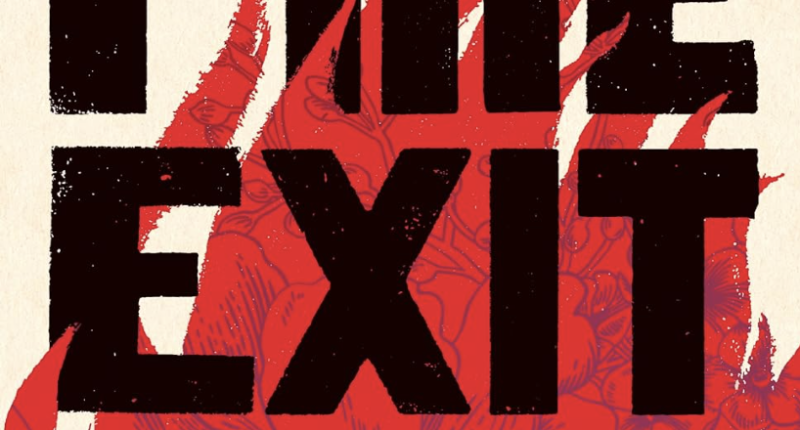
window.__IS_SSR__=true
window.__INITIAL_STATE__={
"attachmentsReducer": {
"audio_0": {
"type": "attachments",
"id": "audio_0",
"imgSizes": {
"kqedFullSize": {
"file": "https://ww2.kqed.org/news/wp-content/themes/KQED-unified/img/audio_bgs/background0.jpg"
}
}
},
"audio_1": {
"type": "attachments",
"id": "audio_1",
"imgSizes": {
"kqedFullSize": {
"file": "https://ww2.kqed.org/news/wp-content/themes/KQED-unified/img/audio_bgs/background1.jpg"
}
}
},
"audio_2": {
"type": "attachments",
"id": "audio_2",
"imgSizes": {
"kqedFullSize": {
"file": "https://ww2.kqed.org/news/wp-content/themes/KQED-unified/img/audio_bgs/background2.jpg"
}
}
},
"audio_3": {
"type": "attachments",
"id": "audio_3",
"imgSizes": {
"kqedFullSize": {
"file": "https://ww2.kqed.org/news/wp-content/themes/KQED-unified/img/audio_bgs/background3.jpg"
}
}
},
"audio_4": {
"type": "attachments",
"id": "audio_4",
"imgSizes": {
"kqedFullSize": {
"file": "https://ww2.kqed.org/news/wp-content/themes/KQED-unified/img/audio_bgs/background4.jpg"
}
}
},
"placeholder": {
"type": "attachments",
"id": "placeholder",
"imgSizes": {
"thumbnail": {
"file": "https://cdn.kqed.org/wp-content/uploads/2024/12/KQED-Default-Image-816638274-2000x1333-1-160x107.jpg",
"width": 160,
"height": 107,
"mimeType": "image/jpeg"
},
"medium": {
"file": "https://cdn.kqed.org/wp-content/uploads/2024/12/KQED-Default-Image-816638274-2000x1333-1-800x533.jpg",
"width": 800,
"height": 533,
"mimeType": "image/jpeg"
},
"medium_large": {
"file": "https://cdn.kqed.org/wp-content/uploads/2024/12/KQED-Default-Image-816638274-2000x1333-1-768x512.jpg",
"width": 768,
"height": 512,
"mimeType": "image/jpeg"
},
"large": {
"file": "https://cdn.kqed.org/wp-content/uploads/2024/12/KQED-Default-Image-816638274-2000x1333-1-1020x680.jpg",
"width": 1020,
"height": 680,
"mimeType": "image/jpeg"
},
"1536x1536": {
"file": "https://cdn.kqed.org/wp-content/uploads/2024/12/KQED-Default-Image-816638274-2000x1333-1-1536x1024.jpg",
"width": 1536,
"height": 1024,
"mimeType": "image/jpeg"
},
"fd-lrg": {
"file": "https://cdn.kqed.org/wp-content/uploads/2024/12/KQED-Default-Image-816638274-2000x1333-1-1536x1024.jpg",
"width": 1536,
"height": 1024,
"mimeType": "image/jpeg"
},
"fd-med": {
"file": "https://cdn.kqed.org/wp-content/uploads/2024/12/KQED-Default-Image-816638274-2000x1333-1-1020x680.jpg",
"width": 1020,
"height": 680,
"mimeType": "image/jpeg"
},
"fd-sm": {
"file": "https://cdn.kqed.org/wp-content/uploads/2024/12/KQED-Default-Image-816638274-2000x1333-1-800x533.jpg",
"width": 800,
"height": 533,
"mimeType": "image/jpeg"
},
"post-thumbnail": {
"file": "https://cdn.kqed.org/wp-content/uploads/2024/12/KQED-Default-Image-816638274-2000x1333-1-672x372.jpg",
"width": 672,
"height": 372,
"mimeType": "image/jpeg"
},
"twentyfourteen-full-width": {
"file": "https://cdn.kqed.org/wp-content/uploads/2024/12/KQED-Default-Image-816638274-2000x1333-1-1038x576.jpg",
"width": 1038,
"height": 576,
"mimeType": "image/jpeg"
},
"xxsmall": {
"file": "https://cdn.kqed.org/wp-content/uploads/2024/12/KQED-Default-Image-816638274-2000x1333-1-160x107.jpg",
"width": 160,
"height": 107,
"mimeType": "image/jpeg"
},
"xsmall": {
"file": "https://cdn.kqed.org/wp-content/uploads/2024/12/KQED-Default-Image-816638274-2000x1333-1-672x372.jpg",
"width": 672,
"height": 372,
"mimeType": "image/jpeg"
},
"small": {
"file": "https://cdn.kqed.org/wp-content/uploads/2024/12/KQED-Default-Image-816638274-2000x1333-1-672x372.jpg",
"width": 672,
"height": 372,
"mimeType": "image/jpeg"
},
"xlarge": {
"file": "https://cdn.kqed.org/wp-content/uploads/2024/12/KQED-Default-Image-816638274-2000x1333-1-1020x680.jpg",
"width": 1020,
"height": 680,
"mimeType": "image/jpeg"
},
"full-width": {
"file": "https://cdn.kqed.org/wp-content/uploads/2024/12/KQED-Default-Image-816638274-2000x1333-1-1920x1280.jpg",
"width": 1920,
"height": 1280,
"mimeType": "image/jpeg"
},
"guest-author-32": {
"file": "https://cdn.kqed.org/wp-content/uploads/2025/01/KQED-Default-Image-816638274-1333x1333-1-160x160.jpg",
"width": 32,
"height": 32,
"mimeType": "image/jpeg"
},
"guest-author-50": {
"file": "https://cdn.kqed.org/wp-content/uploads/2025/01/KQED-Default-Image-816638274-1333x1333-1-160x160.jpg",
"width": 50,
"height": 50,
"mimeType": "image/jpeg"
},
"guest-author-64": {
"file": "https://cdn.kqed.org/wp-content/uploads/2025/01/KQED-Default-Image-816638274-1333x1333-1-160x160.jpg",
"width": 64,
"height": 64,
"mimeType": "image/jpeg"
},
"guest-author-96": {
"file": "https://cdn.kqed.org/wp-content/uploads/2025/01/KQED-Default-Image-816638274-1333x1333-1-160x160.jpg",
"width": 96,
"height": 96,
"mimeType": "image/jpeg"
},
"guest-author-128": {
"file": "https://cdn.kqed.org/wp-content/uploads/2025/01/KQED-Default-Image-816638274-1333x1333-1-160x160.jpg",
"width": 128,
"height": 128,
"mimeType": "image/jpeg"
},
"detail": {
"file": "https://cdn.kqed.org/wp-content/uploads/2025/01/KQED-Default-Image-816638274-1333x1333-1-160x160.jpg",
"width": 160,
"height": 160,
"mimeType": "image/jpeg"
},
"kqedFullSize": {
"file": "https://cdn.kqed.org/wp-content/uploads/2024/12/KQED-Default-Image-816638274-2000x1333-1.jpg",
"width": 2000,
"height": 1333
}
}
},
"arts_13959995": {
"type": "attachments",
"id": "arts_13959995",
"meta": {
"index": "attachments_1716263798",
"site": "arts",
"id": "13959995",
"found": true
},
"title": "658f08fe2cdeab4426f3a6aa_Gabrielle Civil (credit Catron Booker)",
"publishDate": 1718757325,
"status": "inherit",
"parent": 13959993,
"modified": 1718757494,
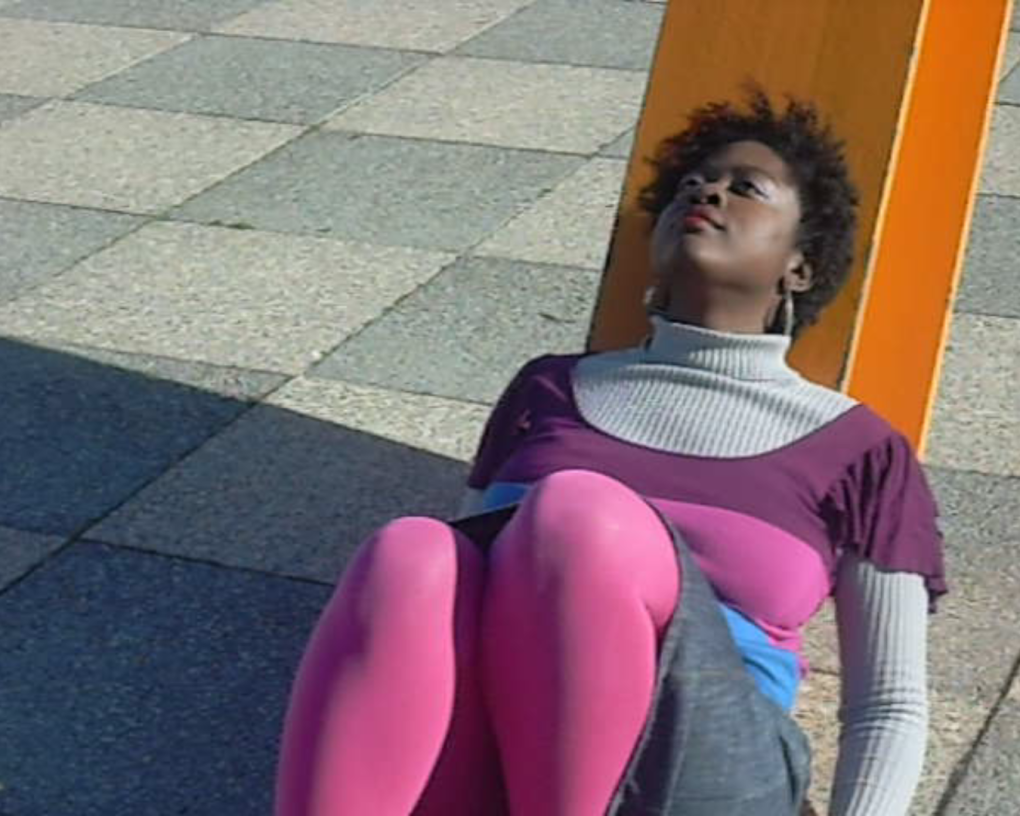
"caption": "Gabrielle Civil presents 'My San Francisco,' a newly commissioned performance, at The Lab on June 22.",
"credit": "Catron Booker",
"altTag": "Black woman leans against yellow post and looks up",
"description": null,
"imgSizes": {
"medium": {
"file": "https://cdn.kqed.org/wp-content/uploads/sites/2/2024/06/658f08fe2cdeab4426f3a6aa_Gabrielle-Civil-credit-Catron-Booker-800x640.png",
"width": 800,
"height": 640,
"mimeType": "image/png"
},
"large": {
"file": "https://cdn.kqed.org/wp-content/uploads/sites/2/2024/06/658f08fe2cdeab4426f3a6aa_Gabrielle-Civil-credit-Catron-Booker-1020x816.png",
"width": 1020,
"height": 816,
"mimeType": "image/png"
},
"thumbnail": {
"file": "https://cdn.kqed.org/wp-content/uploads/sites/2/2024/06/658f08fe2cdeab4426f3a6aa_Gabrielle-Civil-credit-Catron-Booker-160x128.png",
"width": 160,
"height": 128,
"mimeType": "image/png"
},
"medium_large": {
"file": "https://cdn.kqed.org/wp-content/uploads/sites/2/2024/06/658f08fe2cdeab4426f3a6aa_Gabrielle-Civil-credit-Catron-Booker-768x614.png",
"width": 768,
"height": 614,
"mimeType": "image/png"
},
"post-thumbnail": {
"file": "https://cdn.kqed.org/wp-content/uploads/sites/2/2024/06/658f08fe2cdeab4426f3a6aa_Gabrielle-Civil-credit-Catron-Booker-672x372.png",
"width": 672,
"height": 372,
"mimeType": "image/png"
},
"twentyfourteen-full-width": {
"file": "https://cdn.kqed.org/wp-content/uploads/sites/2/2024/06/658f08fe2cdeab4426f3a6aa_Gabrielle-Civil-credit-Catron-Booker-1038x576.png",
"width": 1038,
"height": 576,
"mimeType": "image/png"
},
"kqedFullSize": {
"file": "https://cdn.kqed.org/wp-content/uploads/sites/2/2024/06/658f08fe2cdeab4426f3a6aa_Gabrielle-Civil-credit-Catron-Booker.png",
"width": 1350,
"height": 1080
}
},
"isLoading": false,
"fetchFailed": false
},
"arts_13959946": {
"type": "attachments",
"id": "arts_13959946",
"meta": {
"index": "attachments_1716263798",
"site": "arts",
"id": "13959946",
"found": true
},
"title": "nonfiction.jpg",
"publishDate": 1718667321,
"status": "inherit",
"parent": 13959945,
"modified": 1718741310,
"caption": null,
"credit": "Alicia Zheng/NPR",
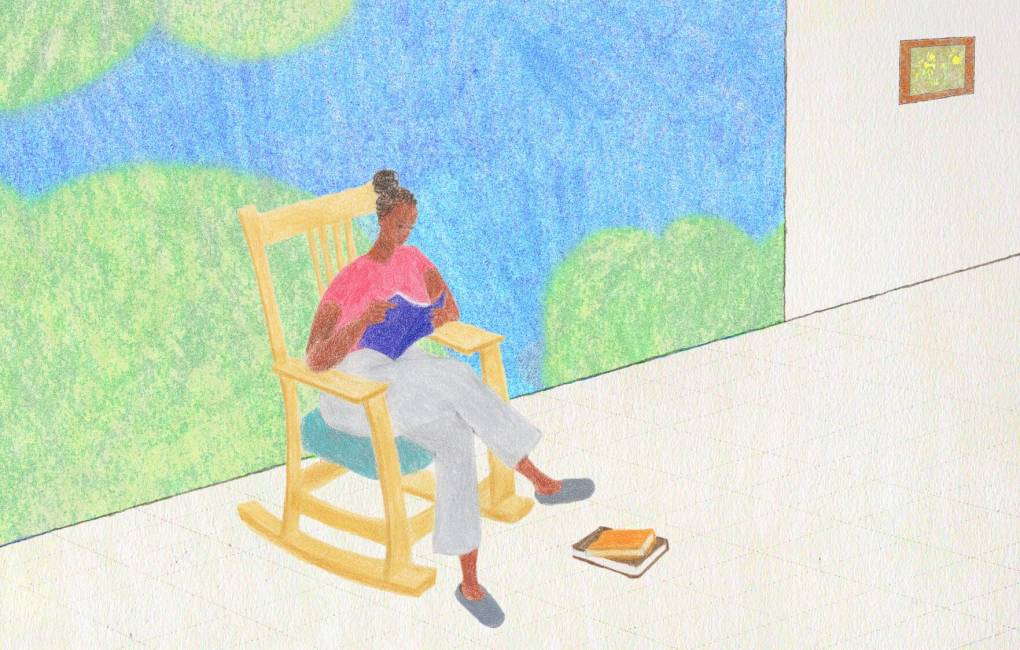
"altTag": "An illustration of a Black woman seated outside with a book in her hands and two at her feet.",
"description": null,
"imgSizes": {
"medium": {
"file": "https://cdn.kqed.org/wp-content/uploads/sites/2/2024/06/nonfiction-800x510.jpeg",
"width": 800,
"height": 510,
"mimeType": "image/jpeg"
},
"large": {
"file": "https://cdn.kqed.org/wp-content/uploads/sites/2/2024/06/nonfiction-1020x650.jpeg",
"width": 1020,
"height": 650,
"mimeType": "image/jpeg"
},
"thumbnail": {
"file": "https://cdn.kqed.org/wp-content/uploads/sites/2/2024/06/nonfiction-160x102.jpeg",
"width": 160,
"height": 102,
"mimeType": "image/jpeg"
},
"medium_large": {
"file": "https://cdn.kqed.org/wp-content/uploads/sites/2/2024/06/nonfiction-768x490.jpeg",
"width": 768,
"height": 490,
"mimeType": "image/jpeg"
},
"1536x1536": {
"file": "https://cdn.kqed.org/wp-content/uploads/sites/2/2024/06/nonfiction-1536x979.jpeg",
"width": 1536,
"height": 979,
"mimeType": "image/jpeg"
},
"post-thumbnail": {
"file": "https://cdn.kqed.org/wp-content/uploads/sites/2/2024/06/nonfiction-672x372.jpeg",
"width": 672,
"height": 372,
"mimeType": "image/jpeg"
},
"twentyfourteen-full-width": {
"file": "https://cdn.kqed.org/wp-content/uploads/sites/2/2024/06/nonfiction-1038x576.jpeg",
"width": 1038,
"height": 576,
"mimeType": "image/jpeg"
},
"kqedFullSize": {
"file": "https://cdn.kqed.org/wp-content/uploads/sites/2/2024/06/nonfiction.jpeg",
"width": 1763,
"height": 1124
}
},
"isLoading": false,
"fetchFailed": false
},
"arts_13959870": {
"type": "attachments",
"id": "arts_13959870",
"meta": {
"index": "attachments_1716263798",
"site": "arts",
"id": "13959870",
"found": true
},
"title": "‘Margo’s Got Money Troubles’ by Rufi Thorpe.",
"publishDate": 1718390780,
"status": "inherit",
"parent": 13959868,
"modified": 1718390812,
"caption": "‘Margo’s Got Money Troubles’ by Rufi Thorpe.",
"credit": "William Morrow",
"altTag": null,
"description": null,
"imgSizes": {
"medium": {
"file": "https://cdn.kqed.org/wp-content/uploads/sites/2/2024/06/Screen-Shot-2024-06-14-at-11.45.37-AM-800x453.png",
"width": 800,
"height": 453,
"mimeType": "image/png"
},
"thumbnail": {
"file": "https://cdn.kqed.org/wp-content/uploads/sites/2/2024/06/Screen-Shot-2024-06-14-at-11.45.37-AM-160x91.png",
"width": 160,
"height": 91,
"mimeType": "image/png"
},
"medium_large": {
"file": "https://cdn.kqed.org/wp-content/uploads/sites/2/2024/06/Screen-Shot-2024-06-14-at-11.45.37-AM-768x435.png",
"width": 768,
"height": 435,
"mimeType": "image/png"
},
"post-thumbnail": {
"file": "https://cdn.kqed.org/wp-content/uploads/sites/2/2024/06/Screen-Shot-2024-06-14-at-11.45.37-AM-672x372.png",
"width": 672,
"height": 372,
"mimeType": "image/png"
},
"kqedFullSize": {
"file": "https://cdn.kqed.org/wp-content/uploads/sites/2/2024/06/Screen-Shot-2024-06-14-at-11.45.37-AM.png",
"width": 830,
"height": 470
}
},
"isLoading": false,
"fetchFailed": false
},
"arts_13959783": {
"type": "attachments",
"id": "arts_13959783",
"meta": {
"index": "attachments_1716263798",
"site": "arts",
"id": "13959783",
"found": true
},
"title": "‘Consent: A Memoir’ by Jill Ciment.",
"publishDate": 1718306319,
"status": "inherit",
"parent": 13959775,
"modified": 1718306430,
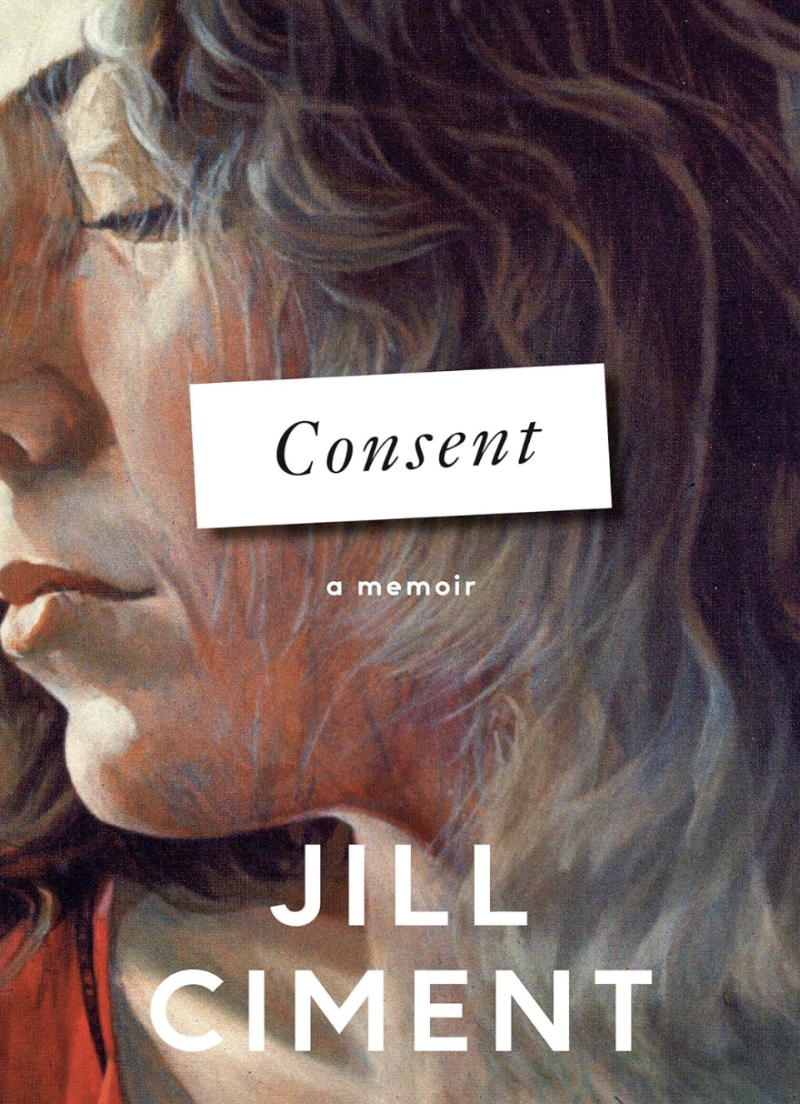
"caption": "‘Consent: A Memoir’ by Jill Ciment.",
"credit": "Pantheon",
"altTag": "A book cover featuring a close up painting of a middle aged woman's face.",
"description": null,
"imgSizes": {
"medium": {
"file": "https://cdn.kqed.org/wp-content/uploads/sites/2/2024/06/Screen-Shot-2024-06-13-at-12.18.08-PM-800x1104.png",
"width": 800,
"height": 1104,
"mimeType": "image/png"
},
"thumbnail": {
"file": "https://cdn.kqed.org/wp-content/uploads/sites/2/2024/06/Screen-Shot-2024-06-13-at-12.18.08-PM-160x221.png",
"width": 160,
"height": 221,
"mimeType": "image/png"
},
"medium_large": {
"file": "https://cdn.kqed.org/wp-content/uploads/sites/2/2024/06/Screen-Shot-2024-06-13-at-12.18.08-PM-768x1059.png",
"width": 768,
"height": 1059,
"mimeType": "image/png"
},
"post-thumbnail": {
"file": "https://cdn.kqed.org/wp-content/uploads/sites/2/2024/06/Screen-Shot-2024-06-13-at-12.18.08-PM-672x372.png",
"width": 672,
"height": 372,
"mimeType": "image/png"
},
"twentyfourteen-full-width": {
"file": "https://cdn.kqed.org/wp-content/uploads/sites/2/2024/06/Screen-Shot-2024-06-13-at-12.18.08-PM-880x576.png",
"width": 880,
"height": 576,
"mimeType": "image/png"
},
"kqedFullSize": {
"file": "https://cdn.kqed.org/wp-content/uploads/sites/2/2024/06/Screen-Shot-2024-06-13-at-12.18.08-PM.png",
"width": 880,
"height": 1214
}
},
"isLoading": false,
"fetchFailed": false
},
"arts_13959652": {
"type": "attachments",
"id": "arts_13959652",
"meta": {
"index": "attachments_1716263798",
"site": "arts",
"id": "13959652",
"found": true
},
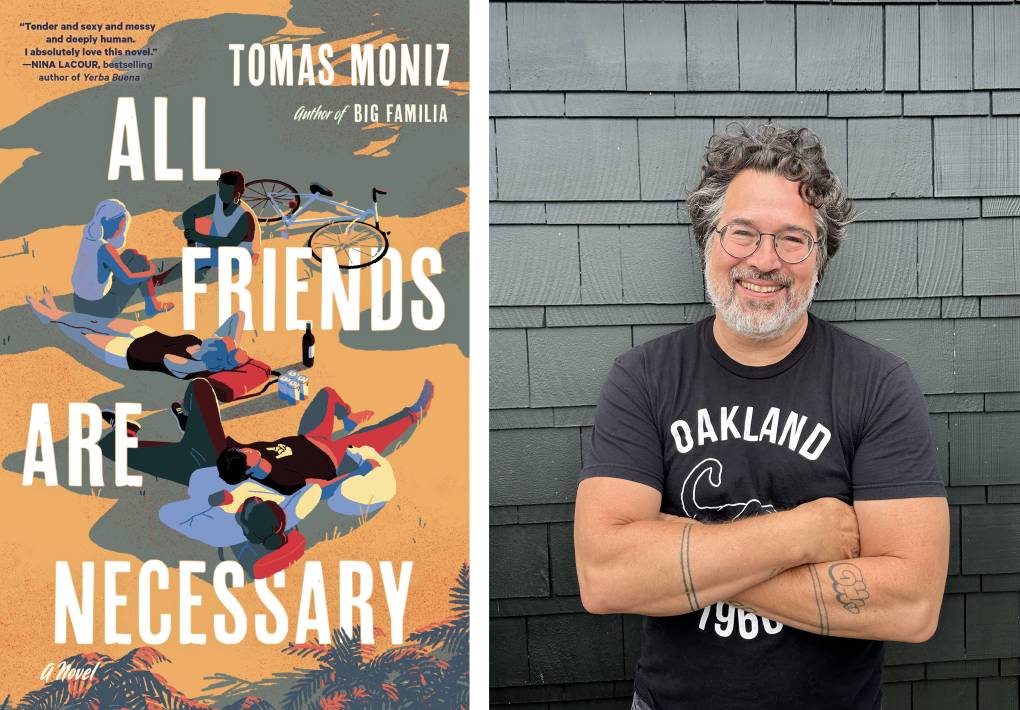
"title": "Tomas Moniz, author of All Friends Are Necessary, a novel about friendship in the Bay Area.",
"publishDate": 1718205908,
"status": "inherit",
"parent": 13959550,
"modified": 1718206026,
"caption": "Tomas Moniz, author of All Friends Are Necessary, a novel about friendship in the Bay Area.",
"credit": "Courtesy of Tomas Moniz",
"altTag": "Tomas Moniz, author of All Friends Are Necessary, a novel about friendship in the Bay Area.",
"description": "Tomas Moniz, author of All Friends Are Necessary, a novel about friendship in the Bay Area.",
"imgSizes": {
"medium": {
"file": "https://cdn.kqed.org/wp-content/uploads/sites/2/2024/06/Tomas-Moniz-Author-Photo_credit-Ella-Moniz_plus_Cover-1-800x557.jpg",
"width": 800,
"height": 557,
"mimeType": "image/jpeg"
},
"large": {
"file": "https://cdn.kqed.org/wp-content/uploads/sites/2/2024/06/Tomas-Moniz-Author-Photo_credit-Ella-Moniz_plus_Cover-1-1020x710.jpg",
"width": 1020,
"height": 710,
"mimeType": "image/jpeg"
},
"thumbnail": {
"file": "https://cdn.kqed.org/wp-content/uploads/sites/2/2024/06/Tomas-Moniz-Author-Photo_credit-Ella-Moniz_plus_Cover-1-160x111.jpg",
"width": 160,
"height": 111,
"mimeType": "image/jpeg"
},
"medium_large": {
"file": "https://cdn.kqed.org/wp-content/uploads/sites/2/2024/06/Tomas-Moniz-Author-Photo_credit-Ella-Moniz_plus_Cover-1-768x535.jpg",
"width": 768,
"height": 535,
"mimeType": "image/jpeg"
},
"1536x1536": {
"file": "https://cdn.kqed.org/wp-content/uploads/sites/2/2024/06/Tomas-Moniz-Author-Photo_credit-Ella-Moniz_plus_Cover-1-1536x1070.jpg",
"width": 1536,
"height": 1070,
"mimeType": "image/jpeg"
},
"2048x2048": {
"file": "https://cdn.kqed.org/wp-content/uploads/sites/2/2024/06/Tomas-Moniz-Author-Photo_credit-Ella-Moniz_plus_Cover-1-2048x1426.jpg",
"width": 2048,
"height": 1426,
"mimeType": "image/jpeg"
},
"post-thumbnail": {
"file": "https://cdn.kqed.org/wp-content/uploads/sites/2/2024/06/Tomas-Moniz-Author-Photo_credit-Ella-Moniz_plus_Cover-1-672x372.jpg",
"width": 672,
"height": 372,
"mimeType": "image/jpeg"
},
"twentyfourteen-full-width": {
"file": "https://cdn.kqed.org/wp-content/uploads/sites/2/2024/06/Tomas-Moniz-Author-Photo_credit-Ella-Moniz_plus_Cover-1-1038x576.jpg",
"width": 1038,
"height": 576,
"mimeType": "image/jpeg"
},
"full-width": {
"file": "https://cdn.kqed.org/wp-content/uploads/sites/2/2024/06/Tomas-Moniz-Author-Photo_credit-Ella-Moniz_plus_Cover-1-1920x1337.jpg",
"width": 1920,
"height": 1337,
"mimeType": "image/jpeg"
},
"kqedFullSize": {
"file": "https://cdn.kqed.org/wp-content/uploads/sites/2/2024/06/Tomas-Moniz-Author-Photo_credit-Ella-Moniz_plus_Cover-1-scaled.jpg",
"width": 2560,
"height": 1783
}
},
"isLoading": false,
"fetchFailed": false
},
"arts_13959721": {
"type": "attachments",
"id": "arts_13959721",
"meta": {
"index": "attachments_1716263798",
"site": "arts",
"id": "13959721",
"found": true
},
"title": "‘Horror Movie: A Novel’ by Paul Tremblay.",
"publishDate": 1718228134,
"status": "inherit",
"parent": 13959693,
"modified": 1718228175,
"caption": "‘Horror Movie: A Novel’ by Paul Tremblay.",
"credit": "William Morrow",
"altTag": "A book cover depicting a smashed VHS tape against a black background.",
"description": null,
"imgSizes": {
"medium": {
"file": "https://cdn.kqed.org/wp-content/uploads/sites/2/2024/06/Screen-Shot-2024-06-12-at-2.21.00-PM-800x438.png",
"width": 800,
"height": 438,
"mimeType": "image/png"
},
"thumbnail": {
"file": "https://cdn.kqed.org/wp-content/uploads/sites/2/2024/06/Screen-Shot-2024-06-12-at-2.21.00-PM-160x88.png",
"width": 160,
"height": 88,
"mimeType": "image/png"
},
"medium_large": {
"file": "https://cdn.kqed.org/wp-content/uploads/sites/2/2024/06/Screen-Shot-2024-06-12-at-2.21.00-PM-768x421.png",
"width": 768,
"height": 421,
"mimeType": "image/png"
},
"post-thumbnail": {
"file": "https://cdn.kqed.org/wp-content/uploads/sites/2/2024/06/Screen-Shot-2024-06-12-at-2.21.00-PM-672x372.png",
"width": 672,
"height": 372,
"mimeType": "image/png"
},
"kqedFullSize": {
"file": "https://cdn.kqed.org/wp-content/uploads/sites/2/2024/06/Screen-Shot-2024-06-12-at-2.21.00-PM.png",
"width": 836,
"height": 458
}
},
"isLoading": false,
"fetchFailed": false
},
"arts_13959636": {
"type": "attachments",
"id": "arts_13959636",
"meta": {
"index": "attachments_1716263798",
"site": "arts",
"id": "13959636",
"found": true
},
"title": "In the episode ‘From Virgin to Vixen,’ Queenie is in peak fun mode — until her demons begin to catch up with her.",
"publishDate": 1718147166,
"status": "inherit",
"parent": 13959635,
"modified": 1718147436,
"caption": "In the episode ‘From Virgin to Vixen,’ Queenie is in peak fun mode — until her demons begin to catch up with her.",
"credit": "Lionsgate/Latoya Okuneye",
"altTag": "A Black woman dressed as a Playboy bunny talks to a man dressed as Hugh Hefner, at a sparsely populated party.",
"description": null,
"imgSizes": {
"medium": {
"file": "https://cdn.kqed.org/wp-content/uploads/sites/2/2024/06/171036-img-6079-v1-800x533.jpeg",
"width": 800,
"height": 533,
"mimeType": "image/jpeg"
},
"large": {
"file": "https://cdn.kqed.org/wp-content/uploads/sites/2/2024/06/171036-img-6079-v1-1020x680.jpeg",
"width": 1020,
"height": 680,
"mimeType": "image/jpeg"
},
"thumbnail": {
"file": "https://cdn.kqed.org/wp-content/uploads/sites/2/2024/06/171036-img-6079-v1-160x107.jpeg",
"width": 160,
"height": 107,
"mimeType": "image/jpeg"
},
"medium_large": {
"file": "https://cdn.kqed.org/wp-content/uploads/sites/2/2024/06/171036-img-6079-v1-768x512.jpeg",
"width": 768,
"height": 512,
"mimeType": "image/jpeg"
},
"1536x1536": {
"file": "https://cdn.kqed.org/wp-content/uploads/sites/2/2024/06/171036-img-6079-v1-1536x1024.jpeg",
"width": 1536,
"height": 1024,
"mimeType": "image/jpeg"
},
"2048x2048": {
"file": "https://cdn.kqed.org/wp-content/uploads/sites/2/2024/06/171036-img-6079-v1-2048x1365.jpeg",
"width": 2048,
"height": 1365,
"mimeType": "image/jpeg"
},
"post-thumbnail": {
"file": "https://cdn.kqed.org/wp-content/uploads/sites/2/2024/06/171036-img-6079-v1-672x372.jpeg",
"width": 672,
"height": 372,
"mimeType": "image/jpeg"
},
"twentyfourteen-full-width": {
"file": "https://cdn.kqed.org/wp-content/uploads/sites/2/2024/06/171036-img-6079-v1-1038x576.jpeg",
"width": 1038,
"height": 576,
"mimeType": "image/jpeg"
},
"full-width": {
"file": "https://cdn.kqed.org/wp-content/uploads/sites/2/2024/06/171036-img-6079-v1-1920x1280.jpeg",
"width": 1920,
"height": 1280,
"mimeType": "image/jpeg"
},
"kqedFullSize": {
"file": "https://cdn.kqed.org/wp-content/uploads/sites/2/2024/06/171036-img-6079-v1-scaled-e1718147321594.jpeg",
"width": 1920,
"height": 1280
}
},
"isLoading": false,
"fetchFailed": false
},
"arts_13959534": {
"type": "attachments",
"id": "arts_13959534",
"meta": {
"index": "attachments_1716263798",
"site": "arts",
"id": "13959534",
"found": true
},
"title": "‘The Vixen Amber Halloway’ by Carol LaHines.",
"publishDate": 1718054572,
"status": "inherit",
"parent": 13959530,
"modified": 1718054604,
"caption": "‘The Vixen Amber Halloway’ by Carol LaHines.",
"credit": "Regal House Publishing",
"altTag": "A book cover depicting a photo of an attractive woman's face behind shattered glass.",
"description": null,
"imgSizes": {
"medium": {
"file": "https://cdn.kqed.org/wp-content/uploads/sites/2/2024/06/Screen-Shot-2024-06-10-at-2.22.36-PM-800x512.png",
"width": 800,
"height": 512,
"mimeType": "image/png"
},
"thumbnail": {
"file": "https://cdn.kqed.org/wp-content/uploads/sites/2/2024/06/Screen-Shot-2024-06-10-at-2.22.36-PM-160x102.png",
"width": 160,
"height": 102,
"mimeType": "image/png"
},
"medium_large": {
"file": "https://cdn.kqed.org/wp-content/uploads/sites/2/2024/06/Screen-Shot-2024-06-10-at-2.22.36-PM-768x491.png",
"width": 768,
"height": 491,
"mimeType": "image/png"
},
"post-thumbnail": {
"file": "https://cdn.kqed.org/wp-content/uploads/sites/2/2024/06/Screen-Shot-2024-06-10-at-2.22.36-PM-672x372.png",
"width": 672,
"height": 372,
"mimeType": "image/png"
},
"kqedFullSize": {
"file": "https://cdn.kqed.org/wp-content/uploads/sites/2/2024/06/Screen-Shot-2024-06-10-at-2.22.36-PM.png",
"width": 844,
"height": 540
}
},
"isLoading": false,
"fetchFailed": false
},
"arts_13959417": {
"type": "attachments",
"id": "arts_13959417",
"meta": {
"index": "attachments_1716263798",
"site": "arts",
"id": "13959417",
"found": true
},
"title": "‘When The Sea Came Alive: An Oral History of D-Day’ by Garrett M. Graff.",
"publishDate": 1717710639,
"status": "inherit",
"parent": 13959414,
"modified": 1717710788,
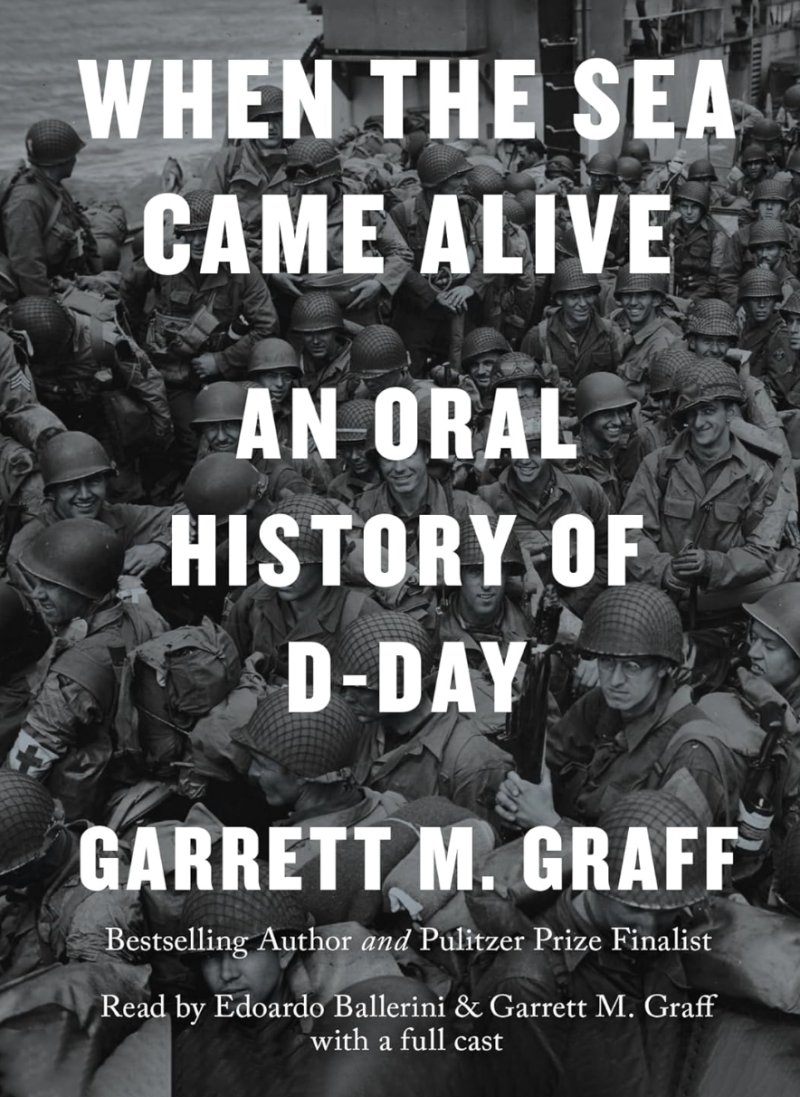
"caption": "‘When The Sea Came Alive: An Oral History of D-Day’ by Garrett M. Graff.",
"credit": "Blackstone",
"altTag": "A book cover showing soldiers crowded into the back of a boat during World War II.",
"description": null,
"imgSizes": {
"medium": {
"file": "https://cdn.kqed.org/wp-content/uploads/sites/2/2024/06/Screen-Shot-2024-06-06-at-2.50.00-PM-800x1097.png",
"width": 800,
"height": 1097,
"mimeType": "image/png"
},
"thumbnail": {
"file": "https://cdn.kqed.org/wp-content/uploads/sites/2/2024/06/Screen-Shot-2024-06-06-at-2.50.00-PM-160x219.png",
"width": 160,
"height": 219,
"mimeType": "image/png"
},
"medium_large": {
"file": "https://cdn.kqed.org/wp-content/uploads/sites/2/2024/06/Screen-Shot-2024-06-06-at-2.50.00-PM-768x1053.png",
"width": 768,
"height": 1053,
"mimeType": "image/png"
},
"post-thumbnail": {
"file": "https://cdn.kqed.org/wp-content/uploads/sites/2/2024/06/Screen-Shot-2024-06-06-at-2.50.00-PM-672x372.png",
"width": 672,
"height": 372,
"mimeType": "image/png"
},
"twentyfourteen-full-width": {
"file": "https://cdn.kqed.org/wp-content/uploads/sites/2/2024/06/Screen-Shot-2024-06-06-at-2.50.00-PM-884x576.png",
"width": 884,
"height": 576,
"mimeType": "image/png"
},
"kqedFullSize": {
"file": "https://cdn.kqed.org/wp-content/uploads/sites/2/2024/06/Screen-Shot-2024-06-06-at-2.50.00-PM.png",
"width": 884,
"height": 1212
}
},
"isLoading": false,
"fetchFailed": false
},
"arts_13959232": {
"type": "attachments",
"id": "arts_13959232",
"meta": {
"index": "attachments_1716263798",
"site": "arts",
"id": "13959232",
"found": true
},
"title": "‘Fire Exit’ by Morgan Talty.",
"publishDate": 1717540292,
"status": "inherit",
"parent": 13959224,
"modified": 1717540322,
"caption": "‘Fire Exit’ by Morgan Talty. ",
"credit": "Tin House Books",
"altTag": null,
"description": null,
"imgSizes": {
"medium": {
"file": "https://cdn.kqed.org/wp-content/uploads/sites/2/2024/06/Screen-Shot-2024-06-04-at-3.31.03-PM-800x430.png",
"width": 800,
"height": 430,
"mimeType": "image/png"
},
"thumbnail": {
"file": "https://cdn.kqed.org/wp-content/uploads/sites/2/2024/06/Screen-Shot-2024-06-04-at-3.31.03-PM-160x86.png",
"width": 160,
"height": 86,
"mimeType": "image/png"
},
"medium_large": {
"file": "https://cdn.kqed.org/wp-content/uploads/sites/2/2024/06/Screen-Shot-2024-06-04-at-3.31.03-PM-768x413.png",
"width": 768,
"height": 413,
"mimeType": "image/png"
},
"post-thumbnail": {
"file": "https://cdn.kqed.org/wp-content/uploads/sites/2/2024/06/Screen-Shot-2024-06-04-at-3.31.03-PM-672x372.png",
"width": 672,
"height": 372,
"mimeType": "image/png"
},
"kqedFullSize": {
"file": "https://cdn.kqed.org/wp-content/uploads/sites/2/2024/06/Screen-Shot-2024-06-04-at-3.31.03-PM.png",
"width": 818,
"height": 440
}
},
"isLoading": false,
"fetchFailed": false
},
"arts_13959160": {
"type": "attachments",
"id": "arts_13959160",
"meta": {
"index": "attachments_1716263798",
"site": "arts",
"id": "13959160",
"found": true
},
"title": "your presence is mandatory",
"publishDate": 1717456102,
"status": "inherit",
"parent": 13959155,
"modified": 1717456884,
"caption": "San Francisco author Sasha Vasilyuk based 'Your Presence is Mandatory' on a letter to the KGB her grandfather left behind after his death. ",
"credit": "L: Bloomsbury; R: Christopher Michel",
"altTag": null,
"description": null,
"imgSizes": {
"medium": {
"file": "https://cdn.kqed.org/wp-content/uploads/sites/2/2024/06/your-presence-is-mandatory-1-800x450.jpg",
"width": 800,
"height": 450,
"mimeType": "image/jpeg"
},
"large": {
"file": "https://cdn.kqed.org/wp-content/uploads/sites/2/2024/06/your-presence-is-mandatory-1-1020x574.jpg",
"width": 1020,
"height": 574,
"mimeType": "image/jpeg"
},
"thumbnail": {
"file": "https://cdn.kqed.org/wp-content/uploads/sites/2/2024/06/your-presence-is-mandatory-1-160x90.jpg",
"width": 160,
"height": 90,
"mimeType": "image/jpeg"
},
"medium_large": {
"file": "https://cdn.kqed.org/wp-content/uploads/sites/2/2024/06/your-presence-is-mandatory-1-768x432.jpg",
"width": 768,
"height": 432,
"mimeType": "image/jpeg"
},
"post-thumbnail": {
"file": "https://cdn.kqed.org/wp-content/uploads/sites/2/2024/06/your-presence-is-mandatory-1-672x372.jpg",
"width": 672,
"height": 372,
"mimeType": "image/jpeg"
},
"twentyfourteen-full-width": {
"file": "https://cdn.kqed.org/wp-content/uploads/sites/2/2024/06/your-presence-is-mandatory-1-1038x576.jpg",
"width": 1038,
"height": 576,
"mimeType": "image/jpeg"
},
"kqedFullSize": {
"file": "https://cdn.kqed.org/wp-content/uploads/sites/2/2024/06/your-presence-is-mandatory-1.jpg",
"width": 1351,
"height": 760
}
},
"isLoading": false,
"fetchFailed": false
},
"arts_13959075": {
"type": "attachments",
"id": "arts_13959075",
"meta": {
"index": "attachments_1716263798",
"site": "arts",
"id": "13959075",
"found": true
},
"title": "A new book says that major themes and images of vivid dreams are worth paying attention to.",
"publishDate": 1717430900,
"status": "inherit",
"parent": 13959073,
"modified": 1717431016,
"caption": "A new book says that major themes and images of vivid dreams are worth paying attention to.",
"credit": "Eoneren/ Getty Images | E+",
"altTag": "An abstract 3D cloud model hanging over a bed inside a sparse bedroom.",
"description": null,
"imgSizes": {
"medium": {
"file": "https://cdn.kqed.org/wp-content/uploads/sites/2/2024/06/Screen-Shot-2024-06-03-at-9.07.58-AM-800x493.png",
"width": 800,
"height": 493,
"mimeType": "image/png"
},
"large": {
"file": "https://cdn.kqed.org/wp-content/uploads/sites/2/2024/06/Screen-Shot-2024-06-03-at-9.07.58-AM-1020x628.png",
"width": 1020,
"height": 628,
"mimeType": "image/png"
},
"thumbnail": {
"file": "https://cdn.kqed.org/wp-content/uploads/sites/2/2024/06/Screen-Shot-2024-06-03-at-9.07.58-AM-160x99.png",
"width": 160,
"height": 99,
"mimeType": "image/png"
},
"medium_large": {
"file": "https://cdn.kqed.org/wp-content/uploads/sites/2/2024/06/Screen-Shot-2024-06-03-at-9.07.58-AM-768x473.png",
"width": 768,
"height": 473,
"mimeType": "image/png"
},
"post-thumbnail": {
"file": "https://cdn.kqed.org/wp-content/uploads/sites/2/2024/06/Screen-Shot-2024-06-03-at-9.07.58-AM-672x372.png",
"width": 672,
"height": 372,
"mimeType": "image/png"
},
"twentyfourteen-full-width": {
"file": "https://cdn.kqed.org/wp-content/uploads/sites/2/2024/06/Screen-Shot-2024-06-03-at-9.07.58-AM-1038x576.png",
"width": 1038,
"height": 576,
"mimeType": "image/png"
},
"kqedFullSize": {
"file": "https://cdn.kqed.org/wp-content/uploads/sites/2/2024/06/Screen-Shot-2024-06-03-at-9.07.58-AM.png",
"width": 1292,
"height": 796
}
},
"isLoading": false,
"fetchFailed": false
}
},
"audioPlayerReducer": {
"postId": "stream_live",
"isPaused": true,
"isPlaying": false,
"pfsActive": false,
"pledgeModalIsOpen": true,
"playerDrawerIsOpen": false,
"liveAudioPlayStartedAt": 0,
"liveAudioPlayContext": ""
},
"authorsReducer": {
"byline_arts_13959945": {
"type": "authors",
"id": "byline_arts_13959945",
"meta": {
"override": true
},
"slug": "byline_arts_13959945",
"name": "Meghan Collins Sullivan, Beth Novey, NPR",
"isLoading": false
},
"byline_arts_13959868": {
"type": "authors",
"id": "byline_arts_13959868",
"meta": {
"override": true
},
"slug": "byline_arts_13959868",
"name": "Rob Merrill, Associated Press",
"isLoading": false
},
"byline_arts_13959775": {
"type": "authors",
"id": "byline_arts_13959775",
"meta": {
"override": true
},
"slug": "byline_arts_13959775",
"name": "Heller McAlpin, NPR",
"isLoading": false
},
"byline_arts_13959693": {
"type": "authors",
"id": "byline_arts_13959693",
"meta": {
"override": true
},
"slug": "byline_arts_13959693",
"name": "Gabino Iglesias",
"isLoading": false
},
"byline_arts_13959635": {
"type": "authors",
"id": "byline_arts_13959635",
"meta": {
"override": true
},
"slug": "byline_arts_13959635",
"name": "Carole V. Bell",
"isLoading": false
},
"byline_arts_13959530": {
"type": "authors",
"id": "byline_arts_13959530",
"meta": {
"override": true
},
"slug": "byline_arts_13959530",
"name": "Bruce DeSilva, Associated Press",
"isLoading": false
},
"byline_arts_13959414": {
"type": "authors",
"id": "byline_arts_13959414",
"meta": {
"override": true
},
"slug": "byline_arts_13959414",
"name": "Andrew DeMillo, Associated Press",
"isLoading": false
},
"byline_arts_13959224": {
"type": "authors",
"id": "byline_arts_13959224",
"meta": {
"override": true
},
"slug": "byline_arts_13959224",
"name": "Ann Levin, Associated Press",
"isLoading": false
},
"byline_arts_13959073": {
"type": "authors",
"id": "byline_arts_13959073",
"meta": {
"override": true
},
"slug": "byline_arts_13959073",
"name": "Andrea Muraskin",
"isLoading": false
},
"shotchkiss": {
"type": "authors",
"id": "61",
"meta": {
"index": "authors_1716337520",
"id": "61",
"found": true
},
"name": "Sarah Hotchkiss",
"firstName": "Sarah",
"lastName": "Hotchkiss",
"slug": "shotchkiss",
"email": "shotchkiss@kqed.org",
"display_author_email": true,
"staff_mastheads": [
"arts"
],
"title": "Senior Editor",
"bio": "Sarah Hotchkiss is a San Francisco \u003ca href=\"http://www.sarahhotchkiss.com\">artist\u003c/a> and arts writer. In 2019, she received the Dorothea & Leo Rabkin Foundation grant for visual art journalism and in 2020 she received a Society of Professional Journalists, Northern California award for excellence in arts and culture reporting.",
"avatar": "https://secure.gravatar.com/avatar/bc662df144b3d27fd8b1b6f1c2a420d34e91e53154d411bb7ad353cc8b6cea8d?s=600&d=blank&r=g",
"twitter": null,
"bluesky": null,
"facebook": null,
"instagram": null,
"linkedin": null,
"sites": [
{
"site": "",
"roles": [
"editor"
]
},
{
"site": "arts",
"roles": [
"Contributor",
"administrator"
]
},
{
"site": "artschool",
"roles": [
"administrator"
]
},
{
"site": "news",
"roles": [
"editor"
]
},
{
"site": "pop",
"roles": [
"administrator"
]
},
{
"site": "bayareabites",
"roles": [
"editor"
]
},
{
"site": "spark",
"roles": [
"editor"
]
},
{
"site": "checkplease",
"roles": [
"editor"
]
}
],
"headData": {
"title": "Sarah Hotchkiss | KQED",
"description": "Senior Editor",
"ogImgSrc": "https://secure.gravatar.com/avatar/bc662df144b3d27fd8b1b6f1c2a420d34e91e53154d411bb7ad353cc8b6cea8d?s=600&d=blank&r=g",
"twImgSrc": "https://secure.gravatar.com/avatar/bc662df144b3d27fd8b1b6f1c2a420d34e91e53154d411bb7ad353cc8b6cea8d?s=600&d=blank&r=g"
},
"isLoading": false,
"link": "/author/shotchkiss"
},
"nvoynovskaya": {
"type": "authors",
"id": "11387",
"meta": {
"index": "authors_1716337520",
"id": "11387",
"found": true
},
"name": "Nastia Voynovskaya",
"firstName": "Nastia",
"lastName": "Voynovskaya",
"slug": "nvoynovskaya",
"email": "nvoynovskaya@kqed.org",
"display_author_email": false,
"staff_mastheads": [
"arts"
],
"title": "Editor and reporter",
"bio": "Nastia Voynovskaya is a reporter, editor and host at KQED Arts & Culture. She's been covering the arts in the Bay Area for over a decade, with a focus on music, queer culture, labor issues and grassroots organizing. She has edited KQED story series such as Trans Bay: A History of San Francisco's Gender-Diverse Community, and co-created KQED's Bay Area hip-hop history project, That's My Word. Nastia's work has been recognized by the Society of Professional Journalists and San Francisco Press Club. She regularly appears on podcasts and radio programs, including NPR's All Songs Considered, and hosts live events where music, culture and conversation meet.",
"avatar": "https://secure.gravatar.com/avatar/5025ee460e5a85d69ca20ea6c6f2f80d7e17795c828f61ea3aecfcd924e9042e?s=600&d=blank&r=g",
"twitter": null,
"bluesky": null,
"facebook": null,
"instagram": "https://www.instagram.com/nananastia/",
"linkedin": null,
"sites": [
{
"site": "",
"roles": [
"editor"
]
},
{
"site": "arts",
"roles": [
"administrator"
]
},
{
"site": "news",
"roles": [
"editor"
]
},
{
"site": "pop",
"roles": [
"administrator"
]
},
{
"site": "bayareabites",
"roles": [
"editor"
]
},
{
"site": "podcasts",
"roles": [
"editor"
]
},
{
"site": "hiphop",
"roles": [
"editor"
]
}
],
"headData": {
"title": "Nastia Voynovskaya | KQED",
"description": "Editor and reporter",
"ogImgSrc": "https://secure.gravatar.com/avatar/5025ee460e5a85d69ca20ea6c6f2f80d7e17795c828f61ea3aecfcd924e9042e?s=600&d=blank&r=g",
"twImgSrc": "https://secure.gravatar.com/avatar/5025ee460e5a85d69ca20ea6c6f2f80d7e17795c828f61ea3aecfcd924e9042e?s=600&d=blank&r=g"
},
"isLoading": false,
"link": "/author/nvoynovskaya"
},
"ogpenn": {
"type": "authors",
"id": "11491",
"meta": {
"index": "authors_1716337520",
"id": "11491",
"found": true
},
"name": "Pendarvis Harshaw",
"firstName": "Pendarvis",
"lastName": "Harshaw",
"slug": "ogpenn",
"email": "ogpenn@gmail.com",
"display_author_email": false,
"staff_mastheads": [
"arts"
],
"title": "Community Engagement Reporter",
"bio": "Pendarvis Harshaw is an educator, host and writer with KQED Arts.",
"avatar": "https://secure.gravatar.com/avatar/972b77ee8e3f346ae2b00622661187fbfabd059b5693bbdc1475ea7a722fd4cd?s=600&d=blank&r=g",
"twitter": null,
"bluesky": null,
"facebook": null,
"instagram": "ogpenn",
"linkedin": null,
"sites": [
{
"site": "arts",
"roles": [
"administrator"
]
},
{
"site": "news",
"roles": [
"editor"
]
},
{
"site": "bayareabites",
"roles": [
"author"
]
},
{
"site": "hiphop",
"roles": [
"editor"
]
}
],
"headData": {
"title": "Pendarvis Harshaw | KQED",
"description": "Community Engagement Reporter",
"ogImgSrc": "https://secure.gravatar.com/avatar/972b77ee8e3f346ae2b00622661187fbfabd059b5693bbdc1475ea7a722fd4cd?s=600&d=blank&r=g",
"twImgSrc": "https://secure.gravatar.com/avatar/972b77ee8e3f346ae2b00622661187fbfabd059b5693bbdc1475ea7a722fd4cd?s=600&d=blank&r=g"
},
"isLoading": false,
"link": "/author/ogpenn"
},
"mmedina": {
"type": "authors",
"id": "11528",
"meta": {
"index": "authors_1716337520",
"id": "11528",
"found": true
},
"name": "Marisol Medina-Cadena",
"firstName": "Marisol",
"lastName": "Medina-Cadena",
"slug": "mmedina",
"email": "mmedina@KQED.org",
"display_author_email": true,
"staff_mastheads": [],
"title": "Producer, Rightnowish Podcast",
"bio": "Marisol Medina-Cadena is a radio reporter and podcast producer. Before working at KQED, she produced for PBS member station, KCET, in Los Angeles. In 2017, Marisol won an Emmy Award for her work on the televised documentary, \u003cem>City Rising\u003c/em>, examining California's affordable housing crisis and the historical roots of gentrification.",
"avatar": "https://secure.gravatar.com/avatar/6c3db46a1cabb5e1fe9a365b5f4e681e?s=600&d=blank&r=g",
"twitter": "marisolreports",
"facebook": null,
"instagram": null,
"linkedin": null,
"sites": [
{
"site": "arts",
"roles": []
},
{
"site": "news",
"roles": [
"edit_others_posts"
]
}
],
"headData": {
"title": "Marisol Medina-Cadena | KQED",
"description": "Producer, Rightnowish Podcast",
"ogImgSrc": "https://secure.gravatar.com/avatar/6c3db46a1cabb5e1fe9a365b5f4e681e?s=600&d=blank&r=g",
"twImgSrc": "https://secure.gravatar.com/avatar/6c3db46a1cabb5e1fe9a365b5f4e681e?s=600&d=blank&r=g"
},
"isLoading": false,
"link": "/author/mmedina"
}
},
"pagesReducer": {
"arts_category_literature": {
"type": "terms",
"id": "arts_73",
"meta": {
"index": "terms_1716263798",
"site": "arts",
"id": "73",
"score": 12.797476
},
"featImg": null,
"name": "Books",
"description": null,
"taxonomy": "category",
"headData": {
"twImgId": null,
"twTitle": null,
"ogTitle": null,
"ogImgId": null,
"twDescription": null,
"description": null,
"title": "Books Archives | KQED Arts",
"ogDescription": null
},
"ttid": 74,
"slug": "literature",
"isLoading": false,
"title": "Books",
"pageMeta": {
"site": "arts",
"WpPageTemplate": "page-topic-editorial",
"currentPage": 24
},
"blocks": [
{
"blockName": "kqed/post-list",
"attrs": {
"layout": "cardArticle2",
"query": "posts/arts?category=literature",
"seeMore": false,
"paginated": true,
"page": 24
}
},
{
"blockName": "kqed/ad"
}
]
}
},
"pfsSessionReducer": {},
"postsReducer": {
"stream_live": {
"type": "live",
"id": "stream_live",
"audioUrl": "https://streams.kqed.org/kqedradio",
"title": "Live Stream",
"excerpt": "Live Stream information currently unavailable.",
"link": "/radio",
"featImg": "",
"label": {
"name": "KQED Live",
"link": "/"
}
},
"stream_kqedNewscast": {
"type": "posts",
"id": "stream_kqedNewscast",
"audioUrl": "https://www.kqed.org/.stream/anon/radio/RDnews/newscast.mp3?_=1",
"title": "KQED Newscast",
"featImg": "",
"label": {
"name": "88.5 FM",
"link": "/"
}
},
"arts_13959993": {
"type": "posts",
"id": "arts_13959993",
"meta": {
"index": "posts_1716263798",
"site": "arts",
"id": "13959993",
"score": null,
"sort": [
1718809232000
]
},
"guestAuthors": [],
"slug": "gabrielle-civil-my-san-francisco-small-press-traffic-the-lab",
"title": "A Performance Artist and Poet Presents ‘My San Francisco’",
"publishDate": 1718809232,
"format": "standard",
"headTitle": "A Performance Artist and Poet Presents ‘My San Francisco’ | KQED",
"labelTerm": {
"term": 140,
"site": "arts"
},
"content": "\u003cp>For the past six months, Los Angeles performance artist \u003ca href=\"https://www.gabriellecivilartist.com/\">Gabrielle Civil\u003c/a> has been digging through 50 years worth of archives in Small Press Traffic’s Mission District offices.\u003c/p>\n\u003cp>“It’s been so juicy and fun,” she says. “You can see a lot of different relationships just through ephemeral material.”\u003c/p>\n\u003cp>[aside postID='arts_13951003']As a nonprofit dedicated to boundary-pushing poets, Small Press Traffic (SPT) has found a fitting partner in Civil, who has premiered over 50 performance artworks and written several performance memoirs, blurring the lines between static writing, live events and archives of Black women’s creative expression. On Saturday, June 22, Civil will perform \u003ci>\u003ca href=\"https://www.smallpresstraffic.org/event/my-san-francisco\">My San Francisco\u003c/a>\u003c/i> at The Lab, the final event in her five-part series \u003ci>\u003ca href=\"https://www.smallpresstraffic.org/currently-post/where-would-i-be-without-you\">Where Would I Be Without You?\u003c/a>\u003c/i>\u003c/p>\n\u003cp>Commissioned by SPT in celebration of their 50th anniversary, the series has explored the power of friendship and literary connections. The four previous events, which included an \u003ca href=\"https://www.smallpresstraffic.org/event/listening-party\">album listening party\u003c/a>, collective poetry writing while \u003ca href=\"https://www.smallpresstraffic.org/event/watch-party-workshop-tongues-untied\">watching movies over Zoom\u003c/a> and readings by \u003ca href=\"https://www.smallpresstraffic.org/event/a-friendly-reading-social\">pairs of poet friends\u003c/a>, often used artworks from Bay Area history as starting points. One of those was the 1993 John Singleton film \u003ci>\u003ca href=\"https://www.smallpresstraffic.org/event/watch-party-workshop-poetic-justice\">Poetic Justice\u003c/a>\u003c/i> (starring Janet Jackson and Tupac Shakur). Another was the 1976 Pat Parker & Judy Grahn album that gave the series its name.\u003c/p>\n\u003cfigure id=\"attachment_13959997\" class=\"wp-caption aligncenter\" style=\"max-width: 2560px\">\u003cimg loading=\"lazy\" decoding=\"async\" src=\"https://cdn.kqed.org/wp-content/uploads/sites/2/2024/06/unnamed.png\" alt=\"Black woman stands with right hand on chest in front of mic in gallery space\" width=\"2560\" height=\"1408\" class=\"size-full wp-image-13959997\" srcset=\"https://cdn.kqed.org/wp-content/uploads/sites/2/2024/06/unnamed.png 2560w, https://cdn.kqed.org/wp-content/uploads/sites/2/2024/06/unnamed-800x440.png 800w, https://cdn.kqed.org/wp-content/uploads/sites/2/2024/06/unnamed-1020x561.png 1020w, https://cdn.kqed.org/wp-content/uploads/sites/2/2024/06/unnamed-160x88.png 160w, https://cdn.kqed.org/wp-content/uploads/sites/2/2024/06/unnamed-768x422.png 768w, https://cdn.kqed.org/wp-content/uploads/sites/2/2024/06/unnamed-1536x845.png 1536w, https://cdn.kqed.org/wp-content/uploads/sites/2/2024/06/unnamed-2048x1126.png 2048w, https://cdn.kqed.org/wp-content/uploads/sites/2/2024/06/unnamed-1920x1056.png 1920w\" sizes=\"(max-width: 2560px) 100vw, 2560px\">\u003cfigcaption class=\"wp-caption-text\">Gabrielle Civil reading during the May 31 event ‘A Friendly Reading & Social’ at Et al. \u003ccite>(Courtesy Small Press Traffic)\u003c/cite>\u003c/figcaption>\u003c/figure>\n\u003cp>What kind of relationship does a Detroit-born, Los Angeles-based artist have to San Francisco that would occasion the use of such a possessive title? For Civil, it began with an appreciation of the region’s poetic output and the poets who spread out from this place.\u003c/p>\n\u003cp>[ad fullwidth]\u003c/p>\n\u003cp>“I was especially informed and inspired by the woman of color poetry-performance scene,” she says. “That would be Ntozake Shange and \u003ci>for colored girls\u003c/i>. Even though I think people think of it — and they \u003cem>should\u003c/em> think of it — as the first Black woman’s show on Broadway, it \u003ca href=\"https://www.kqed.org/arts/13954709/alta-shameless-hussy-press-dies-at-81\">started in the Bay\u003c/a>.”\u003c/p>\n\u003cp>Spending time in the SPT archives, Civil says, has allowed her to recognize how much the Bay Area has informed her imagination as a poet, and how much location has shaped her own coming of age.\u003c/p>\n\u003cp>For Civil, \u003ci>Where Would I Be Without You?\u003c/i> has been an opportunity to marvel at the criss-crossing networks represented in SPT’s holdings, then turn around and create even more connections within the present-day literary circles. \u003c/p>\n\u003cp>“What I try to do is set an experience for people to open up in their imaginations,” she says, “and have opportunities to consider themselves, and the people around them, and this whole weird thing of poetry that we’re trying to make together in some new ways.” \u003c/p>\n\u003cfigure id=\"attachment_13959996\" class=\"wp-caption aligncenter\" style=\"max-width: 1200px\">\u003cimg loading=\"lazy\" decoding=\"async\" src=\"https://cdn.kqed.org/wp-content/uploads/sites/2/2024/06/unnamed-1.jpg\" alt=\"Two people look at each other as they speak into mics\" width=\"1200\" height=\"800\" class=\"size-full wp-image-13959996\" srcset=\"https://cdn.kqed.org/wp-content/uploads/sites/2/2024/06/unnamed-1.jpg 1200w, https://cdn.kqed.org/wp-content/uploads/sites/2/2024/06/unnamed-1-800x533.jpg 800w, https://cdn.kqed.org/wp-content/uploads/sites/2/2024/06/unnamed-1-1020x680.jpg 1020w, https://cdn.kqed.org/wp-content/uploads/sites/2/2024/06/unnamed-1-160x107.jpg 160w, https://cdn.kqed.org/wp-content/uploads/sites/2/2024/06/unnamed-1-768x512.jpg 768w\" sizes=\"(max-width: 1200px) 100vw, 1200px\">\u003cfigcaption class=\"wp-caption-text\">Gabrielle Civil in conversation with Judy Grahn at the ‘Where Would I Be Without You’ listening party at The Lab. \u003ccite>(Courtesy of Small Press Traffic)\u003c/cite>\u003c/figcaption>\u003c/figure>\n\u003cp>One need not have attended any of the previous events to enjoy \u003ci>My San Francisco\u003c/i>. Civil says, “You don’t even have to be knowledgeable about poetry, or like poetry.” (But if you are an aficionado, you might geek out on some of the things she brings in.)\u003c/p>\n\u003cp>Saturday’s performance will be a combination of storytelling, sound, humor and conversation, with photo documentation from Civil’s forays into the archive. “The one thing that they should know about me is that I’m interactive,” she says to prospective attendees, “but I am also very respectful.”\u003c/p>\n\u003cp>Lasting traces of her time in the archives will exist in the form of documentation of all five events, but Civil emphasizes that this will be a one-night-only performance. \u003c/p>\n\u003cp>“If people are curious or are interested, I’d encourage them to come, because it’s not going to be happening every week,” she says. “We’re just going to come together and give it a shot.”\u003c/p>\n\u003chr>\n\u003cp>\u003c/p>\n\u003cp>\u003ci>Gabrielle Civil performs ‘My San Francisco’ at The Lab (2948 16th St., San Francisco) on June 22, 2024 at 7 p.m. The event is free to attend; \u003ca href=\"https://www.thelab.org/projects/2024/6/22/gabrielle-civil-my-san-francisco\">reserve tickets here\u003c/a>.\u003c/i>\u003c/p>\n\n",
"blocks": [],
"excerpt": "Gabrielle Civil’s performance at The Lab marks the end of a six-month residency with Small Press Traffic.",
"status": "publish",
"parent": 0,
"modified": 1726700514,
"stats": {
"hasAudio": false,
"hasVideo": false,
"hasChartOrMap": false,
"iframeSrcs": [],
"hasGoogleForm": false,
"hasGallery": false,
"hasHearkenModule": false,
"hasPolis": false,
"paragraphCount": 16,
"wordCount": 724
},
"headData": {
"title": "Poet Gabrielle Civil Performs ‘My San Francisco’ at The Lab | KQED",
"description": "Gabrielle Civil’s performance at The Lab marks the end of a six-month residency with Small Press Traffic.",
"ogTitle": "A Performance Artist and Poet Presents ‘My San Francisco’",
"ogDescription": "",
"ogImgId": "",
"twTitle": "A Performance Artist and Poet Presents ‘My San Francisco’",
"twDescription": "",
"twImgId": "",
"socialTitle": "Poet Gabrielle Civil Performs ‘My San Francisco’ at The Lab %%page%% %%sep%% KQED",
"schema": {
"@context": "https://schema.org",
"@type": "Article",
"headline": "A Performance Artist and Poet Presents ‘My San Francisco’",
"datePublished": "2024-06-19T08:00:32-07:00",
"dateModified": "2024-09-18T16:01:54-07:00",
"image": "https://cdn.kqed.org/wp-content/uploads/2020/02/KQED-OG-Image@1x.png"
}
},
"sticky": false,
"templateType": "standard",
"featuredImageType": "standard",
"excludeFromSiteSearch": "Include",
"articleAge": "0",
"path": "/arts/13959993/gabrielle-civil-my-san-francisco-small-press-traffic-the-lab",
"audioTrackLength": null,
"parsedContent": [
{
"type": "contentString",
"content": "\u003cdiv class=\"post-body\">\u003cp>\u003cp>For the past six months, Los Angeles performance artist \u003ca href=\"https://www.gabriellecivilartist.com/\">Gabrielle Civil\u003c/a> has been digging through 50 years worth of archives in Small Press Traffic’s Mission District offices.\u003c/p>\n\u003cp>“It’s been so juicy and fun,” she says. “You can see a lot of different relationships just through ephemeral material.”\u003c/p>\n\u003cp>\u003c/p>\u003c/div>",
"attributes": {
"named": {},
"numeric": []
}
},
{
"type": "component",
"content": "",
"name": "aside",
"attributes": {
"named": {
"postid": "arts_13951003",
"label": ""
},
"numeric": []
}
},
{
"type": "contentString",
"content": "\u003cdiv class=\"post-body\">\u003cp>As a nonprofit dedicated to boundary-pushing poets, Small Press Traffic (SPT) has found a fitting partner in Civil, who has premiered over 50 performance artworks and written several performance memoirs, blurring the lines between static writing, live events and archives of Black women’s creative expression. On Saturday, June 22, Civil will perform \u003ci>\u003ca href=\"https://www.smallpresstraffic.org/event/my-san-francisco\">My San Francisco\u003c/a>\u003c/i> at The Lab, the final event in her five-part series \u003ci>\u003ca href=\"https://www.smallpresstraffic.org/currently-post/where-would-i-be-without-you\">Where Would I Be Without You?\u003c/a>\u003c/i>\u003c/p>\n\u003cp>Commissioned by SPT in celebration of their 50th anniversary, the series has explored the power of friendship and literary connections. The four previous events, which included an \u003ca href=\"https://www.smallpresstraffic.org/event/listening-party\">album listening party\u003c/a>, collective poetry writing while \u003ca href=\"https://www.smallpresstraffic.org/event/watch-party-workshop-tongues-untied\">watching movies over Zoom\u003c/a> and readings by \u003ca href=\"https://www.smallpresstraffic.org/event/a-friendly-reading-social\">pairs of poet friends\u003c/a>, often used artworks from Bay Area history as starting points. One of those was the 1993 John Singleton film \u003ci>\u003ca href=\"https://www.smallpresstraffic.org/event/watch-party-workshop-poetic-justice\">Poetic Justice\u003c/a>\u003c/i> (starring Janet Jackson and Tupac Shakur). Another was the 1976 Pat Parker & Judy Grahn album that gave the series its name.\u003c/p>\n\u003cfigure id=\"attachment_13959997\" class=\"wp-caption aligncenter\" style=\"max-width: 2560px\">\u003cimg loading=\"lazy\" decoding=\"async\" src=\"https://cdn.kqed.org/wp-content/uploads/sites/2/2024/06/unnamed.png\" alt=\"Black woman stands with right hand on chest in front of mic in gallery space\" width=\"2560\" height=\"1408\" class=\"size-full wp-image-13959997\" srcset=\"https://cdn.kqed.org/wp-content/uploads/sites/2/2024/06/unnamed.png 2560w, https://cdn.kqed.org/wp-content/uploads/sites/2/2024/06/unnamed-800x440.png 800w, https://cdn.kqed.org/wp-content/uploads/sites/2/2024/06/unnamed-1020x561.png 1020w, https://cdn.kqed.org/wp-content/uploads/sites/2/2024/06/unnamed-160x88.png 160w, https://cdn.kqed.org/wp-content/uploads/sites/2/2024/06/unnamed-768x422.png 768w, https://cdn.kqed.org/wp-content/uploads/sites/2/2024/06/unnamed-1536x845.png 1536w, https://cdn.kqed.org/wp-content/uploads/sites/2/2024/06/unnamed-2048x1126.png 2048w, https://cdn.kqed.org/wp-content/uploads/sites/2/2024/06/unnamed-1920x1056.png 1920w\" sizes=\"(max-width: 2560px) 100vw, 2560px\">\u003cfigcaption class=\"wp-caption-text\">Gabrielle Civil reading during the May 31 event ‘A Friendly Reading & Social’ at Et al. \u003ccite>(Courtesy Small Press Traffic)\u003c/cite>\u003c/figcaption>\u003c/figure>\n\u003cp>What kind of relationship does a Detroit-born, Los Angeles-based artist have to San Francisco that would occasion the use of such a possessive title? For Civil, it began with an appreciation of the region’s poetic output and the poets who spread out from this place.\u003c/p>\n\u003cp>\u003c/p>\u003c/div>",
"attributes": {
"named": {},
"numeric": []
}
},
{
"type": "component",
"content": "",
"name": "ad",
"attributes": {
"named": {
"label": "fullwidth"
},
"numeric": [
"fullwidth"
]
}
},
{
"type": "contentString",
"content": "\u003cdiv class=\"post-body\">\u003cp>\u003c/p>\n\u003cp>“I was especially informed and inspired by the woman of color poetry-performance scene,” she says. “That would be Ntozake Shange and \u003ci>for colored girls\u003c/i>. Even though I think people think of it — and they \u003cem>should\u003c/em> think of it — as the first Black woman’s show on Broadway, it \u003ca href=\"https://www.kqed.org/arts/13954709/alta-shameless-hussy-press-dies-at-81\">started in the Bay\u003c/a>.”\u003c/p>\n\u003cp>Spending time in the SPT archives, Civil says, has allowed her to recognize how much the Bay Area has informed her imagination as a poet, and how much location has shaped her own coming of age.\u003c/p>\n\u003cp>For Civil, \u003ci>Where Would I Be Without You?\u003c/i> has been an opportunity to marvel at the criss-crossing networks represented in SPT’s holdings, then turn around and create even more connections within the present-day literary circles. \u003c/p>\n\u003cp>“What I try to do is set an experience for people to open up in their imaginations,” she says, “and have opportunities to consider themselves, and the people around them, and this whole weird thing of poetry that we’re trying to make together in some new ways.” \u003c/p>\n\u003cfigure id=\"attachment_13959996\" class=\"wp-caption aligncenter\" style=\"max-width: 1200px\">\u003cimg loading=\"lazy\" decoding=\"async\" src=\"https://cdn.kqed.org/wp-content/uploads/sites/2/2024/06/unnamed-1.jpg\" alt=\"Two people look at each other as they speak into mics\" width=\"1200\" height=\"800\" class=\"size-full wp-image-13959996\" srcset=\"https://cdn.kqed.org/wp-content/uploads/sites/2/2024/06/unnamed-1.jpg 1200w, https://cdn.kqed.org/wp-content/uploads/sites/2/2024/06/unnamed-1-800x533.jpg 800w, https://cdn.kqed.org/wp-content/uploads/sites/2/2024/06/unnamed-1-1020x680.jpg 1020w, https://cdn.kqed.org/wp-content/uploads/sites/2/2024/06/unnamed-1-160x107.jpg 160w, https://cdn.kqed.org/wp-content/uploads/sites/2/2024/06/unnamed-1-768x512.jpg 768w\" sizes=\"(max-width: 1200px) 100vw, 1200px\">\u003cfigcaption class=\"wp-caption-text\">Gabrielle Civil in conversation with Judy Grahn at the ‘Where Would I Be Without You’ listening party at The Lab. \u003ccite>(Courtesy of Small Press Traffic)\u003c/cite>\u003c/figcaption>\u003c/figure>\n\u003cp>One need not have attended any of the previous events to enjoy \u003ci>My San Francisco\u003c/i>. Civil says, “You don’t even have to be knowledgeable about poetry, or like poetry.” (But if you are an aficionado, you might geek out on some of the things she brings in.)\u003c/p>\n\u003cp>Saturday’s performance will be a combination of storytelling, sound, humor and conversation, with photo documentation from Civil’s forays into the archive. “The one thing that they should know about me is that I’m interactive,” she says to prospective attendees, “but I am also very respectful.”\u003c/p>\n\u003cp>Lasting traces of her time in the archives will exist in the form of documentation of all five events, but Civil emphasizes that this will be a one-night-only performance. \u003c/p>\n\u003cp>“If people are curious or are interested, I’d encourage them to come, because it’s not going to be happening every week,” she says. “We’re just going to come together and give it a shot.”\u003c/p>\n\u003chr>\n\u003cp>\u003c/p>\n\u003cp>\u003ci>Gabrielle Civil performs ‘My San Francisco’ at The Lab (2948 16th St., San Francisco) on June 22, 2024 at 7 p.m. The event is free to attend; \u003ca href=\"https://www.thelab.org/projects/2024/6/22/gabrielle-civil-my-san-francisco\">reserve tickets here\u003c/a>.\u003c/i>\u003c/p>\n\n\u003c/div>\u003c/p>",
"attributes": {
"named": {},
"numeric": []
}
}
],
"link": "/arts/13959993/gabrielle-civil-my-san-francisco-small-press-traffic-the-lab",
"authors": [
"61"
],
"programs": [
"arts_140"
],
"categories": [
"arts_1",
"arts_73"
],
"tags": [
"arts_1496",
"arts_4109",
"arts_585"
],
"featImg": "arts_13959995",
"label": "arts_140"
},
"arts_13959945": {
"type": "posts",
"id": "arts_13959945",
"meta": {
"index": "posts_1716263798",
"site": "arts",
"id": "13959945",
"score": null,
"sort": [
1718741488000
]
},
"guestAuthors": [],
"slug": "best-nonfiction-books-2024-npr-staff-picks",
"title": "20 Nonfiction Books NPR Staffers Have Loved So Far This Year",
"publishDate": 1718741488,
"format": "standard",
"headTitle": "20 Nonfiction Books NPR Staffers Have Loved So Far This Year | KQED",
"labelTerm": {
"term": 140,
"site": "arts"
},
"content": "\u003cp>We see you, hard-core NPR readers — just because it’s summer doesn’t mean it’s all fiction, all the time. So we asked around the newsroom to find our staffers’ favorite nonfiction from the first half of 2024. We’ve got biography and memoir, health and science, history, sports and more. (And, sure, if you \u003cem>only\u003c/em> want to take fiction to the beach, we’ve got you: \u003ca href=\"https://www.kqed.org/arts/13958311/best-new-books-summer-2024-npr-critics-picks\">Click here\u003c/a>.)\u003c/p>\n\u003cfigure id=\"attachment_13952988\" class=\"wp-caption aligncenter\" style=\"max-width: 838px\">\u003cimg loading=\"lazy\" decoding=\"async\" class=\"size-full wp-image-13952988\" src=\"https://cdn.kqed.org/wp-content/uploads/sites/2/2024/02/Screen-Shot-2024-02-26-at-9.37.25-AM.png\" alt=\"A book cover featuring a close-up headshot of a white woman with short brown hair. She is wearing aviator sunglasses that show a reflection of fire.\" width=\"838\" height=\"1216\" srcset=\"https://cdn.kqed.org/wp-content/uploads/sites/2/2024/02/Screen-Shot-2024-02-26-at-9.37.25-AM.png 838w, https://cdn.kqed.org/wp-content/uploads/sites/2/2024/02/Screen-Shot-2024-02-26-at-9.37.25-AM-800x1161.png 800w, https://cdn.kqed.org/wp-content/uploads/sites/2/2024/02/Screen-Shot-2024-02-26-at-9.37.25-AM-160x232.png 160w, https://cdn.kqed.org/wp-content/uploads/sites/2/2024/02/Screen-Shot-2024-02-26-at-9.37.25-AM-768x1114.png 768w\" sizes=\"auto, (max-width: 838px) 100vw, 838px\">\u003cfigcaption class=\"wp-caption-text\">‘Burn Book: A Tech Love Story’ by Kara Swisher. \u003ccite>(Simon & Schuster)\u003c/cite>\u003c/figcaption>\u003c/figure>\n\u003cfigure class=\"wp-block-image size-large\">\u003c/figure>\n\u003ch2>\u003cstrong>‘Burn Book: A Tech Love Story’ by Kara Swisher\u003c/strong>\u003c/h2>\n\u003cp>Kara Swisher pulls off a magic trick here, delivering several sharply written books in one. There’s her story of becoming media’s most influential tech analyst, chronicling the rise of Facebook, Amazon, Google and, of course, X/Twitter — psychoanalyzing all the driven, flawed (mostly) dudebros who turned them into world-shaking platforms.\u003c/p>\n\u003cp>There’s also an affecting personal memoir, charting her journey as a gay woman, spouse, mother, entrepreneurial journalist and advocate. And there’s a passionate critique of toxic technology, slamming self-centered tech CEOs who pursue engagement through enragement, unleashing social division. It’s all knit together with nimble-yet-effective prose, outlining how Silicon Valley works, how journalism works and how society works in one neat package\u003cem>. — \u003ca href=\"https://www.npr.org/people/243254424/eric-deggans\">Eric Deggans,\u003c/a> TV critic\u003c/em>\u003c/p>\n\u003cfigure id=\"attachment_13959959\" class=\"wp-caption aligncenter\" style=\"max-width: 830px\">\u003cimg loading=\"lazy\" decoding=\"async\" class=\"size-full wp-image-13959959\" src=\"https://cdn.kqed.org/wp-content/uploads/sites/2/2024/06/Screen-Shot-2024-06-18-at-11.49.27-AM.png\" alt=\"A book cover depicting a Renaissance style painting of a nun's habit and jawline.\" width=\"830\" height=\"1214\" srcset=\"https://cdn.kqed.org/wp-content/uploads/sites/2/2024/06/Screen-Shot-2024-06-18-at-11.49.27-AM.png 830w, https://cdn.kqed.org/wp-content/uploads/sites/2/2024/06/Screen-Shot-2024-06-18-at-11.49.27-AM-800x1170.png 800w, https://cdn.kqed.org/wp-content/uploads/sites/2/2024/06/Screen-Shot-2024-06-18-at-11.49.27-AM-160x234.png 160w, https://cdn.kqed.org/wp-content/uploads/sites/2/2024/06/Screen-Shot-2024-06-18-at-11.49.27-AM-768x1123.png 768w\" sizes=\"auto, (max-width: 830px) 100vw, 830px\">\u003cfigcaption class=\"wp-caption-text\">‘Cloistered: My Years As a Nun’ by Catherine Coldstream. \u003ccite>(St Martin's Press)\u003c/cite>\u003c/figcaption>\u003c/figure>\n\u003ch2>\u003cstrong>‘Cloistered: My Years as a Nun’ by Catherine Coldstream\u003c/strong>\u003c/h2>\n\u003cp>Nuns have captured our imaginations as characters in fiction and on film over the years, but it’s rare to hear from one firsthand. This compelling memoir provides a glimpse into the life of a cloistered nun as the author shares her journey into — and ultimately out of — an order of Carmelite nuns in England.\u003c/p>\n\u003cp>Coldstream seamlessly weaves her own personal motivations for seeking a life of solitude, contemplation and service alongside an exploration of the challenges, reforms and purpose of such orders at the turn of the 21st century. This book will push you to reflect on faith, power and personal agency in your own communities as you consider Coldstream’s experience. \u003cem>— Tayla Burney, director, Network Programming & Production\u003c/em>\u003c/p>\n\u003cfigure id=\"attachment_13959960\" class=\"wp-caption aligncenter\" style=\"max-width: 868px\">\u003cimg loading=\"lazy\" decoding=\"async\" class=\"size-full wp-image-13959960\" src=\"https://cdn.kqed.org/wp-content/uploads/sites/2/2024/06/Screen-Shot-2024-06-18-at-11.58.02-AM.png\" alt=\"A book cover featuring letters collapsing in on one another.\" width=\"868\" height=\"1214\" srcset=\"https://cdn.kqed.org/wp-content/uploads/sites/2/2024/06/Screen-Shot-2024-06-18-at-11.58.02-AM.png 868w, https://cdn.kqed.org/wp-content/uploads/sites/2/2024/06/Screen-Shot-2024-06-18-at-11.58.02-AM-800x1119.png 800w, https://cdn.kqed.org/wp-content/uploads/sites/2/2024/06/Screen-Shot-2024-06-18-at-11.58.02-AM-160x224.png 160w, https://cdn.kqed.org/wp-content/uploads/sites/2/2024/06/Screen-Shot-2024-06-18-at-11.58.02-AM-768x1074.png 768w\" sizes=\"auto, (max-width: 868px) 100vw, 868px\">\u003cfigcaption class=\"wp-caption-text\">‘Grief is for People’ by Sloane Crosley. \u003ccite>(MCD)\u003c/cite>\u003c/figcaption>\u003c/figure>\n\u003ch2>\u003cstrong>‘Grief is for People’ by Sloane Crosley\u003c/strong>\u003c/h2>\n\u003cp>I spent most of the last year mourning my mother and found few books that even got close to capturing my altered mental state. My brain kept rehashing the past and finding significance in the oddest things, and I so wanted to share that experience with the very person I was missing. In a slim 191 pages, Sloane Crosley nails it precisely as she details mourning her best friend, who died suddenly by suicide.\u003c/p>\n\u003cp>[ad fullwidth]\u003c/p>\n\u003cp>While poignant and vulnerable, her memoir is also insightful and funny, especially as she recounts adventures with Russell and her attempts to track down and reclaim jewelry that was stolen from her apartment about a month before he died: a caper he would have enjoyed in the telling. I finished it feeling grateful for her friend’s life and even more appreciative of my mom’s. \u003cem>— \u003ca href=\"https://www.npr.org/people/474954558/melissa-gray\">Melissa Gray,\u003c/a> senior producer, ‘Weekend Edition’\u003c/em>\u003c/p>\n\u003cfigure id=\"attachment_13959961\" class=\"wp-caption aligncenter\" style=\"max-width: 834px\">\u003cimg loading=\"lazy\" decoding=\"async\" class=\"size-full wp-image-13959961\" src=\"https://cdn.kqed.org/wp-content/uploads/sites/2/2024/06/Screen-Shot-2024-06-18-at-12.01.51-PM.png\" alt=\"A book cover depicting a smiling grey-haired woman in a suit.\" width=\"834\" height=\"1210\" srcset=\"https://cdn.kqed.org/wp-content/uploads/sites/2/2024/06/Screen-Shot-2024-06-18-at-12.01.51-PM.png 834w, https://cdn.kqed.org/wp-content/uploads/sites/2/2024/06/Screen-Shot-2024-06-18-at-12.01.51-PM-800x1161.png 800w, https://cdn.kqed.org/wp-content/uploads/sites/2/2024/06/Screen-Shot-2024-06-18-at-12.01.51-PM-160x232.png 160w, https://cdn.kqed.org/wp-content/uploads/sites/2/2024/06/Screen-Shot-2024-06-18-at-12.01.51-PM-768x1114.png 768w\" sizes=\"auto, (max-width: 834px) 100vw, 834px\">\u003cfigcaption class=\"wp-caption-text\">‘Grown Woman Talk: Your Guide to Getting and Staying Healthy’ by Sharon Malone M.D. \u003ccite>(Crown)\u003c/cite>\u003c/figcaption>\u003c/figure>\n\u003ch2>\u003cstrong>‘Grown Woman Talk: Your Guide to Getting and Staying Healthy’ by Sharon Malone M.D.\u003c/strong>\u003c/h2>\n\u003cp>If you want to be more proactive in managing your health, Dr. Sharon Malone can help. \u003cem>Grown Woman Talk\u003c/em> is a playbook for navigating a fragmented and flawed health care system, written by a doctor who has spent more than 30 years practicing as an OB/GYN and is a certified menopause practitioner. She weaves in insights from her childhood in Mobile, Ala., when doctor visits were rare for her family. She recalls the first time she saw a doctor, entering the hospital through the “colored” door for an emergency tonsillectomy — and describes her mother as a “Jedi master” of managing injuries and illnesses with home remedies. Her deep sense of loss and anger at the death of her mom from cancer when she was 12 inspired her to be the kind of doctor and caretaker we need more of.\u003cem> — \u003ca href=\"https://www.npr.org/people/2100208/allison-aubrey\">Allison Aubrey,\u003c/a> health correspondent\u003c/em>\u003c/p>\n\u003cfigure id=\"attachment_13959962\" class=\"wp-caption aligncenter\" style=\"max-width: 838px\">\u003cimg loading=\"lazy\" decoding=\"async\" class=\"size-full wp-image-13959962\" src=\"https://cdn.kqed.org/wp-content/uploads/sites/2/2024/06/Screen-Shot-2024-06-18-at-12.04.12-PM.png\" alt=\"A book cover depicting two overlapping circles with loose illustrations of people stretched out in them.\" width=\"838\" height=\"1214\" srcset=\"https://cdn.kqed.org/wp-content/uploads/sites/2/2024/06/Screen-Shot-2024-06-18-at-12.04.12-PM.png 838w, https://cdn.kqed.org/wp-content/uploads/sites/2/2024/06/Screen-Shot-2024-06-18-at-12.04.12-PM-800x1159.png 800w, https://cdn.kqed.org/wp-content/uploads/sites/2/2024/06/Screen-Shot-2024-06-18-at-12.04.12-PM-160x232.png 160w, https://cdn.kqed.org/wp-content/uploads/sites/2/2024/06/Screen-Shot-2024-06-18-at-12.04.12-PM-768x1113.png 768w\" sizes=\"auto, (max-width: 838px) 100vw, 838px\">\u003cfigcaption class=\"wp-caption-text\">‘Here After: A Memoir’ by Amy Lin. \u003ccite>(Zibby Books)\u003c/cite>\u003c/figcaption>\u003c/figure>\n\u003ch2>\u003cstrong>‘Here After: A Memoir’ by Amy Lin\u003c/strong>\u003c/h2>\n\u003cp>In this memoir, the past and the present bleed together, as short wisps of chapters build the case for Kurtis and Amy as soul mates, while also telling the story of Kurtis’ sudden and unexplained death. Poetic, visceral and stark, this beautifully crafted book is a gift, pulling back the curtain on the intimate processes of love and grief. Steeped in the greatest of personal losses, Amy Lin allows us to witness her plod against the cascading losses that follow and behold the life raft that is memory. \u003cem>— \u003ca href=\"https://www.npr.org/people/637150103/becky-harlan\">Beck Harlan,\u003c/a> visuals editor, ‘Life Kit’\u003c/em>\u003c/p>\n\u003cfigure id=\"attachment_13959963\" class=\"wp-caption aligncenter\" style=\"max-width: 812px\">\u003cimg loading=\"lazy\" decoding=\"async\" class=\"size-full wp-image-13959963\" src=\"https://cdn.kqed.org/wp-content/uploads/sites/2/2024/06/Screen-Shot-2024-06-18-at-12.06.45-PM.png\" alt=\"A stark book cover featuring only grey text on a black background.\" width=\"812\" height=\"1212\" srcset=\"https://cdn.kqed.org/wp-content/uploads/sites/2/2024/06/Screen-Shot-2024-06-18-at-12.06.45-PM.png 812w, https://cdn.kqed.org/wp-content/uploads/sites/2/2024/06/Screen-Shot-2024-06-18-at-12.06.45-PM-800x1194.png 800w, https://cdn.kqed.org/wp-content/uploads/sites/2/2024/06/Screen-Shot-2024-06-18-at-12.06.45-PM-160x239.png 160w, https://cdn.kqed.org/wp-content/uploads/sites/2/2024/06/Screen-Shot-2024-06-18-at-12.06.45-PM-768x1146.png 768w\" sizes=\"auto, (max-width: 812px) 100vw, 812px\">\u003cfigcaption class=\"wp-caption-text\">‘Invisible Rulers: The People Who Turn Lies Into Reality’ by Renée DiResta. \u003ccite>(PublicAffairs)\u003c/cite>\u003c/figcaption>\u003c/figure>\n\u003ch2>\u003cstrong>‘Invisible Rulers: The People Who Turn Lies Into Reality’ by Renée DiResta\u003c/strong>\u003c/h2>\n\u003cp>At a time when our screens are clogged with viral lies and conspiracy theories, \u003cem>Invisible Rulers \u003c/em>takes a long view toward explaining media manipulation and how we got to this moment. The book skillfully weaves together history and technology to explain the changing iterations of political propaganda over the past century.\u003c/p>\n\u003cp>Renée DiResta, a disinformation researcher at Stanford University, shares her own experiences on the front lines of the struggle to define objective reality, including entering the field after confronting anti-vaccine sentiment when she became a parent. In the years since, DiResta has found herself a focal point for conspiracy theories, as powerful politicians have sought to discredit her work and that of other researchers in the field. \u003cem>— \u003ca href=\"https://www.npr.org/people/467974737/brett-neely\">Brett Neely,\u003c/a> supervising editor, Disinformation Reporting\u003c/em>\u003c/p>\n\u003cfigure id=\"attachment_13959964\" class=\"wp-caption aligncenter\" style=\"max-width: 830px\">\u003cimg loading=\"lazy\" decoding=\"async\" class=\"size-full wp-image-13959964\" src=\"https://cdn.kqed.org/wp-content/uploads/sites/2/2024/06/Screen-Shot-2024-06-18-at-12.09.20-PM.png\" alt=\"A book cover featuring the national mall at sunset.\" width=\"830\" height=\"1210\" srcset=\"https://cdn.kqed.org/wp-content/uploads/sites/2/2024/06/Screen-Shot-2024-06-18-at-12.09.20-PM.png 830w, https://cdn.kqed.org/wp-content/uploads/sites/2/2024/06/Screen-Shot-2024-06-18-at-12.09.20-PM-800x1166.png 800w, https://cdn.kqed.org/wp-content/uploads/sites/2/2024/06/Screen-Shot-2024-06-18-at-12.09.20-PM-160x233.png 160w, https://cdn.kqed.org/wp-content/uploads/sites/2/2024/06/Screen-Shot-2024-06-18-at-12.09.20-PM-768x1120.png 768w\" sizes=\"auto, (max-width: 830px) 100vw, 830px\">\u003cfigcaption class=\"wp-caption-text\">‘Life After Power: Seven Presidents and Their Search for Purpose Beyond the White House’ by Jared Cohen. \u003ccite>(Simon & Schuster)\u003c/cite>\u003c/figcaption>\u003c/figure>\n\u003ch2>\u003cstrong>‘Life After Power: Seven Presidents and Their Search for Purpose Beyond the White House’ by Jared Cohen\u003c/strong>\u003c/h2>\n\u003cp>The American presidency is viewed as the most powerful position in the world. What happens when the job ends? History is often surprising. Not everyone found the role to be the most fulfilling one they ever had. Jared Cohen looks at some fascinating case studies that back that up. John Quincy Adams and William Howard Taft found greater joy in other branches of government: Congress and the Supreme Court. George Bush enjoys his private life and art studio. Life after power\u003cem> CAN \u003c/em>be much more rewarding.\u003cem> — \u003ca href=\"https://www.npr.org/people/153024115/edith-chapin\">Edith Chapin,\u003c/a> senior vice president and editor in chief\u003c/em>\u003c/p>\n\u003cfigure id=\"attachment_13959966\" class=\"wp-caption aligncenter\" style=\"max-width: 812px\">\u003cimg loading=\"lazy\" decoding=\"async\" class=\"size-full wp-image-13959966\" src=\"https://cdn.kqed.org/wp-content/uploads/sites/2/2024/06/Screen-Shot-2024-06-18-at-12.11.00-PM.png\" alt=\"A book cover featuring an illustration of the state of Florida filled in with branches and mangos. \" width=\"812\" height=\"1214\" srcset=\"https://cdn.kqed.org/wp-content/uploads/sites/2/2024/06/Screen-Shot-2024-06-18-at-12.11.00-PM.png 812w, https://cdn.kqed.org/wp-content/uploads/sites/2/2024/06/Screen-Shot-2024-06-18-at-12.11.00-PM-800x1196.png 800w, https://cdn.kqed.org/wp-content/uploads/sites/2/2024/06/Screen-Shot-2024-06-18-at-12.11.00-PM-160x239.png 160w, https://cdn.kqed.org/wp-content/uploads/sites/2/2024/06/Screen-Shot-2024-06-18-at-12.11.00-PM-768x1148.png 768w\" sizes=\"auto, (max-width: 812px) 100vw, 812px\">\u003cfigcaption class=\"wp-caption-text\">‘The Mango Tree: A Memoir of Fruit, Florida, and Felony’ by Annabelle Tometich. \u003ccite>(Little, Brown and Company)\u003c/cite>\u003c/figcaption>\u003c/figure>\n\u003ch2>\u003cstrong>‘The Mango Tree: A Memoir of Fruit, Florida, and Felony’ by Annabelle Tometich\u003c/strong>\u003c/h2>\n\u003cp>This family memoir begins with a courtroom scene like no other. After a night in jail, Annabelle Tometich’s mom is charged with firing at a man who, she says, was stealing mangoes from the tree in her front yard. Tometich then hits rewind, taking readers back through her Fort Myers, Fla., childhood — with her Filipino American mom and white dad, a couple whose personality differences do not make them stronger together. The writing is both jewel-like and effortless, and Tometich’s memories — some mundane, some extraordinary — are mesmerizing. \u003cem>— \u003ca href=\"https://www.npr.org/people/349278028/shannon-rhoades\">Shannon Rhoades,\u003c/a> senior editor, ‘Weekend Edition’\u003c/em>\u003c/p>\n\u003cfigure id=\"attachment_13959967\" class=\"wp-caption aligncenter\" style=\"max-width: 814px\">\u003cimg loading=\"lazy\" decoding=\"async\" class=\"size-full wp-image-13959967\" src=\"https://cdn.kqed.org/wp-content/uploads/sites/2/2024/06/Screen-Shot-2024-06-18-at-12.18.53-PM.png\" alt=\"A colorful book cover featuring a flat circle.\" width=\"814\" height=\"1212\" srcset=\"https://cdn.kqed.org/wp-content/uploads/sites/2/2024/06/Screen-Shot-2024-06-18-at-12.18.53-PM.png 814w, https://cdn.kqed.org/wp-content/uploads/sites/2/2024/06/Screen-Shot-2024-06-18-at-12.18.53-PM-800x1191.png 800w, https://cdn.kqed.org/wp-content/uploads/sites/2/2024/06/Screen-Shot-2024-06-18-at-12.18.53-PM-160x238.png 160w, https://cdn.kqed.org/wp-content/uploads/sites/2/2024/06/Screen-Shot-2024-06-18-at-12.18.53-PM-768x1144.png 768w\" sizes=\"auto, (max-width: 814px) 100vw, 814px\">\u003cfigcaption class=\"wp-caption-text\">‘Not the End of the World: How We Can Be the First Generation to Build a Sustainable Planet’ by Hannah Ritchie. \u003ccite>(Little, Brown Spark)\u003c/cite>\u003c/figcaption>\u003c/figure>\n\u003ch2>\u003cstrong>‘Not the End of the World: How We Can Be the First Generation to Build a Sustainable Planet’ by Hannah Ritchie\u003c/strong>\u003c/h2>\n\u003cp>\u003cem>Not the End of the World\u003c/em> sifts through the evidence on pollution, extinction threats and deforestation. Once the numbers are clinically separated from emotion, a surprising guidebook to an eco-friendly life emerges. Food miles: not likely to affect climate change much. Meatless Mondays: helpful, especially if eschewing beef. Not everyone will interpret the world’s chances of staying within 2 degrees Celsius of warming with the same cautious optimism as Hannah Ritchie (“I’m confident we can keep moving closer”). But Ritchie’s data-first perspective makes this book an invaluable chaser to climate doomscrolling.\u003cem> — \u003ca href=\"https://www.npr.org/people/724387257/darian-woods\">Darian Woods,\u003c/a> co-host, ‘The Indicator’ from ‘Planet Money’\u003c/em>\u003c/p>\n\u003cfigure id=\"attachment_13959968\" class=\"wp-caption aligncenter\" style=\"max-width: 820px\">\u003cimg loading=\"lazy\" decoding=\"async\" class=\"size-full wp-image-13959968\" src=\"https://cdn.kqed.org/wp-content/uploads/sites/2/2024/06/Screen-Shot-2024-06-18-at-12.32.48-PM.png\" alt=\"A book cover depicting three empty hospital cots for infants.\" width=\"820\" height=\"1212\" srcset=\"https://cdn.kqed.org/wp-content/uploads/sites/2/2024/06/Screen-Shot-2024-06-18-at-12.32.48-PM.png 820w, https://cdn.kqed.org/wp-content/uploads/sites/2/2024/06/Screen-Shot-2024-06-18-at-12.32.48-PM-800x1182.png 800w, https://cdn.kqed.org/wp-content/uploads/sites/2/2024/06/Screen-Shot-2024-06-18-at-12.32.48-PM-160x236.png 160w, https://cdn.kqed.org/wp-content/uploads/sites/2/2024/06/Screen-Shot-2024-06-18-at-12.32.48-PM-768x1135.png 768w\" sizes=\"auto, (max-width: 820px) 100vw, 820px\">\u003cfigcaption class=\"wp-caption-text\">‘Relinquished: The Politics of Adoption and the Privilege of American Motherhood’ by Gretchen Sisson. \u003ccite>(St. Martin's Press)\u003c/cite>\u003c/figcaption>\u003c/figure>\n\u003ch2>\u003cstrong>‘Relinquished: The Politics of Adoption and the Privilege of American Motherhood’ by Gretchen Sisson\u003c/strong>\u003c/h2>\n\u003cp>Gretchen Sisson’s research and careful retelling of first/birth mothers’ experiences sheds light on the people who are too often ignored, dehumanized and erased within the institution of adoption.\u003c/p>\n\u003cp>This book deepened my understanding of how adoption, while typically viewed as a noble, feel-good form of family building, actually hinges on the trauma of family separation. \u003cem>Relinquished\u003c/em> reveals the structural forces behind this loss, commonly blamed on the individual failures of a mother or birth parents. These are interviews that broadened my understanding of reproductive justice and myself as an adopted person. It’s essential reading in this era of reproductive rights under threat, for anyone who has thought of adoption as “a simple alternative” to abortion, and anyone considering adoption as a family plan.\u003cem> — \u003ca href=\"https://www.npr.org/people/1160672029/schuyler-swenson\">Schuyler Swenson,\u003c/a> content development producer\u003c/em>\u003c/p>\n\u003cfigure id=\"attachment_13959970\" class=\"wp-caption aligncenter\" style=\"max-width: 808px\">\u003cimg loading=\"lazy\" decoding=\"async\" class=\"size-full wp-image-13959970\" src=\"https://cdn.kqed.org/wp-content/uploads/sites/2/2024/06/Screen-Shot-2024-06-18-at-12.35.35-PM.png\" alt=\"A book cover depicting. dramatic path through the wilderness. A cabin stands high on a hill. \" width=\"808\" height=\"1212\" srcset=\"https://cdn.kqed.org/wp-content/uploads/sites/2/2024/06/Screen-Shot-2024-06-18-at-12.35.35-PM.png 808w, https://cdn.kqed.org/wp-content/uploads/sites/2/2024/06/Screen-Shot-2024-06-18-at-12.35.35-PM-800x1200.png 800w, https://cdn.kqed.org/wp-content/uploads/sites/2/2024/06/Screen-Shot-2024-06-18-at-12.35.35-PM-160x240.png 160w, https://cdn.kqed.org/wp-content/uploads/sites/2/2024/06/Screen-Shot-2024-06-18-at-12.35.35-PM-768x1152.png 768w\" sizes=\"auto, (max-width: 808px) 100vw, 808px\">\u003cfigcaption class=\"wp-caption-text\">‘Slow Productivity: The Lost Art of Accomplishment Without Burnout’ by Cal Newport. \u003ccite>(Portfolio)\u003c/cite>\u003c/figcaption>\u003c/figure>\n\u003ch2>\u003cstrong>‘Slow Productivity: The Lost Art of Accomplishment Without Burnout’ by Cal Newport\u003c/strong>\u003c/h2>\n\u003cp>If you’re the typical knowledge worker, your life is overwhelmed by a dizzying flurry of emails and Slack messages breaking your focus every few minutes. You breathlessly ricochet from task to task yet never get enough real work done. Stop. Take a deep breath. Then read\u003cem> Slow Productivity, \u003c/em>which expounds on productivity expert Cal Newport’s tripartite philosophy of 1) do fewer things 2) work at a natural pace and 3) obsess over quality. He provides practical hacks to implement these principles into your life, while weaving in examples of how deep thinkers such as Jane Austen embodied slow productivity. Newport writes, “The way we’re working no longer works.” But if enough knowledge workers embrace slow productivity, we can revolutionize the world of work. \u003cem>— Preeti Aroon, copy editor, NPR.org\u003c/em>\u003c/p>\n\u003cfigure id=\"attachment_13959971\" class=\"wp-caption aligncenter\" style=\"max-width: 838px\">\u003cimg loading=\"lazy\" decoding=\"async\" class=\"size-full wp-image-13959971\" src=\"https://cdn.kqed.org/wp-content/uploads/sites/2/2024/06/Screen-Shot-2024-06-18-at-12.38.20-PM.png\" alt=\"A book cover depicting a singled piece of wallpaper that resembles a flower.\" width=\"838\" height=\"1208\" srcset=\"https://cdn.kqed.org/wp-content/uploads/sites/2/2024/06/Screen-Shot-2024-06-18-at-12.38.20-PM.png 838w, https://cdn.kqed.org/wp-content/uploads/sites/2/2024/06/Screen-Shot-2024-06-18-at-12.38.20-PM-800x1153.png 800w, https://cdn.kqed.org/wp-content/uploads/sites/2/2024/06/Screen-Shot-2024-06-18-at-12.38.20-PM-160x231.png 160w, https://cdn.kqed.org/wp-content/uploads/sites/2/2024/06/Screen-Shot-2024-06-18-at-12.38.20-PM-768x1107.png 768w\" sizes=\"auto, (max-width: 838px) 100vw, 838px\">\u003cfigcaption class=\"wp-caption-text\">‘Smoke and Ashes: Opium’s Hidden Histories’ by Amitav Ghosh. \u003ccite>(Farrar, Straus and Giroux)\u003c/cite>\u003c/figcaption>\u003c/figure>\n\u003ch2>\u003cstrong>‘Smoke and Ashes: Opium’s Hidden Histories’ by Amitav Ghosh\u003c/strong>\u003c/h2>\n\u003cp>This is a gripping tale of how the British became history’s first narco state, curiously, to help pay for the tea its people so loved to drink. Amitav Ghosh narrates how the British forced opium into China, creating a market by creating addicts. But opium did so much more. Ghosh investigates how it created many of the modern merchant families of India and the United States, including the fortunes of the Delanos (Roosevelt’s maternal grandfather) and the Forbeses. But perhaps the most important part of this book is how Ghosh looks at the history of opium through the prism of what we know now about opioid addiction, and the relatively newfound sympathy we have toward addicts — white addicts. \u003cem>— \u003ca href=\"https://www.npr.org/people/536641200/diaa-hadid\">Diaa Hadid,\u003c/a> international correspondent\u003c/em>\u003c/p>\n\u003cfigure id=\"attachment_13959972\" class=\"wp-caption aligncenter\" style=\"max-width: 1178px\">\u003cimg loading=\"lazy\" decoding=\"async\" class=\"size-full wp-image-13959972\" src=\"https://cdn.kqed.org/wp-content/uploads/sites/2/2024/06/Screen-Shot-2024-06-18-at-12.42.34-PM.png\" alt=\"A book cover featuring white block lettering on a red background.\" width=\"1178\" height=\"844\" srcset=\"https://cdn.kqed.org/wp-content/uploads/sites/2/2024/06/Screen-Shot-2024-06-18-at-12.42.34-PM.png 1178w, https://cdn.kqed.org/wp-content/uploads/sites/2/2024/06/Screen-Shot-2024-06-18-at-12.42.34-PM-800x573.png 800w, https://cdn.kqed.org/wp-content/uploads/sites/2/2024/06/Screen-Shot-2024-06-18-at-12.42.34-PM-1020x731.png 1020w, https://cdn.kqed.org/wp-content/uploads/sites/2/2024/06/Screen-Shot-2024-06-18-at-12.42.34-PM-160x115.png 160w, https://cdn.kqed.org/wp-content/uploads/sites/2/2024/06/Screen-Shot-2024-06-18-at-12.42.34-PM-768x550.png 768w\" sizes=\"auto, (max-width: 1178px) 100vw, 1178px\">\u003cfigcaption class=\"wp-caption-text\">‘Thank You Please Come Again: How Gas Stations Feed & Fuel the American South’ by Kate Medley. \u003ccite>(The Bitter Southerner)\u003c/cite>\u003c/figcaption>\u003c/figure>\n\u003ch2>\u003cstrong>‘Thank You Please Come Again: How Gas Stations Feed & Fuel the American South’ by Kate Medley\u003c/strong>\u003c/h2>\n\u003cp>As someone who travels Southern backroads reporting for NPR, I’ve long noticed how gas stations tend to serve as hubs in rural communities. And I have certainly sampled my share of convenience store fried chicken and sweet tea. Now, photojournalist Kate Medley, a native of Mississippi, takes us on a picturesque road trip across 11 states to document the food cultures you find at service stations. It’s a lovely coffee table book that puts a fascinating lens on a changing American South. There’s a little bit of everything — live bait and ammunition, hot tamales, catfish plates, Cajun banh mi, boiled peanuts, chicken tikka masala and hand-cut steaks. Writer Kiese Laymon’s forward sets the table with a story from his Mississippi youth as he recalls “my favorite restaurant served gas.” \u003cem>— \u003ca href=\"https://www.npr.org/people/2100438/debbie-elliott\">Debbie Elliott,\u003c/a> national correspondent\u003c/em>\u003c/p>\n\u003cfigure id=\"attachment_13959973\" class=\"wp-caption aligncenter\" style=\"max-width: 840px\">\u003cimg loading=\"lazy\" decoding=\"async\" class=\"size-full wp-image-13959973\" src=\"https://cdn.kqed.org/wp-content/uploads/sites/2/2024/06/Screen-Shot-2024-06-18-at-12.44.59-PM.png\" alt=\"A book cover depicting a young Black child wearing Air Jordan sneakers and sitting on top of a basketball hoop.\" width=\"840\" height=\"1210\" srcset=\"https://cdn.kqed.org/wp-content/uploads/sites/2/2024/06/Screen-Shot-2024-06-18-at-12.44.59-PM.png 840w, https://cdn.kqed.org/wp-content/uploads/sites/2/2024/06/Screen-Shot-2024-06-18-at-12.44.59-PM-800x1152.png 800w, https://cdn.kqed.org/wp-content/uploads/sites/2/2024/06/Screen-Shot-2024-06-18-at-12.44.59-PM-160x230.png 160w, https://cdn.kqed.org/wp-content/uploads/sites/2/2024/06/Screen-Shot-2024-06-18-at-12.44.59-PM-768x1106.png 768w\" sizes=\"auto, (max-width: 840px) 100vw, 840px\">\u003cfigcaption class=\"wp-caption-text\">‘There’s Always This Year: On Basketball and Ascension’ by Hanif Abdurraqib. \u003ccite>(Random House)\u003c/cite>\u003c/figcaption>\u003c/figure>\n\u003ch2>\u003cstrong>‘There’s Always This Year: On Basketball and Ascension’ by Hanif Abdurraqib\u003c/strong>\u003c/h2>\n\u003cp>I don’t even watch basketball all that much. And yet, there’s something alluring about Hanif Abdurraqib’s meditation on the sport. Because, sure, it’s about hoops and LeBron James and Cleveland and the funny way time works when you’re watching a Game 7. But it’s also about losing loved ones.\u003c/p>\n\u003cp>Fans of Abdurraqib’s work will recognize his rhythms and stylistic flairs that hardly ever fail to draw a reader in, and his talent at making you see the beauty in the things he finds beautiful. \u003cem>— \u003ca href=\"https://www.npr.org/people/348740829/andrew-limbong\">Andrew Limbong,\u003c/a> correspondent, Culture Desk, and host, NPR’s ‘Book of the Day’\u003c/em>\u003c/p>\n\u003cfigure id=\"attachment_13959974\" class=\"wp-caption aligncenter\" style=\"max-width: 836px\">\u003cimg loading=\"lazy\" decoding=\"async\" class=\"size-full wp-image-13959974\" src=\"https://cdn.kqed.org/wp-content/uploads/sites/2/2024/06/Screen-Shot-2024-06-18-at-12.48.55-PM.png\" alt=\"A book cover featuring a photo of Ukraine's president.\" width=\"836\" height=\"1214\" srcset=\"https://cdn.kqed.org/wp-content/uploads/sites/2/2024/06/Screen-Shot-2024-06-18-at-12.48.55-PM.png 836w, https://cdn.kqed.org/wp-content/uploads/sites/2/2024/06/Screen-Shot-2024-06-18-at-12.48.55-PM-800x1162.png 800w, https://cdn.kqed.org/wp-content/uploads/sites/2/2024/06/Screen-Shot-2024-06-18-at-12.48.55-PM-160x232.png 160w, https://cdn.kqed.org/wp-content/uploads/sites/2/2024/06/Screen-Shot-2024-06-18-at-12.48.55-PM-768x1115.png 768w\" sizes=\"auto, (max-width: 836px) 100vw, 836px\">\u003cfigcaption class=\"wp-caption-text\">‘The Showman: Inside the Invasion That Shook the World and Made a Leader of Volodymyr Zelensky’ by Simon Shuster. \u003ccite>(William Morrow)\u003c/cite>\u003c/figcaption>\u003c/figure>\n\u003ch2>\u003cstrong>‘The Showman: Inside the Invasion That Shook the World and Made a Leader of Volodymyr Zelensky’ by Simon Shuster\u003c/strong>\u003c/h2>\n\u003cp>In \u003ca href=\"https://www.npr.org/2024/01/23/1226278535/the-showman-ukraine-russia-zelenskyy-simon-shuster\">this cinematic page-turner,\u003c/a> \u003cem>Time \u003c/em>correspondent Simon Shuster paints a vivid portrait of the Ukrainian president, who honed his powerful communication skills during decades as one of Ukraine’s most popular comedians. Shuster charts the rise from naïve political novice to steely — and unforgiving — wartime president. Deeply reported and deftly written, this book is a feat not only because it sheds light on one of today’s most consequential political figures, but also the history that shaped him and the tectonic shift in geopolitics that he’s now forced to navigate. \u003cem>— \u003ca href=\"https://www.npr.org/people/464446135/joanna-kakissis\">Joanna Kakissis,\u003c/a> Ukraine correspondent\u003c/em>\u003c/p>\n\u003cfigure id=\"attachment_13959975\" class=\"wp-caption aligncenter\" style=\"max-width: 828px\">\u003cimg loading=\"lazy\" decoding=\"async\" class=\"size-full wp-image-13959975\" src=\"https://cdn.kqed.org/wp-content/uploads/sites/2/2024/06/Screen-Shot-2024-06-18-at-12.51.02-PM.png\" alt=\"A book cover featuring the star of david.\" width=\"828\" height=\"1210\" srcset=\"https://cdn.kqed.org/wp-content/uploads/sites/2/2024/06/Screen-Shot-2024-06-18-at-12.51.02-PM.png 828w, https://cdn.kqed.org/wp-content/uploads/sites/2/2024/06/Screen-Shot-2024-06-18-at-12.51.02-PM-800x1169.png 800w, https://cdn.kqed.org/wp-content/uploads/sites/2/2024/06/Screen-Shot-2024-06-18-at-12.51.02-PM-160x234.png 160w, https://cdn.kqed.org/wp-content/uploads/sites/2/2024/06/Screen-Shot-2024-06-18-at-12.51.02-PM-768x1122.png 768w\" sizes=\"auto, (max-width: 828px) 100vw, 828px\">\u003cfigcaption class=\"wp-caption-text\">‘The Threshold of Dissent: A History of American Jewish Critics of Zionism’ by Marjorie N. Feld. \u003ccite>(NYU Press)\u003c/cite>\u003c/figcaption>\u003c/figure>\n\u003ch2>\u003cstrong>‘The Threshold of Dissent: A History of American Jewish Critics of Zionism’ by Marjorie N. Feld\u003c/strong>\u003c/h2>\n\u003cp>The world is a very confusing place right now — at least, that’s how it feels to me — so I’m always looking for books that can help me better understand where we are as a society and how we got here. \u003cem>The Threshold of Dissent\u003c/em> is one of those books.\u003c/p>\n\u003cp>In clear, careful language, the author illustrates some of the major moments over the past century that have shaped Jewish beliefs about Zionism, anti-Zionism and non-Zionism. It’s a history told with both rigor and compassion — two qualities that seem especially essential when embarking in conversation on such a fraught and contentious subject. \u003cem>— \u003ca href=\"https://www.npr.org/people/477473044/leah-donnella\">Leah Donnella,\u003c/a> senior editor, ‘Code Switch’\u003c/em>\u003c/p>\n\u003cfigure id=\"attachment_13959976\" class=\"wp-caption aligncenter\" style=\"max-width: 832px\">\u003cimg loading=\"lazy\" decoding=\"async\" class=\"size-full wp-image-13959976\" src=\"https://cdn.kqed.org/wp-content/uploads/sites/2/2024/06/Screen-Shot-2024-06-18-at-12.53.50-PM.png\" alt=\"A book cover featuring an old photo of a young red-headed boy sitting next to a trunk in front of a car with open windows.\" width=\"832\" height=\"1214\" srcset=\"https://cdn.kqed.org/wp-content/uploads/sites/2/2024/06/Screen-Shot-2024-06-18-at-12.53.50-PM.png 832w, https://cdn.kqed.org/wp-content/uploads/sites/2/2024/06/Screen-Shot-2024-06-18-at-12.53.50-PM-800x1167.png 800w, https://cdn.kqed.org/wp-content/uploads/sites/2/2024/06/Screen-Shot-2024-06-18-at-12.53.50-PM-160x233.png 160w, https://cdn.kqed.org/wp-content/uploads/sites/2/2024/06/Screen-Shot-2024-06-18-at-12.53.50-PM-768x1121.png 768w\" sizes=\"auto, (max-width: 832px) 100vw, 832px\">\u003cfigcaption class=\"wp-caption-text\">‘A Very Private School: A Memoir’ by Charles Spencer. \u003ccite>(Gallery Books)\u003c/cite>\u003c/figcaption>\u003c/figure>\n\u003ch2>\u003cstrong>‘A Very Private School: A Memoir’ by Charles Spencer\u003c/strong>\u003c/h2>\n\u003cp>Charles Spencer — younger brother of Diana, Princess of Wales — turns his considerable talents as a writer and historian on his own childhood. \u003cem>A Very Private School \u003c/em>details what he says happened to him and his classmates — physical, sexual, emotional abuse — at one of Britain’s most elite boarding schools.\u003c/p>\n\u003cp>Undergirding all is a culture of privilege, yes, but also silence and tradition rooted in the British Empire, sending 8-year-olds away from home as “the done thing.” Spencer’s quote from author Hilary Mantel in the book’s epigraph is telling, “I am writing in order to take charge of my childhood.” \u003cem>— \u003ca href=\"https://www.npr.org/people/349278028/shannon-rhoades\">Shannon Rhoades,\u003c/a> senior editor, ‘Weekend Edition’\u003c/em>\u003c/p>\n\u003cfigure id=\"attachment_13959977\" class=\"wp-caption aligncenter\" style=\"max-width: 814px\">\u003cimg loading=\"lazy\" decoding=\"async\" class=\"size-full wp-image-13959977\" src=\"https://cdn.kqed.org/wp-content/uploads/sites/2/2024/06/Screen-Shot-2024-06-18-at-12.56.48-PM.png\" alt=\"A book cover featuring a photo of a judge in robes with his seeing eye dog.\" width=\"814\" height=\"1214\" srcset=\"https://cdn.kqed.org/wp-content/uploads/sites/2/2024/06/Screen-Shot-2024-06-18-at-12.56.48-PM.png 814w, https://cdn.kqed.org/wp-content/uploads/sites/2/2024/06/Screen-Shot-2024-06-18-at-12.56.48-PM-800x1193.png 800w, https://cdn.kqed.org/wp-content/uploads/sites/2/2024/06/Screen-Shot-2024-06-18-at-12.56.48-PM-160x239.png 160w, https://cdn.kqed.org/wp-content/uploads/sites/2/2024/06/Screen-Shot-2024-06-18-at-12.56.48-PM-768x1145.png 768w\" sizes=\"auto, (max-width: 814px) 100vw, 814px\">\u003cfigcaption class=\"wp-caption-text\">‘Vision: A Memoir of Blindness and Justice’ by David S. Tatel. \u003ccite>(Little, Brown and Company)\u003c/cite>\u003c/figcaption>\u003c/figure>\n\u003ch2>\u003cstrong>‘Vision: A Memoir of Blindness and Justice’ by David S. Tatel\u003c/strong>\u003c/h2>\n\u003cp>David Tatel has written the book that his friends and admirers always hoped he would write, but expected he would not. One that deals candidly with his “vision” — his blindness, and his years of treating it as an asterisk, all while becoming one of the most prominent and thoughtful judges in the country.\u003c/p>\n\u003cp>This book is both novelistic and introspective in its treatment of his lack of sight — from his love affair with his wife and children, to his “cane lessons,” to his later-in-life affection for his guide dog, Vixen. Along the way, it is also a book about the law, the art of judging and today’s Supreme Court. And it’s fascinating. \u003cem>— \u003ca href=\"https://www.npr.org/people/2101289/nina-totenberg\">Nina Totenberg,\u003c/a> legal affairs correspondent\u003c/em>\u003c/p>\n\u003cfigure id=\"attachment_13959978\" class=\"wp-caption aligncenter\" style=\"max-width: 834px\">\u003cimg loading=\"lazy\" decoding=\"async\" class=\"size-full wp-image-13959978\" src=\"https://cdn.kqed.org/wp-content/uploads/sites/2/2024/06/Screen-Shot-2024-06-18-at-12.59.23-PM.png\" alt=\"A white book cover with black text.\" width=\"834\" height=\"1212\" srcset=\"https://cdn.kqed.org/wp-content/uploads/sites/2/2024/06/Screen-Shot-2024-06-18-at-12.59.23-PM.png 834w, https://cdn.kqed.org/wp-content/uploads/sites/2/2024/06/Screen-Shot-2024-06-18-at-12.59.23-PM-800x1163.png 800w, https://cdn.kqed.org/wp-content/uploads/sites/2/2024/06/Screen-Shot-2024-06-18-at-12.59.23-PM-160x233.png 160w, https://cdn.kqed.org/wp-content/uploads/sites/2/2024/06/Screen-Shot-2024-06-18-at-12.59.23-PM-768x1116.png 768w\" sizes=\"auto, (max-width: 834px) 100vw, 834px\">\u003cfigcaption class=\"wp-caption-text\">‘Who’s Afraid of Gender?’ by Judith Butler. \u003ccite>(Farrar, Straus and Giroux)\u003c/cite>\u003c/figcaption>\u003c/figure>\n\u003ch2>\u003cstrong>‘Who’s Afraid of Gender?’ by Judith Butler\u003c/strong>\u003c/h2>\n\u003cp>Judith Butler’s groundbreaking 1990 book \u003cem>Gender Trouble\u003c/em> revolutionized gender studies by arguing that gender is socially constructed, almost mythlike, but that myth can create reality.\u003c/p>\n\u003cp>In this book, Butler leans into the titular question: Why has gender become such a “phantasm” in American life, and what does it tell us about how we’re approaching some of the biggest problems facing us, like climate change and far-right extremism? Butler has a clear perspective — and spells out the dangers of an ascendant “anti-gender ideology.” But it’s also an invitation to consider how we think about gender — and what that might tell us about who we are. \u003cem>— \u003ca href=\"https://www.npr.org/people/989930879/tinbete-ermyas\">Tinbete Ermyas,\u003c/a> editor, ‘All Things Considered’\u003c/em>\u003c/p>\n\u003cfigure id=\"attachment_13959979\" class=\"wp-caption aligncenter\" style=\"max-width: 814px\">\u003cimg loading=\"lazy\" decoding=\"async\" class=\"size-full wp-image-13959979\" src=\"https://cdn.kqed.org/wp-content/uploads/sites/2/2024/06/Screen-Shot-2024-06-18-at-1.01.39-PM.png\" alt=\"A book cover featuring primitive artwork of a horse and plant life. \" width=\"814\" height=\"1210\" srcset=\"https://cdn.kqed.org/wp-content/uploads/sites/2/2024/06/Screen-Shot-2024-06-18-at-1.01.39-PM.png 814w, https://cdn.kqed.org/wp-content/uploads/sites/2/2024/06/Screen-Shot-2024-06-18-at-1.01.39-PM-800x1189.png 800w, https://cdn.kqed.org/wp-content/uploads/sites/2/2024/06/Screen-Shot-2024-06-18-at-1.01.39-PM-160x238.png 160w, https://cdn.kqed.org/wp-content/uploads/sites/2/2024/06/Screen-Shot-2024-06-18-at-1.01.39-PM-768x1142.png 768w\" sizes=\"auto, (max-width: 814px) 100vw, 814px\">\u003cfigcaption class=\"wp-caption-text\">‘You Are Here: Poetry in the Natural World’ by Ada Limón. \u003ccite>(Milkweed Editions)\u003c/cite>\u003c/figcaption>\u003c/figure>\n\u003ch2>\u003cstrong>‘You Are Here: Poetry in the Natural World’ by Ada Limón\u003c/strong>\u003c/h2>\n\u003cp>[ad floatright]\u003c/p>\n\u003cp>This anthology of 50 never-before-published poems about nature was edited by the 24th poet laureate of the United States, Ada Limón. The collection is both achingly beautiful and terrifyingly urgent. From a humorous take on getting drenched in a rainstorm to a beloved tree on its last day of existence to a woman processing the bleak reality of the world her grandchildren will inherit, these poems encouraged a heightened noticing in me and (bonus!) introduced me to the work of many new-to-me poets I’m eager to explore. \u003cem>— \u003ca href=\"https://www.npr.org/people/637150103/becky-harlan\">Beck Harlan,\u003c/a> visuals editor, ‘Life Kit’\u003c/em>\u003c/p>\n\n",
"blocks": [],
"excerpt": "The best nonfiction from the first half of 2024 includes memoir, health and science, history, sports and much more.",
"status": "publish",
"parent": 0,
"modified": 1741715522,
"stats": {
"hasAudio": false,
"hasVideo": false,
"hasChartOrMap": false,
"iframeSrcs": [],
"hasGoogleForm": false,
"hasGallery": false,
"hasHearkenModule": false,
"hasPolis": false,
"paragraphCount": 33,
"wordCount": 3201
},
"headData": {
"title": "The Best Nonfiction Books of 2024, So Far | KQED",
"description": "The best nonfiction from the first half of 2024 includes memoir, health and science, history, sports and much more.",
"ogTitle": "20 Nonfiction Books NPR Staffers Have Loved So Far This Year",
"ogDescription": "",
"ogImgId": "",
"twTitle": "20 Nonfiction Books NPR Staffers Have Loved So Far This Year",
"twDescription": "",
"twImgId": "",
"socialTitle": "The Best Nonfiction Books of 2024, So Far %%page%% %%sep%% KQED",
"schema": {
"@context": "https://schema.org",
"@type": "Article",
"headline": "20 Nonfiction Books NPR Staffers Have Loved So Far This Year",
"datePublished": "2024-06-18T13:11:28-07:00",
"dateModified": "2025-03-11T10:52:02-07:00",
"image": "https://cdn.kqed.org/wp-content/uploads/2020/02/KQED-OG-Image@1x.png"
}
},
"sticky": false,
"nprByline": "Meghan Collins Sullivan, Beth Novey, NPR",
"nprStoryId": "nx-s1-4998380",
"nprHtmlLink": "https://www.npr.org/2024/06/18/nx-s1-4998380/nonfiction-books-summer-2024",
"nprRetrievedStory": "1",
"nprPubDate": "2024-06-17T17:40:34.843-04:00",
"nprStoryDate": "2024-06-17T17:40:34.843-04:00",
"nprLastModifiedDate": "2024-06-17T17:40:34.843-04:00",
"templateType": "standard",
"featuredImageType": "standard",
"excludeFromSiteSearch": "Include",
"showOnAuthorArchivePages": "No",
"articleAge": "0",
"path": "/arts/13959945/best-nonfiction-books-2024-npr-staff-picks",
"audioTrackLength": null,
"parsedContent": [
{
"type": "contentString",
"content": "\u003cdiv class=\"post-body\">\u003cp>\u003cp>We see you, hard-core NPR readers — just because it’s summer doesn’t mean it’s all fiction, all the time. So we asked around the newsroom to find our staffers’ favorite nonfiction from the first half of 2024. We’ve got biography and memoir, health and science, history, sports and more. (And, sure, if you \u003cem>only\u003c/em> want to take fiction to the beach, we’ve got you: \u003ca href=\"https://www.kqed.org/arts/13958311/best-new-books-summer-2024-npr-critics-picks\">Click here\u003c/a>.)\u003c/p>\n\u003cfigure id=\"attachment_13952988\" class=\"wp-caption aligncenter\" style=\"max-width: 838px\">\u003cimg loading=\"lazy\" decoding=\"async\" class=\"size-full wp-image-13952988\" src=\"https://cdn.kqed.org/wp-content/uploads/sites/2/2024/02/Screen-Shot-2024-02-26-at-9.37.25-AM.png\" alt=\"A book cover featuring a close-up headshot of a white woman with short brown hair. She is wearing aviator sunglasses that show a reflection of fire.\" width=\"838\" height=\"1216\" srcset=\"https://cdn.kqed.org/wp-content/uploads/sites/2/2024/02/Screen-Shot-2024-02-26-at-9.37.25-AM.png 838w, https://cdn.kqed.org/wp-content/uploads/sites/2/2024/02/Screen-Shot-2024-02-26-at-9.37.25-AM-800x1161.png 800w, https://cdn.kqed.org/wp-content/uploads/sites/2/2024/02/Screen-Shot-2024-02-26-at-9.37.25-AM-160x232.png 160w, https://cdn.kqed.org/wp-content/uploads/sites/2/2024/02/Screen-Shot-2024-02-26-at-9.37.25-AM-768x1114.png 768w\" sizes=\"auto, (max-width: 838px) 100vw, 838px\">\u003cfigcaption class=\"wp-caption-text\">‘Burn Book: A Tech Love Story’ by Kara Swisher. \u003ccite>(Simon & Schuster)\u003c/cite>\u003c/figcaption>\u003c/figure>\n\u003cfigure class=\"wp-block-image size-large\">\u003c/figure>\n\u003ch2>\u003cstrong>‘Burn Book: A Tech Love Story’ by Kara Swisher\u003c/strong>\u003c/h2>\n\u003cp>Kara Swisher pulls off a magic trick here, delivering several sharply written books in one. There’s her story of becoming media’s most influential tech analyst, chronicling the rise of Facebook, Amazon, Google and, of course, X/Twitter — psychoanalyzing all the driven, flawed (mostly) dudebros who turned them into world-shaking platforms.\u003c/p>\n\u003cp>There’s also an affecting personal memoir, charting her journey as a gay woman, spouse, mother, entrepreneurial journalist and advocate. And there’s a passionate critique of toxic technology, slamming self-centered tech CEOs who pursue engagement through enragement, unleashing social division. It’s all knit together with nimble-yet-effective prose, outlining how Silicon Valley works, how journalism works and how society works in one neat package\u003cem>. — \u003ca href=\"https://www.npr.org/people/243254424/eric-deggans\">Eric Deggans,\u003c/a> TV critic\u003c/em>\u003c/p>\n\u003cfigure id=\"attachment_13959959\" class=\"wp-caption aligncenter\" style=\"max-width: 830px\">\u003cimg loading=\"lazy\" decoding=\"async\" class=\"size-full wp-image-13959959\" src=\"https://cdn.kqed.org/wp-content/uploads/sites/2/2024/06/Screen-Shot-2024-06-18-at-11.49.27-AM.png\" alt=\"A book cover depicting a Renaissance style painting of a nun's habit and jawline.\" width=\"830\" height=\"1214\" srcset=\"https://cdn.kqed.org/wp-content/uploads/sites/2/2024/06/Screen-Shot-2024-06-18-at-11.49.27-AM.png 830w, https://cdn.kqed.org/wp-content/uploads/sites/2/2024/06/Screen-Shot-2024-06-18-at-11.49.27-AM-800x1170.png 800w, https://cdn.kqed.org/wp-content/uploads/sites/2/2024/06/Screen-Shot-2024-06-18-at-11.49.27-AM-160x234.png 160w, https://cdn.kqed.org/wp-content/uploads/sites/2/2024/06/Screen-Shot-2024-06-18-at-11.49.27-AM-768x1123.png 768w\" sizes=\"auto, (max-width: 830px) 100vw, 830px\">\u003cfigcaption class=\"wp-caption-text\">‘Cloistered: My Years As a Nun’ by Catherine Coldstream. \u003ccite>(St Martin's Press)\u003c/cite>\u003c/figcaption>\u003c/figure>\n\u003ch2>\u003cstrong>‘Cloistered: My Years as a Nun’ by Catherine Coldstream\u003c/strong>\u003c/h2>\n\u003cp>Nuns have captured our imaginations as characters in fiction and on film over the years, but it’s rare to hear from one firsthand. This compelling memoir provides a glimpse into the life of a cloistered nun as the author shares her journey into — and ultimately out of — an order of Carmelite nuns in England.\u003c/p>\n\u003cp>Coldstream seamlessly weaves her own personal motivations for seeking a life of solitude, contemplation and service alongside an exploration of the challenges, reforms and purpose of such orders at the turn of the 21st century. This book will push you to reflect on faith, power and personal agency in your own communities as you consider Coldstream’s experience. \u003cem>— Tayla Burney, director, Network Programming & Production\u003c/em>\u003c/p>\n\u003cfigure id=\"attachment_13959960\" class=\"wp-caption aligncenter\" style=\"max-width: 868px\">\u003cimg loading=\"lazy\" decoding=\"async\" class=\"size-full wp-image-13959960\" src=\"https://cdn.kqed.org/wp-content/uploads/sites/2/2024/06/Screen-Shot-2024-06-18-at-11.58.02-AM.png\" alt=\"A book cover featuring letters collapsing in on one another.\" width=\"868\" height=\"1214\" srcset=\"https://cdn.kqed.org/wp-content/uploads/sites/2/2024/06/Screen-Shot-2024-06-18-at-11.58.02-AM.png 868w, https://cdn.kqed.org/wp-content/uploads/sites/2/2024/06/Screen-Shot-2024-06-18-at-11.58.02-AM-800x1119.png 800w, https://cdn.kqed.org/wp-content/uploads/sites/2/2024/06/Screen-Shot-2024-06-18-at-11.58.02-AM-160x224.png 160w, https://cdn.kqed.org/wp-content/uploads/sites/2/2024/06/Screen-Shot-2024-06-18-at-11.58.02-AM-768x1074.png 768w\" sizes=\"auto, (max-width: 868px) 100vw, 868px\">\u003cfigcaption class=\"wp-caption-text\">‘Grief is for People’ by Sloane Crosley. \u003ccite>(MCD)\u003c/cite>\u003c/figcaption>\u003c/figure>\n\u003ch2>\u003cstrong>‘Grief is for People’ by Sloane Crosley\u003c/strong>\u003c/h2>\n\u003cp>I spent most of the last year mourning my mother and found few books that even got close to capturing my altered mental state. My brain kept rehashing the past and finding significance in the oddest things, and I so wanted to share that experience with the very person I was missing. In a slim 191 pages, Sloane Crosley nails it precisely as she details mourning her best friend, who died suddenly by suicide.\u003c/p>\n\u003cp>\u003c/p>\u003c/div>",
"attributes": {
"named": {},
"numeric": []
}
},
{
"type": "component",
"content": "",
"name": "ad",
"attributes": {
"named": {
"label": "fullwidth"
},
"numeric": [
"fullwidth"
]
}
},
{
"type": "contentString",
"content": "\u003cdiv class=\"post-body\">\u003cp>\u003c/p>\n\u003cp>While poignant and vulnerable, her memoir is also insightful and funny, especially as she recounts adventures with Russell and her attempts to track down and reclaim jewelry that was stolen from her apartment about a month before he died: a caper he would have enjoyed in the telling. I finished it feeling grateful for her friend’s life and even more appreciative of my mom’s. \u003cem>— \u003ca href=\"https://www.npr.org/people/474954558/melissa-gray\">Melissa Gray,\u003c/a> senior producer, ‘Weekend Edition’\u003c/em>\u003c/p>\n\u003cfigure id=\"attachment_13959961\" class=\"wp-caption aligncenter\" style=\"max-width: 834px\">\u003cimg loading=\"lazy\" decoding=\"async\" class=\"size-full wp-image-13959961\" src=\"https://cdn.kqed.org/wp-content/uploads/sites/2/2024/06/Screen-Shot-2024-06-18-at-12.01.51-PM.png\" alt=\"A book cover depicting a smiling grey-haired woman in a suit.\" width=\"834\" height=\"1210\" srcset=\"https://cdn.kqed.org/wp-content/uploads/sites/2/2024/06/Screen-Shot-2024-06-18-at-12.01.51-PM.png 834w, https://cdn.kqed.org/wp-content/uploads/sites/2/2024/06/Screen-Shot-2024-06-18-at-12.01.51-PM-800x1161.png 800w, https://cdn.kqed.org/wp-content/uploads/sites/2/2024/06/Screen-Shot-2024-06-18-at-12.01.51-PM-160x232.png 160w, https://cdn.kqed.org/wp-content/uploads/sites/2/2024/06/Screen-Shot-2024-06-18-at-12.01.51-PM-768x1114.png 768w\" sizes=\"auto, (max-width: 834px) 100vw, 834px\">\u003cfigcaption class=\"wp-caption-text\">‘Grown Woman Talk: Your Guide to Getting and Staying Healthy’ by Sharon Malone M.D. \u003ccite>(Crown)\u003c/cite>\u003c/figcaption>\u003c/figure>\n\u003ch2>\u003cstrong>‘Grown Woman Talk: Your Guide to Getting and Staying Healthy’ by Sharon Malone M.D.\u003c/strong>\u003c/h2>\n\u003cp>If you want to be more proactive in managing your health, Dr. Sharon Malone can help. \u003cem>Grown Woman Talk\u003c/em> is a playbook for navigating a fragmented and flawed health care system, written by a doctor who has spent more than 30 years practicing as an OB/GYN and is a certified menopause practitioner. She weaves in insights from her childhood in Mobile, Ala., when doctor visits were rare for her family. She recalls the first time she saw a doctor, entering the hospital through the “colored” door for an emergency tonsillectomy — and describes her mother as a “Jedi master” of managing injuries and illnesses with home remedies. Her deep sense of loss and anger at the death of her mom from cancer when she was 12 inspired her to be the kind of doctor and caretaker we need more of.\u003cem> — \u003ca href=\"https://www.npr.org/people/2100208/allison-aubrey\">Allison Aubrey,\u003c/a> health correspondent\u003c/em>\u003c/p>\n\u003cfigure id=\"attachment_13959962\" class=\"wp-caption aligncenter\" style=\"max-width: 838px\">\u003cimg loading=\"lazy\" decoding=\"async\" class=\"size-full wp-image-13959962\" src=\"https://cdn.kqed.org/wp-content/uploads/sites/2/2024/06/Screen-Shot-2024-06-18-at-12.04.12-PM.png\" alt=\"A book cover depicting two overlapping circles with loose illustrations of people stretched out in them.\" width=\"838\" height=\"1214\" srcset=\"https://cdn.kqed.org/wp-content/uploads/sites/2/2024/06/Screen-Shot-2024-06-18-at-12.04.12-PM.png 838w, https://cdn.kqed.org/wp-content/uploads/sites/2/2024/06/Screen-Shot-2024-06-18-at-12.04.12-PM-800x1159.png 800w, https://cdn.kqed.org/wp-content/uploads/sites/2/2024/06/Screen-Shot-2024-06-18-at-12.04.12-PM-160x232.png 160w, https://cdn.kqed.org/wp-content/uploads/sites/2/2024/06/Screen-Shot-2024-06-18-at-12.04.12-PM-768x1113.png 768w\" sizes=\"auto, (max-width: 838px) 100vw, 838px\">\u003cfigcaption class=\"wp-caption-text\">‘Here After: A Memoir’ by Amy Lin. \u003ccite>(Zibby Books)\u003c/cite>\u003c/figcaption>\u003c/figure>\n\u003ch2>\u003cstrong>‘Here After: A Memoir’ by Amy Lin\u003c/strong>\u003c/h2>\n\u003cp>In this memoir, the past and the present bleed together, as short wisps of chapters build the case for Kurtis and Amy as soul mates, while also telling the story of Kurtis’ sudden and unexplained death. Poetic, visceral and stark, this beautifully crafted book is a gift, pulling back the curtain on the intimate processes of love and grief. Steeped in the greatest of personal losses, Amy Lin allows us to witness her plod against the cascading losses that follow and behold the life raft that is memory. \u003cem>— \u003ca href=\"https://www.npr.org/people/637150103/becky-harlan\">Beck Harlan,\u003c/a> visuals editor, ‘Life Kit’\u003c/em>\u003c/p>\n\u003cfigure id=\"attachment_13959963\" class=\"wp-caption aligncenter\" style=\"max-width: 812px\">\u003cimg loading=\"lazy\" decoding=\"async\" class=\"size-full wp-image-13959963\" src=\"https://cdn.kqed.org/wp-content/uploads/sites/2/2024/06/Screen-Shot-2024-06-18-at-12.06.45-PM.png\" alt=\"A stark book cover featuring only grey text on a black background.\" width=\"812\" height=\"1212\" srcset=\"https://cdn.kqed.org/wp-content/uploads/sites/2/2024/06/Screen-Shot-2024-06-18-at-12.06.45-PM.png 812w, https://cdn.kqed.org/wp-content/uploads/sites/2/2024/06/Screen-Shot-2024-06-18-at-12.06.45-PM-800x1194.png 800w, https://cdn.kqed.org/wp-content/uploads/sites/2/2024/06/Screen-Shot-2024-06-18-at-12.06.45-PM-160x239.png 160w, https://cdn.kqed.org/wp-content/uploads/sites/2/2024/06/Screen-Shot-2024-06-18-at-12.06.45-PM-768x1146.png 768w\" sizes=\"auto, (max-width: 812px) 100vw, 812px\">\u003cfigcaption class=\"wp-caption-text\">‘Invisible Rulers: The People Who Turn Lies Into Reality’ by Renée DiResta. \u003ccite>(PublicAffairs)\u003c/cite>\u003c/figcaption>\u003c/figure>\n\u003ch2>\u003cstrong>‘Invisible Rulers: The People Who Turn Lies Into Reality’ by Renée DiResta\u003c/strong>\u003c/h2>\n\u003cp>At a time when our screens are clogged with viral lies and conspiracy theories, \u003cem>Invisible Rulers \u003c/em>takes a long view toward explaining media manipulation and how we got to this moment. The book skillfully weaves together history and technology to explain the changing iterations of political propaganda over the past century.\u003c/p>\n\u003cp>Renée DiResta, a disinformation researcher at Stanford University, shares her own experiences on the front lines of the struggle to define objective reality, including entering the field after confronting anti-vaccine sentiment when she became a parent. In the years since, DiResta has found herself a focal point for conspiracy theories, as powerful politicians have sought to discredit her work and that of other researchers in the field. \u003cem>— \u003ca href=\"https://www.npr.org/people/467974737/brett-neely\">Brett Neely,\u003c/a> supervising editor, Disinformation Reporting\u003c/em>\u003c/p>\n\u003cfigure id=\"attachment_13959964\" class=\"wp-caption aligncenter\" style=\"max-width: 830px\">\u003cimg loading=\"lazy\" decoding=\"async\" class=\"size-full wp-image-13959964\" src=\"https://cdn.kqed.org/wp-content/uploads/sites/2/2024/06/Screen-Shot-2024-06-18-at-12.09.20-PM.png\" alt=\"A book cover featuring the national mall at sunset.\" width=\"830\" height=\"1210\" srcset=\"https://cdn.kqed.org/wp-content/uploads/sites/2/2024/06/Screen-Shot-2024-06-18-at-12.09.20-PM.png 830w, https://cdn.kqed.org/wp-content/uploads/sites/2/2024/06/Screen-Shot-2024-06-18-at-12.09.20-PM-800x1166.png 800w, https://cdn.kqed.org/wp-content/uploads/sites/2/2024/06/Screen-Shot-2024-06-18-at-12.09.20-PM-160x233.png 160w, https://cdn.kqed.org/wp-content/uploads/sites/2/2024/06/Screen-Shot-2024-06-18-at-12.09.20-PM-768x1120.png 768w\" sizes=\"auto, (max-width: 830px) 100vw, 830px\">\u003cfigcaption class=\"wp-caption-text\">‘Life After Power: Seven Presidents and Their Search for Purpose Beyond the White House’ by Jared Cohen. \u003ccite>(Simon & Schuster)\u003c/cite>\u003c/figcaption>\u003c/figure>\n\u003ch2>\u003cstrong>‘Life After Power: Seven Presidents and Their Search for Purpose Beyond the White House’ by Jared Cohen\u003c/strong>\u003c/h2>\n\u003cp>The American presidency is viewed as the most powerful position in the world. What happens when the job ends? History is often surprising. Not everyone found the role to be the most fulfilling one they ever had. Jared Cohen looks at some fascinating case studies that back that up. John Quincy Adams and William Howard Taft found greater joy in other branches of government: Congress and the Supreme Court. George Bush enjoys his private life and art studio. Life after power\u003cem> CAN \u003c/em>be much more rewarding.\u003cem> — \u003ca href=\"https://www.npr.org/people/153024115/edith-chapin\">Edith Chapin,\u003c/a> senior vice president and editor in chief\u003c/em>\u003c/p>\n\u003cfigure id=\"attachment_13959966\" class=\"wp-caption aligncenter\" style=\"max-width: 812px\">\u003cimg loading=\"lazy\" decoding=\"async\" class=\"size-full wp-image-13959966\" src=\"https://cdn.kqed.org/wp-content/uploads/sites/2/2024/06/Screen-Shot-2024-06-18-at-12.11.00-PM.png\" alt=\"A book cover featuring an illustration of the state of Florida filled in with branches and mangos. \" width=\"812\" height=\"1214\" srcset=\"https://cdn.kqed.org/wp-content/uploads/sites/2/2024/06/Screen-Shot-2024-06-18-at-12.11.00-PM.png 812w, https://cdn.kqed.org/wp-content/uploads/sites/2/2024/06/Screen-Shot-2024-06-18-at-12.11.00-PM-800x1196.png 800w, https://cdn.kqed.org/wp-content/uploads/sites/2/2024/06/Screen-Shot-2024-06-18-at-12.11.00-PM-160x239.png 160w, https://cdn.kqed.org/wp-content/uploads/sites/2/2024/06/Screen-Shot-2024-06-18-at-12.11.00-PM-768x1148.png 768w\" sizes=\"auto, (max-width: 812px) 100vw, 812px\">\u003cfigcaption class=\"wp-caption-text\">‘The Mango Tree: A Memoir of Fruit, Florida, and Felony’ by Annabelle Tometich. \u003ccite>(Little, Brown and Company)\u003c/cite>\u003c/figcaption>\u003c/figure>\n\u003ch2>\u003cstrong>‘The Mango Tree: A Memoir of Fruit, Florida, and Felony’ by Annabelle Tometich\u003c/strong>\u003c/h2>\n\u003cp>This family memoir begins with a courtroom scene like no other. After a night in jail, Annabelle Tometich’s mom is charged with firing at a man who, she says, was stealing mangoes from the tree in her front yard. Tometich then hits rewind, taking readers back through her Fort Myers, Fla., childhood — with her Filipino American mom and white dad, a couple whose personality differences do not make them stronger together. The writing is both jewel-like and effortless, and Tometich’s memories — some mundane, some extraordinary — are mesmerizing. \u003cem>— \u003ca href=\"https://www.npr.org/people/349278028/shannon-rhoades\">Shannon Rhoades,\u003c/a> senior editor, ‘Weekend Edition’\u003c/em>\u003c/p>\n\u003cfigure id=\"attachment_13959967\" class=\"wp-caption aligncenter\" style=\"max-width: 814px\">\u003cimg loading=\"lazy\" decoding=\"async\" class=\"size-full wp-image-13959967\" src=\"https://cdn.kqed.org/wp-content/uploads/sites/2/2024/06/Screen-Shot-2024-06-18-at-12.18.53-PM.png\" alt=\"A colorful book cover featuring a flat circle.\" width=\"814\" height=\"1212\" srcset=\"https://cdn.kqed.org/wp-content/uploads/sites/2/2024/06/Screen-Shot-2024-06-18-at-12.18.53-PM.png 814w, https://cdn.kqed.org/wp-content/uploads/sites/2/2024/06/Screen-Shot-2024-06-18-at-12.18.53-PM-800x1191.png 800w, https://cdn.kqed.org/wp-content/uploads/sites/2/2024/06/Screen-Shot-2024-06-18-at-12.18.53-PM-160x238.png 160w, https://cdn.kqed.org/wp-content/uploads/sites/2/2024/06/Screen-Shot-2024-06-18-at-12.18.53-PM-768x1144.png 768w\" sizes=\"auto, (max-width: 814px) 100vw, 814px\">\u003cfigcaption class=\"wp-caption-text\">‘Not the End of the World: How We Can Be the First Generation to Build a Sustainable Planet’ by Hannah Ritchie. \u003ccite>(Little, Brown Spark)\u003c/cite>\u003c/figcaption>\u003c/figure>\n\u003ch2>\u003cstrong>‘Not the End of the World: How We Can Be the First Generation to Build a Sustainable Planet’ by Hannah Ritchie\u003c/strong>\u003c/h2>\n\u003cp>\u003cem>Not the End of the World\u003c/em> sifts through the evidence on pollution, extinction threats and deforestation. Once the numbers are clinically separated from emotion, a surprising guidebook to an eco-friendly life emerges. Food miles: not likely to affect climate change much. Meatless Mondays: helpful, especially if eschewing beef. Not everyone will interpret the world’s chances of staying within 2 degrees Celsius of warming with the same cautious optimism as Hannah Ritchie (“I’m confident we can keep moving closer”). But Ritchie’s data-first perspective makes this book an invaluable chaser to climate doomscrolling.\u003cem> — \u003ca href=\"https://www.npr.org/people/724387257/darian-woods\">Darian Woods,\u003c/a> co-host, ‘The Indicator’ from ‘Planet Money’\u003c/em>\u003c/p>\n\u003cfigure id=\"attachment_13959968\" class=\"wp-caption aligncenter\" style=\"max-width: 820px\">\u003cimg loading=\"lazy\" decoding=\"async\" class=\"size-full wp-image-13959968\" src=\"https://cdn.kqed.org/wp-content/uploads/sites/2/2024/06/Screen-Shot-2024-06-18-at-12.32.48-PM.png\" alt=\"A book cover depicting three empty hospital cots for infants.\" width=\"820\" height=\"1212\" srcset=\"https://cdn.kqed.org/wp-content/uploads/sites/2/2024/06/Screen-Shot-2024-06-18-at-12.32.48-PM.png 820w, https://cdn.kqed.org/wp-content/uploads/sites/2/2024/06/Screen-Shot-2024-06-18-at-12.32.48-PM-800x1182.png 800w, https://cdn.kqed.org/wp-content/uploads/sites/2/2024/06/Screen-Shot-2024-06-18-at-12.32.48-PM-160x236.png 160w, https://cdn.kqed.org/wp-content/uploads/sites/2/2024/06/Screen-Shot-2024-06-18-at-12.32.48-PM-768x1135.png 768w\" sizes=\"auto, (max-width: 820px) 100vw, 820px\">\u003cfigcaption class=\"wp-caption-text\">‘Relinquished: The Politics of Adoption and the Privilege of American Motherhood’ by Gretchen Sisson. \u003ccite>(St. Martin's Press)\u003c/cite>\u003c/figcaption>\u003c/figure>\n\u003ch2>\u003cstrong>‘Relinquished: The Politics of Adoption and the Privilege of American Motherhood’ by Gretchen Sisson\u003c/strong>\u003c/h2>\n\u003cp>Gretchen Sisson’s research and careful retelling of first/birth mothers’ experiences sheds light on the people who are too often ignored, dehumanized and erased within the institution of adoption.\u003c/p>\n\u003cp>This book deepened my understanding of how adoption, while typically viewed as a noble, feel-good form of family building, actually hinges on the trauma of family separation. \u003cem>Relinquished\u003c/em> reveals the structural forces behind this loss, commonly blamed on the individual failures of a mother or birth parents. These are interviews that broadened my understanding of reproductive justice and myself as an adopted person. It’s essential reading in this era of reproductive rights under threat, for anyone who has thought of adoption as “a simple alternative” to abortion, and anyone considering adoption as a family plan.\u003cem> — \u003ca href=\"https://www.npr.org/people/1160672029/schuyler-swenson\">Schuyler Swenson,\u003c/a> content development producer\u003c/em>\u003c/p>\n\u003cfigure id=\"attachment_13959970\" class=\"wp-caption aligncenter\" style=\"max-width: 808px\">\u003cimg loading=\"lazy\" decoding=\"async\" class=\"size-full wp-image-13959970\" src=\"https://cdn.kqed.org/wp-content/uploads/sites/2/2024/06/Screen-Shot-2024-06-18-at-12.35.35-PM.png\" alt=\"A book cover depicting. dramatic path through the wilderness. A cabin stands high on a hill. \" width=\"808\" height=\"1212\" srcset=\"https://cdn.kqed.org/wp-content/uploads/sites/2/2024/06/Screen-Shot-2024-06-18-at-12.35.35-PM.png 808w, https://cdn.kqed.org/wp-content/uploads/sites/2/2024/06/Screen-Shot-2024-06-18-at-12.35.35-PM-800x1200.png 800w, https://cdn.kqed.org/wp-content/uploads/sites/2/2024/06/Screen-Shot-2024-06-18-at-12.35.35-PM-160x240.png 160w, https://cdn.kqed.org/wp-content/uploads/sites/2/2024/06/Screen-Shot-2024-06-18-at-12.35.35-PM-768x1152.png 768w\" sizes=\"auto, (max-width: 808px) 100vw, 808px\">\u003cfigcaption class=\"wp-caption-text\">‘Slow Productivity: The Lost Art of Accomplishment Without Burnout’ by Cal Newport. \u003ccite>(Portfolio)\u003c/cite>\u003c/figcaption>\u003c/figure>\n\u003ch2>\u003cstrong>‘Slow Productivity: The Lost Art of Accomplishment Without Burnout’ by Cal Newport\u003c/strong>\u003c/h2>\n\u003cp>If you’re the typical knowledge worker, your life is overwhelmed by a dizzying flurry of emails and Slack messages breaking your focus every few minutes. You breathlessly ricochet from task to task yet never get enough real work done. Stop. Take a deep breath. Then read\u003cem> Slow Productivity, \u003c/em>which expounds on productivity expert Cal Newport’s tripartite philosophy of 1) do fewer things 2) work at a natural pace and 3) obsess over quality. He provides practical hacks to implement these principles into your life, while weaving in examples of how deep thinkers such as Jane Austen embodied slow productivity. Newport writes, “The way we’re working no longer works.” But if enough knowledge workers embrace slow productivity, we can revolutionize the world of work. \u003cem>— Preeti Aroon, copy editor, NPR.org\u003c/em>\u003c/p>\n\u003cfigure id=\"attachment_13959971\" class=\"wp-caption aligncenter\" style=\"max-width: 838px\">\u003cimg loading=\"lazy\" decoding=\"async\" class=\"size-full wp-image-13959971\" src=\"https://cdn.kqed.org/wp-content/uploads/sites/2/2024/06/Screen-Shot-2024-06-18-at-12.38.20-PM.png\" alt=\"A book cover depicting a singled piece of wallpaper that resembles a flower.\" width=\"838\" height=\"1208\" srcset=\"https://cdn.kqed.org/wp-content/uploads/sites/2/2024/06/Screen-Shot-2024-06-18-at-12.38.20-PM.png 838w, https://cdn.kqed.org/wp-content/uploads/sites/2/2024/06/Screen-Shot-2024-06-18-at-12.38.20-PM-800x1153.png 800w, https://cdn.kqed.org/wp-content/uploads/sites/2/2024/06/Screen-Shot-2024-06-18-at-12.38.20-PM-160x231.png 160w, https://cdn.kqed.org/wp-content/uploads/sites/2/2024/06/Screen-Shot-2024-06-18-at-12.38.20-PM-768x1107.png 768w\" sizes=\"auto, (max-width: 838px) 100vw, 838px\">\u003cfigcaption class=\"wp-caption-text\">‘Smoke and Ashes: Opium’s Hidden Histories’ by Amitav Ghosh. \u003ccite>(Farrar, Straus and Giroux)\u003c/cite>\u003c/figcaption>\u003c/figure>\n\u003ch2>\u003cstrong>‘Smoke and Ashes: Opium’s Hidden Histories’ by Amitav Ghosh\u003c/strong>\u003c/h2>\n\u003cp>This is a gripping tale of how the British became history’s first narco state, curiously, to help pay for the tea its people so loved to drink. Amitav Ghosh narrates how the British forced opium into China, creating a market by creating addicts. But opium did so much more. Ghosh investigates how it created many of the modern merchant families of India and the United States, including the fortunes of the Delanos (Roosevelt’s maternal grandfather) and the Forbeses. But perhaps the most important part of this book is how Ghosh looks at the history of opium through the prism of what we know now about opioid addiction, and the relatively newfound sympathy we have toward addicts — white addicts. \u003cem>— \u003ca href=\"https://www.npr.org/people/536641200/diaa-hadid\">Diaa Hadid,\u003c/a> international correspondent\u003c/em>\u003c/p>\n\u003cfigure id=\"attachment_13959972\" class=\"wp-caption aligncenter\" style=\"max-width: 1178px\">\u003cimg loading=\"lazy\" decoding=\"async\" class=\"size-full wp-image-13959972\" src=\"https://cdn.kqed.org/wp-content/uploads/sites/2/2024/06/Screen-Shot-2024-06-18-at-12.42.34-PM.png\" alt=\"A book cover featuring white block lettering on a red background.\" width=\"1178\" height=\"844\" srcset=\"https://cdn.kqed.org/wp-content/uploads/sites/2/2024/06/Screen-Shot-2024-06-18-at-12.42.34-PM.png 1178w, https://cdn.kqed.org/wp-content/uploads/sites/2/2024/06/Screen-Shot-2024-06-18-at-12.42.34-PM-800x573.png 800w, https://cdn.kqed.org/wp-content/uploads/sites/2/2024/06/Screen-Shot-2024-06-18-at-12.42.34-PM-1020x731.png 1020w, https://cdn.kqed.org/wp-content/uploads/sites/2/2024/06/Screen-Shot-2024-06-18-at-12.42.34-PM-160x115.png 160w, https://cdn.kqed.org/wp-content/uploads/sites/2/2024/06/Screen-Shot-2024-06-18-at-12.42.34-PM-768x550.png 768w\" sizes=\"auto, (max-width: 1178px) 100vw, 1178px\">\u003cfigcaption class=\"wp-caption-text\">‘Thank You Please Come Again: How Gas Stations Feed & Fuel the American South’ by Kate Medley. \u003ccite>(The Bitter Southerner)\u003c/cite>\u003c/figcaption>\u003c/figure>\n\u003ch2>\u003cstrong>‘Thank You Please Come Again: How Gas Stations Feed & Fuel the American South’ by Kate Medley\u003c/strong>\u003c/h2>\n\u003cp>As someone who travels Southern backroads reporting for NPR, I’ve long noticed how gas stations tend to serve as hubs in rural communities. And I have certainly sampled my share of convenience store fried chicken and sweet tea. Now, photojournalist Kate Medley, a native of Mississippi, takes us on a picturesque road trip across 11 states to document the food cultures you find at service stations. It’s a lovely coffee table book that puts a fascinating lens on a changing American South. There’s a little bit of everything — live bait and ammunition, hot tamales, catfish plates, Cajun banh mi, boiled peanuts, chicken tikka masala and hand-cut steaks. Writer Kiese Laymon’s forward sets the table with a story from his Mississippi youth as he recalls “my favorite restaurant served gas.” \u003cem>— \u003ca href=\"https://www.npr.org/people/2100438/debbie-elliott\">Debbie Elliott,\u003c/a> national correspondent\u003c/em>\u003c/p>\n\u003cfigure id=\"attachment_13959973\" class=\"wp-caption aligncenter\" style=\"max-width: 840px\">\u003cimg loading=\"lazy\" decoding=\"async\" class=\"size-full wp-image-13959973\" src=\"https://cdn.kqed.org/wp-content/uploads/sites/2/2024/06/Screen-Shot-2024-06-18-at-12.44.59-PM.png\" alt=\"A book cover depicting a young Black child wearing Air Jordan sneakers and sitting on top of a basketball hoop.\" width=\"840\" height=\"1210\" srcset=\"https://cdn.kqed.org/wp-content/uploads/sites/2/2024/06/Screen-Shot-2024-06-18-at-12.44.59-PM.png 840w, https://cdn.kqed.org/wp-content/uploads/sites/2/2024/06/Screen-Shot-2024-06-18-at-12.44.59-PM-800x1152.png 800w, https://cdn.kqed.org/wp-content/uploads/sites/2/2024/06/Screen-Shot-2024-06-18-at-12.44.59-PM-160x230.png 160w, https://cdn.kqed.org/wp-content/uploads/sites/2/2024/06/Screen-Shot-2024-06-18-at-12.44.59-PM-768x1106.png 768w\" sizes=\"auto, (max-width: 840px) 100vw, 840px\">\u003cfigcaption class=\"wp-caption-text\">‘There’s Always This Year: On Basketball and Ascension’ by Hanif Abdurraqib. \u003ccite>(Random House)\u003c/cite>\u003c/figcaption>\u003c/figure>\n\u003ch2>\u003cstrong>‘There’s Always This Year: On Basketball and Ascension’ by Hanif Abdurraqib\u003c/strong>\u003c/h2>\n\u003cp>I don’t even watch basketball all that much. And yet, there’s something alluring about Hanif Abdurraqib’s meditation on the sport. Because, sure, it’s about hoops and LeBron James and Cleveland and the funny way time works when you’re watching a Game 7. But it’s also about losing loved ones.\u003c/p>\n\u003cp>Fans of Abdurraqib’s work will recognize his rhythms and stylistic flairs that hardly ever fail to draw a reader in, and his talent at making you see the beauty in the things he finds beautiful. \u003cem>— \u003ca href=\"https://www.npr.org/people/348740829/andrew-limbong\">Andrew Limbong,\u003c/a> correspondent, Culture Desk, and host, NPR’s ‘Book of the Day’\u003c/em>\u003c/p>\n\u003cfigure id=\"attachment_13959974\" class=\"wp-caption aligncenter\" style=\"max-width: 836px\">\u003cimg loading=\"lazy\" decoding=\"async\" class=\"size-full wp-image-13959974\" src=\"https://cdn.kqed.org/wp-content/uploads/sites/2/2024/06/Screen-Shot-2024-06-18-at-12.48.55-PM.png\" alt=\"A book cover featuring a photo of Ukraine's president.\" width=\"836\" height=\"1214\" srcset=\"https://cdn.kqed.org/wp-content/uploads/sites/2/2024/06/Screen-Shot-2024-06-18-at-12.48.55-PM.png 836w, https://cdn.kqed.org/wp-content/uploads/sites/2/2024/06/Screen-Shot-2024-06-18-at-12.48.55-PM-800x1162.png 800w, https://cdn.kqed.org/wp-content/uploads/sites/2/2024/06/Screen-Shot-2024-06-18-at-12.48.55-PM-160x232.png 160w, https://cdn.kqed.org/wp-content/uploads/sites/2/2024/06/Screen-Shot-2024-06-18-at-12.48.55-PM-768x1115.png 768w\" sizes=\"auto, (max-width: 836px) 100vw, 836px\">\u003cfigcaption class=\"wp-caption-text\">‘The Showman: Inside the Invasion That Shook the World and Made a Leader of Volodymyr Zelensky’ by Simon Shuster. \u003ccite>(William Morrow)\u003c/cite>\u003c/figcaption>\u003c/figure>\n\u003ch2>\u003cstrong>‘The Showman: Inside the Invasion That Shook the World and Made a Leader of Volodymyr Zelensky’ by Simon Shuster\u003c/strong>\u003c/h2>\n\u003cp>In \u003ca href=\"https://www.npr.org/2024/01/23/1226278535/the-showman-ukraine-russia-zelenskyy-simon-shuster\">this cinematic page-turner,\u003c/a> \u003cem>Time \u003c/em>correspondent Simon Shuster paints a vivid portrait of the Ukrainian president, who honed his powerful communication skills during decades as one of Ukraine’s most popular comedians. Shuster charts the rise from naïve political novice to steely — and unforgiving — wartime president. Deeply reported and deftly written, this book is a feat not only because it sheds light on one of today’s most consequential political figures, but also the history that shaped him and the tectonic shift in geopolitics that he’s now forced to navigate. \u003cem>— \u003ca href=\"https://www.npr.org/people/464446135/joanna-kakissis\">Joanna Kakissis,\u003c/a> Ukraine correspondent\u003c/em>\u003c/p>\n\u003cfigure id=\"attachment_13959975\" class=\"wp-caption aligncenter\" style=\"max-width: 828px\">\u003cimg loading=\"lazy\" decoding=\"async\" class=\"size-full wp-image-13959975\" src=\"https://cdn.kqed.org/wp-content/uploads/sites/2/2024/06/Screen-Shot-2024-06-18-at-12.51.02-PM.png\" alt=\"A book cover featuring the star of david.\" width=\"828\" height=\"1210\" srcset=\"https://cdn.kqed.org/wp-content/uploads/sites/2/2024/06/Screen-Shot-2024-06-18-at-12.51.02-PM.png 828w, https://cdn.kqed.org/wp-content/uploads/sites/2/2024/06/Screen-Shot-2024-06-18-at-12.51.02-PM-800x1169.png 800w, https://cdn.kqed.org/wp-content/uploads/sites/2/2024/06/Screen-Shot-2024-06-18-at-12.51.02-PM-160x234.png 160w, https://cdn.kqed.org/wp-content/uploads/sites/2/2024/06/Screen-Shot-2024-06-18-at-12.51.02-PM-768x1122.png 768w\" sizes=\"auto, (max-width: 828px) 100vw, 828px\">\u003cfigcaption class=\"wp-caption-text\">‘The Threshold of Dissent: A History of American Jewish Critics of Zionism’ by Marjorie N. Feld. \u003ccite>(NYU Press)\u003c/cite>\u003c/figcaption>\u003c/figure>\n\u003ch2>\u003cstrong>‘The Threshold of Dissent: A History of American Jewish Critics of Zionism’ by Marjorie N. Feld\u003c/strong>\u003c/h2>\n\u003cp>The world is a very confusing place right now — at least, that’s how it feels to me — so I’m always looking for books that can help me better understand where we are as a society and how we got here. \u003cem>The Threshold of Dissent\u003c/em> is one of those books.\u003c/p>\n\u003cp>In clear, careful language, the author illustrates some of the major moments over the past century that have shaped Jewish beliefs about Zionism, anti-Zionism and non-Zionism. It’s a history told with both rigor and compassion — two qualities that seem especially essential when embarking in conversation on such a fraught and contentious subject. \u003cem>— \u003ca href=\"https://www.npr.org/people/477473044/leah-donnella\">Leah Donnella,\u003c/a> senior editor, ‘Code Switch’\u003c/em>\u003c/p>\n\u003cfigure id=\"attachment_13959976\" class=\"wp-caption aligncenter\" style=\"max-width: 832px\">\u003cimg loading=\"lazy\" decoding=\"async\" class=\"size-full wp-image-13959976\" src=\"https://cdn.kqed.org/wp-content/uploads/sites/2/2024/06/Screen-Shot-2024-06-18-at-12.53.50-PM.png\" alt=\"A book cover featuring an old photo of a young red-headed boy sitting next to a trunk in front of a car with open windows.\" width=\"832\" height=\"1214\" srcset=\"https://cdn.kqed.org/wp-content/uploads/sites/2/2024/06/Screen-Shot-2024-06-18-at-12.53.50-PM.png 832w, https://cdn.kqed.org/wp-content/uploads/sites/2/2024/06/Screen-Shot-2024-06-18-at-12.53.50-PM-800x1167.png 800w, https://cdn.kqed.org/wp-content/uploads/sites/2/2024/06/Screen-Shot-2024-06-18-at-12.53.50-PM-160x233.png 160w, https://cdn.kqed.org/wp-content/uploads/sites/2/2024/06/Screen-Shot-2024-06-18-at-12.53.50-PM-768x1121.png 768w\" sizes=\"auto, (max-width: 832px) 100vw, 832px\">\u003cfigcaption class=\"wp-caption-text\">‘A Very Private School: A Memoir’ by Charles Spencer. \u003ccite>(Gallery Books)\u003c/cite>\u003c/figcaption>\u003c/figure>\n\u003ch2>\u003cstrong>‘A Very Private School: A Memoir’ by Charles Spencer\u003c/strong>\u003c/h2>\n\u003cp>Charles Spencer — younger brother of Diana, Princess of Wales — turns his considerable talents as a writer and historian on his own childhood. \u003cem>A Very Private School \u003c/em>details what he says happened to him and his classmates — physical, sexual, emotional abuse — at one of Britain’s most elite boarding schools.\u003c/p>\n\u003cp>Undergirding all is a culture of privilege, yes, but also silence and tradition rooted in the British Empire, sending 8-year-olds away from home as “the done thing.” Spencer’s quote from author Hilary Mantel in the book’s epigraph is telling, “I am writing in order to take charge of my childhood.” \u003cem>— \u003ca href=\"https://www.npr.org/people/349278028/shannon-rhoades\">Shannon Rhoades,\u003c/a> senior editor, ‘Weekend Edition’\u003c/em>\u003c/p>\n\u003cfigure id=\"attachment_13959977\" class=\"wp-caption aligncenter\" style=\"max-width: 814px\">\u003cimg loading=\"lazy\" decoding=\"async\" class=\"size-full wp-image-13959977\" src=\"https://cdn.kqed.org/wp-content/uploads/sites/2/2024/06/Screen-Shot-2024-06-18-at-12.56.48-PM.png\" alt=\"A book cover featuring a photo of a judge in robes with his seeing eye dog.\" width=\"814\" height=\"1214\" srcset=\"https://cdn.kqed.org/wp-content/uploads/sites/2/2024/06/Screen-Shot-2024-06-18-at-12.56.48-PM.png 814w, https://cdn.kqed.org/wp-content/uploads/sites/2/2024/06/Screen-Shot-2024-06-18-at-12.56.48-PM-800x1193.png 800w, https://cdn.kqed.org/wp-content/uploads/sites/2/2024/06/Screen-Shot-2024-06-18-at-12.56.48-PM-160x239.png 160w, https://cdn.kqed.org/wp-content/uploads/sites/2/2024/06/Screen-Shot-2024-06-18-at-12.56.48-PM-768x1145.png 768w\" sizes=\"auto, (max-width: 814px) 100vw, 814px\">\u003cfigcaption class=\"wp-caption-text\">‘Vision: A Memoir of Blindness and Justice’ by David S. Tatel. \u003ccite>(Little, Brown and Company)\u003c/cite>\u003c/figcaption>\u003c/figure>\n\u003ch2>\u003cstrong>‘Vision: A Memoir of Blindness and Justice’ by David S. Tatel\u003c/strong>\u003c/h2>\n\u003cp>David Tatel has written the book that his friends and admirers always hoped he would write, but expected he would not. One that deals candidly with his “vision” — his blindness, and his years of treating it as an asterisk, all while becoming one of the most prominent and thoughtful judges in the country.\u003c/p>\n\u003cp>This book is both novelistic and introspective in its treatment of his lack of sight — from his love affair with his wife and children, to his “cane lessons,” to his later-in-life affection for his guide dog, Vixen. Along the way, it is also a book about the law, the art of judging and today’s Supreme Court. And it’s fascinating. \u003cem>— \u003ca href=\"https://www.npr.org/people/2101289/nina-totenberg\">Nina Totenberg,\u003c/a> legal affairs correspondent\u003c/em>\u003c/p>\n\u003cfigure id=\"attachment_13959978\" class=\"wp-caption aligncenter\" style=\"max-width: 834px\">\u003cimg loading=\"lazy\" decoding=\"async\" class=\"size-full wp-image-13959978\" src=\"https://cdn.kqed.org/wp-content/uploads/sites/2/2024/06/Screen-Shot-2024-06-18-at-12.59.23-PM.png\" alt=\"A white book cover with black text.\" width=\"834\" height=\"1212\" srcset=\"https://cdn.kqed.org/wp-content/uploads/sites/2/2024/06/Screen-Shot-2024-06-18-at-12.59.23-PM.png 834w, https://cdn.kqed.org/wp-content/uploads/sites/2/2024/06/Screen-Shot-2024-06-18-at-12.59.23-PM-800x1163.png 800w, https://cdn.kqed.org/wp-content/uploads/sites/2/2024/06/Screen-Shot-2024-06-18-at-12.59.23-PM-160x233.png 160w, https://cdn.kqed.org/wp-content/uploads/sites/2/2024/06/Screen-Shot-2024-06-18-at-12.59.23-PM-768x1116.png 768w\" sizes=\"auto, (max-width: 834px) 100vw, 834px\">\u003cfigcaption class=\"wp-caption-text\">‘Who’s Afraid of Gender?’ by Judith Butler. \u003ccite>(Farrar, Straus and Giroux)\u003c/cite>\u003c/figcaption>\u003c/figure>\n\u003ch2>\u003cstrong>‘Who’s Afraid of Gender?’ by Judith Butler\u003c/strong>\u003c/h2>\n\u003cp>Judith Butler’s groundbreaking 1990 book \u003cem>Gender Trouble\u003c/em> revolutionized gender studies by arguing that gender is socially constructed, almost mythlike, but that myth can create reality.\u003c/p>\n\u003cp>In this book, Butler leans into the titular question: Why has gender become such a “phantasm” in American life, and what does it tell us about how we’re approaching some of the biggest problems facing us, like climate change and far-right extremism? Butler has a clear perspective — and spells out the dangers of an ascendant “anti-gender ideology.” But it’s also an invitation to consider how we think about gender — and what that might tell us about who we are. \u003cem>— \u003ca href=\"https://www.npr.org/people/989930879/tinbete-ermyas\">Tinbete Ermyas,\u003c/a> editor, ‘All Things Considered’\u003c/em>\u003c/p>\n\u003cfigure id=\"attachment_13959979\" class=\"wp-caption aligncenter\" style=\"max-width: 814px\">\u003cimg loading=\"lazy\" decoding=\"async\" class=\"size-full wp-image-13959979\" src=\"https://cdn.kqed.org/wp-content/uploads/sites/2/2024/06/Screen-Shot-2024-06-18-at-1.01.39-PM.png\" alt=\"A book cover featuring primitive artwork of a horse and plant life. \" width=\"814\" height=\"1210\" srcset=\"https://cdn.kqed.org/wp-content/uploads/sites/2/2024/06/Screen-Shot-2024-06-18-at-1.01.39-PM.png 814w, https://cdn.kqed.org/wp-content/uploads/sites/2/2024/06/Screen-Shot-2024-06-18-at-1.01.39-PM-800x1189.png 800w, https://cdn.kqed.org/wp-content/uploads/sites/2/2024/06/Screen-Shot-2024-06-18-at-1.01.39-PM-160x238.png 160w, https://cdn.kqed.org/wp-content/uploads/sites/2/2024/06/Screen-Shot-2024-06-18-at-1.01.39-PM-768x1142.png 768w\" sizes=\"auto, (max-width: 814px) 100vw, 814px\">\u003cfigcaption class=\"wp-caption-text\">‘You Are Here: Poetry in the Natural World’ by Ada Limón. \u003ccite>(Milkweed Editions)\u003c/cite>\u003c/figcaption>\u003c/figure>\n\u003ch2>\u003cstrong>‘You Are Here: Poetry in the Natural World’ by Ada Limón\u003c/strong>\u003c/h2>\n\u003cp>\u003c/p>\u003c/div>",
"attributes": {
"named": {},
"numeric": []
}
},
{
"type": "component",
"content": "",
"name": "ad",
"attributes": {
"named": {
"label": "floatright"
},
"numeric": [
"floatright"
]
}
},
{
"type": "contentString",
"content": "\u003cdiv class=\"post-body\">\u003cp>\u003c/p>\n\u003cp>This anthology of 50 never-before-published poems about nature was edited by the 24th poet laureate of the United States, Ada Limón. The collection is both achingly beautiful and terrifyingly urgent. From a humorous take on getting drenched in a rainstorm to a beloved tree on its last day of existence to a woman processing the bleak reality of the world her grandchildren will inherit, these poems encouraged a heightened noticing in me and (bonus!) introduced me to the work of many new-to-me poets I’m eager to explore. \u003cem>— \u003ca href=\"https://www.npr.org/people/637150103/becky-harlan\">Beck Harlan,\u003c/a> visuals editor, ‘Life Kit’\u003c/em>\u003c/p>\n\n\u003c/div>\u003c/p>",
"attributes": {
"named": {},
"numeric": []
}
}
],
"link": "/arts/13959945/best-nonfiction-books-2024-npr-staff-picks",
"authors": [
"byline_arts_13959945"
],
"programs": [
"arts_140"
],
"categories": [
"arts_1",
"arts_73"
],
"tags": [
"arts_22296",
"arts_769",
"arts_585"
],
"affiliates": [
"arts_137"
],
"featImg": "arts_13959946",
"label": "arts_140"
},
"arts_13959868": {
"type": "posts",
"id": "arts_13959868",
"meta": {
"index": "posts_1716263798",
"site": "arts",
"id": "13959868",
"score": null,
"sort": [
1718395127000
]
},
"guestAuthors": [],
"slug": "margos-got-money-troubles-book-review-rufi-thorpe-apple-tv-nicole-kidman",
"title": "‘Margo’s Got Money Troubles’ Tells a Tale of Modern Love and Success",
"publishDate": 1718395127,
"format": "aside",
"headTitle": "‘Margo’s Got Money Troubles’ Tells a Tale of Modern Love and Success | KQED",
"labelTerm": {
"term": 140,
"site": "arts"
},
"content": "\u003cfigure id=\"attachment_13959869\" class=\"wp-caption aligncenter\" style=\"max-width: 830px\">\u003cimg loading=\"lazy\" decoding=\"async\" class=\"size-full wp-image-13959869\" src=\"https://cdn.kqed.org/wp-content/uploads/sites/2/2024/06/Screen-Shot-2024-06-14-at-11.43.20-AM.png\" alt=\"A book cover with illustration of a woman lying front-first on a couch, one arm hanging over the side.\" width=\"830\" height=\"1212\" srcset=\"https://cdn.kqed.org/wp-content/uploads/sites/2/2024/06/Screen-Shot-2024-06-14-at-11.43.20-AM.png 830w, https://cdn.kqed.org/wp-content/uploads/sites/2/2024/06/Screen-Shot-2024-06-14-at-11.43.20-AM-800x1168.png 800w, https://cdn.kqed.org/wp-content/uploads/sites/2/2024/06/Screen-Shot-2024-06-14-at-11.43.20-AM-160x234.png 160w, https://cdn.kqed.org/wp-content/uploads/sites/2/2024/06/Screen-Shot-2024-06-14-at-11.43.20-AM-768x1121.png 768w\" sizes=\"(max-width: 830px) 100vw, 830px\">\u003cfigcaption class=\"wp-caption-text\">‘Margo’s Got Money Troubles’ by Rufi Thorpe. \u003ccite>(William Morrow)\u003c/cite>\u003c/figcaption>\u003c/figure>\n\u003cp>The cover art and title of \u003cem>Margo’s Got Money Troubles\u003c/em> don’t quite convey the wild ride readers who crack open this new fiction from Rufi Thorpe will take. There’s a reason Apple TV+ optioned it as a series starring Nicole Kidman and Elle Fanning before it was even published. This is a wholly original novel.\u003c/p>\n\u003cp>[aside postid='arts_13959775']A brief plot summary: Margo gets knocked up at 19 by her community college professor, has the baby, drops out of school, and discovers OnlyFans, where she flashes herself for money and rates the NSFW pics that subscribers send her, giving them each a Pokémon doppelgänger. But wait — there’s more! Her father, Jinx, is a famous professional wrestler, now retired, who actually introduces her to OnlyFans and helps her grow her audience using many of the same techniques that made him a star in the ring.\u003c/p>\n\u003cp>Meanwhile, her mother, Shyanne, who also had Margo at a young age and now spends considerable time altering her appearance in an effort to attract a man who can provide for her, begs Margo to stop selling visuals of her body for money because, “No man will marry you now.”\u003c/p>\n\u003cp>If that’s not strange enough, Thorpe also goes a little crazy with the book’s voice. Margo is always the narrator, but switches often from third- to first-person, because, “It is so much easier to have sympathy for the Margo who existed back then rather than try to explain how and why I did all the things that I did.”\u003c/p>\n\u003cp>It’s a book that grabs and keeps your attention. Who doesn’t want to hear the end of a story that opens with a baby shower featuring a cake shaped like a big penis? Stuffed with laughs, it’s also filled with sharp insights about celebrity, social media, and what modern success even means.\u003c/p>\n\u003cp>[ad fullwidth]\u003c/p>\n\u003cp>[aside postid='arts_13959530']For all her questionable life choices, Margo is someone readers will root for, and the love story that emerges as the heart of the novel — between Margo and one of her OnlyFans — seems quite plausible in the Internet Age.\u003c/p>\n\u003cp>\u003c/p>\n\u003cp>It wouldn’t be fair to spoil the final two sentences of the book, and curses on any reader who now jumps ahead to them, but Thorpe is both poetic and profound in the way she brings her remarkable story to an end.\u003c/p>\n\n",
"blocks": [],
"excerpt": "A compelling tale of teen pregnancy, dysfunctional family and ... OnlyFans? No wonder this is getting turned into a TV series.",
"status": "publish",
"parent": 0,
"modified": 1718391494,
"stats": {
"hasAudio": false,
"hasVideo": false,
"hasChartOrMap": false,
"iframeSrcs": [],
"hasGoogleForm": false,
"hasGallery": false,
"hasHearkenModule": false,
"hasPolis": false,
"paragraphCount": 9,
"wordCount": 436
},
"headData": {
"title": "Book Review: ‘Margo’s Got Money Troubles’ by Rufi Thorpe | KQED",
"description": "A compelling tale of teen pregnancy, dysfunctional family and ... OnlyFans? No wonder this is getting turned into a TV series.",
"ogTitle": "‘Margo’s Got Money Troubles’ Tells a Tale of Modern Love and Success",
"ogDescription": "",
"ogImgId": "",
"twTitle": "‘Margo’s Got Money Troubles’ Tells a Tale of Modern Love and Success",
"twDescription": "",
"twImgId": "",
"socialTitle": "Book Review: ‘Margo’s Got Money Troubles’ by Rufi Thorpe%%page%% %%sep%% KQED",
"schema": {
"@context": "https://schema.org",
"@type": "Article",
"headline": "‘Margo’s Got Money Troubles’ Tells a Tale of Modern Love and Success",
"datePublished": "2024-06-14T12:58:47-07:00",
"dateModified": "2024-06-14T11:58:14-07:00",
"image": "https://cdn.kqed.org/wp-content/uploads/2020/02/KQED-OG-Image@1x.png"
}
},
"sticky": false,
"nprByline": "Rob Merrill, Associated Press",
"templateType": "standard",
"featuredImageType": "standard",
"excludeFromSiteSearch": "Include",
"showOnAuthorArchivePages": "No",
"articleAge": "0",
"path": "/arts/13959868/margos-got-money-troubles-book-review-rufi-thorpe-apple-tv-nicole-kidman",
"audioTrackLength": null,
"parsedContent": [
{
"type": "contentString",
"content": "\u003cdiv class=\"post-body\">\u003cp>\u003cfigure id=\"attachment_13959869\" class=\"wp-caption aligncenter\" style=\"max-width: 830px\">\u003cimg loading=\"lazy\" decoding=\"async\" class=\"size-full wp-image-13959869\" src=\"https://cdn.kqed.org/wp-content/uploads/sites/2/2024/06/Screen-Shot-2024-06-14-at-11.43.20-AM.png\" alt=\"A book cover with illustration of a woman lying front-first on a couch, one arm hanging over the side.\" width=\"830\" height=\"1212\" srcset=\"https://cdn.kqed.org/wp-content/uploads/sites/2/2024/06/Screen-Shot-2024-06-14-at-11.43.20-AM.png 830w, https://cdn.kqed.org/wp-content/uploads/sites/2/2024/06/Screen-Shot-2024-06-14-at-11.43.20-AM-800x1168.png 800w, https://cdn.kqed.org/wp-content/uploads/sites/2/2024/06/Screen-Shot-2024-06-14-at-11.43.20-AM-160x234.png 160w, https://cdn.kqed.org/wp-content/uploads/sites/2/2024/06/Screen-Shot-2024-06-14-at-11.43.20-AM-768x1121.png 768w\" sizes=\"(max-width: 830px) 100vw, 830px\">\u003cfigcaption class=\"wp-caption-text\">‘Margo’s Got Money Troubles’ by Rufi Thorpe. \u003ccite>(William Morrow)\u003c/cite>\u003c/figcaption>\u003c/figure>\n\u003cp>The cover art and title of \u003cem>Margo’s Got Money Troubles\u003c/em> don’t quite convey the wild ride readers who crack open this new fiction from Rufi Thorpe will take. There’s a reason Apple TV+ optioned it as a series starring Nicole Kidman and Elle Fanning before it was even published. This is a wholly original novel.\u003c/p>\n\u003cp>\u003c/p>\u003c/div>",
"attributes": {
"named": {},
"numeric": []
}
},
{
"type": "component",
"content": "",
"name": "aside",
"attributes": {
"named": {
"postid": "arts_13959775",
"label": ""
},
"numeric": []
}
},
{
"type": "contentString",
"content": "\u003cdiv class=\"post-body\">\u003cp>A brief plot summary: Margo gets knocked up at 19 by her community college professor, has the baby, drops out of school, and discovers OnlyFans, where she flashes herself for money and rates the NSFW pics that subscribers send her, giving them each a Pokémon doppelgänger. But wait — there’s more! Her father, Jinx, is a famous professional wrestler, now retired, who actually introduces her to OnlyFans and helps her grow her audience using many of the same techniques that made him a star in the ring.\u003c/p>\n\u003cp>Meanwhile, her mother, Shyanne, who also had Margo at a young age and now spends considerable time altering her appearance in an effort to attract a man who can provide for her, begs Margo to stop selling visuals of her body for money because, “No man will marry you now.”\u003c/p>\n\u003cp>If that’s not strange enough, Thorpe also goes a little crazy with the book’s voice. Margo is always the narrator, but switches often from third- to first-person, because, “It is so much easier to have sympathy for the Margo who existed back then rather than try to explain how and why I did all the things that I did.”\u003c/p>\n\u003cp>It’s a book that grabs and keeps your attention. Who doesn’t want to hear the end of a story that opens with a baby shower featuring a cake shaped like a big penis? Stuffed with laughs, it’s also filled with sharp insights about celebrity, social media, and what modern success even means.\u003c/p>\n\u003cp>\u003c/p>\u003c/div>",
"attributes": {
"named": {},
"numeric": []
}
},
{
"type": "component",
"content": "",
"name": "ad",
"attributes": {
"named": {
"label": "fullwidth"
},
"numeric": [
"fullwidth"
]
}
},
{
"type": "contentString",
"content": "\u003cdiv class=\"post-body\">\u003cp>\u003c/p>\n\u003cp>\u003c/p>\u003c/div>",
"attributes": {
"named": {},
"numeric": []
}
},
{
"type": "component",
"content": "",
"name": "aside",
"attributes": {
"named": {
"postid": "arts_13959530",
"label": ""
},
"numeric": []
}
},
{
"type": "contentString",
"content": "\u003cdiv class=\"post-body\">\u003cp>For all her questionable life choices, Margo is someone readers will root for, and the love story that emerges as the heart of the novel — between Margo and one of her OnlyFans — seems quite plausible in the Internet Age.\u003c/p>\n\u003cp>\u003c/p>\n\u003cp>It wouldn’t be fair to spoil the final two sentences of the book, and curses on any reader who now jumps ahead to them, but Thorpe is both poetic and profound in the way she brings her remarkable story to an end.\u003c/p>\n\n\u003c/div>\u003c/p>",
"attributes": {
"named": {},
"numeric": []
}
}
],
"link": "/arts/13959868/margos-got-money-troubles-book-review-rufi-thorpe-apple-tv-nicole-kidman",
"authors": [
"byline_arts_13959868"
],
"programs": [
"arts_140"
],
"categories": [
"arts_1",
"arts_73",
"arts_75"
],
"tags": [
"arts_5221",
"arts_4567",
"arts_769",
"arts_585"
],
"featImg": "arts_13959870",
"label": "arts_140"
},
"arts_13959775": {
"type": "posts",
"id": "arts_13959775",
"meta": {
"index": "posts_1716263798",
"site": "arts",
"id": "13959775",
"score": null,
"sort": [
1718307919000
]
},
"guestAuthors": [],
"slug": "consent-jill-ciment-book-review-metoo-memoir",
"title": "In ‘Consent,’ an Author Asks: ‘Me Too? Did I Have the Agency to Consent?’",
"publishDate": 1718307919,
"format": "standard",
"headTitle": "In ‘Consent,’ an Author Asks: ‘Me Too? Did I Have the Agency to Consent?’ | KQED",
"labelTerm": {
"term": 140,
"site": "arts"
},
"content": "\u003cp>In 1996, novelist Jill Ciment published a memoir called \u003cem>Half a Life. \u003c/em>It is primarily about her hardscrabble childhood in California’s San Fernando Valley, dominated by her difficult, volatile father, whom Ciment realized in hindsight was autistic. But about halfway through, Ciment’s life takes a turn, when at 16, she signs up for figure drawing classes, which she pays for with earnings from a part-time job. She develops a crush on the teacher, a married artist 30 years her senior named Arnold Mesches. Within a year, they are having an affair. Or, as she puts it, “Arnold was having an affair. I was going steady.”\u003c/p>\n\u003cp>That relationship is the subject of Ciment’s follow-up memoir, \u003cem>Consent. Half a Life\u003c/em> was written when she was in her 40s and Arnold (as she refers to him) was in his 70s — at which point they had been married for more than 25 years. Now, eight years after his death at 93, she reconsiders their relationship in light of the #MeToo movement\u003cem>.\u003c/em>\u003c/p>\n\u003cp>[aside postid='arts_13959155']Her remarkable new book — at once forthright, thoughtful, and moving — broaches many questions: “Does a story’s ending excuse its beginning?” “Can a love that starts with such an asymmetrical balance of power ever right itself?” “How do I convey yearning for a kiss while at the same time acknowledge the predatory act of an older man kissing a teenager?”\u003c/p>\n\u003cp>You don’t have to read \u003cem>Half a Life\u003c/em> to appreciate \u003cem>Consent\u003c/em>. In fact, the second memoir\u003cem>, \u003c/em>which both scrutinizes and amplifies what Ciment first wrote about her relationship with Arnold, is a far more interesting book.\u003c/p>\n\u003cp>She describes their first kiss differently in the two memoirs. In the earlier version, she initiated the kiss and Arnold kissed her back, but then stopped himself and said, “Sweetheart, I can’t sleep with you. I’d like to, but I can’t … It wouldn’t be fair to you.” In the new book, he draws her to him and kisses her, and “I fervently kissed him back.”\u003c/p>\n\u003cp>[ad fullwidth]\u003c/p>\n\u003cp>The age of consent in California is 18. Had Arnold groomed her with extra attention in class, or with furtive glances down her blouse? What about whispering to her, “I wish you were older”? Her reply in both books: “I’m old enough.”\u003c/p>\n\u003cp>“Me too?” she wonders now. “Did I have the agency to consent?”\u003c/p>\n\u003cp>[aside postid='arts_13959530']Arnold read and discussed the first memoir with her — commenting, for example, that he would never have called a student “sweetheart.” But he was not alive to respond to \u003cem>Consent, \u003c/em>and Ciment tries to imagine his reactions.\u003c/p>\n\u003cp>She questions her earlier assertion that she would never love anyone more than Arnold: “Could I have felt so sure of my love at 17 that I knew nothing would surpass it? Or was my 45-year-old self, in the middle of the marriage and the memoir, trying to burnish the story with love lest it read like a reenactment of Humbert Humbert and Lolita’s cross-country road trip?” Was she protecting Arnold\u003cem>, \u003c/em>even though the statute of limitations had long passed?\u003c/p>\n\u003cp>In a particularly astute passage, Ciment highlights how language reflects changing social attitudes and colors our views — which makes it difficult to judge past behavior by today’s moral codes:\u003c/p>\n\u003cblockquote>\n\u003cdiv>\n\u003cp>“If Arnold kissed me first, should I refer to him in the language of today — \u003cem>sexual offender, transgressor, abuser of power? \u003c/em>Or do I refer to him in the language of the late ’90s, when my 45-year-old self wrote the scene? The president at that time was Clinton, and the blue dress was in the news. Men who preyed on younger women were called \u003cem>letches, cradle-robbers, dogs. \u003c/em>Or do I refer to him in the language of 1970, at the apex of the sexual revolution, when the kiss took place — \u003cem>Casanova, silver fox?”\u003c/em>\u003c/p>\n\u003c/div>\n\u003c/blockquote>\n\u003cp>Time also alters the words that might be used to describe teenaged Ciment: a \u003cem>victim\u003c/em> or \u003cem>survivor\u003c/em> in today’s parlance, a \u003cem>bimbo\u003c/em> or \u003cem>vixen\u003c/em> in the ’90s, a \u003cem>cool chick\u003c/em> in the ’70s.\u003c/p>\n\u003cp>It turns out there was plenty Ciment omitted in \u003cem>Half a Life\u003c/em>, including uncomfortable details like the fact that Arnold had not just a wife but another longstanding mistress when they first got together. And that, ever the teacher, he instructed her on sexual techniques and helped her prepare a portfolio of explicit sexual drawings from the female point of view for her application to CalArts school.\u003c/p>\n\u003cp>These early elisions provide a pointed reminder that all writing is selective, and memoirs are certainly no exception.\u003c/p>\n\u003cp>[aside postid='arts_13959550']Ciment’s frankness extends to the disadvantages of being a much younger wife, including Arnold’s inevitable physical diminution, the constant specter of loss, and — more amusingly — being asked how much she’s paid to take care of the old man dozing on a park bench beside her. You don’t have to be a Freudian to note that in Arnold, who was the same age as her father, Ciment found an attentive paternal figure who “showed me who I might become.”\u003c/p>\n\u003cp>But \u003cem>Consent\u003c/em> — whose working title was \u003cem>The Other Half — \u003c/em>makes clear that she found much more. Their “half century of intimacy” included physical and mental stimulation, companionship, power shifts, financial worries, successful creative careers, illnesses, and, through it all, artistic collaborations in which “he was my first audience, as I was his first viewer.”\u003c/p>\n\u003cp>Despite their many conversations about the subject, they never reached a firm consensus about who initiated that first kiss. No such uncertainty exists about their heartbreaking last one. This is a book poised to fuel plenty of discussion.\u003c/p>\n\u003chr>\n\u003cp>\u003c/p>\n\u003cp>\u003cem>‘Consent’ by Jill Ciment is out now, via Pantheon\u003c/em>.\u003c/p>\n\n",
"blocks": [],
"excerpt": "Jill Ciment had a long marriage to an older teacher she met when she was 17. Her new memoir reconsiders the relationship.",
"status": "publish",
"parent": 0,
"modified": 1741715541,
"stats": {
"hasAudio": false,
"hasVideo": false,
"hasChartOrMap": false,
"iframeSrcs": [],
"hasGoogleForm": false,
"hasGallery": false,
"hasHearkenModule": false,
"hasPolis": false,
"paragraphCount": 20,
"wordCount": 1019
},
"headData": {
"title": "Book Review: ‘Consent’ by Jill Ciment Asks Many Hard Questions | KQED",
"description": "Jill Ciment had a long marriage to an older teacher she met when she was 17. Her new memoir reconsiders the relationship.",
"ogTitle": "In ‘Consent’ an Author Asks: ‘Me Too? Did I Have the Agency to Consent?’",
"ogDescription": "",
"ogImgId": "",
"twTitle": "In ‘Consent’ an Author Asks: ‘Me Too? Did I Have the Agency to Consent?’",
"twDescription": "",
"twImgId": "",
"socialTitle": "Book Review: ‘Consent’ by Jill Ciment Asks Many Hard Questions %%page%% %%sep%% KQED",
"schema": {
"@context": "https://schema.org",
"@type": "Article",
"headline": "In ‘Consent,’ an Author Asks: ‘Me Too? Did I Have the Agency to Consent?’",
"datePublished": "2024-06-13T12:45:19-07:00",
"dateModified": "2025-03-11T10:52:21-07:00",
"image": "https://cdn.kqed.org/wp-content/uploads/2020/02/KQED-OG-Image@1x.png"
}
},
"sticky": false,
"nprByline": "Heller McAlpin, NPR",
"nprStoryId": "nx-s1-4998478",
"nprHtmlLink": "https://www.npr.org/2024/06/10/nx-s1-4998478/jill-ciment-memoir-consent-half-a-life-metoo-movement",
"nprRetrievedStory": "1",
"nprPubDate": "2024-06-10T11:16:53.287-04:00",
"nprStoryDate": "2024-06-10T11:16:53.287-04:00",
"nprLastModifiedDate": "2024-06-10T11:21:53.547-04:00",
"templateType": "standard",
"featuredImageType": "standard",
"excludeFromSiteSearch": "Include",
"showOnAuthorArchivePages": "No",
"articleAge": "0",
"path": "/arts/13959775/consent-jill-ciment-book-review-metoo-memoir",
"audioTrackLength": null,
"parsedContent": [
{
"type": "contentString",
"content": "\u003cdiv class=\"post-body\">\u003cp>\u003cp>In 1996, novelist Jill Ciment published a memoir called \u003cem>Half a Life. \u003c/em>It is primarily about her hardscrabble childhood in California’s San Fernando Valley, dominated by her difficult, volatile father, whom Ciment realized in hindsight was autistic. But about halfway through, Ciment’s life takes a turn, when at 16, she signs up for figure drawing classes, which she pays for with earnings from a part-time job. She develops a crush on the teacher, a married artist 30 years her senior named Arnold Mesches. Within a year, they are having an affair. Or, as she puts it, “Arnold was having an affair. I was going steady.”\u003c/p>\n\u003cp>That relationship is the subject of Ciment’s follow-up memoir, \u003cem>Consent. Half a Life\u003c/em> was written when she was in her 40s and Arnold (as she refers to him) was in his 70s — at which point they had been married for more than 25 years. Now, eight years after his death at 93, she reconsiders their relationship in light of the #MeToo movement\u003cem>.\u003c/em>\u003c/p>\n\u003cp>\u003c/p>\u003c/div>",
"attributes": {
"named": {},
"numeric": []
}
},
{
"type": "component",
"content": "",
"name": "aside",
"attributes": {
"named": {
"postid": "arts_13959155",
"label": ""
},
"numeric": []
}
},
{
"type": "contentString",
"content": "\u003cdiv class=\"post-body\">\u003cp>Her remarkable new book — at once forthright, thoughtful, and moving — broaches many questions: “Does a story’s ending excuse its beginning?” “Can a love that starts with such an asymmetrical balance of power ever right itself?” “How do I convey yearning for a kiss while at the same time acknowledge the predatory act of an older man kissing a teenager?”\u003c/p>\n\u003cp>You don’t have to read \u003cem>Half a Life\u003c/em> to appreciate \u003cem>Consent\u003c/em>. In fact, the second memoir\u003cem>, \u003c/em>which both scrutinizes and amplifies what Ciment first wrote about her relationship with Arnold, is a far more interesting book.\u003c/p>\n\u003cp>She describes their first kiss differently in the two memoirs. In the earlier version, she initiated the kiss and Arnold kissed her back, but then stopped himself and said, “Sweetheart, I can’t sleep with you. I’d like to, but I can’t … It wouldn’t be fair to you.” In the new book, he draws her to him and kisses her, and “I fervently kissed him back.”\u003c/p>\n\u003cp>\u003c/p>\u003c/div>",
"attributes": {
"named": {},
"numeric": []
}
},
{
"type": "component",
"content": "",
"name": "ad",
"attributes": {
"named": {
"label": "fullwidth"
},
"numeric": [
"fullwidth"
]
}
},
{
"type": "contentString",
"content": "\u003cdiv class=\"post-body\">\u003cp>\u003c/p>\n\u003cp>The age of consent in California is 18. Had Arnold groomed her with extra attention in class, or with furtive glances down her blouse? What about whispering to her, “I wish you were older”? Her reply in both books: “I’m old enough.”\u003c/p>\n\u003cp>“Me too?” she wonders now. “Did I have the agency to consent?”\u003c/p>\n\u003cp>\u003c/p>\u003c/div>",
"attributes": {
"named": {},
"numeric": []
}
},
{
"type": "component",
"content": "",
"name": "aside",
"attributes": {
"named": {
"postid": "arts_13959530",
"label": ""
},
"numeric": []
}
},
{
"type": "contentString",
"content": "\u003cdiv class=\"post-body\">\u003cp>Arnold read and discussed the first memoir with her — commenting, for example, that he would never have called a student “sweetheart.” But he was not alive to respond to \u003cem>Consent, \u003c/em>and Ciment tries to imagine his reactions.\u003c/p>\n\u003cp>She questions her earlier assertion that she would never love anyone more than Arnold: “Could I have felt so sure of my love at 17 that I knew nothing would surpass it? Or was my 45-year-old self, in the middle of the marriage and the memoir, trying to burnish the story with love lest it read like a reenactment of Humbert Humbert and Lolita’s cross-country road trip?” Was she protecting Arnold\u003cem>, \u003c/em>even though the statute of limitations had long passed?\u003c/p>\n\u003cp>In a particularly astute passage, Ciment highlights how language reflects changing social attitudes and colors our views — which makes it difficult to judge past behavior by today’s moral codes:\u003c/p>\n\u003cblockquote>\n\u003cdiv>\n\u003cp>“If Arnold kissed me first, should I refer to him in the language of today — \u003cem>sexual offender, transgressor, abuser of power? \u003c/em>Or do I refer to him in the language of the late ’90s, when my 45-year-old self wrote the scene? The president at that time was Clinton, and the blue dress was in the news. Men who preyed on younger women were called \u003cem>letches, cradle-robbers, dogs. \u003c/em>Or do I refer to him in the language of 1970, at the apex of the sexual revolution, when the kiss took place — \u003cem>Casanova, silver fox?”\u003c/em>\u003c/p>\n\u003c/div>\n\u003c/blockquote>\n\u003cp>Time also alters the words that might be used to describe teenaged Ciment: a \u003cem>victim\u003c/em> or \u003cem>survivor\u003c/em> in today’s parlance, a \u003cem>bimbo\u003c/em> or \u003cem>vixen\u003c/em> in the ’90s, a \u003cem>cool chick\u003c/em> in the ’70s.\u003c/p>\n\u003cp>It turns out there was plenty Ciment omitted in \u003cem>Half a Life\u003c/em>, including uncomfortable details like the fact that Arnold had not just a wife but another longstanding mistress when they first got together. And that, ever the teacher, he instructed her on sexual techniques and helped her prepare a portfolio of explicit sexual drawings from the female point of view for her application to CalArts school.\u003c/p>\n\u003cp>These early elisions provide a pointed reminder that all writing is selective, and memoirs are certainly no exception.\u003c/p>\n\u003cp>\u003c/p>\u003c/div>",
"attributes": {
"named": {},
"numeric": []
}
},
{
"type": "component",
"content": "",
"name": "aside",
"attributes": {
"named": {
"postid": "arts_13959550",
"label": ""
},
"numeric": []
}
},
{
"type": "contentString",
"content": "\u003cdiv class=\"post-body\">\u003cp>Ciment’s frankness extends to the disadvantages of being a much younger wife, including Arnold’s inevitable physical diminution, the constant specter of loss, and — more amusingly — being asked how much she’s paid to take care of the old man dozing on a park bench beside her. You don’t have to be a Freudian to note that in Arnold, who was the same age as her father, Ciment found an attentive paternal figure who “showed me who I might become.”\u003c/p>\n\u003cp>But \u003cem>Consent\u003c/em> — whose working title was \u003cem>The Other Half — \u003c/em>makes clear that she found much more. Their “half century of intimacy” included physical and mental stimulation, companionship, power shifts, financial worries, successful creative careers, illnesses, and, through it all, artistic collaborations in which “he was my first audience, as I was his first viewer.”\u003c/p>\n\u003cp>Despite their many conversations about the subject, they never reached a firm consensus about who initiated that first kiss. No such uncertainty exists about their heartbreaking last one. This is a book poised to fuel plenty of discussion.\u003c/p>\n\u003chr>\n\u003cp>\u003c/p>\n\u003cp>\u003cem>‘Consent’ by Jill Ciment is out now, via Pantheon\u003c/em>.\u003c/p>\n\n\u003c/div>\u003c/p>",
"attributes": {
"named": {},
"numeric": []
}
}
],
"link": "/arts/13959775/consent-jill-ciment-book-review-metoo-memoir",
"authors": [
"byline_arts_13959775"
],
"programs": [
"arts_140"
],
"categories": [
"arts_1",
"arts_73"
],
"tags": [
"arts_9054",
"arts_22296",
"arts_769",
"arts_585"
],
"affiliates": [
"arts_137"
],
"featImg": "arts_13959783",
"label": "arts_140"
},
"arts_13959550": {
"type": "posts",
"id": "arts_13959550",
"meta": {
"index": "posts_1716263798",
"site": "arts",
"id": "13959550",
"score": null,
"sort": [
1718272811000
]
},
"guestAuthors": [],
"slug": "tomas-monizs-new-book-is-an-ode-to-friendship-in-the-bay",
"title": "Tomas Moniz’s New Book Is an Ode to Friendship in the Bay Area",
"publishDate": 1718272811,
"format": "audio",
"headTitle": "Tomas Moniz’s New Book Is an Ode to Friendship in the Bay Area | KQED",
"labelTerm": {
"term": 8720,
"site": "arts"
},
"content": "\u003cp>\u003ca href=\"#episode-transcript\">\u003ci>\u003cspan style=\"font-weight: 400\">View the full episode transcript.\u003c/span>\u003c/i>\u003c/a>\u003c/p>\n\u003cp>\u003ca href=\"https://www.tomasmoniz.com/\">Tomas Moniz’s\u003c/a> novel \u003cem>All Friends Are Necessary\u003c/em> explores the profound depths of friendship and the unique ways in which love is expressed.\u003c/p>\n\u003cp>Moniz’s tale centers on a man in his late thirties named Efren “Chino” Flores. After the passing of Flores’ newborn child and the subsequent unraveling of his marriage, Flores moves back to the Bay Area. Equipped with a support system of longtime friends and new acquaintances, Flores embarks on his personal healing journey.\u003c/p>\n\u003cp>Throughout the book, Flores regains his bearings, becomes an entrepreneurial educator and discovers love in different forms of romantic partners. The process ultimately leaves him in a position to support his longtime friends when they need it the most, reciprocating the love they gave him when he was down and out.\u003c/p>\n\u003cp>Moniz knows from his own life experience that the grieving process is a community effort. He’s penned a novel chock-full of remedies for grief, sweet moments between friends, observations about Mother Nature and shoutouts to some key Bay Area landmarks and cultural institutions — all of which we discuss on this week’s episode of Rightnowish.\u003c/p>\n\u003cp>\u003c!-- iframe plugin v.4.3 wordpress.org/plugins/iframe/ -->\u003cbr>\n\u003ciframe loading=\"lazy\" frameborder=\"0\" height=\"200\" scrolling=\"no\" src=\"https://playlist.megaphone.fm/?e=KQINC2288212721\" width=\"100%\" class=\"iframe-class\">\u003c/iframe>\u003c/p>\n\u003cp>\u003cimg loading=\"lazy\" decoding=\"async\" class=\"aligncenter size-full wp-image-12127869\" src=\"https://ww2.kqed.org/app/uploads/sites/2/2016/09/Q.Logo_.Break_.jpg\" alt=\"\" width=\"800\" height=\"78\" srcset=\"https://cdn.kqed.org/wp-content/uploads/sites/2/2016/09/Q.Logo_.Break_.jpg 800w, https://cdn.kqed.org/wp-content/uploads/sites/2/2016/09/Q.Logo_.Break_-400x39.jpg 400w, https://cdn.kqed.org/wp-content/uploads/sites/2/2016/09/Q.Logo_.Break_-768x75.jpg 768w\" sizes=\"(max-width: 800px) 100vw, 800px\">\u003c/p>\n\u003cp>\u003cem>Tomas Moniz will read and sign copies of his new book at\u003ca href=\"https://www.eventbrite.com/e/all-friends-are-necessary-book-launch-tickets-891920005747\"> Doña\u003c/a> (3770 Piedmont Ave., Oakland) on June 13, 2024 at 6:30 p.m. and at \u003ca href=\"https://www.greenapplebooks.com/event/9th-ave-tomas-moniz-michelle-cruz-gonzales\">Green Apple Books\u003c/a> (1231 9th Ave., San Francisco) on June 18, 2024 at 7 p.m.\u003c/em>\u003c/p>\n\u003cp>\u003cem>Also, Moniz is a big fan of exchanging letters. He can be reached at P.O. Box 3555, Berkeley, CA, 94703. \u003c/em>\u003c/p>\n\u003cp>\u003cstrong>\u003cem>Rightnowish is an arts and culture podcast produced at KQED. Listen to it wherever you get your podcasts or click the play button at the top of this page and subscribe to the show on \u003ca href=\"https://www.npr.org/podcasts/721590300/rightnowish\">NPR One\u003c/a>, \u003ca href=\"https://open.spotify.com/show/7kEJuafTzTVan7B78ttz1I\">Spotify\u003c/a>, \u003ca href=\"https://podcasts.apple.com/us/podcast/rightnowish/id1482187648\">Apple Podcasts\u003c/a>, \u003ca href=\"https://tunein.com/podcasts/Arts--Culture-Podcasts/Rightnowish-p1258245/\">TuneIn\u003c/a>, \u003ca href=\"https://www.stitcher.com/podcast/kqed/rightnowish\">Stitcher\u003c/a> or wherever you get your podcasts. \u003c/em>\u003c/strong>\u003c/p>\n\u003cp> \u003c/p>\n\u003ch2 id=\"episode-transcript\">Episode Transcript\u003c/h2>\n\u003cp>\u003ci>\u003c/i>\u003c/p>\n\u003cp>\u003ci>\u003cspan style=\"font-weight: 400\">This is a computer-generated transcript. While our team has reviewed it, there may be errors.\u003c/span>\u003c/i>\u003c/p>\n\u003cp>[\u003ci>\u003cspan style=\"font-weight: 400\">Music\u003c/span>\u003c/i>\u003cspan style=\"font-weight: 400\">]\u003c/span>\u003c/p>\n\u003cp>\u003cb>Pendarvis Harshaw, Host: \u003c/b>\u003cspan style=\"font-weight: 400\">Hey Rightnowish listeners, it’s me, your host Pendarvis Harshaw. Today we’re talking about the joys of friendship, the bonds that save us and challenge us when we need it the most. And this kind of platonic love is wonderfully captured in the new novel, \u003c/span>\u003ci>\u003cspan style=\"font-weight: 400\">All Friends are Necessary\u003c/span>\u003c/i>\u003cspan style=\"font-weight: 400\">, by Berkley-based writer Tomas Moniz.\u003c/span>\u003c/p>\n\u003cp>\u003cspan style=\"font-weight: 400\">In the book, Moniz writes about a man named Efren “Chino” Flores and the ordinary ways that he and his friends show up in each other’s lives to hold each other down through big transitional moments.\u003c/span>\u003c/p>\n\u003cp>\u003cb>Tomas Moniz, Guest: \u003c/b>\u003cspan style=\"font-weight: 400\">There’s a scene that opens the book with them running down the shore of Ocean Beach and jumping into the Pacific Ocean. They’re skinny dipping, right. And the inspiration for this novel came when a similar incident happened in my life where I see my friend’s, butt, like, nakedly running down the shore into the river, and I’m like, ‘that’s the kind of book I want to write a bouncing butt in the moonlight.’\u003c/span>\u003c/p>\n\u003cp>\u003cb>Pendarvis Harshaw: \u003c/b>\u003cspan style=\"font-weight: 400\">In this episode, Tomas, talks to us about the enduring power of friendship, metaphors of ferns blooming, and the personal experiences that propelled him to write this story of navigating loss with the homies by your side.\u003c/span>\u003cspan style=\"font-weight: 400\">\u003cbr>\n\u003c/span>\u003cspan style=\"font-weight: 400\">More from Tomas Moniz, right after this.\u003c/span>\u003c/p>\n\u003cp>\u003cb>Pendarvis Harshaw: \u003c/b>\u003cspan style=\"font-weight: 400\">You bring the readers on this journey through key spots in the Bay area. You’re going from the Mission, you’re in East Oakland, you’re at Lucky Three Seven, Diamond Park. Like, reading about these places and you’re not doing it in a corny way, like, how did you approach highlighting these different places and not making it sound generic?\u003c/span>\u003c/p>\n\u003cp>\u003cb>Tomas Moniz: \u003c/b>\u003cspan style=\"font-weight: 400\">I’m writing about this spot that I love versus just kind of like having it be part of the scenery, having a character interact with it in a genuine way. I think that’s kind of where I hope my writing has taken me now. \u003c/span>\u003c/p>\n\u003cp>\u003cspan style=\"font-weight: 400\">So yeah, the first part takes place in the Mission, right? And so my partner lived there for 15 years, and I spent a lot of time there and just kind of wanting to catch that, the vibrancy of it and biking through it and the spots that we would walk to from her apartment. And just noticing how these places made me feel and trying to capture that feeling in the writing.\u003c/span>\u003c/p>\n\u003cp>\u003cspan style=\"font-weight: 400\">And\u003c/span> \u003cspan style=\"font-weight: 400\">so I did the same thing with the section in part two that takes place in kind of a Guerneville area, right?, the Russian River, the river itself, the redwoods. And then the third part of the book is Oakland, and that’s where I’ve been the past ten years. And so… I was really scared to write about it, but I knew that’s kind of what I wanted. And when Covid hit and, you know, everyone was walking everywhere around the neighborhoods, that’s really what, you know, brought me to the kind of little nooks and crannies of the community that I live in– in East Oakland, the liquor stores, the small restaurants, the, the parks. So that’s kind of what I was really trying to capture there.\u003c/span>\u003c/p>\n\u003cp>\u003cb>Pendarvis Harshaw: \u003c/b>\u003cspan style=\"font-weight: 400\">We should be clear that this book is a novel and you are not the main character. \u003c/span>\u003c/p>\n\u003cp>\u003cb>Tomas Moniz: \u003c/b>\u003cspan style=\"font-weight: 400\">Exactly.\u003c/span>\u003c/p>\n\u003cp>\u003cb>Pendarvis Harshaw: \u003c/b>\u003cspan style=\"font-weight: 400\">The main character is by the name of Efren, who’s just this charismatic person who loves nature, loves people, is a support net for his friends, and his friends are a support net for him. And I got hooked in reading the book, just in the first couple pages there’s an instance where Efren’s calling for a cat and the cat kind of shies away, and then comes back to him. Explain to me what happens there.\u003c/span>\u003c/p>\n\u003cp>\u003cb>Tomas Moniz: \u003c/b>\u003cspan style=\"font-weight: 400\">To me, it was a really important moment because I, one of the things I also wanted to write about in this book was kind of the body and how we are alive in our body. So he tries to get this cat to come give him some attention and of course, the cat scratches him once, you know, like cats do. They give you a little bit of love and they scratch you and run away. So then he has this moment where he’s kind of contemplating the blood that’s beading up on his arm.\u003c/span>\u003c/p>\n\u003cp>\u003cspan style=\"font-weight: 400\"> \u003c/span>\u003cspan style=\"font-weight: 400\">To me it was a good setup for kind of all the bodily scenes that come throughout the book as well. So I was really wanting to try and capture that desire for intimacy with like, something you love, like a small little animal and yet the pain that comes from that as well.\u003c/span>\u003c/p>\n\u003cp>\u003cspan style=\"font-weight: 400\">[\u003c/span>\u003ci>\u003cspan style=\"font-weight: 400\">Music\u003c/span>\u003c/i>\u003cspan style=\"font-weight: 400\">]\u003c/span>\u003c/p>\n\u003cp>\u003cspan style=\"font-weight: 400\">I wanted this kind of way in which his character, you learn this character i\u003c/span>\u003cspan style=\"font-weight: 400\">s\u003c/span>\u003cspan style=\"font-weight: 400\"> familiar with the kind of, the messiness of a body, the things the body secretes in some weird ways. Right. So, like, all this kind of familiarity, I want centered in that novel.\u003c/span>\u003c/p>\n\u003cp>\u003cspan style=\"font-weight: 400\">In fact, a lot of these scenes, these little moments came from small writing prompts that I did over the course of the last, like ten years, where I would write just about body parts. I would write about, kind of like, just little moments of a person’s life and then they found their way into this story.\u003c/span>\u003c/p>\n\u003cp>\u003cb>Pendarvis Harshaw: \u003c/b>\u003cspan style=\"font-weight: 400\">There’s laughter, there’s joy, there’s lighthearted moments. And this book deals with some pretty heavy topics as well.\u003c/span>\u003c/p>\n\u003cp>\u003cb> \u003c/b>\u003cb>Tomas Moniz: \u003c/b>\u003cspan style=\"font-weight: 400\">Yeah.\u003c/span>\u003c/p>\n\u003cp>\u003cb>Pendarvis Harshaw: \u003c/b>\u003cspan style=\"font-weight: 400\"> In the chapter “What name did you choose?”, you write about Efren and his ex Luna and their unfortunate experience in losing their child at birth. It’s beautifully written. It’s heavy. The process of becoming an angel parent is never anything easy to digest. What did you use to inform your words when writing that?\u003c/span>\u003c/p>\n\u003cp>\u003cb>Tomas Moniz: \u003c/b>\u003cspan style=\"font-weight: 400\">My immediate family experienced a pretty intense tragedy where my son’s partner \u003c/span>\u003cb> \u003c/b>\u003cspan style=\"font-weight: 400\">passed away unexpectedly. And he was left a widower at 30 with a 5 month old baby. \u003c/span>\u003c/p>\n\u003cp>\u003cspan style=\"font-weight: 400\">[\u003c/span>\u003ci>\u003cspan style=\"font-weight: 400\">Music\u003c/span>\u003c/i>\u003cspan style=\"font-weight: 400\">]\u003c/span>\u003cspan style=\"font-weight: 400\">\u003cbr>\n\u003c/span>\u003cspan style=\"font-weight: 400\">\u003cbr>\n\u003c/span>\u003cb>Tomas Moniz: \u003c/b>\u003cspan style=\"font-weight: 400\">I mean, I didn’t write for a solid year and a half after that. I didn’t look at the book, didn’t think about it, nothing. We just kind of all came together. How do you get through something like that? How do you support each other? How do you do the dishes and at the same time be angry?\u003c/span>\u003c/p>\n\u003cp>\u003cspan style=\"font-weight: 400\">How do you rock a baby and then at the same time need to deal with a funeral? And so it’s like, I think that is the thing that informs\u003c/span> \u003cspan style=\"font-weight: 400\">the plot points about Efren that are clearly different than the experience, the tragedy and grief that I went through but, like you said, informs the book. \u003c/span>\u003c/p>\n\u003cp>\u003cb>Pendarvis Harshaw: \u003c/b>\u003cspan style=\"font-weight: 400\">Condolences to the family. And I know that that is something that is ever present and constantly being worked through. And so I imagine that this book is a part of that healing process as well. And in this book, Efren finds healing through friends.\u003c/span>\u003c/p>\n\u003cp>\u003cb>Tomas Moniz: \u003c/b>\u003cspan style=\"font-weight: 400\">Right\u003c/span>\u003c/p>\n\u003cp>\u003cb>Pendarvis Harshaw: \u003c/b>\u003cspan style=\"font-weight: 400\">…as he goes through his experience. \u003c/span>\u003cb> \u003c/b>\u003cspan style=\"font-weight: 400\">It’s not the common kind of friendships that he experiences, like, even the platonic friendships are more intimate than I’ve ever experienced. I’m thinking about an an excerpt from page 197. Chino calls his best friend Metal Man to apologize. If you don’t mind, could we pull that up?\u003c/span>\u003c/p>\n\u003cp>\u003cspan style=\"font-weight: 400\">[\u003c/span>\u003ci>\u003cspan style=\"font-weight: 400\">Music\u003c/span>\u003c/i>\u003cspan style=\"font-weight: 400\">]\u003c/span>\u003c/p>\n\u003cp>\u003cb>Tomas Moniz: \u003c/b>\u003cspan style=\"font-weight: 400\">“I’m sorry,” I started. “I see how my reaction was connected to my personal traumas and triggers. I wasn’t able to listen to you unfettered for my own bullshit. I’m not sure what’s going on for me: jealousy, envy, anger. But I love you, and I want to be there for you.”\u003c/span>\u003c/p>\n\u003cp>\u003cspan style=\"font-weight: 400\">“Wow, how long have you been practicing that? Felt like my whole life.” \u003c/span>\u003c/p>\n\u003cp>\u003cspan style=\"font-weight: 400\">Metal Matt said, “But actually, you storming off, kind of helped. I told Suzy about it, and we decided right then and there we needed to figure this shit out.”\u003c/span>\u003c/p>\n\u003cp>\u003cspan style=\"font-weight: 400\">[\u003c/span>\u003ci>\u003cspan style=\"font-weight: 400\">Music\u003c/span>\u003c/i>\u003cspan style=\"font-weight: 400\">]\u003c/span>\u003c/p>\n\u003cp>\u003cb>Tomas Moniz: \u003c/b>\u003cspan style=\"font-weight: 400\">He’s trying so hard to own his own stuff, and yet they can joke about, like, “Yeah, I could see you trying real hard to own your own stuff.” And they go back and forth like that. And there’s a few scenes like that in the novel where they kind of try and unpack their feelings, as well as be there for each other. \u003c/span>\u003c/p>\n\u003cp>\u003cb>Pendarvis Harshaw: \u003c/b>\u003cspan style=\"font-weight: 400\">That’s some jerk stuff that one of my friends would say for sure during a hard moment, you know?\u003c/span>\u003c/p>\n\u003cp>\u003cb>Tomas Moniz: \u003c/b>\u003cspan style=\"font-weight: 400\">Exactly! But it’s also one of those moments and it’s like, it’s lovingly like teasing you in this kind of way that I feel like it’s really important.\u003c/span>\u003c/p>\n\u003cp>\u003cb>Tomas Moniz: \u003c/b>\u003cspan style=\"font-weight: 400\">I feel like the comps to this kind of book are always like, particularly with male friendships, are always like these big adventure stories, these like, on the road kind of trips across the country. And I really wanted to kind of explore the way friendship has shown up in my life, more so than anything else like that, which is the small ways that we hang out with each other. Right? We watch the Warriors lose. Right? And we got to mourn together. Right? We go out and get drinks and we celebrate birthdays or losses. So I think that’s kind of where my focus on intimacy in relation to friendships, and particularly men was. I tried to center that.\u003c/span>\u003c/p>\n\u003cp>\u003cb>Pendarvis Harshaw: \u003c/b>\u003cspan style=\"font-weight: 400\">There’s an interaction between Metal Matt and Efren. I read this passage. I just looked out the window and I was like, man, that is sweet. \u003c/span>\u003c/p>\n\u003cp>\u003cspan style=\"font-weight: 400\">[\u003c/span>\u003ci>\u003cspan style=\"font-weight: 400\">Music\u003c/span>\u003c/i>\u003cspan style=\"font-weight: 400\">]\u003c/span>\u003c/p>\n\u003cp>\u003cb>Tomas Moniz: \u003c/b>\u003cspan style=\"font-weight: 400\">I got up, I walked into the studio to my desk, grabbed a pen and paper, and wrote a note in my fanciest script. I signed the sheet of paper with a flourish and rolled it up like it was the most important legally binding document in the world. I walked back to Metal Matt and handed it to him. He opened it and read it. “Our agreement plan between Metal Matt Matthew and Tio Flores Effron: If you live through this with me, I swear that I will die for you metaphorically, but you know what I mean. Signed and agreed upon at Casa Wildflower, Efren “Chino” Flores.”\u003c/span>\u003c/p>\n\u003cp>\u003cb>Pendarvis Harshaw: \u003c/b>\u003cspan style=\"font-weight: 400\">That particular wording, it was… it was moving. Yeah. Where did that come from for you?\u003c/span>\u003c/p>\n\u003cp>\u003cb>Tomas Moniz: \u003c/b>\u003cspan style=\"font-weight: 400\">I love the fact how friendships grow and evolve. Like we tend to celebrate, you know, friendships early in our lives. And then once we get, you know, into like, primary relationships and jobs, we tend to, like, think back about those as if they’re over, when in fact, you know, if we hold on to them and nurture them, they’re going to grow and develop in really wonderful ways. And I like to see, you know, Efren and Metal Matt doing that same type of thing \u003c/span>\u003cspan style=\"font-weight: 400\">‘cause I’m sad I actually don’t have a lot of friends from my early college days. It’s a regret of mine now that I’m not as close to the people I was so close to when I was a young man.\u003c/span>\u003c/p>\n\u003cp>\u003cb>Pendarvis Harshaw: \u003c/b>\u003cspan style=\"font-weight: 400\">In doing this, you also kind of parallel it with your understanding of nature, specifically ferns. And like, ferns and how they interact is like a metaphor for how friends and how you make connections with them throughout the book.\u003c/span>\u003c/p>\n\u003cp>\u003cspan style=\"font-weight: 400\">[\u003c/span>\u003ci>\u003cspan style=\"font-weight: 400\">Music\u003c/span>\u003c/i>\u003cspan style=\"font-weight: 400\">]\u003c/span>\u003c/p>\n\u003cp>\u003cb>Tomas Moniz: \u003c/b>\u003cspan style=\"font-weight: 400\">However, more commonly, ferns send spores rather than seeds, far and wide, increasing the chance that they will land in a supportive environment and take root.\u003c/span>\u003c/p>\n\u003cp>\u003cb>Pendarvis Harshaw: \u003c/b>\u003cspan style=\"font-weight: 400\">That’s what I saw Efren doing throughout the whole project where he’s reaching out, finding friends, different ways to like, latch on and find support and be in support of others as well.\u003c/span>\u003c/p>\n\u003cp>\u003cb>Tomas Moniz: \u003c/b>\u003cspan style=\"font-weight: 400\">Right. I’m actually really glad you brought that up, because to me, that was, you know, the struggle as a writer is to try and find a good character and kind of allow them to change and grow. And so with Efren, I definitely wanted\u003c/span> \u003cspan style=\"font-weight: 400\">in the first half of the book, he’s receiving this help. He’s learning how to accept, you know, when someone says, “I’m here for you,” and to take that at face value and appreciate it and be thankful for it. But then, you know, the second, third half of the book he has to learn how to also offer that help in a way that he received it earlier.\u003c/span>\u003c/p>\n\u003cp>\u003cspan style=\"font-weight: 400\">[\u003c/span>\u003ci>\u003cspan style=\"font-weight: 400\">Music\u003c/span>\u003c/i>\u003cspan style=\"font-weight: 400\">]\u003c/span>\u003c/p>\n\u003cp>\u003cb>Pendarvis Harshaw: \u003c/b>\u003cspan style=\"font-weight: 400\">The way you write about ferns I feel like you have implanted them on my brain and now I see ferns everywhere. Why ferns?\u003c/span>\u003c/p>\n\u003cp>\u003cb>Tomas Moniz: \u003c/b>\u003cspan style=\"font-weight: 400\">I need this character to have something that’s not, you know, that’s not me. I am in no way a scientist or a botanist and he is. So it forced me to find a language and a way to think about the world that’s different than mine. And so that really helped me create Efren and his mentality.\u003c/span>\u003c/p>\n\u003cp>\u003cspan style=\"font-weight: 400\">[\u003c/span>\u003ci>\u003cspan style=\"font-weight: 400\">Music\u003c/span>\u003c/i>\u003cspan style=\"font-weight: 400\">]\u003c/span>\u003cspan style=\"font-weight: 400\">\u003cbr>\n\u003c/span>\u003cspan style=\"font-weight: 400\">\u003cbr>\n\u003c/span>\u003cb>Tomas Moniz: \u003c/b>\u003cspan style=\"font-weight: 400\">You know, it’s so funny, when I was writing the book, I was so, like, I need to know everything about ferns. So I read all these things. And of course, I have horrible pronunciation with, like, scientific language. So I was so afraid to read aloud anything that involved, like the scientific name or something, because they’re in my book. Right? And I’m just like, oh, how am I’m going to do it? And then my editor was like, you know, “You don’t have to be a fern expert, just make it. It’s fiction.” And i’m like what?? I had to put in the acknowledgments: Like, although I love ferns and I’ve read a lot about them. This is not a scientific book. So I made some stuff up. But yeah, so that was my pleasure in terms of writing about something I didn’t know. \u003c/span>\u003c/p>\n\u003cp>\u003cb>Pendarvis Harshaw: \u003c/b>\u003cspan style=\"font-weight: 400\">Holding onto relationships and allowing people room to grow and like still being with them. Efren does that not only with his platonic friends, but also people he’s been involved with. And even after the relationship, romantic relationship ends, Efren stays in contact and that friendship still continues to grow.\u003c/span>\u003c/p>\n\u003cp>\u003cspan style=\"font-weight: 400\"> \u003c/span>\u003cb>Tomas Moniz:\u003c/b>\u003cspan style=\"font-weight: 400\"> Yeah\u003c/span>\u003c/p>\n\u003cp>\u003cb>Pendarvis Harshaw: \u003c/b>\u003cspan style=\"font-weight: 400\">How?\u003c/span>\u003c/p>\n\u003cp>\u003cb>Tomas Moniz: I\u003c/b>\u003cspan style=\"font-weight: 400\">f you can find a way to honor what you know, what was in the past and where we are now in our present lives, like, that’s a benefit and a joy and a resource to lean on.\u003c/span>\u003c/p>\n\u003cp>\u003cspan style=\"font-weight: 400\">I’m super thankful that the mother of my children-we’re no longer together, we haven’t been together for a decade-but I think we have a better relationship now than we ever did. We’ve done the work since that time to give space and to learn to kind of love each other in the new ways, the new people that we are now. I feel really honored when relationships can evolve and I can be a part of them.\u003c/span>\u003c/p>\n\u003cp>\u003cb>Pendarvis Harshaw: \u003c/b>\u003cspan style=\"font-weight: 400\">That has to take a certain level of maturity, right?\u003c/span>\u003c/p>\n\u003cp>\u003cb>Tomas Moniz: \u003c/b>\u003cspan style=\"font-weight: 400\">Well, and lots of mistakes and like, I mean, it’s like, who do I want to be? I don’t want to lose the stuff that I had with someone that was wonderful. Like, I want those, I want to access those memories with someone.\u003c/span>\u003c/p>\n\u003cp>\u003cb>Pendarvis Harshaw: \u003c/b>\u003cspan style=\"font-weight: 400\">It’s pulling again a lot from your personal lived experience as well as your family’s experience. How much of your friends show up in the characters in this book? Do they read the book and they’re like, hey, that’s me or I do that?\u003c/span>\u003c/p>\n\u003cp>\u003cb>Tomas Moniz: \u003c/b>\u003cspan style=\"font-weight: 400\">I’ve given all my close immediate friends a pass, you never have to read anything I write. You know, everything is filtered through my own creative process. But they know, you know, I have a friend in Portland named Matt who loves metal. So there’s a way in which, like when I first started it, like they’re more closely related to my personal experiences. But then as the book becomes its own thing, it clearly moves away from anyone specifically but there’s little hints that people who know me know.\u003c/span>\u003c/p>\n\u003cp>\u003cb>Pendarvis Harshaw: \u003c/b>\u003cspan style=\"font-weight: 400\">Is there ever any hesitation to write about them?\u003c/span>\u003c/p>\n\u003cp>\u003cb>Tomas Moniz: \u003c/b>\u003cspan style=\"font-weight: 400\">Certainly if I felt like it was writing about someone that they would very clearly be able to identify, I always give them an opportunity to read. And I learned that from writing about my own family.\u003c/span>\u003c/p>\n\u003cp>\u003cspan style=\"font-weight: 400\">Early on when I wrote \u003c/span>\u003ci>\u003cspan style=\"font-weight: 400\">Rad Dad \u003c/span>\u003c/i>\u003cspan style=\"font-weight: 400\">stuff, I wrote about my son and in retrospect, I realize I probably should have let him read things I wrote. And with my daughters, you know, who are younger than him, I let them read everything that I ever said that had anything to do with them, and my experience parenting them. So if they were uncomfortable or didn’t want me to write about it, I didn’t.\u003c/span>\u003c/p>\n\u003cp>\u003cspan style=\"font-weight: 400\">[\u003c/span>\u003ci>\u003cspan style=\"font-weight: 400\">Music\u003c/span>\u003c/i>\u003cspan style=\"font-weight: 400\">]\u003c/span>\u003c/p>\n\u003cp>\u003cb>Tomas Moniz: \u003c/b>\u003cspan style=\"font-weight: 400\">So I’ve learned that kind of lesson. I do try, and if I feel like there’s something there that’s clearly an identifiable thing, I would share it with someone.\u003c/span>\u003c/p>\n\u003cp>\u003cb>Pendarvis Harshaw: \u003c/b>\u003cspan style=\"font-weight: 400\">Personal growth through your own writing.\u003c/span>\u003c/p>\n\u003cp>\u003cb>Tomas Moniz: \u003c/b>\u003cspan style=\"font-weight: 400\">Exactly. Yeah.\u003c/span>\u003c/p>\n\u003cp>\u003cb>Pendarvis Harshaw:\u003c/b>\u003cspan style=\"font-weight: 400\"> Big, Big thanks to author Tomas Moniz. I devoured your book in like, two weeks. It truly was a joy to read.\u003c/span>\u003c/p>\n\u003cp>\u003cspan style=\"font-weight: 400\">Moniz will read excerpts of his book and sign copies at two upcoming events in the bay. First event is Thursday June 13th at Doña restaurant in Oakland and second chance to catch him is at Green Apple Books in San Francisco Tuesday June 18th.\u003c/span>\u003c/p>\n\u003cp>\u003cspan style=\"font-weight: 400\">Tomas also appreciates snail mail from readers and he actually writes back! \u003c/span>\u003cspan style=\"font-weight: 400\">That address is available on our website and in the episode description. And for the digital connection, Tomas can be found @tomas_should_be_writing \u003c/span>\u003cspan style=\"font-weight: 400\">on Instagram.\u003c/span>\u003c/p>\n\u003cp>\u003cspan style=\"font-weight: 400\">Time to give props to the rest of the team that made this episode with me. This episode was hosted by me, Pendarvis Harshaw. Marisol Medina-Cadena produced this episode. Chris Hambrick held it down for edits on this one. Christopher Beale engineered this joint. \u003c/span>\u003c/p>\n\u003cp>\u003cspan style=\"font-weight: 400\">The Rightnowish team is also supported by Jen Chien, Ugur Dursun, Holly Kernan, Cesar Saldaña, and Katie Sprenger . \u003c/span>\u003c/p>\n\u003cp>\u003cspan style=\"font-weight: 400\">Rightnowish is a KQED production. Till next time, peace!\u003c/span>\u003c/p>\n\u003cp>[ad fullwidth]=\u003c/p>\n\u003cp>[ad floatright]\u003c/p>\n",
"blocks": [],
"excerpt": "Author Tomas Moniz discusses the role friendship plays in healing, in his book All Friends Are Necessary.",
"status": "publish",
"parent": 0,
"modified": 1726875369,
"stats": {
"hasAudio": true,
"hasVideo": false,
"hasChartOrMap": false,
"iframeSrcs": [],
"hasGoogleForm": false,
"hasGallery": false,
"hasHearkenModule": false,
"hasPolis": false,
"paragraphCount": 82,
"wordCount": 3623
},
"headData": {
"title": "Tomas Moniz’s New Book Is an Ode to Friendship in the Bay Area | KQED",
"description": "Tomas Moniz's novel All Friends Are Necessary is a story about the profound depths of friendship, and the unique ways love is expressed.",
"ogTitle": "",
"ogDescription": "",
"ogImgId": "",
"twTitle": "",
"twDescription": "",
"twImgId": "",
"socialDescription": "Tomas Moniz's novel All Friends Are Necessary is a story about the profound depths of friendship, and the unique ways love is expressed.",
"schema": {
"@context": "https://schema.org",
"@type": "Article",
"headline": "Tomas Moniz’s New Book Is an Ode to Friendship in the Bay Area",
"datePublished": "2024-06-13T03:00:11-07:00",
"dateModified": "2024-09-20T16:36:09-07:00",
"image": "https://cdn.kqed.org/wp-content/uploads/2020/02/KQED-OG-Image@1x.png"
}
},
"audioUrl": "https://www.podtrac.com/pts/redirect.mp3/chrt.fm/track/G6C7C3/traffic.megaphone.fm/KQINC2288212721.mp3?updated=1718237141",
"sticky": false,
"nprStoryId": "kqed-13959550",
"templateType": "standard",
"featuredImageType": "standard",
"excludeFromSiteSearch": "Include",
"articleAge": "0",
"path": "/arts/13959550/tomas-monizs-new-book-is-an-ode-to-friendship-in-the-bay",
"audioTrackLength": null,
"parsedContent": [
{
"type": "contentString",
"content": "\u003cdiv class=\"post-body\">\u003cp>\u003cp>\u003ca href=\"#episode-transcript\">\u003ci>\u003cspan style=\"font-weight: 400\">View the full episode transcript.\u003c/span>\u003c/i>\u003c/a>\u003c/p>\n\u003cp>\u003ca href=\"https://www.tomasmoniz.com/\">Tomas Moniz’s\u003c/a> novel \u003cem>All Friends Are Necessary\u003c/em> explores the profound depths of friendship and the unique ways in which love is expressed.\u003c/p>\n\u003cp>Moniz’s tale centers on a man in his late thirties named Efren “Chino” Flores. After the passing of Flores’ newborn child and the subsequent unraveling of his marriage, Flores moves back to the Bay Area. Equipped with a support system of longtime friends and new acquaintances, Flores embarks on his personal healing journey.\u003c/p>\n\u003cp>Throughout the book, Flores regains his bearings, becomes an entrepreneurial educator and discovers love in different forms of romantic partners. The process ultimately leaves him in a position to support his longtime friends when they need it the most, reciprocating the love they gave him when he was down and out.\u003c/p>\n\u003cp>Moniz knows from his own life experience that the grieving process is a community effort. He’s penned a novel chock-full of remedies for grief, sweet moments between friends, observations about Mother Nature and shoutouts to some key Bay Area landmarks and cultural institutions — all of which we discuss on this week’s episode of Rightnowish.\u003c/p>\n\u003cp>\u003c!-- iframe plugin v.4.3 wordpress.org/plugins/iframe/ -->\u003cbr>\n\u003ciframe loading=\"lazy\" frameborder=\"0\" height=\"200\" scrolling=\"no\" src=\"https://playlist.megaphone.fm/?e=KQINC2288212721\" width=\"100%\" class=\"iframe-class\">\u003c/iframe>\u003c/p>\n\u003cp>\u003cimg loading=\"lazy\" decoding=\"async\" class=\"aligncenter size-full wp-image-12127869\" src=\"https://ww2.kqed.org/app/uploads/sites/2/2016/09/Q.Logo_.Break_.jpg\" alt=\"\" width=\"800\" height=\"78\" srcset=\"https://cdn.kqed.org/wp-content/uploads/sites/2/2016/09/Q.Logo_.Break_.jpg 800w, https://cdn.kqed.org/wp-content/uploads/sites/2/2016/09/Q.Logo_.Break_-400x39.jpg 400w, https://cdn.kqed.org/wp-content/uploads/sites/2/2016/09/Q.Logo_.Break_-768x75.jpg 768w\" sizes=\"(max-width: 800px) 100vw, 800px\">\u003c/p>\n\u003cp>\u003cem>Tomas Moniz will read and sign copies of his new book at\u003ca href=\"https://www.eventbrite.com/e/all-friends-are-necessary-book-launch-tickets-891920005747\"> Doña\u003c/a> (3770 Piedmont Ave., Oakland) on June 13, 2024 at 6:30 p.m. and at \u003ca href=\"https://www.greenapplebooks.com/event/9th-ave-tomas-moniz-michelle-cruz-gonzales\">Green Apple Books\u003c/a> (1231 9th Ave., San Francisco) on June 18, 2024 at 7 p.m.\u003c/em>\u003c/p>\n\u003cp>\u003cem>Also, Moniz is a big fan of exchanging letters. He can be reached at P.O. Box 3555, Berkeley, CA, 94703. \u003c/em>\u003c/p>\n\u003cp>\u003cstrong>\u003cem>Rightnowish is an arts and culture podcast produced at KQED. Listen to it wherever you get your podcasts or click the play button at the top of this page and subscribe to the show on \u003ca href=\"https://www.npr.org/podcasts/721590300/rightnowish\">NPR One\u003c/a>, \u003ca href=\"https://open.spotify.com/show/7kEJuafTzTVan7B78ttz1I\">Spotify\u003c/a>, \u003ca href=\"https://podcasts.apple.com/us/podcast/rightnowish/id1482187648\">Apple Podcasts\u003c/a>, \u003ca href=\"https://tunein.com/podcasts/Arts--Culture-Podcasts/Rightnowish-p1258245/\">TuneIn\u003c/a>, \u003ca href=\"https://www.stitcher.com/podcast/kqed/rightnowish\">Stitcher\u003c/a> or wherever you get your podcasts. \u003c/em>\u003c/strong>\u003c/div>",
"attributes": {
"named": {},
"numeric": []
}
},
{
"type": "contentString",
"content": "\u003cdiv class=\"post-content post-body\">\u003ch2 id=\"episode-transcript\">Episode Transcript\u003c/h2>\n\u003cp>\u003ci>\u003c/i>\u003c/p>\n\u003cp>\u003ci>\u003cspan style=\"font-weight: 400\">This is a computer-generated transcript. While our team has reviewed it, there may be errors.\u003c/span>\u003c/i>\u003c/p>\n\u003cp>[\u003ci>\u003cspan style=\"font-weight: 400\">Music\u003c/span>\u003c/i>\u003cspan style=\"font-weight: 400\">]\u003c/span>\u003c/p>\n\u003cp>\u003cb>Pendarvis Harshaw, Host: \u003c/b>\u003cspan style=\"font-weight: 400\">Hey Rightnowish listeners, it’s me, your host Pendarvis Harshaw. Today we’re talking about the joys of friendship, the bonds that save us and challenge us when we need it the most. And this kind of platonic love is wonderfully captured in the new novel, \u003c/span>\u003ci>\u003cspan style=\"font-weight: 400\">All Friends are Necessary\u003c/span>\u003c/i>\u003cspan style=\"font-weight: 400\">, by Berkley-based writer Tomas Moniz.\u003c/span>\u003c/p>\n\u003cp>\u003cspan style=\"font-weight: 400\">In the book, Moniz writes about a man named Efren “Chino” Flores and the ordinary ways that he and his friends show up in each other’s lives to hold each other down through big transitional moments.\u003c/span>\u003c/p>\n\u003cp>\u003cb>Tomas Moniz, Guest: \u003c/b>\u003cspan style=\"font-weight: 400\">There’s a scene that opens the book with them running down the shore of Ocean Beach and jumping into the Pacific Ocean. They’re skinny dipping, right. And the inspiration for this novel came when a similar incident happened in my life where I see my friend’s, butt, like, nakedly running down the shore into the river, and I’m like, ‘that’s the kind of book I want to write a bouncing butt in the moonlight.’\u003c/span>\u003c/p>\n\u003cp>\u003cb>Pendarvis Harshaw: \u003c/b>\u003cspan style=\"font-weight: 400\">In this episode, Tomas, talks to us about the enduring power of friendship, metaphors of ferns blooming, and the personal experiences that propelled him to write this story of navigating loss with the homies by your side.\u003c/span>\u003cspan style=\"font-weight: 400\">\u003cbr>\n\u003c/span>\u003cspan style=\"font-weight: 400\">More from Tomas Moniz, right after this.\u003c/span>\u003c/p>\n\u003cp>\u003cb>Pendarvis Harshaw: \u003c/b>\u003cspan style=\"font-weight: 400\">You bring the readers on this journey through key spots in the Bay area. You’re going from the Mission, you’re in East Oakland, you’re at Lucky Three Seven, Diamond Park. Like, reading about these places and you’re not doing it in a corny way, like, how did you approach highlighting these different places and not making it sound generic?\u003c/span>\u003c/p>\n\u003cp>\u003cb>Tomas Moniz: \u003c/b>\u003cspan style=\"font-weight: 400\">I’m writing about this spot that I love versus just kind of like having it be part of the scenery, having a character interact with it in a genuine way. I think that’s kind of where I hope my writing has taken me now. \u003c/span>\u003c/p>\n\u003cp>\u003cspan style=\"font-weight: 400\">So yeah, the first part takes place in the Mission, right? And so my partner lived there for 15 years, and I spent a lot of time there and just kind of wanting to catch that, the vibrancy of it and biking through it and the spots that we would walk to from her apartment. And just noticing how these places made me feel and trying to capture that feeling in the writing.\u003c/span>\u003c/p>\n\u003cp>\u003cspan style=\"font-weight: 400\">And\u003c/span> \u003cspan style=\"font-weight: 400\">so I did the same thing with the section in part two that takes place in kind of a Guerneville area, right?, the Russian River, the river itself, the redwoods. And then the third part of the book is Oakland, and that’s where I’ve been the past ten years. And so… I was really scared to write about it, but I knew that’s kind of what I wanted. And when Covid hit and, you know, everyone was walking everywhere around the neighborhoods, that’s really what, you know, brought me to the kind of little nooks and crannies of the community that I live in– in East Oakland, the liquor stores, the small restaurants, the, the parks. So that’s kind of what I was really trying to capture there.\u003c/span>\u003c/p>\n\u003cp>\u003cb>Pendarvis Harshaw: \u003c/b>\u003cspan style=\"font-weight: 400\">We should be clear that this book is a novel and you are not the main character. \u003c/span>\u003c/p>\n\u003cp>\u003cb>Tomas Moniz: \u003c/b>\u003cspan style=\"font-weight: 400\">Exactly.\u003c/span>\u003c/p>\n\u003cp>\u003cb>Pendarvis Harshaw: \u003c/b>\u003cspan style=\"font-weight: 400\">The main character is by the name of Efren, who’s just this charismatic person who loves nature, loves people, is a support net for his friends, and his friends are a support net for him. And I got hooked in reading the book, just in the first couple pages there’s an instance where Efren’s calling for a cat and the cat kind of shies away, and then comes back to him. Explain to me what happens there.\u003c/span>\u003c/p>\n\u003cp>\u003cb>Tomas Moniz: \u003c/b>\u003cspan style=\"font-weight: 400\">To me, it was a really important moment because I, one of the things I also wanted to write about in this book was kind of the body and how we are alive in our body. So he tries to get this cat to come give him some attention and of course, the cat scratches him once, you know, like cats do. They give you a little bit of love and they scratch you and run away. So then he has this moment where he’s kind of contemplating the blood that’s beading up on his arm.\u003c/span>\u003c/p>\n\u003cp>\u003cspan style=\"font-weight: 400\"> \u003c/span>\u003cspan style=\"font-weight: 400\">To me it was a good setup for kind of all the bodily scenes that come throughout the book as well. So I was really wanting to try and capture that desire for intimacy with like, something you love, like a small little animal and yet the pain that comes from that as well.\u003c/span>\u003c/p>\n\u003cp>\u003cspan style=\"font-weight: 400\">[\u003c/span>\u003ci>\u003cspan style=\"font-weight: 400\">Music\u003c/span>\u003c/i>\u003cspan style=\"font-weight: 400\">]\u003c/span>\u003c/p>\n\u003cp>\u003cspan style=\"font-weight: 400\">I wanted this kind of way in which his character, you learn this character i\u003c/span>\u003cspan style=\"font-weight: 400\">s\u003c/span>\u003cspan style=\"font-weight: 400\"> familiar with the kind of, the messiness of a body, the things the body secretes in some weird ways. Right. So, like, all this kind of familiarity, I want centered in that novel.\u003c/span>\u003c/p>\n\u003cp>\u003cspan style=\"font-weight: 400\">In fact, a lot of these scenes, these little moments came from small writing prompts that I did over the course of the last, like ten years, where I would write just about body parts. I would write about, kind of like, just little moments of a person’s life and then they found their way into this story.\u003c/span>\u003c/p>\n\u003cp>\u003cb>Pendarvis Harshaw: \u003c/b>\u003cspan style=\"font-weight: 400\">There’s laughter, there’s joy, there’s lighthearted moments. And this book deals with some pretty heavy topics as well.\u003c/span>\u003c/p>\n\u003cp>\u003cb> \u003c/b>\u003cb>Tomas Moniz: \u003c/b>\u003cspan style=\"font-weight: 400\">Yeah.\u003c/span>\u003c/p>\n\u003cp>\u003cb>Pendarvis Harshaw: \u003c/b>\u003cspan style=\"font-weight: 400\"> In the chapter “What name did you choose?”, you write about Efren and his ex Luna and their unfortunate experience in losing their child at birth. It’s beautifully written. It’s heavy. The process of becoming an angel parent is never anything easy to digest. What did you use to inform your words when writing that?\u003c/span>\u003c/p>\n\u003cp>\u003cb>Tomas Moniz: \u003c/b>\u003cspan style=\"font-weight: 400\">My immediate family experienced a pretty intense tragedy where my son’s partner \u003c/span>\u003cb> \u003c/b>\u003cspan style=\"font-weight: 400\">passed away unexpectedly. And he was left a widower at 30 with a 5 month old baby. \u003c/span>\u003c/p>\n\u003cp>\u003cspan style=\"font-weight: 400\">[\u003c/span>\u003ci>\u003cspan style=\"font-weight: 400\">Music\u003c/span>\u003c/i>\u003cspan style=\"font-weight: 400\">]\u003c/span>\u003cspan style=\"font-weight: 400\">\u003cbr>\n\u003c/span>\u003cspan style=\"font-weight: 400\">\u003cbr>\n\u003c/span>\u003cb>Tomas Moniz: \u003c/b>\u003cspan style=\"font-weight: 400\">I mean, I didn’t write for a solid year and a half after that. I didn’t look at the book, didn’t think about it, nothing. We just kind of all came together. How do you get through something like that? How do you support each other? How do you do the dishes and at the same time be angry?\u003c/span>\u003c/p>\n\u003cp>\u003cspan style=\"font-weight: 400\">How do you rock a baby and then at the same time need to deal with a funeral? And so it’s like, I think that is the thing that informs\u003c/span> \u003cspan style=\"font-weight: 400\">the plot points about Efren that are clearly different than the experience, the tragedy and grief that I went through but, like you said, informs the book. \u003c/span>\u003c/p>\n\u003cp>\u003cb>Pendarvis Harshaw: \u003c/b>\u003cspan style=\"font-weight: 400\">Condolences to the family. And I know that that is something that is ever present and constantly being worked through. And so I imagine that this book is a part of that healing process as well. And in this book, Efren finds healing through friends.\u003c/span>\u003c/p>\n\u003cp>\u003cb>Tomas Moniz: \u003c/b>\u003cspan style=\"font-weight: 400\">Right\u003c/span>\u003c/p>\n\u003cp>\u003cb>Pendarvis Harshaw: \u003c/b>\u003cspan style=\"font-weight: 400\">…as he goes through his experience. \u003c/span>\u003cb> \u003c/b>\u003cspan style=\"font-weight: 400\">It’s not the common kind of friendships that he experiences, like, even the platonic friendships are more intimate than I’ve ever experienced. I’m thinking about an an excerpt from page 197. Chino calls his best friend Metal Man to apologize. If you don’t mind, could we pull that up?\u003c/span>\u003c/p>\n\u003cp>\u003cspan style=\"font-weight: 400\">[\u003c/span>\u003ci>\u003cspan style=\"font-weight: 400\">Music\u003c/span>\u003c/i>\u003cspan style=\"font-weight: 400\">]\u003c/span>\u003c/p>\n\u003cp>\u003cb>Tomas Moniz: \u003c/b>\u003cspan style=\"font-weight: 400\">“I’m sorry,” I started. “I see how my reaction was connected to my personal traumas and triggers. I wasn’t able to listen to you unfettered for my own bullshit. I’m not sure what’s going on for me: jealousy, envy, anger. But I love you, and I want to be there for you.”\u003c/span>\u003c/p>\n\u003cp>\u003cspan style=\"font-weight: 400\">“Wow, how long have you been practicing that? Felt like my whole life.” \u003c/span>\u003c/p>\n\u003cp>\u003cspan style=\"font-weight: 400\">Metal Matt said, “But actually, you storming off, kind of helped. I told Suzy about it, and we decided right then and there we needed to figure this shit out.”\u003c/span>\u003c/p>\n\u003cp>\u003cspan style=\"font-weight: 400\">[\u003c/span>\u003ci>\u003cspan style=\"font-weight: 400\">Music\u003c/span>\u003c/i>\u003cspan style=\"font-weight: 400\">]\u003c/span>\u003c/p>\n\u003cp>\u003cb>Tomas Moniz: \u003c/b>\u003cspan style=\"font-weight: 400\">He’s trying so hard to own his own stuff, and yet they can joke about, like, “Yeah, I could see you trying real hard to own your own stuff.” And they go back and forth like that. And there’s a few scenes like that in the novel where they kind of try and unpack their feelings, as well as be there for each other. \u003c/span>\u003c/p>\n\u003cp>\u003cb>Pendarvis Harshaw: \u003c/b>\u003cspan style=\"font-weight: 400\">That’s some jerk stuff that one of my friends would say for sure during a hard moment, you know?\u003c/span>\u003c/p>\n\u003cp>\u003cb>Tomas Moniz: \u003c/b>\u003cspan style=\"font-weight: 400\">Exactly! But it’s also one of those moments and it’s like, it’s lovingly like teasing you in this kind of way that I feel like it’s really important.\u003c/span>\u003c/p>\n\u003cp>\u003cb>Tomas Moniz: \u003c/b>\u003cspan style=\"font-weight: 400\">I feel like the comps to this kind of book are always like, particularly with male friendships, are always like these big adventure stories, these like, on the road kind of trips across the country. And I really wanted to kind of explore the way friendship has shown up in my life, more so than anything else like that, which is the small ways that we hang out with each other. Right? We watch the Warriors lose. Right? And we got to mourn together. Right? We go out and get drinks and we celebrate birthdays or losses. So I think that’s kind of where my focus on intimacy in relation to friendships, and particularly men was. I tried to center that.\u003c/span>\u003c/p>\n\u003cp>\u003cb>Pendarvis Harshaw: \u003c/b>\u003cspan style=\"font-weight: 400\">There’s an interaction between Metal Matt and Efren. I read this passage. I just looked out the window and I was like, man, that is sweet. \u003c/span>\u003c/p>\n\u003cp>\u003cspan style=\"font-weight: 400\">[\u003c/span>\u003ci>\u003cspan style=\"font-weight: 400\">Music\u003c/span>\u003c/i>\u003cspan style=\"font-weight: 400\">]\u003c/span>\u003c/p>\n\u003cp>\u003cb>Tomas Moniz: \u003c/b>\u003cspan style=\"font-weight: 400\">I got up, I walked into the studio to my desk, grabbed a pen and paper, and wrote a note in my fanciest script. I signed the sheet of paper with a flourish and rolled it up like it was the most important legally binding document in the world. I walked back to Metal Matt and handed it to him. He opened it and read it. “Our agreement plan between Metal Matt Matthew and Tio Flores Effron: If you live through this with me, I swear that I will die for you metaphorically, but you know what I mean. Signed and agreed upon at Casa Wildflower, Efren “Chino” Flores.”\u003c/span>\u003c/p>\n\u003cp>\u003cb>Pendarvis Harshaw: \u003c/b>\u003cspan style=\"font-weight: 400\">That particular wording, it was… it was moving. Yeah. Where did that come from for you?\u003c/span>\u003c/p>\n\u003cp>\u003cb>Tomas Moniz: \u003c/b>\u003cspan style=\"font-weight: 400\">I love the fact how friendships grow and evolve. Like we tend to celebrate, you know, friendships early in our lives. And then once we get, you know, into like, primary relationships and jobs, we tend to, like, think back about those as if they’re over, when in fact, you know, if we hold on to them and nurture them, they’re going to grow and develop in really wonderful ways. And I like to see, you know, Efren and Metal Matt doing that same type of thing \u003c/span>\u003cspan style=\"font-weight: 400\">‘cause I’m sad I actually don’t have a lot of friends from my early college days. It’s a regret of mine now that I’m not as close to the people I was so close to when I was a young man.\u003c/span>\u003c/p>\n\u003cp>\u003cb>Pendarvis Harshaw: \u003c/b>\u003cspan style=\"font-weight: 400\">In doing this, you also kind of parallel it with your understanding of nature, specifically ferns. And like, ferns and how they interact is like a metaphor for how friends and how you make connections with them throughout the book.\u003c/span>\u003c/p>\n\u003cp>\u003cspan style=\"font-weight: 400\">[\u003c/span>\u003ci>\u003cspan style=\"font-weight: 400\">Music\u003c/span>\u003c/i>\u003cspan style=\"font-weight: 400\">]\u003c/span>\u003c/p>\n\u003cp>\u003cb>Tomas Moniz: \u003c/b>\u003cspan style=\"font-weight: 400\">However, more commonly, ferns send spores rather than seeds, far and wide, increasing the chance that they will land in a supportive environment and take root.\u003c/span>\u003c/p>\n\u003cp>\u003cb>Pendarvis Harshaw: \u003c/b>\u003cspan style=\"font-weight: 400\">That’s what I saw Efren doing throughout the whole project where he’s reaching out, finding friends, different ways to like, latch on and find support and be in support of others as well.\u003c/span>\u003c/p>\n\u003cp>\u003cb>Tomas Moniz: \u003c/b>\u003cspan style=\"font-weight: 400\">Right. I’m actually really glad you brought that up, because to me, that was, you know, the struggle as a writer is to try and find a good character and kind of allow them to change and grow. And so with Efren, I definitely wanted\u003c/span> \u003cspan style=\"font-weight: 400\">in the first half of the book, he’s receiving this help. He’s learning how to accept, you know, when someone says, “I’m here for you,” and to take that at face value and appreciate it and be thankful for it. But then, you know, the second, third half of the book he has to learn how to also offer that help in a way that he received it earlier.\u003c/span>\u003c/p>\n\u003cp>\u003cspan style=\"font-weight: 400\">[\u003c/span>\u003ci>\u003cspan style=\"font-weight: 400\">Music\u003c/span>\u003c/i>\u003cspan style=\"font-weight: 400\">]\u003c/span>\u003c/p>\n\u003cp>\u003cb>Pendarvis Harshaw: \u003c/b>\u003cspan style=\"font-weight: 400\">The way you write about ferns I feel like you have implanted them on my brain and now I see ferns everywhere. Why ferns?\u003c/span>\u003c/p>\n\u003cp>\u003cb>Tomas Moniz: \u003c/b>\u003cspan style=\"font-weight: 400\">I need this character to have something that’s not, you know, that’s not me. I am in no way a scientist or a botanist and he is. So it forced me to find a language and a way to think about the world that’s different than mine. And so that really helped me create Efren and his mentality.\u003c/span>\u003c/p>\n\u003cp>\u003cspan style=\"font-weight: 400\">[\u003c/span>\u003ci>\u003cspan style=\"font-weight: 400\">Music\u003c/span>\u003c/i>\u003cspan style=\"font-weight: 400\">]\u003c/span>\u003cspan style=\"font-weight: 400\">\u003cbr>\n\u003c/span>\u003cspan style=\"font-weight: 400\">\u003cbr>\n\u003c/span>\u003cb>Tomas Moniz: \u003c/b>\u003cspan style=\"font-weight: 400\">You know, it’s so funny, when I was writing the book, I was so, like, I need to know everything about ferns. So I read all these things. And of course, I have horrible pronunciation with, like, scientific language. So I was so afraid to read aloud anything that involved, like the scientific name or something, because they’re in my book. Right? And I’m just like, oh, how am I’m going to do it? And then my editor was like, you know, “You don’t have to be a fern expert, just make it. It’s fiction.” And i’m like what?? I had to put in the acknowledgments: Like, although I love ferns and I’ve read a lot about them. This is not a scientific book. So I made some stuff up. But yeah, so that was my pleasure in terms of writing about something I didn’t know. \u003c/span>\u003c/p>\n\u003cp>\u003cb>Pendarvis Harshaw: \u003c/b>\u003cspan style=\"font-weight: 400\">Holding onto relationships and allowing people room to grow and like still being with them. Efren does that not only with his platonic friends, but also people he’s been involved with. And even after the relationship, romantic relationship ends, Efren stays in contact and that friendship still continues to grow.\u003c/span>\u003c/p>\n\u003cp>\u003cspan style=\"font-weight: 400\"> \u003c/span>\u003cb>Tomas Moniz:\u003c/b>\u003cspan style=\"font-weight: 400\"> Yeah\u003c/span>\u003c/p>\n\u003cp>\u003cb>Pendarvis Harshaw: \u003c/b>\u003cspan style=\"font-weight: 400\">How?\u003c/span>\u003c/p>\n\u003cp>\u003cb>Tomas Moniz: I\u003c/b>\u003cspan style=\"font-weight: 400\">f you can find a way to honor what you know, what was in the past and where we are now in our present lives, like, that’s a benefit and a joy and a resource to lean on.\u003c/span>\u003c/p>\n\u003cp>\u003cspan style=\"font-weight: 400\">I’m super thankful that the mother of my children-we’re no longer together, we haven’t been together for a decade-but I think we have a better relationship now than we ever did. We’ve done the work since that time to give space and to learn to kind of love each other in the new ways, the new people that we are now. I feel really honored when relationships can evolve and I can be a part of them.\u003c/span>\u003c/p>\n\u003cp>\u003cb>Pendarvis Harshaw: \u003c/b>\u003cspan style=\"font-weight: 400\">That has to take a certain level of maturity, right?\u003c/span>\u003c/p>\n\u003cp>\u003cb>Tomas Moniz: \u003c/b>\u003cspan style=\"font-weight: 400\">Well, and lots of mistakes and like, I mean, it’s like, who do I want to be? I don’t want to lose the stuff that I had with someone that was wonderful. Like, I want those, I want to access those memories with someone.\u003c/span>\u003c/p>\n\u003cp>\u003cb>Pendarvis Harshaw: \u003c/b>\u003cspan style=\"font-weight: 400\">It’s pulling again a lot from your personal lived experience as well as your family’s experience. How much of your friends show up in the characters in this book? Do they read the book and they’re like, hey, that’s me or I do that?\u003c/span>\u003c/p>\n\u003cp>\u003cb>Tomas Moniz: \u003c/b>\u003cspan style=\"font-weight: 400\">I’ve given all my close immediate friends a pass, you never have to read anything I write. You know, everything is filtered through my own creative process. But they know, you know, I have a friend in Portland named Matt who loves metal. So there’s a way in which, like when I first started it, like they’re more closely related to my personal experiences. But then as the book becomes its own thing, it clearly moves away from anyone specifically but there’s little hints that people who know me know.\u003c/span>\u003c/p>\n\u003cp>\u003cb>Pendarvis Harshaw: \u003c/b>\u003cspan style=\"font-weight: 400\">Is there ever any hesitation to write about them?\u003c/span>\u003c/p>\n\u003cp>\u003cb>Tomas Moniz: \u003c/b>\u003cspan style=\"font-weight: 400\">Certainly if I felt like it was writing about someone that they would very clearly be able to identify, I always give them an opportunity to read. And I learned that from writing about my own family.\u003c/span>\u003c/p>\n\u003cp>\u003cspan style=\"font-weight: 400\">Early on when I wrote \u003c/span>\u003ci>\u003cspan style=\"font-weight: 400\">Rad Dad \u003c/span>\u003c/i>\u003cspan style=\"font-weight: 400\">stuff, I wrote about my son and in retrospect, I realize I probably should have let him read things I wrote. And with my daughters, you know, who are younger than him, I let them read everything that I ever said that had anything to do with them, and my experience parenting them. So if they were uncomfortable or didn’t want me to write about it, I didn’t.\u003c/span>\u003c/p>\n\u003cp>\u003cspan style=\"font-weight: 400\">[\u003c/span>\u003ci>\u003cspan style=\"font-weight: 400\">Music\u003c/span>\u003c/i>\u003cspan style=\"font-weight: 400\">]\u003c/span>\u003c/p>\n\u003cp>\u003cb>Tomas Moniz: \u003c/b>\u003cspan style=\"font-weight: 400\">So I’ve learned that kind of lesson. I do try, and if I feel like there’s something there that’s clearly an identifiable thing, I would share it with someone.\u003c/span>\u003c/p>\n\u003cp>\u003cb>Pendarvis Harshaw: \u003c/b>\u003cspan style=\"font-weight: 400\">Personal growth through your own writing.\u003c/span>\u003c/p>\n\u003cp>\u003cb>Tomas Moniz: \u003c/b>\u003cspan style=\"font-weight: 400\">Exactly. Yeah.\u003c/span>\u003c/p>\n\u003cp>\u003cb>Pendarvis Harshaw:\u003c/b>\u003cspan style=\"font-weight: 400\"> Big, Big thanks to author Tomas Moniz. I devoured your book in like, two weeks. It truly was a joy to read.\u003c/span>\u003c/p>\n\u003cp>\u003cspan style=\"font-weight: 400\">Moniz will read excerpts of his book and sign copies at two upcoming events in the bay. First event is Thursday June 13th at Doña restaurant in Oakland and second chance to catch him is at Green Apple Books in San Francisco Tuesday June 18th.\u003c/span>\u003c/p>\n\u003cp>\u003cspan style=\"font-weight: 400\">Tomas also appreciates snail mail from readers and he actually writes back! \u003c/span>\u003cspan style=\"font-weight: 400\">That address is available on our website and in the episode description. And for the digital connection, Tomas can be found @tomas_should_be_writing \u003c/span>\u003cspan style=\"font-weight: 400\">on Instagram.\u003c/span>\u003c/p>\n\u003cp>\u003cspan style=\"font-weight: 400\">Time to give props to the rest of the team that made this episode with me. This episode was hosted by me, Pendarvis Harshaw. Marisol Medina-Cadena produced this episode. Chris Hambrick held it down for edits on this one. Christopher Beale engineered this joint. \u003c/span>\u003c/p>\n\u003cp>\u003cspan style=\"font-weight: 400\">The Rightnowish team is also supported by Jen Chien, Ugur Dursun, Holly Kernan, Cesar Saldaña, and Katie Sprenger . \u003c/span>\u003c/p>\n\u003cp>\u003cspan style=\"font-weight: 400\">Rightnowish is a KQED production. Till next time, peace!\u003c/span>\u003c/p>\n\u003cp>=\u003c/p>\n\u003cp>\u003c/p>\n\u003c/div>"
}
],
"link": "/arts/13959550/tomas-monizs-new-book-is-an-ode-to-friendship-in-the-bay",
"authors": [
"11491",
"11528"
],
"programs": [
"arts_8720"
],
"categories": [
"arts_1",
"arts_73",
"arts_21759"
],
"tags": [
"arts_1331",
"arts_22073",
"arts_2838",
"arts_6764"
],
"featImg": "arts_13959652",
"label": "arts_8720"
},
"arts_13959693": {
"type": "posts",
"id": "arts_13959693",
"meta": {
"index": "posts_1716263798",
"site": "arts",
"id": "13959693",
"score": null,
"sort": [
1718228545000
]
},
"guestAuthors": [],
"slug": "new-paul-tremblay-book-horror-movie-review",
"title": "Paul Tremblay’s ‘Horror Movie’ Questions the Motivation Behind Evil Acts",
"publishDate": 1718228545,
"format": "aside",
"headTitle": "Paul Tremblay’s ‘Horror Movie’ Questions the Motivation Behind Evil Acts | KQED",
"labelTerm": {
"term": 140,
"site": "arts"
},
"content": "\u003cfigure id=\"attachment_13959718\" class=\"wp-caption aligncenter\" style=\"max-width: 832px\">\u003cimg loading=\"lazy\" decoding=\"async\" class=\"size-full wp-image-13959718\" src=\"https://cdn.kqed.org/wp-content/uploads/sites/2/2024/06/Screen-Shot-2024-06-12-at-2.20.38-PM.png\" alt=\"A book cover depicting a smashed VHS tape against a black background.\" width=\"832\" height=\"1212\" srcset=\"https://cdn.kqed.org/wp-content/uploads/sites/2/2024/06/Screen-Shot-2024-06-12-at-2.20.38-PM.png 832w, https://cdn.kqed.org/wp-content/uploads/sites/2/2024/06/Screen-Shot-2024-06-12-at-2.20.38-PM-800x1165.png 800w, https://cdn.kqed.org/wp-content/uploads/sites/2/2024/06/Screen-Shot-2024-06-12-at-2.20.38-PM-160x233.png 160w, https://cdn.kqed.org/wp-content/uploads/sites/2/2024/06/Screen-Shot-2024-06-12-at-2.20.38-PM-768x1119.png 768w\" sizes=\"(max-width: 832px) 100vw, 832px\">\u003cfigcaption class=\"wp-caption-text\">‘Horror Movie: A Novel’ by Paul Tremblay. \u003ccite>(William Morrow)\u003c/cite>\u003c/figcaption>\u003c/figure>\n\u003cp>Paul Tremblay’s \u003cem>Horror Movie\u003c/em> is a peculiar horror novel that takes a refreshing look at the haunted film subgenre, while also eliminating the line between novels and movie scripts.\u003c/p>\n\u003cp>Dark, surprisingly violent, and incredibly multilayered, this narrative is a superb addition to Tremblay’s already impressive oeuvre that shows he can deliver the elements fans love from him — while also constantly pushing the envelope and exploring new ways to tell stories.\u003c/p>\n\u003cp>[aside postid='arts_13958207']In June of 1993, a small group of young people got together and spent a month making a bizarre horror movie titled \u003cem>Horror Movie\u003c/em>. With one camera, a skeleton crew, a script that broke a lot of rules, and almost no budget, they managed to make their film after a few setbacks and plenty of blood and accidents. While the film was never released, three scenes and a few stills were made available online, and they became the stuff of legend over the years, collecting a cult following and sparking a frenzy of speculation, online debate, and conspiracy theories.\u003c/p>\n\u003cp>Now, 30 years after the original, unreleased film was made and after all the drama —psychological and emotional as well as legal — that ensued, Hollywood wants to make a big budget version and release it. The man who played “The Thin Kid,” perhaps the original film’s most iconic and mysterious character, is the only surviving cast member, and they want him to reprise his role. He still has the mask he used in the movie, and also the scars the filming process left behind. He remembers the strange things that happened on the set, the brutality that quickly became normalized while they shot dark scenes, and the chaos and destruction the film brought to all of them. Still, he agrees to help with the reboot. As things move forward and he deals with directors and movie people, the past comes back to haunt him — but The Thin Kid pushes forward, as always.\u003c/p>\n\u003cp>Reading a Tremblay novel is entering a universe in which confusion and ambiguity — “My answer was not no. I didn’t say the word ‘yes'” — reign supreme. \u003cem>Horror Movie\u003c/em> is no different. In fact, this might be Tremblay’s most Tremblay novel to date. For starters, the author once again eschews the traditional novel format, this time in favor of a mix of novel and screenplay in which one bleeds into the other frequently, switching chapters and effortlessly taking readers from past to present and back again. Also, the screenplay itself is unique in format and makes the reader part of what’s happening, constantly shattering the fourth wall and acknowledging that the events are communal — that we are there, witnessing what the characters are witnessing and feeling the same sense of dread and anticipation that they feel.\u003c/p>\n\u003cp>[ad fullwidth]\u003c/p>\n\u003cp>While the structure of this novel is unique, the narrative itself is very easy to follow — until it’s not. The story is there, but with many purposeful holes. We know bad things happened while the movie was being filmed — accidents, injuries, extreme violence that occurred with consent — and that the whole thing ended up in court, but we don’t know how or why. And the author holds those secrets until the very end, which, as with any other Tremblay novel, holds a few surprise twists.\u003c/p>\n\u003cp>Most importantly, this is a narrative that questions the motivation behind evil acts. During the filming, The Thin Kid is horribly tortured: The kids who keep him hostage throw things at him, put out cigarettes on his body, and cut off part of his pinky finger. Some of that happens for real, partly to make it look convincing on screen and partly for reasons that aren’t too clear. There are several unsettling moments in this novel, and at the core of each of them are people acting horribly just because they can. Tremblay’s work has often interrogated the nature of horror and bad behavior, but never as clearly as he does here.\u003c/p>\n\u003cp>[aside postid='arts_13937318']While \u003cem>Horror Movie\u003c/em> is the kind of creepy narrative that can be enjoyed without much thinking, it’s also a multilayered novel that almost demands intellectual engagement. Besides the way the author studies awful behavior, the story also explores the unreliable nature of memory. The Thin Kid, now the adult who narrates the novel, is self-deprecating and unreliable. He remembers things a certain way, but knows that his memories might not be accurate: “We laughed. I think we laughed, or I choose to remember we laughed. I think we’re in more control of what we remember or what we don’t remember than we assume.” This purposeful lack of certainty is designed to keep readers wondering, and it succeeds at that.\u003c/p>\n\u003cp>\u003cem>Horror Movie\u003c/em> is strange and unsettling in the best way possible. This is a novel that’s also a screenplay, but the story all blends together perfectly. Tremblay’s unique voice and chameleonic style have made him one of the leading voices in speculative fiction, and this is one of his best novels so far.\u003c/p>\n\u003cp>\u003cem>Gabino Iglesias is an author, book reviewer and professor living in Austin, Texas. Find him on X, formerly Twitter, at\u003c/em> \u003ca href=\"https://twitter.com/Gabino_Iglesias\">@Gabino_Iglesias\u003c/a>.\u003c/p>\n\u003chr>\n\u003cp>\u003c/p>\n\u003cp>\u003cem>‘Horror Movie’ by Paul Tremblay is out now, via William Morrow.\u003c/em>\u003c/p>\n\n",
"blocks": [],
"excerpt": "Tremblay’s latest tale is dark, violent and multilayered, showing he can deliver for fans and also push the envelope.",
"status": "publish",
"parent": 0,
"modified": 1718228545,
"stats": {
"hasAudio": false,
"hasVideo": false,
"hasChartOrMap": false,
"iframeSrcs": [],
"hasGoogleForm": false,
"hasGallery": false,
"hasHearkenModule": false,
"hasPolis": false,
"paragraphCount": 13,
"wordCount": 926
},
"headData": {
"title": "Book Review: ‘Horror Movie’ by Paul Tremblay Explores Evil Acts | KQED",
"description": "Tremblay’s latest tale is dark, violent and multilayered, showing he can deliver for fans and also push the envelope.",
"ogTitle": "Paul Tremblay’s ‘Horror Movie’ Questions the Motivation Behind Evil Acts",
"ogDescription": "",
"ogImgId": "",
"twTitle": "Paul Tremblay’s ‘Horror Movie’ Questions the Motivation Behind Evil Acts",
"twDescription": "",
"twImgId": "",
"socialTitle": "Book Review: ‘Horror Movie’ by Paul Tremblay Explores Evil Acts %%page%% %%sep%% KQED",
"schema": {
"@context": "https://schema.org",
"@type": "Article",
"headline": "Paul Tremblay’s ‘Horror Movie’ Questions the Motivation Behind Evil Acts",
"datePublished": "2024-06-12T14:42:25-07:00",
"dateModified": "2024-06-12T14:42:25-07:00",
"image": "https://cdn.kqed.org/wp-content/uploads/2020/02/KQED-OG-Image@1x.png"
}
},
"sticky": false,
"nprByline": "Gabino Iglesias",
"nprStoryId": "nx-s1-5002249",
"nprHtmlLink": "https://www.npr.org/2024/06/11/nx-s1-5002249/paul-tremblay-book-review-horror-movie",
"nprRetrievedStory": "1",
"nprPubDate": "2024-06-12T10:03:24.616-04:00",
"nprStoryDate": "2024-06-12T10:03:24.616-04:00",
"nprLastModifiedDate": "2024-06-12T10:03:24.616-04:00",
"templateType": "standard",
"featuredImageType": "standard",
"excludeFromSiteSearch": "Include",
"showOnAuthorArchivePages": "No",
"articleAge": "0",
"path": "/arts/13959693/new-paul-tremblay-book-horror-movie-review",
"audioTrackLength": null,
"parsedContent": [
{
"type": "contentString",
"content": "\u003cdiv class=\"post-body\">\u003cp>\u003cfigure id=\"attachment_13959718\" class=\"wp-caption aligncenter\" style=\"max-width: 832px\">\u003cimg loading=\"lazy\" decoding=\"async\" class=\"size-full wp-image-13959718\" src=\"https://cdn.kqed.org/wp-content/uploads/sites/2/2024/06/Screen-Shot-2024-06-12-at-2.20.38-PM.png\" alt=\"A book cover depicting a smashed VHS tape against a black background.\" width=\"832\" height=\"1212\" srcset=\"https://cdn.kqed.org/wp-content/uploads/sites/2/2024/06/Screen-Shot-2024-06-12-at-2.20.38-PM.png 832w, https://cdn.kqed.org/wp-content/uploads/sites/2/2024/06/Screen-Shot-2024-06-12-at-2.20.38-PM-800x1165.png 800w, https://cdn.kqed.org/wp-content/uploads/sites/2/2024/06/Screen-Shot-2024-06-12-at-2.20.38-PM-160x233.png 160w, https://cdn.kqed.org/wp-content/uploads/sites/2/2024/06/Screen-Shot-2024-06-12-at-2.20.38-PM-768x1119.png 768w\" sizes=\"(max-width: 832px) 100vw, 832px\">\u003cfigcaption class=\"wp-caption-text\">‘Horror Movie: A Novel’ by Paul Tremblay. \u003ccite>(William Morrow)\u003c/cite>\u003c/figcaption>\u003c/figure>\n\u003cp>Paul Tremblay’s \u003cem>Horror Movie\u003c/em> is a peculiar horror novel that takes a refreshing look at the haunted film subgenre, while also eliminating the line between novels and movie scripts.\u003c/p>\n\u003cp>Dark, surprisingly violent, and incredibly multilayered, this narrative is a superb addition to Tremblay’s already impressive oeuvre that shows he can deliver the elements fans love from him — while also constantly pushing the envelope and exploring new ways to tell stories.\u003c/p>\n\u003cp>\u003c/p>\u003c/div>",
"attributes": {
"named": {},
"numeric": []
}
},
{
"type": "component",
"content": "",
"name": "aside",
"attributes": {
"named": {
"postid": "arts_13958207",
"label": ""
},
"numeric": []
}
},
{
"type": "contentString",
"content": "\u003cdiv class=\"post-body\">\u003cp>In June of 1993, a small group of young people got together and spent a month making a bizarre horror movie titled \u003cem>Horror Movie\u003c/em>. With one camera, a skeleton crew, a script that broke a lot of rules, and almost no budget, they managed to make their film after a few setbacks and plenty of blood and accidents. While the film was never released, three scenes and a few stills were made available online, and they became the stuff of legend over the years, collecting a cult following and sparking a frenzy of speculation, online debate, and conspiracy theories.\u003c/p>\n\u003cp>Now, 30 years after the original, unreleased film was made and after all the drama —psychological and emotional as well as legal — that ensued, Hollywood wants to make a big budget version and release it. The man who played “The Thin Kid,” perhaps the original film’s most iconic and mysterious character, is the only surviving cast member, and they want him to reprise his role. He still has the mask he used in the movie, and also the scars the filming process left behind. He remembers the strange things that happened on the set, the brutality that quickly became normalized while they shot dark scenes, and the chaos and destruction the film brought to all of them. Still, he agrees to help with the reboot. As things move forward and he deals with directors and movie people, the past comes back to haunt him — but The Thin Kid pushes forward, as always.\u003c/p>\n\u003cp>Reading a Tremblay novel is entering a universe in which confusion and ambiguity — “My answer was not no. I didn’t say the word ‘yes'” — reign supreme. \u003cem>Horror Movie\u003c/em> is no different. In fact, this might be Tremblay’s most Tremblay novel to date. For starters, the author once again eschews the traditional novel format, this time in favor of a mix of novel and screenplay in which one bleeds into the other frequently, switching chapters and effortlessly taking readers from past to present and back again. Also, the screenplay itself is unique in format and makes the reader part of what’s happening, constantly shattering the fourth wall and acknowledging that the events are communal — that we are there, witnessing what the characters are witnessing and feeling the same sense of dread and anticipation that they feel.\u003c/p>\n\u003cp>\u003c/p>\u003c/div>",
"attributes": {
"named": {},
"numeric": []
}
},
{
"type": "component",
"content": "",
"name": "ad",
"attributes": {
"named": {
"label": "fullwidth"
},
"numeric": [
"fullwidth"
]
}
},
{
"type": "contentString",
"content": "\u003cdiv class=\"post-body\">\u003cp>\u003c/p>\n\u003cp>While the structure of this novel is unique, the narrative itself is very easy to follow — until it’s not. The story is there, but with many purposeful holes. We know bad things happened while the movie was being filmed — accidents, injuries, extreme violence that occurred with consent — and that the whole thing ended up in court, but we don’t know how or why. And the author holds those secrets until the very end, which, as with any other Tremblay novel, holds a few surprise twists.\u003c/p>\n\u003cp>Most importantly, this is a narrative that questions the motivation behind evil acts. During the filming, The Thin Kid is horribly tortured: The kids who keep him hostage throw things at him, put out cigarettes on his body, and cut off part of his pinky finger. Some of that happens for real, partly to make it look convincing on screen and partly for reasons that aren’t too clear. There are several unsettling moments in this novel, and at the core of each of them are people acting horribly just because they can. Tremblay’s work has often interrogated the nature of horror and bad behavior, but never as clearly as he does here.\u003c/p>\n\u003cp>\u003c/p>\u003c/div>",
"attributes": {
"named": {},
"numeric": []
}
},
{
"type": "component",
"content": "",
"name": "aside",
"attributes": {
"named": {
"postid": "arts_13937318",
"label": ""
},
"numeric": []
}
},
{
"type": "contentString",
"content": "\u003cdiv class=\"post-body\">\u003cp>While \u003cem>Horror Movie\u003c/em> is the kind of creepy narrative that can be enjoyed without much thinking, it’s also a multilayered novel that almost demands intellectual engagement. Besides the way the author studies awful behavior, the story also explores the unreliable nature of memory. The Thin Kid, now the adult who narrates the novel, is self-deprecating and unreliable. He remembers things a certain way, but knows that his memories might not be accurate: “We laughed. I think we laughed, or I choose to remember we laughed. I think we’re in more control of what we remember or what we don’t remember than we assume.” This purposeful lack of certainty is designed to keep readers wondering, and it succeeds at that.\u003c/p>\n\u003cp>\u003cem>Horror Movie\u003c/em> is strange and unsettling in the best way possible. This is a novel that’s also a screenplay, but the story all blends together perfectly. Tremblay’s unique voice and chameleonic style have made him one of the leading voices in speculative fiction, and this is one of his best novels so far.\u003c/p>\n\u003cp>\u003cem>Gabino Iglesias is an author, book reviewer and professor living in Austin, Texas. Find him on X, formerly Twitter, at\u003c/em> \u003ca href=\"https://twitter.com/Gabino_Iglesias\">@Gabino_Iglesias\u003c/a>.\u003c/p>\n\u003chr>\n\u003cp>\u003c/p>\n\u003cp>\u003cem>‘Horror Movie’ by Paul Tremblay is out now, via William Morrow.\u003c/em>\u003c/p>\n\n\u003c/div>\u003c/p>",
"attributes": {
"named": {},
"numeric": []
}
}
],
"link": "/arts/13959693/new-paul-tremblay-book-horror-movie-review",
"authors": [
"byline_arts_13959693"
],
"programs": [
"arts_140"
],
"categories": [
"arts_1",
"arts_73",
"arts_75"
],
"tags": [
"arts_5221",
"arts_5087",
"arts_6028",
"arts_769",
"arts_585"
],
"affiliates": [
"arts_137"
],
"featImg": "arts_13959721",
"label": "arts_140"
},
"arts_13959635": {
"type": "posts",
"id": "arts_13959635",
"meta": {
"index": "posts_1716263798",
"site": "arts",
"id": "13959635",
"score": null,
"sort": [
1718202315000
]
},
"guestAuthors": [],
"slug": "queenie-novel-hulu-series-candice-carty-williams-analysis",
"title": "Queenie’s Second Life on Screen Gives Her More Room to Grow",
"publishDate": 1718202315,
"format": "standard",
"headTitle": "Queenie’s Second Life on Screen Gives Her More Room to Grow | KQED",
"labelTerm": {
"term": 140,
"site": "arts"
},
"content": "\u003cp>The new Hulu series \u003cem>Queenie\u003c/em> explores the quarter-life growing pains of lonely South Londoner Queenie Jenkins.\u003c/p>\n\u003cp>The first of her British Jamaican family to go to university, Queenie is a struggling writer awkwardly straddling multiple worlds. An unwanted breakup with her white, longtime live-in boyfriend Tom sends her painfully reeling — spiraling into, and then climbing out of, destructive behaviors and onto a journey of growth and self-acceptance.\u003c/p>\n\u003cp>[aside postid='arts_13959601']The show, which premiered Friday, is based on a 2019 book by Candice Carty-Williams. And with Carty-Williams at the creative helm, the novel’s strengths are immediately visible on screen: the sharp social observation, the rawness of the voice, and the specificity and conundrums of aspirational, young Black British life in the millennium.\u003c/p>\n\u003cp>As showrunner, Carty-Williams effectively translates and expands her vision, addressing the pain points that both riveted and rankled the book’s readers and ensuring that the creative aspects of production also make an impression. Through sight, sound and performance, \u003cem>Queenie \u003c/em>creates an empathetic and irresistible portrait of a young woman’s life in multicultural-yet-divided London.\u003c/p>\n\u003cp>https://www.youtube.com/watch?v=wwRwPcm3P4Q\u003c/p>\n\u003ch3>The performances bring the novel to life\u003c/h3>\n\u003cp>As great as the production sounds and looks, it’s the performances that make Queenie’s journey really accessible on screen. The material is challenging and multi-tonal but not a performance hits a wrong note. British actor Dionne Brown embodies Queenie Jenkins inside and out in a breakout role that is a world away from her restrained supporting performance as a police detective in the Apple TV+ crime drama \u003cem>Criminal Record\u003c/em>. Brown told NPR she felt drawn to the role because of how strongly she related to the novel: “my most visceral and initial reaction was just, I didn’t know that other women felt like this. I didn’t know other Black women felt like this.” So throughout taping she used the book “like a Bible.”\u003c/p>\n\u003cp>[ad fullwidth]\u003c/p>\n\u003cp>And though it’s her first screen acting role, hip-hop artist Bellah is bubbly and fierce as Queenie’s bestie Kyazike. As her loving and protective Jamaican grandparents, Joseph Marcell (butler Geoffrey from \u003cem>The Fresh Prince of Bel Air\u003c/em>) and actress and comedian Llewella Gideon steal every scene they’re in. Pivotally, BAFTA-nominated actor Samuel Adewunmi, so powerful in the crime drama \u003cem>You Don’t Know Me\u003c/em>, radiates charisma and kindness as Kyazike’s cousin Frank.\u003c/p>\n\u003ch3>The format allows the audience to go deep\u003c/h3>\n\u003cp>The eight-episode series format allows viewers to go deep into Queenie’s world, getting to know friends and family and helping us understand how love surrounds Queenie without her really feeling it. Where the novel can seem a bit bleak in spite of the humor, episodic TV gives Carty-Williams more room to experiment with different moods and tones. A few days before the premiere, Carty-Williams told NPR that she knew “we would need a lot more light on the screen” in the TV adaptation.\u003c/p>\n\u003cfigure id=\"attachment_13959643\" class=\"wp-caption aligncenter\" style=\"max-width: 1898px\">\u003cimg loading=\"lazy\" decoding=\"async\" class=\"size-full wp-image-13959643\" src=\"https://cdn.kqed.org/wp-content/uploads/sites/2/2024/06/Screen-Shot-2024-06-11-at-5.02.19-PM.png\" alt=\"Three Black women stand side by side wearing cool clothes.\" width=\"1898\" height=\"1070\" srcset=\"https://cdn.kqed.org/wp-content/uploads/sites/2/2024/06/Screen-Shot-2024-06-11-at-5.02.19-PM.png 1898w, https://cdn.kqed.org/wp-content/uploads/sites/2/2024/06/Screen-Shot-2024-06-11-at-5.02.19-PM-800x451.png 800w, https://cdn.kqed.org/wp-content/uploads/sites/2/2024/06/Screen-Shot-2024-06-11-at-5.02.19-PM-1020x575.png 1020w, https://cdn.kqed.org/wp-content/uploads/sites/2/2024/06/Screen-Shot-2024-06-11-at-5.02.19-PM-160x90.png 160w, https://cdn.kqed.org/wp-content/uploads/sites/2/2024/06/Screen-Shot-2024-06-11-at-5.02.19-PM-768x433.png 768w, https://cdn.kqed.org/wp-content/uploads/sites/2/2024/06/Screen-Shot-2024-06-11-at-5.02.19-PM-1536x866.png 1536w\" sizes=\"(max-width: 1898px) 100vw, 1898px\">\u003cfigcaption class=\"wp-caption-text\">Candice Carty-Williams’ ‘Queenie’ stars Dionne Brown and Bellah. \u003ccite>(Ramona Rosales/Disney)\u003c/cite>\u003c/figcaption>\u003c/figure>\n\u003cp>Carty-Williams also said she felt fiercely protective bringing her first published novel to the screen. Basing Queenie’s story on her own experience coupled with second hand-horror stories from friends, “I had all those feelings and I didn’t want them to be stripped away, or watered down. The politics were important to me, the characters are important to me.”\u003c/p>\n\u003cp>[aside postid='arts_13959205']\u003cem>Queenie\u003c/em> is a young woman’s story, but it’s also the manifestation of the adage that the personal is political. Queenie’s experiences lay bare the contours and consequences of England’s casual racism in every dimension of daily life. That includes, “the ways that [Queenie] was treated by people. This is at work, this is in relationships, this is in her relationship with Tom.” Carty-Williams said she was “willing to fight” to ensure that Queenie’s mental and emotional journey of finding herself in this world she saw as unfair made it to the screen intact.\u003c/p>\n\u003cp>Despite the production’s extensive management structure (Lions Gate, Disney’s Onyx Collective, and British Channel 4 were involved and over a dozen executives), it’s clear she succeeded. The show teems with the sometimes-painful, subtly-political observational humor and confessional motif that made the book stand out — and all the elements work well together.\u003c/p>\n\u003ch3>Some important changes from novel to screen\u003c/h3>\n\u003cp>Still, though faithful to the novel’s quarter-life crisis story, with the book’s most memorable thoughts and lines of dialogue making the leap almost verbatim from page to screen, the script bears some important changes. For one, Queenie’s circle includes a romantic addition — best friend Kiyazike’s cousin Frank, a friend and new love interest who appeared once briefly in the novel. Frank’s addition improves the series by addressing one of the biggest issues dogging the novel’s more ambivalent readers: Queenie’s fear and avoidance of Black men in favor of often painful encounters with white and brown men.\u003c/p>\n\u003cp>[aside postid='arts_13959163']\u003cem>Queenie’s\u003c/em> original release reflected both the pervasiveness and abuse of “rom-com” and “chick-lit” as book industry terms of art, and the delicate tightrope that Black writers walk telling stories about love, sex and race.\u003c/p>\n\u003cp>When \u003cem>Queenie\u003c/em> debuted it appeared on best seller lists in multiple countries. \u003cem>Queenie\u003c/em> won both Best Debut and Book of the Year at the British Book Awards. Carty-Williams was the first Black woman author to win the latter award.\u003c/p>\n\u003cp>In Britain, where Carty-Williams grew up, \u003cem>Queenie\u003c/em> quickly found a fiercely loyal following — a largely female audience that loved its voice and perspective. Many of those readers were women of color, Black British women who identified fiercely with the young woman struggling to claim love, career, self worth and mental health.\u003c/p>\n\u003cblockquote class=\"npr-pull-quote\">\n\u003ch2>While Bridget Jones’ deepest insecurities stemmed from 10 extra pounds, granny panties and two very different suitors, Queenie grapples with racism, a miscarriage and sexual trauma. And some vocal African American readers were unhappy with its handling of these heavier themes.\u003c/h2>\n\u003c/blockquote>\n\u003cp>But the book’s popular and critical reception was somewhat mixed in the U.S., where the author was an unknown quantity. At minimum, some audiences were discomfited by Queenie’s emotional scarring and trauma around race when they believed they were promised something lighter — the heft and trauma of the book billed as a Black \u003cem>Bridget Jones Diary \u003c/em>\u003ca href=\"https://www.npr.org/2019/05/30/728278275/queenie-author-candice-carty-williams\">seemed to betray its framing\u003c/a>. While Bridget Jones’ deepest insecurities stemmed from 10 extra pounds, granny panties and two very different suitors, Queenie grapples with racism, a miscarriage and sexual trauma. And some vocal African American readers were unhappy with its handling of these heavier themes. At worst, some storylines were seen as painfully self-hating or even the product of internalized anti-Black racism.\u003c/p>\n\u003cp>Falling into ever more painful situations, Queenie has sex with men who talk about and treat her in demeaning, if not downright racist ways — the men she meets in apps and in the neighborhood reference her race, color, and the contours of her body as though she is a sex toy. They don’t see or aren’t that interested in her intelligence and her pain.\u003c/p>\n\u003cfigure id=\"attachment_13959644\" class=\"wp-caption aligncenter\" style=\"max-width: 708px\">\u003cimg loading=\"lazy\" decoding=\"async\" class=\"size-full wp-image-13959644\" src=\"https://cdn.kqed.org/wp-content/uploads/sites/2/2024/06/Screen-Shot-2024-06-11-at-5.09.18-PM.png\" alt=\"A book cover depicting a Black woman's ear and braids piles high on her head. Her face is not visible.\" width=\"708\" height=\"1104\" srcset=\"https://cdn.kqed.org/wp-content/uploads/sites/2/2024/06/Screen-Shot-2024-06-11-at-5.09.18-PM.png 708w, https://cdn.kqed.org/wp-content/uploads/sites/2/2024/06/Screen-Shot-2024-06-11-at-5.09.18-PM-160x249.png 160w\" sizes=\"(max-width: 708px) 100vw, 708px\">\u003cfigcaption class=\"wp-caption-text\">‘Queenie’ by Candice Carty-Williams. \u003ccite>(Gallery/Scout Press)\u003c/cite>\u003c/figcaption>\u003c/figure>\n\u003cfigure class=\"wp-block-image size-large\">\u003c/figure>\n\u003cp>Carty-William’s unflinching portrayal of Queenie’s situation is one of the novel’s most challenging aspects. Though Queenie notices and complains about the degrading approaches, she dates a series of these men and continues to long for the return of a boyfriend who seems to treat her with little regard. She seems to internalize racism and brush off the disrespect, taking it in stride as long as the men dishing it out are not Black. Even for a literary novel (which despite the comedic tone, \u003cem>Queenie\u003c/em> really is) that would be hard to take in (\u003cem>Luster\u003c/em> comes to mind). But that’s not how the book was positioned.\u003c/p>\n\u003cp>[aside postid='arts_13958131']Though Carty-Williams used the “Black Bridget Jones” marketing pitch to broaden the readership, she’s also said of Queenie: “She’s not Bridget Jones. She could never be.” As a result of the label, though, and the gorgeous, brightly-colored cover drawing of a Black woman with braids and hoop earrings, Black women were primed to see themselves at the center of romance-infused comedy. That’s not what they got.\u003c/p>\n\u003cp>Instead, the novel \u003cem>Queenie\u003c/em> offers a sometimes harrowing multidimensional portrait of the dynamics of love, work and identity, mental health, and the Black immigrant experience. The love and acceptance Queenie eventually finds is hard won, and it lies not in a romantic relationship but within herself and her community. That’s a healthy choice. But every genre makes a promise, and a bait and switch in terms of reader expectations can feel like erasure.\u003c/p>\n\u003ch3>Exploring critically important topics in the book and on screen\u003c/h3>\n\u003cp>That said, as Carty-Williams emphasizes, discomfiting or not, Queenie’s experience is worth delving into. If it’s hard to reconcile Queenie’s sharp insight and her self-destructive actions, it’s also true that Queenie navigates a world that routinely doesn’t see, or fetishizes and even villainizes, her. Exploding the stereotype of a “strong Black woman,” with intense vulnerability, parts are hard to watch, but through her experimentation and misadventures, both the novel and the series explore essential topics: the racial and gender dynamics and politics of consent and desirability, and the rippling effects of domestic partner abuse. It is hard to watch her covet white attention and approval even when it hurts her, but it’s something that many Black women have been through.\u003c/p>\n\u003cfigure id=\"attachment_13959645\" class=\"wp-caption aligncenter\" style=\"max-width: 1752px\">\u003cimg loading=\"lazy\" decoding=\"async\" class=\"size-full wp-image-13959645\" src=\"https://cdn.kqed.org/wp-content/uploads/sites/2/2024/06/Screen-Shot-2024-06-11-at-5.13.29-PM.png\" alt=\"Two Black women stand outside at dusk, next to two white women.\" width=\"1752\" height=\"1022\" srcset=\"https://cdn.kqed.org/wp-content/uploads/sites/2/2024/06/Screen-Shot-2024-06-11-at-5.13.29-PM.png 1752w, https://cdn.kqed.org/wp-content/uploads/sites/2/2024/06/Screen-Shot-2024-06-11-at-5.13.29-PM-800x467.png 800w, https://cdn.kqed.org/wp-content/uploads/sites/2/2024/06/Screen-Shot-2024-06-11-at-5.13.29-PM-1020x595.png 1020w, https://cdn.kqed.org/wp-content/uploads/sites/2/2024/06/Screen-Shot-2024-06-11-at-5.13.29-PM-160x93.png 160w, https://cdn.kqed.org/wp-content/uploads/sites/2/2024/06/Screen-Shot-2024-06-11-at-5.13.29-PM-768x448.png 768w, https://cdn.kqed.org/wp-content/uploads/sites/2/2024/06/Screen-Shot-2024-06-11-at-5.13.29-PM-1536x896.png 1536w\" sizes=\"(max-width: 1752px) 100vw, 1752px\">\u003cfigcaption class=\"wp-caption-text\">Dionne Brown as Queenie in a scene with her best friend Kyazike, played by Bellah. \u003ccite>(Latoya Okuneye/Disney)\u003c/cite>\u003c/figcaption>\u003c/figure>\n\u003cp>A big challenge for the screen adaptation is that despite therapy, Queenie’s deeply rooted fear of Black men doesn’t have a resolution, or much deeper exploration in the original text. In a novel about self reflection, self-acceptance and growth, this is hard to reconcile. The series does better. The racial dimensions of Queenie’s pain and fears were at the center of some online discourse in 2019 and, in the leadup to the premiere, some with knowledge of the story raised similar questions on social media in reaction to the \u003cem>Queenie\u003c/em> trailer.\u003c/p>\n\u003cp>When talking with NPR for this piece, Carty-Williams pointed out that when readers have been in conversation about her debut, they tend to ask how Queenie did what she did. She pushes back wondering why the onus is on the woman rather than asking why men behave how they do toward Queenie. She also disclosed that the series allowed her to better resolve Queenie’s difficulties with men in her community partly, but not exclusively, through her relationship with her best friend’s cousin Frank. Carty-Williams said that this exploration was inspired both by conversations with readers and by her own maturation. Now in her 30s, she says she better understands attachment disorder, and how fears and triggers manifest, than when she started writing the novel at 26. In this way, the story of the making of \u003cem>Queenie\u003c/em>-the-series has a happier ending — giving Queenie more room to grow.\u003c/p>\n\u003chr>\n\u003cp>[ad floatright]\u003c/p>\n\u003cp>\u003cem>‘Queenie’ is streaming now on Hulu.\u003c/em>\u003c/p>\n\n",
"blocks": [],
"excerpt": "An irresistible new Hulu series follows the quarter-life growing pains of a lonely South Londoner.",
"status": "publish",
"parent": 0,
"modified": 1726701240,
"stats": {
"hasAudio": false,
"hasVideo": true,
"hasChartOrMap": false,
"iframeSrcs": [],
"hasGoogleForm": false,
"hasGallery": false,
"hasHearkenModule": false,
"hasPolis": false,
"paragraphCount": 25,
"wordCount": 1979
},
"headData": {
"title": "Candice Carty-Williams’ ‘Queenie’ Novel Is Expanded for TV | KQED",
"description": "An irresistible new Hulu series follows the quarter-life growing pains of a lonely South Londoner.",
"ogTitle": "Queenie’s Second Life on Screen Gives Her More Room to Grow",
"ogDescription": "",
"ogImgId": "",
"twTitle": "Queenie’s Second Life on Screen Gives Her More Room to Grow",
"twDescription": "",
"twImgId": "",
"socialTitle": "Candice Carty-Williams’ ‘Queenie’ Novel Is Expanded for TV %%page%% %%sep%% KQED",
"schema": {
"@context": "https://schema.org",
"@type": "Article",
"headline": "Queenie’s Second Life on Screen Gives Her More Room to Grow",
"datePublished": "2024-06-12T07:25:15-07:00",
"dateModified": "2024-09-18T16:14:00-07:00",
"image": "https://cdn.kqed.org/wp-content/uploads/2020/02/KQED-OG-Image@1x.png"
}
},
"sticky": false,
"nprByline": "Carole V. Bell",
"nprStoryId": "nx-s1-4996423",
"nprHtmlLink": "https://www.npr.org/2024/06/11/nx-s1-4996423/queenie-hulu-streaming-candice-carty-williams",
"nprRetrievedStory": "1",
"nprPubDate": "2024-06-11T15:08:59.068-04:00",
"nprStoryDate": "2024-06-11T15:08:59.068-04:00",
"nprLastModifiedDate": "2024-06-11T17:08:04.609-04:00",
"templateType": "standard",
"featuredImageType": "standard",
"excludeFromSiteSearch": "Include",
"showOnAuthorArchivePages": "No",
"articleAge": "0",
"path": "/arts/13959635/queenie-novel-hulu-series-candice-carty-williams-analysis",
"audioTrackLength": null,
"parsedContent": [
{
"type": "contentString",
"content": "\u003cdiv class=\"post-body\">\u003cp>\u003cp>The new Hulu series \u003cem>Queenie\u003c/em> explores the quarter-life growing pains of lonely South Londoner Queenie Jenkins.\u003c/p>\n\u003cp>The first of her British Jamaican family to go to university, Queenie is a struggling writer awkwardly straddling multiple worlds. An unwanted breakup with her white, longtime live-in boyfriend Tom sends her painfully reeling — spiraling into, and then climbing out of, destructive behaviors and onto a journey of growth and self-acceptance.\u003c/p>\n\u003cp>\u003c/p>\u003c/div>",
"attributes": {
"named": {},
"numeric": []
}
},
{
"type": "component",
"content": "",
"name": "aside",
"attributes": {
"named": {
"postid": "arts_13959601",
"label": ""
},
"numeric": []
}
},
{
"type": "contentString",
"content": "\u003cdiv class=\"post-body\">\u003cp>The show, which premiered Friday, is based on a 2019 book by Candice Carty-Williams. And with Carty-Williams at the creative helm, the novel’s strengths are immediately visible on screen: the sharp social observation, the rawness of the voice, and the specificity and conundrums of aspirational, young Black British life in the millennium.\u003c/p>\n\u003cp>As showrunner, Carty-Williams effectively translates and expands her vision, addressing the pain points that both riveted and rankled the book’s readers and ensuring that the creative aspects of production also make an impression. Through sight, sound and performance, \u003cem>Queenie \u003c/em>creates an empathetic and irresistible portrait of a young woman’s life in multicultural-yet-divided London.\u003c/p>\u003c/p>\u003cp>\u003cspan class='utils-parseShortcode-shortcodes-__youtubeShortcode__embedYoutube'>\n \u003cspan class='utils-parseShortcode-shortcodes-__youtubeShortcode__embedYoutubeInside'>\n \u003ciframe\n loading='lazy'\n class='utils-parseShortcode-shortcodes-__youtubeShortcode__youtubePlayer'\n type='text/html'\n src='//www.youtube.com/embed/wwRwPcm3P4Q'\n title='//www.youtube.com/embed/wwRwPcm3P4Q'\n allowfullscreen='true'\n style='border:0;'>\u003c/iframe>\n \u003c/span>\n \u003c/span>\u003c/p>\u003cp>\u003ch3>The performances bring the novel to life\u003c/h3>\n\u003cp>As great as the production sounds and looks, it’s the performances that make Queenie’s journey really accessible on screen. The material is challenging and multi-tonal but not a performance hits a wrong note. British actor Dionne Brown embodies Queenie Jenkins inside and out in a breakout role that is a world away from her restrained supporting performance as a police detective in the Apple TV+ crime drama \u003cem>Criminal Record\u003c/em>. Brown told NPR she felt drawn to the role because of how strongly she related to the novel: “my most visceral and initial reaction was just, I didn’t know that other women felt like this. I didn’t know other Black women felt like this.” So throughout taping she used the book “like a Bible.”\u003c/p>\n\u003cp>\u003c/p>\u003c/div>",
"attributes": {
"named": {},
"numeric": []
}
},
{
"type": "component",
"content": "",
"name": "ad",
"attributes": {
"named": {
"label": "fullwidth"
},
"numeric": [
"fullwidth"
]
}
},
{
"type": "contentString",
"content": "\u003cdiv class=\"post-body\">\u003cp>\u003c/p>\n\u003cp>And though it’s her first screen acting role, hip-hop artist Bellah is bubbly and fierce as Queenie’s bestie Kyazike. As her loving and protective Jamaican grandparents, Joseph Marcell (butler Geoffrey from \u003cem>The Fresh Prince of Bel Air\u003c/em>) and actress and comedian Llewella Gideon steal every scene they’re in. Pivotally, BAFTA-nominated actor Samuel Adewunmi, so powerful in the crime drama \u003cem>You Don’t Know Me\u003c/em>, radiates charisma and kindness as Kyazike’s cousin Frank.\u003c/p>\n\u003ch3>The format allows the audience to go deep\u003c/h3>\n\u003cp>The eight-episode series format allows viewers to go deep into Queenie’s world, getting to know friends and family and helping us understand how love surrounds Queenie without her really feeling it. Where the novel can seem a bit bleak in spite of the humor, episodic TV gives Carty-Williams more room to experiment with different moods and tones. A few days before the premiere, Carty-Williams told NPR that she knew “we would need a lot more light on the screen” in the TV adaptation.\u003c/p>\n\u003cfigure id=\"attachment_13959643\" class=\"wp-caption aligncenter\" style=\"max-width: 1898px\">\u003cimg loading=\"lazy\" decoding=\"async\" class=\"size-full wp-image-13959643\" src=\"https://cdn.kqed.org/wp-content/uploads/sites/2/2024/06/Screen-Shot-2024-06-11-at-5.02.19-PM.png\" alt=\"Three Black women stand side by side wearing cool clothes.\" width=\"1898\" height=\"1070\" srcset=\"https://cdn.kqed.org/wp-content/uploads/sites/2/2024/06/Screen-Shot-2024-06-11-at-5.02.19-PM.png 1898w, https://cdn.kqed.org/wp-content/uploads/sites/2/2024/06/Screen-Shot-2024-06-11-at-5.02.19-PM-800x451.png 800w, https://cdn.kqed.org/wp-content/uploads/sites/2/2024/06/Screen-Shot-2024-06-11-at-5.02.19-PM-1020x575.png 1020w, https://cdn.kqed.org/wp-content/uploads/sites/2/2024/06/Screen-Shot-2024-06-11-at-5.02.19-PM-160x90.png 160w, https://cdn.kqed.org/wp-content/uploads/sites/2/2024/06/Screen-Shot-2024-06-11-at-5.02.19-PM-768x433.png 768w, https://cdn.kqed.org/wp-content/uploads/sites/2/2024/06/Screen-Shot-2024-06-11-at-5.02.19-PM-1536x866.png 1536w\" sizes=\"(max-width: 1898px) 100vw, 1898px\">\u003cfigcaption class=\"wp-caption-text\">Candice Carty-Williams’ ‘Queenie’ stars Dionne Brown and Bellah. \u003ccite>(Ramona Rosales/Disney)\u003c/cite>\u003c/figcaption>\u003c/figure>\n\u003cp>Carty-Williams also said she felt fiercely protective bringing her first published novel to the screen. Basing Queenie’s story on her own experience coupled with second hand-horror stories from friends, “I had all those feelings and I didn’t want them to be stripped away, or watered down. The politics were important to me, the characters are important to me.”\u003c/p>\n\u003cp>\u003c/p>\u003c/div>",
"attributes": {
"named": {},
"numeric": []
}
},
{
"type": "component",
"content": "",
"name": "aside",
"attributes": {
"named": {
"postid": "arts_13959205",
"label": ""
},
"numeric": []
}
},
{
"type": "contentString",
"content": "\u003cdiv class=\"post-body\">\u003cp>\u003cem>Queenie\u003c/em> is a young woman’s story, but it’s also the manifestation of the adage that the personal is political. Queenie’s experiences lay bare the contours and consequences of England’s casual racism in every dimension of daily life. That includes, “the ways that [Queenie] was treated by people. This is at work, this is in relationships, this is in her relationship with Tom.” Carty-Williams said she was “willing to fight” to ensure that Queenie’s mental and emotional journey of finding herself in this world she saw as unfair made it to the screen intact.\u003c/p>\n\u003cp>Despite the production’s extensive management structure (Lions Gate, Disney’s Onyx Collective, and British Channel 4 were involved and over a dozen executives), it’s clear she succeeded. The show teems with the sometimes-painful, subtly-political observational humor and confessional motif that made the book stand out — and all the elements work well together.\u003c/p>\n\u003ch3>Some important changes from novel to screen\u003c/h3>\n\u003cp>Still, though faithful to the novel’s quarter-life crisis story, with the book’s most memorable thoughts and lines of dialogue making the leap almost verbatim from page to screen, the script bears some important changes. For one, Queenie’s circle includes a romantic addition — best friend Kiyazike’s cousin Frank, a friend and new love interest who appeared once briefly in the novel. Frank’s addition improves the series by addressing one of the biggest issues dogging the novel’s more ambivalent readers: Queenie’s fear and avoidance of Black men in favor of often painful encounters with white and brown men.\u003c/p>\n\u003cp>\u003c/p>\u003c/div>",
"attributes": {
"named": {},
"numeric": []
}
},
{
"type": "component",
"content": "",
"name": "aside",
"attributes": {
"named": {
"postid": "arts_13959163",
"label": ""
},
"numeric": []
}
},
{
"type": "contentString",
"content": "\u003cdiv class=\"post-body\">\u003cp>\u003cem>Queenie’s\u003c/em> original release reflected both the pervasiveness and abuse of “rom-com” and “chick-lit” as book industry terms of art, and the delicate tightrope that Black writers walk telling stories about love, sex and race.\u003c/p>\n\u003cp>When \u003cem>Queenie\u003c/em> debuted it appeared on best seller lists in multiple countries. \u003cem>Queenie\u003c/em> won both Best Debut and Book of the Year at the British Book Awards. Carty-Williams was the first Black woman author to win the latter award.\u003c/p>\n\u003cp>In Britain, where Carty-Williams grew up, \u003cem>Queenie\u003c/em> quickly found a fiercely loyal following — a largely female audience that loved its voice and perspective. Many of those readers were women of color, Black British women who identified fiercely with the young woman struggling to claim love, career, self worth and mental health.\u003c/p>\n\u003cblockquote class=\"npr-pull-quote\">\n\u003ch2>While Bridget Jones’ deepest insecurities stemmed from 10 extra pounds, granny panties and two very different suitors, Queenie grapples with racism, a miscarriage and sexual trauma. And some vocal African American readers were unhappy with its handling of these heavier themes.\u003c/h2>\n\u003c/blockquote>\n\u003cp>But the book’s popular and critical reception was somewhat mixed in the U.S., where the author was an unknown quantity. At minimum, some audiences were discomfited by Queenie’s emotional scarring and trauma around race when they believed they were promised something lighter — the heft and trauma of the book billed as a Black \u003cem>Bridget Jones Diary \u003c/em>\u003ca href=\"https://www.npr.org/2019/05/30/728278275/queenie-author-candice-carty-williams\">seemed to betray its framing\u003c/a>. While Bridget Jones’ deepest insecurities stemmed from 10 extra pounds, granny panties and two very different suitors, Queenie grapples with racism, a miscarriage and sexual trauma. And some vocal African American readers were unhappy with its handling of these heavier themes. At worst, some storylines were seen as painfully self-hating or even the product of internalized anti-Black racism.\u003c/p>\n\u003cp>Falling into ever more painful situations, Queenie has sex with men who talk about and treat her in demeaning, if not downright racist ways — the men she meets in apps and in the neighborhood reference her race, color, and the contours of her body as though she is a sex toy. They don’t see or aren’t that interested in her intelligence and her pain.\u003c/p>\n\u003cfigure id=\"attachment_13959644\" class=\"wp-caption aligncenter\" style=\"max-width: 708px\">\u003cimg loading=\"lazy\" decoding=\"async\" class=\"size-full wp-image-13959644\" src=\"https://cdn.kqed.org/wp-content/uploads/sites/2/2024/06/Screen-Shot-2024-06-11-at-5.09.18-PM.png\" alt=\"A book cover depicting a Black woman's ear and braids piles high on her head. Her face is not visible.\" width=\"708\" height=\"1104\" srcset=\"https://cdn.kqed.org/wp-content/uploads/sites/2/2024/06/Screen-Shot-2024-06-11-at-5.09.18-PM.png 708w, https://cdn.kqed.org/wp-content/uploads/sites/2/2024/06/Screen-Shot-2024-06-11-at-5.09.18-PM-160x249.png 160w\" sizes=\"(max-width: 708px) 100vw, 708px\">\u003cfigcaption class=\"wp-caption-text\">‘Queenie’ by Candice Carty-Williams. \u003ccite>(Gallery/Scout Press)\u003c/cite>\u003c/figcaption>\u003c/figure>\n\u003cfigure class=\"wp-block-image size-large\">\u003c/figure>\n\u003cp>Carty-William’s unflinching portrayal of Queenie’s situation is one of the novel’s most challenging aspects. Though Queenie notices and complains about the degrading approaches, she dates a series of these men and continues to long for the return of a boyfriend who seems to treat her with little regard. She seems to internalize racism and brush off the disrespect, taking it in stride as long as the men dishing it out are not Black. Even for a literary novel (which despite the comedic tone, \u003cem>Queenie\u003c/em> really is) that would be hard to take in (\u003cem>Luster\u003c/em> comes to mind). But that’s not how the book was positioned.\u003c/p>\n\u003cp>\u003c/p>\u003c/div>",
"attributes": {
"named": {},
"numeric": []
}
},
{
"type": "component",
"content": "",
"name": "aside",
"attributes": {
"named": {
"postid": "arts_13958131",
"label": ""
},
"numeric": []
}
},
{
"type": "contentString",
"content": "\u003cdiv class=\"post-body\">\u003cp>Though Carty-Williams used the “Black Bridget Jones” marketing pitch to broaden the readership, she’s also said of Queenie: “She’s not Bridget Jones. She could never be.” As a result of the label, though, and the gorgeous, brightly-colored cover drawing of a Black woman with braids and hoop earrings, Black women were primed to see themselves at the center of romance-infused comedy. That’s not what they got.\u003c/p>\n\u003cp>Instead, the novel \u003cem>Queenie\u003c/em> offers a sometimes harrowing multidimensional portrait of the dynamics of love, work and identity, mental health, and the Black immigrant experience. The love and acceptance Queenie eventually finds is hard won, and it lies not in a romantic relationship but within herself and her community. That’s a healthy choice. But every genre makes a promise, and a bait and switch in terms of reader expectations can feel like erasure.\u003c/p>\n\u003ch3>Exploring critically important topics in the book and on screen\u003c/h3>\n\u003cp>That said, as Carty-Williams emphasizes, discomfiting or not, Queenie’s experience is worth delving into. If it’s hard to reconcile Queenie’s sharp insight and her self-destructive actions, it’s also true that Queenie navigates a world that routinely doesn’t see, or fetishizes and even villainizes, her. Exploding the stereotype of a “strong Black woman,” with intense vulnerability, parts are hard to watch, but through her experimentation and misadventures, both the novel and the series explore essential topics: the racial and gender dynamics and politics of consent and desirability, and the rippling effects of domestic partner abuse. It is hard to watch her covet white attention and approval even when it hurts her, but it’s something that many Black women have been through.\u003c/p>\n\u003cfigure id=\"attachment_13959645\" class=\"wp-caption aligncenter\" style=\"max-width: 1752px\">\u003cimg loading=\"lazy\" decoding=\"async\" class=\"size-full wp-image-13959645\" src=\"https://cdn.kqed.org/wp-content/uploads/sites/2/2024/06/Screen-Shot-2024-06-11-at-5.13.29-PM.png\" alt=\"Two Black women stand outside at dusk, next to two white women.\" width=\"1752\" height=\"1022\" srcset=\"https://cdn.kqed.org/wp-content/uploads/sites/2/2024/06/Screen-Shot-2024-06-11-at-5.13.29-PM.png 1752w, https://cdn.kqed.org/wp-content/uploads/sites/2/2024/06/Screen-Shot-2024-06-11-at-5.13.29-PM-800x467.png 800w, https://cdn.kqed.org/wp-content/uploads/sites/2/2024/06/Screen-Shot-2024-06-11-at-5.13.29-PM-1020x595.png 1020w, https://cdn.kqed.org/wp-content/uploads/sites/2/2024/06/Screen-Shot-2024-06-11-at-5.13.29-PM-160x93.png 160w, https://cdn.kqed.org/wp-content/uploads/sites/2/2024/06/Screen-Shot-2024-06-11-at-5.13.29-PM-768x448.png 768w, https://cdn.kqed.org/wp-content/uploads/sites/2/2024/06/Screen-Shot-2024-06-11-at-5.13.29-PM-1536x896.png 1536w\" sizes=\"(max-width: 1752px) 100vw, 1752px\">\u003cfigcaption class=\"wp-caption-text\">Dionne Brown as Queenie in a scene with her best friend Kyazike, played by Bellah. \u003ccite>(Latoya Okuneye/Disney)\u003c/cite>\u003c/figcaption>\u003c/figure>\n\u003cp>A big challenge for the screen adaptation is that despite therapy, Queenie’s deeply rooted fear of Black men doesn’t have a resolution, or much deeper exploration in the original text. In a novel about self reflection, self-acceptance and growth, this is hard to reconcile. The series does better. The racial dimensions of Queenie’s pain and fears were at the center of some online discourse in 2019 and, in the leadup to the premiere, some with knowledge of the story raised similar questions on social media in reaction to the \u003cem>Queenie\u003c/em> trailer.\u003c/p>\n\u003cp>When talking with NPR for this piece, Carty-Williams pointed out that when readers have been in conversation about her debut, they tend to ask how Queenie did what she did. She pushes back wondering why the onus is on the woman rather than asking why men behave how they do toward Queenie. She also disclosed that the series allowed her to better resolve Queenie’s difficulties with men in her community partly, but not exclusively, through her relationship with her best friend’s cousin Frank. Carty-Williams said that this exploration was inspired both by conversations with readers and by her own maturation. Now in her 30s, she says she better understands attachment disorder, and how fears and triggers manifest, than when she started writing the novel at 26. In this way, the story of the making of \u003cem>Queenie\u003c/em>-the-series has a happier ending — giving Queenie more room to grow.\u003c/p>\n\u003chr>\n\u003cp>\u003c/p>\u003c/div>",
"attributes": {
"named": {},
"numeric": []
}
},
{
"type": "component",
"content": "",
"name": "ad",
"attributes": {
"named": {
"label": "floatright"
},
"numeric": [
"floatright"
]
}
},
{
"type": "contentString",
"content": "\u003cdiv class=\"post-body\">\u003cp>\u003c/p>\n\u003cp>\u003cem>‘Queenie’ is streaming now on Hulu.\u003c/em>\u003c/p>\n\n\u003c/div>\u003c/p>",
"attributes": {
"named": {},
"numeric": []
}
}
],
"link": "/arts/13959635/queenie-novel-hulu-series-candice-carty-williams-analysis",
"authors": [
"byline_arts_13959635"
],
"programs": [
"arts_140"
],
"categories": [
"arts_1",
"arts_73",
"arts_75",
"arts_990"
],
"tags": [
"arts_5234",
"arts_769",
"arts_585",
"arts_5292"
],
"affiliates": [
"arts_137"
],
"featImg": "arts_13959636",
"label": "arts_140"
},
"arts_13959530": {
"type": "posts",
"id": "arts_13959530",
"meta": {
"index": "posts_1716263798",
"site": "arts",
"id": "13959530",
"score": null,
"sort": [
1718054470000
]
},
"guestAuthors": [],
"slug": "vixen-amber-halloway-carol-lahines-new-novel-review-madness",
"title": "Carol LaHines’ Chilling Novel Chronicles a Jilted Woman’s Descent Into Madness",
"publishDate": 1718054470,
"format": "aside",
"headTitle": "Carol LaHines’ Chilling Novel Chronicles a Jilted Woman’s Descent Into Madness | KQED",
"labelTerm": {
"term": 140,
"site": "arts"
},
"content": "\u003cfigure id=\"attachment_13959531\" class=\"wp-caption aligncenter\" style=\"max-width: 848px\">\u003cimg loading=\"lazy\" decoding=\"async\" class=\"size-full wp-image-13959531\" src=\"https://cdn.kqed.org/wp-content/uploads/sites/2/2024/06/Screen-Shot-2024-06-10-at-2.10.17-PM.png\" alt=\"A book cover depicting a photo of an attractive woman's face behind shattered glass.\" width=\"848\" height=\"1194\" srcset=\"https://cdn.kqed.org/wp-content/uploads/sites/2/2024/06/Screen-Shot-2024-06-10-at-2.10.17-PM.png 848w, https://cdn.kqed.org/wp-content/uploads/sites/2/2024/06/Screen-Shot-2024-06-10-at-2.10.17-PM-800x1126.png 800w, https://cdn.kqed.org/wp-content/uploads/sites/2/2024/06/Screen-Shot-2024-06-10-at-2.10.17-PM-160x225.png 160w, https://cdn.kqed.org/wp-content/uploads/sites/2/2024/06/Screen-Shot-2024-06-10-at-2.10.17-PM-768x1081.png 768w\" sizes=\"(max-width: 848px) 100vw, 848px\">\u003cfigcaption class=\"wp-caption-text\">‘The Vixen Amber Halloway’ by Carol LaHines. \u003ccite>(Regal House Publishing)\u003c/cite>\u003c/figcaption>\u003c/figure>\n\u003cp>It’s no accident that the narrator of Carol LaHines’s second novel, \u003cem>The Vixen Amber Halloway\u003c/em>, is a literature professor named Ophelia. That was also the name of a woman who had her heart broken and was driven to madness by the title character in Shakespeare’s \u003cem>Hamlet\u003c/em>.\u003c/p>\n\u003cp>When we first meet LaHines’s Ophelia, she is being interviewed by a prison psychologist. Ophelia’s heart has been broken, too, and it is evident that it has led her to do something terrible. Her field of study, we soon learn, was Dante Alighieri’s\u003cem> Divine Comedy\u003c/em>, a 14th century narrative poem about the horrifying wages of sin.\u003c/p>\n\u003cp>[aside postid='arts_13959414']Obsessed with her work, Ophelia had no time for dating, so she was well into her 30s when a friend fixed her up with Andy, a medical equipment salesman. Although they had little in common, they fell in love and married. But five years later, she discovered he was cheating with a young woman named Amber. At first, he denied the affair, but not long after he filed for divorce and declared his intention to marry his paramour.\u003c/p>\n\u003cp>“I have a hole in my heart the size of a shotgun wound,” Ophelia says. Quoting Dante, she adds, “Abandon all hope, ye who enter here.”\u003c/p>\n\u003cp>This is not the first time Ophelia was abandoned. When she was a child, her mother ran off with a car salesman, leaving the girl to be raised by her inconsolable, suicidal father.\u003c/p>\n\u003cp>[ad fullwidth]\u003c/p>\n\u003cp>“Time is not linear,” she says, “but a tripwire, events we keep stumbling over again and again, nettles in the brain, thorns in the heart.”\u003c/p>\n\u003cp>So Ophelia trolls Amber on the internet, spies on her and Andy for months, and even kills their dog. The novel grows increasingly chilling as Ophelia recounts her growing obsession, her towering rage, and her descent into madness, leading her to eventually do something far worse.\u003c/p>\n\u003cp>At times, she seems sorry for what she has done, but, at others, she makes excuses.\u003c/p>\n\u003cp>“Who has not experienced the haphazard cruelties of love?” she asks. “Who has not wished, fervently desired, for the new love interest to be simply gone, erased from your life?…\u003c/p>\n\u003cp>[aside postid='arts_13959224']“What would you do in my place?”\u003c/p>\n\u003cp>LaHines’s writing borders on the lyrical when Ophelia recalls the joyful early years of her marriage, but when she confesses her sins, her voice is stilted and often emotionless.\u003c/p>\n\u003cp>In the end, her descent into delusion is complete.\u003c/p>\n\u003cp>“One day, you and I will be together,” she addresses the absent Andy. “Your hand firmly in my grasp.”\u003c/p>\n\u003chr>\n\u003cp>\u003c/p>\n\u003cp>\u003cem>‘The Vixen Amber Halloway’ is released on June 11, 2024 via Regal House Publishing.\u003c/em>\u003c/p>\n\n",
"blocks": [],
"excerpt": "A woman named Ophelia is driven to drastic actions by heartbreak, just like her namesake in ‘Hamlet.’",
"status": "publish",
"parent": 0,
"modified": 1718054739,
"stats": {
"hasAudio": false,
"hasVideo": false,
"hasChartOrMap": false,
"iframeSrcs": [],
"hasGoogleForm": false,
"hasGallery": false,
"hasHearkenModule": false,
"hasPolis": false,
"paragraphCount": 16,
"wordCount": 488
},
"headData": {
"title": "Book Review: ‘The Vixen Amber Halloway’ by Carol LaHines | KQED",
"description": "A woman named Ophelia is driven to drastic actions by heartbreak, just like her namesake in ‘Hamlet.’",
"ogTitle": "Carol LaHines’ Chilling Novel Chronicles a Jilted Woman’s Descent Into Madness",
"ogDescription": "",
"ogImgId": "",
"twTitle": "Carol LaHines’ Chilling Novel Chronicles a Jilted Woman’s Descent Into Madness",
"twDescription": "",
"twImgId": "",
"socialTitle": "Book Review: ‘The Vixen Amber Halloway’ by Carol LaHines %%page%% %%sep%% KQED",
"schema": {
"@context": "https://schema.org",
"@type": "Article",
"headline": "Carol LaHines’ Chilling Novel Chronicles a Jilted Woman’s Descent Into Madness",
"datePublished": "2024-06-10T14:21:10-07:00",
"dateModified": "2024-06-10T14:25:39-07:00",
"image": "https://cdn.kqed.org/wp-content/uploads/2020/02/KQED-OG-Image@1x.png"
}
},
"sticky": false,
"nprByline": "Bruce DeSilva, Associated Press",
"nprStoryId": "kqed-13959530",
"templateType": "standard",
"featuredImageType": "standard",
"excludeFromSiteSearch": "Include",
"showOnAuthorArchivePages": "No",
"articleAge": "0",
"path": "/arts/13959530/vixen-amber-halloway-carol-lahines-new-novel-review-madness",
"audioTrackLength": null,
"parsedContent": [
{
"type": "contentString",
"content": "\u003cdiv class=\"post-body\">\u003cp>\u003cfigure id=\"attachment_13959531\" class=\"wp-caption aligncenter\" style=\"max-width: 848px\">\u003cimg loading=\"lazy\" decoding=\"async\" class=\"size-full wp-image-13959531\" src=\"https://cdn.kqed.org/wp-content/uploads/sites/2/2024/06/Screen-Shot-2024-06-10-at-2.10.17-PM.png\" alt=\"A book cover depicting a photo of an attractive woman's face behind shattered glass.\" width=\"848\" height=\"1194\" srcset=\"https://cdn.kqed.org/wp-content/uploads/sites/2/2024/06/Screen-Shot-2024-06-10-at-2.10.17-PM.png 848w, https://cdn.kqed.org/wp-content/uploads/sites/2/2024/06/Screen-Shot-2024-06-10-at-2.10.17-PM-800x1126.png 800w, https://cdn.kqed.org/wp-content/uploads/sites/2/2024/06/Screen-Shot-2024-06-10-at-2.10.17-PM-160x225.png 160w, https://cdn.kqed.org/wp-content/uploads/sites/2/2024/06/Screen-Shot-2024-06-10-at-2.10.17-PM-768x1081.png 768w\" sizes=\"(max-width: 848px) 100vw, 848px\">\u003cfigcaption class=\"wp-caption-text\">‘The Vixen Amber Halloway’ by Carol LaHines. \u003ccite>(Regal House Publishing)\u003c/cite>\u003c/figcaption>\u003c/figure>\n\u003cp>It’s no accident that the narrator of Carol LaHines’s second novel, \u003cem>The Vixen Amber Halloway\u003c/em>, is a literature professor named Ophelia. That was also the name of a woman who had her heart broken and was driven to madness by the title character in Shakespeare’s \u003cem>Hamlet\u003c/em>.\u003c/p>\n\u003cp>When we first meet LaHines’s Ophelia, she is being interviewed by a prison psychologist. Ophelia’s heart has been broken, too, and it is evident that it has led her to do something terrible. Her field of study, we soon learn, was Dante Alighieri’s\u003cem> Divine Comedy\u003c/em>, a 14th century narrative poem about the horrifying wages of sin.\u003c/p>\n\u003cp>\u003c/p>\u003c/div>",
"attributes": {
"named": {},
"numeric": []
}
},
{
"type": "component",
"content": "",
"name": "aside",
"attributes": {
"named": {
"postid": "arts_13959414",
"label": ""
},
"numeric": []
}
},
{
"type": "contentString",
"content": "\u003cdiv class=\"post-body\">\u003cp>Obsessed with her work, Ophelia had no time for dating, so she was well into her 30s when a friend fixed her up with Andy, a medical equipment salesman. Although they had little in common, they fell in love and married. But five years later, she discovered he was cheating with a young woman named Amber. At first, he denied the affair, but not long after he filed for divorce and declared his intention to marry his paramour.\u003c/p>\n\u003cp>“I have a hole in my heart the size of a shotgun wound,” Ophelia says. Quoting Dante, she adds, “Abandon all hope, ye who enter here.”\u003c/p>\n\u003cp>This is not the first time Ophelia was abandoned. When she was a child, her mother ran off with a car salesman, leaving the girl to be raised by her inconsolable, suicidal father.\u003c/p>\n\u003cp>\u003c/p>\u003c/div>",
"attributes": {
"named": {},
"numeric": []
}
},
{
"type": "component",
"content": "",
"name": "ad",
"attributes": {
"named": {
"label": "fullwidth"
},
"numeric": [
"fullwidth"
]
}
},
{
"type": "contentString",
"content": "\u003cdiv class=\"post-body\">\u003cp>\u003c/p>\n\u003cp>“Time is not linear,” she says, “but a tripwire, events we keep stumbling over again and again, nettles in the brain, thorns in the heart.”\u003c/p>\n\u003cp>So Ophelia trolls Amber on the internet, spies on her and Andy for months, and even kills their dog. The novel grows increasingly chilling as Ophelia recounts her growing obsession, her towering rage, and her descent into madness, leading her to eventually do something far worse.\u003c/p>\n\u003cp>At times, she seems sorry for what she has done, but, at others, she makes excuses.\u003c/p>\n\u003cp>“Who has not experienced the haphazard cruelties of love?” she asks. “Who has not wished, fervently desired, for the new love interest to be simply gone, erased from your life?…\u003c/p>\n\u003cp>\u003c/p>\u003c/div>",
"attributes": {
"named": {},
"numeric": []
}
},
{
"type": "component",
"content": "",
"name": "aside",
"attributes": {
"named": {
"postid": "arts_13959224",
"label": ""
},
"numeric": []
}
},
{
"type": "contentString",
"content": "\u003cdiv class=\"post-body\">\u003cp>“What would you do in my place?”\u003c/p>\n\u003cp>LaHines’s writing borders on the lyrical when Ophelia recalls the joyful early years of her marriage, but when she confesses her sins, her voice is stilted and often emotionless.\u003c/p>\n\u003cp>In the end, her descent into delusion is complete.\u003c/p>\n\u003cp>“One day, you and I will be together,” she addresses the absent Andy. “Your hand firmly in my grasp.”\u003c/p>\n\u003chr>\n\u003cp>\u003c/p>\n\u003cp>\u003cem>‘The Vixen Amber Halloway’ is released on June 11, 2024 via Regal House Publishing.\u003c/em>\u003c/p>\n\n\u003c/div>\u003c/p>",
"attributes": {
"named": {},
"numeric": []
}
}
],
"link": "/arts/13959530/vixen-amber-halloway-carol-lahines-new-novel-review-madness",
"authors": [
"byline_arts_13959530"
],
"programs": [
"arts_140"
],
"categories": [
"arts_1",
"arts_73",
"arts_75"
],
"tags": [
"arts_5221",
"arts_769",
"arts_585"
],
"featImg": "arts_13959534",
"label": "arts_140"
},
"arts_13959414": {
"type": "posts",
"id": "arts_13959414",
"meta": {
"index": "posts_1716263798",
"site": "arts",
"id": "13959414",
"score": null,
"sort": [
1717711048000
]
},
"guestAuthors": [],
"slug": "d-day-new-book-when-the-sea-came-alive-review-wwii",
"title": "‘When the Sea Came Alive’ Expands Understanding of D-Day Invasion",
"publishDate": 1717711048,
"format": "aside",
"headTitle": "‘When the Sea Came Alive’ Expands Understanding of D-Day Invasion | KQED",
"labelTerm": {
"term": 140,
"site": "arts"
},
"content": "\u003cfigure id=\"attachment_13959417\" class=\"wp-caption aligncenter\" style=\"max-width: 884px\">\u003cimg loading=\"lazy\" decoding=\"async\" class=\"size-full wp-image-13959417\" src=\"https://cdn.kqed.org/wp-content/uploads/sites/2/2024/06/Screen-Shot-2024-06-06-at-2.50.00-PM.png\" alt=\"A book cover showing soldiers crowded into the back of a boat during World War II.\" width=\"884\" height=\"1212\" srcset=\"https://cdn.kqed.org/wp-content/uploads/sites/2/2024/06/Screen-Shot-2024-06-06-at-2.50.00-PM.png 884w, https://cdn.kqed.org/wp-content/uploads/sites/2/2024/06/Screen-Shot-2024-06-06-at-2.50.00-PM-800x1097.png 800w, https://cdn.kqed.org/wp-content/uploads/sites/2/2024/06/Screen-Shot-2024-06-06-at-2.50.00-PM-160x219.png 160w, https://cdn.kqed.org/wp-content/uploads/sites/2/2024/06/Screen-Shot-2024-06-06-at-2.50.00-PM-768x1053.png 768w\" sizes=\"auto, (max-width: 884px) 100vw, 884px\">\u003cfigcaption class=\"wp-caption-text\">‘When The Sea Came Alive: An Oral History of D-Day’ by Garrett M. Graff. \u003ccite>(Blackstone)\u003c/cite>\u003c/figcaption>\u003c/figure>\n\u003cp>Writing about the Allied invasion of Normandy, Garrett M. Graff is treading onto familiar history with his latest book.\u003c/p>\n\u003cp>From books by historian Stephen Ambrose to films like Steven Spielberg’s \u003cem>Saving Private Ryan\u003c/em>, there’s ample works chronicling the June 6, 1944, landing during World War II that ultimately led to the downfall of Nazi Germany.\u003c/p>\n\u003cp>[aside postid='arts_13959163']But in \u003cem>When The Sea Came Alive: An Oral History of D-Day\u003c/em>, Graff weaves together hundreds of eyewitness accounts to create a history that stands alongside those works, expanding readers’ understanding of D-Day and offering a new, complete portrait in time for the 80th anniversary commemorations.\u003c/p>\n\u003cp>The oral history begins with a look at the planning of the operation, going back to 1943, and the buildup of personnel and equipment in the months leading up to the operation.\u003c/p>\n\u003cp>Graff uses a wide array and diversity of voices that give a fuller picture of the lead-up to the invasion, as well as the fighting itself. The book excels in highlighting the experiences of Black soldiers who landed on D-Day beaches and women who were part of the story, such as correspondent Martha Gellhorn.\u003c/p>\n\u003cp>[ad fullwidth]\u003c/p>\n\u003cp>But it should come as no surprise that the most harrowing portions of the book remain the landing and the battles that occurred on D-Day itself, with vivid first-hand accounts. Graff skills at sifting through the accounts and documents propel the action throughout the book.\u003c/p>\n\u003cp>Graff’s book is a testimony to the value in preserving memories from grand historical events, demonstrating how much can be unearthed from even the most familiar stories.\u003c/p>\n\u003chr>\n\u003cp>\u003c/p>\n\u003cp>\u003cem>‘When The Sea Came Alive: An Oral History of D-Day’ by Garrett M. Graff is out now, via Blackstone.\u003c/em>\u003c/p>\n\n",
"blocks": [],
"excerpt": "Garrett M. Graff's new book offers a new, complete portrait just in time for the 80th anniversary commemorations.",
"status": "publish",
"parent": 0,
"modified": 1741715547,
"stats": {
"hasAudio": false,
"hasVideo": false,
"hasChartOrMap": false,
"iframeSrcs": [],
"hasGoogleForm": false,
"hasGallery": false,
"hasHearkenModule": false,
"hasPolis": false,
"paragraphCount": 10,
"wordCount": 317
},
"headData": {
"title": "Book Review: ‘When The Sea Came Alive’ by Garrett M. Graff | KQED",
"description": "Garrett M. Graff's new book offers a new, complete portrait just in time for the 80th anniversary commemorations.",
"ogTitle": "‘When the Sea Came Alive’ Expands Understanding of D-Day Invasion",
"ogDescription": "",
"ogImgId": "",
"twTitle": "‘When the Sea Came Alive’ Expands Understanding of D-Day Invasion",
"twDescription": "",
"twImgId": "",
"socialTitle": "Book Review: ‘When The Sea Came Alive’ by Garrett M. Graff%%page%% %%sep%% KQED",
"schema": {
"@context": "https://schema.org",
"@type": "Article",
"headline": "‘When the Sea Came Alive’ Expands Understanding of D-Day Invasion",
"datePublished": "2024-06-06T14:57:28-07:00",
"dateModified": "2025-03-11T10:52:27-07:00",
"image": "https://cdn.kqed.org/wp-content/uploads/2020/02/KQED-OG-Image@1x.png"
}
},
"sticky": false,
"nprByline": "Andrew DeMillo, Associated Press",
"nprStoryId": "kqed-13959414",
"templateType": "standard",
"featuredImageType": "standard",
"excludeFromSiteSearch": "Include",
"showOnAuthorArchivePages": "No",
"articleAge": "0",
"path": "/arts/13959414/d-day-new-book-when-the-sea-came-alive-review-wwii",
"audioTrackLength": null,
"parsedContent": [
{
"type": "contentString",
"content": "\u003cdiv class=\"post-body\">\u003cp>\u003cfigure id=\"attachment_13959417\" class=\"wp-caption aligncenter\" style=\"max-width: 884px\">\u003cimg loading=\"lazy\" decoding=\"async\" class=\"size-full wp-image-13959417\" src=\"https://cdn.kqed.org/wp-content/uploads/sites/2/2024/06/Screen-Shot-2024-06-06-at-2.50.00-PM.png\" alt=\"A book cover showing soldiers crowded into the back of a boat during World War II.\" width=\"884\" height=\"1212\" srcset=\"https://cdn.kqed.org/wp-content/uploads/sites/2/2024/06/Screen-Shot-2024-06-06-at-2.50.00-PM.png 884w, https://cdn.kqed.org/wp-content/uploads/sites/2/2024/06/Screen-Shot-2024-06-06-at-2.50.00-PM-800x1097.png 800w, https://cdn.kqed.org/wp-content/uploads/sites/2/2024/06/Screen-Shot-2024-06-06-at-2.50.00-PM-160x219.png 160w, https://cdn.kqed.org/wp-content/uploads/sites/2/2024/06/Screen-Shot-2024-06-06-at-2.50.00-PM-768x1053.png 768w\" sizes=\"auto, (max-width: 884px) 100vw, 884px\">\u003cfigcaption class=\"wp-caption-text\">‘When The Sea Came Alive: An Oral History of D-Day’ by Garrett M. Graff. \u003ccite>(Blackstone)\u003c/cite>\u003c/figcaption>\u003c/figure>\n\u003cp>Writing about the Allied invasion of Normandy, Garrett M. Graff is treading onto familiar history with his latest book.\u003c/p>\n\u003cp>From books by historian Stephen Ambrose to films like Steven Spielberg’s \u003cem>Saving Private Ryan\u003c/em>, there’s ample works chronicling the June 6, 1944, landing during World War II that ultimately led to the downfall of Nazi Germany.\u003c/p>\n\u003cp>\u003c/p>\u003c/div>",
"attributes": {
"named": {},
"numeric": []
}
},
{
"type": "component",
"content": "",
"name": "aside",
"attributes": {
"named": {
"postid": "arts_13959163",
"label": ""
},
"numeric": []
}
},
{
"type": "contentString",
"content": "\u003cdiv class=\"post-body\">\u003cp>But in \u003cem>When The Sea Came Alive: An Oral History of D-Day\u003c/em>, Graff weaves together hundreds of eyewitness accounts to create a history that stands alongside those works, expanding readers’ understanding of D-Day and offering a new, complete portrait in time for the 80th anniversary commemorations.\u003c/p>\n\u003cp>The oral history begins with a look at the planning of the operation, going back to 1943, and the buildup of personnel and equipment in the months leading up to the operation.\u003c/p>\n\u003cp>Graff uses a wide array and diversity of voices that give a fuller picture of the lead-up to the invasion, as well as the fighting itself. The book excels in highlighting the experiences of Black soldiers who landed on D-Day beaches and women who were part of the story, such as correspondent Martha Gellhorn.\u003c/p>\n\u003cp>\u003c/p>\u003c/div>",
"attributes": {
"named": {},
"numeric": []
}
},
{
"type": "component",
"content": "",
"name": "ad",
"attributes": {
"named": {
"label": "fullwidth"
},
"numeric": [
"fullwidth"
]
}
},
{
"type": "contentString",
"content": "\u003cdiv class=\"post-body\">\u003cp>\u003c/p>\n\u003cp>But it should come as no surprise that the most harrowing portions of the book remain the landing and the battles that occurred on D-Day itself, with vivid first-hand accounts. Graff skills at sifting through the accounts and documents propel the action throughout the book.\u003c/p>\n\u003cp>Graff’s book is a testimony to the value in preserving memories from grand historical events, demonstrating how much can be unearthed from even the most familiar stories.\u003c/p>\n\u003chr>\n\u003cp>\u003c/p>\n\u003cp>\u003cem>‘When The Sea Came Alive: An Oral History of D-Day’ by Garrett M. Graff is out now, via Blackstone.\u003c/em>\u003c/p>\n\n\u003c/div>\u003c/p>",
"attributes": {
"named": {},
"numeric": []
}
}
],
"link": "/arts/13959414/d-day-new-book-when-the-sea-came-alive-review-wwii",
"authors": [
"byline_arts_13959414"
],
"programs": [
"arts_140"
],
"categories": [
"arts_1",
"arts_73",
"arts_7862",
"arts_1564"
],
"tags": [
"arts_22296",
"arts_769",
"arts_585",
"arts_3038"
],
"featImg": "arts_13959417",
"label": "arts_140"
},
"arts_13959224": {
"type": "posts",
"id": "arts_13959224",
"meta": {
"index": "posts_1716263798",
"site": "arts",
"id": "13959224",
"score": null,
"sort": [
1717540722000
]
},
"guestAuthors": [],
"slug": "indigenous-author-explores-charged-issue-of-blood-lines-in-his-debut-novel-fire-exit",
"title": "Indigenous Author Explores Charged Issue of Blood Lines in His Debut Novel ‘Fire Exit’",
"publishDate": 1717540722,
"format": "aside",
"headTitle": "Indigenous Author Explores Charged Issue of Blood Lines in His Debut Novel ‘Fire Exit’ | KQED",
"labelTerm": {
"term": 140,
"site": "arts"
},
"content": "\u003cfigure id=\"attachment_13959231\" class=\"wp-caption aligncenter\" style=\"max-width: 818px\">\u003cimg loading=\"lazy\" decoding=\"async\" class=\"size-full wp-image-13959231\" src=\"https://cdn.kqed.org/wp-content/uploads/sites/2/2024/06/Screen-Shot-2024-06-04-at-3.29.01-PM.png\" alt=\"A book cover with a cream background and red flames rising.\" width=\"818\" height=\"1212\" srcset=\"https://cdn.kqed.org/wp-content/uploads/sites/2/2024/06/Screen-Shot-2024-06-04-at-3.29.01-PM.png 818w, https://cdn.kqed.org/wp-content/uploads/sites/2/2024/06/Screen-Shot-2024-06-04-at-3.29.01-PM-800x1185.png 800w, https://cdn.kqed.org/wp-content/uploads/sites/2/2024/06/Screen-Shot-2024-06-04-at-3.29.01-PM-160x237.png 160w, https://cdn.kqed.org/wp-content/uploads/sites/2/2024/06/Screen-Shot-2024-06-04-at-3.29.01-PM-768x1138.png 768w\" sizes=\"(max-width: 818px) 100vw, 818px\">\u003cfigcaption class=\"wp-caption-text\">‘Fire Exit’ by Morgan Talty is out now. \u003ccite>(Tin House Books)\u003c/cite>\u003c/figcaption>\u003c/figure>\n\u003cp>Morgan Talty has followed up on the success of his prize-winning story collection \u003cem>Night of the Living Rez\u003c/em> with a poignant first novel that explores the charged question of what constitutes identity — family or tribe?\u003c/p>\n\u003cp>[aside postid='arts_13958826']\u003cem>Fire Exit\u003c/em> is narrated by a white man named Charles, who lives across the river from the Penobscot Nation in Maine. For years he has watched from afar as Elizabeth, the child he fathered with a Native woman, grows up on the reservation with her mother, Mary, and her Native stepfather, Roger. He longs to tell her the truth about her paternity, but Mary insists on keeping it a secret.\u003c/p>\n\u003cp>Charles’ desire is driven in part by a history of mental illness in his family. When the novel opens, his mother, Louise, who has suffered for years from bouts of severe depression, is also exhibiting symptoms of dementia. She is at risk of losing any memory of their shared history as a family, a history that Charles wants Elizabeth to know.\u003c/p>\n\u003cp>Sadly for Charles, biology has been destiny. The son of a white mother and father, he was raised on the reservation by Louise and her second husband, Fredrick, a Native man. But at age 18, he had to leave the reservation because of a tribal law that barred anyone who was not Native from living on the land. It was that same law that prompted Mary to tell him, after she found out she was pregnant with his child, “The baby can’t be yours.”\u003c/p>\n\u003cp>[aside postid='arts_13959155']Charles, however, has little use for the complicated, controversial “blood quantum” rules that many tribes use to keep track of citizenship, which are based on the idea that the amount of “Indian blood” in an individual can be quantified. Despite his racial identity as a white man, he feels connected to the people and the land where he grew up. “It was Fredrick’s love that made me feel Native. He loved me so much that I was, and still am, convinced that I was from him, part of him… That was how I felt about Elizabeth.”\u003c/p>\n\u003cp>[ad fullwidth]\u003c/p>\n\u003cp>The conflict between Mary and Charles comes to a head when Elizabeth, who has grown up to be a deeply troubled young woman, goes missing and Charles is enlisted to help find her during a nor’easter of epic proportions. It is a gripping ending to a thoughtful, heartfelt exploration of what it means to be part of a family and a community. Is it a matter of blood, biology or simply the bonds of love?\u003c/p>\n\u003chr>\n\u003cp>\u003c/p>\n\u003cp>\u003cem>‘Fire Exit’ by Morgan Talty is out now, via Tin House Books. \u003c/em>\u003c/p>\n\n",
"blocks": [],
"excerpt": "Morgan Talty’s poignant first novel explores the charged question of what constitutes identity — family or tribe?",
"status": "publish",
"parent": 0,
"modified": 1726701338,
"stats": {
"hasAudio": false,
"hasVideo": false,
"hasChartOrMap": false,
"iframeSrcs": [],
"hasGoogleForm": false,
"hasGallery": false,
"hasHearkenModule": false,
"hasPolis": false,
"paragraphCount": 9,
"wordCount": 475
},
"headData": {
"title": "Book Review: `Fire Exit’ by Morgan Talty | KQED",
"description": "Morgan Talty’s poignant first novel explores the charged question of what constitutes identity — family or tribe?",
"ogTitle": "Indigenous Author Explores Charged Issue of Blood Lines in His Debut Novel `Fire Exit’",
"ogDescription": "",
"ogImgId": "",
"twTitle": "Indigenous Author Explores Charged Issue of Blood Lines in His Debut Novel `Fire Exit’",
"twDescription": "",
"twImgId": "",
"socialTitle": "Book Review: `Fire Exit’ by Morgan Talty %%page%% %%sep%% KQED",
"schema": {
"@context": "https://schema.org",
"@type": "Article",
"headline": "Indigenous Author Explores Charged Issue of Blood Lines in His Debut Novel ‘Fire Exit’",
"datePublished": "2024-06-04T15:38:42-07:00",
"dateModified": "2024-09-18T16:15:38-07:00",
"image": "https://cdn.kqed.org/wp-content/uploads/2020/02/KQED-OG-Image@1x.png"
}
},
"sticky": false,
"nprByline": "Ann Levin, Associated Press",
"nprStoryId": "kqed-13959224",
"templateType": "standard",
"featuredImageType": "standard",
"excludeFromSiteSearch": "Include",
"showOnAuthorArchivePages": "No",
"articleAge": "0",
"path": "/arts/13959224/indigenous-author-explores-charged-issue-of-blood-lines-in-his-debut-novel-fire-exit",
"audioTrackLength": null,
"parsedContent": [
{
"type": "contentString",
"content": "\u003cdiv class=\"post-body\">\u003cp>\u003cfigure id=\"attachment_13959231\" class=\"wp-caption aligncenter\" style=\"max-width: 818px\">\u003cimg loading=\"lazy\" decoding=\"async\" class=\"size-full wp-image-13959231\" src=\"https://cdn.kqed.org/wp-content/uploads/sites/2/2024/06/Screen-Shot-2024-06-04-at-3.29.01-PM.png\" alt=\"A book cover with a cream background and red flames rising.\" width=\"818\" height=\"1212\" srcset=\"https://cdn.kqed.org/wp-content/uploads/sites/2/2024/06/Screen-Shot-2024-06-04-at-3.29.01-PM.png 818w, https://cdn.kqed.org/wp-content/uploads/sites/2/2024/06/Screen-Shot-2024-06-04-at-3.29.01-PM-800x1185.png 800w, https://cdn.kqed.org/wp-content/uploads/sites/2/2024/06/Screen-Shot-2024-06-04-at-3.29.01-PM-160x237.png 160w, https://cdn.kqed.org/wp-content/uploads/sites/2/2024/06/Screen-Shot-2024-06-04-at-3.29.01-PM-768x1138.png 768w\" sizes=\"(max-width: 818px) 100vw, 818px\">\u003cfigcaption class=\"wp-caption-text\">‘Fire Exit’ by Morgan Talty is out now. \u003ccite>(Tin House Books)\u003c/cite>\u003c/figcaption>\u003c/figure>\n\u003cp>Morgan Talty has followed up on the success of his prize-winning story collection \u003cem>Night of the Living Rez\u003c/em> with a poignant first novel that explores the charged question of what constitutes identity — family or tribe?\u003c/p>\n\u003cp>\u003c/p>\u003c/div>",
"attributes": {
"named": {},
"numeric": []
}
},
{
"type": "component",
"content": "",
"name": "aside",
"attributes": {
"named": {
"postid": "arts_13958826",
"label": ""
},
"numeric": []
}
},
{
"type": "contentString",
"content": "\u003cdiv class=\"post-body\">\u003cp>\u003cem>Fire Exit\u003c/em> is narrated by a white man named Charles, who lives across the river from the Penobscot Nation in Maine. For years he has watched from afar as Elizabeth, the child he fathered with a Native woman, grows up on the reservation with her mother, Mary, and her Native stepfather, Roger. He longs to tell her the truth about her paternity, but Mary insists on keeping it a secret.\u003c/p>\n\u003cp>Charles’ desire is driven in part by a history of mental illness in his family. When the novel opens, his mother, Louise, who has suffered for years from bouts of severe depression, is also exhibiting symptoms of dementia. She is at risk of losing any memory of their shared history as a family, a history that Charles wants Elizabeth to know.\u003c/p>\n\u003cp>Sadly for Charles, biology has been destiny. The son of a white mother and father, he was raised on the reservation by Louise and her second husband, Fredrick, a Native man. But at age 18, he had to leave the reservation because of a tribal law that barred anyone who was not Native from living on the land. It was that same law that prompted Mary to tell him, after she found out she was pregnant with his child, “The baby can’t be yours.”\u003c/p>\n\u003cp>\u003c/p>\u003c/div>",
"attributes": {
"named": {},
"numeric": []
}
},
{
"type": "component",
"content": "",
"name": "aside",
"attributes": {
"named": {
"postid": "arts_13959155",
"label": ""
},
"numeric": []
}
},
{
"type": "contentString",
"content": "\u003cdiv class=\"post-body\">\u003cp>Charles, however, has little use for the complicated, controversial “blood quantum” rules that many tribes use to keep track of citizenship, which are based on the idea that the amount of “Indian blood” in an individual can be quantified. Despite his racial identity as a white man, he feels connected to the people and the land where he grew up. “It was Fredrick’s love that made me feel Native. He loved me so much that I was, and still am, convinced that I was from him, part of him… That was how I felt about Elizabeth.”\u003c/p>\n\u003cp>\u003c/p>\u003c/div>",
"attributes": {
"named": {},
"numeric": []
}
},
{
"type": "component",
"content": "",
"name": "ad",
"attributes": {
"named": {
"label": "fullwidth"
},
"numeric": [
"fullwidth"
]
}
},
{
"type": "contentString",
"content": "\u003cdiv class=\"post-body\">\u003cp>\u003c/p>\n\u003cp>The conflict between Mary and Charles comes to a head when Elizabeth, who has grown up to be a deeply troubled young woman, goes missing and Charles is enlisted to help find her during a nor’easter of epic proportions. It is a gripping ending to a thoughtful, heartfelt exploration of what it means to be part of a family and a community. Is it a matter of blood, biology or simply the bonds of love?\u003c/p>\n\u003chr>\n\u003cp>\u003c/p>\n\u003cp>\u003cem>‘Fire Exit’ by Morgan Talty is out now, via Tin House Books. \u003c/em>\u003c/p>\n\n\u003c/div>\u003c/p>",
"attributes": {
"named": {},
"numeric": []
}
}
],
"link": "/arts/13959224/indigenous-author-explores-charged-issue-of-blood-lines-in-his-debut-novel-fire-exit",
"authors": [
"byline_arts_13959224"
],
"programs": [
"arts_140"
],
"categories": [
"arts_1",
"arts_73"
],
"tags": [
"arts_769",
"arts_585"
],
"featImg": "arts_13959232",
"label": "arts_140"
},
"arts_13959155": {
"type": "posts",
"id": "arts_13959155",
"meta": {
"index": "posts_1716263798",
"site": "arts",
"id": "13959155",
"score": null,
"sort": [
1717457118000
]
},
"guestAuthors": [],
"slug": "sasha-vasilyuk-your-presence-is-mandatory",
"title": "Sasha Vasilyuk Spins a Family Secret Into an Epic Historical Novel",
"publishDate": 1717457118,
"format": "standard",
"headTitle": "Sasha Vasilyuk Spins a Family Secret Into an Epic Historical Novel | KQED",
"labelTerm": {
"term": 140,
"site": "arts"
},
"content": "\u003cp>Since Russia’s war in Ukraine began in 2022, \u003ca href=\"https://www.sashavasilyuk.com/\">Sasha Vasilyuk\u003c/a> has humanized everyday people whose lives have been torn apart by the invasion. In opinion pieces for \u003cem>The New York Times\u003c/em>, CNN and \u003cem>TIME\u003c/em>, the San Francisco author, raised in both Russia and Ukraine, has written extensively about her Ukrainian family members’ experiences as refugees.\u003c/p>\n\u003cp>Amid big-picture headlines about military strategy and international arms deals, Vasilyuk’s vivid prose allows readers to \u003ci>feel\u003c/i> what’s at stake for her relatives — from recent high-school graduates to 90-year-old grandparents — as they grapple with difficult decisions about leaving a homeland that has been destroyed by Russia’s occupation.\u003c/p>\n\u003cp>Vasilyuk brings that same empathetic approach to her new debut novel, \u003ci>Your Presence Is Mandatory\u003c/i>. The sweeping work of historical fiction spans seven decades, from World War II to the recent conflict further fracturing the former Soviet Union.\u003c/p>\n\u003cp>It follows Yefim, a young, Jewish soldier who must hide a wartime secret that could have him imprisoned, and destroy the life he’s built for his family. His hidden past? The Nazis took Yefim as a prisoner of war, which — under Stalin’s repressive regime — would have made him a traitor.\u003c/p>\n\u003cp>Through interwoven narratives from the perspectives of Yefim, his geologist wife Nina and their children and grandchildren, the novel deftly captures how the emotional toll of such a secret strains relationships and ripples through generations. The story offers insight on cultural nuances, including gender dynamics, antisemitism and corrosive shame, that expand its scope beyond the family at its center.\u003c/p>\n\u003cp>[ad fullwidth]\u003c/p>\n\u003cp>Vasilyuk based the book on family lore, interviews with historians and meticulous research, and began writing it after her grandfather’s death, when they discovered his confession in a letter to the KGB he had penned decades ago in a briefcase he left behind. Vasilyuk began the project in earnest after visiting family in combat-torn Donetsk in 2016, two years after Russia-backed separatists had begun a violent uprising that preceded today’s ongoing war.\u003c/p>\n\u003cp>With \u003ci>Your Presence is Mandatory\u003c/i>, Vasilyuk helps us understand how we got here, and does so with heart.\u003c/p>\n\u003chr>\n\u003cp>\u003c/p>\n\u003cp>\u003cem>Sasha Vasilyuk presents ‘Your Presence is Mandatory’ at the Belmont Public Library on June 4, San Francisco’s Globus Books (in Russian and English) on June 7 and San Francisco’s Babylon Salon on June 15. \u003ca href=\"https://www.sashavasilyuk.com/events\">Event details here\u003c/a>. \u003c/em>\u003c/p>\n\n",
"blocks": [],
"excerpt": "The SF author based ‘Your Presence Is Mandatory’ on a letter her Ukrainian grandfather wrote to the KGB. ",
"status": "publish",
"parent": 0,
"modified": 1717518184,
"stats": {
"hasAudio": false,
"hasVideo": false,
"hasChartOrMap": false,
"iframeSrcs": [],
"hasGoogleForm": false,
"hasGallery": false,
"hasHearkenModule": false,
"hasPolis": false,
"paragraphCount": 10,
"wordCount": 411
},
"headData": {
"title": "Sasha Vasilyuk Spins a Family Secret Into an Epic Historical Novel | KQED",
"description": "The SF author based ‘Your Presence Is Mandatory’ on a letter her Ukrainian grandfather wrote to the KGB. ",
"ogTitle": "",
"ogDescription": "",
"ogImgId": "",
"twTitle": "",
"twDescription": "",
"twImgId": "",
"schema": {
"@context": "https://schema.org",
"@type": "Article",
"headline": "Sasha Vasilyuk Spins a Family Secret Into an Epic Historical Novel",
"datePublished": "2024-06-03T16:25:18-07:00",
"dateModified": "2024-06-04T09:23:04-07:00",
"image": "https://cdn.kqed.org/wp-content/uploads/2020/02/KQED-OG-Image@1x.png"
}
},
"sticky": false,
"nprStoryId": "kqed-13959155",
"templateType": "standard",
"featuredImageType": "standard",
"excludeFromSiteSearch": "Include",
"articleAge": "0",
"path": "/arts/13959155/sasha-vasilyuk-your-presence-is-mandatory",
"audioTrackLength": null,
"parsedContent": [
{
"type": "contentString",
"content": "\u003cdiv class=\"post-body\">\u003cp>\u003cp>Since Russia’s war in Ukraine began in 2022, \u003ca href=\"https://www.sashavasilyuk.com/\">Sasha Vasilyuk\u003c/a> has humanized everyday people whose lives have been torn apart by the invasion. In opinion pieces for \u003cem>The New York Times\u003c/em>, CNN and \u003cem>TIME\u003c/em>, the San Francisco author, raised in both Russia and Ukraine, has written extensively about her Ukrainian family members’ experiences as refugees.\u003c/p>\n\u003cp>Amid big-picture headlines about military strategy and international arms deals, Vasilyuk’s vivid prose allows readers to \u003ci>feel\u003c/i> what’s at stake for her relatives — from recent high-school graduates to 90-year-old grandparents — as they grapple with difficult decisions about leaving a homeland that has been destroyed by Russia’s occupation.\u003c/p>\n\u003cp>Vasilyuk brings that same empathetic approach to her new debut novel, \u003ci>Your Presence Is Mandatory\u003c/i>. The sweeping work of historical fiction spans seven decades, from World War II to the recent conflict further fracturing the former Soviet Union.\u003c/p>\n\u003cp>It follows Yefim, a young, Jewish soldier who must hide a wartime secret that could have him imprisoned, and destroy the life he’s built for his family. His hidden past? The Nazis took Yefim as a prisoner of war, which — under Stalin’s repressive regime — would have made him a traitor.\u003c/p>\n\u003cp>Through interwoven narratives from the perspectives of Yefim, his geologist wife Nina and their children and grandchildren, the novel deftly captures how the emotional toll of such a secret strains relationships and ripples through generations. The story offers insight on cultural nuances, including gender dynamics, antisemitism and corrosive shame, that expand its scope beyond the family at its center.\u003c/p>\n\u003cp>\u003c/p>\u003c/div>",
"attributes": {
"named": {},
"numeric": []
}
},
{
"type": "component",
"content": "",
"name": "ad",
"attributes": {
"named": {
"label": "fullwidth"
},
"numeric": [
"fullwidth"
]
}
},
{
"type": "contentString",
"content": "\u003cdiv class=\"post-body\">\u003cp>\u003c/p>\n\u003cp>Vasilyuk based the book on family lore, interviews with historians and meticulous research, and began writing it after her grandfather’s death, when they discovered his confession in a letter to the KGB he had penned decades ago in a briefcase he left behind. Vasilyuk began the project in earnest after visiting family in combat-torn Donetsk in 2016, two years after Russia-backed separatists had begun a violent uprising that preceded today’s ongoing war.\u003c/p>\n\u003cp>With \u003ci>Your Presence is Mandatory\u003c/i>, Vasilyuk helps us understand how we got here, and does so with heart.\u003c/p>\n\u003chr>\n\u003cp>\u003c/p>\n\u003cp>\u003cem>Sasha Vasilyuk presents ‘Your Presence is Mandatory’ at the Belmont Public Library on June 4, San Francisco’s Globus Books (in Russian and English) on June 7 and San Francisco’s Babylon Salon on June 15. \u003ca href=\"https://www.sashavasilyuk.com/events\">Event details here\u003c/a>. \u003c/em>\u003c/p>\n\n\u003c/div>\u003c/p>",
"attributes": {
"named": {},
"numeric": []
}
}
],
"link": "/arts/13959155/sasha-vasilyuk-your-presence-is-mandatory",
"authors": [
"11387"
],
"programs": [
"arts_140"
],
"categories": [
"arts_1",
"arts_73"
],
"tags": [
"arts_928",
"arts_585",
"arts_16761"
],
"featImg": "arts_13959160",
"label": "arts_140"
},
"arts_13959073": {
"type": "posts",
"id": "arts_13959073",
"meta": {
"index": "posts_1716263798",
"site": "arts",
"id": "13959073",
"score": null,
"sort": [
1717440749000
]
},
"guestAuthors": [],
"slug": "this-is-why-you-dream-meanings-rahul-jandial-new-book",
"title": "7 Surprising Facts About Dreams — Why We Have Them and What They Mean",
"publishDate": 1717440749,
"format": "standard",
"headTitle": "7 Surprising Facts About Dreams — Why We Have Them and What They Mean | KQED",
"labelTerm": {
"term": 140,
"site": "arts"
},
"content": "\u003cp>I had a nightmare last night.\u003c/p>\n\u003cp>It began like many of my dreams do — I was on vacation with my extended family. This time, we were in Australia, visiting family friends in a big house. Things took a turn when — in some way that I can’t quite explain — I got mixed up in this Australian family’s jewelry theft and smuggling operation. And I lied about it in front of my relatives, to protect myself and my co-conspirators. Before I woke up, I was terrified I’d be sent to prison.\u003c/p>\n\u003cp>[aside postid='arts_13958707']The dream seems bizarre, but when I pick the narrative apart, there are clear connections to my waking life. For instance, I recently listened to a podcast where a pair of fancy \u003ca href=\"https://pod.link/1597761181/episode/437f349b7890953941305bfb92d58e04\">hairpins suspiciously go missing\u003c/a> during a family gathering. Moreover, I’m moving tomorrow and still have packing to do. When the movers arrive in the morning, if I haven’t finished packing, I’ll face the consequences of my lack of preparedness — a crime, at least to my subconscious.\u003c/p>\n\u003cp>Dr. Rahul Jandial, neurosurgeon, neuroscientist and author of \u003cem>\u003ca href=\"https://www.penguinrandomhouse.com/books/735627/this-is-why-you-dream-by-rahul-jandial-md-phd/\">This is Why You Dream: What Your Sleeping Brain Reveals About Your Waking Life\u003c/a>\u003c/em>, says the major themes and images of vivid dreams like these are worth paying attention to, and trying to derive meaning from. (For me, I decided that the next time I have to move, I’m taking the day before off!)\u003c/p>\n\u003cfigure class=\"wp-block-image size-large\">\n\u003cfigure class=\"wp-caption aligncenter\" style=\"max-width: 1200px\">\u003cimg loading=\"lazy\" decoding=\"async\" src=\"https://npr.brightspotcdn.com/dims3/default/strip/false/crop/2556x2557+0+0/resize/1200/quality/75/format/jpeg/?url=http%3A%2F%2Fnpr-brightspot.s3.amazonaws.com%2F97%2Fab%2Ffd03e4f34c7ebcb8fb72af1a8859%2Frahul-jandial-author-photo-003.jpg\" alt=\"Close up of an attractive middle aged man.\" width=\"1200\" height=\"1200\">\u003cfigcaption class=\"wp-caption-text\">Dr. Rahul Jandial (Sam Lim/Penguin Random House)\u003c/figcaption>\u003c/figure>\n\u003c/figure>\n\u003cp>I spoke with Dr. Jandial about what else we can learn from our dreams, including some of modern science’s most remarkable findings, and theories, about the dreaming brain.\u003c/p>\n\u003ch3>1. Dreams are not random\u003c/h3>\n\u003cp>From dream diaries recorded in ancient Egypt and China to reports from anthropologists in the Amazon, to surveys of modern Americans, evidence shows our dreams have a lot in common. For example, being chased and falling are pretty consistent.\u003c/p>\n\u003cp>[ad fullwidth]\u003c/p>\n\u003cp>“Reports of nightmares and erotic dreams are nearly universal,” Jandial says, while people rarely report dreaming about math. Jandial says the lack of math makes sense because the part of your brain primarily responsible for logic — the prefrontal cortex — is typically not involved in dreaming.\u003c/p>\n\u003ch3>2. Our brains are super active when we dream\u003c/h3>\n\u003cp>Jandial learned something fundamental about dreams in the midst of performing brain surgery.\u003c/p>\n\u003cp>It was awake surgery — he’d numbed the scalp and partially opened the skull. (The brain does not feel pain). Jandial was operating on the left temporal lobe, where language is typically located. Working carefully to avoid damage, he went millimeter by millimeter, stimulating the neurons, and asking the patient to count to ten at each spot.\u003c/p>\n\u003cp>[aside postid='arts_13958728']But after one such zap of electricity, Jandial’s patient experienced a nightmare that had recurred for him since childhood.\u003c/p>\n\u003cp>Research has since confirmed that nightmares, and all dreams, arise from brain activity. “Now we know from different measurements of electricity and metabolic usage, the sleeping-dreaming brain is burning hot. It’s sparking with electricity. We might be asleep, but the brain is on fire,” Jandial says.\u003c/p>\n\u003ch3>3. When you first wake up, or while you’re drifting off, is fertile time for creativity\u003c/h3>\n\u003cp>Salvador Dali had a method for capturing his thoughts just as he was falling asleep, which Jandial recounts in \u003cem>This is Why You Dream\u003c/em>. The artist would sit in a chair holding a large key above a plate on the floor. When he nodded off, the key would drop on the plate and wake him up. Then he’d sketch what he remembered from the last few moments of sleep — an inspiration for his surrealist paintings. Brain imaging studies support the potential of sleep-entry as a moment of insight, says Jandial.\u003c/p>\n\u003cp>Fortunately for those of us who prefer to fall asleep and stay there, thank you very much, you can also get inspiration from your dreams when you first wake up. “I get all my ideas when I wake slowly,” Jandial says. He writes down what he remembers in the first few minutes after waking, before checking the news or Instagram. It’s not all great stuff, “But when there are good ideas, it’s from that time. It’s not from two o’clock with my espresso,” he says.\u003c/p>\n\u003ch3>4. Nightmares? Write a new script\u003c/h3>\n\u003cp>Jandial says nightmares around occasional stressful events, like my dream about the jewelry heist — are usually not cause for concern. But if you’re stuck in a loop of recurring fearful dreams, there is something you can try: Imagery Rehearsal Therapy.\u003c/p>\n\u003cp>This is something you can do with a therapist. “If [a patient has] a recurrent nightmare of an explosion or an airplane crashing, they’ll go to the therapist to draw out the map of the dream, the dreamscape, if you will, and then they’ll rehearse that the airplane landed safely,” or that they arrived home from a drive instead of crashing, Jandial explains. After time, he says many patients see their nightmares change.\u003c/p>\n\u003ch3>5. Dreams about cheating are normal. They don’t mean there’s something wrong with your relationship\u003c/h3>\n\u003cp>In surveys, a majority of people report erotic dreams. And for people in relationships, these dreams contain “high rates of infidelity, whether people report being in healthy relationships or unhealthy relationships,” Jandial says.\u003c/p>\n\u003cp>[aside postid='arts_13957998']But sexy dreams have rules too. “When you look at the pattern of erotic dreams, the acts seem to be wild, but the characters are surprisingly narrow. Celebrities, even family members, repellent bosses; it’s a small collection of people as a pattern.” Jandial and others theorize that having sexual dreams about people familiar to us may be a feature our brains evolved to keep us open to procreation and increase the likelihood of the species’ survival.\u003c/p>\n\u003ch3>6. Near the end of life, dreams can provide comfort\u003c/h3>\n\u003cp>Treating patients at City of Hope cancer center in Los Angeles, Jandial observes a phenomenon he calls “dreams to the rescue.” For some patients near the end of their lives, “even though the day is filled with struggle, the dreams are of reconciliation, of hope, of positive emotions. I was surprised to find that end-of-life dreams are a common thing, and they lean positive.”\u003c/p>\n\u003cp>Jandial says there’s evidence that death may come with one final dream. “Once the heart stops, with the last gush of blood up the carotid [artery] to the brain, the brain’s electricity explodes in the minute or two after cardiac death…Those patterns look like expansive electrical brainwave patterns of dreaming and memory recall,” Jandial says.\u003c/p>\n\u003ch3>7. Dreams can be ‘a portal to your inner self’ — and mental health\u003c/h3>\n\u003cp>Everyone has anxiety dreams from time to time. Some are literal, like dreaming you’re on a podium naked when you actually have to give a speech the next day, says Jandial. But others can be more symbolic, and these are worth tuning in to.\u003c/p>\n\u003cp>Jandial remembers one he had during the pandemic. In waking life, he’d just learned to sail. In the dream he was sailing a boat and, “there was a massive waterfall,” he recounts. “And I was sailing horizontally and I had to constantly keep the helm, or the wheel, up-river just to go straight and not fall off.”\u003c/p>\n\u003cp>He interprets it as his brain’s way of helping him process a difficult time. He was raising teenagers and working as a cancer surgeon amid COVID fears. “There were wars on many fronts for me at that time. And what I walked away with is just by avoiding going all over the waterfall, you’re doing it.”\u003c/p>\n\u003cp>[aside postid='arts_13958699']He says if you have a powerful dream, it’s worth thinking about why. “Dreams with a strong emotion and a powerful central image, those are ones\u003cem> not \u003c/em>to ignore,” he says. “The dreaming brain is serving a function, and if it gives you a nugget of an emotional and visual dream, reflect on that. That’s a portal to yourself that no therapist can even get to.”\u003c/p>\n\u003cp>And repeated anxiety dreams, he says “I think that’s something to pay attention to. That might be a vital sign for your mental health.”\u003c/p>\n\u003cp>[ad floatright]\u003c/p>\n\u003cp>\u003cem>This story also appears in the June 2 issue of the NPR Health newsletter. \u003ca href=\"https://www.npr.org/newsletter/health\">Click here to subscribe.\u003c/a>\u003c/em>\u003c/p>\n\n",
"blocks": [],
"excerpt": "In a new book, a neuroscientist argues that dreaming is one of the most vital — and revealing — functions of the human brain.",
"status": "publish",
"parent": 0,
"modified": 1717440749,
"stats": {
"hasAudio": false,
"hasVideo": false,
"hasChartOrMap": false,
"iframeSrcs": [],
"hasGoogleForm": false,
"hasGallery": false,
"hasHearkenModule": false,
"hasPolis": false,
"paragraphCount": 27,
"wordCount": 1471
},
"headData": {
"title": "Why Do We Dream? A New Book Explains All | KQED",
"description": "In a new book, a neuroscientist argues that dreaming is one of the most vital — and revealing — functions of the human brain.",
"ogTitle": "7 Surprising Facts About Dreams — Why We Have Them and What They Mean",
"ogDescription": "",
"ogImgId": "",
"twTitle": "7 Surprising Facts About Dreams — Why We Have Them and What They Mean",
"twDescription": "",
"twImgId": "",
"socialTitle": "Why Do We Dream? A New Book Explains All %%page%% %%sep%% KQED",
"schema": {
"@context": "https://schema.org",
"@type": "Article",
"headline": "7 Surprising Facts About Dreams — Why We Have Them and What They Mean",
"datePublished": "2024-06-03T11:52:29-07:00",
"dateModified": "2024-06-03T11:52:29-07:00",
"image": "https://cdn.kqed.org/wp-content/uploads/2020/02/KQED-OG-Image@1x.png"
}
},
"sticky": false,
"nprByline": "Andrea Muraskin",
"nprStoryId": "nx-s1-4987258",
"nprHtmlLink": "https://www.npr.org/2024/06/02/nx-s1-4987258/dreams-dreaming-interpretation-meaning-anxiety",
"nprRetrievedStory": "1",
"nprPubDate": "2024-06-02T06:00:00-04:00",
"nprStoryDate": "2024-06-02T06:00:00-04:00",
"nprLastModifiedDate": "2024-06-02T06:00:25.117-04:00",
"templateType": "standard",
"featuredImageType": "standard",
"excludeFromSiteSearch": "Include",
"showOnAuthorArchivePages": "No",
"articleAge": "0",
"path": "/arts/13959073/this-is-why-you-dream-meanings-rahul-jandial-new-book",
"audioTrackLength": null,
"parsedContent": [
{
"type": "contentString",
"content": "\u003cdiv class=\"post-body\">\u003cp>\u003cp>I had a nightmare last night.\u003c/p>\n\u003cp>It began like many of my dreams do — I was on vacation with my extended family. This time, we were in Australia, visiting family friends in a big house. Things took a turn when — in some way that I can’t quite explain — I got mixed up in this Australian family’s jewelry theft and smuggling operation. And I lied about it in front of my relatives, to protect myself and my co-conspirators. Before I woke up, I was terrified I’d be sent to prison.\u003c/p>\n\u003cp>\u003c/p>\u003c/div>",
"attributes": {
"named": {},
"numeric": []
}
},
{
"type": "component",
"content": "",
"name": "aside",
"attributes": {
"named": {
"postid": "arts_13958707",
"label": ""
},
"numeric": []
}
},
{
"type": "contentString",
"content": "\u003cdiv class=\"post-body\">\u003cp>The dream seems bizarre, but when I pick the narrative apart, there are clear connections to my waking life. For instance, I recently listened to a podcast where a pair of fancy \u003ca href=\"https://pod.link/1597761181/episode/437f349b7890953941305bfb92d58e04\">hairpins suspiciously go missing\u003c/a> during a family gathering. Moreover, I’m moving tomorrow and still have packing to do. When the movers arrive in the morning, if I haven’t finished packing, I’ll face the consequences of my lack of preparedness — a crime, at least to my subconscious.\u003c/p>\n\u003cp>Dr. Rahul Jandial, neurosurgeon, neuroscientist and author of \u003cem>\u003ca href=\"https://www.penguinrandomhouse.com/books/735627/this-is-why-you-dream-by-rahul-jandial-md-phd/\">This is Why You Dream: What Your Sleeping Brain Reveals About Your Waking Life\u003c/a>\u003c/em>, says the major themes and images of vivid dreams like these are worth paying attention to, and trying to derive meaning from. (For me, I decided that the next time I have to move, I’m taking the day before off!)\u003c/p>\n\u003cfigure class=\"wp-block-image size-large\">\n\u003cfigure class=\"wp-caption aligncenter\" style=\"max-width: 1200px\">\u003cimg loading=\"lazy\" decoding=\"async\" src=\"https://npr.brightspotcdn.com/dims3/default/strip/false/crop/2556x2557+0+0/resize/1200/quality/75/format/jpeg/?url=http%3A%2F%2Fnpr-brightspot.s3.amazonaws.com%2F97%2Fab%2Ffd03e4f34c7ebcb8fb72af1a8859%2Frahul-jandial-author-photo-003.jpg\" alt=\"Close up of an attractive middle aged man.\" width=\"1200\" height=\"1200\">\u003cfigcaption class=\"wp-caption-text\">Dr. Rahul Jandial (Sam Lim/Penguin Random House)\u003c/figcaption>\u003c/figure>\n\u003c/figure>\n\u003cp>I spoke with Dr. Jandial about what else we can learn from our dreams, including some of modern science’s most remarkable findings, and theories, about the dreaming brain.\u003c/p>\n\u003ch3>1. Dreams are not random\u003c/h3>\n\u003cp>From dream diaries recorded in ancient Egypt and China to reports from anthropologists in the Amazon, to surveys of modern Americans, evidence shows our dreams have a lot in common. For example, being chased and falling are pretty consistent.\u003c/p>\n\u003cp>\u003c/p>\u003c/div>",
"attributes": {
"named": {},
"numeric": []
}
},
{
"type": "component",
"content": "",
"name": "ad",
"attributes": {
"named": {
"label": "fullwidth"
},
"numeric": [
"fullwidth"
]
}
},
{
"type": "contentString",
"content": "\u003cdiv class=\"post-body\">\u003cp>\u003c/p>\n\u003cp>“Reports of nightmares and erotic dreams are nearly universal,” Jandial says, while people rarely report dreaming about math. Jandial says the lack of math makes sense because the part of your brain primarily responsible for logic — the prefrontal cortex — is typically not involved in dreaming.\u003c/p>\n\u003ch3>2. Our brains are super active when we dream\u003c/h3>\n\u003cp>Jandial learned something fundamental about dreams in the midst of performing brain surgery.\u003c/p>\n\u003cp>It was awake surgery — he’d numbed the scalp and partially opened the skull. (The brain does not feel pain). Jandial was operating on the left temporal lobe, where language is typically located. Working carefully to avoid damage, he went millimeter by millimeter, stimulating the neurons, and asking the patient to count to ten at each spot.\u003c/p>\n\u003cp>\u003c/p>\u003c/div>",
"attributes": {
"named": {},
"numeric": []
}
},
{
"type": "component",
"content": "",
"name": "aside",
"attributes": {
"named": {
"postid": "arts_13958728",
"label": ""
},
"numeric": []
}
},
{
"type": "contentString",
"content": "\u003cdiv class=\"post-body\">\u003cp>But after one such zap of electricity, Jandial’s patient experienced a nightmare that had recurred for him since childhood.\u003c/p>\n\u003cp>Research has since confirmed that nightmares, and all dreams, arise from brain activity. “Now we know from different measurements of electricity and metabolic usage, the sleeping-dreaming brain is burning hot. It’s sparking with electricity. We might be asleep, but the brain is on fire,” Jandial says.\u003c/p>\n\u003ch3>3. When you first wake up, or while you’re drifting off, is fertile time for creativity\u003c/h3>\n\u003cp>Salvador Dali had a method for capturing his thoughts just as he was falling asleep, which Jandial recounts in \u003cem>This is Why You Dream\u003c/em>. The artist would sit in a chair holding a large key above a plate on the floor. When he nodded off, the key would drop on the plate and wake him up. Then he’d sketch what he remembered from the last few moments of sleep — an inspiration for his surrealist paintings. Brain imaging studies support the potential of sleep-entry as a moment of insight, says Jandial.\u003c/p>\n\u003cp>Fortunately for those of us who prefer to fall asleep and stay there, thank you very much, you can also get inspiration from your dreams when you first wake up. “I get all my ideas when I wake slowly,” Jandial says. He writes down what he remembers in the first few minutes after waking, before checking the news or Instagram. It’s not all great stuff, “But when there are good ideas, it’s from that time. It’s not from two o’clock with my espresso,” he says.\u003c/p>\n\u003ch3>4. Nightmares? Write a new script\u003c/h3>\n\u003cp>Jandial says nightmares around occasional stressful events, like my dream about the jewelry heist — are usually not cause for concern. But if you’re stuck in a loop of recurring fearful dreams, there is something you can try: Imagery Rehearsal Therapy.\u003c/p>\n\u003cp>This is something you can do with a therapist. “If [a patient has] a recurrent nightmare of an explosion or an airplane crashing, they’ll go to the therapist to draw out the map of the dream, the dreamscape, if you will, and then they’ll rehearse that the airplane landed safely,” or that they arrived home from a drive instead of crashing, Jandial explains. After time, he says many patients see their nightmares change.\u003c/p>\n\u003ch3>5. Dreams about cheating are normal. They don’t mean there’s something wrong with your relationship\u003c/h3>\n\u003cp>In surveys, a majority of people report erotic dreams. And for people in relationships, these dreams contain “high rates of infidelity, whether people report being in healthy relationships or unhealthy relationships,” Jandial says.\u003c/p>\n\u003cp>\u003c/p>\u003c/div>",
"attributes": {
"named": {},
"numeric": []
}
},
{
"type": "component",
"content": "",
"name": "aside",
"attributes": {
"named": {
"postid": "arts_13957998",
"label": ""
},
"numeric": []
}
},
{
"type": "contentString",
"content": "\u003cdiv class=\"post-body\">\u003cp>But sexy dreams have rules too. “When you look at the pattern of erotic dreams, the acts seem to be wild, but the characters are surprisingly narrow. Celebrities, even family members, repellent bosses; it’s a small collection of people as a pattern.” Jandial and others theorize that having sexual dreams about people familiar to us may be a feature our brains evolved to keep us open to procreation and increase the likelihood of the species’ survival.\u003c/p>\n\u003ch3>6. Near the end of life, dreams can provide comfort\u003c/h3>\n\u003cp>Treating patients at City of Hope cancer center in Los Angeles, Jandial observes a phenomenon he calls “dreams to the rescue.” For some patients near the end of their lives, “even though the day is filled with struggle, the dreams are of reconciliation, of hope, of positive emotions. I was surprised to find that end-of-life dreams are a common thing, and they lean positive.”\u003c/p>\n\u003cp>Jandial says there’s evidence that death may come with one final dream. “Once the heart stops, with the last gush of blood up the carotid [artery] to the brain, the brain’s electricity explodes in the minute or two after cardiac death…Those patterns look like expansive electrical brainwave patterns of dreaming and memory recall,” Jandial says.\u003c/p>\n\u003ch3>7. Dreams can be ‘a portal to your inner self’ — and mental health\u003c/h3>\n\u003cp>Everyone has anxiety dreams from time to time. Some are literal, like dreaming you’re on a podium naked when you actually have to give a speech the next day, says Jandial. But others can be more symbolic, and these are worth tuning in to.\u003c/p>\n\u003cp>Jandial remembers one he had during the pandemic. In waking life, he’d just learned to sail. In the dream he was sailing a boat and, “there was a massive waterfall,” he recounts. “And I was sailing horizontally and I had to constantly keep the helm, or the wheel, up-river just to go straight and not fall off.”\u003c/p>\n\u003cp>He interprets it as his brain’s way of helping him process a difficult time. He was raising teenagers and working as a cancer surgeon amid COVID fears. “There were wars on many fronts for me at that time. And what I walked away with is just by avoiding going all over the waterfall, you’re doing it.”\u003c/p>\n\u003cp>\u003c/p>\u003c/div>",
"attributes": {
"named": {},
"numeric": []
}
},
{
"type": "component",
"content": "",
"name": "aside",
"attributes": {
"named": {
"postid": "arts_13958699",
"label": ""
},
"numeric": []
}
},
{
"type": "contentString",
"content": "\u003cdiv class=\"post-body\">\u003cp>He says if you have a powerful dream, it’s worth thinking about why. “Dreams with a strong emotion and a powerful central image, those are ones\u003cem> not \u003c/em>to ignore,” he says. “The dreaming brain is serving a function, and if it gives you a nugget of an emotional and visual dream, reflect on that. That’s a portal to yourself that no therapist can even get to.”\u003c/p>\n\u003cp>And repeated anxiety dreams, he says “I think that’s something to pay attention to. That might be a vital sign for your mental health.”\u003c/p>\n\u003cp>\u003c/p>\u003c/div>",
"attributes": {
"named": {},
"numeric": []
}
},
{
"type": "component",
"content": "",
"name": "ad",
"attributes": {
"named": {
"label": "floatright"
},
"numeric": [
"floatright"
]
}
},
{
"type": "contentString",
"content": "\u003cdiv class=\"post-body\">\u003cp>\u003c/p>\n\u003cp>\u003cem>This story also appears in the June 2 issue of the NPR Health newsletter. \u003ca href=\"https://www.npr.org/newsletter/health\">Click here to subscribe.\u003c/a>\u003c/em>\u003c/p>\n\n\u003c/div>\u003c/p>",
"attributes": {
"named": {},
"numeric": []
}
}
],
"link": "/arts/13959073/this-is-why-you-dream-meanings-rahul-jandial-new-book",
"authors": [
"byline_arts_13959073"
],
"programs": [
"arts_140"
],
"categories": [
"arts_1",
"arts_73",
"arts_75"
],
"tags": [
"arts_1050",
"arts_4773",
"arts_585"
],
"affiliates": [
"arts_137"
],
"featImg": "arts_13959075",
"label": "arts_140"
}
},
"podcastsReducer": {
"isFetching": false,
"fetchFailed": false,
"hasFetched": false,
"podcasts": {}
},
"radioProgramsReducer": {
"isFetching": false,
"fetchFailed": false,
"hasFetched": false,
"radioPrograms": {}
},
"radioSearchSegmentsReducer": {},
"programsReducer": {
"all-things-considered": {
"id": "all-things-considered",
"title": "All Things Considered",
"info": "Every weekday, \u003cem>All Things Considered\u003c/em> hosts Robert Siegel, Audie Cornish, Ari Shapiro, and Kelly McEvers present the program's trademark mix of news, interviews, commentaries, reviews, and offbeat features. Michel Martin hosts on the weekends.",
"airtime": "MON-FRI 1pm-2pm, 4:30pm-6:30pm\u003cbr />SAT-SUN 5pm-6pm",
"imageSrc": "https://cdn.kqed.org/wp-content/uploads/2024/04/All-Things-Considered-Podcast-Tile-360x360-1.jpg",
"officialWebsiteLink": "https://www.npr.org/programs/all-things-considered/",
"meta": {
"site": "news",
"source": "npr"
},
"link": "/radio/program/all-things-considered"
},
"american-suburb-podcast": {
"id": "american-suburb-podcast",
"title": "American Suburb: The Podcast",
"tagline": "The flip side of gentrification, told through one town",
"info": "Gentrification is changing cities across America, forcing people from neighborhoods they have long called home. Call them the displaced. Now those priced out of the Bay Area are looking for a better life in an unlikely place. American Suburb follows this migration to one California town along the Delta, 45 miles from San Francisco. But is this once sleepy suburb ready for them?",
"imageSrc": "https://cdn.kqed.org/wp-content/uploads/2024/04/American-Suburb-Podcast-Tile-703x703-1.jpg",
"officialWebsiteLink": "/news/series/american-suburb-podcast",
"meta": {
"site": "news",
"source": "kqed",
"order": 19
},
"link": "/news/series/american-suburb-podcast/",
"subscribe": {
"npr": "https://rpb3r.app.goo.gl/RBrW",
"apple": "https://itunes.apple.com/WebObjects/MZStore.woa/wa/viewPodcast?mt=2&id=1287748328",
"tuneIn": "https://tunein.com/radio/American-Suburb-p1086805/",
"rss": "https://ww2.kqed.org/news/series/american-suburb-podcast/feed/podcast",
"google": "https://podcasts.google.com/feed/aHR0cHM6Ly9mZWVkcy5tZWdhcGhvbmUuZm0vS1FJTkMzMDExODgxNjA5"
}
},
"baycurious": {
"id": "baycurious",
"title": "Bay Curious",
"tagline": "Exploring the Bay Area, one question at a time",
"info": "KQED’s new podcast, Bay Curious, gets to the bottom of the mysteries — both profound and peculiar — that give the Bay Area its unique identity. And we’ll do it with your help! You ask the questions. You decide what Bay Curious investigates. And you join us on the journey to find the answers.",
"imageSrc": "https://cdn.kqed.org/wp-content/uploads/2024/04/Bay-Curious-Podcast-Tile-703x703-1.jpg",
"imageAlt": "KQED Bay Curious",
"officialWebsiteLink": "/news/series/baycurious",
"meta": {
"site": "news",
"source": "kqed",
"order": 3
},
"link": "/podcasts/baycurious",
"subscribe": {
"apple": "https://podcasts.apple.com/us/podcast/bay-curious/id1172473406",
"npr": "https://www.npr.org/podcasts/500557090/bay-curious",
"rss": "https://ww2.kqed.org/news/category/bay-curious-podcast/feed/podcast",
"amazon": "https://music.amazon.com/podcasts/9a90d476-aa04-455d-9a4c-0871ed6216d4/bay-curious",
"stitcher": "https://www.stitcher.com/podcast/kqed/bay-curious",
"spotify": "https://open.spotify.com/show/6O76IdmhixfijmhTZLIJ8k"
}
},
"bbc-world-service": {
"id": "bbc-world-service",
"title": "BBC World Service",
"info": "The day's top stories from BBC News compiled twice daily in the week, once at weekends.",
"airtime": "MON-FRI 9pm-10pm, TUE-FRI 1am-2am",
"imageSrc": "https://cdn.kqed.org/wp-content/uploads/2024/04/BBC-World-Service-Podcast-Tile-360x360-1.jpg",
"officialWebsiteLink": "https://www.bbc.co.uk/sounds/play/live:bbc_world_service",
"meta": {
"site": "news",
"source": "BBC World Service"
},
"link": "/radio/program/bbc-world-service",
"subscribe": {
"apple": "https://itunes.apple.com/us/podcast/global-news-podcast/id135067274?mt=2",
"tuneIn": "https://tunein.com/radio/BBC-World-Service-p455581/",
"rss": "https://podcasts.files.bbci.co.uk/p02nq0gn.rss"
}
},
"californiareport": {
"id": "californiareport",
"title": "The California Report",
"tagline": "California, day by day",
"info": "KQED’s statewide radio news program providing daily coverage of issues, trends and public policy decisions.",
"imageSrc": "https://cdn.kqed.org/wp-content/uploads/2024/04/The-California-Report-Podcast-Tile-703x703-1.jpg",
"imageAlt": "KQED The California Report",
"officialWebsiteLink": "/californiareport",
"meta": {
"site": "news",
"source": "kqed",
"order": 8
},
"link": "/californiareport",
"subscribe": {
"apple": "https://podcasts.apple.com/us/podcast/kqeds-the-california-report/id79681292",
"amazon": "https://music.amazon.com/podcasts/26099305-72af-4542-9dde-ac1807fe36d5/kqed-s-the-california-report",
"npr": "https://www.npr.org/podcasts/432285393/the-california-report",
"stitcher": "https://www.stitcher.com/podcast/kqedfm-kqeds-the-california-report-podcast-8838",
"rss": "https://ww2.kqed.org/news/tag/tcram/feed/podcast"
}
},
"californiareportmagazine": {
"id": "californiareportmagazine",
"title": "The California Report Magazine",
"tagline": "Your state, your stories",
"info": "Every week, The California Report Magazine takes you on a road trip for the ears: to visit the places and meet the people who make California unique. The in-depth storytelling podcast from the California Report.",
"airtime": "FRI 4:30pm-5pm, 6:30pm-7pm, 11pm-11:30pm",
"imageSrc": "https://cdn.kqed.org/wp-content/uploads/2024/04/The-California-Report-Magazine-Podcast-Tile-703x703-1.jpg",
"imageAlt": "KQED The California Report Magazine",
"officialWebsiteLink": "/californiareportmagazine",
"meta": {
"site": "news",
"source": "kqed",
"order": 10
},
"link": "/californiareportmagazine",
"subscribe": {
"apple": "https://podcasts.apple.com/us/podcast/the-california-report-magazine/id1314750545",
"google": "https://podcasts.google.com/feed/aHR0cHM6Ly9mZWVkcy5tZWdhcGhvbmUuZm0vS1FJTkM3NjkwNjk1OTAz",
"npr": "https://www.npr.org/podcasts/564733126/the-california-report-magazine",
"stitcher": "https://www.stitcher.com/podcast/kqed/the-california-report-magazine",
"rss": "https://ww2.kqed.org/news/tag/tcrmag/feed/podcast"
}
},
"city-arts": {
"id": "city-arts",
"title": "City Arts & Lectures",
"info": "A one-hour radio program to hear celebrated writers, artists and thinkers address contemporary ideas and values, often discussing the creative process. Please note: tapes or transcripts are not available",
"imageSrc": "https://ww2.kqed.org/radio/wp-content/uploads/sites/50/2018/05/cityartsandlecture-300x300.jpg",
"officialWebsiteLink": "https://www.cityarts.net/",
"airtime": "SUN 1pm-2pm, TUE 10pm, WED 1am",
"meta": {
"site": "news",
"source": "City Arts & Lectures"
},
"link": "https://www.cityarts.net",
"subscribe": {
"tuneIn": "https://tunein.com/radio/City-Arts-and-Lectures-p692/",
"rss": "https://www.cityarts.net/feed/"
}
},
"closealltabs": {
"id": "closealltabs",
"title": "Close All Tabs",
"tagline": "Your irreverent guide to the trends redefining our world",
"info": "Close All Tabs breaks down how digital culture shapes our world through thoughtful insights and irreverent humor.",
"imageSrc": "https://cdn.kqed.org/wp-content/uploads/2025/02/CAT_2_Tile-scaled.jpg",
"imageAlt": "KQED Close All Tabs",
"officialWebsiteLink": "/podcasts/closealltabs",
"meta": {
"site": "news",
"source": "kqed",
"order": 1
},
"link": "/podcasts/closealltabs",
"subscribe": {
"apple": "https://podcasts.apple.com/us/podcast/close-all-tabs/id214663465",
"rss": "https://feeds.megaphone.fm/KQINC6993880386",
"amazon": "https://music.amazon.com/podcasts/92d9d4ac-67a3-4eed-b10a-fb45d45b1ef2/close-all-tabs",
"spotify": "https://open.spotify.com/show/6LAJFHnGK1pYXYzv6SIol6?si=deb0cae19813417c"
}
},
"code-switch-life-kit": {
"id": "code-switch-life-kit",
"title": "Code Switch / Life Kit",
"info": "\u003cem>Code Switch\u003c/em>, which listeners will hear in the first part of the hour, has fearless and much-needed conversations about race. Hosted by journalists of color, the show tackles the subject of race head-on, exploring how it impacts every part of society — from politics and pop culture to history, sports and more.\u003cbr />\u003cbr />\u003cem>Life Kit\u003c/em>, which will be in the second part of the hour, guides you through spaces and feelings no one prepares you for — from finances to mental health, from workplace microaggressions to imposter syndrome, from relationships to parenting. The show features experts with real world experience and shares their knowledge. Because everyone needs a little help being human.\u003cbr />\u003cbr />\u003ca href=\"https://www.npr.org/podcasts/510312/codeswitch\">\u003cem>Code Switch\u003c/em> offical site and podcast\u003c/a>\u003cbr />\u003ca href=\"https://www.npr.org/lifekit\">\u003cem>Life Kit\u003c/em> offical site and podcast\u003c/a>\u003cbr />",
"airtime": "SUN 9pm-10pm",
"imageSrc": "https://cdn.kqed.org/wp-content/uploads/2024/04/Code-Switch-Life-Kit-Podcast-Tile-360x360-1.jpg",
"meta": {
"site": "radio",
"source": "npr"
},
"link": "/radio/program/code-switch-life-kit",
"subscribe": {
"apple": "https://podcasts.apple.com/podcast/1112190608?mt=2&at=11l79Y&ct=nprdirectory",
"google": "https://podcasts.google.com/feed/aHR0cHM6Ly93d3cubnByLm9yZy9yc3MvcG9kY2FzdC5waHA_aWQ9NTEwMzEy",
"spotify": "https://open.spotify.com/show/3bExJ9JQpkwNhoHvaIIuyV",
"rss": "https://feeds.npr.org/510312/podcast.xml"
}
},
"commonwealth-club": {
"id": "commonwealth-club",
"title": "Commonwealth Club of California Podcast",
"info": "The Commonwealth Club of California is the nation's oldest and largest public affairs forum. As a non-partisan forum, The Club brings to the public airwaves diverse viewpoints on important topics. The Club's weekly radio broadcast - the oldest in the U.S., dating back to 1924 - is carried across the nation on public radio stations and is now podcasting. Our website archive features audio of our recent programs, as well as selected speeches from our long and distinguished history. This podcast feed is usually updated twice a week and is always un-edited.",
"airtime": "THU 10pm, FRI 1am",
"imageSrc": "https://cdn.kqed.org/wp-content/uploads/2024/04/Commonwealth-Club-Podcast-Tile-360x360-1.jpg",
"officialWebsiteLink": "https://www.commonwealthclub.org/podcasts",
"meta": {
"site": "news",
"source": "Commonwealth Club of California"
},
"link": "/radio/program/commonwealth-club",
"subscribe": {
"apple": "https://itunes.apple.com/us/podcast/commonwealth-club-of-california-podcast/id976334034?mt=2",
"google": "https://podcasts.google.com/feed/aHR0cDovL3d3dy5jb21tb253ZWFsdGhjbHViLm9yZy9hdWRpby9wb2RjYXN0L3dlZWtseS54bWw",
"tuneIn": "https://tunein.com/radio/Commonwealth-Club-of-California-p1060/"
}
},
"forum": {
"id": "forum",
"title": "Forum",
"tagline": "The conversation starts here",
"info": "KQED’s live call-in program discussing local, state, national and international issues, as well as in-depth interviews.",
"airtime": "MON-FRI 9am-11am, 10pm-11pm",
"imageSrc": "https://cdn.kqed.org/wp-content/uploads/2024/04/Forum-Podcast-Tile-703x703-1.jpg",
"imageAlt": "KQED Forum with Mina Kim and Alexis Madrigal",
"officialWebsiteLink": "/forum",
"meta": {
"site": "news",
"source": "kqed",
"order": 9
},
"link": "/forum",
"subscribe": {
"apple": "https://podcasts.apple.com/us/podcast/kqeds-forum/id73329719",
"google": "https://podcasts.google.com/feed/aHR0cHM6Ly9mZWVkcy5tZWdhcGhvbmUuZm0vS1FJTkM5NTU3MzgxNjMz",
"npr": "https://www.npr.org/podcasts/432307980/forum",
"stitcher": "https://www.stitcher.com/podcast/kqedfm-kqeds-forum-podcast",
"rss": "https://feeds.megaphone.fm/KQINC9557381633"
}
},
"freakonomics-radio": {
"id": "freakonomics-radio",
"title": "Freakonomics Radio",
"info": "Freakonomics Radio is a one-hour award-winning podcast and public-radio project hosted by Stephen Dubner, with co-author Steve Levitt as a regular guest. It is produced in partnership with WNYC.",
"imageSrc": "https://ww2.kqed.org/news/wp-content/uploads/sites/10/2018/05/freakonomicsRadio.png",
"officialWebsiteLink": "http://freakonomics.com/",
"airtime": "SUN 1am-2am, SAT 3pm-4pm",
"meta": {
"site": "radio",
"source": "WNYC"
},
"link": "/radio/program/freakonomics-radio",
"subscribe": {
"npr": "https://rpb3r.app.goo.gl/4s8b",
"apple": "https://itunes.apple.com/us/podcast/freakonomics-radio/id354668519",
"tuneIn": "https://tunein.com/podcasts/WNYC-Podcasts/Freakonomics-Radio-p272293/",
"rss": "https://feeds.feedburner.com/freakonomicsradio"
}
},
"fresh-air": {
"id": "fresh-air",
"title": "Fresh Air",
"info": "Hosted by Terry Gross, \u003cem>Fresh Air from WHYY\u003c/em> is the Peabody Award-winning weekday magazine of contemporary arts and issues. One of public radio's most popular programs, Fresh Air features intimate conversations with today's biggest luminaries.",
"airtime": "MON-FRI 7pm-8pm",
"imageSrc": "https://cdn.kqed.org/wp-content/uploads/2024/04/Fresh-Air-Podcast-Tile-360x360-1.jpg",
"officialWebsiteLink": "https://www.npr.org/programs/fresh-air/",
"meta": {
"site": "radio",
"source": "npr"
},
"link": "/radio/program/fresh-air",
"subscribe": {
"npr": "https://rpb3r.app.goo.gl/4s8b",
"apple": "https://itunes.apple.com/WebObjects/MZStore.woa/wa/viewPodcast?s=143441&mt=2&id=214089682&at=11l79Y&ct=nprdirectory",
"tuneIn": "https://tunein.com/radio/Fresh-Air-p17/",
"rss": "https://feeds.npr.org/381444908/podcast.xml"
}
},
"here-and-now": {
"id": "here-and-now",
"title": "Here & Now",
"info": "A live production of NPR and WBUR Boston, in collaboration with stations across the country, Here & Now reflects the fluid world of news as it's happening in the middle of the day, with timely, in-depth news, interviews and conversation. Hosted by Robin Young, Jeremy Hobson and Tonya Mosley.",
"airtime": "MON-THU 11am-12pm",
"imageSrc": "https://cdn.kqed.org/wp-content/uploads/2024/04/Here-And-Now-Podcast-Tile-360x360-1.jpg",
"officialWebsiteLink": "http://www.wbur.org/hereandnow",
"meta": {
"site": "news",
"source": "npr"
},
"link": "/radio/program/here-and-now",
"subsdcribe": {
"apple": "https://itunes.apple.com/WebObjects/MZStore.woa/wa/viewPodcast?mt=2&id=426698661",
"tuneIn": "https://tunein.com/radio/Here--Now-p211/",
"rss": "https://feeds.npr.org/510051/podcast.xml"
}
},
"hidden-brain": {
"id": "hidden-brain",
"title": "Hidden Brain",
"info": "Shankar Vedantam uses science and storytelling to reveal the unconscious patterns that drive human behavior, shape our choices and direct our relationships.",
"imageSrc": "https://ww2.kqed.org/radio/wp-content/uploads/sites/50/2018/05/hiddenbrain.jpg",
"officialWebsiteLink": "https://www.npr.org/series/423302056/hidden-brain",
"airtime": "SUN 7pm-8pm",
"meta": {
"site": "news",
"source": "NPR"
},
"link": "/radio/program/hidden-brain",
"subscribe": {
"apple": "https://itunes.apple.com/us/podcast/hidden-brain/id1028908750?mt=2",
"tuneIn": "https://tunein.com/podcasts/Science-Podcasts/Hidden-Brain-p787503/",
"rss": "https://feeds.npr.org/510308/podcast.xml"
}
},
"how-i-built-this": {
"id": "how-i-built-this",
"title": "How I Built This with Guy Raz",
"info": "Guy Raz dives into the stories behind some of the world's best known companies. How I Built This weaves a narrative journey about innovators, entrepreneurs and idealists—and the movements they built.",
"imageSrc": "https://ww2.kqed.org/news/wp-content/uploads/sites/10/2018/05/howIBuiltThis.png",
"officialWebsiteLink": "https://www.npr.org/podcasts/510313/how-i-built-this",
"airtime": "SUN 7:30pm-8pm",
"meta": {
"site": "news",
"source": "npr"
},
"link": "/radio/program/how-i-built-this",
"subscribe": {
"npr": "https://rpb3r.app.goo.gl/3zxy",
"apple": "https://itunes.apple.com/us/podcast/how-i-built-this-with-guy-raz/id1150510297?mt=2",
"tuneIn": "https://tunein.com/podcasts/Arts--Culture-Podcasts/How-I-Built-This-p910896/",
"rss": "https://feeds.npr.org/510313/podcast.xml"
}
},
"hyphenacion": {
"id": "hyphenacion",
"title": "Hyphenación",
"tagline": "Where conversation and cultura meet",
"info": "What kind of no sabo word is Hyphenación? For us, it’s about living within a hyphenation. Like being a third-gen Mexican-American from the Texas border now living that Bay Area Chicano life. Like Xorje! Each week we bring together a couple of hyphenated Latinos to talk all about personal life choices: family, careers, relationships, belonging … everything is on the table. ",
"imageSrc": "https://cdn.kqed.org/wp-content/uploads/2025/03/Hyphenacion_FinalAssets_PodcastTile.png",
"imageAlt": "KQED Hyphenación",
"officialWebsiteLink": "/podcasts/hyphenacion",
"meta": {
"site": "news",
"source": "kqed",
"order": 15
},
"link": "/podcasts/hyphenacion",
"subscribe": {
"apple": "https://podcasts.apple.com/us/podcast/hyphenaci%C3%B3n/id1191591838",
"spotify": "https://open.spotify.com/show/2p3Fifq96nw9BPcmFdIq0o?si=39209f7b25774f38",
"youtube": "https://www.youtube.com/c/kqedarts",
"amazon": "https://music.amazon.com/podcasts/6c3dd23c-93fb-4aab-97ba-1725fa6315f1/hyphenaci%C3%B3n",
"rss": "https://feeds.megaphone.fm/KQINC2275451163"
}
},
"jerrybrown": {
"id": "jerrybrown",
"title": "The Political Mind of Jerry Brown",
"tagline": "Lessons from a lifetime in politics",
"info": "The Political Mind of Jerry Brown brings listeners the wisdom of the former Governor, Mayor, and presidential candidate. Scott Shafer interviewed Brown for more than 40 hours, covering the former governor's life and half-century in the political game – and Brown has some lessons he'd like to share. ",
"imageSrc": "https://cdn.kqed.org/wp-content/uploads/2024/04/The-Political-Mind-of-Jerry-Brown-Podcast-Tile-703x703-1.jpg",
"imageAlt": "KQED The Political Mind of Jerry Brown",
"officialWebsiteLink": "/podcasts/jerrybrown",
"meta": {
"site": "news",
"source": "kqed",
"order": 18
},
"link": "/podcasts/jerrybrown",
"subscribe": {
"npr": "https://www.npr.org/podcasts/790253322/the-political-mind-of-jerry-brown",
"apple": "https://itunes.apple.com/us/podcast/id1492194549",
"rss": "https://ww2.kqed.org/news/series/jerrybrown/feed/podcast/",
"tuneIn": "http://tun.in/pjGcK",
"stitcher": "https://www.stitcher.com/podcast/kqed/the-political-mind-of-jerry-brown",
"spotify": "https://open.spotify.com/show/54C1dmuyFyKMFttY6X2j6r?si=K8SgRCoISNK6ZbjpXrX5-w",
"amazon": "https://music.amazon.com/podcasts/44420f75-3b0e-4301-ab3b-16da6b09e543/the-political-mind-of-jerry-brown"
}
},
"latino-usa": {
"id": "latino-usa",
"title": "Latino USA",
"airtime": "MON 1am-2am, SUN 6pm-7pm",
"info": "Latino USA, the radio journal of news and culture, is the only national, English-language radio program produced from a Latino perspective.",
"imageSrc": "https://ww2.kqed.org/radio/wp-content/uploads/sites/50/2018/04/latinoUsa.jpg",
"officialWebsiteLink": "http://latinousa.org/",
"meta": {
"site": "news",
"source": "npr"
},
"link": "/radio/program/latino-usa",
"subscribe": {
"npr": "https://rpb3r.app.goo.gl/xtTd",
"apple": "https://itunes.apple.com/WebObjects/MZStore.woa/wa/viewPodcast?s=143441&mt=2&id=79681317&at=11l79Y&ct=nprdirectory",
"tuneIn": "https://tunein.com/radio/Latino-USA-p621/",
"rss": "https://feeds.npr.org/510016/podcast.xml"
}
},
"marketplace": {
"id": "marketplace",
"title": "Marketplace",
"info": "Our flagship program, helmed by Kai Ryssdal, examines what the day in money delivered, through stories, conversations, newsworthy numbers and more. Updated Monday through Friday at about 3:30 p.m. PT.",
"airtime": "MON-FRI 4pm-4:30pm, MON-WED 6:30pm-7pm",
"imageSrc": "https://cdn.kqed.org/wp-content/uploads/2024/04/Marketplace-Podcast-Tile-360x360-1.jpg",
"officialWebsiteLink": "https://www.marketplace.org/",
"meta": {
"site": "news",
"source": "American Public Media"
},
"link": "/radio/program/marketplace",
"subscribe": {
"apple": "https://itunes.apple.com/WebObjects/MZStore.woa/wa/viewPodcast?s=143441&mt=2&id=201853034&at=11l79Y&ct=nprdirectory",
"tuneIn": "https://tunein.com/radio/APM-Marketplace-p88/",
"rss": "https://feeds.publicradio.org/public_feeds/marketplace-pm/rss/rss"
}
},
"masters-of-scale": {
"id": "masters-of-scale",
"title": "Masters of Scale",
"info": "Masters of Scale is an original podcast in which LinkedIn co-founder and Greylock Partner Reid Hoffman sets out to describe and prove theories that explain how great entrepreneurs take their companies from zero to a gazillion in ingenious fashion.",
"airtime": "Every other Wednesday June 12 through October 16 at 8pm (repeats Thursdays at 2am)",
"imageSrc": "https://cdn.kqed.org/wp-content/uploads/2024/04/Masters-of-Scale-Podcast-Tile-360x360-1.jpg",
"officialWebsiteLink": "https://mastersofscale.com/",
"meta": {
"site": "radio",
"source": "WaitWhat"
},
"link": "/radio/program/masters-of-scale",
"subscribe": {
"apple": "http://mastersofscale.app.link/",
"rss": "https://rss.art19.com/masters-of-scale"
}
},
"mindshift": {
"id": "mindshift",
"title": "MindShift",
"tagline": "A podcast about the future of learning and how we raise our kids",
"info": "The MindShift podcast explores the innovations in education that are shaping how kids learn. Hosts Ki Sung and Katrina Schwartz introduce listeners to educators, researchers, parents and students who are developing effective ways to improve how kids learn. We cover topics like how fed-up administrators are developing surprising tactics to deal with classroom disruptions; how listening to podcasts are helping kids develop reading skills; the consequences of overparenting; and why interdisciplinary learning can engage students on all ends of the traditional achievement spectrum. This podcast is part of the MindShift education site, a division of KQED News. KQED is an NPR/PBS member station based in San Francisco. You can also visit the MindShift website for episodes and supplemental blog posts or tweet us \u003ca href=\"https://twitter.com/MindShiftKQED\">@MindShiftKQED\u003c/a> or visit us at \u003ca href=\"/mindshift\">MindShift.KQED.org\u003c/a>",
"imageSrc": "https://cdn.kqed.org/wp-content/uploads/2024/04/Mindshift-Podcast-Tile-703x703-1.jpg",
"imageAlt": "KQED MindShift: How We Will Learn",
"officialWebsiteLink": "/mindshift/",
"meta": {
"site": "news",
"source": "kqed",
"order": 12
},
"link": "/podcasts/mindshift",
"subscribe": {
"apple": "https://podcasts.apple.com/us/podcast/mindshift-podcast/id1078765985",
"google": "https://podcasts.google.com/feed/aHR0cHM6Ly9mZWVkcy5tZWdhcGhvbmUuZm0vS1FJTkM1NzY0NjAwNDI5",
"npr": "https://www.npr.org/podcasts/464615685/mind-shift-podcast",
"stitcher": "https://www.stitcher.com/podcast/kqed/stories-teachers-share",
"spotify": "https://open.spotify.com/show/0MxSpNYZKNprFLCl7eEtyx"
}
},
"morning-edition": {
"id": "morning-edition",
"title": "Morning Edition",
"info": "\u003cem>Morning Edition\u003c/em> takes listeners around the country and the world with multi-faceted stories and commentaries every weekday. Hosts Steve Inskeep, David Greene and Rachel Martin bring you the latest breaking news and features to prepare you for the day.",
"airtime": "MON-FRI 3am-9am",
"imageSrc": "https://cdn.kqed.org/wp-content/uploads/2024/04/Morning-Edition-Podcast-Tile-360x360-1.jpg",
"officialWebsiteLink": "https://www.npr.org/programs/morning-edition/",
"meta": {
"site": "news",
"source": "npr"
},
"link": "/radio/program/morning-edition"
},
"onourwatch": {
"id": "onourwatch",
"title": "On Our Watch",
"tagline": "Deeply-reported investigative journalism",
"info": "For decades, the process for how police police themselves has been inconsistent – if not opaque. In some states, like California, these proceedings were completely hidden. After a new police transparency law unsealed scores of internal affairs files, our reporters set out to examine these cases and the shadow world of police discipline. On Our Watch brings listeners into the rooms where officers are questioned and witnesses are interrogated to find out who this system is really protecting. Is it the officers, or the public they've sworn to serve?",
"imageSrc": "https://cdn.kqed.org/wp-content/uploads/2024/04/On-Our-Watch-Podcast-Tile-703x703-1.jpg",
"imageAlt": "On Our Watch from NPR and KQED",
"officialWebsiteLink": "/podcasts/onourwatch",
"meta": {
"site": "news",
"source": "kqed",
"order": 11
},
"link": "/podcasts/onourwatch",
"subscribe": {
"apple": "https://podcasts.apple.com/podcast/id1567098962",
"google": "https://podcasts.google.com/feed/aHR0cHM6Ly9mZWVkcy5ucHIub3JnLzUxMDM2MC9wb2RjYXN0LnhtbD9zYz1nb29nbGVwb2RjYXN0cw",
"npr": "https://rpb3r.app.goo.gl/onourwatch",
"spotify": "https://open.spotify.com/show/0OLWoyizopu6tY1XiuX70x",
"tuneIn": "https://tunein.com/radio/On-Our-Watch-p1436229/",
"stitcher": "https://www.stitcher.com/show/on-our-watch",
"rss": "https://feeds.npr.org/510360/podcast.xml"
}
},
"on-the-media": {
"id": "on-the-media",
"title": "On The Media",
"info": "Our weekly podcast explores how the media 'sausage' is made, casts an incisive eye on fluctuations in the marketplace of ideas, and examines threats to the freedom of information and expression in America and abroad. For one hour a week, the show tries to lift the veil from the process of \"making media,\" especially news media, because it's through that lens that we see the world and the world sees us",
"airtime": "SUN 2pm-3pm, MON 12am-1am",
"imageSrc": "https://ww2.kqed.org/radio/wp-content/uploads/sites/50/2018/04/onTheMedia.png",
"officialWebsiteLink": "https://www.wnycstudios.org/shows/otm",
"meta": {
"site": "news",
"source": "wnyc"
},
"link": "/radio/program/on-the-media",
"subscribe": {
"apple": "https://itunes.apple.com/us/podcast/on-the-media/id73330715?mt=2",
"tuneIn": "https://tunein.com/radio/On-the-Media-p69/",
"rss": "http://feeds.wnyc.org/onthemedia"
}
},
"pbs-newshour": {
"id": "pbs-newshour",
"title": "PBS NewsHour",
"info": "Analysis, background reports and updates from the PBS NewsHour putting today's news in context.",
"airtime": "MON-FRI 3pm-4pm",
"imageSrc": "https://cdn.kqed.org/wp-content/uploads/2024/04/PBS-News-Hour-Podcast-Tile-360x360-1.jpg",
"officialWebsiteLink": "https://www.pbs.org/newshour/",
"meta": {
"site": "news",
"source": "pbs"
},
"link": "/radio/program/pbs-newshour",
"subscribe": {
"apple": "https://itunes.apple.com/us/podcast/pbs-newshour-full-show/id394432287?mt=2",
"tuneIn": "https://tunein.com/radio/PBS-NewsHour---Full-Show-p425698/",
"rss": "https://www.pbs.org/newshour/feeds/rss/podcasts/show"
}
},
"perspectives": {
"id": "perspectives",
"title": "Perspectives",
"tagline": "KQED's series of daily listener commentaries since 1991",
"info": "KQED's series of daily listener commentaries since 1991.",
"imageSrc": "https://cdn.kqed.org/wp-content/uploads/2025/01/Perspectives_Tile_Final.jpg",
"imageAlt": "KQED Perspectives",
"officialWebsiteLink": "/perspectives/",
"meta": {
"site": "radio",
"source": "kqed",
"order": 14
},
"link": "/perspectives",
"subscribe": {
"apple": "https://podcasts.apple.com/us/podcast/id73801135",
"npr": "https://www.npr.org/podcasts/432309616/perspectives",
"rss": "https://ww2.kqed.org/perspectives/category/perspectives/feed/",
"google": "https://podcasts.google.com/feed/aHR0cHM6Ly93dzIua3FlZC5vcmcvcGVyc3BlY3RpdmVzL2NhdGVnb3J5L3BlcnNwZWN0aXZlcy9mZWVkLw"
}
},
"planet-money": {
"id": "planet-money",
"title": "Planet Money",
"info": "The economy explained. Imagine you could call up a friend and say, Meet me at the bar and tell me what's going on with the economy. Now imagine that's actually a fun evening.",
"airtime": "SUN 3pm-4pm",
"imageSrc": "https://ww2.kqed.org/radio/wp-content/uploads/sites/50/2018/04/planetmoney.jpg",
"officialWebsiteLink": "https://www.npr.org/sections/money/",
"meta": {
"site": "news",
"source": "npr"
},
"link": "/radio/program/planet-money",
"subscribe": {
"npr": "https://rpb3r.app.goo.gl/M4f5",
"apple": "https://itunes.apple.com/us/podcast/planet-money/id290783428?mt=2",
"tuneIn": "https://tunein.com/podcasts/Business--Economics-Podcasts/Planet-Money-p164680/",
"rss": "https://feeds.npr.org/510289/podcast.xml"
}
},
"politicalbreakdown": {
"id": "politicalbreakdown",
"title": "Political Breakdown",
"tagline": "Politics from a personal perspective",
"info": "Political Breakdown is a new series that explores the political intersection of California and the nation. Each week hosts Scott Shafer and Marisa Lagos are joined with a new special guest to unpack politics -- with personality — and offer an insider’s glimpse at how politics happens.",
"airtime": "THU 6:30pm-7pm",
"imageSrc": "https://cdn.kqed.org/wp-content/uploads/2024/04/Political-Breakdown-2024-Podcast-Tile-703x703-1.jpg",
"imageAlt": "KQED Political Breakdown",
"officialWebsiteLink": "/podcasts/politicalbreakdown",
"meta": {
"site": "radio",
"source": "kqed",
"order": 5
},
"link": "/podcasts/politicalbreakdown",
"subscribe": {
"apple": "https://podcasts.apple.com/us/podcast/political-breakdown/id1327641087",
"amazon": "https://music.amazon.com/podcasts/e0c2d153-ad36-4c8d-901d-f1da6a724824/political-breakdown",
"npr": "https://www.npr.org/podcasts/572155894/political-breakdown",
"stitcher": "https://www.stitcher.com/podcast/kqed/political-breakdown",
"spotify": "https://open.spotify.com/show/07RVyIjIdk2WDuVehvBMoN",
"rss": "https://ww2.kqed.org/news/tag/political-breakdown/feed/podcast"
}
},
"possible": {
"id": "possible",
"title": "Possible",
"info": "Possible is hosted by entrepreneur Reid Hoffman and writer Aria Finger. Together in Possible, Hoffman and Finger lead enlightening discussions about building a brighter collective future. The show features interviews with visionary guests like Trevor Noah, Sam Altman and Janette Sadik-Khan. Possible paints an optimistic portrait of the world we can create through science, policy, business, art and our shared humanity. It asks: What if everything goes right for once? How can we get there? Each episode also includes a short fiction story generated by advanced AI GPT-4, serving as a thought-provoking springboard to speculate how humanity could leverage technology for good.",
"airtime": "SUN 2pm",
"imageSrc": "https://cdn.kqed.org/wp-content/uploads/2024/04/Possible-Podcast-Tile-360x360-1.jpg",
"officialWebsiteLink": "https://www.possible.fm/",
"meta": {
"site": "news",
"source": "Possible"
},
"link": "/radio/program/possible",
"subscribe": {
"apple": "https://podcasts.apple.com/us/podcast/possible/id1677184070",
"spotify": "https://open.spotify.com/show/730YpdUSNlMyPQwNnyjp4k"
}
},
"pri-the-world": {
"id": "pri-the-world",
"title": "PRI's The World: Latest Edition",
"info": "Each weekday, host Marco Werman and his team of producers bring you the world's most interesting stories in an hour of radio that reminds us just how small our planet really is.",
"airtime": "MON-FRI 2pm-3pm",
"imageSrc": "https://cdn.kqed.org/wp-content/uploads/2024/04/The-World-Podcast-Tile-360x360-1.jpg",
"officialWebsiteLink": "https://www.pri.org/programs/the-world",
"meta": {
"site": "news",
"source": "PRI"
},
"link": "/radio/program/pri-the-world",
"subscribe": {
"apple": "https://itunes.apple.com/us/podcast/pris-the-world-latest-edition/id278196007?mt=2",
"tuneIn": "https://tunein.com/podcasts/News--Politics-Podcasts/PRIs-The-World-p24/",
"rss": "http://feeds.feedburner.com/pri/theworld"
}
},
"radiolab": {
"id": "radiolab",
"title": "Radiolab",
"info": "A two-time Peabody Award-winner, Radiolab is an investigation told through sounds and stories, and centered around one big idea. In the Radiolab world, information sounds like music and science and culture collide. Hosted by Jad Abumrad and Robert Krulwich, the show is designed for listeners who demand skepticism, but appreciate wonder. WNYC Studios is the producer of other leading podcasts including Freakonomics Radio, Death, Sex & Money, On the Media and many more.",
"airtime": "SUN 12am-1am, SAT 2pm-3pm",
"imageSrc": "https://ww2.kqed.org/radio/wp-content/uploads/sites/50/2018/04/radiolab1400.png",
"officialWebsiteLink": "https://www.wnycstudios.org/shows/radiolab/",
"meta": {
"site": "science",
"source": "WNYC"
},
"link": "/radio/program/radiolab",
"subscribe": {
"apple": "https://itunes.apple.com/us/podcast/radiolab/id152249110?mt=2",
"tuneIn": "https://tunein.com/radio/RadioLab-p68032/",
"rss": "https://feeds.wnyc.org/radiolab"
}
},
"reveal": {
"id": "reveal",
"title": "Reveal",
"info": "Created by The Center for Investigative Reporting and PRX, Reveal is public radios first one-hour weekly radio show and podcast dedicated to investigative reporting. Credible, fact based and without a partisan agenda, Reveal combines the power and artistry of driveway moment storytelling with data-rich reporting on critically important issues. The result is stories that inform and inspire, arming our listeners with information to right injustices, hold the powerful accountable and improve lives.Reveal is hosted by Al Letson and showcases the award-winning work of CIR and newsrooms large and small across the nation. In a radio and podcast market crowded with choices, Reveal focuses on important and often surprising stories that illuminate the world for our listeners.",
"airtime": "SAT 4pm-5pm",
"imageSrc": "https://ww2.kqed.org/radio/wp-content/uploads/sites/50/2018/04/reveal300px.png",
"officialWebsiteLink": "https://www.revealnews.org/episodes/",
"meta": {
"site": "news",
"source": "npr"
},
"link": "/radio/program/reveal",
"subscribe": {
"apple": "https://itunes.apple.com/us/podcast/reveal/id886009669",
"tuneIn": "https://tunein.com/radio/Reveal-p679597/",
"rss": "http://feeds.revealradio.org/revealpodcast"
}
},
"rightnowish": {
"id": "rightnowish",
"title": "Rightnowish",
"tagline": "Art is where you find it",
"info": "Rightnowish digs into life in the Bay Area right now… ish. Journalist Pendarvis Harshaw takes us to galleries painted on the sides of liquor stores in West Oakland. We'll dance in warehouses in the Bayview, make smoothies with kids in South Berkeley, and listen to classical music in a 1984 Cutlass Supreme in Richmond. Every week, Pen talks to movers and shakers about how the Bay Area shapes what they create, and how they shape the place we call home.",
"imageSrc": "https://cdn.kqed.org/wp-content/uploads/2024/04/Rightnowish-Podcast-Tile-500x500-1.jpg",
"imageAlt": "KQED Rightnowish with Pendarvis Harshaw",
"officialWebsiteLink": "/podcasts/rightnowish",
"meta": {
"site": "arts",
"source": "kqed",
"order": 16
},
"link": "/podcasts/rightnowish",
"subscribe": {
"npr": "https://www.npr.org/podcasts/721590300/rightnowish",
"rss": "https://ww2.kqed.org/arts/programs/rightnowish/feed/podcast",
"apple": "https://podcasts.apple.com/us/podcast/rightnowish/id1482187648",
"stitcher": "https://www.stitcher.com/podcast/kqed/rightnowish",
"google": "https://podcasts.google.com/feed/aHR0cHM6Ly9mZWVkcy5tZWdhcGhvbmUuZm0vS1FJTkMxMjU5MTY3NDc4",
"spotify": "https://open.spotify.com/show/7kEJuafTzTVan7B78ttz1I"
}
},
"science-friday": {
"id": "science-friday",
"title": "Science Friday",
"info": "Science Friday is a weekly science talk show, broadcast live over public radio stations nationwide. Each week, the show focuses on science topics that are in the news and tries to bring an educated, balanced discussion to bear on the scientific issues at hand. Panels of expert guests join host Ira Flatow, a veteran science journalist, to discuss science and to take questions from listeners during the call-in portion of the program.",
"airtime": "FRI 11am-1pm",
"imageSrc": "https://cdn.kqed.org/wp-content/uploads/2024/04/Science-Friday-Podcast-Tile-360x360-1.jpg",
"officialWebsiteLink": "https://www.wnycstudios.org/shows/science-friday",
"meta": {
"site": "news",
"source": "npr"
},
"link": "/radio/program/science-friday",
"subscribe": {
"apple": "https://itunes.apple.com/WebObjects/MZStore.woa/wa/viewPodcast?s=143441&mt=2&id=73329284&at=11l79Y&ct=nprdirectory",
"tuneIn": "https://tunein.com/radio/Science-Friday-p394/",
"rss": "http://feeds.wnyc.org/science-friday"
}
},
"snap-judgment": {
"id": "snap-judgment",
"title": "Snap Judgment",
"tagline": "Real stories with killer beats",
"info": "The Snap Judgment radio show and podcast mixes real stories with killer beats to produce cinematic, dramatic radio. Snap's musical brand of storytelling dares listeners to see the world through the eyes of another. This is storytelling... with a BEAT!! Snap first aired on public radio stations nationwide in July 2010. Today, Snap Judgment airs on over 450 public radio stations and is brought to the airwaves by KQED & PRX.",
"airtime": "SAT 1pm-2pm, 9pm-10pm",
"imageSrc": "https://cdn.kqed.org/wp-content/uploads/2024/05/Snap-Judgment-Podcast-Tile-703x703-1.jpg",
"imageAlt": "KQED Snap Judgment",
"officialWebsiteLink": "https://snapjudgment.org",
"meta": {
"site": "arts",
"source": "kqed",
"order": 4
},
"link": "https://snapjudgment.org",
"subscribe": {
"apple": "https://podcasts.apple.com/us/podcast/snap-judgment/id283657561",
"npr": "https://www.npr.org/podcasts/449018144/snap-judgment",
"stitcher": "https://www.pandora.com/podcast/snap-judgment/PC:241?source=stitcher-sunset",
"spotify": "https://open.spotify.com/show/3Cct7ZWmxHNAtLgBTqjC5v",
"rss": "https://snap.feed.snapjudgment.org/"
}
},
"soldout": {
"id": "soldout",
"title": "SOLD OUT: Rethinking Housing in America",
"tagline": "A new future for housing",
"info": "Sold Out: Rethinking Housing in America",
"imageSrc": "https://cdn.kqed.org/wp-content/uploads/2024/04/Sold-Out-Podcast-Tile-703x703-1.jpg",
"imageAlt": "KQED Sold Out: Rethinking Housing in America",
"officialWebsiteLink": "/podcasts/soldout",
"meta": {
"site": "news",
"source": "kqed",
"order": 13
},
"link": "/podcasts/soldout",
"subscribe": {
"npr": "https://www.npr.org/podcasts/911586047/s-o-l-d-o-u-t-a-new-future-for-housing",
"apple": "https://podcasts.apple.com/us/podcast/introducing-sold-out-rethinking-housing-in-america/id1531354937",
"rss": "https://feeds.megaphone.fm/soldout",
"spotify": "https://open.spotify.com/show/38dTBSk2ISFoPiyYNoKn1X",
"stitcher": "https://www.stitcher.com/podcast/kqed/sold-out-rethinking-housing-in-america",
"tunein": "https://tunein.com/radio/SOLD-OUT-Rethinking-Housing-in-America-p1365871/"
}
},
"spooked": {
"id": "spooked",
"title": "Spooked",
"tagline": "True-life supernatural stories",
"info": "",
"imageSrc": "https://cdn.kqed.org/wp-content/uploads/2024/10/Spooked-Podcast-Tile-703x703-1.jpg",
"imageAlt": "KQED Spooked",
"officialWebsiteLink": "https://spookedpodcast.org/",
"meta": {
"site": "news",
"source": "kqed",
"order": 7
},
"link": "https://spookedpodcast.org/",
"subscribe": {
"apple": "https://podcasts.apple.com/us/podcast/spooked/id1279361017",
"npr": "https://www.npr.org/podcasts/549547848/snap-judgment-presents-spooked",
"spotify": "https://open.spotify.com/show/76571Rfl3m7PLJQZKQIGCT",
"rss": "https://feeds.simplecast.com/TBotaapn"
}
},
"tech-nation": {
"id": "tech-nation",
"title": "Tech Nation Radio Podcast",
"info": "Tech Nation is a weekly public radio program, hosted by Dr. Moira Gunn. Founded in 1993, it has grown from a simple interview show to a multi-faceted production, featuring conversations with noted technology and science leaders, and a weekly science and technology-related commentary.",
"airtime": "FRI 10pm",
"imageSrc": "https://cdn.kqed.org/wp-content/uploads/2024/04/Tech-Nation-Radio-Podcast-Tile-360x360-1.jpg",
"officialWebsiteLink": "http://technation.podomatic.com/",
"meta": {
"site": "science",
"source": "Tech Nation Media"
},
"link": "/radio/program/tech-nation",
"subscribe": {
"rss": "https://technation.podomatic.com/rss2.xml"
}
},
"ted-radio-hour": {
"id": "ted-radio-hour",
"title": "TED Radio Hour",
"info": "The TED Radio Hour is a journey through fascinating ideas, astonishing inventions, fresh approaches to old problems, and new ways to think and create.",
"airtime": "SUN 3pm-4pm, SAT 10pm-11pm",
"imageSrc": "https://ww2.kqed.org/radio/wp-content/uploads/sites/50/2018/04/tedRadioHour.jpg",
"officialWebsiteLink": "https://www.npr.org/programs/ted-radio-hour/?showDate=2018-06-22",
"meta": {
"site": "news",
"source": "npr"
},
"link": "/radio/program/ted-radio-hour",
"subscribe": {
"npr": "https://rpb3r.app.goo.gl/8vsS",
"apple": "https://itunes.apple.com/WebObjects/MZStore.woa/wa/viewPodcast?s=143441&mt=2&id=523121474&at=11l79Y&ct=nprdirectory",
"tuneIn": "https://tunein.com/radio/TED-Radio-Hour-p418021/",
"rss": "https://feeds.npr.org/510298/podcast.xml"
}
},
"thebay": {
"id": "thebay",
"title": "The Bay",
"tagline": "Local news to keep you rooted",
"info": "Host Devin Katayama walks you through the biggest story of the day with reporters and newsmakers.",
"imageSrc": "https://cdn.kqed.org/wp-content/uploads/2024/04/The-Bay-Podcast-Tile-703x703-1.jpg",
"imageAlt": "KQED The Bay",
"officialWebsiteLink": "/podcasts/thebay",
"meta": {
"site": "radio",
"source": "kqed",
"order": 2
},
"link": "/podcasts/thebay",
"subscribe": {
"apple": "https://podcasts.apple.com/us/podcast/the-bay/id1350043452",
"amazon": "https://music.amazon.com/podcasts/d800ea4c-7a2c-42f2-b861-edaf78a5db0b/the-bay",
"npr": "https://www.npr.org/podcasts/586725995/the-bay",
"stitcher": "https://www.stitcher.com/podcast/kqed/the-bay",
"spotify": "https://open.spotify.com/show/4BIKBKIujizLHlIlBNaAqQ",
"rss": "https://feeds.megaphone.fm/KQINC8259786327"
}
},
"thelatest": {
"id": "thelatest",
"title": "The Latest",
"tagline": "Trusted local news in real time",
"info": "",
"imageSrc": "https://cdn.kqed.org/wp-content/uploads/2025/05/The-Latest-2025-Podcast-Tile-703x703-1.jpg",
"imageAlt": "KQED The Latest",
"officialWebsiteLink": "/thelatest",
"meta": {
"site": "news",
"source": "kqed",
"order": 6
},
"link": "/thelatest",
"subscribe": {
"apple": "https://podcasts.apple.com/us/podcast/the-latest-from-kqed/id1197721799",
"npr": "https://www.npr.org/podcasts/1257949365/the-latest-from-k-q-e-d",
"spotify": "https://open.spotify.com/show/5KIIXMgM9GTi5AepwOYvIZ?si=bd3053fec7244dba",
"rss": "https://feeds.megaphone.fm/KQINC9137121918"
}
},
"theleap": {
"id": "theleap",
"title": "The Leap",
"tagline": "What if you closed your eyes, and jumped?",
"info": "Stories about people making dramatic, risky changes, told by award-winning public radio reporter Judy Campbell.",
"imageSrc": "https://cdn.kqed.org/wp-content/uploads/2024/04/The-Leap-Podcast-Tile-703x703-1.jpg",
"imageAlt": "KQED The Leap",
"officialWebsiteLink": "/podcasts/theleap",
"meta": {
"site": "news",
"source": "kqed",
"order": 17
},
"link": "/podcasts/theleap",
"subscribe": {
"apple": "https://podcasts.apple.com/us/podcast/the-leap/id1046668171",
"npr": "https://www.npr.org/podcasts/447248267/the-leap",
"stitcher": "https://www.stitcher.com/podcast/kqed/the-leap",
"spotify": "https://open.spotify.com/show/3sSlVHHzU0ytLwuGs1SD1U",
"rss": "https://ww2.kqed.org/news/programs/the-leap/feed/podcast"
}
},
"the-moth-radio-hour": {
"id": "the-moth-radio-hour",
"title": "The Moth Radio Hour",
"info": "Since its launch in 1997, The Moth has presented thousands of true stories, told live and without notes, to standing-room-only crowds worldwide. Moth storytellers stand alone, under a spotlight, with only a microphone and a roomful of strangers. The storyteller and the audience embark on a high-wire act of shared experience which is both terrifying and exhilarating. Since 2008, The Moth podcast has featured many of our favorite stories told live on Moth stages around the country. For information on all of our programs and live events, visit themoth.org.",
"airtime": "SAT 8pm-9pm and SUN 11am-12pm",
"imageSrc": "https://ww2.kqed.org/radio/wp-content/uploads/sites/50/2018/04/theMoth.jpg",
"officialWebsiteLink": "https://themoth.org/",
"meta": {
"site": "arts",
"source": "prx"
},
"link": "/radio/program/the-moth-radio-hour",
"subscribe": {
"apple": "https://itunes.apple.com/us/podcast/the-moth-podcast/id275699983?mt=2",
"tuneIn": "https://tunein.com/radio/The-Moth-p273888/",
"rss": "http://feeds.themoth.org/themothpodcast"
}
},
"the-new-yorker-radio-hour": {
"id": "the-new-yorker-radio-hour",
"title": "The New Yorker Radio Hour",
"info": "The New Yorker Radio Hour is a weekly program presented by the magazine's editor, David Remnick, and produced by WNYC Studios and The New Yorker. Each episode features a diverse mix of interviews, profiles, storytelling, and an occasional burst of humor inspired by the magazine, and shaped by its writers, artists, and editors. This isn't a radio version of a magazine, but something all its own, reflecting the rich possibilities of audio storytelling and conversation. Theme music for the show was composed and performed by Merrill Garbus of tUnE-YArDs.",
"airtime": "SAT 10am-11am",
"imageSrc": "https://cdn.kqed.org/wp-content/uploads/2024/04/The-New-Yorker-Podcast-Tile-360x360-1.jpg",
"officialWebsiteLink": "https://www.wnycstudios.org/shows/tnyradiohour",
"meta": {
"site": "arts",
"source": "WNYC"
},
"link": "/radio/program/the-new-yorker-radio-hour",
"subscribe": {
"apple": "https://itunes.apple.com/us/podcast/id1050430296",
"tuneIn": "https://tunein.com/podcasts/WNYC-Podcasts/New-Yorker-Radio-Hour-p803804/",
"rss": "https://feeds.feedburner.com/newyorkerradiohour"
}
},
"the-sam-sanders-show": {
"id": "the-sam-sanders-show",
"title": "The Sam Sanders Show",
"info": "One of public radio's most dynamic voices, Sam Sanders helped launch The NPR Politics Podcast and hosted NPR's hit show It's Been A Minute. Now, the award-winning host returns with something brand new, The Sam Sanders Show. Every week, Sam Sanders and friends dig into the culture that shapes our lives: what's driving the biggest trends, how artists really think, and even the memes you can't stop scrolling past. Sam is beloved for his way of unpacking the world and bringing you up close to fresh currents and engaging conversations. The Sam Sanders Show is smart, funny and always a good time.",
"airtime": "FRI 12-1pm AND SAT 11am-12pm",
"imageSrc": "https://cdn.kqed.org/wp-content/uploads/2025/11/The-Sam-Sanders-Show-Podcast-Tile-400x400-1.jpg",
"officialWebsiteLink": "https://www.kcrw.com/shows/the-sam-sanders-show/latest",
"meta": {
"site": "arts",
"source": "KCRW"
},
"link": "https://www.kcrw.com/shows/the-sam-sanders-show/latest",
"subscribe": {
"rss": "https://feed.cdnstream1.com/zjb/feed/download/ac/28/59/ac28594c-e1d0-4231-8728-61865cdc80e8.xml"
}
},
"the-splendid-table": {
"id": "the-splendid-table",
"title": "The Splendid Table",
"info": "\u003cem>The Splendid Table\u003c/em> hosts our nation's conversations about cooking, sustainability and food culture.",
"imageSrc": "https://cdn.kqed.org/wp-content/uploads/2024/04/The-Splendid-Table-Podcast-Tile-360x360-1.jpg",
"officialWebsiteLink": "https://www.splendidtable.org/",
"airtime": "SUN 10-11 pm",
"meta": {
"site": "radio",
"source": "npr"
},
"link": "/radio/program/the-splendid-table"
},
"this-american-life": {
"id": "this-american-life",
"title": "This American Life",
"info": "This American Life is a weekly public radio show, heard by 2.2 million people on more than 500 stations. Another 2.5 million people download the weekly podcast. It is hosted by Ira Glass, produced in collaboration with Chicago Public Media, delivered to stations by PRX The Public Radio Exchange, and has won all of the major broadcasting awards.",
"airtime": "SAT 12pm-1pm, 7pm-8pm",
"imageSrc": "https://ww2.kqed.org/radio/wp-content/uploads/sites/50/2018/04/thisAmericanLife.png",
"officialWebsiteLink": "https://www.thisamericanlife.org/",
"meta": {
"site": "news",
"source": "wbez"
},
"link": "/radio/program/this-american-life",
"subscribe": {
"apple": "https://itunes.apple.com/WebObjects/MZStore.woa/wa/viewPodcast?s=143441&mt=2&id=201671138&at=11l79Y&ct=nprdirectory",
"rss": "https://www.thisamericanlife.org/podcast/rss.xml"
}
},
"tinydeskradio": {
"id": "tinydeskradio",
"title": "Tiny Desk Radio",
"info": "We're bringing the best of Tiny Desk to the airwaves, only on public radio.",
"airtime": "SUN 8pm and SAT 9pm",
"imageSrc": "https://cdn.kqed.org/wp-content/uploads/2025/04/300x300-For-Member-Station-Logo-Tiny-Desk-Radio-@2x.png",
"officialWebsiteLink": "https://www.npr.org/series/g-s1-52030/tiny-desk-radio",
"meta": {
"site": "news",
"source": "npr"
},
"link": "/radio/program/tinydeskradio",
"subscribe": {
"rss": "https://feeds.npr.org/g-s1-52030/rss.xml"
}
},
"wait-wait-dont-tell-me": {
"id": "wait-wait-dont-tell-me",
"title": "Wait Wait... Don't Tell Me!",
"info": "Peter Sagal and Bill Kurtis host the weekly NPR News quiz show alongside some of the best and brightest news and entertainment personalities.",
"airtime": "SUN 10am-11am, SAT 11am-12pm, SAT 6pm-7pm",
"imageSrc": "https://cdn.kqed.org/wp-content/uploads/2024/04/Wait-Wait-Podcast-Tile-300x300-1.jpg",
"officialWebsiteLink": "https://www.npr.org/programs/wait-wait-dont-tell-me/",
"meta": {
"site": "news",
"source": "npr"
},
"link": "/radio/program/wait-wait-dont-tell-me",
"subscribe": {
"npr": "https://rpb3r.app.goo.gl/Xogv",
"apple": "https://itunes.apple.com/WebObjects/MZStore.woa/wa/viewPodcast?s=143441&mt=2&id=121493804&at=11l79Y&ct=nprdirectory",
"tuneIn": "https://tunein.com/radio/Wait-Wait-Dont-Tell-Me-p46/",
"rss": "https://feeds.npr.org/344098539/podcast.xml"
}
},
"weekend-edition-saturday": {
"id": "weekend-edition-saturday",
"title": "Weekend Edition Saturday",
"info": "Weekend Edition Saturday wraps up the week's news and offers a mix of analysis and features on a wide range of topics, including arts, sports, entertainment, and human interest stories. The two-hour program is hosted by NPR's Peabody Award-winning Scott Simon.",
"airtime": "SAT 5am-10am",
"imageSrc": "https://cdn.kqed.org/wp-content/uploads/2024/04/Weekend-Edition-Podcast-Tile-360x360-1.jpg",
"officialWebsiteLink": "https://www.npr.org/programs/weekend-edition-saturday/",
"meta": {
"site": "news",
"source": "npr"
},
"link": "/radio/program/weekend-edition-saturday"
},
"weekend-edition-sunday": {
"id": "weekend-edition-sunday",
"title": "Weekend Edition Sunday",
"info": "Weekend Edition Sunday features interviews with newsmakers, artists, scientists, politicians, musicians, writers, theologians and historians. The program has covered news events from Nelson Mandela's 1990 release from a South African prison to the capture of Saddam Hussein.",
"airtime": "SUN 5am-10am",
"imageSrc": "https://cdn.kqed.org/wp-content/uploads/2024/04/Weekend-Edition-Podcast-Tile-360x360-1.jpg",
"officialWebsiteLink": "https://www.npr.org/programs/weekend-edition-sunday/",
"meta": {
"site": "news",
"source": "npr"
},
"link": "/radio/program/weekend-edition-sunday"
}
},
"racesReducer": {},
"racesGenElectionReducer": {},
"racesGenElection2026Reducer": {},
"racesGenElection2026PresidentialReducer": {},
"radioSchedulesReducer": {},
"listsReducer": {
"posts/arts?category=literature": {
"isFetching": false,
"latestQuery": {
"from": 276,
"size": 12
},
"vitalsOnly": false,
"totalRequested": 12,
"isLoading": false,
"isLoadingMore": true,
"total": {
"value": 1928,
"relation": "eq"
},
"items": [
"arts_13959993",
"arts_13959945",
"arts_13959868",
"arts_13959775",
"arts_13959550",
"arts_13959693",
"arts_13959635",
"arts_13959530",
"arts_13959414",
"arts_13959224",
"arts_13959155",
"arts_13959073"
],
"complete": true
}
},
"recallGuideReducer": {
"intros": {},
"policy": {},
"candidates": {}
},
"savedArticleReducer": {
"articles": [],
"status": {}
},
"newslettersReducer": {
"isFetching": false,
"fetchFailed": false,
"hasFetched": false,
"newsletters": {},
"isSubscribing": false,
"isUnsubscribing": false,
"subscribedNewsletters": {}
},
"termsReducer": {
"about": {
"name": "About",
"type": "terms",
"id": "about",
"slug": "about",
"link": "/about",
"taxonomy": "site"
},
"arts": {
"name": "Arts & Culture",
"grouping": [
"arts",
"pop",
"trulyca"
],
"description": "KQED Arts provides daily in-depth coverage of the Bay Area's music, art, film, performing arts, literature and arts news, as well as cultural commentary and criticism.",
"type": "terms",
"id": "arts",
"slug": "arts",
"link": "/arts",
"taxonomy": "site"
},
"artschool": {
"name": "Art School",
"parent": "arts",
"type": "terms",
"id": "artschool",
"slug": "artschool",
"link": "/artschool",
"taxonomy": "site"
},
"bayareabites": {
"name": "KQED food",
"grouping": [
"food",
"bayareabites",
"checkplease"
],
"parent": "food",
"type": "terms",
"id": "bayareabites",
"slug": "bayareabites",
"link": "/food",
"taxonomy": "site"
},
"bayareahiphop": {
"name": "Bay Area Hiphop",
"type": "terms",
"id": "bayareahiphop",
"slug": "bayareahiphop",
"link": "/bayareahiphop",
"taxonomy": "site"
},
"campaign21": {
"name": "Campaign 21",
"type": "terms",
"id": "campaign21",
"slug": "campaign21",
"link": "/campaign21",
"taxonomy": "site"
},
"careers": {
"name": "Careers",
"type": "terms",
"id": "careers",
"slug": "careers",
"link": "/careers",
"taxonomy": "site"
},
"checkplease": {
"name": "KQED food",
"grouping": [
"food",
"bayareabites",
"checkplease"
],
"parent": "food",
"type": "terms",
"id": "checkplease",
"slug": "checkplease",
"link": "/food",
"taxonomy": "site"
},
"education": {
"name": "Education",
"grouping": [
"education"
],
"type": "terms",
"id": "education",
"slug": "education",
"link": "/education",
"taxonomy": "site"
},
"elections": {
"name": "Elections",
"type": "terms",
"id": "elections",
"slug": "elections",
"link": "/elections",
"taxonomy": "site"
},
"events": {
"name": "Events",
"type": "terms",
"id": "events",
"slug": "events",
"link": "/events",
"taxonomy": "site"
},
"event": {
"name": "Event",
"alias": "events",
"type": "terms",
"id": "event",
"slug": "event",
"link": "/event",
"taxonomy": "site"
},
"filmschoolshorts": {
"name": "Film School Shorts",
"type": "terms",
"id": "filmschoolshorts",
"slug": "filmschoolshorts",
"link": "/filmschoolshorts",
"taxonomy": "site"
},
"food": {
"name": "KQED food",
"grouping": [
"food",
"bayareabites",
"checkplease"
],
"type": "terms",
"id": "food",
"slug": "food",
"link": "/food",
"taxonomy": "site"
},
"forum": {
"name": "Forum",
"relatedContentQuery": "posts/forum?",
"parent": "news",
"type": "terms",
"id": "forum",
"slug": "forum",
"link": "/forum",
"taxonomy": "site"
},
"futureofyou": {
"name": "Future of You",
"grouping": [
"science",
"futureofyou"
],
"parent": "science",
"type": "terms",
"id": "futureofyou",
"slug": "futureofyou",
"link": "/futureofyou",
"taxonomy": "site"
},
"jpepinheart": {
"name": "KQED food",
"relatedContentQuery": "posts/food,bayareabites,checkplease",
"parent": "food",
"type": "terms",
"id": "jpepinheart",
"slug": "jpepinheart",
"link": "/food",
"taxonomy": "site"
},
"liveblog": {
"name": "Live Blog",
"type": "terms",
"id": "liveblog",
"slug": "liveblog",
"link": "/liveblog",
"taxonomy": "site"
},
"livetv": {
"name": "Live TV",
"parent": "tv",
"type": "terms",
"id": "livetv",
"slug": "livetv",
"link": "/livetv",
"taxonomy": "site"
},
"lowdown": {
"name": "The Lowdown",
"relatedContentQuery": "posts/lowdown?",
"parent": "news",
"type": "terms",
"id": "lowdown",
"slug": "lowdown",
"link": "/lowdown",
"taxonomy": "site"
},
"mindshift": {
"name": "Mindshift",
"parent": "news",
"description": "MindShift explores the future of education by highlighting the innovative – and sometimes counterintuitive – ways educators and parents are helping all children succeed.",
"type": "terms",
"id": "mindshift",
"slug": "mindshift",
"link": "/mindshift",
"taxonomy": "site"
},
"news": {
"name": "News",
"grouping": [
"news",
"forum"
],
"type": "terms",
"id": "news",
"slug": "news",
"link": "/news",
"taxonomy": "site"
},
"newsletters": {
"name": "newsletters",
"type": "terms",
"id": "newsletters",
"slug": "newsletters",
"link": "/newsletters",
"taxonomy": "site"
},
"perspectives": {
"name": "Perspectives",
"parent": "radio",
"type": "terms",
"id": "perspectives",
"slug": "perspectives",
"link": "/perspectives",
"taxonomy": "site"
},
"podcasts": {
"name": "Podcasts",
"type": "terms",
"id": "podcasts",
"slug": "podcasts",
"link": "/podcasts",
"taxonomy": "site"
},
"pop": {
"name": "Pop",
"parent": "arts",
"type": "terms",
"id": "pop",
"slug": "pop",
"link": "/pop",
"taxonomy": "site"
},
"pressroom": {
"name": "Pressroom",
"type": "terms",
"id": "pressroom",
"slug": "pressroom",
"link": "/pressroom",
"taxonomy": "site"
},
"quest": {
"name": "Quest",
"parent": "science",
"type": "terms",
"id": "quest",
"slug": "quest",
"link": "/quest",
"taxonomy": "site"
},
"radio": {
"name": "Radio",
"grouping": [
"forum",
"perspectives"
],
"description": "Listen to KQED Public Radio – home of Forum and The California Report – on 88.5 FM in San Francisco, 89.3 FM in Sacramento, 88.3 FM in Santa Rosa and 88.1 FM in Martinez.",
"type": "terms",
"id": "radio",
"slug": "radio",
"link": "/radio",
"taxonomy": "site"
},
"root": {
"name": "KQED",
"image": "https://ww2.kqed.org/app/uploads/2020/02/KQED-OG-Image@1x.png",
"imageWidth": 1200,
"imageHeight": 630,
"headData": {
"title": "KQED | News, Radio, Podcasts, TV | Public Media for Northern California",
"description": "KQED provides public radio, television, and independent reporting on issues that matter to the Bay Area. We’re the NPR and PBS member station for Northern California."
},
"type": "terms",
"id": "root",
"slug": "root",
"link": "/root",
"taxonomy": "site"
},
"science": {
"name": "Science",
"grouping": [
"science",
"futureofyou"
],
"description": "KQED Science brings you award-winning science and environment coverage from the Bay Area and beyond.",
"type": "terms",
"id": "science",
"slug": "science",
"link": "/science",
"taxonomy": "site"
},
"stateofhealth": {
"name": "State of Health",
"parent": "science",
"type": "terms",
"id": "stateofhealth",
"slug": "stateofhealth",
"link": "/stateofhealth",
"taxonomy": "site"
},
"support": {
"name": "Support",
"type": "terms",
"id": "support",
"slug": "support",
"link": "/support",
"taxonomy": "site"
},
"thedolist": {
"name": "The Do List",
"parent": "arts",
"type": "terms",
"id": "thedolist",
"slug": "thedolist",
"link": "/thedolist",
"taxonomy": "site"
},
"trulyca": {
"name": "Truly CA",
"grouping": [
"arts",
"pop",
"trulyca"
],
"parent": "arts",
"type": "terms",
"id": "trulyca",
"slug": "trulyca",
"link": "/trulyca",
"taxonomy": "site"
},
"tv": {
"name": "TV",
"type": "terms",
"id": "tv",
"slug": "tv",
"link": "/tv",
"taxonomy": "site"
},
"voterguide": {
"name": "Voter Guide",
"parent": "elections",
"alias": "elections",
"type": "terms",
"id": "voterguide",
"slug": "voterguide",
"link": "/voterguide",
"taxonomy": "site"
},
"guiaelectoral": {
"name": "Guia Electoral",
"parent": "elections",
"alias": "elections",
"type": "terms",
"id": "guiaelectoral",
"slug": "guiaelectoral",
"link": "/guiaelectoral",
"taxonomy": "site"
},
"arts_category_literature": {
"isLoading": true
},
"arts_73": {
"type": "terms",
"id": "arts_73",
"meta": {
"index": "terms_1716263798",
"site": "arts",
"id": "73",
"found": true
},
"relationships": {},
"featImg": null,
"name": "Books",
"description": null,
"taxonomy": "category",
"headData": {
"twImgId": null,
"twTitle": null,
"ogTitle": null,
"ogImgId": null,
"twDescription": null,
"description": null,
"title": "Books Archives | KQED Arts",
"ogDescription": null
},
"ttid": 74,
"slug": "literature",
"isLoading": false,
"link": "/arts/category/literature"
},
"arts_140": {
"type": "terms",
"id": "arts_140",
"meta": {
"index": "terms_1716263798",
"site": "arts",
"id": "140",
"found": true
},
"relationships": {},
"name": "The Do List",
"slug": "the-do-list",
"taxonomy": "program",
"description": null,
"featImg": "https://cdn.kqed.org/wp-content/uploads/sites/2/2015/11/The-Do-LIst-logo-2014-horizontal-015.png",
"headData": {
"title": "The Do List Archives | KQED Arts",
"description": null,
"ogTitle": null,
"ogDescription": null,
"ogImgId": null,
"twTitle": null,
"twDescription": null,
"twImgId": null
},
"ttid": 141,
"isLoading": false,
"link": "/arts/program/the-do-list"
},
"arts_1": {
"type": "terms",
"id": "arts_1",
"meta": {
"index": "terms_1716263798",
"site": "arts",
"id": "1",
"found": true
},
"relationships": {},
"featImg": null,
"name": "Arts",
"description": null,
"taxonomy": "category",
"headData": {
"twImgId": null,
"twTitle": null,
"ogTitle": null,
"ogImgId": null,
"twDescription": null,
"description": null,
"title": "Arts Archives | KQED Arts",
"ogDescription": null
},
"ttid": 1,
"slug": "arts",
"isLoading": false,
"link": "/arts/category/arts"
},
"arts_1496": {
"type": "terms",
"id": "arts_1496",
"meta": {
"index": "terms_1716263798",
"site": "arts",
"id": "1496",
"found": true
},
"relationships": {},
"featImg": null,
"name": "Poetry",
"description": null,
"taxonomy": "tag",
"headData": {
"twImgId": null,
"twTitle": null,
"ogTitle": null,
"ogImgId": null,
"twDescription": null,
"description": null,
"title": "Poetry Archives | KQED Arts",
"ogDescription": null
},
"ttid": 1508,
"slug": "poetry",
"isLoading": false,
"link": "/arts/tag/poetry"
},
"arts_4109": {
"type": "terms",
"id": "arts_4109",
"meta": {
"index": "terms_1716263798",
"site": "arts",
"id": "4109",
"found": true
},
"relationships": {},
"featImg": null,
"name": "The Lab",
"description": null,
"taxonomy": "tag",
"headData": {
"twImgId": null,
"twTitle": null,
"ogTitle": null,
"ogImgId": null,
"twDescription": null,
"description": null,
"title": "The Lab Archives | KQED Arts",
"ogDescription": null
},
"ttid": 4121,
"slug": "the-lab",
"isLoading": false,
"link": "/arts/tag/the-lab"
},
"arts_585": {
"type": "terms",
"id": "arts_585",
"meta": {
"index": "terms_1716263798",
"site": "arts",
"id": "585",
"found": true
},
"relationships": {},
"featImg": null,
"name": "thedolist",
"description": null,
"taxonomy": "tag",
"headData": {
"twImgId": null,
"twTitle": null,
"ogTitle": null,
"ogImgId": null,
"twDescription": null,
"description": null,
"title": "thedolist Archives | KQED Arts",
"ogDescription": null
},
"ttid": 590,
"slug": "thedolist",
"isLoading": false,
"link": "/arts/tag/thedolist"
},
"arts_21866": {
"type": "terms",
"id": "arts_21866",
"meta": {
"index": "terms_1716263798",
"site": "arts",
"id": "21866",
"found": true
},
"relationships": {},
"featImg": null,
"name": "Arts and Culture",
"description": null,
"taxonomy": "interest",
"headData": {
"twImgId": null,
"twTitle": null,
"ogTitle": null,
"ogImgId": null,
"twDescription": null,
"description": null,
"title": "Arts and Culture Archives | KQED Arts",
"ogDescription": null
},
"ttid": 21878,
"slug": "arts-and-culture",
"isLoading": false,
"link": "/arts/interest/arts-and-culture"
},
"arts_21879": {
"type": "terms",
"id": "arts_21879",
"meta": {
"index": "terms_1716263798",
"site": "arts",
"id": "21879",
"found": true
},
"relationships": {},
"featImg": null,
"name": "Entertainment",
"description": null,
"taxonomy": "interest",
"headData": {
"twImgId": null,
"twTitle": null,
"ogTitle": null,
"ogImgId": null,
"twDescription": null,
"description": null,
"title": "Entertainment Archives | KQED Arts",
"ogDescription": null
},
"ttid": 21891,
"slug": "entertainment",
"isLoading": false,
"link": "/arts/interest/entertainment"
},
"arts_21870": {
"type": "terms",
"id": "arts_21870",
"meta": {
"index": "terms_1716263798",
"site": "arts",
"id": "21870",
"found": true
},
"relationships": {},
"featImg": null,
"name": "Events",
"description": null,
"taxonomy": "interest",
"headData": {
"twImgId": null,
"twTitle": null,
"ogTitle": null,
"ogImgId": null,
"twDescription": null,
"description": null,
"title": "Events Archives | KQED Arts",
"ogDescription": null
},
"ttid": 21882,
"slug": "events",
"isLoading": false,
"link": "/arts/interest/events"
},
"arts_21859": {
"type": "terms",
"id": "arts_21859",
"meta": {
"index": "terms_1716263798",
"site": "arts",
"id": "21859",
"found": true
},
"relationships": {},
"featImg": null,
"name": "San Francisco",
"description": null,
"taxonomy": "interest",
"headData": {
"twImgId": null,
"twTitle": null,
"ogTitle": null,
"ogImgId": null,
"twDescription": null,
"description": null,
"title": "San Francisco Archives | KQED Arts",
"ogDescription": null
},
"ttid": 21871,
"slug": "san-francisco",
"isLoading": false,
"link": "/arts/interest/san-francisco"
},
"arts_22296": {
"type": "terms",
"id": "arts_22296",
"meta": {
"index": "terms_1716263798",
"site": "arts",
"id": "22296",
"found": true
},
"relationships": {},
"name": "nonfiction",
"slug": "nonfiction",
"taxonomy": "tag",
"description": null,
"featImg": null,
"headData": {
"title": "nonfiction | KQED Arts",
"description": null,
"ogTitle": null,
"ogDescription": null,
"ogImgId": null,
"twTitle": null,
"twDescription": null,
"twImgId": null
},
"ttid": 22308,
"isLoading": false,
"link": "/arts/tag/nonfiction"
},
"arts_769": {
"type": "terms",
"id": "arts_769",
"meta": {
"index": "terms_1716263798",
"site": "arts",
"id": "769",
"found": true
},
"relationships": {},
"featImg": null,
"name": "review",
"description": null,
"taxonomy": "tag",
"headData": {
"twImgId": null,
"twTitle": null,
"ogTitle": null,
"ogImgId": null,
"twDescription": null,
"description": null,
"title": "review Archives | KQED Arts",
"ogDescription": null
},
"ttid": 787,
"slug": "review",
"isLoading": false,
"link": "/arts/tag/review"
},
"arts_137": {
"type": "terms",
"id": "arts_137",
"meta": {
"index": "terms_1716263798",
"site": "arts",
"id": "137",
"found": true
},
"relationships": {},
"featImg": "https://ww2.kqed.org/app/uploads/sites/2/2014/04/logo-npr-lg1.png",
"name": "NPR",
"description": null,
"taxonomy": "affiliate",
"headData": {
"twImgId": null,
"twTitle": null,
"ogTitle": null,
"ogImgId": null,
"twDescription": null,
"description": null,
"title": "NPR Archives | KQED Arts",
"ogDescription": null
},
"ttid": 138,
"slug": "npr",
"isLoading": false,
"link": "/arts/affiliate/npr"
},
"arts_75": {
"type": "terms",
"id": "arts_75",
"meta": {
"index": "terms_1716263798",
"site": "arts",
"id": "75",
"found": true
},
"relationships": {},
"featImg": null,
"name": "Pop Culture",
"description": null,
"taxonomy": "category",
"headData": {
"twImgId": null,
"twTitle": null,
"ogTitle": null,
"ogImgId": null,
"twDescription": null,
"description": null,
"title": "Pop Culture Archives | KQED Arts",
"ogDescription": null
},
"ttid": 76,
"slug": "popculture",
"isLoading": false,
"link": "/arts/category/popculture"
},
"arts_5221": {
"type": "terms",
"id": "arts_5221",
"meta": {
"index": "terms_1716263798",
"site": "arts",
"id": "5221",
"found": true
},
"relationships": {},
"featImg": null,
"name": "fiction",
"description": null,
"taxonomy": "tag",
"headData": {
"twImgId": null,
"twTitle": null,
"ogTitle": null,
"ogImgId": null,
"twDescription": null,
"description": null,
"title": "fiction Archives | KQED Arts",
"ogDescription": null
},
"ttid": 5233,
"slug": "fiction",
"isLoading": false,
"link": "/arts/tag/fiction"
},
"arts_4567": {
"type": "terms",
"id": "arts_4567",
"meta": {
"index": "terms_1716263798",
"site": "arts",
"id": "4567",
"found": true
},
"relationships": {},
"featImg": null,
"name": "novels",
"description": null,
"taxonomy": "tag",
"headData": {
"twImgId": null,
"twTitle": null,
"ogTitle": null,
"ogImgId": null,
"twDescription": null,
"description": null,
"title": "novels Archives | KQED Arts",
"ogDescription": null
},
"ttid": 4579,
"slug": "novels",
"isLoading": false,
"link": "/arts/tag/novels"
},
"arts_9054": {
"type": "terms",
"id": "arts_9054",
"meta": {
"index": "terms_1716263798",
"site": "arts",
"id": "9054",
"found": true
},
"relationships": {},
"featImg": null,
"name": "memoir",
"description": null,
"taxonomy": "tag",
"headData": {
"twImgId": null,
"twTitle": null,
"ogTitle": null,
"ogImgId": null,
"twDescription": null,
"description": null,
"title": "memoir Archives | KQED Arts",
"ogDescription": null
},
"ttid": 9066,
"slug": "memoir",
"isLoading": false,
"link": "/arts/tag/memoir"
},
"arts_8720": {
"type": "terms",
"id": "arts_8720",
"meta": {
"index": "terms_1716263798",
"site": "arts",
"id": "8720",
"found": true
},
"relationships": {},
"featImg": null,
"name": "Rightnowish",
"description": null,
"taxonomy": "program",
"headData": {
"twImgId": null,
"twTitle": null,
"ogTitle": null,
"ogImgId": null,
"twDescription": null,
"description": null,
"title": "Rightnowish Archives | KQED Arts",
"ogDescription": null
},
"ttid": 8732,
"slug": "rightnowish",
"isLoading": false,
"link": "/arts/program/rightnowish"
},
"arts_21759": {
"type": "terms",
"id": "arts_21759",
"meta": {
"index": "terms_1716263798",
"site": "arts",
"id": "21759",
"found": true
},
"relationships": {},
"featImg": null,
"name": "Podcast",
"description": null,
"taxonomy": "category",
"headData": {
"twImgId": null,
"twTitle": null,
"ogTitle": null,
"ogImgId": null,
"twDescription": null,
"description": null,
"title": "Podcast Archives | KQED Arts",
"ogDescription": null
},
"ttid": 21771,
"slug": "podcast",
"isLoading": false,
"link": "/arts/category/podcast"
},
"arts_1331": {
"type": "terms",
"id": "arts_1331",
"meta": {
"index": "terms_1716263798",
"site": "arts",
"id": "1331",
"found": true
},
"relationships": {},
"featImg": null,
"name": "bay area",
"description": null,
"taxonomy": "tag",
"headData": {
"twImgId": null,
"twTitle": null,
"ogTitle": null,
"ogImgId": null,
"twDescription": null,
"description": null,
"title": "bay area Archives | KQED Arts",
"ogDescription": null
},
"ttid": 1343,
"slug": "bay-area",
"isLoading": false,
"link": "/arts/tag/bay-area"
},
"arts_22073": {
"type": "terms",
"id": "arts_22073",
"meta": {
"index": "terms_1716263798",
"site": "arts",
"id": "22073",
"found": true
},
"relationships": {},
"featImg": null,
"name": "Book",
"description": null,
"taxonomy": "tag",
"headData": {
"twImgId": null,
"twTitle": null,
"ogTitle": null,
"ogImgId": null,
"twDescription": null,
"description": null,
"title": "Book Archives | KQED Arts",
"ogDescription": null
},
"ttid": 22085,
"slug": "book",
"isLoading": false,
"link": "/arts/tag/book"
},
"arts_2838": {
"type": "terms",
"id": "arts_2838",
"meta": {
"index": "terms_1716263798",
"site": "arts",
"id": "2838",
"found": true
},
"relationships": {},
"featImg": null,
"name": "grief",
"description": null,
"taxonomy": "tag",
"headData": {
"twImgId": null,
"twTitle": null,
"ogTitle": null,
"ogImgId": null,
"twDescription": null,
"description": null,
"title": "grief Archives | KQED Arts",
"ogDescription": null
},
"ttid": 2850,
"slug": "grief",
"isLoading": false,
"link": "/arts/tag/grief"
},
"arts_6764": {
"type": "terms",
"id": "arts_6764",
"meta": {
"index": "terms_1716263798",
"site": "arts",
"id": "6764",
"found": true
},
"relationships": {},
"featImg": "https://ww2.kqed.org/app/uploads/sites/2/2019/02/Rightnowish-Link-for-Social.jpg",
"name": "Rightnowish",
"description": "Art is where you find it. Each week, follow lifelong Oaklander, Pendarvis Harshaw, on a brief but memorable trip through the Bay Area’s creative hubs. ",
"taxonomy": "tag",
"headData": {
"twImgId": null,
"twTitle": null,
"ogTitle": null,
"ogImgId": null,
"twDescription": null,
"description": "Art is where you find it. Each week, follow lifelong Oaklander, Pendarvis Harshaw, on a brief but memorable trip through the Bay Area’s creative hubs.",
"title": "Rightnowish Archives | KQED Arts",
"ogDescription": null
},
"ttid": 6776,
"slug": "rightnowish",
"isLoading": false,
"link": "/arts/tag/rightnowish"
},
"arts_5087": {
"type": "terms",
"id": "arts_5087",
"meta": {
"index": "terms_1716263798",
"site": "arts",
"id": "5087",
"found": true
},
"relationships": {},
"featImg": null,
"name": "horror",
"description": null,
"taxonomy": "tag",
"headData": {
"twImgId": null,
"twTitle": null,
"ogTitle": null,
"ogImgId": null,
"twDescription": null,
"description": null,
"title": "horror Archives | KQED Arts",
"ogDescription": null
},
"ttid": 5099,
"slug": "horror",
"isLoading": false,
"link": "/arts/tag/horror"
},
"arts_6028": {
"type": "terms",
"id": "arts_6028",
"meta": {
"index": "terms_1716263798",
"site": "arts",
"id": "6028",
"found": true
},
"relationships": {},
"featImg": null,
"name": "novel",
"description": null,
"taxonomy": "tag",
"headData": {
"twImgId": null,
"twTitle": null,
"ogTitle": null,
"ogImgId": null,
"twDescription": null,
"description": null,
"title": "novel Archives | KQED Arts",
"ogDescription": null
},
"ttid": 6040,
"slug": "novel",
"isLoading": false,
"link": "/arts/tag/novel"
},
"arts_990": {
"type": "terms",
"id": "arts_990",
"meta": {
"index": "terms_1716263798",
"site": "arts",
"id": "990",
"found": true
},
"relationships": {},
"featImg": null,
"name": "TV",
"description": null,
"taxonomy": "category",
"headData": {
"twImgId": null,
"twTitle": null,
"ogTitle": null,
"ogImgId": null,
"twDescription": null,
"description": null,
"title": "TV Archives | KQED Arts",
"ogDescription": null
},
"ttid": 1008,
"slug": "tv",
"isLoading": false,
"link": "/arts/category/tv"
},
"arts_5234": {
"type": "terms",
"id": "arts_5234",
"meta": {
"index": "terms_1716263798",
"site": "arts",
"id": "5234",
"found": true
},
"relationships": {},
"featImg": null,
"name": "Hulu",
"description": null,
"taxonomy": "tag",
"headData": {
"twImgId": null,
"twTitle": null,
"ogTitle": null,
"ogImgId": null,
"twDescription": null,
"description": null,
"title": "Hulu Archives | KQED Arts",
"ogDescription": null
},
"ttid": 5246,
"slug": "hulu",
"isLoading": false,
"link": "/arts/tag/hulu"
},
"arts_5292": {
"type": "terms",
"id": "arts_5292",
"meta": {
"index": "terms_1716263798",
"site": "arts",
"id": "5292",
"found": true
},
"relationships": {},
"featImg": null,
"name": "uk",
"description": null,
"taxonomy": "tag",
"headData": {
"twImgId": null,
"twTitle": null,
"ogTitle": null,
"ogImgId": null,
"twDescription": null,
"description": null,
"title": "uk Archives | KQED Arts",
"ogDescription": null
},
"ttid": 5304,
"slug": "uk",
"isLoading": false,
"link": "/arts/tag/uk"
},
"arts_7862": {
"type": "terms",
"id": "arts_7862",
"meta": {
"index": "terms_1716263798",
"site": "arts",
"id": "7862",
"found": true
},
"relationships": {},
"featImg": null,
"name": "History",
"description": null,
"taxonomy": "category",
"headData": {
"twImgId": null,
"twTitle": null,
"ogTitle": null,
"ogImgId": null,
"twDescription": null,
"description": null,
"title": "History Archives | KQED Arts",
"ogDescription": null
},
"ttid": 7874,
"slug": "history",
"isLoading": false,
"link": "/arts/category/history"
},
"arts_1564": {
"type": "terms",
"id": "arts_1564",
"meta": {
"index": "terms_1716263798",
"site": "arts",
"id": "1564",
"found": true
},
"relationships": {},
"featImg": null,
"name": "Remembrance",
"description": null,
"taxonomy": "category",
"headData": {
"twImgId": null,
"twTitle": null,
"ogTitle": null,
"ogImgId": null,
"twDescription": null,
"description": null,
"title": "Remembrance Archives | KQED Arts",
"ogDescription": null
},
"ttid": 1576,
"slug": "remembrance",
"isLoading": false,
"link": "/arts/category/remembrance"
},
"arts_3038": {
"type": "terms",
"id": "arts_3038",
"meta": {
"index": "terms_1716263798",
"site": "arts",
"id": "3038",
"found": true
},
"relationships": {},
"featImg": null,
"name": "World War II",
"description": null,
"taxonomy": "tag",
"headData": {
"twImgId": null,
"twTitle": null,
"ogTitle": null,
"ogImgId": null,
"twDescription": null,
"description": null,
"title": "World War II Archives | KQED Arts",
"ogDescription": null
},
"ttid": 3050,
"slug": "world-war-ii",
"isLoading": false,
"link": "/arts/tag/world-war-ii"
},
"arts_928": {
"type": "terms",
"id": "arts_928",
"meta": {
"index": "terms_1716263798",
"site": "arts",
"id": "928",
"found": true
},
"relationships": {},
"featImg": null,
"name": "books",
"description": null,
"taxonomy": "tag",
"headData": {
"twImgId": null,
"twTitle": null,
"ogTitle": null,
"ogImgId": null,
"twDescription": null,
"description": null,
"title": "books Archives | KQED Arts",
"ogDescription": null
},
"ttid": 946,
"slug": "books",
"isLoading": false,
"link": "/arts/tag/books"
},
"arts_16761": {
"type": "terms",
"id": "arts_16761",
"meta": {
"index": "terms_1716263798",
"site": "arts",
"id": "16761",
"found": true
},
"relationships": {},
"featImg": null,
"name": "Ukraine",
"description": null,
"taxonomy": "tag",
"headData": {
"twImgId": null,
"twTitle": null,
"ogTitle": null,
"ogImgId": null,
"twDescription": null,
"description": null,
"title": "Ukraine Archives | KQED Arts",
"ogDescription": null
},
"ttid": 16773,
"slug": "ukraine",
"isLoading": false,
"link": "/arts/tag/ukraine"
},
"arts_21860": {
"type": "terms",
"id": "arts_21860",
"meta": {
"index": "terms_1716263798",
"site": "arts",
"id": "21860",
"found": true
},
"relationships": {},
"featImg": null,
"name": "Oakland",
"description": null,
"taxonomy": "interest",
"headData": {
"twImgId": null,
"twTitle": null,
"ogTitle": null,
"ogImgId": null,
"twDescription": null,
"description": null,
"title": "Oakland Archives | KQED Arts",
"ogDescription": null
},
"ttid": 21872,
"slug": "oakland",
"isLoading": false,
"link": "/arts/interest/oakland"
},
"arts_21874": {
"type": "terms",
"id": "arts_21874",
"meta": {
"index": "terms_1716263798",
"site": "arts",
"id": "21874",
"found": true
},
"relationships": {},
"featImg": null,
"name": "Peninsula",
"description": null,
"taxonomy": "interest",
"headData": {
"twImgId": null,
"twTitle": null,
"ogTitle": null,
"ogImgId": null,
"twDescription": null,
"description": null,
"title": "Peninsula Archives | KQED Arts",
"ogDescription": null
},
"ttid": 21886,
"slug": "peninsula",
"isLoading": false,
"link": "/arts/interest/peninsula"
},
"arts_1050": {
"type": "terms",
"id": "arts_1050",
"meta": {
"index": "terms_1716263798",
"site": "arts",
"id": "1050",
"found": true
},
"relationships": {},
"featImg": null,
"name": "interview",
"description": null,
"taxonomy": "tag",
"headData": {
"twImgId": null,
"twTitle": null,
"ogTitle": null,
"ogImgId": null,
"twDescription": null,
"description": null,
"title": "interview Archives | KQED Arts",
"ogDescription": null
},
"ttid": 1067,
"slug": "interview",
"isLoading": false,
"link": "/arts/tag/interview"
},
"arts_4773": {
"type": "terms",
"id": "arts_4773",
"meta": {
"index": "terms_1716263798",
"site": "arts",
"id": "4773",
"found": true
},
"relationships": {},
"featImg": null,
"name": "mental health",
"description": null,
"taxonomy": "tag",
"headData": {
"twImgId": null,
"twTitle": null,
"ogTitle": null,
"ogImgId": null,
"twDescription": null,
"description": null,
"title": "mental health Archives | KQED Arts",
"ogDescription": null
},
"ttid": 4785,
"slug": "mental-health",
"isLoading": false,
"link": "/arts/tag/mental-health"
}
},
"userPermissionsReducer": {
"wpLoggedIn": false
},
"eventsReducer": {},
"fssReducer": {},
"tvDailyScheduleReducer": {},
"tvWeeklyScheduleReducer": {},
"tvPrimetimeScheduleReducer": {},
"tvMonthlyScheduleReducer": {},
"userAccountReducer": {
"user": {
"email": null,
"emailStatus": "EMAIL_UNVALIDATED",
"loggedStatus": "LOGGED_OUT",
"loggingChecked": false,
"articles": [],
"firstName": null,
"lastName": null,
"phoneNumber": null,
"fetchingMembership": false,
"membershipError": false,
"memberships": [
{
"id": null,
"startDate": null,
"firstName": null,
"lastName": null,
"familyNumber": null,
"memberNumber": null,
"memberSince": null,
"expirationDate": null,
"pfsEligible": false,
"isSustaining": false,
"membershipLevel": "Prospect",
"membershipStatus": "Non Member",
"lastGiftDate": null,
"renewalDate": null,
"lastDonationAmount": null
}
]
},
"authModal": {
"isOpen": false,
"view": "LANDING_VIEW"
},
"error": null
},
"youthMediaReducer": {},
"checkPleaseReducer": {
"filterData": {
"region": {
"key": "Restaurant Region",
"filters": [
"Any Region"
]
},
"cuisine": {
"key": "Restaurant Cuisine",
"filters": [
"Any Cuisine"
]
}
},
"restaurantDataById": {},
"restaurantIdsSorted": [],
"error": null
},
"userAgentReducer": {
"userAgent": "Mozilla/5.0 AppleWebKit/537.36 (KHTML, like Gecko; compatible; ClaudeBot/1.0; +claudebot@anthropic.com)",
"isBot": true
},
"requestOutcomesReducer": {
"notFound": []
}
}