window.__IS_SSR__=true
window.__INITIAL_STATE__={
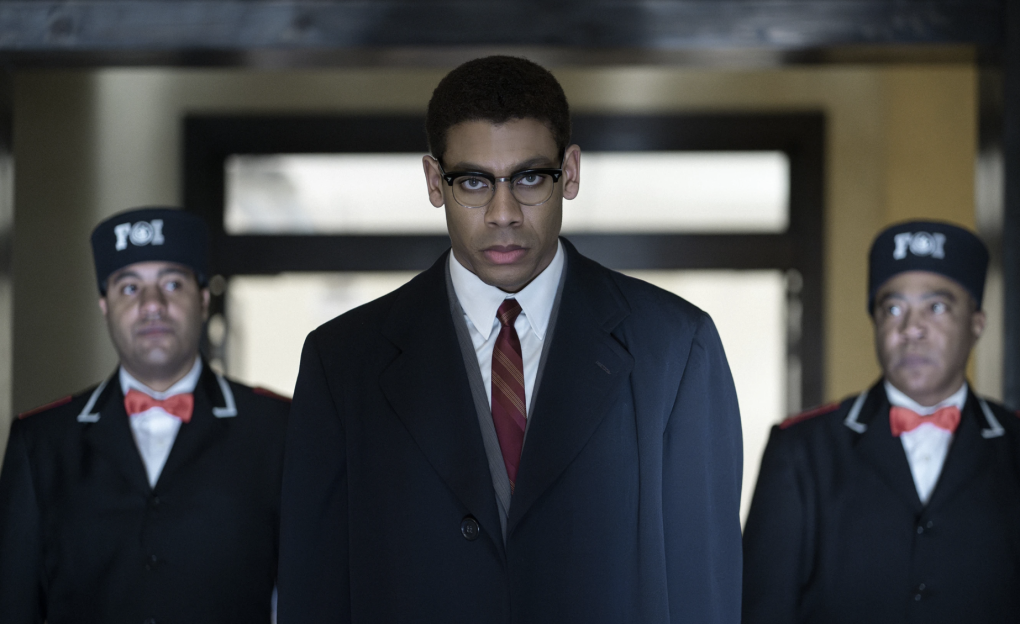
"attachmentsReducer": {
"audio_0": {
"type": "attachments",
"id": "audio_0",
"imgSizes": {
"kqedFullSize": {
"file": "https://ww2.kqed.org/news/wp-content/themes/KQED-unified/img/audio_bgs/background0.jpg"
}
}
},
"audio_1": {
"type": "attachments",
"id": "audio_1",
"imgSizes": {
"kqedFullSize": {
"file": "https://ww2.kqed.org/news/wp-content/themes/KQED-unified/img/audio_bgs/background1.jpg"
}
}
},
"audio_2": {
"type": "attachments",
"id": "audio_2",
"imgSizes": {
"kqedFullSize": {
"file": "https://ww2.kqed.org/news/wp-content/themes/KQED-unified/img/audio_bgs/background2.jpg"
}
}
},
"audio_3": {
"type": "attachments",
"id": "audio_3",
"imgSizes": {
"kqedFullSize": {
"file": "https://ww2.kqed.org/news/wp-content/themes/KQED-unified/img/audio_bgs/background3.jpg"
}
}
},
"audio_4": {
"type": "attachments",
"id": "audio_4",
"imgSizes": {
"kqedFullSize": {
"file": "https://ww2.kqed.org/news/wp-content/themes/KQED-unified/img/audio_bgs/background4.jpg"
}
}
},
"placeholder": {
"type": "attachments",
"id": "placeholder",
"imgSizes": {
"thumbnail": {
"file": "https://cdn.kqed.org/wp-content/uploads/2024/12/KQED-Default-Image-816638274-2000x1333-1-160x107.jpg",
"width": 160,
"height": 107,
"mimeType": "image/jpeg"
},
"medium": {
"file": "https://cdn.kqed.org/wp-content/uploads/2024/12/KQED-Default-Image-816638274-2000x1333-1-800x533.jpg",
"width": 800,
"height": 533,
"mimeType": "image/jpeg"
},
"medium_large": {
"file": "https://cdn.kqed.org/wp-content/uploads/2024/12/KQED-Default-Image-816638274-2000x1333-1-768x512.jpg",
"width": 768,
"height": 512,
"mimeType": "image/jpeg"
},
"large": {
"file": "https://cdn.kqed.org/wp-content/uploads/2024/12/KQED-Default-Image-816638274-2000x1333-1-1020x680.jpg",
"width": 1020,
"height": 680,
"mimeType": "image/jpeg"
},
"1536x1536": {
"file": "https://cdn.kqed.org/wp-content/uploads/2024/12/KQED-Default-Image-816638274-2000x1333-1-1536x1024.jpg",
"width": 1536,
"height": 1024,
"mimeType": "image/jpeg"
},
"fd-lrg": {
"file": "https://cdn.kqed.org/wp-content/uploads/2024/12/KQED-Default-Image-816638274-2000x1333-1-1536x1024.jpg",
"width": 1536,
"height": 1024,
"mimeType": "image/jpeg"
},
"fd-med": {
"file": "https://cdn.kqed.org/wp-content/uploads/2024/12/KQED-Default-Image-816638274-2000x1333-1-1020x680.jpg",
"width": 1020,
"height": 680,
"mimeType": "image/jpeg"
},
"fd-sm": {
"file": "https://cdn.kqed.org/wp-content/uploads/2024/12/KQED-Default-Image-816638274-2000x1333-1-800x533.jpg",
"width": 800,
"height": 533,
"mimeType": "image/jpeg"
},
"post-thumbnail": {
"file": "https://cdn.kqed.org/wp-content/uploads/2024/12/KQED-Default-Image-816638274-2000x1333-1-672x372.jpg",
"width": 672,
"height": 372,
"mimeType": "image/jpeg"
},
"twentyfourteen-full-width": {
"file": "https://cdn.kqed.org/wp-content/uploads/2024/12/KQED-Default-Image-816638274-2000x1333-1-1038x576.jpg",
"width": 1038,
"height": 576,
"mimeType": "image/jpeg"
},
"xxsmall": {
"file": "https://cdn.kqed.org/wp-content/uploads/2024/12/KQED-Default-Image-816638274-2000x1333-1-160x107.jpg",
"width": 160,
"height": 107,
"mimeType": "image/jpeg"
},
"xsmall": {
"file": "https://cdn.kqed.org/wp-content/uploads/2024/12/KQED-Default-Image-816638274-2000x1333-1-672x372.jpg",
"width": 672,
"height": 372,
"mimeType": "image/jpeg"
},
"small": {
"file": "https://cdn.kqed.org/wp-content/uploads/2024/12/KQED-Default-Image-816638274-2000x1333-1-672x372.jpg",
"width": 672,
"height": 372,
"mimeType": "image/jpeg"
},
"xlarge": {
"file": "https://cdn.kqed.org/wp-content/uploads/2024/12/KQED-Default-Image-816638274-2000x1333-1-1020x680.jpg",
"width": 1020,
"height": 680,
"mimeType": "image/jpeg"
},
"full-width": {
"file": "https://cdn.kqed.org/wp-content/uploads/2024/12/KQED-Default-Image-816638274-2000x1333-1-1920x1280.jpg",
"width": 1920,
"height": 1280,
"mimeType": "image/jpeg"
},
"guest-author-32": {
"file": "https://cdn.kqed.org/wp-content/uploads/2025/01/KQED-Default-Image-816638274-1333x1333-1-160x160.jpg",
"width": 32,
"height": 32,
"mimeType": "image/jpeg"
},
"guest-author-50": {
"file": "https://cdn.kqed.org/wp-content/uploads/2025/01/KQED-Default-Image-816638274-1333x1333-1-160x160.jpg",
"width": 50,
"height": 50,
"mimeType": "image/jpeg"
},
"guest-author-64": {
"file": "https://cdn.kqed.org/wp-content/uploads/2025/01/KQED-Default-Image-816638274-1333x1333-1-160x160.jpg",
"width": 64,
"height": 64,
"mimeType": "image/jpeg"
},
"guest-author-96": {
"file": "https://cdn.kqed.org/wp-content/uploads/2025/01/KQED-Default-Image-816638274-1333x1333-1-160x160.jpg",
"width": 96,
"height": 96,
"mimeType": "image/jpeg"
},
"guest-author-128": {
"file": "https://cdn.kqed.org/wp-content/uploads/2025/01/KQED-Default-Image-816638274-1333x1333-1-160x160.jpg",
"width": 128,
"height": 128,
"mimeType": "image/jpeg"
},
"detail": {
"file": "https://cdn.kqed.org/wp-content/uploads/2025/01/KQED-Default-Image-816638274-1333x1333-1-160x160.jpg",
"width": 160,
"height": 160,
"mimeType": "image/jpeg"
},
"kqedFullSize": {
"file": "https://cdn.kqed.org/wp-content/uploads/2024/12/KQED-Default-Image-816638274-2000x1333-1.jpg",
"width": 2000,
"height": 1333
}
}
},
"arts_13951353": {
"type": "attachments",
"id": "arts_13951353",
"meta": {
"index": "attachments_1716263798",
"site": "arts",
"id": "13951353",
"found": true
},
"parent": 13951349,
"imgSizes": {
"twentyfourteen-full-width": {
"file": "https://cdn.kqed.org/wp-content/uploads/sites/2/2024/02/Screen-Shot-2024-02-01-at-11.24.23-AM-1038x576.png",
"width": 1038,
"mimeType": "image/png",
"height": 576
},
"thumbnail": {
"file": "https://cdn.kqed.org/wp-content/uploads/sites/2/2024/02/Screen-Shot-2024-02-01-at-11.24.23-AM-160x98.png",
"width": 160,
"mimeType": "image/png",
"height": 98
},
"post-thumbnail": {
"file": "https://cdn.kqed.org/wp-content/uploads/sites/2/2024/02/Screen-Shot-2024-02-01-at-11.24.23-AM-672x372.png",
"width": 672,
"mimeType": "image/png",
"height": 372
},
"kqedFullSize": {
"file": "https://cdn.kqed.org/wp-content/uploads/sites/2/2024/02/Screen-Shot-2024-02-01-at-11.24.23-AM.png",
"width": 1846,
"height": 1130
},
"large": {
"file": "https://cdn.kqed.org/wp-content/uploads/sites/2/2024/02/Screen-Shot-2024-02-01-at-11.24.23-AM-1020x624.png",
"width": 1020,
"mimeType": "image/png",
"height": 624
},
"1536x1536": {
"file": "https://cdn.kqed.org/wp-content/uploads/sites/2/2024/02/Screen-Shot-2024-02-01-at-11.24.23-AM-1536x940.png",
"width": 1536,
"mimeType": "image/png",
"height": 940
},
"medium": {
"file": "https://cdn.kqed.org/wp-content/uploads/sites/2/2024/02/Screen-Shot-2024-02-01-at-11.24.23-AM-800x490.png",
"width": 800,
"mimeType": "image/png",
"height": 490
},
"medium_large": {
"file": "https://cdn.kqed.org/wp-content/uploads/sites/2/2024/02/Screen-Shot-2024-02-01-at-11.24.23-AM-768x470.png",
"width": 768,
"mimeType": "image/png",
"height": 470
}
},
"publishDate": 1706815553,
"modified": 1706815669,
"caption": "Aaron Pierre as Malcolm X in a scene from ‘Genius: MLK/X.’ ",
"description": null,
"title": "Aaron Pierre as Malcolm X in a scene from ‘Genius: MLK/X.’",
"credit": "Richard DuCree/ National Geographic via AP",
"status": "inherit",
"altTag": "A Black man wearing spectacles and a 1950s-style suit and overcoat stands looking serious in a hallway. Two men wearing bowties stand behind him.",
"isLoading": false,
"fetchFailed": false
},
"arts_13951037": {
"type": "attachments",
"id": "arts_13951037",
"meta": {
"index": "attachments_1716263798",
"site": "arts",
"id": "13951037",
"found": true
},
"parent": 13951003,
"imgSizes": {
"twentyfourteen-full-width": {
"file": "https://cdn.kqed.org/wp-content/uploads/sites/2/2024/01/CG-1983_2000-1038x576.jpg",
"width": 1038,
"mimeType": "image/jpeg",
"height": 576
},
"thumbnail": {
"file": "https://cdn.kqed.org/wp-content/uploads/sites/2/2024/01/CG-1983_2000-160x103.jpg",
"width": 160,
"mimeType": "image/jpeg",
"height": 103
},
"post-thumbnail": {
"file": "https://cdn.kqed.org/wp-content/uploads/sites/2/2024/01/CG-1983_2000-672x372.jpg",
"width": 672,
"mimeType": "image/jpeg",
"height": 372
},
"kqedFullSize": {
"file": "https://cdn.kqed.org/wp-content/uploads/sites/2/2024/01/CG-1983_2000.jpg",
"width": 2000,
"height": 1289
},
"large": {
"file": "https://cdn.kqed.org/wp-content/uploads/sites/2/2024/01/CG-1983_2000-1020x657.jpg",
"width": 1020,
"mimeType": "image/jpeg",
"height": 657
},
"1536x1536": {
"file": "https://cdn.kqed.org/wp-content/uploads/sites/2/2024/01/CG-1983_2000-1536x990.jpg",
"width": 1536,
"mimeType": "image/jpeg",
"height": 990
},
"full-width": {
"file": "https://cdn.kqed.org/wp-content/uploads/sites/2/2024/01/CG-1983_2000-1920x1237.jpg",
"width": 1920,
"mimeType": "image/jpeg",
"height": 1237
},
"medium": {
"file": "https://cdn.kqed.org/wp-content/uploads/sites/2/2024/01/CG-1983_2000-800x516.jpg",
"width": 800,
"mimeType": "image/jpeg",
"height": 516
},
"medium_large": {
"file": "https://cdn.kqed.org/wp-content/uploads/sites/2/2024/01/CG-1983_2000-768x495.jpg",
"width": 768,
"mimeType": "image/jpeg",
"height": 495
}
},
"publishDate": 1706253768,
"modified": 1706253849,
"caption": "Creative Growth artists outside their 24th Street studio in Oakland in 1983.",
"description": null,
"title": "CG-1983_2000",
"credit": "Courtesy of Creative Growth",
"status": "inherit",
"altTag": "Big group photo outside brick warehouse, lots of smiling",
"isLoading": false,
"fetchFailed": false
},
"arts_13939391": {
"type": "attachments",
"id": "arts_13939391",
"meta": {
"index": "attachments_1716263798",
"site": "arts",
"id": "13939391",
"found": true
},
"parent": 13939307,
"imgSizes": {
"twentyfourteen-full-width": {
"file": "https://cdn.kqed.org/wp-content/uploads/sites/2/2023/12/GettyImages-997692136-1038x576.jpg",
"width": 1038,
"mimeType": "image/jpeg",
"height": 576
},
"thumbnail": {
"file": "https://cdn.kqed.org/wp-content/uploads/sites/2/2023/12/GettyImages-997692136-160x112.jpg",
"width": 160,
"mimeType": "image/jpeg",
"height": 112
},
"post-thumbnail": {
"file": "https://cdn.kqed.org/wp-content/uploads/sites/2/2023/12/GettyImages-997692136-672x372.jpg",
"width": 672,
"mimeType": "image/jpeg",
"height": 372
},
"kqedFullSize": {
"file": "https://cdn.kqed.org/wp-content/uploads/sites/2/2023/12/GettyImages-997692136-scaled-e1702509654197.jpg",
"width": 1920,
"height": 1346
},
"2048x2048": {
"file": "https://cdn.kqed.org/wp-content/uploads/sites/2/2023/12/GettyImages-997692136-2048x1435.jpg",
"width": 2048,
"mimeType": "image/jpeg",
"height": 1435
},
"large": {
"file": "https://cdn.kqed.org/wp-content/uploads/sites/2/2023/12/GettyImages-997692136-1020x715.jpg",
"width": 1020,
"mimeType": "image/jpeg",
"height": 715
},
"1536x1536": {
"file": "https://cdn.kqed.org/wp-content/uploads/sites/2/2023/12/GettyImages-997692136-1536x1076.jpg",
"width": 1536,
"mimeType": "image/jpeg",
"height": 1076
},
"full-width": {
"file": "https://cdn.kqed.org/wp-content/uploads/sites/2/2023/12/GettyImages-997692136-1920x1345.jpg",
"width": 1920,
"mimeType": "image/jpeg",
"height": 1345
},
"medium": {
"file": "https://cdn.kqed.org/wp-content/uploads/sites/2/2023/12/GettyImages-997692136-800x561.jpg",
"width": 800,
"mimeType": "image/jpeg",
"height": 561
},
"medium_large": {
"file": "https://cdn.kqed.org/wp-content/uploads/sites/2/2023/12/GettyImages-997692136-768x538.jpg",
"width": 768,
"mimeType": "image/jpeg",
"height": 538
}
},
"publishDate": 1702509620,
"modified": 1702579666,
"caption": "Santa: What a freakin’ maniac.",
"description": null,
"title": "Santa: What a freakin' maniac.",
"credit": "clu/Getty Images",
"status": "inherit",
"altTag": "A 19th century illustration of a man with a long white beard and hat running through the street waving a torch. Men banging cymbals run behind him.",
"isLoading": false,
"fetchFailed": false
},
"arts_13939350": {
"type": "attachments",
"id": "arts_13939350",
"meta": {
"index": "attachments_1716263798",
"site": "arts",
"id": "13939350",
"found": true
},
"parent": 13939306,
"imgSizes": {
"twentyfourteen-full-width": {
"file": "https://cdn.kqed.org/wp-content/uploads/sites/2/2023/12/Spitboy.Gilman.16x9-1038x576.jpg",
"width": 1038,
"mimeType": "image/jpeg",
"height": 576
},
"thumbnail": {
"file": "https://cdn.kqed.org/wp-content/uploads/sites/2/2023/12/Spitboy.Gilman.16x9-160x90.jpg",
"width": 160,
"mimeType": "image/jpeg",
"height": 90
},
"post-thumbnail": {
"file": "https://cdn.kqed.org/wp-content/uploads/sites/2/2023/12/Spitboy.Gilman.16x9-672x372.jpg",
"width": 672,
"mimeType": "image/jpeg",
"height": 372
},
"kqedFullSize": {
"file": "https://cdn.kqed.org/wp-content/uploads/sites/2/2023/12/Spitboy.Gilman.16x9.jpg",
"width": 1080,
"height": 608
},
"large": {
"file": "https://cdn.kqed.org/wp-content/uploads/sites/2/2023/12/Spitboy.Gilman.16x9-1020x574.jpg",
"width": 1020,
"mimeType": "image/jpeg",
"height": 574
},
"medium": {
"file": "https://cdn.kqed.org/wp-content/uploads/sites/2/2023/12/Spitboy.Gilman.16x9-800x450.jpg",
"width": 800,
"mimeType": "image/jpeg",
"height": 450
},
"medium_large": {
"file": "https://cdn.kqed.org/wp-content/uploads/sites/2/2023/12/Spitboy.Gilman.16x9-768x432.jpg",
"width": 768,
"mimeType": "image/jpeg",
"height": 432
}
},
"publishDate": 1702496508,
"modified": 1702497006,
"caption": "The legendary feminist punk band Spitboy performs at 924 Gilman, circa early 1990s. ",
"description": null,
"title": "Spitboy.Gilman.16x9",
"credit": "John Lyons",
"status": "inherit",
"altTag": "a black and white photo of a punk trio, all women, performing in a punk club",
"isLoading": false,
"fetchFailed": false
},
"arts_13939214": {
"type": "attachments",
"id": "arts_13939214",
"meta": {
"index": "attachments_1716263798",
"site": "arts",
"id": "13939214",
"found": true
},
"parent": 13939201,
"imgSizes": {
"twentyfourteen-full-width": {
"file": "https://cdn.kqed.org/wp-content/uploads/sites/2/2023/12/Screen-Shot-2023-12-11-at-12.43.17-PM-1038x576.png",
"width": 1038,
"mimeType": "image/png",
"height": 576
},
"thumbnail": {
"file": "https://cdn.kqed.org/wp-content/uploads/sites/2/2023/12/Screen-Shot-2023-12-11-at-12.43.17-PM-160x105.png",
"width": 160,
"mimeType": "image/png",
"height": 105
},
"post-thumbnail": {
"file": "https://cdn.kqed.org/wp-content/uploads/sites/2/2023/12/Screen-Shot-2023-12-11-at-12.43.17-PM-672x372.png",
"width": 672,
"mimeType": "image/png",
"height": 372
},
"kqedFullSize": {
"file": "https://cdn.kqed.org/wp-content/uploads/sites/2/2023/12/Screen-Shot-2023-12-11-at-12.43.17-PM.png",
"width": 2072,
"height": 1356
},
"2048x2048": {
"file": "https://cdn.kqed.org/wp-content/uploads/sites/2/2023/12/Screen-Shot-2023-12-11-at-12.43.17-PM-2048x1340.png",
"width": 2048,
"mimeType": "image/png",
"height": 1340
},
"large": {
"file": "https://cdn.kqed.org/wp-content/uploads/sites/2/2023/12/Screen-Shot-2023-12-11-at-12.43.17-PM-1020x668.png",
"width": 1020,
"mimeType": "image/png",
"height": 668
},
"1536x1536": {
"file": "https://cdn.kqed.org/wp-content/uploads/sites/2/2023/12/Screen-Shot-2023-12-11-at-12.43.17-PM-1536x1005.png",
"width": 1536,
"mimeType": "image/png",
"height": 1005
},
"full-width": {
"file": "https://cdn.kqed.org/wp-content/uploads/sites/2/2023/12/Screen-Shot-2023-12-11-at-12.43.17-PM-1920x1257.png",
"width": 1920,
"mimeType": "image/png",
"height": 1257
},
"medium": {
"file": "https://cdn.kqed.org/wp-content/uploads/sites/2/2023/12/Screen-Shot-2023-12-11-at-12.43.17-PM-800x524.png",
"width": 800,
"mimeType": "image/png",
"height": 524
},
"medium_large": {
"file": "https://cdn.kqed.org/wp-content/uploads/sites/2/2023/12/Screen-Shot-2023-12-11-at-12.43.17-PM-768x503.png",
"width": 768,
"mimeType": "image/png",
"height": 503
}
},
"publishDate": 1702327419,
"modified": 1702327523,
"caption": "A moment from Mariah Carey’s updated ‘All I Want for Christmas Is You’ video.",
"description": null,
"title": "A moment from Mariah Carey’s updated ‘All I Want for Christmas Is You’ video.",
"credit": null,
"status": "inherit",
"altTag": "Mariah Carey in a festive red dress with white fluffy trim gesturing and singing. Dancers are behind her, out of focus.",
"isLoading": false,
"fetchFailed": false
},
"arts_13938677": {
"type": "attachments",
"id": "arts_13938677",
"meta": {
"index": "attachments_1716263798",
"site": "arts",
"id": "13938677",
"found": true
},
"parent": 13938658,
"imgSizes": {
"twentyfourteen-full-width": {
"file": "https://ww2.kqed.org/app/uploads/sites/2/2023/11/RS54273_20220310-IMG_5694-qut-1-1038x576.jpg",
"width": 1038,
"mimeType": "image/jpeg",
"height": 576
},
"thumbnail": {
"file": "https://ww2.kqed.org/app/uploads/sites/2/2023/11/RS54273_20220310-IMG_5694-qut-1-160x97.jpg",
"width": 160,
"mimeType": "image/jpeg",
"height": 97
},
"post-thumbnail": {
"file": "https://ww2.kqed.org/app/uploads/sites/2/2023/11/RS54273_20220310-IMG_5694-qut-1-672x372.jpg",
"width": 672,
"mimeType": "image/jpeg",
"height": 372
},
"kqedFullSize": {
"file": "https://ww2.kqed.org/app/uploads/sites/2/2023/11/RS54273_20220310-IMG_5694-qut-1.jpg",
"width": 1920,
"height": 1167
},
"large": {
"file": "https://ww2.kqed.org/app/uploads/sites/2/2023/11/RS54273_20220310-IMG_5694-qut-1-1020x620.jpg",
"width": 1020,
"mimeType": "image/jpeg",
"height": 620
},
"1536x1536": {
"file": "https://ww2.kqed.org/app/uploads/sites/2/2023/11/RS54273_20220310-IMG_5694-qut-1-1536x934.jpg",
"width": 1536,
"mimeType": "image/jpeg",
"height": 934
},
"medium": {
"file": "https://ww2.kqed.org/app/uploads/sites/2/2023/11/RS54273_20220310-IMG_5694-qut-1-800x486.jpg",
"width": 800,
"mimeType": "image/jpeg",
"height": 486
},
"medium_large": {
"file": "https://ww2.kqed.org/app/uploads/sites/2/2023/11/RS54273_20220310-IMG_5694-qut-1-768x467.jpg",
"width": 768,
"mimeType": "image/jpeg",
"height": 467
}
},
"publishDate": 1701304373,
"modified": 1701304454,
"caption": "Cultural District Staff, Paloma Flores, Sharaya Souza, and Tal Quetone pose for portraits at Fort Mason in San Francisco. Alcatraz floats in the background, a significant landmark.",
"description": "Cultural District Staff, Paloma Flores, Sharaya Souza, and Tal Quetone pose for portraits at Fort Mason in San Francisco. Alcatraz floats in the background, a significant landmark.",
"title": "RS54273_20220310-IMG_5694-qut (1)",
"credit": "Amaya Edwards/KQED",
"status": "inherit",
"altTag": "Cultural District Staff, Paloma Flores, Sharaya Souza, and Tal Quetone pose for portraits at Fort Mason in San Francisco. Alcatraz floats in the background, a significant landmark.",
"isLoading": false,
"fetchFailed": false
},
"arts_13938395": {
"type": "attachments",
"id": "arts_13938395",
"meta": {
"index": "attachments_1716263798",
"site": "arts",
"id": "13938395",
"found": true
},
"parent": 13938024,
"imgSizes": {
"twentyfourteen-full-width": {
"file": "https://ww2.kqed.org/app/uploads/sites/2/2023/11/GettyImages-1298945965-1038x576.jpg",
"width": 1038,
"mimeType": "image/jpeg",
"height": 576
},
"thumbnail": {
"file": "https://ww2.kqed.org/app/uploads/sites/2/2023/11/GettyImages-1298945965-160x96.jpg",
"width": 160,
"mimeType": "image/jpeg",
"height": 96
},
"post-thumbnail": {
"file": "https://ww2.kqed.org/app/uploads/sites/2/2023/11/GettyImages-1298945965-672x372.jpg",
"width": 672,
"mimeType": "image/jpeg",
"height": 372
},
"kqedFullSize": {
"file": "https://ww2.kqed.org/app/uploads/sites/2/2023/11/GettyImages-1298945965.jpg",
"width": 1651,
"height": 992
},
"large": {
"file": "https://ww2.kqed.org/app/uploads/sites/2/2023/11/GettyImages-1298945965-1020x613.jpg",
"width": 1020,
"mimeType": "image/jpeg",
"height": 613
},
"1536x1536": {
"file": "https://ww2.kqed.org/app/uploads/sites/2/2023/11/GettyImages-1298945965-1536x923.jpg",
"width": 1536,
"mimeType": "image/jpeg",
"height": 923
},
"medium": {
"file": "https://ww2.kqed.org/app/uploads/sites/2/2023/11/GettyImages-1298945965-800x481.jpg",
"width": 800,
"mimeType": "image/jpeg",
"height": 481
},
"medium_large": {
"file": "https://ww2.kqed.org/app/uploads/sites/2/2023/11/GettyImages-1298945965-768x461.jpg",
"width": 768,
"mimeType": "image/jpeg",
"height": 461
}
},
"publishDate": 1700612449,
"modified": 1700612586,
"caption": "A show at the legendary Deaf Club.",
"description": null,
"title": "A show at the legendary Deaf Club.",
"credit": "Vici MacDonald/ San Francisco Chronicle via Getty Images",
"status": "inherit",
"altTag": "A small, dank room with a band playing at the back of the room and a small audience watching, viewed from behind.",
"isLoading": false,
"fetchFailed": false
},
"arts_13937666": {
"type": "attachments",
"id": "arts_13937666",
"meta": {
"index": "attachments_1716263798",
"site": "arts",
"id": "13937666",
"found": true
},
"parent": 13937270,
"imgSizes": {
"twentyfourteen-full-width": {
"file": "https://ww2.kqed.org/app/uploads/sites/2/2023/10/Nov-2024-1038x576.jpg",
"width": 1038,
"mimeType": "image/jpeg",
"height": 576
},
"thumbnail": {
"file": "https://ww2.kqed.org/app/uploads/sites/2/2023/10/Nov-2024-160x90.jpg",
"width": 160,
"mimeType": "image/jpeg",
"height": 90
},
"post-thumbnail": {
"file": "https://ww2.kqed.org/app/uploads/sites/2/2023/10/Nov-2024-672x372.jpg",
"width": 672,
"mimeType": "image/jpeg",
"height": 372
},
"kqedFullSize": {
"file": "https://ww2.kqed.org/app/uploads/sites/2/2023/10/Nov-2024.jpg",
"width": 1920,
"height": 1080
},
"large": {
"file": "https://ww2.kqed.org/app/uploads/sites/2/2023/10/Nov-2024-1020x574.jpg",
"width": 1020,
"mimeType": "image/jpeg",
"height": 574
},
"1536x1536": {
"file": "https://ww2.kqed.org/app/uploads/sites/2/2023/10/Nov-2024-1536x864.jpg",
"width": 1536,
"mimeType": "image/jpeg",
"height": 864
},
"medium": {
"file": "https://ww2.kqed.org/app/uploads/sites/2/2023/10/Nov-2024-800x450.jpg",
"width": 800,
"mimeType": "image/jpeg",
"height": 450
},
"medium_large": {
"file": "https://ww2.kqed.org/app/uploads/sites/2/2023/10/Nov-2024-768x432.jpg",
"width": 768,
"mimeType": "image/jpeg",
"height": 432
}
},
"publishDate": 1699304034,
"modified": 1699304034,
"caption": null,
"description": null,
"title": "Nov 2024",
"credit": null,
"status": "inherit",
"altTag": null,
"isLoading": false,
"fetchFailed": false
},
"arts_13937777": {
"type": "attachments",
"id": "arts_13937777",
"meta": {
"index": "attachments_1716263798",
"site": "arts",
"id": "13937777",
"found": true
},
"parent": 13937776,
"imgSizes": {
"twentyfourteen-full-width": {
"file": "https://ww2.kqed.org/app/uploads/sites/2/2023/11/gettyimages-563939281_custom-3a8f2b1fe90eac02acf0fdf0bf433f94c3f31398-1038x576.jpg",
"width": 1038,
"mimeType": "image/jpeg",
"height": 576
},
"thumbnail": {
"file": "https://ww2.kqed.org/app/uploads/sites/2/2023/11/gettyimages-563939281_custom-3a8f2b1fe90eac02acf0fdf0bf433f94c3f31398-160x160.jpg",
"width": 160,
"mimeType": "image/jpeg",
"height": 160
},
"post-thumbnail": {
"file": "https://ww2.kqed.org/app/uploads/sites/2/2023/11/gettyimages-563939281_custom-3a8f2b1fe90eac02acf0fdf0bf433f94c3f31398-672x372.jpg",
"width": 672,
"mimeType": "image/jpeg",
"height": 372
},
"kqedFullSize": {
"file": "https://ww2.kqed.org/app/uploads/sites/2/2023/11/gettyimages-563939281_custom-3a8f2b1fe90eac02acf0fdf0bf433f94c3f31398-scaled.jpg",
"width": 2560,
"height": 2560
},
"2048x2048": {
"file": "https://ww2.kqed.org/app/uploads/sites/2/2023/11/gettyimages-563939281_custom-3a8f2b1fe90eac02acf0fdf0bf433f94c3f31398-2048x2048.jpg",
"width": 2048,
"mimeType": "image/jpeg",
"height": 2048
},
"large": {
"file": "https://ww2.kqed.org/app/uploads/sites/2/2023/11/gettyimages-563939281_custom-3a8f2b1fe90eac02acf0fdf0bf433f94c3f31398-1020x1020.jpg",
"width": 1020,
"mimeType": "image/jpeg",
"height": 1020
},
"1536x1536": {
"file": "https://ww2.kqed.org/app/uploads/sites/2/2023/11/gettyimages-563939281_custom-3a8f2b1fe90eac02acf0fdf0bf433f94c3f31398-1536x1536.jpg",
"width": 1536,
"mimeType": "image/jpeg",
"height": 1536
},
"full-width": {
"file": "https://ww2.kqed.org/app/uploads/sites/2/2023/11/gettyimages-563939281_custom-3a8f2b1fe90eac02acf0fdf0bf433f94c3f31398-1920x1920.jpg",
"width": 1920,
"mimeType": "image/jpeg",
"height": 1920
},
"medium": {
"file": "https://ww2.kqed.org/app/uploads/sites/2/2023/11/gettyimages-563939281_custom-3a8f2b1fe90eac02acf0fdf0bf433f94c3f31398-800x800.jpg",
"width": 800,
"mimeType": "image/jpeg",
"height": 800
},
"medium_large": {
"file": "https://ww2.kqed.org/app/uploads/sites/2/2023/11/gettyimages-563939281_custom-3a8f2b1fe90eac02acf0fdf0bf433f94c3f31398-768x768.jpg",
"width": 768,
"mimeType": "image/jpeg",
"height": 768
}
},
"publishDate": 1699468759,
"modified": 1699468759,
"caption": null,
"description": "1970s CHILDREN BOYS GIRLS CLIMBING ON BARS OF JUNGLE GYM PLAYGROUND ONE KID HANGING UPSIDE DOWN (Photo by H. Armstrong Roberts/ClassicStock/Getty Images)",
"title": "A jungle gym in the 1970s — a staple of playgrounds all across the U.S.",
"credit": null,
"status": "inherit",
"altTag": null,
"isLoading": false,
"fetchFailed": false
},
"arts_13936967": {
"type": "attachments",
"id": "arts_13936967",
"meta": {
"index": "attachments_1716263798",
"site": "arts",
"id": "13936967",
"found": true
},
"parent": 13936965,
"imgSizes": {
"twentyfourteen-full-width": {
"file": "https://ww2.kqed.org/app/uploads/sites/2/2023/10/The-Haunt-ghost-tour-Estefany-Gonzalez-023-qut-1038x576.jpg",
"width": 1038,
"mimeType": "image/jpeg",
"height": 576
},
"thumbnail": {
"file": "https://ww2.kqed.org/app/uploads/sites/2/2023/10/The-Haunt-ghost-tour-Estefany-Gonzalez-023-qut-160x107.jpg",
"width": 160,
"mimeType": "image/jpeg",
"height": 107
},
"post-thumbnail": {
"file": "https://ww2.kqed.org/app/uploads/sites/2/2023/10/The-Haunt-ghost-tour-Estefany-Gonzalez-023-qut-672x372.jpg",
"width": 672,
"mimeType": "image/jpeg",
"height": 372
},
"kqedFullSize": {
"file": "https://ww2.kqed.org/app/uploads/sites/2/2023/10/The-Haunt-ghost-tour-Estefany-Gonzalez-023-qut.jpg",
"width": 1920,
"height": 1280
},
"large": {
"file": "https://ww2.kqed.org/app/uploads/sites/2/2023/10/The-Haunt-ghost-tour-Estefany-Gonzalez-023-qut-1020x680.jpg",
"width": 1020,
"mimeType": "image/jpeg",
"height": 680
},
"1536x1536": {
"file": "https://ww2.kqed.org/app/uploads/sites/2/2023/10/The-Haunt-ghost-tour-Estefany-Gonzalez-023-qut-1536x1024.jpg",
"width": 1536,
"mimeType": "image/jpeg",
"height": 1024
},
"medium": {
"file": "https://ww2.kqed.org/app/uploads/sites/2/2023/10/The-Haunt-ghost-tour-Estefany-Gonzalez-023-qut-800x533.jpg",
"width": 800,
"mimeType": "image/jpeg",
"height": 533
},
"medium_large": {
"file": "https://ww2.kqed.org/app/uploads/sites/2/2023/10/The-Haunt-ghost-tour-Estefany-Gonzalez-023-qut-768x512.jpg",
"width": 768,
"mimeType": "image/jpeg",
"height": 512
}
},
"publishDate": 1698255541,
"modified": 1698255838,
"caption": "Rose Kilgore, tour guide for The Haunt, poses for a portrait in San Francisco on Saturday, Oct. 7, 2023.",
"description": null,
"title": "The Haunt ghost tour",
"credit": "Estefany Gonzalez for KQED",
"status": "inherit",
"altTag": "A young woman poses on a dark street illuminated by Chinese lanterns.",
"isLoading": false,
"fetchFailed": false
},
"arts_13920337": {
"type": "attachments",
"id": "arts_13920337",
"meta": {
"index": "attachments_1716263798",
"site": "arts",
"id": "13920337",
"found": true
},
"parent": 13920320,
"imgSizes": {
"twentyfourteen-full-width": {
"file": "https://ww2.kqed.org/app/uploads/sites/2/2022/10/DSC04450-1038x576.jpg",
"width": 1038,
"mimeType": "image/jpeg",
"height": 576
},
"thumbnail": {
"file": "https://ww2.kqed.org/app/uploads/sites/2/2022/10/DSC04450-160x107.jpg",
"width": 160,
"mimeType": "image/jpeg",
"height": 107
},
"post-thumbnail": {
"file": "https://ww2.kqed.org/app/uploads/sites/2/2022/10/DSC04450-672x372.jpg",
"width": 672,
"mimeType": "image/jpeg",
"height": 372
},
"kqedFullSize": {
"file": "https://ww2.kqed.org/app/uploads/sites/2/2022/10/DSC04450.jpg",
"width": 1616,
"height": 1080
},
"large": {
"file": "https://ww2.kqed.org/app/uploads/sites/2/2022/10/DSC04450-1020x682.jpg",
"width": 1020,
"mimeType": "image/jpeg",
"height": 682
},
"1536x1536": {
"file": "https://ww2.kqed.org/app/uploads/sites/2/2022/10/DSC04450-1536x1027.jpg",
"width": 1536,
"mimeType": "image/jpeg",
"height": 1027
},
"medium": {
"file": "https://ww2.kqed.org/app/uploads/sites/2/2022/10/DSC04450-800x535.jpg",
"width": 800,
"mimeType": "image/jpeg",
"height": 535
},
"medium_large": {
"file": "https://ww2.kqed.org/app/uploads/sites/2/2022/10/DSC04450-768x513.jpg",
"width": 768,
"mimeType": "image/jpeg",
"height": 513
}
},
"publishDate": 1665686152,
"modified": 1665686270,
"caption": "Traci Bartlow, owner of B-Love's Guesthouse, sits on the porch of her property in West Oakland. ",
"description": "Traci Bartlow, owner of B-Love's Guesthouse, sits on the porch of her property in West Oakland. ",
"title": "Traci Bartlow, owner of B-Love's Guesthouse, sits on the porch of her property in West Oakland.",
"credit": "Pendarvis Harshaw",
"status": "inherit",
"altTag": "Traci Bartlow, owner of B-Love's Guesthouse, sits on the porch of her property in West Oakland.",
"isLoading": false,
"fetchFailed": false
},
"arts_13936629": {
"type": "attachments",
"id": "arts_13936629",
"meta": {
"index": "attachments_1716263798",
"site": "arts",
"id": "13936629",
"found": true
},
"parent": 13936628,
"imgSizes": {
"twentyfourteen-full-width": {
"file": "https://ww2.kqed.org/app/uploads/sites/2/2023/10/Screen-Shot-2023-10-18-at-10.49.30-AM-1038x576.png",
"width": 1038,
"mimeType": "image/png",
"height": 576
},
"thumbnail": {
"file": "https://ww2.kqed.org/app/uploads/sites/2/2023/10/Screen-Shot-2023-10-18-at-10.49.30-AM-160x104.png",
"width": 160,
"mimeType": "image/png",
"height": 104
},
"post-thumbnail": {
"file": "https://ww2.kqed.org/app/uploads/sites/2/2023/10/Screen-Shot-2023-10-18-at-10.49.30-AM-672x372.png",
"width": 672,
"mimeType": "image/png",
"height": 372
},
"kqedFullSize": {
"file": "https://ww2.kqed.org/app/uploads/sites/2/2023/10/Screen-Shot-2023-10-18-at-10.49.30-AM.png",
"width": 1874,
"height": 1216
},
"large": {
"file": "https://ww2.kqed.org/app/uploads/sites/2/2023/10/Screen-Shot-2023-10-18-at-10.49.30-AM-1020x662.png",
"width": 1020,
"mimeType": "image/png",
"height": 662
},
"1536x1536": {
"file": "https://ww2.kqed.org/app/uploads/sites/2/2023/10/Screen-Shot-2023-10-18-at-10.49.30-AM-1536x997.png",
"width": 1536,
"mimeType": "image/png",
"height": 997
},
"medium": {
"file": "https://ww2.kqed.org/app/uploads/sites/2/2023/10/Screen-Shot-2023-10-18-at-10.49.30-AM-800x519.png",
"width": 800,
"mimeType": "image/png",
"height": 519
},
"medium_large": {
"file": "https://ww2.kqed.org/app/uploads/sites/2/2023/10/Screen-Shot-2023-10-18-at-10.49.30-AM-768x498.png",
"width": 768,
"mimeType": "image/png",
"height": 498
}
},
"publishDate": 1697651547,
"modified": 1697651997,
"caption": "(L-R) JaNae Collins, Lily Gladstone, Cara Jade Myers and Jillian Dion in a scene from ‘Killers of the Flower Moon.’ ",
"description": null,
"title": "(L-R) JaNae Collins, Lily Gladstone, Cara Jade Myers and Jillian Dion in a scene from ‘Killers of the Flower Moon.’",
"credit": "Melinda Sue Gordon/ Apple TV+ via AP",
"status": "inherit",
"altTag": "Four Native American women sit in a semi-circle on a blanket outdoors. They are wearing a combination of Indigenous textiles, but holding hand fans and wearing 1920s-style ladies’ hats. They are also drinking from tea cups and eating small cakes. Two white women sit nearby.",
"isLoading": false,
"fetchFailed": false
}
},
"audioPlayerReducer": {
"postId": "stream_live",
"isPaused": true,
"isPlaying": false,
"pfsActive": false,
"pledgeModalIsOpen": true,
"playerDrawerIsOpen": false,
"liveAudioPlayStartedAt": 0,
"liveAudioPlayContext": ""
},
"authorsReducer": {
"byline_arts_13951349": {
"type": "authors",
"id": "byline_arts_13951349",
"meta": {
"override": true
},
"slug": "byline_arts_13951349",
"name": "Alicia Rancilio, Associated Press",
"isLoading": false
},
"byline_arts_13939201": {
"type": "authors",
"id": "byline_arts_13939201",
"meta": {
"override": true
},
"slug": "byline_arts_13939201",
"name": "David Bauder, Associated Press",
"isLoading": false
},
"byline_arts_13937776": {
"type": "authors",
"id": "byline_arts_13937776",
"meta": {
"override": true
},
"slug": "byline_arts_13937776",
"name": "Matt Ozug",
"isLoading": false
},
"byline_arts_13936965": {
"type": "authors",
"id": "byline_arts_13936965",
"meta": {
"override": true
},
"slug": "byline_arts_13936965",
"name": "Jody Amable",
"isLoading": false
},
"byline_arts_13936628": {
"type": "authors",
"id": "byline_arts_13936628",
"meta": {
"override": true
},
"slug": "byline_arts_13936628",
"name": "Jocelyn Noveck, Associated Press",
"isLoading": false
},
"shotchkiss": {
"type": "authors",
"id": "61",
"meta": {
"index": "authors_1716337520",
"id": "61",
"found": true
},
"name": "Sarah Hotchkiss",
"firstName": "Sarah",
"lastName": "Hotchkiss",
"slug": "shotchkiss",
"email": "shotchkiss@kqed.org",
"display_author_email": true,
"staff_mastheads": [
"arts"
],
"title": "Senior Editor",
"bio": "Sarah Hotchkiss is a San Francisco \u003ca href=\"http://www.sarahhotchkiss.com\">artist\u003c/a> and arts writer. In 2019, she received the Dorothea & Leo Rabkin Foundation grant for visual art journalism and in 2020 she received a Society of Professional Journalists, Northern California award for excellence in arts and culture reporting.",
"avatar": "https://secure.gravatar.com/avatar/bc662df144b3d27fd8b1b6f1c2a420d34e91e53154d411bb7ad353cc8b6cea8d?s=600&d=blank&r=g",
"twitter": null,
"bluesky": null,
"facebook": null,
"instagram": null,
"linkedin": null,
"sites": [
{
"site": "",
"roles": [
"editor"
]
},
{
"site": "arts",
"roles": [
"Contributor",
"administrator"
]
},
{
"site": "artschool",
"roles": [
"administrator"
]
},
{
"site": "news",
"roles": [
"editor"
]
},
{
"site": "pop",
"roles": [
"administrator"
]
},
{
"site": "bayareabites",
"roles": [
"editor"
]
},
{
"site": "spark",
"roles": [
"editor"
]
},
{
"site": "checkplease",
"roles": [
"editor"
]
}
],
"headData": {
"title": "Sarah Hotchkiss | KQED",
"description": "Senior Editor",
"ogImgSrc": "https://secure.gravatar.com/avatar/bc662df144b3d27fd8b1b6f1c2a420d34e91e53154d411bb7ad353cc8b6cea8d?s=600&d=blank&r=g",
"twImgSrc": "https://secure.gravatar.com/avatar/bc662df144b3d27fd8b1b6f1c2a420d34e91e53154d411bb7ad353cc8b6cea8d?s=600&d=blank&r=g"
},
"isLoading": false,
"link": "/author/shotchkiss"
},
"esilvers": {
"type": "authors",
"id": "7237",
"meta": {
"index": "authors_1716337520",
"id": "7237",
"found": true
},
"name": "Emma Silvers",
"firstName": "Emma",
"lastName": "Silvers",
"slug": "esilvers",
"email": "esilvers@kqed.org",
"display_author_email": false,
"staff_mastheads": [],
"title": "KQED Contributor",
"bio": "Emma Silvers is an editor at KQED Arts and a former digital producer at KQED News. Born and raised in the Bay Area, she has previously been an arts and entertainment editor at the \u003cem>San Francisco Chronicle\u003c/em>, \u003cem>SF Weekly\u003c/em> and the \u003cem>San Francisco Bay Guardian.\u003c/em> \u003ca href=\"https://www.emmasilvers.com\">Her work\u003c/a> has also appeared in \u003cem>Rolling Stone\u003c/em>, Pitchfork and \u003cem>Mother Jones\u003c/em>. In 2017 she was the recipient of the Society of Professional Journalists-Northern California's award for arts and culture reporting. In 1993 she \u003ca href=\"https://www.kqed.org/pop/16759/wait-what-my-coworker-was-a-voice-over-hyperventilator-for-jurassic-park\">hyperventilated in \u003cem>Jurassic Park\u003c/em>\u003c/a>.",
"avatar": "https://secure.gravatar.com/avatar/247beada39b88ea5759db1f51dba05cf?s=600&d=blank&r=g",
"twitter": "emmaruthless",
"facebook": null,
"instagram": null,
"linkedin": null,
"sites": [
{
"site": "arts",
"roles": [
"editor"
]
},
{
"site": "news",
"roles": [
"editor"
]
},
{
"site": "pop",
"roles": [
"contributor"
]
},
{
"site": "bayareabites",
"roles": [
"editor"
]
},
{
"site": "food",
"roles": [
"contributor"
]
},
{
"site": "liveblog",
"roles": [
"editor"
]
}
],
"headData": {
"title": "Emma Silvers | KQED",
"description": "KQED Contributor",
"ogImgSrc": "https://secure.gravatar.com/avatar/247beada39b88ea5759db1f51dba05cf?s=600&d=blank&r=g",
"twImgSrc": "https://secure.gravatar.com/avatar/247beada39b88ea5759db1f51dba05cf?s=600&d=blank&r=g"
},
"isLoading": false,
"link": "/author/esilvers"
},
"ralexandra": {
"type": "authors",
"id": "11242",
"meta": {
"index": "authors_1716337520",
"id": "11242",
"found": true
},
"name": "Rae Alexandra",
"firstName": "Rae",
"lastName": "Alexandra",
"slug": "ralexandra",
"email": "ralexandra@kqed.org",
"display_author_email": true,
"staff_mastheads": [],
"title": "Reporter/Producer",
"bio": "Rae Alexandra is a Reporter/Producer for KQED Arts & Culture, and the creator/author of the \u003ca href=\"https://www.kqed.org/arts/program/rebel-girls-from-bay-area-history\">Rebel Girls From Bay Area History\u003c/a> and \u003ca href=\"https://www.kqed.org/bizarrebayarea\">Bizarre Bay Area\u003c/a> series. Her debut book, \u003ca href=\"https://citylights.com/politics-current-events-history/unsung-heroines35-women-who-changed/\">Unsung Heroines: 35 Women Who Changed the Bay Area\u003c/a> was published by City Lights in March 2026. In 2023, Rae was awarded an SPJ Excellence in Journalism Award for Arts & Culture. Rae was born and raised in Wales and subsequently — even after two decades in Northern California — still uses phrases that regularly baffle her coworkers.",
"avatar": "https://secure.gravatar.com/avatar/edfee8176c80cc0a382b051190f5341997df378a934a5774dcb0977732dfd401?s=600&d=blank&r=g",
"twitter": null,
"bluesky": null,
"facebook": null,
"instagram": null,
"linkedin": null,
"sites": [
{
"site": "arts",
"roles": [
"subscriber"
]
},
{
"site": "news",
"roles": [
"subscriber"
]
},
{
"site": "pop",
"roles": [
"subscriber"
]
},
{
"site": "bayareabites",
"roles": [
"subscriber"
]
},
{
"site": "science",
"roles": [
"subscriber"
]
}
],
"headData": {
"title": "Rae Alexandra | KQED",
"description": "Reporter/Producer",
"ogImgSrc": "https://secure.gravatar.com/avatar/edfee8176c80cc0a382b051190f5341997df378a934a5774dcb0977732dfd401?s=600&d=blank&r=g",
"twImgSrc": "https://secure.gravatar.com/avatar/edfee8176c80cc0a382b051190f5341997df378a934a5774dcb0977732dfd401?s=600&d=blank&r=g"
},
"isLoading": false,
"link": "/author/ralexandra"
},
"ogpenn": {
"type": "authors",
"id": "11491",
"meta": {
"index": "authors_1716337520",
"id": "11491",
"found": true
},
"name": "Pendarvis Harshaw",
"firstName": "Pendarvis",
"lastName": "Harshaw",
"slug": "ogpenn",
"email": "ogpenn@gmail.com",
"display_author_email": false,
"staff_mastheads": [
"arts"
],
"title": "Community Engagement Reporter",
"bio": "Pendarvis Harshaw is an educator, host and writer with KQED Arts.",
"avatar": "https://secure.gravatar.com/avatar/972b77ee8e3f346ae2b00622661187fbfabd059b5693bbdc1475ea7a722fd4cd?s=600&d=blank&r=g",
"twitter": null,
"bluesky": null,
"facebook": null,
"instagram": "ogpenn",
"linkedin": null,
"sites": [
{
"site": "arts",
"roles": [
"administrator"
]
},
{
"site": "news",
"roles": [
"editor"
]
},
{
"site": "bayareabites",
"roles": [
"author"
]
},
{
"site": "hiphop",
"roles": [
"editor"
]
}
],
"headData": {
"title": "Pendarvis Harshaw | KQED",
"description": "Community Engagement Reporter",
"ogImgSrc": "https://secure.gravatar.com/avatar/972b77ee8e3f346ae2b00622661187fbfabd059b5693bbdc1475ea7a722fd4cd?s=600&d=blank&r=g",
"twImgSrc": "https://secure.gravatar.com/avatar/972b77ee8e3f346ae2b00622661187fbfabd059b5693bbdc1475ea7a722fd4cd?s=600&d=blank&r=g"
},
"isLoading": false,
"link": "/author/ogpenn"
},
"mmedina": {
"type": "authors",
"id": "11528",
"meta": {
"index": "authors_1716337520",
"id": "11528",
"found": true
},
"name": "Marisol Medina-Cadena",
"firstName": "Marisol",
"lastName": "Medina-Cadena",
"slug": "mmedina",
"email": "mmedina@KQED.org",
"display_author_email": true,
"staff_mastheads": [],
"title": "Producer, Rightnowish Podcast",
"bio": "Marisol Medina-Cadena is a radio reporter and podcast producer. Before working at KQED, she produced for PBS member station, KCET, in Los Angeles. In 2017, Marisol won an Emmy Award for her work on the televised documentary, \u003cem>City Rising\u003c/em>, examining California's affordable housing crisis and the historical roots of gentrification.",
"avatar": "https://secure.gravatar.com/avatar/6c3db46a1cabb5e1fe9a365b5f4e681e?s=600&d=blank&r=g",
"twitter": "marisolreports",
"facebook": null,
"instagram": null,
"linkedin": null,
"sites": [
{
"site": "arts",
"roles": []
},
{
"site": "news",
"roles": [
"edit_others_posts"
]
}
],
"headData": {
"title": "Marisol Medina-Cadena | KQED",
"description": "Producer, Rightnowish Podcast",
"ogImgSrc": "https://secure.gravatar.com/avatar/6c3db46a1cabb5e1fe9a365b5f4e681e?s=600&d=blank&r=g",
"twImgSrc": "https://secure.gravatar.com/avatar/6c3db46a1cabb5e1fe9a365b5f4e681e?s=600&d=blank&r=g"
},
"isLoading": false,
"link": "/author/mmedina"
}
},
"pagesReducer": {
"arts_category_history": {
"type": "terms",
"id": "arts_7862",
"meta": {
"index": "terms_1716263798",
"site": "arts",
"id": "7862",
"score": 12.208633
},
"featImg": null,
"name": "History",
"description": null,
"taxonomy": "category",
"headData": {
"twImgId": null,
"twTitle": null,
"ogTitle": null,
"ogImgId": null,
"twDescription": null,
"description": null,
"title": "History Archives | KQED Arts",
"ogDescription": null
},
"ttid": 7874,
"slug": "history",
"isLoading": false,
"title": "History",
"pageMeta": {
"site": "arts",
"WpPageTemplate": "page-topic-editorial",
"currentPage": 14
},
"blocks": [
{
"blockName": "kqed/post-list",
"attrs": {
"layout": "cardArticle2",
"query": "posts/arts?category=history",
"seeMore": false,
"paginated": true,
"page": 14
}
},
{
"blockName": "kqed/ad"
}
]
}
},
"pfsSessionReducer": {},
"postsReducer": {
"stream_live": {
"type": "live",
"id": "stream_live",
"audioUrl": "https://streams.kqed.org/kqedradio",
"title": "Live Stream",
"excerpt": "Live Stream information currently unavailable.",
"link": "/radio",
"featImg": "",
"label": {
"name": "KQED Live",
"link": "/"
}
},
"stream_kqedNewscast": {
"type": "posts",
"id": "stream_kqedNewscast",
"audioUrl": "https://www.kqed.org/.stream/anon/radio/RDnews/newscast.mp3?_=1",
"title": "KQED Newscast",
"featImg": "",
"label": {
"name": "88.5 FM",
"link": "/"
}
},
"arts_13951349": {
"type": "posts",
"id": "arts_13951349",
"meta": {
"index": "posts_1716263798",
"site": "arts",
"id": "13951349",
"score": null,
"sort": [
1706816552000
]
},
"parent": 0,
"labelTerm": {
"site": "arts",
"term": 140
},
"blocks": [],
"publishDate": 1706816552,
"format": "standard",
"title": "New Series ‘Genius: MLK/X’ Recognizes Both Men’s Civil Rights Contributions",
"headTitle": "New Series ‘Genius: MLK/X’ Recognizes Both Men’s Civil Rights Contributions | KQED",
"content": "\u003cp>Much has been written about the one-and-only time the Rev. Martin Luther King Jr. and Malcolm X met. It was on March 26, 1964, and the two civil rights leaders were both in Washington for a Senate debate on the Civil Rights Act.\u003c/p>\n\u003cp>The moment is also depicted in the new installment of National Geographic’s \u003cem>Genius\u003c/em> anthology series called \u003cem>Genius: MLK /X\u003c/em>, premiering Thursday. This is the fourth series.\u003c/p>\n\u003cp>[aside postid='arts_13823377']Kelvin Harrison Jr. (King) and Aaron Pierre (Malcolm X) now can be at ease about being scheduled to shoot the scene on the first day of filming. At the time, it was intimidating.\u003c/p>\n\u003cp>“I was like, what kind of prank are the producers trying to play on us?” recalled Harrison. “We barely even knew what we were doing yet.\u003c/p>\n\u003cp>“We kind of went into separate corners … and we didn’t really see each other until that moment. What you see is us seeing each other for the first time in character,” he said.\u003c/p>\n\u003cp>[ad fullwidth]\u003c/p>\n\u003cp>Looking back, Pierre thinks it was a smart scheduling decision.\u003c/p>\n\u003cp>“Had we had four months (of shooting) under our belt, I think we might have gone into that differently, but we had no choice but to just lean into the present moment,” he said.\u003c/p>\n\u003cp>Executive producers Gina Prince-Bythewood and Reggie Rock Bythewood kept a photo of the real-life introduction on their two sons’ walls while they were growing up. Their hope is that with \u003cem>Genius: MLK/X\u003c/em>, viewers will recognize the contributions of both men to civil rights and U.S. history.\u003c/p>\n\u003cp>“One misconception is that we’re told we have to choose. Either you align with Malcolm or you align with Martin, you know, but our offering is that we need both,” said Bythewood. “While they challenged each other, they also learned from each other, and they were aligned in many ways.”\u003c/p>\n\u003cp>https://www.youtube.com/watch?v=2O2JZ7ZYgYc\u003c/p>\n\u003cp>Past seasons of \u003cem>Genius\u003c/em> have covered Albert Einstein, Pablo Picasso and Aretha Franklin. \u003cem>Genius: MLK /X\u003c/em> examines each man’s origin story and what led them to make the choices they did to lead a movement.\u003c/p>\n\u003cp>“We know the speeches. We know the interviews. We know the famous moments. But we wanted to explore what happened in the lead-up to those moments and what made these men believe they had the capacity to do the things they did,” said Pierre.\u003c/p>\n\u003cp>[aside postid='arts_13854299']For accuracy, the producers and writers held a two-week “think take” for eight hours a day. Scholars, activists and people who were involved in the Civil Rights Movement were invited. They dug into the men’s personal lives, mental health and more. Bythewood says they discussed things they wouldn’t have ever gotten from history books. “Some of these scholars even debated each other,” he said. “As writers we were like: ‘This is a goldmine.’”\u003c/p>\n\u003cp>Another priority: to “amplify” Coretta Scott King and Betty Shabazz, who were married to King and X.\u003c/p>\n\u003cp>“Too often they’re thought of as just the wives or the sidekick. They were so integral not only to the genius of the two men, but to the movement itself,” said Prince-Bythewood.\u003c/p>\n\u003cp>The fifth episode of the series tells each woman’s backstory and how they evolved into leaders.\u003c/p>\n\u003cp>“We shine a powerful, beautiful light on those women and the equal role they played in these movements,” said Pierre. “I think that’s something really special.”\u003c/p>\n\u003cp>Harrison says he originally believed he was not up for the challenge of playing King.\u003c/p>\n\u003cp>“I said no at first,” Harrison said. “The producers asked me to read the first episode at least, and I met with them and expressed my feeling of basically imposter syndrome, that I didn’t think I had what it takes to do it. They said, ‘That’s the reason why we want you to do it, because at the age that Dr. King was, when he had to step into this big movement, he also didn’t know if he had what it took.’”\u003c/p>\n\u003cp>For Pierre, he hopes that people finish this \u003cem>Genius\u003c/em> installment with a fresh understanding of Malcolm X, a man who he says, “there is a considerable amount of misinformation about.”\u003c/p>\n\u003cp>[aside postid='arts_13819139']“Malcolm X, el-Hajj Malik el-Shabazz, he operated from a place of love. He operated from a place of light. He wasn’t advocating someone to see out physical confrontation. He was advocating for the cause of his deep love for his family, his friends, his community, his loved ones, anyone in the world that looked like him,” Pierre said.\u003c/p>\n\u003cp>The series is premiering at a time when Black history is threatened in schools and key moments are being removed from curriculums.\u003c/p>\n\u003cp>“There are places across the country where the ‘Letter from Birmingham Jail’ is banned. \u003cem>The Autobiography of Malcolm X\u003c/em> is challenged. But this is American history,” said Bythewood.\u003c/p>\n\u003cp>\u003cimg loading=\"lazy\" decoding=\"async\" class=\"aligncenter size-medium wp-image-12127869\" src=\"https://ww2.kqed.org/arts/wp-content/uploads/sites/2/2016/09/Q.Logo_.Break_-800x78.jpg\" alt=\"\" width=\"800\" height=\"78\" srcset=\"https://cdn.kqed.org/wp-content/uploads/sites/2/2016/09/Q.Logo_.Break_.jpg 800w, https://cdn.kqed.org/wp-content/uploads/sites/2/2016/09/Q.Logo_.Break_-400x39.jpg 400w, https://cdn.kqed.org/wp-content/uploads/sites/2/2016/09/Q.Logo_.Break_-768x75.jpg 768w\" sizes=\"(max-width: 800px) 100vw, 800px\">\u003c/p>\n\u003cp>\u003c/p>\n\u003cp>\u003cem>‘Genius: MLK/X’ begins streaming Feb. 1, 2024 on \u003ca href=\"https://www.natgeotv.com/za/shows/natgeo/genius\">National Geographic\u003c/a>, and the next day on \u003ca href=\"https://www.hulu.com/series/genius-mlkx-3f12de0d-5bcf-4ad1-8a33-162bce2f1647\">Hulu\u003c/a> and \u003ca href=\"https://ondisneyplus.disney.com/show/genius-mlk-x\">Disney+\u003c/a>.\u003c/em>\u003c/p>\n\n",
"stats": {
"hasVideo": true,
"hasChartOrMap": false,
"hasAudio": false,
"hasPolis": false,
"wordCount": 900,
"hasGoogleForm": false,
"hasGallery": false,
"hasHearkenModule": false,
"iframeSrcs": [],
"paragraphCount": 26
},
"modified": 1706819486,
"excerpt": "‘One misconception is that either you align with Malcolm or with Martin,’ the show's executive producer says. ‘We need both.’",
"headData": {
"twImgId": "",
"twTitle": "New Series ‘Genius: MLK/X’ Recognizes Both Men’s Civil Rights Contributions",
"socialTitle": "‘Genius: MLK/X’ Will Stream on Nat Geo, Hulu and Disney+%%page%% %%sep%% KQED",
"ogTitle": "New Series ‘Genius: MLK/X’ Recognizes Both Men’s Civil Rights Contributions",
"ogImgId": "",
"twDescription": "",
"description": "‘One misconception is that either you align with Malcolm or with Martin,’ the show's executive producer says. ‘We need both.’",
"title": "‘Genius: MLK/X’ Will Stream on Nat Geo, Hulu and Disney+ | KQED",
"ogDescription": "",
"schema": {
"@context": "https://schema.org",
"@type": "Article",
"headline": "New Series ‘Genius: MLK/X’ Recognizes Both Men’s Civil Rights Contributions",
"datePublished": "2024-02-01T11:42:32-08:00",
"dateModified": "2024-02-01T12:31:26-08:00",
"image": "https://cdn.kqed.org/wp-content/uploads/2020/02/KQED-OG-Image@1x.png"
}
},
"guestAuthors": [],
"slug": "genius-new-series-mlk-x-malcolm-national-geographic-disney-hulu-streaming",
"status": "publish",
"templateType": "standard",
"nprByline": "Alicia Rancilio, Associated Press",
"excludeFromSiteSearch": "Include",
"featuredImageType": "standard",
"sticky": false,
"showOnAuthorArchivePages": "No",
"articleAge": "0",
"path": "/arts/13951349/genius-new-series-mlk-x-malcolm-national-geographic-disney-hulu-streaming",
"audioTrackLength": null,
"parsedContent": [
{
"type": "contentString",
"content": "\u003cdiv class=\"post-body\">\u003cp>\u003cp>Much has been written about the one-and-only time the Rev. Martin Luther King Jr. and Malcolm X met. It was on March 26, 1964, and the two civil rights leaders were both in Washington for a Senate debate on the Civil Rights Act.\u003c/p>\n\u003cp>The moment is also depicted in the new installment of National Geographic’s \u003cem>Genius\u003c/em> anthology series called \u003cem>Genius: MLK /X\u003c/em>, premiering Thursday. This is the fourth series.\u003c/p>\n\u003cp>\u003c/p>\u003c/div>",
"attributes": {
"named": {},
"numeric": []
}
},
{
"type": "component",
"content": "",
"name": "aside",
"attributes": {
"named": {
"postid": "arts_13823377",
"label": ""
},
"numeric": []
}
},
{
"type": "contentString",
"content": "\u003cdiv class=\"post-body\">\u003cp>Kelvin Harrison Jr. (King) and Aaron Pierre (Malcolm X) now can be at ease about being scheduled to shoot the scene on the first day of filming. At the time, it was intimidating.\u003c/p>\n\u003cp>“I was like, what kind of prank are the producers trying to play on us?” recalled Harrison. “We barely even knew what we were doing yet.\u003c/p>\n\u003cp>“We kind of went into separate corners … and we didn’t really see each other until that moment. What you see is us seeing each other for the first time in character,” he said.\u003c/p>\n\u003cp>\u003c/p>\u003c/div>",
"attributes": {
"named": {},
"numeric": []
}
},
{
"type": "component",
"content": "",
"name": "ad",
"attributes": {
"named": {
"label": "fullwidth"
},
"numeric": [
"fullwidth"
]
}
},
{
"type": "contentString",
"content": "\u003cdiv class=\"post-body\">\u003cp>\u003c/p>\n\u003cp>Looking back, Pierre thinks it was a smart scheduling decision.\u003c/p>\n\u003cp>“Had we had four months (of shooting) under our belt, I think we might have gone into that differently, but we had no choice but to just lean into the present moment,” he said.\u003c/p>\n\u003cp>Executive producers Gina Prince-Bythewood and Reggie Rock Bythewood kept a photo of the real-life introduction on their two sons’ walls while they were growing up. Their hope is that with \u003cem>Genius: MLK/X\u003c/em>, viewers will recognize the contributions of both men to civil rights and U.S. history.\u003c/p>\n\u003cp>“One misconception is that we’re told we have to choose. Either you align with Malcolm or you align with Martin, you know, but our offering is that we need both,” said Bythewood. “While they challenged each other, they also learned from each other, and they were aligned in many ways.”\u003c/p>\u003c/p>\u003cp>\u003cspan class='utils-parseShortcode-shortcodes-__youtubeShortcode__embedYoutube'>\n \u003cspan class='utils-parseShortcode-shortcodes-__youtubeShortcode__embedYoutubeInside'>\n \u003ciframe\n loading='lazy'\n class='utils-parseShortcode-shortcodes-__youtubeShortcode__youtubePlayer'\n type='text/html'\n src='//www.youtube.com/embed/2O2JZ7ZYgYc'\n title='//www.youtube.com/embed/2O2JZ7ZYgYc'\n allowfullscreen='true'\n style='border:0;'>\u003c/iframe>\n \u003c/span>\n \u003c/span>\u003c/p>\u003cp>\u003cp>Past seasons of \u003cem>Genius\u003c/em> have covered Albert Einstein, Pablo Picasso and Aretha Franklin. \u003cem>Genius: MLK /X\u003c/em> examines each man’s origin story and what led them to make the choices they did to lead a movement.\u003c/p>\n\u003cp>“We know the speeches. We know the interviews. We know the famous moments. But we wanted to explore what happened in the lead-up to those moments and what made these men believe they had the capacity to do the things they did,” said Pierre.\u003c/p>\n\u003cp>\u003c/p>\u003c/div>",
"attributes": {
"named": {},
"numeric": []
}
},
{
"type": "component",
"content": "",
"name": "aside",
"attributes": {
"named": {
"postid": "arts_13854299",
"label": ""
},
"numeric": []
}
},
{
"type": "contentString",
"content": "\u003cdiv class=\"post-body\">\u003cp>For accuracy, the producers and writers held a two-week “think take” for eight hours a day. Scholars, activists and people who were involved in the Civil Rights Movement were invited. They dug into the men’s personal lives, mental health and more. Bythewood says they discussed things they wouldn’t have ever gotten from history books. “Some of these scholars even debated each other,” he said. “As writers we were like: ‘This is a goldmine.’”\u003c/p>\n\u003cp>Another priority: to “amplify” Coretta Scott King and Betty Shabazz, who were married to King and X.\u003c/p>\n\u003cp>“Too often they’re thought of as just the wives or the sidekick. They were so integral not only to the genius of the two men, but to the movement itself,” said Prince-Bythewood.\u003c/p>\n\u003cp>The fifth episode of the series tells each woman’s backstory and how they evolved into leaders.\u003c/p>\n\u003cp>“We shine a powerful, beautiful light on those women and the equal role they played in these movements,” said Pierre. “I think that’s something really special.”\u003c/p>\n\u003cp>Harrison says he originally believed he was not up for the challenge of playing King.\u003c/p>\n\u003cp>“I said no at first,” Harrison said. “The producers asked me to read the first episode at least, and I met with them and expressed my feeling of basically imposter syndrome, that I didn’t think I had what it takes to do it. They said, ‘That’s the reason why we want you to do it, because at the age that Dr. King was, when he had to step into this big movement, he also didn’t know if he had what it took.’”\u003c/p>\n\u003cp>For Pierre, he hopes that people finish this \u003cem>Genius\u003c/em> installment with a fresh understanding of Malcolm X, a man who he says, “there is a considerable amount of misinformation about.”\u003c/p>\n\u003cp>\u003c/p>\u003c/div>",
"attributes": {
"named": {},
"numeric": []
}
},
{
"type": "component",
"content": "",
"name": "aside",
"attributes": {
"named": {
"postid": "arts_13819139",
"label": ""
},
"numeric": []
}
},
{
"type": "contentString",
"content": "\u003cdiv class=\"post-body\">\u003cp>“Malcolm X, el-Hajj Malik el-Shabazz, he operated from a place of love. He operated from a place of light. He wasn’t advocating someone to see out physical confrontation. He was advocating for the cause of his deep love for his family, his friends, his community, his loved ones, anyone in the world that looked like him,” Pierre said.\u003c/p>\n\u003cp>The series is premiering at a time when Black history is threatened in schools and key moments are being removed from curriculums.\u003c/p>\n\u003cp>“There are places across the country where the ‘Letter from Birmingham Jail’ is banned. \u003cem>The Autobiography of Malcolm X\u003c/em> is challenged. But this is American history,” said Bythewood.\u003c/p>\n\u003cp>\u003cimg loading=\"lazy\" decoding=\"async\" class=\"aligncenter size-medium wp-image-12127869\" src=\"https://ww2.kqed.org/arts/wp-content/uploads/sites/2/2016/09/Q.Logo_.Break_-800x78.jpg\" alt=\"\" width=\"800\" height=\"78\" srcset=\"https://cdn.kqed.org/wp-content/uploads/sites/2/2016/09/Q.Logo_.Break_.jpg 800w, https://cdn.kqed.org/wp-content/uploads/sites/2/2016/09/Q.Logo_.Break_-400x39.jpg 400w, https://cdn.kqed.org/wp-content/uploads/sites/2/2016/09/Q.Logo_.Break_-768x75.jpg 768w\" sizes=\"(max-width: 800px) 100vw, 800px\">\u003c/p>\n\u003cp>\u003c/p>\n\u003cp>\u003cem>‘Genius: MLK/X’ begins streaming Feb. 1, 2024 on \u003ca href=\"https://www.natgeotv.com/za/shows/natgeo/genius\">National Geographic\u003c/a>, and the next day on \u003ca href=\"https://www.hulu.com/series/genius-mlkx-3f12de0d-5bcf-4ad1-8a33-162bce2f1647\">Hulu\u003c/a> and \u003ca href=\"https://ondisneyplus.disney.com/show/genius-mlk-x\">Disney+\u003c/a>.\u003c/em>\u003c/p>\n\n\u003c/div>\u003c/p>",
"attributes": {
"named": {},
"numeric": []
}
}
],
"link": "/arts/13951349/genius-new-series-mlk-x-malcolm-national-geographic-disney-hulu-streaming",
"authors": [
"byline_arts_13951349"
],
"programs": [
"arts_140"
],
"categories": [
"arts_1",
"arts_7862",
"arts_75",
"arts_990"
],
"tags": [
"arts_21912",
"arts_7102",
"arts_769",
"arts_585"
],
"featImg": "arts_13951353",
"label": "arts_140"
},
"arts_13951003": {
"type": "posts",
"id": "arts_13951003",
"meta": {
"index": "posts_1716263798",
"site": "arts",
"id": "13951003",
"score": null,
"sort": [
1706284816000
]
},
"parent": 0,
"labelTerm": {
"site": "arts"
},
"blocks": [],
"publishDate": 1706284816,
"format": "standard",
"title": "All Your Favorite Arts Organizations Are Turning 50 This Year",
"headTitle": "All Your Favorite Arts Organizations Are Turning 50 This Year | KQED",
"content": "\u003cp>What was in the water in 1974? That’s the question you might ask when a surprising number of Bay Area arts organizations celebrate their 50th anniversary this year: \u003ca href=\"https://creativegrowth.org/about\">Creative Growth\u003c/a>, \u003ca href=\"http://www.kala.org/about/history/\">Kala\u003c/a>, \u003ca href=\"https://sfcamerawork.org/purpose-our-story\">SF Camerawork\u003c/a>, \u003ca href=\"https://www.smallpresstraffic.org/currently-post/50-years\">Small Press Traffic\u003c/a>, \u003ca href=\"https://soex.org/about/history\">Southern Exposure\u003c/a> — the list goes on.\u003c/p>\n\u003cp>In anticipation of the anniversary, Syd Staiti, executive director of Small Press Traffic (SPT), began talking to people present at the beginning, when it was a Noe Valley bookstore and poetry hub. The short answer, Staiti relates, is that “word got around that it was really cheap to live in San Francisco.”\u003c/p>\n\u003cp>“People came here or already lived here, young people with lots of energy and ideas and ideals who wanted to start things,” Staiti says. Aided by cheap rent, people would “work like a day a week — literally — and then spend the rest of their time making things happen.”\u003c/p>\n\u003cfigure id=\"attachment_13951029\" class=\"wp-caption aligncenter\" style=\"max-width: 1080px\">\u003cimg loading=\"lazy\" decoding=\"async\" src=\"https://cdn.kqed.org/wp-content/uploads/sites/2/2024/01/SoEx_SPT_combo.jpg\" alt=\"\" width=\"1080\" height=\"640\" class=\"size-full wp-image-13951029\" srcset=\"https://cdn.kqed.org/wp-content/uploads/sites/2/2024/01/SoEx_SPT_combo.jpg 1080w, https://cdn.kqed.org/wp-content/uploads/sites/2/2024/01/SoEx_SPT_combo-800x474.jpg 800w, https://cdn.kqed.org/wp-content/uploads/sites/2/2024/01/SoEx_SPT_combo-1020x604.jpg 1020w, https://cdn.kqed.org/wp-content/uploads/sites/2/2024/01/SoEx_SPT_combo-160x95.jpg 160w, https://cdn.kqed.org/wp-content/uploads/sites/2/2024/01/SoEx_SPT_combo-768x455.jpg 768w\" sizes=\"(max-width: 1080px) 100vw, 1080px\">\u003cfigcaption class=\"wp-caption-text\">L: Southern Exposure’s original location at 499 Alabama St. in Project Artaud; R: A drawing of the Small Press Traffic storefront in 1980 by Ed Aulerich-Sugai. \u003ccite>(Courtesy of Southern Exposure; Courtesy of Denise Kastan Zetterbaum)\u003c/cite>\u003c/figcaption>\u003c/figure>\n\u003ch2>‘Turning 50, but not feeling 50’\u003c/h2>\n\u003cp>Valerie Imus, Co-Director of Southern Exposure, says the moment was ripe for the formation of new organizations. “We’re on the heels of a lot of social and political movements of the ’60s,” she says, pointing to the San Francisco State strike, anti-war protests, the formation of the Black Panther Party, the trial of \u003ca href=\"https://en.wikipedia.org/wiki/Los_Siete_de_la_Raza\">Los Siete de la Raza\u003c/a> — all in the years just before 1974. “It’s just a lot of anti-institutional movements, a lot of self-determination and collaboration happening.”\u003c/p>\n\u003cp>[aside postID='arts_13940221']Like many of the now-50-year-old organizations, Southern Exposure was a very different entity in its early years. It began as the American Can Collective, a membership-based gallery within Project Artaud (a former American Can Company building). Renamed Southern Exposure after a cease and desist from the still-operating company (and a sassy temporary renaming to the “American Cant Collective”), the arts space didn’t incorporate as a nonprofit until the 1990s. \u003c/p>\n\u003cp>Though Southern Exposure is now a 501(c)3 with an operating budget over $800,000 and a staff of five, that playful and anti-establishment spirit persists. “The curatorial council is this evolving body of artists who are able to continue to bring in new folks and new things that are happening,” says Co-Director Margaret McCarthy. “That’s what’s exciting to me about turning 50, but not \u003ci>feeling\u003c/i> 50.”\u003c/p>\n\u003cfigure id=\"attachment_13951019\" class=\"wp-caption aligncenter\" style=\"max-width: 2000px\">\u003cimg loading=\"lazy\" decoding=\"async\" src=\"https://cdn.kqed.org/wp-content/uploads/sites/2/2024/01/kala003_COVER.jpg\" alt=\"Two people sit on stack of drywall in a cavernous warehouse space looking at architectural plans\" width=\"2000\" height=\"1482\" class=\"size-full wp-image-13951019\" srcset=\"https://cdn.kqed.org/wp-content/uploads/sites/2/2024/01/kala003_COVER.jpg 2000w, https://cdn.kqed.org/wp-content/uploads/sites/2/2024/01/kala003_COVER-800x593.jpg 800w, https://cdn.kqed.org/wp-content/uploads/sites/2/2024/01/kala003_COVER-1020x756.jpg 1020w, https://cdn.kqed.org/wp-content/uploads/sites/2/2024/01/kala003_COVER-160x119.jpg 160w, https://cdn.kqed.org/wp-content/uploads/sites/2/2024/01/kala003_COVER-768x569.jpg 768w, https://cdn.kqed.org/wp-content/uploads/sites/2/2024/01/kala003_COVER-1536x1138.jpg 1536w, https://cdn.kqed.org/wp-content/uploads/sites/2/2024/01/kala003_COVER-1920x1423.jpg 1920w\" sizes=\"(max-width: 2000px) 100vw, 2000px\">\u003cfigcaption class=\"wp-caption-text\">Kala co-founder Archana Horsting discussing build-out plans in the organization’s future studios on Heinz Avenue in Berkeley. \u003ccite>(Courtesy of Kala)\u003c/cite>\u003c/figcaption>\u003c/figure>\n\u003cp>Besides their longevity, these organizations share a foundation in necessity. SF Camerawork was established to formalize and legitimize photography as \u003ca href=\"https://www.kqed.org/arts/13874133/sfmoma-thought-pieces-review\">an emerging art form\u003c/a>. Kala was founded by 11 international artists to share printmaking equipment that they couldn’t afford on their own. After state-run hospitals closed in the ’50s and ’60s, Creative Growth was born to support newly deinstitutionalized artists with disabilities.\u003c/p>\n\u003cp>As an example of how Creative Growth has changed and grown over the years, Director Emeritus Tom di Maria points to photographs of artists at the studio from its early days. “They have these little smocks on, and you would think it’s an art room in an institution, the state hospital or something,” he says. Over the years, the dynamic has shifted from directed art-making to artist-led initiatives. \u003c/p>\n\u003cp>Creative Growth’s artists, di Maria says, “want to have input into their curatorial practice. They want to know what viewers think about them. They want professional development.” Over its lifespan, the organization has evolved to meet those needs, engaging artists in aspects of leadership.\u003c/p>\n\u003cp>[ad fullwidth]\u003c/p>\n\u003ch2>Balancing past, present and future\u003c/h2>\n\u003cp>[aside postID='arts_13913436,arts_13939278']For the five organizations in this story (others local orgs founded in 1974 include \u003ca href=\"https://www.breadandroses.org/\">Bread & Roses\u003c/a>, \u003ca href=\"https://calshakes.org/\">Cal Shakes\u003c/a>, \u003ca href=\"https://www.calawyersforthearts.org/\">California Lawyers for the Arts\u003c/a> and \u003ca href=\"https://www.proartscommons.org/\">ProArts\u003c/a>), taking stock of their 50-year history is a big part of the year ahead. \u003c/p>\n\u003cp>The first to celebrate will be SPT, with \u003ca href=\"https://www.smallpresstraffic.org/event/the-party\">a party\u003c/a> at Et al.’s Mission Street space on Jan. 27. The nonprofit just received a \u003ca href=\"https://www.smallpresstraffic.org/currently-post/announcing-mellon-foundation-preservation-grant\">$150,000 Mellon Grant\u003c/a> to catalog and digitize their archives over a two-year period. That includes not just books and magazines, Staiti points out, but donated audio recordings of poetry readings, all soon to be made fully accessible to the public. In the meantime, SPT has commissioned artist, poet and writer Gabrielle Civil to create \u003ca href=\"https://www.smallpresstraffic.org/currently-post/where-would-i-be-without-you\">a series of events\u003c/a> drawing from the collection.\u003c/p>\n\u003cp>Staiti is aiming for a fine balance between the present moment and Small Press Traffic’s legacy communities. (Like most of the nonprofits’ current leaders, Staiti wasn’t even alive in 1974.) It’s something SF Camerawork’s Executive Director Aay Preston-Myint is also onsidering while working toward 50th anniversary exhibition later this year. \u003c/p>\n\u003cp>“There’s a lot of different stories about what to include, who to include, right? Like why one person or one exhibit or the other stands out, versus why one might be hidden,” Preston-Myint says. “But at least for Camerawork, I’m hoping to use the material itself as a springboard.” \u003c/p>\n\u003cfigure id=\"attachment_13951018\" class=\"wp-caption aligncenter\" style=\"max-width: 1500px\">\u003cimg loading=\"lazy\" decoding=\"async\" src=\"https://cdn.kqed.org/wp-content/uploads/sites/2/2024/01/CoverPage.jpg\" alt=\"Cover of newsletter with two black-and-white photographs\" width=\"1500\" height=\"1854\" class=\"size-full wp-image-13951018\" srcset=\"https://cdn.kqed.org/wp-content/uploads/sites/2/2024/01/CoverPage.jpg 1500w, https://cdn.kqed.org/wp-content/uploads/sites/2/2024/01/CoverPage-800x989.jpg 800w, https://cdn.kqed.org/wp-content/uploads/sites/2/2024/01/CoverPage-1020x1261.jpg 1020w, https://cdn.kqed.org/wp-content/uploads/sites/2/2024/01/CoverPage-160x198.jpg 160w, https://cdn.kqed.org/wp-content/uploads/sites/2/2024/01/CoverPage-768x949.jpg 768w, https://cdn.kqed.org/wp-content/uploads/sites/2/2024/01/CoverPage-1243x1536.jpg 1243w\" sizes=\"(max-width: 1500px) 100vw, 1500px\">\u003cfigcaption class=\"wp-caption-text\">A 1980 issue of SF Camerawork’s newsletter, featuring work by Steve Smith and Susan Felter. \u003ccite>(Courtesy of SF Camerawork)\u003c/cite>\u003c/figcaption>\u003c/figure>\n\u003cp>The birthday plans run the gamut: archival and group shows, \u003ca href=\"http://www.kala.org/gallery/spring-gala-and-auction/\">auctions-cum-anniversary parties\u003c/a>, conferences and museum exhibitions. (Those last two come from \u003ca href=\"https://www.sfmoma.org/press-release/sfmoma-and-creative-growth-art-center-announce-unprecedented-partnership-in-celebration-of-creative-growths-50th-anniversary/\">Creative Growth’s partnership with the San Francisco Museum of Modern Art\u003c/a>, which recently acquired over 100 works by artists associated with the nonprofit.)\u003c/p>\n\u003cp>While maintaining their existence (and relevance) over 50 years is a tremendous accomplishment, several of the organizations’ leaders are quick to point out this milestone exists within an arts ecosystem that’s constantly generating new and exciting endeavors. \u003c/p>\n\u003cp>“Artists tend to band together and get creative, out of a need or an absence,” Preston-Myint says. “They do this to create the thing that isn’t there for them.”\u003c/p>\n\u003cp>\u003cimg loading=\"lazy\" decoding=\"async\" src=\"https://cdn.kqed.org/wp-content/uploads/sites/2/2016/09/Q.Logo_.Break_.jpg\" alt=\"\" width=\"800\" height=\"78\" class=\"aligncenter size-full wp-image-12127869\" srcset=\"https://cdn.kqed.org/wp-content/uploads/sites/2/2016/09/Q.Logo_.Break_.jpg 800w, https://cdn.kqed.org/wp-content/uploads/sites/2/2016/09/Q.Logo_.Break_-400x39.jpg 400w, https://cdn.kqed.org/wp-content/uploads/sites/2/2016/09/Q.Logo_.Break_-768x75.jpg 768w\" sizes=\"(max-width: 800px) 100vw, 800px\">\u003c/p>\n\u003cp>\u003ci>Small Press Traffic hosts ‘The Party’ on Saturday, Jan. 27, from 7–10 p.m. at Et al. (2831a Mission St., San Francisco). \u003ca href=\"https://www.smallpresstraffic.org/event/the-party\">More information and RSVP link here\u003c/a>.\u003c/i>\u003c/p>\n\u003cp>\u003ci>Kala (1060 Heinz Ave., Berkeley) will host ‘Kala 50,’ an exhibition and art auction, March 21–April 27. \u003ca href=\"http://www.kala.org/gallery/spring-gala-and-auction/\">Details here\u003c/a>.\u003c/i>\u003c/p>\n\u003cp>\u003ci>Stay tuned for 50th anniversary programming from Creative Growth, SF Camerawork, Southern Exposure and others.\u003c/i>\u003c/p>\n\u003cp>[ad floatright]\u003c/p>\n",
"stats": {
"hasVideo": false,
"hasChartOrMap": false,
"hasAudio": false,
"hasPolis": false,
"wordCount": 1141,
"hasGoogleForm": false,
"hasGallery": false,
"hasHearkenModule": false,
"iframeSrcs": [],
"paragraphCount": 22
},
"modified": 1706254070,
"excerpt": "Creative Growth, Kala, SF Camerawork, Small Press Traffic and Southern Exposure were all founded in 1974.",
"headData": {
"twImgId": "",
"twTitle": "",
"ogTitle": "",
"ogImgId": "",
"twDescription": "",
"description": "Creative Growth, Kala, SF Camerawork, Small Press Traffic and Southern Exposure were all founded in 1974.",
"title": "All Your Favorite Arts Organizations Are Turning 50 This Year | KQED",
"ogDescription": "",
"schema": {
"@context": "https://schema.org",
"@type": "Article",
"headline": "All Your Favorite Arts Organizations Are Turning 50 This Year",
"datePublished": "2024-01-26T08:00:16-08:00",
"dateModified": "2024-01-25T23:27:50-08:00",
"image": "https://cdn.kqed.org/wp-content/uploads/2020/02/KQED-OG-Image@1x.png"
}
},
"guestAuthors": [],
"slug": "1974-creative-growth-kala-sf-camerawork-small-press-traffic-southern-exposure",
"status": "publish",
"templateType": "standard",
"excludeFromSiteSearch": "Include",
"featuredImageType": "standard",
"sticky": false,
"articleAge": "0",
"path": "/arts/13951003/1974-creative-growth-kala-sf-camerawork-small-press-traffic-southern-exposure",
"audioTrackLength": null,
"parsedContent": [
{
"type": "contentString",
"content": "\u003cdiv class=\"post-body\">\u003cp>\u003cp>What was in the water in 1974? That’s the question you might ask when a surprising number of Bay Area arts organizations celebrate their 50th anniversary this year: \u003ca href=\"https://creativegrowth.org/about\">Creative Growth\u003c/a>, \u003ca href=\"http://www.kala.org/about/history/\">Kala\u003c/a>, \u003ca href=\"https://sfcamerawork.org/purpose-our-story\">SF Camerawork\u003c/a>, \u003ca href=\"https://www.smallpresstraffic.org/currently-post/50-years\">Small Press Traffic\u003c/a>, \u003ca href=\"https://soex.org/about/history\">Southern Exposure\u003c/a> — the list goes on.\u003c/p>\n\u003cp>In anticipation of the anniversary, Syd Staiti, executive director of Small Press Traffic (SPT), began talking to people present at the beginning, when it was a Noe Valley bookstore and poetry hub. The short answer, Staiti relates, is that “word got around that it was really cheap to live in San Francisco.”\u003c/p>\n\u003cp>“People came here or already lived here, young people with lots of energy and ideas and ideals who wanted to start things,” Staiti says. Aided by cheap rent, people would “work like a day a week — literally — and then spend the rest of their time making things happen.”\u003c/p>\n\u003cfigure id=\"attachment_13951029\" class=\"wp-caption aligncenter\" style=\"max-width: 1080px\">\u003cimg loading=\"lazy\" decoding=\"async\" src=\"https://cdn.kqed.org/wp-content/uploads/sites/2/2024/01/SoEx_SPT_combo.jpg\" alt=\"\" width=\"1080\" height=\"640\" class=\"size-full wp-image-13951029\" srcset=\"https://cdn.kqed.org/wp-content/uploads/sites/2/2024/01/SoEx_SPT_combo.jpg 1080w, https://cdn.kqed.org/wp-content/uploads/sites/2/2024/01/SoEx_SPT_combo-800x474.jpg 800w, https://cdn.kqed.org/wp-content/uploads/sites/2/2024/01/SoEx_SPT_combo-1020x604.jpg 1020w, https://cdn.kqed.org/wp-content/uploads/sites/2/2024/01/SoEx_SPT_combo-160x95.jpg 160w, https://cdn.kqed.org/wp-content/uploads/sites/2/2024/01/SoEx_SPT_combo-768x455.jpg 768w\" sizes=\"(max-width: 1080px) 100vw, 1080px\">\u003cfigcaption class=\"wp-caption-text\">L: Southern Exposure’s original location at 499 Alabama St. in Project Artaud; R: A drawing of the Small Press Traffic storefront in 1980 by Ed Aulerich-Sugai. \u003ccite>(Courtesy of Southern Exposure; Courtesy of Denise Kastan Zetterbaum)\u003c/cite>\u003c/figcaption>\u003c/figure>\n\u003ch2>‘Turning 50, but not feeling 50’\u003c/h2>\n\u003cp>Valerie Imus, Co-Director of Southern Exposure, says the moment was ripe for the formation of new organizations. “We’re on the heels of a lot of social and political movements of the ’60s,” she says, pointing to the San Francisco State strike, anti-war protests, the formation of the Black Panther Party, the trial of \u003ca href=\"https://en.wikipedia.org/wiki/Los_Siete_de_la_Raza\">Los Siete de la Raza\u003c/a> — all in the years just before 1974. “It’s just a lot of anti-institutional movements, a lot of self-determination and collaboration happening.”\u003c/p>\n\u003cp>\u003c/p>\u003c/div>",
"attributes": {
"named": {},
"numeric": []
}
},
{
"type": "component",
"content": "",
"name": "aside",
"attributes": {
"named": {
"postid": "arts_13940221",
"label": ""
},
"numeric": []
}
},
{
"type": "contentString",
"content": "\u003cdiv class=\"post-body\">\u003cp>Like many of the now-50-year-old organizations, Southern Exposure was a very different entity in its early years. It began as the American Can Collective, a membership-based gallery within Project Artaud (a former American Can Company building). Renamed Southern Exposure after a cease and desist from the still-operating company (and a sassy temporary renaming to the “American Cant Collective”), the arts space didn’t incorporate as a nonprofit until the 1990s. \u003c/p>\n\u003cp>Though Southern Exposure is now a 501(c)3 with an operating budget over $800,000 and a staff of five, that playful and anti-establishment spirit persists. “The curatorial council is this evolving body of artists who are able to continue to bring in new folks and new things that are happening,” says Co-Director Margaret McCarthy. “That’s what’s exciting to me about turning 50, but not \u003ci>feeling\u003c/i> 50.”\u003c/p>\n\u003cfigure id=\"attachment_13951019\" class=\"wp-caption aligncenter\" style=\"max-width: 2000px\">\u003cimg loading=\"lazy\" decoding=\"async\" src=\"https://cdn.kqed.org/wp-content/uploads/sites/2/2024/01/kala003_COVER.jpg\" alt=\"Two people sit on stack of drywall in a cavernous warehouse space looking at architectural plans\" width=\"2000\" height=\"1482\" class=\"size-full wp-image-13951019\" srcset=\"https://cdn.kqed.org/wp-content/uploads/sites/2/2024/01/kala003_COVER.jpg 2000w, https://cdn.kqed.org/wp-content/uploads/sites/2/2024/01/kala003_COVER-800x593.jpg 800w, https://cdn.kqed.org/wp-content/uploads/sites/2/2024/01/kala003_COVER-1020x756.jpg 1020w, https://cdn.kqed.org/wp-content/uploads/sites/2/2024/01/kala003_COVER-160x119.jpg 160w, https://cdn.kqed.org/wp-content/uploads/sites/2/2024/01/kala003_COVER-768x569.jpg 768w, https://cdn.kqed.org/wp-content/uploads/sites/2/2024/01/kala003_COVER-1536x1138.jpg 1536w, https://cdn.kqed.org/wp-content/uploads/sites/2/2024/01/kala003_COVER-1920x1423.jpg 1920w\" sizes=\"(max-width: 2000px) 100vw, 2000px\">\u003cfigcaption class=\"wp-caption-text\">Kala co-founder Archana Horsting discussing build-out plans in the organization’s future studios on Heinz Avenue in Berkeley. \u003ccite>(Courtesy of Kala)\u003c/cite>\u003c/figcaption>\u003c/figure>\n\u003cp>Besides their longevity, these organizations share a foundation in necessity. SF Camerawork was established to formalize and legitimize photography as \u003ca href=\"https://www.kqed.org/arts/13874133/sfmoma-thought-pieces-review\">an emerging art form\u003c/a>. Kala was founded by 11 international artists to share printmaking equipment that they couldn’t afford on their own. After state-run hospitals closed in the ’50s and ’60s, Creative Growth was born to support newly deinstitutionalized artists with disabilities.\u003c/p>\n\u003cp>As an example of how Creative Growth has changed and grown over the years, Director Emeritus Tom di Maria points to photographs of artists at the studio from its early days. “They have these little smocks on, and you would think it’s an art room in an institution, the state hospital or something,” he says. Over the years, the dynamic has shifted from directed art-making to artist-led initiatives. \u003c/p>\n\u003cp>Creative Growth’s artists, di Maria says, “want to have input into their curatorial practice. They want to know what viewers think about them. They want professional development.” Over its lifespan, the organization has evolved to meet those needs, engaging artists in aspects of leadership.\u003c/p>\n\u003cp>\u003c/p>\u003c/div>",
"attributes": {
"named": {},
"numeric": []
}
},
{
"type": "component",
"content": "",
"name": "ad",
"attributes": {
"named": {
"label": "fullwidth"
},
"numeric": [
"fullwidth"
]
}
},
{
"type": "contentString",
"content": "\u003cdiv class=\"post-body\">\u003cp>\u003c/p>\n\u003ch2>Balancing past, present and future\u003c/h2>\n\u003cp>\u003c/p>\u003c/div>",
"attributes": {
"named": {},
"numeric": []
}
},
{
"type": "component",
"content": "",
"name": "aside",
"attributes": {
"named": {
"postid": "arts_13913436,arts_13939278",
"label": ""
},
"numeric": []
}
},
{
"type": "contentString",
"content": "\u003cdiv class=\"post-body\">\u003cp>For the five organizations in this story (others local orgs founded in 1974 include \u003ca href=\"https://www.breadandroses.org/\">Bread & Roses\u003c/a>, \u003ca href=\"https://calshakes.org/\">Cal Shakes\u003c/a>, \u003ca href=\"https://www.calawyersforthearts.org/\">California Lawyers for the Arts\u003c/a> and \u003ca href=\"https://www.proartscommons.org/\">ProArts\u003c/a>), taking stock of their 50-year history is a big part of the year ahead. \u003c/p>\n\u003cp>The first to celebrate will be SPT, with \u003ca href=\"https://www.smallpresstraffic.org/event/the-party\">a party\u003c/a> at Et al.’s Mission Street space on Jan. 27. The nonprofit just received a \u003ca href=\"https://www.smallpresstraffic.org/currently-post/announcing-mellon-foundation-preservation-grant\">$150,000 Mellon Grant\u003c/a> to catalog and digitize their archives over a two-year period. That includes not just books and magazines, Staiti points out, but donated audio recordings of poetry readings, all soon to be made fully accessible to the public. In the meantime, SPT has commissioned artist, poet and writer Gabrielle Civil to create \u003ca href=\"https://www.smallpresstraffic.org/currently-post/where-would-i-be-without-you\">a series of events\u003c/a> drawing from the collection.\u003c/p>\n\u003cp>Staiti is aiming for a fine balance between the present moment and Small Press Traffic’s legacy communities. (Like most of the nonprofits’ current leaders, Staiti wasn’t even alive in 1974.) It’s something SF Camerawork’s Executive Director Aay Preston-Myint is also onsidering while working toward 50th anniversary exhibition later this year. \u003c/p>\n\u003cp>“There’s a lot of different stories about what to include, who to include, right? Like why one person or one exhibit or the other stands out, versus why one might be hidden,” Preston-Myint says. “But at least for Camerawork, I’m hoping to use the material itself as a springboard.” \u003c/p>\n\u003cfigure id=\"attachment_13951018\" class=\"wp-caption aligncenter\" style=\"max-width: 1500px\">\u003cimg loading=\"lazy\" decoding=\"async\" src=\"https://cdn.kqed.org/wp-content/uploads/sites/2/2024/01/CoverPage.jpg\" alt=\"Cover of newsletter with two black-and-white photographs\" width=\"1500\" height=\"1854\" class=\"size-full wp-image-13951018\" srcset=\"https://cdn.kqed.org/wp-content/uploads/sites/2/2024/01/CoverPage.jpg 1500w, https://cdn.kqed.org/wp-content/uploads/sites/2/2024/01/CoverPage-800x989.jpg 800w, https://cdn.kqed.org/wp-content/uploads/sites/2/2024/01/CoverPage-1020x1261.jpg 1020w, https://cdn.kqed.org/wp-content/uploads/sites/2/2024/01/CoverPage-160x198.jpg 160w, https://cdn.kqed.org/wp-content/uploads/sites/2/2024/01/CoverPage-768x949.jpg 768w, https://cdn.kqed.org/wp-content/uploads/sites/2/2024/01/CoverPage-1243x1536.jpg 1243w\" sizes=\"(max-width: 1500px) 100vw, 1500px\">\u003cfigcaption class=\"wp-caption-text\">A 1980 issue of SF Camerawork’s newsletter, featuring work by Steve Smith and Susan Felter. \u003ccite>(Courtesy of SF Camerawork)\u003c/cite>\u003c/figcaption>\u003c/figure>\n\u003cp>The birthday plans run the gamut: archival and group shows, \u003ca href=\"http://www.kala.org/gallery/spring-gala-and-auction/\">auctions-cum-anniversary parties\u003c/a>, conferences and museum exhibitions. (Those last two come from \u003ca href=\"https://www.sfmoma.org/press-release/sfmoma-and-creative-growth-art-center-announce-unprecedented-partnership-in-celebration-of-creative-growths-50th-anniversary/\">Creative Growth’s partnership with the San Francisco Museum of Modern Art\u003c/a>, which recently acquired over 100 works by artists associated with the nonprofit.)\u003c/p>\n\u003cp>While maintaining their existence (and relevance) over 50 years is a tremendous accomplishment, several of the organizations’ leaders are quick to point out this milestone exists within an arts ecosystem that’s constantly generating new and exciting endeavors. \u003c/p>\n\u003cp>“Artists tend to band together and get creative, out of a need or an absence,” Preston-Myint says. “They do this to create the thing that isn’t there for them.”\u003c/p>\n\u003cp>\u003cimg loading=\"lazy\" decoding=\"async\" src=\"https://cdn.kqed.org/wp-content/uploads/sites/2/2016/09/Q.Logo_.Break_.jpg\" alt=\"\" width=\"800\" height=\"78\" class=\"aligncenter size-full wp-image-12127869\" srcset=\"https://cdn.kqed.org/wp-content/uploads/sites/2/2016/09/Q.Logo_.Break_.jpg 800w, https://cdn.kqed.org/wp-content/uploads/sites/2/2016/09/Q.Logo_.Break_-400x39.jpg 400w, https://cdn.kqed.org/wp-content/uploads/sites/2/2016/09/Q.Logo_.Break_-768x75.jpg 768w\" sizes=\"(max-width: 800px) 100vw, 800px\">\u003c/p>\n\u003cp>\u003ci>Small Press Traffic hosts ‘The Party’ on Saturday, Jan. 27, from 7–10 p.m. at Et al. (2831a Mission St., San Francisco). \u003ca href=\"https://www.smallpresstraffic.org/event/the-party\">More information and RSVP link here\u003c/a>.\u003c/i>\u003c/p>\n\u003cp>\u003ci>Kala (1060 Heinz Ave., Berkeley) will host ‘Kala 50,’ an exhibition and art auction, March 21–April 27. \u003ca href=\"http://www.kala.org/gallery/spring-gala-and-auction/\">Details here\u003c/a>.\u003c/i>\u003c/p>\n\u003cp>\u003ci>Stay tuned for 50th anniversary programming from Creative Growth, SF Camerawork, Southern Exposure and others.\u003c/i>\u003c/p>\n\u003cp>\u003c/p>\u003c/div>",
"attributes": {
"named": {},
"numeric": []
}
},
{
"type": "component",
"content": "",
"name": "ad",
"attributes": {
"named": {
"label": "floatright"
},
"numeric": [
"floatright"
]
}
},
{
"type": "contentString",
"content": "\u003cdiv class=\"post-body\">\u003cp>\u003c/p>\n\u003c/div>\u003c/p>",
"attributes": {
"named": {},
"numeric": []
}
}
],
"link": "/arts/13951003/1974-creative-growth-kala-sf-camerawork-small-press-traffic-southern-exposure",
"authors": [
"61"
],
"categories": [
"arts_1",
"arts_7862",
"arts_70"
],
"tags": [
"arts_10278",
"arts_2887"
],
"featImg": "arts_13951037",
"label": "arts"
},
"arts_13939307": {
"type": "posts",
"id": "arts_13939307",
"meta": {
"index": "posts_1716263798",
"site": "arts",
"id": "13939307",
"score": null,
"sort": [
1703001643000
]
},
"guestAuthors": [],
"slug": "bad-santa-northern-california-history-true-crime",
"title": "Bad Santas From Northern California History",
"publishDate": 1703001643,
"format": "standard",
"headTitle": "Bad Santas From Northern California History | KQED",
"labelTerm": {
"site": "arts"
},
"content": "\u003cp>\u003ca href=\"https://www.kqed.org/arts/13890102/badass-santa-bizarre-legends-from-the-life-of-st-nicholas\">Santa Claus\u003c/a>: Gift giver, elf employer and rotund hero to children who live around the world! He’s also the guy whose entire reason for existing revolves around breaking into houses — like, \u003cem>a lot\u003c/em> of houses — on an annual basis.\u003c/p>\n\u003cp>With that in mind, it’s not all that surprising that Santa is also a hero to criminals of all stripes — many of whom have gotten their kicks impersonating him over the years.\u003c/p>\n\u003cp>Here are five very naughty Santa Clauses from Northern California history. (And, yes, of course one of them is naked.)\u003c/p>\n\u003ch2>Fugitive Santa\u003c/h2>\n\u003cfigure id=\"attachment_13939394\" class=\"wp-caption aligncenter\" style=\"max-width: 1920px\">\u003cimg loading=\"lazy\" decoding=\"async\" class=\"size-full wp-image-13939394\" src=\"https://cdn.kqed.org/wp-content/uploads/sites/2/2023/12/GettyImages-484479784-scaled-e1702511660179.jpg\" alt=\"Side view of Santa Claus rushing through snow blizzard to deliver presents. Blurry snowy background.\" width=\"1920\" height=\"1280\">\u003cfigcaption class=\"wp-caption-text\">What if the sack is full of stolen goods instead of gifts? \u003ccite>(Gilaxia/Getty Images)\u003c/cite>\u003c/figcaption>\u003c/figure>\n\u003cp>In 1954, a shifty salesman from a Modesto appliance store somehow managed to steal $12,000 — an astounding $134,000 in 2023 money — and hit the damn road. Herbert Vernon Caudell made it all the way to Louisville, Kentucky where he, for some reason, agreed to play Santa in a local department store. Somehow, despite his festive disguise, cops managed to track him down and nabbed him at his new place of work, charging him with forgery and embezzlement.\u003c/p>\n\u003cp>“Louisville police had to make their way through swarms of children being entertained by the robust Santa in order to arrest him,” the \u003cem>San Francisco Examiner\u003c/em> reported.\u003c/p>\n\u003cp>[ad fullwidth]\u003c/p>\n\u003cp>No word on how many psychological issues this created for the kids who bore witness to the bust.\u003c/p>\n\u003ch2>Drunk Santa\u003c/h2>\n\u003cfigure id=\"attachment_13939396\" class=\"wp-caption aligncenter\" style=\"max-width: 2560px\">\u003cimg loading=\"lazy\" decoding=\"async\" class=\"size-full wp-image-13939396\" src=\"https://cdn.kqed.org/wp-content/uploads/sites/2/2023/12/GettyImages-513320273-scaled.jpg\" alt=\"A Santa lying on the floor, arms spread wide, with his feet resting above a fireplace.\" width=\"2560\" height=\"1707\" srcset=\"https://cdn.kqed.org/wp-content/uploads/sites/2/2023/12/GettyImages-513320273-scaled.jpg 2560w, https://cdn.kqed.org/wp-content/uploads/sites/2/2023/12/GettyImages-513320273-800x533.jpg 800w, https://cdn.kqed.org/wp-content/uploads/sites/2/2023/12/GettyImages-513320273-1020x680.jpg 1020w, https://cdn.kqed.org/wp-content/uploads/sites/2/2023/12/GettyImages-513320273-160x107.jpg 160w, https://cdn.kqed.org/wp-content/uploads/sites/2/2023/12/GettyImages-513320273-768x512.jpg 768w, https://cdn.kqed.org/wp-content/uploads/sites/2/2023/12/GettyImages-513320273-1536x1024.jpg 1536w, https://cdn.kqed.org/wp-content/uploads/sites/2/2023/12/GettyImages-513320273-2048x1365.jpg 2048w, https://cdn.kqed.org/wp-content/uploads/sites/2/2023/12/GettyImages-513320273-1920x1280.jpg 1920w\" sizes=\"(max-width: 2560px) 100vw, 2560px\">\u003cfigcaption class=\"wp-caption-text\">In fairness, if every child on Earth left you a glass of eggnog, you’d be drunk as well. \u003ccite>(Bogdan Malizkiy/Getty Images)\u003c/cite>\u003c/figcaption>\u003c/figure>\n\u003cp>On Christmas Eve 1934, one drunk Santa made headlines after getting arrested in San Francisco’s Richmond District. The Santa in question — a man named Charles H. Hayton — was so wasted that concerned residents called the cops on him. Even more bizarrely, the report in the \u003cem>Examiner\u003c/em> that followed was awash with euphemisms to avoid saying so.\u003c/p>\n\u003cp>“He was arrested for carrying a package,” the paper reported. “In fact, it was a load, a terrific load that Santa Claus was packing. It was too much for the old man and he staggered under it, so that one foot went north and the other went south and Santa went around in circles. The inspectors led him away from an audience of interested youngsters. They took him, uniform and all, to the city prison and booked him on charges of overdoing the Christmas spirit.”\u003c/p>\n\u003cp>Okay, nerds.\u003c/p>\n\u003ch2>Fraudulent Santa\u003c/h2>\n\u003cfigure id=\"attachment_13939395\" class=\"wp-caption aligncenter\" style=\"max-width: 1920px\">\u003cimg loading=\"lazy\" decoding=\"async\" class=\"size-full wp-image-13939395\" src=\"https://cdn.kqed.org/wp-content/uploads/sites/2/2023/12/GettyImages-1721200686-scaled-e1702514715742.jpg\" alt=\"Santa Claus in sunglasses jumps in the air behind an empty shopping cart.\" width=\"1920\" height=\"1280\">\u003cfigcaption class=\"wp-caption-text\">Santa: Just in it for his damn self. \u003ccite>(Bogdan Malizkiy/Getty Images)\u003c/cite>\u003c/figcaption>\u003c/figure>\n\u003cp>You know those Santas that stand on the street, collecting money for charity? All the way back in 1911, a guy put on the magic red suit, got himself a box and hit a busy street corner in Oakland. A passing cop suspected he wasn’t there on behalf of a charity and was going to keep all the money for himself, so arrested him on the spot.\u003c/p>\n\u003cp>When word spread around the town that Santa was in jail, one little girl named Ada had a minor panic attack and immediately tried to reach Santa in lockup. She sent a letter to the chief of police to pass on, stating: “I am sorry you are in jail. I hope you will soon be out. I wrote to you before, but I don’t think you will get my letter. I asked you to bring me a big kid doll and a nice story book, a sleigh, a hair ribbon and Christmas crackers, and candy and oranges.”\u003c/p>\n\u003cp>Little bit desperate, Ada. Little bit desperate.\u003c/p>\n\u003ch2>Naked Santa\u003c/h2>\n\u003cfigure id=\"attachment_13939392\" class=\"wp-caption aligncenter\" style=\"max-width: 1920px\">\u003cimg loading=\"lazy\" decoding=\"async\" class=\"size-full wp-image-13939392\" src=\"https://cdn.kqed.org/wp-content/uploads/sites/2/2023/12/GettyImages-1356140452-scaled-e1702510885625.jpg\" alt=\"A Santa Claus statue viewed from the neck up.\" width=\"1920\" height=\"1080\">\u003cfigcaption class=\"wp-caption-text\">You can picture the rest. \u003ccite>(Adam Webb/Getty Images)\u003c/cite>\u003c/figcaption>\u003c/figure>\n\u003cp>Predictably, bad Santas in Berkeley are cut from a different cloth than bad Santas everywhere else. And in 1995, one of them — wearing only his festive red hat — led a bizarre march through downtown Berkeley that resulted in three arrests.\u003c/p>\n\u003cp>“It was quite a scene,” Deputy Berkeley Chief Roy Meisner told the \u003cem>Oakland Tribune\u003c/em> at the time. “There were people with no clothes, people with no clothes and mud all over them, people wearing masks and the usual punks and skinheads. One guy was surfing — or at least he was riding on a surfboard which was on top of a Volkswagen. We arrested the driver too, for $10,000 in outstanding warrants.”\u003c/p>\n\u003cp>Naked Santa wasn’t arrested on account of his, uh, candy cane being exposed in front of God and everyone. Rather, he was arrested for spraying red paint on a woman who had come out of a cafe on Bancroft Avenue to see what was going on. Not cool, naked Santa.\u003c/p>\n\u003ch2>Counterfeit Santa\u003c/h2>\n\u003cfigure id=\"attachment_13939393\" class=\"wp-caption aligncenter\" style=\"max-width: 2560px\">\u003cimg loading=\"lazy\" decoding=\"async\" class=\"size-full wp-image-13939393\" src=\"https://cdn.kqed.org/wp-content/uploads/sites/2/2023/12/GettyImages-1736658754-scaled.jpg\" alt=\"Santa Claus gesturing heart shape.\" width=\"2560\" height=\"1707\" srcset=\"https://cdn.kqed.org/wp-content/uploads/sites/2/2023/12/GettyImages-1736658754-scaled.jpg 2560w, https://cdn.kqed.org/wp-content/uploads/sites/2/2023/12/GettyImages-1736658754-800x533.jpg 800w, https://cdn.kqed.org/wp-content/uploads/sites/2/2023/12/GettyImages-1736658754-1020x680.jpg 1020w, https://cdn.kqed.org/wp-content/uploads/sites/2/2023/12/GettyImages-1736658754-160x107.jpg 160w, https://cdn.kqed.org/wp-content/uploads/sites/2/2023/12/GettyImages-1736658754-768x512.jpg 768w, https://cdn.kqed.org/wp-content/uploads/sites/2/2023/12/GettyImages-1736658754-1536x1024.jpg 1536w, https://cdn.kqed.org/wp-content/uploads/sites/2/2023/12/GettyImages-1736658754-2048x1365.jpg 2048w, https://cdn.kqed.org/wp-content/uploads/sites/2/2023/12/GettyImages-1736658754-1920x1280.jpg 1920w\" sizes=\"(max-width: 2560px) 100vw, 2560px\">\u003cfigcaption class=\"wp-caption-text\">Nope. No, thank you. Nope. \u003ccite>(Imagesbybarbara/Getty Images)\u003c/cite>\u003c/figcaption>\u003c/figure>\n\u003cp>Picture if you will, a Hare Krishna monk, dressed in a Santa suit, impersonating a different (official!) Santa who’d been hired by Trans World Airlines to spread the joy (and give out candy) at SFO in 1975.\u003c/p>\n\u003cp>Then picture that Hare Krishna Santa running around the airport asking people for donations for “a hospital Christmas party.” \u003cem>Then\u003c/em> picture those passengers figuring out the ruse, getting mad and reporting the 22-year-old. Sheriff’s deputies arrived quickly, removed the Krishna caperer and charged him with obtaining money under false pretenses and soliciting in a public place.\u003c/p>\n\u003cp>Why in God’s name was an ’80s teen comedy never made about this?\u003c/p>\n\u003cp>\u003c/p>\n\u003cp>Happy holidays, everyone. Don’t forget to guard those chimneys…\u003c/p>\n\n",
"blocks": [],
"excerpt": "Santa’s existences revolves around breaking into houses. No wonder so many criminals have impersonated him.",
"status": "publish",
"parent": 0,
"modified": 1726771043,
"stats": {
"hasAudio": false,
"hasVideo": false,
"hasChartOrMap": false,
"iframeSrcs": [],
"hasGoogleForm": false,
"hasGallery": false,
"hasHearkenModule": false,
"hasPolis": false,
"paragraphCount": 21,
"wordCount": 934
},
"headData": {
"title": "Bad Santas From Northern California History | KQED",
"description": "Santa’s existences revolves around breaking into houses. No wonder so many criminals have impersonated him.",
"ogTitle": "",
"ogDescription": "",
"ogImgId": "",
"twTitle": "",
"twDescription": "",
"twImgId": "",
"schema": {
"@context": "https://schema.org",
"@type": "Article",
"headline": "Bad Santas From Northern California History",
"datePublished": "2023-12-19T08:00:43-08:00",
"dateModified": "2024-09-19T11:37:23-07:00",
"image": "https://cdn.kqed.org/wp-content/uploads/2020/02/KQED-OG-Image@1x.png"
}
},
"sticky": false,
"templateType": "standard",
"featuredImageType": "standard",
"excludeFromSiteSearch": "Include",
"articleAge": "0",
"path": "/arts/13939307/bad-santa-northern-california-history-true-crime",
"audioTrackLength": null,
"parsedContent": [
{
"type": "contentString",
"content": "\u003cdiv class=\"post-body\">\u003cp>\u003cp>\u003ca href=\"https://www.kqed.org/arts/13890102/badass-santa-bizarre-legends-from-the-life-of-st-nicholas\">Santa Claus\u003c/a>: Gift giver, elf employer and rotund hero to children who live around the world! He’s also the guy whose entire reason for existing revolves around breaking into houses — like, \u003cem>a lot\u003c/em> of houses — on an annual basis.\u003c/p>\n\u003cp>With that in mind, it’s not all that surprising that Santa is also a hero to criminals of all stripes — many of whom have gotten their kicks impersonating him over the years.\u003c/p>\n\u003cp>Here are five very naughty Santa Clauses from Northern California history. (And, yes, of course one of them is naked.)\u003c/p>\n\u003ch2>Fugitive Santa\u003c/h2>\n\u003cfigure id=\"attachment_13939394\" class=\"wp-caption aligncenter\" style=\"max-width: 1920px\">\u003cimg loading=\"lazy\" decoding=\"async\" class=\"size-full wp-image-13939394\" src=\"https://cdn.kqed.org/wp-content/uploads/sites/2/2023/12/GettyImages-484479784-scaled-e1702511660179.jpg\" alt=\"Side view of Santa Claus rushing through snow blizzard to deliver presents. Blurry snowy background.\" width=\"1920\" height=\"1280\">\u003cfigcaption class=\"wp-caption-text\">What if the sack is full of stolen goods instead of gifts? \u003ccite>(Gilaxia/Getty Images)\u003c/cite>\u003c/figcaption>\u003c/figure>\n\u003cp>In 1954, a shifty salesman from a Modesto appliance store somehow managed to steal $12,000 — an astounding $134,000 in 2023 money — and hit the damn road. Herbert Vernon Caudell made it all the way to Louisville, Kentucky where he, for some reason, agreed to play Santa in a local department store. Somehow, despite his festive disguise, cops managed to track him down and nabbed him at his new place of work, charging him with forgery and embezzlement.\u003c/p>\n\u003cp>“Louisville police had to make their way through swarms of children being entertained by the robust Santa in order to arrest him,” the \u003cem>San Francisco Examiner\u003c/em> reported.\u003c/p>\n\u003cp>\u003c/p>\u003c/div>",
"attributes": {
"named": {},
"numeric": []
}
},
{
"type": "component",
"content": "",
"name": "ad",
"attributes": {
"named": {
"label": "fullwidth"
},
"numeric": [
"fullwidth"
]
}
},
{
"type": "contentString",
"content": "\u003cdiv class=\"post-body\">\u003cp>\u003c/p>\n\u003cp>No word on how many psychological issues this created for the kids who bore witness to the bust.\u003c/p>\n\u003ch2>Drunk Santa\u003c/h2>\n\u003cfigure id=\"attachment_13939396\" class=\"wp-caption aligncenter\" style=\"max-width: 2560px\">\u003cimg loading=\"lazy\" decoding=\"async\" class=\"size-full wp-image-13939396\" src=\"https://cdn.kqed.org/wp-content/uploads/sites/2/2023/12/GettyImages-513320273-scaled.jpg\" alt=\"A Santa lying on the floor, arms spread wide, with his feet resting above a fireplace.\" width=\"2560\" height=\"1707\" srcset=\"https://cdn.kqed.org/wp-content/uploads/sites/2/2023/12/GettyImages-513320273-scaled.jpg 2560w, https://cdn.kqed.org/wp-content/uploads/sites/2/2023/12/GettyImages-513320273-800x533.jpg 800w, https://cdn.kqed.org/wp-content/uploads/sites/2/2023/12/GettyImages-513320273-1020x680.jpg 1020w, https://cdn.kqed.org/wp-content/uploads/sites/2/2023/12/GettyImages-513320273-160x107.jpg 160w, https://cdn.kqed.org/wp-content/uploads/sites/2/2023/12/GettyImages-513320273-768x512.jpg 768w, https://cdn.kqed.org/wp-content/uploads/sites/2/2023/12/GettyImages-513320273-1536x1024.jpg 1536w, https://cdn.kqed.org/wp-content/uploads/sites/2/2023/12/GettyImages-513320273-2048x1365.jpg 2048w, https://cdn.kqed.org/wp-content/uploads/sites/2/2023/12/GettyImages-513320273-1920x1280.jpg 1920w\" sizes=\"(max-width: 2560px) 100vw, 2560px\">\u003cfigcaption class=\"wp-caption-text\">In fairness, if every child on Earth left you a glass of eggnog, you’d be drunk as well. \u003ccite>(Bogdan Malizkiy/Getty Images)\u003c/cite>\u003c/figcaption>\u003c/figure>\n\u003cp>On Christmas Eve 1934, one drunk Santa made headlines after getting arrested in San Francisco’s Richmond District. The Santa in question — a man named Charles H. Hayton — was so wasted that concerned residents called the cops on him. Even more bizarrely, the report in the \u003cem>Examiner\u003c/em> that followed was awash with euphemisms to avoid saying so.\u003c/p>\n\u003cp>“He was arrested for carrying a package,” the paper reported. “In fact, it was a load, a terrific load that Santa Claus was packing. It was too much for the old man and he staggered under it, so that one foot went north and the other went south and Santa went around in circles. The inspectors led him away from an audience of interested youngsters. They took him, uniform and all, to the city prison and booked him on charges of overdoing the Christmas spirit.”\u003c/p>\n\u003cp>Okay, nerds.\u003c/p>\n\u003ch2>Fraudulent Santa\u003c/h2>\n\u003cfigure id=\"attachment_13939395\" class=\"wp-caption aligncenter\" style=\"max-width: 1920px\">\u003cimg loading=\"lazy\" decoding=\"async\" class=\"size-full wp-image-13939395\" src=\"https://cdn.kqed.org/wp-content/uploads/sites/2/2023/12/GettyImages-1721200686-scaled-e1702514715742.jpg\" alt=\"Santa Claus in sunglasses jumps in the air behind an empty shopping cart.\" width=\"1920\" height=\"1280\">\u003cfigcaption class=\"wp-caption-text\">Santa: Just in it for his damn self. \u003ccite>(Bogdan Malizkiy/Getty Images)\u003c/cite>\u003c/figcaption>\u003c/figure>\n\u003cp>You know those Santas that stand on the street, collecting money for charity? All the way back in 1911, a guy put on the magic red suit, got himself a box and hit a busy street corner in Oakland. A passing cop suspected he wasn’t there on behalf of a charity and was going to keep all the money for himself, so arrested him on the spot.\u003c/p>\n\u003cp>When word spread around the town that Santa was in jail, one little girl named Ada had a minor panic attack and immediately tried to reach Santa in lockup. She sent a letter to the chief of police to pass on, stating: “I am sorry you are in jail. I hope you will soon be out. I wrote to you before, but I don’t think you will get my letter. I asked you to bring me a big kid doll and a nice story book, a sleigh, a hair ribbon and Christmas crackers, and candy and oranges.”\u003c/p>\n\u003cp>Little bit desperate, Ada. Little bit desperate.\u003c/p>\n\u003ch2>Naked Santa\u003c/h2>\n\u003cfigure id=\"attachment_13939392\" class=\"wp-caption aligncenter\" style=\"max-width: 1920px\">\u003cimg loading=\"lazy\" decoding=\"async\" class=\"size-full wp-image-13939392\" src=\"https://cdn.kqed.org/wp-content/uploads/sites/2/2023/12/GettyImages-1356140452-scaled-e1702510885625.jpg\" alt=\"A Santa Claus statue viewed from the neck up.\" width=\"1920\" height=\"1080\">\u003cfigcaption class=\"wp-caption-text\">You can picture the rest. \u003ccite>(Adam Webb/Getty Images)\u003c/cite>\u003c/figcaption>\u003c/figure>\n\u003cp>Predictably, bad Santas in Berkeley are cut from a different cloth than bad Santas everywhere else. And in 1995, one of them — wearing only his festive red hat — led a bizarre march through downtown Berkeley that resulted in three arrests.\u003c/p>\n\u003cp>“It was quite a scene,” Deputy Berkeley Chief Roy Meisner told the \u003cem>Oakland Tribune\u003c/em> at the time. “There were people with no clothes, people with no clothes and mud all over them, people wearing masks and the usual punks and skinheads. One guy was surfing — or at least he was riding on a surfboard which was on top of a Volkswagen. We arrested the driver too, for $10,000 in outstanding warrants.”\u003c/p>\n\u003cp>Naked Santa wasn’t arrested on account of his, uh, candy cane being exposed in front of God and everyone. Rather, he was arrested for spraying red paint on a woman who had come out of a cafe on Bancroft Avenue to see what was going on. Not cool, naked Santa.\u003c/p>\n\u003ch2>Counterfeit Santa\u003c/h2>\n\u003cfigure id=\"attachment_13939393\" class=\"wp-caption aligncenter\" style=\"max-width: 2560px\">\u003cimg loading=\"lazy\" decoding=\"async\" class=\"size-full wp-image-13939393\" src=\"https://cdn.kqed.org/wp-content/uploads/sites/2/2023/12/GettyImages-1736658754-scaled.jpg\" alt=\"Santa Claus gesturing heart shape.\" width=\"2560\" height=\"1707\" srcset=\"https://cdn.kqed.org/wp-content/uploads/sites/2/2023/12/GettyImages-1736658754-scaled.jpg 2560w, https://cdn.kqed.org/wp-content/uploads/sites/2/2023/12/GettyImages-1736658754-800x533.jpg 800w, https://cdn.kqed.org/wp-content/uploads/sites/2/2023/12/GettyImages-1736658754-1020x680.jpg 1020w, https://cdn.kqed.org/wp-content/uploads/sites/2/2023/12/GettyImages-1736658754-160x107.jpg 160w, https://cdn.kqed.org/wp-content/uploads/sites/2/2023/12/GettyImages-1736658754-768x512.jpg 768w, https://cdn.kqed.org/wp-content/uploads/sites/2/2023/12/GettyImages-1736658754-1536x1024.jpg 1536w, https://cdn.kqed.org/wp-content/uploads/sites/2/2023/12/GettyImages-1736658754-2048x1365.jpg 2048w, https://cdn.kqed.org/wp-content/uploads/sites/2/2023/12/GettyImages-1736658754-1920x1280.jpg 1920w\" sizes=\"(max-width: 2560px) 100vw, 2560px\">\u003cfigcaption class=\"wp-caption-text\">Nope. No, thank you. Nope. \u003ccite>(Imagesbybarbara/Getty Images)\u003c/cite>\u003c/figcaption>\u003c/figure>\n\u003cp>Picture if you will, a Hare Krishna monk, dressed in a Santa suit, impersonating a different (official!) Santa who’d been hired by Trans World Airlines to spread the joy (and give out candy) at SFO in 1975.\u003c/p>\n\u003cp>Then picture that Hare Krishna Santa running around the airport asking people for donations for “a hospital Christmas party.” \u003cem>Then\u003c/em> picture those passengers figuring out the ruse, getting mad and reporting the 22-year-old. Sheriff’s deputies arrived quickly, removed the Krishna caperer and charged him with obtaining money under false pretenses and soliciting in a public place.\u003c/p>\n\u003cp>Why in God’s name was an ’80s teen comedy never made about this?\u003c/p>\n\u003cp>\u003c/p>\n\u003cp>Happy holidays, everyone. Don’t forget to guard those chimneys…\u003c/p>\n\n\u003c/div>\u003c/p>",
"attributes": {
"named": {},
"numeric": []
}
}
],
"link": "/arts/13939307/bad-santa-northern-california-history-true-crime",
"authors": [
"11242"
],
"categories": [
"arts_1",
"arts_7862"
],
"tags": [
"arts_3388",
"arts_3247"
],
"featImg": "arts_13939391",
"label": "arts"
},
"arts_13939306": {
"type": "posts",
"id": "arts_13939306",
"meta": {
"index": "posts_1716263798",
"site": "arts",
"id": "13939306",
"score": null,
"sort": [
1702498981000
]
},
"guestAuthors": [],
"slug": "924-gilman-wall-door-fundraiser",
"title": "Wanna Own a Piece of a World-Famous Punk Club?",
"publishDate": 1702498981,
"format": "standard",
"headTitle": "Wanna Own a Piece of a World-Famous Punk Club? | KQED",
"labelTerm": {
"site": "arts"
},
"content": "\u003cp>“No racism, no sexism, no homophobia, no transphobia, no alcohol, no drugs, no fighting, no stagediving,” reads the list of rules that greets visitors to Berkeley’s \u003ca href=\"https://www.924gilman.org/\">924 Gilman\u003c/a>. Those rules are central to the ethos of the venue — a widely beloved, all-ages, volunteer-run punk club that birthed Green Day, Operation Ivy, Rancid and so many other East Bay bands since it first opened in 1986. But there’s never been a rule against taking home a chunk of the wall.[aside postID='arts_11333286']\u003c/p>\n\u003cp>Good thing, because that’s exactly what 200 punk fans will be doing sometime in early 2024, as a reward for contributing to \u003ca href=\"https://www.kickstarter.com/projects/lavasocks/new-924-gilman-side-doors/\">a fundraiser launched this week\u003c/a>. The Kickstarter aims to raise $20,000 to fund the replacement of 924 Gilman’s existing side door with new doors that will nearly double the club’s capacity, as well as help make the venue more accessible.\u003c/p>\n\u003cp>It’s a project nearly 15 years in the making, says musician and longtime Gilman volunteer Alex Botkin — but the financial strain of the pandemic made the upgrade more urgent.\u003c/p>\n\u003cfigure id=\"attachment_11336196\" class=\"wp-caption aligncenter\" style=\"max-width: 800px\">\u003ca href=\"https://cdn.kqed.org/wp-content/uploads/sites/2/2016/02/Ghoul.jpg\">\u003cimg loading=\"lazy\" decoding=\"async\" class=\"size-medium wp-image-11336196\" src=\"https://cdn.kqed.org/wp-content/uploads/sites/2/2016/02/Ghoul-800x533.jpg\" alt=\"Ghoul perform at 924 Gilman in 2015.\" width=\"800\" height=\"533\" srcset=\"https://cdn.kqed.org/wp-content/uploads/sites/2/2016/02/Ghoul-800x533.jpg 800w, https://cdn.kqed.org/wp-content/uploads/sites/2/2016/02/Ghoul-400x267.jpg 400w, https://cdn.kqed.org/wp-content/uploads/sites/2/2016/02/Ghoul-768x512.jpg 768w, https://cdn.kqed.org/wp-content/uploads/sites/2/2016/02/Ghoul.jpg 900w\" sizes=\"(max-width: 800px) 100vw, 800px\">\u003c/a>\u003cfigcaption class=\"wp-caption-text\">Ghoul perform at 924 Gilman in 2015. \u003ccite>(Taylor Keahey/Flickr)\u003c/cite>\u003c/figcaption>\u003c/figure>\n\u003cp>“After coming back from being closed during COVID, we’ve seen a growing increase in costs just to keep the venue running,” says Botkin, noting that Gilman volunteers have been working with the City of Berkeley for the past seven months to get the proper permits in place. “We’ve always tried to operate within legal capacity, which has been 225, and for much larger shows that’s really difficult to accommodate. This will help with getting as many people in as possible.” The Berkeley Fire Department will determine the club’s new capacity following the renovation, but volunteers expect the new number to be 500 to 550.\u003c/p>\n\u003cp>In coming up with rewards for donors, Botkin says volunteers were looking for something “authentically Gilman, that no one could misconstrue as corporate or sellout-ish.” They landed on “wall chunks.” Following the renovation, supporters who donated $100 will receive a four- to five-inch piece of the heavily illustrated and tagged interior wall that currently surrounds the existing door, along with a certificate of authenticity signed by a Gilman volunteer.\u003c/p>\n\u003cp>[ad fullwidth]\u003c/p>\n\u003cp>“People come by Gilman from far-away places just to see a little bit of East Bay punk history, and they always talk about how amazing the actual building is,” says Botkin. “So this is giving people a chance to have a small piece of it in their home.”[aside postID='arts_13239750']“Also it’s just funny,” he acknowledges. “Like, can we sell people rubble?”\u003c/p>\n\u003cp>Comedic value aside, the fundraiser speaks to the tenuous nature of Gilman’s existence in the year 2023. Known worldwide by punk fans, celebrated by legendary rock bands and even \u003ca href=\"https://www.kqed.org/arts/12978058/municipal-honors-for-924-gilman-punk-really-is-dead\">feted by the City of Berkeley itself\u003c/a> — something that would have been unimaginable 30 years ago — the club still teeters on the brink of unsustainability. As a DIY space in a fully gentrified Berkeley neighborhood, it relies on new generations of young people discovering it, putting in hours of unpaid work on it, tending to both its legacy and its day-to-day functions.\u003c/p>\n\u003cp>There’s always nostalgia involved when it comes to Gilman, says Botkin. But upgrades like these are about “the reality of keeping the place running.”\u003c/p>\n\u003cfigure id=\"attachment_13939358\" class=\"wp-caption aligncenter\" style=\"max-width: 800px\">\u003ca href=\"https://cdn.kqed.org/wp-content/uploads/sites/2/2023/12/image0-5-scaled.jpeg\">\u003cimg loading=\"lazy\" decoding=\"async\" class=\"size-medium wp-image-13939358\" src=\"https://cdn.kqed.org/wp-content/uploads/sites/2/2023/12/image0-5-800x600.jpeg\" alt=\"a blank tan exterior wall of a building with a single door\" width=\"800\" height=\"600\" srcset=\"https://cdn.kqed.org/wp-content/uploads/sites/2/2023/12/image0-5-800x600.jpeg 800w, https://cdn.kqed.org/wp-content/uploads/sites/2/2023/12/image0-5-1020x765.jpeg 1020w, https://cdn.kqed.org/wp-content/uploads/sites/2/2023/12/image0-5-160x120.jpeg 160w, https://cdn.kqed.org/wp-content/uploads/sites/2/2023/12/image0-5-768x576.jpeg 768w, https://cdn.kqed.org/wp-content/uploads/sites/2/2023/12/image0-5-1536x1152.jpeg 1536w, https://cdn.kqed.org/wp-content/uploads/sites/2/2023/12/image0-5-2048x1536.jpeg 2048w, https://cdn.kqed.org/wp-content/uploads/sites/2/2023/12/image0-5-1920x1440.jpeg 1920w\" sizes=\"(max-width: 800px) 100vw, 800px\">\u003c/a>\u003cfigcaption class=\"wp-caption-text\">924 Gilman’s current side door. \u003ccite>(Courtesy Alex Botkin/924 Gilman)\u003c/cite>\u003c/figcaption>\u003c/figure>\n\u003cp>As for the existing side door — the site of countless punk dramas, romances and smoke breaks over the past four decades — it will do what so many industry veterans do when they retire: head to Vegas. Following removal, its new home will be at the \u003ca href=\"https://www.kqed.org/arts/13928586/las-vegas-punk-rock-museum-has-a-treasure-trove-of-bay-area-treats\">Punk Rock Museum\u003c/a>, opened by NOFX’s Fat Mike there earlier this year.\u003c/p>\n\u003cp>\u003c/p>\n\u003cp>Plotkin isn’t sure exactly what that exhibition will look like. But “our pitch was that it should be interactive,” he says. “See what it feels like to get kicked out of Gilman.”\u003c/p>\n\n",
"blocks": [],
"excerpt": "924 Gilman is getting an upgrade — and offering supporters a physical chunk of Bay Area music history.",
"status": "publish",
"parent": 0,
"modified": 1726757416,
"stats": {
"hasAudio": false,
"hasVideo": false,
"hasChartOrMap": false,
"iframeSrcs": [],
"hasGoogleForm": false,
"hasGallery": false,
"hasHearkenModule": false,
"hasPolis": false,
"paragraphCount": 12,
"wordCount": 705
},
"headData": {
"title": "You Can Now Own a Small Chunk of 924 Gilman, Famed Berkeley Punk Club | KQED",
"description": "924 Gilman is getting an upgrade — and offering supporters a physical chunk of Bay Area music history.",
"ogTitle": "You Can Now Own a Piece of This World-Famous Punk Club",
"ogDescription": "",
"ogImgId": "",
"twTitle": "You Can Now Own a Piece of This World-Famous Punk Club",
"twDescription": "",
"twImgId": "",
"socialTitle": "You Can Now Own a Small Chunk of 924 Gilman, Famed Berkeley Punk Club %%page%% %%sep%% KQED",
"schema": {
"@context": "https://schema.org",
"@type": "Article",
"headline": "Wanna Own a Piece of a World-Famous Punk Club?",
"datePublished": "2023-12-13T12:23:01-08:00",
"dateModified": "2024-09-19T07:50:16-07:00",
"image": "https://cdn.kqed.org/wp-content/uploads/2020/02/KQED-OG-Image@1x.png"
}
},
"sticky": false,
"templateType": "standard",
"featuredImageType": "standard",
"excludeFromSiteSearch": "Include",
"articleAge": "0",
"path": "/arts/13939306/924-gilman-wall-door-fundraiser",
"audioTrackLength": null,
"parsedContent": [
{
"type": "contentString",
"content": "\u003cdiv class=\"post-body\">\u003cp>\u003cp>“No racism, no sexism, no homophobia, no transphobia, no alcohol, no drugs, no fighting, no stagediving,” reads the list of rules that greets visitors to Berkeley’s \u003ca href=\"https://www.924gilman.org/\">924 Gilman\u003c/a>. Those rules are central to the ethos of the venue — a widely beloved, all-ages, volunteer-run punk club that birthed Green Day, Operation Ivy, Rancid and so many other East Bay bands since it first opened in 1986. But there’s never been a rule against taking home a chunk of the wall.\u003c/p>\u003c/div>",
"attributes": {
"named": {},
"numeric": []
}
},
{
"type": "component",
"content": "",
"name": "aside",
"attributes": {
"named": {
"postid": "arts_11333286",
"label": ""
},
"numeric": []
}
},
{
"type": "contentString",
"content": "\u003cdiv class=\"post-body\">\u003cp>\u003c/p>\n\u003cp>Good thing, because that’s exactly what 200 punk fans will be doing sometime in early 2024, as a reward for contributing to \u003ca href=\"https://www.kickstarter.com/projects/lavasocks/new-924-gilman-side-doors/\">a fundraiser launched this week\u003c/a>. The Kickstarter aims to raise $20,000 to fund the replacement of 924 Gilman’s existing side door with new doors that will nearly double the club’s capacity, as well as help make the venue more accessible.\u003c/p>\n\u003cp>It’s a project nearly 15 years in the making, says musician and longtime Gilman volunteer Alex Botkin — but the financial strain of the pandemic made the upgrade more urgent.\u003c/p>\n\u003cfigure id=\"attachment_11336196\" class=\"wp-caption aligncenter\" style=\"max-width: 800px\">\u003ca href=\"https://cdn.kqed.org/wp-content/uploads/sites/2/2016/02/Ghoul.jpg\">\u003cimg loading=\"lazy\" decoding=\"async\" class=\"size-medium wp-image-11336196\" src=\"https://cdn.kqed.org/wp-content/uploads/sites/2/2016/02/Ghoul-800x533.jpg\" alt=\"Ghoul perform at 924 Gilman in 2015.\" width=\"800\" height=\"533\" srcset=\"https://cdn.kqed.org/wp-content/uploads/sites/2/2016/02/Ghoul-800x533.jpg 800w, https://cdn.kqed.org/wp-content/uploads/sites/2/2016/02/Ghoul-400x267.jpg 400w, https://cdn.kqed.org/wp-content/uploads/sites/2/2016/02/Ghoul-768x512.jpg 768w, https://cdn.kqed.org/wp-content/uploads/sites/2/2016/02/Ghoul.jpg 900w\" sizes=\"(max-width: 800px) 100vw, 800px\">\u003c/a>\u003cfigcaption class=\"wp-caption-text\">Ghoul perform at 924 Gilman in 2015. \u003ccite>(Taylor Keahey/Flickr)\u003c/cite>\u003c/figcaption>\u003c/figure>\n\u003cp>“After coming back from being closed during COVID, we’ve seen a growing increase in costs just to keep the venue running,” says Botkin, noting that Gilman volunteers have been working with the City of Berkeley for the past seven months to get the proper permits in place. “We’ve always tried to operate within legal capacity, which has been 225, and for much larger shows that’s really difficult to accommodate. This will help with getting as many people in as possible.” The Berkeley Fire Department will determine the club’s new capacity following the renovation, but volunteers expect the new number to be 500 to 550.\u003c/p>\n\u003cp>In coming up with rewards for donors, Botkin says volunteers were looking for something “authentically Gilman, that no one could misconstrue as corporate or sellout-ish.” They landed on “wall chunks.” Following the renovation, supporters who donated $100 will receive a four- to five-inch piece of the heavily illustrated and tagged interior wall that currently surrounds the existing door, along with a certificate of authenticity signed by a Gilman volunteer.\u003c/p>\n\u003cp>\u003c/p>\u003c/div>",
"attributes": {
"named": {},
"numeric": []
}
},
{
"type": "component",
"content": "",
"name": "ad",
"attributes": {
"named": {
"label": "fullwidth"
},
"numeric": [
"fullwidth"
]
}
},
{
"type": "contentString",
"content": "\u003cdiv class=\"post-body\">\u003cp>\u003c/p>\n\u003cp>“People come by Gilman from far-away places just to see a little bit of East Bay punk history, and they always talk about how amazing the actual building is,” says Botkin. “So this is giving people a chance to have a small piece of it in their home.”\u003c/p>\u003c/div>",
"attributes": {
"named": {},
"numeric": []
}
},
{
"type": "component",
"content": "",
"name": "aside",
"attributes": {
"named": {
"postid": "arts_13239750",
"label": ""
},
"numeric": []
}
},
{
"type": "contentString",
"content": "\u003cdiv class=\"post-body\">\u003cp>“Also it’s just funny,” he acknowledges. “Like, can we sell people rubble?”\u003c/p>\n\u003cp>Comedic value aside, the fundraiser speaks to the tenuous nature of Gilman’s existence in the year 2023. Known worldwide by punk fans, celebrated by legendary rock bands and even \u003ca href=\"https://www.kqed.org/arts/12978058/municipal-honors-for-924-gilman-punk-really-is-dead\">feted by the City of Berkeley itself\u003c/a> — something that would have been unimaginable 30 years ago — the club still teeters on the brink of unsustainability. As a DIY space in a fully gentrified Berkeley neighborhood, it relies on new generations of young people discovering it, putting in hours of unpaid work on it, tending to both its legacy and its day-to-day functions.\u003c/p>\n\u003cp>There’s always nostalgia involved when it comes to Gilman, says Botkin. But upgrades like these are about “the reality of keeping the place running.”\u003c/p>\n\u003cfigure id=\"attachment_13939358\" class=\"wp-caption aligncenter\" style=\"max-width: 800px\">\u003ca href=\"https://cdn.kqed.org/wp-content/uploads/sites/2/2023/12/image0-5-scaled.jpeg\">\u003cimg loading=\"lazy\" decoding=\"async\" class=\"size-medium wp-image-13939358\" src=\"https://cdn.kqed.org/wp-content/uploads/sites/2/2023/12/image0-5-800x600.jpeg\" alt=\"a blank tan exterior wall of a building with a single door\" width=\"800\" height=\"600\" srcset=\"https://cdn.kqed.org/wp-content/uploads/sites/2/2023/12/image0-5-800x600.jpeg 800w, https://cdn.kqed.org/wp-content/uploads/sites/2/2023/12/image0-5-1020x765.jpeg 1020w, https://cdn.kqed.org/wp-content/uploads/sites/2/2023/12/image0-5-160x120.jpeg 160w, https://cdn.kqed.org/wp-content/uploads/sites/2/2023/12/image0-5-768x576.jpeg 768w, https://cdn.kqed.org/wp-content/uploads/sites/2/2023/12/image0-5-1536x1152.jpeg 1536w, https://cdn.kqed.org/wp-content/uploads/sites/2/2023/12/image0-5-2048x1536.jpeg 2048w, https://cdn.kqed.org/wp-content/uploads/sites/2/2023/12/image0-5-1920x1440.jpeg 1920w\" sizes=\"(max-width: 800px) 100vw, 800px\">\u003c/a>\u003cfigcaption class=\"wp-caption-text\">924 Gilman’s current side door. \u003ccite>(Courtesy Alex Botkin/924 Gilman)\u003c/cite>\u003c/figcaption>\u003c/figure>\n\u003cp>As for the existing side door — the site of countless punk dramas, romances and smoke breaks over the past four decades — it will do what so many industry veterans do when they retire: head to Vegas. Following removal, its new home will be at the \u003ca href=\"https://www.kqed.org/arts/13928586/las-vegas-punk-rock-museum-has-a-treasure-trove-of-bay-area-treats\">Punk Rock Museum\u003c/a>, opened by NOFX’s Fat Mike there earlier this year.\u003c/p>\n\u003cp>\u003c/p>\n\u003cp>Plotkin isn’t sure exactly what that exhibition will look like. But “our pitch was that it should be interactive,” he says. “See what it feels like to get kicked out of Gilman.”\u003c/p>\n\n\u003c/div>\u003c/p>",
"attributes": {
"named": {},
"numeric": []
}
}
],
"link": "/arts/13939306/924-gilman-wall-door-fundraiser",
"authors": [
"7237"
],
"categories": [
"arts_1",
"arts_7862",
"arts_69",
"arts_235"
],
"tags": [
"arts_21795",
"arts_9964"
],
"featImg": "arts_13939350",
"label": "arts"
},
"arts_13939201": {
"type": "posts",
"id": "arts_13939201",
"meta": {
"index": "posts_1716263798",
"site": "arts",
"id": "13939201",
"score": null,
"sort": [
1702392397000
]
},
"parent": 0,
"labelTerm": {
"site": "arts"
},
"blocks": [],
"publishDate": 1702392397,
"format": "standard",
"title": "How Mariah Carey’s ‘All I Want for Christmas Is You’ Has Stayed So Popular",
"headTitle": "How Mariah Carey’s ‘All I Want for Christmas Is You’ Has Stayed So Popular | KQED",
"content": "\u003cp>If anything about Mariah Carey’s “All I Want for Christmas Is You” annoys you, best to avoid shopping malls now. Or the radio. Maybe music altogether, for that matter.\u003c/p>\n\u003cp>Her 1994 carol dominates holiday music like nothing else.\u003c/p>\n\u003cp>The Christmas colossus has reached No. 1 on Billboard’s Hot 100 chart the past four years in a row — measuring the most popular songs each week by airplay, sales and streaming, not just the holiday-themed — and it’s reasonable to assume 2023 will be no different. One expert predicts it will soon exceed $100 million in earnings. Even its ringtone has sold millions.\u003c/p>\n\u003cp>“That song is just embedded in history now,” says David Foster, the 16-time Grammy-winning composer and producer. “It’s embedded in Christmas. When you think of Christmas right now, you think of that song.”\u003c/p>\n\u003cp>https://www.youtube.com/watch?v=yXQViqx6GMY\u003c/p>\n\u003cp>[ad fullwidth]\u003c/p>\n\u003cp>Carey’s hit is so omnipresent that the \u003cem>Wall Street Journal\u003c/em> wrote about retail workers driven batty by how many times it comes on in their stores, including one who retreats to the stockroom every time he hears the distinctive opening bells.\u003c/p>\n\u003cp>Yet the story behind “All I Want for Christmas Is You” is not all holly and mistletoe.\u003c/p>\n\u003cp>The song’s co-authors, Carey and Walter Afanasieff, are in a mystifying feud. The authors of a different song with the same title have sued seeking $20 million in damages. While Carey calls herself the Queen of Christmas, her bid to trademark that title failed.\u003c/p>\n\u003ch2>Carey’s Signal Ends Each Year’s Hibernation\u003c/h2>\n\u003cp>Every year on Nov. 1, the song’s hibernation ends when Carey posts on social media that “it’s time” to play it again. This year’s message depicted her being freed from a block of ice to make the declaration.\u003c/p>\n\u003cp>[aside postid='arts_13889748']In both music and lyrics, the song was perfectly engineered for success, says Joe Bennett, musicologist and professor at the Berklee College of Music.\u003c/p>\n\u003cp>At the time of its release, most new holiday music came from artists past their peak and looking for a new market. In 1994, though, Carey was at the top of her game.\u003c/p>\n\u003cp>“All I Want for Christmas Is You” works as a love and holiday song. Carey sets it up: She doesn’t care about all the holiday trappings, she has one thing — one person — on her mind. It’s kept vague whether it’s a lover or someone she yearns for.\u003c/p>\n\u003cp>“It’s a wishing song and it works narratively,” Bennett says. “You can sing it to your beloved if you are together or not together.”\u003c/p>\n\u003cp>She sprinkles in specific holiday references: the Christmas tree, presents, Santa Claus, a stocking upon the fireplace, reindeer, sleigh bells, children singing and, of course, mistletoe.\u003c/p>\n\u003cp>The instruments and brisk arrangement recall Phil Spector’s 1965 album, \u003cem>A Christmas Gift for You\u003c/em>, itself a holiday classic. To top it off, part of the melody slyly references “White Christmas,” Bennett says.\u003c/p>\n\u003cp>“That was my goal, to do something timeless that didn’t feel like the ‘90s,” Carey explained in a recent \u003cem>Good Morning America\u003c/em> interview.\u003c/p>\n\u003cp>[aside postid='pop_107720']Billboard has produced lists of top seasonal hits since 2010, and “All I Want for Christmas Is You” has been No. 1 for 57 of the 62 weeks it has run, said Gary Trust, chart director. The Luminate data company said the song peaked at 387 million streams in 2019, the 25th anniversary of its release.\u003c/p>\n\u003cp>Precise numbers are hard to come by, but Will Page, Spotify’s former chief economist and author of the book \u003cem>Pivot\u003c/em>, estimates the song will exceed $100 million in earnings this holiday season.\u003c/p>\n\u003cp>“By most objective measures,” Bennett says, “it’s the most successful Christmas song of all time.”\u003c/p>\n\u003ch2>Dispute Between the Writers\u003c/h2>\n\u003cp>As Afanasieff has told it, much of the work on “All I Want for Christmas Is You” was done by him and Carey working in a rented house in the summer of 1994. The team had a history, working on Carey’s albums \u003cem>Emotions\u003c/em> and \u003cem>Music Box\u003c/em>.\u003c/p>\n\u003cp>He started with a boogie-woogie piano, tossing out melodic ideas that Carey would respond to with lyrics.\u003c/p>\n\u003cp>[aside postid='arts_13922351']“It was like a game of ping-pong,” he said on last year’s podcast, \u003cem>Hot Takes & Deep Dives with Jess Rothschild.\u003c/em> “I hit the ball to her, she’d hit it back to me.”\u003c/p>\n\u003cp>Later, working alone, Carey completed the lyrics and Afanasieff recorded all the instruments.\u003c/p>\n\u003cp>Then things became complicated. Carey was married at the time to Tommy Mottola, head of Sony Music. They broke up in 1997 and her relationship with Afanasieff, who kept working for Mottola, became a casualty of that fractured marriage.\u003c/p>\n\u003cp>Afanasieff told Rothschild that he and Carey didn’t speak for about two decades until she called him around the time of the song’s 25th anniversary, asking for the co-writer’s permission to use the “All I Want for Christmas Is You” lyrics in a children’s book.\u003c/p>\n\u003cp>That business call didn’t lead to a thaw. Afanasieff says it seems his contributions have been written out of Carey’s telling of the song’s creation. No co-writer was mentioned during her \u003cem>Good Morning America\u003c/em> interview last month.\u003c/p>\n\u003cp>“I was working on it by myself so I was writing on this little Casio keyboard, writing down words and thinking about, ‘What do I think about Christmas? What do I love? What do I want? What do I dream of?” she says. “And that’s what started it.”\u003c/p>\n\u003cp>At the time the song was written, Carey wasn’t a keyboard player and didn’t know how to write music, Afanasieff has said. Carey’s spokeswoman did not respond to an interview request.\u003c/p>\n\u003cp>Afanasieff sounds almost bewildered by the turn of events. He told \u003cem>Variety\u003c/em> in 1999 that every holiday season he has to defend himself against people who don’t believe he co-wrote the song. He’s even gotten death threats.\u003c/p>\n\u003cp>[aside postid='arts_13922004']“Mariah has been very wonderful, positive and a force of nature,” he told \u003cem>Variety\u003c/em>’s Chris Willman. “She’s the one that made the song a hit and she’s awesome. But she definitely does not share credit where credit is due. As a result, it has really hurt my reputation and, as a result, has left me with a bittersweet taste in my mouth.”\u003c/p>\n\u003cp>Last month, songwriters Andy Stone and Troy Powers sued Carey and Afanasieff in federal court in California, seeking $20 million in copyright infringement and citing their own 1989 country song, “All I Want for Christmas Is You.” They had dropped a previous effort.\u003c/p>\n\u003cp>Their song has a similar theme, with a narrator desiring a love interest before Christmas comforts. The writers cite an “overwhelming likelihood” that Carey and Afanasieff had heard their song.\u003c/p>\n\u003cp>The two songs have no musical similarities, Berklee’s Bennett says, and the theme is hardly unique. He pointed out Bing Crosby’s “You’re All I Want for Christmas,” Carla Thomas’ “All I Want for Christmas Is You” and Buck Owens’ “All I Want for Christmas, Dear, Is You.”\u003c/p>\n\u003cp>Says the musicologist: “It’s nonsense.”\u003c/p>\n\u003cp>https://www.youtube.com/watch?v=0QATvC2oiNY\u003c/p>\n\u003ch2>The Next ‘All I Want for Christmas Is You’\u003c/h2>\n\u003cp>In his podcast appearance, Afanasieff noted how Foster once told him that “All I Want for Christmas Is You” was the last song to enter the Christmas canon and “that vault is sealed.”\u003c/p>\n\u003cp>[aside postid='pop_108094']Foster told AP he exaggerated a little, but not a lot. Writing a new holiday song is brutally hard, since you’re competing with not just current hits but hundreds of years of songs and memories. The old classics never go away. Only 10 entries on Billboard’s last Hot 100 of holiday songs last year were written after “All I Want for Christmas Is You.”\u003c/p>\n\u003cp>“I just stay away from them, because they scare me,” Foster says. “Lyrically, it’s sort of all been done before — better than I can ever do.”\u003c/p>\n\u003cp>A holiday album Foster and his wife, Katharine McPhee, released recently sticks with the standards, plus Foster’s own 1989 song, “Grown-Up Christmas List.”\u003c/p>\n\u003cp>A handful of more contemporary songs have shown potential staying power, like Ariana Grande’s “Santa Tell Me” from 2014, Kelly Clarkson’s “Underneath the Tree” from 2013, Gwen Stefani & Blake Shelton’s “You Make it Feel Like Christmas” from 2017 and Taylor Swift’s “Christmas Tree Farm” from 2019.\u003c/p>\n\u003cp>https://www.youtube.com/watch?v=nlR0MkrRklg\u003c/p>\n\u003cp>While he appreciates Foster’s compliment, Afanasieff told Rothschild that he hoped others don’t take it to heart.\u003c/p>\n\u003cp>[ad floatright]\u003c/p>\n\u003cp>“I urge songwriters every year,” he says. “It’s time to write the next ‘All I Want for Christmas Is You.’”\u003c/p>\n\n",
"stats": {
"hasVideo": true,
"hasChartOrMap": false,
"hasAudio": false,
"hasPolis": false,
"wordCount": 1616,
"hasGoogleForm": false,
"hasGallery": false,
"hasHearkenModule": false,
"iframeSrcs": [],
"paragraphCount": 42
},
"modified": 1705002994,
"excerpt": "The story behind the festive favorite is not all holly and mistletoe, however...",
"headData": {
"twImgId": "",
"twTitle": "",
"ogTitle": "",
"ogImgId": "",
"twDescription": "",
"description": "The story behind the festive favorite is not all holly and mistletoe, however...",
"title": "How Mariah Carey’s ‘All I Want for Christmas Is You’ Has Stayed So Popular | KQED",
"ogDescription": "",
"schema": {
"@context": "https://schema.org",
"@type": "Article",
"headline": "How Mariah Carey’s ‘All I Want for Christmas Is You’ Has Stayed So Popular",
"datePublished": "2023-12-12T06:46:37-08:00",
"dateModified": "2024-01-11T11:56:34-08:00",
"image": "https://cdn.kqed.org/wp-content/uploads/2020/02/KQED-OG-Image@1x.png"
}
},
"guestAuthors": [],
"slug": "all-i-want-for-christmas-is-you-mariah-carey-lawsuit-songwriters",
"status": "publish",
"templateType": "standard",
"nprByline": "David Bauder, Associated Press",
"excludeFromSiteSearch": "Include",
"featuredImageType": "standard",
"sticky": false,
"showOnAuthorArchivePages": "No",
"articleAge": "0",
"path": "/arts/13939201/all-i-want-for-christmas-is-you-mariah-carey-lawsuit-songwriters",
"audioTrackLength": null,
"parsedContent": [
{
"type": "contentString",
"content": "\u003cdiv class=\"post-body\">\u003cp>\u003cp>If anything about Mariah Carey’s “All I Want for Christmas Is You” annoys you, best to avoid shopping malls now. Or the radio. Maybe music altogether, for that matter.\u003c/p>\n\u003cp>Her 1994 carol dominates holiday music like nothing else.\u003c/p>\n\u003cp>The Christmas colossus has reached No. 1 on Billboard’s Hot 100 chart the past four years in a row — measuring the most popular songs each week by airplay, sales and streaming, not just the holiday-themed — and it’s reasonable to assume 2023 will be no different. One expert predicts it will soon exceed $100 million in earnings. Even its ringtone has sold millions.\u003c/p>\n\u003cp>“That song is just embedded in history now,” says David Foster, the 16-time Grammy-winning composer and producer. “It’s embedded in Christmas. When you think of Christmas right now, you think of that song.”\u003c/p>\u003c/p>\u003cp>\u003cspan class='utils-parseShortcode-shortcodes-__youtubeShortcode__embedYoutube'>\n \u003cspan class='utils-parseShortcode-shortcodes-__youtubeShortcode__embedYoutubeInside'>\n \u003ciframe\n loading='lazy'\n class='utils-parseShortcode-shortcodes-__youtubeShortcode__youtubePlayer'\n type='text/html'\n src='//www.youtube.com/embed/yXQViqx6GMY'\n title='//www.youtube.com/embed/yXQViqx6GMY'\n allowfullscreen='true'\n style='border:0;'>\u003c/iframe>\n \u003c/span>\n \u003c/span>\u003c/p>\u003cp>\u003cp>\u003c/p>\u003c/div>",
"attributes": {
"named": {},
"numeric": []
}
},
{
"type": "component",
"content": "",
"name": "ad",
"attributes": {
"named": {
"label": "fullwidth"
},
"numeric": [
"fullwidth"
]
}
},
{
"type": "contentString",
"content": "\u003cdiv class=\"post-body\">\u003cp>\u003c/p>\n\u003cp>Carey’s hit is so omnipresent that the \u003cem>Wall Street Journal\u003c/em> wrote about retail workers driven batty by how many times it comes on in their stores, including one who retreats to the stockroom every time he hears the distinctive opening bells.\u003c/p>\n\u003cp>Yet the story behind “All I Want for Christmas Is You” is not all holly and mistletoe.\u003c/p>\n\u003cp>The song’s co-authors, Carey and Walter Afanasieff, are in a mystifying feud. The authors of a different song with the same title have sued seeking $20 million in damages. While Carey calls herself the Queen of Christmas, her bid to trademark that title failed.\u003c/p>\n\u003ch2>Carey’s Signal Ends Each Year’s Hibernation\u003c/h2>\n\u003cp>Every year on Nov. 1, the song’s hibernation ends when Carey posts on social media that “it’s time” to play it again. This year’s message depicted her being freed from a block of ice to make the declaration.\u003c/p>\n\u003cp>\u003c/p>\u003c/div>",
"attributes": {
"named": {},
"numeric": []
}
},
{
"type": "component",
"content": "",
"name": "aside",
"attributes": {
"named": {
"postid": "arts_13889748",
"label": ""
},
"numeric": []
}
},
{
"type": "contentString",
"content": "\u003cdiv class=\"post-body\">\u003cp>In both music and lyrics, the song was perfectly engineered for success, says Joe Bennett, musicologist and professor at the Berklee College of Music.\u003c/p>\n\u003cp>At the time of its release, most new holiday music came from artists past their peak and looking for a new market. In 1994, though, Carey was at the top of her game.\u003c/p>\n\u003cp>“All I Want for Christmas Is You” works as a love and holiday song. Carey sets it up: She doesn’t care about all the holiday trappings, she has one thing — one person — on her mind. It’s kept vague whether it’s a lover or someone she yearns for.\u003c/p>\n\u003cp>“It’s a wishing song and it works narratively,” Bennett says. “You can sing it to your beloved if you are together or not together.”\u003c/p>\n\u003cp>She sprinkles in specific holiday references: the Christmas tree, presents, Santa Claus, a stocking upon the fireplace, reindeer, sleigh bells, children singing and, of course, mistletoe.\u003c/p>\n\u003cp>The instruments and brisk arrangement recall Phil Spector’s 1965 album, \u003cem>A Christmas Gift for You\u003c/em>, itself a holiday classic. To top it off, part of the melody slyly references “White Christmas,” Bennett says.\u003c/p>\n\u003cp>“That was my goal, to do something timeless that didn’t feel like the ‘90s,” Carey explained in a recent \u003cem>Good Morning America\u003c/em> interview.\u003c/p>\n\u003cp>\u003c/p>\u003c/div>",
"attributes": {
"named": {},
"numeric": []
}
},
{
"type": "component",
"content": "",
"name": "aside",
"attributes": {
"named": {
"postid": "pop_107720",
"label": ""
},
"numeric": []
}
},
{
"type": "contentString",
"content": "\u003cdiv class=\"post-body\">\u003cp>Billboard has produced lists of top seasonal hits since 2010, and “All I Want for Christmas Is You” has been No. 1 for 57 of the 62 weeks it has run, said Gary Trust, chart director. The Luminate data company said the song peaked at 387 million streams in 2019, the 25th anniversary of its release.\u003c/p>\n\u003cp>Precise numbers are hard to come by, but Will Page, Spotify’s former chief economist and author of the book \u003cem>Pivot\u003c/em>, estimates the song will exceed $100 million in earnings this holiday season.\u003c/p>\n\u003cp>“By most objective measures,” Bennett says, “it’s the most successful Christmas song of all time.”\u003c/p>\n\u003ch2>Dispute Between the Writers\u003c/h2>\n\u003cp>As Afanasieff has told it, much of the work on “All I Want for Christmas Is You” was done by him and Carey working in a rented house in the summer of 1994. The team had a history, working on Carey’s albums \u003cem>Emotions\u003c/em> and \u003cem>Music Box\u003c/em>.\u003c/p>\n\u003cp>He started with a boogie-woogie piano, tossing out melodic ideas that Carey would respond to with lyrics.\u003c/p>\n\u003cp>\u003c/p>\u003c/div>",
"attributes": {
"named": {},
"numeric": []
}
},
{
"type": "component",
"content": "",
"name": "aside",
"attributes": {
"named": {
"postid": "arts_13922351",
"label": ""
},
"numeric": []
}
},
{
"type": "contentString",
"content": "\u003cdiv class=\"post-body\">\u003cp>“It was like a game of ping-pong,” he said on last year’s podcast, \u003cem>Hot Takes & Deep Dives with Jess Rothschild.\u003c/em> “I hit the ball to her, she’d hit it back to me.”\u003c/p>\n\u003cp>Later, working alone, Carey completed the lyrics and Afanasieff recorded all the instruments.\u003c/p>\n\u003cp>Then things became complicated. Carey was married at the time to Tommy Mottola, head of Sony Music. They broke up in 1997 and her relationship with Afanasieff, who kept working for Mottola, became a casualty of that fractured marriage.\u003c/p>\n\u003cp>Afanasieff told Rothschild that he and Carey didn’t speak for about two decades until she called him around the time of the song’s 25th anniversary, asking for the co-writer’s permission to use the “All I Want for Christmas Is You” lyrics in a children’s book.\u003c/p>\n\u003cp>That business call didn’t lead to a thaw. Afanasieff says it seems his contributions have been written out of Carey’s telling of the song’s creation. No co-writer was mentioned during her \u003cem>Good Morning America\u003c/em> interview last month.\u003c/p>\n\u003cp>“I was working on it by myself so I was writing on this little Casio keyboard, writing down words and thinking about, ‘What do I think about Christmas? What do I love? What do I want? What do I dream of?” she says. “And that’s what started it.”\u003c/p>\n\u003cp>At the time the song was written, Carey wasn’t a keyboard player and didn’t know how to write music, Afanasieff has said. Carey’s spokeswoman did not respond to an interview request.\u003c/p>\n\u003cp>Afanasieff sounds almost bewildered by the turn of events. He told \u003cem>Variety\u003c/em> in 1999 that every holiday season he has to defend himself against people who don’t believe he co-wrote the song. He’s even gotten death threats.\u003c/p>\n\u003cp>\u003c/p>\u003c/div>",
"attributes": {
"named": {},
"numeric": []
}
},
{
"type": "component",
"content": "",
"name": "aside",
"attributes": {
"named": {
"postid": "arts_13922004",
"label": ""
},
"numeric": []
}
},
{
"type": "contentString",
"content": "\u003cdiv class=\"post-body\">\u003cp>“Mariah has been very wonderful, positive and a force of nature,” he told \u003cem>Variety\u003c/em>’s Chris Willman. “She’s the one that made the song a hit and she’s awesome. But she definitely does not share credit where credit is due. As a result, it has really hurt my reputation and, as a result, has left me with a bittersweet taste in my mouth.”\u003c/p>\n\u003cp>Last month, songwriters Andy Stone and Troy Powers sued Carey and Afanasieff in federal court in California, seeking $20 million in copyright infringement and citing their own 1989 country song, “All I Want for Christmas Is You.” They had dropped a previous effort.\u003c/p>\n\u003cp>Their song has a similar theme, with a narrator desiring a love interest before Christmas comforts. The writers cite an “overwhelming likelihood” that Carey and Afanasieff had heard their song.\u003c/p>\n\u003cp>The two songs have no musical similarities, Berklee’s Bennett says, and the theme is hardly unique. He pointed out Bing Crosby’s “You’re All I Want for Christmas,” Carla Thomas’ “All I Want for Christmas Is You” and Buck Owens’ “All I Want for Christmas, Dear, Is You.”\u003c/p>\n\u003cp>Says the musicologist: “It’s nonsense.”\u003c/p>\u003c/p>\u003cp>\u003cspan class='utils-parseShortcode-shortcodes-__youtubeShortcode__embedYoutube'>\n \u003cspan class='utils-parseShortcode-shortcodes-__youtubeShortcode__embedYoutubeInside'>\n \u003ciframe\n loading='lazy'\n class='utils-parseShortcode-shortcodes-__youtubeShortcode__youtubePlayer'\n type='text/html'\n src='//www.youtube.com/embed/0QATvC2oiNY'\n title='//www.youtube.com/embed/0QATvC2oiNY'\n allowfullscreen='true'\n style='border:0;'>\u003c/iframe>\n \u003c/span>\n \u003c/span>\u003c/p>\u003cp>\u003ch2>The Next ‘All I Want for Christmas Is You’\u003c/h2>\n\u003cp>In his podcast appearance, Afanasieff noted how Foster once told him that “All I Want for Christmas Is You” was the last song to enter the Christmas canon and “that vault is sealed.”\u003c/p>\n\u003cp>\u003c/p>\u003c/div>",
"attributes": {
"named": {},
"numeric": []
}
},
{
"type": "component",
"content": "",
"name": "aside",
"attributes": {
"named": {
"postid": "pop_108094",
"label": ""
},
"numeric": []
}
},
{
"type": "contentString",
"content": "\u003cdiv class=\"post-body\">\u003cp>Foster told AP he exaggerated a little, but not a lot. Writing a new holiday song is brutally hard, since you’re competing with not just current hits but hundreds of years of songs and memories. The old classics never go away. Only 10 entries on Billboard’s last Hot 100 of holiday songs last year were written after “All I Want for Christmas Is You.”\u003c/p>\n\u003cp>“I just stay away from them, because they scare me,” Foster says. “Lyrically, it’s sort of all been done before — better than I can ever do.”\u003c/p>\n\u003cp>A holiday album Foster and his wife, Katharine McPhee, released recently sticks with the standards, plus Foster’s own 1989 song, “Grown-Up Christmas List.”\u003c/p>\n\u003cp>A handful of more contemporary songs have shown potential staying power, like Ariana Grande’s “Santa Tell Me” from 2014, Kelly Clarkson’s “Underneath the Tree” from 2013, Gwen Stefani & Blake Shelton’s “You Make it Feel Like Christmas” from 2017 and Taylor Swift’s “Christmas Tree Farm” from 2019.\u003c/p>\u003c/p>\u003cp>\u003cspan class='utils-parseShortcode-shortcodes-__youtubeShortcode__embedYoutube'>\n \u003cspan class='utils-parseShortcode-shortcodes-__youtubeShortcode__embedYoutubeInside'>\n \u003ciframe\n loading='lazy'\n class='utils-parseShortcode-shortcodes-__youtubeShortcode__youtubePlayer'\n type='text/html'\n src='//www.youtube.com/embed/nlR0MkrRklg'\n title='//www.youtube.com/embed/nlR0MkrRklg'\n allowfullscreen='true'\n style='border:0;'>\u003c/iframe>\n \u003c/span>\n \u003c/span>\u003c/p>\u003cp>\u003cp>While he appreciates Foster’s compliment, Afanasieff told Rothschild that he hoped others don’t take it to heart.\u003c/p>\n\u003cp>\u003c/p>\u003c/div>",
"attributes": {
"named": {},
"numeric": []
}
},
{
"type": "component",
"content": "",
"name": "ad",
"attributes": {
"named": {
"label": "floatright"
},
"numeric": [
"floatright"
]
}
},
{
"type": "contentString",
"content": "\u003cdiv class=\"post-body\">\u003cp>\u003c/p>\n\u003cp>“I urge songwriters every year,” he says. “It’s time to write the next ‘All I Want for Christmas Is You.’”\u003c/p>\n\n\u003c/div>\u003c/p>",
"attributes": {
"named": {},
"numeric": []
}
}
],
"link": "/arts/13939201/all-i-want-for-christmas-is-you-mariah-carey-lawsuit-songwriters",
"authors": [
"byline_arts_13939201"
],
"categories": [
"arts_1",
"arts_7862",
"arts_69"
],
"featImg": "arts_13939214",
"label": "arts"
},
"arts_13938658": {
"type": "posts",
"id": "arts_13938658",
"meta": {
"index": "posts_1716263798",
"site": "arts",
"id": "13938658",
"score": null,
"sort": [
1701342045000
]
},
"guestAuthors": [],
"slug": "youre-on-native-land-the-cultural-district-honoring-urban-native-history-2",
"title": "'Indigenizing' San Francisco (Yelamu): The Cultural District Honoring Native History",
"publishDate": 1701342045,
"format": "audio",
"headTitle": "‘Indigenizing’ San Francisco (Yelamu): The Cultural District Honoring Native History | KQED",
"labelTerm": {},
"content": "\u003cp>\u003ca href=\"#episode-transcript\">\u003ci>\u003cspan style=\"font-weight: 400\">View the full episode transcript.\u003c/span>\u003c/i>\u003c/a>\u003c/p>\n\u003cp>In Indigenous protocol, we’re beginning this week’s episode honoring the original stewards of this land that many of us in Frisco now occupy — the ancestral homeland of the \u003ca href=\"https://www.ramaytush.org/terminology.html\">Ramaytush Ohlone\u003c/a>.\u003c/p>\n\u003cp>Now, let’s take a trip down Valencia Street to La Misión.\u003c/p>\n\u003cp>The neighborhood is home to not one, but two rich cultural districts. \u003ca href=\"https://www.calle24sf.org/\">Calle 24\u003c/a> Latino Cultural District was first established in 1999. More recently, in 2020, it was joined by the\u003ca href=\"https://americanindianculturaldistrict.org/\"> American Indian Cultural District —\u003c/a> a home base for the Urban Native community. Its aim is to uplift the culture, history, and continuing contributions of American Indians in San Francisco and beyond.\u003c/p>\n\u003cp>On this week’s Rightnowish, we introduce you to some of the people behind this cultural district that’s the first of its kind in the Golden State.\u003c/p>\n\u003cp>Mary Travis-Allen (Mayagna, Chortega, Seneca) is the President of the District’s Advisory Board and recalls memories of “\u003ca href=\"https://www.sfheritage.org/community/community-voices-preserving-american-indian-culture-in-san-francisco/\">Little Rez\u003c/a>” along 16th Street. Debbie Santiago (\u003cspan style=\"font-weight: 400\">Washoe, Osage) \u003c/span>and her mother, Alberta Snyder (\u003cspan style=\"font-weight: 400\">Washoe) share their memories about the SFUSD’s \u003ca href=\"https://www.sfheritage.org/cultural-districts/the-history-of-the-indian-education-program-in-san-francisco/\">Indian Education Program\u003c/a> that ran out of the \u003ca href=\"https://www.aiccsf.org/\">American Indian Cultural Center\u003c/a> on Valencia Street in the 70s and 80s. \u003c/span>\u003cspan style=\"font-weight: 400\">Karen Waukazoo (Lakota) remembers her late mother and local hero, Helen Waukazoo, who co-founded \u003ca href=\"https://www.friendshiphousesf.org/\">Friendship House,\u003c/a> the oldest social service organization in the United States run by and for American Indians. Last but not least, we venture to the waterfront at Fort Mason to talk with Sharaya Souza (Taos Pueblo, Ute, Kiowa), the Executive Director of the \u003ca href=\"https://americanindianculturaldistrict.org/\">American Indian Cultural District \u003c/a>about the legacy of the Alcatraz occupation. \u003c/span>\u003c/p>\n\u003cp>There are so many Native stories alive in La Misión — we hope this is just the start to more of us hearing about them.\u003c/p>\n\u003cp>\u003cem>This story was originally published July 22, 2022.\u003c/em>\u003c/p>\n\u003cp>\u003cstrong>Below are photos along with some lightly edited excerpts from the episode.\u003c/strong>\u003c/p>\n\u003cfigure id=\"attachment_13916489\" class=\"wp-caption alignnone\" style=\"max-width: 800px\">\u003cimg loading=\"lazy\" decoding=\"async\" class=\"wp-image-13916489 size-medium\" src=\"https://ww2.kqed.org/app/uploads/sites/2/2022/07/RS54254_20220310-IMG_5523-800x576.jpg\" alt=\"\" width=\"800\" height=\"576\" srcset=\"https://cdn.kqed.org/wp-content/uploads/sites/2/2022/07/RS54254_20220310-IMG_5523-800x576.jpg 800w, https://cdn.kqed.org/wp-content/uploads/sites/2/2022/07/RS54254_20220310-IMG_5523-1020x735.jpg 1020w, https://cdn.kqed.org/wp-content/uploads/sites/2/2022/07/RS54254_20220310-IMG_5523-160x115.jpg 160w, https://cdn.kqed.org/wp-content/uploads/sites/2/2022/07/RS54254_20220310-IMG_5523-768x553.jpg 768w, https://cdn.kqed.org/wp-content/uploads/sites/2/2022/07/RS54254_20220310-IMG_5523-1536x1106.jpg 1536w, https://cdn.kqed.org/wp-content/uploads/sites/2/2022/07/RS54254_20220310-IMG_5523-1920x1383.jpg 1920w, https://cdn.kqed.org/wp-content/uploads/sites/2/2022/07/RS54254_20220310-IMG_5523.jpg 2048w\" sizes=\"(max-width: 800px) 100vw, 800px\">\u003cfigcaption class=\"wp-caption-text\">Mary Travis-Allen poses for a portrait in front of Bond Bar in San Francisco, Calif., on Mar. 10, 2022. Travis-Allen remembers Bond Bar, formerly known as Warren’s Slaughterhouse Bar, as a gathering hub for Native Americans during the 60s and 70s. (Amaya Edwards)\u003c/figcaption>\u003c/figure>\n\u003cp>\u003cem>\u003cspan style=\"font-weight: 400\">\u003cstrong>Mary Travis-Allen\u003c/strong>: \u003c/span>\u003cspan style=\"font-weight: 400\">Warren’s Slaughterhouse Bar … was a meeting location for us back in the 60s and 70s, and helped foundationally bring our community together.\u003c/span>\u003c/em>\u003c/p>\n\u003cp>\u003cem>\u003cspan style=\"font-weight: 400\">With people coming from all over the states and different reservations, they were able to socialize — but more importantly, discuss the similarities of the struggles that they were having… \u003c/span>\u003cspan style=\"font-weight: 400\">because what people were experiencing here was a failure of yet another promise by the government to move our communities into the city and assimilate into America. \u003c/span>\u003cspan style=\"font-weight: 400\">They struggled for employment, and they found that there really wasn’t the resource or the realization of this American Dream that had been promised to them.\u003c/span>\u003c/em>\u003c/p>\n\u003cfigure id=\"attachment_13916493\" class=\"wp-caption alignnone\" style=\"max-width: 800px\">\u003cimg loading=\"lazy\" decoding=\"async\" class=\"size-medium wp-image-13916493\" src=\"https://ww2.kqed.org/app/uploads/sites/2/2022/07/RS54229_20220310-IMG_5337-800x561.jpg\" alt=\"\" width=\"800\" height=\"561\" srcset=\"https://cdn.kqed.org/wp-content/uploads/sites/2/2022/07/RS54229_20220310-IMG_5337-800x561.jpg 800w, https://cdn.kqed.org/wp-content/uploads/sites/2/2022/07/RS54229_20220310-IMG_5337-1020x715.jpg 1020w, https://cdn.kqed.org/wp-content/uploads/sites/2/2022/07/RS54229_20220310-IMG_5337-160x112.jpg 160w, https://cdn.kqed.org/wp-content/uploads/sites/2/2022/07/RS54229_20220310-IMG_5337-768x538.jpg 768w, https://cdn.kqed.org/wp-content/uploads/sites/2/2022/07/RS54229_20220310-IMG_5337-1536x1076.jpg 1536w, https://cdn.kqed.org/wp-content/uploads/sites/2/2022/07/RS54229_20220310-IMG_5337-1920x1345.jpg 1920w, https://cdn.kqed.org/wp-content/uploads/sites/2/2022/07/RS54229_20220310-IMG_5337.jpg 2048w\" sizes=\"(max-width: 800px) 100vw, 800px\">\u003cfigcaption class=\"wp-caption-text\">Debbie Santiago poses for a portrait with her mother at the Old American Indian Center in the American Indian Cultural District of San Francisco, Calif., on Mar. 10, 2022. (Amaya Edwards)\u003c/figcaption>\u003c/figure>\n\u003cp>\u003cem>\u003cspan style=\"font-weight: 400\">\u003cstrong>Debbie Santiago\u003c/strong>: \u003c/span>\u003c/em>\u003cem>\u003cspan style=\"font-weight: 400\">Our people … after a long period of time, have been overlooked and unseen. People come up to me and say, “Oh, you don’t exist.”\u003c/span>\u003c/em>\u003c/p>\n\u003cp>\u003cem>\u003cspan style=\"font-weight: 400\">\u003cstrong>Alberta Snyder\u003c/strong>: “I didn’t know there was any American Indian people still living here in the Bay Area …” \u003c/span>\u003c/em>\u003c/p>\n\u003cp>\u003cem>\u003cspan style=\"font-weight: 400\">And so we have to laugh and tell them, “I’m American Indian, number one, and I’ve lived here in the Bay Area all my life.” … There’s a big community of American Indian people from different tribes that was relocated into the Bay Area. So\u003c/span>\u003cspan style=\"font-weight: 400\"> to me, it’s always funny that they’re thinking, you know, that we’re gone, with the cowboys or whatever.\u003c/span>\u003c/em>\u003c/p>\n\u003cfigure id=\"attachment_13916528\" class=\"wp-caption aligncenter\" style=\"max-width: 800px\">\u003cimg loading=\"lazy\" decoding=\"async\" class=\"wp-image-13916528 size-medium\" src=\"https://ww2.kqed.org/app/uploads/sites/2/2022/07/RS54864_20220321-IMG_7446-qut-800x574.jpg\" alt=\"\" width=\"800\" height=\"574\" srcset=\"https://cdn.kqed.org/wp-content/uploads/sites/2/2022/07/RS54864_20220321-IMG_7446-qut-800x574.jpg 800w, https://cdn.kqed.org/wp-content/uploads/sites/2/2022/07/RS54864_20220321-IMG_7446-qut-1020x732.jpg 1020w, https://cdn.kqed.org/wp-content/uploads/sites/2/2022/07/RS54864_20220321-IMG_7446-qut-160x115.jpg 160w, https://cdn.kqed.org/wp-content/uploads/sites/2/2022/07/RS54864_20220321-IMG_7446-qut-768x551.jpg 768w, https://cdn.kqed.org/wp-content/uploads/sites/2/2022/07/RS54864_20220321-IMG_7446-qut-1536x1102.jpg 1536w, https://cdn.kqed.org/wp-content/uploads/sites/2/2022/07/RS54864_20220321-IMG_7446-qut.jpg 1920w\" sizes=\"(max-width: 800px) 100vw, 800px\">\u003cfigcaption class=\"wp-caption-text\">The Old American Indian Center at 225 Valencia St. on Mar. 21 ,2022 \u003ccite>(Amaya Edwards)\u003c/cite>\u003c/figcaption>\u003c/figure>\n\u003cfigure id=\"attachment_13916491\" class=\"wp-caption alignnone\" style=\"max-width: 800px\">\u003cimg loading=\"lazy\" decoding=\"async\" class=\"size-medium wp-image-13916491\" src=\"https://ww2.kqed.org/app/uploads/sites/2/2022/07/RS54242_20220310-IMG_5420-800x520.jpg\" alt=\"\" width=\"800\" height=\"520\" srcset=\"https://cdn.kqed.org/wp-content/uploads/sites/2/2022/07/RS54242_20220310-IMG_5420-800x520.jpg 800w, https://cdn.kqed.org/wp-content/uploads/sites/2/2022/07/RS54242_20220310-IMG_5420-1020x663.jpg 1020w, https://cdn.kqed.org/wp-content/uploads/sites/2/2022/07/RS54242_20220310-IMG_5420-160x104.jpg 160w, https://cdn.kqed.org/wp-content/uploads/sites/2/2022/07/RS54242_20220310-IMG_5420-768x499.jpg 768w, https://cdn.kqed.org/wp-content/uploads/sites/2/2022/07/RS54242_20220310-IMG_5420-1536x998.jpg 1536w, https://cdn.kqed.org/wp-content/uploads/sites/2/2022/07/RS54242_20220310-IMG_5420-1920x1248.jpg 1920w, https://cdn.kqed.org/wp-content/uploads/sites/2/2022/07/RS54242_20220310-IMG_5420.jpg 2048w\" sizes=\"(max-width: 800px) 100vw, 800px\">\u003cfigcaption class=\"wp-caption-text\">The Friendship House American Indian Healing Center on Mar. 10, 2022. (Amaya Edwards)\u003c/figcaption>\u003c/figure>\n\u003cp>\u003cem>\u003cstrong>Karen Waukazoo\u003c/strong>: \u003cspan style=\"font-weight: 400\">My mom came out around early 60s … She was taken from her family by the U.S. government to go to a boarding school. … \u003c/span>\u003cspan style=\"font-weight: 400\">While she was here [in San Francisco] she saw that there was so much alcoholism, and there was no place for Native Americans to go for that. That is when she started this program. \u003c/span>\u003c/em>\u003c/p>\n\u003cfigure id=\"attachment_13916490\" class=\"wp-caption alignnone\" style=\"max-width: 800px\">\u003cimg loading=\"lazy\" decoding=\"async\" class=\"size-medium wp-image-13916490\" src=\"https://ww2.kqed.org/app/uploads/sites/2/2022/07/RS54244_20220310-IMG_5424-800x533.jpg\" alt=\"\" width=\"800\" height=\"533\" srcset=\"https://cdn.kqed.org/wp-content/uploads/sites/2/2022/07/RS54244_20220310-IMG_5424-800x533.jpg 800w, https://cdn.kqed.org/wp-content/uploads/sites/2/2022/07/RS54244_20220310-IMG_5424-1020x680.jpg 1020w, https://cdn.kqed.org/wp-content/uploads/sites/2/2022/07/RS54244_20220310-IMG_5424-160x107.jpg 160w, https://cdn.kqed.org/wp-content/uploads/sites/2/2022/07/RS54244_20220310-IMG_5424-768x512.jpg 768w, https://cdn.kqed.org/wp-content/uploads/sites/2/2022/07/RS54244_20220310-IMG_5424-1536x1024.jpg 1536w, https://cdn.kqed.org/wp-content/uploads/sites/2/2022/07/RS54244_20220310-IMG_5424-1920x1280.jpg 1920w, https://cdn.kqed.org/wp-content/uploads/sites/2/2022/07/RS54244_20220310-IMG_5424.jpg 2048w\" sizes=\"(max-width: 800px) 100vw, 800px\">\u003cfigcaption class=\"wp-caption-text\">Abalone shells and sage lay in a brick shrine at the Friendship House American Indian Healing Center on Mar. 10, 2022. (Amaya Edwards)\u003c/figcaption>\u003c/figure>\n\u003cp>\u003cem>\u003cspan style=\"font-weight: 400\">\u003cstrong>Marisol Medina-Cadena\u003c/strong>: And the alcoholism that your mom was seeing didn’t happen out of nowhere, right? \u003c/span>\u003c/em>\u003c/p>\n\u003cp>\u003cem>\u003cspan style=\"font-weight: 400\">\u003cstrong>Karen Waukazoo\u003c/strong>: Yes, completely! So, Natives face all the same issues as when my mom first came here: housing, jobs, health, mental health care, suicide prevention, substance abuse treatment… \u003c/span>My mom would always say it’s a shame that Natives are homeless on their own land. \u003c/em>\u003c/p>\n\u003cfigure id=\"attachment_13916492\" class=\"wp-caption alignnone\" style=\"max-width: 800px\">\u003cimg loading=\"lazy\" decoding=\"async\" class=\"wp-image-13916492 size-medium\" src=\"https://ww2.kqed.org/app/uploads/sites/2/2022/07/RS54235_20220310-IMG_5380-800x533.jpg\" alt=\"\" width=\"800\" height=\"533\" srcset=\"https://cdn.kqed.org/wp-content/uploads/sites/2/2022/07/RS54235_20220310-IMG_5380-800x533.jpg 800w, https://cdn.kqed.org/wp-content/uploads/sites/2/2022/07/RS54235_20220310-IMG_5380-1020x680.jpg 1020w, https://cdn.kqed.org/wp-content/uploads/sites/2/2022/07/RS54235_20220310-IMG_5380-160x107.jpg 160w, https://cdn.kqed.org/wp-content/uploads/sites/2/2022/07/RS54235_20220310-IMG_5380-768x512.jpg 768w, https://cdn.kqed.org/wp-content/uploads/sites/2/2022/07/RS54235_20220310-IMG_5380-1536x1024.jpg 1536w, https://cdn.kqed.org/wp-content/uploads/sites/2/2022/07/RS54235_20220310-IMG_5380-1920x1280.jpg 1920w, https://cdn.kqed.org/wp-content/uploads/sites/2/2022/07/RS54235_20220310-IMG_5380.jpg 2048w\" sizes=\"(max-width: 800px) 100vw, 800px\">\u003cfigcaption class=\"wp-caption-text\">Karen Waukazoo (right) poses for portraits with Dauwila Harrison at the Friendship House in San Francisco, on Mar. 10, 2022. Waukazoo reminisces on memories of her late mother, Helen Waukazoo, highlighting her mother’s unwavering determination to provide social services for the Native American community in San Francisco. (Amaya Edwards)\u003c/figcaption>\u003c/figure>\n\u003cp>\u003cem>\u003cspan style=\"font-weight: 400\">\u003cstrong>Karen Waukazoo\u003c/strong>: The unique thing about Friendship House is that it provides these services in a very culturally specific way, which is important to our Native people. \u003c/span>\u003cspan style=\"font-weight: 400\">There can be a deep-seated level of distrust in government services because … being separated from your family can cause hurt and pain…\u003c/span>\u003c/em>\u003c/p>\n\u003cfigure id=\"attachment_13938688\" class=\"wp-caption aligncenter\" style=\"max-width: 800px\">\u003cimg loading=\"lazy\" decoding=\"async\" class=\"size-medium wp-image-13938688\" src=\"https://ww2.kqed.org/app/uploads/sites/2/2023/11/20220310-IMG_5535-qut-800x531.jpg\" alt=\"\" width=\"800\" height=\"531\" srcset=\"https://cdn.kqed.org/wp-content/uploads/sites/2/2023/11/20220310-IMG_5535-qut-800x531.jpg 800w, https://cdn.kqed.org/wp-content/uploads/sites/2/2023/11/20220310-IMG_5535-qut-1020x677.jpg 1020w, https://cdn.kqed.org/wp-content/uploads/sites/2/2023/11/20220310-IMG_5535-qut-160x106.jpg 160w, https://cdn.kqed.org/wp-content/uploads/sites/2/2023/11/20220310-IMG_5535-qut-768x510.jpg 768w, https://cdn.kqed.org/wp-content/uploads/sites/2/2023/11/20220310-IMG_5535-qut-1536x1019.jpg 1536w, https://cdn.kqed.org/wp-content/uploads/sites/2/2023/11/20220310-IMG_5535-qut.jpg 1920w\" sizes=\"(max-width: 800px) 100vw, 800px\">\u003cfigcaption class=\"wp-caption-text\">A “Visions of the Future” board in the American Indian Cultural District office at Fort Mason in San Francisco. The board is covered in post-it notes with “visions” written on them. \u003ccite>(Amaya Edwards/KQED)\u003c/cite>\u003c/figcaption>\u003c/figure>\n\u003cp>\u003cem>\u003cspan style=\"font-weight: 400\">\u003cstrong>Sharaya Souza\u003c/strong>: What people don’t know is that at one point, the Mission district was called the “Red Ghetto.” At one point, it was a thriving, bustling area of American Indian businesses, organizations and community members. And today, when we look at the data that comes from a map, we still see many of our members actually reside in the cultural district. …It is a continuing history. It is a living history. \u003c/span>\u003c/em>\u003c/p>\n\u003cp>\u003cem>\u003cspan style=\"font-weight: 400\">One of the biggest things that I’ve noticed coming into San Francisco — aside from the fact that we don’t have tribal liaisons like we do in the governor’s office or at state institutions — is that this city is predicated on equity and racial equity … yet [American Indians] have the lowest graduation rates, the highest suicide rates, the lowest employment rates, the second lowest income, the lowest homeownership rates. Our funding for our youth is completely disproportionate. \u003c/span>\u003cspan style=\"font-weight: 400\">And it’s not about competing with each other for resources. It’s really just understanding how we’ve constantly turned a blind eye to American Indians. \u003c/span>\u003c/em>\u003c/p>\n\u003cp>\u003c!-- iframe plugin v.4.3 wordpress.org/plugins/iframe/ -->\u003cbr>\n\u003ciframe loading=\"lazy\" frameborder=\"0\" height=\"200\" scrolling=\"no\" src=\"https://playlist.megaphone.fm/?e=KQINC4399537508&light=true\" width=\"100%\" class=\"iframe-class\">\u003c/iframe>\u003c/p>\n\u003ch2 id=\"episode-transcript\">Episode Transcript\u003c/h2>\n\u003cp>\u003ci>\u003cspan style=\"font-weight: 400\">[Music]\u003c/span>\u003c/i>\u003c/p>\n\u003cp>\u003cb>Marisol Medina-Cadena, co-host: \u003c/b>\u003cspan style=\"font-weight: 400\">What up y’all?! I don’t know about you but November flew by. Scratch that, it zoomed by. Scorpio season did a number on me, and from my point of view, it also did one on our global community. This month also happens to be Native American Heritage Month. \u003c/span>\u003c/p>\n\u003cp>\u003cspan style=\"font-weight: 400\">Maybe last week, you had a feast with your fam, or a lovely Friendsgiving. \u003c/span>\u003cspan style=\"font-weight: 400\">For many Native families, the American holiday is considered “A Day of Mourning.” Because for them, it symbolizes the \u003c/span>\u003cspan style=\"font-weight: 400\">betrayal and bloodshed \u003c/span>\u003cspan style=\"font-weight: 400\">by the “pilgrims”… or “settlers” if we wanna be historically accurate. \u003c/span>\u003c/p>\n\u003cp>\u003cspan style=\"font-weight: 400\">I know, I dropped a lot on you. So, let’s take a deep breath and exhale together. \u003c/span>\u003c/p>\n\u003cp>\u003ci>\u003cspan style=\"font-weight: 400\">[breath]\u003c/span>\u003c/i>\u003c/p>\n\u003cp>\u003cspan style=\"font-weight: 400\">For this week’s episode, the Rightnowish team decided to throw it back to an episode we made last year: where we took you to meet culture-keepers in Frisco’s Mission district, who are fighting Indigenous erasure. \u003c/span>\u003c/p>\n\u003cp>\u003cspan style=\"font-weight: 400\">And since we reported this story, there’s been some cool developments. Visual markers like, colorful murals, sleek pole banners and official street signs have been installed… The goal: to remind us that we’re still on “Native Land.” \u003c/span>\u003c/p>\n\u003cp>\u003cspan style=\"font-weight: 400\">Okay, here we go… \u003c/span>\u003c/p>\n\u003cp>\u003ci>\u003cspan style=\"font-weight: 400\">[Music]\u003c/span>\u003c/i>\u003c/p>\n\u003cp>\u003ci>\u003cspan style=\"font-weight: 400\">[street noise, quiet traffic, and sounds of chatter]\u003c/span>\u003c/i>\u003c/p>\n\u003cp>\u003cb>Sharaya Souza, guest: \u003c/b>\u003cspan style=\"font-weight: 400\">So as American Indian people, it’s always protocol to acknowledge whose land you’re on. And today, no matter where you go in the city and county of San Francisco, you’re on Ramaytush Ohlone land. \u003c/span>\u003c/p>\n\u003cp>\u003cb>Pendarvis Harshaw, co-host: \u003c/b>\u003cspan style=\"font-weight: 400\">Hello, wassup world it’s Pendarvis Harshaw, host of Rightnowish… \u003c/span>\u003c/p>\n\u003cp>\u003cb>Marisol Medina-Cadena: \u003c/b>\u003cspan style=\"font-weight: 400\">And I’m Marisol Medina-Cadena, the Rightnowish Producer. And we’re coming to you from KQED’s studios on unceded \u003c/span>\u003ca href=\"https://www.youtube.com/watch?v=dvEaoZyi03k\">\u003cspan style=\"font-weight: 400\">Ramaytush\u003c/span>\u003c/a>\u003cspan style=\"font-weight: 400\"> Ohlone land… originally known as Yelamu.\u003c/span>\u003c/p>\n\u003cp>\u003ci>\u003cspan style=\"font-weight: 400\">[Music]\u003c/span>\u003c/i>\u003c/p>\n\u003cp>\u003cb>Pendarvis Harshaw: \u003c/b>\u003cspan style=\"font-weight: 400\">Yeah and that voice you heard earlier is that of Sharaya Souza.\u003c/span>\u003c/p>\n\u003cp>\u003cb>Sharaya Souza:\u003c/b>\u003cspan style=\"font-weight: 400\"> Hello everyone, my name is Sharaya Souza, Taos Pueblo, Ute, and Kiowa, and I’m the executive director and co-founder of the American Indian Cultural District. \u003c/span>\u003c/p>\n\u003cp>\u003cb>Pendarvis Harshaw: \u003c/b>\u003cspan style=\"font-weight: 400\">Two years ago, San Francisco became the home of the \u003c/span>\u003cspan style=\"font-weight: 400\">first\u003c/span>\u003cspan style=\"font-weight: 400\"> American Indian Cultural District of its kind in California. What makes it so special… is that it is a hub honoring the multiplicity of urban Native groups that reside in the Bay, in addition to the Ramaytush [ram-uh-tush] Ohlone. It’s located in the Mission District…\u003c/span>\u003c/p>\n\u003cp>\u003cb>Sharaya Souza: \u003c/b>\u003cspan style=\"font-weight: 400\">What people don’t know is that at one point, the Mission district was called the “Red Ghetto.”At one point, it was a thriving, bustling area of American Indian businesses, organizations and community members. And today, when we look at the data that comes from a map, we still see many of our members actually reside in the cultural district // and that it is a continuing history. It is a living history. \u003c/span>\u003c/p>\n\u003cp>\u003cb>Marisol Medina-Cadena: \u003c/b>\u003cspan style=\"font-weight: 400\">We’ve talked about the “\u003c/span>\u003ca href=\"https://www.archives.gov/education/lessons/indian-relocation.html\">\u003cspan style=\"font-weight: 400\">Urban relocation program\u003c/span>\u003c/a>\u003cspan style=\"font-weight: 400\">” on Rightnowish \u003c/span>\u003ca href=\"https://www.kqed.org/arts/13894961/rightnowish-jackie-keliiaa\">\u003cspan style=\"font-weight: 400\">before\u003c/span>\u003c/a>\u003cspan style=\"font-weight: 400\"> but, for those unfamiliar… It was a federal policy passed in 1952 that tried to assimilate American Indians living on the Rez or Pueblos by incentivising them to move to urban cities like L.A., Detroit, Chicago, Oakland and San Francisco.\u003c/span>\u003cb> \u003c/b>\u003c/p>\n\u003cp>\u003cb>Pendarvis Harshaw: \u003c/b>\u003cspan style=\"font-weight: 400\">And with all these Native folks arriving in the Bay during a time of red lining, racial discrimination, and low wage jobs for people of color… American Indians felt enough was enough, and a movement started to grow. In 1969, a group of activists organized a historic takeover of \u003c/span>\u003ci>\u003cspan style=\"font-weight: 400\">one\u003c/span>\u003c/i>\u003cspan style=\"font-weight: 400\"> of the City’s abandoned islands that would be known as the Alcatraz Occupation. \u003c/span>\u003c/p>\n\u003cp>\u003cb>Marisol Medina-Cadena:\u003c/b>\u003cspan style=\"font-weight: 400\">Over 100 American Indians occupied the defunct prison and surrounding island to establish a sovereign Native space. It was an effort to push the Federal government to honor a \u003c/span>\u003ca href=\"https://www.npr.org/sections/thetwo-way/2017/05/22/529504340/richard-oakes-who-occupied-alcatraz-for-native-rights-gets-a-birthday-honor\">\u003cspan style=\"font-weight: 400\">1868 treaty with the Sioux Nation\u003c/span>\u003c/a>\u003cspan style=\"font-weight: 400\">… that promised to return out-of-use land to Native groups. Here’s Richard Oakes, one of the lead organizers, speaking to news cameras: \u003c/span>\u003c/p>\n\u003cp>\u003cb>Archival Clip: \u003c/b>\u003cspan style=\"font-weight: 400\">“We wish to be fair and honorable in our dealings with the Caucasian inhabitants of this land and hereby offer the follow treaty: we purchase said alcatraz island for $24, glass beads, and red cloth, a precedent by white mans’ purchase of a similar island 300 years ago” \u003c/span>\u003c/p>\n\u003cp>\u003ci>\u003cspan style=\"font-weight: 400\">[Music]\u003c/span>\u003c/i>\u003c/p>\n\u003cp>\u003cb>Pendarvis Harshaw:\u003c/b>\u003cspan style=\"font-weight: 400\"> But even before the Alcatraz occupation, American Indians were organizing in San Francisco. The Mission District was a hub for political organizing, cultural activity, and social services \u003c/span>\u003ci>\u003cspan style=\"font-weight: 400\">by and for \u003c/span>\u003c/i>\u003cspan style=\"font-weight: 400\">Native folks.\u003c/span>\u003c/p>\n\u003cp>\u003cb>Marisol Medina-Cadena:\u003c/b>\u003cspan style=\"font-weight: 400\"> Which is where today’s cultural district comes in… because it’s about preserving that activist and cultural history that began in the ‘50s… continuing through today, and is \u003c/span>\u003ci>\u003cspan style=\"font-weight: 400\">foundational\u003c/span>\u003c/i>\u003cspan style=\"font-weight: 400\"> to this city’s DNA. \u003c/span>\u003c/p>\n\u003cp>\u003cb>Pendarvis Harshaw:\u003c/b>\u003cspan style=\"font-weight: 400\"> To dig deeper into urban Native history in the Bay, Marisol’s going to take us to a few of the sites that are culturally significant within the district. But, first let’s \u003c/span>\u003ca href=\"https://americanindianculturaldistrict.org/cultural-district-map\">\u003cspan style=\"font-weight: 400\">situate you on the map\u003c/span>\u003c/a>\u003cspan style=\"font-weight: 400\">. It’s more than just the area surrounding Mission Dolores Church, right? \u003c/span>\u003c/p>\n\u003cp>\u003cb>Marisol Medina-Cadena:\u003c/b>\u003cspan style=\"font-weight: 400\"> Right! Get yourself to Dolores Park. Walk down 16th to Mission street. And cool fact: the park was known as “\u003c/span>\u003ca href=\"https://americanindianculturaldistrict.org/cultural-district-map\">\u003cspan style=\"font-weight: 400\">Chutchui\u003c/span>\u003c/a>\u003cspan style=\"font-weight: 400\">” by the Ramatush Ohlone pre-Spanish colonization. It was a central gathering spot back then! \u003c/span>\u003c/p>\n\u003cp>\u003cb>Pendarvis Harshaw: \u003c/b>\u003cspan style=\"font-weight: 400\">It’s still a central gathering spot, looks totally different now.\u003c/span>\u003c/p>\n\u003cp>\u003cb>Marisol Medina-Cadena:\u003c/b>\u003cspan style=\"font-weight: 400\">Yeah, and to be honest, it’s been a \u003c/span>\u003ci>\u003cspan style=\"font-weight: 400\">long\u003c/span>\u003c/i>\u003cspan style=\"font-weight: 400\"> time coming for the city of San Francisco to recognize Native contributions… \u003c/span>\u003ci>\u003cspan style=\"font-weight: 400\">at this scale\u003c/span>\u003c/i>\u003cspan style=\"font-weight: 400\">. So, let’s buckle up. We got learning to do. \u003c/span>\u003cb> \u003c/b>\u003c/p>\n\u003cp>\u003ci>\u003cspan style=\"font-weight: 400\">[street noise, quiet traffic, and sounds of chatter]\u003c/span>\u003c/i>\u003c/p>\n\u003cp>\u003cb>Marisol Medina-Cadena: \u003c/b>\u003cspan style=\"font-weight: 400\">Let’s begin our tour near 16th & Mission street, just a block up from the BART station. We’re in front of a gray painted stucco building. It’s a pretty plain looking bar right next to a popular Indian & Pakistani restaurant. \u003c/span>\u003c/p>\n\u003cp>\u003cb>Mary-Traves Allan, guest: \u003c/b>\u003cspan style=\"font-weight: 400\">Hi, my name’s Mary Travis Allen. I am \u003c/span>\u003cspan style=\"font-weight: 400\">Mayagna, Chortega, and Seneca. I am\u003c/span>\u003cspan style=\"font-weight: 400\"> the advisory board president for the American Indian Cultural District. Right now, we’re standing in front of 379 16th Street, which currently is a bar, Bond Bar. But its historical merit to us in our community is that it was the former location of Warren’s Slaughterhouse Bar, and that was a meeting location for us back in the ‘60s and ‘70s and helped foundationally bringing our community together.\u003c/span>\u003c/p>\n\u003cp>\u003cspan style=\"font-weight: 400\">With people coming from all over the states and different reservations, they were able to socialize, but more importantly, discuss the similarities of the struggles that they were having because what people were experiencing here was a failure of yet another promise by the government to move our communities into the city and assimilate into America. \u003c/span>\u003c/p>\n\u003cp>\u003cspan style=\"font-weight: 400\">They struggled for employment, and they found that there really wasn’t the resource or the realization of this American dream that had been promised to them. Right down the street was the American Indian Center. So, you know, a lot of the resources and conversations that existed there kind of came over to this area. \u003c/span>\u003c/p>\n\u003cp>\u003cspan style=\"font-weight: 400\">Those conversations, in addition to identifying, you know, social needs, employment opportunities… there was a hiring hall right down the street at the Redstone building. So there was union organization that was going on there. You know, a lot of it that cascaded over into this location. \u003c/span>\u003c/p>\n\u003cp>\u003cspan style=\"font-weight: 400\">Richard Oakes you know, this was one of his 1st employments here. \u003c/span>\u003c/p>\n\u003cp>\u003cb>Marisol Medina-Cadena: \u003c/b>\u003cspan style=\"font-weight: 400\">This area at the time that you’re talking about was referred to as the “Red Ghetto,” who called it that and why was it called that?\u003c/span>\u003c/p>\n\u003cp>\u003cb>Mary-Traves Allan:\u003c/b>\u003cspan style=\"font-weight: 400\"> In this area, you know, was single occupancy housing, low income housing, the lack of other resources, it was redlined. It was the least desirable place where people would want to live and also the loans weren’t being given. \u003c/span>\u003c/p>\n\u003cp>\u003cspan style=\"font-weight: 400\">And so, with our concentration of our people in our community here, we came to be known as the “Red Power” movement here. \u003c/span>\u003c/p>\n\u003cp>\u003cspan style=\"font-weight: 400\"> \u003c/span>\u003cspan style=\"font-weight: 400\">And so the term “Red Ghetto,” you know, was applied to this area because it was a ghetto. It was underserved economically, but it was also the hub and existence of our community. \u003c/span>\u003c/p>\n\u003cp>\u003cspan style=\"font-weight: 400\"> \u003c/span>\u003ci>\u003cspan style=\"font-weight: 400\">[traffic sounds continue]\u003c/span>\u003c/i>\u003c/p>\n\u003cp>\u003ci>\u003cspan style=\"font-weight: 400\">[Music]\u003c/span>\u003c/i>\u003c/p>\n\u003cp>\u003cb>Mary-Traves Allan:\u003c/b>\u003cspan style=\"font-weight: 400\"> I remember kind of because I was a kid at the time. There were dances, ya know. There were people that were meeting and getting together because this urban environment took away a lot of our cultural norms, you know, from the reservations from our cultures and got blended together here. The other thing it presented and I have to speak to is, is the police. The police amped up its patrols around here. Our people were getting arrested. \u003c/span>\u003c/p>\n\u003cp>\u003cspan style=\"font-weight: 400\"> \u003c/span>\u003cspan style=\"font-weight: 400\">Ya know,\u003c/span> \u003cspan style=\"font-weight: 400\">a report that came out in the ‘70s, the late ‘70s that said that our people were being targeted by stereotyping and profiling, and they were being arrested 4x higher than any other ethnic group in this city, you know. \u003c/span>\u003c/p>\n\u003cp>\u003cspan style=\"font-weight: 400\">So in our struggles to exist here in the city, we had locations, you know, like Warren, where we could go and gather and talk about these things, ya know. Instead of it making us weaker, it made us stronger because that collective thinking, that thought, that process and that advocacy… that happened here. \u003c/span>\u003c/p>\n\u003cp>\u003ci>\u003cspan style=\"font-weight: 400\">[sounds of chatter and cars passing]\u003c/span>\u003c/i>\u003c/p>\n\u003cp>\u003cb>Marisol Medina-Cadena: \u003c/b>\u003cspan style=\"font-weight: 400\">A few blocks from the bar, I met up with Debbie Santiago and her mother Alberta Snyder at one of the former sites of the American Indian Cultural Centers. They stood shoulder to shoulder, each with walking canes. \u003c/span>\u003c/p>\n\u003cp>\u003cb>Alberta Snyder, guest: \u003c/b>\u003cspan style=\"font-weight: 400\">I’m Alberta Snyder, Washoe and Rode Washoe member of the California Nevada tribe from Carson, actually the Carson Valley area. And I was born and raised here in San Francisco. \u003c/span>\u003c/p>\n\u003cp>\u003cb>Debbie Santiago, guest:\u003c/b>\u003cspan style=\"font-weight: 400\"> Hi, I’m Debbie Santiago, and I am an enrolled member of the Washoe tribe of Nevada, California, and I’m on my mother’s side and I’m also Osage from my father’s from Oklahoma. \u003c/span>\u003c/p>\n\u003cp>\u003cb>Marisol Medina-Cadena:\u003c/b>\u003cspan style=\"font-weight: 400\"> And can one of you tell us where we’re standing today? \u003c/span>\u003c/p>\n\u003cp>\u003cb>Debbie Santiago:\u003c/b>\u003cspan style=\"font-weight: 400\"> This is the old Indian center that opened in the early 1970s. So all my memories are from the center here… We had a women’s basketball team which was called Eagle Shawl, and we would have tournaments and playing in different areas from California all the way to Nevada. It was pretty awesome to be around my own people when we won.\u003c/span>\u003c/p>\n\u003cp>\u003cspan style=\"font-weight: 400\">Here at the bottom… we had social services: job training. And then upstairs we had a little event area with the stage, dance class, drum class, bead making classes, shawl classes. My mother was a big part of that. \u003c/span>\u003c/p>\n\u003cp>\u003cb>Marisol Medina-Cadena: \u003c/b>\u003cspan style=\"font-weight: 400\">Today, it’s a nondescript office building. \u003c/span>\u003ca href=\"https://www.sfheritage.org/news/the-american-indian-center-in-san-francisco/\">\u003cspan style=\"font-weight: 400\">A bright mural showing tepees belonging to Plains Indian\u003c/span>\u003c/a>\u003cspan style=\"font-weight: 400\"> is no longer. It’s now a canvas for graf writers. \u003c/span>\u003c/p>\n\u003cp>\u003ci>\u003cspan style=\"font-weight: 400\">[Music]\u003c/span>\u003c/i>\u003c/p>\n\u003cp>\u003cb>Marisol Medina-Cadena: \u003c/b>\u003cspan style=\"font-weight: 400\">Debbie’s mom Alberta eventually became a teacher at the center. It was a hub of \u003c/span>\u003ci>\u003cspan style=\"font-weight: 400\">so\u003c/span>\u003c/i>\u003cspan style=\"font-weight: 400\"> much cultural and education activity. They reminisced about the days when Valencia street was transformed into pow wow grounds… \u003c/span>\u003c/p>\n\u003cp>\u003ci>\u003cspan style=\"font-weight: 400\">[sounds of powwow drums and jingle dancers]\u003c/span>\u003c/i>\u003c/p>\n\u003cp>\u003cb>Marisol Medina-Cadena: \u003c/b>\u003cspan style=\"font-weight: 400\">…which really struck me because nowadays if you want to go to a public powwow you gotta make the trek to an elite college campus like UC Berkeley, Stanford, or Santa Clara. \u003c/span>\u003c/p>\n\u003cp>\u003cb>Debbie Santiago: \u003c/b>\u003cspan style=\"font-weight: 400\">So many people from all over, big time dancers would come down all over the place and booth vendors. And, but this day, when we had that street fair closed and that was the biggest I’ve ever seen here in Valencia Street in front of the center.\u003c/span>\u003c/p>\n\u003cp>\u003cb> \u003c/b>\u003cb>Marisol Medina-Cadena: \u003c/b>\u003cspan style=\"font-weight: 400\">The American Indian Center is no longer at this building, and the one that came after closed due to lack of funding.\u003c/span>\u003ca href=\"https://www.aiccsf.org/our-creation-story\">\u003cspan style=\"font-weight: 400\"> So, today they’re a virtual organization\u003c/span>\u003c/a>\u003cspan style=\"font-weight: 400\">. I asked Debbie and Alberta about this. \u003c/span>\u003c/p>\n\u003cp>\u003cspan style=\"font-weight: 400\">Y\u003c/span>\u003cspan style=\"font-weight: 400\">ou don’t have a physical space? \u003c/span>\u003c/p>\n\u003cp>\u003cb>Debbie Santiago:\u003c/b>\u003cspan style=\"font-weight: 400\"> No. We need a center and we need it now. \u003c/span>\u003c/p>\n\u003cp>\u003cb>Alberta Snyder:\u003c/b>\u003cspan style=\"font-weight: 400\"> The reason we want a physical space is because it gives us a chance to gather, for families to see each other because many of us are spread out within the San Francisco community. \u003c/span>\u003c/p>\n\u003cp>\u003cspan style=\"font-weight: 400\">And it also gives us, the elders, a chance to get out and be with family. You know, we’ve discovered that there are many elders that are alone. They are in their rooms and you know, they don’t get a chance to be around people. \u003c/span>\u003c/p>\n\u003cp>\u003cspan style=\"font-weight: 400\">Some of them don’t eat, but maybe once a day, so we could have them there for lunch and dinner. \u003c/span>\u003cspan style=\"font-weight: 400\"> \u003c/span>\u003c/p>\n\u003cp>\u003cb>Marisol Medina-Cadena: \u003c/b>\u003cspan style=\"font-weight: 400\">Cultural centers aren’t just active when folks are making art, or there for an event… They can also be gathering places for people to simply be in community with each other – which is vital in a City that can render living American Indians as invisible. \u003c/span>\u003c/p>\n\u003cp>\u003cb>Debbie Santiago: \u003c/b>\u003cspan style=\"font-weight: 400\">Our people here, is… after a long period of time is been overlooked and unseen. People come up to me and say, Oh, you don’t exist. \u003c/span>\u003c/p>\n\u003cp>\u003cb>Alberta Snyder:\u003c/b>\u003cspan style=\"font-weight: 400\"> I didn’t know there is any American Indian people still living here in the Bay Area and I… And so we have to laugh and tell them I’m American Indian number one and I’ve lived here in the Bay Area all my life. And I said, and there’s a big community of American Indian people from different tribes that was relocated into the Bay Area.\u003c/span>\u003c/p>\n\u003cp>\u003cspan style=\"font-weight: 400\">So… to me.. it’s always funny that they’re they’re thinking, you know, that we’re gone in with the cowboys or whatever. [laughs]\u003c/span>\u003c/p>\n\u003cp>\u003cb>Marisol Medina-Cadena: \u003c/b>\u003cspan style=\"font-weight: 400\">At the end of our conversation, we parted ways. Then, I headed over to a building on Julian Way and 15th street. For the last 50 years it’s been the “Friendship House,” the oldest social service organization in the United States run \u003c/span>\u003ci>\u003cspan style=\"font-weight: 400\">by and for\u003c/span>\u003c/i>\u003cspan style=\"font-weight: 400\"> American Indians… I’m here to meet another community leader…\u003c/span>\u003c/p>\n\u003cp>\u003cb>Karen Wakazoo, guest: \u003c/b>\u003cspan style=\"font-weight: 400\">Karen Wakazoo, my role at Friendship House is data and contract specialist and I am Lakota. I am from Standing Rock and Rosebud. \u003c/span>\u003c/p>\n\u003cp>\u003cb>Marisol Medina-Cadena: \u003c/b>\u003cspan style=\"font-weight: 400\">Karen is the daughter of one of Friendship House’s \u003c/span>\u003ca href=\"https://www.friendshiphousesf.org/helens-story-1\">\u003cspan style=\"font-weight: 400\">founder\u003c/span>\u003c/a>\u003cspan style=\"font-weight: 400\">, Helen Wakazoo.\u003c/span>\u003c/p>\n\u003cp>\u003cb>Karen Wakazoo: \u003c/b>\u003cspan style=\"font-weight: 400\">My mom came out around early 60s … She was taken from her family by the U.S. government to go to a boarding school.\u003c/span>\u003c/p>\n\u003cp>\u003cspan style=\"font-weight: 400\">But while she was here she saw that there was so much alcoholism and there was no place for Native Americans to go for that…That is when she started this program. \u003c/span>\u003c/p>\n\u003cp>\u003cb>Marisol Medina-Cadena: \u003c/b>\u003cspan style=\"font-weight: 400\">And the… alcoholism that your mom was seeing didn’t happen out of nowhere, right? \u003c/span>\u003c/p>\n\u003cp>\u003cb>Karen Wakazoo: \u003c/b>\u003cspan style=\"font-weight: 400\">Yes, completely! So, Natives face all the same issues as when my mom first came here: housing, jobs, health, mental health care, suicide prevention, substance abuse treatment…\u003c/span>\u003c/p>\n\u003cp>\u003cspan style=\"font-weight: 400\">My mom would always say it’s a shame that Natives are homeless on their own land. \u003c/span>\u003c/p>\n\u003cp>\u003cspan style=\"font-weight: 400\">The unique thing about Friendship House is that it provides these services in a very culturally specific way, which is important to our Native people. \u003c/span>\u003c/p>\n\u003cp>\u003cspan style=\"font-weight: 400\"> \u003c/span>\u003cspan style=\"font-weight: 400\">There can be a deep seated level of distrust in government services because of that being separated from your family, can cause hurt and pain and that…\u003c/span>\u003c/p>\n\u003cp>\u003ci>\u003cspan style=\"font-weight: 400\">[Music]\u003c/span>\u003c/i>\u003c/p>\n\u003cp>\u003cb>Marisol Medina-Cadena: \u003c/b>\u003cspan style=\"font-weight: 400\">Karen tells me, there’s a plan to rename the street where Friendship House is located… from Julian Ave to Wakazoo Way in honor of her mother, who passed away in 2021. \u003c/span>\u003c/p>\n\u003cp>\u003cb>Karen Wakazoo: \u003c/b>\u003cspan style=\"font-weight: 400\">Ya know I was thinking about her the other day, how her office would.. was right there and she would come down and it was like she was a celebrity. You know, people wanted to hug her and be around her… she just made you feel special. \u003c/span>\u003cspan style=\"font-weight: 400\">But her vision to continue going into the future was “The Village” \u003c/span>\u003c/p>\n\u003cp>\u003ci>\u003cspan style=\"font-weight: 400\">[Music]\u003c/span>\u003c/i>\u003c/p>\n\u003cp>\u003cb>Marisol Medina-Cadena: \u003c/b>\u003cspan style=\"font-weight: 400\">The street renaming — will accompany a new 6 story building named “The Village” that would offer even more health services, temporary supportive housing, job training, and a rooftop farm for cultivating plant and food medicine. \u003c/span>\u003c/p>\n\u003cp>\u003cspan style=\"font-weight: 400\">When your mom was running this space, uh… did she have to pressure the city government to recognize the work people were doing here and to, like, fund it or? \u003c/span>\u003c/p>\n\u003cp>\u003cb>Karen Wakazoo: \u003c/b>\u003cspan style=\"font-weight: 400\">There were times that she just got her coat on and went down to City Hall and knocked on the door until somebody let her in. She wasn’t scared of going and getting what she needed done. \u003c/span>\u003c/p>\n\u003cp>\u003cb>Marisol Medina-Cadena:\u003c/b>\u003cspan style=\"font-weight: 400\"> Is there a similar kind of battle today to get the city to fund the resources you all provide? \u003c/span>\u003c/p>\n\u003cp>\u003cb>Karen Wakazoo:\u003c/b>\u003cspan style=\"font-weight: 400\"> We always kind of have to show that we’re still here. You know, we always kind of have to show that, you know, we’re not gone. \u003c/span>\u003cspan style=\"font-weight: 400\">We are the only group that has to prove our blood quantum. You know, who else does to do that? Horses and dogs? Yeah, it’s crazy, huh? \u003c/span>\u003c/p>\n\u003cp>\u003cb>Marisol Medina-Cadena:\u003c/b>\u003cspan style=\"font-weight: 400\"> Yeah…\u003c/span>\u003c/p>\n\u003cp>\u003ci>\u003cspan style=\"font-weight: 400\">[Music]\u003c/span>\u003c/i>\u003c/p>\n\u003cp>\u003cb>Marisol Medina-Cadena: \u003c/b>\u003cspan style=\"font-weight: 400\">When Julian Avenue gets renamed after your mother, more people will know her name… \u003c/span>\u003c/p>\n\u003cp>\u003cb>Karen Wakazoo: \u003c/b>\u003cspan style=\"font-weight: 400\">That is the one thing, you know, I want to get The Village built and we’re going to have a statue of her, and I just look forward to that day. \u003c/span>\u003c/p>\n\u003cp>\u003cspan style=\"font-weight: 400\">She never quit. She worked from a secretary all the way up to a CEO. It was difficult, but she made it and she didn’t quit. And that’s something I’m trying to follow in her footsteps with.\u003c/span>\u003c/p>\n\u003cp>\u003ci>\u003cspan style=\"font-weight: 400\">[sounds of waves on a beach, seagulls calling]\u003c/span>\u003c/i>\u003c/p>\n\u003cp>\u003cb>Sharaya Souza, guest: \u003c/b>\u003cspan style=\"font-weight: 400\">Everywhere you walk in San Francisco, you’re on Native land. But I think in the modern terms, in the legislative terms of having a cultural district is really visibility. \u003c/span>\u003c/p>\n\u003cp>\u003ci>\u003cspan style=\"font-weight: 400\">[Music]\u003c/span>\u003c/i>\u003c/p>\n\u003cp>\u003cb>Marisol Medina-Cadena: \u003c/b>\u003cspan style=\"font-weight: 400\">Last but not least, our tour ends with, who we met at the start of this episode. She’s Executive Director and Co-Founder of the American Indian Cultural District. \u003c/span>\u003c/p>\n\u003cp>\u003cb>Sharaya Souza: \u003c/b>\u003cspan style=\"font-weight: 400\">I feel like it’s always been a dream. The more I hear from our elders of something that they wanted here, you know, when we think about the occupation of Alcatraz was a call for a space. And so we didn’t just get a space. You know, we got an entire legislated space on a map. \u003c/span>\u003c/p>\n\u003cp>\u003cspan style=\"font-weight: 400\">San Francisco to me, I’ve only been here 3 years, I’m from Sacramento. I always thought of San Francisco as the home of the, you know, Alcatraz occupation. Oh my gosh, they must be like, that’s where the American Indian Film Festival happens. They’re so liberal they must really care about American Indians. And when I got here, it was really disappointing to learn that we don’t have any American Indians on the Board of Supervisors. We don’t have any American Indians in the human rights commissions. We don’t have any American Indians in really high positions within our city government. \u003c/span>\u003c/p>\n\u003cp>\u003cspan style=\"font-weight: 400\">One of the biggest things that I’ve noticed coming into San Francisco, aside from the fact that we don’t have tribal liaisons like we do in the governor’s office or at state institutions, is that this city is predicated on equity and racial equity, and that’s our big push in the city. Yet we have the lowest graduation rates, the highest suicide rates, the lowest employment rates, the second lowest income, the lowest homeownership rates. Our funding for our youth is completely disproportionate.\u003c/span>\u003c/p>\n\u003cp>\u003cspan style=\"font-weight: 400\">And it’s not about competing with each other for resources. It’s really just understanding how we’ve constantly turned a blind eye to American Indians. \u003c/span>\u003c/p>\n\u003cp>\u003cspan style=\"font-weight: 400\"> \u003c/span>\u003cspan style=\"font-weight: 400\">Just recently, we were able to work with the mayor’s office to really edit the stats that were not 0.3% of the population or 1.1 % of the population. And after again, the 2020 redistricting stats, we actually came out as 2.1 % of the population, with over 17,956 American Indians that identified as American Indian plus another race and 6,475 that identified as Single Race American Indians. So we are here. We’ve been here. \u003c/span>\u003c/p>\n\u003cp>\u003cspan style=\"font-weight: 400\"> \u003c/span>\u003ci>\u003cspan style=\"font-weight: 400\">[Music]\u003c/span>\u003c/i>\u003c/p>\n\u003cp>\u003cb>Marisol Medina-Cadena:\u003c/b>\u003cspan style=\"font-weight: 400\"> The American Indian Cultural DIstrict has their office \u003c/span>\u003ci>\u003cspan style=\"font-weight: 400\">here\u003c/span>\u003c/i>\u003cspan style=\"font-weight: 400\"> in Fort Mason, not the Mission district because this area is also significant to urban native folks. In case you didn’t know, the annual 2spirit powwow is held here. Put on by Bay Area American Indian Two-Spirits. And the Alcatraz occupation happened just a stone’s throw away from here. \u003c/span>\u003c/p>\n\u003cp>\u003cb>Sharaya Souza: \u003c/b>\u003cspan style=\"font-weight: 400\">Every day that I see Alcatraz outside, it inspires me because the people that came here to Alcatraz came to bring visibility to relocation, termination – the federal government policies in the 1950s, which meant to terminate American Indians and urbanized them and move them into cities in order to assimilate them. But what it ended up doing is it ended up making stronger. Instead, we built inter-tribal communities here, and what Alcatraz did was it was really a catalyst. \u003c/span>\u003c/p>\n\u003cp>\u003cspan style=\"font-weight: 400\">It was sort of the first cultural district before cultural districts were born because folks basically looked at the different treaty rights and they said based off of the fact that this is, you know, federal land and it is unoccupied, you know, given them the rules that go along with the federal government, this could potentially be Indian land. And so they occupied it.\u003c/span>\u003c/p>\n\u003cp>\u003cspan style=\"font-weight: 400\">So for me, it’s it’s a reminder of the work that was done before me. It’s the reminder that that work needs to keep continuing. And it’s a reminder that Alcatraz is a living movement and it’s still an inspiration to many people today and that those people who occupied are still here. \u003c/span>\u003c/p>\n\u003cp>\u003cspan style=\"font-weight: 400\"> \u003c/span>\u003cspan style=\"font-weight: 400\">That is why I think the district is so symbolic… is because you can’t deny that we’re here anymore. You can’t say that we don’t exist. \u003c/span>\u003c/p>\n\u003cp>\u003ci>\u003cspan style=\"font-weight: 400\">[Music]\u003c/span>\u003c/i>\u003c/p>\n\u003cp>\u003cb>Marisol Medina-Cadena: \u003c/b>\u003cspan style=\"font-weight: 400\">Thank you to the American Indian Cultural District team who worked with me to make this story happen. That’s Paloma Flores and Tal \u003c/span>\u003cspan style=\"font-weight: 400\">Quetone. \u003c/span>\u003cspan style=\"font-weight: 400\">Also, special thanks to Janeen Antoine for connecting us. \u003c/span>\u003c/p>\n\u003cp>\u003cspan style=\"font-weight: 400\">For more info on the cultural district look them up \u003c/span>\u003ca href=\"https://americanindianculturaldistrict.org/\">\u003cspan style=\"font-weight: 400\">https://americanindianculturaldistrict.org/\u003c/span>\u003c/a>\u003cspan style=\"font-weight: 400\">. And if you want to know more about Oakland during urban relocation, you can go listen to our episode with comedian Jackie Kelliaa. Thanks!\u003c/span>\u003c/p>\n\u003cp>\u003cspan style=\"font-weight: 400\">Pendarvis Harshaw: The producer and host of this episode is Marisol Medina-Cadena. \u003c/span>\u003c/p>\n\u003cp>\u003cspan style=\"font-weight: 400\">This episode was edited by Jessica Placzek, Kyana Moghadam and Jen Chien. \u003c/span>\u003cspan style=\"font-weight: 400\">Our engineer is Ceil Muller. \u003c/span>\u003cspan style=\"font-weight: 400\">Corey Antonio Rose is our production intern. \u003c/span>\u003cspan style=\"font-weight: 400\">Our engagement team is made up of Justin Ebramhemi, and Ria Garewal. \u003c/span>\u003cspan style=\"font-weight: 400\">Kyana Moghadam is the senior producer of podcasts. \u003c/span>\u003cspan style=\"font-weight: 400\">KQED execs are David Markus, Holly Kernan and Jen Chien. \u003c/span>\u003c/p>\n\u003cp>\u003cspan style=\"font-weight: 400\">I’m Pendarvis Harshaw and I will be back in the host seat next week… In the meantime go to the Mission and visit the cultural district for yourself. \u003c/span>\u003c/p>\n\u003cp>\u003cspan style=\"font-weight: 400\">Peace. \u003c/span>\u003c/p>\n\u003cp>\u003cspan style=\"font-weight: 400\">Rightnowish is a KQED production.\u003c/span>\u003c/p>\n\u003cp>\u003cimg loading=\"lazy\" decoding=\"async\" class=\"aligncenter size-full wp-image-12127869\" src=\"https://ww2.kqed.org/app/uploads/sites/2/2016/09/Q.Logo_.Break_.jpg\" alt=\"\" width=\"800\" height=\"78\" srcset=\"https://cdn.kqed.org/wp-content/uploads/sites/2/2016/09/Q.Logo_.Break_.jpg 800w, https://cdn.kqed.org/wp-content/uploads/sites/2/2016/09/Q.Logo_.Break_-400x39.jpg 400w, https://cdn.kqed.org/wp-content/uploads/sites/2/2016/09/Q.Logo_.Break_-768x75.jpg 768w\" sizes=\"(max-width: 800px) 100vw, 800px\">\u003c/p>\n\u003cp>\u003cstrong>\u003cem>Rightnowish is an arts and culture podcast produced at KQED. Listen to it wherever you get your podcasts or click the play button at the top of this page and subscribe to the show on \u003ca href=\"https://www.npr.org/podcasts/721590300/rightnowish\">NPR One\u003c/a>, \u003ca href=\"https://open.spotify.com/show/7kEJuafTzTVan7B78ttz1I\">Spotify\u003c/a>, \u003ca href=\"https://podcasts.apple.com/us/podcast/rightnowish/id1482187648\">Apple Podcasts\u003c/a>, \u003ca href=\"https://tunein.com/podcasts/Arts--Culture-Podcasts/Rightnowish-p1258245/\">TuneIn\u003c/a>, \u003ca href=\"https://www.stitcher.com/podcast/kqed/rightnowish\">Stitcher\u003c/a> or wherever you get your podcasts. \u003c/em>\u003c/strong>\u003c/p>\n\u003cp>[ad fullwidth]\u003c/p>\n\u003cp>[ad floatright]\u003c/p>\n",
"blocks": [],
"excerpt": "The American Indian Cultural District in the Mission neighborhood honors Native groups in the Bay Area.",
"status": "publish",
"parent": 0,
"modified": 1726875432,
"stats": {
"hasAudio": true,
"hasVideo": false,
"hasChartOrMap": false,
"iframeSrcs": [],
"hasGoogleForm": false,
"hasGallery": false,
"hasHearkenModule": false,
"hasPolis": false,
"paragraphCount": 132,
"wordCount": 5392
},
"headData": {
"title": "'Indigenizing' San Francisco (Yelamu): The Cultural District Honoring Native History | KQED",
"description": "On this week's Rightnowish, we revisit last year's tour of the American Indian Cultural District — a home base for the Urban Native community. It was founded in 2020 with the aim of uplifting the culture, history, and continuing contributions of American Indians in San Francisco and beyond.",
"ogTitle": "",
"ogDescription": "",
"ogImgId": "",
"twTitle": "",
"twDescription": "",
"twImgId": "",
"socialDescription": "On this week's Rightnowish, we revisit last year's tour of the American Indian Cultural District — a home base for the Urban Native community. It was founded in 2020 with the aim of uplifting the culture, history, and continuing contributions of American Indians in San Francisco and beyond.",
"schema": {
"@context": "https://schema.org",
"@type": "Article",
"headline": "'Indigenizing' San Francisco (Yelamu): The Cultural District Honoring Native History",
"datePublished": "2023-11-30T03:00:45-08:00",
"dateModified": "2024-09-20T16:37:12-07:00",
"image": "https://cdn.kqed.org/wp-content/uploads/2020/02/KQED-OG-Image@1x.png"
}
},
"source": "Rightnowish",
"audioUrl": "https://www.podtrac.com/pts/redirect.mp3/chrt.fm/track/G6C7C3/traffic.megaphone.fm/KQINC4399537508.mp3?updated=1701310569",
"sticky": false,
"excludeFromSiteSearch": "Include",
"articleAge": "0",
"path": "/arts/13938658/youre-on-native-land-the-cultural-district-honoring-urban-native-history-2",
"audioTrackLength": null,
"parsedContent": [
{
"type": "contentString",
"content": "\u003cdiv class=\"post-body\">\u003cp>\u003cp>\u003ca href=\"#episode-transcript\">\u003ci>\u003cspan style=\"font-weight: 400\">View the full episode transcript.\u003c/span>\u003c/i>\u003c/a>\u003c/p>\n\u003cp>In Indigenous protocol, we’re beginning this week’s episode honoring the original stewards of this land that many of us in Frisco now occupy — the ancestral homeland of the \u003ca href=\"https://www.ramaytush.org/terminology.html\">Ramaytush Ohlone\u003c/a>.\u003c/p>\n\u003cp>Now, let’s take a trip down Valencia Street to La Misión.\u003c/p>\n\u003cp>The neighborhood is home to not one, but two rich cultural districts. \u003ca href=\"https://www.calle24sf.org/\">Calle 24\u003c/a> Latino Cultural District was first established in 1999. More recently, in 2020, it was joined by the\u003ca href=\"https://americanindianculturaldistrict.org/\"> American Indian Cultural District —\u003c/a> a home base for the Urban Native community. Its aim is to uplift the culture, history, and continuing contributions of American Indians in San Francisco and beyond.\u003c/p>\n\u003cp>On this week’s Rightnowish, we introduce you to some of the people behind this cultural district that’s the first of its kind in the Golden State.\u003c/p>\n\u003cp>Mary Travis-Allen (Mayagna, Chortega, Seneca) is the President of the District’s Advisory Board and recalls memories of “\u003ca href=\"https://www.sfheritage.org/community/community-voices-preserving-american-indian-culture-in-san-francisco/\">Little Rez\u003c/a>” along 16th Street. Debbie Santiago (\u003cspan style=\"font-weight: 400\">Washoe, Osage) \u003c/span>and her mother, Alberta Snyder (\u003cspan style=\"font-weight: 400\">Washoe) share their memories about the SFUSD’s \u003ca href=\"https://www.sfheritage.org/cultural-districts/the-history-of-the-indian-education-program-in-san-francisco/\">Indian Education Program\u003c/a> that ran out of the \u003ca href=\"https://www.aiccsf.org/\">American Indian Cultural Center\u003c/a> on Valencia Street in the 70s and 80s. \u003c/span>\u003cspan style=\"font-weight: 400\">Karen Waukazoo (Lakota) remembers her late mother and local hero, Helen Waukazoo, who co-founded \u003ca href=\"https://www.friendshiphousesf.org/\">Friendship House,\u003c/a> the oldest social service organization in the United States run by and for American Indians. Last but not least, we venture to the waterfront at Fort Mason to talk with Sharaya Souza (Taos Pueblo, Ute, Kiowa), the Executive Director of the \u003ca href=\"https://americanindianculturaldistrict.org/\">American Indian Cultural District \u003c/a>about the legacy of the Alcatraz occupation. \u003c/span>\u003c/p>\n\u003cp>There are so many Native stories alive in La Misión — we hope this is just the start to more of us hearing about them.\u003c/p>\n\u003cp>\u003cem>This story was originally published July 22, 2022.\u003c/em>\u003c/p>\n\u003cp>\u003cstrong>Below are photos along with some lightly edited excerpts from the episode.\u003c/strong>\u003c/p>\n\u003cfigure id=\"attachment_13916489\" class=\"wp-caption alignnone\" style=\"max-width: 800px\">\u003cimg loading=\"lazy\" decoding=\"async\" class=\"wp-image-13916489 size-medium\" src=\"https://ww2.kqed.org/app/uploads/sites/2/2022/07/RS54254_20220310-IMG_5523-800x576.jpg\" alt=\"\" width=\"800\" height=\"576\" srcset=\"https://cdn.kqed.org/wp-content/uploads/sites/2/2022/07/RS54254_20220310-IMG_5523-800x576.jpg 800w, https://cdn.kqed.org/wp-content/uploads/sites/2/2022/07/RS54254_20220310-IMG_5523-1020x735.jpg 1020w, https://cdn.kqed.org/wp-content/uploads/sites/2/2022/07/RS54254_20220310-IMG_5523-160x115.jpg 160w, https://cdn.kqed.org/wp-content/uploads/sites/2/2022/07/RS54254_20220310-IMG_5523-768x553.jpg 768w, https://cdn.kqed.org/wp-content/uploads/sites/2/2022/07/RS54254_20220310-IMG_5523-1536x1106.jpg 1536w, https://cdn.kqed.org/wp-content/uploads/sites/2/2022/07/RS54254_20220310-IMG_5523-1920x1383.jpg 1920w, https://cdn.kqed.org/wp-content/uploads/sites/2/2022/07/RS54254_20220310-IMG_5523.jpg 2048w\" sizes=\"(max-width: 800px) 100vw, 800px\">\u003cfigcaption class=\"wp-caption-text\">Mary Travis-Allen poses for a portrait in front of Bond Bar in San Francisco, Calif., on Mar. 10, 2022. Travis-Allen remembers Bond Bar, formerly known as Warren’s Slaughterhouse Bar, as a gathering hub for Native Americans during the 60s and 70s. (Amaya Edwards)\u003c/figcaption>\u003c/figure>\n\u003cp>\u003cem>\u003cspan style=\"font-weight: 400\">\u003cstrong>Mary Travis-Allen\u003c/strong>: \u003c/span>\u003cspan style=\"font-weight: 400\">Warren’s Slaughterhouse Bar … was a meeting location for us back in the 60s and 70s, and helped foundationally bring our community together.\u003c/span>\u003c/em>\u003c/p>\n\u003cp>\u003cem>\u003cspan style=\"font-weight: 400\">With people coming from all over the states and different reservations, they were able to socialize — but more importantly, discuss the similarities of the struggles that they were having… \u003c/span>\u003cspan style=\"font-weight: 400\">because what people were experiencing here was a failure of yet another promise by the government to move our communities into the city and assimilate into America. \u003c/span>\u003cspan style=\"font-weight: 400\">They struggled for employment, and they found that there really wasn’t the resource or the realization of this American Dream that had been promised to them.\u003c/span>\u003c/em>\u003c/p>\n\u003cfigure id=\"attachment_13916493\" class=\"wp-caption alignnone\" style=\"max-width: 800px\">\u003cimg loading=\"lazy\" decoding=\"async\" class=\"size-medium wp-image-13916493\" src=\"https://ww2.kqed.org/app/uploads/sites/2/2022/07/RS54229_20220310-IMG_5337-800x561.jpg\" alt=\"\" width=\"800\" height=\"561\" srcset=\"https://cdn.kqed.org/wp-content/uploads/sites/2/2022/07/RS54229_20220310-IMG_5337-800x561.jpg 800w, https://cdn.kqed.org/wp-content/uploads/sites/2/2022/07/RS54229_20220310-IMG_5337-1020x715.jpg 1020w, https://cdn.kqed.org/wp-content/uploads/sites/2/2022/07/RS54229_20220310-IMG_5337-160x112.jpg 160w, https://cdn.kqed.org/wp-content/uploads/sites/2/2022/07/RS54229_20220310-IMG_5337-768x538.jpg 768w, https://cdn.kqed.org/wp-content/uploads/sites/2/2022/07/RS54229_20220310-IMG_5337-1536x1076.jpg 1536w, https://cdn.kqed.org/wp-content/uploads/sites/2/2022/07/RS54229_20220310-IMG_5337-1920x1345.jpg 1920w, https://cdn.kqed.org/wp-content/uploads/sites/2/2022/07/RS54229_20220310-IMG_5337.jpg 2048w\" sizes=\"(max-width: 800px) 100vw, 800px\">\u003cfigcaption class=\"wp-caption-text\">Debbie Santiago poses for a portrait with her mother at the Old American Indian Center in the American Indian Cultural District of San Francisco, Calif., on Mar. 10, 2022. (Amaya Edwards)\u003c/figcaption>\u003c/figure>\n\u003cp>\u003cem>\u003cspan style=\"font-weight: 400\">\u003cstrong>Debbie Santiago\u003c/strong>: \u003c/span>\u003c/em>\u003cem>\u003cspan style=\"font-weight: 400\">Our people … after a long period of time, have been overlooked and unseen. People come up to me and say, “Oh, you don’t exist.”\u003c/span>\u003c/em>\u003c/p>\n\u003cp>\u003cem>\u003cspan style=\"font-weight: 400\">\u003cstrong>Alberta Snyder\u003c/strong>: “I didn’t know there was any American Indian people still living here in the Bay Area …” \u003c/span>\u003c/em>\u003c/p>\n\u003cp>\u003cem>\u003cspan style=\"font-weight: 400\">And so we have to laugh and tell them, “I’m American Indian, number one, and I’ve lived here in the Bay Area all my life.” … There’s a big community of American Indian people from different tribes that was relocated into the Bay Area. So\u003c/span>\u003cspan style=\"font-weight: 400\"> to me, it’s always funny that they’re thinking, you know, that we’re gone, with the cowboys or whatever.\u003c/span>\u003c/em>\u003c/p>\n\u003cfigure id=\"attachment_13916528\" class=\"wp-caption aligncenter\" style=\"max-width: 800px\">\u003cimg loading=\"lazy\" decoding=\"async\" class=\"wp-image-13916528 size-medium\" src=\"https://ww2.kqed.org/app/uploads/sites/2/2022/07/RS54864_20220321-IMG_7446-qut-800x574.jpg\" alt=\"\" width=\"800\" height=\"574\" srcset=\"https://cdn.kqed.org/wp-content/uploads/sites/2/2022/07/RS54864_20220321-IMG_7446-qut-800x574.jpg 800w, https://cdn.kqed.org/wp-content/uploads/sites/2/2022/07/RS54864_20220321-IMG_7446-qut-1020x732.jpg 1020w, https://cdn.kqed.org/wp-content/uploads/sites/2/2022/07/RS54864_20220321-IMG_7446-qut-160x115.jpg 160w, https://cdn.kqed.org/wp-content/uploads/sites/2/2022/07/RS54864_20220321-IMG_7446-qut-768x551.jpg 768w, https://cdn.kqed.org/wp-content/uploads/sites/2/2022/07/RS54864_20220321-IMG_7446-qut-1536x1102.jpg 1536w, https://cdn.kqed.org/wp-content/uploads/sites/2/2022/07/RS54864_20220321-IMG_7446-qut.jpg 1920w\" sizes=\"(max-width: 800px) 100vw, 800px\">\u003cfigcaption class=\"wp-caption-text\">The Old American Indian Center at 225 Valencia St. on Mar. 21 ,2022 \u003ccite>(Amaya Edwards)\u003c/cite>\u003c/figcaption>\u003c/figure>\n\u003cfigure id=\"attachment_13916491\" class=\"wp-caption alignnone\" style=\"max-width: 800px\">\u003cimg loading=\"lazy\" decoding=\"async\" class=\"size-medium wp-image-13916491\" src=\"https://ww2.kqed.org/app/uploads/sites/2/2022/07/RS54242_20220310-IMG_5420-800x520.jpg\" alt=\"\" width=\"800\" height=\"520\" srcset=\"https://cdn.kqed.org/wp-content/uploads/sites/2/2022/07/RS54242_20220310-IMG_5420-800x520.jpg 800w, https://cdn.kqed.org/wp-content/uploads/sites/2/2022/07/RS54242_20220310-IMG_5420-1020x663.jpg 1020w, https://cdn.kqed.org/wp-content/uploads/sites/2/2022/07/RS54242_20220310-IMG_5420-160x104.jpg 160w, https://cdn.kqed.org/wp-content/uploads/sites/2/2022/07/RS54242_20220310-IMG_5420-768x499.jpg 768w, https://cdn.kqed.org/wp-content/uploads/sites/2/2022/07/RS54242_20220310-IMG_5420-1536x998.jpg 1536w, https://cdn.kqed.org/wp-content/uploads/sites/2/2022/07/RS54242_20220310-IMG_5420-1920x1248.jpg 1920w, https://cdn.kqed.org/wp-content/uploads/sites/2/2022/07/RS54242_20220310-IMG_5420.jpg 2048w\" sizes=\"(max-width: 800px) 100vw, 800px\">\u003cfigcaption class=\"wp-caption-text\">The Friendship House American Indian Healing Center on Mar. 10, 2022. (Amaya Edwards)\u003c/figcaption>\u003c/figure>\n\u003cp>\u003cem>\u003cstrong>Karen Waukazoo\u003c/strong>: \u003cspan style=\"font-weight: 400\">My mom came out around early 60s … She was taken from her family by the U.S. government to go to a boarding school. … \u003c/span>\u003cspan style=\"font-weight: 400\">While she was here [in San Francisco] she saw that there was so much alcoholism, and there was no place for Native Americans to go for that. That is when she started this program. \u003c/span>\u003c/em>\u003c/p>\n\u003cfigure id=\"attachment_13916490\" class=\"wp-caption alignnone\" style=\"max-width: 800px\">\u003cimg loading=\"lazy\" decoding=\"async\" class=\"size-medium wp-image-13916490\" src=\"https://ww2.kqed.org/app/uploads/sites/2/2022/07/RS54244_20220310-IMG_5424-800x533.jpg\" alt=\"\" width=\"800\" height=\"533\" srcset=\"https://cdn.kqed.org/wp-content/uploads/sites/2/2022/07/RS54244_20220310-IMG_5424-800x533.jpg 800w, https://cdn.kqed.org/wp-content/uploads/sites/2/2022/07/RS54244_20220310-IMG_5424-1020x680.jpg 1020w, https://cdn.kqed.org/wp-content/uploads/sites/2/2022/07/RS54244_20220310-IMG_5424-160x107.jpg 160w, https://cdn.kqed.org/wp-content/uploads/sites/2/2022/07/RS54244_20220310-IMG_5424-768x512.jpg 768w, https://cdn.kqed.org/wp-content/uploads/sites/2/2022/07/RS54244_20220310-IMG_5424-1536x1024.jpg 1536w, https://cdn.kqed.org/wp-content/uploads/sites/2/2022/07/RS54244_20220310-IMG_5424-1920x1280.jpg 1920w, https://cdn.kqed.org/wp-content/uploads/sites/2/2022/07/RS54244_20220310-IMG_5424.jpg 2048w\" sizes=\"(max-width: 800px) 100vw, 800px\">\u003cfigcaption class=\"wp-caption-text\">Abalone shells and sage lay in a brick shrine at the Friendship House American Indian Healing Center on Mar. 10, 2022. (Amaya Edwards)\u003c/figcaption>\u003c/figure>\n\u003cp>\u003cem>\u003cspan style=\"font-weight: 400\">\u003cstrong>Marisol Medina-Cadena\u003c/strong>: And the alcoholism that your mom was seeing didn’t happen out of nowhere, right? \u003c/span>\u003c/em>\u003c/p>\n\u003cp>\u003cem>\u003cspan style=\"font-weight: 400\">\u003cstrong>Karen Waukazoo\u003c/strong>: Yes, completely! So, Natives face all the same issues as when my mom first came here: housing, jobs, health, mental health care, suicide prevention, substance abuse treatment… \u003c/span>My mom would always say it’s a shame that Natives are homeless on their own land. \u003c/em>\u003c/p>\n\u003cfigure id=\"attachment_13916492\" class=\"wp-caption alignnone\" style=\"max-width: 800px\">\u003cimg loading=\"lazy\" decoding=\"async\" class=\"wp-image-13916492 size-medium\" src=\"https://ww2.kqed.org/app/uploads/sites/2/2022/07/RS54235_20220310-IMG_5380-800x533.jpg\" alt=\"\" width=\"800\" height=\"533\" srcset=\"https://cdn.kqed.org/wp-content/uploads/sites/2/2022/07/RS54235_20220310-IMG_5380-800x533.jpg 800w, https://cdn.kqed.org/wp-content/uploads/sites/2/2022/07/RS54235_20220310-IMG_5380-1020x680.jpg 1020w, https://cdn.kqed.org/wp-content/uploads/sites/2/2022/07/RS54235_20220310-IMG_5380-160x107.jpg 160w, https://cdn.kqed.org/wp-content/uploads/sites/2/2022/07/RS54235_20220310-IMG_5380-768x512.jpg 768w, https://cdn.kqed.org/wp-content/uploads/sites/2/2022/07/RS54235_20220310-IMG_5380-1536x1024.jpg 1536w, https://cdn.kqed.org/wp-content/uploads/sites/2/2022/07/RS54235_20220310-IMG_5380-1920x1280.jpg 1920w, https://cdn.kqed.org/wp-content/uploads/sites/2/2022/07/RS54235_20220310-IMG_5380.jpg 2048w\" sizes=\"(max-width: 800px) 100vw, 800px\">\u003cfigcaption class=\"wp-caption-text\">Karen Waukazoo (right) poses for portraits with Dauwila Harrison at the Friendship House in San Francisco, on Mar. 10, 2022. Waukazoo reminisces on memories of her late mother, Helen Waukazoo, highlighting her mother’s unwavering determination to provide social services for the Native American community in San Francisco. (Amaya Edwards)\u003c/figcaption>\u003c/figure>\n\u003cp>\u003cem>\u003cspan style=\"font-weight: 400\">\u003cstrong>Karen Waukazoo\u003c/strong>: The unique thing about Friendship House is that it provides these services in a very culturally specific way, which is important to our Native people. \u003c/span>\u003cspan style=\"font-weight: 400\">There can be a deep-seated level of distrust in government services because … being separated from your family can cause hurt and pain…\u003c/span>\u003c/em>\u003c/p>\n\u003cfigure id=\"attachment_13938688\" class=\"wp-caption aligncenter\" style=\"max-width: 800px\">\u003cimg loading=\"lazy\" decoding=\"async\" class=\"size-medium wp-image-13938688\" src=\"https://ww2.kqed.org/app/uploads/sites/2/2023/11/20220310-IMG_5535-qut-800x531.jpg\" alt=\"\" width=\"800\" height=\"531\" srcset=\"https://cdn.kqed.org/wp-content/uploads/sites/2/2023/11/20220310-IMG_5535-qut-800x531.jpg 800w, https://cdn.kqed.org/wp-content/uploads/sites/2/2023/11/20220310-IMG_5535-qut-1020x677.jpg 1020w, https://cdn.kqed.org/wp-content/uploads/sites/2/2023/11/20220310-IMG_5535-qut-160x106.jpg 160w, https://cdn.kqed.org/wp-content/uploads/sites/2/2023/11/20220310-IMG_5535-qut-768x510.jpg 768w, https://cdn.kqed.org/wp-content/uploads/sites/2/2023/11/20220310-IMG_5535-qut-1536x1019.jpg 1536w, https://cdn.kqed.org/wp-content/uploads/sites/2/2023/11/20220310-IMG_5535-qut.jpg 1920w\" sizes=\"(max-width: 800px) 100vw, 800px\">\u003cfigcaption class=\"wp-caption-text\">A “Visions of the Future” board in the American Indian Cultural District office at Fort Mason in San Francisco. The board is covered in post-it notes with “visions” written on them. \u003ccite>(Amaya Edwards/KQED)\u003c/cite>\u003c/figcaption>\u003c/figure>\n\u003cp>\u003cem>\u003cspan style=\"font-weight: 400\">\u003cstrong>Sharaya Souza\u003c/strong>: What people don’t know is that at one point, the Mission district was called the “Red Ghetto.” At one point, it was a thriving, bustling area of American Indian businesses, organizations and community members. And today, when we look at the data that comes from a map, we still see many of our members actually reside in the cultural district. …It is a continuing history. It is a living history. \u003c/span>\u003c/em>\u003c/p>\n\u003cp>\u003cem>\u003cspan style=\"font-weight: 400\">One of the biggest things that I’ve noticed coming into San Francisco — aside from the fact that we don’t have tribal liaisons like we do in the governor’s office or at state institutions — is that this city is predicated on equity and racial equity … yet [American Indians] have the lowest graduation rates, the highest suicide rates, the lowest employment rates, the second lowest income, the lowest homeownership rates. Our funding for our youth is completely disproportionate. \u003c/span>\u003cspan style=\"font-weight: 400\">And it’s not about competing with each other for resources. It’s really just understanding how we’ve constantly turned a blind eye to American Indians. \u003c/span>\u003c/em>\u003c/p>\n\u003cp>\u003c!-- iframe plugin v.4.3 wordpress.org/plugins/iframe/ -->\u003cbr>\n\u003ciframe loading=\"lazy\" frameborder=\"0\" height=\"200\" scrolling=\"no\" src=\"https://playlist.megaphone.fm/?e=KQINC4399537508&light=true\" width=\"100%\" class=\"iframe-class\">\u003c/iframe>\u003c/div>",
"attributes": {
"named": {},
"numeric": []
}
},
{
"type": "contentString",
"content": "\u003cdiv class=\"post-content post-body\">\u003ch2 id=\"episode-transcript\">Episode Transcript\u003c/h2>\n\u003cp>\u003ci>\u003cspan style=\"font-weight: 400\">[Music]\u003c/span>\u003c/i>\u003c/p>\n\u003cp>\u003cb>Marisol Medina-Cadena, co-host: \u003c/b>\u003cspan style=\"font-weight: 400\">What up y’all?! I don’t know about you but November flew by. Scratch that, it zoomed by. Scorpio season did a number on me, and from my point of view, it also did one on our global community. This month also happens to be Native American Heritage Month. \u003c/span>\u003c/p>\n\u003cp>\u003cspan style=\"font-weight: 400\">Maybe last week, you had a feast with your fam, or a lovely Friendsgiving. \u003c/span>\u003cspan style=\"font-weight: 400\">For many Native families, the American holiday is considered “A Day of Mourning.” Because for them, it symbolizes the \u003c/span>\u003cspan style=\"font-weight: 400\">betrayal and bloodshed \u003c/span>\u003cspan style=\"font-weight: 400\">by the “pilgrims”… or “settlers” if we wanna be historically accurate. \u003c/span>\u003c/p>\n\u003cp>\u003cspan style=\"font-weight: 400\">I know, I dropped a lot on you. So, let’s take a deep breath and exhale together. \u003c/span>\u003c/p>\n\u003cp>\u003ci>\u003cspan style=\"font-weight: 400\">[breath]\u003c/span>\u003c/i>\u003c/p>\n\u003cp>\u003cspan style=\"font-weight: 400\">For this week’s episode, the Rightnowish team decided to throw it back to an episode we made last year: where we took you to meet culture-keepers in Frisco’s Mission district, who are fighting Indigenous erasure. \u003c/span>\u003c/p>\n\u003cp>\u003cspan style=\"font-weight: 400\">And since we reported this story, there’s been some cool developments. Visual markers like, colorful murals, sleek pole banners and official street signs have been installed… The goal: to remind us that we’re still on “Native Land.” \u003c/span>\u003c/p>\n\u003cp>\u003cspan style=\"font-weight: 400\">Okay, here we go… \u003c/span>\u003c/p>\n\u003cp>\u003ci>\u003cspan style=\"font-weight: 400\">[Music]\u003c/span>\u003c/i>\u003c/p>\n\u003cp>\u003ci>\u003cspan style=\"font-weight: 400\">[street noise, quiet traffic, and sounds of chatter]\u003c/span>\u003c/i>\u003c/p>\n\u003cp>\u003cb>Sharaya Souza, guest: \u003c/b>\u003cspan style=\"font-weight: 400\">So as American Indian people, it’s always protocol to acknowledge whose land you’re on. And today, no matter where you go in the city and county of San Francisco, you’re on Ramaytush Ohlone land. \u003c/span>\u003c/p>\n\u003cp>\u003cb>Pendarvis Harshaw, co-host: \u003c/b>\u003cspan style=\"font-weight: 400\">Hello, wassup world it’s Pendarvis Harshaw, host of Rightnowish… \u003c/span>\u003c/p>\n\u003cp>\u003cb>Marisol Medina-Cadena: \u003c/b>\u003cspan style=\"font-weight: 400\">And I’m Marisol Medina-Cadena, the Rightnowish Producer. And we’re coming to you from KQED’s studios on unceded \u003c/span>\u003ca href=\"https://www.youtube.com/watch?v=dvEaoZyi03k\">\u003cspan style=\"font-weight: 400\">Ramaytush\u003c/span>\u003c/a>\u003cspan style=\"font-weight: 400\"> Ohlone land… originally known as Yelamu.\u003c/span>\u003c/p>\n\u003cp>\u003ci>\u003cspan style=\"font-weight: 400\">[Music]\u003c/span>\u003c/i>\u003c/p>\n\u003cp>\u003cb>Pendarvis Harshaw: \u003c/b>\u003cspan style=\"font-weight: 400\">Yeah and that voice you heard earlier is that of Sharaya Souza.\u003c/span>\u003c/p>\n\u003cp>\u003cb>Sharaya Souza:\u003c/b>\u003cspan style=\"font-weight: 400\"> Hello everyone, my name is Sharaya Souza, Taos Pueblo, Ute, and Kiowa, and I’m the executive director and co-founder of the American Indian Cultural District. \u003c/span>\u003c/p>\n\u003cp>\u003cb>Pendarvis Harshaw: \u003c/b>\u003cspan style=\"font-weight: 400\">Two years ago, San Francisco became the home of the \u003c/span>\u003cspan style=\"font-weight: 400\">first\u003c/span>\u003cspan style=\"font-weight: 400\"> American Indian Cultural District of its kind in California. What makes it so special… is that it is a hub honoring the multiplicity of urban Native groups that reside in the Bay, in addition to the Ramaytush [ram-uh-tush] Ohlone. It’s located in the Mission District…\u003c/span>\u003c/p>\n\u003cp>\u003cb>Sharaya Souza: \u003c/b>\u003cspan style=\"font-weight: 400\">What people don’t know is that at one point, the Mission district was called the “Red Ghetto.”At one point, it was a thriving, bustling area of American Indian businesses, organizations and community members. And today, when we look at the data that comes from a map, we still see many of our members actually reside in the cultural district // and that it is a continuing history. It is a living history. \u003c/span>\u003c/p>\n\u003cp>\u003cb>Marisol Medina-Cadena: \u003c/b>\u003cspan style=\"font-weight: 400\">We’ve talked about the “\u003c/span>\u003ca href=\"https://www.archives.gov/education/lessons/indian-relocation.html\">\u003cspan style=\"font-weight: 400\">Urban relocation program\u003c/span>\u003c/a>\u003cspan style=\"font-weight: 400\">” on Rightnowish \u003c/span>\u003ca href=\"https://www.kqed.org/arts/13894961/rightnowish-jackie-keliiaa\">\u003cspan style=\"font-weight: 400\">before\u003c/span>\u003c/a>\u003cspan style=\"font-weight: 400\"> but, for those unfamiliar… It was a federal policy passed in 1952 that tried to assimilate American Indians living on the Rez or Pueblos by incentivising them to move to urban cities like L.A., Detroit, Chicago, Oakland and San Francisco.\u003c/span>\u003cb> \u003c/b>\u003c/p>\n\u003cp>\u003cb>Pendarvis Harshaw: \u003c/b>\u003cspan style=\"font-weight: 400\">And with all these Native folks arriving in the Bay during a time of red lining, racial discrimination, and low wage jobs for people of color… American Indians felt enough was enough, and a movement started to grow. In 1969, a group of activists organized a historic takeover of \u003c/span>\u003ci>\u003cspan style=\"font-weight: 400\">one\u003c/span>\u003c/i>\u003cspan style=\"font-weight: 400\"> of the City’s abandoned islands that would be known as the Alcatraz Occupation. \u003c/span>\u003c/p>\n\u003cp>\u003cb>Marisol Medina-Cadena:\u003c/b>\u003cspan style=\"font-weight: 400\">Over 100 American Indians occupied the defunct prison and surrounding island to establish a sovereign Native space. It was an effort to push the Federal government to honor a \u003c/span>\u003ca href=\"https://www.npr.org/sections/thetwo-way/2017/05/22/529504340/richard-oakes-who-occupied-alcatraz-for-native-rights-gets-a-birthday-honor\">\u003cspan style=\"font-weight: 400\">1868 treaty with the Sioux Nation\u003c/span>\u003c/a>\u003cspan style=\"font-weight: 400\">… that promised to return out-of-use land to Native groups. Here’s Richard Oakes, one of the lead organizers, speaking to news cameras: \u003c/span>\u003c/p>\n\u003cp>\u003cb>Archival Clip: \u003c/b>\u003cspan style=\"font-weight: 400\">“We wish to be fair and honorable in our dealings with the Caucasian inhabitants of this land and hereby offer the follow treaty: we purchase said alcatraz island for $24, glass beads, and red cloth, a precedent by white mans’ purchase of a similar island 300 years ago” \u003c/span>\u003c/p>\n\u003cp>\u003ci>\u003cspan style=\"font-weight: 400\">[Music]\u003c/span>\u003c/i>\u003c/p>\n\u003cp>\u003cb>Pendarvis Harshaw:\u003c/b>\u003cspan style=\"font-weight: 400\"> But even before the Alcatraz occupation, American Indians were organizing in San Francisco. The Mission District was a hub for political organizing, cultural activity, and social services \u003c/span>\u003ci>\u003cspan style=\"font-weight: 400\">by and for \u003c/span>\u003c/i>\u003cspan style=\"font-weight: 400\">Native folks.\u003c/span>\u003c/p>\n\u003cp>\u003cb>Marisol Medina-Cadena:\u003c/b>\u003cspan style=\"font-weight: 400\"> Which is where today’s cultural district comes in… because it’s about preserving that activist and cultural history that began in the ‘50s… continuing through today, and is \u003c/span>\u003ci>\u003cspan style=\"font-weight: 400\">foundational\u003c/span>\u003c/i>\u003cspan style=\"font-weight: 400\"> to this city’s DNA. \u003c/span>\u003c/p>\n\u003cp>\u003cb>Pendarvis Harshaw:\u003c/b>\u003cspan style=\"font-weight: 400\"> To dig deeper into urban Native history in the Bay, Marisol’s going to take us to a few of the sites that are culturally significant within the district. But, first let’s \u003c/span>\u003ca href=\"https://americanindianculturaldistrict.org/cultural-district-map\">\u003cspan style=\"font-weight: 400\">situate you on the map\u003c/span>\u003c/a>\u003cspan style=\"font-weight: 400\">. It’s more than just the area surrounding Mission Dolores Church, right? \u003c/span>\u003c/p>\n\u003cp>\u003cb>Marisol Medina-Cadena:\u003c/b>\u003cspan style=\"font-weight: 400\"> Right! Get yourself to Dolores Park. Walk down 16th to Mission street. And cool fact: the park was known as “\u003c/span>\u003ca href=\"https://americanindianculturaldistrict.org/cultural-district-map\">\u003cspan style=\"font-weight: 400\">Chutchui\u003c/span>\u003c/a>\u003cspan style=\"font-weight: 400\">” by the Ramatush Ohlone pre-Spanish colonization. It was a central gathering spot back then! \u003c/span>\u003c/p>\n\u003cp>\u003cb>Pendarvis Harshaw: \u003c/b>\u003cspan style=\"font-weight: 400\">It’s still a central gathering spot, looks totally different now.\u003c/span>\u003c/p>\n\u003cp>\u003cb>Marisol Medina-Cadena:\u003c/b>\u003cspan style=\"font-weight: 400\">Yeah, and to be honest, it’s been a \u003c/span>\u003ci>\u003cspan style=\"font-weight: 400\">long\u003c/span>\u003c/i>\u003cspan style=\"font-weight: 400\"> time coming for the city of San Francisco to recognize Native contributions… \u003c/span>\u003ci>\u003cspan style=\"font-weight: 400\">at this scale\u003c/span>\u003c/i>\u003cspan style=\"font-weight: 400\">. So, let’s buckle up. We got learning to do. \u003c/span>\u003cb> \u003c/b>\u003c/p>\n\u003cp>\u003ci>\u003cspan style=\"font-weight: 400\">[street noise, quiet traffic, and sounds of chatter]\u003c/span>\u003c/i>\u003c/p>\n\u003cp>\u003cb>Marisol Medina-Cadena: \u003c/b>\u003cspan style=\"font-weight: 400\">Let’s begin our tour near 16th & Mission street, just a block up from the BART station. We’re in front of a gray painted stucco building. It’s a pretty plain looking bar right next to a popular Indian & Pakistani restaurant. \u003c/span>\u003c/p>\n\u003cp>\u003cb>Mary-Traves Allan, guest: \u003c/b>\u003cspan style=\"font-weight: 400\">Hi, my name’s Mary Travis Allen. I am \u003c/span>\u003cspan style=\"font-weight: 400\">Mayagna, Chortega, and Seneca. I am\u003c/span>\u003cspan style=\"font-weight: 400\"> the advisory board president for the American Indian Cultural District. Right now, we’re standing in front of 379 16th Street, which currently is a bar, Bond Bar. But its historical merit to us in our community is that it was the former location of Warren’s Slaughterhouse Bar, and that was a meeting location for us back in the ‘60s and ‘70s and helped foundationally bringing our community together.\u003c/span>\u003c/p>\n\u003cp>\u003cspan style=\"font-weight: 400\">With people coming from all over the states and different reservations, they were able to socialize, but more importantly, discuss the similarities of the struggles that they were having because what people were experiencing here was a failure of yet another promise by the government to move our communities into the city and assimilate into America. \u003c/span>\u003c/p>\n\u003cp>\u003cspan style=\"font-weight: 400\">They struggled for employment, and they found that there really wasn’t the resource or the realization of this American dream that had been promised to them. Right down the street was the American Indian Center. So, you know, a lot of the resources and conversations that existed there kind of came over to this area. \u003c/span>\u003c/p>\n\u003cp>\u003cspan style=\"font-weight: 400\">Those conversations, in addition to identifying, you know, social needs, employment opportunities… there was a hiring hall right down the street at the Redstone building. So there was union organization that was going on there. You know, a lot of it that cascaded over into this location. \u003c/span>\u003c/p>\n\u003cp>\u003cspan style=\"font-weight: 400\">Richard Oakes you know, this was one of his 1st employments here. \u003c/span>\u003c/p>\n\u003cp>\u003cb>Marisol Medina-Cadena: \u003c/b>\u003cspan style=\"font-weight: 400\">This area at the time that you’re talking about was referred to as the “Red Ghetto,” who called it that and why was it called that?\u003c/span>\u003c/p>\n\u003cp>\u003cb>Mary-Traves Allan:\u003c/b>\u003cspan style=\"font-weight: 400\"> In this area, you know, was single occupancy housing, low income housing, the lack of other resources, it was redlined. It was the least desirable place where people would want to live and also the loans weren’t being given. \u003c/span>\u003c/p>\n\u003cp>\u003cspan style=\"font-weight: 400\">And so, with our concentration of our people in our community here, we came to be known as the “Red Power” movement here. \u003c/span>\u003c/p>\n\u003cp>\u003cspan style=\"font-weight: 400\"> \u003c/span>\u003cspan style=\"font-weight: 400\">And so the term “Red Ghetto,” you know, was applied to this area because it was a ghetto. It was underserved economically, but it was also the hub and existence of our community. \u003c/span>\u003c/p>\n\u003cp>\u003cspan style=\"font-weight: 400\"> \u003c/span>\u003ci>\u003cspan style=\"font-weight: 400\">[traffic sounds continue]\u003c/span>\u003c/i>\u003c/p>\n\u003cp>\u003ci>\u003cspan style=\"font-weight: 400\">[Music]\u003c/span>\u003c/i>\u003c/p>\n\u003cp>\u003cb>Mary-Traves Allan:\u003c/b>\u003cspan style=\"font-weight: 400\"> I remember kind of because I was a kid at the time. There were dances, ya know. There were people that were meeting and getting together because this urban environment took away a lot of our cultural norms, you know, from the reservations from our cultures and got blended together here. The other thing it presented and I have to speak to is, is the police. The police amped up its patrols around here. Our people were getting arrested. \u003c/span>\u003c/p>\n\u003cp>\u003cspan style=\"font-weight: 400\"> \u003c/span>\u003cspan style=\"font-weight: 400\">Ya know,\u003c/span> \u003cspan style=\"font-weight: 400\">a report that came out in the ‘70s, the late ‘70s that said that our people were being targeted by stereotyping and profiling, and they were being arrested 4x higher than any other ethnic group in this city, you know. \u003c/span>\u003c/p>\n\u003cp>\u003cspan style=\"font-weight: 400\">So in our struggles to exist here in the city, we had locations, you know, like Warren, where we could go and gather and talk about these things, ya know. Instead of it making us weaker, it made us stronger because that collective thinking, that thought, that process and that advocacy… that happened here. \u003c/span>\u003c/p>\n\u003cp>\u003ci>\u003cspan style=\"font-weight: 400\">[sounds of chatter and cars passing]\u003c/span>\u003c/i>\u003c/p>\n\u003cp>\u003cb>Marisol Medina-Cadena: \u003c/b>\u003cspan style=\"font-weight: 400\">A few blocks from the bar, I met up with Debbie Santiago and her mother Alberta Snyder at one of the former sites of the American Indian Cultural Centers. They stood shoulder to shoulder, each with walking canes. \u003c/span>\u003c/p>\n\u003cp>\u003cb>Alberta Snyder, guest: \u003c/b>\u003cspan style=\"font-weight: 400\">I’m Alberta Snyder, Washoe and Rode Washoe member of the California Nevada tribe from Carson, actually the Carson Valley area. And I was born and raised here in San Francisco. \u003c/span>\u003c/p>\n\u003cp>\u003cb>Debbie Santiago, guest:\u003c/b>\u003cspan style=\"font-weight: 400\"> Hi, I’m Debbie Santiago, and I am an enrolled member of the Washoe tribe of Nevada, California, and I’m on my mother’s side and I’m also Osage from my father’s from Oklahoma. \u003c/span>\u003c/p>\n\u003cp>\u003cb>Marisol Medina-Cadena:\u003c/b>\u003cspan style=\"font-weight: 400\"> And can one of you tell us where we’re standing today? \u003c/span>\u003c/p>\n\u003cp>\u003cb>Debbie Santiago:\u003c/b>\u003cspan style=\"font-weight: 400\"> This is the old Indian center that opened in the early 1970s. So all my memories are from the center here… We had a women’s basketball team which was called Eagle Shawl, and we would have tournaments and playing in different areas from California all the way to Nevada. It was pretty awesome to be around my own people when we won.\u003c/span>\u003c/p>\n\u003cp>\u003cspan style=\"font-weight: 400\">Here at the bottom… we had social services: job training. And then upstairs we had a little event area with the stage, dance class, drum class, bead making classes, shawl classes. My mother was a big part of that. \u003c/span>\u003c/p>\n\u003cp>\u003cb>Marisol Medina-Cadena: \u003c/b>\u003cspan style=\"font-weight: 400\">Today, it’s a nondescript office building. \u003c/span>\u003ca href=\"https://www.sfheritage.org/news/the-american-indian-center-in-san-francisco/\">\u003cspan style=\"font-weight: 400\">A bright mural showing tepees belonging to Plains Indian\u003c/span>\u003c/a>\u003cspan style=\"font-weight: 400\"> is no longer. It’s now a canvas for graf writers. \u003c/span>\u003c/p>\n\u003cp>\u003ci>\u003cspan style=\"font-weight: 400\">[Music]\u003c/span>\u003c/i>\u003c/p>\n\u003cp>\u003cb>Marisol Medina-Cadena: \u003c/b>\u003cspan style=\"font-weight: 400\">Debbie’s mom Alberta eventually became a teacher at the center. It was a hub of \u003c/span>\u003ci>\u003cspan style=\"font-weight: 400\">so\u003c/span>\u003c/i>\u003cspan style=\"font-weight: 400\"> much cultural and education activity. They reminisced about the days when Valencia street was transformed into pow wow grounds… \u003c/span>\u003c/p>\n\u003cp>\u003ci>\u003cspan style=\"font-weight: 400\">[sounds of powwow drums and jingle dancers]\u003c/span>\u003c/i>\u003c/p>\n\u003cp>\u003cb>Marisol Medina-Cadena: \u003c/b>\u003cspan style=\"font-weight: 400\">…which really struck me because nowadays if you want to go to a public powwow you gotta make the trek to an elite college campus like UC Berkeley, Stanford, or Santa Clara. \u003c/span>\u003c/p>\n\u003cp>\u003cb>Debbie Santiago: \u003c/b>\u003cspan style=\"font-weight: 400\">So many people from all over, big time dancers would come down all over the place and booth vendors. And, but this day, when we had that street fair closed and that was the biggest I’ve ever seen here in Valencia Street in front of the center.\u003c/span>\u003c/p>\n\u003cp>\u003cb> \u003c/b>\u003cb>Marisol Medina-Cadena: \u003c/b>\u003cspan style=\"font-weight: 400\">The American Indian Center is no longer at this building, and the one that came after closed due to lack of funding.\u003c/span>\u003ca href=\"https://www.aiccsf.org/our-creation-story\">\u003cspan style=\"font-weight: 400\"> So, today they’re a virtual organization\u003c/span>\u003c/a>\u003cspan style=\"font-weight: 400\">. I asked Debbie and Alberta about this. \u003c/span>\u003c/p>\n\u003cp>\u003cspan style=\"font-weight: 400\">Y\u003c/span>\u003cspan style=\"font-weight: 400\">ou don’t have a physical space? \u003c/span>\u003c/p>\n\u003cp>\u003cb>Debbie Santiago:\u003c/b>\u003cspan style=\"font-weight: 400\"> No. We need a center and we need it now. \u003c/span>\u003c/p>\n\u003cp>\u003cb>Alberta Snyder:\u003c/b>\u003cspan style=\"font-weight: 400\"> The reason we want a physical space is because it gives us a chance to gather, for families to see each other because many of us are spread out within the San Francisco community. \u003c/span>\u003c/p>\n\u003cp>\u003cspan style=\"font-weight: 400\">And it also gives us, the elders, a chance to get out and be with family. You know, we’ve discovered that there are many elders that are alone. They are in their rooms and you know, they don’t get a chance to be around people. \u003c/span>\u003c/p>\n\u003cp>\u003cspan style=\"font-weight: 400\">Some of them don’t eat, but maybe once a day, so we could have them there for lunch and dinner. \u003c/span>\u003cspan style=\"font-weight: 400\"> \u003c/span>\u003c/p>\n\u003cp>\u003cb>Marisol Medina-Cadena: \u003c/b>\u003cspan style=\"font-weight: 400\">Cultural centers aren’t just active when folks are making art, or there for an event… They can also be gathering places for people to simply be in community with each other – which is vital in a City that can render living American Indians as invisible. \u003c/span>\u003c/p>\n\u003cp>\u003cb>Debbie Santiago: \u003c/b>\u003cspan style=\"font-weight: 400\">Our people here, is… after a long period of time is been overlooked and unseen. People come up to me and say, Oh, you don’t exist. \u003c/span>\u003c/p>\n\u003cp>\u003cb>Alberta Snyder:\u003c/b>\u003cspan style=\"font-weight: 400\"> I didn’t know there is any American Indian people still living here in the Bay Area and I… And so we have to laugh and tell them I’m American Indian number one and I’ve lived here in the Bay Area all my life. And I said, and there’s a big community of American Indian people from different tribes that was relocated into the Bay Area.\u003c/span>\u003c/p>\n\u003cp>\u003cspan style=\"font-weight: 400\">So… to me.. it’s always funny that they’re they’re thinking, you know, that we’re gone in with the cowboys or whatever. [laughs]\u003c/span>\u003c/p>\n\u003cp>\u003cb>Marisol Medina-Cadena: \u003c/b>\u003cspan style=\"font-weight: 400\">At the end of our conversation, we parted ways. Then, I headed over to a building on Julian Way and 15th street. For the last 50 years it’s been the “Friendship House,” the oldest social service organization in the United States run \u003c/span>\u003ci>\u003cspan style=\"font-weight: 400\">by and for\u003c/span>\u003c/i>\u003cspan style=\"font-weight: 400\"> American Indians… I’m here to meet another community leader…\u003c/span>\u003c/p>\n\u003cp>\u003cb>Karen Wakazoo, guest: \u003c/b>\u003cspan style=\"font-weight: 400\">Karen Wakazoo, my role at Friendship House is data and contract specialist and I am Lakota. I am from Standing Rock and Rosebud. \u003c/span>\u003c/p>\n\u003cp>\u003cb>Marisol Medina-Cadena: \u003c/b>\u003cspan style=\"font-weight: 400\">Karen is the daughter of one of Friendship House’s \u003c/span>\u003ca href=\"https://www.friendshiphousesf.org/helens-story-1\">\u003cspan style=\"font-weight: 400\">founder\u003c/span>\u003c/a>\u003cspan style=\"font-weight: 400\">, Helen Wakazoo.\u003c/span>\u003c/p>\n\u003cp>\u003cb>Karen Wakazoo: \u003c/b>\u003cspan style=\"font-weight: 400\">My mom came out around early 60s … She was taken from her family by the U.S. government to go to a boarding school.\u003c/span>\u003c/p>\n\u003cp>\u003cspan style=\"font-weight: 400\">But while she was here she saw that there was so much alcoholism and there was no place for Native Americans to go for that…That is when she started this program. \u003c/span>\u003c/p>\n\u003cp>\u003cb>Marisol Medina-Cadena: \u003c/b>\u003cspan style=\"font-weight: 400\">And the… alcoholism that your mom was seeing didn’t happen out of nowhere, right? \u003c/span>\u003c/p>\n\u003cp>\u003cb>Karen Wakazoo: \u003c/b>\u003cspan style=\"font-weight: 400\">Yes, completely! So, Natives face all the same issues as when my mom first came here: housing, jobs, health, mental health care, suicide prevention, substance abuse treatment…\u003c/span>\u003c/p>\n\u003cp>\u003cspan style=\"font-weight: 400\">My mom would always say it’s a shame that Natives are homeless on their own land. \u003c/span>\u003c/p>\n\u003cp>\u003cspan style=\"font-weight: 400\">The unique thing about Friendship House is that it provides these services in a very culturally specific way, which is important to our Native people. \u003c/span>\u003c/p>\n\u003cp>\u003cspan style=\"font-weight: 400\"> \u003c/span>\u003cspan style=\"font-weight: 400\">There can be a deep seated level of distrust in government services because of that being separated from your family, can cause hurt and pain and that…\u003c/span>\u003c/p>\n\u003cp>\u003ci>\u003cspan style=\"font-weight: 400\">[Music]\u003c/span>\u003c/i>\u003c/p>\n\u003cp>\u003cb>Marisol Medina-Cadena: \u003c/b>\u003cspan style=\"font-weight: 400\">Karen tells me, there’s a plan to rename the street where Friendship House is located… from Julian Ave to Wakazoo Way in honor of her mother, who passed away in 2021. \u003c/span>\u003c/p>\n\u003cp>\u003cb>Karen Wakazoo: \u003c/b>\u003cspan style=\"font-weight: 400\">Ya know I was thinking about her the other day, how her office would.. was right there and she would come down and it was like she was a celebrity. You know, people wanted to hug her and be around her… she just made you feel special. \u003c/span>\u003cspan style=\"font-weight: 400\">But her vision to continue going into the future was “The Village” \u003c/span>\u003c/p>\n\u003cp>\u003ci>\u003cspan style=\"font-weight: 400\">[Music]\u003c/span>\u003c/i>\u003c/p>\n\u003cp>\u003cb>Marisol Medina-Cadena: \u003c/b>\u003cspan style=\"font-weight: 400\">The street renaming — will accompany a new 6 story building named “The Village” that would offer even more health services, temporary supportive housing, job training, and a rooftop farm for cultivating plant and food medicine. \u003c/span>\u003c/p>\n\u003cp>\u003cspan style=\"font-weight: 400\">When your mom was running this space, uh… did she have to pressure the city government to recognize the work people were doing here and to, like, fund it or? \u003c/span>\u003c/p>\n\u003cp>\u003cb>Karen Wakazoo: \u003c/b>\u003cspan style=\"font-weight: 400\">There were times that she just got her coat on and went down to City Hall and knocked on the door until somebody let her in. She wasn’t scared of going and getting what she needed done. \u003c/span>\u003c/p>\n\u003cp>\u003cb>Marisol Medina-Cadena:\u003c/b>\u003cspan style=\"font-weight: 400\"> Is there a similar kind of battle today to get the city to fund the resources you all provide? \u003c/span>\u003c/p>\n\u003cp>\u003cb>Karen Wakazoo:\u003c/b>\u003cspan style=\"font-weight: 400\"> We always kind of have to show that we’re still here. You know, we always kind of have to show that, you know, we’re not gone. \u003c/span>\u003cspan style=\"font-weight: 400\">We are the only group that has to prove our blood quantum. You know, who else does to do that? Horses and dogs? Yeah, it’s crazy, huh? \u003c/span>\u003c/p>\n\u003cp>\u003cb>Marisol Medina-Cadena:\u003c/b>\u003cspan style=\"font-weight: 400\"> Yeah…\u003c/span>\u003c/p>\n\u003cp>\u003ci>\u003cspan style=\"font-weight: 400\">[Music]\u003c/span>\u003c/i>\u003c/p>\n\u003cp>\u003cb>Marisol Medina-Cadena: \u003c/b>\u003cspan style=\"font-weight: 400\">When Julian Avenue gets renamed after your mother, more people will know her name… \u003c/span>\u003c/p>\n\u003cp>\u003cb>Karen Wakazoo: \u003c/b>\u003cspan style=\"font-weight: 400\">That is the one thing, you know, I want to get The Village built and we’re going to have a statue of her, and I just look forward to that day. \u003c/span>\u003c/p>\n\u003cp>\u003cspan style=\"font-weight: 400\">She never quit. She worked from a secretary all the way up to a CEO. It was difficult, but she made it and she didn’t quit. And that’s something I’m trying to follow in her footsteps with.\u003c/span>\u003c/p>\n\u003cp>\u003ci>\u003cspan style=\"font-weight: 400\">[sounds of waves on a beach, seagulls calling]\u003c/span>\u003c/i>\u003c/p>\n\u003cp>\u003cb>Sharaya Souza, guest: \u003c/b>\u003cspan style=\"font-weight: 400\">Everywhere you walk in San Francisco, you’re on Native land. But I think in the modern terms, in the legislative terms of having a cultural district is really visibility. \u003c/span>\u003c/p>\n\u003cp>\u003ci>\u003cspan style=\"font-weight: 400\">[Music]\u003c/span>\u003c/i>\u003c/p>\n\u003cp>\u003cb>Marisol Medina-Cadena: \u003c/b>\u003cspan style=\"font-weight: 400\">Last but not least, our tour ends with, who we met at the start of this episode. She’s Executive Director and Co-Founder of the American Indian Cultural District. \u003c/span>\u003c/p>\n\u003cp>\u003cb>Sharaya Souza: \u003c/b>\u003cspan style=\"font-weight: 400\">I feel like it’s always been a dream. The more I hear from our elders of something that they wanted here, you know, when we think about the occupation of Alcatraz was a call for a space. And so we didn’t just get a space. You know, we got an entire legislated space on a map. \u003c/span>\u003c/p>\n\u003cp>\u003cspan style=\"font-weight: 400\">San Francisco to me, I’ve only been here 3 years, I’m from Sacramento. I always thought of San Francisco as the home of the, you know, Alcatraz occupation. Oh my gosh, they must be like, that’s where the American Indian Film Festival happens. They’re so liberal they must really care about American Indians. And when I got here, it was really disappointing to learn that we don’t have any American Indians on the Board of Supervisors. We don’t have any American Indians in the human rights commissions. We don’t have any American Indians in really high positions within our city government. \u003c/span>\u003c/p>\n\u003cp>\u003cspan style=\"font-weight: 400\">One of the biggest things that I’ve noticed coming into San Francisco, aside from the fact that we don’t have tribal liaisons like we do in the governor’s office or at state institutions, is that this city is predicated on equity and racial equity, and that’s our big push in the city. Yet we have the lowest graduation rates, the highest suicide rates, the lowest employment rates, the second lowest income, the lowest homeownership rates. Our funding for our youth is completely disproportionate.\u003c/span>\u003c/p>\n\u003cp>\u003cspan style=\"font-weight: 400\">And it’s not about competing with each other for resources. It’s really just understanding how we’ve constantly turned a blind eye to American Indians. \u003c/span>\u003c/p>\n\u003cp>\u003cspan style=\"font-weight: 400\"> \u003c/span>\u003cspan style=\"font-weight: 400\">Just recently, we were able to work with the mayor’s office to really edit the stats that were not 0.3% of the population or 1.1 % of the population. And after again, the 2020 redistricting stats, we actually came out as 2.1 % of the population, with over 17,956 American Indians that identified as American Indian plus another race and 6,475 that identified as Single Race American Indians. So we are here. We’ve been here. \u003c/span>\u003c/p>\n\u003cp>\u003cspan style=\"font-weight: 400\"> \u003c/span>\u003ci>\u003cspan style=\"font-weight: 400\">[Music]\u003c/span>\u003c/i>\u003c/p>\n\u003cp>\u003cb>Marisol Medina-Cadena:\u003c/b>\u003cspan style=\"font-weight: 400\"> The American Indian Cultural DIstrict has their office \u003c/span>\u003ci>\u003cspan style=\"font-weight: 400\">here\u003c/span>\u003c/i>\u003cspan style=\"font-weight: 400\"> in Fort Mason, not the Mission district because this area is also significant to urban native folks. In case you didn’t know, the annual 2spirit powwow is held here. Put on by Bay Area American Indian Two-Spirits. And the Alcatraz occupation happened just a stone’s throw away from here. \u003c/span>\u003c/p>\n\u003cp>\u003cb>Sharaya Souza: \u003c/b>\u003cspan style=\"font-weight: 400\">Every day that I see Alcatraz outside, it inspires me because the people that came here to Alcatraz came to bring visibility to relocation, termination – the federal government policies in the 1950s, which meant to terminate American Indians and urbanized them and move them into cities in order to assimilate them. But what it ended up doing is it ended up making stronger. Instead, we built inter-tribal communities here, and what Alcatraz did was it was really a catalyst. \u003c/span>\u003c/p>\n\u003cp>\u003cspan style=\"font-weight: 400\">It was sort of the first cultural district before cultural districts were born because folks basically looked at the different treaty rights and they said based off of the fact that this is, you know, federal land and it is unoccupied, you know, given them the rules that go along with the federal government, this could potentially be Indian land. And so they occupied it.\u003c/span>\u003c/p>\n\u003cp>\u003cspan style=\"font-weight: 400\">So for me, it’s it’s a reminder of the work that was done before me. It’s the reminder that that work needs to keep continuing. And it’s a reminder that Alcatraz is a living movement and it’s still an inspiration to many people today and that those people who occupied are still here. \u003c/span>\u003c/p>\n\u003cp>\u003cspan style=\"font-weight: 400\"> \u003c/span>\u003cspan style=\"font-weight: 400\">That is why I think the district is so symbolic… is because you can’t deny that we’re here anymore. You can’t say that we don’t exist. \u003c/span>\u003c/p>\n\u003cp>\u003ci>\u003cspan style=\"font-weight: 400\">[Music]\u003c/span>\u003c/i>\u003c/p>\n\u003cp>\u003cb>Marisol Medina-Cadena: \u003c/b>\u003cspan style=\"font-weight: 400\">Thank you to the American Indian Cultural District team who worked with me to make this story happen. That’s Paloma Flores and Tal \u003c/span>\u003cspan style=\"font-weight: 400\">Quetone. \u003c/span>\u003cspan style=\"font-weight: 400\">Also, special thanks to Janeen Antoine for connecting us. \u003c/span>\u003c/p>\n\u003cp>\u003cspan style=\"font-weight: 400\">For more info on the cultural district look them up \u003c/span>\u003ca href=\"https://americanindianculturaldistrict.org/\">\u003cspan style=\"font-weight: 400\">https://americanindianculturaldistrict.org/\u003c/span>\u003c/a>\u003cspan style=\"font-weight: 400\">. And if you want to know more about Oakland during urban relocation, you can go listen to our episode with comedian Jackie Kelliaa. Thanks!\u003c/span>\u003c/p>\n\u003cp>\u003cspan style=\"font-weight: 400\">Pendarvis Harshaw: The producer and host of this episode is Marisol Medina-Cadena. \u003c/span>\u003c/p>\n\u003cp>\u003cspan style=\"font-weight: 400\">This episode was edited by Jessica Placzek, Kyana Moghadam and Jen Chien. \u003c/span>\u003cspan style=\"font-weight: 400\">Our engineer is Ceil Muller. \u003c/span>\u003cspan style=\"font-weight: 400\">Corey Antonio Rose is our production intern. \u003c/span>\u003cspan style=\"font-weight: 400\">Our engagement team is made up of Justin Ebramhemi, and Ria Garewal. \u003c/span>\u003cspan style=\"font-weight: 400\">Kyana Moghadam is the senior producer of podcasts. \u003c/span>\u003cspan style=\"font-weight: 400\">KQED execs are David Markus, Holly Kernan and Jen Chien. \u003c/span>\u003c/p>\n\u003cp>\u003cspan style=\"font-weight: 400\">I’m Pendarvis Harshaw and I will be back in the host seat next week… In the meantime go to the Mission and visit the cultural district for yourself. \u003c/span>\u003c/p>\n\u003cp>\u003cspan style=\"font-weight: 400\">Peace. \u003c/span>\u003c/p>\n\u003cp>\u003cspan style=\"font-weight: 400\">Rightnowish is a KQED production.\u003c/span>\u003c/p>\n\u003cp>\u003cimg loading=\"lazy\" decoding=\"async\" class=\"aligncenter size-full wp-image-12127869\" src=\"https://ww2.kqed.org/app/uploads/sites/2/2016/09/Q.Logo_.Break_.jpg\" alt=\"\" width=\"800\" height=\"78\" srcset=\"https://cdn.kqed.org/wp-content/uploads/sites/2/2016/09/Q.Logo_.Break_.jpg 800w, https://cdn.kqed.org/wp-content/uploads/sites/2/2016/09/Q.Logo_.Break_-400x39.jpg 400w, https://cdn.kqed.org/wp-content/uploads/sites/2/2016/09/Q.Logo_.Break_-768x75.jpg 768w\" sizes=\"(max-width: 800px) 100vw, 800px\">\u003c/p>\n\u003cp>\u003cstrong>\u003cem>Rightnowish is an arts and culture podcast produced at KQED. Listen to it wherever you get your podcasts or click the play button at the top of this page and subscribe to the show on \u003ca href=\"https://www.npr.org/podcasts/721590300/rightnowish\">NPR One\u003c/a>, \u003ca href=\"https://open.spotify.com/show/7kEJuafTzTVan7B78ttz1I\">Spotify\u003c/a>, \u003ca href=\"https://podcasts.apple.com/us/podcast/rightnowish/id1482187648\">Apple Podcasts\u003c/a>, \u003ca href=\"https://tunein.com/podcasts/Arts--Culture-Podcasts/Rightnowish-p1258245/\">TuneIn\u003c/a>, \u003ca href=\"https://www.stitcher.com/podcast/kqed/rightnowish\">Stitcher\u003c/a> or wherever you get your podcasts. \u003c/em>\u003c/strong>\u003c/p>\n\u003cp>\u003c/p>\n\u003cp>\u003c/p>\n\u003c/div>"
}
],
"link": "/arts/13938658/youre-on-native-land-the-cultural-district-honoring-urban-native-history-2",
"authors": [
"11528"
],
"programs": [
"arts_8720"
],
"categories": [
"arts_1",
"arts_7862",
"arts_21759"
],
"tags": [
"arts_21810",
"arts_21766",
"arts_1118",
"arts_7005",
"arts_1257",
"arts_3178",
"arts_21811"
],
"featImg": "arts_13938677",
"label": "source_arts_13938658"
},
"arts_13938024": {
"type": "posts",
"id": "arts_13938024",
"meta": {
"index": "posts_1716263798",
"site": "arts",
"id": "13938024",
"score": null,
"sort": [
1700676473000
]
},
"guestAuthors": [],
"slug": "old-san-francisco-punk-venues-deaf-club-farm-sound-music-tool-die",
"title": "5 Old SF Punk Venues (Other Than Mabuhay Gardens) We Wish Still Existed",
"publishDate": 1700676473,
"format": "standard",
"headTitle": "5 Old SF Punk Venues (Other Than Mabuhay Gardens) We Wish Still Existed | KQED",
"labelTerm": {
"site": "arts"
},
"content": "\u003cp>San Francisco has birthed and lost a ridiculous number of punk rock venues over the years. There are recent favorites like \u003ca href=\"https://www.invisibleoranges.com/rip-pound-sf/\">The Pound\u003c/a> and \u003ca href=\"https://www.sfgate.com/entertainment/article/farewell-cocodrie-north-beach-club-shutting-down-2748469.php\">Club Cocodrie\u003c/a>, both closed in the early 2000s. There are the short-lived little nightclubs of the 1980s, including \u003ca href=\"https://www.dnalounge.com/backstage/log/19xx/AAC-0697.html\">Club Nine\u003c/a> (which later turned into The Stud), \u003ca href=\"https://www.kqed.org/arts/13902953/alternative-voices-1980s-san-francisco-punk-jeanne-hansen-photography-jonah-raskin\">The Offensive, Club Foot and Attitude\u003c/a>. Most famously of all, there was the legendary \u003ca href=\"https://en.wikipedia.org/wiki/Mabuhay_Gardens\">Mabuhay Gardens\u003c/a>, a home-away-from-home for the most popular punk bands of the ’80s.\u003c/p>\n\u003cp>That same time period also inspired the creation of a handful of venues that were particularly strange and magnificent. Here are five of the most fascinating that we wish still existed today.\u003c/p>\n\u003ch2>The Deaf Club\u003c/h2>\n\u003cp>\u003cstrong>530 Valencia St.\u003c/strong>\u003c/p>\n\u003cp>It may have only lasted 18 months, but the lore of the Mission District’s Deaf Club will live on forever. Its first show was the result of Daphne Hanrahan — then-manager of The Offs — confusing the San Francisco Club of the Deaf with a new punk venue. Soon, by renting out the space herself, she had turned it into one.\u003c/p>\n\u003cp>In February 1979, the \u003cem>San Francisco Examiner\u003c/em> declared:\u003c/p>\n\u003cblockquote>\u003cp>The latest club on the local punk scene is called the Deaf Club. The joke is that the name is no joke … Since December, Walking Dead Productions has sponsored two or three concerts at the club each week, featuring local punk outfits like Crime and the Dils, plus occasional imports from Los Angeles … At the shows, punk followers mingle with the deaf club members.\u003c/p>\u003c/blockquote>\n\u003cp>In \u003ca href=\"https://bookshop.org/p/books/gimme-something-better-the-profound-progressive-and-occasionally-pointless-history-of-bay-area-punk-from-dead-kennedys-to-green-day-jack-boulware/11716732?ean=9780143113805&ref=&source=IndieBound&title=Gimme+Something+Better%3A+The+Profound%2C+Progressive%2C+and+Occasionally+Pointless+History+of+Bay+Area+Punk+from+Dead+Kennedys+to+Green+Day\">\u003cem>Gimme Something Better\u003c/em>\u003c/a>, Jack Boulware and Silke Tudor’s 2009 tome on Bay Area punk, Penelope Houston of The Avengers recalled: “It was kind of amazing. I think [deaf attendees] were dancing to the vibrations. The deaf people were amused that all these punks wanted to come in and rent their room and have these shows.”\u003c/p>\n\u003cp>[ad fullwidth]\u003c/p>\n\u003cp>In 2004, Dead Kennedys reminded the world of the club’s existence with the release of \u003ca href=\"https://en.wikipedia.org/wiki/Live_at_the_Deaf_Club\">\u003cem>Live at the Deaf Club\u003c/em>\u003c/a>, an album of live material recorded at the second floor venue in March 1979. Nothing, however, quite captures the worlds colliding and camaraderie inside the place quite like Richard Gaikowski’s 1980 film, \u003ca href=\"https://www.imdb.com/title/tt8652820/\">\u003cem>Deaf/Punk\u003c/em>\u003c/a>:\u003c/p>\n\u003cp>https://www.youtube.com/watch?v=7L4NxRqb6Fk\u003c/p>\n\u003ch2>The Farm\u003c/h2>\n\u003cp>\u003cstrong>1499 Potrero Ave.\u003c/strong>\u003c/p>\n\u003cp>Long before it was \u003ca href=\"https://sfrecpark.org/895/Potrero-del-Sol-Park-La-Raza\">Potrero del Sol Park\u003c/a>, the green expanse around the intersection at Potrero and Cesar Chavez was The Farm — a community center, art space, active farm and, most bizarrely of all, a punk venue. The likes of Bad Brains, 7 Seconds, Black Flag, Circle Jerks, Descendents and DOA all came through here in the early ’80s, much to the delight of the San Francisco underground.\u003c/p>\n\u003cp>[aside postid='arts_13899031']Though the aggressive music seemed totally out of step with the hippie commune vibes that had been cultivated at The Farm throughout the late 1970s, members of its board of directors expressed an openness towards — and fascination with — the bands and fans that came through.\u003c/p>\n\u003cp>“Even when the punks were there, I remember going,” noted artist and board member René Yañez in a documentary about The Farm, “and the toilets were broken and they were hanging this kid out the window and the police coming … But I found it interesting.”\u003c/p>\n\u003cp>At the time, fellow board member Gail Feldman said: “[Folks] see people with hair sticking straight up and they get a little worried. But actually there hasn’t been that much of a problem…”\u003c/p>\n\u003cp>The Farm’s “punk era” can be seen in this documentary about the space, starting from 26:40:\u003c/p>\n\u003cp>https://www.youtube.com/watch?v=fpfD_3AvH8Y\u003c/p>\n\u003ch2>Valencia Tool & Die\u003c/h2>\n\u003cp>\u003cstrong>974 Valencia St.\u003c/strong>\u003c/p>\n\u003cp>Today, it’s\u003ca href=\"https://www.lolosf.com/\"> Loló\u003c/a>: A restaurant with a noisy ambiance and carnival-inspired decor. This is fairly fitting once you realize that, between 1980 and 1983, 974 Valencia St. was a supremely weird gallery, indie movie theater, performance art space and, yes, excellent punk venue.\u003c/p>\n\u003cp>[aside postid='arts_13894169']During its short tenure, the venue managed to host the likes of Minor Threat, Social Distortion, Hüsker Dü, Fang and even \u003ca href=\"https://www.youtube.com/watch?v=2SCIJlMTR7A\">Allen Ginsberg performing with a New Wave band called The Job\u003c/a>. Performances happened on the street level and in the cellar — a space that was soundproofed with sand, only accessible via trap door and entirely lacking in a stage. Sometimes shows happened on both floors simultaneously. Sometimes they happened on Sunday afternoons. And sometimes (fairly frequently, actually) they happened entirely out of hours, in the middle of the night.\u003c/p>\n\u003cp>In the end, the venue was shut down for a number of violations, including some that were fire code-related. But while it existed, Valencia Tool & Die was a space where musicians could experiment without filter, find community and share ideas. Consider the band in the video below, Faith. No Man. Here they are playing a perfectly good set in Tool & Die’s basement in 1983. A couple of months after this was filmed, however, the rhythm section — bassist Billy Gould and drummer Mike Bordin — decided they could do better. They struck out on their own and formed a little band called Faith No More. So that’s nice.\u003c/p>\n\u003cp>https://www.youtube.com/watch?v=E6G1bWKNjJY\u003c/p>\n\u003ch2>The Sound of Music\u003c/h2>\n\u003cp>\u003cstrong>162 Turk St.\u003c/strong>\u003c/p>\n\u003cp>Today, it looks like any other nondescript, three-story building in the Tenderloin. But between 1980 and 1987, the Sound of Music was a punk rock venue and nightclub that hosted bands like \u003ca href=\"https://www.kqed.org/arts/13935330/frightwig-40th-anniversary-album-san-francisco-punk-rock-riot-grrrl\">Frightwig\u003c/a>, \u003ca href=\"https://www.youtube.com/watch?v=VxoiN7c2UYU&list=RDEMS9VV4IqCH_18L_Bgf2Xxew&start_radio=1\">Boy Trouble\u003c/a> and, later on, Romeo Void. (Agnostic Front also once played the tiny club after their show at Mabuhay Gardens got canceled at the last minute.)\u003c/p>\n\u003cp>[aside postid='arts_13902953']Owned by Celso Ruperto — a photographer best known for \u003ca href=\"https://oac.cdlib.org/findaid/ark:/13030/c8jh3tvx/\">documenting the dancers of North Beach’s strip clubs\u003c/a> — the club was only-partially-controlled chaos. It also had a reputation for being very lackadaisical when it came to checking IDs; Frightwig guitarist Mia d’Bruzzi started bartending there when she was only 17. “Everyone was broke, pissed off about everything and having the time of their lives,” d’Bruzzi told \u003ca href=\"https://hoodline.com/2015/10/punks-tenderloin-roots-and-the-sound-of-music/\">\u003cem>Central City Extra\u003c/em>\u003c/a> in 2015. “If I didn’t like a band, I would throw half-full beer cans at them from the bar.”\u003c/p>\n\u003cp>Ruperto decided to let the venue go in 1986. It was listed for sale in newspapers that year for $65,000. The final show happened there in 1987.\u003c/p>\n\u003cp>“The Sound of Music was a dump,” \u003ca href=\"https://en.wikipedia.org/wiki/White_Trash_Debutantes\">White Trash Debutantes\u003c/a> singer Ginger Coyote recalled in 2015. “The sound system sucked, but it was a club where about anyone could play and most people could get in free or cheap.”\u003c/p>\n\u003cp>Looks like a good time to us…\u003c/p>\n\u003cp>https://www.youtube.com/watch?v=HWp79_YFODw\u003c/p>\n\u003ch2>Target Video\u003c/h2>\n\u003cp>\u003cstrong>678 South Van Ness Ave.\u003c/strong>\u003c/p>\n\u003cp>In 1983, two years after it had closed, the \u003cem>Examiner\u003c/em> described Target Video as “a black building on South Van Ness Ave.” and “a national flashpoint of new culture in the making.”\u003c/p>\n\u003cp>[aside postid='arts_13927137']The man behind that cultural earthquake was Joe Rees, a sculptor, videographer and one-man punk archive. Rees videotaped over 500 bands, all over the country, starting in 1976, documenting the underground scene like no one else. And it wasn’t just the sheer volume of footage that made Rees stand out, it was what he did with it. Rees spliced his films of punk shows with news and documentary clips that often added a gravitas — and impending sense of doom — to already intense songs.\u003c/p>\n\u003cp>It made sense for Rees, then, to start his own venue in 1978. He could record bands at \u003ca href=\"https://www.youtube.com/watch?v=cpbeu7szjkE\">Target Video, turn those sets into short films\u003c/a>, then hold screenings of those in the building too.\u003c/p>\n\u003cp>[ad floatright]\u003c/p>\n\u003cp>\u003ca href=\"https://www.artforum.com/events/joe-rees-228192/\">An article in \u003cem>Artforum\u003c/em>\u003c/a> once described Rees’ work as “art for TV fans, rather than TV for art fans.” For the punks who frequented Target Video shows, it was simply TV for them — disaffected, angry, with one hell of a soundtrack.\u003c/p>\n\u003cfigure id=\"attachment_13938380\" class=\"wp-caption aligncenter\" style=\"max-width: 2560px\">\u003cimg loading=\"lazy\" decoding=\"async\" class=\"size-full wp-image-13938380\" src=\"https://ww2.kqed.org/app/uploads/sites/2/2023/11/GettyImages-1178248674-scaled.jpg\" alt=\"A group of four young men clamber down a very steep wall, laughing and at strange angles. One of them is holding a pool cue. Two of them are holding cans of beer.\" width=\"2560\" height=\"1841\" srcset=\"https://cdn.kqed.org/wp-content/uploads/sites/2/2023/11/GettyImages-1178248674-scaled.jpg 2560w, https://cdn.kqed.org/wp-content/uploads/sites/2/2023/11/GettyImages-1178248674-800x575.jpg 800w, https://cdn.kqed.org/wp-content/uploads/sites/2/2023/11/GettyImages-1178248674-1020x734.jpg 1020w, https://cdn.kqed.org/wp-content/uploads/sites/2/2023/11/GettyImages-1178248674-160x115.jpg 160w, https://cdn.kqed.org/wp-content/uploads/sites/2/2023/11/GettyImages-1178248674-768x552.jpg 768w, https://cdn.kqed.org/wp-content/uploads/sites/2/2023/11/GettyImages-1178248674-1536x1105.jpg 1536w, https://cdn.kqed.org/wp-content/uploads/sites/2/2023/11/GettyImages-1178248674-2048x1473.jpg 2048w, https://cdn.kqed.org/wp-content/uploads/sites/2/2023/11/GettyImages-1178248674-1920x1381.jpg 1920w\" sizes=\"(max-width: 2560px) 100vw, 2560px\">\u003cfigcaption class=\"wp-caption-text\">Let’s close this out with a photo of Flipper — a band that played literally all of these venues — on a San Francisco railway embankment in 1981. Just because. \u003ccite>(Ruby Ray/ Getty Images)\u003c/cite>\u003c/figcaption>\u003c/figure>\n\n",
"blocks": [],
"excerpt": "Because modern-day SF is lacking in 17-year-old bartenders, deaf slam dancers and rooms soundproofed with sand.",
"status": "publish",
"parent": 0,
"modified": 1726771048,
"stats": {
"hasAudio": false,
"hasVideo": true,
"hasChartOrMap": false,
"iframeSrcs": [],
"hasGoogleForm": false,
"hasGallery": false,
"hasHearkenModule": false,
"hasPolis": false,
"paragraphCount": 31,
"wordCount": 1415
},
"headData": {
"title": "5 Old SF Punk Venues (Other Than Mabuhay Gardens) We Wish Still Existed | KQED",
"description": "Because modern-day SF is lacking in 17-year-old bartenders, deaf slam dancers and rooms soundproofed with sand.",
"ogTitle": "",
"ogDescription": "",
"ogImgId": "",
"twTitle": "",
"twDescription": "",
"twImgId": "",
"schema": {
"@context": "https://schema.org",
"@type": "Article",
"headline": "5 Old SF Punk Venues (Other Than Mabuhay Gardens) We Wish Still Existed",
"datePublished": "2023-11-22T10:07:53-08:00",
"dateModified": "2024-09-19T11:37:28-07:00",
"image": "https://cdn.kqed.org/wp-content/uploads/2020/02/KQED-OG-Image@1x.png"
}
},
"sticky": false,
"templateType": "standard",
"featuredImageType": "standard",
"excludeFromSiteSearch": "Include",
"articleAge": "0",
"path": "/arts/13938024/old-san-francisco-punk-venues-deaf-club-farm-sound-music-tool-die",
"audioTrackLength": null,
"parsedContent": [
{
"type": "contentString",
"content": "\u003cdiv class=\"post-body\">\u003cp>\u003cp>San Francisco has birthed and lost a ridiculous number of punk rock venues over the years. There are recent favorites like \u003ca href=\"https://www.invisibleoranges.com/rip-pound-sf/\">The Pound\u003c/a> and \u003ca href=\"https://www.sfgate.com/entertainment/article/farewell-cocodrie-north-beach-club-shutting-down-2748469.php\">Club Cocodrie\u003c/a>, both closed in the early 2000s. There are the short-lived little nightclubs of the 1980s, including \u003ca href=\"https://www.dnalounge.com/backstage/log/19xx/AAC-0697.html\">Club Nine\u003c/a> (which later turned into The Stud), \u003ca href=\"https://www.kqed.org/arts/13902953/alternative-voices-1980s-san-francisco-punk-jeanne-hansen-photography-jonah-raskin\">The Offensive, Club Foot and Attitude\u003c/a>. Most famously of all, there was the legendary \u003ca href=\"https://en.wikipedia.org/wiki/Mabuhay_Gardens\">Mabuhay Gardens\u003c/a>, a home-away-from-home for the most popular punk bands of the ’80s.\u003c/p>\n\u003cp>That same time period also inspired the creation of a handful of venues that were particularly strange and magnificent. Here are five of the most fascinating that we wish still existed today.\u003c/p>\n\u003ch2>The Deaf Club\u003c/h2>\n\u003cp>\u003cstrong>530 Valencia St.\u003c/strong>\u003c/p>\n\u003cp>It may have only lasted 18 months, but the lore of the Mission District’s Deaf Club will live on forever. Its first show was the result of Daphne Hanrahan — then-manager of The Offs — confusing the San Francisco Club of the Deaf with a new punk venue. Soon, by renting out the space herself, she had turned it into one.\u003c/p>\n\u003cp>In February 1979, the \u003cem>San Francisco Examiner\u003c/em> declared:\u003c/p>\n\u003cblockquote>\u003cp>The latest club on the local punk scene is called the Deaf Club. The joke is that the name is no joke … Since December, Walking Dead Productions has sponsored two or three concerts at the club each week, featuring local punk outfits like Crime and the Dils, plus occasional imports from Los Angeles … At the shows, punk followers mingle with the deaf club members.\u003c/p>\u003c/blockquote>\n\u003cp>In \u003ca href=\"https://bookshop.org/p/books/gimme-something-better-the-profound-progressive-and-occasionally-pointless-history-of-bay-area-punk-from-dead-kennedys-to-green-day-jack-boulware/11716732?ean=9780143113805&ref=&source=IndieBound&title=Gimme+Something+Better%3A+The+Profound%2C+Progressive%2C+and+Occasionally+Pointless+History+of+Bay+Area+Punk+from+Dead+Kennedys+to+Green+Day\">\u003cem>Gimme Something Better\u003c/em>\u003c/a>, Jack Boulware and Silke Tudor’s 2009 tome on Bay Area punk, Penelope Houston of The Avengers recalled: “It was kind of amazing. I think [deaf attendees] were dancing to the vibrations. The deaf people were amused that all these punks wanted to come in and rent their room and have these shows.”\u003c/p>\n\u003cp>\u003c/p>\u003c/div>",
"attributes": {
"named": {},
"numeric": []
}
},
{
"type": "component",
"content": "",
"name": "ad",
"attributes": {
"named": {
"label": "fullwidth"
},
"numeric": [
"fullwidth"
]
}
},
{
"type": "contentString",
"content": "\u003cdiv class=\"post-body\">\u003cp>\u003c/p>\n\u003cp>In 2004, Dead Kennedys reminded the world of the club’s existence with the release of \u003ca href=\"https://en.wikipedia.org/wiki/Live_at_the_Deaf_Club\">\u003cem>Live at the Deaf Club\u003c/em>\u003c/a>, an album of live material recorded at the second floor venue in March 1979. Nothing, however, quite captures the worlds colliding and camaraderie inside the place quite like Richard Gaikowski’s 1980 film, \u003ca href=\"https://www.imdb.com/title/tt8652820/\">\u003cem>Deaf/Punk\u003c/em>\u003c/a>:\u003c/p>\u003c/p>\u003cp>\u003cspan class='utils-parseShortcode-shortcodes-__youtubeShortcode__embedYoutube'>\n \u003cspan class='utils-parseShortcode-shortcodes-__youtubeShortcode__embedYoutubeInside'>\n \u003ciframe\n loading='lazy'\n class='utils-parseShortcode-shortcodes-__youtubeShortcode__youtubePlayer'\n type='text/html'\n src='//www.youtube.com/embed/7L4NxRqb6Fk'\n title='//www.youtube.com/embed/7L4NxRqb6Fk'\n allowfullscreen='true'\n style='border:0;'>\u003c/iframe>\n \u003c/span>\n \u003c/span>\u003c/p>\u003cp>\u003ch2>The Farm\u003c/h2>\n\u003cp>\u003cstrong>1499 Potrero Ave.\u003c/strong>\u003c/p>\n\u003cp>Long before it was \u003ca href=\"https://sfrecpark.org/895/Potrero-del-Sol-Park-La-Raza\">Potrero del Sol Park\u003c/a>, the green expanse around the intersection at Potrero and Cesar Chavez was The Farm — a community center, art space, active farm and, most bizarrely of all, a punk venue. The likes of Bad Brains, 7 Seconds, Black Flag, Circle Jerks, Descendents and DOA all came through here in the early ’80s, much to the delight of the San Francisco underground.\u003c/p>\n\u003cp>\u003c/p>\u003c/div>",
"attributes": {
"named": {},
"numeric": []
}
},
{
"type": "component",
"content": "",
"name": "aside",
"attributes": {
"named": {
"postid": "arts_13899031",
"label": ""
},
"numeric": []
}
},
{
"type": "contentString",
"content": "\u003cdiv class=\"post-body\">\u003cp>Though the aggressive music seemed totally out of step with the hippie commune vibes that had been cultivated at The Farm throughout the late 1970s, members of its board of directors expressed an openness towards — and fascination with — the bands and fans that came through.\u003c/p>\n\u003cp>“Even when the punks were there, I remember going,” noted artist and board member René Yañez in a documentary about The Farm, “and the toilets were broken and they were hanging this kid out the window and the police coming … But I found it interesting.”\u003c/p>\n\u003cp>At the time, fellow board member Gail Feldman said: “[Folks] see people with hair sticking straight up and they get a little worried. But actually there hasn’t been that much of a problem…”\u003c/p>\n\u003cp>The Farm’s “punk era” can be seen in this documentary about the space, starting from 26:40:\u003c/p>\u003c/p>\u003cp>\u003cspan class='utils-parseShortcode-shortcodes-__youtubeShortcode__embedYoutube'>\n \u003cspan class='utils-parseShortcode-shortcodes-__youtubeShortcode__embedYoutubeInside'>\n \u003ciframe\n loading='lazy'\n class='utils-parseShortcode-shortcodes-__youtubeShortcode__youtubePlayer'\n type='text/html'\n src='//www.youtube.com/embed/fpfD_3AvH8Y'\n title='//www.youtube.com/embed/fpfD_3AvH8Y'\n allowfullscreen='true'\n style='border:0;'>\u003c/iframe>\n \u003c/span>\n \u003c/span>\u003c/p>\u003cp>\u003ch2>Valencia Tool & Die\u003c/h2>\n\u003cp>\u003cstrong>974 Valencia St.\u003c/strong>\u003c/p>\n\u003cp>Today, it’s\u003ca href=\"https://www.lolosf.com/\"> Loló\u003c/a>: A restaurant with a noisy ambiance and carnival-inspired decor. This is fairly fitting once you realize that, between 1980 and 1983, 974 Valencia St. was a supremely weird gallery, indie movie theater, performance art space and, yes, excellent punk venue.\u003c/p>\n\u003cp>\u003c/p>\u003c/div>",
"attributes": {
"named": {},
"numeric": []
}
},
{
"type": "component",
"content": "",
"name": "aside",
"attributes": {
"named": {
"postid": "arts_13894169",
"label": ""
},
"numeric": []
}
},
{
"type": "contentString",
"content": "\u003cdiv class=\"post-body\">\u003cp>During its short tenure, the venue managed to host the likes of Minor Threat, Social Distortion, Hüsker Dü, Fang and even \u003ca href=\"https://www.youtube.com/watch?v=2SCIJlMTR7A\">Allen Ginsberg performing with a New Wave band called The Job\u003c/a>. Performances happened on the street level and in the cellar — a space that was soundproofed with sand, only accessible via trap door and entirely lacking in a stage. Sometimes shows happened on both floors simultaneously. Sometimes they happened on Sunday afternoons. And sometimes (fairly frequently, actually) they happened entirely out of hours, in the middle of the night.\u003c/p>\n\u003cp>In the end, the venue was shut down for a number of violations, including some that were fire code-related. But while it existed, Valencia Tool & Die was a space where musicians could experiment without filter, find community and share ideas. Consider the band in the video below, Faith. No Man. Here they are playing a perfectly good set in Tool & Die’s basement in 1983. A couple of months after this was filmed, however, the rhythm section — bassist Billy Gould and drummer Mike Bordin — decided they could do better. They struck out on their own and formed a little band called Faith No More. So that’s nice.\u003c/p>\u003c/p>\u003cp>\u003cspan class='utils-parseShortcode-shortcodes-__youtubeShortcode__embedYoutube'>\n \u003cspan class='utils-parseShortcode-shortcodes-__youtubeShortcode__embedYoutubeInside'>\n \u003ciframe\n loading='lazy'\n class='utils-parseShortcode-shortcodes-__youtubeShortcode__youtubePlayer'\n type='text/html'\n src='//www.youtube.com/embed/E6G1bWKNjJY'\n title='//www.youtube.com/embed/E6G1bWKNjJY'\n allowfullscreen='true'\n style='border:0;'>\u003c/iframe>\n \u003c/span>\n \u003c/span>\u003c/p>\u003cp>\u003ch2>The Sound of Music\u003c/h2>\n\u003cp>\u003cstrong>162 Turk St.\u003c/strong>\u003c/p>\n\u003cp>Today, it looks like any other nondescript, three-story building in the Tenderloin. But between 1980 and 1987, the Sound of Music was a punk rock venue and nightclub that hosted bands like \u003ca href=\"https://www.kqed.org/arts/13935330/frightwig-40th-anniversary-album-san-francisco-punk-rock-riot-grrrl\">Frightwig\u003c/a>, \u003ca href=\"https://www.youtube.com/watch?v=VxoiN7c2UYU&list=RDEMS9VV4IqCH_18L_Bgf2Xxew&start_radio=1\">Boy Trouble\u003c/a> and, later on, Romeo Void. (Agnostic Front also once played the tiny club after their show at Mabuhay Gardens got canceled at the last minute.)\u003c/p>\n\u003cp>\u003c/p>\u003c/div>",
"attributes": {
"named": {},
"numeric": []
}
},
{
"type": "component",
"content": "",
"name": "aside",
"attributes": {
"named": {
"postid": "arts_13902953",
"label": ""
},
"numeric": []
}
},
{
"type": "contentString",
"content": "\u003cdiv class=\"post-body\">\u003cp>Owned by Celso Ruperto — a photographer best known for \u003ca href=\"https://oac.cdlib.org/findaid/ark:/13030/c8jh3tvx/\">documenting the dancers of North Beach’s strip clubs\u003c/a> — the club was only-partially-controlled chaos. It also had a reputation for being very lackadaisical when it came to checking IDs; Frightwig guitarist Mia d’Bruzzi started bartending there when she was only 17. “Everyone was broke, pissed off about everything and having the time of their lives,” d’Bruzzi told \u003ca href=\"https://hoodline.com/2015/10/punks-tenderloin-roots-and-the-sound-of-music/\">\u003cem>Central City Extra\u003c/em>\u003c/a> in 2015. “If I didn’t like a band, I would throw half-full beer cans at them from the bar.”\u003c/p>\n\u003cp>Ruperto decided to let the venue go in 1986. It was listed for sale in newspapers that year for $65,000. The final show happened there in 1987.\u003c/p>\n\u003cp>“The Sound of Music was a dump,” \u003ca href=\"https://en.wikipedia.org/wiki/White_Trash_Debutantes\">White Trash Debutantes\u003c/a> singer Ginger Coyote recalled in 2015. “The sound system sucked, but it was a club where about anyone could play and most people could get in free or cheap.”\u003c/p>\n\u003cp>Looks like a good time to us…\u003c/p>\u003c/p>\u003cp>\u003cspan class='utils-parseShortcode-shortcodes-__youtubeShortcode__embedYoutube'>\n \u003cspan class='utils-parseShortcode-shortcodes-__youtubeShortcode__embedYoutubeInside'>\n \u003ciframe\n loading='lazy'\n class='utils-parseShortcode-shortcodes-__youtubeShortcode__youtubePlayer'\n type='text/html'\n src='//www.youtube.com/embed/HWp79_YFODw'\n title='//www.youtube.com/embed/HWp79_YFODw'\n allowfullscreen='true'\n style='border:0;'>\u003c/iframe>\n \u003c/span>\n \u003c/span>\u003c/p>\u003cp>\u003ch2>Target Video\u003c/h2>\n\u003cp>\u003cstrong>678 South Van Ness Ave.\u003c/strong>\u003c/p>\n\u003cp>In 1983, two years after it had closed, the \u003cem>Examiner\u003c/em> described Target Video as “a black building on South Van Ness Ave.” and “a national flashpoint of new culture in the making.”\u003c/p>\n\u003cp>\u003c/p>\u003c/div>",
"attributes": {
"named": {},
"numeric": []
}
},
{
"type": "component",
"content": "",
"name": "aside",
"attributes": {
"named": {
"postid": "arts_13927137",
"label": ""
},
"numeric": []
}
},
{
"type": "contentString",
"content": "\u003cdiv class=\"post-body\">\u003cp>The man behind that cultural earthquake was Joe Rees, a sculptor, videographer and one-man punk archive. Rees videotaped over 500 bands, all over the country, starting in 1976, documenting the underground scene like no one else. And it wasn’t just the sheer volume of footage that made Rees stand out, it was what he did with it. Rees spliced his films of punk shows with news and documentary clips that often added a gravitas — and impending sense of doom — to already intense songs.\u003c/p>\n\u003cp>It made sense for Rees, then, to start his own venue in 1978. He could record bands at \u003ca href=\"https://www.youtube.com/watch?v=cpbeu7szjkE\">Target Video, turn those sets into short films\u003c/a>, then hold screenings of those in the building too.\u003c/p>\n\u003cp>\u003c/p>\u003c/div>",
"attributes": {
"named": {},
"numeric": []
}
},
{
"type": "component",
"content": "",
"name": "ad",
"attributes": {
"named": {
"label": "floatright"
},
"numeric": [
"floatright"
]
}
},
{
"type": "contentString",
"content": "\u003cdiv class=\"post-body\">\u003cp>\u003c/p>\n\u003cp>\u003ca href=\"https://www.artforum.com/events/joe-rees-228192/\">An article in \u003cem>Artforum\u003c/em>\u003c/a> once described Rees’ work as “art for TV fans, rather than TV for art fans.” For the punks who frequented Target Video shows, it was simply TV for them — disaffected, angry, with one hell of a soundtrack.\u003c/p>\n\u003cfigure id=\"attachment_13938380\" class=\"wp-caption aligncenter\" style=\"max-width: 2560px\">\u003cimg loading=\"lazy\" decoding=\"async\" class=\"size-full wp-image-13938380\" src=\"https://ww2.kqed.org/app/uploads/sites/2/2023/11/GettyImages-1178248674-scaled.jpg\" alt=\"A group of four young men clamber down a very steep wall, laughing and at strange angles. One of them is holding a pool cue. Two of them are holding cans of beer.\" width=\"2560\" height=\"1841\" srcset=\"https://cdn.kqed.org/wp-content/uploads/sites/2/2023/11/GettyImages-1178248674-scaled.jpg 2560w, https://cdn.kqed.org/wp-content/uploads/sites/2/2023/11/GettyImages-1178248674-800x575.jpg 800w, https://cdn.kqed.org/wp-content/uploads/sites/2/2023/11/GettyImages-1178248674-1020x734.jpg 1020w, https://cdn.kqed.org/wp-content/uploads/sites/2/2023/11/GettyImages-1178248674-160x115.jpg 160w, https://cdn.kqed.org/wp-content/uploads/sites/2/2023/11/GettyImages-1178248674-768x552.jpg 768w, https://cdn.kqed.org/wp-content/uploads/sites/2/2023/11/GettyImages-1178248674-1536x1105.jpg 1536w, https://cdn.kqed.org/wp-content/uploads/sites/2/2023/11/GettyImages-1178248674-2048x1473.jpg 2048w, https://cdn.kqed.org/wp-content/uploads/sites/2/2023/11/GettyImages-1178248674-1920x1381.jpg 1920w\" sizes=\"(max-width: 2560px) 100vw, 2560px\">\u003cfigcaption class=\"wp-caption-text\">Let’s close this out with a photo of Flipper — a band that played literally all of these venues — on a San Francisco railway embankment in 1981. Just because. \u003ccite>(Ruby Ray/ Getty Images)\u003c/cite>\u003c/figcaption>\u003c/figure>\n\n\u003c/div>\u003c/p>",
"attributes": {
"named": {},
"numeric": []
}
}
],
"link": "/arts/13938024/old-san-francisco-punk-venues-deaf-club-farm-sound-music-tool-die",
"authors": [
"11242"
],
"categories": [
"arts_1",
"arts_7862",
"arts_75"
],
"tags": [
"arts_6660",
"arts_9964",
"arts_10342",
"arts_10278",
"arts_21529",
"arts_913",
"arts_1146"
],
"featImg": "arts_13938395",
"label": "arts"
},
"arts_13937270": {
"type": "posts",
"id": "arts_13937270",
"meta": {
"index": "posts_1716263798",
"site": "arts",
"id": "13937270",
"score": null,
"sort": [
1699894805000
]
},
"guestAuthors": [],
"slug": "the-pregnant-teen-who-captained-a-clipper-ship-in-1856",
"title": "The Pregnant Teen Who Captained a Clipper Ship in 1856",
"publishDate": 1699894805,
"format": "standard",
"headTitle": "The Pregnant Teen Who Captained a Clipper Ship in 1856 | KQED",
"labelTerm": {},
"content": "\u003cp>On Nov. 13, 1856, witnesses on San Francisco’s shoreline were astonished by the sight of a pregnant 19-year-old girl guiding a grand, 216-foot-long clipper ship into port. Mary Ann Patten had spent the previous two months leading the crew and cargo of the Neptune’s Car to safety from Chile’s Cape Horn. It was a role the young woman stepped up and took on after her husband — respected captain and master mariner, Joshua Adams Patten — contracted \u003ca href=\"https://www.ncbi.nlm.nih.gov/books/NBK541015/#:~:text=Tuberculous%20meningitis%20(TBM)%20is%20caused,to%20be%20infected%20with%20MTB.\">tuberculous meningitis\u003c/a> and pneumonia, rendering him blind, incoherent and bedridden.\u003c/p>\n\u003cp>That Mary had successfully overseen the ship’s safe passage — even while nursing her ailing husband — made her an instant celebrity. That she was the first American woman to captain a merchant vessel made her a nautical legend.\u003c/p>\n\u003cp>[aside postid='arts_13932525']The end of the Pattens’ journey on Neptune’s Car in many ways stands as a testament to their partnership. Joshua and Mary were married when she was just 16. The refined and intelligent girl was born in East Boston to immigrant parents from England, and always had a passion for learning. Joshua was widely viewed as a man of strong principles and good character. Though he was ten years Mary’s senior, the pair quickly developed a deep dedication to one another that was rooted in mutual respect.\u003c/p>\n\u003cp>That dedication was in evidence after the original captain of the Neptune’s Car became ill and Joshua was asked to take his place on an 18-month around-the world voyage. Keen to accept the business opportunity but loathe to leave Mary for so long, Joshua contacted New York’s Foster & Nickerson shipping company and said that he would accept the job only under one unusual condition — that his wife be allowed to go with him. His bosses agreed.\u003c/p>\n\u003cfigure id=\"attachment_13937748\" class=\"wp-caption aligncenter\" style=\"max-width: 1596px\">\u003cimg loading=\"lazy\" decoding=\"async\" class=\"size-full wp-image-13937748\" src=\"https://ww2.kqed.org/app/uploads/sites/2/2023/11/Screen-Shot-2023-11-07-at-11.15.33-PM.png\" alt=\"A 19th century painting of a vast clipper ship at sea.\" width=\"1596\" height=\"1130\" srcset=\"https://cdn.kqed.org/wp-content/uploads/sites/2/2023/11/Screen-Shot-2023-11-07-at-11.15.33-PM.png 1596w, https://cdn.kqed.org/wp-content/uploads/sites/2/2023/11/Screen-Shot-2023-11-07-at-11.15.33-PM-800x566.png 800w, https://cdn.kqed.org/wp-content/uploads/sites/2/2023/11/Screen-Shot-2023-11-07-at-11.15.33-PM-1020x722.png 1020w, https://cdn.kqed.org/wp-content/uploads/sites/2/2023/11/Screen-Shot-2023-11-07-at-11.15.33-PM-160x113.png 160w, https://cdn.kqed.org/wp-content/uploads/sites/2/2023/11/Screen-Shot-2023-11-07-at-11.15.33-PM-768x544.png 768w, https://cdn.kqed.org/wp-content/uploads/sites/2/2023/11/Screen-Shot-2023-11-07-at-11.15.33-PM-1536x1088.png 1536w\" sizes=\"auto, (max-width: 1596px) 100vw, 1596px\">\u003cfigcaption class=\"wp-caption-text\">Neptune’s Car, the ship that Mary Ann Patten would later captain, as seen in Hong Kong Harbor in the early 1850s.\u003c/figcaption>\u003c/figure>\n\u003cp>Conditions aboard clipper ships in the 1850s were far from romantic. Everyday life was cold, wet and grueling. Food rations were limited, illness was common on long journeys and, though sick sailors were isolated as soon as possible, it wasn’t unusual for disease to spread in the tight living quarters. Despite what was sure to be a challenging environment, Mary had no fear about joining Joshua on the epic journey. Having been born into a family of seafarers, she held a reverence and love for the open ocean.\u003c/p>\n\u003cp>[ad fullwidth]\u003c/p>\n\u003cp>For her first year aboard Neptune’s Car, Mary spent her time wisely and constructively. She studied marinery in Joshua’s library. She assisted her husband with his duties, even keeping the captain’s log. She also took the time to learn how to use the ship’s chronometers — tools to aid celestial navigation. Thanks to her curious mind and diligent personality, by the time Joshua fell ill, Mary had a solid understanding of how to run the ship effectively. It’s a good thing: If she hadn’t, the fate of Neptune’s Car would have been much bleaker.\u003c/p>\n\u003cp>[aside postid='arts_13892514']The reason it was left to Mary to captain the vessel was because the ship’s first and second mates were incapable of doing so themselves. The second mate had never learned how to navigate, and the first — a man named Keeler — was grossly incompetent to the point of dangerous. (Keeler was a hasty replacement for the original first mate, who had broken his leg just before Neptune’s Car set sail.) Keeler was such a liability that he was removed from duty while Joshua was still in charge. One 1877 newspaper article even reported that Keeler was “put in irons” after trying to start a mutiny.\u003c/p>\n\u003cp>Soon after Mary took over, Keeler wrote her a letter from the brig to try and persuade her that she was ill-equipped to take charge of the ship. He, rather absurdly, suggested that he might take the job instead. Mary responded simply that her husband had not trusted Keeler, so she wasn’t inclined to either. Mary already knew that she had the trust of the rest of the crew, who had adapted remarkably quickly to taking orders from a woman — a diminutive one at that.\u003c/p>\n\u003cp>In March 1857, the \u003cem>Star of the North\u003c/em> newspaper reported:\u003c/p>\n\u003cblockquote>\u003cp>The rough sailors all obeyed the ‘little woman’ as they called her, with a will, and eyed her curiously and affectionately through the cabin windows while deep in the calculations on which her life and theirs depended … Her time was spent between the bedside of her delirious husband and the writing desk, working up the intricate calculations incident to nautical observations, making entries in the log book in her own delicate penmanship and tracing out with accuracy the position of the ship from the charts in the cabin.\u003c/p>\u003c/blockquote>\n\u003cp>When Neptune’s Car finally arrived in San Francisco safely, Mary’s first priority was getting Joshua home and to medical attention. Because he was a member of their fraternal organization, the California Masonic Temple quickly arranged travel for Joshua and Mary back to Boston.\u003c/p>\n\u003cp>[aside postid='arts_13908327']Soon, news broke that Foster & Nickerson were refusing to pay Joshua’s wages. The resulting public outcry was so great that the New York Board of Underwriters awarded Mary $1,000 and the companies whose cargo she had safely delivered gave her an additional $1,500. (All told, that adds up to around $90,000 in 2023 money.)\u003c/p>\n\u003cp>After receiving the money, Mary responded with a humble and widely circulated letter. In it, she wrote: “I … endeavored to perform that which seemed to me, under the circumstances, only the plain duty of a wife towards a good husband.”\u003c/p>\n\u003cp>Sadly, just eight months after the Pattens’ return home, and four months after Mary had given birth to their son, Joshua finally succumbed to his long illness at the McLean Asylum in Somerville, Massachusetts. An obituary published July 25, 1857 stated:\u003c/p>\n\u003cblockquote>\u003cp>Deaf and blind and sick as he has been for months past, [Joshua’s] heroic wife refused to surrender him to the care of strangers. It was not until Friday, when it was apparent that his reason was gone and he was utterly unmanageable, that she consented to his removal to the Asylum. Mary had a fever herself at the time. The patience in suffering and the energy in emergencies which she has hitherto displayed may carry her over this, which she regards as the greatest of her sorrows.\u003c/p>\u003c/blockquote>\n\u003cp>Mary was not long without Joshua. She died of tuberculosis just one month before her 24th birthday, leaving her son, Joshua Jr., to be raised by his maternal grandmother. Today, Mary and Joshua are buried side-by-side in Woodlawn Cemetery, Massachusetts.\u003c/p>\n\u003cp>Nearby, there is a white stone etched with the words: “Are there seas in heaven, Joshua? And is there such a vessel as our Neptune’s Car? If there is, wait for me and we shall explore the vast and boundless reaches of eternity.”\u003c/p>\n\u003cp>\u003cimg loading=\"lazy\" decoding=\"async\" class=\"aligncenter size-medium wp-image-12127869\" src=\"https://ww2.kqed.org/arts/wp-content/uploads/sites/2/2016/09/Q.Logo_.Break_-800x78.jpg\" alt=\"\" width=\"800\" height=\"78\" srcset=\"https://cdn.kqed.org/wp-content/uploads/sites/2/2016/09/Q.Logo_.Break_.jpg 800w, https://cdn.kqed.org/wp-content/uploads/sites/2/2016/09/Q.Logo_.Break_-400x39.jpg 400w, https://cdn.kqed.org/wp-content/uploads/sites/2/2016/09/Q.Logo_.Break_-768x75.jpg 768w\" sizes=\"auto, (max-width: 800px) 100vw, 800px\">\u003c/p>\n\u003cp>\u003cem>To learn about other Rebel Girls from Bay Area History, visit the \u003ca href=\"https://www.kqed.org/rebelgirls\" target=\"_blank\" rel=\"noopener noreferrer\">Rebel Girls homepage\u003c/a>.\u003c/em>\u003c/p>\n\u003cp>[ad floatright]\u003c/p>\n\u003cp>\u003cem>A book celebrating women from the Rebel Girls series, \u003ca href=\"https://citylights.com/politics-current-events-history/unsung-heroines35-women-who-changed/\">‘Unsung Heroines: 35 Women Who Changed the Bay Area,’\u003c/a> is available now from City Lights.\u003c/em>\u003c/p>\n\n",
"blocks": [],
"excerpt": "Mary Ann Patten was aboard Neptune's Car when her husband, the captain, fell ill. She navigated the vessel to safety.",
"status": "publish",
"parent": 0,
"modified": 1769719671,
"stats": {
"hasAudio": false,
"hasVideo": false,
"hasChartOrMap": false,
"iframeSrcs": [],
"hasGoogleForm": false,
"hasGallery": false,
"hasHearkenModule": false,
"hasPolis": false,
"paragraphCount": 22,
"wordCount": 1264
},
"headData": {
"title": "The Pregnant Teen Who Captained a Clipper Ship in 1856 | KQED",
"description": "Mary Ann Patten was aboard Neptune's Car when her husband, the captain, fell ill. She navigated the vessel to safety.",
"ogTitle": "",
"ogDescription": "",
"ogImgId": "",
"twTitle": "",
"twDescription": "",
"twImgId": "",
"schema": {
"@context": "https://schema.org",
"@type": "Article",
"headline": "The Pregnant Teen Who Captained a Clipper Ship in 1856",
"datePublished": "2023-11-13T09:00:05-08:00",
"dateModified": "2026-01-29T12:47:51-08:00",
"image": "https://cdn.kqed.org/wp-content/uploads/2020/02/KQED-OG-Image@1x.png"
}
},
"primaryCategory": {
"termId": 7862,
"slug": "history",
"name": "History"
},
"source": "Rebel Girls",
"sourceUrl": "https://www.kqed.org/rebelgirls",
"audioUrl": "https://traffic.omny.fm/d/clips/0af137ef-751e-4b19-a055-aaef00d2d578/ffca7e9f-6831-4[…]f-aaef00f5a073/07cbfb3d-2008-4e9f-b066-b0bc01444a1f/audio.mp3",
"sticky": false,
"templateType": "standard",
"featuredImageType": "standard",
"excludeFromSiteSearch": "Include",
"articleAge": "0",
"path": "/arts/13937270/the-pregnant-teen-who-captained-a-clipper-ship-in-1856",
"audioTrackLength": null,
"parsedContent": [
{
"type": "contentString",
"content": "\u003cdiv class=\"post-body\">\u003cp>\u003cp>On Nov. 13, 1856, witnesses on San Francisco’s shoreline were astonished by the sight of a pregnant 19-year-old girl guiding a grand, 216-foot-long clipper ship into port. Mary Ann Patten had spent the previous two months leading the crew and cargo of the Neptune’s Car to safety from Chile’s Cape Horn. It was a role the young woman stepped up and took on after her husband — respected captain and master mariner, Joshua Adams Patten — contracted \u003ca href=\"https://www.ncbi.nlm.nih.gov/books/NBK541015/#:~:text=Tuberculous%20meningitis%20(TBM)%20is%20caused,to%20be%20infected%20with%20MTB.\">tuberculous meningitis\u003c/a> and pneumonia, rendering him blind, incoherent and bedridden.\u003c/p>\n\u003cp>That Mary had successfully overseen the ship’s safe passage — even while nursing her ailing husband — made her an instant celebrity. That she was the first American woman to captain a merchant vessel made her a nautical legend.\u003c/p>\n\u003cp>\u003c/p>\u003c/div>",
"attributes": {
"named": {},
"numeric": []
}
},
{
"type": "component",
"content": "",
"name": "aside",
"attributes": {
"named": {
"postid": "arts_13932525",
"label": ""
},
"numeric": []
}
},
{
"type": "contentString",
"content": "\u003cdiv class=\"post-body\">\u003cp>The end of the Pattens’ journey on Neptune’s Car in many ways stands as a testament to their partnership. Joshua and Mary were married when she was just 16. The refined and intelligent girl was born in East Boston to immigrant parents from England, and always had a passion for learning. Joshua was widely viewed as a man of strong principles and good character. Though he was ten years Mary’s senior, the pair quickly developed a deep dedication to one another that was rooted in mutual respect.\u003c/p>\n\u003cp>That dedication was in evidence after the original captain of the Neptune’s Car became ill and Joshua was asked to take his place on an 18-month around-the world voyage. Keen to accept the business opportunity but loathe to leave Mary for so long, Joshua contacted New York’s Foster & Nickerson shipping company and said that he would accept the job only under one unusual condition — that his wife be allowed to go with him. His bosses agreed.\u003c/p>\n\u003cfigure id=\"attachment_13937748\" class=\"wp-caption aligncenter\" style=\"max-width: 1596px\">\u003cimg loading=\"lazy\" decoding=\"async\" class=\"size-full wp-image-13937748\" src=\"https://ww2.kqed.org/app/uploads/sites/2/2023/11/Screen-Shot-2023-11-07-at-11.15.33-PM.png\" alt=\"A 19th century painting of a vast clipper ship at sea.\" width=\"1596\" height=\"1130\" srcset=\"https://cdn.kqed.org/wp-content/uploads/sites/2/2023/11/Screen-Shot-2023-11-07-at-11.15.33-PM.png 1596w, https://cdn.kqed.org/wp-content/uploads/sites/2/2023/11/Screen-Shot-2023-11-07-at-11.15.33-PM-800x566.png 800w, https://cdn.kqed.org/wp-content/uploads/sites/2/2023/11/Screen-Shot-2023-11-07-at-11.15.33-PM-1020x722.png 1020w, https://cdn.kqed.org/wp-content/uploads/sites/2/2023/11/Screen-Shot-2023-11-07-at-11.15.33-PM-160x113.png 160w, https://cdn.kqed.org/wp-content/uploads/sites/2/2023/11/Screen-Shot-2023-11-07-at-11.15.33-PM-768x544.png 768w, https://cdn.kqed.org/wp-content/uploads/sites/2/2023/11/Screen-Shot-2023-11-07-at-11.15.33-PM-1536x1088.png 1536w\" sizes=\"auto, (max-width: 1596px) 100vw, 1596px\">\u003cfigcaption class=\"wp-caption-text\">Neptune’s Car, the ship that Mary Ann Patten would later captain, as seen in Hong Kong Harbor in the early 1850s.\u003c/figcaption>\u003c/figure>\n\u003cp>Conditions aboard clipper ships in the 1850s were far from romantic. Everyday life was cold, wet and grueling. Food rations were limited, illness was common on long journeys and, though sick sailors were isolated as soon as possible, it wasn’t unusual for disease to spread in the tight living quarters. Despite what was sure to be a challenging environment, Mary had no fear about joining Joshua on the epic journey. Having been born into a family of seafarers, she held a reverence and love for the open ocean.\u003c/p>\n\u003cp>\u003c/p>\u003c/div>",
"attributes": {
"named": {},
"numeric": []
}
},
{
"type": "component",
"content": "",
"name": "ad",
"attributes": {
"named": {
"label": "fullwidth"
},
"numeric": [
"fullwidth"
]
}
},
{
"type": "contentString",
"content": "\u003cdiv class=\"post-body\">\u003cp>\u003c/p>\n\u003cp>For her first year aboard Neptune’s Car, Mary spent her time wisely and constructively. She studied marinery in Joshua’s library. She assisted her husband with his duties, even keeping the captain’s log. She also took the time to learn how to use the ship’s chronometers — tools to aid celestial navigation. Thanks to her curious mind and diligent personality, by the time Joshua fell ill, Mary had a solid understanding of how to run the ship effectively. It’s a good thing: If she hadn’t, the fate of Neptune’s Car would have been much bleaker.\u003c/p>\n\u003cp>\u003c/p>\u003c/div>",
"attributes": {
"named": {},
"numeric": []
}
},
{
"type": "component",
"content": "",
"name": "aside",
"attributes": {
"named": {
"postid": "arts_13892514",
"label": ""
},
"numeric": []
}
},
{
"type": "contentString",
"content": "\u003cdiv class=\"post-body\">\u003cp>The reason it was left to Mary to captain the vessel was because the ship’s first and second mates were incapable of doing so themselves. The second mate had never learned how to navigate, and the first — a man named Keeler — was grossly incompetent to the point of dangerous. (Keeler was a hasty replacement for the original first mate, who had broken his leg just before Neptune’s Car set sail.) Keeler was such a liability that he was removed from duty while Joshua was still in charge. One 1877 newspaper article even reported that Keeler was “put in irons” after trying to start a mutiny.\u003c/p>\n\u003cp>Soon after Mary took over, Keeler wrote her a letter from the brig to try and persuade her that she was ill-equipped to take charge of the ship. He, rather absurdly, suggested that he might take the job instead. Mary responded simply that her husband had not trusted Keeler, so she wasn’t inclined to either. Mary already knew that she had the trust of the rest of the crew, who had adapted remarkably quickly to taking orders from a woman — a diminutive one at that.\u003c/p>\n\u003cp>In March 1857, the \u003cem>Star of the North\u003c/em> newspaper reported:\u003c/p>\n\u003cblockquote>\u003cp>The rough sailors all obeyed the ‘little woman’ as they called her, with a will, and eyed her curiously and affectionately through the cabin windows while deep in the calculations on which her life and theirs depended … Her time was spent between the bedside of her delirious husband and the writing desk, working up the intricate calculations incident to nautical observations, making entries in the log book in her own delicate penmanship and tracing out with accuracy the position of the ship from the charts in the cabin.\u003c/p>\u003c/blockquote>\n\u003cp>When Neptune’s Car finally arrived in San Francisco safely, Mary’s first priority was getting Joshua home and to medical attention. Because he was a member of their fraternal organization, the California Masonic Temple quickly arranged travel for Joshua and Mary back to Boston.\u003c/p>\n\u003cp>\u003c/p>\u003c/div>",
"attributes": {
"named": {},
"numeric": []
}
},
{
"type": "component",
"content": "",
"name": "aside",
"attributes": {
"named": {
"postid": "arts_13908327",
"label": ""
},
"numeric": []
}
},
{
"type": "contentString",
"content": "\u003cdiv class=\"post-body\">\u003cp>Soon, news broke that Foster & Nickerson were refusing to pay Joshua’s wages. The resulting public outcry was so great that the New York Board of Underwriters awarded Mary $1,000 and the companies whose cargo she had safely delivered gave her an additional $1,500. (All told, that adds up to around $90,000 in 2023 money.)\u003c/p>\n\u003cp>After receiving the money, Mary responded with a humble and widely circulated letter. In it, she wrote: “I … endeavored to perform that which seemed to me, under the circumstances, only the plain duty of a wife towards a good husband.”\u003c/p>\n\u003cp>Sadly, just eight months after the Pattens’ return home, and four months after Mary had given birth to their son, Joshua finally succumbed to his long illness at the McLean Asylum in Somerville, Massachusetts. An obituary published July 25, 1857 stated:\u003c/p>\n\u003cblockquote>\u003cp>Deaf and blind and sick as he has been for months past, [Joshua’s] heroic wife refused to surrender him to the care of strangers. It was not until Friday, when it was apparent that his reason was gone and he was utterly unmanageable, that she consented to his removal to the Asylum. Mary had a fever herself at the time. The patience in suffering and the energy in emergencies which she has hitherto displayed may carry her over this, which she regards as the greatest of her sorrows.\u003c/p>\u003c/blockquote>\n\u003cp>Mary was not long without Joshua. She died of tuberculosis just one month before her 24th birthday, leaving her son, Joshua Jr., to be raised by his maternal grandmother. Today, Mary and Joshua are buried side-by-side in Woodlawn Cemetery, Massachusetts.\u003c/p>\n\u003cp>Nearby, there is a white stone etched with the words: “Are there seas in heaven, Joshua? And is there such a vessel as our Neptune’s Car? If there is, wait for me and we shall explore the vast and boundless reaches of eternity.”\u003c/p>\n\u003cp>\u003cimg loading=\"lazy\" decoding=\"async\" class=\"aligncenter size-medium wp-image-12127869\" src=\"https://ww2.kqed.org/arts/wp-content/uploads/sites/2/2016/09/Q.Logo_.Break_-800x78.jpg\" alt=\"\" width=\"800\" height=\"78\" srcset=\"https://cdn.kqed.org/wp-content/uploads/sites/2/2016/09/Q.Logo_.Break_.jpg 800w, https://cdn.kqed.org/wp-content/uploads/sites/2/2016/09/Q.Logo_.Break_-400x39.jpg 400w, https://cdn.kqed.org/wp-content/uploads/sites/2/2016/09/Q.Logo_.Break_-768x75.jpg 768w\" sizes=\"auto, (max-width: 800px) 100vw, 800px\">\u003c/p>\n\u003cp>\u003cem>To learn about other Rebel Girls from Bay Area History, visit the \u003ca href=\"https://www.kqed.org/rebelgirls\" target=\"_blank\" rel=\"noopener noreferrer\">Rebel Girls homepage\u003c/a>.\u003c/em>\u003c/p>\n\u003cp>\u003c/p>\u003c/div>",
"attributes": {
"named": {},
"numeric": []
}
},
{
"type": "component",
"content": "",
"name": "ad",
"attributes": {
"named": {
"label": "floatright"
},
"numeric": [
"floatright"
]
}
},
{
"type": "contentString",
"content": "\u003cdiv class=\"post-body\">\u003cp>\u003c/p>\n\u003cp>\u003cem>A book celebrating women from the Rebel Girls series, \u003ca href=\"https://citylights.com/politics-current-events-history/unsung-heroines35-women-who-changed/\">‘Unsung Heroines: 35 Women Who Changed the Bay Area,’\u003c/a> is available now from City Lights.\u003c/em>\u003c/p>\n\n\u003c/div>\u003c/p>",
"attributes": {
"named": {},
"numeric": []
}
}
],
"link": "/arts/13937270/the-pregnant-teen-who-captained-a-clipper-ship-in-1856",
"authors": [
"11242"
],
"series": [
"arts_22303"
],
"categories": [
"arts_1",
"arts_7862"
],
"tags": [
"arts_10278",
"arts_21841"
],
"featImg": "arts_13937666",
"label": "source_arts_13937270"
},
"arts_13937776": {
"type": "posts",
"id": "arts_13937776",
"meta": {
"index": "posts_1716263798",
"site": "arts",
"id": "13937776",
"score": null,
"sort": [
1699549746000
]
},
"parent": 0,
"labelTerm": {
"site": "arts",
"term": 137
},
"blocks": [],
"publishDate": 1699549746,
"format": "standard",
"title": "Inside the Weird and Delightful Origins of the Jungle Gym, Which Just Turned 100",
"headTitle": "Inside the Weird and Delightful Origins of the Jungle Gym, Which Just Turned 100 | KQED",
"content": "\u003cp>This story starts in the fourth dimension.\u003c/p>\n\u003cp>Or, more specifically, with a British mathematician who, in the late 1800s, was intrigued by the fourth dimension and how to teach disinterested children about it.\u003c/p>\n\u003cp>Charles Hinton wore a lot of hats. He wrote sci-fi stories before there was sci-fi — he called them “scientific romances.” At Princeton, where he worked for a time as mathematics instructor, he invented a baseball pitching machine powered by gunpowder. He also practiced polygamy, which was against both the mores and laws of his native England. And when he was convicted of bigamy in the 1880s, he was forced to move his young family to Japan where he found work teaching mathematics.\u003c/p>\n\u003cp>We will save all of that for the biopic, because for the purposes of \u003cem>this \u003c/em>story, Hinton was the unintentional inspiration behind the jungle gym — the patent for which has just turned 100.\u003c/p>\n\u003cp>It turns out that the history of the jungle gym, and its sibling the monkey bars, is full of weird and delightful twists and sub-plots that take us from Japan to suburban Chicago and touch on child development theories and, yes, theoretical math.\u003c/p>\n\u003ch3>Imagining dimensions — in bamboo\u003c/h3>\n\u003cp>Hinton was a mathematician who explored the concept of the fourth dimension and how to represent it. His model of a tesseract as a way to represent the fourth dimension in geometrical space has since inspired a long lineage of science fiction writing and movies — from \u003ca href=\"https://www.youtube.com/watch?v=MHJBdfmeCss\">\u003cem>A Wrinkle in Time\u003c/em>\u003c/a> to \u003ca href=\"https://www.youtube.com/watch?v=iJio07EtKYc\">\u003cem>Interstellar\u003c/em>\u003c/a>.\u003c/p>\n\u003cp>[ad fullwidth]\u003c/p>\n\u003cp>Yet it was while living in Japan that Hinton struggled to get his students to adequately wrestle with the concept of the fourth dimension.\u003c/p>\n\u003cp>“He said, you know, the reason these students can’t grasp the fourth dimension is because they were never exposed to the \u003cem>third \u003c/em>dimension as children,” says Luke Fannin, a primatologist and Ph.D. candidate at Dartmouth College, who became obsessed with finding out where the term “monkey bars” came from (more on that later) and ended up \u003ca href=\"https://www.smithsonianmag.com/history/history-monkey-bars-180981556/\">becoming something of a Hinton family expert\u003c/a>.\u003c/p>\n\u003cp>Hinton theorized that since we spend so much of our lives simply walking in straight lines, and not using all of the three-dimensional space around us, we have an even harder time making the mental leap to fourth dimension.\u003c/p>\n\u003cp>[aside postid='arts_13934227']His solution was to train young children, namely his own kids, to internalize the third dimension. To pull this off, Hinton built his children a series of stacked bamboo cubes. He labeled the bamboo in all three directions, Fannin says: “Where the junctions would be, he would put X, Y, Z coordinates.” Then he attempted to turn these stacked cubes into a game. “He would say, ‘X2, Y4, Z3 — go! And all the kids would race each other towards the correct coordinate,'” says Fannin.\u003c/p>\n\u003cp>If that does not sound like a fun game to you, you are not alone. And those bamboo cubes never amounted to much. But years later, Hinton’s son Sebastian would recall how much fun it was to climb and swing on them.\u003c/p>\n\u003cp>“And he goes, ‘That’s what I remember. I don’t remember anything about the math, but I remember that it was so fun,'” says Fannin.\u003c/p>\n\u003cp>By now it was the early 1920s, and the junior Hinton had moved to Winnetka, Illinois where he worked as a patent lawyer. He dreamed of recreating the bamboo climbing structure of his youth — minus the not very fun math games — and he started describing his plans at a dinner party one night.\u003c/p>\n\u003cp>Winnetka at this time was a hotbed for progressive education. The village was taken with the educational philosophy of John Dewey, which called for “whole child education.” This meant not just teaching reading, writing and arithmetic, but also how to be healthy and active humans.\u003c/p>\n\u003cp>So, as Hinton was describing his dream climbing structure, the dinner party was stacked with educators, including the superintendent of the Winnetka City Schools, Carleton Washburne. Fannin says he imagines Washburne’s eyes widening before telling Hinton, “We need to build this in the schools!”\u003c/p>\n\u003cp>[aside postid='arts_13906656']Soon after, Hinton began filing his early patents for the design, which he registered to something he called JungleGym Inc. And the rest, as they say, is history.\u003c/p>\n\u003cp>If that dinner party had taken place anywhere else in the world, this iconic piece of equipment may never have existed. Or, as Fannin says, “It only stays in Hinton’s backyard. It never becomes sort of the cultural mainstay that is now ubiquitous on most playgrounds.”\u003c/p>\n\u003ch3>The difference between monkeys and apes\u003c/h3>\n\u003cp>From the outside, there’s nothing remarkable about the old Victorian home at 411 Linden Street in Winnetka, Illinois, which these days serves as the headquarters for the town’s historical society.\u003c/p>\n\u003cp>Inside, the 30,000 artifacts range from typewriters to vacuum cleaners. But for visitors who walk through a small gate into the back yard, surrounded by 20-foot tall conifers, there’s a little bit of a hidden treasure, says Mary Treishman, the executive director of the Winnetka Historical Society.\u003c/p>\n\u003cp>“We currently don’t have a historical plaque on it,” she says. “We just have this laminated sign that says, ‘Please do not climb on this artifact. It’s not safe.'”\u003c/p>\n\u003cp>That artifact is a 100-year-old jungle gym — the first real version.\u003c/p>\n\u003cfigure id=\"attachment_13937784\" class=\"wp-caption aligncenter\" style=\"max-width: 1518px\">\u003cimg loading=\"lazy\" decoding=\"async\" class=\"size-full wp-image-13937784\" src=\"https://ww2.kqed.org/app/uploads/sites/2/2023/11/Screen-Shot-2023-11-08-at-10.56.48-AM.png\" alt=\"A scaffolding-like play structure in the shape of a cube. Two children stand on top of it.\" width=\"1518\" height=\"1180\" srcset=\"https://cdn.kqed.org/wp-content/uploads/sites/2/2023/11/Screen-Shot-2023-11-08-at-10.56.48-AM.png 1518w, https://cdn.kqed.org/wp-content/uploads/sites/2/2023/11/Screen-Shot-2023-11-08-at-10.56.48-AM-800x622.png 800w, https://cdn.kqed.org/wp-content/uploads/sites/2/2023/11/Screen-Shot-2023-11-08-at-10.56.48-AM-1020x793.png 1020w, https://cdn.kqed.org/wp-content/uploads/sites/2/2023/11/Screen-Shot-2023-11-08-at-10.56.48-AM-160x124.png 160w, https://cdn.kqed.org/wp-content/uploads/sites/2/2023/11/Screen-Shot-2023-11-08-at-10.56.48-AM-768x597.png 768w\" sizes=\"(max-width: 1518px) 100vw, 1518px\">\u003cfigcaption class=\"wp-caption-text\">Hinton’s original jungle gym, pictured here in the 1930s at the Horace Mann School before it was moved to the Winnetka Historical Society. \u003ccite>(Courtesy of Winnetka Historical Society)\u003c/cite>\u003c/figcaption>\u003c/figure>\n\u003cp>To this day, kids sometimes still stumble across it, and Treishman has to politely tell them to stay off.\u003c/p>\n\u003cp>“I’ve seen adults come back here and really want to climb it because it reminds them of their childhood,” she says, adding that something about the classic bars really animates people. “The memories of this climbing structure are very deep. This is what everyone played on.”\u003c/p>\n\u003cp>Few things last 100 years. Children’s toys seem particularly fickle. Pet rocks, pogo sticks and scooters have all had full boom and bust cycles while the jungle gym — unflashy, workman-like, no fuss — keeps children coming back. Why is that?\u003c/p>\n\u003cp>It may be that the act of swinging and climbing in the jungle gym contains\u003cem> just enough \u003c/em>risk, says Ellen Sandseter — a professor at the Department of Physical Education and Health at Norway’s Queen Maud University College, and an expert on risky play.\u003c/p>\n\u003cp>[aside postid='arts_13886018']Sandseter says the jungle gym, and its sibling the monkey bars, offer a lot of challenging and also risky play, which is a good thing. She says it helps kids’ physical development — think motor skills — and their mental health, by building courage and self-confidence while reducing anxiety.\u003c/p>\n\u003cp>What’s more, unlike a lot of newer equipment that tells kids how it’s supposed to be used, Sandseter says the beauty of the jungle gym is in its simplicity.\u003c/p>\n\u003cp>“A monkey bar could be used in many different ways. And it, therefore, also affords creativity among children,” she says.\u003c/p>\n\u003cp>This all may help explain why the jungle gym has endured 100 years. But what about Fannin’s original question: how did the monkey bars get their name? Well, in the original 1923 patent for the jungle gym, Hinton seems to imagine children playing on it in language that has an ethereal quality of dreaming, of imagination:\u003c/p>\n\u003cp>\u003cem>“I have designed a climbing apparatus, so proportioned and constructed that it provides a kind of forest top through which a troop of children may play in a manner somewhat similar to that of a troop of monkeys through the treetops in a jungle.”\u003c/em>\u003c/p>\n\u003cfigure id=\"attachment_13937785\" class=\"wp-caption aligncenter\" style=\"max-width: 1552px\">\u003cimg loading=\"lazy\" decoding=\"async\" class=\"size-full wp-image-13937785\" src=\"https://ww2.kqed.org/app/uploads/sites/2/2023/11/Screen-Shot-2023-11-08-at-10.59.31-AM.png\" alt=\"Blueprints for the first jungle gym play structure.\" width=\"1552\" height=\"1140\" srcset=\"https://cdn.kqed.org/wp-content/uploads/sites/2/2023/11/Screen-Shot-2023-11-08-at-10.59.31-AM.png 1552w, https://cdn.kqed.org/wp-content/uploads/sites/2/2023/11/Screen-Shot-2023-11-08-at-10.59.31-AM-800x588.png 800w, https://cdn.kqed.org/wp-content/uploads/sites/2/2023/11/Screen-Shot-2023-11-08-at-10.59.31-AM-1020x749.png 1020w, https://cdn.kqed.org/wp-content/uploads/sites/2/2023/11/Screen-Shot-2023-11-08-at-10.59.31-AM-160x118.png 160w, https://cdn.kqed.org/wp-content/uploads/sites/2/2023/11/Screen-Shot-2023-11-08-at-10.59.31-AM-768x564.png 768w, https://cdn.kqed.org/wp-content/uploads/sites/2/2023/11/Screen-Shot-2023-11-08-at-10.59.31-AM-1536x1128.png 1536w\" sizes=\"(max-width: 1552px) 100vw, 1552px\">\u003cfigcaption class=\"wp-caption-text\">Hinton’s plans for the jungle gym, as outlined in his patent application. \u003ccite>(United States Patent and Trademark Office, Sebastian Hinton)\u003c/cite>\u003c/figcaption>\u003c/figure>\n\u003cp>“There’s an illustration of it in the last patent he had approved. It basically is a jungle gym, and then adhered next to it is the ‘Accessory monkey runway,'” says Fannin. AKA, the monkey bars.\u003c/p>\n\u003cp>It’s worth remembering, Hinton was a patent lawyer, not a primatologist. And that behavior — swinging by your arms — is \u003cem>ape \u003c/em>behavior, not what monkeys do. So should they be called ape bars?\u003c/p>\n\u003cp>[aside postid='arts_13883118']“If you want to be pedantic about it,” says Fannin. “But I love the term monkey bars.”\u003c/p>\n\u003cp>Sadly, Sebastian Hinton never saw his invention get the U.S. Patent Office’s stamp of approval. He died in April of 1923, just six months before his patent was officially approved.\u003c/p>\n\u003cp>Much has changed since then: safety concerns have softened materials and rounded edges in playgrounds. But Hinton’s simple design that doesn’t dictate behavior, but facilitates it, has endured.\u003c/p>\n\u003cp>[ad floatright]\u003c/p>\n\u003cp>Perhaps it’s precisely because of this freedom that jungle gyms have afforded children the chance to dream for the last century. And maybe some of them will even dream about new dimensions.\u003c/p>\n\u003cdiv class=\"fullattribution\">\u003cem>Copyright 2023 NPR. To see more, \u003ca href=\"https://www.npr.org\">visit NPR\u003c/a>.\u003cimg decoding=\"async\" src=\"https://www.google-analytics.com/__utm.gif?utmac=UA-5828686-4&utmdt=Inside+the+weird+and+delightful+origins+of+the+jungle+gym%2C+which+just+turned+100&utme=8(APIKey)9(MDAxOTAwOTE4MDEyMTkxMDAzNjczZDljZA004)\">\u003c/em>\u003c/div>\n\n",
"stats": {
"hasVideo": false,
"hasChartOrMap": false,
"hasAudio": false,
"hasPolis": false,
"wordCount": 1569,
"hasGoogleForm": false,
"hasGallery": false,
"hasHearkenModule": false,
"iframeSrcs": [],
"paragraphCount": 38
},
"modified": 1705003114,
"excerpt": "How weird exactly? Well, monkey bars were originally referred to by their inventor as an ‘accessory monkey runway.’ So, yeah.",
"headData": {
"twImgId": "",
"twTitle": "",
"ogTitle": "",
"ogImgId": "",
"twDescription": "",
"description": "How weird exactly? Well, monkey bars were originally referred to by their inventor as an ‘accessory monkey runway.’ So, yeah.",
"title": "Inside the Weird and Delightful Origins of the Jungle Gym, Which Just Turned 100 | KQED",
"ogDescription": "",
"schema": {
"@context": "https://schema.org",
"@type": "Article",
"headline": "Inside the Weird and Delightful Origins of the Jungle Gym, Which Just Turned 100",
"datePublished": "2023-11-09T09:09:06-08:00",
"dateModified": "2024-01-11T11:58:34-08:00",
"image": "https://cdn.kqed.org/wp-content/uploads/2020/02/KQED-OG-Image@1x.png"
}
},
"guestAuthors": [],
"slug": "inside-the-weird-and-delightful-origins-of-the-jungle-gym-which-just-turned-100",
"status": "publish",
"nprApiLink": "http://api.npr.org/query?id=1209932614&apiKey=MDAxOTAwOTE4MDEyMTkxMDAzNjczZDljZA004",
"templateType": "standard",
"nprStoryDate": "Wed, 08 Nov 2023 05:01:19 -0500",
"excludeFromSiteSearch": "Include",
"nprLastModifiedDate": "Wed, 08 Nov 2023 10:29:39 -0500",
"featuredImageType": "standard",
"nprHtmlLink": "https://www.npr.org/2023/11/08/1209932614/jungle-gym-playground-monkey-bars-maths-hinton-fourth-dimension?ft=nprml&f=1209932614",
"nprAudio": "https://play.podtrac.com/npr-191676894/ondemand.npr.org/anon.npr-mp3/npr/atc/2023/10/20231024_atc_jungle_gym_100.mp3?orgId=1&topicId=1136&d=494&story=1209932614&ft=nprml&f=1209932614",
"nprImageAgency": "H. Armstrong Roberts/ClassicStock/Getty Images",
"nprAudioM3u": "http://api.npr.org/m3u/11210404168-65d81f.m3u?orgId=1&topicId=1136&d=494&story=1209932614&ft=nprml&f=1209932614",
"nprStoryId": "1209932614",
"nprByline": "Matt Ozug",
"sticky": false,
"showOnAuthorArchivePages": "No",
"articleAge": "0",
"nprRetrievedStory": "1",
"nprPubDate": "Wed, 08 Nov 2023 10:29:00 -0500",
"path": "/arts/13937776/inside-the-weird-and-delightful-origins-of-the-jungle-gym-which-just-turned-100",
"audioUrl": "https://play.podtrac.com/npr-191676894/ondemand.npr.org/anon.npr-mp3/npr/atc/2023/10/20231024_atc_jungle_gym_100.mp3?orgId=1&topicId=1136&d=494&story=1209932614&ft=nprml&f=1209932614",
"audioTrackLength": null,
"parsedContent": [
{
"type": "contentString",
"content": "\u003cdiv class=\"post-body\">\u003cp>\u003cp>This story starts in the fourth dimension.\u003c/p>\n\u003cp>Or, more specifically, with a British mathematician who, in the late 1800s, was intrigued by the fourth dimension and how to teach disinterested children about it.\u003c/p>\n\u003cp>Charles Hinton wore a lot of hats. He wrote sci-fi stories before there was sci-fi — he called them “scientific romances.” At Princeton, where he worked for a time as mathematics instructor, he invented a baseball pitching machine powered by gunpowder. He also practiced polygamy, which was against both the mores and laws of his native England. And when he was convicted of bigamy in the 1880s, he was forced to move his young family to Japan where he found work teaching mathematics.\u003c/p>\n\u003cp>We will save all of that for the biopic, because for the purposes of \u003cem>this \u003c/em>story, Hinton was the unintentional inspiration behind the jungle gym — the patent for which has just turned 100.\u003c/p>\n\u003cp>It turns out that the history of the jungle gym, and its sibling the monkey bars, is full of weird and delightful twists and sub-plots that take us from Japan to suburban Chicago and touch on child development theories and, yes, theoretical math.\u003c/p>\n\u003ch3>Imagining dimensions — in bamboo\u003c/h3>\n\u003cp>Hinton was a mathematician who explored the concept of the fourth dimension and how to represent it. His model of a tesseract as a way to represent the fourth dimension in geometrical space has since inspired a long lineage of science fiction writing and movies — from \u003ca href=\"https://www.youtube.com/watch?v=MHJBdfmeCss\">\u003cem>A Wrinkle in Time\u003c/em>\u003c/a> to \u003ca href=\"https://www.youtube.com/watch?v=iJio07EtKYc\">\u003cem>Interstellar\u003c/em>\u003c/a>.\u003c/p>\n\u003cp>\u003c/p>\u003c/div>",
"attributes": {
"named": {},
"numeric": []
}
},
{
"type": "component",
"content": "",
"name": "ad",
"attributes": {
"named": {
"label": "fullwidth"
},
"numeric": [
"fullwidth"
]
}
},
{
"type": "contentString",
"content": "\u003cdiv class=\"post-body\">\u003cp>\u003c/p>\n\u003cp>Yet it was while living in Japan that Hinton struggled to get his students to adequately wrestle with the concept of the fourth dimension.\u003c/p>\n\u003cp>“He said, you know, the reason these students can’t grasp the fourth dimension is because they were never exposed to the \u003cem>third \u003c/em>dimension as children,” says Luke Fannin, a primatologist and Ph.D. candidate at Dartmouth College, who became obsessed with finding out where the term “monkey bars” came from (more on that later) and ended up \u003ca href=\"https://www.smithsonianmag.com/history/history-monkey-bars-180981556/\">becoming something of a Hinton family expert\u003c/a>.\u003c/p>\n\u003cp>Hinton theorized that since we spend so much of our lives simply walking in straight lines, and not using all of the three-dimensional space around us, we have an even harder time making the mental leap to fourth dimension.\u003c/p>\n\u003cp>\u003c/p>\u003c/div>",
"attributes": {
"named": {},
"numeric": []
}
},
{
"type": "component",
"content": "",
"name": "aside",
"attributes": {
"named": {
"postid": "arts_13934227",
"label": ""
},
"numeric": []
}
},
{
"type": "contentString",
"content": "\u003cdiv class=\"post-body\">\u003cp>His solution was to train young children, namely his own kids, to internalize the third dimension. To pull this off, Hinton built his children a series of stacked bamboo cubes. He labeled the bamboo in all three directions, Fannin says: “Where the junctions would be, he would put X, Y, Z coordinates.” Then he attempted to turn these stacked cubes into a game. “He would say, ‘X2, Y4, Z3 — go! And all the kids would race each other towards the correct coordinate,'” says Fannin.\u003c/p>\n\u003cp>If that does not sound like a fun game to you, you are not alone. And those bamboo cubes never amounted to much. But years later, Hinton’s son Sebastian would recall how much fun it was to climb and swing on them.\u003c/p>\n\u003cp>“And he goes, ‘That’s what I remember. I don’t remember anything about the math, but I remember that it was so fun,'” says Fannin.\u003c/p>\n\u003cp>By now it was the early 1920s, and the junior Hinton had moved to Winnetka, Illinois where he worked as a patent lawyer. He dreamed of recreating the bamboo climbing structure of his youth — minus the not very fun math games — and he started describing his plans at a dinner party one night.\u003c/p>\n\u003cp>Winnetka at this time was a hotbed for progressive education. The village was taken with the educational philosophy of John Dewey, which called for “whole child education.” This meant not just teaching reading, writing and arithmetic, but also how to be healthy and active humans.\u003c/p>\n\u003cp>So, as Hinton was describing his dream climbing structure, the dinner party was stacked with educators, including the superintendent of the Winnetka City Schools, Carleton Washburne. Fannin says he imagines Washburne’s eyes widening before telling Hinton, “We need to build this in the schools!”\u003c/p>\n\u003cp>\u003c/p>\u003c/div>",
"attributes": {
"named": {},
"numeric": []
}
},
{
"type": "component",
"content": "",
"name": "aside",
"attributes": {
"named": {
"postid": "arts_13906656",
"label": ""
},
"numeric": []
}
},
{
"type": "contentString",
"content": "\u003cdiv class=\"post-body\">\u003cp>Soon after, Hinton began filing his early patents for the design, which he registered to something he called JungleGym Inc. And the rest, as they say, is history.\u003c/p>\n\u003cp>If that dinner party had taken place anywhere else in the world, this iconic piece of equipment may never have existed. Or, as Fannin says, “It only stays in Hinton’s backyard. It never becomes sort of the cultural mainstay that is now ubiquitous on most playgrounds.”\u003c/p>\n\u003ch3>The difference between monkeys and apes\u003c/h3>\n\u003cp>From the outside, there’s nothing remarkable about the old Victorian home at 411 Linden Street in Winnetka, Illinois, which these days serves as the headquarters for the town’s historical society.\u003c/p>\n\u003cp>Inside, the 30,000 artifacts range from typewriters to vacuum cleaners. But for visitors who walk through a small gate into the back yard, surrounded by 20-foot tall conifers, there’s a little bit of a hidden treasure, says Mary Treishman, the executive director of the Winnetka Historical Society.\u003c/p>\n\u003cp>“We currently don’t have a historical plaque on it,” she says. “We just have this laminated sign that says, ‘Please do not climb on this artifact. It’s not safe.'”\u003c/p>\n\u003cp>That artifact is a 100-year-old jungle gym — the first real version.\u003c/p>\n\u003cfigure id=\"attachment_13937784\" class=\"wp-caption aligncenter\" style=\"max-width: 1518px\">\u003cimg loading=\"lazy\" decoding=\"async\" class=\"size-full wp-image-13937784\" src=\"https://ww2.kqed.org/app/uploads/sites/2/2023/11/Screen-Shot-2023-11-08-at-10.56.48-AM.png\" alt=\"A scaffolding-like play structure in the shape of a cube. Two children stand on top of it.\" width=\"1518\" height=\"1180\" srcset=\"https://cdn.kqed.org/wp-content/uploads/sites/2/2023/11/Screen-Shot-2023-11-08-at-10.56.48-AM.png 1518w, https://cdn.kqed.org/wp-content/uploads/sites/2/2023/11/Screen-Shot-2023-11-08-at-10.56.48-AM-800x622.png 800w, https://cdn.kqed.org/wp-content/uploads/sites/2/2023/11/Screen-Shot-2023-11-08-at-10.56.48-AM-1020x793.png 1020w, https://cdn.kqed.org/wp-content/uploads/sites/2/2023/11/Screen-Shot-2023-11-08-at-10.56.48-AM-160x124.png 160w, https://cdn.kqed.org/wp-content/uploads/sites/2/2023/11/Screen-Shot-2023-11-08-at-10.56.48-AM-768x597.png 768w\" sizes=\"(max-width: 1518px) 100vw, 1518px\">\u003cfigcaption class=\"wp-caption-text\">Hinton’s original jungle gym, pictured here in the 1930s at the Horace Mann School before it was moved to the Winnetka Historical Society. \u003ccite>(Courtesy of Winnetka Historical Society)\u003c/cite>\u003c/figcaption>\u003c/figure>\n\u003cp>To this day, kids sometimes still stumble across it, and Treishman has to politely tell them to stay off.\u003c/p>\n\u003cp>“I’ve seen adults come back here and really want to climb it because it reminds them of their childhood,” she says, adding that something about the classic bars really animates people. “The memories of this climbing structure are very deep. This is what everyone played on.”\u003c/p>\n\u003cp>Few things last 100 years. Children’s toys seem particularly fickle. Pet rocks, pogo sticks and scooters have all had full boom and bust cycles while the jungle gym — unflashy, workman-like, no fuss — keeps children coming back. Why is that?\u003c/p>\n\u003cp>It may be that the act of swinging and climbing in the jungle gym contains\u003cem> just enough \u003c/em>risk, says Ellen Sandseter — a professor at the Department of Physical Education and Health at Norway’s Queen Maud University College, and an expert on risky play.\u003c/p>\n\u003cp>\u003c/p>\u003c/div>",
"attributes": {
"named": {},
"numeric": []
}
},
{
"type": "component",
"content": "",
"name": "aside",
"attributes": {
"named": {
"postid": "arts_13886018",
"label": ""
},
"numeric": []
}
},
{
"type": "contentString",
"content": "\u003cdiv class=\"post-body\">\u003cp>Sandseter says the jungle gym, and its sibling the monkey bars, offer a lot of challenging and also risky play, which is a good thing. She says it helps kids’ physical development — think motor skills — and their mental health, by building courage and self-confidence while reducing anxiety.\u003c/p>\n\u003cp>What’s more, unlike a lot of newer equipment that tells kids how it’s supposed to be used, Sandseter says the beauty of the jungle gym is in its simplicity.\u003c/p>\n\u003cp>“A monkey bar could be used in many different ways. And it, therefore, also affords creativity among children,” she says.\u003c/p>\n\u003cp>This all may help explain why the jungle gym has endured 100 years. But what about Fannin’s original question: how did the monkey bars get their name? Well, in the original 1923 patent for the jungle gym, Hinton seems to imagine children playing on it in language that has an ethereal quality of dreaming, of imagination:\u003c/p>\n\u003cp>\u003cem>“I have designed a climbing apparatus, so proportioned and constructed that it provides a kind of forest top through which a troop of children may play in a manner somewhat similar to that of a troop of monkeys through the treetops in a jungle.”\u003c/em>\u003c/p>\n\u003cfigure id=\"attachment_13937785\" class=\"wp-caption aligncenter\" style=\"max-width: 1552px\">\u003cimg loading=\"lazy\" decoding=\"async\" class=\"size-full wp-image-13937785\" src=\"https://ww2.kqed.org/app/uploads/sites/2/2023/11/Screen-Shot-2023-11-08-at-10.59.31-AM.png\" alt=\"Blueprints for the first jungle gym play structure.\" width=\"1552\" height=\"1140\" srcset=\"https://cdn.kqed.org/wp-content/uploads/sites/2/2023/11/Screen-Shot-2023-11-08-at-10.59.31-AM.png 1552w, https://cdn.kqed.org/wp-content/uploads/sites/2/2023/11/Screen-Shot-2023-11-08-at-10.59.31-AM-800x588.png 800w, https://cdn.kqed.org/wp-content/uploads/sites/2/2023/11/Screen-Shot-2023-11-08-at-10.59.31-AM-1020x749.png 1020w, https://cdn.kqed.org/wp-content/uploads/sites/2/2023/11/Screen-Shot-2023-11-08-at-10.59.31-AM-160x118.png 160w, https://cdn.kqed.org/wp-content/uploads/sites/2/2023/11/Screen-Shot-2023-11-08-at-10.59.31-AM-768x564.png 768w, https://cdn.kqed.org/wp-content/uploads/sites/2/2023/11/Screen-Shot-2023-11-08-at-10.59.31-AM-1536x1128.png 1536w\" sizes=\"(max-width: 1552px) 100vw, 1552px\">\u003cfigcaption class=\"wp-caption-text\">Hinton’s plans for the jungle gym, as outlined in his patent application. \u003ccite>(United States Patent and Trademark Office, Sebastian Hinton)\u003c/cite>\u003c/figcaption>\u003c/figure>\n\u003cp>“There’s an illustration of it in the last patent he had approved. It basically is a jungle gym, and then adhered next to it is the ‘Accessory monkey runway,'” says Fannin. AKA, the monkey bars.\u003c/p>\n\u003cp>It’s worth remembering, Hinton was a patent lawyer, not a primatologist. And that behavior — swinging by your arms — is \u003cem>ape \u003c/em>behavior, not what monkeys do. So should they be called ape bars?\u003c/p>\n\u003cp>\u003c/p>\u003c/div>",
"attributes": {
"named": {},
"numeric": []
}
},
{
"type": "component",
"content": "",
"name": "aside",
"attributes": {
"named": {
"postid": "arts_13883118",
"label": ""
},
"numeric": []
}
},
{
"type": "contentString",
"content": "\u003cdiv class=\"post-body\">\u003cp>“If you want to be pedantic about it,” says Fannin. “But I love the term monkey bars.”\u003c/p>\n\u003cp>Sadly, Sebastian Hinton never saw his invention get the U.S. Patent Office’s stamp of approval. He died in April of 1923, just six months before his patent was officially approved.\u003c/p>\n\u003cp>Much has changed since then: safety concerns have softened materials and rounded edges in playgrounds. But Hinton’s simple design that doesn’t dictate behavior, but facilitates it, has endured.\u003c/p>\n\u003cp>\u003c/p>\u003c/div>",
"attributes": {
"named": {},
"numeric": []
}
},
{
"type": "component",
"content": "",
"name": "ad",
"attributes": {
"named": {
"label": "floatright"
},
"numeric": [
"floatright"
]
}
},
{
"type": "contentString",
"content": "\u003cdiv class=\"post-body\">\u003cp>\u003c/p>\n\u003cp>Perhaps it’s precisely because of this freedom that jungle gyms have afforded children the chance to dream for the last century. And maybe some of them will even dream about new dimensions.\u003c/p>\n\u003cdiv class=\"fullattribution\">\u003cem>Copyright 2023 NPR. To see more, \u003ca href=\"https://www.npr.org\">visit NPR\u003c/a>.\u003cimg decoding=\"async\" src=\"https://www.google-analytics.com/__utm.gif?utmac=UA-5828686-4&utmdt=Inside+the+weird+and+delightful+origins+of+the+jungle+gym%2C+which+just+turned+100&utme=8(APIKey)9(MDAxOTAwOTE4MDEyMTkxMDAzNjczZDljZA004)\">\u003c/em>\u003c/div>\n\n\u003c/div>\u003c/p>",
"attributes": {
"named": {},
"numeric": []
}
}
],
"link": "/arts/13937776/inside-the-weird-and-delightful-origins-of-the-jungle-gym-which-just-turned-100",
"authors": [
"byline_arts_13937776"
],
"categories": [
"arts_1",
"arts_7862"
],
"tags": [
"arts_930"
],
"affiliates": [
"arts_137"
],
"featImg": "arts_13937777",
"label": "arts_137"
},
"arts_13936965": {
"type": "posts",
"id": "arts_13936965",
"meta": {
"index": "posts_1716263798",
"site": "arts",
"id": "13936965",
"score": null,
"sort": [
1698259533000
]
},
"guestAuthors": [],
"slug": "san-francisco-ghost-tours-true-crime-history-halloween",
"title": "Haunted by Horror Stereotypes, SF Ghost Tours Evolve Their Telling of History",
"publishDate": 1698259533,
"format": "standard",
"headTitle": "Haunted by Horror Stereotypes, SF Ghost Tours Evolve Their Telling of History | KQED",
"labelTerm": {
"site": "arts"
},
"content": "\u003cp>[dropcap]R[/dropcap]ose Kilgore didn’t know Kelsey Fourdyce in life, but she talks about her all the time.\u003c/p>\n\u003cp>“She was amazing,” she says after leading a tour group around the Financial District, North Beach and Chinatown in San Francisco, sitting on the steps of a church that’s built from the rubble of the 1906 quake. “She spoke three languages, she had a master’s from [Switzerland].”\u003c/p>\n\u003cp>Kilgore knows this because, before incorporating Kelsey’s story into her ghost tour for \u003ca href=\"https://thehauntghosttours.com/tours/san-francisco/?gclid=CjwKCAjw-eKpBhAbEiwAqFL0ms-Vo0ut7LRO6UCGK6ZqAhx_tonq9w36-Q23tbb6GeZ0zpfbHFKHoxoC89AQAvD_BwE\">The Haunt\u003c/a>, she went down a “deep-dive, rabbit-hole” researching Fourdyce’s life, not her death. In 2015, Fourdyce’s body was found in the Great Star Theater in Chinatown, an event splashed across headlines in the Bay Area. The story comes up during Kilgore’s four-minute segment on the Great Star, said to house numerous hauntings (none of them seem to be Fourdyce, though).\u003c/p>\n\u003cp>Kilgore felt that if she was going to recount Fourdyce’s death to tourists and local paranormal enthusiasts, she should learn a little more about who she was beyond the grisly details that remain online.\u003c/p>\n\u003cp>“I thought it was a responsibility [for] me to know about this woman if I’m going to be talking about her all the time,” Kilgore says.\u003c/p>\n\u003cfigure id=\"attachment_13936966\" class=\"wp-caption aligncenter\" style=\"max-width: 1920px\">\u003cimg loading=\"lazy\" decoding=\"async\" class=\"size-full wp-image-13936966\" src=\"https://ww2.kqed.org/app/uploads/sites/2/2023/10/The-Haunt-ghost-tour-Estefany-Gonzalez-001-qut.jpg\" alt=\"A ghost tour guide wearing a microphone holds up an iPad in front of a guest.\" width=\"1920\" height=\"1280\" srcset=\"https://cdn.kqed.org/wp-content/uploads/sites/2/2023/10/The-Haunt-ghost-tour-Estefany-Gonzalez-001-qut.jpg 1920w, https://cdn.kqed.org/wp-content/uploads/sites/2/2023/10/The-Haunt-ghost-tour-Estefany-Gonzalez-001-qut-800x533.jpg 800w, https://cdn.kqed.org/wp-content/uploads/sites/2/2023/10/The-Haunt-ghost-tour-Estefany-Gonzalez-001-qut-1020x680.jpg 1020w, https://cdn.kqed.org/wp-content/uploads/sites/2/2023/10/The-Haunt-ghost-tour-Estefany-Gonzalez-001-qut-160x107.jpg 160w, https://cdn.kqed.org/wp-content/uploads/sites/2/2023/10/The-Haunt-ghost-tour-Estefany-Gonzalez-001-qut-768x512.jpg 768w, https://cdn.kqed.org/wp-content/uploads/sites/2/2023/10/The-Haunt-ghost-tour-Estefany-Gonzalez-001-qut-1536x1024.jpg 1536w\" sizes=\"(max-width: 1920px) 100vw, 1920px\">\u003cfigcaption class=\"wp-caption-text\">Rose Kilgore, tour guide for The Haunt, checks guest in for a ghost tour in San Francisco on Saturday, Oct. 7, 2023. \u003ccite>(Estefany Gonzalez for KQED)\u003c/cite>\u003c/figcaption>\u003c/figure>\n\u003cp>Kilgore’s sensitive approach is indicative of how ghost tours — once silly, campy affairs with jump scares — are changing in San Francisco as culture evolves. Ghost tours tell stories about real people who met gruesome ends, and can drift into true crime. And as true crime comes under increasing criticism for turning the worst moments of peoples’ lives into entertainment, ghost tour guides have begun putting more care into how they treat their subject matter. Instead of sensationalizing murders, many are adding historical context and using the paranormal to explore San Francisco’s fascinating, turbulent past. [aside label='More Ghost Stories' postid='news_11930135,arts_13904118,news_11963206']\u003c/p>\n\u003cp>Longtime ghost tour guide Christian Cagigal has seen the industry evolve firsthand. He began working for the city’s first ghost tour, \u003ca href=\"https://www.sfghosthunt.com/\">San Francisco Ghost Hunt\u003c/a>, in 1998, and took over the business from its original owner in 2016. He’s watched ghost tours grow from a small niche into a pillar of the tourism economy in San Francisco and many major U.S. cities.\u003c/p>\n\u003cp>When Cagigal started, ghost tours rose from a mid-’90s fascination with the strange and unexplainable. “There was kind of, like, \u003cem>Unsolved Mysteries\u003c/em>, that led to \u003cem>X-Files\u003c/em>, that led to [a] pop culture [where] it didn’t matter if you were a believer in ghosts or vampires or monsters or whatnot.”\u003c/p>\n\u003cp>Back then, Cagigal’s audiences were largely made up of women. But lately, America has found itself in another spooky moment — \u003cem>Stranger Things\u003c/em>, true crime podcasts, \u003ca href=\"https://www.npr.org/2023/07/27/1190390376/ufo-hearing-non-human-biologics-uaps\">congressional hearings on aliens\u003c/a> — and ghost tours now attract far more diverse groups than in years past.\u003c/p>\n\u003cp>“Now it’s across the board,” he says. “It’s the girlfriend buying the ticket for the boyfriend cause he’s really into it. It’s the little boy in the family who dragged the whole family of six cause he really wanted to go on this. So I feel like it’s spread across genders. It’s spreading across whether you believe in ghosts or not.”\u003c/p>\n\u003cfigure id=\"attachment_13936167\" class=\"wp-caption aligncenter\" style=\"max-width: 2000px\">\u003cimg loading=\"lazy\" decoding=\"async\" class=\"size-full wp-image-13936167\" src=\"https://ww2.kqed.org/app/uploads/sites/2/2023/10/231007-GHOST-TOUR-EG-02-KQED.jpg\" alt=\"A person holds to long metal rods while surrounded by a group of people in an outdoor urban setting.\" width=\"2000\" height=\"1333\" srcset=\"https://cdn.kqed.org/wp-content/uploads/sites/2/2023/10/231007-GHOST-TOUR-EG-02-KQED.jpg 2000w, https://cdn.kqed.org/wp-content/uploads/sites/2/2023/10/231007-GHOST-TOUR-EG-02-KQED-800x533.jpg 800w, https://cdn.kqed.org/wp-content/uploads/sites/2/2023/10/231007-GHOST-TOUR-EG-02-KQED-1020x680.jpg 1020w, https://cdn.kqed.org/wp-content/uploads/sites/2/2023/10/231007-GHOST-TOUR-EG-02-KQED-160x107.jpg 160w, https://cdn.kqed.org/wp-content/uploads/sites/2/2023/10/231007-GHOST-TOUR-EG-02-KQED-768x512.jpg 768w, https://cdn.kqed.org/wp-content/uploads/sites/2/2023/10/231007-GHOST-TOUR-EG-02-KQED-1536x1024.jpg 1536w, https://cdn.kqed.org/wp-content/uploads/sites/2/2023/10/231007-GHOST-TOUR-EG-02-KQED-1920x1280.jpg 1920w\" sizes=\"(max-width: 2000px) 100vw, 2000px\">\u003cfigcaption class=\"wp-caption-text\">Tour guide Rose Kilgore (left) shows Colin Rodrigues how to use dowsing rods to attempt communication with spirits during The Haunt ghost tour on Saturday, Oct. 7, 2023. \u003ccite>(Estefany Gonzalez for KQED)\u003c/cite>\u003c/figcaption>\u003c/figure>\n\u003cp>[dropcap]T[/dropcap]hat broadening of ghost-tour audiences is also shifting the way the guides deal with decades-old stories in 2023. Historically, horror has leaned heavily on tropes, some of which we now recognize as harmful: the house built on a cursed Native American burial ground, the haunted asylum. Along with a new softening of the more problematic aspects of true crime, tour guides find themselves doing what they can to counteract stereotypes while still providing thrills and chills.\u003c/p>\n\u003cp>For Kilgore, historical context does the trick. Her tour starts in the Financial District, right under the Transamerica Pyramid. On a warm, recent Saturday night, as she takes her group from North Beach to Chinatown, she takes a few minutes to explain racist city policies carried out against \u003ca href=\"https://www.kqed.org/news/11891987/chinese-immigrants-were-forced-out-of-eureka-in-1885-heres-how-locals-are-making-that-history-known\">Chinese immigrants in the 1800s\u003c/a>. And as we pause again, she makes sure to demarcate the area’s rough-and-tumble early years from its vibrant present.\u003c/p>\n\u003cp>“We tend to talk more about the sinister side of the neighborhood’s history,” Kilgore adds, “and we want to tell you it does not represent the neighborhood to this day, a place we absolutely recommend you stick around for. So after this tour, check it out.”\u003c/p>\n\u003cfigure id=\"attachment_13936170\" class=\"wp-caption aligncenter\" style=\"max-width: 2000px\">\u003cimg loading=\"lazy\" decoding=\"async\" class=\"size-full wp-image-13936170\" src=\"https://ww2.kqed.org/app/uploads/sites/2/2023/10/231007-GHOST-TOUR-EG-05-KQED.jpg\" alt=\"A group of people across the street from a brightly lit building in an outdoor urban setting.\" width=\"2000\" height=\"1333\" srcset=\"https://cdn.kqed.org/wp-content/uploads/sites/2/2023/10/231007-GHOST-TOUR-EG-05-KQED.jpg 2000w, https://cdn.kqed.org/wp-content/uploads/sites/2/2023/10/231007-GHOST-TOUR-EG-05-KQED-800x533.jpg 800w, https://cdn.kqed.org/wp-content/uploads/sites/2/2023/10/231007-GHOST-TOUR-EG-05-KQED-1020x680.jpg 1020w, https://cdn.kqed.org/wp-content/uploads/sites/2/2023/10/231007-GHOST-TOUR-EG-05-KQED-160x107.jpg 160w, https://cdn.kqed.org/wp-content/uploads/sites/2/2023/10/231007-GHOST-TOUR-EG-05-KQED-768x512.jpg 768w, https://cdn.kqed.org/wp-content/uploads/sites/2/2023/10/231007-GHOST-TOUR-EG-05-KQED-1536x1024.jpg 1536w, https://cdn.kqed.org/wp-content/uploads/sites/2/2023/10/231007-GHOST-TOUR-EG-05-KQED-1920x1280.jpg 1920w\" sizes=\"(max-width: 2000px) 100vw, 2000px\">\u003cfigcaption class=\"wp-caption-text\">The The Haunt ghost tour stops in front of the Great Star Theater in San Francisco on Saturday, Oct. 7, 2023. \u003ccite>(Estefany Gonzalez for KQED)\u003c/cite>\u003c/figcaption>\u003c/figure>\n\u003cp>Kilgore is a second-generation ghost hunter who started out investigating Civil War battlefields with her father. Her tours tend to focus on turn-of-the-century life in San Francisco, rather than convincing guests there are specters around every corner or playing up grisly details for gasps. “[There’s some] people who just wanna glamorize it…like really exaggerate it, in a way,” she says of some ghost-hunting enterprises. “And a lot of these things [that are supposedly hauntings] are just scientific phenomena.”\u003c/p>\n\u003cp>Cagigal, too, tries not to let himself get too wrapped up in the pursuit of a good ghost story if there just isn’t one there. This helps keep his tour grounded in history, and keeps him open to interrogating his own work. “History is a living entity,” he says. “I have a number of biographies that I’m telling, and there was a certain way we would tell them 25 years ago, and now we know better.”\u003c/p>\n\u003cp>He encounters this the most when it comes to his 15-minute opener on \u003ca href=\"https://www.kqed.org/news/11793099/the-secret-history-of-mary-ellen-pleasant\">Mary Ellen Pleasant\u003c/a>, an abolitionist and businesswoman of early San Francisco who is said to haunt the site of her former mansion. “I’m a non-Black male telling a story of a maligned Black woman,” he says. “In 2016, as I was telling the story every single night, I was still telling the old version of the story, the old script I had in my head, because it was just the easiest to do. But as I would hear my own words, I’d be going, ‘Hmm, let me rethink that one for a bit.’”\u003c/p>\n\u003cfigure id=\"attachment_13936166\" class=\"wp-caption aligncenter\" style=\"max-width: 2000px\">\u003cimg loading=\"lazy\" decoding=\"async\" class=\"size-full wp-image-13936166\" src=\"https://ww2.kqed.org/app/uploads/sites/2/2023/10/231007-GHOST-TOUR-EG-01-KQED.jpg\" alt=\"Two people close their eyes in the center of a group of people across the street from a brightly lit building in an outdoor urban setting.\" width=\"2000\" height=\"1333\" srcset=\"https://cdn.kqed.org/wp-content/uploads/sites/2/2023/10/231007-GHOST-TOUR-EG-01-KQED.jpg 2000w, https://cdn.kqed.org/wp-content/uploads/sites/2/2023/10/231007-GHOST-TOUR-EG-01-KQED-800x533.jpg 800w, https://cdn.kqed.org/wp-content/uploads/sites/2/2023/10/231007-GHOST-TOUR-EG-01-KQED-1020x680.jpg 1020w, https://cdn.kqed.org/wp-content/uploads/sites/2/2023/10/231007-GHOST-TOUR-EG-01-KQED-160x107.jpg 160w, https://cdn.kqed.org/wp-content/uploads/sites/2/2023/10/231007-GHOST-TOUR-EG-01-KQED-768x512.jpg 768w, https://cdn.kqed.org/wp-content/uploads/sites/2/2023/10/231007-GHOST-TOUR-EG-01-KQED-1536x1024.jpg 1536w, https://cdn.kqed.org/wp-content/uploads/sites/2/2023/10/231007-GHOST-TOUR-EG-01-KQED-1920x1280.jpg 1920w\" sizes=\"(max-width: 2000px) 100vw, 2000px\">\u003cfigcaption class=\"wp-caption-text\">Levi Peterson (center) and Pamela Price participate in a cleansing ritual as part of The Haunt ghost tour on Saturday, Oct. 7, 2023. \u003ccite>(Estefany Gonzalez for KQED)\u003c/cite>\u003c/figcaption>\u003c/figure>\n\u003cp>Though the \u003ca href=\"https://www.hauntedhaight.com/\">Haunted Haight Pub Crawl\u003c/a> incorporates ghost-hunting elements — participants are issued electromagnetic frequency readers, devices said to sense spirits — owner and tour guide Tommy Netzband primarily sees ghost stories as a conduit for a city’s history. “History and ghosts, they go hand in hand,” he says while he waits for tonight’s tour group of eight, backlit by the garishly-decorated smoke shop behind him.\u003c/p>\n\u003cp>His aim with all his tours isn’t to put on a dazzling performance — though he does, to a lot of laughs and wisecracks from the audience. He makes side-eyed observations about psychics (“They never have a last name, do they?”), gives out raffle prizes and attempts to summon lost souls through his friend’s invention called a miracle box (the strange, hushed noises that come out of it are actually eerie). But his goal is mostly to help guests feel more connected to the city by telling the stories of people he can prove lived — and died — here.\u003c/p>\n\u003cp>“I think it’s important that history be the focal point of whether a ghost is real or not. I love all this equipment, but history is history. You know?”\u003c/p>\n\u003cfigure id=\"attachment_13936169\" class=\"wp-caption aligncenter\" style=\"max-width: 2000px\">\u003cimg loading=\"lazy\" decoding=\"async\" class=\"size-full wp-image-13936169\" src=\"https://ww2.kqed.org/app/uploads/sites/2/2023/10/231007-GHOST-TOUR-EG-04-KQED.jpg\" alt=\"A person holds a device in their hands and looks intently towards a building in an outdoor urban setting.\" width=\"2000\" height=\"1333\" srcset=\"https://cdn.kqed.org/wp-content/uploads/sites/2/2023/10/231007-GHOST-TOUR-EG-04-KQED.jpg 2000w, https://cdn.kqed.org/wp-content/uploads/sites/2/2023/10/231007-GHOST-TOUR-EG-04-KQED-800x533.jpg 800w, https://cdn.kqed.org/wp-content/uploads/sites/2/2023/10/231007-GHOST-TOUR-EG-04-KQED-1020x680.jpg 1020w, https://cdn.kqed.org/wp-content/uploads/sites/2/2023/10/231007-GHOST-TOUR-EG-04-KQED-160x107.jpg 160w, https://cdn.kqed.org/wp-content/uploads/sites/2/2023/10/231007-GHOST-TOUR-EG-04-KQED-768x512.jpg 768w, https://cdn.kqed.org/wp-content/uploads/sites/2/2023/10/231007-GHOST-TOUR-EG-04-KQED-1536x1024.jpg 1536w, https://cdn.kqed.org/wp-content/uploads/sites/2/2023/10/231007-GHOST-TOUR-EG-04-KQED-1920x1280.jpg 1920w\" sizes=\"(max-width: 2000px) 100vw, 2000px\">\u003cfigcaption class=\"wp-caption-text\">Pamela Price uses an EMF meter to test for ghostly activity during The Haunt ghost tour in San Francisco on Saturday, Oct. 7, 2023. \u003ccite>(Estefany Gonzalez for KQED)\u003c/cite>\u003c/figcaption>\u003c/figure>\n\u003cp>[dropcap]B[/dropcap]ut that history sometimes straddles the line between flashlight-under-the-chin campfire tale and gratuitous gore. Halfway through the tour, he proffers a trigger warning before telling the story of two women brutally attacked and killed on Waller Street in the late ‘60s.\u003c/p>\n\u003cp>The ethics of recounting such horrific details is something Netzband mulled over before including this story on his tour. “I grappled with, ‘Did I wanna include this?’” he says. “I told their story because I really believe that you’re not truly dead until you’re forgotten. So I don’t want [that to happen to] these women, who suffered from the hands of these killers. Some didn’t even get justice. … I really grappled with it, but I’m happy I did, because I think I’m letting these women’s story be told.”[ad fullwidth]\u003c/p>\n\u003cp>That’s a common refrain among true crime fans — that telling victims’ stories may bring about justice. But some critics take issue with podcasts and Netflix specials profiting from the worst moments of a person’s life, no matter how long ago they lived. While ghost tours are, at heart, built on such a thing, this crop of guides is updating the local folklore canon with a newfound studiousness and sensitivity — an approach that, considering our history of being socially ahead of the curve, feels very San Franciscan.\u003c/p>\n\u003cp>“You know, you become very empathic in this line of work,” says Netzband. “Hopefully I’ll change peoples’ perceptions on ghosts. That is my goal.”\u003cimg loading=\"lazy\" decoding=\"async\" class=\"aligncenter size-full wp-image-12127869\" src=\"https://ww2.kqed.org/app/uploads/sites/2/2016/09/Q.Logo_.Break_.jpg\" alt=\"\" width=\"800\" height=\"78\" srcset=\"https://cdn.kqed.org/wp-content/uploads/sites/2/2016/09/Q.Logo_.Break_.jpg 800w, https://cdn.kqed.org/wp-content/uploads/sites/2/2016/09/Q.Logo_.Break_-400x39.jpg 400w, https://cdn.kqed.org/wp-content/uploads/sites/2/2016/09/Q.Logo_.Break_-768x75.jpg 768w\" sizes=\"(max-width: 800px) 100vw, 800px\">\u003c/p>\n\u003cp>\u003cem>\u003ca href=\"https://thehauntghosttours.com/\">The Haunt\u003c/a> offers ghost tours daily. \u003ca href=\"https://www.sfghosthunt.com/\">San Francisco Ghost Hunt\u003c/a>‘s tours take place Tuesdays-Sundays, with a special VIP magic experience happening Oct. 28-31. \u003ca href=\"https://www.hauntedhaight.com/san-francisco-ghost-tours\">The Haunted Haight Pub Crawl\u003c/a> takes place Oct. 27-31, with new tours coming soon.\u003c/em>\u003c/p>\n\u003cp>[ad floatright]\u003c/p>\n",
"blocks": [],
"excerpt": "Instead of cheap thrills and sensationalism, ghost hunters are using the paranormal as a lens into the past. ",
"status": "publish",
"parent": 0,
"modified": 1726757665,
"stats": {
"hasAudio": false,
"hasVideo": false,
"hasChartOrMap": false,
"iframeSrcs": [],
"hasGoogleForm": false,
"hasGallery": false,
"hasHearkenModule": false,
"hasPolis": false,
"paragraphCount": 25,
"wordCount": 1766
},
"headData": {
"title": "Haunted by Horror Stereotypes, SF Ghost Tours Evolve Their Telling of History | KQED",
"description": "Instead of cheap thrills and sensationalism, ghost hunters are using the paranormal as a lens into the past. ",
"ogTitle": "",
"ogDescription": "",
"ogImgId": "",
"twTitle": "",
"twDescription": "",
"twImgId": "",
"schema": {
"@context": "https://schema.org",
"@type": "Article",
"headline": "Haunted by Horror Stereotypes, SF Ghost Tours Evolve Their Telling of History",
"datePublished": "2023-10-25T11:45:33-07:00",
"dateModified": "2024-09-19T07:54:25-07:00",
"image": "https://cdn.kqed.org/wp-content/uploads/2020/02/KQED-OG-Image@1x.png"
}
},
"sticky": false,
"nprByline": "Jody Amable",
"templateType": "standard",
"featuredImageType": "standard",
"excludeFromSiteSearch": "Include",
"showOnAuthorArchivePages": "No",
"articleAge": "0",
"path": "/arts/13936965/san-francisco-ghost-tours-true-crime-history-halloween",
"audioTrackLength": null,
"parsedContent": [
{
"type": "contentString",
"content": "\u003cdiv class=\"post-body\">\u003cp>\u003cp>\u003c/p>\u003cp>\u003cspan class=\"utils-parseShortcode-shortcodes-__dropcapShortcode__dropcap\">R\u003c/span>\u003c/p>\u003cp>ose Kilgore didn’t know Kelsey Fourdyce in life, but she talks about her all the time.\u003c/p>\n\u003cp>“She was amazing,” she says after leading a tour group around the Financial District, North Beach and Chinatown in San Francisco, sitting on the steps of a church that’s built from the rubble of the 1906 quake. “She spoke three languages, she had a master’s from [Switzerland].”\u003c/p>\n\u003cp>Kilgore knows this because, before incorporating Kelsey’s story into her ghost tour for \u003ca href=\"https://thehauntghosttours.com/tours/san-francisco/?gclid=CjwKCAjw-eKpBhAbEiwAqFL0ms-Vo0ut7LRO6UCGK6ZqAhx_tonq9w36-Q23tbb6GeZ0zpfbHFKHoxoC89AQAvD_BwE\">The Haunt\u003c/a>, she went down a “deep-dive, rabbit-hole” researching Fourdyce’s life, not her death. In 2015, Fourdyce’s body was found in the Great Star Theater in Chinatown, an event splashed across headlines in the Bay Area. The story comes up during Kilgore’s four-minute segment on the Great Star, said to house numerous hauntings (none of them seem to be Fourdyce, though).\u003c/p>\n\u003cp>Kilgore felt that if she was going to recount Fourdyce’s death to tourists and local paranormal enthusiasts, she should learn a little more about who she was beyond the grisly details that remain online.\u003c/p>\n\u003cp>“I thought it was a responsibility [for] me to know about this woman if I’m going to be talking about her all the time,” Kilgore says.\u003c/p>\n\u003cfigure id=\"attachment_13936966\" class=\"wp-caption aligncenter\" style=\"max-width: 1920px\">\u003cimg loading=\"lazy\" decoding=\"async\" class=\"size-full wp-image-13936966\" src=\"https://ww2.kqed.org/app/uploads/sites/2/2023/10/The-Haunt-ghost-tour-Estefany-Gonzalez-001-qut.jpg\" alt=\"A ghost tour guide wearing a microphone holds up an iPad in front of a guest.\" width=\"1920\" height=\"1280\" srcset=\"https://cdn.kqed.org/wp-content/uploads/sites/2/2023/10/The-Haunt-ghost-tour-Estefany-Gonzalez-001-qut.jpg 1920w, https://cdn.kqed.org/wp-content/uploads/sites/2/2023/10/The-Haunt-ghost-tour-Estefany-Gonzalez-001-qut-800x533.jpg 800w, https://cdn.kqed.org/wp-content/uploads/sites/2/2023/10/The-Haunt-ghost-tour-Estefany-Gonzalez-001-qut-1020x680.jpg 1020w, https://cdn.kqed.org/wp-content/uploads/sites/2/2023/10/The-Haunt-ghost-tour-Estefany-Gonzalez-001-qut-160x107.jpg 160w, https://cdn.kqed.org/wp-content/uploads/sites/2/2023/10/The-Haunt-ghost-tour-Estefany-Gonzalez-001-qut-768x512.jpg 768w, https://cdn.kqed.org/wp-content/uploads/sites/2/2023/10/The-Haunt-ghost-tour-Estefany-Gonzalez-001-qut-1536x1024.jpg 1536w\" sizes=\"(max-width: 1920px) 100vw, 1920px\">\u003cfigcaption class=\"wp-caption-text\">Rose Kilgore, tour guide for The Haunt, checks guest in for a ghost tour in San Francisco on Saturday, Oct. 7, 2023. \u003ccite>(Estefany Gonzalez for KQED)\u003c/cite>\u003c/figcaption>\u003c/figure>\n\u003cp>Kilgore’s sensitive approach is indicative of how ghost tours — once silly, campy affairs with jump scares — are changing in San Francisco as culture evolves. Ghost tours tell stories about real people who met gruesome ends, and can drift into true crime. And as true crime comes under increasing criticism for turning the worst moments of peoples’ lives into entertainment, ghost tour guides have begun putting more care into how they treat their subject matter. Instead of sensationalizing murders, many are adding historical context and using the paranormal to explore San Francisco’s fascinating, turbulent past. \u003c/p>\u003c/div>",
"attributes": {
"named": {},
"numeric": []
}
},
{
"type": "component",
"content": "",
"name": "aside",
"attributes": {
"named": {
"label": "More Ghost Stories ",
"postid": "news_11930135,arts_13904118,news_11963206"
},
"numeric": []
}
},
{
"type": "contentString",
"content": "\u003cdiv class=\"post-body\">\u003cp>\u003c/p>\n\u003cp>Longtime ghost tour guide Christian Cagigal has seen the industry evolve firsthand. He began working for the city’s first ghost tour, \u003ca href=\"https://www.sfghosthunt.com/\">San Francisco Ghost Hunt\u003c/a>, in 1998, and took over the business from its original owner in 2016. He’s watched ghost tours grow from a small niche into a pillar of the tourism economy in San Francisco and many major U.S. cities.\u003c/p>\n\u003cp>When Cagigal started, ghost tours rose from a mid-’90s fascination with the strange and unexplainable. “There was kind of, like, \u003cem>Unsolved Mysteries\u003c/em>, that led to \u003cem>X-Files\u003c/em>, that led to [a] pop culture [where] it didn’t matter if you were a believer in ghosts or vampires or monsters or whatnot.”\u003c/p>\n\u003cp>Back then, Cagigal’s audiences were largely made up of women. But lately, America has found itself in another spooky moment — \u003cem>Stranger Things\u003c/em>, true crime podcasts, \u003ca href=\"https://www.npr.org/2023/07/27/1190390376/ufo-hearing-non-human-biologics-uaps\">congressional hearings on aliens\u003c/a> — and ghost tours now attract far more diverse groups than in years past.\u003c/p>\n\u003cp>“Now it’s across the board,” he says. “It’s the girlfriend buying the ticket for the boyfriend cause he’s really into it. It’s the little boy in the family who dragged the whole family of six cause he really wanted to go on this. So I feel like it’s spread across genders. It’s spreading across whether you believe in ghosts or not.”\u003c/p>\n\u003cfigure id=\"attachment_13936167\" class=\"wp-caption aligncenter\" style=\"max-width: 2000px\">\u003cimg loading=\"lazy\" decoding=\"async\" class=\"size-full wp-image-13936167\" src=\"https://ww2.kqed.org/app/uploads/sites/2/2023/10/231007-GHOST-TOUR-EG-02-KQED.jpg\" alt=\"A person holds to long metal rods while surrounded by a group of people in an outdoor urban setting.\" width=\"2000\" height=\"1333\" srcset=\"https://cdn.kqed.org/wp-content/uploads/sites/2/2023/10/231007-GHOST-TOUR-EG-02-KQED.jpg 2000w, https://cdn.kqed.org/wp-content/uploads/sites/2/2023/10/231007-GHOST-TOUR-EG-02-KQED-800x533.jpg 800w, https://cdn.kqed.org/wp-content/uploads/sites/2/2023/10/231007-GHOST-TOUR-EG-02-KQED-1020x680.jpg 1020w, https://cdn.kqed.org/wp-content/uploads/sites/2/2023/10/231007-GHOST-TOUR-EG-02-KQED-160x107.jpg 160w, https://cdn.kqed.org/wp-content/uploads/sites/2/2023/10/231007-GHOST-TOUR-EG-02-KQED-768x512.jpg 768w, https://cdn.kqed.org/wp-content/uploads/sites/2/2023/10/231007-GHOST-TOUR-EG-02-KQED-1536x1024.jpg 1536w, https://cdn.kqed.org/wp-content/uploads/sites/2/2023/10/231007-GHOST-TOUR-EG-02-KQED-1920x1280.jpg 1920w\" sizes=\"(max-width: 2000px) 100vw, 2000px\">\u003cfigcaption class=\"wp-caption-text\">Tour guide Rose Kilgore (left) shows Colin Rodrigues how to use dowsing rods to attempt communication with spirits during The Haunt ghost tour on Saturday, Oct. 7, 2023. \u003ccite>(Estefany Gonzalez for KQED)\u003c/cite>\u003c/figcaption>\u003c/figure>\n\u003cp>\u003c/p>\u003cp>\u003cspan class=\"utils-parseShortcode-shortcodes-__dropcapShortcode__dropcap\">T\u003c/span>\u003c/p>\u003cp>hat broadening of ghost-tour audiences is also shifting the way the guides deal with decades-old stories in 2023. Historically, horror has leaned heavily on tropes, some of which we now recognize as harmful: the house built on a cursed Native American burial ground, the haunted asylum. Along with a new softening of the more problematic aspects of true crime, tour guides find themselves doing what they can to counteract stereotypes while still providing thrills and chills.\u003c/p>\n\u003cp>For Kilgore, historical context does the trick. Her tour starts in the Financial District, right under the Transamerica Pyramid. On a warm, recent Saturday night, as she takes her group from North Beach to Chinatown, she takes a few minutes to explain racist city policies carried out against \u003ca href=\"https://www.kqed.org/news/11891987/chinese-immigrants-were-forced-out-of-eureka-in-1885-heres-how-locals-are-making-that-history-known\">Chinese immigrants in the 1800s\u003c/a>. And as we pause again, she makes sure to demarcate the area’s rough-and-tumble early years from its vibrant present.\u003c/p>\n\u003cp>“We tend to talk more about the sinister side of the neighborhood’s history,” Kilgore adds, “and we want to tell you it does not represent the neighborhood to this day, a place we absolutely recommend you stick around for. So after this tour, check it out.”\u003c/p>\n\u003cfigure id=\"attachment_13936170\" class=\"wp-caption aligncenter\" style=\"max-width: 2000px\">\u003cimg loading=\"lazy\" decoding=\"async\" class=\"size-full wp-image-13936170\" src=\"https://ww2.kqed.org/app/uploads/sites/2/2023/10/231007-GHOST-TOUR-EG-05-KQED.jpg\" alt=\"A group of people across the street from a brightly lit building in an outdoor urban setting.\" width=\"2000\" height=\"1333\" srcset=\"https://cdn.kqed.org/wp-content/uploads/sites/2/2023/10/231007-GHOST-TOUR-EG-05-KQED.jpg 2000w, https://cdn.kqed.org/wp-content/uploads/sites/2/2023/10/231007-GHOST-TOUR-EG-05-KQED-800x533.jpg 800w, https://cdn.kqed.org/wp-content/uploads/sites/2/2023/10/231007-GHOST-TOUR-EG-05-KQED-1020x680.jpg 1020w, https://cdn.kqed.org/wp-content/uploads/sites/2/2023/10/231007-GHOST-TOUR-EG-05-KQED-160x107.jpg 160w, https://cdn.kqed.org/wp-content/uploads/sites/2/2023/10/231007-GHOST-TOUR-EG-05-KQED-768x512.jpg 768w, https://cdn.kqed.org/wp-content/uploads/sites/2/2023/10/231007-GHOST-TOUR-EG-05-KQED-1536x1024.jpg 1536w, https://cdn.kqed.org/wp-content/uploads/sites/2/2023/10/231007-GHOST-TOUR-EG-05-KQED-1920x1280.jpg 1920w\" sizes=\"(max-width: 2000px) 100vw, 2000px\">\u003cfigcaption class=\"wp-caption-text\">The The Haunt ghost tour stops in front of the Great Star Theater in San Francisco on Saturday, Oct. 7, 2023. \u003ccite>(Estefany Gonzalez for KQED)\u003c/cite>\u003c/figcaption>\u003c/figure>\n\u003cp>Kilgore is a second-generation ghost hunter who started out investigating Civil War battlefields with her father. Her tours tend to focus on turn-of-the-century life in San Francisco, rather than convincing guests there are specters around every corner or playing up grisly details for gasps. “[There’s some] people who just wanna glamorize it…like really exaggerate it, in a way,” she says of some ghost-hunting enterprises. “And a lot of these things [that are supposedly hauntings] are just scientific phenomena.”\u003c/p>\n\u003cp>Cagigal, too, tries not to let himself get too wrapped up in the pursuit of a good ghost story if there just isn’t one there. This helps keep his tour grounded in history, and keeps him open to interrogating his own work. “History is a living entity,” he says. “I have a number of biographies that I’m telling, and there was a certain way we would tell them 25 years ago, and now we know better.”\u003c/p>\n\u003cp>He encounters this the most when it comes to his 15-minute opener on \u003ca href=\"https://www.kqed.org/news/11793099/the-secret-history-of-mary-ellen-pleasant\">Mary Ellen Pleasant\u003c/a>, an abolitionist and businesswoman of early San Francisco who is said to haunt the site of her former mansion. “I’m a non-Black male telling a story of a maligned Black woman,” he says. “In 2016, as I was telling the story every single night, I was still telling the old version of the story, the old script I had in my head, because it was just the easiest to do. But as I would hear my own words, I’d be going, ‘Hmm, let me rethink that one for a bit.’”\u003c/p>\n\u003cfigure id=\"attachment_13936166\" class=\"wp-caption aligncenter\" style=\"max-width: 2000px\">\u003cimg loading=\"lazy\" decoding=\"async\" class=\"size-full wp-image-13936166\" src=\"https://ww2.kqed.org/app/uploads/sites/2/2023/10/231007-GHOST-TOUR-EG-01-KQED.jpg\" alt=\"Two people close their eyes in the center of a group of people across the street from a brightly lit building in an outdoor urban setting.\" width=\"2000\" height=\"1333\" srcset=\"https://cdn.kqed.org/wp-content/uploads/sites/2/2023/10/231007-GHOST-TOUR-EG-01-KQED.jpg 2000w, https://cdn.kqed.org/wp-content/uploads/sites/2/2023/10/231007-GHOST-TOUR-EG-01-KQED-800x533.jpg 800w, https://cdn.kqed.org/wp-content/uploads/sites/2/2023/10/231007-GHOST-TOUR-EG-01-KQED-1020x680.jpg 1020w, https://cdn.kqed.org/wp-content/uploads/sites/2/2023/10/231007-GHOST-TOUR-EG-01-KQED-160x107.jpg 160w, https://cdn.kqed.org/wp-content/uploads/sites/2/2023/10/231007-GHOST-TOUR-EG-01-KQED-768x512.jpg 768w, https://cdn.kqed.org/wp-content/uploads/sites/2/2023/10/231007-GHOST-TOUR-EG-01-KQED-1536x1024.jpg 1536w, https://cdn.kqed.org/wp-content/uploads/sites/2/2023/10/231007-GHOST-TOUR-EG-01-KQED-1920x1280.jpg 1920w\" sizes=\"(max-width: 2000px) 100vw, 2000px\">\u003cfigcaption class=\"wp-caption-text\">Levi Peterson (center) and Pamela Price participate in a cleansing ritual as part of The Haunt ghost tour on Saturday, Oct. 7, 2023. \u003ccite>(Estefany Gonzalez for KQED)\u003c/cite>\u003c/figcaption>\u003c/figure>\n\u003cp>Though the \u003ca href=\"https://www.hauntedhaight.com/\">Haunted Haight Pub Crawl\u003c/a> incorporates ghost-hunting elements — participants are issued electromagnetic frequency readers, devices said to sense spirits — owner and tour guide Tommy Netzband primarily sees ghost stories as a conduit for a city’s history. “History and ghosts, they go hand in hand,” he says while he waits for tonight’s tour group of eight, backlit by the garishly-decorated smoke shop behind him.\u003c/p>\n\u003cp>His aim with all his tours isn’t to put on a dazzling performance — though he does, to a lot of laughs and wisecracks from the audience. He makes side-eyed observations about psychics (“They never have a last name, do they?”), gives out raffle prizes and attempts to summon lost souls through his friend’s invention called a miracle box (the strange, hushed noises that come out of it are actually eerie). But his goal is mostly to help guests feel more connected to the city by telling the stories of people he can prove lived — and died — here.\u003c/p>\n\u003cp>“I think it’s important that history be the focal point of whether a ghost is real or not. I love all this equipment, but history is history. You know?”\u003c/p>\n\u003cfigure id=\"attachment_13936169\" class=\"wp-caption aligncenter\" style=\"max-width: 2000px\">\u003cimg loading=\"lazy\" decoding=\"async\" class=\"size-full wp-image-13936169\" src=\"https://ww2.kqed.org/app/uploads/sites/2/2023/10/231007-GHOST-TOUR-EG-04-KQED.jpg\" alt=\"A person holds a device in their hands and looks intently towards a building in an outdoor urban setting.\" width=\"2000\" height=\"1333\" srcset=\"https://cdn.kqed.org/wp-content/uploads/sites/2/2023/10/231007-GHOST-TOUR-EG-04-KQED.jpg 2000w, https://cdn.kqed.org/wp-content/uploads/sites/2/2023/10/231007-GHOST-TOUR-EG-04-KQED-800x533.jpg 800w, https://cdn.kqed.org/wp-content/uploads/sites/2/2023/10/231007-GHOST-TOUR-EG-04-KQED-1020x680.jpg 1020w, https://cdn.kqed.org/wp-content/uploads/sites/2/2023/10/231007-GHOST-TOUR-EG-04-KQED-160x107.jpg 160w, https://cdn.kqed.org/wp-content/uploads/sites/2/2023/10/231007-GHOST-TOUR-EG-04-KQED-768x512.jpg 768w, https://cdn.kqed.org/wp-content/uploads/sites/2/2023/10/231007-GHOST-TOUR-EG-04-KQED-1536x1024.jpg 1536w, https://cdn.kqed.org/wp-content/uploads/sites/2/2023/10/231007-GHOST-TOUR-EG-04-KQED-1920x1280.jpg 1920w\" sizes=\"(max-width: 2000px) 100vw, 2000px\">\u003cfigcaption class=\"wp-caption-text\">Pamela Price uses an EMF meter to test for ghostly activity during The Haunt ghost tour in San Francisco on Saturday, Oct. 7, 2023. \u003ccite>(Estefany Gonzalez for KQED)\u003c/cite>\u003c/figcaption>\u003c/figure>\n\u003cp>\u003c/p>\u003cp>\u003cspan class=\"utils-parseShortcode-shortcodes-__dropcapShortcode__dropcap\">B\u003c/span>\u003c/p>\u003cp>ut that history sometimes straddles the line between flashlight-under-the-chin campfire tale and gratuitous gore. Halfway through the tour, he proffers a trigger warning before telling the story of two women brutally attacked and killed on Waller Street in the late ‘60s.\u003c/p>\n\u003cp>The ethics of recounting such horrific details is something Netzband mulled over before including this story on his tour. “I grappled with, ‘Did I wanna include this?’” he says. “I told their story because I really believe that you’re not truly dead until you’re forgotten. So I don’t want [that to happen to] these women, who suffered from the hands of these killers. Some didn’t even get justice. … I really grappled with it, but I’m happy I did, because I think I’m letting these women’s story be told.”\u003c/p>\u003c/div>",
"attributes": {
"named": {},
"numeric": []
}
},
{
"type": "component",
"content": "",
"name": "ad",
"attributes": {
"named": {
"label": "fullwidth"
},
"numeric": [
"fullwidth"
]
}
},
{
"type": "contentString",
"content": "\u003cdiv class=\"post-body\">\u003cp>\u003c/p>\n\u003cp>That’s a common refrain among true crime fans — that telling victims’ stories may bring about justice. But some critics take issue with podcasts and Netflix specials profiting from the worst moments of a person’s life, no matter how long ago they lived. While ghost tours are, at heart, built on such a thing, this crop of guides is updating the local folklore canon with a newfound studiousness and sensitivity — an approach that, considering our history of being socially ahead of the curve, feels very San Franciscan.\u003c/p>\n\u003cp>“You know, you become very empathic in this line of work,” says Netzband. “Hopefully I’ll change peoples’ perceptions on ghosts. That is my goal.”\u003cimg loading=\"lazy\" decoding=\"async\" class=\"aligncenter size-full wp-image-12127869\" src=\"https://ww2.kqed.org/app/uploads/sites/2/2016/09/Q.Logo_.Break_.jpg\" alt=\"\" width=\"800\" height=\"78\" srcset=\"https://cdn.kqed.org/wp-content/uploads/sites/2/2016/09/Q.Logo_.Break_.jpg 800w, https://cdn.kqed.org/wp-content/uploads/sites/2/2016/09/Q.Logo_.Break_-400x39.jpg 400w, https://cdn.kqed.org/wp-content/uploads/sites/2/2016/09/Q.Logo_.Break_-768x75.jpg 768w\" sizes=\"(max-width: 800px) 100vw, 800px\">\u003c/p>\n\u003cp>\u003cem>\u003ca href=\"https://thehauntghosttours.com/\">The Haunt\u003c/a> offers ghost tours daily. \u003ca href=\"https://www.sfghosthunt.com/\">San Francisco Ghost Hunt\u003c/a>‘s tours take place Tuesdays-Sundays, with a special VIP magic experience happening Oct. 28-31. \u003ca href=\"https://www.hauntedhaight.com/san-francisco-ghost-tours\">The Haunted Haight Pub Crawl\u003c/a> takes place Oct. 27-31, with new tours coming soon.\u003c/em>\u003c/p>\n\u003cp>\u003c/p>\u003c/div>",
"attributes": {
"named": {},
"numeric": []
}
},
{
"type": "component",
"content": "",
"name": "ad",
"attributes": {
"named": {
"label": "floatright"
},
"numeric": [
"floatright"
]
}
},
{
"type": "contentString",
"content": "\u003cdiv class=\"post-body\">\u003cp>\u003c/p>\n\u003c/div>\u003c/p>",
"attributes": {
"named": {},
"numeric": []
}
}
],
"link": "/arts/13936965/san-francisco-ghost-tours-true-crime-history-halloween",
"authors": [
"byline_arts_13936965"
],
"categories": [
"arts_1",
"arts_7862",
"arts_235"
],
"tags": [
"arts_10278",
"arts_1206"
],
"featImg": "arts_13936967",
"label": "arts"
},
"arts_13936457": {
"type": "posts",
"id": "arts_13936457",
"meta": {
"index": "posts_1716263798",
"site": "arts",
"id": "13936457",
"score": null,
"sort": [
1697709602000
]
},
"guestAuthors": [],
"slug": "the-hip-hop-photographer-who-makes-guests-feel-at-home",
"title": "The Hip-Hop Photographer Who Makes Guests Feel At Home",
"publishDate": 1697709602,
"format": "audio",
"headTitle": "The Hip-Hop Photographer Who Makes Guests Feel At Home | KQED",
"labelTerm": {},
"content": "\u003cp>\u003ca href=\"#episode-transcript\">\u003cem>View the full episode transcript.\u003c/em>\u003c/a>\u003c/p>\n\u003cp>Inside of a classic Queen Anne Victorian in West Oakland, photographer \u003ca href=\"https://www.instagram.com/tracibartlow/\" target=\"_blank\" rel=\"noopener noreferrer\">Traci Bartlow\u003c/a> displays beautifully framed images of the people who shaped hip-hop culture here in the Bay Area, and across the nation.\u003c/p>\n\u003cp>Her exhibition, \u003cem>Oakland Picture Lady: Tales of the 90’s Girl\u003c/em>, features photos of Outkast and Queen Latifah, Busta Rhymes and ODB, alongside images of the Luniz and Shock-G, as well as E-40 and The Click.\u003c/p>\n\u003cp>While the photos tell a story about what life was like in growing up in Oakland, it’s her house that tells \u003ca href=\"https://www.instagram.com/p/CxjCC5Uv62l/?utm_source=ig_web_copy_link&igshid=MzRlODBiNWFlZA==\">the complex story of multiple generations of Black folks\u003c/a>, land ownership and community appreciation.\u003c/p>\n\u003cp>Traci is the owner of \u003ca href=\"https://www.b-lovesguesthouse.com/\" target=\"_blank\" rel=\"noopener noreferrer\">B-Love’s Guesthouse\u003c/a>, which is a photography museum and a boutique hotel. With its picturesque front porch and flourishing garden in the back, the building features seven different rooms that folks can rent.\u003c/p>\n\u003cfigure id=\"attachment_13920339\" class=\"wp-caption aligncenter\" style=\"max-width: 800px\">\u003cimg loading=\"lazy\" decoding=\"async\" class=\"size-medium wp-image-13920339\" src=\"https://ww2.kqed.org/app/uploads/sites/2/2022/10/DSC04426-800x535.jpg\" alt=\"Traci Bartlow holds up an image of the wash house her mother once owned in East Oakland. \" width=\"800\" height=\"535\" srcset=\"https://cdn.kqed.org/wp-content/uploads/sites/2/2022/10/DSC04426-800x535.jpg 800w, https://cdn.kqed.org/wp-content/uploads/sites/2/2022/10/DSC04426-1020x682.jpg 1020w, https://cdn.kqed.org/wp-content/uploads/sites/2/2022/10/DSC04426-160x107.jpg 160w, https://cdn.kqed.org/wp-content/uploads/sites/2/2022/10/DSC04426-768x513.jpg 768w, https://cdn.kqed.org/wp-content/uploads/sites/2/2022/10/DSC04426-1536x1027.jpg 1536w, https://cdn.kqed.org/wp-content/uploads/sites/2/2022/10/DSC04426.jpg 1616w\" sizes=\"(max-width: 800px) 100vw, 800px\">\u003cfigcaption class=\"wp-caption-text\">Traci Bartlow holds up an image of the washhouse her mother once owned in East Oakland. \u003ccite>(Pendarvis Harshaw)\u003c/cite>\u003c/figcaption>\u003c/figure>\n\u003cp>An \u003ca href=\"https://www.alvinailey.org/school\">Ailey School\u003c/a> graduate turned \u003ca href=\"https://www.youtube.com/watch?v=LjBa6yqRau4\">Emmy-winning dancer\u003c/a> and choreographer, Traci fell in love with the arts through what she experienced in her neighborhood as a child. Block parties and family functions introduced her to her love of dance.\u003c/p>\n\u003cp>Born and raised in East Oakland, she also saw firsthand the importance of a neighborhood hub by watching the multiple ways people would use her mother’s washhouse. It wasn’t just a laundromat but a corner store, a place to get your prom dress made or pick up your Avon order.\u003c/p>\n\u003cp>She acquired her current home from the late Eddie Mae Holmes, a Black woman who once owned multiple properties in West Oakland. And Traci envisioned using the space for the purposes of artistic expression and community gatherings, including showcasing her work. Now B-Love’s Guesthouse stands as a home for hip-hop history and a safe haven for folks to come together.\u003c/p>\n\u003cfigure id=\"attachment_13920342\" class=\"wp-caption aligncenter\" style=\"max-width: 800px\">\u003cimg loading=\"lazy\" decoding=\"async\" class=\"wp-image-13920342 size-medium\" src=\"https://ww2.kqed.org/app/uploads/sites/2/2022/10/DSC04446-800x535.jpg\" alt=\"Traci Bartlow.\" width=\"800\" height=\"535\" srcset=\"https://cdn.kqed.org/wp-content/uploads/sites/2/2022/10/DSC04446-800x535.jpg 800w, https://cdn.kqed.org/wp-content/uploads/sites/2/2022/10/DSC04446-1020x682.jpg 1020w, https://cdn.kqed.org/wp-content/uploads/sites/2/2022/10/DSC04446-160x107.jpg 160w, https://cdn.kqed.org/wp-content/uploads/sites/2/2022/10/DSC04446-768x513.jpg 768w, https://cdn.kqed.org/wp-content/uploads/sites/2/2022/10/DSC04446-1536x1027.jpg 1536w, https://cdn.kqed.org/wp-content/uploads/sites/2/2022/10/DSC04446.jpg 1616w\" sizes=\"(max-width: 800px) 100vw, 800px\">\u003cfigcaption class=\"wp-caption-text\">Traci Bartlow sits on the stairwell of her Queen Ann Victorian home in West Oakland \u003ccite>(Pendarvis Harshaw)\u003c/cite>\u003c/figcaption>\u003c/figure>\n\u003cp> \u003c/p>\n\u003cp>\u003c!-- iframe plugin v.4.3 wordpress.org/plugins/iframe/ -->\u003cbr>\n\u003ciframe loading=\"lazy\" frameborder=\"0\" height=\"200\" scrolling=\"no\" src=\"https://playlist.megaphone.fm/?e=KQINC3179587234&light=true\" width=\"100%\" class=\"iframe-class\">\u003c/iframe>\u003c/p>\n\u003cp>\u003cem>This episode originally aired on October 14, 2022 .\u003c/em>\u003c/p>\n\u003ch2 id=\"episode-transcript\">Episode Transcript\u003c/h2>\n\u003cp>\u003ci>\u003cspan style=\"font-weight: 400\">This is a computer-generated transcript. While our team has reviewed it, there may be errors.\u003c/span>\u003c/i>\u003c/p>\n\u003cp>\u003cb>Marisol Medina-Cadena, Producer: \u003c/b>\u003cspan style=\"font-weight: 400\">Hey Rightnowish listeners, it’s Marisol Medina-Cadena. As we continue to honor 50 Years of Hip-Hop, we’re bringing you an episode from our archive featuring dancer and photographer Traci Bartlow.\u003c/span>\u003c/p>\n\u003cp>\u003cspan style=\"font-weight: 400\">Traci documented Bay Area dancers, rappers, and dj’s in the 90’s and still hasn’t put the camera down. \u003c/span>\u003cspan style=\"font-weight: 400\">This summer, the inaugural Bay Area Hip Hop Archives honored Traci Bartlow for her contributions to the region’s Hip Hop scene. \u003c/span>\u003cspan style=\"font-weight: 400\">And Pendarvis Harshaw is gonna take it from here, enjoy. \u003c/span>\u003cspan style=\"font-weight: 400\"> \u003c/span>\u003cspan style=\"font-weight: 400\"> \u003c/span>\u003c/p>\n\u003cp>\u003cspan style=\"font-weight: 400\">[\u003c/span>\u003ci>\u003cspan style=\"font-weight: 400\">Music\u003c/span>\u003c/i>\u003cspan style=\"font-weight: 400\">] \u003c/span>\u003cspan style=\"font-weight: 400\">\u003cbr>\n\u003c/span>\u003cb>\u003c/b>\u003c/p>\n\u003cp>\u003cb>Pendarvis Harshaw, host:\u003c/b>\u003cspan style=\"font-weight: 400\"> Mic, mic check one, mic check two. Are we here? All right we’re here…Rightnowish. \u003c/span>\u003c/p>\n\u003cp>\u003ci>\u003cspan style=\"font-weight: 400\">[Street ambience ]\u003c/span>\u003c/i>\u003c/p>\n\u003cp>\u003cb>Pendarvis Harshaw:\u003c/b>\u003cspan style=\"font-weight: 400\"> Do you know what type of tree it is?\u003c/span>\u003c/p>\n\u003cp>\u003cb>Traci Bartlow, guest:\u003c/b>\u003cspan style=\"font-weight: 400\"> It’s called a bottle brush tree.Usually it’s full of these bright red flowers with skinny pistils and the hummingbirds love it. \u003c/span>\u003c/p>\n\u003cp>\u003cb>Pendarvis Harshaw: \u003c/b>\u003cspan style=\"font-weight: 400\"> Why start here on your tour? \u003c/span>\u003c/p>\n\u003cp>\u003cb>Traci Bartlow:\u003c/b>\u003cspan style=\"font-weight: 400\"> It’s in the shade and it’s a moment to get a feel for the house and the neighborhood. \u003c/span>\u003c/p>\n\u003cp>\u003ci>\u003cspan style=\"font-weight: 400\">[Music]\u003c/span>\u003c/i>\u003c/p>\n\u003cp>\u003cb>Pendarvis Harshaw:\u003c/b>\u003cspan style=\"font-weight: 400\"> Hey y’all, what’s happening? You’re listening to Rightnowish, a podcast about arts and culture in the bay area. I’m your partna Pen…Pendarvis Harshaw. And today, we’re gonna spend some time in West Oakland. \u003c/span>\u003c/p>\n\u003cp>\u003cspan style=\"font-weight: 400\">The neighborhood looks hella different than it did when I was coming up, but all is not lost. There’s still places and people that have weathered the market forces to maintain the character of the area. \u003c/span>\u003cspan style=\"font-weight: 400\">Like this Victorian house I’m standing in front of with today’s guest, Traci Bartlow. \u003c/span>\u003c/p>\n\u003cp>\u003cb>Traci Bartlow:\u003c/b>\u003cspan style=\"font-weight: 400\"> This is a Queen Anne Victorian house and it was built in 1895. \u003c/span>\u003cspan style=\"font-weight: 400\"> \u003c/span>\u003c/p>\n\u003cp>\u003cb>Pendarvis Harshaw:\u003c/b>\u003cspan style=\"font-weight: 400\"> It’s painted white with a mix of soft yellow and sky blue accents. Potted roses and succulents line the stairwell.. and it’s got this half arch that extends from the porch and frames the door, almost like a house you’d see in a storybook. \u003c/span>\u003c/p>\n\u003cp>\u003cb>Traci Bartlow:\u003c/b>\u003cspan style=\"font-weight: 400\"> It seems like they wanted to make it look like a castle! You know, like with the high ceilings, this beautiful arc, all of this really unique molding on the house. Everything is really grand. \u003c/span>\u003c/p>\n\u003cp>\u003cb>Pendarvis Harshaw:\u003c/b>\u003cspan style=\"font-weight: 400\"> Traci’s home is also a boutique hotel called B-Love’s Guesthouse, where you can rent a room for a day or two. \u003c/span>\u003c/p>\n\u003cp>\u003cb>Traci Bartlow:\u003c/b>\u003cspan style=\"font-weight: 400\"> B-Love’s Guesthouse has served as a healing space and a respite in many different ways. \u003c/span>\u003c/p>\n\u003cp>\u003cb>Pendarvis Harshaw:\u003c/b>\u003cspan style=\"font-weight: 400\"> It’s also a photography museum where you could spend an hour or two just soaking up the rich history. This month, Traci is exhibiting photos she shot of the Town, including images that graced the pages of historic magazines like The Source and Rap Pages.\u003c/span>\u003c/p>\n\u003cp>\u003cb>Traci Bartlow:\u003c/b>\u003cspan style=\"font-weight: 400\"> This image here is the Hobo Junction. And I love this image because they’re selling their tapes out of a box on Telegraph Avenue. In front of the record store! That’s how we did in the nineties.\u003c/span>\u003c/p>\n\u003cp>\u003cb>Pendarvis Harshaw:\u003c/b>\u003cspan style=\"font-weight: 400\"> She had a front row seat to the artists who shaped both the Bay Area hip hop scene and the national hip hop scene. \u003c/span>\u003c/p>\n\u003cp>\u003cb>Traci Bartlow: \u003c/b>\u003cspan style=\"font-weight: 400\">These pictures are fun! Busta Rhymes and ODB. This was on the set of Busta’s music video. “Woo-ha! Got You All In Check.” \u003c/span>\u003c/p>\n\u003cp>\u003cb>Pendarvis Harshaw:\u003c/b>\u003cspan style=\"font-weight: 400\"> Okay yeah.. \u003c/span>\u003c/p>\n\u003cp>\u003cb>Traci Bartlow:\u003c/b>\u003cspan style=\"font-weight: 400\"> Yes, so he shot the video in \u003c/span>\u003ci>\u003cspan style=\"font-weight: 400\"> \u003c/span>\u003c/i>\u003cspan style=\"font-weight: 400\">San Francisco, and so I came out to capture photographs and… \u003c/span>\u003c/p>\n\u003cp>\u003cb>Pendarvis Harshaw:\u003c/b>\u003cspan style=\"font-weight: 400\"> What?\u003c/span> \u003cspan style=\"font-weight: 400\">That’s tight as hell. I didn’t know that.. \u003c/span>\u003ci>\u003cspan style=\"font-weight: 400\"> \u003c/span>\u003c/i>\u003c/p>\n\u003cp>\u003cb>Traci Bartlow:\u003c/b>\u003cspan style=\"font-weight: 400\"> Yep! \u003c/span>\u003c/p>\n\u003cp>\u003cb>Pendarvis Harshaw:\u003c/b>\u003cspan style=\"font-weight: 400\"> That’s Isha B doing ODB’s hair?! \u003c/span>\u003c/p>\n\u003cp>\u003cb>Traci Bartlow:\u003c/b>\u003cspan style=\"font-weight: 400\"> Yes! \u003c/span>\u003ci>\u003cspan style=\"font-weight: 400\">[laughs]\u003c/span>\u003c/i>\u003c/p>\n\u003cp>\u003cb>Pendarvis Harshaw: \u003c/b>\u003cspan style=\"font-weight: 400\">Isha B did ODB’s hair?? What?? That’s crazy!\u003c/span>\u003c/p>\n\u003cp>\u003cb>Traci Bartlow:\u003c/b> \u003ci>\u003cspan style=\"font-weight: 400\">[laughs]\u003c/span>\u003c/i>\u003cspan style=\"font-weight: 400\"> Yep, classic history!\u003c/span>\u003c/p>\n\u003cp>\u003cb>Pendarvis Harshaw:\u003c/b>\u003cspan style=\"font-weight: 400\"> Woah, okay. \u003c/span>\u003c/p>\n\u003cp>\u003cspan style=\"font-weight: 400\">So, today we’re focused on Traci Bartlow’s dope photo archive and the story behind the place where these photos are housed. \u003c/span>\u003c/p>\n\u003cp>\u003cspan style=\"font-weight: 400\">So wipe your kicks at the door, hang up your coat, relax your shoulders,\u003c/span> \u003cspan style=\"font-weight: 400\">and take a deep breath: we’re posting up at B-Love’s Guesthouse. Right after this…\u003c/span>\u003c/p>\n\u003cp>\u003ci>\u003cspan style=\"font-weight: 400\"> [Outdoor Ambience]\u003c/span>\u003c/i>\u003c/p>\n\u003cp>\u003cb>Pendarvis Harshaw:\u003c/b>\u003cspan style=\"font-weight: 400\"> Just a few blocks from the women of the Black Panther Party mural and west Oakland Bart station is Traci Bartlow’s home and hotel. It’s a residential street with lots of history… \u003c/span>\u003c/p>\n\u003cp>\u003cb>Traci Bartlow:\u003c/b>\u003cspan style=\"font-weight: 400\"> I acquired this house in 2007 and I acquired the house from a team of people that would buy houses, flip them, and then sell them. They bought the house from a woman named Eddie Mae Holmes. And Ms. Holmes was an African-American woman that came to West Oakland when she was 14 years old. And, um, through her family ownership, she acquired this house, the house I now own, this house on the corner. And in 1965, she had that apartment building around the corner built and on the lower level of the apartment building, she had Holmes Barber Shop. So Ms.Holmes is one of those black women in the community that was providing in so many different ways for everyone. \u003c/span>\u003c/p>\n\u003cp>\u003cspan style=\"font-weight: 400\">Ms. Holmes was my friend! I used to make ginger tea and go sit in the kitchen in her house and we would watch The View in the mornings. \u003c/span>\u003c/p>\n\u003cp>\u003cb>Pendarvis Harshaw:\u003c/b> \u003cem>\u003cspan style=\"font-weight: 400\">[Laughs\u003c/span>\u003c/em>\u003cspan style=\"font-weight: 400\">\u003cem>]\u003c/em> Okay! \u003c/span>\u003c/p>\n\u003cp>\u003cb>Traci Bartlow:\u003c/b>\u003cspan style=\"font-weight: 400\"> She was my partna! And she was just really amazed by me like, ‘Oh, this is who bought the house?’ And so she was really encouraging to me as a property owner. \u003c/span>\u003c/p>\n\u003cp>\u003cb>Pendarvis Harshaw: \u003c/b>\u003cspan style=\"font-weight: 400\">About 15 years ago, Traci converted her home into a guesthouse. People can choose from one of seven rooms for an overnight stay. And at the same time, folks can enjoy the framed photos from Traci’s archives. \u003c/span>\u003c/p>\n\u003cp>\u003cb>Traci Bartlow:\u003c/b>\u003cspan style=\"font-weight: 400\"> Okay here is B-Love’s Guesthouse.\u003c/span>\u003c/p>\n\u003cp>\u003cb>Pendarvis Harshaw:\u003c/b>\u003cspan style=\"font-weight: 400\"> Traci leads me to the kitchenette of the downstairs guest house. Above a small dining room table they’re framed black and white images of kids. I see little girls with barrettes in their hair. In another image, the camera is pointed toward a window sill where a boy with a D.A.R.E. t-shirt is joined by family members, as he looks directly into the camera while eating his cup of noodles. In the background of these images are the streets and structures of the houses in East Oakland– they too are featured characters in the composition of these images. \u003c/span>\u003c/p>\n\u003cp>\u003cb>Pendarvis Harshaw:\u003c/b>\u003cspan style=\"font-weight: 400\"> This photo collection. Ah, this all from the neighborhood? \u003c/span>\u003c/p>\n\u003cp>\u003cb>Traci Bartlow:\u003c/b>\u003cspan style=\"font-weight: 400\"> These are from my neighborhood.\u003c/span>\u003c/p>\n\u003cp>\u003cb>Pendarvis Harshaw:\u003c/b>\u003cspan style=\"font-weight: 400\"> The brick cell phone? \u003c/span>\u003c/p>\n\u003cp>\u003cb>Traci Bartlow:\u003c/b>\u003cspan style=\"font-weight: 400\"> Yes!\u003c/span>\u003c/p>\n\u003cp>\u003cb>Pendarvis Harshaw:\u003c/b>\u003cspan style=\"font-weight: 400\"> I mean, the hairdo, of course, in the fashion. But the brick cell phone and the leaning like “Talk to me and Imma talk back.” That’s what she looks like. \u003c/span>\u003c/p>\n\u003cp>\u003cb>Traci Bartlow: \u003c/b>\u003cspan style=\"font-weight: 400\">[\u003c/span>\u003ci>\u003cspan style=\"font-weight: 400\">laughs\u003c/span>\u003c/i>\u003cspan style=\"font-weight: 400\">]\u003c/span>\u003c/p>\n\u003cp>\u003cb>Pendarvis Harshaw:\u003c/b>\u003cspan style=\"font-weight: 400\"> This one. This one as well with the cross colors and then this Benz and even the Lack behind it\u003c/span>\u003c/p>\n\u003cp>\u003ci>\u003cspan style=\"font-weight: 400\"> [Music] \u003c/span>\u003c/i>\u003c/p>\n\u003cp>\u003cb>Pendarvis Harshaw:\u003c/b>\u003cspan style=\"font-weight: 400\"> The photos are a time machine, instantly transporting me back to the East Oakland that I knew as a youth. Outfits that my sister used to rock. And facial expressions looking like kids I used to kick it with. Squinting, I look for a familiar face or two.\u003c/span>\u003c/p>\n\u003cp>\u003cb>Traci Bartlow:\u003c/b>\u003cspan style=\"font-weight: 400\"> These are people that I grew up with. You know, we went to middle school and high school together. My mother owned the laundromat on 98th and Birch, and so everyone would come and do their laundry at my mom’s laundromat. And her business wasn’t just where you can do your laundry. It was like a community center \u003c/span>\u003ci>\u003cspan style=\"font-weight: 400\">[laughs]\u003c/span>\u003c/i>\u003cspan style=\"font-weight: 400\"> where my mom had a sewing machine in the corner and she would do alterations and she would make prom dresses and make outfits for people. \u003c/span>\u003c/p>\n\u003cp>\u003cb>Pendarvis Harshaw:\u003c/b>\u003cspan style=\"font-weight: 400\"> She also sold Avon, and um we had a little store in the back where you could buy candy and chips and sandwiches, and I would make homemade cookies and we would have those ghetto Icees, you know, like Kool-Aid in a cup. So people were always coming to the laundromat. They were like, Miss Bartlow, did you? Can you hem the skirt? And is my Avon ready? \u003c/span>\u003c/p>\n\u003cp>\u003cb>Pendarvis Harshaw: \u003c/b>\u003cspan style=\"font-weight: 400\">Taken by the beauty of her community and the joy of capturing it on film, Traci started a photography business, shooting people’s portraits and printing them for $2. \u003c/span>\u003c/p>\n\u003cp>\u003cb>Traci Bartlow:\u003c/b>\u003cspan style=\"font-weight: 400\"> And if I didn’t see people in the neighborhood, when I would bring them, I would be like, ‘Oh, stop by the wash house and pick up your order of photos.’ \u003c/span>\u003c/p>\n\u003cp>\u003cb>Pendarvis Harshaw:\u003c/b>\u003cspan style=\"font-weight: 400\"> Even before she got into photography, Traci was already into the arts. At age 19, Traci was awarded a scholarship to study dance at New York’s Alvin Ailey Dance Center. A dancer since a kid, she was inspired by both the entertainers she saw on TV and the way folks moved in her community– the family gatherings and community kickbacks–so, this was a dream come true. \u003c/span>\u003c/p>\n\u003cp>\u003cb>Traci Bartlow:\u003c/b>\u003cspan style=\"font-weight: 400\"> This is a picture of my mom escorting me to audition for the Alvin Ailey School when I was 19 years old. We’re at the 34th Street Station in New York City. \u003c/span>\u003c/p>\n\u003cp>\u003cb>Pendarvis Harshaw:\u003c/b>\u003cspan style=\"font-weight: 400\"> And she’s beaming. \u003c/span>\u003c/p>\n\u003cp>\u003cb>Traci Bartlow:\u003c/b>\u003cspan style=\"font-weight: 400\"> She’s beaming! Yes! My mom was very supportive of my dance career.\u003c/span>\u003c/p>\n\u003cp>\u003cb>Pendarvis Harshaw:\u003c/b>\u003cspan style=\"font-weight: 400\"> After finishing the two year professional dance training program, she took performing gigs across the globe. One thing led to another and Traci dabbled in modeling before picking up the camera herself. \u003c/span>\u003c/p>\n\u003cp>\u003cb>Traci Bartlow:\u003c/b>\u003cspan style=\"font-weight: 400\"> I would also find myself at modeling shoots and just be like, ‘What kind of light is that? Oh, that’s a diffuser? What does that do?’ So I was interested in the hardware of photography. \u003c/span>\u003c/p>\n\u003cp>\u003ci>\u003cspan style=\"font-weight: 400\">[Music]\u003c/span>\u003c/i>\u003c/p>\n\u003cp>\u003cb>Traci Bartlow:\u003c/b>\u003cspan style=\"font-weight: 400\"> It was just like this natural progression of me knowing about photography and wanting to learn more and also the way I would study magazine layouts. Then I had this eye for how I wanted to capture a photograph. \u003c/span>\u003c/p>\n\u003cp>\u003cb>Pendarvis Harshaw:\u003c/b>\u003cspan style=\"font-weight: 400\"> Traci made her way back to Oakland and this time she \u003c/span>\u003ci>\u003cspan style=\"font-weight: 400\">really\u003c/span>\u003c/i>\u003cspan style=\"font-weight: 400\"> picked up the film camera. She saw the beauty and life in her neighbors and wanted to document that with the same eye and artfulness that fashion magazine photographers did. \u003c/span>\u003c/p>\n\u003cp>\u003cb>Traci Bartlow:\u003c/b>\u003cspan style=\"font-weight: 400\"> My neighbors were amused with me. \u003c/span>\u003cspan style=\"font-weight: 400\">Like, ‘You’ve been living in New York City. Oh you want us to pose?’ Like, so I would always have my camera. \u003c/span>\u003ci>\u003cspan style=\"font-weight: 400\"> \u003c/span>\u003c/i>\u003cspan style=\"font-weight: 400\">If it was a holiday, a cook, a cookout, kind of holiday. Memorial Day, 4th of July. I would just come outside and take pictures and hang out. So when they saw me, they’re like, ‘Heyyyy! \u003c/span>\u003cspan style=\"font-weight: 400\">Picture time! Yeah, here come the photo lady, l\u003c/span>\u003cspan style=\"font-weight: 400\">et’s get ready. She’s going to take our picture!’ \u003c/span>\u003c/p>\n\u003cp>\u003cb>Pendarvis Harshaw:\u003c/b>\u003cspan style=\"font-weight: 400\"> Traci’s background in dance soon became the focus of her photography. \u003c/span>\u003c/p>\n\u003cp>\u003cb>Traci Bartlow:\u003c/b>\u003cspan style=\"font-weight: 400\"> I’m self-taught, so I started photographing other dancers. And you’ll see many images from this photo shoot, because this was an assignment I gave myself to practice with high speed film. \u003c/span>\u003c/p>\n\u003cp>\u003cb>Pendarvis Harshaw:\u003c/b>\u003cspan style=\"font-weight: 400\"> We make our way from guest room to guest room, photos hung everywhere. \u003c/span>\u003c/p>\n\u003cp>\u003ci>\u003cspan style=\"font-weight: 400\">[Music]\u003c/span>\u003c/i>\u003c/p>\n\u003cp>\u003cspan style=\"font-weight: 400\">There’s this one black and white image of teenage b-boy dancers in throwback gear: one is rocking a visor, another in a pair of Marvin the martian shorts– just dripping with youthful 90s flavor. \u003c/span>\u003c/p>\n\u003cp>\u003cspan style=\"font-weight: 400\">In front of a brick wall, one guy is doing a crazy handstand and the other is seen jumping 3 feet off the ground hitting a pose. In spite of all the movement, everything is captured in crisp detail, no blur. \u003c/span>\u003c/p>\n\u003cp>\u003cb>Traci Bartlow:\u003c/b>\u003cspan style=\"font-weight: 400\"> And the dancers are two of the members of Housing Authority. And Housing Authority was this bad ass crew of all male dancers from Oakland and Richmond, Black and brown men. And they were running things in the nineties. \u003c/span>\u003c/p>\n\u003cp>\u003cb>Pendarvis Harshaw:\u003c/b>\u003cspan style=\"font-weight: 400\"> One of the dancers in the photo is Fly Styles who went on to be a successful backup dancer and choreographer for musicians like Usher and Missy Elliot. Same goes for other Town folks that Traci has photographed in the 90s. Most are now thriving in the entertainment world or powerhouses in the local arts and culture scene. \u003c/span>\u003c/p>\n\u003cp>\u003cb>Traci Bartlow:\u003c/b>\u003cspan style=\"font-weight: 400\"> This is Aisha Bilal, Layla Jenkins, Asha Karima and Ingrid Best. We were at \u003c/span>\u003cspan style=\"font-weight: 400\">DeFremery Park \u003c/span>\u003cspan style=\"font-weight: 400\">at an event there. This is 1997. We were having a conversation. And in that moment, I just stepped back from the cipher and leaned down and captured this photograph of them. \u003c/span>\u003c/p>\n\u003cp>\u003cb>Pendarvis Harshaw:\u003c/b>\u003cspan style=\"font-weight: 400\"> Black and white, the posture, arms across, you know, like stoic for the most part and angled up. You’re like looking up at them. \u003c/span>\u003c/p>\n\u003cp>\u003ci>\u003cspan style=\"font-weight: 400\">[Music] \u003c/span>\u003c/i>\u003c/p>\n\u003cp>\u003cb>Traci Bartlow:\u003c/b>\u003cspan style=\"font-weight: 400\"> My tentative title for this one is “Giant” because of how larger than life these women are, not only in the photograph, but in real life. They have all been just very powerful and dynamic in their lives, in their families, in their communities, in business. It’s really amazing just to see who these women are even today. \u003c/span>\u003c/p>\n\u003cp>\u003cb>Pendarvis Harshaw:\u003c/b>\u003cspan style=\"font-weight: 400\"> Look, she really has a house full of anecdotal stories about artists at every turn. \u003c/span>\u003c/p>\n\u003cp>\u003cb>Traci Bartlow:\u003c/b>\u003cspan style=\"font-weight: 400\"> Here we are… \u003c/span>\u003c/p>\n\u003cp>\u003cb>Pendarvis Harshaw: \u003c/b>\u003cspan style=\"font-weight: 400\">Entering the next room. \u003c/span>\u003ci>\u003cspan style=\"font-weight: 400\"> \u003c/span>\u003c/i>\u003c/p>\n\u003cp>\u003ci>\u003cspan style=\"font-weight: 400\">[Music] \u003c/span>\u003c/i>\u003c/p>\n\u003cp>\u003cb>Traci Bartlow:\u003c/b>\u003cspan style=\"font-weight: 400\"> So this is one of the rooms that I rent out for B-Love’s Guesthouse, and people are just, like, rejuvenated and just excited to have a good night’s rest in this comfortable plush queen bed surrounded by all this art, these high ceilings, chandelier, and just this big picture window that brings so much morning sunlight into the room.\u003c/span>\u003ci>\u003cspan style=\"font-weight: 400\"> \u003c/span>\u003c/i>\u003c/p>\n\u003cp>\u003cb>Pendarvis Harshaw:\u003c/b>\u003cspan style=\"font-weight: 400\"> You’ve got some legends in here. Like, that’s a portrait of Shock G, the late. And this is the Luniz it looks like. That’s fresh out of high school Luniz. \u003c/span>\u003ci>\u003cspan style=\"font-weight: 400\"> \u003c/span>\u003c/i>\u003c/p>\n\u003cp>\u003cb>Traci Bartlow:\u003c/b> \u003ci>\u003cspan style=\"font-weight: 400\"> [laughs] \u003c/span>\u003c/i>\u003cspan style=\"font-weight: 400\">That picture was taken backstage as Summer Jam… mhmmm \u003c/span>\u003ci>\u003cspan style=\"font-weight: 400\"> \u003c/span>\u003c/i>\u003c/p>\n\u003cp>\u003cb>Pendarvis Harshaw:\u003c/b> \u003cspan style=\"font-weight: 400\"> This is ’97. So this is yeah, post “I Got Five On It.”\u003c/span>\u003ci>\u003cspan style=\"font-weight: 400\"> \u003c/span>\u003c/i>\u003c/p>\n\u003cp>\u003cb>Traci Bartlow: \u003c/b>\u003cspan style=\"font-weight: 400\">Yeah. \u003c/span>\u003c/p>\n\u003cp>\u003cb>Pendarvis Harshaw:\u003c/b>\u003cspan style=\"font-weight: 400\"> They are still riding that wave. \u003c/span>\u003c/p>\n\u003cp>\u003cb>Traci Bartlow:\u003c/b> \u003cspan style=\"font-weight: 400\">Mm. Mm mm.\u003c/span>\u003ci>\u003cspan style=\"font-weight: 400\"> O\u003c/span>\u003c/i>\u003cspan style=\"font-weight: 400\">ne of the things I would do as a photographer in starting out and being self-taught is, I would get a great photo of an artist. I would look on the liner notes of their album and find out who the management was, send them the photo with the cover letter and introduce myself. Sometimes I would write with a ballpoint pen on the back of the photo, like “photo by Tracy Barlow. Copyright 1994.” \u003c/span>\u003ci>\u003cspan style=\"font-weight: 400\"> \u003c/span>\u003c/i>\u003c/p>\n\u003cp>\u003ci>\u003cspan style=\"font-weight: 400\">[Music]\u003c/span>\u003c/i>\u003c/p>\n\u003cp>\u003cb>Pendarvis Harshaw:\u003c/b>\u003cspan style=\"font-weight: 400\"> To break into the industry, Traci had to put herself out there. And with all those portraits that she shot of her neighbors, dancer friends, and hip hop artists on the rise– that became her portfolio of work that she carried with her in a Walgreens photo album just waiting for that right moment when she’d have to pull it out.\u003c/span>\u003c/p>\n\u003cp>\u003cb>Traci Bartlow:\u003c/b>\u003cspan style=\"font-weight: 400\"> And so I talked my way into Chi Modu’s office! \u003c/span>\u003c/p>\n\u003cp>\u003cb>Pendarvis Harshaw:\u003c/b>\u003cspan style=\"font-weight: 400\"> The late Chi Modu is \u003c/span>\u003ci>\u003cspan style=\"font-weight: 400\">thee\u003c/span>\u003c/i>\u003cspan style=\"font-weight: 400\"> late ‘90s hip-hop photographer. He famously photographed Biggie, Eazy-E, Mobb Deep, Nas, members of the Wu Tang Clan, and Tupac. His artwork is culture visualized. \u003c/span>\u003c/p>\n\u003cp>\u003cb>Traci Bartlow:\u003c/b>\u003cspan style=\"font-weight: 400\"> And I said, ‘I’m from Oakland, and if I get pictures of the scene in Oakland, then maybe you could publish them in your magazine?’\u003c/span>\u003c/p>\n\u003cp>\u003cspan style=\"font-weight: 400\">And he looked at this portfolio with all these faces from deep East Oakland, and he was like, ‘You have a good eye.’ He said, ‘Let’s do it. You capture photos of the scene. Maybe we’ll publish them.’ And the first photo that was published was this image of Hiero at Hip Hop on the Green, and this was published in the Source Magazine. \u003c/span>\u003c/p>\n\u003cp>\u003ci>\u003cspan style=\"font-weight: 400\">[Music ] \u003c/span>\u003c/i>\u003c/p>\n\u003cp>\u003cb>Pendarvis Harshaw:\u003c/b>\u003cspan style=\"font-weight: 400\">Hip Hop On the Green was this dope outdoor concert that was held in the East Bay throughout the 90s. And Traci was there to document it! Her photos of the event helped spread awareness of Bay Area Hip Hop Culture to the rest of the country. \u003c/span>\u003c/p>\n\u003cp>\u003cb>Traci Bartlow:\u003c/b>\u003cspan style=\"font-weight: 400\">From Hip Hop On the Green…look at E-40. \u003c/span>\u003c/p>\n\u003cp>\u003cb>Pendarvis Harshaw:\u003c/b>\u003cspan style=\"font-weight: 400\"> Oh, Mail Man time. \u003c/span>\u003c/p>\n\u003cp>\u003cb>Traci Bartlow:\u003c/b>\u003cspan style=\"font-weight: 400\">Yes. \u003c/span>\u003c/p>\n\u003cp>\u003cb>Pendarvis Harshaw: \u003c/b>\u003cspan style=\"font-weight: 400\">Mail Man! Okay, Slurricane. \u003c/span>\u003c/p>\n\u003cp>\u003cb>Traci Bartlow:\u003c/b>\u003cspan style=\"font-weight: 400\"> Yeah, the Mossie. B-legit.\u003c/span> \u003cspan style=\"font-weight: 400\">Suga-T\u003c/span>\u003ci>\u003cspan style=\"font-weight: 400\">. \u003c/span>\u003c/i>\u003c/p>\n\u003cp>\u003cb>Pendarvis Harshaw:\u003c/b>\u003cspan style=\"font-weight: 400\">Oooh, look at the finger waves. \u003c/span>\u003c/p>\n\u003cp>\u003cb>Traci Bartlow:\u003c/b>\u003cspan style=\"font-weight: 400\"> Yes and the Cross Colours. \u003c/span>\u003ci>\u003cspan style=\"font-weight: 400\"> \u003c/span>\u003c/i>\u003c/p>\n\u003cp>\u003cb>Pendarvis Harshaw:\u003c/b>\u003cspan style=\"font-weight: 400\"> Nice! \u003c/span>\u003c/p>\n\u003cp>\u003cspan style=\"font-weight: 400\">It should be noted that while Traci is fully in community with folks, she’s largely doing this on her own: Her photos. Her home. Her idea. And her actualization. She’s not waiting around for someone to give her a platform or to recognize her contributions to the culture, she’s just doing it herself.\u003c/span>\u003c/p>\n\u003cp>\u003cspan style=\"font-weight: 400\">And in a place where Black folks have been under-resourced, overpoliced, locked-up and pushed out of the Town for decades, for her to hold space for herself, her work and her community? Cmon, man, we’ve gotta recognize the power in that. \u003c/span>\u003c/p>\n\u003cp>\u003ci>\u003cspan style=\"font-weight: 400\">[Music]\u003c/span>\u003c/i>\u003c/p>\n\u003cp>\u003cb>Traci Bartlow:\u003c/b> \u003cspan style=\"font-weight: 400\">I’m amazed that I survived foreclosure. There was many moments of just the spirit of detachment. This may not work out. \u003c/span>\u003c/p>\n\u003cp>\u003cb>Pendarvis Harshaw:\u003c/b>\u003cspan style=\"font-weight: 400\"> Yeah.\u003c/span>\u003c/p>\n\u003cp>\u003cb>Traci Bartlow:\u003c/b>\u003cspan style=\"font-weight: 400\"> I would come home. Those notices were posted on my front door. This house is up for auction on the county courthouse steps at 6 a.m.\u003c/span>\u003ci>\u003cspan style=\"font-weight: 400\"> \u003c/span>\u003c/i>\u003c/p>\n\u003cp>\u003cb>Pendarvis Harshaw:\u003c/b>\u003cspan style=\"font-weight: 400\"> After surviving foreclosure, Traci opened up her space, allowing people to rent out rooms. The guests? It started with her network of artist friends… \u003c/span>\u003c/p>\n\u003cp>\u003cb>Traci Bartlow: \u003c/b>\u003cspan style=\"font-weight: 400\">And I was like, Well, I think I’m going to start renting out rooms to people that I know that are coming to town for residencies, for conferences, for events, for direct actions. Like these are people that I know come to the Bay Area for these different things. I know all the African dance festivals. I know the B Boys, I know the film festivals, I know the National Poetry Slams. Like, that’s my life! Artists and activism is my life. \u003c/span>\u003c/p>\n\u003cp>\u003ci>\u003cspan style=\"font-weight: 400\">[Music]\u003c/span>\u003c/i>\u003c/p>\n\u003cp>\u003cb>Pendarvis Harshaw:\u003c/b> \u003ci>\u003cspan style=\"font-weight: 400\"> \u003c/span>\u003c/i>\u003cspan style=\"font-weight: 400\">That’s beautiful… to have it come almost naturally, like from your experience is poured into you and also it benefits the larger community. \u003c/span>\u003c/p>\n\u003cp>\u003cb>Traci Bartlow:\u003c/b>\u003cspan style=\"font-weight: 400\"> Yeah, there are people in this neighborhood that have been here for a long time, as well as a mix of new people that are coming in. So to honor this history of the black experience in West Oakland is really important to me. \u003c/span>\u003c/p>\n\u003cp>\u003cb>Pendarvis Harshaw:\u003c/b>\u003cspan style=\"font-weight: 400\"> The house itself is preserving history. And then within the house you have history on the walls. And it’s not all historical, it’s forward moving, like you have people coming through in real time\u003c/span>\u003ci>\u003cspan style=\"font-weight: 400\">…who are \u003c/span>\u003c/i>\u003cspan style=\"font-weight: 400\">culture makers, people, cultural icons, you know. And so I just wanted to get a sense of some of the people who’ve come through here.\u003c/span>\u003c/p>\n\u003cp>\u003cb>Traci Bartlow:\u003c/b>\u003cspan style=\"font-weight: 400\"> Yes!!! Norma Miller, the queen of swing! The Lindy Hop champion! \u003c/span>\u003ci>\u003cspan style=\"font-weight: 400\"> \u003c/span>\u003c/i>\u003ci>\u003cspan style=\"font-weight: 400\">S\u003c/span>\u003c/i>\u003cspan style=\"font-weight: 400\">he’ll be like,’ Nope, I don’t want to be at the Marriott.’ She’s like, ‘I want to be at B-Love’s Guesthouse.’\u003c/span>\u003cspan style=\"font-weight: 400\"> Because it was like she wanted to be immersed in Black culture.\u003c/span>\u003c/p>\n\u003cp>\u003cspan style=\"font-weight: 400\">B-Girl FaTara from New York. She came out for a breaking event here in Oakland. And she said, ‘I’ve stayed at so many AirBnbs, but this is like a Black house, like the incense you have burning, the beans you got cooking, like it smells and feels like the house of an African American person.’\u003c/span> \u003cspan style=\"font-weight: 400\">So people are coming here and they may be in this gentrified neighborhood, but they’re like, Oh, but this is I, this is the Black lady’s house! \u003c/span>\u003ci>\u003cspan style=\"font-weight: 400\">[laughs] \u003c/span>\u003c/i>\u003c/p>\n\u003cp>\u003ci>\u003cspan style=\"font-weight: 400\">[Music]\u003c/span>\u003c/i>\u003c/p>\n\u003cp>\u003cb>Pendarvis Harshaw:\u003c/b>\u003cspan style=\"font-weight: 400\"> ‘Thank you’ doesn’t do justice, man. I want to offer my sincere appreciation to Traci Bartlow. Thank you for your art, your hospitality and for your time. Also, thanks for being a pleasant community member, just a delightful person to see at an event and around the Town. Thank you. \u003c/span>\u003c/p>\n\u003cp>\u003cspan style=\"font-weight: 400\">You can find more information at b-lovesguesthouse.com or \u003c/span>\u003ca href=\"https://www.instagram.com/blovesguesthouse/#\">\u003cspan style=\"font-weight: 400\">blovesguesthouse on Instagram. \u003c/span>\u003c/a>\u003c/p>\n\u003cp>\u003cspan style=\"font-weight: 400\">Traci’s instagram is tracibartlow and we’ll add a link to more information on her photo exhibit to the show notes. \u003c/span>\u003c/p>\n\u003cp>\u003cspan style=\"font-weight: 400\">Time to give credit where it’s due:\u003c/span>\u003cspan style=\"font-weight: 400\">\u003cbr>\n\u003c/span>\u003c/p>\n\u003cp>\u003cspan style=\"font-weight: 400\">Marisol Medina-Cadena came with me and Traci on this tour, and then produced this joint. Thank you Marisol. \u003c/span>\u003cspan style=\"font-weight: 400\">\u003cbr>\n\u003c/span>\u003cspan style=\"font-weight: 400\">\u003cbr>\n\u003c/span>\u003cspan style=\"font-weight: 400\">Suzie Racho and Jen Chien edited this one, \u003c/span>\u003cspan style=\"font-weight: 400\">Christopher Beal engineered this one. \u003c/span>\u003cspan style=\"font-weight: 400\">Ryce Stoughtenborough is our engagement intern and Justin Ebramehimi and Ria Garewal are the engagement leads. \u003c/span>\u003cspan style=\"font-weight: 400\">Ethan Toven Lindsey, Jen Chien and Holly Kernan are the KQED execs. \u003c/span>\u003c/p>\n\u003cp>\u003cspan style=\"font-weight: 400\">I’m your host Pendarvis Harshaw! \u003c/span>\u003c/p>\n\u003cp>\u003cspan style=\"font-weight: 400\">Thanks! Much love and peace to you. Till’ next time.\u003c/span>\u003c/p>\n\u003cp>\u003cspan style=\"font-weight: 400\">Rightnowish is a KQED production \u003c/span>\u003cspan style=\"font-weight: 400\"> \u003c/span>\u003c/p>\n\u003cp>\u003cimg loading=\"lazy\" decoding=\"async\" class=\"aligncenter size-full wp-image-12127869\" src=\"https://ww2.kqed.org/app/uploads/sites/2/2016/09/Q.Logo_.Break_.jpg\" alt=\"\" width=\"800\" height=\"78\" srcset=\"https://cdn.kqed.org/wp-content/uploads/sites/2/2016/09/Q.Logo_.Break_.jpg 800w, https://cdn.kqed.org/wp-content/uploads/sites/2/2016/09/Q.Logo_.Break_-400x39.jpg 400w, https://cdn.kqed.org/wp-content/uploads/sites/2/2016/09/Q.Logo_.Break_-768x75.jpg 768w\" sizes=\"(max-width: 800px) 100vw, 800px\">\u003c/p>\n\u003cp>\u003cstrong>\u003cem>Rightnowish is an arts and culture podcast produced at KQED. Listen to it wherever you get your podcasts or click the play button at the top of this page and subscribe to the show on \u003ca href=\"https://www.npr.org/podcasts/721590300/rightnowish\">NPR One\u003c/a>, \u003ca href=\"https://open.spotify.com/show/7kEJuafTzTVan7B78ttz1I\">Spotify\u003c/a>, \u003ca href=\"https://podcasts.apple.com/us/podcast/rightnowish/id1482187648\">Apple Podcasts\u003c/a>, \u003ca href=\"https://tunein.com/podcasts/Arts--Culture-Podcasts/Rightnowish-p1258245/\">TuneIn\u003c/a>, \u003ca href=\"https://www.stitcher.com/podcast/kqed/rightnowish\">Stitcher\u003c/a> or wherever you get your podcasts. \u003c/em>\u003c/strong>\u003c/p>\n\u003cp>[ad fullwidth]\u003c/p>\n\u003cp>[ad floatright]\u003c/p>\n",
"blocks": [],
"excerpt": "Traci Bartlow's home is a showcase for her work and holds the history of her West Oakland neighborhood.",
"status": "publish",
"parent": 0,
"modified": 1726790368,
"stats": {
"hasAudio": true,
"hasVideo": false,
"hasChartOrMap": false,
"iframeSrcs": [],
"hasGoogleForm": false,
"hasGallery": false,
"hasHearkenModule": false,
"hasPolis": false,
"paragraphCount": 139,
"wordCount": 4202
},
"headData": {
"title": "The Hip-Hop Photographer Who Makes Guests Feel At Home | KQED",
"description": "Inside of a classic Queen Anne Victorian in West Oakland, photographer Traci Bartlow displays beautifully framed images of the people who shaped hip-hop culture here in the Bay Area, and across the nation. While the photos tell a story about what life was like in growing up in Oakland, it's her house, which is a photography museum and a boutique hotel, that tells the complex story of multiple generations of Black folks, land ownership and community appreciation.",
"ogTitle": "",
"ogDescription": "",
"ogImgId": "",
"twTitle": "",
"twDescription": "",
"twImgId": "",
"socialDescription": "Inside of a classic Queen Anne Victorian in West Oakland, photographer Traci Bartlow displays beautifully framed images of the people who shaped hip-hop culture here in the Bay Area, and across the nation. While the photos tell a story about what life was like in growing up in Oakland, it's her house, which is a photography museum and a boutique hotel, that tells the complex story of multiple generations of Black folks, land ownership and community appreciation.",
"schema": {
"@context": "https://schema.org",
"@type": "Article",
"headline": "The Hip-Hop Photographer Who Makes Guests Feel At Home",
"datePublished": "2023-10-19T03:00:02-07:00",
"dateModified": "2024-09-19T16:59:28-07:00",
"image": "https://cdn.kqed.org/wp-content/uploads/2020/02/KQED-OG-Image@1x.png"
}
},
"source": "Rightnowish ",
"sourceUrl": "https://www.kqed.org/podcasts/rightnowish",
"audioUrl": "https://www.podtrac.com/pts/redirect.mp3/chrt.fm/track/G6C7C3/traffic.megaphone.fm/KQINC3179587234.mp3?updated=1697420969",
"sticky": false,
"WpOldSlug": "the-hip-hop-photojournalist-who-makes-guests-feel-at-home",
"templateType": "standard",
"featuredImageType": "standard",
"excludeFromSiteSearch": "Include",
"articleAge": "0",
"path": "/arts/13936457/the-hip-hop-photographer-who-makes-guests-feel-at-home",
"audioTrackLength": null,
"parsedContent": [
{
"type": "contentString",
"content": "\u003cdiv class=\"post-body\">\u003cp>\u003cp>\u003ca href=\"#episode-transcript\">\u003cem>View the full episode transcript.\u003c/em>\u003c/a>\u003c/p>\n\u003cp>Inside of a classic Queen Anne Victorian in West Oakland, photographer \u003ca href=\"https://www.instagram.com/tracibartlow/\" target=\"_blank\" rel=\"noopener noreferrer\">Traci Bartlow\u003c/a> displays beautifully framed images of the people who shaped hip-hop culture here in the Bay Area, and across the nation.\u003c/p>\n\u003cp>Her exhibition, \u003cem>Oakland Picture Lady: Tales of the 90’s Girl\u003c/em>, features photos of Outkast and Queen Latifah, Busta Rhymes and ODB, alongside images of the Luniz and Shock-G, as well as E-40 and The Click.\u003c/p>\n\u003cp>While the photos tell a story about what life was like in growing up in Oakland, it’s her house that tells \u003ca href=\"https://www.instagram.com/p/CxjCC5Uv62l/?utm_source=ig_web_copy_link&igshid=MzRlODBiNWFlZA==\">the complex story of multiple generations of Black folks\u003c/a>, land ownership and community appreciation.\u003c/p>\n\u003cp>Traci is the owner of \u003ca href=\"https://www.b-lovesguesthouse.com/\" target=\"_blank\" rel=\"noopener noreferrer\">B-Love’s Guesthouse\u003c/a>, which is a photography museum and a boutique hotel. With its picturesque front porch and flourishing garden in the back, the building features seven different rooms that folks can rent.\u003c/p>\n\u003cfigure id=\"attachment_13920339\" class=\"wp-caption aligncenter\" style=\"max-width: 800px\">\u003cimg loading=\"lazy\" decoding=\"async\" class=\"size-medium wp-image-13920339\" src=\"https://ww2.kqed.org/app/uploads/sites/2/2022/10/DSC04426-800x535.jpg\" alt=\"Traci Bartlow holds up an image of the wash house her mother once owned in East Oakland. \" width=\"800\" height=\"535\" srcset=\"https://cdn.kqed.org/wp-content/uploads/sites/2/2022/10/DSC04426-800x535.jpg 800w, https://cdn.kqed.org/wp-content/uploads/sites/2/2022/10/DSC04426-1020x682.jpg 1020w, https://cdn.kqed.org/wp-content/uploads/sites/2/2022/10/DSC04426-160x107.jpg 160w, https://cdn.kqed.org/wp-content/uploads/sites/2/2022/10/DSC04426-768x513.jpg 768w, https://cdn.kqed.org/wp-content/uploads/sites/2/2022/10/DSC04426-1536x1027.jpg 1536w, https://cdn.kqed.org/wp-content/uploads/sites/2/2022/10/DSC04426.jpg 1616w\" sizes=\"(max-width: 800px) 100vw, 800px\">\u003cfigcaption class=\"wp-caption-text\">Traci Bartlow holds up an image of the washhouse her mother once owned in East Oakland. \u003ccite>(Pendarvis Harshaw)\u003c/cite>\u003c/figcaption>\u003c/figure>\n\u003cp>An \u003ca href=\"https://www.alvinailey.org/school\">Ailey School\u003c/a> graduate turned \u003ca href=\"https://www.youtube.com/watch?v=LjBa6yqRau4\">Emmy-winning dancer\u003c/a> and choreographer, Traci fell in love with the arts through what she experienced in her neighborhood as a child. Block parties and family functions introduced her to her love of dance.\u003c/p>\n\u003cp>Born and raised in East Oakland, she also saw firsthand the importance of a neighborhood hub by watching the multiple ways people would use her mother’s washhouse. It wasn’t just a laundromat but a corner store, a place to get your prom dress made or pick up your Avon order.\u003c/p>\n\u003cp>She acquired her current home from the late Eddie Mae Holmes, a Black woman who once owned multiple properties in West Oakland. And Traci envisioned using the space for the purposes of artistic expression and community gatherings, including showcasing her work. Now B-Love’s Guesthouse stands as a home for hip-hop history and a safe haven for folks to come together.\u003c/p>\n\u003cfigure id=\"attachment_13920342\" class=\"wp-caption aligncenter\" style=\"max-width: 800px\">\u003cimg loading=\"lazy\" decoding=\"async\" class=\"wp-image-13920342 size-medium\" src=\"https://ww2.kqed.org/app/uploads/sites/2/2022/10/DSC04446-800x535.jpg\" alt=\"Traci Bartlow.\" width=\"800\" height=\"535\" srcset=\"https://cdn.kqed.org/wp-content/uploads/sites/2/2022/10/DSC04446-800x535.jpg 800w, https://cdn.kqed.org/wp-content/uploads/sites/2/2022/10/DSC04446-1020x682.jpg 1020w, https://cdn.kqed.org/wp-content/uploads/sites/2/2022/10/DSC04446-160x107.jpg 160w, https://cdn.kqed.org/wp-content/uploads/sites/2/2022/10/DSC04446-768x513.jpg 768w, https://cdn.kqed.org/wp-content/uploads/sites/2/2022/10/DSC04446-1536x1027.jpg 1536w, https://cdn.kqed.org/wp-content/uploads/sites/2/2022/10/DSC04446.jpg 1616w\" sizes=\"(max-width: 800px) 100vw, 800px\">\u003cfigcaption class=\"wp-caption-text\">Traci Bartlow sits on the stairwell of her Queen Ann Victorian home in West Oakland \u003ccite>(Pendarvis Harshaw)\u003c/cite>\u003c/figcaption>\u003c/figure>\n\u003cp> \u003c/p>\n\u003cp>\u003c!-- iframe plugin v.4.3 wordpress.org/plugins/iframe/ -->\u003cbr>\n\u003ciframe loading=\"lazy\" frameborder=\"0\" height=\"200\" scrolling=\"no\" src=\"https://playlist.megaphone.fm/?e=KQINC3179587234&light=true\" width=\"100%\" class=\"iframe-class\">\u003c/iframe>\u003c/p>\n\u003cp>\u003cem>This episode originally aired on October 14, 2022 .\u003c/em>\u003c/div>",
"attributes": {
"named": {},
"numeric": []
}
},
{
"type": "contentString",
"content": "\u003cdiv class=\"post-content post-body\">\u003ch2 id=\"episode-transcript\">Episode Transcript\u003c/h2>\n\u003cp>\u003ci>\u003cspan style=\"font-weight: 400\">This is a computer-generated transcript. While our team has reviewed it, there may be errors.\u003c/span>\u003c/i>\u003c/p>\n\u003cp>\u003cb>Marisol Medina-Cadena, Producer: \u003c/b>\u003cspan style=\"font-weight: 400\">Hey Rightnowish listeners, it’s Marisol Medina-Cadena. As we continue to honor 50 Years of Hip-Hop, we’re bringing you an episode from our archive featuring dancer and photographer Traci Bartlow.\u003c/span>\u003c/p>\n\u003cp>\u003cspan style=\"font-weight: 400\">Traci documented Bay Area dancers, rappers, and dj’s in the 90’s and still hasn’t put the camera down. \u003c/span>\u003cspan style=\"font-weight: 400\">This summer, the inaugural Bay Area Hip Hop Archives honored Traci Bartlow for her contributions to the region’s Hip Hop scene. \u003c/span>\u003cspan style=\"font-weight: 400\">And Pendarvis Harshaw is gonna take it from here, enjoy. \u003c/span>\u003cspan style=\"font-weight: 400\"> \u003c/span>\u003cspan style=\"font-weight: 400\"> \u003c/span>\u003c/p>\n\u003cp>\u003cspan style=\"font-weight: 400\">[\u003c/span>\u003ci>\u003cspan style=\"font-weight: 400\">Music\u003c/span>\u003c/i>\u003cspan style=\"font-weight: 400\">] \u003c/span>\u003cspan style=\"font-weight: 400\">\u003cbr>\n\u003c/span>\u003cb>\u003c/b>\u003c/p>\n\u003cp>\u003cb>Pendarvis Harshaw, host:\u003c/b>\u003cspan style=\"font-weight: 400\"> Mic, mic check one, mic check two. Are we here? All right we’re here…Rightnowish. \u003c/span>\u003c/p>\n\u003cp>\u003ci>\u003cspan style=\"font-weight: 400\">[Street ambience ]\u003c/span>\u003c/i>\u003c/p>\n\u003cp>\u003cb>Pendarvis Harshaw:\u003c/b>\u003cspan style=\"font-weight: 400\"> Do you know what type of tree it is?\u003c/span>\u003c/p>\n\u003cp>\u003cb>Traci Bartlow, guest:\u003c/b>\u003cspan style=\"font-weight: 400\"> It’s called a bottle brush tree.Usually it’s full of these bright red flowers with skinny pistils and the hummingbirds love it. \u003c/span>\u003c/p>\n\u003cp>\u003cb>Pendarvis Harshaw: \u003c/b>\u003cspan style=\"font-weight: 400\"> Why start here on your tour? \u003c/span>\u003c/p>\n\u003cp>\u003cb>Traci Bartlow:\u003c/b>\u003cspan style=\"font-weight: 400\"> It’s in the shade and it’s a moment to get a feel for the house and the neighborhood. \u003c/span>\u003c/p>\n\u003cp>\u003ci>\u003cspan style=\"font-weight: 400\">[Music]\u003c/span>\u003c/i>\u003c/p>\n\u003cp>\u003cb>Pendarvis Harshaw:\u003c/b>\u003cspan style=\"font-weight: 400\"> Hey y’all, what’s happening? You’re listening to Rightnowish, a podcast about arts and culture in the bay area. I’m your partna Pen…Pendarvis Harshaw. And today, we’re gonna spend some time in West Oakland. \u003c/span>\u003c/p>\n\u003cp>\u003cspan style=\"font-weight: 400\">The neighborhood looks hella different than it did when I was coming up, but all is not lost. There’s still places and people that have weathered the market forces to maintain the character of the area. \u003c/span>\u003cspan style=\"font-weight: 400\">Like this Victorian house I’m standing in front of with today’s guest, Traci Bartlow. \u003c/span>\u003c/p>\n\u003cp>\u003cb>Traci Bartlow:\u003c/b>\u003cspan style=\"font-weight: 400\"> This is a Queen Anne Victorian house and it was built in 1895. \u003c/span>\u003cspan style=\"font-weight: 400\"> \u003c/span>\u003c/p>\n\u003cp>\u003cb>Pendarvis Harshaw:\u003c/b>\u003cspan style=\"font-weight: 400\"> It’s painted white with a mix of soft yellow and sky blue accents. Potted roses and succulents line the stairwell.. and it’s got this half arch that extends from the porch and frames the door, almost like a house you’d see in a storybook. \u003c/span>\u003c/p>\n\u003cp>\u003cb>Traci Bartlow:\u003c/b>\u003cspan style=\"font-weight: 400\"> It seems like they wanted to make it look like a castle! You know, like with the high ceilings, this beautiful arc, all of this really unique molding on the house. Everything is really grand. \u003c/span>\u003c/p>\n\u003cp>\u003cb>Pendarvis Harshaw:\u003c/b>\u003cspan style=\"font-weight: 400\"> Traci’s home is also a boutique hotel called B-Love’s Guesthouse, where you can rent a room for a day or two. \u003c/span>\u003c/p>\n\u003cp>\u003cb>Traci Bartlow:\u003c/b>\u003cspan style=\"font-weight: 400\"> B-Love’s Guesthouse has served as a healing space and a respite in many different ways. \u003c/span>\u003c/p>\n\u003cp>\u003cb>Pendarvis Harshaw:\u003c/b>\u003cspan style=\"font-weight: 400\"> It’s also a photography museum where you could spend an hour or two just soaking up the rich history. This month, Traci is exhibiting photos she shot of the Town, including images that graced the pages of historic magazines like The Source and Rap Pages.\u003c/span>\u003c/p>\n\u003cp>\u003cb>Traci Bartlow:\u003c/b>\u003cspan style=\"font-weight: 400\"> This image here is the Hobo Junction. And I love this image because they’re selling their tapes out of a box on Telegraph Avenue. In front of the record store! That’s how we did in the nineties.\u003c/span>\u003c/p>\n\u003cp>\u003cb>Pendarvis Harshaw:\u003c/b>\u003cspan style=\"font-weight: 400\"> She had a front row seat to the artists who shaped both the Bay Area hip hop scene and the national hip hop scene. \u003c/span>\u003c/p>\n\u003cp>\u003cb>Traci Bartlow: \u003c/b>\u003cspan style=\"font-weight: 400\">These pictures are fun! Busta Rhymes and ODB. This was on the set of Busta’s music video. “Woo-ha! Got You All In Check.” \u003c/span>\u003c/p>\n\u003cp>\u003cb>Pendarvis Harshaw:\u003c/b>\u003cspan style=\"font-weight: 400\"> Okay yeah.. \u003c/span>\u003c/p>\n\u003cp>\u003cb>Traci Bartlow:\u003c/b>\u003cspan style=\"font-weight: 400\"> Yes, so he shot the video in \u003c/span>\u003ci>\u003cspan style=\"font-weight: 400\"> \u003c/span>\u003c/i>\u003cspan style=\"font-weight: 400\">San Francisco, and so I came out to capture photographs and… \u003c/span>\u003c/p>\n\u003cp>\u003cb>Pendarvis Harshaw:\u003c/b>\u003cspan style=\"font-weight: 400\"> What?\u003c/span> \u003cspan style=\"font-weight: 400\">That’s tight as hell. I didn’t know that.. \u003c/span>\u003ci>\u003cspan style=\"font-weight: 400\"> \u003c/span>\u003c/i>\u003c/p>\n\u003cp>\u003cb>Traci Bartlow:\u003c/b>\u003cspan style=\"font-weight: 400\"> Yep! \u003c/span>\u003c/p>\n\u003cp>\u003cb>Pendarvis Harshaw:\u003c/b>\u003cspan style=\"font-weight: 400\"> That’s Isha B doing ODB’s hair?! \u003c/span>\u003c/p>\n\u003cp>\u003cb>Traci Bartlow:\u003c/b>\u003cspan style=\"font-weight: 400\"> Yes! \u003c/span>\u003ci>\u003cspan style=\"font-weight: 400\">[laughs]\u003c/span>\u003c/i>\u003c/p>\n\u003cp>\u003cb>Pendarvis Harshaw: \u003c/b>\u003cspan style=\"font-weight: 400\">Isha B did ODB’s hair?? What?? That’s crazy!\u003c/span>\u003c/p>\n\u003cp>\u003cb>Traci Bartlow:\u003c/b> \u003ci>\u003cspan style=\"font-weight: 400\">[laughs]\u003c/span>\u003c/i>\u003cspan style=\"font-weight: 400\"> Yep, classic history!\u003c/span>\u003c/p>\n\u003cp>\u003cb>Pendarvis Harshaw:\u003c/b>\u003cspan style=\"font-weight: 400\"> Woah, okay. \u003c/span>\u003c/p>\n\u003cp>\u003cspan style=\"font-weight: 400\">So, today we’re focused on Traci Bartlow’s dope photo archive and the story behind the place where these photos are housed. \u003c/span>\u003c/p>\n\u003cp>\u003cspan style=\"font-weight: 400\">So wipe your kicks at the door, hang up your coat, relax your shoulders,\u003c/span> \u003cspan style=\"font-weight: 400\">and take a deep breath: we’re posting up at B-Love’s Guesthouse. Right after this…\u003c/span>\u003c/p>\n\u003cp>\u003ci>\u003cspan style=\"font-weight: 400\"> [Outdoor Ambience]\u003c/span>\u003c/i>\u003c/p>\n\u003cp>\u003cb>Pendarvis Harshaw:\u003c/b>\u003cspan style=\"font-weight: 400\"> Just a few blocks from the women of the Black Panther Party mural and west Oakland Bart station is Traci Bartlow’s home and hotel. It’s a residential street with lots of history… \u003c/span>\u003c/p>\n\u003cp>\u003cb>Traci Bartlow:\u003c/b>\u003cspan style=\"font-weight: 400\"> I acquired this house in 2007 and I acquired the house from a team of people that would buy houses, flip them, and then sell them. They bought the house from a woman named Eddie Mae Holmes. And Ms. Holmes was an African-American woman that came to West Oakland when she was 14 years old. And, um, through her family ownership, she acquired this house, the house I now own, this house on the corner. And in 1965, she had that apartment building around the corner built and on the lower level of the apartment building, she had Holmes Barber Shop. So Ms.Holmes is one of those black women in the community that was providing in so many different ways for everyone. \u003c/span>\u003c/p>\n\u003cp>\u003cspan style=\"font-weight: 400\">Ms. Holmes was my friend! I used to make ginger tea and go sit in the kitchen in her house and we would watch The View in the mornings. \u003c/span>\u003c/p>\n\u003cp>\u003cb>Pendarvis Harshaw:\u003c/b> \u003cem>\u003cspan style=\"font-weight: 400\">[Laughs\u003c/span>\u003c/em>\u003cspan style=\"font-weight: 400\">\u003cem>]\u003c/em> Okay! \u003c/span>\u003c/p>\n\u003cp>\u003cb>Traci Bartlow:\u003c/b>\u003cspan style=\"font-weight: 400\"> She was my partna! And she was just really amazed by me like, ‘Oh, this is who bought the house?’ And so she was really encouraging to me as a property owner. \u003c/span>\u003c/p>\n\u003cp>\u003cb>Pendarvis Harshaw: \u003c/b>\u003cspan style=\"font-weight: 400\">About 15 years ago, Traci converted her home into a guesthouse. People can choose from one of seven rooms for an overnight stay. And at the same time, folks can enjoy the framed photos from Traci’s archives. \u003c/span>\u003c/p>\n\u003cp>\u003cb>Traci Bartlow:\u003c/b>\u003cspan style=\"font-weight: 400\"> Okay here is B-Love’s Guesthouse.\u003c/span>\u003c/p>\n\u003cp>\u003cb>Pendarvis Harshaw:\u003c/b>\u003cspan style=\"font-weight: 400\"> Traci leads me to the kitchenette of the downstairs guest house. Above a small dining room table they’re framed black and white images of kids. I see little girls with barrettes in their hair. In another image, the camera is pointed toward a window sill where a boy with a D.A.R.E. t-shirt is joined by family members, as he looks directly into the camera while eating his cup of noodles. In the background of these images are the streets and structures of the houses in East Oakland– they too are featured characters in the composition of these images. \u003c/span>\u003c/p>\n\u003cp>\u003cb>Pendarvis Harshaw:\u003c/b>\u003cspan style=\"font-weight: 400\"> This photo collection. Ah, this all from the neighborhood? \u003c/span>\u003c/p>\n\u003cp>\u003cb>Traci Bartlow:\u003c/b>\u003cspan style=\"font-weight: 400\"> These are from my neighborhood.\u003c/span>\u003c/p>\n\u003cp>\u003cb>Pendarvis Harshaw:\u003c/b>\u003cspan style=\"font-weight: 400\"> The brick cell phone? \u003c/span>\u003c/p>\n\u003cp>\u003cb>Traci Bartlow:\u003c/b>\u003cspan style=\"font-weight: 400\"> Yes!\u003c/span>\u003c/p>\n\u003cp>\u003cb>Pendarvis Harshaw:\u003c/b>\u003cspan style=\"font-weight: 400\"> I mean, the hairdo, of course, in the fashion. But the brick cell phone and the leaning like “Talk to me and Imma talk back.” That’s what she looks like. \u003c/span>\u003c/p>\n\u003cp>\u003cb>Traci Bartlow: \u003c/b>\u003cspan style=\"font-weight: 400\">[\u003c/span>\u003ci>\u003cspan style=\"font-weight: 400\">laughs\u003c/span>\u003c/i>\u003cspan style=\"font-weight: 400\">]\u003c/span>\u003c/p>\n\u003cp>\u003cb>Pendarvis Harshaw:\u003c/b>\u003cspan style=\"font-weight: 400\"> This one. This one as well with the cross colors and then this Benz and even the Lack behind it\u003c/span>\u003c/p>\n\u003cp>\u003ci>\u003cspan style=\"font-weight: 400\"> [Music] \u003c/span>\u003c/i>\u003c/p>\n\u003cp>\u003cb>Pendarvis Harshaw:\u003c/b>\u003cspan style=\"font-weight: 400\"> The photos are a time machine, instantly transporting me back to the East Oakland that I knew as a youth. Outfits that my sister used to rock. And facial expressions looking like kids I used to kick it with. Squinting, I look for a familiar face or two.\u003c/span>\u003c/p>\n\u003cp>\u003cb>Traci Bartlow:\u003c/b>\u003cspan style=\"font-weight: 400\"> These are people that I grew up with. You know, we went to middle school and high school together. My mother owned the laundromat on 98th and Birch, and so everyone would come and do their laundry at my mom’s laundromat. And her business wasn’t just where you can do your laundry. It was like a community center \u003c/span>\u003ci>\u003cspan style=\"font-weight: 400\">[laughs]\u003c/span>\u003c/i>\u003cspan style=\"font-weight: 400\"> where my mom had a sewing machine in the corner and she would do alterations and she would make prom dresses and make outfits for people. \u003c/span>\u003c/p>\n\u003cp>\u003cb>Pendarvis Harshaw:\u003c/b>\u003cspan style=\"font-weight: 400\"> She also sold Avon, and um we had a little store in the back where you could buy candy and chips and sandwiches, and I would make homemade cookies and we would have those ghetto Icees, you know, like Kool-Aid in a cup. So people were always coming to the laundromat. They were like, Miss Bartlow, did you? Can you hem the skirt? And is my Avon ready? \u003c/span>\u003c/p>\n\u003cp>\u003cb>Pendarvis Harshaw: \u003c/b>\u003cspan style=\"font-weight: 400\">Taken by the beauty of her community and the joy of capturing it on film, Traci started a photography business, shooting people’s portraits and printing them for $2. \u003c/span>\u003c/p>\n\u003cp>\u003cb>Traci Bartlow:\u003c/b>\u003cspan style=\"font-weight: 400\"> And if I didn’t see people in the neighborhood, when I would bring them, I would be like, ‘Oh, stop by the wash house and pick up your order of photos.’ \u003c/span>\u003c/p>\n\u003cp>\u003cb>Pendarvis Harshaw:\u003c/b>\u003cspan style=\"font-weight: 400\"> Even before she got into photography, Traci was already into the arts. At age 19, Traci was awarded a scholarship to study dance at New York’s Alvin Ailey Dance Center. A dancer since a kid, she was inspired by both the entertainers she saw on TV and the way folks moved in her community– the family gatherings and community kickbacks–so, this was a dream come true. \u003c/span>\u003c/p>\n\u003cp>\u003cb>Traci Bartlow:\u003c/b>\u003cspan style=\"font-weight: 400\"> This is a picture of my mom escorting me to audition for the Alvin Ailey School when I was 19 years old. We’re at the 34th Street Station in New York City. \u003c/span>\u003c/p>\n\u003cp>\u003cb>Pendarvis Harshaw:\u003c/b>\u003cspan style=\"font-weight: 400\"> And she’s beaming. \u003c/span>\u003c/p>\n\u003cp>\u003cb>Traci Bartlow:\u003c/b>\u003cspan style=\"font-weight: 400\"> She’s beaming! Yes! My mom was very supportive of my dance career.\u003c/span>\u003c/p>\n\u003cp>\u003cb>Pendarvis Harshaw:\u003c/b>\u003cspan style=\"font-weight: 400\"> After finishing the two year professional dance training program, she took performing gigs across the globe. One thing led to another and Traci dabbled in modeling before picking up the camera herself. \u003c/span>\u003c/p>\n\u003cp>\u003cb>Traci Bartlow:\u003c/b>\u003cspan style=\"font-weight: 400\"> I would also find myself at modeling shoots and just be like, ‘What kind of light is that? Oh, that’s a diffuser? What does that do?’ So I was interested in the hardware of photography. \u003c/span>\u003c/p>\n\u003cp>\u003ci>\u003cspan style=\"font-weight: 400\">[Music]\u003c/span>\u003c/i>\u003c/p>\n\u003cp>\u003cb>Traci Bartlow:\u003c/b>\u003cspan style=\"font-weight: 400\"> It was just like this natural progression of me knowing about photography and wanting to learn more and also the way I would study magazine layouts. Then I had this eye for how I wanted to capture a photograph. \u003c/span>\u003c/p>\n\u003cp>\u003cb>Pendarvis Harshaw:\u003c/b>\u003cspan style=\"font-weight: 400\"> Traci made her way back to Oakland and this time she \u003c/span>\u003ci>\u003cspan style=\"font-weight: 400\">really\u003c/span>\u003c/i>\u003cspan style=\"font-weight: 400\"> picked up the film camera. She saw the beauty and life in her neighbors and wanted to document that with the same eye and artfulness that fashion magazine photographers did. \u003c/span>\u003c/p>\n\u003cp>\u003cb>Traci Bartlow:\u003c/b>\u003cspan style=\"font-weight: 400\"> My neighbors were amused with me. \u003c/span>\u003cspan style=\"font-weight: 400\">Like, ‘You’ve been living in New York City. Oh you want us to pose?’ Like, so I would always have my camera. \u003c/span>\u003ci>\u003cspan style=\"font-weight: 400\"> \u003c/span>\u003c/i>\u003cspan style=\"font-weight: 400\">If it was a holiday, a cook, a cookout, kind of holiday. Memorial Day, 4th of July. I would just come outside and take pictures and hang out. So when they saw me, they’re like, ‘Heyyyy! \u003c/span>\u003cspan style=\"font-weight: 400\">Picture time! Yeah, here come the photo lady, l\u003c/span>\u003cspan style=\"font-weight: 400\">et’s get ready. She’s going to take our picture!’ \u003c/span>\u003c/p>\n\u003cp>\u003cb>Pendarvis Harshaw:\u003c/b>\u003cspan style=\"font-weight: 400\"> Traci’s background in dance soon became the focus of her photography. \u003c/span>\u003c/p>\n\u003cp>\u003cb>Traci Bartlow:\u003c/b>\u003cspan style=\"font-weight: 400\"> I’m self-taught, so I started photographing other dancers. And you’ll see many images from this photo shoot, because this was an assignment I gave myself to practice with high speed film. \u003c/span>\u003c/p>\n\u003cp>\u003cb>Pendarvis Harshaw:\u003c/b>\u003cspan style=\"font-weight: 400\"> We make our way from guest room to guest room, photos hung everywhere. \u003c/span>\u003c/p>\n\u003cp>\u003ci>\u003cspan style=\"font-weight: 400\">[Music]\u003c/span>\u003c/i>\u003c/p>\n\u003cp>\u003cspan style=\"font-weight: 400\">There’s this one black and white image of teenage b-boy dancers in throwback gear: one is rocking a visor, another in a pair of Marvin the martian shorts– just dripping with youthful 90s flavor. \u003c/span>\u003c/p>\n\u003cp>\u003cspan style=\"font-weight: 400\">In front of a brick wall, one guy is doing a crazy handstand and the other is seen jumping 3 feet off the ground hitting a pose. In spite of all the movement, everything is captured in crisp detail, no blur. \u003c/span>\u003c/p>\n\u003cp>\u003cb>Traci Bartlow:\u003c/b>\u003cspan style=\"font-weight: 400\"> And the dancers are two of the members of Housing Authority. And Housing Authority was this bad ass crew of all male dancers from Oakland and Richmond, Black and brown men. And they were running things in the nineties. \u003c/span>\u003c/p>\n\u003cp>\u003cb>Pendarvis Harshaw:\u003c/b>\u003cspan style=\"font-weight: 400\"> One of the dancers in the photo is Fly Styles who went on to be a successful backup dancer and choreographer for musicians like Usher and Missy Elliot. Same goes for other Town folks that Traci has photographed in the 90s. Most are now thriving in the entertainment world or powerhouses in the local arts and culture scene. \u003c/span>\u003c/p>\n\u003cp>\u003cb>Traci Bartlow:\u003c/b>\u003cspan style=\"font-weight: 400\"> This is Aisha Bilal, Layla Jenkins, Asha Karima and Ingrid Best. We were at \u003c/span>\u003cspan style=\"font-weight: 400\">DeFremery Park \u003c/span>\u003cspan style=\"font-weight: 400\">at an event there. This is 1997. We were having a conversation. And in that moment, I just stepped back from the cipher and leaned down and captured this photograph of them. \u003c/span>\u003c/p>\n\u003cp>\u003cb>Pendarvis Harshaw:\u003c/b>\u003cspan style=\"font-weight: 400\"> Black and white, the posture, arms across, you know, like stoic for the most part and angled up. You’re like looking up at them. \u003c/span>\u003c/p>\n\u003cp>\u003ci>\u003cspan style=\"font-weight: 400\">[Music] \u003c/span>\u003c/i>\u003c/p>\n\u003cp>\u003cb>Traci Bartlow:\u003c/b>\u003cspan style=\"font-weight: 400\"> My tentative title for this one is “Giant” because of how larger than life these women are, not only in the photograph, but in real life. They have all been just very powerful and dynamic in their lives, in their families, in their communities, in business. It’s really amazing just to see who these women are even today. \u003c/span>\u003c/p>\n\u003cp>\u003cb>Pendarvis Harshaw:\u003c/b>\u003cspan style=\"font-weight: 400\"> Look, she really has a house full of anecdotal stories about artists at every turn. \u003c/span>\u003c/p>\n\u003cp>\u003cb>Traci Bartlow:\u003c/b>\u003cspan style=\"font-weight: 400\"> Here we are… \u003c/span>\u003c/p>\n\u003cp>\u003cb>Pendarvis Harshaw: \u003c/b>\u003cspan style=\"font-weight: 400\">Entering the next room. \u003c/span>\u003ci>\u003cspan style=\"font-weight: 400\"> \u003c/span>\u003c/i>\u003c/p>\n\u003cp>\u003ci>\u003cspan style=\"font-weight: 400\">[Music] \u003c/span>\u003c/i>\u003c/p>\n\u003cp>\u003cb>Traci Bartlow:\u003c/b>\u003cspan style=\"font-weight: 400\"> So this is one of the rooms that I rent out for B-Love’s Guesthouse, and people are just, like, rejuvenated and just excited to have a good night’s rest in this comfortable plush queen bed surrounded by all this art, these high ceilings, chandelier, and just this big picture window that brings so much morning sunlight into the room.\u003c/span>\u003ci>\u003cspan style=\"font-weight: 400\"> \u003c/span>\u003c/i>\u003c/p>\n\u003cp>\u003cb>Pendarvis Harshaw:\u003c/b>\u003cspan style=\"font-weight: 400\"> You’ve got some legends in here. Like, that’s a portrait of Shock G, the late. And this is the Luniz it looks like. That’s fresh out of high school Luniz. \u003c/span>\u003ci>\u003cspan style=\"font-weight: 400\"> \u003c/span>\u003c/i>\u003c/p>\n\u003cp>\u003cb>Traci Bartlow:\u003c/b> \u003ci>\u003cspan style=\"font-weight: 400\"> [laughs] \u003c/span>\u003c/i>\u003cspan style=\"font-weight: 400\">That picture was taken backstage as Summer Jam… mhmmm \u003c/span>\u003ci>\u003cspan style=\"font-weight: 400\"> \u003c/span>\u003c/i>\u003c/p>\n\u003cp>\u003cb>Pendarvis Harshaw:\u003c/b> \u003cspan style=\"font-weight: 400\"> This is ’97. So this is yeah, post “I Got Five On It.”\u003c/span>\u003ci>\u003cspan style=\"font-weight: 400\"> \u003c/span>\u003c/i>\u003c/p>\n\u003cp>\u003cb>Traci Bartlow: \u003c/b>\u003cspan style=\"font-weight: 400\">Yeah. \u003c/span>\u003c/p>\n\u003cp>\u003cb>Pendarvis Harshaw:\u003c/b>\u003cspan style=\"font-weight: 400\"> They are still riding that wave. \u003c/span>\u003c/p>\n\u003cp>\u003cb>Traci Bartlow:\u003c/b> \u003cspan style=\"font-weight: 400\">Mm. Mm mm.\u003c/span>\u003ci>\u003cspan style=\"font-weight: 400\"> O\u003c/span>\u003c/i>\u003cspan style=\"font-weight: 400\">ne of the things I would do as a photographer in starting out and being self-taught is, I would get a great photo of an artist. I would look on the liner notes of their album and find out who the management was, send them the photo with the cover letter and introduce myself. Sometimes I would write with a ballpoint pen on the back of the photo, like “photo by Tracy Barlow. Copyright 1994.” \u003c/span>\u003ci>\u003cspan style=\"font-weight: 400\"> \u003c/span>\u003c/i>\u003c/p>\n\u003cp>\u003ci>\u003cspan style=\"font-weight: 400\">[Music]\u003c/span>\u003c/i>\u003c/p>\n\u003cp>\u003cb>Pendarvis Harshaw:\u003c/b>\u003cspan style=\"font-weight: 400\"> To break into the industry, Traci had to put herself out there. And with all those portraits that she shot of her neighbors, dancer friends, and hip hop artists on the rise– that became her portfolio of work that she carried with her in a Walgreens photo album just waiting for that right moment when she’d have to pull it out.\u003c/span>\u003c/p>\n\u003cp>\u003cb>Traci Bartlow:\u003c/b>\u003cspan style=\"font-weight: 400\"> And so I talked my way into Chi Modu’s office! \u003c/span>\u003c/p>\n\u003cp>\u003cb>Pendarvis Harshaw:\u003c/b>\u003cspan style=\"font-weight: 400\"> The late Chi Modu is \u003c/span>\u003ci>\u003cspan style=\"font-weight: 400\">thee\u003c/span>\u003c/i>\u003cspan style=\"font-weight: 400\"> late ‘90s hip-hop photographer. He famously photographed Biggie, Eazy-E, Mobb Deep, Nas, members of the Wu Tang Clan, and Tupac. His artwork is culture visualized. \u003c/span>\u003c/p>\n\u003cp>\u003cb>Traci Bartlow:\u003c/b>\u003cspan style=\"font-weight: 400\"> And I said, ‘I’m from Oakland, and if I get pictures of the scene in Oakland, then maybe you could publish them in your magazine?’\u003c/span>\u003c/p>\n\u003cp>\u003cspan style=\"font-weight: 400\">And he looked at this portfolio with all these faces from deep East Oakland, and he was like, ‘You have a good eye.’ He said, ‘Let’s do it. You capture photos of the scene. Maybe we’ll publish them.’ And the first photo that was published was this image of Hiero at Hip Hop on the Green, and this was published in the Source Magazine. \u003c/span>\u003c/p>\n\u003cp>\u003ci>\u003cspan style=\"font-weight: 400\">[Music ] \u003c/span>\u003c/i>\u003c/p>\n\u003cp>\u003cb>Pendarvis Harshaw:\u003c/b>\u003cspan style=\"font-weight: 400\">Hip Hop On the Green was this dope outdoor concert that was held in the East Bay throughout the 90s. And Traci was there to document it! Her photos of the event helped spread awareness of Bay Area Hip Hop Culture to the rest of the country. \u003c/span>\u003c/p>\n\u003cp>\u003cb>Traci Bartlow:\u003c/b>\u003cspan style=\"font-weight: 400\">From Hip Hop On the Green…look at E-40. \u003c/span>\u003c/p>\n\u003cp>\u003cb>Pendarvis Harshaw:\u003c/b>\u003cspan style=\"font-weight: 400\"> Oh, Mail Man time. \u003c/span>\u003c/p>\n\u003cp>\u003cb>Traci Bartlow:\u003c/b>\u003cspan style=\"font-weight: 400\">Yes. \u003c/span>\u003c/p>\n\u003cp>\u003cb>Pendarvis Harshaw: \u003c/b>\u003cspan style=\"font-weight: 400\">Mail Man! Okay, Slurricane. \u003c/span>\u003c/p>\n\u003cp>\u003cb>Traci Bartlow:\u003c/b>\u003cspan style=\"font-weight: 400\"> Yeah, the Mossie. B-legit.\u003c/span> \u003cspan style=\"font-weight: 400\">Suga-T\u003c/span>\u003ci>\u003cspan style=\"font-weight: 400\">. \u003c/span>\u003c/i>\u003c/p>\n\u003cp>\u003cb>Pendarvis Harshaw:\u003c/b>\u003cspan style=\"font-weight: 400\">Oooh, look at the finger waves. \u003c/span>\u003c/p>\n\u003cp>\u003cb>Traci Bartlow:\u003c/b>\u003cspan style=\"font-weight: 400\"> Yes and the Cross Colours. \u003c/span>\u003ci>\u003cspan style=\"font-weight: 400\"> \u003c/span>\u003c/i>\u003c/p>\n\u003cp>\u003cb>Pendarvis Harshaw:\u003c/b>\u003cspan style=\"font-weight: 400\"> Nice! \u003c/span>\u003c/p>\n\u003cp>\u003cspan style=\"font-weight: 400\">It should be noted that while Traci is fully in community with folks, she’s largely doing this on her own: Her photos. Her home. Her idea. And her actualization. She’s not waiting around for someone to give her a platform or to recognize her contributions to the culture, she’s just doing it herself.\u003c/span>\u003c/p>\n\u003cp>\u003cspan style=\"font-weight: 400\">And in a place where Black folks have been under-resourced, overpoliced, locked-up and pushed out of the Town for decades, for her to hold space for herself, her work and her community? Cmon, man, we’ve gotta recognize the power in that. \u003c/span>\u003c/p>\n\u003cp>\u003ci>\u003cspan style=\"font-weight: 400\">[Music]\u003c/span>\u003c/i>\u003c/p>\n\u003cp>\u003cb>Traci Bartlow:\u003c/b> \u003cspan style=\"font-weight: 400\">I’m amazed that I survived foreclosure. There was many moments of just the spirit of detachment. This may not work out. \u003c/span>\u003c/p>\n\u003cp>\u003cb>Pendarvis Harshaw:\u003c/b>\u003cspan style=\"font-weight: 400\"> Yeah.\u003c/span>\u003c/p>\n\u003cp>\u003cb>Traci Bartlow:\u003c/b>\u003cspan style=\"font-weight: 400\"> I would come home. Those notices were posted on my front door. This house is up for auction on the county courthouse steps at 6 a.m.\u003c/span>\u003ci>\u003cspan style=\"font-weight: 400\"> \u003c/span>\u003c/i>\u003c/p>\n\u003cp>\u003cb>Pendarvis Harshaw:\u003c/b>\u003cspan style=\"font-weight: 400\"> After surviving foreclosure, Traci opened up her space, allowing people to rent out rooms. The guests? It started with her network of artist friends… \u003c/span>\u003c/p>\n\u003cp>\u003cb>Traci Bartlow: \u003c/b>\u003cspan style=\"font-weight: 400\">And I was like, Well, I think I’m going to start renting out rooms to people that I know that are coming to town for residencies, for conferences, for events, for direct actions. Like these are people that I know come to the Bay Area for these different things. I know all the African dance festivals. I know the B Boys, I know the film festivals, I know the National Poetry Slams. Like, that’s my life! Artists and activism is my life. \u003c/span>\u003c/p>\n\u003cp>\u003ci>\u003cspan style=\"font-weight: 400\">[Music]\u003c/span>\u003c/i>\u003c/p>\n\u003cp>\u003cb>Pendarvis Harshaw:\u003c/b> \u003ci>\u003cspan style=\"font-weight: 400\"> \u003c/span>\u003c/i>\u003cspan style=\"font-weight: 400\">That’s beautiful… to have it come almost naturally, like from your experience is poured into you and also it benefits the larger community. \u003c/span>\u003c/p>\n\u003cp>\u003cb>Traci Bartlow:\u003c/b>\u003cspan style=\"font-weight: 400\"> Yeah, there are people in this neighborhood that have been here for a long time, as well as a mix of new people that are coming in. So to honor this history of the black experience in West Oakland is really important to me. \u003c/span>\u003c/p>\n\u003cp>\u003cb>Pendarvis Harshaw:\u003c/b>\u003cspan style=\"font-weight: 400\"> The house itself is preserving history. And then within the house you have history on the walls. And it’s not all historical, it’s forward moving, like you have people coming through in real time\u003c/span>\u003ci>\u003cspan style=\"font-weight: 400\">…who are \u003c/span>\u003c/i>\u003cspan style=\"font-weight: 400\">culture makers, people, cultural icons, you know. And so I just wanted to get a sense of some of the people who’ve come through here.\u003c/span>\u003c/p>\n\u003cp>\u003cb>Traci Bartlow:\u003c/b>\u003cspan style=\"font-weight: 400\"> Yes!!! Norma Miller, the queen of swing! The Lindy Hop champion! \u003c/span>\u003ci>\u003cspan style=\"font-weight: 400\"> \u003c/span>\u003c/i>\u003ci>\u003cspan style=\"font-weight: 400\">S\u003c/span>\u003c/i>\u003cspan style=\"font-weight: 400\">he’ll be like,’ Nope, I don’t want to be at the Marriott.’ She’s like, ‘I want to be at B-Love’s Guesthouse.’\u003c/span>\u003cspan style=\"font-weight: 400\"> Because it was like she wanted to be immersed in Black culture.\u003c/span>\u003c/p>\n\u003cp>\u003cspan style=\"font-weight: 400\">B-Girl FaTara from New York. She came out for a breaking event here in Oakland. And she said, ‘I’ve stayed at so many AirBnbs, but this is like a Black house, like the incense you have burning, the beans you got cooking, like it smells and feels like the house of an African American person.’\u003c/span> \u003cspan style=\"font-weight: 400\">So people are coming here and they may be in this gentrified neighborhood, but they’re like, Oh, but this is I, this is the Black lady’s house! \u003c/span>\u003ci>\u003cspan style=\"font-weight: 400\">[laughs] \u003c/span>\u003c/i>\u003c/p>\n\u003cp>\u003ci>\u003cspan style=\"font-weight: 400\">[Music]\u003c/span>\u003c/i>\u003c/p>\n\u003cp>\u003cb>Pendarvis Harshaw:\u003c/b>\u003cspan style=\"font-weight: 400\"> ‘Thank you’ doesn’t do justice, man. I want to offer my sincere appreciation to Traci Bartlow. Thank you for your art, your hospitality and for your time. Also, thanks for being a pleasant community member, just a delightful person to see at an event and around the Town. Thank you. \u003c/span>\u003c/p>\n\u003cp>\u003cspan style=\"font-weight: 400\">You can find more information at b-lovesguesthouse.com or \u003c/span>\u003ca href=\"https://www.instagram.com/blovesguesthouse/#\">\u003cspan style=\"font-weight: 400\">blovesguesthouse on Instagram. \u003c/span>\u003c/a>\u003c/p>\n\u003cp>\u003cspan style=\"font-weight: 400\">Traci’s instagram is tracibartlow and we’ll add a link to more information on her photo exhibit to the show notes. \u003c/span>\u003c/p>\n\u003cp>\u003cspan style=\"font-weight: 400\">Time to give credit where it’s due:\u003c/span>\u003cspan style=\"font-weight: 400\">\u003cbr>\n\u003c/span>\u003c/p>\n\u003cp>\u003cspan style=\"font-weight: 400\">Marisol Medina-Cadena came with me and Traci on this tour, and then produced this joint. Thank you Marisol. \u003c/span>\u003cspan style=\"font-weight: 400\">\u003cbr>\n\u003c/span>\u003cspan style=\"font-weight: 400\">\u003cbr>\n\u003c/span>\u003cspan style=\"font-weight: 400\">Suzie Racho and Jen Chien edited this one, \u003c/span>\u003cspan style=\"font-weight: 400\">Christopher Beal engineered this one. \u003c/span>\u003cspan style=\"font-weight: 400\">Ryce Stoughtenborough is our engagement intern and Justin Ebramehimi and Ria Garewal are the engagement leads. \u003c/span>\u003cspan style=\"font-weight: 400\">Ethan Toven Lindsey, Jen Chien and Holly Kernan are the KQED execs. \u003c/span>\u003c/p>\n\u003cp>\u003cspan style=\"font-weight: 400\">I’m your host Pendarvis Harshaw! \u003c/span>\u003c/p>\n\u003cp>\u003cspan style=\"font-weight: 400\">Thanks! Much love and peace to you. Till’ next time.\u003c/span>\u003c/p>\n\u003cp>\u003cspan style=\"font-weight: 400\">Rightnowish is a KQED production \u003c/span>\u003cspan style=\"font-weight: 400\"> \u003c/span>\u003c/p>\n\u003cp>\u003cimg loading=\"lazy\" decoding=\"async\" class=\"aligncenter size-full wp-image-12127869\" src=\"https://ww2.kqed.org/app/uploads/sites/2/2016/09/Q.Logo_.Break_.jpg\" alt=\"\" width=\"800\" height=\"78\" srcset=\"https://cdn.kqed.org/wp-content/uploads/sites/2/2016/09/Q.Logo_.Break_.jpg 800w, https://cdn.kqed.org/wp-content/uploads/sites/2/2016/09/Q.Logo_.Break_-400x39.jpg 400w, https://cdn.kqed.org/wp-content/uploads/sites/2/2016/09/Q.Logo_.Break_-768x75.jpg 768w\" sizes=\"(max-width: 800px) 100vw, 800px\">\u003c/p>\n\u003cp>\u003cstrong>\u003cem>Rightnowish is an arts and culture podcast produced at KQED. Listen to it wherever you get your podcasts or click the play button at the top of this page and subscribe to the show on \u003ca href=\"https://www.npr.org/podcasts/721590300/rightnowish\">NPR One\u003c/a>, \u003ca href=\"https://open.spotify.com/show/7kEJuafTzTVan7B78ttz1I\">Spotify\u003c/a>, \u003ca href=\"https://podcasts.apple.com/us/podcast/rightnowish/id1482187648\">Apple Podcasts\u003c/a>, \u003ca href=\"https://tunein.com/podcasts/Arts--Culture-Podcasts/Rightnowish-p1258245/\">TuneIn\u003c/a>, \u003ca href=\"https://www.stitcher.com/podcast/kqed/rightnowish\">Stitcher\u003c/a> or wherever you get your podcasts. \u003c/em>\u003c/strong>\u003c/p>\n\u003cp>\u003c/p>\n\u003cp>\u003c/p>\n\u003c/div>"
}
],
"link": "/arts/13936457/the-hip-hop-photographer-who-makes-guests-feel-at-home",
"authors": [
"11491",
"11528"
],
"programs": [
"arts_8720"
],
"series": [
"arts_22314"
],
"categories": [
"arts_1",
"arts_7862",
"arts_21759",
"arts_70"
],
"tags": [
"arts_18829",
"arts_4097",
"arts_831",
"arts_2640",
"arts_1143",
"arts_822",
"arts_19347",
"arts_2533"
],
"featImg": "arts_13920337",
"label": "source_arts_13936457"
},
"arts_13936628": {
"type": "posts",
"id": "arts_13936628",
"meta": {
"index": "posts_1716263798",
"site": "arts",
"id": "13936628",
"score": null,
"sort": [
1697653378000
]
},
"parent": 0,
"labelTerm": {
"site": "arts",
"term": 140
},
"blocks": [],
"publishDate": 1697653378,
"format": "standard",
"title": "Scorsese’s ‘Killers of the Flower Moon’ is a Sweeping Tale of Greed, Richly Told",
"headTitle": "Scorsese’s ‘Killers of the Flower Moon’ is a Sweeping Tale of Greed, Richly Told | KQED",
"content": "\u003cp>There tends to be lots of fast talking and fast moving in Martin Scorsese films, often from shifty types trying to get away with something. Or sometimes, simply because the master filmmaker has so much to pack in.\u003c/p>\n\u003cp>[aside postid='arts_13935897']But in \u003cem>Killers of the Flower Moon\u003c/em>, everything seems to slow down, and especially when the camera lands on Lily Gladstone. As Mollie, the Osage woman at the heart of this sprawling, real-life tale of greed and treachery on a scale both broad and intimate, Gladstone is the quiet, powerful center — taking her time, letting her eyes do the work, and unafraid of silence.\u003c/p>\n\u003cp>It’s a beautifully cadenced performance, all the more impressive because Gladstone’s sharing the screen with two of our most celebrated actors. Leonardo DiCaprio and Robert De Niro both turn in superb work for their legendary director, appearing together for the first time in 30 years. But Gladstone, in the rare Scorsese film that gives center stage to a female character, is the emotional core here, and it’s her face that stays etched in our memory.\u003c/p>\n\u003cfigure id=\"attachment_13936630\" class=\"wp-caption aligncenter\" style=\"max-width: 1362px\">\u003cimg loading=\"lazy\" decoding=\"async\" class=\"size-full wp-image-13936630\" src=\"https://ww2.kqed.org/app/uploads/sites/2/2023/10/Screen-Shot-2023-10-18-at-10.58.13-AM.png\" alt=\"An Indigenous woman wearing traditional textiles sits next to a white man in a suit at a dining table. They are inside a dimly lit house.\" width=\"1362\" height=\"886\" srcset=\"https://cdn.kqed.org/wp-content/uploads/sites/2/2023/10/Screen-Shot-2023-10-18-at-10.58.13-AM.png 1362w, https://cdn.kqed.org/wp-content/uploads/sites/2/2023/10/Screen-Shot-2023-10-18-at-10.58.13-AM-800x520.png 800w, https://cdn.kqed.org/wp-content/uploads/sites/2/2023/10/Screen-Shot-2023-10-18-at-10.58.13-AM-1020x664.png 1020w, https://cdn.kqed.org/wp-content/uploads/sites/2/2023/10/Screen-Shot-2023-10-18-at-10.58.13-AM-160x104.png 160w, https://cdn.kqed.org/wp-content/uploads/sites/2/2023/10/Screen-Shot-2023-10-18-at-10.58.13-AM-768x500.png 768w\" sizes=\"(max-width: 1362px) 100vw, 1362px\">\u003cfigcaption class=\"wp-caption-text\">Lily Gladstone and Leonardo DiCaprio in a scene from ‘Killers of the Flower Moon.’ \u003ccite>(Melinda Sue Gordon/ Apple TV+ via AP)\u003c/cite>\u003c/figcaption>\u003c/figure>\n\u003cp>Based on David Grann’s gripping whodunit set among the Osage in 1920s Oklahoma, \u003cem>Killers\u003c/em> is a departure in other ways for the 80-year-old filmmaker. It’s his first Western, a genre he’s long wanted to explore — albeit a uniquely Scorsese Western, with an upended world of heroes and villains. And in telling this Osage story, he focuses on a people he’s never depicted before, deeply mindful of honoring their experience and their rituals, beliefs and customs.\u003c/p>\n\u003cp>It surely won’t surprise anyone that Scorsese brings his full wealth of artistic resources to this endeavor, along with his brilliant cinematographer, Rodrigo Prieto, and inspired production designer, Jack Fisk. Together, on location in Oklahoma, they’ve created an oil boomtown astonishing in its precision, detail and spirit.\u003c/p>\n\u003cp>[ad fullwidth]\u003c/p>\n\u003cp>It may also not surprise anyone that Scorsese has taken three and a half hours (albeit three minutes less than \u003cem>The Irishman\u003c/em>) to tell his tale. This may be a source of debate, but it’s hard to argue that a story this hefty — a chronicle of a dark chapter in American history and a shocking true crime tale, all framed in a fraught love story — doesn’t deserve the length, considering the craft in every shot. And with some scenes — a boisterous prairie wedding, or a dance on a boomtown main drag — you feel you could have stayed longer still.\u003c/p>\n\u003cp>https://www.youtube.com/watch?v=EP34Yoxs3FQ\u003c/p>\n\u003cp>We begin with a late 19th-century ceremony, one of many portrayals of Osage spiritual life. Then, in a memorable image, there’s a whoosh from underground: Oil, spurting from land that was supposed to be worthless.\u003c/p>\n\u003cp>[aside postid='arts_13936363']Thanks to this discovery, we learn in a terrific prologue using silent-movie title cards, the Osage become enormously wealthy. But they’re deemed “incompetent” and appointed white “guardians” who control their assets. This is how we meet Mollie, asking for her own money to pay medical bills.\u003c/p>\n\u003cp>Meanwhile, Ernest Burkhart (DiCaprio) steps off the train, a World War I vet with a taste for women and finer things, but no money, or talent to speak of. Perhaps his uncle can help. William Hale (De Niro) is a cattle rancher but more like a king around these parts — indeed, King’s his nickname — a white man who speaks the Osage language and calls himself their best friend.\u003c/p>\n\u003cp>But it’s clear from the get-go Hale has sinister motives, and De Niro’s just the guy to ooze sinister from every pore as this Godfather-like figure (he commits crimes, and they’re organized). Scorsese and co-writer Eric Roth depart here from Grann’s book, which holds us in suspense as to Hale’s motives. He wants Osage money, and tells Ernest that if he woos and marries Mollie — well, even less-than-brilliant Ernest can do the math.\u003c/p>\n\u003cfigure id=\"attachment_13936631\" class=\"wp-caption aligncenter\" style=\"max-width: 1388px\">\u003cimg loading=\"lazy\" decoding=\"async\" class=\"size-full wp-image-13936631\" src=\"https://ww2.kqed.org/app/uploads/sites/2/2023/10/Screen-Shot-2023-10-18-at-11.04.08-AM.png\" alt=\"An older white man sitting in the passenger seat of a very early model of car taps the arm of a concerned looking younger white man wearing a cowboy hat and woven coat. \" width=\"1388\" height=\"926\" srcset=\"https://cdn.kqed.org/wp-content/uploads/sites/2/2023/10/Screen-Shot-2023-10-18-at-11.04.08-AM.png 1388w, https://cdn.kqed.org/wp-content/uploads/sites/2/2023/10/Screen-Shot-2023-10-18-at-11.04.08-AM-800x534.png 800w, https://cdn.kqed.org/wp-content/uploads/sites/2/2023/10/Screen-Shot-2023-10-18-at-11.04.08-AM-1020x680.png 1020w, https://cdn.kqed.org/wp-content/uploads/sites/2/2023/10/Screen-Shot-2023-10-18-at-11.04.08-AM-160x107.png 160w, https://cdn.kqed.org/wp-content/uploads/sites/2/2023/10/Screen-Shot-2023-10-18-at-11.04.08-AM-768x512.png 768w\" sizes=\"(max-width: 1388px) 100vw, 1388px\">\u003cfigcaption class=\"wp-caption-text\">Robert De Niro and Leonardo DiCaprio in a scene from ‘Killers of the Flower Moon.’ \u003ccite>(Melinda Sue Gordon/ Apple TV+ via AP)\u003c/cite>\u003c/figcaption>\u003c/figure>\n\u003cp>So can Mollie. Trusting but hardly naive, she knows Ernest covets her wealth, but there’s growing affection between the two, and their marriage, gorgeously rendered, is a happy occasion.\u003c/p>\n\u003cp>But then the Osage start dying, one by one, in suspicious ways — including, eventually, Mollie’s sisters and mother. As for Ernest, he’s no angel, spending time robbing and gambling. But is he doing more? DiCaprio’s mouth settles into a tortured frown as he becomes increasingly torn between marital loyalty and fealty to his venal uncle.\u003c/p>\n\u003cp>Finally, federal agent Tom White (Jesse Plemons, perfectly cast) shows up, working for J. Edgar Hoover in what became the FBI. (It’s White who figured most prominently in Grann’s book, and indeed DiCaprio was once slated to play him.) This last act finds its way to a crackling courtroom scene perhaps only Scorsese could bring together: jittery DiCaprio and menacing De Niro, joined by a bombastic Brendan Fraser and a sputtering John Lithgow.\u003c/p>\n\u003cp>[aside postid='arts_13924870']Indeed, the vast supporting cast includes countless faces you may recognize, as well as cameos of a number of musicians, and dozens of Osage actors in key parts. Scorsese’s late friend Robbie Robertson wrote the memorable score.\u003c/p>\n\u003cp>We won’t spoil the ingenious epilogue in which Scorsese ties up the loose narrative ends — with another significant cameo. But the fact that this epilogue comes after, oh, 200 minutes of expertly sustained tension is just another sign that in the latter years of his career, Scorsese is upping the ante — in terms of scale, yes, but also ambition.\u003c/p>\n\u003cp>He has called his work an offering to the Osage, and to other Native peoples. It also feels like an offering to those who love cinema, allowing us to watch a master of the craft continue to force himself, unlikely as it seems, to stretch and learn. May he keep stretching — himself, and us.\u003c/p>\n\u003cp>\u003cimg loading=\"lazy\" decoding=\"async\" class=\"aligncenter size-medium wp-image-12127869\" src=\"https://ww2.kqed.org/arts/wp-content/uploads/sites/2/2016/09/Q.Logo_.Break_-800x78.jpg\" alt=\"\" width=\"800\" height=\"78\" srcset=\"https://cdn.kqed.org/wp-content/uploads/sites/2/2016/09/Q.Logo_.Break_.jpg 800w, https://cdn.kqed.org/wp-content/uploads/sites/2/2016/09/Q.Logo_.Break_-400x39.jpg 400w, https://cdn.kqed.org/wp-content/uploads/sites/2/2016/09/Q.Logo_.Break_-768x75.jpg 768w\" sizes=\"(max-width: 800px) 100vw, 800px\">\u003c/p>\n\u003cp>[ad floatright]\u003c/p>\n\u003cp>\u003cem>‘Killers of the Flower Moon’ is out nationwide on Oct. 20, 2023.\u003c/em>\u003c/p>\n\n",
"stats": {
"hasVideo": true,
"hasChartOrMap": false,
"hasAudio": false,
"hasPolis": false,
"wordCount": 1089,
"hasGoogleForm": false,
"hasGallery": false,
"hasHearkenModule": false,
"iframeSrcs": [],
"paragraphCount": 20
},
"modified": 1705003216,
"excerpt": "This epic true-life tale paints a picture of an oil boomtown that’s astonishing in its precision, detail and spirit.",
"headData": {
"twImgId": "",
"twTitle": "",
"ogTitle": "",
"ogImgId": "",
"twDescription": "",
"description": "This epic true-life tale paints a picture of an oil boomtown that’s astonishing in its precision, detail and spirit.",
"title": "Scorsese’s ‘Killers of the Flower Moon’ is a Sweeping Tale of Greed, Richly Told | KQED",
"ogDescription": "",
"schema": {
"@context": "https://schema.org",
"@type": "Article",
"headline": "Scorsese’s ‘Killers of the Flower Moon’ is a Sweeping Tale of Greed, Richly Told",
"datePublished": "2023-10-18T11:22:58-07:00",
"dateModified": "2024-01-11T12:00:16-08:00",
"image": "https://cdn.kqed.org/wp-content/uploads/2020/02/KQED-OG-Image@1x.png"
}
},
"guestAuthors": [],
"slug": "killers-of-the-flower-moon-review-martin-scorsese-robert-deniro-lily-gladstone-epic",
"status": "publish",
"templateType": "standard",
"nprByline": "Jocelyn Noveck, Associated Press",
"excludeFromSiteSearch": "Include",
"featuredImageType": "standard",
"sticky": false,
"showOnAuthorArchivePages": "No",
"articleAge": "0",
"path": "/arts/13936628/killers-of-the-flower-moon-review-martin-scorsese-robert-deniro-lily-gladstone-epic",
"audioTrackLength": null,
"parsedContent": [
{
"type": "contentString",
"content": "\u003cdiv class=\"post-body\">\u003cp>\u003cp>There tends to be lots of fast talking and fast moving in Martin Scorsese films, often from shifty types trying to get away with something. Or sometimes, simply because the master filmmaker has so much to pack in.\u003c/p>\n\u003cp>\u003c/p>\u003c/div>",
"attributes": {
"named": {},
"numeric": []
}
},
{
"type": "component",
"content": "",
"name": "aside",
"attributes": {
"named": {
"postid": "arts_13935897",
"label": ""
},
"numeric": []
}
},
{
"type": "contentString",
"content": "\u003cdiv class=\"post-body\">\u003cp>But in \u003cem>Killers of the Flower Moon\u003c/em>, everything seems to slow down, and especially when the camera lands on Lily Gladstone. As Mollie, the Osage woman at the heart of this sprawling, real-life tale of greed and treachery on a scale both broad and intimate, Gladstone is the quiet, powerful center — taking her time, letting her eyes do the work, and unafraid of silence.\u003c/p>\n\u003cp>It’s a beautifully cadenced performance, all the more impressive because Gladstone’s sharing the screen with two of our most celebrated actors. Leonardo DiCaprio and Robert De Niro both turn in superb work for their legendary director, appearing together for the first time in 30 years. But Gladstone, in the rare Scorsese film that gives center stage to a female character, is the emotional core here, and it’s her face that stays etched in our memory.\u003c/p>\n\u003cfigure id=\"attachment_13936630\" class=\"wp-caption aligncenter\" style=\"max-width: 1362px\">\u003cimg loading=\"lazy\" decoding=\"async\" class=\"size-full wp-image-13936630\" src=\"https://ww2.kqed.org/app/uploads/sites/2/2023/10/Screen-Shot-2023-10-18-at-10.58.13-AM.png\" alt=\"An Indigenous woman wearing traditional textiles sits next to a white man in a suit at a dining table. They are inside a dimly lit house.\" width=\"1362\" height=\"886\" srcset=\"https://cdn.kqed.org/wp-content/uploads/sites/2/2023/10/Screen-Shot-2023-10-18-at-10.58.13-AM.png 1362w, https://cdn.kqed.org/wp-content/uploads/sites/2/2023/10/Screen-Shot-2023-10-18-at-10.58.13-AM-800x520.png 800w, https://cdn.kqed.org/wp-content/uploads/sites/2/2023/10/Screen-Shot-2023-10-18-at-10.58.13-AM-1020x664.png 1020w, https://cdn.kqed.org/wp-content/uploads/sites/2/2023/10/Screen-Shot-2023-10-18-at-10.58.13-AM-160x104.png 160w, https://cdn.kqed.org/wp-content/uploads/sites/2/2023/10/Screen-Shot-2023-10-18-at-10.58.13-AM-768x500.png 768w\" sizes=\"(max-width: 1362px) 100vw, 1362px\">\u003cfigcaption class=\"wp-caption-text\">Lily Gladstone and Leonardo DiCaprio in a scene from ‘Killers of the Flower Moon.’ \u003ccite>(Melinda Sue Gordon/ Apple TV+ via AP)\u003c/cite>\u003c/figcaption>\u003c/figure>\n\u003cp>Based on David Grann’s gripping whodunit set among the Osage in 1920s Oklahoma, \u003cem>Killers\u003c/em> is a departure in other ways for the 80-year-old filmmaker. It’s his first Western, a genre he’s long wanted to explore — albeit a uniquely Scorsese Western, with an upended world of heroes and villains. And in telling this Osage story, he focuses on a people he’s never depicted before, deeply mindful of honoring their experience and their rituals, beliefs and customs.\u003c/p>\n\u003cp>It surely won’t surprise anyone that Scorsese brings his full wealth of artistic resources to this endeavor, along with his brilliant cinematographer, Rodrigo Prieto, and inspired production designer, Jack Fisk. Together, on location in Oklahoma, they’ve created an oil boomtown astonishing in its precision, detail and spirit.\u003c/p>\n\u003cp>\u003c/p>\u003c/div>",
"attributes": {
"named": {},
"numeric": []
}
},
{
"type": "component",
"content": "",
"name": "ad",
"attributes": {
"named": {
"label": "fullwidth"
},
"numeric": [
"fullwidth"
]
}
},
{
"type": "contentString",
"content": "\u003cdiv class=\"post-body\">\u003cp>\u003c/p>\n\u003cp>It may also not surprise anyone that Scorsese has taken three and a half hours (albeit three minutes less than \u003cem>The Irishman\u003c/em>) to tell his tale. This may be a source of debate, but it’s hard to argue that a story this hefty — a chronicle of a dark chapter in American history and a shocking true crime tale, all framed in a fraught love story — doesn’t deserve the length, considering the craft in every shot. And with some scenes — a boisterous prairie wedding, or a dance on a boomtown main drag — you feel you could have stayed longer still.\u003c/p>\u003c/p>\u003cp>\u003cspan class='utils-parseShortcode-shortcodes-__youtubeShortcode__embedYoutube'>\n \u003cspan class='utils-parseShortcode-shortcodes-__youtubeShortcode__embedYoutubeInside'>\n \u003ciframe\n loading='lazy'\n class='utils-parseShortcode-shortcodes-__youtubeShortcode__youtubePlayer'\n type='text/html'\n src='//www.youtube.com/embed/EP34Yoxs3FQ'\n title='//www.youtube.com/embed/EP34Yoxs3FQ'\n allowfullscreen='true'\n style='border:0;'>\u003c/iframe>\n \u003c/span>\n \u003c/span>\u003c/p>\u003cp>\u003cp>We begin with a late 19th-century ceremony, one of many portrayals of Osage spiritual life. Then, in a memorable image, there’s a whoosh from underground: Oil, spurting from land that was supposed to be worthless.\u003c/p>\n\u003cp>\u003c/p>\u003c/div>",
"attributes": {
"named": {},
"numeric": []
}
},
{
"type": "component",
"content": "",
"name": "aside",
"attributes": {
"named": {
"postid": "arts_13936363",
"label": ""
},
"numeric": []
}
},
{
"type": "contentString",
"content": "\u003cdiv class=\"post-body\">\u003cp>Thanks to this discovery, we learn in a terrific prologue using silent-movie title cards, the Osage become enormously wealthy. But they’re deemed “incompetent” and appointed white “guardians” who control their assets. This is how we meet Mollie, asking for her own money to pay medical bills.\u003c/p>\n\u003cp>Meanwhile, Ernest Burkhart (DiCaprio) steps off the train, a World War I vet with a taste for women and finer things, but no money, or talent to speak of. Perhaps his uncle can help. William Hale (De Niro) is a cattle rancher but more like a king around these parts — indeed, King’s his nickname — a white man who speaks the Osage language and calls himself their best friend.\u003c/p>\n\u003cp>But it’s clear from the get-go Hale has sinister motives, and De Niro’s just the guy to ooze sinister from every pore as this Godfather-like figure (he commits crimes, and they’re organized). Scorsese and co-writer Eric Roth depart here from Grann’s book, which holds us in suspense as to Hale’s motives. He wants Osage money, and tells Ernest that if he woos and marries Mollie — well, even less-than-brilliant Ernest can do the math.\u003c/p>\n\u003cfigure id=\"attachment_13936631\" class=\"wp-caption aligncenter\" style=\"max-width: 1388px\">\u003cimg loading=\"lazy\" decoding=\"async\" class=\"size-full wp-image-13936631\" src=\"https://ww2.kqed.org/app/uploads/sites/2/2023/10/Screen-Shot-2023-10-18-at-11.04.08-AM.png\" alt=\"An older white man sitting in the passenger seat of a very early model of car taps the arm of a concerned looking younger white man wearing a cowboy hat and woven coat. \" width=\"1388\" height=\"926\" srcset=\"https://cdn.kqed.org/wp-content/uploads/sites/2/2023/10/Screen-Shot-2023-10-18-at-11.04.08-AM.png 1388w, https://cdn.kqed.org/wp-content/uploads/sites/2/2023/10/Screen-Shot-2023-10-18-at-11.04.08-AM-800x534.png 800w, https://cdn.kqed.org/wp-content/uploads/sites/2/2023/10/Screen-Shot-2023-10-18-at-11.04.08-AM-1020x680.png 1020w, https://cdn.kqed.org/wp-content/uploads/sites/2/2023/10/Screen-Shot-2023-10-18-at-11.04.08-AM-160x107.png 160w, https://cdn.kqed.org/wp-content/uploads/sites/2/2023/10/Screen-Shot-2023-10-18-at-11.04.08-AM-768x512.png 768w\" sizes=\"(max-width: 1388px) 100vw, 1388px\">\u003cfigcaption class=\"wp-caption-text\">Robert De Niro and Leonardo DiCaprio in a scene from ‘Killers of the Flower Moon.’ \u003ccite>(Melinda Sue Gordon/ Apple TV+ via AP)\u003c/cite>\u003c/figcaption>\u003c/figure>\n\u003cp>So can Mollie. Trusting but hardly naive, she knows Ernest covets her wealth, but there’s growing affection between the two, and their marriage, gorgeously rendered, is a happy occasion.\u003c/p>\n\u003cp>But then the Osage start dying, one by one, in suspicious ways — including, eventually, Mollie’s sisters and mother. As for Ernest, he’s no angel, spending time robbing and gambling. But is he doing more? DiCaprio’s mouth settles into a tortured frown as he becomes increasingly torn between marital loyalty and fealty to his venal uncle.\u003c/p>\n\u003cp>Finally, federal agent Tom White (Jesse Plemons, perfectly cast) shows up, working for J. Edgar Hoover in what became the FBI. (It’s White who figured most prominently in Grann’s book, and indeed DiCaprio was once slated to play him.) This last act finds its way to a crackling courtroom scene perhaps only Scorsese could bring together: jittery DiCaprio and menacing De Niro, joined by a bombastic Brendan Fraser and a sputtering John Lithgow.\u003c/p>\n\u003cp>\u003c/p>\u003c/div>",
"attributes": {
"named": {},
"numeric": []
}
},
{
"type": "component",
"content": "",
"name": "aside",
"attributes": {
"named": {
"postid": "arts_13924870",
"label": ""
},
"numeric": []
}
},
{
"type": "contentString",
"content": "\u003cdiv class=\"post-body\">\u003cp>Indeed, the vast supporting cast includes countless faces you may recognize, as well as cameos of a number of musicians, and dozens of Osage actors in key parts. Scorsese’s late friend Robbie Robertson wrote the memorable score.\u003c/p>\n\u003cp>We won’t spoil the ingenious epilogue in which Scorsese ties up the loose narrative ends — with another significant cameo. But the fact that this epilogue comes after, oh, 200 minutes of expertly sustained tension is just another sign that in the latter years of his career, Scorsese is upping the ante — in terms of scale, yes, but also ambition.\u003c/p>\n\u003cp>He has called his work an offering to the Osage, and to other Native peoples. It also feels like an offering to those who love cinema, allowing us to watch a master of the craft continue to force himself, unlikely as it seems, to stretch and learn. May he keep stretching — himself, and us.\u003c/p>\n\u003cp>\u003cimg loading=\"lazy\" decoding=\"async\" class=\"aligncenter size-medium wp-image-12127869\" src=\"https://ww2.kqed.org/arts/wp-content/uploads/sites/2/2016/09/Q.Logo_.Break_-800x78.jpg\" alt=\"\" width=\"800\" height=\"78\" srcset=\"https://cdn.kqed.org/wp-content/uploads/sites/2/2016/09/Q.Logo_.Break_.jpg 800w, https://cdn.kqed.org/wp-content/uploads/sites/2/2016/09/Q.Logo_.Break_-400x39.jpg 400w, https://cdn.kqed.org/wp-content/uploads/sites/2/2016/09/Q.Logo_.Break_-768x75.jpg 768w\" sizes=\"(max-width: 800px) 100vw, 800px\">\u003c/p>\n\u003cp>\u003c/p>\u003c/div>",
"attributes": {
"named": {},
"numeric": []
}
},
{
"type": "component",
"content": "",
"name": "ad",
"attributes": {
"named": {
"label": "floatright"
},
"numeric": [
"floatright"
]
}
},
{
"type": "contentString",
"content": "\u003cdiv class=\"post-body\">\u003cp>\u003c/p>\n\u003cp>\u003cem>‘Killers of the Flower Moon’ is out nationwide on Oct. 20, 2023.\u003c/em>\u003c/p>\n\n\u003c/div>\u003c/p>",
"attributes": {
"named": {},
"numeric": []
}
}
],
"link": "/arts/13936628/killers-of-the-flower-moon-review-martin-scorsese-robert-deniro-lily-gladstone-epic",
"authors": [
"byline_arts_13936628"
],
"programs": [
"arts_140"
],
"categories": [
"arts_1",
"arts_7862",
"arts_74",
"arts_75"
],
"tags": [
"arts_977",
"arts_585"
],
"featImg": "arts_13936629",
"label": "arts_140"
}
},
"podcastsReducer": {
"isFetching": false,
"fetchFailed": false,
"hasFetched": false,
"podcasts": {}
},
"radioProgramsReducer": {
"isFetching": false,
"fetchFailed": false,
"hasFetched": false,
"radioPrograms": {}
},
"radioSearchSegmentsReducer": {},
"programsReducer": {
"all-things-considered": {
"id": "all-things-considered",
"title": "All Things Considered",
"info": "Every weekday, \u003cem>All Things Considered\u003c/em> hosts Robert Siegel, Audie Cornish, Ari Shapiro, and Kelly McEvers present the program's trademark mix of news, interviews, commentaries, reviews, and offbeat features. Michel Martin hosts on the weekends.",
"airtime": "MON-FRI 1pm-2pm, 4:30pm-6:30pm\u003cbr />SAT-SUN 5pm-6pm",
"imageSrc": "https://cdn.kqed.org/wp-content/uploads/2024/04/All-Things-Considered-Podcast-Tile-360x360-1.jpg",
"officialWebsiteLink": "https://www.npr.org/programs/all-things-considered/",
"meta": {
"site": "news",
"source": "npr"
},
"link": "/radio/program/all-things-considered"
},
"american-suburb-podcast": {
"id": "american-suburb-podcast",
"title": "American Suburb: The Podcast",
"tagline": "The flip side of gentrification, told through one town",
"info": "Gentrification is changing cities across America, forcing people from neighborhoods they have long called home. Call them the displaced. Now those priced out of the Bay Area are looking for a better life in an unlikely place. American Suburb follows this migration to one California town along the Delta, 45 miles from San Francisco. But is this once sleepy suburb ready for them?",
"imageSrc": "https://cdn.kqed.org/wp-content/uploads/2024/04/American-Suburb-Podcast-Tile-703x703-1.jpg",
"officialWebsiteLink": "/news/series/american-suburb-podcast",
"meta": {
"site": "news",
"source": "kqed",
"order": 19
},
"link": "/news/series/american-suburb-podcast/",
"subscribe": {
"npr": "https://rpb3r.app.goo.gl/RBrW",
"apple": "https://itunes.apple.com/WebObjects/MZStore.woa/wa/viewPodcast?mt=2&id=1287748328",
"tuneIn": "https://tunein.com/radio/American-Suburb-p1086805/",
"rss": "https://ww2.kqed.org/news/series/american-suburb-podcast/feed/podcast",
"google": "https://podcasts.google.com/feed/aHR0cHM6Ly9mZWVkcy5tZWdhcGhvbmUuZm0vS1FJTkMzMDExODgxNjA5"
}
},
"baycurious": {
"id": "baycurious",
"title": "Bay Curious",
"tagline": "Exploring the Bay Area, one question at a time",
"info": "KQED’s new podcast, Bay Curious, gets to the bottom of the mysteries — both profound and peculiar — that give the Bay Area its unique identity. And we’ll do it with your help! You ask the questions. You decide what Bay Curious investigates. And you join us on the journey to find the answers.",
"imageSrc": "https://cdn.kqed.org/wp-content/uploads/2024/04/Bay-Curious-Podcast-Tile-703x703-1.jpg",
"imageAlt": "KQED Bay Curious",
"officialWebsiteLink": "/news/series/baycurious",
"meta": {
"site": "news",
"source": "kqed",
"order": 3
},
"link": "/podcasts/baycurious",
"subscribe": {
"apple": "https://podcasts.apple.com/us/podcast/bay-curious/id1172473406",
"npr": "https://www.npr.org/podcasts/500557090/bay-curious",
"rss": "https://ww2.kqed.org/news/category/bay-curious-podcast/feed/podcast",
"amazon": "https://music.amazon.com/podcasts/9a90d476-aa04-455d-9a4c-0871ed6216d4/bay-curious",
"stitcher": "https://www.stitcher.com/podcast/kqed/bay-curious",
"spotify": "https://open.spotify.com/show/6O76IdmhixfijmhTZLIJ8k"
}
},
"bbc-world-service": {
"id": "bbc-world-service",
"title": "BBC World Service",
"info": "The day's top stories from BBC News compiled twice daily in the week, once at weekends.",
"airtime": "MON-FRI 9pm-10pm, TUE-FRI 1am-2am",
"imageSrc": "https://cdn.kqed.org/wp-content/uploads/2024/04/BBC-World-Service-Podcast-Tile-360x360-1.jpg",
"officialWebsiteLink": "https://www.bbc.co.uk/sounds/play/live:bbc_world_service",
"meta": {
"site": "news",
"source": "BBC World Service"
},
"link": "/radio/program/bbc-world-service",
"subscribe": {
"apple": "https://itunes.apple.com/us/podcast/global-news-podcast/id135067274?mt=2",
"tuneIn": "https://tunein.com/radio/BBC-World-Service-p455581/",
"rss": "https://podcasts.files.bbci.co.uk/p02nq0gn.rss"
}
},
"californiareport": {
"id": "californiareport",
"title": "The California Report",
"tagline": "California, day by day",
"info": "KQED’s statewide radio news program providing daily coverage of issues, trends and public policy decisions.",
"imageSrc": "https://cdn.kqed.org/wp-content/uploads/2024/04/The-California-Report-Podcast-Tile-703x703-1.jpg",
"imageAlt": "KQED The California Report",
"officialWebsiteLink": "/californiareport",
"meta": {
"site": "news",
"source": "kqed",
"order": 8
},
"link": "/californiareport",
"subscribe": {
"apple": "https://podcasts.apple.com/us/podcast/kqeds-the-california-report/id79681292",
"amazon": "https://music.amazon.com/podcasts/26099305-72af-4542-9dde-ac1807fe36d5/kqed-s-the-california-report",
"npr": "https://www.npr.org/podcasts/432285393/the-california-report",
"stitcher": "https://www.stitcher.com/podcast/kqedfm-kqeds-the-california-report-podcast-8838",
"rss": "https://ww2.kqed.org/news/tag/tcram/feed/podcast"
}
},
"californiareportmagazine": {
"id": "californiareportmagazine",
"title": "The California Report Magazine",
"tagline": "Your state, your stories",
"info": "Every week, The California Report Magazine takes you on a road trip for the ears: to visit the places and meet the people who make California unique. The in-depth storytelling podcast from the California Report.",
"airtime": "FRI 4:30pm-5pm, 6:30pm-7pm, 11pm-11:30pm",
"imageSrc": "https://cdn.kqed.org/wp-content/uploads/2024/04/The-California-Report-Magazine-Podcast-Tile-703x703-1.jpg",
"imageAlt": "KQED The California Report Magazine",
"officialWebsiteLink": "/californiareportmagazine",
"meta": {
"site": "news",
"source": "kqed",
"order": 10
},
"link": "/californiareportmagazine",
"subscribe": {
"apple": "https://podcasts.apple.com/us/podcast/the-california-report-magazine/id1314750545",
"google": "https://podcasts.google.com/feed/aHR0cHM6Ly9mZWVkcy5tZWdhcGhvbmUuZm0vS1FJTkM3NjkwNjk1OTAz",
"npr": "https://www.npr.org/podcasts/564733126/the-california-report-magazine",
"stitcher": "https://www.stitcher.com/podcast/kqed/the-california-report-magazine",
"rss": "https://ww2.kqed.org/news/tag/tcrmag/feed/podcast"
}
},
"city-arts": {
"id": "city-arts",
"title": "City Arts & Lectures",
"info": "A one-hour radio program to hear celebrated writers, artists and thinkers address contemporary ideas and values, often discussing the creative process. Please note: tapes or transcripts are not available",
"imageSrc": "https://ww2.kqed.org/radio/wp-content/uploads/sites/50/2018/05/cityartsandlecture-300x300.jpg",
"officialWebsiteLink": "https://www.cityarts.net/",
"airtime": "SUN 1pm-2pm, TUE 10pm, WED 1am",
"meta": {
"site": "news",
"source": "City Arts & Lectures"
},
"link": "https://www.cityarts.net",
"subscribe": {
"tuneIn": "https://tunein.com/radio/City-Arts-and-Lectures-p692/",
"rss": "https://www.cityarts.net/feed/"
}
},
"closealltabs": {
"id": "closealltabs",
"title": "Close All Tabs",
"tagline": "Your irreverent guide to the trends redefining our world",
"info": "Close All Tabs breaks down how digital culture shapes our world through thoughtful insights and irreverent humor.",
"imageSrc": "https://cdn.kqed.org/wp-content/uploads/2025/02/CAT_2_Tile-scaled.jpg",
"imageAlt": "KQED Close All Tabs",
"officialWebsiteLink": "/podcasts/closealltabs",
"meta": {
"site": "news",
"source": "kqed",
"order": 1
},
"link": "/podcasts/closealltabs",
"subscribe": {
"apple": "https://podcasts.apple.com/us/podcast/close-all-tabs/id214663465",
"rss": "https://feeds.megaphone.fm/KQINC6993880386",
"amazon": "https://music.amazon.com/podcasts/92d9d4ac-67a3-4eed-b10a-fb45d45b1ef2/close-all-tabs",
"spotify": "https://open.spotify.com/show/6LAJFHnGK1pYXYzv6SIol6?si=deb0cae19813417c"
}
},
"code-switch-life-kit": {
"id": "code-switch-life-kit",
"title": "Code Switch / Life Kit",
"info": "\u003cem>Code Switch\u003c/em>, which listeners will hear in the first part of the hour, has fearless and much-needed conversations about race. Hosted by journalists of color, the show tackles the subject of race head-on, exploring how it impacts every part of society — from politics and pop culture to history, sports and more.\u003cbr />\u003cbr />\u003cem>Life Kit\u003c/em>, which will be in the second part of the hour, guides you through spaces and feelings no one prepares you for — from finances to mental health, from workplace microaggressions to imposter syndrome, from relationships to parenting. The show features experts with real world experience and shares their knowledge. Because everyone needs a little help being human.\u003cbr />\u003cbr />\u003ca href=\"https://www.npr.org/podcasts/510312/codeswitch\">\u003cem>Code Switch\u003c/em> offical site and podcast\u003c/a>\u003cbr />\u003ca href=\"https://www.npr.org/lifekit\">\u003cem>Life Kit\u003c/em> offical site and podcast\u003c/a>\u003cbr />",
"airtime": "SUN 9pm-10pm",
"imageSrc": "https://cdn.kqed.org/wp-content/uploads/2024/04/Code-Switch-Life-Kit-Podcast-Tile-360x360-1.jpg",
"meta": {
"site": "radio",
"source": "npr"
},
"link": "/radio/program/code-switch-life-kit",
"subscribe": {
"apple": "https://podcasts.apple.com/podcast/1112190608?mt=2&at=11l79Y&ct=nprdirectory",
"google": "https://podcasts.google.com/feed/aHR0cHM6Ly93d3cubnByLm9yZy9yc3MvcG9kY2FzdC5waHA_aWQ9NTEwMzEy",
"spotify": "https://open.spotify.com/show/3bExJ9JQpkwNhoHvaIIuyV",
"rss": "https://feeds.npr.org/510312/podcast.xml"
}
},
"commonwealth-club": {
"id": "commonwealth-club",
"title": "Commonwealth Club of California Podcast",
"info": "The Commonwealth Club of California is the nation's oldest and largest public affairs forum. As a non-partisan forum, The Club brings to the public airwaves diverse viewpoints on important topics. The Club's weekly radio broadcast - the oldest in the U.S., dating back to 1924 - is carried across the nation on public radio stations and is now podcasting. Our website archive features audio of our recent programs, as well as selected speeches from our long and distinguished history. This podcast feed is usually updated twice a week and is always un-edited.",
"airtime": "THU 10pm, FRI 1am",
"imageSrc": "https://cdn.kqed.org/wp-content/uploads/2024/04/Commonwealth-Club-Podcast-Tile-360x360-1.jpg",
"officialWebsiteLink": "https://www.commonwealthclub.org/podcasts",
"meta": {
"site": "news",
"source": "Commonwealth Club of California"
},
"link": "/radio/program/commonwealth-club",
"subscribe": {
"apple": "https://itunes.apple.com/us/podcast/commonwealth-club-of-california-podcast/id976334034?mt=2",
"google": "https://podcasts.google.com/feed/aHR0cDovL3d3dy5jb21tb253ZWFsdGhjbHViLm9yZy9hdWRpby9wb2RjYXN0L3dlZWtseS54bWw",
"tuneIn": "https://tunein.com/radio/Commonwealth-Club-of-California-p1060/"
}
},
"forum": {
"id": "forum",
"title": "Forum",
"tagline": "The conversation starts here",
"info": "KQED’s live call-in program discussing local, state, national and international issues, as well as in-depth interviews.",
"airtime": "MON-FRI 9am-11am, 10pm-11pm",
"imageSrc": "https://cdn.kqed.org/wp-content/uploads/2024/04/Forum-Podcast-Tile-703x703-1.jpg",
"imageAlt": "KQED Forum with Mina Kim and Alexis Madrigal",
"officialWebsiteLink": "/forum",
"meta": {
"site": "news",
"source": "kqed",
"order": 9
},
"link": "/forum",
"subscribe": {
"apple": "https://podcasts.apple.com/us/podcast/kqeds-forum/id73329719",
"google": "https://podcasts.google.com/feed/aHR0cHM6Ly9mZWVkcy5tZWdhcGhvbmUuZm0vS1FJTkM5NTU3MzgxNjMz",
"npr": "https://www.npr.org/podcasts/432307980/forum",
"stitcher": "https://www.stitcher.com/podcast/kqedfm-kqeds-forum-podcast",
"rss": "https://feeds.megaphone.fm/KQINC9557381633"
}
},
"freakonomics-radio": {
"id": "freakonomics-radio",
"title": "Freakonomics Radio",
"info": "Freakonomics Radio is a one-hour award-winning podcast and public-radio project hosted by Stephen Dubner, with co-author Steve Levitt as a regular guest. It is produced in partnership with WNYC.",
"imageSrc": "https://ww2.kqed.org/news/wp-content/uploads/sites/10/2018/05/freakonomicsRadio.png",
"officialWebsiteLink": "http://freakonomics.com/",
"airtime": "SUN 1am-2am, SAT 3pm-4pm",
"meta": {
"site": "radio",
"source": "WNYC"
},
"link": "/radio/program/freakonomics-radio",
"subscribe": {
"npr": "https://rpb3r.app.goo.gl/4s8b",
"apple": "https://itunes.apple.com/us/podcast/freakonomics-radio/id354668519",
"tuneIn": "https://tunein.com/podcasts/WNYC-Podcasts/Freakonomics-Radio-p272293/",
"rss": "https://feeds.feedburner.com/freakonomicsradio"
}
},
"fresh-air": {
"id": "fresh-air",
"title": "Fresh Air",
"info": "Hosted by Terry Gross, \u003cem>Fresh Air from WHYY\u003c/em> is the Peabody Award-winning weekday magazine of contemporary arts and issues. One of public radio's most popular programs, Fresh Air features intimate conversations with today's biggest luminaries.",
"airtime": "MON-FRI 7pm-8pm",
"imageSrc": "https://cdn.kqed.org/wp-content/uploads/2024/04/Fresh-Air-Podcast-Tile-360x360-1.jpg",
"officialWebsiteLink": "https://www.npr.org/programs/fresh-air/",
"meta": {
"site": "radio",
"source": "npr"
},
"link": "/radio/program/fresh-air",
"subscribe": {
"npr": "https://rpb3r.app.goo.gl/4s8b",
"apple": "https://itunes.apple.com/WebObjects/MZStore.woa/wa/viewPodcast?s=143441&mt=2&id=214089682&at=11l79Y&ct=nprdirectory",
"tuneIn": "https://tunein.com/radio/Fresh-Air-p17/",
"rss": "https://feeds.npr.org/381444908/podcast.xml"
}
},
"here-and-now": {
"id": "here-and-now",
"title": "Here & Now",
"info": "A live production of NPR and WBUR Boston, in collaboration with stations across the country, Here & Now reflects the fluid world of news as it's happening in the middle of the day, with timely, in-depth news, interviews and conversation. Hosted by Robin Young, Jeremy Hobson and Tonya Mosley.",
"airtime": "MON-THU 11am-12pm",
"imageSrc": "https://cdn.kqed.org/wp-content/uploads/2024/04/Here-And-Now-Podcast-Tile-360x360-1.jpg",
"officialWebsiteLink": "http://www.wbur.org/hereandnow",
"meta": {
"site": "news",
"source": "npr"
},
"link": "/radio/program/here-and-now",
"subsdcribe": {
"apple": "https://itunes.apple.com/WebObjects/MZStore.woa/wa/viewPodcast?mt=2&id=426698661",
"tuneIn": "https://tunein.com/radio/Here--Now-p211/",
"rss": "https://feeds.npr.org/510051/podcast.xml"
}
},
"hidden-brain": {
"id": "hidden-brain",
"title": "Hidden Brain",
"info": "Shankar Vedantam uses science and storytelling to reveal the unconscious patterns that drive human behavior, shape our choices and direct our relationships.",
"imageSrc": "https://ww2.kqed.org/radio/wp-content/uploads/sites/50/2018/05/hiddenbrain.jpg",
"officialWebsiteLink": "https://www.npr.org/series/423302056/hidden-brain",
"airtime": "SUN 7pm-8pm",
"meta": {
"site": "news",
"source": "NPR"
},
"link": "/radio/program/hidden-brain",
"subscribe": {
"apple": "https://itunes.apple.com/us/podcast/hidden-brain/id1028908750?mt=2",
"tuneIn": "https://tunein.com/podcasts/Science-Podcasts/Hidden-Brain-p787503/",
"rss": "https://feeds.npr.org/510308/podcast.xml"
}
},
"how-i-built-this": {
"id": "how-i-built-this",
"title": "How I Built This with Guy Raz",
"info": "Guy Raz dives into the stories behind some of the world's best known companies. How I Built This weaves a narrative journey about innovators, entrepreneurs and idealists—and the movements they built.",
"imageSrc": "https://ww2.kqed.org/news/wp-content/uploads/sites/10/2018/05/howIBuiltThis.png",
"officialWebsiteLink": "https://www.npr.org/podcasts/510313/how-i-built-this",
"airtime": "SUN 7:30pm-8pm",
"meta": {
"site": "news",
"source": "npr"
},
"link": "/radio/program/how-i-built-this",
"subscribe": {
"npr": "https://rpb3r.app.goo.gl/3zxy",
"apple": "https://itunes.apple.com/us/podcast/how-i-built-this-with-guy-raz/id1150510297?mt=2",
"tuneIn": "https://tunein.com/podcasts/Arts--Culture-Podcasts/How-I-Built-This-p910896/",
"rss": "https://feeds.npr.org/510313/podcast.xml"
}
},
"hyphenacion": {
"id": "hyphenacion",
"title": "Hyphenación",
"tagline": "Where conversation and cultura meet",
"info": "What kind of no sabo word is Hyphenación? For us, it’s about living within a hyphenation. Like being a third-gen Mexican-American from the Texas border now living that Bay Area Chicano life. Like Xorje! Each week we bring together a couple of hyphenated Latinos to talk all about personal life choices: family, careers, relationships, belonging … everything is on the table. ",
"imageSrc": "https://cdn.kqed.org/wp-content/uploads/2025/03/Hyphenacion_FinalAssets_PodcastTile.png",
"imageAlt": "KQED Hyphenación",
"officialWebsiteLink": "/podcasts/hyphenacion",
"meta": {
"site": "news",
"source": "kqed",
"order": 15
},
"link": "/podcasts/hyphenacion",
"subscribe": {
"apple": "https://podcasts.apple.com/us/podcast/hyphenaci%C3%B3n/id1191591838",
"spotify": "https://open.spotify.com/show/2p3Fifq96nw9BPcmFdIq0o?si=39209f7b25774f38",
"youtube": "https://www.youtube.com/c/kqedarts",
"amazon": "https://music.amazon.com/podcasts/6c3dd23c-93fb-4aab-97ba-1725fa6315f1/hyphenaci%C3%B3n",
"rss": "https://feeds.megaphone.fm/KQINC2275451163"
}
},
"jerrybrown": {
"id": "jerrybrown",
"title": "The Political Mind of Jerry Brown",
"tagline": "Lessons from a lifetime in politics",
"info": "The Political Mind of Jerry Brown brings listeners the wisdom of the former Governor, Mayor, and presidential candidate. Scott Shafer interviewed Brown for more than 40 hours, covering the former governor's life and half-century in the political game – and Brown has some lessons he'd like to share. ",
"imageSrc": "https://cdn.kqed.org/wp-content/uploads/2024/04/The-Political-Mind-of-Jerry-Brown-Podcast-Tile-703x703-1.jpg",
"imageAlt": "KQED The Political Mind of Jerry Brown",
"officialWebsiteLink": "/podcasts/jerrybrown",
"meta": {
"site": "news",
"source": "kqed",
"order": 18
},
"link": "/podcasts/jerrybrown",
"subscribe": {
"npr": "https://www.npr.org/podcasts/790253322/the-political-mind-of-jerry-brown",
"apple": "https://itunes.apple.com/us/podcast/id1492194549",
"rss": "https://ww2.kqed.org/news/series/jerrybrown/feed/podcast/",
"tuneIn": "http://tun.in/pjGcK",
"stitcher": "https://www.stitcher.com/podcast/kqed/the-political-mind-of-jerry-brown",
"spotify": "https://open.spotify.com/show/54C1dmuyFyKMFttY6X2j6r?si=K8SgRCoISNK6ZbjpXrX5-w",
"amazon": "https://music.amazon.com/podcasts/44420f75-3b0e-4301-ab3b-16da6b09e543/the-political-mind-of-jerry-brown"
}
},
"latino-usa": {
"id": "latino-usa",
"title": "Latino USA",
"airtime": "MON 1am-2am, SUN 6pm-7pm",
"info": "Latino USA, the radio journal of news and culture, is the only national, English-language radio program produced from a Latino perspective.",
"imageSrc": "https://ww2.kqed.org/radio/wp-content/uploads/sites/50/2018/04/latinoUsa.jpg",
"officialWebsiteLink": "http://latinousa.org/",
"meta": {
"site": "news",
"source": "npr"
},
"link": "/radio/program/latino-usa",
"subscribe": {
"npr": "https://rpb3r.app.goo.gl/xtTd",
"apple": "https://itunes.apple.com/WebObjects/MZStore.woa/wa/viewPodcast?s=143441&mt=2&id=79681317&at=11l79Y&ct=nprdirectory",
"tuneIn": "https://tunein.com/radio/Latino-USA-p621/",
"rss": "https://feeds.npr.org/510016/podcast.xml"
}
},
"marketplace": {
"id": "marketplace",
"title": "Marketplace",
"info": "Our flagship program, helmed by Kai Ryssdal, examines what the day in money delivered, through stories, conversations, newsworthy numbers and more. Updated Monday through Friday at about 3:30 p.m. PT.",
"airtime": "MON-FRI 4pm-4:30pm, MON-WED 6:30pm-7pm",
"imageSrc": "https://cdn.kqed.org/wp-content/uploads/2024/04/Marketplace-Podcast-Tile-360x360-1.jpg",
"officialWebsiteLink": "https://www.marketplace.org/",
"meta": {
"site": "news",
"source": "American Public Media"
},
"link": "/radio/program/marketplace",
"subscribe": {
"apple": "https://itunes.apple.com/WebObjects/MZStore.woa/wa/viewPodcast?s=143441&mt=2&id=201853034&at=11l79Y&ct=nprdirectory",
"tuneIn": "https://tunein.com/radio/APM-Marketplace-p88/",
"rss": "https://feeds.publicradio.org/public_feeds/marketplace-pm/rss/rss"
}
},
"masters-of-scale": {
"id": "masters-of-scale",
"title": "Masters of Scale",
"info": "Masters of Scale is an original podcast in which LinkedIn co-founder and Greylock Partner Reid Hoffman sets out to describe and prove theories that explain how great entrepreneurs take their companies from zero to a gazillion in ingenious fashion.",
"airtime": "Every other Wednesday June 12 through October 16 at 8pm (repeats Thursdays at 2am)",
"imageSrc": "https://cdn.kqed.org/wp-content/uploads/2024/04/Masters-of-Scale-Podcast-Tile-360x360-1.jpg",
"officialWebsiteLink": "https://mastersofscale.com/",
"meta": {
"site": "radio",
"source": "WaitWhat"
},
"link": "/radio/program/masters-of-scale",
"subscribe": {
"apple": "http://mastersofscale.app.link/",
"rss": "https://rss.art19.com/masters-of-scale"
}
},
"mindshift": {
"id": "mindshift",
"title": "MindShift",
"tagline": "A podcast about the future of learning and how we raise our kids",
"info": "The MindShift podcast explores the innovations in education that are shaping how kids learn. Hosts Ki Sung and Katrina Schwartz introduce listeners to educators, researchers, parents and students who are developing effective ways to improve how kids learn. We cover topics like how fed-up administrators are developing surprising tactics to deal with classroom disruptions; how listening to podcasts are helping kids develop reading skills; the consequences of overparenting; and why interdisciplinary learning can engage students on all ends of the traditional achievement spectrum. This podcast is part of the MindShift education site, a division of KQED News. KQED is an NPR/PBS member station based in San Francisco. You can also visit the MindShift website for episodes and supplemental blog posts or tweet us \u003ca href=\"https://twitter.com/MindShiftKQED\">@MindShiftKQED\u003c/a> or visit us at \u003ca href=\"/mindshift\">MindShift.KQED.org\u003c/a>",
"imageSrc": "https://cdn.kqed.org/wp-content/uploads/2024/04/Mindshift-Podcast-Tile-703x703-1.jpg",
"imageAlt": "KQED MindShift: How We Will Learn",
"officialWebsiteLink": "/mindshift/",
"meta": {
"site": "news",
"source": "kqed",
"order": 12
},
"link": "/podcasts/mindshift",
"subscribe": {
"apple": "https://podcasts.apple.com/us/podcast/mindshift-podcast/id1078765985",
"google": "https://podcasts.google.com/feed/aHR0cHM6Ly9mZWVkcy5tZWdhcGhvbmUuZm0vS1FJTkM1NzY0NjAwNDI5",
"npr": "https://www.npr.org/podcasts/464615685/mind-shift-podcast",
"stitcher": "https://www.stitcher.com/podcast/kqed/stories-teachers-share",
"spotify": "https://open.spotify.com/show/0MxSpNYZKNprFLCl7eEtyx"
}
},
"morning-edition": {
"id": "morning-edition",
"title": "Morning Edition",
"info": "\u003cem>Morning Edition\u003c/em> takes listeners around the country and the world with multi-faceted stories and commentaries every weekday. Hosts Steve Inskeep, David Greene and Rachel Martin bring you the latest breaking news and features to prepare you for the day.",
"airtime": "MON-FRI 3am-9am",
"imageSrc": "https://cdn.kqed.org/wp-content/uploads/2024/04/Morning-Edition-Podcast-Tile-360x360-1.jpg",
"officialWebsiteLink": "https://www.npr.org/programs/morning-edition/",
"meta": {
"site": "news",
"source": "npr"
},
"link": "/radio/program/morning-edition"
},
"onourwatch": {
"id": "onourwatch",
"title": "On Our Watch",
"tagline": "Deeply-reported investigative journalism",
"info": "For decades, the process for how police police themselves has been inconsistent – if not opaque. In some states, like California, these proceedings were completely hidden. After a new police transparency law unsealed scores of internal affairs files, our reporters set out to examine these cases and the shadow world of police discipline. On Our Watch brings listeners into the rooms where officers are questioned and witnesses are interrogated to find out who this system is really protecting. Is it the officers, or the public they've sworn to serve?",
"imageSrc": "https://cdn.kqed.org/wp-content/uploads/2024/04/On-Our-Watch-Podcast-Tile-703x703-1.jpg",
"imageAlt": "On Our Watch from NPR and KQED",
"officialWebsiteLink": "/podcasts/onourwatch",
"meta": {
"site": "news",
"source": "kqed",
"order": 11
},
"link": "/podcasts/onourwatch",
"subscribe": {
"apple": "https://podcasts.apple.com/podcast/id1567098962",
"google": "https://podcasts.google.com/feed/aHR0cHM6Ly9mZWVkcy5ucHIub3JnLzUxMDM2MC9wb2RjYXN0LnhtbD9zYz1nb29nbGVwb2RjYXN0cw",
"npr": "https://rpb3r.app.goo.gl/onourwatch",
"spotify": "https://open.spotify.com/show/0OLWoyizopu6tY1XiuX70x",
"tuneIn": "https://tunein.com/radio/On-Our-Watch-p1436229/",
"stitcher": "https://www.stitcher.com/show/on-our-watch",
"rss": "https://feeds.npr.org/510360/podcast.xml"
}
},
"on-the-media": {
"id": "on-the-media",
"title": "On The Media",
"info": "Our weekly podcast explores how the media 'sausage' is made, casts an incisive eye on fluctuations in the marketplace of ideas, and examines threats to the freedom of information and expression in America and abroad. For one hour a week, the show tries to lift the veil from the process of \"making media,\" especially news media, because it's through that lens that we see the world and the world sees us",
"airtime": "SUN 2pm-3pm, MON 12am-1am",
"imageSrc": "https://ww2.kqed.org/radio/wp-content/uploads/sites/50/2018/04/onTheMedia.png",
"officialWebsiteLink": "https://www.wnycstudios.org/shows/otm",
"meta": {
"site": "news",
"source": "wnyc"
},
"link": "/radio/program/on-the-media",
"subscribe": {
"apple": "https://itunes.apple.com/us/podcast/on-the-media/id73330715?mt=2",
"tuneIn": "https://tunein.com/radio/On-the-Media-p69/",
"rss": "http://feeds.wnyc.org/onthemedia"
}
},
"pbs-newshour": {
"id": "pbs-newshour",
"title": "PBS NewsHour",
"info": "Analysis, background reports and updates from the PBS NewsHour putting today's news in context.",
"airtime": "MON-FRI 3pm-4pm",
"imageSrc": "https://cdn.kqed.org/wp-content/uploads/2024/04/PBS-News-Hour-Podcast-Tile-360x360-1.jpg",
"officialWebsiteLink": "https://www.pbs.org/newshour/",
"meta": {
"site": "news",
"source": "pbs"
},
"link": "/radio/program/pbs-newshour",
"subscribe": {
"apple": "https://itunes.apple.com/us/podcast/pbs-newshour-full-show/id394432287?mt=2",
"tuneIn": "https://tunein.com/radio/PBS-NewsHour---Full-Show-p425698/",
"rss": "https://www.pbs.org/newshour/feeds/rss/podcasts/show"
}
},
"perspectives": {
"id": "perspectives",
"title": "Perspectives",
"tagline": "KQED's series of daily listener commentaries since 1991",
"info": "KQED's series of daily listener commentaries since 1991.",
"imageSrc": "https://cdn.kqed.org/wp-content/uploads/2025/01/Perspectives_Tile_Final.jpg",
"imageAlt": "KQED Perspectives",
"officialWebsiteLink": "/perspectives/",
"meta": {
"site": "radio",
"source": "kqed",
"order": 14
},
"link": "/perspectives",
"subscribe": {
"apple": "https://podcasts.apple.com/us/podcast/id73801135",
"npr": "https://www.npr.org/podcasts/432309616/perspectives",
"rss": "https://ww2.kqed.org/perspectives/category/perspectives/feed/",
"google": "https://podcasts.google.com/feed/aHR0cHM6Ly93dzIua3FlZC5vcmcvcGVyc3BlY3RpdmVzL2NhdGVnb3J5L3BlcnNwZWN0aXZlcy9mZWVkLw"
}
},
"planet-money": {
"id": "planet-money",
"title": "Planet Money",
"info": "The economy explained. Imagine you could call up a friend and say, Meet me at the bar and tell me what's going on with the economy. Now imagine that's actually a fun evening.",
"airtime": "SUN 3pm-4pm",
"imageSrc": "https://ww2.kqed.org/radio/wp-content/uploads/sites/50/2018/04/planetmoney.jpg",
"officialWebsiteLink": "https://www.npr.org/sections/money/",
"meta": {
"site": "news",
"source": "npr"
},
"link": "/radio/program/planet-money",
"subscribe": {
"npr": "https://rpb3r.app.goo.gl/M4f5",
"apple": "https://itunes.apple.com/us/podcast/planet-money/id290783428?mt=2",
"tuneIn": "https://tunein.com/podcasts/Business--Economics-Podcasts/Planet-Money-p164680/",
"rss": "https://feeds.npr.org/510289/podcast.xml"
}
},
"politicalbreakdown": {
"id": "politicalbreakdown",
"title": "Political Breakdown",
"tagline": "Politics from a personal perspective",
"info": "Political Breakdown is a new series that explores the political intersection of California and the nation. Each week hosts Scott Shafer and Marisa Lagos are joined with a new special guest to unpack politics -- with personality — and offer an insider’s glimpse at how politics happens.",
"airtime": "THU 6:30pm-7pm",
"imageSrc": "https://cdn.kqed.org/wp-content/uploads/2024/04/Political-Breakdown-2024-Podcast-Tile-703x703-1.jpg",
"imageAlt": "KQED Political Breakdown",
"officialWebsiteLink": "/podcasts/politicalbreakdown",
"meta": {
"site": "radio",
"source": "kqed",
"order": 5
},
"link": "/podcasts/politicalbreakdown",
"subscribe": {
"apple": "https://podcasts.apple.com/us/podcast/political-breakdown/id1327641087",
"amazon": "https://music.amazon.com/podcasts/e0c2d153-ad36-4c8d-901d-f1da6a724824/political-breakdown",
"npr": "https://www.npr.org/podcasts/572155894/political-breakdown",
"stitcher": "https://www.stitcher.com/podcast/kqed/political-breakdown",
"spotify": "https://open.spotify.com/show/07RVyIjIdk2WDuVehvBMoN",
"rss": "https://ww2.kqed.org/news/tag/political-breakdown/feed/podcast"
}
},
"possible": {
"id": "possible",
"title": "Possible",
"info": "Possible is hosted by entrepreneur Reid Hoffman and writer Aria Finger. Together in Possible, Hoffman and Finger lead enlightening discussions about building a brighter collective future. The show features interviews with visionary guests like Trevor Noah, Sam Altman and Janette Sadik-Khan. Possible paints an optimistic portrait of the world we can create through science, policy, business, art and our shared humanity. It asks: What if everything goes right for once? How can we get there? Each episode also includes a short fiction story generated by advanced AI GPT-4, serving as a thought-provoking springboard to speculate how humanity could leverage technology for good.",
"airtime": "SUN 2pm",
"imageSrc": "https://cdn.kqed.org/wp-content/uploads/2024/04/Possible-Podcast-Tile-360x360-1.jpg",
"officialWebsiteLink": "https://www.possible.fm/",
"meta": {
"site": "news",
"source": "Possible"
},
"link": "/radio/program/possible",
"subscribe": {
"apple": "https://podcasts.apple.com/us/podcast/possible/id1677184070",
"spotify": "https://open.spotify.com/show/730YpdUSNlMyPQwNnyjp4k"
}
},
"pri-the-world": {
"id": "pri-the-world",
"title": "PRI's The World: Latest Edition",
"info": "Each weekday, host Marco Werman and his team of producers bring you the world's most interesting stories in an hour of radio that reminds us just how small our planet really is.",
"airtime": "MON-FRI 2pm-3pm",
"imageSrc": "https://cdn.kqed.org/wp-content/uploads/2024/04/The-World-Podcast-Tile-360x360-1.jpg",
"officialWebsiteLink": "https://www.pri.org/programs/the-world",
"meta": {
"site": "news",
"source": "PRI"
},
"link": "/radio/program/pri-the-world",
"subscribe": {
"apple": "https://itunes.apple.com/us/podcast/pris-the-world-latest-edition/id278196007?mt=2",
"tuneIn": "https://tunein.com/podcasts/News--Politics-Podcasts/PRIs-The-World-p24/",
"rss": "http://feeds.feedburner.com/pri/theworld"
}
},
"radiolab": {
"id": "radiolab",
"title": "Radiolab",
"info": "A two-time Peabody Award-winner, Radiolab is an investigation told through sounds and stories, and centered around one big idea. In the Radiolab world, information sounds like music and science and culture collide. Hosted by Jad Abumrad and Robert Krulwich, the show is designed for listeners who demand skepticism, but appreciate wonder. WNYC Studios is the producer of other leading podcasts including Freakonomics Radio, Death, Sex & Money, On the Media and many more.",
"airtime": "SUN 12am-1am, SAT 2pm-3pm",
"imageSrc": "https://ww2.kqed.org/radio/wp-content/uploads/sites/50/2018/04/radiolab1400.png",
"officialWebsiteLink": "https://www.wnycstudios.org/shows/radiolab/",
"meta": {
"site": "science",
"source": "WNYC"
},
"link": "/radio/program/radiolab",
"subscribe": {
"apple": "https://itunes.apple.com/us/podcast/radiolab/id152249110?mt=2",
"tuneIn": "https://tunein.com/radio/RadioLab-p68032/",
"rss": "https://feeds.wnyc.org/radiolab"
}
},
"reveal": {
"id": "reveal",
"title": "Reveal",
"info": "Created by The Center for Investigative Reporting and PRX, Reveal is public radios first one-hour weekly radio show and podcast dedicated to investigative reporting. Credible, fact based and without a partisan agenda, Reveal combines the power and artistry of driveway moment storytelling with data-rich reporting on critically important issues. The result is stories that inform and inspire, arming our listeners with information to right injustices, hold the powerful accountable and improve lives.Reveal is hosted by Al Letson and showcases the award-winning work of CIR and newsrooms large and small across the nation. In a radio and podcast market crowded with choices, Reveal focuses on important and often surprising stories that illuminate the world for our listeners.",
"airtime": "SAT 4pm-5pm",
"imageSrc": "https://ww2.kqed.org/radio/wp-content/uploads/sites/50/2018/04/reveal300px.png",
"officialWebsiteLink": "https://www.revealnews.org/episodes/",
"meta": {
"site": "news",
"source": "npr"
},
"link": "/radio/program/reveal",
"subscribe": {
"apple": "https://itunes.apple.com/us/podcast/reveal/id886009669",
"tuneIn": "https://tunein.com/radio/Reveal-p679597/",
"rss": "http://feeds.revealradio.org/revealpodcast"
}
},
"rightnowish": {
"id": "rightnowish",
"title": "Rightnowish",
"tagline": "Art is where you find it",
"info": "Rightnowish digs into life in the Bay Area right now… ish. Journalist Pendarvis Harshaw takes us to galleries painted on the sides of liquor stores in West Oakland. We'll dance in warehouses in the Bayview, make smoothies with kids in South Berkeley, and listen to classical music in a 1984 Cutlass Supreme in Richmond. Every week, Pen talks to movers and shakers about how the Bay Area shapes what they create, and how they shape the place we call home.",
"imageSrc": "https://cdn.kqed.org/wp-content/uploads/2024/04/Rightnowish-Podcast-Tile-500x500-1.jpg",
"imageAlt": "KQED Rightnowish with Pendarvis Harshaw",
"officialWebsiteLink": "/podcasts/rightnowish",
"meta": {
"site": "arts",
"source": "kqed",
"order": 16
},
"link": "/podcasts/rightnowish",
"subscribe": {
"npr": "https://www.npr.org/podcasts/721590300/rightnowish",
"rss": "https://ww2.kqed.org/arts/programs/rightnowish/feed/podcast",
"apple": "https://podcasts.apple.com/us/podcast/rightnowish/id1482187648",
"stitcher": "https://www.stitcher.com/podcast/kqed/rightnowish",
"google": "https://podcasts.google.com/feed/aHR0cHM6Ly9mZWVkcy5tZWdhcGhvbmUuZm0vS1FJTkMxMjU5MTY3NDc4",
"spotify": "https://open.spotify.com/show/7kEJuafTzTVan7B78ttz1I"
}
},
"science-friday": {
"id": "science-friday",
"title": "Science Friday",
"info": "Science Friday is a weekly science talk show, broadcast live over public radio stations nationwide. Each week, the show focuses on science topics that are in the news and tries to bring an educated, balanced discussion to bear on the scientific issues at hand. Panels of expert guests join host Ira Flatow, a veteran science journalist, to discuss science and to take questions from listeners during the call-in portion of the program.",
"airtime": "FRI 11am-1pm",
"imageSrc": "https://cdn.kqed.org/wp-content/uploads/2024/04/Science-Friday-Podcast-Tile-360x360-1.jpg",
"officialWebsiteLink": "https://www.wnycstudios.org/shows/science-friday",
"meta": {
"site": "news",
"source": "npr"
},
"link": "/radio/program/science-friday",
"subscribe": {
"apple": "https://itunes.apple.com/WebObjects/MZStore.woa/wa/viewPodcast?s=143441&mt=2&id=73329284&at=11l79Y&ct=nprdirectory",
"tuneIn": "https://tunein.com/radio/Science-Friday-p394/",
"rss": "http://feeds.wnyc.org/science-friday"
}
},
"snap-judgment": {
"id": "snap-judgment",
"title": "Snap Judgment",
"tagline": "Real stories with killer beats",
"info": "The Snap Judgment radio show and podcast mixes real stories with killer beats to produce cinematic, dramatic radio. Snap's musical brand of storytelling dares listeners to see the world through the eyes of another. This is storytelling... with a BEAT!! Snap first aired on public radio stations nationwide in July 2010. Today, Snap Judgment airs on over 450 public radio stations and is brought to the airwaves by KQED & PRX.",
"airtime": "SAT 1pm-2pm, 9pm-10pm",
"imageSrc": "https://cdn.kqed.org/wp-content/uploads/2024/05/Snap-Judgment-Podcast-Tile-703x703-1.jpg",
"imageAlt": "KQED Snap Judgment",
"officialWebsiteLink": "https://snapjudgment.org",
"meta": {
"site": "arts",
"source": "kqed",
"order": 4
},
"link": "https://snapjudgment.org",
"subscribe": {
"apple": "https://podcasts.apple.com/us/podcast/snap-judgment/id283657561",
"npr": "https://www.npr.org/podcasts/449018144/snap-judgment",
"stitcher": "https://www.pandora.com/podcast/snap-judgment/PC:241?source=stitcher-sunset",
"spotify": "https://open.spotify.com/show/3Cct7ZWmxHNAtLgBTqjC5v",
"rss": "https://snap.feed.snapjudgment.org/"
}
},
"soldout": {
"id": "soldout",
"title": "SOLD OUT: Rethinking Housing in America",
"tagline": "A new future for housing",
"info": "Sold Out: Rethinking Housing in America",
"imageSrc": "https://cdn.kqed.org/wp-content/uploads/2024/04/Sold-Out-Podcast-Tile-703x703-1.jpg",
"imageAlt": "KQED Sold Out: Rethinking Housing in America",
"officialWebsiteLink": "/podcasts/soldout",
"meta": {
"site": "news",
"source": "kqed",
"order": 13
},
"link": "/podcasts/soldout",
"subscribe": {
"npr": "https://www.npr.org/podcasts/911586047/s-o-l-d-o-u-t-a-new-future-for-housing",
"apple": "https://podcasts.apple.com/us/podcast/introducing-sold-out-rethinking-housing-in-america/id1531354937",
"rss": "https://feeds.megaphone.fm/soldout",
"spotify": "https://open.spotify.com/show/38dTBSk2ISFoPiyYNoKn1X",
"stitcher": "https://www.stitcher.com/podcast/kqed/sold-out-rethinking-housing-in-america",
"tunein": "https://tunein.com/radio/SOLD-OUT-Rethinking-Housing-in-America-p1365871/"
}
},
"spooked": {
"id": "spooked",
"title": "Spooked",
"tagline": "True-life supernatural stories",
"info": "",
"imageSrc": "https://cdn.kqed.org/wp-content/uploads/2024/10/Spooked-Podcast-Tile-703x703-1.jpg",
"imageAlt": "KQED Spooked",
"officialWebsiteLink": "https://spookedpodcast.org/",
"meta": {
"site": "news",
"source": "kqed",
"order": 7
},
"link": "https://spookedpodcast.org/",
"subscribe": {
"apple": "https://podcasts.apple.com/us/podcast/spooked/id1279361017",
"npr": "https://www.npr.org/podcasts/549547848/snap-judgment-presents-spooked",
"spotify": "https://open.spotify.com/show/76571Rfl3m7PLJQZKQIGCT",
"rss": "https://feeds.simplecast.com/TBotaapn"
}
},
"tech-nation": {
"id": "tech-nation",
"title": "Tech Nation Radio Podcast",
"info": "Tech Nation is a weekly public radio program, hosted by Dr. Moira Gunn. Founded in 1993, it has grown from a simple interview show to a multi-faceted production, featuring conversations with noted technology and science leaders, and a weekly science and technology-related commentary.",
"airtime": "FRI 10pm",
"imageSrc": "https://cdn.kqed.org/wp-content/uploads/2024/04/Tech-Nation-Radio-Podcast-Tile-360x360-1.jpg",
"officialWebsiteLink": "http://technation.podomatic.com/",
"meta": {
"site": "science",
"source": "Tech Nation Media"
},
"link": "/radio/program/tech-nation",
"subscribe": {
"rss": "https://technation.podomatic.com/rss2.xml"
}
},
"ted-radio-hour": {
"id": "ted-radio-hour",
"title": "TED Radio Hour",
"info": "The TED Radio Hour is a journey through fascinating ideas, astonishing inventions, fresh approaches to old problems, and new ways to think and create.",
"airtime": "SUN 3pm-4pm, SAT 10pm-11pm",
"imageSrc": "https://ww2.kqed.org/radio/wp-content/uploads/sites/50/2018/04/tedRadioHour.jpg",
"officialWebsiteLink": "https://www.npr.org/programs/ted-radio-hour/?showDate=2018-06-22",
"meta": {
"site": "news",
"source": "npr"
},
"link": "/radio/program/ted-radio-hour",
"subscribe": {
"npr": "https://rpb3r.app.goo.gl/8vsS",
"apple": "https://itunes.apple.com/WebObjects/MZStore.woa/wa/viewPodcast?s=143441&mt=2&id=523121474&at=11l79Y&ct=nprdirectory",
"tuneIn": "https://tunein.com/radio/TED-Radio-Hour-p418021/",
"rss": "https://feeds.npr.org/510298/podcast.xml"
}
},
"thebay": {
"id": "thebay",
"title": "The Bay",
"tagline": "Local news to keep you rooted",
"info": "Host Devin Katayama walks you through the biggest story of the day with reporters and newsmakers.",
"imageSrc": "https://cdn.kqed.org/wp-content/uploads/2024/04/The-Bay-Podcast-Tile-703x703-1.jpg",
"imageAlt": "KQED The Bay",
"officialWebsiteLink": "/podcasts/thebay",
"meta": {
"site": "radio",
"source": "kqed",
"order": 2
},
"link": "/podcasts/thebay",
"subscribe": {
"apple": "https://podcasts.apple.com/us/podcast/the-bay/id1350043452",
"amazon": "https://music.amazon.com/podcasts/d800ea4c-7a2c-42f2-b861-edaf78a5db0b/the-bay",
"npr": "https://www.npr.org/podcasts/586725995/the-bay",
"stitcher": "https://www.stitcher.com/podcast/kqed/the-bay",
"spotify": "https://open.spotify.com/show/4BIKBKIujizLHlIlBNaAqQ",
"rss": "https://feeds.megaphone.fm/KQINC8259786327"
}
},
"thelatest": {
"id": "thelatest",
"title": "The Latest",
"tagline": "Trusted local news in real time",
"info": "",
"imageSrc": "https://cdn.kqed.org/wp-content/uploads/2025/05/The-Latest-2025-Podcast-Tile-703x703-1.jpg",
"imageAlt": "KQED The Latest",
"officialWebsiteLink": "/thelatest",
"meta": {
"site": "news",
"source": "kqed",
"order": 6
},
"link": "/thelatest",
"subscribe": {
"apple": "https://podcasts.apple.com/us/podcast/the-latest-from-kqed/id1197721799",
"npr": "https://www.npr.org/podcasts/1257949365/the-latest-from-k-q-e-d",
"spotify": "https://open.spotify.com/show/5KIIXMgM9GTi5AepwOYvIZ?si=bd3053fec7244dba",
"rss": "https://feeds.megaphone.fm/KQINC9137121918"
}
},
"theleap": {
"id": "theleap",
"title": "The Leap",
"tagline": "What if you closed your eyes, and jumped?",
"info": "Stories about people making dramatic, risky changes, told by award-winning public radio reporter Judy Campbell.",
"imageSrc": "https://cdn.kqed.org/wp-content/uploads/2024/04/The-Leap-Podcast-Tile-703x703-1.jpg",
"imageAlt": "KQED The Leap",
"officialWebsiteLink": "/podcasts/theleap",
"meta": {
"site": "news",
"source": "kqed",
"order": 17
},
"link": "/podcasts/theleap",
"subscribe": {
"apple": "https://podcasts.apple.com/us/podcast/the-leap/id1046668171",
"npr": "https://www.npr.org/podcasts/447248267/the-leap",
"stitcher": "https://www.stitcher.com/podcast/kqed/the-leap",
"spotify": "https://open.spotify.com/show/3sSlVHHzU0ytLwuGs1SD1U",
"rss": "https://ww2.kqed.org/news/programs/the-leap/feed/podcast"
}
},
"the-moth-radio-hour": {
"id": "the-moth-radio-hour",
"title": "The Moth Radio Hour",
"info": "Since its launch in 1997, The Moth has presented thousands of true stories, told live and without notes, to standing-room-only crowds worldwide. Moth storytellers stand alone, under a spotlight, with only a microphone and a roomful of strangers. The storyteller and the audience embark on a high-wire act of shared experience which is both terrifying and exhilarating. Since 2008, The Moth podcast has featured many of our favorite stories told live on Moth stages around the country. For information on all of our programs and live events, visit themoth.org.",
"airtime": "SAT 8pm-9pm and SUN 11am-12pm",
"imageSrc": "https://ww2.kqed.org/radio/wp-content/uploads/sites/50/2018/04/theMoth.jpg",
"officialWebsiteLink": "https://themoth.org/",
"meta": {
"site": "arts",
"source": "prx"
},
"link": "/radio/program/the-moth-radio-hour",
"subscribe": {
"apple": "https://itunes.apple.com/us/podcast/the-moth-podcast/id275699983?mt=2",
"tuneIn": "https://tunein.com/radio/The-Moth-p273888/",
"rss": "http://feeds.themoth.org/themothpodcast"
}
},
"the-new-yorker-radio-hour": {
"id": "the-new-yorker-radio-hour",
"title": "The New Yorker Radio Hour",
"info": "The New Yorker Radio Hour is a weekly program presented by the magazine's editor, David Remnick, and produced by WNYC Studios and The New Yorker. Each episode features a diverse mix of interviews, profiles, storytelling, and an occasional burst of humor inspired by the magazine, and shaped by its writers, artists, and editors. This isn't a radio version of a magazine, but something all its own, reflecting the rich possibilities of audio storytelling and conversation. Theme music for the show was composed and performed by Merrill Garbus of tUnE-YArDs.",
"airtime": "SAT 10am-11am",
"imageSrc": "https://cdn.kqed.org/wp-content/uploads/2024/04/The-New-Yorker-Podcast-Tile-360x360-1.jpg",
"officialWebsiteLink": "https://www.wnycstudios.org/shows/tnyradiohour",
"meta": {
"site": "arts",
"source": "WNYC"
},
"link": "/radio/program/the-new-yorker-radio-hour",
"subscribe": {
"apple": "https://itunes.apple.com/us/podcast/id1050430296",
"tuneIn": "https://tunein.com/podcasts/WNYC-Podcasts/New-Yorker-Radio-Hour-p803804/",
"rss": "https://feeds.feedburner.com/newyorkerradiohour"
}
},
"the-sam-sanders-show": {
"id": "the-sam-sanders-show",
"title": "The Sam Sanders Show",
"info": "One of public radio's most dynamic voices, Sam Sanders helped launch The NPR Politics Podcast and hosted NPR's hit show It's Been A Minute. Now, the award-winning host returns with something brand new, The Sam Sanders Show. Every week, Sam Sanders and friends dig into the culture that shapes our lives: what's driving the biggest trends, how artists really think, and even the memes you can't stop scrolling past. Sam is beloved for his way of unpacking the world and bringing you up close to fresh currents and engaging conversations. The Sam Sanders Show is smart, funny and always a good time.",
"airtime": "FRI 12-1pm AND SAT 11am-12pm",
"imageSrc": "https://cdn.kqed.org/wp-content/uploads/2025/11/The-Sam-Sanders-Show-Podcast-Tile-400x400-1.jpg",
"officialWebsiteLink": "https://www.kcrw.com/shows/the-sam-sanders-show/latest",
"meta": {
"site": "arts",
"source": "KCRW"
},
"link": "https://www.kcrw.com/shows/the-sam-sanders-show/latest",
"subscribe": {
"rss": "https://feed.cdnstream1.com/zjb/feed/download/ac/28/59/ac28594c-e1d0-4231-8728-61865cdc80e8.xml"
}
},
"the-splendid-table": {
"id": "the-splendid-table",
"title": "The Splendid Table",
"info": "\u003cem>The Splendid Table\u003c/em> hosts our nation's conversations about cooking, sustainability and food culture.",
"imageSrc": "https://cdn.kqed.org/wp-content/uploads/2024/04/The-Splendid-Table-Podcast-Tile-360x360-1.jpg",
"officialWebsiteLink": "https://www.splendidtable.org/",
"airtime": "SUN 10-11 pm",
"meta": {
"site": "radio",
"source": "npr"
},
"link": "/radio/program/the-splendid-table"
},
"this-american-life": {
"id": "this-american-life",
"title": "This American Life",
"info": "This American Life is a weekly public radio show, heard by 2.2 million people on more than 500 stations. Another 2.5 million people download the weekly podcast. It is hosted by Ira Glass, produced in collaboration with Chicago Public Media, delivered to stations by PRX The Public Radio Exchange, and has won all of the major broadcasting awards.",
"airtime": "SAT 12pm-1pm, 7pm-8pm",
"imageSrc": "https://ww2.kqed.org/radio/wp-content/uploads/sites/50/2018/04/thisAmericanLife.png",
"officialWebsiteLink": "https://www.thisamericanlife.org/",
"meta": {
"site": "news",
"source": "wbez"
},
"link": "/radio/program/this-american-life",
"subscribe": {
"apple": "https://itunes.apple.com/WebObjects/MZStore.woa/wa/viewPodcast?s=143441&mt=2&id=201671138&at=11l79Y&ct=nprdirectory",
"rss": "https://www.thisamericanlife.org/podcast/rss.xml"
}
},
"tinydeskradio": {
"id": "tinydeskradio",
"title": "Tiny Desk Radio",
"info": "We're bringing the best of Tiny Desk to the airwaves, only on public radio.",
"airtime": "SUN 8pm and SAT 9pm",
"imageSrc": "https://cdn.kqed.org/wp-content/uploads/2025/04/300x300-For-Member-Station-Logo-Tiny-Desk-Radio-@2x.png",
"officialWebsiteLink": "https://www.npr.org/series/g-s1-52030/tiny-desk-radio",
"meta": {
"site": "news",
"source": "npr"
},
"link": "/radio/program/tinydeskradio",
"subscribe": {
"rss": "https://feeds.npr.org/g-s1-52030/rss.xml"
}
},
"wait-wait-dont-tell-me": {
"id": "wait-wait-dont-tell-me",
"title": "Wait Wait... Don't Tell Me!",
"info": "Peter Sagal and Bill Kurtis host the weekly NPR News quiz show alongside some of the best and brightest news and entertainment personalities.",
"airtime": "SUN 10am-11am, SAT 11am-12pm, SAT 6pm-7pm",
"imageSrc": "https://cdn.kqed.org/wp-content/uploads/2024/04/Wait-Wait-Podcast-Tile-300x300-1.jpg",
"officialWebsiteLink": "https://www.npr.org/programs/wait-wait-dont-tell-me/",
"meta": {
"site": "news",
"source": "npr"
},
"link": "/radio/program/wait-wait-dont-tell-me",
"subscribe": {
"npr": "https://rpb3r.app.goo.gl/Xogv",
"apple": "https://itunes.apple.com/WebObjects/MZStore.woa/wa/viewPodcast?s=143441&mt=2&id=121493804&at=11l79Y&ct=nprdirectory",
"tuneIn": "https://tunein.com/radio/Wait-Wait-Dont-Tell-Me-p46/",
"rss": "https://feeds.npr.org/344098539/podcast.xml"
}
},
"weekend-edition-saturday": {
"id": "weekend-edition-saturday",
"title": "Weekend Edition Saturday",
"info": "Weekend Edition Saturday wraps up the week's news and offers a mix of analysis and features on a wide range of topics, including arts, sports, entertainment, and human interest stories. The two-hour program is hosted by NPR's Peabody Award-winning Scott Simon.",
"airtime": "SAT 5am-10am",
"imageSrc": "https://cdn.kqed.org/wp-content/uploads/2024/04/Weekend-Edition-Podcast-Tile-360x360-1.jpg",
"officialWebsiteLink": "https://www.npr.org/programs/weekend-edition-saturday/",
"meta": {
"site": "news",
"source": "npr"
},
"link": "/radio/program/weekend-edition-saturday"
},
"weekend-edition-sunday": {
"id": "weekend-edition-sunday",
"title": "Weekend Edition Sunday",
"info": "Weekend Edition Sunday features interviews with newsmakers, artists, scientists, politicians, musicians, writers, theologians and historians. The program has covered news events from Nelson Mandela's 1990 release from a South African prison to the capture of Saddam Hussein.",
"airtime": "SUN 5am-10am",
"imageSrc": "https://cdn.kqed.org/wp-content/uploads/2024/04/Weekend-Edition-Podcast-Tile-360x360-1.jpg",
"officialWebsiteLink": "https://www.npr.org/programs/weekend-edition-sunday/",
"meta": {
"site": "news",
"source": "npr"
},
"link": "/radio/program/weekend-edition-sunday"
}
},
"racesReducer": {},
"racesGenElectionReducer": {},
"racesGenElection2026Reducer": {},
"radioSchedulesReducer": {},
"listsReducer": {
"posts/arts?category=history": {
"isFetching": false,
"latestQuery": {
"from": 156,
"size": 12
},
"vitalsOnly": false,
"totalRequested": 12,
"isLoading": false,
"isLoadingMore": true,
"total": {
"value": 397,
"relation": "eq"
},
"items": [
"arts_13951349",
"arts_13951003",
"arts_13939307",
"arts_13939306",
"arts_13939201",
"arts_13938658",
"arts_13938024",
"arts_13937270",
"arts_13937776",
"arts_13936965",
"arts_13936457",
"arts_13936628"
],
"complete": true
}
},
"recallGuideReducer": {
"intros": {},
"policy": {},
"candidates": {}
},
"savedArticleReducer": {
"articles": [],
"status": {}
},
"newslettersReducer": {
"isFetching": false,
"fetchFailed": false,
"hasFetched": false,
"newsletters": {},
"isSubscribing": false,
"isUnsubscribing": false,
"subscribedNewsletters": {}
},
"termsReducer": {
"about": {
"name": "About",
"type": "terms",
"id": "about",
"slug": "about",
"link": "/about",
"taxonomy": "site"
},
"arts": {
"name": "Arts & Culture",
"grouping": [
"arts",
"pop",
"trulyca"
],
"description": "KQED Arts provides daily in-depth coverage of the Bay Area's music, art, film, performing arts, literature and arts news, as well as cultural commentary and criticism.",
"type": "terms",
"id": "arts",
"slug": "arts",
"link": "/arts",
"taxonomy": "site"
},
"artschool": {
"name": "Art School",
"parent": "arts",
"type": "terms",
"id": "artschool",
"slug": "artschool",
"link": "/artschool",
"taxonomy": "site"
},
"bayareabites": {
"name": "KQED food",
"grouping": [
"food",
"bayareabites",
"checkplease"
],
"parent": "food",
"type": "terms",
"id": "bayareabites",
"slug": "bayareabites",
"link": "/food",
"taxonomy": "site"
},
"bayareahiphop": {
"name": "Bay Area Hiphop",
"type": "terms",
"id": "bayareahiphop",
"slug": "bayareahiphop",
"link": "/bayareahiphop",
"taxonomy": "site"
},
"campaign21": {
"name": "Campaign 21",
"type": "terms",
"id": "campaign21",
"slug": "campaign21",
"link": "/campaign21",
"taxonomy": "site"
},
"careers": {
"name": "Careers",
"type": "terms",
"id": "careers",
"slug": "careers",
"link": "/careers",
"taxonomy": "site"
},
"checkplease": {
"name": "KQED food",
"grouping": [
"food",
"bayareabites",
"checkplease"
],
"parent": "food",
"type": "terms",
"id": "checkplease",
"slug": "checkplease",
"link": "/food",
"taxonomy": "site"
},
"education": {
"name": "Education",
"grouping": [
"education"
],
"type": "terms",
"id": "education",
"slug": "education",
"link": "/education",
"taxonomy": "site"
},
"elections": {
"name": "Elections",
"type": "terms",
"id": "elections",
"slug": "elections",
"link": "/elections",
"taxonomy": "site"
},
"events": {
"name": "Events",
"type": "terms",
"id": "events",
"slug": "events",
"link": "/events",
"taxonomy": "site"
},
"event": {
"name": "Event",
"alias": "events",
"type": "terms",
"id": "event",
"slug": "event",
"link": "/event",
"taxonomy": "site"
},
"filmschoolshorts": {
"name": "Film School Shorts",
"type": "terms",
"id": "filmschoolshorts",
"slug": "filmschoolshorts",
"link": "/filmschoolshorts",
"taxonomy": "site"
},
"food": {
"name": "KQED food",
"grouping": [
"food",
"bayareabites",
"checkplease"
],
"type": "terms",
"id": "food",
"slug": "food",
"link": "/food",
"taxonomy": "site"
},
"forum": {
"name": "Forum",
"relatedContentQuery": "posts/forum?",
"parent": "news",
"type": "terms",
"id": "forum",
"slug": "forum",
"link": "/forum",
"taxonomy": "site"
},
"futureofyou": {
"name": "Future of You",
"grouping": [
"science",
"futureofyou"
],
"parent": "science",
"type": "terms",
"id": "futureofyou",
"slug": "futureofyou",
"link": "/futureofyou",
"taxonomy": "site"
},
"jpepinheart": {
"name": "KQED food",
"relatedContentQuery": "posts/food,bayareabites,checkplease",
"parent": "food",
"type": "terms",
"id": "jpepinheart",
"slug": "jpepinheart",
"link": "/food",
"taxonomy": "site"
},
"liveblog": {
"name": "Live Blog",
"type": "terms",
"id": "liveblog",
"slug": "liveblog",
"link": "/liveblog",
"taxonomy": "site"
},
"livetv": {
"name": "Live TV",
"parent": "tv",
"type": "terms",
"id": "livetv",
"slug": "livetv",
"link": "/livetv",
"taxonomy": "site"
},
"lowdown": {
"name": "The Lowdown",
"relatedContentQuery": "posts/lowdown?",
"parent": "news",
"type": "terms",
"id": "lowdown",
"slug": "lowdown",
"link": "/lowdown",
"taxonomy": "site"
},
"mindshift": {
"name": "Mindshift",
"parent": "news",
"description": "MindShift explores the future of education by highlighting the innovative – and sometimes counterintuitive – ways educators and parents are helping all children succeed.",
"type": "terms",
"id": "mindshift",
"slug": "mindshift",
"link": "/mindshift",
"taxonomy": "site"
},
"news": {
"name": "News",
"grouping": [
"news",
"forum"
],
"type": "terms",
"id": "news",
"slug": "news",
"link": "/news",
"taxonomy": "site"
},
"newsletters": {
"name": "newsletters",
"type": "terms",
"id": "newsletters",
"slug": "newsletters",
"link": "/newsletters",
"taxonomy": "site"
},
"perspectives": {
"name": "Perspectives",
"parent": "radio",
"type": "terms",
"id": "perspectives",
"slug": "perspectives",
"link": "/perspectives",
"taxonomy": "site"
},
"podcasts": {
"name": "Podcasts",
"type": "terms",
"id": "podcasts",
"slug": "podcasts",
"link": "/podcasts",
"taxonomy": "site"
},
"pop": {
"name": "Pop",
"parent": "arts",
"type": "terms",
"id": "pop",
"slug": "pop",
"link": "/pop",
"taxonomy": "site"
},
"pressroom": {
"name": "Pressroom",
"type": "terms",
"id": "pressroom",
"slug": "pressroom",
"link": "/pressroom",
"taxonomy": "site"
},
"quest": {
"name": "Quest",
"parent": "science",
"type": "terms",
"id": "quest",
"slug": "quest",
"link": "/quest",
"taxonomy": "site"
},
"radio": {
"name": "Radio",
"grouping": [
"forum",
"perspectives"
],
"description": "Listen to KQED Public Radio – home of Forum and The California Report – on 88.5 FM in San Francisco, 89.3 FM in Sacramento, 88.3 FM in Santa Rosa and 88.1 FM in Martinez.",
"type": "terms",
"id": "radio",
"slug": "radio",
"link": "/radio",
"taxonomy": "site"
},
"root": {
"name": "KQED",
"image": "https://ww2.kqed.org/app/uploads/2020/02/KQED-OG-Image@1x.png",
"imageWidth": 1200,
"imageHeight": 630,
"headData": {
"title": "KQED | News, Radio, Podcasts, TV | Public Media for Northern California",
"description": "KQED provides public radio, television, and independent reporting on issues that matter to the Bay Area. We’re the NPR and PBS member station for Northern California."
},
"type": "terms",
"id": "root",
"slug": "root",
"link": "/root",
"taxonomy": "site"
},
"science": {
"name": "Science",
"grouping": [
"science",
"futureofyou"
],
"description": "KQED Science brings you award-winning science and environment coverage from the Bay Area and beyond.",
"type": "terms",
"id": "science",
"slug": "science",
"link": "/science",
"taxonomy": "site"
},
"stateofhealth": {
"name": "State of Health",
"parent": "science",
"type": "terms",
"id": "stateofhealth",
"slug": "stateofhealth",
"link": "/stateofhealth",
"taxonomy": "site"
},
"support": {
"name": "Support",
"type": "terms",
"id": "support",
"slug": "support",
"link": "/support",
"taxonomy": "site"
},
"thedolist": {
"name": "The Do List",
"parent": "arts",
"type": "terms",
"id": "thedolist",
"slug": "thedolist",
"link": "/thedolist",
"taxonomy": "site"
},
"trulyca": {
"name": "Truly CA",
"grouping": [
"arts",
"pop",
"trulyca"
],
"parent": "arts",
"type": "terms",
"id": "trulyca",
"slug": "trulyca",
"link": "/trulyca",
"taxonomy": "site"
},
"tv": {
"name": "TV",
"type": "terms",
"id": "tv",
"slug": "tv",
"link": "/tv",
"taxonomy": "site"
},
"voterguide": {
"name": "Voter Guide",
"parent": "elections",
"alias": "elections",
"type": "terms",
"id": "voterguide",
"slug": "voterguide",
"link": "/voterguide",
"taxonomy": "site"
},
"guiaelectoral": {
"name": "Guia Electoral",
"parent": "elections",
"alias": "elections",
"type": "terms",
"id": "guiaelectoral",
"slug": "guiaelectoral",
"link": "/guiaelectoral",
"taxonomy": "site"
},
"arts_category_history": {
"isLoading": true
},
"arts_7862": {
"type": "terms",
"id": "arts_7862",
"meta": {
"index": "terms_1716263798",
"site": "arts",
"id": "7862",
"found": true
},
"relationships": {},
"featImg": null,
"name": "History",
"description": null,
"taxonomy": "category",
"headData": {
"twImgId": null,
"twTitle": null,
"ogTitle": null,
"ogImgId": null,
"twDescription": null,
"description": null,
"title": "History Archives | KQED Arts",
"ogDescription": null
},
"ttid": 7874,
"slug": "history",
"isLoading": false,
"link": "/arts/category/history"
},
"source_arts_13938658": {
"type": "terms",
"id": "source_arts_13938658",
"meta": {
"override": true
},
"name": "Rightnowish",
"isLoading": false
},
"source_arts_13937270": {
"type": "terms",
"id": "source_arts_13937270",
"meta": {
"override": true
},
"name": "Rebel Girls",
"link": "https://www.kqed.org/rebelgirls",
"isLoading": false
},
"source_arts_13936457": {
"type": "terms",
"id": "source_arts_13936457",
"meta": {
"override": true
},
"name": "Rightnowish ",
"link": "https://www.kqed.org/podcasts/rightnowish",
"isLoading": false
},
"arts_140": {
"type": "terms",
"id": "arts_140",
"meta": {
"index": "terms_1716263798",
"site": "arts",
"id": "140",
"found": true
},
"relationships": {},
"name": "The Do List",
"slug": "the-do-list",
"taxonomy": "program",
"description": null,
"featImg": "https://cdn.kqed.org/wp-content/uploads/sites/2/2015/11/The-Do-LIst-logo-2014-horizontal-015.png",
"headData": {
"title": "The Do List Archives | KQED Arts",
"description": null,
"ogTitle": null,
"ogDescription": null,
"ogImgId": null,
"twTitle": null,
"twDescription": null,
"twImgId": null
},
"ttid": 141,
"isLoading": false,
"link": "/arts/program/the-do-list"
},
"arts_1": {
"type": "terms",
"id": "arts_1",
"meta": {
"index": "terms_1716263798",
"site": "arts",
"id": "1",
"found": true
},
"relationships": {},
"featImg": null,
"name": "Arts",
"description": null,
"taxonomy": "category",
"headData": {
"twImgId": null,
"twTitle": null,
"ogTitle": null,
"ogImgId": null,
"twDescription": null,
"description": null,
"title": "Arts Archives | KQED Arts",
"ogDescription": null
},
"ttid": 1,
"slug": "arts",
"isLoading": false,
"link": "/arts/category/arts"
},
"arts_75": {
"type": "terms",
"id": "arts_75",
"meta": {
"index": "terms_1716263798",
"site": "arts",
"id": "75",
"found": true
},
"relationships": {},
"featImg": null,
"name": "Pop Culture",
"description": null,
"taxonomy": "category",
"headData": {
"twImgId": null,
"twTitle": null,
"ogTitle": null,
"ogImgId": null,
"twDescription": null,
"description": null,
"title": "Pop Culture Archives | KQED Arts",
"ogDescription": null
},
"ttid": 76,
"slug": "popculture",
"isLoading": false,
"link": "/arts/category/popculture"
},
"arts_990": {
"type": "terms",
"id": "arts_990",
"meta": {
"index": "terms_1716263798",
"site": "arts",
"id": "990",
"found": true
},
"relationships": {},
"featImg": null,
"name": "TV",
"description": null,
"taxonomy": "category",
"headData": {
"twImgId": null,
"twTitle": null,
"ogTitle": null,
"ogImgId": null,
"twDescription": null,
"description": null,
"title": "TV Archives | KQED Arts",
"ogDescription": null
},
"ttid": 1008,
"slug": "tv",
"isLoading": false,
"link": "/arts/category/tv"
},
"arts_21912": {
"type": "terms",
"id": "arts_21912",
"meta": {
"index": "terms_1716263798",
"site": "arts",
"id": "21912",
"found": true
},
"relationships": {},
"featImg": null,
"name": "Malcolm X",
"description": null,
"taxonomy": "tag",
"headData": {
"twImgId": null,
"twTitle": null,
"ogTitle": null,
"ogImgId": null,
"twDescription": null,
"description": null,
"title": "Malcolm X Archives | KQED Arts",
"ogDescription": null
},
"ttid": 21924,
"slug": "malcolm-x",
"isLoading": false,
"link": "/arts/tag/malcolm-x"
},
"arts_7102": {
"type": "terms",
"id": "arts_7102",
"meta": {
"index": "terms_1716263798",
"site": "arts",
"id": "7102",
"found": true
},
"relationships": {},
"featImg": null,
"name": "MLK",
"description": null,
"taxonomy": "tag",
"headData": {
"twImgId": null,
"twTitle": null,
"ogTitle": null,
"ogImgId": null,
"twDescription": null,
"description": null,
"title": "MLK Archives | KQED Arts",
"ogDescription": null
},
"ttid": 7114,
"slug": "mlk",
"isLoading": false,
"link": "/arts/tag/mlk"
},
"arts_769": {
"type": "terms",
"id": "arts_769",
"meta": {
"index": "terms_1716263798",
"site": "arts",
"id": "769",
"found": true
},
"relationships": {},
"featImg": null,
"name": "review",
"description": null,
"taxonomy": "tag",
"headData": {
"twImgId": null,
"twTitle": null,
"ogTitle": null,
"ogImgId": null,
"twDescription": null,
"description": null,
"title": "review Archives | KQED Arts",
"ogDescription": null
},
"ttid": 787,
"slug": "review",
"isLoading": false,
"link": "/arts/tag/review"
},
"arts_585": {
"type": "terms",
"id": "arts_585",
"meta": {
"index": "terms_1716263798",
"site": "arts",
"id": "585",
"found": true
},
"relationships": {},
"featImg": null,
"name": "thedolist",
"description": null,
"taxonomy": "tag",
"headData": {
"twImgId": null,
"twTitle": null,
"ogTitle": null,
"ogImgId": null,
"twDescription": null,
"description": null,
"title": "thedolist Archives | KQED Arts",
"ogDescription": null
},
"ttid": 590,
"slug": "thedolist",
"isLoading": false,
"link": "/arts/tag/thedolist"
},
"arts_70": {
"type": "terms",
"id": "arts_70",
"meta": {
"index": "terms_1716263798",
"site": "arts",
"id": "70",
"found": true
},
"relationships": {},
"featImg": null,
"name": "Visual Arts",
"description": null,
"taxonomy": "category",
"headData": {
"twImgId": null,
"twTitle": null,
"ogTitle": null,
"ogImgId": null,
"twDescription": null,
"description": null,
"title": "Visual Arts Archives | KQED Arts",
"ogDescription": null
},
"ttid": 71,
"slug": "visualarts",
"isLoading": false,
"link": "/arts/category/visualarts"
},
"arts_10278": {
"type": "terms",
"id": "arts_10278",
"meta": {
"index": "terms_1716263798",
"site": "arts",
"id": "10278",
"found": true
},
"relationships": {},
"featImg": null,
"name": "featured-arts",
"description": null,
"taxonomy": "tag",
"headData": {
"twImgId": null,
"twTitle": null,
"ogTitle": null,
"ogImgId": null,
"twDescription": null,
"description": null,
"title": "featured-arts Archives | KQED Arts",
"ogDescription": null
},
"ttid": 10290,
"slug": "featured-arts",
"isLoading": false,
"link": "/arts/tag/featured-arts"
},
"arts_2887": {
"type": "terms",
"id": "arts_2887",
"meta": {
"index": "terms_1716263798",
"site": "arts",
"id": "2887",
"found": true
},
"relationships": {},
"featImg": null,
"name": "southern exposure",
"description": null,
"taxonomy": "tag",
"headData": {
"twImgId": null,
"twTitle": null,
"ogTitle": null,
"ogImgId": null,
"twDescription": null,
"description": null,
"title": "southern exposure Archives | KQED Arts",
"ogDescription": null
},
"ttid": 2899,
"slug": "southern-exposure",
"isLoading": false,
"link": "/arts/tag/southern-exposure"
},
"arts_3388": {
"type": "terms",
"id": "arts_3388",
"meta": {
"index": "terms_1716263798",
"site": "arts",
"id": "3388",
"found": true
},
"relationships": {},
"featImg": null,
"name": "christmas",
"description": null,
"taxonomy": "tag",
"headData": {
"twImgId": null,
"twTitle": null,
"ogTitle": null,
"ogImgId": null,
"twDescription": null,
"description": null,
"title": "christmas Archives | KQED Arts",
"ogDescription": null
},
"ttid": 3400,
"slug": "christmas",
"isLoading": false,
"link": "/arts/tag/christmas"
},
"arts_3247": {
"type": "terms",
"id": "arts_3247",
"meta": {
"index": "terms_1716263798",
"site": "arts",
"id": "3247",
"found": true
},
"relationships": {},
"featImg": null,
"name": "holidays",
"description": null,
"taxonomy": "tag",
"headData": {
"twImgId": null,
"twTitle": null,
"ogTitle": null,
"ogImgId": null,
"twDescription": null,
"description": null,
"title": "holidays Archives | KQED Arts",
"ogDescription": null
},
"ttid": 3259,
"slug": "holidays",
"isLoading": false,
"link": "/arts/tag/holidays"
},
"arts_69": {
"type": "terms",
"id": "arts_69",
"meta": {
"index": "terms_1716263798",
"site": "arts",
"id": "69",
"found": true
},
"relationships": {},
"featImg": null,
"name": "Music",
"description": null,
"taxonomy": "category",
"headData": {
"twImgId": null,
"twTitle": null,
"ogTitle": null,
"ogImgId": null,
"twDescription": null,
"description": null,
"title": "Music Archives | KQED Arts",
"ogDescription": null
},
"ttid": 70,
"slug": "music",
"isLoading": false,
"link": "/arts/category/music"
},
"arts_235": {
"type": "terms",
"id": "arts_235",
"meta": {
"index": "terms_1716263798",
"site": "arts",
"id": "235",
"found": true
},
"relationships": {},
"featImg": null,
"name": "News",
"description": null,
"taxonomy": "category",
"headData": {
"twImgId": null,
"twTitle": null,
"ogTitle": null,
"ogImgId": null,
"twDescription": null,
"description": null,
"title": "News Archives | KQED Arts",
"ogDescription": null
},
"ttid": 236,
"slug": "news",
"isLoading": false,
"link": "/arts/category/news"
},
"arts_21795": {
"type": "terms",
"id": "arts_21795",
"meta": {
"index": "terms_1716263798",
"site": "arts",
"id": "21795",
"found": true
},
"relationships": {},
"featImg": null,
"name": "924 gilman",
"description": null,
"taxonomy": "tag",
"headData": {
"twImgId": null,
"twTitle": null,
"ogTitle": null,
"ogImgId": null,
"twDescription": null,
"description": null,
"title": "924 gilman Archives | KQED Arts",
"ogDescription": null
},
"ttid": 21807,
"slug": "924-gilman",
"isLoading": false,
"link": "/arts/tag/924-gilman"
},
"arts_9964": {
"type": "terms",
"id": "arts_9964",
"meta": {
"index": "terms_1716263798",
"site": "arts",
"id": "9964",
"found": true
},
"relationships": {},
"featImg": null,
"name": "bay area punk",
"description": null,
"taxonomy": "tag",
"headData": {
"twImgId": null,
"twTitle": null,
"ogTitle": null,
"ogImgId": null,
"twDescription": null,
"description": null,
"title": "bay area punk Archives | KQED Arts",
"ogDescription": null
},
"ttid": 9976,
"slug": "bay-area-punk",
"isLoading": false,
"link": "/arts/tag/bay-area-punk"
},
"arts_8720": {
"type": "terms",
"id": "arts_8720",
"meta": {
"index": "terms_1716263798",
"site": "arts",
"id": "8720",
"found": true
},
"relationships": {},
"featImg": null,
"name": "Rightnowish",
"description": null,
"taxonomy": "program",
"headData": {
"twImgId": null,
"twTitle": null,
"ogTitle": null,
"ogImgId": null,
"twDescription": null,
"description": null,
"title": "Rightnowish Archives | KQED Arts",
"ogDescription": null
},
"ttid": 8732,
"slug": "rightnowish",
"isLoading": false,
"link": "/arts/program/rightnowish"
},
"arts_21759": {
"type": "terms",
"id": "arts_21759",
"meta": {
"index": "terms_1716263798",
"site": "arts",
"id": "21759",
"found": true
},
"relationships": {},
"featImg": null,
"name": "Podcast",
"description": null,
"taxonomy": "category",
"headData": {
"twImgId": null,
"twTitle": null,
"ogTitle": null,
"ogImgId": null,
"twDescription": null,
"description": null,
"title": "Podcast Archives | KQED Arts",
"ogDescription": null
},
"ttid": 21771,
"slug": "podcast",
"isLoading": false,
"link": "/arts/category/podcast"
},
"arts_21810": {
"type": "terms",
"id": "arts_21810",
"meta": {
"index": "terms_1716263798",
"site": "arts",
"id": "21810",
"found": true
},
"relationships": {},
"featImg": null,
"name": "Alcatraz",
"description": null,
"taxonomy": "tag",
"headData": {
"twImgId": null,
"twTitle": null,
"ogTitle": null,
"ogImgId": null,
"twDescription": null,
"description": null,
"title": "Alcatraz Archives | KQED Arts",
"ogDescription": null
},
"ttid": 21822,
"slug": "alcatraz",
"isLoading": false,
"link": "/arts/tag/alcatraz"
},
"arts_21766": {
"type": "terms",
"id": "arts_21766",
"meta": {
"index": "terms_1716263798",
"site": "arts",
"id": "21766",
"found": true
},
"relationships": {},
"featImg": null,
"name": "american indian",
"description": null,
"taxonomy": "tag",
"headData": {
"twImgId": null,
"twTitle": null,
"ogTitle": null,
"ogImgId": null,
"twDescription": null,
"description": null,
"title": "american indian Archives | KQED Arts",
"ogDescription": null
},
"ttid": 21778,
"slug": "american-indian",
"isLoading": false,
"link": "/arts/tag/american-indian"
},
"arts_1118": {
"type": "terms",
"id": "arts_1118",
"meta": {
"index": "terms_1716263798",
"site": "arts",
"id": "1118",
"found": true
},
"relationships": {},
"featImg": null,
"name": "featured",
"description": null,
"taxonomy": "tag",
"headData": {
"twImgId": null,
"twTitle": null,
"ogTitle": null,
"ogImgId": null,
"twDescription": null,
"description": null,
"title": "featured Archives | KQED Arts",
"ogDescription": null
},
"ttid": 1135,
"slug": "featured",
"isLoading": false,
"link": "/arts/tag/featured"
},
"arts_7005": {
"type": "terms",
"id": "arts_7005",
"meta": {
"index": "terms_1716263798",
"site": "arts",
"id": "7005",
"found": true
},
"relationships": {},
"featImg": null,
"name": "Indigenous",
"description": null,
"taxonomy": "tag",
"headData": {
"twImgId": null,
"twTitle": null,
"ogTitle": null,
"ogImgId": null,
"twDescription": null,
"description": null,
"title": "Indigenous Archives | KQED Arts",
"ogDescription": null
},
"ttid": 7017,
"slug": "indigenous",
"isLoading": false,
"link": "/arts/tag/indigenous"
},
"arts_1257": {
"type": "terms",
"id": "arts_1257",
"meta": {
"index": "terms_1716263798",
"site": "arts",
"id": "1257",
"found": true
},
"relationships": {},
"featImg": null,
"name": "Mission District",
"description": null,
"taxonomy": "tag",
"headData": {
"twImgId": null,
"twTitle": null,
"ogTitle": null,
"ogImgId": null,
"twDescription": null,
"description": null,
"title": "Mission District Archives | KQED Arts",
"ogDescription": null
},
"ttid": 1269,
"slug": "mission-district",
"isLoading": false,
"link": "/arts/tag/mission-district"
},
"arts_3178": {
"type": "terms",
"id": "arts_3178",
"meta": {
"index": "terms_1716263798",
"site": "arts",
"id": "3178",
"found": true
},
"relationships": {},
"featImg": null,
"name": "native american",
"description": null,
"taxonomy": "tag",
"headData": {
"twImgId": null,
"twTitle": null,
"ogTitle": null,
"ogImgId": null,
"twDescription": null,
"description": null,
"title": "native american Archives | KQED Arts",
"ogDescription": null
},
"ttid": 3190,
"slug": "native-american",
"isLoading": false,
"link": "/arts/tag/native-american"
},
"arts_21811": {
"type": "terms",
"id": "arts_21811",
"meta": {
"index": "terms_1716263798",
"site": "arts",
"id": "21811",
"found": true
},
"relationships": {},
"featImg": null,
"name": "Ohlone",
"description": null,
"taxonomy": "tag",
"headData": {
"twImgId": null,
"twTitle": null,
"ogTitle": null,
"ogImgId": null,
"twDescription": null,
"description": null,
"title": "Ohlone Archives | KQED Arts",
"ogDescription": null
},
"ttid": 21823,
"slug": "ohlone",
"isLoading": false,
"link": "/arts/tag/ohlone"
},
"arts_6660": {
"type": "terms",
"id": "arts_6660",
"meta": {
"index": "terms_1716263798",
"site": "arts",
"id": "6660",
"found": true
},
"relationships": {},
"featImg": null,
"name": "bay area history",
"description": null,
"taxonomy": "tag",
"headData": {
"twImgId": null,
"twTitle": null,
"ogTitle": null,
"ogImgId": null,
"twDescription": null,
"description": null,
"title": "bay area history Archives | KQED Arts",
"ogDescription": null
},
"ttid": 6672,
"slug": "bay-area-history",
"isLoading": false,
"link": "/arts/tag/bay-area-history"
},
"arts_10342": {
"type": "terms",
"id": "arts_10342",
"meta": {
"index": "terms_1716263798",
"site": "arts",
"id": "10342",
"found": true
},
"relationships": {},
"featImg": null,
"name": "editorspick",
"description": null,
"taxonomy": "tag",
"headData": {
"twImgId": null,
"twTitle": null,
"ogTitle": null,
"ogImgId": null,
"twDescription": null,
"description": null,
"title": "editorspick Archives | KQED Arts",
"ogDescription": null
},
"ttid": 10354,
"slug": "editorspick",
"isLoading": false,
"link": "/arts/tag/editorspick"
},
"arts_21529": {
"type": "terms",
"id": "arts_21529",
"meta": {
"index": "terms_1716263798",
"site": "arts",
"id": "21529",
"found": true
},
"relationships": {},
"featImg": null,
"name": "historic bay area bars",
"description": null,
"taxonomy": "tag",
"headData": {
"twImgId": null,
"twTitle": null,
"ogTitle": null,
"ogImgId": null,
"twDescription": null,
"description": null,
"title": "historic bay area bars Archives | KQED Arts",
"ogDescription": null
},
"ttid": 21541,
"slug": "historic-bay-area-bars",
"isLoading": false,
"link": "/arts/tag/historic-bay-area-bars"
},
"arts_913": {
"type": "terms",
"id": "arts_913",
"meta": {
"index": "terms_1716263798",
"site": "arts",
"id": "913",
"found": true
},
"relationships": {},
"featImg": null,
"name": "punk",
"description": null,
"taxonomy": "tag",
"headData": {
"twImgId": null,
"twTitle": null,
"ogTitle": null,
"ogImgId": null,
"twDescription": null,
"description": null,
"title": "punk Archives | KQED Arts",
"ogDescription": null
},
"ttid": 931,
"slug": "punk",
"isLoading": false,
"link": "/arts/tag/punk"
},
"arts_1146": {
"type": "terms",
"id": "arts_1146",
"meta": {
"index": "terms_1716263798",
"site": "arts",
"id": "1146",
"found": true
},
"relationships": {},
"featImg": null,
"name": "San Francisco",
"description": null,
"taxonomy": "tag",
"headData": {
"twImgId": null,
"twTitle": null,
"ogTitle": null,
"ogImgId": null,
"twDescription": null,
"description": null,
"title": "San Francisco Archives | KQED Arts",
"ogDescription": null
},
"ttid": 701,
"slug": "san-francisco",
"isLoading": false,
"link": "/arts/tag/san-francisco"
},
"arts_22303": {
"type": "terms",
"id": "arts_22303",
"meta": {
"index": "terms_1716263798",
"site": "arts",
"id": "22303",
"found": true
},
"relationships": {},
"name": "Rebel Girls from Bay Area History",
"slug": "rebelgirls",
"taxonomy": "series",
"description": null,
"featImg": null,
"headData": {
"title": "Rebel Girls from Bay Area History | KQED Arts",
"description": null,
"ogTitle": null,
"ogDescription": null,
"ogImgId": null,
"twTitle": null,
"twDescription": null,
"twImgId": null
},
"ttid": 22315,
"isLoading": false,
"link": "/arts/series/rebelgirls"
},
"arts_21841": {
"type": "terms",
"id": "arts_21841",
"meta": {
"index": "terms_1716263798",
"site": "arts",
"id": "21841",
"found": true
},
"relationships": {},
"featImg": null,
"name": "rebelgirls",
"description": null,
"taxonomy": "tag",
"headData": {
"twImgId": null,
"twTitle": null,
"ogTitle": null,
"ogImgId": null,
"twDescription": null,
"description": null,
"title": "rebelgirls Archives | KQED Arts",
"ogDescription": null
},
"ttid": 21853,
"slug": "rebelgirls",
"isLoading": false,
"link": "/arts/tag/rebelgirls"
},
"arts_930": {
"type": "terms",
"id": "arts_930",
"meta": {
"index": "terms_1716263798",
"site": "arts",
"id": "930",
"found": true
},
"relationships": {},
"featImg": null,
"name": "kids",
"description": null,
"taxonomy": "tag",
"headData": {
"twImgId": null,
"twTitle": null,
"ogTitle": null,
"ogImgId": null,
"twDescription": null,
"description": null,
"title": "kids Archives | KQED Arts",
"ogDescription": null
},
"ttid": 948,
"slug": "kids",
"isLoading": false,
"link": "/arts/tag/kids"
},
"arts_137": {
"type": "terms",
"id": "arts_137",
"meta": {
"index": "terms_1716263798",
"site": "arts",
"id": "137",
"found": true
},
"relationships": {},
"featImg": "https://ww2.kqed.org/app/uploads/sites/2/2014/04/logo-npr-lg1.png",
"name": "NPR",
"description": null,
"taxonomy": "affiliate",
"headData": {
"twImgId": null,
"twTitle": null,
"ogTitle": null,
"ogImgId": null,
"twDescription": null,
"description": null,
"title": "NPR Archives | KQED Arts",
"ogDescription": null
},
"ttid": 138,
"slug": "npr",
"isLoading": false,
"link": "/arts/affiliate/npr"
},
"arts_1206": {
"type": "terms",
"id": "arts_1206",
"meta": {
"index": "terms_1716263798",
"site": "arts",
"id": "1206",
"found": true
},
"relationships": {},
"featImg": null,
"name": "halloween",
"description": null,
"taxonomy": "tag",
"headData": {
"twImgId": null,
"twTitle": null,
"ogTitle": null,
"ogImgId": null,
"twDescription": null,
"description": null,
"title": "halloween Archives | KQED Arts",
"ogDescription": null
},
"ttid": 1218,
"slug": "halloween",
"isLoading": false,
"link": "/arts/tag/halloween"
},
"arts_22314": {
"type": "terms",
"id": "arts_22314",
"meta": {
"index": "terms_1716263798",
"site": "arts",
"id": "22314",
"found": true
},
"relationships": {},
"name": "That’s My Word",
"slug": "thats-my-word",
"taxonomy": "series",
"description": null,
"featImg": null,
"headData": {
"title": "That’s My Word | KQED Arts",
"description": null,
"ogTitle": null,
"ogDescription": null,
"ogImgId": null,
"twTitle": null,
"twDescription": null,
"twImgId": null
},
"ttid": 22326,
"isLoading": false,
"link": "/arts/series/thats-my-word"
},
"arts_18829": {
"type": "terms",
"id": "arts_18829",
"meta": {
"index": "terms_1716263798",
"site": "arts",
"id": "18829",
"found": true
},
"relationships": {},
"featImg": null,
"name": "B-Love's Guesthouse",
"description": null,
"taxonomy": "tag",
"headData": {
"twImgId": null,
"twTitle": null,
"ogTitle": null,
"ogImgId": null,
"twDescription": null,
"description": null,
"title": "B-Love's Guesthouse Archives | KQED Arts",
"ogDescription": null
},
"ttid": 18841,
"slug": "b-loves-guesthouse",
"isLoading": false,
"link": "/arts/tag/b-loves-guesthouse"
},
"arts_4097": {
"type": "terms",
"id": "arts_4097",
"meta": {
"index": "terms_1716263798",
"site": "arts",
"id": "4097",
"found": true
},
"relationships": {},
"featImg": null,
"name": "black history",
"description": null,
"taxonomy": "tag",
"headData": {
"twImgId": null,
"twTitle": null,
"ogTitle": null,
"ogImgId": null,
"twDescription": null,
"description": null,
"title": "black history Archives | KQED Arts",
"ogDescription": null
},
"ttid": 4109,
"slug": "black-history",
"isLoading": false,
"link": "/arts/tag/black-history"
},
"arts_831": {
"type": "terms",
"id": "arts_831",
"meta": {
"index": "terms_1716263798",
"site": "arts",
"id": "831",
"found": true
},
"relationships": {},
"featImg": null,
"name": "Hip Hop",
"description": null,
"taxonomy": "tag",
"headData": {
"twImgId": null,
"twTitle": null,
"socialTitle": "Fresh Off the Streets: Get Amped by the Bay's Hottest Hip-Hop Stories",
"ogTitle": null,
"ogImgId": null,
"twDescription": null,
"description": "Discover rising stars, hidden gems, and live events that'll keep your head nodding. Find your next favorite local hip hop artist right here.",
"metaRobotsNoIndex": "index",
"title": "Fresh Off the Streets: Get Amped by the Bay's Hottest Hip-Hop Stories",
"ogDescription": null
},
"ttid": 849,
"slug": "hip-hop",
"isLoading": false,
"link": "/arts/tag/hip-hop"
},
"arts_2640": {
"type": "terms",
"id": "arts_2640",
"meta": {
"index": "terms_1716263798",
"site": "arts",
"id": "2640",
"found": true
},
"relationships": {},
"featImg": null,
"name": "history",
"description": null,
"taxonomy": "tag",
"headData": {
"twImgId": null,
"twTitle": null,
"ogTitle": null,
"ogImgId": null,
"twDescription": null,
"description": null,
"title": "history Archives | KQED Arts",
"ogDescription": null
},
"ttid": 2652,
"slug": "history",
"isLoading": false,
"link": "/arts/tag/history"
},
"arts_1143": {
"type": "terms",
"id": "arts_1143",
"meta": {
"index": "terms_1716263798",
"site": "arts",
"id": "1143",
"found": true
},
"relationships": {},
"featImg": null,
"name": "Oakland",
"description": null,
"taxonomy": "tag",
"headData": {
"twImgId": null,
"twTitle": null,
"ogTitle": null,
"ogImgId": null,
"twDescription": null,
"description": null,
"title": "Oakland Archives | KQED Arts",
"ogDescription": null
},
"ttid": 692,
"slug": "oakland",
"isLoading": false,
"link": "/arts/tag/oakland"
},
"arts_822": {
"type": "terms",
"id": "arts_822",
"meta": {
"index": "terms_1716263798",
"site": "arts",
"id": "822",
"found": true
},
"relationships": {},
"featImg": null,
"name": "photography",
"description": null,
"taxonomy": "tag",
"headData": {
"twImgId": null,
"twTitle": null,
"ogTitle": null,
"ogImgId": null,
"twDescription": null,
"description": null,
"title": "photography Archives | KQED Arts",
"ogDescription": null
},
"ttid": 840,
"slug": "photography",
"isLoading": false,
"link": "/arts/tag/photography"
},
"arts_19347": {
"type": "terms",
"id": "arts_19347",
"meta": {
"index": "terms_1716263798",
"site": "arts",
"id": "19347",
"found": true
},
"relationships": {},
"featImg": null,
"name": "tmw-latest",
"description": null,
"taxonomy": "tag",
"headData": {
"twImgId": null,
"twTitle": null,
"ogTitle": null,
"ogImgId": null,
"twDescription": null,
"description": null,
"title": "tmw-latest Archives | KQED Arts",
"ogDescription": null
},
"ttid": 19359,
"slug": "tmw-latest",
"isLoading": false,
"link": "/arts/tag/tmw-latest"
},
"arts_2533": {
"type": "terms",
"id": "arts_2533",
"meta": {
"index": "terms_1716263798",
"site": "arts",
"id": "2533",
"found": true
},
"relationships": {},
"featImg": null,
"name": "West Oakland",
"description": null,
"taxonomy": "tag",
"headData": {
"twImgId": null,
"twTitle": null,
"ogTitle": null,
"ogImgId": null,
"twDescription": null,
"description": null,
"title": "West Oakland Archives | KQED Arts",
"ogDescription": null
},
"ttid": 2545,
"slug": "west-oakland",
"isLoading": false,
"link": "/arts/tag/west-oakland"
},
"arts_74": {
"type": "terms",
"id": "arts_74",
"meta": {
"index": "terms_1716263798",
"site": "arts",
"id": "74",
"found": true
},
"relationships": {},
"featImg": null,
"name": "Movies",
"description": null,
"taxonomy": "category",
"headData": {
"twImgId": null,
"twTitle": null,
"ogTitle": null,
"ogImgId": null,
"twDescription": null,
"description": null,
"title": "Movies Archives | KQED Arts",
"ogDescription": null
},
"ttid": 75,
"slug": "movies",
"isLoading": false,
"link": "/arts/category/movies"
},
"arts_977": {
"type": "terms",
"id": "arts_977",
"meta": {
"index": "terms_1716263798",
"site": "arts",
"id": "977",
"found": true
},
"relationships": {},
"name": "Film",
"slug": "film",
"taxonomy": "tag",
"description": null,
"featImg": null,
"headData": {
"title": "Film Archives | KQED Arts",
"description": null,
"ogTitle": null,
"ogDescription": null,
"ogImgId": null,
"twTitle": null,
"twDescription": null,
"twImgId": null
},
"ttid": 995,
"isLoading": false,
"link": "/arts/tag/film"
}
},
"userPermissionsReducer": {
"wpLoggedIn": false
},
"eventsReducer": {},
"fssReducer": {},
"tvDailyScheduleReducer": {},
"tvWeeklyScheduleReducer": {},
"tvPrimetimeScheduleReducer": {},
"tvMonthlyScheduleReducer": {},
"userAccountReducer": {
"user": {
"email": null,
"emailStatus": "EMAIL_UNVALIDATED",
"loggedStatus": "LOGGED_OUT",
"loggingChecked": false,
"articles": [],
"firstName": null,
"lastName": null,
"phoneNumber": null,
"fetchingMembership": false,
"membershipError": false,
"memberships": [
{
"id": null,
"startDate": null,
"firstName": null,
"lastName": null,
"familyNumber": null,
"memberNumber": null,
"memberSince": null,
"expirationDate": null,
"pfsEligible": false,
"isSustaining": false,
"membershipLevel": "Prospect",
"membershipStatus": "Non Member",
"lastGiftDate": null,
"renewalDate": null,
"lastDonationAmount": null
}
]
},
"authModal": {
"isOpen": false,
"view": "LANDING_VIEW"
},
"error": null
},
"youthMediaReducer": {},
"checkPleaseReducer": {
"filterData": {
"region": {
"key": "Restaurant Region",
"filters": [
"Any Region"
]
},
"cuisine": {
"key": "Restaurant Cuisine",
"filters": [
"Any Cuisine"
]
}
},
"restaurantDataById": {},
"restaurantIdsSorted": [],
"error": null
},
"userAgentReducer": {
"userAgent": "Mozilla/5.0 AppleWebKit/537.36 (KHTML, like Gecko; compatible; ClaudeBot/1.0; +claudebot@anthropic.com)",
"isBot": true
},
"requestOutcomesReducer": {
"notFound": []
}
}