window.__IS_SSR__=true
window.__INITIAL_STATE__={
"attachmentsReducer": {
"audio_0": {
"type": "attachments",
"id": "audio_0",
"imgSizes": {
"kqedFullSize": {
"file": "https://ww2.kqed.org/news/wp-content/themes/KQED-unified/img/audio_bgs/background0.jpg"
}
}
},
"audio_1": {
"type": "attachments",
"id": "audio_1",
"imgSizes": {
"kqedFullSize": {
"file": "https://ww2.kqed.org/news/wp-content/themes/KQED-unified/img/audio_bgs/background1.jpg"
}
}
},
"audio_2": {
"type": "attachments",
"id": "audio_2",
"imgSizes": {
"kqedFullSize": {
"file": "https://ww2.kqed.org/news/wp-content/themes/KQED-unified/img/audio_bgs/background2.jpg"
}
}
},
"audio_3": {
"type": "attachments",
"id": "audio_3",
"imgSizes": {
"kqedFullSize": {
"file": "https://ww2.kqed.org/news/wp-content/themes/KQED-unified/img/audio_bgs/background3.jpg"
}
}
},
"audio_4": {
"type": "attachments",
"id": "audio_4",
"imgSizes": {
"kqedFullSize": {
"file": "https://ww2.kqed.org/news/wp-content/themes/KQED-unified/img/audio_bgs/background4.jpg"
}
}
},
"placeholder": {
"type": "attachments",
"id": "placeholder",
"imgSizes": {
"thumbnail": {
"file": "https://cdn.kqed.org/wp-content/uploads/2024/12/KQED-Default-Image-816638274-2000x1333-1-160x107.jpg",
"width": 160,
"height": 107,
"mimeType": "image/jpeg"
},
"medium": {
"file": "https://cdn.kqed.org/wp-content/uploads/2024/12/KQED-Default-Image-816638274-2000x1333-1-800x533.jpg",
"width": 800,
"height": 533,
"mimeType": "image/jpeg"
},
"medium_large": {
"file": "https://cdn.kqed.org/wp-content/uploads/2024/12/KQED-Default-Image-816638274-2000x1333-1-768x512.jpg",
"width": 768,
"height": 512,
"mimeType": "image/jpeg"
},
"large": {
"file": "https://cdn.kqed.org/wp-content/uploads/2024/12/KQED-Default-Image-816638274-2000x1333-1-1020x680.jpg",
"width": 1020,
"height": 680,
"mimeType": "image/jpeg"
},
"1536x1536": {
"file": "https://cdn.kqed.org/wp-content/uploads/2024/12/KQED-Default-Image-816638274-2000x1333-1-1536x1024.jpg",
"width": 1536,
"height": 1024,
"mimeType": "image/jpeg"
},
"fd-lrg": {
"file": "https://cdn.kqed.org/wp-content/uploads/2024/12/KQED-Default-Image-816638274-2000x1333-1-1536x1024.jpg",
"width": 1536,
"height": 1024,
"mimeType": "image/jpeg"
},
"fd-med": {
"file": "https://cdn.kqed.org/wp-content/uploads/2024/12/KQED-Default-Image-816638274-2000x1333-1-1020x680.jpg",
"width": 1020,
"height": 680,
"mimeType": "image/jpeg"
},
"fd-sm": {
"file": "https://cdn.kqed.org/wp-content/uploads/2024/12/KQED-Default-Image-816638274-2000x1333-1-800x533.jpg",
"width": 800,
"height": 533,
"mimeType": "image/jpeg"
},
"post-thumbnail": {
"file": "https://cdn.kqed.org/wp-content/uploads/2024/12/KQED-Default-Image-816638274-2000x1333-1-672x372.jpg",
"width": 672,
"height": 372,
"mimeType": "image/jpeg"
},
"twentyfourteen-full-width": {
"file": "https://cdn.kqed.org/wp-content/uploads/2024/12/KQED-Default-Image-816638274-2000x1333-1-1038x576.jpg",
"width": 1038,
"height": 576,
"mimeType": "image/jpeg"
},
"xxsmall": {
"file": "https://cdn.kqed.org/wp-content/uploads/2024/12/KQED-Default-Image-816638274-2000x1333-1-160x107.jpg",
"width": 160,
"height": 107,
"mimeType": "image/jpeg"
},
"xsmall": {
"file": "https://cdn.kqed.org/wp-content/uploads/2024/12/KQED-Default-Image-816638274-2000x1333-1-672x372.jpg",
"width": 672,
"height": 372,
"mimeType": "image/jpeg"
},
"small": {
"file": "https://cdn.kqed.org/wp-content/uploads/2024/12/KQED-Default-Image-816638274-2000x1333-1-672x372.jpg",
"width": 672,
"height": 372,
"mimeType": "image/jpeg"
},
"xlarge": {
"file": "https://cdn.kqed.org/wp-content/uploads/2024/12/KQED-Default-Image-816638274-2000x1333-1-1020x680.jpg",
"width": 1020,
"height": 680,
"mimeType": "image/jpeg"
},
"full-width": {
"file": "https://cdn.kqed.org/wp-content/uploads/2024/12/KQED-Default-Image-816638274-2000x1333-1-1920x1280.jpg",
"width": 1920,
"height": 1280,
"mimeType": "image/jpeg"
},
"guest-author-32": {
"file": "https://cdn.kqed.org/wp-content/uploads/2025/01/KQED-Default-Image-816638274-1333x1333-1-160x160.jpg",
"width": 32,
"height": 32,
"mimeType": "image/jpeg"
},
"guest-author-50": {
"file": "https://cdn.kqed.org/wp-content/uploads/2025/01/KQED-Default-Image-816638274-1333x1333-1-160x160.jpg",
"width": 50,
"height": 50,
"mimeType": "image/jpeg"
},
"guest-author-64": {
"file": "https://cdn.kqed.org/wp-content/uploads/2025/01/KQED-Default-Image-816638274-1333x1333-1-160x160.jpg",
"width": 64,
"height": 64,
"mimeType": "image/jpeg"
},
"guest-author-96": {
"file": "https://cdn.kqed.org/wp-content/uploads/2025/01/KQED-Default-Image-816638274-1333x1333-1-160x160.jpg",
"width": 96,
"height": 96,
"mimeType": "image/jpeg"
},
"guest-author-128": {
"file": "https://cdn.kqed.org/wp-content/uploads/2025/01/KQED-Default-Image-816638274-1333x1333-1-160x160.jpg",
"width": 128,
"height": 128,
"mimeType": "image/jpeg"
},
"detail": {
"file": "https://cdn.kqed.org/wp-content/uploads/2025/01/KQED-Default-Image-816638274-1333x1333-1-160x160.jpg",
"width": 160,
"height": 160,
"mimeType": "image/jpeg"
},
"kqedFullSize": {
"file": "https://cdn.kqed.org/wp-content/uploads/2024/12/KQED-Default-Image-816638274-2000x1333-1.jpg",
"width": 2000,
"height": 1333
}
}
},
"arts_13892002": {
"type": "attachments",
"id": "arts_13892002",
"meta": {
"index": "attachments_1716263798",
"site": "arts",
"id": "13892002",
"found": true
},
"parent": 13891998,
"imgSizes": {
"twentyfourteen-full-width": {
"file": "https://ww2.kqed.org/app/uploads/sites/2/2021/01/the-little-things-1038x576.jpg",
"width": 1038,
"mimeType": "image/jpeg",
"height": 576
},
"thumbnail": {
"file": "https://ww2.kqed.org/app/uploads/sites/2/2021/01/the-little-things-160x90.jpg",
"width": 160,
"mimeType": "image/jpeg",
"height": 90
},
"post-thumbnail": {
"file": "https://ww2.kqed.org/app/uploads/sites/2/2021/01/the-little-things-672x372.jpg",
"width": 672,
"mimeType": "image/jpeg",
"height": 372
},
"kqedFullSize": {
"file": "https://ww2.kqed.org/app/uploads/sites/2/2021/01/the-little-things.jpg",
"width": 1800,
"height": 1012
},
"large": {
"file": "https://ww2.kqed.org/app/uploads/sites/2/2021/01/the-little-things-1020x573.jpg",
"width": 1020,
"mimeType": "image/jpeg",
"height": 573
},
"1536x1536": {
"file": "https://ww2.kqed.org/app/uploads/sites/2/2021/01/the-little-things-1536x864.jpg",
"width": 1536,
"mimeType": "image/jpeg",
"height": 864
},
"medium": {
"file": "https://ww2.kqed.org/app/uploads/sites/2/2021/01/the-little-things-800x450.jpg",
"width": 800,
"mimeType": "image/jpeg",
"height": 450
},
"medium_large": {
"file": "https://ww2.kqed.org/app/uploads/sites/2/2021/01/the-little-things-768x432.jpg",
"width": 768,
"mimeType": "image/jpeg",
"height": 432
}
},
"publishDate": 1611947353,
"modified": 1611947397,
"caption": "Denzel Washington and Rami Malek are an unlikely pair on the hunt for a serial killer in 'The Little Things.'",
"description": "Denzel Washington and Rami Malek are an unlikely pair on the hunt for a serial killer in 'The Little Things.'",
"title": "Denzel Washington and Rami Malek are an unlikely pair on the hunt for a serial killer in 'The Little Things.'",
"credit": "HBO Max",
"status": "inherit",
"altTag": "Denzel Washington and Rami Malek are an unlikely pair on the hunt for a serial killer in 'The Little Things.'",
"isLoading": false,
"fetchFailed": false
},
"arts_13891993": {
"type": "attachments",
"id": "arts_13891993",
"meta": {
"index": "attachments_1716263798",
"site": "arts",
"id": "13891993",
"found": true
},
"parent": 13891992,
"imgSizes": {
"twentyfourteen-full-width": {
"file": "https://ww2.kqed.org/app/uploads/sites/2/2021/01/gettyimages-1262746243-c4b7bd59bba22d27cedb4196862d03b119b5534f-1038x576.jpg",
"width": 1038,
"mimeType": "image/jpeg",
"height": 576
},
"thumbnail": {
"file": "https://ww2.kqed.org/app/uploads/sites/2/2021/01/gettyimages-1262746243-c4b7bd59bba22d27cedb4196862d03b119b5534f-160x120.jpg",
"width": 160,
"mimeType": "image/jpeg",
"height": 120
},
"post-thumbnail": {
"file": "https://ww2.kqed.org/app/uploads/sites/2/2021/01/gettyimages-1262746243-c4b7bd59bba22d27cedb4196862d03b119b5534f-672x372.jpg",
"width": 672,
"mimeType": "image/jpeg",
"height": 372
},
"kqedFullSize": {
"file": "https://ww2.kqed.org/app/uploads/sites/2/2021/01/gettyimages-1262746243-c4b7bd59bba22d27cedb4196862d03b119b5534f.jpg",
"width": 1634,
"height": 1225
},
"large": {
"file": "https://ww2.kqed.org/app/uploads/sites/2/2021/01/gettyimages-1262746243-c4b7bd59bba22d27cedb4196862d03b119b5534f-1020x765.jpg",
"width": 1020,
"mimeType": "image/jpeg",
"height": 765
},
"1536x1536": {
"file": "https://ww2.kqed.org/app/uploads/sites/2/2021/01/gettyimages-1262746243-c4b7bd59bba22d27cedb4196862d03b119b5534f-1536x1152.jpg",
"width": 1536,
"mimeType": "image/jpeg",
"height": 1152
},
"medium": {
"file": "https://ww2.kqed.org/app/uploads/sites/2/2021/01/gettyimages-1262746243-c4b7bd59bba22d27cedb4196862d03b119b5534f-800x600.jpg",
"width": 800,
"mimeType": "image/jpeg",
"height": 600
},
"medium_large": {
"file": "https://ww2.kqed.org/app/uploads/sites/2/2021/01/gettyimages-1262746243-c4b7bd59bba22d27cedb4196862d03b119b5534f-768x576.jpg",
"width": 768,
"mimeType": "image/jpeg",
"height": 576
}
},
"publishDate": 1611945666,
"modified": 1611946280,
"caption": "Errol Flynn and Olivia de Havilland, starring in 1938's 'The Adventures of Robin Hood.' Not to be confused with the Robinhood stock app.",
"description": "Errol Flynn and Olivia de Havilland, starring in 1938's 'The Adventures of Robin Hood.' Not to be confused with the Robinhood stock app.",
"title": "Errol Flynn and Olivia de Havilland, starring in 1938's 'The Adventures of Robin Hood.' Not to be confused with the Robinhood stock app.",
"credit": "FilmPublicityArchive/United Archives via Getty Images",
"status": "inherit",
"altTag": "Errol Flynn and Olivia de Havilland, starring in 1938's 'The Adventures of Robin Hood.' Not to be confused with the Robinhood stock app.",
"isLoading": false,
"fetchFailed": false
},
"arts_13891889": {
"type": "attachments",
"id": "arts_13891889",
"meta": {
"index": "attachments_1716263798",
"site": "arts",
"id": "13891889",
"found": true
},
"parent": 13891888,
"imgSizes": {
"twentyfourteen-full-width": {
"file": "https://ww2.kqed.org/app/uploads/sites/2/2021/01/gettyimages-153392074-958cab7779d0f7bc1745a85bf6bccf6b3407c215-1038x576.jpg",
"width": 1038,
"mimeType": "image/jpeg",
"height": 576
},
"thumbnail": {
"file": "https://ww2.kqed.org/app/uploads/sites/2/2021/01/gettyimages-153392074-958cab7779d0f7bc1745a85bf6bccf6b3407c215-160x120.jpg",
"width": 160,
"mimeType": "image/jpeg",
"height": 120
},
"post-thumbnail": {
"file": "https://ww2.kqed.org/app/uploads/sites/2/2021/01/gettyimages-153392074-958cab7779d0f7bc1745a85bf6bccf6b3407c215-672x372.jpg",
"width": 672,
"mimeType": "image/jpeg",
"height": 372
},
"kqedFullSize": {
"file": "https://ww2.kqed.org/app/uploads/sites/2/2021/01/gettyimages-153392074-958cab7779d0f7bc1745a85bf6bccf6b3407c215-scaled-e1611779610567.jpg",
"width": 1920,
"height": 1440
},
"2048x2048": {
"file": "https://ww2.kqed.org/app/uploads/sites/2/2021/01/gettyimages-153392074-958cab7779d0f7bc1745a85bf6bccf6b3407c215-2048x1536.jpg",
"width": 2048,
"mimeType": "image/jpeg",
"height": 1536
},
"large": {
"file": "https://ww2.kqed.org/app/uploads/sites/2/2021/01/gettyimages-153392074-958cab7779d0f7bc1745a85bf6bccf6b3407c215-1020x765.jpg",
"width": 1020,
"mimeType": "image/jpeg",
"height": 765
},
"1536x1536": {
"file": "https://ww2.kqed.org/app/uploads/sites/2/2021/01/gettyimages-153392074-958cab7779d0f7bc1745a85bf6bccf6b3407c215-1536x1152.jpg",
"width": 1536,
"mimeType": "image/jpeg",
"height": 1152
},
"full-width": {
"file": "https://ww2.kqed.org/app/uploads/sites/2/2021/01/gettyimages-153392074-958cab7779d0f7bc1745a85bf6bccf6b3407c215-1920x1440.jpg",
"width": 1920,
"mimeType": "image/jpeg",
"height": 1440
},
"medium": {
"file": "https://ww2.kqed.org/app/uploads/sites/2/2021/01/gettyimages-153392074-958cab7779d0f7bc1745a85bf6bccf6b3407c215-800x600.jpg",
"width": 800,
"mimeType": "image/jpeg",
"height": 600
},
"medium_large": {
"file": "https://ww2.kqed.org/app/uploads/sites/2/2021/01/gettyimages-153392074-958cab7779d0f7bc1745a85bf6bccf6b3407c215-768x576.jpg",
"width": 768,
"mimeType": "image/jpeg",
"height": 576
}
},
"publishDate": 1611779167,
"modified": 1611779663,
"caption": "Joan Didion attends The American Theatre Wing's 2012 Annual Gala at The Plaza Hotel on Sept. 24, 2012 in New York City.",
"description": "Joan Didion attends The American Theatre Wing's 2012 Annual Gala at The Plaza Hotel on Sept. 24, 2012 in New York City.",
"title": "Joan Didion attends The American Theatre Wing's 2012 Annual Gala at The Plaza Hotel on Sept. 24, 2012 in New York City.",
"credit": "Jemal Countess/Getty Images",
"status": "inherit",
"altTag": "Joan Didion smiles as she attends The American Theatre Wing's 2012 Annual Gala at The Plaza Hotel on Sept. 24, 2012 in New York City.",
"isLoading": false,
"fetchFailed": false
},
"arts_13891873": {
"type": "attachments",
"id": "arts_13891873",
"meta": {
"index": "attachments_1716263798",
"site": "arts",
"id": "13891873",
"found": true
},
"parent": 13891872,
"imgSizes": {
"twentyfourteen-full-width": {
"file": "https://ww2.kqed.org/app/uploads/sites/2/2021/01/elizabeth-carmichael-posing-next-to-the-dale-automobile-9c83b05cc42cdcfa5c2e82bf7bcc88e6a754d87a-1038x576.jpg",
"width": 1038,
"mimeType": "image/jpeg",
"height": 576
},
"thumbnail": {
"file": "https://ww2.kqed.org/app/uploads/sites/2/2021/01/elizabeth-carmichael-posing-next-to-the-dale-automobile-9c83b05cc42cdcfa5c2e82bf7bcc88e6a754d87a-160x120.jpg",
"width": 160,
"mimeType": "image/jpeg",
"height": 120
},
"post-thumbnail": {
"file": "https://ww2.kqed.org/app/uploads/sites/2/2021/01/elizabeth-carmichael-posing-next-to-the-dale-automobile-9c83b05cc42cdcfa5c2e82bf7bcc88e6a754d87a-672x372.jpg",
"width": 672,
"mimeType": "image/jpeg",
"height": 372
},
"kqedFullSize": {
"file": "https://ww2.kqed.org/app/uploads/sites/2/2021/01/elizabeth-carmichael-posing-next-to-the-dale-automobile-9c83b05cc42cdcfa5c2e82bf7bcc88e6a754d87a.jpg",
"width": 1916,
"height": 1437
},
"large": {
"file": "https://ww2.kqed.org/app/uploads/sites/2/2021/01/elizabeth-carmichael-posing-next-to-the-dale-automobile-9c83b05cc42cdcfa5c2e82bf7bcc88e6a754d87a-1020x765.jpg",
"width": 1020,
"mimeType": "image/jpeg",
"height": 765
},
"1536x1536": {
"file": "https://ww2.kqed.org/app/uploads/sites/2/2021/01/elizabeth-carmichael-posing-next-to-the-dale-automobile-9c83b05cc42cdcfa5c2e82bf7bcc88e6a754d87a-1536x1152.jpg",
"width": 1536,
"mimeType": "image/jpeg",
"height": 1152
},
"medium": {
"file": "https://ww2.kqed.org/app/uploads/sites/2/2021/01/elizabeth-carmichael-posing-next-to-the-dale-automobile-9c83b05cc42cdcfa5c2e82bf7bcc88e6a754d87a-800x600.jpg",
"width": 800,
"mimeType": "image/jpeg",
"height": 600
},
"medium_large": {
"file": "https://ww2.kqed.org/app/uploads/sites/2/2021/01/elizabeth-carmichael-posing-next-to-the-dale-automobile-9c83b05cc42cdcfa5c2e82bf7bcc88e6a754d87a-768x576.jpg",
"width": 768,
"mimeType": "image/jpeg",
"height": 576
}
},
"publishDate": 1611774173,
"modified": 1611775034,
"caption": "'The Lady and the Dale' tells the true story of Elizabeth Carmichael, an automobile executive who introduced a bold new three-wheel car in the 1970s.",
"description": "'The Lady and the Dale' tells the true story of Elizabeth Carmichael, an automobile executive who introduced a bold new three-wheel car in the 1970s.",
"title": "'The Lady and the Dale' tells the true story of Elizabeth Carmichael, an automobile executive who introduced a bold new three-wheel car in the 1970s.",
"credit": "Courtesy of HBO",
"status": "inherit",
"altTag": "'The Lady and the Dale' tells the true story of Elizabeth Carmichael, an automobile executive who introduced a bold new three-wheel car in the 1970s.",
"isLoading": false,
"fetchFailed": false
},
"arts_13891867": {
"type": "attachments",
"id": "arts_13891867",
"meta": {
"index": "attachments_1716263798",
"site": "arts",
"id": "13891867",
"found": true
},
"parent": 13891865,
"imgSizes": {
"thumbnail": {
"file": "https://ww2.kqed.org/app/uploads/sites/2/2021/01/nup_184313_0738_wide-5e7369f6fb65c6881c46596476a94bd0390c085e-1-160x90.jpg",
"width": 160,
"mimeType": "image/jpeg",
"height": 90
},
"post-thumbnail": {
"file": "https://ww2.kqed.org/app/uploads/sites/2/2021/01/nup_184313_0738_wide-5e7369f6fb65c6881c46596476a94bd0390c085e-1-672x372.jpg",
"width": 672,
"mimeType": "image/jpeg",
"height": 372
},
"kqedFullSize": {
"file": "https://ww2.kqed.org/app/uploads/sites/2/2021/01/nup_184313_0738_wide-5e7369f6fb65c6881c46596476a94bd0390c085e-1.jpg",
"width": 998,
"height": 561
},
"medium": {
"file": "https://ww2.kqed.org/app/uploads/sites/2/2021/01/nup_184313_0738_wide-5e7369f6fb65c6881c46596476a94bd0390c085e-1-800x450.jpg",
"width": 800,
"mimeType": "image/jpeg",
"height": 450
},
"medium_large": {
"file": "https://ww2.kqed.org/app/uploads/sites/2/2021/01/nup_184313_0738_wide-5e7369f6fb65c6881c46596476a94bd0390c085e-1-768x432.jpg",
"width": 768,
"mimeType": "image/jpeg",
"height": 432
}
},
"publishDate": 1611773042,
"modified": 1611773754,
"caption": "Alan Tudyk plays an alien who's not comfortable in his (human) skin in SYFY's 'Resident Alien.'",
"description": "Alan Tudyk plays an alien who's not comfortable in his (human) skin in SYFY's 'Resident Alien.'",
"title": "Alan Tudyk plays an alien who's not comfortable in his (human) skin in SYFY's 'Resident Alien.'",
"credit": "James Dittinger/SYFY",
"status": "inherit",
"altTag": "Alan Tudyk, playing an alien who's not comfortable in his (human) skin in SYFY's 'Resident Alien.'",
"isLoading": false,
"fetchFailed": false
},
"arts_13891836": {
"type": "attachments",
"id": "arts_13891836",
"meta": {
"index": "attachments_1716263798",
"site": "arts",
"id": "13891836",
"found": true
},
"parent": 13891832,
"imgSizes": {
"twentyfourteen-full-width": {
"file": "https://ww2.kqed.org/app/uploads/sites/2/2021/01/GettyImages-664220794-1038x576.jpg",
"width": 1038,
"mimeType": "image/jpeg",
"height": 576
},
"thumbnail": {
"file": "https://ww2.kqed.org/app/uploads/sites/2/2021/01/GettyImages-664220794-160x106.jpg",
"width": 160,
"mimeType": "image/jpeg",
"height": 106
},
"post-thumbnail": {
"file": "https://ww2.kqed.org/app/uploads/sites/2/2021/01/GettyImages-664220794-672x372.jpg",
"width": 672,
"mimeType": "image/jpeg",
"height": 372
},
"kqedFullSize": {
"file": "https://ww2.kqed.org/app/uploads/sites/2/2021/01/GettyImages-664220794-scaled-e1611696296329.jpg",
"width": 1920,
"height": 1276
},
"2048x2048": {
"file": "https://ww2.kqed.org/app/uploads/sites/2/2021/01/GettyImages-664220794-2048x1361.jpg",
"width": 2048,
"mimeType": "image/jpeg",
"height": 1361
},
"large": {
"file": "https://ww2.kqed.org/app/uploads/sites/2/2021/01/GettyImages-664220794-1020x678.jpg",
"width": 1020,
"mimeType": "image/jpeg",
"height": 678
},
"1536x1536": {
"file": "https://ww2.kqed.org/app/uploads/sites/2/2021/01/GettyImages-664220794-1536x1021.jpg",
"width": 1536,
"mimeType": "image/jpeg",
"height": 1021
},
"full-width": {
"file": "https://ww2.kqed.org/app/uploads/sites/2/2021/01/GettyImages-664220794-1920x1276.jpg",
"width": 1920,
"mimeType": "image/jpeg",
"height": 1276
},
"medium": {
"file": "https://ww2.kqed.org/app/uploads/sites/2/2021/01/GettyImages-664220794-800x532.jpg",
"width": 800,
"mimeType": "image/jpeg",
"height": 532
},
"medium_large": {
"file": "https://ww2.kqed.org/app/uploads/sites/2/2021/01/GettyImages-664220794-768x510.jpg",
"width": 768,
"mimeType": "image/jpeg",
"height": 510
}
},
"publishDate": 1611696277,
"modified": 1611696364,
"caption": "Journalist and author Charles M. Blow attends the Brooklyn Artists Ball in 2017.",
"description": "Journalist and author Charles M. Blow attends the Brooklyn Artists Ball in 2017.",
"title": "Journalist and author Charles M. Blow attends the Brooklyn Artists Ball in 2017.",
"credit": "Theo Wargo/Getty Images",
"status": "inherit",
"altTag": null,
"isLoading": false,
"fetchFailed": false
},
"arts_13891751": {
"type": "attachments",
"id": "arts_13891751",
"meta": {
"index": "attachments_1716263798",
"site": "arts",
"id": "13891751",
"found": true
},
"parent": 13891747,
"imgSizes": {
"twentyfourteen-full-width": {
"file": "https://ww2.kqed.org/app/uploads/sites/2/2021/01/Screen-Shot-2021-01-25-at-10.03.12-AM-1038x576.png",
"width": 1038,
"mimeType": "image/png",
"height": 576
},
"thumbnail": {
"file": "https://ww2.kqed.org/app/uploads/sites/2/2021/01/Screen-Shot-2021-01-25-at-10.03.12-AM-160x103.png",
"width": 160,
"mimeType": "image/png",
"height": 103
},
"post-thumbnail": {
"file": "https://ww2.kqed.org/app/uploads/sites/2/2021/01/Screen-Shot-2021-01-25-at-10.03.12-AM-672x372.png",
"width": 672,
"mimeType": "image/png",
"height": 372
},
"kqedFullSize": {
"file": "https://ww2.kqed.org/app/uploads/sites/2/2021/01/Screen-Shot-2021-01-25-at-10.03.12-AM.png",
"width": 1188,
"height": 768
},
"large": {
"file": "https://ww2.kqed.org/app/uploads/sites/2/2021/01/Screen-Shot-2021-01-25-at-10.03.12-AM-1020x659.png",
"width": 1020,
"mimeType": "image/png",
"height": 659
},
"medium": {
"file": "https://ww2.kqed.org/app/uploads/sites/2/2021/01/Screen-Shot-2021-01-25-at-10.03.12-AM-800x517.png",
"width": 800,
"mimeType": "image/png",
"height": 517
},
"medium_large": {
"file": "https://ww2.kqed.org/app/uploads/sites/2/2021/01/Screen-Shot-2021-01-25-at-10.03.12-AM-768x496.png",
"width": 768,
"mimeType": "image/png",
"height": 496
}
},
"publishDate": 1611597848,
"modified": 1611597933,
"caption": "'When You Trap a Tiger' by Tae Keller won the 2021 Newbery medal.",
"description": "'When You Trap a Tiger' by Tae Keller won the 2021 Newbery medal.",
"title": "'When You Trap a Tiger' by Tae Keller won the 2021 Newbery medal.",
"credit": "Penguin Random House",
"status": "inherit",
"altTag": "The cover of 'When You Trap a Tiger' by Tae Keller. The book won the 2021 Newbery medal.",
"isLoading": false,
"fetchFailed": false
},
"arts_13891740": {
"type": "attachments",
"id": "arts_13891740",
"meta": {
"index": "attachments_1716263798",
"site": "arts",
"id": "13891740",
"found": true
},
"parent": 13891739,
"imgSizes": {
"twentyfourteen-full-width": {
"file": "https://ww2.kqed.org/app/uploads/sites/2/2021/01/zakir-hussain-ali-akbarkhan-and-mary-khan_custom-95e6237b77a0bf929706cde70e984fc2302163d0-1038x576.jpg",
"width": 1038,
"mimeType": "image/jpeg",
"height": 576
},
"thumbnail": {
"file": "https://ww2.kqed.org/app/uploads/sites/2/2021/01/zakir-hussain-ali-akbarkhan-and-mary-khan_custom-95e6237b77a0bf929706cde70e984fc2302163d0-160x112.jpg",
"width": 160,
"mimeType": "image/jpeg",
"height": 112
},
"post-thumbnail": {
"file": "https://ww2.kqed.org/app/uploads/sites/2/2021/01/zakir-hussain-ali-akbarkhan-and-mary-khan_custom-95e6237b77a0bf929706cde70e984fc2302163d0-672x372.jpg",
"width": 672,
"mimeType": "image/jpeg",
"height": 372
},
"kqedFullSize": {
"file": "https://ww2.kqed.org/app/uploads/sites/2/2021/01/zakir-hussain-ali-akbarkhan-and-mary-khan_custom-95e6237b77a0bf929706cde70e984fc2302163d0.jpg",
"width": 1288,
"height": 904
},
"large": {
"file": "https://ww2.kqed.org/app/uploads/sites/2/2021/01/zakir-hussain-ali-akbarkhan-and-mary-khan_custom-95e6237b77a0bf929706cde70e984fc2302163d0-1020x716.jpg",
"width": 1020,
"mimeType": "image/jpeg",
"height": 716
},
"medium": {
"file": "https://ww2.kqed.org/app/uploads/sites/2/2021/01/zakir-hussain-ali-akbarkhan-and-mary-khan_custom-95e6237b77a0bf929706cde70e984fc2302163d0-800x561.jpg",
"width": 800,
"mimeType": "image/jpeg",
"height": 561
},
"medium_large": {
"file": "https://ww2.kqed.org/app/uploads/sites/2/2021/01/zakir-hussain-ali-akbarkhan-and-mary-khan_custom-95e6237b77a0bf929706cde70e984fc2302163d0-768x539.jpg",
"width": 768,
"mimeType": "image/jpeg",
"height": 539
}
},
"publishDate": 1611596379,
"modified": 1611596910,
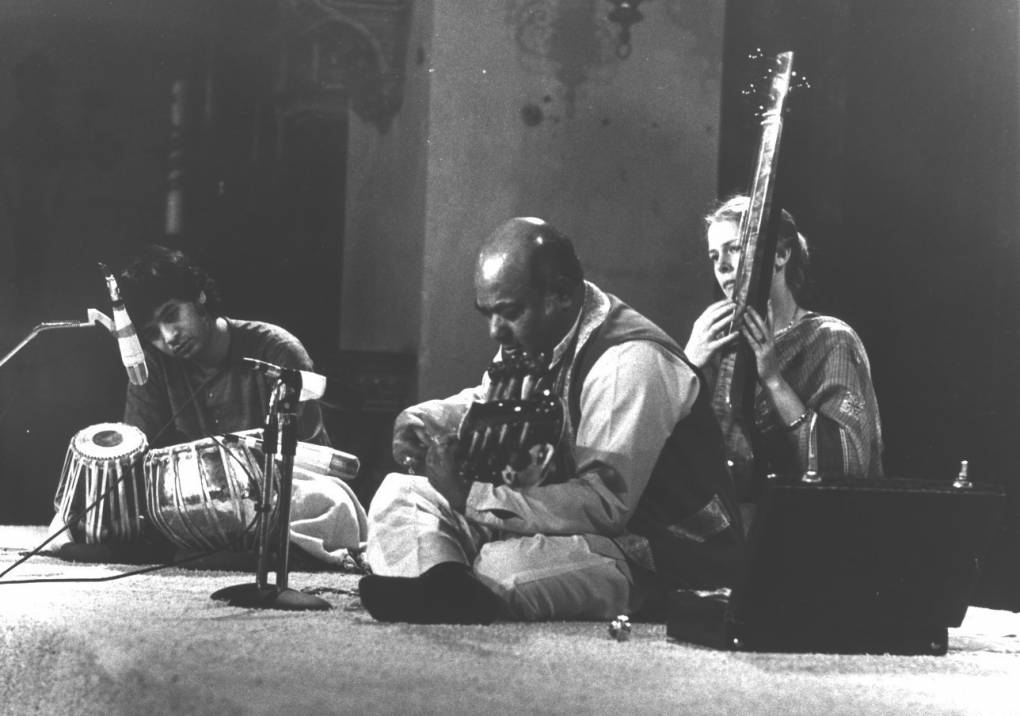
"caption": "Tabla player Zakir Hussain (left) accompanies sarod player Ali Akbar Khan and his wife and collaborator Mary Khan.",
"description": "Tabla player Zakir Hussain (left) accompanies sarod player Ali Akbar Khan and his wife and collaborator Mary Khan.",
"title": "Tabla player Zakir Hussain (left) accompanies sarod player Ali Akbar Khan and his wife and collaborator Mary Khan.",
"credit": "Courtesy of the Owsley Stanley Foundation",
"status": "inherit",
"altTag": "Tabla player Zakir Hussain (left) accompanies sarod player Ali Akbar Khan and his wife and collaborator Mary Khan.",
"isLoading": false,
"fetchFailed": false
},
"arts_13891697": {
"type": "attachments",
"id": "arts_13891697",
"meta": {
"index": "attachments_1716263798",
"site": "arts",
"id": "13891697",
"found": true
},
"parent": 13891696,
"imgSizes": {
"twentyfourteen-full-width": {
"file": "https://ww2.kqed.org/app/uploads/sites/2/2021/01/1-derek-delgaudio-in-in-of-itself-c-matthew-murphy-1-1_wide-2b2746d554421070f8064d29020884ca3584106e-1038x576.jpg",
"width": 1038,
"mimeType": "image/jpeg",
"height": 576
},
"thumbnail": {
"file": "https://ww2.kqed.org/app/uploads/sites/2/2021/01/1-derek-delgaudio-in-in-of-itself-c-matthew-murphy-1-1_wide-2b2746d554421070f8064d29020884ca3584106e-160x90.jpg",
"width": 160,
"mimeType": "image/jpeg",
"height": 90
},
"post-thumbnail": {
"file": "https://ww2.kqed.org/app/uploads/sites/2/2021/01/1-derek-delgaudio-in-in-of-itself-c-matthew-murphy-1-1_wide-2b2746d554421070f8064d29020884ca3584106e-672x372.jpg",
"width": 672,
"mimeType": "image/jpeg",
"height": 372
},
"kqedFullSize": {
"file": "https://ww2.kqed.org/app/uploads/sites/2/2021/01/1-derek-delgaudio-in-in-of-itself-c-matthew-murphy-1-1_wide-2b2746d554421070f8064d29020884ca3584106e-scaled-e1611343009459.jpg",
"width": 1920,
"height": 1080
},
"2048x2048": {
"file": "https://ww2.kqed.org/app/uploads/sites/2/2021/01/1-derek-delgaudio-in-in-of-itself-c-matthew-murphy-1-1_wide-2b2746d554421070f8064d29020884ca3584106e-2048x1152.jpg",
"width": 2048,
"mimeType": "image/jpeg",
"height": 1152
},
"large": {
"file": "https://ww2.kqed.org/app/uploads/sites/2/2021/01/1-derek-delgaudio-in-in-of-itself-c-matthew-murphy-1-1_wide-2b2746d554421070f8064d29020884ca3584106e-1020x574.jpg",
"width": 1020,
"mimeType": "image/jpeg",
"height": 574
},
"1536x1536": {
"file": "https://ww2.kqed.org/app/uploads/sites/2/2021/01/1-derek-delgaudio-in-in-of-itself-c-matthew-murphy-1-1_wide-2b2746d554421070f8064d29020884ca3584106e-1536x864.jpg",
"width": 1536,
"mimeType": "image/jpeg",
"height": 864
},
"full-width": {
"file": "https://ww2.kqed.org/app/uploads/sites/2/2021/01/1-derek-delgaudio-in-in-of-itself-c-matthew-murphy-1-1_wide-2b2746d554421070f8064d29020884ca3584106e-1920x1080.jpg",
"width": 1920,
"mimeType": "image/jpeg",
"height": 1080
},
"medium": {
"file": "https://ww2.kqed.org/app/uploads/sites/2/2021/01/1-derek-delgaudio-in-in-of-itself-c-matthew-murphy-1-1_wide-2b2746d554421070f8064d29020884ca3584106e-800x450.jpg",
"width": 800,
"mimeType": "image/jpeg",
"height": 450
},
"medium_large": {
"file": "https://ww2.kqed.org/app/uploads/sites/2/2021/01/1-derek-delgaudio-in-in-of-itself-c-matthew-murphy-1-1_wide-2b2746d554421070f8064d29020884ca3584106e-768x432.jpg",
"width": 768,
"mimeType": "image/jpeg",
"height": 432
}
},
"publishDate": 1611342408,
"modified": 1611343052,
"caption": "Derek DelGaudio uses a little magic and a lot of storytelling to talk about identity in 'In & Of Itself.'",
"description": "Derek DelGaudio uses a little magic and a lot of storytelling to talk about identity in 'In & Of Itself.'",
"title": "Derek DelGaudio uses a little magic and a lot of storytelling to talk about identity in 'In & Of Itself.'",
"credit": "Matthew Murphy/Hulu",
"status": "inherit",
"altTag": "Derek DelGaudio uses a little magic and a lot of storytelling to talk about identity in 'In & Of Itself.'",
"isLoading": false,
"fetchFailed": false
},
"arts_13891605": {
"type": "attachments",
"id": "arts_13891605",
"meta": {
"index": "attachments_1716263798",
"site": "arts",
"id": "13891605",
"found": true
},
"parent": 13891604,
"imgSizes": {
"twentyfourteen-full-width": {
"file": "https://ww2.kqed.org/app/uploads/sites/2/2021/01/gettyimages-1230697200_wide-535697b493f9c46b199a7fcda78923ff9a4401c3-1038x576.jpg",
"width": 1038,
"mimeType": "image/jpeg",
"height": 576
},
"thumbnail": {
"file": "https://ww2.kqed.org/app/uploads/sites/2/2021/01/gettyimages-1230697200_wide-535697b493f9c46b199a7fcda78923ff9a4401c3-160x90.jpg",
"width": 160,
"mimeType": "image/jpeg",
"height": 90
},
"post-thumbnail": {
"file": "https://ww2.kqed.org/app/uploads/sites/2/2021/01/gettyimages-1230697200_wide-535697b493f9c46b199a7fcda78923ff9a4401c3-672x372.jpg",
"width": 672,
"mimeType": "image/jpeg",
"height": 372
},
"kqedFullSize": {
"file": "https://ww2.kqed.org/app/uploads/sites/2/2021/01/gettyimages-1230697200_wide-535697b493f9c46b199a7fcda78923ff9a4401c3-scaled-e1611259708726.jpg",
"width": 1920,
"height": 1080
},
"2048x2048": {
"file": "https://ww2.kqed.org/app/uploads/sites/2/2021/01/gettyimages-1230697200_wide-535697b493f9c46b199a7fcda78923ff9a4401c3-2048x1152.jpg",
"width": 2048,
"mimeType": "image/jpeg",
"height": 1152
},
"large": {
"file": "https://ww2.kqed.org/app/uploads/sites/2/2021/01/gettyimages-1230697200_wide-535697b493f9c46b199a7fcda78923ff9a4401c3-1020x574.jpg",
"width": 1020,
"mimeType": "image/jpeg",
"height": 574
},
"1536x1536": {
"file": "https://ww2.kqed.org/app/uploads/sites/2/2021/01/gettyimages-1230697200_wide-535697b493f9c46b199a7fcda78923ff9a4401c3-1536x864.jpg",
"width": 1536,
"mimeType": "image/jpeg",
"height": 864
},
"full-width": {
"file": "https://ww2.kqed.org/app/uploads/sites/2/2021/01/gettyimages-1230697200_wide-535697b493f9c46b199a7fcda78923ff9a4401c3-1920x1080.jpg",
"width": 1920,
"mimeType": "image/jpeg",
"height": 1080
},
"medium": {
"file": "https://ww2.kqed.org/app/uploads/sites/2/2021/01/gettyimages-1230697200_wide-535697b493f9c46b199a7fcda78923ff9a4401c3-800x450.jpg",
"width": 800,
"mimeType": "image/jpeg",
"height": 450
},
"medium_large": {
"file": "https://ww2.kqed.org/app/uploads/sites/2/2021/01/gettyimages-1230697200_wide-535697b493f9c46b199a7fcda78923ff9a4401c3-768x432.jpg",
"width": 768,
"mimeType": "image/jpeg",
"height": 432
}
},
"publishDate": 1611259468,
"modified": 1611259742,
"caption": "Poet Amanda Gorman performs \"The Hill We Climb\" during the inauguration of U.S. President Joe Biden.",
"description": "Poet Amanda Gorman performs \"The Hill We Climb\" during the inauguration of U.S. President Joe Biden.",
"title": "Poet Amanda Gorman performs \"The Hill We Climb\" during the inauguration of U.S. President Joe Biden.",
"credit": "Erin Schaff-Pool/Getty Images",
"status": "inherit",
"altTag": "Poet Amanda Gorman performs \"The Hill We Climb\" during the inauguration of U.S. President Joe Biden.",
"isLoading": false,
"fetchFailed": false
},
"arts_13891475": {
"type": "attachments",
"id": "arts_13891475",
"meta": {
"index": "attachments_1716263798",
"site": "arts",
"id": "13891475",
"found": true
},
"parent": 13891470,
"imgSizes": {
"twentyfourteen-full-width": {
"file": "https://ww2.kqed.org/app/uploads/sites/2/2021/01/Screen-Shot-2021-01-19-at-4.57.07-PM-1038x576.png",
"width": 1038,
"mimeType": "image/png",
"height": 576
},
"thumbnail": {
"file": "https://ww2.kqed.org/app/uploads/sites/2/2021/01/Screen-Shot-2021-01-19-at-4.57.07-PM-160x92.png",
"width": 160,
"mimeType": "image/png",
"height": 92
},
"post-thumbnail": {
"file": "https://ww2.kqed.org/app/uploads/sites/2/2021/01/Screen-Shot-2021-01-19-at-4.57.07-PM-672x372.png",
"width": 672,
"mimeType": "image/png",
"height": 372
},
"kqedFullSize": {
"file": "https://ww2.kqed.org/app/uploads/sites/2/2021/01/Screen-Shot-2021-01-19-at-4.57.07-PM.png",
"width": 1335,
"height": 768
},
"large": {
"file": "https://ww2.kqed.org/app/uploads/sites/2/2021/01/Screen-Shot-2021-01-19-at-4.57.07-PM-1020x587.png",
"width": 1020,
"mimeType": "image/png",
"height": 587
},
"medium": {
"file": "https://ww2.kqed.org/app/uploads/sites/2/2021/01/Screen-Shot-2021-01-19-at-4.57.07-PM-800x460.png",
"width": 800,
"mimeType": "image/png",
"height": 460
},
"medium_large": {
"file": "https://ww2.kqed.org/app/uploads/sites/2/2021/01/Screen-Shot-2021-01-19-at-4.57.07-PM-768x442.png",
"width": 768,
"mimeType": "image/png",
"height": 442
}
},
"publishDate": 1611104259,
"modified": 1611104398,
"caption": "An 1847 illustration from 'Our Famous Women: An Authorized Record of the Lives and Deeds of Distinguished American Women of Our Times' (1885). The illustration shows Blackwell at Geneva Medical College in upstate New York, as she eyes a note dropped onto her arm by a male student, which she took to contain 'a gross impertinence', during a lecture.",
"description": "An 1847 illustration from 'Our Famous Women: An Authorized Record of the Lives and Deeds of Distinguished American Women of Our Times' (1885). The illustration shows Blackwell at Geneva Medical College in upstate New York, as she eyes a note dropped onto her arm by a male student, which she took to contain 'a gross impertinence', during a lecture.",
"title": "An 1847 illustration from 'Our Famous Women: An Authorized Record of the Lives and Deeds of Distinguished American Women of Our Times' (1885). The illustration shows Blackwell at Geneva Medical College in upstate New York, as she eyes a note dropped onto her arm by a male student, which she took to contain 'a gross impertinence', during a lecture.",
"credit": "Bettmann/Getty Images",
"status": "inherit",
"altTag": "An 1847 illustration from 'Our Famous Women: An Authorized Record of the Lives and Deeds of Distinguished American Women of Our Times' (1885). The illustration shows Blackwell at Geneva Medical College in upstate New York, as she eyes a note dropped onto her arm by a male student, which she took to contain 'a gross impertinence', during a lecture.",
"isLoading": false,
"fetchFailed": false
},
"arts_13891429": {
"type": "attachments",
"id": "arts_13891429",
"meta": {
"index": "attachments_1716263798",
"site": "arts",
"id": "13891429",
"found": true
},
"parent": 13891428,
"imgSizes": {
"twentyfourteen-full-width": {
"file": "https://ww2.kqed.org/app/uploads/sites/2/2021/01/seesaw-border-fence-children-mexico-us_custom-68987d409cbd663f66b4aff85877e009e39b177d-1038x576.jpg",
"width": 1038,
"mimeType": "image/jpeg",
"height": 576
},
"thumbnail": {
"file": "https://ww2.kqed.org/app/uploads/sites/2/2021/01/seesaw-border-fence-children-mexico-us_custom-68987d409cbd663f66b4aff85877e009e39b177d-160x107.jpg",
"width": 160,
"mimeType": "image/jpeg",
"height": 107
},
"post-thumbnail": {
"file": "https://ww2.kqed.org/app/uploads/sites/2/2021/01/seesaw-border-fence-children-mexico-us_custom-68987d409cbd663f66b4aff85877e009e39b177d-672x372.jpg",
"width": 672,
"mimeType": "image/jpeg",
"height": 372
},
"kqedFullSize": {
"file": "https://ww2.kqed.org/app/uploads/sites/2/2021/01/seesaw-border-fence-children-mexico-us_custom-68987d409cbd663f66b4aff85877e009e39b177d-scaled-e1611083516225.jpg",
"width": 1920,
"height": 1279
},
"2048x2048": {
"file": "https://ww2.kqed.org/app/uploads/sites/2/2021/01/seesaw-border-fence-children-mexico-us_custom-68987d409cbd663f66b4aff85877e009e39b177d-2048x1364.jpg",
"width": 2048,
"mimeType": "image/jpeg",
"height": 1364
},
"large": {
"file": "https://ww2.kqed.org/app/uploads/sites/2/2021/01/seesaw-border-fence-children-mexico-us_custom-68987d409cbd663f66b4aff85877e009e39b177d-1020x679.jpg",
"width": 1020,
"mimeType": "image/jpeg",
"height": 679
},
"1536x1536": {
"file": "https://ww2.kqed.org/app/uploads/sites/2/2021/01/seesaw-border-fence-children-mexico-us_custom-68987d409cbd663f66b4aff85877e009e39b177d-1536x1023.jpg",
"width": 1536,
"mimeType": "image/jpeg",
"height": 1023
},
"full-width": {
"file": "https://ww2.kqed.org/app/uploads/sites/2/2021/01/seesaw-border-fence-children-mexico-us_custom-68987d409cbd663f66b4aff85877e009e39b177d-1920x1279.jpg",
"width": 1920,
"mimeType": "image/jpeg",
"height": 1279
},
"medium": {
"file": "https://ww2.kqed.org/app/uploads/sites/2/2021/01/seesaw-border-fence-children-mexico-us_custom-68987d409cbd663f66b4aff85877e009e39b177d-800x533.jpg",
"width": 800,
"mimeType": "image/jpeg",
"height": 533
},
"medium_large": {
"file": "https://ww2.kqed.org/app/uploads/sites/2/2021/01/seesaw-border-fence-children-mexico-us_custom-68987d409cbd663f66b4aff85877e009e39b177d-768x511.jpg",
"width": 768,
"mimeType": "image/jpeg",
"height": 511
}
},
"publishDate": 1611082778,
"modified": 1611083570,
"caption": "American and Mexican families play with a see-saw installation at the border near Ciudad Juarez, Mexico, in July of 2019. The project has been recognized by a prestigious design award.",
"description": "American and Mexican families play with a see-saw installation at the border near Ciudad Juarez, Mexico, in July of 2019. The project has been recognized by a prestigious design award.",
"title": "American and Mexican families play with a see-saw installation at the border near Ciudad Juarez, Mexico, in July of 2019. The project has been recognized by a prestigious design award.",
"credit": "LUIS TORRES/AFP via Getty Images",
"status": "inherit",
"altTag": "American and Mexican families play with a see-saw installation at the border near Ciudad Juarez, Mexico, in July of 2019. The project has been recognized by a prestigious design award.",
"isLoading": false,
"fetchFailed": false
}
},
"audioPlayerReducer": {
"postId": "stream_live",
"isPaused": true,
"isPlaying": false,
"pfsActive": false,
"pledgeModalIsOpen": true,
"playerDrawerIsOpen": false,
"liveAudioPlayStartedAt": 0,
"liveAudioPlayContext": ""
},
"authorsReducer": {
"byline_arts_13891998": {
"type": "authors",
"id": "byline_arts_13891998",
"meta": {
"override": true
},
"slug": "byline_arts_13891998",
"name": "Justin Chang",
"isLoading": false
},
"byline_arts_13891992": {
"type": "authors",
"id": "byline_arts_13891992",
"meta": {
"override": true
},
"slug": "byline_arts_13891992",
"name": "Bill Chappell",
"isLoading": false
},
"byline_arts_13891888": {
"type": "authors",
"id": "byline_arts_13891888",
"meta": {
"override": true
},
"slug": "byline_arts_13891888",
"name": "Heller McAlpin",
"isLoading": false
},
"byline_arts_13891872": {
"type": "authors",
"id": "byline_arts_13891872",
"meta": {
"override": true
},
"slug": "byline_arts_13891872",
"name": "David Bianculli",
"isLoading": false
},
"byline_arts_13891865": {
"type": "authors",
"id": "byline_arts_13891865",
"meta": {
"override": true
},
"slug": "byline_arts_13891865",
"name": "Glen Weldon",
"isLoading": false
},
"byline_arts_13891832": {
"type": "authors",
"id": "byline_arts_13891832",
"meta": {
"override": true
},
"slug": "byline_arts_13891832",
"name": "Hope Wabuke",
"isLoading": false
},
"byline_arts_13891747": {
"type": "authors",
"id": "byline_arts_13891747",
"meta": {
"override": true
},
"slug": "byline_arts_13891747",
"name": "Meghan Collins Sullivan",
"isLoading": false
},
"byline_arts_13891739": {
"type": "authors",
"id": "byline_arts_13891739",
"meta": {
"override": true
},
"slug": "byline_arts_13891739",
"name": "Bilal Qureshi",
"isLoading": false
},
"byline_arts_13891696": {
"type": "authors",
"id": "byline_arts_13891696",
"meta": {
"override": true
},
"slug": "byline_arts_13891696",
"name": "Linda Holmes",
"isLoading": false
},
"byline_arts_13891604": {
"type": "authors",
"id": "byline_arts_13891604",
"meta": {
"override": true
},
"slug": "byline_arts_13891604",
"name": "Petra Mayer",
"isLoading": false
},
"byline_arts_13891470": {
"type": "authors",
"id": "byline_arts_13891470",
"meta": {
"override": true
},
"slug": "byline_arts_13891470",
"name": "Dave Davies",
"isLoading": false
},
"byline_arts_13891428": {
"type": "authors",
"id": "byline_arts_13891428",
"meta": {
"override": true
},
"slug": "byline_arts_13891428",
"name": "Bill Chappell",
"isLoading": false
}
},
"pagesReducer": {
"arts_affiliate_npr": {
"type": "terms",
"id": "arts_137",
"meta": {
"index": "terms_1716263798",
"site": "arts",
"id": "137",
"score": 14.258219
},
"featImg": "https://ww2.kqed.org/app/uploads/sites/2/2014/04/logo-npr-lg1.png",
"name": "NPR",
"description": null,
"taxonomy": "affiliate",
"headData": {
"twImgId": null,
"twTitle": null,
"ogTitle": null,
"ogImgId": null,
"twDescription": null,
"description": null,
"title": "NPR Archives | KQED Arts",
"ogDescription": null
},
"ttid": 138,
"slug": "npr",
"isLoading": false,
"title": "NPR",
"pageMeta": {
"site": "arts",
"WpPageTemplate": "page-topic-editorial",
"currentPage": 87
},
"blocks": [
{
"blockName": "kqed/post-list",
"attrs": {
"layout": "cardArticle2",
"query": "posts/arts?affiliate=npr",
"seeMore": false,
"paginated": true,
"page": 87
}
},
{
"blockName": "kqed/ad"
}
]
}
},
"pfsSessionReducer": {},
"postsReducer": {
"stream_live": {
"type": "live",
"id": "stream_live",
"audioUrl": "https://streams.kqed.org/kqedradio",
"title": "Live Stream",
"excerpt": "Live Stream information currently unavailable.",
"link": "/radio",
"featImg": "",
"label": {
"name": "KQED Live",
"link": "/"
}
},
"stream_kqedNewscast": {
"type": "posts",
"id": "stream_kqedNewscast",
"audioUrl": "https://www.kqed.org/.stream/anon/radio/RDnews/newscast.mp3?_=1",
"title": "KQED Newscast",
"featImg": "",
"label": {
"name": "88.5 FM",
"link": "/"
}
},
"arts_13891998": {
"type": "posts",
"id": "arts_13891998",
"meta": {
"index": "posts_1716263798",
"site": "arts",
"id": "13891998",
"score": null,
"sort": [
1611948620000
]
},
"parent": 0,
"labelTerm": {
"site": "arts",
"term": 137
},
"blocks": [],
"publishDate": 1611948620,
"format": "standard",
"title": "'The Little Things' is a Star-Studded, Old-School Serial Killer Thriller",
"headTitle": "‘The Little Things’ is a Star-Studded, Old-School Serial Killer Thriller | KQED",
"content": "\u003cp>It’s been a while since I’ve seen a new studio picture like \u003cem>The Little Things—\u003c/em>a big, meaty, slickly made crime drama featuring a trio of Academy Award winners. That’s partly due to COVID-19, which caused theaters to close 10 months ago and led the studios to postpone some of their biggest titles. But even if there weren’t a pandemic and \u003cem>The Little Things \u003c/em>had been widely released in theaters as planned, it might still have played like a relic from an earlier moviemaking decade.\u003c/p>\n\u003cp>That’s exactly what it is. The ’90s were something of a renaissance era for serial-killer movies, and the director, John Lee Hancock, wrote this script back in 1993, two years after \u003ca href=\"https://www.npr.org/2017/04/26/525716786/jonathan-demme-and-the-simple-power-of-the-close-up\" target=\"_blank\" rel=\"noopener noreferrer\">\u003cem>The Silence of the Lambs\u003c/em>\u003c/a> and two years before \u003ca href=\"https://www.npr.org/2014/10/02/353017242/david-fincher-talks-gone-girl-avoids-spoilers-hooray\" target=\"_blank\" rel=\"noopener noreferrer\">David Fincher\u003c/a>‘s notorious shocker \u003cem>Se7en\u003c/em>.\u003c/p>\n\u003cp>It’s interesting to think how \u003cem>The Little Things\u003c/em> might have fit into the genre if it had been made back then. But for various reasons, even though Steven Spielberg and Clint Eastwood both considered directing it, the movie never got off the ground. It was revived only a few years ago, now with Hancock in the director’s chair. He appears to have made few changes to his script, which is still set in the ’90s, probably because so much of the story depends on pay phones.\u003c/p>\n\u003cp>\u003ca href=\"https://www.npr.org/templates/story/story.php?storyId=17780245\" target=\"_blank\" rel=\"noopener noreferrer\">Denzel Washington\u003c/a> plays Joe Deacon, also known as Deke, a former Los Angeles detective who now works as a sheriff’s deputy in Bakersfield. But on a work-related trip down to L.A., he meets up with his old friends on the force and gets pulled into a major case. His unlikely partner is a young hotshot named Jim Baxter, played by \u003ca href=\"https://www.npr.org/2018/11/21/669850052/you-better-own-this-how-rami-malek-came-to-embody-freddie-mercury\" target=\"_blank\" rel=\"noopener noreferrer\">Rami Malek\u003c/a>. In typical buddy-cop fashion, they get off on the wrong foot but soon settle into a comfortable groove, with Deke playing the grizzled mentor to Baxter’s ambitious up-and-comer. [aside postid='arts_13865555']\u003c/p>\n\u003cp>They’re trying to solve the murders of several young women, the latest of whom has been found in a run-down flophouse—one of many reminders here of an older, less gentrified Los Angeles. The police make a thorough sweep of the scene, but it’s Deke who finds the evidence that leads them to a repairman, Albert Sparma, who becomes their prime suspect. He’s played by \u003ca href=\"https://www.npr.org/2013/10/31/241428346/jared-leto-was-seduced-by-role-of-rayon-in-buyers-club\" target=\"_blank\" rel=\"noopener noreferrer\">Jared Leto\u003c/a>, who sports long, stringy hair and a prosthetic nose, and who gives a performance of such calculated creepiness, he might as well be wearing an “Arrest Me” sign.\u003c/p>\n\u003cp>[ad fullwidth]\u003c/p>\n\u003cp>https://www.youtube.com/watch?v=1HZAnkxdYuA\u003c/p>\n\u003cp>But while Sparma may look like their man, Deke and Baxter have a hard time finding the evidence that would prove it. It’s never clear if Sparma is the culprit or just a true-crime buff who enjoys toying with the police. Over time, the uncertainty begins to eat away at Baxter—in much the same way it once ate away at Deke, who left the LAPD years ago after another unsolved case nearly drove him mad. If \u003cem>The Little Things\u003c/em> has an obvious kinship with \u003cem>Se7en\u003c/em>, it also seems to anticipate another David Fincher triumph, \u003ca href=\"https://www.npr.org/templates/story/story.php?storyId=7687059\" target=\"_blank\" rel=\"noopener noreferrer\">\u003cem>Zodiac\u003c/em>\u003c/a>, in which a criminal investigation becomes a corrosive personal obsession.\u003c/p>\n\u003cp>The script has its creaky, tin-eared moments. I could have done with fewer of Deke and Baxter’s strained wisecracks, and there’s something a little obvious about their gradual realization of how similar they are under the skin. The forensic details are as familiar as they are gruesome: You’ve seen it all before, from the blood-spattered crime scenes and nude corpses on autopsy tables to the wall of evidence covered with maps and photos.\u003c/p>\n\u003cp>But it’s worth remembering that Hancock conceived this story nearly 30 years ago, when these images weren’t the clichés they are now. \u003cem>The Little Things\u003c/em> may look like a retread, but it feels more like a time capsule, a weirdly enveloping trip down memory lane. I got wrapped up in its slowly unraveling twists, and in the rapport between the two leads; Washington is all too convincing as a dogged crime solver who isn’t afraid to go rogue when needed. He’s also one of the few movie stars, of course, who’s as popular now as he was in the ’90s.\u003c/p>\n\u003cp>\u003c/p>\n\u003cp>Hancock himself has come a long way since then; he has a sturdy command of craft, as he’s demonstrated in the other movies he’s directed, like \u003ca href=\"https://www.npr.org/templates/story/story.php?storyId=120456017\" target=\"_blank\" rel=\"noopener noreferrer\">\u003cem>The Blind Side\u003c/em>\u003c/a> and \u003ca href=\"https://www.npr.org/2013/12/12/249779989/making-mary-poppins-with-more-than-a-spoonful-of-sugar\" target=\"_blank\" rel=\"noopener noreferrer\">\u003cem>Saving Mr. Banks\u003c/em>\u003c/a>. \u003cem>The Little Things\u003c/em> tells a much darker story, but Hancock proves a better fit than you might think. He’s good at quickening your pulse, and his attention to details—the “little things” of the title—slowly draws you in. There’s nothing comforting about this grim, existentially unsettling movie, but its patient, old-school pleasures provide their own kind of satisfaction.\u003c/p>\n\u003cdiv class=\"fullattribution\">\u003cem>Copyright 2021 Fresh Air. To see more, visit \u003ca href=\"http://www.npr.org/programs/fresh-air/\" target=\"_blank\" rel=\"noopener noreferrer\">Fresh Air\u003c/a>.\u003cimg decoding=\"async\" src=\"https://www.google-analytics.com/__utm.gif?utmac=UA-5828686-4&utmdt=%27The+Little+Things%27+Is+A+Star-Studded%2C+Old-School+Serial+Killer+Thriller+&utme=8(APIKey)9(MDAxOTAwOTE4MDEyMTkxMDAzNjczZDljZA004)\">\u003c/em>\u003c/div>\n\n",
"stats": {
"hasVideo": true,
"hasChartOrMap": false,
"hasAudio": false,
"hasPolis": false,
"wordCount": 872,
"hasGoogleForm": false,
"hasGallery": false,
"hasHearkenModule": false,
"iframeSrcs": [],
"paragraphCount": 11
},
"modified": 1705019564,
"excerpt": "Set in the '90s, this drama starring Denzel Washington, Rami Malek and Jared Leto is a weirdly enveloping trip down memory lane.",
"headData": {
"twImgId": "",
"twTitle": "",
"ogTitle": "",
"ogImgId": "",
"twDescription": "",
"description": "Set in the '90s, this drama starring Denzel Washington, Rami Malek and Jared Leto is a weirdly enveloping trip down memory lane.",
"title": "'The Little Things' is a Star-Studded, Old-School Serial Killer Thriller | KQED",
"ogDescription": "",
"schema": {
"@context": "https://schema.org",
"@type": "Article",
"headline": "'The Little Things' is a Star-Studded, Old-School Serial Killer Thriller",
"datePublished": "2021-01-29T11:30:20-08:00",
"dateModified": "2024-01-11T16:32:44-08:00",
"image": "https://cdn.kqed.org/wp-content/uploads/2020/02/KQED-OG-Image@1x.png"
}
},
"guestAuthors": [],
"slug": "the-little-things-is-a-star-studded-old-school-serial-killer-thriller",
"status": "publish",
"nprApiLink": "http://api.npr.org/query?id=961587640&apiKey=MDAxOTAwOTE4MDEyMTkxMDAzNjczZDljZA004",
"templateType": "standard",
"nprStoryDate": "Fri, 29 Jan 2021 10:48:36 -0500",
"nprLastModifiedDate": "Fri, 29 Jan 2021 10:49:07 -0500",
"featuredImageType": "standard",
"nprHtmlLink": "https://www.npr.org/2021/01/29/961587640/the-little-things-is-a-star-studded-old-school-serial-killer-thriller?ft=nprml&f=961587640",
"nprAudio": "https://ondemand.npr.org/anon.npr-mp3/npr/fa/2021/01/20210129_fa_02.mp3?orgId=427869011&topicId=4467349&d=394&p=13&story=961587640&ft=nprml&f=961587640",
"nprImageAgency": "HBO Max",
"nprAudioM3u": "http://api.npr.org/m3u/1962134622-9ff4d1.m3u?orgId=427869011&topicId=4467349&d=394&p=13&story=961587640&ft=nprml&f=961587640",
"nprStoryId": "961587640",
"nprByline": "Justin Chang",
"sticky": false,
"nprRetrievedStory": "1",
"nprPubDate": "Fri, 29 Jan 2021 13:43:00 -0500",
"path": "/arts/13891998/the-little-things-is-a-star-studded-old-school-serial-killer-thriller",
"audioUrl": "https://ondemand.npr.org/anon.npr-mp3/npr/fa/2021/01/20210129_fa_02.mp3?orgId=427869011&topicId=4467349&d=394&p=13&story=961587640&ft=nprml&f=961587640",
"audioTrackLength": null,
"parsedContent": [
{
"type": "contentString",
"content": "\u003cdiv class=\"post-body\">\u003cp>\u003cp>It’s been a while since I’ve seen a new studio picture like \u003cem>The Little Things—\u003c/em>a big, meaty, slickly made crime drama featuring a trio of Academy Award winners. That’s partly due to COVID-19, which caused theaters to close 10 months ago and led the studios to postpone some of their biggest titles. But even if there weren’t a pandemic and \u003cem>The Little Things \u003c/em>had been widely released in theaters as planned, it might still have played like a relic from an earlier moviemaking decade.\u003c/p>\n\u003cp>That’s exactly what it is. The ’90s were something of a renaissance era for serial-killer movies, and the director, John Lee Hancock, wrote this script back in 1993, two years after \u003ca href=\"https://www.npr.org/2017/04/26/525716786/jonathan-demme-and-the-simple-power-of-the-close-up\" target=\"_blank\" rel=\"noopener noreferrer\">\u003cem>The Silence of the Lambs\u003c/em>\u003c/a> and two years before \u003ca href=\"https://www.npr.org/2014/10/02/353017242/david-fincher-talks-gone-girl-avoids-spoilers-hooray\" target=\"_blank\" rel=\"noopener noreferrer\">David Fincher\u003c/a>‘s notorious shocker \u003cem>Se7en\u003c/em>.\u003c/p>\n\u003cp>It’s interesting to think how \u003cem>The Little Things\u003c/em> might have fit into the genre if it had been made back then. But for various reasons, even though Steven Spielberg and Clint Eastwood both considered directing it, the movie never got off the ground. It was revived only a few years ago, now with Hancock in the director’s chair. He appears to have made few changes to his script, which is still set in the ’90s, probably because so much of the story depends on pay phones.\u003c/p>\n\u003cp>\u003ca href=\"https://www.npr.org/templates/story/story.php?storyId=17780245\" target=\"_blank\" rel=\"noopener noreferrer\">Denzel Washington\u003c/a> plays Joe Deacon, also known as Deke, a former Los Angeles detective who now works as a sheriff’s deputy in Bakersfield. But on a work-related trip down to L.A., he meets up with his old friends on the force and gets pulled into a major case. His unlikely partner is a young hotshot named Jim Baxter, played by \u003ca href=\"https://www.npr.org/2018/11/21/669850052/you-better-own-this-how-rami-malek-came-to-embody-freddie-mercury\" target=\"_blank\" rel=\"noopener noreferrer\">Rami Malek\u003c/a>. In typical buddy-cop fashion, they get off on the wrong foot but soon settle into a comfortable groove, with Deke playing the grizzled mentor to Baxter’s ambitious up-and-comer. \u003c/p>\u003c/div>",
"attributes": {
"named": {},
"numeric": []
}
},
{
"type": "component",
"content": "",
"name": "aside",
"attributes": {
"named": {
"postid": "arts_13865555",
"label": ""
},
"numeric": []
}
},
{
"type": "contentString",
"content": "\u003cdiv class=\"post-body\">\u003cp>\u003c/p>\n\u003cp>They’re trying to solve the murders of several young women, the latest of whom has been found in a run-down flophouse—one of many reminders here of an older, less gentrified Los Angeles. The police make a thorough sweep of the scene, but it’s Deke who finds the evidence that leads them to a repairman, Albert Sparma, who becomes their prime suspect. He’s played by \u003ca href=\"https://www.npr.org/2013/10/31/241428346/jared-leto-was-seduced-by-role-of-rayon-in-buyers-club\" target=\"_blank\" rel=\"noopener noreferrer\">Jared Leto\u003c/a>, who sports long, stringy hair and a prosthetic nose, and who gives a performance of such calculated creepiness, he might as well be wearing an “Arrest Me” sign.\u003c/p>\n\u003cp>\u003c/p>\u003c/div>",
"attributes": {
"named": {},
"numeric": []
}
},
{
"type": "component",
"content": "",
"name": "ad",
"attributes": {
"named": {
"label": "fullwidth"
},
"numeric": [
"fullwidth"
]
}
},
{
"type": "contentString",
"content": "\u003cdiv class=\"post-body\">\u003cp>\u003c/p>\u003c/p>\u003cp>\u003cspan class='utils-parseShortcode-shortcodes-__youtubeShortcode__embedYoutube'>\n \u003cspan class='utils-parseShortcode-shortcodes-__youtubeShortcode__embedYoutubeInside'>\n \u003ciframe\n loading='lazy'\n class='utils-parseShortcode-shortcodes-__youtubeShortcode__youtubePlayer'\n type='text/html'\n src='//www.youtube.com/embed/1HZAnkxdYuA'\n title='//www.youtube.com/embed/1HZAnkxdYuA'\n allowfullscreen='true'\n style='border:0;'>\u003c/iframe>\n \u003c/span>\n \u003c/span>\u003c/p>\u003cp>\u003cp>But while Sparma may look like their man, Deke and Baxter have a hard time finding the evidence that would prove it. It’s never clear if Sparma is the culprit or just a true-crime buff who enjoys toying with the police. Over time, the uncertainty begins to eat away at Baxter—in much the same way it once ate away at Deke, who left the LAPD years ago after another unsolved case nearly drove him mad. If \u003cem>The Little Things\u003c/em> has an obvious kinship with \u003cem>Se7en\u003c/em>, it also seems to anticipate another David Fincher triumph, \u003ca href=\"https://www.npr.org/templates/story/story.php?storyId=7687059\" target=\"_blank\" rel=\"noopener noreferrer\">\u003cem>Zodiac\u003c/em>\u003c/a>, in which a criminal investigation becomes a corrosive personal obsession.\u003c/p>\n\u003cp>The script has its creaky, tin-eared moments. I could have done with fewer of Deke and Baxter’s strained wisecracks, and there’s something a little obvious about their gradual realization of how similar they are under the skin. The forensic details are as familiar as they are gruesome: You’ve seen it all before, from the blood-spattered crime scenes and nude corpses on autopsy tables to the wall of evidence covered with maps and photos.\u003c/p>\n\u003cp>But it’s worth remembering that Hancock conceived this story nearly 30 years ago, when these images weren’t the clichés they are now. \u003cem>The Little Things\u003c/em> may look like a retread, but it feels more like a time capsule, a weirdly enveloping trip down memory lane. I got wrapped up in its slowly unraveling twists, and in the rapport between the two leads; Washington is all too convincing as a dogged crime solver who isn’t afraid to go rogue when needed. He’s also one of the few movie stars, of course, who’s as popular now as he was in the ’90s.\u003c/p>\n\u003cp>\u003c/p>\n\u003cp>Hancock himself has come a long way since then; he has a sturdy command of craft, as he’s demonstrated in the other movies he’s directed, like \u003ca href=\"https://www.npr.org/templates/story/story.php?storyId=120456017\" target=\"_blank\" rel=\"noopener noreferrer\">\u003cem>The Blind Side\u003c/em>\u003c/a> and \u003ca href=\"https://www.npr.org/2013/12/12/249779989/making-mary-poppins-with-more-than-a-spoonful-of-sugar\" target=\"_blank\" rel=\"noopener noreferrer\">\u003cem>Saving Mr. Banks\u003c/em>\u003c/a>. \u003cem>The Little Things\u003c/em> tells a much darker story, but Hancock proves a better fit than you might think. He’s good at quickening your pulse, and his attention to details—the “little things” of the title—slowly draws you in. There’s nothing comforting about this grim, existentially unsettling movie, but its patient, old-school pleasures provide their own kind of satisfaction.\u003c/p>\n\u003cdiv class=\"fullattribution\">\u003cem>Copyright 2021 Fresh Air. To see more, visit \u003ca href=\"http://www.npr.org/programs/fresh-air/\" target=\"_blank\" rel=\"noopener noreferrer\">Fresh Air\u003c/a>.\u003cimg decoding=\"async\" src=\"https://www.google-analytics.com/__utm.gif?utmac=UA-5828686-4&utmdt=%27The+Little+Things%27+Is+A+Star-Studded%2C+Old-School+Serial+Killer+Thriller+&utme=8(APIKey)9(MDAxOTAwOTE4MDEyMTkxMDAzNjczZDljZA004)\">\u003c/em>\u003c/div>\n\n\u003c/div>\u003c/p>",
"attributes": {
"named": {},
"numeric": []
}
}
],
"link": "/arts/13891998/the-little-things-is-a-star-studded-old-school-serial-killer-thriller",
"authors": [
"byline_arts_13891998"
],
"categories": [
"arts_1",
"arts_74",
"arts_75"
],
"tags": [
"arts_11323"
],
"affiliates": [
"arts_137"
],
"featImg": "arts_13892002",
"label": "arts_137"
},
"arts_13891992": {
"type": "posts",
"id": "arts_13891992",
"meta": {
"index": "posts_1716263798",
"site": "arts",
"id": "13891992",
"score": null,
"sort": [
1611946394000
]
},
"parent": 0,
"labelTerm": {
"site": "arts",
"term": 137
},
"blocks": [],
"publishDate": 1611946394,
"format": "standard",
"title": "'Robin Hood' Groups Win New Fans, Thanks to GameStop Controversy",
"headTitle": "‘Robin Hood’ Groups Win New Fans, Thanks to GameStop Controversy | KQED",
"content": "\u003cp>The Robinhood stock-trading app sparked outrage after it halted trading on GameStop and other companies at the center of a battle between small investors and hedge funds.\u003c/p>\n\u003cp>Suddenly, the World Wide Robin Hood Society noticed a flood of interest online—and the U.K. group politely clarified that it isn’t the Robin Hood some commenters were looking for. It gained tens of thousands of new followers anyway.\u003c/p>\n\u003cp>“We started with 350 yesterday and we now have over 50k” followers on Twitter, the group said on Friday in a message to NPR.\u003c/p>\n\u003cp>“Lovely to have all these new followers,” the Society tweeted, “can we just check that you know that you’re following The World Wide Robin Hood Society in Nottingham and not the Robin Hood App .. if so .. a big welcome from Sherwood.”\u003c/p>\n\u003cp>For the record, the World Wide Robin Hood Society is not a cosplay group for enthusiasts who want to don a pair of green tights or an embroidered bodice. It’s devoted to promoting the legend of the hero who famously stole from the rich and gave to the poor.\u003c/p>\n\u003cp>[ad fullwidth]\u003c/p>\n\u003cp>But on Twitter, people flocked to the society’s account—\u003ca href=\"https://twitter.com/robinhood\" target=\"_blank\" rel=\"noopener noreferrer\">@robinhood\u003c/a>—after the Robinhood stock-trading app became embroiled in the controversy on Wall Street. The app blocked trading on several stocks that hedge funds had shorted but that were seeing huge gains, driven by small investors in Reddit’s \u003ca href=\"https://www.npr.org/2021/01/28/961722406/the-latest-on-the-gamestop-stock-market-debacle\" target=\"_blank\" rel=\"noopener noreferrer\">r/wallstreetbets community\u003c/a>.\u003c/p>\n\u003cp>The move triggered a class action lawsuit and allegations that the app was essentially manipulating the market to protect wealthy hedge funds at the expense of regular people.\u003c/p>\n\u003cp>“Pro tip,” tweeted Charles Payne, of the Fox Business Network. “Don’t call yourself Robin Hood if you are going to turn your back on the folks in Sherwood forest after one phone call from the Sheriff of Nottingham.”\u003c/p>\n\u003cp>https://twitter.com/cvpayne/status/1354820428217212934\u003c/p>\n\u003cp>The company has \u003ca href=\"https://twitter.com/vladtenev/status/1354900958942175233\" target=\"_blank\" rel=\"noopener noreferrer\">denied those accusations\u003c/a>, and it said it would allow limited trading on the volatile stocks to resume on Friday.\u003c/p>\n\u003cp>As people sought ways to vent anger and skepticism online, the World Wide Robin Hood Society cleared the air about its mission. In the spirit of Sherwood Forest’s famous renegade, it welcomed new followers: “You can now consider yourself to be a fully fledged member of our band of outlaws, so put a feather in your cap and shout ‘Huzzah!’ ”\u003c/p>\n\u003cp>A similar clarification came in the U.S., where Robin Hood is also the name of a nonprofit in New York City that has been fighting poverty since 1988, providing millions of dollars in aid to families.\u003c/p>\n\u003cp>Noting its status as a charitable organization, \u003ca href=\"https://twitter.com/RobinHoodNYC/status/1354804513190764554\" target=\"_blank\" rel=\"noopener noreferrer\">the group said\u003c/a>, “We are not affiliated with any for-profit businesses that use a similar name.”\u003c/p>\n\u003cp>Rather than simply turning away, Robin Hood communications director Kevin Thompson said, people seemed to appreciate the way the non-profit introduced itself.\u003c/p>\n\u003cp>“We’ve gotten a pickup in small-dollar contributions,” he said in a phone call Friday.\u003c/p>\n\u003cp>In some cases, Thompson said, people told the charity that the money they were donating came from profits they made off of their GameStop stock.\u003c/p>\n\u003cp>Like the eponymous archer, Thompson said of the New York charity, “Our mission is about increasing economic mobility.”\u003c/p>\n\u003cp>With the Wall Street controversy putting new attention on their namesake, the two groups even connected.\u003c/p>\n\u003cp>\u003c/p>\n\u003cp>“Hope your day is going as well as ours,” the U.K. Robin Hood said in a tweet to the New York Robin Hood, adding a “Huzzah!!” for good measure.\u003c/p>\n\u003cdiv class=\"fullattribution\">\u003cem>Copyright 2021 NPR. To see more, visit \u003ca href=\"https://www.npr.org\" target=\"_blank\" rel=\"noopener noreferrer\">NPR\u003c/a>.\u003cimg decoding=\"async\" src=\"https://www.google-analytics.com/__utm.gif?utmac=UA-5828686-4&utmdt=%27Robin+Hood%27+Groups+Win+New+Fans%2C+Thanks+To+GameStop+Controversy&utme=8(APIKey)9(MDAxOTAwOTE4MDEyMTkxMDAzNjczZDljZA004)\">\u003c/em>\u003c/div>\n\n",
"stats": {
"hasVideo": false,
"hasChartOrMap": false,
"hasAudio": false,
"hasPolis": false,
"wordCount": 628,
"hasGoogleForm": false,
"hasGallery": false,
"hasHearkenModule": false,
"iframeSrcs": [],
"paragraphCount": 20
},
"modified": 1705019566,
"excerpt": "For one, the Robin Hood anti-poverty charity in New York City says it's seeing a new boost in donations this week. ",
"headData": {
"twImgId": "",
"twTitle": "",
"ogTitle": "",
"ogImgId": "",
"twDescription": "",
"description": "For one, the Robin Hood anti-poverty charity in New York City says it's seeing a new boost in donations this week. ",
"title": "'Robin Hood' Groups Win New Fans, Thanks to GameStop Controversy | KQED",
"ogDescription": "",
"schema": {
"@context": "https://schema.org",
"@type": "Article",
"headline": "'Robin Hood' Groups Win New Fans, Thanks to GameStop Controversy",
"datePublished": "2021-01-29T10:53:14-08:00",
"dateModified": "2024-01-11T16:32:46-08:00",
"image": "https://cdn.kqed.org/wp-content/uploads/2020/02/KQED-OG-Image@1x.png"
}
},
"guestAuthors": [],
"slug": "robin-hood-groups-win-new-fans-thanks-to-gamestop-controversy",
"status": "publish",
"nprApiLink": "http://api.npr.org/query?id=962010211&apiKey=MDAxOTAwOTE4MDEyMTkxMDAzNjczZDljZA004",
"templateType": "standard",
"nprByline": "Bill Chappell",
"nprStoryDate": "Fri, 29 Jan 2021 11:24:00 -0500",
"nprLastModifiedDate": "Fri, 29 Jan 2021 13:30:06 -0500",
"featuredImageType": "standard",
"sticky": false,
"nprHtmlLink": "https://www.npr.org/2021/01/29/962010211/robin-hood-groups-win-new-fans-thanks-to-gamestop-controversy?ft=nprml&f=962010211",
"nprImageAgency": "FilmPublicityArchive/United Archives via Getty Images",
"nprStoryId": "962010211",
"nprRetrievedStory": "1",
"nprPubDate": "Fri, 29 Jan 2021 13:30:00 -0500",
"path": "/arts/13891992/robin-hood-groups-win-new-fans-thanks-to-gamestop-controversy",
"audioTrackLength": null,
"parsedContent": [
{
"type": "contentString",
"content": "\u003cdiv class=\"post-body\">\u003cp>\u003cp>The Robinhood stock-trading app sparked outrage after it halted trading on GameStop and other companies at the center of a battle between small investors and hedge funds.\u003c/p>\n\u003cp>Suddenly, the World Wide Robin Hood Society noticed a flood of interest online—and the U.K. group politely clarified that it isn’t the Robin Hood some commenters were looking for. It gained tens of thousands of new followers anyway.\u003c/p>\n\u003cp>“We started with 350 yesterday and we now have over 50k” followers on Twitter, the group said on Friday in a message to NPR.\u003c/p>\n\u003cp>“Lovely to have all these new followers,” the Society tweeted, “can we just check that you know that you’re following The World Wide Robin Hood Society in Nottingham and not the Robin Hood App .. if so .. a big welcome from Sherwood.”\u003c/p>\n\u003cp>For the record, the World Wide Robin Hood Society is not a cosplay group for enthusiasts who want to don a pair of green tights or an embroidered bodice. It’s devoted to promoting the legend of the hero who famously stole from the rich and gave to the poor.\u003c/p>\n\u003cp>\u003c/p>\u003c/div>",
"attributes": {
"named": {},
"numeric": []
}
},
{
"type": "component",
"content": "",
"name": "ad",
"attributes": {
"named": {
"label": "fullwidth"
},
"numeric": [
"fullwidth"
]
}
},
{
"type": "contentString",
"content": "\u003cdiv class=\"post-body\">\u003cp>\u003c/p>\n\u003cp>But on Twitter, people flocked to the society’s account—\u003ca href=\"https://twitter.com/robinhood\" target=\"_blank\" rel=\"noopener noreferrer\">@robinhood\u003c/a>—after the Robinhood stock-trading app became embroiled in the controversy on Wall Street. The app blocked trading on several stocks that hedge funds had shorted but that were seeing huge gains, driven by small investors in Reddit’s \u003ca href=\"https://www.npr.org/2021/01/28/961722406/the-latest-on-the-gamestop-stock-market-debacle\" target=\"_blank\" rel=\"noopener noreferrer\">r/wallstreetbets community\u003c/a>.\u003c/p>\n\u003cp>The move triggered a class action lawsuit and allegations that the app was essentially manipulating the market to protect wealthy hedge funds at the expense of regular people.\u003c/p>\n\u003cp>“Pro tip,” tweeted Charles Payne, of the Fox Business Network. “Don’t call yourself Robin Hood if you are going to turn your back on the folks in Sherwood forest after one phone call from the Sheriff of Nottingham.”\u003c/p>\u003c/p>\u003c/div>",
"attributes": {
"named": {},
"numeric": []
}
},
{
"type": "component",
"content": "",
"name": "singleTwitterStatus",
"attributes": {
"named": {
"id": "1354820428217212934"
},
"numeric": []
}
},
{
"type": "contentString",
"content": "\u003cdiv class=\"post-body\">\u003cp>\n\u003cp>The company has \u003ca href=\"https://twitter.com/vladtenev/status/1354900958942175233\" target=\"_blank\" rel=\"noopener noreferrer\">denied those accusations\u003c/a>, and it said it would allow limited trading on the volatile stocks to resume on Friday.\u003c/p>\n\u003cp>As people sought ways to vent anger and skepticism online, the World Wide Robin Hood Society cleared the air about its mission. In the spirit of Sherwood Forest’s famous renegade, it welcomed new followers: “You can now consider yourself to be a fully fledged member of our band of outlaws, so put a feather in your cap and shout ‘Huzzah!’ ”\u003c/p>\n\u003cp>A similar clarification came in the U.S., where Robin Hood is also the name of a nonprofit in New York City that has been fighting poverty since 1988, providing millions of dollars in aid to families.\u003c/p>\n\u003cp>Noting its status as a charitable organization, \u003ca href=\"https://twitter.com/RobinHoodNYC/status/1354804513190764554\" target=\"_blank\" rel=\"noopener noreferrer\">the group said\u003c/a>, “We are not affiliated with any for-profit businesses that use a similar name.”\u003c/p>\n\u003cp>Rather than simply turning away, Robin Hood communications director Kevin Thompson said, people seemed to appreciate the way the non-profit introduced itself.\u003c/p>\n\u003cp>“We’ve gotten a pickup in small-dollar contributions,” he said in a phone call Friday.\u003c/p>\n\u003cp>In some cases, Thompson said, people told the charity that the money they were donating came from profits they made off of their GameStop stock.\u003c/p>\n\u003cp>Like the eponymous archer, Thompson said of the New York charity, “Our mission is about increasing economic mobility.”\u003c/p>\n\u003cp>With the Wall Street controversy putting new attention on their namesake, the two groups even connected.\u003c/p>\n\u003cp>\u003c/p>\n\u003cp>“Hope your day is going as well as ours,” the U.K. Robin Hood said in a tweet to the New York Robin Hood, adding a “Huzzah!!” for good measure.\u003c/p>\n\u003cdiv class=\"fullattribution\">\u003cem>Copyright 2021 NPR. To see more, visit \u003ca href=\"https://www.npr.org\" target=\"_blank\" rel=\"noopener noreferrer\">NPR\u003c/a>.\u003cimg decoding=\"async\" src=\"https://www.google-analytics.com/__utm.gif?utmac=UA-5828686-4&utmdt=%27Robin+Hood%27+Groups+Win+New+Fans%2C+Thanks+To+GameStop+Controversy&utme=8(APIKey)9(MDAxOTAwOTE4MDEyMTkxMDAzNjczZDljZA004)\">\u003c/em>\u003c/div>\n\n\u003c/div>\u003c/p>",
"attributes": {
"named": {},
"numeric": []
}
}
],
"link": "/arts/13891992/robin-hood-groups-win-new-fans-thanks-to-gamestop-controversy",
"authors": [
"byline_arts_13891992"
],
"categories": [
"arts_1",
"arts_75"
],
"tags": [
"arts_2305"
],
"affiliates": [
"arts_137"
],
"featImg": "arts_13891993",
"label": "arts_137"
},
"arts_13891888": {
"type": "posts",
"id": "arts_13891888",
"meta": {
"index": "posts_1716263798",
"site": "arts",
"id": "13891888",
"score": null,
"sort": [
1611784908000
]
},
"parent": 0,
"labelTerm": {
"site": "arts",
"term": 137
},
"blocks": [],
"publishDate": 1611784908,
"format": "standard",
"title": "Joan Didion's 'Let Me Tell You What I Mean' Offers Plenty of 'Journalistic Gold'",
"headTitle": "Joan Didion’s ‘Let Me Tell You What I Mean’ Offers Plenty of ‘Journalistic Gold’ | KQED",
"content": "\u003cp>In \u003cem>The Center Will Not Hold\u003c/em>, the 2017 documentary about Joan Didion directed by her nephew Griffin Dunne, he asks what she felt when she saw a 5-year-old tripping on LSD while reporting from Haight-Ashbury for her 1967 essay, “Slouching Towards Bethlehem.”\u003c/p>\n\u003cp>\u003cimg loading=\"lazy\" decoding=\"async\" class=\"size-full wp-image-13891890 alignright\" src=\"https://ww2.kqed.org/app/uploads/sites/2/2021/01/didion_custom-579cedfad87e5f6545ad82503007ef8d3298cddc.jpg\" alt=\"\" width=\"200\" height=\"321\" srcset=\"https://cdn.kqed.org/wp-content/uploads/sites/2/2021/01/didion_custom-579cedfad87e5f6545ad82503007ef8d3298cddc.jpg 200w, https://cdn.kqed.org/wp-content/uploads/sites/2/2021/01/didion_custom-579cedfad87e5f6545ad82503007ef8d3298cddc-160x257.jpg 160w\" sizes=\"(max-width: 200px) 100vw, 200px\">The automatic response from most people might be, “I was horrified.” But Didion, of course, is not most people. Her answer is chilling: “Well, let me tell you, it was gold…You live for moments like that if you’re doing a piece, good or bad.”\u003c/p>\n\u003cp>There’s plenty of journalistic gold in \u003cem>Let Me Tell You What I Mean,\u003c/em> Didion’s new book of 12 previously uncollected essays. What’s particularly salient is her trademark farsightedness, which is especially striking decades later. Half the pieces date from 1968 and first appeared in the \u003cem>Saturday Evening Post\u003c/em>. The most recent was written in 2000.\u003c/p>\n\u003cp>The opening essay, “Alicia and the Underground Press,” flags “the inability of all of us to speak to one another in any direct way, the failure of American newspapers to ‘get through.'” One of the things Didion appreciates about papers like the \u003cem>East Village Other\u003c/em> and the Los Angeles \u003cem>Free Press\u003c/em> is that they don’t even make a pretense of objectivity: “When a writer for an underground paper approves or disapproves of something, he says so, quite often in lieu of who, what, where, when, how,” she writes. She points out that these publications are often “strident and brash,” and then adds, “But to think that these papers are read for ‘facts’ is to misapprehend their appeal. It is the genius of these papers that they talk directly to their readers.” More than 50 years after she wrote these words, the relevance of her observations in today’s fractured world of fringe media is uncannily prescient.\u003c/p>\n\u003cp>Another bravura performance is Didion’s profile of Martha Stewart, “Everywoman.com,” first published in \u003cem>The New Yorker\u003c/em> in 2000. As as she sees it, Stewart’s genius was in branding herself “not as a Superwoman but as Everywoman,” playing into women’s dreams and fantasies of “getting out of the house with a vengeance, and on your own terms.” On the eve of the IPO of Martha Stewart Living Omnimedia LLC, Didion quotes from the Risk Factors section of its prospectus, which is even more devastating in hindsight:\u003c/p>\n\u003cblockquote>\u003cp>“Our business would be adversely affected if Martha Stewart’s public image or reputation were to be tarnished…Our continued success and the value of our brand name therefore depends, to a large degree, on the reputation of Martha Stewart.”\u003c/p>\u003c/blockquote>\n\u003cp>Didion’s profile was published four years before Stewart was sent to prison after being found guilty of felony charges of conspiracy, perjury and obstruction of justice.\u003c/p>\n\u003cp>[ad fullwidth]\u003c/p>\n\u003cp>Unfortunately, “Everywoman.com,” like the other essays collected in \u003cem>Let Me Tell You What I Mean, \u003c/em>is not accompanied by an update or further comment from Didion\u003cem>. \u003c/em>You could argue that the pieces speak for themselves. Hilton Als’ smart foreword offers a welcome overview, though readers who want to encounter her writing fresh, without an intermediary, might want to read it after the essays.\u003c/p>\n\u003cp>Several of the pieces, including “Why I Write” and “Telling Stories,” address Didion’s development as a writer, from honing her craft by turning out crisp copy for \u003cem>Vogue \u003c/em>in the 1950s (“not unlike training with the Rockettes”) to learning to use the first person. “I wanted not a window on the world but the world itself,” she writes of her preference for novels over short stories, and explains, “I write entirely to find out what I’m thinking, what I’m looking at, what I see and what it means. What I want and what I fear.”\u003c/p>\n\u003cp>Readers, and especially aspiring writers, will find the rejection letters garnered by Didion’s last stab at short fiction fascinating, while college applicants should find consolation in “On Being Unchosen by the College of One’s Choice.” In revisiting her rejection for admission to Stanford back in 1952, Didion notes that Berkeley “worked out all right” in the end. Her essay ought to be reprinted yearly for each fresh crop of college aspirants and their over-eager parents. Writing in 1968, Didion observes—long before the recent scandalous cases of parents caught willing to do anything to game the system—that compared to when she received her rejection, “Getting into college has become an ugly business.”\u003c/p>\n\u003cp>“Last Words,” Didion’s tribute to Ernest Hemingway, which first appeared in \u003cem>The New Yorker\u003c/em> in 1998, is another standout. Her careful analysis of the “liturgical cadence” and “tension of withheld information” in the 126-word first paragraph of \u003cem>A Farewell to Arms\u003c/em> is a marvel of close reading. Her appreciation says as much about her own work as about Hemingway’s: “The very grammar of a Hemingway sentence dictated, or was dictated by, a certain way of looking at the world, a way of looking but not joining, a way of moving through but not attaching,” she writes with palpable admiration.\u003c/p>\n\u003cp>\u003c/p>\n\u003cp>As these essays demonstrate, Didion, even with her famous detachment, is no slouch at showing us what she means. But however welcome, there’s a wistfulness to this book, for it is impossible to read without wishing Didion were weighing in on how the center still cannot hold and things continue to fall apart in the 21st century.\u003c/p>\n\u003cdiv class=\"fullattribution\">\u003cem>Copyright 2021 NPR. To see more, visit \u003ca href=\"https://www.npr.org\" target=\"_blank\" rel=\"noopener noreferrer\">NPR\u003c/a>.\u003cimg decoding=\"async\" src=\"https://www.google-analytics.com/__utm.gif?utmac=UA-5828686-4&utmdt=Joan+Didion%27s+%27Let+Me+Tell+You+What+I+Mean%27+Offers+Plenty+Of+%27Journalistic+Gold%27+&utme=8(APIKey)9(MDAxOTAwOTE4MDEyMTkxMDAzNjczZDljZA004)\">\u003c/em>\u003c/div>\n\n",
"stats": {
"hasVideo": false,
"hasChartOrMap": false,
"hasAudio": false,
"hasPolis": false,
"wordCount": 987,
"hasGoogleForm": false,
"hasGallery": false,
"hasHearkenModule": false,
"iframeSrcs": [],
"paragraphCount": 14
},
"modified": 1705019575,
"excerpt": "What's particularly salient in this book of previously uncollected essays is Didion's trademark farsightedness.",
"headData": {
"twImgId": "",
"twTitle": "",
"ogTitle": "",
"ogImgId": "",
"twDescription": "",
"description": "What's particularly salient in this book of previously uncollected essays is Didion's trademark farsightedness.",
"title": "Joan Didion's 'Let Me Tell You What I Mean' Offers Plenty of 'Journalistic Gold' | KQED",
"ogDescription": "",
"schema": {
"@context": "https://schema.org",
"@type": "Article",
"headline": "Joan Didion's 'Let Me Tell You What I Mean' Offers Plenty of 'Journalistic Gold'",
"datePublished": "2021-01-27T14:01:48-08:00",
"dateModified": "2024-01-11T16:32:55-08:00",
"image": "https://cdn.kqed.org/wp-content/uploads/2020/02/KQED-OG-Image@1x.png"
}
},
"guestAuthors": [],
"slug": "joan-didions-let-me-tell-you-what-i-mean-offers-plenty-of-journalistic-gold",
"status": "publish",
"nprApiLink": "http://api.npr.org/query?id=951064638&apiKey=MDAxOTAwOTE4MDEyMTkxMDAzNjczZDljZA004",
"templateType": "standard",
"nprStoryDate": "Wed, 27 Jan 2021 09:37:41 -0500",
"nprLastModifiedDate": "Wed, 27 Jan 2021 09:37:41 -0500",
"featuredImageType": "standard",
"nprHtmlLink": "https://www.npr.org/2021/01/27/951064638/joan-didions-let-me-tell-you-what-i-mean-offers-plenty-of-journalistic-gold?ft=nprml&f=951064638",
"nprImageAgency": "Getty Images",
"nprStoryId": "951064638",
"nprByline": "Heller McAlpin",
"sticky": false,
"nprImageCredit": "Jemal Countess",
"nprRetrievedStory": "1",
"nprPubDate": "Wed, 27 Jan 2021 09:37:00 -0500",
"path": "/arts/13891888/joan-didions-let-me-tell-you-what-i-mean-offers-plenty-of-journalistic-gold",
"audioTrackLength": null,
"parsedContent": [
{
"type": "contentString",
"content": "\u003cdiv class=\"post-body\">\u003cp>\u003cp>In \u003cem>The Center Will Not Hold\u003c/em>, the 2017 documentary about Joan Didion directed by her nephew Griffin Dunne, he asks what she felt when she saw a 5-year-old tripping on LSD while reporting from Haight-Ashbury for her 1967 essay, “Slouching Towards Bethlehem.”\u003c/p>\n\u003cp>\u003cimg loading=\"lazy\" decoding=\"async\" class=\"size-full wp-image-13891890 alignright\" src=\"https://ww2.kqed.org/app/uploads/sites/2/2021/01/didion_custom-579cedfad87e5f6545ad82503007ef8d3298cddc.jpg\" alt=\"\" width=\"200\" height=\"321\" srcset=\"https://cdn.kqed.org/wp-content/uploads/sites/2/2021/01/didion_custom-579cedfad87e5f6545ad82503007ef8d3298cddc.jpg 200w, https://cdn.kqed.org/wp-content/uploads/sites/2/2021/01/didion_custom-579cedfad87e5f6545ad82503007ef8d3298cddc-160x257.jpg 160w\" sizes=\"(max-width: 200px) 100vw, 200px\">The automatic response from most people might be, “I was horrified.” But Didion, of course, is not most people. Her answer is chilling: “Well, let me tell you, it was gold…You live for moments like that if you’re doing a piece, good or bad.”\u003c/p>\n\u003cp>There’s plenty of journalistic gold in \u003cem>Let Me Tell You What I Mean,\u003c/em> Didion’s new book of 12 previously uncollected essays. What’s particularly salient is her trademark farsightedness, which is especially striking decades later. Half the pieces date from 1968 and first appeared in the \u003cem>Saturday Evening Post\u003c/em>. The most recent was written in 2000.\u003c/p>\n\u003cp>The opening essay, “Alicia and the Underground Press,” flags “the inability of all of us to speak to one another in any direct way, the failure of American newspapers to ‘get through.'” One of the things Didion appreciates about papers like the \u003cem>East Village Other\u003c/em> and the Los Angeles \u003cem>Free Press\u003c/em> is that they don’t even make a pretense of objectivity: “When a writer for an underground paper approves or disapproves of something, he says so, quite often in lieu of who, what, where, when, how,” she writes. She points out that these publications are often “strident and brash,” and then adds, “But to think that these papers are read for ‘facts’ is to misapprehend their appeal. It is the genius of these papers that they talk directly to their readers.” More than 50 years after she wrote these words, the relevance of her observations in today’s fractured world of fringe media is uncannily prescient.\u003c/p>\n\u003cp>Another bravura performance is Didion’s profile of Martha Stewart, “Everywoman.com,” first published in \u003cem>The New Yorker\u003c/em> in 2000. As as she sees it, Stewart’s genius was in branding herself “not as a Superwoman but as Everywoman,” playing into women’s dreams and fantasies of “getting out of the house with a vengeance, and on your own terms.” On the eve of the IPO of Martha Stewart Living Omnimedia LLC, Didion quotes from the Risk Factors section of its prospectus, which is even more devastating in hindsight:\u003c/p>\n\u003cblockquote>\u003cp>“Our business would be adversely affected if Martha Stewart’s public image or reputation were to be tarnished…Our continued success and the value of our brand name therefore depends, to a large degree, on the reputation of Martha Stewart.”\u003c/p>\u003c/blockquote>\n\u003cp>Didion’s profile was published four years before Stewart was sent to prison after being found guilty of felony charges of conspiracy, perjury and obstruction of justice.\u003c/p>\n\u003cp>\u003c/p>\u003c/div>",
"attributes": {
"named": {},
"numeric": []
}
},
{
"type": "component",
"content": "",
"name": "ad",
"attributes": {
"named": {
"label": "fullwidth"
},
"numeric": [
"fullwidth"
]
}
},
{
"type": "contentString",
"content": "\u003cdiv class=\"post-body\">\u003cp>\u003c/p>\n\u003cp>Unfortunately, “Everywoman.com,” like the other essays collected in \u003cem>Let Me Tell You What I Mean, \u003c/em>is not accompanied by an update or further comment from Didion\u003cem>. \u003c/em>You could argue that the pieces speak for themselves. Hilton Als’ smart foreword offers a welcome overview, though readers who want to encounter her writing fresh, without an intermediary, might want to read it after the essays.\u003c/p>\n\u003cp>Several of the pieces, including “Why I Write” and “Telling Stories,” address Didion’s development as a writer, from honing her craft by turning out crisp copy for \u003cem>Vogue \u003c/em>in the 1950s (“not unlike training with the Rockettes”) to learning to use the first person. “I wanted not a window on the world but the world itself,” she writes of her preference for novels over short stories, and explains, “I write entirely to find out what I’m thinking, what I’m looking at, what I see and what it means. What I want and what I fear.”\u003c/p>\n\u003cp>Readers, and especially aspiring writers, will find the rejection letters garnered by Didion’s last stab at short fiction fascinating, while college applicants should find consolation in “On Being Unchosen by the College of One’s Choice.” In revisiting her rejection for admission to Stanford back in 1952, Didion notes that Berkeley “worked out all right” in the end. Her essay ought to be reprinted yearly for each fresh crop of college aspirants and their over-eager parents. Writing in 1968, Didion observes—long before the recent scandalous cases of parents caught willing to do anything to game the system—that compared to when she received her rejection, “Getting into college has become an ugly business.”\u003c/p>\n\u003cp>“Last Words,” Didion’s tribute to Ernest Hemingway, which first appeared in \u003cem>The New Yorker\u003c/em> in 1998, is another standout. Her careful analysis of the “liturgical cadence” and “tension of withheld information” in the 126-word first paragraph of \u003cem>A Farewell to Arms\u003c/em> is a marvel of close reading. Her appreciation says as much about her own work as about Hemingway’s: “The very grammar of a Hemingway sentence dictated, or was dictated by, a certain way of looking at the world, a way of looking but not joining, a way of moving through but not attaching,” she writes with palpable admiration.\u003c/p>\n\u003cp>\u003c/p>\n\u003cp>As these essays demonstrate, Didion, even with her famous detachment, is no slouch at showing us what she means. But however welcome, there’s a wistfulness to this book, for it is impossible to read without wishing Didion were weighing in on how the center still cannot hold and things continue to fall apart in the 21st century.\u003c/p>\n\u003cdiv class=\"fullattribution\">\u003cem>Copyright 2021 NPR. To see more, visit \u003ca href=\"https://www.npr.org\" target=\"_blank\" rel=\"noopener noreferrer\">NPR\u003c/a>.\u003cimg decoding=\"async\" src=\"https://www.google-analytics.com/__utm.gif?utmac=UA-5828686-4&utmdt=Joan+Didion%27s+%27Let+Me+Tell+You+What+I+Mean%27+Offers+Plenty+Of+%27Journalistic+Gold%27+&utme=8(APIKey)9(MDAxOTAwOTE4MDEyMTkxMDAzNjczZDljZA004)\">\u003c/em>\u003c/div>\n\n\u003c/div>\u003c/p>",
"attributes": {
"named": {},
"numeric": []
}
}
],
"link": "/arts/13891888/joan-didions-let-me-tell-you-what-i-mean-offers-plenty-of-journalistic-gold",
"authors": [
"byline_arts_13891888"
],
"categories": [
"arts_1",
"arts_73"
],
"tags": [
"arts_928"
],
"affiliates": [
"arts_137"
],
"featImg": "arts_13891889",
"label": "arts_137"
},
"arts_13891872": {
"type": "posts",
"id": "arts_13891872",
"meta": {
"index": "posts_1716263798",
"site": "arts",
"id": "13891872",
"score": null,
"sort": [
1611778714000
]
},
"parent": 0,
"labelTerm": {
"site": "arts",
"term": 137
},
"blocks": [],
"publishDate": 1611778714,
"format": "standard",
"title": "'Lady and the Dale,' a 4-Part Series About a 3-Wheeled Car, is a Wild Ride",
"headTitle": "‘Lady and the Dale,’ a 4-Part Series About a 3-Wheeled Car, is a Wild Ride | KQED",
"content": "\u003cp>\u003cem>The Lady and the Dale\u003c/em>, a new HBO documentary miniseries co-directed by Nick Cammilleri and Zackary Drucker, has been promoted by the network with most of its secrets held in check. Tune in to this nonfiction biography series, the promos suggest, and learn the tale of a female automobile executive who took on the Detroit automakers and tried to market a gas-efficient car in the 1970s, at the height of the oil crisis.\u003c/p>\n\u003cp>But \u003cem>The Lady and the Dale\u003c/em> is so much more than that. Yes, the second installment of this four-part series is mostly about the weird three-wheeled car called the Dale. But the first hour of this miniseries is mostly about a small-time but enterprising con artist. The third hour is about a trial for grand larceny, with the defendant doing double duty as her own defense attorney. And the fourth hour is so full of surprises and revelations that I’m not even going to go there.\u003c/p>\n\u003cp>The promos held their cards close to the vest, but the opening minutes of \u003cem>The Lady and the Dale\u003c/em> hint at some of the intrigue to come. It starts with a vintage 1970s clip from \u003cem>The Price Is Right,\u003c/em> where one of the prizes being offered is a brand new Dale automobile, and works quickly through some other period TV footage that adds many layers of mystery to the story.\u003c/p>\n\u003cp>https://www.youtube.com/watch?v=FOZWutV0jwU\u003c/p>\n\u003cp>And what a story it tells! It begins as the story of Jerry Dean Michael, who grew up in small-town Indiana and eventually became a con artist, working every scheme from counterfeiting money and checks to selling bogus get-rich-quick schemes door-to-door. Jerry married and had five kids, but kept grifting—and every time the law got close, he’d pick up the family and move. Over one stretch, according to the documentary, the family moved 21 times in three years.\u003c/p>\n\u003cp>[ad fullwidth]\u003c/p>\n\u003cp>Up to this point, \u003cem>The Lady and the Dale \u003c/em>has the flavor and momentum of \u003cem>Catch Me if You Can, \u003c/em>that Steven Spielberg movie with \u003ca href=\"https://www.npr.org/2016/04/26/475573489/tom-hanks-says-self-doubt-is-a-high-wire-act-that-we-all-walk\" target=\"_blank\" rel=\"noopener noreferrer\">Tom Hanks\u003c/a> on the trail of a teenage con man played by Leonardo DiCaprio. But before the first episode is over, Jerry comes out as a trans woman and changes her name to Elizabeth Carmichael. The kids are raised to call Liz mom and the series goes on from there, with Liz starting the 20th Century Motor Company and introducing the Dale. [aside postid='arts_13891785']\u003c/p>\n\u003cp>Eventually, Liz is arrested for fraud, and goes on trial to defend the lack of production of the Dale. But in the ’70s, with transgender issues so relatively unfamiliar and widely misunderstood, she goes on trial in other ways, too—especially in the media.\u003c/p>\n\u003cp>Thanks to lots of old clips and some shockingly candid interviews, this close look at the media treatment of her is one of the most valuable aspects of \u003cem>The Lady and the Dale. \u003c/em>The narrative manages to name-drop such pioneering transgender public figures as Christine Jorgensen and Renée Richards—but they’re far more than footnotes and become part of this story. By part four, when the NBC series \u003cem>Unsolved Mysteries\u003c/em> gets into the act, you not only feel for Liz, but get a strong sense of unfair media bias in some very palpable specific examples.\u003c/p>\n\u003cp>\u003c/p>\n\u003cp>One more thing about \u003cem>The Lady and the Dale. \u003c/em>It uses animation more—and more imaginatively—than almost any documentary I’ve ever seen. When the filmmakers have family members and friends and enemies all talking about Liz, but don’t have footage other than those talking heads, stiff but lively animation is used. And while the \u003ca href=\"https://www.npr.org/2018/05/08/609349238/duplass-brothers-on-working-together-and-growing-apart-we-are-ex-soulmates\" target=\"_blank\" rel=\"noopener noreferrer\">Duplass Brothers\u003c/a>, Mark and Jay, are among this show’s executive producers, special credit should be given to the director of animation, Sean Donnelly. Watch \u003cem>The Lady and the Dale, \u003c/em>and you’ll see why he deserves mention—and why the program itself deserves attention.\u003c/p>\n\u003cdiv class=\"fullattribution\">Copyright 2021 Fresh Air. To see more, visit \u003ca href=\"http://www.npr.org/programs/fresh-air/\">Fresh Air\u003c/a>.\u003cimg decoding=\"async\" src=\"https://www.google-analytics.com/__utm.gif?utmac=UA-5828686-4&utmdt=%27Lady+And+The+Dale%2C%27+A+4-Part+Series+About+A+3-Wheeled+Car%2C+Is+A+Wild+Ride&utme=8(APIKey)9(MDAxOTAwOTE4MDEyMTkxMDAzNjczZDljZA004)\">\u003c/div>\n\n",
"stats": {
"hasVideo": true,
"hasChartOrMap": false,
"hasAudio": false,
"hasPolis": false,
"wordCount": 688,
"hasGoogleForm": false,
"hasGallery": false,
"hasHearkenModule": false,
"iframeSrcs": [],
"paragraphCount": 10
},
"modified": 1705019579,
"excerpt": "HBO's new documentary series concerns a fascinating auto executive who tried to market a three-wheeled car in the '70s.",
"headData": {
"twImgId": "",
"twTitle": "",
"ogTitle": "",
"ogImgId": "",
"twDescription": "",
"description": "HBO's new documentary series concerns a fascinating auto executive who tried to market a three-wheeled car in the '70s.",
"title": "'Lady and the Dale,' a 4-Part Series About a 3-Wheeled Car, is a Wild Ride | KQED",
"ogDescription": "",
"schema": {
"@context": "https://schema.org",
"@type": "Article",
"headline": "'Lady and the Dale,' a 4-Part Series About a 3-Wheeled Car, is a Wild Ride",
"datePublished": "2021-01-27T12:18:34-08:00",
"dateModified": "2024-01-11T16:32:59-08:00",
"image": "https://cdn.kqed.org/wp-content/uploads/2020/02/KQED-OG-Image@1x.png"
}
},
"guestAuthors": [],
"slug": "lady-and-the-dale-a-4-part-series-about-a-3-wheeled-car-is-a-wild-ride",
"status": "publish",
"nprApiLink": "http://api.npr.org/query?id=960739251&apiKey=MDAxOTAwOTE4MDEyMTkxMDAzNjczZDljZA004",
"templateType": "standard",
"nprStoryDate": "Wed, 27 Jan 2021 10:56:39 -0500",
"nprLastModifiedDate": "Wed, 27 Jan 2021 10:57:11 -0500",
"featuredImageType": "standard",
"nprHtmlLink": "https://www.npr.org/2021/01/27/960739251/lady-and-the-dale-a-4-part-series-about-a-3-wheeled-car-is-a-wild-ride?ft=nprml&f=960739251",
"nprAudio": "https://ondemand.npr.org/anon.npr-mp3/npr/fa/2021/01/20210127_fa_02.mp3?orgId=427869011&topicId=1163&d=391&p=13&story=960739251&ft=nprml&f=960739251",
"nprImageAgency": "Courtesy of HBO",
"nprAudioM3u": "http://api.npr.org/m3u/1961226767-108d96.m3u?orgId=427869011&topicId=1163&d=391&p=13&story=960739251&ft=nprml&f=960739251",
"nprStoryId": "960739251",
"nprByline": "David Bianculli",
"sticky": false,
"nprRetrievedStory": "1",
"nprPubDate": "Wed, 27 Jan 2021 13:26:00 -0500",
"path": "/arts/13891872/lady-and-the-dale-a-4-part-series-about-a-3-wheeled-car-is-a-wild-ride",
"audioUrl": "https://ondemand.npr.org/anon.npr-mp3/npr/fa/2021/01/20210127_fa_02.mp3?orgId=427869011&topicId=1163&d=391&p=13&story=960739251&ft=nprml&f=960739251",
"audioTrackLength": null,
"parsedContent": [
{
"type": "contentString",
"content": "\u003cdiv class=\"post-body\">\u003cp>\u003cp>\u003cem>The Lady and the Dale\u003c/em>, a new HBO documentary miniseries co-directed by Nick Cammilleri and Zackary Drucker, has been promoted by the network with most of its secrets held in check. Tune in to this nonfiction biography series, the promos suggest, and learn the tale of a female automobile executive who took on the Detroit automakers and tried to market a gas-efficient car in the 1970s, at the height of the oil crisis.\u003c/p>\n\u003cp>But \u003cem>The Lady and the Dale\u003c/em> is so much more than that. Yes, the second installment of this four-part series is mostly about the weird three-wheeled car called the Dale. But the first hour of this miniseries is mostly about a small-time but enterprising con artist. The third hour is about a trial for grand larceny, with the defendant doing double duty as her own defense attorney. And the fourth hour is so full of surprises and revelations that I’m not even going to go there.\u003c/p>\n\u003cp>The promos held their cards close to the vest, but the opening minutes of \u003cem>The Lady and the Dale\u003c/em> hint at some of the intrigue to come. It starts with a vintage 1970s clip from \u003cem>The Price Is Right,\u003c/em> where one of the prizes being offered is a brand new Dale automobile, and works quickly through some other period TV footage that adds many layers of mystery to the story.\u003c/p>\u003c/p>\u003cp>\u003cspan class='utils-parseShortcode-shortcodes-__youtubeShortcode__embedYoutube'>\n \u003cspan class='utils-parseShortcode-shortcodes-__youtubeShortcode__embedYoutubeInside'>\n \u003ciframe\n loading='lazy'\n class='utils-parseShortcode-shortcodes-__youtubeShortcode__youtubePlayer'\n type='text/html'\n src='//www.youtube.com/embed/FOZWutV0jwU'\n title='//www.youtube.com/embed/FOZWutV0jwU'\n allowfullscreen='true'\n style='border:0;'>\u003c/iframe>\n \u003c/span>\n \u003c/span>\u003c/p>\u003cp>\u003cp>And what a story it tells! It begins as the story of Jerry Dean Michael, who grew up in small-town Indiana and eventually became a con artist, working every scheme from counterfeiting money and checks to selling bogus get-rich-quick schemes door-to-door. Jerry married and had five kids, but kept grifting—and every time the law got close, he’d pick up the family and move. Over one stretch, according to the documentary, the family moved 21 times in three years.\u003c/p>\n\u003cp>\u003c/p>\u003c/div>",
"attributes": {
"named": {},
"numeric": []
}
},
{
"type": "component",
"content": "",
"name": "ad",
"attributes": {
"named": {
"label": "fullwidth"
},
"numeric": [
"fullwidth"
]
}
},
{
"type": "contentString",
"content": "\u003cdiv class=\"post-body\">\u003cp>\u003c/p>\n\u003cp>Up to this point, \u003cem>The Lady and the Dale \u003c/em>has the flavor and momentum of \u003cem>Catch Me if You Can, \u003c/em>that Steven Spielberg movie with \u003ca href=\"https://www.npr.org/2016/04/26/475573489/tom-hanks-says-self-doubt-is-a-high-wire-act-that-we-all-walk\" target=\"_blank\" rel=\"noopener noreferrer\">Tom Hanks\u003c/a> on the trail of a teenage con man played by Leonardo DiCaprio. But before the first episode is over, Jerry comes out as a trans woman and changes her name to Elizabeth Carmichael. The kids are raised to call Liz mom and the series goes on from there, with Liz starting the 20th Century Motor Company and introducing the Dale. \u003c/p>\u003c/div>",
"attributes": {
"named": {},
"numeric": []
}
},
{
"type": "component",
"content": "",
"name": "aside",
"attributes": {
"named": {
"postid": "arts_13891785",
"label": ""
},
"numeric": []
}
},
{
"type": "contentString",
"content": "\u003cdiv class=\"post-body\">\u003cp>\u003c/p>\n\u003cp>Eventually, Liz is arrested for fraud, and goes on trial to defend the lack of production of the Dale. But in the ’70s, with transgender issues so relatively unfamiliar and widely misunderstood, she goes on trial in other ways, too—especially in the media.\u003c/p>\n\u003cp>Thanks to lots of old clips and some shockingly candid interviews, this close look at the media treatment of her is one of the most valuable aspects of \u003cem>The Lady and the Dale. \u003c/em>The narrative manages to name-drop such pioneering transgender public figures as Christine Jorgensen and Renée Richards—but they’re far more than footnotes and become part of this story. By part four, when the NBC series \u003cem>Unsolved Mysteries\u003c/em> gets into the act, you not only feel for Liz, but get a strong sense of unfair media bias in some very palpable specific examples.\u003c/p>\n\u003cp>\u003c/p>\n\u003cp>One more thing about \u003cem>The Lady and the Dale. \u003c/em>It uses animation more—and more imaginatively—than almost any documentary I’ve ever seen. When the filmmakers have family members and friends and enemies all talking about Liz, but don’t have footage other than those talking heads, stiff but lively animation is used. And while the \u003ca href=\"https://www.npr.org/2018/05/08/609349238/duplass-brothers-on-working-together-and-growing-apart-we-are-ex-soulmates\" target=\"_blank\" rel=\"noopener noreferrer\">Duplass Brothers\u003c/a>, Mark and Jay, are among this show’s executive producers, special credit should be given to the director of animation, Sean Donnelly. Watch \u003cem>The Lady and the Dale, \u003c/em>and you’ll see why he deserves mention—and why the program itself deserves attention.\u003c/p>\n\u003cdiv class=\"fullattribution\">Copyright 2021 Fresh Air. To see more, visit \u003ca href=\"http://www.npr.org/programs/fresh-air/\">Fresh Air\u003c/a>.\u003cimg decoding=\"async\" src=\"https://www.google-analytics.com/__utm.gif?utmac=UA-5828686-4&utmdt=%27Lady+And+The+Dale%2C%27+A+4-Part+Series+About+A+3-Wheeled+Car%2C+Is+A+Wild+Ride&utme=8(APIKey)9(MDAxOTAwOTE4MDEyMTkxMDAzNjczZDljZA004)\">\u003c/div>\n\n\u003c/div>\u003c/p>",
"attributes": {
"named": {},
"numeric": []
}
}
],
"link": "/arts/13891872/lady-and-the-dale-a-4-part-series-about-a-3-wheeled-car-is-a-wild-ride",
"authors": [
"byline_arts_13891872"
],
"categories": [
"arts_1",
"arts_990"
],
"tags": [
"arts_8350"
],
"affiliates": [
"arts_137"
],
"featImg": "arts_13891873",
"label": "arts_137"
},
"arts_13891865": {
"type": "posts",
"id": "arts_13891865",
"meta": {
"index": "posts_1716263798",
"site": "arts",
"id": "13891865",
"score": null,
"sort": [
1611773993000
]
},
"parent": 0,
"labelTerm": {
"site": "arts",
"term": 137
},
"blocks": [],
"publishDate": 1611773993,
"format": "standard",
"title": "'Resident Alien': The Truth is Way, Way Out There",
"headTitle": "‘Resident Alien’: The Truth is Way, Way Out There | KQED",
"content": "\u003cp>\u003cstrong>Things \u003c/strong>\u003cem>\u003cstrong>Resident Alien\u003c/strong>\u003c/em>\u003cstrong> has in common with previous television series like \u003c/strong>\u003cem>\u003cstrong>My Favorite Martian, Mork & Mindy, ALF \u003c/strong>\u003c/em>\u003cstrong>and \u003c/strong>\u003cem>\u003cstrong>3rd Rock from the Sun\u003c/strong>\u003c/em>\u003cstrong>:\u003c/strong>\u003c/p>\n\u003cp>1. Main Character: An alien (or aliens).\u003c/p>\n\u003cp>2. Premise: The alien/s in question is/are on Earth, attempting to pass as human.\u003c/p>\n\u003cp>3. Reasons Hijinks Ensue: See 2., above.\u003c/p>\n\u003cp>\u003cstrong>Things That Set \u003c/strong>\u003cem>\u003cstrong>Resident Alien\u003c/strong>\u003c/em>\u003cstrong> far, far apart from previous television series like \u003c/strong>\u003cem>\u003cstrong>My Favorite Martian, Mork & Mindy, ALF \u003c/strong>\u003c/em>\u003cstrong>and \u003c/strong>\u003cem>\u003cstrong>3rd Rock from the Sun\u003c/strong>\u003c/em>\u003cstrong>:\u003c/strong>\u003c/p>\n\u003cp>[ad fullwidth]\u003c/p>\n\u003cp>1. Darker Take On The Main Character: This alien is assigned with destroying the human race.\u003c/p>\n\u003cp>2. Darker Premise: The alien in question has crash-landed near the tiny Colorado town of Patience, where he has secretly murdered and assumed the form of a reclusive doctor. He soon gets dragged into the town’s business, however, when its local physician is found murdered. (Not the doctor whom the alien murdered, you follow? Entirely different doctor.)\u003c/p>\n\u003cp>3. Format: SYFY’s \u003cem>Resident Alien\u003c/em>, based on a Dark Horse Comics series by writer Peter Hogan and artist Steve Parkhouse, is not a classic sitcom, but an hourlong comedy/drama. (This first season is made up of ten episodes, the first seven of which were made available to press.)\u003c/p>\n\u003cp>4. Episodic Narrative Structure: Over the course of the season, the alien attempts to: avoid detection by assuming the role of town doctor; secretly search for his missing ship and its doomsday device (which is lost somewhere under the snow of a glacier near his cabin); deal with a young moppet (Judah Prehn) who can see his true form; ingratiate himself with the locals and, grudgingly; investigate the murder of the previous town doctor. As all this happens, the relationships of those around him deepen, and complicate, because …\u003c/p>\n\u003cp>5. A Robust Ensemble Cast: Writer Chris Sheridan, who adapted the comic, has taken steps to ensure that \u003cem>Resident Alien\u003c/em> will not fall into the familiar alien-on-Earth sitcom trap wherein the supporting cast exists solely to stand passively by, grinning, alternately amused and bemused by the central alien’s antics. Instead, the residents of Patience prove a tight-knit community of women and men whose existing interpersonal histories, relationships and emotional layers gradually reveal themselves. Thus we get scenes between clinic nurse Asta (Sara Tomko) and local bartender D’Arcy (an effortlessly funny Alice Wetterlund) that have little to do with the show’s A-plot, but feel warm and sharp and utterly natural. An abrasive local sheriff (Corey Reynolds) snipes at his long-suffering deputy (Elizabeth Bowen, whose slow-burn exasperation is a weapon the show employs deftly, to great effect). And Levi Fiehler, as the town’s young, idealistic mayor, makes a meal out of nervously questioning, in muttered asides, nearly everything that is said and done to him.\u003c/p>\n\u003cp>But whom are we kidding, here. While all the above aspects help distinguish the show from the many similar series that have gone before, the thing that makes \u003cem>Resident Alien\u003c/em> worth almost ten hours of your hard-earned time is …\u003c/p>\n\u003cp>6. Alan Tudyk: The guy’s IMDB page is less a page and more an entire wing of an IMDB library—from his beloved breakout role as pilot Wash in Joss Whedon’s \u003cem>Firefly/Serenity\u003c/em>, to memorable voice-acting stints on both the big screen (\u003cem>I, Robot, Rogue One: A Star Wars Story\u003c/em>) and the small (\u003cem>Harley Quinn, \u003c/em>and much of \u003cem>Doom Patrol)\u003c/em>, to out-there character choices in beloved cult films like \u003cem>Dodgeball \u003c/em>and \u003cem>Tucker and Dale vs. Evil\u003c/em>, let’s just go ahead and call it: Alan Tudyk is, officially, Good In Everything\u003csup>TM\u003c/sup>.\u003c/p>\n\u003cp>And in \u003cem>Resident Alien\u003c/em>, he’s great.\u003c/p>\n\u003cp>https://www.youtube.com/watch?v=T4J7QjGNTs4\u003c/p>\n\u003cp>Make no mistake: He didn’t need to be. On paper, his role as the alien who has assumed the role of Dr. Harry Vanderspeigle calls for him to do the Vincent-D’Onofrio-in-\u003cem>Men-in-Black\u003c/em> deal: Lumbering around, making big—nay, operatic—choices.\u003c/p>\n\u003cp>But Tudyk is smart enough to know that we’ve seen the alien-in-a-skinsuit thing done before (and not only in \u003cem>Men in Black\u003c/em>; I still maintain it’s the only way D’Onofrio’s performance in \u003cem>Law & Order: Criminal Intent\u003c/em> makes any sense at all). So his choices are smaller, more precise. His expressive face locks itself into a forced, heavy-lidded, faux-human passivity that threatens to break at the slightest stimulus. His human laugh is a more of a strangled dog-bark. And though we are privy to his character’s thoughts (always a comedic red flag), Tudyk’s such a consummate vocal pro that the series manages to use his voiceover to make the jokes land harder, instead of sucking all life from them.\u003c/p>\n\u003cp>Quibbles? Well, the show’s comedy/drama ratio feels a bit off, occasionally. One downside to creating a town full of characters with nuanced, interwoven backstories is the tendency to tell those stories by defaulting to soapy, hand-wringing plotting. One such storyline gives Sara Tomko a chance to show her acting chops, and she’s certainly up for it—but it forces the show’s tone to go a bit too lachrymose to easily recover from.\u003c/p>\n\u003cp>Comparisons to \u003cem>Northern Exposure\u003c/em> have already begun to crop up, and on the surface, they’re fair: A remote, snowy small town filled with quirky characters opens its heart to an arrogant doctor from far away—a doctor who grudgingly treats the locals, and even comes to feel some affection for them, though he’s desperate to escape.\u003c/p>\n\u003cp>Two small but telling differences must be noted, however:\u003c/p>\n\u003cp>\u003c/p>\n\u003cp>\u003cem>Northern Exposure\u003c/em>‘s Joel Fleischmann wasn’t bent on vaporizing humanity, as far as I recall, nor (check me on this, it’s been decades since I’ve seen it) did his large, black, reptilian eyes feature nictitating membranes.\u003c/p>\n\u003cdiv class=\"fullattribution\">\u003cem>Copyright 2021 NPR. To see more, visit \u003ca href=\"https://www.npr.org\" target=\"_blank\" rel=\"noopener noreferrer\">NPR\u003c/a>.\u003cimg decoding=\"async\" src=\"https://www.google-analytics.com/__utm.gif?utmac=UA-5828686-4&utmdt=%27Resident+Alien%27%3A+The+Truth+Is+Way%2C+Way+Out+There+&utme=8(APIKey)9(MDAxOTAwOTE4MDEyMTkxMDAzNjczZDljZA004)\">\u003c/em>\u003c/div>\n\n",
"stats": {
"hasVideo": true,
"hasChartOrMap": false,
"hasAudio": false,
"hasPolis": false,
"wordCount": 1019,
"hasGoogleForm": false,
"hasGallery": false,
"hasHearkenModule": false,
"iframeSrcs": [],
"paragraphCount": 21
},
"modified": 1707272959,
"excerpt": "Alan Tudyk gets a role he can sink his sharp pointy alien teeth into, in this darkly funny series based on the comic books. ",
"headData": {
"twImgId": "",
"twTitle": "",
"ogTitle": "",
"ogImgId": "",
"twDescription": "",
"description": "Alan Tudyk gets a role he can sink his sharp pointy alien teeth into, in this darkly funny series based on the comic books. ",
"title": "'Resident Alien': The Truth is Way, Way Out There | KQED",
"ogDescription": "",
"schema": {
"@context": "https://schema.org",
"@type": "Article",
"headline": "'Resident Alien': The Truth is Way, Way Out There",
"datePublished": "2021-01-27T10:59:53-08:00",
"dateModified": "2024-02-06T18:29:19-08:00",
"image": "https://cdn.kqed.org/wp-content/uploads/2020/02/KQED-OG-Image@1x.png"
}
},
"guestAuthors": [],
"slug": "resident-alien-the-truth-is-way-way-out-there",
"status": "publish",
"nprApiLink": "http://api.npr.org/query?id=960459147&apiKey=MDAxOTAwOTE4MDEyMTkxMDAzNjczZDljZA004",
"templateType": "standard",
"nprStoryDate": "Wed, 27 Jan 2021 05:00:54 -0500",
"excludeFromSiteSearch": "Include",
"nprLastModifiedDate": "Wed, 27 Jan 2021 05:00:54 -0500",
"featuredImageType": "standard",
"nprHtmlLink": "https://www.npr.org/2021/01/27/960459147/resident-alien-the-truth-is-way-way-out-there?ft=nprml&f=960459147",
"nprImageAgency": "SYFY",
"nprStoryId": "960459147",
"nprByline": "Glen Weldon",
"sticky": false,
"nprImageCredit": "James Dittinger",
"showOnAuthorArchivePages": "No",
"articleAge": "0",
"nprRetrievedStory": "1",
"nprPubDate": "Wed, 27 Jan 2021 05:00:00 -0500",
"path": "/arts/13891865/resident-alien-the-truth-is-way-way-out-there",
"audioTrackLength": null,
"parsedContent": [
{
"type": "contentString",
"content": "\u003cdiv class=\"post-body\">\u003cp>\u003cp>\u003cstrong>Things \u003c/strong>\u003cem>\u003cstrong>Resident Alien\u003c/strong>\u003c/em>\u003cstrong> has in common with previous television series like \u003c/strong>\u003cem>\u003cstrong>My Favorite Martian, Mork & Mindy, ALF \u003c/strong>\u003c/em>\u003cstrong>and \u003c/strong>\u003cem>\u003cstrong>3rd Rock from the Sun\u003c/strong>\u003c/em>\u003cstrong>:\u003c/strong>\u003c/p>\n\u003cp>1. Main Character: An alien (or aliens).\u003c/p>\n\u003cp>2. Premise: The alien/s in question is/are on Earth, attempting to pass as human.\u003c/p>\n\u003cp>3. Reasons Hijinks Ensue: See 2., above.\u003c/p>\n\u003cp>\u003cstrong>Things That Set \u003c/strong>\u003cem>\u003cstrong>Resident Alien\u003c/strong>\u003c/em>\u003cstrong> far, far apart from previous television series like \u003c/strong>\u003cem>\u003cstrong>My Favorite Martian, Mork & Mindy, ALF \u003c/strong>\u003c/em>\u003cstrong>and \u003c/strong>\u003cem>\u003cstrong>3rd Rock from the Sun\u003c/strong>\u003c/em>\u003cstrong>:\u003c/strong>\u003c/p>\n\u003cp>\u003c/p>\u003c/div>",
"attributes": {
"named": {},
"numeric": []
}
},
{
"type": "component",
"content": "",
"name": "ad",
"attributes": {
"named": {
"label": "fullwidth"
},
"numeric": [
"fullwidth"
]
}
},
{
"type": "contentString",
"content": "\u003cdiv class=\"post-body\">\u003cp>\u003c/p>\n\u003cp>1. Darker Take On The Main Character: This alien is assigned with destroying the human race.\u003c/p>\n\u003cp>2. Darker Premise: The alien in question has crash-landed near the tiny Colorado town of Patience, where he has secretly murdered and assumed the form of a reclusive doctor. He soon gets dragged into the town’s business, however, when its local physician is found murdered. (Not the doctor whom the alien murdered, you follow? Entirely different doctor.)\u003c/p>\n\u003cp>3. Format: SYFY’s \u003cem>Resident Alien\u003c/em>, based on a Dark Horse Comics series by writer Peter Hogan and artist Steve Parkhouse, is not a classic sitcom, but an hourlong comedy/drama. (This first season is made up of ten episodes, the first seven of which were made available to press.)\u003c/p>\n\u003cp>4. Episodic Narrative Structure: Over the course of the season, the alien attempts to: avoid detection by assuming the role of town doctor; secretly search for his missing ship and its doomsday device (which is lost somewhere under the snow of a glacier near his cabin); deal with a young moppet (Judah Prehn) who can see his true form; ingratiate himself with the locals and, grudgingly; investigate the murder of the previous town doctor. As all this happens, the relationships of those around him deepen, and complicate, because …\u003c/p>\n\u003cp>5. A Robust Ensemble Cast: Writer Chris Sheridan, who adapted the comic, has taken steps to ensure that \u003cem>Resident Alien\u003c/em> will not fall into the familiar alien-on-Earth sitcom trap wherein the supporting cast exists solely to stand passively by, grinning, alternately amused and bemused by the central alien’s antics. Instead, the residents of Patience prove a tight-knit community of women and men whose existing interpersonal histories, relationships and emotional layers gradually reveal themselves. Thus we get scenes between clinic nurse Asta (Sara Tomko) and local bartender D’Arcy (an effortlessly funny Alice Wetterlund) that have little to do with the show’s A-plot, but feel warm and sharp and utterly natural. An abrasive local sheriff (Corey Reynolds) snipes at his long-suffering deputy (Elizabeth Bowen, whose slow-burn exasperation is a weapon the show employs deftly, to great effect). And Levi Fiehler, as the town’s young, idealistic mayor, makes a meal out of nervously questioning, in muttered asides, nearly everything that is said and done to him.\u003c/p>\n\u003cp>But whom are we kidding, here. While all the above aspects help distinguish the show from the many similar series that have gone before, the thing that makes \u003cem>Resident Alien\u003c/em> worth almost ten hours of your hard-earned time is …\u003c/p>\n\u003cp>6. Alan Tudyk: The guy’s IMDB page is less a page and more an entire wing of an IMDB library—from his beloved breakout role as pilot Wash in Joss Whedon’s \u003cem>Firefly/Serenity\u003c/em>, to memorable voice-acting stints on both the big screen (\u003cem>I, Robot, Rogue One: A Star Wars Story\u003c/em>) and the small (\u003cem>Harley Quinn, \u003c/em>and much of \u003cem>Doom Patrol)\u003c/em>, to out-there character choices in beloved cult films like \u003cem>Dodgeball \u003c/em>and \u003cem>Tucker and Dale vs. Evil\u003c/em>, let’s just go ahead and call it: Alan Tudyk is, officially, Good In Everything\u003csup>TM\u003c/sup>.\u003c/p>\n\u003cp>And in \u003cem>Resident Alien\u003c/em>, he’s great.\u003c/p>\u003c/p>\u003cp>\u003cspan class='utils-parseShortcode-shortcodes-__youtubeShortcode__embedYoutube'>\n \u003cspan class='utils-parseShortcode-shortcodes-__youtubeShortcode__embedYoutubeInside'>\n \u003ciframe\n loading='lazy'\n class='utils-parseShortcode-shortcodes-__youtubeShortcode__youtubePlayer'\n type='text/html'\n src='//www.youtube.com/embed/T4J7QjGNTs4'\n title='//www.youtube.com/embed/T4J7QjGNTs4'\n allowfullscreen='true'\n style='border:0;'>\u003c/iframe>\n \u003c/span>\n \u003c/span>\u003c/p>\u003cp>\u003cp>Make no mistake: He didn’t need to be. On paper, his role as the alien who has assumed the role of Dr. Harry Vanderspeigle calls for him to do the Vincent-D’Onofrio-in-\u003cem>Men-in-Black\u003c/em> deal: Lumbering around, making big—nay, operatic—choices.\u003c/p>\n\u003cp>But Tudyk is smart enough to know that we’ve seen the alien-in-a-skinsuit thing done before (and not only in \u003cem>Men in Black\u003c/em>; I still maintain it’s the only way D’Onofrio’s performance in \u003cem>Law & Order: Criminal Intent\u003c/em> makes any sense at all). So his choices are smaller, more precise. His expressive face locks itself into a forced, heavy-lidded, faux-human passivity that threatens to break at the slightest stimulus. His human laugh is a more of a strangled dog-bark. And though we are privy to his character’s thoughts (always a comedic red flag), Tudyk’s such a consummate vocal pro that the series manages to use his voiceover to make the jokes land harder, instead of sucking all life from them.\u003c/p>\n\u003cp>Quibbles? Well, the show’s comedy/drama ratio feels a bit off, occasionally. One downside to creating a town full of characters with nuanced, interwoven backstories is the tendency to tell those stories by defaulting to soapy, hand-wringing plotting. One such storyline gives Sara Tomko a chance to show her acting chops, and she’s certainly up for it—but it forces the show’s tone to go a bit too lachrymose to easily recover from.\u003c/p>\n\u003cp>Comparisons to \u003cem>Northern Exposure\u003c/em> have already begun to crop up, and on the surface, they’re fair: A remote, snowy small town filled with quirky characters opens its heart to an arrogant doctor from far away—a doctor who grudgingly treats the locals, and even comes to feel some affection for them, though he’s desperate to escape.\u003c/p>\n\u003cp>Two small but telling differences must be noted, however:\u003c/p>\n\u003cp>\u003c/p>\n\u003cp>\u003cem>Northern Exposure\u003c/em>‘s Joel Fleischmann wasn’t bent on vaporizing humanity, as far as I recall, nor (check me on this, it’s been decades since I’ve seen it) did his large, black, reptilian eyes feature nictitating membranes.\u003c/p>\n\u003cdiv class=\"fullattribution\">\u003cem>Copyright 2021 NPR. To see more, visit \u003ca href=\"https://www.npr.org\" target=\"_blank\" rel=\"noopener noreferrer\">NPR\u003c/a>.\u003cimg decoding=\"async\" src=\"https://www.google-analytics.com/__utm.gif?utmac=UA-5828686-4&utmdt=%27Resident+Alien%27%3A+The+Truth+Is+Way%2C+Way+Out+There+&utme=8(APIKey)9(MDAxOTAwOTE4MDEyMTkxMDAzNjczZDljZA004)\">\u003c/em>\u003c/div>\n\n\u003c/div>\u003c/p>",
"attributes": {
"named": {},
"numeric": []
}
}
],
"link": "/arts/13891865/resident-alien-the-truth-is-way-way-out-there",
"authors": [
"byline_arts_13891865"
],
"categories": [
"arts_1",
"arts_990"
],
"affiliates": [
"arts_137"
],
"featImg": "arts_13891867",
"label": "arts_137"
},
"arts_13891832": {
"type": "posts",
"id": "arts_13891832",
"meta": {
"index": "posts_1716263798",
"site": "arts",
"id": "13891832",
"score": null,
"sort": [
1611696494000
]
},
"parent": 0,
"labelTerm": {
"site": "arts",
"term": 137
},
"blocks": [],
"publishDate": 1611696494,
"format": "standard",
"title": "Charles Blow's 'The Devil You Know' is a Black Power Manifesto For Our Time",
"headTitle": "Charles Blow’s ‘The Devil You Know’ is a Black Power Manifesto For Our Time | KQED",
"content": "\u003cp>Some time into his new book \u003cem>The Devil You Know: A Black Power Manifesto\u003c/em>, Charles Blow recalls hearing Harry Belafonte give a speech.\u003c/p>\n\u003cp>\u003cimg loading=\"lazy\" decoding=\"async\" class=\"size-full wp-image-13891835 alignright\" src=\"https://ww2.kqed.org/app/uploads/sites/2/2021/01/Screen-Shot-2021-01-26-at-1.21.17-PM.png\" alt=\"\" width=\"275\" height=\"405\" srcset=\"https://cdn.kqed.org/wp-content/uploads/sites/2/2021/01/Screen-Shot-2021-01-26-at-1.21.17-PM.png 275w, https://cdn.kqed.org/wp-content/uploads/sites/2/2021/01/Screen-Shot-2021-01-26-at-1.21.17-PM-160x236.png 160w\" sizes=\"(max-width: 275px) 100vw, 275px\">The subject was Belafonte’s bailout of some student members of the Student Nonviolent Coordinating Committee (SNCC.) Belafonte had raised $70,000 in bail money and called up his best friend Sidney Poitier to help him deliver the money. But it was not easy. Belafonte recalled how he and Poitier were chased by the Ku Klux Klan, whose members accosted them at the airport; Belafonte and Poitier had to take off speeding in a race for their lives.\u003c/p>\n\u003cp>Poitier and Belafonte were, without a doubt, two of the most acclaimed Black stars in America. And this still happened to them. But Belafonte did not end his story at the recounting of this memory of vile racism and terror. Belafonte turned it into a call for action. Facing the audience that Charles Blow sat in, Belafonte asked a simple question: “Where are the radical thinkers?”\u003c/p>\n\u003cp>In the years that passed, Blow found himself haunted by Belafonte’s question. In time, Belafonte’s questions spurred the writing of \u003cem>The Devil You Know, \u003c/em>Charles Blow’s own declaration of radical thought—for Black Americans to reconsider their Great Migration North and imagine new possibilities of Black political might. [aside postid='arts_13881229']\u003c/p>\n\u003cp>Writes Blow: “The proposition is simple. As many Black descendants of the Great Migration as possible should return to the South from which their ancestors fled.” By concentrating their political power in key Southern cities, Blow posits, Black Americans will be able to effect actual social change. “The mission begins with the states, which are the true centers of power in this country, and as such control the lion’s share of the issues that bedevil Black lives: criminal justice, judicial processes, education, health care, economic opportunity and assistance.”\u003c/p>\n\u003cp>[ad fullwidth]\u003c/p>\n\u003cp>Blow, the author of the memoir \u003cem>Fire Shut Up in My Bones \u003c/em>and a \u003cem>New York Times \u003c/em>columnist, is himself a child of the South who migrated North for employment opportunities, and thus is aptly situated to discuss these ideas. “I was born in 1970 in Louisiana at the end of the Great Migration into a world shaped by vacancy,” Blow writes. “The landscape was specked by empty houses; there was more work than could be done, more jobs than could be filled.”\u003c/p>\n\u003cp>So why, remembering the economic blight of his childhood, does Blow advocate a return to the South?\u003c/p>\n\u003cp>Firstly, Blow argues, the South is no longer an economically depressed region, but an economically thriving part of the country, especially in its major cities. Writes Blow: “In 2018 Forbes compiled a list of ‘The Cities Where African Americans Are Doing the Best Economically” and found many of those cities were in the South. The 15 worst cities for Black Americans were all the destination cities from the Great Migration.”\u003c/p>\n\u003cp>Secondly, the South is home to more than 1,000 of the nation’s 1,200 majority Black cities, home to most of the nation’s Black-owned businesses, has more Black folks in local government than northern cities, and carries an intergenerational Black history, memory and culture that must be honored.\u003c/p>\n\u003cp>But Blow’s main point is this: Racism is everywhere—it’s just about what kind of racism you can live with. And for Blow, Southern racism is preferable to its Northern cousin. He writes:\u003c/p>\n\u003cblockquote>\u003cp>“I often think of racism as having developmental cycles. In the South, it’s an old man. There racism hasn’t vanished (far from it), but it has come to terms with itself. In the North, particularly in destination cities, racism is a teenage boy, acting out as the old man did years ago.”\u003c/p>\u003c/blockquote>\n\u003cp>In cogent arguments bound together by his customary incandescent prose, Blow explores how the white backlash towards the Great Migration that never really ended has created a situation where racism in these Northern “destination cities” of the Great Migration makes life untenable for Black Americans. Through research undertaken by Project Implicit, Blow found there is no difference between anti-Black bias in the North and the South. There are only the ideas that people will admit to out loud. In other words, writes Blow, “white people outside the South say the right words but many possess the same bigotry.” [aside postid='arts_13881489']\u003c/p>\n\u003cp>Consider this: Of the violent deaths of unarmed Black folks at the hands of policemen and white vigilantes, a great many now occur in the North, rather than the South. Eric Garner was killed in New York City. George Floyd in Minneapolis, Minnesota. Philando Castile was killed outside St. Paul, Minnesota. Mike Brown was shot in Ferguson, Missouri. Tamir Rice was gunned down in Cleveland, Ohio. Stephon Clark was killed in Sacramento, California. Freddy Gray was killed in Baltimore, Maryland.\u003c/p>\n\u003cp>The most segregated school systems are no longer in the South—instead, the most segregated school system in the United States is in a city many have long held up as a beacon of diversity and liberalism: New York City.\u003c/p>\n\u003cp>And while the American public imagination remembers the murders of Emmett Till and George Stinney by white supremacy in the South, the North was also an extremely unsafe place for Black Americans of that time as well. The post-World War I migration of Black folks North was followed by violence levied at the new Black arrivals by white Northerners. “So much blood flowed in America’s streets that year that James Weldon Johnson, field secretary of the NAACP dubbed it the ‘Red Summer’ writes Blow of the 1919 Chicago white uprising against the Black citizens of the region. “In ten months, an estimated 250 people were killed—including nearly 100 who were lynched.”\u003c/p>\n\u003cp>Weaving together deeply thought out analysis and in-depth sociological and historical research, Blow details how, as Black folks migrated North, “white people in Chicago found a way to formalize and ensure segregation: restrictive covenants” that made Black people unable to lease, buy, or even use property in certain areas of the city. The result? “By 1939, an estimated 80 percent of all Chicago’s land area was covered by these covenants,” Blow writes. Black Americans in the North suffered racial violence and reductions of rights codified by law—just like Black Americans in the South, but often without the support of extended family and community back home.\u003c/p>\n\u003cp>Blow connects the dots between moments of social advancement for Black Americans and the accompanying white backlash:\u003c/p>\n\u003cblockquote>\u003cp>“Whenever Black people make progress, white people feel threatened and respond forcefully. Emancipation and the Civil War gave rise to the KKK, which formed just months after the war ended. The Supreme Court’s decision in Brown vs. Board of Education striking down racial segregation in schools gave rise to the white supremacist Citizen’s Councils. The election of the first Black president gave rise to the Tea Party, which was formed soon after Barack Obama was sworn in.”\u003c/p>\u003c/blockquote>\n\u003cp>As he discusses the rise of anti-Black violence and the need for safe spaces for Black folks, Blow draws from personal experience, detailing the moment his college student son was held at gunpoint on his Yale campus; how that moment echoed his own experience of being unjustly held at gunpoint by white police officers while in college himself. “He said he could make us lie down in the middle of the road and shoot us in the back of the head, and no one would say anything about it,” Blow writes.\u003c/p>\n\u003cp>But throughout the book, Blow grounds his ideas in this central question: “What could and should Black people do to acquire and maintain the economic and political power—for the many, not just for the few—that the Great Migration failed to secure?”\u003c/p>\n\u003cp>Blow pays special attention to the role of elders in the community as he discusses how the original Great Migration caused a “loss of generational connectedness as an entire young generation left and the South became more of aged society,” adversely affecting both young people and the elders. Here, Blow crafts an homage to the elders in the Black community—from the great-uncle who babysat him to the importance of the example of elders like the 100 year-old Tim Black of Chicago who mentored a young Barack Obama newly arrived to Chicago.\u003c/p>\n\u003cp>It is also important to note the space Blow gives here to Black women social justice leaders who are often ignored, spending time with the mothers of the murdered black children—Samaria Rice, Sybrina Fulton; honoring the work of the great Shirley Chisolm; honoring the work Stacey Abrams. Indeed Abrams’ work, like Belafonte’s call to action, is an impetus of sorts for Blow’s book. “Georgia became the model for how Black people can potentially experience true power in this country and alter the political landscape,” writes Blow in his introduction. [aside postid='arts_13881199']\u003c/p>\n\u003cp>Consider this: Just after the Civil War, Blacks were the majority in three Southern states and within inches of the majority in three more. “If the Great Migration hadn’t happened, and those Black people had remained in the South until the passage of the Civil Rights Act of 1964 and the Voting Rights Act of 1965, it is possible that African Americans would dominate the politics of the Deep South.” They could have controlled as many as 12 seats in the U.S Senate.\u003c/p>\n\u003cp>Blow does not call himself an activist and does not admit to any political aspiration; since starting his first newspaper in high school he has thought of himself as a newspaperman through and through. His job, writes Blow, is this: “I bear witness. I interpret the world. I record history in real time.”\u003c/p>\n\u003cp>But for Blow, Belafonte’s call still comes through loud and clear. Imagining free Black futures requires radical thought. “In a society and system in which white supremacy is ubiquitous and inveterate, Black people need fierce advocates to help restore the balance in the first instance,” writes Blow. Throughout his legendary career in journalism, Charles Blow has long been that voice. The question is now: Will you join him?\u003c/p>\n\u003cp>[ad floatright]\u003c/p>\n\u003cp>\u003cem>Hope Wabuke is a poet, writer and assistant professor at the University of Nebraska-Lincoln.\u003c/em>\u003c/p>\n\u003cdiv class=\"fullattribution\">\u003cem>Copyright 2021 NPR. To see more, visit \u003ca href=\"https://www.npr.org\" target=\"_blank\" rel=\"noopener noreferrer\">NPR\u003c/a>.\u003cimg decoding=\"async\" src=\"https://www.google-analytics.com/__utm.gif?utmac=UA-5828686-4&utmdt=Charles+Blow%27s+%27The+Devil+You+Know%27+Is+A+Black+Power+Manifesto+For+Our+Time+++&utme=8(APIKey)9(MDAxOTAwOTE4MDEyMTkxMDAzNjczZDljZA004)\">\u003c/em>\u003c/div>\n\n",
"stats": {
"hasVideo": false,
"hasChartOrMap": false,
"hasAudio": false,
"hasPolis": false,
"wordCount": 1793,
"hasGoogleForm": false,
"hasGallery": false,
"hasHearkenModule": false,
"iframeSrcs": [],
"paragraphCount": 28
},
"modified": 1705019585,
"excerpt": "Blow's book is a call to action for Black Americans to reconsider the Great Migration North and imagine new possibilities.",
"headData": {
"twImgId": "",
"twTitle": "",
"ogTitle": "",
"ogImgId": "",
"twDescription": "",
"description": "Blow's book is a call to action for Black Americans to reconsider the Great Migration North and imagine new possibilities.",
"title": "Charles Blow's 'The Devil You Know' is a Black Power Manifesto For Our Time | KQED",
"ogDescription": "",
"schema": {
"@context": "https://schema.org",
"@type": "Article",
"headline": "Charles Blow's 'The Devil You Know' is a Black Power Manifesto For Our Time",
"datePublished": "2021-01-26T13:28:14-08:00",
"dateModified": "2024-01-11T16:33:05-08:00",
"image": "https://cdn.kqed.org/wp-content/uploads/2020/02/KQED-OG-Image@1x.png"
}
},
"guestAuthors": [],
"slug": "charles-blows-the-devil-you-know-is-a-black-power-manifesto-for-our-time",
"status": "publish",
"nprApiLink": "http://api.npr.org/query?id=960665185&apiKey=MDAxOTAwOTE4MDEyMTkxMDAzNjczZDljZA004",
"templateType": "standard",
"nprByline": "Hope Wabuke",
"nprStoryDate": "Tue, 26 Jan 2021 11:46:00 -0500",
"nprLastModifiedDate": "Tue, 26 Jan 2021 12:21:07 -0500",
"featuredImageType": "standard",
"sticky": false,
"nprHtmlLink": "https://www.npr.org/2021/01/26/960665185/charles-blow-s-the-devil-you-know-is-a-black-power-manifesto-for-our-time?ft=nprml&f=960665185",
"nprImageAgency": "Harper",
"nprStoryId": "960665185",
"nprRetrievedStory": "1",
"nprPubDate": "Tue, 26 Jan 2021 12:21:00 -0500",
"path": "/arts/13891832/charles-blows-the-devil-you-know-is-a-black-power-manifesto-for-our-time",
"audioTrackLength": null,
"parsedContent": [
{
"type": "contentString",
"content": "\u003cdiv class=\"post-body\">\u003cp>\u003cp>Some time into his new book \u003cem>The Devil You Know: A Black Power Manifesto\u003c/em>, Charles Blow recalls hearing Harry Belafonte give a speech.\u003c/p>\n\u003cp>\u003cimg loading=\"lazy\" decoding=\"async\" class=\"size-full wp-image-13891835 alignright\" src=\"https://ww2.kqed.org/app/uploads/sites/2/2021/01/Screen-Shot-2021-01-26-at-1.21.17-PM.png\" alt=\"\" width=\"275\" height=\"405\" srcset=\"https://cdn.kqed.org/wp-content/uploads/sites/2/2021/01/Screen-Shot-2021-01-26-at-1.21.17-PM.png 275w, https://cdn.kqed.org/wp-content/uploads/sites/2/2021/01/Screen-Shot-2021-01-26-at-1.21.17-PM-160x236.png 160w\" sizes=\"(max-width: 275px) 100vw, 275px\">The subject was Belafonte’s bailout of some student members of the Student Nonviolent Coordinating Committee (SNCC.) Belafonte had raised $70,000 in bail money and called up his best friend Sidney Poitier to help him deliver the money. But it was not easy. Belafonte recalled how he and Poitier were chased by the Ku Klux Klan, whose members accosted them at the airport; Belafonte and Poitier had to take off speeding in a race for their lives.\u003c/p>\n\u003cp>Poitier and Belafonte were, without a doubt, two of the most acclaimed Black stars in America. And this still happened to them. But Belafonte did not end his story at the recounting of this memory of vile racism and terror. Belafonte turned it into a call for action. Facing the audience that Charles Blow sat in, Belafonte asked a simple question: “Where are the radical thinkers?”\u003c/p>\n\u003cp>In the years that passed, Blow found himself haunted by Belafonte’s question. In time, Belafonte’s questions spurred the writing of \u003cem>The Devil You Know, \u003c/em>Charles Blow’s own declaration of radical thought—for Black Americans to reconsider their Great Migration North and imagine new possibilities of Black political might. \u003c/p>\u003c/div>",
"attributes": {
"named": {},
"numeric": []
}
},
{
"type": "component",
"content": "",
"name": "aside",
"attributes": {
"named": {
"postid": "arts_13881229",
"label": ""
},
"numeric": []
}
},
{
"type": "contentString",
"content": "\u003cdiv class=\"post-body\">\u003cp>\u003c/p>\n\u003cp>Writes Blow: “The proposition is simple. As many Black descendants of the Great Migration as possible should return to the South from which their ancestors fled.” By concentrating their political power in key Southern cities, Blow posits, Black Americans will be able to effect actual social change. “The mission begins with the states, which are the true centers of power in this country, and as such control the lion’s share of the issues that bedevil Black lives: criminal justice, judicial processes, education, health care, economic opportunity and assistance.”\u003c/p>\n\u003cp>\u003c/p>\u003c/div>",
"attributes": {
"named": {},
"numeric": []
}
},
{
"type": "component",
"content": "",
"name": "ad",
"attributes": {
"named": {
"label": "fullwidth"
},
"numeric": [
"fullwidth"
]
}
},
{
"type": "contentString",
"content": "\u003cdiv class=\"post-body\">\u003cp>\u003c/p>\n\u003cp>Blow, the author of the memoir \u003cem>Fire Shut Up in My Bones \u003c/em>and a \u003cem>New York Times \u003c/em>columnist, is himself a child of the South who migrated North for employment opportunities, and thus is aptly situated to discuss these ideas. “I was born in 1970 in Louisiana at the end of the Great Migration into a world shaped by vacancy,” Blow writes. “The landscape was specked by empty houses; there was more work than could be done, more jobs than could be filled.”\u003c/p>\n\u003cp>So why, remembering the economic blight of his childhood, does Blow advocate a return to the South?\u003c/p>\n\u003cp>Firstly, Blow argues, the South is no longer an economically depressed region, but an economically thriving part of the country, especially in its major cities. Writes Blow: “In 2018 Forbes compiled a list of ‘The Cities Where African Americans Are Doing the Best Economically” and found many of those cities were in the South. The 15 worst cities for Black Americans were all the destination cities from the Great Migration.”\u003c/p>\n\u003cp>Secondly, the South is home to more than 1,000 of the nation’s 1,200 majority Black cities, home to most of the nation’s Black-owned businesses, has more Black folks in local government than northern cities, and carries an intergenerational Black history, memory and culture that must be honored.\u003c/p>\n\u003cp>But Blow’s main point is this: Racism is everywhere—it’s just about what kind of racism you can live with. And for Blow, Southern racism is preferable to its Northern cousin. He writes:\u003c/p>\n\u003cblockquote>\u003cp>“I often think of racism as having developmental cycles. In the South, it’s an old man. There racism hasn’t vanished (far from it), but it has come to terms with itself. In the North, particularly in destination cities, racism is a teenage boy, acting out as the old man did years ago.”\u003c/p>\u003c/blockquote>\n\u003cp>In cogent arguments bound together by his customary incandescent prose, Blow explores how the white backlash towards the Great Migration that never really ended has created a situation where racism in these Northern “destination cities” of the Great Migration makes life untenable for Black Americans. Through research undertaken by Project Implicit, Blow found there is no difference between anti-Black bias in the North and the South. There are only the ideas that people will admit to out loud. In other words, writes Blow, “white people outside the South say the right words but many possess the same bigotry.” \u003c/p>\u003c/div>",
"attributes": {
"named": {},
"numeric": []
}
},
{
"type": "component",
"content": "",
"name": "aside",
"attributes": {
"named": {
"postid": "arts_13881489",
"label": ""
},
"numeric": []
}
},
{
"type": "contentString",
"content": "\u003cdiv class=\"post-body\">\u003cp>\u003c/p>\n\u003cp>Consider this: Of the violent deaths of unarmed Black folks at the hands of policemen and white vigilantes, a great many now occur in the North, rather than the South. Eric Garner was killed in New York City. George Floyd in Minneapolis, Minnesota. Philando Castile was killed outside St. Paul, Minnesota. Mike Brown was shot in Ferguson, Missouri. Tamir Rice was gunned down in Cleveland, Ohio. Stephon Clark was killed in Sacramento, California. Freddy Gray was killed in Baltimore, Maryland.\u003c/p>\n\u003cp>The most segregated school systems are no longer in the South—instead, the most segregated school system in the United States is in a city many have long held up as a beacon of diversity and liberalism: New York City.\u003c/p>\n\u003cp>And while the American public imagination remembers the murders of Emmett Till and George Stinney by white supremacy in the South, the North was also an extremely unsafe place for Black Americans of that time as well. The post-World War I migration of Black folks North was followed by violence levied at the new Black arrivals by white Northerners. “So much blood flowed in America’s streets that year that James Weldon Johnson, field secretary of the NAACP dubbed it the ‘Red Summer’ writes Blow of the 1919 Chicago white uprising against the Black citizens of the region. “In ten months, an estimated 250 people were killed—including nearly 100 who were lynched.”\u003c/p>\n\u003cp>Weaving together deeply thought out analysis and in-depth sociological and historical research, Blow details how, as Black folks migrated North, “white people in Chicago found a way to formalize and ensure segregation: restrictive covenants” that made Black people unable to lease, buy, or even use property in certain areas of the city. The result? “By 1939, an estimated 80 percent of all Chicago’s land area was covered by these covenants,” Blow writes. Black Americans in the North suffered racial violence and reductions of rights codified by law—just like Black Americans in the South, but often without the support of extended family and community back home.\u003c/p>\n\u003cp>Blow connects the dots between moments of social advancement for Black Americans and the accompanying white backlash:\u003c/p>\n\u003cblockquote>\u003cp>“Whenever Black people make progress, white people feel threatened and respond forcefully. Emancipation and the Civil War gave rise to the KKK, which formed just months after the war ended. The Supreme Court’s decision in Brown vs. Board of Education striking down racial segregation in schools gave rise to the white supremacist Citizen’s Councils. The election of the first Black president gave rise to the Tea Party, which was formed soon after Barack Obama was sworn in.”\u003c/p>\u003c/blockquote>\n\u003cp>As he discusses the rise of anti-Black violence and the need for safe spaces for Black folks, Blow draws from personal experience, detailing the moment his college student son was held at gunpoint on his Yale campus; how that moment echoed his own experience of being unjustly held at gunpoint by white police officers while in college himself. “He said he could make us lie down in the middle of the road and shoot us in the back of the head, and no one would say anything about it,” Blow writes.\u003c/p>\n\u003cp>But throughout the book, Blow grounds his ideas in this central question: “What could and should Black people do to acquire and maintain the economic and political power—for the many, not just for the few—that the Great Migration failed to secure?”\u003c/p>\n\u003cp>Blow pays special attention to the role of elders in the community as he discusses how the original Great Migration caused a “loss of generational connectedness as an entire young generation left and the South became more of aged society,” adversely affecting both young people and the elders. Here, Blow crafts an homage to the elders in the Black community—from the great-uncle who babysat him to the importance of the example of elders like the 100 year-old Tim Black of Chicago who mentored a young Barack Obama newly arrived to Chicago.\u003c/p>\n\u003cp>It is also important to note the space Blow gives here to Black women social justice leaders who are often ignored, spending time with the mothers of the murdered black children—Samaria Rice, Sybrina Fulton; honoring the work of the great Shirley Chisolm; honoring the work Stacey Abrams. Indeed Abrams’ work, like Belafonte’s call to action, is an impetus of sorts for Blow’s book. “Georgia became the model for how Black people can potentially experience true power in this country and alter the political landscape,” writes Blow in his introduction. \u003c/p>\u003c/div>",
"attributes": {
"named": {},
"numeric": []
}
},
{
"type": "component",
"content": "",
"name": "aside",
"attributes": {
"named": {
"postid": "arts_13881199",
"label": ""
},
"numeric": []
}
},
{
"type": "contentString",
"content": "\u003cdiv class=\"post-body\">\u003cp>\u003c/p>\n\u003cp>Consider this: Just after the Civil War, Blacks were the majority in three Southern states and within inches of the majority in three more. “If the Great Migration hadn’t happened, and those Black people had remained in the South until the passage of the Civil Rights Act of 1964 and the Voting Rights Act of 1965, it is possible that African Americans would dominate the politics of the Deep South.” They could have controlled as many as 12 seats in the U.S Senate.\u003c/p>\n\u003cp>Blow does not call himself an activist and does not admit to any political aspiration; since starting his first newspaper in high school he has thought of himself as a newspaperman through and through. His job, writes Blow, is this: “I bear witness. I interpret the world. I record history in real time.”\u003c/p>\n\u003cp>But for Blow, Belafonte’s call still comes through loud and clear. Imagining free Black futures requires radical thought. “In a society and system in which white supremacy is ubiquitous and inveterate, Black people need fierce advocates to help restore the balance in the first instance,” writes Blow. Throughout his legendary career in journalism, Charles Blow has long been that voice. The question is now: Will you join him?\u003c/p>\n\u003cp>\u003c/p>\u003c/div>",
"attributes": {
"named": {},
"numeric": []
}
},
{
"type": "component",
"content": "",
"name": "ad",
"attributes": {
"named": {
"label": "floatright"
},
"numeric": [
"floatright"
]
}
},
{
"type": "contentString",
"content": "\u003cdiv class=\"post-body\">\u003cp>\u003c/p>\n\u003cp>\u003cem>Hope Wabuke is a poet, writer and assistant professor at the University of Nebraska-Lincoln.\u003c/em>\u003c/p>\n\u003cdiv class=\"fullattribution\">\u003cem>Copyright 2021 NPR. To see more, visit \u003ca href=\"https://www.npr.org\" target=\"_blank\" rel=\"noopener noreferrer\">NPR\u003c/a>.\u003cimg decoding=\"async\" src=\"https://www.google-analytics.com/__utm.gif?utmac=UA-5828686-4&utmdt=Charles+Blow%27s+%27The+Devil+You+Know%27+Is+A+Black+Power+Manifesto+For+Our+Time+++&utme=8(APIKey)9(MDAxOTAwOTE4MDEyMTkxMDAzNjczZDljZA004)\">\u003c/em>\u003c/div>\n\n\u003c/div>\u003c/p>",
"attributes": {
"named": {},
"numeric": []
}
}
],
"link": "/arts/13891832/charles-blows-the-devil-you-know-is-a-black-power-manifesto-for-our-time",
"authors": [
"byline_arts_13891832"
],
"categories": [
"arts_1",
"arts_73"
],
"tags": [
"arts_11272",
"arts_3652",
"arts_11209"
],
"affiliates": [
"arts_137"
],
"featImg": "arts_13891836",
"label": "arts_137"
},
"arts_13891747": {
"type": "posts",
"id": "arts_13891747",
"meta": {
"index": "posts_1716263798",
"site": "arts",
"id": "13891747",
"score": null,
"sort": [
1611601611000
]
},
"parent": 0,
"labelTerm": {
"site": "arts",
"term": 137
},
"blocks": [],
"publishDate": 1611601611,
"format": "standard",
"title": "'When You Trap a Tiger' and 'We Are Water Protectors' Win Top Children's Book Honors",
"headTitle": "‘When You Trap a Tiger’ and ‘We Are Water Protectors’ Win Top Children’s Book Honors | KQED",
"content": "\u003cp>America’s librarians announced their top children’s book picks virtually on Monday—awarding the 2021 Newbery and Caldecott medals, among several other honors.\u003c/p>\n\u003cp>The John Newbery Medal for the most distinguished children’s book in 2020 went to \u003cem>When You Trap A Tiger,\u003c/em> by Tae Keller. The book’s central character is a girl, Lily, whose family moves in with her dying grandmother—and a tiger from Korean folklore shows up looking for something that was stolen.\u003c/p>\n\u003cp>\u003cimg loading=\"lazy\" decoding=\"async\" class=\"size-medium wp-image-13891748 aligncenter\" src=\"https://ww2.kqed.org/app/uploads/sites/2/2021/01/tiger_custom-016d07a4afa17be5bf99b077e6944f1df9107e74-800x1215.jpg\" alt=\"\" width=\"800\" height=\"1215\" srcset=\"https://cdn.kqed.org/wp-content/uploads/sites/2/2021/01/tiger_custom-016d07a4afa17be5bf99b077e6944f1df9107e74-800x1215.jpg 800w, https://cdn.kqed.org/wp-content/uploads/sites/2/2021/01/tiger_custom-016d07a4afa17be5bf99b077e6944f1df9107e74-1020x1549.jpg 1020w, https://cdn.kqed.org/wp-content/uploads/sites/2/2021/01/tiger_custom-016d07a4afa17be5bf99b077e6944f1df9107e74-160x243.jpg 160w, https://cdn.kqed.org/wp-content/uploads/sites/2/2021/01/tiger_custom-016d07a4afa17be5bf99b077e6944f1df9107e74-768x1166.jpg 768w, https://cdn.kqed.org/wp-content/uploads/sites/2/2021/01/tiger_custom-016d07a4afa17be5bf99b077e6944f1df9107e74-1011x1536.jpg 1011w, https://cdn.kqed.org/wp-content/uploads/sites/2/2021/01/tiger_custom-016d07a4afa17be5bf99b077e6944f1df9107e74-1349x2048.jpg 1349w, https://cdn.kqed.org/wp-content/uploads/sites/2/2021/01/tiger_custom-016d07a4afa17be5bf99b077e6944f1df9107e74.jpg 1670w\" sizes=\"(max-width: 800px) 100vw, 800px\">\u003c/p>\n\u003cp>\u003cem>All Thirteen: The Incredible Cave Rescue of the Thai Boys’ Soccer Team\u003c/em> by Christina Soontornvat, \u003cem>BOX: Henry Brown Mails Himself to Freedom\u003c/em> by Carole Boston Weatherford and illustrated by Michele Wood, \u003cem>Fighting Words\u003c/em> by Kimberly Brubaker Bradley, \u003cem>We Dream of Space\u003c/em> by Erin Entrada Kelly and \u003cem>A Wish in the Dark\u003c/em> by Christina Soontornvat won Newbery honors.\u003c/p>\n\u003cp>The Randolph Caldecott Medal, which the American Library Association awards to the most distinguished American picture book for children, went to \u003cem>We Are Water Protectors \u003c/em>illustrated by Michaela Goade and written by Carole Lindstrom. The book stresses the urgent need to take care of Earth’s water.\u003c/p>\n\u003cp>[ad fullwidth]\u003c/p>\n\u003cp>\u003cimg loading=\"lazy\" decoding=\"async\" class=\"size-medium wp-image-13891749 aligncenter\" src=\"https://ww2.kqed.org/app/uploads/sites/2/2021/01/water-4e7b69add589575207fcc3cc41242960dc10f224-800x600.jpg\" alt=\"\" width=\"800\" height=\"600\" srcset=\"https://cdn.kqed.org/wp-content/uploads/sites/2/2021/01/water-4e7b69add589575207fcc3cc41242960dc10f224-800x600.jpg 800w, https://cdn.kqed.org/wp-content/uploads/sites/2/2021/01/water-4e7b69add589575207fcc3cc41242960dc10f224-160x120.jpg 160w, https://cdn.kqed.org/wp-content/uploads/sites/2/2021/01/water-4e7b69add589575207fcc3cc41242960dc10f224-768x576.jpg 768w, https://cdn.kqed.org/wp-content/uploads/sites/2/2021/01/water-4e7b69add589575207fcc3cc41242960dc10f224.jpg 996w\" sizes=\"(max-width: 800px) 100vw, 800px\">\u003c/p>\n\u003cp>Other Caldecott honor books were: \u003cem>A Place Inside of Me: A Poem to Heal the Heart, \u003c/em>illustrated by Noa Denmon and written by Zetta Elliott; \u003cem>The Cat Man of Aleppo,\u003c/em> illustrated by Yuko Shimizu and written by Irene Latham & Karim Shamsi-Basha; \u003cem>Me & Mama\u003c/em> illustrated and written by Cozbi A. Cabrera; and \u003cem>Outside In\u003c/em>, illustrated by Cindy Derby and written by Deborah Underwood.\u003c/p>\n\u003cp>ALA’s Youth Media Awards include many other honors, as well, such as the Coretta Scott King Award, which was awarded to \u003cem>Before the Ever After,\u003c/em> by Jacqueline Woodson.\u003c/p>\n\u003cp>In 2020, the Newbury was awarded to \u003cem>New Kid,\u003c/em> written and illustrated by Jerry Craft. The book centers on seventh grader Jordan Banks, who transfers schools and sees privilege all around him.\u003c/p>\n\u003cp>\u003c/p>\n\u003cp>Last year, the Caldecott medal went to \u003cem>The Undefeated,\u003c/em> illustrated by Kadir Nelson and written by Kwame Alexander, which focuses on the Black experience.\u003c/p>\n\u003cdiv class=\"fullattribution\">\u003cem>Copyright 2021 NPR. To see more, visit \u003ca href=\"https://www.npr.org\" target=\"_blank\" rel=\"noopener noreferrer\">NPR\u003c/a>.\u003cimg decoding=\"async\" src=\"https://www.google-analytics.com/__utm.gif?utmac=UA-5828686-4&utmdt=%27When+You+Trap+A+Tiger%27+And+%27We+Are+Water+Protectors%27+Win+Top+Children%27s+Book+Honors&utme=8(APIKey)9(MDAxOTAwOTE4MDEyMTkxMDAzNjczZDljZA004)\">\u003c/em>\u003c/div>\n\n",
"stats": {
"hasVideo": false,
"hasChartOrMap": false,
"hasAudio": false,
"hasPolis": false,
"wordCount": 351,
"hasGoogleForm": false,
"hasGallery": false,
"hasHearkenModule": false,
"iframeSrcs": [],
"paragraphCount": 12
},
"modified": 1705019597,
"excerpt": "America's librarians announced their top children's book picks on Monday—awarding the 2021 Newbery and Caldecott medals.",
"headData": {
"twImgId": "",
"twTitle": "",
"ogTitle": "",
"ogImgId": "",
"twDescription": "",
"description": "America's librarians announced their top children's book picks on Monday—awarding the 2021 Newbery and Caldecott medals.",
"title": "'When You Trap a Tiger' and 'We Are Water Protectors' Win Top Children's Book Honors | KQED",
"ogDescription": "",
"schema": {
"@context": "https://schema.org",
"@type": "Article",
"headline": "'When You Trap a Tiger' and 'We Are Water Protectors' Win Top Children's Book Honors",
"datePublished": "2021-01-25T11:06:51-08:00",
"dateModified": "2024-01-11T16:33:17-08:00",
"image": "https://cdn.kqed.org/wp-content/uploads/2020/02/KQED-OG-Image@1x.png"
}
},
"guestAuthors": [],
"slug": "when-you-trap-a-tiger-and-we-are-water-protectors-win-top-childrens-book-honors",
"status": "publish",
"nprApiLink": "http://api.npr.org/query?id=960309878&apiKey=MDAxOTAwOTE4MDEyMTkxMDAzNjczZDljZA004",
"templateType": "standard",
"nprByline": "Meghan Collins Sullivan",
"nprStoryDate": "Mon, 25 Jan 2021 10:29:00 -0500",
"nprLastModifiedDate": "Mon, 25 Jan 2021 11:04:52 -0500",
"featuredImageType": "standard",
"sticky": false,
"nprHtmlLink": "https://www.npr.org/2021/01/25/960309878/when-you-trap-a-tiger-and-we-are-water-protectors-win-top-childrens-book-honors?ft=nprml&f=960309878",
"nprImageAgency": "Penguin Random House",
"nprStoryId": "960309878",
"nprRetrievedStory": "1",
"nprPubDate": "Mon, 25 Jan 2021 11:04:00 -0500",
"path": "/arts/13891747/when-you-trap-a-tiger-and-we-are-water-protectors-win-top-childrens-book-honors",
"audioTrackLength": null,
"parsedContent": [
{
"type": "contentString",
"content": "\u003cdiv class=\"post-body\">\u003cp>\u003cp>America’s librarians announced their top children’s book picks virtually on Monday—awarding the 2021 Newbery and Caldecott medals, among several other honors.\u003c/p>\n\u003cp>The John Newbery Medal for the most distinguished children’s book in 2020 went to \u003cem>When You Trap A Tiger,\u003c/em> by Tae Keller. The book’s central character is a girl, Lily, whose family moves in with her dying grandmother—and a tiger from Korean folklore shows up looking for something that was stolen.\u003c/p>\n\u003cp>\u003cimg loading=\"lazy\" decoding=\"async\" class=\"size-medium wp-image-13891748 aligncenter\" src=\"https://ww2.kqed.org/app/uploads/sites/2/2021/01/tiger_custom-016d07a4afa17be5bf99b077e6944f1df9107e74-800x1215.jpg\" alt=\"\" width=\"800\" height=\"1215\" srcset=\"https://cdn.kqed.org/wp-content/uploads/sites/2/2021/01/tiger_custom-016d07a4afa17be5bf99b077e6944f1df9107e74-800x1215.jpg 800w, https://cdn.kqed.org/wp-content/uploads/sites/2/2021/01/tiger_custom-016d07a4afa17be5bf99b077e6944f1df9107e74-1020x1549.jpg 1020w, https://cdn.kqed.org/wp-content/uploads/sites/2/2021/01/tiger_custom-016d07a4afa17be5bf99b077e6944f1df9107e74-160x243.jpg 160w, https://cdn.kqed.org/wp-content/uploads/sites/2/2021/01/tiger_custom-016d07a4afa17be5bf99b077e6944f1df9107e74-768x1166.jpg 768w, https://cdn.kqed.org/wp-content/uploads/sites/2/2021/01/tiger_custom-016d07a4afa17be5bf99b077e6944f1df9107e74-1011x1536.jpg 1011w, https://cdn.kqed.org/wp-content/uploads/sites/2/2021/01/tiger_custom-016d07a4afa17be5bf99b077e6944f1df9107e74-1349x2048.jpg 1349w, https://cdn.kqed.org/wp-content/uploads/sites/2/2021/01/tiger_custom-016d07a4afa17be5bf99b077e6944f1df9107e74.jpg 1670w\" sizes=\"(max-width: 800px) 100vw, 800px\">\u003c/p>\n\u003cp>\u003cem>All Thirteen: The Incredible Cave Rescue of the Thai Boys’ Soccer Team\u003c/em> by Christina Soontornvat, \u003cem>BOX: Henry Brown Mails Himself to Freedom\u003c/em> by Carole Boston Weatherford and illustrated by Michele Wood, \u003cem>Fighting Words\u003c/em> by Kimberly Brubaker Bradley, \u003cem>We Dream of Space\u003c/em> by Erin Entrada Kelly and \u003cem>A Wish in the Dark\u003c/em> by Christina Soontornvat won Newbery honors.\u003c/p>\n\u003cp>The Randolph Caldecott Medal, which the American Library Association awards to the most distinguished American picture book for children, went to \u003cem>We Are Water Protectors \u003c/em>illustrated by Michaela Goade and written by Carole Lindstrom. The book stresses the urgent need to take care of Earth’s water.\u003c/p>\n\u003cp>\u003c/p>\u003c/div>",
"attributes": {
"named": {},
"numeric": []
}
},
{
"type": "component",
"content": "",
"name": "ad",
"attributes": {
"named": {
"label": "fullwidth"
},
"numeric": [
"fullwidth"
]
}
},
{
"type": "contentString",
"content": "\u003cdiv class=\"post-body\">\u003cp>\u003c/p>\n\u003cp>\u003cimg loading=\"lazy\" decoding=\"async\" class=\"size-medium wp-image-13891749 aligncenter\" src=\"https://ww2.kqed.org/app/uploads/sites/2/2021/01/water-4e7b69add589575207fcc3cc41242960dc10f224-800x600.jpg\" alt=\"\" width=\"800\" height=\"600\" srcset=\"https://cdn.kqed.org/wp-content/uploads/sites/2/2021/01/water-4e7b69add589575207fcc3cc41242960dc10f224-800x600.jpg 800w, https://cdn.kqed.org/wp-content/uploads/sites/2/2021/01/water-4e7b69add589575207fcc3cc41242960dc10f224-160x120.jpg 160w, https://cdn.kqed.org/wp-content/uploads/sites/2/2021/01/water-4e7b69add589575207fcc3cc41242960dc10f224-768x576.jpg 768w, https://cdn.kqed.org/wp-content/uploads/sites/2/2021/01/water-4e7b69add589575207fcc3cc41242960dc10f224.jpg 996w\" sizes=\"(max-width: 800px) 100vw, 800px\">\u003c/p>\n\u003cp>Other Caldecott honor books were: \u003cem>A Place Inside of Me: A Poem to Heal the Heart, \u003c/em>illustrated by Noa Denmon and written by Zetta Elliott; \u003cem>The Cat Man of Aleppo,\u003c/em> illustrated by Yuko Shimizu and written by Irene Latham & Karim Shamsi-Basha; \u003cem>Me & Mama\u003c/em> illustrated and written by Cozbi A. Cabrera; and \u003cem>Outside In\u003c/em>, illustrated by Cindy Derby and written by Deborah Underwood.\u003c/p>\n\u003cp>ALA’s Youth Media Awards include many other honors, as well, such as the Coretta Scott King Award, which was awarded to \u003cem>Before the Ever After,\u003c/em> by Jacqueline Woodson.\u003c/p>\n\u003cp>In 2020, the Newbury was awarded to \u003cem>New Kid,\u003c/em> written and illustrated by Jerry Craft. The book centers on seventh grader Jordan Banks, who transfers schools and sees privilege all around him.\u003c/p>\n\u003cp>\u003c/p>\n\u003cp>Last year, the Caldecott medal went to \u003cem>The Undefeated,\u003c/em> illustrated by Kadir Nelson and written by Kwame Alexander, which focuses on the Black experience.\u003c/p>\n\u003cdiv class=\"fullattribution\">\u003cem>Copyright 2021 NPR. To see more, visit \u003ca href=\"https://www.npr.org\" target=\"_blank\" rel=\"noopener noreferrer\">NPR\u003c/a>.\u003cimg decoding=\"async\" src=\"https://www.google-analytics.com/__utm.gif?utmac=UA-5828686-4&utmdt=%27When+You+Trap+A+Tiger%27+And+%27We+Are+Water+Protectors%27+Win+Top+Children%27s+Book+Honors&utme=8(APIKey)9(MDAxOTAwOTE4MDEyMTkxMDAzNjczZDljZA004)\">\u003c/em>\u003c/div>\n\n\u003c/div>\u003c/p>",
"attributes": {
"named": {},
"numeric": []
}
}
],
"link": "/arts/13891747/when-you-trap-a-tiger-and-we-are-water-protectors-win-top-childrens-book-honors",
"authors": [
"byline_arts_13891747"
],
"categories": [
"arts_1",
"arts_73"
],
"tags": [
"arts_930",
"arts_10527"
],
"affiliates": [
"arts_137"
],
"featImg": "arts_13891751",
"label": "arts_137"
},
"arts_13891739": {
"type": "posts",
"id": "arts_13891739",
"meta": {
"index": "posts_1716263798",
"site": "arts",
"id": "13891739",
"score": null,
"sort": [
1611597216000
]
},
"parent": 0,
"labelTerm": {
"site": "arts",
"term": 137
},
"blocks": [],
"publishDate": 1611597216,
"format": "standard",
"title": "When Indian Classical Music Giants Collided With Psychedelic San Francisco",
"headTitle": "When Indian Classical Music Giants Collided With Psychedelic San Francisco | KQED",
"content": "\u003cp>In May of 1970, at a San Francisco concert venue best known for reverberating with the sounds of the \u003ca href=\"https://www.npr.org/artists/15440218/grateful-dead\" target=\"_blank\" rel=\"noopener noreferrer\">Grateful Dead\u003c/a> and Jefferson Airplane, three masters of Indian classical music took the stage for a celebration of Indian ragas. The concert was recorded by another legend of the time: Owsley Stanley, the man who designed the Dead’s innovative sound system, as well as making what was reputed to be the best LSD of its day. That recording is now available as a live album, titled \u003cem>Bear’s Sonic Journals: That Which Colors the Mind\u003c/em>.\u003c/p>\n\u003cp>On that night, Indian sarod master Ali Akbar Khan was joined on stage by sitar player Indranil Bhattacharya and a 19-year-old percussionist named \u003ca href=\"https://www.npr.org/artists/113441328/zakir-hussain\" target=\"_blank\" rel=\"noopener noreferrer\">Zakir Hussain\u003c/a>. Hussain had just arrived in America a few months before, occupied with finding his way around the country and understanding the slang: “Words like ‘far-out’ and ‘groovy’ and all weren’t quite registering,” he says.\u003c/p>\n\u003cp>The language of the hippie generation may not have clicked for Hussain, but sitar maestro Ravi Shankar had already electrified the Woodstock and Monterey Pop festivals. The audience in San Francisco that night was primed to listen.\u003c/p>\n\u003cp>“In India, I was used to playing with the audience chiming in,” Hussain recalls. “Everybody saying ‘Wow’ and … ‘Do that again,’ and all that stuff. But here the audience was quiet, eyes closed, meditative. The room was dark so you couldn’t really make eye contact with the audience, and so you were left to rely on your interaction with your fellow musicians.”\u003c/p>\n\u003cp>Since his first American concert, Zakir Hussain has become perhaps the most famous tabla player in the world. He now lives in California, and he says it was this performance 50 years ago that showed him that Indian classical music could be played in the West in its purest form. “It really set the tone of how I would present myself to my fellow musicians—whoever I was accompanying—for the rest of my life.”\u003c/p>\n\u003cp>[ad fullwidth]\u003c/p>\n\u003cp>Capturing the performance in the highest fidelity possible was the goal of Owsley Stanley, the man known to friends as “The Bear.” Hussain says Stanley was often seen running around “like a madman,” tripping over wires and cursing. “This was a guy who knew what needed to be done about how this music should be presented to those who were not there. I mean, Bear had this idea that the music should be heard in a way where people can close their eyes and actually see where the musicians are seated.”\u003c/p>\n\u003cp>“His objective with his recording was to try to capture the audiences’ experience so that he could improve the sound system,” says Starfinder Stanley, son of the late sound man and head of the \u003ca href=\"https://owsleystanleyfoundation.org/\" target=\"_blank\" rel=\"noopener noreferrer\">Owsley Stanley Foundation\u003c/a>. He describes his father as an “audiophile who was born in a low fidelity world,” devoted to improving the sound systems and overall sonic experience of rock and roll. “He called his tapes his sonic journals,” he recalls. “They were his working diary so that he could improve the sound.”\u003c/p>\n\u003cp>https://www.youtube.com/watch?v=myYeIlhh45U\u003c/p>\n\u003cp>The Foundation has begun restoring Stanley’s tapes and releasing the music. “He had collected about 1,300 reels of 80 different artists in nearly every idiom you can imagine of music,” says Hawk Semins, the executive producer of the series. From Miles Davis to Janis Joplin, Semins says these live recordings capture the ‘magic’ of the ’60s and ’70s Bay Area music scene. “It’s just absolutely remarkable the mix that’s reflected, the contacts that there were, the open-mindedness of the scene in terms of the various musical influences,” he says. “You’ve got Ali Akbar Khan one night, and you’ve got Commander Cody another night, and you’ve got the Grateful Dead another night. And they were all listening to each other, and they were all playing with each other.”\u003c/p>\n\u003cp>It was a time for expanding consciousness, and while Starfinder acknowledges his father’s role in chemically altering the minds of that scene’s participants, he insists the music was Owsley Stanley’s real drug. Zakir Hussain says that idea is captured in the new album’s title: Thousands of years ago, an ancient thinker named Bharata lived in India; he wrote many treatises, including the \u003cem>Natya Shastra\u003c/em>, where raga originates. “It says, ‘\u003cem>Rangati iti raga\u003c/em>,’ which means ‘That which colors the mind is a raga.’ And that ties into this recording, the title.”\u003c/p>\n\u003cp>Starfinder says he hopes the recordings can introduce a new generation to a pivotal moment in American music history, when genres and cultures cross-pollinated in a spirit of openness and dialogue. He suggests that the album makes a great companion in the chaos of our current time, especially in moments where one needs to unplug and step back.\u003c/p>\n\u003cp>\u003c/p>\n\u003cp>“Stop doom-scrolling through all the crazy stuff that’s going on,” he says. “Let this into your mind, and let it soothe that internal monologue. And this album in particular is great for that—you know, it just transports you.”\u003c/p>\n\u003cdiv class=\"fullattribution\">\u003cem>Copyright 2021 NPR. To see more, visit \u003ca href=\"https://www.npr.org\" target=\"_blank\" rel=\"noopener noreferrer\">NPR\u003c/a>.\u003cimg decoding=\"async\" src=\"https://www.google-analytics.com/__utm.gif?utmac=UA-5828686-4&utmdt=When+The+Giants+Of+Indian+Classical+Music+Collided+With+Psychedelic+San+Francisco&utme=8(APIKey)9(MDAxOTAwOTE4MDEyMTkxMDAzNjczZDljZA004)\">\u003c/em>\u003c/div>\n\n",
"stats": {
"hasVideo": true,
"hasChartOrMap": false,
"hasAudio": false,
"hasPolis": false,
"wordCount": 927,
"hasGoogleForm": false,
"hasGallery": false,
"hasHearkenModule": false,
"iframeSrcs": [],
"paragraphCount": 13
},
"modified": 1705019598,
"excerpt": "New live album, 'That Which Colors the Mind,' captures Ali Akbar Khan, Zakir Hussain and Indranil Bhattacharya performing in 1970.",
"headData": {
"twImgId": "",
"twTitle": "",
"ogTitle": "",
"ogImgId": "",
"twDescription": "",
"description": "New live album, 'That Which Colors the Mind,' captures Ali Akbar Khan, Zakir Hussain and Indranil Bhattacharya performing in 1970.",
"title": "When Indian Classical Music Giants Collided With Psychedelic San Francisco | KQED",
"ogDescription": "",
"schema": {
"@context": "https://schema.org",
"@type": "Article",
"headline": "When Indian Classical Music Giants Collided With Psychedelic San Francisco",
"datePublished": "2021-01-25T09:53:36-08:00",
"dateModified": "2024-01-11T16:33:18-08:00",
"image": "https://cdn.kqed.org/wp-content/uploads/2020/02/KQED-OG-Image@1x.png"
}
},
"guestAuthors": [],
"slug": "when-indian-classical-music-giants-collided-with-psychedelic-san-francisco",
"status": "publish",
"nprApiLink": "http://api.npr.org/query?id=959394422&apiKey=MDAxOTAwOTE4MDEyMTkxMDAzNjczZDljZA004",
"templateType": "standard",
"nprStoryDate": "Sat, 23 Jan 2021 07:53:00 -0500",
"nprLastModifiedDate": "Sun, 24 Jan 2021 08:42:16 -0500",
"featuredImageType": "standard",
"nprHtmlLink": "https://www.npr.org/2021/01/23/959394422/when-the-giants-of-indian-classical-music-collided-with-psychedelic-san-francisc?ft=nprml&f=959394422",
"nprAudio": "https://ondemand.npr.org/anon.npr-mp3/npr/wesat/2021/01/20210123_wesat_when_the_giants_of_indian_classical_music_collided_with_psychedelic_san_francisco.mp3?orgId=1&topicId=1106&d=404&p=7&story=959394422&ft=nprml&f=959394422",
"nprImageAgency": "Courtesy of the Owsley Stanley Foundation",
"nprAudioM3u": "http://api.npr.org/m3u/1959884198-55ede0.m3u?orgId=1&topicId=1106&d=404&p=7&story=959394422&ft=nprml&f=959394422",
"nprStoryId": "959394422",
"nprByline": "Bilal Qureshi",
"sticky": false,
"nprRetrievedStory": "1",
"nprPubDate": "Sat, 23 Jan 2021 08:46:00 -0500",
"path": "/arts/13891739/when-indian-classical-music-giants-collided-with-psychedelic-san-francisco",
"audioUrl": "https://ondemand.npr.org/anon.npr-mp3/npr/wesat/2021/01/20210123_wesat_when_the_giants_of_indian_classical_music_collided_with_psychedelic_san_francisco.mp3?orgId=1&topicId=1106&d=404&p=7&story=959394422&ft=nprml&f=959394422",
"audioTrackLength": null,
"parsedContent": [
{
"type": "contentString",
"content": "\u003cdiv class=\"post-body\">\u003cp>\u003cp>In May of 1970, at a San Francisco concert venue best known for reverberating with the sounds of the \u003ca href=\"https://www.npr.org/artists/15440218/grateful-dead\" target=\"_blank\" rel=\"noopener noreferrer\">Grateful Dead\u003c/a> and Jefferson Airplane, three masters of Indian classical music took the stage for a celebration of Indian ragas. The concert was recorded by another legend of the time: Owsley Stanley, the man who designed the Dead’s innovative sound system, as well as making what was reputed to be the best LSD of its day. That recording is now available as a live album, titled \u003cem>Bear’s Sonic Journals: That Which Colors the Mind\u003c/em>.\u003c/p>\n\u003cp>On that night, Indian sarod master Ali Akbar Khan was joined on stage by sitar player Indranil Bhattacharya and a 19-year-old percussionist named \u003ca href=\"https://www.npr.org/artists/113441328/zakir-hussain\" target=\"_blank\" rel=\"noopener noreferrer\">Zakir Hussain\u003c/a>. Hussain had just arrived in America a few months before, occupied with finding his way around the country and understanding the slang: “Words like ‘far-out’ and ‘groovy’ and all weren’t quite registering,” he says.\u003c/p>\n\u003cp>The language of the hippie generation may not have clicked for Hussain, but sitar maestro Ravi Shankar had already electrified the Woodstock and Monterey Pop festivals. The audience in San Francisco that night was primed to listen.\u003c/p>\n\u003cp>“In India, I was used to playing with the audience chiming in,” Hussain recalls. “Everybody saying ‘Wow’ and … ‘Do that again,’ and all that stuff. But here the audience was quiet, eyes closed, meditative. The room was dark so you couldn’t really make eye contact with the audience, and so you were left to rely on your interaction with your fellow musicians.”\u003c/p>\n\u003cp>Since his first American concert, Zakir Hussain has become perhaps the most famous tabla player in the world. He now lives in California, and he says it was this performance 50 years ago that showed him that Indian classical music could be played in the West in its purest form. “It really set the tone of how I would present myself to my fellow musicians—whoever I was accompanying—for the rest of my life.”\u003c/p>\n\u003cp>\u003c/p>\u003c/div>",
"attributes": {
"named": {},
"numeric": []
}
},
{
"type": "component",
"content": "",
"name": "ad",
"attributes": {
"named": {
"label": "fullwidth"
},
"numeric": [
"fullwidth"
]
}
},
{
"type": "contentString",
"content": "\u003cdiv class=\"post-body\">\u003cp>\u003c/p>\n\u003cp>Capturing the performance in the highest fidelity possible was the goal of Owsley Stanley, the man known to friends as “The Bear.” Hussain says Stanley was often seen running around “like a madman,” tripping over wires and cursing. “This was a guy who knew what needed to be done about how this music should be presented to those who were not there. I mean, Bear had this idea that the music should be heard in a way where people can close their eyes and actually see where the musicians are seated.”\u003c/p>\n\u003cp>“His objective with his recording was to try to capture the audiences’ experience so that he could improve the sound system,” says Starfinder Stanley, son of the late sound man and head of the \u003ca href=\"https://owsleystanleyfoundation.org/\" target=\"_blank\" rel=\"noopener noreferrer\">Owsley Stanley Foundation\u003c/a>. He describes his father as an “audiophile who was born in a low fidelity world,” devoted to improving the sound systems and overall sonic experience of rock and roll. “He called his tapes his sonic journals,” he recalls. “They were his working diary so that he could improve the sound.”\u003c/p>\u003c/p>\u003cp>\u003cspan class='utils-parseShortcode-shortcodes-__youtubeShortcode__embedYoutube'>\n \u003cspan class='utils-parseShortcode-shortcodes-__youtubeShortcode__embedYoutubeInside'>\n \u003ciframe\n loading='lazy'\n class='utils-parseShortcode-shortcodes-__youtubeShortcode__youtubePlayer'\n type='text/html'\n src='//www.youtube.com/embed/myYeIlhh45U'\n title='//www.youtube.com/embed/myYeIlhh45U'\n allowfullscreen='true'\n style='border:0;'>\u003c/iframe>\n \u003c/span>\n \u003c/span>\u003c/p>\u003cp>\u003cp>The Foundation has begun restoring Stanley’s tapes and releasing the music. “He had collected about 1,300 reels of 80 different artists in nearly every idiom you can imagine of music,” says Hawk Semins, the executive producer of the series. From Miles Davis to Janis Joplin, Semins says these live recordings capture the ‘magic’ of the ’60s and ’70s Bay Area music scene. “It’s just absolutely remarkable the mix that’s reflected, the contacts that there were, the open-mindedness of the scene in terms of the various musical influences,” he says. “You’ve got Ali Akbar Khan one night, and you’ve got Commander Cody another night, and you’ve got the Grateful Dead another night. And they were all listening to each other, and they were all playing with each other.”\u003c/p>\n\u003cp>It was a time for expanding consciousness, and while Starfinder acknowledges his father’s role in chemically altering the minds of that scene’s participants, he insists the music was Owsley Stanley’s real drug. Zakir Hussain says that idea is captured in the new album’s title: Thousands of years ago, an ancient thinker named Bharata lived in India; he wrote many treatises, including the \u003cem>Natya Shastra\u003c/em>, where raga originates. “It says, ‘\u003cem>Rangati iti raga\u003c/em>,’ which means ‘That which colors the mind is a raga.’ And that ties into this recording, the title.”\u003c/p>\n\u003cp>Starfinder says he hopes the recordings can introduce a new generation to a pivotal moment in American music history, when genres and cultures cross-pollinated in a spirit of openness and dialogue. He suggests that the album makes a great companion in the chaos of our current time, especially in moments where one needs to unplug and step back.\u003c/p>\n\u003cp>\u003c/p>\n\u003cp>“Stop doom-scrolling through all the crazy stuff that’s going on,” he says. “Let this into your mind, and let it soothe that internal monologue. And this album in particular is great for that—you know, it just transports you.”\u003c/p>\n\u003cdiv class=\"fullattribution\">\u003cem>Copyright 2021 NPR. To see more, visit \u003ca href=\"https://www.npr.org\" target=\"_blank\" rel=\"noopener noreferrer\">NPR\u003c/a>.\u003cimg decoding=\"async\" src=\"https://www.google-analytics.com/__utm.gif?utmac=UA-5828686-4&utmdt=When+The+Giants+Of+Indian+Classical+Music+Collided+With+Psychedelic+San+Francisco&utme=8(APIKey)9(MDAxOTAwOTE4MDEyMTkxMDAzNjczZDljZA004)\">\u003c/em>\u003c/div>\n\n\u003c/div>\u003c/p>",
"attributes": {
"named": {},
"numeric": []
}
}
],
"link": "/arts/13891739/when-indian-classical-music-giants-collided-with-psychedelic-san-francisco",
"authors": [
"byline_arts_13891739"
],
"categories": [
"arts_1",
"arts_7862",
"arts_69",
"arts_75"
],
"tags": [
"arts_1845"
],
"affiliates": [
"arts_137"
],
"featImg": "arts_13891740",
"label": "arts_137"
},
"arts_13891696": {
"type": "posts",
"id": "arts_13891696",
"meta": {
"index": "posts_1716263798",
"site": "arts",
"id": "13891696",
"score": null,
"sort": [
1611343240000
]
},
"parent": 0,
"labelTerm": {
"site": "arts",
"term": 137
},
"blocks": [],
"publishDate": 1611343240,
"format": "standard",
"title": "'In & Of Itself' is a Study of Identity and Magic",
"headTitle": "‘In & Of Itself’ is a Study of Identity and Magic | KQED",
"content": "\u003cp>\u003cem>Who are you?\u003c/em>\u003c/p>\n\u003cp>If you saw Derek DelGaudio’s \u003cem>In & Of Itself \u003c/em>in its original incarnation as live theater, the first thing that happened was that as you went into the Daryl Roth Theatre, you passed a wall with little cards hanging on it, and you were meant to choose one. They said “I AM” on the top half, and then there was a word or a phrase on the bottom half. So you could choose “I AM the life of the party,” or “I AM a father,” or “I AM an accountant.” The first time I went to see it in October 2017, I had sold my book only a couple of months earlier, and it was a year and a half away from publication. I chose “I AM a novelist.” They collected the cards and tore them—you kept your I AM half, they kept the other half. The cards they kept were placed in a little stack. That’s how it started.\u003c/p>\n\u003cp>I ultimately saw the show one more time with a friend in January 2018 (that time, I believe I chose “I AM a gamechanger” or something), because I couldn’t bear that no one I was close to had seen it and could talk about it with me. Now, a filmed adaptation is available on Hulu. And they’ve managed to do something that’s always hard with filmed theater and seemed like it was going to be almost impossible here: They’ve made this version feel very, very much the way one of the most powerful theatrical experiences I’ve ever had felt when I was in the room.\u003c/p>\n\u003cp>DelGaudio is … well, he’s a storyteller, and he’s a performer, and he’s a magician. You’ll hear \u003cem>In & Of Itself \u003c/em>referred to as conceptual magic or interactive theater or a one-man show. Those things are all technically true, but they’re desperately incomplete. I might describe it as a series of vignettes, punctuated by some basic sleight-of-hand, some card tricks, and two of the most extraordinary audience-involved sequences I ever expect to see. I don’t understand—at all—how either was done. I have tried not to make too many guesses. I don’t want people to tell me their guesses. I know both sequences have earthly explanations, but I don’t need them. I don’t want them.\u003c/p>\n\u003cp>https://www.youtube.com/watch?v=_62BeXxd_jo\u003c/p>\n\u003cp>[ad fullwidth]\u003c/p>\n\u003cp>I don’t mean to stall with the basics; I want to describe the show to you, because of how badly I want to persuade you to watch the film. But I knew essentially nothing when I first saw it except that it was kind of magic-adjacent and several people I trusted had recommended it. I want that for you. So I don’t want to tell you too much about the elephant, or the brick, or the boat, or the moment in the film when you can see a familiar audience member’s hand shaking with emotion. (The film is assembled from several live performances, so you’ll glimpse a handful of the many famous people who made their way into the theater at some point or another, but no attention is drawn to them unless you’re looking for it.) [aside postid='arts_13882001']\u003c/p>\n\u003cp>One of the traps of watching magic is that it can be like watching fireworks: At the beginning, there’s the startle that comes from just being reminded that a particular thing—explosions, or card tricks—can be really impressive and grand. But once you see that a couple of times, the effect quickly fades. And with magic, what are your choices once you’ve seen something flashy other than to either forget about it or fuss over how it was done? Once it’s over, what can you do with it, with the fact of it, other than try to ruin it for yourself? What’s special about this magic relative to a lot of lesser presentations is that it’s \u003cem>about \u003c/em>something. It’s about seeing people and being seen by them, and about how your own narrative of who you are—I AM a novelist, I AM a gamechanger—collides with stories about who you are that you didn’t get to write.\u003c/p>\n\u003cp>The place of magic in \u003cem>In & Of Itself\u003c/em> is not to amaze for amazement’s sake, although I was certainly stunned by some of what happened. It’s that the unreal is used to create the super-real: an experience you know not to take literally creates a truthful feeling of connectedness in an audience. You’ll see that feeling in the climax of the show, which starts about 15 minutes from the end of the film, and I can honestly, truly tell you it felt just like that to me when I saw it. The things you’re seeing aren’t literally what they seem, in the same way a body is not literally being sawed in half in another show, or a rabbit isn’t really spontaneously appearing in a hat. But the feeling was entirely genuine, in that it activated a part of me that craved that moment of being seen and identified and recognized as \u003cem>myself\u003c/em>, and that’s what you see in the often emotional reactions of DelGaudio’s audience in the film.\u003c/p>\n\u003cp>(Stay for the credits; there’s a series of photos and videos that reflect the way the show sends a bit of itself out into the world, out into the places where its specific illusions don’t persist.)\u003c/p>\n\u003cp>Not often but occasionally, you’ll see quick cuts through the same moment in the show as it happened during a bunch of performances, generally to demonstrate how it looked with all different people in the audience. It’s an effective technique, partly because it can put to rest some theories about how some of the show’s magic might have been accomplished (no, it was not the same person in that seat or in this situation every night) and partly to emphasize over and over one of the things that makes live theater special, which is that each performance only exists relative to its audience, especially with something like this. You never see \u003cem>the \u003c/em>show, only \u003cem>your \u003c/em>show. You see your show on your night, with your company, in your mood. In less expert hands, that could break the film by making each individual moment feel interchangeable, but director Frank Oz—who was also DelGaudio’s partner in the production of the original show—knows how to deploy those techniques sparingly, so that you’re just briefly reminded that this reality was created over and over, and it was always a little different.\u003c/p>\n\u003cp>[ad floatright]\u003c/p>\n\u003cp>I’m probably always going to want to know how some of this was done, but I try not to think about it. Do not tell me. I prefer to sit quietly with my not-understanding, which is to say, my wonder. I AM a skeptic; I AM a critic; I AM a novelist; I AM satisfied.\u003c/p>\n\u003cdiv class=\"fullattribution\">\u003cem>Copyright 2021 NPR. To see more, visit \u003ca href=\"https://www.npr.org\" target=\"_blank\" rel=\"noopener noreferrer\">NPR\u003c/a>.\u003cimg decoding=\"async\" src=\"https://www.google-analytics.com/__utm.gif?utmac=UA-5828686-4&utmdt=%27In+%26+Of+Itself%27+Is+A+Study+Of+Identity+And+Magic&utme=8(APIKey)9(MDAxOTAwOTE4MDEyMTkxMDAzNjczZDljZA004)\">\u003c/em>\u003c/div>\n\n",
"stats": {
"hasVideo": true,
"hasChartOrMap": false,
"hasAudio": false,
"hasPolis": false,
"wordCount": 1269,
"hasGoogleForm": false,
"hasGallery": false,
"hasHearkenModule": false,
"iframeSrcs": [],
"paragraphCount": 12
},
"modified": 1705019606,
"excerpt": "Derek DelGaudio's magical off-Broadway show has been given a marvelous film adaptation that captures the stage production.",
"headData": {
"twImgId": "",
"twTitle": "",
"ogTitle": "",
"ogImgId": "",
"twDescription": "",
"description": "Derek DelGaudio's magical off-Broadway show has been given a marvelous film adaptation that captures the stage production.",
"title": "'In & Of Itself' is a Study of Identity and Magic | KQED",
"ogDescription": "",
"schema": {
"@context": "https://schema.org",
"@type": "Article",
"headline": "'In & Of Itself' is a Study of Identity and Magic",
"datePublished": "2021-01-22T11:20:40-08:00",
"dateModified": "2024-01-11T16:33:26-08:00",
"image": "https://cdn.kqed.org/wp-content/uploads/2020/02/KQED-OG-Image@1x.png"
}
},
"guestAuthors": [],
"slug": "in-of-itself-is-a-study-of-identity-and-magic",
"status": "publish",
"nprApiLink": "http://api.npr.org/query?id=959305116&apiKey=MDAxOTAwOTE4MDEyMTkxMDAzNjczZDljZA004",
"templateType": "standard",
"nprStoryDate": "Fri, 22 Jan 2021 05:00:27 -0500",
"nprLastModifiedDate": "Fri, 22 Jan 2021 05:00:27 -0500",
"featuredImageType": "standard",
"nprHtmlLink": "https://www.npr.org/2021/01/22/959305116/in-of-itself-is-a-study-of-identity-and-magic?ft=nprml&f=959305116",
"nprImageAgency": "Hulu",
"nprStoryId": "959305116",
"nprByline": "Linda Holmes",
"sticky": false,
"nprImageCredit": "Matthew Murphy",
"nprRetrievedStory": "1",
"nprPubDate": "Fri, 22 Jan 2021 05:00:00 -0500",
"path": "/arts/13891696/in-of-itself-is-a-study-of-identity-and-magic",
"audioTrackLength": null,
"parsedContent": [
{
"type": "contentString",
"content": "\u003cdiv class=\"post-body\">\u003cp>\u003cp>\u003cem>Who are you?\u003c/em>\u003c/p>\n\u003cp>If you saw Derek DelGaudio’s \u003cem>In & Of Itself \u003c/em>in its original incarnation as live theater, the first thing that happened was that as you went into the Daryl Roth Theatre, you passed a wall with little cards hanging on it, and you were meant to choose one. They said “I AM” on the top half, and then there was a word or a phrase on the bottom half. So you could choose “I AM the life of the party,” or “I AM a father,” or “I AM an accountant.” The first time I went to see it in October 2017, I had sold my book only a couple of months earlier, and it was a year and a half away from publication. I chose “I AM a novelist.” They collected the cards and tore them—you kept your I AM half, they kept the other half. The cards they kept were placed in a little stack. That’s how it started.\u003c/p>\n\u003cp>I ultimately saw the show one more time with a friend in January 2018 (that time, I believe I chose “I AM a gamechanger” or something), because I couldn’t bear that no one I was close to had seen it and could talk about it with me. Now, a filmed adaptation is available on Hulu. And they’ve managed to do something that’s always hard with filmed theater and seemed like it was going to be almost impossible here: They’ve made this version feel very, very much the way one of the most powerful theatrical experiences I’ve ever had felt when I was in the room.\u003c/p>\n\u003cp>DelGaudio is … well, he’s a storyteller, and he’s a performer, and he’s a magician. You’ll hear \u003cem>In & Of Itself \u003c/em>referred to as conceptual magic or interactive theater or a one-man show. Those things are all technically true, but they’re desperately incomplete. I might describe it as a series of vignettes, punctuated by some basic sleight-of-hand, some card tricks, and two of the most extraordinary audience-involved sequences I ever expect to see. I don’t understand—at all—how either was done. I have tried not to make too many guesses. I don’t want people to tell me their guesses. I know both sequences have earthly explanations, but I don’t need them. I don’t want them.\u003c/p>\u003c/p>\u003cp>\u003cspan class='utils-parseShortcode-shortcodes-__youtubeShortcode__embedYoutube'>\n \u003cspan class='utils-parseShortcode-shortcodes-__youtubeShortcode__embedYoutubeInside'>\n \u003ciframe\n loading='lazy'\n class='utils-parseShortcode-shortcodes-__youtubeShortcode__youtubePlayer'\n type='text/html'\n src='//www.youtube.com/embed/_62BeXxd_jo'\n title='//www.youtube.com/embed/_62BeXxd_jo'\n allowfullscreen='true'\n style='border:0;'>\u003c/iframe>\n \u003c/span>\n \u003c/span>\u003c/p>\u003cp>\u003cp>\u003c/p>\u003c/div>",
"attributes": {
"named": {},
"numeric": []
}
},
{
"type": "component",
"content": "",
"name": "ad",
"attributes": {
"named": {
"label": "fullwidth"
},
"numeric": [
"fullwidth"
]
}
},
{
"type": "contentString",
"content": "\u003cdiv class=\"post-body\">\u003cp>\u003c/p>\n\u003cp>I don’t mean to stall with the basics; I want to describe the show to you, because of how badly I want to persuade you to watch the film. But I knew essentially nothing when I first saw it except that it was kind of magic-adjacent and several people I trusted had recommended it. I want that for you. So I don’t want to tell you too much about the elephant, or the brick, or the boat, or the moment in the film when you can see a familiar audience member’s hand shaking with emotion. (The film is assembled from several live performances, so you’ll glimpse a handful of the many famous people who made their way into the theater at some point or another, but no attention is drawn to them unless you’re looking for it.) \u003c/p>\u003c/div>",
"attributes": {
"named": {},
"numeric": []
}
},
{
"type": "component",
"content": "",
"name": "aside",
"attributes": {
"named": {
"postid": "arts_13882001",
"label": ""
},
"numeric": []
}
},
{
"type": "contentString",
"content": "\u003cdiv class=\"post-body\">\u003cp>\u003c/p>\n\u003cp>One of the traps of watching magic is that it can be like watching fireworks: At the beginning, there’s the startle that comes from just being reminded that a particular thing—explosions, or card tricks—can be really impressive and grand. But once you see that a couple of times, the effect quickly fades. And with magic, what are your choices once you’ve seen something flashy other than to either forget about it or fuss over how it was done? Once it’s over, what can you do with it, with the fact of it, other than try to ruin it for yourself? What’s special about this magic relative to a lot of lesser presentations is that it’s \u003cem>about \u003c/em>something. It’s about seeing people and being seen by them, and about how your own narrative of who you are—I AM a novelist, I AM a gamechanger—collides with stories about who you are that you didn’t get to write.\u003c/p>\n\u003cp>The place of magic in \u003cem>In & Of Itself\u003c/em> is not to amaze for amazement’s sake, although I was certainly stunned by some of what happened. It’s that the unreal is used to create the super-real: an experience you know not to take literally creates a truthful feeling of connectedness in an audience. You’ll see that feeling in the climax of the show, which starts about 15 minutes from the end of the film, and I can honestly, truly tell you it felt just like that to me when I saw it. The things you’re seeing aren’t literally what they seem, in the same way a body is not literally being sawed in half in another show, or a rabbit isn’t really spontaneously appearing in a hat. But the feeling was entirely genuine, in that it activated a part of me that craved that moment of being seen and identified and recognized as \u003cem>myself\u003c/em>, and that’s what you see in the often emotional reactions of DelGaudio’s audience in the film.\u003c/p>\n\u003cp>(Stay for the credits; there’s a series of photos and videos that reflect the way the show sends a bit of itself out into the world, out into the places where its specific illusions don’t persist.)\u003c/p>\n\u003cp>Not often but occasionally, you’ll see quick cuts through the same moment in the show as it happened during a bunch of performances, generally to demonstrate how it looked with all different people in the audience. It’s an effective technique, partly because it can put to rest some theories about how some of the show’s magic might have been accomplished (no, it was not the same person in that seat or in this situation every night) and partly to emphasize over and over one of the things that makes live theater special, which is that each performance only exists relative to its audience, especially with something like this. You never see \u003cem>the \u003c/em>show, only \u003cem>your \u003c/em>show. You see your show on your night, with your company, in your mood. In less expert hands, that could break the film by making each individual moment feel interchangeable, but director Frank Oz—who was also DelGaudio’s partner in the production of the original show—knows how to deploy those techniques sparingly, so that you’re just briefly reminded that this reality was created over and over, and it was always a little different.\u003c/p>\n\u003cp>\u003c/p>\u003c/div>",
"attributes": {
"named": {},
"numeric": []
}
},
{
"type": "component",
"content": "",
"name": "ad",
"attributes": {
"named": {
"label": "floatright"
},
"numeric": [
"floatright"
]
}
},
{
"type": "contentString",
"content": "\u003cdiv class=\"post-body\">\u003cp>\u003c/p>\n\u003cp>I’m probably always going to want to know how some of this was done, but I try not to think about it. Do not tell me. I prefer to sit quietly with my not-understanding, which is to say, my wonder. I AM a skeptic; I AM a critic; I AM a novelist; I AM satisfied.\u003c/p>\n\u003cdiv class=\"fullattribution\">\u003cem>Copyright 2021 NPR. To see more, visit \u003ca href=\"https://www.npr.org\" target=\"_blank\" rel=\"noopener noreferrer\">NPR\u003c/a>.\u003cimg decoding=\"async\" src=\"https://www.google-analytics.com/__utm.gif?utmac=UA-5828686-4&utmdt=%27In+%26+Of+Itself%27+Is+A+Study+Of+Identity+And+Magic&utme=8(APIKey)9(MDAxOTAwOTE4MDEyMTkxMDAzNjczZDljZA004)\">\u003c/em>\u003c/div>\n\n\u003c/div>\u003c/p>",
"attributes": {
"named": {},
"numeric": []
}
}
],
"link": "/arts/13891696/in-of-itself-is-a-study-of-identity-and-magic",
"authors": [
"byline_arts_13891696"
],
"categories": [
"arts_1",
"arts_967",
"arts_990"
],
"tags": [
"arts_5234",
"arts_11381"
],
"affiliates": [
"arts_137"
],
"featImg": "arts_13891697",
"label": "arts_137"
},
"arts_13891604": {
"type": "posts",
"id": "arts_13891604",
"meta": {
"index": "posts_1716263798",
"site": "arts",
"id": "13891604",
"score": null,
"sort": [
1611259864000
]
},
"parent": 0,
"labelTerm": {
"site": "arts",
"term": 137
},
"blocks": [],
"publishDate": 1611259864,
"format": "standard",
"title": "After Inaugural Performance, Poet Amanda Gorman Tops the Amazon Bestseller List",
"headTitle": "After Inaugural Performance, Poet Amanda Gorman Tops the Amazon Bestseller List | KQED",
"content": "\u003cp>The morning after her powerful performance of “The Hill We Climb” at the inauguration of President Biden, poet Amanda Gorman hit another high point: She took the top two slots on Amazon’s bestseller list—for titles that won’t be out until the fall.\u003c/p>\n\u003cp>At No. 1 is her debut poetry collection, also called \u003ca href=\"https://www.penguinrandomhouse.com/books/688816/the-hill-we-climb-by-amanda-gorman/9780593465066/\" target=\"_blank\" rel=\"noopener noreferrer\">\u003cem>The Hill We Climb\u003c/em>\u003c/a>, and at No. 2 is a picture book called \u003ca href=\"https://www.penguinrandomhouse.com/books/634480/change-sings-by-amanda-gorman-illustrated-by-loren-long/\" target=\"_blank\" rel=\"noopener noreferrer\">\u003cem>Change Sings: A Children’s Anthem\u003c/em>\u003c/a>, illustrated by Loren Long, both set to come out in September.\u003c/p>\n\u003cp>\u003ca href=\"https://www.npr.org/sections/biden-transition-updates/2021/01/19/958077401/history-has-its-eyes-on-us-poet-amanda-gorman-seeks-right-words-for-inauguration\" target=\"_blank\" rel=\"noopener noreferrer\">Gorman told NPR’s Steve Inskeep\u003c/a> that she struggled with her inaugural poem at first, “because you don’t even really know the entry point in which to step into the murk.” But the insurrection at the Capitol on Jan. 6 spurred her to finish. “I was like, ‘Well, this is something we need to talk about.’ ”\u003c/p>\n\u003cp>The poem—which hit a range of notes from Scripture to \u003cem>Hamilton—\u003c/em>drew widespread praise. NPR poetry critic Craig Morgan Teicher called it “\u003ca href=\"https://www.npr.org/2021/01/21/958853210/a-different-day-a-2021-poetry-preview-part-2\" target=\"_blank\" rel=\"noopener noreferrer\">beautiful\u003c/a>,” and Gorman had this memorable Twitter exchange with \u003cem>Hamilton\u003c/em> creator Lin-Manuel Miranda:\u003c/p>\n\u003cp>https://twitter.com/Lin_Manuel/status/1351954141111865347\u003c/p>\n\u003cp>[ad fullwidth]\u003c/p>\n\u003cp>Gorman has some interestingly inaugural-themed company on the list. At No. 3 is \u003cem>Ambitious Girl\u003c/em>, a picture book by Meena Harris, niece of the new vice president. \u003ca href=\"https://www.npr.org/2021/01/09/954750510/ambitious-girl-reminds-kids-your-dreams-are-not-a-drawback\" target=\"_blank\" rel=\"noopener noreferrer\">Harris told NPR’s Michel Martin\u003c/a> the book was inspired by her Aunt Kamala, who was criticized for being “too ambitious” on the campaign trail.\u003c/p>\n\u003cp>\u003c/p>\n\u003cp>And just behind \u003cem>Ambitious Girl\u003c/em> is former President Barack Obama’s memoir \u003ca href=\"https://www.npr.org/2020/11/12/933894064/former-president-obama-tells-his-story-his-way-and-makes-his-case-for-history\" target=\"_blank\" rel=\"noopener noreferrer\">\u003cem>A Promised Land\u003c/em>\u003c/a>, one of the bestselling books of 2020 and still going strong in the new year.\u003c/p>\n\u003cdiv class=\"fullattribution\">\u003cem>Copyright 2021 NPR. To see more, visit \u003ca href=\"https://www.npr.org\" target=\"_blank\" rel=\"noopener noreferrer\">NPR\u003c/a>.\u003cimg decoding=\"async\" src=\"https://www.google-analytics.com/__utm.gif?utmac=UA-5828686-4&utmdt=After+Inaugural+Performance%2C+Poet+Amanda+Gorman+Tops+The+Amazon+Bestseller+List&utme=8(APIKey)9(MDAxOTAwOTE4MDEyMTkxMDAzNjczZDljZA004)\">\u003c/em>\u003c/div>\n\n",
"stats": {
"hasVideo": false,
"hasChartOrMap": false,
"hasAudio": false,
"hasPolis": false,
"wordCount": 300,
"hasGoogleForm": false,
"hasGallery": false,
"hasHearkenModule": false,
"iframeSrcs": [],
"paragraphCount": 8
},
"modified": 1705019613,
"excerpt": "Gorman's debut poetry collection and an illustrated kids' book are first and second on the list—but not out until September.",
"headData": {
"twImgId": "",
"twTitle": "",
"ogTitle": "",
"ogImgId": "",
"twDescription": "",
"description": "Gorman's debut poetry collection and an illustrated kids' book are first and second on the list—but not out until September.",
"title": "After Inaugural Performance, Poet Amanda Gorman Tops the Amazon Bestseller List | KQED",
"ogDescription": "",
"schema": {
"@context": "https://schema.org",
"@type": "Article",
"headline": "After Inaugural Performance, Poet Amanda Gorman Tops the Amazon Bestseller List",
"datePublished": "2021-01-21T12:11:04-08:00",
"dateModified": "2024-01-11T16:33:33-08:00",
"image": "https://cdn.kqed.org/wp-content/uploads/2020/02/KQED-OG-Image@1x.png"
}
},
"guestAuthors": [],
"slug": "after-inaugural-performance-poet-amanda-gorman-tops-the-amazon-bestseller-list",
"status": "publish",
"nprApiLink": "http://api.npr.org/query?id=959160843&apiKey=MDAxOTAwOTE4MDEyMTkxMDAzNjczZDljZA004",
"templateType": "standard",
"nprStoryDate": "Thu, 21 Jan 2021 12:48:14 -0500",
"nprLastModifiedDate": "Thu, 21 Jan 2021 12:48:31 -0500",
"featuredImageType": "standard",
"nprHtmlLink": "https://www.npr.org/2021/01/21/959160843/after-inaugural-performance-poet-amanda-gorman-tops-the-amazon-bestseller-list?ft=nprml&f=959160843",
"nprImageAgency": "Getty Images",
"nprStoryId": "959160843",
"nprByline": "Petra Mayer",
"sticky": false,
"nprImageCredit": "Erin Schaff-Pool",
"nprRetrievedStory": "1",
"nprPubDate": "Thu, 21 Jan 2021 12:48:00 -0500",
"path": "/arts/13891604/after-inaugural-performance-poet-amanda-gorman-tops-the-amazon-bestseller-list",
"audioTrackLength": null,
"parsedContent": [
{
"type": "contentString",
"content": "\u003cdiv class=\"post-body\">\u003cp>\u003cp>The morning after her powerful performance of “The Hill We Climb” at the inauguration of President Biden, poet Amanda Gorman hit another high point: She took the top two slots on Amazon’s bestseller list—for titles that won’t be out until the fall.\u003c/p>\n\u003cp>At No. 1 is her debut poetry collection, also called \u003ca href=\"https://www.penguinrandomhouse.com/books/688816/the-hill-we-climb-by-amanda-gorman/9780593465066/\" target=\"_blank\" rel=\"noopener noreferrer\">\u003cem>The Hill We Climb\u003c/em>\u003c/a>, and at No. 2 is a picture book called \u003ca href=\"https://www.penguinrandomhouse.com/books/634480/change-sings-by-amanda-gorman-illustrated-by-loren-long/\" target=\"_blank\" rel=\"noopener noreferrer\">\u003cem>Change Sings: A Children’s Anthem\u003c/em>\u003c/a>, illustrated by Loren Long, both set to come out in September.\u003c/p>\n\u003cp>\u003ca href=\"https://www.npr.org/sections/biden-transition-updates/2021/01/19/958077401/history-has-its-eyes-on-us-poet-amanda-gorman-seeks-right-words-for-inauguration\" target=\"_blank\" rel=\"noopener noreferrer\">Gorman told NPR’s Steve Inskeep\u003c/a> that she struggled with her inaugural poem at first, “because you don’t even really know the entry point in which to step into the murk.” But the insurrection at the Capitol on Jan. 6 spurred her to finish. “I was like, ‘Well, this is something we need to talk about.’ ”\u003c/p>\n\u003cp>The poem—which hit a range of notes from Scripture to \u003cem>Hamilton—\u003c/em>drew widespread praise. NPR poetry critic Craig Morgan Teicher called it “\u003ca href=\"https://www.npr.org/2021/01/21/958853210/a-different-day-a-2021-poetry-preview-part-2\" target=\"_blank\" rel=\"noopener noreferrer\">beautiful\u003c/a>,” and Gorman had this memorable Twitter exchange with \u003cem>Hamilton\u003c/em> creator Lin-Manuel Miranda:\u003c/p>\u003c/p>\u003c/div>",
"attributes": {
"named": {},
"numeric": []
}
},
{
"type": "component",
"content": "",
"name": "singleTwitterStatus",
"attributes": {
"named": {
"id": "1351954141111865347"
},
"numeric": []
}
},
{
"type": "contentString",
"content": "\u003cdiv class=\"post-body\">\u003cp>\n\u003cp>\u003c/p>\u003c/div>",
"attributes": {
"named": {},
"numeric": []
}
},
{
"type": "component",
"content": "",
"name": "ad",
"attributes": {
"named": {
"label": "fullwidth"
},
"numeric": [
"fullwidth"
]
}
},
{
"type": "contentString",
"content": "\u003cdiv class=\"post-body\">\u003cp>\u003c/p>\n\u003cp>Gorman has some interestingly inaugural-themed company on the list. At No. 3 is \u003cem>Ambitious Girl\u003c/em>, a picture book by Meena Harris, niece of the new vice president. \u003ca href=\"https://www.npr.org/2021/01/09/954750510/ambitious-girl-reminds-kids-your-dreams-are-not-a-drawback\" target=\"_blank\" rel=\"noopener noreferrer\">Harris told NPR’s Michel Martin\u003c/a> the book was inspired by her Aunt Kamala, who was criticized for being “too ambitious” on the campaign trail.\u003c/p>\n\u003cp>\u003c/p>\n\u003cp>And just behind \u003cem>Ambitious Girl\u003c/em> is former President Barack Obama’s memoir \u003ca href=\"https://www.npr.org/2020/11/12/933894064/former-president-obama-tells-his-story-his-way-and-makes-his-case-for-history\" target=\"_blank\" rel=\"noopener noreferrer\">\u003cem>A Promised Land\u003c/em>\u003c/a>, one of the bestselling books of 2020 and still going strong in the new year.\u003c/p>\n\u003cdiv class=\"fullattribution\">\u003cem>Copyright 2021 NPR. To see more, visit \u003ca href=\"https://www.npr.org\" target=\"_blank\" rel=\"noopener noreferrer\">NPR\u003c/a>.\u003cimg decoding=\"async\" src=\"https://www.google-analytics.com/__utm.gif?utmac=UA-5828686-4&utmdt=After+Inaugural+Performance%2C+Poet+Amanda+Gorman+Tops+The+Amazon+Bestseller+List&utme=8(APIKey)9(MDAxOTAwOTE4MDEyMTkxMDAzNjczZDljZA004)\">\u003c/em>\u003c/div>\n\n\u003c/div>\u003c/p>",
"attributes": {
"named": {},
"numeric": []
}
}
],
"link": "/arts/13891604/after-inaugural-performance-poet-amanda-gorman-tops-the-amazon-bestseller-list",
"authors": [
"byline_arts_13891604"
],
"categories": [
"arts_1",
"arts_73"
],
"tags": [
"arts_5108",
"arts_1496"
],
"affiliates": [
"arts_137"
],
"featImg": "arts_13891605",
"label": "arts_137"
},
"arts_13891470": {
"type": "posts",
"id": "arts_13891470",
"meta": {
"index": "posts_1716263798",
"site": "arts",
"id": "13891470",
"score": null,
"sort": [
1611104702000
]
},
"parent": 0,
"labelTerm": {
"site": "arts",
"term": 137
},
"blocks": [],
"publishDate": 1611104702,
"format": "standard",
"title": "'Doctors Blackwell' Tells the Story of 2 Sisters Who Changed Medicine",
"headTitle": "‘Doctors Blackwell’ Tells the Story of 2 Sisters Who Changed Medicine | KQED",
"content": "\u003cp>In the 1840s, Elizabeth Blackwell was admitted to a U.S. medical school—in part because the male students thought her application was part of an elaborate prank. She persisted and got her degree, becoming the first American woman to do so. A few years later, her younger sister Emily followed in her footsteps, earning her own medical degree from the institution that would become Case Western Reserve University in Cleveland.\u003c/p>\n\u003cp>Biographer Janice Nimura tells the sisters’ story in the new book, \u003cem>The Doctors Blackwell. \u003c/em>Nimura says Elizabeth was “greeted with everything from rejection to hilarity” during her years at Geneva Medical College in upstate New York.\u003c/p>\n\u003cp>“There was the basic idea that a woman’s sphere did not include anything professional,” Nimura says. “The townspeople [of Geneva] basically thought that any woman who wanted to study medicine was either wicked or insane.” [aside postid='arts_13877186']\u003c/p>\n\u003cp>Nimura notes that even after graduation, the Blackwell sisters struggled to find patients. “The idea of a female physician—the very phrase ‘female physician’—connoted an abortionist—someone who worked in the shadows, on the wrong side of the law,” she says.\u003c/p>\n\u003cp>Elizabeth’s career tended to focus on public health and education, while Emily was a more active medical practitioner, functioning as both a surgeon and an obstetrician. In 1857, the sisters helped established the New York Infirmary for Indigent Women and Children. Twelve years later, in 1869, they established the Women’s Medical College in New York City.\u003c/p>\n\u003cp>[ad fullwidth]\u003c/p>\n\u003cp>Today, both women are regarded as feminist trailblazers, but Nimura notes that they were also “complicated, prickly, sometimes self-contradictory people.” Elizabeth, for instance, regarded the women of her day as trifling gossips and took a dim view of the women’s suffrage movement.\u003c/p>\n\u003cp>“To me, that taught me that it’s really important in this moment to kind of relearn how to admire women,” Nimura says. “To understand that a heroine doesn’t always have to be a Disney princess, but can be a woman with all sorts of rough edges and complications and that we can admire them profoundly anyway.”\u003c/p>\n\u003cfigure id=\"attachment_13891472\" class=\"wp-caption aligncenter\" style=\"max-width: 800px\">\u003cimg loading=\"lazy\" decoding=\"async\" class=\"size-medium wp-image-13891472\" src=\"https://ww2.kqed.org/app/uploads/sites/2/2021/01/nimura-jacket-fc50e19e979f8eb6605b00db52892a37a4d631ef-800x600.jpg\" alt=\"The book cover of 'The Doctors Blackwell,' by Janice Nimura, featuring the two sisters.\" width=\"800\" height=\"600\" srcset=\"https://cdn.kqed.org/wp-content/uploads/sites/2/2021/01/nimura-jacket-fc50e19e979f8eb6605b00db52892a37a4d631ef-800x600.jpg 800w, https://cdn.kqed.org/wp-content/uploads/sites/2/2021/01/nimura-jacket-fc50e19e979f8eb6605b00db52892a37a4d631ef-1020x765.jpg 1020w, https://cdn.kqed.org/wp-content/uploads/sites/2/2021/01/nimura-jacket-fc50e19e979f8eb6605b00db52892a37a4d631ef-160x120.jpg 160w, https://cdn.kqed.org/wp-content/uploads/sites/2/2021/01/nimura-jacket-fc50e19e979f8eb6605b00db52892a37a4d631ef-768x576.jpg 768w, https://cdn.kqed.org/wp-content/uploads/sites/2/2021/01/nimura-jacket-fc50e19e979f8eb6605b00db52892a37a4d631ef-1536x1152.jpg 1536w, https://cdn.kqed.org/wp-content/uploads/sites/2/2021/01/nimura-jacket-fc50e19e979f8eb6605b00db52892a37a4d631ef.jpg 1822w\" sizes=\"(max-width: 800px) 100vw, 800px\">\u003cfigcaption class=\"wp-caption-text\">‘The Doctors Blackwell,’ by Janice Nimura \u003ccite>(WW Norton)\u003c/cite>\u003c/figcaption>\u003c/figure>\n\u003chr>\n\u003ch3>\u003cstrong>Interview highlights \u003c/strong>\u003c/h3>\n\u003cp>\u003cstrong>On the reasons that were given for excluding women from becoming doctors\u003c/strong>\u003c/p>\n\u003cp>There was the idea that if you let a woman go to medical school, she’s going to be sitting in a lecture hall alongside men talking about the human body, and that’s not proper. That’s appalling. Especially when you get to certain systems of the body. … And then there was the idea that medical education increasingly included anatomy and dissection. And the idea of a woman with her hands in a corpse was impossible. No woman worthy of the title “woman” would want to be that person with her hands in a body. So for all those reasons, it was just impossible. It really wasn’t a matter of, “Are you good enough?” it was, “You’re female. This is impossible.”\u003c/p>\n\u003cp>\u003cstrong>On how the professors at Geneva Medical College allowed the students to decide whether or not to accept Elizabeth Blackwell as a medical student \u003c/strong>[aside postid='arts_13879147']\u003c/p>\n\u003cp>The students—recognizing that A) their professors were cowards, and B) this was an opportunity to make serious mischief—had a meeting that night and basically beat any dissenters into submission and presented a unanimous front the next morning that, yes, we definitely want this … “lady” medical student [to study with us]. The students assumed that it was a prank being played by a neighboring medical school. This was a fairly unpolished group of provincial boys, and they were seeing the opportunity for some good fun. And then they sent their response back to their faculty and forgot about it until several weeks later—a young woman walked into the lecture hall.\u003c/p>\n\u003cp>\u003cstrong>On Elizabeth Blackwell not looking favorably on the women’s suffrage movement, which was happening while she was in medical school \u003c/strong>\u003c/p>\n\u003cp>The medical school that she ended up in was in Geneva, N.Y., right near Seneca Falls, in the Finger Lakes. She was right there. And yet she really looked sideways at those women, who really wanted to recruit her to their side. She was doing something very visible and very stunning, and they really wanted her to be part of their movement. She laughed in a way—or at least scorned what they were trying to invite her to do. I think she called the Seneca Falls conference “the Seneca Falls absurdity.” She really believed that there was different work to do first. And she chose medicine because it was an unusually graphic way to prove this idea that women could do what they wanted to do by virtue of toil and talent, not anything to do with their sex.\u003c/p>\n\u003cp>\u003cstrong>On how it was for Emily Blackwell, following in her sister’s footsteps \u003c/strong>\u003c/p>\n\u003cp>Geneva College itself, having given Elizabeth a degree at the top of the class, politely but firmly said, ‘Emily, we are not interested in having you here as a student. We’ve had enough with women medical students.’ The issue was that just at the time that Elizabeth was receiving her medical degree, women’s medical colleges were beginning to open, because there were more than just these two women who were interested in receiving medical degrees.\u003c/p>\n\u003cp>But the world was so horrified at the idea of men and women studying medicine together that in Philadelphia and in Boston, women’s medical colleges had opened. So if you were a woman who wanted to pursue medicine, that was the obvious thing to do. It was much easier for the male medical colleges to reject you because they could say, ‘Why do you need to come here? Go there. That’s for you.’\u003c/p>\n\u003cp>Emily, though, and Elizabeth, did not esteem these women’s medical colleges highly at all. They just concluded that any women’s medical college is going to be, by definition, inferior, mediocre—that a truly impressive degree would only be earned from a men’s medical college. [aside postid='arts_13870056']\u003c/p>\n\u003cp>So Emily was not going to be bested by her sister and take a degree from a women’s medical college. So she struggled and received, I would say, more rejections than Elizabeth, because the Blackwell name was now a thing. But she insisted and eventually found her way to a place at Rush Medical College in Chicago, which was wonderful. And she had a wonderful year there. And she found a wonderful patron among the faculty and was doing great until he decided to take a sabbatical. And the trustees of Rush said, ‘Could you please not come back for the second term? Thanks.’\u003c/p>\n\u003cp>And so she was left high and dry and—being just as determined as Elizabeth—managed to get herself to a place at Cleveland Medical College, which is now Case Western, to finish her second term and receive her diploma. She was just as much of a force.\u003c/p>\n\u003cp>\u003cstrong>On Emily’s legacy more in the practice and Elizabeth more as a writer about public health \u003c/strong>\u003c/p>\n\u003cp>They died within months of each other in 1910. There was a huge gathering at the New York Academy of Medicine to honor their lives, and the speakers honored both of them, of course—honored Elizabeth’s pioneering achievement.\u003c/p>\n\u003cp>But none of the speakers had known Elizabeth in the last 40 years because she’d been gone [in England], and all of them had a deeper professional connection to Emily as this major figure in the New York medical scene. And, so, when you read the eulogies that happened that day, the eulogies for Elizabeth were rather more formal, talking about her as if she was sort of an idea more than a person. But the eulogies for Emily were really warm and and deeply respectful and admiring.\u003c/p>\n\u003cp>[ad floatright]\u003c/p>\n\u003cp>\u003cem>Sam Briger and Kayla Lattimore produced and edited the audio of this interview. Bridget Bentz, Molly Seavy-Nesper and Deborah Franklin adapted it for the Web.\u003c/em>\u003c/p>\n\u003cdiv class=\"fullattribution\">\u003cem>Copyright 2021 Fresh Air. To see more, visit \u003ca href=\"http://www.npr.org/programs/fresh-air/\" target=\"_blank\" rel=\"noopener noreferrer\">Fresh Air\u003c/a>.\u003cimg decoding=\"async\" src=\"https://www.google-analytics.com/__utm.gif?utmac=UA-5828686-4&utmdt=%27Doctors+Blackwell%27+Tells+The+Story+Of+2+Pioneering+Sisters+Who+Changed+Medicine&utme=8(APIKey)9(MDAxOTAwOTE4MDEyMTkxMDAzNjczZDljZA004)\">\u003c/em>\u003c/div>\n\n",
"stats": {
"hasVideo": false,
"hasChartOrMap": false,
"hasAudio": false,
"hasPolis": false,
"wordCount": 1422,
"hasGoogleForm": false,
"hasGallery": false,
"hasHearkenModule": false,
"iframeSrcs": [],
"paragraphCount": 25
},
"modified": 1705019621,
"excerpt": "Elizabeth Blackwell was the first woman in America to earn her medical degree. Her sister Emily followed in her footsteps.",
"headData": {
"twImgId": "",
"twTitle": "",
"ogTitle": "",
"ogImgId": "",
"twDescription": "",
"description": "Elizabeth Blackwell was the first woman in America to earn her medical degree. Her sister Emily followed in her footsteps.",
"title": "'Doctors Blackwell' Tells the Story of 2 Sisters Who Changed Medicine | KQED",
"ogDescription": "",
"schema": {
"@context": "https://schema.org",
"@type": "Article",
"headline": "'Doctors Blackwell' Tells the Story of 2 Sisters Who Changed Medicine",
"datePublished": "2021-01-19T17:05:02-08:00",
"dateModified": "2024-01-11T16:33:41-08:00",
"image": "https://cdn.kqed.org/wp-content/uploads/2020/02/KQED-OG-Image@1x.png"
}
},
"guestAuthors": [],
"slug": "doctors-blackwell-tells-the-story-of-2-sisters-who-changed-medicine",
"status": "publish",
"nprApiLink": "http://api.npr.org/query?id=958319302&apiKey=MDAxOTAwOTE4MDEyMTkxMDAzNjczZDljZA004",
"templateType": "standard",
"nprStoryDate": "Tue, 19 Jan 2021 14:28:00 -0500",
"nprLastModifiedDate": "Tue, 19 Jan 2021 14:37:25 -0500",
"featuredImageType": "standard",
"nprHtmlLink": "https://www.npr.org/sections/health-shots/2021/01/19/958319302/doctors-blackwell-tells-the-story-of-2-pioneering-sisters-who-changed-medicine?ft=nprml&f=958319302",
"nprAudio": "https://ondemand.npr.org/anon.npr-mp3/npr/fa/2021/01/20210119_fa_01.mp3?orgId=427869011&topicId=1128&d=2158&p=13&story=958319302&ft=nprml&f=958319302",
"nprImageAgency": "Getty Images",
"nprAudioM3u": "http://api.npr.org/m3u/1958434248-7df429.m3u?orgId=427869011&topicId=1128&d=2158&p=13&story=958319302&ft=nprml&f=958319302",
"nprStoryId": "958319302",
"nprByline": "Dave Davies",
"sticky": false,
"nprImageCredit": "Bettmann",
"nprRetrievedStory": "1",
"nprPubDate": "Tue, 19 Jan 2021 14:40:00 -0500",
"path": "/arts/13891470/doctors-blackwell-tells-the-story-of-2-sisters-who-changed-medicine",
"audioUrl": "https://ondemand.npr.org/anon.npr-mp3/npr/fa/2021/01/20210119_fa_01.mp3?orgId=427869011&topicId=1128&d=2158&p=13&story=958319302&ft=nprml&f=958319302",
"audioTrackLength": null,
"parsedContent": [
{
"type": "contentString",
"content": "\u003cdiv class=\"post-body\">\u003cp>\u003cp>In the 1840s, Elizabeth Blackwell was admitted to a U.S. medical school—in part because the male students thought her application was part of an elaborate prank. She persisted and got her degree, becoming the first American woman to do so. A few years later, her younger sister Emily followed in her footsteps, earning her own medical degree from the institution that would become Case Western Reserve University in Cleveland.\u003c/p>\n\u003cp>Biographer Janice Nimura tells the sisters’ story in the new book, \u003cem>The Doctors Blackwell. \u003c/em>Nimura says Elizabeth was “greeted with everything from rejection to hilarity” during her years at Geneva Medical College in upstate New York.\u003c/p>\n\u003cp>“There was the basic idea that a woman’s sphere did not include anything professional,” Nimura says. “The townspeople [of Geneva] basically thought that any woman who wanted to study medicine was either wicked or insane.” \u003c/p>\u003c/div>",
"attributes": {
"named": {},
"numeric": []
}
},
{
"type": "component",
"content": "",
"name": "aside",
"attributes": {
"named": {
"postid": "arts_13877186",
"label": ""
},
"numeric": []
}
},
{
"type": "contentString",
"content": "\u003cdiv class=\"post-body\">\u003cp>\u003c/p>\n\u003cp>Nimura notes that even after graduation, the Blackwell sisters struggled to find patients. “The idea of a female physician—the very phrase ‘female physician’—connoted an abortionist—someone who worked in the shadows, on the wrong side of the law,” she says.\u003c/p>\n\u003cp>Elizabeth’s career tended to focus on public health and education, while Emily was a more active medical practitioner, functioning as both a surgeon and an obstetrician. In 1857, the sisters helped established the New York Infirmary for Indigent Women and Children. Twelve years later, in 1869, they established the Women’s Medical College in New York City.\u003c/p>\n\u003cp>\u003c/p>\u003c/div>",
"attributes": {
"named": {},
"numeric": []
}
},
{
"type": "component",
"content": "",
"name": "ad",
"attributes": {
"named": {
"label": "fullwidth"
},
"numeric": [
"fullwidth"
]
}
},
{
"type": "contentString",
"content": "\u003cdiv class=\"post-body\">\u003cp>\u003c/p>\n\u003cp>Today, both women are regarded as feminist trailblazers, but Nimura notes that they were also “complicated, prickly, sometimes self-contradictory people.” Elizabeth, for instance, regarded the women of her day as trifling gossips and took a dim view of the women’s suffrage movement.\u003c/p>\n\u003cp>“To me, that taught me that it’s really important in this moment to kind of relearn how to admire women,” Nimura says. “To understand that a heroine doesn’t always have to be a Disney princess, but can be a woman with all sorts of rough edges and complications and that we can admire them profoundly anyway.”\u003c/p>\n\u003cfigure id=\"attachment_13891472\" class=\"wp-caption aligncenter\" style=\"max-width: 800px\">\u003cimg loading=\"lazy\" decoding=\"async\" class=\"size-medium wp-image-13891472\" src=\"https://ww2.kqed.org/app/uploads/sites/2/2021/01/nimura-jacket-fc50e19e979f8eb6605b00db52892a37a4d631ef-800x600.jpg\" alt=\"The book cover of 'The Doctors Blackwell,' by Janice Nimura, featuring the two sisters.\" width=\"800\" height=\"600\" srcset=\"https://cdn.kqed.org/wp-content/uploads/sites/2/2021/01/nimura-jacket-fc50e19e979f8eb6605b00db52892a37a4d631ef-800x600.jpg 800w, https://cdn.kqed.org/wp-content/uploads/sites/2/2021/01/nimura-jacket-fc50e19e979f8eb6605b00db52892a37a4d631ef-1020x765.jpg 1020w, https://cdn.kqed.org/wp-content/uploads/sites/2/2021/01/nimura-jacket-fc50e19e979f8eb6605b00db52892a37a4d631ef-160x120.jpg 160w, https://cdn.kqed.org/wp-content/uploads/sites/2/2021/01/nimura-jacket-fc50e19e979f8eb6605b00db52892a37a4d631ef-768x576.jpg 768w, https://cdn.kqed.org/wp-content/uploads/sites/2/2021/01/nimura-jacket-fc50e19e979f8eb6605b00db52892a37a4d631ef-1536x1152.jpg 1536w, https://cdn.kqed.org/wp-content/uploads/sites/2/2021/01/nimura-jacket-fc50e19e979f8eb6605b00db52892a37a4d631ef.jpg 1822w\" sizes=\"(max-width: 800px) 100vw, 800px\">\u003cfigcaption class=\"wp-caption-text\">‘The Doctors Blackwell,’ by Janice Nimura \u003ccite>(WW Norton)\u003c/cite>\u003c/figcaption>\u003c/figure>\n\u003chr>\n\u003ch3>\u003cstrong>Interview highlights \u003c/strong>\u003c/h3>\n\u003cp>\u003cstrong>On the reasons that were given for excluding women from becoming doctors\u003c/strong>\u003c/p>\n\u003cp>There was the idea that if you let a woman go to medical school, she’s going to be sitting in a lecture hall alongside men talking about the human body, and that’s not proper. That’s appalling. Especially when you get to certain systems of the body. … And then there was the idea that medical education increasingly included anatomy and dissection. And the idea of a woman with her hands in a corpse was impossible. No woman worthy of the title “woman” would want to be that person with her hands in a body. So for all those reasons, it was just impossible. It really wasn’t a matter of, “Are you good enough?” it was, “You’re female. This is impossible.”\u003c/p>\n\u003cp>\u003cstrong>On how the professors at Geneva Medical College allowed the students to decide whether or not to accept Elizabeth Blackwell as a medical student \u003c/strong>\u003c/p>\u003c/div>",
"attributes": {
"named": {},
"numeric": []
}
},
{
"type": "component",
"content": "",
"name": "aside",
"attributes": {
"named": {
"postid": "arts_13879147",
"label": ""
},
"numeric": []
}
},
{
"type": "contentString",
"content": "\u003cdiv class=\"post-body\">\u003cp>\u003c/p>\n\u003cp>The students—recognizing that A) their professors were cowards, and B) this was an opportunity to make serious mischief—had a meeting that night and basically beat any dissenters into submission and presented a unanimous front the next morning that, yes, we definitely want this … “lady” medical student [to study with us]. The students assumed that it was a prank being played by a neighboring medical school. This was a fairly unpolished group of provincial boys, and they were seeing the opportunity for some good fun. And then they sent their response back to their faculty and forgot about it until several weeks later—a young woman walked into the lecture hall.\u003c/p>\n\u003cp>\u003cstrong>On Elizabeth Blackwell not looking favorably on the women’s suffrage movement, which was happening while she was in medical school \u003c/strong>\u003c/p>\n\u003cp>The medical school that she ended up in was in Geneva, N.Y., right near Seneca Falls, in the Finger Lakes. She was right there. And yet she really looked sideways at those women, who really wanted to recruit her to their side. She was doing something very visible and very stunning, and they really wanted her to be part of their movement. She laughed in a way—or at least scorned what they were trying to invite her to do. I think she called the Seneca Falls conference “the Seneca Falls absurdity.” She really believed that there was different work to do first. And she chose medicine because it was an unusually graphic way to prove this idea that women could do what they wanted to do by virtue of toil and talent, not anything to do with their sex.\u003c/p>\n\u003cp>\u003cstrong>On how it was for Emily Blackwell, following in her sister’s footsteps \u003c/strong>\u003c/p>\n\u003cp>Geneva College itself, having given Elizabeth a degree at the top of the class, politely but firmly said, ‘Emily, we are not interested in having you here as a student. We’ve had enough with women medical students.’ The issue was that just at the time that Elizabeth was receiving her medical degree, women’s medical colleges were beginning to open, because there were more than just these two women who were interested in receiving medical degrees.\u003c/p>\n\u003cp>But the world was so horrified at the idea of men and women studying medicine together that in Philadelphia and in Boston, women’s medical colleges had opened. So if you were a woman who wanted to pursue medicine, that was the obvious thing to do. It was much easier for the male medical colleges to reject you because they could say, ‘Why do you need to come here? Go there. That’s for you.’\u003c/p>\n\u003cp>Emily, though, and Elizabeth, did not esteem these women’s medical colleges highly at all. They just concluded that any women’s medical college is going to be, by definition, inferior, mediocre—that a truly impressive degree would only be earned from a men’s medical college. \u003c/p>\u003c/div>",
"attributes": {
"named": {},
"numeric": []
}
},
{
"type": "component",
"content": "",
"name": "aside",
"attributes": {
"named": {
"postid": "arts_13870056",
"label": ""
},
"numeric": []
}
},
{
"type": "contentString",
"content": "\u003cdiv class=\"post-body\">\u003cp>\u003c/p>\n\u003cp>So Emily was not going to be bested by her sister and take a degree from a women’s medical college. So she struggled and received, I would say, more rejections than Elizabeth, because the Blackwell name was now a thing. But she insisted and eventually found her way to a place at Rush Medical College in Chicago, which was wonderful. And she had a wonderful year there. And she found a wonderful patron among the faculty and was doing great until he decided to take a sabbatical. And the trustees of Rush said, ‘Could you please not come back for the second term? Thanks.’\u003c/p>\n\u003cp>And so she was left high and dry and—being just as determined as Elizabeth—managed to get herself to a place at Cleveland Medical College, which is now Case Western, to finish her second term and receive her diploma. She was just as much of a force.\u003c/p>\n\u003cp>\u003cstrong>On Emily’s legacy more in the practice and Elizabeth more as a writer about public health \u003c/strong>\u003c/p>\n\u003cp>They died within months of each other in 1910. There was a huge gathering at the New York Academy of Medicine to honor their lives, and the speakers honored both of them, of course—honored Elizabeth’s pioneering achievement.\u003c/p>\n\u003cp>But none of the speakers had known Elizabeth in the last 40 years because she’d been gone [in England], and all of them had a deeper professional connection to Emily as this major figure in the New York medical scene. And, so, when you read the eulogies that happened that day, the eulogies for Elizabeth were rather more formal, talking about her as if she was sort of an idea more than a person. But the eulogies for Emily were really warm and and deeply respectful and admiring.\u003c/p>\n\u003cp>\u003c/p>\u003c/div>",
"attributes": {
"named": {},
"numeric": []
}
},
{
"type": "component",
"content": "",
"name": "ad",
"attributes": {
"named": {
"label": "floatright"
},
"numeric": [
"floatright"
]
}
},
{
"type": "contentString",
"content": "\u003cdiv class=\"post-body\">\u003cp>\u003c/p>\n\u003cp>\u003cem>Sam Briger and Kayla Lattimore produced and edited the audio of this interview. Bridget Bentz, Molly Seavy-Nesper and Deborah Franklin adapted it for the Web.\u003c/em>\u003c/p>\n\u003cdiv class=\"fullattribution\">\u003cem>Copyright 2021 Fresh Air. To see more, visit \u003ca href=\"http://www.npr.org/programs/fresh-air/\" target=\"_blank\" rel=\"noopener noreferrer\">Fresh Air\u003c/a>.\u003cimg decoding=\"async\" src=\"https://www.google-analytics.com/__utm.gif?utmac=UA-5828686-4&utmdt=%27Doctors+Blackwell%27+Tells+The+Story+Of+2+Pioneering+Sisters+Who+Changed+Medicine&utme=8(APIKey)9(MDAxOTAwOTE4MDEyMTkxMDAzNjczZDljZA004)\">\u003c/em>\u003c/div>\n\n\u003c/div>\u003c/p>",
"attributes": {
"named": {},
"numeric": []
}
}
],
"link": "/arts/13891470/doctors-blackwell-tells-the-story-of-2-sisters-who-changed-medicine",
"authors": [
"byline_arts_13891470"
],
"categories": [
"arts_1",
"arts_73"
],
"tags": [
"arts_7131"
],
"affiliates": [
"arts_137"
],
"featImg": "arts_13891475",
"label": "arts_137"
},
"arts_13891428": {
"type": "posts",
"id": "arts_13891428",
"meta": {
"index": "posts_1716263798",
"site": "arts",
"id": "13891428",
"score": null,
"sort": [
1611084635000
]
},
"parent": 0,
"labelTerm": {
"site": "arts",
"term": 137
},
"blocks": [],
"publishDate": 1611084635,
"format": "audio",
"title": "See-Saws Built on U.S. Border Wall Win Prestigious Design Prize",
"headTitle": "See-Saws Built on U.S. Border Wall Win Prestigious Design Prize | KQED",
"content": "\u003cp>An art project that turned the border wall at the U.S.-Mexico border into the temporary base for pink see-saws—inviting children on each side to come play together—has won London’s Design Museum award for best design of 2020.\u003c/p>\n\u003cp>“We are totally surprised by this unexpected honor,” \u003ca href=\"https://www.instagram.com/p/CKOTVgDhxFv/\" target=\"_blank\" rel=\"noopener noreferrer\">said Ronald Rael\u003c/a>, who designed the project with fellow architect Virginia San Fratello. They share the award, he said, with the Juarez-based art collective Colectivo Chopeke.\u003c/p>\n\u003cp>“That’s amazing,” San Fratello said in a video feed announcing the prize. The see-saw installation won both the overall prize and in the transportation category. [aside postid='arts_13862548']\u003c/p>\n\u003cp>“Most importantly, it comes at a time when we are hopeful for change and that we start building more bridges instead of walls,” Rael added.\u003c/p>\n\u003cp>“The \u003ca href=\"https://designmuseum.org/exhibitions/beazley-designs-of-the-year\" target=\"_blank\" rel=\"noopener noreferrer\">Beazley Designs of the Year\u003c/a> are the Oscars of the design world,” said Razia Iqbal, a journalist who chaired the Design Museum’s panel of judges. The award, she noted, highlights work that pushes boundaries of creativity and innovation.\u003c/p>\n\u003cp>[ad fullwidth]\u003c/p>\n\u003cp>The metal wall was meant to be a stark barrier dividing the U.S. and Mexico, the centerpiece of President Trump’s aggressive immigration policies. But in one spot, it became a junction point instead—a fulcrum for a series of see-saws that let children in the two countries share a playground toy.\u003c/p>\n\u003cp>https://www.instagram.com/p/CKOTVgDhxFv/\u003c/p>\n\u003cp>The project, officially named Teeter-Totter Wall, was \u003ca href=\"https://www.npr.org/2019/07/30/746612462/see-saw-diplomacy-lets-people-play-together-along-u-s-border-wall\" target=\"_blank\" rel=\"noopener noreferrer\">first installed in July of 2019\u003c/a>, when workers slid steel beams through the slats of the border near El Paso, Texas and Ciudad Juárez, Mexico.\u003c/p>\n\u003cp>“For the first time, children from both El Paso, Texas and the Anapra community in Mexico were invited to connect with their neighbors, in an attempt to create unity at the politically divisive border,” the museum said.\u003c/p>\n\u003cp>“Everyone was very happy and excited to engage the seesaws,” Rael told NPR at the time. The installation went smoothly, turning an idea that had been growing for 10 years into a reality.\u003c/p>\n\u003cp>“It was peaceful and fun—a day at a park for the children and mothers of Anapra,” Rael said.\u003c/p>\n\u003cp>“The project resonated with people around the world in a way that we didn’t anticipate,” San Fratello said when the award was announced. “It speaks to the fact that most people are excited about being together, and about optimism and about possibility and the future. And the divisiveness actually comes from the minority.”\u003c/p>\n\u003cp>Rael is a professor at the University of California, Berkeley; San Fratello teaches at San José State University. [aside postid='arts_13867520']\u003c/p>\n\u003cp>The see-saw project was chosen out of more than 70 nominees from dozens of countries, including a customized \u003ca href=\"https://designmuseum.org/exhibitions/beazley-designs-of-the-year/fashion/stormzys-stab-proof-vest\" target=\"_blank\" rel=\"noopener noreferrer\">“stab-proof vest”\u003c/a> the artist Banksy designed for musician Stormzy.\u003c/p>\n\u003cp>Also considered: the \u003ca href=\"https://designmuseum.org/exhibitions/beazley-designs-of-the-year/graphics/3d-rendering-of-sars-cov-2\" target=\"_blank\" rel=\"noopener noreferrer\">grey and red rendering of SARS-CoV-2\u003c/a>, the coronavirus that causes COVID-19. Commissioned by the U.S. Centers for Disease Control and Prevention and designed by Alissa Eckert and Dan Higgins, the famous sphere, with its menacing clusters of crowns, won the design award in the graphics category.\u003c/p>\n\u003cp>\u003c/p>\n\u003cp>The Impossible Burger 2.0 won in the crowded \u003ca href=\"https://designmuseum.org/exhibitions/beazley-designs-of-the-year/product\" target=\"_blank\" rel=\"noopener noreferrer\">product category\u003c/a>, which also included LEGO Braille bricks and a self-sanitizing door handle.\u003c/p>\n\u003cdiv class=\"fullattribution\">\u003cem>Copyright 2021 NPR. To see more, visit \u003ca href=\"https://www.npr.org\" target=\"_blank\" rel=\"noopener noreferrer\">NPR\u003c/a>.\u003cimg decoding=\"async\" src=\"https://www.google-analytics.com/__utm.gif?utmac=UA-5828686-4&utmdt=See-Saws+Built+On+U.S.+Border+Wall+Win+Prestigious+Design+Prize&utme=8(APIKey)9(MDAxOTAwOTE4MDEyMTkxMDAzNjczZDljZA004)\">\u003c/em>\u003c/div>\n\n",
"stats": {
"hasVideo": false,
"hasChartOrMap": false,
"hasAudio": false,
"hasPolis": false,
"wordCount": 576,
"hasGoogleForm": false,
"hasGallery": false,
"hasHearkenModule": false,
"iframeSrcs": [],
"paragraphCount": 17
},
"modified": 1705019627,
"excerpt": "\"We are hopeful for change and that we start building more bridges instead of walls,\" said one designer, UC Berkeley's Ronald Rael.",
"headData": {
"twImgId": "",
"twTitle": "",
"ogTitle": "",
"ogImgId": "",
"twDescription": "",
"description": ""We are hopeful for change and that we start building more bridges instead of walls," said one designer, UC Berkeley's Ronald Rael.",
"title": "See-Saws Built on U.S. Border Wall Win Prestigious Design Prize | KQED",
"ogDescription": "",
"schema": {
"@context": "https://schema.org",
"@type": "Article",
"headline": "See-Saws Built on U.S. Border Wall Win Prestigious Design Prize",
"datePublished": "2021-01-19T11:30:35-08:00",
"dateModified": "2024-01-11T16:33:47-08:00",
"image": "https://cdn.kqed.org/wp-content/uploads/2020/02/KQED-OG-Image@1x.png"
}
},
"guestAuthors": [],
"slug": "see-saws-built-on-u-s-border-wall-win-prestigious-design-prize",
"status": "publish",
"nprApiLink": "http://api.npr.org/query?id=958339302&apiKey=MDAxOTAwOTE4MDEyMTkxMDAzNjczZDljZA004",
"templateType": "standard",
"nprStoryDate": "Tue, 19 Jan 2021 13:22:55 -0500",
"nprLastModifiedDate": "Tue, 19 Jan 2021 13:24:19 -0500",
"featuredImageType": "standard",
"nprHtmlLink": "https://www.npr.org/2021/01/19/958339302/see-saws-built-on-u-s-border-wall-win-prestigious-design-prize?ft=nprml&f=958339302",
"nprImageAgency": "AFP via Getty Images",
"nprStoryId": "958339302",
"audioUrl": "https://www.kqed.org/.stream/anon/radio/RDnews/2021/01/SilerDesignoftheYearweb.mp3",
"nprByline": "Bill Chappell",
"sticky": false,
"nprImageCredit": "Luis Torres",
"nprRetrievedStory": "1",
"nprPubDate": "Tue, 19 Jan 2021 13:23:00 -0500",
"path": "/arts/13891428/see-saws-built-on-u-s-border-wall-win-prestigious-design-prize",
"audioDuration": 537000,
"audioTrackLength": null,
"parsedContent": [
{
"type": "contentString",
"content": "\u003cdiv class=\"post-body\">\u003cp>\u003cp>An art project that turned the border wall at the U.S.-Mexico border into the temporary base for pink see-saws—inviting children on each side to come play together—has won London’s Design Museum award for best design of 2020.\u003c/p>\n\u003cp>“We are totally surprised by this unexpected honor,” \u003ca href=\"https://www.instagram.com/p/CKOTVgDhxFv/\" target=\"_blank\" rel=\"noopener noreferrer\">said Ronald Rael\u003c/a>, who designed the project with fellow architect Virginia San Fratello. They share the award, he said, with the Juarez-based art collective Colectivo Chopeke.\u003c/p>\n\u003cp>“That’s amazing,” San Fratello said in a video feed announcing the prize. The see-saw installation won both the overall prize and in the transportation category. \u003c/p>\u003c/div>",
"attributes": {
"named": {},
"numeric": []
}
},
{
"type": "component",
"content": "",
"name": "aside",
"attributes": {
"named": {
"postid": "arts_13862548",
"label": ""
},
"numeric": []
}
},
{
"type": "contentString",
"content": "\u003cdiv class=\"post-body\">\u003cp>\u003c/p>\n\u003cp>“Most importantly, it comes at a time when we are hopeful for change and that we start building more bridges instead of walls,” Rael added.\u003c/p>\n\u003cp>“The \u003ca href=\"https://designmuseum.org/exhibitions/beazley-designs-of-the-year\" target=\"_blank\" rel=\"noopener noreferrer\">Beazley Designs of the Year\u003c/a> are the Oscars of the design world,” said Razia Iqbal, a journalist who chaired the Design Museum’s panel of judges. The award, she noted, highlights work that pushes boundaries of creativity and innovation.\u003c/p>\n\u003cp>\u003c/p>\u003c/div>",
"attributes": {
"named": {},
"numeric": []
}
},
{
"type": "component",
"content": "",
"name": "ad",
"attributes": {
"named": {
"label": "fullwidth"
},
"numeric": [
"fullwidth"
]
}
},
{
"type": "contentString",
"content": "\u003cdiv class=\"post-body\">\u003cp>\u003c/p>\n\u003cp>The metal wall was meant to be a stark barrier dividing the U.S. and Mexico, the centerpiece of President Trump’s aggressive immigration policies. But in one spot, it became a junction point instead—a fulcrum for a series of see-saws that let children in the two countries share a playground toy.\u003c/p>\u003c/p>\u003c/div>",
"attributes": {
"named": {},
"numeric": []
}
},
{
"type": "component",
"content": "",
"name": "instagramLink",
"attributes": {
"named": {
"instagramUrl": "https://www.instagram.com/p/CKOTVgDhxFv/"
},
"numeric": []
}
},
{
"type": "contentString",
"content": "\u003cdiv class=\"post-body\">\u003cp>\u003cp>The project, officially named Teeter-Totter Wall, was \u003ca href=\"https://www.npr.org/2019/07/30/746612462/see-saw-diplomacy-lets-people-play-together-along-u-s-border-wall\" target=\"_blank\" rel=\"noopener noreferrer\">first installed in July of 2019\u003c/a>, when workers slid steel beams through the slats of the border near El Paso, Texas and Ciudad Juárez, Mexico.\u003c/p>\n\u003cp>“For the first time, children from both El Paso, Texas and the Anapra community in Mexico were invited to connect with their neighbors, in an attempt to create unity at the politically divisive border,” the museum said.\u003c/p>\n\u003cp>“Everyone was very happy and excited to engage the seesaws,” Rael told NPR at the time. The installation went smoothly, turning an idea that had been growing for 10 years into a reality.\u003c/p>\n\u003cp>“It was peaceful and fun—a day at a park for the children and mothers of Anapra,” Rael said.\u003c/p>\n\u003cp>“The project resonated with people around the world in a way that we didn’t anticipate,” San Fratello said when the award was announced. “It speaks to the fact that most people are excited about being together, and about optimism and about possibility and the future. And the divisiveness actually comes from the minority.”\u003c/p>\n\u003cp>Rael is a professor at the University of California, Berkeley; San Fratello teaches at San José State University. \u003c/p>\u003c/div>",
"attributes": {
"named": {},
"numeric": []
}
},
{
"type": "component",
"content": "",
"name": "aside",
"attributes": {
"named": {
"postid": "arts_13867520",
"label": ""
},
"numeric": []
}
},
{
"type": "contentString",
"content": "\u003cdiv class=\"post-body\">\u003cp>\u003c/p>\n\u003cp>The see-saw project was chosen out of more than 70 nominees from dozens of countries, including a customized \u003ca href=\"https://designmuseum.org/exhibitions/beazley-designs-of-the-year/fashion/stormzys-stab-proof-vest\" target=\"_blank\" rel=\"noopener noreferrer\">“stab-proof vest”\u003c/a> the artist Banksy designed for musician Stormzy.\u003c/p>\n\u003cp>Also considered: the \u003ca href=\"https://designmuseum.org/exhibitions/beazley-designs-of-the-year/graphics/3d-rendering-of-sars-cov-2\" target=\"_blank\" rel=\"noopener noreferrer\">grey and red rendering of SARS-CoV-2\u003c/a>, the coronavirus that causes COVID-19. Commissioned by the U.S. Centers for Disease Control and Prevention and designed by Alissa Eckert and Dan Higgins, the famous sphere, with its menacing clusters of crowns, won the design award in the graphics category.\u003c/p>\n\u003cp>\u003c/p>\n\u003cp>The Impossible Burger 2.0 won in the crowded \u003ca href=\"https://designmuseum.org/exhibitions/beazley-designs-of-the-year/product\" target=\"_blank\" rel=\"noopener noreferrer\">product category\u003c/a>, which also included LEGO Braille bricks and a self-sanitizing door handle.\u003c/p>\n\u003cdiv class=\"fullattribution\">\u003cem>Copyright 2021 NPR. To see more, visit \u003ca href=\"https://www.npr.org\" target=\"_blank\" rel=\"noopener noreferrer\">NPR\u003c/a>.\u003cimg decoding=\"async\" src=\"https://www.google-analytics.com/__utm.gif?utmac=UA-5828686-4&utmdt=See-Saws+Built+On+U.S.+Border+Wall+Win+Prestigious+Design+Prize&utme=8(APIKey)9(MDAxOTAwOTE4MDEyMTkxMDAzNjczZDljZA004)\">\u003c/em>\u003c/div>\n\n\u003c/div>\u003c/p>",
"attributes": {
"named": {},
"numeric": []
}
}
],
"link": "/arts/13891428/see-saws-built-on-u-s-border-wall-win-prestigious-design-prize",
"authors": [
"byline_arts_13891428"
],
"categories": [
"arts_1",
"arts_76"
],
"tags": [
"arts_4178"
],
"affiliates": [
"arts_137"
],
"featImg": "arts_13891429",
"label": "arts_137"
}
},
"podcastsReducer": {
"isFetching": false,
"fetchFailed": false,
"hasFetched": false,
"podcasts": {}
},
"radioProgramsReducer": {
"isFetching": false,
"fetchFailed": false,
"hasFetched": false,
"radioPrograms": {}
},
"radioSearchSegmentsReducer": {},
"programsReducer": {
"all-things-considered": {
"id": "all-things-considered",
"title": "All Things Considered",
"info": "Every weekday, \u003cem>All Things Considered\u003c/em> hosts Robert Siegel, Audie Cornish, Ari Shapiro, and Kelly McEvers present the program's trademark mix of news, interviews, commentaries, reviews, and offbeat features. Michel Martin hosts on the weekends.",
"airtime": "MON-FRI 1pm-2pm, 4:30pm-6:30pm\u003cbr />SAT-SUN 5pm-6pm",
"imageSrc": "https://cdn.kqed.org/wp-content/uploads/2024/04/All-Things-Considered-Podcast-Tile-360x360-1.jpg",
"officialWebsiteLink": "https://www.npr.org/programs/all-things-considered/",
"meta": {
"site": "news",
"source": "npr"
},
"link": "/radio/program/all-things-considered"
},
"american-suburb-podcast": {
"id": "american-suburb-podcast",
"title": "American Suburb: The Podcast",
"tagline": "The flip side of gentrification, told through one town",
"info": "Gentrification is changing cities across America, forcing people from neighborhoods they have long called home. Call them the displaced. Now those priced out of the Bay Area are looking for a better life in an unlikely place. American Suburb follows this migration to one California town along the Delta, 45 miles from San Francisco. But is this once sleepy suburb ready for them?",
"imageSrc": "https://cdn.kqed.org/wp-content/uploads/2024/04/American-Suburb-Podcast-Tile-703x703-1.jpg",
"officialWebsiteLink": "/news/series/american-suburb-podcast",
"meta": {
"site": "news",
"source": "kqed",
"order": 19
},
"link": "/news/series/american-suburb-podcast/",
"subscribe": {
"npr": "https://rpb3r.app.goo.gl/RBrW",
"apple": "https://itunes.apple.com/WebObjects/MZStore.woa/wa/viewPodcast?mt=2&id=1287748328",
"tuneIn": "https://tunein.com/radio/American-Suburb-p1086805/",
"rss": "https://ww2.kqed.org/news/series/american-suburb-podcast/feed/podcast",
"google": "https://podcasts.google.com/feed/aHR0cHM6Ly9mZWVkcy5tZWdhcGhvbmUuZm0vS1FJTkMzMDExODgxNjA5"
}
},
"baycurious": {
"id": "baycurious",
"title": "Bay Curious",
"tagline": "Exploring the Bay Area, one question at a time",
"info": "KQED’s new podcast, Bay Curious, gets to the bottom of the mysteries — both profound and peculiar — that give the Bay Area its unique identity. And we’ll do it with your help! You ask the questions. You decide what Bay Curious investigates. And you join us on the journey to find the answers.",
"imageSrc": "https://cdn.kqed.org/wp-content/uploads/2024/04/Bay-Curious-Podcast-Tile-703x703-1.jpg",
"imageAlt": "KQED Bay Curious",
"officialWebsiteLink": "/news/series/baycurious",
"meta": {
"site": "news",
"source": "kqed",
"order": 3
},
"link": "/podcasts/baycurious",
"subscribe": {
"apple": "https://podcasts.apple.com/us/podcast/bay-curious/id1172473406",
"npr": "https://www.npr.org/podcasts/500557090/bay-curious",
"rss": "https://ww2.kqed.org/news/category/bay-curious-podcast/feed/podcast",
"amazon": "https://music.amazon.com/podcasts/9a90d476-aa04-455d-9a4c-0871ed6216d4/bay-curious",
"stitcher": "https://www.stitcher.com/podcast/kqed/bay-curious",
"spotify": "https://open.spotify.com/show/6O76IdmhixfijmhTZLIJ8k"
}
},
"bbc-world-service": {
"id": "bbc-world-service",
"title": "BBC World Service",
"info": "The day's top stories from BBC News compiled twice daily in the week, once at weekends.",
"airtime": "MON-FRI 9pm-10pm, TUE-FRI 1am-2am",
"imageSrc": "https://cdn.kqed.org/wp-content/uploads/2024/04/BBC-World-Service-Podcast-Tile-360x360-1.jpg",
"officialWebsiteLink": "https://www.bbc.co.uk/sounds/play/live:bbc_world_service",
"meta": {
"site": "news",
"source": "BBC World Service"
},
"link": "/radio/program/bbc-world-service",
"subscribe": {
"apple": "https://itunes.apple.com/us/podcast/global-news-podcast/id135067274?mt=2",
"tuneIn": "https://tunein.com/radio/BBC-World-Service-p455581/",
"rss": "https://podcasts.files.bbci.co.uk/p02nq0gn.rss"
}
},
"californiareport": {
"id": "californiareport",
"title": "The California Report",
"tagline": "California, day by day",
"info": "KQED’s statewide radio news program providing daily coverage of issues, trends and public policy decisions.",
"imageSrc": "https://cdn.kqed.org/wp-content/uploads/2024/04/The-California-Report-Podcast-Tile-703x703-1.jpg",
"imageAlt": "KQED The California Report",
"officialWebsiteLink": "/californiareport",
"meta": {
"site": "news",
"source": "kqed",
"order": 8
},
"link": "/californiareport",
"subscribe": {
"apple": "https://podcasts.apple.com/us/podcast/kqeds-the-california-report/id79681292",
"amazon": "https://music.amazon.com/podcasts/26099305-72af-4542-9dde-ac1807fe36d5/kqed-s-the-california-report",
"npr": "https://www.npr.org/podcasts/432285393/the-california-report",
"stitcher": "https://www.stitcher.com/podcast/kqedfm-kqeds-the-california-report-podcast-8838",
"rss": "https://ww2.kqed.org/news/tag/tcram/feed/podcast"
}
},
"californiareportmagazine": {
"id": "californiareportmagazine",
"title": "The California Report Magazine",
"tagline": "Your state, your stories",
"info": "Every week, The California Report Magazine takes you on a road trip for the ears: to visit the places and meet the people who make California unique. The in-depth storytelling podcast from the California Report.",
"airtime": "FRI 4:30pm-5pm, 6:30pm-7pm, 11pm-11:30pm",
"imageSrc": "https://cdn.kqed.org/wp-content/uploads/2024/04/The-California-Report-Magazine-Podcast-Tile-703x703-1.jpg",
"imageAlt": "KQED The California Report Magazine",
"officialWebsiteLink": "/californiareportmagazine",
"meta": {
"site": "news",
"source": "kqed",
"order": 10
},
"link": "/californiareportmagazine",
"subscribe": {
"apple": "https://podcasts.apple.com/us/podcast/the-california-report-magazine/id1314750545",
"google": "https://podcasts.google.com/feed/aHR0cHM6Ly9mZWVkcy5tZWdhcGhvbmUuZm0vS1FJTkM3NjkwNjk1OTAz",
"npr": "https://www.npr.org/podcasts/564733126/the-california-report-magazine",
"stitcher": "https://www.stitcher.com/podcast/kqed/the-california-report-magazine",
"rss": "https://ww2.kqed.org/news/tag/tcrmag/feed/podcast"
}
},
"city-arts": {
"id": "city-arts",
"title": "City Arts & Lectures",
"info": "A one-hour radio program to hear celebrated writers, artists and thinkers address contemporary ideas and values, often discussing the creative process. Please note: tapes or transcripts are not available",
"imageSrc": "https://ww2.kqed.org/radio/wp-content/uploads/sites/50/2018/05/cityartsandlecture-300x300.jpg",
"officialWebsiteLink": "https://www.cityarts.net/",
"airtime": "SUN 1pm-2pm, TUE 10pm, WED 1am",
"meta": {
"site": "news",
"source": "City Arts & Lectures"
},
"link": "https://www.cityarts.net",
"subscribe": {
"tuneIn": "https://tunein.com/radio/City-Arts-and-Lectures-p692/",
"rss": "https://www.cityarts.net/feed/"
}
},
"closealltabs": {
"id": "closealltabs",
"title": "Close All Tabs",
"tagline": "Your irreverent guide to the trends redefining our world",
"info": "Close All Tabs breaks down how digital culture shapes our world through thoughtful insights and irreverent humor.",
"imageSrc": "https://cdn.kqed.org/wp-content/uploads/2025/02/CAT_2_Tile-scaled.jpg",
"imageAlt": "KQED Close All Tabs",
"officialWebsiteLink": "/podcasts/closealltabs",
"meta": {
"site": "news",
"source": "kqed",
"order": 1
},
"link": "/podcasts/closealltabs",
"subscribe": {
"apple": "https://podcasts.apple.com/us/podcast/close-all-tabs/id214663465",
"rss": "https://feeds.megaphone.fm/KQINC6993880386",
"amazon": "https://music.amazon.com/podcasts/92d9d4ac-67a3-4eed-b10a-fb45d45b1ef2/close-all-tabs",
"spotify": "https://open.spotify.com/show/6LAJFHnGK1pYXYzv6SIol6?si=deb0cae19813417c"
}
},
"code-switch-life-kit": {
"id": "code-switch-life-kit",
"title": "Code Switch / Life Kit",
"info": "\u003cem>Code Switch\u003c/em>, which listeners will hear in the first part of the hour, has fearless and much-needed conversations about race. Hosted by journalists of color, the show tackles the subject of race head-on, exploring how it impacts every part of society — from politics and pop culture to history, sports and more.\u003cbr />\u003cbr />\u003cem>Life Kit\u003c/em>, which will be in the second part of the hour, guides you through spaces and feelings no one prepares you for — from finances to mental health, from workplace microaggressions to imposter syndrome, from relationships to parenting. The show features experts with real world experience and shares their knowledge. Because everyone needs a little help being human.\u003cbr />\u003cbr />\u003ca href=\"https://www.npr.org/podcasts/510312/codeswitch\">\u003cem>Code Switch\u003c/em> offical site and podcast\u003c/a>\u003cbr />\u003ca href=\"https://www.npr.org/lifekit\">\u003cem>Life Kit\u003c/em> offical site and podcast\u003c/a>\u003cbr />",
"airtime": "SUN 9pm-10pm",
"imageSrc": "https://cdn.kqed.org/wp-content/uploads/2024/04/Code-Switch-Life-Kit-Podcast-Tile-360x360-1.jpg",
"meta": {
"site": "radio",
"source": "npr"
},
"link": "/radio/program/code-switch-life-kit",
"subscribe": {
"apple": "https://podcasts.apple.com/podcast/1112190608?mt=2&at=11l79Y&ct=nprdirectory",
"google": "https://podcasts.google.com/feed/aHR0cHM6Ly93d3cubnByLm9yZy9yc3MvcG9kY2FzdC5waHA_aWQ9NTEwMzEy",
"spotify": "https://open.spotify.com/show/3bExJ9JQpkwNhoHvaIIuyV",
"rss": "https://feeds.npr.org/510312/podcast.xml"
}
},
"commonwealth-club": {
"id": "commonwealth-club",
"title": "Commonwealth Club of California Podcast",
"info": "The Commonwealth Club of California is the nation's oldest and largest public affairs forum. As a non-partisan forum, The Club brings to the public airwaves diverse viewpoints on important topics. The Club's weekly radio broadcast - the oldest in the U.S., dating back to 1924 - is carried across the nation on public radio stations and is now podcasting. Our website archive features audio of our recent programs, as well as selected speeches from our long and distinguished history. This podcast feed is usually updated twice a week and is always un-edited.",
"airtime": "THU 10pm, FRI 1am",
"imageSrc": "https://cdn.kqed.org/wp-content/uploads/2024/04/Commonwealth-Club-Podcast-Tile-360x360-1.jpg",
"officialWebsiteLink": "https://www.commonwealthclub.org/podcasts",
"meta": {
"site": "news",
"source": "Commonwealth Club of California"
},
"link": "/radio/program/commonwealth-club",
"subscribe": {
"apple": "https://itunes.apple.com/us/podcast/commonwealth-club-of-california-podcast/id976334034?mt=2",
"google": "https://podcasts.google.com/feed/aHR0cDovL3d3dy5jb21tb253ZWFsdGhjbHViLm9yZy9hdWRpby9wb2RjYXN0L3dlZWtseS54bWw",
"tuneIn": "https://tunein.com/radio/Commonwealth-Club-of-California-p1060/"
}
},
"forum": {
"id": "forum",
"title": "Forum",
"tagline": "The conversation starts here",
"info": "KQED’s live call-in program discussing local, state, national and international issues, as well as in-depth interviews.",
"airtime": "MON-FRI 9am-11am, 10pm-11pm",
"imageSrc": "https://cdn.kqed.org/wp-content/uploads/2024/04/Forum-Podcast-Tile-703x703-1.jpg",
"imageAlt": "KQED Forum with Mina Kim and Alexis Madrigal",
"officialWebsiteLink": "/forum",
"meta": {
"site": "news",
"source": "kqed",
"order": 9
},
"link": "/forum",
"subscribe": {
"apple": "https://podcasts.apple.com/us/podcast/kqeds-forum/id73329719",
"google": "https://podcasts.google.com/feed/aHR0cHM6Ly9mZWVkcy5tZWdhcGhvbmUuZm0vS1FJTkM5NTU3MzgxNjMz",
"npr": "https://www.npr.org/podcasts/432307980/forum",
"stitcher": "https://www.stitcher.com/podcast/kqedfm-kqeds-forum-podcast",
"rss": "https://feeds.megaphone.fm/KQINC9557381633"
}
},
"freakonomics-radio": {
"id": "freakonomics-radio",
"title": "Freakonomics Radio",
"info": "Freakonomics Radio is a one-hour award-winning podcast and public-radio project hosted by Stephen Dubner, with co-author Steve Levitt as a regular guest. It is produced in partnership with WNYC.",
"imageSrc": "https://ww2.kqed.org/news/wp-content/uploads/sites/10/2018/05/freakonomicsRadio.png",
"officialWebsiteLink": "http://freakonomics.com/",
"airtime": "SUN 1am-2am, SAT 3pm-4pm",
"meta": {
"site": "radio",
"source": "WNYC"
},
"link": "/radio/program/freakonomics-radio",
"subscribe": {
"npr": "https://rpb3r.app.goo.gl/4s8b",
"apple": "https://itunes.apple.com/us/podcast/freakonomics-radio/id354668519",
"tuneIn": "https://tunein.com/podcasts/WNYC-Podcasts/Freakonomics-Radio-p272293/",
"rss": "https://feeds.feedburner.com/freakonomicsradio"
}
},
"fresh-air": {
"id": "fresh-air",
"title": "Fresh Air",
"info": "Hosted by Terry Gross, \u003cem>Fresh Air from WHYY\u003c/em> is the Peabody Award-winning weekday magazine of contemporary arts and issues. One of public radio's most popular programs, Fresh Air features intimate conversations with today's biggest luminaries.",
"airtime": "MON-FRI 7pm-8pm",
"imageSrc": "https://cdn.kqed.org/wp-content/uploads/2024/04/Fresh-Air-Podcast-Tile-360x360-1.jpg",
"officialWebsiteLink": "https://www.npr.org/programs/fresh-air/",
"meta": {
"site": "radio",
"source": "npr"
},
"link": "/radio/program/fresh-air",
"subscribe": {
"npr": "https://rpb3r.app.goo.gl/4s8b",
"apple": "https://itunes.apple.com/WebObjects/MZStore.woa/wa/viewPodcast?s=143441&mt=2&id=214089682&at=11l79Y&ct=nprdirectory",
"tuneIn": "https://tunein.com/radio/Fresh-Air-p17/",
"rss": "https://feeds.npr.org/381444908/podcast.xml"
}
},
"here-and-now": {
"id": "here-and-now",
"title": "Here & Now",
"info": "A live production of NPR and WBUR Boston, in collaboration with stations across the country, Here & Now reflects the fluid world of news as it's happening in the middle of the day, with timely, in-depth news, interviews and conversation. Hosted by Robin Young, Jeremy Hobson and Tonya Mosley.",
"airtime": "MON-THU 11am-12pm",
"imageSrc": "https://cdn.kqed.org/wp-content/uploads/2024/04/Here-And-Now-Podcast-Tile-360x360-1.jpg",
"officialWebsiteLink": "http://www.wbur.org/hereandnow",
"meta": {
"site": "news",
"source": "npr"
},
"link": "/radio/program/here-and-now",
"subsdcribe": {
"apple": "https://itunes.apple.com/WebObjects/MZStore.woa/wa/viewPodcast?mt=2&id=426698661",
"tuneIn": "https://tunein.com/radio/Here--Now-p211/",
"rss": "https://feeds.npr.org/510051/podcast.xml"
}
},
"hidden-brain": {
"id": "hidden-brain",
"title": "Hidden Brain",
"info": "Shankar Vedantam uses science and storytelling to reveal the unconscious patterns that drive human behavior, shape our choices and direct our relationships.",
"imageSrc": "https://ww2.kqed.org/radio/wp-content/uploads/sites/50/2018/05/hiddenbrain.jpg",
"officialWebsiteLink": "https://www.npr.org/series/423302056/hidden-brain",
"airtime": "SUN 7pm-8pm",
"meta": {
"site": "news",
"source": "NPR"
},
"link": "/radio/program/hidden-brain",
"subscribe": {
"apple": "https://itunes.apple.com/us/podcast/hidden-brain/id1028908750?mt=2",
"tuneIn": "https://tunein.com/podcasts/Science-Podcasts/Hidden-Brain-p787503/",
"rss": "https://feeds.npr.org/510308/podcast.xml"
}
},
"how-i-built-this": {
"id": "how-i-built-this",
"title": "How I Built This with Guy Raz",
"info": "Guy Raz dives into the stories behind some of the world's best known companies. How I Built This weaves a narrative journey about innovators, entrepreneurs and idealists—and the movements they built.",
"imageSrc": "https://ww2.kqed.org/news/wp-content/uploads/sites/10/2018/05/howIBuiltThis.png",
"officialWebsiteLink": "https://www.npr.org/podcasts/510313/how-i-built-this",
"airtime": "SUN 7:30pm-8pm",
"meta": {
"site": "news",
"source": "npr"
},
"link": "/radio/program/how-i-built-this",
"subscribe": {
"npr": "https://rpb3r.app.goo.gl/3zxy",
"apple": "https://itunes.apple.com/us/podcast/how-i-built-this-with-guy-raz/id1150510297?mt=2",
"tuneIn": "https://tunein.com/podcasts/Arts--Culture-Podcasts/How-I-Built-This-p910896/",
"rss": "https://feeds.npr.org/510313/podcast.xml"
}
},
"hyphenacion": {
"id": "hyphenacion",
"title": "Hyphenación",
"tagline": "Where conversation and cultura meet",
"info": "What kind of no sabo word is Hyphenación? For us, it’s about living within a hyphenation. Like being a third-gen Mexican-American from the Texas border now living that Bay Area Chicano life. Like Xorje! Each week we bring together a couple of hyphenated Latinos to talk all about personal life choices: family, careers, relationships, belonging … everything is on the table. ",
"imageSrc": "https://cdn.kqed.org/wp-content/uploads/2025/03/Hyphenacion_FinalAssets_PodcastTile.png",
"imageAlt": "KQED Hyphenación",
"officialWebsiteLink": "/podcasts/hyphenacion",
"meta": {
"site": "news",
"source": "kqed",
"order": 15
},
"link": "/podcasts/hyphenacion",
"subscribe": {
"apple": "https://podcasts.apple.com/us/podcast/hyphenaci%C3%B3n/id1191591838",
"spotify": "https://open.spotify.com/show/2p3Fifq96nw9BPcmFdIq0o?si=39209f7b25774f38",
"youtube": "https://www.youtube.com/c/kqedarts",
"amazon": "https://music.amazon.com/podcasts/6c3dd23c-93fb-4aab-97ba-1725fa6315f1/hyphenaci%C3%B3n",
"rss": "https://feeds.megaphone.fm/KQINC2275451163"
}
},
"jerrybrown": {
"id": "jerrybrown",
"title": "The Political Mind of Jerry Brown",
"tagline": "Lessons from a lifetime in politics",
"info": "The Political Mind of Jerry Brown brings listeners the wisdom of the former Governor, Mayor, and presidential candidate. Scott Shafer interviewed Brown for more than 40 hours, covering the former governor's life and half-century in the political game – and Brown has some lessons he'd like to share. ",
"imageSrc": "https://cdn.kqed.org/wp-content/uploads/2024/04/The-Political-Mind-of-Jerry-Brown-Podcast-Tile-703x703-1.jpg",
"imageAlt": "KQED The Political Mind of Jerry Brown",
"officialWebsiteLink": "/podcasts/jerrybrown",
"meta": {
"site": "news",
"source": "kqed",
"order": 18
},
"link": "/podcasts/jerrybrown",
"subscribe": {
"npr": "https://www.npr.org/podcasts/790253322/the-political-mind-of-jerry-brown",
"apple": "https://itunes.apple.com/us/podcast/id1492194549",
"rss": "https://ww2.kqed.org/news/series/jerrybrown/feed/podcast/",
"tuneIn": "http://tun.in/pjGcK",
"stitcher": "https://www.stitcher.com/podcast/kqed/the-political-mind-of-jerry-brown",
"spotify": "https://open.spotify.com/show/54C1dmuyFyKMFttY6X2j6r?si=K8SgRCoISNK6ZbjpXrX5-w",
"amazon": "https://music.amazon.com/podcasts/44420f75-3b0e-4301-ab3b-16da6b09e543/the-political-mind-of-jerry-brown"
}
},
"latino-usa": {
"id": "latino-usa",
"title": "Latino USA",
"airtime": "MON 1am-2am, SUN 6pm-7pm",
"info": "Latino USA, the radio journal of news and culture, is the only national, English-language radio program produced from a Latino perspective.",
"imageSrc": "https://ww2.kqed.org/radio/wp-content/uploads/sites/50/2018/04/latinoUsa.jpg",
"officialWebsiteLink": "http://latinousa.org/",
"meta": {
"site": "news",
"source": "npr"
},
"link": "/radio/program/latino-usa",
"subscribe": {
"npr": "https://rpb3r.app.goo.gl/xtTd",
"apple": "https://itunes.apple.com/WebObjects/MZStore.woa/wa/viewPodcast?s=143441&mt=2&id=79681317&at=11l79Y&ct=nprdirectory",
"tuneIn": "https://tunein.com/radio/Latino-USA-p621/",
"rss": "https://feeds.npr.org/510016/podcast.xml"
}
},
"marketplace": {
"id": "marketplace",
"title": "Marketplace",
"info": "Our flagship program, helmed by Kai Ryssdal, examines what the day in money delivered, through stories, conversations, newsworthy numbers and more. Updated Monday through Friday at about 3:30 p.m. PT.",
"airtime": "MON-FRI 4pm-4:30pm, MON-WED 6:30pm-7pm",
"imageSrc": "https://cdn.kqed.org/wp-content/uploads/2024/04/Marketplace-Podcast-Tile-360x360-1.jpg",
"officialWebsiteLink": "https://www.marketplace.org/",
"meta": {
"site": "news",
"source": "American Public Media"
},
"link": "/radio/program/marketplace",
"subscribe": {
"apple": "https://itunes.apple.com/WebObjects/MZStore.woa/wa/viewPodcast?s=143441&mt=2&id=201853034&at=11l79Y&ct=nprdirectory",
"tuneIn": "https://tunein.com/radio/APM-Marketplace-p88/",
"rss": "https://feeds.publicradio.org/public_feeds/marketplace-pm/rss/rss"
}
},
"masters-of-scale": {
"id": "masters-of-scale",
"title": "Masters of Scale",
"info": "Masters of Scale is an original podcast in which LinkedIn co-founder and Greylock Partner Reid Hoffman sets out to describe and prove theories that explain how great entrepreneurs take their companies from zero to a gazillion in ingenious fashion.",
"airtime": "Every other Wednesday June 12 through October 16 at 8pm (repeats Thursdays at 2am)",
"imageSrc": "https://cdn.kqed.org/wp-content/uploads/2024/04/Masters-of-Scale-Podcast-Tile-360x360-1.jpg",
"officialWebsiteLink": "https://mastersofscale.com/",
"meta": {
"site": "radio",
"source": "WaitWhat"
},
"link": "/radio/program/masters-of-scale",
"subscribe": {
"apple": "http://mastersofscale.app.link/",
"rss": "https://rss.art19.com/masters-of-scale"
}
},
"mindshift": {
"id": "mindshift",
"title": "MindShift",
"tagline": "A podcast about the future of learning and how we raise our kids",
"info": "The MindShift podcast explores the innovations in education that are shaping how kids learn. Hosts Ki Sung and Katrina Schwartz introduce listeners to educators, researchers, parents and students who are developing effective ways to improve how kids learn. We cover topics like how fed-up administrators are developing surprising tactics to deal with classroom disruptions; how listening to podcasts are helping kids develop reading skills; the consequences of overparenting; and why interdisciplinary learning can engage students on all ends of the traditional achievement spectrum. This podcast is part of the MindShift education site, a division of KQED News. KQED is an NPR/PBS member station based in San Francisco. You can also visit the MindShift website for episodes and supplemental blog posts or tweet us \u003ca href=\"https://twitter.com/MindShiftKQED\">@MindShiftKQED\u003c/a> or visit us at \u003ca href=\"/mindshift\">MindShift.KQED.org\u003c/a>",
"imageSrc": "https://cdn.kqed.org/wp-content/uploads/2024/04/Mindshift-Podcast-Tile-703x703-1.jpg",
"imageAlt": "KQED MindShift: How We Will Learn",
"officialWebsiteLink": "/mindshift/",
"meta": {
"site": "news",
"source": "kqed",
"order": 12
},
"link": "/podcasts/mindshift",
"subscribe": {
"apple": "https://podcasts.apple.com/us/podcast/mindshift-podcast/id1078765985",
"google": "https://podcasts.google.com/feed/aHR0cHM6Ly9mZWVkcy5tZWdhcGhvbmUuZm0vS1FJTkM1NzY0NjAwNDI5",
"npr": "https://www.npr.org/podcasts/464615685/mind-shift-podcast",
"stitcher": "https://www.stitcher.com/podcast/kqed/stories-teachers-share",
"spotify": "https://open.spotify.com/show/0MxSpNYZKNprFLCl7eEtyx"
}
},
"morning-edition": {
"id": "morning-edition",
"title": "Morning Edition",
"info": "\u003cem>Morning Edition\u003c/em> takes listeners around the country and the world with multi-faceted stories and commentaries every weekday. Hosts Steve Inskeep, David Greene and Rachel Martin bring you the latest breaking news and features to prepare you for the day.",
"airtime": "MON-FRI 3am-9am",
"imageSrc": "https://cdn.kqed.org/wp-content/uploads/2024/04/Morning-Edition-Podcast-Tile-360x360-1.jpg",
"officialWebsiteLink": "https://www.npr.org/programs/morning-edition/",
"meta": {
"site": "news",
"source": "npr"
},
"link": "/radio/program/morning-edition"
},
"onourwatch": {
"id": "onourwatch",
"title": "On Our Watch",
"tagline": "Deeply-reported investigative journalism",
"info": "For decades, the process for how police police themselves has been inconsistent – if not opaque. In some states, like California, these proceedings were completely hidden. After a new police transparency law unsealed scores of internal affairs files, our reporters set out to examine these cases and the shadow world of police discipline. On Our Watch brings listeners into the rooms where officers are questioned and witnesses are interrogated to find out who this system is really protecting. Is it the officers, or the public they've sworn to serve?",
"imageSrc": "https://cdn.kqed.org/wp-content/uploads/2024/04/On-Our-Watch-Podcast-Tile-703x703-1.jpg",
"imageAlt": "On Our Watch from NPR and KQED",
"officialWebsiteLink": "/podcasts/onourwatch",
"meta": {
"site": "news",
"source": "kqed",
"order": 11
},
"link": "/podcasts/onourwatch",
"subscribe": {
"apple": "https://podcasts.apple.com/podcast/id1567098962",
"google": "https://podcasts.google.com/feed/aHR0cHM6Ly9mZWVkcy5ucHIub3JnLzUxMDM2MC9wb2RjYXN0LnhtbD9zYz1nb29nbGVwb2RjYXN0cw",
"npr": "https://rpb3r.app.goo.gl/onourwatch",
"spotify": "https://open.spotify.com/show/0OLWoyizopu6tY1XiuX70x",
"tuneIn": "https://tunein.com/radio/On-Our-Watch-p1436229/",
"stitcher": "https://www.stitcher.com/show/on-our-watch",
"rss": "https://feeds.npr.org/510360/podcast.xml"
}
},
"on-the-media": {
"id": "on-the-media",
"title": "On The Media",
"info": "Our weekly podcast explores how the media 'sausage' is made, casts an incisive eye on fluctuations in the marketplace of ideas, and examines threats to the freedom of information and expression in America and abroad. For one hour a week, the show tries to lift the veil from the process of \"making media,\" especially news media, because it's through that lens that we see the world and the world sees us",
"airtime": "SUN 2pm-3pm, MON 12am-1am",
"imageSrc": "https://ww2.kqed.org/radio/wp-content/uploads/sites/50/2018/04/onTheMedia.png",
"officialWebsiteLink": "https://www.wnycstudios.org/shows/otm",
"meta": {
"site": "news",
"source": "wnyc"
},
"link": "/radio/program/on-the-media",
"subscribe": {
"apple": "https://itunes.apple.com/us/podcast/on-the-media/id73330715?mt=2",
"tuneIn": "https://tunein.com/radio/On-the-Media-p69/",
"rss": "http://feeds.wnyc.org/onthemedia"
}
},
"pbs-newshour": {
"id": "pbs-newshour",
"title": "PBS NewsHour",
"info": "Analysis, background reports and updates from the PBS NewsHour putting today's news in context.",
"airtime": "MON-FRI 3pm-4pm",
"imageSrc": "https://cdn.kqed.org/wp-content/uploads/2024/04/PBS-News-Hour-Podcast-Tile-360x360-1.jpg",
"officialWebsiteLink": "https://www.pbs.org/newshour/",
"meta": {
"site": "news",
"source": "pbs"
},
"link": "/radio/program/pbs-newshour",
"subscribe": {
"apple": "https://itunes.apple.com/us/podcast/pbs-newshour-full-show/id394432287?mt=2",
"tuneIn": "https://tunein.com/radio/PBS-NewsHour---Full-Show-p425698/",
"rss": "https://www.pbs.org/newshour/feeds/rss/podcasts/show"
}
},
"perspectives": {
"id": "perspectives",
"title": "Perspectives",
"tagline": "KQED's series of daily listener commentaries since 1991",
"info": "KQED's series of daily listener commentaries since 1991.",
"imageSrc": "https://cdn.kqed.org/wp-content/uploads/2025/01/Perspectives_Tile_Final.jpg",
"imageAlt": "KQED Perspectives",
"officialWebsiteLink": "/perspectives/",
"meta": {
"site": "radio",
"source": "kqed",
"order": 14
},
"link": "/perspectives",
"subscribe": {
"apple": "https://podcasts.apple.com/us/podcast/id73801135",
"npr": "https://www.npr.org/podcasts/432309616/perspectives",
"rss": "https://ww2.kqed.org/perspectives/category/perspectives/feed/",
"google": "https://podcasts.google.com/feed/aHR0cHM6Ly93dzIua3FlZC5vcmcvcGVyc3BlY3RpdmVzL2NhdGVnb3J5L3BlcnNwZWN0aXZlcy9mZWVkLw"
}
},
"planet-money": {
"id": "planet-money",
"title": "Planet Money",
"info": "The economy explained. Imagine you could call up a friend and say, Meet me at the bar and tell me what's going on with the economy. Now imagine that's actually a fun evening.",
"airtime": "SUN 3pm-4pm",
"imageSrc": "https://ww2.kqed.org/radio/wp-content/uploads/sites/50/2018/04/planetmoney.jpg",
"officialWebsiteLink": "https://www.npr.org/sections/money/",
"meta": {
"site": "news",
"source": "npr"
},
"link": "/radio/program/planet-money",
"subscribe": {
"npr": "https://rpb3r.app.goo.gl/M4f5",
"apple": "https://itunes.apple.com/us/podcast/planet-money/id290783428?mt=2",
"tuneIn": "https://tunein.com/podcasts/Business--Economics-Podcasts/Planet-Money-p164680/",
"rss": "https://feeds.npr.org/510289/podcast.xml"
}
},
"politicalbreakdown": {
"id": "politicalbreakdown",
"title": "Political Breakdown",
"tagline": "Politics from a personal perspective",
"info": "Political Breakdown is a new series that explores the political intersection of California and the nation. Each week hosts Scott Shafer and Marisa Lagos are joined with a new special guest to unpack politics -- with personality — and offer an insider’s glimpse at how politics happens.",
"airtime": "THU 6:30pm-7pm",
"imageSrc": "https://cdn.kqed.org/wp-content/uploads/2024/04/Political-Breakdown-2024-Podcast-Tile-703x703-1.jpg",
"imageAlt": "KQED Political Breakdown",
"officialWebsiteLink": "/podcasts/politicalbreakdown",
"meta": {
"site": "radio",
"source": "kqed",
"order": 5
},
"link": "/podcasts/politicalbreakdown",
"subscribe": {
"apple": "https://podcasts.apple.com/us/podcast/political-breakdown/id1327641087",
"amazon": "https://music.amazon.com/podcasts/e0c2d153-ad36-4c8d-901d-f1da6a724824/political-breakdown",
"npr": "https://www.npr.org/podcasts/572155894/political-breakdown",
"stitcher": "https://www.stitcher.com/podcast/kqed/political-breakdown",
"spotify": "https://open.spotify.com/show/07RVyIjIdk2WDuVehvBMoN",
"rss": "https://ww2.kqed.org/news/tag/political-breakdown/feed/podcast"
}
},
"possible": {
"id": "possible",
"title": "Possible",
"info": "Possible is hosted by entrepreneur Reid Hoffman and writer Aria Finger. Together in Possible, Hoffman and Finger lead enlightening discussions about building a brighter collective future. The show features interviews with visionary guests like Trevor Noah, Sam Altman and Janette Sadik-Khan. Possible paints an optimistic portrait of the world we can create through science, policy, business, art and our shared humanity. It asks: What if everything goes right for once? How can we get there? Each episode also includes a short fiction story generated by advanced AI GPT-4, serving as a thought-provoking springboard to speculate how humanity could leverage technology for good.",
"airtime": "SUN 2pm",
"imageSrc": "https://cdn.kqed.org/wp-content/uploads/2024/04/Possible-Podcast-Tile-360x360-1.jpg",
"officialWebsiteLink": "https://www.possible.fm/",
"meta": {
"site": "news",
"source": "Possible"
},
"link": "/radio/program/possible",
"subscribe": {
"apple": "https://podcasts.apple.com/us/podcast/possible/id1677184070",
"spotify": "https://open.spotify.com/show/730YpdUSNlMyPQwNnyjp4k"
}
},
"pri-the-world": {
"id": "pri-the-world",
"title": "PRI's The World: Latest Edition",
"info": "Each weekday, host Marco Werman and his team of producers bring you the world's most interesting stories in an hour of radio that reminds us just how small our planet really is.",
"airtime": "MON-FRI 2pm-3pm",
"imageSrc": "https://cdn.kqed.org/wp-content/uploads/2024/04/The-World-Podcast-Tile-360x360-1.jpg",
"officialWebsiteLink": "https://www.pri.org/programs/the-world",
"meta": {
"site": "news",
"source": "PRI"
},
"link": "/radio/program/pri-the-world",
"subscribe": {
"apple": "https://itunes.apple.com/us/podcast/pris-the-world-latest-edition/id278196007?mt=2",
"tuneIn": "https://tunein.com/podcasts/News--Politics-Podcasts/PRIs-The-World-p24/",
"rss": "http://feeds.feedburner.com/pri/theworld"
}
},
"radiolab": {
"id": "radiolab",
"title": "Radiolab",
"info": "A two-time Peabody Award-winner, Radiolab is an investigation told through sounds and stories, and centered around one big idea. In the Radiolab world, information sounds like music and science and culture collide. Hosted by Jad Abumrad and Robert Krulwich, the show is designed for listeners who demand skepticism, but appreciate wonder. WNYC Studios is the producer of other leading podcasts including Freakonomics Radio, Death, Sex & Money, On the Media and many more.",
"airtime": "SUN 12am-1am, SAT 2pm-3pm",
"imageSrc": "https://ww2.kqed.org/radio/wp-content/uploads/sites/50/2018/04/radiolab1400.png",
"officialWebsiteLink": "https://www.wnycstudios.org/shows/radiolab/",
"meta": {
"site": "science",
"source": "WNYC"
},
"link": "/radio/program/radiolab",
"subscribe": {
"apple": "https://itunes.apple.com/us/podcast/radiolab/id152249110?mt=2",
"tuneIn": "https://tunein.com/radio/RadioLab-p68032/",
"rss": "https://feeds.wnyc.org/radiolab"
}
},
"reveal": {
"id": "reveal",
"title": "Reveal",
"info": "Created by The Center for Investigative Reporting and PRX, Reveal is public radios first one-hour weekly radio show and podcast dedicated to investigative reporting. Credible, fact based and without a partisan agenda, Reveal combines the power and artistry of driveway moment storytelling with data-rich reporting on critically important issues. The result is stories that inform and inspire, arming our listeners with information to right injustices, hold the powerful accountable and improve lives.Reveal is hosted by Al Letson and showcases the award-winning work of CIR and newsrooms large and small across the nation. In a radio and podcast market crowded with choices, Reveal focuses on important and often surprising stories that illuminate the world for our listeners.",
"airtime": "SAT 4pm-5pm",
"imageSrc": "https://ww2.kqed.org/radio/wp-content/uploads/sites/50/2018/04/reveal300px.png",
"officialWebsiteLink": "https://www.revealnews.org/episodes/",
"meta": {
"site": "news",
"source": "npr"
},
"link": "/radio/program/reveal",
"subscribe": {
"apple": "https://itunes.apple.com/us/podcast/reveal/id886009669",
"tuneIn": "https://tunein.com/radio/Reveal-p679597/",
"rss": "http://feeds.revealradio.org/revealpodcast"
}
},
"rightnowish": {
"id": "rightnowish",
"title": "Rightnowish",
"tagline": "Art is where you find it",
"info": "Rightnowish digs into life in the Bay Area right now… ish. Journalist Pendarvis Harshaw takes us to galleries painted on the sides of liquor stores in West Oakland. We'll dance in warehouses in the Bayview, make smoothies with kids in South Berkeley, and listen to classical music in a 1984 Cutlass Supreme in Richmond. Every week, Pen talks to movers and shakers about how the Bay Area shapes what they create, and how they shape the place we call home.",
"imageSrc": "https://cdn.kqed.org/wp-content/uploads/2024/04/Rightnowish-Podcast-Tile-500x500-1.jpg",
"imageAlt": "KQED Rightnowish with Pendarvis Harshaw",
"officialWebsiteLink": "/podcasts/rightnowish",
"meta": {
"site": "arts",
"source": "kqed",
"order": 16
},
"link": "/podcasts/rightnowish",
"subscribe": {
"npr": "https://www.npr.org/podcasts/721590300/rightnowish",
"rss": "https://ww2.kqed.org/arts/programs/rightnowish/feed/podcast",
"apple": "https://podcasts.apple.com/us/podcast/rightnowish/id1482187648",
"stitcher": "https://www.stitcher.com/podcast/kqed/rightnowish",
"google": "https://podcasts.google.com/feed/aHR0cHM6Ly9mZWVkcy5tZWdhcGhvbmUuZm0vS1FJTkMxMjU5MTY3NDc4",
"spotify": "https://open.spotify.com/show/7kEJuafTzTVan7B78ttz1I"
}
},
"science-friday": {
"id": "science-friday",
"title": "Science Friday",
"info": "Science Friday is a weekly science talk show, broadcast live over public radio stations nationwide. Each week, the show focuses on science topics that are in the news and tries to bring an educated, balanced discussion to bear on the scientific issues at hand. Panels of expert guests join host Ira Flatow, a veteran science journalist, to discuss science and to take questions from listeners during the call-in portion of the program.",
"airtime": "FRI 11am-1pm",
"imageSrc": "https://cdn.kqed.org/wp-content/uploads/2024/04/Science-Friday-Podcast-Tile-360x360-1.jpg",
"officialWebsiteLink": "https://www.wnycstudios.org/shows/science-friday",
"meta": {
"site": "news",
"source": "npr"
},
"link": "/radio/program/science-friday",
"subscribe": {
"apple": "https://itunes.apple.com/WebObjects/MZStore.woa/wa/viewPodcast?s=143441&mt=2&id=73329284&at=11l79Y&ct=nprdirectory",
"tuneIn": "https://tunein.com/radio/Science-Friday-p394/",
"rss": "http://feeds.wnyc.org/science-friday"
}
},
"snap-judgment": {
"id": "snap-judgment",
"title": "Snap Judgment",
"tagline": "Real stories with killer beats",
"info": "The Snap Judgment radio show and podcast mixes real stories with killer beats to produce cinematic, dramatic radio. Snap's musical brand of storytelling dares listeners to see the world through the eyes of another. This is storytelling... with a BEAT!! Snap first aired on public radio stations nationwide in July 2010. Today, Snap Judgment airs on over 450 public radio stations and is brought to the airwaves by KQED & PRX.",
"airtime": "SAT 1pm-2pm, 9pm-10pm",
"imageSrc": "https://cdn.kqed.org/wp-content/uploads/2024/05/Snap-Judgment-Podcast-Tile-703x703-1.jpg",
"imageAlt": "KQED Snap Judgment",
"officialWebsiteLink": "https://snapjudgment.org",
"meta": {
"site": "arts",
"source": "kqed",
"order": 4
},
"link": "https://snapjudgment.org",
"subscribe": {
"apple": "https://podcasts.apple.com/us/podcast/snap-judgment/id283657561",
"npr": "https://www.npr.org/podcasts/449018144/snap-judgment",
"stitcher": "https://www.pandora.com/podcast/snap-judgment/PC:241?source=stitcher-sunset",
"spotify": "https://open.spotify.com/show/3Cct7ZWmxHNAtLgBTqjC5v",
"rss": "https://snap.feed.snapjudgment.org/"
}
},
"soldout": {
"id": "soldout",
"title": "SOLD OUT: Rethinking Housing in America",
"tagline": "A new future for housing",
"info": "Sold Out: Rethinking Housing in America",
"imageSrc": "https://cdn.kqed.org/wp-content/uploads/2024/04/Sold-Out-Podcast-Tile-703x703-1.jpg",
"imageAlt": "KQED Sold Out: Rethinking Housing in America",
"officialWebsiteLink": "/podcasts/soldout",
"meta": {
"site": "news",
"source": "kqed",
"order": 13
},
"link": "/podcasts/soldout",
"subscribe": {
"npr": "https://www.npr.org/podcasts/911586047/s-o-l-d-o-u-t-a-new-future-for-housing",
"apple": "https://podcasts.apple.com/us/podcast/introducing-sold-out-rethinking-housing-in-america/id1531354937",
"rss": "https://feeds.megaphone.fm/soldout",
"spotify": "https://open.spotify.com/show/38dTBSk2ISFoPiyYNoKn1X",
"stitcher": "https://www.stitcher.com/podcast/kqed/sold-out-rethinking-housing-in-america",
"tunein": "https://tunein.com/radio/SOLD-OUT-Rethinking-Housing-in-America-p1365871/"
}
},
"spooked": {
"id": "spooked",
"title": "Spooked",
"tagline": "True-life supernatural stories",
"info": "",
"imageSrc": "https://cdn.kqed.org/wp-content/uploads/2024/10/Spooked-Podcast-Tile-703x703-1.jpg",
"imageAlt": "KQED Spooked",
"officialWebsiteLink": "https://spookedpodcast.org/",
"meta": {
"site": "news",
"source": "kqed",
"order": 7
},
"link": "https://spookedpodcast.org/",
"subscribe": {
"apple": "https://podcasts.apple.com/us/podcast/spooked/id1279361017",
"npr": "https://www.npr.org/podcasts/549547848/snap-judgment-presents-spooked",
"spotify": "https://open.spotify.com/show/76571Rfl3m7PLJQZKQIGCT",
"rss": "https://feeds.simplecast.com/TBotaapn"
}
},
"tech-nation": {
"id": "tech-nation",
"title": "Tech Nation Radio Podcast",
"info": "Tech Nation is a weekly public radio program, hosted by Dr. Moira Gunn. Founded in 1993, it has grown from a simple interview show to a multi-faceted production, featuring conversations with noted technology and science leaders, and a weekly science and technology-related commentary.",
"airtime": "FRI 10pm",
"imageSrc": "https://cdn.kqed.org/wp-content/uploads/2024/04/Tech-Nation-Radio-Podcast-Tile-360x360-1.jpg",
"officialWebsiteLink": "http://technation.podomatic.com/",
"meta": {
"site": "science",
"source": "Tech Nation Media"
},
"link": "/radio/program/tech-nation",
"subscribe": {
"rss": "https://technation.podomatic.com/rss2.xml"
}
},
"ted-radio-hour": {
"id": "ted-radio-hour",
"title": "TED Radio Hour",
"info": "The TED Radio Hour is a journey through fascinating ideas, astonishing inventions, fresh approaches to old problems, and new ways to think and create.",
"airtime": "SUN 3pm-4pm, SAT 10pm-11pm",
"imageSrc": "https://ww2.kqed.org/radio/wp-content/uploads/sites/50/2018/04/tedRadioHour.jpg",
"officialWebsiteLink": "https://www.npr.org/programs/ted-radio-hour/?showDate=2018-06-22",
"meta": {
"site": "news",
"source": "npr"
},
"link": "/radio/program/ted-radio-hour",
"subscribe": {
"npr": "https://rpb3r.app.goo.gl/8vsS",
"apple": "https://itunes.apple.com/WebObjects/MZStore.woa/wa/viewPodcast?s=143441&mt=2&id=523121474&at=11l79Y&ct=nprdirectory",
"tuneIn": "https://tunein.com/radio/TED-Radio-Hour-p418021/",
"rss": "https://feeds.npr.org/510298/podcast.xml"
}
},
"thebay": {
"id": "thebay",
"title": "The Bay",
"tagline": "Local news to keep you rooted",
"info": "Host Devin Katayama walks you through the biggest story of the day with reporters and newsmakers.",
"imageSrc": "https://cdn.kqed.org/wp-content/uploads/2024/04/The-Bay-Podcast-Tile-703x703-1.jpg",
"imageAlt": "KQED The Bay",
"officialWebsiteLink": "/podcasts/thebay",
"meta": {
"site": "radio",
"source": "kqed",
"order": 2
},
"link": "/podcasts/thebay",
"subscribe": {
"apple": "https://podcasts.apple.com/us/podcast/the-bay/id1350043452",
"amazon": "https://music.amazon.com/podcasts/d800ea4c-7a2c-42f2-b861-edaf78a5db0b/the-bay",
"npr": "https://www.npr.org/podcasts/586725995/the-bay",
"stitcher": "https://www.stitcher.com/podcast/kqed/the-bay",
"spotify": "https://open.spotify.com/show/4BIKBKIujizLHlIlBNaAqQ",
"rss": "https://feeds.megaphone.fm/KQINC8259786327"
}
},
"thelatest": {
"id": "thelatest",
"title": "The Latest",
"tagline": "Trusted local news in real time",
"info": "",
"imageSrc": "https://cdn.kqed.org/wp-content/uploads/2025/05/The-Latest-2025-Podcast-Tile-703x703-1.jpg",
"imageAlt": "KQED The Latest",
"officialWebsiteLink": "/thelatest",
"meta": {
"site": "news",
"source": "kqed",
"order": 6
},
"link": "/thelatest",
"subscribe": {
"apple": "https://podcasts.apple.com/us/podcast/the-latest-from-kqed/id1197721799",
"npr": "https://www.npr.org/podcasts/1257949365/the-latest-from-k-q-e-d",
"spotify": "https://open.spotify.com/show/5KIIXMgM9GTi5AepwOYvIZ?si=bd3053fec7244dba",
"rss": "https://feeds.megaphone.fm/KQINC9137121918"
}
},
"theleap": {
"id": "theleap",
"title": "The Leap",
"tagline": "What if you closed your eyes, and jumped?",
"info": "Stories about people making dramatic, risky changes, told by award-winning public radio reporter Judy Campbell.",
"imageSrc": "https://cdn.kqed.org/wp-content/uploads/2024/04/The-Leap-Podcast-Tile-703x703-1.jpg",
"imageAlt": "KQED The Leap",
"officialWebsiteLink": "/podcasts/theleap",
"meta": {
"site": "news",
"source": "kqed",
"order": 17
},
"link": "/podcasts/theleap",
"subscribe": {
"apple": "https://podcasts.apple.com/us/podcast/the-leap/id1046668171",
"npr": "https://www.npr.org/podcasts/447248267/the-leap",
"stitcher": "https://www.stitcher.com/podcast/kqed/the-leap",
"spotify": "https://open.spotify.com/show/3sSlVHHzU0ytLwuGs1SD1U",
"rss": "https://ww2.kqed.org/news/programs/the-leap/feed/podcast"
}
},
"the-moth-radio-hour": {
"id": "the-moth-radio-hour",
"title": "The Moth Radio Hour",
"info": "Since its launch in 1997, The Moth has presented thousands of true stories, told live and without notes, to standing-room-only crowds worldwide. Moth storytellers stand alone, under a spotlight, with only a microphone and a roomful of strangers. The storyteller and the audience embark on a high-wire act of shared experience which is both terrifying and exhilarating. Since 2008, The Moth podcast has featured many of our favorite stories told live on Moth stages around the country. For information on all of our programs and live events, visit themoth.org.",
"airtime": "SAT 8pm-9pm and SUN 11am-12pm",
"imageSrc": "https://ww2.kqed.org/radio/wp-content/uploads/sites/50/2018/04/theMoth.jpg",
"officialWebsiteLink": "https://themoth.org/",
"meta": {
"site": "arts",
"source": "prx"
},
"link": "/radio/program/the-moth-radio-hour",
"subscribe": {
"apple": "https://itunes.apple.com/us/podcast/the-moth-podcast/id275699983?mt=2",
"tuneIn": "https://tunein.com/radio/The-Moth-p273888/",
"rss": "http://feeds.themoth.org/themothpodcast"
}
},
"the-new-yorker-radio-hour": {
"id": "the-new-yorker-radio-hour",
"title": "The New Yorker Radio Hour",
"info": "The New Yorker Radio Hour is a weekly program presented by the magazine's editor, David Remnick, and produced by WNYC Studios and The New Yorker. Each episode features a diverse mix of interviews, profiles, storytelling, and an occasional burst of humor inspired by the magazine, and shaped by its writers, artists, and editors. This isn't a radio version of a magazine, but something all its own, reflecting the rich possibilities of audio storytelling and conversation. Theme music for the show was composed and performed by Merrill Garbus of tUnE-YArDs.",
"airtime": "SAT 10am-11am",
"imageSrc": "https://cdn.kqed.org/wp-content/uploads/2024/04/The-New-Yorker-Podcast-Tile-360x360-1.jpg",
"officialWebsiteLink": "https://www.wnycstudios.org/shows/tnyradiohour",
"meta": {
"site": "arts",
"source": "WNYC"
},
"link": "/radio/program/the-new-yorker-radio-hour",
"subscribe": {
"apple": "https://itunes.apple.com/us/podcast/id1050430296",
"tuneIn": "https://tunein.com/podcasts/WNYC-Podcasts/New-Yorker-Radio-Hour-p803804/",
"rss": "https://feeds.feedburner.com/newyorkerradiohour"
}
},
"the-sam-sanders-show": {
"id": "the-sam-sanders-show",
"title": "The Sam Sanders Show",
"info": "One of public radio's most dynamic voices, Sam Sanders helped launch The NPR Politics Podcast and hosted NPR's hit show It's Been A Minute. Now, the award-winning host returns with something brand new, The Sam Sanders Show. Every week, Sam Sanders and friends dig into the culture that shapes our lives: what's driving the biggest trends, how artists really think, and even the memes you can't stop scrolling past. Sam is beloved for his way of unpacking the world and bringing you up close to fresh currents and engaging conversations. The Sam Sanders Show is smart, funny and always a good time.",
"airtime": "FRI 12-1pm AND SAT 11am-12pm",
"imageSrc": "https://cdn.kqed.org/wp-content/uploads/2025/11/The-Sam-Sanders-Show-Podcast-Tile-400x400-1.jpg",
"officialWebsiteLink": "https://www.kcrw.com/shows/the-sam-sanders-show/latest",
"meta": {
"site": "arts",
"source": "KCRW"
},
"link": "https://www.kcrw.com/shows/the-sam-sanders-show/latest",
"subscribe": {
"rss": "https://feed.cdnstream1.com/zjb/feed/download/ac/28/59/ac28594c-e1d0-4231-8728-61865cdc80e8.xml"
}
},
"the-splendid-table": {
"id": "the-splendid-table",
"title": "The Splendid Table",
"info": "\u003cem>The Splendid Table\u003c/em> hosts our nation's conversations about cooking, sustainability and food culture.",
"imageSrc": "https://cdn.kqed.org/wp-content/uploads/2024/04/The-Splendid-Table-Podcast-Tile-360x360-1.jpg",
"officialWebsiteLink": "https://www.splendidtable.org/",
"airtime": "SUN 10-11 pm",
"meta": {
"site": "radio",
"source": "npr"
},
"link": "/radio/program/the-splendid-table"
},
"this-american-life": {
"id": "this-american-life",
"title": "This American Life",
"info": "This American Life is a weekly public radio show, heard by 2.2 million people on more than 500 stations. Another 2.5 million people download the weekly podcast. It is hosted by Ira Glass, produced in collaboration with Chicago Public Media, delivered to stations by PRX The Public Radio Exchange, and has won all of the major broadcasting awards.",
"airtime": "SAT 12pm-1pm, 7pm-8pm",
"imageSrc": "https://ww2.kqed.org/radio/wp-content/uploads/sites/50/2018/04/thisAmericanLife.png",
"officialWebsiteLink": "https://www.thisamericanlife.org/",
"meta": {
"site": "news",
"source": "wbez"
},
"link": "/radio/program/this-american-life",
"subscribe": {
"apple": "https://itunes.apple.com/WebObjects/MZStore.woa/wa/viewPodcast?s=143441&mt=2&id=201671138&at=11l79Y&ct=nprdirectory",
"rss": "https://www.thisamericanlife.org/podcast/rss.xml"
}
},
"tinydeskradio": {
"id": "tinydeskradio",
"title": "Tiny Desk Radio",
"info": "We're bringing the best of Tiny Desk to the airwaves, only on public radio.",
"airtime": "SUN 8pm and SAT 9pm",
"imageSrc": "https://cdn.kqed.org/wp-content/uploads/2025/04/300x300-For-Member-Station-Logo-Tiny-Desk-Radio-@2x.png",
"officialWebsiteLink": "https://www.npr.org/series/g-s1-52030/tiny-desk-radio",
"meta": {
"site": "news",
"source": "npr"
},
"link": "/radio/program/tinydeskradio",
"subscribe": {
"rss": "https://feeds.npr.org/g-s1-52030/rss.xml"
}
},
"wait-wait-dont-tell-me": {
"id": "wait-wait-dont-tell-me",
"title": "Wait Wait... Don't Tell Me!",
"info": "Peter Sagal and Bill Kurtis host the weekly NPR News quiz show alongside some of the best and brightest news and entertainment personalities.",
"airtime": "SUN 10am-11am, SAT 11am-12pm, SAT 6pm-7pm",
"imageSrc": "https://cdn.kqed.org/wp-content/uploads/2024/04/Wait-Wait-Podcast-Tile-300x300-1.jpg",
"officialWebsiteLink": "https://www.npr.org/programs/wait-wait-dont-tell-me/",
"meta": {
"site": "news",
"source": "npr"
},
"link": "/radio/program/wait-wait-dont-tell-me",
"subscribe": {
"npr": "https://rpb3r.app.goo.gl/Xogv",
"apple": "https://itunes.apple.com/WebObjects/MZStore.woa/wa/viewPodcast?s=143441&mt=2&id=121493804&at=11l79Y&ct=nprdirectory",
"tuneIn": "https://tunein.com/radio/Wait-Wait-Dont-Tell-Me-p46/",
"rss": "https://feeds.npr.org/344098539/podcast.xml"
}
},
"weekend-edition-saturday": {
"id": "weekend-edition-saturday",
"title": "Weekend Edition Saturday",
"info": "Weekend Edition Saturday wraps up the week's news and offers a mix of analysis and features on a wide range of topics, including arts, sports, entertainment, and human interest stories. The two-hour program is hosted by NPR's Peabody Award-winning Scott Simon.",
"airtime": "SAT 5am-10am",
"imageSrc": "https://cdn.kqed.org/wp-content/uploads/2024/04/Weekend-Edition-Podcast-Tile-360x360-1.jpg",
"officialWebsiteLink": "https://www.npr.org/programs/weekend-edition-saturday/",
"meta": {
"site": "news",
"source": "npr"
},
"link": "/radio/program/weekend-edition-saturday"
},
"weekend-edition-sunday": {
"id": "weekend-edition-sunday",
"title": "Weekend Edition Sunday",
"info": "Weekend Edition Sunday features interviews with newsmakers, artists, scientists, politicians, musicians, writers, theologians and historians. The program has covered news events from Nelson Mandela's 1990 release from a South African prison to the capture of Saddam Hussein.",
"airtime": "SUN 5am-10am",
"imageSrc": "https://cdn.kqed.org/wp-content/uploads/2024/04/Weekend-Edition-Podcast-Tile-360x360-1.jpg",
"officialWebsiteLink": "https://www.npr.org/programs/weekend-edition-sunday/",
"meta": {
"site": "news",
"source": "npr"
},
"link": "/radio/program/weekend-edition-sunday"
}
},
"racesReducer": {},
"racesGenElectionReducer": {},
"racesGenElection2026Reducer": {},
"racesGenElection2026PresidentialReducer": {},
"radioSchedulesReducer": {},
"listsReducer": {
"posts/arts?affiliate=npr": {
"isFetching": false,
"latestQuery": {
"from": 1032,
"size": 12
},
"vitalsOnly": false,
"totalRequested": 12,
"isLoading": false,
"isLoadingMore": true,
"total": {
"value": 2513,
"relation": "eq"
},
"items": [
"arts_13891998",
"arts_13891992",
"arts_13891888",
"arts_13891872",
"arts_13891865",
"arts_13891832",
"arts_13891747",
"arts_13891739",
"arts_13891696",
"arts_13891604",
"arts_13891470",
"arts_13891428"
],
"complete": true
}
},
"recallGuideReducer": {
"intros": {},
"policy": {},
"candidates": {}
},
"savedArticleReducer": {
"articles": [],
"status": {}
},
"newslettersReducer": {
"isFetching": false,
"fetchFailed": false,
"hasFetched": false,
"newsletters": {},
"isSubscribing": false,
"isUnsubscribing": false,
"subscribedNewsletters": {}
},
"termsReducer": {
"about": {
"name": "About",
"type": "terms",
"id": "about",
"slug": "about",
"link": "/about",
"taxonomy": "site"
},
"arts": {
"name": "Arts & Culture",
"grouping": [
"arts",
"pop",
"trulyca"
],
"description": "KQED Arts provides daily in-depth coverage of the Bay Area's music, art, film, performing arts, literature and arts news, as well as cultural commentary and criticism.",
"type": "terms",
"id": "arts",
"slug": "arts",
"link": "/arts",
"taxonomy": "site"
},
"artschool": {
"name": "Art School",
"parent": "arts",
"type": "terms",
"id": "artschool",
"slug": "artschool",
"link": "/artschool",
"taxonomy": "site"
},
"bayareabites": {
"name": "KQED food",
"grouping": [
"food",
"bayareabites",
"checkplease"
],
"parent": "food",
"type": "terms",
"id": "bayareabites",
"slug": "bayareabites",
"link": "/food",
"taxonomy": "site"
},
"bayareahiphop": {
"name": "Bay Area Hiphop",
"type": "terms",
"id": "bayareahiphop",
"slug": "bayareahiphop",
"link": "/bayareahiphop",
"taxonomy": "site"
},
"campaign21": {
"name": "Campaign 21",
"type": "terms",
"id": "campaign21",
"slug": "campaign21",
"link": "/campaign21",
"taxonomy": "site"
},
"careers": {
"name": "Careers",
"type": "terms",
"id": "careers",
"slug": "careers",
"link": "/careers",
"taxonomy": "site"
},
"checkplease": {
"name": "KQED food",
"grouping": [
"food",
"bayareabites",
"checkplease"
],
"parent": "food",
"type": "terms",
"id": "checkplease",
"slug": "checkplease",
"link": "/food",
"taxonomy": "site"
},
"education": {
"name": "Education",
"grouping": [
"education"
],
"type": "terms",
"id": "education",
"slug": "education",
"link": "/education",
"taxonomy": "site"
},
"elections": {
"name": "Elections",
"type": "terms",
"id": "elections",
"slug": "elections",
"link": "/elections",
"taxonomy": "site"
},
"events": {
"name": "Events",
"type": "terms",
"id": "events",
"slug": "events",
"link": "/events",
"taxonomy": "site"
},
"event": {
"name": "Event",
"alias": "events",
"type": "terms",
"id": "event",
"slug": "event",
"link": "/event",
"taxonomy": "site"
},
"filmschoolshorts": {
"name": "Film School Shorts",
"type": "terms",
"id": "filmschoolshorts",
"slug": "filmschoolshorts",
"link": "/filmschoolshorts",
"taxonomy": "site"
},
"food": {
"name": "KQED food",
"grouping": [
"food",
"bayareabites",
"checkplease"
],
"type": "terms",
"id": "food",
"slug": "food",
"link": "/food",
"taxonomy": "site"
},
"forum": {
"name": "Forum",
"relatedContentQuery": "posts/forum?",
"parent": "news",
"type": "terms",
"id": "forum",
"slug": "forum",
"link": "/forum",
"taxonomy": "site"
},
"futureofyou": {
"name": "Future of You",
"grouping": [
"science",
"futureofyou"
],
"parent": "science",
"type": "terms",
"id": "futureofyou",
"slug": "futureofyou",
"link": "/futureofyou",
"taxonomy": "site"
},
"jpepinheart": {
"name": "KQED food",
"relatedContentQuery": "posts/food,bayareabites,checkplease",
"parent": "food",
"type": "terms",
"id": "jpepinheart",
"slug": "jpepinheart",
"link": "/food",
"taxonomy": "site"
},
"liveblog": {
"name": "Live Blog",
"type": "terms",
"id": "liveblog",
"slug": "liveblog",
"link": "/liveblog",
"taxonomy": "site"
},
"livetv": {
"name": "Live TV",
"parent": "tv",
"type": "terms",
"id": "livetv",
"slug": "livetv",
"link": "/livetv",
"taxonomy": "site"
},
"lowdown": {
"name": "The Lowdown",
"relatedContentQuery": "posts/lowdown?",
"parent": "news",
"type": "terms",
"id": "lowdown",
"slug": "lowdown",
"link": "/lowdown",
"taxonomy": "site"
},
"mindshift": {
"name": "Mindshift",
"parent": "news",
"description": "MindShift explores the future of education by highlighting the innovative – and sometimes counterintuitive – ways educators and parents are helping all children succeed.",
"type": "terms",
"id": "mindshift",
"slug": "mindshift",
"link": "/mindshift",
"taxonomy": "site"
},
"news": {
"name": "News",
"grouping": [
"news",
"forum"
],
"type": "terms",
"id": "news",
"slug": "news",
"link": "/news",
"taxonomy": "site"
},
"newsletters": {
"name": "newsletters",
"type": "terms",
"id": "newsletters",
"slug": "newsletters",
"link": "/newsletters",
"taxonomy": "site"
},
"perspectives": {
"name": "Perspectives",
"parent": "radio",
"type": "terms",
"id": "perspectives",
"slug": "perspectives",
"link": "/perspectives",
"taxonomy": "site"
},
"podcasts": {
"name": "Podcasts",
"type": "terms",
"id": "podcasts",
"slug": "podcasts",
"link": "/podcasts",
"taxonomy": "site"
},
"pop": {
"name": "Pop",
"parent": "arts",
"type": "terms",
"id": "pop",
"slug": "pop",
"link": "/pop",
"taxonomy": "site"
},
"pressroom": {
"name": "Pressroom",
"type": "terms",
"id": "pressroom",
"slug": "pressroom",
"link": "/pressroom",
"taxonomy": "site"
},
"quest": {
"name": "Quest",
"parent": "science",
"type": "terms",
"id": "quest",
"slug": "quest",
"link": "/quest",
"taxonomy": "site"
},
"radio": {
"name": "Radio",
"grouping": [
"forum",
"perspectives"
],
"description": "Listen to KQED Public Radio – home of Forum and The California Report – on 88.5 FM in San Francisco, 89.3 FM in Sacramento, 88.3 FM in Santa Rosa and 88.1 FM in Martinez.",
"type": "terms",
"id": "radio",
"slug": "radio",
"link": "/radio",
"taxonomy": "site"
},
"root": {
"name": "KQED",
"image": "https://ww2.kqed.org/app/uploads/2020/02/KQED-OG-Image@1x.png",
"imageWidth": 1200,
"imageHeight": 630,
"headData": {
"title": "KQED | News, Radio, Podcasts, TV | Public Media for Northern California",
"description": "KQED provides public radio, television, and independent reporting on issues that matter to the Bay Area. We’re the NPR and PBS member station for Northern California."
},
"type": "terms",
"id": "root",
"slug": "root",
"link": "/root",
"taxonomy": "site"
},
"science": {
"name": "Science",
"grouping": [
"science",
"futureofyou"
],
"description": "KQED Science brings you award-winning science and environment coverage from the Bay Area and beyond.",
"type": "terms",
"id": "science",
"slug": "science",
"link": "/science",
"taxonomy": "site"
},
"stateofhealth": {
"name": "State of Health",
"parent": "science",
"type": "terms",
"id": "stateofhealth",
"slug": "stateofhealth",
"link": "/stateofhealth",
"taxonomy": "site"
},
"support": {
"name": "Support",
"type": "terms",
"id": "support",
"slug": "support",
"link": "/support",
"taxonomy": "site"
},
"thedolist": {
"name": "The Do List",
"parent": "arts",
"type": "terms",
"id": "thedolist",
"slug": "thedolist",
"link": "/thedolist",
"taxonomy": "site"
},
"trulyca": {
"name": "Truly CA",
"grouping": [
"arts",
"pop",
"trulyca"
],
"parent": "arts",
"type": "terms",
"id": "trulyca",
"slug": "trulyca",
"link": "/trulyca",
"taxonomy": "site"
},
"tv": {
"name": "TV",
"type": "terms",
"id": "tv",
"slug": "tv",
"link": "/tv",
"taxonomy": "site"
},
"voterguide": {
"name": "Voter Guide",
"parent": "elections",
"alias": "elections",
"type": "terms",
"id": "voterguide",
"slug": "voterguide",
"link": "/voterguide",
"taxonomy": "site"
},
"guiaelectoral": {
"name": "Guia Electoral",
"parent": "elections",
"alias": "elections",
"type": "terms",
"id": "guiaelectoral",
"slug": "guiaelectoral",
"link": "/guiaelectoral",
"taxonomy": "site"
},
"arts_affiliate_npr": {
"isLoading": true
},
"arts_137": {
"type": "terms",
"id": "arts_137",
"meta": {
"index": "terms_1716263798",
"site": "arts",
"id": "137",
"found": true
},
"relationships": {},
"featImg": "https://ww2.kqed.org/app/uploads/sites/2/2014/04/logo-npr-lg1.png",
"name": "NPR",
"description": null,
"taxonomy": "affiliate",
"headData": {
"twImgId": null,
"twTitle": null,
"ogTitle": null,
"ogImgId": null,
"twDescription": null,
"description": null,
"title": "NPR Archives | KQED Arts",
"ogDescription": null
},
"ttid": 138,
"slug": "npr",
"isLoading": false,
"link": "/arts/affiliate/npr"
},
"arts_1": {
"type": "terms",
"id": "arts_1",
"meta": {
"index": "terms_1716263798",
"site": "arts",
"id": "1",
"found": true
},
"relationships": {},
"featImg": null,
"name": "Arts",
"description": null,
"taxonomy": "category",
"headData": {
"twImgId": null,
"twTitle": null,
"ogTitle": null,
"ogImgId": null,
"twDescription": null,
"description": null,
"title": "Arts Archives | KQED Arts",
"ogDescription": null
},
"ttid": 1,
"slug": "arts",
"isLoading": false,
"link": "/arts/category/arts"
},
"arts_74": {
"type": "terms",
"id": "arts_74",
"meta": {
"index": "terms_1716263798",
"site": "arts",
"id": "74",
"found": true
},
"relationships": {},
"featImg": null,
"name": "Movies",
"description": null,
"taxonomy": "category",
"headData": {
"twImgId": null,
"twTitle": null,
"ogTitle": null,
"ogImgId": null,
"twDescription": null,
"description": null,
"title": "Movies Archives | KQED Arts",
"ogDescription": null
},
"ttid": 75,
"slug": "movies",
"isLoading": false,
"link": "/arts/category/movies"
},
"arts_75": {
"type": "terms",
"id": "arts_75",
"meta": {
"index": "terms_1716263798",
"site": "arts",
"id": "75",
"found": true
},
"relationships": {},
"featImg": null,
"name": "Pop Culture",
"description": null,
"taxonomy": "category",
"headData": {
"twImgId": null,
"twTitle": null,
"ogTitle": null,
"ogImgId": null,
"twDescription": null,
"description": null,
"title": "Pop Culture Archives | KQED Arts",
"ogDescription": null
},
"ttid": 76,
"slug": "popculture",
"isLoading": false,
"link": "/arts/category/popculture"
},
"arts_11323": {
"type": "terms",
"id": "arts_11323",
"meta": {
"index": "terms_1716263798",
"site": "arts",
"id": "11323",
"found": true
},
"relationships": {},
"featImg": null,
"name": "celebrities",
"description": null,
"taxonomy": "tag",
"headData": {
"twImgId": null,
"twTitle": null,
"ogTitle": null,
"ogImgId": null,
"twDescription": null,
"description": null,
"title": "celebrities Archives | KQED Arts",
"ogDescription": null
},
"ttid": 11335,
"slug": "celebrities",
"isLoading": false,
"link": "/arts/tag/celebrities"
},
"arts_2305": {
"type": "terms",
"id": "arts_2305",
"meta": {
"index": "terms_1716263798",
"site": "arts",
"id": "2305",
"found": true
},
"relationships": {},
"featImg": null,
"name": "internet",
"description": null,
"taxonomy": "tag",
"headData": {
"twImgId": null,
"twTitle": null,
"ogTitle": null,
"ogImgId": null,
"twDescription": null,
"description": null,
"title": "internet Archives | KQED Arts",
"ogDescription": null
},
"ttid": 2317,
"slug": "internet",
"isLoading": false,
"link": "/arts/tag/internet"
},
"arts_73": {
"type": "terms",
"id": "arts_73",
"meta": {
"index": "terms_1716263798",
"site": "arts",
"id": "73",
"found": true
},
"relationships": {},
"featImg": null,
"name": "Books",
"description": null,
"taxonomy": "category",
"headData": {
"twImgId": null,
"twTitle": null,
"ogTitle": null,
"ogImgId": null,
"twDescription": null,
"description": null,
"title": "Books Archives | KQED Arts",
"ogDescription": null
},
"ttid": 74,
"slug": "literature",
"isLoading": false,
"link": "/arts/category/literature"
},
"arts_928": {
"type": "terms",
"id": "arts_928",
"meta": {
"index": "terms_1716263798",
"site": "arts",
"id": "928",
"found": true
},
"relationships": {},
"featImg": null,
"name": "books",
"description": null,
"taxonomy": "tag",
"headData": {
"twImgId": null,
"twTitle": null,
"ogTitle": null,
"ogImgId": null,
"twDescription": null,
"description": null,
"title": "books Archives | KQED Arts",
"ogDescription": null
},
"ttid": 946,
"slug": "books",
"isLoading": false,
"link": "/arts/tag/books"
},
"arts_990": {
"type": "terms",
"id": "arts_990",
"meta": {
"index": "terms_1716263798",
"site": "arts",
"id": "990",
"found": true
},
"relationships": {},
"featImg": null,
"name": "TV",
"description": null,
"taxonomy": "category",
"headData": {
"twImgId": null,
"twTitle": null,
"ogTitle": null,
"ogImgId": null,
"twDescription": null,
"description": null,
"title": "TV Archives | KQED Arts",
"ogDescription": null
},
"ttid": 1008,
"slug": "tv",
"isLoading": false,
"link": "/arts/category/tv"
},
"arts_8350": {
"type": "terms",
"id": "arts_8350",
"meta": {
"index": "terms_1716263798",
"site": "arts",
"id": "8350",
"found": true
},
"relationships": {},
"featImg": null,
"name": "HBO",
"description": null,
"taxonomy": "tag",
"headData": {
"twImgId": null,
"twTitle": null,
"ogTitle": null,
"ogImgId": null,
"twDescription": null,
"description": null,
"title": "HBO Archives | KQED Arts",
"ogDescription": null
},
"ttid": 8362,
"slug": "hbo",
"isLoading": false,
"link": "/arts/tag/hbo"
},
"arts_11272": {
"type": "terms",
"id": "arts_11272",
"meta": {
"index": "terms_1716263798",
"site": "arts",
"id": "11272",
"found": true
},
"relationships": {},
"featImg": null,
"name": "BLM",
"description": null,
"taxonomy": "tag",
"headData": {
"twImgId": null,
"twTitle": null,
"ogTitle": null,
"ogImgId": null,
"twDescription": null,
"description": null,
"title": "BLM Archives | KQED Arts",
"ogDescription": null
},
"ttid": 11284,
"slug": "blm",
"isLoading": false,
"link": "/arts/tag/blm"
},
"arts_3652": {
"type": "terms",
"id": "arts_3652",
"meta": {
"index": "terms_1716263798",
"site": "arts",
"id": "3652",
"found": true
},
"relationships": {},
"featImg": null,
"name": "racism",
"description": null,
"taxonomy": "tag",
"headData": {
"twImgId": null,
"twTitle": null,
"ogTitle": null,
"ogImgId": null,
"twDescription": null,
"description": null,
"title": "racism Archives | KQED Arts",
"ogDescription": null
},
"ttid": 3664,
"slug": "racism",
"isLoading": false,
"link": "/arts/tag/racism"
},
"arts_11209": {
"type": "terms",
"id": "arts_11209",
"meta": {
"index": "terms_1716263798",
"site": "arts",
"id": "11209",
"found": true
},
"relationships": {},
"featImg": null,
"name": "systemic racism",
"description": null,
"taxonomy": "tag",
"headData": {
"twImgId": null,
"twTitle": null,
"ogTitle": null,
"ogImgId": null,
"twDescription": null,
"description": null,
"title": "systemic racism Archives | KQED Arts",
"ogDescription": null
},
"ttid": 11221,
"slug": "systemic-racism",
"isLoading": false,
"link": "/arts/tag/systemic-racism"
},
"arts_930": {
"type": "terms",
"id": "arts_930",
"meta": {
"index": "terms_1716263798",
"site": "arts",
"id": "930",
"found": true
},
"relationships": {},
"featImg": null,
"name": "kids",
"description": null,
"taxonomy": "tag",
"headData": {
"twImgId": null,
"twTitle": null,
"ogTitle": null,
"ogImgId": null,
"twDescription": null,
"description": null,
"title": "kids Archives | KQED Arts",
"ogDescription": null
},
"ttid": 948,
"slug": "kids",
"isLoading": false,
"link": "/arts/tag/kids"
},
"arts_10527": {
"type": "terms",
"id": "arts_10527",
"meta": {
"index": "terms_1716263798",
"site": "arts",
"id": "10527",
"found": true
},
"relationships": {},
"featImg": null,
"name": "kids books",
"description": null,
"taxonomy": "tag",
"headData": {
"twImgId": null,
"twTitle": null,
"ogTitle": null,
"ogImgId": null,
"twDescription": null,
"description": null,
"title": "kids books Archives | KQED Arts",
"ogDescription": null
},
"ttid": 10539,
"slug": "kids-books",
"isLoading": false,
"link": "/arts/tag/kids-books"
},
"arts_7862": {
"type": "terms",
"id": "arts_7862",
"meta": {
"index": "terms_1716263798",
"site": "arts",
"id": "7862",
"found": true
},
"relationships": {},
"featImg": null,
"name": "History",
"description": null,
"taxonomy": "category",
"headData": {
"twImgId": null,
"twTitle": null,
"ogTitle": null,
"ogImgId": null,
"twDescription": null,
"description": null,
"title": "History Archives | KQED Arts",
"ogDescription": null
},
"ttid": 7874,
"slug": "history",
"isLoading": false,
"link": "/arts/category/history"
},
"arts_69": {
"type": "terms",
"id": "arts_69",
"meta": {
"index": "terms_1716263798",
"site": "arts",
"id": "69",
"found": true
},
"relationships": {},
"featImg": null,
"name": "Music",
"description": null,
"taxonomy": "category",
"headData": {
"twImgId": null,
"twTitle": null,
"ogTitle": null,
"ogImgId": null,
"twDescription": null,
"description": null,
"title": "Music Archives | KQED Arts",
"ogDescription": null
},
"ttid": 70,
"slug": "music",
"isLoading": false,
"link": "/arts/category/music"
},
"arts_1845": {
"type": "terms",
"id": "arts_1845",
"meta": {
"index": "terms_1716263798",
"site": "arts",
"id": "1845",
"found": true
},
"relationships": {},
"featImg": null,
"name": "Grateful Dead",
"description": null,
"taxonomy": "tag",
"headData": {
"twImgId": null,
"twTitle": null,
"ogTitle": null,
"ogImgId": null,
"twDescription": null,
"description": null,
"title": "Grateful Dead Archives | KQED Arts",
"ogDescription": null
},
"ttid": 1857,
"slug": "grateful-dead",
"isLoading": false,
"link": "/arts/tag/grateful-dead"
},
"arts_967": {
"type": "terms",
"id": "arts_967",
"meta": {
"index": "terms_1716263798",
"site": "arts",
"id": "967",
"found": true
},
"relationships": {},
"featImg": null,
"name": "Theater",
"description": null,
"taxonomy": "category",
"headData": {
"twImgId": null,
"twTitle": null,
"ogTitle": null,
"ogImgId": null,
"twDescription": null,
"description": null,
"title": "Theater Archives | KQED Arts",
"ogDescription": null
},
"ttid": 985,
"slug": "theater",
"isLoading": false,
"link": "/arts/category/theater"
},
"arts_5234": {
"type": "terms",
"id": "arts_5234",
"meta": {
"index": "terms_1716263798",
"site": "arts",
"id": "5234",
"found": true
},
"relationships": {},
"featImg": null,
"name": "Hulu",
"description": null,
"taxonomy": "tag",
"headData": {
"twImgId": null,
"twTitle": null,
"ogTitle": null,
"ogImgId": null,
"twDescription": null,
"description": null,
"title": "Hulu Archives | KQED Arts",
"ogDescription": null
},
"ttid": 5246,
"slug": "hulu",
"isLoading": false,
"link": "/arts/tag/hulu"
},
"arts_11381": {
"type": "terms",
"id": "arts_11381",
"meta": {
"index": "terms_1716263798",
"site": "arts",
"id": "11381",
"found": true
},
"relationships": {},
"featImg": null,
"name": "magic",
"description": null,
"taxonomy": "tag",
"headData": {
"twImgId": null,
"twTitle": null,
"ogTitle": null,
"ogImgId": null,
"twDescription": null,
"description": null,
"title": "magic Archives | KQED Arts",
"ogDescription": null
},
"ttid": 11393,
"slug": "magic",
"isLoading": false,
"link": "/arts/tag/magic"
},
"arts_5108": {
"type": "terms",
"id": "arts_5108",
"meta": {
"index": "terms_1716263798",
"site": "arts",
"id": "5108",
"found": true
},
"relationships": {},
"featImg": null,
"name": "Lin-Manuel Miranda",
"description": null,
"taxonomy": "tag",
"headData": {
"twImgId": null,
"twTitle": null,
"ogTitle": null,
"ogImgId": null,
"twDescription": null,
"description": null,
"title": "Lin-Manuel Miranda Archives | KQED Arts",
"ogDescription": null
},
"ttid": 5120,
"slug": "lin-manuel-miranda",
"isLoading": false,
"link": "/arts/tag/lin-manuel-miranda"
},
"arts_1496": {
"type": "terms",
"id": "arts_1496",
"meta": {
"index": "terms_1716263798",
"site": "arts",
"id": "1496",
"found": true
},
"relationships": {},
"featImg": null,
"name": "Poetry",
"description": null,
"taxonomy": "tag",
"headData": {
"twImgId": null,
"twTitle": null,
"ogTitle": null,
"ogImgId": null,
"twDescription": null,
"description": null,
"title": "Poetry Archives | KQED Arts",
"ogDescription": null
},
"ttid": 1508,
"slug": "poetry",
"isLoading": false,
"link": "/arts/tag/poetry"
},
"arts_7131": {
"type": "terms",
"id": "arts_7131",
"meta": {
"index": "terms_1716263798",
"site": "arts",
"id": "7131",
"found": true
},
"relationships": {},
"featImg": null,
"name": "new york",
"description": null,
"taxonomy": "tag",
"headData": {
"twImgId": null,
"twTitle": null,
"ogTitle": null,
"ogImgId": null,
"twDescription": null,
"description": null,
"title": "new york Archives | KQED Arts",
"ogDescription": null
},
"ttid": 7143,
"slug": "new-york",
"isLoading": false,
"link": "/arts/tag/new-york"
},
"arts_76": {
"type": "terms",
"id": "arts_76",
"meta": {
"index": "terms_1716263798",
"site": "arts",
"id": "76",
"found": true
},
"relationships": {},
"featImg": null,
"name": "Fashion/Design",
"description": null,
"taxonomy": "category",
"headData": {
"twImgId": null,
"twTitle": null,
"ogTitle": null,
"ogImgId": null,
"twDescription": null,
"description": null,
"title": "Fashion/Design Archives | KQED Arts",
"ogDescription": null
},
"ttid": 77,
"slug": "design",
"isLoading": false,
"link": "/arts/category/design"
},
"arts_4178": {
"type": "terms",
"id": "arts_4178",
"meta": {
"index": "terms_1716263798",
"site": "arts",
"id": "4178",
"found": true
},
"relationships": {},
"featImg": null,
"name": "architecture",
"description": null,
"taxonomy": "tag",
"headData": {
"twImgId": null,
"twTitle": null,
"ogTitle": null,
"ogImgId": null,
"twDescription": null,
"description": null,
"title": "architecture Archives | KQED Arts",
"ogDescription": null
},
"ttid": 4190,
"slug": "architecture",
"isLoading": false,
"link": "/arts/tag/architecture"
}
},
"userPermissionsReducer": {
"wpLoggedIn": false
},
"eventsReducer": {},
"fssReducer": {},
"tvDailyScheduleReducer": {},
"tvWeeklyScheduleReducer": {},
"tvPrimetimeScheduleReducer": {},
"tvMonthlyScheduleReducer": {},
"userAccountReducer": {
"user": {
"email": null,
"emailStatus": "EMAIL_UNVALIDATED",
"loggedStatus": "LOGGED_OUT",
"loggingChecked": false,
"articles": [],
"firstName": null,
"lastName": null,
"phoneNumber": null,
"fetchingMembership": false,
"membershipError": false,
"memberships": [
{
"id": null,
"startDate": null,
"firstName": null,
"lastName": null,
"familyNumber": null,
"memberNumber": null,
"memberSince": null,
"expirationDate": null,
"pfsEligible": false,
"isSustaining": false,
"membershipLevel": "Prospect",
"membershipStatus": "Non Member",
"lastGiftDate": null,
"renewalDate": null,
"lastDonationAmount": null
}
]
},
"authModal": {
"isOpen": false,
"view": "LANDING_VIEW"
},
"error": null
},
"youthMediaReducer": {},
"checkPleaseReducer": {
"filterData": {
"region": {
"key": "Restaurant Region",
"filters": [
"Any Region"
]
},
"cuisine": {
"key": "Restaurant Cuisine",
"filters": [
"Any Cuisine"
]
}
},
"restaurantDataById": {},
"restaurantIdsSorted": [],
"error": null
},
"userAgentReducer": {
"userAgent": "Mozilla/5.0 AppleWebKit/537.36 (KHTML, like Gecko; compatible; ClaudeBot/1.0; +claudebot@anthropic.com)",
"isBot": true
},
"requestOutcomesReducer": {
"notFound": []
}
}