What does health look like for you, your family, and your neighborhood? Share your story about what your community needs to be healthy.
If you would like to learn more, please contact KQED's Farida Jhabvala Romero.
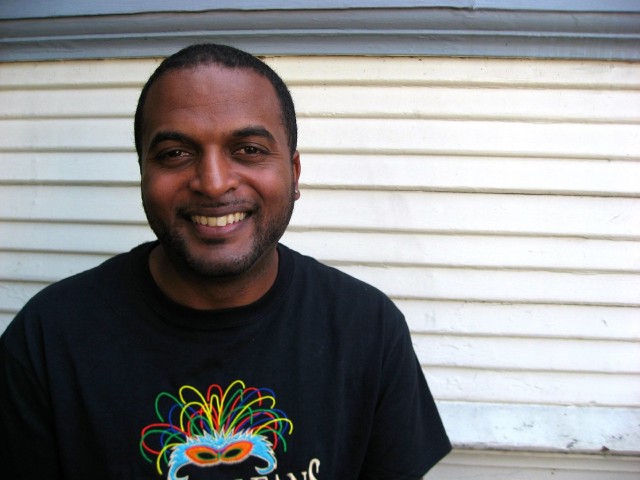
Tough Road to Starting a Family for HIV-Positive Man
Living in an RV in Palo Alto -- as Ban Goes into Effect
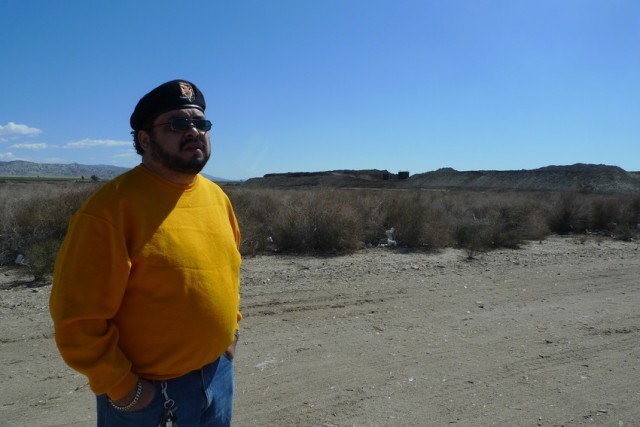
Wife's Illness Spurs Mexican Immigrant to Environmental Activism
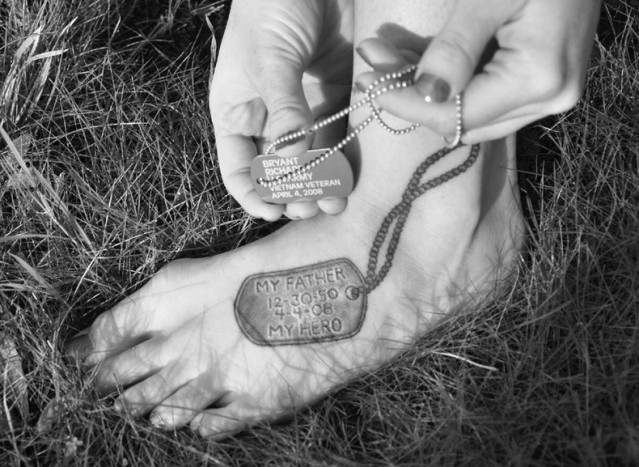
A Daughter Struggles to Make Sense of PTSD
Distance a Barrier for Rural Californians with Health Problems
Native American Woman Finds Strength in Spiritual Ceremony
A Woman's Search for Mental Health -- Beyond Medication
Mentors Inspire Young Woman To Become Doctor For Low-Income Communities
For Young Mother, Immigration Program Puts American Dream Within Reach
After Surviving Shooting, Oakland Youth Works to Prevent Violence
window.__IS_SSR__=true
window.__INITIAL_STATE__={
"attachmentsReducer": {
"audio_0": {
"type": "attachments",
"id": "audio_0",
"imgSizes": {
"kqedFullSize": {
"file": "https://ww2.kqed.org/news/wp-content/themes/KQED-unified/img/audio_bgs/background0.jpg"
}
}
},
"audio_1": {
"type": "attachments",
"id": "audio_1",
"imgSizes": {
"kqedFullSize": {
"file": "https://ww2.kqed.org/news/wp-content/themes/KQED-unified/img/audio_bgs/background1.jpg"
}
}
},
"audio_2": {
"type": "attachments",
"id": "audio_2",
"imgSizes": {
"kqedFullSize": {
"file": "https://ww2.kqed.org/news/wp-content/themes/KQED-unified/img/audio_bgs/background2.jpg"
}
}
},
"audio_3": {
"type": "attachments",
"id": "audio_3",
"imgSizes": {
"kqedFullSize": {
"file": "https://ww2.kqed.org/news/wp-content/themes/KQED-unified/img/audio_bgs/background3.jpg"
}
}
},
"audio_4": {
"type": "attachments",
"id": "audio_4",
"imgSizes": {
"kqedFullSize": {
"file": "https://ww2.kqed.org/news/wp-content/themes/KQED-unified/img/audio_bgs/background4.jpg"
}
}
},
"placeholder": {
"type": "attachments",
"id": "placeholder",
"imgSizes": {
"thumbnail": {
"file": "https://cdn.kqed.org/wp-content/uploads/2024/12/KQED-Default-Image-816638274-2000x1333-1-160x107.jpg",
"width": 160,
"height": 107,
"mimeType": "image/jpeg"
},
"medium": {
"file": "https://cdn.kqed.org/wp-content/uploads/2024/12/KQED-Default-Image-816638274-2000x1333-1-800x533.jpg",
"width": 800,
"height": 533,
"mimeType": "image/jpeg"
},
"medium_large": {
"file": "https://cdn.kqed.org/wp-content/uploads/2024/12/KQED-Default-Image-816638274-2000x1333-1-768x512.jpg",
"width": 768,
"height": 512,
"mimeType": "image/jpeg"
},
"large": {
"file": "https://cdn.kqed.org/wp-content/uploads/2024/12/KQED-Default-Image-816638274-2000x1333-1-1020x680.jpg",
"width": 1020,
"height": 680,
"mimeType": "image/jpeg"
},
"1536x1536": {
"file": "https://cdn.kqed.org/wp-content/uploads/2024/12/KQED-Default-Image-816638274-2000x1333-1-1536x1024.jpg",
"width": 1536,
"height": 1024,
"mimeType": "image/jpeg"
},
"fd-lrg": {
"file": "https://cdn.kqed.org/wp-content/uploads/2024/12/KQED-Default-Image-816638274-2000x1333-1-1536x1024.jpg",
"width": 1536,
"height": 1024,
"mimeType": "image/jpeg"
},
"fd-med": {
"file": "https://cdn.kqed.org/wp-content/uploads/2024/12/KQED-Default-Image-816638274-2000x1333-1-1020x680.jpg",
"width": 1020,
"height": 680,
"mimeType": "image/jpeg"
},
"fd-sm": {
"file": "https://cdn.kqed.org/wp-content/uploads/2024/12/KQED-Default-Image-816638274-2000x1333-1-800x533.jpg",
"width": 800,
"height": 533,
"mimeType": "image/jpeg"
},
"post-thumbnail": {
"file": "https://cdn.kqed.org/wp-content/uploads/2024/12/KQED-Default-Image-816638274-2000x1333-1-672x372.jpg",
"width": 672,
"height": 372,
"mimeType": "image/jpeg"
},
"twentyfourteen-full-width": {
"file": "https://cdn.kqed.org/wp-content/uploads/2024/12/KQED-Default-Image-816638274-2000x1333-1-1038x576.jpg",
"width": 1038,
"height": 576,
"mimeType": "image/jpeg"
},
"xxsmall": {
"file": "https://cdn.kqed.org/wp-content/uploads/2024/12/KQED-Default-Image-816638274-2000x1333-1-160x107.jpg",
"width": 160,
"height": 107,
"mimeType": "image/jpeg"
},
"xsmall": {
"file": "https://cdn.kqed.org/wp-content/uploads/2024/12/KQED-Default-Image-816638274-2000x1333-1-672x372.jpg",
"width": 672,
"height": 372,
"mimeType": "image/jpeg"
},
"small": {
"file": "https://cdn.kqed.org/wp-content/uploads/2024/12/KQED-Default-Image-816638274-2000x1333-1-672x372.jpg",
"width": 672,
"height": 372,
"mimeType": "image/jpeg"
},
"xlarge": {
"file": "https://cdn.kqed.org/wp-content/uploads/2024/12/KQED-Default-Image-816638274-2000x1333-1-1020x680.jpg",
"width": 1020,
"height": 680,
"mimeType": "image/jpeg"
},
"full-width": {
"file": "https://cdn.kqed.org/wp-content/uploads/2024/12/KQED-Default-Image-816638274-2000x1333-1-1920x1280.jpg",
"width": 1920,
"height": 1280,
"mimeType": "image/jpeg"
},
"guest-author-32": {
"file": "https://cdn.kqed.org/wp-content/uploads/2025/01/KQED-Default-Image-816638274-1333x1333-1-160x160.jpg",
"width": 32,
"height": 32,
"mimeType": "image/jpeg"
},
"guest-author-50": {
"file": "https://cdn.kqed.org/wp-content/uploads/2025/01/KQED-Default-Image-816638274-1333x1333-1-160x160.jpg",
"width": 50,
"height": 50,
"mimeType": "image/jpeg"
},
"guest-author-64": {
"file": "https://cdn.kqed.org/wp-content/uploads/2025/01/KQED-Default-Image-816638274-1333x1333-1-160x160.jpg",
"width": 64,
"height": 64,
"mimeType": "image/jpeg"
},
"guest-author-96": {
"file": "https://cdn.kqed.org/wp-content/uploads/2025/01/KQED-Default-Image-816638274-1333x1333-1-160x160.jpg",
"width": 96,
"height": 96,
"mimeType": "image/jpeg"
},
"guest-author-128": {
"file": "https://cdn.kqed.org/wp-content/uploads/2025/01/KQED-Default-Image-816638274-1333x1333-1-160x160.jpg",
"width": 128,
"height": 128,
"mimeType": "image/jpeg"
},
"detail": {
"file": "https://cdn.kqed.org/wp-content/uploads/2025/01/KQED-Default-Image-816638274-1333x1333-1-160x160.jpg",
"width": 160,
"height": 160,
"mimeType": "image/jpeg"
},
"kqedFullSize": {
"file": "https://cdn.kqed.org/wp-content/uploads/2024/12/KQED-Default-Image-816638274-2000x1333-1.jpg",
"width": 2000,
"height": 1333
}
}
},
"stateofhealth_15731": {
"type": "attachments",
"id": "stateofhealth_15731",
"meta": {
"index": "attachments_1716263798",
"site": "stateofhealth",
"id": "15731",
"found": true
},
"parent": 15728,
"imgSizes": {
"thumbnail": {
"file": "https://ww2.kqed.org/app/uploads/sites/27/2013/10/IMG_6494-2-e1381958343292-400x300.jpg",
"width": 400,
"mimeType": "image/jpeg",
"height": 300
},
"fd-sm": {
"file": "https://ww2.kqed.org/app/uploads/sites/27/2013/10/IMG_6494-2-e1381958343292-320x240.jpg",
"width": 320,
"mimeType": "image/jpeg",
"height": 240
},
"post-thumbnail": {
"file": "https://ww2.kqed.org/app/uploads/sites/27/2013/10/IMG_6494-2-e1381958343292-640x372.jpg",
"width": 640,
"mimeType": "image/jpeg",
"height": 372
},
"kqedFullSize": {
"file": "https://ww2.kqed.org/app/uploads/sites/27/2013/10/IMG_6494-2-e1381958343292.jpg",
"width": 640,
"height": 480
},
"guest-author-96": {
"file": "https://ww2.kqed.org/app/uploads/sites/27/2013/10/IMG_6494-2-e1381958343292-96x96.jpg",
"width": 96,
"mimeType": "image/jpeg",
"height": 96
},
"guest-author-64": {
"file": "https://ww2.kqed.org/app/uploads/sites/27/2013/10/IMG_6494-2-e1381958343292-64x64.jpg",
"width": 64,
"mimeType": "image/jpeg",
"height": 64
},
"detail": {
"file": "https://ww2.kqed.org/app/uploads/sites/27/2013/10/IMG_6494-2-e1381958343292-75x75.jpg",
"width": 75,
"mimeType": "image/jpeg",
"height": 75
},
"guest-author-32": {
"file": "https://ww2.kqed.org/app/uploads/sites/27/2013/10/IMG_6494-2-e1381958343292-32x32.jpg",
"width": 32,
"mimeType": "image/jpeg",
"height": 32
},
"guest-author-128": {
"file": "https://ww2.kqed.org/app/uploads/sites/27/2013/10/IMG_6494-2-e1381958343292-128x128.jpg",
"width": 128,
"mimeType": "image/jpeg",
"height": 128
}
},
"publishDate": 1381958306,
"modified": 1381958306,
"caption": null,
"description": null,
"title": "IMG_6494 (2)",
"credit": null,
"status": "inherit",
"isLoading": false,
"fetchFailed": false
},
"stateofhealth_15073": {
"type": "attachments",
"id": "stateofhealth_15073",
"meta": {
"index": "attachments_1716263798",
"site": "stateofhealth",
"id": "15073",
"found": true
},
"parent": 15072,
"imgSizes": {
"thumbnail": {
"file": "https://ww2.kqed.org/app/uploads/sites/27/2013/09/IMG_6479-e1379462370152-400x300.jpg",
"width": 400,
"mimeType": "image/jpeg",
"height": 300
},
"fd-sm": {
"file": "https://ww2.kqed.org/app/uploads/sites/27/2013/09/IMG_6479-e1379462370152-320x240.jpg",
"width": 320,
"mimeType": "image/jpeg",
"height": 240
},
"post-thumbnail": {
"file": "https://ww2.kqed.org/app/uploads/sites/27/2013/09/IMG_6479-e1379462370152-640x372.jpg",
"width": 640,
"mimeType": "image/jpeg",
"height": 372
},
"kqedFullSize": {
"file": "https://ww2.kqed.org/app/uploads/sites/27/2013/09/IMG_6479-e1379462370152.jpg",
"width": 640,
"height": 480
},
"guest-author-96": {
"file": "https://ww2.kqed.org/app/uploads/sites/27/2013/09/IMG_6479-e1379462370152-96x96.jpg",
"width": 96,
"mimeType": "image/jpeg",
"height": 96
},
"guest-author-64": {
"file": "https://ww2.kqed.org/app/uploads/sites/27/2013/09/IMG_6479-e1379462370152-64x64.jpg",
"width": 64,
"mimeType": "image/jpeg",
"height": 64
},
"detail": {
"file": "https://ww2.kqed.org/app/uploads/sites/27/2013/09/IMG_6479-e1379462370152-75x75.jpg",
"width": 75,
"mimeType": "image/jpeg",
"height": 75
},
"guest-author-32": {
"file": "https://ww2.kqed.org/app/uploads/sites/27/2013/09/IMG_6479-e1379462370152-32x32.jpg",
"width": 32,
"mimeType": "image/jpeg",
"height": 32
},
"guest-author-128": {
"file": "https://ww2.kqed.org/app/uploads/sites/27/2013/09/IMG_6479-e1379462370152-128x128.jpg",
"width": 128,
"mimeType": "image/jpeg",
"height": 128
}
},
"publishDate": 1379462354,
"modified": 1379462354,
"caption": "Fred Smith lives in his RV in Palo Alto. (Ryder Diaz/KQED)",
"description": "Fred Smith",
"title": "IMG_6479",
"credit": null,
"status": "inherit",
"isLoading": false,
"fetchFailed": false
},
"stateofhealth_13969": {
"type": "attachments",
"id": "stateofhealth_13969",
"meta": {
"index": "attachments_1716263798",
"site": "stateofhealth",
"id": "13969",
"found": true
},
"parent": 13966,
"imgSizes": {
"thumbnail": {
"file": "https://ww2.kqed.org/app/uploads/sites/27/2013/07/RS5950_P1030479-scr-e1375289425744-400x267.jpg",
"width": 400,
"mimeType": "image/jpeg",
"height": 267
},
"fd-sm": {
"file": "https://ww2.kqed.org/app/uploads/sites/27/2013/07/RS5950_P1030479-scr-e1375289425744-320x214.jpg",
"width": 320,
"mimeType": "image/jpeg",
"height": 214
},
"post-thumbnail": {
"file": "https://ww2.kqed.org/app/uploads/sites/27/2013/07/RS5950_P1030479-scr-e1375289425744-640x372.jpg",
"width": 640,
"mimeType": "image/jpeg",
"height": 372
},
"kqedFullSize": {
"file": "https://ww2.kqed.org/app/uploads/sites/27/2013/07/RS5950_P1030479-scr-e1375289425744.jpg",
"width": 640,
"height": 427
},
"guest-author-96": {
"file": "https://ww2.kqed.org/app/uploads/sites/27/2013/07/RS5950_P1030479-scr-e1375289425744-96x96.jpg",
"width": 96,
"mimeType": "image/jpeg",
"height": 96
},
"guest-author-64": {
"file": "https://ww2.kqed.org/app/uploads/sites/27/2013/07/RS5950_P1030479-scr-e1375289425744-64x64.jpg",
"width": 64,
"mimeType": "image/jpeg",
"height": 64
},
"detail": {
"file": "https://ww2.kqed.org/app/uploads/sites/27/2013/07/RS5950_P1030479-scr-e1375289425744-75x75.jpg",
"width": 75,
"mimeType": "image/jpeg",
"height": 75
},
"guest-author-32": {
"file": "https://ww2.kqed.org/app/uploads/sites/27/2013/07/RS5950_P1030479-scr-e1375289425744-32x32.jpg",
"width": 32,
"mimeType": "image/jpeg",
"height": 32
},
"guest-author-128": {
"file": "https://ww2.kqed.org/app/uploads/sites/27/2013/07/RS5950_P1030479-scr-e1375289425744-128x128.jpg",
"width": 128,
"mimeType": "image/jpeg",
"height": 128
}
},
"publishDate": 1375289414,
"modified": 1375289414,
"caption": "Eduardo Guevara became involved in environmental activism after his wife was hospitalized twice for asthma. (Lisa Morehouse/KQED)",
"description": "Eduardo Guevara",
"title": "RS5950_P1030479-scr",
"credit": null,
"status": "inherit",
"isLoading": false,
"fetchFailed": false
},
"stateofhealth_13927": {
"type": "attachments",
"id": "stateofhealth_13927",
"meta": {
"index": "attachments_1716263798",
"site": "stateofhealth",
"id": "13927",
"found": true
},
"parent": 13923,
"imgSizes": {
"thumbnail": {
"file": "https://ww2.kqed.org/app/uploads/sites/27/2013/07/RS5740_Caitlin-Bryant.margo-scr-e1375134868925-400x292.jpg",
"width": 400,
"mimeType": "image/jpeg",
"height": 292
},
"fd-sm": {
"file": "https://ww2.kqed.org/app/uploads/sites/27/2013/07/RS5740_Caitlin-Bryant.margo-scr-e1375134868925-320x234.jpg",
"width": 320,
"mimeType": "image/jpeg",
"height": 234
},
"post-thumbnail": {
"file": "https://ww2.kqed.org/app/uploads/sites/27/2013/07/RS5740_Caitlin-Bryant.margo-scr-e1375134868925-639x372.jpg",
"width": 639,
"mimeType": "image/jpeg",
"height": 372
},
"kqedFullSize": {
"file": "https://ww2.kqed.org/app/uploads/sites/27/2013/07/RS5740_Caitlin-Bryant.margo-scr-e1375134868925.jpg",
"width": 639,
"height": 467
},
"guest-author-96": {
"file": "https://ww2.kqed.org/app/uploads/sites/27/2013/07/RS5740_Caitlin-Bryant.margo-scr-e1375134868925-96x96.jpg",
"width": 96,
"mimeType": "image/jpeg",
"height": 96
},
"guest-author-64": {
"file": "https://ww2.kqed.org/app/uploads/sites/27/2013/07/RS5740_Caitlin-Bryant.margo-scr-e1375134868925-64x64.jpg",
"width": 64,
"mimeType": "image/jpeg",
"height": 64
},
"detail": {
"file": "https://ww2.kqed.org/app/uploads/sites/27/2013/07/RS5740_Caitlin-Bryant.margo-scr-e1375134868925-75x75.jpg",
"width": 75,
"mimeType": "image/jpeg",
"height": 75
},
"guest-author-32": {
"file": "https://ww2.kqed.org/app/uploads/sites/27/2013/07/RS5740_Caitlin-Bryant.margo-scr-e1375134868925-32x32.jpg",
"width": 32,
"mimeType": "image/jpeg",
"height": 32
},
"guest-author-128": {
"file": "https://ww2.kqed.org/app/uploads/sites/27/2013/07/RS5740_Caitlin-Bryant.margo-scr-e1375134868925-128x128.jpg",
"width": 128,
"mimeType": "image/jpeg",
"height": 128
}
},
"publishDate": 1375134855,
"modified": 1375134855,
"caption": "A commemorative Army dog tag similar to the one worn by Caitlin's father, was designed by her aunt and passed out at Richard Bryants' funeral service. Caitlin recently had a tattoo artist replicate one on her foot. (Photo by: Margarita Brichkova)",
"description": "A commemorative Army dog tag similar to the one worn by Caitlin's father, was designed by her aunt and passed out at Richard Bryants' funeral service. Caitlin recently had a tattoo artist replicate one on her foot.",
"title": "Caitlin Bryant",
"credit": null,
"status": "inherit",
"isLoading": false,
"fetchFailed": false
},
"stateofhealth_12218": {
"type": "attachments",
"id": "stateofhealth_12218",
"meta": {
"index": "attachments_1716263798",
"site": "stateofhealth",
"id": "12218",
"found": true
},
"parent": 12215,
"imgSizes": {
"twentyfourteen-full-width": {
"file": "https://ww2.kqed.org/app/uploads/sites/27/2013/04/ShielaJumping-Bull_ShukaKalantari-1038x576.jpg",
"width": 1038,
"mimeType": "image/jpeg",
"height": 576
},
"thumbnail": {
"file": "https://ww2.kqed.org/app/uploads/sites/27/2013/04/ShielaJumping-Bull_ShukaKalantari-400x300.jpg",
"width": 400,
"mimeType": "image/jpeg",
"height": 300
},
"fd-sm": {
"file": "https://ww2.kqed.org/app/uploads/sites/27/2013/04/ShielaJumping-Bull_ShukaKalantari-320x240.jpg",
"width": 320,
"mimeType": "image/jpeg",
"height": 240
},
"post-thumbnail": {
"file": "https://ww2.kqed.org/app/uploads/sites/27/2013/04/ShielaJumping-Bull_ShukaKalantari-672x372.jpg",
"width": 672,
"mimeType": "image/jpeg",
"height": 372
},
"kqedFullSize": {
"file": "https://ww2.kqed.org/app/uploads/sites/27/2013/04/ShielaJumping-Bull_ShukaKalantari.jpg",
"width": 3264,
"height": 2448
},
"large": {
"file": "https://ww2.kqed.org/app/uploads/sites/27/2013/04/ShielaJumping-Bull_ShukaKalantari-1440x1080.jpg",
"width": 1440,
"mimeType": "image/jpeg",
"height": 1080
},
"guest-author-96": {
"file": "https://ww2.kqed.org/app/uploads/sites/27/2013/04/ShielaJumping-Bull_ShukaKalantari-96x96.jpg",
"width": 96,
"mimeType": "image/jpeg",
"height": 96
},
"medium": {
"file": "https://ww2.kqed.org/app/uploads/sites/27/2013/04/ShielaJumping-Bull_ShukaKalantari-800x600.jpg",
"width": 800,
"mimeType": "image/jpeg",
"height": 600
},
"guest-author-64": {
"file": "https://ww2.kqed.org/app/uploads/sites/27/2013/04/ShielaJumping-Bull_ShukaKalantari-64x64.jpg",
"width": 64,
"mimeType": "image/jpeg",
"height": 64
},
"guest-author-32": {
"file": "https://ww2.kqed.org/app/uploads/sites/27/2013/04/ShielaJumping-Bull_ShukaKalantari-32x32.jpg",
"width": 32,
"mimeType": "image/jpeg",
"height": 32
},
"fd-lrg": {
"file": "https://ww2.kqed.org/app/uploads/sites/27/2013/04/ShielaJumping-Bull_ShukaKalantari-1180x885.jpg",
"width": 1180,
"mimeType": "image/jpeg",
"height": 885
},
"fd-med": {
"file": "https://ww2.kqed.org/app/uploads/sites/27/2013/04/ShielaJumping-Bull_ShukaKalantari-768x576.jpg",
"width": 768,
"mimeType": "image/jpeg",
"height": 576
},
"detail": {
"file": "https://ww2.kqed.org/app/uploads/sites/27/2013/04/ShielaJumping-Bull_ShukaKalantari-75x75.jpg",
"width": 75,
"mimeType": "image/jpeg",
"height": 75
},
"guest-author-128": {
"file": "https://ww2.kqed.org/app/uploads/sites/27/2013/04/ShielaJumping-Bull_ShukaKalantari-128x128.jpg",
"width": 128,
"mimeType": "image/jpeg",
"height": 128
}
},
"publishDate": 1366392759,
"modified": 1366392759,
"caption": "Shiela Jumping-Bull records her commentary in a KQED studio as part of the \"What's Your Story?\" series.",
"description": "Shiela Jumping-Bull",
"title": "ShielaJumping-Bull_ShukaKalantari",
"credit": null,
"status": "inherit",
"isLoading": false,
"fetchFailed": false
},
"stateofhealth_10990": {
"type": "attachments",
"id": "stateofhealth_10990",
"meta": {
"index": "attachments_1716263798",
"site": "stateofhealth",
"id": "10990",
"found": true
},
"parent": 10938,
"imgSizes": {
"thumbnail": {
"file": "https://ww2.kqed.org/app/uploads/sites/27/2013/03/Screen-Shot-2013-03-04-at-11.08.22-AM-400x389.png",
"width": 400,
"mimeType": "image/png",
"height": 389
},
"fd-sm": {
"file": "https://ww2.kqed.org/app/uploads/sites/27/2013/03/Screen-Shot-2013-03-04-at-11.08.22-AM-320x311.png",
"width": 320,
"mimeType": "image/png",
"height": 311
},
"post-thumbnail": {
"file": "https://ww2.kqed.org/app/uploads/sites/27/2013/03/Screen-Shot-2013-03-04-at-11.08.22-AM-461x372.png",
"width": 461,
"mimeType": "image/png",
"height": 372
},
"kqedFullSize": {
"file": "https://ww2.kqed.org/app/uploads/sites/27/2013/03/Screen-Shot-2013-03-04-at-11.08.22-AM.png",
"width": 461,
"height": 448
},
"guest-author-96": {
"file": "https://ww2.kqed.org/app/uploads/sites/27/2013/03/Screen-Shot-2013-03-04-at-11.08.22-AM-96x96.png",
"width": 96,
"mimeType": "image/png",
"height": 96
},
"guest-author-64": {
"file": "https://ww2.kqed.org/app/uploads/sites/27/2013/03/Screen-Shot-2013-03-04-at-11.08.22-AM-64x64.png",
"width": 64,
"mimeType": "image/png",
"height": 64
},
"detail": {
"file": "https://ww2.kqed.org/app/uploads/sites/27/2013/03/Screen-Shot-2013-03-04-at-11.08.22-AM-75x75.png",
"width": 75,
"mimeType": "image/png",
"height": 75
},
"guest-author-32": {
"file": "https://ww2.kqed.org/app/uploads/sites/27/2013/03/Screen-Shot-2013-03-04-at-11.08.22-AM-32x32.png",
"width": 32,
"mimeType": "image/png",
"height": 32
},
"guest-author-128": {
"file": "https://ww2.kqed.org/app/uploads/sites/27/2013/03/Screen-Shot-2013-03-04-at-11.08.22-AM-128x128.png",
"width": 128,
"mimeType": "image/png",
"height": 128
}
},
"publishDate": 1362424138,
"modified": 1362424138,
"caption": "Vanessa Armendariz says her goal is to go to medical school and become a primary care physician so she can help serve her community. (Photo Courtesy of Vanessa Armendariz)",
"description": "Vanessa Armendariz",
"title": "Vanessa Armendariz",
"credit": null,
"status": "inherit",
"isLoading": false,
"fetchFailed": false
},
"stateofhealth_10279": {
"type": "attachments",
"id": "stateofhealth_10279",
"meta": {
"index": "attachments_1716263798",
"site": "stateofhealth",
"id": "10279",
"found": true
},
"parent": 10272,
"imgSizes": {
"twentyfourteen-full-width": {
"file": "https://ww2.kqed.org/app/uploads/sites/27/2013/01/IMG_1101-1038x576.jpg",
"width": 1038,
"mimeType": "image/jpeg",
"height": 576
},
"thumbnail": {
"file": "https://ww2.kqed.org/app/uploads/sites/27/2013/01/IMG_1101-400x300.jpg",
"width": 400,
"mimeType": "image/jpeg",
"height": 300
},
"fd-sm": {
"file": "https://ww2.kqed.org/app/uploads/sites/27/2013/01/IMG_1101-320x240.jpg",
"width": 320,
"mimeType": "image/jpeg",
"height": 240
},
"post-thumbnail": {
"file": "https://ww2.kqed.org/app/uploads/sites/27/2013/01/IMG_1101-672x372.jpg",
"width": 672,
"mimeType": "image/jpeg",
"height": 372
},
"kqedFullSize": {
"file": "https://ww2.kqed.org/app/uploads/sites/27/2013/01/IMG_1101.jpg",
"width": 2048,
"height": 1536
},
"large": {
"file": "https://ww2.kqed.org/app/uploads/sites/27/2013/01/IMG_1101-1440x1080.jpg",
"width": 1440,
"mimeType": "image/jpeg",
"height": 1080
},
"guest-author-96": {
"file": "https://ww2.kqed.org/app/uploads/sites/27/2013/01/IMG_1101-96x96.jpg",
"width": 96,
"mimeType": "image/jpeg",
"height": 96
},
"medium": {
"file": "https://ww2.kqed.org/app/uploads/sites/27/2013/01/IMG_1101-800x600.jpg",
"width": 800,
"mimeType": "image/jpeg",
"height": 600
},
"guest-author-64": {
"file": "https://ww2.kqed.org/app/uploads/sites/27/2013/01/IMG_1101-64x64.jpg",
"width": 64,
"mimeType": "image/jpeg",
"height": 64
},
"guest-author-32": {
"file": "https://ww2.kqed.org/app/uploads/sites/27/2013/01/IMG_1101-32x32.jpg",
"width": 32,
"mimeType": "image/jpeg",
"height": 32
},
"fd-lrg": {
"file": "https://ww2.kqed.org/app/uploads/sites/27/2013/01/IMG_1101-1180x885.jpg",
"width": 1180,
"mimeType": "image/jpeg",
"height": 885
},
"fd-med": {
"file": "https://ww2.kqed.org/app/uploads/sites/27/2013/01/IMG_1101-768x576.jpg",
"width": 768,
"mimeType": "image/jpeg",
"height": 576
},
"detail": {
"file": "https://ww2.kqed.org/app/uploads/sites/27/2013/01/IMG_1101-75x75.jpg",
"width": 75,
"mimeType": "image/jpeg",
"height": 75
},
"guest-author-128": {
"file": "https://ww2.kqed.org/app/uploads/sites/27/2013/01/IMG_1101-128x128.jpg",
"width": 128,
"mimeType": "image/jpeg",
"height": 128
}
},
"publishDate": 1359574430,
"modified": 1359574430,
"caption": "Ayary Diaz (L) says she can finally work to help support her family because of the Deferred Action for Childhood Arrivals program.Ayary Diaz (L) says she can finally work to help support her family because of the Deferred Action for Childhood Arrivals program.",
"description": null,
"title": "deferred-action",
"credit": null,
"status": "inherit",
"isLoading": false,
"fetchFailed": false
},
"stateofhealth_10014": {
"type": "attachments",
"id": "stateofhealth_10014",
"meta": {
"index": "attachments_1716263798",
"site": "stateofhealth",
"id": "10014",
"found": true
},
"parent": 10011,
"imgSizes": {
"thumbnail": {
"file": "https://ww2.kqed.org/app/uploads/sites/27/2013/01/Caheri-Guiterrez-xray-400x320.jpg",
"width": 400,
"mimeType": "image/jpeg",
"height": 320
},
"fd-sm": {
"file": "https://ww2.kqed.org/app/uploads/sites/27/2013/01/Caheri-Guiterrez-xray-320x256.jpg",
"width": 320,
"mimeType": "image/jpeg",
"height": 256
},
"post-thumbnail": {
"file": "https://ww2.kqed.org/app/uploads/sites/27/2013/01/Caheri-Guiterrez-xray-600x372.jpg",
"width": 600,
"mimeType": "image/jpeg",
"height": 372
},
"kqedFullSize": {
"file": "https://ww2.kqed.org/app/uploads/sites/27/2013/01/Caheri-Guiterrez-xray.jpg",
"width": 600,
"height": 480
},
"guest-author-96": {
"file": "https://ww2.kqed.org/app/uploads/sites/27/2013/01/Caheri-Guiterrez-xray-96x96.jpg",
"width": 96,
"mimeType": "image/jpeg",
"height": 96
},
"guest-author-64": {
"file": "https://ww2.kqed.org/app/uploads/sites/27/2013/01/Caheri-Guiterrez-xray-64x64.jpg",
"width": 64,
"mimeType": "image/jpeg",
"height": 64
},
"detail": {
"file": "https://ww2.kqed.org/app/uploads/sites/27/2013/01/Caheri-Guiterrez-xray-75x75.jpg",
"width": 75,
"mimeType": "image/jpeg",
"height": 75
},
"guest-author-32": {
"file": "https://ww2.kqed.org/app/uploads/sites/27/2013/01/Caheri-Guiterrez-xray-32x32.jpg",
"width": 32,
"mimeType": "image/jpeg",
"height": 32
},
"guest-author-128": {
"file": "https://ww2.kqed.org/app/uploads/sites/27/2013/01/Caheri-Guiterrez-xray-128x128.jpg",
"width": 128,
"mimeType": "image/jpeg",
"height": 128
}
},
"publishDate": 1358449606,
"modified": 1358449606,
"caption": "An x-ray of Caheri Guiterrez's jaw soon after she was admitted to Oakland's Highland Hospital.",
"description": null,
"title": "Caheri-Guiterrez-xray",
"credit": null,
"status": "inherit",
"isLoading": false,
"fetchFailed": false
}
},
"audioPlayerReducer": {
"postId": "stream_live",
"isPaused": true,
"isPlaying": false,
"pfsActive": false,
"pledgeModalIsOpen": true,
"playerDrawerIsOpen": false,
"liveAudioPlayStartedAt": 0,
"liveAudioPlayContext": ""
},
"authorsReducer": {
"skalantari": {
"type": "authors",
"id": "46",
"meta": {
"index": "authors_1716337520",
"id": "46",
"found": true
},
"name": "Shuka Kalantari",
"firstName": "Shuka",
"lastName": "Kalantari",
"slug": "skalantari",
"email": "skalantari@kqed.org",
"display_author_email": false,
"staff_mastheads": [],
"title": "KQED Contributor",
"bio": "Shuka Kalantari is a Bay Area journalist reporting on health, food, culture and immigrant communities in California and internationally. She's reported for Public Radio International’s The World, BBC World News Service’s Outlook, Philosophy Talk, Vice Magazine. Shuka is also a frequent contributor to KQED Public Media. You can follow her \u003ca href=\"https://twitter.com/skalantari\">@skalantari\u003c/a> on Twitter and \u003ca href=\"https://instagram.com/skalantari/\">Instagram\u003c/a>.",
"avatar": "https://secure.gravatar.com/avatar/51d9608640bde16ba09124272a0c0f355429db1ebc29f1853b8d87aab1ae1753?s=600&d=blank&r=g",
"twitter": null,
"bluesky": null,
"facebook": null,
"instagram": null,
"linkedin": null,
"sites": [
{
"site": "news",
"roles": [
"subscriber"
]
},
{
"site": "bayareabites",
"roles": [
"subscriber"
]
},
{
"site": "stateofhealth",
"roles": [
"subscriber"
]
}
],
"headData": {
"title": "Shuka Kalantari | KQED",
"description": "KQED Contributor",
"ogImgSrc": "https://secure.gravatar.com/avatar/51d9608640bde16ba09124272a0c0f355429db1ebc29f1853b8d87aab1ae1753?s=600&d=blank&r=g",
"twImgSrc": "https://secure.gravatar.com/avatar/51d9608640bde16ba09124272a0c0f355429db1ebc29f1853b8d87aab1ae1753?s=600&d=blank&r=g"
},
"isLoading": false,
"link": "/author/skalantari"
},
"lisaaliferis": {
"type": "authors",
"id": "240",
"meta": {
"index": "authors_1716337520",
"id": "240",
"found": true
},
"name": "Lisa Aliferis",
"firstName": "Lisa",
"lastName": "Aliferis",
"slug": "lisaaliferis",
"email": "laliferis@kqed.org",
"display_author_email": false,
"staff_mastheads": [],
"title": "KQED Contributor",
"bio": "Lisa Aliferis is the founding editor of KQED's \u003cem>State of Health\u003c/em> blog. Since 2011, she's been writing and editing stories for the site. Before taking up blogging, she toiled for many years (more than we can count) producing health stories for television, including\u003cem> Dateline NBC\u003c/em> and San Francisco's CBS affiliate, KPIX-TV. She also wrote up a \u003ca title=\"http://www.kqed.org/news/health/obamacare/obamacare-guide.jsp\" href=\"http://www.kqed.org/news/health/obamacare/obamacare-guide.jsp\">handy guide to the Affordable Care Act\u003c/a>, especially for Californians. Her work has been honored for many awards. Most recently she was a finalist for \"Best Topical Reporting\" from the Online News Association. You can follow her on Twitter: \u003ca title=\"https://twitter.com/laliferis\" href=\"https://twitter.com/laliferis\">@laliferis\u003c/a>",
"avatar": "https://secure.gravatar.com/avatar/86c339d5cdcb0dcd2b6cf5d7c3f5886b?s=600&d=mm&r=g",
"twitter": "laliferis",
"facebook": null,
"instagram": null,
"linkedin": null,
"sites": [
{
"site": "news",
"roles": [
"subscriber"
]
},
{
"site": "futureofyou",
"roles": [
"subscriber"
]
},
{
"site": "stateofhealth",
"roles": [
"subscriber"
]
},
{
"site": "science",
"roles": [
"subscriber"
]
},
{
"site": "food",
"roles": []
}
],
"headData": {
"title": "Lisa Aliferis | KQED",
"description": "KQED Contributor",
"ogImgSrc": "https://secure.gravatar.com/avatar/86c339d5cdcb0dcd2b6cf5d7c3f5886b?s=600&d=mm&r=g",
"twImgSrc": "https://secure.gravatar.com/avatar/86c339d5cdcb0dcd2b6cf5d7c3f5886b?s=600&d=mm&r=g"
},
"isLoading": false,
"link": "/author/lisaaliferis"
},
"ryderdiaz": {
"type": "authors",
"id": "1462",
"meta": {
"index": "authors_1716337520",
"id": "1462",
"found": true
},
"name": "Ryder Diaz",
"firstName": "Ryder",
"lastName": "Diaz",
"slug": "ryderdiaz",
"email": "rdiaz@KQED.org",
"display_author_email": false,
"staff_mastheads": [],
"title": null,
"bio": null,
"avatar": "https://secure.gravatar.com/avatar/3a8471d4d33c9b4d34d5e5c60f7f8342?s=600&d=blank&r=g",
"twitter": null,
"facebook": null,
"instagram": null,
"linkedin": null,
"sites": [
{
"site": "news",
"roles": [
"subscriber"
]
},
{
"site": "stateofhealth",
"roles": [
"subscriber"
]
}
],
"headData": {
"title": "Ryder Diaz | KQED",
"description": null,
"ogImgSrc": "https://secure.gravatar.com/avatar/3a8471d4d33c9b4d34d5e5c60f7f8342?s=600&d=blank&r=g",
"twImgSrc": "https://secure.gravatar.com/avatar/3a8471d4d33c9b4d34d5e5c60f7f8342?s=600&d=blank&r=g"
},
"isLoading": false,
"link": "/author/ryderdiaz"
},
"state-of-health": {
"type": "authors",
"id": "8344",
"meta": {
"index": "authors_1716337520",
"id": "8344",
"found": true
},
"name": "State of Health",
"firstName": "State of Health",
"lastName": null,
"slug": "state-of-health",
"email": "stateofhealth@kqed.org",
"display_author_email": false,
"staff_mastheads": [],
"title": null,
"bio": null,
"avatar": "https://secure.gravatar.com/avatar/66de4bf6d331fa7402bba1ffe8135e17?s=600&d=blank&r=g",
"twitter": null,
"facebook": null,
"instagram": null,
"linkedin": null,
"sites": [
{
"site": "arts",
"roles": [
"author"
]
},
{
"site": "stateofhealth",
"roles": [
"editor"
]
}
],
"headData": {
"title": "State of Health | KQED",
"description": null,
"ogImgSrc": "https://secure.gravatar.com/avatar/66de4bf6d331fa7402bba1ffe8135e17?s=600&d=blank&r=g",
"twImgSrc": "https://secure.gravatar.com/avatar/66de4bf6d331fa7402bba1ffe8135e17?s=600&d=blank&r=g"
},
"isLoading": false,
"link": "/author/state-of-health"
}
},
"pagesReducer": {
"stateofhealth_series_vital-signs": {
"type": "terms",
"id": "stateofhealth_2363",
"meta": {
"index": "terms_1716263798",
"site": "stateofhealth",
"id": "2363",
"score": 15.236424
},
"featImg": null,
"name": "Vital Signs",
"description": "What does health look like for you, your family, and your neighborhood? Share your story about what your community needs to be healthy.\r\n\r\nIf you would like to learn more, please contact KQED's \u003ca href=\"mailto:fjhabvala@kqed.org\" target=\"_blank\">Farida Jhabvala Romero.\u003c/a>",
"taxonomy": "series",
"headData": {
"twImgId": null,
"twTitle": null,
"ogTitle": null,
"ogImgId": null,
"twDescription": null,
"description": "What does health look like for you, your family, and your neighborhood? Share your story about what your community needs to be healthy. If you would like to learn more, please contact KQED's Farida Jhabvala Romero.",
"title": "Vital Signs Archives | KQED Arts",
"ogDescription": null
},
"ttid": 722,
"slug": "vital-signs",
"isLoading": false,
"title": "Vital Signs",
"pageMeta": {
"site": "stateofhealth",
"WpPageTemplate": "page-topic-editorial",
"currentPage": 5
},
"blocks": [
{
"blockName": "kqed/company-paragraph",
"content": "What does health look like for you, your family, and your neighborhood? Share your story about what your community needs to be healthy.\r\n\r\nIf you would like to learn more, please contact KQED's \u003ca href=\"mailto:fjhabvala@kqed.org\" target=\"_blank\">Farida Jhabvala Romero.\u003c/a>"
},
{
"blockName": "kqed/post-list",
"attrs": {
"layout": "cardArticle2",
"query": "posts/stateofhealth?series=vital-signs",
"seeMore": false,
"paginated": true,
"page": 5
}
},
{
"blockName": "kqed/ad"
}
]
}
},
"pfsSessionReducer": {},
"postsReducer": {
"stream_live": {
"type": "live",
"id": "stream_live",
"audioUrl": "https://streams.kqed.org/kqedradio",
"title": "Live Stream",
"excerpt": "Live Stream information currently unavailable.",
"link": "/radio",
"featImg": "",
"label": {
"name": "KQED Live",
"link": "/"
}
},
"stream_kqedNewscast": {
"type": "posts",
"id": "stream_kqedNewscast",
"audioUrl": "https://www.kqed.org/.stream/anon/radio/RDnews/newscast.mp3?_=1",
"title": "KQED Newscast",
"featImg": "",
"label": {
"name": "88.5 FM",
"link": "/"
}
},
"stateofhealth_15728": {
"type": "posts",
"id": "stateofhealth_15728",
"meta": {
"index": "posts_1716263798",
"site": "stateofhealth",
"id": "15728",
"score": null,
"sort": [
1382027687000
]
},
"parent": 0,
"labelTerm": {
"site": "stateofhealth",
"term": 2363
},
"blocks": [],
"publishDate": 1382027687,
"format": "aside",
"disqusTitle": "Tough Road to Starting a Family for HIV-Positive Man",
"title": "Tough Road to Starting a Family for HIV-Positive Man",
"headTitle": "Vital Signs | State of Health | KQED News",
"content": "\u003cfigure id=\"attachment_15731\" class=\"wp-caption alignnone\" style=\"max-width: 640px\">\u003ca href=\"http://ww2.kqed.org/stateofhealth/wp-content/uploads/sites/27/2013/10/IMG_6494-2-e1381958343292.jpg\">\u003cimg class=\"size-large wp-image-15731\" src=\"http://ww2.kqed.org/stateofhealth/wp-content/uploads/sites/27/2013/10/IMG_6494-2-640x480.jpg\" alt=\"IMG_6494 (2)\" width=\"640\" height=\"480\">\u003c/a>\u003cfigcaption class=\"wp-caption-text\">Andrew Jolivette wants to start a family but because he is HIV-positive, he is having a hard time finding a place that will help him donate sperm to his friend. (Ryder Diaz/KQED)\u003c/figcaption>\u003c/figure>\n\u003cp>\u003cem>Editor’s note: Andrew Jolivette was diagnosed with AIDS eleven years ago. Back then, he didn’t think he could ever have a family, since it was illegal for HIV-positive men to donate sperm. California reversed that law in 2007. Now, Jolivette hopes to start a family with a friend. As part of our ongoing series of first-person health profiles called “What’s Your Story?” Jolivette tells us how some medical facilities still can't handle this kind of situation.\u003c/em>\u003c/p>\n\u003cp>\u003cstrong>By Andrew Jolivette\u003c/strong>\u003c/p>\n\u003cp>You know, my mother passed away about a year ago and I think that that also, in all honesty, has had some impact on me saying: Well gosh, she was such a great mom and all these things she taught me, I want to be able to share that with someone, too.\u003c/p>\n\u003cp>Quite frankly, because [my viral load is] undetectable and there are measures they can take like sperm washing and the potential mother, can take anti-retrovirals beforehand to ensure that she nor the child will be infected, then why not?\u003c!--more-->\u003c/p>\n\u003cp>But the first response after we both did fertility tests, they said, well, as you know you’re HIV positive, so we don’t really have the capacity to do that here. So what they suggested, which I found rather insulting, was that we actually do insemination at home. I took that to mean -- that whole sort of outdated thing, it’s the stereotype when people say, you go get a turkey-baster type thing.\u003c/p>\n\u003cp>[ad fullwidth]\u003c/p>\n\u003cp>Really, if we're talking about people having equal rights to health care, if you're performing these services for other people who aren't (HIV) positive, then you should be performing these services for people who are positive.\u003c/p>\n\u003cp>They need to be prepared. If it’s been six years and you’re aware of the law, then why haven’t you done more to make this accessible to people who want to have children and raise families?\u003c/p>\n\u003cp>\u003cstrong>Related:\u003c/strong> \u003ca href=\"http://ww2.kqed.org/stateofhealth/2013/02/15/permission-to-forego-condoms-for-hiv-men-wanting-children/\" target=\"_blank\">Re-thinking Unprotected Sex for HIV-Positive Men Who Want Children\u003c/a>\u003c/p>\n\u003cp>\u003cstrong>Listen to Jolivette's story:\u003c/strong>\u003c/p>\n\u003cp>\u003c/p>\n\u003cp>\u003cobject width=\"335\" height=\"85\" classid=\"d27cdb6e-ae6d-11cf-96b8-444553540000\" codebase=\"http://download.macromedia.com/pub/shockwave/cabs/flash/swflash.cab#version=6,0,40,0\">\u003cparam name=\"flashvars\" value=\"file=http://www.kqed.org/radio/archives/R201310170850c.xml\">\u003cparam name=\"src\" value=\"http://www.kqed.org/assets/flash/kqedplayer.swf\">\u003cembed width=\"335\" height=\"85\" type=\"application/x-shockwave-flash\" src=\"http://www.kqed.org/assets/flash/kqedplayer.swf\" flashvars=\"file=http://www.kqed.org/radio/archives/R201310170850c.xml\">\u003c/embed>\u003c/object>\u003c/p>\n\n",
"disqusIdentifier": "15728 http://blogs.kqed.org/stateofhealth/?p=15728",
"disqusUrl": "https://ww2.kqed.org/stateofhealth/2013/10/17/tough-road-to-starting-a-family-for-hiv-positive-man/",
"stats": {
"hasVideo": false,
"hasChartOrMap": false,
"hasAudio": false,
"hasPolis": false,
"wordCount": 394,
"hasGoogleForm": false,
"hasGallery": false,
"hasHearkenModule": false,
"iframeSrcs": [],
"paragraphCount": 12
},
"modified": 1392249637,
"excerpt": null,
"headData": {
"twImgId": "",
"twTitle": "",
"ogTitle": "",
"ogImgId": "",
"twDescription": "",
"description": "Editor’s note: Andrew Jolivette was diagnosed with AIDS eleven years ago. Back then, he didn’t think he could ever have a family, since it was illegal for HIV-positive men to donate sperm. California reversed that law in 2007. Now, Jolivette hopes to start a family with a friend. As part of our ongoing series of",
"title": "Tough Road to Starting a Family for HIV-Positive Man | KQED",
"ogDescription": "",
"schema": {
"@context": "https://schema.org",
"@type": "Article",
"headline": "Tough Road to Starting a Family for HIV-Positive Man",
"datePublished": "2013-10-17T09:34:47-07:00",
"dateModified": "2014-02-12T16:00:37-08:00",
"image": "https://cdn.kqed.org/wp-content/uploads/2020/02/KQED-OG-Image@1x.png"
}
},
"guestAuthors": [],
"slug": "tough-road-to-starting-a-family-for-hiv-positive-man",
"status": "publish",
"path": "/stateofhealth/15728/tough-road-to-starting-a-family-for-hiv-positive-man",
"audioTrackLength": null,
"parsedContent": [
{
"type": "contentString",
"content": "\u003cdiv class=\"post-body\">\u003cp>\u003cfigure id=\"attachment_15731\" class=\"wp-caption alignnone\" style=\"max-width: 640px\">\u003ca href=\"http://ww2.kqed.org/stateofhealth/wp-content/uploads/sites/27/2013/10/IMG_6494-2-e1381958343292.jpg\">\u003cimg class=\"size-large wp-image-15731\" src=\"http://ww2.kqed.org/stateofhealth/wp-content/uploads/sites/27/2013/10/IMG_6494-2-640x480.jpg\" alt=\"IMG_6494 (2)\" width=\"640\" height=\"480\">\u003c/a>\u003cfigcaption class=\"wp-caption-text\">Andrew Jolivette wants to start a family but because he is HIV-positive, he is having a hard time finding a place that will help him donate sperm to his friend. (Ryder Diaz/KQED)\u003c/figcaption>\u003c/figure>\n\u003cp>\u003cem>Editor’s note: Andrew Jolivette was diagnosed with AIDS eleven years ago. Back then, he didn’t think he could ever have a family, since it was illegal for HIV-positive men to donate sperm. California reversed that law in 2007. Now, Jolivette hopes to start a family with a friend. As part of our ongoing series of first-person health profiles called “What’s Your Story?” Jolivette tells us how some medical facilities still can't handle this kind of situation.\u003c/em>\u003c/p>\n\u003cp>\u003cstrong>By Andrew Jolivette\u003c/strong>\u003c/p>\n\u003cp>You know, my mother passed away about a year ago and I think that that also, in all honesty, has had some impact on me saying: Well gosh, she was such a great mom and all these things she taught me, I want to be able to share that with someone, too.\u003c/p>\n\u003cp>Quite frankly, because [my viral load is] undetectable and there are measures they can take like sperm washing and the potential mother, can take anti-retrovirals beforehand to ensure that she nor the child will be infected, then why not?\u003c!--more-->\u003c/p>\n\u003cp>But the first response after we both did fertility tests, they said, well, as you know you’re HIV positive, so we don’t really have the capacity to do that here. So what they suggested, which I found rather insulting, was that we actually do insemination at home. I took that to mean -- that whole sort of outdated thing, it’s the stereotype when people say, you go get a turkey-baster type thing.\u003c/p>\n\u003cp>\u003c/p>\u003c/div>",
"attributes": {
"named": {},
"numeric": []
}
},
{
"type": "component",
"content": "",
"name": "ad",
"attributes": {
"named": {
"label": "fullwidth"
},
"numeric": [
"fullwidth"
]
}
},
{
"type": "contentString",
"content": "\u003cdiv class=\"post-body\">\u003cp>\u003c/p>\n\u003cp>Really, if we're talking about people having equal rights to health care, if you're performing these services for other people who aren't (HIV) positive, then you should be performing these services for people who are positive.\u003c/p>\n\u003cp>They need to be prepared. If it’s been six years and you’re aware of the law, then why haven’t you done more to make this accessible to people who want to have children and raise families?\u003c/p>\n\u003cp>\u003cstrong>Related:\u003c/strong> \u003ca href=\"http://ww2.kqed.org/stateofhealth/2013/02/15/permission-to-forego-condoms-for-hiv-men-wanting-children/\" target=\"_blank\">Re-thinking Unprotected Sex for HIV-Positive Men Who Want Children\u003c/a>\u003c/p>\n\u003cp>\u003cstrong>Listen to Jolivette's story:\u003c/strong>\u003c/p>\n\u003cp>\u003c/p>\n\u003cp>\u003cobject width=\"335\" height=\"85\" classid=\"d27cdb6e-ae6d-11cf-96b8-444553540000\" codebase=\"http://download.macromedia.com/pub/shockwave/cabs/flash/swflash.cab#version=6,0,40,0\">\u003cparam name=\"flashvars\" value=\"file=http://www.kqed.org/radio/archives/R201310170850c.xml\">\u003cparam name=\"src\" value=\"http://www.kqed.org/assets/flash/kqedplayer.swf\">\u003cembed width=\"335\" height=\"85\" type=\"application/x-shockwave-flash\" src=\"http://www.kqed.org/assets/flash/kqedplayer.swf\" flashvars=\"file=http://www.kqed.org/radio/archives/R201310170850c.xml\">\u003c/embed>\u003c/object>\u003c/p>\n\n\u003c/div>\u003c/p>",
"attributes": {
"named": {},
"numeric": []
}
}
],
"link": "/stateofhealth/15728/tough-road-to-starting-a-family-for-hiv-positive-man",
"authors": [
"1462"
],
"series": [
"stateofhealth_2363"
],
"categories": [
"stateofhealth_11"
],
"tags": [
"stateofhealth_65",
"stateofhealth_64",
"stateofhealth_2373"
],
"featImg": "stateofhealth_15731",
"label": "stateofhealth_2363"
},
"stateofhealth_15072": {
"type": "posts",
"id": "stateofhealth_15072",
"meta": {
"index": "posts_1716263798",
"site": "stateofhealth",
"id": "15072",
"score": null,
"sort": [
1379509200000
]
},
"parent": 0,
"labelTerm": {
"site": "stateofhealth",
"term": 2363
},
"blocks": [],
"publishDate": 1379509200,
"format": "aside",
"disqusTitle": "Living in an RV in Palo Alto -- as Ban Goes into Effect",
"title": "Living in an RV in Palo Alto -- as Ban Goes into Effect",
"headTitle": "Vital Signs | State of Health | KQED News",
"content": "\u003cfigure id=\"attachment_15073\" class=\"wp-caption aligncenter\" style=\"max-width: 640px\">\u003ca href=\"http://ww2.kqed.org/stateofhealth/wp-content/uploads/sites/27/2013/09/IMG_6479-e1379462370152.jpg\">\u003cimg class=\"size-large wp-image-15073\" title=\"\" src=\"http://ww2.kqed.org/stateofhealth/wp-content/uploads/sites/27/2013/09/IMG_6479-640x480.jpg\" alt=\"Fred Smith lives in his RV in Palo Alto. (Ryder Diaz/KQED)\" width=\"640\" height=\"480\">\u003c/a>\u003cfigcaption class=\"wp-caption-text\">Fred Smith lives in his RV in Palo Alto. (Ryder Diaz/KQED)\u003c/figcaption>\u003c/figure>\n\u003cp>\u003cem>Editor’s note: On Sept. 19, Palo Alto joins many other cities in Silicon Valley in \u003ca href=\"http://www.mercurynews.com/peninsula/ci_23803353/palo-alto-passes-vehicle-dwelling-ban\" target=\"_blank\">preventing people from legally living in their vehicles\u003c/a>. As part of our ongoing series of first-person health profiles called “What’s Your Story?” 69-year-old Fred Smith talks about living in his RV after being a software engineer in Silicon Valley for nearly thirty years. \u003cem>Smith gives us a tour of his home.\u003c/em>\u003c/em>\u003c/p>\n\u003cp>\u003cstrong>By Fred Smith\u003c/strong>\u003c/p>\n\u003cp>It’s an ’85 Winnebago, Chieftain. And there’s clothes and books, and those are pictures of my wife.\u003c/p>\n\u003cp>We’re in the bedroom right now and it’s a decent sized queen bed, I guess you’d call it. Actually, it’s a better bed than a lot of people have.\u003c/p>\n\u003cp>Back in 2003, I was doing well, getting $145,000 a year. Then I got caught in the tail end of the dot-com crash and never recovered from that. Unemployment had ran out and I realized that I couldn’t afford to keep the apartment I had. Actually, I ended up living in my car with my cat for a couple weeks here in the alley behind Happy Donuts. You know, you got these seats that fold down, and you’re half in the trunk and half in the back seat.\u003c!--more-->\u003c/p>\n\u003cp>[ad fullwidth]\u003c/p>\n\u003cp>I took what money I had and borrowed some money from a friend and bought an old RV. But living in a RV, call it stressful, because you’re always alert. You know, every once in a while you get woken up in the middle of the night by cops. If they chase me away from here, I’ll go there, if they chase me away from there, I’ll go there, then I’ll come back to the original place. There’s no place to go. And you check into affording housing, there isn’t much of anything. And the waiting… I’m on waiting lists.\u003c/p>\n\u003cp>I really don’t want to leave the whole area because my wife is buried in this area too.\u003c/p>\n\u003cp>The one magic wand I would like is for the city to provide some place where we could park our vehicles in peace. We’re being very law abiding. But we don’t want trouble. We know we’re living on the edge.\u003c/p>\n\u003cp>\u003c/p>\n\u003cp>\u003cstrong>Listen to Fred Smith tell his story:\u003c/strong>\u003c/p>\n\u003cdiv>\n\u003cdiv class=\"embedly\">\u003ciframe src=\"https://w.soundcloud.com/player/?url=http%3A%2F%2Fapi.soundcloud.com%2Ftracks%2F111107379&show_artwork=true&maxwidth=900\" frameborder=\"no\" scrolling=\"no\" width=\"640\" height=\"166\">\u003c/iframe>\n\u003cdiv class=\"embedly-clear\">\u003c/div>\n\u003cp>\u003cspan class=\"embedly-powered\" style=\"float: right\">\u003ca title=\"Powered by Embedly\" href=\"http://embed.ly?src=anywhere\" target=\"_blank\">\u003cimg src=\"//static.embed.ly/images/logos/embedly-powered-small-light.png\" alt=\"Embedly Powered\">\u003c/a>\u003c/span>\u003c/p>\n\u003cdiv class=\"media-attribution\">\u003cspan>via \u003c/span>\u003ca class=\"media-attribution-link\" href=\"http://soundcloud.com\" target=\"_blank\">SoundCloud\u003c/a>\u003c/div>\n\u003cdiv class=\"embedly-clear\">\u003c/div>\n\u003c/div>\n\u003c/div>\n\n",
"disqusIdentifier": "15072 http://blogs.kqed.org/stateofhealth/?p=15072",
"disqusUrl": "https://ww2.kqed.org/stateofhealth/2013/09/18/living-in-an-rv-in-palo-alto-as-ban-goes-into-effect/",
"stats": {
"hasVideo": false,
"hasChartOrMap": true,
"hasAudio": true,
"hasPolis": false,
"wordCount": 436,
"hasGoogleForm": false,
"hasGallery": false,
"hasHearkenModule": false,
"iframeSrcs": [
"https://w.soundcloud.com/player/"
],
"paragraphCount": 12
},
"modified": 1392249686,
"excerpt": "Back in 2003, I was doing well, getting $145,000 a year. Then I got caught in the tail end of the dot-com crash and never recovered from that. Unemployment had ran out and I realized that I couldn’t afford to keep the apartment I had. Actually, I ended up living in my car with my cat for a couple weeks here in the alley behind Happy Donuts. You know, you got these seats that fold down, and you’re half in the trunk and half in the back seat.\r\n",
"headData": {
"twImgId": "",
"twTitle": "",
"ogTitle": "",
"ogImgId": "",
"twDescription": "",
"description": "Back in 2003, I was doing well, getting $145,000 a year. Then I got caught in the tail end of the dot-com crash and never recovered from that. Unemployment had ran out and I realized that I couldn’t afford to keep the apartment I had. Actually, I ended up living in my car with my cat for a couple weeks here in the alley behind Happy Donuts. You know, you got these seats that fold down, and you’re half in the trunk and half in the back seat.\r\n",
"title": "Living in an RV in Palo Alto -- as Ban Goes into Effect | KQED",
"ogDescription": "",
"schema": {
"@context": "https://schema.org",
"@type": "Article",
"headline": "Living in an RV in Palo Alto -- as Ban Goes into Effect",
"datePublished": "2013-09-18T06:00:00-07:00",
"dateModified": "2014-02-12T16:01:26-08:00",
"image": "https://cdn.kqed.org/wp-content/uploads/2020/02/KQED-OG-Image@1x.png"
}
},
"guestAuthors": [],
"slug": "living-in-an-rv-in-palo-alto-as-ban-goes-into-effect",
"status": "publish",
"path": "/stateofhealth/15072/living-in-an-rv-in-palo-alto-as-ban-goes-into-effect",
"audioTrackLength": null,
"parsedContent": [
{
"type": "contentString",
"content": "\u003cdiv class=\"post-body\">\u003cp>\u003cfigure id=\"attachment_15073\" class=\"wp-caption aligncenter\" style=\"max-width: 640px\">\u003ca href=\"http://ww2.kqed.org/stateofhealth/wp-content/uploads/sites/27/2013/09/IMG_6479-e1379462370152.jpg\">\u003cimg class=\"size-large wp-image-15073\" title=\"\" src=\"http://ww2.kqed.org/stateofhealth/wp-content/uploads/sites/27/2013/09/IMG_6479-640x480.jpg\" alt=\"Fred Smith lives in his RV in Palo Alto. (Ryder Diaz/KQED)\" width=\"640\" height=\"480\">\u003c/a>\u003cfigcaption class=\"wp-caption-text\">Fred Smith lives in his RV in Palo Alto. (Ryder Diaz/KQED)\u003c/figcaption>\u003c/figure>\n\u003cp>\u003cem>Editor’s note: On Sept. 19, Palo Alto joins many other cities in Silicon Valley in \u003ca href=\"http://www.mercurynews.com/peninsula/ci_23803353/palo-alto-passes-vehicle-dwelling-ban\" target=\"_blank\">preventing people from legally living in their vehicles\u003c/a>. As part of our ongoing series of first-person health profiles called “What’s Your Story?” 69-year-old Fred Smith talks about living in his RV after being a software engineer in Silicon Valley for nearly thirty years. \u003cem>Smith gives us a tour of his home.\u003c/em>\u003c/em>\u003c/p>\n\u003cp>\u003cstrong>By Fred Smith\u003c/strong>\u003c/p>\n\u003cp>It’s an ’85 Winnebago, Chieftain. And there’s clothes and books, and those are pictures of my wife.\u003c/p>\n\u003cp>We’re in the bedroom right now and it’s a decent sized queen bed, I guess you’d call it. Actually, it’s a better bed than a lot of people have.\u003c/p>\n\u003cp>Back in 2003, I was doing well, getting $145,000 a year. Then I got caught in the tail end of the dot-com crash and never recovered from that. Unemployment had ran out and I realized that I couldn’t afford to keep the apartment I had. Actually, I ended up living in my car with my cat for a couple weeks here in the alley behind Happy Donuts. You know, you got these seats that fold down, and you’re half in the trunk and half in the back seat.\u003c!--more-->\u003c/p>\n\u003cp>\u003c/p>\u003c/div>",
"attributes": {
"named": {},
"numeric": []
}
},
{
"type": "component",
"content": "",
"name": "ad",
"attributes": {
"named": {
"label": "fullwidth"
},
"numeric": [
"fullwidth"
]
}
},
{
"type": "contentString",
"content": "\u003cdiv class=\"post-body\">\u003cp>\u003c/p>\n\u003cp>I took what money I had and borrowed some money from a friend and bought an old RV. But living in a RV, call it stressful, because you’re always alert. You know, every once in a while you get woken up in the middle of the night by cops. If they chase me away from here, I’ll go there, if they chase me away from there, I’ll go there, then I’ll come back to the original place. There’s no place to go. And you check into affording housing, there isn’t much of anything. And the waiting… I’m on waiting lists.\u003c/p>\n\u003cp>I really don’t want to leave the whole area because my wife is buried in this area too.\u003c/p>\n\u003cp>The one magic wand I would like is for the city to provide some place where we could park our vehicles in peace. We’re being very law abiding. But we don’t want trouble. We know we’re living on the edge.\u003c/p>\n\u003cp>\u003c/p>\n\u003cp>\u003cstrong>Listen to Fred Smith tell his story:\u003c/strong>\u003c/p>\n\u003cdiv>\n\u003cdiv class=\"embedly\">\u003ciframe src=\"https://w.soundcloud.com/player/?url=http%3A%2F%2Fapi.soundcloud.com%2Ftracks%2F111107379&show_artwork=true&maxwidth=900\" frameborder=\"no\" scrolling=\"no\" width=\"640\" height=\"166\">\u003c/iframe>\n\u003cdiv class=\"embedly-clear\">\u003c/div>\n\u003cp>\u003cspan class=\"embedly-powered\" style=\"float: right\">\u003ca title=\"Powered by Embedly\" href=\"http://embed.ly?src=anywhere\" target=\"_blank\">\u003cimg src=\"//static.embed.ly/images/logos/embedly-powered-small-light.png\" alt=\"Embedly Powered\">\u003c/a>\u003c/span>\u003c/p>\n\u003cdiv class=\"media-attribution\">\u003cspan>via \u003c/span>\u003ca class=\"media-attribution-link\" href=\"http://soundcloud.com\" target=\"_blank\">SoundCloud\u003c/a>\u003c/div>\n\u003cdiv class=\"embedly-clear\">\u003c/div>\n\u003c/div>\n\u003c/div>\n\n\u003c/div>\u003c/p>",
"attributes": {
"named": {},
"numeric": []
}
}
],
"link": "/stateofhealth/15072/living-in-an-rv-in-palo-alto-as-ban-goes-into-effect",
"authors": [
"1462"
],
"series": [
"stateofhealth_2363"
],
"categories": [
"stateofhealth_11"
],
"tags": [
"stateofhealth_333",
"stateofhealth_2373"
],
"featImg": "stateofhealth_15073",
"label": "stateofhealth_2363"
},
"stateofhealth_13966": {
"type": "posts",
"id": "stateofhealth_13966",
"meta": {
"index": "posts_1716263798",
"site": "stateofhealth",
"id": "13966",
"score": null,
"sort": [
1375290720000
]
},
"parent": 0,
"labelTerm": {
"site": "stateofhealth",
"term": 2363
},
"blocks": [],
"publishDate": 1375290720,
"format": "aside",
"disqusTitle": "Wife's Illness Spurs Mexican Immigrant to Environmental Activism",
"title": "Wife's Illness Spurs Mexican Immigrant to Environmental Activism",
"headTitle": "Vital Signs | State of Health | KQED News",
"content": "\u003cfigure id=\"attachment_13969\" class=\"wp-caption aligncenter\" style=\"max-width: 620px\">\u003cimg class=\"size-large wp-image-13969\" title=\"\" src=\"http://ww2.kqed.org/stateofhealth/wp-content/uploads/sites/27/2013/07/RS5950_P1030479-scr-620x413.jpg\" alt=\"Eduardo Guevara became involved in environmental activism after his wife was hospitalized twice for asthma. (Lisa Morehouse/KQED)\" width=\"620\" height=\"413\">\u003cfigcaption class=\"wp-caption-text\">Eduardo Guevara became involved in environmental activism after his wife was hospitalized twice for asthma. (Lisa Morehouse/KQED)\u003c/figcaption>\u003c/figure>\n\u003cp>\u003cem>Editor's Note: The unincorporated community of Mecca in Riverside County has a host of environmental concerns, from well water with naturally-occurring arsenic to toxic dump sites. When people talk about environmental justice here, Eduardo Guevara is always cited as a leader in the community. But Guevara says that five years ago, after moving here from Mexicali, Mexico, he wasn’t involved in any kind of activism. After his wife was hospitalized twice for asthma, Guevarra learned that their environment might be contributing to his wife’s health problems. As part of our series “\u003ca href=\"http://www.californiareport.org/specialcoverage/whatsyourstory/index.jsp\" target=\"_blank\">What’s Your Story?\u003c/a>” we hear from Guevara about how he, his wife and his son started attending community meetings to get some answers.\u003c/em>\u003c/p>\n\u003cp>Since no one had the [the answers as to why my wife got sick], I started to try to get them for, not only for me, but for her, and for my son.\u003c/p>\n\u003caside class=\"pullquote alignright\">I started being the guy that sometimes asked the questions nobody wanted to ask. They saw me and they were like, \"Oh my god, this guy again.”\u003c/aside>\n\u003cp>And then we went to a meeting, where the Air Quality Management District was at the panel, and out of nowhere the kid is like, \"You know what? I saw a kid reading a letter. I’m going to write one, and then I’m going to read it.\" You know, my son.\u003c/p>\n\u003cp>And he took the letter, went to the microphone, read it aloud. He said, \"Hi, I’m Eduardo Guevara. I think that the government has to do something about the toxic things that they throw in Mecca. I am worried for my mom because she had asthma and because of those smells she could get asthma again. Thank you.\"\u003c!--more-->\u003c/p>\n\u003cp>And then he finishes, and I say, if the kid is worried, I need to do something. It’s not only about me; now it’s him trying to do something because he’s worried for his mom. We need to go on. So we did.\u003c/p>\n\u003cp>[ad fullwidth]\u003c/p>\n\u003cp>We started working with people with the same worries we had. I started learning the names of the people in the agencies. I started being the guy that sometimes asked the questions nobody wanted to ask. They saw me and they were like, \"Oh my god, this guy again.” It’s a lonely road sometimes, but it had to be done. Someone had to do it. If no one’s going to do it, the worst that could happen is that it will stay the same way as we are, right? So I have nothing to lose.\u003c/p>\n\u003cp>It was a really intensive capacity-building time, because it was like learning a new language: cumulative impact, environmental justice, California hazardous waste. There’s a lot of terminology that I’d never in my life heard before.\u003c/p>\n\u003cp>In the area we have at least two dump sites. We have areas with arsenic in the water. We have sewage problems in mobile parks. Any place you look to, we have a problem.\u003c/p>\n\u003cp>I think that the greatest success I've had is to get him, my son -- actually -- I didn’t get him involved. He got involved because he saw me, and he cared for his mom. So I think if I’m not here, for whatever reason, I will still be here because of him. So I think that will be the biggest success I’ve had.\u003c/p>\n\u003cp>\u003c/p>\n\u003cp>\u003cem>Lisa Morehouse was the reporter for this story.\u003c/em>\u003c/p>\n\n",
"disqusIdentifier": "13966 http://blogs.kqed.org/stateofhealth/?p=13966",
"disqusUrl": "https://ww2.kqed.org/stateofhealth/2013/07/31/wifes-illness-spurs-mexican-immigrant-to-environmental-activism/",
"stats": {
"hasVideo": false,
"hasChartOrMap": false,
"hasAudio": false,
"hasPolis": false,
"wordCount": 622,
"hasGoogleForm": false,
"hasGallery": false,
"hasHearkenModule": false,
"iframeSrcs": [],
"paragraphCount": 12
},
"modified": 1392249789,
"excerpt": "The unincorporated community of Mecca in Riverside County struggles with a host of environmental problems, from arsenic in the well water to toxic dump sites. For years after moving to Mecca from Mexicali, Mexico, Eduardo Guevara wasn't particularly worked up about it. But after his wife was hospitalized twice for asthma, Guevara was determined to get some answers. - See more at: http://www.californiareport.org/archive/R201307310850/b#sthash.iTMEcYEF.dpuf",
"headData": {
"twImgId": "",
"twTitle": "",
"ogTitle": "",
"ogImgId": "",
"twDescription": "",
"description": "The unincorporated community of Mecca in Riverside County struggles with a host of environmental problems, from arsenic in the well water to toxic dump sites. For years after moving to Mecca from Mexicali, Mexico, Eduardo Guevara wasn't particularly worked up about it. But after his wife was hospitalized twice for asthma, Guevara was determined to get some answers. - See more at: http://www.californiareport.org/archive/R201307310850/b#sthash.iTMEcYEF.dpuf",
"title": "Wife's Illness Spurs Mexican Immigrant to Environmental Activism | KQED",
"ogDescription": "",
"schema": {
"@context": "https://schema.org",
"@type": "Article",
"headline": "Wife's Illness Spurs Mexican Immigrant to Environmental Activism",
"datePublished": "2013-07-31T10:12:00-07:00",
"dateModified": "2014-02-12T16:03:09-08:00",
"image": "https://cdn.kqed.org/wp-content/uploads/2020/02/KQED-OG-Image@1x.png"
}
},
"guestAuthors": [],
"slug": "wifes-illness-spurs-mexican-immigrant-to-environmental-activism",
"status": "publish",
"path": "/stateofhealth/13966/wifes-illness-spurs-mexican-immigrant-to-environmental-activism",
"audioTrackLength": null,
"parsedContent": [
{
"type": "contentString",
"content": "\u003cdiv class=\"post-body\">\u003cp>\u003cfigure id=\"attachment_13969\" class=\"wp-caption aligncenter\" style=\"max-width: 620px\">\u003cimg class=\"size-large wp-image-13969\" title=\"\" src=\"http://ww2.kqed.org/stateofhealth/wp-content/uploads/sites/27/2013/07/RS5950_P1030479-scr-620x413.jpg\" alt=\"Eduardo Guevara became involved in environmental activism after his wife was hospitalized twice for asthma. (Lisa Morehouse/KQED)\" width=\"620\" height=\"413\">\u003cfigcaption class=\"wp-caption-text\">Eduardo Guevara became involved in environmental activism after his wife was hospitalized twice for asthma. (Lisa Morehouse/KQED)\u003c/figcaption>\u003c/figure>\n\u003cp>\u003cem>Editor's Note: The unincorporated community of Mecca in Riverside County has a host of environmental concerns, from well water with naturally-occurring arsenic to toxic dump sites. When people talk about environmental justice here, Eduardo Guevara is always cited as a leader in the community. But Guevara says that five years ago, after moving here from Mexicali, Mexico, he wasn’t involved in any kind of activism. After his wife was hospitalized twice for asthma, Guevarra learned that their environment might be contributing to his wife’s health problems. As part of our series “\u003ca href=\"http://www.californiareport.org/specialcoverage/whatsyourstory/index.jsp\" target=\"_blank\">What’s Your Story?\u003c/a>” we hear from Guevara about how he, his wife and his son started attending community meetings to get some answers.\u003c/em>\u003c/p>\n\u003cp>Since no one had the [the answers as to why my wife got sick], I started to try to get them for, not only for me, but for her, and for my son.\u003c/p>\n\u003caside class=\"pullquote alignright\">I started being the guy that sometimes asked the questions nobody wanted to ask. They saw me and they were like, \"Oh my god, this guy again.”\u003c/aside>\n\u003cp>And then we went to a meeting, where the Air Quality Management District was at the panel, and out of nowhere the kid is like, \"You know what? I saw a kid reading a letter. I’m going to write one, and then I’m going to read it.\" You know, my son.\u003c/p>\n\u003cp>And he took the letter, went to the microphone, read it aloud. He said, \"Hi, I’m Eduardo Guevara. I think that the government has to do something about the toxic things that they throw in Mecca. I am worried for my mom because she had asthma and because of those smells she could get asthma again. Thank you.\"\u003c!--more-->\u003c/p>\n\u003cp>And then he finishes, and I say, if the kid is worried, I need to do something. It’s not only about me; now it’s him trying to do something because he’s worried for his mom. We need to go on. So we did.\u003c/p>\n\u003cp>\u003c/p>\u003c/div>",
"attributes": {
"named": {},
"numeric": []
}
},
{
"type": "component",
"content": "",
"name": "ad",
"attributes": {
"named": {
"label": "fullwidth"
},
"numeric": [
"fullwidth"
]
}
},
{
"type": "contentString",
"content": "\u003cdiv class=\"post-body\">\u003cp>\u003c/p>\n\u003cp>We started working with people with the same worries we had. I started learning the names of the people in the agencies. I started being the guy that sometimes asked the questions nobody wanted to ask. They saw me and they were like, \"Oh my god, this guy again.” It’s a lonely road sometimes, but it had to be done. Someone had to do it. If no one’s going to do it, the worst that could happen is that it will stay the same way as we are, right? So I have nothing to lose.\u003c/p>\n\u003cp>It was a really intensive capacity-building time, because it was like learning a new language: cumulative impact, environmental justice, California hazardous waste. There’s a lot of terminology that I’d never in my life heard before.\u003c/p>\n\u003cp>In the area we have at least two dump sites. We have areas with arsenic in the water. We have sewage problems in mobile parks. Any place you look to, we have a problem.\u003c/p>\n\u003cp>I think that the greatest success I've had is to get him, my son -- actually -- I didn’t get him involved. He got involved because he saw me, and he cared for his mom. So I think if I’m not here, for whatever reason, I will still be here because of him. So I think that will be the biggest success I’ve had.\u003c/p>\n\u003cp>\u003c/p>\n\u003cp>\u003cem>Lisa Morehouse was the reporter for this story.\u003c/em>\u003c/p>\n\n\u003c/div>\u003c/p>",
"attributes": {
"named": {},
"numeric": []
}
}
],
"link": "/stateofhealth/13966/wifes-illness-spurs-mexican-immigrant-to-environmental-activism",
"authors": [
"240"
],
"series": [
"stateofhealth_2363"
],
"categories": [
"stateofhealth_11"
],
"tags": [
"stateofhealth_20",
"stateofhealth_2373"
],
"featImg": "stateofhealth_13969",
"label": "stateofhealth_2363"
},
"stateofhealth_13923": {
"type": "posts",
"id": "stateofhealth_13923",
"meta": {
"index": "posts_1716263798",
"site": "stateofhealth",
"id": "13923",
"score": null,
"sort": [
1375135275000
]
},
"parent": 0,
"labelTerm": {
"site": "stateofhealth",
"term": 2363
},
"blocks": [],
"publishDate": 1375135275,
"format": "aside",
"disqusTitle": "A Daughter Struggles to Make Sense of PTSD",
"title": "A Daughter Struggles to Make Sense of PTSD",
"headTitle": "Vital Signs | State of Health | KQED News",
"content": "\u003cfigure id=\"attachment_13927\" class=\"wp-caption aligncenter\" style=\"max-width: 620px\">\u003cimg class=\"size-large wp-image-13927\" title=\"\" src=\"http://ww2.kqed.org/stateofhealth/wp-content/uploads/sites/27/2013/07/RS5740_Caitlin-Bryant.margo-scr-620x452.jpg\" alt=\"A commemorative Army dog tag similar to the one worn by Caitlin's father, was designed by her aunt and passed out at Richard Bryants' funeral service. Caitlin recently had a tattoo artist replicate one on her foot. (Photo by: Margarita Brichkova)\" width=\"620\" height=\"452\">\u003cfigcaption class=\"wp-caption-text\">A commemorative Army dog tag similar to the one worn by Caitlin's father, was designed by her aunt and passed out at Richard Bryants' funeral service. Caitlin recently had a tattoo artist replicate one on her foot. (Photo by: Margarita Brichkova)\u003c/figcaption>\u003c/figure>\n\u003cp>\u003cem>Twenty-one-year old Caitlin Bryant lost her father, Richard Lewis Bryant, to a heart attack in 2008. But she and her brother Mitchell had grown up watching him battle a war within himself after returning from serving in Vietnam. As part of our first-person series \u003ca href=\"http://www.californiareport.org/specialcoverage/whatsyourstory/index.jsp\" target=\"_blank\">What's Your Story\u003c/a>, Caitlin Bryant describes what her family's life was like, living with her father's illness.\u003c/em>\u003c/p>\n\u003cp>My dad suffered really badly from PTSD -– post-traumatic stress disorder. And that was due to the traumatic things that he had seen in the war and he never really sought proper treatment.\u003c/p>\n\u003caside class=\"pullquote alignleft\">“He tried committing suicide when I was 11 years old. And we saw it as a huge cry for help because he did it in the parking lot of the VA hospital.”\u003c/aside>\n\u003cp>He just never seemed comfortable. He never seemed at peace. He always seemed like he was trying to relax and he could never fully relax.\u003c/p>\n\u003cp>He started doing a lot of drugs –- specifically speed -– to kind of alter his reality and see a different side of things from the war.\u003c/p>\n\u003cp>He tried committing suicide when I was 11 years old. And we saw it as a huge cry for help because he did it in the parking lot of the VA hospital in Loma Linda.\u003c/p>\n\u003cp>[ad fullwidth]\u003c/p>\n\u003cp>They put him in the psychiatric unit of the hospital for a week. He kind of just tried to laugh it off and play it off with me and Mitchell saying, “Do you really think I belong with these crazy people here?” You know like, “Ha, ha ha.”\u003c!--more-->\u003c/p>\n\u003cp>It was really hard for us. We were really confused. And we knew how much my dad loved us, but we didn’t know that it still wouldn’t be enough for him to not want to go.\u003c/p>\n\u003cp>He tried to tell us that Mitchell and I were all that was keeping him alive. And I really believed him until that had happened. And he still tried saying even after that, you know, “I’m so sorry that this happened and I know now more than ever that you and Mitchell are my sole reasons to stay alive and to try and make it right in this world.”\u003c/p>\n\u003cp>But he was struggling. He never got the help that he needed.\u003c/p>\n\u003cp>My dad passed away about four years after that suicide attempt. His body was still messed up. It was more damaged than I think he realized or if he did know then he never shared with us.\u003c/p>\n\u003cp>But he knew. He told my Aunt Sue the very last Christmas we shared with him –- so in 2007 -– he told my Aunt Sue that he thought this Christmas was going to be his last Christmas. And he was absolutely right.\u003c/p>\n\u003cp>The following April of 2008 is when he had the heart attack. And I miss him every single day.\u003c/p>\n\u003cp>But the thing that makes me angry is that I don’t get to have my dad there when I walk down the aisle one day. I don’t get to have my dad there when I have my firstborn one day. And that’s the only thing that really makes me angry. Everything else I have made sense with and I have understood. And I’ve appreciated everything that’s come my way since then.\u003c/p>\n\u003cp>But the only thing I can get mad about now is him not being there in the future.\u003c/p>\n\u003cp>\u003c/p>\n\u003cp>\u003cem>This story was reported by Gina Scialabba\u003c/em>\u003c/p>\n\n",
"disqusIdentifier": "13923 http://blogs.kqed.org/stateofhealth/?p=13923",
"disqusUrl": "https://ww2.kqed.org/stateofhealth/2013/07/29/a-daughter-struggles-to-make-sense-of-ptsd/",
"stats": {
"hasVideo": false,
"hasChartOrMap": false,
"hasAudio": false,
"hasPolis": false,
"wordCount": 649,
"hasGoogleForm": false,
"hasGallery": false,
"hasHearkenModule": false,
"iframeSrcs": [],
"paragraphCount": 17
},
"modified": 1392158913,
"excerpt": "My dad suffered really badly from PTSD -– post-traumatic stress disorder. And that was due to the traumatic things that he had seen in the war and he never really sought proper treatment.\r\n\r\nHe just never seemed comfortable. He never seemed at peace. He always seemed like he was trying to relax and he could never fully relax.",
"headData": {
"twImgId": "",
"twTitle": "",
"ogTitle": "",
"ogImgId": "",
"twDescription": "",
"description": "My dad suffered really badly from PTSD -– post-traumatic stress disorder. And that was due to the traumatic things that he had seen in the war and he never really sought proper treatment.\r\n\r\nHe just never seemed comfortable. He never seemed at peace. He always seemed like he was trying to relax and he could never fully relax.",
"title": "A Daughter Struggles to Make Sense of PTSD | KQED",
"ogDescription": "",
"schema": {
"@context": "https://schema.org",
"@type": "Article",
"headline": "A Daughter Struggles to Make Sense of PTSD",
"datePublished": "2013-07-29T15:01:15-07:00",
"dateModified": "2014-02-11T14:48:33-08:00",
"image": "https://cdn.kqed.org/wp-content/uploads/2020/02/KQED-OG-Image@1x.png"
}
},
"guestAuthors": [],
"slug": "a-daughter-struggles-to-make-sense-of-ptsd",
"status": "publish",
"path": "/stateofhealth/13923/a-daughter-struggles-to-make-sense-of-ptsd",
"audioTrackLength": null,
"parsedContent": [
{
"type": "contentString",
"content": "\u003cdiv class=\"post-body\">\u003cp>\u003cfigure id=\"attachment_13927\" class=\"wp-caption aligncenter\" style=\"max-width: 620px\">\u003cimg class=\"size-large wp-image-13927\" title=\"\" src=\"http://ww2.kqed.org/stateofhealth/wp-content/uploads/sites/27/2013/07/RS5740_Caitlin-Bryant.margo-scr-620x452.jpg\" alt=\"A commemorative Army dog tag similar to the one worn by Caitlin's father, was designed by her aunt and passed out at Richard Bryants' funeral service. Caitlin recently had a tattoo artist replicate one on her foot. (Photo by: Margarita Brichkova)\" width=\"620\" height=\"452\">\u003cfigcaption class=\"wp-caption-text\">A commemorative Army dog tag similar to the one worn by Caitlin's father, was designed by her aunt and passed out at Richard Bryants' funeral service. Caitlin recently had a tattoo artist replicate one on her foot. (Photo by: Margarita Brichkova)\u003c/figcaption>\u003c/figure>\n\u003cp>\u003cem>Twenty-one-year old Caitlin Bryant lost her father, Richard Lewis Bryant, to a heart attack in 2008. But she and her brother Mitchell had grown up watching him battle a war within himself after returning from serving in Vietnam. As part of our first-person series \u003ca href=\"http://www.californiareport.org/specialcoverage/whatsyourstory/index.jsp\" target=\"_blank\">What's Your Story\u003c/a>, Caitlin Bryant describes what her family's life was like, living with her father's illness.\u003c/em>\u003c/p>\n\u003cp>My dad suffered really badly from PTSD -– post-traumatic stress disorder. And that was due to the traumatic things that he had seen in the war and he never really sought proper treatment.\u003c/p>\n\u003caside class=\"pullquote alignleft\">“He tried committing suicide when I was 11 years old. And we saw it as a huge cry for help because he did it in the parking lot of the VA hospital.”\u003c/aside>\n\u003cp>He just never seemed comfortable. He never seemed at peace. He always seemed like he was trying to relax and he could never fully relax.\u003c/p>\n\u003cp>He started doing a lot of drugs –- specifically speed -– to kind of alter his reality and see a different side of things from the war.\u003c/p>\n\u003cp>He tried committing suicide when I was 11 years old. And we saw it as a huge cry for help because he did it in the parking lot of the VA hospital in Loma Linda.\u003c/p>\n\u003cp>\u003c/p>\u003c/div>",
"attributes": {
"named": {},
"numeric": []
}
},
{
"type": "component",
"content": "",
"name": "ad",
"attributes": {
"named": {
"label": "fullwidth"
},
"numeric": [
"fullwidth"
]
}
},
{
"type": "contentString",
"content": "\u003cdiv class=\"post-body\">\u003cp>\u003c/p>\n\u003cp>They put him in the psychiatric unit of the hospital for a week. He kind of just tried to laugh it off and play it off with me and Mitchell saying, “Do you really think I belong with these crazy people here?” You know like, “Ha, ha ha.”\u003c!--more-->\u003c/p>\n\u003cp>It was really hard for us. We were really confused. And we knew how much my dad loved us, but we didn’t know that it still wouldn’t be enough for him to not want to go.\u003c/p>\n\u003cp>He tried to tell us that Mitchell and I were all that was keeping him alive. And I really believed him until that had happened. And he still tried saying even after that, you know, “I’m so sorry that this happened and I know now more than ever that you and Mitchell are my sole reasons to stay alive and to try and make it right in this world.”\u003c/p>\n\u003cp>But he was struggling. He never got the help that he needed.\u003c/p>\n\u003cp>My dad passed away about four years after that suicide attempt. His body was still messed up. It was more damaged than I think he realized or if he did know then he never shared with us.\u003c/p>\n\u003cp>But he knew. He told my Aunt Sue the very last Christmas we shared with him –- so in 2007 -– he told my Aunt Sue that he thought this Christmas was going to be his last Christmas. And he was absolutely right.\u003c/p>\n\u003cp>The following April of 2008 is when he had the heart attack. And I miss him every single day.\u003c/p>\n\u003cp>But the thing that makes me angry is that I don’t get to have my dad there when I walk down the aisle one day. I don’t get to have my dad there when I have my firstborn one day. And that’s the only thing that really makes me angry. Everything else I have made sense with and I have understood. And I’ve appreciated everything that’s come my way since then.\u003c/p>\n\u003cp>But the only thing I can get mad about now is him not being there in the future.\u003c/p>\n\u003cp>\u003c/p>\n\u003cp>\u003cem>This story was reported by Gina Scialabba\u003c/em>\u003c/p>\n\n\u003c/div>\u003c/p>",
"attributes": {
"named": {},
"numeric": []
}
}
],
"link": "/stateofhealth/13923/a-daughter-struggles-to-make-sense-of-ptsd",
"authors": [
"8344"
],
"series": [
"stateofhealth_2363"
],
"categories": [
"stateofhealth_11"
],
"tags": [
"stateofhealth_136",
"stateofhealth_461",
"stateofhealth_2373"
],
"featImg": "stateofhealth_13927",
"label": "stateofhealth_2363"
},
"stateofhealth_13110": {
"type": "posts",
"id": "stateofhealth_13110",
"meta": {
"index": "posts_1716263798",
"site": "stateofhealth",
"id": "13110",
"score": null,
"sort": [
1370458951000
]
},
"parent": 0,
"labelTerm": {
"site": "stateofhealth",
"term": 2363
},
"blocks": [],
"publishDate": 1370458951,
"format": "aside",
"disqusTitle": "Distance a Barrier for Rural Californians with Health Problems",
"title": "Distance a Barrier for Rural Californians with Health Problems",
"headTitle": "Vital Signs | State of Health | KQED News",
"content": "\u003cfigure id=\"attachment_13118\" class=\"wp-caption alignleft\" style=\"max-width: 300px\">\u003ca href=\"http://www.flickr.com/photos/62116165@N00/2171603420/in/photolist-4iU33h-48fK3N-48bMSr-48bs1x-48fzE3-48fteA-48bQg8-48fFXU-48fmCo-48fEZd-48fGD9-48frsy-48fC5A-48bybH-48foEb-48bt3t-48bPA2-48brtR-48bAuZ-48fsCh-48brcB-cg45CS-48bPjg-48bzLB-48bkde-48bnvX-48bnaT-48fmS1-48bBAX-48bBWR-48bFpn-48bNbB-48bHGe-48bGnc-48bwPr-48bKgF-48fRTA-48fwqm-48bLFv-48fpay-48bRFR-48bKAa-48fMW9-48bEGp-48bqmZ-48boY8-48bCZF-48bCgX-48fnpE-48bpGV-48foPN\">\u003cimg class=\"size-medium wp-image-13118\" title=\"\" src=\"http://ww2.kqed.org/stateofhealth/wp-content/uploads/sites/27/2013/06/2171603420_20e91f454a_o-300x225.jpg\" alt=\"If you live in a small far-northern California town like Susanville, seen here, you may need to travel more than one hundred miles for health care. (ceiling/Flickr)\" width=\"300\" height=\"225\">\u003c/a>\u003cfigcaption class=\"wp-caption-text\">If you live in a small far-northern California town like Susanville, seen here, you may need to travel more than one hundred miles for health care. (ceiling/Flickr)\u003c/figcaption>\u003c/figure>\n\u003cp>\u003cem>Editor's Note: The barriers to getting health care can be bad enough in urban areas, where poverty, lack of insurance and cultural divides are serious barriers to care. But if you live in rural parts of California there’s a serious barrier of a different kind: distance. As part of our first-person series \"\u003ca href=\"http://www.californiareport.org/specialcoverage/whatsyourstory/index.jsp\" target=\"_blank\">What's Your Story?\u003c/a>\" we hear from Kelly Frost of Redding about how the care you need may be hours away from your home.\u003c/em>\u003c/p>\n\u003cp>Being on dialysis is tough enough without having to travel two or three hours each way just to get to the clinic. But when you live in the far reaches of Northern California, that is exactly what you must do. I sometimes sit with my wife when she does her dialysis treatment. We are lucky because we live only about 10 minutes away from the clinic in Redding. But every morning, the “remotes,” people who live on farms or in rural towns, climb into the mini-vans and come from Trinity County to the west; Mount Shasta, Weed, and Alturas to the North; and some from as far away as Susanville, near Reno.\u003c/p>\n\u003cp>They get up in the middle of the night, travel several hours, sometimes in bad weather, sit for treatment for three hours, and go home. Then in two days they do it all over again. When the weather turns, or there is an accident which closes the interstate, the problem compounds. Sometimes, they can’t get to Redding, or worse yet, they get here and can’t get home. Packing a lunch and three days of meds is standard fare for most. You’ve got to think ahead. Have a plan, a place to stay until the roads open. The dialysis center has some funds to help with a motel or a meal, but not much. Not for everyone, and not for more than a day.\u003c!--more-->\u003c/p>\n\u003cp>Some are lucky to have family nearby, but not the others. They have to fend for themselves, and some are in wheelchairs or otherwise can’t get around. Better have some money for a room. And with most of them on Medi-Cal that’s not easy.\u003c/p>\n\u003cp>The social worker tells me that missing a treatment or two can also be extremely dangerous. Fluid overload, shortness of breath, nausea. Even death if you miss too many. It’s a bad deal. Some consider moving to Redding to be closer to the clinic or stay near family. Others can’t afford to move. Others just like the rural lifestyle and feel they couldn’t make it in the big city.\u003c/p>\n\u003cp>[ad fullwidth]\u003c/p>\n\u003cp>I never thought of Redding as the big city, but I suppose when it’s the only place to have dialysis for several hundred miles in each direction, it is. And with the only hospital around that can deal with their chronic condition it makes living so far away hard as well. What if they need to get to the ER? An ambulance could take several hours. A helicopter? That takes time too. And money. Medi-Cal pays for those who qualify. But some are paying $50 or more each way. And those who drive are paying even more than that. Plus the cost of meals.\u003c/p>\n\u003cp>A lot is made of the virtue of giving people more choices in health care. Usually they’re talking about insurance plans, deductibles and such. But in this part of California, choice has a different meaning, as in ‘you don’t really have one’ when you or a loved one is ill. You do what you have to do, go where you have to go, even if that means going very far and doing what you never dreamed you’d have to do.\u003c/p>\n\u003cp>\u003cstrong>Listen to Kelly Frost on The California Report:\u003c/strong>\u003c/p>\n\u003cp>\u003c/p>\n\u003cp>\u003cobject width=\"335\" height=\"85\" classid=\"d27cdb6e-ae6d-11cf-96b8-444553540000\" codebase=\"http://download.macromedia.com/pub/shockwave/cabs/flash/swflash.cab#version=6,0,40,0\">\u003cparam name=\"flashvars\" value=\"file=http://www.kqed.org/radio/archives/R201306030850b.xml\">\u003cparam name=\"src\" value=\"http://www.kqed.org/assets/flash/kqedplayer.swf\">\u003cembed width=\"335\" height=\"85\" type=\"application/x-shockwave-flash\" src=\"http://www.kqed.org/assets/flash/kqedplayer.swf\" flashvars=\"file=http://www.kqed.org/radio/archives/R201306030850b.xml\">\u003c/embed>\u003c/object>\u003c/p>\n\n",
"disqusIdentifier": "13110 http://blogs.kqed.org/stateofhealth/?p=13110",
"disqusUrl": "https://ww2.kqed.org/stateofhealth/2013/06/05/distance-a-barrier-for-rural-californians-with-health-problems/",
"stats": {
"hasVideo": false,
"hasChartOrMap": false,
"hasAudio": false,
"hasPolis": false,
"wordCount": 682,
"hasGoogleForm": false,
"hasGallery": false,
"hasHearkenModule": false,
"iframeSrcs": [],
"paragraphCount": 11
},
"modified": 1392158901,
"excerpt": "The barriers to getting health care can be bad enough in urban areas, where poverty, lack of insurance and cultural divides are serious barriers to care. But if you live in rural parts of California there’s another, really serious barrier - distance. As part of our first-person series \"What's Your Story?\" we hear from Kelly Frost of Redding about how the care you need may be a hours away from your home.",
"headData": {
"twImgId": "",
"twTitle": "",
"ogTitle": "",
"ogImgId": "",
"twDescription": "",
"description": "The barriers to getting health care can be bad enough in urban areas, where poverty, lack of insurance and cultural divides are serious barriers to care. But if you live in rural parts of California there’s another, really serious barrier - distance. As part of our first-person series "What's Your Story?" we hear from Kelly Frost of Redding about how the care you need may be a hours away from your home.",
"title": "Distance a Barrier for Rural Californians with Health Problems | KQED",
"ogDescription": "",
"schema": {
"@context": "https://schema.org",
"@type": "Article",
"headline": "Distance a Barrier for Rural Californians with Health Problems",
"datePublished": "2013-06-05T12:02:31-07:00",
"dateModified": "2014-02-11T14:48:21-08:00",
"image": "https://cdn.kqed.org/wp-content/uploads/2020/02/KQED-OG-Image@1x.png"
}
},
"guestAuthors": [],
"slug": "distance-a-barrier-for-rural-californians-with-health-problems",
"status": "publish",
"path": "/stateofhealth/13110/distance-a-barrier-for-rural-californians-with-health-problems",
"audioTrackLength": null,
"parsedContent": [
{
"type": "contentString",
"content": "\u003cdiv class=\"post-body\">\u003cp>\u003cfigure id=\"attachment_13118\" class=\"wp-caption alignleft\" style=\"max-width: 300px\">\u003ca href=\"http://www.flickr.com/photos/62116165@N00/2171603420/in/photolist-4iU33h-48fK3N-48bMSr-48bs1x-48fzE3-48fteA-48bQg8-48fFXU-48fmCo-48fEZd-48fGD9-48frsy-48fC5A-48bybH-48foEb-48bt3t-48bPA2-48brtR-48bAuZ-48fsCh-48brcB-cg45CS-48bPjg-48bzLB-48bkde-48bnvX-48bnaT-48fmS1-48bBAX-48bBWR-48bFpn-48bNbB-48bHGe-48bGnc-48bwPr-48bKgF-48fRTA-48fwqm-48bLFv-48fpay-48bRFR-48bKAa-48fMW9-48bEGp-48bqmZ-48boY8-48bCZF-48bCgX-48fnpE-48bpGV-48foPN\">\u003cimg class=\"size-medium wp-image-13118\" title=\"\" src=\"http://ww2.kqed.org/stateofhealth/wp-content/uploads/sites/27/2013/06/2171603420_20e91f454a_o-300x225.jpg\" alt=\"If you live in a small far-northern California town like Susanville, seen here, you may need to travel more than one hundred miles for health care. (ceiling/Flickr)\" width=\"300\" height=\"225\">\u003c/a>\u003cfigcaption class=\"wp-caption-text\">If you live in a small far-northern California town like Susanville, seen here, you may need to travel more than one hundred miles for health care. (ceiling/Flickr)\u003c/figcaption>\u003c/figure>\n\u003cp>\u003cem>Editor's Note: The barriers to getting health care can be bad enough in urban areas, where poverty, lack of insurance and cultural divides are serious barriers to care. But if you live in rural parts of California there’s a serious barrier of a different kind: distance. As part of our first-person series \"\u003ca href=\"http://www.californiareport.org/specialcoverage/whatsyourstory/index.jsp\" target=\"_blank\">What's Your Story?\u003c/a>\" we hear from Kelly Frost of Redding about how the care you need may be hours away from your home.\u003c/em>\u003c/p>\n\u003cp>Being on dialysis is tough enough without having to travel two or three hours each way just to get to the clinic. But when you live in the far reaches of Northern California, that is exactly what you must do. I sometimes sit with my wife when she does her dialysis treatment. We are lucky because we live only about 10 minutes away from the clinic in Redding. But every morning, the “remotes,” people who live on farms or in rural towns, climb into the mini-vans and come from Trinity County to the west; Mount Shasta, Weed, and Alturas to the North; and some from as far away as Susanville, near Reno.\u003c/p>\n\u003cp>They get up in the middle of the night, travel several hours, sometimes in bad weather, sit for treatment for three hours, and go home. Then in two days they do it all over again. When the weather turns, or there is an accident which closes the interstate, the problem compounds. Sometimes, they can’t get to Redding, or worse yet, they get here and can’t get home. Packing a lunch and three days of meds is standard fare for most. You’ve got to think ahead. Have a plan, a place to stay until the roads open. The dialysis center has some funds to help with a motel or a meal, but not much. Not for everyone, and not for more than a day.\u003c!--more-->\u003c/p>\n\u003cp>Some are lucky to have family nearby, but not the others. They have to fend for themselves, and some are in wheelchairs or otherwise can’t get around. Better have some money for a room. And with most of them on Medi-Cal that’s not easy.\u003c/p>\n\u003cp>The social worker tells me that missing a treatment or two can also be extremely dangerous. Fluid overload, shortness of breath, nausea. Even death if you miss too many. It’s a bad deal. Some consider moving to Redding to be closer to the clinic or stay near family. Others can’t afford to move. Others just like the rural lifestyle and feel they couldn’t make it in the big city.\u003c/p>\n\u003cp>\u003c/p>\u003c/div>",
"attributes": {
"named": {},
"numeric": []
}
},
{
"type": "component",
"content": "",
"name": "ad",
"attributes": {
"named": {
"label": "fullwidth"
},
"numeric": [
"fullwidth"
]
}
},
{
"type": "contentString",
"content": "\u003cdiv class=\"post-body\">\u003cp>\u003c/p>\n\u003cp>I never thought of Redding as the big city, but I suppose when it’s the only place to have dialysis for several hundred miles in each direction, it is. And with the only hospital around that can deal with their chronic condition it makes living so far away hard as well. What if they need to get to the ER? An ambulance could take several hours. A helicopter? That takes time too. And money. Medi-Cal pays for those who qualify. But some are paying $50 or more each way. And those who drive are paying even more than that. Plus the cost of meals.\u003c/p>\n\u003cp>A lot is made of the virtue of giving people more choices in health care. Usually they’re talking about insurance plans, deductibles and such. But in this part of California, choice has a different meaning, as in ‘you don’t really have one’ when you or a loved one is ill. You do what you have to do, go where you have to go, even if that means going very far and doing what you never dreamed you’d have to do.\u003c/p>\n\u003cp>\u003cstrong>Listen to Kelly Frost on The California Report:\u003c/strong>\u003c/p>\n\u003cp>\u003c/p>\n\u003cp>\u003cobject width=\"335\" height=\"85\" classid=\"d27cdb6e-ae6d-11cf-96b8-444553540000\" codebase=\"http://download.macromedia.com/pub/shockwave/cabs/flash/swflash.cab#version=6,0,40,0\">\u003cparam name=\"flashvars\" value=\"file=http://www.kqed.org/radio/archives/R201306030850b.xml\">\u003cparam name=\"src\" value=\"http://www.kqed.org/assets/flash/kqedplayer.swf\">\u003cembed width=\"335\" height=\"85\" type=\"application/x-shockwave-flash\" src=\"http://www.kqed.org/assets/flash/kqedplayer.swf\" flashvars=\"file=http://www.kqed.org/radio/archives/R201306030850b.xml\">\u003c/embed>\u003c/object>\u003c/p>\n\n\u003c/div>\u003c/p>",
"attributes": {
"named": {},
"numeric": []
}
}
],
"link": "/stateofhealth/13110/distance-a-barrier-for-rural-californians-with-health-problems",
"authors": [
"46"
],
"series": [
"stateofhealth_2363"
],
"categories": [
"stateofhealth_11"
],
"tags": [
"stateofhealth_251",
"stateofhealth_2373"
],
"label": "stateofhealth_2363"
},
"stateofhealth_12215": {
"type": "posts",
"id": "stateofhealth_12215",
"meta": {
"index": "posts_1716263798",
"site": "stateofhealth",
"id": "12215",
"score": null,
"sort": [
1366393025000
]
},
"parent": 0,
"labelTerm": {
"site": "stateofhealth",
"term": 2363
},
"blocks": [],
"publishDate": 1366393025,
"format": "aside",
"disqusTitle": "Native American Woman Finds Strength in Spiritual Ceremony",
"title": "Native American Woman Finds Strength in Spiritual Ceremony",
"headTitle": "Vital Signs | State of Health | KQED News",
"content": "\u003cp>\u003cem>Editor's Note: In a world where random violence seems to be a constant threat, it can feel like we're on our own, unprotected and unsupported. As part of our occasional series \"\u003ca href=\"http://www.californiareport.org/specialcoverage/whatsyourstory/index.jsp\" target=\"_blank\">What's Your Story\u003c/a>,\" Sheila Jumping Bull of Oakland describes how she found strength and solace from a spiritual ceremony called \"Wiping of the Tears.\"\u003c/em>\u003c/p>\n\u003cp>\u003cstrong>By Sheila Jumping Bull\u003c/strong>\u003c/p>\n\u003cfigure id=\"attachment_12218\" class=\"wp-caption alignleft\" style=\"max-width: 300px\">\u003ca href=\"http://ww2.kqed.org/stateofhealth/2013/04/19/native-american-woman-finds-strength-in-spiritual-ceremony/shielajumping-bull_shukakalantari/\" rel=\"attachment wp-att-12218\">\u003cimg class=\"size-medium wp-image-12218\" title=\"\" src=\"http://ww2.kqed.org/stateofhealth/wp-content/uploads/sites/27/2013/04/ShielaJumping-Bull_ShukaKalantari-300x225.jpg\" alt=\"Shiela Jumping-Bull records her commentary in a KQED studio as part of the "What's Your Story?" series.\" width=\"300\" height=\"225\">\u003c/a>\u003cfigcaption class=\"wp-caption-text\">Shiela Jumping-Bull records her commentary in a KQED studio as part of the \"What's Your Story?\" series. (Shuka Kalantari/KQED)\u003c/figcaption>\u003c/figure>\n\u003cp>Two years ago I was shot in my leg while waiting for the bus. I was in the wrong place at the wrong time. After being shot, I was told that I would never walk again, or that if I did, I'd have to walk with a cane. Being that I had to stay in bed for three months straight, not being able to walk or hold my own baby or do anything for myself, I became depressed. I didn't want anything to do with life. Mentally, I was not here. I couldn't believe what was going on. I was angry, confused and hurt.\u003c/p>\n\u003cp>We have a medicine man that comes to our Native community, once a month. He does ceremonies, sweat lodges, talking circles. He did a ceremony called Wiping of the Tears. I didn't want to participate in this ceremony, but a lot of people from the Native American community told me that I should because it would help me.\u003c/p>\n\u003caside class=\"pullquote alignright\">As I prayed and as these songs were being sung, I could feel my spirit coming back.\u003c/aside>\n\u003cp>A Wiping of the Tears ceremony is where you call upon your ancestors and those who have passed before you to come and help heal you -- and take away your pain. As the medicine man sings these songs, these sacred songs, these ceremonial songs, you pray, and you ask for their guidance, their strength, their love, and their help.\u003c!--more-->\u003c/p>\n\u003cp>[ad fullwidth]\u003c/p>\n\u003cp>It helped me in my mental state because I was going through a really hard time, and I felt lost. As I prayed and as these songs were being sung, I could feel my spirit coming back, I could feel my mentality coming back, I could feel myself being Sheila again -- and not some victim.\u003c/p>\n\u003cp>When I think about it, the Wiping of the Tears ceremony really brought me back to reality. It helped me to start building my life over again and to build my courage and strength up to start trying to help others. I feel like I am me again.\u003c/p>\n\u003cp>I feel determined to let the Native American Community know more about mental health, and that it's okay to be diagnosed with a mental health issue or to be on medication. It does not mean you are crazy.\u003c/p>\n\u003cp>Thanks to the ceremony -- and the strength I got from the ancestors -- I am ready to get my life back and get back to my life.\u003c/p>\n\u003cp>\u003c/p>\n\u003cp>\u003cstrong>Listen to Jumping Bull's Story:\u003c/strong>\u003cbr>\n\u003cobject width=\"335\" height=\"85\" classid=\"d27cdb6e-ae6d-11cf-96b8-444553540000\" codebase=\"http://download.macromedia.com/pub/shockwave/cabs/flash/swflash.cab#version=6,0,40,0\">\u003cparam name=\"flashvars\" value=\"file=http://www.kqed.org/radio/archives/R201304190850b.xml\">\u003cparam name=\"src\" value=\"http://www.kqed.org/assets/flash/kqedplayer.swf\">\u003cembed width=\"335\" height=\"85\" type=\"application/x-shockwave-flash\" src=\"http://www.kqed.org/assets/flash/kqedplayer.swf\" flashvars=\"file=http://www.kqed.org/radio/archives/R201304190850b.xml\">\u003c/embed>\u003c/object>\u003c/p>\n\n",
"disqusIdentifier": "12215 http://blogs.kqed.org/stateofhealth/?p=12215",
"disqusUrl": "https://ww2.kqed.org/stateofhealth/2013/04/19/native-american-woman-finds-strength-in-spiritual-ceremony/",
"stats": {
"hasVideo": false,
"hasChartOrMap": false,
"hasAudio": false,
"hasPolis": false,
"wordCount": 502,
"hasGoogleForm": false,
"hasGallery": false,
"hasHearkenModule": false,
"iframeSrcs": [],
"paragraphCount": 12
},
"modified": 1392158948,
"excerpt": "Two years ago I was shot in my leg while waiting for the bus. I was in the wrong place at the wrong time. After being shot, I was told that I would never walk again, or that if I did, I'd have to walk with a cane. Being that I had to stay in bed for three months straight, not being able to walk or hold my own baby or do anything for myself, I became depressed. I didn't want anything to do with life. Mentally, I was not here. I couldn't believe what was going on. I was angry, confused and hurt.",
"headData": {
"twImgId": "",
"twTitle": "",
"ogTitle": "",
"ogImgId": "",
"twDescription": "",
"description": "Two years ago I was shot in my leg while waiting for the bus. I was in the wrong place at the wrong time. After being shot, I was told that I would never walk again, or that if I did, I'd have to walk with a cane. Being that I had to stay in bed for three months straight, not being able to walk or hold my own baby or do anything for myself, I became depressed. I didn't want anything to do with life. Mentally, I was not here. I couldn't believe what was going on. I was angry, confused and hurt.",
"title": "Native American Woman Finds Strength in Spiritual Ceremony | KQED",
"ogDescription": "",
"schema": {
"@context": "https://schema.org",
"@type": "Article",
"headline": "Native American Woman Finds Strength in Spiritual Ceremony",
"datePublished": "2013-04-19T10:37:05-07:00",
"dateModified": "2014-02-11T14:49:08-08:00",
"image": "https://cdn.kqed.org/wp-content/uploads/2020/02/KQED-OG-Image@1x.png"
}
},
"guestAuthors": [],
"slug": "native-american-woman-finds-strength-in-spiritual-ceremony",
"status": "publish",
"path": "/stateofhealth/12215/native-american-woman-finds-strength-in-spiritual-ceremony",
"audioTrackLength": null,
"parsedContent": [
{
"type": "contentString",
"content": "\u003cdiv class=\"post-body\">\u003cp>\u003cp>\u003cem>Editor's Note: In a world where random violence seems to be a constant threat, it can feel like we're on our own, unprotected and unsupported. As part of our occasional series \"\u003ca href=\"http://www.californiareport.org/specialcoverage/whatsyourstory/index.jsp\" target=\"_blank\">What's Your Story\u003c/a>,\" Sheila Jumping Bull of Oakland describes how she found strength and solace from a spiritual ceremony called \"Wiping of the Tears.\"\u003c/em>\u003c/p>\n\u003cp>\u003cstrong>By Sheila Jumping Bull\u003c/strong>\u003c/p>\n\u003cfigure id=\"attachment_12218\" class=\"wp-caption alignleft\" style=\"max-width: 300px\">\u003ca href=\"http://ww2.kqed.org/stateofhealth/2013/04/19/native-american-woman-finds-strength-in-spiritual-ceremony/shielajumping-bull_shukakalantari/\" rel=\"attachment wp-att-12218\">\u003cimg class=\"size-medium wp-image-12218\" title=\"\" src=\"http://ww2.kqed.org/stateofhealth/wp-content/uploads/sites/27/2013/04/ShielaJumping-Bull_ShukaKalantari-300x225.jpg\" alt=\"Shiela Jumping-Bull records her commentary in a KQED studio as part of the "What's Your Story?" series.\" width=\"300\" height=\"225\">\u003c/a>\u003cfigcaption class=\"wp-caption-text\">Shiela Jumping-Bull records her commentary in a KQED studio as part of the \"What's Your Story?\" series. (Shuka Kalantari/KQED)\u003c/figcaption>\u003c/figure>\n\u003cp>Two years ago I was shot in my leg while waiting for the bus. I was in the wrong place at the wrong time. After being shot, I was told that I would never walk again, or that if I did, I'd have to walk with a cane. Being that I had to stay in bed for three months straight, not being able to walk or hold my own baby or do anything for myself, I became depressed. I didn't want anything to do with life. Mentally, I was not here. I couldn't believe what was going on. I was angry, confused and hurt.\u003c/p>\n\u003cp>We have a medicine man that comes to our Native community, once a month. He does ceremonies, sweat lodges, talking circles. He did a ceremony called Wiping of the Tears. I didn't want to participate in this ceremony, but a lot of people from the Native American community told me that I should because it would help me.\u003c/p>\n\u003caside class=\"pullquote alignright\">As I prayed and as these songs were being sung, I could feel my spirit coming back.\u003c/aside>\n\u003cp>A Wiping of the Tears ceremony is where you call upon your ancestors and those who have passed before you to come and help heal you -- and take away your pain. As the medicine man sings these songs, these sacred songs, these ceremonial songs, you pray, and you ask for their guidance, their strength, their love, and their help.\u003c!--more-->\u003c/p>\n\u003cp>\u003c/p>\u003c/div>",
"attributes": {
"named": {},
"numeric": []
}
},
{
"type": "component",
"content": "",
"name": "ad",
"attributes": {
"named": {
"label": "fullwidth"
},
"numeric": [
"fullwidth"
]
}
},
{
"type": "contentString",
"content": "\u003cdiv class=\"post-body\">\u003cp>\u003c/p>\n\u003cp>It helped me in my mental state because I was going through a really hard time, and I felt lost. As I prayed and as these songs were being sung, I could feel my spirit coming back, I could feel my mentality coming back, I could feel myself being Sheila again -- and not some victim.\u003c/p>\n\u003cp>When I think about it, the Wiping of the Tears ceremony really brought me back to reality. It helped me to start building my life over again and to build my courage and strength up to start trying to help others. I feel like I am me again.\u003c/p>\n\u003cp>I feel determined to let the Native American Community know more about mental health, and that it's okay to be diagnosed with a mental health issue or to be on medication. It does not mean you are crazy.\u003c/p>\n\u003cp>Thanks to the ceremony -- and the strength I got from the ancestors -- I am ready to get my life back and get back to my life.\u003c/p>\n\u003cp>\u003c/p>\n\u003cp>\u003cstrong>Listen to Jumping Bull's Story:\u003c/strong>\u003cbr>\n\u003cobject width=\"335\" height=\"85\" classid=\"d27cdb6e-ae6d-11cf-96b8-444553540000\" codebase=\"http://download.macromedia.com/pub/shockwave/cabs/flash/swflash.cab#version=6,0,40,0\">\u003cparam name=\"flashvars\" value=\"file=http://www.kqed.org/radio/archives/R201304190850b.xml\">\u003cparam name=\"src\" value=\"http://www.kqed.org/assets/flash/kqedplayer.swf\">\u003cembed width=\"335\" height=\"85\" type=\"application/x-shockwave-flash\" src=\"http://www.kqed.org/assets/flash/kqedplayer.swf\" flashvars=\"file=http://www.kqed.org/radio/archives/R201304190850b.xml\">\u003c/embed>\u003c/object>\u003c/p>\n\n\u003c/div>\u003c/p>",
"attributes": {
"named": {},
"numeric": []
}
}
],
"link": "/stateofhealth/12215/native-american-woman-finds-strength-in-spiritual-ceremony",
"authors": [
"8344"
],
"series": [
"stateofhealth_2363"
],
"categories": [
"stateofhealth_11",
"stateofhealth_12"
],
"tags": [
"stateofhealth_2373"
],
"featImg": "stateofhealth_12218",
"label": "stateofhealth_2363"
},
"stateofhealth_11901": {
"type": "posts",
"id": "stateofhealth_11901",
"meta": {
"index": "posts_1716263798",
"site": "stateofhealth",
"id": "11901",
"score": null,
"sort": [
1365015995000
]
},
"parent": 0,
"labelTerm": {
"site": "stateofhealth",
"term": 2363
},
"blocks": [],
"publishDate": 1365015995,
"format": "aside",
"disqusTitle": "A Woman's Search for Mental Health -- Beyond Medication",
"title": "A Woman's Search for Mental Health -- Beyond Medication",
"headTitle": "Vital Signs | State of Health | KQED News",
"content": "\u003cp>\u003cem>Editor's Note: Many Americans seek prescription medication to manage stress, anxiety and depression. But for some, the pills become a problem in their own right. As part of our first-person series \u003ca href=\"http://www.californiareport.org/specialcoverage/whatsyourstory/index.jsp\" target=\"_blank\">\"What's Your Story?\"\u003c/a> Sabirah Mustafa of \u003ca href=\"http://oaklandvoices.us/\" target=\"_blank\">Oakland Voices\u003c/a> tells how she and her doctor came up with another approach. \u003c/em>\u003c/p>\n\u003cp>\u003cstrong>By Sabirah Mustafa\u003c/strong>\u003c/p>\n\u003cfigure class=\"wp-caption alignleft\" style=\"max-width: 360px\">\u003cimg class=\" \" src=\"http://u.s.kqed.net/2013/04/03/sabirahmustafa.jpg\" alt=\"\" width=\"360\" height=\"203\">\u003cfigcaption class=\"wp-caption-text\">When Sabirah Mustafa was suffering from depression, she found that medication wasn't the best prescription for her. (Shuka Kalantari/KQED)\u003c/figcaption>\u003c/figure>\n\u003cp>I used to wish for a magic pill that would enable me to swallow away my problems, so I could successfully navigate my unfulfilled life. But when I found it, it wasn’t in any pharmacy. For many years I suffered from trauma and abuse, but I saw them as symptoms of a soul struggling to find answers in a question complicated life.\u003c/p>\n\u003cp>I wasn’t necessarily searching for easy solutions, just a way to cope with it all. When my doctor became aware of the overwhelming helplessness and sadness I felt, he prescribed medication he thought would help. But the debilitating side-effects were terrible. My environment appeared apart and distant from me. My mind and body felt out of sync with how I moved and spoke, which made me feel awkward and self-conscious. Joy, anger, sympathy and other emotions non-medicated people experience routinely were lost to me. I began to doubt not just the meds' function, but also their purpose. When I complained about their side effects, my medications were adjusted, but the adjustments would transform one problem into another.\u003c/p>\n\u003cp>Roller coaster treatment finally reached a conclusion one day, when I saw my primary physician for chest pain and difficulty breathing. “Let’s talk,\" he said.\u003c/p>\n\u003cp>[ad fullwidth]\u003c/p>\n\u003cp>\u003c!--more-->He performed his routine check of my blood pressure and temperature, but he also listened as I described my personal and workplace challenges. My physical symptoms, he determined, were due to not managing my stress well. I was feeling overwhelmed at work and wasn't communicating well with my boss.\u003c/p>\n\u003cp>My doctor suggested some ideas around communicating better, streamlining my workload, even considering a new job. Most of his suggestions I had already tried unsuccessfully. But he didn’t give up. We dug deeper. We spent about an hour going over each obstacle, including my complicated personal life. His prescription and referral tablet never left his pocket. Instead he spoke to me as a person who understood human challenges, without judging me.\u003c/p>\n\u003cp>It was difficult working through my issues without medication as a crutch. I wanted to just let myself off the hook and let my doctor solve all my problems for me, but it didn’t work that way this time, I had to come up with my own plan, tackling each problem until I could choose a solution I felt comfortable committing to.\u003c/p>\n\u003cp>I had to become the boss of my own life, a responsibility I had given to medication.\u003c/p>\n\u003cp>Confronting problems is not without uncomfortable side effects, too, I learned, like fear and worry, and like my medication, I had to adjust to the uncomfortable side effects of confronting my problems. But the benefit of being my own boss had surely outweighed the negative.\u003c/p>\n\u003cp>I now have a personal prescription for my magic pill that I wrote for myself: “Life is a drama. You write the script.\"\u003c/p>\n\u003cp>\u003cobject width=\"335\" height=\"85\" classid=\"d27cdb6e-ae6d-11cf-96b8-444553540000\" codebase=\"http://download.macromedia.com/pub/shockwave/cabs/flash/swflash.cab#version=6,0,40,0\">\u003cparam name=\"flashvars\" value=\"file=http://www.kqed.org/radio/archives/R201304030850c.xml\">\u003cparam name=\"src\" value=\"http://www.kqed.org/assets/flash/kqedplayer.swf\">\u003cembed width=\"335\" height=\"85\" type=\"application/x-shockwave-flash\" src=\"http://www.kqed.org/assets/flash/kqedplayer.swf\" flashvars=\"file=http://www.kqed.org/radio/archives/R201304030850c.xml\">\u003c/embed>\u003c/object>\u003c/p>\n\u003cp>\u003c/p>\n\u003cp>\u003cem>\u003cstrong>Sabirah Mustafa is a community liaison for \u003ca href=\"http://oaklandvoices.us/author/sabirah-mustafa/\" target=\"_blank\">Oakland Voices,\u003c/a> a project of The Oakland Tribune.\u003c/strong>\u003c/em>\u003c/p>\n\n",
"disqusIdentifier": "11901 http://blogs.kqed.org/stateofhealth/?p=11901",
"disqusUrl": "https://ww2.kqed.org/stateofhealth/2013/04/03/a-womans-search-for-a-drug-free-mental-health-solution/",
"stats": {
"hasVideo": false,
"hasChartOrMap": false,
"hasAudio": false,
"hasPolis": false,
"wordCount": 592,
"hasGoogleForm": false,
"hasGallery": false,
"hasHearkenModule": false,
"iframeSrcs": [],
"paragraphCount": 15
},
"modified": 1392158956,
"excerpt": "Many Americans seek prescription medication to manage stress, anxiety and depression. But for some, the pills become a problem in their own right. As part of our first-person series \"What's Your Story?\" we hear from Sabirah Mustafa of Oakland about how she and her doctor came up with another approach.",
"headData": {
"twImgId": "",
"twTitle": "",
"ogTitle": "",
"ogImgId": "",
"twDescription": "",
"description": "Many Americans seek prescription medication to manage stress, anxiety and depression. But for some, the pills become a problem in their own right. As part of our first-person series "What's Your Story?" we hear from Sabirah Mustafa of Oakland about how she and her doctor came up with another approach.",
"title": "A Woman's Search for Mental Health -- Beyond Medication | KQED",
"ogDescription": "",
"schema": {
"@context": "https://schema.org",
"@type": "Article",
"headline": "A Woman's Search for Mental Health -- Beyond Medication",
"datePublished": "2013-04-03T12:06:35-07:00",
"dateModified": "2014-02-11T14:49:16-08:00",
"image": "https://cdn.kqed.org/wp-content/uploads/2020/02/KQED-OG-Image@1x.png"
}
},
"guestAuthors": [],
"slug": "a-womans-search-for-a-drug-free-mental-health-solution",
"status": "publish",
"path": "/stateofhealth/11901/a-womans-search-for-a-drug-free-mental-health-solution",
"audioTrackLength": null,
"parsedContent": [
{
"type": "contentString",
"content": "\u003cdiv class=\"post-body\">\u003cp>\u003cp>\u003cem>Editor's Note: Many Americans seek prescription medication to manage stress, anxiety and depression. But for some, the pills become a problem in their own right. As part of our first-person series \u003ca href=\"http://www.californiareport.org/specialcoverage/whatsyourstory/index.jsp\" target=\"_blank\">\"What's Your Story?\"\u003c/a> Sabirah Mustafa of \u003ca href=\"http://oaklandvoices.us/\" target=\"_blank\">Oakland Voices\u003c/a> tells how she and her doctor came up with another approach. \u003c/em>\u003c/p>\n\u003cp>\u003cstrong>By Sabirah Mustafa\u003c/strong>\u003c/p>\n\u003cfigure class=\"wp-caption alignleft\" style=\"max-width: 360px\">\u003cimg class=\" \" src=\"http://u.s.kqed.net/2013/04/03/sabirahmustafa.jpg\" alt=\"\" width=\"360\" height=\"203\">\u003cfigcaption class=\"wp-caption-text\">When Sabirah Mustafa was suffering from depression, she found that medication wasn't the best prescription for her. (Shuka Kalantari/KQED)\u003c/figcaption>\u003c/figure>\n\u003cp>I used to wish for a magic pill that would enable me to swallow away my problems, so I could successfully navigate my unfulfilled life. But when I found it, it wasn’t in any pharmacy. For many years I suffered from trauma and abuse, but I saw them as symptoms of a soul struggling to find answers in a question complicated life.\u003c/p>\n\u003cp>I wasn’t necessarily searching for easy solutions, just a way to cope with it all. When my doctor became aware of the overwhelming helplessness and sadness I felt, he prescribed medication he thought would help. But the debilitating side-effects were terrible. My environment appeared apart and distant from me. My mind and body felt out of sync with how I moved and spoke, which made me feel awkward and self-conscious. Joy, anger, sympathy and other emotions non-medicated people experience routinely were lost to me. I began to doubt not just the meds' function, but also their purpose. When I complained about their side effects, my medications were adjusted, but the adjustments would transform one problem into another.\u003c/p>\n\u003cp>Roller coaster treatment finally reached a conclusion one day, when I saw my primary physician for chest pain and difficulty breathing. “Let’s talk,\" he said.\u003c/p>\n\u003cp>\u003c/p>\u003c/div>",
"attributes": {
"named": {},
"numeric": []
}
},
{
"type": "component",
"content": "",
"name": "ad",
"attributes": {
"named": {
"label": "fullwidth"
},
"numeric": [
"fullwidth"
]
}
},
{
"type": "contentString",
"content": "\u003cdiv class=\"post-body\">\u003cp>\u003c/p>\n\u003cp>\u003c!--more-->He performed his routine check of my blood pressure and temperature, but he also listened as I described my personal and workplace challenges. My physical symptoms, he determined, were due to not managing my stress well. I was feeling overwhelmed at work and wasn't communicating well with my boss.\u003c/p>\n\u003cp>My doctor suggested some ideas around communicating better, streamlining my workload, even considering a new job. Most of his suggestions I had already tried unsuccessfully. But he didn’t give up. We dug deeper. We spent about an hour going over each obstacle, including my complicated personal life. His prescription and referral tablet never left his pocket. Instead he spoke to me as a person who understood human challenges, without judging me.\u003c/p>\n\u003cp>It was difficult working through my issues without medication as a crutch. I wanted to just let myself off the hook and let my doctor solve all my problems for me, but it didn’t work that way this time, I had to come up with my own plan, tackling each problem until I could choose a solution I felt comfortable committing to.\u003c/p>\n\u003cp>I had to become the boss of my own life, a responsibility I had given to medication.\u003c/p>\n\u003cp>Confronting problems is not without uncomfortable side effects, too, I learned, like fear and worry, and like my medication, I had to adjust to the uncomfortable side effects of confronting my problems. But the benefit of being my own boss had surely outweighed the negative.\u003c/p>\n\u003cp>I now have a personal prescription for my magic pill that I wrote for myself: “Life is a drama. You write the script.\"\u003c/p>\n\u003cp>\u003cobject width=\"335\" height=\"85\" classid=\"d27cdb6e-ae6d-11cf-96b8-444553540000\" codebase=\"http://download.macromedia.com/pub/shockwave/cabs/flash/swflash.cab#version=6,0,40,0\">\u003cparam name=\"flashvars\" value=\"file=http://www.kqed.org/radio/archives/R201304030850c.xml\">\u003cparam name=\"src\" value=\"http://www.kqed.org/assets/flash/kqedplayer.swf\">\u003cembed width=\"335\" height=\"85\" type=\"application/x-shockwave-flash\" src=\"http://www.kqed.org/assets/flash/kqedplayer.swf\" flashvars=\"file=http://www.kqed.org/radio/archives/R201304030850c.xml\">\u003c/embed>\u003c/object>\u003c/p>\n\u003cp>\u003c/p>\n\u003cp>\u003cem>\u003cstrong>Sabirah Mustafa is a community liaison for \u003ca href=\"http://oaklandvoices.us/author/sabirah-mustafa/\" target=\"_blank\">Oakland Voices,\u003c/a> a project of The Oakland Tribune.\u003c/strong>\u003c/em>\u003c/p>\n\n\u003c/div>\u003c/p>",
"attributes": {
"named": {},
"numeric": []
}
}
],
"link": "/stateofhealth/11901/a-womans-search-for-a-drug-free-mental-health-solution",
"authors": [
"8344"
],
"series": [
"stateofhealth_2363"
],
"categories": [
"stateofhealth_11",
"stateofhealth_14"
],
"tags": [
"stateofhealth_68",
"stateofhealth_145",
"stateofhealth_461",
"stateofhealth_2373"
],
"label": "stateofhealth_2363"
},
"stateofhealth_10938": {
"type": "posts",
"id": "stateofhealth_10938",
"meta": {
"index": "posts_1716263798",
"site": "stateofhealth",
"id": "10938",
"score": null,
"sort": [
1362424408000
]
},
"parent": 0,
"labelTerm": {
"site": "stateofhealth",
"term": 2363
},
"blocks": [],
"publishDate": 1362424408,
"format": "aside",
"disqusTitle": "Mentors Inspire Young Woman To Become Doctor For Low-Income Communities",
"title": "Mentors Inspire Young Woman To Become Doctor For Low-Income Communities",
"headTitle": "Vital Signs | State of Health | KQED News",
"content": "\u003cp>\u003cem>Editor's note: There was little in her background to suggest Vanessa Armendariz could become a doctor. But as she was growing up, mentors from similar circumstances made her dream seem possible. As part of our occasional series, \"\u003ca href=\"http://www.californiareport.org/specialcoverage/whatsyourstory/index.jsp\" target=\"_blank\">What's Your Story?\u003c/a>\" \u003cem>Armendariz explains why she wants to be a primary care physician for people in low-income communities like her own\u003c/em>.\u003c/em>\u003c/p>\n\u003cfigure id=\"attachment_10990\" class=\"wp-caption alignright\" style=\"max-width: 300px\">\u003ca href=\"http://ww2.kqed.org/stateofhealth/2013/03/04/mentors-inspire-young-woman-to-become-doctor-for-low-income-communities/screen-shot-2013-03-04-at-11-08-22-am/\" rel=\"attachment wp-att-10990\">\u003cimg class=\"size-medium wp-image-10990\" title=\"\" src=\"http://ww2.kqed.org/stateofhealth/wp-content/uploads/sites/27/2013/03/Screen-Shot-2013-03-04-at-11.08.22-AM-300x291.png\" alt=\"Vanessa Armendariz says her goal is to go to medical school and become a primary care physician so she can help serve her community. (Photo Courtesy of Vanessa Armendariz)\" width=\"300\" height=\"291\">\u003c/a>\u003cfigcaption class=\"wp-caption-text\">Vanessa Armendariz says her goal is to go to medical school and become a primary care physician so she can help serve her community. (Photo Courtesy of Vanessa Armendariz)\u003c/figcaption>\u003c/figure>\n\u003cp>Like any child, I was terrified of going to the doctor. But as a child of a low-income family in Stockton, my reasons were different.\u003c/p>\n\u003cp>I wasn't afraid of a shot. Instead, I dreaded the hours-long waits and seeing my parents struggle to afford the visits. I couldn't stand my family feeling unheard or helpless.\u003c/p>\n\u003cp>I wanted to change that for families like mine, so I decided to become a doctor.\u003c/p>\n\u003cp>But in high school, I was told that as a low-income Latina, my chances of getting pregnant were higher than going to college. My mother was pregnant at 16, and no one in my family had attended college, so it was hard to argue those statistics.\u003c/p>\n\u003caside class=\"pullquote alignleft\">\"In high school I was told that as a low-income Latina, my chances of getting pregnant were higher than going to college.\"\u003c/aside>\n\u003cp>Then, my parents were caught selling drugs to support our family. My mother continued to support my dream, but it seemed impossible. That changed when I found a program that introduced disadvantaged students to medicine through mentoring and visits to our regional health centers.\u003c/p>\n\u003cp>[ad fullwidth]\u003c/p>\n\u003cp>I interacted with physicians I could relate to. They came from low-income, minority backgrounds and were passionate about giving back. I realized that if they could do it, so could I. I excelled academically \u003c!--more-->and graduated high school as valedictorian. I was even accepted to my dream school, Johns Hopkins University, on a scholarship. There, I met world-renowned physicians, traveled to Honduras and mentored Latino youth. My students, many of whom were undocumented, gang-affiliated, or from low-income households, reminded me of myself.\u003c/p>\n\u003cp>I met students like my brothers, who were capable but never attended college because they felt compelled to provide for their families. Many children of low-income families have this mindset. The only way to change it is to help them believe they can pursue their goals and to show them how. That’s what mentors from difficult backgrounds who have achieved their dreams can do. When we inspire and challenge our young people of color, they achieve much more than they’ve imagined.\u003c/p>\n\u003cp>Today, I work at the \u003ca href=\"http://www.sjcms.org/\" target=\"_blank\">San Joaquin Medical Society in Stockton\u003c/a>, a job that includes facilitating the very program that got me started. I will apply to medical school this summer.\u003c/p>\n\u003cp>I hope to return to the San Joaquin Valley to practice medicine and to help more families trust their doctors, rather than fear them; to deliver quality care -- regardless of income, or language, or the struggles they’ve faced. If more young people of color get the kind of help I did, the future of health care in all communities will be brighter.\u003c/p>\n\u003cp>\u003cstrong>Listen to the story:\u003c/strong>\u003c/p>\n\u003cp>\u003c/p>\n\u003cp>\u003cobject width=\"335\" height=\"85\" classid=\"d27cdb6e-ae6d-11cf-96b8-444553540000\" codebase=\"http://download.macromedia.com/pub/shockwave/cabs/flash/swflash.cab#version=6,0,40,0\">\u003cparam name=\"flashvars\" value=\"file=http://www.kqed.org/radio/archives/R201303040850b.xml\">\u003cparam name=\"src\" value=\"http://www.kqed.org/assets/flash/kqedplayer.swf\">\u003cembed width=\"335\" height=\"85\" type=\"application/x-shockwave-flash\" src=\"http://www.kqed.org/assets/flash/kqedplayer.swf\" flashvars=\"file=http://www.kqed.org/radio/archives/R201303040850b.xml\">\u003c/embed>\u003c/object>\u003c/p>\n\n",
"disqusIdentifier": "10938 http://blogs.kqed.org/stateofhealth/?p=10938",
"disqusUrl": "https://ww2.kqed.org/stateofhealth/2013/03/04/mentors-inspire-young-woman-to-become-doctor-for-low-income-communities/",
"stats": {
"hasVideo": false,
"hasChartOrMap": false,
"hasAudio": false,
"hasPolis": false,
"wordCount": 558,
"hasGoogleForm": false,
"hasGallery": false,
"hasHearkenModule": false,
"iframeSrcs": [],
"paragraphCount": 14
},
"modified": 1392158990,
"excerpt": "There was little in her background to suggest Vanessa Armendariz could become a doctor. But at key moments when she was growing up, mentors from similar circumstances made her dream seem possible. Armendariz explains now as part of KQED Public Radio's occasional series, \"What's Your Story?\" ",
"headData": {
"twImgId": "",
"twTitle": "",
"ogTitle": "",
"ogImgId": "",
"twDescription": "",
"description": "There was little in her background to suggest Vanessa Armendariz could become a doctor. But at key moments when she was growing up, mentors from similar circumstances made her dream seem possible. Armendariz explains now as part of KQED Public Radio's occasional series, "What's Your Story?" ",
"title": "Mentors Inspire Young Woman To Become Doctor For Low-Income Communities | KQED",
"ogDescription": "",
"schema": {
"@context": "https://schema.org",
"@type": "Article",
"headline": "Mentors Inspire Young Woman To Become Doctor For Low-Income Communities",
"datePublished": "2013-03-04T11:13:28-08:00",
"dateModified": "2014-02-11T14:49:50-08:00",
"image": "https://cdn.kqed.org/wp-content/uploads/2020/02/KQED-OG-Image@1x.png"
}
},
"guestAuthors": [],
"slug": "mentors-inspire-young-woman-to-become-doctor-for-low-income-communities",
"status": "publish",
"path": "/stateofhealth/10938/mentors-inspire-young-woman-to-become-doctor-for-low-income-communities",
"audioTrackLength": null,
"parsedContent": [
{
"type": "contentString",
"content": "\u003cdiv class=\"post-body\">\u003cp>\u003cp>\u003cem>Editor's note: There was little in her background to suggest Vanessa Armendariz could become a doctor. But as she was growing up, mentors from similar circumstances made her dream seem possible. As part of our occasional series, \"\u003ca href=\"http://www.californiareport.org/specialcoverage/whatsyourstory/index.jsp\" target=\"_blank\">What's Your Story?\u003c/a>\" \u003cem>Armendariz explains why she wants to be a primary care physician for people in low-income communities like her own\u003c/em>.\u003c/em>\u003c/p>\n\u003cfigure id=\"attachment_10990\" class=\"wp-caption alignright\" style=\"max-width: 300px\">\u003ca href=\"http://ww2.kqed.org/stateofhealth/2013/03/04/mentors-inspire-young-woman-to-become-doctor-for-low-income-communities/screen-shot-2013-03-04-at-11-08-22-am/\" rel=\"attachment wp-att-10990\">\u003cimg class=\"size-medium wp-image-10990\" title=\"\" src=\"http://ww2.kqed.org/stateofhealth/wp-content/uploads/sites/27/2013/03/Screen-Shot-2013-03-04-at-11.08.22-AM-300x291.png\" alt=\"Vanessa Armendariz says her goal is to go to medical school and become a primary care physician so she can help serve her community. (Photo Courtesy of Vanessa Armendariz)\" width=\"300\" height=\"291\">\u003c/a>\u003cfigcaption class=\"wp-caption-text\">Vanessa Armendariz says her goal is to go to medical school and become a primary care physician so she can help serve her community. (Photo Courtesy of Vanessa Armendariz)\u003c/figcaption>\u003c/figure>\n\u003cp>Like any child, I was terrified of going to the doctor. But as a child of a low-income family in Stockton, my reasons were different.\u003c/p>\n\u003cp>I wasn't afraid of a shot. Instead, I dreaded the hours-long waits and seeing my parents struggle to afford the visits. I couldn't stand my family feeling unheard or helpless.\u003c/p>\n\u003cp>I wanted to change that for families like mine, so I decided to become a doctor.\u003c/p>\n\u003cp>But in high school, I was told that as a low-income Latina, my chances of getting pregnant were higher than going to college. My mother was pregnant at 16, and no one in my family had attended college, so it was hard to argue those statistics.\u003c/p>\n\u003caside class=\"pullquote alignleft\">\"In high school I was told that as a low-income Latina, my chances of getting pregnant were higher than going to college.\"\u003c/aside>\n\u003cp>Then, my parents were caught selling drugs to support our family. My mother continued to support my dream, but it seemed impossible. That changed when I found a program that introduced disadvantaged students to medicine through mentoring and visits to our regional health centers.\u003c/p>\n\u003cp>\u003c/p>\u003c/div>",
"attributes": {
"named": {},
"numeric": []
}
},
{
"type": "component",
"content": "",
"name": "ad",
"attributes": {
"named": {
"label": "fullwidth"
},
"numeric": [
"fullwidth"
]
}
},
{
"type": "contentString",
"content": "\u003cdiv class=\"post-body\">\u003cp>\u003c/p>\n\u003cp>I interacted with physicians I could relate to. They came from low-income, minority backgrounds and were passionate about giving back. I realized that if they could do it, so could I. I excelled academically \u003c!--more-->and graduated high school as valedictorian. I was even accepted to my dream school, Johns Hopkins University, on a scholarship. There, I met world-renowned physicians, traveled to Honduras and mentored Latino youth. My students, many of whom were undocumented, gang-affiliated, or from low-income households, reminded me of myself.\u003c/p>\n\u003cp>I met students like my brothers, who were capable but never attended college because they felt compelled to provide for their families. Many children of low-income families have this mindset. The only way to change it is to help them believe they can pursue their goals and to show them how. That’s what mentors from difficult backgrounds who have achieved their dreams can do. When we inspire and challenge our young people of color, they achieve much more than they’ve imagined.\u003c/p>\n\u003cp>Today, I work at the \u003ca href=\"http://www.sjcms.org/\" target=\"_blank\">San Joaquin Medical Society in Stockton\u003c/a>, a job that includes facilitating the very program that got me started. I will apply to medical school this summer.\u003c/p>\n\u003cp>I hope to return to the San Joaquin Valley to practice medicine and to help more families trust their doctors, rather than fear them; to deliver quality care -- regardless of income, or language, or the struggles they’ve faced. If more young people of color get the kind of help I did, the future of health care in all communities will be brighter.\u003c/p>\n\u003cp>\u003cstrong>Listen to the story:\u003c/strong>\u003c/p>\n\u003cp>\u003c/p>\n\u003cp>\u003cobject width=\"335\" height=\"85\" classid=\"d27cdb6e-ae6d-11cf-96b8-444553540000\" codebase=\"http://download.macromedia.com/pub/shockwave/cabs/flash/swflash.cab#version=6,0,40,0\">\u003cparam name=\"flashvars\" value=\"file=http://www.kqed.org/radio/archives/R201303040850b.xml\">\u003cparam name=\"src\" value=\"http://www.kqed.org/assets/flash/kqedplayer.swf\">\u003cembed width=\"335\" height=\"85\" type=\"application/x-shockwave-flash\" src=\"http://www.kqed.org/assets/flash/kqedplayer.swf\" flashvars=\"file=http://www.kqed.org/radio/archives/R201303040850b.xml\">\u003c/embed>\u003c/object>\u003c/p>\n\n\u003c/div>\u003c/p>",
"attributes": {
"named": {},
"numeric": []
}
}
],
"link": "/stateofhealth/10938/mentors-inspire-young-woman-to-become-doctor-for-low-income-communities",
"authors": [
"8344"
],
"series": [
"stateofhealth_2363"
],
"categories": [
"stateofhealth_11"
],
"tags": [
"stateofhealth_415",
"stateofhealth_325",
"stateofhealth_2373"
],
"featImg": "stateofhealth_10990",
"label": "stateofhealth_2363"
},
"stateofhealth_10272": {
"type": "posts",
"id": "stateofhealth_10272",
"meta": {
"index": "posts_1716263798",
"site": "stateofhealth",
"id": "10272",
"score": null,
"sort": [
1359580735000
]
},
"parent": 0,
"labelTerm": {
"site": "stateofhealth",
"term": 2363
},
"blocks": [],
"publishDate": 1359580735,
"format": "aside",
"disqusTitle": "For Young Mother, Immigration Program Puts American Dream Within Reach",
"title": "For Young Mother, Immigration Program Puts American Dream Within Reach",
"headTitle": "Vital Signs | State of Health | KQED News",
"content": "\u003cfigure id=\"attachment_10279\" class=\"wp-caption alignleft\" style=\"max-width: 300px\">\u003ca href=\"http://ww2.kqed.org/stateofhealth/2013/01/30/for-young-mother-immigration-program-puts-american-dream-within-reach/img_1101/\" rel=\"attachment wp-att-10279\">\u003cimg class=\"size-medium wp-image-10279\" title=\"\" src=\"http://ww2.kqed.org/stateofhealth/wp-content/uploads/sites/27/2013/01/IMG_1101-300x225.jpg\" alt=\"Ayary Diaz (L) says she can finally work to help support her family because of the Deferred Action for Childhood Arrivals program.Ayary Diaz (L) says she can finally work to help support her family because of the Deferred Action for Childhood Arrivals program.\" width=\"300\" height=\"225\">\u003c/a>\u003cfigcaption class=\"wp-caption-text\">San Jose resident Ayary Diaz (L) says she can finally work to help support her family because of the Deferred Action for Childhood Arrivals program.\u003c/figcaption>\u003c/figure>\n\u003cp>\u003cem>Last year the Obama administration passed a law allowing some undocumented immigrants to apply for work permits. As part of our occasional series called \"\u003ca href=\"http://www.californiareport.org/specialcoverage/whatsyourstory/index.jsp\" target=\"_blank\">What's Your Story?\u003c/a>\" San Jose resident Ayary Diaz talks about how \u003ca href=\"http://www.dhs.gov/deferred-action-childhood-arrivals\" target=\"_blank\">Deferred Action for Childhood Arrivals\u003c/a> is opening doors to opportunities she says she never thought she'd have. We post it here, since there is an intersection between Diaz' immigration status and her health. The following is a transcript of her first-person radio story.\u003c/em>\u003c/p>\n\u003cp>For 24 years I've been forced to live in the shadows because of a choice that was never mine.\u003c/p>\n\u003cp>I’m an ‘illegal.’ My parents brought me here from Mexico when I was five, and I have been living -- undocumented -- in the United States ever since. I have two amazing children and a loving fiance but my road has been hard.\u003c/p>\n\u003caside class=\"pullquote alignleft\">I can finally come out of the shadows, stop hiding who I am, and shine in a country that I've always considered my home.\u003c/aside>\n\u003cp>When I graduated from high school, I hoped to go to college like my peers. But I needed a Social Security number to apply and, most importantly, to get financial aid. I didn't have one and began to think that I would have the same poor and unproductive life I’d seen my parents live.\u003c/p>\n\u003cp>But in 2001, a new California law changed things. Undocumented students could apply to college as California residents if they had graduated high school and had been continuously living in the States for several years. So I went to Foothill Community College and then San Francisco State. It took me eight years, working countless hours as a minimum wage server while going to school fulltime to pay for my tuition in cash. But I had my degree, in international business, the first in my family.\u003c/p>\n\u003cp>[ad fullwidth]\u003c/p>\n\u003cp>\u003c!--more-->\u003c/p>\n\u003cp>It gave me the greatest sense of accomplishment. Education was the way out of poverty. But I couldn't have been further from the truth because now I had a new problem. I’m still undocumented, so most people don’t want to hire me.\u003c/p>\n\u003cp>\u003cstrong>After college, dreams deferred indefinitely\u003c/strong>\u003c/p>\n\u003cp>Graduating from college was my greatest achievement educationally. But it also has been a source of distress and sorrow. It has been extremely difficult to see my former classmates succeed professionally, while I can’t. Being unable to reach my full potential professionally has driven me to depression. Discontent and failure dominate my thoughts. I often fantasize about what I could have accomplished if I had the same opportunities as my successful classmates.\u003c/p>\n\u003cp>Almost four years after graduation, my diploma continues to sadly hang and accumulate dust in my room, a constant reminder of how far my determination, perseverance and hard work have come -- but also a bigger reminder of how much further I still need to go.\u003c/p>\n\u003cp>\u003cstrong>\"Deferred Action\" brings opportunity to shine\u003c/strong>\u003c/p>\n\u003cp>But now another law has changed my life, known as Deferred Action. It means I can get a Social Security number and a work permit for two years that will allow me to work legally. This is a vindication of everything I've worked hard for. I can finally come out of the shadows, stop hiding who I am, and shine in a country that I've always considered my home. I will no longer be punished for a decision I did not make.\u003c/p>\n\u003cp>I now have this huge sense of relief and hope. The stress I've been living with for 24 years has lifted because I will now be able to drive without the fear of being stopped and having my vehicle confiscated. My fiance won’t have to be the sole provider for our family. I will be able to live my life to the fullest. I can now proudly display who I am: A qualified professional.\u003c/p>\n\u003cp>But most importantly I can proudly say, \"My name is Ayary Diaz, and it's now my turn to live the American Dream.\"\u003c/p>\n\u003cp>\u003cstrong>Listen to Ayary Diaz' story:\u003c/strong>\u003c/p>\n\u003cp>\u003cobject width=\"335\" height=\"85\" classid=\"d27cdb6e-ae6d-11cf-96b8-444553540000\" codebase=\"http://download.macromedia.com/pub/shockwave/cabs/flash/swflash.cab#version=6,0,40,0\">\u003cparam name=\"flashvars\" value=\"file=http://www.kqed.org/radio/archives/R201301300850b.xml\">\u003cparam name=\"src\" value=\"http://www.kqed.org/assets/flash/kqedplayer.swf\">\u003cembed width=\"335\" height=\"85\" type=\"application/x-shockwave-flash\" src=\"http://www.kqed.org/assets/flash/kqedplayer.swf\" flashvars=\"file=http://www.kqed.org/radio/archives/R201301300850b.xml\">\u003c/embed>\u003c/object>\u003c/p>\n\u003cp>\u003c/p>\n\u003cp>\u003cem>Do you have a health-related story to share? Visit KQED's \"\u003ca href=\"http://www.californiareport.org/specialcoverage/whatsyourstory/index.jsp\" target=\"_blank\">What's Your Story?\u003c/a>\" to learn more\u003c/em>.\u003c/p>\n\n",
"disqusIdentifier": "10272 http://blogs.kqed.org/stateofhealth/?p=10272",
"disqusUrl": "https://ww2.kqed.org/stateofhealth/2013/01/30/for-young-mother-immigration-program-puts-american-dream-within-reach/",
"stats": {
"hasVideo": false,
"hasChartOrMap": false,
"hasAudio": false,
"hasPolis": false,
"wordCount": 748,
"hasGoogleForm": false,
"hasGallery": false,
"hasHearkenModule": false,
"iframeSrcs": [],
"paragraphCount": 19
},
"modified": 1392159006,
"excerpt": "For 24 years I've been forced to live in the shadows because of a choice that was never mine.\r\n\r\nI’m an ‘illegal.’ My parents brought me here from Mexico when I was five, and I have been living -- undocumented -- in the United States ever since. I have two amazing children and a loving fiance but my road has been hard.",
"headData": {
"twImgId": "",
"twTitle": "",
"ogTitle": "",
"ogImgId": "",
"twDescription": "",
"description": "For 24 years I've been forced to live in the shadows because of a choice that was never mine.\r\n\r\nI’m an ‘illegal.’ My parents brought me here from Mexico when I was five, and I have been living -- undocumented -- in the United States ever since. I have two amazing children and a loving fiance but my road has been hard.",
"title": "For Young Mother, Immigration Program Puts American Dream Within Reach | KQED",
"ogDescription": "",
"schema": {
"@context": "https://schema.org",
"@type": "Article",
"headline": "For Young Mother, Immigration Program Puts American Dream Within Reach",
"datePublished": "2013-01-30T13:18:55-08:00",
"dateModified": "2014-02-11T14:50:06-08:00",
"image": "https://cdn.kqed.org/wp-content/uploads/2020/02/KQED-OG-Image@1x.png"
}
},
"guestAuthors": [],
"slug": "for-young-mother-immigration-program-puts-american-dream-within-reach",
"status": "publish",
"path": "/stateofhealth/10272/for-young-mother-immigration-program-puts-american-dream-within-reach",
"audioTrackLength": null,
"parsedContent": [
{
"type": "contentString",
"content": "\u003cdiv class=\"post-body\">\u003cp>\u003cfigure id=\"attachment_10279\" class=\"wp-caption alignleft\" style=\"max-width: 300px\">\u003ca href=\"http://ww2.kqed.org/stateofhealth/2013/01/30/for-young-mother-immigration-program-puts-american-dream-within-reach/img_1101/\" rel=\"attachment wp-att-10279\">\u003cimg class=\"size-medium wp-image-10279\" title=\"\" src=\"http://ww2.kqed.org/stateofhealth/wp-content/uploads/sites/27/2013/01/IMG_1101-300x225.jpg\" alt=\"Ayary Diaz (L) says she can finally work to help support her family because of the Deferred Action for Childhood Arrivals program.Ayary Diaz (L) says she can finally work to help support her family because of the Deferred Action for Childhood Arrivals program.\" width=\"300\" height=\"225\">\u003c/a>\u003cfigcaption class=\"wp-caption-text\">San Jose resident Ayary Diaz (L) says she can finally work to help support her family because of the Deferred Action for Childhood Arrivals program.\u003c/figcaption>\u003c/figure>\n\u003cp>\u003cem>Last year the Obama administration passed a law allowing some undocumented immigrants to apply for work permits. As part of our occasional series called \"\u003ca href=\"http://www.californiareport.org/specialcoverage/whatsyourstory/index.jsp\" target=\"_blank\">What's Your Story?\u003c/a>\" San Jose resident Ayary Diaz talks about how \u003ca href=\"http://www.dhs.gov/deferred-action-childhood-arrivals\" target=\"_blank\">Deferred Action for Childhood Arrivals\u003c/a> is opening doors to opportunities she says she never thought she'd have. We post it here, since there is an intersection between Diaz' immigration status and her health. The following is a transcript of her first-person radio story.\u003c/em>\u003c/p>\n\u003cp>For 24 years I've been forced to live in the shadows because of a choice that was never mine.\u003c/p>\n\u003cp>I’m an ‘illegal.’ My parents brought me here from Mexico when I was five, and I have been living -- undocumented -- in the United States ever since. I have two amazing children and a loving fiance but my road has been hard.\u003c/p>\n\u003caside class=\"pullquote alignleft\">I can finally come out of the shadows, stop hiding who I am, and shine in a country that I've always considered my home.\u003c/aside>\n\u003cp>When I graduated from high school, I hoped to go to college like my peers. But I needed a Social Security number to apply and, most importantly, to get financial aid. I didn't have one and began to think that I would have the same poor and unproductive life I’d seen my parents live.\u003c/p>\n\u003cp>But in 2001, a new California law changed things. Undocumented students could apply to college as California residents if they had graduated high school and had been continuously living in the States for several years. So I went to Foothill Community College and then San Francisco State. It took me eight years, working countless hours as a minimum wage server while going to school fulltime to pay for my tuition in cash. But I had my degree, in international business, the first in my family.\u003c/p>\n\u003cp>\u003c/p>\u003c/div>",
"attributes": {
"named": {},
"numeric": []
}
},
{
"type": "component",
"content": "",
"name": "ad",
"attributes": {
"named": {
"label": "fullwidth"
},
"numeric": [
"fullwidth"
]
}
},
{
"type": "contentString",
"content": "\u003cdiv class=\"post-body\">\u003cp>\u003c/p>\n\u003cp>\u003c!--more-->\u003c/p>\n\u003cp>It gave me the greatest sense of accomplishment. Education was the way out of poverty. But I couldn't have been further from the truth because now I had a new problem. I’m still undocumented, so most people don’t want to hire me.\u003c/p>\n\u003cp>\u003cstrong>After college, dreams deferred indefinitely\u003c/strong>\u003c/p>\n\u003cp>Graduating from college was my greatest achievement educationally. But it also has been a source of distress and sorrow. It has been extremely difficult to see my former classmates succeed professionally, while I can’t. Being unable to reach my full potential professionally has driven me to depression. Discontent and failure dominate my thoughts. I often fantasize about what I could have accomplished if I had the same opportunities as my successful classmates.\u003c/p>\n\u003cp>Almost four years after graduation, my diploma continues to sadly hang and accumulate dust in my room, a constant reminder of how far my determination, perseverance and hard work have come -- but also a bigger reminder of how much further I still need to go.\u003c/p>\n\u003cp>\u003cstrong>\"Deferred Action\" brings opportunity to shine\u003c/strong>\u003c/p>\n\u003cp>But now another law has changed my life, known as Deferred Action. It means I can get a Social Security number and a work permit for two years that will allow me to work legally. This is a vindication of everything I've worked hard for. I can finally come out of the shadows, stop hiding who I am, and shine in a country that I've always considered my home. I will no longer be punished for a decision I did not make.\u003c/p>\n\u003cp>I now have this huge sense of relief and hope. The stress I've been living with for 24 years has lifted because I will now be able to drive without the fear of being stopped and having my vehicle confiscated. My fiance won’t have to be the sole provider for our family. I will be able to live my life to the fullest. I can now proudly display who I am: A qualified professional.\u003c/p>\n\u003cp>But most importantly I can proudly say, \"My name is Ayary Diaz, and it's now my turn to live the American Dream.\"\u003c/p>\n\u003cp>\u003cstrong>Listen to Ayary Diaz' story:\u003c/strong>\u003c/p>\n\u003cp>\u003cobject width=\"335\" height=\"85\" classid=\"d27cdb6e-ae6d-11cf-96b8-444553540000\" codebase=\"http://download.macromedia.com/pub/shockwave/cabs/flash/swflash.cab#version=6,0,40,0\">\u003cparam name=\"flashvars\" value=\"file=http://www.kqed.org/radio/archives/R201301300850b.xml\">\u003cparam name=\"src\" value=\"http://www.kqed.org/assets/flash/kqedplayer.swf\">\u003cembed width=\"335\" height=\"85\" type=\"application/x-shockwave-flash\" src=\"http://www.kqed.org/assets/flash/kqedplayer.swf\" flashvars=\"file=http://www.kqed.org/radio/archives/R201301300850b.xml\">\u003c/embed>\u003c/object>\u003c/p>\n\u003cp>\u003c/p>\n\u003cp>\u003cem>Do you have a health-related story to share? Visit KQED's \"\u003ca href=\"http://www.californiareport.org/specialcoverage/whatsyourstory/index.jsp\" target=\"_blank\">What's Your Story?\u003c/a>\" to learn more\u003c/em>.\u003c/p>\n\n\u003c/div>\u003c/p>",
"attributes": {
"named": {},
"numeric": []
}
}
],
"link": "/stateofhealth/10272/for-young-mother-immigration-program-puts-american-dream-within-reach",
"authors": [
"8344"
],
"series": [
"stateofhealth_2363"
],
"categories": [
"stateofhealth_11",
"stateofhealth_14"
],
"tags": [
"stateofhealth_2373"
],
"featImg": "stateofhealth_10279",
"label": "stateofhealth_2363"
},
"stateofhealth_10011": {
"type": "posts",
"id": "stateofhealth_10011",
"meta": {
"index": "posts_1716263798",
"site": "stateofhealth",
"id": "10011",
"score": null,
"sort": [
1358450597000
]
},
"parent": 0,
"labelTerm": {
"site": "stateofhealth",
"term": 2363
},
"blocks": [],
"publishDate": 1358450597,
"format": "aside",
"disqusTitle": "After Surviving Shooting, Oakland Youth Works to Prevent Violence",
"title": "After Surviving Shooting, Oakland Youth Works to Prevent Violence",
"headTitle": "Vital Signs | State of Health | KQED News",
"content": "\u003cfigure id=\"attachment_10013\" class=\"wp-caption alignleft\" style=\"max-width: 300px\">\u003ca href=\"http://ww2.kqed.org/stateofhealth/wp-content/uploads/sites/27/2013/01/Gun-Violence_Caheri-Gutierrez.jpg\">\u003cimg class=\"size-medium wp-image-10013\" title=\"Gun-Violence_Caheri-Gutierrez\" src=\"http://ww2.kqed.org/stateofhealth/wp-content/uploads/sites/27/2013/01/Gun-Violence_Caheri-Gutierrez-300x225.jpg\" alt=\"Caheri Gutierrez, before the shooting.\" width=\"300\" height=\"225\">\u003c/a>\u003cfigcaption class=\"wp-caption-text\">Caheri Gutierrez, before the shooting.\u003c/figcaption>\u003c/figure>\n\u003cp>Last weekend was an especially violent one, even for Oakland. On Friday, four people were killed, and over the rest of the weekend, 11 people were shot, though not fatally. There were \u003ca href=\"http://www2.oaklandnet.com/oakca1/groups/police/documents/webcontent/oak039293.pdf\" target=\"_blank\">126 homicides\u003c/a> [PDF] in Oakland last year, cementing the city's distinction as one of California's more violent urban centers. Oakland certainly doesn't have a lock on gun violence. Other cities like Stockton are struggling, too. But the situation in Oakland has been going on for some time now, and locals are giving a lot of thought to what it means to live under the constant threat of violence.\u003c/p>\n\u003cp>As part of KQED's occasional series, \"\u003ca href=\"http://www.californiareport.org/specialcoverage/whatsyourstory/index.jsp\" target=\"_blank\">What's Your Story\u003c/a>,\" Oakland native Caheri Gutierrez (pronounced \"Carrie\") shares her story about working with at-risk high schools students after she herself was shot in the face as a teenager. Guiterrez is a Violence Prevention Educator for \u003ca href=\"http://www.youthalive.org/\" target=\"_blank\">Youth Alive\u003c/a>, an Oakland non-profit with a mission to prevent youth violence. Below are excerpts of my conversation with her:\u003c/p>\n\u003caside class=\"pullquote alignright\">\"'They shot you. They shot you.’ I touched my face and my hand just went inside of my face.\"\u003c/aside>\n\u003cp>\"I was just in the car and all of a sudden I started to feel like I was getting electrified. It was really intense shocks from the top of my head to the bottom of my feet. The guy that was driving, my friend, starts screaming that he’s been shot.\u003c!--more-->\u003c/p>\n\u003cp>I reached over to him to try to help his hand and that’s when he looked at me, and he was like, ‘Oh my God, Caheri. It’s you. They shot you. They shot you.’ I touched my face and my hand just went inside of my face.\u003c/p>\n\u003cp>Five days later, I wake up at Highland Hospital and my hands are tied to the hospital bed. I have tubes coming in and out of my nose and out of my mouth. It was hard.\u003c/p>\n\u003cfigure id=\"attachment_10014\" class=\"wp-caption alignright\" style=\"max-width: 300px\">\u003ca href=\"http://ww2.kqed.org/stateofhealth/wp-content/uploads/sites/27/2013/01/Caheri-Guiterrez-xray.jpg\">\u003cimg class=\"size-medium wp-image-10014\" title=\"Caheri-Guiterrez-xray\" src=\"http://ww2.kqed.org/stateofhealth/wp-content/uploads/sites/27/2013/01/Caheri-Guiterrez-xray-300x240.jpg\" alt=\"An x-ray of Caheri Guiterrez's jaw soon after she was admitted to Oakland's Highland Hospital.\" width=\"300\" height=\"240\">\u003c/a>\u003cfigcaption class=\"wp-caption-text\">An x-ray of Caheri Guiterrez's jaw soon after she was admitted to Oakland's Highland Hospital.\u003c/figcaption>\u003c/figure>\n\u003cp>Some of my family members are, you know, gang-related, and so is my brother. And I remember my uncle asking my brother, ‘Who did it? Where are they from? What are we going to do? Are we going to get them?’And things like that. I couldn’t talk but I was just like, ‘NO. This cannot happen to anybody else.’\u003c/p>\n\u003cp>[ad fullwidth]\u003c/p>\n\u003cp>While I was at the hospital I was connected with an intervention specialist. Her name was Tammy Cloud. I got out of the hospital a month later. And Tammy comes to my house and she was like, ‘I think you should come to this program and talk to the high school students about getting shot and how you think about life now.’\u003c/p>\n\u003cp>Besides my personal story, I teach them a curriculum about violence. It makes me feel like I make a difference. It makes me feel very hopeful because I am a victim to the violence that happens in Oakland. And I’m one of the many victims. And when you talk to someone and you can give them an example of what can happen, I think they really soak that in and they think twice about hanging out with people who are gang-related, or even picking up a gun. Ever since then, honestly, I feel like getting shot happened for a reason.\"\u003c/p>\n\u003cp>\u003cstrong>MORE:\u003c/strong>\u003c/p>\n\u003cp>\u003cem>Listen to Caheri Gutierrez's story:\u003c/em>\u003c/p>\n\u003cp>\u003cobject width=\"335\" height=\"85\" classid=\"d27cdb6e-ae6d-11cf-96b8-444553540000\" codebase=\"http://download.macromedia.com/pub/shockwave/cabs/flash/swflash.cab#version=6,0,40,0\">\u003cparam name=\"flashvars\" value=\"file=http://www.kqed.org/radio/archives/R201301140850b.xml\">\u003cparam name=\"src\" value=\"http://www.kqed.org/assets/flash/kqedplayer.swf\">\u003cembed width=\"335\" height=\"85\" type=\"application/x-shockwave-flash\" src=\"http://www.kqed.org/assets/flash/kqedplayer.swf\" flashvars=\"file=http://www.kqed.org/radio/archives/R201301140850b.xml\">\u003c/embed>\u003c/object>\u003c/p>\n\u003cp>\u003c/p>\n\u003cp>\u003cem>You can also read\u003c/em> \u003ca href=\"http://caherigtz.blogspot.com/\" target=\"_blank\">Caheri Guiterrez's blog\u003c/a>.\u003c/p>\n\n",
"disqusIdentifier": "10011 http://blogs.kqed.org/stateofhealth/?p=10011",
"disqusUrl": "https://ww2.kqed.org/stateofhealth/2013/01/17/after-surviving-shooting-oakland-youth-works-to-prevent-violence/",
"stats": {
"hasVideo": false,
"hasChartOrMap": false,
"hasAudio": false,
"hasPolis": false,
"wordCount": 606,
"hasGoogleForm": false,
"hasGallery": false,
"hasHearkenModule": false,
"iframeSrcs": [],
"paragraphCount": 14
},
"modified": 1392159024,
"excerpt": "As part of KQED's occasional series, \"What's Your Story,\" Oakland native Caheri Gutierrez shares her story about working with at-risk high schools students after she herself was shot in the face as a teenager. Guiterrez is a Violence Prevention Educator for Youth Alive, an Oakland non-profit with a mission to prevent youth violence. Below are excerpts of our conversation:",
"headData": {
"twImgId": "",
"twTitle": "",
"ogTitle": "",
"ogImgId": "",
"twDescription": "",
"description": "As part of KQED's occasional series, "What's Your Story," Oakland native Caheri Gutierrez shares her story about working with at-risk high schools students after she herself was shot in the face as a teenager. Guiterrez is a Violence Prevention Educator for Youth Alive, an Oakland non-profit with a mission to prevent youth violence. Below are excerpts of our conversation:",
"title": "After Surviving Shooting, Oakland Youth Works to Prevent Violence | KQED",
"ogDescription": "",
"schema": {
"@context": "https://schema.org",
"@type": "Article",
"headline": "After Surviving Shooting, Oakland Youth Works to Prevent Violence",
"datePublished": "2013-01-17T11:23:17-08:00",
"dateModified": "2014-02-11T14:50:24-08:00",
"image": "https://cdn.kqed.org/wp-content/uploads/2020/02/KQED-OG-Image@1x.png"
}
},
"guestAuthors": [],
"slug": "after-surviving-shooting-oakland-youth-works-to-prevent-violence",
"status": "publish",
"path": "/stateofhealth/10011/after-surviving-shooting-oakland-youth-works-to-prevent-violence",
"audioTrackLength": null,
"parsedContent": [
{
"type": "contentString",
"content": "\u003cdiv class=\"post-body\">\u003cp>\u003cfigure id=\"attachment_10013\" class=\"wp-caption alignleft\" style=\"max-width: 300px\">\u003ca href=\"http://ww2.kqed.org/stateofhealth/wp-content/uploads/sites/27/2013/01/Gun-Violence_Caheri-Gutierrez.jpg\">\u003cimg class=\"size-medium wp-image-10013\" title=\"Gun-Violence_Caheri-Gutierrez\" src=\"http://ww2.kqed.org/stateofhealth/wp-content/uploads/sites/27/2013/01/Gun-Violence_Caheri-Gutierrez-300x225.jpg\" alt=\"Caheri Gutierrez, before the shooting.\" width=\"300\" height=\"225\">\u003c/a>\u003cfigcaption class=\"wp-caption-text\">Caheri Gutierrez, before the shooting.\u003c/figcaption>\u003c/figure>\n\u003cp>Last weekend was an especially violent one, even for Oakland. On Friday, four people were killed, and over the rest of the weekend, 11 people were shot, though not fatally. There were \u003ca href=\"http://www2.oaklandnet.com/oakca1/groups/police/documents/webcontent/oak039293.pdf\" target=\"_blank\">126 homicides\u003c/a> [PDF] in Oakland last year, cementing the city's distinction as one of California's more violent urban centers. Oakland certainly doesn't have a lock on gun violence. Other cities like Stockton are struggling, too. But the situation in Oakland has been going on for some time now, and locals are giving a lot of thought to what it means to live under the constant threat of violence.\u003c/p>\n\u003cp>As part of KQED's occasional series, \"\u003ca href=\"http://www.californiareport.org/specialcoverage/whatsyourstory/index.jsp\" target=\"_blank\">What's Your Story\u003c/a>,\" Oakland native Caheri Gutierrez (pronounced \"Carrie\") shares her story about working with at-risk high schools students after she herself was shot in the face as a teenager. Guiterrez is a Violence Prevention Educator for \u003ca href=\"http://www.youthalive.org/\" target=\"_blank\">Youth Alive\u003c/a>, an Oakland non-profit with a mission to prevent youth violence. Below are excerpts of my conversation with her:\u003c/p>\n\u003caside class=\"pullquote alignright\">\"'They shot you. They shot you.’ I touched my face and my hand just went inside of my face.\"\u003c/aside>\n\u003cp>\"I was just in the car and all of a sudden I started to feel like I was getting electrified. It was really intense shocks from the top of my head to the bottom of my feet. The guy that was driving, my friend, starts screaming that he’s been shot.\u003c!--more-->\u003c/p>\n\u003cp>I reached over to him to try to help his hand and that’s when he looked at me, and he was like, ‘Oh my God, Caheri. It’s you. They shot you. They shot you.’ I touched my face and my hand just went inside of my face.\u003c/p>\n\u003cp>Five days later, I wake up at Highland Hospital and my hands are tied to the hospital bed. I have tubes coming in and out of my nose and out of my mouth. It was hard.\u003c/p>\n\u003cfigure id=\"attachment_10014\" class=\"wp-caption alignright\" style=\"max-width: 300px\">\u003ca href=\"http://ww2.kqed.org/stateofhealth/wp-content/uploads/sites/27/2013/01/Caheri-Guiterrez-xray.jpg\">\u003cimg class=\"size-medium wp-image-10014\" title=\"Caheri-Guiterrez-xray\" src=\"http://ww2.kqed.org/stateofhealth/wp-content/uploads/sites/27/2013/01/Caheri-Guiterrez-xray-300x240.jpg\" alt=\"An x-ray of Caheri Guiterrez's jaw soon after she was admitted to Oakland's Highland Hospital.\" width=\"300\" height=\"240\">\u003c/a>\u003cfigcaption class=\"wp-caption-text\">An x-ray of Caheri Guiterrez's jaw soon after she was admitted to Oakland's Highland Hospital.\u003c/figcaption>\u003c/figure>\n\u003cp>Some of my family members are, you know, gang-related, and so is my brother. And I remember my uncle asking my brother, ‘Who did it? Where are they from? What are we going to do? Are we going to get them?’And things like that. I couldn’t talk but I was just like, ‘NO. This cannot happen to anybody else.’\u003c/p>\n\u003cp>\u003c/p>\u003c/div>",
"attributes": {
"named": {},
"numeric": []
}
},
{
"type": "component",
"content": "",
"name": "ad",
"attributes": {
"named": {
"label": "fullwidth"
},
"numeric": [
"fullwidth"
]
}
},
{
"type": "contentString",
"content": "\u003cdiv class=\"post-body\">\u003cp>\u003c/p>\n\u003cp>While I was at the hospital I was connected with an intervention specialist. Her name was Tammy Cloud. I got out of the hospital a month later. And Tammy comes to my house and she was like, ‘I think you should come to this program and talk to the high school students about getting shot and how you think about life now.’\u003c/p>\n\u003cp>Besides my personal story, I teach them a curriculum about violence. It makes me feel like I make a difference. It makes me feel very hopeful because I am a victim to the violence that happens in Oakland. And I’m one of the many victims. And when you talk to someone and you can give them an example of what can happen, I think they really soak that in and they think twice about hanging out with people who are gang-related, or even picking up a gun. Ever since then, honestly, I feel like getting shot happened for a reason.\"\u003c/p>\n\u003cp>\u003cstrong>MORE:\u003c/strong>\u003c/p>\n\u003cp>\u003cem>Listen to Caheri Gutierrez's story:\u003c/em>\u003c/p>\n\u003cp>\u003cobject width=\"335\" height=\"85\" classid=\"d27cdb6e-ae6d-11cf-96b8-444553540000\" codebase=\"http://download.macromedia.com/pub/shockwave/cabs/flash/swflash.cab#version=6,0,40,0\">\u003cparam name=\"flashvars\" value=\"file=http://www.kqed.org/radio/archives/R201301140850b.xml\">\u003cparam name=\"src\" value=\"http://www.kqed.org/assets/flash/kqedplayer.swf\">\u003cembed width=\"335\" height=\"85\" type=\"application/x-shockwave-flash\" src=\"http://www.kqed.org/assets/flash/kqedplayer.swf\" flashvars=\"file=http://www.kqed.org/radio/archives/R201301140850b.xml\">\u003c/embed>\u003c/object>\u003c/p>\n\u003cp>\u003c/p>\n\u003cp>\u003cem>You can also read\u003c/em> \u003ca href=\"http://caherigtz.blogspot.com/\" target=\"_blank\">Caheri Guiterrez's blog\u003c/a>.\u003c/p>\n\n\u003c/div>\u003c/p>",
"attributes": {
"named": {},
"numeric": []
}
}
],
"link": "/stateofhealth/10011/after-surviving-shooting-oakland-youth-works-to-prevent-violence",
"authors": [
"46"
],
"series": [
"stateofhealth_2363"
],
"categories": [
"stateofhealth_11",
"stateofhealth_15"
],
"tags": [
"stateofhealth_392",
"stateofhealth_145",
"stateofhealth_391",
"stateofhealth_2373"
],
"featImg": "stateofhealth_10014",
"label": "stateofhealth_2363"
}
},
"podcastsReducer": {
"isFetching": false,
"fetchFailed": false,
"hasFetched": false,
"podcasts": {}
},
"radioProgramsReducer": {
"isFetching": false,
"fetchFailed": false,
"hasFetched": false,
"radioPrograms": {}
},
"radioSearchSegmentsReducer": {},
"programsReducer": {
"all-things-considered": {
"id": "all-things-considered",
"title": "All Things Considered",
"info": "Every weekday, \u003cem>All Things Considered\u003c/em> hosts Robert Siegel, Audie Cornish, Ari Shapiro, and Kelly McEvers present the program's trademark mix of news, interviews, commentaries, reviews, and offbeat features. Michel Martin hosts on the weekends.",
"airtime": "MON-FRI 1pm-2pm, 4:30pm-6:30pm\u003cbr />SAT-SUN 5pm-6pm",
"imageSrc": "https://cdn.kqed.org/wp-content/uploads/2024/04/All-Things-Considered-Podcast-Tile-360x360-1.jpg",
"officialWebsiteLink": "https://www.npr.org/programs/all-things-considered/",
"meta": {
"site": "news",
"source": "npr"
},
"link": "/radio/program/all-things-considered"
},
"american-suburb-podcast": {
"id": "american-suburb-podcast",
"title": "American Suburb: The Podcast",
"tagline": "The flip side of gentrification, told through one town",
"info": "Gentrification is changing cities across America, forcing people from neighborhoods they have long called home. Call them the displaced. Now those priced out of the Bay Area are looking for a better life in an unlikely place. American Suburb follows this migration to one California town along the Delta, 45 miles from San Francisco. But is this once sleepy suburb ready for them?",
"imageSrc": "https://cdn.kqed.org/wp-content/uploads/2024/04/American-Suburb-Podcast-Tile-703x703-1.jpg",
"officialWebsiteLink": "/news/series/american-suburb-podcast",
"meta": {
"site": "news",
"source": "kqed",
"order": 19
},
"link": "/news/series/american-suburb-podcast/",
"subscribe": {
"npr": "https://rpb3r.app.goo.gl/RBrW",
"apple": "https://itunes.apple.com/WebObjects/MZStore.woa/wa/viewPodcast?mt=2&id=1287748328",
"tuneIn": "https://tunein.com/radio/American-Suburb-p1086805/",
"rss": "https://ww2.kqed.org/news/series/american-suburb-podcast/feed/podcast",
"google": "https://podcasts.google.com/feed/aHR0cHM6Ly9mZWVkcy5tZWdhcGhvbmUuZm0vS1FJTkMzMDExODgxNjA5"
}
},
"baycurious": {
"id": "baycurious",
"title": "Bay Curious",
"tagline": "Exploring the Bay Area, one question at a time",
"info": "KQED’s new podcast, Bay Curious, gets to the bottom of the mysteries — both profound and peculiar — that give the Bay Area its unique identity. And we’ll do it with your help! You ask the questions. You decide what Bay Curious investigates. And you join us on the journey to find the answers.",
"imageSrc": "https://cdn.kqed.org/wp-content/uploads/2024/04/Bay-Curious-Podcast-Tile-703x703-1.jpg",
"imageAlt": "KQED Bay Curious",
"officialWebsiteLink": "/news/series/baycurious",
"meta": {
"site": "news",
"source": "kqed",
"order": 3
},
"link": "/podcasts/baycurious",
"subscribe": {
"apple": "https://podcasts.apple.com/us/podcast/bay-curious/id1172473406",
"npr": "https://www.npr.org/podcasts/500557090/bay-curious",
"rss": "https://ww2.kqed.org/news/category/bay-curious-podcast/feed/podcast",
"amazon": "https://music.amazon.com/podcasts/9a90d476-aa04-455d-9a4c-0871ed6216d4/bay-curious",
"stitcher": "https://www.stitcher.com/podcast/kqed/bay-curious",
"spotify": "https://open.spotify.com/show/6O76IdmhixfijmhTZLIJ8k"
}
},
"bbc-world-service": {
"id": "bbc-world-service",
"title": "BBC World Service",
"info": "The day's top stories from BBC News compiled twice daily in the week, once at weekends.",
"airtime": "MON-FRI 9pm-10pm, TUE-FRI 1am-2am",
"imageSrc": "https://cdn.kqed.org/wp-content/uploads/2024/04/BBC-World-Service-Podcast-Tile-360x360-1.jpg",
"officialWebsiteLink": "https://www.bbc.co.uk/sounds/play/live:bbc_world_service",
"meta": {
"site": "news",
"source": "BBC World Service"
},
"link": "/radio/program/bbc-world-service",
"subscribe": {
"apple": "https://itunes.apple.com/us/podcast/global-news-podcast/id135067274?mt=2",
"tuneIn": "https://tunein.com/radio/BBC-World-Service-p455581/",
"rss": "https://podcasts.files.bbci.co.uk/p02nq0gn.rss"
}
},
"californiareport": {
"id": "californiareport",
"title": "The California Report",
"tagline": "California, day by day",
"info": "KQED’s statewide radio news program providing daily coverage of issues, trends and public policy decisions.",
"imageSrc": "https://cdn.kqed.org/wp-content/uploads/2024/04/The-California-Report-Podcast-Tile-703x703-1.jpg",
"imageAlt": "KQED The California Report",
"officialWebsiteLink": "/californiareport",
"meta": {
"site": "news",
"source": "kqed",
"order": 8
},
"link": "/californiareport",
"subscribe": {
"apple": "https://podcasts.apple.com/us/podcast/kqeds-the-california-report/id79681292",
"amazon": "https://music.amazon.com/podcasts/26099305-72af-4542-9dde-ac1807fe36d5/kqed-s-the-california-report",
"npr": "https://www.npr.org/podcasts/432285393/the-california-report",
"stitcher": "https://www.stitcher.com/podcast/kqedfm-kqeds-the-california-report-podcast-8838",
"rss": "https://ww2.kqed.org/news/tag/tcram/feed/podcast"
}
},
"californiareportmagazine": {
"id": "californiareportmagazine",
"title": "The California Report Magazine",
"tagline": "Your state, your stories",
"info": "Every week, The California Report Magazine takes you on a road trip for the ears: to visit the places and meet the people who make California unique. The in-depth storytelling podcast from the California Report.",
"airtime": "FRI 4:30pm-5pm, 6:30pm-7pm, 11pm-11:30pm",
"imageSrc": "https://cdn.kqed.org/wp-content/uploads/2024/04/The-California-Report-Magazine-Podcast-Tile-703x703-1.jpg",
"imageAlt": "KQED The California Report Magazine",
"officialWebsiteLink": "/californiareportmagazine",
"meta": {
"site": "news",
"source": "kqed",
"order": 10
},
"link": "/californiareportmagazine",
"subscribe": {
"apple": "https://podcasts.apple.com/us/podcast/the-california-report-magazine/id1314750545",
"google": "https://podcasts.google.com/feed/aHR0cHM6Ly9mZWVkcy5tZWdhcGhvbmUuZm0vS1FJTkM3NjkwNjk1OTAz",
"npr": "https://www.npr.org/podcasts/564733126/the-california-report-magazine",
"stitcher": "https://www.stitcher.com/podcast/kqed/the-california-report-magazine",
"rss": "https://ww2.kqed.org/news/tag/tcrmag/feed/podcast"
}
},
"city-arts": {
"id": "city-arts",
"title": "City Arts & Lectures",
"info": "A one-hour radio program to hear celebrated writers, artists and thinkers address contemporary ideas and values, often discussing the creative process. Please note: tapes or transcripts are not available",
"imageSrc": "https://ww2.kqed.org/radio/wp-content/uploads/sites/50/2018/05/cityartsandlecture-300x300.jpg",
"officialWebsiteLink": "https://www.cityarts.net/",
"airtime": "SUN 1pm-2pm, TUE 10pm, WED 1am",
"meta": {
"site": "news",
"source": "City Arts & Lectures"
},
"link": "https://www.cityarts.net",
"subscribe": {
"tuneIn": "https://tunein.com/radio/City-Arts-and-Lectures-p692/",
"rss": "https://www.cityarts.net/feed/"
}
},
"closealltabs": {
"id": "closealltabs",
"title": "Close All Tabs",
"tagline": "Your irreverent guide to the trends redefining our world",
"info": "Close All Tabs breaks down how digital culture shapes our world through thoughtful insights and irreverent humor.",
"imageSrc": "https://cdn.kqed.org/wp-content/uploads/2025/02/CAT_2_Tile-scaled.jpg",
"imageAlt": "KQED Close All Tabs",
"officialWebsiteLink": "/podcasts/closealltabs",
"meta": {
"site": "news",
"source": "kqed",
"order": 1
},
"link": "/podcasts/closealltabs",
"subscribe": {
"apple": "https://podcasts.apple.com/us/podcast/close-all-tabs/id214663465",
"rss": "https://feeds.megaphone.fm/KQINC6993880386",
"amazon": "https://music.amazon.com/podcasts/92d9d4ac-67a3-4eed-b10a-fb45d45b1ef2/close-all-tabs",
"spotify": "https://open.spotify.com/show/6LAJFHnGK1pYXYzv6SIol6?si=deb0cae19813417c"
}
},
"code-switch-life-kit": {
"id": "code-switch-life-kit",
"title": "Code Switch / Life Kit",
"info": "\u003cem>Code Switch\u003c/em>, which listeners will hear in the first part of the hour, has fearless and much-needed conversations about race. Hosted by journalists of color, the show tackles the subject of race head-on, exploring how it impacts every part of society — from politics and pop culture to history, sports and more.\u003cbr />\u003cbr />\u003cem>Life Kit\u003c/em>, which will be in the second part of the hour, guides you through spaces and feelings no one prepares you for — from finances to mental health, from workplace microaggressions to imposter syndrome, from relationships to parenting. The show features experts with real world experience and shares their knowledge. Because everyone needs a little help being human.\u003cbr />\u003cbr />\u003ca href=\"https://www.npr.org/podcasts/510312/codeswitch\">\u003cem>Code Switch\u003c/em> offical site and podcast\u003c/a>\u003cbr />\u003ca href=\"https://www.npr.org/lifekit\">\u003cem>Life Kit\u003c/em> offical site and podcast\u003c/a>\u003cbr />",
"airtime": "SUN 9pm-10pm",
"imageSrc": "https://cdn.kqed.org/wp-content/uploads/2024/04/Code-Switch-Life-Kit-Podcast-Tile-360x360-1.jpg",
"meta": {
"site": "radio",
"source": "npr"
},
"link": "/radio/program/code-switch-life-kit",
"subscribe": {
"apple": "https://podcasts.apple.com/podcast/1112190608?mt=2&at=11l79Y&ct=nprdirectory",
"google": "https://podcasts.google.com/feed/aHR0cHM6Ly93d3cubnByLm9yZy9yc3MvcG9kY2FzdC5waHA_aWQ9NTEwMzEy",
"spotify": "https://open.spotify.com/show/3bExJ9JQpkwNhoHvaIIuyV",
"rss": "https://feeds.npr.org/510312/podcast.xml"
}
},
"commonwealth-club": {
"id": "commonwealth-club",
"title": "Commonwealth Club of California Podcast",
"info": "The Commonwealth Club of California is the nation's oldest and largest public affairs forum. As a non-partisan forum, The Club brings to the public airwaves diverse viewpoints on important topics. The Club's weekly radio broadcast - the oldest in the U.S., dating back to 1924 - is carried across the nation on public radio stations and is now podcasting. Our website archive features audio of our recent programs, as well as selected speeches from our long and distinguished history. This podcast feed is usually updated twice a week and is always un-edited.",
"airtime": "THU 10pm, FRI 1am",
"imageSrc": "https://cdn.kqed.org/wp-content/uploads/2024/04/Commonwealth-Club-Podcast-Tile-360x360-1.jpg",
"officialWebsiteLink": "https://www.commonwealthclub.org/podcasts",
"meta": {
"site": "news",
"source": "Commonwealth Club of California"
},
"link": "/radio/program/commonwealth-club",
"subscribe": {
"apple": "https://itunes.apple.com/us/podcast/commonwealth-club-of-california-podcast/id976334034?mt=2",
"google": "https://podcasts.google.com/feed/aHR0cDovL3d3dy5jb21tb253ZWFsdGhjbHViLm9yZy9hdWRpby9wb2RjYXN0L3dlZWtseS54bWw",
"tuneIn": "https://tunein.com/radio/Commonwealth-Club-of-California-p1060/"
}
},
"forum": {
"id": "forum",
"title": "Forum",
"tagline": "The conversation starts here",
"info": "KQED’s live call-in program discussing local, state, national and international issues, as well as in-depth interviews.",
"airtime": "MON-FRI 9am-11am, 10pm-11pm",
"imageSrc": "https://cdn.kqed.org/wp-content/uploads/2024/04/Forum-Podcast-Tile-703x703-1.jpg",
"imageAlt": "KQED Forum with Mina Kim and Alexis Madrigal",
"officialWebsiteLink": "/forum",
"meta": {
"site": "news",
"source": "kqed",
"order": 9
},
"link": "/forum",
"subscribe": {
"apple": "https://podcasts.apple.com/us/podcast/kqeds-forum/id73329719",
"google": "https://podcasts.google.com/feed/aHR0cHM6Ly9mZWVkcy5tZWdhcGhvbmUuZm0vS1FJTkM5NTU3MzgxNjMz",
"npr": "https://www.npr.org/podcasts/432307980/forum",
"stitcher": "https://www.stitcher.com/podcast/kqedfm-kqeds-forum-podcast",
"rss": "https://feeds.megaphone.fm/KQINC9557381633"
}
},
"freakonomics-radio": {
"id": "freakonomics-radio",
"title": "Freakonomics Radio",
"info": "Freakonomics Radio is a one-hour award-winning podcast and public-radio project hosted by Stephen Dubner, with co-author Steve Levitt as a regular guest. It is produced in partnership with WNYC.",
"imageSrc": "https://ww2.kqed.org/news/wp-content/uploads/sites/10/2018/05/freakonomicsRadio.png",
"officialWebsiteLink": "http://freakonomics.com/",
"airtime": "SUN 1am-2am, SAT 3pm-4pm",
"meta": {
"site": "radio",
"source": "WNYC"
},
"link": "/radio/program/freakonomics-radio",
"subscribe": {
"npr": "https://rpb3r.app.goo.gl/4s8b",
"apple": "https://itunes.apple.com/us/podcast/freakonomics-radio/id354668519",
"tuneIn": "https://tunein.com/podcasts/WNYC-Podcasts/Freakonomics-Radio-p272293/",
"rss": "https://feeds.feedburner.com/freakonomicsradio"
}
},
"fresh-air": {
"id": "fresh-air",
"title": "Fresh Air",
"info": "Hosted by Terry Gross, \u003cem>Fresh Air from WHYY\u003c/em> is the Peabody Award-winning weekday magazine of contemporary arts and issues. One of public radio's most popular programs, Fresh Air features intimate conversations with today's biggest luminaries.",
"airtime": "MON-FRI 7pm-8pm",
"imageSrc": "https://cdn.kqed.org/wp-content/uploads/2024/04/Fresh-Air-Podcast-Tile-360x360-1.jpg",
"officialWebsiteLink": "https://www.npr.org/programs/fresh-air/",
"meta": {
"site": "radio",
"source": "npr"
},
"link": "/radio/program/fresh-air",
"subscribe": {
"npr": "https://rpb3r.app.goo.gl/4s8b",
"apple": "https://itunes.apple.com/WebObjects/MZStore.woa/wa/viewPodcast?s=143441&mt=2&id=214089682&at=11l79Y&ct=nprdirectory",
"tuneIn": "https://tunein.com/radio/Fresh-Air-p17/",
"rss": "https://feeds.npr.org/381444908/podcast.xml"
}
},
"here-and-now": {
"id": "here-and-now",
"title": "Here & Now",
"info": "A live production of NPR and WBUR Boston, in collaboration with stations across the country, Here & Now reflects the fluid world of news as it's happening in the middle of the day, with timely, in-depth news, interviews and conversation. Hosted by Robin Young, Jeremy Hobson and Tonya Mosley.",
"airtime": "MON-THU 11am-12pm",
"imageSrc": "https://cdn.kqed.org/wp-content/uploads/2024/04/Here-And-Now-Podcast-Tile-360x360-1.jpg",
"officialWebsiteLink": "http://www.wbur.org/hereandnow",
"meta": {
"site": "news",
"source": "npr"
},
"link": "/radio/program/here-and-now",
"subsdcribe": {
"apple": "https://itunes.apple.com/WebObjects/MZStore.woa/wa/viewPodcast?mt=2&id=426698661",
"tuneIn": "https://tunein.com/radio/Here--Now-p211/",
"rss": "https://feeds.npr.org/510051/podcast.xml"
}
},
"hidden-brain": {
"id": "hidden-brain",
"title": "Hidden Brain",
"info": "Shankar Vedantam uses science and storytelling to reveal the unconscious patterns that drive human behavior, shape our choices and direct our relationships.",
"imageSrc": "https://ww2.kqed.org/radio/wp-content/uploads/sites/50/2018/05/hiddenbrain.jpg",
"officialWebsiteLink": "https://www.npr.org/series/423302056/hidden-brain",
"airtime": "SUN 7pm-8pm",
"meta": {
"site": "news",
"source": "NPR"
},
"link": "/radio/program/hidden-brain",
"subscribe": {
"apple": "https://itunes.apple.com/us/podcast/hidden-brain/id1028908750?mt=2",
"tuneIn": "https://tunein.com/podcasts/Science-Podcasts/Hidden-Brain-p787503/",
"rss": "https://feeds.npr.org/510308/podcast.xml"
}
},
"how-i-built-this": {
"id": "how-i-built-this",
"title": "How I Built This with Guy Raz",
"info": "Guy Raz dives into the stories behind some of the world's best known companies. How I Built This weaves a narrative journey about innovators, entrepreneurs and idealists—and the movements they built.",
"imageSrc": "https://ww2.kqed.org/news/wp-content/uploads/sites/10/2018/05/howIBuiltThis.png",
"officialWebsiteLink": "https://www.npr.org/podcasts/510313/how-i-built-this",
"airtime": "SUN 7:30pm-8pm",
"meta": {
"site": "news",
"source": "npr"
},
"link": "/radio/program/how-i-built-this",
"subscribe": {
"npr": "https://rpb3r.app.goo.gl/3zxy",
"apple": "https://itunes.apple.com/us/podcast/how-i-built-this-with-guy-raz/id1150510297?mt=2",
"tuneIn": "https://tunein.com/podcasts/Arts--Culture-Podcasts/How-I-Built-This-p910896/",
"rss": "https://feeds.npr.org/510313/podcast.xml"
}
},
"hyphenacion": {
"id": "hyphenacion",
"title": "Hyphenación",
"tagline": "Where conversation and cultura meet",
"info": "What kind of no sabo word is Hyphenación? For us, it’s about living within a hyphenation. Like being a third-gen Mexican-American from the Texas border now living that Bay Area Chicano life. Like Xorje! Each week we bring together a couple of hyphenated Latinos to talk all about personal life choices: family, careers, relationships, belonging … everything is on the table. ",
"imageSrc": "https://cdn.kqed.org/wp-content/uploads/2025/03/Hyphenacion_FinalAssets_PodcastTile.png",
"imageAlt": "KQED Hyphenación",
"officialWebsiteLink": "/podcasts/hyphenacion",
"meta": {
"site": "news",
"source": "kqed",
"order": 15
},
"link": "/podcasts/hyphenacion",
"subscribe": {
"apple": "https://podcasts.apple.com/us/podcast/hyphenaci%C3%B3n/id1191591838",
"spotify": "https://open.spotify.com/show/2p3Fifq96nw9BPcmFdIq0o?si=39209f7b25774f38",
"youtube": "https://www.youtube.com/c/kqedarts",
"amazon": "https://music.amazon.com/podcasts/6c3dd23c-93fb-4aab-97ba-1725fa6315f1/hyphenaci%C3%B3n",
"rss": "https://feeds.megaphone.fm/KQINC2275451163"
}
},
"jerrybrown": {
"id": "jerrybrown",
"title": "The Political Mind of Jerry Brown",
"tagline": "Lessons from a lifetime in politics",
"info": "The Political Mind of Jerry Brown brings listeners the wisdom of the former Governor, Mayor, and presidential candidate. Scott Shafer interviewed Brown for more than 40 hours, covering the former governor's life and half-century in the political game – and Brown has some lessons he'd like to share. ",
"imageSrc": "https://cdn.kqed.org/wp-content/uploads/2024/04/The-Political-Mind-of-Jerry-Brown-Podcast-Tile-703x703-1.jpg",
"imageAlt": "KQED The Political Mind of Jerry Brown",
"officialWebsiteLink": "/podcasts/jerrybrown",
"meta": {
"site": "news",
"source": "kqed",
"order": 18
},
"link": "/podcasts/jerrybrown",
"subscribe": {
"npr": "https://www.npr.org/podcasts/790253322/the-political-mind-of-jerry-brown",
"apple": "https://itunes.apple.com/us/podcast/id1492194549",
"rss": "https://ww2.kqed.org/news/series/jerrybrown/feed/podcast/",
"tuneIn": "http://tun.in/pjGcK",
"stitcher": "https://www.stitcher.com/podcast/kqed/the-political-mind-of-jerry-brown",
"spotify": "https://open.spotify.com/show/54C1dmuyFyKMFttY6X2j6r?si=K8SgRCoISNK6ZbjpXrX5-w",
"amazon": "https://music.amazon.com/podcasts/44420f75-3b0e-4301-ab3b-16da6b09e543/the-political-mind-of-jerry-brown"
}
},
"latino-usa": {
"id": "latino-usa",
"title": "Latino USA",
"airtime": "MON 1am-2am, SUN 6pm-7pm",
"info": "Latino USA, the radio journal of news and culture, is the only national, English-language radio program produced from a Latino perspective.",
"imageSrc": "https://ww2.kqed.org/radio/wp-content/uploads/sites/50/2018/04/latinoUsa.jpg",
"officialWebsiteLink": "http://latinousa.org/",
"meta": {
"site": "news",
"source": "npr"
},
"link": "/radio/program/latino-usa",
"subscribe": {
"npr": "https://rpb3r.app.goo.gl/xtTd",
"apple": "https://itunes.apple.com/WebObjects/MZStore.woa/wa/viewPodcast?s=143441&mt=2&id=79681317&at=11l79Y&ct=nprdirectory",
"tuneIn": "https://tunein.com/radio/Latino-USA-p621/",
"rss": "https://feeds.npr.org/510016/podcast.xml"
}
},
"marketplace": {
"id": "marketplace",
"title": "Marketplace",
"info": "Our flagship program, helmed by Kai Ryssdal, examines what the day in money delivered, through stories, conversations, newsworthy numbers and more. Updated Monday through Friday at about 3:30 p.m. PT.",
"airtime": "MON-FRI 4pm-4:30pm, MON-WED 6:30pm-7pm",
"imageSrc": "https://cdn.kqed.org/wp-content/uploads/2024/04/Marketplace-Podcast-Tile-360x360-1.jpg",
"officialWebsiteLink": "https://www.marketplace.org/",
"meta": {
"site": "news",
"source": "American Public Media"
},
"link": "/radio/program/marketplace",
"subscribe": {
"apple": "https://itunes.apple.com/WebObjects/MZStore.woa/wa/viewPodcast?s=143441&mt=2&id=201853034&at=11l79Y&ct=nprdirectory",
"tuneIn": "https://tunein.com/radio/APM-Marketplace-p88/",
"rss": "https://feeds.publicradio.org/public_feeds/marketplace-pm/rss/rss"
}
},
"masters-of-scale": {
"id": "masters-of-scale",
"title": "Masters of Scale",
"info": "Masters of Scale is an original podcast in which LinkedIn co-founder and Greylock Partner Reid Hoffman sets out to describe and prove theories that explain how great entrepreneurs take their companies from zero to a gazillion in ingenious fashion.",
"airtime": "Every other Wednesday June 12 through October 16 at 8pm (repeats Thursdays at 2am)",
"imageSrc": "https://cdn.kqed.org/wp-content/uploads/2024/04/Masters-of-Scale-Podcast-Tile-360x360-1.jpg",
"officialWebsiteLink": "https://mastersofscale.com/",
"meta": {
"site": "radio",
"source": "WaitWhat"
},
"link": "/radio/program/masters-of-scale",
"subscribe": {
"apple": "http://mastersofscale.app.link/",
"rss": "https://rss.art19.com/masters-of-scale"
}
},
"mindshift": {
"id": "mindshift",
"title": "MindShift",
"tagline": "A podcast about the future of learning and how we raise our kids",
"info": "The MindShift podcast explores the innovations in education that are shaping how kids learn. Hosts Ki Sung and Katrina Schwartz introduce listeners to educators, researchers, parents and students who are developing effective ways to improve how kids learn. We cover topics like how fed-up administrators are developing surprising tactics to deal with classroom disruptions; how listening to podcasts are helping kids develop reading skills; the consequences of overparenting; and why interdisciplinary learning can engage students on all ends of the traditional achievement spectrum. This podcast is part of the MindShift education site, a division of KQED News. KQED is an NPR/PBS member station based in San Francisco. You can also visit the MindShift website for episodes and supplemental blog posts or tweet us \u003ca href=\"https://twitter.com/MindShiftKQED\">@MindShiftKQED\u003c/a> or visit us at \u003ca href=\"/mindshift\">MindShift.KQED.org\u003c/a>",
"imageSrc": "https://cdn.kqed.org/wp-content/uploads/2024/04/Mindshift-Podcast-Tile-703x703-1.jpg",
"imageAlt": "KQED MindShift: How We Will Learn",
"officialWebsiteLink": "/mindshift/",
"meta": {
"site": "news",
"source": "kqed",
"order": 12
},
"link": "/podcasts/mindshift",
"subscribe": {
"apple": "https://podcasts.apple.com/us/podcast/mindshift-podcast/id1078765985",
"google": "https://podcasts.google.com/feed/aHR0cHM6Ly9mZWVkcy5tZWdhcGhvbmUuZm0vS1FJTkM1NzY0NjAwNDI5",
"npr": "https://www.npr.org/podcasts/464615685/mind-shift-podcast",
"stitcher": "https://www.stitcher.com/podcast/kqed/stories-teachers-share",
"spotify": "https://open.spotify.com/show/0MxSpNYZKNprFLCl7eEtyx"
}
},
"morning-edition": {
"id": "morning-edition",
"title": "Morning Edition",
"info": "\u003cem>Morning Edition\u003c/em> takes listeners around the country and the world with multi-faceted stories and commentaries every weekday. Hosts Steve Inskeep, David Greene and Rachel Martin bring you the latest breaking news and features to prepare you for the day.",
"airtime": "MON-FRI 3am-9am",
"imageSrc": "https://cdn.kqed.org/wp-content/uploads/2024/04/Morning-Edition-Podcast-Tile-360x360-1.jpg",
"officialWebsiteLink": "https://www.npr.org/programs/morning-edition/",
"meta": {
"site": "news",
"source": "npr"
},
"link": "/radio/program/morning-edition"
},
"onourwatch": {
"id": "onourwatch",
"title": "On Our Watch",
"tagline": "Deeply-reported investigative journalism",
"info": "For decades, the process for how police police themselves has been inconsistent – if not opaque. In some states, like California, these proceedings were completely hidden. After a new police transparency law unsealed scores of internal affairs files, our reporters set out to examine these cases and the shadow world of police discipline. On Our Watch brings listeners into the rooms where officers are questioned and witnesses are interrogated to find out who this system is really protecting. Is it the officers, or the public they've sworn to serve?",
"imageSrc": "https://cdn.kqed.org/wp-content/uploads/2024/04/On-Our-Watch-Podcast-Tile-703x703-1.jpg",
"imageAlt": "On Our Watch from NPR and KQED",
"officialWebsiteLink": "/podcasts/onourwatch",
"meta": {
"site": "news",
"source": "kqed",
"order": 11
},
"link": "/podcasts/onourwatch",
"subscribe": {
"apple": "https://podcasts.apple.com/podcast/id1567098962",
"google": "https://podcasts.google.com/feed/aHR0cHM6Ly9mZWVkcy5ucHIub3JnLzUxMDM2MC9wb2RjYXN0LnhtbD9zYz1nb29nbGVwb2RjYXN0cw",
"npr": "https://rpb3r.app.goo.gl/onourwatch",
"spotify": "https://open.spotify.com/show/0OLWoyizopu6tY1XiuX70x",
"tuneIn": "https://tunein.com/radio/On-Our-Watch-p1436229/",
"stitcher": "https://www.stitcher.com/show/on-our-watch",
"rss": "https://feeds.npr.org/510360/podcast.xml"
}
},
"on-the-media": {
"id": "on-the-media",
"title": "On The Media",
"info": "Our weekly podcast explores how the media 'sausage' is made, casts an incisive eye on fluctuations in the marketplace of ideas, and examines threats to the freedom of information and expression in America and abroad. For one hour a week, the show tries to lift the veil from the process of \"making media,\" especially news media, because it's through that lens that we see the world and the world sees us",
"airtime": "SUN 2pm-3pm, MON 12am-1am",
"imageSrc": "https://ww2.kqed.org/radio/wp-content/uploads/sites/50/2018/04/onTheMedia.png",
"officialWebsiteLink": "https://www.wnycstudios.org/shows/otm",
"meta": {
"site": "news",
"source": "wnyc"
},
"link": "/radio/program/on-the-media",
"subscribe": {
"apple": "https://itunes.apple.com/us/podcast/on-the-media/id73330715?mt=2",
"tuneIn": "https://tunein.com/radio/On-the-Media-p69/",
"rss": "http://feeds.wnyc.org/onthemedia"
}
},
"pbs-newshour": {
"id": "pbs-newshour",
"title": "PBS NewsHour",
"info": "Analysis, background reports and updates from the PBS NewsHour putting today's news in context.",
"airtime": "MON-FRI 3pm-4pm",
"imageSrc": "https://cdn.kqed.org/wp-content/uploads/2024/04/PBS-News-Hour-Podcast-Tile-360x360-1.jpg",
"officialWebsiteLink": "https://www.pbs.org/newshour/",
"meta": {
"site": "news",
"source": "pbs"
},
"link": "/radio/program/pbs-newshour",
"subscribe": {
"apple": "https://itunes.apple.com/us/podcast/pbs-newshour-full-show/id394432287?mt=2",
"tuneIn": "https://tunein.com/radio/PBS-NewsHour---Full-Show-p425698/",
"rss": "https://www.pbs.org/newshour/feeds/rss/podcasts/show"
}
},
"perspectives": {
"id": "perspectives",
"title": "Perspectives",
"tagline": "KQED's series of daily listener commentaries since 1991",
"info": "KQED's series of daily listener commentaries since 1991.",
"imageSrc": "https://cdn.kqed.org/wp-content/uploads/2025/01/Perspectives_Tile_Final.jpg",
"imageAlt": "KQED Perspectives",
"officialWebsiteLink": "/perspectives/",
"meta": {
"site": "radio",
"source": "kqed",
"order": 14
},
"link": "/perspectives",
"subscribe": {
"apple": "https://podcasts.apple.com/us/podcast/id73801135",
"npr": "https://www.npr.org/podcasts/432309616/perspectives",
"rss": "https://ww2.kqed.org/perspectives/category/perspectives/feed/",
"google": "https://podcasts.google.com/feed/aHR0cHM6Ly93dzIua3FlZC5vcmcvcGVyc3BlY3RpdmVzL2NhdGVnb3J5L3BlcnNwZWN0aXZlcy9mZWVkLw"
}
},
"planet-money": {
"id": "planet-money",
"title": "Planet Money",
"info": "The economy explained. Imagine you could call up a friend and say, Meet me at the bar and tell me what's going on with the economy. Now imagine that's actually a fun evening.",
"airtime": "SUN 3pm-4pm",
"imageSrc": "https://ww2.kqed.org/radio/wp-content/uploads/sites/50/2018/04/planetmoney.jpg",
"officialWebsiteLink": "https://www.npr.org/sections/money/",
"meta": {
"site": "news",
"source": "npr"
},
"link": "/radio/program/planet-money",
"subscribe": {
"npr": "https://rpb3r.app.goo.gl/M4f5",
"apple": "https://itunes.apple.com/us/podcast/planet-money/id290783428?mt=2",
"tuneIn": "https://tunein.com/podcasts/Business--Economics-Podcasts/Planet-Money-p164680/",
"rss": "https://feeds.npr.org/510289/podcast.xml"
}
},
"politicalbreakdown": {
"id": "politicalbreakdown",
"title": "Political Breakdown",
"tagline": "Politics from a personal perspective",
"info": "Political Breakdown is a new series that explores the political intersection of California and the nation. Each week hosts Scott Shafer and Marisa Lagos are joined with a new special guest to unpack politics -- with personality — and offer an insider’s glimpse at how politics happens.",
"airtime": "THU 6:30pm-7pm",
"imageSrc": "https://cdn.kqed.org/wp-content/uploads/2024/04/Political-Breakdown-2024-Podcast-Tile-703x703-1.jpg",
"imageAlt": "KQED Political Breakdown",
"officialWebsiteLink": "/podcasts/politicalbreakdown",
"meta": {
"site": "radio",
"source": "kqed",
"order": 5
},
"link": "/podcasts/politicalbreakdown",
"subscribe": {
"apple": "https://podcasts.apple.com/us/podcast/political-breakdown/id1327641087",
"amazon": "https://music.amazon.com/podcasts/e0c2d153-ad36-4c8d-901d-f1da6a724824/political-breakdown",
"npr": "https://www.npr.org/podcasts/572155894/political-breakdown",
"stitcher": "https://www.stitcher.com/podcast/kqed/political-breakdown",
"spotify": "https://open.spotify.com/show/07RVyIjIdk2WDuVehvBMoN",
"rss": "https://ww2.kqed.org/news/tag/political-breakdown/feed/podcast"
}
},
"possible": {
"id": "possible",
"title": "Possible",
"info": "Possible is hosted by entrepreneur Reid Hoffman and writer Aria Finger. Together in Possible, Hoffman and Finger lead enlightening discussions about building a brighter collective future. The show features interviews with visionary guests like Trevor Noah, Sam Altman and Janette Sadik-Khan. Possible paints an optimistic portrait of the world we can create through science, policy, business, art and our shared humanity. It asks: What if everything goes right for once? How can we get there? Each episode also includes a short fiction story generated by advanced AI GPT-4, serving as a thought-provoking springboard to speculate how humanity could leverage technology for good.",
"airtime": "SUN 2pm",
"imageSrc": "https://cdn.kqed.org/wp-content/uploads/2024/04/Possible-Podcast-Tile-360x360-1.jpg",
"officialWebsiteLink": "https://www.possible.fm/",
"meta": {
"site": "news",
"source": "Possible"
},
"link": "/radio/program/possible",
"subscribe": {
"apple": "https://podcasts.apple.com/us/podcast/possible/id1677184070",
"spotify": "https://open.spotify.com/show/730YpdUSNlMyPQwNnyjp4k"
}
},
"pri-the-world": {
"id": "pri-the-world",
"title": "PRI's The World: Latest Edition",
"info": "Each weekday, host Marco Werman and his team of producers bring you the world's most interesting stories in an hour of radio that reminds us just how small our planet really is.",
"airtime": "MON-FRI 2pm-3pm",
"imageSrc": "https://cdn.kqed.org/wp-content/uploads/2024/04/The-World-Podcast-Tile-360x360-1.jpg",
"officialWebsiteLink": "https://www.pri.org/programs/the-world",
"meta": {
"site": "news",
"source": "PRI"
},
"link": "/radio/program/pri-the-world",
"subscribe": {
"apple": "https://itunes.apple.com/us/podcast/pris-the-world-latest-edition/id278196007?mt=2",
"tuneIn": "https://tunein.com/podcasts/News--Politics-Podcasts/PRIs-The-World-p24/",
"rss": "http://feeds.feedburner.com/pri/theworld"
}
},
"radiolab": {
"id": "radiolab",
"title": "Radiolab",
"info": "A two-time Peabody Award-winner, Radiolab is an investigation told through sounds and stories, and centered around one big idea. In the Radiolab world, information sounds like music and science and culture collide. Hosted by Jad Abumrad and Robert Krulwich, the show is designed for listeners who demand skepticism, but appreciate wonder. WNYC Studios is the producer of other leading podcasts including Freakonomics Radio, Death, Sex & Money, On the Media and many more.",
"airtime": "SUN 12am-1am, SAT 2pm-3pm",
"imageSrc": "https://ww2.kqed.org/radio/wp-content/uploads/sites/50/2018/04/radiolab1400.png",
"officialWebsiteLink": "https://www.wnycstudios.org/shows/radiolab/",
"meta": {
"site": "science",
"source": "WNYC"
},
"link": "/radio/program/radiolab",
"subscribe": {
"apple": "https://itunes.apple.com/us/podcast/radiolab/id152249110?mt=2",
"tuneIn": "https://tunein.com/radio/RadioLab-p68032/",
"rss": "https://feeds.wnyc.org/radiolab"
}
},
"reveal": {
"id": "reveal",
"title": "Reveal",
"info": "Created by The Center for Investigative Reporting and PRX, Reveal is public radios first one-hour weekly radio show and podcast dedicated to investigative reporting. Credible, fact based and without a partisan agenda, Reveal combines the power and artistry of driveway moment storytelling with data-rich reporting on critically important issues. The result is stories that inform and inspire, arming our listeners with information to right injustices, hold the powerful accountable and improve lives.Reveal is hosted by Al Letson and showcases the award-winning work of CIR and newsrooms large and small across the nation. In a radio and podcast market crowded with choices, Reveal focuses on important and often surprising stories that illuminate the world for our listeners.",
"airtime": "SAT 4pm-5pm",
"imageSrc": "https://ww2.kqed.org/radio/wp-content/uploads/sites/50/2018/04/reveal300px.png",
"officialWebsiteLink": "https://www.revealnews.org/episodes/",
"meta": {
"site": "news",
"source": "npr"
},
"link": "/radio/program/reveal",
"subscribe": {
"apple": "https://itunes.apple.com/us/podcast/reveal/id886009669",
"tuneIn": "https://tunein.com/radio/Reveal-p679597/",
"rss": "http://feeds.revealradio.org/revealpodcast"
}
},
"rightnowish": {
"id": "rightnowish",
"title": "Rightnowish",
"tagline": "Art is where you find it",
"info": "Rightnowish digs into life in the Bay Area right now… ish. Journalist Pendarvis Harshaw takes us to galleries painted on the sides of liquor stores in West Oakland. We'll dance in warehouses in the Bayview, make smoothies with kids in South Berkeley, and listen to classical music in a 1984 Cutlass Supreme in Richmond. Every week, Pen talks to movers and shakers about how the Bay Area shapes what they create, and how they shape the place we call home.",
"imageSrc": "https://cdn.kqed.org/wp-content/uploads/2024/04/Rightnowish-Podcast-Tile-500x500-1.jpg",
"imageAlt": "KQED Rightnowish with Pendarvis Harshaw",
"officialWebsiteLink": "/podcasts/rightnowish",
"meta": {
"site": "arts",
"source": "kqed",
"order": 16
},
"link": "/podcasts/rightnowish",
"subscribe": {
"npr": "https://www.npr.org/podcasts/721590300/rightnowish",
"rss": "https://ww2.kqed.org/arts/programs/rightnowish/feed/podcast",
"apple": "https://podcasts.apple.com/us/podcast/rightnowish/id1482187648",
"stitcher": "https://www.stitcher.com/podcast/kqed/rightnowish",
"google": "https://podcasts.google.com/feed/aHR0cHM6Ly9mZWVkcy5tZWdhcGhvbmUuZm0vS1FJTkMxMjU5MTY3NDc4",
"spotify": "https://open.spotify.com/show/7kEJuafTzTVan7B78ttz1I"
}
},
"science-friday": {
"id": "science-friday",
"title": "Science Friday",
"info": "Science Friday is a weekly science talk show, broadcast live over public radio stations nationwide. Each week, the show focuses on science topics that are in the news and tries to bring an educated, balanced discussion to bear on the scientific issues at hand. Panels of expert guests join host Ira Flatow, a veteran science journalist, to discuss science and to take questions from listeners during the call-in portion of the program.",
"airtime": "FRI 11am-1pm",
"imageSrc": "https://cdn.kqed.org/wp-content/uploads/2024/04/Science-Friday-Podcast-Tile-360x360-1.jpg",
"officialWebsiteLink": "https://www.wnycstudios.org/shows/science-friday",
"meta": {
"site": "news",
"source": "npr"
},
"link": "/radio/program/science-friday",
"subscribe": {
"apple": "https://itunes.apple.com/WebObjects/MZStore.woa/wa/viewPodcast?s=143441&mt=2&id=73329284&at=11l79Y&ct=nprdirectory",
"tuneIn": "https://tunein.com/radio/Science-Friday-p394/",
"rss": "http://feeds.wnyc.org/science-friday"
}
},
"snap-judgment": {
"id": "snap-judgment",
"title": "Snap Judgment",
"tagline": "Real stories with killer beats",
"info": "The Snap Judgment radio show and podcast mixes real stories with killer beats to produce cinematic, dramatic radio. Snap's musical brand of storytelling dares listeners to see the world through the eyes of another. This is storytelling... with a BEAT!! Snap first aired on public radio stations nationwide in July 2010. Today, Snap Judgment airs on over 450 public radio stations and is brought to the airwaves by KQED & PRX.",
"airtime": "SAT 1pm-2pm, 9pm-10pm",
"imageSrc": "https://cdn.kqed.org/wp-content/uploads/2024/05/Snap-Judgment-Podcast-Tile-703x703-1.jpg",
"imageAlt": "KQED Snap Judgment",
"officialWebsiteLink": "https://snapjudgment.org",
"meta": {
"site": "arts",
"source": "kqed",
"order": 4
},
"link": "https://snapjudgment.org",
"subscribe": {
"apple": "https://podcasts.apple.com/us/podcast/snap-judgment/id283657561",
"npr": "https://www.npr.org/podcasts/449018144/snap-judgment",
"stitcher": "https://www.pandora.com/podcast/snap-judgment/PC:241?source=stitcher-sunset",
"spotify": "https://open.spotify.com/show/3Cct7ZWmxHNAtLgBTqjC5v",
"rss": "https://snap.feed.snapjudgment.org/"
}
},
"soldout": {
"id": "soldout",
"title": "SOLD OUT: Rethinking Housing in America",
"tagline": "A new future for housing",
"info": "Sold Out: Rethinking Housing in America",
"imageSrc": "https://cdn.kqed.org/wp-content/uploads/2024/04/Sold-Out-Podcast-Tile-703x703-1.jpg",
"imageAlt": "KQED Sold Out: Rethinking Housing in America",
"officialWebsiteLink": "/podcasts/soldout",
"meta": {
"site": "news",
"source": "kqed",
"order": 13
},
"link": "/podcasts/soldout",
"subscribe": {
"npr": "https://www.npr.org/podcasts/911586047/s-o-l-d-o-u-t-a-new-future-for-housing",
"apple": "https://podcasts.apple.com/us/podcast/introducing-sold-out-rethinking-housing-in-america/id1531354937",
"rss": "https://feeds.megaphone.fm/soldout",
"spotify": "https://open.spotify.com/show/38dTBSk2ISFoPiyYNoKn1X",
"stitcher": "https://www.stitcher.com/podcast/kqed/sold-out-rethinking-housing-in-america",
"tunein": "https://tunein.com/radio/SOLD-OUT-Rethinking-Housing-in-America-p1365871/"
}
},
"spooked": {
"id": "spooked",
"title": "Spooked",
"tagline": "True-life supernatural stories",
"info": "",
"imageSrc": "https://cdn.kqed.org/wp-content/uploads/2024/10/Spooked-Podcast-Tile-703x703-1.jpg",
"imageAlt": "KQED Spooked",
"officialWebsiteLink": "https://spookedpodcast.org/",
"meta": {
"site": "news",
"source": "kqed",
"order": 7
},
"link": "https://spookedpodcast.org/",
"subscribe": {
"apple": "https://podcasts.apple.com/us/podcast/spooked/id1279361017",
"npr": "https://www.npr.org/podcasts/549547848/snap-judgment-presents-spooked",
"spotify": "https://open.spotify.com/show/76571Rfl3m7PLJQZKQIGCT",
"rss": "https://feeds.simplecast.com/TBotaapn"
}
},
"tech-nation": {
"id": "tech-nation",
"title": "Tech Nation Radio Podcast",
"info": "Tech Nation is a weekly public radio program, hosted by Dr. Moira Gunn. Founded in 1993, it has grown from a simple interview show to a multi-faceted production, featuring conversations with noted technology and science leaders, and a weekly science and technology-related commentary.",
"airtime": "FRI 10pm",
"imageSrc": "https://cdn.kqed.org/wp-content/uploads/2024/04/Tech-Nation-Radio-Podcast-Tile-360x360-1.jpg",
"officialWebsiteLink": "http://technation.podomatic.com/",
"meta": {
"site": "science",
"source": "Tech Nation Media"
},
"link": "/radio/program/tech-nation",
"subscribe": {
"rss": "https://technation.podomatic.com/rss2.xml"
}
},
"ted-radio-hour": {
"id": "ted-radio-hour",
"title": "TED Radio Hour",
"info": "The TED Radio Hour is a journey through fascinating ideas, astonishing inventions, fresh approaches to old problems, and new ways to think and create.",
"airtime": "SUN 3pm-4pm, SAT 10pm-11pm",
"imageSrc": "https://ww2.kqed.org/radio/wp-content/uploads/sites/50/2018/04/tedRadioHour.jpg",
"officialWebsiteLink": "https://www.npr.org/programs/ted-radio-hour/?showDate=2018-06-22",
"meta": {
"site": "news",
"source": "npr"
},
"link": "/radio/program/ted-radio-hour",
"subscribe": {
"npr": "https://rpb3r.app.goo.gl/8vsS",
"apple": "https://itunes.apple.com/WebObjects/MZStore.woa/wa/viewPodcast?s=143441&mt=2&id=523121474&at=11l79Y&ct=nprdirectory",
"tuneIn": "https://tunein.com/radio/TED-Radio-Hour-p418021/",
"rss": "https://feeds.npr.org/510298/podcast.xml"
}
},
"thebay": {
"id": "thebay",
"title": "The Bay",
"tagline": "Local news to keep you rooted",
"info": "Host Devin Katayama walks you through the biggest story of the day with reporters and newsmakers.",
"imageSrc": "https://cdn.kqed.org/wp-content/uploads/2024/04/The-Bay-Podcast-Tile-703x703-1.jpg",
"imageAlt": "KQED The Bay",
"officialWebsiteLink": "/podcasts/thebay",
"meta": {
"site": "radio",
"source": "kqed",
"order": 2
},
"link": "/podcasts/thebay",
"subscribe": {
"apple": "https://podcasts.apple.com/us/podcast/the-bay/id1350043452",
"amazon": "https://music.amazon.com/podcasts/d800ea4c-7a2c-42f2-b861-edaf78a5db0b/the-bay",
"npr": "https://www.npr.org/podcasts/586725995/the-bay",
"stitcher": "https://www.stitcher.com/podcast/kqed/the-bay",
"spotify": "https://open.spotify.com/show/4BIKBKIujizLHlIlBNaAqQ",
"rss": "https://feeds.megaphone.fm/KQINC8259786327"
}
},
"thelatest": {
"id": "thelatest",
"title": "The Latest",
"tagline": "Trusted local news in real time",
"info": "",
"imageSrc": "https://cdn.kqed.org/wp-content/uploads/2025/05/The-Latest-2025-Podcast-Tile-703x703-1.jpg",
"imageAlt": "KQED The Latest",
"officialWebsiteLink": "/thelatest",
"meta": {
"site": "news",
"source": "kqed",
"order": 6
},
"link": "/thelatest",
"subscribe": {
"apple": "https://podcasts.apple.com/us/podcast/the-latest-from-kqed/id1197721799",
"npr": "https://www.npr.org/podcasts/1257949365/the-latest-from-k-q-e-d",
"spotify": "https://open.spotify.com/show/5KIIXMgM9GTi5AepwOYvIZ?si=bd3053fec7244dba",
"rss": "https://feeds.megaphone.fm/KQINC9137121918"
}
},
"theleap": {
"id": "theleap",
"title": "The Leap",
"tagline": "What if you closed your eyes, and jumped?",
"info": "Stories about people making dramatic, risky changes, told by award-winning public radio reporter Judy Campbell.",
"imageSrc": "https://cdn.kqed.org/wp-content/uploads/2024/04/The-Leap-Podcast-Tile-703x703-1.jpg",
"imageAlt": "KQED The Leap",
"officialWebsiteLink": "/podcasts/theleap",
"meta": {
"site": "news",
"source": "kqed",
"order": 17
},
"link": "/podcasts/theleap",
"subscribe": {
"apple": "https://podcasts.apple.com/us/podcast/the-leap/id1046668171",
"npr": "https://www.npr.org/podcasts/447248267/the-leap",
"stitcher": "https://www.stitcher.com/podcast/kqed/the-leap",
"spotify": "https://open.spotify.com/show/3sSlVHHzU0ytLwuGs1SD1U",
"rss": "https://ww2.kqed.org/news/programs/the-leap/feed/podcast"
}
},
"the-moth-radio-hour": {
"id": "the-moth-radio-hour",
"title": "The Moth Radio Hour",
"info": "Since its launch in 1997, The Moth has presented thousands of true stories, told live and without notes, to standing-room-only crowds worldwide. Moth storytellers stand alone, under a spotlight, with only a microphone and a roomful of strangers. The storyteller and the audience embark on a high-wire act of shared experience which is both terrifying and exhilarating. Since 2008, The Moth podcast has featured many of our favorite stories told live on Moth stages around the country. For information on all of our programs and live events, visit themoth.org.",
"airtime": "SAT 8pm-9pm and SUN 11am-12pm",
"imageSrc": "https://ww2.kqed.org/radio/wp-content/uploads/sites/50/2018/04/theMoth.jpg",
"officialWebsiteLink": "https://themoth.org/",
"meta": {
"site": "arts",
"source": "prx"
},
"link": "/radio/program/the-moth-radio-hour",
"subscribe": {
"apple": "https://itunes.apple.com/us/podcast/the-moth-podcast/id275699983?mt=2",
"tuneIn": "https://tunein.com/radio/The-Moth-p273888/",
"rss": "http://feeds.themoth.org/themothpodcast"
}
},
"the-new-yorker-radio-hour": {
"id": "the-new-yorker-radio-hour",
"title": "The New Yorker Radio Hour",
"info": "The New Yorker Radio Hour is a weekly program presented by the magazine's editor, David Remnick, and produced by WNYC Studios and The New Yorker. Each episode features a diverse mix of interviews, profiles, storytelling, and an occasional burst of humor inspired by the magazine, and shaped by its writers, artists, and editors. This isn't a radio version of a magazine, but something all its own, reflecting the rich possibilities of audio storytelling and conversation. Theme music for the show was composed and performed by Merrill Garbus of tUnE-YArDs.",
"airtime": "SAT 10am-11am",
"imageSrc": "https://cdn.kqed.org/wp-content/uploads/2024/04/The-New-Yorker-Podcast-Tile-360x360-1.jpg",
"officialWebsiteLink": "https://www.wnycstudios.org/shows/tnyradiohour",
"meta": {
"site": "arts",
"source": "WNYC"
},
"link": "/radio/program/the-new-yorker-radio-hour",
"subscribe": {
"apple": "https://itunes.apple.com/us/podcast/id1050430296",
"tuneIn": "https://tunein.com/podcasts/WNYC-Podcasts/New-Yorker-Radio-Hour-p803804/",
"rss": "https://feeds.feedburner.com/newyorkerradiohour"
}
},
"the-sam-sanders-show": {
"id": "the-sam-sanders-show",
"title": "The Sam Sanders Show",
"info": "One of public radio's most dynamic voices, Sam Sanders helped launch The NPR Politics Podcast and hosted NPR's hit show It's Been A Minute. Now, the award-winning host returns with something brand new, The Sam Sanders Show. Every week, Sam Sanders and friends dig into the culture that shapes our lives: what's driving the biggest trends, how artists really think, and even the memes you can't stop scrolling past. Sam is beloved for his way of unpacking the world and bringing you up close to fresh currents and engaging conversations. The Sam Sanders Show is smart, funny and always a good time.",
"airtime": "FRI 12-1pm AND SAT 11am-12pm",
"imageSrc": "https://cdn.kqed.org/wp-content/uploads/2025/11/The-Sam-Sanders-Show-Podcast-Tile-400x400-1.jpg",
"officialWebsiteLink": "https://www.kcrw.com/shows/the-sam-sanders-show/latest",
"meta": {
"site": "arts",
"source": "KCRW"
},
"link": "https://www.kcrw.com/shows/the-sam-sanders-show/latest",
"subscribe": {
"rss": "https://feed.cdnstream1.com/zjb/feed/download/ac/28/59/ac28594c-e1d0-4231-8728-61865cdc80e8.xml"
}
},
"the-splendid-table": {
"id": "the-splendid-table",
"title": "The Splendid Table",
"info": "\u003cem>The Splendid Table\u003c/em> hosts our nation's conversations about cooking, sustainability and food culture.",
"imageSrc": "https://cdn.kqed.org/wp-content/uploads/2024/04/The-Splendid-Table-Podcast-Tile-360x360-1.jpg",
"officialWebsiteLink": "https://www.splendidtable.org/",
"airtime": "SUN 10-11 pm",
"meta": {
"site": "radio",
"source": "npr"
},
"link": "/radio/program/the-splendid-table"
},
"this-american-life": {
"id": "this-american-life",
"title": "This American Life",
"info": "This American Life is a weekly public radio show, heard by 2.2 million people on more than 500 stations. Another 2.5 million people download the weekly podcast. It is hosted by Ira Glass, produced in collaboration with Chicago Public Media, delivered to stations by PRX The Public Radio Exchange, and has won all of the major broadcasting awards.",
"airtime": "SAT 12pm-1pm, 7pm-8pm",
"imageSrc": "https://ww2.kqed.org/radio/wp-content/uploads/sites/50/2018/04/thisAmericanLife.png",
"officialWebsiteLink": "https://www.thisamericanlife.org/",
"meta": {
"site": "news",
"source": "wbez"
},
"link": "/radio/program/this-american-life",
"subscribe": {
"apple": "https://itunes.apple.com/WebObjects/MZStore.woa/wa/viewPodcast?s=143441&mt=2&id=201671138&at=11l79Y&ct=nprdirectory",
"rss": "https://www.thisamericanlife.org/podcast/rss.xml"
}
},
"tinydeskradio": {
"id": "tinydeskradio",
"title": "Tiny Desk Radio",
"info": "We're bringing the best of Tiny Desk to the airwaves, only on public radio.",
"airtime": "SUN 8pm and SAT 9pm",
"imageSrc": "https://cdn.kqed.org/wp-content/uploads/2025/04/300x300-For-Member-Station-Logo-Tiny-Desk-Radio-@2x.png",
"officialWebsiteLink": "https://www.npr.org/series/g-s1-52030/tiny-desk-radio",
"meta": {
"site": "news",
"source": "npr"
},
"link": "/radio/program/tinydeskradio",
"subscribe": {
"rss": "https://feeds.npr.org/g-s1-52030/rss.xml"
}
},
"wait-wait-dont-tell-me": {
"id": "wait-wait-dont-tell-me",
"title": "Wait Wait... Don't Tell Me!",
"info": "Peter Sagal and Bill Kurtis host the weekly NPR News quiz show alongside some of the best and brightest news and entertainment personalities.",
"airtime": "SUN 10am-11am, SAT 11am-12pm, SAT 6pm-7pm",
"imageSrc": "https://cdn.kqed.org/wp-content/uploads/2024/04/Wait-Wait-Podcast-Tile-300x300-1.jpg",
"officialWebsiteLink": "https://www.npr.org/programs/wait-wait-dont-tell-me/",
"meta": {
"site": "news",
"source": "npr"
},
"link": "/radio/program/wait-wait-dont-tell-me",
"subscribe": {
"npr": "https://rpb3r.app.goo.gl/Xogv",
"apple": "https://itunes.apple.com/WebObjects/MZStore.woa/wa/viewPodcast?s=143441&mt=2&id=121493804&at=11l79Y&ct=nprdirectory",
"tuneIn": "https://tunein.com/radio/Wait-Wait-Dont-Tell-Me-p46/",
"rss": "https://feeds.npr.org/344098539/podcast.xml"
}
},
"weekend-edition-saturday": {
"id": "weekend-edition-saturday",
"title": "Weekend Edition Saturday",
"info": "Weekend Edition Saturday wraps up the week's news and offers a mix of analysis and features on a wide range of topics, including arts, sports, entertainment, and human interest stories. The two-hour program is hosted by NPR's Peabody Award-winning Scott Simon.",
"airtime": "SAT 5am-10am",
"imageSrc": "https://cdn.kqed.org/wp-content/uploads/2024/04/Weekend-Edition-Podcast-Tile-360x360-1.jpg",
"officialWebsiteLink": "https://www.npr.org/programs/weekend-edition-saturday/",
"meta": {
"site": "news",
"source": "npr"
},
"link": "/radio/program/weekend-edition-saturday"
},
"weekend-edition-sunday": {
"id": "weekend-edition-sunday",
"title": "Weekend Edition Sunday",
"info": "Weekend Edition Sunday features interviews with newsmakers, artists, scientists, politicians, musicians, writers, theologians and historians. The program has covered news events from Nelson Mandela's 1990 release from a South African prison to the capture of Saddam Hussein.",
"airtime": "SUN 5am-10am",
"imageSrc": "https://cdn.kqed.org/wp-content/uploads/2024/04/Weekend-Edition-Podcast-Tile-360x360-1.jpg",
"officialWebsiteLink": "https://www.npr.org/programs/weekend-edition-sunday/",
"meta": {
"site": "news",
"source": "npr"
},
"link": "/radio/program/weekend-edition-sunday"
}
},
"racesReducer": {},
"racesGenElectionReducer": {},
"racesGenElection2026Reducer": {},
"radioSchedulesReducer": {},
"listsReducer": {
"posts/stateofhealth?series=vital-signs": {
"isFetching": false,
"latestQuery": {
"from": 48,
"size": 12
},
"vitalsOnly": false,
"totalRequested": 10,
"isLoading": false,
"isLoadingMore": true,
"total": {
"value": 58,
"relation": "eq"
},
"items": [
"stateofhealth_15728",
"stateofhealth_15072",
"stateofhealth_13966",
"stateofhealth_13923",
"stateofhealth_13110",
"stateofhealth_12215",
"stateofhealth_11901",
"stateofhealth_10938",
"stateofhealth_10272",
"stateofhealth_10011"
],
"complete": true
}
},
"recallGuideReducer": {
"intros": {},
"policy": {},
"candidates": {}
},
"savedArticleReducer": {
"articles": [],
"status": {}
},
"newslettersReducer": {
"isFetching": false,
"fetchFailed": false,
"hasFetched": false,
"newsletters": {},
"isSubscribing": false,
"isUnsubscribing": false,
"subscribedNewsletters": {}
},
"termsReducer": {
"about": {
"name": "About",
"type": "terms",
"id": "about",
"slug": "about",
"link": "/about",
"taxonomy": "site"
},
"arts": {
"name": "Arts & Culture",
"grouping": [
"arts",
"pop",
"trulyca"
],
"description": "KQED Arts provides daily in-depth coverage of the Bay Area's music, art, film, performing arts, literature and arts news, as well as cultural commentary and criticism.",
"type": "terms",
"id": "arts",
"slug": "arts",
"link": "/arts",
"taxonomy": "site"
},
"artschool": {
"name": "Art School",
"parent": "arts",
"type": "terms",
"id": "artschool",
"slug": "artschool",
"link": "/artschool",
"taxonomy": "site"
},
"bayareabites": {
"name": "KQED food",
"grouping": [
"food",
"bayareabites",
"checkplease"
],
"parent": "food",
"type": "terms",
"id": "bayareabites",
"slug": "bayareabites",
"link": "/food",
"taxonomy": "site"
},
"bayareahiphop": {
"name": "Bay Area Hiphop",
"type": "terms",
"id": "bayareahiphop",
"slug": "bayareahiphop",
"link": "/bayareahiphop",
"taxonomy": "site"
},
"campaign21": {
"name": "Campaign 21",
"type": "terms",
"id": "campaign21",
"slug": "campaign21",
"link": "/campaign21",
"taxonomy": "site"
},
"careers": {
"name": "Careers",
"type": "terms",
"id": "careers",
"slug": "careers",
"link": "/careers",
"taxonomy": "site"
},
"checkplease": {
"name": "KQED food",
"grouping": [
"food",
"bayareabites",
"checkplease"
],
"parent": "food",
"type": "terms",
"id": "checkplease",
"slug": "checkplease",
"link": "/food",
"taxonomy": "site"
},
"education": {
"name": "Education",
"grouping": [
"education"
],
"type": "terms",
"id": "education",
"slug": "education",
"link": "/education",
"taxonomy": "site"
},
"elections": {
"name": "Elections",
"type": "terms",
"id": "elections",
"slug": "elections",
"link": "/elections",
"taxonomy": "site"
},
"events": {
"name": "Events",
"type": "terms",
"id": "events",
"slug": "events",
"link": "/events",
"taxonomy": "site"
},
"event": {
"name": "Event",
"alias": "events",
"type": "terms",
"id": "event",
"slug": "event",
"link": "/event",
"taxonomy": "site"
},
"filmschoolshorts": {
"name": "Film School Shorts",
"type": "terms",
"id": "filmschoolshorts",
"slug": "filmschoolshorts",
"link": "/filmschoolshorts",
"taxonomy": "site"
},
"food": {
"name": "KQED food",
"grouping": [
"food",
"bayareabites",
"checkplease"
],
"type": "terms",
"id": "food",
"slug": "food",
"link": "/food",
"taxonomy": "site"
},
"forum": {
"name": "Forum",
"relatedContentQuery": "posts/forum?",
"parent": "news",
"type": "terms",
"id": "forum",
"slug": "forum",
"link": "/forum",
"taxonomy": "site"
},
"futureofyou": {
"name": "Future of You",
"grouping": [
"science",
"futureofyou"
],
"parent": "science",
"type": "terms",
"id": "futureofyou",
"slug": "futureofyou",
"link": "/futureofyou",
"taxonomy": "site"
},
"jpepinheart": {
"name": "KQED food",
"relatedContentQuery": "posts/food,bayareabites,checkplease",
"parent": "food",
"type": "terms",
"id": "jpepinheart",
"slug": "jpepinheart",
"link": "/food",
"taxonomy": "site"
},
"liveblog": {
"name": "Live Blog",
"type": "terms",
"id": "liveblog",
"slug": "liveblog",
"link": "/liveblog",
"taxonomy": "site"
},
"livetv": {
"name": "Live TV",
"parent": "tv",
"type": "terms",
"id": "livetv",
"slug": "livetv",
"link": "/livetv",
"taxonomy": "site"
},
"lowdown": {
"name": "The Lowdown",
"relatedContentQuery": "posts/lowdown?",
"parent": "news",
"type": "terms",
"id": "lowdown",
"slug": "lowdown",
"link": "/lowdown",
"taxonomy": "site"
},
"mindshift": {
"name": "Mindshift",
"parent": "news",
"description": "MindShift explores the future of education by highlighting the innovative – and sometimes counterintuitive – ways educators and parents are helping all children succeed.",
"type": "terms",
"id": "mindshift",
"slug": "mindshift",
"link": "/mindshift",
"taxonomy": "site"
},
"news": {
"name": "News",
"grouping": [
"news",
"forum"
],
"type": "terms",
"id": "news",
"slug": "news",
"link": "/news",
"taxonomy": "site"
},
"newsletters": {
"name": "newsletters",
"type": "terms",
"id": "newsletters",
"slug": "newsletters",
"link": "/newsletters",
"taxonomy": "site"
},
"perspectives": {
"name": "Perspectives",
"parent": "radio",
"type": "terms",
"id": "perspectives",
"slug": "perspectives",
"link": "/perspectives",
"taxonomy": "site"
},
"podcasts": {
"name": "Podcasts",
"type": "terms",
"id": "podcasts",
"slug": "podcasts",
"link": "/podcasts",
"taxonomy": "site"
},
"pop": {
"name": "Pop",
"parent": "arts",
"type": "terms",
"id": "pop",
"slug": "pop",
"link": "/pop",
"taxonomy": "site"
},
"pressroom": {
"name": "Pressroom",
"type": "terms",
"id": "pressroom",
"slug": "pressroom",
"link": "/pressroom",
"taxonomy": "site"
},
"quest": {
"name": "Quest",
"parent": "science",
"type": "terms",
"id": "quest",
"slug": "quest",
"link": "/quest",
"taxonomy": "site"
},
"radio": {
"name": "Radio",
"grouping": [
"forum",
"perspectives"
],
"description": "Listen to KQED Public Radio – home of Forum and The California Report – on 88.5 FM in San Francisco, 89.3 FM in Sacramento, 88.3 FM in Santa Rosa and 88.1 FM in Martinez.",
"type": "terms",
"id": "radio",
"slug": "radio",
"link": "/radio",
"taxonomy": "site"
},
"root": {
"name": "KQED",
"image": "https://ww2.kqed.org/app/uploads/2020/02/KQED-OG-Image@1x.png",
"imageWidth": 1200,
"imageHeight": 630,
"headData": {
"title": "KQED | News, Radio, Podcasts, TV | Public Media for Northern California",
"description": "KQED provides public radio, television, and independent reporting on issues that matter to the Bay Area. We’re the NPR and PBS member station for Northern California."
},
"type": "terms",
"id": "root",
"slug": "root",
"link": "/root",
"taxonomy": "site"
},
"science": {
"name": "Science",
"grouping": [
"science",
"futureofyou"
],
"description": "KQED Science brings you award-winning science and environment coverage from the Bay Area and beyond.",
"type": "terms",
"id": "science",
"slug": "science",
"link": "/science",
"taxonomy": "site"
},
"stateofhealth": {
"name": "State of Health",
"parent": "science",
"type": "terms",
"id": "stateofhealth",
"slug": "stateofhealth",
"link": "/stateofhealth",
"taxonomy": "site"
},
"support": {
"name": "Support",
"type": "terms",
"id": "support",
"slug": "support",
"link": "/support",
"taxonomy": "site"
},
"thedolist": {
"name": "The Do List",
"parent": "arts",
"type": "terms",
"id": "thedolist",
"slug": "thedolist",
"link": "/thedolist",
"taxonomy": "site"
},
"trulyca": {
"name": "Truly CA",
"grouping": [
"arts",
"pop",
"trulyca"
],
"parent": "arts",
"type": "terms",
"id": "trulyca",
"slug": "trulyca",
"link": "/trulyca",
"taxonomy": "site"
},
"tv": {
"name": "TV",
"type": "terms",
"id": "tv",
"slug": "tv",
"link": "/tv",
"taxonomy": "site"
},
"voterguide": {
"name": "Voter Guide",
"parent": "elections",
"alias": "elections",
"type": "terms",
"id": "voterguide",
"slug": "voterguide",
"link": "/voterguide",
"taxonomy": "site"
},
"guiaelectoral": {
"name": "Guia Electoral",
"parent": "elections",
"alias": "elections",
"type": "terms",
"id": "guiaelectoral",
"slug": "guiaelectoral",
"link": "/guiaelectoral",
"taxonomy": "site"
},
"stateofhealth_series_vital-signs": {
"isLoading": true
},
"stateofhealth_2363": {
"type": "terms",
"id": "stateofhealth_2363",
"meta": {
"index": "terms_1716263798",
"site": "stateofhealth",
"id": "2363",
"found": true
},
"relationships": {},
"featImg": null,
"name": "Vital Signs",
"description": "What does health look like for you, your family, and your neighborhood? Share your story about what your community needs to be healthy.\r\n\r\nIf you would like to learn more, please contact KQED's \u003ca href=\"mailto:fjhabvala@kqed.org\" target=\"_blank\">Farida Jhabvala Romero.\u003c/a>",
"taxonomy": "series",
"headData": {
"twImgId": null,
"twTitle": null,
"ogTitle": null,
"ogImgId": null,
"twDescription": null,
"description": "What does health look like for you, your family, and your neighborhood? Share your story about what your community needs to be healthy. If you would like to learn more, please contact KQED's Farida Jhabvala Romero.",
"title": "Vital Signs Archives | KQED Arts",
"ogDescription": null
},
"ttid": 722,
"slug": "vital-signs",
"isLoading": false,
"link": "/stateofhealth/series/vital-signs"
},
"stateofhealth_11": {
"type": "terms",
"id": "stateofhealth_11",
"meta": {
"index": "terms_1716263798",
"site": "stateofhealth",
"id": "11",
"found": true
},
"relationships": {},
"featImg": null,
"name": "Community Health",
"description": "\r\n\r\nFrom rural California to urban neighborhoods, where you live affects your health",
"taxonomy": "category",
"headData": {
"twImgId": null,
"twTitle": null,
"ogTitle": null,
"ogImgId": null,
"twDescription": null,
"description": "From rural California to urban neighborhoods, where you live affects your health",
"title": "Community Health Archives | KQED Arts",
"ogDescription": null
},
"ttid": 11,
"slug": "place-matters",
"isLoading": false,
"link": "/stateofhealth/category/place-matters"
},
"stateofhealth_65": {
"type": "terms",
"id": "stateofhealth_65",
"meta": {
"index": "terms_1716263798",
"site": "stateofhealth",
"id": "65",
"found": true
},
"relationships": {},
"featImg": null,
"name": "AIDS",
"description": null,
"taxonomy": "tag",
"headData": {
"twImgId": null,
"twTitle": null,
"ogTitle": null,
"ogImgId": null,
"twDescription": null,
"description": null,
"title": "AIDS Archives | KQED Arts",
"ogDescription": null
},
"ttid": 65,
"slug": "aids",
"isLoading": false,
"link": "/stateofhealth/tag/aids"
},
"stateofhealth_64": {
"type": "terms",
"id": "stateofhealth_64",
"meta": {
"index": "terms_1716263798",
"site": "stateofhealth",
"id": "64",
"found": true
},
"relationships": {},
"featImg": null,
"name": "HIV",
"description": null,
"taxonomy": "tag",
"headData": {
"twImgId": null,
"twTitle": null,
"ogTitle": null,
"ogImgId": null,
"twDescription": null,
"description": null,
"title": "HIV Archives | KQED Arts",
"ogDescription": null
},
"ttid": 64,
"slug": "hiv",
"isLoading": false,
"link": "/stateofhealth/tag/hiv"
},
"stateofhealth_2373": {
"type": "terms",
"id": "stateofhealth_2373",
"meta": {
"index": "terms_1716263798",
"site": "stateofhealth",
"id": "2373",
"found": true
},
"relationships": {},
"featImg": null,
"name": "Vital Signs",
"description": null,
"taxonomy": "tag",
"headData": {
"twImgId": null,
"twTitle": null,
"ogTitle": null,
"ogImgId": null,
"twDescription": null,
"description": null,
"title": "Vital Signs Archives | KQED Arts",
"ogDescription": null
},
"ttid": 2384,
"slug": "vital-signs",
"isLoading": false,
"link": "/stateofhealth/tag/vital-signs"
},
"stateofhealth_333": {
"type": "terms",
"id": "stateofhealth_333",
"meta": {
"index": "terms_1716263798",
"site": "stateofhealth",
"id": "333",
"found": true
},
"relationships": {},
"featImg": null,
"name": "Homeless",
"description": null,
"taxonomy": "tag",
"headData": {
"twImgId": null,
"twTitle": null,
"ogTitle": null,
"ogImgId": null,
"twDescription": null,
"description": null,
"title": "Homeless Archives | KQED Arts",
"ogDescription": null
},
"ttid": 334,
"slug": "homeless",
"isLoading": false,
"link": "/stateofhealth/tag/homeless"
},
"stateofhealth_20": {
"type": "terms",
"id": "stateofhealth_20",
"meta": {
"index": "terms_1716263798",
"site": "stateofhealth",
"id": "20",
"found": true
},
"relationships": {},
"featImg": null,
"name": "environmental health",
"description": null,
"taxonomy": "tag",
"headData": {
"twImgId": null,
"twTitle": null,
"ogTitle": null,
"ogImgId": null,
"twDescription": null,
"description": null,
"title": "environmental health Archives | KQED Arts",
"ogDescription": null
},
"ttid": 20,
"slug": "environmental-health",
"isLoading": false,
"link": "/stateofhealth/tag/environmental-health"
},
"stateofhealth_136": {
"type": "terms",
"id": "stateofhealth_136",
"meta": {
"index": "terms_1716263798",
"site": "stateofhealth",
"id": "136",
"found": true
},
"relationships": {},
"featImg": null,
"name": "PTSD",
"description": null,
"taxonomy": "tag",
"headData": {
"twImgId": null,
"twTitle": null,
"ogTitle": null,
"ogImgId": null,
"twDescription": null,
"description": null,
"title": "PTSD Archives | KQED Arts",
"ogDescription": null
},
"ttid": 136,
"slug": "ptsd",
"isLoading": false,
"link": "/stateofhealth/tag/ptsd"
},
"stateofhealth_461": {
"type": "terms",
"id": "stateofhealth_461",
"meta": {
"index": "terms_1716263798",
"site": "stateofhealth",
"id": "461",
"found": true
},
"relationships": {},
"featImg": null,
"name": "Science",
"description": null,
"taxonomy": "tag",
"headData": {
"twImgId": null,
"twTitle": null,
"ogTitle": null,
"ogImgId": null,
"twDescription": null,
"description": null,
"title": "Science Archives | KQED Arts",
"ogDescription": null
},
"ttid": 462,
"slug": "science",
"isLoading": false,
"link": "/stateofhealth/tag/science"
},
"stateofhealth_251": {
"type": "terms",
"id": "stateofhealth_251",
"meta": {
"index": "terms_1716263798",
"site": "stateofhealth",
"id": "251",
"found": true
},
"relationships": {},
"featImg": null,
"name": "Rural Health",
"description": null,
"taxonomy": "tag",
"headData": {
"twImgId": null,
"twTitle": null,
"ogTitle": null,
"ogImgId": null,
"twDescription": null,
"description": null,
"title": "Rural Health Archives | KQED Arts",
"ogDescription": null
},
"ttid": 251,
"slug": "rural-health",
"isLoading": false,
"link": "/stateofhealth/tag/rural-health"
},
"stateofhealth_12": {
"type": "terms",
"id": "stateofhealth_12",
"meta": {
"index": "terms_1716263798",
"site": "stateofhealth",
"id": "12",
"found": true
},
"relationships": {},
"featImg": null,
"name": "Living Healthy",
"description": "Health is about much more than medicine. We show you what's new to help you attain and maintain a healthy life",
"taxonomy": "category",
"headData": {
"twImgId": null,
"twTitle": null,
"ogTitle": null,
"ogImgId": null,
"twDescription": null,
"description": "Health is about much more than medicine. We show you what's new to help you attain and maintain a healthy life",
"title": "Living Healthy Archives | KQED Arts",
"ogDescription": null
},
"ttid": 12,
"slug": "living-healthy",
"isLoading": false,
"link": "/stateofhealth/category/living-healthy"
},
"stateofhealth_14": {
"type": "terms",
"id": "stateofhealth_14",
"meta": {
"index": "terms_1716263798",
"site": "stateofhealth",
"id": "14",
"found": true
},
"relationships": {},
"featImg": null,
"name": "Policy",
"description": "Actions by people in power – lawmakers, regulators and the like – can make a difference to your health, for better or for worse. We keep you informed",
"taxonomy": "category",
"headData": {
"twImgId": null,
"twTitle": null,
"ogTitle": null,
"ogImgId": null,
"twDescription": null,
"description": "Actions by people in power – lawmakers, regulators and the like – can make a difference to your health, for better or for worse. We keep you informed",
"title": "Policy Archives | KQED Arts",
"ogDescription": null
},
"ttid": 14,
"slug": "policy",
"isLoading": false,
"link": "/stateofhealth/category/policy"
},
"stateofhealth_68": {
"type": "terms",
"id": "stateofhealth_68",
"meta": {
"index": "terms_1716263798",
"site": "stateofhealth",
"id": "68",
"found": true
},
"relationships": {},
"featImg": null,
"name": "Mental Health",
"description": null,
"taxonomy": "tag",
"headData": {
"twImgId": null,
"twTitle": null,
"ogTitle": null,
"ogImgId": null,
"twDescription": null,
"description": null,
"title": "Mental Health Archives | KQED Arts",
"ogDescription": null
},
"ttid": 68,
"slug": "mental-health",
"isLoading": false,
"link": "/stateofhealth/tag/mental-health"
},
"stateofhealth_145": {
"type": "terms",
"id": "stateofhealth_145",
"meta": {
"index": "terms_1716263798",
"site": "stateofhealth",
"id": "145",
"found": true
},
"relationships": {},
"featImg": null,
"name": "Oakland",
"description": null,
"taxonomy": "tag",
"headData": {
"twImgId": null,
"twTitle": null,
"ogTitle": null,
"ogImgId": null,
"twDescription": null,
"description": null,
"title": "Oakland Archives | KQED Arts",
"ogDescription": null
},
"ttid": 145,
"slug": "oakland",
"isLoading": false,
"link": "/stateofhealth/tag/oakland"
},
"stateofhealth_415": {
"type": "terms",
"id": "stateofhealth_415",
"meta": {
"index": "terms_1716263798",
"site": "stateofhealth",
"id": "415",
"found": true
},
"relationships": {},
"featImg": null,
"name": "Doctor Shortage",
"description": null,
"taxonomy": "tag",
"headData": {
"twImgId": null,
"twTitle": null,
"ogTitle": null,
"ogImgId": null,
"twDescription": null,
"description": null,
"title": "Doctor Shortage Archives | KQED Arts",
"ogDescription": null
},
"ttid": 416,
"slug": "doctor-shortage",
"isLoading": false,
"link": "/stateofhealth/tag/doctor-shortage"
},
"stateofhealth_325": {
"type": "terms",
"id": "stateofhealth_325",
"meta": {
"index": "terms_1716263798",
"site": "stateofhealth",
"id": "325",
"found": true
},
"relationships": {},
"featImg": null,
"name": "Latino Health",
"description": null,
"taxonomy": "tag",
"headData": {
"twImgId": null,
"twTitle": null,
"ogTitle": null,
"ogImgId": null,
"twDescription": null,
"description": null,
"title": "Latino Health Archives | KQED Arts",
"ogDescription": null
},
"ttid": 326,
"slug": "latino-health",
"isLoading": false,
"link": "/stateofhealth/tag/latino-health"
},
"stateofhealth_15": {
"type": "terms",
"id": "stateofhealth_15",
"meta": {
"index": "terms_1716263798",
"site": "stateofhealth",
"id": "15",
"found": true
},
"relationships": {},
"featImg": null,
"name": "Obamacare",
"description": "The Affordable Care Act celebrates its seventh birthday this year. California has embraced the law, but will it survive a new Congress and President? \r\n",
"taxonomy": "category",
"headData": {
"twImgId": null,
"twTitle": null,
"ogTitle": null,
"ogImgId": null,
"twDescription": null,
"description": "The Affordable Care Act celebrates its seventh birthday this year. California has embraced the law, but will it survive a new Congress and President?",
"title": "Obamacare Archives | KQED Arts",
"ogDescription": null
},
"ttid": 15,
"slug": "reform",
"isLoading": false,
"link": "/stateofhealth/category/reform"
},
"stateofhealth_392": {
"type": "terms",
"id": "stateofhealth_392",
"meta": {
"index": "terms_1716263798",
"site": "stateofhealth",
"id": "392",
"found": true
},
"relationships": {},
"featImg": null,
"name": "Gun Violence",
"description": null,
"taxonomy": "tag",
"headData": {
"twImgId": null,
"twTitle": null,
"ogTitle": null,
"ogImgId": null,
"twDescription": null,
"description": null,
"title": "Gun Violence Archives | KQED Arts",
"ogDescription": null
},
"ttid": 393,
"slug": "gun-violence",
"isLoading": false,
"link": "/stateofhealth/tag/gun-violence"
},
"stateofhealth_391": {
"type": "terms",
"id": "stateofhealth_391",
"meta": {
"index": "terms_1716263798",
"site": "stateofhealth",
"id": "391",
"found": true
},
"relationships": {},
"featImg": null,
"name": "Violence Prevention",
"description": null,
"taxonomy": "tag",
"headData": {
"twImgId": null,
"twTitle": null,
"ogTitle": null,
"ogImgId": null,
"twDescription": null,
"description": null,
"title": "Violence Prevention Archives | KQED Arts",
"ogDescription": null
},
"ttid": 392,
"slug": "violence-prevention",
"isLoading": false,
"link": "/stateofhealth/tag/violence-prevention"
}
},
"userPermissionsReducer": {
"wpLoggedIn": false
},
"eventsReducer": {},
"fssReducer": {},
"tvDailyScheduleReducer": {},
"tvWeeklyScheduleReducer": {},
"tvPrimetimeScheduleReducer": {},
"tvMonthlyScheduleReducer": {},
"userAccountReducer": {
"user": {
"email": null,
"emailStatus": "EMAIL_UNVALIDATED",
"loggedStatus": "LOGGED_OUT",
"loggingChecked": false,
"articles": [],
"firstName": null,
"lastName": null,
"phoneNumber": null,
"fetchingMembership": false,
"membershipError": false,
"memberships": [
{
"id": null,
"startDate": null,
"firstName": null,
"lastName": null,
"familyNumber": null,
"memberNumber": null,
"memberSince": null,
"expirationDate": null,
"pfsEligible": false,
"isSustaining": false,
"membershipLevel": "Prospect",
"membershipStatus": "Non Member",
"lastGiftDate": null,
"renewalDate": null,
"lastDonationAmount": null
}
]
},
"authModal": {
"isOpen": false,
"view": "LANDING_VIEW"
},
"error": null
},
"youthMediaReducer": {},
"checkPleaseReducer": {
"filterData": {
"region": {
"key": "Restaurant Region",
"filters": [
"Any Region"
]
},
"cuisine": {
"key": "Restaurant Cuisine",
"filters": [
"Any Cuisine"
]
}
},
"restaurantDataById": {},
"restaurantIdsSorted": [],
"error": null
},
"userAgentReducer": {
"userAgent": "Mozilla/5.0 AppleWebKit/537.36 (KHTML, like Gecko; compatible; ClaudeBot/1.0; +claudebot@anthropic.com)",
"isBot": true
},
"requestOutcomesReducer": {
"notFound": []
}
}