What does health look like for you, your family, and your neighborhood? Share your story about what your community needs to be healthy.
If you would like to learn more, please contact KQED's Farida Jhabvala Romero.
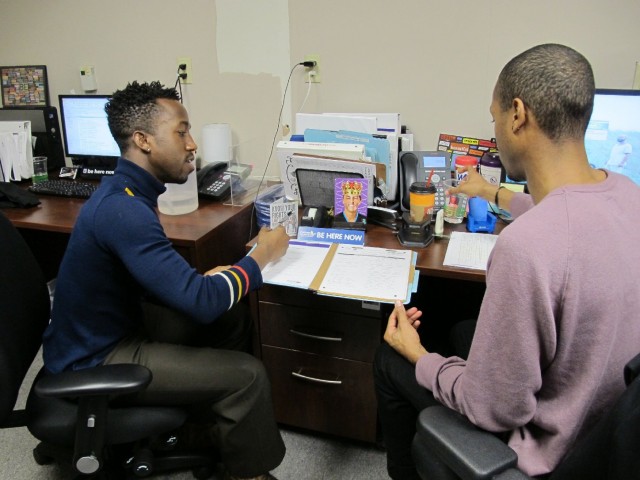
How The Stigma of HIV Can Linger and Keep People from Care
Working with the Dying in California Prisons
Giving Birth in Prison: One Woman's Story
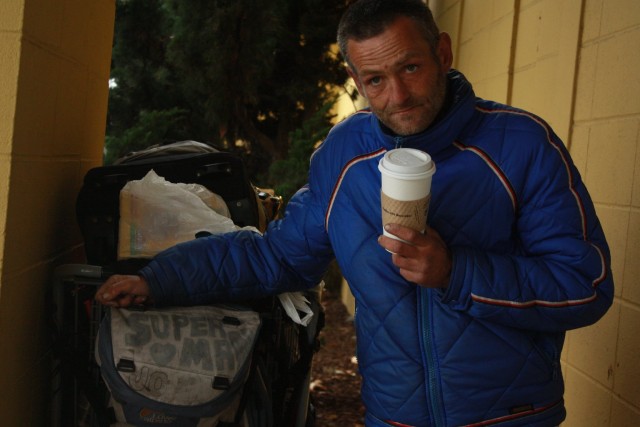
Life on the Street: Homeless Vietnam Veteran Fights Cancer
Homeless Woman Grateful for Support She Finds in Her Pet
Homeless and Addicted -- Then Overcoming Both
Native American Woman Changes Young Lives Through Traditional Dancing
Sonoma County Man Learns to Control Anger and Violence
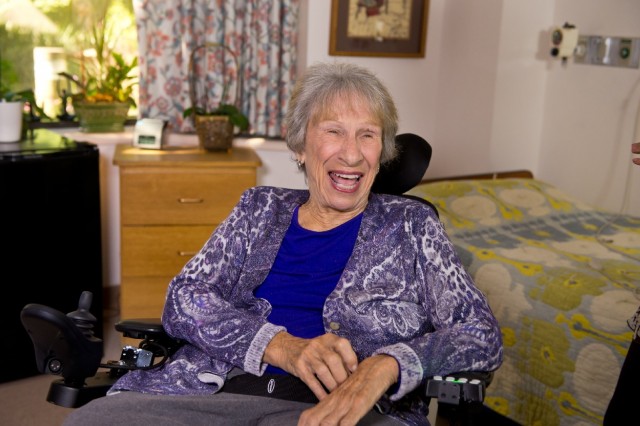
Living With Grace in a Nursing Home
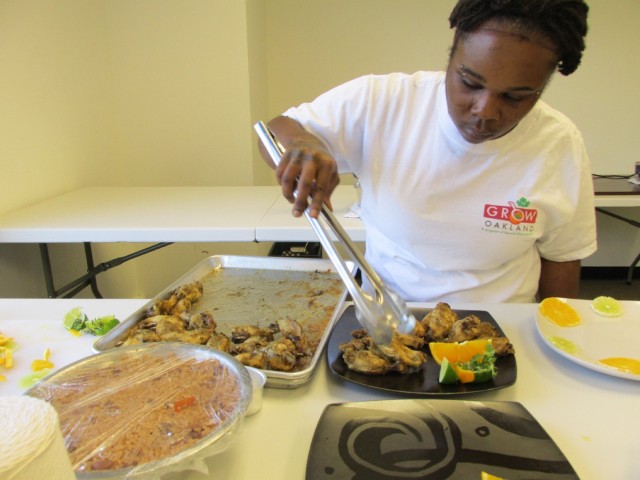
Foster Kids Learn About Nutrition, Get Job Training in Oakland Program
Woman Finds Relief From Chronic Pain by Caring for Horses
window.__IS_SSR__=true
window.__INITIAL_STATE__={
"attachmentsReducer": {
"audio_0": {
"type": "attachments",
"id": "audio_0",
"imgSizes": {
"kqedFullSize": {
"file": "https://ww2.kqed.org/news/wp-content/themes/KQED-unified/img/audio_bgs/background0.jpg"
}
}
},
"audio_1": {
"type": "attachments",
"id": "audio_1",
"imgSizes": {
"kqedFullSize": {
"file": "https://ww2.kqed.org/news/wp-content/themes/KQED-unified/img/audio_bgs/background1.jpg"
}
}
},
"audio_2": {
"type": "attachments",
"id": "audio_2",
"imgSizes": {
"kqedFullSize": {
"file": "https://ww2.kqed.org/news/wp-content/themes/KQED-unified/img/audio_bgs/background2.jpg"
}
}
},
"audio_3": {
"type": "attachments",
"id": "audio_3",
"imgSizes": {
"kqedFullSize": {
"file": "https://ww2.kqed.org/news/wp-content/themes/KQED-unified/img/audio_bgs/background3.jpg"
}
}
},
"audio_4": {
"type": "attachments",
"id": "audio_4",
"imgSizes": {
"kqedFullSize": {
"file": "https://ww2.kqed.org/news/wp-content/themes/KQED-unified/img/audio_bgs/background4.jpg"
}
}
},
"placeholder": {
"type": "attachments",
"id": "placeholder",
"imgSizes": {
"thumbnail": {
"file": "https://cdn.kqed.org/wp-content/uploads/2024/12/KQED-Default-Image-816638274-2000x1333-1-160x107.jpg",
"width": 160,
"height": 107,
"mimeType": "image/jpeg"
},
"medium": {
"file": "https://cdn.kqed.org/wp-content/uploads/2024/12/KQED-Default-Image-816638274-2000x1333-1-800x533.jpg",
"width": 800,
"height": 533,
"mimeType": "image/jpeg"
},
"medium_large": {
"file": "https://cdn.kqed.org/wp-content/uploads/2024/12/KQED-Default-Image-816638274-2000x1333-1-768x512.jpg",
"width": 768,
"height": 512,
"mimeType": "image/jpeg"
},
"large": {
"file": "https://cdn.kqed.org/wp-content/uploads/2024/12/KQED-Default-Image-816638274-2000x1333-1-1020x680.jpg",
"width": 1020,
"height": 680,
"mimeType": "image/jpeg"
},
"1536x1536": {
"file": "https://cdn.kqed.org/wp-content/uploads/2024/12/KQED-Default-Image-816638274-2000x1333-1-1536x1024.jpg",
"width": 1536,
"height": 1024,
"mimeType": "image/jpeg"
},
"fd-lrg": {
"file": "https://cdn.kqed.org/wp-content/uploads/2024/12/KQED-Default-Image-816638274-2000x1333-1-1536x1024.jpg",
"width": 1536,
"height": 1024,
"mimeType": "image/jpeg"
},
"fd-med": {
"file": "https://cdn.kqed.org/wp-content/uploads/2024/12/KQED-Default-Image-816638274-2000x1333-1-1020x680.jpg",
"width": 1020,
"height": 680,
"mimeType": "image/jpeg"
},
"fd-sm": {
"file": "https://cdn.kqed.org/wp-content/uploads/2024/12/KQED-Default-Image-816638274-2000x1333-1-800x533.jpg",
"width": 800,
"height": 533,
"mimeType": "image/jpeg"
},
"post-thumbnail": {
"file": "https://cdn.kqed.org/wp-content/uploads/2024/12/KQED-Default-Image-816638274-2000x1333-1-672x372.jpg",
"width": 672,
"height": 372,
"mimeType": "image/jpeg"
},
"twentyfourteen-full-width": {
"file": "https://cdn.kqed.org/wp-content/uploads/2024/12/KQED-Default-Image-816638274-2000x1333-1-1038x576.jpg",
"width": 1038,
"height": 576,
"mimeType": "image/jpeg"
},
"xxsmall": {
"file": "https://cdn.kqed.org/wp-content/uploads/2024/12/KQED-Default-Image-816638274-2000x1333-1-160x107.jpg",
"width": 160,
"height": 107,
"mimeType": "image/jpeg"
},
"xsmall": {
"file": "https://cdn.kqed.org/wp-content/uploads/2024/12/KQED-Default-Image-816638274-2000x1333-1-672x372.jpg",
"width": 672,
"height": 372,
"mimeType": "image/jpeg"
},
"small": {
"file": "https://cdn.kqed.org/wp-content/uploads/2024/12/KQED-Default-Image-816638274-2000x1333-1-672x372.jpg",
"width": 672,
"height": 372,
"mimeType": "image/jpeg"
},
"xlarge": {
"file": "https://cdn.kqed.org/wp-content/uploads/2024/12/KQED-Default-Image-816638274-2000x1333-1-1020x680.jpg",
"width": 1020,
"height": 680,
"mimeType": "image/jpeg"
},
"full-width": {
"file": "https://cdn.kqed.org/wp-content/uploads/2024/12/KQED-Default-Image-816638274-2000x1333-1-1920x1280.jpg",
"width": 1920,
"height": 1280,
"mimeType": "image/jpeg"
},
"guest-author-32": {
"file": "https://cdn.kqed.org/wp-content/uploads/2025/01/KQED-Default-Image-816638274-1333x1333-1-160x160.jpg",
"width": 32,
"height": 32,
"mimeType": "image/jpeg"
},
"guest-author-50": {
"file": "https://cdn.kqed.org/wp-content/uploads/2025/01/KQED-Default-Image-816638274-1333x1333-1-160x160.jpg",
"width": 50,
"height": 50,
"mimeType": "image/jpeg"
},
"guest-author-64": {
"file": "https://cdn.kqed.org/wp-content/uploads/2025/01/KQED-Default-Image-816638274-1333x1333-1-160x160.jpg",
"width": 64,
"height": 64,
"mimeType": "image/jpeg"
},
"guest-author-96": {
"file": "https://cdn.kqed.org/wp-content/uploads/2025/01/KQED-Default-Image-816638274-1333x1333-1-160x160.jpg",
"width": 96,
"height": 96,
"mimeType": "image/jpeg"
},
"guest-author-128": {
"file": "https://cdn.kqed.org/wp-content/uploads/2025/01/KQED-Default-Image-816638274-1333x1333-1-160x160.jpg",
"width": 128,
"height": 128,
"mimeType": "image/jpeg"
},
"detail": {
"file": "https://cdn.kqed.org/wp-content/uploads/2025/01/KQED-Default-Image-816638274-1333x1333-1-160x160.jpg",
"width": 160,
"height": 160,
"mimeType": "image/jpeg"
},
"kqedFullSize": {
"file": "https://cdn.kqed.org/wp-content/uploads/2024/12/KQED-Default-Image-816638274-2000x1333-1.jpg",
"width": 2000,
"height": 1333
}
}
},
"stateofhealth_18588": {
"type": "attachments",
"id": "stateofhealth_18588",
"meta": {
"index": "attachments_1716263798",
"site": "stateofhealth",
"id": "18588",
"found": true
},
"parent": 18586,
"imgSizes": {
"thumbnail": {
"file": "https://ww2.kqed.org/app/uploads/sites/27/2014/04/IMG_0142-e1396906812482-400x300.jpg",
"width": 400,
"mimeType": "image/jpeg",
"height": 300
},
"fd-sm": {
"file": "https://ww2.kqed.org/app/uploads/sites/27/2014/04/IMG_0142-e1396906812482-320x240.jpg",
"width": 320,
"mimeType": "image/jpeg",
"height": 240
},
"post-thumbnail": {
"file": "https://ww2.kqed.org/app/uploads/sites/27/2014/04/IMG_0142-e1396906812482-640x372.jpg",
"width": 640,
"mimeType": "image/jpeg",
"height": 372
},
"kqedFullSize": {
"file": "https://ww2.kqed.org/app/uploads/sites/27/2014/04/IMG_0142-e1396906812482.jpg",
"width": 640,
"height": 480
},
"guest-author-96": {
"file": "https://ww2.kqed.org/app/uploads/sites/27/2014/04/IMG_0142-e1396906812482-96x96.jpg",
"width": 96,
"mimeType": "image/jpeg",
"height": 96
},
"guest-author-64": {
"file": "https://ww2.kqed.org/app/uploads/sites/27/2014/04/IMG_0142-e1396906812482-64x64.jpg",
"width": 64,
"mimeType": "image/jpeg",
"height": 64
},
"detail": {
"file": "https://ww2.kqed.org/app/uploads/sites/27/2014/04/IMG_0142-e1396906812482-75x75.jpg",
"width": 75,
"mimeType": "image/jpeg",
"height": 75
},
"guest-author-32": {
"file": "https://ww2.kqed.org/app/uploads/sites/27/2014/04/IMG_0142-e1396906812482-32x32.jpg",
"width": 32,
"mimeType": "image/jpeg",
"height": 32
},
"guest-author-128": {
"file": "https://ww2.kqed.org/app/uploads/sites/27/2014/04/IMG_0142-e1396906812482-128x128.jpg",
"width": 128,
"mimeType": "image/jpeg",
"height": 128
}
},
"publishDate": 1396906797,
"modified": 1396906797,
"caption": null,
"description": null,
"title": "IMG_0142",
"credit": null,
"status": "inherit",
"isLoading": false,
"fetchFailed": false
},
"stateofhealth_18064": {
"type": "attachments",
"id": "stateofhealth_18064",
"meta": {
"index": "attachments_1716263798",
"site": "stateofhealth",
"id": "18064",
"found": true
},
"parent": 18063,
"imgSizes": {
"thumbnail": {
"file": "https://ww2.kqed.org/app/uploads/sites/27/2014/03/IMG_1692-e1394582025449-400x225.jpg",
"width": 400,
"mimeType": "image/jpeg",
"height": 225
},
"fd-sm": {
"file": "https://ww2.kqed.org/app/uploads/sites/27/2014/03/IMG_1692-e1394582025449-320x180.jpg",
"width": 320,
"mimeType": "image/jpeg",
"height": 180
},
"kqedFullSize": {
"file": "https://ww2.kqed.org/app/uploads/sites/27/2014/03/IMG_1692-e1394582025449.jpg",
"width": 640,
"height": 360
},
"guest-author-96": {
"file": "https://ww2.kqed.org/app/uploads/sites/27/2014/03/IMG_1692-e1394582025449-96x96.jpg",
"width": 96,
"mimeType": "image/jpeg",
"height": 96
},
"guest-author-64": {
"file": "https://ww2.kqed.org/app/uploads/sites/27/2014/03/IMG_1692-e1394582025449-64x64.jpg",
"width": 64,
"mimeType": "image/jpeg",
"height": 64
},
"detail": {
"file": "https://ww2.kqed.org/app/uploads/sites/27/2014/03/IMG_1692-e1394582025449-75x75.jpg",
"width": 75,
"mimeType": "image/jpeg",
"height": 75
},
"guest-author-32": {
"file": "https://ww2.kqed.org/app/uploads/sites/27/2014/03/IMG_1692-e1394582025449-32x32.jpg",
"width": 32,
"mimeType": "image/jpeg",
"height": 32
},
"guest-author-128": {
"file": "https://ww2.kqed.org/app/uploads/sites/27/2014/03/IMG_1692-e1394582025449-128x128.jpg",
"width": 128,
"mimeType": "image/jpeg",
"height": 128
}
},
"publishDate": 1394582006,
"modified": 1394582006,
"caption": null,
"description": null,
"title": "IMG_1692",
"credit": null,
"status": "inherit",
"isLoading": false,
"fetchFailed": false
},
"stateofhealth_18014": {
"type": "attachments",
"id": "stateofhealth_18014",
"meta": {
"index": "attachments_1716263798",
"site": "stateofhealth",
"id": "18014",
"found": true
},
"parent": 18013,
"imgSizes": {
"thumbnail": {
"file": "https://ww2.kqed.org/app/uploads/sites/27/2014/03/IMG_0065-e1394067285719-400x300.jpg",
"width": 400,
"mimeType": "image/jpeg",
"height": 300
},
"fd-sm": {
"file": "https://ww2.kqed.org/app/uploads/sites/27/2014/03/IMG_0065-e1394067285719-320x240.jpg",
"width": 320,
"mimeType": "image/jpeg",
"height": 240
},
"post-thumbnail": {
"file": "https://ww2.kqed.org/app/uploads/sites/27/2014/03/IMG_0065-e1394067285719-640x372.jpg",
"width": 640,
"mimeType": "image/jpeg",
"height": 372
},
"kqedFullSize": {
"file": "https://ww2.kqed.org/app/uploads/sites/27/2014/03/IMG_0065-e1394067285719.jpg",
"width": 640,
"height": 480
},
"guest-author-96": {
"file": "https://ww2.kqed.org/app/uploads/sites/27/2014/03/IMG_0065-e1394067285719-96x96.jpg",
"width": 96,
"mimeType": "image/jpeg",
"height": 96
},
"guest-author-64": {
"file": "https://ww2.kqed.org/app/uploads/sites/27/2014/03/IMG_0065-e1394067285719-64x64.jpg",
"width": 64,
"mimeType": "image/jpeg",
"height": 64
},
"detail": {
"file": "https://ww2.kqed.org/app/uploads/sites/27/2014/03/IMG_0065-e1394067285719-75x75.jpg",
"width": 75,
"mimeType": "image/jpeg",
"height": 75
},
"guest-author-32": {
"file": "https://ww2.kqed.org/app/uploads/sites/27/2014/03/IMG_0065-e1394067285719-32x32.jpg",
"width": 32,
"mimeType": "image/jpeg",
"height": 32
},
"guest-author-128": {
"file": "https://ww2.kqed.org/app/uploads/sites/27/2014/03/IMG_0065-e1394067285719-128x128.jpg",
"width": 128,
"mimeType": "image/jpeg",
"height": 128
}
},
"publishDate": 1394067264,
"modified": 1394067264,
"caption": null,
"description": null,
"title": "IMG_0065",
"credit": null,
"status": "inherit",
"isLoading": false,
"fetchFailed": false
},
"stateofhealth_17879": {
"type": "attachments",
"id": "stateofhealth_17879",
"meta": {
"index": "attachments_1716263798",
"site": "stateofhealth",
"id": "17879",
"found": true
},
"parent": 17878,
"imgSizes": {
"thumbnail": {
"file": "https://ww2.kqed.org/app/uploads/sites/27/2014/02/IMG_5746-e1393375323447-400x267.jpg",
"width": 400,
"mimeType": "image/jpeg",
"height": 267
},
"fd-sm": {
"file": "https://ww2.kqed.org/app/uploads/sites/27/2014/02/IMG_5746-e1393375323447-320x214.jpg",
"width": 320,
"mimeType": "image/jpeg",
"height": 214
},
"post-thumbnail": {
"file": "https://ww2.kqed.org/app/uploads/sites/27/2014/02/IMG_5746-e1393375323447-640x372.jpg",
"width": 640,
"mimeType": "image/jpeg",
"height": 372
},
"kqedFullSize": {
"file": "https://ww2.kqed.org/app/uploads/sites/27/2014/02/IMG_5746-e1393375323447.jpg",
"width": 640,
"height": 427
},
"guest-author-96": {
"file": "https://ww2.kqed.org/app/uploads/sites/27/2014/02/IMG_5746-e1393375323447-96x96.jpg",
"width": 96,
"mimeType": "image/jpeg",
"height": 96
},
"guest-author-64": {
"file": "https://ww2.kqed.org/app/uploads/sites/27/2014/02/IMG_5746-e1393375323447-64x64.jpg",
"width": 64,
"mimeType": "image/jpeg",
"height": 64
},
"detail": {
"file": "https://ww2.kqed.org/app/uploads/sites/27/2014/02/IMG_5746-e1393375323447-75x75.jpg",
"width": 75,
"mimeType": "image/jpeg",
"height": 75
},
"guest-author-32": {
"file": "https://ww2.kqed.org/app/uploads/sites/27/2014/02/IMG_5746-e1393375323447-32x32.jpg",
"width": 32,
"mimeType": "image/jpeg",
"height": 32
},
"guest-author-128": {
"file": "https://ww2.kqed.org/app/uploads/sites/27/2014/02/IMG_5746-e1393375323447-128x128.jpg",
"width": 128,
"mimeType": "image/jpeg",
"height": 128
}
},
"publishDate": 1393375303,
"modified": 1393375303,
"caption": null,
"description": null,
"title": "IMG_5746",
"credit": null,
"status": "inherit",
"isLoading": false,
"fetchFailed": false
},
"stateofhealth_17765": {
"type": "attachments",
"id": "stateofhealth_17765",
"meta": {
"index": "attachments_1716263798",
"site": "stateofhealth",
"id": "17765",
"found": true
},
"parent": 17759,
"imgSizes": {
"thumbnail": {
"file": "https://ww2.kqed.org/app/uploads/sites/27/2014/02/VETSOS_2128-e1392752603428-400x267.jpg",
"width": 400,
"mimeType": "image/jpeg",
"height": 267
},
"fd-sm": {
"file": "https://ww2.kqed.org/app/uploads/sites/27/2014/02/VETSOS_2128-e1392752603428-320x214.jpg",
"width": 320,
"mimeType": "image/jpeg",
"height": 214
},
"post-thumbnail": {
"file": "https://ww2.kqed.org/app/uploads/sites/27/2014/02/VETSOS_2128-e1392752603428-640x372.jpg",
"width": 640,
"mimeType": "image/jpeg",
"height": 372
},
"kqedFullSize": {
"file": "https://ww2.kqed.org/app/uploads/sites/27/2014/02/VETSOS_2128-e1392752603428.jpg",
"width": 640,
"height": 427
},
"guest-author-96": {
"file": "https://ww2.kqed.org/app/uploads/sites/27/2014/02/VETSOS_2128-e1392752603428-96x96.jpg",
"width": 96,
"mimeType": "image/jpeg",
"height": 96
},
"guest-author-64": {
"file": "https://ww2.kqed.org/app/uploads/sites/27/2014/02/VETSOS_2128-e1392752603428-64x64.jpg",
"width": 64,
"mimeType": "image/jpeg",
"height": 64
},
"detail": {
"file": "https://ww2.kqed.org/app/uploads/sites/27/2014/02/VETSOS_2128-e1392752603428-75x75.jpg",
"width": 75,
"mimeType": "image/jpeg",
"height": 75
},
"guest-author-32": {
"file": "https://ww2.kqed.org/app/uploads/sites/27/2014/02/VETSOS_2128-e1392752603428-32x32.jpg",
"width": 32,
"mimeType": "image/jpeg",
"height": 32
},
"guest-author-128": {
"file": "https://ww2.kqed.org/app/uploads/sites/27/2014/02/VETSOS_2128-e1392752603428-128x128.jpg",
"width": 128,
"mimeType": "image/jpeg",
"height": 128
}
},
"publishDate": 1392752580,
"modified": 1392752580,
"caption": null,
"description": null,
"title": "VETSOS_2128",
"credit": null,
"status": "inherit",
"isLoading": false,
"fetchFailed": false
},
"stateofhealth_17633": {
"type": "attachments",
"id": "stateofhealth_17633",
"meta": {
"index": "attachments_1716263798",
"site": "stateofhealth",
"id": "17633",
"found": true
},
"parent": 17632,
"imgSizes": {
"thumbnail": {
"file": "https://ww2.kqed.org/app/uploads/sites/27/2014/02/IMG_1701-e1392148141663-400x225.jpg",
"width": 400,
"mimeType": "image/jpeg",
"height": 225
},
"fd-sm": {
"file": "https://ww2.kqed.org/app/uploads/sites/27/2014/02/IMG_1701-e1392148141663-320x180.jpg",
"width": 320,
"mimeType": "image/jpeg",
"height": 180
},
"kqedFullSize": {
"file": "https://ww2.kqed.org/app/uploads/sites/27/2014/02/IMG_1701-e1392148141663.jpg",
"width": 640,
"height": 360
},
"guest-author-96": {
"file": "https://ww2.kqed.org/app/uploads/sites/27/2014/02/IMG_1701-e1392148141663-96x96.jpg",
"width": 96,
"mimeType": "image/jpeg",
"height": 96
},
"guest-author-64": {
"file": "https://ww2.kqed.org/app/uploads/sites/27/2014/02/IMG_1701-e1392148141663-64x64.jpg",
"width": 64,
"mimeType": "image/jpeg",
"height": 64
},
"detail": {
"file": "https://ww2.kqed.org/app/uploads/sites/27/2014/02/IMG_1701-e1392148141663-75x75.jpg",
"width": 75,
"mimeType": "image/jpeg",
"height": 75
},
"guest-author-32": {
"file": "https://ww2.kqed.org/app/uploads/sites/27/2014/02/IMG_1701-e1392148141663-32x32.jpg",
"width": 32,
"mimeType": "image/jpeg",
"height": 32
},
"guest-author-128": {
"file": "https://ww2.kqed.org/app/uploads/sites/27/2014/02/IMG_1701-e1392148141663-128x128.jpg",
"width": 128,
"mimeType": "image/jpeg",
"height": 128
}
},
"publishDate": 1392148120,
"modified": 1392148120,
"caption": null,
"description": null,
"title": "IMG_1701",
"credit": null,
"status": "inherit",
"isLoading": false,
"fetchFailed": false
},
"stateofhealth_17219": {
"type": "attachments",
"id": "stateofhealth_17219",
"meta": {
"index": "attachments_1716263798",
"site": "stateofhealth",
"id": "17219",
"found": true
},
"parent": 17175,
"imgSizes": {
"twentyfourteen-full-width": {
"file": "https://ww2.kqed.org/app/uploads/sites/27/2014/01/Juliet-Small-21-1038x576.jpg",
"width": 1038,
"mimeType": "image/jpeg",
"height": 576
},
"thumbnail": {
"file": "https://ww2.kqed.org/app/uploads/sites/27/2014/01/Juliet-Small-21-400x361.jpg",
"width": 400,
"mimeType": "image/jpeg",
"height": 361
},
"fd-sm": {
"file": "https://ww2.kqed.org/app/uploads/sites/27/2014/01/Juliet-Small-21-320x289.jpg",
"width": 320,
"mimeType": "image/jpeg",
"height": 289
},
"post-thumbnail": {
"file": "https://ww2.kqed.org/app/uploads/sites/27/2014/01/Juliet-Small-21-672x372.jpg",
"width": 672,
"mimeType": "image/jpeg",
"height": 372
},
"kqedFullSize": {
"file": "https://ww2.kqed.org/app/uploads/sites/27/2014/01/Juliet-Small-21.jpg",
"width": 1321,
"height": 1191
},
"guest-author-96": {
"file": "https://ww2.kqed.org/app/uploads/sites/27/2014/01/Juliet-Small-21-96x96.jpg",
"width": 96,
"mimeType": "image/jpeg",
"height": 96
},
"medium": {
"file": "https://ww2.kqed.org/app/uploads/sites/27/2014/01/Juliet-Small-21-800x721.jpg",
"width": 800,
"mimeType": "image/jpeg",
"height": 721
},
"guest-author-64": {
"file": "https://ww2.kqed.org/app/uploads/sites/27/2014/01/Juliet-Small-21-64x64.jpg",
"width": 64,
"mimeType": "image/jpeg",
"height": 64
},
"guest-author-32": {
"file": "https://ww2.kqed.org/app/uploads/sites/27/2014/01/Juliet-Small-21-32x32.jpg",
"width": 32,
"mimeType": "image/jpeg",
"height": 32
},
"fd-lrg": {
"file": "https://ww2.kqed.org/app/uploads/sites/27/2014/01/Juliet-Small-21-1180x1064.jpg",
"width": 1180,
"mimeType": "image/jpeg",
"height": 1064
},
"fd-med": {
"file": "https://ww2.kqed.org/app/uploads/sites/27/2014/01/Juliet-Small-21-768x692.jpg",
"width": 768,
"mimeType": "image/jpeg",
"height": 692
},
"detail": {
"file": "https://ww2.kqed.org/app/uploads/sites/27/2014/01/Juliet-Small-21-75x75.jpg",
"width": 75,
"mimeType": "image/jpeg",
"height": 75
},
"guest-author-128": {
"file": "https://ww2.kqed.org/app/uploads/sites/27/2014/01/Juliet-Small-21-128x128.jpg",
"width": 128,
"mimeType": "image/jpeg",
"height": 128
}
},
"publishDate": 1389822442,
"modified": 1389822442,
"caption": "Juliet Small, 19, teaches Native American dance to girls at the Intertribal Friendship House in Oakland. (Zaidee Stavely/KQED)",
"description": null,
"title": "Juliet Small 2",
"credit": null,
"status": "inherit",
"isLoading": false,
"fetchFailed": false
},
"stateofhealth_16645": {
"type": "attachments",
"id": "stateofhealth_16645",
"meta": {
"index": "attachments_1716263798",
"site": "stateofhealth",
"id": "16645",
"found": true
},
"parent": 16643,
"imgSizes": {
"thumbnail": {
"file": "https://ww2.kqed.org/app/uploads/sites/27/2013/12/IMG_0355-e1386806769336-400x300.jpg",
"width": 400,
"mimeType": "image/jpeg",
"height": 300
},
"fd-sm": {
"file": "https://ww2.kqed.org/app/uploads/sites/27/2013/12/IMG_0355-e1386806769336-320x240.jpg",
"width": 320,
"mimeType": "image/jpeg",
"height": 240
},
"post-thumbnail": {
"file": "https://ww2.kqed.org/app/uploads/sites/27/2013/12/IMG_0355-e1386806769336-640x372.jpg",
"width": 640,
"mimeType": "image/jpeg",
"height": 372
},
"kqedFullSize": {
"file": "https://ww2.kqed.org/app/uploads/sites/27/2013/12/IMG_0355-e1386806769336.jpg",
"width": 640,
"height": 480
},
"guest-author-96": {
"file": "https://ww2.kqed.org/app/uploads/sites/27/2013/12/IMG_0355-e1386806769336-96x96.jpg",
"width": 96,
"mimeType": "image/jpeg",
"height": 96
},
"guest-author-64": {
"file": "https://ww2.kqed.org/app/uploads/sites/27/2013/12/IMG_0355-e1386806769336-64x64.jpg",
"width": 64,
"mimeType": "image/jpeg",
"height": 64
},
"detail": {
"file": "https://ww2.kqed.org/app/uploads/sites/27/2013/12/IMG_0355-e1386806769336-75x75.jpg",
"width": 75,
"mimeType": "image/jpeg",
"height": 75
},
"guest-author-32": {
"file": "https://ww2.kqed.org/app/uploads/sites/27/2013/12/IMG_0355-e1386806769336-32x32.jpg",
"width": 32,
"mimeType": "image/jpeg",
"height": 32
},
"guest-author-128": {
"file": "https://ww2.kqed.org/app/uploads/sites/27/2013/12/IMG_0355-e1386806769336-128x128.jpg",
"width": 128,
"mimeType": "image/jpeg",
"height": 128
}
},
"publishDate": 1386806742,
"modified": 1386806742,
"caption": null,
"description": null,
"title": "IMG_0355",
"credit": null,
"status": "inherit",
"isLoading": false,
"fetchFailed": false
},
"stateofhealth_16964": {
"type": "attachments",
"id": "stateofhealth_16964",
"meta": {
"index": "attachments_1716263798",
"site": "stateofhealth",
"id": "16964",
"found": true
},
"parent": 16954,
"imgSizes": {
"thumbnail": {
"file": "https://ww2.kqed.org/app/uploads/sites/27/2013/12/Phyllis-e1388452359909-400x266.jpg",
"width": 400,
"mimeType": "image/jpeg",
"height": 266
},
"fd-sm": {
"file": "https://ww2.kqed.org/app/uploads/sites/27/2013/12/Phyllis-e1388452359909-320x213.jpg",
"width": 320,
"mimeType": "image/jpeg",
"height": 213
},
"post-thumbnail": {
"file": "https://ww2.kqed.org/app/uploads/sites/27/2013/12/Phyllis-e1388452359909-640x372.jpg",
"width": 640,
"mimeType": "image/jpeg",
"height": 372
},
"kqedFullSize": {
"file": "https://ww2.kqed.org/app/uploads/sites/27/2013/12/Phyllis-e1388452359909.jpg",
"width": 640,
"height": 426
},
"guest-author-96": {
"file": "https://ww2.kqed.org/app/uploads/sites/27/2013/12/Phyllis-e1388452359909-96x96.jpg",
"width": 96,
"mimeType": "image/jpeg",
"height": 96
},
"guest-author-64": {
"file": "https://ww2.kqed.org/app/uploads/sites/27/2013/12/Phyllis-e1388452359909-64x64.jpg",
"width": 64,
"mimeType": "image/jpeg",
"height": 64
},
"detail": {
"file": "https://ww2.kqed.org/app/uploads/sites/27/2013/12/Phyllis-e1388452359909-75x75.jpg",
"width": 75,
"mimeType": "image/jpeg",
"height": 75
},
"guest-author-32": {
"file": "https://ww2.kqed.org/app/uploads/sites/27/2013/12/Phyllis-e1388452359909-32x32.jpg",
"width": 32,
"mimeType": "image/jpeg",
"height": 32
},
"guest-author-128": {
"file": "https://ww2.kqed.org/app/uploads/sites/27/2013/12/Phyllis-e1388452359909-128x128.jpg",
"width": 128,
"mimeType": "image/jpeg",
"height": 128
}
},
"publishDate": 1388452337,
"modified": 1388452337,
"caption": "Phyllis Donner Wolf",
"description": null,
"title": "Phyllis",
"credit": null,
"status": "inherit",
"isLoading": false,
"fetchFailed": false
},
"stateofhealth_15964": {
"type": "attachments",
"id": "stateofhealth_15964",
"meta": {
"index": "attachments_1716263798",
"site": "stateofhealth",
"id": "15964",
"found": true
},
"parent": 15963,
"imgSizes": {
"thumbnail": {
"file": "https://ww2.kqed.org/app/uploads/sites/27/2013/10/IMG_0015-e1383158697331-400x300.jpg",
"width": 400,
"mimeType": "image/jpeg",
"height": 300
},
"fd-sm": {
"file": "https://ww2.kqed.org/app/uploads/sites/27/2013/10/IMG_0015-e1383158697331-320x240.jpg",
"width": 320,
"mimeType": "image/jpeg",
"height": 240
},
"post-thumbnail": {
"file": "https://ww2.kqed.org/app/uploads/sites/27/2013/10/IMG_0015-e1383158697331-640x372.jpg",
"width": 640,
"mimeType": "image/jpeg",
"height": 372
},
"kqedFullSize": {
"file": "https://ww2.kqed.org/app/uploads/sites/27/2013/10/IMG_0015-e1383158697331.jpg",
"width": 640,
"height": 480
},
"guest-author-96": {
"file": "https://ww2.kqed.org/app/uploads/sites/27/2013/10/IMG_0015-e1383158697331-96x96.jpg",
"width": 96,
"mimeType": "image/jpeg",
"height": 96
},
"guest-author-64": {
"file": "https://ww2.kqed.org/app/uploads/sites/27/2013/10/IMG_0015-e1383158697331-64x64.jpg",
"width": 64,
"mimeType": "image/jpeg",
"height": 64
},
"detail": {
"file": "https://ww2.kqed.org/app/uploads/sites/27/2013/10/IMG_0015-e1383158697331-75x75.jpg",
"width": 75,
"mimeType": "image/jpeg",
"height": 75
},
"guest-author-32": {
"file": "https://ww2.kqed.org/app/uploads/sites/27/2013/10/IMG_0015-e1383158697331-32x32.jpg",
"width": 32,
"mimeType": "image/jpeg",
"height": 32
},
"guest-author-128": {
"file": "https://ww2.kqed.org/app/uploads/sites/27/2013/10/IMG_0015-e1383158697331-128x128.jpg",
"width": 128,
"mimeType": "image/jpeg",
"height": 128
}
},
"publishDate": 1383158410,
"modified": 1383158410,
"caption": null,
"description": null,
"title": "IMG_0015",
"credit": null,
"status": "inherit",
"isLoading": false,
"fetchFailed": false
},
"stateofhealth_16114": {
"type": "attachments",
"id": "stateofhealth_16114",
"meta": {
"index": "attachments_1716263798",
"site": "stateofhealth",
"id": "16114",
"found": true
},
"parent": 16110,
"imgSizes": {
"thumbnail": {
"file": "https://ww2.kqed.org/app/uploads/sites/27/2013/11/RS7207_IMG_0061-scr-e1383689597494-400x300.jpg",
"width": 400,
"mimeType": "image/jpeg",
"height": 300
},
"fd-sm": {
"file": "https://ww2.kqed.org/app/uploads/sites/27/2013/11/RS7207_IMG_0061-scr-e1383689597494-320x240.jpg",
"width": 320,
"mimeType": "image/jpeg",
"height": 240
},
"post-thumbnail": {
"file": "https://ww2.kqed.org/app/uploads/sites/27/2013/11/RS7207_IMG_0061-scr-e1383689597494-639x372.jpg",
"width": 639,
"mimeType": "image/jpeg",
"height": 372
},
"kqedFullSize": {
"file": "https://ww2.kqed.org/app/uploads/sites/27/2013/11/RS7207_IMG_0061-scr-e1383689597494.jpg",
"width": 639,
"height": 480
},
"guest-author-96": {
"file": "https://ww2.kqed.org/app/uploads/sites/27/2013/11/RS7207_IMG_0061-scr-e1383689597494-96x96.jpg",
"width": 96,
"mimeType": "image/jpeg",
"height": 96
},
"guest-author-64": {
"file": "https://ww2.kqed.org/app/uploads/sites/27/2013/11/RS7207_IMG_0061-scr-e1383689597494-64x64.jpg",
"width": 64,
"mimeType": "image/jpeg",
"height": 64
},
"detail": {
"file": "https://ww2.kqed.org/app/uploads/sites/27/2013/11/RS7207_IMG_0061-scr-e1383689597494-75x75.jpg",
"width": 75,
"mimeType": "image/jpeg",
"height": 75
},
"guest-author-32": {
"file": "https://ww2.kqed.org/app/uploads/sites/27/2013/11/RS7207_IMG_0061-scr-e1383689597494-32x32.jpg",
"width": 32,
"mimeType": "image/jpeg",
"height": 32
},
"guest-author-128": {
"file": "https://ww2.kqed.org/app/uploads/sites/27/2013/11/RS7207_IMG_0061-scr-e1383689597494-128x128.jpg",
"width": 128,
"mimeType": "image/jpeg",
"height": 128
}
},
"publishDate": 1383689588,
"modified": 1383689588,
"caption": "Kaitlyn Pintor visits with horses at Hoof Beats riding school in Petaluma. For the past decade, a nerve disorder has made it painful for her to experience touch. (Ryder Diaz/KQED)\n",
"description": "woman with horse",
"title": "RS7207_IMG_0061-scr",
"credit": null,
"status": "inherit",
"isLoading": false,
"fetchFailed": false
},
"stateofhealth_15733": {
"type": "attachments",
"id": "stateofhealth_15733",
"meta": {
"index": "attachments_1716263798",
"site": "stateofhealth",
"id": "15733",
"found": true
},
"parent": 15194,
"imgSizes": {
"thumbnail": {
"file": "https://ww2.kqed.org/app/uploads/sites/27/2013/10/horizontal-j-and-j-e1381958603376-400x266.jpg",
"width": 400,
"mimeType": "image/jpeg",
"height": 266
},
"fd-sm": {
"file": "https://ww2.kqed.org/app/uploads/sites/27/2013/10/horizontal-j-and-j-e1381958603376-320x213.jpg",
"width": 320,
"mimeType": "image/jpeg",
"height": 213
},
"post-thumbnail": {
"file": "https://ww2.kqed.org/app/uploads/sites/27/2013/10/horizontal-j-and-j-e1381958603376-641x372.jpg",
"width": 641,
"mimeType": "image/jpeg",
"height": 372
},
"kqedFullSize": {
"file": "https://ww2.kqed.org/app/uploads/sites/27/2013/10/horizontal-j-and-j-e1381958603376.jpg",
"width": 641,
"height": 427
},
"guest-author-96": {
"file": "https://ww2.kqed.org/app/uploads/sites/27/2013/10/horizontal-j-and-j-e1381958603376-96x96.jpg",
"width": 96,
"mimeType": "image/jpeg",
"height": 96
},
"guest-author-64": {
"file": "https://ww2.kqed.org/app/uploads/sites/27/2013/10/horizontal-j-and-j-e1381958603376-64x64.jpg",
"width": 64,
"mimeType": "image/jpeg",
"height": 64
},
"detail": {
"file": "https://ww2.kqed.org/app/uploads/sites/27/2013/10/horizontal-j-and-j-e1381958603376-75x75.jpg",
"width": 75,
"mimeType": "image/jpeg",
"height": 75
},
"guest-author-32": {
"file": "https://ww2.kqed.org/app/uploads/sites/27/2013/10/horizontal-j-and-j-e1381958603376-32x32.jpg",
"width": 32,
"mimeType": "image/jpeg",
"height": 32
},
"guest-author-128": {
"file": "https://ww2.kqed.org/app/uploads/sites/27/2013/10/horizontal-j-and-j-e1381958603376-128x128.jpg",
"width": 128,
"mimeType": "image/jpeg",
"height": 128
}
},
"publishDate": 1381958579,
"modified": 1381958579,
"caption": null,
"description": null,
"title": "horizontal j and j",
"credit": null,
"status": "inherit",
"isLoading": false,
"fetchFailed": false
}
},
"audioPlayerReducer": {
"postId": "stream_live",
"isPaused": true,
"isPlaying": false,
"pfsActive": false,
"pledgeModalIsOpen": true,
"playerDrawerIsOpen": false,
"liveAudioPlayStartedAt": 0,
"liveAudioPlayContext": ""
},
"authorsReducer": {
"ryderdiaz": {
"type": "authors",
"id": "1462",
"meta": {
"index": "authors_1716337520",
"id": "1462",
"found": true
},
"name": "Ryder Diaz",
"firstName": "Ryder",
"lastName": "Diaz",
"slug": "ryderdiaz",
"email": "rdiaz@KQED.org",
"display_author_email": false,
"staff_mastheads": [],
"title": null,
"bio": null,
"avatar": "https://secure.gravatar.com/avatar/3a8471d4d33c9b4d34d5e5c60f7f8342?s=600&d=blank&r=g",
"twitter": null,
"facebook": null,
"instagram": null,
"linkedin": null,
"sites": [
{
"site": "news",
"roles": [
"subscriber"
]
},
{
"site": "stateofhealth",
"roles": [
"subscriber"
]
}
],
"headData": {
"title": "Ryder Diaz | KQED",
"description": null,
"ogImgSrc": "https://secure.gravatar.com/avatar/3a8471d4d33c9b4d34d5e5c60f7f8342?s=600&d=blank&r=g",
"twImgSrc": "https://secure.gravatar.com/avatar/3a8471d4d33c9b4d34d5e5c60f7f8342?s=600&d=blank&r=g"
},
"isLoading": false,
"link": "/author/ryderdiaz"
},
"adembosky": {
"type": "authors",
"id": "3205",
"meta": {
"index": "authors_1716337520",
"id": "3205",
"found": true
},
"name": "April Dembosky",
"firstName": "April",
"lastName": "Dembosky",
"slug": "adembosky",
"email": "adembosky@kqed.org",
"display_author_email": false,
"staff_mastheads": [
"news",
"science"
],
"title": "KQED Health Correspondent",
"bio": "April Dembosky is the health correspondent for KQED News and a regular contributor to NPR. She specializes in covering altered states of mind, from postpartum depression to methamphetamine-induced psychosis to the insanity defense. Her investigative series on insurance companies sidestepping mental health laws won multiple awards, including first place in beat reporting from the national Association of Health Care Journalists. She is the recipient of numerous other prizes and fellowships, including a national Edward R. Murrow award for investigative reporting, a Society of Professional Journalists award for long-form storytelling, and a Carter Center Fellowship for Mental Health Journalism.\r\n\r\nDembosky reported and produced \u003cem>Soundtrack of Silence\u003c/em>, an audio documentary about music and memory that is currently being made into a feature film by Paramount Pictures.\r\n\r\nBefore joining KQED in 2013, Dembosky covered technology and Silicon Valley for \u003cem>The Financial Times of London,\u003c/em> and contributed business and arts stories to \u003cem>Marketplace \u003c/em>and \u003cem>The New York Times.\u003c/em> She got her undergraduate degree in philosophy from Smith College and her master's in journalism from the University of California, Berkeley. She is a classically trained violinist and proud alum of the first symphony orchestra at Burning Man.",
"avatar": "https://secure.gravatar.com/avatar/ef92999be4ceb9ea60701e7dc276f813?s=600&d=blank&r=g",
"twitter": "adembosky",
"facebook": null,
"instagram": null,
"linkedin": null,
"sites": [
{
"site": "arts",
"roles": [
"author"
]
},
{
"site": "news",
"roles": [
"editor"
]
},
{
"site": "futureofyou",
"roles": [
"author"
]
},
{
"site": "stateofhealth",
"roles": [
"editor"
]
},
{
"site": "science",
"roles": [
"editor"
]
},
{
"site": "forum",
"roles": [
"editor"
]
}
],
"headData": {
"title": "April Dembosky | KQED",
"description": "KQED Health Correspondent",
"ogImgSrc": "https://secure.gravatar.com/avatar/ef92999be4ceb9ea60701e7dc276f813?s=600&d=blank&r=g",
"twImgSrc": "https://secure.gravatar.com/avatar/ef92999be4ceb9ea60701e7dc276f813?s=600&d=blank&r=g"
},
"isLoading": false,
"link": "/author/adembosky"
}
},
"pagesReducer": {
"stateofhealth_series_vital-signs": {
"type": "terms",
"id": "stateofhealth_2363",
"meta": {
"index": "terms_1716263798",
"site": "stateofhealth",
"id": "2363",
"score": 15.236424
},
"featImg": null,
"name": "Vital Signs",
"description": "What does health look like for you, your family, and your neighborhood? Share your story about what your community needs to be healthy.\r\n\r\nIf you would like to learn more, please contact KQED's \u003ca href=\"mailto:fjhabvala@kqed.org\" target=\"_blank\">Farida Jhabvala Romero.\u003c/a>",
"taxonomy": "series",
"headData": {
"twImgId": null,
"twTitle": null,
"ogTitle": null,
"ogImgId": null,
"twDescription": null,
"description": "What does health look like for you, your family, and your neighborhood? Share your story about what your community needs to be healthy. If you would like to learn more, please contact KQED's Farida Jhabvala Romero.",
"title": "Vital Signs Archives | KQED Arts",
"ogDescription": null
},
"ttid": 722,
"slug": "vital-signs",
"isLoading": false,
"title": "Vital Signs",
"pageMeta": {
"site": "stateofhealth",
"WpPageTemplate": "page-topic-editorial",
"currentPage": 4
},
"blocks": [
{
"blockName": "kqed/company-paragraph",
"content": "What does health look like for you, your family, and your neighborhood? Share your story about what your community needs to be healthy.\r\n\r\nIf you would like to learn more, please contact KQED's \u003ca href=\"mailto:fjhabvala@kqed.org\" target=\"_blank\">Farida Jhabvala Romero.\u003c/a>"
},
{
"blockName": "kqed/post-list",
"attrs": {
"layout": "cardArticle2",
"query": "posts/stateofhealth?series=vital-signs",
"seeMore": false,
"paginated": true,
"page": 4
}
},
{
"blockName": "kqed/ad"
}
]
}
},
"pfsSessionReducer": {},
"postsReducer": {
"stream_live": {
"type": "live",
"id": "stream_live",
"audioUrl": "https://streams.kqed.org/kqedradio",
"title": "Live Stream",
"excerpt": "Live Stream information currently unavailable.",
"link": "/radio",
"featImg": "",
"label": {
"name": "KQED Live",
"link": "/"
}
},
"stream_kqedNewscast": {
"type": "posts",
"id": "stream_kqedNewscast",
"audioUrl": "https://www.kqed.org/.stream/anon/radio/RDnews/newscast.mp3?_=1",
"title": "KQED Newscast",
"featImg": "",
"label": {
"name": "88.5 FM",
"link": "/"
}
},
"stateofhealth_18586": {
"type": "posts",
"id": "stateofhealth_18586",
"meta": {
"index": "posts_1716263798",
"site": "stateofhealth",
"id": "18586",
"score": null,
"sort": [
1397151445000
]
},
"parent": 0,
"labelTerm": {
"site": "stateofhealth",
"term": 2363
},
"blocks": [],
"publishDate": 1397151445,
"format": "aside",
"disqusTitle": "How The Stigma of HIV Can Linger and Keep People from Care",
"title": "How The Stigma of HIV Can Linger and Keep People from Care",
"headTitle": "Vital Signs | State of Health | KQED News",
"content": "\u003cfigure id=\"attachment_18588\" class=\"wp-caption alignnone\" style=\"max-width: 640px\">\u003ca href=\"http://ww2.kqed.org/stateofhealth/wp-content/uploads/sites/27/2014/04/IMG_0142-e1396906812482.jpg\">\u003cimg class=\"size-large wp-image-18588\" src=\"http://ww2.kqed.org/stateofhealth/wp-content/uploads/sites/27/2014/04/IMG_0142-640x480.jpg\" alt=\"IMG_0142\" width=\"640\" height=\"480\">\u003c/a>\u003cfigcaption class=\"wp-caption-text\">Lenworth Poyser (left) works with a colleague at Children's Hospital Los Angeles. Poyser is a health educator for a project focused on reaching young, gay men of color who are HIV-positive. (Susan Valot/KQED)\u003c/figcaption>\u003c/figure>\n\u003cp>\u003cem>Editor's Note: Lack of health insurance isn't the only barrier to getting medical care. The stigma and fear around HIV can keep people from seeking help. As part of our ongoing health series \u003ca href=\"http://ww2.kqed.org/stateofhealth/series/vital-signs/\" target=\"_blank\">Vital Signs\u003c/a>, we hear from Lenworth Poyser. He was homeless and living with HIV. Now, Poyser helps young HIV-positive men support each other through a group at Children’s Hospital Los Angeles. \u003c/em>\u003c/p>\n\u003cp>\u003cstrong>By Lenworth Poyser\u003c/strong>\u003c/p>\n\u003cp>When I first came out, when I was still in Texas, I left my mother’s house. At the time I was 18. What she was basically saying is: You can be in this house, just don't be gay in this house. And I couldn't do it. So, I threw my clothes into a trash bag and got out.\u003c/p>\n\u003cp>My sister had invited me to move out to L.A., move out to L.A. And, when HIV hit, I was like, \"Oh, life is too short.\" So, I decided to just do it.\u003c!--more-->\u003c/p>\n\u003caside class=\"pullquote alignleft\">In 2010, young black men who had sex with men made up 55 percent of all new HIV infections for young gay and bisexual men, according to the Centers for Disease Control and Prevention.\n\u003cp>While roughly 10 percent of youth are LGBT, anywhere from 20 to 40 percent of homeless youth are LGBT, according to the United States Interagency Council on Homelessness.\u003c/p>\u003c/aside>\n\u003cp>I do want to sing. And I also knew there were lots of opportunities for people who are positive out here, versus in Texas. But after about 3 months, I still could not find a job. I was kind of just sleeping with friends and stuff like that. Like house hopping.\u003c/p>\n\u003cp>[ad fullwidth]\u003c/p>\n\u003cp>I started care when I got into the transitional living program at the L.A. Gay and Lesbian Center -- a program for youth, 24 and under, who are homeless. I remember that was one of the first (times) I took my medication. My HIV medication.\u003c/p>\n\u003cp>It's sad that we're thirty-plus years into this disease and like the shame and the stigma is almost -- it's gone away some -- but it's still there, and it's still affecting positive people. So, that's why I want to speak out about it because I know that there are still young people out there, not taking medication for whatever reason, not telling their families, and not telling their partners. And it's fueled by their own fear.[contextly_auto_sidebar id=\"kJIk6LtKJlagzxZbZsec3UJpkXvBitAY\"]\u003c/p>\n\u003cp>I'm a health educator for Children's Hospital Los Angeles. A lot of our guys are here in care, and some of them have been on the streets or are on the streets still. It's tough on the guys to come because, purely for the fact of walking in the room is: 'I'm in an HIV-positive room and who's going to see me?' You know, literally going to the group alone is stepping out on faith.\u003c/p>\n\u003cp>But when they have those friendships, when they have a sense of community -- whether that be their actual family, their blood family, or a family that they make here in L.A. -- it seems to help a ton.\u003c/p>\n\u003cp>\u003cem>Susan Valot reported this story\u003c/em>.\u003c/p>\n\u003cp>\u003c/p>\n\u003cp>\u003cstrong>Listen to Poyser tell his story on The California Report:\u003c/strong>\u003cbr>\n\u003ciframe src=\"https://w.soundcloud.com/player/?url=https%3A//api.soundcloud.com/tracks/144036516&color=ff5500&auto_play=false&hide_related=false&show_artwork=true\" frameborder=\"no\" scrolling=\"no\" width=\"100%\" height=\"166\">\u003c/iframe>\u003c/p>\n\n",
"disqusIdentifier": "18586 http://blogs.kqed.org/stateofhealth/?p=18586",
"disqusUrl": "https://ww2.kqed.org/stateofhealth/2014/04/10/how-the-stigma-of-hiv-can-linger-and-keep-people-from-care/",
"stats": {
"hasVideo": false,
"hasChartOrMap": true,
"hasAudio": true,
"hasPolis": false,
"wordCount": 599,
"hasGoogleForm": false,
"hasGallery": false,
"hasHearkenModule": false,
"iframeSrcs": [
"https://w.soundcloud.com/player/"
],
"paragraphCount": 14
},
"modified": 1397679868,
"excerpt": "An HIV-positive man recounts his own moving story and describes how he now helps others.",
"headData": {
"twImgId": "",
"twTitle": "",
"ogTitle": "",
"ogImgId": "",
"twDescription": "",
"description": "An HIV-positive man recounts his own moving story and describes how he now helps others.",
"title": "How The Stigma of HIV Can Linger and Keep People from Care | KQED",
"ogDescription": "",
"schema": {
"@context": "https://schema.org",
"@type": "Article",
"headline": "How The Stigma of HIV Can Linger and Keep People from Care",
"datePublished": "2014-04-10T10:37:25-07:00",
"dateModified": "2014-04-16T13:24:28-07:00",
"image": "https://cdn.kqed.org/wp-content/uploads/2020/02/KQED-OG-Image@1x.png"
}
},
"guestAuthors": [],
"slug": "how-the-stigma-of-hiv-can-linger-and-keep-people-from-care",
"status": "publish",
"path": "/stateofhealth/18586/how-the-stigma-of-hiv-can-linger-and-keep-people-from-care",
"audioTrackLength": null,
"parsedContent": [
{
"type": "contentString",
"content": "\u003cdiv class=\"post-body\">\u003cp>\u003cfigure id=\"attachment_18588\" class=\"wp-caption alignnone\" style=\"max-width: 640px\">\u003ca href=\"http://ww2.kqed.org/stateofhealth/wp-content/uploads/sites/27/2014/04/IMG_0142-e1396906812482.jpg\">\u003cimg class=\"size-large wp-image-18588\" src=\"http://ww2.kqed.org/stateofhealth/wp-content/uploads/sites/27/2014/04/IMG_0142-640x480.jpg\" alt=\"IMG_0142\" width=\"640\" height=\"480\">\u003c/a>\u003cfigcaption class=\"wp-caption-text\">Lenworth Poyser (left) works with a colleague at Children's Hospital Los Angeles. Poyser is a health educator for a project focused on reaching young, gay men of color who are HIV-positive. (Susan Valot/KQED)\u003c/figcaption>\u003c/figure>\n\u003cp>\u003cem>Editor's Note: Lack of health insurance isn't the only barrier to getting medical care. The stigma and fear around HIV can keep people from seeking help. As part of our ongoing health series \u003ca href=\"http://ww2.kqed.org/stateofhealth/series/vital-signs/\" target=\"_blank\">Vital Signs\u003c/a>, we hear from Lenworth Poyser. He was homeless and living with HIV. Now, Poyser helps young HIV-positive men support each other through a group at Children’s Hospital Los Angeles. \u003c/em>\u003c/p>\n\u003cp>\u003cstrong>By Lenworth Poyser\u003c/strong>\u003c/p>\n\u003cp>When I first came out, when I was still in Texas, I left my mother’s house. At the time I was 18. What she was basically saying is: You can be in this house, just don't be gay in this house. And I couldn't do it. So, I threw my clothes into a trash bag and got out.\u003c/p>\n\u003cp>My sister had invited me to move out to L.A., move out to L.A. And, when HIV hit, I was like, \"Oh, life is too short.\" So, I decided to just do it.\u003c!--more-->\u003c/p>\n\u003caside class=\"pullquote alignleft\">In 2010, young black men who had sex with men made up 55 percent of all new HIV infections for young gay and bisexual men, according to the Centers for Disease Control and Prevention.\n\u003cp>While roughly 10 percent of youth are LGBT, anywhere from 20 to 40 percent of homeless youth are LGBT, according to the United States Interagency Council on Homelessness.\u003c/p>\u003c/aside>\n\u003cp>I do want to sing. And I also knew there were lots of opportunities for people who are positive out here, versus in Texas. But after about 3 months, I still could not find a job. I was kind of just sleeping with friends and stuff like that. Like house hopping.\u003c/p>\n\u003cp>\u003c/p>\u003c/div>",
"attributes": {
"named": {},
"numeric": []
}
},
{
"type": "component",
"content": "",
"name": "ad",
"attributes": {
"named": {
"label": "fullwidth"
},
"numeric": [
"fullwidth"
]
}
},
{
"type": "contentString",
"content": "\u003cdiv class=\"post-body\">\u003cp>\u003c/p>\n\u003cp>I started care when I got into the transitional living program at the L.A. Gay and Lesbian Center -- a program for youth, 24 and under, who are homeless. I remember that was one of the first (times) I took my medication. My HIV medication.\u003c/p>\n\u003cp>It's sad that we're thirty-plus years into this disease and like the shame and the stigma is almost -- it's gone away some -- but it's still there, and it's still affecting positive people. So, that's why I want to speak out about it because I know that there are still young people out there, not taking medication for whatever reason, not telling their families, and not telling their partners. And it's fueled by their own fear.[contextly_auto_sidebar id=\"kJIk6LtKJlagzxZbZsec3UJpkXvBitAY\"]\u003c/p>\n\u003cp>I'm a health educator for Children's Hospital Los Angeles. A lot of our guys are here in care, and some of them have been on the streets or are on the streets still. It's tough on the guys to come because, purely for the fact of walking in the room is: 'I'm in an HIV-positive room and who's going to see me?' You know, literally going to the group alone is stepping out on faith.\u003c/p>\n\u003cp>But when they have those friendships, when they have a sense of community -- whether that be their actual family, their blood family, or a family that they make here in L.A. -- it seems to help a ton.\u003c/p>\n\u003cp>\u003cem>Susan Valot reported this story\u003c/em>.\u003c/p>\n\u003cp>\u003c/p>\n\u003cp>\u003cstrong>Listen to Poyser tell his story on The California Report:\u003c/strong>\u003cbr>\n\u003ciframe src=\"https://w.soundcloud.com/player/?url=https%3A//api.soundcloud.com/tracks/144036516&color=ff5500&auto_play=false&hide_related=false&show_artwork=true\" frameborder=\"no\" scrolling=\"no\" width=\"100%\" height=\"166\">\u003c/iframe>\u003c/p>\n\n\u003c/div>\u003c/p>",
"attributes": {
"named": {},
"numeric": []
}
}
],
"link": "/stateofhealth/18586/how-the-stigma-of-hiv-can-linger-and-keep-people-from-care",
"authors": [
"1462"
],
"series": [
"stateofhealth_2363"
],
"categories": [
"stateofhealth_11"
],
"tags": [
"stateofhealth_64",
"stateofhealth_719",
"stateofhealth_2373"
],
"featImg": "stateofhealth_18588",
"label": "stateofhealth_2363"
},
"stateofhealth_18063": {
"type": "posts",
"id": "stateofhealth_18063",
"meta": {
"index": "posts_1716263798",
"site": "stateofhealth",
"id": "18063",
"score": null,
"sort": [
1395320442000
]
},
"parent": 0,
"labelTerm": {
"site": "stateofhealth",
"term": 2363
},
"blocks": [],
"publishDate": 1395320442,
"format": "aside",
"disqusTitle": "Working with the Dying in California Prisons",
"title": "Working with the Dying in California Prisons",
"headTitle": "Vital Signs | State of Health | KQED News",
"content": "\u003cfigure id=\"attachment_18064\" class=\"wp-caption alignnone\" style=\"max-width: 640px\">\u003ca href=\"http://ww2.kqed.org/stateofhealth/wp-content/uploads/sites/27/2014/03/IMG_1692-e1394582025449.jpg\">\u003cimg class=\"size-large wp-image-18064\" src=\"http://ww2.kqed.org/stateofhealth/wp-content/uploads/sites/27/2014/03/IMG_1692-640x359.jpg\" alt=\"IMG_1692\" width=\"640\" height=\"359\">\u003c/a>\u003cfigcaption class=\"wp-caption-text\">Reverend Lorie Adoff has trained over 130 inmate-volunteers to sit with and support dying prisoners at California Men's Colony, a minimum- and medium-security prison in San Luis Obispo. After training inmates for eleven years, Adoff retired in 2013. (Ryder Diaz/KQED)\u003c/figcaption>\u003c/figure>\n\u003cp>\u003cem>Editor's Note: Many people hope to die surrounded by friends and family. But for prison inmates death can be unusually isolating. As part of our ongoing health series called \u003ca href=\"http://ww2.kqed.org/stateofhealth/series/vital-signs/\">Vital Signs\u003c/a>, we hear from retired hospice chaplain Lorie Adoff. More than a decade ago, she helped launch a project called Supportive Care Services at the California Men’s Colony -- a prison in San Luis Obispo. The program trained inmates serving life sentences to sit with other men dying behind bars. \u003c/em>\u003c/p>\n\u003cp>\u003cstrong>By Lorie Adoff\u003c/strong>\u003c/p>\n\u003cp>First of all imagine, it's very, very stark. There is nothing pretty about a hospital in prison. Nothing.\u003c/p>\n\u003caside class=\"pullquote alignleft\">But I have discovered, working with the dying in prison, there is transformation. \u003c/aside>\n\u003cp>They have the opportunity to have family come and visit them on a limited basis. A lot of times because they've been there so long though, they don't have anybody who it matters whether or not they die in prison. They've been in prison for 30 years or 40 years and who cares? So, dying alone is a very, very real situation in prison.\u003c/p>\n\u003cp>Before Supportive Care Services, there really wasn't anything in place to be with the dying inmates. Patients who were dying in the hospital would be put in a room. A nurse would check on him periodically, until he died.\u003c!--more-->\u003c/p>\n\u003caside class=\"pullquote alignleft\">Inmates are involved in prison hospice programs at the California Men’s Colony, in San Luis Obispo and the California Medical Facility, in Vacaville.\n\u003cp>In California's prisons, the number of inmates over 50 years old grew from 4 percent in 1990 to 21 percent in 2013.\u003c/p>\u003c/aside>\n\u003cp>All the men I had work [as hospice volunteers] in the program were lifers. That is they had committed a murder or were accessories to it, and they were given a life sentence.\u003c/p>\n\u003cp>[ad fullwidth]\u003c/p>\n\u003cp>The men are sitting vigil with them. They hold their hand. They talk to them -- whether or not the person can respond.\u003c/p>\n\u003cp>And what happens is those human qualities are given a safe space. They can be more caring and more compassionate and more sensitive.\u003c/p>\n\u003cp>You know, before I started working at the prison I used to think, well, we die the way we lived. But I have discovered, working with the dying in prison to say we die as we lived is not true. There is transformation. There \u003cem>really \u003c/em>are really deepchanges that happen.\u003c/p>\n\u003cp>I remember one of the psychiatrists said to me, \"The last four weeks of my patient's life has been the best that he has ever known.\" And I said, \"Why?\" And he said, \"Because he had friends who weren't trying to get something from him.\" And those were the hospice volunteers. And they made sure he didn't die alone.\u003c/p>\n\u003cp>\u003cstrong>Listen to Adoff's story:\u003c/strong>\u003c/p>\n\u003cp>\u003ciframe src=\"https://w.soundcloud.com/player/?url=https%3A//api.soundcloud.com/tracks/140530576&color=ff5500&auto_play=false&hide_related=false&show_artwork=true\" width=\"100%\" height=\"166\" frameborder=\"no\" scrolling=\"no\">\u003c/iframe>\u003c/p>\n\u003cp>\u003cstrong>HEAR FROM A FORMER VOLUNTEER\u003c/strong>\u003c/p>\n\u003cp>\u003cem>Roger Brown sat at the bedside of 34 dying men at the California Men's Colony in San Luis Obispo. After serving nearly 35 years of a life sentence, Brown is now on parole. He talks about how the Supportive Care Services program changed him.\u003c/em>\u003c/p>\n\u003cp>\u003ciframe src=\"https://w.soundcloud.com/player/?url=https%3A//api.soundcloud.com/tracks/139568377&color=ff5500&auto_play=false&hide_related=false&show_artwork=true\" width=\"100%\" height=\"166\" frameborder=\"no\" scrolling=\"no\">\u003c/iframe>\u003c/p>\n\u003cp>\u003cem>Ryder Diaz was the reporter for this story.\u003c/em>\u003c/p>\n\u003cp>\u003ca href=\"http://ww2.kqed.org/stateofhealth/series/vital-signs/\">Listen to more Vital Signs stories here or share your own.\u003c/a>\u003c/p>\n\u003cp>\u003c/p>\n\u003cp>[contextly_auto_sidebar id=\"WiXK6EZFUUl8ghv9G2vsobcDgYIXlb9q\"]\u003c/p>\n\n",
"disqusIdentifier": "18063 http://blogs.kqed.org/stateofhealth/?p=18063",
"disqusUrl": "https://ww2.kqed.org/stateofhealth/2014/03/20/death-in-a-california-prison/",
"stats": {
"hasVideo": false,
"hasChartOrMap": true,
"hasAudio": true,
"hasPolis": false,
"wordCount": 587,
"hasGoogleForm": false,
"hasGallery": false,
"hasHearkenModule": false,
"iframeSrcs": [
"https://w.soundcloud.com/player/"
],
"paragraphCount": 21
},
"modified": 1398723577,
"excerpt": null,
"headData": {
"twImgId": "",
"twTitle": "",
"ogTitle": "",
"ogImgId": "",
"twDescription": "",
"description": "Editor's Note: Many people hope to die surrounded by friends and family. But for prison inmates death can be unusually isolating. As part of our ongoing health series called Vital Signs, we hear from retired hospice chaplain Lorie Adoff. More than a decade ago, she helped launch a project called Supportive Care Services at the",
"title": "Working with the Dying in California Prisons | KQED",
"ogDescription": "",
"schema": {
"@context": "https://schema.org",
"@type": "Article",
"headline": "Working with the Dying in California Prisons",
"datePublished": "2014-03-20T06:00:42-07:00",
"dateModified": "2014-04-28T15:19:37-07:00",
"image": "https://cdn.kqed.org/wp-content/uploads/2020/02/KQED-OG-Image@1x.png"
}
},
"guestAuthors": [],
"slug": "death-in-a-california-prison",
"status": "publish",
"path": "/stateofhealth/18063/death-in-a-california-prison",
"audioTrackLength": null,
"parsedContent": [
{
"type": "contentString",
"content": "\u003cdiv class=\"post-body\">\u003cp>\u003cfigure id=\"attachment_18064\" class=\"wp-caption alignnone\" style=\"max-width: 640px\">\u003ca href=\"http://ww2.kqed.org/stateofhealth/wp-content/uploads/sites/27/2014/03/IMG_1692-e1394582025449.jpg\">\u003cimg class=\"size-large wp-image-18064\" src=\"http://ww2.kqed.org/stateofhealth/wp-content/uploads/sites/27/2014/03/IMG_1692-640x359.jpg\" alt=\"IMG_1692\" width=\"640\" height=\"359\">\u003c/a>\u003cfigcaption class=\"wp-caption-text\">Reverend Lorie Adoff has trained over 130 inmate-volunteers to sit with and support dying prisoners at California Men's Colony, a minimum- and medium-security prison in San Luis Obispo. After training inmates for eleven years, Adoff retired in 2013. (Ryder Diaz/KQED)\u003c/figcaption>\u003c/figure>\n\u003cp>\u003cem>Editor's Note: Many people hope to die surrounded by friends and family. But for prison inmates death can be unusually isolating. As part of our ongoing health series called \u003ca href=\"http://ww2.kqed.org/stateofhealth/series/vital-signs/\">Vital Signs\u003c/a>, we hear from retired hospice chaplain Lorie Adoff. More than a decade ago, she helped launch a project called Supportive Care Services at the California Men’s Colony -- a prison in San Luis Obispo. The program trained inmates serving life sentences to sit with other men dying behind bars. \u003c/em>\u003c/p>\n\u003cp>\u003cstrong>By Lorie Adoff\u003c/strong>\u003c/p>\n\u003cp>First of all imagine, it's very, very stark. There is nothing pretty about a hospital in prison. Nothing.\u003c/p>\n\u003caside class=\"pullquote alignleft\">But I have discovered, working with the dying in prison, there is transformation. \u003c/aside>\n\u003cp>They have the opportunity to have family come and visit them on a limited basis. A lot of times because they've been there so long though, they don't have anybody who it matters whether or not they die in prison. They've been in prison for 30 years or 40 years and who cares? So, dying alone is a very, very real situation in prison.\u003c/p>\n\u003cp>Before Supportive Care Services, there really wasn't anything in place to be with the dying inmates. Patients who were dying in the hospital would be put in a room. A nurse would check on him periodically, until he died.\u003c!--more-->\u003c/p>\n\u003caside class=\"pullquote alignleft\">Inmates are involved in prison hospice programs at the California Men’s Colony, in San Luis Obispo and the California Medical Facility, in Vacaville.\n\u003cp>In California's prisons, the number of inmates over 50 years old grew from 4 percent in 1990 to 21 percent in 2013.\u003c/p>\u003c/aside>\n\u003cp>All the men I had work [as hospice volunteers] in the program were lifers. That is they had committed a murder or were accessories to it, and they were given a life sentence.\u003c/p>\n\u003cp>\u003c/p>\u003c/div>",
"attributes": {
"named": {},
"numeric": []
}
},
{
"type": "component",
"content": "",
"name": "ad",
"attributes": {
"named": {
"label": "fullwidth"
},
"numeric": [
"fullwidth"
]
}
},
{
"type": "contentString",
"content": "\u003cdiv class=\"post-body\">\u003cp>\u003c/p>\n\u003cp>The men are sitting vigil with them. They hold their hand. They talk to them -- whether or not the person can respond.\u003c/p>\n\u003cp>And what happens is those human qualities are given a safe space. They can be more caring and more compassionate and more sensitive.\u003c/p>\n\u003cp>You know, before I started working at the prison I used to think, well, we die the way we lived. But I have discovered, working with the dying in prison to say we die as we lived is not true. There is transformation. There \u003cem>really \u003c/em>are really deepchanges that happen.\u003c/p>\n\u003cp>I remember one of the psychiatrists said to me, \"The last four weeks of my patient's life has been the best that he has ever known.\" And I said, \"Why?\" And he said, \"Because he had friends who weren't trying to get something from him.\" And those were the hospice volunteers. And they made sure he didn't die alone.\u003c/p>\n\u003cp>\u003cstrong>Listen to Adoff's story:\u003c/strong>\u003c/p>\n\u003cp>\u003ciframe src=\"https://w.soundcloud.com/player/?url=https%3A//api.soundcloud.com/tracks/140530576&color=ff5500&auto_play=false&hide_related=false&show_artwork=true\" width=\"100%\" height=\"166\" frameborder=\"no\" scrolling=\"no\">\u003c/iframe>\u003c/p>\n\u003cp>\u003cstrong>HEAR FROM A FORMER VOLUNTEER\u003c/strong>\u003c/p>\n\u003cp>\u003cem>Roger Brown sat at the bedside of 34 dying men at the California Men's Colony in San Luis Obispo. After serving nearly 35 years of a life sentence, Brown is now on parole. He talks about how the Supportive Care Services program changed him.\u003c/em>\u003c/p>\n\u003cp>\u003ciframe src=\"https://w.soundcloud.com/player/?url=https%3A//api.soundcloud.com/tracks/139568377&color=ff5500&auto_play=false&hide_related=false&show_artwork=true\" width=\"100%\" height=\"166\" frameborder=\"no\" scrolling=\"no\">\u003c/iframe>\u003c/p>\n\u003cp>\u003cem>Ryder Diaz was the reporter for this story.\u003c/em>\u003c/p>\n\u003cp>\u003ca href=\"http://ww2.kqed.org/stateofhealth/series/vital-signs/\">Listen to more Vital Signs stories here or share your own.\u003c/a>\u003c/p>\n\u003cp>\u003c/p>\n\u003cp>[contextly_auto_sidebar id=\"WiXK6EZFUUl8ghv9G2vsobcDgYIXlb9q\"]\u003c/p>\n\n\u003c/div>\u003c/p>",
"attributes": {
"named": {},
"numeric": []
}
}
],
"link": "/stateofhealth/18063/death-in-a-california-prison",
"authors": [
"1462"
],
"series": [
"stateofhealth_2363"
],
"categories": [
"stateofhealth_11"
],
"tags": [
"stateofhealth_19",
"stateofhealth_599",
"stateofhealth_2373"
],
"featImg": "stateofhealth_18064",
"label": "stateofhealth_2363"
},
"stateofhealth_18013": {
"type": "posts",
"id": "stateofhealth_18013",
"meta": {
"index": "posts_1716263798",
"site": "stateofhealth",
"id": "18013",
"score": null,
"sort": [
1394215991000
]
},
"parent": 0,
"labelTerm": {
"site": "stateofhealth",
"term": 2363
},
"blocks": [],
"publishDate": 1394215991,
"format": "aside",
"disqusTitle": "Giving Birth in Prison: One Woman's Story",
"title": "Giving Birth in Prison: One Woman's Story",
"headTitle": "Vital Signs | State of Health | KQED News",
"content": "\u003cfigure id=\"attachment_18014\" class=\"wp-caption alignnone\" style=\"max-width: 640px\">\u003ca href=\"http://ww2.kqed.org/stateofhealth/wp-content/uploads/sites/27/2014/03/IMG_0065-e1394067285719.jpg\">\u003cimg class=\"size-large wp-image-18014 \" src=\"http://ww2.kqed.org/stateofhealth/wp-content/uploads/sites/27/2014/03/IMG_0065-640x480.jpg\" alt=\"IMG_0065\" width=\"640\" height=\"480\">\u003c/a>\u003cfigcaption class=\"wp-caption-text\">Natasha Smith, 37, plays with her children at her grandfather's home in Huntington Beach. A unique program allowed Smith to live with her two youngest children while she served a four-year prison sentence. (Susan Valot/KQED)\u003c/figcaption>\u003c/figure>\n\u003cp>\u003cem>Editor's Note: In the past three years, more than 250 California inmates gave birth. Natasha Smith had her youngest daughter, Lydia, while at Valley State Prison in Chowchilla. The mother of four was serving time for drug possession and grand theft. This month, as part of our ongoing health series, \u003ca href=\"http://ww2.kqed.org/stateofhealth/tag/vital-signs/\" target=\"_blank\">Vital Signs\u003c/a>, we're bringing you personal stories of health care behind bars. Smith talks about reuniting with her baby -- seven years ago -- in a program that lets mothers serve their time outside of prison. There were once several such programs in the state. Now, only one \u003ca href=\"https://www.prototypes.org/\">Southern California facility\u003c/a> remains. \u003c/em>Reporter: Susan Valot\u003c/p>\n\u003cp>\u003cstrong>By Natasha Smith\u003c/strong>\u003c/p>\n\u003cp>I had a normal delivery, a vaginal delivery, so I got 48 hours. And then at the end of the 48 hours, I had to either arrange for someone to come pick up my child or she would go into the [foster care] system. So, I actually had Lydia's father's mother come and pick up the baby. And I didn't really know her. It was very emotional handing over your baby to somebody you never even met.\u003c/p>\n\u003cp>You just kind of shut yourself down because it's too hard to deal with: \"Where's my baby?\" You just had a baby and your breasts are leaking. I mean, you're lactating and everything else but there's no baby.\u003c!--more-->\u003c/p>\n\u003cp>You know, I cried for about a day, and then after that I had to go on about my business like I never had her because it was too much for me.\u003c/p>\n\u003cp>[ad fullwidth]\u003c/p>\n\u003cp>When I was [in prison], there was no talking. There was nobody saying, \"Hey, how are you doing? Do you need therapy? Do you need counseling? \u003c/p>\n\u003caside class=\"pullquote alignleft\">Births in California prisons have declined alongside the total prison population: In 2011, 188 inmates gave birth. That number dropped to 45 in 2013.\n\u003cp>As of February, roughly 6,000 women were incarcerated in California prisons, according to the Department of Corrections and Rehabilitation.\u003c/p>\u003c/aside>\n\u003cp>There needs to be more people teaching you how to cope. How are you going to cope when they come and take your baby away? Because a lot of the women in there, they end up turning to drugs in prison. And drugs are readily available in prison.\u003c/p>\n\u003cp>I found out about the \u003ca href=\"http://www.cdcr.ca.gov/Adult_operations/FOPS/Community_Prisoner_Mother_Program.html\" target=\"_blank\">Community Prisoner Mother Program\u003c/a> on the day I was received into prison. They had a poster and I read it, and I thought: Oh, my gosh. That's too good to be true.\u003c/p>\n\u003cp>The second you're received into the program you're un-handcuffed and you're free. You're inside a community-based program. There are no wire fences. There are no chains.\u003c/p>\n\u003cp>When I first got there [when Lydia was 5 months old], I had a crib and two twin beds, for my son, William and I. But at first it was very hard because when I got her back I'm looking at this child and I'm going, who is this? I know I had a baby, and I know this is the baby. But it's like, oh, that's a cute baby. And you're like wait, that's \u003cem>my\u003c/em> baby.\u003c/p>\n\u003cp>I was able to complete a paralegal class while I was there. And substance abuse classes. I just had my 8th birthday of being sober.\u003c/p>\n\u003cp>You know, every morning when I got to wake up and see my children, it gave me the strength to keep going and make a better life for me and my children.\u003c/p>\n\u003cp>\u003cstrong>Listen to Smith's story:\u003c/strong>\u003c/p>\n\u003cp>\u003ciframe src=\"https://w.soundcloud.com/player/?url=https%3A//api.soundcloud.com/tracks/138427001&color=ff5500&auto_play=false&hide_related=false&show_artwork=true\" frameborder=\"no\" scrolling=\"no\" width=\"100%\" height=\"166\">\u003c/iframe>\u003c/p>\n\u003cp>\u003ca href=\"http://ww2.kqed.org/stateofhealth/series/vital-signs/\">Listen to more Vital Signs stories and see your own story online by contributing to the series.\u003c/a>\u003c/p>\n\u003cp>\u003c/p>\n\u003cp>[contextly_auto_sidebar id=\"MO148lsaGachwEj5H3Q1yBS1k23oTGEu\"]\u003c/p>\n\n",
"disqusIdentifier": "18013 http://blogs.kqed.org/stateofhealth/?p=18013",
"disqusUrl": "https://ww2.kqed.org/stateofhealth/2014/03/07/giving-birth-in-prison-one-womans-story/",
"stats": {
"hasVideo": false,
"hasChartOrMap": true,
"hasAudio": true,
"hasPolis": false,
"wordCount": 656,
"hasGoogleForm": false,
"hasGallery": false,
"hasHearkenModule": false,
"iframeSrcs": [
"https://w.soundcloud.com/player/"
],
"paragraphCount": 19
},
"modified": 1394557925,
"excerpt": "I had a normal delivery, a vaginal delivery, so I got 48 hours. And then at the end of the 48 hours, I had to either arrange for someone to come pick up my child or it would go into the system.",
"headData": {
"twImgId": "",
"twTitle": "",
"ogTitle": "",
"ogImgId": "",
"twDescription": "",
"description": "I had a normal delivery, a vaginal delivery, so I got 48 hours. And then at the end of the 48 hours, I had to either arrange for someone to come pick up my child or it would go into the system.",
"title": "Giving Birth in Prison: One Woman's Story | KQED",
"ogDescription": "",
"schema": {
"@context": "https://schema.org",
"@type": "Article",
"headline": "Giving Birth in Prison: One Woman's Story",
"datePublished": "2014-03-07T10:13:11-08:00",
"dateModified": "2014-03-11T10:12:05-07:00",
"image": "https://cdn.kqed.org/wp-content/uploads/2020/02/KQED-OG-Image@1x.png"
}
},
"guestAuthors": [],
"slug": "giving-birth-in-prison-one-womans-story",
"status": "publish",
"path": "/stateofhealth/18013/giving-birth-in-prison-one-womans-story",
"audioTrackLength": null,
"parsedContent": [
{
"type": "contentString",
"content": "\u003cdiv class=\"post-body\">\u003cp>\u003cfigure id=\"attachment_18014\" class=\"wp-caption alignnone\" style=\"max-width: 640px\">\u003ca href=\"http://ww2.kqed.org/stateofhealth/wp-content/uploads/sites/27/2014/03/IMG_0065-e1394067285719.jpg\">\u003cimg class=\"size-large wp-image-18014 \" src=\"http://ww2.kqed.org/stateofhealth/wp-content/uploads/sites/27/2014/03/IMG_0065-640x480.jpg\" alt=\"IMG_0065\" width=\"640\" height=\"480\">\u003c/a>\u003cfigcaption class=\"wp-caption-text\">Natasha Smith, 37, plays with her children at her grandfather's home in Huntington Beach. A unique program allowed Smith to live with her two youngest children while she served a four-year prison sentence. (Susan Valot/KQED)\u003c/figcaption>\u003c/figure>\n\u003cp>\u003cem>Editor's Note: In the past three years, more than 250 California inmates gave birth. Natasha Smith had her youngest daughter, Lydia, while at Valley State Prison in Chowchilla. The mother of four was serving time for drug possession and grand theft. This month, as part of our ongoing health series, \u003ca href=\"http://ww2.kqed.org/stateofhealth/tag/vital-signs/\" target=\"_blank\">Vital Signs\u003c/a>, we're bringing you personal stories of health care behind bars. Smith talks about reuniting with her baby -- seven years ago -- in a program that lets mothers serve their time outside of prison. There were once several such programs in the state. Now, only one \u003ca href=\"https://www.prototypes.org/\">Southern California facility\u003c/a> remains. \u003c/em>Reporter: Susan Valot\u003c/p>\n\u003cp>\u003cstrong>By Natasha Smith\u003c/strong>\u003c/p>\n\u003cp>I had a normal delivery, a vaginal delivery, so I got 48 hours. And then at the end of the 48 hours, I had to either arrange for someone to come pick up my child or she would go into the [foster care] system. So, I actually had Lydia's father's mother come and pick up the baby. And I didn't really know her. It was very emotional handing over your baby to somebody you never even met.\u003c/p>\n\u003cp>You just kind of shut yourself down because it's too hard to deal with: \"Where's my baby?\" You just had a baby and your breasts are leaking. I mean, you're lactating and everything else but there's no baby.\u003c!--more-->\u003c/p>\n\u003cp>You know, I cried for about a day, and then after that I had to go on about my business like I never had her because it was too much for me.\u003c/p>\n\u003cp>\u003c/p>\u003c/div>",
"attributes": {
"named": {},
"numeric": []
}
},
{
"type": "component",
"content": "",
"name": "ad",
"attributes": {
"named": {
"label": "fullwidth"
},
"numeric": [
"fullwidth"
]
}
},
{
"type": "contentString",
"content": "\u003cdiv class=\"post-body\">\u003cp>\u003c/p>\n\u003cp>When I was [in prison], there was no talking. There was nobody saying, \"Hey, how are you doing? Do you need therapy? Do you need counseling? \u003c/p>\n\u003caside class=\"pullquote alignleft\">Births in California prisons have declined alongside the total prison population: In 2011, 188 inmates gave birth. That number dropped to 45 in 2013.\n\u003cp>As of February, roughly 6,000 women were incarcerated in California prisons, according to the Department of Corrections and Rehabilitation.\u003c/p>\u003c/aside>\n\u003cp>There needs to be more people teaching you how to cope. How are you going to cope when they come and take your baby away? Because a lot of the women in there, they end up turning to drugs in prison. And drugs are readily available in prison.\u003c/p>\n\u003cp>I found out about the \u003ca href=\"http://www.cdcr.ca.gov/Adult_operations/FOPS/Community_Prisoner_Mother_Program.html\" target=\"_blank\">Community Prisoner Mother Program\u003c/a> on the day I was received into prison. They had a poster and I read it, and I thought: Oh, my gosh. That's too good to be true.\u003c/p>\n\u003cp>The second you're received into the program you're un-handcuffed and you're free. You're inside a community-based program. There are no wire fences. There are no chains.\u003c/p>\n\u003cp>When I first got there [when Lydia was 5 months old], I had a crib and two twin beds, for my son, William and I. But at first it was very hard because when I got her back I'm looking at this child and I'm going, who is this? I know I had a baby, and I know this is the baby. But it's like, oh, that's a cute baby. And you're like wait, that's \u003cem>my\u003c/em> baby.\u003c/p>\n\u003cp>I was able to complete a paralegal class while I was there. And substance abuse classes. I just had my 8th birthday of being sober.\u003c/p>\n\u003cp>You know, every morning when I got to wake up and see my children, it gave me the strength to keep going and make a better life for me and my children.\u003c/p>\n\u003cp>\u003cstrong>Listen to Smith's story:\u003c/strong>\u003c/p>\n\u003cp>\u003ciframe src=\"https://w.soundcloud.com/player/?url=https%3A//api.soundcloud.com/tracks/138427001&color=ff5500&auto_play=false&hide_related=false&show_artwork=true\" frameborder=\"no\" scrolling=\"no\" width=\"100%\" height=\"166\">\u003c/iframe>\u003c/p>\n\u003cp>\u003ca href=\"http://ww2.kqed.org/stateofhealth/series/vital-signs/\">Listen to more Vital Signs stories and see your own story online by contributing to the series.\u003c/a>\u003c/p>\n\u003cp>\u003c/p>\n\u003cp>[contextly_auto_sidebar id=\"MO148lsaGachwEj5H3Q1yBS1k23oTGEu\"]\u003c/p>\n\n\u003c/div>\u003c/p>",
"attributes": {
"named": {},
"numeric": []
}
}
],
"link": "/stateofhealth/18013/giving-birth-in-prison-one-womans-story",
"authors": [
"1462"
],
"series": [
"stateofhealth_2363"
],
"categories": [
"stateofhealth_11"
],
"tags": [
"stateofhealth_599",
"stateofhealth_2373"
],
"featImg": "stateofhealth_18014",
"label": "stateofhealth_2363"
},
"stateofhealth_17878": {
"type": "posts",
"id": "stateofhealth_17878",
"meta": {
"index": "posts_1716263798",
"site": "stateofhealth",
"id": "17878",
"score": null,
"sort": [
1393608711000
]
},
"parent": 0,
"labelTerm": {
"site": "stateofhealth",
"term": 2363
},
"blocks": [],
"publishDate": 1393608711,
"format": "aside",
"disqusTitle": "Life on the Street: Homeless Vietnam Veteran Fights Cancer",
"title": "Life on the Street: Homeless Vietnam Veteran Fights Cancer",
"headTitle": "Vital Signs | State of Health | KQED News",
"content": "\u003cfigure id=\"attachment_17879\" class=\"wp-caption alignnone\" style=\"max-width: 640px\">\u003ca href=\"http://ww2.kqed.org/stateofhealth/wp-content/uploads/sites/27/2014/02/IMG_5746-e1393375323447.jpg\">\u003cimg class=\"size-large wp-image-17879 \" src=\"http://ww2.kqed.org/stateofhealth/wp-content/uploads/sites/27/2014/02/IMG_5746-640x426.jpg\" alt=\"IMG_5746\" width=\"640\" height=\"426\">\u003c/a>\u003cfigcaption class=\"wp-caption-text\">John Buckingham, 62, a homeless Vietnam veteran, stands outside of a San Francisco grocery store. He lives on the streets and is fighting cancer. (Nick Arce/KQED)\u003c/figcaption>\u003c/figure>\n\u003cp>\u003cem>Editor’s Note: For the nearly three million Americans who served in Vietnam, more likely than death in combat was a post-war life on the street. On a single night in 2013, more than 15,000 homeless Californians were veterans, many of whom served in Vietnam. As part of our ongoing health series called \u003ca href=\"http://ww2.kqed.org/stateofhealth/series/vital-signs/\">Vital Signs\u003c/a>, we’re spending the month hearing from homeless Californians. John Buckingham is a 62-year-old homeless Vietnam vet living with cancer on the streets of San Francisco. He talks to us about his battle with illness. \u003cstrong>Reporter: Nick Arce\u003c/strong>\u003c/em>\u003c/p>\n\u003cp>\u003cstrong>By John Buckingham\u003c/strong>\u003c/p>\n\u003cp>You know, I can be walking and all of a sudden I’ll get this real heavy pain in my body. I mean, like an earthquake hitting the ground and my whole body shakes. And then, all of sudden, I won’t feel so hot. I’ll feel like these cold and hot flashes. And I’ll see things.\u003c/p>\n\u003cp>It’s all because of the war. Because of Agent Orange.\u003c/p>\n\u003cp>\u003c!--more-->\u003c/p>\n\u003caside class=\"pullquote alignleft\"> There are roughly 1,845,000 veterans living in the state, according to the California Department of Veterans Affairs.\n\u003cp>\"Veterans are far more likely to experience homelessness than other Americans,\" states the US Department of Housing and Urban Development website.\u003c/p>\u003c/aside>\n\u003cp>I’m a Vietnam vet. I don’t look my age. I don’t act my age. And I left that war behind me. There’s too many skeletons I do not like talking about because it brings up nightmares that I react to. You know, they got me on medications for that.\u003c/p>\n\u003cp>[ad fullwidth]\u003c/p>\n\u003cp>My illness is pancreatic cancer and bone marrow cancer.\u003c/p>\n\u003cp>I told my doctor I said, there ain’t nothing you can do. I already know it. But there’s also a hope that they can find a cure to help the young ones that are battling the same disease.\u003c/p>\n\u003cp>The hardest thing is: not knowing what’s going to happen to you. That’s the hardest thing. What happens after you’re gone? Whose heart did you touch? Did you get it done right? Is there anything that you could have done better?\u003c/p>\n\u003cfigure id=\"attachment_17885\" class=\"wp-caption alignleft\" style=\"max-width: 300px\">\u003ca href=\"http://ww2.kqed.org/stateofhealth/wp-content/uploads/sites/27/2014/02/em_summer12_1_3.jpg\">\u003cimg class=\"size-medium wp-image-17885 \" src=\"http://ww2.kqed.org/stateofhealth/wp-content/uploads/sites/27/2014/02/em_summer12_1_3-300x189.jpg\" alt=\"em_summer12_1_3\" width=\"300\" height=\"189\">\u003c/a>\u003cfigcaption class=\"wp-caption-text\">This graphic shows data for veterans who spent at least one night in an emergency shelter or transitional housing facility between October 1, 2009 and September 30, 2010. (Source: U.S. Department of Housing and Urban Development)\u003c/figcaption>\u003c/figure>\n\u003cp>They give me these dang gone pills. And I tell you, they make you tired at times, but they amp you up. I don’t feel the pain as much. It numbs my whole system.\u003c/p>\n\u003cp>People think I’m drunk or high. Yeah, I’m high; I’m high on pills that the medical world give ya.\u003c/p>\n\u003cp>[A few weeks ago,] I was asleep. I woke up. My medicine, my bag was gone. The medicine for my cancer itself. Who the hell took it? Some other white guy--who’s on speed.\u003c/p>\n\u003cp>I’m the poor guy you don’t hear about. You don’t want to know about. Yes, you need to know about. Because you walk across my path all the day. Every day. You will see me; but will you know me?\u003c/p>\n\u003cp>\u003cstrong>Listen to Buckingham's story:\u003c/strong>\u003cbr>\n\u003ciframe src=\"https://w.soundcloud.com/player/?url=https%3A//api.soundcloud.com/tracks/137220535&color=ff5500&auto_play=false&hide_related=false&show_artwork=true\" width=\"100%\" height=\"166\" frameborder=\"no\" scrolling=\"no\">\u003c/iframe>\u003c/p>\n\u003cp>\u003c/p>\n\u003cp>\u003ca href=\"http://ww2.kqed.org/stateofhealth/series/vital-signs/\">Listen to more Vital Signs stories and see your own story online by contributing to the series.\u003c/a>\u003c/p>\n\n",
"disqusIdentifier": "17878 http://blogs.kqed.org/stateofhealth/?p=17878",
"disqusUrl": "https://ww2.kqed.org/stateofhealth/2014/02/28/homeless-veteran-battles-cancer/",
"stats": {
"hasVideo": false,
"hasChartOrMap": true,
"hasAudio": true,
"hasPolis": false,
"wordCount": 603,
"hasGoogleForm": false,
"hasGallery": false,
"hasHearkenModule": false,
"iframeSrcs": [
"https://w.soundcloud.com/player/"
],
"paragraphCount": 18
},
"modified": 1398723658,
"excerpt": "You know, I can be walking and all of a sudden I’ll get this real heavy pain in my body. I mean, like an earthquake hitting the ground and my whole body shakes. And then, all of sudden, I won’t feel so hot. I’ll feel like these cold and hot flashes. And I’ll see things.\r\n\r\nIt’s all because of the war. ",
"headData": {
"twImgId": "",
"twTitle": "",
"ogTitle": "",
"ogImgId": "",
"twDescription": "",
"description": "You know, I can be walking and all of a sudden I’ll get this real heavy pain in my body. I mean, like an earthquake hitting the ground and my whole body shakes. And then, all of sudden, I won’t feel so hot. I’ll feel like these cold and hot flashes. And I’ll see things.\r\n\r\nIt’s all because of the war. ",
"title": "Life on the Street: Homeless Vietnam Veteran Fights Cancer | KQED",
"ogDescription": "",
"schema": {
"@context": "https://schema.org",
"@type": "Article",
"headline": "Life on the Street: Homeless Vietnam Veteran Fights Cancer",
"datePublished": "2014-02-28T09:31:51-08:00",
"dateModified": "2014-04-28T15:20:58-07:00",
"image": "https://cdn.kqed.org/wp-content/uploads/2020/02/KQED-OG-Image@1x.png"
}
},
"guestAuthors": [],
"slug": "homeless-veteran-battles-cancer",
"status": "publish",
"path": "/stateofhealth/17878/homeless-veteran-battles-cancer",
"audioTrackLength": null,
"parsedContent": [
{
"type": "contentString",
"content": "\u003cdiv class=\"post-body\">\u003cp>\u003cfigure id=\"attachment_17879\" class=\"wp-caption alignnone\" style=\"max-width: 640px\">\u003ca href=\"http://ww2.kqed.org/stateofhealth/wp-content/uploads/sites/27/2014/02/IMG_5746-e1393375323447.jpg\">\u003cimg class=\"size-large wp-image-17879 \" src=\"http://ww2.kqed.org/stateofhealth/wp-content/uploads/sites/27/2014/02/IMG_5746-640x426.jpg\" alt=\"IMG_5746\" width=\"640\" height=\"426\">\u003c/a>\u003cfigcaption class=\"wp-caption-text\">John Buckingham, 62, a homeless Vietnam veteran, stands outside of a San Francisco grocery store. He lives on the streets and is fighting cancer. (Nick Arce/KQED)\u003c/figcaption>\u003c/figure>\n\u003cp>\u003cem>Editor’s Note: For the nearly three million Americans who served in Vietnam, more likely than death in combat was a post-war life on the street. On a single night in 2013, more than 15,000 homeless Californians were veterans, many of whom served in Vietnam. As part of our ongoing health series called \u003ca href=\"http://ww2.kqed.org/stateofhealth/series/vital-signs/\">Vital Signs\u003c/a>, we’re spending the month hearing from homeless Californians. John Buckingham is a 62-year-old homeless Vietnam vet living with cancer on the streets of San Francisco. He talks to us about his battle with illness. \u003cstrong>Reporter: Nick Arce\u003c/strong>\u003c/em>\u003c/p>\n\u003cp>\u003cstrong>By John Buckingham\u003c/strong>\u003c/p>\n\u003cp>You know, I can be walking and all of a sudden I’ll get this real heavy pain in my body. I mean, like an earthquake hitting the ground and my whole body shakes. And then, all of sudden, I won’t feel so hot. I’ll feel like these cold and hot flashes. And I’ll see things.\u003c/p>\n\u003cp>It’s all because of the war. Because of Agent Orange.\u003c/p>\n\u003cp>\u003c!--more-->\u003c/p>\n\u003caside class=\"pullquote alignleft\"> There are roughly 1,845,000 veterans living in the state, according to the California Department of Veterans Affairs.\n\u003cp>\"Veterans are far more likely to experience homelessness than other Americans,\" states the US Department of Housing and Urban Development website.\u003c/p>\u003c/aside>\n\u003cp>I’m a Vietnam vet. I don’t look my age. I don’t act my age. And I left that war behind me. There’s too many skeletons I do not like talking about because it brings up nightmares that I react to. You know, they got me on medications for that.\u003c/p>\n\u003cp>\u003c/p>\u003c/div>",
"attributes": {
"named": {},
"numeric": []
}
},
{
"type": "component",
"content": "",
"name": "ad",
"attributes": {
"named": {
"label": "fullwidth"
},
"numeric": [
"fullwidth"
]
}
},
{
"type": "contentString",
"content": "\u003cdiv class=\"post-body\">\u003cp>\u003c/p>\n\u003cp>My illness is pancreatic cancer and bone marrow cancer.\u003c/p>\n\u003cp>I told my doctor I said, there ain’t nothing you can do. I already know it. But there’s also a hope that they can find a cure to help the young ones that are battling the same disease.\u003c/p>\n\u003cp>The hardest thing is: not knowing what’s going to happen to you. That’s the hardest thing. What happens after you’re gone? Whose heart did you touch? Did you get it done right? Is there anything that you could have done better?\u003c/p>\n\u003cfigure id=\"attachment_17885\" class=\"wp-caption alignleft\" style=\"max-width: 300px\">\u003ca href=\"http://ww2.kqed.org/stateofhealth/wp-content/uploads/sites/27/2014/02/em_summer12_1_3.jpg\">\u003cimg class=\"size-medium wp-image-17885 \" src=\"http://ww2.kqed.org/stateofhealth/wp-content/uploads/sites/27/2014/02/em_summer12_1_3-300x189.jpg\" alt=\"em_summer12_1_3\" width=\"300\" height=\"189\">\u003c/a>\u003cfigcaption class=\"wp-caption-text\">This graphic shows data for veterans who spent at least one night in an emergency shelter or transitional housing facility between October 1, 2009 and September 30, 2010. (Source: U.S. Department of Housing and Urban Development)\u003c/figcaption>\u003c/figure>\n\u003cp>They give me these dang gone pills. And I tell you, they make you tired at times, but they amp you up. I don’t feel the pain as much. It numbs my whole system.\u003c/p>\n\u003cp>People think I’m drunk or high. Yeah, I’m high; I’m high on pills that the medical world give ya.\u003c/p>\n\u003cp>[A few weeks ago,] I was asleep. I woke up. My medicine, my bag was gone. The medicine for my cancer itself. Who the hell took it? Some other white guy--who’s on speed.\u003c/p>\n\u003cp>I’m the poor guy you don’t hear about. You don’t want to know about. Yes, you need to know about. Because you walk across my path all the day. Every day. You will see me; but will you know me?\u003c/p>\n\u003cp>\u003cstrong>Listen to Buckingham's story:\u003c/strong>\u003cbr>\n\u003ciframe src=\"https://w.soundcloud.com/player/?url=https%3A//api.soundcloud.com/tracks/137220535&color=ff5500&auto_play=false&hide_related=false&show_artwork=true\" width=\"100%\" height=\"166\" frameborder=\"no\" scrolling=\"no\">\u003c/iframe>\u003c/p>\n\u003cp>\u003c/p>\n\u003cp>\u003ca href=\"http://ww2.kqed.org/stateofhealth/series/vital-signs/\">Listen to more Vital Signs stories and see your own story online by contributing to the series.\u003c/a>\u003c/p>\n\n\u003c/div>\u003c/p>",
"attributes": {
"named": {},
"numeric": []
}
}
],
"link": "/stateofhealth/17878/homeless-veteran-battles-cancer",
"authors": [
"1462"
],
"series": [
"stateofhealth_2363"
],
"categories": [
"stateofhealth_11"
],
"tags": [
"stateofhealth_16",
"stateofhealth_333",
"stateofhealth_2373"
],
"featImg": "stateofhealth_17879",
"label": "stateofhealth_2363"
},
"stateofhealth_17759": {
"type": "posts",
"id": "stateofhealth_17759",
"meta": {
"index": "posts_1716263798",
"site": "stateofhealth",
"id": "17759",
"score": null,
"sort": [
1393002217000
]
},
"parent": 0,
"labelTerm": {
"site": "stateofhealth",
"term": 2363
},
"blocks": [],
"publishDate": 1393002217,
"format": "aside",
"disqusTitle": "Homeless Woman Grateful for Support She Finds in Her Pet",
"title": "Homeless Woman Grateful for Support She Finds in Her Pet",
"headTitle": "Vital Signs | State of Health | KQED News",
"content": "\u003cfigure id=\"attachment_17765\" class=\"wp-caption alignnone\" style=\"max-width: 640px\">\u003ca href=\"http://ww2.kqed.org/stateofhealth/wp-content/uploads/sites/27/2014/02/VETSOS_2128-e1392752603428.jpg\">\u003cimg class=\"size-large wp-image-17765 \" src=\"http://ww2.kqed.org/stateofhealth/wp-content/uploads/sites/27/2014/02/VETSOS_2128-640x426.jpg\" alt=\"VETSOS_2128\" width=\"640\" height=\"426\">\u003c/a>\u003cfigcaption class=\"wp-caption-text\">For the past two years, Kelly Hall, 42, has been homeless, living on the streets of San Francisco with her 7-year-old dog, Olivia. Hall says Olivia is her sole source of emotional support. (Credit: \u003ca href=\"http://markrogersphotography.com/\">Mark Rogers Photography\u003c/a>)\u003c/figcaption>\u003c/figure>\n\u003cp>\u003cem>Editor’s Note: The unconditional love of a pet can help people facing some of life’s toughest challenges. After losing her job five years ago, Kelly Hall found herself homeless. She turned to her dog, Olivia, for comfort. Hall says her first night sleeping on the streets was \"terrifying\"-- she was afraid for her safety and worried about surviving the cold. Pets can benefit the mental health of the homeless but keeping these animals healthy can also be a challenge.\u003cbr>\n\u003c/em>\u003c/p>\n\u003cp>\u003cem>As part of our ongoing health series called \u003ca href=\"http://ww2.kqed.org/stateofhealth/series/vital-signs/\">Vital Signs\u003c/a>, we're spending the month hearing stories from homeless Californians. We meet up with Hall as she has Olivia's arthritis checked out at a mobile veterinary clinic called \u003ca href=\"http://www.vetsos.org/\">VET SOS\u003c/a>, a free service for homeless pet owners in San Francisco. She starts off by describing Olivia's breed.\u003c/em>\u003c/p>\n\u003cp>\u003cstrong>By Kelly Hall\u003c/strong>\u003c/p>\n\u003cp>She’s a dachshund-chihuahua-terrier mix. She weighs 13-pounds.\u003c/p>\n\u003cp>I would be so lonely without her. I cannot even imagine being homeless and not having a dog with me, or my best friend with me. Especially because I’m the type of person too, I’m a bit of a loner. I go to school. I try to keep to myself, and so she really is my only friend and my only support system.\u003c/p>\n\u003cp>[ad fullwidth]\u003c/p>\n\u003cp>\u003c!--more-->You know, I talk to her. I chat with her; I hold her when I need to. She’s just always somebody that I know I have there-- a presence there.\u003c/p>\n\u003cp>She cannot go without her pain medicine. She would not be able to walk after a while. I’d have to carry her everywhere. I know it can be up to $80 a bottle to purchase that medicine. There’s no way I’d be able to afford it on my own.\u003c/p>\n\u003cfigure id=\"attachment_17769\" class=\"wp-caption alignleft\" style=\"max-width: 300px\">\u003ca href=\"http://ww2.kqed.org/stateofhealth/wp-content/uploads/sites/27/2014/02/VETSOS_8900-e1392753067746.jpg\">\u003cimg class=\"size-medium wp-image-17769 \" src=\"http://ww2.kqed.org/stateofhealth/wp-content/uploads/sites/27/2014/02/VETSOS_8900-300x200.jpg\" alt=\"VETSOS_8900\" width=\"300\" height=\"200\">\u003c/a>\u003cfigcaption class=\"wp-caption-text\">VET SOS, a non-profit organization, provides free veterinary care to the pets of homeless San Franciscans. (Credit: Mark Rogers Photography)\u003c/figcaption>\u003c/figure>\n\u003cp>Now, I pretty much sleep on the streets. I’ve been out here for 2 years.\u003c/p>\n\u003cp>I was living in apartment in Concord, and I had my two dogs. I had gotten notice that my mother had cancer. It wasn’t long (between) the time that I found out and when she passed. Probably about a total of two weeks, if even that. So, it was very traumatic.\u003c/p>\n\u003cp>I was facing job troubles, and I ended up losing my job. I tried to get roommates. I tried really hard to look for work and I eventually ended up losing the house to foreclosure.\u003c/p>\n\u003caside class=\"pullquote alignleft\">In the US, roughly five to ten percent of people who are homeless have dogs and/or cats, according to the National Coalition for the Homeless.\n\u003cp>Service animals are accepted at all San Francisco shelters funded by The Human Services Agency. Non-service animals are only accepted at one of these 12 shelters. \u003c/p>\u003c/aside>\n\u003cp>When you’re the type of person (who has) lost so much in your life: everything’s been stripped from you; everything has been taken from you. You know, it is true that maybe you really do -- I don’t want to say 'cling on' to what you have -- you just really depend more and value more what little you have.\u003c/p>\n\u003cp>Olivia is always that constant reminder, you know, we’ve got to get back into a house again, we got to get back into a house again. And she’ll even get mad at me sometimes when it’s cold or raining out. She’ll turn her back on me for a little bit, but then she’ll turn around and give me love. It’s a good thing because it keeps me hopeful to keep working toward that goal.\u003c/p>\n\u003cp>Listen to Hall's story:\u003cbr>\n\u003ciframe src=\"https://w.soundcloud.com/player/?url=https%3A//api.soundcloud.com/tracks/136003601&color=ff5500&auto_play=false&hide_related=false&show_artwork=true\" width=\"100%\" height=\"166\" frameborder=\"no\" scrolling=\"no\">\u003c/iframe>\u003c/p>\n\u003cp>\u003cem>Ryder Diaz reported this story.\u003c/em>\u003c/p>\n\u003cp>\u003c/p>\n\u003cp>\u003ca href=\"http://ww2.kqed.org/stateofhealth/series/vital-signs/\">Listen to more stories in the series.\u003c/a>\u003c/p>\n\n",
"disqusIdentifier": "17759 http://blogs.kqed.org/stateofhealth/?p=17759",
"disqusUrl": "https://ww2.kqed.org/stateofhealth/2014/02/21/homeless-woman-grateful-for-support-she-finds-in-her-pet/",
"stats": {
"hasVideo": false,
"hasChartOrMap": true,
"hasAudio": true,
"hasPolis": false,
"wordCount": 699,
"hasGoogleForm": false,
"hasGallery": false,
"hasHearkenModule": false,
"iframeSrcs": [
"https://w.soundcloud.com/player/"
],
"paragraphCount": 18
},
"modified": 1398723720,
"excerpt": "\"I talk with her. I chat with her; I hold her when I need to. She’s just always somebody that I know I have there-- a presence there.\"",
"headData": {
"twImgId": "",
"twTitle": "",
"ogTitle": "",
"ogImgId": "",
"twDescription": "",
"description": ""I talk with her. I chat with her; I hold her when I need to. She’s just always somebody that I know I have there-- a presence there."",
"title": "Homeless Woman Grateful for Support She Finds in Her Pet | KQED",
"ogDescription": "",
"schema": {
"@context": "https://schema.org",
"@type": "Article",
"headline": "Homeless Woman Grateful for Support She Finds in Her Pet",
"datePublished": "2014-02-21T09:03:37-08:00",
"dateModified": "2014-04-28T15:22:00-07:00",
"image": "https://cdn.kqed.org/wp-content/uploads/2020/02/KQED-OG-Image@1x.png"
}
},
"guestAuthors": [],
"slug": "homeless-woman-grateful-for-support-she-finds-in-her-pet",
"status": "publish",
"path": "/stateofhealth/17759/homeless-woman-grateful-for-support-she-finds-in-her-pet",
"audioTrackLength": null,
"parsedContent": [
{
"type": "contentString",
"content": "\u003cdiv class=\"post-body\">\u003cp>\u003cfigure id=\"attachment_17765\" class=\"wp-caption alignnone\" style=\"max-width: 640px\">\u003ca href=\"http://ww2.kqed.org/stateofhealth/wp-content/uploads/sites/27/2014/02/VETSOS_2128-e1392752603428.jpg\">\u003cimg class=\"size-large wp-image-17765 \" src=\"http://ww2.kqed.org/stateofhealth/wp-content/uploads/sites/27/2014/02/VETSOS_2128-640x426.jpg\" alt=\"VETSOS_2128\" width=\"640\" height=\"426\">\u003c/a>\u003cfigcaption class=\"wp-caption-text\">For the past two years, Kelly Hall, 42, has been homeless, living on the streets of San Francisco with her 7-year-old dog, Olivia. Hall says Olivia is her sole source of emotional support. (Credit: \u003ca href=\"http://markrogersphotography.com/\">Mark Rogers Photography\u003c/a>)\u003c/figcaption>\u003c/figure>\n\u003cp>\u003cem>Editor’s Note: The unconditional love of a pet can help people facing some of life’s toughest challenges. After losing her job five years ago, Kelly Hall found herself homeless. She turned to her dog, Olivia, for comfort. Hall says her first night sleeping on the streets was \"terrifying\"-- she was afraid for her safety and worried about surviving the cold. Pets can benefit the mental health of the homeless but keeping these animals healthy can also be a challenge.\u003cbr>\n\u003c/em>\u003c/p>\n\u003cp>\u003cem>As part of our ongoing health series called \u003ca href=\"http://ww2.kqed.org/stateofhealth/series/vital-signs/\">Vital Signs\u003c/a>, we're spending the month hearing stories from homeless Californians. We meet up with Hall as she has Olivia's arthritis checked out at a mobile veterinary clinic called \u003ca href=\"http://www.vetsos.org/\">VET SOS\u003c/a>, a free service for homeless pet owners in San Francisco. She starts off by describing Olivia's breed.\u003c/em>\u003c/p>\n\u003cp>\u003cstrong>By Kelly Hall\u003c/strong>\u003c/p>\n\u003cp>She’s a dachshund-chihuahua-terrier mix. She weighs 13-pounds.\u003c/p>\n\u003cp>I would be so lonely without her. I cannot even imagine being homeless and not having a dog with me, or my best friend with me. Especially because I’m the type of person too, I’m a bit of a loner. I go to school. I try to keep to myself, and so she really is my only friend and my only support system.\u003c/p>\n\u003cp>\u003c/p>\u003c/div>",
"attributes": {
"named": {},
"numeric": []
}
},
{
"type": "component",
"content": "",
"name": "ad",
"attributes": {
"named": {
"label": "fullwidth"
},
"numeric": [
"fullwidth"
]
}
},
{
"type": "contentString",
"content": "\u003cdiv class=\"post-body\">\u003cp>\u003c/p>\n\u003cp>\u003c!--more-->You know, I talk to her. I chat with her; I hold her when I need to. She’s just always somebody that I know I have there-- a presence there.\u003c/p>\n\u003cp>She cannot go without her pain medicine. She would not be able to walk after a while. I’d have to carry her everywhere. I know it can be up to $80 a bottle to purchase that medicine. There’s no way I’d be able to afford it on my own.\u003c/p>\n\u003cfigure id=\"attachment_17769\" class=\"wp-caption alignleft\" style=\"max-width: 300px\">\u003ca href=\"http://ww2.kqed.org/stateofhealth/wp-content/uploads/sites/27/2014/02/VETSOS_8900-e1392753067746.jpg\">\u003cimg class=\"size-medium wp-image-17769 \" src=\"http://ww2.kqed.org/stateofhealth/wp-content/uploads/sites/27/2014/02/VETSOS_8900-300x200.jpg\" alt=\"VETSOS_8900\" width=\"300\" height=\"200\">\u003c/a>\u003cfigcaption class=\"wp-caption-text\">VET SOS, a non-profit organization, provides free veterinary care to the pets of homeless San Franciscans. (Credit: Mark Rogers Photography)\u003c/figcaption>\u003c/figure>\n\u003cp>Now, I pretty much sleep on the streets. I’ve been out here for 2 years.\u003c/p>\n\u003cp>I was living in apartment in Concord, and I had my two dogs. I had gotten notice that my mother had cancer. It wasn’t long (between) the time that I found out and when she passed. Probably about a total of two weeks, if even that. So, it was very traumatic.\u003c/p>\n\u003cp>I was facing job troubles, and I ended up losing my job. I tried to get roommates. I tried really hard to look for work and I eventually ended up losing the house to foreclosure.\u003c/p>\n\u003caside class=\"pullquote alignleft\">In the US, roughly five to ten percent of people who are homeless have dogs and/or cats, according to the National Coalition for the Homeless.\n\u003cp>Service animals are accepted at all San Francisco shelters funded by The Human Services Agency. Non-service animals are only accepted at one of these 12 shelters. \u003c/p>\u003c/aside>\n\u003cp>When you’re the type of person (who has) lost so much in your life: everything’s been stripped from you; everything has been taken from you. You know, it is true that maybe you really do -- I don’t want to say 'cling on' to what you have -- you just really depend more and value more what little you have.\u003c/p>\n\u003cp>Olivia is always that constant reminder, you know, we’ve got to get back into a house again, we got to get back into a house again. And she’ll even get mad at me sometimes when it’s cold or raining out. She’ll turn her back on me for a little bit, but then she’ll turn around and give me love. It’s a good thing because it keeps me hopeful to keep working toward that goal.\u003c/p>\n\u003cp>Listen to Hall's story:\u003cbr>\n\u003ciframe src=\"https://w.soundcloud.com/player/?url=https%3A//api.soundcloud.com/tracks/136003601&color=ff5500&auto_play=false&hide_related=false&show_artwork=true\" width=\"100%\" height=\"166\" frameborder=\"no\" scrolling=\"no\">\u003c/iframe>\u003c/p>\n\u003cp>\u003cem>Ryder Diaz reported this story.\u003c/em>\u003c/p>\n\u003cp>\u003c/p>\n\u003cp>\u003ca href=\"http://ww2.kqed.org/stateofhealth/series/vital-signs/\">Listen to more stories in the series.\u003c/a>\u003c/p>\n\n\u003c/div>\u003c/p>",
"attributes": {
"named": {},
"numeric": []
}
}
],
"link": "/stateofhealth/17759/homeless-woman-grateful-for-support-she-finds-in-her-pet",
"authors": [
"1462"
],
"series": [
"stateofhealth_2363"
],
"categories": [
"stateofhealth_11"
],
"tags": [
"stateofhealth_719"
],
"featImg": "stateofhealth_17765",
"label": "stateofhealth_2363"
},
"stateofhealth_17632": {
"type": "posts",
"id": "stateofhealth_17632",
"meta": {
"index": "posts_1716263798",
"site": "stateofhealth",
"id": "17632",
"score": null,
"sort": [
1392296448000
]
},
"parent": 0,
"labelTerm": {
"site": "stateofhealth",
"term": 2363
},
"blocks": [],
"publishDate": 1392296448,
"format": "aside",
"disqusTitle": "Homeless and Addicted -- Then Overcoming Both",
"title": "Homeless and Addicted -- Then Overcoming Both",
"headTitle": "Vital Signs | State of Health | KQED News",
"content": "\u003cfigure id=\"attachment_17633\" class=\"wp-caption alignnone\" style=\"max-width: 640px\">\u003ca href=\"http://ww2.kqed.org/stateofhealth/wp-content/uploads/sites/27/2014/02/IMG_1701-e1392148141663.jpg\">\u003cimg class=\"size-large wp-image-17633 \" src=\"http://ww2.kqed.org/stateofhealth/wp-content/uploads/sites/27/2014/02/IMG_1701-640x359.jpg\" alt=\"IMG_1701\" width=\"640\" height=\"359\">\u003c/a>\u003cfigcaption class=\"wp-caption-text\">Julie \"Jewels\" Gates (from Berry Creek, Calif., left) and Elena Wilson (from Oroville, Calif., right) saw jail as a one of the few options for low-income people in Butte County to stop using drugs. (Ryder Diaz/KQED)\u003c/figcaption>\u003c/figure>\n\u003cp>\u003cem>Editor's Note: For over a year, we've been bringing you first-person stories about health. Now, we're digging deeper. Each month, we'll be exploring a different health issue and asking diverse community members across the state to share their own stories on that theme. It's a project we're calling \"\u003ca href=\"http://ww2.kqed.org/stateofhealth/series/vital-signs/\">Vital Signs\u003c/a>.\"\u003c/em>\u003c/p>\n\u003cp>\u003cem>This month we look at the health needs of people who are homeless. Accurate statistics on homeless Californians are hard to get, but by some estimates roughly one in four people who are homeless abuse drugs. And homeless people face unique challenges when trying to quit.\u003c/em>\u003c/p>\n\u003cp>\u003cem>Today we hear from Julie Gates and Elena Wilson. The two met seven years ago in Chico. Both women struggled with addiction and Gates, who goes by the nickname “Jewels,” sold drugs to support her own habit. In largely rural Butte County, it was hard for them to find treatment they could afford and were daunted by months-long waiting lists for help. Now clean and sober, the two women volunteer at the \u003ca href=\"http://orovillehopecenter.org/\">Hope Center\u003c/a> in Oroville, giving back to the homeless community. They talk to one another about their journey.\u003c/em>\u003c/p>\n\u003cp>\u003cstrong>By Julie Gates and Elena Wilson\u003c/strong>\u003c/p>\n\u003cp>\u003cstrong>ELENA WILSON:\u003c/strong> Jewels and I, there were periods of time we didn't see each other but either at the lowest of out lows, and now, at the highest of our highs, God has brought our paths back together.\u003c/p>\n\u003cp>[ad fullwidth]\u003c/p>\n\u003cp>\u003cstrong>JULIE GATES\u003c/strong>: Absolutely.\u003c/p>\n\u003cp>\u003cstrong>WILSON:\u003c/strong> The last time I had seen her before I got clean, I was acutally kicking heroin in Chico. I was homeless. I was really, really sick. And I didn't have any money and I couldn't find any heroin. She went and bought me a pack of cigarettes and gave me a little bit of some methanphetamine to do with, to trade, or whatever. She said she'd try to find me some pills.\u003c/p>\n\u003cp>\u003cstrong>\u003c!--more-->GATES:\u003c/strong> I know that's sick sounding.\u003c/p>\n\u003cp>\u003cstrong>WILSON:\u003c/strong> But at the time, I was like, oh my gosh. I was dying.\u003c/p>\n\u003cp>\u003cstrong>GATES:\u003c/strong> I mean, it breaks my heart now thinking about it.\u003c/p>\n\u003cp>\u003cstrong>WILSON:\u003c/strong> Most of the places I went to you had to be clean to get help and I couldn't get clean to get help. That's why I couldn't stay at the shelters.\u003c/p>\n\u003caside class=\"pullquote alignleft\">In 2012, California was among the top five states with the highest rates of homelessness--nearly 131,000 Californians were homeless, according to the National Alliance to End Homelessness.\n\u003cp>In 2007, roughly 9 percent of all homeless people in the U.S. lived in rural areas, according to the National Alliance to End Homelessness. \u003c/p>\u003c/aside>\n\u003cp>\u003cstrong>GATES:\u003c/strong> There's really not that many options for residential treatment in this area. We're lacking. Especially financially. Yeah, if you have $3,500 in your pocket then, no problem.\u003c/p>\n\u003cp>I was trying to quit drugs so badly. And I knew I was on probation so I was like I'm going to get busted anyway because I can't quit drugs.\u003c/p>\n\u003cp>So they finally arrested me. I was in jail and they gave me three months for my violation. And I was like, yay. I put my feet up on the cot. Great, I'm finally going to get clean. This is fantastic. And then eight days later, [they tell me,] 'Gates, roll it up.' And it's midnight and I'm like, 'I don't want to get kicked out of jail'.\u003c/p>\n\u003cp>And I just remember that feeling. It's a nightmare, nightmare feeling, when you just finally want to get clean.\u003c/p>\n\u003cp>There comes a time where you don't want to use drugs, but you're using drugs. And as much as you want to be healthy and you want to stop-- your addiction is your addiction.\u003c/p>\n\u003cp>\u003cstrong>WILSON:\u003c/strong> If you don't have the money to get clean, there's not not really anywhere to go except for jail. And then you're not learning any tools in jail to stay clean when you get out of jail.\u003c/p>\n\u003cp>I checked myself into a ministry. I was there for about three months, and I went to a serenity meeting and low and behold, there was Jewels. And we were ecstatic.\u003c/p>\n\u003cp>\u003cstrong>GATES:\u003c/strong> We're both taking this class here to become alcohol and drug counselors, Christian-based. To give back.\u003c/p>\n\u003cp>\u003cstrong>WILSON:\u003c/strong> We're a good team. Way better team than we were on the streets.\u003c/p>\n\u003cp>\u003cstrong>GATES:\u003c/strong> Oh, yes.\u003c/p>\n\u003cp>\u003cem>Listen to Wilson and Gates' story here:\u003c/em>\u003c/p>\n\u003cp>https://soundcloud.com/vital-signs-stories/homeless-addicted-and\u003c/p>\n\u003cp>\u003cem>Ryder Diaz was the reporter for this story.\u003c/em>\u003c/p>\n\u003cp>How has homelessness affected the health of your community? \u003ca href=\"http://vitalsignsstories.tumblr.com/\">Share your story with us.\u003c/a>\u003c/p>\n\u003cp>\u003cstrong>[contextly_sidebar id=\"de41d5836b95c33bec976b9f996fd77a\"]\u003c/strong>\u003c/p>\n\u003cp>\u003c/p>\n\u003cp> \u003c/p>\n\u003cp>\u003c/p>\n\u003cp> \u003c/p>\n\n",
"disqusIdentifier": "17632 http://blogs.kqed.org/stateofhealth/?p=17632",
"disqusUrl": "https://ww2.kqed.org/stateofhealth/2014/02/13/homeless-and-drug-addiction/",
"stats": {
"hasVideo": false,
"hasChartOrMap": false,
"hasAudio": true,
"hasPolis": false,
"wordCount": 824,
"hasGoogleForm": false,
"hasGallery": false,
"hasHearkenModule": false,
"iframeSrcs": [],
"paragraphCount": 29
},
"modified": 1398723784,
"excerpt": "Julie Gates and Elena Wilson met seven years ago in Chico, in Butte County. Both women struggled with addiction and Gates sold drugs to support her own habit. They tell their story of getting clean and sober.",
"headData": {
"twImgId": "",
"twTitle": "",
"ogTitle": "",
"ogImgId": "",
"twDescription": "",
"description": "Julie Gates and Elena Wilson met seven years ago in Chico, in Butte County. Both women struggled with addiction and Gates sold drugs to support her own habit. They tell their story of getting clean and sober.",
"title": "Homeless and Addicted -- Then Overcoming Both | KQED",
"ogDescription": "",
"schema": {
"@context": "https://schema.org",
"@type": "Article",
"headline": "Homeless and Addicted -- Then Overcoming Both",
"datePublished": "2014-02-13T05:00:48-08:00",
"dateModified": "2014-04-28T15:23:04-07:00",
"image": "https://cdn.kqed.org/wp-content/uploads/2020/02/KQED-OG-Image@1x.png"
}
},
"guestAuthors": [],
"slug": "homeless-and-drug-addiction",
"status": "publish",
"path": "/stateofhealth/17632/homeless-and-drug-addiction",
"audioTrackLength": null,
"parsedContent": [
{
"type": "contentString",
"content": "\u003cdiv class=\"post-body\">\u003cp>\u003cfigure id=\"attachment_17633\" class=\"wp-caption alignnone\" style=\"max-width: 640px\">\u003ca href=\"http://ww2.kqed.org/stateofhealth/wp-content/uploads/sites/27/2014/02/IMG_1701-e1392148141663.jpg\">\u003cimg class=\"size-large wp-image-17633 \" src=\"http://ww2.kqed.org/stateofhealth/wp-content/uploads/sites/27/2014/02/IMG_1701-640x359.jpg\" alt=\"IMG_1701\" width=\"640\" height=\"359\">\u003c/a>\u003cfigcaption class=\"wp-caption-text\">Julie \"Jewels\" Gates (from Berry Creek, Calif., left) and Elena Wilson (from Oroville, Calif., right) saw jail as a one of the few options for low-income people in Butte County to stop using drugs. (Ryder Diaz/KQED)\u003c/figcaption>\u003c/figure>\n\u003cp>\u003cem>Editor's Note: For over a year, we've been bringing you first-person stories about health. Now, we're digging deeper. Each month, we'll be exploring a different health issue and asking diverse community members across the state to share their own stories on that theme. It's a project we're calling \"\u003ca href=\"http://ww2.kqed.org/stateofhealth/series/vital-signs/\">Vital Signs\u003c/a>.\"\u003c/em>\u003c/p>\n\u003cp>\u003cem>This month we look at the health needs of people who are homeless. Accurate statistics on homeless Californians are hard to get, but by some estimates roughly one in four people who are homeless abuse drugs. And homeless people face unique challenges when trying to quit.\u003c/em>\u003c/p>\n\u003cp>\u003cem>Today we hear from Julie Gates and Elena Wilson. The two met seven years ago in Chico. Both women struggled with addiction and Gates, who goes by the nickname “Jewels,” sold drugs to support her own habit. In largely rural Butte County, it was hard for them to find treatment they could afford and were daunted by months-long waiting lists for help. Now clean and sober, the two women volunteer at the \u003ca href=\"http://orovillehopecenter.org/\">Hope Center\u003c/a> in Oroville, giving back to the homeless community. They talk to one another about their journey.\u003c/em>\u003c/p>\n\u003cp>\u003cstrong>By Julie Gates and Elena Wilson\u003c/strong>\u003c/p>\n\u003cp>\u003cstrong>ELENA WILSON:\u003c/strong> Jewels and I, there were periods of time we didn't see each other but either at the lowest of out lows, and now, at the highest of our highs, God has brought our paths back together.\u003c/p>\n\u003cp>\u003c/p>\u003c/div>",
"attributes": {
"named": {},
"numeric": []
}
},
{
"type": "component",
"content": "",
"name": "ad",
"attributes": {
"named": {
"label": "fullwidth"
},
"numeric": [
"fullwidth"
]
}
},
{
"type": "contentString",
"content": "\u003cdiv class=\"post-body\">\u003cp>\u003c/p>\n\u003cp>\u003cstrong>JULIE GATES\u003c/strong>: Absolutely.\u003c/p>\n\u003cp>\u003cstrong>WILSON:\u003c/strong> The last time I had seen her before I got clean, I was acutally kicking heroin in Chico. I was homeless. I was really, really sick. And I didn't have any money and I couldn't find any heroin. She went and bought me a pack of cigarettes and gave me a little bit of some methanphetamine to do with, to trade, or whatever. She said she'd try to find me some pills.\u003c/p>\n\u003cp>\u003cstrong>\u003c!--more-->GATES:\u003c/strong> I know that's sick sounding.\u003c/p>\n\u003cp>\u003cstrong>WILSON:\u003c/strong> But at the time, I was like, oh my gosh. I was dying.\u003c/p>\n\u003cp>\u003cstrong>GATES:\u003c/strong> I mean, it breaks my heart now thinking about it.\u003c/p>\n\u003cp>\u003cstrong>WILSON:\u003c/strong> Most of the places I went to you had to be clean to get help and I couldn't get clean to get help. That's why I couldn't stay at the shelters.\u003c/p>\n\u003caside class=\"pullquote alignleft\">In 2012, California was among the top five states with the highest rates of homelessness--nearly 131,000 Californians were homeless, according to the National Alliance to End Homelessness.\n\u003cp>In 2007, roughly 9 percent of all homeless people in the U.S. lived in rural areas, according to the National Alliance to End Homelessness. \u003c/p>\u003c/aside>\n\u003cp>\u003cstrong>GATES:\u003c/strong> There's really not that many options for residential treatment in this area. We're lacking. Especially financially. Yeah, if you have $3,500 in your pocket then, no problem.\u003c/p>\n\u003cp>I was trying to quit drugs so badly. And I knew I was on probation so I was like I'm going to get busted anyway because I can't quit drugs.\u003c/p>\n\u003cp>So they finally arrested me. I was in jail and they gave me three months for my violation. And I was like, yay. I put my feet up on the cot. Great, I'm finally going to get clean. This is fantastic. And then eight days later, [they tell me,] 'Gates, roll it up.' And it's midnight and I'm like, 'I don't want to get kicked out of jail'.\u003c/p>\n\u003cp>And I just remember that feeling. It's a nightmare, nightmare feeling, when you just finally want to get clean.\u003c/p>\n\u003cp>There comes a time where you don't want to use drugs, but you're using drugs. And as much as you want to be healthy and you want to stop-- your addiction is your addiction.\u003c/p>\n\u003cp>\u003cstrong>WILSON:\u003c/strong> If you don't have the money to get clean, there's not not really anywhere to go except for jail. And then you're not learning any tools in jail to stay clean when you get out of jail.\u003c/p>\n\u003cp>I checked myself into a ministry. I was there for about three months, and I went to a serenity meeting and low and behold, there was Jewels. And we were ecstatic.\u003c/p>\n\u003cp>\u003cstrong>GATES:\u003c/strong> We're both taking this class here to become alcohol and drug counselors, Christian-based. To give back.\u003c/p>\n\u003cp>\u003cstrong>WILSON:\u003c/strong> We're a good team. Way better team than we were on the streets.\u003c/p>\n\u003cp>\u003cstrong>GATES:\u003c/strong> Oh, yes.\u003c/p>\n\u003cp>\u003cem>Listen to Wilson and Gates' story here:\u003c/em>\u003c/p>\n\u003cp>https://soundcloud.com/vital-signs-stories/homeless-addicted-and\u003c/p>\n\u003cp>\u003cem>Ryder Diaz was the reporter for this story.\u003c/em>\u003c/p>\n\u003cp>How has homelessness affected the health of your community? \u003ca href=\"http://vitalsignsstories.tumblr.com/\">Share your story with us.\u003c/a>\u003c/p>\n\u003cp>\u003cstrong>\u003c/p>\u003cp>\u003c/p>\u003cp>\u003c/strong>\u003c/p>\n\u003cp>\u003c/p>\n\u003cp> \u003c/p>\n\u003cp>\u003c/p>\n\u003cp> \u003c/p>\n\n\u003c/div>\u003c/p>",
"attributes": {
"named": {},
"numeric": []
}
}
],
"link": "/stateofhealth/17632/homeless-and-drug-addiction",
"authors": [
"1462"
],
"series": [
"stateofhealth_2363"
],
"categories": [
"stateofhealth_11"
],
"tags": [
"stateofhealth_643",
"stateofhealth_719",
"stateofhealth_2373"
],
"featImg": "stateofhealth_17633",
"label": "stateofhealth_2363"
},
"stateofhealth_17175": {
"type": "posts",
"id": "stateofhealth_17175",
"meta": {
"index": "posts_1716263798",
"site": "stateofhealth",
"id": "17175",
"score": null,
"sort": [
1389821034000
]
},
"parent": 0,
"labelTerm": {
"site": "stateofhealth",
"term": 2363
},
"blocks": [],
"publishDate": 1389821034,
"format": "aside",
"disqusTitle": "Native American Woman Changes Young Lives Through Traditional Dancing",
"title": "Native American Woman Changes Young Lives Through Traditional Dancing",
"headTitle": "Vital Signs | State of Health | KQED News",
"content": "\u003cfigure id=\"attachment_17219\" class=\"wp-caption aligncenter\" style=\"max-width: 640px\">\u003ca href=\"http://ww2.kqed.org/stateofhealth/wp-content/uploads/sites/27/2014/01/Juliet-Small-21.jpg\">\u003cimg class=\"size-large wp-image-17219\" title=\"\" src=\"http://ww2.kqed.org/stateofhealth/wp-content/uploads/sites/27/2014/01/Juliet-Small-21-640x577.jpg\" alt=\"Juliet Small, 19, teaches Native American dance to girls at the Intertribal Friendship House in Oakland. (Zaidee Stavely/KQED)\" width=\"640\" height=\"577\">\u003c/a>\u003cfigcaption class=\"wp-caption-text\">Juliet Small, 19, teaches Native American dance to girls at the Intertribal Friendship House in Oakland. (Zaidee Stavely/KQED)\u003c/figcaption>\u003c/figure>\n\u003cp>\u003cem>Editor’s Note: Many Native Americans are reconnecting with the traditions of their ancestors—to eat healthier foods and get more exercise with traditional dance and drumming. At the Intertribal Friendship House in Oakland, there’s a weekly dinner with traditional recipes, followed by a community dance. Before dinner, 19-year-old Juliet Small teaches Native American dancing to young girls. As part of our ongoing series of first-person health profiles called “\u003ca href=\"http://ww2.kqed.org/stateofhealth/series/vital-signs/\">What’s Your Story?\u003c/a>” we hear from Small who is Apache, Navajo, Cherokee, and Azteca. She has been dancing since she was three-years-old. Small discusses how dancing has brought healing to her family and community. \u003c/em>Reporter: Zaidee Stavely\u003c/p>\n\u003cp>\u003cstrong>By Juliet Small\u003c/strong>\u003c/p>\n\u003cp>Growing up in the Oakland area, it sometimes seems there’s not a lot of outlets for people to get away from the negative aspects of life. There are always so many things you can get caught up with. You know, hanging out with the wrong people, doing the wrong things with those people. But because I’ve always had dancing, that’s always kept me on the right path, to where I want to dance for myself, to keep up with my culture, and to share my culture with everybody else. And when I dance, I’m extremely happy. No negative thoughts. I feel light. I feel relieved of stress.\u003c!--more-->\u003c/p>\n\u003cp>The most inspiring thing about dancing and teaching this class is that you have two-year-olds and three-year-olds coming to dance class who are ready to dance and who tell their parents every day, “I want to go to dance class! I want to go to dance class!” And their parents can be tired and they’ll tell me, “My daughter just had to come today. She just had to be here.” It makes me really happy to see that kids want to keep going with their traditions — they want to keep their culture alive.\u003c/p>\n\u003cp>With [me] teaching them these stories and teaching our tradition and our culture, I'm bringing them healing and health because they can share it with other people. They can share it with their sisters, brothers, aunties, uncles, people who carry bad medicine within them, and explain to them why it’s healing for them. And within their own person, they will be able to heal themselves based on the stories and the teachings.\u003c/p>\n\u003cp>[ad fullwidth]\u003c/p>\n\u003cp>For example, the jingle dress is a healing dress. It’s not exactly like a medicine that you take, but it’s a medicine with prayer. With the jingles, your prayers are taken up to Creator who is there to heal you. For me, I started doing jingle because my cousin was in the hospital. She wasn’t supposed to survive because she’d had multiple seizures.\u003c/p>\n\u003cp>I didn’t have a jingle dress of my own, but I started doing the style. Every day I would go around and I’d dance four times around the circle. I’d pray while I was dancing. My cousin wasn’t supposed to make it more than a month. And two months later, after I’d danced every day, she was out of the hospital.\u003c/p>\n\u003cp>\u003cstrong>Listen to Juliet Small's story here:\u003c/strong>\u003c/p>\n\u003cp>\u003ciframe src=\"https://w.soundcloud.com/player/?url=https%3A//api.soundcloud.com/tracks/129743517&color=ff6600&auto_play=false&show_artwork=true\" width=\"100%\" height=\"166\" frameborder=\"no\" scrolling=\"no\">\u003c/iframe>\u003c/p>\n\u003cp>\u003c/p>\n\u003cp> \u003c/p>\n\n",
"disqusIdentifier": "17175 http://blogs.kqed.org/stateofhealth/?p=17175",
"disqusUrl": "https://ww2.kqed.org/stateofhealth/2014/01/15/native-american-woman-changes-young-lives-through-traditional-dancing/",
"stats": {
"hasVideo": false,
"hasChartOrMap": true,
"hasAudio": true,
"hasPolis": false,
"wordCount": 588,
"hasGoogleForm": false,
"hasGallery": false,
"hasHearkenModule": false,
"iframeSrcs": [
"https://w.soundcloud.com/player/"
],
"paragraphCount": 11
},
"modified": 1398723920,
"excerpt": "Growing up in the Oakland area, it sometimes seems there’s not a lot of outlets for people to get away from the negative aspects of life. There are always so many things you can get caught up with. You know, hanging out with the wrong people, doing the wrong things with those people. But because I’ve always had dancing, that’s always kept me on the right path, to where I want to dance for myself, to keep up with my culture, and to share my culture with everybody else. And when I dance, I’m extremely happy. No negative thoughts. I feel light. I feel relieved of stress.",
"headData": {
"twImgId": "",
"twTitle": "",
"ogTitle": "",
"ogImgId": "",
"twDescription": "",
"description": "Growing up in the Oakland area, it sometimes seems there’s not a lot of outlets for people to get away from the negative aspects of life. There are always so many things you can get caught up with. You know, hanging out with the wrong people, doing the wrong things with those people. But because I’ve always had dancing, that’s always kept me on the right path, to where I want to dance for myself, to keep up with my culture, and to share my culture with everybody else. And when I dance, I’m extremely happy. No negative thoughts. I feel light. I feel relieved of stress.",
"title": "Native American Woman Changes Young Lives Through Traditional Dancing | KQED",
"ogDescription": "",
"schema": {
"@context": "https://schema.org",
"@type": "Article",
"headline": "Native American Woman Changes Young Lives Through Traditional Dancing",
"datePublished": "2014-01-15T13:23:54-08:00",
"dateModified": "2014-04-28T15:25:20-07:00",
"image": "https://cdn.kqed.org/wp-content/uploads/2020/02/KQED-OG-Image@1x.png"
}
},
"guestAuthors": [],
"slug": "native-american-woman-changes-young-lives-through-traditional-dancing",
"status": "publish",
"path": "/stateofhealth/17175/native-american-woman-changes-young-lives-through-traditional-dancing",
"audioTrackLength": null,
"parsedContent": [
{
"type": "contentString",
"content": "\u003cdiv class=\"post-body\">\u003cp>\u003cfigure id=\"attachment_17219\" class=\"wp-caption aligncenter\" style=\"max-width: 640px\">\u003ca href=\"http://ww2.kqed.org/stateofhealth/wp-content/uploads/sites/27/2014/01/Juliet-Small-21.jpg\">\u003cimg class=\"size-large wp-image-17219\" title=\"\" src=\"http://ww2.kqed.org/stateofhealth/wp-content/uploads/sites/27/2014/01/Juliet-Small-21-640x577.jpg\" alt=\"Juliet Small, 19, teaches Native American dance to girls at the Intertribal Friendship House in Oakland. (Zaidee Stavely/KQED)\" width=\"640\" height=\"577\">\u003c/a>\u003cfigcaption class=\"wp-caption-text\">Juliet Small, 19, teaches Native American dance to girls at the Intertribal Friendship House in Oakland. (Zaidee Stavely/KQED)\u003c/figcaption>\u003c/figure>\n\u003cp>\u003cem>Editor’s Note: Many Native Americans are reconnecting with the traditions of their ancestors—to eat healthier foods and get more exercise with traditional dance and drumming. At the Intertribal Friendship House in Oakland, there’s a weekly dinner with traditional recipes, followed by a community dance. Before dinner, 19-year-old Juliet Small teaches Native American dancing to young girls. As part of our ongoing series of first-person health profiles called “\u003ca href=\"http://ww2.kqed.org/stateofhealth/series/vital-signs/\">What’s Your Story?\u003c/a>” we hear from Small who is Apache, Navajo, Cherokee, and Azteca. She has been dancing since she was three-years-old. Small discusses how dancing has brought healing to her family and community. \u003c/em>Reporter: Zaidee Stavely\u003c/p>\n\u003cp>\u003cstrong>By Juliet Small\u003c/strong>\u003c/p>\n\u003cp>Growing up in the Oakland area, it sometimes seems there’s not a lot of outlets for people to get away from the negative aspects of life. There are always so many things you can get caught up with. You know, hanging out with the wrong people, doing the wrong things with those people. But because I’ve always had dancing, that’s always kept me on the right path, to where I want to dance for myself, to keep up with my culture, and to share my culture with everybody else. And when I dance, I’m extremely happy. No negative thoughts. I feel light. I feel relieved of stress.\u003c!--more-->\u003c/p>\n\u003cp>The most inspiring thing about dancing and teaching this class is that you have two-year-olds and three-year-olds coming to dance class who are ready to dance and who tell their parents every day, “I want to go to dance class! I want to go to dance class!” And their parents can be tired and they’ll tell me, “My daughter just had to come today. She just had to be here.” It makes me really happy to see that kids want to keep going with their traditions — they want to keep their culture alive.\u003c/p>\n\u003cp>With [me] teaching them these stories and teaching our tradition and our culture, I'm bringing them healing and health because they can share it with other people. They can share it with their sisters, brothers, aunties, uncles, people who carry bad medicine within them, and explain to them why it’s healing for them. And within their own person, they will be able to heal themselves based on the stories and the teachings.\u003c/p>\n\u003cp>\u003c/p>\u003c/div>",
"attributes": {
"named": {},
"numeric": []
}
},
{
"type": "component",
"content": "",
"name": "ad",
"attributes": {
"named": {
"label": "fullwidth"
},
"numeric": [
"fullwidth"
]
}
},
{
"type": "contentString",
"content": "\u003cdiv class=\"post-body\">\u003cp>\u003c/p>\n\u003cp>For example, the jingle dress is a healing dress. It’s not exactly like a medicine that you take, but it’s a medicine with prayer. With the jingles, your prayers are taken up to Creator who is there to heal you. For me, I started doing jingle because my cousin was in the hospital. She wasn’t supposed to survive because she’d had multiple seizures.\u003c/p>\n\u003cp>I didn’t have a jingle dress of my own, but I started doing the style. Every day I would go around and I’d dance four times around the circle. I’d pray while I was dancing. My cousin wasn’t supposed to make it more than a month. And two months later, after I’d danced every day, she was out of the hospital.\u003c/p>\n\u003cp>\u003cstrong>Listen to Juliet Small's story here:\u003c/strong>\u003c/p>\n\u003cp>\u003ciframe src=\"https://w.soundcloud.com/player/?url=https%3A//api.soundcloud.com/tracks/129743517&color=ff6600&auto_play=false&show_artwork=true\" width=\"100%\" height=\"166\" frameborder=\"no\" scrolling=\"no\">\u003c/iframe>\u003c/p>\n\u003cp>\u003c/p>\n\u003cp> \u003c/p>\n\n\u003c/div>\u003c/p>",
"attributes": {
"named": {},
"numeric": []
}
}
],
"link": "/stateofhealth/17175/native-american-woman-changes-young-lives-through-traditional-dancing",
"authors": [
"1462"
],
"series": [
"stateofhealth_2363"
],
"categories": [
"stateofhealth_11"
],
"tags": [
"stateofhealth_2373"
],
"featImg": "stateofhealth_17219",
"label": "stateofhealth_2363"
},
"stateofhealth_16643": {
"type": "posts",
"id": "stateofhealth_16643",
"meta": {
"index": "posts_1716263798",
"site": "stateofhealth",
"id": "16643",
"score": null,
"sort": [
1389031295000
]
},
"parent": 0,
"labelTerm": {
"site": "stateofhealth",
"term": 2363
},
"blocks": [],
"publishDate": 1389031295,
"format": "aside",
"disqusTitle": "Sonoma County Man Learns to Control Anger and Violence",
"title": "Sonoma County Man Learns to Control Anger and Violence",
"headTitle": "Vital Signs | State of Health | KQED News",
"content": "\u003cfigure id=\"attachment_16645\" class=\"wp-caption alignnone\" style=\"max-width: 640px\">\u003ca href=\"http://ww2.kqed.org/stateofhealth/wp-content/uploads/sites/27/2013/12/IMG_0355-e1386806769336.jpg\">\u003cimg class=\"size-large wp-image-16645\" src=\"http://ww2.kqed.org/stateofhealth/wp-content/uploads/sites/27/2013/12/IMG_0355-640x480.jpg\" alt=\"IMG_0355\" width=\"640\" height=\"480\">\u003c/a>\u003cfigcaption class=\"wp-caption-text\">Jon Wheeler, 35, struggled with his own abusive behaviors before finding Men Evolving Non-Violently (M.E.N.). The organization has helped the Occidental resident change his behavior and now he leads support groups for other men.\u003c/figcaption>\u003c/figure>\n\u003cp>\u003cem>Editor’s Note: Jon Wheeler used to have a difficult time controlling his anger in romantic relationships. As part of our occasional series, \"What's Your Story?\" Wheeler shares how a group in Santa Rosa called \u003ca href=\"http://www.sonomacountymen.org\">Men Evolving Non-Violently\u003c/a>, or M.E.N., helped him change his abusive behaviors. Now, he leads those same groups, helping other men who struggle with violent behavior.\u003c/em>\u003c/p>\n\u003cp>\u003cstrong>By Jon Wheeler\u003c/strong>\u003c/p>\n\u003cp>I’d be in a relationship with a woman and whatever was going on in the relationship, I would respond to it with anger. Like, I might even tell you in my words that I’m supporting you, but my tone of voice would say, ‘You’re an idiot and I don’t respect you.' And I've been physically violent with a woman a few times in my life. It has come to that.\u003c/p>\n\u003cp>I felt guilty for my behavior, and I could see the way that I was acting was driving away a person that I was trying to hold close.\u003c!--more-->\u003c/p>\n\u003cp>I’m the sixth of seven children, and there was a ton of fighting between siblings as a kid. And then my own parents hit me when I was a kid, and (there was) a lot of yelling. Those were the tools that were taught to me for how to deal with things that you don’t like that come up in life.\u003c/p>\n\u003cp>[ad fullwidth]\u003c/p>\n\u003cp>Seeing my own violent behavior and knowing that I wanted to change it and didn’t know how to do that, I felt terrified that that’s who I am. That I’m a violent man and there’s nothing I can do about it.\u003c/p>\n\u003cp>My first night with M.E.N., I felt a little bit scared that I was going to try to something and fail at it. Because that was my experience: I wanted to connect with women and I had an experience of failing at that over and over and over again.\u003c/p>\n\u003cp>I felt ashamed that I needed help. I was scared to be known among batterers. But I really believed in what I was doing and I believed deep down that those who knew what I was doing would respect it and would appreciate my effort to try to be better.\u003c/p>\n\u003cp>One of the most powerful parts of M.E.N. is that you get to be going through a process that’s shared. That all these guys who were like burly men could sit down and be gentle and be tender with one another and be like totally emotionally vulnerable.\u003c/p>\n\u003cp>I think the most important part of my journey was when I figured out that I have low self-esteem. Underneath it all is a fear of not being good enough. So, if I’m not good enough and you find someone else better, then I get left alone.\u003c/p>\n\u003cp>My participation in M.E.N. is an act of liberating myself from everything that held me captive for a couple decades. And now I can be free of that, and I can live with a heart full of love.\u003c/p>\n\u003cp>\u003cstrong>Listen to Wheeler's Story:\u003c/strong>\u003c/p>\n\u003cp>\u003c/p>\n\u003cp>\u003cobject width=\"335\" height=\"85\" classid=\"d27cdb6e-ae6d-11cf-96b8-444553540000\" codebase=\"http://download.macromedia.com/pub/shockwave/cabs/flash/swflash.cab#version=6,0,40,0\">\u003cparam name=\"flashvars\" value=\"file=http://www.kqed.org/radio/archives/R201401060850c.xml\">\u003cparam name=\"src\" value=\"http://www.kqed.org/assets/flash/kqedplayer.swf\">\u003cembed width=\"335\" height=\"85\" type=\"application/x-shockwave-flash\" src=\"http://www.kqed.org/assets/flash/kqedplayer.swf\" flashvars=\"file=http://www.kqed.org/radio/archives/R201401060850c.xml\">\u003c/embed>\u003c/object>\u003c/p>\n\n",
"disqusIdentifier": "16643 http://blogs.kqed.org/stateofhealth/?p=16643",
"disqusUrl": "https://ww2.kqed.org/stateofhealth/2014/01/06/sonoma-county-man-learns-to-control-anger-and-violence/",
"stats": {
"hasVideo": false,
"hasChartOrMap": false,
"hasAudio": false,
"hasPolis": false,
"wordCount": 576,
"hasGoogleForm": false,
"hasGallery": false,
"hasHearkenModule": false,
"iframeSrcs": [],
"paragraphCount": 15
},
"modified": 1392158879,
"excerpt": null,
"headData": {
"twImgId": "",
"twTitle": "",
"ogTitle": "",
"ogImgId": "",
"twDescription": "",
"description": "Editor’s Note: Jon Wheeler used to have a difficult time controlling his anger in romantic relationships. As part of our occasional series, "What's Your Story?" Wheeler shares how a group in Santa Rosa called Men Evolving Non-Violently, or M.E.N., helped him change his abusive behaviors. Now, he leads those same groups, helping other men who",
"title": "Sonoma County Man Learns to Control Anger and Violence | KQED",
"ogDescription": "",
"schema": {
"@context": "https://schema.org",
"@type": "Article",
"headline": "Sonoma County Man Learns to Control Anger and Violence",
"datePublished": "2014-01-06T10:01:35-08:00",
"dateModified": "2014-02-11T14:47:59-08:00",
"image": "https://cdn.kqed.org/wp-content/uploads/2020/02/KQED-OG-Image@1x.png"
}
},
"guestAuthors": [],
"slug": "sonoma-county-man-learns-to-control-anger-and-violence",
"status": "publish",
"path": "/stateofhealth/16643/sonoma-county-man-learns-to-control-anger-and-violence",
"audioTrackLength": null,
"parsedContent": [
{
"type": "contentString",
"content": "\u003cdiv class=\"post-body\">\u003cp>\u003cfigure id=\"attachment_16645\" class=\"wp-caption alignnone\" style=\"max-width: 640px\">\u003ca href=\"http://ww2.kqed.org/stateofhealth/wp-content/uploads/sites/27/2013/12/IMG_0355-e1386806769336.jpg\">\u003cimg class=\"size-large wp-image-16645\" src=\"http://ww2.kqed.org/stateofhealth/wp-content/uploads/sites/27/2013/12/IMG_0355-640x480.jpg\" alt=\"IMG_0355\" width=\"640\" height=\"480\">\u003c/a>\u003cfigcaption class=\"wp-caption-text\">Jon Wheeler, 35, struggled with his own abusive behaviors before finding Men Evolving Non-Violently (M.E.N.). The organization has helped the Occidental resident change his behavior and now he leads support groups for other men.\u003c/figcaption>\u003c/figure>\n\u003cp>\u003cem>Editor’s Note: Jon Wheeler used to have a difficult time controlling his anger in romantic relationships. As part of our occasional series, \"What's Your Story?\" Wheeler shares how a group in Santa Rosa called \u003ca href=\"http://www.sonomacountymen.org\">Men Evolving Non-Violently\u003c/a>, or M.E.N., helped him change his abusive behaviors. Now, he leads those same groups, helping other men who struggle with violent behavior.\u003c/em>\u003c/p>\n\u003cp>\u003cstrong>By Jon Wheeler\u003c/strong>\u003c/p>\n\u003cp>I’d be in a relationship with a woman and whatever was going on in the relationship, I would respond to it with anger. Like, I might even tell you in my words that I’m supporting you, but my tone of voice would say, ‘You’re an idiot and I don’t respect you.' And I've been physically violent with a woman a few times in my life. It has come to that.\u003c/p>\n\u003cp>I felt guilty for my behavior, and I could see the way that I was acting was driving away a person that I was trying to hold close.\u003c!--more-->\u003c/p>\n\u003cp>I’m the sixth of seven children, and there was a ton of fighting between siblings as a kid. And then my own parents hit me when I was a kid, and (there was) a lot of yelling. Those were the tools that were taught to me for how to deal with things that you don’t like that come up in life.\u003c/p>\n\u003cp>\u003c/p>\u003c/div>",
"attributes": {
"named": {},
"numeric": []
}
},
{
"type": "component",
"content": "",
"name": "ad",
"attributes": {
"named": {
"label": "fullwidth"
},
"numeric": [
"fullwidth"
]
}
},
{
"type": "contentString",
"content": "\u003cdiv class=\"post-body\">\u003cp>\u003c/p>\n\u003cp>Seeing my own violent behavior and knowing that I wanted to change it and didn’t know how to do that, I felt terrified that that’s who I am. That I’m a violent man and there’s nothing I can do about it.\u003c/p>\n\u003cp>My first night with M.E.N., I felt a little bit scared that I was going to try to something and fail at it. Because that was my experience: I wanted to connect with women and I had an experience of failing at that over and over and over again.\u003c/p>\n\u003cp>I felt ashamed that I needed help. I was scared to be known among batterers. But I really believed in what I was doing and I believed deep down that those who knew what I was doing would respect it and would appreciate my effort to try to be better.\u003c/p>\n\u003cp>One of the most powerful parts of M.E.N. is that you get to be going through a process that’s shared. That all these guys who were like burly men could sit down and be gentle and be tender with one another and be like totally emotionally vulnerable.\u003c/p>\n\u003cp>I think the most important part of my journey was when I figured out that I have low self-esteem. Underneath it all is a fear of not being good enough. So, if I’m not good enough and you find someone else better, then I get left alone.\u003c/p>\n\u003cp>My participation in M.E.N. is an act of liberating myself from everything that held me captive for a couple decades. And now I can be free of that, and I can live with a heart full of love.\u003c/p>\n\u003cp>\u003cstrong>Listen to Wheeler's Story:\u003c/strong>\u003c/p>\n\u003cp>\u003c/p>\n\u003cp>\u003cobject width=\"335\" height=\"85\" classid=\"d27cdb6e-ae6d-11cf-96b8-444553540000\" codebase=\"http://download.macromedia.com/pub/shockwave/cabs/flash/swflash.cab#version=6,0,40,0\">\u003cparam name=\"flashvars\" value=\"file=http://www.kqed.org/radio/archives/R201401060850c.xml\">\u003cparam name=\"src\" value=\"http://www.kqed.org/assets/flash/kqedplayer.swf\">\u003cembed width=\"335\" height=\"85\" type=\"application/x-shockwave-flash\" src=\"http://www.kqed.org/assets/flash/kqedplayer.swf\" flashvars=\"file=http://www.kqed.org/radio/archives/R201401060850c.xml\">\u003c/embed>\u003c/object>\u003c/p>\n\n\u003c/div>\u003c/p>",
"attributes": {
"named": {},
"numeric": []
}
}
],
"link": "/stateofhealth/16643/sonoma-county-man-learns-to-control-anger-and-violence",
"authors": [
"1462"
],
"series": [
"stateofhealth_2363"
],
"categories": [
"stateofhealth_11"
],
"tags": [
"stateofhealth_391",
"stateofhealth_2373"
],
"featImg": "stateofhealth_16645",
"label": "stateofhealth_2363"
},
"stateofhealth_16954": {
"type": "posts",
"id": "stateofhealth_16954",
"meta": {
"index": "posts_1716263798",
"site": "stateofhealth",
"id": "16954",
"score": null,
"sort": [
1388423128000
]
},
"parent": 0,
"labelTerm": {
"site": "stateofhealth",
"term": 2363
},
"blocks": [],
"publishDate": 1388423128,
"format": "aside",
"disqusTitle": "Living With Grace in a Nursing Home",
"title": "Living With Grace in a Nursing Home",
"headTitle": "Vital Signs | State of Health | KQED News",
"content": "\u003cp>\u003cem>\u003ca href=\"http://ww2.kqed.org/stateofhealth/wp-content/uploads/sites/27/2013/12/Phyllis.jpg\">\u003cimg class=\"alignnone size-large wp-image-16964\" title=\"\" src=\"http://ww2.kqed.org/stateofhealth/wp-content/uploads/sites/27/2013/12/Phyllis-640x425.jpg\" alt=\"Phyllis\" width=\"640\" height=\"425\">\u003c/a>Editor’s Note: Eighty-three-year-old Phyllis Donner Wolf figured she would live on her own until the end of her life and die peacefully in her sleep. But last spring, she fell and broke her neck, leaving her paralyzed from the chest down. She went from living independently in her apartment in Palo Alto to a nursing facility in San Francisco called the Jewish Home. As part of our ongoing series of first-person health profiles called \"What's Your Story?\" we talk to Wolf about what it takes to live a life of grace in a nursing home.\u003c/em>\u003c/p>\n\u003cp>\u003cstrong>By Phyllis Donner Wolf\u003c/strong>\u003c/p>\n\u003cp>I was very active. I did yoga. I did yoga for 40 years. I was in an exercise class that met every morning at quarter to 8. I drove the car for friends to go to the symphony in the city. I was the one who took someone’s walker and put it in the trunk. So when I fell it was unbelievable. I didn’t dream I would wind up in a wheelchair.\u003c/p>\n\u003cp>I stood up in the middle of the night, which I often would just walk to the bathroom, and this time when I stood up I found myself on the floor. I think I heard a crack, which meant that my neck and spine, the bones just were brittle and broke. And I knew I had done great damage because I could not move the lower part of me.\u003c/p>\n\u003cp>\u003c!--more-->\u003c/p>\n\u003cp>[ad fullwidth]\u003c/p>\n\u003cp>Institutional living means you put your body and yourself into someone else’s control. I was expected to have a shower at a certain time, and I was expected to go to bed at a certain time, I was expected to get up and get dressed at a certain time. And that’s still difficult. Especially when you’ve been so independent.\u003c/p>\n\u003cp>What I see here are people who are well taken care of; people who are very limited physically and mentally. My first shock at seeing the dining room with people who could not feed themselves or whose heads are down in their lap, was like, \"How am I going to eat in here every night?\"\u003c/p>\n\u003cp>You can choose to go in your bedroom, lock the door, never see people, mope, complain. Or you can just face life. I mean this is what's happened to you, deal with it.\u003c/p>\n\u003cp>\u003c/p>\n\u003cp>I just feel that it’s more fun to laugh and smile than to really weep over what’s taken place for me or for the other people. I’m going to make my fun. I’m going to make my laugh, my smile, I’m not going to let it get me down.\u003c/p>\n\n",
"disqusIdentifier": "16954 http://blogs.kqed.org/stateofhealth/?p=16954",
"disqusUrl": "https://ww2.kqed.org/stateofhealth/2013/12/30/living-with-grace-in-a-nursing-home/",
"stats": {
"hasVideo": false,
"hasChartOrMap": false,
"hasAudio": false,
"hasPolis": false,
"wordCount": 466,
"hasGoogleForm": false,
"hasGallery": false,
"hasHearkenModule": false,
"iframeSrcs": [],
"paragraphCount": 11
},
"modified": 1392158891,
"excerpt": "I was very active. I did yoga. I did yoga for 40 years. I was in an exercise class that met every morning at quarter to 8. I drove the car for friends to go to the symphony in the city. I was the one who took someone’s walker and put it in the trunk. So when I fell it was unbelievable. I didn’t dream I would wind up in a wheelchair.",
"headData": {
"twImgId": "",
"twTitle": "",
"ogTitle": "",
"ogImgId": "",
"twDescription": "",
"description": "I was very active. I did yoga. I did yoga for 40 years. I was in an exercise class that met every morning at quarter to 8. I drove the car for friends to go to the symphony in the city. I was the one who took someone’s walker and put it in the trunk. So when I fell it was unbelievable. I didn’t dream I would wind up in a wheelchair.",
"title": "Living With Grace in a Nursing Home | KQED",
"ogDescription": "",
"schema": {
"@context": "https://schema.org",
"@type": "Article",
"headline": "Living With Grace in a Nursing Home",
"datePublished": "2013-12-30T09:05:28-08:00",
"dateModified": "2014-02-11T14:48:11-08:00",
"image": "https://cdn.kqed.org/wp-content/uploads/2020/02/KQED-OG-Image@1x.png"
}
},
"guestAuthors": [],
"slug": "living-with-grace-in-a-nursing-home",
"status": "publish",
"path": "/stateofhealth/16954/living-with-grace-in-a-nursing-home",
"audioTrackLength": null,
"parsedContent": [
{
"type": "contentString",
"content": "\u003cdiv class=\"post-body\">\u003cp>\u003cp>\u003cem>\u003ca href=\"http://ww2.kqed.org/stateofhealth/wp-content/uploads/sites/27/2013/12/Phyllis.jpg\">\u003cimg class=\"alignnone size-large wp-image-16964\" title=\"\" src=\"http://ww2.kqed.org/stateofhealth/wp-content/uploads/sites/27/2013/12/Phyllis-640x425.jpg\" alt=\"Phyllis\" width=\"640\" height=\"425\">\u003c/a>Editor’s Note: Eighty-three-year-old Phyllis Donner Wolf figured she would live on her own until the end of her life and die peacefully in her sleep. But last spring, she fell and broke her neck, leaving her paralyzed from the chest down. She went from living independently in her apartment in Palo Alto to a nursing facility in San Francisco called the Jewish Home. As part of our ongoing series of first-person health profiles called \"What's Your Story?\" we talk to Wolf about what it takes to live a life of grace in a nursing home.\u003c/em>\u003c/p>\n\u003cp>\u003cstrong>By Phyllis Donner Wolf\u003c/strong>\u003c/p>\n\u003cp>I was very active. I did yoga. I did yoga for 40 years. I was in an exercise class that met every morning at quarter to 8. I drove the car for friends to go to the symphony in the city. I was the one who took someone’s walker and put it in the trunk. So when I fell it was unbelievable. I didn’t dream I would wind up in a wheelchair.\u003c/p>\n\u003cp>I stood up in the middle of the night, which I often would just walk to the bathroom, and this time when I stood up I found myself on the floor. I think I heard a crack, which meant that my neck and spine, the bones just were brittle and broke. And I knew I had done great damage because I could not move the lower part of me.\u003c/p>\n\u003cp>\u003c!--more-->\u003c/p>\n\u003cp>\u003c/p>\u003c/div>",
"attributes": {
"named": {},
"numeric": []
}
},
{
"type": "component",
"content": "",
"name": "ad",
"attributes": {
"named": {
"label": "fullwidth"
},
"numeric": [
"fullwidth"
]
}
},
{
"type": "contentString",
"content": "\u003cdiv class=\"post-body\">\u003cp>\u003c/p>\n\u003cp>Institutional living means you put your body and yourself into someone else’s control. I was expected to have a shower at a certain time, and I was expected to go to bed at a certain time, I was expected to get up and get dressed at a certain time. And that’s still difficult. Especially when you’ve been so independent.\u003c/p>\n\u003cp>What I see here are people who are well taken care of; people who are very limited physically and mentally. My first shock at seeing the dining room with people who could not feed themselves or whose heads are down in their lap, was like, \"How am I going to eat in here every night?\"\u003c/p>\n\u003cp>You can choose to go in your bedroom, lock the door, never see people, mope, complain. Or you can just face life. I mean this is what's happened to you, deal with it.\u003c/p>\n\u003cp>\u003c/p>\n\u003cp>I just feel that it’s more fun to laugh and smile than to really weep over what’s taken place for me or for the other people. I’m going to make my fun. I’m going to make my laugh, my smile, I’m not going to let it get me down.\u003c/p>\n\n\u003c/div>\u003c/p>",
"attributes": {
"named": {},
"numeric": []
}
}
],
"link": "/stateofhealth/16954/living-with-grace-in-a-nursing-home",
"authors": [
"3205"
],
"series": [
"stateofhealth_2363"
],
"categories": [
"stateofhealth_11",
"stateofhealth_166"
],
"tags": [
"stateofhealth_121",
"stateofhealth_2373"
],
"featImg": "stateofhealth_16964",
"label": "stateofhealth_2363"
},
"stateofhealth_15963": {
"type": "posts",
"id": "stateofhealth_15963",
"meta": {
"index": "posts_1716263798",
"site": "stateofhealth",
"id": "15963",
"score": null,
"sort": [
1385063546000
]
},
"parent": 0,
"labelTerm": {
"site": "stateofhealth",
"term": 2363
},
"blocks": [],
"publishDate": 1385063546,
"format": "aside",
"disqusTitle": "Foster Kids Learn About Nutrition, Get Job Training in Oakland Program",
"title": "Foster Kids Learn About Nutrition, Get Job Training in Oakland Program",
"headTitle": "Vital Signs | State of Health | KQED News",
"content": "\u003cfigure id=\"attachment_15964\" class=\"wp-caption alignnone\" style=\"max-width: 640px\">\u003ca href=\"http://ww2.kqed.org/stateofhealth/wp-content/uploads/sites/27/2013/10/IMG_0015-e1383158697331.jpg\">\u003cimg class=\"size-large wp-image-15964\" src=\"http://ww2.kqed.org/stateofhealth/wp-content/uploads/sites/27/2013/10/IMG_0015-640x480.jpg\" alt=\"IMG_0015\" width=\"640\" height=\"480\">\u003c/a>\u003cfigcaption class=\"wp-caption-text\">Former foster youth, Kawanzza Byrd, is gaining culinary skills and tips on healthy eating through a youth program called GROW Oakland. (Ryder Diaz/KQED)\u003c/figcaption>\u003c/figure>\n\u003cp>\u003cem>Editor's Note: Project \u003ca href=\"http://growoakland.org/about-us/taste-and-texture/\" target=\"_blank\">GROW Oakland\u003c/a> trains young people to become chefs -- to build job skills and healthy eating habits. Some youth are on probation; while others are -- or were -- in the foster care system. As part of our ongoing series of first-person health profiles called “What’s Your Story?” 19-year-old Kawanzza Byrd, a former foster youth, says the program has changed the way she eats. \u003c/em>\u003c/p>\n\u003cp>\u003cstrong>By: Kawanzza Byrd\u003c/strong>\u003c/p>\n\u003cp>When you’re in foster care, you really have no control over what you eat. With my partner when she was in foster care, they ate a lot of fast food. Every night. The foster mom, she didn’t cook: She just bought pizza. She bought hot pockets.\u003c!--more-->\u003cspan>The food we eat here gives us a different mindset. I wake up feeling different and thinking clearly. Everything that we make is from scratch, which means soups, stocks, salad, dressings, sauces.\u003c/span>\u003c/p>\n\u003cp>I’ve witnessed people being murdered, that are not here anymore. You know, homeless, on drugs. Just not in the right path at a very young age. So, I really appreciate this program. It’s like a god’s gift to me because my passion is cooking and my goal is to own my own restaurant.\u003c/p>\n\u003cp>I like to see the smiles on people’s faces when they try my food. It gives me a warm feeling to know that I’m making somebody else happy.\u003c/p>\n\u003cp>[ad fullwidth]\u003c/p>\n\u003cp>\u003c/p>\n\u003cp>\u003cstrong>Listen to Byrd's story:\u003c/strong>\u003cbr>\n\u003cobject width=\"335\" height=\"85\" classid=\"d27cdb6e-ae6d-11cf-96b8-444553540000\" codebase=\"http://download.macromedia.com/pub/shockwave/cabs/flash/swflash.cab#version=6,0,40,0\">\u003cparam name=\"flashvars\" value=\"file=http://www.kqed.org/radio/archives/R201311210850d.xml\">\u003cparam name=\"src\" value=\"http://www.kqed.org/assets/flash/kqedplayer.swf\">\u003cembed width=\"335\" height=\"85\" type=\"application/x-shockwave-flash\" src=\"http://www.kqed.org/assets/flash/kqedplayer.swf\" flashvars=\"file=http://www.kqed.org/radio/archives/R201311210850d.xml\">\u003c/embed>\u003c/object>\u003c/p>\n\n",
"disqusIdentifier": "15963 http://blogs.kqed.org/stateofhealth/?p=15963",
"disqusUrl": "https://ww2.kqed.org/stateofhealth/2013/11/21/foster-kids-learn-about-nutrition-get-job-training-in-oakland-program/",
"stats": {
"hasVideo": false,
"hasChartOrMap": false,
"hasAudio": false,
"hasPolis": false,
"wordCount": 280,
"hasGoogleForm": false,
"hasGallery": false,
"hasHearkenModule": false,
"iframeSrcs": [],
"paragraphCount": 8
},
"modified": 1392249569,
"excerpt": "When you’re in foster care, you really have no control over what you eat. With my partner when she was in foster care, they ate a lot of fast food. Every night. The foster mom, she didn’t cook: She just bought pizza. She bought hot pockets.The food we eat here gives us a different mindset. I wake up feeling different and thinking clearly. Everything that we make is from scratch, which means soups, stocks, salad, dressings, sauces.",
"headData": {
"twImgId": "",
"twTitle": "",
"ogTitle": "",
"ogImgId": "",
"twDescription": "",
"description": "When you’re in foster care, you really have no control over what you eat. With my partner when she was in foster care, they ate a lot of fast food. Every night. The foster mom, she didn’t cook: She just bought pizza. She bought hot pockets.The food we eat here gives us a different mindset. I wake up feeling different and thinking clearly. Everything that we make is from scratch, which means soups, stocks, salad, dressings, sauces.",
"title": "Foster Kids Learn About Nutrition, Get Job Training in Oakland Program | KQED",
"ogDescription": "",
"schema": {
"@context": "https://schema.org",
"@type": "Article",
"headline": "Foster Kids Learn About Nutrition, Get Job Training in Oakland Program",
"datePublished": "2013-11-21T11:52:26-08:00",
"dateModified": "2014-02-12T15:59:29-08:00",
"image": "https://cdn.kqed.org/wp-content/uploads/2020/02/KQED-OG-Image@1x.png"
}
},
"guestAuthors": [],
"slug": "foster-kids-learn-about-nutrition-get-job-training-in-oakland-program",
"status": "publish",
"path": "/stateofhealth/15963/foster-kids-learn-about-nutrition-get-job-training-in-oakland-program",
"audioTrackLength": null,
"parsedContent": [
{
"type": "contentString",
"content": "\u003cdiv class=\"post-body\">\u003cp>\u003cfigure id=\"attachment_15964\" class=\"wp-caption alignnone\" style=\"max-width: 640px\">\u003ca href=\"http://ww2.kqed.org/stateofhealth/wp-content/uploads/sites/27/2013/10/IMG_0015-e1383158697331.jpg\">\u003cimg class=\"size-large wp-image-15964\" src=\"http://ww2.kqed.org/stateofhealth/wp-content/uploads/sites/27/2013/10/IMG_0015-640x480.jpg\" alt=\"IMG_0015\" width=\"640\" height=\"480\">\u003c/a>\u003cfigcaption class=\"wp-caption-text\">Former foster youth, Kawanzza Byrd, is gaining culinary skills and tips on healthy eating through a youth program called GROW Oakland. (Ryder Diaz/KQED)\u003c/figcaption>\u003c/figure>\n\u003cp>\u003cem>Editor's Note: Project \u003ca href=\"http://growoakland.org/about-us/taste-and-texture/\" target=\"_blank\">GROW Oakland\u003c/a> trains young people to become chefs -- to build job skills and healthy eating habits. Some youth are on probation; while others are -- or were -- in the foster care system. As part of our ongoing series of first-person health profiles called “What’s Your Story?” 19-year-old Kawanzza Byrd, a former foster youth, says the program has changed the way she eats. \u003c/em>\u003c/p>\n\u003cp>\u003cstrong>By: Kawanzza Byrd\u003c/strong>\u003c/p>\n\u003cp>When you’re in foster care, you really have no control over what you eat. With my partner when she was in foster care, they ate a lot of fast food. Every night. The foster mom, she didn’t cook: She just bought pizza. She bought hot pockets.\u003c!--more-->\u003cspan>The food we eat here gives us a different mindset. I wake up feeling different and thinking clearly. Everything that we make is from scratch, which means soups, stocks, salad, dressings, sauces.\u003c/span>\u003c/p>\n\u003cp>I’ve witnessed people being murdered, that are not here anymore. You know, homeless, on drugs. Just not in the right path at a very young age. So, I really appreciate this program. It’s like a god’s gift to me because my passion is cooking and my goal is to own my own restaurant.\u003c/p>\n\u003cp>I like to see the smiles on people’s faces when they try my food. It gives me a warm feeling to know that I’m making somebody else happy.\u003c/p>\n\u003cp>\u003c/p>\u003c/div>",
"attributes": {
"named": {},
"numeric": []
}
},
{
"type": "component",
"content": "",
"name": "ad",
"attributes": {
"named": {
"label": "fullwidth"
},
"numeric": [
"fullwidth"
]
}
},
{
"type": "contentString",
"content": "\u003cdiv class=\"post-body\">\u003cp>\u003c/p>\n\u003cp>\u003c/p>\n\u003cp>\u003cstrong>Listen to Byrd's story:\u003c/strong>\u003cbr>\n\u003cobject width=\"335\" height=\"85\" classid=\"d27cdb6e-ae6d-11cf-96b8-444553540000\" codebase=\"http://download.macromedia.com/pub/shockwave/cabs/flash/swflash.cab#version=6,0,40,0\">\u003cparam name=\"flashvars\" value=\"file=http://www.kqed.org/radio/archives/R201311210850d.xml\">\u003cparam name=\"src\" value=\"http://www.kqed.org/assets/flash/kqedplayer.swf\">\u003cembed width=\"335\" height=\"85\" type=\"application/x-shockwave-flash\" src=\"http://www.kqed.org/assets/flash/kqedplayer.swf\" flashvars=\"file=http://www.kqed.org/radio/archives/R201311210850d.xml\">\u003c/embed>\u003c/object>\u003c/p>\n\n\u003c/div>\u003c/p>",
"attributes": {
"named": {},
"numeric": []
}
}
],
"link": "/stateofhealth/15963/foster-kids-learn-about-nutrition-get-job-training-in-oakland-program",
"authors": [
"1462"
],
"series": [
"stateofhealth_2363"
],
"categories": [
"stateofhealth_11"
],
"tags": [
"stateofhealth_298",
"stateofhealth_2373"
],
"featImg": "stateofhealth_15964",
"label": "stateofhealth_2363"
},
"stateofhealth_16110": {
"type": "posts",
"id": "stateofhealth_16110",
"meta": {
"index": "posts_1716263798",
"site": "stateofhealth",
"id": "16110",
"score": null,
"sort": [
1384552769000
]
},
"parent": 0,
"labelTerm": {
"site": "stateofhealth",
"term": 2363
},
"blocks": [],
"publishDate": 1384552769,
"format": "aside",
"disqusTitle": "Woman Finds Relief From Chronic Pain by Caring for Horses",
"title": "Woman Finds Relief From Chronic Pain by Caring for Horses",
"headTitle": "Vital Signs | State of Health | KQED News",
"content": "\u003cfigure id=\"attachment_16114\" class=\"wp-caption alignnone\" style=\"max-width: 640px\">\u003ca href=\"http://ww2.kqed.org/stateofhealth/wp-content/uploads/sites/27/2013/11/RS7207_IMG_0061-scr.jpg\">\u003cimg class=\"size-large wp-image-16114\" title=\"\" src=\"http://ww2.kqed.org/stateofhealth/wp-content/uploads/sites/27/2013/11/RS7207_IMG_0061-scr-640x480.jpg\" alt=\"Kaitlyn Pintor visits with horses at Hoof Beats riding school in Petaluma. For the past decade, a nerve disorder has made it painful for her to experience touch. (Ryder Diaz/KQED) \" width=\"640\" height=\"480\">\u003c/a>\u003cfigcaption class=\"wp-caption-text\">Kaitlyn Pintor visits with horses at Hoof Beats riding school in Petaluma. For the past decade, a nerve disorder has made it painful for her to experience touch. (Ryder Diaz/KQED)\u003c/figcaption>\u003c/figure>\n\u003cp>\u003cem>Editor’s Note: As part of our ongoing series of first-person health profiles called “What’s Your Story?” we hear from Kaitlyn Pintor, whose nerve disorder causes pain so severe that she's often felt like her body has been set on fire. When the pain started nearly a decade ago, Pintor was a single mother of two. She still found time to organize support groups for people who share her chronic pain disorder. Now, a new medication has made her chronic pain more manageable. Pintor speaks to us from HoofBeats riding school in Sonoma County, where she goes for horse therapy. Reporter: Ryder Diaz.\u003c/em>\u003c/p>\n\u003cp>\u003cstrong>By Kaitlyn Pintor\u003c/strong>\u003c/p>\n\u003cp>In 2004, I was diagnosed with Reflex Sympathetic Dystrophy after an ankle sprain. I had burning pain that ended up spreading throughout my body, from head to toe.\u003c/p>\n\u003cp>It literally feels like you’ve been set on fire and you can’t turn the fire down. Just water brushing over my skin would cause intense flame.\u003c/p>\n\u003cp>The normal comforts don’t comfort you. You can’t wrap yourself in a blanket. You can’t go soak in the sun. Sounds bother you. Or the laughter of your children may turn your pain up.\u003c!--more-->\u003c/p>\n\u003cp>[ad fullwidth]\u003c/p>\n\u003cp>You can’t have affection and things any more. As the years progressed, I could feel how that partly changed me. From not being able to embrace my kids in the same way. They were two and five when I was diagnosed, and they're 13 and 15 now.\u003c/p>\n\u003cp>It takes a lot of strength to live with pain that people can't see and to keep telling yourself every day, you're not crazy.\u003c/p>\n\u003cp>I've used food pantries. I've lived off of disability. There were so many times where I just prayed that God would take my life because I couldn't picture having to sustain at that level of pain for the rest of my life.\u003c/p>\n\u003cp>I started in a wheelchair, and now I’m walking around on a horse ranch today and feeling compassion from a horse. I never thought that I would be able to do this.\u003c/p>\n\u003cp>I don’t know how long this treatment is going to work. So, I’m afraid I’m going to take on things and let people down because what if my body won’t hold up.\u003c/p>\n\u003cp>My pain story is just one part of me. But it's been in the way of the other stories that I want to tell and things I want to do -- how I want to serve people and help bring healing to people who are suffering.\u003c/p>\n\u003cp> \u003c/p>\n\u003cp>\u003cstrong>Listen to Pintor's story:\u003c/strong>\u003c/p>\n\u003cp>\u003c/p>\n\u003cp>\u003cobject width=\"335\" height=\"85\" classid=\"d27cdb6e-ae6d-11cf-96b8-444553540000\" codebase=\"http://download.macromedia.com/pub/shockwave/cabs/flash/swflash.cab#version=6,0,40,0\">\u003cparam name=\"flashvars\" value=\"file=http://www.kqed.org/radio/archives/R201311130850b.xml\">\u003cparam name=\"src\" value=\"http://www.kqed.org/assets/flash/kqedplayer.swf\">\u003cembed width=\"335\" height=\"85\" type=\"application/x-shockwave-flash\" src=\"http://www.kqed.org/assets/flash/kqedplayer.swf\" flashvars=\"file=http://www.kqed.org/radio/archives/R201311130850b.xml\">\u003c/embed>\u003c/object>\u003c/p>\n\n",
"disqusIdentifier": "16110 http://blogs.kqed.org/stateofhealth/?p=16110",
"disqusUrl": "https://ww2.kqed.org/stateofhealth/2013/11/15/woman-finds-relief-from-chronic-pain-by-caring-for-horses/",
"stats": {
"hasVideo": false,
"hasChartOrMap": false,
"hasAudio": false,
"hasPolis": false,
"wordCount": 491,
"hasGoogleForm": false,
"hasGallery": false,
"hasHearkenModule": false,
"iframeSrcs": [],
"paragraphCount": 15
},
"modified": 1392249595,
"excerpt": "In 2004, I was diagnosed with Reflex Sympathetic Dystrophy after an ankle sprain. I had burning pain that ended up spreading throughout my body, from head to toe.\r\n\r\nIt literally feels like you’ve been set on fire and you can’t turn the fire down. Just water brushing over my skin would cause intense flame.",
"headData": {
"twImgId": "",
"twTitle": "",
"ogTitle": "",
"ogImgId": "",
"twDescription": "",
"description": "In 2004, I was diagnosed with Reflex Sympathetic Dystrophy after an ankle sprain. I had burning pain that ended up spreading throughout my body, from head to toe.\r\n\r\nIt literally feels like you’ve been set on fire and you can’t turn the fire down. Just water brushing over my skin would cause intense flame.",
"title": "Woman Finds Relief From Chronic Pain by Caring for Horses | KQED",
"ogDescription": "",
"schema": {
"@context": "https://schema.org",
"@type": "Article",
"headline": "Woman Finds Relief From Chronic Pain by Caring for Horses",
"datePublished": "2013-11-15T13:59:29-08:00",
"dateModified": "2014-02-12T15:59:55-08:00",
"image": "https://cdn.kqed.org/wp-content/uploads/2020/02/KQED-OG-Image@1x.png"
}
},
"guestAuthors": [],
"slug": "woman-finds-relief-from-chronic-pain-by-caring-for-horses",
"status": "publish",
"path": "/stateofhealth/16110/woman-finds-relief-from-chronic-pain-by-caring-for-horses",
"audioTrackLength": null,
"parsedContent": [
{
"type": "contentString",
"content": "\u003cdiv class=\"post-body\">\u003cp>\u003cfigure id=\"attachment_16114\" class=\"wp-caption alignnone\" style=\"max-width: 640px\">\u003ca href=\"http://ww2.kqed.org/stateofhealth/wp-content/uploads/sites/27/2013/11/RS7207_IMG_0061-scr.jpg\">\u003cimg class=\"size-large wp-image-16114\" title=\"\" src=\"http://ww2.kqed.org/stateofhealth/wp-content/uploads/sites/27/2013/11/RS7207_IMG_0061-scr-640x480.jpg\" alt=\"Kaitlyn Pintor visits with horses at Hoof Beats riding school in Petaluma. For the past decade, a nerve disorder has made it painful for her to experience touch. (Ryder Diaz/KQED) \" width=\"640\" height=\"480\">\u003c/a>\u003cfigcaption class=\"wp-caption-text\">Kaitlyn Pintor visits with horses at Hoof Beats riding school in Petaluma. For the past decade, a nerve disorder has made it painful for her to experience touch. (Ryder Diaz/KQED)\u003c/figcaption>\u003c/figure>\n\u003cp>\u003cem>Editor’s Note: As part of our ongoing series of first-person health profiles called “What’s Your Story?” we hear from Kaitlyn Pintor, whose nerve disorder causes pain so severe that she's often felt like her body has been set on fire. When the pain started nearly a decade ago, Pintor was a single mother of two. She still found time to organize support groups for people who share her chronic pain disorder. Now, a new medication has made her chronic pain more manageable. Pintor speaks to us from HoofBeats riding school in Sonoma County, where she goes for horse therapy. Reporter: Ryder Diaz.\u003c/em>\u003c/p>\n\u003cp>\u003cstrong>By Kaitlyn Pintor\u003c/strong>\u003c/p>\n\u003cp>In 2004, I was diagnosed with Reflex Sympathetic Dystrophy after an ankle sprain. I had burning pain that ended up spreading throughout my body, from head to toe.\u003c/p>\n\u003cp>It literally feels like you’ve been set on fire and you can’t turn the fire down. Just water brushing over my skin would cause intense flame.\u003c/p>\n\u003cp>The normal comforts don’t comfort you. You can’t wrap yourself in a blanket. You can’t go soak in the sun. Sounds bother you. Or the laughter of your children may turn your pain up.\u003c!--more-->\u003c/p>\n\u003cp>\u003c/p>\u003c/div>",
"attributes": {
"named": {},
"numeric": []
}
},
{
"type": "component",
"content": "",
"name": "ad",
"attributes": {
"named": {
"label": "fullwidth"
},
"numeric": [
"fullwidth"
]
}
},
{
"type": "contentString",
"content": "\u003cdiv class=\"post-body\">\u003cp>\u003c/p>\n\u003cp>You can’t have affection and things any more. As the years progressed, I could feel how that partly changed me. From not being able to embrace my kids in the same way. They were two and five when I was diagnosed, and they're 13 and 15 now.\u003c/p>\n\u003cp>It takes a lot of strength to live with pain that people can't see and to keep telling yourself every day, you're not crazy.\u003c/p>\n\u003cp>I've used food pantries. I've lived off of disability. There were so many times where I just prayed that God would take my life because I couldn't picture having to sustain at that level of pain for the rest of my life.\u003c/p>\n\u003cp>I started in a wheelchair, and now I’m walking around on a horse ranch today and feeling compassion from a horse. I never thought that I would be able to do this.\u003c/p>\n\u003cp>I don’t know how long this treatment is going to work. So, I’m afraid I’m going to take on things and let people down because what if my body won’t hold up.\u003c/p>\n\u003cp>My pain story is just one part of me. But it's been in the way of the other stories that I want to tell and things I want to do -- how I want to serve people and help bring healing to people who are suffering.\u003c/p>\n\u003cp> \u003c/p>\n\u003cp>\u003cstrong>Listen to Pintor's story:\u003c/strong>\u003c/p>\n\u003cp>\u003c/p>\n\u003cp>\u003cobject width=\"335\" height=\"85\" classid=\"d27cdb6e-ae6d-11cf-96b8-444553540000\" codebase=\"http://download.macromedia.com/pub/shockwave/cabs/flash/swflash.cab#version=6,0,40,0\">\u003cparam name=\"flashvars\" value=\"file=http://www.kqed.org/radio/archives/R201311130850b.xml\">\u003cparam name=\"src\" value=\"http://www.kqed.org/assets/flash/kqedplayer.swf\">\u003cembed width=\"335\" height=\"85\" type=\"application/x-shockwave-flash\" src=\"http://www.kqed.org/assets/flash/kqedplayer.swf\" flashvars=\"file=http://www.kqed.org/radio/archives/R201311130850b.xml\">\u003c/embed>\u003c/object>\u003c/p>\n\n\u003c/div>\u003c/p>",
"attributes": {
"named": {},
"numeric": []
}
}
],
"link": "/stateofhealth/16110/woman-finds-relief-from-chronic-pain-by-caring-for-horses",
"authors": [
"1462"
],
"series": [
"stateofhealth_2363"
],
"categories": [
"stateofhealth_11",
"stateofhealth_166"
],
"tags": [
"stateofhealth_2373"
],
"featImg": "stateofhealth_16114",
"label": "stateofhealth_2363"
},
"stateofhealth_15194": {
"type": "posts",
"id": "stateofhealth_15194",
"meta": {
"index": "posts_1716263798",
"site": "stateofhealth",
"id": "15194",
"score": null,
"sort": [
1383069796000
]
},
"parent": 0,
"labelTerm": {
"site": "stateofhealth",
"term": 2363
},
"blocks": [],
"publishDate": 1383069796,
"format": "aside",
"disqusTitle": "Traditional Healer Treats Body and Mind",
"title": "Traditional Healer Treats Body and Mind",
"headTitle": "Vital Signs | State of Health | KQED News",
"content": "\u003cfigure id=\"attachment_15733\" class=\"wp-caption alignnone\" style=\"max-width: 640px\">\u003ca href=\"http://ww2.kqed.org/stateofhealth/wp-content/uploads/sites/27/2013/10/horizontal-j-and-j-e1381958603376.jpg\">\u003cimg class=\"size-large wp-image-15733\" src=\"http://ww2.kqed.org/stateofhealth/wp-content/uploads/sites/27/2013/10/horizontal-j-and-j-640x426.jpg\" alt=\"horizontal j and j\" width=\"640\" height=\"426\">\u003c/a>\u003cfigcaption class=\"wp-caption-text\">Juana Gomez (right) is a traditional Mixteca healer from Mexico. She lives with her daughter, Johanna Gomez (left), in Madera, Calif. and provides health care to many farm workers. (Sasha Khokha/KQED)\u003c/figcaption>\u003c/figure>\n\u003cp>\u003cem>\u003c/em>\u003cem>Editor's Note: Some recent immigrants avoid visits to western doctors. Instead, they call on traditional healers who speak their language, use familiar medicinal plants, and share their cultures. As part of our ongoing series of first-person health profiles called \"What’s Your Story?\" we hear from Juana Gomez, a Mixteca traditional healer from Oaxaca, Mexico. Gomez now lives in Madera, in California's Central Valley, where many of her patients are undocumented farm workers. Her daughter, Johanna Gomez, translates her story. Reporter: Sasha Khokha\u003cbr>\n\u003c/em>\u003c/p>\n\u003cp>\u003cstrong>By Juana Gomez\u003c/strong>\u003c/p>\n\u003cp>We have the purple basil and we have the green basil. The basil is a very, very sacred plant from my ancestors.\u003c/p>\n\u003cp>It’s very important to know the classification of each plant because even though they are plants and they are natural and they have healing powers, they work just as medicine and you have to be really careful with them.\u003c/p>\n\u003cp>My mom says that the most she sees here are males that work on the fields. She says that it is very common for them to come because it’s a combination of not being able to have a restroom close enough, it's a combination of the heat, the long hours that they’re sitting, the vibration of the tractors. So, there are many, many factors.\u003c/p>\n\u003cp>[ad fullwidth]\u003c/p>\n\u003cp>Most of the people that come do have physical illness, but many times they are not sick with the physical illness. They are more sick of a spiritual need because of the sadness of leaving their people behind. Maybe they left their wife and their kids over in their native countries.\u003c!--more-->\u003c/p>\n\u003cp>And my mom gets very emotional when she sees that in people that come because she feels just the exact same way. My brother is in Mexico. She left him over there.\u003c/p>\n\u003cp>She has to detect those signs of depression or, you know, something that comes from that loneliness. She also has to understand their problems. Because sometimes people that's the only thing that they need. For someone to hear them: To hear their sorrows, and not judge them. And we are able to give them, if you may call it, therapy, within these walls.\u003c/p>\n\u003cp>\u003cstrong>Listen to Juana Gomez tell her story:\u003c/strong>\u003c/p>\n\u003cp>\u003c/p>\n\u003cp>\u003ciframe src=\"https://w.soundcloud.com/player/?url=https%3A//api.soundcloud.com/tracks/117640477\" frameborder=\"no\" scrolling=\"no\" width=\"100%\" height=\"166\">\u003c/iframe>\u003c/p>\n\n",
"disqusIdentifier": "15194 http://blogs.kqed.org/stateofhealth/?p=15194",
"disqusUrl": "https://ww2.kqed.org/stateofhealth/2013/10/29/traditional-healer-treats-body-and-mind/",
"stats": {
"hasVideo": false,
"hasChartOrMap": true,
"hasAudio": true,
"hasPolis": false,
"wordCount": 411,
"hasGoogleForm": false,
"hasGallery": false,
"hasHearkenModule": false,
"iframeSrcs": [
"https://w.soundcloud.com/player/"
],
"paragraphCount": 12
},
"modified": 1392249617,
"excerpt": null,
"headData": {
"twImgId": "",
"twTitle": "",
"ogTitle": "",
"ogImgId": "",
"twDescription": "",
"description": "Editor's Note: Some recent immigrants avoid visits to western doctors. Instead, they call on traditional healers who speak their language, use familiar medicinal plants, and share their cultures. As part of our ongoing series of first-person health profiles called "What’s Your Story?" we hear from Juana Gomez, a Mixteca traditional healer from Oaxaca, Mexico. Gomez",
"title": "Traditional Healer Treats Body and Mind | KQED",
"ogDescription": "",
"schema": {
"@context": "https://schema.org",
"@type": "Article",
"headline": "Traditional Healer Treats Body and Mind",
"datePublished": "2013-10-29T11:03:16-07:00",
"dateModified": "2014-02-12T16:00:17-08:00",
"image": "https://cdn.kqed.org/wp-content/uploads/2020/02/KQED-OG-Image@1x.png"
}
},
"guestAuthors": [],
"slug": "traditional-healer-treats-body-and-mind",
"status": "publish",
"path": "/stateofhealth/15194/traditional-healer-treats-body-and-mind",
"audioTrackLength": null,
"parsedContent": [
{
"type": "contentString",
"content": "\u003cdiv class=\"post-body\">\u003cp>\u003cfigure id=\"attachment_15733\" class=\"wp-caption alignnone\" style=\"max-width: 640px\">\u003ca href=\"http://ww2.kqed.org/stateofhealth/wp-content/uploads/sites/27/2013/10/horizontal-j-and-j-e1381958603376.jpg\">\u003cimg class=\"size-large wp-image-15733\" src=\"http://ww2.kqed.org/stateofhealth/wp-content/uploads/sites/27/2013/10/horizontal-j-and-j-640x426.jpg\" alt=\"horizontal j and j\" width=\"640\" height=\"426\">\u003c/a>\u003cfigcaption class=\"wp-caption-text\">Juana Gomez (right) is a traditional Mixteca healer from Mexico. She lives with her daughter, Johanna Gomez (left), in Madera, Calif. and provides health care to many farm workers. (Sasha Khokha/KQED)\u003c/figcaption>\u003c/figure>\n\u003cp>\u003cem>\u003c/em>\u003cem>Editor's Note: Some recent immigrants avoid visits to western doctors. Instead, they call on traditional healers who speak their language, use familiar medicinal plants, and share their cultures. As part of our ongoing series of first-person health profiles called \"What’s Your Story?\" we hear from Juana Gomez, a Mixteca traditional healer from Oaxaca, Mexico. Gomez now lives in Madera, in California's Central Valley, where many of her patients are undocumented farm workers. Her daughter, Johanna Gomez, translates her story. Reporter: Sasha Khokha\u003cbr>\n\u003c/em>\u003c/p>\n\u003cp>\u003cstrong>By Juana Gomez\u003c/strong>\u003c/p>\n\u003cp>We have the purple basil and we have the green basil. The basil is a very, very sacred plant from my ancestors.\u003c/p>\n\u003cp>It’s very important to know the classification of each plant because even though they are plants and they are natural and they have healing powers, they work just as medicine and you have to be really careful with them.\u003c/p>\n\u003cp>My mom says that the most she sees here are males that work on the fields. She says that it is very common for them to come because it’s a combination of not being able to have a restroom close enough, it's a combination of the heat, the long hours that they’re sitting, the vibration of the tractors. So, there are many, many factors.\u003c/p>\n\u003cp>\u003c/p>\u003c/div>",
"attributes": {
"named": {},
"numeric": []
}
},
{
"type": "component",
"content": "",
"name": "ad",
"attributes": {
"named": {
"label": "fullwidth"
},
"numeric": [
"fullwidth"
]
}
},
{
"type": "contentString",
"content": "\u003cdiv class=\"post-body\">\u003cp>\u003c/p>\n\u003cp>Most of the people that come do have physical illness, but many times they are not sick with the physical illness. They are more sick of a spiritual need because of the sadness of leaving their people behind. Maybe they left their wife and their kids over in their native countries.\u003c!--more-->\u003c/p>\n\u003cp>And my mom gets very emotional when she sees that in people that come because she feels just the exact same way. My brother is in Mexico. She left him over there.\u003c/p>\n\u003cp>She has to detect those signs of depression or, you know, something that comes from that loneliness. She also has to understand their problems. Because sometimes people that's the only thing that they need. For someone to hear them: To hear their sorrows, and not judge them. And we are able to give them, if you may call it, therapy, within these walls.\u003c/p>\n\u003cp>\u003cstrong>Listen to Juana Gomez tell her story:\u003c/strong>\u003c/p>\n\u003cp>\u003c/p>\n\u003cp>\u003ciframe src=\"https://w.soundcloud.com/player/?url=https%3A//api.soundcloud.com/tracks/117640477\" frameborder=\"no\" scrolling=\"no\" width=\"100%\" height=\"166\">\u003c/iframe>\u003c/p>\n\n\u003c/div>\u003c/p>",
"attributes": {
"named": {},
"numeric": []
}
}
],
"link": "/stateofhealth/15194/traditional-healer-treats-body-and-mind",
"authors": [
"1462"
],
"series": [
"stateofhealth_2363"
],
"categories": [
"stateofhealth_11"
],
"tags": [
"stateofhealth_265",
"stateofhealth_2373"
],
"featImg": "stateofhealth_15733",
"label": "stateofhealth_2363"
}
},
"podcastsReducer": {
"isFetching": false,
"fetchFailed": false,
"hasFetched": false,
"podcasts": {}
},
"radioProgramsReducer": {
"isFetching": false,
"fetchFailed": false,
"hasFetched": false,
"radioPrograms": {}
},
"radioSearchSegmentsReducer": {},
"programsReducer": {
"all-things-considered": {
"id": "all-things-considered",
"title": "All Things Considered",
"info": "Every weekday, \u003cem>All Things Considered\u003c/em> hosts Robert Siegel, Audie Cornish, Ari Shapiro, and Kelly McEvers present the program's trademark mix of news, interviews, commentaries, reviews, and offbeat features. Michel Martin hosts on the weekends.",
"airtime": "MON-FRI 1pm-2pm, 4:30pm-6:30pm\u003cbr />SAT-SUN 5pm-6pm",
"imageSrc": "https://cdn.kqed.org/wp-content/uploads/2024/04/All-Things-Considered-Podcast-Tile-360x360-1.jpg",
"officialWebsiteLink": "https://www.npr.org/programs/all-things-considered/",
"meta": {
"site": "news",
"source": "npr"
},
"link": "/radio/program/all-things-considered"
},
"american-suburb-podcast": {
"id": "american-suburb-podcast",
"title": "American Suburb: The Podcast",
"tagline": "The flip side of gentrification, told through one town",
"info": "Gentrification is changing cities across America, forcing people from neighborhoods they have long called home. Call them the displaced. Now those priced out of the Bay Area are looking for a better life in an unlikely place. American Suburb follows this migration to one California town along the Delta, 45 miles from San Francisco. But is this once sleepy suburb ready for them?",
"imageSrc": "https://cdn.kqed.org/wp-content/uploads/2024/04/American-Suburb-Podcast-Tile-703x703-1.jpg",
"officialWebsiteLink": "/news/series/american-suburb-podcast",
"meta": {
"site": "news",
"source": "kqed",
"order": 19
},
"link": "/news/series/american-suburb-podcast/",
"subscribe": {
"npr": "https://rpb3r.app.goo.gl/RBrW",
"apple": "https://itunes.apple.com/WebObjects/MZStore.woa/wa/viewPodcast?mt=2&id=1287748328",
"tuneIn": "https://tunein.com/radio/American-Suburb-p1086805/",
"rss": "https://ww2.kqed.org/news/series/american-suburb-podcast/feed/podcast",
"google": "https://podcasts.google.com/feed/aHR0cHM6Ly9mZWVkcy5tZWdhcGhvbmUuZm0vS1FJTkMzMDExODgxNjA5"
}
},
"baycurious": {
"id": "baycurious",
"title": "Bay Curious",
"tagline": "Exploring the Bay Area, one question at a time",
"info": "KQED’s new podcast, Bay Curious, gets to the bottom of the mysteries — both profound and peculiar — that give the Bay Area its unique identity. And we’ll do it with your help! You ask the questions. You decide what Bay Curious investigates. And you join us on the journey to find the answers.",
"imageSrc": "https://cdn.kqed.org/wp-content/uploads/2024/04/Bay-Curious-Podcast-Tile-703x703-1.jpg",
"imageAlt": "KQED Bay Curious",
"officialWebsiteLink": "/news/series/baycurious",
"meta": {
"site": "news",
"source": "kqed",
"order": 3
},
"link": "/podcasts/baycurious",
"subscribe": {
"apple": "https://podcasts.apple.com/us/podcast/bay-curious/id1172473406",
"npr": "https://www.npr.org/podcasts/500557090/bay-curious",
"rss": "https://ww2.kqed.org/news/category/bay-curious-podcast/feed/podcast",
"amazon": "https://music.amazon.com/podcasts/9a90d476-aa04-455d-9a4c-0871ed6216d4/bay-curious",
"stitcher": "https://www.stitcher.com/podcast/kqed/bay-curious",
"spotify": "https://open.spotify.com/show/6O76IdmhixfijmhTZLIJ8k"
}
},
"bbc-world-service": {
"id": "bbc-world-service",
"title": "BBC World Service",
"info": "The day's top stories from BBC News compiled twice daily in the week, once at weekends.",
"airtime": "MON-FRI 9pm-10pm, TUE-FRI 1am-2am",
"imageSrc": "https://cdn.kqed.org/wp-content/uploads/2024/04/BBC-World-Service-Podcast-Tile-360x360-1.jpg",
"officialWebsiteLink": "https://www.bbc.co.uk/sounds/play/live:bbc_world_service",
"meta": {
"site": "news",
"source": "BBC World Service"
},
"link": "/radio/program/bbc-world-service",
"subscribe": {
"apple": "https://itunes.apple.com/us/podcast/global-news-podcast/id135067274?mt=2",
"tuneIn": "https://tunein.com/radio/BBC-World-Service-p455581/",
"rss": "https://podcasts.files.bbci.co.uk/p02nq0gn.rss"
}
},
"californiareport": {
"id": "californiareport",
"title": "The California Report",
"tagline": "California, day by day",
"info": "KQED’s statewide radio news program providing daily coverage of issues, trends and public policy decisions.",
"imageSrc": "https://cdn.kqed.org/wp-content/uploads/2024/04/The-California-Report-Podcast-Tile-703x703-1.jpg",
"imageAlt": "KQED The California Report",
"officialWebsiteLink": "/californiareport",
"meta": {
"site": "news",
"source": "kqed",
"order": 8
},
"link": "/californiareport",
"subscribe": {
"apple": "https://podcasts.apple.com/us/podcast/kqeds-the-california-report/id79681292",
"amazon": "https://music.amazon.com/podcasts/26099305-72af-4542-9dde-ac1807fe36d5/kqed-s-the-california-report",
"npr": "https://www.npr.org/podcasts/432285393/the-california-report",
"stitcher": "https://www.stitcher.com/podcast/kqedfm-kqeds-the-california-report-podcast-8838",
"rss": "https://ww2.kqed.org/news/tag/tcram/feed/podcast"
}
},
"californiareportmagazine": {
"id": "californiareportmagazine",
"title": "The California Report Magazine",
"tagline": "Your state, your stories",
"info": "Every week, The California Report Magazine takes you on a road trip for the ears: to visit the places and meet the people who make California unique. The in-depth storytelling podcast from the California Report.",
"airtime": "FRI 4:30pm-5pm, 6:30pm-7pm, 11pm-11:30pm",
"imageSrc": "https://cdn.kqed.org/wp-content/uploads/2024/04/The-California-Report-Magazine-Podcast-Tile-703x703-1.jpg",
"imageAlt": "KQED The California Report Magazine",
"officialWebsiteLink": "/californiareportmagazine",
"meta": {
"site": "news",
"source": "kqed",
"order": 10
},
"link": "/californiareportmagazine",
"subscribe": {
"apple": "https://podcasts.apple.com/us/podcast/the-california-report-magazine/id1314750545",
"google": "https://podcasts.google.com/feed/aHR0cHM6Ly9mZWVkcy5tZWdhcGhvbmUuZm0vS1FJTkM3NjkwNjk1OTAz",
"npr": "https://www.npr.org/podcasts/564733126/the-california-report-magazine",
"stitcher": "https://www.stitcher.com/podcast/kqed/the-california-report-magazine",
"rss": "https://ww2.kqed.org/news/tag/tcrmag/feed/podcast"
}
},
"city-arts": {
"id": "city-arts",
"title": "City Arts & Lectures",
"info": "A one-hour radio program to hear celebrated writers, artists and thinkers address contemporary ideas and values, often discussing the creative process. Please note: tapes or transcripts are not available",
"imageSrc": "https://ww2.kqed.org/radio/wp-content/uploads/sites/50/2018/05/cityartsandlecture-300x300.jpg",
"officialWebsiteLink": "https://www.cityarts.net/",
"airtime": "SUN 1pm-2pm, TUE 10pm, WED 1am",
"meta": {
"site": "news",
"source": "City Arts & Lectures"
},
"link": "https://www.cityarts.net",
"subscribe": {
"tuneIn": "https://tunein.com/radio/City-Arts-and-Lectures-p692/",
"rss": "https://www.cityarts.net/feed/"
}
},
"closealltabs": {
"id": "closealltabs",
"title": "Close All Tabs",
"tagline": "Your irreverent guide to the trends redefining our world",
"info": "Close All Tabs breaks down how digital culture shapes our world through thoughtful insights and irreverent humor.",
"imageSrc": "https://cdn.kqed.org/wp-content/uploads/2025/02/CAT_2_Tile-scaled.jpg",
"imageAlt": "KQED Close All Tabs",
"officialWebsiteLink": "/podcasts/closealltabs",
"meta": {
"site": "news",
"source": "kqed",
"order": 1
},
"link": "/podcasts/closealltabs",
"subscribe": {
"apple": "https://podcasts.apple.com/us/podcast/close-all-tabs/id214663465",
"rss": "https://feeds.megaphone.fm/KQINC6993880386",
"amazon": "https://music.amazon.com/podcasts/92d9d4ac-67a3-4eed-b10a-fb45d45b1ef2/close-all-tabs",
"spotify": "https://open.spotify.com/show/6LAJFHnGK1pYXYzv6SIol6?si=deb0cae19813417c"
}
},
"code-switch-life-kit": {
"id": "code-switch-life-kit",
"title": "Code Switch / Life Kit",
"info": "\u003cem>Code Switch\u003c/em>, which listeners will hear in the first part of the hour, has fearless and much-needed conversations about race. Hosted by journalists of color, the show tackles the subject of race head-on, exploring how it impacts every part of society — from politics and pop culture to history, sports and more.\u003cbr />\u003cbr />\u003cem>Life Kit\u003c/em>, which will be in the second part of the hour, guides you through spaces and feelings no one prepares you for — from finances to mental health, from workplace microaggressions to imposter syndrome, from relationships to parenting. The show features experts with real world experience and shares their knowledge. Because everyone needs a little help being human.\u003cbr />\u003cbr />\u003ca href=\"https://www.npr.org/podcasts/510312/codeswitch\">\u003cem>Code Switch\u003c/em> offical site and podcast\u003c/a>\u003cbr />\u003ca href=\"https://www.npr.org/lifekit\">\u003cem>Life Kit\u003c/em> offical site and podcast\u003c/a>\u003cbr />",
"airtime": "SUN 9pm-10pm",
"imageSrc": "https://cdn.kqed.org/wp-content/uploads/2024/04/Code-Switch-Life-Kit-Podcast-Tile-360x360-1.jpg",
"meta": {
"site": "radio",
"source": "npr"
},
"link": "/radio/program/code-switch-life-kit",
"subscribe": {
"apple": "https://podcasts.apple.com/podcast/1112190608?mt=2&at=11l79Y&ct=nprdirectory",
"google": "https://podcasts.google.com/feed/aHR0cHM6Ly93d3cubnByLm9yZy9yc3MvcG9kY2FzdC5waHA_aWQ9NTEwMzEy",
"spotify": "https://open.spotify.com/show/3bExJ9JQpkwNhoHvaIIuyV",
"rss": "https://feeds.npr.org/510312/podcast.xml"
}
},
"commonwealth-club": {
"id": "commonwealth-club",
"title": "Commonwealth Club of California Podcast",
"info": "The Commonwealth Club of California is the nation's oldest and largest public affairs forum. As a non-partisan forum, The Club brings to the public airwaves diverse viewpoints on important topics. The Club's weekly radio broadcast - the oldest in the U.S., dating back to 1924 - is carried across the nation on public radio stations and is now podcasting. Our website archive features audio of our recent programs, as well as selected speeches from our long and distinguished history. This podcast feed is usually updated twice a week and is always un-edited.",
"airtime": "THU 10pm, FRI 1am",
"imageSrc": "https://cdn.kqed.org/wp-content/uploads/2024/04/Commonwealth-Club-Podcast-Tile-360x360-1.jpg",
"officialWebsiteLink": "https://www.commonwealthclub.org/podcasts",
"meta": {
"site": "news",
"source": "Commonwealth Club of California"
},
"link": "/radio/program/commonwealth-club",
"subscribe": {
"apple": "https://itunes.apple.com/us/podcast/commonwealth-club-of-california-podcast/id976334034?mt=2",
"google": "https://podcasts.google.com/feed/aHR0cDovL3d3dy5jb21tb253ZWFsdGhjbHViLm9yZy9hdWRpby9wb2RjYXN0L3dlZWtseS54bWw",
"tuneIn": "https://tunein.com/radio/Commonwealth-Club-of-California-p1060/"
}
},
"forum": {
"id": "forum",
"title": "Forum",
"tagline": "The conversation starts here",
"info": "KQED’s live call-in program discussing local, state, national and international issues, as well as in-depth interviews.",
"airtime": "MON-FRI 9am-11am, 10pm-11pm",
"imageSrc": "https://cdn.kqed.org/wp-content/uploads/2024/04/Forum-Podcast-Tile-703x703-1.jpg",
"imageAlt": "KQED Forum with Mina Kim and Alexis Madrigal",
"officialWebsiteLink": "/forum",
"meta": {
"site": "news",
"source": "kqed",
"order": 9
},
"link": "/forum",
"subscribe": {
"apple": "https://podcasts.apple.com/us/podcast/kqeds-forum/id73329719",
"google": "https://podcasts.google.com/feed/aHR0cHM6Ly9mZWVkcy5tZWdhcGhvbmUuZm0vS1FJTkM5NTU3MzgxNjMz",
"npr": "https://www.npr.org/podcasts/432307980/forum",
"stitcher": "https://www.stitcher.com/podcast/kqedfm-kqeds-forum-podcast",
"rss": "https://feeds.megaphone.fm/KQINC9557381633"
}
},
"freakonomics-radio": {
"id": "freakonomics-radio",
"title": "Freakonomics Radio",
"info": "Freakonomics Radio is a one-hour award-winning podcast and public-radio project hosted by Stephen Dubner, with co-author Steve Levitt as a regular guest. It is produced in partnership with WNYC.",
"imageSrc": "https://ww2.kqed.org/news/wp-content/uploads/sites/10/2018/05/freakonomicsRadio.png",
"officialWebsiteLink": "http://freakonomics.com/",
"airtime": "SUN 1am-2am, SAT 3pm-4pm",
"meta": {
"site": "radio",
"source": "WNYC"
},
"link": "/radio/program/freakonomics-radio",
"subscribe": {
"npr": "https://rpb3r.app.goo.gl/4s8b",
"apple": "https://itunes.apple.com/us/podcast/freakonomics-radio/id354668519",
"tuneIn": "https://tunein.com/podcasts/WNYC-Podcasts/Freakonomics-Radio-p272293/",
"rss": "https://feeds.feedburner.com/freakonomicsradio"
}
},
"fresh-air": {
"id": "fresh-air",
"title": "Fresh Air",
"info": "Hosted by Terry Gross, \u003cem>Fresh Air from WHYY\u003c/em> is the Peabody Award-winning weekday magazine of contemporary arts and issues. One of public radio's most popular programs, Fresh Air features intimate conversations with today's biggest luminaries.",
"airtime": "MON-FRI 7pm-8pm",
"imageSrc": "https://cdn.kqed.org/wp-content/uploads/2024/04/Fresh-Air-Podcast-Tile-360x360-1.jpg",
"officialWebsiteLink": "https://www.npr.org/programs/fresh-air/",
"meta": {
"site": "radio",
"source": "npr"
},
"link": "/radio/program/fresh-air",
"subscribe": {
"npr": "https://rpb3r.app.goo.gl/4s8b",
"apple": "https://itunes.apple.com/WebObjects/MZStore.woa/wa/viewPodcast?s=143441&mt=2&id=214089682&at=11l79Y&ct=nprdirectory",
"tuneIn": "https://tunein.com/radio/Fresh-Air-p17/",
"rss": "https://feeds.npr.org/381444908/podcast.xml"
}
},
"here-and-now": {
"id": "here-and-now",
"title": "Here & Now",
"info": "A live production of NPR and WBUR Boston, in collaboration with stations across the country, Here & Now reflects the fluid world of news as it's happening in the middle of the day, with timely, in-depth news, interviews and conversation. Hosted by Robin Young, Jeremy Hobson and Tonya Mosley.",
"airtime": "MON-THU 11am-12pm",
"imageSrc": "https://cdn.kqed.org/wp-content/uploads/2024/04/Here-And-Now-Podcast-Tile-360x360-1.jpg",
"officialWebsiteLink": "http://www.wbur.org/hereandnow",
"meta": {
"site": "news",
"source": "npr"
},
"link": "/radio/program/here-and-now",
"subsdcribe": {
"apple": "https://itunes.apple.com/WebObjects/MZStore.woa/wa/viewPodcast?mt=2&id=426698661",
"tuneIn": "https://tunein.com/radio/Here--Now-p211/",
"rss": "https://feeds.npr.org/510051/podcast.xml"
}
},
"hidden-brain": {
"id": "hidden-brain",
"title": "Hidden Brain",
"info": "Shankar Vedantam uses science and storytelling to reveal the unconscious patterns that drive human behavior, shape our choices and direct our relationships.",
"imageSrc": "https://ww2.kqed.org/radio/wp-content/uploads/sites/50/2018/05/hiddenbrain.jpg",
"officialWebsiteLink": "https://www.npr.org/series/423302056/hidden-brain",
"airtime": "SUN 7pm-8pm",
"meta": {
"site": "news",
"source": "NPR"
},
"link": "/radio/program/hidden-brain",
"subscribe": {
"apple": "https://itunes.apple.com/us/podcast/hidden-brain/id1028908750?mt=2",
"tuneIn": "https://tunein.com/podcasts/Science-Podcasts/Hidden-Brain-p787503/",
"rss": "https://feeds.npr.org/510308/podcast.xml"
}
},
"how-i-built-this": {
"id": "how-i-built-this",
"title": "How I Built This with Guy Raz",
"info": "Guy Raz dives into the stories behind some of the world's best known companies. How I Built This weaves a narrative journey about innovators, entrepreneurs and idealists—and the movements they built.",
"imageSrc": "https://ww2.kqed.org/news/wp-content/uploads/sites/10/2018/05/howIBuiltThis.png",
"officialWebsiteLink": "https://www.npr.org/podcasts/510313/how-i-built-this",
"airtime": "SUN 7:30pm-8pm",
"meta": {
"site": "news",
"source": "npr"
},
"link": "/radio/program/how-i-built-this",
"subscribe": {
"npr": "https://rpb3r.app.goo.gl/3zxy",
"apple": "https://itunes.apple.com/us/podcast/how-i-built-this-with-guy-raz/id1150510297?mt=2",
"tuneIn": "https://tunein.com/podcasts/Arts--Culture-Podcasts/How-I-Built-This-p910896/",
"rss": "https://feeds.npr.org/510313/podcast.xml"
}
},
"hyphenacion": {
"id": "hyphenacion",
"title": "Hyphenación",
"tagline": "Where conversation and cultura meet",
"info": "What kind of no sabo word is Hyphenación? For us, it’s about living within a hyphenation. Like being a third-gen Mexican-American from the Texas border now living that Bay Area Chicano life. Like Xorje! Each week we bring together a couple of hyphenated Latinos to talk all about personal life choices: family, careers, relationships, belonging … everything is on the table. ",
"imageSrc": "https://cdn.kqed.org/wp-content/uploads/2025/03/Hyphenacion_FinalAssets_PodcastTile.png",
"imageAlt": "KQED Hyphenación",
"officialWebsiteLink": "/podcasts/hyphenacion",
"meta": {
"site": "news",
"source": "kqed",
"order": 15
},
"link": "/podcasts/hyphenacion",
"subscribe": {
"apple": "https://podcasts.apple.com/us/podcast/hyphenaci%C3%B3n/id1191591838",
"spotify": "https://open.spotify.com/show/2p3Fifq96nw9BPcmFdIq0o?si=39209f7b25774f38",
"youtube": "https://www.youtube.com/c/kqedarts",
"amazon": "https://music.amazon.com/podcasts/6c3dd23c-93fb-4aab-97ba-1725fa6315f1/hyphenaci%C3%B3n",
"rss": "https://feeds.megaphone.fm/KQINC2275451163"
}
},
"jerrybrown": {
"id": "jerrybrown",
"title": "The Political Mind of Jerry Brown",
"tagline": "Lessons from a lifetime in politics",
"info": "The Political Mind of Jerry Brown brings listeners the wisdom of the former Governor, Mayor, and presidential candidate. Scott Shafer interviewed Brown for more than 40 hours, covering the former governor's life and half-century in the political game – and Brown has some lessons he'd like to share. ",
"imageSrc": "https://cdn.kqed.org/wp-content/uploads/2024/04/The-Political-Mind-of-Jerry-Brown-Podcast-Tile-703x703-1.jpg",
"imageAlt": "KQED The Political Mind of Jerry Brown",
"officialWebsiteLink": "/podcasts/jerrybrown",
"meta": {
"site": "news",
"source": "kqed",
"order": 18
},
"link": "/podcasts/jerrybrown",
"subscribe": {
"npr": "https://www.npr.org/podcasts/790253322/the-political-mind-of-jerry-brown",
"apple": "https://itunes.apple.com/us/podcast/id1492194549",
"rss": "https://ww2.kqed.org/news/series/jerrybrown/feed/podcast/",
"tuneIn": "http://tun.in/pjGcK",
"stitcher": "https://www.stitcher.com/podcast/kqed/the-political-mind-of-jerry-brown",
"spotify": "https://open.spotify.com/show/54C1dmuyFyKMFttY6X2j6r?si=K8SgRCoISNK6ZbjpXrX5-w",
"amazon": "https://music.amazon.com/podcasts/44420f75-3b0e-4301-ab3b-16da6b09e543/the-political-mind-of-jerry-brown"
}
},
"latino-usa": {
"id": "latino-usa",
"title": "Latino USA",
"airtime": "MON 1am-2am, SUN 6pm-7pm",
"info": "Latino USA, the radio journal of news and culture, is the only national, English-language radio program produced from a Latino perspective.",
"imageSrc": "https://ww2.kqed.org/radio/wp-content/uploads/sites/50/2018/04/latinoUsa.jpg",
"officialWebsiteLink": "http://latinousa.org/",
"meta": {
"site": "news",
"source": "npr"
},
"link": "/radio/program/latino-usa",
"subscribe": {
"npr": "https://rpb3r.app.goo.gl/xtTd",
"apple": "https://itunes.apple.com/WebObjects/MZStore.woa/wa/viewPodcast?s=143441&mt=2&id=79681317&at=11l79Y&ct=nprdirectory",
"tuneIn": "https://tunein.com/radio/Latino-USA-p621/",
"rss": "https://feeds.npr.org/510016/podcast.xml"
}
},
"marketplace": {
"id": "marketplace",
"title": "Marketplace",
"info": "Our flagship program, helmed by Kai Ryssdal, examines what the day in money delivered, through stories, conversations, newsworthy numbers and more. Updated Monday through Friday at about 3:30 p.m. PT.",
"airtime": "MON-FRI 4pm-4:30pm, MON-WED 6:30pm-7pm",
"imageSrc": "https://cdn.kqed.org/wp-content/uploads/2024/04/Marketplace-Podcast-Tile-360x360-1.jpg",
"officialWebsiteLink": "https://www.marketplace.org/",
"meta": {
"site": "news",
"source": "American Public Media"
},
"link": "/radio/program/marketplace",
"subscribe": {
"apple": "https://itunes.apple.com/WebObjects/MZStore.woa/wa/viewPodcast?s=143441&mt=2&id=201853034&at=11l79Y&ct=nprdirectory",
"tuneIn": "https://tunein.com/radio/APM-Marketplace-p88/",
"rss": "https://feeds.publicradio.org/public_feeds/marketplace-pm/rss/rss"
}
},
"masters-of-scale": {
"id": "masters-of-scale",
"title": "Masters of Scale",
"info": "Masters of Scale is an original podcast in which LinkedIn co-founder and Greylock Partner Reid Hoffman sets out to describe and prove theories that explain how great entrepreneurs take their companies from zero to a gazillion in ingenious fashion.",
"airtime": "Every other Wednesday June 12 through October 16 at 8pm (repeats Thursdays at 2am)",
"imageSrc": "https://cdn.kqed.org/wp-content/uploads/2024/04/Masters-of-Scale-Podcast-Tile-360x360-1.jpg",
"officialWebsiteLink": "https://mastersofscale.com/",
"meta": {
"site": "radio",
"source": "WaitWhat"
},
"link": "/radio/program/masters-of-scale",
"subscribe": {
"apple": "http://mastersofscale.app.link/",
"rss": "https://rss.art19.com/masters-of-scale"
}
},
"mindshift": {
"id": "mindshift",
"title": "MindShift",
"tagline": "A podcast about the future of learning and how we raise our kids",
"info": "The MindShift podcast explores the innovations in education that are shaping how kids learn. Hosts Ki Sung and Katrina Schwartz introduce listeners to educators, researchers, parents and students who are developing effective ways to improve how kids learn. We cover topics like how fed-up administrators are developing surprising tactics to deal with classroom disruptions; how listening to podcasts are helping kids develop reading skills; the consequences of overparenting; and why interdisciplinary learning can engage students on all ends of the traditional achievement spectrum. This podcast is part of the MindShift education site, a division of KQED News. KQED is an NPR/PBS member station based in San Francisco. You can also visit the MindShift website for episodes and supplemental blog posts or tweet us \u003ca href=\"https://twitter.com/MindShiftKQED\">@MindShiftKQED\u003c/a> or visit us at \u003ca href=\"/mindshift\">MindShift.KQED.org\u003c/a>",
"imageSrc": "https://cdn.kqed.org/wp-content/uploads/2024/04/Mindshift-Podcast-Tile-703x703-1.jpg",
"imageAlt": "KQED MindShift: How We Will Learn",
"officialWebsiteLink": "/mindshift/",
"meta": {
"site": "news",
"source": "kqed",
"order": 12
},
"link": "/podcasts/mindshift",
"subscribe": {
"apple": "https://podcasts.apple.com/us/podcast/mindshift-podcast/id1078765985",
"google": "https://podcasts.google.com/feed/aHR0cHM6Ly9mZWVkcy5tZWdhcGhvbmUuZm0vS1FJTkM1NzY0NjAwNDI5",
"npr": "https://www.npr.org/podcasts/464615685/mind-shift-podcast",
"stitcher": "https://www.stitcher.com/podcast/kqed/stories-teachers-share",
"spotify": "https://open.spotify.com/show/0MxSpNYZKNprFLCl7eEtyx"
}
},
"morning-edition": {
"id": "morning-edition",
"title": "Morning Edition",
"info": "\u003cem>Morning Edition\u003c/em> takes listeners around the country and the world with multi-faceted stories and commentaries every weekday. Hosts Steve Inskeep, David Greene and Rachel Martin bring you the latest breaking news and features to prepare you for the day.",
"airtime": "MON-FRI 3am-9am",
"imageSrc": "https://cdn.kqed.org/wp-content/uploads/2024/04/Morning-Edition-Podcast-Tile-360x360-1.jpg",
"officialWebsiteLink": "https://www.npr.org/programs/morning-edition/",
"meta": {
"site": "news",
"source": "npr"
},
"link": "/radio/program/morning-edition"
},
"onourwatch": {
"id": "onourwatch",
"title": "On Our Watch",
"tagline": "Deeply-reported investigative journalism",
"info": "For decades, the process for how police police themselves has been inconsistent – if not opaque. In some states, like California, these proceedings were completely hidden. After a new police transparency law unsealed scores of internal affairs files, our reporters set out to examine these cases and the shadow world of police discipline. On Our Watch brings listeners into the rooms where officers are questioned and witnesses are interrogated to find out who this system is really protecting. Is it the officers, or the public they've sworn to serve?",
"imageSrc": "https://cdn.kqed.org/wp-content/uploads/2024/04/On-Our-Watch-Podcast-Tile-703x703-1.jpg",
"imageAlt": "On Our Watch from NPR and KQED",
"officialWebsiteLink": "/podcasts/onourwatch",
"meta": {
"site": "news",
"source": "kqed",
"order": 11
},
"link": "/podcasts/onourwatch",
"subscribe": {
"apple": "https://podcasts.apple.com/podcast/id1567098962",
"google": "https://podcasts.google.com/feed/aHR0cHM6Ly9mZWVkcy5ucHIub3JnLzUxMDM2MC9wb2RjYXN0LnhtbD9zYz1nb29nbGVwb2RjYXN0cw",
"npr": "https://rpb3r.app.goo.gl/onourwatch",
"spotify": "https://open.spotify.com/show/0OLWoyizopu6tY1XiuX70x",
"tuneIn": "https://tunein.com/radio/On-Our-Watch-p1436229/",
"stitcher": "https://www.stitcher.com/show/on-our-watch",
"rss": "https://feeds.npr.org/510360/podcast.xml"
}
},
"on-the-media": {
"id": "on-the-media",
"title": "On The Media",
"info": "Our weekly podcast explores how the media 'sausage' is made, casts an incisive eye on fluctuations in the marketplace of ideas, and examines threats to the freedom of information and expression in America and abroad. For one hour a week, the show tries to lift the veil from the process of \"making media,\" especially news media, because it's through that lens that we see the world and the world sees us",
"airtime": "SUN 2pm-3pm, MON 12am-1am",
"imageSrc": "https://ww2.kqed.org/radio/wp-content/uploads/sites/50/2018/04/onTheMedia.png",
"officialWebsiteLink": "https://www.wnycstudios.org/shows/otm",
"meta": {
"site": "news",
"source": "wnyc"
},
"link": "/radio/program/on-the-media",
"subscribe": {
"apple": "https://itunes.apple.com/us/podcast/on-the-media/id73330715?mt=2",
"tuneIn": "https://tunein.com/radio/On-the-Media-p69/",
"rss": "http://feeds.wnyc.org/onthemedia"
}
},
"pbs-newshour": {
"id": "pbs-newshour",
"title": "PBS NewsHour",
"info": "Analysis, background reports and updates from the PBS NewsHour putting today's news in context.",
"airtime": "MON-FRI 3pm-4pm",
"imageSrc": "https://cdn.kqed.org/wp-content/uploads/2024/04/PBS-News-Hour-Podcast-Tile-360x360-1.jpg",
"officialWebsiteLink": "https://www.pbs.org/newshour/",
"meta": {
"site": "news",
"source": "pbs"
},
"link": "/radio/program/pbs-newshour",
"subscribe": {
"apple": "https://itunes.apple.com/us/podcast/pbs-newshour-full-show/id394432287?mt=2",
"tuneIn": "https://tunein.com/radio/PBS-NewsHour---Full-Show-p425698/",
"rss": "https://www.pbs.org/newshour/feeds/rss/podcasts/show"
}
},
"perspectives": {
"id": "perspectives",
"title": "Perspectives",
"tagline": "KQED's series of daily listener commentaries since 1991",
"info": "KQED's series of daily listener commentaries since 1991.",
"imageSrc": "https://cdn.kqed.org/wp-content/uploads/2025/01/Perspectives_Tile_Final.jpg",
"imageAlt": "KQED Perspectives",
"officialWebsiteLink": "/perspectives/",
"meta": {
"site": "radio",
"source": "kqed",
"order": 14
},
"link": "/perspectives",
"subscribe": {
"apple": "https://podcasts.apple.com/us/podcast/id73801135",
"npr": "https://www.npr.org/podcasts/432309616/perspectives",
"rss": "https://ww2.kqed.org/perspectives/category/perspectives/feed/",
"google": "https://podcasts.google.com/feed/aHR0cHM6Ly93dzIua3FlZC5vcmcvcGVyc3BlY3RpdmVzL2NhdGVnb3J5L3BlcnNwZWN0aXZlcy9mZWVkLw"
}
},
"planet-money": {
"id": "planet-money",
"title": "Planet Money",
"info": "The economy explained. Imagine you could call up a friend and say, Meet me at the bar and tell me what's going on with the economy. Now imagine that's actually a fun evening.",
"airtime": "SUN 3pm-4pm",
"imageSrc": "https://ww2.kqed.org/radio/wp-content/uploads/sites/50/2018/04/planetmoney.jpg",
"officialWebsiteLink": "https://www.npr.org/sections/money/",
"meta": {
"site": "news",
"source": "npr"
},
"link": "/radio/program/planet-money",
"subscribe": {
"npr": "https://rpb3r.app.goo.gl/M4f5",
"apple": "https://itunes.apple.com/us/podcast/planet-money/id290783428?mt=2",
"tuneIn": "https://tunein.com/podcasts/Business--Economics-Podcasts/Planet-Money-p164680/",
"rss": "https://feeds.npr.org/510289/podcast.xml"
}
},
"politicalbreakdown": {
"id": "politicalbreakdown",
"title": "Political Breakdown",
"tagline": "Politics from a personal perspective",
"info": "Political Breakdown is a new series that explores the political intersection of California and the nation. Each week hosts Scott Shafer and Marisa Lagos are joined with a new special guest to unpack politics -- with personality — and offer an insider’s glimpse at how politics happens.",
"airtime": "THU 6:30pm-7pm",
"imageSrc": "https://cdn.kqed.org/wp-content/uploads/2024/04/Political-Breakdown-2024-Podcast-Tile-703x703-1.jpg",
"imageAlt": "KQED Political Breakdown",
"officialWebsiteLink": "/podcasts/politicalbreakdown",
"meta": {
"site": "radio",
"source": "kqed",
"order": 5
},
"link": "/podcasts/politicalbreakdown",
"subscribe": {
"apple": "https://podcasts.apple.com/us/podcast/political-breakdown/id1327641087",
"amazon": "https://music.amazon.com/podcasts/e0c2d153-ad36-4c8d-901d-f1da6a724824/political-breakdown",
"npr": "https://www.npr.org/podcasts/572155894/political-breakdown",
"stitcher": "https://www.stitcher.com/podcast/kqed/political-breakdown",
"spotify": "https://open.spotify.com/show/07RVyIjIdk2WDuVehvBMoN",
"rss": "https://ww2.kqed.org/news/tag/political-breakdown/feed/podcast"
}
},
"possible": {
"id": "possible",
"title": "Possible",
"info": "Possible is hosted by entrepreneur Reid Hoffman and writer Aria Finger. Together in Possible, Hoffman and Finger lead enlightening discussions about building a brighter collective future. The show features interviews with visionary guests like Trevor Noah, Sam Altman and Janette Sadik-Khan. Possible paints an optimistic portrait of the world we can create through science, policy, business, art and our shared humanity. It asks: What if everything goes right for once? How can we get there? Each episode also includes a short fiction story generated by advanced AI GPT-4, serving as a thought-provoking springboard to speculate how humanity could leverage technology for good.",
"airtime": "SUN 2pm",
"imageSrc": "https://cdn.kqed.org/wp-content/uploads/2024/04/Possible-Podcast-Tile-360x360-1.jpg",
"officialWebsiteLink": "https://www.possible.fm/",
"meta": {
"site": "news",
"source": "Possible"
},
"link": "/radio/program/possible",
"subscribe": {
"apple": "https://podcasts.apple.com/us/podcast/possible/id1677184070",
"spotify": "https://open.spotify.com/show/730YpdUSNlMyPQwNnyjp4k"
}
},
"pri-the-world": {
"id": "pri-the-world",
"title": "PRI's The World: Latest Edition",
"info": "Each weekday, host Marco Werman and his team of producers bring you the world's most interesting stories in an hour of radio that reminds us just how small our planet really is.",
"airtime": "MON-FRI 2pm-3pm",
"imageSrc": "https://cdn.kqed.org/wp-content/uploads/2024/04/The-World-Podcast-Tile-360x360-1.jpg",
"officialWebsiteLink": "https://www.pri.org/programs/the-world",
"meta": {
"site": "news",
"source": "PRI"
},
"link": "/radio/program/pri-the-world",
"subscribe": {
"apple": "https://itunes.apple.com/us/podcast/pris-the-world-latest-edition/id278196007?mt=2",
"tuneIn": "https://tunein.com/podcasts/News--Politics-Podcasts/PRIs-The-World-p24/",
"rss": "http://feeds.feedburner.com/pri/theworld"
}
},
"radiolab": {
"id": "radiolab",
"title": "Radiolab",
"info": "A two-time Peabody Award-winner, Radiolab is an investigation told through sounds and stories, and centered around one big idea. In the Radiolab world, information sounds like music and science and culture collide. Hosted by Jad Abumrad and Robert Krulwich, the show is designed for listeners who demand skepticism, but appreciate wonder. WNYC Studios is the producer of other leading podcasts including Freakonomics Radio, Death, Sex & Money, On the Media and many more.",
"airtime": "SUN 12am-1am, SAT 2pm-3pm",
"imageSrc": "https://ww2.kqed.org/radio/wp-content/uploads/sites/50/2018/04/radiolab1400.png",
"officialWebsiteLink": "https://www.wnycstudios.org/shows/radiolab/",
"meta": {
"site": "science",
"source": "WNYC"
},
"link": "/radio/program/radiolab",
"subscribe": {
"apple": "https://itunes.apple.com/us/podcast/radiolab/id152249110?mt=2",
"tuneIn": "https://tunein.com/radio/RadioLab-p68032/",
"rss": "https://feeds.wnyc.org/radiolab"
}
},
"reveal": {
"id": "reveal",
"title": "Reveal",
"info": "Created by The Center for Investigative Reporting and PRX, Reveal is public radios first one-hour weekly radio show and podcast dedicated to investigative reporting. Credible, fact based and without a partisan agenda, Reveal combines the power and artistry of driveway moment storytelling with data-rich reporting on critically important issues. The result is stories that inform and inspire, arming our listeners with information to right injustices, hold the powerful accountable and improve lives.Reveal is hosted by Al Letson and showcases the award-winning work of CIR and newsrooms large and small across the nation. In a radio and podcast market crowded with choices, Reveal focuses on important and often surprising stories that illuminate the world for our listeners.",
"airtime": "SAT 4pm-5pm",
"imageSrc": "https://ww2.kqed.org/radio/wp-content/uploads/sites/50/2018/04/reveal300px.png",
"officialWebsiteLink": "https://www.revealnews.org/episodes/",
"meta": {
"site": "news",
"source": "npr"
},
"link": "/radio/program/reveal",
"subscribe": {
"apple": "https://itunes.apple.com/us/podcast/reveal/id886009669",
"tuneIn": "https://tunein.com/radio/Reveal-p679597/",
"rss": "http://feeds.revealradio.org/revealpodcast"
}
},
"rightnowish": {
"id": "rightnowish",
"title": "Rightnowish",
"tagline": "Art is where you find it",
"info": "Rightnowish digs into life in the Bay Area right now… ish. Journalist Pendarvis Harshaw takes us to galleries painted on the sides of liquor stores in West Oakland. We'll dance in warehouses in the Bayview, make smoothies with kids in South Berkeley, and listen to classical music in a 1984 Cutlass Supreme in Richmond. Every week, Pen talks to movers and shakers about how the Bay Area shapes what they create, and how they shape the place we call home.",
"imageSrc": "https://cdn.kqed.org/wp-content/uploads/2024/04/Rightnowish-Podcast-Tile-500x500-1.jpg",
"imageAlt": "KQED Rightnowish with Pendarvis Harshaw",
"officialWebsiteLink": "/podcasts/rightnowish",
"meta": {
"site": "arts",
"source": "kqed",
"order": 16
},
"link": "/podcasts/rightnowish",
"subscribe": {
"npr": "https://www.npr.org/podcasts/721590300/rightnowish",
"rss": "https://ww2.kqed.org/arts/programs/rightnowish/feed/podcast",
"apple": "https://podcasts.apple.com/us/podcast/rightnowish/id1482187648",
"stitcher": "https://www.stitcher.com/podcast/kqed/rightnowish",
"google": "https://podcasts.google.com/feed/aHR0cHM6Ly9mZWVkcy5tZWdhcGhvbmUuZm0vS1FJTkMxMjU5MTY3NDc4",
"spotify": "https://open.spotify.com/show/7kEJuafTzTVan7B78ttz1I"
}
},
"science-friday": {
"id": "science-friday",
"title": "Science Friday",
"info": "Science Friday is a weekly science talk show, broadcast live over public radio stations nationwide. Each week, the show focuses on science topics that are in the news and tries to bring an educated, balanced discussion to bear on the scientific issues at hand. Panels of expert guests join host Ira Flatow, a veteran science journalist, to discuss science and to take questions from listeners during the call-in portion of the program.",
"airtime": "FRI 11am-1pm",
"imageSrc": "https://cdn.kqed.org/wp-content/uploads/2024/04/Science-Friday-Podcast-Tile-360x360-1.jpg",
"officialWebsiteLink": "https://www.wnycstudios.org/shows/science-friday",
"meta": {
"site": "news",
"source": "npr"
},
"link": "/radio/program/science-friday",
"subscribe": {
"apple": "https://itunes.apple.com/WebObjects/MZStore.woa/wa/viewPodcast?s=143441&mt=2&id=73329284&at=11l79Y&ct=nprdirectory",
"tuneIn": "https://tunein.com/radio/Science-Friday-p394/",
"rss": "http://feeds.wnyc.org/science-friday"
}
},
"snap-judgment": {
"id": "snap-judgment",
"title": "Snap Judgment",
"tagline": "Real stories with killer beats",
"info": "The Snap Judgment radio show and podcast mixes real stories with killer beats to produce cinematic, dramatic radio. Snap's musical brand of storytelling dares listeners to see the world through the eyes of another. This is storytelling... with a BEAT!! Snap first aired on public radio stations nationwide in July 2010. Today, Snap Judgment airs on over 450 public radio stations and is brought to the airwaves by KQED & PRX.",
"airtime": "SAT 1pm-2pm, 9pm-10pm",
"imageSrc": "https://cdn.kqed.org/wp-content/uploads/2024/05/Snap-Judgment-Podcast-Tile-703x703-1.jpg",
"imageAlt": "KQED Snap Judgment",
"officialWebsiteLink": "https://snapjudgment.org",
"meta": {
"site": "arts",
"source": "kqed",
"order": 4
},
"link": "https://snapjudgment.org",
"subscribe": {
"apple": "https://podcasts.apple.com/us/podcast/snap-judgment/id283657561",
"npr": "https://www.npr.org/podcasts/449018144/snap-judgment",
"stitcher": "https://www.pandora.com/podcast/snap-judgment/PC:241?source=stitcher-sunset",
"spotify": "https://open.spotify.com/show/3Cct7ZWmxHNAtLgBTqjC5v",
"rss": "https://snap.feed.snapjudgment.org/"
}
},
"soldout": {
"id": "soldout",
"title": "SOLD OUT: Rethinking Housing in America",
"tagline": "A new future for housing",
"info": "Sold Out: Rethinking Housing in America",
"imageSrc": "https://cdn.kqed.org/wp-content/uploads/2024/04/Sold-Out-Podcast-Tile-703x703-1.jpg",
"imageAlt": "KQED Sold Out: Rethinking Housing in America",
"officialWebsiteLink": "/podcasts/soldout",
"meta": {
"site": "news",
"source": "kqed",
"order": 13
},
"link": "/podcasts/soldout",
"subscribe": {
"npr": "https://www.npr.org/podcasts/911586047/s-o-l-d-o-u-t-a-new-future-for-housing",
"apple": "https://podcasts.apple.com/us/podcast/introducing-sold-out-rethinking-housing-in-america/id1531354937",
"rss": "https://feeds.megaphone.fm/soldout",
"spotify": "https://open.spotify.com/show/38dTBSk2ISFoPiyYNoKn1X",
"stitcher": "https://www.stitcher.com/podcast/kqed/sold-out-rethinking-housing-in-america",
"tunein": "https://tunein.com/radio/SOLD-OUT-Rethinking-Housing-in-America-p1365871/"
}
},
"spooked": {
"id": "spooked",
"title": "Spooked",
"tagline": "True-life supernatural stories",
"info": "",
"imageSrc": "https://cdn.kqed.org/wp-content/uploads/2024/10/Spooked-Podcast-Tile-703x703-1.jpg",
"imageAlt": "KQED Spooked",
"officialWebsiteLink": "https://spookedpodcast.org/",
"meta": {
"site": "news",
"source": "kqed",
"order": 7
},
"link": "https://spookedpodcast.org/",
"subscribe": {
"apple": "https://podcasts.apple.com/us/podcast/spooked/id1279361017",
"npr": "https://www.npr.org/podcasts/549547848/snap-judgment-presents-spooked",
"spotify": "https://open.spotify.com/show/76571Rfl3m7PLJQZKQIGCT",
"rss": "https://feeds.simplecast.com/TBotaapn"
}
},
"tech-nation": {
"id": "tech-nation",
"title": "Tech Nation Radio Podcast",
"info": "Tech Nation is a weekly public radio program, hosted by Dr. Moira Gunn. Founded in 1993, it has grown from a simple interview show to a multi-faceted production, featuring conversations with noted technology and science leaders, and a weekly science and technology-related commentary.",
"airtime": "FRI 10pm",
"imageSrc": "https://cdn.kqed.org/wp-content/uploads/2024/04/Tech-Nation-Radio-Podcast-Tile-360x360-1.jpg",
"officialWebsiteLink": "http://technation.podomatic.com/",
"meta": {
"site": "science",
"source": "Tech Nation Media"
},
"link": "/radio/program/tech-nation",
"subscribe": {
"rss": "https://technation.podomatic.com/rss2.xml"
}
},
"ted-radio-hour": {
"id": "ted-radio-hour",
"title": "TED Radio Hour",
"info": "The TED Radio Hour is a journey through fascinating ideas, astonishing inventions, fresh approaches to old problems, and new ways to think and create.",
"airtime": "SUN 3pm-4pm, SAT 10pm-11pm",
"imageSrc": "https://ww2.kqed.org/radio/wp-content/uploads/sites/50/2018/04/tedRadioHour.jpg",
"officialWebsiteLink": "https://www.npr.org/programs/ted-radio-hour/?showDate=2018-06-22",
"meta": {
"site": "news",
"source": "npr"
},
"link": "/radio/program/ted-radio-hour",
"subscribe": {
"npr": "https://rpb3r.app.goo.gl/8vsS",
"apple": "https://itunes.apple.com/WebObjects/MZStore.woa/wa/viewPodcast?s=143441&mt=2&id=523121474&at=11l79Y&ct=nprdirectory",
"tuneIn": "https://tunein.com/radio/TED-Radio-Hour-p418021/",
"rss": "https://feeds.npr.org/510298/podcast.xml"
}
},
"thebay": {
"id": "thebay",
"title": "The Bay",
"tagline": "Local news to keep you rooted",
"info": "Host Devin Katayama walks you through the biggest story of the day with reporters and newsmakers.",
"imageSrc": "https://cdn.kqed.org/wp-content/uploads/2024/04/The-Bay-Podcast-Tile-703x703-1.jpg",
"imageAlt": "KQED The Bay",
"officialWebsiteLink": "/podcasts/thebay",
"meta": {
"site": "radio",
"source": "kqed",
"order": 2
},
"link": "/podcasts/thebay",
"subscribe": {
"apple": "https://podcasts.apple.com/us/podcast/the-bay/id1350043452",
"amazon": "https://music.amazon.com/podcasts/d800ea4c-7a2c-42f2-b861-edaf78a5db0b/the-bay",
"npr": "https://www.npr.org/podcasts/586725995/the-bay",
"stitcher": "https://www.stitcher.com/podcast/kqed/the-bay",
"spotify": "https://open.spotify.com/show/4BIKBKIujizLHlIlBNaAqQ",
"rss": "https://feeds.megaphone.fm/KQINC8259786327"
}
},
"thelatest": {
"id": "thelatest",
"title": "The Latest",
"tagline": "Trusted local news in real time",
"info": "",
"imageSrc": "https://cdn.kqed.org/wp-content/uploads/2025/05/The-Latest-2025-Podcast-Tile-703x703-1.jpg",
"imageAlt": "KQED The Latest",
"officialWebsiteLink": "/thelatest",
"meta": {
"site": "news",
"source": "kqed",
"order": 6
},
"link": "/thelatest",
"subscribe": {
"apple": "https://podcasts.apple.com/us/podcast/the-latest-from-kqed/id1197721799",
"npr": "https://www.npr.org/podcasts/1257949365/the-latest-from-k-q-e-d",
"spotify": "https://open.spotify.com/show/5KIIXMgM9GTi5AepwOYvIZ?si=bd3053fec7244dba",
"rss": "https://feeds.megaphone.fm/KQINC9137121918"
}
},
"theleap": {
"id": "theleap",
"title": "The Leap",
"tagline": "What if you closed your eyes, and jumped?",
"info": "Stories about people making dramatic, risky changes, told by award-winning public radio reporter Judy Campbell.",
"imageSrc": "https://cdn.kqed.org/wp-content/uploads/2024/04/The-Leap-Podcast-Tile-703x703-1.jpg",
"imageAlt": "KQED The Leap",
"officialWebsiteLink": "/podcasts/theleap",
"meta": {
"site": "news",
"source": "kqed",
"order": 17
},
"link": "/podcasts/theleap",
"subscribe": {
"apple": "https://podcasts.apple.com/us/podcast/the-leap/id1046668171",
"npr": "https://www.npr.org/podcasts/447248267/the-leap",
"stitcher": "https://www.stitcher.com/podcast/kqed/the-leap",
"spotify": "https://open.spotify.com/show/3sSlVHHzU0ytLwuGs1SD1U",
"rss": "https://ww2.kqed.org/news/programs/the-leap/feed/podcast"
}
},
"the-moth-radio-hour": {
"id": "the-moth-radio-hour",
"title": "The Moth Radio Hour",
"info": "Since its launch in 1997, The Moth has presented thousands of true stories, told live and without notes, to standing-room-only crowds worldwide. Moth storytellers stand alone, under a spotlight, with only a microphone and a roomful of strangers. The storyteller and the audience embark on a high-wire act of shared experience which is both terrifying and exhilarating. Since 2008, The Moth podcast has featured many of our favorite stories told live on Moth stages around the country. For information on all of our programs and live events, visit themoth.org.",
"airtime": "SAT 8pm-9pm and SUN 11am-12pm",
"imageSrc": "https://ww2.kqed.org/radio/wp-content/uploads/sites/50/2018/04/theMoth.jpg",
"officialWebsiteLink": "https://themoth.org/",
"meta": {
"site": "arts",
"source": "prx"
},
"link": "/radio/program/the-moth-radio-hour",
"subscribe": {
"apple": "https://itunes.apple.com/us/podcast/the-moth-podcast/id275699983?mt=2",
"tuneIn": "https://tunein.com/radio/The-Moth-p273888/",
"rss": "http://feeds.themoth.org/themothpodcast"
}
},
"the-new-yorker-radio-hour": {
"id": "the-new-yorker-radio-hour",
"title": "The New Yorker Radio Hour",
"info": "The New Yorker Radio Hour is a weekly program presented by the magazine's editor, David Remnick, and produced by WNYC Studios and The New Yorker. Each episode features a diverse mix of interviews, profiles, storytelling, and an occasional burst of humor inspired by the magazine, and shaped by its writers, artists, and editors. This isn't a radio version of a magazine, but something all its own, reflecting the rich possibilities of audio storytelling and conversation. Theme music for the show was composed and performed by Merrill Garbus of tUnE-YArDs.",
"airtime": "SAT 10am-11am",
"imageSrc": "https://cdn.kqed.org/wp-content/uploads/2024/04/The-New-Yorker-Podcast-Tile-360x360-1.jpg",
"officialWebsiteLink": "https://www.wnycstudios.org/shows/tnyradiohour",
"meta": {
"site": "arts",
"source": "WNYC"
},
"link": "/radio/program/the-new-yorker-radio-hour",
"subscribe": {
"apple": "https://itunes.apple.com/us/podcast/id1050430296",
"tuneIn": "https://tunein.com/podcasts/WNYC-Podcasts/New-Yorker-Radio-Hour-p803804/",
"rss": "https://feeds.feedburner.com/newyorkerradiohour"
}
},
"the-sam-sanders-show": {
"id": "the-sam-sanders-show",
"title": "The Sam Sanders Show",
"info": "One of public radio's most dynamic voices, Sam Sanders helped launch The NPR Politics Podcast and hosted NPR's hit show It's Been A Minute. Now, the award-winning host returns with something brand new, The Sam Sanders Show. Every week, Sam Sanders and friends dig into the culture that shapes our lives: what's driving the biggest trends, how artists really think, and even the memes you can't stop scrolling past. Sam is beloved for his way of unpacking the world and bringing you up close to fresh currents and engaging conversations. The Sam Sanders Show is smart, funny and always a good time.",
"airtime": "FRI 12-1pm AND SAT 11am-12pm",
"imageSrc": "https://cdn.kqed.org/wp-content/uploads/2025/11/The-Sam-Sanders-Show-Podcast-Tile-400x400-1.jpg",
"officialWebsiteLink": "https://www.kcrw.com/shows/the-sam-sanders-show/latest",
"meta": {
"site": "arts",
"source": "KCRW"
},
"link": "https://www.kcrw.com/shows/the-sam-sanders-show/latest",
"subscribe": {
"rss": "https://feed.cdnstream1.com/zjb/feed/download/ac/28/59/ac28594c-e1d0-4231-8728-61865cdc80e8.xml"
}
},
"the-splendid-table": {
"id": "the-splendid-table",
"title": "The Splendid Table",
"info": "\u003cem>The Splendid Table\u003c/em> hosts our nation's conversations about cooking, sustainability and food culture.",
"imageSrc": "https://cdn.kqed.org/wp-content/uploads/2024/04/The-Splendid-Table-Podcast-Tile-360x360-1.jpg",
"officialWebsiteLink": "https://www.splendidtable.org/",
"airtime": "SUN 10-11 pm",
"meta": {
"site": "radio",
"source": "npr"
},
"link": "/radio/program/the-splendid-table"
},
"this-american-life": {
"id": "this-american-life",
"title": "This American Life",
"info": "This American Life is a weekly public radio show, heard by 2.2 million people on more than 500 stations. Another 2.5 million people download the weekly podcast. It is hosted by Ira Glass, produced in collaboration with Chicago Public Media, delivered to stations by PRX The Public Radio Exchange, and has won all of the major broadcasting awards.",
"airtime": "SAT 12pm-1pm, 7pm-8pm",
"imageSrc": "https://ww2.kqed.org/radio/wp-content/uploads/sites/50/2018/04/thisAmericanLife.png",
"officialWebsiteLink": "https://www.thisamericanlife.org/",
"meta": {
"site": "news",
"source": "wbez"
},
"link": "/radio/program/this-american-life",
"subscribe": {
"apple": "https://itunes.apple.com/WebObjects/MZStore.woa/wa/viewPodcast?s=143441&mt=2&id=201671138&at=11l79Y&ct=nprdirectory",
"rss": "https://www.thisamericanlife.org/podcast/rss.xml"
}
},
"tinydeskradio": {
"id": "tinydeskradio",
"title": "Tiny Desk Radio",
"info": "We're bringing the best of Tiny Desk to the airwaves, only on public radio.",
"airtime": "SUN 8pm and SAT 9pm",
"imageSrc": "https://cdn.kqed.org/wp-content/uploads/2025/04/300x300-For-Member-Station-Logo-Tiny-Desk-Radio-@2x.png",
"officialWebsiteLink": "https://www.npr.org/series/g-s1-52030/tiny-desk-radio",
"meta": {
"site": "news",
"source": "npr"
},
"link": "/radio/program/tinydeskradio",
"subscribe": {
"rss": "https://feeds.npr.org/g-s1-52030/rss.xml"
}
},
"wait-wait-dont-tell-me": {
"id": "wait-wait-dont-tell-me",
"title": "Wait Wait... Don't Tell Me!",
"info": "Peter Sagal and Bill Kurtis host the weekly NPR News quiz show alongside some of the best and brightest news and entertainment personalities.",
"airtime": "SUN 10am-11am, SAT 11am-12pm, SAT 6pm-7pm",
"imageSrc": "https://cdn.kqed.org/wp-content/uploads/2024/04/Wait-Wait-Podcast-Tile-300x300-1.jpg",
"officialWebsiteLink": "https://www.npr.org/programs/wait-wait-dont-tell-me/",
"meta": {
"site": "news",
"source": "npr"
},
"link": "/radio/program/wait-wait-dont-tell-me",
"subscribe": {
"npr": "https://rpb3r.app.goo.gl/Xogv",
"apple": "https://itunes.apple.com/WebObjects/MZStore.woa/wa/viewPodcast?s=143441&mt=2&id=121493804&at=11l79Y&ct=nprdirectory",
"tuneIn": "https://tunein.com/radio/Wait-Wait-Dont-Tell-Me-p46/",
"rss": "https://feeds.npr.org/344098539/podcast.xml"
}
},
"weekend-edition-saturday": {
"id": "weekend-edition-saturday",
"title": "Weekend Edition Saturday",
"info": "Weekend Edition Saturday wraps up the week's news and offers a mix of analysis and features on a wide range of topics, including arts, sports, entertainment, and human interest stories. The two-hour program is hosted by NPR's Peabody Award-winning Scott Simon.",
"airtime": "SAT 5am-10am",
"imageSrc": "https://cdn.kqed.org/wp-content/uploads/2024/04/Weekend-Edition-Podcast-Tile-360x360-1.jpg",
"officialWebsiteLink": "https://www.npr.org/programs/weekend-edition-saturday/",
"meta": {
"site": "news",
"source": "npr"
},
"link": "/radio/program/weekend-edition-saturday"
},
"weekend-edition-sunday": {
"id": "weekend-edition-sunday",
"title": "Weekend Edition Sunday",
"info": "Weekend Edition Sunday features interviews with newsmakers, artists, scientists, politicians, musicians, writers, theologians and historians. The program has covered news events from Nelson Mandela's 1990 release from a South African prison to the capture of Saddam Hussein.",
"airtime": "SUN 5am-10am",
"imageSrc": "https://cdn.kqed.org/wp-content/uploads/2024/04/Weekend-Edition-Podcast-Tile-360x360-1.jpg",
"officialWebsiteLink": "https://www.npr.org/programs/weekend-edition-sunday/",
"meta": {
"site": "news",
"source": "npr"
},
"link": "/radio/program/weekend-edition-sunday"
}
},
"racesReducer": {},
"racesGenElectionReducer": {},
"racesGenElection2026Reducer": {},
"radioSchedulesReducer": {},
"listsReducer": {
"posts/stateofhealth?series=vital-signs": {
"isFetching": false,
"latestQuery": {
"from": 36,
"size": 12
},
"vitalsOnly": false,
"totalRequested": 12,
"isLoading": false,
"isLoadingMore": true,
"total": {
"value": 58,
"relation": "eq"
},
"items": [
"stateofhealth_18586",
"stateofhealth_18063",
"stateofhealth_18013",
"stateofhealth_17878",
"stateofhealth_17759",
"stateofhealth_17632",
"stateofhealth_17175",
"stateofhealth_16643",
"stateofhealth_16954",
"stateofhealth_15963",
"stateofhealth_16110",
"stateofhealth_15194"
],
"complete": true
}
},
"recallGuideReducer": {
"intros": {},
"policy": {},
"candidates": {}
},
"savedArticleReducer": {
"articles": [],
"status": {}
},
"newslettersReducer": {
"isFetching": false,
"fetchFailed": false,
"hasFetched": false,
"newsletters": {},
"isSubscribing": false,
"isUnsubscribing": false,
"subscribedNewsletters": {}
},
"termsReducer": {
"about": {
"name": "About",
"type": "terms",
"id": "about",
"slug": "about",
"link": "/about",
"taxonomy": "site"
},
"arts": {
"name": "Arts & Culture",
"grouping": [
"arts",
"pop",
"trulyca"
],
"description": "KQED Arts provides daily in-depth coverage of the Bay Area's music, art, film, performing arts, literature and arts news, as well as cultural commentary and criticism.",
"type": "terms",
"id": "arts",
"slug": "arts",
"link": "/arts",
"taxonomy": "site"
},
"artschool": {
"name": "Art School",
"parent": "arts",
"type": "terms",
"id": "artschool",
"slug": "artschool",
"link": "/artschool",
"taxonomy": "site"
},
"bayareabites": {
"name": "KQED food",
"grouping": [
"food",
"bayareabites",
"checkplease"
],
"parent": "food",
"type": "terms",
"id": "bayareabites",
"slug": "bayareabites",
"link": "/food",
"taxonomy": "site"
},
"bayareahiphop": {
"name": "Bay Area Hiphop",
"type": "terms",
"id": "bayareahiphop",
"slug": "bayareahiphop",
"link": "/bayareahiphop",
"taxonomy": "site"
},
"campaign21": {
"name": "Campaign 21",
"type": "terms",
"id": "campaign21",
"slug": "campaign21",
"link": "/campaign21",
"taxonomy": "site"
},
"careers": {
"name": "Careers",
"type": "terms",
"id": "careers",
"slug": "careers",
"link": "/careers",
"taxonomy": "site"
},
"checkplease": {
"name": "KQED food",
"grouping": [
"food",
"bayareabites",
"checkplease"
],
"parent": "food",
"type": "terms",
"id": "checkplease",
"slug": "checkplease",
"link": "/food",
"taxonomy": "site"
},
"education": {
"name": "Education",
"grouping": [
"education"
],
"type": "terms",
"id": "education",
"slug": "education",
"link": "/education",
"taxonomy": "site"
},
"elections": {
"name": "Elections",
"type": "terms",
"id": "elections",
"slug": "elections",
"link": "/elections",
"taxonomy": "site"
},
"events": {
"name": "Events",
"type": "terms",
"id": "events",
"slug": "events",
"link": "/events",
"taxonomy": "site"
},
"event": {
"name": "Event",
"alias": "events",
"type": "terms",
"id": "event",
"slug": "event",
"link": "/event",
"taxonomy": "site"
},
"filmschoolshorts": {
"name": "Film School Shorts",
"type": "terms",
"id": "filmschoolshorts",
"slug": "filmschoolshorts",
"link": "/filmschoolshorts",
"taxonomy": "site"
},
"food": {
"name": "KQED food",
"grouping": [
"food",
"bayareabites",
"checkplease"
],
"type": "terms",
"id": "food",
"slug": "food",
"link": "/food",
"taxonomy": "site"
},
"forum": {
"name": "Forum",
"relatedContentQuery": "posts/forum?",
"parent": "news",
"type": "terms",
"id": "forum",
"slug": "forum",
"link": "/forum",
"taxonomy": "site"
},
"futureofyou": {
"name": "Future of You",
"grouping": [
"science",
"futureofyou"
],
"parent": "science",
"type": "terms",
"id": "futureofyou",
"slug": "futureofyou",
"link": "/futureofyou",
"taxonomy": "site"
},
"jpepinheart": {
"name": "KQED food",
"relatedContentQuery": "posts/food,bayareabites,checkplease",
"parent": "food",
"type": "terms",
"id": "jpepinheart",
"slug": "jpepinheart",
"link": "/food",
"taxonomy": "site"
},
"liveblog": {
"name": "Live Blog",
"type": "terms",
"id": "liveblog",
"slug": "liveblog",
"link": "/liveblog",
"taxonomy": "site"
},
"livetv": {
"name": "Live TV",
"parent": "tv",
"type": "terms",
"id": "livetv",
"slug": "livetv",
"link": "/livetv",
"taxonomy": "site"
},
"lowdown": {
"name": "The Lowdown",
"relatedContentQuery": "posts/lowdown?",
"parent": "news",
"type": "terms",
"id": "lowdown",
"slug": "lowdown",
"link": "/lowdown",
"taxonomy": "site"
},
"mindshift": {
"name": "Mindshift",
"parent": "news",
"description": "MindShift explores the future of education by highlighting the innovative – and sometimes counterintuitive – ways educators and parents are helping all children succeed.",
"type": "terms",
"id": "mindshift",
"slug": "mindshift",
"link": "/mindshift",
"taxonomy": "site"
},
"news": {
"name": "News",
"grouping": [
"news",
"forum"
],
"type": "terms",
"id": "news",
"slug": "news",
"link": "/news",
"taxonomy": "site"
},
"newsletters": {
"name": "newsletters",
"type": "terms",
"id": "newsletters",
"slug": "newsletters",
"link": "/newsletters",
"taxonomy": "site"
},
"perspectives": {
"name": "Perspectives",
"parent": "radio",
"type": "terms",
"id": "perspectives",
"slug": "perspectives",
"link": "/perspectives",
"taxonomy": "site"
},
"podcasts": {
"name": "Podcasts",
"type": "terms",
"id": "podcasts",
"slug": "podcasts",
"link": "/podcasts",
"taxonomy": "site"
},
"pop": {
"name": "Pop",
"parent": "arts",
"type": "terms",
"id": "pop",
"slug": "pop",
"link": "/pop",
"taxonomy": "site"
},
"pressroom": {
"name": "Pressroom",
"type": "terms",
"id": "pressroom",
"slug": "pressroom",
"link": "/pressroom",
"taxonomy": "site"
},
"quest": {
"name": "Quest",
"parent": "science",
"type": "terms",
"id": "quest",
"slug": "quest",
"link": "/quest",
"taxonomy": "site"
},
"radio": {
"name": "Radio",
"grouping": [
"forum",
"perspectives"
],
"description": "Listen to KQED Public Radio – home of Forum and The California Report – on 88.5 FM in San Francisco, 89.3 FM in Sacramento, 88.3 FM in Santa Rosa and 88.1 FM in Martinez.",
"type": "terms",
"id": "radio",
"slug": "radio",
"link": "/radio",
"taxonomy": "site"
},
"root": {
"name": "KQED",
"image": "https://ww2.kqed.org/app/uploads/2020/02/KQED-OG-Image@1x.png",
"imageWidth": 1200,
"imageHeight": 630,
"headData": {
"title": "KQED | News, Radio, Podcasts, TV | Public Media for Northern California",
"description": "KQED provides public radio, television, and independent reporting on issues that matter to the Bay Area. We’re the NPR and PBS member station for Northern California."
},
"type": "terms",
"id": "root",
"slug": "root",
"link": "/root",
"taxonomy": "site"
},
"science": {
"name": "Science",
"grouping": [
"science",
"futureofyou"
],
"description": "KQED Science brings you award-winning science and environment coverage from the Bay Area and beyond.",
"type": "terms",
"id": "science",
"slug": "science",
"link": "/science",
"taxonomy": "site"
},
"stateofhealth": {
"name": "State of Health",
"parent": "science",
"type": "terms",
"id": "stateofhealth",
"slug": "stateofhealth",
"link": "/stateofhealth",
"taxonomy": "site"
},
"support": {
"name": "Support",
"type": "terms",
"id": "support",
"slug": "support",
"link": "/support",
"taxonomy": "site"
},
"thedolist": {
"name": "The Do List",
"parent": "arts",
"type": "terms",
"id": "thedolist",
"slug": "thedolist",
"link": "/thedolist",
"taxonomy": "site"
},
"trulyca": {
"name": "Truly CA",
"grouping": [
"arts",
"pop",
"trulyca"
],
"parent": "arts",
"type": "terms",
"id": "trulyca",
"slug": "trulyca",
"link": "/trulyca",
"taxonomy": "site"
},
"tv": {
"name": "TV",
"type": "terms",
"id": "tv",
"slug": "tv",
"link": "/tv",
"taxonomy": "site"
},
"voterguide": {
"name": "Voter Guide",
"parent": "elections",
"alias": "elections",
"type": "terms",
"id": "voterguide",
"slug": "voterguide",
"link": "/voterguide",
"taxonomy": "site"
},
"guiaelectoral": {
"name": "Guia Electoral",
"parent": "elections",
"alias": "elections",
"type": "terms",
"id": "guiaelectoral",
"slug": "guiaelectoral",
"link": "/guiaelectoral",
"taxonomy": "site"
},
"stateofhealth_series_vital-signs": {
"isLoading": true
},
"stateofhealth_2363": {
"type": "terms",
"id": "stateofhealth_2363",
"meta": {
"index": "terms_1716263798",
"site": "stateofhealth",
"id": "2363",
"found": true
},
"relationships": {},
"featImg": null,
"name": "Vital Signs",
"description": "What does health look like for you, your family, and your neighborhood? Share your story about what your community needs to be healthy.\r\n\r\nIf you would like to learn more, please contact KQED's \u003ca href=\"mailto:fjhabvala@kqed.org\" target=\"_blank\">Farida Jhabvala Romero.\u003c/a>",
"taxonomy": "series",
"headData": {
"twImgId": null,
"twTitle": null,
"ogTitle": null,
"ogImgId": null,
"twDescription": null,
"description": "What does health look like for you, your family, and your neighborhood? Share your story about what your community needs to be healthy. If you would like to learn more, please contact KQED's Farida Jhabvala Romero.",
"title": "Vital Signs Archives | KQED Arts",
"ogDescription": null
},
"ttid": 722,
"slug": "vital-signs",
"isLoading": false,
"link": "/stateofhealth/series/vital-signs"
},
"stateofhealth_11": {
"type": "terms",
"id": "stateofhealth_11",
"meta": {
"index": "terms_1716263798",
"site": "stateofhealth",
"id": "11",
"found": true
},
"relationships": {},
"featImg": null,
"name": "Community Health",
"description": "\r\n\r\nFrom rural California to urban neighborhoods, where you live affects your health",
"taxonomy": "category",
"headData": {
"twImgId": null,
"twTitle": null,
"ogTitle": null,
"ogImgId": null,
"twDescription": null,
"description": "From rural California to urban neighborhoods, where you live affects your health",
"title": "Community Health Archives | KQED Arts",
"ogDescription": null
},
"ttid": 11,
"slug": "place-matters",
"isLoading": false,
"link": "/stateofhealth/category/place-matters"
},
"stateofhealth_64": {
"type": "terms",
"id": "stateofhealth_64",
"meta": {
"index": "terms_1716263798",
"site": "stateofhealth",
"id": "64",
"found": true
},
"relationships": {},
"featImg": null,
"name": "HIV",
"description": null,
"taxonomy": "tag",
"headData": {
"twImgId": null,
"twTitle": null,
"ogTitle": null,
"ogImgId": null,
"twDescription": null,
"description": null,
"title": "HIV Archives | KQED Arts",
"ogDescription": null
},
"ttid": 64,
"slug": "hiv",
"isLoading": false,
"link": "/stateofhealth/tag/hiv"
},
"stateofhealth_719": {
"type": "terms",
"id": "stateofhealth_719",
"meta": {
"index": "terms_1716263798",
"site": "stateofhealth",
"id": "719",
"found": true
},
"relationships": {},
"featImg": null,
"name": "Homelessness",
"description": null,
"taxonomy": "tag",
"headData": {
"twImgId": null,
"twTitle": null,
"ogTitle": null,
"ogImgId": null,
"twDescription": null,
"description": null,
"title": "Homelessness Archives | KQED Arts",
"ogDescription": null
},
"ttid": 720,
"slug": "homelessness",
"isLoading": false,
"link": "/stateofhealth/tag/homelessness"
},
"stateofhealth_2373": {
"type": "terms",
"id": "stateofhealth_2373",
"meta": {
"index": "terms_1716263798",
"site": "stateofhealth",
"id": "2373",
"found": true
},
"relationships": {},
"featImg": null,
"name": "Vital Signs",
"description": null,
"taxonomy": "tag",
"headData": {
"twImgId": null,
"twTitle": null,
"ogTitle": null,
"ogImgId": null,
"twDescription": null,
"description": null,
"title": "Vital Signs Archives | KQED Arts",
"ogDescription": null
},
"ttid": 2384,
"slug": "vital-signs",
"isLoading": false,
"link": "/stateofhealth/tag/vital-signs"
},
"stateofhealth_19": {
"type": "terms",
"id": "stateofhealth_19",
"meta": {
"index": "terms_1716263798",
"site": "stateofhealth",
"id": "19",
"found": true
},
"relationships": {},
"featImg": null,
"name": "death",
"description": null,
"taxonomy": "tag",
"headData": {
"twImgId": null,
"twTitle": null,
"ogTitle": null,
"ogImgId": null,
"twDescription": null,
"description": null,
"title": "death Archives | KQED Arts",
"ogDescription": null
},
"ttid": 19,
"slug": "death",
"isLoading": false,
"link": "/stateofhealth/tag/death"
},
"stateofhealth_599": {
"type": "terms",
"id": "stateofhealth_599",
"meta": {
"index": "terms_1716263798",
"site": "stateofhealth",
"id": "599",
"found": true
},
"relationships": {},
"featImg": null,
"name": "Prison Health",
"description": null,
"taxonomy": "tag",
"headData": {
"twImgId": null,
"twTitle": null,
"ogTitle": null,
"ogImgId": null,
"twDescription": null,
"description": null,
"title": "Prison Health Archives | KQED Arts",
"ogDescription": null
},
"ttid": 600,
"slug": "prison-health",
"isLoading": false,
"link": "/stateofhealth/tag/prison-health"
},
"stateofhealth_16": {
"type": "terms",
"id": "stateofhealth_16",
"meta": {
"index": "terms_1716263798",
"site": "stateofhealth",
"id": "16",
"found": true
},
"relationships": {},
"featImg": null,
"name": "cancer",
"description": null,
"taxonomy": "tag",
"headData": {
"twImgId": null,
"twTitle": null,
"ogTitle": null,
"ogImgId": null,
"twDescription": null,
"description": null,
"title": "cancer Archives | KQED Arts",
"ogDescription": null
},
"ttid": 16,
"slug": "cancer",
"isLoading": false,
"link": "/stateofhealth/tag/cancer"
},
"stateofhealth_333": {
"type": "terms",
"id": "stateofhealth_333",
"meta": {
"index": "terms_1716263798",
"site": "stateofhealth",
"id": "333",
"found": true
},
"relationships": {},
"featImg": null,
"name": "Homeless",
"description": null,
"taxonomy": "tag",
"headData": {
"twImgId": null,
"twTitle": null,
"ogTitle": null,
"ogImgId": null,
"twDescription": null,
"description": null,
"title": "Homeless Archives | KQED Arts",
"ogDescription": null
},
"ttid": 334,
"slug": "homeless",
"isLoading": false,
"link": "/stateofhealth/tag/homeless"
},
"stateofhealth_643": {
"type": "terms",
"id": "stateofhealth_643",
"meta": {
"index": "terms_1716263798",
"site": "stateofhealth",
"id": "643",
"found": true
},
"relationships": {},
"featImg": null,
"name": "Addiction",
"description": null,
"taxonomy": "tag",
"headData": {
"twImgId": null,
"twTitle": null,
"ogTitle": null,
"ogImgId": null,
"twDescription": null,
"description": null,
"title": "Addiction Archives | KQED Arts",
"ogDescription": null
},
"ttid": 644,
"slug": "addiction",
"isLoading": false,
"link": "/stateofhealth/tag/addiction"
},
"stateofhealth_391": {
"type": "terms",
"id": "stateofhealth_391",
"meta": {
"index": "terms_1716263798",
"site": "stateofhealth",
"id": "391",
"found": true
},
"relationships": {},
"featImg": null,
"name": "Violence Prevention",
"description": null,
"taxonomy": "tag",
"headData": {
"twImgId": null,
"twTitle": null,
"ogTitle": null,
"ogImgId": null,
"twDescription": null,
"description": null,
"title": "Violence Prevention Archives | KQED Arts",
"ogDescription": null
},
"ttid": 392,
"slug": "violence-prevention",
"isLoading": false,
"link": "/stateofhealth/tag/violence-prevention"
},
"stateofhealth_166": {
"type": "terms",
"id": "stateofhealth_166",
"meta": {
"index": "terms_1716263798",
"site": "stateofhealth",
"id": "166",
"found": true
},
"relationships": {},
"featImg": null,
"name": "KQED blogs",
"description": null,
"taxonomy": "category",
"headData": {
"twImgId": null,
"twTitle": null,
"ogTitle": null,
"ogImgId": null,
"twDescription": null,
"description": null,
"title": "KQED blogs Archives | KQED Arts",
"ogDescription": null
},
"ttid": 166,
"slug": "kqed-blogs",
"isLoading": false,
"link": "/stateofhealth/category/kqed-blogs"
},
"stateofhealth_121": {
"type": "terms",
"id": "stateofhealth_121",
"meta": {
"index": "terms_1716263798",
"site": "stateofhealth",
"id": "121",
"found": true
},
"relationships": {},
"featImg": null,
"name": "Elderly",
"description": null,
"taxonomy": "tag",
"headData": {
"twImgId": null,
"twTitle": null,
"ogTitle": null,
"ogImgId": null,
"twDescription": null,
"description": null,
"title": "Elderly Archives | KQED Arts",
"ogDescription": null
},
"ttid": 121,
"slug": "elderly",
"isLoading": false,
"link": "/stateofhealth/tag/elderly"
},
"stateofhealth_298": {
"type": "terms",
"id": "stateofhealth_298",
"meta": {
"index": "terms_1716263798",
"site": "stateofhealth",
"id": "298",
"found": true
},
"relationships": {},
"featImg": null,
"name": "Nutrition",
"description": null,
"taxonomy": "tag",
"headData": {
"twImgId": null,
"twTitle": null,
"ogTitle": null,
"ogImgId": null,
"twDescription": null,
"description": null,
"title": "Nutrition Archives | KQED Arts",
"ogDescription": null
},
"ttid": 299,
"slug": "nutrition",
"isLoading": false,
"link": "/stateofhealth/tag/nutrition"
},
"stateofhealth_265": {
"type": "terms",
"id": "stateofhealth_265",
"meta": {
"index": "terms_1716263798",
"site": "stateofhealth",
"id": "265",
"found": true
},
"relationships": {},
"featImg": null,
"name": "Community Health",
"description": null,
"taxonomy": "tag",
"headData": {
"twImgId": null,
"twTitle": null,
"ogTitle": null,
"ogImgId": null,
"twDescription": null,
"description": null,
"title": "Community Health Archives | KQED Arts",
"ogDescription": null
},
"ttid": 265,
"slug": "community-health",
"isLoading": false,
"link": "/stateofhealth/tag/community-health"
}
},
"userPermissionsReducer": {
"wpLoggedIn": false
},
"eventsReducer": {},
"fssReducer": {},
"tvDailyScheduleReducer": {},
"tvWeeklyScheduleReducer": {},
"tvPrimetimeScheduleReducer": {},
"tvMonthlyScheduleReducer": {},
"userAccountReducer": {
"user": {
"email": null,
"emailStatus": "EMAIL_UNVALIDATED",
"loggedStatus": "LOGGED_OUT",
"loggingChecked": false,
"articles": [],
"firstName": null,
"lastName": null,
"phoneNumber": null,
"fetchingMembership": false,
"membershipError": false,
"memberships": [
{
"id": null,
"startDate": null,
"firstName": null,
"lastName": null,
"familyNumber": null,
"memberNumber": null,
"memberSince": null,
"expirationDate": null,
"pfsEligible": false,
"isSustaining": false,
"membershipLevel": "Prospect",
"membershipStatus": "Non Member",
"lastGiftDate": null,
"renewalDate": null,
"lastDonationAmount": null
}
]
},
"authModal": {
"isOpen": false,
"view": "LANDING_VIEW"
},
"error": null
},
"youthMediaReducer": {},
"checkPleaseReducer": {
"filterData": {
"region": {
"key": "Restaurant Region",
"filters": [
"Any Region"
]
},
"cuisine": {
"key": "Restaurant Cuisine",
"filters": [
"Any Cuisine"
]
}
},
"restaurantDataById": {},
"restaurantIdsSorted": [],
"error": null
},
"userAgentReducer": {
"userAgent": "Mozilla/5.0 AppleWebKit/537.36 (KHTML, like Gecko; compatible; ClaudeBot/1.0; +claudebot@anthropic.com)",
"isBot": true
},
"requestOutcomesReducer": {
"notFound": []
}
}