window.__IS_SSR__=true
window.__INITIAL_STATE__={
"attachmentsReducer": {
"audio_0": {
"type": "attachments",
"id": "audio_0",
"imgSizes": {
"kqedFullSize": {
"file": "https://ww2.kqed.org/news/wp-content/themes/KQED-unified/img/audio_bgs/background0.jpg"
}
}
},
"audio_1": {
"type": "attachments",
"id": "audio_1",
"imgSizes": {
"kqedFullSize": {
"file": "https://ww2.kqed.org/news/wp-content/themes/KQED-unified/img/audio_bgs/background1.jpg"
}
}
},
"audio_2": {
"type": "attachments",
"id": "audio_2",
"imgSizes": {
"kqedFullSize": {
"file": "https://ww2.kqed.org/news/wp-content/themes/KQED-unified/img/audio_bgs/background2.jpg"
}
}
},
"audio_3": {
"type": "attachments",
"id": "audio_3",
"imgSizes": {
"kqedFullSize": {
"file": "https://ww2.kqed.org/news/wp-content/themes/KQED-unified/img/audio_bgs/background3.jpg"
}
}
},
"audio_4": {
"type": "attachments",
"id": "audio_4",
"imgSizes": {
"kqedFullSize": {
"file": "https://ww2.kqed.org/news/wp-content/themes/KQED-unified/img/audio_bgs/background4.jpg"
}
}
},
"placeholder": {
"type": "attachments",
"id": "placeholder",
"imgSizes": {
"thumbnail": {
"file": "https://cdn.kqed.org/wp-content/uploads/2024/12/KQED-Default-Image-816638274-2000x1333-1-160x107.jpg",
"width": 160,
"height": 107,
"mimeType": "image/jpeg"
},
"medium": {
"file": "https://cdn.kqed.org/wp-content/uploads/2024/12/KQED-Default-Image-816638274-2000x1333-1-800x533.jpg",
"width": 800,
"height": 533,
"mimeType": "image/jpeg"
},
"medium_large": {
"file": "https://cdn.kqed.org/wp-content/uploads/2024/12/KQED-Default-Image-816638274-2000x1333-1-768x512.jpg",
"width": 768,
"height": 512,
"mimeType": "image/jpeg"
},
"large": {
"file": "https://cdn.kqed.org/wp-content/uploads/2024/12/KQED-Default-Image-816638274-2000x1333-1-1020x680.jpg",
"width": 1020,
"height": 680,
"mimeType": "image/jpeg"
},
"1536x1536": {
"file": "https://cdn.kqed.org/wp-content/uploads/2024/12/KQED-Default-Image-816638274-2000x1333-1-1536x1024.jpg",
"width": 1536,
"height": 1024,
"mimeType": "image/jpeg"
},
"fd-lrg": {
"file": "https://cdn.kqed.org/wp-content/uploads/2024/12/KQED-Default-Image-816638274-2000x1333-1-1536x1024.jpg",
"width": 1536,
"height": 1024,
"mimeType": "image/jpeg"
},
"fd-med": {
"file": "https://cdn.kqed.org/wp-content/uploads/2024/12/KQED-Default-Image-816638274-2000x1333-1-1020x680.jpg",
"width": 1020,
"height": 680,
"mimeType": "image/jpeg"
},
"fd-sm": {
"file": "https://cdn.kqed.org/wp-content/uploads/2024/12/KQED-Default-Image-816638274-2000x1333-1-800x533.jpg",
"width": 800,
"height": 533,
"mimeType": "image/jpeg"
},
"post-thumbnail": {
"file": "https://cdn.kqed.org/wp-content/uploads/2024/12/KQED-Default-Image-816638274-2000x1333-1-672x372.jpg",
"width": 672,
"height": 372,
"mimeType": "image/jpeg"
},
"twentyfourteen-full-width": {
"file": "https://cdn.kqed.org/wp-content/uploads/2024/12/KQED-Default-Image-816638274-2000x1333-1-1038x576.jpg",
"width": 1038,
"height": 576,
"mimeType": "image/jpeg"
},
"xxsmall": {
"file": "https://cdn.kqed.org/wp-content/uploads/2024/12/KQED-Default-Image-816638274-2000x1333-1-160x107.jpg",
"width": 160,
"height": 107,
"mimeType": "image/jpeg"
},
"xsmall": {
"file": "https://cdn.kqed.org/wp-content/uploads/2024/12/KQED-Default-Image-816638274-2000x1333-1-672x372.jpg",
"width": 672,
"height": 372,
"mimeType": "image/jpeg"
},
"small": {
"file": "https://cdn.kqed.org/wp-content/uploads/2024/12/KQED-Default-Image-816638274-2000x1333-1-672x372.jpg",
"width": 672,
"height": 372,
"mimeType": "image/jpeg"
},
"xlarge": {
"file": "https://cdn.kqed.org/wp-content/uploads/2024/12/KQED-Default-Image-816638274-2000x1333-1-1020x680.jpg",
"width": 1020,
"height": 680,
"mimeType": "image/jpeg"
},
"full-width": {
"file": "https://cdn.kqed.org/wp-content/uploads/2024/12/KQED-Default-Image-816638274-2000x1333-1-1920x1280.jpg",
"width": 1920,
"height": 1280,
"mimeType": "image/jpeg"
},
"guest-author-32": {
"file": "https://cdn.kqed.org/wp-content/uploads/2025/01/KQED-Default-Image-816638274-1333x1333-1-160x160.jpg",
"width": 32,
"height": 32,
"mimeType": "image/jpeg"
},
"guest-author-50": {
"file": "https://cdn.kqed.org/wp-content/uploads/2025/01/KQED-Default-Image-816638274-1333x1333-1-160x160.jpg",
"width": 50,
"height": 50,
"mimeType": "image/jpeg"
},
"guest-author-64": {
"file": "https://cdn.kqed.org/wp-content/uploads/2025/01/KQED-Default-Image-816638274-1333x1333-1-160x160.jpg",
"width": 64,
"height": 64,
"mimeType": "image/jpeg"
},
"guest-author-96": {
"file": "https://cdn.kqed.org/wp-content/uploads/2025/01/KQED-Default-Image-816638274-1333x1333-1-160x160.jpg",
"width": 96,
"height": 96,
"mimeType": "image/jpeg"
},
"guest-author-128": {
"file": "https://cdn.kqed.org/wp-content/uploads/2025/01/KQED-Default-Image-816638274-1333x1333-1-160x160.jpg",
"width": 128,
"height": 128,
"mimeType": "image/jpeg"
},
"detail": {
"file": "https://cdn.kqed.org/wp-content/uploads/2025/01/KQED-Default-Image-816638274-1333x1333-1-160x160.jpg",
"width": 160,
"height": 160,
"mimeType": "image/jpeg"
},
"kqedFullSize": {
"file": "https://cdn.kqed.org/wp-content/uploads/2024/12/KQED-Default-Image-816638274-2000x1333-1.jpg",
"width": 2000,
"height": 1333
}
}
},
"stateofhealth_180898": {
"type": "attachments",
"id": "stateofhealth_180898",
"meta": {
"index": "attachments_1716263798",
"site": "stateofhealth",
"id": "180898",
"found": true
},
"parent": 178106,
"imgSizes": {
"twentyfourteen-full-width": {
"file": "https://ww2.kqed.org/app/uploads/sites/27/2016/05/RS19406_IMG_9992-qut-1038x576.jpg",
"width": 1038,
"mimeType": "image/jpeg",
"height": 576
},
"thumbnail": {
"file": "https://ww2.kqed.org/app/uploads/sites/27/2016/05/RS19406_IMG_9992-qut-400x267.jpg",
"width": 400,
"mimeType": "image/jpeg",
"height": 267
},
"fd-sm": {
"file": "https://ww2.kqed.org/app/uploads/sites/27/2016/05/RS19406_IMG_9992-qut-960x640.jpg",
"width": 960,
"mimeType": "image/jpeg",
"height": 640
},
"post-thumbnail": {
"file": "https://ww2.kqed.org/app/uploads/sites/27/2016/05/RS19406_IMG_9992-qut-672x372.jpg",
"width": 672,
"mimeType": "image/jpeg",
"height": 372
},
"kqedFullSize": {
"file": "https://ww2.kqed.org/app/uploads/sites/27/2016/05/RS19406_IMG_9992-qut.jpg",
"width": 1920,
"height": 1280
},
"large": {
"file": "https://ww2.kqed.org/app/uploads/sites/27/2016/05/RS19406_IMG_9992-qut-1440x960.jpg",
"width": 1440,
"mimeType": "image/jpeg",
"height": 960
},
"guest-author-96": {
"file": "https://ww2.kqed.org/app/uploads/sites/27/2016/05/RS19406_IMG_9992-qut-96x96.jpg",
"width": 96,
"mimeType": "image/jpeg",
"height": 96
},
"medium": {
"file": "https://ww2.kqed.org/app/uploads/sites/27/2016/05/RS19406_IMG_9992-qut-800x533.jpg",
"width": 800,
"mimeType": "image/jpeg",
"height": 533
},
"guest-author-64": {
"file": "https://ww2.kqed.org/app/uploads/sites/27/2016/05/RS19406_IMG_9992-qut-64x64.jpg",
"width": 64,
"mimeType": "image/jpeg",
"height": 64
},
"guest-author-32": {
"file": "https://ww2.kqed.org/app/uploads/sites/27/2016/05/RS19406_IMG_9992-qut-32x32.jpg",
"width": 32,
"mimeType": "image/jpeg",
"height": 32
},
"jmtc-small-thumb": {
"file": "https://ww2.kqed.org/app/uploads/sites/27/2016/05/RS19406_IMG_9992-qut-280x150.jpg",
"width": 280,
"mimeType": "image/jpeg",
"height": 150
},
"fd-lrg": {
"file": "https://ww2.kqed.org/app/uploads/sites/27/2016/05/RS19406_IMG_9992-qut-1920x1280.jpg",
"width": 1920,
"mimeType": "image/jpeg",
"height": 1280
},
"fd-med": {
"file": "https://ww2.kqed.org/app/uploads/sites/27/2016/05/RS19406_IMG_9992-qut-1180x787.jpg",
"width": 1180,
"mimeType": "image/jpeg",
"height": 787
},
"detail": {
"file": "https://ww2.kqed.org/app/uploads/sites/27/2016/05/RS19406_IMG_9992-qut-150x150.jpg",
"width": 150,
"mimeType": "image/jpeg",
"height": 150
},
"medium_large": {
"file": "https://ww2.kqed.org/app/uploads/sites/27/2016/05/RS19406_IMG_9992-qut-768x512.jpg",
"width": 768,
"mimeType": "image/jpeg",
"height": 512
},
"guest-author-128": {
"file": "https://ww2.kqed.org/app/uploads/sites/27/2016/05/RS19406_IMG_9992-qut-128x128.jpg",
"width": 128,
"mimeType": "image/jpeg",
"height": 128
}
},
"publishDate": 1462488754,
"modified": 1495161742,
"caption": "After struggling to stay open, New Generation Health Center will move into a smaller office in the Mission and has reached an agreement with San Francisco officials to shift some administrative costs to the city's health department. ",
"description": null,
"title": "RS19406_IMG_9992-qut",
"credit": "Farida Jhabvala Romero/KQED",
"status": "inherit",
"isLoading": false,
"fetchFailed": false
},
"stateofhealth_148704": {
"type": "attachments",
"id": "stateofhealth_148704",
"meta": {
"index": "attachments_1716263798",
"site": "stateofhealth",
"id": "148704",
"found": true
},
"parent": 148703,
"imgSizes": {
"twentyfourteen-full-width": {
"file": "https://ww2.kqed.org/app/uploads/sites/27/2016/02/autismscreening_enl-ca4439befe73f6a7967c47d638168053a3f1bec4-1038x576.jpg",
"width": 1038,
"mimeType": "image/jpeg",
"height": 576
},
"thumbnail": {
"file": "https://ww2.kqed.org/app/uploads/sites/27/2016/02/autismscreening_enl-ca4439befe73f6a7967c47d638168053a3f1bec4-400x266.jpg",
"width": 400,
"mimeType": "image/jpeg",
"height": 266
},
"fd-sm": {
"file": "https://ww2.kqed.org/app/uploads/sites/27/2016/02/autismscreening_enl-ca4439befe73f6a7967c47d638168053a3f1bec4-960x639.jpg",
"width": 960,
"mimeType": "image/jpeg",
"height": 639
},
"post-thumbnail": {
"file": "https://ww2.kqed.org/app/uploads/sites/27/2016/02/autismscreening_enl-ca4439befe73f6a7967c47d638168053a3f1bec4-672x372.jpg",
"width": 672,
"mimeType": "image/jpeg",
"height": 372
},
"kqedFullSize": {
"file": "https://ww2.kqed.org/app/uploads/sites/27/2016/02/autismscreening_enl-ca4439befe73f6a7967c47d638168053a3f1bec4-e1455649306948.jpg",
"width": 1920,
"height": 1279
},
"large": {
"file": "https://ww2.kqed.org/app/uploads/sites/27/2016/02/autismscreening_enl-ca4439befe73f6a7967c47d638168053a3f1bec4-1440x959.jpg",
"width": 1440,
"mimeType": "image/jpeg",
"height": 959
},
"guest-author-96": {
"file": "https://ww2.kqed.org/app/uploads/sites/27/2016/02/autismscreening_enl-ca4439befe73f6a7967c47d638168053a3f1bec4-96x96.jpg",
"width": 96,
"mimeType": "image/jpeg",
"height": 96
},
"medium": {
"file": "https://ww2.kqed.org/app/uploads/sites/27/2016/02/autismscreening_enl-ca4439befe73f6a7967c47d638168053a3f1bec4-800x533.jpg",
"width": 800,
"mimeType": "image/jpeg",
"height": 533
},
"guest-author-64": {
"file": "https://ww2.kqed.org/app/uploads/sites/27/2016/02/autismscreening_enl-ca4439befe73f6a7967c47d638168053a3f1bec4-64x64.jpg",
"width": 64,
"mimeType": "image/jpeg",
"height": 64
},
"guest-author-32": {
"file": "https://ww2.kqed.org/app/uploads/sites/27/2016/02/autismscreening_enl-ca4439befe73f6a7967c47d638168053a3f1bec4-32x32.jpg",
"width": 32,
"mimeType": "image/jpeg",
"height": 32
},
"jmtc-small-thumb": {
"file": "https://ww2.kqed.org/app/uploads/sites/27/2016/02/autismscreening_enl-ca4439befe73f6a7967c47d638168053a3f1bec4-280x150.jpg",
"width": 280,
"mimeType": "image/jpeg",
"height": 150
},
"fd-lrg": {
"file": "https://ww2.kqed.org/app/uploads/sites/27/2016/02/autismscreening_enl-ca4439befe73f6a7967c47d638168053a3f1bec4-1920x1279.jpg",
"width": 1920,
"mimeType": "image/jpeg",
"height": 1279
},
"fd-med": {
"file": "https://ww2.kqed.org/app/uploads/sites/27/2016/02/autismscreening_enl-ca4439befe73f6a7967c47d638168053a3f1bec4-1180x786.jpg",
"width": 1180,
"mimeType": "image/jpeg",
"height": 786
},
"detail": {
"file": "https://ww2.kqed.org/app/uploads/sites/27/2016/02/autismscreening_enl-ca4439befe73f6a7967c47d638168053a3f1bec4-75x75.jpg",
"width": 75,
"mimeType": "image/jpeg",
"height": 75
},
"medium_large": {
"file": "https://ww2.kqed.org/app/uploads/sites/27/2016/02/autismscreening_enl-ca4439befe73f6a7967c47d638168053a3f1bec4-768x511.jpg",
"width": 768,
"mimeType": "image/jpeg",
"height": 511
},
"guest-author-128": {
"file": "https://ww2.kqed.org/app/uploads/sites/27/2016/02/autismscreening_enl-ca4439befe73f6a7967c47d638168053a3f1bec4-128x128.jpg",
"width": 128,
"mimeType": "image/jpeg",
"height": 128
}
},
"publishDate": 1455649040,
"modified": 1494886899,
"caption": null,
"description": "The American Academy of Pediatrics recommends that all children be screened for autism and other developmental disorders.",
"title": "The American Academy of Pediatrics recommends that all children be screened for autism and other developmental disorders.",
"credit": "B Busco/Getty Images",
"status": "inherit",
"isLoading": false,
"fetchFailed": false
},
"stateofhealth_301635": {
"type": "attachments",
"id": "stateofhealth_301635",
"meta": {
"index": "attachments_1716263798",
"site": "stateofhealth",
"id": "301635",
"found": true
},
"parent": 301596,
"imgSizes": {
"small": {
"file": "https://ww2.kqed.org/app/uploads/sites/27/2017/03/RS24491_dentist4-v2-qut-520x345.jpg",
"width": 520,
"mimeType": "image/jpeg",
"height": 345
},
"twentyfourteen-full-width": {
"file": "https://ww2.kqed.org/app/uploads/sites/27/2017/03/RS24491_dentist4-v2-qut-1038x576.jpg",
"width": 1038,
"mimeType": "image/jpeg",
"height": 576
},
"thumbnail": {
"file": "https://ww2.kqed.org/app/uploads/sites/27/2017/03/RS24491_dentist4-v2-qut-160x106.jpg",
"width": 160,
"mimeType": "image/jpeg",
"height": 106
},
"fd-sm": {
"file": "https://ww2.kqed.org/app/uploads/sites/27/2017/03/RS24491_dentist4-v2-qut-960x637.jpg",
"width": 960,
"mimeType": "image/jpeg",
"height": 637
},
"post-thumbnail": {
"file": "https://ww2.kqed.org/app/uploads/sites/27/2017/03/RS24491_dentist4-v2-qut-672x372.jpg",
"width": 672,
"mimeType": "image/jpeg",
"height": 372
},
"xsmall": {
"file": "https://ww2.kqed.org/app/uploads/sites/27/2017/03/RS24491_dentist4-v2-qut-375x249.jpg",
"width": 375,
"mimeType": "image/jpeg",
"height": 249
},
"kqedFullSize": {
"file": "https://ww2.kqed.org/app/uploads/sites/27/2017/03/RS24491_dentist4-v2-qut.jpg",
"width": 1920,
"height": 1273
},
"large": {
"file": "https://ww2.kqed.org/app/uploads/sites/27/2017/03/RS24491_dentist4-v2-qut-1020x676.jpg",
"width": 1020,
"mimeType": "image/jpeg",
"height": 676
},
"xlarge": {
"file": "https://ww2.kqed.org/app/uploads/sites/27/2017/03/RS24491_dentist4-v2-qut-1180x782.jpg",
"width": 1180,
"mimeType": "image/jpeg",
"height": 782
},
"guest-author-50": {
"file": "https://ww2.kqed.org/app/uploads/sites/27/2017/03/RS24491_dentist4-v2-qut-50x50.jpg",
"width": 50,
"mimeType": "image/jpeg",
"height": 50
},
"guest-author-96": {
"file": "https://ww2.kqed.org/app/uploads/sites/27/2017/03/RS24491_dentist4-v2-qut-96x96.jpg",
"width": 96,
"mimeType": "image/jpeg",
"height": 96
},
"medium": {
"file": "https://ww2.kqed.org/app/uploads/sites/27/2017/03/RS24491_dentist4-v2-qut-800x530.jpg",
"width": 800,
"mimeType": "image/jpeg",
"height": 530
},
"guest-author-64": {
"file": "https://ww2.kqed.org/app/uploads/sites/27/2017/03/RS24491_dentist4-v2-qut-64x64.jpg",
"width": 64,
"mimeType": "image/jpeg",
"height": 64
},
"guest-author-32": {
"file": "https://ww2.kqed.org/app/uploads/sites/27/2017/03/RS24491_dentist4-v2-qut-32x32.jpg",
"width": 32,
"mimeType": "image/jpeg",
"height": 32
},
"fd-lrg": {
"file": "https://ww2.kqed.org/app/uploads/sites/27/2017/03/RS24491_dentist4-v2-qut-1920x1273.jpg",
"width": 1920,
"mimeType": "image/jpeg",
"height": 1273
},
"fd-med": {
"file": "https://ww2.kqed.org/app/uploads/sites/27/2017/03/RS24491_dentist4-v2-qut-1180x782.jpg",
"width": 1180,
"mimeType": "image/jpeg",
"height": 782
},
"full-width": {
"file": "https://ww2.kqed.org/app/uploads/sites/27/2017/03/RS24491_dentist4-v2-qut-1920x1273.jpg",
"width": 1920,
"mimeType": "image/jpeg",
"height": 1273
},
"detail": {
"file": "https://ww2.kqed.org/app/uploads/sites/27/2017/03/RS24491_dentist4-v2-qut-150x150.jpg",
"width": 150,
"mimeType": "image/jpeg",
"height": 150
},
"medium_large": {
"file": "https://ww2.kqed.org/app/uploads/sites/27/2017/03/RS24491_dentist4-v2-qut-768x509.jpg",
"width": 768,
"mimeType": "image/jpeg",
"height": 509
},
"guest-author-128": {
"file": "https://ww2.kqed.org/app/uploads/sites/27/2017/03/RS24491_dentist4-v2-qut-128x128.jpg",
"width": 128,
"mimeType": "image/jpeg",
"height": 128
},
"xxsmall": {
"file": "https://ww2.kqed.org/app/uploads/sites/27/2017/03/RS24491_dentist4-v2-qut-240x159.jpg",
"width": 240,
"mimeType": "image/jpeg",
"height": 159
}
},
"publishDate": 1488829722,
"modified": 1488839210,
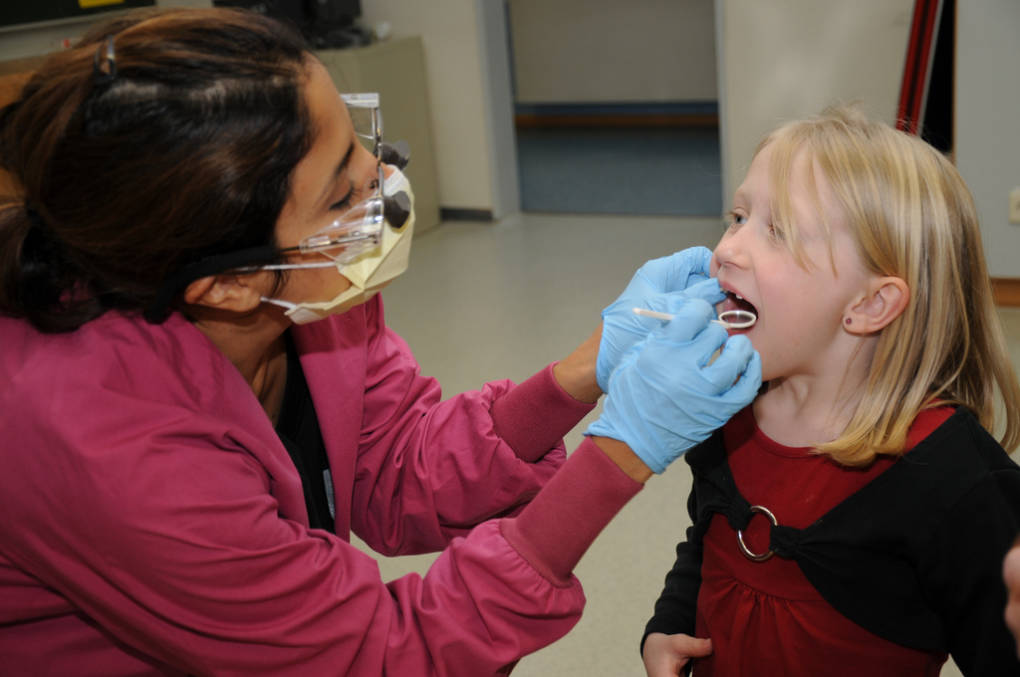
"caption": "Dentist Richard Choi volunteers his time screening students at San Francisco's public schools for overall oral health. He grew up in the Chinatown and North Beach communities and likes revisiting schools he once attended. \"I forgot how small these chairs are,\" he says.",
"description": "Dentist Richard Choi volunteers his time screening students at San Francisco's public schools for overall oral health. He grew up in the Chinatown and North Beach communities and likes revisiting schools he once attended. \"I forgot how small these chairs are,\" he says.",
"title": "RS24491_dentist4 v2-qut",
"credit": "Laura Klivans/KQED",
"status": "inherit",
"isLoading": false,
"fetchFailed": false
},
"stateofhealth_302576": {
"type": "attachments",
"id": "stateofhealth_302576",
"meta": {
"index": "attachments_1716263798",
"site": "stateofhealth",
"id": "302576",
"found": true
},
"parent": 302510,
"imgSizes": {
"small": {
"file": "https://ww2.kqed.org/app/uploads/sites/27/2017/03/RS24536_Alice-Chen-qut-520x390.jpg",
"width": 520,
"mimeType": "image/jpeg",
"height": 390
},
"twentyfourteen-full-width": {
"file": "https://ww2.kqed.org/app/uploads/sites/27/2017/03/RS24536_Alice-Chen-qut-1038x576.jpg",
"width": 1038,
"mimeType": "image/jpeg",
"height": 576
},
"thumbnail": {
"file": "https://ww2.kqed.org/app/uploads/sites/27/2017/03/RS24536_Alice-Chen-qut-160x120.jpg",
"width": 160,
"mimeType": "image/jpeg",
"height": 120
},
"fd-sm": {
"file": "https://ww2.kqed.org/app/uploads/sites/27/2017/03/RS24536_Alice-Chen-qut-960x720.jpg",
"width": 960,
"mimeType": "image/jpeg",
"height": 720
},
"post-thumbnail": {
"file": "https://ww2.kqed.org/app/uploads/sites/27/2017/03/RS24536_Alice-Chen-qut-672x372.jpg",
"width": 672,
"mimeType": "image/jpeg",
"height": 372
},
"xsmall": {
"file": "https://ww2.kqed.org/app/uploads/sites/27/2017/03/RS24536_Alice-Chen-qut-375x281.jpg",
"width": 375,
"mimeType": "image/jpeg",
"height": 281
},
"kqedFullSize": {
"file": "https://ww2.kqed.org/app/uploads/sites/27/2017/03/RS24536_Alice-Chen-qut.jpg",
"width": 1920,
"height": 1440
},
"large": {
"file": "https://ww2.kqed.org/app/uploads/sites/27/2017/03/RS24536_Alice-Chen-qut-1020x765.jpg",
"width": 1020,
"mimeType": "image/jpeg",
"height": 765
},
"xlarge": {
"file": "https://ww2.kqed.org/app/uploads/sites/27/2017/03/RS24536_Alice-Chen-qut-1180x885.jpg",
"width": 1180,
"mimeType": "image/jpeg",
"height": 885
},
"guest-author-50": {
"file": "https://ww2.kqed.org/app/uploads/sites/27/2017/03/RS24536_Alice-Chen-qut-50x50.jpg",
"width": 50,
"mimeType": "image/jpeg",
"height": 50
},
"guest-author-96": {
"file": "https://ww2.kqed.org/app/uploads/sites/27/2017/03/RS24536_Alice-Chen-qut-96x96.jpg",
"width": 96,
"mimeType": "image/jpeg",
"height": 96
},
"medium": {
"file": "https://ww2.kqed.org/app/uploads/sites/27/2017/03/RS24536_Alice-Chen-qut-800x600.jpg",
"width": 800,
"mimeType": "image/jpeg",
"height": 600
},
"guest-author-64": {
"file": "https://ww2.kqed.org/app/uploads/sites/27/2017/03/RS24536_Alice-Chen-qut-64x64.jpg",
"width": 64,
"mimeType": "image/jpeg",
"height": 64
},
"guest-author-32": {
"file": "https://ww2.kqed.org/app/uploads/sites/27/2017/03/RS24536_Alice-Chen-qut-32x32.jpg",
"width": 32,
"mimeType": "image/jpeg",
"height": 32
},
"fd-lrg": {
"file": "https://ww2.kqed.org/app/uploads/sites/27/2017/03/RS24536_Alice-Chen-qut-1920x1440.jpg",
"width": 1920,
"mimeType": "image/jpeg",
"height": 1440
},
"fd-med": {
"file": "https://ww2.kqed.org/app/uploads/sites/27/2017/03/RS24536_Alice-Chen-qut-1180x885.jpg",
"width": 1180,
"mimeType": "image/jpeg",
"height": 885
},
"full-width": {
"file": "https://ww2.kqed.org/app/uploads/sites/27/2017/03/RS24536_Alice-Chen-qut-1920x1440.jpg",
"width": 1920,
"mimeType": "image/jpeg",
"height": 1440
},
"detail": {
"file": "https://ww2.kqed.org/app/uploads/sites/27/2017/03/RS24536_Alice-Chen-qut-150x150.jpg",
"width": 150,
"mimeType": "image/jpeg",
"height": 150
},
"medium_large": {
"file": "https://ww2.kqed.org/app/uploads/sites/27/2017/03/RS24536_Alice-Chen-qut-768x576.jpg",
"width": 768,
"mimeType": "image/jpeg",
"height": 576
},
"guest-author-128": {
"file": "https://ww2.kqed.org/app/uploads/sites/27/2017/03/RS24536_Alice-Chen-qut-128x128.jpg",
"width": 128,
"mimeType": "image/jpeg",
"height": 128
},
"xxsmall": {
"file": "https://ww2.kqed.org/app/uploads/sites/27/2017/03/RS24536_Alice-Chen-qut-240x180.jpg",
"width": 240,
"mimeType": "image/jpeg",
"height": 180
}
},
"publishDate": 1489024027,
"modified": 1489540153,
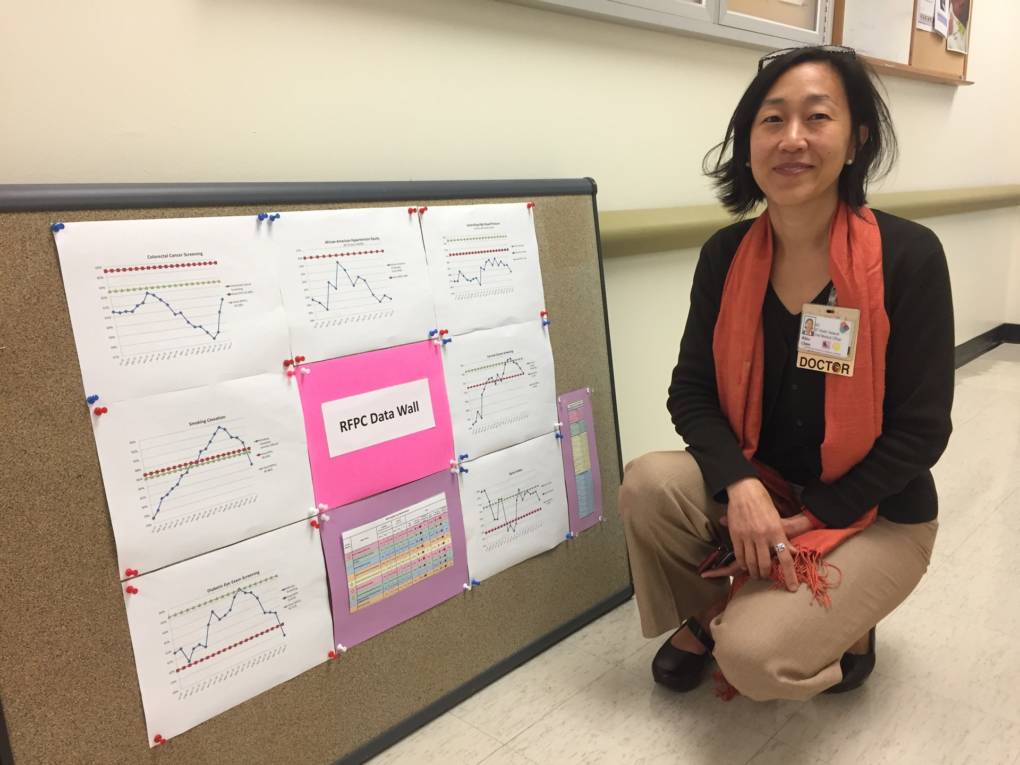
"caption": "Dr. Alice Chen kneels by charts she uses to analyze the efficacy of her clinic at Zuckerberg San Francisco General Hospital. She says initiatives like this are possible through the additional funds the hospital receives through the Affordable Care Act.",
"description": "Doctor Alice Chen kneels by charts she uses to analyze the efficacy of her clinic at Zuckerberg San Francisco General Hospital. She says initiatives like this are possible through the additional funds the hospital receives through the Affordable Care Act.",
"title": "RS24536_Alice Chen-qut",
"credit": "Laura Klivans/KQED",
"status": "inherit",
"isLoading": false,
"fetchFailed": false
},
"stateofhealth_297751": {
"type": "attachments",
"id": "stateofhealth_297751",
"meta": {
"index": "attachments_1716263798",
"site": "stateofhealth",
"id": "297751",
"found": true
},
"parent": 297748,
"imgSizes": {
"small": {
"file": "https://ww2.kqed.org/app/uploads/sites/27/2017/02/san-mateo-hospital-thermometer-770-520x346.jpg",
"width": 520,
"mimeType": "image/jpeg",
"height": 346
},
"thumbnail": {
"file": "https://ww2.kqed.org/app/uploads/sites/27/2017/02/san-mateo-hospital-thermometer-770-160x106.jpg",
"width": 160,
"mimeType": "image/jpeg",
"height": 106
},
"post-thumbnail": {
"file": "https://ww2.kqed.org/app/uploads/sites/27/2017/02/san-mateo-hospital-thermometer-770-672x372.jpg",
"width": 672,
"mimeType": "image/jpeg",
"height": 372
},
"xsmall": {
"file": "https://ww2.kqed.org/app/uploads/sites/27/2017/02/san-mateo-hospital-thermometer-770-375x249.jpg",
"width": 375,
"mimeType": "image/jpeg",
"height": 249
},
"kqedFullSize": {
"file": "https://ww2.kqed.org/app/uploads/sites/27/2017/02/san-mateo-hospital-thermometer-770.jpg",
"width": 770,
"height": 512
},
"guest-author-50": {
"file": "https://ww2.kqed.org/app/uploads/sites/27/2017/02/san-mateo-hospital-thermometer-770-50x50.jpg",
"width": 50,
"mimeType": "image/jpeg",
"height": 50
},
"guest-author-96": {
"file": "https://ww2.kqed.org/app/uploads/sites/27/2017/02/san-mateo-hospital-thermometer-770-96x96.jpg",
"width": 96,
"mimeType": "image/jpeg",
"height": 96
},
"guest-author-64": {
"file": "https://ww2.kqed.org/app/uploads/sites/27/2017/02/san-mateo-hospital-thermometer-770-64x64.jpg",
"width": 64,
"mimeType": "image/jpeg",
"height": 64
},
"guest-author-32": {
"file": "https://ww2.kqed.org/app/uploads/sites/27/2017/02/san-mateo-hospital-thermometer-770-32x32.jpg",
"width": 32,
"mimeType": "image/jpeg",
"height": 32
},
"detail": {
"file": "https://ww2.kqed.org/app/uploads/sites/27/2017/02/san-mateo-hospital-thermometer-770-150x150.jpg",
"width": 150,
"mimeType": "image/jpeg",
"height": 150
},
"medium_large": {
"file": "https://ww2.kqed.org/app/uploads/sites/27/2017/02/san-mateo-hospital-thermometer-770-768x511.jpg",
"width": 768,
"mimeType": "image/jpeg",
"height": 511
},
"guest-author-128": {
"file": "https://ww2.kqed.org/app/uploads/sites/27/2017/02/san-mateo-hospital-thermometer-770-128x128.jpg",
"width": 128,
"mimeType": "image/jpeg",
"height": 128
},
"xxsmall": {
"file": "https://ww2.kqed.org/app/uploads/sites/27/2017/02/san-mateo-hospital-thermometer-770-240x160.jpg",
"width": 240,
"mimeType": "image/jpeg",
"height": 160
}
},
"publishDate": 1487963838,
"modified": 1487963860,
"caption": "Marla Muniz, 46, came to a clinic at the San Mateo Medical Center for a physical and treatment for worsening pain in her shoulders and arm. She became eligible for Medi-Cal under the Affordable Care Act and said she couldn’t afford to go to the doctor if her coverage is taken away. ",
"description": null,
"title": "san-mateo-hospital-thermometer-770",
"credit": "Anna Gorman/Kaiser Health News",
"status": "inherit",
"isLoading": false,
"fetchFailed": false
},
"stateofhealth_291429": {
"type": "attachments",
"id": "stateofhealth_291429",
"meta": {
"index": "attachments_1716263798",
"site": "stateofhealth",
"id": "291429",
"found": true
},
"parent": 291413,
"imgSizes": {
"small": {
"file": "https://ww2.kqed.org/app/uploads/sites/27/2017/02/Nuwintore1-520x390.jpg",
"width": 520,
"mimeType": "image/jpeg",
"height": 390
},
"twentyfourteen-full-width": {
"file": "https://ww2.kqed.org/app/uploads/sites/27/2017/02/Nuwintore1-1038x576.jpg",
"width": 1038,
"mimeType": "image/jpeg",
"height": 576
},
"thumbnail": {
"file": "https://ww2.kqed.org/app/uploads/sites/27/2017/02/Nuwintore1-160x120.jpg",
"width": 160,
"mimeType": "image/jpeg",
"height": 120
},
"fd-sm": {
"file": "https://ww2.kqed.org/app/uploads/sites/27/2017/02/Nuwintore1-960x720.jpg",
"width": 960,
"mimeType": "image/jpeg",
"height": 720
},
"post-thumbnail": {
"file": "https://ww2.kqed.org/app/uploads/sites/27/2017/02/Nuwintore1-672x372.jpg",
"width": 672,
"mimeType": "image/jpeg",
"height": 372
},
"xsmall": {
"file": "https://ww2.kqed.org/app/uploads/sites/27/2017/02/Nuwintore1-375x281.jpg",
"width": 375,
"mimeType": "image/jpeg",
"height": 281
},
"kqedFullSize": {
"file": "https://ww2.kqed.org/app/uploads/sites/27/2017/02/Nuwintore1.jpg",
"width": 2876,
"height": 2157
},
"large": {
"file": "https://ww2.kqed.org/app/uploads/sites/27/2017/02/Nuwintore1-1020x765.jpg",
"width": 1020,
"mimeType": "image/jpeg",
"height": 765
},
"xlarge": {
"file": "https://ww2.kqed.org/app/uploads/sites/27/2017/02/Nuwintore1-1180x885.jpg",
"width": 1180,
"mimeType": "image/jpeg",
"height": 885
},
"guest-author-50": {
"file": "https://ww2.kqed.org/app/uploads/sites/27/2017/02/Nuwintore1-50x50.jpg",
"width": 50,
"mimeType": "image/jpeg",
"height": 50
},
"guest-author-96": {
"file": "https://ww2.kqed.org/app/uploads/sites/27/2017/02/Nuwintore1-96x96.jpg",
"width": 96,
"mimeType": "image/jpeg",
"height": 96
},
"medium": {
"file": "https://ww2.kqed.org/app/uploads/sites/27/2017/02/Nuwintore1-800x600.jpg",
"width": 800,
"mimeType": "image/jpeg",
"height": 600
},
"guest-author-64": {
"file": "https://ww2.kqed.org/app/uploads/sites/27/2017/02/Nuwintore1-64x64.jpg",
"width": 64,
"mimeType": "image/jpeg",
"height": 64
},
"guest-author-32": {
"file": "https://ww2.kqed.org/app/uploads/sites/27/2017/02/Nuwintore1-32x32.jpg",
"width": 32,
"mimeType": "image/jpeg",
"height": 32
},
"fd-lrg": {
"file": "https://ww2.kqed.org/app/uploads/sites/27/2017/02/Nuwintore1-1920x1440.jpg",
"width": 1920,
"mimeType": "image/jpeg",
"height": 1440
},
"fd-med": {
"file": "https://ww2.kqed.org/app/uploads/sites/27/2017/02/Nuwintore1-1180x885.jpg",
"width": 1180,
"mimeType": "image/jpeg",
"height": 885
},
"full-width": {
"file": "https://ww2.kqed.org/app/uploads/sites/27/2017/02/Nuwintore1-1920x1440.jpg",
"width": 1920,
"mimeType": "image/jpeg",
"height": 1440
},
"detail": {
"file": "https://ww2.kqed.org/app/uploads/sites/27/2017/02/Nuwintore1-150x150.jpg",
"width": 150,
"mimeType": "image/jpeg",
"height": 150
},
"medium_large": {
"file": "https://ww2.kqed.org/app/uploads/sites/27/2017/02/Nuwintore1-768x576.jpg",
"width": 768,
"mimeType": "image/jpeg",
"height": 576
},
"guest-author-128": {
"file": "https://ww2.kqed.org/app/uploads/sites/27/2017/02/Nuwintore1-128x128.jpg",
"width": 128,
"mimeType": "image/jpeg",
"height": 128
},
"xxsmall": {
"file": "https://ww2.kqed.org/app/uploads/sites/27/2017/02/Nuwintore1-240x180.jpg",
"width": 240,
"mimeType": "image/jpeg",
"height": 180
}
},
"publishDate": 1486503882,
"modified": 1486578759,
"caption": "Five years after his diagnosis, Richard Nuwintore suffers severe stomach pain and fatigue from the antifungal pills he takes twice every day.",
"description": null,
"title": "Nuwintore1",
"credit": "Kerry Klein/Valley Public Radio",
"status": "inherit",
"isLoading": false,
"fetchFailed": false
},
"stateofhealth_274996": {
"type": "attachments",
"id": "stateofhealth_274996",
"meta": {
"index": "attachments_1716263798",
"site": "stateofhealth",
"id": "274996",
"found": true
},
"parent": 274976,
"imgSizes": {
"small": {
"file": "https://ww2.kqed.org/app/uploads/sites/27/2016/12/Jay-Zimmerman-and-dad-520x390.jpg",
"width": 520,
"mimeType": "image/jpeg",
"height": 390
},
"twentyfourteen-full-width": {
"file": "https://ww2.kqed.org/app/uploads/sites/27/2016/12/Jay-Zimmerman-and-dad-1038x576.jpg",
"width": 1038,
"mimeType": "image/jpeg",
"height": 576
},
"thumbnail": {
"file": "https://ww2.kqed.org/app/uploads/sites/27/2016/12/Jay-Zimmerman-and-dad-160x120.jpg",
"width": 160,
"mimeType": "image/jpeg",
"height": 120
},
"fd-sm": {
"file": "https://ww2.kqed.org/app/uploads/sites/27/2016/12/Jay-Zimmerman-and-dad-960x720.jpg",
"width": 960,
"mimeType": "image/jpeg",
"height": 720
},
"post-thumbnail": {
"file": "https://ww2.kqed.org/app/uploads/sites/27/2016/12/Jay-Zimmerman-and-dad-672x372.jpg",
"width": 672,
"mimeType": "image/jpeg",
"height": 372
},
"xsmall": {
"file": "https://ww2.kqed.org/app/uploads/sites/27/2016/12/Jay-Zimmerman-and-dad-375x281.jpg",
"width": 375,
"mimeType": "image/jpeg",
"height": 281
},
"kqedFullSize": {
"file": "https://ww2.kqed.org/app/uploads/sites/27/2016/12/Jay-Zimmerman-and-dad-e1482453249308.jpg",
"width": 1920,
"height": 1441
},
"large": {
"file": "https://ww2.kqed.org/app/uploads/sites/27/2016/12/Jay-Zimmerman-and-dad-1020x765.jpg",
"width": 1020,
"mimeType": "image/jpeg",
"height": 765
},
"xlarge": {
"file": "https://ww2.kqed.org/app/uploads/sites/27/2016/12/Jay-Zimmerman-and-dad-1180x885.jpg",
"width": 1180,
"mimeType": "image/jpeg",
"height": 885
},
"guest-author-50": {
"file": "https://ww2.kqed.org/app/uploads/sites/27/2016/12/Jay-Zimmerman-and-dad-50x50.jpg",
"width": 50,
"mimeType": "image/jpeg",
"height": 50
},
"guest-author-96": {
"file": "https://ww2.kqed.org/app/uploads/sites/27/2016/12/Jay-Zimmerman-and-dad-96x96.jpg",
"width": 96,
"mimeType": "image/jpeg",
"height": 96
},
"medium": {
"file": "https://ww2.kqed.org/app/uploads/sites/27/2016/12/Jay-Zimmerman-and-dad-800x600.jpg",
"width": 800,
"mimeType": "image/jpeg",
"height": 600
},
"guest-author-64": {
"file": "https://ww2.kqed.org/app/uploads/sites/27/2016/12/Jay-Zimmerman-and-dad-64x64.jpg",
"width": 64,
"mimeType": "image/jpeg",
"height": 64
},
"guest-author-32": {
"file": "https://ww2.kqed.org/app/uploads/sites/27/2016/12/Jay-Zimmerman-and-dad-32x32.jpg",
"width": 32,
"mimeType": "image/jpeg",
"height": 32
},
"jmtc-small-thumb": {
"file": "https://ww2.kqed.org/app/uploads/sites/27/2016/12/Jay-Zimmerman-and-dad-280x150.jpg",
"width": 280,
"mimeType": "image/jpeg",
"height": 150
},
"fd-lrg": {
"file": "https://ww2.kqed.org/app/uploads/sites/27/2016/12/Jay-Zimmerman-and-dad-1920x1441.jpg",
"width": 1920,
"mimeType": "image/jpeg",
"height": 1441
},
"fd-med": {
"file": "https://ww2.kqed.org/app/uploads/sites/27/2016/12/Jay-Zimmerman-and-dad-1180x885.jpg",
"width": 1180,
"mimeType": "image/jpeg",
"height": 885
},
"full-width": {
"file": "https://ww2.kqed.org/app/uploads/sites/27/2016/12/Jay-Zimmerman-and-dad-1920x1441.jpg",
"width": 1920,
"mimeType": "image/jpeg",
"height": 1441
},
"detail": {
"file": "https://ww2.kqed.org/app/uploads/sites/27/2016/12/Jay-Zimmerman-and-dad-150x150.jpg",
"width": 150,
"mimeType": "image/jpeg",
"height": 150
},
"medium_large": {
"file": "https://ww2.kqed.org/app/uploads/sites/27/2016/12/Jay-Zimmerman-and-dad-768x576.jpg",
"width": 768,
"mimeType": "image/jpeg",
"height": 576
},
"guest-author-128": {
"file": "https://ww2.kqed.org/app/uploads/sites/27/2016/12/Jay-Zimmerman-and-dad-128x128.jpg",
"width": 128,
"mimeType": "image/jpeg",
"height": 128
},
"xxsmall": {
"file": "https://ww2.kqed.org/app/uploads/sites/27/2016/12/Jay-Zimmerman-and-dad-240x180.jpg",
"width": 240,
"mimeType": "image/jpeg",
"height": 180
}
},
"publishDate": 1482453183,
"modified": 1482454560,
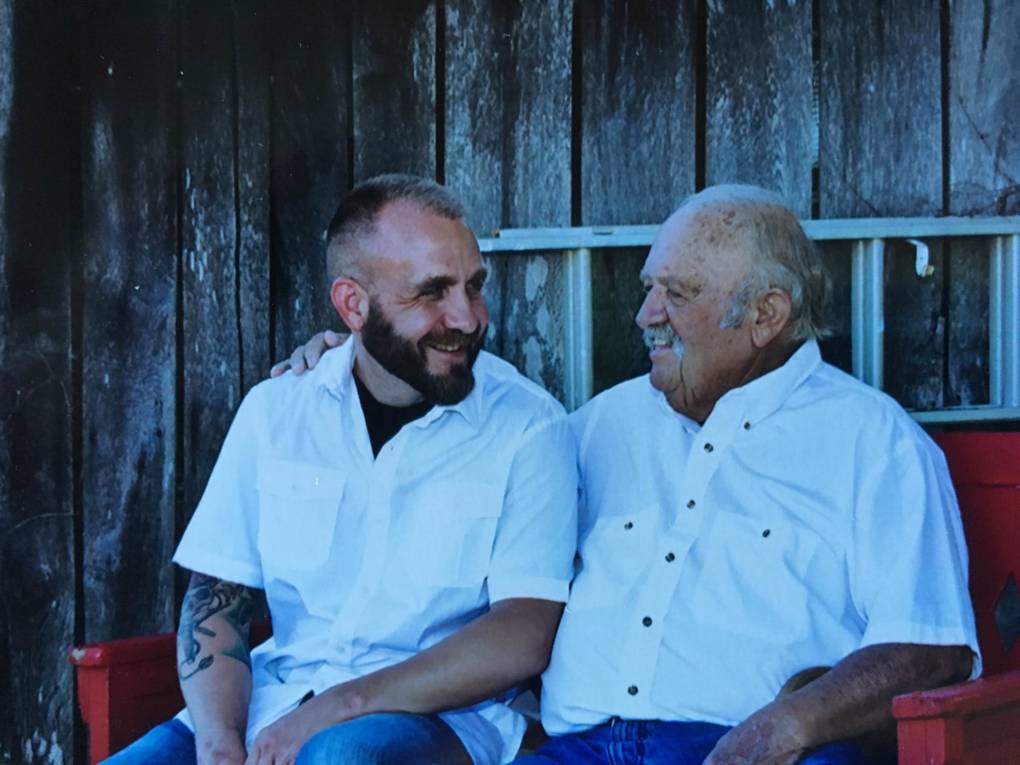
"caption": "VA peer counselor Jay Zimmerman (left) with his dad, also a vet, at home in Tennessee. If Zimmerman feels depressed, he asks his friends (and his dad, before he died) to hold onto his guns for him until he feels better.",
"description": null,
"title": "jay-zimmerman-and-dad",
"credit": "Photo Courtesy of Jay Zimmerman",
"status": "inherit",
"isLoading": false,
"fetchFailed": false
},
"stateofhealth_280736": {
"type": "attachments",
"id": "stateofhealth_280736",
"meta": {
"index": "attachments_1716263798",
"site": "stateofhealth",
"id": "280736",
"found": true
},
"parent": 280735,
"imgSizes": {
"small": {
"file": "https://ww2.kqed.org/app/uploads/sites/27/2017/01/alzheimer-gene-11-520x347.jpg",
"width": 520,
"mimeType": "image/jpeg",
"height": 347
},
"twentyfourteen-full-width": {
"file": "https://ww2.kqed.org/app/uploads/sites/27/2017/01/alzheimer-gene-11-1038x576.jpg",
"width": 1038,
"mimeType": "image/jpeg",
"height": 576
},
"thumbnail": {
"file": "https://ww2.kqed.org/app/uploads/sites/27/2017/01/alzheimer-gene-11-160x107.jpg",
"width": 160,
"mimeType": "image/jpeg",
"height": 107
},
"fd-sm": {
"file": "https://ww2.kqed.org/app/uploads/sites/27/2017/01/alzheimer-gene-11-960x641.jpg",
"width": 960,
"mimeType": "image/jpeg",
"height": 641
},
"post-thumbnail": {
"file": "https://ww2.kqed.org/app/uploads/sites/27/2017/01/alzheimer-gene-11-672x372.jpg",
"width": 672,
"mimeType": "image/jpeg",
"height": 372
},
"xsmall": {
"file": "https://ww2.kqed.org/app/uploads/sites/27/2017/01/alzheimer-gene-11-375x250.jpg",
"width": 375,
"mimeType": "image/jpeg",
"height": 250
},
"kqedFullSize": {
"file": "https://ww2.kqed.org/app/uploads/sites/27/2017/01/alzheimer-gene-11-e1483583358257.jpg",
"width": 1920,
"height": 1281
},
"large": {
"file": "https://ww2.kqed.org/app/uploads/sites/27/2017/01/alzheimer-gene-11-1020x681.jpg",
"width": 1020,
"mimeType": "image/jpeg",
"height": 681
},
"xlarge": {
"file": "https://ww2.kqed.org/app/uploads/sites/27/2017/01/alzheimer-gene-11-1180x788.jpg",
"width": 1180,
"mimeType": "image/jpeg",
"height": 788
},
"guest-author-50": {
"file": "https://ww2.kqed.org/app/uploads/sites/27/2017/01/alzheimer-gene-11-50x50.jpg",
"width": 50,
"mimeType": "image/jpeg",
"height": 50
},
"guest-author-96": {
"file": "https://ww2.kqed.org/app/uploads/sites/27/2017/01/alzheimer-gene-11-96x96.jpg",
"width": 96,
"mimeType": "image/jpeg",
"height": 96
},
"medium": {
"file": "https://ww2.kqed.org/app/uploads/sites/27/2017/01/alzheimer-gene-11-800x534.jpg",
"width": 800,
"mimeType": "image/jpeg",
"height": 534
},
"guest-author-64": {
"file": "https://ww2.kqed.org/app/uploads/sites/27/2017/01/alzheimer-gene-11-64x64.jpg",
"width": 64,
"mimeType": "image/jpeg",
"height": 64
},
"guest-author-32": {
"file": "https://ww2.kqed.org/app/uploads/sites/27/2017/01/alzheimer-gene-11-32x32.jpg",
"width": 32,
"mimeType": "image/jpeg",
"height": 32
},
"jmtc-small-thumb": {
"file": "https://ww2.kqed.org/app/uploads/sites/27/2017/01/alzheimer-gene-11-280x150.jpg",
"width": 280,
"mimeType": "image/jpeg",
"height": 150
},
"fd-lrg": {
"file": "https://ww2.kqed.org/app/uploads/sites/27/2017/01/alzheimer-gene-11-1920x1281.jpg",
"width": 1920,
"mimeType": "image/jpeg",
"height": 1281
},
"fd-med": {
"file": "https://ww2.kqed.org/app/uploads/sites/27/2017/01/alzheimer-gene-11-1180x788.jpg",
"width": 1180,
"mimeType": "image/jpeg",
"height": 788
},
"full-width": {
"file": "https://ww2.kqed.org/app/uploads/sites/27/2017/01/alzheimer-gene-11-1920x1281.jpg",
"width": 1920,
"mimeType": "image/jpeg",
"height": 1281
},
"detail": {
"file": "https://ww2.kqed.org/app/uploads/sites/27/2017/01/alzheimer-gene-11-150x150.jpg",
"width": 150,
"mimeType": "image/jpeg",
"height": 150
},
"medium_large": {
"file": "https://ww2.kqed.org/app/uploads/sites/27/2017/01/alzheimer-gene-11-768x513.jpg",
"width": 768,
"mimeType": "image/jpeg",
"height": 513
},
"guest-author-128": {
"file": "https://ww2.kqed.org/app/uploads/sites/27/2017/01/alzheimer-gene-11-128x128.jpg",
"width": 128,
"mimeType": "image/jpeg",
"height": 128
},
"xxsmall": {
"file": "https://ww2.kqed.org/app/uploads/sites/27/2017/01/alzheimer-gene-11-240x160.jpg",
"width": 240,
"mimeType": "image/jpeg",
"height": 160
}
},
"publishDate": 1483583207,
"modified": 1483583287,
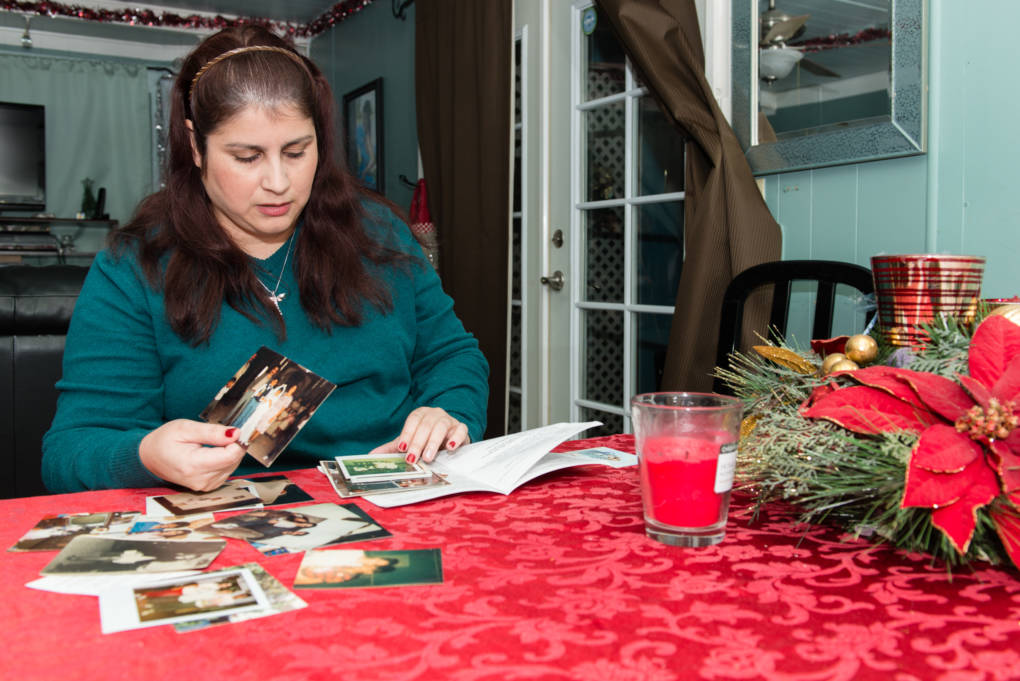
"caption": "Rosemary Navarro, 40, has a rare kind of early onset Alzheimer’s disease that researchers believe traces back to one individual family from Jalisco, Mexico. Navarro looks through old childhood photographs to find a picture of her mother, Rosa Maria Navarro, who also had the familial version of the disease.",
"description": null,
"title": "alzheimer-gene-11",
"credit": "Heidi de Marco/Kaiser Health News",
"status": "inherit",
"isLoading": false,
"fetchFailed": false
},
"stateofhealth_222204": {
"type": "attachments",
"id": "stateofhealth_222204",
"meta": {
"index": "attachments_1716263798",
"site": "stateofhealth",
"id": "222204",
"found": true
},
"parent": 221443,
"imgSizes": {
"twentyfourteen-full-width": {
"file": "https://ww2.kqed.org/app/uploads/sites/27/2016/08/RS20603_Sagayuk2-qut-1038x576.jpg",
"width": 1038,
"mimeType": "image/jpeg",
"height": 576
},
"thumbnail": {
"file": "https://ww2.kqed.org/app/uploads/sites/27/2016/08/RS20603_Sagayuk2-qut-400x274.jpg",
"width": 400,
"mimeType": "image/jpeg",
"height": 274
},
"fd-sm": {
"file": "https://ww2.kqed.org/app/uploads/sites/27/2016/08/RS20603_Sagayuk2-qut-960x657.jpg",
"width": 960,
"mimeType": "image/jpeg",
"height": 657
},
"post-thumbnail": {
"file": "https://ww2.kqed.org/app/uploads/sites/27/2016/08/RS20603_Sagayuk2-qut-672x372.jpg",
"width": 672,
"mimeType": "image/jpeg",
"height": 372
},
"kqedFullSize": {
"file": "https://ww2.kqed.org/app/uploads/sites/27/2016/08/RS20603_Sagayuk2-qut.jpg",
"width": 1920,
"height": 1313
},
"large": {
"file": "https://ww2.kqed.org/app/uploads/sites/27/2016/08/RS20603_Sagayuk2-qut-1440x985.jpg",
"width": 1440,
"mimeType": "image/jpeg",
"height": 985
},
"guest-author-50": {
"file": "https://ww2.kqed.org/app/uploads/sites/27/2016/08/RS20603_Sagayuk2-qut-50x50.jpg",
"width": 50,
"mimeType": "image/jpeg",
"height": 50
},
"guest-author-96": {
"file": "https://ww2.kqed.org/app/uploads/sites/27/2016/08/RS20603_Sagayuk2-qut-96x96.jpg",
"width": 96,
"mimeType": "image/jpeg",
"height": 96
},
"medium": {
"file": "https://ww2.kqed.org/app/uploads/sites/27/2016/08/RS20603_Sagayuk2-qut-800x547.jpg",
"width": 800,
"mimeType": "image/jpeg",
"height": 547
},
"guest-author-64": {
"file": "https://ww2.kqed.org/app/uploads/sites/27/2016/08/RS20603_Sagayuk2-qut-64x64.jpg",
"width": 64,
"mimeType": "image/jpeg",
"height": 64
},
"guest-author-32": {
"file": "https://ww2.kqed.org/app/uploads/sites/27/2016/08/RS20603_Sagayuk2-qut-32x32.jpg",
"width": 32,
"mimeType": "image/jpeg",
"height": 32
},
"jmtc-small-thumb": {
"file": "https://ww2.kqed.org/app/uploads/sites/27/2016/08/RS20603_Sagayuk2-qut-280x150.jpg",
"width": 280,
"mimeType": "image/jpeg",
"height": 150
},
"fd-lrg": {
"file": "https://ww2.kqed.org/app/uploads/sites/27/2016/08/RS20603_Sagayuk2-qut-1920x1313.jpg",
"width": 1920,
"mimeType": "image/jpeg",
"height": 1313
},
"fd-med": {
"file": "https://ww2.kqed.org/app/uploads/sites/27/2016/08/RS20603_Sagayuk2-qut-1180x807.jpg",
"width": 1180,
"mimeType": "image/jpeg",
"height": 807
},
"detail": {
"file": "https://ww2.kqed.org/app/uploads/sites/27/2016/08/RS20603_Sagayuk2-qut-150x150.jpg",
"width": 150,
"mimeType": "image/jpeg",
"height": 150
},
"medium_large": {
"file": "https://ww2.kqed.org/app/uploads/sites/27/2016/08/RS20603_Sagayuk2-qut-768x525.jpg",
"width": 768,
"mimeType": "image/jpeg",
"height": 525
},
"guest-author-128": {
"file": "https://ww2.kqed.org/app/uploads/sites/27/2016/08/RS20603_Sagayuk2-qut-128x128.jpg",
"width": 128,
"mimeType": "image/jpeg",
"height": 128
}
},
"publishDate": 1470626405,
"modified": 1470626520,
"caption": "Young Washoe women play the game Sigayuk. They battle for control of a short rope with their aspen tree trunks, hoping to score a goal. ",
"description": "Young Washoe women play the game Sigayuk. They battle for control of a short rope with their aspen tree trunks, hoping to score a goal. ",
"title": "RS20603_Sagayuk2-qut",
"credit": null,
"status": "inherit",
"isLoading": false,
"fetchFailed": false
},
"stateofhealth_277009": {
"type": "attachments",
"id": "stateofhealth_277009",
"meta": {
"index": "attachments_1716263798",
"site": "stateofhealth",
"id": "277009",
"found": true
},
"parent": 275384,
"imgSizes": {
"small": {
"file": "https://ww2.kqed.org/app/uploads/sites/27/2016/12/beretta-520x389.jpg",
"width": 520,
"mimeType": "image/jpeg",
"height": 389
},
"twentyfourteen-full-width": {
"file": "https://ww2.kqed.org/app/uploads/sites/27/2016/12/beretta-1038x576.jpg",
"width": 1038,
"mimeType": "image/jpeg",
"height": 576
},
"thumbnail": {
"file": "https://ww2.kqed.org/app/uploads/sites/27/2016/12/beretta-160x120.jpg",
"width": 160,
"mimeType": "image/jpeg",
"height": 120
},
"fd-sm": {
"file": "https://ww2.kqed.org/app/uploads/sites/27/2016/12/beretta-960x719.jpg",
"width": 960,
"mimeType": "image/jpeg",
"height": 719
},
"post-thumbnail": {
"file": "https://ww2.kqed.org/app/uploads/sites/27/2016/12/beretta-672x372.jpg",
"width": 672,
"mimeType": "image/jpeg",
"height": 372
},
"xsmall": {
"file": "https://ww2.kqed.org/app/uploads/sites/27/2016/12/beretta-375x281.jpg",
"width": 375,
"mimeType": "image/jpeg",
"height": 281
},
"kqedFullSize": {
"file": "https://ww2.kqed.org/app/uploads/sites/27/2016/12/beretta.jpg",
"width": 1920,
"height": 1438
},
"large": {
"file": "https://ww2.kqed.org/app/uploads/sites/27/2016/12/beretta-1020x764.jpg",
"width": 1020,
"mimeType": "image/jpeg",
"height": 764
},
"xlarge": {
"file": "https://ww2.kqed.org/app/uploads/sites/27/2016/12/beretta-1180x884.jpg",
"width": 1180,
"mimeType": "image/jpeg",
"height": 884
},
"guest-author-50": {
"file": "https://ww2.kqed.org/app/uploads/sites/27/2016/12/beretta-50x50.jpg",
"width": 50,
"mimeType": "image/jpeg",
"height": 50
},
"guest-author-96": {
"file": "https://ww2.kqed.org/app/uploads/sites/27/2016/12/beretta-96x96.jpg",
"width": 96,
"mimeType": "image/jpeg",
"height": 96
},
"medium": {
"file": "https://ww2.kqed.org/app/uploads/sites/27/2016/12/beretta-800x599.jpg",
"width": 800,
"mimeType": "image/jpeg",
"height": 599
},
"guest-author-64": {
"file": "https://ww2.kqed.org/app/uploads/sites/27/2016/12/beretta-64x64.jpg",
"width": 64,
"mimeType": "image/jpeg",
"height": 64
},
"guest-author-32": {
"file": "https://ww2.kqed.org/app/uploads/sites/27/2016/12/beretta-32x32.jpg",
"width": 32,
"mimeType": "image/jpeg",
"height": 32
},
"jmtc-small-thumb": {
"file": "https://ww2.kqed.org/app/uploads/sites/27/2016/12/beretta-280x150.jpg",
"width": 280,
"mimeType": "image/jpeg",
"height": 150
},
"fd-lrg": {
"file": "https://ww2.kqed.org/app/uploads/sites/27/2016/12/beretta-1920x1438.jpg",
"width": 1920,
"mimeType": "image/jpeg",
"height": 1438
},
"fd-med": {
"file": "https://ww2.kqed.org/app/uploads/sites/27/2016/12/beretta-1180x884.jpg",
"width": 1180,
"mimeType": "image/jpeg",
"height": 884
},
"full-width": {
"file": "https://ww2.kqed.org/app/uploads/sites/27/2016/12/beretta-1920x1438.jpg",
"width": 1920,
"mimeType": "image/jpeg",
"height": 1438
},
"detail": {
"file": "https://ww2.kqed.org/app/uploads/sites/27/2016/12/beretta-150x150.jpg",
"width": 150,
"mimeType": "image/jpeg",
"height": 150
},
"medium_large": {
"file": "https://ww2.kqed.org/app/uploads/sites/27/2016/12/beretta-768x575.jpg",
"width": 768,
"mimeType": "image/jpeg",
"height": 575
},
"guest-author-128": {
"file": "https://ww2.kqed.org/app/uploads/sites/27/2016/12/beretta-128x128.jpg",
"width": 128,
"mimeType": "image/jpeg",
"height": 128
},
"xxsmall": {
"file": "https://ww2.kqed.org/app/uploads/sites/27/2016/12/beretta-240x180.jpg",
"width": 240,
"mimeType": "image/jpeg",
"height": 180
}
},
"publishDate": 1482868717,
"modified": 1482881034,
"caption": "Richard Howell is the general manager at Olde West Gun & Loan, a shop in Redding, California, that displays suicide prevention brochures. ",
"description": null,
"title": "beretta",
"credit": "April Dembosky/KQED",
"status": "inherit",
"isLoading": false,
"fetchFailed": false
},
"stateofhealth_274934": {
"type": "attachments",
"id": "stateofhealth_274934",
"meta": {
"index": "attachments_1716263798",
"site": "stateofhealth",
"id": "274934",
"found": true
},
"parent": 274932,
"imgSizes": {
"small": {
"file": "https://ww2.kqed.org/app/uploads/sites/27/2016/12/Skid-Row-Homeless-Man-520x346.jpg",
"width": 520,
"mimeType": "image/jpeg",
"height": 346
},
"thumbnail": {
"file": "https://ww2.kqed.org/app/uploads/sites/27/2016/12/Skid-Row-Homeless-Man-160x107.jpg",
"width": 160,
"mimeType": "image/jpeg",
"height": 107
},
"post-thumbnail": {
"file": "https://ww2.kqed.org/app/uploads/sites/27/2016/12/Skid-Row-Homeless-Man-672x372.jpg",
"width": 672,
"mimeType": "image/jpeg",
"height": 372
},
"xsmall": {
"file": "https://ww2.kqed.org/app/uploads/sites/27/2016/12/Skid-Row-Homeless-Man-375x250.jpg",
"width": 375,
"mimeType": "image/jpeg",
"height": 250
},
"kqedFullSize": {
"file": "https://ww2.kqed.org/app/uploads/sites/27/2016/12/Skid-Row-Homeless-Man.jpg",
"width": 770,
"height": 513
},
"guest-author-50": {
"file": "https://ww2.kqed.org/app/uploads/sites/27/2016/12/Skid-Row-Homeless-Man-50x50.jpg",
"width": 50,
"mimeType": "image/jpeg",
"height": 50
},
"guest-author-96": {
"file": "https://ww2.kqed.org/app/uploads/sites/27/2016/12/Skid-Row-Homeless-Man-96x96.jpg",
"width": 96,
"mimeType": "image/jpeg",
"height": 96
},
"guest-author-64": {
"file": "https://ww2.kqed.org/app/uploads/sites/27/2016/12/Skid-Row-Homeless-Man-64x64.jpg",
"width": 64,
"mimeType": "image/jpeg",
"height": 64
},
"guest-author-32": {
"file": "https://ww2.kqed.org/app/uploads/sites/27/2016/12/Skid-Row-Homeless-Man-32x32.jpg",
"width": 32,
"mimeType": "image/jpeg",
"height": 32
},
"jmtc-small-thumb": {
"file": "https://ww2.kqed.org/app/uploads/sites/27/2016/12/Skid-Row-Homeless-Man-280x150.jpg",
"width": 280,
"mimeType": "image/jpeg",
"height": 150
},
"detail": {
"file": "https://ww2.kqed.org/app/uploads/sites/27/2016/12/Skid-Row-Homeless-Man-150x150.jpg",
"width": 150,
"mimeType": "image/jpeg",
"height": 150
},
"medium_large": {
"file": "https://ww2.kqed.org/app/uploads/sites/27/2016/12/Skid-Row-Homeless-Man-768x512.jpg",
"width": 768,
"mimeType": "image/jpeg",
"height": 512
},
"guest-author-128": {
"file": "https://ww2.kqed.org/app/uploads/sites/27/2016/12/Skid-Row-Homeless-Man-128x128.jpg",
"width": 128,
"mimeType": "image/jpeg",
"height": 128
},
"xxsmall": {
"file": "https://ww2.kqed.org/app/uploads/sites/27/2016/12/Skid-Row-Homeless-Man-240x160.jpg",
"width": 240,
"mimeType": "image/jpeg",
"height": 160
}
},
"publishDate": 1482443813,
"modified": 1482443853,
"caption": "A man sleeps on Sixth Street near Skid Row on May 18, 2015.",
"description": "homeless \nSkid Row\n",
"title": "skid-row-homeless-man",
"credit": "Heidi de Marco/Kaiser Health News",
"status": "inherit",
"isLoading": false,
"fetchFailed": false
},
"stateofhealth_273776": {
"type": "attachments",
"id": "stateofhealth_273776",
"meta": {
"index": "attachments_1716263798",
"site": "stateofhealth",
"id": "273776",
"found": true
},
"parent": 273659,
"imgSizes": {
"small": {
"file": "https://ww2.kqed.org/app/uploads/sites/27/2016/12/Child-at-Dentist-520x345.jpg",
"width": 520,
"mimeType": "image/jpeg",
"height": 345
},
"twentyfourteen-full-width": {
"file": "https://ww2.kqed.org/app/uploads/sites/27/2016/12/Child-at-Dentist-1024x576.jpg",
"width": 1024,
"mimeType": "image/jpeg",
"height": 576
},
"thumbnail": {
"file": "https://ww2.kqed.org/app/uploads/sites/27/2016/12/Child-at-Dentist-160x106.jpg",
"width": 160,
"mimeType": "image/jpeg",
"height": 106
},
"fd-sm": {
"file": "https://ww2.kqed.org/app/uploads/sites/27/2016/12/Child-at-Dentist-960x638.jpg",
"width": 960,
"mimeType": "image/jpeg",
"height": 638
},
"post-thumbnail": {
"file": "https://ww2.kqed.org/app/uploads/sites/27/2016/12/Child-at-Dentist-672x372.jpg",
"width": 672,
"mimeType": "image/jpeg",
"height": 372
},
"xsmall": {
"file": "https://ww2.kqed.org/app/uploads/sites/27/2016/12/Child-at-Dentist-375x249.jpg",
"width": 375,
"mimeType": "image/jpeg",
"height": 249
},
"kqedFullSize": {
"file": "https://ww2.kqed.org/app/uploads/sites/27/2016/12/Child-at-Dentist.jpg",
"width": 1024,
"height": 680
},
"large": {
"file": "https://ww2.kqed.org/app/uploads/sites/27/2016/12/Child-at-Dentist-1020x677.jpg",
"width": 1020,
"mimeType": "image/jpeg",
"height": 677
},
"guest-author-50": {
"file": "https://ww2.kqed.org/app/uploads/sites/27/2016/12/Child-at-Dentist-50x50.jpg",
"width": 50,
"mimeType": "image/jpeg",
"height": 50
},
"guest-author-96": {
"file": "https://ww2.kqed.org/app/uploads/sites/27/2016/12/Child-at-Dentist-96x96.jpg",
"width": 96,
"mimeType": "image/jpeg",
"height": 96
},
"medium": {
"file": "https://ww2.kqed.org/app/uploads/sites/27/2016/12/Child-at-Dentist-800x531.jpg",
"width": 800,
"mimeType": "image/jpeg",
"height": 531
},
"guest-author-64": {
"file": "https://ww2.kqed.org/app/uploads/sites/27/2016/12/Child-at-Dentist-64x64.jpg",
"width": 64,
"mimeType": "image/jpeg",
"height": 64
},
"guest-author-32": {
"file": "https://ww2.kqed.org/app/uploads/sites/27/2016/12/Child-at-Dentist-32x32.jpg",
"width": 32,
"mimeType": "image/jpeg",
"height": 32
},
"jmtc-small-thumb": {
"file": "https://ww2.kqed.org/app/uploads/sites/27/2016/12/Child-at-Dentist-280x150.jpg",
"width": 280,
"mimeType": "image/jpeg",
"height": 150
},
"detail": {
"file": "https://ww2.kqed.org/app/uploads/sites/27/2016/12/Child-at-Dentist-150x150.jpg",
"width": 150,
"mimeType": "image/jpeg",
"height": 150
},
"medium_large": {
"file": "https://ww2.kqed.org/app/uploads/sites/27/2016/12/Child-at-Dentist-768x510.jpg",
"width": 768,
"mimeType": "image/jpeg",
"height": 510
},
"guest-author-128": {
"file": "https://ww2.kqed.org/app/uploads/sites/27/2016/12/Child-at-Dentist-128x128.jpg",
"width": 128,
"mimeType": "image/jpeg",
"height": 128
},
"xxsmall": {
"file": "https://ww2.kqed.org/app/uploads/sites/27/2016/12/Child-at-Dentist-240x159.jpg",
"width": 240,
"mimeType": "image/jpeg",
"height": 159
}
},
"publishDate": 1482193830,
"modified": 1482193914,
"caption": null,
"description": null,
"title": "child-at-dentist",
"credit": "Herald Post/Flickr",
"status": "inherit",
"isLoading": false,
"fetchFailed": false
}
},
"audioPlayerReducer": {
"postId": "stream_live",
"isPaused": true,
"isPlaying": false,
"pfsActive": false,
"pledgeModalIsOpen": true,
"playerDrawerIsOpen": false,
"liveAudioPlayStartedAt": 0,
"liveAudioPlayContext": ""
},
"authorsReducer": {
"byline_stateofhealth_330339": {
"type": "authors",
"id": "byline_stateofhealth_330339",
"meta": {
"override": true
},
"slug": "byline_stateofhealth_330339",
"name": " \u003cstrong>\u003ca href=\"http://californiahealthline.org/news/author/ana-b-ibarra/\" target=\"_blank\">Ana Ibarra\u003c/a>\u003c/strong>",
"isLoading": false
},
"byline_stateofhealth_297748": {
"type": "authors",
"id": "byline_stateofhealth_297748",
"meta": {
"override": true
},
"slug": "byline_stateofhealth_297748",
"name": " \u003ca href=\"http://khn.org/news/author/anna-gorman/\">\u003cstrong>Anna Gorman\u003c/strong>\u003c/a>",
"isLoading": false
},
"byline_stateofhealth_291413": {
"type": "authors",
"id": "byline_stateofhealth_291413",
"meta": {
"override": true
},
"slug": "byline_stateofhealth_291413",
"name": "\u003cstrong> \u003ca href=\"http://kvpr.org/people/kerry-klein\" target=\"_blank\">Kerry Klein\u003c/a>\u003c/strong>\u003c/br>\u003ca href=\"http://kvpr.org/\" target=\"_blank\">Valley Public Radio\u003c/a>",
"isLoading": false
},
"byline_stateofhealth_280735": {
"type": "authors",
"id": "byline_stateofhealth_280735",
"meta": {
"override": true
},
"slug": "byline_stateofhealth_280735",
"name": "\u003ca href = \"http://khn.org/news/author/anna-gorman/\">Anna Gorman\u003c/a>\u003cbr/>Kaiser Health News",
"isLoading": false
},
"byline_stateofhealth_274932": {
"type": "authors",
"id": "byline_stateofhealth_274932",
"meta": {
"override": true
},
"slug": "byline_stateofhealth_274932",
"name": "\u003cstrong>\u003ca href=\"http://khn.org/news/author/anna-gorman\">Anna Gorman\u003c/a>\u003c/strong> ",
"isLoading": false
},
"adembosky": {
"type": "authors",
"id": "3205",
"meta": {
"index": "authors_1716337520",
"id": "3205",
"found": true
},
"name": "April Dembosky",
"firstName": "April",
"lastName": "Dembosky",
"slug": "adembosky",
"email": "adembosky@kqed.org",
"display_author_email": false,
"staff_mastheads": [
"news",
"science"
],
"title": "KQED Health Correspondent",
"bio": "April Dembosky is the health correspondent for KQED News and a regular contributor to NPR. She specializes in covering altered states of mind, from postpartum depression to methamphetamine-induced psychosis to the insanity defense. Her investigative series on insurance companies sidestepping mental health laws won multiple awards, including first place in beat reporting from the national Association of Health Care Journalists. She is the recipient of numerous other prizes and fellowships, including a national Edward R. Murrow award for investigative reporting, a Society of Professional Journalists award for long-form storytelling, and a Carter Center Fellowship for Mental Health Journalism.\r\n\r\nDembosky reported and produced \u003cem>Soundtrack of Silence\u003c/em>, an audio documentary about music and memory that is currently being made into a feature film by Paramount Pictures.\r\n\r\nBefore joining KQED in 2013, Dembosky covered technology and Silicon Valley for \u003cem>The Financial Times of London,\u003c/em> and contributed business and arts stories to \u003cem>Marketplace \u003c/em>and \u003cem>The New York Times.\u003c/em> She got her undergraduate degree in philosophy from Smith College and her master's in journalism from the University of California, Berkeley. She is a classically trained violinist and proud alum of the first symphony orchestra at Burning Man.",
"avatar": "https://secure.gravatar.com/avatar/ef92999be4ceb9ea60701e7dc276f813?s=600&d=blank&r=g",
"twitter": "adembosky",
"facebook": null,
"instagram": null,
"linkedin": null,
"sites": [
{
"site": "arts",
"roles": [
"author"
]
},
{
"site": "news",
"roles": [
"editor"
]
},
{
"site": "futureofyou",
"roles": [
"author"
]
},
{
"site": "stateofhealth",
"roles": [
"editor"
]
},
{
"site": "science",
"roles": [
"editor"
]
},
{
"site": "forum",
"roles": [
"editor"
]
}
],
"headData": {
"title": "April Dembosky | KQED",
"description": "KQED Health Correspondent",
"ogImgSrc": "https://secure.gravatar.com/avatar/ef92999be4ceb9ea60701e7dc276f813?s=600&d=blank&r=g",
"twImgSrc": "https://secure.gravatar.com/avatar/ef92999be4ceb9ea60701e7dc276f813?s=600&d=blank&r=g"
},
"isLoading": false,
"link": "/author/adembosky"
},
"lklivans": {
"type": "authors",
"id": "8648",
"meta": {
"index": "authors_1716337520",
"id": "8648",
"found": true
},
"name": "Laura Klivans",
"firstName": "Laura",
"lastName": "Klivans",
"slug": "lklivans",
"email": "lklivans@kqed.org",
"display_author_email": true,
"staff_mastheads": [
"news",
"science"
],
"title": "Reporter",
"bio": "Laura Klivans is an award-winning science reporter for KQED News, where she covers climate change with an eye on both groundbreaking progress and gaps in action. She is the former host of KQED's blockbuster video series about tiny, amazing animals, \u003cem>Deep Look\u003c/em>. Her work reaches national audiences through NPR, \u003cem>Here & Now, \u003c/em>PRI, and other major outlets. \r\n\r\nLaura’s won five Northern California Area Emmy Awards for Deep Look and First Place in the Greater Bay Area Journalism Awards for a podcast exploring how one Oakland neighborhood teamed up to reduce planet-heating pollution.\r\n\r\nBeyond her reporting, she hosts and moderates events. In the past, she taught audio storytelling at the UC Berkeley Graduate School of Journalism, led international education programs, worked with immigrants and refugees along the Thai-Burmese border, taught high schoolers sex ed, and was an actress. \r\n\r\nShe's a former UC Berkeley Human Rights Fellow, USC Center for Health Journalism's California Fellow and Coro Fellow in Public Affairs. Laura has a master’s in journalism from UC Berkeley, a master’s in education from Harvard, and an undergraduate degree from Northwestern University.\r\n\r\nShe loves trying to riddle the meaning out of vanity license plates.",
"avatar": "https://secure.gravatar.com/avatar/2d2ecd1550a494cc10ad4a503406965585902124739e775a9b3817eebf1d88be?s=600&d=blank&r=g",
"twitter": "lauraklivans",
"bluesky": null,
"facebook": null,
"instagram": null,
"linkedin": null,
"sites": [
{
"site": "news",
"roles": [
"editor"
]
},
{
"site": "stateofhealth",
"roles": [
"contributor",
"editor"
]
},
{
"site": "science",
"roles": [
"editor"
]
},
{
"site": "forum",
"roles": [
"editor"
]
}
],
"headData": {
"title": "Laura Klivans | KQED",
"description": "Reporter",
"ogImgSrc": "https://secure.gravatar.com/avatar/2d2ecd1550a494cc10ad4a503406965585902124739e775a9b3817eebf1d88be?s=600&d=blank&r=g",
"twImgSrc": "https://secure.gravatar.com/avatar/2d2ecd1550a494cc10ad4a503406965585902124739e775a9b3817eebf1d88be?s=600&d=blank&r=g"
},
"isLoading": false,
"link": "/author/lklivans"
}
},
"pagesReducer": {
"stateofhealth_category_place-matters": {
"type": "terms",
"id": "stateofhealth_11",
"meta": {
"index": "terms_1716263798",
"site": "stateofhealth",
"id": "11",
"score": 14.406026
},
"featImg": null,
"name": "Community Health",
"description": "\r\n\r\nFrom rural California to urban neighborhoods, where you live affects your health",
"taxonomy": "category",
"headData": {
"twImgId": null,
"twTitle": null,
"ogTitle": null,
"ogImgId": null,
"twDescription": null,
"description": "From rural California to urban neighborhoods, where you live affects your health",
"title": "Community Health Archives | KQED Arts",
"ogDescription": null
},
"ttid": 11,
"slug": "place-matters",
"isLoading": false,
"title": "Community Health",
"pageMeta": {
"site": "stateofhealth",
"WpPageTemplate": "page-topic-editorial",
"currentPage": 5
},
"blocks": [
{
"blockName": "kqed/company-paragraph",
"content": "\r\n\r\nFrom rural California to urban neighborhoods, where you live affects your health"
},
{
"blockName": "kqed/post-list",
"attrs": {
"layout": "cardArticle2",
"query": "posts/stateofhealth?category=place-matters",
"seeMore": false,
"paginated": true,
"page": 5
}
},
{
"blockName": "kqed/ad"
}
]
}
},
"pfsSessionReducer": {},
"postsReducer": {
"stream_live": {
"type": "live",
"id": "stream_live",
"audioUrl": "https://streams.kqed.org/kqedradio",
"title": "Live Stream",
"excerpt": "Live Stream information currently unavailable.",
"link": "/radio",
"featImg": "",
"label": {
"name": "KQED Live",
"link": "/"
}
},
"stream_kqedNewscast": {
"type": "posts",
"id": "stream_kqedNewscast",
"audioUrl": "https://www.kqed.org/.stream/anon/radio/RDnews/newscast.mp3?_=1",
"title": "KQED Newscast",
"featImg": "",
"label": {
"name": "88.5 FM",
"link": "/"
}
},
"stateofhealth_331728": {
"type": "posts",
"id": "stateofhealth_331728",
"meta": {
"index": "posts_1716263798",
"site": "stateofhealth",
"id": "331728",
"score": null,
"sort": [
1495191644000
]
},
"parent": 0,
"labelTerm": {
"site": "stateofhealth"
},
"blocks": [],
"publishDate": 1495191644,
"format": "standard",
"disqusTitle": "Women's Health Clinics in California Struggle in a Shifting Health Care Landscape",
"title": "Women's Health Clinics in California Struggle in a Shifting Health Care Landscape",
"headTitle": "State of Health | KQED News",
"content": "\u003cp>Closures and consolidations have been increasing among community clinics that provide reproductive health services.\u003c/p>\n\u003cp>Two beloved women’s clinics in San Francisco are consolidating with outside partners in order to keep operating. Another two, in Santa Rosa and Sacramento, have shut their doors. All four were unintended casualties of the Affordable Care Act, which shifted payments and changed incentives throughout California's health industry.\u003c/p>\n\u003cp>Because of the health law, more women in California have coverage for a full range of health services through Medi-Cal. As a result, many of those women are now going to a regular doctor or primary care center for their family planning needs, instead of a dedicated women’s clinic. In addition, the state is paying these clinics \u003ca href=\"http://audio.californiareport.org/archive/R201401031630/c\">less money under Obamacare\u003c/a>.\u003c/p>\n\u003cp>“Of course, I love the Affordable Care Act, but it was very harmful to reproductive health clinics,” said \u003ca href=\"https://obgyn.ucsf.edu/san-francisco-general-hospital/rebecca-jackson-md\" target=\"_blank\" rel=\"noopener noreferrer\">Dr. Rebecca Jackson\u003c/a>, director of New Generation, a teen clinic in San Francisco's Mission neighborhood. New Generation announced last spring it would have to close, but then UCSF agreed to \u003ca href=\"https://ww2.kqed.org/stateofhealth/2016/05/11/uc-san-francisco-drops-plans-to-close-mission-clinic/\">fund it one more year\u003c/a>.\u003c/p>\n\u003cp>This week, managers announced the next steps to ensure the clinic's ongoing survival. New Generation will move into a smaller, shared office; partner with the city’s Department of Public Health to cover administrative costs such as billing and medical records; and continue intensive and urgent fund-raising efforts in the private sector.\u003c/p>\n\u003cp>[ad fullwidth]\u003c/p>\n\u003cp>“That allows us to get long-term sustainability that we didn't have as a free-standing clinic,” Jackson said.\u003c/p>\n\u003cp>In Sacramento, \u003ca href=\"https://www.womenshealthspecialists.org/\" target=\"_blank\" rel=\"noopener noreferrer\">Women’s Health Specialists\u003c/a> couldn’t get the numbers to work and shut down last month. Their Santa Rosa location closed two years ago. Outgoing director Shauna Heckert warned the same could happen to the three remaining clinics in Grass Valley, Chico, and Redding if the state doesn’t increase Medi-Cal reimbursements. That's something Governor Jerry Brown has \u003ca href=\"http://audio.californiareport.org/archive/R201509020850/b\">refused to do for years\u003c/a>.\u003c/p>\n\u003cp>“Number one, raising rates for poor people's health care is not popular,” Heckert explained. “Number two, raising rates for reproductive health — that includes abortion and chlamydia [and] gonorrhea — is certainly not something people even feel comfortable talking about.”\u003c/p>\n\u003cp>Women’s clinics are now lobbying state lawmakers, asking them to direct some of the revenues from the newly-passed tobacco tax specifically to them. The Legislature must pass the state budget by June 15th.\u003c/p>\n\u003cp>But the Women’s Community Clinic in San Francisco couldn’t wait to see what might happen with the state budget. The clinic, which had \u003ca href=\"http://womenscommunityclinic.org/who-we-are/history/\" target=\"_blank\" rel=\"noopener noreferrer\">previously suffered\u003c/a> a temporary closure and re-organization in 1999, announced a merger this week with\u003ca href=\"https://www.healthright360.org/\" target=\"_blank\" rel=\"noopener noreferrer\"> HealthRight360\u003c/a>, a statewide nonprofit health system.\u003c/p>\n\u003cp>Carlina Hansen, the clinic's executive director, explained that the Women’s Community Clinic had lost some federal grants. But she noted that the merger with HealthRight360 will also benefit her patients: in addition to family planning, they'll be able to access primary care, mental health services and addiction treatment.\u003c/p>\n\u003cp>\u003c/p>\n\u003cp>“It was not all about money,” said Hansen, who will step down from running the clinic after 17 years. “It was really also about adapting, to do better for our clients in the future.”\u003c/p>\n\n",
"disqusIdentifier": "331728 https://ww2.kqed.org/stateofhealth/?p=331728",
"disqusUrl": "https://ww2.kqed.org/stateofhealth/2017/05/19/womens-health-clinics-in-california-struggle-in-a-shifting-healthcare-landscape/",
"stats": {
"hasVideo": false,
"hasChartOrMap": false,
"hasAudio": false,
"hasPolis": false,
"wordCount": 562,
"hasGoogleForm": false,
"hasGallery": false,
"hasHearkenModule": false,
"iframeSrcs": [],
"paragraphCount": 14
},
"modified": 1495237719,
"excerpt": "The Affordable Care Act has meant lower payments and fewer patients for independent clinics that specialize in family planning and reproductive health. ",
"headData": {
"twImgId": "",
"twTitle": "",
"ogTitle": "",
"ogImgId": "",
"twDescription": "",
"description": "The Affordable Care Act has meant lower payments and fewer patients for independent clinics that specialize in family planning and reproductive health. ",
"title": "Women's Health Clinics in California Struggle in a Shifting Health Care Landscape | KQED",
"ogDescription": "",
"schema": {
"@context": "https://schema.org",
"@type": "Article",
"headline": "Women's Health Clinics in California Struggle in a Shifting Health Care Landscape",
"datePublished": "2017-05-19T04:00:44-07:00",
"dateModified": "2017-05-19T16:48:39-07:00",
"image": "https://cdn.kqed.org/wp-content/uploads/2020/02/KQED-OG-Image@1x.png"
}
},
"guestAuthors": [],
"slug": "womens-health-clinics-in-california-struggle-in-a-shifting-healthcare-landscape",
"status": "publish",
"path": "/stateofhealth/331728/womens-health-clinics-in-california-struggle-in-a-shifting-healthcare-landscape",
"audioTrackLength": null,
"parsedContent": [
{
"type": "contentString",
"content": "\u003cdiv class=\"post-body\">\u003cp>\u003cp>Closures and consolidations have been increasing among community clinics that provide reproductive health services.\u003c/p>\n\u003cp>Two beloved women’s clinics in San Francisco are consolidating with outside partners in order to keep operating. Another two, in Santa Rosa and Sacramento, have shut their doors. All four were unintended casualties of the Affordable Care Act, which shifted payments and changed incentives throughout California's health industry.\u003c/p>\n\u003cp>Because of the health law, more women in California have coverage for a full range of health services through Medi-Cal. As a result, many of those women are now going to a regular doctor or primary care center for their family planning needs, instead of a dedicated women’s clinic. In addition, the state is paying these clinics \u003ca href=\"http://audio.californiareport.org/archive/R201401031630/c\">less money under Obamacare\u003c/a>.\u003c/p>\n\u003cp>“Of course, I love the Affordable Care Act, but it was very harmful to reproductive health clinics,” said \u003ca href=\"https://obgyn.ucsf.edu/san-francisco-general-hospital/rebecca-jackson-md\" target=\"_blank\" rel=\"noopener noreferrer\">Dr. Rebecca Jackson\u003c/a>, director of New Generation, a teen clinic in San Francisco's Mission neighborhood. New Generation announced last spring it would have to close, but then UCSF agreed to \u003ca href=\"https://ww2.kqed.org/stateofhealth/2016/05/11/uc-san-francisco-drops-plans-to-close-mission-clinic/\">fund it one more year\u003c/a>.\u003c/p>\n\u003cp>This week, managers announced the next steps to ensure the clinic's ongoing survival. New Generation will move into a smaller, shared office; partner with the city’s Department of Public Health to cover administrative costs such as billing and medical records; and continue intensive and urgent fund-raising efforts in the private sector.\u003c/p>\n\u003cp>\u003c/p>\u003c/div>",
"attributes": {
"named": {},
"numeric": []
}
},
{
"type": "component",
"content": "",
"name": "ad",
"attributes": {
"named": {
"label": "fullwidth"
},
"numeric": [
"fullwidth"
]
}
},
{
"type": "contentString",
"content": "\u003cdiv class=\"post-body\">\u003cp>\u003c/p>\n\u003cp>“That allows us to get long-term sustainability that we didn't have as a free-standing clinic,” Jackson said.\u003c/p>\n\u003cp>In Sacramento, \u003ca href=\"https://www.womenshealthspecialists.org/\" target=\"_blank\" rel=\"noopener noreferrer\">Women’s Health Specialists\u003c/a> couldn’t get the numbers to work and shut down last month. Their Santa Rosa location closed two years ago. Outgoing director Shauna Heckert warned the same could happen to the three remaining clinics in Grass Valley, Chico, and Redding if the state doesn’t increase Medi-Cal reimbursements. That's something Governor Jerry Brown has \u003ca href=\"http://audio.californiareport.org/archive/R201509020850/b\">refused to do for years\u003c/a>.\u003c/p>\n\u003cp>“Number one, raising rates for poor people's health care is not popular,” Heckert explained. “Number two, raising rates for reproductive health — that includes abortion and chlamydia [and] gonorrhea — is certainly not something people even feel comfortable talking about.”\u003c/p>\n\u003cp>Women’s clinics are now lobbying state lawmakers, asking them to direct some of the revenues from the newly-passed tobacco tax specifically to them. The Legislature must pass the state budget by June 15th.\u003c/p>\n\u003cp>But the Women’s Community Clinic in San Francisco couldn’t wait to see what might happen with the state budget. The clinic, which had \u003ca href=\"http://womenscommunityclinic.org/who-we-are/history/\" target=\"_blank\" rel=\"noopener noreferrer\">previously suffered\u003c/a> a temporary closure and re-organization in 1999, announced a merger this week with\u003ca href=\"https://www.healthright360.org/\" target=\"_blank\" rel=\"noopener noreferrer\"> HealthRight360\u003c/a>, a statewide nonprofit health system.\u003c/p>\n\u003cp>Carlina Hansen, the clinic's executive director, explained that the Women’s Community Clinic had lost some federal grants. But she noted that the merger with HealthRight360 will also benefit her patients: in addition to family planning, they'll be able to access primary care, mental health services and addiction treatment.\u003c/p>\n\u003cp>\u003c/p>\n\u003cp>“It was not all about money,” said Hansen, who will step down from running the clinic after 17 years. “It was really also about adapting, to do better for our clients in the future.”\u003c/p>\n\n\u003c/div>\u003c/p>",
"attributes": {
"named": {},
"numeric": []
}
}
],
"link": "/stateofhealth/331728/womens-health-clinics-in-california-struggle-in-a-shifting-healthcare-landscape",
"authors": [
"3205"
],
"categories": [
"stateofhealth_11",
"stateofhealth_15"
],
"tags": [
"stateofhealth_160",
"stateofhealth_2969",
"stateofhealth_2808",
"stateofhealth_99",
"stateofhealth_2519",
"stateofhealth_365",
"stateofhealth_2753",
"stateofhealth_397"
],
"featImg": "stateofhealth_180898",
"label": "stateofhealth"
},
"stateofhealth_330339": {
"type": "posts",
"id": "stateofhealth_330339",
"meta": {
"index": "posts_1716263798",
"site": "stateofhealth",
"id": "330339",
"score": null,
"sort": [
1494932431000
]
},
"parent": 0,
"labelTerm": {
"site": "stateofhealth",
"term": 3036
},
"blocks": [],
"publishDate": 1494932431,
"format": "standard",
"disqusTitle": "Fearing Deportation, Parents Worry About Enrolling Undocumented Kids In Medi-Cal",
"title": "Fearing Deportation, Parents Worry About Enrolling Undocumented Kids In Medi-Cal",
"headTitle": "California Healthline | State of Health | KQED News",
"content": "\u003cp>Luz felt relieved and grateful when she learned that her 16-year-old son qualified for full coverage under Medi-Cal. Now, she worries that the information she provided to the government health program could put her family at risk of deportation.\u003c/p>\n\u003cp>Luz’s son is one of nearly 190,000 children who have enrolled in Medi-Cal since California opened it to undocumented children last year. Luz, her husband and her son came to Merced, California, from Mexico without papers about 10 years ago. Luz asked that the family’s last name not be used, for fear of being identified by federal immigration authorities.\u003c/p>\n\u003cp>In the current political climate, immigration and health advocates worry that children, like Luz’s son, will drop out of Medi-Cal and that new kids won’t enroll out of concern that personal information may be used to deport families.\u003c/p>\n\u003cp>Luz would need to renew her son’s coverage in October, but she remains undecided even though the program paid for his hospital visit when he injured a foot. “I’m still thinking about it,” she said.\u003c/p>\n\u003cp>Last May, the state Department of Health Care Services (DHCS) implemented the new “Health For All Kids” law allowing California children under 19 to receive full Medi-Cal benefits, including dental care and mental health, regardless of their immigration status. Previously, undocumented children could receive only emergency care through Medi-Cal.\u003c/p>\n\u003cp>[ad fullwidth]\u003c/p>\n\u003cp>California followed Illinois, Massachusetts, New York, Washington and the District of Columbia in offering state-supported health coverage to children in the country illegally.\u003c/p>\n\u003cp>Medi-Cal is California’s version of the federal Medicaid program for people with low incomes. The federal government pays for a significant portion of the California program, as it does for all states. But coverage for undocumented kids is entirely funded by the state.\u003c/p>\n\u003cp>From last May to through April 6, 189,434 undocumented children signed up for the program, according to the most recent state data. The health care services department estimates that another 61,000 children are eligible but not enrolled. Advocates say now is the time for a push to sign up these “harder-to-reach” children and to encourage those already in the program to stay.\u003c/p>\n\u003cp>Immigrant families have become more reluctant to share personal information with government programs because of the Trump administration’s planned changes in health care and immigration policies, according to a \u003ca href=\"https://www.childrennow.org/files/6714/9374/6391/H4AK-SurveyUPDATE_4_25_17FINAL.pdf\" target=\"_blank\" rel=\"noopener noreferrer\">recent survey\u003c/a> of 62 individuals working for pediatric practices, community clinics, local public health departments and hospitals serving immigrant communities throughout the state.\u003c/p>\n\u003cp>Immigrants are also increasingly skipping doctor appointments because of similar concerns, according to the survey, conducted in March by the advocacy group Children Now.\u003c/p>\n\u003cp>Kelly Hardy, Children Now’s managing director of health policy, said some families even have \u003ca href=\"http://californiahealthline.org/news/some-immigrants-fearful-of-political-climate-shy-away-from-medi-cal/\" target=\"_blank\" rel=\"noopener noreferrer\">sought to withdraw\u003c/a> their children from the Medi-Cal program because they fear that their immigration status might be shared with immigration officials.\u003c/p>\n\u003cp>“Holding on to the kids who have recently enrolled is going to become critically important,” Hardy said. She said she hopes families will see that the coverage is a boon to their health and will not be scared away.\u003c/p>\n\u003cp>In an email last week, the DHCS reiterated to California Healthline that an applicant’s immigration status is “only used for the purposes of determining Medi-Cal eligibility.”\u003c/p>\n\u003cp>But that doesn’t eliminate the worry for some parents.\u003c/p>\n\u003cp>“This fear is horrible. We don’t know who to trust,” Luz said.\u003c/p>\n\u003cp>Before the coverage-for-all law took effect last year, undocumented children could get coverage through the Healthy Kids insurance program in some California counties. However, many of those children have been transferred to Medi-Cal, and the Healthy Kids programs are closing down.\u003c/p>\n\u003cp>Carlos Jimenez, a health policy advocate at the Mixteco Community Organizing Project in Oxnard, Calif., said the nonprofit doubled its enrollment assistance efforts after the law was implemented.\u003c/p>\n\u003cp>Community health educators known as \u003cem>promotoras\u003c/em>, spread word about the new law in farm fields, in front of supermarkets and outside churches. Last year, enrollment counselors saw up to 400 people a month who had questions about Medi-Cal, the majority looking to enroll their children, Jimenez said.\u003c/p>\n\u003cp>But after the November presidential election, enrollment counselors at Mixteco saw the number of people seeking help drop by nearly half, Jimenez said. Staffers had expected more inquiries about renewals by now, he said.\u003c/p>\n\u003cp>Most people ask whether enrolling an undocumented child would bring any problems with the U.S. Immigration and Customs Enforcement agency, Jimenez said. “We tell them their information is safe. But even then, they’re afraid.”\u003c/p>\n\u003cp>The Children Now survey showed that participants had questions about the future of Medi-Cal for undocumented children — in particular, whether it would continue if the Affordable Care Act were replaced.\u003c/p>\n\u003cp>In an \u003ca href=\"http://californiahealthline.org/news/qa-efforts-to-extend-health-coverage-to-undocumented-immigrants/\" target=\"_blank\" rel=\"noopener noreferrer\">interview\u003c/a> with California Healthline in February, Sen. Ricardo Lara (D-Bell Gardens), who authored the Health for All Kids law, said there was no reason for people to be concerned about the program’s durability.\u003c/p>\n\u003cp>Democratic Gov. Jerry Brown continues to make this program a priority, Lara said, noting that California is spending \u003ca href=\"http://www.ebudget.ca.gov/2017-18/pdf/GovernorsBudget/4000/4260.pdf\" target=\"_blank\" rel=\"noopener noreferrer\">$279.5 million\u003c/a> to continue benefits for undocumented kids this year. That’s up from the $188 million it provided for the program last year.\u003c/p>\n\u003cp>\u003c/p>\n\u003cp>Health advocates in California are hoping to extend the program to young adults. Earlier this month, the California Immigrant Policy Center and Health Access California, launched an online \u003ca href=\"https://act.myngp.com/Forms/7315664987463485440\" target=\"_blank\" rel=\"noopener noreferrer\">petition\u003c/a> requesting that full Medi-Cal benefits be made available to people ages 19 to 26.\u003c/p>\n\n",
"disqusIdentifier": "330339 https://ww2.kqed.org/stateofhealth/?p=330339",
"disqusUrl": "https://ww2.kqed.org/stateofhealth/2017/05/16/fearing-deportation-parents-worry-about-enrolling-undocumented-kids-in-medi-cal/",
"stats": {
"hasVideo": false,
"hasChartOrMap": false,
"hasAudio": false,
"hasPolis": false,
"wordCount": 951,
"hasGoogleForm": false,
"hasGallery": false,
"hasHearkenModule": false,
"iframeSrcs": [],
"paragraphCount": 26
},
"modified": 1494956541,
"excerpt": "A 2016 California law allowed children without papers to sign up for full Medi-Cal benefits. More than 189,000 children have been covered, but some families now fear renewing coverage or signing up their kids for the first time.",
"headData": {
"twImgId": "",
"twTitle": "",
"ogTitle": "",
"ogImgId": "",
"twDescription": "",
"description": "A 2016 California law allowed children without papers to sign up for full Medi-Cal benefits. More than 189,000 children have been covered, but some families now fear renewing coverage or signing up their kids for the first time.",
"title": "Fearing Deportation, Parents Worry About Enrolling Undocumented Kids In Medi-Cal | KQED",
"ogDescription": "",
"schema": {
"@context": "https://schema.org",
"@type": "Article",
"headline": "Fearing Deportation, Parents Worry About Enrolling Undocumented Kids In Medi-Cal",
"datePublished": "2017-05-16T04:00:31-07:00",
"dateModified": "2017-05-16T10:42:21-07:00",
"image": "https://cdn.kqed.org/wp-content/uploads/2020/02/KQED-OG-Image@1x.png"
}
},
"guestAuthors": [],
"slug": "fearing-deportation-parents-worry-about-enrolling-undocumented-kids-in-medi-cal",
"status": "publish",
"nprByline": " \u003cstrong>\u003ca href=\"http://californiahealthline.org/news/author/ana-b-ibarra/\" target=\"_blank\">Ana Ibarra\u003c/a>\u003c/strong>",
"path": "/stateofhealth/330339/fearing-deportation-parents-worry-about-enrolling-undocumented-kids-in-medi-cal",
"audioTrackLength": null,
"parsedContent": [
{
"type": "contentString",
"content": "\u003cdiv class=\"post-body\">\u003cp>\u003cp>Luz felt relieved and grateful when she learned that her 16-year-old son qualified for full coverage under Medi-Cal. Now, she worries that the information she provided to the government health program could put her family at risk of deportation.\u003c/p>\n\u003cp>Luz’s son is one of nearly 190,000 children who have enrolled in Medi-Cal since California opened it to undocumented children last year. Luz, her husband and her son came to Merced, California, from Mexico without papers about 10 years ago. Luz asked that the family’s last name not be used, for fear of being identified by federal immigration authorities.\u003c/p>\n\u003cp>In the current political climate, immigration and health advocates worry that children, like Luz’s son, will drop out of Medi-Cal and that new kids won’t enroll out of concern that personal information may be used to deport families.\u003c/p>\n\u003cp>Luz would need to renew her son’s coverage in October, but she remains undecided even though the program paid for his hospital visit when he injured a foot. “I’m still thinking about it,” she said.\u003c/p>\n\u003cp>Last May, the state Department of Health Care Services (DHCS) implemented the new “Health For All Kids” law allowing California children under 19 to receive full Medi-Cal benefits, including dental care and mental health, regardless of their immigration status. Previously, undocumented children could receive only emergency care through Medi-Cal.\u003c/p>\n\u003cp>\u003c/p>\u003c/div>",
"attributes": {
"named": {},
"numeric": []
}
},
{
"type": "component",
"content": "",
"name": "ad",
"attributes": {
"named": {
"label": "fullwidth"
},
"numeric": [
"fullwidth"
]
}
},
{
"type": "contentString",
"content": "\u003cdiv class=\"post-body\">\u003cp>\u003c/p>\n\u003cp>California followed Illinois, Massachusetts, New York, Washington and the District of Columbia in offering state-supported health coverage to children in the country illegally.\u003c/p>\n\u003cp>Medi-Cal is California’s version of the federal Medicaid program for people with low incomes. The federal government pays for a significant portion of the California program, as it does for all states. But coverage for undocumented kids is entirely funded by the state.\u003c/p>\n\u003cp>From last May to through April 6, 189,434 undocumented children signed up for the program, according to the most recent state data. The health care services department estimates that another 61,000 children are eligible but not enrolled. Advocates say now is the time for a push to sign up these “harder-to-reach” children and to encourage those already in the program to stay.\u003c/p>\n\u003cp>Immigrant families have become more reluctant to share personal information with government programs because of the Trump administration’s planned changes in health care and immigration policies, according to a \u003ca href=\"https://www.childrennow.org/files/6714/9374/6391/H4AK-SurveyUPDATE_4_25_17FINAL.pdf\" target=\"_blank\" rel=\"noopener noreferrer\">recent survey\u003c/a> of 62 individuals working for pediatric practices, community clinics, local public health departments and hospitals serving immigrant communities throughout the state.\u003c/p>\n\u003cp>Immigrants are also increasingly skipping doctor appointments because of similar concerns, according to the survey, conducted in March by the advocacy group Children Now.\u003c/p>\n\u003cp>Kelly Hardy, Children Now’s managing director of health policy, said some families even have \u003ca href=\"http://californiahealthline.org/news/some-immigrants-fearful-of-political-climate-shy-away-from-medi-cal/\" target=\"_blank\" rel=\"noopener noreferrer\">sought to withdraw\u003c/a> their children from the Medi-Cal program because they fear that their immigration status might be shared with immigration officials.\u003c/p>\n\u003cp>“Holding on to the kids who have recently enrolled is going to become critically important,” Hardy said. She said she hopes families will see that the coverage is a boon to their health and will not be scared away.\u003c/p>\n\u003cp>In an email last week, the DHCS reiterated to California Healthline that an applicant’s immigration status is “only used for the purposes of determining Medi-Cal eligibility.”\u003c/p>\n\u003cp>But that doesn’t eliminate the worry for some parents.\u003c/p>\n\u003cp>“This fear is horrible. We don’t know who to trust,” Luz said.\u003c/p>\n\u003cp>Before the coverage-for-all law took effect last year, undocumented children could get coverage through the Healthy Kids insurance program in some California counties. However, many of those children have been transferred to Medi-Cal, and the Healthy Kids programs are closing down.\u003c/p>\n\u003cp>Carlos Jimenez, a health policy advocate at the Mixteco Community Organizing Project in Oxnard, Calif., said the nonprofit doubled its enrollment assistance efforts after the law was implemented.\u003c/p>\n\u003cp>Community health educators known as \u003cem>promotoras\u003c/em>, spread word about the new law in farm fields, in front of supermarkets and outside churches. Last year, enrollment counselors saw up to 400 people a month who had questions about Medi-Cal, the majority looking to enroll their children, Jimenez said.\u003c/p>\n\u003cp>But after the November presidential election, enrollment counselors at Mixteco saw the number of people seeking help drop by nearly half, Jimenez said. Staffers had expected more inquiries about renewals by now, he said.\u003c/p>\n\u003cp>Most people ask whether enrolling an undocumented child would bring any problems with the U.S. Immigration and Customs Enforcement agency, Jimenez said. “We tell them their information is safe. But even then, they’re afraid.”\u003c/p>\n\u003cp>The Children Now survey showed that participants had questions about the future of Medi-Cal for undocumented children — in particular, whether it would continue if the Affordable Care Act were replaced.\u003c/p>\n\u003cp>In an \u003ca href=\"http://californiahealthline.org/news/qa-efforts-to-extend-health-coverage-to-undocumented-immigrants/\" target=\"_blank\" rel=\"noopener noreferrer\">interview\u003c/a> with California Healthline in February, Sen. Ricardo Lara (D-Bell Gardens), who authored the Health for All Kids law, said there was no reason for people to be concerned about the program’s durability.\u003c/p>\n\u003cp>Democratic Gov. Jerry Brown continues to make this program a priority, Lara said, noting that California is spending \u003ca href=\"http://www.ebudget.ca.gov/2017-18/pdf/GovernorsBudget/4000/4260.pdf\" target=\"_blank\" rel=\"noopener noreferrer\">$279.5 million\u003c/a> to continue benefits for undocumented kids this year. That’s up from the $188 million it provided for the program last year.\u003c/p>\n\u003cp>\u003c/p>\n\u003cp>Health advocates in California are hoping to extend the program to young adults. Earlier this month, the California Immigrant Policy Center and Health Access California, launched an online \u003ca href=\"https://act.myngp.com/Forms/7315664987463485440\" target=\"_blank\" rel=\"noopener noreferrer\">petition\u003c/a> requesting that full Medi-Cal benefits be made available to people ages 19 to 26.\u003c/p>\n\n\u003c/div>\u003c/p>",
"attributes": {
"named": {},
"numeric": []
}
}
],
"link": "/stateofhealth/330339/fearing-deportation-parents-worry-about-enrolling-undocumented-kids-in-medi-cal",
"authors": [
"byline_stateofhealth_330339"
],
"categories": [
"stateofhealth_11",
"stateofhealth_15",
"stateofhealth_14"
],
"tags": [
"stateofhealth_2808",
"stateofhealth_99",
"stateofhealth_2519",
"stateofhealth_2914"
],
"affiliates": [
"stateofhealth_3036"
],
"featImg": "stateofhealth_148704",
"label": "stateofhealth_3036"
},
"stateofhealth_301596": {
"type": "posts",
"id": "stateofhealth_301596",
"meta": {
"index": "posts_1716263798",
"site": "stateofhealth",
"id": "301596",
"score": null,
"sort": [
1490785224000
]
},
"parent": 0,
"labelTerm": {
"site": "stateofhealth"
},
"blocks": [],
"publishDate": 1490785224,
"format": "standard",
"disqusTitle": "Fighting Children's Cavities in Chinatown: It Takes a Coalition",
"title": "Fighting Children's Cavities in Chinatown: It Takes a Coalition",
"headTitle": "State of Health | KQED News",
"content": "\u003cp>Sixteen years ago, city and school officials in San Francisco came together with dentists to figure out how to improve oral health in students. The program screens all San Francisco public school kindergartners for tooth decay.\u003c/p>\n\u003cp>A new report shows it’s working. Overall, children’s oral health in San Francisco is \u003ca href=\"http://assets.thehcn.net/content/sites/sanfrancisco/Final_document_Nov_2014_20141126111021.pdf\" target=\"_blank\">improving\u003c/a>: the citywide cavity rate has dropped almost ten percent since 2008. Among children of color, however, the improvements have been slower.\u003c/p>\n\u003cp>\"All children should be declining,” said Margaret Fisher, a dental hygienist with \u003ca href=\"https://www.sfdph.org/dph/comupg/oservices/medSvs/dentalSvcs/dentalSvcs.asp\" target=\"_blank\">San Francisco’s Department of Public Health\u003c/a>. “There should not be 25-20 percent of kids of a particular ethnicity having decay, whereas five percent of another group have decay,\" she says, referring to the disparity between kids of color and white kids.\u003c/p>\n\u003cp>[soundcloud url=\"https://api.soundcloud.com/tracks/315095828\" params=\"color=ff5500&auto_play=false&hide_related=false&show_comments=true&show_user=true&show_reposts=false\" width=\"100%\" height=\"166\" iframe=\"true\" /]\u003c/p>\n\u003cp>Data from last year shows that Asians have the highest rate of tooth decay in the city, and the neighborhood with the highest rate is Chinatown.\u003c/p>\n\u003cp>[ad fullwidth]\u003c/p>\n\u003cp>That’s why the program has ramped up its efforts in and around Chinatown. In addition to screening kindergartners, most of these schools screen second and fifth graders too. The Department of Public Health also offers expanded access to free fluoride treatments and sealants. Volunteer dentists from the \u003ca href=\"https://www.sfds.org/\" target=\"_blank\">San Francisco Dental Society\u003c/a> lead the exams.\u003c/p>\n\u003cp>At Spring Valley Science Elementary School near Chinatown, it was screening day, and students waited for their turn to say “aaah!” The line snaked down the hallway. Students joked and fidgeted outside the multipurpose classroom where dentist Richard Choi perched on a tiny classroom chair, peering into mouth after mouth with a flashlight and tongue depressor. Sherry, a second-grader with straight black hair, stepped forward.\u003c/p>\n\u003cp>\"Open wide,\" Dr. Choi says, \"let me take a look up on top.\" He counted out loud how many fillings, cavities, and missing teeth Sherry had. A public health official sat across the table from Dr. Choi, logging the results.\u003c/p>\n\u003cp>Among other things, public health officials are concerned about children's teeth because poor oral health can affect a child’s diet, ability to concentrate and do well in school, and self-esteem.\u003c/p>\n\u003cp>Kent Woo runs the nonprofit \u003ca href=\"http://www.nicoschc.org/\" target=\"_blank\">NICOS Chinese Health Coalition\u003c/a>. It focuses on the health of San Francisco’s Chinese community.\u003c/p>\n\u003cp>He said Asian-Americans “are oftentimes thought of as a model minority, that we have no problems. We do well, regardless. And yet here is just a very glaring health disparity.\"\u003c/p>\n\u003cp>Woo and his colleagues are trying to understand the causes of that disparity in oral health. Recently, he met with other community health organizations that focus on San Francisco's Chinese residents, to hear results from a focus group that health worker Christina Nip ran.\u003c/p>\n\u003cp>Nip found that the participants, who all live in Chinatown, understood the importance of brushing, flossing, going to the dentist, and avoiding sugar. But she also discovered that they mostly waited to call a dentist after they had already developed a dental problem.\u003c/p>\n\u003cp>“Back in the home country there’s a lack of emphasis on oral health,” Nip said, referring to China.\u003c/p>\n\u003cp>The focus group members told her that even in a country that does emphasize preventative visits, it’s not easy to go to the dentist. It’s hard to find one within a specific insurance plan, especially one that may speak their language. For some, it can be prohibitively expensive. Some focus group participants expressed concern that a visit to the dentist for a very young child would be too scary for them.\u003c/p>\n\u003cp>Tap water was also a concern. \"Many of them actually are not comfortable drinking tap water,\" Nip said. That’s an issue because tap water contains fluoride, which has been shown to help prevent cavities.\u003c/p>\n\u003cp>Some said they have heard it's fine to drink tap water in San Francisco, but when they turn the water on, the water that emerges for a few moments is discolored.\u003c/p>\n\u003cp>Nip, Woo and their colleagues will use all this information to develop new messages and strategies. Some proposals include having doctors bring up oral health with new moms during post-partum check-ups, and and doing outreach at churches.\u003c/p>\n\u003cp>After the screening at Spring Valley, the children get a sticker reminding them to “brush, floss, smile.” Dr. Choi has screened 145 kids in less than four hours. Later in the week, a dental hygienist will come back to the school and apply free sealants to the teeth of children who need them.\u003c/p>\n\u003cp>Spring Valley’s principal, Marlene Callejas, praised the program. She recalled one student, newly arrived from Yemen, who was suffering from an infected cavity.\u003c/p>\n\u003cp>\"He wanted to spend time out of the class,\" Callejas said. \"He was crying, he couldn’t focus on paper that was in front of him, he was just in a lot of pain.\"\u003c/p>\n\u003cp>\u003c/p>\n\u003cp>After the student went to the dentist, Callejas said, things turned around. He could concentrate, and he started learning English faster.\u003c/p>\n\n",
"disqusIdentifier": "301596 https://ww2.kqed.org/stateofhealth/?p=301596",
"disqusUrl": "https://ww2.kqed.org/stateofhealth/2017/03/29/fighting-childrens-cavities-in-chinatown-it-takes-a-coalition/",
"stats": {
"hasVideo": false,
"hasChartOrMap": false,
"hasAudio": false,
"hasPolis": false,
"wordCount": 874,
"hasGoogleForm": false,
"hasGallery": false,
"hasHearkenModule": false,
"iframeSrcs": [],
"paragraphCount": 24
},
"modified": 1490819710,
"excerpt": "Children's oral health is improving across San Francisco. But it's not improving as quickly for kids of color.",
"headData": {
"twImgId": "",
"twTitle": "",
"ogTitle": "",
"ogImgId": "",
"twDescription": "",
"description": "Children's oral health is improving across San Francisco. But it's not improving as quickly for kids of color.",
"title": "Fighting Children's Cavities in Chinatown: It Takes a Coalition | KQED",
"ogDescription": "",
"schema": {
"@context": "https://schema.org",
"@type": "Article",
"headline": "Fighting Children's Cavities in Chinatown: It Takes a Coalition",
"datePublished": "2017-03-29T04:00:24-07:00",
"dateModified": "2017-03-29T13:35:10-07:00",
"image": "https://cdn.kqed.org/wp-content/uploads/2020/02/KQED-OG-Image@1x.png"
}
},
"guestAuthors": [],
"slug": "fighting-childrens-cavities-in-chinatown-it-takes-a-coalition",
"status": "publish",
"path": "/stateofhealth/301596/fighting-childrens-cavities-in-chinatown-it-takes-a-coalition",
"audioTrackLength": null,
"parsedContent": [
{
"type": "contentString",
"content": "\u003cdiv class=\"post-body\">\u003cp>\u003cp>Sixteen years ago, city and school officials in San Francisco came together with dentists to figure out how to improve oral health in students. The program screens all San Francisco public school kindergartners for tooth decay.\u003c/p>\n\u003cp>A new report shows it’s working. Overall, children’s oral health in San Francisco is \u003ca href=\"http://assets.thehcn.net/content/sites/sanfrancisco/Final_document_Nov_2014_20141126111021.pdf\" target=\"_blank\">improving\u003c/a>: the citywide cavity rate has dropped almost ten percent since 2008. Among children of color, however, the improvements have been slower.\u003c/p>\n\u003cp>\"All children should be declining,” said Margaret Fisher, a dental hygienist with \u003ca href=\"https://www.sfdph.org/dph/comupg/oservices/medSvs/dentalSvcs/dentalSvcs.asp\" target=\"_blank\">San Francisco’s Department of Public Health\u003c/a>. “There should not be 25-20 percent of kids of a particular ethnicity having decay, whereas five percent of another group have decay,\" she says, referring to the disparity between kids of color and white kids.\u003c/p>\n\u003cp>\u003c/p>\u003cp>\u003cdiv class='utils-parseShortcode-shortcodes-__shortcodes__shortcodeWrapper'>\n \u003ciframe width='100%' height='166'\n scrolling='no' frameborder='no'\n src='https://w.soundcloud.com/player/?url=https://api.soundcloud.com/tracks/315095828&visual=true&color=ff5500&auto_play=false&hide_related=false&show_comments=true&show_user=true&show_reposts=false'\n title='https://api.soundcloud.com/tracks/315095828'>\n \u003c/iframe>\n \u003c/div>\u003c/p>\u003cp>\u003c/p>\n\u003cp>Data from last year shows that Asians have the highest rate of tooth decay in the city, and the neighborhood with the highest rate is Chinatown.\u003c/p>\n\u003cp>\u003c/p>\u003c/div>",
"attributes": {
"named": {},
"numeric": []
}
},
{
"type": "component",
"content": "",
"name": "ad",
"attributes": {
"named": {
"label": "fullwidth"
},
"numeric": [
"fullwidth"
]
}
},
{
"type": "contentString",
"content": "\u003cdiv class=\"post-body\">\u003cp>\u003c/p>\n\u003cp>That’s why the program has ramped up its efforts in and around Chinatown. In addition to screening kindergartners, most of these schools screen second and fifth graders too. The Department of Public Health also offers expanded access to free fluoride treatments and sealants. Volunteer dentists from the \u003ca href=\"https://www.sfds.org/\" target=\"_blank\">San Francisco Dental Society\u003c/a> lead the exams.\u003c/p>\n\u003cp>At Spring Valley Science Elementary School near Chinatown, it was screening day, and students waited for their turn to say “aaah!” The line snaked down the hallway. Students joked and fidgeted outside the multipurpose classroom where dentist Richard Choi perched on a tiny classroom chair, peering into mouth after mouth with a flashlight and tongue depressor. Sherry, a second-grader with straight black hair, stepped forward.\u003c/p>\n\u003cp>\"Open wide,\" Dr. Choi says, \"let me take a look up on top.\" He counted out loud how many fillings, cavities, and missing teeth Sherry had. A public health official sat across the table from Dr. Choi, logging the results.\u003c/p>\n\u003cp>Among other things, public health officials are concerned about children's teeth because poor oral health can affect a child’s diet, ability to concentrate and do well in school, and self-esteem.\u003c/p>\n\u003cp>Kent Woo runs the nonprofit \u003ca href=\"http://www.nicoschc.org/\" target=\"_blank\">NICOS Chinese Health Coalition\u003c/a>. It focuses on the health of San Francisco’s Chinese community.\u003c/p>\n\u003cp>He said Asian-Americans “are oftentimes thought of as a model minority, that we have no problems. We do well, regardless. And yet here is just a very glaring health disparity.\"\u003c/p>\n\u003cp>Woo and his colleagues are trying to understand the causes of that disparity in oral health. Recently, he met with other community health organizations that focus on San Francisco's Chinese residents, to hear results from a focus group that health worker Christina Nip ran.\u003c/p>\n\u003cp>Nip found that the participants, who all live in Chinatown, understood the importance of brushing, flossing, going to the dentist, and avoiding sugar. But she also discovered that they mostly waited to call a dentist after they had already developed a dental problem.\u003c/p>\n\u003cp>“Back in the home country there’s a lack of emphasis on oral health,” Nip said, referring to China.\u003c/p>\n\u003cp>The focus group members told her that even in a country that does emphasize preventative visits, it’s not easy to go to the dentist. It’s hard to find one within a specific insurance plan, especially one that may speak their language. For some, it can be prohibitively expensive. Some focus group participants expressed concern that a visit to the dentist for a very young child would be too scary for them.\u003c/p>\n\u003cp>Tap water was also a concern. \"Many of them actually are not comfortable drinking tap water,\" Nip said. That’s an issue because tap water contains fluoride, which has been shown to help prevent cavities.\u003c/p>\n\u003cp>Some said they have heard it's fine to drink tap water in San Francisco, but when they turn the water on, the water that emerges for a few moments is discolored.\u003c/p>\n\u003cp>Nip, Woo and their colleagues will use all this information to develop new messages and strategies. Some proposals include having doctors bring up oral health with new moms during post-partum check-ups, and and doing outreach at churches.\u003c/p>\n\u003cp>After the screening at Spring Valley, the children get a sticker reminding them to “brush, floss, smile.” Dr. Choi has screened 145 kids in less than four hours. Later in the week, a dental hygienist will come back to the school and apply free sealants to the teeth of children who need them.\u003c/p>\n\u003cp>Spring Valley’s principal, Marlene Callejas, praised the program. She recalled one student, newly arrived from Yemen, who was suffering from an infected cavity.\u003c/p>\n\u003cp>\"He wanted to spend time out of the class,\" Callejas said. \"He was crying, he couldn’t focus on paper that was in front of him, he was just in a lot of pain.\"\u003c/p>\n\u003cp>\u003c/p>\n\u003cp>After the student went to the dentist, Callejas said, things turned around. He could concentrate, and he started learning English faster.\u003c/p>\n\n\u003c/div>\u003c/p>",
"attributes": {
"named": {},
"numeric": []
}
}
],
"link": "/stateofhealth/301596/fighting-childrens-cavities-in-chinatown-it-takes-a-coalition",
"authors": [
"8648"
],
"categories": [
"stateofhealth_11",
"stateofhealth_2746"
],
"tags": [
"stateofhealth_3052",
"stateofhealth_2808",
"stateofhealth_2519",
"stateofhealth_3056",
"stateofhealth_3053",
"stateofhealth_3054"
],
"featImg": "stateofhealth_301635",
"label": "stateofhealth"
},
"stateofhealth_302510": {
"type": "posts",
"id": "stateofhealth_302510",
"meta": {
"index": "posts_1716263798",
"site": "stateofhealth",
"id": "302510",
"score": null,
"sort": [
1489544314000
]
},
"parent": 0,
"labelTerm": {
"site": "stateofhealth"
},
"blocks": [],
"publishDate": 1489544314,
"format": "standard",
"disqusTitle": "What Happens to San Francisco's Medical Safety Net Under the Republican Bill?",
"title": "What Happens to San Francisco's Medical Safety Net Under the Republican Bill?",
"headTitle": "State of Health | KQED News",
"content": "\u003cp>In her office in Zuckerberg San Francisco General Hospital, Dr. Alice Chen pulled down a blue box she keeps on top of a file cabinet. She set it on her lap and leafed through a stack of thank-you notes, until she found one from a former patient that she wanted to read aloud.\u003c/p>\n\u003cp>\"I feel enormously fortunate to have been granted such a willing and able team to support me during such a tough period,\" she read.\u003c/p>\n\u003cp>The grateful patient who wrote those words was uninsured, but was still able to get some treatment at Zuckerberg at the time. That's because Zuckerberg — and other taxpayer-funded hospitals across California —formed the medical safety net of last resort for 17 million uninsured Californians before 2014. That was the year the Affordable Care Act kicked into gear, which helped California lower that uninsured rate down to 7 percent.\u003c/p>\n\u003cp>Like many Californians in the health industry, Chen is struggling to understand the implications of the Republican health care bill, introduced last week in Congress and followed this week by sobering analyses of its effects: one from the national \u003ca href=\"https://www.cbo.gov/publication/52486\" target=\"_blank\">Congressional Budget Office\u003c/a> (CBO) and another from \u003ca href=\"http://hbex.coveredca.com/pdfs/Preliminary_Analysis_of_AHCA.pdf\" target=\"_blank\">Covered California\u003c/a>, the state's health care marketplace.\u003c/p>\n\u003cp>Covered California Executive Director Peter V. Lee expressed immediate concern.\u003c/p>\n\u003cp>[ad fullwidth]\u003c/p>\n\u003cp>\"We are deeply troubled by the CBO's finding that the amount of support provided for consumers to buy health insurance in 2020, under proposed legislation would be only 60 percent of what is provided under current law,\" Lee said in a press release.\u003c/p>\n\u003cp>Before the Affordable Care Act, 40 percent of patients at Zuckerberg San Francisco General were uninsured. Now it's down to 3 percent, according to hospital CEO Susan Ehrlich.\u003c/p>\n\u003cp>Many of the people who now have coverage are similar to the young woman who wrote the letter to Chen: They got insurance through the Affordable Care Act's expansion of Medi-Cal to 3.7 million additional Californians. The Republican bill jeopardizes that funding.\u003c/p>\n\u003cp>\"There’s a whole invisible group of people out there who really want insurance, want to pay their dues, but can’t afford it unless we structure the system right,\" Chen said.\u003c/p>\n\u003cp>Federico Reyes is a good example. He's a regular patient at Chen's clinic at the hospital. Among other things, he goes there to manage health issues related to having a leg amputated years ago.\u003c/p>\n\u003cp>When he lost his leg, Reyes was uninsured. He had necrotizing fasciitis, a bacterial infection that spreads quickly and kills the body's soft tissue. He said he went to another hospital but didn't receive adequate treatment because he lacked insurance. He later ended up in the emergency room at Zuckerberg S.F. General, where they amputated the leg. To this day, Reyes believes that if he had been covered at the time, the outcome of his infection would have been different.\u003c/p>\n\u003cp>Reyes is concerned about the Republican health bill, called the American Health Care Act (AHCA). He fears it will leave members of his community without proper health insurance.\u003c/p>\n\u003cp>\"All the people that got health care —and I'm speaking mostly for us poor people — it's like taking the carpet right from under our feet,\" he said. \"You hand us a piece of meat, and then you take it away from us.\"\u003c/p>\n\u003cp>Beyond concerns for patients, hospital staff members are worried about funding. Provisions of the Affordable Care Act \u003ca href=\"http://caph.org/wp-content/uploads/2017/02/sfhn-aca-final-profile.pdf\" target=\"_blank\">added\u003c/a> $125 million in revenue to the annual budget of the hospital and an affiliated network of neighborhood clinics.\u003c/p>\n\u003cp>\"If Medi-Cal expansion is capped, then some of our patients will not be insured,\" said nurse Philippa Doyle. Medi-Cal expansion provided coverage for more Californians than those traditionally included in the Medi-Cal pool. \"Because we treat everybody, then our reimbursement will go down significantly, and we won’t be able to provide resources that we are currently.\"\u003c/p>\n\u003cp>For Doyle, \"resources\" are not an abstraction. That money pays for more nurses, medical assistants and clerks to help with work flow.\u003c/p>\n\u003cp>\u003c/p>\n\u003cp>Under the AHCA, public hospitals like San Francisco General are expected to lose tens of millions of dollars in government support every year.\u003c/p>\n\n",
"disqusIdentifier": "302510 https://ww2.kqed.org/stateofhealth/?p=302510",
"disqusUrl": "https://ww2.kqed.org/stateofhealth/2017/03/14/what-happens-to-san-franciscos-medical-safety-net-under-the-republican-bill/",
"stats": {
"hasVideo": false,
"hasChartOrMap": false,
"hasAudio": false,
"hasPolis": false,
"wordCount": 714,
"hasGoogleForm": false,
"hasGallery": false,
"hasHearkenModule": false,
"iframeSrcs": [],
"paragraphCount": 19
},
"modified": 1489544344,
"excerpt": "Staff at San Francisco's safety net hospital worry the proposed health plan will have a devastating impact.",
"headData": {
"twImgId": "",
"twTitle": "",
"ogTitle": "",
"ogImgId": "",
"twDescription": "",
"description": "Staff at San Francisco's safety net hospital worry the proposed health plan will have a devastating impact.",
"title": "What Happens to San Francisco's Medical Safety Net Under the Republican Bill? | KQED",
"ogDescription": "",
"schema": {
"@context": "https://schema.org",
"@type": "Article",
"headline": "What Happens to San Francisco's Medical Safety Net Under the Republican Bill?",
"datePublished": "2017-03-14T19:18:34-07:00",
"dateModified": "2017-03-14T19:19:04-07:00",
"image": "https://cdn.kqed.org/wp-content/uploads/2020/02/KQED-OG-Image@1x.png"
}
},
"guestAuthors": [],
"slug": "what-happens-to-san-franciscos-medical-safety-net-under-the-republican-bill",
"status": "publish",
"path": "/stateofhealth/302510/what-happens-to-san-franciscos-medical-safety-net-under-the-republican-bill",
"audioTrackLength": null,
"parsedContent": [
{
"type": "contentString",
"content": "\u003cdiv class=\"post-body\">\u003cp>\u003cp>In her office in Zuckerberg San Francisco General Hospital, Dr. Alice Chen pulled down a blue box she keeps on top of a file cabinet. She set it on her lap and leafed through a stack of thank-you notes, until she found one from a former patient that she wanted to read aloud.\u003c/p>\n\u003cp>\"I feel enormously fortunate to have been granted such a willing and able team to support me during such a tough period,\" she read.\u003c/p>\n\u003cp>The grateful patient who wrote those words was uninsured, but was still able to get some treatment at Zuckerberg at the time. That's because Zuckerberg — and other taxpayer-funded hospitals across California —formed the medical safety net of last resort for 17 million uninsured Californians before 2014. That was the year the Affordable Care Act kicked into gear, which helped California lower that uninsured rate down to 7 percent.\u003c/p>\n\u003cp>Like many Californians in the health industry, Chen is struggling to understand the implications of the Republican health care bill, introduced last week in Congress and followed this week by sobering analyses of its effects: one from the national \u003ca href=\"https://www.cbo.gov/publication/52486\" target=\"_blank\">Congressional Budget Office\u003c/a> (CBO) and another from \u003ca href=\"http://hbex.coveredca.com/pdfs/Preliminary_Analysis_of_AHCA.pdf\" target=\"_blank\">Covered California\u003c/a>, the state's health care marketplace.\u003c/p>\n\u003cp>Covered California Executive Director Peter V. Lee expressed immediate concern.\u003c/p>\n\u003cp>\u003c/p>\u003c/div>",
"attributes": {
"named": {},
"numeric": []
}
},
{
"type": "component",
"content": "",
"name": "ad",
"attributes": {
"named": {
"label": "fullwidth"
},
"numeric": [
"fullwidth"
]
}
},
{
"type": "contentString",
"content": "\u003cdiv class=\"post-body\">\u003cp>\u003c/p>\n\u003cp>\"We are deeply troubled by the CBO's finding that the amount of support provided for consumers to buy health insurance in 2020, under proposed legislation would be only 60 percent of what is provided under current law,\" Lee said in a press release.\u003c/p>\n\u003cp>Before the Affordable Care Act, 40 percent of patients at Zuckerberg San Francisco General were uninsured. Now it's down to 3 percent, according to hospital CEO Susan Ehrlich.\u003c/p>\n\u003cp>Many of the people who now have coverage are similar to the young woman who wrote the letter to Chen: They got insurance through the Affordable Care Act's expansion of Medi-Cal to 3.7 million additional Californians. The Republican bill jeopardizes that funding.\u003c/p>\n\u003cp>\"There’s a whole invisible group of people out there who really want insurance, want to pay their dues, but can’t afford it unless we structure the system right,\" Chen said.\u003c/p>\n\u003cp>Federico Reyes is a good example. He's a regular patient at Chen's clinic at the hospital. Among other things, he goes there to manage health issues related to having a leg amputated years ago.\u003c/p>\n\u003cp>When he lost his leg, Reyes was uninsured. He had necrotizing fasciitis, a bacterial infection that spreads quickly and kills the body's soft tissue. He said he went to another hospital but didn't receive adequate treatment because he lacked insurance. He later ended up in the emergency room at Zuckerberg S.F. General, where they amputated the leg. To this day, Reyes believes that if he had been covered at the time, the outcome of his infection would have been different.\u003c/p>\n\u003cp>Reyes is concerned about the Republican health bill, called the American Health Care Act (AHCA). He fears it will leave members of his community without proper health insurance.\u003c/p>\n\u003cp>\"All the people that got health care —and I'm speaking mostly for us poor people — it's like taking the carpet right from under our feet,\" he said. \"You hand us a piece of meat, and then you take it away from us.\"\u003c/p>\n\u003cp>Beyond concerns for patients, hospital staff members are worried about funding. Provisions of the Affordable Care Act \u003ca href=\"http://caph.org/wp-content/uploads/2017/02/sfhn-aca-final-profile.pdf\" target=\"_blank\">added\u003c/a> $125 million in revenue to the annual budget of the hospital and an affiliated network of neighborhood clinics.\u003c/p>\n\u003cp>\"If Medi-Cal expansion is capped, then some of our patients will not be insured,\" said nurse Philippa Doyle. Medi-Cal expansion provided coverage for more Californians than those traditionally included in the Medi-Cal pool. \"Because we treat everybody, then our reimbursement will go down significantly, and we won’t be able to provide resources that we are currently.\"\u003c/p>\n\u003cp>For Doyle, \"resources\" are not an abstraction. That money pays for more nurses, medical assistants and clerks to help with work flow.\u003c/p>\n\u003cp>\u003c/p>\n\u003cp>Under the AHCA, public hospitals like San Francisco General are expected to lose tens of millions of dollars in government support every year.\u003c/p>\n\n\u003c/div>\u003c/p>",
"attributes": {
"named": {},
"numeric": []
}
}
],
"link": "/stateofhealth/302510/what-happens-to-san-franciscos-medical-safety-net-under-the-republican-bill",
"authors": [
"8648"
],
"categories": [
"stateofhealth_11",
"stateofhealth_15",
"stateofhealth_14"
],
"tags": [
"stateofhealth_38",
"stateofhealth_3058",
"stateofhealth_3057",
"stateofhealth_2808",
"stateofhealth_2519",
"stateofhealth_2989"
],
"featImg": "stateofhealth_302576",
"label": "stateofhealth"
},
"stateofhealth_297748": {
"type": "posts",
"id": "stateofhealth_297748",
"meta": {
"index": "posts_1716263798",
"site": "stateofhealth",
"id": "297748",
"score": null,
"sort": [
1487964421000
]
},
"parent": 0,
"labelTerm": {
"site": "stateofhealth",
"term": 3036
},
"blocks": [],
"publishDate": 1487964421,
"format": "standard",
"disqusTitle": "A Safety-Net Medical Center Wrestles With Specter Of ‘Repeal’",
"title": "A Safety-Net Medical Center Wrestles With Specter Of ‘Repeal’",
"headTitle": "California Healthline | State of Health | KQED News",
"content": "\u003cp>SAN MATEO — Little surprises Lynda Sutherland, who has been a licensed vocational nurse for 35 years at San Mateo Medical Center. But in the past few years, Sutherland said, she’s been surprised by what’s missing: the patients who used to return again and again to the public hospital for the same ailments.\u003c/p>\n\u003cp>“They’re just not coming back,” she said.\u003c/p>\n\u003cp>Spurred by the Affordable Care Act (ACA), medical centers like this one have overhauled the way they deliver care in an effort to keep patients healthier and out of hospital beds. They have connected newly insured patients with primary care doctors in outpatient clinics, helped them manage chronic diseases and tried to reduce their reliance on emergency rooms for routine care.\u003c/p>\n\u003cp>Now, with President Donald Trump and congressional Republicans pledging to repeal Obamacare, such hospitals fear the gains they have made could be lost or diminished. In particular, they worry that if patients lose health insurance, their revenue will fall — to the detriment of the patients, the hospital staff and the community.\u003c/p>\n\u003cp>“It would be felt on a daily basis,” said Erin O’Malley, director of policy for America’s Essential Hospitals, a nationwide association of nearly 300 hospitals that serve low-income patients. “Our mission will not be changing, but the challenges will be mounting … especially if we have a ‘repeal’ without a comparable ‘replace.’ ”\u003c/p>\n\u003cp>[ad fullwidth]\u003c/p>\n\u003cp>The California Hospital Association sent a letter Feb. 8 to California’s congressional delegation on behalf of hundreds of hospitals and health systems, saying that repealing the Affordable Care Act without replacing it “would upend the financial stability of hospitals and their patients.”\u003c/p>\n\u003cp>The association wrote that it was particularly concerned about proposals that would reduce federal dollars for Medicaid, which was significantly expanded under the 2010 health law to include low-income childless adults. The association also expressed concern about dismantling the changes hospitals have made to promote the quality of care over the quantity. For instance, as a result of new financial penalties under Medicare, many hospitals invested in changes to ensure they weren’t readmitting patients too soon after discharge.\u003c/p>\n\u003cp>Although all hospitals would be affected if the health law were repealed, public and safety-net facilities such as San Mateo Medical Center would suffer more, said Gerald Kominski, director of the UCLA Center for Health Policy Research.\u003c/p>\n\u003cp>“The Affordable Care Act has certainly stabilized the financial situation of safety-net providers,” he said. “If we roll back the ACA completely and don’t have a replacement plan that specifically improves funding for safety-net providers, then those hospitals are going to become more vulnerable again.”\u003c/p>\n\u003cp>Across the nation, hospitals that serve the poor have raised similar concerns. A recent analysis by America’s Essential Hospitals showed that hospitals could lose more than $40 billion in funding from 2018 to 2026 if the law is repealed.\u003c/p>\n\u003cp> Over the past several years, safety-net hospitals like San Mateo Medical Center have worked to help patients better manage their chronic diseases and reduce their reliance on emergency rooms for routine care. Administrators worry if the Affordable Care Act is repealed, they will lose revenue and be unable to focus as much on prevention. (Anna Gorman/KHN)\u003c/p>\n\u003cp>Republicans have put forward several proposals that worry hospital administrators. Among them are Medicaid block grants, which could result in less funding for beneficiaries, and withdrawal of federal support for insurance exchanges.\u003c/p>\n\u003cp>About 72,000 patients are seen annually at the county-run San Mateo Medical Center, which includes the hospital and nine outpatient clinics. Before the health law took effect, 48 percent of patients were uninsured and 31 percent were on Medi-Cal, the state’s version of Medicaid. Now, 17 percent are uninsured and 57 percent have Medi-Cal.\u003c/p>\n\u003cp>“If Medicaid rolls back … not only does the revenue disappear, but then people will delay care, get sicker and then costs will go up,” said Chester Kunnappilly, CEO of the medical center.\u003c/p>\n\u003cp>The hospital and clinics receive $166 million annually in Medi-Cal revenue — which makes up about 60 percent of the total budget. At least $50 million would be at risk with a repeal of the ACA, Kunnappilly said.\u003c/p>\n\u003cp>“People will lose their jobs, and it becomes this vicious cycle,” he said. “How many people we can take care of continues to shrink because the teams get smaller.”\u003c/p>\n\u003cp> Michael Asip enrolled in expanded Medi-Cal under the Affordable Care Act before switching to Medicare when he turned 65 last year. Now, the San Mateo resident sees a cardiologist, a primary care doctor, a psychologist and an endocrinologist through the San Mateo Medical Center. “I’m the poster boy for the safety net,” he said. (Anna Gorman/KHN)\u003c/p>\n\u003cp>San Mateo Medical Center made numerous changes over the past few years to catch patients before they became seriously ill. For example, it created teams of outpatient providers — including pharmacists, medical assistants and social workers — to coordinate care. It began reminding patients when they needed to get mammograms and other preventive tests. They expanded substance abuse and mental health treatment, which was required to be covered under the law.\u003c/p>\n\u003cp>In addition, the medical center sent patients with urgent needs to “express care” so they wouldn’t have to go to the emergency room or wait to see their doctor. Hospital administrators changed the discharge process, sending some patients home with the medications they needed and even dispatching staff to visit others after release.\u003c/p>\n\u003cp>Dramatic changes were made by safety-net hospitals elsewhere in response to the ACA. In Los Angeles County, for example, a computer system was developed to the ensure less duplication of care and better monitoring of patients, and patients were assigned to clinics that served as their medical “homes.”\u003c/p>\n\u003cp>“The ACA provided the economic incentive to do what should have been done anyway,” said Mitch Katz, director of the Los Angeles County health department. “It won’t go back to the way it was done before.”\u003c/p>\n\u003cp>On a recent day at the San Mateo Medical Center, Marla Muniz, a 46-year-old waitress from San Mateo, came to a clinic at the medical center for a physical and treatment for worsening pain in her shoulders and arm. She has Medi-Cal now, because of the program’s expansion, after going years without health insurance.\u003c/p>\n\u003cp>“I am scared they are going to take away my Medi-Cal,” she said. “If I had a good job that paid well, it wouldn’t matter. But I don’t. And I have a lot of pain. I have more and more pain every day.”\u003c/p>\n\u003cp>Another patient, Michael Asip, was there to see one of his physicians. He’d enrolled in expanded Medi-Cal before turning 65, then switched to Medicare. Long uninsured, he had gone months without seeing a doctor even after a heart attack. Now, the San Mateo resident sees a cardiologist, a primary care doctor, a psychologist and an endocrinologist through the medical center.\u003c/p>\n\u003cp>Sumita Kalra, a physician at a primary care clinic, said she has seen numerous patients like Muniz and Asip who put off health care for years. When they finally got coverage through the ACA, some were diagnosed with diabetes, cancer and other serious diseases.\u003c/p>\n\u003cp>Now “we can catch those ticking time bombs before something worse happens,” Kalra said.\u003c/p>\n\u003cp>Louise Rogers, chief of the San Mateo County Health System, said that kind of change, fostered by the ACA, should not be reversed.\u003c/p>\n\u003cp>[ad floatright]\u003c/p>\n\u003cp>“We don’t want to see a turning back of the clock,” she said.\u003c/p>\n\n",
"disqusIdentifier": "297748 https://ww2.kqed.org/stateofhealth/?p=297748",
"disqusUrl": "https://ww2.kqed.org/stateofhealth/2017/02/24/a-safety-net-medical-center-wrestles-with-specter-of-repeal/",
"stats": {
"hasVideo": false,
"hasChartOrMap": false,
"hasAudio": false,
"hasPolis": false,
"wordCount": 1334,
"hasGoogleForm": false,
"hasGallery": false,
"hasHearkenModule": false,
"iframeSrcs": [],
"paragraphCount": 30
},
"modified": 1487965192,
"excerpt": "San Mateo Medical Center is among hundreds of hospitals in California and across the country that serve low-income patients, and fear the gains they have made under the Affordable Care Act could be lost. ",
"headData": {
"twImgId": "",
"twTitle": "",
"ogTitle": "",
"ogImgId": "",
"twDescription": "",
"description": "San Mateo Medical Center is among hundreds of hospitals in California and across the country that serve low-income patients, and fear the gains they have made under the Affordable Care Act could be lost. ",
"title": "A Safety-Net Medical Center Wrestles With Specter Of ‘Repeal’ | KQED",
"ogDescription": "",
"schema": {
"@context": "https://schema.org",
"@type": "Article",
"headline": "A Safety-Net Medical Center Wrestles With Specter Of ‘Repeal’",
"datePublished": "2017-02-24T11:27:01-08:00",
"dateModified": "2017-02-24T11:39:52-08:00",
"image": "https://cdn.kqed.org/wp-content/uploads/2020/02/KQED-OG-Image@1x.png"
}
},
"guestAuthors": [],
"slug": "a-safety-net-medical-center-wrestles-with-specter-of-repeal",
"status": "publish",
"nprByline": " \u003ca href=\"http://khn.org/news/author/anna-gorman/\">\u003cstrong>Anna Gorman\u003c/strong>\u003c/a>",
"path": "/stateofhealth/297748/a-safety-net-medical-center-wrestles-with-specter-of-repeal",
"audioTrackLength": null,
"parsedContent": [
{
"type": "contentString",
"content": "\u003cdiv class=\"post-body\">\u003cp>\u003cp>SAN MATEO — Little surprises Lynda Sutherland, who has been a licensed vocational nurse for 35 years at San Mateo Medical Center. But in the past few years, Sutherland said, she’s been surprised by what’s missing: the patients who used to return again and again to the public hospital for the same ailments.\u003c/p>\n\u003cp>“They’re just not coming back,” she said.\u003c/p>\n\u003cp>Spurred by the Affordable Care Act (ACA), medical centers like this one have overhauled the way they deliver care in an effort to keep patients healthier and out of hospital beds. They have connected newly insured patients with primary care doctors in outpatient clinics, helped them manage chronic diseases and tried to reduce their reliance on emergency rooms for routine care.\u003c/p>\n\u003cp>Now, with President Donald Trump and congressional Republicans pledging to repeal Obamacare, such hospitals fear the gains they have made could be lost or diminished. In particular, they worry that if patients lose health insurance, their revenue will fall — to the detriment of the patients, the hospital staff and the community.\u003c/p>\n\u003cp>“It would be felt on a daily basis,” said Erin O’Malley, director of policy for America’s Essential Hospitals, a nationwide association of nearly 300 hospitals that serve low-income patients. “Our mission will not be changing, but the challenges will be mounting … especially if we have a ‘repeal’ without a comparable ‘replace.’ ”\u003c/p>\n\u003cp>\u003c/p>\u003c/div>",
"attributes": {
"named": {},
"numeric": []
}
},
{
"type": "component",
"content": "",
"name": "ad",
"attributes": {
"named": {
"label": "fullwidth"
},
"numeric": [
"fullwidth"
]
}
},
{
"type": "contentString",
"content": "\u003cdiv class=\"post-body\">\u003cp>\u003c/p>\n\u003cp>The California Hospital Association sent a letter Feb. 8 to California’s congressional delegation on behalf of hundreds of hospitals and health systems, saying that repealing the Affordable Care Act without replacing it “would upend the financial stability of hospitals and their patients.”\u003c/p>\n\u003cp>The association wrote that it was particularly concerned about proposals that would reduce federal dollars for Medicaid, which was significantly expanded under the 2010 health law to include low-income childless adults. The association also expressed concern about dismantling the changes hospitals have made to promote the quality of care over the quantity. For instance, as a result of new financial penalties under Medicare, many hospitals invested in changes to ensure they weren’t readmitting patients too soon after discharge.\u003c/p>\n\u003cp>Although all hospitals would be affected if the health law were repealed, public and safety-net facilities such as San Mateo Medical Center would suffer more, said Gerald Kominski, director of the UCLA Center for Health Policy Research.\u003c/p>\n\u003cp>“The Affordable Care Act has certainly stabilized the financial situation of safety-net providers,” he said. “If we roll back the ACA completely and don’t have a replacement plan that specifically improves funding for safety-net providers, then those hospitals are going to become more vulnerable again.”\u003c/p>\n\u003cp>Across the nation, hospitals that serve the poor have raised similar concerns. A recent analysis by America’s Essential Hospitals showed that hospitals could lose more than $40 billion in funding from 2018 to 2026 if the law is repealed.\u003c/p>\n\u003cp> Over the past several years, safety-net hospitals like San Mateo Medical Center have worked to help patients better manage their chronic diseases and reduce their reliance on emergency rooms for routine care. Administrators worry if the Affordable Care Act is repealed, they will lose revenue and be unable to focus as much on prevention. (Anna Gorman/KHN)\u003c/p>\n\u003cp>Republicans have put forward several proposals that worry hospital administrators. Among them are Medicaid block grants, which could result in less funding for beneficiaries, and withdrawal of federal support for insurance exchanges.\u003c/p>\n\u003cp>About 72,000 patients are seen annually at the county-run San Mateo Medical Center, which includes the hospital and nine outpatient clinics. Before the health law took effect, 48 percent of patients were uninsured and 31 percent were on Medi-Cal, the state’s version of Medicaid. Now, 17 percent are uninsured and 57 percent have Medi-Cal.\u003c/p>\n\u003cp>“If Medicaid rolls back … not only does the revenue disappear, but then people will delay care, get sicker and then costs will go up,” said Chester Kunnappilly, CEO of the medical center.\u003c/p>\n\u003cp>The hospital and clinics receive $166 million annually in Medi-Cal revenue — which makes up about 60 percent of the total budget. At least $50 million would be at risk with a repeal of the ACA, Kunnappilly said.\u003c/p>\n\u003cp>“People will lose their jobs, and it becomes this vicious cycle,” he said. “How many people we can take care of continues to shrink because the teams get smaller.”\u003c/p>\n\u003cp> Michael Asip enrolled in expanded Medi-Cal under the Affordable Care Act before switching to Medicare when he turned 65 last year. Now, the San Mateo resident sees a cardiologist, a primary care doctor, a psychologist and an endocrinologist through the San Mateo Medical Center. “I’m the poster boy for the safety net,” he said. (Anna Gorman/KHN)\u003c/p>\n\u003cp>San Mateo Medical Center made numerous changes over the past few years to catch patients before they became seriously ill. For example, it created teams of outpatient providers — including pharmacists, medical assistants and social workers — to coordinate care. It began reminding patients when they needed to get mammograms and other preventive tests. They expanded substance abuse and mental health treatment, which was required to be covered under the law.\u003c/p>\n\u003cp>In addition, the medical center sent patients with urgent needs to “express care” so they wouldn’t have to go to the emergency room or wait to see their doctor. Hospital administrators changed the discharge process, sending some patients home with the medications they needed and even dispatching staff to visit others after release.\u003c/p>\n\u003cp>Dramatic changes were made by safety-net hospitals elsewhere in response to the ACA. In Los Angeles County, for example, a computer system was developed to the ensure less duplication of care and better monitoring of patients, and patients were assigned to clinics that served as their medical “homes.”\u003c/p>\n\u003cp>“The ACA provided the economic incentive to do what should have been done anyway,” said Mitch Katz, director of the Los Angeles County health department. “It won’t go back to the way it was done before.”\u003c/p>\n\u003cp>On a recent day at the San Mateo Medical Center, Marla Muniz, a 46-year-old waitress from San Mateo, came to a clinic at the medical center for a physical and treatment for worsening pain in her shoulders and arm. She has Medi-Cal now, because of the program’s expansion, after going years without health insurance.\u003c/p>\n\u003cp>“I am scared they are going to take away my Medi-Cal,” she said. “If I had a good job that paid well, it wouldn’t matter. But I don’t. And I have a lot of pain. I have more and more pain every day.”\u003c/p>\n\u003cp>Another patient, Michael Asip, was there to see one of his physicians. He’d enrolled in expanded Medi-Cal before turning 65, then switched to Medicare. Long uninsured, he had gone months without seeing a doctor even after a heart attack. Now, the San Mateo resident sees a cardiologist, a primary care doctor, a psychologist and an endocrinologist through the medical center.\u003c/p>\n\u003cp>Sumita Kalra, a physician at a primary care clinic, said she has seen numerous patients like Muniz and Asip who put off health care for years. When they finally got coverage through the ACA, some were diagnosed with diabetes, cancer and other serious diseases.\u003c/p>\n\u003cp>Now “we can catch those ticking time bombs before something worse happens,” Kalra said.\u003c/p>\n\u003cp>Louise Rogers, chief of the San Mateo County Health System, said that kind of change, fostered by the ACA, should not be reversed.\u003c/p>\n\u003cp>\u003c/p>\u003c/div>",
"attributes": {
"named": {},
"numeric": []
}
},
{
"type": "component",
"content": "",
"name": "ad",
"attributes": {
"named": {
"label": "floatright"
},
"numeric": [
"floatright"
]
}
},
{
"type": "contentString",
"content": "\u003cdiv class=\"post-body\">\u003cp>\u003c/p>\n\u003cp>“We don’t want to see a turning back of the clock,” she said.\u003c/p>\n\n\u003c/div>\u003c/p>",
"attributes": {
"named": {},
"numeric": []
}
}
],
"link": "/stateofhealth/297748/a-safety-net-medical-center-wrestles-with-specter-of-repeal",
"authors": [
"byline_stateofhealth_297748"
],
"categories": [
"stateofhealth_11",
"stateofhealth_15",
"stateofhealth_14"
],
"tags": [
"stateofhealth_2808",
"stateofhealth_2519",
"stateofhealth_365"
],
"affiliates": [
"stateofhealth_3036"
],
"featImg": "stateofhealth_297751",
"label": "stateofhealth_3036"
},
"stateofhealth_291413": {
"type": "posts",
"id": "stateofhealth_291413",
"meta": {
"index": "posts_1716263798",
"site": "stateofhealth",
"id": "291413",
"score": null,
"sort": [
1487192784000
]
},
"parent": 0,
"labelTerm": {
"site": "stateofhealth",
"term": 3043
},
"blocks": [],
"publishDate": 1487192784,
"format": "standard",
"disqusTitle": "California Prisons Fight to Reduce Dangerous 'Valley Fever' Infections Among Inmates",
"title": "California Prisons Fight to Reduce Dangerous 'Valley Fever' Infections Among Inmates",
"headTitle": "Valley Public Radio | State of Health | KQED News",
"content": "\u003cp>[soundcloud url=\"https://api.soundcloud.com/tracks/307877957\" params=\"color=ff5500&auto_play=false&hide_related=false&show_comments=true&show_user=true&show_reposts=false\" width=\"100%\" height=\"166\" iframe=\"true\" /]\u003c/p>\n\u003caside class=\"alignright\">\n\u003ch2>\u003cstrong>\"Just One Breath\"\u003c/strong>: Read More \u003ca href=\"http://www.centerforhealthjournalism.org/valleyfever\" target=\"_blank\">Investigations\u003c/a> About Valley Fever\u003c/h2>\n\u003cp>The \u003ca href=\"http://www.centerforhealthjournalism.org/valleyfever\" target=\"_blank\">“Just One Breath”\u003c/a> project results from an innovative reporting venture, the Center for Health Journalism Collaborative, which currently involves the Bakersfield Californian, Radio Bilingüe in Fresno, Valley Public Radio in Fresno and Bakersfield, Vida en el Valle in Fresno, Hanford Sentinel, the Voice of OC in Santa Ana, the Arizona Daily Star in Tucson and La Estrella de Tucsón. The collaborative is an initiative of the \u003ca href=\"http://www.centerforhealthjournalism.org/\" target=\"_blank\">Center for Health Journalism\u003c/a> at the University of Southern California’s Annenberg School for Communication and Journalism.\u003c/p>\n\u003c/aside>\n\u003cp>When the wind kicks up in the town of Coalinga, dust devils whirl over almond orchards and pumpjacks. You can even see the narrow brown funnels from the grounds of Pleasant Valley State Prison, on the outskirts of town.\u003c/p>\n\u003cp>But at the prison itself, there’s hardly any dust. That's evidence of years of work by the California Department of Corrections and Rehabilitation to reduce and control the San Joaquin Valley's ubiquitous wind-borne dust. The dust carries the spores of the debilitating fungal disease known as \u003ca href=\"https://www.cdc.gov/fungal/diseases/coccidioidomycosis/\" target=\"_blank\">coccidioidomycosis\u003c/a>, or \"valley fever.\"\u003c/p>\n\u003cp>“As you can see, it’s a slight breeze but there’s nothing blowing around,” says prison spokesman Matt Martin, gesturing toward dirt-packed exercise yards and the unpaved shoulders of nearby roads. \"It’s a dirt spray, it’ll keep the dust down.”\u003c/p>\n\u003cp>\u003cspan style=\"font-weight: 400\">Inhaling the dust can be deadly. Spores of the dangerous fungus lurk inside the dust, and if prisoners inhale those spores, they can get sick.\u003c/span>\u003c/p>\n\u003cp>[ad fullwidth]\u003c/p>\n\u003cp>\u003cspan style=\"font-weight: 400\">By 2011, hundreds of state prisoners were falling ill with the disease every year. Annual prisoner deaths from the disease ranged between six to nine. Pleasant Valley had the most cases; in 2011, the prison's diagnosis rate was more than 600 times the general California rate. \u003c/span>\u003c/p>\n\u003cp>\u003cspan style=\"font-weight: 400\">Prisoners are especially vulnerable to valley fever. They can’t install new air filters or double-paned windows. And they obviously can’t leave.\u003c/span>\u003c/p>\n\u003cfigure id=\"attachment_291432\" class=\"wp-caption alignnone\" style=\"max-width: 800px\">\u003cimg class=\"size-medium wp-image-291432\" src=\"https://ww2.kqed.org/stateofhealth/wp-content/uploads/sites/27/2017/02/PleasantValley3-800x533.jpg\" alt=\"Pleasant Valley State Prison in western Fresno County has reported the most cases of valley fever of any California state prison.\" width=\"800\" height=\"533\" srcset=\"https://ww2.kqed.org/app/uploads/sites/27/2017/02/PleasantValley3-800x533.jpg 800w, https://ww2.kqed.org/app/uploads/sites/27/2017/02/PleasantValley3-160x107.jpg 160w, https://ww2.kqed.org/app/uploads/sites/27/2017/02/PleasantValley3-768x512.jpg 768w, https://ww2.kqed.org/app/uploads/sites/27/2017/02/PleasantValley3-1020x680.jpg 1020w, https://ww2.kqed.org/app/uploads/sites/27/2017/02/PleasantValley3-1180x787.jpg 1180w, https://ww2.kqed.org/app/uploads/sites/27/2017/02/PleasantValley3-960x640.jpg 960w, https://ww2.kqed.org/app/uploads/sites/27/2017/02/PleasantValley3-240x160.jpg 240w, https://ww2.kqed.org/app/uploads/sites/27/2017/02/PleasantValley3-375x250.jpg 375w, https://ww2.kqed.org/app/uploads/sites/27/2017/02/PleasantValley3-520x347.jpg 520w\" sizes=\"(max-width: 800px) 100vw, 800px\">\u003cfigcaption class=\"wp-caption-text\">Pleasant Valley State Prison in western Fresno County has reported the most cases of valley fever of any California state prison. \u003ccite>(Kerry Klein/Valley Public Radio)\u003c/cite>\u003c/figcaption>\u003c/figure>\n\u003cp>\u003cspan style=\"font-weight: 400\">“Preventing this disease is challenging because we all breathe, and many of us live in areas where this fungus is found,” says Dr. Tom Chiller, chief of the \u003ca href=\"https://www.cdc.gov/ncezid/dfwed/mycotics/\" target=\"_blank\">mycotic diseases branch \u003c/a>of the Centers for Disease Control and Prevention.\u003c/span>\u003c/p>\n\u003cp>\u003cspan style=\"font-weight: 400\">But in the last few years, California’s state prisons have made progress. They’ve worked to screen out the prisoners most vulnerable to the disease and have taken measures to lower the risk to inmates incarcerated there. Between 2011 and 2015, while background valley fever rates in the southwest dropped by 30 to 50 percent, rates in state prisons fell close to 90 percent overall. Those improvements did not happen quickly or easily, and some required intervention by outsiders.\u003c/span>\u003c/p>\n\u003cp>\u003cb>Some prisoners more vulnerable than others\u003c/b>\u003c/p>\n\u003cp>\u003cspan style=\"font-weight: 400\">Richard Nuwintore was barely three weeks into his sentence at Taft Correctional Institution when he began to cough and experience chest pain. Within a few days, it was obvious something was wrong.\u003c/span>\u003c/p>\n\u003cp>\u003cb>“\u003c/b>\u003cspan style=\"font-weight: 400\">I could touch my skin and I was really hot,” Nuwintore recalls. “I had the coughing, the night sweats. My appetite was gone. I couldn't eat. I couldn't swallow, and I was losing weight really, really fast.”\u003c/span>\u003c/p>\n\u003cp>\u003cspan style=\"font-weight: 400\">Valley fever is endemic to dusty areas of the southwestern United States. Most who inhale the spores overcome the disease without ever knowing it. Some develop symptoms resembling pneumonia or bronchitis. In a small minority, the disease causes severe lung infection or disseminates throughout the body, requiring lifelong treatment. In the worst cases, the infection leads to fatal meningitis. \u003c/span>\u003c/p>\n\u003cp>The disease draws its name from the San Joaquin Valley, the agricultural belt in the center of the state where the disease is concentrated. Kern County — where Nuwintore was incarcerated at Taft — has the highest valley fever incidence of any California county.\u003c/p>\n\u003cp>Originally a refugee from the east African country of Burundi, Nuwintore had never heard of the disease before arriving at Taft.\u003c/p>\n\u003cp>“Other inmates were telling me about valley fever, and I was like, ‘What is it? What is it?’ ” he says. “It was something scary, you know?”\u003c/p>\n\u003cp>\u003cspan style=\"font-weight: 400\">Nuwintore was a victim of confinement in an endemic area, but weather and genetics also played a role. In 2011, when he was diagnosed, valley fever rates in Arizona and California were skyrocketing — a peak experts largely attribute to\u003c/span>\u003ca href=\"http://www.bakersfield.com/special/just-one-breath/valley-fever-cases-spike-is-it-the-weather/article_7ce6b232-d0a0-5674-bdf6-e512a3d46d42.html\"> \u003cspan style=\"font-weight: 400\">weather cycles of rain and drought\u003c/span>\u003c/a>\u003cspan style=\"font-weight: 400\">. And research shows that individuals of African-American or African descent, like Nuwintore, are especially prone to the disease.\u003c/span>\u003c/p>\n\u003cp>\u003cspan style=\"font-weight: 400\">Taft is a federal prison and its health data have not been made available. But in state prisons all around Taft, the disease simmered. Between 2007 and 2015, almost 3,500 state prisoners in California were diagnosed with valley fever — many of whom, like Nuwintore, still struggle to manage the disease.\u003c/span>\u003c/p>\n\u003cp>\u003cb>Prisons take steps to reduce risk\u003c/b>\u003c/p>\n\u003cp>\u003cspan style=\"font-weight: 400\">The California Department of Corrections and Rehabilitation began taking steps to prevent valley fever long before the alarming 2011 spike in cases.\u003c/span>\u003c/p>\n\u003cp>Beginning in 2006, prison officials began excluding inmates with weakened immune systems — due to factors such as HIV or chemotherapy — from all eight prisons in the Central Valley. But valley fever rates still rose among prisoners.\u003c/p>\n\u003cfigure id=\"attachment_291430\" class=\"wp-caption alignnone\" style=\"max-width: 800px\">\u003cimg class=\"size-medium wp-image-291430\" src=\"https://ww2.kqed.org/stateofhealth/wp-content/uploads/sites/27/2017/02/PleasantValley1-800x533.jpg\" alt=\"Between 2007 and 2015, almost 3,500 state prisoners in California were diagnosed with valley fever.\" width=\"800\" height=\"533\" srcset=\"https://ww2.kqed.org/app/uploads/sites/27/2017/02/PleasantValley1-800x533.jpg 800w, https://ww2.kqed.org/app/uploads/sites/27/2017/02/PleasantValley1-160x107.jpg 160w, https://ww2.kqed.org/app/uploads/sites/27/2017/02/PleasantValley1-768x512.jpg 768w, https://ww2.kqed.org/app/uploads/sites/27/2017/02/PleasantValley1-1020x680.jpg 1020w, https://ww2.kqed.org/app/uploads/sites/27/2017/02/PleasantValley1-1180x787.jpg 1180w, https://ww2.kqed.org/app/uploads/sites/27/2017/02/PleasantValley1-960x640.jpg 960w, https://ww2.kqed.org/app/uploads/sites/27/2017/02/PleasantValley1-240x160.jpg 240w, https://ww2.kqed.org/app/uploads/sites/27/2017/02/PleasantValley1-375x250.jpg 375w, https://ww2.kqed.org/app/uploads/sites/27/2017/02/PleasantValley1-520x347.jpg 520w\" sizes=\"(max-width: 800px) 100vw, 800px\">\u003cfigcaption class=\"wp-caption-text\">Between 2007 and 2015, almost 3,500 state prisoners in California were diagnosed with valley fever. \u003ccite>(Kerry Klein/Valley Public Radio)\u003c/cite>\u003c/figcaption>\u003c/figure>\n\u003cp>\u003cspan style=\"font-weight: 400\">More sweeping interventions arrived in 2013, at the behest of federal officials who by that time had taken over the administration of prison health care in California. \u003c/span>\u003c/p>\n\u003cp>\u003cspan style=\"font-weight: 400\">The federal oversight officials added a new rule specifically for prisoners who are African-American or Filipino, another group that is especially susceptible to the disease. The rule held that inmates from those two ethnic groups could \u003cem>not\u003c/em> be sent to the two most affected prisons, Pleasant Valley and nearby Avenal State Prison.\u003c/span>\u003c/p>\n\u003cp>At those two prisons, officials have distributed dust masks that inmates can wear outside. Prisoners also have the option to stay indoors when wind speeds are high.\u003c/p>\n\u003cp>\u003cspan style=\"font-weight: 400\">“I think [valley fever] is one of the biggest issues that we've had in this system,” says Janet Mohle-Boetani, a health administrator with the California Department of Corrections and Rehabilitation. “We're taking precautions for every prison in the Central Valley, and we're taking extra special precautions for the two prisons that have the very high rates of valley fever.”\u003c/span>\u003c/p>\n\u003cp>\u003cspan style=\"font-weight: 400\">The most significant change, perhaps, arrived in 2015 on the recommendation of the Centers for Disease Control and Prevention. It’s\u003c/span>\u003ca href=\"http://kvpr.org/post/new-valley-fever-skin-test-shows-promise-obstacles-remain\"> \u003cspan style=\"font-weight: 400\">a skin test called Spherusol\u003c/span>\u003c/a>\u003cspan style=\"font-weight: 400\"> that can detect valley fever immunity, and it’s offered to every inmate entering the state prison system. An individual who tests positive has already been exposed to the fungus and fought it off successfully, and is henceforth immune. Inmates who test negative are still at risk. \u003c/span>\u003c/p>\n\u003cp>\u003cspan style=\"font-weight: 400\">“If they inhale the dust with the fungus in it and they've tested negative, they're much more likely to get the disease than someone who has a positive test,” says Mohle-Boetani. “So if someone comes into the reception center and then they test negative, we put a medical restriction on those patients so they are not sent to live in Avenal or Pleasant Valley State Prison.”\u003c/span>\u003c/p>\n\u003cp>\u003cspan style=\"font-weight: 400\">People gain immunity after successfully fighting off the disease. In a mass screening in early 2015, around 35,000 inmates in the California prison system took the test and roughly 9 percent were shown to be immune.\u003c/span>\u003c/p>\n\u003cp>\u003cspan style=\"font-weight: 400\">The CDC recommended Spherusol to the state prison system shortly after the test became commercially available in 2014. The FDA has not actually approved Spherusol for this purpose, but like other medical products, it is being used off-label to sort the prisoners by risk.\u003c/span>\u003c/p>\n\u003cp>\u003cspan style=\"font-weight: 400\">“Given the fact that they were having such high rates of cocci, we knew that we needed to do whatever we could to try to help them lower the risk,” says the CDC’s Tom Chiller, referring to valley fever by its scientific nickname, cocci. “We immediately thought 'Maybe this could be used to understand which prisoners could exist in an area with the fungal spores but not get infected, or at least have an extremely low risk of getting infected.'”\u003c/span>\u003c/p>\n\u003cp>\u003cspan style=\"font-weight: 400\">John Galgiani, director of the University of Arizona’s Valley Fever Center for Excellence, is optimistic about the decline in valley fever reported in California’s prisons, but he says it’s too early to determine the exact reasons.\u003c/span>\u003c/p>\n\u003cp>\u003cspan style=\"font-weight: 400\">“I think they should be given credit for the drop to some extent,” Galgiani says, “but it'll take time to see if it stays low, to see if it's because of the policies that are now put in place.”\u003c/span>\u003c/p>\n\u003cp>\u003cb>Health impacts linger after prison sentence\u003c/b>\u003c/p>\n\u003cp>\u003cspan style=\"font-weight: 400\">Today, Richard Nuwintore lives on a suburban cul-de-sac outside Sacramento with his mother and girlfriend.\u003c/span>\u003c/p>\n\u003cp>\u003cspan style=\"font-weight: 400\">He may be free from prison, but he’s not free of the disease. He’s too sick to work, and he’ll probably be on antifungal medications for the rest of his life. The fat pink and blue pills keep him alive, but their side effects are almost as bad as the disease itself.\u003c/span>\u003c/p>\n\u003cp>“You wake up, you have a little bit of energy, but as the day goes by you start to just feel pain in the joints,” he says. “Of course, your stomach is still on fire because the medicine is kind of powerful. And [there's] fatigue, and sometimes you get dizzy.”\u003c/p>\n\u003cp>[ad floatright]\u003c/p>\n\u003cp>Last year, Nuwintore and another inmate won a landmark case that established the right of prisoners to sue the federal government for damages related to the disease, even though Taft is managed by a private contractor. They’ve now filed a second lawsuit to recoup their medical costs and lost earnings — a sum that could reach millions.\u003c/p>\n\n",
"disqusIdentifier": "291413 https://ww2.kqed.org/stateofhealth/?p=291413",
"disqusUrl": "https://ww2.kqed.org/stateofhealth/2017/02/15/california-prisons-fight-to-reduce-dangerous-valley-fever-infections-among-inmates/",
"stats": {
"hasVideo": false,
"hasChartOrMap": false,
"hasAudio": false,
"hasPolis": false,
"wordCount": 1744,
"hasGoogleForm": false,
"hasGallery": false,
"hasHearkenModule": false,
"iframeSrcs": [],
"paragraphCount": 40
},
"modified": 1487717974,
"excerpt": "Fungal spores swirling within the dust of the San Joaquin Valley have forced state prisons to ramp up prevention efforts.",
"headData": {
"twImgId": "",
"twTitle": "",
"ogTitle": "",
"ogImgId": "",
"twDescription": "",
"description": "Fungal spores swirling within the dust of the San Joaquin Valley have forced state prisons to ramp up prevention efforts.",
"title": "California Prisons Fight to Reduce Dangerous 'Valley Fever' Infections Among Inmates | KQED",
"ogDescription": "",
"schema": {
"@context": "https://schema.org",
"@type": "Article",
"headline": "California Prisons Fight to Reduce Dangerous 'Valley Fever' Infections Among Inmates",
"datePublished": "2017-02-15T13:06:24-08:00",
"dateModified": "2017-02-21T14:59:34-08:00",
"image": "https://cdn.kqed.org/wp-content/uploads/2020/02/KQED-OG-Image@1x.png"
}
},
"guestAuthors": [],
"slug": "california-prisons-fight-to-reduce-dangerous-valley-fever-infections-among-inmates",
"status": "publish",
"nprByline": "\u003cstrong> \u003ca href=\"http://kvpr.org/people/kerry-klein\" target=\"_blank\">Kerry Klein\u003c/a>\u003c/strong>\u003c/br>\u003ca href=\"http://kvpr.org/\" target=\"_blank\">Valley Public Radio\u003c/a>",
"path": "/stateofhealth/291413/california-prisons-fight-to-reduce-dangerous-valley-fever-infections-among-inmates",
"audioTrackLength": null,
"parsedContent": [
{
"type": "contentString",
"content": "\u003cdiv class=\"post-body\">\u003cp>\u003cp>\u003c/p>\u003cp>\u003cdiv class='utils-parseShortcode-shortcodes-__shortcodes__shortcodeWrapper'>\n \u003ciframe width='100%' height='166'\n scrolling='no' frameborder='no'\n src='https://w.soundcloud.com/player/?url=https://api.soundcloud.com/tracks/307877957&visual=true&color=ff5500&auto_play=false&hide_related=false&show_comments=true&show_user=true&show_reposts=false'\n title='https://api.soundcloud.com/tracks/307877957'>\n \u003c/iframe>\n \u003c/div>\u003c/p>\u003cp>\u003c/p>\n\u003caside class=\"alignright\">\n\u003ch2>\u003cstrong>\"Just One Breath\"\u003c/strong>: Read More \u003ca href=\"http://www.centerforhealthjournalism.org/valleyfever\" target=\"_blank\">Investigations\u003c/a> About Valley Fever\u003c/h2>\n\u003cp>The \u003ca href=\"http://www.centerforhealthjournalism.org/valleyfever\" target=\"_blank\">“Just One Breath”\u003c/a> project results from an innovative reporting venture, the Center for Health Journalism Collaborative, which currently involves the Bakersfield Californian, Radio Bilingüe in Fresno, Valley Public Radio in Fresno and Bakersfield, Vida en el Valle in Fresno, Hanford Sentinel, the Voice of OC in Santa Ana, the Arizona Daily Star in Tucson and La Estrella de Tucsón. The collaborative is an initiative of the \u003ca href=\"http://www.centerforhealthjournalism.org/\" target=\"_blank\">Center for Health Journalism\u003c/a> at the University of Southern California’s Annenberg School for Communication and Journalism.\u003c/p>\n\u003c/aside>\n\u003cp>When the wind kicks up in the town of Coalinga, dust devils whirl over almond orchards and pumpjacks. You can even see the narrow brown funnels from the grounds of Pleasant Valley State Prison, on the outskirts of town.\u003c/p>\n\u003cp>But at the prison itself, there’s hardly any dust. That's evidence of years of work by the California Department of Corrections and Rehabilitation to reduce and control the San Joaquin Valley's ubiquitous wind-borne dust. The dust carries the spores of the debilitating fungal disease known as \u003ca href=\"https://www.cdc.gov/fungal/diseases/coccidioidomycosis/\" target=\"_blank\">coccidioidomycosis\u003c/a>, or \"valley fever.\"\u003c/p>\n\u003cp>“As you can see, it’s a slight breeze but there’s nothing blowing around,” says prison spokesman Matt Martin, gesturing toward dirt-packed exercise yards and the unpaved shoulders of nearby roads. \"It’s a dirt spray, it’ll keep the dust down.”\u003c/p>\n\u003cp>\u003cspan style=\"font-weight: 400\">Inhaling the dust can be deadly. Spores of the dangerous fungus lurk inside the dust, and if prisoners inhale those spores, they can get sick.\u003c/span>\u003c/p>\n\u003cp>\u003c/p>\u003c/div>",
"attributes": {
"named": {},
"numeric": []
}
},
{
"type": "component",
"content": "",
"name": "ad",
"attributes": {
"named": {
"label": "fullwidth"
},
"numeric": [
"fullwidth"
]
}
},
{
"type": "contentString",
"content": "\u003cdiv class=\"post-body\">\u003cp>\u003c/p>\n\u003cp>\u003cspan style=\"font-weight: 400\">By 2011, hundreds of state prisoners were falling ill with the disease every year. Annual prisoner deaths from the disease ranged between six to nine. Pleasant Valley had the most cases; in 2011, the prison's diagnosis rate was more than 600 times the general California rate. \u003c/span>\u003c/p>\n\u003cp>\u003cspan style=\"font-weight: 400\">Prisoners are especially vulnerable to valley fever. They can’t install new air filters or double-paned windows. And they obviously can’t leave.\u003c/span>\u003c/p>\n\u003cfigure id=\"attachment_291432\" class=\"wp-caption alignnone\" style=\"max-width: 800px\">\u003cimg class=\"size-medium wp-image-291432\" src=\"https://ww2.kqed.org/stateofhealth/wp-content/uploads/sites/27/2017/02/PleasantValley3-800x533.jpg\" alt=\"Pleasant Valley State Prison in western Fresno County has reported the most cases of valley fever of any California state prison.\" width=\"800\" height=\"533\" srcset=\"https://ww2.kqed.org/app/uploads/sites/27/2017/02/PleasantValley3-800x533.jpg 800w, https://ww2.kqed.org/app/uploads/sites/27/2017/02/PleasantValley3-160x107.jpg 160w, https://ww2.kqed.org/app/uploads/sites/27/2017/02/PleasantValley3-768x512.jpg 768w, https://ww2.kqed.org/app/uploads/sites/27/2017/02/PleasantValley3-1020x680.jpg 1020w, https://ww2.kqed.org/app/uploads/sites/27/2017/02/PleasantValley3-1180x787.jpg 1180w, https://ww2.kqed.org/app/uploads/sites/27/2017/02/PleasantValley3-960x640.jpg 960w, https://ww2.kqed.org/app/uploads/sites/27/2017/02/PleasantValley3-240x160.jpg 240w, https://ww2.kqed.org/app/uploads/sites/27/2017/02/PleasantValley3-375x250.jpg 375w, https://ww2.kqed.org/app/uploads/sites/27/2017/02/PleasantValley3-520x347.jpg 520w\" sizes=\"(max-width: 800px) 100vw, 800px\">\u003cfigcaption class=\"wp-caption-text\">Pleasant Valley State Prison in western Fresno County has reported the most cases of valley fever of any California state prison. \u003ccite>(Kerry Klein/Valley Public Radio)\u003c/cite>\u003c/figcaption>\u003c/figure>\n\u003cp>\u003cspan style=\"font-weight: 400\">“Preventing this disease is challenging because we all breathe, and many of us live in areas where this fungus is found,” says Dr. Tom Chiller, chief of the \u003ca href=\"https://www.cdc.gov/ncezid/dfwed/mycotics/\" target=\"_blank\">mycotic diseases branch \u003c/a>of the Centers for Disease Control and Prevention.\u003c/span>\u003c/p>\n\u003cp>\u003cspan style=\"font-weight: 400\">But in the last few years, California’s state prisons have made progress. They’ve worked to screen out the prisoners most vulnerable to the disease and have taken measures to lower the risk to inmates incarcerated there. Between 2011 and 2015, while background valley fever rates in the southwest dropped by 30 to 50 percent, rates in state prisons fell close to 90 percent overall. Those improvements did not happen quickly or easily, and some required intervention by outsiders.\u003c/span>\u003c/p>\n\u003cp>\u003cb>Some prisoners more vulnerable than others\u003c/b>\u003c/p>\n\u003cp>\u003cspan style=\"font-weight: 400\">Richard Nuwintore was barely three weeks into his sentence at Taft Correctional Institution when he began to cough and experience chest pain. Within a few days, it was obvious something was wrong.\u003c/span>\u003c/p>\n\u003cp>\u003cb>“\u003c/b>\u003cspan style=\"font-weight: 400\">I could touch my skin and I was really hot,” Nuwintore recalls. “I had the coughing, the night sweats. My appetite was gone. I couldn't eat. I couldn't swallow, and I was losing weight really, really fast.”\u003c/span>\u003c/p>\n\u003cp>\u003cspan style=\"font-weight: 400\">Valley fever is endemic to dusty areas of the southwestern United States. Most who inhale the spores overcome the disease without ever knowing it. Some develop symptoms resembling pneumonia or bronchitis. In a small minority, the disease causes severe lung infection or disseminates throughout the body, requiring lifelong treatment. In the worst cases, the infection leads to fatal meningitis. \u003c/span>\u003c/p>\n\u003cp>The disease draws its name from the San Joaquin Valley, the agricultural belt in the center of the state where the disease is concentrated. Kern County — where Nuwintore was incarcerated at Taft — has the highest valley fever incidence of any California county.\u003c/p>\n\u003cp>Originally a refugee from the east African country of Burundi, Nuwintore had never heard of the disease before arriving at Taft.\u003c/p>\n\u003cp>“Other inmates were telling me about valley fever, and I was like, ‘What is it? What is it?’ ” he says. “It was something scary, you know?”\u003c/p>\n\u003cp>\u003cspan style=\"font-weight: 400\">Nuwintore was a victim of confinement in an endemic area, but weather and genetics also played a role. In 2011, when he was diagnosed, valley fever rates in Arizona and California were skyrocketing — a peak experts largely attribute to\u003c/span>\u003ca href=\"http://www.bakersfield.com/special/just-one-breath/valley-fever-cases-spike-is-it-the-weather/article_7ce6b232-d0a0-5674-bdf6-e512a3d46d42.html\"> \u003cspan style=\"font-weight: 400\">weather cycles of rain and drought\u003c/span>\u003c/a>\u003cspan style=\"font-weight: 400\">. And research shows that individuals of African-American or African descent, like Nuwintore, are especially prone to the disease.\u003c/span>\u003c/p>\n\u003cp>\u003cspan style=\"font-weight: 400\">Taft is a federal prison and its health data have not been made available. But in state prisons all around Taft, the disease simmered. Between 2007 and 2015, almost 3,500 state prisoners in California were diagnosed with valley fever — many of whom, like Nuwintore, still struggle to manage the disease.\u003c/span>\u003c/p>\n\u003cp>\u003cb>Prisons take steps to reduce risk\u003c/b>\u003c/p>\n\u003cp>\u003cspan style=\"font-weight: 400\">The California Department of Corrections and Rehabilitation began taking steps to prevent valley fever long before the alarming 2011 spike in cases.\u003c/span>\u003c/p>\n\u003cp>Beginning in 2006, prison officials began excluding inmates with weakened immune systems — due to factors such as HIV or chemotherapy — from all eight prisons in the Central Valley. But valley fever rates still rose among prisoners.\u003c/p>\n\u003cfigure id=\"attachment_291430\" class=\"wp-caption alignnone\" style=\"max-width: 800px\">\u003cimg class=\"size-medium wp-image-291430\" src=\"https://ww2.kqed.org/stateofhealth/wp-content/uploads/sites/27/2017/02/PleasantValley1-800x533.jpg\" alt=\"Between 2007 and 2015, almost 3,500 state prisoners in California were diagnosed with valley fever.\" width=\"800\" height=\"533\" srcset=\"https://ww2.kqed.org/app/uploads/sites/27/2017/02/PleasantValley1-800x533.jpg 800w, https://ww2.kqed.org/app/uploads/sites/27/2017/02/PleasantValley1-160x107.jpg 160w, https://ww2.kqed.org/app/uploads/sites/27/2017/02/PleasantValley1-768x512.jpg 768w, https://ww2.kqed.org/app/uploads/sites/27/2017/02/PleasantValley1-1020x680.jpg 1020w, https://ww2.kqed.org/app/uploads/sites/27/2017/02/PleasantValley1-1180x787.jpg 1180w, https://ww2.kqed.org/app/uploads/sites/27/2017/02/PleasantValley1-960x640.jpg 960w, https://ww2.kqed.org/app/uploads/sites/27/2017/02/PleasantValley1-240x160.jpg 240w, https://ww2.kqed.org/app/uploads/sites/27/2017/02/PleasantValley1-375x250.jpg 375w, https://ww2.kqed.org/app/uploads/sites/27/2017/02/PleasantValley1-520x347.jpg 520w\" sizes=\"(max-width: 800px) 100vw, 800px\">\u003cfigcaption class=\"wp-caption-text\">Between 2007 and 2015, almost 3,500 state prisoners in California were diagnosed with valley fever. \u003ccite>(Kerry Klein/Valley Public Radio)\u003c/cite>\u003c/figcaption>\u003c/figure>\n\u003cp>\u003cspan style=\"font-weight: 400\">More sweeping interventions arrived in 2013, at the behest of federal officials who by that time had taken over the administration of prison health care in California. \u003c/span>\u003c/p>\n\u003cp>\u003cspan style=\"font-weight: 400\">The federal oversight officials added a new rule specifically for prisoners who are African-American or Filipino, another group that is especially susceptible to the disease. The rule held that inmates from those two ethnic groups could \u003cem>not\u003c/em> be sent to the two most affected prisons, Pleasant Valley and nearby Avenal State Prison.\u003c/span>\u003c/p>\n\u003cp>At those two prisons, officials have distributed dust masks that inmates can wear outside. Prisoners also have the option to stay indoors when wind speeds are high.\u003c/p>\n\u003cp>\u003cspan style=\"font-weight: 400\">“I think [valley fever] is one of the biggest issues that we've had in this system,” says Janet Mohle-Boetani, a health administrator with the California Department of Corrections and Rehabilitation. “We're taking precautions for every prison in the Central Valley, and we're taking extra special precautions for the two prisons that have the very high rates of valley fever.”\u003c/span>\u003c/p>\n\u003cp>\u003cspan style=\"font-weight: 400\">The most significant change, perhaps, arrived in 2015 on the recommendation of the Centers for Disease Control and Prevention. It’s\u003c/span>\u003ca href=\"http://kvpr.org/post/new-valley-fever-skin-test-shows-promise-obstacles-remain\"> \u003cspan style=\"font-weight: 400\">a skin test called Spherusol\u003c/span>\u003c/a>\u003cspan style=\"font-weight: 400\"> that can detect valley fever immunity, and it’s offered to every inmate entering the state prison system. An individual who tests positive has already been exposed to the fungus and fought it off successfully, and is henceforth immune. Inmates who test negative are still at risk. \u003c/span>\u003c/p>\n\u003cp>\u003cspan style=\"font-weight: 400\">“If they inhale the dust with the fungus in it and they've tested negative, they're much more likely to get the disease than someone who has a positive test,” says Mohle-Boetani. “So if someone comes into the reception center and then they test negative, we put a medical restriction on those patients so they are not sent to live in Avenal or Pleasant Valley State Prison.”\u003c/span>\u003c/p>\n\u003cp>\u003cspan style=\"font-weight: 400\">People gain immunity after successfully fighting off the disease. In a mass screening in early 2015, around 35,000 inmates in the California prison system took the test and roughly 9 percent were shown to be immune.\u003c/span>\u003c/p>\n\u003cp>\u003cspan style=\"font-weight: 400\">The CDC recommended Spherusol to the state prison system shortly after the test became commercially available in 2014. The FDA has not actually approved Spherusol for this purpose, but like other medical products, it is being used off-label to sort the prisoners by risk.\u003c/span>\u003c/p>\n\u003cp>\u003cspan style=\"font-weight: 400\">“Given the fact that they were having such high rates of cocci, we knew that we needed to do whatever we could to try to help them lower the risk,” says the CDC’s Tom Chiller, referring to valley fever by its scientific nickname, cocci. “We immediately thought 'Maybe this could be used to understand which prisoners could exist in an area with the fungal spores but not get infected, or at least have an extremely low risk of getting infected.'”\u003c/span>\u003c/p>\n\u003cp>\u003cspan style=\"font-weight: 400\">John Galgiani, director of the University of Arizona’s Valley Fever Center for Excellence, is optimistic about the decline in valley fever reported in California’s prisons, but he says it’s too early to determine the exact reasons.\u003c/span>\u003c/p>\n\u003cp>\u003cspan style=\"font-weight: 400\">“I think they should be given credit for the drop to some extent,” Galgiani says, “but it'll take time to see if it stays low, to see if it's because of the policies that are now put in place.”\u003c/span>\u003c/p>\n\u003cp>\u003cb>Health impacts linger after prison sentence\u003c/b>\u003c/p>\n\u003cp>\u003cspan style=\"font-weight: 400\">Today, Richard Nuwintore lives on a suburban cul-de-sac outside Sacramento with his mother and girlfriend.\u003c/span>\u003c/p>\n\u003cp>\u003cspan style=\"font-weight: 400\">He may be free from prison, but he’s not free of the disease. He’s too sick to work, and he’ll probably be on antifungal medications for the rest of his life. The fat pink and blue pills keep him alive, but their side effects are almost as bad as the disease itself.\u003c/span>\u003c/p>\n\u003cp>“You wake up, you have a little bit of energy, but as the day goes by you start to just feel pain in the joints,” he says. “Of course, your stomach is still on fire because the medicine is kind of powerful. And [there's] fatigue, and sometimes you get dizzy.”\u003c/p>\n\u003cp>\u003c/p>\u003c/div>",
"attributes": {
"named": {},
"numeric": []
}
},
{
"type": "component",
"content": "",
"name": "ad",
"attributes": {
"named": {
"label": "floatright"
},
"numeric": [
"floatright"
]
}
},
{
"type": "contentString",
"content": "\u003cdiv class=\"post-body\">\u003cp>\u003c/p>\n\u003cp>Last year, Nuwintore and another inmate won a landmark case that established the right of prisoners to sue the federal government for damages related to the disease, even though Taft is managed by a private contractor. They’ve now filed a second lawsuit to recoup their medical costs and lost earnings — a sum that could reach millions.\u003c/p>\n\n\u003c/div>\u003c/p>",
"attributes": {
"named": {},
"numeric": []
}
}
],
"link": "/stateofhealth/291413/california-prisons-fight-to-reduce-dangerous-valley-fever-infections-among-inmates",
"authors": [
"byline_stateofhealth_291413"
],
"categories": [
"stateofhealth_11",
"stateofhealth_166",
"stateofhealth_2746"
],
"tags": [
"stateofhealth_2808",
"stateofhealth_2519",
"stateofhealth_3046",
"stateofhealth_2735",
"stateofhealth_356"
],
"affiliates": [
"stateofhealth_3043"
],
"featImg": "stateofhealth_291429",
"label": "stateofhealth_3043"
},
"stateofhealth_274976": {
"type": "posts",
"id": "stateofhealth_274976",
"meta": {
"index": "posts_1716263798",
"site": "stateofhealth",
"id": "274976",
"score": null,
"sort": [
1485939616000
]
},
"parent": 0,
"labelTerm": {
"site": "stateofhealth"
},
"blocks": [],
"publishDate": 1485939616,
"format": "standard",
"disqusTitle": "Talking is Easy for Therapists, Except When It's About Guns. Veterans Want to Teach Them How.",
"title": "Talking is Easy for Therapists, Except When It's About Guns. Veterans Want to Teach Them How.",
"headTitle": "State of Health | KQED News",
"content": "\u003cp>Jay Zimmerman got his first BB gun when he was seven, and his first shotgun when he was ten.\u003c/p>\n\u003cp>“Growing up in Appalachia, you look forward to getting your first firearm probably more so than your first car,” he says.\u003c/p>\n\u003cp>His grandfather taught him to hunt squirrel and quail. Zimmerman, who lives in Tennessee, says pretty much everyone he knows has a gun. It’s just part of the culture.\u003c/p>\n\u003cp>“When I went into the military, that culture was reinforced,” he says. “Your weapon is almost another appendage. It’s part of who you are.”\u003c/p>\n\u003cp>[soundcloud url=\"https://api.soundcloud.com/tracks/305633357\" params=\"color=ff5500&auto_play=false&hide_related=false&show_comments=true&show_user=true&show_reposts=false\" width=\"100%\" height=\"166\" iframe=\"true\" /]\u003c/p>\n\u003cp>Zimmerman was a medic in the army in the late 1990s and early 2000s. He served in Bosnia, Africa, and the Middle East. Since he came home, he’s struggled with PTSD and depression. It reached a crisis point a few years ago, when his best friend -- the guy who had saved his life in a combat zone -- killed himself. Zimmerman decided his time was up too.\u003c/p>\n\u003cp>[ad fullwidth]\u003c/p>\n\u003cp>“I decided that I would have one more birthday with my daughter, one more Christmas with my daughter,” he says. “I had devised my own exit strategy for sixteen February, 2013.”\u003c/p>\n\u003cp>But then he bumped into a woman who used to ride the same school bus when they were kids. His exit date came and went. They’re married now.\u003c/p>\n\u003cp>Zimmerman is a peer counselor at the \u003ca href=\"http://Mountain%20Home%20VA%20Medical%20Center\" target=\"_blank\">Mountain Home VA Medical Center\u003c/a> in Johnson City, Tennessee. He also travels to conferences all over the country, sharing his story with therapists and with other vets. He tries to set an example that it’s okay to ask for help. Even today, if he’s not doing well, he disassembles his guns and stores them separately from ammunition, so he can’t make any rash decisions. If things get really bad, Zimmerman has a special arrangement with a few friends.\u003c/p>\n\u003cp>“I call them and say, 'Look, I’m feeling like it’s not safe for me to have firearms in my home. Can you store them for me for a couple days till I feel like I’m OK to have them back?'\"\u003c/p>\n\u003cfigure id=\"attachment_274997\" class=\"wp-caption aligncenter\" style=\"max-width: 800px\">\u003cimg class=\"size-medium wp-image-274997\" src=\"http://ww2.kqed.org/stateofhealth/wp-content/uploads/sites/27/2016/12/Jay-Zimmerman-in-uniform-and-dad-800x600.jpg\" alt=\"Jay Zimmerman (right) was an army medic. He poses with his dad before he deployed to Bosnia in 1998.\" width=\"800\" height=\"600\">\u003cfigcaption class=\"wp-caption-text\">Jay Zimmerman (right) was an army medic. He poses with his dad before he deployed to Bosnia in 1998. \u003ccite>(Photo Courtesy of Jay Zimmerman)\u003c/cite>\u003c/figcaption>\u003c/figure>\n\u003cp>Suicide is an impulsive act. Nearly half the people who survive an attempt say the time between their first thought of suicide and the attempt itself was less than 10 minutes. But the method can mean the difference between life and death: people who take pills have time to change their minds. Not with guns.\u003c/p>\n\u003cp>About 70 percent of veterans who commit suicide do so with a gun, which prompted President Barack Obama to order the VA to talk to vets about gun safety and storage options like the ones Zimmerman uses.\u003c/p>\n\u003cp>But here’s the trouble: Most therapists aren’t gun people. They don’t know how to talk about guns. And so they don’t.\u003c/p>\n\u003cp>“One obvious reason for that is that no one has taught them how,” explained Megan McCarthy, National Deputy Director in the Office for Suicide Prevention at the Department of Veterans Affairs.\u003c/p>\n\u003cp>McCarthy was invited to speak recently at a suicide-prevention conference in San Francisco for therapists who work with vets.\u003c/p>\n\u003cp>“How many of you would say you feel really comfortable having a conversation with any of the people you work with about limiting access to all lethal means?” she asked the roomful of therapists.\u003c/p>\n\u003cp>Hardly anyone raised their hand.\u003c/p>\n\u003cp>“Okay, so that’s why we’re here today,” she said.\u003c/p>\n\u003cp>Researchers recommend starting with a field trip to a shooting range. There, therapists can learn about different kinds of firearms, as well as gun locks, and get an introduction to gun culture.\u003c/p>\n\u003cp>When counseling vets, therapists have to ask more questions and be less directive, according to McCarthy.\u003c/p>\n\u003cp>“We often conceive of ourselves as experts, as people who impart information to clients,” she said. But with vets, \"it may take time to build trust. Telling them what to do the first time you’ve met them is probably not going to be a very effective approach.”\u003c/p>\n\u003cfigure id=\"attachment_275001\" class=\"wp-caption aligncenter\" style=\"max-width: 640px\">\u003cimg class=\"size-full wp-image-275001\" src=\"http://ww2.kqed.org/stateofhealth/wp-content/uploads/sites/27/2016/12/AFSP.VAConference-Audience-1-e1482453949563.jpg\" alt=\"Therapists learn how to talk to vets about guns at a conference in San Francisco.\" width=\"640\" height=\"480\">\u003cfigcaption class=\"wp-caption-text\">Therapists learn how to talk to vets about guns at a conference in San Francisco.\u003c/figcaption>\u003c/figure>\n\u003cp> \u003c/p>\n\u003cp>McCarthy presented a case study at the conference: A 28-year old army veteran who fought in Iraq told his VA psychiatrist that he had an argument with his girlfriend last week. He drove to an empty parking lot and sat with his loaded handgun in his lap, intending to kill himself.\u003c/p>\n\u003cp>He didn’t do it. A week later, the man told his psychiatrist things were still tense with his girlfriend. But he didn’t want to talk about suicide or storing his gun.\u003c/p>\n\u003cp>McCarthy asked the clinicians in the audience what they would do next, if they were this man’s psychiatrist.\u003c/p>\n\u003cp>“Why did he not do it? That would be my question,” said one therapist.\u003c/p>\n\u003cp>“I’d say, would you be willing to talk more about that?” said another.\u003c/p>\n\u003cp>“I would want to see this individual again, within the same week,” said a third. “I believe in strong intervention.”\u003c/p>\n\u003cp>Jay Zimmerman, the former army medic and peer counselor, stood up. He told them they’re all wrong.\u003c/p>\n\u003cp>“Chances are the reason he’s not talking to you is because he’s afraid he’s going to lose his gun, that he carries pretty much all the time,” he said. “My buddies are the same way, we all carry all the time.”\u003c/p>\n\u003cp>Zimmerman said the vet in the case study would rather talk to someone like him than someone in a white coat.\u003c/p>\n\u003cp>“If he’s got that good relationship with me as a peer, as a buddy, he’s probably already called me and talked to me,” he explained.\u003c/p>\n\u003cp>[ad floatright]\u003c/p>\n\u003cp>The takeaway for psychologists at the San Francisco conference, McCarthy said, is that sometimes their role is not to intervene, but to be a facilitator, someone who can connect vets with peer counselors like Zimmerman, or suggest they talk with a buddy, not always a professional.\u003c/p>\n\n",
"disqusIdentifier": "274976 http://ww2.kqed.org/stateofhealth/?p=274976",
"disqusUrl": "https://ww2.kqed.org/stateofhealth/2017/02/01/talking-is-easy-for-therapists-except-when-its-about-guns-veterans-want-to-teach-them-how/",
"stats": {
"hasVideo": false,
"hasChartOrMap": false,
"hasAudio": false,
"hasPolis": false,
"wordCount": 1112,
"hasGoogleForm": false,
"hasGallery": false,
"hasHearkenModule": false,
"iframeSrcs": [],
"paragraphCount": 34
},
"modified": 1486599814,
"excerpt": "Therapists are often asked to counsel vets about guns and suicide risk, but many therapists don't know anything about guns. ",
"headData": {
"twImgId": "",
"twTitle": "",
"ogTitle": "",
"ogImgId": "",
"twDescription": "",
"description": "Therapists are often asked to counsel vets about guns and suicide risk, but many therapists don't know anything about guns. ",
"title": "Talking is Easy for Therapists, Except When It's About Guns. Veterans Want to Teach Them How. | KQED",
"ogDescription": "",
"schema": {
"@context": "https://schema.org",
"@type": "Article",
"headline": "Talking is Easy for Therapists, Except When It's About Guns. Veterans Want to Teach Them How.",
"datePublished": "2017-02-01T01:00:16-08:00",
"dateModified": "2017-02-08T16:23:34-08:00",
"image": "https://cdn.kqed.org/wp-content/uploads/2020/02/KQED-OG-Image@1x.png"
}
},
"guestAuthors": [],
"slug": "talking-is-easy-for-therapists-except-when-its-about-guns-veterans-want-to-teach-them-how",
"status": "publish",
"path": "/stateofhealth/274976/talking-is-easy-for-therapists-except-when-its-about-guns-veterans-want-to-teach-them-how",
"audioTrackLength": null,
"parsedContent": [
{
"type": "contentString",
"content": "\u003cdiv class=\"post-body\">\u003cp>\u003cp>Jay Zimmerman got his first BB gun when he was seven, and his first shotgun when he was ten.\u003c/p>\n\u003cp>“Growing up in Appalachia, you look forward to getting your first firearm probably more so than your first car,” he says.\u003c/p>\n\u003cp>His grandfather taught him to hunt squirrel and quail. Zimmerman, who lives in Tennessee, says pretty much everyone he knows has a gun. It’s just part of the culture.\u003c/p>\n\u003cp>“When I went into the military, that culture was reinforced,” he says. “Your weapon is almost another appendage. It’s part of who you are.”\u003c/p>\n\u003cp>\u003c/p>\u003cp>\u003cdiv class='utils-parseShortcode-shortcodes-__shortcodes__shortcodeWrapper'>\n \u003ciframe width='100%' height='166'\n scrolling='no' frameborder='no'\n src='https://w.soundcloud.com/player/?url=https://api.soundcloud.com/tracks/305633357&visual=true&color=ff5500&auto_play=false&hide_related=false&show_comments=true&show_user=true&show_reposts=false'\n title='https://api.soundcloud.com/tracks/305633357'>\n \u003c/iframe>\n \u003c/div>\u003c/p>\u003cp>\u003c/p>\n\u003cp>Zimmerman was a medic in the army in the late 1990s and early 2000s. He served in Bosnia, Africa, and the Middle East. Since he came home, he’s struggled with PTSD and depression. It reached a crisis point a few years ago, when his best friend -- the guy who had saved his life in a combat zone -- killed himself. Zimmerman decided his time was up too.\u003c/p>\n\u003cp>\u003c/p>\u003c/div>",
"attributes": {
"named": {},
"numeric": []
}
},
{
"type": "component",
"content": "",
"name": "ad",
"attributes": {
"named": {
"label": "fullwidth"
},
"numeric": [
"fullwidth"
]
}
},
{
"type": "contentString",
"content": "\u003cdiv class=\"post-body\">\u003cp>\u003c/p>\n\u003cp>“I decided that I would have one more birthday with my daughter, one more Christmas with my daughter,” he says. “I had devised my own exit strategy for sixteen February, 2013.”\u003c/p>\n\u003cp>But then he bumped into a woman who used to ride the same school bus when they were kids. His exit date came and went. They’re married now.\u003c/p>\n\u003cp>Zimmerman is a peer counselor at the \u003ca href=\"http://Mountain%20Home%20VA%20Medical%20Center\" target=\"_blank\">Mountain Home VA Medical Center\u003c/a> in Johnson City, Tennessee. He also travels to conferences all over the country, sharing his story with therapists and with other vets. He tries to set an example that it’s okay to ask for help. Even today, if he’s not doing well, he disassembles his guns and stores them separately from ammunition, so he can’t make any rash decisions. If things get really bad, Zimmerman has a special arrangement with a few friends.\u003c/p>\n\u003cp>“I call them and say, 'Look, I’m feeling like it’s not safe for me to have firearms in my home. Can you store them for me for a couple days till I feel like I’m OK to have them back?'\"\u003c/p>\n\u003cfigure id=\"attachment_274997\" class=\"wp-caption aligncenter\" style=\"max-width: 800px\">\u003cimg class=\"size-medium wp-image-274997\" src=\"http://ww2.kqed.org/stateofhealth/wp-content/uploads/sites/27/2016/12/Jay-Zimmerman-in-uniform-and-dad-800x600.jpg\" alt=\"Jay Zimmerman (right) was an army medic. He poses with his dad before he deployed to Bosnia in 1998.\" width=\"800\" height=\"600\">\u003cfigcaption class=\"wp-caption-text\">Jay Zimmerman (right) was an army medic. He poses with his dad before he deployed to Bosnia in 1998. \u003ccite>(Photo Courtesy of Jay Zimmerman)\u003c/cite>\u003c/figcaption>\u003c/figure>\n\u003cp>Suicide is an impulsive act. Nearly half the people who survive an attempt say the time between their first thought of suicide and the attempt itself was less than 10 minutes. But the method can mean the difference between life and death: people who take pills have time to change their minds. Not with guns.\u003c/p>\n\u003cp>About 70 percent of veterans who commit suicide do so with a gun, which prompted President Barack Obama to order the VA to talk to vets about gun safety and storage options like the ones Zimmerman uses.\u003c/p>\n\u003cp>But here’s the trouble: Most therapists aren’t gun people. They don’t know how to talk about guns. And so they don’t.\u003c/p>\n\u003cp>“One obvious reason for that is that no one has taught them how,” explained Megan McCarthy, National Deputy Director in the Office for Suicide Prevention at the Department of Veterans Affairs.\u003c/p>\n\u003cp>McCarthy was invited to speak recently at a suicide-prevention conference in San Francisco for therapists who work with vets.\u003c/p>\n\u003cp>“How many of you would say you feel really comfortable having a conversation with any of the people you work with about limiting access to all lethal means?” she asked the roomful of therapists.\u003c/p>\n\u003cp>Hardly anyone raised their hand.\u003c/p>\n\u003cp>“Okay, so that’s why we’re here today,” she said.\u003c/p>\n\u003cp>Researchers recommend starting with a field trip to a shooting range. There, therapists can learn about different kinds of firearms, as well as gun locks, and get an introduction to gun culture.\u003c/p>\n\u003cp>When counseling vets, therapists have to ask more questions and be less directive, according to McCarthy.\u003c/p>\n\u003cp>“We often conceive of ourselves as experts, as people who impart information to clients,” she said. But with vets, \"it may take time to build trust. Telling them what to do the first time you’ve met them is probably not going to be a very effective approach.”\u003c/p>\n\u003cfigure id=\"attachment_275001\" class=\"wp-caption aligncenter\" style=\"max-width: 640px\">\u003cimg class=\"size-full wp-image-275001\" src=\"http://ww2.kqed.org/stateofhealth/wp-content/uploads/sites/27/2016/12/AFSP.VAConference-Audience-1-e1482453949563.jpg\" alt=\"Therapists learn how to talk to vets about guns at a conference in San Francisco.\" width=\"640\" height=\"480\">\u003cfigcaption class=\"wp-caption-text\">Therapists learn how to talk to vets about guns at a conference in San Francisco.\u003c/figcaption>\u003c/figure>\n\u003cp> \u003c/p>\n\u003cp>McCarthy presented a case study at the conference: A 28-year old army veteran who fought in Iraq told his VA psychiatrist that he had an argument with his girlfriend last week. He drove to an empty parking lot and sat with his loaded handgun in his lap, intending to kill himself.\u003c/p>\n\u003cp>He didn’t do it. A week later, the man told his psychiatrist things were still tense with his girlfriend. But he didn’t want to talk about suicide or storing his gun.\u003c/p>\n\u003cp>McCarthy asked the clinicians in the audience what they would do next, if they were this man’s psychiatrist.\u003c/p>\n\u003cp>“Why did he not do it? That would be my question,” said one therapist.\u003c/p>\n\u003cp>“I’d say, would you be willing to talk more about that?” said another.\u003c/p>\n\u003cp>“I would want to see this individual again, within the same week,” said a third. “I believe in strong intervention.”\u003c/p>\n\u003cp>Jay Zimmerman, the former army medic and peer counselor, stood up. He told them they’re all wrong.\u003c/p>\n\u003cp>“Chances are the reason he’s not talking to you is because he’s afraid he’s going to lose his gun, that he carries pretty much all the time,” he said. “My buddies are the same way, we all carry all the time.”\u003c/p>\n\u003cp>Zimmerman said the vet in the case study would rather talk to someone like him than someone in a white coat.\u003c/p>\n\u003cp>“If he’s got that good relationship with me as a peer, as a buddy, he’s probably already called me and talked to me,” he explained.\u003c/p>\n\u003cp>\u003c/p>\u003c/div>",
"attributes": {
"named": {},
"numeric": []
}
},
{
"type": "component",
"content": "",
"name": "ad",
"attributes": {
"named": {
"label": "floatright"
},
"numeric": [
"floatright"
]
}
},
{
"type": "contentString",
"content": "\u003cdiv class=\"post-body\">\u003cp>\u003c/p>\n\u003cp>The takeaway for psychologists at the San Francisco conference, McCarthy said, is that sometimes their role is not to intervene, but to be a facilitator, someone who can connect vets with peer counselors like Zimmerman, or suggest they talk with a buddy, not always a professional.\u003c/p>\n\n\u003c/div>\u003c/p>",
"attributes": {
"named": {},
"numeric": []
}
}
],
"link": "/stateofhealth/274976/talking-is-easy-for-therapists-except-when-its-about-guns-veterans-want-to-teach-them-how",
"authors": [
"3205"
],
"categories": [
"stateofhealth_11",
"stateofhealth_14",
"stateofhealth_13"
],
"tags": [
"stateofhealth_2808",
"stateofhealth_3011",
"stateofhealth_68",
"stateofhealth_2846",
"stateofhealth_112",
"stateofhealth_137"
],
"featImg": "stateofhealth_274996",
"label": "stateofhealth"
},
"stateofhealth_280735": {
"type": "posts",
"id": "stateofhealth_280735",
"meta": {
"index": "posts_1716263798",
"site": "stateofhealth",
"id": "280735",
"score": null,
"sort": [
1483619445000
]
},
"parent": 0,
"labelTerm": {
"site": "stateofhealth",
"term": 3007
},
"blocks": [],
"publishDate": 1483619445,
"format": "standard",
"disqusTitle": "Early Alzheimer’s Gene Spells Tragedy For Patients, Opportunity For Science",
"title": "Early Alzheimer’s Gene Spells Tragedy For Patients, Opportunity For Science",
"headTitle": "Kaiser Health News | State of Health | KQED News",
"content": "\u003cp>LA HABRA, California – Rosemary Navarro was living in Mexico when her brother called from California. Something wasn’t right with their mom, then in her early 40s. She was having trouble paying bills and keeping jobs as a food preparer in convalescent homes.\u003c/p>\n\u003cp>Navarro, then 22, moved back to the U.S. with her two young children. \u003c/p>\n\u003cp>Before long, Navarro was feeding her mom, then changing her diapers. Near the end, her mom, a quiet woman who had immigrated to the U.S. as a teenager and loved telenovelas, could communicate only by laughing or crying. She died at 53 in a nursing home. \u003c/p>\n\u003cp>It has happened again and again in her family — relatives struck by the same terrible disease, most without any clue what it was. An aunt, an uncle, a cousin, a grandfather, a great grandfather. “Too many have died,” Navarro said. All in their early 50s. \u003c/p>\n\u003cp>Now the family knows the reason for their curse: It’s a rare type of early-onset Alzheimer’s disease, caused by what’s come to be known as the “Jalisco” genetic mutation. Doctors today can tell someone they have it but can’t stop its destructive march.\u003c/p>\n\u003cp>[ad fullwidth]\u003c/p>\n\u003cp>For Navarro, watching her relatives succumb is like looking into a crystal ball, one she wants to hurl across the room. She, too, has the mutation. In April, she turned 40 — the same age her mother was when she started wandering off and forgetting simple things. \u003c/p>\n\u003cp>“I don’t look forward to birthdays,” she said. “I didn’t want to celebrate 40, much less 41.”\u003c/p>\n\u003cp>\u003cstrong>Sparing The Next Generation\u003c/strong>\u003c/p>\n\u003cp>Navarro, who lives in La Habra, Calif., belongs to an exclusive but unenviable club whose members are genetically programmed for early memory loss and death. \u003c/p>\n\u003cp>Of the more than 5 million people across the U.S. who have Alzheimer’s, about one percent have genetic mutations that are known to cause the disease. Navarro’s gene is known as the Jalisco mutation because it is believed to have surfaced first in that Mexican state. Roughly 50 families are known to have it. \u003c/p>\n\u003cp>Cases like Navarro’s are of great interest to Alzheimer’s researchers. Studying this unique population with genetic mutations, they say, could help unlock some of the biggest mysteries of the more common form of the disease: How does it develop? What can be done to stop it?\u003c/p>\n\u003cp>Ordinarily, it’s difficult — if not impossible — to predict Alzheimer’s. But with these families, researchers know the mutation carriers will get the disease. They also know approximately when symptoms will appear, so they can get a real-time look at how the disease develops and possibly design drugs for it before patients lose their memory. \u003c/p>\n\u003cp>“If you know from age 18 or even from birth whether someone is going to develop the disease or not, you have got a big window to intervene,” Navarro’s doctor, John Ringman, a neurology professor at the Keck School of Medicine of the University of Southern California. “We don’t have a way to repair or bring back lost brain cells.” \u003c/p>\n\u003cp>Hundreds of people whose families are afflicted with a variety of early-onset mutations are subjecting themselves to medical tests, hoping scientists can develop therapies to prevent and treat Alzheimer’s. But their participation often comes with the sad realization it may be too late to help them. \u003c/p>\n\u003cp>More than 450 people are part of an international network of research being led by Washington University School of Medicine in St. Louis. Each has a parent with an early-onset gene mutation.\u003c/p>\n\u003cp>“They are all desperately fearful that they themselves have inherited a mutation,” said John C. Morris, director of the school’s Alzheimer’s Disease Research Center. “But what they are really fearful about is that if they did, that they will pass it along to their children.”\u003c/p>\n\u003cp>Children have a 50 percent chance of inheriting the mutation from a parent who carries it.\u003c/p>\n\u003cp>Navarro, whose children are now young adults, is well aware of the statistics. She has joined the network’s research effort, of which Ringman is a part. Last year, a scan showed her brain had already started to shrink — a sign that the disease was taking hold.\u003c/p>\n\u003cp>\u003cstrong>‘At Least We Know Now’\u003cbr>\n\u003c/strong>\u003cbr>\nIn November 2015, Dr. Ringman drove to Colton, Calif. — 60 miles east of Los Angeles — to meet with the large and close-knit Kitchen family. Jay Kitchen and his younger brother John had been referred to him after each suffered a series of baffling symptoms. \u003c/p>\n\u003cp>It had started about four years earlier. Jay, then a 44-year-old sports writer, began having difficulty speaking. He felt off balance and was forgetting things. Soon afterward, his younger brother, John, a high school history teacher, started becoming easily confused. He would forget what day it was and how to get to the market.\u003c/p>\n\u003cp>Doctors were “scratching their heads trying to figure out what was wrong,” said the brothers’ aunt, Linda Ramos. \u003c/p>\n\u003cp>A neurologist referred the brothers to Ringman, who ordered a blood test. On this November morning, Ringman came to Ramos’ home, where the extended family was gathered, with grim news. Both men had the Jalisco mutation. The brothers sat in near silence, Ramos said. \u003c/p>\n\u003cp>Like many families Ringman encounters, the other relatives also absorbed the news with little emotion or surprise — as though the doctor were confirming nameless fears. \u003c/p>\n\u003cp>“My thought was, ‘At least we know now,” Ramos said. “Finally, we know. Thank God we have a name [for it] and maybe we can do something for their kids.” \u003c/p>\n\u003cp>\u003cstrong>One Family Leads To Another\u003cbr>\n\u003c/strong>\u003cbr>\nRingman was a young neurologist at the University of California, Irvine in 1999 when a 42-year-old woman, Rosa Maria Navarro, came to see him. Her daughter Rosemary brought her, distraught because her mother, like so many other relatives, had signs of early Alzheimer’s.\u003c/p>\n\u003cp>Ringman was aware of recently identified familial Alzheimer’s mutations and immediately suspected Rosa Maria had one. She tested positive for the mutation later named Jalisco. \u003c/p>\n\u003cp>Soon afterward, another patient of Ringman’s, also with forebears from Jalisco, tested positive for the same mutation. \u003c/p>\n\u003cp>Ringman started working with doctors in Mexico, and they identified many similar patients who were all at least distantly related. They concluded the disease likely started with one ancestor. \u003c/p>\n\u003cp>Ringman saw the tragedy but also the scientific opportunity in these discoveries. He later joined the Washington University research network in its quest for knowledge and treatment options. \u003c/p>\n\u003cp>Among the network’s early findings: The brain begins to change before any symptoms occur. The research essentially has presented a timeline of brain changes leading up to cognitive decline and has helped scientists decide when and where to aim drugs. \u003c/p>\n\u003cp>The Kitchen brothers are not participating in the research. Both are declining precipitously. Jay only occasionally recognizes family members. John can still hold a conversation but struggles for the right words.\u003c/p>\n\u003cp>“We get a glimmer of hope,” their aunt Ramos said, “but then we think we are foolish for even hoping.”\u003c/p>\n\u003cp>\u003cstrong>Fear And Faith\u003cbr>\n\u003c/strong>\u003cbr>\nNavarro’s 19-year-old daughter, Lizeth, and her 22-year-old son, Ricardo, live with her in a three-bedroom trailer in La Habra. Both say said their mom has started forgetting little things — the movie they saw last week or what they need from the grocery store. \u003c/p>\n\u003cp>Rosemary Navarro keeps working in customer service and tries to focus on her family, not the disease. “I can’t let it overcome me,” she said. \u003c/p>\n\u003cp>She’s joined a drug trial out of Washington University. Each month, a nurse visits and injects a medication, which she’s pretty sure is not a placebo.\u003c/p>\n\u003cp>“I have to have faith in the drug,” she said. “That’s my only solution for now.”\u003c/p>\n\u003cp>“Otherwise …” \u003c/p>\n\u003cp>[ad floatright]\u003c/p>\n\u003cp>She didn’t finish her thought.\u003c/p>\n\n",
"disqusIdentifier": "280735 http://ww2.kqed.org/stateofhealth/?p=280735",
"disqusUrl": "https://ww2.kqed.org/stateofhealth/2017/01/05/early-alzheimers-gene-spells-tragedy-for-patients-opportunity-for-science/",
"stats": {
"hasVideo": false,
"hasChartOrMap": false,
"hasAudio": false,
"hasPolis": false,
"wordCount": 1385,
"hasGoogleForm": false,
"hasGallery": false,
"hasHearkenModule": false,
"iframeSrcs": [],
"paragraphCount": 40
},
"modified": 1483594399,
"excerpt": "Researchers are studying families from the U.S. and Mexico for clues to how Alzheimer’s develops in younger patients, with the hope of finding treatments for the more common form of the disease. ",
"headData": {
"twImgId": "",
"twTitle": "",
"ogTitle": "",
"ogImgId": "",
"twDescription": "",
"description": "Researchers are studying families from the U.S. and Mexico for clues to how Alzheimer’s develops in younger patients, with the hope of finding treatments for the more common form of the disease. ",
"title": "Early Alzheimer’s Gene Spells Tragedy For Patients, Opportunity For Science | KQED",
"ogDescription": "",
"schema": {
"@context": "https://schema.org",
"@type": "Article",
"headline": "Early Alzheimer’s Gene Spells Tragedy For Patients, Opportunity For Science",
"datePublished": "2017-01-05T04:30:45-08:00",
"dateModified": "2017-01-04T21:33:19-08:00",
"image": "https://cdn.kqed.org/wp-content/uploads/2020/02/KQED-OG-Image@1x.png"
}
},
"guestAuthors": [],
"slug": "early-alzheimers-gene-spells-tragedy-for-patients-opportunity-for-science",
"status": "publish",
"nprByline": "\u003ca href = \"http://khn.org/news/author/anna-gorman/\">Anna Gorman\u003c/a>\u003cbr/>Kaiser Health News",
"path": "/stateofhealth/280735/early-alzheimers-gene-spells-tragedy-for-patients-opportunity-for-science",
"audioTrackLength": null,
"parsedContent": [
{
"type": "contentString",
"content": "\u003cdiv class=\"post-body\">\u003cp>\u003cp>LA HABRA, California – Rosemary Navarro was living in Mexico when her brother called from California. Something wasn’t right with their mom, then in her early 40s. She was having trouble paying bills and keeping jobs as a food preparer in convalescent homes.\u003c/p>\n\u003cp>Navarro, then 22, moved back to the U.S. with her two young children. \u003c/p>\n\u003cp>Before long, Navarro was feeding her mom, then changing her diapers. Near the end, her mom, a quiet woman who had immigrated to the U.S. as a teenager and loved telenovelas, could communicate only by laughing or crying. She died at 53 in a nursing home. \u003c/p>\n\u003cp>It has happened again and again in her family — relatives struck by the same terrible disease, most without any clue what it was. An aunt, an uncle, a cousin, a grandfather, a great grandfather. “Too many have died,” Navarro said. All in their early 50s. \u003c/p>\n\u003cp>Now the family knows the reason for their curse: It’s a rare type of early-onset Alzheimer’s disease, caused by what’s come to be known as the “Jalisco” genetic mutation. Doctors today can tell someone they have it but can’t stop its destructive march.\u003c/p>\n\u003cp>\u003c/p>\u003c/div>",
"attributes": {
"named": {},
"numeric": []
}
},
{
"type": "component",
"content": "",
"name": "ad",
"attributes": {
"named": {
"label": "fullwidth"
},
"numeric": [
"fullwidth"
]
}
},
{
"type": "contentString",
"content": "\u003cdiv class=\"post-body\">\u003cp>\u003c/p>\n\u003cp>For Navarro, watching her relatives succumb is like looking into a crystal ball, one she wants to hurl across the room. She, too, has the mutation. In April, she turned 40 — the same age her mother was when she started wandering off and forgetting simple things. \u003c/p>\n\u003cp>“I don’t look forward to birthdays,” she said. “I didn’t want to celebrate 40, much less 41.”\u003c/p>\n\u003cp>\u003cstrong>Sparing The Next Generation\u003c/strong>\u003c/p>\n\u003cp>Navarro, who lives in La Habra, Calif., belongs to an exclusive but unenviable club whose members are genetically programmed for early memory loss and death. \u003c/p>\n\u003cp>Of the more than 5 million people across the U.S. who have Alzheimer’s, about one percent have genetic mutations that are known to cause the disease. Navarro’s gene is known as the Jalisco mutation because it is believed to have surfaced first in that Mexican state. Roughly 50 families are known to have it. \u003c/p>\n\u003cp>Cases like Navarro’s are of great interest to Alzheimer’s researchers. Studying this unique population with genetic mutations, they say, could help unlock some of the biggest mysteries of the more common form of the disease: How does it develop? What can be done to stop it?\u003c/p>\n\u003cp>Ordinarily, it’s difficult — if not impossible — to predict Alzheimer’s. But with these families, researchers know the mutation carriers will get the disease. They also know approximately when symptoms will appear, so they can get a real-time look at how the disease develops and possibly design drugs for it before patients lose their memory. \u003c/p>\n\u003cp>“If you know from age 18 or even from birth whether someone is going to develop the disease or not, you have got a big window to intervene,” Navarro’s doctor, John Ringman, a neurology professor at the Keck School of Medicine of the University of Southern California. “We don’t have a way to repair or bring back lost brain cells.” \u003c/p>\n\u003cp>Hundreds of people whose families are afflicted with a variety of early-onset mutations are subjecting themselves to medical tests, hoping scientists can develop therapies to prevent and treat Alzheimer’s. But their participation often comes with the sad realization it may be too late to help them. \u003c/p>\n\u003cp>More than 450 people are part of an international network of research being led by Washington University School of Medicine in St. Louis. Each has a parent with an early-onset gene mutation.\u003c/p>\n\u003cp>“They are all desperately fearful that they themselves have inherited a mutation,” said John C. Morris, director of the school’s Alzheimer’s Disease Research Center. “But what they are really fearful about is that if they did, that they will pass it along to their children.”\u003c/p>\n\u003cp>Children have a 50 percent chance of inheriting the mutation from a parent who carries it.\u003c/p>\n\u003cp>Navarro, whose children are now young adults, is well aware of the statistics. She has joined the network’s research effort, of which Ringman is a part. Last year, a scan showed her brain had already started to shrink — a sign that the disease was taking hold.\u003c/p>\n\u003cp>\u003cstrong>‘At Least We Know Now’\u003cbr>\n\u003c/strong>\u003cbr>\nIn November 2015, Dr. Ringman drove to Colton, Calif. — 60 miles east of Los Angeles — to meet with the large and close-knit Kitchen family. Jay Kitchen and his younger brother John had been referred to him after each suffered a series of baffling symptoms. \u003c/p>\n\u003cp>It had started about four years earlier. Jay, then a 44-year-old sports writer, began having difficulty speaking. He felt off balance and was forgetting things. Soon afterward, his younger brother, John, a high school history teacher, started becoming easily confused. He would forget what day it was and how to get to the market.\u003c/p>\n\u003cp>Doctors were “scratching their heads trying to figure out what was wrong,” said the brothers’ aunt, Linda Ramos. \u003c/p>\n\u003cp>A neurologist referred the brothers to Ringman, who ordered a blood test. On this November morning, Ringman came to Ramos’ home, where the extended family was gathered, with grim news. Both men had the Jalisco mutation. The brothers sat in near silence, Ramos said. \u003c/p>\n\u003cp>Like many families Ringman encounters, the other relatives also absorbed the news with little emotion or surprise — as though the doctor were confirming nameless fears. \u003c/p>\n\u003cp>“My thought was, ‘At least we know now,” Ramos said. “Finally, we know. Thank God we have a name [for it] and maybe we can do something for their kids.” \u003c/p>\n\u003cp>\u003cstrong>One Family Leads To Another\u003cbr>\n\u003c/strong>\u003cbr>\nRingman was a young neurologist at the University of California, Irvine in 1999 when a 42-year-old woman, Rosa Maria Navarro, came to see him. Her daughter Rosemary brought her, distraught because her mother, like so many other relatives, had signs of early Alzheimer’s.\u003c/p>\n\u003cp>Ringman was aware of recently identified familial Alzheimer’s mutations and immediately suspected Rosa Maria had one. She tested positive for the mutation later named Jalisco. \u003c/p>\n\u003cp>Soon afterward, another patient of Ringman’s, also with forebears from Jalisco, tested positive for the same mutation. \u003c/p>\n\u003cp>Ringman started working with doctors in Mexico, and they identified many similar patients who were all at least distantly related. They concluded the disease likely started with one ancestor. \u003c/p>\n\u003cp>Ringman saw the tragedy but also the scientific opportunity in these discoveries. He later joined the Washington University research network in its quest for knowledge and treatment options. \u003c/p>\n\u003cp>Among the network’s early findings: The brain begins to change before any symptoms occur. The research essentially has presented a timeline of brain changes leading up to cognitive decline and has helped scientists decide when and where to aim drugs. \u003c/p>\n\u003cp>The Kitchen brothers are not participating in the research. Both are declining precipitously. Jay only occasionally recognizes family members. John can still hold a conversation but struggles for the right words.\u003c/p>\n\u003cp>“We get a glimmer of hope,” their aunt Ramos said, “but then we think we are foolish for even hoping.”\u003c/p>\n\u003cp>\u003cstrong>Fear And Faith\u003cbr>\n\u003c/strong>\u003cbr>\nNavarro’s 19-year-old daughter, Lizeth, and her 22-year-old son, Ricardo, live with her in a three-bedroom trailer in La Habra. Both say said their mom has started forgetting little things — the movie they saw last week or what they need from the grocery store. \u003c/p>\n\u003cp>Rosemary Navarro keeps working in customer service and tries to focus on her family, not the disease. “I can’t let it overcome me,” she said. \u003c/p>\n\u003cp>She’s joined a drug trial out of Washington University. Each month, a nurse visits and injects a medication, which she’s pretty sure is not a placebo.\u003c/p>\n\u003cp>“I have to have faith in the drug,” she said. “That’s my only solution for now.”\u003c/p>\n\u003cp>“Otherwise …” \u003c/p>\n\u003cp>\u003c/p>\u003c/div>",
"attributes": {
"named": {},
"numeric": []
}
},
{
"type": "component",
"content": "",
"name": "ad",
"attributes": {
"named": {
"label": "floatright"
},
"numeric": [
"floatright"
]
}
},
{
"type": "contentString",
"content": "\u003cdiv class=\"post-body\">\u003cp>\u003c/p>\n\u003cp>She didn’t finish her thought.\u003c/p>\n\n\u003c/div>\u003c/p>",
"attributes": {
"named": {},
"numeric": []
}
}
],
"link": "/stateofhealth/280735/early-alzheimers-gene-spells-tragedy-for-patients-opportunity-for-science",
"authors": [
"byline_stateofhealth_280735"
],
"categories": [
"stateofhealth_11",
"stateofhealth_13"
],
"tags": [
"stateofhealth_3020",
"stateofhealth_2808",
"stateofhealth_3021"
],
"affiliates": [
"stateofhealth_3007"
],
"featImg": "stateofhealth_280736",
"label": "stateofhealth_3007"
},
"stateofhealth_221443": {
"type": "posts",
"id": "stateofhealth_221443",
"meta": {
"index": "posts_1716263798",
"site": "stateofhealth",
"id": "221443",
"score": null,
"sort": [
1483135533000
]
},
"parent": 0,
"labelTerm": {
"site": "stateofhealth"
},
"blocks": [],
"publishDate": 1483135533,
"format": "standard",
"disqusTitle": "A New Generation Competes in Traditional Games to Preserve Washoe Culture",
"title": "A New Generation Competes in Traditional Games to Preserve Washoe Culture",
"headTitle": "State of Health | KQED News",
"content": "\u003cp>\u003cem>This story was originally published on Aug. 9, 2016. \u003c/em>\u003c/p>\n\u003cp>--\u003cbr>\n\u003cem>This week, the mountains of Lake Tahoe are teeming with skiers and snowboarders. But long before Tahoe got its first chair lift, different sports were popular with locals. Games like Baloyap, Sugayuk, or Hinoyowgi. \u003c/em>\u003c/p>\n\u003cp>These are the games of the Washoe people, a group native to the mountains and valleys straddling the California-Nevada border. And they’re critical for sustaining Washoe culture and language.\u003cbr>\n--\u003c/p>\n\u003cp>Lisa Enos looked out over an athletic field at the Dresslerville Reservation in Gardnerville, Nevada. On a lawn yellowed by the sun with a backdrop of the Sierra Nevada mountains, a group of young men played a game. It looked like soccer, except the ball was made of buckskin, and the goals were marked with Aspen trees jutting from the ground. The game was “Baloyap,” a traditional game of the Washoe Tribe of Nevada and California, and it hadn’t been played there in over 50 years.\u003c/p>\n\u003cp>That recent day marked the first ever “Traditional Washoe Pastimes,” a series of games and events organized by Washoe language teacher Enos and her colleagues.\u003c/p>\n\u003cp>[ad fullwidth]\u003c/p>\n\u003cp>The purpose of the August 4 event was not just to have fun. It was about preserving a culture, a language, and as some studies indicate, emotional wellbeing.\u003c/p>\n\u003cfigure id=\"attachment_222206\" class=\"wp-caption aligncenter\" style=\"max-width: 800px\">\u003cimg class=\"size-medium wp-image-222206\" src=\"http://ww2.kqed.org/stateofhealth/wp-content/uploads/sites/27/2016/08/RS20604_Buckberries-qut-800x584.jpg\" alt=\"Melanie Smokey brought buck berries to the Traditional Washoe Pastimes to educate youth about the natural foods Washoe eat. Smokey dries the berries and later makes pudding or jelly.\" width=\"800\" height=\"584\" srcset=\"https://ww2.kqed.org/app/uploads/sites/27/2016/08/RS20604_Buckberries-qut-800x584.jpg 800w, https://ww2.kqed.org/app/uploads/sites/27/2016/08/RS20604_Buckberries-qut-400x292.jpg 400w, https://ww2.kqed.org/app/uploads/sites/27/2016/08/RS20604_Buckberries-qut-768x560.jpg 768w, https://ww2.kqed.org/app/uploads/sites/27/2016/08/RS20604_Buckberries-qut-1440x1051.jpg 1440w, https://ww2.kqed.org/app/uploads/sites/27/2016/08/RS20604_Buckberries-qut-1180x861.jpg 1180w, https://ww2.kqed.org/app/uploads/sites/27/2016/08/RS20604_Buckberries-qut-960x701.jpg 960w\" sizes=\"(max-width: 800px) 100vw, 800px\">\u003cfigcaption class=\"wp-caption-text\">Melanie Smokey brought buck berries to the Traditional Washoe Pastimes to educate youth about the natural foods Washoe eat. Smokey dries the berries and later makes pudding or jelly. \u003ccite>(Laura Klivans/KQED)\u003c/cite>\u003c/figcaption>\u003c/figure>\n\u003cp>Turning to the Baloyap game, Enos explained the rules. \"The boys can only kick the ball with their feet and they’re trying to get the ball through the post here.\" Later in the day, girls joined in.\u003c/p>\n\u003cp>\"Girls are the only ones that can use their hands. They can pick up the ball and run with it through the goalposts,\" Enos said. \"But a boy can pick up a girl and run her through a goalie if she’s holding a ball.\"\u003c/p>\n\u003cp>Then Enos got emotional. \"Our grandfathers had played it and that generation previous. But this is the first time this generation of kids has played this game,\" Enos said.\u003c/p>\n\u003cp>\u003cstrong>Piecing together the rules\u003c/strong>\u003c/p>\n\u003cp>Since Enos had never seen the game played in real life, she and other game organizers pieced together the Baloyap rules by asking Washoe elders and people from other tribes in California who the Washoe used to compete with.\u003c/p>\n\u003cp>Then there was Sagayuk, a women’s only game. Two teams went head-to-head on a field. Each player carried a nearly eight foot long aspen stick. They whacked at what looks like a piece of rope, trying to get it into a goal. In Washoe the rope is called a rabbit or a snake.\u003c/p>\n\u003cp>There are about 1,500 Washoe these days. The Washoe have been based around Lake Tahoe and the Sierra for thousands of years. The land where they once lived was vast, stretching hundreds of miles around the pristine lake. The name Tahoe was derived from Washoe: “Da ow aga,” meaning “the edge of the lake.”\u003c/p>\n\u003cp>[soundcloud url=\"https://api.soundcloud.com/tracks/277035940\" params=\"color=ff5500&auto_play=false&hide_related=false&show_comments=true&show_user=true&show_reposts=false\" width=\"100%\" height=\"166\" iframe=\"true\" /]\u003c/p>\n\u003cp>Like most indigenous people, the Washoe were gravely mistreated when settlers came West. Even within the last century, members were sent to boarding schools that did not allow them to practice their own customs, and forced them to only speak English.\u003c/p>\n\u003cp>Enos estimates that fewer than 20 people are fluent in Washoe now. So it’s events like this that are essential to continuing Washoe traditions.\u003c/p>\n\u003cp>\u003cstrong>Keeping tradition alive to save lives\u003c/strong>\u003c/p>\n\u003cp>Beyond this, \u003ca href=\"http://web.uvic.ca/~lalonde/manuscripts/2007CogDevt.pdf\">studies show\u003c/a> the mental health of indigenous people is impacted by their tribe’s ability to retain language and culture.\u003c/p>\n\u003cp>\"These studies show that youth suicide is much lower in communities that are making strong attempts to keep their language going,\" said Leanne Hinton, professor emerita of linguistics at University of California, Berkeley.\u003c/p>\n\u003cp>For the Washoe, these efforts are headed by people like Enos and language teacher Herman Fillmore, who, back at the Traditional Washoe Pastimes, instructed kids how to play Hinoyowgi. It's a hand game that mixes in both rhythm and song. While the kids have played this before, Fillmore added in a twist for the big day.\u003c/p>\n\u003cfigure id=\"attachment_222339\" class=\"wp-caption aligncenter\" style=\"max-width: 800px\">\u003cimg class=\"size-medium wp-image-222339\" src=\"http://ww2.kqed.org/stateofhealth/wp-content/uploads/sites/27/2016/08/RS20606_Hinowyowgi-qut-800x758.jpg\" alt=\"Herman Fillmore (upper right) teaches young Washoe kids how to play the game Hinoyowgi in Gardnerville, Nevada. This game incorporates rhythm and song.\" width=\"800\" height=\"758\" srcset=\"https://ww2.kqed.org/app/uploads/sites/27/2016/08/RS20606_Hinowyowgi-qut-800x758.jpg 800w, https://ww2.kqed.org/app/uploads/sites/27/2016/08/RS20606_Hinowyowgi-qut-400x379.jpg 400w, https://ww2.kqed.org/app/uploads/sites/27/2016/08/RS20606_Hinowyowgi-qut-768x727.jpg 768w, https://ww2.kqed.org/app/uploads/sites/27/2016/08/RS20606_Hinowyowgi-qut-1440x1364.jpg 1440w, https://ww2.kqed.org/app/uploads/sites/27/2016/08/RS20606_Hinowyowgi-qut-1180x1117.jpg 1180w, https://ww2.kqed.org/app/uploads/sites/27/2016/08/RS20606_Hinowyowgi-qut-960x909.jpg 960w\" sizes=\"(max-width: 800px) 100vw, 800px\">\u003cfigcaption class=\"wp-caption-text\">Herman Fillmore (upper right) teaches young Washoe kids how to play the game Hinoyowgi in Gardnerville, Nevada. This game incorporates rhythm and song. \u003ccite>(Laura Klivans/KQED)\u003c/cite>\u003c/figcaption>\u003c/figure>\n\u003cp>\"The reason why we have all these sticks and everything playing on the ground is that this is how we would play a long time ago,\" he said.\u003c/p>\n\u003cp>Fillmore incorporated Washoe words into the game whenever possible. Before even starting, he reminded the young people what to call the sticks, bones and other tools they play with.\u003c/p>\n\u003cp>This technique was an intentional one that follows the theory that it's easier to learn language when it's associated with an action. It's called total physical response.\u003c/p>\n\u003cp>As the Hinoyowgi game continued, the group began to sing songs specific to the game as they tapped smaller sticks onto a log, creating a beautiful rhythm.\u003c/p>\n\u003cp>\u003cstrong>Speaking the language of Washoe \u003c/strong>\u003c/p>\n\u003cp>Benny Fillmore watched his son Herman teach. The elder Fillmore moved his lips slightly as he sang along.\u003c/p>\n\u003cp>He didn't grow up speaking Washoe regularly. \"To know that you have this whole internal way of belief, way of thought, way of prayer that you’re not able to vocalize, you’re not able to use,\" Fillmore said, \"It’s like missing a body part. You’re not complete.\"\u003c/p>\n\u003cp>According to the United Nations Educational, Scientific and Cultural Organization (UNESCO), half of the world’s 6000 languages will go extinct by the end of the century. This tribe doesn’t want their language, Washoe, to be one of them.\u003c/p>\n\u003cp>They’re implementing many strategies to combat language loss. In the 1990s they had an immersion school. More recently they put together a language-focused head start program. The Traditional Washoe Pastimes was their latest effort.\u003c/p>\n\u003cp>Over 100 people came for the Traditional Washoe Pastimes. At the closing awards ceremony, Lisa Enos got teary.\u003c/p>\n\u003cp>\"These games you guys have been playing today have been played for thousands and thousands of years on this very ground,\" she said.\u003c/p>\n\u003cp>[ad floatright]\u003c/p>\n\u003cp>Kids glowed as their names were called and they were handed flags and ribbons as prizes. But Enos reminded them that really the event wasn’t about the awards. It was about the Washoe coming together.\u003c/p>\n\n",
"disqusIdentifier": "221443 http://ww2.kqed.org/stateofhealth/?p=221443",
"disqusUrl": "https://ww2.kqed.org/stateofhealth/2016/12/30/a-new-generation-competes-in-traditional-games-to-preserve-washoe-culture/",
"stats": {
"hasVideo": false,
"hasChartOrMap": false,
"hasAudio": false,
"hasPolis": false,
"wordCount": 1127,
"hasGoogleForm": false,
"hasGallery": false,
"hasHearkenModule": false,
"iframeSrcs": [],
"paragraphCount": 34
},
"modified": 1483137814,
"excerpt": "The “Traditional Washoe Pastimes” event also helps protect a language, and as some studies indicate, emotional wellbeing.",
"headData": {
"twImgId": "",
"twTitle": "",
"ogTitle": "",
"ogImgId": "",
"twDescription": "",
"description": "The “Traditional Washoe Pastimes” event also helps protect a language, and as some studies indicate, emotional wellbeing.",
"title": "A New Generation Competes in Traditional Games to Preserve Washoe Culture | KQED",
"ogDescription": "",
"schema": {
"@context": "https://schema.org",
"@type": "Article",
"headline": "A New Generation Competes in Traditional Games to Preserve Washoe Culture",
"datePublished": "2016-12-30T14:05:33-08:00",
"dateModified": "2016-12-30T14:43:34-08:00",
"image": "https://cdn.kqed.org/wp-content/uploads/2020/02/KQED-OG-Image@1x.png"
}
},
"guestAuthors": [],
"slug": "a-new-generation-competes-in-traditional-games-to-preserve-washoe-culture",
"status": "publish",
"customPermalink": "2016/08/09/a-new-generation-competes-in-traditional-games-to-preserve-washoe-culture/",
"path": "/stateofhealth/221443/a-new-generation-competes-in-traditional-games-to-preserve-washoe-culture",
"audioTrackLength": null,
"parsedContent": [
{
"type": "contentString",
"content": "\u003cdiv class=\"post-body\">\u003cp>\u003cp>\u003cem>This story was originally published on Aug. 9, 2016. \u003c/em>\u003c/p>\n\u003cp>--\u003cbr>\n\u003cem>This week, the mountains of Lake Tahoe are teeming with skiers and snowboarders. But long before Tahoe got its first chair lift, different sports were popular with locals. Games like Baloyap, Sugayuk, or Hinoyowgi. \u003c/em>\u003c/p>\n\u003cp>These are the games of the Washoe people, a group native to the mountains and valleys straddling the California-Nevada border. And they’re critical for sustaining Washoe culture and language.\u003cbr>\n--\u003c/p>\n\u003cp>Lisa Enos looked out over an athletic field at the Dresslerville Reservation in Gardnerville, Nevada. On a lawn yellowed by the sun with a backdrop of the Sierra Nevada mountains, a group of young men played a game. It looked like soccer, except the ball was made of buckskin, and the goals were marked with Aspen trees jutting from the ground. The game was “Baloyap,” a traditional game of the Washoe Tribe of Nevada and California, and it hadn’t been played there in over 50 years.\u003c/p>\n\u003cp>That recent day marked the first ever “Traditional Washoe Pastimes,” a series of games and events organized by Washoe language teacher Enos and her colleagues.\u003c/p>\n\u003cp>\u003c/p>\u003c/div>",
"attributes": {
"named": {},
"numeric": []
}
},
{
"type": "component",
"content": "",
"name": "ad",
"attributes": {
"named": {
"label": "fullwidth"
},
"numeric": [
"fullwidth"
]
}
},
{
"type": "contentString",
"content": "\u003cdiv class=\"post-body\">\u003cp>\u003c/p>\n\u003cp>The purpose of the August 4 event was not just to have fun. It was about preserving a culture, a language, and as some studies indicate, emotional wellbeing.\u003c/p>\n\u003cfigure id=\"attachment_222206\" class=\"wp-caption aligncenter\" style=\"max-width: 800px\">\u003cimg class=\"size-medium wp-image-222206\" src=\"http://ww2.kqed.org/stateofhealth/wp-content/uploads/sites/27/2016/08/RS20604_Buckberries-qut-800x584.jpg\" alt=\"Melanie Smokey brought buck berries to the Traditional Washoe Pastimes to educate youth about the natural foods Washoe eat. Smokey dries the berries and later makes pudding or jelly.\" width=\"800\" height=\"584\" srcset=\"https://ww2.kqed.org/app/uploads/sites/27/2016/08/RS20604_Buckberries-qut-800x584.jpg 800w, https://ww2.kqed.org/app/uploads/sites/27/2016/08/RS20604_Buckberries-qut-400x292.jpg 400w, https://ww2.kqed.org/app/uploads/sites/27/2016/08/RS20604_Buckberries-qut-768x560.jpg 768w, https://ww2.kqed.org/app/uploads/sites/27/2016/08/RS20604_Buckberries-qut-1440x1051.jpg 1440w, https://ww2.kqed.org/app/uploads/sites/27/2016/08/RS20604_Buckberries-qut-1180x861.jpg 1180w, https://ww2.kqed.org/app/uploads/sites/27/2016/08/RS20604_Buckberries-qut-960x701.jpg 960w\" sizes=\"(max-width: 800px) 100vw, 800px\">\u003cfigcaption class=\"wp-caption-text\">Melanie Smokey brought buck berries to the Traditional Washoe Pastimes to educate youth about the natural foods Washoe eat. Smokey dries the berries and later makes pudding or jelly. \u003ccite>(Laura Klivans/KQED)\u003c/cite>\u003c/figcaption>\u003c/figure>\n\u003cp>Turning to the Baloyap game, Enos explained the rules. \"The boys can only kick the ball with their feet and they’re trying to get the ball through the post here.\" Later in the day, girls joined in.\u003c/p>\n\u003cp>\"Girls are the only ones that can use their hands. They can pick up the ball and run with it through the goalposts,\" Enos said. \"But a boy can pick up a girl and run her through a goalie if she’s holding a ball.\"\u003c/p>\n\u003cp>Then Enos got emotional. \"Our grandfathers had played it and that generation previous. But this is the first time this generation of kids has played this game,\" Enos said.\u003c/p>\n\u003cp>\u003cstrong>Piecing together the rules\u003c/strong>\u003c/p>\n\u003cp>Since Enos had never seen the game played in real life, she and other game organizers pieced together the Baloyap rules by asking Washoe elders and people from other tribes in California who the Washoe used to compete with.\u003c/p>\n\u003cp>Then there was Sagayuk, a women’s only game. Two teams went head-to-head on a field. Each player carried a nearly eight foot long aspen stick. They whacked at what looks like a piece of rope, trying to get it into a goal. In Washoe the rope is called a rabbit or a snake.\u003c/p>\n\u003cp>There are about 1,500 Washoe these days. The Washoe have been based around Lake Tahoe and the Sierra for thousands of years. The land where they once lived was vast, stretching hundreds of miles around the pristine lake. The name Tahoe was derived from Washoe: “Da ow aga,” meaning “the edge of the lake.”\u003c/p>\n\u003cp>\u003c/p>\u003cp>\u003cdiv class='utils-parseShortcode-shortcodes-__shortcodes__shortcodeWrapper'>\n \u003ciframe width='100%' height='166'\n scrolling='no' frameborder='no'\n src='https://w.soundcloud.com/player/?url=https://api.soundcloud.com/tracks/277035940&visual=true&color=ff5500&auto_play=false&hide_related=false&show_comments=true&show_user=true&show_reposts=false'\n title='https://api.soundcloud.com/tracks/277035940'>\n \u003c/iframe>\n \u003c/div>\u003c/p>\u003cp>\u003c/p>\n\u003cp>Like most indigenous people, the Washoe were gravely mistreated when settlers came West. Even within the last century, members were sent to boarding schools that did not allow them to practice their own customs, and forced them to only speak English.\u003c/p>\n\u003cp>Enos estimates that fewer than 20 people are fluent in Washoe now. So it’s events like this that are essential to continuing Washoe traditions.\u003c/p>\n\u003cp>\u003cstrong>Keeping tradition alive to save lives\u003c/strong>\u003c/p>\n\u003cp>Beyond this, \u003ca href=\"http://web.uvic.ca/~lalonde/manuscripts/2007CogDevt.pdf\">studies show\u003c/a> the mental health of indigenous people is impacted by their tribe’s ability to retain language and culture.\u003c/p>\n\u003cp>\"These studies show that youth suicide is much lower in communities that are making strong attempts to keep their language going,\" said Leanne Hinton, professor emerita of linguistics at University of California, Berkeley.\u003c/p>\n\u003cp>For the Washoe, these efforts are headed by people like Enos and language teacher Herman Fillmore, who, back at the Traditional Washoe Pastimes, instructed kids how to play Hinoyowgi. It's a hand game that mixes in both rhythm and song. While the kids have played this before, Fillmore added in a twist for the big day.\u003c/p>\n\u003cfigure id=\"attachment_222339\" class=\"wp-caption aligncenter\" style=\"max-width: 800px\">\u003cimg class=\"size-medium wp-image-222339\" src=\"http://ww2.kqed.org/stateofhealth/wp-content/uploads/sites/27/2016/08/RS20606_Hinowyowgi-qut-800x758.jpg\" alt=\"Herman Fillmore (upper right) teaches young Washoe kids how to play the game Hinoyowgi in Gardnerville, Nevada. This game incorporates rhythm and song.\" width=\"800\" height=\"758\" srcset=\"https://ww2.kqed.org/app/uploads/sites/27/2016/08/RS20606_Hinowyowgi-qut-800x758.jpg 800w, https://ww2.kqed.org/app/uploads/sites/27/2016/08/RS20606_Hinowyowgi-qut-400x379.jpg 400w, https://ww2.kqed.org/app/uploads/sites/27/2016/08/RS20606_Hinowyowgi-qut-768x727.jpg 768w, https://ww2.kqed.org/app/uploads/sites/27/2016/08/RS20606_Hinowyowgi-qut-1440x1364.jpg 1440w, https://ww2.kqed.org/app/uploads/sites/27/2016/08/RS20606_Hinowyowgi-qut-1180x1117.jpg 1180w, https://ww2.kqed.org/app/uploads/sites/27/2016/08/RS20606_Hinowyowgi-qut-960x909.jpg 960w\" sizes=\"(max-width: 800px) 100vw, 800px\">\u003cfigcaption class=\"wp-caption-text\">Herman Fillmore (upper right) teaches young Washoe kids how to play the game Hinoyowgi in Gardnerville, Nevada. This game incorporates rhythm and song. \u003ccite>(Laura Klivans/KQED)\u003c/cite>\u003c/figcaption>\u003c/figure>\n\u003cp>\"The reason why we have all these sticks and everything playing on the ground is that this is how we would play a long time ago,\" he said.\u003c/p>\n\u003cp>Fillmore incorporated Washoe words into the game whenever possible. Before even starting, he reminded the young people what to call the sticks, bones and other tools they play with.\u003c/p>\n\u003cp>This technique was an intentional one that follows the theory that it's easier to learn language when it's associated with an action. It's called total physical response.\u003c/p>\n\u003cp>As the Hinoyowgi game continued, the group began to sing songs specific to the game as they tapped smaller sticks onto a log, creating a beautiful rhythm.\u003c/p>\n\u003cp>\u003cstrong>Speaking the language of Washoe \u003c/strong>\u003c/p>\n\u003cp>Benny Fillmore watched his son Herman teach. The elder Fillmore moved his lips slightly as he sang along.\u003c/p>\n\u003cp>He didn't grow up speaking Washoe regularly. \"To know that you have this whole internal way of belief, way of thought, way of prayer that you’re not able to vocalize, you’re not able to use,\" Fillmore said, \"It’s like missing a body part. You’re not complete.\"\u003c/p>\n\u003cp>According to the United Nations Educational, Scientific and Cultural Organization (UNESCO), half of the world’s 6000 languages will go extinct by the end of the century. This tribe doesn’t want their language, Washoe, to be one of them.\u003c/p>\n\u003cp>They’re implementing many strategies to combat language loss. In the 1990s they had an immersion school. More recently they put together a language-focused head start program. The Traditional Washoe Pastimes was their latest effort.\u003c/p>\n\u003cp>Over 100 people came for the Traditional Washoe Pastimes. At the closing awards ceremony, Lisa Enos got teary.\u003c/p>\n\u003cp>\"These games you guys have been playing today have been played for thousands and thousands of years on this very ground,\" she said.\u003c/p>\n\u003cp>\u003c/p>\u003c/div>",
"attributes": {
"named": {},
"numeric": []
}
},
{
"type": "component",
"content": "",
"name": "ad",
"attributes": {
"named": {
"label": "floatright"
},
"numeric": [
"floatright"
]
}
},
{
"type": "contentString",
"content": "\u003cdiv class=\"post-body\">\u003cp>\u003c/p>\n\u003cp>Kids glowed as their names were called and they were handed flags and ribbons as prizes. But Enos reminded them that really the event wasn’t about the awards. It was about the Washoe coming together.\u003c/p>\n\n\u003c/div>\u003c/p>",
"attributes": {
"named": {},
"numeric": []
}
}
],
"link": "/stateofhealth/221443/a-new-generation-competes-in-traditional-games-to-preserve-washoe-culture",
"authors": [
"8648"
],
"categories": [
"stateofhealth_11"
],
"tags": [
"stateofhealth_2838",
"stateofhealth_2836",
"stateofhealth_2837",
"stateofhealth_2533",
"stateofhealth_2519",
"stateofhealth_2835"
],
"featImg": "stateofhealth_222204",
"label": "stateofhealth"
},
"stateofhealth_275384": {
"type": "posts",
"id": "stateofhealth_275384",
"meta": {
"index": "posts_1716263798",
"site": "stateofhealth",
"id": "275384",
"score": null,
"sort": [
1482868024000
]
},
"parent": 0,
"labelTerm": {
"site": "stateofhealth"
},
"blocks": [],
"publishDate": 1482868024,
"format": "standard",
"disqusTitle": "Stopping Suicide, With Help From the Local Gun Shop",
"title": "Stopping Suicide, With Help From the Local Gun Shop",
"headTitle": "State of Health | KQED News",
"content": "\u003cp>Ralph Demicco was standing behind the counter at Riley’s Sport Shop in New Hampshire one Saturday morning when a woman walked in and came right up to the counter.\u003c/p>\n\u003cp>“Almost immediately she pointed to a firearm at the counter and said, ‘I’d like to buy that gun,’ ” Demicco remembers. “And that just sets off alarm bells.\"\u003c/p>\n\u003cp>Most customers would browse, ask to see a few different models, ask questions.\u003c/p>\n\u003cp>“I said to her, ‘Ma’am, should you really be buying this gun?’ ” Demicco recalls now.\u003c/p>\n\u003cp>The woman started crying. Demicco took her into the back office to talk.\u003c/p>\n\u003cp>[ad fullwidth]\u003c/p>\n\u003cp>“She had been released from a mental health facility that morning,” he said. “Didn’t feel like she was ready to go.”\u003c/p>\n\u003cp>[soundcloud url=\"https://api.soundcloud.com/tracks/299777934\" params=\"color=ff5500&auto_play=false&hide_related=false&show_comments=true&show_user=true&show_reposts=false\" width=\"100%\" height=\"166\" iframe=\"true\" /]\u003c/p>\n\u003cp>Demicco has lots of stories like this from his 40 years owning the gun shop. At one point, he got a call from a public health researcher who studies suicides. She told him that three people, over the course of a week, had bought firearms from his store and killed themselves.\u003c/p>\n\u003cp>“To say I was speechless is an understatement,” he says.\u003c/p>\n\u003cp>Demicco is skeptical of public health types, and worries they have hidden agendas. But after hearing about those suicides, he decided to join forces with the researchers to form the \u003ca href=\"http://www.theconnectprogram.org/firearms-safety-coalitions-role-nh-suicide-prevention\" target=\"_blank\">New Hampshire Firearms Safety Coalition\u003c/a>. They developed a prevention campaign, but one that was rooted in gun culture.\u003c/p>\n\u003cp>Demicco traveled across New Hampshire and asked gun dealers to put up a poster in their stores. It shows two people, one of them clearly in distress, and the other lending a comforting hand. The message, Demicco says, was “Friends don’t let friends hurt themselves.”\u003c/p>\n\u003cp>It's similar to the “Friends don’t let friends drive drunk” campaigns of the '80s. The idea was to raise awareness of suicide risk factors among gun enthusiasts, so they could look out for one another.\u003c/p>\n\u003cp>“If Uncle Harry is getting a divorce and is distraught over it and he has firearms, you need to step up to the plate, you need to be the one,” Demicco says. “It’s OK to intervene.”\u003c/p>\n\u003cp>In the last several years since then, firearm clubs have partnered with health experts in 20 states to adopt the New Hampshire Firearms Safety Coalition’s campaign.\u003c/p>\n\u003cp>\u003cstrong>\u003cem>Shasta County Gun Shop Owners\u003c/em>\u003c/strong>\u003c/p>\n\u003cp>Public health officials in \u003ca href=\"http://www.co.shasta.ca.us/index.aspx\" target=\"_blank\">Shasta County\u003c/a>, in the far northern reaches of California, were among the first to approach gun shop owners for help. They say there are similarities in Shasta County with New Hampshire, when it comes to suicide trends and a pro-gun culture.\u003c/p>\n\u003cp>\"We have a high number of firearm suicides,” says Katie Cassidy, who spearheaded the project for the county Health and Human Services Department in 2008. “We’re a very rural community, we have a lot of hunters. So taking a traditional approach, like ‘Wear your seatbelt,’ didn’t go over very well.”\u003c/p>\n\u003cp>Instead, the department took the New Hampshire approach and partnered with firearm dealers and law enforcement, asking them what kind of messaging would work, and asking them to review brochure drafts.\u003c/p>\n\u003cp>“As soon as we took the approach of curiosity, rather than coming into the discussion with an opinion,” Cassidy says, “that opened a lot of dialogue that hadn’t been at the table before.”\u003c/p>\n\u003cfigure id=\"attachment_275389\" class=\"wp-caption aligncenter\" style=\"max-width: 800px\">\u003cimg class=\"wp-image-275389 size-medium\" src=\"http://ww2.kqed.org/stateofhealth/wp-content/uploads/sites/27/2016/12/IMG_1723-800x800.jpg\" alt=\"The Olde West Gun & Loan in Redding, Calif.\" width=\"800\" height=\"800\">\u003cfigcaption class=\"wp-caption-text\">The Olde West Gun & Loan in Redding, California \u003ccite>(April Dembosky)\u003c/cite>\u003c/figcaption>\u003c/figure>\n\u003cp>At the Olde West Gun & Loan in Redding, some impressive stuffed deer heads and wild pigs line the walls. General manager Richard Howell demonstrates some of the merchandise responsible for these trophies.\u003c/p>\n\u003cp>“Bolt-action rifles, lever-action rifles, .22s,” he says, pointing to the rows of weapons in the case. He opens the port of a pump-action shotgun.\u003c/p>\n\u003cp>“Load it,” he says, closing the chamber, “take it out in the field, hunt.”\u003c/p>\n\u003cp>The local sheriff and health department are now asking shop owners like Howell to put some new versions of the brochures on their sales counters. Howell looks over a draft.\u003c/p>\n\u003cp>“These are the 10 commandments of gun safety,” Howell observes, chewing a piece of frost-blue gum while he scans the pamphlet. “Now 11. OK, they’ve added 11.”\u003c/p>\n\u003cfigure id=\"attachment_275390\" class=\"wp-caption aligncenter\" style=\"max-width: 800px\">\u003cimg class=\"size-medium wp-image-275390\" src=\"http://ww2.kqed.org/stateofhealth/wp-content/uploads/sites/27/2016/12/IMG_2237-800x600.jpg\" alt=\"Shasta County health officials, in collaboration with gun shop owners, developed a brochure to raise awareness around suicide prevention.\" width=\"800\" height=\"600\">\u003cfigcaption class=\"wp-caption-text\">Shasta County health officials, in collaboration with gun shop owners, developed a brochure to raise awareness around suicide prevention. \u003ccite>(April Dembosky)\u003c/cite>\u003c/figcaption>\u003c/figure>\n\u003cp>Virtually all kids and new shooters learn about the 10 commandments of gun safety. The brochure boldly adds an 11th: knowing the signs of suicidal behavior and helping friends store their guns outside the home during an emotional crisis.\u003c/p>\n\u003cp>“Well ...,” Howell says uneasily. “Now we’re going to be the gun safety psychologists? I’m not trained for that.”\u003c/p>\n\u003cp>He’s not sure the “friends don’t let friends drive drunk” philosophy really works with guns. He says the difference is that driving is a privilege, while owning a gun is a right.\u003c/p>\n\u003cp>But Howell says he can understand why Shasta County is trying this. If the sheriff just wants him to leave a pile of brochures on the counter, it's no problem. And if someone were to ask him to store a firearm at the shop, he would be OK with that.\u003c/p>\n\u003cp>\u003c/p>\n\u003cp>“We wouldn’t be against that,” he says. “If someone takes a pamphlet home and it saves one life, then it’s done its job.”\u003c/p>\n\n",
"disqusIdentifier": "275384 http://ww2.kqed.org/stateofhealth/?p=275384",
"disqusUrl": "https://ww2.kqed.org/stateofhealth/2016/12/27/stopping-suicide-with-help-from-the-local-gun-shop/",
"stats": {
"hasVideo": false,
"hasChartOrMap": false,
"hasAudio": false,
"hasPolis": false,
"wordCount": 984,
"hasGoogleForm": false,
"hasGallery": false,
"hasHearkenModule": false,
"iframeSrcs": [],
"paragraphCount": 31
},
"modified": 1482881149,
"excerpt": "When health experts talk suicide prevention, gun fans often feel like their Second Amendment rights are under attack. But now, some gun shop owners want to be part of the solution. ",
"headData": {
"twImgId": "",
"twTitle": "",
"ogTitle": "",
"ogImgId": "",
"twDescription": "",
"description": "When health experts talk suicide prevention, gun fans often feel like their Second Amendment rights are under attack. But now, some gun shop owners want to be part of the solution. ",
"title": "Stopping Suicide, With Help From the Local Gun Shop | KQED",
"ogDescription": "",
"schema": {
"@context": "https://schema.org",
"@type": "Article",
"headline": "Stopping Suicide, With Help From the Local Gun Shop",
"datePublished": "2016-12-27T11:47:04-08:00",
"dateModified": "2016-12-27T15:25:49-08:00",
"image": "https://cdn.kqed.org/wp-content/uploads/2020/02/KQED-OG-Image@1x.png"
}
},
"guestAuthors": [],
"slug": "stopping-suicide-with-help-from-the-local-gun-shop",
"status": "publish",
"path": "/stateofhealth/275384/stopping-suicide-with-help-from-the-local-gun-shop",
"audioTrackLength": null,
"parsedContent": [
{
"type": "contentString",
"content": "\u003cdiv class=\"post-body\">\u003cp>\u003cp>Ralph Demicco was standing behind the counter at Riley’s Sport Shop in New Hampshire one Saturday morning when a woman walked in and came right up to the counter.\u003c/p>\n\u003cp>“Almost immediately she pointed to a firearm at the counter and said, ‘I’d like to buy that gun,’ ” Demicco remembers. “And that just sets off alarm bells.\"\u003c/p>\n\u003cp>Most customers would browse, ask to see a few different models, ask questions.\u003c/p>\n\u003cp>“I said to her, ‘Ma’am, should you really be buying this gun?’ ” Demicco recalls now.\u003c/p>\n\u003cp>The woman started crying. Demicco took her into the back office to talk.\u003c/p>\n\u003cp>\u003c/p>\u003c/div>",
"attributes": {
"named": {},
"numeric": []
}
},
{
"type": "component",
"content": "",
"name": "ad",
"attributes": {
"named": {
"label": "fullwidth"
},
"numeric": [
"fullwidth"
]
}
},
{
"type": "contentString",
"content": "\u003cdiv class=\"post-body\">\u003cp>\u003c/p>\n\u003cp>“She had been released from a mental health facility that morning,” he said. “Didn’t feel like she was ready to go.”\u003c/p>\n\u003cp>\u003c/p>\u003cp>\u003cdiv class='utils-parseShortcode-shortcodes-__shortcodes__shortcodeWrapper'>\n \u003ciframe width='100%' height='166'\n scrolling='no' frameborder='no'\n src='https://w.soundcloud.com/player/?url=https://api.soundcloud.com/tracks/299777934&visual=true&color=ff5500&auto_play=false&hide_related=false&show_comments=true&show_user=true&show_reposts=false'\n title='https://api.soundcloud.com/tracks/299777934'>\n \u003c/iframe>\n \u003c/div>\u003c/p>\u003cp>\u003c/p>\n\u003cp>Demicco has lots of stories like this from his 40 years owning the gun shop. At one point, he got a call from a public health researcher who studies suicides. She told him that three people, over the course of a week, had bought firearms from his store and killed themselves.\u003c/p>\n\u003cp>“To say I was speechless is an understatement,” he says.\u003c/p>\n\u003cp>Demicco is skeptical of public health types, and worries they have hidden agendas. But after hearing about those suicides, he decided to join forces with the researchers to form the \u003ca href=\"http://www.theconnectprogram.org/firearms-safety-coalitions-role-nh-suicide-prevention\" target=\"_blank\">New Hampshire Firearms Safety Coalition\u003c/a>. They developed a prevention campaign, but one that was rooted in gun culture.\u003c/p>\n\u003cp>Demicco traveled across New Hampshire and asked gun dealers to put up a poster in their stores. It shows two people, one of them clearly in distress, and the other lending a comforting hand. The message, Demicco says, was “Friends don’t let friends hurt themselves.”\u003c/p>\n\u003cp>It's similar to the “Friends don’t let friends drive drunk” campaigns of the '80s. The idea was to raise awareness of suicide risk factors among gun enthusiasts, so they could look out for one another.\u003c/p>\n\u003cp>“If Uncle Harry is getting a divorce and is distraught over it and he has firearms, you need to step up to the plate, you need to be the one,” Demicco says. “It’s OK to intervene.”\u003c/p>\n\u003cp>In the last several years since then, firearm clubs have partnered with health experts in 20 states to adopt the New Hampshire Firearms Safety Coalition’s campaign.\u003c/p>\n\u003cp>\u003cstrong>\u003cem>Shasta County Gun Shop Owners\u003c/em>\u003c/strong>\u003c/p>\n\u003cp>Public health officials in \u003ca href=\"http://www.co.shasta.ca.us/index.aspx\" target=\"_blank\">Shasta County\u003c/a>, in the far northern reaches of California, were among the first to approach gun shop owners for help. They say there are similarities in Shasta County with New Hampshire, when it comes to suicide trends and a pro-gun culture.\u003c/p>\n\u003cp>\"We have a high number of firearm suicides,” says Katie Cassidy, who spearheaded the project for the county Health and Human Services Department in 2008. “We’re a very rural community, we have a lot of hunters. So taking a traditional approach, like ‘Wear your seatbelt,’ didn’t go over very well.”\u003c/p>\n\u003cp>Instead, the department took the New Hampshire approach and partnered with firearm dealers and law enforcement, asking them what kind of messaging would work, and asking them to review brochure drafts.\u003c/p>\n\u003cp>“As soon as we took the approach of curiosity, rather than coming into the discussion with an opinion,” Cassidy says, “that opened a lot of dialogue that hadn’t been at the table before.”\u003c/p>\n\u003cfigure id=\"attachment_275389\" class=\"wp-caption aligncenter\" style=\"max-width: 800px\">\u003cimg class=\"wp-image-275389 size-medium\" src=\"http://ww2.kqed.org/stateofhealth/wp-content/uploads/sites/27/2016/12/IMG_1723-800x800.jpg\" alt=\"The Olde West Gun & Loan in Redding, Calif.\" width=\"800\" height=\"800\">\u003cfigcaption class=\"wp-caption-text\">The Olde West Gun & Loan in Redding, California \u003ccite>(April Dembosky)\u003c/cite>\u003c/figcaption>\u003c/figure>\n\u003cp>At the Olde West Gun & Loan in Redding, some impressive stuffed deer heads and wild pigs line the walls. General manager Richard Howell demonstrates some of the merchandise responsible for these trophies.\u003c/p>\n\u003cp>“Bolt-action rifles, lever-action rifles, .22s,” he says, pointing to the rows of weapons in the case. He opens the port of a pump-action shotgun.\u003c/p>\n\u003cp>“Load it,” he says, closing the chamber, “take it out in the field, hunt.”\u003c/p>\n\u003cp>The local sheriff and health department are now asking shop owners like Howell to put some new versions of the brochures on their sales counters. Howell looks over a draft.\u003c/p>\n\u003cp>“These are the 10 commandments of gun safety,” Howell observes, chewing a piece of frost-blue gum while he scans the pamphlet. “Now 11. OK, they’ve added 11.”\u003c/p>\n\u003cfigure id=\"attachment_275390\" class=\"wp-caption aligncenter\" style=\"max-width: 800px\">\u003cimg class=\"size-medium wp-image-275390\" src=\"http://ww2.kqed.org/stateofhealth/wp-content/uploads/sites/27/2016/12/IMG_2237-800x600.jpg\" alt=\"Shasta County health officials, in collaboration with gun shop owners, developed a brochure to raise awareness around suicide prevention.\" width=\"800\" height=\"600\">\u003cfigcaption class=\"wp-caption-text\">Shasta County health officials, in collaboration with gun shop owners, developed a brochure to raise awareness around suicide prevention. \u003ccite>(April Dembosky)\u003c/cite>\u003c/figcaption>\u003c/figure>\n\u003cp>Virtually all kids and new shooters learn about the 10 commandments of gun safety. The brochure boldly adds an 11th: knowing the signs of suicidal behavior and helping friends store their guns outside the home during an emotional crisis.\u003c/p>\n\u003cp>“Well ...,” Howell says uneasily. “Now we’re going to be the gun safety psychologists? I’m not trained for that.”\u003c/p>\n\u003cp>He’s not sure the “friends don’t let friends drive drunk” philosophy really works with guns. He says the difference is that driving is a privilege, while owning a gun is a right.\u003c/p>\n\u003cp>But Howell says he can understand why Shasta County is trying this. If the sheriff just wants him to leave a pile of brochures on the counter, it's no problem. And if someone were to ask him to store a firearm at the shop, he would be OK with that.\u003c/p>\n\u003cp>\u003c/p>\n\u003cp>“We wouldn’t be against that,” he says. “If someone takes a pamphlet home and it saves one life, then it’s done its job.”\u003c/p>\n\n\u003c/div>\u003c/p>",
"attributes": {
"named": {},
"numeric": []
}
}
],
"link": "/stateofhealth/275384/stopping-suicide-with-help-from-the-local-gun-shop",
"authors": [
"3205"
],
"categories": [
"stateofhealth_11",
"stateofhealth_3012",
"stateofhealth_2746"
],
"tags": [
"stateofhealth_2808",
"stateofhealth_3016",
"stateofhealth_68",
"stateofhealth_2519",
"stateofhealth_3015",
"stateofhealth_112"
],
"featImg": "stateofhealth_277009",
"label": "stateofhealth"
},
"stateofhealth_274932": {
"type": "posts",
"id": "stateofhealth_274932",
"meta": {
"index": "posts_1716263798",
"site": "stateofhealth",
"id": "274932",
"score": null,
"sort": [
1482530122000
]
},
"parent": 0,
"labelTerm": {},
"blocks": [],
"publishDate": 1482530122,
"format": "standard",
"disqusTitle": "California Hopes $3 Billion Experiment Will Improve Health of Neediest",
"title": "California Hopes $3 Billion Experiment Will Improve Health of Neediest",
"headTitle": "State of Health | KQED News",
"content": "\u003cp>Riverside County plans to connect former inmates with health clinics and social services. Orange County hopes to get homeless residents into housing — and help them stay there. Placer County is opening a respite center where homeless patients can go after they leave the hospital.\u003c/p>\n\u003cp>Those are just some of the pilot projects in a $3 billion experimental effort officials hope will improve the health of California’s most vulnerable populations. The effort is a recognition that improving people’s health will take more than just getting them insured.\u003c/p>\n\u003cp>The state has approved plans in 18 counties intended to reduce unnecessary emergency room visits and hospital stays among these groups. In addition to ex-prisoners and the homeless, they include people who have multiple chronic illnesses, substance abuse problems and mental health disorders. The state is accepting a second round of applications for such projects next year.\u003c/p>\n\u003cp>The effort, known as “whole person care,” is part of an agreement between California and the federal government. It gives the state flexibility to try to improve the efficiency and quality of care in the state’s Medicaid program — known as Medi-Cal — which provides health coverage to low-income people.\u003c/p>\n\u003cp>The projects are designed to blend physical care, mental health care and social services for the participants, who are among the neediest and costliest in the state.\u003c/p>\n\u003cp>[ad fullwidth]\u003c/p>\n\u003cp>“We have people coming out of jail and they are homeless, they don’t have food and they are diabetic and they are bipolar and they drink too much alcohol and they use heroin,” said Judi Nightingale, director of population health for Riverside University Health System. “They need services from different county departments in 20 different locations … and we don’t talk to each other.”\u003c/p>\n\u003cp>Half the funding for the program comes from the federal government, and the other half will be provided by local entities, including counties and hospital systems.\u003c/p>\n\u003cp>Some county leaders fear President-elect Donald Trump’s plan to dismantle the Affordable Care Act could derail their plans, but they hope nothing will change right away. State officials are urging counties to continue laying the groundwork for their projects, which are expected to start next spring or summer.\u003c/p>\n\u003cp>“We are just moving forward in terms of implementation and not speculating on any changes that might happen,” said Sarah Brooks, a deputy director at the state Department of Health Care Services. “We will see what comes in the next year.”\u003c/p>\n\u003cp>Mark Ghaly, a program director with Los Angeles County’s Department of Health Services, said he believes the program is going to stand for at least a while. “The question is will we have enough time to show what works,” he said.\u003c/p>\n\u003cp>The key to success will be getting various agencies to work together to identify participants and serve them no matter where they are, Brooks said.\u003c/p>\n\u003cp>Part of that depends on being able to share data, which remains a challenge for many counties, Brooks said. Most counties have multiple electronic health records systems that may not interact with other government computer systems. There are also patient privacy concerns.\u003c/p>\n\u003cp>Riverside County’s project aims not only to reduce ER use but also to keep former inmates out of jail. They will be screened upon their release and offered help with housing, health insurance, drug treatment and mental health services.\u003c/p>\n\u003cp>Los Angeles County’s project, which will cost $900 million over five years, is an ambitious effort to improve the health of high-risk populations, including the homeless and recent inmates. The county plans to target about 1,000 soon-to-be released inmates each month and will use community health workers to help them get the care and social services they need. The county also is working to get inmates released with a 30-day supply of medications.\u003c/p>\n\u003cp>Ghaly said he believes the project will “stabilize people upon release so they don’t hit the emergency departments in the volume they are now.”\u003c/p>\n\u003cp>Nadereh Pourat, director of research at the UCLA Center for Health Policy Research, said she expects the projects to improve care and outcomes as well as save money. “There is going to be some reduction in [emergency department] use if you are wrapping these additional services around these populations who are complex and high-need,” she said.\u003c/p>\n\u003cp>More than 14 million Californians are covered by Medi-Cal, including about 5 million who have signed up since the Affordable Care Act took effect in 2014. The health reform law allowed states to expand the number of people who were eligible. Many new Medi-Cal beneficiaries went years without coverage and had untreated chronic conditions and mental health and substance use disorders.\u003c/p>\n\u003cp>Insurance coverage is the first step because it gets them in the door, Pourat said. But that must be followed by getting them the right services to keep them out of the hospital. The pilot programs will allow the state to see what works and doesn’t work, Pourat said. They will be evaluated based their impact on ER visits, inpatient stays and other measures of health and housing.\u003c/p>\n\u003cp>“It’s a great laboratory,” she said. “There is not going to be a cookie cutter approach throughout the state.”\u003c/p>\n\u003cp>The planned projects vary in size, method and goals. Many include housing services, care management and data sharing. For the counties that focus on homeless people, federal money cannot be used to pay rent. But it can be used for other housing services such as move-in costs, financial education and outreach to landlords.\u003c/p>\n\u003cp>In Orange County, officials are linking homeless residents to primary care providers and helping them find places to live.\u003c/p>\n\u003cp>“If we are able to get them stabilized and into stable housing … we can improve their overall health,” said Melissa Tober, manager of strategic projects for the Orange County Health Care Agency.\u003c/p>\n\u003cp>In Placer County, which also will target homeless residents, Health and Human Services Director Jeff Brown said each participant will have an intensive care plan, which may include substance abuse treatment, mental health care or peer support. Brown said the pilot project provides the money and flexibility.\u003c/p>\n\u003cp>But, he said, “There really is no road map for the perfect way to implement this, and without that road map or blueprint, it can be a bit difficult.”\u003c/p>\n\u003cp>[ad floatright]\u003c/p>\n\u003cp>\u003cem>This story was produced by \u003ca href=\"http://khn.org/\" target=\"_blank\">Kaiser Health News\u003c/a>, an editorially independent program of the \u003ca href=\"http://kff.org/\" target=\"\">Kaiser Family Foundation\u003c/a>.\u003c/em>\u003c/p>\n\n",
"disqusIdentifier": "274932 http://ww2.kqed.org/stateofhealth/?p=274932",
"disqusUrl": "https://ww2.kqed.org/stateofhealth/2016/12/23/california-hopes-3-billion-experiment-will-improve-health-of-neediest/",
"stats": {
"hasVideo": false,
"hasChartOrMap": false,
"hasAudio": false,
"hasPolis": false,
"wordCount": 1113,
"hasGoogleForm": false,
"hasGallery": false,
"hasHearkenModule": false,
"iframeSrcs": [],
"paragraphCount": 27
},
"modified": 1482447196,
"excerpt": "Pilot projects are being launched in 18 counties to reduce ER visits among Medi-Cal’s most costly patients.",
"headData": {
"twImgId": "",
"twTitle": "",
"ogTitle": "",
"ogImgId": "",
"twDescription": "",
"description": "Pilot projects are being launched in 18 counties to reduce ER visits among Medi-Cal’s most costly patients.",
"title": "California Hopes $3 Billion Experiment Will Improve Health of Neediest | KQED",
"ogDescription": "",
"schema": {
"@context": "https://schema.org",
"@type": "Article",
"headline": "California Hopes $3 Billion Experiment Will Improve Health of Neediest",
"datePublished": "2016-12-23T13:55:22-08:00",
"dateModified": "2016-12-22T14:53:16-08:00",
"image": "https://cdn.kqed.org/wp-content/uploads/2020/02/KQED-OG-Image@1x.png"
}
},
"guestAuthors": [],
"slug": "california-hopes-3-billion-experiment-will-improve-health-of-neediest",
"status": "publish",
"sourceUrl": "http://californiahealthline.org/",
"nprByline": "\u003cstrong>\u003ca href=\"http://khn.org/news/author/anna-gorman\">Anna Gorman\u003c/a>\u003c/strong> ",
"source": "California Healthline",
"path": "/stateofhealth/274932/california-hopes-3-billion-experiment-will-improve-health-of-neediest",
"audioTrackLength": null,
"parsedContent": [
{
"type": "contentString",
"content": "\u003cdiv class=\"post-body\">\u003cp>\u003cp>Riverside County plans to connect former inmates with health clinics and social services. Orange County hopes to get homeless residents into housing — and help them stay there. Placer County is opening a respite center where homeless patients can go after they leave the hospital.\u003c/p>\n\u003cp>Those are just some of the pilot projects in a $3 billion experimental effort officials hope will improve the health of California’s most vulnerable populations. The effort is a recognition that improving people’s health will take more than just getting them insured.\u003c/p>\n\u003cp>The state has approved plans in 18 counties intended to reduce unnecessary emergency room visits and hospital stays among these groups. In addition to ex-prisoners and the homeless, they include people who have multiple chronic illnesses, substance abuse problems and mental health disorders. The state is accepting a second round of applications for such projects next year.\u003c/p>\n\u003cp>The effort, known as “whole person care,” is part of an agreement between California and the federal government. It gives the state flexibility to try to improve the efficiency and quality of care in the state’s Medicaid program — known as Medi-Cal — which provides health coverage to low-income people.\u003c/p>\n\u003cp>The projects are designed to blend physical care, mental health care and social services for the participants, who are among the neediest and costliest in the state.\u003c/p>\n\u003cp>\u003c/p>\u003c/div>",
"attributes": {
"named": {},
"numeric": []
}
},
{
"type": "component",
"content": "",
"name": "ad",
"attributes": {
"named": {
"label": "fullwidth"
},
"numeric": [
"fullwidth"
]
}
},
{
"type": "contentString",
"content": "\u003cdiv class=\"post-body\">\u003cp>\u003c/p>\n\u003cp>“We have people coming out of jail and they are homeless, they don’t have food and they are diabetic and they are bipolar and they drink too much alcohol and they use heroin,” said Judi Nightingale, director of population health for Riverside University Health System. “They need services from different county departments in 20 different locations … and we don’t talk to each other.”\u003c/p>\n\u003cp>Half the funding for the program comes from the federal government, and the other half will be provided by local entities, including counties and hospital systems.\u003c/p>\n\u003cp>Some county leaders fear President-elect Donald Trump’s plan to dismantle the Affordable Care Act could derail their plans, but they hope nothing will change right away. State officials are urging counties to continue laying the groundwork for their projects, which are expected to start next spring or summer.\u003c/p>\n\u003cp>“We are just moving forward in terms of implementation and not speculating on any changes that might happen,” said Sarah Brooks, a deputy director at the state Department of Health Care Services. “We will see what comes in the next year.”\u003c/p>\n\u003cp>Mark Ghaly, a program director with Los Angeles County’s Department of Health Services, said he believes the program is going to stand for at least a while. “The question is will we have enough time to show what works,” he said.\u003c/p>\n\u003cp>The key to success will be getting various agencies to work together to identify participants and serve them no matter where they are, Brooks said.\u003c/p>\n\u003cp>Part of that depends on being able to share data, which remains a challenge for many counties, Brooks said. Most counties have multiple electronic health records systems that may not interact with other government computer systems. There are also patient privacy concerns.\u003c/p>\n\u003cp>Riverside County’s project aims not only to reduce ER use but also to keep former inmates out of jail. They will be screened upon their release and offered help with housing, health insurance, drug treatment and mental health services.\u003c/p>\n\u003cp>Los Angeles County’s project, which will cost $900 million over five years, is an ambitious effort to improve the health of high-risk populations, including the homeless and recent inmates. The county plans to target about 1,000 soon-to-be released inmates each month and will use community health workers to help them get the care and social services they need. The county also is working to get inmates released with a 30-day supply of medications.\u003c/p>\n\u003cp>Ghaly said he believes the project will “stabilize people upon release so they don’t hit the emergency departments in the volume they are now.”\u003c/p>\n\u003cp>Nadereh Pourat, director of research at the UCLA Center for Health Policy Research, said she expects the projects to improve care and outcomes as well as save money. “There is going to be some reduction in [emergency department] use if you are wrapping these additional services around these populations who are complex and high-need,” she said.\u003c/p>\n\u003cp>More than 14 million Californians are covered by Medi-Cal, including about 5 million who have signed up since the Affordable Care Act took effect in 2014. The health reform law allowed states to expand the number of people who were eligible. Many new Medi-Cal beneficiaries went years without coverage and had untreated chronic conditions and mental health and substance use disorders.\u003c/p>\n\u003cp>Insurance coverage is the first step because it gets them in the door, Pourat said. But that must be followed by getting them the right services to keep them out of the hospital. The pilot programs will allow the state to see what works and doesn’t work, Pourat said. They will be evaluated based their impact on ER visits, inpatient stays and other measures of health and housing.\u003c/p>\n\u003cp>“It’s a great laboratory,” she said. “There is not going to be a cookie cutter approach throughout the state.”\u003c/p>\n\u003cp>The planned projects vary in size, method and goals. Many include housing services, care management and data sharing. For the counties that focus on homeless people, federal money cannot be used to pay rent. But it can be used for other housing services such as move-in costs, financial education and outreach to landlords.\u003c/p>\n\u003cp>In Orange County, officials are linking homeless residents to primary care providers and helping them find places to live.\u003c/p>\n\u003cp>“If we are able to get them stabilized and into stable housing … we can improve their overall health,” said Melissa Tober, manager of strategic projects for the Orange County Health Care Agency.\u003c/p>\n\u003cp>In Placer County, which also will target homeless residents, Health and Human Services Director Jeff Brown said each participant will have an intensive care plan, which may include substance abuse treatment, mental health care or peer support. Brown said the pilot project provides the money and flexibility.\u003c/p>\n\u003cp>But, he said, “There really is no road map for the perfect way to implement this, and without that road map or blueprint, it can be a bit difficult.”\u003c/p>\n\u003cp>\u003c/p>\u003c/div>",
"attributes": {
"named": {},
"numeric": []
}
},
{
"type": "component",
"content": "",
"name": "ad",
"attributes": {
"named": {
"label": "floatright"
},
"numeric": [
"floatright"
]
}
},
{
"type": "contentString",
"content": "\u003cdiv class=\"post-body\">\u003cp>\u003c/p>\n\u003cp>\u003cem>This story was produced by \u003ca href=\"http://khn.org/\" target=\"_blank\">Kaiser Health News\u003c/a>, an editorially independent program of the \u003ca href=\"http://kff.org/\" target=\"\">Kaiser Family Foundation\u003c/a>.\u003c/em>\u003c/p>\n\n\u003c/div>\u003c/p>",
"attributes": {
"named": {},
"numeric": []
}
}
],
"link": "/stateofhealth/274932/california-hopes-3-billion-experiment-will-improve-health-of-neediest",
"authors": [
"byline_stateofhealth_274932"
],
"categories": [
"stateofhealth_11",
"stateofhealth_14",
"stateofhealth_2746"
],
"tags": [
"stateofhealth_2808",
"stateofhealth_2519"
],
"featImg": "stateofhealth_274934",
"label": "source_stateofhealth_274932"
},
"stateofhealth_273659": {
"type": "posts",
"id": "stateofhealth_273659",
"meta": {
"index": "posts_1716263798",
"site": "stateofhealth",
"id": "273659",
"score": null,
"sort": [
1482397246000
]
},
"guestAuthors": [],
"slug": "why-are-california-republicans-prioritizing-dental-care-for-the-poor",
"title": "Why are California Republicans Prioritizing Dental Care for the Poor?",
"publishDate": 1482397246,
"format": "standard",
"headTitle": "Why are California Republicans Prioritizing Dental Care for the Poor? | KQED",
"labelTerm": {
"site": "stateofhealth"
},
"content": "\u003cp>Democrats have traditionally been the ones to champion health care programs for low-income Californians. But this month, Republicans proposed a bill that would put $200 million dollars toward improving Denti-Cal, the state’s free dental care program for the poor.\u003c/p>\n\u003cp>“If you have a program that already exists that isn’t properly funded, and isn’t working properly, you should fix that first before spending money on new programs,” said Chad Mayes, an Assembly Republican leader who represents Yucca Valley.\u003c/p>\n\u003cp>About 13 million Californians are eligible for Denti-Cal, including 5 million children. But the program is widely viewed as “broken,” “bureaucratically rigid,” and “a disaster,” according to \u003ca href=\"http://www.lhc.ca.gov/studies/230/Report230.pdf\">a 2016 report\u003c/a> from the \u003ca href=\"http://www.lhc.ca.gov/index.html\" target=\"_blank\" rel=\"noopener\">Little Hoover Commission\u003c/a>, an independent state oversight agency.\u003c/p>\n\u003cp>Most people who have Denti-Cal never actually see the dentist, because they can’t find one who accepts their coverage. Eleven counties in California have no dentists who accept Denti-Cal or who are accepting new Denti-Cal patients, according to a 2014 \u003ca href=\"https://www.auditor.ca.gov/reports/summary/2013-125\">California State Auditor report\u003c/a>.\u003c/p>\n\u003cp>“And we just think that that’s wrong,” Mayes said.\u003c/p>\n\u003cp>[ad fullwidth]\u003c/p>\n\u003cp>Many dentists limit the number of Denti-Cal patients they see, or stop seeing them altogether because the pay is too low: California’s reimbursement rates are 35 percent of the national average.\u003c/p>\n\u003cp>The Republican bill, \u003ca href=\"https://leginfo.legislature.ca.gov/faces/billNavClient.xhtml?bill_id=201720180AB15\">AB 15\u003c/a>, would put all $200 million into paying dentists a better rate, in the hopes of attracting more dentists to participate in the program.\u003c/p>\n\u003cp>“We need to make it as efficient and effective as possible, so that millions of adults and kids in California that aren’t able to receive dental services are able to get them,” Mayes said.\u003c/p>\n\u003cp>But it’s not clear that giving dentists more money actually results in more patients getting care.\u003c/p>\n\u003cp>The \u003ca href=\"http://www.lhc.ca.gov/studies/230/Report230.pdf\" target=\"_blank\" rel=\"noopener\">report\u003c/a> from the Little Hoover Commission – a report Mayes and other Republicans cite frequently in defending their bill – includes 11 recommendations on how to fix Denti-Cal.\u003c/p>\n\u003cp>Not one of the recommendations involves increasing payments to dentists. In fact, the report calls across-the-board rate hikes a “costly” move that would result in attracting only “a few more Denti-Cal providers.”\u003c/p>\n\u003cp>Instead, the report recommends improving the Denti-Cal program by simplifying paperwork, focusing on less expensive prevention strategies (like having pediatricians teach patients about good oral hygiene), and establishing dental clinics inside schools or community centers in remote areas, so that patients can go to a centrally located place for care, rather than traveling 60 miles to a dentist’s office.\u003c/p>\n\u003cp>Senate Republican Leader Jean Fuller, who represents Kern County, acknowledged that the bill doesn’t address those recommendations.\u003c/p>\n\u003cp>“Yes, there are a lot of things that I would like to fix about the program. But I am not the majority party, unfortunately. I am not likely to get to adjust those,” she said. “There are 120,000 children in my district who are not getting the service. So my job is to fight for my children to get what I can.”\u003c/p>\n\u003cp>Paying dentists more money is really about making dentists happy, says Jessica Levinson, a professor at Loyola Law School in Los Angeles.\u003c/p>\n\u003cp>“It’s certainly a Republican goal to be business friendly,” she said. “This proposal is actually a business-friendly, a professional-friendly proposal to try and say to a dentist, ‘You will get higher reimbursement rates and you will be able to serve poor clients.’”\u003c/p>\n\u003cp>Levinson says there could also be something else at play here: campaign money. The \u003ca href=\"http://www.cda.org/\" target=\"_blank\" rel=\"noopener\">California Dental Association\u003c/a> gives more to Democrats in the state, but compared to other similar interest groups, like the California Medical Association, the dental group gives more generously to Republicans.\u003c/p>\n\u003cp>When it comes to Californian candidates running for federal office, in the most recent election cycle, the Dental Association gave exclusively to the Republican party, according to \u003ca href=\"https://www.opensecrets.org/pacs/lookup2.php?strID=C00005751&cycle=2016\">campaign contribution data\u003c/a> from Open Secrets. That’s a complete turnaround from 25 years ago, when the Association gave only to Democrats running at that level.\u003c/p>\n\u003cp>“It’s obvious to me that state office holders in California would be well aware of the fact that the California Dental Association is spending a lot of money for Republican candidates on the federal level,” Levinson said, “So they may be hoping that that money will soon come their way.”\u003c/p>\n\u003cp>Republicans and Democrats both are always on the lookout for new sources of campaign money. Asked if the Dental Association’s shift in giving influenced the Republican bill, Assemblyman Chad Mayes said he wasn’t aware of the shift.\u003c/p>\n\u003cp>\u003c/p>\n\u003cp>“Actually, I’m a bit offended by even asking the question, because we really, genuinely care about the people of California,” he said. “This is about fixing a broken governmental program.”\u003c/p>\n\n",
"blocks": [],
"excerpt": "Republicans want to fix the state's Denti-Cal program. But will their strategy help patients or enrich dentists?",
"status": "publish",
"parent": 0,
"modified": 1721109566,
"stats": {
"hasAudio": false,
"hasVideo": false,
"hasChartOrMap": false,
"iframeSrcs": [],
"hasGoogleForm": false,
"hasGallery": false,
"hasHearkenModule": false,
"hasPolis": false,
"paragraphCount": 23,
"wordCount": 846
},
"headData": {
"title": "Why are California Republicans Prioritizing Dental Care for the Poor?",
"description": "Republicans want to fix the state's Denti-Cal program. But will their strategy help patients or enrich dentists?",
"ogTitle": "",
"ogDescription": "",
"ogImgId": "",
"twTitle": "",
"twDescription": "",
"twImgId": "",
"schema": {
"@context": "https://schema.org",
"@type": "Article",
"headline": "Why are California Republicans Prioritizing Dental Care for the Poor?",
"datePublished": "2016-12-22T01:00:46-08:00",
"dateModified": "2024-07-15T22:59:26-07:00",
"image": "https://cdn.kqed.org/wp-content/uploads/2020/02/KQED-OG-Image@1x.png"
}
},
"sticky": false,
"path": "/stateofhealth/273659/why-are-california-republicans-prioritizing-dental-care-for-the-poor",
"audioTrackLength": null,
"parsedContent": [
{
"type": "contentString",
"content": "\u003cdiv class=\"post-body\">\u003cp>\u003cp>Democrats have traditionally been the ones to champion health care programs for low-income Californians. But this month, Republicans proposed a bill that would put $200 million dollars toward improving Denti-Cal, the state’s free dental care program for the poor.\u003c/p>\n\u003cp>“If you have a program that already exists that isn’t properly funded, and isn’t working properly, you should fix that first before spending money on new programs,” said Chad Mayes, an Assembly Republican leader who represents Yucca Valley.\u003c/p>\n\u003cp>About 13 million Californians are eligible for Denti-Cal, including 5 million children. But the program is widely viewed as “broken,” “bureaucratically rigid,” and “a disaster,” according to \u003ca href=\"http://www.lhc.ca.gov/studies/230/Report230.pdf\">a 2016 report\u003c/a> from the \u003ca href=\"http://www.lhc.ca.gov/index.html\" target=\"_blank\" rel=\"noopener\">Little Hoover Commission\u003c/a>, an independent state oversight agency.\u003c/p>\n\u003cp>Most people who have Denti-Cal never actually see the dentist, because they can’t find one who accepts their coverage. Eleven counties in California have no dentists who accept Denti-Cal or who are accepting new Denti-Cal patients, according to a 2014 \u003ca href=\"https://www.auditor.ca.gov/reports/summary/2013-125\">California State Auditor report\u003c/a>.\u003c/p>\n\u003cp>“And we just think that that’s wrong,” Mayes said.\u003c/p>\n\u003cp>\u003c/p>\u003c/div>",
"attributes": {
"named": {},
"numeric": []
}
},
{
"type": "component",
"content": "",
"name": "ad",
"attributes": {
"named": {
"label": "fullwidth"
},
"numeric": [
"fullwidth"
]
}
},
{
"type": "contentString",
"content": "\u003cdiv class=\"post-body\">\u003cp>\u003c/p>\n\u003cp>Many dentists limit the number of Denti-Cal patients they see, or stop seeing them altogether because the pay is too low: California’s reimbursement rates are 35 percent of the national average.\u003c/p>\n\u003cp>The Republican bill, \u003ca href=\"https://leginfo.legislature.ca.gov/faces/billNavClient.xhtml?bill_id=201720180AB15\">AB 15\u003c/a>, would put all $200 million into paying dentists a better rate, in the hopes of attracting more dentists to participate in the program.\u003c/p>\n\u003cp>“We need to make it as efficient and effective as possible, so that millions of adults and kids in California that aren’t able to receive dental services are able to get them,” Mayes said.\u003c/p>\n\u003cp>But it’s not clear that giving dentists more money actually results in more patients getting care.\u003c/p>\n\u003cp>The \u003ca href=\"http://www.lhc.ca.gov/studies/230/Report230.pdf\" target=\"_blank\" rel=\"noopener\">report\u003c/a> from the Little Hoover Commission – a report Mayes and other Republicans cite frequently in defending their bill – includes 11 recommendations on how to fix Denti-Cal.\u003c/p>\n\u003cp>Not one of the recommendations involves increasing payments to dentists. In fact, the report calls across-the-board rate hikes a “costly” move that would result in attracting only “a few more Denti-Cal providers.”\u003c/p>\n\u003cp>Instead, the report recommends improving the Denti-Cal program by simplifying paperwork, focusing on less expensive prevention strategies (like having pediatricians teach patients about good oral hygiene), and establishing dental clinics inside schools or community centers in remote areas, so that patients can go to a centrally located place for care, rather than traveling 60 miles to a dentist’s office.\u003c/p>\n\u003cp>Senate Republican Leader Jean Fuller, who represents Kern County, acknowledged that the bill doesn’t address those recommendations.\u003c/p>\n\u003cp>“Yes, there are a lot of things that I would like to fix about the program. But I am not the majority party, unfortunately. I am not likely to get to adjust those,” she said. “There are 120,000 children in my district who are not getting the service. So my job is to fight for my children to get what I can.”\u003c/p>\n\u003cp>Paying dentists more money is really about making dentists happy, says Jessica Levinson, a professor at Loyola Law School in Los Angeles.\u003c/p>\n\u003cp>“It’s certainly a Republican goal to be business friendly,” she said. “This proposal is actually a business-friendly, a professional-friendly proposal to try and say to a dentist, ‘You will get higher reimbursement rates and you will be able to serve poor clients.’”\u003c/p>\n\u003cp>Levinson says there could also be something else at play here: campaign money. The \u003ca href=\"http://www.cda.org/\" target=\"_blank\" rel=\"noopener\">California Dental Association\u003c/a> gives more to Democrats in the state, but compared to other similar interest groups, like the California Medical Association, the dental group gives more generously to Republicans.\u003c/p>\n\u003cp>When it comes to Californian candidates running for federal office, in the most recent election cycle, the Dental Association gave exclusively to the Republican party, according to \u003ca href=\"https://www.opensecrets.org/pacs/lookup2.php?strID=C00005751&cycle=2016\">campaign contribution data\u003c/a> from Open Secrets. That’s a complete turnaround from 25 years ago, when the Association gave only to Democrats running at that level.\u003c/p>\n\u003cp>“It’s obvious to me that state office holders in California would be well aware of the fact that the California Dental Association is spending a lot of money for Republican candidates on the federal level,” Levinson said, “So they may be hoping that that money will soon come their way.”\u003c/p>\n\u003cp>Republicans and Democrats both are always on the lookout for new sources of campaign money. Asked if the Dental Association’s shift in giving influenced the Republican bill, Assemblyman Chad Mayes said he wasn’t aware of the shift.\u003c/p>\n\u003cp>\u003c/p>\n\u003cp>“Actually, I’m a bit offended by even asking the question, because we really, genuinely care about the people of California,” he said. “This is about fixing a broken governmental program.”\u003c/p>\n\n\u003c/div>\u003c/p>",
"attributes": {
"named": {},
"numeric": []
}
}
],
"link": "/stateofhealth/273659/why-are-california-republicans-prioritizing-dental-care-for-the-poor",
"authors": [
"3205"
],
"categories": [
"stateofhealth_11",
"stateofhealth_14"
],
"tags": [
"stateofhealth_380",
"stateofhealth_2621",
"stateofhealth_2808",
"stateofhealth_2519",
"stateofhealth_3010"
],
"featImg": "stateofhealth_273776",
"label": "stateofhealth"
}
},
"podcastsReducer": {
"isFetching": false,
"fetchFailed": false,
"hasFetched": false,
"podcasts": {}
},
"radioProgramsReducer": {
"isFetching": false,
"fetchFailed": false,
"hasFetched": false,
"radioPrograms": {}
},
"radioSearchSegmentsReducer": {},
"programsReducer": {
"all-things-considered": {
"id": "all-things-considered",
"title": "All Things Considered",
"info": "Every weekday, \u003cem>All Things Considered\u003c/em> hosts Robert Siegel, Audie Cornish, Ari Shapiro, and Kelly McEvers present the program's trademark mix of news, interviews, commentaries, reviews, and offbeat features. Michel Martin hosts on the weekends.",
"airtime": "MON-FRI 1pm-2pm, 4:30pm-6:30pm\u003cbr />SAT-SUN 5pm-6pm",
"imageSrc": "https://cdn.kqed.org/wp-content/uploads/2024/04/All-Things-Considered-Podcast-Tile-360x360-1.jpg",
"officialWebsiteLink": "https://www.npr.org/programs/all-things-considered/",
"meta": {
"site": "news",
"source": "npr"
},
"link": "/radio/program/all-things-considered"
},
"american-suburb-podcast": {
"id": "american-suburb-podcast",
"title": "American Suburb: The Podcast",
"tagline": "The flip side of gentrification, told through one town",
"info": "Gentrification is changing cities across America, forcing people from neighborhoods they have long called home. Call them the displaced. Now those priced out of the Bay Area are looking for a better life in an unlikely place. American Suburb follows this migration to one California town along the Delta, 45 miles from San Francisco. But is this once sleepy suburb ready for them?",
"imageSrc": "https://cdn.kqed.org/wp-content/uploads/2024/04/American-Suburb-Podcast-Tile-703x703-1.jpg",
"officialWebsiteLink": "/news/series/american-suburb-podcast",
"meta": {
"site": "news",
"source": "kqed",
"order": 19
},
"link": "/news/series/american-suburb-podcast/",
"subscribe": {
"npr": "https://rpb3r.app.goo.gl/RBrW",
"apple": "https://itunes.apple.com/WebObjects/MZStore.woa/wa/viewPodcast?mt=2&id=1287748328",
"tuneIn": "https://tunein.com/radio/American-Suburb-p1086805/",
"rss": "https://ww2.kqed.org/news/series/american-suburb-podcast/feed/podcast",
"google": "https://podcasts.google.com/feed/aHR0cHM6Ly9mZWVkcy5tZWdhcGhvbmUuZm0vS1FJTkMzMDExODgxNjA5"
}
},
"baycurious": {
"id": "baycurious",
"title": "Bay Curious",
"tagline": "Exploring the Bay Area, one question at a time",
"info": "KQED’s new podcast, Bay Curious, gets to the bottom of the mysteries — both profound and peculiar — that give the Bay Area its unique identity. And we’ll do it with your help! You ask the questions. You decide what Bay Curious investigates. And you join us on the journey to find the answers.",
"imageSrc": "https://cdn.kqed.org/wp-content/uploads/2024/04/Bay-Curious-Podcast-Tile-703x703-1.jpg",
"imageAlt": "KQED Bay Curious",
"officialWebsiteLink": "/news/series/baycurious",
"meta": {
"site": "news",
"source": "kqed",
"order": 3
},
"link": "/podcasts/baycurious",
"subscribe": {
"apple": "https://podcasts.apple.com/us/podcast/bay-curious/id1172473406",
"npr": "https://www.npr.org/podcasts/500557090/bay-curious",
"rss": "https://ww2.kqed.org/news/category/bay-curious-podcast/feed/podcast",
"amazon": "https://music.amazon.com/podcasts/9a90d476-aa04-455d-9a4c-0871ed6216d4/bay-curious",
"stitcher": "https://www.stitcher.com/podcast/kqed/bay-curious",
"spotify": "https://open.spotify.com/show/6O76IdmhixfijmhTZLIJ8k"
}
},
"bbc-world-service": {
"id": "bbc-world-service",
"title": "BBC World Service",
"info": "The day's top stories from BBC News compiled twice daily in the week, once at weekends.",
"airtime": "MON-FRI 9pm-10pm, TUE-FRI 1am-2am",
"imageSrc": "https://cdn.kqed.org/wp-content/uploads/2024/04/BBC-World-Service-Podcast-Tile-360x360-1.jpg",
"officialWebsiteLink": "https://www.bbc.co.uk/sounds/play/live:bbc_world_service",
"meta": {
"site": "news",
"source": "BBC World Service"
},
"link": "/radio/program/bbc-world-service",
"subscribe": {
"apple": "https://itunes.apple.com/us/podcast/global-news-podcast/id135067274?mt=2",
"tuneIn": "https://tunein.com/radio/BBC-World-Service-p455581/",
"rss": "https://podcasts.files.bbci.co.uk/p02nq0gn.rss"
}
},
"californiareport": {
"id": "californiareport",
"title": "The California Report",
"tagline": "California, day by day",
"info": "KQED’s statewide radio news program providing daily coverage of issues, trends and public policy decisions.",
"imageSrc": "https://cdn.kqed.org/wp-content/uploads/2024/04/The-California-Report-Podcast-Tile-703x703-1.jpg",
"imageAlt": "KQED The California Report",
"officialWebsiteLink": "/californiareport",
"meta": {
"site": "news",
"source": "kqed",
"order": 8
},
"link": "/californiareport",
"subscribe": {
"apple": "https://podcasts.apple.com/us/podcast/kqeds-the-california-report/id79681292",
"amazon": "https://music.amazon.com/podcasts/26099305-72af-4542-9dde-ac1807fe36d5/kqed-s-the-california-report",
"npr": "https://www.npr.org/podcasts/432285393/the-california-report",
"stitcher": "https://www.stitcher.com/podcast/kqedfm-kqeds-the-california-report-podcast-8838",
"rss": "https://ww2.kqed.org/news/tag/tcram/feed/podcast"
}
},
"californiareportmagazine": {
"id": "californiareportmagazine",
"title": "The California Report Magazine",
"tagline": "Your state, your stories",
"info": "Every week, The California Report Magazine takes you on a road trip for the ears: to visit the places and meet the people who make California unique. The in-depth storytelling podcast from the California Report.",
"airtime": "FRI 4:30pm-5pm, 6:30pm-7pm, 11pm-11:30pm",
"imageSrc": "https://cdn.kqed.org/wp-content/uploads/2024/04/The-California-Report-Magazine-Podcast-Tile-703x703-1.jpg",
"imageAlt": "KQED The California Report Magazine",
"officialWebsiteLink": "/californiareportmagazine",
"meta": {
"site": "news",
"source": "kqed",
"order": 10
},
"link": "/californiareportmagazine",
"subscribe": {
"apple": "https://podcasts.apple.com/us/podcast/the-california-report-magazine/id1314750545",
"google": "https://podcasts.google.com/feed/aHR0cHM6Ly9mZWVkcy5tZWdhcGhvbmUuZm0vS1FJTkM3NjkwNjk1OTAz",
"npr": "https://www.npr.org/podcasts/564733126/the-california-report-magazine",
"stitcher": "https://www.stitcher.com/podcast/kqed/the-california-report-magazine",
"rss": "https://ww2.kqed.org/news/tag/tcrmag/feed/podcast"
}
},
"city-arts": {
"id": "city-arts",
"title": "City Arts & Lectures",
"info": "A one-hour radio program to hear celebrated writers, artists and thinkers address contemporary ideas and values, often discussing the creative process. Please note: tapes or transcripts are not available",
"imageSrc": "https://ww2.kqed.org/radio/wp-content/uploads/sites/50/2018/05/cityartsandlecture-300x300.jpg",
"officialWebsiteLink": "https://www.cityarts.net/",
"airtime": "SUN 1pm-2pm, TUE 10pm, WED 1am",
"meta": {
"site": "news",
"source": "City Arts & Lectures"
},
"link": "https://www.cityarts.net",
"subscribe": {
"tuneIn": "https://tunein.com/radio/City-Arts-and-Lectures-p692/",
"rss": "https://www.cityarts.net/feed/"
}
},
"closealltabs": {
"id": "closealltabs",
"title": "Close All Tabs",
"tagline": "Your irreverent guide to the trends redefining our world",
"info": "Close All Tabs breaks down how digital culture shapes our world through thoughtful insights and irreverent humor.",
"imageSrc": "https://cdn.kqed.org/wp-content/uploads/2025/02/CAT_2_Tile-scaled.jpg",
"imageAlt": "KQED Close All Tabs",
"officialWebsiteLink": "/podcasts/closealltabs",
"meta": {
"site": "news",
"source": "kqed",
"order": 1
},
"link": "/podcasts/closealltabs",
"subscribe": {
"apple": "https://podcasts.apple.com/us/podcast/close-all-tabs/id214663465",
"rss": "https://feeds.megaphone.fm/KQINC6993880386",
"amazon": "https://music.amazon.com/podcasts/92d9d4ac-67a3-4eed-b10a-fb45d45b1ef2/close-all-tabs",
"spotify": "https://open.spotify.com/show/6LAJFHnGK1pYXYzv6SIol6?si=deb0cae19813417c"
}
},
"code-switch-life-kit": {
"id": "code-switch-life-kit",
"title": "Code Switch / Life Kit",
"info": "\u003cem>Code Switch\u003c/em>, which listeners will hear in the first part of the hour, has fearless and much-needed conversations about race. Hosted by journalists of color, the show tackles the subject of race head-on, exploring how it impacts every part of society — from politics and pop culture to history, sports and more.\u003cbr />\u003cbr />\u003cem>Life Kit\u003c/em>, which will be in the second part of the hour, guides you through spaces and feelings no one prepares you for — from finances to mental health, from workplace microaggressions to imposter syndrome, from relationships to parenting. The show features experts with real world experience and shares their knowledge. Because everyone needs a little help being human.\u003cbr />\u003cbr />\u003ca href=\"https://www.npr.org/podcasts/510312/codeswitch\">\u003cem>Code Switch\u003c/em> offical site and podcast\u003c/a>\u003cbr />\u003ca href=\"https://www.npr.org/lifekit\">\u003cem>Life Kit\u003c/em> offical site and podcast\u003c/a>\u003cbr />",
"airtime": "SUN 9pm-10pm",
"imageSrc": "https://cdn.kqed.org/wp-content/uploads/2024/04/Code-Switch-Life-Kit-Podcast-Tile-360x360-1.jpg",
"meta": {
"site": "radio",
"source": "npr"
},
"link": "/radio/program/code-switch-life-kit",
"subscribe": {
"apple": "https://podcasts.apple.com/podcast/1112190608?mt=2&at=11l79Y&ct=nprdirectory",
"google": "https://podcasts.google.com/feed/aHR0cHM6Ly93d3cubnByLm9yZy9yc3MvcG9kY2FzdC5waHA_aWQ9NTEwMzEy",
"spotify": "https://open.spotify.com/show/3bExJ9JQpkwNhoHvaIIuyV",
"rss": "https://feeds.npr.org/510312/podcast.xml"
}
},
"commonwealth-club": {
"id": "commonwealth-club",
"title": "Commonwealth Club of California Podcast",
"info": "The Commonwealth Club of California is the nation's oldest and largest public affairs forum. As a non-partisan forum, The Club brings to the public airwaves diverse viewpoints on important topics. The Club's weekly radio broadcast - the oldest in the U.S., dating back to 1924 - is carried across the nation on public radio stations and is now podcasting. Our website archive features audio of our recent programs, as well as selected speeches from our long and distinguished history. This podcast feed is usually updated twice a week and is always un-edited.",
"airtime": "THU 10pm, FRI 1am",
"imageSrc": "https://cdn.kqed.org/wp-content/uploads/2024/04/Commonwealth-Club-Podcast-Tile-360x360-1.jpg",
"officialWebsiteLink": "https://www.commonwealthclub.org/podcasts",
"meta": {
"site": "news",
"source": "Commonwealth Club of California"
},
"link": "/radio/program/commonwealth-club",
"subscribe": {
"apple": "https://itunes.apple.com/us/podcast/commonwealth-club-of-california-podcast/id976334034?mt=2",
"google": "https://podcasts.google.com/feed/aHR0cDovL3d3dy5jb21tb253ZWFsdGhjbHViLm9yZy9hdWRpby9wb2RjYXN0L3dlZWtseS54bWw",
"tuneIn": "https://tunein.com/radio/Commonwealth-Club-of-California-p1060/"
}
},
"forum": {
"id": "forum",
"title": "Forum",
"tagline": "The conversation starts here",
"info": "KQED’s live call-in program discussing local, state, national and international issues, as well as in-depth interviews.",
"airtime": "MON-FRI 9am-11am, 10pm-11pm",
"imageSrc": "https://cdn.kqed.org/wp-content/uploads/2024/04/Forum-Podcast-Tile-703x703-1.jpg",
"imageAlt": "KQED Forum with Mina Kim and Alexis Madrigal",
"officialWebsiteLink": "/forum",
"meta": {
"site": "news",
"source": "kqed",
"order": 9
},
"link": "/forum",
"subscribe": {
"apple": "https://podcasts.apple.com/us/podcast/kqeds-forum/id73329719",
"google": "https://podcasts.google.com/feed/aHR0cHM6Ly9mZWVkcy5tZWdhcGhvbmUuZm0vS1FJTkM5NTU3MzgxNjMz",
"npr": "https://www.npr.org/podcasts/432307980/forum",
"stitcher": "https://www.stitcher.com/podcast/kqedfm-kqeds-forum-podcast",
"rss": "https://feeds.megaphone.fm/KQINC9557381633"
}
},
"freakonomics-radio": {
"id": "freakonomics-radio",
"title": "Freakonomics Radio",
"info": "Freakonomics Radio is a one-hour award-winning podcast and public-radio project hosted by Stephen Dubner, with co-author Steve Levitt as a regular guest. It is produced in partnership with WNYC.",
"imageSrc": "https://ww2.kqed.org/news/wp-content/uploads/sites/10/2018/05/freakonomicsRadio.png",
"officialWebsiteLink": "http://freakonomics.com/",
"airtime": "SUN 1am-2am, SAT 3pm-4pm",
"meta": {
"site": "radio",
"source": "WNYC"
},
"link": "/radio/program/freakonomics-radio",
"subscribe": {
"npr": "https://rpb3r.app.goo.gl/4s8b",
"apple": "https://itunes.apple.com/us/podcast/freakonomics-radio/id354668519",
"tuneIn": "https://tunein.com/podcasts/WNYC-Podcasts/Freakonomics-Radio-p272293/",
"rss": "https://feeds.feedburner.com/freakonomicsradio"
}
},
"fresh-air": {
"id": "fresh-air",
"title": "Fresh Air",
"info": "Hosted by Terry Gross, \u003cem>Fresh Air from WHYY\u003c/em> is the Peabody Award-winning weekday magazine of contemporary arts and issues. One of public radio's most popular programs, Fresh Air features intimate conversations with today's biggest luminaries.",
"airtime": "MON-FRI 7pm-8pm",
"imageSrc": "https://cdn.kqed.org/wp-content/uploads/2024/04/Fresh-Air-Podcast-Tile-360x360-1.jpg",
"officialWebsiteLink": "https://www.npr.org/programs/fresh-air/",
"meta": {
"site": "radio",
"source": "npr"
},
"link": "/radio/program/fresh-air",
"subscribe": {
"npr": "https://rpb3r.app.goo.gl/4s8b",
"apple": "https://itunes.apple.com/WebObjects/MZStore.woa/wa/viewPodcast?s=143441&mt=2&id=214089682&at=11l79Y&ct=nprdirectory",
"tuneIn": "https://tunein.com/radio/Fresh-Air-p17/",
"rss": "https://feeds.npr.org/381444908/podcast.xml"
}
},
"here-and-now": {
"id": "here-and-now",
"title": "Here & Now",
"info": "A live production of NPR and WBUR Boston, in collaboration with stations across the country, Here & Now reflects the fluid world of news as it's happening in the middle of the day, with timely, in-depth news, interviews and conversation. Hosted by Robin Young, Jeremy Hobson and Tonya Mosley.",
"airtime": "MON-THU 11am-12pm",
"imageSrc": "https://cdn.kqed.org/wp-content/uploads/2024/04/Here-And-Now-Podcast-Tile-360x360-1.jpg",
"officialWebsiteLink": "http://www.wbur.org/hereandnow",
"meta": {
"site": "news",
"source": "npr"
},
"link": "/radio/program/here-and-now",
"subsdcribe": {
"apple": "https://itunes.apple.com/WebObjects/MZStore.woa/wa/viewPodcast?mt=2&id=426698661",
"tuneIn": "https://tunein.com/radio/Here--Now-p211/",
"rss": "https://feeds.npr.org/510051/podcast.xml"
}
},
"hidden-brain": {
"id": "hidden-brain",
"title": "Hidden Brain",
"info": "Shankar Vedantam uses science and storytelling to reveal the unconscious patterns that drive human behavior, shape our choices and direct our relationships.",
"imageSrc": "https://ww2.kqed.org/radio/wp-content/uploads/sites/50/2018/05/hiddenbrain.jpg",
"officialWebsiteLink": "https://www.npr.org/series/423302056/hidden-brain",
"airtime": "SUN 7pm-8pm",
"meta": {
"site": "news",
"source": "NPR"
},
"link": "/radio/program/hidden-brain",
"subscribe": {
"apple": "https://itunes.apple.com/us/podcast/hidden-brain/id1028908750?mt=2",
"tuneIn": "https://tunein.com/podcasts/Science-Podcasts/Hidden-Brain-p787503/",
"rss": "https://feeds.npr.org/510308/podcast.xml"
}
},
"how-i-built-this": {
"id": "how-i-built-this",
"title": "How I Built This with Guy Raz",
"info": "Guy Raz dives into the stories behind some of the world's best known companies. How I Built This weaves a narrative journey about innovators, entrepreneurs and idealists—and the movements they built.",
"imageSrc": "https://ww2.kqed.org/news/wp-content/uploads/sites/10/2018/05/howIBuiltThis.png",
"officialWebsiteLink": "https://www.npr.org/podcasts/510313/how-i-built-this",
"airtime": "SUN 7:30pm-8pm",
"meta": {
"site": "news",
"source": "npr"
},
"link": "/radio/program/how-i-built-this",
"subscribe": {
"npr": "https://rpb3r.app.goo.gl/3zxy",
"apple": "https://itunes.apple.com/us/podcast/how-i-built-this-with-guy-raz/id1150510297?mt=2",
"tuneIn": "https://tunein.com/podcasts/Arts--Culture-Podcasts/How-I-Built-This-p910896/",
"rss": "https://feeds.npr.org/510313/podcast.xml"
}
},
"hyphenacion": {
"id": "hyphenacion",
"title": "Hyphenación",
"tagline": "Where conversation and cultura meet",
"info": "What kind of no sabo word is Hyphenación? For us, it’s about living within a hyphenation. Like being a third-gen Mexican-American from the Texas border now living that Bay Area Chicano life. Like Xorje! Each week we bring together a couple of hyphenated Latinos to talk all about personal life choices: family, careers, relationships, belonging … everything is on the table. ",
"imageSrc": "https://cdn.kqed.org/wp-content/uploads/2025/03/Hyphenacion_FinalAssets_PodcastTile.png",
"imageAlt": "KQED Hyphenación",
"officialWebsiteLink": "/podcasts/hyphenacion",
"meta": {
"site": "news",
"source": "kqed",
"order": 15
},
"link": "/podcasts/hyphenacion",
"subscribe": {
"apple": "https://podcasts.apple.com/us/podcast/hyphenaci%C3%B3n/id1191591838",
"spotify": "https://open.spotify.com/show/2p3Fifq96nw9BPcmFdIq0o?si=39209f7b25774f38",
"youtube": "https://www.youtube.com/c/kqedarts",
"amazon": "https://music.amazon.com/podcasts/6c3dd23c-93fb-4aab-97ba-1725fa6315f1/hyphenaci%C3%B3n",
"rss": "https://feeds.megaphone.fm/KQINC2275451163"
}
},
"jerrybrown": {
"id": "jerrybrown",
"title": "The Political Mind of Jerry Brown",
"tagline": "Lessons from a lifetime in politics",
"info": "The Political Mind of Jerry Brown brings listeners the wisdom of the former Governor, Mayor, and presidential candidate. Scott Shafer interviewed Brown for more than 40 hours, covering the former governor's life and half-century in the political game – and Brown has some lessons he'd like to share. ",
"imageSrc": "https://cdn.kqed.org/wp-content/uploads/2024/04/The-Political-Mind-of-Jerry-Brown-Podcast-Tile-703x703-1.jpg",
"imageAlt": "KQED The Political Mind of Jerry Brown",
"officialWebsiteLink": "/podcasts/jerrybrown",
"meta": {
"site": "news",
"source": "kqed",
"order": 18
},
"link": "/podcasts/jerrybrown",
"subscribe": {
"npr": "https://www.npr.org/podcasts/790253322/the-political-mind-of-jerry-brown",
"apple": "https://itunes.apple.com/us/podcast/id1492194549",
"rss": "https://ww2.kqed.org/news/series/jerrybrown/feed/podcast/",
"tuneIn": "http://tun.in/pjGcK",
"stitcher": "https://www.stitcher.com/podcast/kqed/the-political-mind-of-jerry-brown",
"spotify": "https://open.spotify.com/show/54C1dmuyFyKMFttY6X2j6r?si=K8SgRCoISNK6ZbjpXrX5-w",
"amazon": "https://music.amazon.com/podcasts/44420f75-3b0e-4301-ab3b-16da6b09e543/the-political-mind-of-jerry-brown"
}
},
"latino-usa": {
"id": "latino-usa",
"title": "Latino USA",
"airtime": "MON 1am-2am, SUN 6pm-7pm",
"info": "Latino USA, the radio journal of news and culture, is the only national, English-language radio program produced from a Latino perspective.",
"imageSrc": "https://ww2.kqed.org/radio/wp-content/uploads/sites/50/2018/04/latinoUsa.jpg",
"officialWebsiteLink": "http://latinousa.org/",
"meta": {
"site": "news",
"source": "npr"
},
"link": "/radio/program/latino-usa",
"subscribe": {
"npr": "https://rpb3r.app.goo.gl/xtTd",
"apple": "https://itunes.apple.com/WebObjects/MZStore.woa/wa/viewPodcast?s=143441&mt=2&id=79681317&at=11l79Y&ct=nprdirectory",
"tuneIn": "https://tunein.com/radio/Latino-USA-p621/",
"rss": "https://feeds.npr.org/510016/podcast.xml"
}
},
"marketplace": {
"id": "marketplace",
"title": "Marketplace",
"info": "Our flagship program, helmed by Kai Ryssdal, examines what the day in money delivered, through stories, conversations, newsworthy numbers and more. Updated Monday through Friday at about 3:30 p.m. PT.",
"airtime": "MON-FRI 4pm-4:30pm, MON-WED 6:30pm-7pm",
"imageSrc": "https://cdn.kqed.org/wp-content/uploads/2024/04/Marketplace-Podcast-Tile-360x360-1.jpg",
"officialWebsiteLink": "https://www.marketplace.org/",
"meta": {
"site": "news",
"source": "American Public Media"
},
"link": "/radio/program/marketplace",
"subscribe": {
"apple": "https://itunes.apple.com/WebObjects/MZStore.woa/wa/viewPodcast?s=143441&mt=2&id=201853034&at=11l79Y&ct=nprdirectory",
"tuneIn": "https://tunein.com/radio/APM-Marketplace-p88/",
"rss": "https://feeds.publicradio.org/public_feeds/marketplace-pm/rss/rss"
}
},
"masters-of-scale": {
"id": "masters-of-scale",
"title": "Masters of Scale",
"info": "Masters of Scale is an original podcast in which LinkedIn co-founder and Greylock Partner Reid Hoffman sets out to describe and prove theories that explain how great entrepreneurs take their companies from zero to a gazillion in ingenious fashion.",
"airtime": "Every other Wednesday June 12 through October 16 at 8pm (repeats Thursdays at 2am)",
"imageSrc": "https://cdn.kqed.org/wp-content/uploads/2024/04/Masters-of-Scale-Podcast-Tile-360x360-1.jpg",
"officialWebsiteLink": "https://mastersofscale.com/",
"meta": {
"site": "radio",
"source": "WaitWhat"
},
"link": "/radio/program/masters-of-scale",
"subscribe": {
"apple": "http://mastersofscale.app.link/",
"rss": "https://rss.art19.com/masters-of-scale"
}
},
"mindshift": {
"id": "mindshift",
"title": "MindShift",
"tagline": "A podcast about the future of learning and how we raise our kids",
"info": "The MindShift podcast explores the innovations in education that are shaping how kids learn. Hosts Ki Sung and Katrina Schwartz introduce listeners to educators, researchers, parents and students who are developing effective ways to improve how kids learn. We cover topics like how fed-up administrators are developing surprising tactics to deal with classroom disruptions; how listening to podcasts are helping kids develop reading skills; the consequences of overparenting; and why interdisciplinary learning can engage students on all ends of the traditional achievement spectrum. This podcast is part of the MindShift education site, a division of KQED News. KQED is an NPR/PBS member station based in San Francisco. You can also visit the MindShift website for episodes and supplemental blog posts or tweet us \u003ca href=\"https://twitter.com/MindShiftKQED\">@MindShiftKQED\u003c/a> or visit us at \u003ca href=\"/mindshift\">MindShift.KQED.org\u003c/a>",
"imageSrc": "https://cdn.kqed.org/wp-content/uploads/2024/04/Mindshift-Podcast-Tile-703x703-1.jpg",
"imageAlt": "KQED MindShift: How We Will Learn",
"officialWebsiteLink": "/mindshift/",
"meta": {
"site": "news",
"source": "kqed",
"order": 12
},
"link": "/podcasts/mindshift",
"subscribe": {
"apple": "https://podcasts.apple.com/us/podcast/mindshift-podcast/id1078765985",
"google": "https://podcasts.google.com/feed/aHR0cHM6Ly9mZWVkcy5tZWdhcGhvbmUuZm0vS1FJTkM1NzY0NjAwNDI5",
"npr": "https://www.npr.org/podcasts/464615685/mind-shift-podcast",
"stitcher": "https://www.stitcher.com/podcast/kqed/stories-teachers-share",
"spotify": "https://open.spotify.com/show/0MxSpNYZKNprFLCl7eEtyx"
}
},
"morning-edition": {
"id": "morning-edition",
"title": "Morning Edition",
"info": "\u003cem>Morning Edition\u003c/em> takes listeners around the country and the world with multi-faceted stories and commentaries every weekday. Hosts Steve Inskeep, David Greene and Rachel Martin bring you the latest breaking news and features to prepare you for the day.",
"airtime": "MON-FRI 3am-9am",
"imageSrc": "https://cdn.kqed.org/wp-content/uploads/2024/04/Morning-Edition-Podcast-Tile-360x360-1.jpg",
"officialWebsiteLink": "https://www.npr.org/programs/morning-edition/",
"meta": {
"site": "news",
"source": "npr"
},
"link": "/radio/program/morning-edition"
},
"onourwatch": {
"id": "onourwatch",
"title": "On Our Watch",
"tagline": "Deeply-reported investigative journalism",
"info": "For decades, the process for how police police themselves has been inconsistent – if not opaque. In some states, like California, these proceedings were completely hidden. After a new police transparency law unsealed scores of internal affairs files, our reporters set out to examine these cases and the shadow world of police discipline. On Our Watch brings listeners into the rooms where officers are questioned and witnesses are interrogated to find out who this system is really protecting. Is it the officers, or the public they've sworn to serve?",
"imageSrc": "https://cdn.kqed.org/wp-content/uploads/2024/04/On-Our-Watch-Podcast-Tile-703x703-1.jpg",
"imageAlt": "On Our Watch from NPR and KQED",
"officialWebsiteLink": "/podcasts/onourwatch",
"meta": {
"site": "news",
"source": "kqed",
"order": 11
},
"link": "/podcasts/onourwatch",
"subscribe": {
"apple": "https://podcasts.apple.com/podcast/id1567098962",
"google": "https://podcasts.google.com/feed/aHR0cHM6Ly9mZWVkcy5ucHIub3JnLzUxMDM2MC9wb2RjYXN0LnhtbD9zYz1nb29nbGVwb2RjYXN0cw",
"npr": "https://rpb3r.app.goo.gl/onourwatch",
"spotify": "https://open.spotify.com/show/0OLWoyizopu6tY1XiuX70x",
"tuneIn": "https://tunein.com/radio/On-Our-Watch-p1436229/",
"stitcher": "https://www.stitcher.com/show/on-our-watch",
"rss": "https://feeds.npr.org/510360/podcast.xml"
}
},
"on-the-media": {
"id": "on-the-media",
"title": "On The Media",
"info": "Our weekly podcast explores how the media 'sausage' is made, casts an incisive eye on fluctuations in the marketplace of ideas, and examines threats to the freedom of information and expression in America and abroad. For one hour a week, the show tries to lift the veil from the process of \"making media,\" especially news media, because it's through that lens that we see the world and the world sees us",
"airtime": "SUN 2pm-3pm, MON 12am-1am",
"imageSrc": "https://ww2.kqed.org/radio/wp-content/uploads/sites/50/2018/04/onTheMedia.png",
"officialWebsiteLink": "https://www.wnycstudios.org/shows/otm",
"meta": {
"site": "news",
"source": "wnyc"
},
"link": "/radio/program/on-the-media",
"subscribe": {
"apple": "https://itunes.apple.com/us/podcast/on-the-media/id73330715?mt=2",
"tuneIn": "https://tunein.com/radio/On-the-Media-p69/",
"rss": "http://feeds.wnyc.org/onthemedia"
}
},
"pbs-newshour": {
"id": "pbs-newshour",
"title": "PBS NewsHour",
"info": "Analysis, background reports and updates from the PBS NewsHour putting today's news in context.",
"airtime": "MON-FRI 3pm-4pm",
"imageSrc": "https://cdn.kqed.org/wp-content/uploads/2024/04/PBS-News-Hour-Podcast-Tile-360x360-1.jpg",
"officialWebsiteLink": "https://www.pbs.org/newshour/",
"meta": {
"site": "news",
"source": "pbs"
},
"link": "/radio/program/pbs-newshour",
"subscribe": {
"apple": "https://itunes.apple.com/us/podcast/pbs-newshour-full-show/id394432287?mt=2",
"tuneIn": "https://tunein.com/radio/PBS-NewsHour---Full-Show-p425698/",
"rss": "https://www.pbs.org/newshour/feeds/rss/podcasts/show"
}
},
"perspectives": {
"id": "perspectives",
"title": "Perspectives",
"tagline": "KQED's series of daily listener commentaries since 1991",
"info": "KQED's series of daily listener commentaries since 1991.",
"imageSrc": "https://cdn.kqed.org/wp-content/uploads/2025/01/Perspectives_Tile_Final.jpg",
"imageAlt": "KQED Perspectives",
"officialWebsiteLink": "/perspectives/",
"meta": {
"site": "radio",
"source": "kqed",
"order": 14
},
"link": "/perspectives",
"subscribe": {
"apple": "https://podcasts.apple.com/us/podcast/id73801135",
"npr": "https://www.npr.org/podcasts/432309616/perspectives",
"rss": "https://ww2.kqed.org/perspectives/category/perspectives/feed/",
"google": "https://podcasts.google.com/feed/aHR0cHM6Ly93dzIua3FlZC5vcmcvcGVyc3BlY3RpdmVzL2NhdGVnb3J5L3BlcnNwZWN0aXZlcy9mZWVkLw"
}
},
"planet-money": {
"id": "planet-money",
"title": "Planet Money",
"info": "The economy explained. Imagine you could call up a friend and say, Meet me at the bar and tell me what's going on with the economy. Now imagine that's actually a fun evening.",
"airtime": "SUN 3pm-4pm",
"imageSrc": "https://ww2.kqed.org/radio/wp-content/uploads/sites/50/2018/04/planetmoney.jpg",
"officialWebsiteLink": "https://www.npr.org/sections/money/",
"meta": {
"site": "news",
"source": "npr"
},
"link": "/radio/program/planet-money",
"subscribe": {
"npr": "https://rpb3r.app.goo.gl/M4f5",
"apple": "https://itunes.apple.com/us/podcast/planet-money/id290783428?mt=2",
"tuneIn": "https://tunein.com/podcasts/Business--Economics-Podcasts/Planet-Money-p164680/",
"rss": "https://feeds.npr.org/510289/podcast.xml"
}
},
"politicalbreakdown": {
"id": "politicalbreakdown",
"title": "Political Breakdown",
"tagline": "Politics from a personal perspective",
"info": "Political Breakdown is a new series that explores the political intersection of California and the nation. Each week hosts Scott Shafer and Marisa Lagos are joined with a new special guest to unpack politics -- with personality — and offer an insider’s glimpse at how politics happens.",
"airtime": "THU 6:30pm-7pm",
"imageSrc": "https://cdn.kqed.org/wp-content/uploads/2024/04/Political-Breakdown-2024-Podcast-Tile-703x703-1.jpg",
"imageAlt": "KQED Political Breakdown",
"officialWebsiteLink": "/podcasts/politicalbreakdown",
"meta": {
"site": "radio",
"source": "kqed",
"order": 5
},
"link": "/podcasts/politicalbreakdown",
"subscribe": {
"apple": "https://podcasts.apple.com/us/podcast/political-breakdown/id1327641087",
"amazon": "https://music.amazon.com/podcasts/e0c2d153-ad36-4c8d-901d-f1da6a724824/political-breakdown",
"npr": "https://www.npr.org/podcasts/572155894/political-breakdown",
"stitcher": "https://www.stitcher.com/podcast/kqed/political-breakdown",
"spotify": "https://open.spotify.com/show/07RVyIjIdk2WDuVehvBMoN",
"rss": "https://ww2.kqed.org/news/tag/political-breakdown/feed/podcast"
}
},
"possible": {
"id": "possible",
"title": "Possible",
"info": "Possible is hosted by entrepreneur Reid Hoffman and writer Aria Finger. Together in Possible, Hoffman and Finger lead enlightening discussions about building a brighter collective future. The show features interviews with visionary guests like Trevor Noah, Sam Altman and Janette Sadik-Khan. Possible paints an optimistic portrait of the world we can create through science, policy, business, art and our shared humanity. It asks: What if everything goes right for once? How can we get there? Each episode also includes a short fiction story generated by advanced AI GPT-4, serving as a thought-provoking springboard to speculate how humanity could leverage technology for good.",
"airtime": "SUN 2pm",
"imageSrc": "https://cdn.kqed.org/wp-content/uploads/2024/04/Possible-Podcast-Tile-360x360-1.jpg",
"officialWebsiteLink": "https://www.possible.fm/",
"meta": {
"site": "news",
"source": "Possible"
},
"link": "/radio/program/possible",
"subscribe": {
"apple": "https://podcasts.apple.com/us/podcast/possible/id1677184070",
"spotify": "https://open.spotify.com/show/730YpdUSNlMyPQwNnyjp4k"
}
},
"pri-the-world": {
"id": "pri-the-world",
"title": "PRI's The World: Latest Edition",
"info": "Each weekday, host Marco Werman and his team of producers bring you the world's most interesting stories in an hour of radio that reminds us just how small our planet really is.",
"airtime": "MON-FRI 2pm-3pm",
"imageSrc": "https://cdn.kqed.org/wp-content/uploads/2024/04/The-World-Podcast-Tile-360x360-1.jpg",
"officialWebsiteLink": "https://www.pri.org/programs/the-world",
"meta": {
"site": "news",
"source": "PRI"
},
"link": "/radio/program/pri-the-world",
"subscribe": {
"apple": "https://itunes.apple.com/us/podcast/pris-the-world-latest-edition/id278196007?mt=2",
"tuneIn": "https://tunein.com/podcasts/News--Politics-Podcasts/PRIs-The-World-p24/",
"rss": "http://feeds.feedburner.com/pri/theworld"
}
},
"radiolab": {
"id": "radiolab",
"title": "Radiolab",
"info": "A two-time Peabody Award-winner, Radiolab is an investigation told through sounds and stories, and centered around one big idea. In the Radiolab world, information sounds like music and science and culture collide. Hosted by Jad Abumrad and Robert Krulwich, the show is designed for listeners who demand skepticism, but appreciate wonder. WNYC Studios is the producer of other leading podcasts including Freakonomics Radio, Death, Sex & Money, On the Media and many more.",
"airtime": "SUN 12am-1am, SAT 2pm-3pm",
"imageSrc": "https://ww2.kqed.org/radio/wp-content/uploads/sites/50/2018/04/radiolab1400.png",
"officialWebsiteLink": "https://www.wnycstudios.org/shows/radiolab/",
"meta": {
"site": "science",
"source": "WNYC"
},
"link": "/radio/program/radiolab",
"subscribe": {
"apple": "https://itunes.apple.com/us/podcast/radiolab/id152249110?mt=2",
"tuneIn": "https://tunein.com/radio/RadioLab-p68032/",
"rss": "https://feeds.wnyc.org/radiolab"
}
},
"reveal": {
"id": "reveal",
"title": "Reveal",
"info": "Created by The Center for Investigative Reporting and PRX, Reveal is public radios first one-hour weekly radio show and podcast dedicated to investigative reporting. Credible, fact based and without a partisan agenda, Reveal combines the power and artistry of driveway moment storytelling with data-rich reporting on critically important issues. The result is stories that inform and inspire, arming our listeners with information to right injustices, hold the powerful accountable and improve lives.Reveal is hosted by Al Letson and showcases the award-winning work of CIR and newsrooms large and small across the nation. In a radio and podcast market crowded with choices, Reveal focuses on important and often surprising stories that illuminate the world for our listeners.",
"airtime": "SAT 4pm-5pm",
"imageSrc": "https://ww2.kqed.org/radio/wp-content/uploads/sites/50/2018/04/reveal300px.png",
"officialWebsiteLink": "https://www.revealnews.org/episodes/",
"meta": {
"site": "news",
"source": "npr"
},
"link": "/radio/program/reveal",
"subscribe": {
"apple": "https://itunes.apple.com/us/podcast/reveal/id886009669",
"tuneIn": "https://tunein.com/radio/Reveal-p679597/",
"rss": "http://feeds.revealradio.org/revealpodcast"
}
},
"rightnowish": {
"id": "rightnowish",
"title": "Rightnowish",
"tagline": "Art is where you find it",
"info": "Rightnowish digs into life in the Bay Area right now… ish. Journalist Pendarvis Harshaw takes us to galleries painted on the sides of liquor stores in West Oakland. We'll dance in warehouses in the Bayview, make smoothies with kids in South Berkeley, and listen to classical music in a 1984 Cutlass Supreme in Richmond. Every week, Pen talks to movers and shakers about how the Bay Area shapes what they create, and how they shape the place we call home.",
"imageSrc": "https://cdn.kqed.org/wp-content/uploads/2024/04/Rightnowish-Podcast-Tile-500x500-1.jpg",
"imageAlt": "KQED Rightnowish with Pendarvis Harshaw",
"officialWebsiteLink": "/podcasts/rightnowish",
"meta": {
"site": "arts",
"source": "kqed",
"order": 16
},
"link": "/podcasts/rightnowish",
"subscribe": {
"npr": "https://www.npr.org/podcasts/721590300/rightnowish",
"rss": "https://ww2.kqed.org/arts/programs/rightnowish/feed/podcast",
"apple": "https://podcasts.apple.com/us/podcast/rightnowish/id1482187648",
"stitcher": "https://www.stitcher.com/podcast/kqed/rightnowish",
"google": "https://podcasts.google.com/feed/aHR0cHM6Ly9mZWVkcy5tZWdhcGhvbmUuZm0vS1FJTkMxMjU5MTY3NDc4",
"spotify": "https://open.spotify.com/show/7kEJuafTzTVan7B78ttz1I"
}
},
"science-friday": {
"id": "science-friday",
"title": "Science Friday",
"info": "Science Friday is a weekly science talk show, broadcast live over public radio stations nationwide. Each week, the show focuses on science topics that are in the news and tries to bring an educated, balanced discussion to bear on the scientific issues at hand. Panels of expert guests join host Ira Flatow, a veteran science journalist, to discuss science and to take questions from listeners during the call-in portion of the program.",
"airtime": "FRI 11am-1pm",
"imageSrc": "https://cdn.kqed.org/wp-content/uploads/2024/04/Science-Friday-Podcast-Tile-360x360-1.jpg",
"officialWebsiteLink": "https://www.wnycstudios.org/shows/science-friday",
"meta": {
"site": "news",
"source": "npr"
},
"link": "/radio/program/science-friday",
"subscribe": {
"apple": "https://itunes.apple.com/WebObjects/MZStore.woa/wa/viewPodcast?s=143441&mt=2&id=73329284&at=11l79Y&ct=nprdirectory",
"tuneIn": "https://tunein.com/radio/Science-Friday-p394/",
"rss": "http://feeds.wnyc.org/science-friday"
}
},
"snap-judgment": {
"id": "snap-judgment",
"title": "Snap Judgment",
"tagline": "Real stories with killer beats",
"info": "The Snap Judgment radio show and podcast mixes real stories with killer beats to produce cinematic, dramatic radio. Snap's musical brand of storytelling dares listeners to see the world through the eyes of another. This is storytelling... with a BEAT!! Snap first aired on public radio stations nationwide in July 2010. Today, Snap Judgment airs on over 450 public radio stations and is brought to the airwaves by KQED & PRX.",
"airtime": "SAT 1pm-2pm, 9pm-10pm",
"imageSrc": "https://cdn.kqed.org/wp-content/uploads/2024/05/Snap-Judgment-Podcast-Tile-703x703-1.jpg",
"imageAlt": "KQED Snap Judgment",
"officialWebsiteLink": "https://snapjudgment.org",
"meta": {
"site": "arts",
"source": "kqed",
"order": 4
},
"link": "https://snapjudgment.org",
"subscribe": {
"apple": "https://podcasts.apple.com/us/podcast/snap-judgment/id283657561",
"npr": "https://www.npr.org/podcasts/449018144/snap-judgment",
"stitcher": "https://www.pandora.com/podcast/snap-judgment/PC:241?source=stitcher-sunset",
"spotify": "https://open.spotify.com/show/3Cct7ZWmxHNAtLgBTqjC5v",
"rss": "https://snap.feed.snapjudgment.org/"
}
},
"soldout": {
"id": "soldout",
"title": "SOLD OUT: Rethinking Housing in America",
"tagline": "A new future for housing",
"info": "Sold Out: Rethinking Housing in America",
"imageSrc": "https://cdn.kqed.org/wp-content/uploads/2024/04/Sold-Out-Podcast-Tile-703x703-1.jpg",
"imageAlt": "KQED Sold Out: Rethinking Housing in America",
"officialWebsiteLink": "/podcasts/soldout",
"meta": {
"site": "news",
"source": "kqed",
"order": 13
},
"link": "/podcasts/soldout",
"subscribe": {
"npr": "https://www.npr.org/podcasts/911586047/s-o-l-d-o-u-t-a-new-future-for-housing",
"apple": "https://podcasts.apple.com/us/podcast/introducing-sold-out-rethinking-housing-in-america/id1531354937",
"rss": "https://feeds.megaphone.fm/soldout",
"spotify": "https://open.spotify.com/show/38dTBSk2ISFoPiyYNoKn1X",
"stitcher": "https://www.stitcher.com/podcast/kqed/sold-out-rethinking-housing-in-america",
"tunein": "https://tunein.com/radio/SOLD-OUT-Rethinking-Housing-in-America-p1365871/"
}
},
"spooked": {
"id": "spooked",
"title": "Spooked",
"tagline": "True-life supernatural stories",
"info": "",
"imageSrc": "https://cdn.kqed.org/wp-content/uploads/2024/10/Spooked-Podcast-Tile-703x703-1.jpg",
"imageAlt": "KQED Spooked",
"officialWebsiteLink": "https://spookedpodcast.org/",
"meta": {
"site": "news",
"source": "kqed",
"order": 7
},
"link": "https://spookedpodcast.org/",
"subscribe": {
"apple": "https://podcasts.apple.com/us/podcast/spooked/id1279361017",
"npr": "https://www.npr.org/podcasts/549547848/snap-judgment-presents-spooked",
"spotify": "https://open.spotify.com/show/76571Rfl3m7PLJQZKQIGCT",
"rss": "https://feeds.simplecast.com/TBotaapn"
}
},
"tech-nation": {
"id": "tech-nation",
"title": "Tech Nation Radio Podcast",
"info": "Tech Nation is a weekly public radio program, hosted by Dr. Moira Gunn. Founded in 1993, it has grown from a simple interview show to a multi-faceted production, featuring conversations with noted technology and science leaders, and a weekly science and technology-related commentary.",
"airtime": "FRI 10pm",
"imageSrc": "https://cdn.kqed.org/wp-content/uploads/2024/04/Tech-Nation-Radio-Podcast-Tile-360x360-1.jpg",
"officialWebsiteLink": "http://technation.podomatic.com/",
"meta": {
"site": "science",
"source": "Tech Nation Media"
},
"link": "/radio/program/tech-nation",
"subscribe": {
"rss": "https://technation.podomatic.com/rss2.xml"
}
},
"ted-radio-hour": {
"id": "ted-radio-hour",
"title": "TED Radio Hour",
"info": "The TED Radio Hour is a journey through fascinating ideas, astonishing inventions, fresh approaches to old problems, and new ways to think and create.",
"airtime": "SUN 3pm-4pm, SAT 10pm-11pm",
"imageSrc": "https://ww2.kqed.org/radio/wp-content/uploads/sites/50/2018/04/tedRadioHour.jpg",
"officialWebsiteLink": "https://www.npr.org/programs/ted-radio-hour/?showDate=2018-06-22",
"meta": {
"site": "news",
"source": "npr"
},
"link": "/radio/program/ted-radio-hour",
"subscribe": {
"npr": "https://rpb3r.app.goo.gl/8vsS",
"apple": "https://itunes.apple.com/WebObjects/MZStore.woa/wa/viewPodcast?s=143441&mt=2&id=523121474&at=11l79Y&ct=nprdirectory",
"tuneIn": "https://tunein.com/radio/TED-Radio-Hour-p418021/",
"rss": "https://feeds.npr.org/510298/podcast.xml"
}
},
"thebay": {
"id": "thebay",
"title": "The Bay",
"tagline": "Local news to keep you rooted",
"info": "Host Devin Katayama walks you through the biggest story of the day with reporters and newsmakers.",
"imageSrc": "https://cdn.kqed.org/wp-content/uploads/2024/04/The-Bay-Podcast-Tile-703x703-1.jpg",
"imageAlt": "KQED The Bay",
"officialWebsiteLink": "/podcasts/thebay",
"meta": {
"site": "radio",
"source": "kqed",
"order": 2
},
"link": "/podcasts/thebay",
"subscribe": {
"apple": "https://podcasts.apple.com/us/podcast/the-bay/id1350043452",
"amazon": "https://music.amazon.com/podcasts/d800ea4c-7a2c-42f2-b861-edaf78a5db0b/the-bay",
"npr": "https://www.npr.org/podcasts/586725995/the-bay",
"stitcher": "https://www.stitcher.com/podcast/kqed/the-bay",
"spotify": "https://open.spotify.com/show/4BIKBKIujizLHlIlBNaAqQ",
"rss": "https://feeds.megaphone.fm/KQINC8259786327"
}
},
"thelatest": {
"id": "thelatest",
"title": "The Latest",
"tagline": "Trusted local news in real time",
"info": "",
"imageSrc": "https://cdn.kqed.org/wp-content/uploads/2025/05/The-Latest-2025-Podcast-Tile-703x703-1.jpg",
"imageAlt": "KQED The Latest",
"officialWebsiteLink": "/thelatest",
"meta": {
"site": "news",
"source": "kqed",
"order": 6
},
"link": "/thelatest",
"subscribe": {
"apple": "https://podcasts.apple.com/us/podcast/the-latest-from-kqed/id1197721799",
"npr": "https://www.npr.org/podcasts/1257949365/the-latest-from-k-q-e-d",
"spotify": "https://open.spotify.com/show/5KIIXMgM9GTi5AepwOYvIZ?si=bd3053fec7244dba",
"rss": "https://feeds.megaphone.fm/KQINC9137121918"
}
},
"theleap": {
"id": "theleap",
"title": "The Leap",
"tagline": "What if you closed your eyes, and jumped?",
"info": "Stories about people making dramatic, risky changes, told by award-winning public radio reporter Judy Campbell.",
"imageSrc": "https://cdn.kqed.org/wp-content/uploads/2024/04/The-Leap-Podcast-Tile-703x703-1.jpg",
"imageAlt": "KQED The Leap",
"officialWebsiteLink": "/podcasts/theleap",
"meta": {
"site": "news",
"source": "kqed",
"order": 17
},
"link": "/podcasts/theleap",
"subscribe": {
"apple": "https://podcasts.apple.com/us/podcast/the-leap/id1046668171",
"npr": "https://www.npr.org/podcasts/447248267/the-leap",
"stitcher": "https://www.stitcher.com/podcast/kqed/the-leap",
"spotify": "https://open.spotify.com/show/3sSlVHHzU0ytLwuGs1SD1U",
"rss": "https://ww2.kqed.org/news/programs/the-leap/feed/podcast"
}
},
"the-moth-radio-hour": {
"id": "the-moth-radio-hour",
"title": "The Moth Radio Hour",
"info": "Since its launch in 1997, The Moth has presented thousands of true stories, told live and without notes, to standing-room-only crowds worldwide. Moth storytellers stand alone, under a spotlight, with only a microphone and a roomful of strangers. The storyteller and the audience embark on a high-wire act of shared experience which is both terrifying and exhilarating. Since 2008, The Moth podcast has featured many of our favorite stories told live on Moth stages around the country. For information on all of our programs and live events, visit themoth.org.",
"airtime": "SAT 8pm-9pm and SUN 11am-12pm",
"imageSrc": "https://ww2.kqed.org/radio/wp-content/uploads/sites/50/2018/04/theMoth.jpg",
"officialWebsiteLink": "https://themoth.org/",
"meta": {
"site": "arts",
"source": "prx"
},
"link": "/radio/program/the-moth-radio-hour",
"subscribe": {
"apple": "https://itunes.apple.com/us/podcast/the-moth-podcast/id275699983?mt=2",
"tuneIn": "https://tunein.com/radio/The-Moth-p273888/",
"rss": "http://feeds.themoth.org/themothpodcast"
}
},
"the-new-yorker-radio-hour": {
"id": "the-new-yorker-radio-hour",
"title": "The New Yorker Radio Hour",
"info": "The New Yorker Radio Hour is a weekly program presented by the magazine's editor, David Remnick, and produced by WNYC Studios and The New Yorker. Each episode features a diverse mix of interviews, profiles, storytelling, and an occasional burst of humor inspired by the magazine, and shaped by its writers, artists, and editors. This isn't a radio version of a magazine, but something all its own, reflecting the rich possibilities of audio storytelling and conversation. Theme music for the show was composed and performed by Merrill Garbus of tUnE-YArDs.",
"airtime": "SAT 10am-11am",
"imageSrc": "https://cdn.kqed.org/wp-content/uploads/2024/04/The-New-Yorker-Podcast-Tile-360x360-1.jpg",
"officialWebsiteLink": "https://www.wnycstudios.org/shows/tnyradiohour",
"meta": {
"site": "arts",
"source": "WNYC"
},
"link": "/radio/program/the-new-yorker-radio-hour",
"subscribe": {
"apple": "https://itunes.apple.com/us/podcast/id1050430296",
"tuneIn": "https://tunein.com/podcasts/WNYC-Podcasts/New-Yorker-Radio-Hour-p803804/",
"rss": "https://feeds.feedburner.com/newyorkerradiohour"
}
},
"the-sam-sanders-show": {
"id": "the-sam-sanders-show",
"title": "The Sam Sanders Show",
"info": "One of public radio's most dynamic voices, Sam Sanders helped launch The NPR Politics Podcast and hosted NPR's hit show It's Been A Minute. Now, the award-winning host returns with something brand new, The Sam Sanders Show. Every week, Sam Sanders and friends dig into the culture that shapes our lives: what's driving the biggest trends, how artists really think, and even the memes you can't stop scrolling past. Sam is beloved for his way of unpacking the world and bringing you up close to fresh currents and engaging conversations. The Sam Sanders Show is smart, funny and always a good time.",
"airtime": "FRI 12-1pm AND SAT 11am-12pm",
"imageSrc": "https://cdn.kqed.org/wp-content/uploads/2025/11/The-Sam-Sanders-Show-Podcast-Tile-400x400-1.jpg",
"officialWebsiteLink": "https://www.kcrw.com/shows/the-sam-sanders-show/latest",
"meta": {
"site": "arts",
"source": "KCRW"
},
"link": "https://www.kcrw.com/shows/the-sam-sanders-show/latest",
"subscribe": {
"rss": "https://feed.cdnstream1.com/zjb/feed/download/ac/28/59/ac28594c-e1d0-4231-8728-61865cdc80e8.xml"
}
},
"the-splendid-table": {
"id": "the-splendid-table",
"title": "The Splendid Table",
"info": "\u003cem>The Splendid Table\u003c/em> hosts our nation's conversations about cooking, sustainability and food culture.",
"imageSrc": "https://cdn.kqed.org/wp-content/uploads/2024/04/The-Splendid-Table-Podcast-Tile-360x360-1.jpg",
"officialWebsiteLink": "https://www.splendidtable.org/",
"airtime": "SUN 10-11 pm",
"meta": {
"site": "radio",
"source": "npr"
},
"link": "/radio/program/the-splendid-table"
},
"this-american-life": {
"id": "this-american-life",
"title": "This American Life",
"info": "This American Life is a weekly public radio show, heard by 2.2 million people on more than 500 stations. Another 2.5 million people download the weekly podcast. It is hosted by Ira Glass, produced in collaboration with Chicago Public Media, delivered to stations by PRX The Public Radio Exchange, and has won all of the major broadcasting awards.",
"airtime": "SAT 12pm-1pm, 7pm-8pm",
"imageSrc": "https://ww2.kqed.org/radio/wp-content/uploads/sites/50/2018/04/thisAmericanLife.png",
"officialWebsiteLink": "https://www.thisamericanlife.org/",
"meta": {
"site": "news",
"source": "wbez"
},
"link": "/radio/program/this-american-life",
"subscribe": {
"apple": "https://itunes.apple.com/WebObjects/MZStore.woa/wa/viewPodcast?s=143441&mt=2&id=201671138&at=11l79Y&ct=nprdirectory",
"rss": "https://www.thisamericanlife.org/podcast/rss.xml"
}
},
"tinydeskradio": {
"id": "tinydeskradio",
"title": "Tiny Desk Radio",
"info": "We're bringing the best of Tiny Desk to the airwaves, only on public radio.",
"airtime": "SUN 8pm and SAT 9pm",
"imageSrc": "https://cdn.kqed.org/wp-content/uploads/2025/04/300x300-For-Member-Station-Logo-Tiny-Desk-Radio-@2x.png",
"officialWebsiteLink": "https://www.npr.org/series/g-s1-52030/tiny-desk-radio",
"meta": {
"site": "news",
"source": "npr"
},
"link": "/radio/program/tinydeskradio",
"subscribe": {
"rss": "https://feeds.npr.org/g-s1-52030/rss.xml"
}
},
"wait-wait-dont-tell-me": {
"id": "wait-wait-dont-tell-me",
"title": "Wait Wait... Don't Tell Me!",
"info": "Peter Sagal and Bill Kurtis host the weekly NPR News quiz show alongside some of the best and brightest news and entertainment personalities.",
"airtime": "SUN 10am-11am, SAT 11am-12pm, SAT 6pm-7pm",
"imageSrc": "https://cdn.kqed.org/wp-content/uploads/2024/04/Wait-Wait-Podcast-Tile-300x300-1.jpg",
"officialWebsiteLink": "https://www.npr.org/programs/wait-wait-dont-tell-me/",
"meta": {
"site": "news",
"source": "npr"
},
"link": "/radio/program/wait-wait-dont-tell-me",
"subscribe": {
"npr": "https://rpb3r.app.goo.gl/Xogv",
"apple": "https://itunes.apple.com/WebObjects/MZStore.woa/wa/viewPodcast?s=143441&mt=2&id=121493804&at=11l79Y&ct=nprdirectory",
"tuneIn": "https://tunein.com/radio/Wait-Wait-Dont-Tell-Me-p46/",
"rss": "https://feeds.npr.org/344098539/podcast.xml"
}
},
"weekend-edition-saturday": {
"id": "weekend-edition-saturday",
"title": "Weekend Edition Saturday",
"info": "Weekend Edition Saturday wraps up the week's news and offers a mix of analysis and features on a wide range of topics, including arts, sports, entertainment, and human interest stories. The two-hour program is hosted by NPR's Peabody Award-winning Scott Simon.",
"airtime": "SAT 5am-10am",
"imageSrc": "https://cdn.kqed.org/wp-content/uploads/2024/04/Weekend-Edition-Podcast-Tile-360x360-1.jpg",
"officialWebsiteLink": "https://www.npr.org/programs/weekend-edition-saturday/",
"meta": {
"site": "news",
"source": "npr"
},
"link": "/radio/program/weekend-edition-saturday"
},
"weekend-edition-sunday": {
"id": "weekend-edition-sunday",
"title": "Weekend Edition Sunday",
"info": "Weekend Edition Sunday features interviews with newsmakers, artists, scientists, politicians, musicians, writers, theologians and historians. The program has covered news events from Nelson Mandela's 1990 release from a South African prison to the capture of Saddam Hussein.",
"airtime": "SUN 5am-10am",
"imageSrc": "https://cdn.kqed.org/wp-content/uploads/2024/04/Weekend-Edition-Podcast-Tile-360x360-1.jpg",
"officialWebsiteLink": "https://www.npr.org/programs/weekend-edition-sunday/",
"meta": {
"site": "news",
"source": "npr"
},
"link": "/radio/program/weekend-edition-sunday"
}
},
"racesReducer": {},
"racesGenElectionReducer": {},
"racesGenElection2026Reducer": {},
"radioSchedulesReducer": {},
"listsReducer": {
"posts/stateofhealth?category=place-matters": {
"isFetching": false,
"latestQuery": {
"from": 48,
"size": 12
},
"vitalsOnly": false,
"totalRequested": 12,
"isLoading": false,
"isLoadingMore": true,
"total": {
"value": 676,
"relation": "eq"
},
"items": [
"stateofhealth_331728",
"stateofhealth_330339",
"stateofhealth_301596",
"stateofhealth_302510",
"stateofhealth_297748",
"stateofhealth_291413",
"stateofhealth_274976",
"stateofhealth_280735",
"stateofhealth_221443",
"stateofhealth_275384",
"stateofhealth_274932",
"stateofhealth_273659"
],
"complete": true
}
},
"recallGuideReducer": {
"intros": {},
"policy": {},
"candidates": {}
},
"savedArticleReducer": {
"articles": [],
"status": {}
},
"newslettersReducer": {
"isFetching": false,
"fetchFailed": false,
"hasFetched": false,
"newsletters": {},
"isSubscribing": false,
"isUnsubscribing": false,
"subscribedNewsletters": {}
},
"termsReducer": {
"about": {
"name": "About",
"type": "terms",
"id": "about",
"slug": "about",
"link": "/about",
"taxonomy": "site"
},
"arts": {
"name": "Arts & Culture",
"grouping": [
"arts",
"pop",
"trulyca"
],
"description": "KQED Arts provides daily in-depth coverage of the Bay Area's music, art, film, performing arts, literature and arts news, as well as cultural commentary and criticism.",
"type": "terms",
"id": "arts",
"slug": "arts",
"link": "/arts",
"taxonomy": "site"
},
"artschool": {
"name": "Art School",
"parent": "arts",
"type": "terms",
"id": "artschool",
"slug": "artschool",
"link": "/artschool",
"taxonomy": "site"
},
"bayareabites": {
"name": "KQED food",
"grouping": [
"food",
"bayareabites",
"checkplease"
],
"parent": "food",
"type": "terms",
"id": "bayareabites",
"slug": "bayareabites",
"link": "/food",
"taxonomy": "site"
},
"bayareahiphop": {
"name": "Bay Area Hiphop",
"type": "terms",
"id": "bayareahiphop",
"slug": "bayareahiphop",
"link": "/bayareahiphop",
"taxonomy": "site"
},
"campaign21": {
"name": "Campaign 21",
"type": "terms",
"id": "campaign21",
"slug": "campaign21",
"link": "/campaign21",
"taxonomy": "site"
},
"careers": {
"name": "Careers",
"type": "terms",
"id": "careers",
"slug": "careers",
"link": "/careers",
"taxonomy": "site"
},
"checkplease": {
"name": "KQED food",
"grouping": [
"food",
"bayareabites",
"checkplease"
],
"parent": "food",
"type": "terms",
"id": "checkplease",
"slug": "checkplease",
"link": "/food",
"taxonomy": "site"
},
"education": {
"name": "Education",
"grouping": [
"education"
],
"type": "terms",
"id": "education",
"slug": "education",
"link": "/education",
"taxonomy": "site"
},
"elections": {
"name": "Elections",
"type": "terms",
"id": "elections",
"slug": "elections",
"link": "/elections",
"taxonomy": "site"
},
"events": {
"name": "Events",
"type": "terms",
"id": "events",
"slug": "events",
"link": "/events",
"taxonomy": "site"
},
"event": {
"name": "Event",
"alias": "events",
"type": "terms",
"id": "event",
"slug": "event",
"link": "/event",
"taxonomy": "site"
},
"filmschoolshorts": {
"name": "Film School Shorts",
"type": "terms",
"id": "filmschoolshorts",
"slug": "filmschoolshorts",
"link": "/filmschoolshorts",
"taxonomy": "site"
},
"food": {
"name": "KQED food",
"grouping": [
"food",
"bayareabites",
"checkplease"
],
"type": "terms",
"id": "food",
"slug": "food",
"link": "/food",
"taxonomy": "site"
},
"forum": {
"name": "Forum",
"relatedContentQuery": "posts/forum?",
"parent": "news",
"type": "terms",
"id": "forum",
"slug": "forum",
"link": "/forum",
"taxonomy": "site"
},
"futureofyou": {
"name": "Future of You",
"grouping": [
"science",
"futureofyou"
],
"parent": "science",
"type": "terms",
"id": "futureofyou",
"slug": "futureofyou",
"link": "/futureofyou",
"taxonomy": "site"
},
"jpepinheart": {
"name": "KQED food",
"relatedContentQuery": "posts/food,bayareabites,checkplease",
"parent": "food",
"type": "terms",
"id": "jpepinheart",
"slug": "jpepinheart",
"link": "/food",
"taxonomy": "site"
},
"liveblog": {
"name": "Live Blog",
"type": "terms",
"id": "liveblog",
"slug": "liveblog",
"link": "/liveblog",
"taxonomy": "site"
},
"livetv": {
"name": "Live TV",
"parent": "tv",
"type": "terms",
"id": "livetv",
"slug": "livetv",
"link": "/livetv",
"taxonomy": "site"
},
"lowdown": {
"name": "The Lowdown",
"relatedContentQuery": "posts/lowdown?",
"parent": "news",
"type": "terms",
"id": "lowdown",
"slug": "lowdown",
"link": "/lowdown",
"taxonomy": "site"
},
"mindshift": {
"name": "Mindshift",
"parent": "news",
"description": "MindShift explores the future of education by highlighting the innovative – and sometimes counterintuitive – ways educators and parents are helping all children succeed.",
"type": "terms",
"id": "mindshift",
"slug": "mindshift",
"link": "/mindshift",
"taxonomy": "site"
},
"news": {
"name": "News",
"grouping": [
"news",
"forum"
],
"type": "terms",
"id": "news",
"slug": "news",
"link": "/news",
"taxonomy": "site"
},
"newsletters": {
"name": "newsletters",
"type": "terms",
"id": "newsletters",
"slug": "newsletters",
"link": "/newsletters",
"taxonomy": "site"
},
"perspectives": {
"name": "Perspectives",
"parent": "radio",
"type": "terms",
"id": "perspectives",
"slug": "perspectives",
"link": "/perspectives",
"taxonomy": "site"
},
"podcasts": {
"name": "Podcasts",
"type": "terms",
"id": "podcasts",
"slug": "podcasts",
"link": "/podcasts",
"taxonomy": "site"
},
"pop": {
"name": "Pop",
"parent": "arts",
"type": "terms",
"id": "pop",
"slug": "pop",
"link": "/pop",
"taxonomy": "site"
},
"pressroom": {
"name": "Pressroom",
"type": "terms",
"id": "pressroom",
"slug": "pressroom",
"link": "/pressroom",
"taxonomy": "site"
},
"quest": {
"name": "Quest",
"parent": "science",
"type": "terms",
"id": "quest",
"slug": "quest",
"link": "/quest",
"taxonomy": "site"
},
"radio": {
"name": "Radio",
"grouping": [
"forum",
"perspectives"
],
"description": "Listen to KQED Public Radio – home of Forum and The California Report – on 88.5 FM in San Francisco, 89.3 FM in Sacramento, 88.3 FM in Santa Rosa and 88.1 FM in Martinez.",
"type": "terms",
"id": "radio",
"slug": "radio",
"link": "/radio",
"taxonomy": "site"
},
"root": {
"name": "KQED",
"image": "https://ww2.kqed.org/app/uploads/2020/02/KQED-OG-Image@1x.png",
"imageWidth": 1200,
"imageHeight": 630,
"headData": {
"title": "KQED | News, Radio, Podcasts, TV | Public Media for Northern California",
"description": "KQED provides public radio, television, and independent reporting on issues that matter to the Bay Area. We’re the NPR and PBS member station for Northern California."
},
"type": "terms",
"id": "root",
"slug": "root",
"link": "/root",
"taxonomy": "site"
},
"science": {
"name": "Science",
"grouping": [
"science",
"futureofyou"
],
"description": "KQED Science brings you award-winning science and environment coverage from the Bay Area and beyond.",
"type": "terms",
"id": "science",
"slug": "science",
"link": "/science",
"taxonomy": "site"
},
"stateofhealth": {
"name": "State of Health",
"parent": "science",
"type": "terms",
"id": "stateofhealth",
"slug": "stateofhealth",
"link": "/stateofhealth",
"taxonomy": "site"
},
"support": {
"name": "Support",
"type": "terms",
"id": "support",
"slug": "support",
"link": "/support",
"taxonomy": "site"
},
"thedolist": {
"name": "The Do List",
"parent": "arts",
"type": "terms",
"id": "thedolist",
"slug": "thedolist",
"link": "/thedolist",
"taxonomy": "site"
},
"trulyca": {
"name": "Truly CA",
"grouping": [
"arts",
"pop",
"trulyca"
],
"parent": "arts",
"type": "terms",
"id": "trulyca",
"slug": "trulyca",
"link": "/trulyca",
"taxonomy": "site"
},
"tv": {
"name": "TV",
"type": "terms",
"id": "tv",
"slug": "tv",
"link": "/tv",
"taxonomy": "site"
},
"voterguide": {
"name": "Voter Guide",
"parent": "elections",
"alias": "elections",
"type": "terms",
"id": "voterguide",
"slug": "voterguide",
"link": "/voterguide",
"taxonomy": "site"
},
"guiaelectoral": {
"name": "Guia Electoral",
"parent": "elections",
"alias": "elections",
"type": "terms",
"id": "guiaelectoral",
"slug": "guiaelectoral",
"link": "/guiaelectoral",
"taxonomy": "site"
},
"stateofhealth_category_place-matters": {
"isLoading": true
},
"stateofhealth_11": {
"type": "terms",
"id": "stateofhealth_11",
"meta": {
"index": "terms_1716263798",
"site": "stateofhealth",
"id": "11",
"found": true
},
"relationships": {},
"featImg": null,
"name": "Community Health",
"description": "\r\n\r\nFrom rural California to urban neighborhoods, where you live affects your health",
"taxonomy": "category",
"headData": {
"twImgId": null,
"twTitle": null,
"ogTitle": null,
"ogImgId": null,
"twDescription": null,
"description": "From rural California to urban neighborhoods, where you live affects your health",
"title": "Community Health Archives | KQED Arts",
"ogDescription": null
},
"ttid": 11,
"slug": "place-matters",
"isLoading": false,
"link": "/stateofhealth/category/place-matters"
},
"source_stateofhealth_274932": {
"type": "terms",
"id": "source_stateofhealth_274932",
"meta": {
"override": true
},
"name": "California Healthline",
"link": "http://californiahealthline.org/",
"isLoading": false
},
"stateofhealth_15": {
"type": "terms",
"id": "stateofhealth_15",
"meta": {
"index": "terms_1716263798",
"site": "stateofhealth",
"id": "15",
"found": true
},
"relationships": {},
"featImg": null,
"name": "Obamacare",
"description": "The Affordable Care Act celebrates its seventh birthday this year. California has embraced the law, but will it survive a new Congress and President? \r\n",
"taxonomy": "category",
"headData": {
"twImgId": null,
"twTitle": null,
"ogTitle": null,
"ogImgId": null,
"twDescription": null,
"description": "The Affordable Care Act celebrates its seventh birthday this year. California has embraced the law, but will it survive a new Congress and President?",
"title": "Obamacare Archives | KQED Arts",
"ogDescription": null
},
"ttid": 15,
"slug": "reform",
"isLoading": false,
"link": "/stateofhealth/category/reform"
},
"stateofhealth_160": {
"type": "terms",
"id": "stateofhealth_160",
"meta": {
"index": "terms_1716263798",
"site": "stateofhealth",
"id": "160",
"found": true
},
"relationships": {},
"featImg": null,
"name": "Abortion",
"description": null,
"taxonomy": "tag",
"headData": {
"twImgId": null,
"twTitle": null,
"ogTitle": null,
"ogImgId": null,
"twDescription": null,
"description": null,
"title": "Abortion Archives | KQED Arts",
"ogDescription": null
},
"ttid": 160,
"slug": "abortion",
"isLoading": false,
"link": "/stateofhealth/tag/abortion"
},
"stateofhealth_2969": {
"type": "terms",
"id": "stateofhealth_2969",
"meta": {
"index": "terms_1716263798",
"site": "stateofhealth",
"id": "2969",
"found": true
},
"relationships": {},
"featImg": null,
"name": "f",
"description": null,
"taxonomy": "tag",
"headData": {
"twImgId": null,
"twTitle": null,
"ogTitle": null,
"ogImgId": null,
"twDescription": null,
"description": null,
"title": "f Archives | KQED Arts",
"ogDescription": null
},
"ttid": 2978,
"slug": "f",
"isLoading": false,
"link": "/stateofhealth/tag/f"
},
"stateofhealth_2808": {
"type": "terms",
"id": "stateofhealth_2808",
"meta": {
"index": "terms_1716263798",
"site": "stateofhealth",
"id": "2808",
"found": true
},
"relationships": {},
"featImg": null,
"name": "featured",
"description": null,
"taxonomy": "tag",
"headData": {
"twImgId": null,
"twTitle": null,
"ogTitle": null,
"ogImgId": null,
"twDescription": null,
"description": null,
"title": "featured Archives | KQED Arts",
"ogDescription": null
},
"ttid": 2817,
"slug": "featured",
"isLoading": false,
"link": "/stateofhealth/tag/featured"
},
"stateofhealth_99": {
"type": "terms",
"id": "stateofhealth_99",
"meta": {
"index": "terms_1716263798",
"site": "stateofhealth",
"id": "99",
"found": true
},
"relationships": {},
"featImg": null,
"name": "Medi-Cal",
"description": null,
"taxonomy": "tag",
"headData": {
"twImgId": null,
"twTitle": null,
"ogTitle": null,
"ogImgId": null,
"twDescription": null,
"description": null,
"title": "Medi-Cal Archives | KQED Arts",
"ogDescription": null
},
"ttid": 99,
"slug": "medi-cal",
"isLoading": false,
"link": "/stateofhealth/tag/medi-cal"
},
"stateofhealth_2519": {
"type": "terms",
"id": "stateofhealth_2519",
"meta": {
"index": "terms_1716263798",
"site": "stateofhealth",
"id": "2519",
"found": true
},
"relationships": {},
"featImg": null,
"name": "News",
"description": null,
"taxonomy": "tag",
"headData": {
"twImgId": null,
"twTitle": null,
"ogTitle": null,
"ogImgId": null,
"twDescription": null,
"description": null,
"title": "News Archives | KQED Arts",
"ogDescription": null
},
"ttid": 2528,
"slug": "news",
"isLoading": false,
"link": "/stateofhealth/tag/news"
},
"stateofhealth_365": {
"type": "terms",
"id": "stateofhealth_365",
"meta": {
"index": "terms_1716263798",
"site": "stateofhealth",
"id": "365",
"found": true
},
"relationships": {},
"featImg": null,
"name": "Obamacare",
"description": null,
"taxonomy": "tag",
"headData": {
"twImgId": null,
"twTitle": null,
"ogTitle": null,
"ogImgId": null,
"twDescription": null,
"description": null,
"title": "Obamacare Archives | KQED Arts",
"ogDescription": null
},
"ttid": 366,
"slug": "obamacare",
"isLoading": false,
"link": "/stateofhealth/tag/obamacare"
},
"stateofhealth_2753": {
"type": "terms",
"id": "stateofhealth_2753",
"meta": {
"index": "terms_1716263798",
"site": "stateofhealth",
"id": "2753",
"found": true
},
"relationships": {},
"featImg": null,
"name": "reproductive health",
"description": null,
"taxonomy": "tag",
"headData": {
"twImgId": null,
"twTitle": null,
"ogTitle": null,
"ogImgId": null,
"twDescription": null,
"description": null,
"title": "reproductive health Archives | KQED Arts",
"ogDescription": null
},
"ttid": 2762,
"slug": "reproductive-health",
"isLoading": false,
"link": "/stateofhealth/tag/reproductive-health"
},
"stateofhealth_397": {
"type": "terms",
"id": "stateofhealth_397",
"meta": {
"index": "terms_1716263798",
"site": "stateofhealth",
"id": "397",
"found": true
},
"relationships": {},
"featImg": null,
"name": "Women's Health",
"description": null,
"taxonomy": "tag",
"headData": {
"twImgId": null,
"twTitle": null,
"ogTitle": null,
"ogImgId": null,
"twDescription": null,
"description": null,
"title": "Women's Health Archives | KQED Arts",
"ogDescription": null
},
"ttid": 398,
"slug": "womens-health",
"isLoading": false,
"link": "/stateofhealth/tag/womens-health"
},
"stateofhealth_14": {
"type": "terms",
"id": "stateofhealth_14",
"meta": {
"index": "terms_1716263798",
"site": "stateofhealth",
"id": "14",
"found": true
},
"relationships": {},
"featImg": null,
"name": "Policy",
"description": "Actions by people in power – lawmakers, regulators and the like – can make a difference to your health, for better or for worse. We keep you informed",
"taxonomy": "category",
"headData": {
"twImgId": null,
"twTitle": null,
"ogTitle": null,
"ogImgId": null,
"twDescription": null,
"description": "Actions by people in power – lawmakers, regulators and the like – can make a difference to your health, for better or for worse. We keep you informed",
"title": "Policy Archives | KQED Arts",
"ogDescription": null
},
"ttid": 14,
"slug": "policy",
"isLoading": false,
"link": "/stateofhealth/category/policy"
},
"stateofhealth_2914": {
"type": "terms",
"id": "stateofhealth_2914",
"meta": {
"index": "terms_1716263798",
"site": "stateofhealth",
"id": "2914",
"found": true
},
"relationships": {},
"featImg": null,
"name": "Undocumented",
"description": null,
"taxonomy": "tag",
"headData": {
"twImgId": null,
"twTitle": null,
"ogTitle": null,
"ogImgId": null,
"twDescription": null,
"description": null,
"title": "Undocumented Archives | KQED Arts",
"ogDescription": null
},
"ttid": 2923,
"slug": "undocumented",
"isLoading": false,
"link": "/stateofhealth/tag/undocumented"
},
"stateofhealth_3036": {
"type": "terms",
"id": "stateofhealth_3036",
"meta": {
"index": "terms_1716263798",
"site": "stateofhealth",
"id": "3036",
"found": true
},
"relationships": {},
"featImg": null,
"name": "California Healthline",
"description": null,
"taxonomy": "affiliate",
"headData": {
"twImgId": null,
"twTitle": null,
"ogTitle": null,
"ogImgId": null,
"twDescription": null,
"description": null,
"title": "California Healthline Archives | KQED Arts",
"ogDescription": null
},
"ttid": 3045,
"slug": "california-healthline",
"isLoading": false,
"link": "/stateofhealth/affiliate/california-healthline"
},
"stateofhealth_2746": {
"type": "terms",
"id": "stateofhealth_2746",
"meta": {
"index": "terms_1716263798",
"site": "stateofhealth",
"id": "2746",
"found": true
},
"relationships": {},
"featImg": null,
"name": "Public Health",
"description": null,
"taxonomy": "category",
"headData": {
"twImgId": null,
"twTitle": null,
"ogTitle": null,
"ogImgId": null,
"twDescription": null,
"description": null,
"title": "Public Health Archives | KQED Arts",
"ogDescription": null
},
"ttid": 2755,
"slug": "public-health",
"isLoading": false,
"link": "/stateofhealth/category/public-health"
},
"stateofhealth_3052": {
"type": "terms",
"id": "stateofhealth_3052",
"meta": {
"index": "terms_1716263798",
"site": "stateofhealth",
"id": "3052",
"found": true
},
"relationships": {},
"featImg": null,
"name": "children's oral health",
"description": null,
"taxonomy": "tag",
"headData": {
"twImgId": null,
"twTitle": null,
"ogTitle": null,
"ogImgId": null,
"twDescription": null,
"description": null,
"title": "children's oral health Archives | KQED Arts",
"ogDescription": null
},
"ttid": 3061,
"slug": "childrens-oral-health",
"isLoading": false,
"link": "/stateofhealth/tag/childrens-oral-health"
},
"stateofhealth_3056": {
"type": "terms",
"id": "stateofhealth_3056",
"meta": {
"index": "terms_1716263798",
"site": "stateofhealth",
"id": "3056",
"found": true
},
"relationships": {},
"featImg": null,
"name": "NICOS Chinese Health Coalition",
"description": null,
"taxonomy": "tag",
"headData": {
"twImgId": null,
"twTitle": null,
"ogTitle": null,
"ogImgId": null,
"twDescription": null,
"description": null,
"title": "NICOS Chinese Health Coalition Archives | KQED Arts",
"ogDescription": null
},
"ttid": 3065,
"slug": "nicos-chinese-health-coalition",
"isLoading": false,
"link": "/stateofhealth/tag/nicos-chinese-health-coalition"
},
"stateofhealth_3053": {
"type": "terms",
"id": "stateofhealth_3053",
"meta": {
"index": "terms_1716263798",
"site": "stateofhealth",
"id": "3053",
"found": true
},
"relationships": {},
"featImg": null,
"name": "san francisco department of public health",
"description": null,
"taxonomy": "tag",
"headData": {
"twImgId": null,
"twTitle": null,
"ogTitle": null,
"ogImgId": null,
"twDescription": null,
"description": null,
"title": "san francisco department of public health Archives | KQED Arts",
"ogDescription": null
},
"ttid": 3062,
"slug": "san-francisco-department-of-public-health",
"isLoading": false,
"link": "/stateofhealth/tag/san-francisco-department-of-public-health"
},
"stateofhealth_3054": {
"type": "terms",
"id": "stateofhealth_3054",
"meta": {
"index": "terms_1716263798",
"site": "stateofhealth",
"id": "3054",
"found": true
},
"relationships": {},
"featImg": null,
"name": "san francisco unified school district",
"description": null,
"taxonomy": "tag",
"headData": {
"twImgId": null,
"twTitle": null,
"ogTitle": null,
"ogImgId": null,
"twDescription": null,
"description": null,
"title": "san francisco unified school district Archives | KQED Arts",
"ogDescription": null
},
"ttid": 3063,
"slug": "san-francisco-unified-school-district",
"isLoading": false,
"link": "/stateofhealth/tag/san-francisco-unified-school-district"
},
"stateofhealth_38": {
"type": "terms",
"id": "stateofhealth_38",
"meta": {
"index": "terms_1716263798",
"site": "stateofhealth",
"id": "38",
"found": true
},
"relationships": {},
"featImg": null,
"name": "Affordable Care Act",
"description": null,
"taxonomy": "tag",
"headData": {
"twImgId": null,
"twTitle": null,
"ogTitle": null,
"ogImgId": null,
"twDescription": null,
"description": null,
"title": "Affordable Care Act Archives | KQED Arts",
"ogDescription": null
},
"ttid": 38,
"slug": "affordable-care-act",
"isLoading": false,
"link": "/stateofhealth/tag/affordable-care-act"
},
"stateofhealth_3058": {
"type": "terms",
"id": "stateofhealth_3058",
"meta": {
"index": "terms_1716263798",
"site": "stateofhealth",
"id": "3058",
"found": true
},
"relationships": {},
"featImg": null,
"name": "Alice Chen",
"description": null,
"taxonomy": "tag",
"headData": {
"twImgId": null,
"twTitle": null,
"ogTitle": null,
"ogImgId": null,
"twDescription": null,
"description": null,
"title": "Alice Chen Archives | KQED Arts",
"ogDescription": null
},
"ttid": 3067,
"slug": "alice-chen",
"isLoading": false,
"link": "/stateofhealth/tag/alice-chen"
},
"stateofhealth_3057": {
"type": "terms",
"id": "stateofhealth_3057",
"meta": {
"index": "terms_1716263798",
"site": "stateofhealth",
"id": "3057",
"found": true
},
"relationships": {},
"featImg": null,
"name": "American Health Care Act",
"description": null,
"taxonomy": "tag",
"headData": {
"twImgId": null,
"twTitle": null,
"ogTitle": null,
"ogImgId": null,
"twDescription": null,
"description": null,
"title": "American Health Care Act Archives | KQED Arts",
"ogDescription": null
},
"ttid": 3066,
"slug": "american-health-care-act",
"isLoading": false,
"link": "/stateofhealth/tag/american-health-care-act"
},
"stateofhealth_2989": {
"type": "terms",
"id": "stateofhealth_2989",
"meta": {
"index": "terms_1716263798",
"site": "stateofhealth",
"id": "2989",
"found": true
},
"relationships": {},
"featImg": null,
"name": "Zuckerberg San Francisco General Hospital",
"description": null,
"taxonomy": "tag",
"headData": {
"twImgId": null,
"twTitle": null,
"ogTitle": null,
"ogImgId": null,
"twDescription": null,
"description": null,
"title": "Zuckerberg San Francisco General Hospital Archives | KQED Arts",
"ogDescription": null
},
"ttid": 2998,
"slug": "zuckerberg-san-francisco-general-hospital",
"isLoading": false,
"link": "/stateofhealth/tag/zuckerberg-san-francisco-general-hospital"
},
"stateofhealth_166": {
"type": "terms",
"id": "stateofhealth_166",
"meta": {
"index": "terms_1716263798",
"site": "stateofhealth",
"id": "166",
"found": true
},
"relationships": {},
"featImg": null,
"name": "KQED blogs",
"description": null,
"taxonomy": "category",
"headData": {
"twImgId": null,
"twTitle": null,
"ogTitle": null,
"ogImgId": null,
"twDescription": null,
"description": null,
"title": "KQED blogs Archives | KQED Arts",
"ogDescription": null
},
"ttid": 166,
"slug": "kqed-blogs",
"isLoading": false,
"link": "/stateofhealth/category/kqed-blogs"
},
"stateofhealth_3046": {
"type": "terms",
"id": "stateofhealth_3046",
"meta": {
"index": "terms_1716263798",
"site": "stateofhealth",
"id": "3046",
"found": true
},
"relationships": {},
"featImg": null,
"name": "prison",
"description": null,
"taxonomy": "tag",
"headData": {
"twImgId": null,
"twTitle": null,
"ogTitle": null,
"ogImgId": null,
"twDescription": null,
"description": null,
"title": "prison Archives | KQED Arts",
"ogDescription": null
},
"ttid": 3055,
"slug": "prison",
"isLoading": false,
"link": "/stateofhealth/tag/prison"
},
"stateofhealth_2735": {
"type": "terms",
"id": "stateofhealth_2735",
"meta": {
"index": "terms_1716263798",
"site": "stateofhealth",
"id": "2735",
"found": true
},
"relationships": {},
"featImg": null,
"name": "tcr",
"description": null,
"taxonomy": "tag",
"headData": {
"twImgId": null,
"twTitle": null,
"ogTitle": null,
"ogImgId": null,
"twDescription": null,
"description": null,
"title": "tcr Archives | KQED Arts",
"ogDescription": null
},
"ttid": 2744,
"slug": "tcr",
"isLoading": false,
"link": "/stateofhealth/tag/tcr"
},
"stateofhealth_356": {
"type": "terms",
"id": "stateofhealth_356",
"meta": {
"index": "terms_1716263798",
"site": "stateofhealth",
"id": "356",
"found": true
},
"relationships": {},
"featImg": null,
"name": "Valley Fever",
"description": null,
"taxonomy": "tag",
"headData": {
"twImgId": null,
"twTitle": null,
"ogTitle": null,
"ogImgId": null,
"twDescription": null,
"description": null,
"title": "Valley Fever Archives | KQED Arts",
"ogDescription": null
},
"ttid": 357,
"slug": "valley-fever",
"isLoading": false,
"link": "/stateofhealth/tag/valley-fever"
},
"stateofhealth_3043": {
"type": "terms",
"id": "stateofhealth_3043",
"meta": {
"index": "terms_1716263798",
"site": "stateofhealth",
"id": "3043",
"found": true
},
"relationships": {},
"featImg": null,
"name": "Valley Public Radio",
"description": null,
"taxonomy": "affiliate",
"headData": {
"twImgId": null,
"twTitle": null,
"ogTitle": null,
"ogImgId": null,
"twDescription": null,
"description": null,
"title": "Valley Public Radio Archives | KQED Arts",
"ogDescription": null
},
"ttid": 3052,
"slug": "valley-public-radio",
"isLoading": false,
"link": "/stateofhealth/affiliate/valley-public-radio"
},
"stateofhealth_13": {
"type": "terms",
"id": "stateofhealth_13",
"meta": {
"index": "terms_1716263798",
"site": "stateofhealth",
"id": "13",
"found": true
},
"relationships": {},
"featImg": null,
"name": "Tests & Treatments",
"description": "Information and new research about advances in discovering and treating diseases and conditions.",
"taxonomy": "category",
"headData": {
"twImgId": null,
"twTitle": null,
"ogTitle": null,
"ogImgId": null,
"twDescription": null,
"description": "Information and new research about advances in discovering and treating diseases and conditions.",
"title": "Tests & Treatments Archives | KQED Arts",
"ogDescription": null
},
"ttid": 13,
"slug": "tests-treatments",
"isLoading": false,
"link": "/stateofhealth/category/tests-treatments"
},
"stateofhealth_3011": {
"type": "terms",
"id": "stateofhealth_3011",
"meta": {
"index": "terms_1716263798",
"site": "stateofhealth",
"id": "3011",
"found": true
},
"relationships": {},
"featImg": null,
"name": "gun",
"description": null,
"taxonomy": "tag",
"headData": {
"twImgId": null,
"twTitle": null,
"ogTitle": null,
"ogImgId": null,
"twDescription": null,
"description": null,
"title": "gun Archives | KQED Arts",
"ogDescription": null
},
"ttid": 3020,
"slug": "gun",
"isLoading": false,
"link": "/stateofhealth/tag/gun"
},
"stateofhealth_68": {
"type": "terms",
"id": "stateofhealth_68",
"meta": {
"index": "terms_1716263798",
"site": "stateofhealth",
"id": "68",
"found": true
},
"relationships": {},
"featImg": null,
"name": "Mental Health",
"description": null,
"taxonomy": "tag",
"headData": {
"twImgId": null,
"twTitle": null,
"ogTitle": null,
"ogImgId": null,
"twDescription": null,
"description": null,
"title": "Mental Health Archives | KQED Arts",
"ogDescription": null
},
"ttid": 68,
"slug": "mental-health",
"isLoading": false,
"link": "/stateofhealth/tag/mental-health"
},
"stateofhealth_2846": {
"type": "terms",
"id": "stateofhealth_2846",
"meta": {
"index": "terms_1716263798",
"site": "stateofhealth",
"id": "2846",
"found": true
},
"relationships": {},
"featImg": null,
"name": "News Featured",
"description": null,
"taxonomy": "tag",
"headData": {
"twImgId": null,
"twTitle": null,
"ogTitle": null,
"ogImgId": null,
"twDescription": null,
"description": null,
"title": "News Featured Archives | KQED Arts",
"ogDescription": null
},
"ttid": 2855,
"slug": "news-featured",
"isLoading": false,
"link": "/stateofhealth/tag/news-featured"
},
"stateofhealth_112": {
"type": "terms",
"id": "stateofhealth_112",
"meta": {
"index": "terms_1716263798",
"site": "stateofhealth",
"id": "112",
"found": true
},
"relationships": {},
"featImg": null,
"name": "suicide",
"description": null,
"taxonomy": "tag",
"headData": {
"twImgId": null,
"twTitle": null,
"ogTitle": null,
"ogImgId": null,
"twDescription": null,
"description": null,
"title": "suicide Archives | KQED Arts",
"ogDescription": null
},
"ttid": 112,
"slug": "suicide",
"isLoading": false,
"link": "/stateofhealth/tag/suicide"
},
"stateofhealth_137": {
"type": "terms",
"id": "stateofhealth_137",
"meta": {
"index": "terms_1716263798",
"site": "stateofhealth",
"id": "137",
"found": true
},
"relationships": {},
"featImg": null,
"name": "Veterans",
"description": null,
"taxonomy": "tag",
"headData": {
"twImgId": null,
"twTitle": null,
"ogTitle": null,
"ogImgId": null,
"twDescription": null,
"description": null,
"title": "Veterans Archives | KQED Arts",
"ogDescription": null
},
"ttid": 137,
"slug": "veterans",
"isLoading": false,
"link": "/stateofhealth/tag/veterans"
},
"stateofhealth_3020": {
"type": "terms",
"id": "stateofhealth_3020",
"meta": {
"index": "terms_1716263798",
"site": "stateofhealth",
"id": "3020",
"found": true
},
"relationships": {},
"featImg": null,
"name": "Alzheimber's",
"description": null,
"taxonomy": "tag",
"headData": {
"twImgId": null,
"twTitle": null,
"ogTitle": null,
"ogImgId": null,
"twDescription": null,
"description": null,
"title": "Alzheimber's Archives | KQED Arts",
"ogDescription": null
},
"ttid": 3029,
"slug": "alzheimbers",
"isLoading": false,
"link": "/stateofhealth/tag/alzheimbers"
},
"stateofhealth_3021": {
"type": "terms",
"id": "stateofhealth_3021",
"meta": {
"index": "terms_1716263798",
"site": "stateofhealth",
"id": "3021",
"found": true
},
"relationships": {},
"featImg": null,
"name": "genetic testing",
"description": null,
"taxonomy": "tag",
"headData": {
"twImgId": null,
"twTitle": null,
"ogTitle": null,
"ogImgId": null,
"twDescription": null,
"description": null,
"title": "genetic testing Archives | KQED Arts",
"ogDescription": null
},
"ttid": 3030,
"slug": "genetic-testing",
"isLoading": false,
"link": "/stateofhealth/tag/genetic-testing"
},
"stateofhealth_3007": {
"type": "terms",
"id": "stateofhealth_3007",
"meta": {
"index": "terms_1716263798",
"site": "stateofhealth",
"id": "3007",
"found": true
},
"relationships": {},
"featImg": null,
"name": "Kaiser Health News",
"description": null,
"taxonomy": "affiliate",
"headData": {
"twImgId": null,
"twTitle": null,
"ogTitle": null,
"ogImgId": null,
"twDescription": null,
"description": null,
"title": "Kaiser Health News Archives | KQED Arts",
"ogDescription": null
},
"ttid": 3016,
"slug": "kaiser-health-news",
"isLoading": false,
"link": "/stateofhealth/affiliate/kaiser-health-news"
},
"stateofhealth_2838": {
"type": "terms",
"id": "stateofhealth_2838",
"meta": {
"index": "terms_1716263798",
"site": "stateofhealth",
"id": "2838",
"found": true
},
"relationships": {},
"featImg": null,
"name": "American Indian",
"description": null,
"taxonomy": "tag",
"headData": {
"twImgId": null,
"twTitle": null,
"ogTitle": null,
"ogImgId": null,
"twDescription": null,
"description": null,
"title": "American Indian Archives | KQED Arts",
"ogDescription": null
},
"ttid": 2847,
"slug": "american-indian",
"isLoading": false,
"link": "/stateofhealth/tag/american-indian"
},
"stateofhealth_2836": {
"type": "terms",
"id": "stateofhealth_2836",
"meta": {
"index": "terms_1716263798",
"site": "stateofhealth",
"id": "2836",
"found": true
},
"relationships": {},
"featImg": null,
"name": "Dresslerville Reservation",
"description": null,
"taxonomy": "tag",
"headData": {
"twImgId": null,
"twTitle": null,
"ogTitle": null,
"ogImgId": null,
"twDescription": null,
"description": null,
"title": "Dresslerville Reservation Archives | KQED Arts",
"ogDescription": null
},
"ttid": 2845,
"slug": "dresslerville-reservation",
"isLoading": false,
"link": "/stateofhealth/tag/dresslerville-reservation"
},
"stateofhealth_2837": {
"type": "terms",
"id": "stateofhealth_2837",
"meta": {
"index": "terms_1716263798",
"site": "stateofhealth",
"id": "2837",
"found": true
},
"relationships": {},
"featImg": null,
"name": "indigenous",
"description": null,
"taxonomy": "tag",
"headData": {
"twImgId": null,
"twTitle": null,
"ogTitle": null,
"ogImgId": null,
"twDescription": null,
"description": null,
"title": "indigenous Archives | KQED Arts",
"ogDescription": null
},
"ttid": 2846,
"slug": "indigenous",
"isLoading": false,
"link": "/stateofhealth/tag/indigenous"
},
"stateofhealth_2533": {
"type": "terms",
"id": "stateofhealth_2533",
"meta": {
"index": "terms_1716263798",
"site": "stateofhealth",
"id": "2533",
"found": true
},
"relationships": {},
"featImg": null,
"name": "Native American",
"description": null,
"taxonomy": "tag",
"headData": {
"twImgId": null,
"twTitle": null,
"ogTitle": null,
"ogImgId": null,
"twDescription": null,
"description": null,
"title": "Native American Archives | KQED Arts",
"ogDescription": null
},
"ttid": 2542,
"slug": "native-american",
"isLoading": false,
"link": "/stateofhealth/tag/native-american"
},
"stateofhealth_2835": {
"type": "terms",
"id": "stateofhealth_2835",
"meta": {
"index": "terms_1716263798",
"site": "stateofhealth",
"id": "2835",
"found": true
},
"relationships": {},
"featImg": null,
"name": "Washoe",
"description": null,
"taxonomy": "tag",
"headData": {
"twImgId": null,
"twTitle": null,
"ogTitle": null,
"ogImgId": null,
"twDescription": null,
"description": null,
"title": "Washoe Archives | KQED Arts",
"ogDescription": null
},
"ttid": 2844,
"slug": "washoe",
"isLoading": false,
"link": "/stateofhealth/tag/washoe"
},
"stateofhealth_3012": {
"type": "terms",
"id": "stateofhealth_3012",
"meta": {
"index": "terms_1716263798",
"site": "stateofhealth",
"id": "3012",
"found": true
},
"relationships": {},
"featImg": null,
"name": "Mental Health",
"description": null,
"taxonomy": "category",
"headData": {
"twImgId": null,
"twTitle": null,
"ogTitle": null,
"ogImgId": null,
"twDescription": null,
"description": null,
"title": "Mental Health Archives | KQED Arts",
"ogDescription": null
},
"ttid": 3021,
"slug": "mental-health",
"isLoading": false,
"link": "/stateofhealth/category/mental-health"
},
"stateofhealth_3016": {
"type": "terms",
"id": "stateofhealth_3016",
"meta": {
"index": "terms_1716263798",
"site": "stateofhealth",
"id": "3016",
"found": true
},
"relationships": {},
"featImg": null,
"name": "gun shop",
"description": null,
"taxonomy": "tag",
"headData": {
"twImgId": null,
"twTitle": null,
"ogTitle": null,
"ogImgId": null,
"twDescription": null,
"description": null,
"title": "gun shop Archives | KQED Arts",
"ogDescription": null
},
"ttid": 3025,
"slug": "gun-shop",
"isLoading": false,
"link": "/stateofhealth/tag/gun-shop"
},
"stateofhealth_3015": {
"type": "terms",
"id": "stateofhealth_3015",
"meta": {
"index": "terms_1716263798",
"site": "stateofhealth",
"id": "3015",
"found": true
},
"relationships": {},
"featImg": null,
"name": "Shasta County",
"description": null,
"taxonomy": "tag",
"headData": {
"twImgId": null,
"twTitle": null,
"ogTitle": null,
"ogImgId": null,
"twDescription": null,
"description": null,
"title": "Shasta County Archives | KQED Arts",
"ogDescription": null
},
"ttid": 3024,
"slug": "shasta-county",
"isLoading": false,
"link": "/stateofhealth/tag/shasta-county"
},
"stateofhealth_380": {
"type": "terms",
"id": "stateofhealth_380",
"meta": {
"index": "terms_1716263798",
"site": "stateofhealth",
"id": "380",
"found": true
},
"relationships": {},
"featImg": null,
"name": "Dental Care",
"description": null,
"taxonomy": "tag",
"headData": {
"twImgId": null,
"twTitle": null,
"ogTitle": null,
"ogImgId": null,
"twDescription": null,
"description": null,
"title": "Dental Care Archives | KQED Arts",
"ogDescription": null
},
"ttid": 381,
"slug": "dental-care",
"isLoading": false,
"link": "/stateofhealth/tag/dental-care"
},
"stateofhealth_2621": {
"type": "terms",
"id": "stateofhealth_2621",
"meta": {
"index": "terms_1716263798",
"site": "stateofhealth",
"id": "2621",
"found": true
},
"relationships": {},
"featImg": null,
"name": "Denti-Cal",
"description": null,
"taxonomy": "tag",
"headData": {
"twImgId": null,
"twTitle": null,
"ogTitle": null,
"ogImgId": null,
"twDescription": null,
"description": null,
"title": "Denti-Cal Archives | KQED Arts",
"ogDescription": null
},
"ttid": 2630,
"slug": "denti-cal",
"isLoading": false,
"link": "/stateofhealth/tag/denti-cal"
},
"stateofhealth_3010": {
"type": "terms",
"id": "stateofhealth_3010",
"meta": {
"index": "terms_1716263798",
"site": "stateofhealth",
"id": "3010",
"found": true
},
"relationships": {},
"featImg": null,
"name": "Republicans",
"description": null,
"taxonomy": "tag",
"headData": {
"twImgId": null,
"twTitle": null,
"ogTitle": null,
"ogImgId": null,
"twDescription": null,
"description": null,
"title": "Republicans Archives | KQED Arts",
"ogDescription": null
},
"ttid": 3019,
"slug": "republicans",
"isLoading": false,
"link": "/stateofhealth/tag/republicans"
}
},
"userPermissionsReducer": {
"wpLoggedIn": false
},
"eventsReducer": {},
"fssReducer": {},
"tvDailyScheduleReducer": {},
"tvWeeklyScheduleReducer": {},
"tvPrimetimeScheduleReducer": {},
"tvMonthlyScheduleReducer": {},
"userAccountReducer": {
"user": {
"email": null,
"emailStatus": "EMAIL_UNVALIDATED",
"loggedStatus": "LOGGED_OUT",
"loggingChecked": false,
"articles": [],
"firstName": null,
"lastName": null,
"phoneNumber": null,
"fetchingMembership": false,
"membershipError": false,
"memberships": [
{
"id": null,
"startDate": null,
"firstName": null,
"lastName": null,
"familyNumber": null,
"memberNumber": null,
"memberSince": null,
"expirationDate": null,
"pfsEligible": false,
"isSustaining": false,
"membershipLevel": "Prospect",
"membershipStatus": "Non Member",
"lastGiftDate": null,
"renewalDate": null,
"lastDonationAmount": null
}
]
},
"authModal": {
"isOpen": false,
"view": "LANDING_VIEW"
},
"error": null
},
"youthMediaReducer": {},
"checkPleaseReducer": {
"filterData": {
"region": {
"key": "Restaurant Region",
"filters": [
"Any Region"
]
},
"cuisine": {
"key": "Restaurant Cuisine",
"filters": [
"Any Cuisine"
]
}
},
"restaurantDataById": {},
"restaurantIdsSorted": [],
"error": null
},
"userAgentReducer": {
"userAgent": "Mozilla/5.0 AppleWebKit/537.36 (KHTML, like Gecko; compatible; ClaudeBot/1.0; +claudebot@anthropic.com)",
"isBot": true
},
"requestOutcomesReducer": {
"notFound": []
}
}