window.__IS_SSR__=true
window.__INITIAL_STATE__={
"attachmentsReducer": {
"audio_0": {
"type": "attachments",
"id": "audio_0",
"imgSizes": {
"kqedFullSize": {
"file": "https://ww2.kqed.org/news/wp-content/themes/KQED-unified/img/audio_bgs/background0.jpg"
}
}
},
"audio_1": {
"type": "attachments",
"id": "audio_1",
"imgSizes": {
"kqedFullSize": {
"file": "https://ww2.kqed.org/news/wp-content/themes/KQED-unified/img/audio_bgs/background1.jpg"
}
}
},
"audio_2": {
"type": "attachments",
"id": "audio_2",
"imgSizes": {
"kqedFullSize": {
"file": "https://ww2.kqed.org/news/wp-content/themes/KQED-unified/img/audio_bgs/background2.jpg"
}
}
},
"audio_3": {
"type": "attachments",
"id": "audio_3",
"imgSizes": {
"kqedFullSize": {
"file": "https://ww2.kqed.org/news/wp-content/themes/KQED-unified/img/audio_bgs/background3.jpg"
}
}
},
"audio_4": {
"type": "attachments",
"id": "audio_4",
"imgSizes": {
"kqedFullSize": {
"file": "https://ww2.kqed.org/news/wp-content/themes/KQED-unified/img/audio_bgs/background4.jpg"
}
}
},
"placeholder": {
"type": "attachments",
"id": "placeholder",
"imgSizes": {
"thumbnail": {
"file": "https://cdn.kqed.org/wp-content/uploads/2024/12/KQED-Default-Image-816638274-2000x1333-1-160x107.jpg",
"width": 160,
"height": 107,
"mimeType": "image/jpeg"
},
"medium": {
"file": "https://cdn.kqed.org/wp-content/uploads/2024/12/KQED-Default-Image-816638274-2000x1333-1-800x533.jpg",
"width": 800,
"height": 533,
"mimeType": "image/jpeg"
},
"medium_large": {
"file": "https://cdn.kqed.org/wp-content/uploads/2024/12/KQED-Default-Image-816638274-2000x1333-1-768x512.jpg",
"width": 768,
"height": 512,
"mimeType": "image/jpeg"
},
"large": {
"file": "https://cdn.kqed.org/wp-content/uploads/2024/12/KQED-Default-Image-816638274-2000x1333-1-1020x680.jpg",
"width": 1020,
"height": 680,
"mimeType": "image/jpeg"
},
"1536x1536": {
"file": "https://cdn.kqed.org/wp-content/uploads/2024/12/KQED-Default-Image-816638274-2000x1333-1-1536x1024.jpg",
"width": 1536,
"height": 1024,
"mimeType": "image/jpeg"
},
"fd-lrg": {
"file": "https://cdn.kqed.org/wp-content/uploads/2024/12/KQED-Default-Image-816638274-2000x1333-1-1536x1024.jpg",
"width": 1536,
"height": 1024,
"mimeType": "image/jpeg"
},
"fd-med": {
"file": "https://cdn.kqed.org/wp-content/uploads/2024/12/KQED-Default-Image-816638274-2000x1333-1-1020x680.jpg",
"width": 1020,
"height": 680,
"mimeType": "image/jpeg"
},
"fd-sm": {
"file": "https://cdn.kqed.org/wp-content/uploads/2024/12/KQED-Default-Image-816638274-2000x1333-1-800x533.jpg",
"width": 800,
"height": 533,
"mimeType": "image/jpeg"
},
"post-thumbnail": {
"file": "https://cdn.kqed.org/wp-content/uploads/2024/12/KQED-Default-Image-816638274-2000x1333-1-672x372.jpg",
"width": 672,
"height": 372,
"mimeType": "image/jpeg"
},
"twentyfourteen-full-width": {
"file": "https://cdn.kqed.org/wp-content/uploads/2024/12/KQED-Default-Image-816638274-2000x1333-1-1038x576.jpg",
"width": 1038,
"height": 576,
"mimeType": "image/jpeg"
},
"xxsmall": {
"file": "https://cdn.kqed.org/wp-content/uploads/2024/12/KQED-Default-Image-816638274-2000x1333-1-160x107.jpg",
"width": 160,
"height": 107,
"mimeType": "image/jpeg"
},
"xsmall": {
"file": "https://cdn.kqed.org/wp-content/uploads/2024/12/KQED-Default-Image-816638274-2000x1333-1-672x372.jpg",
"width": 672,
"height": 372,
"mimeType": "image/jpeg"
},
"small": {
"file": "https://cdn.kqed.org/wp-content/uploads/2024/12/KQED-Default-Image-816638274-2000x1333-1-672x372.jpg",
"width": 672,
"height": 372,
"mimeType": "image/jpeg"
},
"xlarge": {
"file": "https://cdn.kqed.org/wp-content/uploads/2024/12/KQED-Default-Image-816638274-2000x1333-1-1020x680.jpg",
"width": 1020,
"height": 680,
"mimeType": "image/jpeg"
},
"full-width": {
"file": "https://cdn.kqed.org/wp-content/uploads/2024/12/KQED-Default-Image-816638274-2000x1333-1-1920x1280.jpg",
"width": 1920,
"height": 1280,
"mimeType": "image/jpeg"
},
"guest-author-32": {
"file": "https://cdn.kqed.org/wp-content/uploads/2025/01/KQED-Default-Image-816638274-1333x1333-1-160x160.jpg",
"width": 32,
"height": 32,
"mimeType": "image/jpeg"
},
"guest-author-50": {
"file": "https://cdn.kqed.org/wp-content/uploads/2025/01/KQED-Default-Image-816638274-1333x1333-1-160x160.jpg",
"width": 50,
"height": 50,
"mimeType": "image/jpeg"
},
"guest-author-64": {
"file": "https://cdn.kqed.org/wp-content/uploads/2025/01/KQED-Default-Image-816638274-1333x1333-1-160x160.jpg",
"width": 64,
"height": 64,
"mimeType": "image/jpeg"
},
"guest-author-96": {
"file": "https://cdn.kqed.org/wp-content/uploads/2025/01/KQED-Default-Image-816638274-1333x1333-1-160x160.jpg",
"width": 96,
"height": 96,
"mimeType": "image/jpeg"
},
"guest-author-128": {
"file": "https://cdn.kqed.org/wp-content/uploads/2025/01/KQED-Default-Image-816638274-1333x1333-1-160x160.jpg",
"width": 128,
"height": 128,
"mimeType": "image/jpeg"
},
"detail": {
"file": "https://cdn.kqed.org/wp-content/uploads/2025/01/KQED-Default-Image-816638274-1333x1333-1-160x160.jpg",
"width": 160,
"height": 160,
"mimeType": "image/jpeg"
},
"kqedFullSize": {
"file": "https://cdn.kqed.org/wp-content/uploads/2024/12/KQED-Default-Image-816638274-2000x1333-1.jpg",
"width": 2000,
"height": 1333
}
}
},
"stateofhealth_14548": {
"type": "attachments",
"id": "stateofhealth_14548",
"meta": {
"index": "attachments_1716263798",
"site": "stateofhealth",
"id": "14548",
"found": true
},
"parent": 14544,
"imgSizes": {
"thumbnail": {
"file": "https://ww2.kqed.org/app/uploads/sites/27/2013/08/139712709-e1377627325488-400x271.jpg",
"width": 400,
"mimeType": "image/jpeg",
"height": 271
},
"fd-sm": {
"file": "https://ww2.kqed.org/app/uploads/sites/27/2013/08/139712709-e1377627325488-320x217.jpg",
"width": 320,
"mimeType": "image/jpeg",
"height": 217
},
"post-thumbnail": {
"file": "https://ww2.kqed.org/app/uploads/sites/27/2013/08/139712709-e1377627325488-640x372.jpg",
"width": 640,
"mimeType": "image/jpeg",
"height": 372
},
"kqedFullSize": {
"file": "https://ww2.kqed.org/app/uploads/sites/27/2013/08/139712709-e1377627325488.jpg",
"width": 640,
"height": 434
},
"guest-author-96": {
"file": "https://ww2.kqed.org/app/uploads/sites/27/2013/08/139712709-e1377627325488-96x96.jpg",
"width": 96,
"mimeType": "image/jpeg",
"height": 96
},
"guest-author-64": {
"file": "https://ww2.kqed.org/app/uploads/sites/27/2013/08/139712709-e1377627325488-64x64.jpg",
"width": 64,
"mimeType": "image/jpeg",
"height": 64
},
"detail": {
"file": "https://ww2.kqed.org/app/uploads/sites/27/2013/08/139712709-e1377627325488-75x75.jpg",
"width": 75,
"mimeType": "image/jpeg",
"height": 75
},
"guest-author-32": {
"file": "https://ww2.kqed.org/app/uploads/sites/27/2013/08/139712709-e1377627325488-32x32.jpg",
"width": 32,
"mimeType": "image/jpeg",
"height": 32
},
"guest-author-128": {
"file": "https://ww2.kqed.org/app/uploads/sites/27/2013/08/139712709-e1377627325488-128x128.jpg",
"width": 128,
"mimeType": "image/jpeg",
"height": 128
}
},
"publishDate": 1377627313,
"modified": 1377627313,
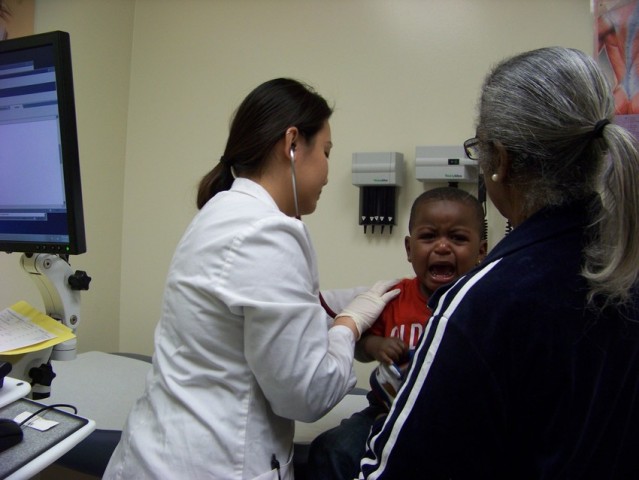
"caption": "The California state auditor faulted both local entities and the state's oversight (Photo: Getty Images)",
"description": "young boy being bullied",
"title": "139712709",
"credit": null,
"status": "inherit",
"isLoading": false,
"fetchFailed": false
},
"stateofhealth_14496": {
"type": "attachments",
"id": "stateofhealth_14496",
"meta": {
"index": "attachments_1716263798",
"site": "stateofhealth",
"id": "14496",
"found": true
},
"parent": 14483,
"imgSizes": {
"thumbnail": {
"file": "https://ww2.kqed.org/app/uploads/sites/27/2013/08/polio_weve_been_here_before02_slide-a9b12bba3e1cd9b0185395ee73be9a628224dd30-s6-c30-1-e1377304852943-400x266.jpg",
"width": 400,
"mimeType": "image/jpeg",
"height": 266
},
"fd-sm": {
"file": "https://ww2.kqed.org/app/uploads/sites/27/2013/08/polio_weve_been_here_before02_slide-a9b12bba3e1cd9b0185395ee73be9a628224dd30-s6-c30-1-e1377304852943-320x213.jpg",
"width": 320,
"mimeType": "image/jpeg",
"height": 213
},
"post-thumbnail": {
"file": "https://ww2.kqed.org/app/uploads/sites/27/2013/08/polio_weve_been_here_before02_slide-a9b12bba3e1cd9b0185395ee73be9a628224dd30-s6-c30-1-e1377304852943-640x372.jpg",
"width": 640,
"mimeType": "image/jpeg",
"height": 372
},
"kqedFullSize": {
"file": "https://ww2.kqed.org/app/uploads/sites/27/2013/08/polio_weve_been_here_before02_slide-a9b12bba3e1cd9b0185395ee73be9a628224dd30-s6-c30-1-e1377304852943.jpg",
"width": 640,
"height": 426
},
"guest-author-96": {
"file": "https://ww2.kqed.org/app/uploads/sites/27/2013/08/polio_weve_been_here_before02_slide-a9b12bba3e1cd9b0185395ee73be9a628224dd30-s6-c30-1-e1377304852943-96x96.jpg",
"width": 96,
"mimeType": "image/jpeg",
"height": 96
},
"guest-author-64": {
"file": "https://ww2.kqed.org/app/uploads/sites/27/2013/08/polio_weve_been_here_before02_slide-a9b12bba3e1cd9b0185395ee73be9a628224dd30-s6-c30-1-e1377304852943-64x64.jpg",
"width": 64,
"mimeType": "image/jpeg",
"height": 64
},
"detail": {
"file": "https://ww2.kqed.org/app/uploads/sites/27/2013/08/polio_weve_been_here_before02_slide-a9b12bba3e1cd9b0185395ee73be9a628224dd30-s6-c30-1-e1377304852943-75x75.jpg",
"width": 75,
"mimeType": "image/jpeg",
"height": 75
},
"guest-author-32": {
"file": "https://ww2.kqed.org/app/uploads/sites/27/2013/08/polio_weve_been_here_before02_slide-a9b12bba3e1cd9b0185395ee73be9a628224dd30-s6-c30-1-e1377304852943-32x32.jpg",
"width": 32,
"mimeType": "image/jpeg",
"height": 32
},
"guest-author-128": {
"file": "https://ww2.kqed.org/app/uploads/sites/27/2013/08/polio_weve_been_here_before02_slide-a9b12bba3e1cd9b0185395ee73be9a628224dd30-s6-c30-1-e1377304852943-128x128.jpg",
"width": 128,
"mimeType": "image/jpeg",
"height": 128
}
},
"publishDate": 1377304843,
"modified": 1377304843,
"caption": "Young girl with partial paralysis, caused by polio. (Courtesy Boston Children's Hospital)",
"description": "one time use only, without calling Boston Children's Hospital. ",
"title": "polio_weve_been_here_before02_slide-a9b12bba3e1cd9b0185395ee73be9a628224dd30-s6-c30-1",
"credit": null,
"status": "inherit",
"isLoading": false,
"fetchFailed": false
},
"stateofhealth_14405": {
"type": "attachments",
"id": "stateofhealth_14405",
"meta": {
"index": "attachments_1716263798",
"site": "stateofhealth",
"id": "14405",
"found": true
},
"parent": 14388,
"imgSizes": {
"thumbnail": {
"file": "https://ww2.kqed.org/app/uploads/sites/27/2013/08/Martha-e1376602363679-400x300.jpg",
"width": 400,
"mimeType": "image/jpeg",
"height": 300
},
"fd-sm": {
"file": "https://ww2.kqed.org/app/uploads/sites/27/2013/08/Martha-e1376602363679-320x240.jpg",
"width": 320,
"mimeType": "image/jpeg",
"height": 240
},
"post-thumbnail": {
"file": "https://ww2.kqed.org/app/uploads/sites/27/2013/08/Martha-e1376602363679-640x372.jpg",
"width": 640,
"mimeType": "image/jpeg",
"height": 372
},
"kqedFullSize": {
"file": "https://ww2.kqed.org/app/uploads/sites/27/2013/08/Martha-e1376602363679.jpg",
"width": 640,
"height": 480
},
"guest-author-96": {
"file": "https://ww2.kqed.org/app/uploads/sites/27/2013/08/Martha-e1376602363679-96x96.jpg",
"width": 96,
"mimeType": "image/jpeg",
"height": 96
},
"guest-author-64": {
"file": "https://ww2.kqed.org/app/uploads/sites/27/2013/08/Martha-e1376602363679-64x64.jpg",
"width": 64,
"mimeType": "image/jpeg",
"height": 64
},
"detail": {
"file": "https://ww2.kqed.org/app/uploads/sites/27/2013/08/Martha-e1376602363679-75x75.jpg",
"width": 75,
"mimeType": "image/jpeg",
"height": 75
},
"guest-author-32": {
"file": "https://ww2.kqed.org/app/uploads/sites/27/2013/08/Martha-e1376602363679-32x32.jpg",
"width": 32,
"mimeType": "image/jpeg",
"height": 32
},
"guest-author-128": {
"file": "https://ww2.kqed.org/app/uploads/sites/27/2013/08/Martha-e1376602363679-128x128.jpg",
"width": 128,
"mimeType": "image/jpeg",
"height": 128
}
},
"publishDate": 1376602351,
"modified": 1376602351,
"caption": "Martha Rodriguez-Salazar leads the senior choir. (Lisa Aliferis/KQED)",
"description": "choir, seniors",
"title": "Martha",
"credit": null,
"status": "inherit",
"isLoading": false,
"fetchFailed": false
},
"stateofhealth_14334": {
"type": "attachments",
"id": "stateofhealth_14334",
"meta": {
"index": "attachments_1716263798",
"site": "stateofhealth",
"id": "14334",
"found": true
},
"parent": 14332,
"imgSizes": {
"thumbnail": {
"file": "https://ww2.kqed.org/app/uploads/sites/27/2013/08/UCR-White-Coat-Ceremony-2013-112-e1376436045333-400x267.jpg",
"width": 400,
"mimeType": "image/jpeg",
"height": 267
},
"fd-sm": {
"file": "https://ww2.kqed.org/app/uploads/sites/27/2013/08/UCR-White-Coat-Ceremony-2013-112-e1376436045333-320x214.jpg",
"width": 320,
"mimeType": "image/jpeg",
"height": 214
},
"post-thumbnail": {
"file": "https://ww2.kqed.org/app/uploads/sites/27/2013/08/UCR-White-Coat-Ceremony-2013-112-e1376436045333-640x372.jpg",
"width": 640,
"mimeType": "image/jpeg",
"height": 372
},
"kqedFullSize": {
"file": "https://ww2.kqed.org/app/uploads/sites/27/2013/08/UCR-White-Coat-Ceremony-2013-112-e1376436045333.jpg",
"width": 640,
"height": 427
},
"guest-author-96": {
"file": "https://ww2.kqed.org/app/uploads/sites/27/2013/08/UCR-White-Coat-Ceremony-2013-112-e1376436045333-96x96.jpg",
"width": 96,
"mimeType": "image/jpeg",
"height": 96
},
"guest-author-64": {
"file": "https://ww2.kqed.org/app/uploads/sites/27/2013/08/UCR-White-Coat-Ceremony-2013-112-e1376436045333-64x64.jpg",
"width": 64,
"mimeType": "image/jpeg",
"height": 64
},
"detail": {
"file": "https://ww2.kqed.org/app/uploads/sites/27/2013/08/UCR-White-Coat-Ceremony-2013-112-e1376436045333-75x75.jpg",
"width": 75,
"mimeType": "image/jpeg",
"height": 75
},
"guest-author-32": {
"file": "https://ww2.kqed.org/app/uploads/sites/27/2013/08/UCR-White-Coat-Ceremony-2013-112-e1376436045333-32x32.jpg",
"width": 32,
"mimeType": "image/jpeg",
"height": 32
},
"guest-author-128": {
"file": "https://ww2.kqed.org/app/uploads/sites/27/2013/08/UCR-White-Coat-Ceremony-2013-112-e1376436045333-128x128.jpg",
"width": 128,
"mimeType": "image/jpeg",
"height": 128
}
},
"publishDate": 1376436034,
"modified": 1376436034,
"caption": "Michelle Tom receives her white coat from UC Riverside Medical School Dean Richard Olds. (Photo: Carrie Rosema)",
"description": null,
"title": "UCR White Coat Ceremony 2013 112",
"credit": null,
"status": "inherit",
"isLoading": false,
"fetchFailed": false
},
"stateofhealth_14252": {
"type": "attachments",
"id": "stateofhealth_14252",
"meta": {
"index": "attachments_1716263798",
"site": "stateofhealth",
"id": "14252",
"found": true
},
"parent": 14238,
"imgSizes": {
"thumbnail": {
"file": "https://ww2.kqed.org/app/uploads/sites/27/2013/08/RS4667_WellnessCenter_ChrisRichard-scr-e1376076955479-400x300.jpg",
"width": 400,
"mimeType": "image/jpeg",
"height": 300
},
"fd-sm": {
"file": "https://ww2.kqed.org/app/uploads/sites/27/2013/08/RS4667_WellnessCenter_ChrisRichard-scr-e1376076955479-320x240.jpg",
"width": 320,
"mimeType": "image/jpeg",
"height": 240
},
"post-thumbnail": {
"file": "https://ww2.kqed.org/app/uploads/sites/27/2013/08/RS4667_WellnessCenter_ChrisRichard-scr-e1376076955479-639x372.jpg",
"width": 639,
"mimeType": "image/jpeg",
"height": 372
},
"kqedFullSize": {
"file": "https://ww2.kqed.org/app/uploads/sites/27/2013/08/RS4667_WellnessCenter_ChrisRichard-scr-e1376076955479.jpg",
"width": 639,
"height": 480
},
"guest-author-96": {
"file": "https://ww2.kqed.org/app/uploads/sites/27/2013/08/RS4667_WellnessCenter_ChrisRichard-scr-e1376076955479-96x96.jpg",
"width": 96,
"mimeType": "image/jpeg",
"height": 96
},
"guest-author-64": {
"file": "https://ww2.kqed.org/app/uploads/sites/27/2013/08/RS4667_WellnessCenter_ChrisRichard-scr-e1376076955479-64x64.jpg",
"width": 64,
"mimeType": "image/jpeg",
"height": 64
},
"detail": {
"file": "https://ww2.kqed.org/app/uploads/sites/27/2013/08/RS4667_WellnessCenter_ChrisRichard-scr-e1376076955479-75x75.jpg",
"width": 75,
"mimeType": "image/jpeg",
"height": 75
},
"guest-author-32": {
"file": "https://ww2.kqed.org/app/uploads/sites/27/2013/08/RS4667_WellnessCenter_ChrisRichard-scr-e1376076955479-32x32.jpg",
"width": 32,
"mimeType": "image/jpeg",
"height": 32
},
"guest-author-128": {
"file": "https://ww2.kqed.org/app/uploads/sites/27/2013/08/RS4667_WellnessCenter_ChrisRichard-scr-e1376076955479-128x128.jpg",
"width": 128,
"mimeType": "image/jpeg",
"height": 128
}
},
"publishDate": 1376076894,
"modified": 1376076894,
"caption": "Pediatric Nurse Practitioner examines toddler. (Chris Richard/KQED)",
"description": "Pediatric Nurse Practitioner examines toddler. (Chris Richard/KQED)",
"title": "RS4667_WellnessCenter_ChrisRichard-scr",
"credit": null,
"status": "inherit",
"isLoading": false,
"fetchFailed": false
},
"stateofhealth_14191": {
"type": "attachments",
"id": "stateofhealth_14191",
"meta": {
"index": "attachments_1716263798",
"site": "stateofhealth",
"id": "14191",
"found": true
},
"parent": 14184,
"imgSizes": {
"thumbnail": {
"file": "https://ww2.kqed.org/app/uploads/sites/27/2013/08/RS316_NASA-farm-story-Vinnee-Tong-scr-e1375903337386-400x300.jpg",
"width": 400,
"mimeType": "image/jpeg",
"height": 300
},
"fd-sm": {
"file": "https://ww2.kqed.org/app/uploads/sites/27/2013/08/RS316_NASA-farm-story-Vinnee-Tong-scr-e1375903337386-320x240.jpg",
"width": 320,
"mimeType": "image/jpeg",
"height": 240
},
"post-thumbnail": {
"file": "https://ww2.kqed.org/app/uploads/sites/27/2013/08/RS316_NASA-farm-story-Vinnee-Tong-scr-e1375903337386-639x372.jpg",
"width": 639,
"mimeType": "image/jpeg",
"height": 372
},
"kqedFullSize": {
"file": "https://ww2.kqed.org/app/uploads/sites/27/2013/08/RS316_NASA-farm-story-Vinnee-Tong-scr-e1375903337386.jpg",
"width": 639,
"height": 480
},
"guest-author-96": {
"file": "https://ww2.kqed.org/app/uploads/sites/27/2013/08/RS316_NASA-farm-story-Vinnee-Tong-scr-e1375903337386-96x96.jpg",
"width": 96,
"mimeType": "image/jpeg",
"height": 96
},
"guest-author-64": {
"file": "https://ww2.kqed.org/app/uploads/sites/27/2013/08/RS316_NASA-farm-story-Vinnee-Tong-scr-e1375903337386-64x64.jpg",
"width": 64,
"mimeType": "image/jpeg",
"height": 64
},
"detail": {
"file": "https://ww2.kqed.org/app/uploads/sites/27/2013/08/RS316_NASA-farm-story-Vinnee-Tong-scr-e1375903337386-75x75.jpg",
"width": 75,
"mimeType": "image/jpeg",
"height": 75
},
"guest-author-32": {
"file": "https://ww2.kqed.org/app/uploads/sites/27/2013/08/RS316_NASA-farm-story-Vinnee-Tong-scr-e1375903337386-32x32.jpg",
"width": 32,
"mimeType": "image/jpeg",
"height": 32
},
"guest-author-128": {
"file": "https://ww2.kqed.org/app/uploads/sites/27/2013/08/RS316_NASA-farm-story-Vinnee-Tong-scr-e1375903337386-128x128.jpg",
"width": 128,
"mimeType": "image/jpeg",
"height": 128
}
},
"publishDate": 1375903325,
"modified": 1375903325,
"caption": "Farmworkers in Los Banos, CA. Many Central Valley farmworkers lack access to buy the produce they harvest. (Vinnee Tong/KQED)",
"description": "farmworkers, central valley",
"title": "RS316_NASA farm story Vinnee Tong-scr",
"credit": null,
"status": "inherit",
"isLoading": false,
"fetchFailed": false
},
"stateofhealth_13969": {
"type": "attachments",
"id": "stateofhealth_13969",
"meta": {
"index": "attachments_1716263798",
"site": "stateofhealth",
"id": "13969",
"found": true
},
"parent": 13966,
"imgSizes": {
"thumbnail": {
"file": "https://ww2.kqed.org/app/uploads/sites/27/2013/07/RS5950_P1030479-scr-e1375289425744-400x267.jpg",
"width": 400,
"mimeType": "image/jpeg",
"height": 267
},
"fd-sm": {
"file": "https://ww2.kqed.org/app/uploads/sites/27/2013/07/RS5950_P1030479-scr-e1375289425744-320x214.jpg",
"width": 320,
"mimeType": "image/jpeg",
"height": 214
},
"post-thumbnail": {
"file": "https://ww2.kqed.org/app/uploads/sites/27/2013/07/RS5950_P1030479-scr-e1375289425744-640x372.jpg",
"width": 640,
"mimeType": "image/jpeg",
"height": 372
},
"kqedFullSize": {
"file": "https://ww2.kqed.org/app/uploads/sites/27/2013/07/RS5950_P1030479-scr-e1375289425744.jpg",
"width": 640,
"height": 427
},
"guest-author-96": {
"file": "https://ww2.kqed.org/app/uploads/sites/27/2013/07/RS5950_P1030479-scr-e1375289425744-96x96.jpg",
"width": 96,
"mimeType": "image/jpeg",
"height": 96
},
"guest-author-64": {
"file": "https://ww2.kqed.org/app/uploads/sites/27/2013/07/RS5950_P1030479-scr-e1375289425744-64x64.jpg",
"width": 64,
"mimeType": "image/jpeg",
"height": 64
},
"detail": {
"file": "https://ww2.kqed.org/app/uploads/sites/27/2013/07/RS5950_P1030479-scr-e1375289425744-75x75.jpg",
"width": 75,
"mimeType": "image/jpeg",
"height": 75
},
"guest-author-32": {
"file": "https://ww2.kqed.org/app/uploads/sites/27/2013/07/RS5950_P1030479-scr-e1375289425744-32x32.jpg",
"width": 32,
"mimeType": "image/jpeg",
"height": 32
},
"guest-author-128": {
"file": "https://ww2.kqed.org/app/uploads/sites/27/2013/07/RS5950_P1030479-scr-e1375289425744-128x128.jpg",
"width": 128,
"mimeType": "image/jpeg",
"height": 128
}
},
"publishDate": 1375289414,
"modified": 1375289414,
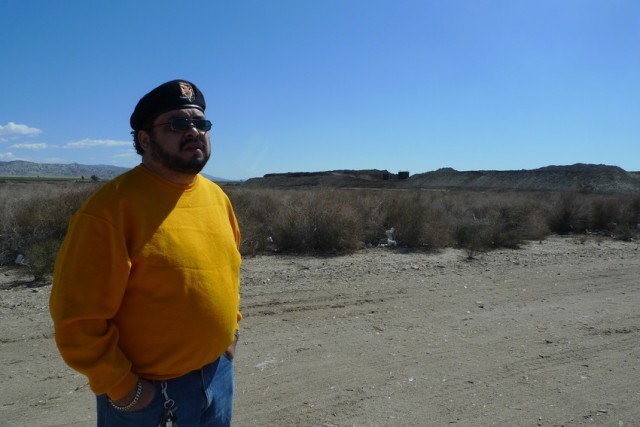
"caption": "Eduardo Guevara became involved in environmental activism after his wife was hospitalized twice for asthma. (Lisa Morehouse/KQED)",
"description": "Eduardo Guevara",
"title": "RS5950_P1030479-scr",
"credit": null,
"status": "inherit",
"isLoading": false,
"fetchFailed": false
},
"stateofhealth_13927": {
"type": "attachments",
"id": "stateofhealth_13927",
"meta": {
"index": "attachments_1716263798",
"site": "stateofhealth",
"id": "13927",
"found": true
},
"parent": 13923,
"imgSizes": {
"thumbnail": {
"file": "https://ww2.kqed.org/app/uploads/sites/27/2013/07/RS5740_Caitlin-Bryant.margo-scr-e1375134868925-400x292.jpg",
"width": 400,
"mimeType": "image/jpeg",
"height": 292
},
"fd-sm": {
"file": "https://ww2.kqed.org/app/uploads/sites/27/2013/07/RS5740_Caitlin-Bryant.margo-scr-e1375134868925-320x234.jpg",
"width": 320,
"mimeType": "image/jpeg",
"height": 234
},
"post-thumbnail": {
"file": "https://ww2.kqed.org/app/uploads/sites/27/2013/07/RS5740_Caitlin-Bryant.margo-scr-e1375134868925-639x372.jpg",
"width": 639,
"mimeType": "image/jpeg",
"height": 372
},
"kqedFullSize": {
"file": "https://ww2.kqed.org/app/uploads/sites/27/2013/07/RS5740_Caitlin-Bryant.margo-scr-e1375134868925.jpg",
"width": 639,
"height": 467
},
"guest-author-96": {
"file": "https://ww2.kqed.org/app/uploads/sites/27/2013/07/RS5740_Caitlin-Bryant.margo-scr-e1375134868925-96x96.jpg",
"width": 96,
"mimeType": "image/jpeg",
"height": 96
},
"guest-author-64": {
"file": "https://ww2.kqed.org/app/uploads/sites/27/2013/07/RS5740_Caitlin-Bryant.margo-scr-e1375134868925-64x64.jpg",
"width": 64,
"mimeType": "image/jpeg",
"height": 64
},
"detail": {
"file": "https://ww2.kqed.org/app/uploads/sites/27/2013/07/RS5740_Caitlin-Bryant.margo-scr-e1375134868925-75x75.jpg",
"width": 75,
"mimeType": "image/jpeg",
"height": 75
},
"guest-author-32": {
"file": "https://ww2.kqed.org/app/uploads/sites/27/2013/07/RS5740_Caitlin-Bryant.margo-scr-e1375134868925-32x32.jpg",
"width": 32,
"mimeType": "image/jpeg",
"height": 32
},
"guest-author-128": {
"file": "https://ww2.kqed.org/app/uploads/sites/27/2013/07/RS5740_Caitlin-Bryant.margo-scr-e1375134868925-128x128.jpg",
"width": 128,
"mimeType": "image/jpeg",
"height": 128
}
},
"publishDate": 1375134855,
"modified": 1375134855,
"caption": "A commemorative Army dog tag similar to the one worn by Caitlin's father, was designed by her aunt and passed out at Richard Bryants' funeral service. Caitlin recently had a tattoo artist replicate one on her foot. (Photo by: Margarita Brichkova)",
"description": "A commemorative Army dog tag similar to the one worn by Caitlin's father, was designed by her aunt and passed out at Richard Bryants' funeral service. Caitlin recently had a tattoo artist replicate one on her foot.",
"title": "Caitlin Bryant",
"credit": null,
"status": "inherit",
"isLoading": false,
"fetchFailed": false
},
"stateofhealth_12294": {
"type": "attachments",
"id": "stateofhealth_12294",
"meta": {
"index": "attachments_1716263798",
"site": "stateofhealth",
"id": "12294",
"found": true
},
"parent": 12251,
"imgSizes": {
"thumbnail": {
"file": "https://ww2.kqed.org/app/uploads/sites/27/2013/04/AutoPollution_GettyImages-400x284.jpg",
"width": 400,
"mimeType": "image/jpeg",
"height": 284
},
"fd-sm": {
"file": "https://ww2.kqed.org/app/uploads/sites/27/2013/04/AutoPollution_GettyImages-320x227.jpg",
"width": 320,
"mimeType": "image/jpeg",
"height": 227
},
"kqedFullSize": {
"file": "https://ww2.kqed.org/app/uploads/sites/27/2013/04/AutoPollution_GettyImages.jpg",
"width": 491,
"height": 349
},
"guest-author-96": {
"file": "https://ww2.kqed.org/app/uploads/sites/27/2013/04/AutoPollution_GettyImages-96x96.jpg",
"width": 96,
"mimeType": "image/jpeg",
"height": 96
},
"guest-author-64": {
"file": "https://ww2.kqed.org/app/uploads/sites/27/2013/04/AutoPollution_GettyImages-64x64.jpg",
"width": 64,
"mimeType": "image/jpeg",
"height": 64
},
"detail": {
"file": "https://ww2.kqed.org/app/uploads/sites/27/2013/04/AutoPollution_GettyImages-75x75.jpg",
"width": 75,
"mimeType": "image/jpeg",
"height": 75
},
"guest-author-32": {
"file": "https://ww2.kqed.org/app/uploads/sites/27/2013/04/AutoPollution_GettyImages-32x32.jpg",
"width": 32,
"mimeType": "image/jpeg",
"height": 32
},
"guest-author-128": {
"file": "https://ww2.kqed.org/app/uploads/sites/27/2013/04/AutoPollution_GettyImages-128x128.jpg",
"width": 128,
"mimeType": "image/jpeg",
"height": 128
}
},
"publishDate": 1366677299,
"modified": 1366677299,
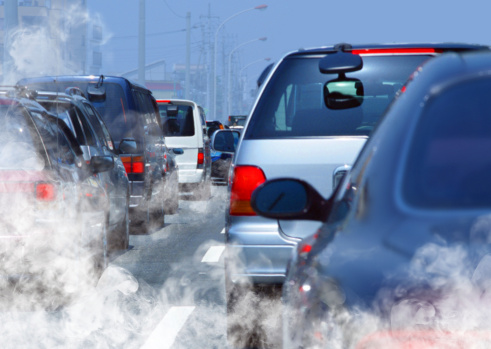
"caption": "(Getty Images/Thinkstock)",
"description": "traffic, auto pollution, exhaust",
"title": "AutoPollution_GettyImages",
"credit": null,
"status": "inherit",
"isLoading": false,
"fetchFailed": false
},
"stateofhealth_13183": {
"type": "attachments",
"id": "stateofhealth_13183",
"meta": {
"index": "attachments_1716263798",
"site": "stateofhealth",
"id": "13183",
"found": true
},
"parent": 13182,
"imgSizes": {
"thumbnail": {
"file": "https://ww2.kqed.org/app/uploads/sites/27/2013/06/P1030403-e1371064551711-400x300.jpg",
"width": 400,
"mimeType": "image/jpeg",
"height": 300
},
"fd-sm": {
"file": "https://ww2.kqed.org/app/uploads/sites/27/2013/06/P1030403-e1371064551711-320x240.jpg",
"width": 320,
"mimeType": "image/jpeg",
"height": 240
},
"post-thumbnail": {
"file": "https://ww2.kqed.org/app/uploads/sites/27/2013/06/P1030403-e1371064551711-620x372.jpg",
"width": 620,
"mimeType": "image/jpeg",
"height": 372
},
"kqedFullSize": {
"file": "https://ww2.kqed.org/app/uploads/sites/27/2013/06/P1030403-e1371064551711.jpg",
"width": 620,
"height": 465
},
"guest-author-96": {
"file": "https://ww2.kqed.org/app/uploads/sites/27/2013/06/P1030403-e1371064551711-96x96.jpg",
"width": 96,
"mimeType": "image/jpeg",
"height": 96
},
"guest-author-64": {
"file": "https://ww2.kqed.org/app/uploads/sites/27/2013/06/P1030403-e1371064551711-64x64.jpg",
"width": 64,
"mimeType": "image/jpeg",
"height": 64
},
"detail": {
"file": "https://ww2.kqed.org/app/uploads/sites/27/2013/06/P1030403-e1371064551711-75x75.jpg",
"width": 75,
"mimeType": "image/jpeg",
"height": 75
},
"guest-author-32": {
"file": "https://ww2.kqed.org/app/uploads/sites/27/2013/06/P1030403-e1371064551711-32x32.jpg",
"width": 32,
"mimeType": "image/jpeg",
"height": 32
},
"guest-author-128": {
"file": "https://ww2.kqed.org/app/uploads/sites/27/2013/06/P1030403-e1371064551711-128x128.jpg",
"width": 128,
"mimeType": "image/jpeg",
"height": 128
}
},
"publishDate": 1371064521,
"modified": 1371064521,
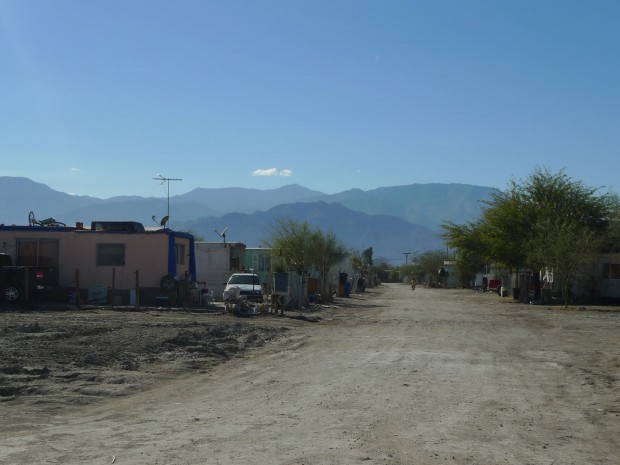
"caption": "Desert Mobile Home Park, near Thermal, CA, in the heart of eastern Coachella Valley. (Lisa Morehouse/KQED)",
"description": null,
"title": "P1030403",
"credit": null,
"status": "inherit",
"isLoading": false,
"fetchFailed": false
}
},
"audioPlayerReducer": {
"postId": "stream_live",
"isPaused": true,
"isPlaying": false,
"pfsActive": false,
"pledgeModalIsOpen": true,
"playerDrawerIsOpen": false,
"liveAudioPlayStartedAt": 0,
"liveAudioPlayContext": ""
},
"authorsReducer": {
"lisaaliferis": {
"type": "authors",
"id": "240",
"meta": {
"index": "authors_1716337520",
"id": "240",
"found": true
},
"name": "Lisa Aliferis",
"firstName": "Lisa",
"lastName": "Aliferis",
"slug": "lisaaliferis",
"email": "laliferis@kqed.org",
"display_author_email": false,
"staff_mastheads": [],
"title": "KQED Contributor",
"bio": "Lisa Aliferis is the founding editor of KQED's \u003cem>State of Health\u003c/em> blog. Since 2011, she's been writing and editing stories for the site. Before taking up blogging, she toiled for many years (more than we can count) producing health stories for television, including\u003cem> Dateline NBC\u003c/em> and San Francisco's CBS affiliate, KPIX-TV. She also wrote up a \u003ca title=\"http://www.kqed.org/news/health/obamacare/obamacare-guide.jsp\" href=\"http://www.kqed.org/news/health/obamacare/obamacare-guide.jsp\">handy guide to the Affordable Care Act\u003c/a>, especially for Californians. Her work has been honored for many awards. Most recently she was a finalist for \"Best Topical Reporting\" from the Online News Association. You can follow her on Twitter: \u003ca title=\"https://twitter.com/laliferis\" href=\"https://twitter.com/laliferis\">@laliferis\u003c/a>",
"avatar": "https://secure.gravatar.com/avatar/86c339d5cdcb0dcd2b6cf5d7c3f5886b?s=600&d=mm&r=g",
"twitter": "laliferis",
"facebook": null,
"instagram": null,
"linkedin": null,
"sites": [
{
"site": "news",
"roles": [
"subscriber"
]
},
{
"site": "futureofyou",
"roles": [
"subscriber"
]
},
{
"site": "stateofhealth",
"roles": [
"subscriber"
]
},
{
"site": "science",
"roles": [
"subscriber"
]
},
{
"site": "food",
"roles": []
}
],
"headData": {
"title": "Lisa Aliferis | KQED",
"description": "KQED Contributor",
"ogImgSrc": "https://secure.gravatar.com/avatar/86c339d5cdcb0dcd2b6cf5d7c3f5886b?s=600&d=mm&r=g",
"twImgSrc": "https://secure.gravatar.com/avatar/86c339d5cdcb0dcd2b6cf5d7c3f5886b?s=600&d=mm&r=g"
},
"isLoading": false,
"link": "/author/lisaaliferis"
},
"ryderdiaz": {
"type": "authors",
"id": "1462",
"meta": {
"index": "authors_1716337520",
"id": "1462",
"found": true
},
"name": "Ryder Diaz",
"firstName": "Ryder",
"lastName": "Diaz",
"slug": "ryderdiaz",
"email": "rdiaz@KQED.org",
"display_author_email": false,
"staff_mastheads": [],
"title": null,
"bio": null,
"avatar": "https://secure.gravatar.com/avatar/3a8471d4d33c9b4d34d5e5c60f7f8342?s=600&d=blank&r=g",
"twitter": null,
"facebook": null,
"instagram": null,
"linkedin": null,
"sites": [
{
"site": "news",
"roles": [
"subscriber"
]
},
{
"site": "stateofhealth",
"roles": [
"subscriber"
]
}
],
"headData": {
"title": "Ryder Diaz | KQED",
"description": null,
"ogImgSrc": "https://secure.gravatar.com/avatar/3a8471d4d33c9b4d34d5e5c60f7f8342?s=600&d=blank&r=g",
"twImgSrc": "https://secure.gravatar.com/avatar/3a8471d4d33c9b4d34d5e5c60f7f8342?s=600&d=blank&r=g"
},
"isLoading": false,
"link": "/author/ryderdiaz"
},
"state-of-health": {
"type": "authors",
"id": "8344",
"meta": {
"index": "authors_1716337520",
"id": "8344",
"found": true
},
"name": "State of Health",
"firstName": "State of Health",
"lastName": null,
"slug": "state-of-health",
"email": "stateofhealth@kqed.org",
"display_author_email": false,
"staff_mastheads": [],
"title": null,
"bio": null,
"avatar": "https://secure.gravatar.com/avatar/66de4bf6d331fa7402bba1ffe8135e17?s=600&d=blank&r=g",
"twitter": null,
"facebook": null,
"instagram": null,
"linkedin": null,
"sites": [
{
"site": "arts",
"roles": [
"author"
]
},
{
"site": "stateofhealth",
"roles": [
"editor"
]
}
],
"headData": {
"title": "State of Health | KQED",
"description": null,
"ogImgSrc": "https://secure.gravatar.com/avatar/66de4bf6d331fa7402bba1ffe8135e17?s=600&d=blank&r=g",
"twImgSrc": "https://secure.gravatar.com/avatar/66de4bf6d331fa7402bba1ffe8135e17?s=600&d=blank&r=g"
},
"isLoading": false,
"link": "/author/state-of-health"
}
},
"pagesReducer": {
"stateofhealth_category_place-matters": {
"type": "terms",
"id": "stateofhealth_11",
"meta": {
"index": "terms_1716263798",
"site": "stateofhealth",
"id": "11",
"score": 14.406195
},
"featImg": null,
"name": "Community Health",
"description": "\r\n\r\nFrom rural California to urban neighborhoods, where you live affects your health",
"taxonomy": "category",
"headData": {
"twImgId": null,
"twTitle": null,
"ogTitle": null,
"ogImgId": null,
"twDescription": null,
"description": "From rural California to urban neighborhoods, where you live affects your health",
"title": "Community Health Archives | KQED Arts",
"ogDescription": null
},
"ttid": 11,
"slug": "place-matters",
"isLoading": false,
"title": "Community Health",
"pageMeta": {
"site": "stateofhealth",
"WpPageTemplate": "page-topic-editorial",
"currentPage": 46
},
"blocks": [
{
"blockName": "kqed/company-paragraph",
"content": "\r\n\r\nFrom rural California to urban neighborhoods, where you live affects your health"
},
{
"blockName": "kqed/post-list",
"attrs": {
"layout": "cardArticle2",
"query": "posts/stateofhealth?category=place-matters",
"seeMore": false,
"paginated": true,
"page": 46
}
},
{
"blockName": "kqed/ad"
}
]
}
},
"pfsSessionReducer": {},
"postsReducer": {
"stream_live": {
"type": "live",
"id": "stream_live",
"audioUrl": "https://streams.kqed.org/kqedradio",
"title": "Live Stream",
"excerpt": "Live Stream information currently unavailable.",
"link": "/radio",
"featImg": "",
"label": {
"name": "KQED Live",
"link": "/"
}
},
"stream_kqedNewscast": {
"type": "posts",
"id": "stream_kqedNewscast",
"audioUrl": "https://www.kqed.org/.stream/anon/radio/RDnews/newscast.mp3?_=1",
"title": "KQED Newscast",
"featImg": "",
"label": {
"name": "88.5 FM",
"link": "/"
}
},
"stateofhealth_14544": {
"type": "posts",
"id": "stateofhealth_14544",
"meta": {
"index": "posts_1716263798",
"site": "stateofhealth",
"id": "14544",
"score": null,
"sort": [
1377628070000
]
},
"parent": 0,
"labelTerm": {
"site": "stateofhealth"
},
"blocks": [],
"publishDate": 1377628070,
"format": "aside",
"disqusTitle": "In California, School Anti-Bullying Efforts Falling Short",
"title": "In California, School Anti-Bullying Efforts Falling Short",
"headTitle": "State of Health | KQED News",
"content": "\u003cfigure id=\"attachment_14548\" class=\"wp-caption aligncenter\" style=\"max-width: 640px\">\u003cimg class=\"size-large wp-image-14548 \" src=\"http://ww2.kqed.org/stateofhealth/wp-content/uploads/sites/27/2013/08/139712709-640x433.jpg\" alt=\"The California state auditor faulted both local entities and the state's oversight (Photo: Getty Images)\" width=\"640\" height=\"433\">\u003cfigcaption class=\"wp-caption-text\">A new report from the California state auditor faulted both local entities and the state's oversight in anti-bullying programs. (Photo: Getty Images)\u003c/figcaption>\u003c/figure>\n\u003cp>\u003ca href=\"http://www.edsource.org/today/author/jane-adams#.UhzwOBaBERk\" target=\"_blank\">\u003cstrong>By Jane Meredith Adams\u003c/strong>\u003c/a>, \u003ca href=\"http://www.edsource.org/today/2013/audit-says-school-bullying-prevention-efforts-falling-short/37495#.UhzhJhaBERk\" target=\"_blank\">EdSource Today\u003c/a>\u003c/p>\n\u003cp>Just as kids are heading back to classrooms, a new \u003ca href=\"http://www.auditor.ca.gov/pdfs/reports/2012-108.pdf\" target=\"_blank\">state audit\u003c/a> has found that most schools do not track whether their anti-bullying programs have made campuses any safer and that schools are inconsistent in how they record and resolve bullying incidents.\u003c/p>\n\u003cp>The California Department of Education has been insufficient in both oversight and guidance, the audit said. It further noted that the department went four years without noticing that it was not monitoring schools to ensure they were addressing student complaints, as required by law. At the same time, funding has been cut for statewide surveys on student safety, making it more difficult to determine students’ experiences with bullying.\u003c/p>\n\u003caside class=\"pullquote alignleft\">“The audit shows that passing laws isn’t enough. We need to implement them and ensure accountability at the district, county and statewide levels.”\u003c/aside>\n\u003cp>On the plus side, the audit did find that the vast majority of California schools have anti-bullying programs in place and have provided staff training in how to prevent bullying, discrimination, harassment and intimidation.\u003c/p>\n\u003cp>Still, one advocate said the audit confirms that much remains to be done to reduce the high levels of bullying in California schools.\u003c/p>\n\u003cp>[ad fullwidth]\u003c/p>\n\u003cp>“The audit shows that passing laws isn’t enough –- we need to implement them and ensure accountability at the district, county and statewide levels,” said Jesse Melgar, with Equality California, a San Francisco-based advocacy group. “Now, California schools and the Department of Education have an opportunity to use the audit’s findings to review, update and enhance their policies to better protect our youth and ensure student success.”\u003c!--more-->\u003c/p>\n\u003cp>The California Department of Education disputed many of the audit’s finding, saying officials are committed to addressing bullying and keeping students safe.\u003c/p>\n\u003cp>“Although not mentioned in this report, California has made significant progress in addressing negative school behavior despite the impacts of ongoing budget cuts and staff reductions,” Chief Deputy Superintendent of Public Instruction Richard Zeiger said in a statement. “Nevertheless, CDE acknowledges the auditor’s concerns and will continue our work to build and reinforce a positive school climate throughout the state.”\u003c/p>\n\u003ch4>Bullying at school\u003c/h4>\n\u003cp>Some 28 percent of seventh graders in California \u003ca href=\"http://www.auditor.ca.gov/pdfs/reports/2012-108.pdf\" target=\"_blank\">reported \u003c/a>being harassed at school, and 22 percent of ninth-grade students reported that other students had spread rumors or lies about them online at least once over the previous 12-month period. The data come from the 2009-11 California Healthy Kids Survey. The report noted the link between bullying and several high-profile student suicides, including the 2010 suicide of 13-year-old Seth Walsh of Tehachapi, a victim of anti-gay bullying.\u003c/p>\n\u003cp>“He was only one of many young people who decided it was easier to commit suicide than to go to school the next day,” said Karyl Ketchum, co-chair of the School Compliance Task Force of the \u003ca href=\"http://ocequality.com/\" target=\"_blank\">Orange County Equality Coalition\u003c/a>, which monitors schools in Orange County for compliance with anti-bullying and discrimination laws.\u003c/p>\n\u003cp>“The local educational agencies are not following through with their requirements under the law and no one cares,” she said.\u003c/p>\n\u003cp>Auditors surveyed every school district, county office of education and charter school in the state –- nearly 2,000 in total. Of the nearly 1,400 entities that responded, 80 percent said they had adopted anti-bullying programs and policies. Some 55 percent said they did not formally evaluate the effectiveness of the programs.\u003c/p>\n\u003cp>In addition to the statewide survey, the auditors visited six schools in Los Angeles, Fresno and Sacramento. Those site visits raised concerns about whether schools were receiving sufficient guidance on how to document and resolve complaints. At the schools, auditors found that staff did not always document complaints, follow reporting requirements or record follow-ups on incidents.\u003c/p>\n\u003cp>Experts said that collecting accurate data was essential to ending what President Barack Obama \u003ca href=\"http://www.whitehouse.gov/blog/2012/04/20/ending-bullying-our-schools-communities\" target=\"_blank\">called\u003c/a> “the pain, agony, and loss caused by bullying in our schools and communities.”\u003c/p>\n\u003cp>“Most schools in the U.S. have no systematic ways of tracking reports, and in most situations, do not even follow their own policies or guidelines,” said Dorothy Espelage, co-chair of an American Educational Research Association task force on bullying that issued a \u003ca href=\"http://www.aera.net/newsroom/news/preventionofbullyingresearchreportandrecomm/tabid/14865/default.aspx\" target=\"_blank\">2013 report on the prevention of bullying in schools. \u003c/a>“As bullying legislation is often ‘unfunded’ mandates, there are no research monies to even track compliance of school districts.”\u003c/p>\n\u003ch4>State department criticized\u003c/h4>\n\u003cp>The audit was critical of the Department of Education, beginning with the department’s failure to detect that its Office of Equal Opportunity was not collecting data on bullying for several years. The department ultimately updated its internal program to collect the data on bullying in 2012, four school years after the state \u003ca href=\"http://www.leginfo.ca.gov/cgi-bin/displaycode?section=edc&group=00001-01000&file=234-234.5\" target=\"_blank\">Safe Place to Learn Act \u003c/a>mandated that the department provide oversight, the report noted.\u003c/p>\n\u003cp>The department was also chastised for failing to meet the 60-day legal requirement to resolve appeals in some cases, with 11 of the 18 appeals reviewed by the auditors running between one and 305 days late.\u003c/p>\n\u003cp>Also criticized was the department’s \u003ca href=\"http://www.californiahealthykids.org/index\" target=\"_blank\">website \u003c/a>of bullying resources for schools, with auditors determining that the site was cluttered with 10-year-old research, a dead link, and little information on current issues such as online bullying or bullying related to being perceived as gay or lesbian. In its survey, the audit found that more than half of the school districts, charter schools and county offices of education were unaware that the department even had resources to assist them in complying with laws to protect students from harassment and discrimination.\u003c/p>\n\u003cp>Zeiger, the state official, disputed that audit’s contention that the department was not a leader in protecting students.\u003c/p>\n\u003cp>“Protecting student safety and guarding against discrimination are top priorities at the California Department of Education,” he said, “and the department has been a leader in the prevention of bullying and assisting schools, parents and students in safety issues.”\u003c/p>\n\u003ch4>Conflict of interest in complaint process faulted\u003c/h4>\n\u003cp>The audit noted that schools are encouraged to use their own staff to resolve bullying complaints quickly, but that resolving complaints internally could lead to conflicts of interest. The audit cited two incidents in Sacramento City Unified School District where the administrator who was assigned to resolve a complaint of bullying, harassment, intimidation or discrimination was the same person named in the complaint for allegedly failing to take appropriate action to address the student incident. The audit did not provide details about the specific complaints.\u003c/p>\n\u003cp>Sacramento City will take immediate action to strengthen its anti-bullying efforts, said district spokesman Gabe Ross. He added that the district was the first in the area to implement a comprehensive anti-bullying policy and now has a full-time, grant-funded anti-bullying specialist at the district level.\u003c/p>\n\u003cp>[ad floatright]\u003c/p>\n\u003cp>“Our schools are certainly safer for kids than they were before we began this work two years ago,” Ross said.\u003c/p>\n\n",
"disqusIdentifier": "14544 http://blogs.kqed.org/stateofhealth/?p=14544",
"disqusUrl": "https://ww2.kqed.org/stateofhealth/2013/08/27/in-california-school-anti-bullying-efforts-falling-short/",
"stats": {
"hasVideo": false,
"hasChartOrMap": false,
"hasAudio": false,
"hasPolis": false,
"wordCount": 1227,
"hasGoogleForm": false,
"hasGallery": false,
"hasHearkenModule": false,
"iframeSrcs": [],
"paragraphCount": 25
},
"modified": 1377896565,
"excerpt": "Just as kids are heading back to classrooms, a new state audit has found that most schools do not track whether their anti-bullying programs have made campuses any safer and that schools are inconsistent in how they record and resolve bullying incidents.\r\n\r\nThe California Department of Education has been insufficient in both oversight and guidance, the audit said. It further noted that the department went four years without noticing that it was not monitoring schools to ensure they were addressing student complaints, as required by law. At the same time, funding has been cut for statewide surveys on student safety, making it more difficult to determine students’ experiences with bullying.",
"headData": {
"twImgId": "",
"twTitle": "",
"ogTitle": "",
"ogImgId": "",
"twDescription": "",
"description": "Just as kids are heading back to classrooms, a new state audit has found that most schools do not track whether their anti-bullying programs have made campuses any safer and that schools are inconsistent in how they record and resolve bullying incidents.\r\n\r\nThe California Department of Education has been insufficient in both oversight and guidance, the audit said. It further noted that the department went four years without noticing that it was not monitoring schools to ensure they were addressing student complaints, as required by law. At the same time, funding has been cut for statewide surveys on student safety, making it more difficult to determine students’ experiences with bullying.",
"title": "In California, School Anti-Bullying Efforts Falling Short | KQED",
"ogDescription": "",
"schema": {
"@context": "https://schema.org",
"@type": "Article",
"headline": "In California, School Anti-Bullying Efforts Falling Short",
"datePublished": "2013-08-27T11:27:50-07:00",
"dateModified": "2013-08-30T14:02:45-07:00",
"image": "https://cdn.kqed.org/wp-content/uploads/2020/02/KQED-OG-Image@1x.png"
}
},
"guestAuthors": [],
"slug": "in-california-school-anti-bullying-efforts-falling-short",
"status": "publish",
"path": "/stateofhealth/14544/in-california-school-anti-bullying-efforts-falling-short",
"audioTrackLength": null,
"parsedContent": [
{
"type": "contentString",
"content": "\u003cdiv class=\"post-body\">\u003cp>\u003cfigure id=\"attachment_14548\" class=\"wp-caption aligncenter\" style=\"max-width: 640px\">\u003cimg class=\"size-large wp-image-14548 \" src=\"http://ww2.kqed.org/stateofhealth/wp-content/uploads/sites/27/2013/08/139712709-640x433.jpg\" alt=\"The California state auditor faulted both local entities and the state's oversight (Photo: Getty Images)\" width=\"640\" height=\"433\">\u003cfigcaption class=\"wp-caption-text\">A new report from the California state auditor faulted both local entities and the state's oversight in anti-bullying programs. (Photo: Getty Images)\u003c/figcaption>\u003c/figure>\n\u003cp>\u003ca href=\"http://www.edsource.org/today/author/jane-adams#.UhzwOBaBERk\" target=\"_blank\">\u003cstrong>By Jane Meredith Adams\u003c/strong>\u003c/a>, \u003ca href=\"http://www.edsource.org/today/2013/audit-says-school-bullying-prevention-efforts-falling-short/37495#.UhzhJhaBERk\" target=\"_blank\">EdSource Today\u003c/a>\u003c/p>\n\u003cp>Just as kids are heading back to classrooms, a new \u003ca href=\"http://www.auditor.ca.gov/pdfs/reports/2012-108.pdf\" target=\"_blank\">state audit\u003c/a> has found that most schools do not track whether their anti-bullying programs have made campuses any safer and that schools are inconsistent in how they record and resolve bullying incidents.\u003c/p>\n\u003cp>The California Department of Education has been insufficient in both oversight and guidance, the audit said. It further noted that the department went four years without noticing that it was not monitoring schools to ensure they were addressing student complaints, as required by law. At the same time, funding has been cut for statewide surveys on student safety, making it more difficult to determine students’ experiences with bullying.\u003c/p>\n\u003caside class=\"pullquote alignleft\">“The audit shows that passing laws isn’t enough. We need to implement them and ensure accountability at the district, county and statewide levels.”\u003c/aside>\n\u003cp>On the plus side, the audit did find that the vast majority of California schools have anti-bullying programs in place and have provided staff training in how to prevent bullying, discrimination, harassment and intimidation.\u003c/p>\n\u003cp>Still, one advocate said the audit confirms that much remains to be done to reduce the high levels of bullying in California schools.\u003c/p>\n\u003cp>\u003c/p>\u003c/div>",
"attributes": {
"named": {},
"numeric": []
}
},
{
"type": "component",
"content": "",
"name": "ad",
"attributes": {
"named": {
"label": "fullwidth"
},
"numeric": [
"fullwidth"
]
}
},
{
"type": "contentString",
"content": "\u003cdiv class=\"post-body\">\u003cp>\u003c/p>\n\u003cp>“The audit shows that passing laws isn’t enough –- we need to implement them and ensure accountability at the district, county and statewide levels,” said Jesse Melgar, with Equality California, a San Francisco-based advocacy group. “Now, California schools and the Department of Education have an opportunity to use the audit’s findings to review, update and enhance their policies to better protect our youth and ensure student success.”\u003c!--more-->\u003c/p>\n\u003cp>The California Department of Education disputed many of the audit’s finding, saying officials are committed to addressing bullying and keeping students safe.\u003c/p>\n\u003cp>“Although not mentioned in this report, California has made significant progress in addressing negative school behavior despite the impacts of ongoing budget cuts and staff reductions,” Chief Deputy Superintendent of Public Instruction Richard Zeiger said in a statement. “Nevertheless, CDE acknowledges the auditor’s concerns and will continue our work to build and reinforce a positive school climate throughout the state.”\u003c/p>\n\u003ch4>Bullying at school\u003c/h4>\n\u003cp>Some 28 percent of seventh graders in California \u003ca href=\"http://www.auditor.ca.gov/pdfs/reports/2012-108.pdf\" target=\"_blank\">reported \u003c/a>being harassed at school, and 22 percent of ninth-grade students reported that other students had spread rumors or lies about them online at least once over the previous 12-month period. The data come from the 2009-11 California Healthy Kids Survey. The report noted the link between bullying and several high-profile student suicides, including the 2010 suicide of 13-year-old Seth Walsh of Tehachapi, a victim of anti-gay bullying.\u003c/p>\n\u003cp>“He was only one of many young people who decided it was easier to commit suicide than to go to school the next day,” said Karyl Ketchum, co-chair of the School Compliance Task Force of the \u003ca href=\"http://ocequality.com/\" target=\"_blank\">Orange County Equality Coalition\u003c/a>, which monitors schools in Orange County for compliance with anti-bullying and discrimination laws.\u003c/p>\n\u003cp>“The local educational agencies are not following through with their requirements under the law and no one cares,” she said.\u003c/p>\n\u003cp>Auditors surveyed every school district, county office of education and charter school in the state –- nearly 2,000 in total. Of the nearly 1,400 entities that responded, 80 percent said they had adopted anti-bullying programs and policies. Some 55 percent said they did not formally evaluate the effectiveness of the programs.\u003c/p>\n\u003cp>In addition to the statewide survey, the auditors visited six schools in Los Angeles, Fresno and Sacramento. Those site visits raised concerns about whether schools were receiving sufficient guidance on how to document and resolve complaints. At the schools, auditors found that staff did not always document complaints, follow reporting requirements or record follow-ups on incidents.\u003c/p>\n\u003cp>Experts said that collecting accurate data was essential to ending what President Barack Obama \u003ca href=\"http://www.whitehouse.gov/blog/2012/04/20/ending-bullying-our-schools-communities\" target=\"_blank\">called\u003c/a> “the pain, agony, and loss caused by bullying in our schools and communities.”\u003c/p>\n\u003cp>“Most schools in the U.S. have no systematic ways of tracking reports, and in most situations, do not even follow their own policies or guidelines,” said Dorothy Espelage, co-chair of an American Educational Research Association task force on bullying that issued a \u003ca href=\"http://www.aera.net/newsroom/news/preventionofbullyingresearchreportandrecomm/tabid/14865/default.aspx\" target=\"_blank\">2013 report on the prevention of bullying in schools. \u003c/a>“As bullying legislation is often ‘unfunded’ mandates, there are no research monies to even track compliance of school districts.”\u003c/p>\n\u003ch4>State department criticized\u003c/h4>\n\u003cp>The audit was critical of the Department of Education, beginning with the department’s failure to detect that its Office of Equal Opportunity was not collecting data on bullying for several years. The department ultimately updated its internal program to collect the data on bullying in 2012, four school years after the state \u003ca href=\"http://www.leginfo.ca.gov/cgi-bin/displaycode?section=edc&group=00001-01000&file=234-234.5\" target=\"_blank\">Safe Place to Learn Act \u003c/a>mandated that the department provide oversight, the report noted.\u003c/p>\n\u003cp>The department was also chastised for failing to meet the 60-day legal requirement to resolve appeals in some cases, with 11 of the 18 appeals reviewed by the auditors running between one and 305 days late.\u003c/p>\n\u003cp>Also criticized was the department’s \u003ca href=\"http://www.californiahealthykids.org/index\" target=\"_blank\">website \u003c/a>of bullying resources for schools, with auditors determining that the site was cluttered with 10-year-old research, a dead link, and little information on current issues such as online bullying or bullying related to being perceived as gay or lesbian. In its survey, the audit found that more than half of the school districts, charter schools and county offices of education were unaware that the department even had resources to assist them in complying with laws to protect students from harassment and discrimination.\u003c/p>\n\u003cp>Zeiger, the state official, disputed that audit’s contention that the department was not a leader in protecting students.\u003c/p>\n\u003cp>“Protecting student safety and guarding against discrimination are top priorities at the California Department of Education,” he said, “and the department has been a leader in the prevention of bullying and assisting schools, parents and students in safety issues.”\u003c/p>\n\u003ch4>Conflict of interest in complaint process faulted\u003c/h4>\n\u003cp>The audit noted that schools are encouraged to use their own staff to resolve bullying complaints quickly, but that resolving complaints internally could lead to conflicts of interest. The audit cited two incidents in Sacramento City Unified School District where the administrator who was assigned to resolve a complaint of bullying, harassment, intimidation or discrimination was the same person named in the complaint for allegedly failing to take appropriate action to address the student incident. The audit did not provide details about the specific complaints.\u003c/p>\n\u003cp>Sacramento City will take immediate action to strengthen its anti-bullying efforts, said district spokesman Gabe Ross. He added that the district was the first in the area to implement a comprehensive anti-bullying policy and now has a full-time, grant-funded anti-bullying specialist at the district level.\u003c/p>\n\u003cp>\u003c/p>\u003c/div>",
"attributes": {
"named": {},
"numeric": []
}
},
{
"type": "component",
"content": "",
"name": "ad",
"attributes": {
"named": {
"label": "floatright"
},
"numeric": [
"floatright"
]
}
},
{
"type": "contentString",
"content": "\u003cdiv class=\"post-body\">\u003cp>\u003c/p>\n\u003cp>“Our schools are certainly safer for kids than they were before we began this work two years ago,” Ross said.\u003c/p>\n\n\u003c/div>\u003c/p>",
"attributes": {
"named": {},
"numeric": []
}
}
],
"link": "/stateofhealth/14544/in-california-school-anti-bullying-efforts-falling-short",
"authors": [
"8344"
],
"categories": [
"stateofhealth_11",
"stateofhealth_14"
],
"tags": [
"stateofhealth_96",
"stateofhealth_585"
],
"featImg": "stateofhealth_14548",
"label": "stateofhealth"
},
"stateofhealth_14483": {
"type": "posts",
"id": "stateofhealth_14483",
"meta": {
"index": "posts_1716263798",
"site": "stateofhealth",
"id": "14483",
"score": null,
"sort": [
1377305736000
]
},
"parent": 0,
"labelTerm": {
"site": "stateofhealth"
},
"blocks": [],
"publishDate": 1377305736,
"format": "aside",
"disqusTitle": "5 Things You Should Know About Vaccines",
"title": "5 Things You Should Know About Vaccines",
"headTitle": "State of Health | KQED News",
"content": "\u003cfigure id=\"attachment_14496\" class=\"wp-caption aligncenter\" style=\"max-width: 640px\">\u003cimg class=\"size-large wp-image-14496\" title=\"\" src=\"http://ww2.kqed.org/stateofhealth/wp-content/uploads/sites/27/2013/08/polio_weve_been_here_before02_slide-a9b12bba3e1cd9b0185395ee73be9a628224dd30-s6-c30-1-640x425.jpg\" alt=\"Young girl with partial paralysis, caused by polio. (Courtesy Boston Children's Hospital)\" width=\"640\" height=\"425\">\u003cfigcaption class=\"wp-caption-text\">Young girl with partial paralysis, caused by polio. (Courtesy Boston Children's Hospital)\u003c/figcaption>\u003c/figure>\n\u003cp>Take a hard look at the picture. These are images we don't see in this country at all anymore. But until the polio vaccine came along in 1955, children and adults paralyzed from polio were fairly commonplace. (FDR, anyone?) Today, vaccines are now a victim of their own success. Because they've so successfully wiped out devastating childhood illnesses, people seem not to fear those illnesses anymore. Now we have parents who decide\u003cem> not\u003c/em> to have their children vaccinated.\u003c/p>\n\u003cp>As KQED News has \u003ca href=\"http://ww2.kqed.org/news/2013/08/21/marin-vaccinations/\" target=\"_blank\">reported\u003c/a> this week, the number of parents in Marin County opting out of vaccines for their children is climbing. Last year, 7.8 percent of Marin parents opted out, 1 percentage point higher than the previous year. At present, California has one of the most lenient laws in the country to allow parents to decline vaccinating their kids: the \"personal belief exemption.\" It's a short statement that says vaccinations are against a parent's beliefs. (A new law amends this exemption somewhat; more on that below.)\u003c/p>\n\u003cp>On Thursday,\u003ca href=\"http://www.kqed.org/a/forum/R201308220900\" target=\"_blank\"> KQED's Forum\u003c/a> took up the question of vaccines, and it was clear that many people remain confused on some key points.\u003c/p>\n\u003cp>\u003cstrong>1. What is\u003ca href=\"http://www.vaccines.gov/basics/protection\" target=\"_blank\"> herd immunity\u003c/a>?\u003c!--more-->\u003c/strong>\u003c/p>\n\u003cp>This simply means that enough people are vaccinated against a contagious illness that most of the community is protected -- including those who cannot be vaccinated, such as newborn infants and people with compromised immune systems. And there are a lot of people with compromised immune systems, including pregnant women, people being treated for cancer, HIV/AIDS patients and more. The percentage of people who need to be vaccinated to create herd immunity for many childhood illnesses is high -- 90 percent, according to the federal government's \u003ca href=\"http://www.healthypeople.gov/2020/about/default.aspx\" target=\"_blank\">Healthy People 2020 goals\u003c/a>. The National Network for Immunization Information \u003ca href=\"http://www.immunizationinfo.org/issues/general/community-immunity\" target=\"_blank\">draws a striking contrast \u003c/a>between two outbreaks of measles. In 2003, an infected Japanese tourist arrived in the Marshall Islands, where vaccination rates were below 75 percent (i.e., below a herd immunity level). An epidemic ensued with more than 700 cases, 56 hospitalizations and three deaths. In the same year, there were two separate introductions of measles in Mexico. But vaccination rates were above 95 percent there. Only 41 people contracted measles as a result. Vaccination matters.\u003c/p>\n\u003cp>[ad fullwidth]\u003c/p>\n\u003cp>\u003cstrong>2. Does state law require kids to be vaccinated? And can I find out how many kids are not vaccinated at my child's school?\u003c/strong>\u003c/p>\n\u003cp>The short answer is \"yes\" to both questions. \u003ca href=\"http://www.leginfo.ca.gov/cgi-bin/displaycode?section=hsc&group=120001-121000&file=120325-120380\" target=\"_blank\">State law\u003c/a> requires that children at all public and private schools be fully immunized before they start kindergarten. The California Department of Public Health sets the list of vaccines, but essentially follows national guidelines from the federal government and the American Academy of Pediatrics. A very small number of children cannot be vaccinated for medical reasons, and they are eligible for a \"personal medical exemption.\" But in California, the bigger problem has been the personal belief exemption, or PBE. This is the last school year that parents will be able to avoid vaccination for their children simply by signing a piece of paper saying they are opposed to vaccines. Starting in January, when \u003ca href=\"http://ww2.kqed.org/stateofhealth/2012/08/23/new-requirement-for-vaccine-exemption-passed-by-senate/\" target=\"_blank\">a new state law \u003c/a>goes into effect, parents will also need to provide a signed form from a health care provider who will have explained the benefits and risks of vaccines as well as the risks of communicable diseases. While it's plausible this law won't make a difference to the dedicated anti-vaccine crowd, it may well make a difference to people who have found conflicting or inaccurate information on the Internet or other sources (or parents who find it easier to drop off a signed statement instead of vaccinating their kids). The state of Washington passed a similar law in 2011 and their opt-out rate has dropped by almost 40 percent. Here in California, the state compiles data on vaccination rates for public and private schools statewide, and\u003ca href=\"http://www.cdph.ca.gov/programs/immunize/Documents/2012-2013%20California%20Kindergarten%20Data.pdf\" target=\"_blank\"> you can look up \u003c/a>your own child's school.\u003c/p>\n\u003cp>\u003cstrong>3. I disagree with the vaccination schedule and have developed my own. Is this a problem?\u003c/strong>\u003c/p>\n\u003cp>The CDC's Advisory Committee on Immunization Practices reviews the \u003ca href=\"http://www.cdc.gov/mmwr/preview/mmwrhtml/su6201a2.htm\" target=\"_blank\">vaccine schedule\u003c/a> every year. What many people don't know is that there is some flexibility built into the schedule. For example, the third dose of the hepatitis B vaccine can be given between 6 and 18 months of age. The third dose of polio can be given between 4 and 18 months. If you adjust the schedule on your own, you are putting your child at risk of developing a serious illness that could have been avoided. \u003ca href=\"http://www.cdc.gov/vaccines/hcp/patient-ed/conversations/downloads/vacsafe-child-immun-color-office.pdf\" target=\"_blank\">CDC information\u003c/a> allays concerns about vaccines overloading a child's immune system:\u003c/p>\n\u003cblockquote>\u003cp>Every day, a healthy baby’s immune system successfully fights off millions of antigens—the parts of germs that cause the body’s immune system to go to work. ...\u003c/p>\n\u003cp>Vaccines contain only a tiny fraction of the antigens that babies encounter every day in their environment, even if they receive several vaccines on one day.\u003c/p>\u003c/blockquote>\n\u003cp>\u003cstrong>4. If your child is vaccinated, why do you care if mine is not?\u003c/strong>\u003c/p>\n\u003cp>While vaccines are highly effective, they are not 100 percent effective. This goes back to herd immunity described above. In order to protect the entire community, we need for as many people to be vaccinated as possible. Again, it's not just about protecting children. People who deny vaccinations to their children put pregnant women, cancer patients, AIDS patients and even healthy people at risk of disease. Here's just one example about one of the \"newer\" vaccines, against Haemophilus Influenzae type b, also known as Hib. Before 1985 -- before the vaccine -- Hib caused serious infections in children, including 12,000 cases of meningitis and 7,500 cases of pneumonia. \u003ca href=\"http://www.immunizationinfo.org/parents/why-immunize#footnote7_9lc0rab\" target=\"_blank\">Compare that with 2002\u003c/a>, when there were just 34 cases of Hib disease.\u003c/p>\n\u003cp>\u003cstrong>5. What about the link to autism? Or other problems from vaccines?\u003c/strong>\u003c/p>\n\u003cp>The public confusion about a connection between vaccines and autism stems primarily from one major study. In 1998, the Lancet published a study from British researchers which implicated the measles, mumps and rubella vaccine as increasing the risk of autism. There's just one problem: One of the researchers on that study, Dr. Andrew Wakefield, was investigated. Britain's General Medical Council \u003ca href=\"http://www.sciencebasedmedicine.org/andrew-wakefield-the-panel-is-satisfied-that-your-conduct-was-irresponsible-and-dishonest/\" target=\"_blank\">concluded\u003c/a> his \"conduct was irresponsible and dishonest,\" and the study was later \u003ca href=\"http://www.nytimes.com/2010/02/03/health/research/03lancet.html?_r=0\" target=\"_blank\">retracted\u003c/a>. But Wakefield's damage is hard to undo. The concern continues to circulate.\u003c/p>\n\u003cp>As for other side effects of vaccines, yes, they exist. Like everything else in life, vaccines, too, come with risks of adverse effects. The risks are small, but not zero. The CDC and the FDA \u003ca href=\"http://vaers.hhs.gov/index\" target=\"_blank\">co-sponsor a reporting system \u003c/a>to track vaccine side effects.\u003c/p>\n\u003cp>Now, back to polio for a minute. If you really want to feel the fear of life before the polio vaccine, watch this excellent segment from RLTV's documentary \u003ca href=\"http://www.rl.tv/video/polio-revisited/\" target=\"_blank\">Polio Revisited\u003c/a>. It will break your heart.\u003c/p>\n\u003cp>[ad floatright]\u003c/p>\n\u003cp>\u003cem>\u003cem>This post has been updated to clarify the role of the Lancet study in the public confusion around vaccines and autism.\u003c/em>\u003c/em>\u003c/p>\n\n",
"disqusIdentifier": "14483 http://blogs.kqed.org/stateofhealth/?p=14483",
"disqusUrl": "https://ww2.kqed.org/stateofhealth/2013/08/23/5-things-you-should-know-about-vaccines/",
"stats": {
"hasVideo": false,
"hasChartOrMap": false,
"hasAudio": false,
"hasPolis": false,
"wordCount": 1194,
"hasGoogleForm": false,
"hasGallery": false,
"hasHearkenModule": false,
"iframeSrcs": [],
"paragraphCount": 20
},
"modified": 1392840205,
"excerpt": "Take a hard look at the picture. These are images we don't see in this country at all any more. But until the polio vaccine came along, children and adults paralyzed from polio were fairly commonplace. (FDR, anyone?) Today, vaccines are now a victim of their own success. Because they've so successfully wiped out devastating childhood illnesses, people seem not to fear those illnesses any more. Now we have parents who decide not to have their children vaccinated. ",
"headData": {
"twImgId": "",
"twTitle": "",
"ogTitle": "",
"ogImgId": "",
"twDescription": "",
"description": "Take a hard look at the picture. These are images we don't see in this country at all any more. But until the polio vaccine came along, children and adults paralyzed from polio were fairly commonplace. (FDR, anyone?) Today, vaccines are now a victim of their own success. Because they've so successfully wiped out devastating childhood illnesses, people seem not to fear those illnesses any more. Now we have parents who decide not to have their children vaccinated. ",
"title": "5 Things You Should Know About Vaccines | KQED",
"ogDescription": "",
"schema": {
"@context": "https://schema.org",
"@type": "Article",
"headline": "5 Things You Should Know About Vaccines",
"datePublished": "2013-08-23T17:55:36-07:00",
"dateModified": "2014-02-19T12:03:25-08:00",
"image": "https://cdn.kqed.org/wp-content/uploads/2020/02/KQED-OG-Image@1x.png"
}
},
"guestAuthors": [],
"slug": "5-things-you-should-know-about-vaccines",
"status": "publish",
"path": "/stateofhealth/14483/5-things-you-should-know-about-vaccines",
"audioTrackLength": null,
"parsedContent": [
{
"type": "contentString",
"content": "\u003cdiv class=\"post-body\">\u003cp>\u003cfigure id=\"attachment_14496\" class=\"wp-caption aligncenter\" style=\"max-width: 640px\">\u003cimg class=\"size-large wp-image-14496\" title=\"\" src=\"http://ww2.kqed.org/stateofhealth/wp-content/uploads/sites/27/2013/08/polio_weve_been_here_before02_slide-a9b12bba3e1cd9b0185395ee73be9a628224dd30-s6-c30-1-640x425.jpg\" alt=\"Young girl with partial paralysis, caused by polio. (Courtesy Boston Children's Hospital)\" width=\"640\" height=\"425\">\u003cfigcaption class=\"wp-caption-text\">Young girl with partial paralysis, caused by polio. (Courtesy Boston Children's Hospital)\u003c/figcaption>\u003c/figure>\n\u003cp>Take a hard look at the picture. These are images we don't see in this country at all anymore. But until the polio vaccine came along in 1955, children and adults paralyzed from polio were fairly commonplace. (FDR, anyone?) Today, vaccines are now a victim of their own success. Because they've so successfully wiped out devastating childhood illnesses, people seem not to fear those illnesses anymore. Now we have parents who decide\u003cem> not\u003c/em> to have their children vaccinated.\u003c/p>\n\u003cp>As KQED News has \u003ca href=\"http://ww2.kqed.org/news/2013/08/21/marin-vaccinations/\" target=\"_blank\">reported\u003c/a> this week, the number of parents in Marin County opting out of vaccines for their children is climbing. Last year, 7.8 percent of Marin parents opted out, 1 percentage point higher than the previous year. At present, California has one of the most lenient laws in the country to allow parents to decline vaccinating their kids: the \"personal belief exemption.\" It's a short statement that says vaccinations are against a parent's beliefs. (A new law amends this exemption somewhat; more on that below.)\u003c/p>\n\u003cp>On Thursday,\u003ca href=\"http://www.kqed.org/a/forum/R201308220900\" target=\"_blank\"> KQED's Forum\u003c/a> took up the question of vaccines, and it was clear that many people remain confused on some key points.\u003c/p>\n\u003cp>\u003cstrong>1. What is\u003ca href=\"http://www.vaccines.gov/basics/protection\" target=\"_blank\"> herd immunity\u003c/a>?\u003c!--more-->\u003c/strong>\u003c/p>\n\u003cp>This simply means that enough people are vaccinated against a contagious illness that most of the community is protected -- including those who cannot be vaccinated, such as newborn infants and people with compromised immune systems. And there are a lot of people with compromised immune systems, including pregnant women, people being treated for cancer, HIV/AIDS patients and more. The percentage of people who need to be vaccinated to create herd immunity for many childhood illnesses is high -- 90 percent, according to the federal government's \u003ca href=\"http://www.healthypeople.gov/2020/about/default.aspx\" target=\"_blank\">Healthy People 2020 goals\u003c/a>. The National Network for Immunization Information \u003ca href=\"http://www.immunizationinfo.org/issues/general/community-immunity\" target=\"_blank\">draws a striking contrast \u003c/a>between two outbreaks of measles. In 2003, an infected Japanese tourist arrived in the Marshall Islands, where vaccination rates were below 75 percent (i.e., below a herd immunity level). An epidemic ensued with more than 700 cases, 56 hospitalizations and three deaths. In the same year, there were two separate introductions of measles in Mexico. But vaccination rates were above 95 percent there. Only 41 people contracted measles as a result. Vaccination matters.\u003c/p>\n\u003cp>\u003c/p>\u003c/div>",
"attributes": {
"named": {},
"numeric": []
}
},
{
"type": "component",
"content": "",
"name": "ad",
"attributes": {
"named": {
"label": "fullwidth"
},
"numeric": [
"fullwidth"
]
}
},
{
"type": "contentString",
"content": "\u003cdiv class=\"post-body\">\u003cp>\u003c/p>\n\u003cp>\u003cstrong>2. Does state law require kids to be vaccinated? And can I find out how many kids are not vaccinated at my child's school?\u003c/strong>\u003c/p>\n\u003cp>The short answer is \"yes\" to both questions. \u003ca href=\"http://www.leginfo.ca.gov/cgi-bin/displaycode?section=hsc&group=120001-121000&file=120325-120380\" target=\"_blank\">State law\u003c/a> requires that children at all public and private schools be fully immunized before they start kindergarten. The California Department of Public Health sets the list of vaccines, but essentially follows national guidelines from the federal government and the American Academy of Pediatrics. A very small number of children cannot be vaccinated for medical reasons, and they are eligible for a \"personal medical exemption.\" But in California, the bigger problem has been the personal belief exemption, or PBE. This is the last school year that parents will be able to avoid vaccination for their children simply by signing a piece of paper saying they are opposed to vaccines. Starting in January, when \u003ca href=\"http://ww2.kqed.org/stateofhealth/2012/08/23/new-requirement-for-vaccine-exemption-passed-by-senate/\" target=\"_blank\">a new state law \u003c/a>goes into effect, parents will also need to provide a signed form from a health care provider who will have explained the benefits and risks of vaccines as well as the risks of communicable diseases. While it's plausible this law won't make a difference to the dedicated anti-vaccine crowd, it may well make a difference to people who have found conflicting or inaccurate information on the Internet or other sources (or parents who find it easier to drop off a signed statement instead of vaccinating their kids). The state of Washington passed a similar law in 2011 and their opt-out rate has dropped by almost 40 percent. Here in California, the state compiles data on vaccination rates for public and private schools statewide, and\u003ca href=\"http://www.cdph.ca.gov/programs/immunize/Documents/2012-2013%20California%20Kindergarten%20Data.pdf\" target=\"_blank\"> you can look up \u003c/a>your own child's school.\u003c/p>\n\u003cp>\u003cstrong>3. I disagree with the vaccination schedule and have developed my own. Is this a problem?\u003c/strong>\u003c/p>\n\u003cp>The CDC's Advisory Committee on Immunization Practices reviews the \u003ca href=\"http://www.cdc.gov/mmwr/preview/mmwrhtml/su6201a2.htm\" target=\"_blank\">vaccine schedule\u003c/a> every year. What many people don't know is that there is some flexibility built into the schedule. For example, the third dose of the hepatitis B vaccine can be given between 6 and 18 months of age. The third dose of polio can be given between 4 and 18 months. If you adjust the schedule on your own, you are putting your child at risk of developing a serious illness that could have been avoided. \u003ca href=\"http://www.cdc.gov/vaccines/hcp/patient-ed/conversations/downloads/vacsafe-child-immun-color-office.pdf\" target=\"_blank\">CDC information\u003c/a> allays concerns about vaccines overloading a child's immune system:\u003c/p>\n\u003cblockquote>\u003cp>Every day, a healthy baby’s immune system successfully fights off millions of antigens—the parts of germs that cause the body’s immune system to go to work. ...\u003c/p>\n\u003cp>Vaccines contain only a tiny fraction of the antigens that babies encounter every day in their environment, even if they receive several vaccines on one day.\u003c/p>\u003c/blockquote>\n\u003cp>\u003cstrong>4. If your child is vaccinated, why do you care if mine is not?\u003c/strong>\u003c/p>\n\u003cp>While vaccines are highly effective, they are not 100 percent effective. This goes back to herd immunity described above. In order to protect the entire community, we need for as many people to be vaccinated as possible. Again, it's not just about protecting children. People who deny vaccinations to their children put pregnant women, cancer patients, AIDS patients and even healthy people at risk of disease. Here's just one example about one of the \"newer\" vaccines, against Haemophilus Influenzae type b, also known as Hib. Before 1985 -- before the vaccine -- Hib caused serious infections in children, including 12,000 cases of meningitis and 7,500 cases of pneumonia. \u003ca href=\"http://www.immunizationinfo.org/parents/why-immunize#footnote7_9lc0rab\" target=\"_blank\">Compare that with 2002\u003c/a>, when there were just 34 cases of Hib disease.\u003c/p>\n\u003cp>\u003cstrong>5. What about the link to autism? Or other problems from vaccines?\u003c/strong>\u003c/p>\n\u003cp>The public confusion about a connection between vaccines and autism stems primarily from one major study. In 1998, the Lancet published a study from British researchers which implicated the measles, mumps and rubella vaccine as increasing the risk of autism. There's just one problem: One of the researchers on that study, Dr. Andrew Wakefield, was investigated. Britain's General Medical Council \u003ca href=\"http://www.sciencebasedmedicine.org/andrew-wakefield-the-panel-is-satisfied-that-your-conduct-was-irresponsible-and-dishonest/\" target=\"_blank\">concluded\u003c/a> his \"conduct was irresponsible and dishonest,\" and the study was later \u003ca href=\"http://www.nytimes.com/2010/02/03/health/research/03lancet.html?_r=0\" target=\"_blank\">retracted\u003c/a>. But Wakefield's damage is hard to undo. The concern continues to circulate.\u003c/p>\n\u003cp>As for other side effects of vaccines, yes, they exist. Like everything else in life, vaccines, too, come with risks of adverse effects. The risks are small, but not zero. The CDC and the FDA \u003ca href=\"http://vaers.hhs.gov/index\" target=\"_blank\">co-sponsor a reporting system \u003c/a>to track vaccine side effects.\u003c/p>\n\u003cp>Now, back to polio for a minute. If you really want to feel the fear of life before the polio vaccine, watch this excellent segment from RLTV's documentary \u003ca href=\"http://www.rl.tv/video/polio-revisited/\" target=\"_blank\">Polio Revisited\u003c/a>. It will break your heart.\u003c/p>\n\u003cp>\u003c/p>\u003c/div>",
"attributes": {
"named": {},
"numeric": []
}
},
{
"type": "component",
"content": "",
"name": "ad",
"attributes": {
"named": {
"label": "floatright"
},
"numeric": [
"floatright"
]
}
},
{
"type": "contentString",
"content": "\u003cdiv class=\"post-body\">\u003cp>\u003c/p>\n\u003cp>\u003cem>\u003cem>This post has been updated to clarify the role of the Lancet study in the public confusion around vaccines and autism.\u003c/em>\u003c/em>\u003c/p>\n\n\u003c/div>\u003c/p>",
"attributes": {
"named": {},
"numeric": []
}
}
],
"link": "/stateofhealth/14483/5-things-you-should-know-about-vaccines",
"authors": [
"240"
],
"categories": [
"stateofhealth_11"
],
"tags": [
"stateofhealth_461",
"stateofhealth_31"
],
"featImg": "stateofhealth_14496",
"label": "stateofhealth"
},
"stateofhealth_14388": {
"type": "posts",
"id": "stateofhealth_14388",
"meta": {
"index": "posts_1716263798",
"site": "stateofhealth",
"id": "14388",
"score": null,
"sort": [
1377000055000
]
},
"parent": 0,
"labelTerm": {
"site": "stateofhealth"
},
"blocks": [],
"publishDate": 1377000055,
"format": "aside",
"disqusTitle": "In San Francisco, Seniors Are Singing for Science",
"title": "In San Francisco, Seniors Are Singing for Science",
"headTitle": "State of Health | KQED News",
"content": "\u003cfigure id=\"attachment_14405\" class=\"wp-caption aligncenter\" style=\"max-width: 640px\">\u003cimg class=\"size-large wp-image-14405 \" src=\"http://ww2.kqed.org/stateofhealth/wp-content/uploads/sites/27/2013/08/Martha-640x480.jpg\" alt=\"Martha Rodriguez-Salazar of the Community Music Center leads the senior choir. (Lisa Aliferis/KQED)\" width=\"640\" height=\"480\">\u003cfigcaption class=\"wp-caption-text\">Martha Rodriguez-Salazar leads the senior choir. (Lisa Aliferis/KQED)\u003c/figcaption>\u003c/figure>\n\u003cp>\u003cstrong>Update: 5/22/14\u003c/strong> -- Community Music Choirs is a finalist for \u003ca href=\"https://impactchallenge.withgoogle.com/bayarea2014\" target=\"_blank\">Google's Bay Area Impact Challenge\u003c/a>. CMC has already been awarded $250,000 to continue rehearsals for the 12 choirs established in this study, detailed below. It will be awarded additional funds if it is \u003ca href=\"https://impactchallenge.withgoogle.com/bayarea2014\" target=\"_blank\">voted a finalist\u003c/a>.\u003c/p>\n\u003cp>\u003cstrong>Original Post:\u003c/strong>\u003c/p>\n\u003cp>In an auditorium tucked behind San Francisco's Mission Neighborhood Center, a new choir is rehearsing a collection of familiar Spanish songs. The 20 members of the choir didn't need to audition; no singing experience required here. Instead, they needed just one thing: to be age 60 or older.\u003c/p>\n\u003cp>They're part of an innovative\u003ca href=\"http://communityofvoices.org/home/\" target=\"_blank\"> study\u003c/a> spearheaded at UCSF and funded by the National Institutes of Health. Over the next four years, researchers will launch a dozen community choirs to see if singing in a choir can have an effect on healthy aging. It's a joint project of UCSF, the San Francisco Department of Aging and the San Francisco Community Music Center.\u003c/p>\n\u003caside class=\"pullquote alignleft\">Researchers are interested in the quantifiable health benefits of singing in a choir. Right now, there are almost no hard data.\u003c/aside>\n\u003cp>As the choir rehearses \"Besame Mucho,\" 82-year-old Francisco Sanchez stands in the back row. Sanchez has suffered from depression and fights what he calls \"negative thinking.\" So when he saw a flyer in his apartment advertising the choir, he thought he'd give it a try.\u003c/p>\n\u003cp>[ad fullwidth]\u003c/p>\n\u003cp>\"Everyone, they are so kind, so nice, so I feel like I am in home,\" says Sanchez in accented English. He's originally from Guatemala, and has lived in the U.S. permanently since 1977.\u003c/p>\n\u003cp>Sanchez says he looks forward to Friday rehearsals. And after just a few weeks of participating, he's feeling better.\u003c/p>\n\u003cp>\u003c!--more-->\u003c/p>\n\u003cp>\"The worse thing that happen to a person, especially older person, is depression,\" he says. \"And you feel important or something useful, depression is gone.\"\u003c/p>\n\u003cp>Right about now you might be wondering: Do we really need a study to show singing in a choir has health benefits? It's a question Julene Johnson fields frequently. Johnson, a cognitive neuroscientist at the UC San Francisco Institute for Health & Aging, is interested in the quantifiable health benefits of singing in a choir. Right now, there are almost no hard data. While the team will look at the somewhat predictable psychosocial benefits that Sanchez is already experiencing, they're interested in physical mobility and cognition, too.\u003c/p>\n\u003cp>\"So those three areas will be the primary things we focus on looking at. Will there be change after singing in a choir?\" Johnson explains.\u003c/p>\n\u003cp>Besides improvement in his mood, Sanchez has noticed some other changes.\u003c/p>\n\u003cp>\"It's helped me with my breathing,\" he says, adding that he's had pneumonia five times. \"I know breathing is important. Here I am practicing.\"\u003c/p>\n\u003cp>Johnson and her team will launch a dozen choirs -- in English and Spanish -- in San Francisco over the next four years. They're recruiting a diverse group.\u003c/p>\n\u003cp>\"It's very important to be able to design studies that are relevant to individuals of color. As you might imagine, singing in a choir comes from almost any culture,\" Johnson says. She's also excited about conducting a study outside the confines of the ivory tower of UCSF. \"I think there's lots of opportunities to do research studies in the community and involve community participants in particular that are more diverse and represent the communities in which we live,\" she says.\u003c/p>\n\u003cp>They're also working to reach vulnerable seniors, people who might not get out too much. Bilingual choir director Martha Rodriguez-Salazar says some singers are quite timid at the beginning.\u003c/p>\n\u003cp>\"They're very afraid of singing or afraid of making mistakes,\" she says, \"or thinking that they're too old to do anything.\"\u003c/p>\n\u003cp>But the more she teaches them, Rodriguez-Salazar explains, how to stand in front of an audience or sing while holding up a binder of music, \"that really empowers them, gives them knowledge.\" Choir members rehearse for 90 minutes once a week. On a recent Friday, members were seated for the first half of rehearsal, but they stood for the second half.\u003c/p>\n\u003cp>Johnson is measuring health and well-being before participants begin in a choir, \"then look over time to see how those ratings of health and well-being might change over time with the choir.\" And all of this can build strength, Johnson says. People who have stronger lower-body strength may fall less, saving them from injury. And avoiding injury could save money.\u003c/p>\n\u003cp>It's this kind of data that could make a difference to senior centers relying on government funds, needing to prove their programs have make a difference. \"These days when they're cutting programs at senior centers left and right,\" Johnson says, \"those senior centers need additional evidence\" that they have cost-effective programs.\u003c/p>\n\u003cp>Francisco Sanchez says he's sold already. \"Breathing, discipline ... a lot of things, music is the best for all that.\"\u003c/p>\n\u003cp>Community of Voices is\u003ca href=\"http://communityofvoices.org/home/join-the-study/\" target=\"_blank\"> enrolling now \u003c/a>for choirs in San Francisco's Bayview and Western Addition neighborhoods.\u003c/p>\n\u003cp>\u003cstrong>Listen to the story:\u003c/strong>\u003c/p>\n\u003cp>\u003c/p>\n\u003cp>\u003ciframe src=\"https://w.soundcloud.com/player/?url=http%3A%2F%2Fapi.soundcloud.com%2Ftracks%2F106721251\" width=\"100%\" height=\"166\" frameborder=\"no\" scrolling=\"no\">\u003c/iframe>\u003c/p>\n\n",
"disqusIdentifier": "14388 http://blogs.kqed.org/stateofhealth/?p=14388",
"disqusUrl": "https://ww2.kqed.org/stateofhealth/2013/08/20/in-san-francisco-seniors-are-singing-for-science/",
"stats": {
"hasVideo": false,
"hasChartOrMap": true,
"hasAudio": true,
"hasPolis": false,
"wordCount": 861,
"hasGoogleForm": false,
"hasGallery": false,
"hasHearkenModule": false,
"iframeSrcs": [
"https://w.soundcloud.com/player/"
],
"paragraphCount": 26
},
"modified": 1400792220,
"excerpt": "In an auditorium tucked behind San Francisco's Mission Neighborhood center, a new choir is rehearsing a collection of familiar Spanish songs. The 20 members of the choir didn't need to audition, no singing experience required here. Instead they needed just one thing: to be age 60 or older.\r\n\r\nThey're part of an innovative study spearheaded at UCSF and funded by the National Institutes of Health. Over the next 4 years, researchers will launch a dozen community choirs to see if singing in a choir can have an effect on healthy aging. It's a joint project of UCSF, the San Francisco Department of Aging and the San Francisco Community Music Center.",
"headData": {
"twImgId": "",
"twTitle": "",
"ogTitle": "",
"ogImgId": "",
"twDescription": "",
"description": "In an auditorium tucked behind San Francisco's Mission Neighborhood center, a new choir is rehearsing a collection of familiar Spanish songs. The 20 members of the choir didn't need to audition, no singing experience required here. Instead they needed just one thing: to be age 60 or older.\r\n\r\nThey're part of an innovative study spearheaded at UCSF and funded by the National Institutes of Health. Over the next 4 years, researchers will launch a dozen community choirs to see if singing in a choir can have an effect on healthy aging. It's a joint project of UCSF, the San Francisco Department of Aging and the San Francisco Community Music Center.",
"title": "In San Francisco, Seniors Are Singing for Science | KQED",
"ogDescription": "",
"schema": {
"@context": "https://schema.org",
"@type": "Article",
"headline": "In San Francisco, Seniors Are Singing for Science",
"datePublished": "2013-08-20T05:00:55-07:00",
"dateModified": "2014-05-22T13:57:00-07:00",
"image": "https://cdn.kqed.org/wp-content/uploads/2020/02/KQED-OG-Image@1x.png"
}
},
"guestAuthors": [],
"slug": "in-san-francisco-seniors-are-singing-for-science",
"status": "publish",
"path": "/stateofhealth/14388/in-san-francisco-seniors-are-singing-for-science",
"audioTrackLength": null,
"parsedContent": [
{
"type": "contentString",
"content": "\u003cdiv class=\"post-body\">\u003cp>\u003cfigure id=\"attachment_14405\" class=\"wp-caption aligncenter\" style=\"max-width: 640px\">\u003cimg class=\"size-large wp-image-14405 \" src=\"http://ww2.kqed.org/stateofhealth/wp-content/uploads/sites/27/2013/08/Martha-640x480.jpg\" alt=\"Martha Rodriguez-Salazar of the Community Music Center leads the senior choir. (Lisa Aliferis/KQED)\" width=\"640\" height=\"480\">\u003cfigcaption class=\"wp-caption-text\">Martha Rodriguez-Salazar leads the senior choir. (Lisa Aliferis/KQED)\u003c/figcaption>\u003c/figure>\n\u003cp>\u003cstrong>Update: 5/22/14\u003c/strong> -- Community Music Choirs is a finalist for \u003ca href=\"https://impactchallenge.withgoogle.com/bayarea2014\" target=\"_blank\">Google's Bay Area Impact Challenge\u003c/a>. CMC has already been awarded $250,000 to continue rehearsals for the 12 choirs established in this study, detailed below. It will be awarded additional funds if it is \u003ca href=\"https://impactchallenge.withgoogle.com/bayarea2014\" target=\"_blank\">voted a finalist\u003c/a>.\u003c/p>\n\u003cp>\u003cstrong>Original Post:\u003c/strong>\u003c/p>\n\u003cp>In an auditorium tucked behind San Francisco's Mission Neighborhood Center, a new choir is rehearsing a collection of familiar Spanish songs. The 20 members of the choir didn't need to audition; no singing experience required here. Instead, they needed just one thing: to be age 60 or older.\u003c/p>\n\u003cp>They're part of an innovative\u003ca href=\"http://communityofvoices.org/home/\" target=\"_blank\"> study\u003c/a> spearheaded at UCSF and funded by the National Institutes of Health. Over the next four years, researchers will launch a dozen community choirs to see if singing in a choir can have an effect on healthy aging. It's a joint project of UCSF, the San Francisco Department of Aging and the San Francisco Community Music Center.\u003c/p>\n\u003caside class=\"pullquote alignleft\">Researchers are interested in the quantifiable health benefits of singing in a choir. Right now, there are almost no hard data.\u003c/aside>\n\u003cp>As the choir rehearses \"Besame Mucho,\" 82-year-old Francisco Sanchez stands in the back row. Sanchez has suffered from depression and fights what he calls \"negative thinking.\" So when he saw a flyer in his apartment advertising the choir, he thought he'd give it a try.\u003c/p>\n\u003cp>\u003c/p>\u003c/div>",
"attributes": {
"named": {},
"numeric": []
}
},
{
"type": "component",
"content": "",
"name": "ad",
"attributes": {
"named": {
"label": "fullwidth"
},
"numeric": [
"fullwidth"
]
}
},
{
"type": "contentString",
"content": "\u003cdiv class=\"post-body\">\u003cp>\u003c/p>\n\u003cp>\"Everyone, they are so kind, so nice, so I feel like I am in home,\" says Sanchez in accented English. He's originally from Guatemala, and has lived in the U.S. permanently since 1977.\u003c/p>\n\u003cp>Sanchez says he looks forward to Friday rehearsals. And after just a few weeks of participating, he's feeling better.\u003c/p>\n\u003cp>\u003c!--more-->\u003c/p>\n\u003cp>\"The worse thing that happen to a person, especially older person, is depression,\" he says. \"And you feel important or something useful, depression is gone.\"\u003c/p>\n\u003cp>Right about now you might be wondering: Do we really need a study to show singing in a choir has health benefits? It's a question Julene Johnson fields frequently. Johnson, a cognitive neuroscientist at the UC San Francisco Institute for Health & Aging, is interested in the quantifiable health benefits of singing in a choir. Right now, there are almost no hard data. While the team will look at the somewhat predictable psychosocial benefits that Sanchez is already experiencing, they're interested in physical mobility and cognition, too.\u003c/p>\n\u003cp>\"So those three areas will be the primary things we focus on looking at. Will there be change after singing in a choir?\" Johnson explains.\u003c/p>\n\u003cp>Besides improvement in his mood, Sanchez has noticed some other changes.\u003c/p>\n\u003cp>\"It's helped me with my breathing,\" he says, adding that he's had pneumonia five times. \"I know breathing is important. Here I am practicing.\"\u003c/p>\n\u003cp>Johnson and her team will launch a dozen choirs -- in English and Spanish -- in San Francisco over the next four years. They're recruiting a diverse group.\u003c/p>\n\u003cp>\"It's very important to be able to design studies that are relevant to individuals of color. As you might imagine, singing in a choir comes from almost any culture,\" Johnson says. She's also excited about conducting a study outside the confines of the ivory tower of UCSF. \"I think there's lots of opportunities to do research studies in the community and involve community participants in particular that are more diverse and represent the communities in which we live,\" she says.\u003c/p>\n\u003cp>They're also working to reach vulnerable seniors, people who might not get out too much. Bilingual choir director Martha Rodriguez-Salazar says some singers are quite timid at the beginning.\u003c/p>\n\u003cp>\"They're very afraid of singing or afraid of making mistakes,\" she says, \"or thinking that they're too old to do anything.\"\u003c/p>\n\u003cp>But the more she teaches them, Rodriguez-Salazar explains, how to stand in front of an audience or sing while holding up a binder of music, \"that really empowers them, gives them knowledge.\" Choir members rehearse for 90 minutes once a week. On a recent Friday, members were seated for the first half of rehearsal, but they stood for the second half.\u003c/p>\n\u003cp>Johnson is measuring health and well-being before participants begin in a choir, \"then look over time to see how those ratings of health and well-being might change over time with the choir.\" And all of this can build strength, Johnson says. People who have stronger lower-body strength may fall less, saving them from injury. And avoiding injury could save money.\u003c/p>\n\u003cp>It's this kind of data that could make a difference to senior centers relying on government funds, needing to prove their programs have make a difference. \"These days when they're cutting programs at senior centers left and right,\" Johnson says, \"those senior centers need additional evidence\" that they have cost-effective programs.\u003c/p>\n\u003cp>Francisco Sanchez says he's sold already. \"Breathing, discipline ... a lot of things, music is the best for all that.\"\u003c/p>\n\u003cp>Community of Voices is\u003ca href=\"http://communityofvoices.org/home/join-the-study/\" target=\"_blank\"> enrolling now \u003c/a>for choirs in San Francisco's Bayview and Western Addition neighborhoods.\u003c/p>\n\u003cp>\u003cstrong>Listen to the story:\u003c/strong>\u003c/p>\n\u003cp>\u003c/p>\n\u003cp>\u003ciframe src=\"https://w.soundcloud.com/player/?url=http%3A%2F%2Fapi.soundcloud.com%2Ftracks%2F106721251\" width=\"100%\" height=\"166\" frameborder=\"no\" scrolling=\"no\">\u003c/iframe>\u003c/p>\n\n\u003c/div>\u003c/p>",
"attributes": {
"named": {},
"numeric": []
}
}
],
"link": "/stateofhealth/14388/in-san-francisco-seniors-are-singing-for-science",
"authors": [
"240"
],
"categories": [
"stateofhealth_11"
],
"tags": [
"stateofhealth_461",
"stateofhealth_591"
],
"featImg": "stateofhealth_14405",
"label": "stateofhealth"
},
"stateofhealth_14332": {
"type": "posts",
"id": "stateofhealth_14332",
"meta": {
"index": "posts_1716263798",
"site": "stateofhealth",
"id": "14332",
"score": null,
"sort": [
1376478044000
]
},
"parent": 0,
"labelTerm": {
"site": "stateofhealth"
},
"blocks": [],
"publishDate": 1376478044,
"format": "aside",
"disqusTitle": "In Midst of Physician Shortage, Inland Empire Gets New Medical School",
"title": "In Midst of Physician Shortage, Inland Empire Gets New Medical School",
"headTitle": "State of Health | KQED News",
"content": "\u003cfigure id=\"attachment_14334\" class=\"wp-caption aligncenter\" style=\"max-width: 640px\">\u003cimg class=\"size-large wp-image-14334\" title=\"\" src=\"http://ww2.kqed.org/stateofhealth/wp-content/uploads/sites/27/2013/08/UCR-White-Coat-Ceremony-2013-112-640x427.jpg\" alt=\"Michelle Tom receives her white coat from UC Riverside Medical School Dean Richard Olds. (Photo: Carrie Rosema)\" width=\"640\" height=\"427\">\u003cfigcaption class=\"wp-caption-text\">Michelle Tom receives her white coat from UC Riverside Medical School Dean Richard Olds. (Photo: Carrie Rosema)\u003c/figcaption>\u003c/figure>\n\u003cp>\u003cstrong>By Kenny Goldberg, KPBS\u003c/strong>\u003c/p>\n\u003cp>Classes began this week at California’s newest medical school. UC Riverside is the first publicly-funded medical school to open in the state in more than 40 years. Fifty students make up the school’s inaugural class.\u003c/p>\n\u003cp>Last Friday night, the audience gave the medical students a warm reception as they filed into the school's main gymnasium. After some introductory remarks, the crowd fell silent as the young men and women lined up at the foot of the stage.\u003c/p>\n\u003cp>“I would like to welcome our first student across the stage, Omar Aldas,” the speaker announced.\u003c/p>\n\u003caside class=\"pullquote alignleft\">Riverside County had 99 doctors per 100,000 people, versus a statewide average of 174.\u003c/aside>\n\u003cp>One by one, students came up and were ceremoniously awarded their physician’s white coat.\u003c/p>\n\u003cp>[ad fullwidth]\u003c/p>\n\u003cp>While some students were visibly nervous as they walked onto the stage. 23-year-old Michelle Tom sported an enormous smile. She was still beaming when the ceremony was over.\u003c/p>\n\u003cp>“This is just like, unreal, because my whole life, ... I wanted to be a doctor,” Tom said. “And finally, finally, I get to put this white coat on.”\u003c!--more-->\u003c/p>\n\u003cp>Standing off to the side, Jose Medina was smiling, too. Medina represents Riverside in the California Assembly. He wrote the bill that secured $15 million in annual state funding for the new medical school. It got unanimous support in Sacramento.\u003c/p>\n\u003cp>Medina said California’s Inland Empire has an acute shortage of doctors. A 2009 \u003ca href=\"http://www.chcf.org/~/media/MEDIA%20LIBRARY%20Files/PDF/F/PDF%20FewerAndMoreSpecializedMDSupplyInCA.pdf\" target=\"_blank\">report \u003c/a>from the California HealthCare Foundation found that Riverside County had 99 doctors per 100,000 people, versus a statewide average of 174 doctors per 100,000 people.\u003c/p>\n\u003cp>“I think that we’re going to see doctors produced that will stay in the community, who know this community, who understand the culture of the area,\" Medina said. They \"will fill a need that has been very obvious to many people.”\u003c/p>\n\u003cp>UC Riverside officials say that’s their goal: to attract students who want to serve the region in the areas of greatest medical need. Those include primary care, gynecology, and psychiatry.\u003c/p>\n\u003cp>\u003cstrong>Focus on wellness, prevention\u003c/strong>\u003c/p>\n\u003cp>The school’s dean, G. Richard Olds, explained the school also wants to focus on matters that get short shrift in other programs, especially wellness and prevention.\u003c/p>\n\u003cp>\"We’re adding to the curriculum what I think doctors in the future are going to have to be much better at, which is keeping you healthy,” Olds said.\u003c/p>\n\u003cp>Indeed, that message was hammered into students in their very first lecture this week.\u003c/p>\n\u003cp>“Prevention is a must,” one of the lecturers told the students. “We simply cannot afford current rates of morbidity and mortality. We can’t. And so our issue is, how do we, as physicians ... motivate people\" to live healthier lifestyles, he asked the class.\u003c/p>\n\u003cp>Olds said aspiring doctors certainly need to master the science of modern medicine. But he argued there’s a lot more to being a doctor than academic achievement.\u003c/p>\n\u003cp>“I’ve never met a patient who thought the most important quality of their doctor, is they got a A+ in organic chemistry,” Olds remarked. “Patients want doctors who will listen, patients want doctors that care about what’s wrong with them, and admit when they don’t know things, and work together to bring them better health.”\u003c/p>\n\u003cp>That approach struck a chord with medical student Isaiah Roggow. The UC Davis graduate had his pick of medical schools. Roggow chose UC Riverside because of the special feeling he got from the faculty.\u003c/p>\n\u003cp>“There’s a family aspect that really resonated with me that I didn’t get at other medical schools I interviewed at,” Roggow explained. He likened the feeling to being with a \"group of aunts and uncles ... that really wanted to see me succeed.”\u003c/p>\n\u003cp>Dr. Arnold Tabuenca chairs the department of surgery at the new school and says he’s looking forward to teaching the next generation of doctors.\u003c/p>\n\u003cp>“When you experience and see somebody that really has a complete lack of knowledge, and then they go through medical school and they go through training, to the point that you say, 'Well, you could be my physician,' it’s completely fulfilling,” the surgeon said.\u003c/p>\n\u003cp>In the hopes of generating more doctors for the region, UC Riverside officials plan to expand enrollment in the near future.\u003c/p>\n\u003cp>\u003c/p>\n\u003cp>\u003cstrong>Listen to Kenny Goldberg's story:\u003c/strong>\u003cbr>\n\u003cobject width=\"335\" height=\"85\" classid=\"d27cdb6e-ae6d-11cf-96b8-444553540000\" codebase=\"http://download.macromedia.com/pub/shockwave/cabs/flash/swflash.cab#version=6,0,40,0\">\u003cparam name=\"flashvars\" value=\"file=http://www.kqed.org/radio/archives/R201308140850c.xml\">\u003cparam name=\"src\" value=\"http://www.kqed.org/assets/flash/kqedplayer.swf\">\u003cembed width=\"335\" height=\"85\" type=\"application/x-shockwave-flash\" src=\"http://www.kqed.org/assets/flash/kqedplayer.swf\" flashvars=\"file=http://www.kqed.org/radio/archives/R201308140850c.xml\">\u003c/embed>\u003c/object>\u003c/p>\n\n",
"disqusIdentifier": "14332 http://blogs.kqed.org/stateofhealth/?p=14332",
"disqusUrl": "https://ww2.kqed.org/stateofhealth/2013/08/14/in-midst-of-physician-shortage-inland-empire-gets-new-medical-school/",
"stats": {
"hasVideo": false,
"hasChartOrMap": false,
"hasAudio": false,
"hasPolis": false,
"wordCount": 782,
"hasGoogleForm": false,
"hasGallery": false,
"hasHearkenModule": false,
"iframeSrcs": [],
"paragraphCount": 26
},
"modified": 1376661833,
"excerpt": "Medina said California’s Inland Empire has an acute shortage of doctors. A 2009 report from the California HealthCare Foundation found that Riverside County had 99 doctors per 100,000 people, versus a statewide average of 174 doctors per 100,000 people.\r\n\r\n“I think that we’re going to see doctors produced that will stay in the community, who know this community, who understand the culture of the area,\" Medina said. They \"will fill a need that has been very obvious to many people.” ",
"headData": {
"twImgId": "",
"twTitle": "",
"ogTitle": "",
"ogImgId": "",
"twDescription": "",
"description": "Medina said California’s Inland Empire has an acute shortage of doctors. A 2009 report from the California HealthCare Foundation found that Riverside County had 99 doctors per 100,000 people, versus a statewide average of 174 doctors per 100,000 people.\r\n\r\n“I think that we’re going to see doctors produced that will stay in the community, who know this community, who understand the culture of the area," Medina said. They "will fill a need that has been very obvious to many people.” ",
"title": "In Midst of Physician Shortage, Inland Empire Gets New Medical School | KQED",
"ogDescription": "",
"schema": {
"@context": "https://schema.org",
"@type": "Article",
"headline": "In Midst of Physician Shortage, Inland Empire Gets New Medical School",
"datePublished": "2013-08-14T04:00:44-07:00",
"dateModified": "2013-08-16T07:03:53-07:00",
"image": "https://cdn.kqed.org/wp-content/uploads/2020/02/KQED-OG-Image@1x.png"
}
},
"guestAuthors": [],
"slug": "in-midst-of-physician-shortage-inland-empire-gets-new-medical-school",
"status": "publish",
"path": "/stateofhealth/14332/in-midst-of-physician-shortage-inland-empire-gets-new-medical-school",
"audioTrackLength": null,
"parsedContent": [
{
"type": "contentString",
"content": "\u003cdiv class=\"post-body\">\u003cp>\u003cfigure id=\"attachment_14334\" class=\"wp-caption aligncenter\" style=\"max-width: 640px\">\u003cimg class=\"size-large wp-image-14334\" title=\"\" src=\"http://ww2.kqed.org/stateofhealth/wp-content/uploads/sites/27/2013/08/UCR-White-Coat-Ceremony-2013-112-640x427.jpg\" alt=\"Michelle Tom receives her white coat from UC Riverside Medical School Dean Richard Olds. (Photo: Carrie Rosema)\" width=\"640\" height=\"427\">\u003cfigcaption class=\"wp-caption-text\">Michelle Tom receives her white coat from UC Riverside Medical School Dean Richard Olds. (Photo: Carrie Rosema)\u003c/figcaption>\u003c/figure>\n\u003cp>\u003cstrong>By Kenny Goldberg, KPBS\u003c/strong>\u003c/p>\n\u003cp>Classes began this week at California’s newest medical school. UC Riverside is the first publicly-funded medical school to open in the state in more than 40 years. Fifty students make up the school’s inaugural class.\u003c/p>\n\u003cp>Last Friday night, the audience gave the medical students a warm reception as they filed into the school's main gymnasium. After some introductory remarks, the crowd fell silent as the young men and women lined up at the foot of the stage.\u003c/p>\n\u003cp>“I would like to welcome our first student across the stage, Omar Aldas,” the speaker announced.\u003c/p>\n\u003caside class=\"pullquote alignleft\">Riverside County had 99 doctors per 100,000 people, versus a statewide average of 174.\u003c/aside>\n\u003cp>One by one, students came up and were ceremoniously awarded their physician’s white coat.\u003c/p>\n\u003cp>\u003c/p>\u003c/div>",
"attributes": {
"named": {},
"numeric": []
}
},
{
"type": "component",
"content": "",
"name": "ad",
"attributes": {
"named": {
"label": "fullwidth"
},
"numeric": [
"fullwidth"
]
}
},
{
"type": "contentString",
"content": "\u003cdiv class=\"post-body\">\u003cp>\u003c/p>\n\u003cp>While some students were visibly nervous as they walked onto the stage. 23-year-old Michelle Tom sported an enormous smile. She was still beaming when the ceremony was over.\u003c/p>\n\u003cp>“This is just like, unreal, because my whole life, ... I wanted to be a doctor,” Tom said. “And finally, finally, I get to put this white coat on.”\u003c!--more-->\u003c/p>\n\u003cp>Standing off to the side, Jose Medina was smiling, too. Medina represents Riverside in the California Assembly. He wrote the bill that secured $15 million in annual state funding for the new medical school. It got unanimous support in Sacramento.\u003c/p>\n\u003cp>Medina said California’s Inland Empire has an acute shortage of doctors. A 2009 \u003ca href=\"http://www.chcf.org/~/media/MEDIA%20LIBRARY%20Files/PDF/F/PDF%20FewerAndMoreSpecializedMDSupplyInCA.pdf\" target=\"_blank\">report \u003c/a>from the California HealthCare Foundation found that Riverside County had 99 doctors per 100,000 people, versus a statewide average of 174 doctors per 100,000 people.\u003c/p>\n\u003cp>“I think that we’re going to see doctors produced that will stay in the community, who know this community, who understand the culture of the area,\" Medina said. They \"will fill a need that has been very obvious to many people.”\u003c/p>\n\u003cp>UC Riverside officials say that’s their goal: to attract students who want to serve the region in the areas of greatest medical need. Those include primary care, gynecology, and psychiatry.\u003c/p>\n\u003cp>\u003cstrong>Focus on wellness, prevention\u003c/strong>\u003c/p>\n\u003cp>The school’s dean, G. Richard Olds, explained the school also wants to focus on matters that get short shrift in other programs, especially wellness and prevention.\u003c/p>\n\u003cp>\"We’re adding to the curriculum what I think doctors in the future are going to have to be much better at, which is keeping you healthy,” Olds said.\u003c/p>\n\u003cp>Indeed, that message was hammered into students in their very first lecture this week.\u003c/p>\n\u003cp>“Prevention is a must,” one of the lecturers told the students. “We simply cannot afford current rates of morbidity and mortality. We can’t. And so our issue is, how do we, as physicians ... motivate people\" to live healthier lifestyles, he asked the class.\u003c/p>\n\u003cp>Olds said aspiring doctors certainly need to master the science of modern medicine. But he argued there’s a lot more to being a doctor than academic achievement.\u003c/p>\n\u003cp>“I’ve never met a patient who thought the most important quality of their doctor, is they got a A+ in organic chemistry,” Olds remarked. “Patients want doctors who will listen, patients want doctors that care about what’s wrong with them, and admit when they don’t know things, and work together to bring them better health.”\u003c/p>\n\u003cp>That approach struck a chord with medical student Isaiah Roggow. The UC Davis graduate had his pick of medical schools. Roggow chose UC Riverside because of the special feeling he got from the faculty.\u003c/p>\n\u003cp>“There’s a family aspect that really resonated with me that I didn’t get at other medical schools I interviewed at,” Roggow explained. He likened the feeling to being with a \"group of aunts and uncles ... that really wanted to see me succeed.”\u003c/p>\n\u003cp>Dr. Arnold Tabuenca chairs the department of surgery at the new school and says he’s looking forward to teaching the next generation of doctors.\u003c/p>\n\u003cp>“When you experience and see somebody that really has a complete lack of knowledge, and then they go through medical school and they go through training, to the point that you say, 'Well, you could be my physician,' it’s completely fulfilling,” the surgeon said.\u003c/p>\n\u003cp>In the hopes of generating more doctors for the region, UC Riverside officials plan to expand enrollment in the near future.\u003c/p>\n\u003cp>\u003c/p>\n\u003cp>\u003cstrong>Listen to Kenny Goldberg's story:\u003c/strong>\u003cbr>\n\u003cobject width=\"335\" height=\"85\" classid=\"d27cdb6e-ae6d-11cf-96b8-444553540000\" codebase=\"http://download.macromedia.com/pub/shockwave/cabs/flash/swflash.cab#version=6,0,40,0\">\u003cparam name=\"flashvars\" value=\"file=http://www.kqed.org/radio/archives/R201308140850c.xml\">\u003cparam name=\"src\" value=\"http://www.kqed.org/assets/flash/kqedplayer.swf\">\u003cembed width=\"335\" height=\"85\" type=\"application/x-shockwave-flash\" src=\"http://www.kqed.org/assets/flash/kqedplayer.swf\" flashvars=\"file=http://www.kqed.org/radio/archives/R201308140850c.xml\">\u003c/embed>\u003c/object>\u003c/p>\n\n\u003c/div>\u003c/p>",
"attributes": {
"named": {},
"numeric": []
}
}
],
"link": "/stateofhealth/14332/in-midst-of-physician-shortage-inland-empire-gets-new-medical-school",
"authors": [
"8344"
],
"categories": [
"stateofhealth_11"
],
"tags": [
"stateofhealth_179"
],
"featImg": "stateofhealth_14334",
"label": "stateofhealth"
},
"stateofhealth_14238": {
"type": "posts",
"id": "stateofhealth_14238",
"meta": {
"index": "posts_1716263798",
"site": "stateofhealth",
"id": "14238",
"score": null,
"sort": [
1376077034000
]
},
"parent": 0,
"labelTerm": {
"site": "stateofhealth"
},
"blocks": [],
"publishDate": 1376077034,
"format": "aside",
"disqusTitle": "Debate Over Role of Nurse Practitioners in Primary Care Responsibilities",
"title": "Debate Over Role of Nurse Practitioners in Primary Care Responsibilities",
"headTitle": "State of Health | KQED News",
"content": "\u003cfigure id=\"attachment_14252\" class=\"wp-caption aligncenter\" style=\"max-width: 640px\">\u003cimg class=\"size-large wp-image-14252\" title=\"\" src=\"http://ww2.kqed.org/stateofhealth/wp-content/uploads/sites/27/2013/08/RS4667_WellnessCenter_ChrisRichard-scr-640x480.jpg\" alt=\"Pediatric Nurse Practitioner examines toddler. (Chris Richard/KQED)\" width=\"640\" height=\"480\">\u003cfigcaption class=\"wp-caption-text\">A pediatric nurse practitioner examines a toddler. (Chris Richard/KQED)\u003c/figcaption>\u003c/figure>\n\u003cp>An estimated 6 million Californians will be eligible for insurance under Obamacare -- about 5 million through the Covered California marketplace and more than a million people via the Medi-Cal expansion.\u003c/p>\n\u003cp>Yet, just 16 of California's 58 counties have enough primary care doctors\u003ca href=\"http://www.chcf.org/~/media/MEDIA%20LIBRARY%20Files/PDF/F/PDF%20FewerAndMoreSpecializedMDSupplyInCA.pdf\" target=\"_blank\"> right now\u003c/a>. To try to improve access, California legislators are moving bills to expand \"scope of practice\" for such midlevel health providers as pharmacists and nurse practitioners. In general, such bills would allow certain health providers to practice more independently. Right now, in many cases, they must be overseen by physicians. More autonomy could open access for underserved groups.\u003c/p>\n\u003cp>But some of those ideas are being hotly debated in Sacramento.\u003c/p>\n\u003cp>The toughest scope-of-practice sell right now seems to be nurse practitioners. Earlier this week, \u003ca href=\"http://leginfo.legislature.ca.gov/faces/billNavClient.xhtml?bill_id=201320140SB491\" target=\"_blank\">SB 491,\u003c/a> which would expand nurse practitioner duties, failed to get out of committee. It will be up for a vote again next week. State Sen. Ed Hernandez (D-West Covina), an optometrist himself, joined \u003ca href=\"http://www.kqed.org/a/forum/R201308090900\">KQED Forum\u003c/a> Friday to discuss the bill. He said California needs to \"utilize providers within their training\" to help ease this \"huge access problem in primary care.\"\u003c!--more-->\u003c/p>\n\u003cp>California, as it turns out, is among only a \u003ca href=\"http://www.californiahealthline.org/insight/2013/california-behind-national-scopeofpractice-curve-according-to-nurse-practitioners\" target=\"_blank\">handful of states with the most restrictive policies\u003c/a> (see map) around nurse practitioners and patient care. Paul Phinney, a pediatrician and president of the California Medical Association, said \"allowing nurse practitioners to practice independently fragments care.\" He agreed there is tremendous primary care need, but said a better way to address the problem would be to \"have physicians and nurse practitioners work collaboratively in teams.\"\u003c/p>\n\u003cfigure id=\"attachment_14244\" class=\"wp-caption alignright\" style=\"max-width: 300px\">\u003ca href=\"http://www.aanp.org/legislation-regulation/state-practice-environment\">\u003cimg class=\"size-medium wp-image-14244\" title=\"\" src=\"http://ww2.kqed.org/stateofhealth/wp-content/uploads/sites/27/2013/08/Screen-Shot-2013-08-09-at-12.20.25-PM-300x189.png\" alt=\"Map of state practice environment for nurse practitioners. California has some of the most restrictive policies. (Map: American Association of Nurse Practitioners)\" width=\"300\" height=\"189\">\u003c/a>\u003cfigcaption class=\"wp-caption-text\">Map of state practice environment for nurse practitioners. California has some of the most restrictive policies. (Map: American Association of Nurse Practitioners)\u003c/figcaption>\u003c/figure>\n\u003cp>Hernandez agreed a team approach is best, but pointed to many studies (he didn't say specifically, but \u003ca href=\"http://www.iom.edu/Reports/2010/The-Future-of-Nursing-Leading-Change-Advancing-Health/Recommendations.aspx\" target=\"_blank\">this one\u003c/a> from the Institute of Medicine is a good start) that have found nurse practitioners are \"just as qualified\" to provide safe primary care as physicians are. Right now, 17 states currently allow independent practice for nurse practitioners.\u003c/p>\n\u003cp>[ad fullwidth]\u003c/p>\n\u003cp>Of course, that means 33 states do not allow fully independent practice, countered Phinney.\u003c/p>\n\u003cp>Debra Bakerjian, senior director of clinical education at the UC Davis School of Nursing, talked about structural barriers that further limit the practice of nurse practitioners. For example, Medi-Cal recipients face not only a primary care shortage but also a shortage of physicians who will accept Medi-Cal. Since nurse practitioners must be aligned with a physician, if the physician does not accept Medi-Cal, neither can the NP. With changes in regulations, like SB 491, \"We could expand and provide access to care to people who don't have it already,\" she explained.\u003c/p>\n\u003cp>Bakerjian stressed that NPs want to be part of a health care team, but argued that \"physicians should be required to be part of a team as well.\"\u003c/p>\n\u003cp>Forum is a call-in discussion program, and a call from a woman who identified herself as Aurora was especially pointed. She said that she is a psychiatric mental health nurse practitioner who works with severely mentally ill adults and children in an urban area.\u003c/p>\n\u003cp>We have a \"huge waiting list,\" she said, adding that severely mentally ill children might face a one-year wait to get into a clinic. \"We cannot get physicians to collaborate with us,\" Aurora said. \"Often there are no physicians available to do that.\"\u003c/p>\n\u003cp>SB 493 -- which would permit more practice options for pharmacists -- has already passed out of committee. A third scope-of-practice bill, also by Hernandez, would \u003ca href=\"http://leginfo.legislature.ca.gov/faces/billNavClient.xhtml?bill_id=201320140SB492\" target=\"_blank\">permit optometrists\u003c/a> to diagnose and treat more conditions. Like the NP bill, it will be heard next week as well.\u003c/p>\n\u003cp>Still, California Healthline reported that California, a trendsetter in so many ways, is \u003ca href=\"http://www.californiahealthline.org/insight/2013/california-behind-national-scopeofpractice-curve-according-to-nurse-practitioners\" target=\"_blank\">behind the curve\u003c/a> on the scope-of-practice issue for nurse practitioners, according to Tay Kopanos of the American Association of Nurse Practitioners:\u003c/p>\n\u003cblockquote>\u003cp>\"In Oregon, a nurse practitioner can manage care completely from diagnosis to prescribing treatment, but step over the border into California and barriers are thrown up that prevent care,\" Kopanos said. \"We are concerned that when legislators begin setting up state-based requirements for team care, they might be shortchanging everyone by requiring a physician to be the head of every team.\"\u003c/p>\n\u003cp>\"We're not sure that's the best way to do it,\" Kopanos said. \"We can see circumstances in many states from Kentucky to California, where having somebody other than a physician -- maybe a nurse practitioner or maybe some other provider -- heading teams in underserved areas would be best for patients.\"\u003c/p>\n\u003cp>\"That's what we think should be the driving force behind states' decisions -- what's best for patients,\" Kopanos said.\u003c/p>\u003c/blockquote>\n\u003cp>\u003c/p>\n\u003cp>\u003cstrong>Listen to the Forum discussion:\u003c/strong>\u003cbr>\n\u003cobject width=\"335\" height=\"85\" classid=\"d27cdb6e-ae6d-11cf-96b8-444553540000\" codebase=\"http://download.macromedia.com/pub/shockwave/cabs/flash/swflash.cab#version=6,0,40,0\">\u003cparam name=\"flashvars\" value=\"file=http://www.kqed.org/radio/archives/R201308090900.xml\">\u003cparam name=\"src\" value=\"http://www.kqed.org/assets/flash/kqedplayer.swf\">\u003cembed width=\"335\" height=\"85\" type=\"application/x-shockwave-flash\" src=\"http://www.kqed.org/assets/flash/kqedplayer.swf\" flashvars=\"file=http://www.kqed.org/radio/archives/R201308090900.xml\">\u003c/embed>\u003c/object>\u003c/p>\n\n",
"disqusIdentifier": "14238 http://blogs.kqed.org/stateofhealth/?p=14238",
"disqusUrl": "https://ww2.kqed.org/stateofhealth/2013/08/09/debate-over-role-of-nurse-practitioners-in-primary-care-responsibilities/",
"stats": {
"hasVideo": false,
"hasChartOrMap": false,
"hasAudio": false,
"hasPolis": false,
"wordCount": 806,
"hasGoogleForm": false,
"hasGallery": false,
"hasHearkenModule": false,
"iframeSrcs": [],
"paragraphCount": 19
},
"modified": 1376598292,
"excerpt": "An estimated 6 million Californians will be eligible for insurance under Obamacare -- about 5 million through the Covered California marketplace and more than a million people via the Medi-Cal expansion.\r\n\r\nYet, just 16 of California's 58 counties have enough primary care doctors right now. To try to improve access, California legislators are moving bills to expand \"scope-of-practice\" for such mid-level health providers as pharmacists and nurse practitioners.",
"headData": {
"twImgId": "",
"twTitle": "",
"ogTitle": "",
"ogImgId": "",
"twDescription": "",
"description": "An estimated 6 million Californians will be eligible for insurance under Obamacare -- about 5 million through the Covered California marketplace and more than a million people via the Medi-Cal expansion.\r\n\r\nYet, just 16 of California's 58 counties have enough primary care doctors right now. To try to improve access, California legislators are moving bills to expand "scope-of-practice" for such mid-level health providers as pharmacists and nurse practitioners.",
"title": "Debate Over Role of Nurse Practitioners in Primary Care Responsibilities | KQED",
"ogDescription": "",
"schema": {
"@context": "https://schema.org",
"@type": "Article",
"headline": "Debate Over Role of Nurse Practitioners in Primary Care Responsibilities",
"datePublished": "2013-08-09T12:37:14-07:00",
"dateModified": "2013-08-15T13:24:52-07:00",
"image": "https://cdn.kqed.org/wp-content/uploads/2020/02/KQED-OG-Image@1x.png"
}
},
"guestAuthors": [],
"slug": "debate-over-role-of-nurse-practitioners-in-primary-care-responsibilities",
"status": "publish",
"path": "/stateofhealth/14238/debate-over-role-of-nurse-practitioners-in-primary-care-responsibilities",
"audioTrackLength": null,
"parsedContent": [
{
"type": "contentString",
"content": "\u003cdiv class=\"post-body\">\u003cp>\u003cfigure id=\"attachment_14252\" class=\"wp-caption aligncenter\" style=\"max-width: 640px\">\u003cimg class=\"size-large wp-image-14252\" title=\"\" src=\"http://ww2.kqed.org/stateofhealth/wp-content/uploads/sites/27/2013/08/RS4667_WellnessCenter_ChrisRichard-scr-640x480.jpg\" alt=\"Pediatric Nurse Practitioner examines toddler. (Chris Richard/KQED)\" width=\"640\" height=\"480\">\u003cfigcaption class=\"wp-caption-text\">A pediatric nurse practitioner examines a toddler. (Chris Richard/KQED)\u003c/figcaption>\u003c/figure>\n\u003cp>An estimated 6 million Californians will be eligible for insurance under Obamacare -- about 5 million through the Covered California marketplace and more than a million people via the Medi-Cal expansion.\u003c/p>\n\u003cp>Yet, just 16 of California's 58 counties have enough primary care doctors\u003ca href=\"http://www.chcf.org/~/media/MEDIA%20LIBRARY%20Files/PDF/F/PDF%20FewerAndMoreSpecializedMDSupplyInCA.pdf\" target=\"_blank\"> right now\u003c/a>. To try to improve access, California legislators are moving bills to expand \"scope of practice\" for such midlevel health providers as pharmacists and nurse practitioners. In general, such bills would allow certain health providers to practice more independently. Right now, in many cases, they must be overseen by physicians. More autonomy could open access for underserved groups.\u003c/p>\n\u003cp>But some of those ideas are being hotly debated in Sacramento.\u003c/p>\n\u003cp>The toughest scope-of-practice sell right now seems to be nurse practitioners. Earlier this week, \u003ca href=\"http://leginfo.legislature.ca.gov/faces/billNavClient.xhtml?bill_id=201320140SB491\" target=\"_blank\">SB 491,\u003c/a> which would expand nurse practitioner duties, failed to get out of committee. It will be up for a vote again next week. State Sen. Ed Hernandez (D-West Covina), an optometrist himself, joined \u003ca href=\"http://www.kqed.org/a/forum/R201308090900\">KQED Forum\u003c/a> Friday to discuss the bill. He said California needs to \"utilize providers within their training\" to help ease this \"huge access problem in primary care.\"\u003c!--more-->\u003c/p>\n\u003cp>California, as it turns out, is among only a \u003ca href=\"http://www.californiahealthline.org/insight/2013/california-behind-national-scopeofpractice-curve-according-to-nurse-practitioners\" target=\"_blank\">handful of states with the most restrictive policies\u003c/a> (see map) around nurse practitioners and patient care. Paul Phinney, a pediatrician and president of the California Medical Association, said \"allowing nurse practitioners to practice independently fragments care.\" He agreed there is tremendous primary care need, but said a better way to address the problem would be to \"have physicians and nurse practitioners work collaboratively in teams.\"\u003c/p>\n\u003cfigure id=\"attachment_14244\" class=\"wp-caption alignright\" style=\"max-width: 300px\">\u003ca href=\"http://www.aanp.org/legislation-regulation/state-practice-environment\">\u003cimg class=\"size-medium wp-image-14244\" title=\"\" src=\"http://ww2.kqed.org/stateofhealth/wp-content/uploads/sites/27/2013/08/Screen-Shot-2013-08-09-at-12.20.25-PM-300x189.png\" alt=\"Map of state practice environment for nurse practitioners. California has some of the most restrictive policies. (Map: American Association of Nurse Practitioners)\" width=\"300\" height=\"189\">\u003c/a>\u003cfigcaption class=\"wp-caption-text\">Map of state practice environment for nurse practitioners. California has some of the most restrictive policies. (Map: American Association of Nurse Practitioners)\u003c/figcaption>\u003c/figure>\n\u003cp>Hernandez agreed a team approach is best, but pointed to many studies (he didn't say specifically, but \u003ca href=\"http://www.iom.edu/Reports/2010/The-Future-of-Nursing-Leading-Change-Advancing-Health/Recommendations.aspx\" target=\"_blank\">this one\u003c/a> from the Institute of Medicine is a good start) that have found nurse practitioners are \"just as qualified\" to provide safe primary care as physicians are. Right now, 17 states currently allow independent practice for nurse practitioners.\u003c/p>\n\u003cp>\u003c/p>\u003c/div>",
"attributes": {
"named": {},
"numeric": []
}
},
{
"type": "component",
"content": "",
"name": "ad",
"attributes": {
"named": {
"label": "fullwidth"
},
"numeric": [
"fullwidth"
]
}
},
{
"type": "contentString",
"content": "\u003cdiv class=\"post-body\">\u003cp>\u003c/p>\n\u003cp>Of course, that means 33 states do not allow fully independent practice, countered Phinney.\u003c/p>\n\u003cp>Debra Bakerjian, senior director of clinical education at the UC Davis School of Nursing, talked about structural barriers that further limit the practice of nurse practitioners. For example, Medi-Cal recipients face not only a primary care shortage but also a shortage of physicians who will accept Medi-Cal. Since nurse practitioners must be aligned with a physician, if the physician does not accept Medi-Cal, neither can the NP. With changes in regulations, like SB 491, \"We could expand and provide access to care to people who don't have it already,\" she explained.\u003c/p>\n\u003cp>Bakerjian stressed that NPs want to be part of a health care team, but argued that \"physicians should be required to be part of a team as well.\"\u003c/p>\n\u003cp>Forum is a call-in discussion program, and a call from a woman who identified herself as Aurora was especially pointed. She said that she is a psychiatric mental health nurse practitioner who works with severely mentally ill adults and children in an urban area.\u003c/p>\n\u003cp>We have a \"huge waiting list,\" she said, adding that severely mentally ill children might face a one-year wait to get into a clinic. \"We cannot get physicians to collaborate with us,\" Aurora said. \"Often there are no physicians available to do that.\"\u003c/p>\n\u003cp>SB 493 -- which would permit more practice options for pharmacists -- has already passed out of committee. A third scope-of-practice bill, also by Hernandez, would \u003ca href=\"http://leginfo.legislature.ca.gov/faces/billNavClient.xhtml?bill_id=201320140SB492\" target=\"_blank\">permit optometrists\u003c/a> to diagnose and treat more conditions. Like the NP bill, it will be heard next week as well.\u003c/p>\n\u003cp>Still, California Healthline reported that California, a trendsetter in so many ways, is \u003ca href=\"http://www.californiahealthline.org/insight/2013/california-behind-national-scopeofpractice-curve-according-to-nurse-practitioners\" target=\"_blank\">behind the curve\u003c/a> on the scope-of-practice issue for nurse practitioners, according to Tay Kopanos of the American Association of Nurse Practitioners:\u003c/p>\n\u003cblockquote>\u003cp>\"In Oregon, a nurse practitioner can manage care completely from diagnosis to prescribing treatment, but step over the border into California and barriers are thrown up that prevent care,\" Kopanos said. \"We are concerned that when legislators begin setting up state-based requirements for team care, they might be shortchanging everyone by requiring a physician to be the head of every team.\"\u003c/p>\n\u003cp>\"We're not sure that's the best way to do it,\" Kopanos said. \"We can see circumstances in many states from Kentucky to California, where having somebody other than a physician -- maybe a nurse practitioner or maybe some other provider -- heading teams in underserved areas would be best for patients.\"\u003c/p>\n\u003cp>\"That's what we think should be the driving force behind states' decisions -- what's best for patients,\" Kopanos said.\u003c/p>\u003c/blockquote>\n\u003cp>\u003c/p>\n\u003cp>\u003cstrong>Listen to the Forum discussion:\u003c/strong>\u003cbr>\n\u003cobject width=\"335\" height=\"85\" classid=\"d27cdb6e-ae6d-11cf-96b8-444553540000\" codebase=\"http://download.macromedia.com/pub/shockwave/cabs/flash/swflash.cab#version=6,0,40,0\">\u003cparam name=\"flashvars\" value=\"file=http://www.kqed.org/radio/archives/R201308090900.xml\">\u003cparam name=\"src\" value=\"http://www.kqed.org/assets/flash/kqedplayer.swf\">\u003cembed width=\"335\" height=\"85\" type=\"application/x-shockwave-flash\" src=\"http://www.kqed.org/assets/flash/kqedplayer.swf\" flashvars=\"file=http://www.kqed.org/radio/archives/R201308090900.xml\">\u003c/embed>\u003c/object>\u003c/p>\n\n\u003c/div>\u003c/p>",
"attributes": {
"named": {},
"numeric": []
}
}
],
"link": "/stateofhealth/14238/debate-over-role-of-nurse-practitioners-in-primary-care-responsibilities",
"authors": [
"240"
],
"categories": [
"stateofhealth_11",
"stateofhealth_14"
],
"tags": [
"stateofhealth_589"
],
"featImg": "stateofhealth_14252",
"label": "stateofhealth"
},
"stateofhealth_14208": {
"type": "posts",
"id": "stateofhealth_14208",
"meta": {
"index": "posts_1716263798",
"site": "stateofhealth",
"id": "14208",
"score": null,
"sort": [
1375985689000
]
},
"parent": 0,
"labelTerm": {
"site": "stateofhealth"
},
"blocks": [],
"publishDate": 1375985689,
"format": "aside",
"disqusTitle": "Kids' Dental Plans Cost Extra in Obamacare Marketplace",
"title": "Kids' Dental Plans Cost Extra in Obamacare Marketplace",
"headTitle": "State of Health | KQED News",
"content": "\u003cfigure id=\"attachment_14224\" class=\"wp-caption aligncenter\" style=\"max-width: 640px\">\u003cimg class=\"size-large wp-image-14224\" title=\"\" src=\"http://ww2.kqed.org/stateofhealth/wp-content/uploads/sites/27/2013/08/3525527232_b1e234c35a_b-copy1-640x439.jpg\" alt=\"(emrank/Flickr)\" width=\"640\" height=\"439\">\u003cfigcaption class=\"wp-caption-text\">(emrank/Flickr)\u003c/figcaption>\u003c/figure>\n\u003cp>\u003cstrong>By Julie Small, KPCC\u003c/strong>\u003c/p>\n\u003cp>\u003cstrong>UPDATE 5:00PM\u003c/strong>\u003c/p>\n\u003cp>After listening to comments from interested parties ranging from insurance executives to children's health advocates, the board of Covered California voted to hold off making changes to the types of children's dental coverage they will sell starting Oct. 1 in the new marketplace.\u003c/p>\n\u003cp>\u003cstrong>ORIGINAL POST:\u003c/strong>\u003c/p>\n\u003cp>The board of California's new health care exchange meets Thursday in Sacramento. On the agenda is what kind of children's dental coverage to offer under the Affordable Care Act. Covered California is required to sell pediatric dentistry plans, but the exchange has made those plans an optional extra.\u003c/p>\n\u003caside class=\"pullquote alignleft\">\u003ca href=\"http://www.kqed.org/news/health/obamacare/obamacare-guide.jsp\" target=\"_blank\">Check out KQED's Obamacare Guide for Californians.\u003c/a>\u003c/aside>\n\u003cp>While pediatric dental care is an \u003ca href=\"https://www.healthcare.gov/glossary/essential-health-benefits/\" target=\"_blank\">Essential Health Benefit\u003c/a> under the Affordable Care Act, there's a big exception.\u003c/p>\n\u003cp>[ad fullwidth]\u003c/p>\n\u003cp>The law allows state-run health care exchanges to sell medical insurance without pediatric dental care as long as they also sell stand-alone plans. The federal law made that exception because nearly all people who have dental insurance today have stand-alone plans. This way they’ll be able to keep their same dentists, even after federal reforms take effect.\u003c/p>\n\u003cp>But Covered California \u003ca href=\"http://ww2.kqed.org/stateofhealth/2013/07/02/covered-california-to-sell-childrens-dental-plans-separately/\" target=\"_blank\">went a step further\u003c/a> and chose to only offer stand-alone dental plans for children \u003cem>and\u003c/em> make the purchase optional.\u003c!--more-->\u003c/p>\n\u003cp>That decision drew the ire of consumer advocates who say parents will have to pay more for their children’s dental care. There are concerns parents may opt out entirely.\u003c/p>\n\u003cdiv>“Hopefully it won’t be a big black eye,” said Betsy Imholz with Consumers Union.\u003c/div>\n\u003cdiv>\u003c/div>\n\u003cdiv>While they will discuss the issue today, the board of the exchange has told advocates it’s probably too late to reverse the decision for this year.\u003c/div>\n\u003cdiv>\u003c/div>\n\u003cp>“Basically what the exchange did was to tell qualified health plan bidders on the medical side that they could not include pediatric dental,\" Imholz said. \"Some wanted to. Some were ready to. Some weren’t, but as it stands now the only bids they’ve got don’t have the dental as a part of it.”\u003c/p>\n\u003cp>Imholz and other advocates say offering children’s dental care only as a stand-alone policy will push up the cost for as many as 250,000 children who are expected to get insurance next year through the exchange.\u003c/p>\n\u003cp>Imholz says families will have to pay from $10 to $30 extra a month for dental care for each of their kids. “If you’re really watching your budget,\" she notes, \"and just barely making rent and food, health insurance could be tough to pay for.”\u003c/p>\n\u003cp>Families that purchase stand-alone dental care will also have to pay a separate deductible from their medical deductible, and fulfill a separate out-of-pocket maximum.\u003c/p>\n\u003cp>But Covered California spokesman Dana Howard says its approach could actually benefit consumers.\u003c/p>\n\u003cp>“It depends on how you look at it,\" he said. \"You can slice it and dice it in whole different ways depending on each individual’s particular scenario.”\u003c/p>\n\u003cp>Howard says a stand-alone dental plan enables parents to hit a $1,000 out-of-pocket maximum sooner than if the coverage was included in a comprehensive health plan, where that maximum is more than $12,000 for a family.\u003c/p>\n\u003cp>“You could easily reach your maximum out-of-pocket maximum of a thousand dollars or so for your dental coverage, and then you’re done!”\u003c/p>\n\u003cp>\u003cstrong>Pediatric dental care need is great\u003c/strong>\u003c/p>\n\u003cp>An estimated 1.1 million children in California lack dental insurance and often go untreated until their problems are so severe they require hospitalization.\u003c/p>\n\u003cp>“An infection in the mouth can affect the entire body,” explains Dr. Elizabeth Johnson, who treats hundreds of children a year at the WellSpace Health dental clinic in Sacramento. “We see children with infection, decay and abscesses in almost every tooth by the age three, from neglect.”\u003c/p>\n\u003cp>The California Society of Pediatric Dentistry reports that tooth decay is the most prevalent childhood disease. More children miss school because of dental pain than any other reason.\u003c/p>\n\u003cp>WellSpace's Clinic administrator Tanya Burgos says it’s often schools that get parents to make an appointment because the child is in so much pain they cannot sit in their chairs.\u003c/p>\n\u003cp>But Burgos says the issue is not one of parent neglect, it's more a matter of money.\u003c/p>\n\u003cp>“When you ask parents 'Why haven’t the kids been to the dentist?' they say they don’t have the insurance,\" Burgos says. \"They’re either between jobs or waiting for coverage to kick in or they just couldn’t afford it.”\u003c/p>\n\u003cp>Nearly all the clinic’s patients are on a state subsidized health program called Denti-Cal. WellSpace Health enrolls eligible children who come to the clinic for care. Those that don’t qualify pay a sliding-scale fee based on income.\u003c/p>\n\u003cp>Burgos thinks including pediatric dental care in all insurance plans would “definitely make it more accessible for families to get care for their kids and make sure that they are seen in a timely manner.”\u003c/p>\n\u003cp>Dr. Sharine Thenard, a pediatric dentist in Alameda, said she’s not so worried about the exchange’s choice to offer stand-alone plans.\u003c/p>\n\u003cp>To her -- and to many child health care advocates -- the bigger problem is that parents who purchase insurance through the exchange can opt-out of dental insurance for their kids.\u003c/p>\n\u003cp>“If you don’t mandate the families to buy it,\" she says, \"then it’s the first thing that gets chopped off their list. Because they think it’s just a disposable kind of thing. They think, ‘I’m just going to save a few bucks and I’m not going to get the dental portion of it.’”\u003c/p>\n\u003cp>The board of California Covered could address that problem by making pediatric dental coverage mandatory next year or in the future.\u003c/p>\n\u003cp>\u003c/p>\n\u003cp>\u003cobject width=\"335\" height=\"85\" classid=\"d27cdb6e-ae6d-11cf-96b8-444553540000\" codebase=\"http://download.macromedia.com/pub/shockwave/cabs/flash/swflash.cab#version=6,0,40,0\">\u003cparam name=\"flashvars\" value=\"file=http://www.kqed.org/radio/archives/R201308080850a.xml\">\u003cparam name=\"src\" value=\"http://www.kqed.org/assets/flash/kqedplayer.swf\">\u003cembed width=\"335\" height=\"85\" type=\"application/x-shockwave-flash\" src=\"http://www.kqed.org/assets/flash/kqedplayer.swf\" flashvars=\"file=http://www.kqed.org/radio/archives/R201308080850a.xml\">\u003c/embed>\u003c/object>\u003c/p>\n\n",
"disqusIdentifier": "14208 http://blogs.kqed.org/stateofhealth/?p=14208",
"disqusUrl": "https://ww2.kqed.org/stateofhealth/2013/08/08/kids-dental-plans-cost-extra-in-new-health-marketplace/",
"stats": {
"hasVideo": false,
"hasChartOrMap": false,
"hasAudio": false,
"hasPolis": false,
"wordCount": 1029,
"hasGoogleForm": false,
"hasGallery": false,
"hasHearkenModule": false,
"iframeSrcs": [],
"paragraphCount": 33
},
"modified": 1376417656,
"excerpt": "The board of California's new health care exchange meets Thursday in Sacramento. On the agenda is what kind of children's dental coverage to offer under the Affordable Care Act. Covered California is required to sell pediatric dentistry plans, but the exchange has made those plans an optional extra.\r\n\r\nWhile pediatric dental care is an Essential Health Benefit under the Affordable Care Act, there's a big exception.",
"headData": {
"twImgId": "",
"twTitle": "",
"ogTitle": "",
"ogImgId": "",
"twDescription": "",
"description": "The board of California's new health care exchange meets Thursday in Sacramento. On the agenda is what kind of children's dental coverage to offer under the Affordable Care Act. Covered California is required to sell pediatric dentistry plans, but the exchange has made those plans an optional extra.\r\n\r\nWhile pediatric dental care is an Essential Health Benefit under the Affordable Care Act, there's a big exception.",
"title": "Kids' Dental Plans Cost Extra in Obamacare Marketplace | KQED",
"ogDescription": "",
"schema": {
"@context": "https://schema.org",
"@type": "Article",
"headline": "Kids' Dental Plans Cost Extra in Obamacare Marketplace",
"datePublished": "2013-08-08T11:14:49-07:00",
"dateModified": "2013-08-13T11:14:16-07:00",
"image": "https://cdn.kqed.org/wp-content/uploads/2020/02/KQED-OG-Image@1x.png"
}
},
"guestAuthors": [],
"slug": "kids-dental-plans-cost-extra-in-new-health-marketplace",
"status": "publish",
"path": "/stateofhealth/14208/kids-dental-plans-cost-extra-in-new-health-marketplace",
"audioTrackLength": null,
"parsedContent": [
{
"type": "contentString",
"content": "\u003cdiv class=\"post-body\">\u003cp>\u003cfigure id=\"attachment_14224\" class=\"wp-caption aligncenter\" style=\"max-width: 640px\">\u003cimg class=\"size-large wp-image-14224\" title=\"\" src=\"http://ww2.kqed.org/stateofhealth/wp-content/uploads/sites/27/2013/08/3525527232_b1e234c35a_b-copy1-640x439.jpg\" alt=\"(emrank/Flickr)\" width=\"640\" height=\"439\">\u003cfigcaption class=\"wp-caption-text\">(emrank/Flickr)\u003c/figcaption>\u003c/figure>\n\u003cp>\u003cstrong>By Julie Small, KPCC\u003c/strong>\u003c/p>\n\u003cp>\u003cstrong>UPDATE 5:00PM\u003c/strong>\u003c/p>\n\u003cp>After listening to comments from interested parties ranging from insurance executives to children's health advocates, the board of Covered California voted to hold off making changes to the types of children's dental coverage they will sell starting Oct. 1 in the new marketplace.\u003c/p>\n\u003cp>\u003cstrong>ORIGINAL POST:\u003c/strong>\u003c/p>\n\u003cp>The board of California's new health care exchange meets Thursday in Sacramento. On the agenda is what kind of children's dental coverage to offer under the Affordable Care Act. Covered California is required to sell pediatric dentistry plans, but the exchange has made those plans an optional extra.\u003c/p>\n\u003caside class=\"pullquote alignleft\">\u003ca href=\"http://www.kqed.org/news/health/obamacare/obamacare-guide.jsp\" target=\"_blank\">Check out KQED's Obamacare Guide for Californians.\u003c/a>\u003c/aside>\n\u003cp>While pediatric dental care is an \u003ca href=\"https://www.healthcare.gov/glossary/essential-health-benefits/\" target=\"_blank\">Essential Health Benefit\u003c/a> under the Affordable Care Act, there's a big exception.\u003c/p>\n\u003cp>\u003c/p>\u003c/div>",
"attributes": {
"named": {},
"numeric": []
}
},
{
"type": "component",
"content": "",
"name": "ad",
"attributes": {
"named": {
"label": "fullwidth"
},
"numeric": [
"fullwidth"
]
}
},
{
"type": "contentString",
"content": "\u003cdiv class=\"post-body\">\u003cp>\u003c/p>\n\u003cp>The law allows state-run health care exchanges to sell medical insurance without pediatric dental care as long as they also sell stand-alone plans. The federal law made that exception because nearly all people who have dental insurance today have stand-alone plans. This way they’ll be able to keep their same dentists, even after federal reforms take effect.\u003c/p>\n\u003cp>But Covered California \u003ca href=\"http://ww2.kqed.org/stateofhealth/2013/07/02/covered-california-to-sell-childrens-dental-plans-separately/\" target=\"_blank\">went a step further\u003c/a> and chose to only offer stand-alone dental plans for children \u003cem>and\u003c/em> make the purchase optional.\u003c!--more-->\u003c/p>\n\u003cp>That decision drew the ire of consumer advocates who say parents will have to pay more for their children’s dental care. There are concerns parents may opt out entirely.\u003c/p>\n\u003cdiv>“Hopefully it won’t be a big black eye,” said Betsy Imholz with Consumers Union.\u003c/div>\n\u003cdiv>\u003c/div>\n\u003cdiv>While they will discuss the issue today, the board of the exchange has told advocates it’s probably too late to reverse the decision for this year.\u003c/div>\n\u003cdiv>\u003c/div>\n\u003cp>“Basically what the exchange did was to tell qualified health plan bidders on the medical side that they could not include pediatric dental,\" Imholz said. \"Some wanted to. Some were ready to. Some weren’t, but as it stands now the only bids they’ve got don’t have the dental as a part of it.”\u003c/p>\n\u003cp>Imholz and other advocates say offering children’s dental care only as a stand-alone policy will push up the cost for as many as 250,000 children who are expected to get insurance next year through the exchange.\u003c/p>\n\u003cp>Imholz says families will have to pay from $10 to $30 extra a month for dental care for each of their kids. “If you’re really watching your budget,\" she notes, \"and just barely making rent and food, health insurance could be tough to pay for.”\u003c/p>\n\u003cp>Families that purchase stand-alone dental care will also have to pay a separate deductible from their medical deductible, and fulfill a separate out-of-pocket maximum.\u003c/p>\n\u003cp>But Covered California spokesman Dana Howard says its approach could actually benefit consumers.\u003c/p>\n\u003cp>“It depends on how you look at it,\" he said. \"You can slice it and dice it in whole different ways depending on each individual’s particular scenario.”\u003c/p>\n\u003cp>Howard says a stand-alone dental plan enables parents to hit a $1,000 out-of-pocket maximum sooner than if the coverage was included in a comprehensive health plan, where that maximum is more than $12,000 for a family.\u003c/p>\n\u003cp>“You could easily reach your maximum out-of-pocket maximum of a thousand dollars or so for your dental coverage, and then you’re done!”\u003c/p>\n\u003cp>\u003cstrong>Pediatric dental care need is great\u003c/strong>\u003c/p>\n\u003cp>An estimated 1.1 million children in California lack dental insurance and often go untreated until their problems are so severe they require hospitalization.\u003c/p>\n\u003cp>“An infection in the mouth can affect the entire body,” explains Dr. Elizabeth Johnson, who treats hundreds of children a year at the WellSpace Health dental clinic in Sacramento. “We see children with infection, decay and abscesses in almost every tooth by the age three, from neglect.”\u003c/p>\n\u003cp>The California Society of Pediatric Dentistry reports that tooth decay is the most prevalent childhood disease. More children miss school because of dental pain than any other reason.\u003c/p>\n\u003cp>WellSpace's Clinic administrator Tanya Burgos says it’s often schools that get parents to make an appointment because the child is in so much pain they cannot sit in their chairs.\u003c/p>\n\u003cp>But Burgos says the issue is not one of parent neglect, it's more a matter of money.\u003c/p>\n\u003cp>“When you ask parents 'Why haven’t the kids been to the dentist?' they say they don’t have the insurance,\" Burgos says. \"They’re either between jobs or waiting for coverage to kick in or they just couldn’t afford it.”\u003c/p>\n\u003cp>Nearly all the clinic’s patients are on a state subsidized health program called Denti-Cal. WellSpace Health enrolls eligible children who come to the clinic for care. Those that don’t qualify pay a sliding-scale fee based on income.\u003c/p>\n\u003cp>Burgos thinks including pediatric dental care in all insurance plans would “definitely make it more accessible for families to get care for their kids and make sure that they are seen in a timely manner.”\u003c/p>\n\u003cp>Dr. Sharine Thenard, a pediatric dentist in Alameda, said she’s not so worried about the exchange’s choice to offer stand-alone plans.\u003c/p>\n\u003cp>To her -- and to many child health care advocates -- the bigger problem is that parents who purchase insurance through the exchange can opt-out of dental insurance for their kids.\u003c/p>\n\u003cp>“If you don’t mandate the families to buy it,\" she says, \"then it’s the first thing that gets chopped off their list. Because they think it’s just a disposable kind of thing. They think, ‘I’m just going to save a few bucks and I’m not going to get the dental portion of it.’”\u003c/p>\n\u003cp>The board of California Covered could address that problem by making pediatric dental coverage mandatory next year or in the future.\u003c/p>\n\u003cp>\u003c/p>\n\u003cp>\u003cobject width=\"335\" height=\"85\" classid=\"d27cdb6e-ae6d-11cf-96b8-444553540000\" codebase=\"http://download.macromedia.com/pub/shockwave/cabs/flash/swflash.cab#version=6,0,40,0\">\u003cparam name=\"flashvars\" value=\"file=http://www.kqed.org/radio/archives/R201308080850a.xml\">\u003cparam name=\"src\" value=\"http://www.kqed.org/assets/flash/kqedplayer.swf\">\u003cembed width=\"335\" height=\"85\" type=\"application/x-shockwave-flash\" src=\"http://www.kqed.org/assets/flash/kqedplayer.swf\" flashvars=\"file=http://www.kqed.org/radio/archives/R201308080850a.xml\">\u003c/embed>\u003c/object>\u003c/p>\n\n\u003c/div>\u003c/p>",
"attributes": {
"named": {},
"numeric": []
}
}
],
"link": "/stateofhealth/14208/kids-dental-plans-cost-extra-in-new-health-marketplace",
"authors": [
"8344"
],
"categories": [
"stateofhealth_11",
"stateofhealth_15"
],
"tags": [
"stateofhealth_96"
],
"label": "stateofhealth"
},
"stateofhealth_14184": {
"type": "posts",
"id": "stateofhealth_14184",
"meta": {
"index": "posts_1716263798",
"site": "stateofhealth",
"id": "14184",
"score": null,
"sort": [
1375903654000
]
},
"parent": 0,
"labelTerm": {
"site": "stateofhealth"
},
"blocks": [],
"publishDate": 1375903654,
"format": "aside",
"disqusTitle": "Community Activists Work to Fight Obesity in the San Joaquin Valley",
"title": "Community Activists Work to Fight Obesity in the San Joaquin Valley",
"headTitle": "State of Health | KQED News",
"content": "\u003cfigure id=\"attachment_14191\" class=\"wp-caption aligncenter\" style=\"max-width: 640px\">\u003cimg class=\" wp-image-14191\" src=\"http://ww2.kqed.org/stateofhealth/wp-content/uploads/sites/27/2013/08/RS316_NASA-farm-story-Vinnee-Tong-scr-640x480.jpg\" alt=\"Farmworkers in Los Banos, CA. Many Central Valley farmworkers lack access to buy the produce they harvest. (Vinnee Tong/KQED)\" width=\"640\" height=\"480\">\u003cfigcaption class=\"wp-caption-text\">Farmworkers in Los Banos, CA. Many Central Valley farmworkers lack access to buy the produce they harvest. (Vinnee Tong/KQED)\u003cstrong>\u003c/strong>\u003c/figcaption>\u003c/figure>\n\u003cp> \u003c/p>\n\u003cp>By Alice Daniel, \u003ca href=\"http://www.californiahealthline.org/insight/2013/central-valley-tries-anti-obesity-tactics\" target=\"_blank\">California Healthline\u003c/a>\u003c/p>\n\u003cp>The town of Ceres, near Modesto, is like many small towns in the San Joaquin Valley. The farmworkers who pick the fruits, nuts and vegetables or work in the canneries often don't have convenient ways to buy the produce they harvest. The lower-income side of town doesn't have a grocery store, but there's plenty of fast food. Residents say the tap water is cloudy and smells funny. At the convenience store, bottled soda is cheaper than bottled water.\u003c/p>\n\u003cp>It's a story that can be told time and again in the small towns and unincorporated areas that dot the eight counties that make up the San Joaquin Valley. It's a story the advocates at the Central California Regional Obesity Prevention Project\u003ca href=\"http:/\" target=\"_blank\">,\u003c/a> or CCROPP, are trying to rewrite.\u003c/p>\n\u003cp>\"We are not your typical obesity prevention program,\" said Brandie Banks-Bey, with CCROPP. \"We focus our efforts on environmental and policy changes that support healthy eating.\"\u003c/p>\n\u003cp>[ad fullwidth]\u003c/p>\n\u003cp>\u003cstrong>Partnerships Address Problems Regionally\u003c/strong>\u003c/p>\n\u003cp>CCROPP partners with community organizations and also trains local residents to become more civically engaged through programs such as Powerful People Building Leadership for Healthy Communities.\u003c!--more-->\u003c/p>\n\u003cp>For instance, in Stanislaus County CCROPP works directly with the \u003ca href=\"http://www.centerforhumanservices.org/family-resource-center-ceres-partnership-for-healthy-children.html\" target=\"_blank\">Ceres Partnership for Healthy Children\u003c/a> and concerned residents to help change the tide of obesity. Lourdes Perez of Ceres Partnership has been instrumental in working with the Ceres Unified School District to establish a revolving weekly farm stand at each of the five elementary schools. The farmer pays a rental fee to the school's PTA and in return, is able to sell to the locals who want fresh produce. At Ceres' Central Valley High, students are now running a 1.6-acre farm. The vegetables grown on the farm are served in the high school cafeteria.\u003c/p>\n\u003cp>All five elementary schools in Ceres now have clean, free drinking water stations thanks in part to concerned parents who worked with Perez and the school district. Those parents attended a Powerful People training session and are now on the school's wellness committee.\u003c/p>\n\u003cp>Clean, free drinking water in schools is not a given, especially during mealtime, according to a 2009 report by California Food Policy Advocates on \u003ca href=\"http://cfpa.net/ChildNutrition/Water/CFPAPublications/WaterInSchools-FullReport-2009.pdf\" target=\"_blank\">Improving Water Consumption in Schools\u003c/a>. The report highlights the fact that many towns in the Central Valley also grapple with polluted tap water.\u003c/p>\n\u003cp>\u003cstrong>Report Examines Challenges CCROPP Faces\u003c/strong>\u003c/p>\n\u003cp>A recent Robert Wood Johnson Foundation \u003ca href=\"http://www.countyhealthrankings.org\" target=\"_blank\">report\u003c/a> found that the eight counties of San Joaquin Valley rank 47th or below in \u003ca href=\"http://www.countyhealthrankings.org/app/california/2013/rankings/outcomes/overall/by-rank\" target=\"_blank\">California's 58 counties\u003c/a>, when looking at indicators such as obesity, air and water quality, access to recreational activity, access to healthy foods and the pervasiveness of fast food restaurants.\u003c/p>\n\u003cp>\"All the counties that we work with are pretty high up in terms of challenges,\" Banks-Bey said.\u003c/p>\n\u003cp>In Fresno County 29 percent of adults are obese, compared with 24 percent statewide. In Tulare County, which ranks last in the report, 31 percent of adults are obese. Access to recreational activities is also extremely limited in Tulare County.\u003c/p>\n\u003cp>CCROPP Director Genoveva Islas-Hooker isn't surprised by the high rates of obesity that the report outlines in the San Joaquin Valley.\u003c/p>\n\u003cp>The poor air quality, the challenges with safe drinking water and the lack of parks all create barriers to people being out and physically active, she said.\u003c/p>\n\u003cp>\"It makes it very clear to me about how we have to continue challenging social, structural and environmental issues that are actually engineering people to make these choices.\"\u003c/p>\n\u003cp>\u003cstrong>Access to Recreation, Fresh Produce is Key\u003c/strong>\u003c/p>\n\u003cp>Kids in a neighborhood of Southeast Fresno didn't have a safe park to play in until CRROPP and concerned parents worked with the school district a few years ago to unlock the gates at Borroughs Elementary in the summer. Now kids have access to a safe place to play.\u003cstrong>\u003c/strong>\u003c/p>\n\u003cp>In Ceres, CCROPP partnered with the school district to implement the \u003ca href=\"http://www.walkingschoolbus.org/\" target=\"_blank\">Walking School Bus\u003c/a> program. Parents walk the bus routes every day and pick up kids at different stops; close to 200 students are participating.\u003c/p>\n\u003cp>CCROPP also has worked with community organizations to convince convenience stores to stock local produce when there isn't a nearby grocery store. In another example of creating access, CCROPP offers a 10-step guide on how to get produce venders at flea markets, swap meets and farmers markets to accept government assistance payment options like WIC -- the federally funded Women, Infants and Children food and nutrition program.\u003c/p>\n\u003cp>\u003cstrong>Sodas a Major Contributor to Obesity\u003c/strong>\u003c/p>\n\u003cp>One of the biggest challenges CCROPP faces is soda consumption among children. \"The link to obesity is very clear,\" said Banks-Bey, citing a 2009 report called \u003ca href=\"http://www.publichealthadvocacy.org/bubblingover.html\" target=\"_blank\">Bubbling Over\u003c/a> released by the UCLA Center for Health Policy Research and the California Center for Public Advocacy.\u003c/p>\n\u003cp>The report found that 62 percent of California teens and 41 percent of children between ages two and 11 drink at least a soda a day, while 13 percent of 12- to 17-year-olds drink three or more sodas a day. A quarter of California adults drink at least one soda or another type of sweetened beverage per day.\u003c/p>\n\u003cp>Claudia Corchado, CCROPP's lead in Merced County has tackled this problem along with the United Way. For the past two years, Corchado has worked with the Junior Giants baseball program in Atwater to sell only healthy drinks at its games. \"This is their second soda-free summer,\" she said. \"We're hoping that the idea catches on to other youth organizations.\"\u003c/p>\n\u003cp>CCROPP also partnered with First 5 of Merced County to teach parents about the pitfalls of sugary drinks. Kids received a bilingual book about \u003ca href=\"http://www.ccfc.ca.gov/parents/pdf/PottertheOtter-ebook-eng_spn.pdf\" target=\"_blank\">Potter the Otter\u003c/a>, who only drinks water.\u003c/p>\n\u003cp>\"What surprised me the most was the lack of knowledge among parents about the link between sugary drinks and obesity,\" Corchado said.\u003c/p>\n\u003cp>There are also economic considerations, she said. A two-liter soda is cheaper than a 16-ounce bottle of water at the corner store or the liquor store.\u003c/p>\n\u003cp>[ad floatright]\u003c/p>\n\u003cp>\"It makes a lot of sense,\" said Isla-Hooker. \"If you can't access clean, cool drinking water, you're going to buy what you can afford.\"\u003c/p>\n\n",
"disqusIdentifier": "14184 http://blogs.kqed.org/stateofhealth/?p=14184",
"disqusUrl": "https://ww2.kqed.org/stateofhealth/2013/08/07/community-activists-work-to-fight-obesity-in-the-san-joaquin-valley/",
"stats": {
"hasVideo": false,
"hasChartOrMap": false,
"hasAudio": false,
"hasPolis": false,
"wordCount": 1062,
"hasGoogleForm": false,
"hasGallery": false,
"hasHearkenModule": false,
"iframeSrcs": [],
"paragraphCount": 30
},
"modified": 1375987448,
"excerpt": "The town of Ceres, near Modesto, is like many small towns in the San Joaquin Valley. The farmworkers who pick the fruits, nuts and vegetables or work in the canneries often don't have convenient ways to buy the produce they harvest. The lower-income side of town doesn't have a grocery store, but there's plenty of fast food. Residents say the tap water is cloudy and smells funny. At the convenience store, bottled soda is cheaper than bottled water.\r\n\r\nIt's a story that can be told time and again in the small towns and unincorporated areas that dot the eight counties that make up the San Joaquin Valley. It's a story the advocates at the Central California Regional Obesity Prevention Project, or CCROPP, are trying to rewrite.\r\n",
"headData": {
"twImgId": "",
"twTitle": "",
"ogTitle": "",
"ogImgId": "",
"twDescription": "",
"description": "The town of Ceres, near Modesto, is like many small towns in the San Joaquin Valley. The farmworkers who pick the fruits, nuts and vegetables or work in the canneries often don't have convenient ways to buy the produce they harvest. The lower-income side of town doesn't have a grocery store, but there's plenty of fast food. Residents say the tap water is cloudy and smells funny. At the convenience store, bottled soda is cheaper than bottled water.\r\n\r\nIt's a story that can be told time and again in the small towns and unincorporated areas that dot the eight counties that make up the San Joaquin Valley. It's a story the advocates at the Central California Regional Obesity Prevention Project, or CCROPP, are trying to rewrite.\r\n",
"title": "Community Activists Work to Fight Obesity in the San Joaquin Valley | KQED",
"ogDescription": "",
"schema": {
"@context": "https://schema.org",
"@type": "Article",
"headline": "Community Activists Work to Fight Obesity in the San Joaquin Valley",
"datePublished": "2013-08-07T12:27:34-07:00",
"dateModified": "2013-08-08T11:44:08-07:00",
"image": "https://cdn.kqed.org/wp-content/uploads/2020/02/KQED-OG-Image@1x.png"
}
},
"guestAuthors": [],
"slug": "community-activists-work-to-fight-obesity-in-the-san-joaquin-valley",
"status": "publish",
"path": "/stateofhealth/14184/community-activists-work-to-fight-obesity-in-the-san-joaquin-valley",
"audioTrackLength": null,
"parsedContent": [
{
"type": "contentString",
"content": "\u003cdiv class=\"post-body\">\u003cp>\u003cfigure id=\"attachment_14191\" class=\"wp-caption aligncenter\" style=\"max-width: 640px\">\u003cimg class=\" wp-image-14191\" src=\"http://ww2.kqed.org/stateofhealth/wp-content/uploads/sites/27/2013/08/RS316_NASA-farm-story-Vinnee-Tong-scr-640x480.jpg\" alt=\"Farmworkers in Los Banos, CA. Many Central Valley farmworkers lack access to buy the produce they harvest. (Vinnee Tong/KQED)\" width=\"640\" height=\"480\">\u003cfigcaption class=\"wp-caption-text\">Farmworkers in Los Banos, CA. Many Central Valley farmworkers lack access to buy the produce they harvest. (Vinnee Tong/KQED)\u003cstrong>\u003c/strong>\u003c/figcaption>\u003c/figure>\n\u003cp> \u003c/p>\n\u003cp>By Alice Daniel, \u003ca href=\"http://www.californiahealthline.org/insight/2013/central-valley-tries-anti-obesity-tactics\" target=\"_blank\">California Healthline\u003c/a>\u003c/p>\n\u003cp>The town of Ceres, near Modesto, is like many small towns in the San Joaquin Valley. The farmworkers who pick the fruits, nuts and vegetables or work in the canneries often don't have convenient ways to buy the produce they harvest. The lower-income side of town doesn't have a grocery store, but there's plenty of fast food. Residents say the tap water is cloudy and smells funny. At the convenience store, bottled soda is cheaper than bottled water.\u003c/p>\n\u003cp>It's a story that can be told time and again in the small towns and unincorporated areas that dot the eight counties that make up the San Joaquin Valley. It's a story the advocates at the Central California Regional Obesity Prevention Project\u003ca href=\"http:/\" target=\"_blank\">,\u003c/a> or CCROPP, are trying to rewrite.\u003c/p>\n\u003cp>\"We are not your typical obesity prevention program,\" said Brandie Banks-Bey, with CCROPP. \"We focus our efforts on environmental and policy changes that support healthy eating.\"\u003c/p>\n\u003cp>\u003c/p>\u003c/div>",
"attributes": {
"named": {},
"numeric": []
}
},
{
"type": "component",
"content": "",
"name": "ad",
"attributes": {
"named": {
"label": "fullwidth"
},
"numeric": [
"fullwidth"
]
}
},
{
"type": "contentString",
"content": "\u003cdiv class=\"post-body\">\u003cp>\u003c/p>\n\u003cp>\u003cstrong>Partnerships Address Problems Regionally\u003c/strong>\u003c/p>\n\u003cp>CCROPP partners with community organizations and also trains local residents to become more civically engaged through programs such as Powerful People Building Leadership for Healthy Communities.\u003c!--more-->\u003c/p>\n\u003cp>For instance, in Stanislaus County CCROPP works directly with the \u003ca href=\"http://www.centerforhumanservices.org/family-resource-center-ceres-partnership-for-healthy-children.html\" target=\"_blank\">Ceres Partnership for Healthy Children\u003c/a> and concerned residents to help change the tide of obesity. Lourdes Perez of Ceres Partnership has been instrumental in working with the Ceres Unified School District to establish a revolving weekly farm stand at each of the five elementary schools. The farmer pays a rental fee to the school's PTA and in return, is able to sell to the locals who want fresh produce. At Ceres' Central Valley High, students are now running a 1.6-acre farm. The vegetables grown on the farm are served in the high school cafeteria.\u003c/p>\n\u003cp>All five elementary schools in Ceres now have clean, free drinking water stations thanks in part to concerned parents who worked with Perez and the school district. Those parents attended a Powerful People training session and are now on the school's wellness committee.\u003c/p>\n\u003cp>Clean, free drinking water in schools is not a given, especially during mealtime, according to a 2009 report by California Food Policy Advocates on \u003ca href=\"http://cfpa.net/ChildNutrition/Water/CFPAPublications/WaterInSchools-FullReport-2009.pdf\" target=\"_blank\">Improving Water Consumption in Schools\u003c/a>. The report highlights the fact that many towns in the Central Valley also grapple with polluted tap water.\u003c/p>\n\u003cp>\u003cstrong>Report Examines Challenges CCROPP Faces\u003c/strong>\u003c/p>\n\u003cp>A recent Robert Wood Johnson Foundation \u003ca href=\"http://www.countyhealthrankings.org\" target=\"_blank\">report\u003c/a> found that the eight counties of San Joaquin Valley rank 47th or below in \u003ca href=\"http://www.countyhealthrankings.org/app/california/2013/rankings/outcomes/overall/by-rank\" target=\"_blank\">California's 58 counties\u003c/a>, when looking at indicators such as obesity, air and water quality, access to recreational activity, access to healthy foods and the pervasiveness of fast food restaurants.\u003c/p>\n\u003cp>\"All the counties that we work with are pretty high up in terms of challenges,\" Banks-Bey said.\u003c/p>\n\u003cp>In Fresno County 29 percent of adults are obese, compared with 24 percent statewide. In Tulare County, which ranks last in the report, 31 percent of adults are obese. Access to recreational activities is also extremely limited in Tulare County.\u003c/p>\n\u003cp>CCROPP Director Genoveva Islas-Hooker isn't surprised by the high rates of obesity that the report outlines in the San Joaquin Valley.\u003c/p>\n\u003cp>The poor air quality, the challenges with safe drinking water and the lack of parks all create barriers to people being out and physically active, she said.\u003c/p>\n\u003cp>\"It makes it very clear to me about how we have to continue challenging social, structural and environmental issues that are actually engineering people to make these choices.\"\u003c/p>\n\u003cp>\u003cstrong>Access to Recreation, Fresh Produce is Key\u003c/strong>\u003c/p>\n\u003cp>Kids in a neighborhood of Southeast Fresno didn't have a safe park to play in until CRROPP and concerned parents worked with the school district a few years ago to unlock the gates at Borroughs Elementary in the summer. Now kids have access to a safe place to play.\u003cstrong>\u003c/strong>\u003c/p>\n\u003cp>In Ceres, CCROPP partnered with the school district to implement the \u003ca href=\"http://www.walkingschoolbus.org/\" target=\"_blank\">Walking School Bus\u003c/a> program. Parents walk the bus routes every day and pick up kids at different stops; close to 200 students are participating.\u003c/p>\n\u003cp>CCROPP also has worked with community organizations to convince convenience stores to stock local produce when there isn't a nearby grocery store. In another example of creating access, CCROPP offers a 10-step guide on how to get produce venders at flea markets, swap meets and farmers markets to accept government assistance payment options like WIC -- the federally funded Women, Infants and Children food and nutrition program.\u003c/p>\n\u003cp>\u003cstrong>Sodas a Major Contributor to Obesity\u003c/strong>\u003c/p>\n\u003cp>One of the biggest challenges CCROPP faces is soda consumption among children. \"The link to obesity is very clear,\" said Banks-Bey, citing a 2009 report called \u003ca href=\"http://www.publichealthadvocacy.org/bubblingover.html\" target=\"_blank\">Bubbling Over\u003c/a> released by the UCLA Center for Health Policy Research and the California Center for Public Advocacy.\u003c/p>\n\u003cp>The report found that 62 percent of California teens and 41 percent of children between ages two and 11 drink at least a soda a day, while 13 percent of 12- to 17-year-olds drink three or more sodas a day. A quarter of California adults drink at least one soda or another type of sweetened beverage per day.\u003c/p>\n\u003cp>Claudia Corchado, CCROPP's lead in Merced County has tackled this problem along with the United Way. For the past two years, Corchado has worked with the Junior Giants baseball program in Atwater to sell only healthy drinks at its games. \"This is their second soda-free summer,\" she said. \"We're hoping that the idea catches on to other youth organizations.\"\u003c/p>\n\u003cp>CCROPP also partnered with First 5 of Merced County to teach parents about the pitfalls of sugary drinks. Kids received a bilingual book about \u003ca href=\"http://www.ccfc.ca.gov/parents/pdf/PottertheOtter-ebook-eng_spn.pdf\" target=\"_blank\">Potter the Otter\u003c/a>, who only drinks water.\u003c/p>\n\u003cp>\"What surprised me the most was the lack of knowledge among parents about the link between sugary drinks and obesity,\" Corchado said.\u003c/p>\n\u003cp>There are also economic considerations, she said. A two-liter soda is cheaper than a 16-ounce bottle of water at the corner store or the liquor store.\u003c/p>\n\u003cp>\u003c/p>\u003c/div>",
"attributes": {
"named": {},
"numeric": []
}
},
{
"type": "component",
"content": "",
"name": "ad",
"attributes": {
"named": {
"label": "floatright"
},
"numeric": [
"floatright"
]
}
},
{
"type": "contentString",
"content": "\u003cdiv class=\"post-body\">\u003cp>\u003c/p>\n\u003cp>\"It makes a lot of sense,\" said Isla-Hooker. \"If you can't access clean, cool drinking water, you're going to buy what you can afford.\"\u003c/p>\n\n\u003c/div>\u003c/p>",
"attributes": {
"named": {},
"numeric": []
}
}
],
"link": "/stateofhealth/14184/community-activists-work-to-fight-obesity-in-the-san-joaquin-valley",
"authors": [
"8344"
],
"categories": [
"stateofhealth_11"
],
"tags": [
"stateofhealth_117"
],
"featImg": "stateofhealth_14191",
"label": "stateofhealth"
},
"stateofhealth_13966": {
"type": "posts",
"id": "stateofhealth_13966",
"meta": {
"index": "posts_1716263798",
"site": "stateofhealth",
"id": "13966",
"score": null,
"sort": [
1375290720000
]
},
"parent": 0,
"labelTerm": {
"site": "stateofhealth",
"term": 2363
},
"blocks": [],
"publishDate": 1375290720,
"format": "aside",
"disqusTitle": "Wife's Illness Spurs Mexican Immigrant to Environmental Activism",
"title": "Wife's Illness Spurs Mexican Immigrant to Environmental Activism",
"headTitle": "Vital Signs | State of Health | KQED News",
"content": "\u003cfigure id=\"attachment_13969\" class=\"wp-caption aligncenter\" style=\"max-width: 620px\">\u003cimg class=\"size-large wp-image-13969\" title=\"\" src=\"http://ww2.kqed.org/stateofhealth/wp-content/uploads/sites/27/2013/07/RS5950_P1030479-scr-620x413.jpg\" alt=\"Eduardo Guevara became involved in environmental activism after his wife was hospitalized twice for asthma. (Lisa Morehouse/KQED)\" width=\"620\" height=\"413\">\u003cfigcaption class=\"wp-caption-text\">Eduardo Guevara became involved in environmental activism after his wife was hospitalized twice for asthma. (Lisa Morehouse/KQED)\u003c/figcaption>\u003c/figure>\n\u003cp>\u003cem>Editor's Note: The unincorporated community of Mecca in Riverside County has a host of environmental concerns, from well water with naturally-occurring arsenic to toxic dump sites. When people talk about environmental justice here, Eduardo Guevara is always cited as a leader in the community. But Guevara says that five years ago, after moving here from Mexicali, Mexico, he wasn’t involved in any kind of activism. After his wife was hospitalized twice for asthma, Guevarra learned that their environment might be contributing to his wife’s health problems. As part of our series “\u003ca href=\"http://www.californiareport.org/specialcoverage/whatsyourstory/index.jsp\" target=\"_blank\">What’s Your Story?\u003c/a>” we hear from Guevara about how he, his wife and his son started attending community meetings to get some answers.\u003c/em>\u003c/p>\n\u003cp>Since no one had the [the answers as to why my wife got sick], I started to try to get them for, not only for me, but for her, and for my son.\u003c/p>\n\u003caside class=\"pullquote alignright\">I started being the guy that sometimes asked the questions nobody wanted to ask. They saw me and they were like, \"Oh my god, this guy again.”\u003c/aside>\n\u003cp>And then we went to a meeting, where the Air Quality Management District was at the panel, and out of nowhere the kid is like, \"You know what? I saw a kid reading a letter. I’m going to write one, and then I’m going to read it.\" You know, my son.\u003c/p>\n\u003cp>And he took the letter, went to the microphone, read it aloud. He said, \"Hi, I’m Eduardo Guevara. I think that the government has to do something about the toxic things that they throw in Mecca. I am worried for my mom because she had asthma and because of those smells she could get asthma again. Thank you.\"\u003c!--more-->\u003c/p>\n\u003cp>And then he finishes, and I say, if the kid is worried, I need to do something. It’s not only about me; now it’s him trying to do something because he’s worried for his mom. We need to go on. So we did.\u003c/p>\n\u003cp>[ad fullwidth]\u003c/p>\n\u003cp>We started working with people with the same worries we had. I started learning the names of the people in the agencies. I started being the guy that sometimes asked the questions nobody wanted to ask. They saw me and they were like, \"Oh my god, this guy again.” It’s a lonely road sometimes, but it had to be done. Someone had to do it. If no one’s going to do it, the worst that could happen is that it will stay the same way as we are, right? So I have nothing to lose.\u003c/p>\n\u003cp>It was a really intensive capacity-building time, because it was like learning a new language: cumulative impact, environmental justice, California hazardous waste. There’s a lot of terminology that I’d never in my life heard before.\u003c/p>\n\u003cp>In the area we have at least two dump sites. We have areas with arsenic in the water. We have sewage problems in mobile parks. Any place you look to, we have a problem.\u003c/p>\n\u003cp>I think that the greatest success I've had is to get him, my son -- actually -- I didn’t get him involved. He got involved because he saw me, and he cared for his mom. So I think if I’m not here, for whatever reason, I will still be here because of him. So I think that will be the biggest success I’ve had.\u003c/p>\n\u003cp>\u003c/p>\n\u003cp>\u003cem>Lisa Morehouse was the reporter for this story.\u003c/em>\u003c/p>\n\n",
"disqusIdentifier": "13966 http://blogs.kqed.org/stateofhealth/?p=13966",
"disqusUrl": "https://ww2.kqed.org/stateofhealth/2013/07/31/wifes-illness-spurs-mexican-immigrant-to-environmental-activism/",
"stats": {
"hasVideo": false,
"hasChartOrMap": false,
"hasAudio": false,
"hasPolis": false,
"wordCount": 622,
"hasGoogleForm": false,
"hasGallery": false,
"hasHearkenModule": false,
"iframeSrcs": [],
"paragraphCount": 12
},
"modified": 1392249789,
"excerpt": "The unincorporated community of Mecca in Riverside County struggles with a host of environmental problems, from arsenic in the well water to toxic dump sites. For years after moving to Mecca from Mexicali, Mexico, Eduardo Guevara wasn't particularly worked up about it. But after his wife was hospitalized twice for asthma, Guevara was determined to get some answers. - See more at: http://www.californiareport.org/archive/R201307310850/b#sthash.iTMEcYEF.dpuf",
"headData": {
"twImgId": "",
"twTitle": "",
"ogTitle": "",
"ogImgId": "",
"twDescription": "",
"description": "The unincorporated community of Mecca in Riverside County struggles with a host of environmental problems, from arsenic in the well water to toxic dump sites. For years after moving to Mecca from Mexicali, Mexico, Eduardo Guevara wasn't particularly worked up about it. But after his wife was hospitalized twice for asthma, Guevara was determined to get some answers. - See more at: http://www.californiareport.org/archive/R201307310850/b#sthash.iTMEcYEF.dpuf",
"title": "Wife's Illness Spurs Mexican Immigrant to Environmental Activism | KQED",
"ogDescription": "",
"schema": {
"@context": "https://schema.org",
"@type": "Article",
"headline": "Wife's Illness Spurs Mexican Immigrant to Environmental Activism",
"datePublished": "2013-07-31T10:12:00-07:00",
"dateModified": "2014-02-12T16:03:09-08:00",
"image": "https://cdn.kqed.org/wp-content/uploads/2020/02/KQED-OG-Image@1x.png"
}
},
"guestAuthors": [],
"slug": "wifes-illness-spurs-mexican-immigrant-to-environmental-activism",
"status": "publish",
"path": "/stateofhealth/13966/wifes-illness-spurs-mexican-immigrant-to-environmental-activism",
"audioTrackLength": null,
"parsedContent": [
{
"type": "contentString",
"content": "\u003cdiv class=\"post-body\">\u003cp>\u003cfigure id=\"attachment_13969\" class=\"wp-caption aligncenter\" style=\"max-width: 620px\">\u003cimg class=\"size-large wp-image-13969\" title=\"\" src=\"http://ww2.kqed.org/stateofhealth/wp-content/uploads/sites/27/2013/07/RS5950_P1030479-scr-620x413.jpg\" alt=\"Eduardo Guevara became involved in environmental activism after his wife was hospitalized twice for asthma. (Lisa Morehouse/KQED)\" width=\"620\" height=\"413\">\u003cfigcaption class=\"wp-caption-text\">Eduardo Guevara became involved in environmental activism after his wife was hospitalized twice for asthma. (Lisa Morehouse/KQED)\u003c/figcaption>\u003c/figure>\n\u003cp>\u003cem>Editor's Note: The unincorporated community of Mecca in Riverside County has a host of environmental concerns, from well water with naturally-occurring arsenic to toxic dump sites. When people talk about environmental justice here, Eduardo Guevara is always cited as a leader in the community. But Guevara says that five years ago, after moving here from Mexicali, Mexico, he wasn’t involved in any kind of activism. After his wife was hospitalized twice for asthma, Guevarra learned that their environment might be contributing to his wife’s health problems. As part of our series “\u003ca href=\"http://www.californiareport.org/specialcoverage/whatsyourstory/index.jsp\" target=\"_blank\">What’s Your Story?\u003c/a>” we hear from Guevara about how he, his wife and his son started attending community meetings to get some answers.\u003c/em>\u003c/p>\n\u003cp>Since no one had the [the answers as to why my wife got sick], I started to try to get them for, not only for me, but for her, and for my son.\u003c/p>\n\u003caside class=\"pullquote alignright\">I started being the guy that sometimes asked the questions nobody wanted to ask. They saw me and they were like, \"Oh my god, this guy again.”\u003c/aside>\n\u003cp>And then we went to a meeting, where the Air Quality Management District was at the panel, and out of nowhere the kid is like, \"You know what? I saw a kid reading a letter. I’m going to write one, and then I’m going to read it.\" You know, my son.\u003c/p>\n\u003cp>And he took the letter, went to the microphone, read it aloud. He said, \"Hi, I’m Eduardo Guevara. I think that the government has to do something about the toxic things that they throw in Mecca. I am worried for my mom because she had asthma and because of those smells she could get asthma again. Thank you.\"\u003c!--more-->\u003c/p>\n\u003cp>And then he finishes, and I say, if the kid is worried, I need to do something. It’s not only about me; now it’s him trying to do something because he’s worried for his mom. We need to go on. So we did.\u003c/p>\n\u003cp>\u003c/p>\u003c/div>",
"attributes": {
"named": {},
"numeric": []
}
},
{
"type": "component",
"content": "",
"name": "ad",
"attributes": {
"named": {
"label": "fullwidth"
},
"numeric": [
"fullwidth"
]
}
},
{
"type": "contentString",
"content": "\u003cdiv class=\"post-body\">\u003cp>\u003c/p>\n\u003cp>We started working with people with the same worries we had. I started learning the names of the people in the agencies. I started being the guy that sometimes asked the questions nobody wanted to ask. They saw me and they were like, \"Oh my god, this guy again.” It’s a lonely road sometimes, but it had to be done. Someone had to do it. If no one’s going to do it, the worst that could happen is that it will stay the same way as we are, right? So I have nothing to lose.\u003c/p>\n\u003cp>It was a really intensive capacity-building time, because it was like learning a new language: cumulative impact, environmental justice, California hazardous waste. There’s a lot of terminology that I’d never in my life heard before.\u003c/p>\n\u003cp>In the area we have at least two dump sites. We have areas with arsenic in the water. We have sewage problems in mobile parks. Any place you look to, we have a problem.\u003c/p>\n\u003cp>I think that the greatest success I've had is to get him, my son -- actually -- I didn’t get him involved. He got involved because he saw me, and he cared for his mom. So I think if I’m not here, for whatever reason, I will still be here because of him. So I think that will be the biggest success I’ve had.\u003c/p>\n\u003cp>\u003c/p>\n\u003cp>\u003cem>Lisa Morehouse was the reporter for this story.\u003c/em>\u003c/p>\n\n\u003c/div>\u003c/p>",
"attributes": {
"named": {},
"numeric": []
}
}
],
"link": "/stateofhealth/13966/wifes-illness-spurs-mexican-immigrant-to-environmental-activism",
"authors": [
"240"
],
"series": [
"stateofhealth_2363"
],
"categories": [
"stateofhealth_11"
],
"tags": [
"stateofhealth_20",
"stateofhealth_2373"
],
"featImg": "stateofhealth_13969",
"label": "stateofhealth_2363"
},
"stateofhealth_13923": {
"type": "posts",
"id": "stateofhealth_13923",
"meta": {
"index": "posts_1716263798",
"site": "stateofhealth",
"id": "13923",
"score": null,
"sort": [
1375135275000
]
},
"parent": 0,
"labelTerm": {
"site": "stateofhealth",
"term": 2363
},
"blocks": [],
"publishDate": 1375135275,
"format": "aside",
"disqusTitle": "A Daughter Struggles to Make Sense of PTSD",
"title": "A Daughter Struggles to Make Sense of PTSD",
"headTitle": "Vital Signs | State of Health | KQED News",
"content": "\u003cfigure id=\"attachment_13927\" class=\"wp-caption aligncenter\" style=\"max-width: 620px\">\u003cimg class=\"size-large wp-image-13927\" title=\"\" src=\"http://ww2.kqed.org/stateofhealth/wp-content/uploads/sites/27/2013/07/RS5740_Caitlin-Bryant.margo-scr-620x452.jpg\" alt=\"A commemorative Army dog tag similar to the one worn by Caitlin's father, was designed by her aunt and passed out at Richard Bryants' funeral service. Caitlin recently had a tattoo artist replicate one on her foot. (Photo by: Margarita Brichkova)\" width=\"620\" height=\"452\">\u003cfigcaption class=\"wp-caption-text\">A commemorative Army dog tag similar to the one worn by Caitlin's father, was designed by her aunt and passed out at Richard Bryants' funeral service. Caitlin recently had a tattoo artist replicate one on her foot. (Photo by: Margarita Brichkova)\u003c/figcaption>\u003c/figure>\n\u003cp>\u003cem>Twenty-one-year old Caitlin Bryant lost her father, Richard Lewis Bryant, to a heart attack in 2008. But she and her brother Mitchell had grown up watching him battle a war within himself after returning from serving in Vietnam. As part of our first-person series \u003ca href=\"http://www.californiareport.org/specialcoverage/whatsyourstory/index.jsp\" target=\"_blank\">What's Your Story\u003c/a>, Caitlin Bryant describes what her family's life was like, living with her father's illness.\u003c/em>\u003c/p>\n\u003cp>My dad suffered really badly from PTSD -– post-traumatic stress disorder. And that was due to the traumatic things that he had seen in the war and he never really sought proper treatment.\u003c/p>\n\u003caside class=\"pullquote alignleft\">“He tried committing suicide when I was 11 years old. And we saw it as a huge cry for help because he did it in the parking lot of the VA hospital.”\u003c/aside>\n\u003cp>He just never seemed comfortable. He never seemed at peace. He always seemed like he was trying to relax and he could never fully relax.\u003c/p>\n\u003cp>He started doing a lot of drugs –- specifically speed -– to kind of alter his reality and see a different side of things from the war.\u003c/p>\n\u003cp>He tried committing suicide when I was 11 years old. And we saw it as a huge cry for help because he did it in the parking lot of the VA hospital in Loma Linda.\u003c/p>\n\u003cp>[ad fullwidth]\u003c/p>\n\u003cp>They put him in the psychiatric unit of the hospital for a week. He kind of just tried to laugh it off and play it off with me and Mitchell saying, “Do you really think I belong with these crazy people here?” You know like, “Ha, ha ha.”\u003c!--more-->\u003c/p>\n\u003cp>It was really hard for us. We were really confused. And we knew how much my dad loved us, but we didn’t know that it still wouldn’t be enough for him to not want to go.\u003c/p>\n\u003cp>He tried to tell us that Mitchell and I were all that was keeping him alive. And I really believed him until that had happened. And he still tried saying even after that, you know, “I’m so sorry that this happened and I know now more than ever that you and Mitchell are my sole reasons to stay alive and to try and make it right in this world.”\u003c/p>\n\u003cp>But he was struggling. He never got the help that he needed.\u003c/p>\n\u003cp>My dad passed away about four years after that suicide attempt. His body was still messed up. It was more damaged than I think he realized or if he did know then he never shared with us.\u003c/p>\n\u003cp>But he knew. He told my Aunt Sue the very last Christmas we shared with him –- so in 2007 -– he told my Aunt Sue that he thought this Christmas was going to be his last Christmas. And he was absolutely right.\u003c/p>\n\u003cp>The following April of 2008 is when he had the heart attack. And I miss him every single day.\u003c/p>\n\u003cp>But the thing that makes me angry is that I don’t get to have my dad there when I walk down the aisle one day. I don’t get to have my dad there when I have my firstborn one day. And that’s the only thing that really makes me angry. Everything else I have made sense with and I have understood. And I’ve appreciated everything that’s come my way since then.\u003c/p>\n\u003cp>But the only thing I can get mad about now is him not being there in the future.\u003c/p>\n\u003cp>\u003c/p>\n\u003cp>\u003cem>This story was reported by Gina Scialabba\u003c/em>\u003c/p>\n\n",
"disqusIdentifier": "13923 http://blogs.kqed.org/stateofhealth/?p=13923",
"disqusUrl": "https://ww2.kqed.org/stateofhealth/2013/07/29/a-daughter-struggles-to-make-sense-of-ptsd/",
"stats": {
"hasVideo": false,
"hasChartOrMap": false,
"hasAudio": false,
"hasPolis": false,
"wordCount": 649,
"hasGoogleForm": false,
"hasGallery": false,
"hasHearkenModule": false,
"iframeSrcs": [],
"paragraphCount": 17
},
"modified": 1392158913,
"excerpt": "My dad suffered really badly from PTSD -– post-traumatic stress disorder. And that was due to the traumatic things that he had seen in the war and he never really sought proper treatment.\r\n\r\nHe just never seemed comfortable. He never seemed at peace. He always seemed like he was trying to relax and he could never fully relax.",
"headData": {
"twImgId": "",
"twTitle": "",
"ogTitle": "",
"ogImgId": "",
"twDescription": "",
"description": "My dad suffered really badly from PTSD -– post-traumatic stress disorder. And that was due to the traumatic things that he had seen in the war and he never really sought proper treatment.\r\n\r\nHe just never seemed comfortable. He never seemed at peace. He always seemed like he was trying to relax and he could never fully relax.",
"title": "A Daughter Struggles to Make Sense of PTSD | KQED",
"ogDescription": "",
"schema": {
"@context": "https://schema.org",
"@type": "Article",
"headline": "A Daughter Struggles to Make Sense of PTSD",
"datePublished": "2013-07-29T15:01:15-07:00",
"dateModified": "2014-02-11T14:48:33-08:00",
"image": "https://cdn.kqed.org/wp-content/uploads/2020/02/KQED-OG-Image@1x.png"
}
},
"guestAuthors": [],
"slug": "a-daughter-struggles-to-make-sense-of-ptsd",
"status": "publish",
"path": "/stateofhealth/13923/a-daughter-struggles-to-make-sense-of-ptsd",
"audioTrackLength": null,
"parsedContent": [
{
"type": "contentString",
"content": "\u003cdiv class=\"post-body\">\u003cp>\u003cfigure id=\"attachment_13927\" class=\"wp-caption aligncenter\" style=\"max-width: 620px\">\u003cimg class=\"size-large wp-image-13927\" title=\"\" src=\"http://ww2.kqed.org/stateofhealth/wp-content/uploads/sites/27/2013/07/RS5740_Caitlin-Bryant.margo-scr-620x452.jpg\" alt=\"A commemorative Army dog tag similar to the one worn by Caitlin's father, was designed by her aunt and passed out at Richard Bryants' funeral service. Caitlin recently had a tattoo artist replicate one on her foot. (Photo by: Margarita Brichkova)\" width=\"620\" height=\"452\">\u003cfigcaption class=\"wp-caption-text\">A commemorative Army dog tag similar to the one worn by Caitlin's father, was designed by her aunt and passed out at Richard Bryants' funeral service. Caitlin recently had a tattoo artist replicate one on her foot. (Photo by: Margarita Brichkova)\u003c/figcaption>\u003c/figure>\n\u003cp>\u003cem>Twenty-one-year old Caitlin Bryant lost her father, Richard Lewis Bryant, to a heart attack in 2008. But she and her brother Mitchell had grown up watching him battle a war within himself after returning from serving in Vietnam. As part of our first-person series \u003ca href=\"http://www.californiareport.org/specialcoverage/whatsyourstory/index.jsp\" target=\"_blank\">What's Your Story\u003c/a>, Caitlin Bryant describes what her family's life was like, living with her father's illness.\u003c/em>\u003c/p>\n\u003cp>My dad suffered really badly from PTSD -– post-traumatic stress disorder. And that was due to the traumatic things that he had seen in the war and he never really sought proper treatment.\u003c/p>\n\u003caside class=\"pullquote alignleft\">“He tried committing suicide when I was 11 years old. And we saw it as a huge cry for help because he did it in the parking lot of the VA hospital.”\u003c/aside>\n\u003cp>He just never seemed comfortable. He never seemed at peace. He always seemed like he was trying to relax and he could never fully relax.\u003c/p>\n\u003cp>He started doing a lot of drugs –- specifically speed -– to kind of alter his reality and see a different side of things from the war.\u003c/p>\n\u003cp>He tried committing suicide when I was 11 years old. And we saw it as a huge cry for help because he did it in the parking lot of the VA hospital in Loma Linda.\u003c/p>\n\u003cp>\u003c/p>\u003c/div>",
"attributes": {
"named": {},
"numeric": []
}
},
{
"type": "component",
"content": "",
"name": "ad",
"attributes": {
"named": {
"label": "fullwidth"
},
"numeric": [
"fullwidth"
]
}
},
{
"type": "contentString",
"content": "\u003cdiv class=\"post-body\">\u003cp>\u003c/p>\n\u003cp>They put him in the psychiatric unit of the hospital for a week. He kind of just tried to laugh it off and play it off with me and Mitchell saying, “Do you really think I belong with these crazy people here?” You know like, “Ha, ha ha.”\u003c!--more-->\u003c/p>\n\u003cp>It was really hard for us. We were really confused. And we knew how much my dad loved us, but we didn’t know that it still wouldn’t be enough for him to not want to go.\u003c/p>\n\u003cp>He tried to tell us that Mitchell and I were all that was keeping him alive. And I really believed him until that had happened. And he still tried saying even after that, you know, “I’m so sorry that this happened and I know now more than ever that you and Mitchell are my sole reasons to stay alive and to try and make it right in this world.”\u003c/p>\n\u003cp>But he was struggling. He never got the help that he needed.\u003c/p>\n\u003cp>My dad passed away about four years after that suicide attempt. His body was still messed up. It was more damaged than I think he realized or if he did know then he never shared with us.\u003c/p>\n\u003cp>But he knew. He told my Aunt Sue the very last Christmas we shared with him –- so in 2007 -– he told my Aunt Sue that he thought this Christmas was going to be his last Christmas. And he was absolutely right.\u003c/p>\n\u003cp>The following April of 2008 is when he had the heart attack. And I miss him every single day.\u003c/p>\n\u003cp>But the thing that makes me angry is that I don’t get to have my dad there when I walk down the aisle one day. I don’t get to have my dad there when I have my firstborn one day. And that’s the only thing that really makes me angry. Everything else I have made sense with and I have understood. And I’ve appreciated everything that’s come my way since then.\u003c/p>\n\u003cp>But the only thing I can get mad about now is him not being there in the future.\u003c/p>\n\u003cp>\u003c/p>\n\u003cp>\u003cem>This story was reported by Gina Scialabba\u003c/em>\u003c/p>\n\n\u003c/div>\u003c/p>",
"attributes": {
"named": {},
"numeric": []
}
}
],
"link": "/stateofhealth/13923/a-daughter-struggles-to-make-sense-of-ptsd",
"authors": [
"8344"
],
"series": [
"stateofhealth_2363"
],
"categories": [
"stateofhealth_11"
],
"tags": [
"stateofhealth_136",
"stateofhealth_461",
"stateofhealth_2373"
],
"featImg": "stateofhealth_13927",
"label": "stateofhealth_2363"
},
"stateofhealth_13746": {
"type": "posts",
"id": "stateofhealth_13746",
"meta": {
"index": "posts_1716263798",
"site": "stateofhealth",
"id": "13746",
"score": null,
"sort": [
1374255282000
]
},
"parent": 0,
"labelTerm": {
"site": "stateofhealth"
},
"blocks": [],
"publishDate": 1374255282,
"format": "aside",
"disqusTitle": "How to Better Protect Farmworkers from Pesticides? Bilingual Labels",
"title": "How to Better Protect Farmworkers from Pesticides? Bilingual Labels",
"headTitle": "State of Health | KQED News",
"content": "\u003cp>By Dan Charles,\u003ca href=\"http://www.npr.org/blogs/thesalt/2013/07/17/203015727/how-to-better-protect-farm-workers-from-pesticides-use-spanish\" target=\"_blank\"> NPR\u003c/a>\u003c/p>\n\u003cfigure id=\"attachment_13748\" class=\"wp-caption aligncenter\" style=\"max-width: 620px\">\u003cimg class=\"size-large wp-image-13748\" title=\"\" src=\"http://ww2.kqed.org/stateofhealth/wp-content/uploads/sites/27/2013/07/RS407_farmlabor20120427-scr-620x339.jpg\" alt=\"(Sandy Huffaker/Getty Images)\" width=\"620\" height=\"339\">\u003cfigcaption class=\"wp-caption-text\">(Sandy Huffaker/Getty Images)\u003c/figcaption>\u003c/figure>\n\u003cp>Advocates for farmworkers, especially those who grow America's leafy greens and fresh vegetables, are \u003ca href=\"http://farmworkerjustice.org/press/new-farmworker-justice-report-profiles-dangers-pesticide-poisoning-offers-recommendations-epa\" target=\"_blank\">pushing\u003c/a> the government to do more to protect those workers from exposure to pesticides.\u003c/p>\n\u003cp>A 20-year-old regulation — the \u003ca href=\"http://www.epa.gov/agriculture/twor.html\" target=\"_blank\">Worker Protection Standard\u003c/a> — is supposed to prevent harmful pesticide exposures on the farm. But activist groups like Farmworker Justice say it falls short, and the Environmental Protection Agency is currently working on a \u003ca href=\"http://yosemite.epa.gov/opei/rulegate.nsf/byRIN/2070-AJ22\">new version\u003c/a>.\u003c/p>\n\u003caside class=\"pullquote alignleft\">Pesticides carry warning labels that spell out health risks and how workers should protect themselves — but those labels are usually in English.\u003c/aside>\n\u003cp>A new \u003ca href=\"http://farmworkerjustice.org/sites/default/files/aExposed%20and%20Ignored%20by%20Farmworker%20Justice%20singles%20compressed.pdf\">report\u003c/a> from Farmworker Justice points out that under the current rules, farmworkers don't get nearly as much information about hazardous chemicals they may encounter as, say, factory workers. (Industrial workers are covered by different regulations, issued by the Occupational Safety and Health Administration.)\u003c/p>\n\u003cp>And then there's the barrier of language. Pesticides carry warning labels that spell out health risks and how workers should protect themselves — but those labels are usually in English. More than 80 percent of the workers in the \"salad bowls\" of Salinas, Calif., or Yuma, Ariz., are Hispanic. Many have difficulty communicating in English.\u003c!--more-->\u003c/p>\n\u003cp>[ad fullwidth]\u003c/p>\n\u003cp>Farmworkers \"are frustrated about their lack of knowledge about these chemicals,\" says Virginia Ruiz, director of Occupational and Environmental Health at Farmworker Justice. Her group, along with many others, submitted formal \u003ca href=\"http://www.regulations.gov/contentStreamer?objectId=0900006480eb5cf5&disposition=attachment&contentType=pdf\">comments\u003c/a> to the EPA arguing that \"without bilingual labeling, today's Spanish-speaking agricultural workforce is at great risk for pesticide exposure.\"\u003c/p>\n\u003cp>Pesticide companies appear to be split on the issue. One industry trade association, Responsible Industry for a Sound Environment, has \u003ca href=\"http://www.regulations.gov/#!documentDetail;D=EPA-HQ-OPP-2011-0014-0206\">opposed\u003c/a> bilingual labels, arguing that Spanish translations were unnecessary and would make labels more cumbersome to design. The agricultural chemical company Syngenta, on the other hand, \u003ca href=\"http://www.regulations.gov/#!documentDetail;D=EPA-HQ-OPP-2011-0014-0223\">endorsed\u003c/a> the idea.\u003c/p>\n\u003cp>The proposed regulations face a long road before they'd ever take effect. Once the EPA finishes its draft, the document has to go through a review by the White House before it is even released for public comment. It could be years before the regulations are final.\u003c/p>\n\u003cp>In the meantime, though, some activist groups (including Farmworker Justice and Oxfam America\u003c/p>\n\u003cp>) have joined forces with food companies (Costco!) to attack the problem on their own, through a new \u003ca href=\"http://www.equitablefood.net/\">Equitable Food Initiative\u003c/a>. The initiative is based on the idea that giving farmworkers more power, responsibility and money will lead to better, higher-quality food production.\u003c/p>\n\u003cp>The initiative has drawn up standards that (among many other things) are supposed to reduce the use of pesticides and share information — in any language — about how to handle them safely. On each farm, a worker-manager team is responsible for meeting the standard.\u003c/p>\n\u003cp>\u003c/p>\n\u003cp>\"The whole point is to get the team on-site to own this obligation,\" says Peter O'Driscoll, the initiative's project manager, who works with Oxfam America.\u003c/p>\n\n",
"disqusIdentifier": "13746 http://blogs.kqed.org/stateofhealth/?p=13746",
"disqusUrl": "https://ww2.kqed.org/stateofhealth/2013/07/19/how-to-better-protect-farmworkers-from-pesticides-bilingual-labels/",
"stats": {
"hasVideo": false,
"hasChartOrMap": false,
"hasAudio": false,
"hasPolis": false,
"wordCount": 504,
"hasGoogleForm": false,
"hasGallery": false,
"hasHearkenModule": false,
"iframeSrcs": [],
"paragraphCount": 14
},
"modified": 1374535016,
"excerpt": "The Obama administration is counting on Latinos to help make the Affordable Care Act a success, but there may be troubles ahead: Hispanic health centers and community organizations say they don’t have the funding or resources to carry out the complicated sign up process for the 10 million Latinos who will be eligible for new public and subsidized health coverage options.\r\n\r\n“Even with the federal grants given out, it does not nearly cover the populations we have to reach and the amount of work we have to do,” says Lori Baptista, director of policy at the Tiburcio Vasquez Health Center Inc. in Hayward, California. The center sees 14,000 patients and clients each year; 78 percent are Latino, and 70 percent do not speak English as a first language.\r\n",
"headData": {
"twImgId": "",
"twTitle": "",
"ogTitle": "",
"ogImgId": "",
"twDescription": "",
"description": "The Obama administration is counting on Latinos to help make the Affordable Care Act a success, but there may be troubles ahead: Hispanic health centers and community organizations say they don’t have the funding or resources to carry out the complicated sign up process for the 10 million Latinos who will be eligible for new public and subsidized health coverage options.\r\n\r\n“Even with the federal grants given out, it does not nearly cover the populations we have to reach and the amount of work we have to do,” says Lori Baptista, director of policy at the Tiburcio Vasquez Health Center Inc. in Hayward, California. The center sees 14,000 patients and clients each year; 78 percent are Latino, and 70 percent do not speak English as a first language.\r\n",
"title": "How to Better Protect Farmworkers from Pesticides? Bilingual Labels | KQED",
"ogDescription": "",
"schema": {
"@context": "https://schema.org",
"@type": "Article",
"headline": "How to Better Protect Farmworkers from Pesticides? Bilingual Labels",
"datePublished": "2013-07-19T10:34:42-07:00",
"dateModified": "2013-07-22T16:16:56-07:00",
"image": "https://cdn.kqed.org/wp-content/uploads/2020/02/KQED-OG-Image@1x.png"
}
},
"guestAuthors": [],
"slug": "how-to-better-protect-farmworkers-from-pesticides-bilingual-labels",
"status": "publish",
"path": "/stateofhealth/13746/how-to-better-protect-farmworkers-from-pesticides-bilingual-labels",
"audioTrackLength": null,
"parsedContent": [
{
"type": "contentString",
"content": "\u003cdiv class=\"post-body\">\u003cp>\u003cp>By Dan Charles,\u003ca href=\"http://www.npr.org/blogs/thesalt/2013/07/17/203015727/how-to-better-protect-farm-workers-from-pesticides-use-spanish\" target=\"_blank\"> NPR\u003c/a>\u003c/p>\n\u003cfigure id=\"attachment_13748\" class=\"wp-caption aligncenter\" style=\"max-width: 620px\">\u003cimg class=\"size-large wp-image-13748\" title=\"\" src=\"http://ww2.kqed.org/stateofhealth/wp-content/uploads/sites/27/2013/07/RS407_farmlabor20120427-scr-620x339.jpg\" alt=\"(Sandy Huffaker/Getty Images)\" width=\"620\" height=\"339\">\u003cfigcaption class=\"wp-caption-text\">(Sandy Huffaker/Getty Images)\u003c/figcaption>\u003c/figure>\n\u003cp>Advocates for farmworkers, especially those who grow America's leafy greens and fresh vegetables, are \u003ca href=\"http://farmworkerjustice.org/press/new-farmworker-justice-report-profiles-dangers-pesticide-poisoning-offers-recommendations-epa\" target=\"_blank\">pushing\u003c/a> the government to do more to protect those workers from exposure to pesticides.\u003c/p>\n\u003cp>A 20-year-old regulation — the \u003ca href=\"http://www.epa.gov/agriculture/twor.html\" target=\"_blank\">Worker Protection Standard\u003c/a> — is supposed to prevent harmful pesticide exposures on the farm. But activist groups like Farmworker Justice say it falls short, and the Environmental Protection Agency is currently working on a \u003ca href=\"http://yosemite.epa.gov/opei/rulegate.nsf/byRIN/2070-AJ22\">new version\u003c/a>.\u003c/p>\n\u003caside class=\"pullquote alignleft\">Pesticides carry warning labels that spell out health risks and how workers should protect themselves — but those labels are usually in English.\u003c/aside>\n\u003cp>A new \u003ca href=\"http://farmworkerjustice.org/sites/default/files/aExposed%20and%20Ignored%20by%20Farmworker%20Justice%20singles%20compressed.pdf\">report\u003c/a> from Farmworker Justice points out that under the current rules, farmworkers don't get nearly as much information about hazardous chemicals they may encounter as, say, factory workers. (Industrial workers are covered by different regulations, issued by the Occupational Safety and Health Administration.)\u003c/p>\n\u003cp>And then there's the barrier of language. Pesticides carry warning labels that spell out health risks and how workers should protect themselves — but those labels are usually in English. More than 80 percent of the workers in the \"salad bowls\" of Salinas, Calif., or Yuma, Ariz., are Hispanic. Many have difficulty communicating in English.\u003c!--more-->\u003c/p>\n\u003cp>\u003c/p>\u003c/div>",
"attributes": {
"named": {},
"numeric": []
}
},
{
"type": "component",
"content": "",
"name": "ad",
"attributes": {
"named": {
"label": "fullwidth"
},
"numeric": [
"fullwidth"
]
}
},
{
"type": "contentString",
"content": "\u003cdiv class=\"post-body\">\u003cp>\u003c/p>\n\u003cp>Farmworkers \"are frustrated about their lack of knowledge about these chemicals,\" says Virginia Ruiz, director of Occupational and Environmental Health at Farmworker Justice. Her group, along with many others, submitted formal \u003ca href=\"http://www.regulations.gov/contentStreamer?objectId=0900006480eb5cf5&disposition=attachment&contentType=pdf\">comments\u003c/a> to the EPA arguing that \"without bilingual labeling, today's Spanish-speaking agricultural workforce is at great risk for pesticide exposure.\"\u003c/p>\n\u003cp>Pesticide companies appear to be split on the issue. One industry trade association, Responsible Industry for a Sound Environment, has \u003ca href=\"http://www.regulations.gov/#!documentDetail;D=EPA-HQ-OPP-2011-0014-0206\">opposed\u003c/a> bilingual labels, arguing that Spanish translations were unnecessary and would make labels more cumbersome to design. The agricultural chemical company Syngenta, on the other hand, \u003ca href=\"http://www.regulations.gov/#!documentDetail;D=EPA-HQ-OPP-2011-0014-0223\">endorsed\u003c/a> the idea.\u003c/p>\n\u003cp>The proposed regulations face a long road before they'd ever take effect. Once the EPA finishes its draft, the document has to go through a review by the White House before it is even released for public comment. It could be years before the regulations are final.\u003c/p>\n\u003cp>In the meantime, though, some activist groups (including Farmworker Justice and Oxfam America\u003c/p>\n\u003cp>) have joined forces with food companies (Costco!) to attack the problem on their own, through a new \u003ca href=\"http://www.equitablefood.net/\">Equitable Food Initiative\u003c/a>. The initiative is based on the idea that giving farmworkers more power, responsibility and money will lead to better, higher-quality food production.\u003c/p>\n\u003cp>The initiative has drawn up standards that (among many other things) are supposed to reduce the use of pesticides and share information — in any language — about how to handle them safely. On each farm, a worker-manager team is responsible for meeting the standard.\u003c/p>\n\u003cp>\u003c/p>\n\u003cp>\"The whole point is to get the team on-site to own this obligation,\" says Peter O'Driscoll, the initiative's project manager, who works with Oxfam America.\u003c/p>\n\n\u003c/div>\u003c/p>",
"attributes": {
"named": {},
"numeric": []
}
}
],
"link": "/stateofhealth/13746/how-to-better-protect-farmworkers-from-pesticides-bilingual-labels",
"authors": [
"240"
],
"categories": [
"stateofhealth_11",
"stateofhealth_14"
],
"tags": [
"stateofhealth_408"
],
"label": "stateofhealth"
},
"stateofhealth_13334": {
"type": "posts",
"id": "stateofhealth_13334",
"meta": {
"index": "posts_1716263798",
"site": "stateofhealth",
"id": "13334",
"score": null,
"sort": [
1371831328000
]
},
"parent": 0,
"labelTerm": {
"site": "stateofhealth"
},
"blocks": [],
"publishDate": 1371831328,
"format": "aside",
"disqusTitle": "Can Air Pollution Cause Asthma in Kids? How About Autism?",
"title": "Can Air Pollution Cause Asthma in Kids? How About Autism?",
"headTitle": "State of Health | KQED News",
"content": "\u003cfigure id=\"attachment_12294\" class=\"wp-caption aligncenter\" style=\"max-width: 491px\">\u003cimg class=\"size-full wp-image-12294\" title=\"\" src=\"http://ww2.kqed.org/stateofhealth/wp-content/uploads/sites/27/2013/04/AutoPollution_GettyImages.jpg\" alt=\"(Getty Images/Thinkstock)\" width=\"491\" height=\"349\" srcset=\"https://ww2.kqed.org/app/uploads/sites/27/2013/04/AutoPollution_GettyImages.jpg 491w, https://ww2.kqed.org/app/uploads/sites/27/2013/04/AutoPollution_GettyImages-400x284.jpg 400w, https://ww2.kqed.org/app/uploads/sites/27/2013/04/AutoPollution_GettyImages-320x227.jpg 320w\" sizes=\"(max-width: 491px) 100vw, 491px\">\u003cfigcaption class=\"wp-caption-text\">(Getty Images/Thinkstock)\u003c/figcaption>\u003c/figure>\n\u003cp>We all know air pollution is not great for your health, but two new studies this week stressed just how bad it can be for children, infants and the developing fetus. Exposure to air pollution at a young age, these studies showed, can lead to an array of long-lasting health problems, including asthma and autism.\u003c/p>\n\u003cp>It's not just that polluted air can, say, trigger asthma attacks. Now, researchers are finding that exposure to air pollution may actually cause some diseases.\u003c/p>\n\u003cp>“We’re discovering some of the long-term effects of this air pollution: things like lung development in kids,” said Georges Benjamin, executive director of the American Public Health Association.\u003c/p>\n\u003caside class=\"pullquote alignleft\">\"Communities should be informed of what they’re breathing.” -- Paul Cort, Earthjustice \u003c/aside>\n\u003cp>A \u003ca href=\"http://europepmc.org/abstract/MED/23750510/reload=0;jsessionid=1gzFXIEMY9Op4KHZiWa1.6\">study\u003c/a> led by UCSF found that African American and Latino infants living in communities with high automobile exhaust are more likely to develop childhood asthma than those living with less pollution. This is significant because minority communities are more likely to live near congested roadways.\u003c/p>\n\u003cp>In California, African Americans and multi-racial people have some of the highest rates of asthma, according to the \u003ca href=\"http://www.cdc.gov/asthma/stateprofiles/Asthma_in_CA.pdf\">CDC\u003c/a>. But rigorous scientific studies that examine just how the lungs of minority children develop when swamped with car exhaust have been rare.\u003c!--more-->\u003c/p>\n\u003cp>[ad fullwidth]\u003c/p>\n\u003cp>In this new study, researchers followed more than 4,000 African American and Latino children in the Bay Area and other cities in the United States and Puerto Rico. It’s one of the largest studies of its kind.\u003c/p>\n\u003cp>They found that exposure to higher levels of nitrogen dioxide -- a pollutant found in automobile exhaust -- put healthy infants at a greater risk of developing asthma later in life.\u003c/p>\n\u003cp>This was despite the fact that the average amount of nitrogen dioxide infants were exposed to was almost 3 times lower than the limit set by the Environmental Protection Agency.\u003c/p>\n\u003cp>“We found an association even though all of these children were exposed to what the EPA would consider to be an acceptable level of air pollution,” said Katherine Nishimura, a UCSF researcher and lead author on the study.\u003c/p>\n\u003cp>Nishimura tracked pollution exposure for infants within their first years of life. This is a time when children’s lungs and immune system are developing, she said.\u003c/p>\n\u003cp>Even though factors other than pollution may also increase the risk of developing asthma -- like obesity, stress, and a family history -- the team’s results raise questions about whether the national standards for nitrogen dioxide are strong enough.\u003c/p>\n\u003cp>The problem hits home in California. This year, California cities dominated the top ten most air polluted cities in the nation, according to the American Lung Association's \u003ca href=\"http://www.stateoftheair.org/2013/city-rankings/most-polluted-cities.html\">State of the Air\u003c/a> report.\u003c/p>\n\u003cp>“The state has this golden reputation of being so far out in front in everything,” said Paul Cort, attorney at Earthjustice, a San Francisco-based environmental advocacy group that has pushed for tighter air pollution standards. “And yet we still have two of the most polluted air basins in the country.”\u003c/p>\n\u003cp>\u003cstrong>Stronger evidence that pollutants increase risk of autism\u003c/strong>\u003c/p>\n\u003cp>Other research out this week links air pollution to autism. Those findings suggest that public health officials might want to look at strengthening regulations for more than just nitrogen dioxide.\u003c/p>\n\u003cp>Diesel particulates and metals like lead, manganese, and mercury that are found in polluted air have been shown to disrupt brain development in babies in the womb.\u003c/p>\n\u003cp>Scientists from Harvard's School of Public Health \u003ca href=\"http://ehp.niehs.nih.gov/wp-content/uploads/121/6/ehp.1206187.pdf\">found\u003c/a> that pregnant women who were exposed to high levels of air pollution were up to two times more likely to have a child with autism when compared to pregnant women who lived in low pollution areas.\u003c/p>\n\u003cp>In the study, air pollution came from a variety of sources including automobiles, power plants, factories, incinerators and businesses. And greater levels of diesel, mercury, lead, manganese, methylene chloride, and a combination of metals found in the air were linked to higher rates of autism.\u003c/p>\n\u003cp>“New studies should begin the process of measuring metals and other pollutants in the blood of pregnant women or newborn children to provide stronger evidence that specific pollutants increase risk of autism,” Marc Weisskopf, a public health professor at Harvard and an author of the study said in a \u003ca href=\"http://www.hsph.harvard.edu/news/press-releases/exposure-to-high-pollution-levels-during-pregnancy-may-increase-risk-of-having-child-with-autism/\">press release\u003c/a>. “A better understanding of this can help to develop interventions to reduce pregnant women’s exposure.”\u003c/p>\n\u003cp>The researchers looked at more than 22,000 women who had children with and without autism. This was the first large national study to examine the effects of air pollution on pregnancy and autism, the authors said.\u003c/p>\n\u003cp>“Clearly the underserved communities are very affected,” said Benjamin. “Many times these [factories and] plants are put into communities where the land is fundamentally cheap.”\u003c/p>\n\u003cp>But air pollution has rarely been monitored in these communities, hindering advocates’ abilities to fully grasp and tackle the issue, said Cort. “These communities should be informed of what they’re breathing,” he said.\u003c/p>\n\u003cp>\u003c/p>\n\u003cp>Advocates hope that the flood of research on the effects of air pollution on children will bolster a case for tighter air pollution and car emission standards in the future.\u003c/p>\n\n",
"disqusIdentifier": "13334 http://blogs.kqed.org/stateofhealth/?p=13334",
"disqusUrl": "https://ww2.kqed.org/stateofhealth/2013/06/21/can-air-pollution-cause-asthma-in-kids-how-about-autism/",
"stats": {
"hasVideo": false,
"hasChartOrMap": false,
"hasAudio": false,
"hasPolis": false,
"wordCount": 878,
"hasGoogleForm": false,
"hasGallery": false,
"hasHearkenModule": false,
"iframeSrcs": [],
"paragraphCount": 25
},
"modified": 1371831336,
"excerpt": "We all know air pollution is not great for your health, but two new studies this week stressed just how bad it can be for children, infants and the developing fetus. Exposure to air pollution at a young age, these studies showed, can lead to an array of long-lasting health problems, including asthma and autism.\r\n\r\nIt's not just that polluted air can, say, trigger asthma attacks. Now, researchers are finding that exposure to air pollution may actually cause some diseases.\r\n\r\n“We’re discovering some of the long-term effects of this air pollution: things like lung development in kids,” said Georges Benjamin, executive director of the American Public Health Association.",
"headData": {
"twImgId": "",
"twTitle": "",
"ogTitle": "",
"ogImgId": "",
"twDescription": "",
"description": "We all know air pollution is not great for your health, but two new studies this week stressed just how bad it can be for children, infants and the developing fetus. Exposure to air pollution at a young age, these studies showed, can lead to an array of long-lasting health problems, including asthma and autism.\r\n\r\nIt's not just that polluted air can, say, trigger asthma attacks. Now, researchers are finding that exposure to air pollution may actually cause some diseases.\r\n\r\n“We’re discovering some of the long-term effects of this air pollution: things like lung development in kids,” said Georges Benjamin, executive director of the American Public Health Association.",
"title": "Can Air Pollution Cause Asthma in Kids? How About Autism? | KQED",
"ogDescription": "",
"schema": {
"@context": "https://schema.org",
"@type": "Article",
"headline": "Can Air Pollution Cause Asthma in Kids? How About Autism?",
"datePublished": "2013-06-21T09:15:28-07:00",
"dateModified": "2013-06-21T09:15:36-07:00",
"image": "https://cdn.kqed.org/wp-content/uploads/2020/02/KQED-OG-Image@1x.png"
}
},
"guestAuthors": [],
"slug": "can-air-pollution-cause-asthma-in-kids-how-about-autism",
"status": "publish",
"path": "/stateofhealth/13334/can-air-pollution-cause-asthma-in-kids-how-about-autism",
"audioTrackLength": null,
"parsedContent": [
{
"type": "contentString",
"content": "\u003cdiv class=\"post-body\">\u003cp>\u003cfigure id=\"attachment_12294\" class=\"wp-caption aligncenter\" style=\"max-width: 491px\">\u003cimg class=\"size-full wp-image-12294\" title=\"\" src=\"http://ww2.kqed.org/stateofhealth/wp-content/uploads/sites/27/2013/04/AutoPollution_GettyImages.jpg\" alt=\"(Getty Images/Thinkstock)\" width=\"491\" height=\"349\" srcset=\"https://ww2.kqed.org/app/uploads/sites/27/2013/04/AutoPollution_GettyImages.jpg 491w, https://ww2.kqed.org/app/uploads/sites/27/2013/04/AutoPollution_GettyImages-400x284.jpg 400w, https://ww2.kqed.org/app/uploads/sites/27/2013/04/AutoPollution_GettyImages-320x227.jpg 320w\" sizes=\"(max-width: 491px) 100vw, 491px\">\u003cfigcaption class=\"wp-caption-text\">(Getty Images/Thinkstock)\u003c/figcaption>\u003c/figure>\n\u003cp>We all know air pollution is not great for your health, but two new studies this week stressed just how bad it can be for children, infants and the developing fetus. Exposure to air pollution at a young age, these studies showed, can lead to an array of long-lasting health problems, including asthma and autism.\u003c/p>\n\u003cp>It's not just that polluted air can, say, trigger asthma attacks. Now, researchers are finding that exposure to air pollution may actually cause some diseases.\u003c/p>\n\u003cp>“We’re discovering some of the long-term effects of this air pollution: things like lung development in kids,” said Georges Benjamin, executive director of the American Public Health Association.\u003c/p>\n\u003caside class=\"pullquote alignleft\">\"Communities should be informed of what they’re breathing.” -- Paul Cort, Earthjustice \u003c/aside>\n\u003cp>A \u003ca href=\"http://europepmc.org/abstract/MED/23750510/reload=0;jsessionid=1gzFXIEMY9Op4KHZiWa1.6\">study\u003c/a> led by UCSF found that African American and Latino infants living in communities with high automobile exhaust are more likely to develop childhood asthma than those living with less pollution. This is significant because minority communities are more likely to live near congested roadways.\u003c/p>\n\u003cp>In California, African Americans and multi-racial people have some of the highest rates of asthma, according to the \u003ca href=\"http://www.cdc.gov/asthma/stateprofiles/Asthma_in_CA.pdf\">CDC\u003c/a>. But rigorous scientific studies that examine just how the lungs of minority children develop when swamped with car exhaust have been rare.\u003c!--more-->\u003c/p>\n\u003cp>\u003c/p>\u003c/div>",
"attributes": {
"named": {},
"numeric": []
}
},
{
"type": "component",
"content": "",
"name": "ad",
"attributes": {
"named": {
"label": "fullwidth"
},
"numeric": [
"fullwidth"
]
}
},
{
"type": "contentString",
"content": "\u003cdiv class=\"post-body\">\u003cp>\u003c/p>\n\u003cp>In this new study, researchers followed more than 4,000 African American and Latino children in the Bay Area and other cities in the United States and Puerto Rico. It’s one of the largest studies of its kind.\u003c/p>\n\u003cp>They found that exposure to higher levels of nitrogen dioxide -- a pollutant found in automobile exhaust -- put healthy infants at a greater risk of developing asthma later in life.\u003c/p>\n\u003cp>This was despite the fact that the average amount of nitrogen dioxide infants were exposed to was almost 3 times lower than the limit set by the Environmental Protection Agency.\u003c/p>\n\u003cp>“We found an association even though all of these children were exposed to what the EPA would consider to be an acceptable level of air pollution,” said Katherine Nishimura, a UCSF researcher and lead author on the study.\u003c/p>\n\u003cp>Nishimura tracked pollution exposure for infants within their first years of life. This is a time when children’s lungs and immune system are developing, she said.\u003c/p>\n\u003cp>Even though factors other than pollution may also increase the risk of developing asthma -- like obesity, stress, and a family history -- the team’s results raise questions about whether the national standards for nitrogen dioxide are strong enough.\u003c/p>\n\u003cp>The problem hits home in California. This year, California cities dominated the top ten most air polluted cities in the nation, according to the American Lung Association's \u003ca href=\"http://www.stateoftheair.org/2013/city-rankings/most-polluted-cities.html\">State of the Air\u003c/a> report.\u003c/p>\n\u003cp>“The state has this golden reputation of being so far out in front in everything,” said Paul Cort, attorney at Earthjustice, a San Francisco-based environmental advocacy group that has pushed for tighter air pollution standards. “And yet we still have two of the most polluted air basins in the country.”\u003c/p>\n\u003cp>\u003cstrong>Stronger evidence that pollutants increase risk of autism\u003c/strong>\u003c/p>\n\u003cp>Other research out this week links air pollution to autism. Those findings suggest that public health officials might want to look at strengthening regulations for more than just nitrogen dioxide.\u003c/p>\n\u003cp>Diesel particulates and metals like lead, manganese, and mercury that are found in polluted air have been shown to disrupt brain development in babies in the womb.\u003c/p>\n\u003cp>Scientists from Harvard's School of Public Health \u003ca href=\"http://ehp.niehs.nih.gov/wp-content/uploads/121/6/ehp.1206187.pdf\">found\u003c/a> that pregnant women who were exposed to high levels of air pollution were up to two times more likely to have a child with autism when compared to pregnant women who lived in low pollution areas.\u003c/p>\n\u003cp>In the study, air pollution came from a variety of sources including automobiles, power plants, factories, incinerators and businesses. And greater levels of diesel, mercury, lead, manganese, methylene chloride, and a combination of metals found in the air were linked to higher rates of autism.\u003c/p>\n\u003cp>“New studies should begin the process of measuring metals and other pollutants in the blood of pregnant women or newborn children to provide stronger evidence that specific pollutants increase risk of autism,” Marc Weisskopf, a public health professor at Harvard and an author of the study said in a \u003ca href=\"http://www.hsph.harvard.edu/news/press-releases/exposure-to-high-pollution-levels-during-pregnancy-may-increase-risk-of-having-child-with-autism/\">press release\u003c/a>. “A better understanding of this can help to develop interventions to reduce pregnant women’s exposure.”\u003c/p>\n\u003cp>The researchers looked at more than 22,000 women who had children with and without autism. This was the first large national study to examine the effects of air pollution on pregnancy and autism, the authors said.\u003c/p>\n\u003cp>“Clearly the underserved communities are very affected,” said Benjamin. “Many times these [factories and] plants are put into communities where the land is fundamentally cheap.”\u003c/p>\n\u003cp>But air pollution has rarely been monitored in these communities, hindering advocates’ abilities to fully grasp and tackle the issue, said Cort. “These communities should be informed of what they’re breathing,” he said.\u003c/p>\n\u003cp>\u003c/p>\n\u003cp>Advocates hope that the flood of research on the effects of air pollution on children will bolster a case for tighter air pollution and car emission standards in the future.\u003c/p>\n\n\u003c/div>\u003c/p>",
"attributes": {
"named": {},
"numeric": []
}
}
],
"link": "/stateofhealth/13334/can-air-pollution-cause-asthma-in-kids-how-about-autism",
"authors": [
"1462"
],
"categories": [
"stateofhealth_11"
],
"tags": [
"stateofhealth_21",
"stateofhealth_23",
"stateofhealth_155",
"stateofhealth_96",
"stateofhealth_461"
],
"featImg": "stateofhealth_12294",
"label": "stateofhealth"
},
"stateofhealth_13182": {
"type": "posts",
"id": "stateofhealth_13182",
"meta": {
"index": "posts_1716263798",
"site": "stateofhealth",
"id": "13182",
"score": null,
"sort": [
1371066877000
]
},
"parent": 0,
"labelTerm": {
"site": "stateofhealth"
},
"blocks": [],
"publishDate": 1371066877,
"format": "aside",
"disqusTitle": "In Impoverished Eastern Coachella Valley, Data Brings Change",
"title": "In Impoverished Eastern Coachella Valley, Data Brings Change",
"headTitle": "State of Health | KQED News",
"content": "\u003cp>\u003cstrong>By Lisa Morehouse\u003c/strong>\u003c/p>\n\u003cfigure id=\"attachment_13183\" class=\"wp-caption aligncenter\" style=\"max-width: 620px\">\u003cimg class=\"size-large wp-image-13183 \" src=\"http://ww2.kqed.org/stateofhealth/wp-content/uploads/sites/27/2013/06/P1030403-620x465.jpg\" alt=\"Known locally as Duroville, Desert Mobile Home Park, near Thermal, CA, is in the heart of Eastern Coachella Valley. (Lisa Morehouse/KQED)\" width=\"620\" height=\"465\">\u003cfigcaption class=\"wp-caption-text\">Desert Mobile Home Park, near Thermal, CA, in the heart of eastern Coachella Valley. (Lisa Morehouse/KQED)\u003c/figcaption>\u003c/figure>\n\u003cp>About 40 miles from the Southern California resort town of Palm Springs is an abundant agricultural region, the Eastern Coachella Valley. It’s in the middle of a desert, but because of irrigation, the land there is rich.\u003c/p>\n\u003cp>Most of the people who live there are not.\u003c/p>\n\u003cp>The economy depends on the labor of the region’s farmworkers, many of whom struggle financially. For years, this desert valley has also been known as another kind of desert: a data desert. Though many here know the area is rife with environmental hazards and social vulnerabilities like poverty and limited English-proficiency, there hasn’t been plentiful information about environmental risks, air quality, or residents’ social capital and resources. Without data identifying problems, it’s difficult to make a case for improvements.\u003c/p>\n\u003cp>But a new report released Wednesday documents the overlap of environmental and social access problems in the Eastern Coachella Valley. \u003ca href=\"http://regionalchange.ucdavis.edu/ourwork/publications/ceva-ecv/revealing-the-invisible-coachella-valley-putting-cumulative-environmental-vulnerabilities-on-the-map\" target=\"_blank\">Revealing the Invisible Coachella Valley\u003c/a> analyzes public data tracking environmental issues (including pollution, air quality, and water quality) and overlays that information with data on residents’ social and economic resources (such as poverty rates, education levels, unemployment, and health).\u003c!--more-->\u003c/p>\n\u003cp>[ad fullwidth]\u003c/p>\n\u003cp>The California Endowment tapped a team from U.C. Davis to collaborate with Eastern Coachella Valley community advocates to develop this report. Jonathan London, directs the U.C. Davis Center for Regional Change and led this study. He says his team met with community members who were struggling to find the best ways to gather data and to collaborate to drive change in the region. “We had the methods we’d developed doing a similar project in the \u003ca href=\"http://regionalchange.ucdavis.edu/ourwork/projects/ceva-sjv\" target=\"_blank\">San Joaquin Valley\u003c/a>,\" London said, \"so it was natural extension for us,” The study provides these community leaders with a shared playbook, “a common analysis of what the key issues are that would benefit from collective action,” which they can use in their advocacy with public agencies.\u003c/p>\n\u003cp>In rural, poor and marginalized areas, collecting data is challenging, London asserts. “Some of the publicly available data, like U.S. Census, is notoriously bad in rural communities,” often under-counting undocumented immigrants and migrant workers. “There’s also a lack of good air quality data because there aren’t enough air quality monitors in the region,” he adds.\u003c/p>\n\u003cp>Even when accurate data is collected by a public agency, London says, it’s not always analyzed, or broken down in a way the public can understand and use. This study includes \u003ca href=\"http://regionalchange.ucdavis.edu/ourwork/projects/other-files/ceva-eastern-coachella-valley-close-up\" target=\"_blank\">maps\u003c/a> which clearly delineate environmental and social problems across the valley. “We really try to show where environmental hazards are concentrated ... and where those clusters are affecting the populations with the fewest economic, political and social resources,” says London. His goal is that the information can be used to change policy. “We were able to put them in a form that community advocates can use. They can point out, ‘Here are areas of greatest concern.’”\u003c/p>\n\u003cp>It’s already happening, says community organizer Karen Borja with Inland Congregations United for Change. She says residents in the historically isolated community of North Shore suspected that lack of public transportation was a major barrier to health, income and education. They asked researchers to collect information. The numbers told a compelling story about the need for public transportation and the ability of the community to pay for it.\u003c/p>\n\u003cp>“Data showed people traveled 20 miles each way to work every day, and were paying neighbors or family members up to $285 a week to get to work, the grocer, the doctor,” Borja says. “Some college students said they couldn’t get to their institutions of higher learning because they didn’t have reliable transportation.”\u003c/p>\n\u003cp>Borja says Inland Congregations United for Change was able to leverage this information in meetings with the Riverside County Transportation Department, which secured a grant for bus service to and from the North Shore community. The service will start in September. “We weren’t just putting a face on the issue,\" Borja says. \"We were also providing numbers, and we know numbers talk. Now there will be a health benefit, a recreational benefit, an educational benefit, an economic benefit for a community that’s largely been ignored.”\u003c/p>\n\u003cp>Bringing together research science with community-based knowledge “is really powerful,” London says, adding that the under-served often feel fundamentally outside the democratic process. “That calls into question the basic legitimacy of democracy. We have to get them involved in an integral way.”\u003c/p>\n\u003cp>These are complex issues, he says, and the best available science can’t really articulate that complexity unless it’s able to make use of the local knowledge. He draws the example of a mother living in a mobile home park. “She can tell you about the education system because she’s getting her kids through it. She can tell you about the water system because she has to drive 30 miles to buy expensive water. She knows she’s living in a food desert. She sees water contamination from sewage in her driveway. She knows the labor market, the transportation network.” A researcher could try to capture that complexity using a variety of different methods, he says, “but that woman’s knowledge is so deep. There’s no alternative to getting in there and listening to people talk about their lives and struggles.”\u003c/p>\n\u003cp>This new report is an element of what London calls the “data democracy movement, making information available to people who really need it -- when government agencies can’t or won’t make the data available. “By controlling the data,” he says, “you control the story.”\u003c/p>\n\u003cp>\u003cstrong>Learn More:\u003c/strong>\u003c/p>\n\u003cp>\u003c/p>\n\u003cp>\u003ca href=\"http://www.californiareport.org/archive/R201305031630/d\" target=\"_blank\">Coachelle Farmworkers Struggle for Quality Housing\u003c/a>\u003c/p>\n\n",
"disqusIdentifier": "13182 http://blogs.kqed.org/stateofhealth/?p=13182",
"disqusUrl": "https://ww2.kqed.org/stateofhealth/2013/06/12/in-impoverished-eastern-coachella-valley-data-brings-change/",
"stats": {
"hasVideo": false,
"hasChartOrMap": false,
"hasAudio": false,
"hasPolis": false,
"wordCount": 1015,
"hasGoogleForm": false,
"hasGallery": false,
"hasHearkenModule": false,
"iframeSrcs": [],
"paragraphCount": 18
},
"modified": 1371102156,
"excerpt": "About 40 miles from the Southern California resort town of Palm Springs is an abundant agricultural region, the Eastern Coachella Valley. It’s in the middle of a desert, but because of irrigation, the land there is rich.\r\n\r\nMost of the people who live here are not.\r\n\r\nThe economy depends on the labor of the region’s farmworkers, many of whom struggle financially. For years, this desert valley has also been known as another kind of desert: a data desert. Though many here know the area is rife with environmental hazards and social vulnerabilities like poverty and limited English-proficiency, there hasn’t been plentiful information about environmental risks, air quality, or residents’ social capital and resources. Without data identifying problems, it’s difficult to advocate for improvements.",
"headData": {
"twImgId": "",
"twTitle": "",
"ogTitle": "",
"ogImgId": "",
"twDescription": "",
"description": "About 40 miles from the Southern California resort town of Palm Springs is an abundant agricultural region, the Eastern Coachella Valley. It’s in the middle of a desert, but because of irrigation, the land there is rich.\r\n\r\nMost of the people who live here are not.\r\n\r\nThe economy depends on the labor of the region’s farmworkers, many of whom struggle financially. For years, this desert valley has also been known as another kind of desert: a data desert. Though many here know the area is rife with environmental hazards and social vulnerabilities like poverty and limited English-proficiency, there hasn’t been plentiful information about environmental risks, air quality, or residents’ social capital and resources. Without data identifying problems, it’s difficult to advocate for improvements.",
"title": "In Impoverished Eastern Coachella Valley, Data Brings Change | KQED",
"ogDescription": "",
"schema": {
"@context": "https://schema.org",
"@type": "Article",
"headline": "In Impoverished Eastern Coachella Valley, Data Brings Change",
"datePublished": "2013-06-12T12:54:37-07:00",
"dateModified": "2013-06-12T22:42:36-07:00",
"image": "https://cdn.kqed.org/wp-content/uploads/2020/02/KQED-OG-Image@1x.png"
}
},
"guestAuthors": [],
"slug": "in-impoverished-eastern-coachella-valley-data-brings-change",
"status": "publish",
"path": "/stateofhealth/13182/in-impoverished-eastern-coachella-valley-data-brings-change",
"audioTrackLength": null,
"parsedContent": [
{
"type": "contentString",
"content": "\u003cdiv class=\"post-body\">\u003cp>\u003cp>\u003cstrong>By Lisa Morehouse\u003c/strong>\u003c/p>\n\u003cfigure id=\"attachment_13183\" class=\"wp-caption aligncenter\" style=\"max-width: 620px\">\u003cimg class=\"size-large wp-image-13183 \" src=\"http://ww2.kqed.org/stateofhealth/wp-content/uploads/sites/27/2013/06/P1030403-620x465.jpg\" alt=\"Known locally as Duroville, Desert Mobile Home Park, near Thermal, CA, is in the heart of Eastern Coachella Valley. (Lisa Morehouse/KQED)\" width=\"620\" height=\"465\">\u003cfigcaption class=\"wp-caption-text\">Desert Mobile Home Park, near Thermal, CA, in the heart of eastern Coachella Valley. (Lisa Morehouse/KQED)\u003c/figcaption>\u003c/figure>\n\u003cp>About 40 miles from the Southern California resort town of Palm Springs is an abundant agricultural region, the Eastern Coachella Valley. It’s in the middle of a desert, but because of irrigation, the land there is rich.\u003c/p>\n\u003cp>Most of the people who live there are not.\u003c/p>\n\u003cp>The economy depends on the labor of the region’s farmworkers, many of whom struggle financially. For years, this desert valley has also been known as another kind of desert: a data desert. Though many here know the area is rife with environmental hazards and social vulnerabilities like poverty and limited English-proficiency, there hasn’t been plentiful information about environmental risks, air quality, or residents’ social capital and resources. Without data identifying problems, it’s difficult to make a case for improvements.\u003c/p>\n\u003cp>But a new report released Wednesday documents the overlap of environmental and social access problems in the Eastern Coachella Valley. \u003ca href=\"http://regionalchange.ucdavis.edu/ourwork/publications/ceva-ecv/revealing-the-invisible-coachella-valley-putting-cumulative-environmental-vulnerabilities-on-the-map\" target=\"_blank\">Revealing the Invisible Coachella Valley\u003c/a> analyzes public data tracking environmental issues (including pollution, air quality, and water quality) and overlays that information with data on residents’ social and economic resources (such as poverty rates, education levels, unemployment, and health).\u003c!--more-->\u003c/p>\n\u003cp>\u003c/p>\u003c/div>",
"attributes": {
"named": {},
"numeric": []
}
},
{
"type": "component",
"content": "",
"name": "ad",
"attributes": {
"named": {
"label": "fullwidth"
},
"numeric": [
"fullwidth"
]
}
},
{
"type": "contentString",
"content": "\u003cdiv class=\"post-body\">\u003cp>\u003c/p>\n\u003cp>The California Endowment tapped a team from U.C. Davis to collaborate with Eastern Coachella Valley community advocates to develop this report. Jonathan London, directs the U.C. Davis Center for Regional Change and led this study. He says his team met with community members who were struggling to find the best ways to gather data and to collaborate to drive change in the region. “We had the methods we’d developed doing a similar project in the \u003ca href=\"http://regionalchange.ucdavis.edu/ourwork/projects/ceva-sjv\" target=\"_blank\">San Joaquin Valley\u003c/a>,\" London said, \"so it was natural extension for us,” The study provides these community leaders with a shared playbook, “a common analysis of what the key issues are that would benefit from collective action,” which they can use in their advocacy with public agencies.\u003c/p>\n\u003cp>In rural, poor and marginalized areas, collecting data is challenging, London asserts. “Some of the publicly available data, like U.S. Census, is notoriously bad in rural communities,” often under-counting undocumented immigrants and migrant workers. “There’s also a lack of good air quality data because there aren’t enough air quality monitors in the region,” he adds.\u003c/p>\n\u003cp>Even when accurate data is collected by a public agency, London says, it’s not always analyzed, or broken down in a way the public can understand and use. This study includes \u003ca href=\"http://regionalchange.ucdavis.edu/ourwork/projects/other-files/ceva-eastern-coachella-valley-close-up\" target=\"_blank\">maps\u003c/a> which clearly delineate environmental and social problems across the valley. “We really try to show where environmental hazards are concentrated ... and where those clusters are affecting the populations with the fewest economic, political and social resources,” says London. His goal is that the information can be used to change policy. “We were able to put them in a form that community advocates can use. They can point out, ‘Here are areas of greatest concern.’”\u003c/p>\n\u003cp>It’s already happening, says community organizer Karen Borja with Inland Congregations United for Change. She says residents in the historically isolated community of North Shore suspected that lack of public transportation was a major barrier to health, income and education. They asked researchers to collect information. The numbers told a compelling story about the need for public transportation and the ability of the community to pay for it.\u003c/p>\n\u003cp>“Data showed people traveled 20 miles each way to work every day, and were paying neighbors or family members up to $285 a week to get to work, the grocer, the doctor,” Borja says. “Some college students said they couldn’t get to their institutions of higher learning because they didn’t have reliable transportation.”\u003c/p>\n\u003cp>Borja says Inland Congregations United for Change was able to leverage this information in meetings with the Riverside County Transportation Department, which secured a grant for bus service to and from the North Shore community. The service will start in September. “We weren’t just putting a face on the issue,\" Borja says. \"We were also providing numbers, and we know numbers talk. Now there will be a health benefit, a recreational benefit, an educational benefit, an economic benefit for a community that’s largely been ignored.”\u003c/p>\n\u003cp>Bringing together research science with community-based knowledge “is really powerful,” London says, adding that the under-served often feel fundamentally outside the democratic process. “That calls into question the basic legitimacy of democracy. We have to get them involved in an integral way.”\u003c/p>\n\u003cp>These are complex issues, he says, and the best available science can’t really articulate that complexity unless it’s able to make use of the local knowledge. He draws the example of a mother living in a mobile home park. “She can tell you about the education system because she’s getting her kids through it. She can tell you about the water system because she has to drive 30 miles to buy expensive water. She knows she’s living in a food desert. She sees water contamination from sewage in her driveway. She knows the labor market, the transportation network.” A researcher could try to capture that complexity using a variety of different methods, he says, “but that woman’s knowledge is so deep. There’s no alternative to getting in there and listening to people talk about their lives and struggles.”\u003c/p>\n\u003cp>This new report is an element of what London calls the “data democracy movement, making information available to people who really need it -- when government agencies can’t or won’t make the data available. “By controlling the data,” he says, “you control the story.”\u003c/p>\n\u003cp>\u003cstrong>Learn More:\u003c/strong>\u003c/p>\n\u003cp>\u003c/p>\n\u003cp>\u003ca href=\"http://www.californiareport.org/archive/R201305031630/d\" target=\"_blank\">Coachelle Farmworkers Struggle for Quality Housing\u003c/a>\u003c/p>\n\n\u003c/div>\u003c/p>",
"attributes": {
"named": {},
"numeric": []
}
}
],
"link": "/stateofhealth/13182/in-impoverished-eastern-coachella-valley-data-brings-change",
"authors": [
"240"
],
"categories": [
"stateofhealth_11"
],
"tags": [
"stateofhealth_248"
],
"featImg": "stateofhealth_13183",
"label": "stateofhealth"
}
},
"podcastsReducer": {
"isFetching": false,
"fetchFailed": false,
"hasFetched": false,
"podcasts": {}
},
"radioProgramsReducer": {
"isFetching": false,
"fetchFailed": false,
"hasFetched": false,
"radioPrograms": {}
},
"radioSearchSegmentsReducer": {},
"programsReducer": {
"all-things-considered": {
"id": "all-things-considered",
"title": "All Things Considered",
"info": "Every weekday, \u003cem>All Things Considered\u003c/em> hosts Robert Siegel, Audie Cornish, Ari Shapiro, and Kelly McEvers present the program's trademark mix of news, interviews, commentaries, reviews, and offbeat features. Michel Martin hosts on the weekends.",
"airtime": "MON-FRI 1pm-2pm, 4:30pm-6:30pm\u003cbr />SAT-SUN 5pm-6pm",
"imageSrc": "https://cdn.kqed.org/wp-content/uploads/2024/04/All-Things-Considered-Podcast-Tile-360x360-1.jpg",
"officialWebsiteLink": "https://www.npr.org/programs/all-things-considered/",
"meta": {
"site": "news",
"source": "npr"
},
"link": "/radio/program/all-things-considered"
},
"american-suburb-podcast": {
"id": "american-suburb-podcast",
"title": "American Suburb: The Podcast",
"tagline": "The flip side of gentrification, told through one town",
"info": "Gentrification is changing cities across America, forcing people from neighborhoods they have long called home. Call them the displaced. Now those priced out of the Bay Area are looking for a better life in an unlikely place. American Suburb follows this migration to one California town along the Delta, 45 miles from San Francisco. But is this once sleepy suburb ready for them?",
"imageSrc": "https://cdn.kqed.org/wp-content/uploads/2024/04/American-Suburb-Podcast-Tile-703x703-1.jpg",
"officialWebsiteLink": "/news/series/american-suburb-podcast",
"meta": {
"site": "news",
"source": "kqed",
"order": 19
},
"link": "/news/series/american-suburb-podcast/",
"subscribe": {
"npr": "https://rpb3r.app.goo.gl/RBrW",
"apple": "https://itunes.apple.com/WebObjects/MZStore.woa/wa/viewPodcast?mt=2&id=1287748328",
"tuneIn": "https://tunein.com/radio/American-Suburb-p1086805/",
"rss": "https://ww2.kqed.org/news/series/american-suburb-podcast/feed/podcast",
"google": "https://podcasts.google.com/feed/aHR0cHM6Ly9mZWVkcy5tZWdhcGhvbmUuZm0vS1FJTkMzMDExODgxNjA5"
}
},
"baycurious": {
"id": "baycurious",
"title": "Bay Curious",
"tagline": "Exploring the Bay Area, one question at a time",
"info": "KQED’s new podcast, Bay Curious, gets to the bottom of the mysteries — both profound and peculiar — that give the Bay Area its unique identity. And we’ll do it with your help! You ask the questions. You decide what Bay Curious investigates. And you join us on the journey to find the answers.",
"imageSrc": "https://cdn.kqed.org/wp-content/uploads/2024/04/Bay-Curious-Podcast-Tile-703x703-1.jpg",
"imageAlt": "KQED Bay Curious",
"officialWebsiteLink": "/news/series/baycurious",
"meta": {
"site": "news",
"source": "kqed",
"order": 3
},
"link": "/podcasts/baycurious",
"subscribe": {
"apple": "https://podcasts.apple.com/us/podcast/bay-curious/id1172473406",
"npr": "https://www.npr.org/podcasts/500557090/bay-curious",
"rss": "https://ww2.kqed.org/news/category/bay-curious-podcast/feed/podcast",
"amazon": "https://music.amazon.com/podcasts/9a90d476-aa04-455d-9a4c-0871ed6216d4/bay-curious",
"stitcher": "https://www.stitcher.com/podcast/kqed/bay-curious",
"spotify": "https://open.spotify.com/show/6O76IdmhixfijmhTZLIJ8k"
}
},
"bbc-world-service": {
"id": "bbc-world-service",
"title": "BBC World Service",
"info": "The day's top stories from BBC News compiled twice daily in the week, once at weekends.",
"airtime": "MON-FRI 9pm-10pm, TUE-FRI 1am-2am",
"imageSrc": "https://cdn.kqed.org/wp-content/uploads/2024/04/BBC-World-Service-Podcast-Tile-360x360-1.jpg",
"officialWebsiteLink": "https://www.bbc.co.uk/sounds/play/live:bbc_world_service",
"meta": {
"site": "news",
"source": "BBC World Service"
},
"link": "/radio/program/bbc-world-service",
"subscribe": {
"apple": "https://itunes.apple.com/us/podcast/global-news-podcast/id135067274?mt=2",
"tuneIn": "https://tunein.com/radio/BBC-World-Service-p455581/",
"rss": "https://podcasts.files.bbci.co.uk/p02nq0gn.rss"
}
},
"californiareport": {
"id": "californiareport",
"title": "The California Report",
"tagline": "California, day by day",
"info": "KQED’s statewide radio news program providing daily coverage of issues, trends and public policy decisions.",
"imageSrc": "https://cdn.kqed.org/wp-content/uploads/2024/04/The-California-Report-Podcast-Tile-703x703-1.jpg",
"imageAlt": "KQED The California Report",
"officialWebsiteLink": "/californiareport",
"meta": {
"site": "news",
"source": "kqed",
"order": 8
},
"link": "/californiareport",
"subscribe": {
"apple": "https://podcasts.apple.com/us/podcast/kqeds-the-california-report/id79681292",
"amazon": "https://music.amazon.com/podcasts/26099305-72af-4542-9dde-ac1807fe36d5/kqed-s-the-california-report",
"npr": "https://www.npr.org/podcasts/432285393/the-california-report",
"stitcher": "https://www.stitcher.com/podcast/kqedfm-kqeds-the-california-report-podcast-8838",
"rss": "https://ww2.kqed.org/news/tag/tcram/feed/podcast"
}
},
"californiareportmagazine": {
"id": "californiareportmagazine",
"title": "The California Report Magazine",
"tagline": "Your state, your stories",
"info": "Every week, The California Report Magazine takes you on a road trip for the ears: to visit the places and meet the people who make California unique. The in-depth storytelling podcast from the California Report.",
"airtime": "FRI 4:30pm-5pm, 6:30pm-7pm, 11pm-11:30pm",
"imageSrc": "https://cdn.kqed.org/wp-content/uploads/2024/04/The-California-Report-Magazine-Podcast-Tile-703x703-1.jpg",
"imageAlt": "KQED The California Report Magazine",
"officialWebsiteLink": "/californiareportmagazine",
"meta": {
"site": "news",
"source": "kqed",
"order": 10
},
"link": "/californiareportmagazine",
"subscribe": {
"apple": "https://podcasts.apple.com/us/podcast/the-california-report-magazine/id1314750545",
"google": "https://podcasts.google.com/feed/aHR0cHM6Ly9mZWVkcy5tZWdhcGhvbmUuZm0vS1FJTkM3NjkwNjk1OTAz",
"npr": "https://www.npr.org/podcasts/564733126/the-california-report-magazine",
"stitcher": "https://www.stitcher.com/podcast/kqed/the-california-report-magazine",
"rss": "https://ww2.kqed.org/news/tag/tcrmag/feed/podcast"
}
},
"city-arts": {
"id": "city-arts",
"title": "City Arts & Lectures",
"info": "A one-hour radio program to hear celebrated writers, artists and thinkers address contemporary ideas and values, often discussing the creative process. Please note: tapes or transcripts are not available",
"imageSrc": "https://ww2.kqed.org/radio/wp-content/uploads/sites/50/2018/05/cityartsandlecture-300x300.jpg",
"officialWebsiteLink": "https://www.cityarts.net/",
"airtime": "SUN 1pm-2pm, TUE 10pm, WED 1am",
"meta": {
"site": "news",
"source": "City Arts & Lectures"
},
"link": "https://www.cityarts.net",
"subscribe": {
"tuneIn": "https://tunein.com/radio/City-Arts-and-Lectures-p692/",
"rss": "https://www.cityarts.net/feed/"
}
},
"closealltabs": {
"id": "closealltabs",
"title": "Close All Tabs",
"tagline": "Your irreverent guide to the trends redefining our world",
"info": "Close All Tabs breaks down how digital culture shapes our world through thoughtful insights and irreverent humor.",
"imageSrc": "https://cdn.kqed.org/wp-content/uploads/2025/02/CAT_2_Tile-scaled.jpg",
"imageAlt": "KQED Close All Tabs",
"officialWebsiteLink": "/podcasts/closealltabs",
"meta": {
"site": "news",
"source": "kqed",
"order": 1
},
"link": "/podcasts/closealltabs",
"subscribe": {
"apple": "https://podcasts.apple.com/us/podcast/close-all-tabs/id214663465",
"rss": "https://feeds.megaphone.fm/KQINC6993880386",
"amazon": "https://music.amazon.com/podcasts/92d9d4ac-67a3-4eed-b10a-fb45d45b1ef2/close-all-tabs",
"spotify": "https://open.spotify.com/show/6LAJFHnGK1pYXYzv6SIol6?si=deb0cae19813417c"
}
},
"code-switch-life-kit": {
"id": "code-switch-life-kit",
"title": "Code Switch / Life Kit",
"info": "\u003cem>Code Switch\u003c/em>, which listeners will hear in the first part of the hour, has fearless and much-needed conversations about race. Hosted by journalists of color, the show tackles the subject of race head-on, exploring how it impacts every part of society — from politics and pop culture to history, sports and more.\u003cbr />\u003cbr />\u003cem>Life Kit\u003c/em>, which will be in the second part of the hour, guides you through spaces and feelings no one prepares you for — from finances to mental health, from workplace microaggressions to imposter syndrome, from relationships to parenting. The show features experts with real world experience and shares their knowledge. Because everyone needs a little help being human.\u003cbr />\u003cbr />\u003ca href=\"https://www.npr.org/podcasts/510312/codeswitch\">\u003cem>Code Switch\u003c/em> offical site and podcast\u003c/a>\u003cbr />\u003ca href=\"https://www.npr.org/lifekit\">\u003cem>Life Kit\u003c/em> offical site and podcast\u003c/a>\u003cbr />",
"airtime": "SUN 9pm-10pm",
"imageSrc": "https://cdn.kqed.org/wp-content/uploads/2024/04/Code-Switch-Life-Kit-Podcast-Tile-360x360-1.jpg",
"meta": {
"site": "radio",
"source": "npr"
},
"link": "/radio/program/code-switch-life-kit",
"subscribe": {
"apple": "https://podcasts.apple.com/podcast/1112190608?mt=2&at=11l79Y&ct=nprdirectory",
"google": "https://podcasts.google.com/feed/aHR0cHM6Ly93d3cubnByLm9yZy9yc3MvcG9kY2FzdC5waHA_aWQ9NTEwMzEy",
"spotify": "https://open.spotify.com/show/3bExJ9JQpkwNhoHvaIIuyV",
"rss": "https://feeds.npr.org/510312/podcast.xml"
}
},
"commonwealth-club": {
"id": "commonwealth-club",
"title": "Commonwealth Club of California Podcast",
"info": "The Commonwealth Club of California is the nation's oldest and largest public affairs forum. As a non-partisan forum, The Club brings to the public airwaves diverse viewpoints on important topics. The Club's weekly radio broadcast - the oldest in the U.S., dating back to 1924 - is carried across the nation on public radio stations and is now podcasting. Our website archive features audio of our recent programs, as well as selected speeches from our long and distinguished history. This podcast feed is usually updated twice a week and is always un-edited.",
"airtime": "THU 10pm, FRI 1am",
"imageSrc": "https://cdn.kqed.org/wp-content/uploads/2024/04/Commonwealth-Club-Podcast-Tile-360x360-1.jpg",
"officialWebsiteLink": "https://www.commonwealthclub.org/podcasts",
"meta": {
"site": "news",
"source": "Commonwealth Club of California"
},
"link": "/radio/program/commonwealth-club",
"subscribe": {
"apple": "https://itunes.apple.com/us/podcast/commonwealth-club-of-california-podcast/id976334034?mt=2",
"google": "https://podcasts.google.com/feed/aHR0cDovL3d3dy5jb21tb253ZWFsdGhjbHViLm9yZy9hdWRpby9wb2RjYXN0L3dlZWtseS54bWw",
"tuneIn": "https://tunein.com/radio/Commonwealth-Club-of-California-p1060/"
}
},
"forum": {
"id": "forum",
"title": "Forum",
"tagline": "The conversation starts here",
"info": "KQED’s live call-in program discussing local, state, national and international issues, as well as in-depth interviews.",
"airtime": "MON-FRI 9am-11am, 10pm-11pm",
"imageSrc": "https://cdn.kqed.org/wp-content/uploads/2024/04/Forum-Podcast-Tile-703x703-1.jpg",
"imageAlt": "KQED Forum with Mina Kim and Alexis Madrigal",
"officialWebsiteLink": "/forum",
"meta": {
"site": "news",
"source": "kqed",
"order": 9
},
"link": "/forum",
"subscribe": {
"apple": "https://podcasts.apple.com/us/podcast/kqeds-forum/id73329719",
"google": "https://podcasts.google.com/feed/aHR0cHM6Ly9mZWVkcy5tZWdhcGhvbmUuZm0vS1FJTkM5NTU3MzgxNjMz",
"npr": "https://www.npr.org/podcasts/432307980/forum",
"stitcher": "https://www.stitcher.com/podcast/kqedfm-kqeds-forum-podcast",
"rss": "https://feeds.megaphone.fm/KQINC9557381633"
}
},
"freakonomics-radio": {
"id": "freakonomics-radio",
"title": "Freakonomics Radio",
"info": "Freakonomics Radio is a one-hour award-winning podcast and public-radio project hosted by Stephen Dubner, with co-author Steve Levitt as a regular guest. It is produced in partnership with WNYC.",
"imageSrc": "https://ww2.kqed.org/news/wp-content/uploads/sites/10/2018/05/freakonomicsRadio.png",
"officialWebsiteLink": "http://freakonomics.com/",
"airtime": "SUN 1am-2am, SAT 3pm-4pm",
"meta": {
"site": "radio",
"source": "WNYC"
},
"link": "/radio/program/freakonomics-radio",
"subscribe": {
"npr": "https://rpb3r.app.goo.gl/4s8b",
"apple": "https://itunes.apple.com/us/podcast/freakonomics-radio/id354668519",
"tuneIn": "https://tunein.com/podcasts/WNYC-Podcasts/Freakonomics-Radio-p272293/",
"rss": "https://feeds.feedburner.com/freakonomicsradio"
}
},
"fresh-air": {
"id": "fresh-air",
"title": "Fresh Air",
"info": "Hosted by Terry Gross, \u003cem>Fresh Air from WHYY\u003c/em> is the Peabody Award-winning weekday magazine of contemporary arts and issues. One of public radio's most popular programs, Fresh Air features intimate conversations with today's biggest luminaries.",
"airtime": "MON-FRI 7pm-8pm",
"imageSrc": "https://cdn.kqed.org/wp-content/uploads/2024/04/Fresh-Air-Podcast-Tile-360x360-1.jpg",
"officialWebsiteLink": "https://www.npr.org/programs/fresh-air/",
"meta": {
"site": "radio",
"source": "npr"
},
"link": "/radio/program/fresh-air",
"subscribe": {
"npr": "https://rpb3r.app.goo.gl/4s8b",
"apple": "https://itunes.apple.com/WebObjects/MZStore.woa/wa/viewPodcast?s=143441&mt=2&id=214089682&at=11l79Y&ct=nprdirectory",
"tuneIn": "https://tunein.com/radio/Fresh-Air-p17/",
"rss": "https://feeds.npr.org/381444908/podcast.xml"
}
},
"here-and-now": {
"id": "here-and-now",
"title": "Here & Now",
"info": "A live production of NPR and WBUR Boston, in collaboration with stations across the country, Here & Now reflects the fluid world of news as it's happening in the middle of the day, with timely, in-depth news, interviews and conversation. Hosted by Robin Young, Jeremy Hobson and Tonya Mosley.",
"airtime": "MON-THU 11am-12pm",
"imageSrc": "https://cdn.kqed.org/wp-content/uploads/2024/04/Here-And-Now-Podcast-Tile-360x360-1.jpg",
"officialWebsiteLink": "http://www.wbur.org/hereandnow",
"meta": {
"site": "news",
"source": "npr"
},
"link": "/radio/program/here-and-now",
"subsdcribe": {
"apple": "https://itunes.apple.com/WebObjects/MZStore.woa/wa/viewPodcast?mt=2&id=426698661",
"tuneIn": "https://tunein.com/radio/Here--Now-p211/",
"rss": "https://feeds.npr.org/510051/podcast.xml"
}
},
"hidden-brain": {
"id": "hidden-brain",
"title": "Hidden Brain",
"info": "Shankar Vedantam uses science and storytelling to reveal the unconscious patterns that drive human behavior, shape our choices and direct our relationships.",
"imageSrc": "https://ww2.kqed.org/radio/wp-content/uploads/sites/50/2018/05/hiddenbrain.jpg",
"officialWebsiteLink": "https://www.npr.org/series/423302056/hidden-brain",
"airtime": "SUN 7pm-8pm",
"meta": {
"site": "news",
"source": "NPR"
},
"link": "/radio/program/hidden-brain",
"subscribe": {
"apple": "https://itunes.apple.com/us/podcast/hidden-brain/id1028908750?mt=2",
"tuneIn": "https://tunein.com/podcasts/Science-Podcasts/Hidden-Brain-p787503/",
"rss": "https://feeds.npr.org/510308/podcast.xml"
}
},
"how-i-built-this": {
"id": "how-i-built-this",
"title": "How I Built This with Guy Raz",
"info": "Guy Raz dives into the stories behind some of the world's best known companies. How I Built This weaves a narrative journey about innovators, entrepreneurs and idealists—and the movements they built.",
"imageSrc": "https://ww2.kqed.org/news/wp-content/uploads/sites/10/2018/05/howIBuiltThis.png",
"officialWebsiteLink": "https://www.npr.org/podcasts/510313/how-i-built-this",
"airtime": "SUN 7:30pm-8pm",
"meta": {
"site": "news",
"source": "npr"
},
"link": "/radio/program/how-i-built-this",
"subscribe": {
"npr": "https://rpb3r.app.goo.gl/3zxy",
"apple": "https://itunes.apple.com/us/podcast/how-i-built-this-with-guy-raz/id1150510297?mt=2",
"tuneIn": "https://tunein.com/podcasts/Arts--Culture-Podcasts/How-I-Built-This-p910896/",
"rss": "https://feeds.npr.org/510313/podcast.xml"
}
},
"hyphenacion": {
"id": "hyphenacion",
"title": "Hyphenación",
"tagline": "Where conversation and cultura meet",
"info": "What kind of no sabo word is Hyphenación? For us, it’s about living within a hyphenation. Like being a third-gen Mexican-American from the Texas border now living that Bay Area Chicano life. Like Xorje! Each week we bring together a couple of hyphenated Latinos to talk all about personal life choices: family, careers, relationships, belonging … everything is on the table. ",
"imageSrc": "https://cdn.kqed.org/wp-content/uploads/2025/03/Hyphenacion_FinalAssets_PodcastTile.png",
"imageAlt": "KQED Hyphenación",
"officialWebsiteLink": "/podcasts/hyphenacion",
"meta": {
"site": "news",
"source": "kqed",
"order": 15
},
"link": "/podcasts/hyphenacion",
"subscribe": {
"apple": "https://podcasts.apple.com/us/podcast/hyphenaci%C3%B3n/id1191591838",
"spotify": "https://open.spotify.com/show/2p3Fifq96nw9BPcmFdIq0o?si=39209f7b25774f38",
"youtube": "https://www.youtube.com/c/kqedarts",
"amazon": "https://music.amazon.com/podcasts/6c3dd23c-93fb-4aab-97ba-1725fa6315f1/hyphenaci%C3%B3n",
"rss": "https://feeds.megaphone.fm/KQINC2275451163"
}
},
"jerrybrown": {
"id": "jerrybrown",
"title": "The Political Mind of Jerry Brown",
"tagline": "Lessons from a lifetime in politics",
"info": "The Political Mind of Jerry Brown brings listeners the wisdom of the former Governor, Mayor, and presidential candidate. Scott Shafer interviewed Brown for more than 40 hours, covering the former governor's life and half-century in the political game – and Brown has some lessons he'd like to share. ",
"imageSrc": "https://cdn.kqed.org/wp-content/uploads/2024/04/The-Political-Mind-of-Jerry-Brown-Podcast-Tile-703x703-1.jpg",
"imageAlt": "KQED The Political Mind of Jerry Brown",
"officialWebsiteLink": "/podcasts/jerrybrown",
"meta": {
"site": "news",
"source": "kqed",
"order": 18
},
"link": "/podcasts/jerrybrown",
"subscribe": {
"npr": "https://www.npr.org/podcasts/790253322/the-political-mind-of-jerry-brown",
"apple": "https://itunes.apple.com/us/podcast/id1492194549",
"rss": "https://ww2.kqed.org/news/series/jerrybrown/feed/podcast/",
"tuneIn": "http://tun.in/pjGcK",
"stitcher": "https://www.stitcher.com/podcast/kqed/the-political-mind-of-jerry-brown",
"spotify": "https://open.spotify.com/show/54C1dmuyFyKMFttY6X2j6r?si=K8SgRCoISNK6ZbjpXrX5-w",
"amazon": "https://music.amazon.com/podcasts/44420f75-3b0e-4301-ab3b-16da6b09e543/the-political-mind-of-jerry-brown"
}
},
"latino-usa": {
"id": "latino-usa",
"title": "Latino USA",
"airtime": "MON 1am-2am, SUN 6pm-7pm",
"info": "Latino USA, the radio journal of news and culture, is the only national, English-language radio program produced from a Latino perspective.",
"imageSrc": "https://ww2.kqed.org/radio/wp-content/uploads/sites/50/2018/04/latinoUsa.jpg",
"officialWebsiteLink": "http://latinousa.org/",
"meta": {
"site": "news",
"source": "npr"
},
"link": "/radio/program/latino-usa",
"subscribe": {
"npr": "https://rpb3r.app.goo.gl/xtTd",
"apple": "https://itunes.apple.com/WebObjects/MZStore.woa/wa/viewPodcast?s=143441&mt=2&id=79681317&at=11l79Y&ct=nprdirectory",
"tuneIn": "https://tunein.com/radio/Latino-USA-p621/",
"rss": "https://feeds.npr.org/510016/podcast.xml"
}
},
"marketplace": {
"id": "marketplace",
"title": "Marketplace",
"info": "Our flagship program, helmed by Kai Ryssdal, examines what the day in money delivered, through stories, conversations, newsworthy numbers and more. Updated Monday through Friday at about 3:30 p.m. PT.",
"airtime": "MON-FRI 4pm-4:30pm, MON-WED 6:30pm-7pm",
"imageSrc": "https://cdn.kqed.org/wp-content/uploads/2024/04/Marketplace-Podcast-Tile-360x360-1.jpg",
"officialWebsiteLink": "https://www.marketplace.org/",
"meta": {
"site": "news",
"source": "American Public Media"
},
"link": "/radio/program/marketplace",
"subscribe": {
"apple": "https://itunes.apple.com/WebObjects/MZStore.woa/wa/viewPodcast?s=143441&mt=2&id=201853034&at=11l79Y&ct=nprdirectory",
"tuneIn": "https://tunein.com/radio/APM-Marketplace-p88/",
"rss": "https://feeds.publicradio.org/public_feeds/marketplace-pm/rss/rss"
}
},
"masters-of-scale": {
"id": "masters-of-scale",
"title": "Masters of Scale",
"info": "Masters of Scale is an original podcast in which LinkedIn co-founder and Greylock Partner Reid Hoffman sets out to describe and prove theories that explain how great entrepreneurs take their companies from zero to a gazillion in ingenious fashion.",
"airtime": "Every other Wednesday June 12 through October 16 at 8pm (repeats Thursdays at 2am)",
"imageSrc": "https://cdn.kqed.org/wp-content/uploads/2024/04/Masters-of-Scale-Podcast-Tile-360x360-1.jpg",
"officialWebsiteLink": "https://mastersofscale.com/",
"meta": {
"site": "radio",
"source": "WaitWhat"
},
"link": "/radio/program/masters-of-scale",
"subscribe": {
"apple": "http://mastersofscale.app.link/",
"rss": "https://rss.art19.com/masters-of-scale"
}
},
"mindshift": {
"id": "mindshift",
"title": "MindShift",
"tagline": "A podcast about the future of learning and how we raise our kids",
"info": "The MindShift podcast explores the innovations in education that are shaping how kids learn. Hosts Ki Sung and Katrina Schwartz introduce listeners to educators, researchers, parents and students who are developing effective ways to improve how kids learn. We cover topics like how fed-up administrators are developing surprising tactics to deal with classroom disruptions; how listening to podcasts are helping kids develop reading skills; the consequences of overparenting; and why interdisciplinary learning can engage students on all ends of the traditional achievement spectrum. This podcast is part of the MindShift education site, a division of KQED News. KQED is an NPR/PBS member station based in San Francisco. You can also visit the MindShift website for episodes and supplemental blog posts or tweet us \u003ca href=\"https://twitter.com/MindShiftKQED\">@MindShiftKQED\u003c/a> or visit us at \u003ca href=\"/mindshift\">MindShift.KQED.org\u003c/a>",
"imageSrc": "https://cdn.kqed.org/wp-content/uploads/2024/04/Mindshift-Podcast-Tile-703x703-1.jpg",
"imageAlt": "KQED MindShift: How We Will Learn",
"officialWebsiteLink": "/mindshift/",
"meta": {
"site": "news",
"source": "kqed",
"order": 12
},
"link": "/podcasts/mindshift",
"subscribe": {
"apple": "https://podcasts.apple.com/us/podcast/mindshift-podcast/id1078765985",
"google": "https://podcasts.google.com/feed/aHR0cHM6Ly9mZWVkcy5tZWdhcGhvbmUuZm0vS1FJTkM1NzY0NjAwNDI5",
"npr": "https://www.npr.org/podcasts/464615685/mind-shift-podcast",
"stitcher": "https://www.stitcher.com/podcast/kqed/stories-teachers-share",
"spotify": "https://open.spotify.com/show/0MxSpNYZKNprFLCl7eEtyx"
}
},
"morning-edition": {
"id": "morning-edition",
"title": "Morning Edition",
"info": "\u003cem>Morning Edition\u003c/em> takes listeners around the country and the world with multi-faceted stories and commentaries every weekday. Hosts Steve Inskeep, David Greene and Rachel Martin bring you the latest breaking news and features to prepare you for the day.",
"airtime": "MON-FRI 3am-9am",
"imageSrc": "https://cdn.kqed.org/wp-content/uploads/2024/04/Morning-Edition-Podcast-Tile-360x360-1.jpg",
"officialWebsiteLink": "https://www.npr.org/programs/morning-edition/",
"meta": {
"site": "news",
"source": "npr"
},
"link": "/radio/program/morning-edition"
},
"onourwatch": {
"id": "onourwatch",
"title": "On Our Watch",
"tagline": "Deeply-reported investigative journalism",
"info": "For decades, the process for how police police themselves has been inconsistent – if not opaque. In some states, like California, these proceedings were completely hidden. After a new police transparency law unsealed scores of internal affairs files, our reporters set out to examine these cases and the shadow world of police discipline. On Our Watch brings listeners into the rooms where officers are questioned and witnesses are interrogated to find out who this system is really protecting. Is it the officers, or the public they've sworn to serve?",
"imageSrc": "https://cdn.kqed.org/wp-content/uploads/2024/04/On-Our-Watch-Podcast-Tile-703x703-1.jpg",
"imageAlt": "On Our Watch from NPR and KQED",
"officialWebsiteLink": "/podcasts/onourwatch",
"meta": {
"site": "news",
"source": "kqed",
"order": 11
},
"link": "/podcasts/onourwatch",
"subscribe": {
"apple": "https://podcasts.apple.com/podcast/id1567098962",
"google": "https://podcasts.google.com/feed/aHR0cHM6Ly9mZWVkcy5ucHIub3JnLzUxMDM2MC9wb2RjYXN0LnhtbD9zYz1nb29nbGVwb2RjYXN0cw",
"npr": "https://rpb3r.app.goo.gl/onourwatch",
"spotify": "https://open.spotify.com/show/0OLWoyizopu6tY1XiuX70x",
"tuneIn": "https://tunein.com/radio/On-Our-Watch-p1436229/",
"stitcher": "https://www.stitcher.com/show/on-our-watch",
"rss": "https://feeds.npr.org/510360/podcast.xml"
}
},
"on-the-media": {
"id": "on-the-media",
"title": "On The Media",
"info": "Our weekly podcast explores how the media 'sausage' is made, casts an incisive eye on fluctuations in the marketplace of ideas, and examines threats to the freedom of information and expression in America and abroad. For one hour a week, the show tries to lift the veil from the process of \"making media,\" especially news media, because it's through that lens that we see the world and the world sees us",
"airtime": "SUN 2pm-3pm, MON 12am-1am",
"imageSrc": "https://ww2.kqed.org/radio/wp-content/uploads/sites/50/2018/04/onTheMedia.png",
"officialWebsiteLink": "https://www.wnycstudios.org/shows/otm",
"meta": {
"site": "news",
"source": "wnyc"
},
"link": "/radio/program/on-the-media",
"subscribe": {
"apple": "https://itunes.apple.com/us/podcast/on-the-media/id73330715?mt=2",
"tuneIn": "https://tunein.com/radio/On-the-Media-p69/",
"rss": "http://feeds.wnyc.org/onthemedia"
}
},
"pbs-newshour": {
"id": "pbs-newshour",
"title": "PBS NewsHour",
"info": "Analysis, background reports and updates from the PBS NewsHour putting today's news in context.",
"airtime": "MON-FRI 3pm-4pm",
"imageSrc": "https://cdn.kqed.org/wp-content/uploads/2024/04/PBS-News-Hour-Podcast-Tile-360x360-1.jpg",
"officialWebsiteLink": "https://www.pbs.org/newshour/",
"meta": {
"site": "news",
"source": "pbs"
},
"link": "/radio/program/pbs-newshour",
"subscribe": {
"apple": "https://itunes.apple.com/us/podcast/pbs-newshour-full-show/id394432287?mt=2",
"tuneIn": "https://tunein.com/radio/PBS-NewsHour---Full-Show-p425698/",
"rss": "https://www.pbs.org/newshour/feeds/rss/podcasts/show"
}
},
"perspectives": {
"id": "perspectives",
"title": "Perspectives",
"tagline": "KQED's series of daily listener commentaries since 1991",
"info": "KQED's series of daily listener commentaries since 1991.",
"imageSrc": "https://cdn.kqed.org/wp-content/uploads/2025/01/Perspectives_Tile_Final.jpg",
"imageAlt": "KQED Perspectives",
"officialWebsiteLink": "/perspectives/",
"meta": {
"site": "radio",
"source": "kqed",
"order": 14
},
"link": "/perspectives",
"subscribe": {
"apple": "https://podcasts.apple.com/us/podcast/id73801135",
"npr": "https://www.npr.org/podcasts/432309616/perspectives",
"rss": "https://ww2.kqed.org/perspectives/category/perspectives/feed/",
"google": "https://podcasts.google.com/feed/aHR0cHM6Ly93dzIua3FlZC5vcmcvcGVyc3BlY3RpdmVzL2NhdGVnb3J5L3BlcnNwZWN0aXZlcy9mZWVkLw"
}
},
"planet-money": {
"id": "planet-money",
"title": "Planet Money",
"info": "The economy explained. Imagine you could call up a friend and say, Meet me at the bar and tell me what's going on with the economy. Now imagine that's actually a fun evening.",
"airtime": "SUN 3pm-4pm",
"imageSrc": "https://ww2.kqed.org/radio/wp-content/uploads/sites/50/2018/04/planetmoney.jpg",
"officialWebsiteLink": "https://www.npr.org/sections/money/",
"meta": {
"site": "news",
"source": "npr"
},
"link": "/radio/program/planet-money",
"subscribe": {
"npr": "https://rpb3r.app.goo.gl/M4f5",
"apple": "https://itunes.apple.com/us/podcast/planet-money/id290783428?mt=2",
"tuneIn": "https://tunein.com/podcasts/Business--Economics-Podcasts/Planet-Money-p164680/",
"rss": "https://feeds.npr.org/510289/podcast.xml"
}
},
"politicalbreakdown": {
"id": "politicalbreakdown",
"title": "Political Breakdown",
"tagline": "Politics from a personal perspective",
"info": "Political Breakdown is a new series that explores the political intersection of California and the nation. Each week hosts Scott Shafer and Marisa Lagos are joined with a new special guest to unpack politics -- with personality — and offer an insider’s glimpse at how politics happens.",
"airtime": "THU 6:30pm-7pm",
"imageSrc": "https://cdn.kqed.org/wp-content/uploads/2024/04/Political-Breakdown-2024-Podcast-Tile-703x703-1.jpg",
"imageAlt": "KQED Political Breakdown",
"officialWebsiteLink": "/podcasts/politicalbreakdown",
"meta": {
"site": "radio",
"source": "kqed",
"order": 5
},
"link": "/podcasts/politicalbreakdown",
"subscribe": {
"apple": "https://podcasts.apple.com/us/podcast/political-breakdown/id1327641087",
"amazon": "https://music.amazon.com/podcasts/e0c2d153-ad36-4c8d-901d-f1da6a724824/political-breakdown",
"npr": "https://www.npr.org/podcasts/572155894/political-breakdown",
"stitcher": "https://www.stitcher.com/podcast/kqed/political-breakdown",
"spotify": "https://open.spotify.com/show/07RVyIjIdk2WDuVehvBMoN",
"rss": "https://ww2.kqed.org/news/tag/political-breakdown/feed/podcast"
}
},
"possible": {
"id": "possible",
"title": "Possible",
"info": "Possible is hosted by entrepreneur Reid Hoffman and writer Aria Finger. Together in Possible, Hoffman and Finger lead enlightening discussions about building a brighter collective future. The show features interviews with visionary guests like Trevor Noah, Sam Altman and Janette Sadik-Khan. Possible paints an optimistic portrait of the world we can create through science, policy, business, art and our shared humanity. It asks: What if everything goes right for once? How can we get there? Each episode also includes a short fiction story generated by advanced AI GPT-4, serving as a thought-provoking springboard to speculate how humanity could leverage technology for good.",
"airtime": "SUN 2pm",
"imageSrc": "https://cdn.kqed.org/wp-content/uploads/2024/04/Possible-Podcast-Tile-360x360-1.jpg",
"officialWebsiteLink": "https://www.possible.fm/",
"meta": {
"site": "news",
"source": "Possible"
},
"link": "/radio/program/possible",
"subscribe": {
"apple": "https://podcasts.apple.com/us/podcast/possible/id1677184070",
"spotify": "https://open.spotify.com/show/730YpdUSNlMyPQwNnyjp4k"
}
},
"pri-the-world": {
"id": "pri-the-world",
"title": "PRI's The World: Latest Edition",
"info": "Each weekday, host Marco Werman and his team of producers bring you the world's most interesting stories in an hour of radio that reminds us just how small our planet really is.",
"airtime": "MON-FRI 2pm-3pm",
"imageSrc": "https://cdn.kqed.org/wp-content/uploads/2024/04/The-World-Podcast-Tile-360x360-1.jpg",
"officialWebsiteLink": "https://www.pri.org/programs/the-world",
"meta": {
"site": "news",
"source": "PRI"
},
"link": "/radio/program/pri-the-world",
"subscribe": {
"apple": "https://itunes.apple.com/us/podcast/pris-the-world-latest-edition/id278196007?mt=2",
"tuneIn": "https://tunein.com/podcasts/News--Politics-Podcasts/PRIs-The-World-p24/",
"rss": "http://feeds.feedburner.com/pri/theworld"
}
},
"radiolab": {
"id": "radiolab",
"title": "Radiolab",
"info": "A two-time Peabody Award-winner, Radiolab is an investigation told through sounds and stories, and centered around one big idea. In the Radiolab world, information sounds like music and science and culture collide. Hosted by Jad Abumrad and Robert Krulwich, the show is designed for listeners who demand skepticism, but appreciate wonder. WNYC Studios is the producer of other leading podcasts including Freakonomics Radio, Death, Sex & Money, On the Media and many more.",
"airtime": "SUN 12am-1am, SAT 2pm-3pm",
"imageSrc": "https://ww2.kqed.org/radio/wp-content/uploads/sites/50/2018/04/radiolab1400.png",
"officialWebsiteLink": "https://www.wnycstudios.org/shows/radiolab/",
"meta": {
"site": "science",
"source": "WNYC"
},
"link": "/radio/program/radiolab",
"subscribe": {
"apple": "https://itunes.apple.com/us/podcast/radiolab/id152249110?mt=2",
"tuneIn": "https://tunein.com/radio/RadioLab-p68032/",
"rss": "https://feeds.wnyc.org/radiolab"
}
},
"reveal": {
"id": "reveal",
"title": "Reveal",
"info": "Created by The Center for Investigative Reporting and PRX, Reveal is public radios first one-hour weekly radio show and podcast dedicated to investigative reporting. Credible, fact based and without a partisan agenda, Reveal combines the power and artistry of driveway moment storytelling with data-rich reporting on critically important issues. The result is stories that inform and inspire, arming our listeners with information to right injustices, hold the powerful accountable and improve lives.Reveal is hosted by Al Letson and showcases the award-winning work of CIR and newsrooms large and small across the nation. In a radio and podcast market crowded with choices, Reveal focuses on important and often surprising stories that illuminate the world for our listeners.",
"airtime": "SAT 4pm-5pm",
"imageSrc": "https://ww2.kqed.org/radio/wp-content/uploads/sites/50/2018/04/reveal300px.png",
"officialWebsiteLink": "https://www.revealnews.org/episodes/",
"meta": {
"site": "news",
"source": "npr"
},
"link": "/radio/program/reveal",
"subscribe": {
"apple": "https://itunes.apple.com/us/podcast/reveal/id886009669",
"tuneIn": "https://tunein.com/radio/Reveal-p679597/",
"rss": "http://feeds.revealradio.org/revealpodcast"
}
},
"rightnowish": {
"id": "rightnowish",
"title": "Rightnowish",
"tagline": "Art is where you find it",
"info": "Rightnowish digs into life in the Bay Area right now… ish. Journalist Pendarvis Harshaw takes us to galleries painted on the sides of liquor stores in West Oakland. We'll dance in warehouses in the Bayview, make smoothies with kids in South Berkeley, and listen to classical music in a 1984 Cutlass Supreme in Richmond. Every week, Pen talks to movers and shakers about how the Bay Area shapes what they create, and how they shape the place we call home.",
"imageSrc": "https://cdn.kqed.org/wp-content/uploads/2024/04/Rightnowish-Podcast-Tile-500x500-1.jpg",
"imageAlt": "KQED Rightnowish with Pendarvis Harshaw",
"officialWebsiteLink": "/podcasts/rightnowish",
"meta": {
"site": "arts",
"source": "kqed",
"order": 16
},
"link": "/podcasts/rightnowish",
"subscribe": {
"npr": "https://www.npr.org/podcasts/721590300/rightnowish",
"rss": "https://ww2.kqed.org/arts/programs/rightnowish/feed/podcast",
"apple": "https://podcasts.apple.com/us/podcast/rightnowish/id1482187648",
"stitcher": "https://www.stitcher.com/podcast/kqed/rightnowish",
"google": "https://podcasts.google.com/feed/aHR0cHM6Ly9mZWVkcy5tZWdhcGhvbmUuZm0vS1FJTkMxMjU5MTY3NDc4",
"spotify": "https://open.spotify.com/show/7kEJuafTzTVan7B78ttz1I"
}
},
"science-friday": {
"id": "science-friday",
"title": "Science Friday",
"info": "Science Friday is a weekly science talk show, broadcast live over public radio stations nationwide. Each week, the show focuses on science topics that are in the news and tries to bring an educated, balanced discussion to bear on the scientific issues at hand. Panels of expert guests join host Ira Flatow, a veteran science journalist, to discuss science and to take questions from listeners during the call-in portion of the program.",
"airtime": "FRI 11am-1pm",
"imageSrc": "https://cdn.kqed.org/wp-content/uploads/2024/04/Science-Friday-Podcast-Tile-360x360-1.jpg",
"officialWebsiteLink": "https://www.wnycstudios.org/shows/science-friday",
"meta": {
"site": "news",
"source": "npr"
},
"link": "/radio/program/science-friday",
"subscribe": {
"apple": "https://itunes.apple.com/WebObjects/MZStore.woa/wa/viewPodcast?s=143441&mt=2&id=73329284&at=11l79Y&ct=nprdirectory",
"tuneIn": "https://tunein.com/radio/Science-Friday-p394/",
"rss": "http://feeds.wnyc.org/science-friday"
}
},
"snap-judgment": {
"id": "snap-judgment",
"title": "Snap Judgment",
"tagline": "Real stories with killer beats",
"info": "The Snap Judgment radio show and podcast mixes real stories with killer beats to produce cinematic, dramatic radio. Snap's musical brand of storytelling dares listeners to see the world through the eyes of another. This is storytelling... with a BEAT!! Snap first aired on public radio stations nationwide in July 2010. Today, Snap Judgment airs on over 450 public radio stations and is brought to the airwaves by KQED & PRX.",
"airtime": "SAT 1pm-2pm, 9pm-10pm",
"imageSrc": "https://cdn.kqed.org/wp-content/uploads/2024/05/Snap-Judgment-Podcast-Tile-703x703-1.jpg",
"imageAlt": "KQED Snap Judgment",
"officialWebsiteLink": "https://snapjudgment.org",
"meta": {
"site": "arts",
"source": "kqed",
"order": 4
},
"link": "https://snapjudgment.org",
"subscribe": {
"apple": "https://podcasts.apple.com/us/podcast/snap-judgment/id283657561",
"npr": "https://www.npr.org/podcasts/449018144/snap-judgment",
"stitcher": "https://www.pandora.com/podcast/snap-judgment/PC:241?source=stitcher-sunset",
"spotify": "https://open.spotify.com/show/3Cct7ZWmxHNAtLgBTqjC5v",
"rss": "https://snap.feed.snapjudgment.org/"
}
},
"soldout": {
"id": "soldout",
"title": "SOLD OUT: Rethinking Housing in America",
"tagline": "A new future for housing",
"info": "Sold Out: Rethinking Housing in America",
"imageSrc": "https://cdn.kqed.org/wp-content/uploads/2024/04/Sold-Out-Podcast-Tile-703x703-1.jpg",
"imageAlt": "KQED Sold Out: Rethinking Housing in America",
"officialWebsiteLink": "/podcasts/soldout",
"meta": {
"site": "news",
"source": "kqed",
"order": 13
},
"link": "/podcasts/soldout",
"subscribe": {
"npr": "https://www.npr.org/podcasts/911586047/s-o-l-d-o-u-t-a-new-future-for-housing",
"apple": "https://podcasts.apple.com/us/podcast/introducing-sold-out-rethinking-housing-in-america/id1531354937",
"rss": "https://feeds.megaphone.fm/soldout",
"spotify": "https://open.spotify.com/show/38dTBSk2ISFoPiyYNoKn1X",
"stitcher": "https://www.stitcher.com/podcast/kqed/sold-out-rethinking-housing-in-america",
"tunein": "https://tunein.com/radio/SOLD-OUT-Rethinking-Housing-in-America-p1365871/"
}
},
"spooked": {
"id": "spooked",
"title": "Spooked",
"tagline": "True-life supernatural stories",
"info": "",
"imageSrc": "https://cdn.kqed.org/wp-content/uploads/2024/10/Spooked-Podcast-Tile-703x703-1.jpg",
"imageAlt": "KQED Spooked",
"officialWebsiteLink": "https://spookedpodcast.org/",
"meta": {
"site": "news",
"source": "kqed",
"order": 7
},
"link": "https://spookedpodcast.org/",
"subscribe": {
"apple": "https://podcasts.apple.com/us/podcast/spooked/id1279361017",
"npr": "https://www.npr.org/podcasts/549547848/snap-judgment-presents-spooked",
"spotify": "https://open.spotify.com/show/76571Rfl3m7PLJQZKQIGCT",
"rss": "https://feeds.simplecast.com/TBotaapn"
}
},
"tech-nation": {
"id": "tech-nation",
"title": "Tech Nation Radio Podcast",
"info": "Tech Nation is a weekly public radio program, hosted by Dr. Moira Gunn. Founded in 1993, it has grown from a simple interview show to a multi-faceted production, featuring conversations with noted technology and science leaders, and a weekly science and technology-related commentary.",
"airtime": "FRI 10pm",
"imageSrc": "https://cdn.kqed.org/wp-content/uploads/2024/04/Tech-Nation-Radio-Podcast-Tile-360x360-1.jpg",
"officialWebsiteLink": "http://technation.podomatic.com/",
"meta": {
"site": "science",
"source": "Tech Nation Media"
},
"link": "/radio/program/tech-nation",
"subscribe": {
"rss": "https://technation.podomatic.com/rss2.xml"
}
},
"ted-radio-hour": {
"id": "ted-radio-hour",
"title": "TED Radio Hour",
"info": "The TED Radio Hour is a journey through fascinating ideas, astonishing inventions, fresh approaches to old problems, and new ways to think and create.",
"airtime": "SUN 3pm-4pm, SAT 10pm-11pm",
"imageSrc": "https://ww2.kqed.org/radio/wp-content/uploads/sites/50/2018/04/tedRadioHour.jpg",
"officialWebsiteLink": "https://www.npr.org/programs/ted-radio-hour/?showDate=2018-06-22",
"meta": {
"site": "news",
"source": "npr"
},
"link": "/radio/program/ted-radio-hour",
"subscribe": {
"npr": "https://rpb3r.app.goo.gl/8vsS",
"apple": "https://itunes.apple.com/WebObjects/MZStore.woa/wa/viewPodcast?s=143441&mt=2&id=523121474&at=11l79Y&ct=nprdirectory",
"tuneIn": "https://tunein.com/radio/TED-Radio-Hour-p418021/",
"rss": "https://feeds.npr.org/510298/podcast.xml"
}
},
"thebay": {
"id": "thebay",
"title": "The Bay",
"tagline": "Local news to keep you rooted",
"info": "Host Devin Katayama walks you through the biggest story of the day with reporters and newsmakers.",
"imageSrc": "https://cdn.kqed.org/wp-content/uploads/2024/04/The-Bay-Podcast-Tile-703x703-1.jpg",
"imageAlt": "KQED The Bay",
"officialWebsiteLink": "/podcasts/thebay",
"meta": {
"site": "radio",
"source": "kqed",
"order": 2
},
"link": "/podcasts/thebay",
"subscribe": {
"apple": "https://podcasts.apple.com/us/podcast/the-bay/id1350043452",
"amazon": "https://music.amazon.com/podcasts/d800ea4c-7a2c-42f2-b861-edaf78a5db0b/the-bay",
"npr": "https://www.npr.org/podcasts/586725995/the-bay",
"stitcher": "https://www.stitcher.com/podcast/kqed/the-bay",
"spotify": "https://open.spotify.com/show/4BIKBKIujizLHlIlBNaAqQ",
"rss": "https://feeds.megaphone.fm/KQINC8259786327"
}
},
"thelatest": {
"id": "thelatest",
"title": "The Latest",
"tagline": "Trusted local news in real time",
"info": "",
"imageSrc": "https://cdn.kqed.org/wp-content/uploads/2025/05/The-Latest-2025-Podcast-Tile-703x703-1.jpg",
"imageAlt": "KQED The Latest",
"officialWebsiteLink": "/thelatest",
"meta": {
"site": "news",
"source": "kqed",
"order": 6
},
"link": "/thelatest",
"subscribe": {
"apple": "https://podcasts.apple.com/us/podcast/the-latest-from-kqed/id1197721799",
"npr": "https://www.npr.org/podcasts/1257949365/the-latest-from-k-q-e-d",
"spotify": "https://open.spotify.com/show/5KIIXMgM9GTi5AepwOYvIZ?si=bd3053fec7244dba",
"rss": "https://feeds.megaphone.fm/KQINC9137121918"
}
},
"theleap": {
"id": "theleap",
"title": "The Leap",
"tagline": "What if you closed your eyes, and jumped?",
"info": "Stories about people making dramatic, risky changes, told by award-winning public radio reporter Judy Campbell.",
"imageSrc": "https://cdn.kqed.org/wp-content/uploads/2024/04/The-Leap-Podcast-Tile-703x703-1.jpg",
"imageAlt": "KQED The Leap",
"officialWebsiteLink": "/podcasts/theleap",
"meta": {
"site": "news",
"source": "kqed",
"order": 17
},
"link": "/podcasts/theleap",
"subscribe": {
"apple": "https://podcasts.apple.com/us/podcast/the-leap/id1046668171",
"npr": "https://www.npr.org/podcasts/447248267/the-leap",
"stitcher": "https://www.stitcher.com/podcast/kqed/the-leap",
"spotify": "https://open.spotify.com/show/3sSlVHHzU0ytLwuGs1SD1U",
"rss": "https://ww2.kqed.org/news/programs/the-leap/feed/podcast"
}
},
"the-moth-radio-hour": {
"id": "the-moth-radio-hour",
"title": "The Moth Radio Hour",
"info": "Since its launch in 1997, The Moth has presented thousands of true stories, told live and without notes, to standing-room-only crowds worldwide. Moth storytellers stand alone, under a spotlight, with only a microphone and a roomful of strangers. The storyteller and the audience embark on a high-wire act of shared experience which is both terrifying and exhilarating. Since 2008, The Moth podcast has featured many of our favorite stories told live on Moth stages around the country. For information on all of our programs and live events, visit themoth.org.",
"airtime": "SAT 8pm-9pm and SUN 11am-12pm",
"imageSrc": "https://ww2.kqed.org/radio/wp-content/uploads/sites/50/2018/04/theMoth.jpg",
"officialWebsiteLink": "https://themoth.org/",
"meta": {
"site": "arts",
"source": "prx"
},
"link": "/radio/program/the-moth-radio-hour",
"subscribe": {
"apple": "https://itunes.apple.com/us/podcast/the-moth-podcast/id275699983?mt=2",
"tuneIn": "https://tunein.com/radio/The-Moth-p273888/",
"rss": "http://feeds.themoth.org/themothpodcast"
}
},
"the-new-yorker-radio-hour": {
"id": "the-new-yorker-radio-hour",
"title": "The New Yorker Radio Hour",
"info": "The New Yorker Radio Hour is a weekly program presented by the magazine's editor, David Remnick, and produced by WNYC Studios and The New Yorker. Each episode features a diverse mix of interviews, profiles, storytelling, and an occasional burst of humor inspired by the magazine, and shaped by its writers, artists, and editors. This isn't a radio version of a magazine, but something all its own, reflecting the rich possibilities of audio storytelling and conversation. Theme music for the show was composed and performed by Merrill Garbus of tUnE-YArDs.",
"airtime": "SAT 10am-11am",
"imageSrc": "https://cdn.kqed.org/wp-content/uploads/2024/04/The-New-Yorker-Podcast-Tile-360x360-1.jpg",
"officialWebsiteLink": "https://www.wnycstudios.org/shows/tnyradiohour",
"meta": {
"site": "arts",
"source": "WNYC"
},
"link": "/radio/program/the-new-yorker-radio-hour",
"subscribe": {
"apple": "https://itunes.apple.com/us/podcast/id1050430296",
"tuneIn": "https://tunein.com/podcasts/WNYC-Podcasts/New-Yorker-Radio-Hour-p803804/",
"rss": "https://feeds.feedburner.com/newyorkerradiohour"
}
},
"the-sam-sanders-show": {
"id": "the-sam-sanders-show",
"title": "The Sam Sanders Show",
"info": "One of public radio's most dynamic voices, Sam Sanders helped launch The NPR Politics Podcast and hosted NPR's hit show It's Been A Minute. Now, the award-winning host returns with something brand new, The Sam Sanders Show. Every week, Sam Sanders and friends dig into the culture that shapes our lives: what's driving the biggest trends, how artists really think, and even the memes you can't stop scrolling past. Sam is beloved for his way of unpacking the world and bringing you up close to fresh currents and engaging conversations. The Sam Sanders Show is smart, funny and always a good time.",
"airtime": "FRI 12-1pm AND SAT 11am-12pm",
"imageSrc": "https://cdn.kqed.org/wp-content/uploads/2025/11/The-Sam-Sanders-Show-Podcast-Tile-400x400-1.jpg",
"officialWebsiteLink": "https://www.kcrw.com/shows/the-sam-sanders-show/latest",
"meta": {
"site": "arts",
"source": "KCRW"
},
"link": "https://www.kcrw.com/shows/the-sam-sanders-show/latest",
"subscribe": {
"rss": "https://feed.cdnstream1.com/zjb/feed/download/ac/28/59/ac28594c-e1d0-4231-8728-61865cdc80e8.xml"
}
},
"the-splendid-table": {
"id": "the-splendid-table",
"title": "The Splendid Table",
"info": "\u003cem>The Splendid Table\u003c/em> hosts our nation's conversations about cooking, sustainability and food culture.",
"imageSrc": "https://cdn.kqed.org/wp-content/uploads/2024/04/The-Splendid-Table-Podcast-Tile-360x360-1.jpg",
"officialWebsiteLink": "https://www.splendidtable.org/",
"airtime": "SUN 10-11 pm",
"meta": {
"site": "radio",
"source": "npr"
},
"link": "/radio/program/the-splendid-table"
},
"this-american-life": {
"id": "this-american-life",
"title": "This American Life",
"info": "This American Life is a weekly public radio show, heard by 2.2 million people on more than 500 stations. Another 2.5 million people download the weekly podcast. It is hosted by Ira Glass, produced in collaboration with Chicago Public Media, delivered to stations by PRX The Public Radio Exchange, and has won all of the major broadcasting awards.",
"airtime": "SAT 12pm-1pm, 7pm-8pm",
"imageSrc": "https://ww2.kqed.org/radio/wp-content/uploads/sites/50/2018/04/thisAmericanLife.png",
"officialWebsiteLink": "https://www.thisamericanlife.org/",
"meta": {
"site": "news",
"source": "wbez"
},
"link": "/radio/program/this-american-life",
"subscribe": {
"apple": "https://itunes.apple.com/WebObjects/MZStore.woa/wa/viewPodcast?s=143441&mt=2&id=201671138&at=11l79Y&ct=nprdirectory",
"rss": "https://www.thisamericanlife.org/podcast/rss.xml"
}
},
"tinydeskradio": {
"id": "tinydeskradio",
"title": "Tiny Desk Radio",
"info": "We're bringing the best of Tiny Desk to the airwaves, only on public radio.",
"airtime": "SUN 8pm and SAT 9pm",
"imageSrc": "https://cdn.kqed.org/wp-content/uploads/2025/04/300x300-For-Member-Station-Logo-Tiny-Desk-Radio-@2x.png",
"officialWebsiteLink": "https://www.npr.org/series/g-s1-52030/tiny-desk-radio",
"meta": {
"site": "news",
"source": "npr"
},
"link": "/radio/program/tinydeskradio",
"subscribe": {
"rss": "https://feeds.npr.org/g-s1-52030/rss.xml"
}
},
"wait-wait-dont-tell-me": {
"id": "wait-wait-dont-tell-me",
"title": "Wait Wait... Don't Tell Me!",
"info": "Peter Sagal and Bill Kurtis host the weekly NPR News quiz show alongside some of the best and brightest news and entertainment personalities.",
"airtime": "SUN 10am-11am, SAT 11am-12pm, SAT 6pm-7pm",
"imageSrc": "https://cdn.kqed.org/wp-content/uploads/2024/04/Wait-Wait-Podcast-Tile-300x300-1.jpg",
"officialWebsiteLink": "https://www.npr.org/programs/wait-wait-dont-tell-me/",
"meta": {
"site": "news",
"source": "npr"
},
"link": "/radio/program/wait-wait-dont-tell-me",
"subscribe": {
"npr": "https://rpb3r.app.goo.gl/Xogv",
"apple": "https://itunes.apple.com/WebObjects/MZStore.woa/wa/viewPodcast?s=143441&mt=2&id=121493804&at=11l79Y&ct=nprdirectory",
"tuneIn": "https://tunein.com/radio/Wait-Wait-Dont-Tell-Me-p46/",
"rss": "https://feeds.npr.org/344098539/podcast.xml"
}
},
"weekend-edition-saturday": {
"id": "weekend-edition-saturday",
"title": "Weekend Edition Saturday",
"info": "Weekend Edition Saturday wraps up the week's news and offers a mix of analysis and features on a wide range of topics, including arts, sports, entertainment, and human interest stories. The two-hour program is hosted by NPR's Peabody Award-winning Scott Simon.",
"airtime": "SAT 5am-10am",
"imageSrc": "https://cdn.kqed.org/wp-content/uploads/2024/04/Weekend-Edition-Podcast-Tile-360x360-1.jpg",
"officialWebsiteLink": "https://www.npr.org/programs/weekend-edition-saturday/",
"meta": {
"site": "news",
"source": "npr"
},
"link": "/radio/program/weekend-edition-saturday"
},
"weekend-edition-sunday": {
"id": "weekend-edition-sunday",
"title": "Weekend Edition Sunday",
"info": "Weekend Edition Sunday features interviews with newsmakers, artists, scientists, politicians, musicians, writers, theologians and historians. The program has covered news events from Nelson Mandela's 1990 release from a South African prison to the capture of Saddam Hussein.",
"airtime": "SUN 5am-10am",
"imageSrc": "https://cdn.kqed.org/wp-content/uploads/2024/04/Weekend-Edition-Podcast-Tile-360x360-1.jpg",
"officialWebsiteLink": "https://www.npr.org/programs/weekend-edition-sunday/",
"meta": {
"site": "news",
"source": "npr"
},
"link": "/radio/program/weekend-edition-sunday"
}
},
"racesReducer": {},
"racesGenElectionReducer": {},
"racesGenElection2026Reducer": {},
"radioSchedulesReducer": {},
"listsReducer": {
"posts/stateofhealth?category=place-matters": {
"isFetching": false,
"latestQuery": {
"from": 540,
"size": 12
},
"vitalsOnly": false,
"totalRequested": 12,
"isLoading": false,
"isLoadingMore": true,
"total": {
"value": 676,
"relation": "eq"
},
"items": [
"stateofhealth_14544",
"stateofhealth_14483",
"stateofhealth_14388",
"stateofhealth_14332",
"stateofhealth_14238",
"stateofhealth_14208",
"stateofhealth_14184",
"stateofhealth_13966",
"stateofhealth_13923",
"stateofhealth_13746",
"stateofhealth_13334",
"stateofhealth_13182"
],
"complete": true
}
},
"recallGuideReducer": {
"intros": {},
"policy": {},
"candidates": {}
},
"savedArticleReducer": {
"articles": [],
"status": {}
},
"newslettersReducer": {
"isFetching": false,
"fetchFailed": false,
"hasFetched": false,
"newsletters": {},
"isSubscribing": false,
"isUnsubscribing": false,
"subscribedNewsletters": {}
},
"termsReducer": {
"about": {
"name": "About",
"type": "terms",
"id": "about",
"slug": "about",
"link": "/about",
"taxonomy": "site"
},
"arts": {
"name": "Arts & Culture",
"grouping": [
"arts",
"pop",
"trulyca"
],
"description": "KQED Arts provides daily in-depth coverage of the Bay Area's music, art, film, performing arts, literature and arts news, as well as cultural commentary and criticism.",
"type": "terms",
"id": "arts",
"slug": "arts",
"link": "/arts",
"taxonomy": "site"
},
"artschool": {
"name": "Art School",
"parent": "arts",
"type": "terms",
"id": "artschool",
"slug": "artschool",
"link": "/artschool",
"taxonomy": "site"
},
"bayareabites": {
"name": "KQED food",
"grouping": [
"food",
"bayareabites",
"checkplease"
],
"parent": "food",
"type": "terms",
"id": "bayareabites",
"slug": "bayareabites",
"link": "/food",
"taxonomy": "site"
},
"bayareahiphop": {
"name": "Bay Area Hiphop",
"type": "terms",
"id": "bayareahiphop",
"slug": "bayareahiphop",
"link": "/bayareahiphop",
"taxonomy": "site"
},
"campaign21": {
"name": "Campaign 21",
"type": "terms",
"id": "campaign21",
"slug": "campaign21",
"link": "/campaign21",
"taxonomy": "site"
},
"careers": {
"name": "Careers",
"type": "terms",
"id": "careers",
"slug": "careers",
"link": "/careers",
"taxonomy": "site"
},
"checkplease": {
"name": "KQED food",
"grouping": [
"food",
"bayareabites",
"checkplease"
],
"parent": "food",
"type": "terms",
"id": "checkplease",
"slug": "checkplease",
"link": "/food",
"taxonomy": "site"
},
"education": {
"name": "Education",
"grouping": [
"education"
],
"type": "terms",
"id": "education",
"slug": "education",
"link": "/education",
"taxonomy": "site"
},
"elections": {
"name": "Elections",
"type": "terms",
"id": "elections",
"slug": "elections",
"link": "/elections",
"taxonomy": "site"
},
"events": {
"name": "Events",
"type": "terms",
"id": "events",
"slug": "events",
"link": "/events",
"taxonomy": "site"
},
"event": {
"name": "Event",
"alias": "events",
"type": "terms",
"id": "event",
"slug": "event",
"link": "/event",
"taxonomy": "site"
},
"filmschoolshorts": {
"name": "Film School Shorts",
"type": "terms",
"id": "filmschoolshorts",
"slug": "filmschoolshorts",
"link": "/filmschoolshorts",
"taxonomy": "site"
},
"food": {
"name": "KQED food",
"grouping": [
"food",
"bayareabites",
"checkplease"
],
"type": "terms",
"id": "food",
"slug": "food",
"link": "/food",
"taxonomy": "site"
},
"forum": {
"name": "Forum",
"relatedContentQuery": "posts/forum?",
"parent": "news",
"type": "terms",
"id": "forum",
"slug": "forum",
"link": "/forum",
"taxonomy": "site"
},
"futureofyou": {
"name": "Future of You",
"grouping": [
"science",
"futureofyou"
],
"parent": "science",
"type": "terms",
"id": "futureofyou",
"slug": "futureofyou",
"link": "/futureofyou",
"taxonomy": "site"
},
"jpepinheart": {
"name": "KQED food",
"relatedContentQuery": "posts/food,bayareabites,checkplease",
"parent": "food",
"type": "terms",
"id": "jpepinheart",
"slug": "jpepinheart",
"link": "/food",
"taxonomy": "site"
},
"liveblog": {
"name": "Live Blog",
"type": "terms",
"id": "liveblog",
"slug": "liveblog",
"link": "/liveblog",
"taxonomy": "site"
},
"livetv": {
"name": "Live TV",
"parent": "tv",
"type": "terms",
"id": "livetv",
"slug": "livetv",
"link": "/livetv",
"taxonomy": "site"
},
"lowdown": {
"name": "The Lowdown",
"relatedContentQuery": "posts/lowdown?",
"parent": "news",
"type": "terms",
"id": "lowdown",
"slug": "lowdown",
"link": "/lowdown",
"taxonomy": "site"
},
"mindshift": {
"name": "Mindshift",
"parent": "news",
"description": "MindShift explores the future of education by highlighting the innovative – and sometimes counterintuitive – ways educators and parents are helping all children succeed.",
"type": "terms",
"id": "mindshift",
"slug": "mindshift",
"link": "/mindshift",
"taxonomy": "site"
},
"news": {
"name": "News",
"grouping": [
"news",
"forum"
],
"type": "terms",
"id": "news",
"slug": "news",
"link": "/news",
"taxonomy": "site"
},
"newsletters": {
"name": "newsletters",
"type": "terms",
"id": "newsletters",
"slug": "newsletters",
"link": "/newsletters",
"taxonomy": "site"
},
"perspectives": {
"name": "Perspectives",
"parent": "radio",
"type": "terms",
"id": "perspectives",
"slug": "perspectives",
"link": "/perspectives",
"taxonomy": "site"
},
"podcasts": {
"name": "Podcasts",
"type": "terms",
"id": "podcasts",
"slug": "podcasts",
"link": "/podcasts",
"taxonomy": "site"
},
"pop": {
"name": "Pop",
"parent": "arts",
"type": "terms",
"id": "pop",
"slug": "pop",
"link": "/pop",
"taxonomy": "site"
},
"pressroom": {
"name": "Pressroom",
"type": "terms",
"id": "pressroom",
"slug": "pressroom",
"link": "/pressroom",
"taxonomy": "site"
},
"quest": {
"name": "Quest",
"parent": "science",
"type": "terms",
"id": "quest",
"slug": "quest",
"link": "/quest",
"taxonomy": "site"
},
"radio": {
"name": "Radio",
"grouping": [
"forum",
"perspectives"
],
"description": "Listen to KQED Public Radio – home of Forum and The California Report – on 88.5 FM in San Francisco, 89.3 FM in Sacramento, 88.3 FM in Santa Rosa and 88.1 FM in Martinez.",
"type": "terms",
"id": "radio",
"slug": "radio",
"link": "/radio",
"taxonomy": "site"
},
"root": {
"name": "KQED",
"image": "https://ww2.kqed.org/app/uploads/2020/02/KQED-OG-Image@1x.png",
"imageWidth": 1200,
"imageHeight": 630,
"headData": {
"title": "KQED | News, Radio, Podcasts, TV | Public Media for Northern California",
"description": "KQED provides public radio, television, and independent reporting on issues that matter to the Bay Area. We’re the NPR and PBS member station for Northern California."
},
"type": "terms",
"id": "root",
"slug": "root",
"link": "/root",
"taxonomy": "site"
},
"science": {
"name": "Science",
"grouping": [
"science",
"futureofyou"
],
"description": "KQED Science brings you award-winning science and environment coverage from the Bay Area and beyond.",
"type": "terms",
"id": "science",
"slug": "science",
"link": "/science",
"taxonomy": "site"
},
"stateofhealth": {
"name": "State of Health",
"parent": "science",
"type": "terms",
"id": "stateofhealth",
"slug": "stateofhealth",
"link": "/stateofhealth",
"taxonomy": "site"
},
"support": {
"name": "Support",
"type": "terms",
"id": "support",
"slug": "support",
"link": "/support",
"taxonomy": "site"
},
"thedolist": {
"name": "The Do List",
"parent": "arts",
"type": "terms",
"id": "thedolist",
"slug": "thedolist",
"link": "/thedolist",
"taxonomy": "site"
},
"trulyca": {
"name": "Truly CA",
"grouping": [
"arts",
"pop",
"trulyca"
],
"parent": "arts",
"type": "terms",
"id": "trulyca",
"slug": "trulyca",
"link": "/trulyca",
"taxonomy": "site"
},
"tv": {
"name": "TV",
"type": "terms",
"id": "tv",
"slug": "tv",
"link": "/tv",
"taxonomy": "site"
},
"voterguide": {
"name": "Voter Guide",
"parent": "elections",
"alias": "elections",
"type": "terms",
"id": "voterguide",
"slug": "voterguide",
"link": "/voterguide",
"taxonomy": "site"
},
"guiaelectoral": {
"name": "Guia Electoral",
"parent": "elections",
"alias": "elections",
"type": "terms",
"id": "guiaelectoral",
"slug": "guiaelectoral",
"link": "/guiaelectoral",
"taxonomy": "site"
},
"stateofhealth_category_place-matters": {
"isLoading": true
},
"stateofhealth_11": {
"type": "terms",
"id": "stateofhealth_11",
"meta": {
"index": "terms_1716263798",
"site": "stateofhealth",
"id": "11",
"found": true
},
"relationships": {},
"featImg": null,
"name": "Community Health",
"description": "\r\n\r\nFrom rural California to urban neighborhoods, where you live affects your health",
"taxonomy": "category",
"headData": {
"twImgId": null,
"twTitle": null,
"ogTitle": null,
"ogImgId": null,
"twDescription": null,
"description": "From rural California to urban neighborhoods, where you live affects your health",
"title": "Community Health Archives | KQED Arts",
"ogDescription": null
},
"ttid": 11,
"slug": "place-matters",
"isLoading": false,
"link": "/stateofhealth/category/place-matters"
},
"stateofhealth_14": {
"type": "terms",
"id": "stateofhealth_14",
"meta": {
"index": "terms_1716263798",
"site": "stateofhealth",
"id": "14",
"found": true
},
"relationships": {},
"featImg": null,
"name": "Policy",
"description": "Actions by people in power – lawmakers, regulators and the like – can make a difference to your health, for better or for worse. We keep you informed",
"taxonomy": "category",
"headData": {
"twImgId": null,
"twTitle": null,
"ogTitle": null,
"ogImgId": null,
"twDescription": null,
"description": "Actions by people in power – lawmakers, regulators and the like – can make a difference to your health, for better or for worse. We keep you informed",
"title": "Policy Archives | KQED Arts",
"ogDescription": null
},
"ttid": 14,
"slug": "policy",
"isLoading": false,
"link": "/stateofhealth/category/policy"
},
"stateofhealth_96": {
"type": "terms",
"id": "stateofhealth_96",
"meta": {
"index": "terms_1716263798",
"site": "stateofhealth",
"id": "96",
"found": true
},
"relationships": {},
"featImg": null,
"name": "Children's Health",
"description": null,
"taxonomy": "tag",
"headData": {
"twImgId": null,
"twTitle": null,
"ogTitle": null,
"ogImgId": null,
"twDescription": null,
"description": null,
"title": "Children's Health Archives | KQED Arts",
"ogDescription": null
},
"ttid": 96,
"slug": "childrens-health",
"isLoading": false,
"link": "/stateofhealth/tag/childrens-health"
},
"stateofhealth_585": {
"type": "terms",
"id": "stateofhealth_585",
"meta": {
"index": "terms_1716263798",
"site": "stateofhealth",
"id": "585",
"found": true
},
"relationships": {},
"featImg": null,
"name": "Student Health",
"description": null,
"taxonomy": "tag",
"headData": {
"twImgId": null,
"twTitle": null,
"ogTitle": null,
"ogImgId": null,
"twDescription": null,
"description": null,
"title": "Student Health Archives | KQED Arts",
"ogDescription": null
},
"ttid": 586,
"slug": "student-health",
"isLoading": false,
"link": "/stateofhealth/tag/student-health"
},
"stateofhealth_461": {
"type": "terms",
"id": "stateofhealth_461",
"meta": {
"index": "terms_1716263798",
"site": "stateofhealth",
"id": "461",
"found": true
},
"relationships": {},
"featImg": null,
"name": "Science",
"description": null,
"taxonomy": "tag",
"headData": {
"twImgId": null,
"twTitle": null,
"ogTitle": null,
"ogImgId": null,
"twDescription": null,
"description": null,
"title": "Science Archives | KQED Arts",
"ogDescription": null
},
"ttid": 462,
"slug": "science",
"isLoading": false,
"link": "/stateofhealth/tag/science"
},
"stateofhealth_31": {
"type": "terms",
"id": "stateofhealth_31",
"meta": {
"index": "terms_1716263798",
"site": "stateofhealth",
"id": "31",
"found": true
},
"relationships": {},
"featImg": null,
"name": "Vaccines",
"description": null,
"taxonomy": "tag",
"headData": {
"twImgId": null,
"twTitle": null,
"ogTitle": null,
"ogImgId": null,
"twDescription": null,
"description": null,
"title": "Vaccines Archives | KQED Arts",
"ogDescription": null
},
"ttid": 31,
"slug": "vaccines",
"isLoading": false,
"link": "/stateofhealth/tag/vaccines"
},
"stateofhealth_591": {
"type": "terms",
"id": "stateofhealth_591",
"meta": {
"index": "terms_1716263798",
"site": "stateofhealth",
"id": "591",
"found": true
},
"relationships": {},
"featImg": null,
"name": "Senior Health",
"description": null,
"taxonomy": "tag",
"headData": {
"twImgId": null,
"twTitle": null,
"ogTitle": null,
"ogImgId": null,
"twDescription": null,
"description": null,
"title": "Senior Health Archives | KQED Arts",
"ogDescription": null
},
"ttid": 592,
"slug": "senior-health",
"isLoading": false,
"link": "/stateofhealth/tag/senior-health"
},
"stateofhealth_179": {
"type": "terms",
"id": "stateofhealth_179",
"meta": {
"index": "terms_1716263798",
"site": "stateofhealth",
"id": "179",
"found": true
},
"relationships": {},
"featImg": null,
"name": "Prevention",
"description": null,
"taxonomy": "tag",
"headData": {
"twImgId": null,
"twTitle": null,
"ogTitle": null,
"ogImgId": null,
"twDescription": null,
"description": null,
"title": "Prevention Archives | KQED Arts",
"ogDescription": null
},
"ttid": 179,
"slug": "prevention",
"isLoading": false,
"link": "/stateofhealth/tag/prevention"
},
"stateofhealth_589": {
"type": "terms",
"id": "stateofhealth_589",
"meta": {
"index": "terms_1716263798",
"site": "stateofhealth",
"id": "589",
"found": true
},
"relationships": {},
"featImg": null,
"name": "Scope of Practice",
"description": null,
"taxonomy": "tag",
"headData": {
"twImgId": null,
"twTitle": null,
"ogTitle": null,
"ogImgId": null,
"twDescription": null,
"description": null,
"title": "Scope of Practice Archives | KQED Arts",
"ogDescription": null
},
"ttid": 590,
"slug": "scope-of-practice",
"isLoading": false,
"link": "/stateofhealth/tag/scope-of-practice"
},
"stateofhealth_15": {
"type": "terms",
"id": "stateofhealth_15",
"meta": {
"index": "terms_1716263798",
"site": "stateofhealth",
"id": "15",
"found": true
},
"relationships": {},
"featImg": null,
"name": "Obamacare",
"description": "The Affordable Care Act celebrates its seventh birthday this year. California has embraced the law, but will it survive a new Congress and President? \r\n",
"taxonomy": "category",
"headData": {
"twImgId": null,
"twTitle": null,
"ogTitle": null,
"ogImgId": null,
"twDescription": null,
"description": "The Affordable Care Act celebrates its seventh birthday this year. California has embraced the law, but will it survive a new Congress and President?",
"title": "Obamacare Archives | KQED Arts",
"ogDescription": null
},
"ttid": 15,
"slug": "reform",
"isLoading": false,
"link": "/stateofhealth/category/reform"
},
"stateofhealth_117": {
"type": "terms",
"id": "stateofhealth_117",
"meta": {
"index": "terms_1716263798",
"site": "stateofhealth",
"id": "117",
"found": true
},
"relationships": {},
"featImg": null,
"name": "Obesity",
"description": null,
"taxonomy": "tag",
"headData": {
"twImgId": null,
"twTitle": null,
"ogTitle": null,
"ogImgId": null,
"twDescription": null,
"description": null,
"title": "Obesity Archives | KQED Arts",
"ogDescription": null
},
"ttid": 117,
"slug": "obesity",
"isLoading": false,
"link": "/stateofhealth/tag/obesity"
},
"stateofhealth_2363": {
"type": "terms",
"id": "stateofhealth_2363",
"meta": {
"index": "terms_1716263798",
"site": "stateofhealth",
"id": "2363",
"found": true
},
"relationships": {},
"featImg": null,
"name": "Vital Signs",
"description": "What does health look like for you, your family, and your neighborhood? Share your story about what your community needs to be healthy.\r\n\r\nIf you would like to learn more, please contact KQED's \u003ca href=\"mailto:fjhabvala@kqed.org\" target=\"_blank\">Farida Jhabvala Romero.\u003c/a>",
"taxonomy": "series",
"headData": {
"twImgId": null,
"twTitle": null,
"ogTitle": null,
"ogImgId": null,
"twDescription": null,
"description": "What does health look like for you, your family, and your neighborhood? Share your story about what your community needs to be healthy. If you would like to learn more, please contact KQED's Farida Jhabvala Romero.",
"title": "Vital Signs Archives | KQED Arts",
"ogDescription": null
},
"ttid": 722,
"slug": "vital-signs",
"isLoading": false,
"link": "/stateofhealth/series/vital-signs"
},
"stateofhealth_20": {
"type": "terms",
"id": "stateofhealth_20",
"meta": {
"index": "terms_1716263798",
"site": "stateofhealth",
"id": "20",
"found": true
},
"relationships": {},
"featImg": null,
"name": "environmental health",
"description": null,
"taxonomy": "tag",
"headData": {
"twImgId": null,
"twTitle": null,
"ogTitle": null,
"ogImgId": null,
"twDescription": null,
"description": null,
"title": "environmental health Archives | KQED Arts",
"ogDescription": null
},
"ttid": 20,
"slug": "environmental-health",
"isLoading": false,
"link": "/stateofhealth/tag/environmental-health"
},
"stateofhealth_2373": {
"type": "terms",
"id": "stateofhealth_2373",
"meta": {
"index": "terms_1716263798",
"site": "stateofhealth",
"id": "2373",
"found": true
},
"relationships": {},
"featImg": null,
"name": "Vital Signs",
"description": null,
"taxonomy": "tag",
"headData": {
"twImgId": null,
"twTitle": null,
"ogTitle": null,
"ogImgId": null,
"twDescription": null,
"description": null,
"title": "Vital Signs Archives | KQED Arts",
"ogDescription": null
},
"ttid": 2384,
"slug": "vital-signs",
"isLoading": false,
"link": "/stateofhealth/tag/vital-signs"
},
"stateofhealth_136": {
"type": "terms",
"id": "stateofhealth_136",
"meta": {
"index": "terms_1716263798",
"site": "stateofhealth",
"id": "136",
"found": true
},
"relationships": {},
"featImg": null,
"name": "PTSD",
"description": null,
"taxonomy": "tag",
"headData": {
"twImgId": null,
"twTitle": null,
"ogTitle": null,
"ogImgId": null,
"twDescription": null,
"description": null,
"title": "PTSD Archives | KQED Arts",
"ogDescription": null
},
"ttid": 136,
"slug": "ptsd",
"isLoading": false,
"link": "/stateofhealth/tag/ptsd"
},
"stateofhealth_408": {
"type": "terms",
"id": "stateofhealth_408",
"meta": {
"index": "terms_1716263798",
"site": "stateofhealth",
"id": "408",
"found": true
},
"relationships": {},
"featImg": null,
"name": "Pesticides",
"description": null,
"taxonomy": "tag",
"headData": {
"twImgId": null,
"twTitle": null,
"ogTitle": null,
"ogImgId": null,
"twDescription": null,
"description": null,
"title": "Pesticides Archives | KQED Arts",
"ogDescription": null
},
"ttid": 409,
"slug": "pesticides",
"isLoading": false,
"link": "/stateofhealth/tag/pesticides"
},
"stateofhealth_21": {
"type": "terms",
"id": "stateofhealth_21",
"meta": {
"index": "terms_1716263798",
"site": "stateofhealth",
"id": "21",
"found": true
},
"relationships": {},
"featImg": null,
"name": "air pollution",
"description": null,
"taxonomy": "tag",
"headData": {
"twImgId": null,
"twTitle": null,
"ogTitle": null,
"ogImgId": null,
"twDescription": null,
"description": null,
"title": "air pollution Archives | KQED Arts",
"ogDescription": null
},
"ttid": 21,
"slug": "air-pollution",
"isLoading": false,
"link": "/stateofhealth/tag/air-pollution"
},
"stateofhealth_23": {
"type": "terms",
"id": "stateofhealth_23",
"meta": {
"index": "terms_1716263798",
"site": "stateofhealth",
"id": "23",
"found": true
},
"relationships": {},
"featImg": null,
"name": "asthma",
"description": null,
"taxonomy": "tag",
"headData": {
"twImgId": null,
"twTitle": null,
"ogTitle": null,
"ogImgId": null,
"twDescription": null,
"description": null,
"title": "asthma Archives | KQED Arts",
"ogDescription": null
},
"ttid": 23,
"slug": "asthma",
"isLoading": false,
"link": "/stateofhealth/tag/asthma"
},
"stateofhealth_155": {
"type": "terms",
"id": "stateofhealth_155",
"meta": {
"index": "terms_1716263798",
"site": "stateofhealth",
"id": "155",
"found": true
},
"relationships": {},
"featImg": null,
"name": "Autism",
"description": null,
"taxonomy": "tag",
"headData": {
"twImgId": null,
"twTitle": null,
"ogTitle": null,
"ogImgId": null,
"twDescription": null,
"description": null,
"title": "Autism Archives | KQED Arts",
"ogDescription": null
},
"ttid": 155,
"slug": "autism",
"isLoading": false,
"link": "/stateofhealth/tag/autism"
},
"stateofhealth_248": {
"type": "terms",
"id": "stateofhealth_248",
"meta": {
"index": "terms_1716263798",
"site": "stateofhealth",
"id": "248",
"found": true
},
"relationships": {},
"featImg": null,
"name": "Social Determinants of Health",
"description": null,
"taxonomy": "tag",
"headData": {
"twImgId": null,
"twTitle": null,
"ogTitle": null,
"ogImgId": null,
"twDescription": null,
"description": null,
"title": "Social Determinants of Health Archives | KQED Arts",
"ogDescription": null
},
"ttid": 248,
"slug": "social-determinants-of-health",
"isLoading": false,
"link": "/stateofhealth/tag/social-determinants-of-health"
}
},
"userPermissionsReducer": {
"wpLoggedIn": false
},
"eventsReducer": {},
"fssReducer": {},
"tvDailyScheduleReducer": {},
"tvWeeklyScheduleReducer": {},
"tvPrimetimeScheduleReducer": {},
"tvMonthlyScheduleReducer": {},
"userAccountReducer": {
"user": {
"email": null,
"emailStatus": "EMAIL_UNVALIDATED",
"loggedStatus": "LOGGED_OUT",
"loggingChecked": false,
"articles": [],
"firstName": null,
"lastName": null,
"phoneNumber": null,
"fetchingMembership": false,
"membershipError": false,
"memberships": [
{
"id": null,
"startDate": null,
"firstName": null,
"lastName": null,
"familyNumber": null,
"memberNumber": null,
"memberSince": null,
"expirationDate": null,
"pfsEligible": false,
"isSustaining": false,
"membershipLevel": "Prospect",
"membershipStatus": "Non Member",
"lastGiftDate": null,
"renewalDate": null,
"lastDonationAmount": null
}
]
},
"authModal": {
"isOpen": false,
"view": "LANDING_VIEW"
},
"error": null
},
"youthMediaReducer": {},
"checkPleaseReducer": {
"filterData": {
"region": {
"key": "Restaurant Region",
"filters": [
"Any Region"
]
},
"cuisine": {
"key": "Restaurant Cuisine",
"filters": [
"Any Cuisine"
]
}
},
"restaurantDataById": {},
"restaurantIdsSorted": [],
"error": null
},
"userAgentReducer": {
"userAgent": "Mozilla/5.0 AppleWebKit/537.36 (KHTML, like Gecko; compatible; ClaudeBot/1.0; +claudebot@anthropic.com)",
"isBot": true
},
"requestOutcomesReducer": {
"notFound": []
}
}