window.__IS_SSR__=true
window.__INITIAL_STATE__={
"attachmentsReducer": {
"audio_0": {
"type": "attachments",
"id": "audio_0",
"imgSizes": {
"kqedFullSize": {
"file": "https://ww2.kqed.org/news/wp-content/themes/KQED-unified/img/audio_bgs/background0.jpg"
}
}
},
"audio_1": {
"type": "attachments",
"id": "audio_1",
"imgSizes": {
"kqedFullSize": {
"file": "https://ww2.kqed.org/news/wp-content/themes/KQED-unified/img/audio_bgs/background1.jpg"
}
}
},
"audio_2": {
"type": "attachments",
"id": "audio_2",
"imgSizes": {
"kqedFullSize": {
"file": "https://ww2.kqed.org/news/wp-content/themes/KQED-unified/img/audio_bgs/background2.jpg"
}
}
},
"audio_3": {
"type": "attachments",
"id": "audio_3",
"imgSizes": {
"kqedFullSize": {
"file": "https://ww2.kqed.org/news/wp-content/themes/KQED-unified/img/audio_bgs/background3.jpg"
}
}
},
"audio_4": {
"type": "attachments",
"id": "audio_4",
"imgSizes": {
"kqedFullSize": {
"file": "https://ww2.kqed.org/news/wp-content/themes/KQED-unified/img/audio_bgs/background4.jpg"
}
}
},
"placeholder": {
"type": "attachments",
"id": "placeholder",
"imgSizes": {
"thumbnail": {
"file": "https://cdn.kqed.org/wp-content/uploads/2024/12/KQED-Default-Image-816638274-2000x1333-1-160x107.jpg",
"width": 160,
"height": 107,
"mimeType": "image/jpeg"
},
"medium": {
"file": "https://cdn.kqed.org/wp-content/uploads/2024/12/KQED-Default-Image-816638274-2000x1333-1-800x533.jpg",
"width": 800,
"height": 533,
"mimeType": "image/jpeg"
},
"medium_large": {
"file": "https://cdn.kqed.org/wp-content/uploads/2024/12/KQED-Default-Image-816638274-2000x1333-1-768x512.jpg",
"width": 768,
"height": 512,
"mimeType": "image/jpeg"
},
"large": {
"file": "https://cdn.kqed.org/wp-content/uploads/2024/12/KQED-Default-Image-816638274-2000x1333-1-1020x680.jpg",
"width": 1020,
"height": 680,
"mimeType": "image/jpeg"
},
"1536x1536": {
"file": "https://cdn.kqed.org/wp-content/uploads/2024/12/KQED-Default-Image-816638274-2000x1333-1-1536x1024.jpg",
"width": 1536,
"height": 1024,
"mimeType": "image/jpeg"
},
"fd-lrg": {
"file": "https://cdn.kqed.org/wp-content/uploads/2024/12/KQED-Default-Image-816638274-2000x1333-1-1536x1024.jpg",
"width": 1536,
"height": 1024,
"mimeType": "image/jpeg"
},
"fd-med": {
"file": "https://cdn.kqed.org/wp-content/uploads/2024/12/KQED-Default-Image-816638274-2000x1333-1-1020x680.jpg",
"width": 1020,
"height": 680,
"mimeType": "image/jpeg"
},
"fd-sm": {
"file": "https://cdn.kqed.org/wp-content/uploads/2024/12/KQED-Default-Image-816638274-2000x1333-1-800x533.jpg",
"width": 800,
"height": 533,
"mimeType": "image/jpeg"
},
"post-thumbnail": {
"file": "https://cdn.kqed.org/wp-content/uploads/2024/12/KQED-Default-Image-816638274-2000x1333-1-672x372.jpg",
"width": 672,
"height": 372,
"mimeType": "image/jpeg"
},
"twentyfourteen-full-width": {
"file": "https://cdn.kqed.org/wp-content/uploads/2024/12/KQED-Default-Image-816638274-2000x1333-1-1038x576.jpg",
"width": 1038,
"height": 576,
"mimeType": "image/jpeg"
},
"xxsmall": {
"file": "https://cdn.kqed.org/wp-content/uploads/2024/12/KQED-Default-Image-816638274-2000x1333-1-160x107.jpg",
"width": 160,
"height": 107,
"mimeType": "image/jpeg"
},
"xsmall": {
"file": "https://cdn.kqed.org/wp-content/uploads/2024/12/KQED-Default-Image-816638274-2000x1333-1-672x372.jpg",
"width": 672,
"height": 372,
"mimeType": "image/jpeg"
},
"small": {
"file": "https://cdn.kqed.org/wp-content/uploads/2024/12/KQED-Default-Image-816638274-2000x1333-1-672x372.jpg",
"width": 672,
"height": 372,
"mimeType": "image/jpeg"
},
"xlarge": {
"file": "https://cdn.kqed.org/wp-content/uploads/2024/12/KQED-Default-Image-816638274-2000x1333-1-1020x680.jpg",
"width": 1020,
"height": 680,
"mimeType": "image/jpeg"
},
"full-width": {
"file": "https://cdn.kqed.org/wp-content/uploads/2024/12/KQED-Default-Image-816638274-2000x1333-1-1920x1280.jpg",
"width": 1920,
"height": 1280,
"mimeType": "image/jpeg"
},
"guest-author-32": {
"file": "https://cdn.kqed.org/wp-content/uploads/2025/01/KQED-Default-Image-816638274-1333x1333-1-160x160.jpg",
"width": 32,
"height": 32,
"mimeType": "image/jpeg"
},
"guest-author-50": {
"file": "https://cdn.kqed.org/wp-content/uploads/2025/01/KQED-Default-Image-816638274-1333x1333-1-160x160.jpg",
"width": 50,
"height": 50,
"mimeType": "image/jpeg"
},
"guest-author-64": {
"file": "https://cdn.kqed.org/wp-content/uploads/2025/01/KQED-Default-Image-816638274-1333x1333-1-160x160.jpg",
"width": 64,
"height": 64,
"mimeType": "image/jpeg"
},
"guest-author-96": {
"file": "https://cdn.kqed.org/wp-content/uploads/2025/01/KQED-Default-Image-816638274-1333x1333-1-160x160.jpg",
"width": 96,
"height": 96,
"mimeType": "image/jpeg"
},
"guest-author-128": {
"file": "https://cdn.kqed.org/wp-content/uploads/2025/01/KQED-Default-Image-816638274-1333x1333-1-160x160.jpg",
"width": 128,
"height": 128,
"mimeType": "image/jpeg"
},
"detail": {
"file": "https://cdn.kqed.org/wp-content/uploads/2025/01/KQED-Default-Image-816638274-1333x1333-1-160x160.jpg",
"width": 160,
"height": 160,
"mimeType": "image/jpeg"
},
"kqedFullSize": {
"file": "https://cdn.kqed.org/wp-content/uploads/2024/12/KQED-Default-Image-816638274-2000x1333-1.jpg",
"width": 2000,
"height": 1333
}
}
},
"stateofhealth_23344": {
"type": "attachments",
"id": "stateofhealth_23344",
"meta": {
"index": "attachments_1716263798",
"site": "stateofhealth",
"id": "23344",
"found": true
},
"parent": 23341,
"imgSizes": {
"twentyfourteen-full-width": {
"file": "https://ww2.kqed.org/app/uploads/sites/27/2015/01/Messengale-7-e1420584165747-1038x576.jpg",
"width": 1038,
"mimeType": "image/jpeg",
"height": 576
},
"thumbnail": {
"file": "https://ww2.kqed.org/app/uploads/sites/27/2015/01/Messengale-7-e1420584165747-400x267.jpg",
"width": 400,
"mimeType": "image/jpeg",
"height": 267
},
"fd-sm": {
"file": "https://ww2.kqed.org/app/uploads/sites/27/2015/01/Messengale-7-e1420584165747-320x214.jpg",
"width": 320,
"mimeType": "image/jpeg",
"height": 214
},
"post-thumbnail": {
"file": "https://ww2.kqed.org/app/uploads/sites/27/2015/01/Messengale-7-e1420584165747-672x372.jpg",
"width": 672,
"mimeType": "image/jpeg",
"height": 372
},
"kqedFullSize": {
"file": "https://ww2.kqed.org/app/uploads/sites/27/2015/01/Messengale-7-e1420584165747.jpg",
"width": 1440,
"height": 961
},
"large": {
"file": "https://ww2.kqed.org/app/uploads/sites/27/2015/01/Messengale-7-e1420584165747-1440x961.jpg",
"width": 1440,
"mimeType": "image/jpeg",
"height": 961
},
"guest-author-96": {
"file": "https://ww2.kqed.org/app/uploads/sites/27/2015/01/Messengale-7-e1420584165747-96x96.jpg",
"width": 96,
"mimeType": "image/jpeg",
"height": 96
},
"medium": {
"file": "https://ww2.kqed.org/app/uploads/sites/27/2015/01/Messengale-7-e1420584165747-800x534.jpg",
"width": 800,
"mimeType": "image/jpeg",
"height": 534
},
"guest-author-64": {
"file": "https://ww2.kqed.org/app/uploads/sites/27/2015/01/Messengale-7-e1420584165747-64x64.jpg",
"width": 64,
"mimeType": "image/jpeg",
"height": 64
},
"guest-author-32": {
"file": "https://ww2.kqed.org/app/uploads/sites/27/2015/01/Messengale-7-e1420584165747-32x32.jpg",
"width": 32,
"mimeType": "image/jpeg",
"height": 32
},
"fd-lrg": {
"file": "https://ww2.kqed.org/app/uploads/sites/27/2015/01/Messengale-7-e1420584165747-1180x787.jpg",
"width": 1180,
"mimeType": "image/jpeg",
"height": 787
},
"fd-med": {
"file": "https://ww2.kqed.org/app/uploads/sites/27/2015/01/Messengale-7-e1420584165747-768x513.jpg",
"width": 768,
"mimeType": "image/jpeg",
"height": 513
},
"detail": {
"file": "https://ww2.kqed.org/app/uploads/sites/27/2015/01/Messengale-7-e1420584165747-75x75.jpg",
"width": 75,
"mimeType": "image/jpeg",
"height": 75
},
"guest-author-128": {
"file": "https://ww2.kqed.org/app/uploads/sites/27/2015/01/Messengale-7-e1420584165747-128x128.jpg",
"width": 128,
"mimeType": "image/jpeg",
"height": 128
}
},
"publishDate": 1420584146,
"modified": 1420584194,
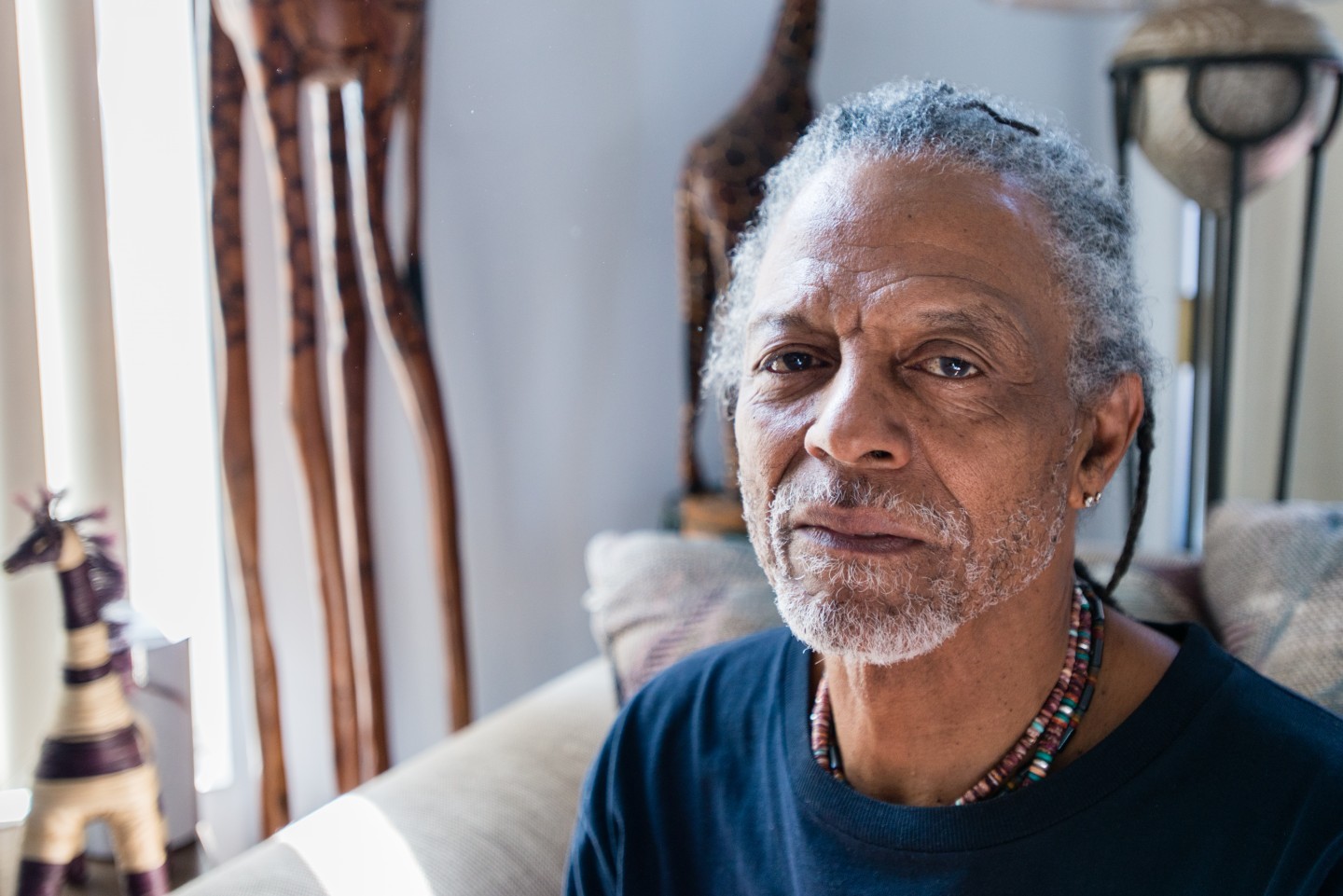
"caption": "Oliver Massengale took over as his brother’s full-time caregiver six years ago. He says he hasn’t had time for himself in years. (Heidi de Marco/KHN)",
"description": "Oliver Massengale took over as his brother’s full-time caregiver six years ago. He says he hasn’t had time for himself in years (Photo by Heidi de Marco/KHN).",
"title": "Messengale-7",
"credit": null,
"status": "inherit",
"isLoading": false,
"fetchFailed": false
},
"stateofhealth_23360": {
"type": "attachments",
"id": "stateofhealth_23360",
"meta": {
"index": "attachments_1716263798",
"site": "stateofhealth",
"id": "23360",
"found": true
},
"parent": 23353,
"imgSizes": {
"twentyfourteen-full-width": {
"file": "https://ww2.kqed.org/app/uploads/sites/27/2015/01/OConnor_Hospital_Exterior_2-e1420591762331-1038x576.jpg",
"width": 1038,
"mimeType": "image/jpeg",
"height": 576
},
"thumbnail": {
"file": "https://ww2.kqed.org/app/uploads/sites/27/2015/01/OConnor_Hospital_Exterior_2-e1420591762331-400x209.jpg",
"width": 400,
"mimeType": "image/jpeg",
"height": 209
},
"fd-sm": {
"file": "https://ww2.kqed.org/app/uploads/sites/27/2015/01/OConnor_Hospital_Exterior_2-e1420591762331-320x167.jpg",
"width": 320,
"mimeType": "image/jpeg",
"height": 167
},
"post-thumbnail": {
"file": "https://ww2.kqed.org/app/uploads/sites/27/2015/01/OConnor_Hospital_Exterior_2-e1420591762331-672x372.jpg",
"width": 672,
"mimeType": "image/jpeg",
"height": 372
},
"kqedFullSize": {
"file": "https://ww2.kqed.org/app/uploads/sites/27/2015/01/OConnor_Hospital_Exterior_2-e1420591762331.jpg",
"width": 1440,
"height": 752
},
"large": {
"file": "https://ww2.kqed.org/app/uploads/sites/27/2015/01/OConnor_Hospital_Exterior_2-e1420591762331-1440x752.jpg",
"width": 1440,
"mimeType": "image/jpeg",
"height": 752
},
"guest-author-96": {
"file": "https://ww2.kqed.org/app/uploads/sites/27/2015/01/OConnor_Hospital_Exterior_2-e1420591762331-96x96.jpg",
"width": 96,
"mimeType": "image/jpeg",
"height": 96
},
"medium": {
"file": "https://ww2.kqed.org/app/uploads/sites/27/2015/01/OConnor_Hospital_Exterior_2-e1420591762331-800x418.jpg",
"width": 800,
"mimeType": "image/jpeg",
"height": 418
},
"guest-author-64": {
"file": "https://ww2.kqed.org/app/uploads/sites/27/2015/01/OConnor_Hospital_Exterior_2-e1420591762331-64x64.jpg",
"width": 64,
"mimeType": "image/jpeg",
"height": 64
},
"guest-author-32": {
"file": "https://ww2.kqed.org/app/uploads/sites/27/2015/01/OConnor_Hospital_Exterior_2-e1420591762331-32x32.jpg",
"width": 32,
"mimeType": "image/jpeg",
"height": 32
},
"fd-lrg": {
"file": "https://ww2.kqed.org/app/uploads/sites/27/2015/01/OConnor_Hospital_Exterior_2-e1420591762331-1180x616.jpg",
"width": 1180,
"mimeType": "image/jpeg",
"height": 616
},
"fd-med": {
"file": "https://ww2.kqed.org/app/uploads/sites/27/2015/01/OConnor_Hospital_Exterior_2-e1420591762331-768x401.jpg",
"width": 768,
"mimeType": "image/jpeg",
"height": 401
},
"detail": {
"file": "https://ww2.kqed.org/app/uploads/sites/27/2015/01/OConnor_Hospital_Exterior_2-e1420591762331-75x75.jpg",
"width": 75,
"mimeType": "image/jpeg",
"height": 75
},
"guest-author-128": {
"file": "https://ww2.kqed.org/app/uploads/sites/27/2015/01/OConnor_Hospital_Exterior_2-e1420591762331-128x128.jpg",
"width": 128,
"mimeType": "image/jpeg",
"height": 128
}
},
"publishDate": 1420591753,
"modified": 1420591797,
"caption": "O'Connor Hospital in San Jose is one of the six hospitals operated by Daughters of Charity that is being sold. (Courtesy: O'Connor Hospital)",
"description": null,
"title": "OConnor_Hospital_Exterior_2",
"credit": null,
"status": "inherit",
"isLoading": false,
"fetchFailed": false
},
"stateofhealth_23331": {
"type": "attachments",
"id": "stateofhealth_23331",
"meta": {
"index": "attachments_1716263798",
"site": "stateofhealth",
"id": "23331",
"found": true
},
"parent": 23329,
"imgSizes": {
"thumbnail": {
"file": "https://ww2.kqed.org/app/uploads/sites/27/2015/01/Screen-Shot-2015-01-06-at-11.36.41-AM-400x265.png",
"width": 400,
"mimeType": "image/png",
"height": 265
},
"fd-sm": {
"file": "https://ww2.kqed.org/app/uploads/sites/27/2015/01/Screen-Shot-2015-01-06-at-11.36.41-AM-320x212.png",
"width": 320,
"mimeType": "image/png",
"height": 212
},
"post-thumbnail": {
"file": "https://ww2.kqed.org/app/uploads/sites/27/2015/01/Screen-Shot-2015-01-06-at-11.36.41-AM-672x372.png",
"width": 672,
"mimeType": "image/png",
"height": 372
},
"kqedFullSize": {
"file": "https://ww2.kqed.org/app/uploads/sites/27/2015/01/Screen-Shot-2015-01-06-at-11.36.41-AM.png",
"width": 764,
"height": 507
},
"guest-author-96": {
"file": "https://ww2.kqed.org/app/uploads/sites/27/2015/01/Screen-Shot-2015-01-06-at-11.36.41-AM-96x96.png",
"width": 96,
"mimeType": "image/png",
"height": 96
},
"guest-author-64": {
"file": "https://ww2.kqed.org/app/uploads/sites/27/2015/01/Screen-Shot-2015-01-06-at-11.36.41-AM-64x64.png",
"width": 64,
"mimeType": "image/png",
"height": 64
},
"detail": {
"file": "https://ww2.kqed.org/app/uploads/sites/27/2015/01/Screen-Shot-2015-01-06-at-11.36.41-AM-75x75.png",
"width": 75,
"mimeType": "image/png",
"height": 75
},
"guest-author-32": {
"file": "https://ww2.kqed.org/app/uploads/sites/27/2015/01/Screen-Shot-2015-01-06-at-11.36.41-AM-32x32.png",
"width": 32,
"mimeType": "image/png",
"height": 32
},
"guest-author-128": {
"file": "https://ww2.kqed.org/app/uploads/sites/27/2015/01/Screen-Shot-2015-01-06-at-11.36.41-AM-128x128.png",
"width": 128,
"mimeType": "image/png",
"height": 128
}
},
"publishDate": 1420573028,
"modified": 1420573073,
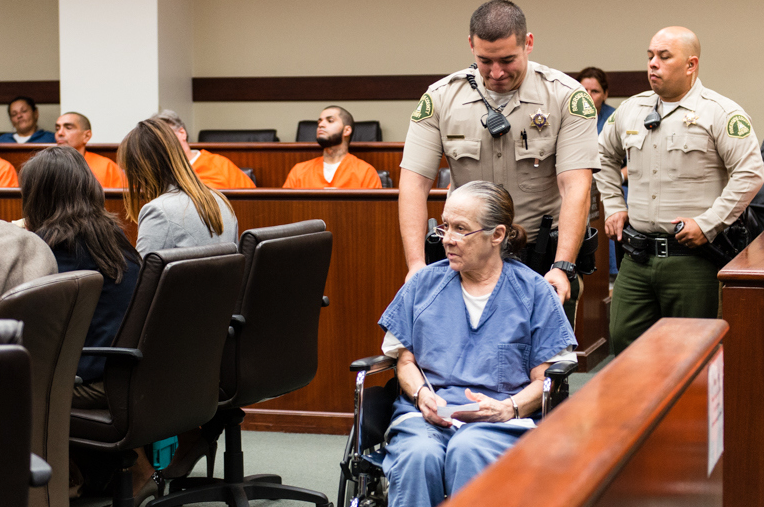
"caption": "Linda Maureen Raye at her sentencing at the Riverside County Hall of Justice. Raye pleaded guilty to elder abuse that led to the death of her mother. (Heidi de Marco/KHN)",
"description": "Linda Maureen Raye at her sentencing at the Riverside County Hall of Justice. Raye pleaded guilty to elder abuse that led to the death of her mother. (Heidi de Marco/KHN)",
"title": "Screen Shot 2015-01-06 at 11.36.41 AM",
"credit": null,
"status": "inherit",
"isLoading": false,
"fetchFailed": false
},
"stateofhealth_23020": {
"type": "attachments",
"id": "stateofhealth_23020",
"meta": {
"index": "attachments_1716263798",
"site": "stateofhealth",
"id": "23020",
"found": true
},
"parent": 23017,
"imgSizes": {
"twentyfourteen-full-width": {
"file": "https://ww2.kqed.org/app/uploads/sites/27/2014/12/Eph-e1419900771473-1038x576.jpg",
"width": 1038,
"mimeType": "image/jpeg",
"height": 576
},
"thumbnail": {
"file": "https://ww2.kqed.org/app/uploads/sites/27/2014/12/Eph-e1419900771473-400x267.jpg",
"width": 400,
"mimeType": "image/jpeg",
"height": 267
},
"fd-sm": {
"file": "https://ww2.kqed.org/app/uploads/sites/27/2014/12/Eph-e1419900771473-320x213.jpg",
"width": 320,
"mimeType": "image/jpeg",
"height": 213
},
"post-thumbnail": {
"file": "https://ww2.kqed.org/app/uploads/sites/27/2014/12/Eph-e1419900771473-672x372.jpg",
"width": 672,
"mimeType": "image/jpeg",
"height": 372
},
"kqedFullSize": {
"file": "https://ww2.kqed.org/app/uploads/sites/27/2014/12/Eph-e1419900771473.jpg",
"width": 1440,
"height": 960
},
"large": {
"file": "https://ww2.kqed.org/app/uploads/sites/27/2014/12/Eph-e1419900771473-1440x960.jpg",
"width": 1440,
"mimeType": "image/jpeg",
"height": 960
},
"guest-author-96": {
"file": "https://ww2.kqed.org/app/uploads/sites/27/2014/12/Eph-e1419900771473-96x96.jpg",
"width": 96,
"mimeType": "image/jpeg",
"height": 96
},
"medium": {
"file": "https://ww2.kqed.org/app/uploads/sites/27/2014/12/Eph-e1419900771473-800x533.jpg",
"width": 800,
"mimeType": "image/jpeg",
"height": 533
},
"guest-author-64": {
"file": "https://ww2.kqed.org/app/uploads/sites/27/2014/12/Eph-e1419900771473-64x64.jpg",
"width": 64,
"mimeType": "image/jpeg",
"height": 64
},
"guest-author-32": {
"file": "https://ww2.kqed.org/app/uploads/sites/27/2014/12/Eph-e1419900771473-32x32.jpg",
"width": 32,
"mimeType": "image/jpeg",
"height": 32
},
"fd-lrg": {
"file": "https://ww2.kqed.org/app/uploads/sites/27/2014/12/Eph-e1419900771473-1180x787.jpg",
"width": 1180,
"mimeType": "image/jpeg",
"height": 787
},
"fd-med": {
"file": "https://ww2.kqed.org/app/uploads/sites/27/2014/12/Eph-e1419900771473-768x512.jpg",
"width": 768,
"mimeType": "image/jpeg",
"height": 512
},
"detail": {
"file": "https://ww2.kqed.org/app/uploads/sites/27/2014/12/Eph-e1419900771473-75x75.jpg",
"width": 75,
"mimeType": "image/jpeg",
"height": 75
},
"guest-author-128": {
"file": "https://ww2.kqed.org/app/uploads/sites/27/2014/12/Eph-e1419900771473-128x128.jpg",
"width": 128,
"mimeType": "image/jpeg",
"height": 128
}
},
"publishDate": 1418780507,
"modified": 1419901033,
"caption": "Ephraim Camacho, a community worker with California Rural Legal Assistance, hands out brochures on the Affordable Care Act, heat illness, and wage theft at a farmworker health fair. (Jeremy Raff/KQED)",
"description": "Ephraim Camacho, a community worker with California Rural Legal Assistance; rural, farmworker",
"title": "Huron health fair",
"credit": null,
"status": "inherit",
"isLoading": false,
"fetchFailed": false
},
"stateofhealth_23216": {
"type": "attachments",
"id": "stateofhealth_23216",
"meta": {
"index": "attachments_1716263798",
"site": "stateofhealth",
"id": "23216",
"found": true
},
"parent": 23213,
"imgSizes": {
"twentyfourteen-full-width": {
"file": "https://ww2.kqed.org/app/uploads/sites/27/2014/12/iStock_000015203944_Medium-e1419366021288-1038x576.jpg",
"width": 1038,
"mimeType": "image/jpeg",
"height": 576
},
"thumbnail": {
"file": "https://ww2.kqed.org/app/uploads/sites/27/2014/12/iStock_000015203944_Medium-e1419366021288-400x266.jpg",
"width": 400,
"mimeType": "image/jpeg",
"height": 266
},
"fd-sm": {
"file": "https://ww2.kqed.org/app/uploads/sites/27/2014/12/iStock_000015203944_Medium-e1419366021288-320x213.jpg",
"width": 320,
"mimeType": "image/jpeg",
"height": 213
},
"post-thumbnail": {
"file": "https://ww2.kqed.org/app/uploads/sites/27/2014/12/iStock_000015203944_Medium-e1419366021288-672x372.jpg",
"width": 672,
"mimeType": "image/jpeg",
"height": 372
},
"kqedFullSize": {
"file": "https://ww2.kqed.org/app/uploads/sites/27/2014/12/iStock_000015203944_Medium-e1419366021288.jpg",
"width": 1440,
"height": 958
},
"large": {
"file": "https://ww2.kqed.org/app/uploads/sites/27/2014/12/iStock_000015203944_Medium-e1419366021288-1440x958.jpg",
"width": 1440,
"mimeType": "image/jpeg",
"height": 958
},
"guest-author-96": {
"file": "https://ww2.kqed.org/app/uploads/sites/27/2014/12/iStock_000015203944_Medium-e1419366021288-96x96.jpg",
"width": 96,
"mimeType": "image/jpeg",
"height": 96
},
"medium": {
"file": "https://ww2.kqed.org/app/uploads/sites/27/2014/12/iStock_000015203944_Medium-e1419366021288-800x532.jpg",
"width": 800,
"mimeType": "image/jpeg",
"height": 532
},
"guest-author-64": {
"file": "https://ww2.kqed.org/app/uploads/sites/27/2014/12/iStock_000015203944_Medium-e1419366021288-64x64.jpg",
"width": 64,
"mimeType": "image/jpeg",
"height": 64
},
"guest-author-32": {
"file": "https://ww2.kqed.org/app/uploads/sites/27/2014/12/iStock_000015203944_Medium-e1419366021288-32x32.jpg",
"width": 32,
"mimeType": "image/jpeg",
"height": 32
},
"fd-lrg": {
"file": "https://ww2.kqed.org/app/uploads/sites/27/2014/12/iStock_000015203944_Medium-e1419366021288-1180x785.jpg",
"width": 1180,
"mimeType": "image/jpeg",
"height": 785
},
"fd-med": {
"file": "https://ww2.kqed.org/app/uploads/sites/27/2014/12/iStock_000015203944_Medium-e1419366021288-768x511.jpg",
"width": 768,
"mimeType": "image/jpeg",
"height": 511
},
"detail": {
"file": "https://ww2.kqed.org/app/uploads/sites/27/2014/12/iStock_000015203944_Medium-e1419366021288-75x75.jpg",
"width": 75,
"mimeType": "image/jpeg",
"height": 75
},
"guest-author-128": {
"file": "https://ww2.kqed.org/app/uploads/sites/27/2014/12/iStock_000015203944_Medium-e1419366021288-128x128.jpg",
"width": 128,
"mimeType": "image/jpeg",
"height": 128
}
},
"publishDate": 1419366010,
"modified": 1419366035,
"caption": "(Getty Images)",
"description": "close up of blood extraction in lab; blood donation",
"title": "blood donation 7",
"credit": null,
"status": "inherit",
"isLoading": false,
"fetchFailed": false
},
"stateofhealth_23127": {
"type": "attachments",
"id": "stateofhealth_23127",
"meta": {
"index": "attachments_1716263798",
"site": "stateofhealth",
"id": "23127",
"found": true
},
"parent": 23125,
"imgSizes": {
"twentyfourteen-full-width": {
"file": "https://ww2.kqed.org/app/uploads/sites/27/2014/12/RS13416_IMG_0618-2-e1419035113938-1038x576.jpg",
"width": 1038,
"mimeType": "image/jpeg",
"height": 576
},
"thumbnail": {
"file": "https://ww2.kqed.org/app/uploads/sites/27/2014/12/RS13416_IMG_0618-2-e1419035113938-400x228.jpg",
"width": 400,
"mimeType": "image/jpeg",
"height": 228
},
"fd-sm": {
"file": "https://ww2.kqed.org/app/uploads/sites/27/2014/12/RS13416_IMG_0618-2-e1419035113938-320x182.jpg",
"width": 320,
"mimeType": "image/jpeg",
"height": 182
},
"post-thumbnail": {
"file": "https://ww2.kqed.org/app/uploads/sites/27/2014/12/RS13416_IMG_0618-2-e1419035113938-672x372.jpg",
"width": 672,
"mimeType": "image/jpeg",
"height": 372
},
"kqedFullSize": {
"file": "https://ww2.kqed.org/app/uploads/sites/27/2014/12/RS13416_IMG_0618-2-e1419035113938.jpg",
"width": 1440,
"height": 821
},
"large": {
"file": "https://ww2.kqed.org/app/uploads/sites/27/2014/12/RS13416_IMG_0618-2-e1419035113938-1440x821.jpg",
"width": 1440,
"mimeType": "image/jpeg",
"height": 821
},
"guest-author-96": {
"file": "https://ww2.kqed.org/app/uploads/sites/27/2014/12/RS13416_IMG_0618-2-e1419035113938-96x96.jpg",
"width": 96,
"mimeType": "image/jpeg",
"height": 96
},
"medium": {
"file": "https://ww2.kqed.org/app/uploads/sites/27/2014/12/RS13416_IMG_0618-2-e1419035113938-800x456.jpg",
"width": 800,
"mimeType": "image/jpeg",
"height": 456
},
"guest-author-64": {
"file": "https://ww2.kqed.org/app/uploads/sites/27/2014/12/RS13416_IMG_0618-2-e1419035113938-64x64.jpg",
"width": 64,
"mimeType": "image/jpeg",
"height": 64
},
"guest-author-32": {
"file": "https://ww2.kqed.org/app/uploads/sites/27/2014/12/RS13416_IMG_0618-2-e1419035113938-32x32.jpg",
"width": 32,
"mimeType": "image/jpeg",
"height": 32
},
"fd-lrg": {
"file": "https://ww2.kqed.org/app/uploads/sites/27/2014/12/RS13416_IMG_0618-2-e1419035113938-1180x673.jpg",
"width": 1180,
"mimeType": "image/jpeg",
"height": 673
},
"fd-med": {
"file": "https://ww2.kqed.org/app/uploads/sites/27/2014/12/RS13416_IMG_0618-2-e1419035113938-768x438.jpg",
"width": 768,
"mimeType": "image/jpeg",
"height": 438
},
"detail": {
"file": "https://ww2.kqed.org/app/uploads/sites/27/2014/12/RS13416_IMG_0618-2-e1419035113938-75x75.jpg",
"width": 75,
"mimeType": "image/jpeg",
"height": 75
},
"guest-author-128": {
"file": "https://ww2.kqed.org/app/uploads/sites/27/2014/12/RS13416_IMG_0618-2-e1419035113938-128x128.jpg",
"width": 128,
"mimeType": "image/jpeg",
"height": 128
}
},
"publishDate": 1419035022,
"modified": 1419035102,
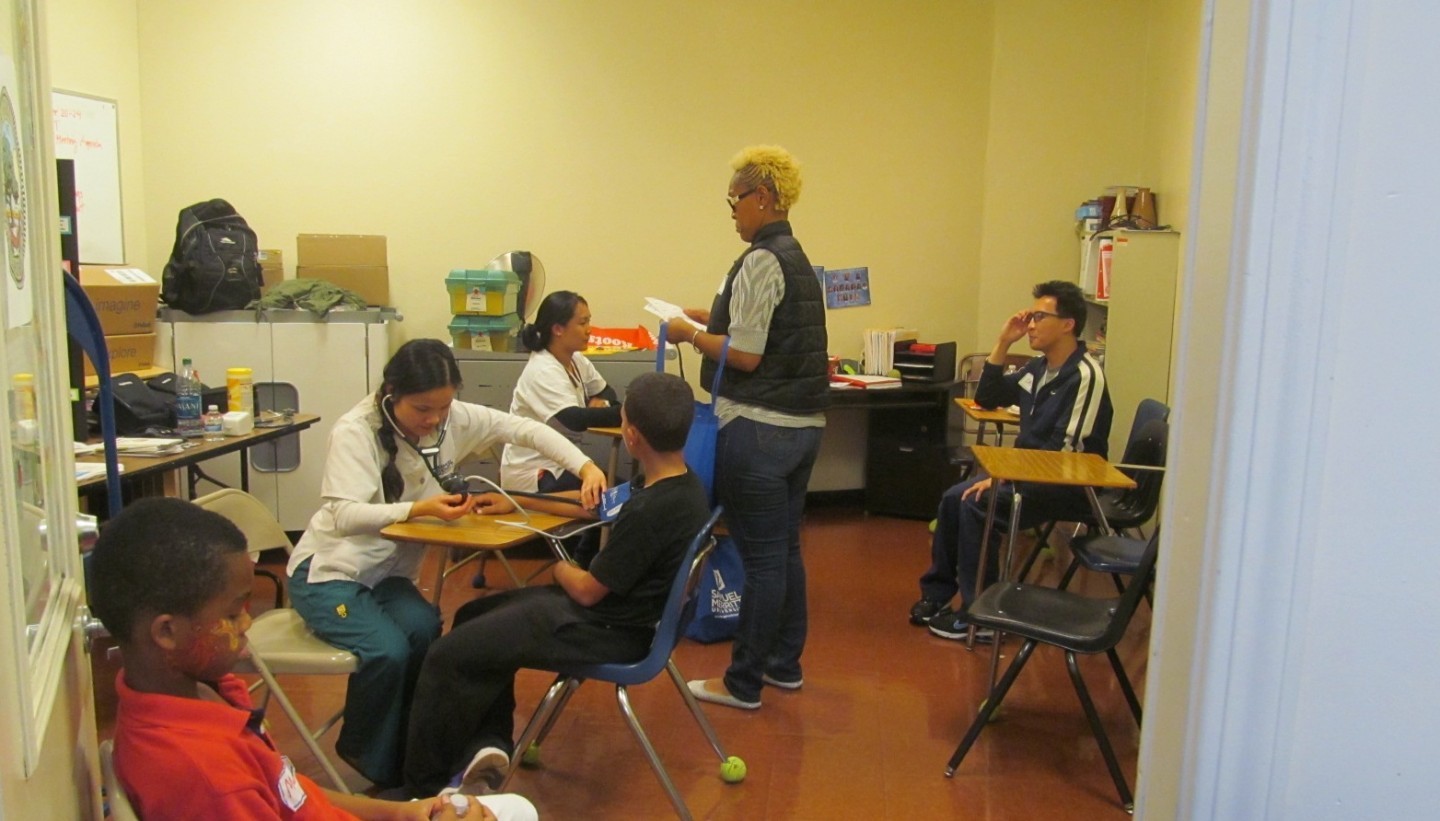
"caption": "Sownai Saetern and Jan Tracie check blood pressures as Kimberly Nichole waits in line at the EOLA Health Fair in Oakland. (Adizah Eghan/KQED)",
"description": "Sownai Saetern and Jan Tracie check blood pressures as Kimberly Nichole waits in line at the EOLA Health Fair in Oakland. (Adizah Eghan/KQED)",
"title": "RS13416_IMG_0618-2",
"credit": null,
"status": "inherit",
"isLoading": false,
"fetchFailed": false
},
"stateofhealth_23175": {
"type": "attachments",
"id": "stateofhealth_23175",
"meta": {
"index": "attachments_1716263798",
"site": "stateofhealth",
"id": "23175",
"found": true
},
"parent": 23171,
"imgSizes": {
"twentyfourteen-full-width": {
"file": "https://ww2.kqed.org/app/uploads/sites/27/2014/12/RS11135_450828518-lpr-e1419288401900-1038x576.jpg",
"width": 1038,
"mimeType": "image/jpeg",
"height": 576
},
"thumbnail": {
"file": "https://ww2.kqed.org/app/uploads/sites/27/2014/12/RS11135_450828518-lpr-e1419288401900-400x247.jpg",
"width": 400,
"mimeType": "image/jpeg",
"height": 247
},
"fd-sm": {
"file": "https://ww2.kqed.org/app/uploads/sites/27/2014/12/RS11135_450828518-lpr-e1419288401900-320x198.jpg",
"width": 320,
"mimeType": "image/jpeg",
"height": 198
},
"post-thumbnail": {
"file": "https://ww2.kqed.org/app/uploads/sites/27/2014/12/RS11135_450828518-lpr-e1419288401900-672x372.jpg",
"width": 672,
"mimeType": "image/jpeg",
"height": 372
},
"kqedFullSize": {
"file": "https://ww2.kqed.org/app/uploads/sites/27/2014/12/RS11135_450828518-lpr-e1419288401900.jpg",
"width": 1440,
"height": 890
},
"large": {
"file": "https://ww2.kqed.org/app/uploads/sites/27/2014/12/RS11135_450828518-lpr-e1419288401900-1440x890.jpg",
"width": 1440,
"mimeType": "image/jpeg",
"height": 890
},
"guest-author-96": {
"file": "https://ww2.kqed.org/app/uploads/sites/27/2014/12/RS11135_450828518-lpr-e1419288401900-96x96.jpg",
"width": 96,
"mimeType": "image/jpeg",
"height": 96
},
"medium": {
"file": "https://ww2.kqed.org/app/uploads/sites/27/2014/12/RS11135_450828518-lpr-e1419288401900-800x494.jpg",
"width": 800,
"mimeType": "image/jpeg",
"height": 494
},
"guest-author-64": {
"file": "https://ww2.kqed.org/app/uploads/sites/27/2014/12/RS11135_450828518-lpr-e1419288401900-64x64.jpg",
"width": 64,
"mimeType": "image/jpeg",
"height": 64
},
"guest-author-32": {
"file": "https://ww2.kqed.org/app/uploads/sites/27/2014/12/RS11135_450828518-lpr-e1419288401900-32x32.jpg",
"width": 32,
"mimeType": "image/jpeg",
"height": 32
},
"fd-lrg": {
"file": "https://ww2.kqed.org/app/uploads/sites/27/2014/12/RS11135_450828518-lpr-e1419288401900-1180x729.jpg",
"width": 1180,
"mimeType": "image/jpeg",
"height": 729
},
"fd-med": {
"file": "https://ww2.kqed.org/app/uploads/sites/27/2014/12/RS11135_450828518-lpr-e1419288401900-768x475.jpg",
"width": 768,
"mimeType": "image/jpeg",
"height": 475
},
"detail": {
"file": "https://ww2.kqed.org/app/uploads/sites/27/2014/12/RS11135_450828518-lpr-e1419288401900-75x75.jpg",
"width": 75,
"mimeType": "image/jpeg",
"height": 75
},
"guest-author-128": {
"file": "https://ww2.kqed.org/app/uploads/sites/27/2014/12/RS11135_450828518-lpr-e1419288401900-128x128.jpg",
"width": 128,
"mimeType": "image/jpeg",
"height": 128
}
},
"publishDate": 1419288351,
"modified": 1463083353,
"caption": null,
"description": "soda, soda tax",
"title": "RS11135_450828518-lpr",
"credit": "Frederic J. Brown/AFP/Getty Images",
"status": "inherit",
"isLoading": false,
"fetchFailed": false
},
"stateofhealth_23152": {
"type": "attachments",
"id": "stateofhealth_23152",
"meta": {
"index": "attachments_1716263798",
"site": "stateofhealth",
"id": "23152",
"found": true
},
"parent": 23135,
"imgSizes": {
"twentyfourteen-full-width": {
"file": "https://ww2.kqed.org/app/uploads/sites/27/2014/12/clarence1CROP-1038x576.jpg",
"width": 1038,
"mimeType": "image/jpeg",
"height": 576
},
"thumbnail": {
"file": "https://ww2.kqed.org/app/uploads/sites/27/2014/12/clarence1CROP-400x278.jpg",
"width": 400,
"mimeType": "image/jpeg",
"height": 278
},
"fd-sm": {
"file": "https://ww2.kqed.org/app/uploads/sites/27/2014/12/clarence1CROP-320x222.jpg",
"width": 320,
"mimeType": "image/jpeg",
"height": 222
},
"post-thumbnail": {
"file": "https://ww2.kqed.org/app/uploads/sites/27/2014/12/clarence1CROP-672x372.jpg",
"width": 672,
"mimeType": "image/jpeg",
"height": 372
},
"kqedFullSize": {
"file": "https://ww2.kqed.org/app/uploads/sites/27/2014/12/clarence1CROP.jpg",
"width": 1085,
"height": 753
},
"fd-med": {
"file": "https://ww2.kqed.org/app/uploads/sites/27/2014/12/clarence1CROP-768x533.jpg",
"width": 768,
"mimeType": "image/jpeg",
"height": 533
},
"guest-author-96": {
"file": "https://ww2.kqed.org/app/uploads/sites/27/2014/12/clarence1CROP-96x96.jpg",
"width": 96,
"mimeType": "image/jpeg",
"height": 96
},
"medium": {
"file": "https://ww2.kqed.org/app/uploads/sites/27/2014/12/clarence1CROP-800x555.jpg",
"width": 800,
"mimeType": "image/jpeg",
"height": 555
},
"guest-author-64": {
"file": "https://ww2.kqed.org/app/uploads/sites/27/2014/12/clarence1CROP-64x64.jpg",
"width": 64,
"mimeType": "image/jpeg",
"height": 64
},
"detail": {
"file": "https://ww2.kqed.org/app/uploads/sites/27/2014/12/clarence1CROP-75x75.jpg",
"width": 75,
"mimeType": "image/jpeg",
"height": 75
},
"guest-author-32": {
"file": "https://ww2.kqed.org/app/uploads/sites/27/2014/12/clarence1CROP-32x32.jpg",
"width": 32,
"mimeType": "image/jpeg",
"height": 32
},
"guest-author-128": {
"file": "https://ww2.kqed.org/app/uploads/sites/27/2014/12/clarence1CROP-128x128.jpg",
"width": 128,
"mimeType": "image/jpeg",
"height": 128
}
},
"publishDate": 1419275304,
"modified": 1419275331,
"caption": "Clarence Cook moves into his brand new apartment at 250 Kearny, with the help of his girlfriend Lynette Baldwin. (Adam Grossberg/KQED)",
"description": "Clarence Cook moves into his brand new apartment at 250 Kearny, with the help of his girlfriend Lynette Baldwin. (Adam Grossberg/KQED)",
"title": "clarence1CROP",
"credit": null,
"status": "inherit",
"isLoading": false,
"fetchFailed": false
},
"stateofhealth_22988": {
"type": "attachments",
"id": "stateofhealth_22988",
"meta": {
"index": "attachments_1716263798",
"site": "stateofhealth",
"id": "22988",
"found": true
},
"parent": 22986,
"imgSizes": {
"twentyfourteen-full-width": {
"file": "https://ww2.kqed.org/app/uploads/sites/27/2014/12/Screen-Shot-2014-12-15-at-5.38.12-PM-e1418936402591-1038x576.png",
"width": 1038,
"mimeType": "image/png",
"height": 576
},
"thumbnail": {
"file": "https://ww2.kqed.org/app/uploads/sites/27/2014/12/Screen-Shot-2014-12-15-at-5.38.12-PM-e1418936402591-400x225.png",
"width": 400,
"mimeType": "image/png",
"height": 225
},
"fd-sm": {
"file": "https://ww2.kqed.org/app/uploads/sites/27/2014/12/Screen-Shot-2014-12-15-at-5.38.12-PM-e1418936402591-320x180.png",
"width": 320,
"mimeType": "image/png",
"height": 180
},
"post-thumbnail": {
"file": "https://ww2.kqed.org/app/uploads/sites/27/2014/12/Screen-Shot-2014-12-15-at-5.38.12-PM-e1418936402591-672x372.png",
"width": 672,
"mimeType": "image/png",
"height": 372
},
"kqedFullSize": {
"file": "https://ww2.kqed.org/app/uploads/sites/27/2014/12/Screen-Shot-2014-12-15-at-5.38.12-PM-e1418936402591.png",
"width": 1440,
"height": 810
},
"large": {
"file": "https://ww2.kqed.org/app/uploads/sites/27/2014/12/Screen-Shot-2014-12-15-at-5.38.12-PM-e1418936402591-1440x810.png",
"width": 1440,
"mimeType": "image/png",
"height": 810
},
"guest-author-96": {
"file": "https://ww2.kqed.org/app/uploads/sites/27/2014/12/Screen-Shot-2014-12-15-at-5.38.12-PM-e1418936402591-96x96.png",
"width": 96,
"mimeType": "image/png",
"height": 96
},
"medium": {
"file": "https://ww2.kqed.org/app/uploads/sites/27/2014/12/Screen-Shot-2014-12-15-at-5.38.12-PM-e1418936402591-800x450.png",
"width": 800,
"mimeType": "image/png",
"height": 450
},
"guest-author-64": {
"file": "https://ww2.kqed.org/app/uploads/sites/27/2014/12/Screen-Shot-2014-12-15-at-5.38.12-PM-e1418936402591-64x64.png",
"width": 64,
"mimeType": "image/png",
"height": 64
},
"guest-author-32": {
"file": "https://ww2.kqed.org/app/uploads/sites/27/2014/12/Screen-Shot-2014-12-15-at-5.38.12-PM-e1418936402591-32x32.png",
"width": 32,
"mimeType": "image/png",
"height": 32
},
"fd-lrg": {
"file": "https://ww2.kqed.org/app/uploads/sites/27/2014/12/Screen-Shot-2014-12-15-at-5.38.12-PM-e1418936402591-1180x664.png",
"width": 1180,
"mimeType": "image/png",
"height": 664
},
"fd-med": {
"file": "https://ww2.kqed.org/app/uploads/sites/27/2014/12/Screen-Shot-2014-12-15-at-5.38.12-PM-e1418936402591-768x432.png",
"width": 768,
"mimeType": "image/png",
"height": 432
},
"detail": {
"file": "https://ww2.kqed.org/app/uploads/sites/27/2014/12/Screen-Shot-2014-12-15-at-5.38.12-PM-e1418936402591-75x75.png",
"width": 75,
"mimeType": "image/png",
"height": 75
},
"guest-author-128": {
"file": "https://ww2.kqed.org/app/uploads/sites/27/2014/12/Screen-Shot-2014-12-15-at-5.38.12-PM-e1418936402591-128x128.png",
"width": 128,
"mimeType": "image/png",
"height": 128
}
},
"publishDate": 1418757864,
"modified": 1418936434,
"caption": "Hernandez says the secret to his health is his wife's support. \"She keeps me in line,\" he said. They met in middle school.",
"description": null,
"title": "Frank Delano skatepark",
"credit": null,
"status": "inherit",
"isLoading": false,
"fetchFailed": false
},
"stateofhealth_23074": {
"type": "attachments",
"id": "stateofhealth_23074",
"meta": {
"index": "attachments_1716263798",
"site": "stateofhealth",
"id": "23074",
"found": true
},
"parent": 23054,
"imgSizes": {
"twentyfourteen-full-width": {
"file": "https://ww2.kqed.org/app/uploads/sites/27/2014/12/6358613209_ee1a0662ef_o2-e1418860428207-1038x576.jpg",
"width": 1038,
"mimeType": "image/jpeg",
"height": 576
},
"thumbnail": {
"file": "https://ww2.kqed.org/app/uploads/sites/27/2014/12/6358613209_ee1a0662ef_o2-e1418860428207-400x276.jpg",
"width": 400,
"mimeType": "image/jpeg",
"height": 276
},
"fd-sm": {
"file": "https://ww2.kqed.org/app/uploads/sites/27/2014/12/6358613209_ee1a0662ef_o2-e1418860428207-320x220.jpg",
"width": 320,
"mimeType": "image/jpeg",
"height": 220
},
"post-thumbnail": {
"file": "https://ww2.kqed.org/app/uploads/sites/27/2014/12/6358613209_ee1a0662ef_o2-e1418860428207-672x372.jpg",
"width": 672,
"mimeType": "image/jpeg",
"height": 372
},
"kqedFullSize": {
"file": "https://ww2.kqed.org/app/uploads/sites/27/2014/12/6358613209_ee1a0662ef_o2-e1418860428207.jpg",
"width": 1440,
"height": 992
},
"large": {
"file": "https://ww2.kqed.org/app/uploads/sites/27/2014/12/6358613209_ee1a0662ef_o2-e1418860428207-1440x992.jpg",
"width": 1440,
"mimeType": "image/jpeg",
"height": 992
},
"guest-author-96": {
"file": "https://ww2.kqed.org/app/uploads/sites/27/2014/12/6358613209_ee1a0662ef_o2-e1418860428207-96x96.jpg",
"width": 96,
"mimeType": "image/jpeg",
"height": 96
},
"medium": {
"file": "https://ww2.kqed.org/app/uploads/sites/27/2014/12/6358613209_ee1a0662ef_o2-e1418860428207-800x551.jpg",
"width": 800,
"mimeType": "image/jpeg",
"height": 551
},
"guest-author-64": {
"file": "https://ww2.kqed.org/app/uploads/sites/27/2014/12/6358613209_ee1a0662ef_o2-e1418860428207-64x64.jpg",
"width": 64,
"mimeType": "image/jpeg",
"height": 64
},
"guest-author-32": {
"file": "https://ww2.kqed.org/app/uploads/sites/27/2014/12/6358613209_ee1a0662ef_o2-e1418860428207-32x32.jpg",
"width": 32,
"mimeType": "image/jpeg",
"height": 32
},
"fd-lrg": {
"file": "https://ww2.kqed.org/app/uploads/sites/27/2014/12/6358613209_ee1a0662ef_o2-e1418860428207-1180x813.jpg",
"width": 1180,
"mimeType": "image/jpeg",
"height": 813
},
"fd-med": {
"file": "https://ww2.kqed.org/app/uploads/sites/27/2014/12/6358613209_ee1a0662ef_o2-e1418860428207-768x529.jpg",
"width": 768,
"mimeType": "image/jpeg",
"height": 529
},
"detail": {
"file": "https://ww2.kqed.org/app/uploads/sites/27/2014/12/6358613209_ee1a0662ef_o2-e1418860428207-75x75.jpg",
"width": 75,
"mimeType": "image/jpeg",
"height": 75
},
"guest-author-128": {
"file": "https://ww2.kqed.org/app/uploads/sites/27/2014/12/6358613209_ee1a0662ef_o2-e1418860428207-128x128.jpg",
"width": 128,
"mimeType": "image/jpeg",
"height": 128
}
},
"publishDate": 1418860360,
"modified": 1418860375,
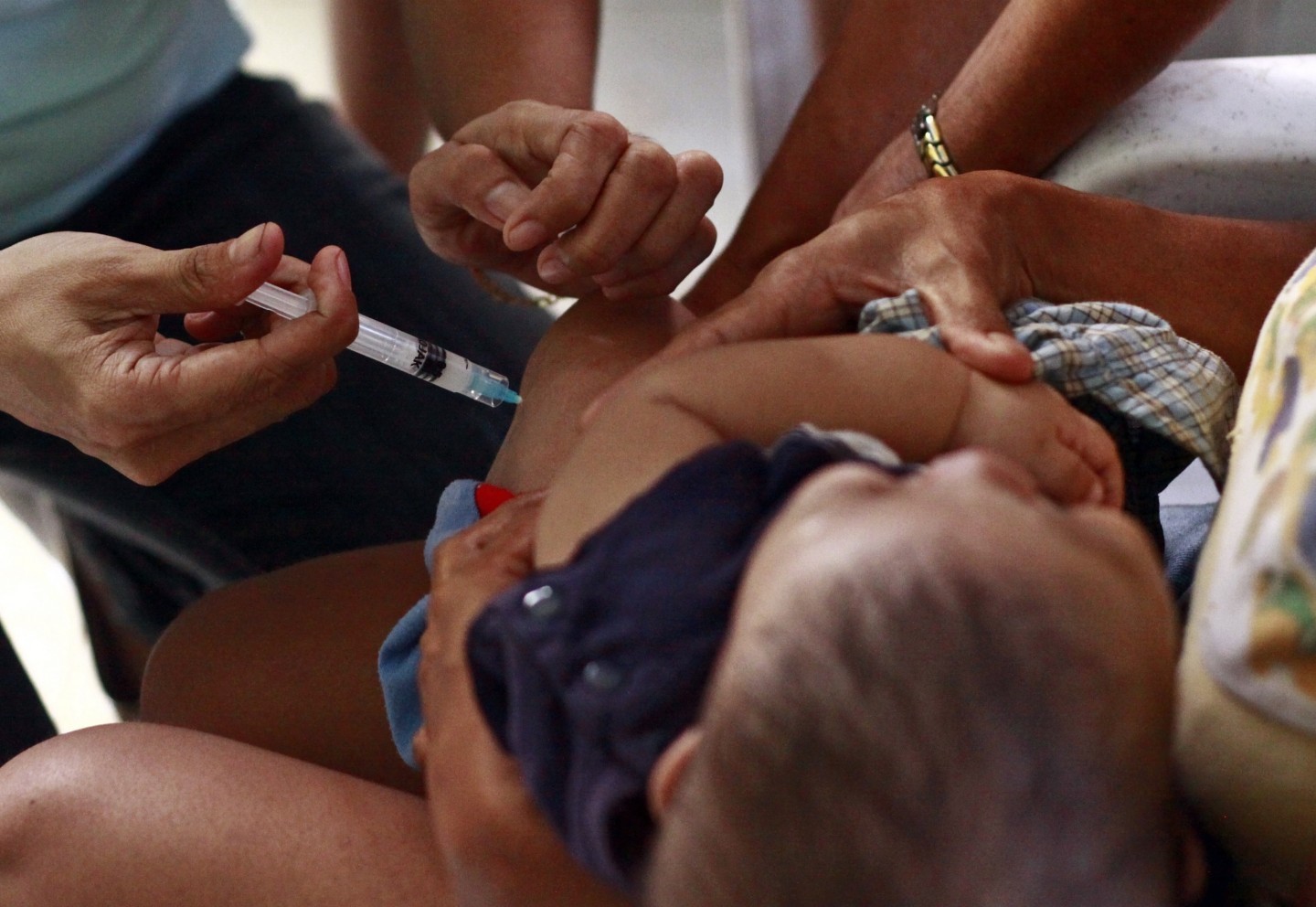
"caption": "Babies get their first whooping cough vaccine at 2 months. (Kenneth Pornillos/World Bank via Flickr)",
"description": "Health worker injecting vaccine to child. Legazpi City, Albay, Philippines. Project: WHSMP2. Photo: Kenneth Pornillos / World Bank",
"title": "6358613209_ee1a0662ef_o2",
"credit": null,
"status": "inherit",
"isLoading": false,
"fetchFailed": false
},
"stateofhealth_23076": {
"type": "attachments",
"id": "stateofhealth_23076",
"meta": {
"index": "attachments_1716263798",
"site": "stateofhealth",
"id": "23076",
"found": true
},
"parent": 23071,
"imgSizes": {
"twentyfourteen-full-width": {
"file": "https://ww2.kqed.org/app/uploads/sites/27/2014/12/asthma-1038x576.jpg",
"width": 1038,
"mimeType": "image/jpeg",
"height": 576
},
"thumbnail": {
"file": "https://ww2.kqed.org/app/uploads/sites/27/2014/12/asthma-400x253.jpg",
"width": 400,
"mimeType": "image/jpeg",
"height": 253
},
"fd-sm": {
"file": "https://ww2.kqed.org/app/uploads/sites/27/2014/12/asthma-320x202.jpg",
"width": 320,
"mimeType": "image/jpeg",
"height": 202
},
"post-thumbnail": {
"file": "https://ww2.kqed.org/app/uploads/sites/27/2014/12/asthma-672x372.jpg",
"width": 672,
"mimeType": "image/jpeg",
"height": 372
},
"kqedFullSize": {
"file": "https://ww2.kqed.org/app/uploads/sites/27/2014/12/asthma.jpg",
"width": 1440,
"height": 910
},
"large": {
"file": "https://ww2.kqed.org/app/uploads/sites/27/2014/12/asthma-1440x910.jpg",
"width": 1440,
"mimeType": "image/jpeg",
"height": 910
},
"guest-author-96": {
"file": "https://ww2.kqed.org/app/uploads/sites/27/2014/12/asthma-96x96.jpg",
"width": 96,
"mimeType": "image/jpeg",
"height": 96
},
"medium": {
"file": "https://ww2.kqed.org/app/uploads/sites/27/2014/12/asthma-800x506.jpg",
"width": 800,
"mimeType": "image/jpeg",
"height": 506
},
"guest-author-64": {
"file": "https://ww2.kqed.org/app/uploads/sites/27/2014/12/asthma-64x64.jpg",
"width": 64,
"mimeType": "image/jpeg",
"height": 64
},
"guest-author-32": {
"file": "https://ww2.kqed.org/app/uploads/sites/27/2014/12/asthma-32x32.jpg",
"width": 32,
"mimeType": "image/jpeg",
"height": 32
},
"fd-lrg": {
"file": "https://ww2.kqed.org/app/uploads/sites/27/2014/12/asthma-1180x746.jpg",
"width": 1180,
"mimeType": "image/jpeg",
"height": 746
},
"fd-med": {
"file": "https://ww2.kqed.org/app/uploads/sites/27/2014/12/asthma-768x485.jpg",
"width": 768,
"mimeType": "image/jpeg",
"height": 485
},
"detail": {
"file": "https://ww2.kqed.org/app/uploads/sites/27/2014/12/asthma-75x75.jpg",
"width": 75,
"mimeType": "image/jpeg",
"height": 75
},
"guest-author-128": {
"file": "https://ww2.kqed.org/app/uploads/sites/27/2014/12/asthma-128x128.jpg",
"width": 128,
"mimeType": "image/jpeg",
"height": 128
}
},
"publishDate": 1418860549,
"modified": 1418860581,
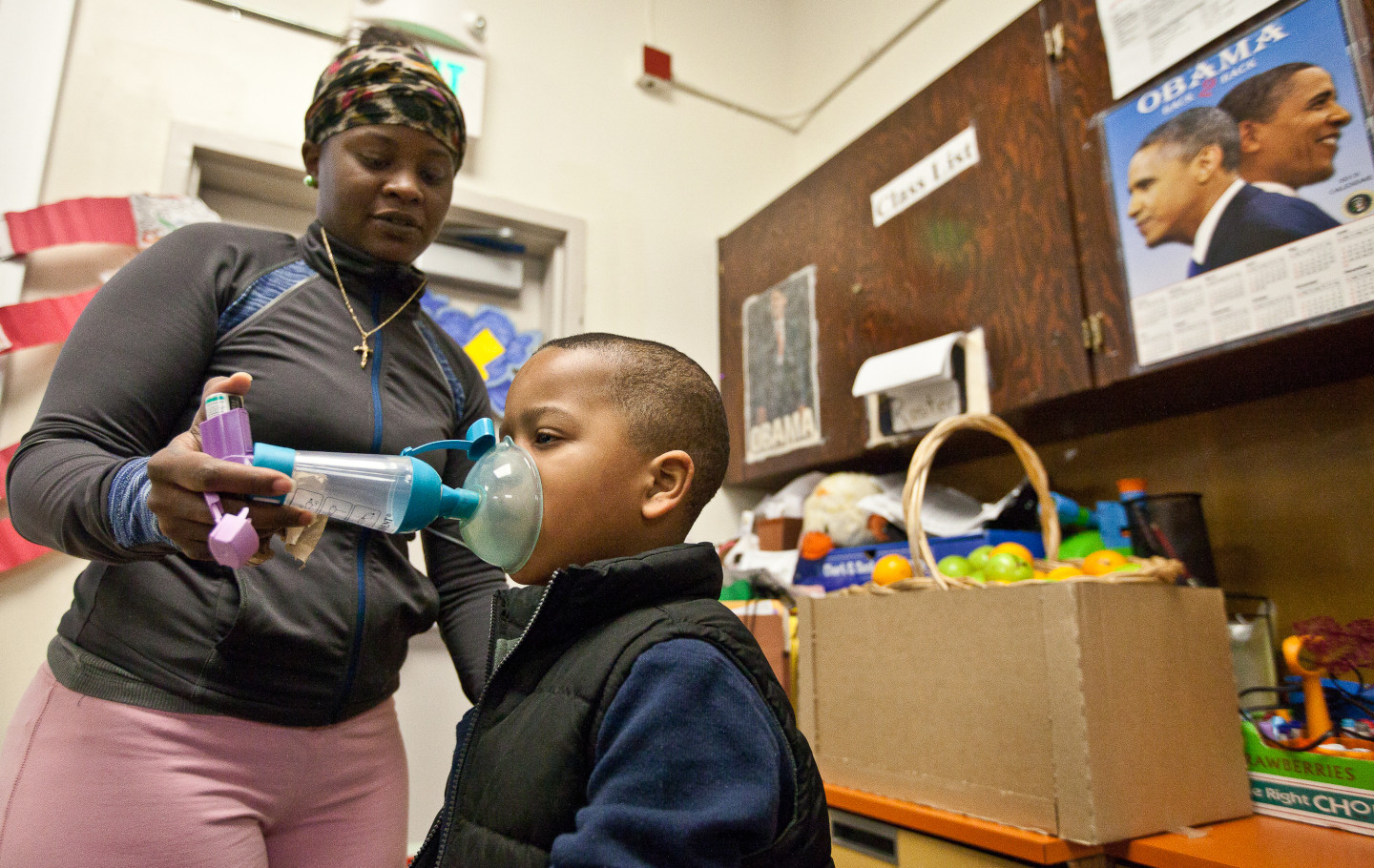
"caption": "Shameka Bibb gives her son Sarquan Holland Jr., age 5, his asthma inhaler at school before she leaves him for the day. Hollands asthma is so severe that he has been on Prednisone since he was three and is on the strongest dose of inhaler, not usually given to children. (Deborah Svoboda/KQED)",
"description": "Shameka Bibb gives her son Sarquan Holland Jr., age 5, his asthma inhaler at school before she leaves him for the day. Hollands asthma is so severe that he has been on Prednisone since he was three and is on the strongest dose of inhaler, not usually given to children. Photo by Deborah Svoboda",
"title": "asthma",
"credit": null,
"status": "inherit",
"isLoading": false,
"fetchFailed": false
},
"stateofhealth_23040": {
"type": "attachments",
"id": "stateofhealth_23040",
"meta": {
"index": "attachments_1716263798",
"site": "stateofhealth",
"id": "23040",
"found": true
},
"parent": 23009,
"imgSizes": {
"twentyfourteen-full-width": {
"file": "https://ww2.kqed.org/app/uploads/sites/27/2014/12/iStock_000001039817_Large-e1418800457273-1038x576.jpg",
"width": 1038,
"mimeType": "image/jpeg",
"height": 576
},
"thumbnail": {
"file": "https://ww2.kqed.org/app/uploads/sites/27/2014/12/iStock_000001039817_Large-e1418800457273-400x266.jpg",
"width": 400,
"mimeType": "image/jpeg",
"height": 266
},
"fd-sm": {
"file": "https://ww2.kqed.org/app/uploads/sites/27/2014/12/iStock_000001039817_Large-e1418800457273-320x213.jpg",
"width": 320,
"mimeType": "image/jpeg",
"height": 213
},
"post-thumbnail": {
"file": "https://ww2.kqed.org/app/uploads/sites/27/2014/12/iStock_000001039817_Large-e1418800457273-672x372.jpg",
"width": 672,
"mimeType": "image/jpeg",
"height": 372
},
"kqedFullSize": {
"file": "https://ww2.kqed.org/app/uploads/sites/27/2014/12/iStock_000001039817_Large-e1418800457273.jpg",
"width": 1441,
"height": 958
},
"large": {
"file": "https://ww2.kqed.org/app/uploads/sites/27/2014/12/iStock_000001039817_Large-e1418800457273-1440x957.jpg",
"width": 1440,
"mimeType": "image/jpeg",
"height": 957
},
"guest-author-96": {
"file": "https://ww2.kqed.org/app/uploads/sites/27/2014/12/iStock_000001039817_Large-e1418800457273-96x96.jpg",
"width": 96,
"mimeType": "image/jpeg",
"height": 96
},
"medium": {
"file": "https://ww2.kqed.org/app/uploads/sites/27/2014/12/iStock_000001039817_Large-e1418800457273-800x532.jpg",
"width": 800,
"mimeType": "image/jpeg",
"height": 532
},
"guest-author-64": {
"file": "https://ww2.kqed.org/app/uploads/sites/27/2014/12/iStock_000001039817_Large-e1418800457273-64x64.jpg",
"width": 64,
"mimeType": "image/jpeg",
"height": 64
},
"guest-author-32": {
"file": "https://ww2.kqed.org/app/uploads/sites/27/2014/12/iStock_000001039817_Large-e1418800457273-32x32.jpg",
"width": 32,
"mimeType": "image/jpeg",
"height": 32
},
"fd-lrg": {
"file": "https://ww2.kqed.org/app/uploads/sites/27/2014/12/iStock_000001039817_Large-e1418800457273-1180x784.jpg",
"width": 1180,
"mimeType": "image/jpeg",
"height": 784
},
"fd-med": {
"file": "https://ww2.kqed.org/app/uploads/sites/27/2014/12/iStock_000001039817_Large-e1418800457273-768x511.jpg",
"width": 768,
"mimeType": "image/jpeg",
"height": 511
},
"detail": {
"file": "https://ww2.kqed.org/app/uploads/sites/27/2014/12/iStock_000001039817_Large-e1418800457273-75x75.jpg",
"width": 75,
"mimeType": "image/jpeg",
"height": 75
},
"guest-author-128": {
"file": "https://ww2.kqed.org/app/uploads/sites/27/2014/12/iStock_000001039817_Large-e1418800457273-128x128.jpg",
"width": 128,
"mimeType": "image/jpeg",
"height": 128
}
},
"publishDate": 1418800319,
"modified": 1418800439,
"caption": "Researchers looked at how effectively patients had their blood pressure, blood sugar and cholesterol controlled. (Getty Images)",
"description": "Close Up Detail of an African American nurse taking the blood preasure of a male African American patient",
"title": "Blood Pressure",
"credit": null,
"status": "inherit",
"isLoading": false,
"fetchFailed": false
}
},
"audioPlayerReducer": {
"postId": "stream_live",
"isPaused": true,
"isPlaying": false,
"pfsActive": false,
"pledgeModalIsOpen": true,
"playerDrawerIsOpen": false,
"liveAudioPlayStartedAt": 0,
"liveAudioPlayContext": ""
},
"authorsReducer": {
"jeremyraff": {
"type": "authors",
"id": "230",
"meta": {
"index": "authors_1716337520",
"id": "230",
"found": true
},
"name": "Jeremy Raff",
"firstName": "Jeremy",
"lastName": "Raff",
"slug": "jeremyraff",
"email": "jeremyraff@gmail.com",
"display_author_email": false,
"staff_mastheads": [],
"title": null,
"bio": "Jeremy Raff is a multimedia producer interested in migration, rural change, and health disparities. He produces KQED's community health series\u003ca href=\"http://blogs.kqed.org/stateofhealth/series/vital-signs/\" target=\"_blank\" rel=\"noopener\"> Vital Signs\u003c/a>. Reach him at jraff@kqed.org",
"avatar": "https://secure.gravatar.com/avatar/1444299e18b67b815fbbdc87a85e7dff?s=600&d=blank&r=g",
"twitter": null,
"facebook": null,
"instagram": null,
"linkedin": null,
"sites": [
{
"site": "news",
"roles": [
"subscriber"
]
},
{
"site": "stateofhealth",
"roles": [
"subscriber"
]
}
],
"headData": {
"title": "Jeremy Raff | KQED",
"description": null,
"ogImgSrc": "https://secure.gravatar.com/avatar/1444299e18b67b815fbbdc87a85e7dff?s=600&d=blank&r=g",
"twImgSrc": "https://secure.gravatar.com/avatar/1444299e18b67b815fbbdc87a85e7dff?s=600&d=blank&r=g"
},
"isLoading": false,
"link": "/author/jeremyraff"
},
"katrinaschwartz": {
"type": "authors",
"id": "234",
"meta": {
"index": "authors_1716337520",
"id": "234",
"found": true
},
"name": "Katrina Schwartz",
"firstName": "Katrina",
"lastName": "Schwartz",
"slug": "katrinaschwartz",
"email": "kschwartz@kqed.org",
"display_author_email": false,
"staff_mastheads": [
"news"
],
"title": "Producer",
"bio": "Katrina Schwartz is a journalist based in San Francisco. She's worked at KPCC public radio in LA and has reported on air and online for KQED since 2010. She covered how teaching and learning is changing for MindShift between 2012 and 2020. She is the co-host of the MindShift podcast and now produces KQED's Bay Curious podcast.",
"avatar": "https://secure.gravatar.com/avatar/edb4ee79070447a018538c9aae6eeecf28786515b8a0c30e43b6b7dce5aa44c8?s=600&d=blank&r=g",
"twitter": "kschwart",
"bluesky": null,
"facebook": null,
"instagram": null,
"linkedin": null,
"sites": [
{
"site": "",
"roles": [
"editor"
]
},
{
"site": "news",
"roles": [
"editor"
]
},
{
"site": "mindshift",
"roles": [
"administrator"
]
},
{
"site": "stateofhealth",
"roles": [
"author"
]
},
{
"site": "science",
"roles": [
"editor"
]
}
],
"headData": {
"title": "Katrina Schwartz | KQED",
"description": "Producer",
"ogImgSrc": "https://secure.gravatar.com/avatar/edb4ee79070447a018538c9aae6eeecf28786515b8a0c30e43b6b7dce5aa44c8?s=600&d=blank&r=g",
"twImgSrc": "https://secure.gravatar.com/avatar/edb4ee79070447a018538c9aae6eeecf28786515b8a0c30e43b6b7dce5aa44c8?s=600&d=blank&r=g"
},
"isLoading": false,
"link": "/author/katrinaschwartz"
},
"lisaaliferis": {
"type": "authors",
"id": "240",
"meta": {
"index": "authors_1716337520",
"id": "240",
"found": true
},
"name": "Lisa Aliferis",
"firstName": "Lisa",
"lastName": "Aliferis",
"slug": "lisaaliferis",
"email": "laliferis@kqed.org",
"display_author_email": false,
"staff_mastheads": [],
"title": "KQED Contributor",
"bio": "Lisa Aliferis is the founding editor of KQED's \u003cem>State of Health\u003c/em> blog. Since 2011, she's been writing and editing stories for the site. Before taking up blogging, she toiled for many years (more than we can count) producing health stories for television, including\u003cem> Dateline NBC\u003c/em> and San Francisco's CBS affiliate, KPIX-TV. She also wrote up a \u003ca title=\"http://www.kqed.org/news/health/obamacare/obamacare-guide.jsp\" href=\"http://www.kqed.org/news/health/obamacare/obamacare-guide.jsp\">handy guide to the Affordable Care Act\u003c/a>, especially for Californians. Her work has been honored for many awards. Most recently she was a finalist for \"Best Topical Reporting\" from the Online News Association. You can follow her on Twitter: \u003ca title=\"https://twitter.com/laliferis\" href=\"https://twitter.com/laliferis\">@laliferis\u003c/a>",
"avatar": "https://secure.gravatar.com/avatar/86c339d5cdcb0dcd2b6cf5d7c3f5886b?s=600&d=mm&r=g",
"twitter": "laliferis",
"facebook": null,
"instagram": null,
"linkedin": null,
"sites": [
{
"site": "news",
"roles": [
"subscriber"
]
},
{
"site": "futureofyou",
"roles": [
"subscriber"
]
},
{
"site": "stateofhealth",
"roles": [
"subscriber"
]
},
{
"site": "science",
"roles": [
"subscriber"
]
},
{
"site": "food",
"roles": []
}
],
"headData": {
"title": "Lisa Aliferis | KQED",
"description": "KQED Contributor",
"ogImgSrc": "https://secure.gravatar.com/avatar/86c339d5cdcb0dcd2b6cf5d7c3f5886b?s=600&d=mm&r=g",
"twImgSrc": "https://secure.gravatar.com/avatar/86c339d5cdcb0dcd2b6cf5d7c3f5886b?s=600&d=mm&r=g"
},
"isLoading": false,
"link": "/author/lisaaliferis"
},
"state-of-health": {
"type": "authors",
"id": "8344",
"meta": {
"index": "authors_1716337520",
"id": "8344",
"found": true
},
"name": "State of Health",
"firstName": "State of Health",
"lastName": null,
"slug": "state-of-health",
"email": "stateofhealth@kqed.org",
"display_author_email": false,
"staff_mastheads": [],
"title": null,
"bio": null,
"avatar": "https://secure.gravatar.com/avatar/66de4bf6d331fa7402bba1ffe8135e17?s=600&d=blank&r=g",
"twitter": null,
"facebook": null,
"instagram": null,
"linkedin": null,
"sites": [
{
"site": "arts",
"roles": [
"author"
]
},
{
"site": "stateofhealth",
"roles": [
"editor"
]
}
],
"headData": {
"title": "State of Health | KQED",
"description": null,
"ogImgSrc": "https://secure.gravatar.com/avatar/66de4bf6d331fa7402bba1ffe8135e17?s=600&d=blank&r=g",
"twImgSrc": "https://secure.gravatar.com/avatar/66de4bf6d331fa7402bba1ffe8135e17?s=600&d=blank&r=g"
},
"isLoading": false,
"link": "/author/state-of-health"
}
},
"pagesReducer": {
"stateofhealth_category_place-matters": {
"type": "terms",
"id": "stateofhealth_11",
"meta": {
"index": "terms_1716263798",
"site": "stateofhealth",
"id": "11",
"score": 14.406237
},
"featImg": null,
"name": "Community Health",
"description": "\r\n\r\nFrom rural California to urban neighborhoods, where you live affects your health",
"taxonomy": "category",
"headData": {
"twImgId": null,
"twTitle": null,
"ogTitle": null,
"ogImgId": null,
"twDescription": null,
"description": "From rural California to urban neighborhoods, where you live affects your health",
"title": "Community Health Archives | KQED Arts",
"ogDescription": null
},
"ttid": 11,
"slug": "place-matters",
"isLoading": false,
"title": "Community Health",
"pageMeta": {
"site": "stateofhealth",
"WpPageTemplate": "page-topic-editorial",
"currentPage": 30
},
"blocks": [
{
"blockName": "kqed/company-paragraph",
"content": "\r\n\r\nFrom rural California to urban neighborhoods, where you live affects your health"
},
{
"blockName": "kqed/post-list",
"attrs": {
"layout": "cardArticle2",
"query": "posts/stateofhealth?category=place-matters",
"seeMore": false,
"paginated": true,
"page": 30
}
},
{
"blockName": "kqed/ad"
}
]
}
},
"pfsSessionReducer": {},
"postsReducer": {
"stream_live": {
"type": "live",
"id": "stream_live",
"audioUrl": "https://streams.kqed.org/kqedradio",
"title": "Live Stream",
"excerpt": "Live Stream information currently unavailable.",
"link": "/radio",
"featImg": "",
"label": {
"name": "KQED Live",
"link": "/"
}
},
"stream_kqedNewscast": {
"type": "posts",
"id": "stream_kqedNewscast",
"audioUrl": "https://www.kqed.org/.stream/anon/radio/RDnews/newscast.mp3?_=1",
"title": "KQED Newscast",
"featImg": "",
"label": {
"name": "88.5 FM",
"link": "/"
}
},
"stateofhealth_23341": {
"type": "posts",
"id": "stateofhealth_23341",
"meta": {
"index": "posts_1716263798",
"site": "stateofhealth",
"id": "23341",
"score": null,
"sort": [
1420652602000
]
},
"guestAuthors": [],
"slug": "plenty-of-responsibility-but-no-required-training-for-in-home-caregivers",
"title": "Plenty of Responsibility, But No Required Training, for In-Home Caregivers",
"publishDate": 1420652602,
"format": "aside",
"headTitle": "Plenty of Responsibility, But No Required Training, for In-Home Caregivers | KQED",
"labelTerm": {
"site": "stateofhealth"
},
"content": "\u003cfigure id=\"attachment_23344\" class=\"wp-caption aligncenter\" style=\"max-width: 640px\">\u003ca href=\"http://ww2.kqed.org/stateofhealth/wp-content/uploads/sites/27/2015/01/Messengale-7-e1420584165747.jpg\">\u003cimg loading=\"lazy\" decoding=\"async\" class=\"size-large wp-image-23344\" title=\"\" src=\"http://ww2.kqed.org/stateofhealth/wp-content/uploads/sites/27/2015/01/Messengale-7-640x427.jpg\" alt=\"Oliver Massengale took over as his brother’s full-time caregiver six years ago. He says he hasn’t had time for himself in years. (Heidi de Marco/KHN)\" width=\"640\" height=\"427\">\u003c/a>\u003cfigcaption class=\"wp-caption-text\">Oliver Massengale took over as his brother’s full-time caregiver six years ago. He says he hasn’t had time for himself in years. (Heidi de Marco/KHN)\u003c/figcaption>\u003c/figure>\n\u003cp>\u003cstrong>By Anna Gorman,\u003ca title=\"http://kaiserhealthnews.org/news/lots-of-responsibility-for-in-home-care-providers-but-no-training-required/\" href=\"http://kaiserhealthnews.org/news/lots-of-responsibility-for-in-home-care-providers-but-no-training-required/\" target=\"_blank\" rel=\"noopener\"> \u003c/a>\u003c/strong>\u003ca title=\"http://kaiserhealthnews.org/news/lots-of-responsibility-for-in-home-care-providers-but-no-training-required/\" href=\"http://kaiserhealthnews.org/news/lots-of-responsibility-for-in-home-care-providers-but-no-training-required/\" target=\"_blank\" rel=\"noopener\">Kaiser Health News\u003c/a>\u003c/p>\n\u003cp>Born just a year apart, Oliver Massengale and his brother Charles grew up together. Now, in a two-story home in Compton, they are growing old together. But Charles Massengale, 71, can do little on his own.\u003c/p>\n\u003cp>The former tree trimmer has severe brain damage from a 30-foot fall, as well as dementia, diabetes and high blood pressure. Six years ago, Oliver took over as his brother’s full-time caregiver. He’s paid about $10.00 an hour by the state.\u003c/p>\n\u003cp>It was not a job he was trained to do.\u003c/p>\n\u003cp>“I didn’t have a clue,” said Oliver, a retired grounds manager at a college. “I was just so afraid of what I was doing.”\u003c/p>\n\u003cp>[ad fullwidth]\u003c/p>\n\u003cp>He constantly worried –- about giving Charles the wrong medication, about him getting bedsores, about his blood pressure. And he had no idea how easily his brother could fall over. One day, he was cooking and Charles was on a stool at the kitchen counter.\u003c!--more-->\u003c/p>\n\u003cp>“I heard BAM,” he said. “I turned around and he was on the kitchen floor.”\u003c/p>\n\u003cfigure id=\"attachment_23346\" class=\"wp-caption aligncenter\" style=\"max-width: 640px\">\u003ca href=\"http://ww2.kqed.org/stateofhealth/wp-content/uploads/sites/27/2015/01/Messengale-5-e1420584871222.jpg\">\u003cimg loading=\"lazy\" decoding=\"async\" class=\"size-large wp-image-23346\" title=\"\" src=\"http://ww2.kqed.org/stateofhealth/wp-content/uploads/sites/27/2015/01/Messengale-5-640x427.jpg\" alt=\"Oliver Massengale needs to make sure his brother takes his medicine. He says Charles has a tendency to keep them in his mouth and forget to swallow them (Heidi de Marco/KHN).\" width=\"640\" height=\"427\">\u003c/a>\u003cfigcaption class=\"wp-caption-text\">Oliver Massengale needs to make sure his brother takes his medicine. He says Charles has a tendency to keep them in his mouth and forget to swallow them (Heidi de Marco/KHN).\u003c/figcaption>\u003c/figure>\n\u003cp>No overall training is required for the more than 400,000 caregivers in California’s $7.3 billion In-Home Supportive Services Program (IHSS) for low-income elderly and disabled residents. Without instruction even in CPR or first aid, these caregivers can quickly become overwhelmed and their sick or disabled clients can get hurt, according to interviews with caregivers, advocates and elder abuse experts.\u003c/p>\n\u003cp>The lack of training is “of enormous concern,” said Gary Passmore, a vice president of the Congress of California Seniors, an advocacy organization. “We are dealing with a lot of frail, elderly people.”\u003c/p>\n\u003cp>The need for in-home caregivers is rising as the elderly and disabled population grows. The demand for personal aides –- most of whom work in the home — is expected to increase by 37 percent over the next decade, requiring about 1.3 million new positions, according to \u003ca title=\"http://phinational.org/sites/phinational.org/files/phi-factsheet14update-12052014.pdf\" href=\"http://phinational.org/sites/phinational.org/files/phi-factsheet14update-12052014.pdf\" target=\"_blank\" rel=\"noopener\">research published last year\u003c/a> by the New-York based Paraprofessional Healthcare Institute, an advocacy group that also provides training\u003cstrong>. \u003c/strong>\u003c/p>\n\u003cp>The federal government is trying to meet that need by stepping up efforts to expand and train the work force. But for now, there are no federal training requirements for in-home-caregivers. It’s up to states to set them in Medicaid-funded programs like California’s. As a result, training policies vary dramatically.\u003c/p>\n\u003cp>\u003cstrong>Often Providing Medical Care \u003c/strong>\u003c/p>\n\u003cp>In California’s IHSS program, clients are in charge of hiring, managing and training their own caregivers. The program stands out because of its sheer size — it is the nation’s largest publicly-funded home care program –- and because such a high percentage of caregivers are relatives directly employed by the clients rather than agencies, said Abby Marquand, director of policy research for the Paraprofessional Healthcare Institute.\u003c/p>\n\u003cp>“It is a lot easier to ensure a minimum level of training if the person is employed through an agency,” she said.\u003c/p>\n\u003cp>IHSS was never intended to be a medical program. The caregivers are distinct from visiting nurses and the certified home health aides often dispatched after a hospital stay. IHSS caregivers are not certified or licensed and are hired to do personal care and household tasks.\u003c/p>\n\u003cp>But more than a quarter of IHSS clients are 80 or over, and many have chronic health conditions or dementia. In these and other cases, caregivers can end up providing basic medical care -– helping to administer insulin shots, manage other medication or dress wounds, for instance.\u003c/p>\n\u003cfigure id=\"attachment_23348\" class=\"wp-caption alignright\" style=\"max-width: 200px\">\u003ca href=\"http://ww2.kqed.org/stateofhealth/wp-content/uploads/sites/27/2015/01/Messengale-3rev.jpg\">\u003cimg loading=\"lazy\" decoding=\"async\" class=\"size-medium wp-image-23348\" title=\"\" src=\"http://ww2.kqed.org/stateofhealth/wp-content/uploads/sites/27/2015/01/Messengale-3rev-300x449.jpg\" alt=\"Charles Massengale can eat by himself, but needs help with everything else. The former tree trimmer has severe brain damage from a 30-foot fall, as well as dementia, diabetes and high blood pressure (Heidi de Marco/KHN).\" width=\"200\" height=\"300\">\u003c/a>\u003cfigcaption class=\"wp-caption-text\">Charles Massengale can eat by himself, but needs help with everything else. The former tree trimmer has severe brain damage from a 30-foot fall, as well as dementia, diabetes and high blood pressure (Heidi de Marco/KHN).\u003c/figcaption>\u003c/figure>\n\u003cp>When such “paramedical” services are needed by individual clients, IHSS caregivers are required to get instruction and approval from a health care professional. But the state doesn’t sponsor the training or pay caregivers more for getting it. Only 12 percent of clients have caregivers who have received it.\u003c/p>\n\u003cp>Eileen Carroll, deputy director of the California Department of Social Services, which oversees IHSS, said the program doesn’t have a lot of training requirements because it was set up to give clients the choice of how they want their care delivered.\u003c/p>\n\u003cp>For caregivers who want it, the state offers comprehensive \u003ca title=\"http://www.cdss.ca.gov/agedblinddisabled/PG3366.htm\" href=\"http://www.cdss.ca.gov/agedblinddisabled/PG3366.htm\" target=\"_blank\" rel=\"noopener\">voluntary training information online\u003c/a> on topics such as fall prevention and use of medical equipment, she said.\u003c/p>\n\u003cp>Carroll said many people are fully able to direct their own care and supervise their caregivers, but some aren’t. “Our task is how to work harder to support those who have greater need,” she said.\u003c/p>\n\u003cp>Oliver Massengale, for example, can’t depend on his brother to tell him what he wants or needs — Charles no longer talks much. “Because of the nature of the injuries and his different ailments, he could never train,” Oliver said. “He can’t even take care of himself.”\u003c/p>\n\u003cp>The situation worsened recently because Charles’ health insurance plan changed, and he no longer is being visited by a nurse. So every day Oliver sits inches from Charles, checking his blood pressure and blood sugar and coaching him step-by-step on how to inject insulin into his own arm.\u003c/p>\n\u003cp>“Hold the back of that needle up,” he told Charles on a recent day. “Put it in right there. Now pump the medicine in. Good, good.”\u003c/p>\n\u003cp>When he heard about a training class in Los Angeles, Oliver said he jumped at the chance.\u003c/p>\n\u003cp>“If I’d had this class in advance, it would have made it a lot easier,” he said.\u003c/p>\n\u003cp>[soundcloud url=”https://api.soundcloud.com/tracks/192785628″ params=”color=ff5500&auto_play=false&hide_related=false&show_comments=true&show_user=true&show_reposts=false” width=”100%” height=”166″ iframe=”true” /]\u003c/p>\n\u003cp>\u003cstrong>A Sensitive Matter\u003c/strong>\u003c/p>\n\u003cp>Whether to require training for those who care for California’s 490,000 low-income elderly and disabled home care clients is a sensitive political — and personal — issue.\u003c/p>\n\u003cp>Carroll said the state is in a tough situation. Training is a positive thing, she said, “but you have a very strong adult disabled community in this program who … oppose any mandatory training.”\u003c/p>\n\u003cp>Many disability rights advocates say a training mandate would make it more difficult for IHSS consumers to find caregivers, chip away at clients’ autonomy and drain resources from the program.\u003c/p>\n\u003cp>“The idea of choice is really paramount,” said Deborah Doctor, legislative advocate at Disability Rights California. “Anything that puts a requirement that erodes that choice is a problem.”\u003c/p>\n\u003cfigure id=\"attachment_23349\" class=\"wp-caption aligncenter\" style=\"max-width: 640px\">\u003ca href=\"http://ww2.kqed.org/stateofhealth/wp-content/uploads/sites/27/2015/01/chuc-2-e1420585465561.jpg\">\u003cimg loading=\"lazy\" decoding=\"async\" class=\"size-large wp-image-23349\" title=\"\" src=\"http://ww2.kqed.org/stateofhealth/wp-content/uploads/sites/27/2015/01/chuc-2-640x427.jpg\" alt=\"Frances Chuc brushes her husband’s hair. Jorge Chuc has been paralyzed for more than 30 years and needs full-time care from his wife. (Heidi de Marco/KHN)\" width=\"640\" height=\"427\">\u003c/a>\u003cfigcaption class=\"wp-caption-text\">Frances Chuc brushes her husband’s hair. Jorge Chuc has been paralyzed for more than 30 years and needs full-time care from his wife. (Heidi de Marco/KHN)\u003c/figcaption>\u003c/figure>\n\u003cp>Relatives, who make up nearly three-quarters of paid IHSS caregivers, often say they know what is best for their loved ones. And clients are inclined to trust family members and say they can instruct them on what they need\u003cstrong>. \u003c/strong>\u003c/p>\n\u003cp>\u003cstrong>“\u003c/strong>A mother who has been taking care of a child for 20 or 30 or 40 years doesn’t need mandatory training on how to take care of that person,” Doctor said.\u003c/p>\n\u003cp>Training should be made available to those who want it, but should be entirely voluntary, said Nancy Becker Kennedy, who was paralyzed in a diving accident 40 years ago.\u003c/p>\n\u003cp>[contextly_sidebar id=”ZDWZeL7IA0WaNYn7VwnhrQXAGx4kEPFd”]\u003c/p>\n\u003cp>“There is no one size fits all,” said Becker Kennedy, who founded IHSS Consumers Union, a group that advocates for both consumers and workers. “The population is much too diverse to mandate anything across the board.”\u003c/p>\n\u003cp>Many other clients agree. Sheela Gunn-Cushman, who is blind, diabetic and has mild cerebral palsy, lives with roommates in San Lorenzo, Calif., with the help of an IHSS caregiver whom she trained herself.\u003c/p>\n\u003cp>“I don’t feel like anyone is capable of training a [caregiver] about what I need better than I do,” she said. “I am capable of telling them what I need.”\u003c/p>\n\u003cp>A union that represents caregivers, however, sees advantages to a minimum level of training.\u003c/p>\n\u003cp>SEIU-United Healthcare Workers West proposed a \u003ca title=\"http://www.seiu-uhw.org/archives/16457\" href=\"http://www.seiu-uhw.org/archives/16457\" target=\"_blank\" rel=\"noopener\">statewide initiative\u003c/a> last year that would have required 75 hours of training, but the union didn’t get enough signatures to put the measure on the ballot. SEIU plans to try again for the 2016 ballot.\u003c/p>\n\u003cp>Requiring training would “save lives,” said Loretta Jackson, who serves on the union’s executive board and is an IHSS caregiver in Sacramento. It would also reduce the risk of injuries to caregivers, she added.\u003c/p>\n\u003cp>Jackson cares for her sister, who was left partially paralyzed by a stroke 15 years ago. When Jackson first started, she had to call paramedics every few weeks because her sister would fall. Once, Jackson said, her sister took too many pills and started shaking violently.\u003c/p>\n\u003cp>“I didn’t know what to do,” she said. “I started panicking.”\u003c/p>\n\u003cp>Other caregivers tell similar stories.\u003c/p>\n\u003cp>Ariana Ramos, 28, who is taking a training class, said a paralyzed client got a bed sore after sleeping in his wheelchair. Ramos thought it would heal on its own, but it just got worse.\u003c/p>\n\u003cp>“Now I know that we need to keep it covered up,” said Ramos, who lives in South Gate. “Now I know about bacteria and all the things that could get in a bed sore.”\u003c/p>\n\u003cfigure id=\"attachment_23350\" class=\"wp-caption alignleft\" style=\"max-width: 200px\">\u003ca href=\"http://ww2.kqed.org/stateofhealth/wp-content/uploads/sites/27/2015/01/chuc-4rev.jpg\">\u003cimg loading=\"lazy\" decoding=\"async\" class=\"size-medium wp-image-23350\" title=\"\" src=\"http://ww2.kqed.org/stateofhealth/wp-content/uploads/sites/27/2015/01/chuc-4rev-300x449.jpg\" alt=\"Frances Chuc takes a break after a morning of taking care of her paraplegic husband. She says taking care of her husband is daunting, but her previous experience as a caregiver has helped (Heidi de Marco/KHN).\" width=\"200\" height=\"300\">\u003c/a>\u003cfigcaption class=\"wp-caption-text\">Frances Chuc takes a break after a morning of taking care of her paraplegic husband. She says taking care of her husband is daunting, but her previous experience as a caregiver has helped (Heidi de Marco/KHN).\u003c/figcaption>\u003c/figure>\n\u003cp>Caregivers without any medical background or training may not know when to call 911 or how to recognize a heart attack or stroke, said Frances Chuc, who takes care of her paralyzed husband at their home in South Gate and was trained as a nurse aide before she met him. “That person could die in their hands.”\u003c/p>\n\u003cp>A little bit of training can go a long way, said Joanne Spetz, director of UC San Francisco’s newly created Health Workforce Research Center. It can help caregivers recognize when their clients are having bad reactions to medications, for instance, or help them safely lift a person to avoid falls.\u003c/p>\n\u003cp>Training can also reduce turnover in a field that has low job retention, said Marquand of the Paraprofessional Healthcare Institute.\u003c/p>\n\u003cp>Several states are experimenting with different models of training. Washington State, for example,\u003ca title=\"http://www.dshs.wa.gov/altsa/home-and-community-services/individual-providers\" href=\"http://www.dshs.wa.gov/altsa/home-and-community-services/individual-providers\" target=\"_blank\" rel=\"noopener\"> began requiring 75 hours of training\u003c/a> for home caregivers in 2012.\u003c/p>\n\u003cp>It doesn’t make sense that caregivers in the home require less training nationwide than caregivers in nursing homes, said Charissa Raynor, executive director of the SEIU Healthcare NW Training Partnership, which trains 40,000 providers annually. (Certified aides in nursing homes are required by the federal government to have 75 hours of training.)\u003c/p>\n\u003cp>The Washington initiative, Raynor said, will help professionalize the workforce, reduce on-the-job injuries and lead to better care.\u003c/p>\n\u003cp>But not everyone has been happy with the new mandate.\u003c/p>\n\u003cp>“There are a lot of folks who just want to be a caregiver in someone’s home,” said Betty Schwieterman, director of systems advocacy at Disability Rights Washington. “They are not on a career path.”\u003c/p>\n\u003cp>\u003cstrong>Grants From The Government\u003c/strong>\u003c/p>\n\u003cp>The debate over mandatory training is far from resolved. But in the meantime, the federal government is putting money into pilot training efforts in various states.\u003c/p>\n\u003cp>Through the Affordable Care Act, it has awarded about \u003ca title=\"http://bhpr.hrsa.gov/nursing/grants/phcast.html\" href=\"http://bhpr.hrsa.gov/nursing/grants/phcast.html\" target=\"_blank\" rel=\"noopener\">$15 million in grants to California\u003c/a> and five other states to recruit and train qualified caregivers for the elderly and disabled populations\u003cstrong>. \u003c/strong>Classes started in 2011 in cities throughout the state, including San Francisco, Anaheim and Walnut.\u003c/p>\n\u003cp>The class Massengale attended is part of a separate federal grant of nearly $12 million given to the California Long-Term Care Education Center in Los Angeles. The center is training about 6,000 IHSS caregivers in Los Angeles, San Bernardino and Contra Costa counties.\u003c/p>\n\u003cp>An early evaluation of the program, as yet unpublished, by UC San Francisco researchers shows that clients with trained providers are less likely to go to the emergency room or be admitted to a hospital than those with untrained providers.\u003c/p>\n\u003cp>Corinne Eldridge, who runs the program, said trained caregivers can play an important role on a client’s health care team. “They can be the eyes and the ears in the home … and communicate back to the health care provider,” she said.\u003c/p>\n\u003cp>At a recent session in Compton, about two dozen caregivers gathered in a classroom at the public library, their binders of training materials spread out before them. The topic of the day was preventing bed sores and controlling infections.\u003c/p>\n\u003cp>The teacher, nurse Lori Picou, asked the class about the signs and symptoms of infection. The students yelled out answers: Redness. Fever. Fluid or discharge.\u003c/p>\n\u003cp>One offered a story about a bruise that swelled up like a basketball. Another said her paralyzed son was sweating so much that she had to repeatedly change his shirt.\u003c/p>\n\u003cp>Picou reminded the group to wash their hands frequently. “It is one of the most important things an individual can ever do to help control infection,” she said.\u003c/p>\n\u003cp>Oliver Massengale, who is in the class, said he is feeling a little bit more confident about keeping his brother safe. “The more I learn, the better I am to cope with this,” he said.\u003c/p>\n\u003cp>But being a caregiver for someone with so many health conditions is still scary to him.\u003c/p>\n\u003cp>“As I come down those stairs,” he said, “I am saying a prayer and just hoping that everything is all right when I get to the bottom.”\u003c/p>\n\u003cp>[ad floatright]\u003c/p>\n\u003cp>\u003cem>\u003ca title=\"Kaiser Health News\" href=\"www.kaiserhealthnews.org\" target=\"_blank\" rel=\"noopener\">Kaiser Health News \u003c/a>is an editorially independent program of the \u003ca title=\"Kaiser Family Foundation\" href=\"www.kff.org\" target=\"_blank\" rel=\"noopener\">Kaiser Family Foundation.\u003c/a>\u003c/em>\u003c/p>\n\n",
"blocks": [],
"excerpt": "The lack of instruction in California program, even CPR and first aid, puts clients at risk, experts say.",
"status": "publish",
"parent": 0,
"modified": 1721150389,
"stats": {
"hasAudio": false,
"hasVideo": false,
"hasChartOrMap": false,
"iframeSrcs": [],
"hasGoogleForm": false,
"hasGallery": false,
"hasHearkenModule": false,
"hasPolis": false,
"paragraphCount": 70,
"wordCount": 2461
},
"headData": {
"title": "Plenty of Responsibility, But No Required Training, for In-Home Caregivers",
"description": "The lack of instruction in California program, even CPR and first aid, puts clients at risk, experts say.",
"ogTitle": "",
"ogDescription": "",
"ogImgId": "",
"twTitle": "",
"twDescription": "",
"twImgId": "",
"schema": {
"@context": "https://schema.org",
"@type": "Article",
"headline": "Plenty of Responsibility, But No Required Training, for In-Home Caregivers",
"datePublished": "2015-01-07T09:43:22-08:00",
"dateModified": "2024-07-16T10:19:49-07:00",
"image": "https://cdn.kqed.org/wp-content/uploads/2020/02/KQED-OG-Image@1x.png"
}
},
"sticky": false,
"path": "/stateofhealth/23341/plenty-of-responsibility-but-no-required-training-for-in-home-caregivers",
"audioTrackLength": null,
"parsedContent": [
{
"type": "contentString",
"content": "\u003cdiv class=\"post-body\">\u003cp>\u003cfigure id=\"attachment_23344\" class=\"wp-caption aligncenter\" style=\"max-width: 640px\">\u003ca href=\"http://ww2.kqed.org/stateofhealth/wp-content/uploads/sites/27/2015/01/Messengale-7-e1420584165747.jpg\">\u003cimg loading=\"lazy\" decoding=\"async\" class=\"size-large wp-image-23344\" title=\"\" src=\"http://ww2.kqed.org/stateofhealth/wp-content/uploads/sites/27/2015/01/Messengale-7-640x427.jpg\" alt=\"Oliver Massengale took over as his brother’s full-time caregiver six years ago. He says he hasn’t had time for himself in years. (Heidi de Marco/KHN)\" width=\"640\" height=\"427\">\u003c/a>\u003cfigcaption class=\"wp-caption-text\">Oliver Massengale took over as his brother’s full-time caregiver six years ago. He says he hasn’t had time for himself in years. (Heidi de Marco/KHN)\u003c/figcaption>\u003c/figure>\n\u003cp>\u003cstrong>By Anna Gorman,\u003ca title=\"http://kaiserhealthnews.org/news/lots-of-responsibility-for-in-home-care-providers-but-no-training-required/\" href=\"http://kaiserhealthnews.org/news/lots-of-responsibility-for-in-home-care-providers-but-no-training-required/\" target=\"_blank\" rel=\"noopener\"> \u003c/a>\u003c/strong>\u003ca title=\"http://kaiserhealthnews.org/news/lots-of-responsibility-for-in-home-care-providers-but-no-training-required/\" href=\"http://kaiserhealthnews.org/news/lots-of-responsibility-for-in-home-care-providers-but-no-training-required/\" target=\"_blank\" rel=\"noopener\">Kaiser Health News\u003c/a>\u003c/p>\n\u003cp>Born just a year apart, Oliver Massengale and his brother Charles grew up together. Now, in a two-story home in Compton, they are growing old together. But Charles Massengale, 71, can do little on his own.\u003c/p>\n\u003cp>The former tree trimmer has severe brain damage from a 30-foot fall, as well as dementia, diabetes and high blood pressure. Six years ago, Oliver took over as his brother’s full-time caregiver. He’s paid about $10.00 an hour by the state.\u003c/p>\n\u003cp>It was not a job he was trained to do.\u003c/p>\n\u003cp>“I didn’t have a clue,” said Oliver, a retired grounds manager at a college. “I was just so afraid of what I was doing.”\u003c/p>\n\u003cp>\u003c/p>\u003c/div>",
"attributes": {
"named": {},
"numeric": []
}
},
{
"type": "component",
"content": "",
"name": "ad",
"attributes": {
"named": {
"label": "fullwidth"
},
"numeric": [
"fullwidth"
]
}
},
{
"type": "contentString",
"content": "\u003cdiv class=\"post-body\">\u003cp>\u003c/p>\n\u003cp>He constantly worried –- about giving Charles the wrong medication, about him getting bedsores, about his blood pressure. And he had no idea how easily his brother could fall over. One day, he was cooking and Charles was on a stool at the kitchen counter.\u003c!--more-->\u003c/p>\n\u003cp>“I heard BAM,” he said. “I turned around and he was on the kitchen floor.”\u003c/p>\n\u003cfigure id=\"attachment_23346\" class=\"wp-caption aligncenter\" style=\"max-width: 640px\">\u003ca href=\"http://ww2.kqed.org/stateofhealth/wp-content/uploads/sites/27/2015/01/Messengale-5-e1420584871222.jpg\">\u003cimg loading=\"lazy\" decoding=\"async\" class=\"size-large wp-image-23346\" title=\"\" src=\"http://ww2.kqed.org/stateofhealth/wp-content/uploads/sites/27/2015/01/Messengale-5-640x427.jpg\" alt=\"Oliver Massengale needs to make sure his brother takes his medicine. He says Charles has a tendency to keep them in his mouth and forget to swallow them (Heidi de Marco/KHN).\" width=\"640\" height=\"427\">\u003c/a>\u003cfigcaption class=\"wp-caption-text\">Oliver Massengale needs to make sure his brother takes his medicine. He says Charles has a tendency to keep them in his mouth and forget to swallow them (Heidi de Marco/KHN).\u003c/figcaption>\u003c/figure>\n\u003cp>No overall training is required for the more than 400,000 caregivers in California’s $7.3 billion In-Home Supportive Services Program (IHSS) for low-income elderly and disabled residents. Without instruction even in CPR or first aid, these caregivers can quickly become overwhelmed and their sick or disabled clients can get hurt, according to interviews with caregivers, advocates and elder abuse experts.\u003c/p>\n\u003cp>The lack of training is “of enormous concern,” said Gary Passmore, a vice president of the Congress of California Seniors, an advocacy organization. “We are dealing with a lot of frail, elderly people.”\u003c/p>\n\u003cp>The need for in-home caregivers is rising as the elderly and disabled population grows. The demand for personal aides –- most of whom work in the home — is expected to increase by 37 percent over the next decade, requiring about 1.3 million new positions, according to \u003ca title=\"http://phinational.org/sites/phinational.org/files/phi-factsheet14update-12052014.pdf\" href=\"http://phinational.org/sites/phinational.org/files/phi-factsheet14update-12052014.pdf\" target=\"_blank\" rel=\"noopener\">research published last year\u003c/a> by the New-York based Paraprofessional Healthcare Institute, an advocacy group that also provides training\u003cstrong>. \u003c/strong>\u003c/p>\n\u003cp>The federal government is trying to meet that need by stepping up efforts to expand and train the work force. But for now, there are no federal training requirements for in-home-caregivers. It’s up to states to set them in Medicaid-funded programs like California’s. As a result, training policies vary dramatically.\u003c/p>\n\u003cp>\u003cstrong>Often Providing Medical Care \u003c/strong>\u003c/p>\n\u003cp>In California’s IHSS program, clients are in charge of hiring, managing and training their own caregivers. The program stands out because of its sheer size — it is the nation’s largest publicly-funded home care program –- and because such a high percentage of caregivers are relatives directly employed by the clients rather than agencies, said Abby Marquand, director of policy research for the Paraprofessional Healthcare Institute.\u003c/p>\n\u003cp>“It is a lot easier to ensure a minimum level of training if the person is employed through an agency,” she said.\u003c/p>\n\u003cp>IHSS was never intended to be a medical program. The caregivers are distinct from visiting nurses and the certified home health aides often dispatched after a hospital stay. IHSS caregivers are not certified or licensed and are hired to do personal care and household tasks.\u003c/p>\n\u003cp>But more than a quarter of IHSS clients are 80 or over, and many have chronic health conditions or dementia. In these and other cases, caregivers can end up providing basic medical care -– helping to administer insulin shots, manage other medication or dress wounds, for instance.\u003c/p>\n\u003cfigure id=\"attachment_23348\" class=\"wp-caption alignright\" style=\"max-width: 200px\">\u003ca href=\"http://ww2.kqed.org/stateofhealth/wp-content/uploads/sites/27/2015/01/Messengale-3rev.jpg\">\u003cimg loading=\"lazy\" decoding=\"async\" class=\"size-medium wp-image-23348\" title=\"\" src=\"http://ww2.kqed.org/stateofhealth/wp-content/uploads/sites/27/2015/01/Messengale-3rev-300x449.jpg\" alt=\"Charles Massengale can eat by himself, but needs help with everything else. The former tree trimmer has severe brain damage from a 30-foot fall, as well as dementia, diabetes and high blood pressure (Heidi de Marco/KHN).\" width=\"200\" height=\"300\">\u003c/a>\u003cfigcaption class=\"wp-caption-text\">Charles Massengale can eat by himself, but needs help with everything else. The former tree trimmer has severe brain damage from a 30-foot fall, as well as dementia, diabetes and high blood pressure (Heidi de Marco/KHN).\u003c/figcaption>\u003c/figure>\n\u003cp>When such “paramedical” services are needed by individual clients, IHSS caregivers are required to get instruction and approval from a health care professional. But the state doesn’t sponsor the training or pay caregivers more for getting it. Only 12 percent of clients have caregivers who have received it.\u003c/p>\n\u003cp>Eileen Carroll, deputy director of the California Department of Social Services, which oversees IHSS, said the program doesn’t have a lot of training requirements because it was set up to give clients the choice of how they want their care delivered.\u003c/p>\n\u003cp>For caregivers who want it, the state offers comprehensive \u003ca title=\"http://www.cdss.ca.gov/agedblinddisabled/PG3366.htm\" href=\"http://www.cdss.ca.gov/agedblinddisabled/PG3366.htm\" target=\"_blank\" rel=\"noopener\">voluntary training information online\u003c/a> on topics such as fall prevention and use of medical equipment, she said.\u003c/p>\n\u003cp>Carroll said many people are fully able to direct their own care and supervise their caregivers, but some aren’t. “Our task is how to work harder to support those who have greater need,” she said.\u003c/p>\n\u003cp>Oliver Massengale, for example, can’t depend on his brother to tell him what he wants or needs — Charles no longer talks much. “Because of the nature of the injuries and his different ailments, he could never train,” Oliver said. “He can’t even take care of himself.”\u003c/p>\n\u003cp>The situation worsened recently because Charles’ health insurance plan changed, and he no longer is being visited by a nurse. So every day Oliver sits inches from Charles, checking his blood pressure and blood sugar and coaching him step-by-step on how to inject insulin into his own arm.\u003c/p>\n\u003cp>“Hold the back of that needle up,” he told Charles on a recent day. “Put it in right there. Now pump the medicine in. Good, good.”\u003c/p>\n\u003cp>When he heard about a training class in Los Angeles, Oliver said he jumped at the chance.\u003c/p>\n\u003cp>“If I’d had this class in advance, it would have made it a lot easier,” he said.\u003c/p>\n\u003cp>\u003c/p>\u003cp>\u003cdiv class='utils-parseShortcode-shortcodes-__shortcodes__shortcodeWrapper'>\n \u003ciframe width='”100%”' height='”166″'\n scrolling='no' frameborder='no'\n src='https://w.soundcloud.com/player/?url=”https://api.soundcloud.com/tracks/192785628″&visual=true&”color=ff5500&auto_play=false&hide_related=false&show_comments=true&show_user=true&show_reposts=false”'\n title='”https://api.soundcloud.com/tracks/192785628″'>\n \u003c/iframe>\n \u003c/div>\u003c/p>\u003cp>\u003c/p>\n\u003cp>\u003cstrong>A Sensitive Matter\u003c/strong>\u003c/p>\n\u003cp>Whether to require training for those who care for California’s 490,000 low-income elderly and disabled home care clients is a sensitive political — and personal — issue.\u003c/p>\n\u003cp>Carroll said the state is in a tough situation. Training is a positive thing, she said, “but you have a very strong adult disabled community in this program who … oppose any mandatory training.”\u003c/p>\n\u003cp>Many disability rights advocates say a training mandate would make it more difficult for IHSS consumers to find caregivers, chip away at clients’ autonomy and drain resources from the program.\u003c/p>\n\u003cp>“The idea of choice is really paramount,” said Deborah Doctor, legislative advocate at Disability Rights California. “Anything that puts a requirement that erodes that choice is a problem.”\u003c/p>\n\u003cfigure id=\"attachment_23349\" class=\"wp-caption aligncenter\" style=\"max-width: 640px\">\u003ca href=\"http://ww2.kqed.org/stateofhealth/wp-content/uploads/sites/27/2015/01/chuc-2-e1420585465561.jpg\">\u003cimg loading=\"lazy\" decoding=\"async\" class=\"size-large wp-image-23349\" title=\"\" src=\"http://ww2.kqed.org/stateofhealth/wp-content/uploads/sites/27/2015/01/chuc-2-640x427.jpg\" alt=\"Frances Chuc brushes her husband’s hair. Jorge Chuc has been paralyzed for more than 30 years and needs full-time care from his wife. (Heidi de Marco/KHN)\" width=\"640\" height=\"427\">\u003c/a>\u003cfigcaption class=\"wp-caption-text\">Frances Chuc brushes her husband’s hair. Jorge Chuc has been paralyzed for more than 30 years and needs full-time care from his wife. (Heidi de Marco/KHN)\u003c/figcaption>\u003c/figure>\n\u003cp>Relatives, who make up nearly three-quarters of paid IHSS caregivers, often say they know what is best for their loved ones. And clients are inclined to trust family members and say they can instruct them on what they need\u003cstrong>. \u003c/strong>\u003c/p>\n\u003cp>\u003cstrong>“\u003c/strong>A mother who has been taking care of a child for 20 or 30 or 40 years doesn’t need mandatory training on how to take care of that person,” Doctor said.\u003c/p>\n\u003cp>Training should be made available to those who want it, but should be entirely voluntary, said Nancy Becker Kennedy, who was paralyzed in a diving accident 40 years ago.\u003c/p>\n\u003cp>\u003c/p>\u003cp>\u003c/p>\u003cp>\u003c/p>\n\u003cp>“There is no one size fits all,” said Becker Kennedy, who founded IHSS Consumers Union, a group that advocates for both consumers and workers. “The population is much too diverse to mandate anything across the board.”\u003c/p>\n\u003cp>Many other clients agree. Sheela Gunn-Cushman, who is blind, diabetic and has mild cerebral palsy, lives with roommates in San Lorenzo, Calif., with the help of an IHSS caregiver whom she trained herself.\u003c/p>\n\u003cp>“I don’t feel like anyone is capable of training a [caregiver] about what I need better than I do,” she said. “I am capable of telling them what I need.”\u003c/p>\n\u003cp>A union that represents caregivers, however, sees advantages to a minimum level of training.\u003c/p>\n\u003cp>SEIU-United Healthcare Workers West proposed a \u003ca title=\"http://www.seiu-uhw.org/archives/16457\" href=\"http://www.seiu-uhw.org/archives/16457\" target=\"_blank\" rel=\"noopener\">statewide initiative\u003c/a> last year that would have required 75 hours of training, but the union didn’t get enough signatures to put the measure on the ballot. SEIU plans to try again for the 2016 ballot.\u003c/p>\n\u003cp>Requiring training would “save lives,” said Loretta Jackson, who serves on the union’s executive board and is an IHSS caregiver in Sacramento. It would also reduce the risk of injuries to caregivers, she added.\u003c/p>\n\u003cp>Jackson cares for her sister, who was left partially paralyzed by a stroke 15 years ago. When Jackson first started, she had to call paramedics every few weeks because her sister would fall. Once, Jackson said, her sister took too many pills and started shaking violently.\u003c/p>\n\u003cp>“I didn’t know what to do,” she said. “I started panicking.”\u003c/p>\n\u003cp>Other caregivers tell similar stories.\u003c/p>\n\u003cp>Ariana Ramos, 28, who is taking a training class, said a paralyzed client got a bed sore after sleeping in his wheelchair. Ramos thought it would heal on its own, but it just got worse.\u003c/p>\n\u003cp>“Now I know that we need to keep it covered up,” said Ramos, who lives in South Gate. “Now I know about bacteria and all the things that could get in a bed sore.”\u003c/p>\n\u003cfigure id=\"attachment_23350\" class=\"wp-caption alignleft\" style=\"max-width: 200px\">\u003ca href=\"http://ww2.kqed.org/stateofhealth/wp-content/uploads/sites/27/2015/01/chuc-4rev.jpg\">\u003cimg loading=\"lazy\" decoding=\"async\" class=\"size-medium wp-image-23350\" title=\"\" src=\"http://ww2.kqed.org/stateofhealth/wp-content/uploads/sites/27/2015/01/chuc-4rev-300x449.jpg\" alt=\"Frances Chuc takes a break after a morning of taking care of her paraplegic husband. She says taking care of her husband is daunting, but her previous experience as a caregiver has helped (Heidi de Marco/KHN).\" width=\"200\" height=\"300\">\u003c/a>\u003cfigcaption class=\"wp-caption-text\">Frances Chuc takes a break after a morning of taking care of her paraplegic husband. She says taking care of her husband is daunting, but her previous experience as a caregiver has helped (Heidi de Marco/KHN).\u003c/figcaption>\u003c/figure>\n\u003cp>Caregivers without any medical background or training may not know when to call 911 or how to recognize a heart attack or stroke, said Frances Chuc, who takes care of her paralyzed husband at their home in South Gate and was trained as a nurse aide before she met him. “That person could die in their hands.”\u003c/p>\n\u003cp>A little bit of training can go a long way, said Joanne Spetz, director of UC San Francisco’s newly created Health Workforce Research Center. It can help caregivers recognize when their clients are having bad reactions to medications, for instance, or help them safely lift a person to avoid falls.\u003c/p>\n\u003cp>Training can also reduce turnover in a field that has low job retention, said Marquand of the Paraprofessional Healthcare Institute.\u003c/p>\n\u003cp>Several states are experimenting with different models of training. Washington State, for example,\u003ca title=\"http://www.dshs.wa.gov/altsa/home-and-community-services/individual-providers\" href=\"http://www.dshs.wa.gov/altsa/home-and-community-services/individual-providers\" target=\"_blank\" rel=\"noopener\"> began requiring 75 hours of training\u003c/a> for home caregivers in 2012.\u003c/p>\n\u003cp>It doesn’t make sense that caregivers in the home require less training nationwide than caregivers in nursing homes, said Charissa Raynor, executive director of the SEIU Healthcare NW Training Partnership, which trains 40,000 providers annually. (Certified aides in nursing homes are required by the federal government to have 75 hours of training.)\u003c/p>\n\u003cp>The Washington initiative, Raynor said, will help professionalize the workforce, reduce on-the-job injuries and lead to better care.\u003c/p>\n\u003cp>But not everyone has been happy with the new mandate.\u003c/p>\n\u003cp>“There are a lot of folks who just want to be a caregiver in someone’s home,” said Betty Schwieterman, director of systems advocacy at Disability Rights Washington. “They are not on a career path.”\u003c/p>\n\u003cp>\u003cstrong>Grants From The Government\u003c/strong>\u003c/p>\n\u003cp>The debate over mandatory training is far from resolved. But in the meantime, the federal government is putting money into pilot training efforts in various states.\u003c/p>\n\u003cp>Through the Affordable Care Act, it has awarded about \u003ca title=\"http://bhpr.hrsa.gov/nursing/grants/phcast.html\" href=\"http://bhpr.hrsa.gov/nursing/grants/phcast.html\" target=\"_blank\" rel=\"noopener\">$15 million in grants to California\u003c/a> and five other states to recruit and train qualified caregivers for the elderly and disabled populations\u003cstrong>. \u003c/strong>Classes started in 2011 in cities throughout the state, including San Francisco, Anaheim and Walnut.\u003c/p>\n\u003cp>The class Massengale attended is part of a separate federal grant of nearly $12 million given to the California Long-Term Care Education Center in Los Angeles. The center is training about 6,000 IHSS caregivers in Los Angeles, San Bernardino and Contra Costa counties.\u003c/p>\n\u003cp>An early evaluation of the program, as yet unpublished, by UC San Francisco researchers shows that clients with trained providers are less likely to go to the emergency room or be admitted to a hospital than those with untrained providers.\u003c/p>\n\u003cp>Corinne Eldridge, who runs the program, said trained caregivers can play an important role on a client’s health care team. “They can be the eyes and the ears in the home … and communicate back to the health care provider,” she said.\u003c/p>\n\u003cp>At a recent session in Compton, about two dozen caregivers gathered in a classroom at the public library, their binders of training materials spread out before them. The topic of the day was preventing bed sores and controlling infections.\u003c/p>\n\u003cp>The teacher, nurse Lori Picou, asked the class about the signs and symptoms of infection. The students yelled out answers: Redness. Fever. Fluid or discharge.\u003c/p>\n\u003cp>One offered a story about a bruise that swelled up like a basketball. Another said her paralyzed son was sweating so much that she had to repeatedly change his shirt.\u003c/p>\n\u003cp>Picou reminded the group to wash their hands frequently. “It is one of the most important things an individual can ever do to help control infection,” she said.\u003c/p>\n\u003cp>Oliver Massengale, who is in the class, said he is feeling a little bit more confident about keeping his brother safe. “The more I learn, the better I am to cope with this,” he said.\u003c/p>\n\u003cp>But being a caregiver for someone with so many health conditions is still scary to him.\u003c/p>\n\u003cp>“As I come down those stairs,” he said, “I am saying a prayer and just hoping that everything is all right when I get to the bottom.”\u003c/p>\n\u003cp>\u003c/p>\u003c/div>",
"attributes": {
"named": {},
"numeric": []
}
},
{
"type": "component",
"content": "",
"name": "ad",
"attributes": {
"named": {
"label": "floatright"
},
"numeric": [
"floatright"
]
}
},
{
"type": "contentString",
"content": "\u003cdiv class=\"post-body\">\u003cp>\u003c/p>\n\u003cp>\u003cem>\u003ca title=\"Kaiser Health News\" href=\"www.kaiserhealthnews.org\" target=\"_blank\" rel=\"noopener\">Kaiser Health News \u003c/a>is an editorially independent program of the \u003ca title=\"Kaiser Family Foundation\" href=\"www.kff.org\" target=\"_blank\" rel=\"noopener\">Kaiser Family Foundation.\u003c/a>\u003c/em>\u003c/p>\n\n\u003c/div>\u003c/p>",
"attributes": {
"named": {},
"numeric": []
}
}
],
"link": "/stateofhealth/23341/plenty-of-responsibility-but-no-required-training-for-in-home-caregivers",
"authors": [
"8344"
],
"categories": [
"stateofhealth_11",
"stateofhealth_14"
],
"tags": [
"stateofhealth_459",
"stateofhealth_474"
],
"featImg": "stateofhealth_23344",
"label": "stateofhealth"
},
"stateofhealth_23353": {
"type": "posts",
"id": "stateofhealth_23353",
"meta": {
"index": "posts_1716263798",
"site": "stateofhealth",
"id": "23353",
"score": null,
"sort": [
1420592486000
]
},
"parent": 0,
"labelTerm": {
"site": "stateofhealth"
},
"blocks": [],
"publishDate": 1420592486,
"format": "aside",
"disqusTitle": "It's Union vs. Union in Proposed Hospital Sale",
"title": "It's Union vs. Union in Proposed Hospital Sale",
"headTitle": "State of Health | KQED News",
"content": "\u003cfigure id=\"attachment_23360\" class=\"wp-caption aligncenter\" style=\"max-width: 640px\">\u003ca href=\"http://ww2.kqed.org/stateofhealth/wp-content/uploads/sites/27/2015/01/OConnor_Hospital_Exterior_2-e1420591762331.jpg\">\u003cimg class=\"size-large wp-image-23360\" title=\"\" src=\"http://ww2.kqed.org/stateofhealth/wp-content/uploads/sites/27/2015/01/OConnor_Hospital_Exterior_2-640x334.jpg\" alt=\"O'Connor Hospital in San Jose is one of the six hospitals operated by Daughters of Charity that is being sold. (Courtesy: O'Connor Hospital)\" width=\"640\" height=\"334\">\u003c/a>\u003cfigcaption class=\"wp-caption-text\">O'Connor Hospital in San Jose is one of the six hospitals operated by Daughters of Charity that is being sold. (Courtesy: O'Connor Hospital)\u003c/figcaption>\u003c/figure>\n\u003cp>\u003cspan class=\"Apple-style-span\">\u003cstrong>By April Dembosky\u003c/strong>\u003c/span>\u003c/p>\n\u003cp>Unions are sparring every day this week over the fate of six safety-net hospitals in California, showcasing how splintered the health care labor movement has become.\u003c/p>\n\u003cp>At issue is the same of the financially-distressed hospitals currently owned by the nonprofit Daughters of Charity. The leading buyer is for-profit Prime Healthcare.\u003c/p>\n\u003cp>The state attorney general's office is hearing testimony at each of the six hospitals this week before it approved or denies the sale. Because the hospitals are owned by a non-profit, the state is tasked with making sure the sale to a for-profit company benefits the public interest.\u003c/p>\n\u003cp>Unions are divided over whether Prime is the right candidate for the job.\u003c!--more-->\u003c/p>\n\u003cp>[ad fullwidth]\u003c/p>\n\u003cp>SEIU United Healthcare Workers West began waging a campaign against Prime Healthcare eight months ago. They rallied a long list of California lawmakers and advocates to oppose the sale.\u003c/p>\n\u003cp>“There has never been the breadth or the depth of opposition to any hospital transaction in the history of California,” says Dave Regan, union president.\u003c/p>\n\u003cp>SEIU’s main concern with Prime taking over is the threat of bankruptcy. Prime has indicated it is willing to restructure to bring order to the hospitals’ finances. This could put union members’ pensions at risk of being slashed.\u003c/p>\n\u003cp>“The workforce, in terms of retirement benefits, would be totally unprotected,” Regan says.\u003c/p>\n\u003cp>Then, after months of publicly fighting the sale, SEIU confronted a new opponent last fall: another union.\u003c/p>\n\u003cp>The California Nurses Association declared its support of the sale to Prime in October. The union struck its own deal with Prime that includes a promise to maintain current staffing levels and to fully fund nurses’ pensions and retiree health benefits.\u003c/p>\n\u003cp>“Retirees don’t want to worry about having to go to Walmart to get a job,” says Jacqualine Gammage-Rogers, a nurse at St. Vincent Medical Center in Los Angeles, one of the hospitals included in the sale. She’s planning to retire in the next five years.\u003c/p>\n\u003cp>“I want to be able to walk away with my pension to maintain my life and my style of living,” she says. “Yes, I’m going to make some changes, but I want to make sure that I don’t have to eat cat food once I retire.”\u003c/p>\n\u003cp>The California Nurses' Association and SEIU have a tumultuous history. The two unions have clashed over how to negotiate with hospitals.\u003c/p>\n\u003cp>“They have been known to ally with each other,” says Joanne Spetz, UC San Francisco professor of economics. “Lately, it seems like they've been working against each other more frequently.”\u003c/p>\n\u003cp>Tensions have risen when the two unions have bargained separately in the same hospital, with CNA representing nurses and SEIU-UHW representing technicians and other vocational health care workers. Each is willing to make very different kinds of trade-offs.\u003c/p>\n\u003cp>SEIU has made deals recently to secure its right to organize within hospitals, usually by making certain concessions to management.\u003c/p>\n\u003cp>“SEIU will come to an agreement of what will be on the bargaining table and what won’t -- then agree there will be representation without elections,” Spetz says. “CNA has not been willing to negotiate that way.”\u003c/p>\n\u003cp>Several other unions have taken a position on the sale, with nurses from SEIU Local 121 RN in favor, and nurses from the United Nurses Associations of California/Union of Health Care Professionals opposed.\u003c/p>\n\u003cp>Spetz says the attorney general's office – and consumers – need to be cautious about the union politics and rhetoric in their review of the sale. The attorney general must confirm or reject the deal before February 12.\u003c/p>\n\u003cp>\u003c/p>\n\u003cp>The hospitals included in the sale are: Seton Medical Center in Daly City; Seton Coastside in Moss Beach; O’Connor Hospital in San Jose; Saint Louise Regional Hospital in Gilroy; St. Vincent Medical Center in Los Angeles; and St. Francis Medical Center in Lynwood.\u003c/p>\n\n",
"disqusIdentifier": "23353 http://blogs.kqed.org/stateofhealth/?p=23353",
"disqusUrl": "https://ww2.kqed.org/stateofhealth/2015/01/06/its-union-vs-union-in-proposed-hospital-sale/",
"stats": {
"hasVideo": false,
"hasChartOrMap": false,
"hasAudio": false,
"hasPolis": false,
"wordCount": 704,
"hasGoogleForm": false,
"hasGallery": false,
"hasHearkenModule": false,
"iframeSrcs": [],
"paragraphCount": 23
},
"modified": 1420845099,
"excerpt": "The powerful California Nurses Association and the SEIU are on opposite sides of the proposed sale of 6 safety-net hospitals.",
"headData": {
"twImgId": "",
"twTitle": "",
"ogTitle": "",
"ogImgId": "",
"twDescription": "",
"description": "The powerful California Nurses Association and the SEIU are on opposite sides of the proposed sale of 6 safety-net hospitals.",
"title": "It's Union vs. Union in Proposed Hospital Sale | KQED",
"ogDescription": "",
"schema": {
"@context": "https://schema.org",
"@type": "Article",
"headline": "It's Union vs. Union in Proposed Hospital Sale",
"datePublished": "2015-01-06T17:01:26-08:00",
"dateModified": "2015-01-09T15:11:39-08:00",
"image": "https://cdn.kqed.org/wp-content/uploads/2020/02/KQED-OG-Image@1x.png"
}
},
"guestAuthors": [],
"slug": "its-union-vs-union-in-proposed-hospital-sale",
"status": "publish",
"path": "/stateofhealth/23353/its-union-vs-union-in-proposed-hospital-sale",
"audioTrackLength": null,
"parsedContent": [
{
"type": "contentString",
"content": "\u003cdiv class=\"post-body\">\u003cp>\u003cfigure id=\"attachment_23360\" class=\"wp-caption aligncenter\" style=\"max-width: 640px\">\u003ca href=\"http://ww2.kqed.org/stateofhealth/wp-content/uploads/sites/27/2015/01/OConnor_Hospital_Exterior_2-e1420591762331.jpg\">\u003cimg class=\"size-large wp-image-23360\" title=\"\" src=\"http://ww2.kqed.org/stateofhealth/wp-content/uploads/sites/27/2015/01/OConnor_Hospital_Exterior_2-640x334.jpg\" alt=\"O'Connor Hospital in San Jose is one of the six hospitals operated by Daughters of Charity that is being sold. (Courtesy: O'Connor Hospital)\" width=\"640\" height=\"334\">\u003c/a>\u003cfigcaption class=\"wp-caption-text\">O'Connor Hospital in San Jose is one of the six hospitals operated by Daughters of Charity that is being sold. (Courtesy: O'Connor Hospital)\u003c/figcaption>\u003c/figure>\n\u003cp>\u003cspan class=\"Apple-style-span\">\u003cstrong>By April Dembosky\u003c/strong>\u003c/span>\u003c/p>\n\u003cp>Unions are sparring every day this week over the fate of six safety-net hospitals in California, showcasing how splintered the health care labor movement has become.\u003c/p>\n\u003cp>At issue is the same of the financially-distressed hospitals currently owned by the nonprofit Daughters of Charity. The leading buyer is for-profit Prime Healthcare.\u003c/p>\n\u003cp>The state attorney general's office is hearing testimony at each of the six hospitals this week before it approved or denies the sale. Because the hospitals are owned by a non-profit, the state is tasked with making sure the sale to a for-profit company benefits the public interest.\u003c/p>\n\u003cp>Unions are divided over whether Prime is the right candidate for the job.\u003c!--more-->\u003c/p>\n\u003cp>\u003c/p>\u003c/div>",
"attributes": {
"named": {},
"numeric": []
}
},
{
"type": "component",
"content": "",
"name": "ad",
"attributes": {
"named": {
"label": "fullwidth"
},
"numeric": [
"fullwidth"
]
}
},
{
"type": "contentString",
"content": "\u003cdiv class=\"post-body\">\u003cp>\u003c/p>\n\u003cp>SEIU United Healthcare Workers West began waging a campaign against Prime Healthcare eight months ago. They rallied a long list of California lawmakers and advocates to oppose the sale.\u003c/p>\n\u003cp>“There has never been the breadth or the depth of opposition to any hospital transaction in the history of California,” says Dave Regan, union president.\u003c/p>\n\u003cp>SEIU’s main concern with Prime taking over is the threat of bankruptcy. Prime has indicated it is willing to restructure to bring order to the hospitals’ finances. This could put union members’ pensions at risk of being slashed.\u003c/p>\n\u003cp>“The workforce, in terms of retirement benefits, would be totally unprotected,” Regan says.\u003c/p>\n\u003cp>Then, after months of publicly fighting the sale, SEIU confronted a new opponent last fall: another union.\u003c/p>\n\u003cp>The California Nurses Association declared its support of the sale to Prime in October. The union struck its own deal with Prime that includes a promise to maintain current staffing levels and to fully fund nurses’ pensions and retiree health benefits.\u003c/p>\n\u003cp>“Retirees don’t want to worry about having to go to Walmart to get a job,” says Jacqualine Gammage-Rogers, a nurse at St. Vincent Medical Center in Los Angeles, one of the hospitals included in the sale. She’s planning to retire in the next five years.\u003c/p>\n\u003cp>“I want to be able to walk away with my pension to maintain my life and my style of living,” she says. “Yes, I’m going to make some changes, but I want to make sure that I don’t have to eat cat food once I retire.”\u003c/p>\n\u003cp>The California Nurses' Association and SEIU have a tumultuous history. The two unions have clashed over how to negotiate with hospitals.\u003c/p>\n\u003cp>“They have been known to ally with each other,” says Joanne Spetz, UC San Francisco professor of economics. “Lately, it seems like they've been working against each other more frequently.”\u003c/p>\n\u003cp>Tensions have risen when the two unions have bargained separately in the same hospital, with CNA representing nurses and SEIU-UHW representing technicians and other vocational health care workers. Each is willing to make very different kinds of trade-offs.\u003c/p>\n\u003cp>SEIU has made deals recently to secure its right to organize within hospitals, usually by making certain concessions to management.\u003c/p>\n\u003cp>“SEIU will come to an agreement of what will be on the bargaining table and what won’t -- then agree there will be representation without elections,” Spetz says. “CNA has not been willing to negotiate that way.”\u003c/p>\n\u003cp>Several other unions have taken a position on the sale, with nurses from SEIU Local 121 RN in favor, and nurses from the United Nurses Associations of California/Union of Health Care Professionals opposed.\u003c/p>\n\u003cp>Spetz says the attorney general's office – and consumers – need to be cautious about the union politics and rhetoric in their review of the sale. The attorney general must confirm or reject the deal before February 12.\u003c/p>\n\u003cp>\u003c/p>\n\u003cp>The hospitals included in the sale are: Seton Medical Center in Daly City; Seton Coastside in Moss Beach; O’Connor Hospital in San Jose; Saint Louise Regional Hospital in Gilroy; St. Vincent Medical Center in Los Angeles; and St. Francis Medical Center in Lynwood.\u003c/p>\n\n\u003c/div>\u003c/p>",
"attributes": {
"named": {},
"numeric": []
}
}
],
"link": "/stateofhealth/23353/its-union-vs-union-in-proposed-hospital-sale",
"authors": [
"8344"
],
"categories": [
"stateofhealth_11"
],
"tags": [
"stateofhealth_278",
"stateofhealth_73"
],
"featImg": "stateofhealth_23360",
"label": "stateofhealth"
},
"stateofhealth_23329": {
"type": "posts",
"id": "stateofhealth_23329",
"meta": {
"index": "posts_1716263798",
"site": "stateofhealth",
"id": "23329",
"score": null,
"sort": [
1420574931000
]
},
"guestAuthors": [],
"slug": "lack-of-oversight-for-in-home-caregivers-can-lead-to-neglect-and-death",
"title": "Lack of Oversight for In-Home Caregivers Can Lead to Neglect and Death",
"publishDate": 1420574931,
"format": "aside",
"headTitle": "Lack of Oversight for In-Home Caregivers Can Lead to Neglect and Death | KQED",
"labelTerm": {
"site": "stateofhealth"
},
"content": "\u003cfigure id=\"attachment_23331\" class=\"wp-caption aligncenter\" style=\"max-width: 640px\">\u003ca href=\"http://ww2.kqed.org/stateofhealth/wp-content/uploads/sites/27/2015/01/Screen-Shot-2015-01-06-at-11.36.41-AM.png\">\u003cimg loading=\"lazy\" decoding=\"async\" class=\"wp-image-23331 size-large\" src=\"http://ww2.kqed.org/stateofhealth/wp-content/uploads/sites/27/2015/01/Screen-Shot-2015-01-06-at-11.36.41-AM-640x424.png\" alt=\"Linda Maureen Raye at her sentencing at the Riverside County Hall of Justice. Raye pleaded guilty to elder abuse that led to the death of her mother. (Heidi de Marco/KHN)\" width=\"640\" height=\"424\">\u003c/a>\u003cfigcaption class=\"wp-caption-text\">Linda Maureen Raye at her sentencing at the Riverside County Hall of Justice. Raye pleaded guilty to elder abuse that led to the death of her mother. (Heidi de Marco/KHN)\u003c/figcaption>\u003c/figure>\n\u003cp>\u003cstrong>By Anna Gorman, \u003c/strong>\u003ca title=\"http://kaiserhealthnews.org/news/as-caregiving-shifts-to-the-home-scrutiny-is-lacking/\" href=\"http://kaiserhealthnews.org/news/as-caregiving-shifts-to-the-home-scrutiny-is-lacking/\" target=\"_blank\" rel=\"noopener\">Kaiser Health News\u003c/a>\u003c/p>\n\u003cp>Yolanda Farrell lay mostly paralyzed in a nursing home, unable to feed or dress herself, when her homeless daughter persuaded her to move out.\u003c/p>\n\u003caside class=\"pullquote alignleft\">“Essentially neglected to death” by her own daughter. \u003c/aside>\n\u003cp>Linda Maureen Raye, who relatives say had been living in her car with her dog, used her mother’s Social Security to pay for a one-bedroom Riverside apartment and took over as Farrell’s sole caregiver in 2010.\u003c/p>\n\u003cp>Over the next two years, according to police and court records, Raye, 60, took her elderly mother to the doctor once. As her mother’s health declined, Raye stopped cooperating with a nurse sent to advise her on preventing bedsores.\u003c/p>\n\u003cp>Yet in 2012, Raye was hired officially: She began collecting about $900 a month from taxpayers under the state’s in-home care program for poor people, according to law enforcement authorities.\u003c!--more-->\u003c/p>\n\u003cfigure id=\"attachment_23335\" class=\"wp-caption alignright\" style=\"max-width: 218px\">\u003ca href=\"http://ww2.kqed.org/stateofhealth/wp-content/uploads/sites/27/2015/01/Yolanda-Farrell.jpg\">\u003cimg loading=\"lazy\" decoding=\"async\" class=\"size-medium wp-image-23335\" title=\"\" src=\"http://ww2.kqed.org/stateofhealth/wp-content/uploads/sites/27/2015/01/Yolanda-Farrell-300x412.jpg\" alt=\"(Courtesy of the Raye family)\" width=\"218\" height=\"300\">\u003c/a>\u003cfigcaption class=\"wp-caption-text\">(Courtesy of the Raye family)\u003c/figcaption>\u003c/figure>\n\u003cp>By the end of that year, Farrell, an 85-year-old former real estate underwriter who loved to travel, had died of septic shock resulting from severe bed sore infections. Originally charged with murder, Raye pleaded guilty to elder abuse in September and was sentenced to 11 years in prison.\u003c/p>\n\u003cp>[ad fullwidth]\u003c/p>\n\u003cp>“She essentially neglected her to death,” said Riverside Police Det. Christian Vaughan, who investigated the case.\u003c/p>\n\u003cp>California’s frail elderly and disabled residents increasingly are receiving care in their own homes, an arrangement that saves the government money and offers many people a greater sense of comfort and autonomy than life in an institution. Yet caregivers are largely untrained and unsupervised, even when paid by the state, leaving thousands of residents at risk of possible abuse, neglect and poor treatment, a Kaiser Health News investigation found.\u003c/p>\n\u003cp>The move from nursing-home to in-home care is part of a massive shift across the nation, driven by cost-cutting and patient preference. In California, at least four times more elderly and disabled residents receive in-home care than live in nursing facilities -– a rate that is only expected to rise as baby boomers age.\u003c/p>\n\u003cp>Many families either provide care for relatives without compensation or pay out of pocket for caregivers they find through word-of-mouth, referral agencies or private companies. But a growing number of elderly and disabled people have incomes low enough to qualify for state-funded care under the In-Home Supportive Services program, or IHSS — the same one that paid Raye to care for her mother.\u003c/p>\n\u003cp>California’s $7.3 billion IHSS program is the largest publicly-funded caregiver program in the nation. The caseload has more than doubled since 2001 and now serves about 490,000 low-income clients throughout the state.\u003c/p>\n\u003cp>Working behind closed doors for an average of about $10 an hour, these caregivers carry immense responsibility but are subject to little scrutiny, according to law enforcement officials, elder abuse investigators, senior care experts and court records. Their lapses sometimes lead to preventable injuries and death.\u003c/p>\n\u003cp>[soundcloud url=”https://api.soundcloud.com/tracks/192638766″ params=”color=ff5500&auto_play=false&hide_related=false&show_comments=true&show_user=true&show_reposts=false” width=”100%” height=”166″ iframe=”true” /]\u003c/p>\n\u003cp>Many clients are too feeble or afraid to complain or ask for assistance. “We don’t know how many times Yolanda cried for help,” Det. Vaughan said. “She didn’t have a voice. She was deprived of that.”\u003c/p>\n\u003cp>Kaiser Health News’ investigation into the IHSS program found that:\u003c/p>\n\u003cul>\n\u003cli>Training for caregivers is minimal and mostly optional. California doesn’t require training for everyone – even in CPR, first aid or preventing injuries. By design, IHSS is not a medical program and caregivers are supposed to confine themselves to tasks such as feeding, dressing or bathing. But some become ad hoc nursing aides, helping to dress wounds and manage medications. The state requires caregivers receive training and authorization from physicians in these cases, but only about one in nine caregivers receives it, officials say.\u003c/li>\n\u003cli>Most clients in California, 73 percent, are related to their caregivers, up from 43 percent in 2000. The arrangements assume an inherent trust between client and caretaker –- a trust that can go awry when the relationships are dysfunctional, abusive or financially driven. While many states allow some paid family caregiving, most prohibit spouses from taking the job and some bar relatives entirely. California has no such restrictions.\u003c/li>\n\u003cli>Screening, though improved in recent years, has potentially dangerous gaps. State law requires criminal background checks and bars people from becoming caregivers if they have been convicted of certain crimes, such as elder and child abuse. But the IHSS program leaves the hiring to clients and gives them wide latitude. Felons convicted of robbery, rape or assault can be paid caregivers if their clients get a waiver from the state. In the past four years, more than 830 people have received such waivers for caregivers convicted of serious offenses. “They can have criminal records, they can have drug addiction,” said Susan Strick, a prosecutor with the Los Angeles City Attorney’s office. “That’s a problem.”\u003c/li>\n\u003cli>Few incidents of abuse and neglect by IHSS workers are documented because authorities aren’t looking for them. County social services workers are supposed to check on the clients once a year on the state’s behalf but are not primarily focused on the quality of care provided and seldom spot problems. Often assigned to hundreds of clients each, their visits are frequently brief — as short as 30 minutes a year\u003cstrong>.\u003c/strong> Their main job is to determine whether clients are receiving the proper number of hours of care and whether their needs have changed.\u003c/li>\n\u003c/ul>\n\u003cp>Counties are also supposed to report to the state “critical incidents” — potential neglect, abuse or self-harm requiring immediate action. But reporting practices vary widely, yielding puzzling results. In fiscal year 2012-2013, for instance, not a single critical incident was reported among the 235,000 clients in Los Angeles, Orange and San Diego counties, the three largest in the state. That same year, smaller Sacramento County reported 1,688 incidents –- accounting for most of the problems reported statewide\u003cstrong>.\u003c/strong>\u003c/p>\n\u003cp>“There is no evidence indicating that Sacramento County has a disproportionately higher number of critical incidents than other counties,” a Sacramento county spokeswoman said.\u003c/p>\n\u003cp>Beyond statistics such as these, nearly all records of IHSS are confidential. So unless a caregiver is criminally prosecuted, the details of any alleged mistreatment are unavailable to the public. Prosecutors and experts on elder abuse say only a small fraction of problem\u003cstrong>s \u003c/strong>come to light. When they do, it is sometimes too late.\u003c/p>\n\u003cp>[contextly_sidebar id=”Mjj65enUOAsu91fyUNWiA4LdqPCQF1Vq”]\u003c/p>\n\u003cp>Neglect and abuse by paid home caregivers happens “far more regularly than we know,” said Paul Greenwood, a national expert in elder abuse and a prosecutor with the San Diego County District Attorney’s office. “We are still scratching the surface.”\u003c/p>\n\u003cp>Eileen Carroll, deputy director of the California Department of Social Services, which runs IHSS, said the program “works very well for people who are capable and able to self-direct.” She acknowledged that more problems can arise when clients are older than 85, for instance, or have dementia.\u003c/p>\n\u003cp>In general, she said, the state tries to ensure that clients are receiving the services they need safely in their homes without compromising their independence.\u003c/p>\n\u003cp>The state recently has made improvements to its quality assurance program and has clarified reporting standards for critical incidents, she said. But mandating training or increasing oversight further could fundamentally change IHSS from a program based on the consumers’ social needs to one based on their medical needs, she said.\u003c/p>\n\u003cp>“It’s a slippery slope,” she said. “I don’t think it is in our interest to force recipients and providers to do anything.”\u003c/p>\n\u003cp>\u003cstrong>Clients Are The Bosses\u003c/strong>\u003c/p>\n\u003cp>The In-Home Supportive Services program has its roots in the 1950s, when a small group of polio patients was moved out of Rancho Los Amigos Hospital, a rehabilitation center in Downey. Officials recognized that it would be less expensive for people to be taken care of in their homes, and the March of Dimes began to pay for domestic help.\u003c/p>\n\u003cp>The current in-home care program, created by the state legislature in 1973, retained the historical emphasis on supporting clients’ autonomy. The state pays the bills, but the elderly or disabled resident is the boss –- responsible for hiring, firing, supervising and training the caregiver.\u003c/p>\n\u003cp>To be eligible, most clients must qualify for Medi-Cal, the state insurance program for the poor, and be over 65, blind or disabled. They also must show a need for help in the home.\u003c/p>\n\u003cp>Many swear by the program.\u003c/p>\n\u003cp>“I get to continue making choices,” said Margaret Belton, 82, who receives help seven days a week from IHSS caregivers at her Pasadena apartment. “When you go into a nursing home, you lose your ability to make decisions.”\u003c/p>\n\u003cp>Belton, a former nurse with arthritis, diabetes, thyroid problems, hip and knee replacements and a history of falls, said she appreciates being able to train her own providers.\u003c/p>\n\u003cp>But for others, supervising a caregiver can be a struggle. That is especially true when clients are very old, severely physically or mentally impaired or when the employees are family members with whom clients have difficult relationships.\u003c/p>\n\u003cp>The IHSS program can be a “perfect scenario for elder or dependent abuse,” said Julie Batz, staff attorney at Legal Assistance for Seniors in Oakland. The clients may trust the providers because they share a history or because they assume that the government has screened and trained them, she said, but “that is not necessarily true.”\u003c/p>\n\u003cp>\u003cstrong>“I Never Thought She Could Do This to Me”\u003c/strong>\u003c/p>\n\u003cfigure id=\"attachment_23336\" class=\"wp-caption aligncenter\" style=\"max-width: 640px\">\u003ca href=\"http://ww2.kqed.org/stateofhealth/wp-content/uploads/sites/27/2015/01/Toni-Giusto-4-e1420574566723.jpg\">\u003cimg loading=\"lazy\" decoding=\"async\" class=\"size-large wp-image-23336\" title=\"\" src=\"http://ww2.kqed.org/stateofhealth/wp-content/uploads/sites/27/2015/01/Toni-Giusto-4-640x427.jpg\" alt=\"Toni Giusto keeps a box within reach filled with the pens, paper and letters to keep her busy. (Heidi de Marco/KHN)\" width=\"640\" height=\"427\">\u003c/a>\u003cfigcaption class=\"wp-caption-text\">Toni Giusto keeps a box within reach filled with the pens, paper and letters to keep her busy. (Heidi de Marco/KHN)\u003c/figcaption>\u003c/figure>\n\u003cp>Toni Giusto, 54, said she trusted Yvonne Belanger, her domestic partner of many years, with her life. The Oakland woman hired Belanger as her IHSS caregiver in 2000, after an abscess in her neck left her paralyzed from the waist down. Giusto said she needed help with everything –- eating, bathing, sitting up.\u003c/p>\n\u003cp>Instead, Giusto said Belanger locked her in a room. “She wouldn’t give me water or nothing,” she said. Belanger didn’t take her to the doctor, even when she developed bed sores that attracted maggots, Giusto said. Belanger sprayed bug poison on her to get rid of them, according to court papers.\u003c/p>\n\u003cp>Responding to a call from Giusto’s sister, police came to the house in 2010 and found Giusto with 23 open sores and an abdomen swollen from waste backed up in her bowels, according to court papers. Belanger was convicted of elder abuse and sentenced to county jail. She died last year.\u003c/p>\n\u003cp>“I was so trusting,” said Giusto, who now lives in a rehabilitation facility in Alameda. “I never thought she could do this to me.”\u003c/p>\n\u003cp>For some clients, choosing a caregiver is less about trust than about mutual need. The parents of Erica Aguirre, now 29, knew she had a drug problem. But they needed help and she needed money, so they applied to IHSS and hired her.\u003c/p>\n\u003cp>For about two years, Aguirre said, IHSS paid her to care for her 72-year-old mother, Guadalupe, who has asthma, diabetes, high blood pressure and depression, and her father, Jesus, 69, who has heart problems, diabetes and early dementia.\u003c/p>\n\u003cp>Guadalupe Aguirre said she and her daughter soon had arguments that ended in yelling and hitting. “I thought she was going to be different than she was,” the mother said in Spanish.\u003c/p>\n\u003cp>In 2012, Erica Aguirre was charged with physically and verbally abusing her mother. She was convicted and sentenced to 60 days in county jail and drug treatment, according to court documents.\u003c/p>\n\u003cp>In an interview at the family’s home in South Los Angeles, Erica Aguirre said she is a recovering drug addict and also suffers from depression and anxiety. Despite that, Aguirre said she followed doctors’ instructions and tried to help her parents. She said she quit working as an IHSS caregiver before her criminal case began.\u003c/p>\n\u003cp>“I tried my best as a caregiver,” she said. But “I wasn’t the appropriate one.”\u003c/p>\n\u003cp>Deborah Doctor, a legislative advocate at Disability Rights California, said there is nothing to suggest that the IHSS program fosters abuse or that people are less safe at home than they would be in an institution. The best way to ensure a high quality workforce is to pay caregivers better — not to increase regulation, she said.\u003c/p>\n\u003cp>“I am sure there are some bad actors but the efforts to quantify that have never come up with anything more than a minuscule perspective,” Doctor said.\u003c/p>\n\u003cp>\u003cstrong>Focus on Fraud\u003c/strong>\u003c/p>\n\u003cfigure id=\"attachment_23337\" class=\"wp-caption alignright\" style=\"max-width: 200px\">\u003ca href=\"http://ww2.kqed.org/stateofhealth/wp-content/uploads/sites/27/2015/01/Maggie-Belton-2.jpg\">\u003cimg loading=\"lazy\" decoding=\"async\" class=\"size-medium wp-image-23337\" title=\"\" src=\"http://ww2.kqed.org/stateofhealth/wp-content/uploads/sites/27/2015/01/Maggie-Belton-2-300x449.jpg\" alt=\"Maggie Belton suffers from arthritis and diabetes. The 82-year-old gets in-home care from Armida Pineda, 64, at her Pasadena apartment. (Heidi de Marco/KHN)\" width=\"200\" height=\"300\">\u003c/a>\u003cfigcaption class=\"wp-caption-text\">Maggie Belton suffers from arthritis and diabetes. The 82-year-old gets in-home care from Armida Pineda, 64, at her Pasadena apartment. (Heidi de Marco/KHN)\u003c/figcaption>\u003c/figure>\n\u003cp>Martin Hernandez, an IHSS social worker in Los Angeles County, has a tough job.\u003c/p>\n\u003cp>He has about 440 active cases, including people with multiple sclerosis, diabetes, mental illness and a history of strokes. He is generally expected to visit each client once a year, though occasionally he sees someone who hasn’t been visited in two years.\u003c/p>\n\u003cp>Even once a year is “not enough to tell who is being harmed and who is not being harmed,” he said. “It’s very hard unless a neighbor calls or you see some kind of physical evidence.”\u003c/p>\n\u003cp>His colleague, Gloria Daniels, said she has an even higher caseload – 493 clients. “The program is so big that it appears nobody knows what to do,” she said. “We are being told it’s quantity, not quality.”\u003c/p>\n\u003cp>In Los Angeles County, the most populous county in the nation, social workers have an average of 265 clients each. Under their union contract, their caseloads aren’t supposed to exceed 249. Above that, workers can’t be held to the usual disciplinary standards. But other counties have even higher ratios – in Riverside County, case workers average about 500 clients each.\u003c/p>\n\u003cp>There are no statewide standards for how many cases a social worker can carry. Carroll said in some smaller counties workers have caseloads as low as 7. In the areas with high caseloads, she said, the state has been urging counties to hire.\u003c/p>\n\u003cp>“We do want to see cases become better balanced,” she said. “We do want to see [clients] assessed every year.”\u003c/p>\n\u003cp>During their visits county workers focus much more on possible fraud than on quality of care, statistics suggest. From 2008 through 2012, workers in the five most populous California counties — Los Angeles, San Diego, Orange, Riverside and San Bernardino — reported 960 cases of fraudulent overpayment to caregivers. During that same period, the workers reported a total of 32 “critical events” –- potential neglect, abuse or self-harm.\u003c/p>\n\u003cp>The state has another limited quality assurance program that aims to ensure clients are safe and that county workers are following proper procedures. Inspectors conduct “desk reviews” of case files and other documents, along with a very small number of home visits. In 2013, just 3.8 percent of IHSS cases were reviewed under the program.\u003c/p>\n\u003cp>Since last summer, more desk reviews and unannounced visits are taking place, Carroll said.\u003c/p>\n\u003cp>Case workers – and caregivers– are required by law to report suspected abuse or neglect. But IHSS officials and family members mostly depend on another state agency, Adult Protective Services, to investigate those concerns.\u003c/p>\n\u003cp>This agency is also spread thin and has limited powers, according to state records and interviews. Even if workers suspect abuse or neglect, they generally can’t remove an adult from the home without his or her permission.\u003c/p>\n\u003cp>“We cannot force anybody to accept our services,” said Stacey Lindberg, program manager of Adult Protective Services in Orange County. “It is heartbreaking.”\u003c/p>\n\u003cp>\u003cstrong>Suffering In Seclusion \u003c/strong>\u003c/p>\n\u003cp>The result, in some cases, is prolonged abuse and neglect by IHSS caregivers. Examples can be found in court records throughout the state.\u003c/p>\n\u003cp>In Fresno, a 26-year-old woman, disabled by a severe spine condition, hired her brother and his wife as IHSS caregivers. Police and prosecutors say the couple, Joe and Denise Roman, didn’t turn her in bed, and her tissue broke down so much that metal rods in her spine became exposed. She died and the caregivers were convicted in 2011 of abusing her.\u003c/p>\n\u003cp>In Lake Isabella, Kern County, Joseph McCoy was a paid caregiver over many years for his 90-year-old grandmother, who raised him. McCoy left her unattended, and officials discovered her stuck to her sheets with gruesome bedsores in a fly-infested room, according to prosecutors. She died shortly afterward. McCoy was convicted in 2012 of elder abuse.\u003c/p>\n\u003cp>“This was a really, really horrible case,” said Michelle Domino, Kern County deputy district attorney. “She had clearly been left neglected for some time.”\u003c/p>\n\u003cp>In Yolanda Farrell’s case, relatives say they are stunned that Linda Maureen Raye even was able to become a paid caregiver for her mother. Farrell was unable to walk and had very limited use of her arms as a result of a bout with polio years earlier. Maureen Raye had longstanding emotional problems, her brother Terrence said. She’d tried to take care of her mother in the past but always found herself overwhelmed. “My mom would always try to believe that she was better,” he said.\u003c/p>\n\u003cp>Maureen “went behind our backs and convinced my mom that she would be better off being taken care of in a private residence with her,” Terrence Raye said. Later, he said, Maureen Raye told him that she needed the IHSS funds as well as Farrell’s Social Security money.\u003c/p>\n\u003cp>Terrence Raye said she wouldn’t allow him to visit his mom, or even talk to her, so he called police and adult protection authorities. They interviewed his mother in Maureen Raye’s presence, he said, and told him they found nothing wrong.\u003c/p>\n\u003cp>The last time he saw Farrell was at Riverside Community Hospital, where she had arrived sickened from ulcers that went to the bone.\u003c/p>\n\u003cp>“My mom was old enough and in bad [enough] health never to recover,” he said.\u003c/p>\n\u003cp>\u003cem>Kaiser Health News is an editorially independent program of the Kaiser Family Foundation.\u003c/em>\u003c/p>\n\u003cp>[ad floatright]\u003c/p>\n\u003cp>\u003cem>Data analyst Ronald Campbell contributed to this report.\u003c/em>\u003c/p>\n\n",
"blocks": [],
"excerpt": "California’s publicly funded in-home care program leaves elderly and disabled clients vulnerable to abuse and poor treatment, Kaiser Health News investigation finds. ",
"status": "publish",
"parent": 0,
"modified": 1721150391,
"stats": {
"hasAudio": false,
"hasVideo": false,
"hasChartOrMap": false,
"iframeSrcs": [],
"hasGoogleForm": false,
"hasGallery": false,
"hasHearkenModule": false,
"hasPolis": false,
"paragraphCount": 74,
"wordCount": 3221
},
"headData": {
"title": "Lack of Oversight for In-Home Caregivers Can Lead to Neglect and Death",
"description": "California’s publicly funded in-home care program leaves elderly and disabled clients vulnerable to abuse and poor treatment, Kaiser Health News investigation finds. ",
"ogTitle": "",
"ogDescription": "",
"ogImgId": "",
"twTitle": "",
"twDescription": "",
"twImgId": "",
"schema": {
"@context": "https://schema.org",
"@type": "Article",
"headline": "Lack of Oversight for In-Home Caregivers Can Lead to Neglect and Death",
"datePublished": "2015-01-06T12:08:51-08:00",
"dateModified": "2024-07-16T10:19:51-07:00",
"image": "https://cdn.kqed.org/wp-content/uploads/2020/02/KQED-OG-Image@1x.png"
}
},
"sticky": false,
"path": "/stateofhealth/23329/lack-of-oversight-for-in-home-caregivers-can-lead-to-neglect-and-death",
"audioTrackLength": null,
"parsedContent": [
{
"type": "contentString",
"content": "\u003cdiv class=\"post-body\">\u003cp>\u003cfigure id=\"attachment_23331\" class=\"wp-caption aligncenter\" style=\"max-width: 640px\">\u003ca href=\"http://ww2.kqed.org/stateofhealth/wp-content/uploads/sites/27/2015/01/Screen-Shot-2015-01-06-at-11.36.41-AM.png\">\u003cimg loading=\"lazy\" decoding=\"async\" class=\"wp-image-23331 size-large\" src=\"http://ww2.kqed.org/stateofhealth/wp-content/uploads/sites/27/2015/01/Screen-Shot-2015-01-06-at-11.36.41-AM-640x424.png\" alt=\"Linda Maureen Raye at her sentencing at the Riverside County Hall of Justice. Raye pleaded guilty to elder abuse that led to the death of her mother. (Heidi de Marco/KHN)\" width=\"640\" height=\"424\">\u003c/a>\u003cfigcaption class=\"wp-caption-text\">Linda Maureen Raye at her sentencing at the Riverside County Hall of Justice. Raye pleaded guilty to elder abuse that led to the death of her mother. (Heidi de Marco/KHN)\u003c/figcaption>\u003c/figure>\n\u003cp>\u003cstrong>By Anna Gorman, \u003c/strong>\u003ca title=\"http://kaiserhealthnews.org/news/as-caregiving-shifts-to-the-home-scrutiny-is-lacking/\" href=\"http://kaiserhealthnews.org/news/as-caregiving-shifts-to-the-home-scrutiny-is-lacking/\" target=\"_blank\" rel=\"noopener\">Kaiser Health News\u003c/a>\u003c/p>\n\u003cp>Yolanda Farrell lay mostly paralyzed in a nursing home, unable to feed or dress herself, when her homeless daughter persuaded her to move out.\u003c/p>\n\u003caside class=\"pullquote alignleft\">“Essentially neglected to death” by her own daughter. \u003c/aside>\n\u003cp>Linda Maureen Raye, who relatives say had been living in her car with her dog, used her mother’s Social Security to pay for a one-bedroom Riverside apartment and took over as Farrell’s sole caregiver in 2010.\u003c/p>\n\u003cp>Over the next two years, according to police and court records, Raye, 60, took her elderly mother to the doctor once. As her mother’s health declined, Raye stopped cooperating with a nurse sent to advise her on preventing bedsores.\u003c/p>\n\u003cp>Yet in 2012, Raye was hired officially: She began collecting about $900 a month from taxpayers under the state’s in-home care program for poor people, according to law enforcement authorities.\u003c!--more-->\u003c/p>\n\u003cfigure id=\"attachment_23335\" class=\"wp-caption alignright\" style=\"max-width: 218px\">\u003ca href=\"http://ww2.kqed.org/stateofhealth/wp-content/uploads/sites/27/2015/01/Yolanda-Farrell.jpg\">\u003cimg loading=\"lazy\" decoding=\"async\" class=\"size-medium wp-image-23335\" title=\"\" src=\"http://ww2.kqed.org/stateofhealth/wp-content/uploads/sites/27/2015/01/Yolanda-Farrell-300x412.jpg\" alt=\"(Courtesy of the Raye family)\" width=\"218\" height=\"300\">\u003c/a>\u003cfigcaption class=\"wp-caption-text\">(Courtesy of the Raye family)\u003c/figcaption>\u003c/figure>\n\u003cp>By the end of that year, Farrell, an 85-year-old former real estate underwriter who loved to travel, had died of septic shock resulting from severe bed sore infections. Originally charged with murder, Raye pleaded guilty to elder abuse in September and was sentenced to 11 years in prison.\u003c/p>\n\u003cp>\u003c/p>\u003c/div>",
"attributes": {
"named": {},
"numeric": []
}
},
{
"type": "component",
"content": "",
"name": "ad",
"attributes": {
"named": {
"label": "fullwidth"
},
"numeric": [
"fullwidth"
]
}
},
{
"type": "contentString",
"content": "\u003cdiv class=\"post-body\">\u003cp>\u003c/p>\n\u003cp>“She essentially neglected her to death,” said Riverside Police Det. Christian Vaughan, who investigated the case.\u003c/p>\n\u003cp>California’s frail elderly and disabled residents increasingly are receiving care in their own homes, an arrangement that saves the government money and offers many people a greater sense of comfort and autonomy than life in an institution. Yet caregivers are largely untrained and unsupervised, even when paid by the state, leaving thousands of residents at risk of possible abuse, neglect and poor treatment, a Kaiser Health News investigation found.\u003c/p>\n\u003cp>The move from nursing-home to in-home care is part of a massive shift across the nation, driven by cost-cutting and patient preference. In California, at least four times more elderly and disabled residents receive in-home care than live in nursing facilities -– a rate that is only expected to rise as baby boomers age.\u003c/p>\n\u003cp>Many families either provide care for relatives without compensation or pay out of pocket for caregivers they find through word-of-mouth, referral agencies or private companies. But a growing number of elderly and disabled people have incomes low enough to qualify for state-funded care under the In-Home Supportive Services program, or IHSS — the same one that paid Raye to care for her mother.\u003c/p>\n\u003cp>California’s $7.3 billion IHSS program is the largest publicly-funded caregiver program in the nation. The caseload has more than doubled since 2001 and now serves about 490,000 low-income clients throughout the state.\u003c/p>\n\u003cp>Working behind closed doors for an average of about $10 an hour, these caregivers carry immense responsibility but are subject to little scrutiny, according to law enforcement officials, elder abuse investigators, senior care experts and court records. Their lapses sometimes lead to preventable injuries and death.\u003c/p>\n\u003cp>\u003c/p>\u003cp>\u003cdiv class='utils-parseShortcode-shortcodes-__shortcodes__shortcodeWrapper'>\n \u003ciframe width='”100%”' height='”166″'\n scrolling='no' frameborder='no'\n src='https://w.soundcloud.com/player/?url=”https://api.soundcloud.com/tracks/192638766″&visual=true&”color=ff5500&auto_play=false&hide_related=false&show_comments=true&show_user=true&show_reposts=false”'\n title='”https://api.soundcloud.com/tracks/192638766″'>\n \u003c/iframe>\n \u003c/div>\u003c/p>\u003cp>\u003c/p>\n\u003cp>Many clients are too feeble or afraid to complain or ask for assistance. “We don’t know how many times Yolanda cried for help,” Det. Vaughan said. “She didn’t have a voice. She was deprived of that.”\u003c/p>\n\u003cp>Kaiser Health News’ investigation into the IHSS program found that:\u003c/p>\n\u003cul>\n\u003cli>Training for caregivers is minimal and mostly optional. California doesn’t require training for everyone – even in CPR, first aid or preventing injuries. By design, IHSS is not a medical program and caregivers are supposed to confine themselves to tasks such as feeding, dressing or bathing. But some become ad hoc nursing aides, helping to dress wounds and manage medications. The state requires caregivers receive training and authorization from physicians in these cases, but only about one in nine caregivers receives it, officials say.\u003c/li>\n\u003cli>Most clients in California, 73 percent, are related to their caregivers, up from 43 percent in 2000. The arrangements assume an inherent trust between client and caretaker –- a trust that can go awry when the relationships are dysfunctional, abusive or financially driven. While many states allow some paid family caregiving, most prohibit spouses from taking the job and some bar relatives entirely. California has no such restrictions.\u003c/li>\n\u003cli>Screening, though improved in recent years, has potentially dangerous gaps. State law requires criminal background checks and bars people from becoming caregivers if they have been convicted of certain crimes, such as elder and child abuse. But the IHSS program leaves the hiring to clients and gives them wide latitude. Felons convicted of robbery, rape or assault can be paid caregivers if their clients get a waiver from the state. In the past four years, more than 830 people have received such waivers for caregivers convicted of serious offenses. “They can have criminal records, they can have drug addiction,” said Susan Strick, a prosecutor with the Los Angeles City Attorney’s office. “That’s a problem.”\u003c/li>\n\u003cli>Few incidents of abuse and neglect by IHSS workers are documented because authorities aren’t looking for them. County social services workers are supposed to check on the clients once a year on the state’s behalf but are not primarily focused on the quality of care provided and seldom spot problems. Often assigned to hundreds of clients each, their visits are frequently brief — as short as 30 minutes a year\u003cstrong>.\u003c/strong> Their main job is to determine whether clients are receiving the proper number of hours of care and whether their needs have changed.\u003c/li>\n\u003c/ul>\n\u003cp>Counties are also supposed to report to the state “critical incidents” — potential neglect, abuse or self-harm requiring immediate action. But reporting practices vary widely, yielding puzzling results. In fiscal year 2012-2013, for instance, not a single critical incident was reported among the 235,000 clients in Los Angeles, Orange and San Diego counties, the three largest in the state. That same year, smaller Sacramento County reported 1,688 incidents –- accounting for most of the problems reported statewide\u003cstrong>.\u003c/strong>\u003c/p>\n\u003cp>“There is no evidence indicating that Sacramento County has a disproportionately higher number of critical incidents than other counties,” a Sacramento county spokeswoman said.\u003c/p>\n\u003cp>Beyond statistics such as these, nearly all records of IHSS are confidential. So unless a caregiver is criminally prosecuted, the details of any alleged mistreatment are unavailable to the public. Prosecutors and experts on elder abuse say only a small fraction of problem\u003cstrong>s \u003c/strong>come to light. When they do, it is sometimes too late.\u003c/p>\n\u003cp>\u003c/p>\u003cp>\u003c/p>\u003cp>\u003c/p>\n\u003cp>Neglect and abuse by paid home caregivers happens “far more regularly than we know,” said Paul Greenwood, a national expert in elder abuse and a prosecutor with the San Diego County District Attorney’s office. “We are still scratching the surface.”\u003c/p>\n\u003cp>Eileen Carroll, deputy director of the California Department of Social Services, which runs IHSS, said the program “works very well for people who are capable and able to self-direct.” She acknowledged that more problems can arise when clients are older than 85, for instance, or have dementia.\u003c/p>\n\u003cp>In general, she said, the state tries to ensure that clients are receiving the services they need safely in their homes without compromising their independence.\u003c/p>\n\u003cp>The state recently has made improvements to its quality assurance program and has clarified reporting standards for critical incidents, she said. But mandating training or increasing oversight further could fundamentally change IHSS from a program based on the consumers’ social needs to one based on their medical needs, she said.\u003c/p>\n\u003cp>“It’s a slippery slope,” she said. “I don’t think it is in our interest to force recipients and providers to do anything.”\u003c/p>\n\u003cp>\u003cstrong>Clients Are The Bosses\u003c/strong>\u003c/p>\n\u003cp>The In-Home Supportive Services program has its roots in the 1950s, when a small group of polio patients was moved out of Rancho Los Amigos Hospital, a rehabilitation center in Downey. Officials recognized that it would be less expensive for people to be taken care of in their homes, and the March of Dimes began to pay for domestic help.\u003c/p>\n\u003cp>The current in-home care program, created by the state legislature in 1973, retained the historical emphasis on supporting clients’ autonomy. The state pays the bills, but the elderly or disabled resident is the boss –- responsible for hiring, firing, supervising and training the caregiver.\u003c/p>\n\u003cp>To be eligible, most clients must qualify for Medi-Cal, the state insurance program for the poor, and be over 65, blind or disabled. They also must show a need for help in the home.\u003c/p>\n\u003cp>Many swear by the program.\u003c/p>\n\u003cp>“I get to continue making choices,” said Margaret Belton, 82, who receives help seven days a week from IHSS caregivers at her Pasadena apartment. “When you go into a nursing home, you lose your ability to make decisions.”\u003c/p>\n\u003cp>Belton, a former nurse with arthritis, diabetes, thyroid problems, hip and knee replacements and a history of falls, said she appreciates being able to train her own providers.\u003c/p>\n\u003cp>But for others, supervising a caregiver can be a struggle. That is especially true when clients are very old, severely physically or mentally impaired or when the employees are family members with whom clients have difficult relationships.\u003c/p>\n\u003cp>The IHSS program can be a “perfect scenario for elder or dependent abuse,” said Julie Batz, staff attorney at Legal Assistance for Seniors in Oakland. The clients may trust the providers because they share a history or because they assume that the government has screened and trained them, she said, but “that is not necessarily true.”\u003c/p>\n\u003cp>\u003cstrong>“I Never Thought She Could Do This to Me”\u003c/strong>\u003c/p>\n\u003cfigure id=\"attachment_23336\" class=\"wp-caption aligncenter\" style=\"max-width: 640px\">\u003ca href=\"http://ww2.kqed.org/stateofhealth/wp-content/uploads/sites/27/2015/01/Toni-Giusto-4-e1420574566723.jpg\">\u003cimg loading=\"lazy\" decoding=\"async\" class=\"size-large wp-image-23336\" title=\"\" src=\"http://ww2.kqed.org/stateofhealth/wp-content/uploads/sites/27/2015/01/Toni-Giusto-4-640x427.jpg\" alt=\"Toni Giusto keeps a box within reach filled with the pens, paper and letters to keep her busy. (Heidi de Marco/KHN)\" width=\"640\" height=\"427\">\u003c/a>\u003cfigcaption class=\"wp-caption-text\">Toni Giusto keeps a box within reach filled with the pens, paper and letters to keep her busy. (Heidi de Marco/KHN)\u003c/figcaption>\u003c/figure>\n\u003cp>Toni Giusto, 54, said she trusted Yvonne Belanger, her domestic partner of many years, with her life. The Oakland woman hired Belanger as her IHSS caregiver in 2000, after an abscess in her neck left her paralyzed from the waist down. Giusto said she needed help with everything –- eating, bathing, sitting up.\u003c/p>\n\u003cp>Instead, Giusto said Belanger locked her in a room. “She wouldn’t give me water or nothing,” she said. Belanger didn’t take her to the doctor, even when she developed bed sores that attracted maggots, Giusto said. Belanger sprayed bug poison on her to get rid of them, according to court papers.\u003c/p>\n\u003cp>Responding to a call from Giusto’s sister, police came to the house in 2010 and found Giusto with 23 open sores and an abdomen swollen from waste backed up in her bowels, according to court papers. Belanger was convicted of elder abuse and sentenced to county jail. She died last year.\u003c/p>\n\u003cp>“I was so trusting,” said Giusto, who now lives in a rehabilitation facility in Alameda. “I never thought she could do this to me.”\u003c/p>\n\u003cp>For some clients, choosing a caregiver is less about trust than about mutual need. The parents of Erica Aguirre, now 29, knew she had a drug problem. But they needed help and she needed money, so they applied to IHSS and hired her.\u003c/p>\n\u003cp>For about two years, Aguirre said, IHSS paid her to care for her 72-year-old mother, Guadalupe, who has asthma, diabetes, high blood pressure and depression, and her father, Jesus, 69, who has heart problems, diabetes and early dementia.\u003c/p>\n\u003cp>Guadalupe Aguirre said she and her daughter soon had arguments that ended in yelling and hitting. “I thought she was going to be different than she was,” the mother said in Spanish.\u003c/p>\n\u003cp>In 2012, Erica Aguirre was charged with physically and verbally abusing her mother. She was convicted and sentenced to 60 days in county jail and drug treatment, according to court documents.\u003c/p>\n\u003cp>In an interview at the family’s home in South Los Angeles, Erica Aguirre said she is a recovering drug addict and also suffers from depression and anxiety. Despite that, Aguirre said she followed doctors’ instructions and tried to help her parents. She said she quit working as an IHSS caregiver before her criminal case began.\u003c/p>\n\u003cp>“I tried my best as a caregiver,” she said. But “I wasn’t the appropriate one.”\u003c/p>\n\u003cp>Deborah Doctor, a legislative advocate at Disability Rights California, said there is nothing to suggest that the IHSS program fosters abuse or that people are less safe at home than they would be in an institution. The best way to ensure a high quality workforce is to pay caregivers better — not to increase regulation, she said.\u003c/p>\n\u003cp>“I am sure there are some bad actors but the efforts to quantify that have never come up with anything more than a minuscule perspective,” Doctor said.\u003c/p>\n\u003cp>\u003cstrong>Focus on Fraud\u003c/strong>\u003c/p>\n\u003cfigure id=\"attachment_23337\" class=\"wp-caption alignright\" style=\"max-width: 200px\">\u003ca href=\"http://ww2.kqed.org/stateofhealth/wp-content/uploads/sites/27/2015/01/Maggie-Belton-2.jpg\">\u003cimg loading=\"lazy\" decoding=\"async\" class=\"size-medium wp-image-23337\" title=\"\" src=\"http://ww2.kqed.org/stateofhealth/wp-content/uploads/sites/27/2015/01/Maggie-Belton-2-300x449.jpg\" alt=\"Maggie Belton suffers from arthritis and diabetes. The 82-year-old gets in-home care from Armida Pineda, 64, at her Pasadena apartment. (Heidi de Marco/KHN)\" width=\"200\" height=\"300\">\u003c/a>\u003cfigcaption class=\"wp-caption-text\">Maggie Belton suffers from arthritis and diabetes. The 82-year-old gets in-home care from Armida Pineda, 64, at her Pasadena apartment. (Heidi de Marco/KHN)\u003c/figcaption>\u003c/figure>\n\u003cp>Martin Hernandez, an IHSS social worker in Los Angeles County, has a tough job.\u003c/p>\n\u003cp>He has about 440 active cases, including people with multiple sclerosis, diabetes, mental illness and a history of strokes. He is generally expected to visit each client once a year, though occasionally he sees someone who hasn’t been visited in two years.\u003c/p>\n\u003cp>Even once a year is “not enough to tell who is being harmed and who is not being harmed,” he said. “It’s very hard unless a neighbor calls or you see some kind of physical evidence.”\u003c/p>\n\u003cp>His colleague, Gloria Daniels, said she has an even higher caseload – 493 clients. “The program is so big that it appears nobody knows what to do,” she said. “We are being told it’s quantity, not quality.”\u003c/p>\n\u003cp>In Los Angeles County, the most populous county in the nation, social workers have an average of 265 clients each. Under their union contract, their caseloads aren’t supposed to exceed 249. Above that, workers can’t be held to the usual disciplinary standards. But other counties have even higher ratios – in Riverside County, case workers average about 500 clients each.\u003c/p>\n\u003cp>There are no statewide standards for how many cases a social worker can carry. Carroll said in some smaller counties workers have caseloads as low as 7. In the areas with high caseloads, she said, the state has been urging counties to hire.\u003c/p>\n\u003cp>“We do want to see cases become better balanced,” she said. “We do want to see [clients] assessed every year.”\u003c/p>\n\u003cp>During their visits county workers focus much more on possible fraud than on quality of care, statistics suggest. From 2008 through 2012, workers in the five most populous California counties — Los Angeles, San Diego, Orange, Riverside and San Bernardino — reported 960 cases of fraudulent overpayment to caregivers. During that same period, the workers reported a total of 32 “critical events” –- potential neglect, abuse or self-harm.\u003c/p>\n\u003cp>The state has another limited quality assurance program that aims to ensure clients are safe and that county workers are following proper procedures. Inspectors conduct “desk reviews” of case files and other documents, along with a very small number of home visits. In 2013, just 3.8 percent of IHSS cases were reviewed under the program.\u003c/p>\n\u003cp>Since last summer, more desk reviews and unannounced visits are taking place, Carroll said.\u003c/p>\n\u003cp>Case workers – and caregivers– are required by law to report suspected abuse or neglect. But IHSS officials and family members mostly depend on another state agency, Adult Protective Services, to investigate those concerns.\u003c/p>\n\u003cp>This agency is also spread thin and has limited powers, according to state records and interviews. Even if workers suspect abuse or neglect, they generally can’t remove an adult from the home without his or her permission.\u003c/p>\n\u003cp>“We cannot force anybody to accept our services,” said Stacey Lindberg, program manager of Adult Protective Services in Orange County. “It is heartbreaking.”\u003c/p>\n\u003cp>\u003cstrong>Suffering In Seclusion \u003c/strong>\u003c/p>\n\u003cp>The result, in some cases, is prolonged abuse and neglect by IHSS caregivers. Examples can be found in court records throughout the state.\u003c/p>\n\u003cp>In Fresno, a 26-year-old woman, disabled by a severe spine condition, hired her brother and his wife as IHSS caregivers. Police and prosecutors say the couple, Joe and Denise Roman, didn’t turn her in bed, and her tissue broke down so much that metal rods in her spine became exposed. She died and the caregivers were convicted in 2011 of abusing her.\u003c/p>\n\u003cp>In Lake Isabella, Kern County, Joseph McCoy was a paid caregiver over many years for his 90-year-old grandmother, who raised him. McCoy left her unattended, and officials discovered her stuck to her sheets with gruesome bedsores in a fly-infested room, according to prosecutors. She died shortly afterward. McCoy was convicted in 2012 of elder abuse.\u003c/p>\n\u003cp>“This was a really, really horrible case,” said Michelle Domino, Kern County deputy district attorney. “She had clearly been left neglected for some time.”\u003c/p>\n\u003cp>In Yolanda Farrell’s case, relatives say they are stunned that Linda Maureen Raye even was able to become a paid caregiver for her mother. Farrell was unable to walk and had very limited use of her arms as a result of a bout with polio years earlier. Maureen Raye had longstanding emotional problems, her brother Terrence said. She’d tried to take care of her mother in the past but always found herself overwhelmed. “My mom would always try to believe that she was better,” he said.\u003c/p>\n\u003cp>Maureen “went behind our backs and convinced my mom that she would be better off being taken care of in a private residence with her,” Terrence Raye said. Later, he said, Maureen Raye told him that she needed the IHSS funds as well as Farrell’s Social Security money.\u003c/p>\n\u003cp>Terrence Raye said she wouldn’t allow him to visit his mom, or even talk to her, so he called police and adult protection authorities. They interviewed his mother in Maureen Raye’s presence, he said, and told him they found nothing wrong.\u003c/p>\n\u003cp>The last time he saw Farrell was at Riverside Community Hospital, where she had arrived sickened from ulcers that went to the bone.\u003c/p>\n\u003cp>“My mom was old enough and in bad [enough] health never to recover,” he said.\u003c/p>\n\u003cp>\u003cem>Kaiser Health News is an editorially independent program of the Kaiser Family Foundation.\u003c/em>\u003c/p>\n\u003cp>\u003c/p>\u003c/div>",
"attributes": {
"named": {},
"numeric": []
}
},
{
"type": "component",
"content": "",
"name": "ad",
"attributes": {
"named": {
"label": "floatright"
},
"numeric": [
"floatright"
]
}
},
{
"type": "contentString",
"content": "\u003cdiv class=\"post-body\">\u003cp>\u003c/p>\n\u003cp>\u003cem>Data analyst Ronald Campbell contributed to this report.\u003c/em>\u003c/p>\n\n\u003c/div>\u003c/p>",
"attributes": {
"named": {},
"numeric": []
}
}
],
"link": "/stateofhealth/23329/lack-of-oversight-for-in-home-caregivers-can-lead-to-neglect-and-death",
"authors": [
"8344"
],
"categories": [
"stateofhealth_11",
"stateofhealth_14"
],
"tags": [
"stateofhealth_459",
"stateofhealth_474"
],
"featImg": "stateofhealth_23331",
"label": "stateofhealth"
},
"stateofhealth_23017": {
"type": "posts",
"id": "stateofhealth_23017",
"meta": {
"index": "posts_1716263798",
"site": "stateofhealth",
"id": "23017",
"score": null,
"sort": [
1419951860000
]
},
"parent": 0,
"labelTerm": {
"site": "stateofhealth",
"term": 2363
},
"blocks": [],
"publishDate": 1419951860,
"format": "aside",
"disqusTitle": "Keeping A Watchful Eye On Farmworker Health",
"title": "Keeping A Watchful Eye On Farmworker Health",
"headTitle": "Vital Signs | State of Health | KQED News",
"content": "\u003cfigure id=\"attachment_23020\" class=\"wp-caption alignnone\" style=\"max-width: 640px\">\u003ca href=\"http://ww2.kqed.org/stateofhealth/wp-content/uploads/sites/27/2014/12/Eph.jpg\">\u003cimg class=\"size-large wp-image-23020\" title=\"\" src=\"http://ww2.kqed.org/stateofhealth/wp-content/uploads/sites/27/2014/12/Eph-640x426.jpg\" alt=\"Ephraim Camacho, a community worker with California Rural Legal Assistance, hands out brochures on the Affordable Care Act, heat illness, and wage theft at a farmworker health fair in Huron, Calif. (Jeremy Raff/KQED).\" width=\"640\" height=\"426\">\u003c/a>\u003cfigcaption class=\"wp-caption-text\">Ephraim Camacho, a community worker with California Rural Legal Assistance, hands out brochures on the Affordable Care Act, heat illness, and wage theft at a farmworker health fair in Huron, Calif. (Jeremy Raff/KQED).\u003c/figcaption>\u003c/figure>\n\u003cp>\u003cem>Editor's note: California’s farmworkers face a litany of health hazards on the job: working bent over and carrying heavy loads of produce is hard on the back, hips, and knees; long hours in the sun can mean heat exhaustion, or worse. Employers don’t always provide the state-mandated access to shade, drinking water, and restrooms. The state’s regulatory agencies can’t keep a very close eye on such a large area.\u003c/em>\u003c/p>\n\u003cp>\u003cem>To help fill this gap in enforcement, community health worker Ephrain Camacho drives the back roads with a pair of binoculars, pulling over wherever he sees a crew of workers to make sure they have the workplace protections they’re entitled to. As part of our community health series \u003ca href=\"http://ww2.kqed.org/stateofhealth/series/vital-signs/\">Vital Signs\u003c/a>, we followed him to a health fair near Fresno to learn more about his work and about farmworker health.\u003c/em>\u003c/p>\n\u003cp>\u003cstrong>By Ephraim Camacho\u003c/strong>\u003c/p>\n\u003cp>We call it 'reading the land.' You park on the side of the road and observe. The first thing we look for is the porta-potties, drinking water, and the shade.\u003c/p>\n\u003cp>If we see that there are not enough toilets, or that they’re lacking drinking water, or even drinking cups, we enter the field and talk to the employer about voluntary compliance.\u003c!--more-->\u003c/p>\n\u003cp>[ad fullwidth]\u003c/p>\n\u003cp>We are going to do everything that we can to bring that employer into compliance. Even if it means having Cal/OSHA [the state's workplace safety regulator] come out and cite them.\u003c/p>\n\u003cp>We’re out there because there’s a lack of enforcement. There’s like a no-care attitude for the farmworkers. It’s just not a priority for these enforcement agencies to do anything.\u003c/p>\n\u003cfigure id=\"attachment_23018\" class=\"wp-caption alignnone\" style=\"max-width: 640px\">\u003ca href=\"http://ww2.kqed.org/stateofhealth/wp-content/uploads/sites/27/2014/12/health-fair-fun.jpg\">\u003cimg class=\"size-large wp-image-23018\" title=\"\" src=\"http://ww2.kqed.org/stateofhealth/wp-content/uploads/sites/27/2014/12/health-fair-fun-640x426.jpg\" alt=\"The health fair in Huron, Calif., outside of Fresno, retained the atmosphere of a modest quinceñera, even as farmworkers sought legal help for unpaid wages.\" width=\"640\" height=\"426\">\u003c/a>\u003cfigcaption class=\"wp-caption-text\">The health fair had the atmosphere of a modest quinceñera, even as farmworkers sought legal help for unpaid wages (Jeremy Raff/KQED).\u003c/figcaption>\u003c/figure>\n\u003cp>There are probably close to 200 people at this health fair. Most of the families here are farmworkers. People have trouble finding a doctor. We get people from this community all the time who are injured on the job and the employer did not take them to the doctor. These are people who are still hurting, and they need a place to go.\u003c/p>\n\u003cp>The more we talk to people the more we find out that there's this big gap there. That farmworkers don’t have the same basic rights as others.\u003c/p>\n\u003cp>So that's our job: to educate the farmworkers about what their basic rights are.\u003c/p>\n\u003cp>I was a farmworker myself in the early 1960s. There was no toilet, no drinking water, and of course, no shade. Farmworkers couldn't get unemployment benefits. It wasn't until Cesar Chavez started the United Farmworker's Union that we started to see real positive changes.\u003c/p>\n\u003cp>There has been some progress, but not as much as we'd like to see.\u003c/p>\n\u003cp>My dad used to say, the better working conditions have to be there for the people coming behind us. That was my dad’s concept, and I believe that.\u003c/p>\n\u003cp>[soundcloud url=\"https://api.soundcloud.com/tracks/184822677\" params=\"color=ff5500&auto_play=false&hide_related=false&show_comments=true&show_user=true&show_reposts=false\" width=\"100%\" height=\"166\" iframe=\"true\" /]\u003c/p>\n\u003cp>\u003c/p>\n\u003cp>\u003cem>Jeremy Raff reported this story.\u003c/em>\u003c/p>\n\n",
"disqusIdentifier": "23017 http://blogs.kqed.org/stateofhealth/?p=23017",
"disqusUrl": "https://ww2.kqed.org/stateofhealth/2014/12/30/keeping-a-watchful-eye-on-farmworker-health/",
"stats": {
"hasVideo": false,
"hasChartOrMap": false,
"hasAudio": false,
"hasPolis": false,
"wordCount": 588,
"hasGoogleForm": false,
"hasGallery": false,
"hasHearkenModule": false,
"iframeSrcs": [],
"paragraphCount": 17
},
"modified": 1430780162,
"excerpt": "Legal advocate Ephraim Camacho travels the Central Valley ensuring farmworkers' rights are protected. ",
"headData": {
"twImgId": "",
"twTitle": "",
"ogTitle": "",
"ogImgId": "",
"twDescription": "",
"description": "Legal advocate Ephraim Camacho travels the Central Valley ensuring farmworkers' rights are protected. ",
"title": "Keeping A Watchful Eye On Farmworker Health | KQED",
"ogDescription": "",
"schema": {
"@context": "https://schema.org",
"@type": "Article",
"headline": "Keeping A Watchful Eye On Farmworker Health",
"datePublished": "2014-12-30T07:04:20-08:00",
"dateModified": "2015-05-04T15:56:02-07:00",
"image": "https://cdn.kqed.org/wp-content/uploads/2020/02/KQED-OG-Image@1x.png"
}
},
"guestAuthors": [],
"slug": "keeping-a-watchful-eye-on-farmworker-health",
"status": "publish",
"path": "/stateofhealth/23017/keeping-a-watchful-eye-on-farmworker-health",
"audioTrackLength": null,
"parsedContent": [
{
"type": "contentString",
"content": "\u003cdiv class=\"post-body\">\u003cp>\u003cfigure id=\"attachment_23020\" class=\"wp-caption alignnone\" style=\"max-width: 640px\">\u003ca href=\"http://ww2.kqed.org/stateofhealth/wp-content/uploads/sites/27/2014/12/Eph.jpg\">\u003cimg class=\"size-large wp-image-23020\" title=\"\" src=\"http://ww2.kqed.org/stateofhealth/wp-content/uploads/sites/27/2014/12/Eph-640x426.jpg\" alt=\"Ephraim Camacho, a community worker with California Rural Legal Assistance, hands out brochures on the Affordable Care Act, heat illness, and wage theft at a farmworker health fair in Huron, Calif. (Jeremy Raff/KQED).\" width=\"640\" height=\"426\">\u003c/a>\u003cfigcaption class=\"wp-caption-text\">Ephraim Camacho, a community worker with California Rural Legal Assistance, hands out brochures on the Affordable Care Act, heat illness, and wage theft at a farmworker health fair in Huron, Calif. (Jeremy Raff/KQED).\u003c/figcaption>\u003c/figure>\n\u003cp>\u003cem>Editor's note: California’s farmworkers face a litany of health hazards on the job: working bent over and carrying heavy loads of produce is hard on the back, hips, and knees; long hours in the sun can mean heat exhaustion, or worse. Employers don’t always provide the state-mandated access to shade, drinking water, and restrooms. The state’s regulatory agencies can’t keep a very close eye on such a large area.\u003c/em>\u003c/p>\n\u003cp>\u003cem>To help fill this gap in enforcement, community health worker Ephrain Camacho drives the back roads with a pair of binoculars, pulling over wherever he sees a crew of workers to make sure they have the workplace protections they’re entitled to. As part of our community health series \u003ca href=\"http://ww2.kqed.org/stateofhealth/series/vital-signs/\">Vital Signs\u003c/a>, we followed him to a health fair near Fresno to learn more about his work and about farmworker health.\u003c/em>\u003c/p>\n\u003cp>\u003cstrong>By Ephraim Camacho\u003c/strong>\u003c/p>\n\u003cp>We call it 'reading the land.' You park on the side of the road and observe. The first thing we look for is the porta-potties, drinking water, and the shade.\u003c/p>\n\u003cp>If we see that there are not enough toilets, or that they’re lacking drinking water, or even drinking cups, we enter the field and talk to the employer about voluntary compliance.\u003c!--more-->\u003c/p>\n\u003cp>\u003c/p>\u003c/div>",
"attributes": {
"named": {},
"numeric": []
}
},
{
"type": "component",
"content": "",
"name": "ad",
"attributes": {
"named": {
"label": "fullwidth"
},
"numeric": [
"fullwidth"
]
}
},
{
"type": "contentString",
"content": "\u003cdiv class=\"post-body\">\u003cp>\u003c/p>\n\u003cp>We are going to do everything that we can to bring that employer into compliance. Even if it means having Cal/OSHA [the state's workplace safety regulator] come out and cite them.\u003c/p>\n\u003cp>We’re out there because there’s a lack of enforcement. There’s like a no-care attitude for the farmworkers. It’s just not a priority for these enforcement agencies to do anything.\u003c/p>\n\u003cfigure id=\"attachment_23018\" class=\"wp-caption alignnone\" style=\"max-width: 640px\">\u003ca href=\"http://ww2.kqed.org/stateofhealth/wp-content/uploads/sites/27/2014/12/health-fair-fun.jpg\">\u003cimg class=\"size-large wp-image-23018\" title=\"\" src=\"http://ww2.kqed.org/stateofhealth/wp-content/uploads/sites/27/2014/12/health-fair-fun-640x426.jpg\" alt=\"The health fair in Huron, Calif., outside of Fresno, retained the atmosphere of a modest quinceñera, even as farmworkers sought legal help for unpaid wages.\" width=\"640\" height=\"426\">\u003c/a>\u003cfigcaption class=\"wp-caption-text\">The health fair had the atmosphere of a modest quinceñera, even as farmworkers sought legal help for unpaid wages (Jeremy Raff/KQED).\u003c/figcaption>\u003c/figure>\n\u003cp>There are probably close to 200 people at this health fair. Most of the families here are farmworkers. People have trouble finding a doctor. We get people from this community all the time who are injured on the job and the employer did not take them to the doctor. These are people who are still hurting, and they need a place to go.\u003c/p>\n\u003cp>The more we talk to people the more we find out that there's this big gap there. That farmworkers don’t have the same basic rights as others.\u003c/p>\n\u003cp>So that's our job: to educate the farmworkers about what their basic rights are.\u003c/p>\n\u003cp>I was a farmworker myself in the early 1960s. There was no toilet, no drinking water, and of course, no shade. Farmworkers couldn't get unemployment benefits. It wasn't until Cesar Chavez started the United Farmworker's Union that we started to see real positive changes.\u003c/p>\n\u003cp>There has been some progress, but not as much as we'd like to see.\u003c/p>\n\u003cp>My dad used to say, the better working conditions have to be there for the people coming behind us. That was my dad’s concept, and I believe that.\u003c/p>\n\u003cp>\u003c/p>\u003cp>\u003cdiv class='utils-parseShortcode-shortcodes-__shortcodes__shortcodeWrapper'>\n \u003ciframe width='100%' height='166'\n scrolling='no' frameborder='no'\n src='https://w.soundcloud.com/player/?url=https://api.soundcloud.com/tracks/184822677&visual=true&color=ff5500&auto_play=false&hide_related=false&show_comments=true&show_user=true&show_reposts=false'\n title='https://api.soundcloud.com/tracks/184822677'>\n \u003c/iframe>\n \u003c/div>\u003c/p>\u003cp>\u003c/p>\n\u003cp>\u003c/p>\n\u003cp>\u003cem>Jeremy Raff reported this story.\u003c/em>\u003c/p>\n\n\u003c/div>\u003c/p>",
"attributes": {
"named": {},
"numeric": []
}
}
],
"link": "/stateofhealth/23017/keeping-a-watchful-eye-on-farmworker-health",
"authors": [
"230"
],
"series": [
"stateofhealth_2363"
],
"categories": [
"stateofhealth_11",
"stateofhealth_166"
],
"featImg": "stateofhealth_23020",
"label": "stateofhealth_2363"
},
"stateofhealth_23213": {
"type": "posts",
"id": "stateofhealth_23213",
"meta": {
"index": "posts_1716263798",
"site": "stateofhealth",
"id": "23213",
"score": null,
"sort": [
1419366159000
]
},
"parent": 0,
"labelTerm": {
"site": "stateofhealth"
},
"blocks": [],
"publishDate": 1419366159,
"format": "aside",
"disqusTitle": "FDA Proposes Lifting Lifetime Ban on Gay Blood Donors",
"title": "FDA Proposes Lifting Lifetime Ban on Gay Blood Donors",
"headTitle": "State of Health | KQED News",
"content": "\u003cfigure id=\"attachment_23216\" class=\"wp-caption aligncenter\" style=\"max-width: 640px\">\u003ca href=\"http://ww2.kqed.org/stateofhealth/wp-content/uploads/sites/27/2014/12/iStock_000015203944_Medium-e1419366021288.jpg\">\u003cimg class=\"size-large wp-image-23216\" title=\"\" src=\"http://ww2.kqed.org/stateofhealth/wp-content/uploads/sites/27/2014/12/iStock_000015203944_Medium-640x425.jpg\" alt=\"(Getty Images)\" width=\"640\" height=\"425\">\u003c/a>\u003cfigcaption class=\"wp-caption-text\">(Getty Images)\u003c/figcaption>\u003c/figure>\n\u003cp>The Food and Drug Administration is proposing a policy change that would end a 31-year ban on blood donations from men who have sex with men. The ban was put in place at the dawn of the AIDS epidemic when little was understood about the disease. Under the proposed change, gay men who have not had sexual contact in a year would be allowed to donate blood.\u003c/p>\n\u003cp>In\u003ca title=\"http://www.fda.gov/NewsEvents/Newsroom/PressAnnouncements/ucm427843.htm\" href=\"http://www.fda.gov/NewsEvents/Newsroom/PressAnnouncements/ucm427843.htm\" target=\"_blank\"> a statement\u003c/a>, the FDA said that \"it will take the necessary steps to recommend a change to the blood donor deferral period for men who have sex with men from indefinite deferral to one year since the last sexual contact.\" Officials say the change is motivated by research. Australia, Japan and the United Kingdom already have similar policies in place.\u003c/p>\n\u003cp>The FDA has been considering the move for some time. Earlier this month, Ryan James Yezak with the National Gay Blood Drive\u003ca title=\"http://ww2.kqed.org/stateofhealth/2014/12/01/fda-considers-lifting-ban-on-gay-men-donating-blood/\" href=\"http://ww2.kqed.org/stateofhealth/2014/12/01/fda-considers-lifting-ban-on-gay-men-donating-blood/\" target=\"_blank\"> told KQED\u003c/a> that he thought that any ban was discriminatory, but said that the move toward one year, instead of a lifetime ban, was a step in the right direction. \u003c!--more-->\u003c/p>\n\u003cp>“People who need blood don’t care whether it’s straight blood or gay blood,” he said. “Blood is blood. They want safe blood, and that is something our community has to offer.”\u003c/p>\n\u003cp>The agency will recommend the switch in draft guidelines early next year after a period of public comment. FDA Deputy Director Dr. Peter Parks declined to give a timeframe for completing the process but said, \"We commit to working as quickly as possible on this issue.\"\u003c/p>\n\u003cp>[ad fullwidth]\u003c/p>\n\u003cp>For decades, all blood donations have been screened for HIV. Under the initial tests in the '80s, the test could detect the presence of infection only after HIV had been in the bloodstream for two months. That window has shrunk to 11 days.\u003c/p>\n\u003cp>The change could increase the nation's blood supply by \u003ca title=\"http://www.nytimes.com/2014/12/24/health/fda-lifting-ban-on-gay-blood-donors.html?hp&action=click&pgtype=Homepage&module=first-column-region®ion=top-news&WT.nav=top-news&_r=0\" href=\"http://www.nytimes.com/2014/12/24/health/fda-lifting-ban-on-gay-blood-donors.html?hp&action=click&pgtype=Homepage&module=first-column-region®ion=top-news&WT.nav=top-news&_r=0\" target=\"_blank\">2 percent to 4 percent annually\u003c/a>, the New York Times reports.\u003c/p>\n\u003cp>\u003c/p>\n\u003cp> \u003c/p>\n\n",
"disqusIdentifier": "23213 http://blogs.kqed.org/stateofhealth/?p=23213",
"disqusUrl": "https://ww2.kqed.org/stateofhealth/2014/12/23/fda-proposes-lifting-lifetime-ban-on-gay-blood-donors/",
"stats": {
"hasVideo": false,
"hasChartOrMap": false,
"hasAudio": false,
"hasPolis": false,
"wordCount": 335,
"hasGoogleForm": false,
"hasGallery": false,
"hasHearkenModule": false,
"iframeSrcs": [],
"paragraphCount": 9
},
"modified": 1419384028,
"excerpt": "Men who have not had sexual contact with another man in the past year will be allowed to donate blood.",
"headData": {
"twImgId": "",
"twTitle": "",
"ogTitle": "",
"ogImgId": "",
"twDescription": "",
"description": "Men who have not had sexual contact with another man in the past year will be allowed to donate blood.",
"title": "FDA Proposes Lifting Lifetime Ban on Gay Blood Donors | KQED",
"ogDescription": "",
"schema": {
"@context": "https://schema.org",
"@type": "Article",
"headline": "FDA Proposes Lifting Lifetime Ban on Gay Blood Donors",
"datePublished": "2014-12-23T12:22:39-08:00",
"dateModified": "2014-12-23T17:20:28-08:00",
"image": "https://cdn.kqed.org/wp-content/uploads/2020/02/KQED-OG-Image@1x.png"
}
},
"guestAuthors": [],
"slug": "fda-proposes-lifting-lifetime-ban-on-gay-blood-donors",
"status": "publish",
"path": "/stateofhealth/23213/fda-proposes-lifting-lifetime-ban-on-gay-blood-donors",
"audioTrackLength": null,
"parsedContent": [
{
"type": "contentString",
"content": "\u003cdiv class=\"post-body\">\u003cp>\u003cfigure id=\"attachment_23216\" class=\"wp-caption aligncenter\" style=\"max-width: 640px\">\u003ca href=\"http://ww2.kqed.org/stateofhealth/wp-content/uploads/sites/27/2014/12/iStock_000015203944_Medium-e1419366021288.jpg\">\u003cimg class=\"size-large wp-image-23216\" title=\"\" src=\"http://ww2.kqed.org/stateofhealth/wp-content/uploads/sites/27/2014/12/iStock_000015203944_Medium-640x425.jpg\" alt=\"(Getty Images)\" width=\"640\" height=\"425\">\u003c/a>\u003cfigcaption class=\"wp-caption-text\">(Getty Images)\u003c/figcaption>\u003c/figure>\n\u003cp>The Food and Drug Administration is proposing a policy change that would end a 31-year ban on blood donations from men who have sex with men. The ban was put in place at the dawn of the AIDS epidemic when little was understood about the disease. Under the proposed change, gay men who have not had sexual contact in a year would be allowed to donate blood.\u003c/p>\n\u003cp>In\u003ca title=\"http://www.fda.gov/NewsEvents/Newsroom/PressAnnouncements/ucm427843.htm\" href=\"http://www.fda.gov/NewsEvents/Newsroom/PressAnnouncements/ucm427843.htm\" target=\"_blank\"> a statement\u003c/a>, the FDA said that \"it will take the necessary steps to recommend a change to the blood donor deferral period for men who have sex with men from indefinite deferral to one year since the last sexual contact.\" Officials say the change is motivated by research. Australia, Japan and the United Kingdom already have similar policies in place.\u003c/p>\n\u003cp>The FDA has been considering the move for some time. Earlier this month, Ryan James Yezak with the National Gay Blood Drive\u003ca title=\"http://ww2.kqed.org/stateofhealth/2014/12/01/fda-considers-lifting-ban-on-gay-men-donating-blood/\" href=\"http://ww2.kqed.org/stateofhealth/2014/12/01/fda-considers-lifting-ban-on-gay-men-donating-blood/\" target=\"_blank\"> told KQED\u003c/a> that he thought that any ban was discriminatory, but said that the move toward one year, instead of a lifetime ban, was a step in the right direction. \u003c!--more-->\u003c/p>\n\u003cp>“People who need blood don’t care whether it’s straight blood or gay blood,” he said. “Blood is blood. They want safe blood, and that is something our community has to offer.”\u003c/p>\n\u003cp>The agency will recommend the switch in draft guidelines early next year after a period of public comment. FDA Deputy Director Dr. Peter Parks declined to give a timeframe for completing the process but said, \"We commit to working as quickly as possible on this issue.\"\u003c/p>\n\u003cp>\u003c/p>\u003c/div>",
"attributes": {
"named": {},
"numeric": []
}
},
{
"type": "component",
"content": "",
"name": "ad",
"attributes": {
"named": {
"label": "fullwidth"
},
"numeric": [
"fullwidth"
]
}
},
{
"type": "contentString",
"content": "\u003cdiv class=\"post-body\">\u003cp>\u003c/p>\n\u003cp>For decades, all blood donations have been screened for HIV. Under the initial tests in the '80s, the test could detect the presence of infection only after HIV had been in the bloodstream for two months. That window has shrunk to 11 days.\u003c/p>\n\u003cp>The change could increase the nation's blood supply by \u003ca title=\"http://www.nytimes.com/2014/12/24/health/fda-lifting-ban-on-gay-blood-donors.html?hp&action=click&pgtype=Homepage&module=first-column-region®ion=top-news&WT.nav=top-news&_r=0\" href=\"http://www.nytimes.com/2014/12/24/health/fda-lifting-ban-on-gay-blood-donors.html?hp&action=click&pgtype=Homepage&module=first-column-region®ion=top-news&WT.nav=top-news&_r=0\" target=\"_blank\">2 percent to 4 percent annually\u003c/a>, the New York Times reports.\u003c/p>\n\u003cp>\u003c/p>\n\u003cp> \u003c/p>\n\n\u003c/div>\u003c/p>",
"attributes": {
"named": {},
"numeric": []
}
}
],
"link": "/stateofhealth/23213/fda-proposes-lifting-lifetime-ban-on-gay-blood-donors",
"authors": [
"240"
],
"categories": [
"stateofhealth_11",
"stateofhealth_14"
],
"tags": [
"stateofhealth_64"
],
"featImg": "stateofhealth_23216",
"label": "stateofhealth"
},
"stateofhealth_23125": {
"type": "posts",
"id": "stateofhealth_23125",
"meta": {
"index": "posts_1716263798",
"site": "stateofhealth",
"id": "23125",
"score": null,
"sort": [
1419362384000
]
},
"parent": 0,
"labelTerm": {
"site": "stateofhealth"
},
"blocks": [],
"publishDate": 1419362384,
"format": "aside",
"disqusTitle": "Challenges to Mainstream Health Care in Oakland’s Underserved Communities",
"title": "Challenges to Mainstream Health Care in Oakland’s Underserved Communities",
"headTitle": "State of Health | KQED News",
"content": "\u003cfigure id=\"attachment_23127\" class=\"wp-caption aligncenter\" style=\"max-width: 640px\">\u003ca href=\"http://ww2.kqed.org/stateofhealth/wp-content/uploads/sites/27/2014/12/RS13416_IMG_0618-2.jpg\">\u003cimg class=\"wp-image-23127 size-large\" src=\"http://ww2.kqed.org/stateofhealth/wp-content/uploads/sites/27/2014/12/RS13416_IMG_0618-2-640x365.jpg\" alt=\"Sownai Saetern and Jan Tracie check blood pressures as Kimberly Nichole waits in line at the EOLA Health Fair in Oakland. (Adizah Eghan/KQED)\" width=\"640\" height=\"365\">\u003c/a>\u003cfigcaption class=\"wp-caption-text\">Sownai Saetern and Jan Tracie check blood pressures as Kimberly Nichole waits in line at a health fair in Oakland, put on by nursing students at Samuel Merritt University. (Adizah Eghan/KQED)\u003c/figcaption>\u003c/figure>\n\u003cp>\u003cstrong>By Adizah Eghan\u003c/strong>\u003c/p>\n\u003cp>It's not your normal health care setting: Reggaeton is thumping from a space where people are doing Zumba. Food is available – for free.\u003c/p>\n\u003caside class=\"pullquote alignleft\">“He’s a white doctor, he just wouldn’t understand,\" one woman's grandmother told her.\u003c/aside>\n\u003cp>It's the annual health fair held at the East Oakland Leadership Academy, a charter school serving inner-city K-8 students. The health fair is organized by nursing students at Samuel Merritt University, and it serves a dual purpose: serving the Oakland community and recruiting people of color to SMU's nursing programs. The federal government classifies East Oakland as a medically underserved area.\u003c/p>\n\u003cp>Foot traffic is low, but the fair is filled with liveliness. For the past 11 years, EOLA has provided food and health care to the community through events like this fair.\u003c/p>\n\u003cp>“Health is always a concern for us\" says Laura Armstrong, EOLA's founder and executive director. \"Getting the information out to everybody and providing a local place close in the neighborhood for them to come is just something that we do. It’s all about the community.\"\u003c!--more-->\u003c/p>\n\u003cp>[ad fullwidth]\u003c/p>\n\u003cp>People curiously stroll through the school enjoying the free goodies and asking plenty of questions about their blood pressure, body mass index and sugar intake. The SMU students answer questions as they hand out pamphlets. The Samuel Merritt booth is placed right in front of the entryway so that any interested EOLA kids can start thinking about nursing school and connect with the university now.\u003c/p>\n\u003cp>Raychole Javius, 31, is from East Oakland. She stands outside EOLA munching on a free sandwich she got inside. Javius has Medi-Cal, but it’s been 15 years since she saw a doctor.. She says she’s afraid to go, “It makes me nervous, actually. It makes me very, very nervous about the results or what they can tell me or I don’t know.”\u003c/p>\n\u003cp>\u003cstrong>Need for Greater Cultural Understanding\u003c/strong>\u003c/p>\n\u003cp>Javius says it’s the way she was raised. Her parents hardly went to the doctor and did not like to take medications. “When I’m dying and I can’t breathe, then I’ll call 911 or get my butt to the hospital,” she laughs.\u003c/p>\n\u003cp>Javius says she stays healthy by exercising daily and avoiding takeout foods. But she knows that she’s due for a visit to the doctor’s office, “I will go because that’s the right thing to do. But I’m scared, that’s all, I’m scared.”\u003c/p>\n\u003caside class=\"pullquote alignright\">Recognizing a need for nurses that reflect the population of the Bay Area. \u003c/aside>\n\u003cp>None of Javius's attitudes surprise Dr. Winston F. Wong. He's director of disparities and quality initiatives at Kaiser Permanente, “There is an issue with regards to how safe individuals feel with their care provider,\" he says, \"and how much that care provider has credibility with regards to understanding their family situation, their community and their cultural context.”\u003c/p>\n\u003cp>Some of the nursing students also have personal experience with this issue of comfort and safety.\u003c/p>\n\u003cp>Dale Wong is one of three nursing students greeting people as they enter a small classroom to get their blood pressure checked. He talks about the risk of hypertension and stroke with ease to a woman whose blood pressure is on the higher side.\u003c/p>\n\u003cp>According to Wong, each community has different needs. “Health fairs bring awareness especially if you have them in different communities in Oakland, like West Oakland, Chinatown and the Fruitvale area.”\u003c/p>\n\u003cp>“Looking at my culture, we just don’t talk about it sometimes,” he says. I’m Chinese, and my grandparents were very secretive about their health problems. They didn’t want to burden their families. When they did go to the doctor’s office, they didn’t want any procedures done, for anything.”\u003c/p>\n\u003cp>Health fairs are a great initial step to get people out and receiving care. But Kaiser’s Dr. Wong warns about the false sense of security they create. “One blood pressure taken in a busy playground or gym is not necessarily the way that we think care [is] best provided to people.”\u003c/p>\n\u003cp>“I think that health fairs maybe have a role, but they’re certainly not the solution per se with regards to providing access for underserved populations,” he said.\u003c/p>\n\u003cp>\u003cstrong>Recruiting Students of Color to Health Professions\u003c/strong>\u003c/p>\n\u003cp>Shanda Williams, 31, is a senior at Samuel Merritt. Williams decided to become a nurse after she accompanied her grandmother on a doctor's visit. Her grandmother has a history of hypertension, heart attack, and stroke and knows it's important to visit the doctor to get the medication she needs.\u003c/p>\n\u003cp>“When the doctor asked her if she was eating healthy and exercising she would lie,” Williams said.\u003c/p>\n\u003cp>When Williams confronted her grandmother about lying to the doctor she told her, “He’s a white doctor, he just wouldn’t understand the way that we eat.”\u003c/p>\n\u003cp>The things that are hardest to explain often run along cultural and racial lines. “I realized that I needed — our community needed — more nurses that looked and were reflective of the population (of the) Bay Area,” Williams said, which is the reason she is pursuing a career in nursing, here in her own neighborhood.\u003c/p>\n\u003cp>“I want to be able to say 'Hey, I come from the same neighborhood you come from, I grew up with the same kind of customs and rituals that you had and yes, we can do this together, you can be honest with me because if you’re not honest with me, I can’t treat you properly,'” she says.\u003c/p>\n\u003caside class=\"pullquote alignright\">“I want to be able to say 'Hey, I come from the same neighborhood you come from.'\" \u003c/aside>\n\u003cp>Samuel Merritt puts effort into recruiting students of color and engaging existing students in the community. They provide scholarship money, support for mothers and nursing success seminars. However additional support is needed to build up the diversity of California’s future workforce.\u003c/p>\n\u003cp>A UCSF report states, “Low high school and college graduation rates for underrepresented minority youth make it difficult to increase diversity at medical and nursing schools in particular. The allied health professions continue to be more reflective of the state’s population. The community colleges that offer allied health programs attract a diverse student population, but attrition rates are high and programs have difficulty finding the resources to expand to meet growing numbers of applicants.”\u003c/p>\n\u003cp>Another way to gradually break down the cultural barrier is to employ more community health workers or promotoras, as they’re known in Spanish, to help people self-manage their conditions and chronic diseases.\u003c/p>\n\u003cp>Kaiser's Dr. Wong says these workers have credibility as peer educators and peer supporters. Their work extends the reach of physicians and medical offices and they are linguistically and culturally relevant to their respective communities\u003c/p>\n\u003cp>An additional option is the use of mobile medical units. These units bring the high quality professional infrastructure of a medical facility to patients so that individuals don’t have to worry about transportation to their doctor’s office.\u003c/p>\n\u003cp>[ad floatright]\u003c/p>\n\u003cp>It’s unclear how many generations it will take for those in underserved communities to comfortably experience care. But it is evident that as the population in California continues to grow, more unconventional models of care will need to be paired with active recruitment of a more culturally adequate workforce.\u003c/p>\n\n",
"disqusIdentifier": "23125 http://blogs.kqed.org/stateofhealth/?p=23125",
"disqusUrl": "https://ww2.kqed.org/stateofhealth/2014/12/23/challenges-to-mainstream-health-care-in-oaklands-underserved-communities/",
"stats": {
"hasVideo": false,
"hasChartOrMap": false,
"hasAudio": false,
"hasPolis": false,
"wordCount": 1325,
"hasGoogleForm": false,
"hasGallery": false,
"hasHearkenModule": false,
"iframeSrcs": [],
"paragraphCount": 31
},
"modified": 1419368243,
"excerpt": "“He’s a white doctor, he just wouldn’t understand,\" one woman's grandmother told her.",
"headData": {
"twImgId": "",
"twTitle": "",
"ogTitle": "",
"ogImgId": "",
"twDescription": "",
"description": "“He’s a white doctor, he just wouldn’t understand," one woman's grandmother told her.",
"title": "Challenges to Mainstream Health Care in Oakland’s Underserved Communities | KQED",
"ogDescription": "",
"schema": {
"@context": "https://schema.org",
"@type": "Article",
"headline": "Challenges to Mainstream Health Care in Oakland’s Underserved Communities",
"datePublished": "2014-12-23T11:19:44-08:00",
"dateModified": "2014-12-23T12:57:23-08:00",
"image": "https://cdn.kqed.org/wp-content/uploads/2020/02/KQED-OG-Image@1x.png"
}
},
"guestAuthors": [],
"slug": "challenges-to-mainstream-health-care-in-oaklands-underserved-communities",
"status": "publish",
"path": "/stateofhealth/23125/challenges-to-mainstream-health-care-in-oaklands-underserved-communities",
"audioTrackLength": null,
"parsedContent": [
{
"type": "contentString",
"content": "\u003cdiv class=\"post-body\">\u003cp>\u003cfigure id=\"attachment_23127\" class=\"wp-caption aligncenter\" style=\"max-width: 640px\">\u003ca href=\"http://ww2.kqed.org/stateofhealth/wp-content/uploads/sites/27/2014/12/RS13416_IMG_0618-2.jpg\">\u003cimg class=\"wp-image-23127 size-large\" src=\"http://ww2.kqed.org/stateofhealth/wp-content/uploads/sites/27/2014/12/RS13416_IMG_0618-2-640x365.jpg\" alt=\"Sownai Saetern and Jan Tracie check blood pressures as Kimberly Nichole waits in line at the EOLA Health Fair in Oakland. (Adizah Eghan/KQED)\" width=\"640\" height=\"365\">\u003c/a>\u003cfigcaption class=\"wp-caption-text\">Sownai Saetern and Jan Tracie check blood pressures as Kimberly Nichole waits in line at a health fair in Oakland, put on by nursing students at Samuel Merritt University. (Adizah Eghan/KQED)\u003c/figcaption>\u003c/figure>\n\u003cp>\u003cstrong>By Adizah Eghan\u003c/strong>\u003c/p>\n\u003cp>It's not your normal health care setting: Reggaeton is thumping from a space where people are doing Zumba. Food is available – for free.\u003c/p>\n\u003caside class=\"pullquote alignleft\">“He’s a white doctor, he just wouldn’t understand,\" one woman's grandmother told her.\u003c/aside>\n\u003cp>It's the annual health fair held at the East Oakland Leadership Academy, a charter school serving inner-city K-8 students. The health fair is organized by nursing students at Samuel Merritt University, and it serves a dual purpose: serving the Oakland community and recruiting people of color to SMU's nursing programs. The federal government classifies East Oakland as a medically underserved area.\u003c/p>\n\u003cp>Foot traffic is low, but the fair is filled with liveliness. For the past 11 years, EOLA has provided food and health care to the community through events like this fair.\u003c/p>\n\u003cp>“Health is always a concern for us\" says Laura Armstrong, EOLA's founder and executive director. \"Getting the information out to everybody and providing a local place close in the neighborhood for them to come is just something that we do. It’s all about the community.\"\u003c!--more-->\u003c/p>\n\u003cp>\u003c/p>\u003c/div>",
"attributes": {
"named": {},
"numeric": []
}
},
{
"type": "component",
"content": "",
"name": "ad",
"attributes": {
"named": {
"label": "fullwidth"
},
"numeric": [
"fullwidth"
]
}
},
{
"type": "contentString",
"content": "\u003cdiv class=\"post-body\">\u003cp>\u003c/p>\n\u003cp>People curiously stroll through the school enjoying the free goodies and asking plenty of questions about their blood pressure, body mass index and sugar intake. The SMU students answer questions as they hand out pamphlets. The Samuel Merritt booth is placed right in front of the entryway so that any interested EOLA kids can start thinking about nursing school and connect with the university now.\u003c/p>\n\u003cp>Raychole Javius, 31, is from East Oakland. She stands outside EOLA munching on a free sandwich she got inside. Javius has Medi-Cal, but it’s been 15 years since she saw a doctor.. She says she’s afraid to go, “It makes me nervous, actually. It makes me very, very nervous about the results or what they can tell me or I don’t know.”\u003c/p>\n\u003cp>\u003cstrong>Need for Greater Cultural Understanding\u003c/strong>\u003c/p>\n\u003cp>Javius says it’s the way she was raised. Her parents hardly went to the doctor and did not like to take medications. “When I’m dying and I can’t breathe, then I’ll call 911 or get my butt to the hospital,” she laughs.\u003c/p>\n\u003cp>Javius says she stays healthy by exercising daily and avoiding takeout foods. But she knows that she’s due for a visit to the doctor’s office, “I will go because that’s the right thing to do. But I’m scared, that’s all, I’m scared.”\u003c/p>\n\u003caside class=\"pullquote alignright\">Recognizing a need for nurses that reflect the population of the Bay Area. \u003c/aside>\n\u003cp>None of Javius's attitudes surprise Dr. Winston F. Wong. He's director of disparities and quality initiatives at Kaiser Permanente, “There is an issue with regards to how safe individuals feel with their care provider,\" he says, \"and how much that care provider has credibility with regards to understanding their family situation, their community and their cultural context.”\u003c/p>\n\u003cp>Some of the nursing students also have personal experience with this issue of comfort and safety.\u003c/p>\n\u003cp>Dale Wong is one of three nursing students greeting people as they enter a small classroom to get their blood pressure checked. He talks about the risk of hypertension and stroke with ease to a woman whose blood pressure is on the higher side.\u003c/p>\n\u003cp>According to Wong, each community has different needs. “Health fairs bring awareness especially if you have them in different communities in Oakland, like West Oakland, Chinatown and the Fruitvale area.”\u003c/p>\n\u003cp>“Looking at my culture, we just don’t talk about it sometimes,” he says. I’m Chinese, and my grandparents were very secretive about their health problems. They didn’t want to burden their families. When they did go to the doctor’s office, they didn’t want any procedures done, for anything.”\u003c/p>\n\u003cp>Health fairs are a great initial step to get people out and receiving care. But Kaiser’s Dr. Wong warns about the false sense of security they create. “One blood pressure taken in a busy playground or gym is not necessarily the way that we think care [is] best provided to people.”\u003c/p>\n\u003cp>“I think that health fairs maybe have a role, but they’re certainly not the solution per se with regards to providing access for underserved populations,” he said.\u003c/p>\n\u003cp>\u003cstrong>Recruiting Students of Color to Health Professions\u003c/strong>\u003c/p>\n\u003cp>Shanda Williams, 31, is a senior at Samuel Merritt. Williams decided to become a nurse after she accompanied her grandmother on a doctor's visit. Her grandmother has a history of hypertension, heart attack, and stroke and knows it's important to visit the doctor to get the medication she needs.\u003c/p>\n\u003cp>“When the doctor asked her if she was eating healthy and exercising she would lie,” Williams said.\u003c/p>\n\u003cp>When Williams confronted her grandmother about lying to the doctor she told her, “He’s a white doctor, he just wouldn’t understand the way that we eat.”\u003c/p>\n\u003cp>The things that are hardest to explain often run along cultural and racial lines. “I realized that I needed — our community needed — more nurses that looked and were reflective of the population (of the) Bay Area,” Williams said, which is the reason she is pursuing a career in nursing, here in her own neighborhood.\u003c/p>\n\u003cp>“I want to be able to say 'Hey, I come from the same neighborhood you come from, I grew up with the same kind of customs and rituals that you had and yes, we can do this together, you can be honest with me because if you’re not honest with me, I can’t treat you properly,'” she says.\u003c/p>\n\u003caside class=\"pullquote alignright\">“I want to be able to say 'Hey, I come from the same neighborhood you come from.'\" \u003c/aside>\n\u003cp>Samuel Merritt puts effort into recruiting students of color and engaging existing students in the community. They provide scholarship money, support for mothers and nursing success seminars. However additional support is needed to build up the diversity of California’s future workforce.\u003c/p>\n\u003cp>A UCSF report states, “Low high school and college graduation rates for underrepresented minority youth make it difficult to increase diversity at medical and nursing schools in particular. The allied health professions continue to be more reflective of the state’s population. The community colleges that offer allied health programs attract a diverse student population, but attrition rates are high and programs have difficulty finding the resources to expand to meet growing numbers of applicants.”\u003c/p>\n\u003cp>Another way to gradually break down the cultural barrier is to employ more community health workers or promotoras, as they’re known in Spanish, to help people self-manage their conditions and chronic diseases.\u003c/p>\n\u003cp>Kaiser's Dr. Wong says these workers have credibility as peer educators and peer supporters. Their work extends the reach of physicians and medical offices and they are linguistically and culturally relevant to their respective communities\u003c/p>\n\u003cp>An additional option is the use of mobile medical units. These units bring the high quality professional infrastructure of a medical facility to patients so that individuals don’t have to worry about transportation to their doctor’s office.\u003c/p>\n\u003cp>\u003c/p>\u003c/div>",
"attributes": {
"named": {},
"numeric": []
}
},
{
"type": "component",
"content": "",
"name": "ad",
"attributes": {
"named": {
"label": "floatright"
},
"numeric": [
"floatright"
]
}
},
{
"type": "contentString",
"content": "\u003cdiv class=\"post-body\">\u003cp>\u003c/p>\n\u003cp>It’s unclear how many generations it will take for those in underserved communities to comfortably experience care. But it is evident that as the population in California continues to grow, more unconventional models of care will need to be paired with active recruitment of a more culturally adequate workforce.\u003c/p>\n\n\u003c/div>\u003c/p>",
"attributes": {
"named": {},
"numeric": []
}
}
],
"link": "/stateofhealth/23125/challenges-to-mainstream-health-care-in-oaklands-underserved-communities",
"authors": [
"8344"
],
"categories": [
"stateofhealth_11"
],
"tags": [
"stateofhealth_335"
],
"featImg": "stateofhealth_23127",
"label": "stateofhealth"
},
"stateofhealth_23171": {
"type": "posts",
"id": "stateofhealth_23171",
"meta": {
"index": "posts_1716263798",
"site": "stateofhealth",
"id": "23171",
"score": null,
"sort": [
1419288827000
]
},
"parent": 0,
"labelTerm": {
"site": "stateofhealth"
},
"blocks": [],
"publishDate": 1419288827,
"format": "aside",
"disqusTitle": "Berkeley Recruits 'Panel of Experts' for Soda Tax Implementation",
"title": "Berkeley Recruits 'Panel of Experts' for Soda Tax Implementation",
"headTitle": "State of Health | KQED News",
"content": "\u003cfigure id=\"attachment_23175\" class=\"wp-caption aligncenter\" style=\"max-width: 640px\">\u003ca href=\"http://ww2.kqed.org/stateofhealth/wp-content/uploads/sites/27/2014/12/RS11135_450828518-lpr-e1419288401900.jpg\">\u003cimg class=\"size-large wp-image-23175\" title=\"\" src=\"http://ww2.kqed.org/stateofhealth/wp-content/uploads/sites/27/2014/12/RS11135_450828518-lpr-640x395.jpg\" alt=\"(Frederic J. Brown/AFP/Getty Images)\" width=\"640\" height=\"395\">\u003c/a>\u003cfigcaption class=\"wp-caption-text\">(Frederic J. Brown/AFP/Getty Images) \u003ccite>(Frederic J. Brown/AFP/Getty Images)\u003c/cite>\u003c/figcaption>\u003c/figure>\n\u003cp>Last month, voters in Berkeley made the city the first in the country to\u003ca title=\"http://ww2.kqed.org/stateofhealth/2014/11/04/will-berkeley-and-san-francisco-soda-tax-measures-set-precedent/\" href=\"http://ww2.kqed.org/stateofhealth/2014/11/04/will-berkeley-and-san-francisco-soda-tax-measures-set-precedent/\" target=\"_blank\"> pass a tax on sugar-sweetened beverages\u003c/a>. On Monday, the city moved forward on implementing one of the requirements of the measure, staffing its \"panel of experts.\"\u003c/p>\n\u003cp>Berkeley is soliciting applications for people to serve on this panel, which will advise the City Council on \"how and to what extent the City should establish and/or fund programs to reduce the consumption of sugar-sweetened beverages in Berkeley.\"\u003c/p>\n\u003cp>In other words, the panel will advise the council on how to spend the soda tax revenue.\u003c!--more--> \u003ca title=\"http://www.ci.berkeley.ca.us/uploadedFiles/Clerk/Elections/Sugar%20Sweeetened%20Beverage%20Tax%20%20-%20Full%20Text.pdf\" href=\"http://www.ci.berkeley.ca.us/uploadedFiles/Clerk/Elections/Sugar%20Sweeetened%20Beverage%20Tax%20%20-%20Full%20Text.pdf\" target=\"_blank\">Measure D\u003c/a>, the initiative which established the tax, requires that panel representatives be \"composed of experts in the areas of public health, child nutrition, nutrition education, and food access programs.\"\u003c/p>\n\u003cp>The entire City Council will review all applications. By the end of February, each City Council member will appoint one representative for the panel.\u003c/p>\n\u003cp>Voters in Berkeley approved the tax with 75 percent of the vote. It levies a penny-per-ounce tax on \u003ca title=\"http://ww2.kqed.org/stateofhealth/2014/10/29/heres-what-would-be-taxed-or-not-in-sf-berkeley-soda-tax-measures/#more-22233\" href=\"http://ww2.kqed.org/stateofhealth/2014/10/29/heres-what-would-be-taxed-or-not-in-sf-berkeley-soda-tax-measures/#more-22233\" target=\"_blank\">most sugar-sweetened beverages\u003c/a>. The measure requires that it take effect Jan. 1.\u003c/p>\n\u003cp>[ad fullwidth]\u003c/p>\n\u003cp>Sugar-sweetened beverages make up \u003ca title=\"http://www.cdc.gov/nccdphp/dnpa/nutrition/pdf/r2p_sweetend_beverages.pdf\" href=\"http://www.cdc.gov/nccdphp/dnpa/nutrition/pdf/r2p_sweetend_beverages.pdf\" target=\"_blank\">one-third of the added sugar\u003c/a> in the average American’s diet. Advocates say that increasing consumption of sugar is driving up rates of Type 2 diabetes and heart disease, two of the major causes of death in the U.S.\u003c/p>\n\u003cp>\u003c/p>\n\u003cp>Mexico implemented a sugar-sweetened beverage tax on Jan. 1, and \u003ca title=\"http://ww2.kqed.org/stateofhealth/2014/12/02/in-mexico-people-drinking-less-soda-after-new-tax/\" href=\"http://ww2.kqed.org/stateofhealth/2014/12/02/in-mexico-people-drinking-less-soda-after-new-tax/\" target=\"_blank\">consumption dropped 10 percent\u003c/a> in the weeks afterward.\u003c/p>\n\n",
"disqusIdentifier": "23171 http://blogs.kqed.org/stateofhealth/?p=23171",
"disqusUrl": "https://ww2.kqed.org/stateofhealth/2014/12/22/berkeley-moves-forward-in-implementing-soda-tax/",
"stats": {
"hasVideo": false,
"hasChartOrMap": false,
"hasAudio": false,
"hasPolis": false,
"wordCount": 270,
"hasGoogleForm": false,
"hasGallery": false,
"hasHearkenModule": false,
"iframeSrcs": [],
"paragraphCount": 9
},
"modified": 1419611596,
"excerpt": "The measure levies a penny-per-ounce tax on most sugar-sweetened beverages.",
"headData": {
"twImgId": "",
"twTitle": "",
"ogTitle": "",
"ogImgId": "",
"twDescription": "",
"description": "The measure levies a penny-per-ounce tax on most sugar-sweetened beverages.",
"title": "Berkeley Recruits 'Panel of Experts' for Soda Tax Implementation | KQED",
"ogDescription": "",
"schema": {
"@context": "https://schema.org",
"@type": "Article",
"headline": "Berkeley Recruits 'Panel of Experts' for Soda Tax Implementation",
"datePublished": "2014-12-22T14:53:47-08:00",
"dateModified": "2014-12-26T08:33:16-08:00",
"image": "https://cdn.kqed.org/wp-content/uploads/2020/02/KQED-OG-Image@1x.png"
}
},
"guestAuthors": [],
"slug": "berkeley-moves-forward-in-implementing-soda-tax",
"status": "publish",
"path": "/stateofhealth/23171/berkeley-moves-forward-in-implementing-soda-tax",
"audioTrackLength": null,
"parsedContent": [
{
"type": "contentString",
"content": "\u003cdiv class=\"post-body\">\u003cp>\u003cfigure id=\"attachment_23175\" class=\"wp-caption aligncenter\" style=\"max-width: 640px\">\u003ca href=\"http://ww2.kqed.org/stateofhealth/wp-content/uploads/sites/27/2014/12/RS11135_450828518-lpr-e1419288401900.jpg\">\u003cimg class=\"size-large wp-image-23175\" title=\"\" src=\"http://ww2.kqed.org/stateofhealth/wp-content/uploads/sites/27/2014/12/RS11135_450828518-lpr-640x395.jpg\" alt=\"(Frederic J. Brown/AFP/Getty Images)\" width=\"640\" height=\"395\">\u003c/a>\u003cfigcaption class=\"wp-caption-text\">(Frederic J. Brown/AFP/Getty Images) \u003ccite>(Frederic J. Brown/AFP/Getty Images)\u003c/cite>\u003c/figcaption>\u003c/figure>\n\u003cp>Last month, voters in Berkeley made the city the first in the country to\u003ca title=\"http://ww2.kqed.org/stateofhealth/2014/11/04/will-berkeley-and-san-francisco-soda-tax-measures-set-precedent/\" href=\"http://ww2.kqed.org/stateofhealth/2014/11/04/will-berkeley-and-san-francisco-soda-tax-measures-set-precedent/\" target=\"_blank\"> pass a tax on sugar-sweetened beverages\u003c/a>. On Monday, the city moved forward on implementing one of the requirements of the measure, staffing its \"panel of experts.\"\u003c/p>\n\u003cp>Berkeley is soliciting applications for people to serve on this panel, which will advise the City Council on \"how and to what extent the City should establish and/or fund programs to reduce the consumption of sugar-sweetened beverages in Berkeley.\"\u003c/p>\n\u003cp>In other words, the panel will advise the council on how to spend the soda tax revenue.\u003c!--more--> \u003ca title=\"http://www.ci.berkeley.ca.us/uploadedFiles/Clerk/Elections/Sugar%20Sweeetened%20Beverage%20Tax%20%20-%20Full%20Text.pdf\" href=\"http://www.ci.berkeley.ca.us/uploadedFiles/Clerk/Elections/Sugar%20Sweeetened%20Beverage%20Tax%20%20-%20Full%20Text.pdf\" target=\"_blank\">Measure D\u003c/a>, the initiative which established the tax, requires that panel representatives be \"composed of experts in the areas of public health, child nutrition, nutrition education, and food access programs.\"\u003c/p>\n\u003cp>The entire City Council will review all applications. By the end of February, each City Council member will appoint one representative for the panel.\u003c/p>\n\u003cp>Voters in Berkeley approved the tax with 75 percent of the vote. It levies a penny-per-ounce tax on \u003ca title=\"http://ww2.kqed.org/stateofhealth/2014/10/29/heres-what-would-be-taxed-or-not-in-sf-berkeley-soda-tax-measures/#more-22233\" href=\"http://ww2.kqed.org/stateofhealth/2014/10/29/heres-what-would-be-taxed-or-not-in-sf-berkeley-soda-tax-measures/#more-22233\" target=\"_blank\">most sugar-sweetened beverages\u003c/a>. The measure requires that it take effect Jan. 1.\u003c/p>\n\u003cp>\u003c/p>\u003c/div>",
"attributes": {
"named": {},
"numeric": []
}
},
{
"type": "component",
"content": "",
"name": "ad",
"attributes": {
"named": {
"label": "fullwidth"
},
"numeric": [
"fullwidth"
]
}
},
{
"type": "contentString",
"content": "\u003cdiv class=\"post-body\">\u003cp>\u003c/p>\n\u003cp>Sugar-sweetened beverages make up \u003ca title=\"http://www.cdc.gov/nccdphp/dnpa/nutrition/pdf/r2p_sweetend_beverages.pdf\" href=\"http://www.cdc.gov/nccdphp/dnpa/nutrition/pdf/r2p_sweetend_beverages.pdf\" target=\"_blank\">one-third of the added sugar\u003c/a> in the average American’s diet. Advocates say that increasing consumption of sugar is driving up rates of Type 2 diabetes and heart disease, two of the major causes of death in the U.S.\u003c/p>\n\u003cp>\u003c/p>\n\u003cp>Mexico implemented a sugar-sweetened beverage tax on Jan. 1, and \u003ca title=\"http://ww2.kqed.org/stateofhealth/2014/12/02/in-mexico-people-drinking-less-soda-after-new-tax/\" href=\"http://ww2.kqed.org/stateofhealth/2014/12/02/in-mexico-people-drinking-less-soda-after-new-tax/\" target=\"_blank\">consumption dropped 10 percent\u003c/a> in the weeks afterward.\u003c/p>\n\n\u003c/div>\u003c/p>",
"attributes": {
"named": {},
"numeric": []
}
}
],
"link": "/stateofhealth/23171/berkeley-moves-forward-in-implementing-soda-tax",
"authors": [
"240"
],
"categories": [
"stateofhealth_11",
"stateofhealth_14"
],
"featImg": "stateofhealth_23175",
"label": "stateofhealth"
},
"stateofhealth_23135": {
"type": "posts",
"id": "stateofhealth_23135",
"meta": {
"index": "posts_1716263798",
"site": "stateofhealth",
"id": "23135",
"score": null,
"sort": [
1419270343000
]
},
"parent": 0,
"labelTerm": {
"site": "stateofhealth",
"term": 2363
},
"blocks": [],
"publishDate": 1419270343,
"format": "aside",
"disqusTitle": "Video: San Francisco Homeless Veterans Get Permanent Place to Live",
"title": "Video: San Francisco Homeless Veterans Get Permanent Place to Live",
"headTitle": "Vital Signs | State of Health | KQED News",
"content": "\u003cp>[vimeo 114609694 w=640 h=360]\u003c/p>\n\u003cp>\u003cstrong>By Katie Brigham\u003c/strong>\u003c/p>\n\u003cp>At 58 years old, Clarence Cook finally has a place of his own to call home.\u003c/p>\n\u003cp>Living on the streets of San Francisco since 1997, the Army veteran has been in and out of jail for more than three decades while battling a heroin addiction.\u003c/p>\n\u003cp>Today, Cook has been clean for six months. Earlier this month, he become one of the first 30 residents to move into 250 Kearny — a single-room-occupancy property on the edge of San Francisco's Financial District that has been newly renovated to house 130 homeless veterans.\u003c!--more-->\u003c/p>\n\u003cfigure id=\"attachment_23136\" class=\"wp-caption aligncenter\" style=\"max-width: 640px\">\u003ca href=\"http://ww2.kqed.org/stateofhealth/wp-content/uploads/sites/27/2014/12/clarence1.jpg\">\u003cimg class=\"wp-image-23136 size-large\" src=\"http://ww2.kqed.org/stateofhealth/wp-content/uploads/sites/27/2014/12/clarence1-640x360.jpg\" alt=\"Clarence Cook moves into his brand new apartment at 250 Kearny, with the help of his girlfriend Lynette Baldwin. (Adam Grossberg/KQED)\" width=\"640\" height=\"360\">\u003c/a>\u003cfigcaption class=\"wp-caption-text\">Clarence Cook moves into his brand-new apartment at 250 Kearny, with the help of his girlfriend, Lynette Baldwin. (Adam Grossberg/KQED)\u003c/figcaption>\u003c/figure>\n\u003cp>“I feel more of a sense of independence by having my own key,” Cook said. “Now I will have the opportunity to get me some employment … and give back to society, for giving me a second chance.”\u003c/p>\n\u003cp>[ad fullwidth]\u003c/p>\n\u003cp>The former Stanford Hotel has been under construction since 2010 after a notorious past as one of the worst SROs in the city. It was mostly vacant, and filled with debris left by squatters, before it was bought and renovated by real estate developer Sam Patel.\u003c/p>\n\u003cp>Persuaded by San Francisco’s goal of ending veteran homelessness, Patel chose to rent the building to the city even though there were eight other bidders, some of whom were willing to pay 25 percent more than what the city offered. He and partner Sam Devdhara invested $10 million in improving the property. They have\u003ca title=\"http://www.beyondchron.org/transformed-horror-show-sro/\" href=\"http://www.beyondchron.org/transformed-horror-show-sro/\" target=\"_blank\"> a history of supporting housing for homeless people\u003c/a>.\u003c/p>\n\u003cp>It was a major triumph for the city, the U.S. Department of Veterans Affairs, related veterans service organizations and community partners, all of whom worked together to secure funding for the lease.\u003c/p>\n\u003cp>Eager for a new beginning, Cook is the type of chronically homeless veteran that the city and the VA targeted for residency at 250 Kearny.\u003c/p>\n\u003cp>“Once someone who is highly vulnerable moves into independent housing, they are significantly more likely to be successful in all other areas of their life,” said Miriam Beyer, a social work supervisor for the Department of Housing and Urban Development Veterans Affairs Supportive Housing program.\u003c/p>\n\u003cp>Beyer explains that research within the last 20 years supports “housing-first principles.” This is the idea that the most effective solution for chronic homelessness is moving individuals straight from the streets into stable housing, as opposed to a \"housing-readiness\" philosophy, which moves people through different levels of transitional housing.\u003c/p>\n\u003cp>“Once somebody has a home that’s consistent, that’s stable, they’re able to work on all of those other tasks that are not immediately related to survival on the streets,” Beyer said.\u003c/p>\n\u003cfigure id=\"attachment_23137\" class=\"wp-caption aligncenter\" style=\"max-width: 640px\">\u003ca href=\"http://ww2.kqed.org/stateofhealth/wp-content/uploads/sites/27/2014/12/clarence2.jpg\">\u003cimg class=\"size-large wp-image-23137\" title=\"\" src=\"http://ww2.kqed.org/stateofhealth/wp-content/uploads/sites/27/2014/12/clarence2-640x359.jpg\" alt=\"After living on the streets for seventeen years, Clarence Cook moved into a 250 Kearny on December 4th. (Adam Grossberg/KQED)\" width=\"640\" height=\"359\">\u003c/a>\u003cfigcaption class=\"wp-caption-text\">After living on the streets for 17 years, Clarence Cook moved into permanent housing earlier this month. (Adam Grossberg/KQED)\u003c/figcaption>\u003c/figure>\n\u003cp>Bevan Dufty, director of Housing Opportunity, Partnerships and Engagement for the City and County of San Francisco, estimated that there are 700 homeless veterans in San Francisco. About 375 of them applied for the 130 slots available at 250 Kearny.\u003c/p>\n\u003cp>Those selected had been homeless the longest and have the highest need for the comprehensive services and on-site social workers that 250 Kearny provides.\u003c/p>\n\u003cp>Cook said it’s also important that 250 Kearny is located outside the Tenderloin, where drugs and violence are rampant. “A lot of veterans, including myself, we may have problems with different chemicals. By being outside, it gives you a better chance at staying clean.”\u003c/p>\n\u003cp>At last, Cook seems on track to achieve this goal. He is engaged to his girlfriend of 14 months, Lynette Baldwin, who helped him through a relapse and inspired him to stay sober.\u003c/p>\n\u003cp>Now that Cook has a stable address, he is eager to find employment. He says he could see himself as a truck driver, but he’s not picky. “As long as it’s work that’s honest,” he says.\u003c/p>\n\u003cp>As veterans like Cook search for new jobs, they need not fear getting behind on rent. Though rooms at 250 Kearny go for $1,190 per month, residents are required to pay only 30 percent of their income in rent. If they are still searching for work, their rent will be covered in the meantime.\u003c/p>\n\u003cp>The remainder is covered with housing vouchers from Veterans Affairs Supportive Housing, a partnership between the VA and U.S. Department of Housing and Urban Development.\u003c/p>\n\u003cp>Cook says he wishes every veteran were afforded this opportunity to get back on their feet, and hopes those who are struggling can find hope in his story.\u003c/p>\n\u003cp>\u003c/p>\n\u003cp>“It just might save someone young, it just might save them to hear an old veteran, convict, dope user, stopped and turned his life around. It’s never too late.”\u003c/p>\n\n",
"disqusIdentifier": "23135 http://blogs.kqed.org/stateofhealth/?p=23135",
"disqusUrl": "https://ww2.kqed.org/stateofhealth/2014/12/22/video-san-francisco-homeless-veterans-get-permanent-place-to-live-250-kearney/",
"stats": {
"hasVideo": true,
"hasChartOrMap": false,
"hasAudio": false,
"hasPolis": false,
"wordCount": 831,
"hasGoogleForm": false,
"hasGallery": false,
"hasHearkenModule": false,
"iframeSrcs": [],
"paragraphCount": 24
},
"modified": 1419611567,
"excerpt": "Newly renovated building at 250 Kearny in San Francisco now houses 130 veterans.",
"headData": {
"twImgId": "",
"twTitle": "",
"ogTitle": "",
"ogImgId": "",
"twDescription": "",
"description": "Newly renovated building at 250 Kearny in San Francisco now houses 130 veterans.",
"title": "Video: San Francisco Homeless Veterans Get Permanent Place to Live | KQED",
"ogDescription": "",
"schema": {
"@context": "https://schema.org",
"@type": "Article",
"headline": "Video: San Francisco Homeless Veterans Get Permanent Place to Live",
"datePublished": "2014-12-22T09:45:43-08:00",
"dateModified": "2014-12-26T08:32:47-08:00",
"image": "https://cdn.kqed.org/wp-content/uploads/2020/02/KQED-OG-Image@1x.png"
}
},
"guestAuthors": [],
"slug": "video-san-francisco-homeless-veterans-get-permanent-place-to-live-250-kearney",
"status": "publish",
"path": "/stateofhealth/23135/video-san-francisco-homeless-veterans-get-permanent-place-to-live-250-kearney",
"audioTrackLength": null,
"parsedContent": [
{
"type": "contentString",
"content": "\u003cdiv class=\"post-body\">\u003cp>\u003cp>\u003c/p>\u003c/div>",
"attributes": {
"named": {},
"numeric": []
}
},
{
"type": "component",
"content": "",
"name": "vimeo",
"attributes": {
"named": {
"w": "640",
"h": "360",
"label": "114609694"
},
"numeric": [
"114609694"
]
}
},
{
"type": "contentString",
"content": "\u003cdiv class=\"post-body\">\u003cp>\u003c/p>\n\u003cp>\u003cstrong>By Katie Brigham\u003c/strong>\u003c/p>\n\u003cp>At 58 years old, Clarence Cook finally has a place of his own to call home.\u003c/p>\n\u003cp>Living on the streets of San Francisco since 1997, the Army veteran has been in and out of jail for more than three decades while battling a heroin addiction.\u003c/p>\n\u003cp>Today, Cook has been clean for six months. Earlier this month, he become one of the first 30 residents to move into 250 Kearny — a single-room-occupancy property on the edge of San Francisco's Financial District that has been newly renovated to house 130 homeless veterans.\u003c!--more-->\u003c/p>\n\u003cfigure id=\"attachment_23136\" class=\"wp-caption aligncenter\" style=\"max-width: 640px\">\u003ca href=\"http://ww2.kqed.org/stateofhealth/wp-content/uploads/sites/27/2014/12/clarence1.jpg\">\u003cimg class=\"wp-image-23136 size-large\" src=\"http://ww2.kqed.org/stateofhealth/wp-content/uploads/sites/27/2014/12/clarence1-640x360.jpg\" alt=\"Clarence Cook moves into his brand new apartment at 250 Kearny, with the help of his girlfriend Lynette Baldwin. (Adam Grossberg/KQED)\" width=\"640\" height=\"360\">\u003c/a>\u003cfigcaption class=\"wp-caption-text\">Clarence Cook moves into his brand-new apartment at 250 Kearny, with the help of his girlfriend, Lynette Baldwin. (Adam Grossberg/KQED)\u003c/figcaption>\u003c/figure>\n\u003cp>“I feel more of a sense of independence by having my own key,” Cook said. “Now I will have the opportunity to get me some employment … and give back to society, for giving me a second chance.”\u003c/p>\n\u003cp>\u003c/p>\u003c/div>",
"attributes": {
"named": {},
"numeric": []
}
},
{
"type": "component",
"content": "",
"name": "ad",
"attributes": {
"named": {
"label": "fullwidth"
},
"numeric": [
"fullwidth"
]
}
},
{
"type": "contentString",
"content": "\u003cdiv class=\"post-body\">\u003cp>\u003c/p>\n\u003cp>The former Stanford Hotel has been under construction since 2010 after a notorious past as one of the worst SROs in the city. It was mostly vacant, and filled with debris left by squatters, before it was bought and renovated by real estate developer Sam Patel.\u003c/p>\n\u003cp>Persuaded by San Francisco’s goal of ending veteran homelessness, Patel chose to rent the building to the city even though there were eight other bidders, some of whom were willing to pay 25 percent more than what the city offered. He and partner Sam Devdhara invested $10 million in improving the property. They have\u003ca title=\"http://www.beyondchron.org/transformed-horror-show-sro/\" href=\"http://www.beyondchron.org/transformed-horror-show-sro/\" target=\"_blank\"> a history of supporting housing for homeless people\u003c/a>.\u003c/p>\n\u003cp>It was a major triumph for the city, the U.S. Department of Veterans Affairs, related veterans service organizations and community partners, all of whom worked together to secure funding for the lease.\u003c/p>\n\u003cp>Eager for a new beginning, Cook is the type of chronically homeless veteran that the city and the VA targeted for residency at 250 Kearny.\u003c/p>\n\u003cp>“Once someone who is highly vulnerable moves into independent housing, they are significantly more likely to be successful in all other areas of their life,” said Miriam Beyer, a social work supervisor for the Department of Housing and Urban Development Veterans Affairs Supportive Housing program.\u003c/p>\n\u003cp>Beyer explains that research within the last 20 years supports “housing-first principles.” This is the idea that the most effective solution for chronic homelessness is moving individuals straight from the streets into stable housing, as opposed to a \"housing-readiness\" philosophy, which moves people through different levels of transitional housing.\u003c/p>\n\u003cp>“Once somebody has a home that’s consistent, that’s stable, they’re able to work on all of those other tasks that are not immediately related to survival on the streets,” Beyer said.\u003c/p>\n\u003cfigure id=\"attachment_23137\" class=\"wp-caption aligncenter\" style=\"max-width: 640px\">\u003ca href=\"http://ww2.kqed.org/stateofhealth/wp-content/uploads/sites/27/2014/12/clarence2.jpg\">\u003cimg class=\"size-large wp-image-23137\" title=\"\" src=\"http://ww2.kqed.org/stateofhealth/wp-content/uploads/sites/27/2014/12/clarence2-640x359.jpg\" alt=\"After living on the streets for seventeen years, Clarence Cook moved into a 250 Kearny on December 4th. (Adam Grossberg/KQED)\" width=\"640\" height=\"359\">\u003c/a>\u003cfigcaption class=\"wp-caption-text\">After living on the streets for 17 years, Clarence Cook moved into permanent housing earlier this month. (Adam Grossberg/KQED)\u003c/figcaption>\u003c/figure>\n\u003cp>Bevan Dufty, director of Housing Opportunity, Partnerships and Engagement for the City and County of San Francisco, estimated that there are 700 homeless veterans in San Francisco. About 375 of them applied for the 130 slots available at 250 Kearny.\u003c/p>\n\u003cp>Those selected had been homeless the longest and have the highest need for the comprehensive services and on-site social workers that 250 Kearny provides.\u003c/p>\n\u003cp>Cook said it’s also important that 250 Kearny is located outside the Tenderloin, where drugs and violence are rampant. “A lot of veterans, including myself, we may have problems with different chemicals. By being outside, it gives you a better chance at staying clean.”\u003c/p>\n\u003cp>At last, Cook seems on track to achieve this goal. He is engaged to his girlfriend of 14 months, Lynette Baldwin, who helped him through a relapse and inspired him to stay sober.\u003c/p>\n\u003cp>Now that Cook has a stable address, he is eager to find employment. He says he could see himself as a truck driver, but he’s not picky. “As long as it’s work that’s honest,” he says.\u003c/p>\n\u003cp>As veterans like Cook search for new jobs, they need not fear getting behind on rent. Though rooms at 250 Kearny go for $1,190 per month, residents are required to pay only 30 percent of their income in rent. If they are still searching for work, their rent will be covered in the meantime.\u003c/p>\n\u003cp>The remainder is covered with housing vouchers from Veterans Affairs Supportive Housing, a partnership between the VA and U.S. Department of Housing and Urban Development.\u003c/p>\n\u003cp>Cook says he wishes every veteran were afforded this opportunity to get back on their feet, and hopes those who are struggling can find hope in his story.\u003c/p>\n\u003cp>\u003c/p>\n\u003cp>“It just might save someone young, it just might save them to hear an old veteran, convict, dope user, stopped and turned his life around. It’s never too late.”\u003c/p>\n\n\u003c/div>\u003c/p>",
"attributes": {
"named": {},
"numeric": []
}
}
],
"link": "/stateofhealth/23135/video-san-francisco-homeless-veterans-get-permanent-place-to-live-250-kearney",
"authors": [
"8344"
],
"series": [
"stateofhealth_2363"
],
"categories": [
"stateofhealth_11"
],
"tags": [
"stateofhealth_333"
],
"featImg": "stateofhealth_23152",
"label": "stateofhealth_2363"
},
"stateofhealth_22986": {
"type": "posts",
"id": "stateofhealth_22986",
"meta": {
"index": "posts_1716263798",
"site": "stateofhealth",
"id": "22986",
"score": null,
"sort": [
1419009914000
]
},
"parent": 0,
"labelTerm": {
"site": "stateofhealth",
"term": 2363
},
"blocks": [],
"publishDate": 1419009914,
"format": "aside",
"disqusTitle": "Video: Meet 72-Year-Old Rollerblader Frank Hernandez",
"title": "Video: Meet 72-Year-Old Rollerblader Frank Hernandez",
"headTitle": "Vital Signs | State of Health | KQED News",
"content": "\u003cp>[vimeo 114057471 w=640 h=360]\u003cbr>\n\u003cem>Editor's note: For seniors, exercise is an important way to prevent injury and retain independence. But it can be difficult to come up with a routine that works for you. Frank Hernandez of the Central Valley town of Delano solved that problem by turning to rollerblading. He's now 72 and shows no sign of stopping. We visited the skatepark with Hernandez as part of our community health series \u003ca title=\"Vital Signs\" href=\"http://ww2.kqed.org/stateofhealth/series/vital-signs/\" target=\"_blank\">Vital Signs\u003c/a>.\u003c/em>\u003c/p>\n\u003cp>\u003cstrong>By Frank Hernandez\u003c/strong>\u003c/p>\n\u003cp>When I first started I would rollerblade the skate paths, then I said, \"I need more than this.\"\u003c/p>\n\u003cp>I used to look at the X-Games, and I saw the rollerbladers back then in the 90’s, and I said, \"Oh, I’m going to do that someday.\"\u003c!--more-->\u003c/p>\n\u003cp>I've had a lot of falls, a lot of injuries: strained my knee really bad, bruised my rib cage twice, shoulder strain three or four times, face-plant once. But I've never had a broken bone, so I’m pretty lucky. I’m not really stubborn, I just think that if I want to do something I can do it.\u003c/p>\n\u003cfigure id=\"attachment_22998\" class=\"wp-caption alignnone\" style=\"max-width: 640px\">\u003ca href=\"http://ww2.kqed.org/stateofhealth/wp-content/uploads/sites/27/2014/12/Frank-Face.png\">\u003cimg class=\"size-large wp-image-22998\" title=\"\" src=\"http://ww2.kqed.org/stateofhealth/wp-content/uploads/sites/27/2014/12/Frank-Face-640x360.png\" alt=\"Hernandez says the secret to his health is a good breakfast, frequent exercise, and most of all, his wife's support. "She keeps me in line," he said. They met in middle school.\" width=\"640\" height=\"360\">\u003c/a>\u003cfigcaption class=\"wp-caption-text\">Hernandez says the secret to his health is a good breakfast, frequent exercise, and most of all, his wife's support. \"She keeps me in line,\" he said. They met in middle school. (Jeremy Raff/KQED)\u003c/figcaption>\u003c/figure>\n\u003cp>I grew up in Delano. My grandmother raised us in the mid-1940s. At that time, we had the west side of town and the east side of town -- the east side of town was the more affluent. I didn’t know whether I was smart enough to go to college, or was I just a dumb kid from the west side?\u003c/p>\n\u003cp>[ad fullwidth]\u003c/p>\n\u003cp>There’s nothing wrong with being a fieldworker, but I didn’t want to be a fieldworker. I saw some of the people that did field work, and some of them looked like they were very old, but they weren’t.\u003c/p>\n\u003cp>My wife [and I] think back now and we say, \"Gee, what would have happened if we spent our whole life doing that? Do you think that would have affected our health?\" I think so.\u003c/p>\n\u003cp>I was an accountant for 34 years. I was the first Mexican-American accountant for the company.\u003c/p>\n\u003cp>My last 30 years of work, I worked 50 to 70 hours a week. The stress got to me. The doctor said, your system’s all messed up. You’re working too many hours, number one, and if you work that many hours, then get your heart rate up. Do something to get that blood flowing. From that point on, I made sure I always did a little bit of physical fitness.\u003c/p>\n\u003cfigure id=\"attachment_22987\" class=\"wp-caption alignnone\" style=\"max-width: 640px\">\u003ca href=\"http://ww2.kqed.org/stateofhealth/wp-content/uploads/sites/27/2014/12/Frank-Makio.png\">\u003cimg class=\"size-large wp-image-22987\" title=\"\" src=\"http://ww2.kqed.org/stateofhealth/wp-content/uploads/sites/27/2014/12/Frank-Makio-640x360.png\" alt=\"Frank Hernandez, 72, slides down a rail at a skatepark in Delano, CA.\" width=\"640\" height=\"360\">\u003c/a>\u003cfigcaption class=\"wp-caption-text\">Frank Hernandez, 72, slides down a rail at a skatepark in Delano, Calif. As a teenager, he picked grapes just a few miles from this skatepark before moving away and becoming an accountant. (Jeremy Raff/KQED)\u003c/figcaption>\u003c/figure>\n\u003cp>When I was 62, I told my company I was going to retire. Six months after I retired, I got the bad news from my doctor. He called me and told me, \"Frank, you have cancer.\" Prostate cancer.\u003c/p>\n\u003cp>After I had my surgery, the first thing I told my doctor was, \"Well, how long before I can rollerblade?\"\u003c/p>\n\u003cp>I’m sure there are other people out there my age that do this. But a lot of people say, \"What's going to happen? One day, you’re going to get hurt, and you’re going to be crippled!\" But I enjoy skating. It’s something that I like to do. Like I say, it’s a natural high for me.\u003c/p>\n\u003cp>I would like to continue rollerblading until I’m done. Until I die.\u003c/p>\n\u003cp>\u003c/p>\n\u003cp>\u003cem>Jeremy Raff reported this story.\u003c/em>\u003c/p>\n\n",
"disqusIdentifier": "22986 http://blogs.kqed.org/stateofhealth/?p=22986",
"disqusUrl": "https://ww2.kqed.org/stateofhealth/2014/12/19/video-meet-frank-hernandez-rollerblading-at-72/",
"stats": {
"hasVideo": true,
"hasChartOrMap": false,
"hasAudio": false,
"hasPolis": false,
"wordCount": 647,
"hasGoogleForm": false,
"hasGallery": false,
"hasHearkenModule": false,
"iframeSrcs": [],
"paragraphCount": 17
},
"modified": 1430780178,
"excerpt": "Ten years ago, after cancer surgery, Hernandez's first question was, \"How long before I can rollerblade?\"",
"headData": {
"twImgId": "",
"twTitle": "",
"ogTitle": "",
"ogImgId": "",
"twDescription": "",
"description": "Ten years ago, after cancer surgery, Hernandez's first question was, "How long before I can rollerblade?"",
"title": "Video: Meet 72-Year-Old Rollerblader Frank Hernandez | KQED",
"ogDescription": "",
"schema": {
"@context": "https://schema.org",
"@type": "Article",
"headline": "Video: Meet 72-Year-Old Rollerblader Frank Hernandez",
"datePublished": "2014-12-19T09:25:14-08:00",
"dateModified": "2015-05-04T15:56:18-07:00",
"image": "https://cdn.kqed.org/wp-content/uploads/2020/02/KQED-OG-Image@1x.png"
}
},
"guestAuthors": [],
"slug": "video-meet-frank-hernandez-rollerblading-at-72",
"status": "publish",
"path": "/stateofhealth/22986/video-meet-frank-hernandez-rollerblading-at-72",
"audioTrackLength": null,
"parsedContent": [
{
"type": "contentString",
"content": "\u003cdiv class=\"post-body\">\u003cp>\u003cp>\u003c/p>\u003c/div>",
"attributes": {
"named": {},
"numeric": []
}
},
{
"type": "component",
"content": "",
"name": "vimeo",
"attributes": {
"named": {
"w": "640",
"h": "360",
"label": "114057471"
},
"numeric": [
"114057471"
]
}
},
{
"type": "contentString",
"content": "\u003cdiv class=\"post-body\">\u003cp>\u003cbr>\n\u003cem>Editor's note: For seniors, exercise is an important way to prevent injury and retain independence. But it can be difficult to come up with a routine that works for you. Frank Hernandez of the Central Valley town of Delano solved that problem by turning to rollerblading. He's now 72 and shows no sign of stopping. We visited the skatepark with Hernandez as part of our community health series \u003ca title=\"Vital Signs\" href=\"http://ww2.kqed.org/stateofhealth/series/vital-signs/\" target=\"_blank\">Vital Signs\u003c/a>.\u003c/em>\u003c/p>\n\u003cp>\u003cstrong>By Frank Hernandez\u003c/strong>\u003c/p>\n\u003cp>When I first started I would rollerblade the skate paths, then I said, \"I need more than this.\"\u003c/p>\n\u003cp>I used to look at the X-Games, and I saw the rollerbladers back then in the 90’s, and I said, \"Oh, I’m going to do that someday.\"\u003c!--more-->\u003c/p>\n\u003cp>I've had a lot of falls, a lot of injuries: strained my knee really bad, bruised my rib cage twice, shoulder strain three or four times, face-plant once. But I've never had a broken bone, so I’m pretty lucky. I’m not really stubborn, I just think that if I want to do something I can do it.\u003c/p>\n\u003cfigure id=\"attachment_22998\" class=\"wp-caption alignnone\" style=\"max-width: 640px\">\u003ca href=\"http://ww2.kqed.org/stateofhealth/wp-content/uploads/sites/27/2014/12/Frank-Face.png\">\u003cimg class=\"size-large wp-image-22998\" title=\"\" src=\"http://ww2.kqed.org/stateofhealth/wp-content/uploads/sites/27/2014/12/Frank-Face-640x360.png\" alt=\"Hernandez says the secret to his health is a good breakfast, frequent exercise, and most of all, his wife's support. "She keeps me in line," he said. They met in middle school.\" width=\"640\" height=\"360\">\u003c/a>\u003cfigcaption class=\"wp-caption-text\">Hernandez says the secret to his health is a good breakfast, frequent exercise, and most of all, his wife's support. \"She keeps me in line,\" he said. They met in middle school. (Jeremy Raff/KQED)\u003c/figcaption>\u003c/figure>\n\u003cp>I grew up in Delano. My grandmother raised us in the mid-1940s. At that time, we had the west side of town and the east side of town -- the east side of town was the more affluent. I didn’t know whether I was smart enough to go to college, or was I just a dumb kid from the west side?\u003c/p>\n\u003cp>\u003c/p>\u003c/div>",
"attributes": {
"named": {},
"numeric": []
}
},
{
"type": "component",
"content": "",
"name": "ad",
"attributes": {
"named": {
"label": "fullwidth"
},
"numeric": [
"fullwidth"
]
}
},
{
"type": "contentString",
"content": "\u003cdiv class=\"post-body\">\u003cp>\u003c/p>\n\u003cp>There’s nothing wrong with being a fieldworker, but I didn’t want to be a fieldworker. I saw some of the people that did field work, and some of them looked like they were very old, but they weren’t.\u003c/p>\n\u003cp>My wife [and I] think back now and we say, \"Gee, what would have happened if we spent our whole life doing that? Do you think that would have affected our health?\" I think so.\u003c/p>\n\u003cp>I was an accountant for 34 years. I was the first Mexican-American accountant for the company.\u003c/p>\n\u003cp>My last 30 years of work, I worked 50 to 70 hours a week. The stress got to me. The doctor said, your system’s all messed up. You’re working too many hours, number one, and if you work that many hours, then get your heart rate up. Do something to get that blood flowing. From that point on, I made sure I always did a little bit of physical fitness.\u003c/p>\n\u003cfigure id=\"attachment_22987\" class=\"wp-caption alignnone\" style=\"max-width: 640px\">\u003ca href=\"http://ww2.kqed.org/stateofhealth/wp-content/uploads/sites/27/2014/12/Frank-Makio.png\">\u003cimg class=\"size-large wp-image-22987\" title=\"\" src=\"http://ww2.kqed.org/stateofhealth/wp-content/uploads/sites/27/2014/12/Frank-Makio-640x360.png\" alt=\"Frank Hernandez, 72, slides down a rail at a skatepark in Delano, CA.\" width=\"640\" height=\"360\">\u003c/a>\u003cfigcaption class=\"wp-caption-text\">Frank Hernandez, 72, slides down a rail at a skatepark in Delano, Calif. As a teenager, he picked grapes just a few miles from this skatepark before moving away and becoming an accountant. (Jeremy Raff/KQED)\u003c/figcaption>\u003c/figure>\n\u003cp>When I was 62, I told my company I was going to retire. Six months after I retired, I got the bad news from my doctor. He called me and told me, \"Frank, you have cancer.\" Prostate cancer.\u003c/p>\n\u003cp>After I had my surgery, the first thing I told my doctor was, \"Well, how long before I can rollerblade?\"\u003c/p>\n\u003cp>I’m sure there are other people out there my age that do this. But a lot of people say, \"What's going to happen? One day, you’re going to get hurt, and you’re going to be crippled!\" But I enjoy skating. It’s something that I like to do. Like I say, it’s a natural high for me.\u003c/p>\n\u003cp>I would like to continue rollerblading until I’m done. Until I die.\u003c/p>\n\u003cp>\u003c/p>\n\u003cp>\u003cem>Jeremy Raff reported this story.\u003c/em>\u003c/p>\n\n\u003c/div>\u003c/p>",
"attributes": {
"named": {},
"numeric": []
}
}
],
"link": "/stateofhealth/22986/video-meet-frank-hernandez-rollerblading-at-72",
"authors": [
"230"
],
"series": [
"stateofhealth_2363"
],
"categories": [
"stateofhealth_11"
],
"tags": [
"stateofhealth_591"
],
"featImg": "stateofhealth_22988",
"label": "stateofhealth_2363"
},
"stateofhealth_23054": {
"type": "posts",
"id": "stateofhealth_23054",
"meta": {
"index": "posts_1716263798",
"site": "stateofhealth",
"id": "23054",
"score": null,
"sort": [
1418889792000
]
},
"parent": 0,
"labelTerm": {
"site": "stateofhealth"
},
"blocks": [],
"publishDate": 1418889792,
"format": "aside",
"disqusTitle": "Whooping Cough Infections Unusually High Among Latino Babies",
"title": "Whooping Cough Infections Unusually High Among Latino Babies",
"headTitle": "State of Health | KQED News",
"content": "\u003cfigure id=\"attachment_23074\" class=\"wp-caption aligncenter\" style=\"max-width: 640px\">\u003ca href=\"https://www.flickr.com/photos/worldbank/6358613209/in/photolist-aFTybe-9RUyFY-7Cwfbd-9kHVqA-9kERNV-9kHVoY-9kERPv-9kHVos-9kHVr9-9kHVtU-6FwV1P-6FB1HW-6FB1Zu-6FB2hj-fascRr-4RyPa4-8fgBCW-fasfXX-LfUf1-jtAnM8-6wGNPi-4RyMov-daAp25-Biunh-8U7Hrn-daAmXF-daAo6V-9HToam-9HTo1Y-9pj6J1-6vHWT9-9AL5wb-9AHaSX-9AHaPH-9AL5vd-9AL5CS-9AHaSa-9AHb7R-9AL5Hy-9AL5sW-9AL5u5-9pj69q-9pj6Ws-9pg3Lc-9pg3rT-9pj6rW-8Uawwf-4hyLna-gXRZmR-gXS3P1\">\u003cimg class=\"size-large wp-image-23074\" title=\"\" src=\"http://ww2.kqed.org/stateofhealth/wp-content/uploads/sites/27/2014/12/6358613209_ee1a0662ef_o2-640x440.jpg\" alt=\"Babies get their first whooping cough vaccine at 2 months. (Kenneth Pornillos/World Bank via Flickr)\" width=\"640\" height=\"440\">\u003c/a>\u003cfigcaption class=\"wp-caption-text\">Babies get their first whooping cough vaccine at 2 months. (Kenneth Pornillos/World Bank via Flickr)\u003c/figcaption>\u003c/figure>\n\u003cp>\u003cstrong>By April Dembosky\u003c/strong>\u003c/p>\n\u003cp>Public health officials are trying to understand why Latino babies are contracting whooping cough at much higher rates than other babies.\u003c/p>\n\u003cp>California is battling the worst whooping cough epidemic in 70 years. Nearly 10,000 cases have been reported in the state \u003ca title=\"Pertussis Report\" href=\"http://www.cdph.ca.gov/programs/immunize/Documents/Pertussis_report11-26-2014.pdf\" target=\"_blank\">so far this year\u003c/a>, and babies are especially prone to hospitalization or even death.\u003c/p>\n\u003cp>Six out of 10 infants who have become ill during the current outbreak are Latino. Evidence explaining this is inconclusive, but experts have a few theories that range from a lack of Spanish language outreach to Latino cultural practices.\u003c!--more-->\u003c/p>\n\u003cp>“Hispanics have larger household sizes and there may be cultural practices around visiting new infants that increase the number of contacts,” says Dr. Gil Chavez, deputy director of California’s department of public health.\u003c/p>\n\u003cp>[ad fullwidth]\u003c/p>\n\u003cp>Babies cannot get their first dose of the vaccine until they are two months old. Some adults may be infected and not know it. The more siblings and extended family members that babies live or visit with, the more exposure they may have to whooping cough.\u003c/p>\n\u003cp>\"Aunts, uncles, grandparents who may not have had a booster shot. They may be passing it on that way,\" says Michael Rodriguez, a family physician at UCLA.\u003c/p>\n\u003cp>However, he points out that several other ethnic groups have large family sizes or live together because financial resources are limited. These factors alone cannot explain why Latino babies are disproportionately impacted.\u003c/p>\n\u003cp>“It really speaks to the lack of access to health insurance that’s particularly predominant within the Latino community,” says Sarah de Guia, executive director of the California Pan-Ethnic Health Network, an advocacy group.\u003c/p>\n\u003cp>Latinos make up 62 percent of the uninsured, she says, either because they cannot afford to pay for health insurance, or because they are afraid that signing up for coverage will expose family members who are not lawfully present in the U.S. Many undocumented parents are afraid they will be discovered and deported if they enroll their children, who are legal immigrants or citizens, into government coverage, like Medi-Cal.\u003c/p>\n\u003cp>“That’s the primary reason why people are not getting the preventive care that they need,” she says –- like whooping cough vaccinations. “And then that impacts everyone.”\u003c/p>\n\u003cp>Public health officials attribute the ongoing epidemic to several factors.\u003c/p>\n\u003cp>Whooping cough is cyclical in nature and tends to peak every three to five years. The last outbreak of the disease in California was in 2010.\u003c/p>\n\u003cp>But doctors are discovering that immunity from the \u003ca title=\"http://ww2.kqed.org/stateofhealth/2014/02/10/whooping-cough-vaccine-does-its-effectiveness-wear-off-faster/#more-17595\" href=\"http://ww2.kqed.org/stateofhealth/2014/02/10/whooping-cough-vaccine-does-its-effectiveness-wear-off-faster/#more-17595\" target=\"_blank\">current vaccine may be wearing off\u003c/a> on a similar timeline. Medical recommendations suggest booster shots after eight years, but doctors are seeing kids who received a booster three years ago getting sick. Public health officials are currently considering an update to the recommendations to account for the dip in immunity after three years.\u003c/p>\n\u003cp>Compounding the problem of the vaccine is the fact that many kids in some areas are not getting vaccinated at all. The highest rates of whooping cough are found in the Bay Area counties of Sonoma, Napa, and Marin, which also have some of the highest rates of parents who opt-out of vaccinating their children.\u003c/p>\n\u003cp>Doctors believe these kids are the root of the current and recent epidemics.\u003c/p>\n\u003cp>“We had a lot of unvaccinated children that acted as the kindling to start an outbreak,” said Dr. Paul Katz, a pediatrician at Kaiser Permanente in San Rafael. “Those children were able to infect all the other children who were vaccinated but were too early for a booster –- they became the rest of the wood to start the fire.”\u003c/p>\n\u003cp>All of these factors combine to put babies at risk, especially babies who are not old enough to be vaccinated.\u003c/p>\n\u003cp>And if Latino children and adults do not have health coverage, they are less likely to be visiting the doctor regularly and getting their booster shots, says Rodriguez.\u003c/p>\n\u003cp>California's public health department has done some outreach to encourage pregnant women to get vaccinated in the third trimester, in order to pass immunity on to the fetus. But little outreach has been done in Spanish, and most materials are distributed directly to doctors’ offices –- materials Latinos won't see if they don't have insurance and aren't going to the doctor.\u003c/p>\n\u003cp>Advocate Sarah de Guia says more work needs to be done so pregnant women –- and adults -– in Latino communities know they need to renew their vaccinations.\u003c/p>\n\u003cp>\u003c/p>\n\u003cp>“It’s important for public officials to provide culturally and linguistically appropriate outreach to make sure people are getting the message in their language, and in a way they will understand,” she says.\u003c/p>\n\n",
"disqusIdentifier": "23054 http://blogs.kqed.org/stateofhealth/?p=23054",
"disqusUrl": "https://ww2.kqed.org/stateofhealth/2014/12/18/whooping-cough-infections-unusually-high-among-latino-babies/",
"stats": {
"hasVideo": false,
"hasChartOrMap": false,
"hasAudio": false,
"hasPolis": false,
"wordCount": 809,
"hasGoogleForm": false,
"hasGallery": false,
"hasHearkenModule": false,
"iframeSrcs": [],
"paragraphCount": 24
},
"modified": 1418930932,
"excerpt": "Six out of 10 infants who have become ill during the current whooping cough epidemic are Latino.",
"headData": {
"twImgId": "",
"twTitle": "",
"ogTitle": "",
"ogImgId": "",
"twDescription": "",
"description": "Six out of 10 infants who have become ill during the current whooping cough epidemic are Latino.",
"title": "Whooping Cough Infections Unusually High Among Latino Babies | KQED",
"ogDescription": "",
"schema": {
"@context": "https://schema.org",
"@type": "Article",
"headline": "Whooping Cough Infections Unusually High Among Latino Babies",
"datePublished": "2014-12-18T00:03:12-08:00",
"dateModified": "2014-12-18T11:28:52-08:00",
"image": "https://cdn.kqed.org/wp-content/uploads/2020/02/KQED-OG-Image@1x.png"
}
},
"guestAuthors": [],
"slug": "whooping-cough-infections-unusually-high-among-latino-babies",
"status": "publish",
"path": "/stateofhealth/23054/whooping-cough-infections-unusually-high-among-latino-babies",
"audioTrackLength": null,
"parsedContent": [
{
"type": "contentString",
"content": "\u003cdiv class=\"post-body\">\u003cp>\u003cfigure id=\"attachment_23074\" class=\"wp-caption aligncenter\" style=\"max-width: 640px\">\u003ca href=\"https://www.flickr.com/photos/worldbank/6358613209/in/photolist-aFTybe-9RUyFY-7Cwfbd-9kHVqA-9kERNV-9kHVoY-9kERPv-9kHVos-9kHVr9-9kHVtU-6FwV1P-6FB1HW-6FB1Zu-6FB2hj-fascRr-4RyPa4-8fgBCW-fasfXX-LfUf1-jtAnM8-6wGNPi-4RyMov-daAp25-Biunh-8U7Hrn-daAmXF-daAo6V-9HToam-9HTo1Y-9pj6J1-6vHWT9-9AL5wb-9AHaSX-9AHaPH-9AL5vd-9AL5CS-9AHaSa-9AHb7R-9AL5Hy-9AL5sW-9AL5u5-9pj69q-9pj6Ws-9pg3Lc-9pg3rT-9pj6rW-8Uawwf-4hyLna-gXRZmR-gXS3P1\">\u003cimg class=\"size-large wp-image-23074\" title=\"\" src=\"http://ww2.kqed.org/stateofhealth/wp-content/uploads/sites/27/2014/12/6358613209_ee1a0662ef_o2-640x440.jpg\" alt=\"Babies get their first whooping cough vaccine at 2 months. (Kenneth Pornillos/World Bank via Flickr)\" width=\"640\" height=\"440\">\u003c/a>\u003cfigcaption class=\"wp-caption-text\">Babies get their first whooping cough vaccine at 2 months. (Kenneth Pornillos/World Bank via Flickr)\u003c/figcaption>\u003c/figure>\n\u003cp>\u003cstrong>By April Dembosky\u003c/strong>\u003c/p>\n\u003cp>Public health officials are trying to understand why Latino babies are contracting whooping cough at much higher rates than other babies.\u003c/p>\n\u003cp>California is battling the worst whooping cough epidemic in 70 years. Nearly 10,000 cases have been reported in the state \u003ca title=\"Pertussis Report\" href=\"http://www.cdph.ca.gov/programs/immunize/Documents/Pertussis_report11-26-2014.pdf\" target=\"_blank\">so far this year\u003c/a>, and babies are especially prone to hospitalization or even death.\u003c/p>\n\u003cp>Six out of 10 infants who have become ill during the current outbreak are Latino. Evidence explaining this is inconclusive, but experts have a few theories that range from a lack of Spanish language outreach to Latino cultural practices.\u003c!--more-->\u003c/p>\n\u003cp>“Hispanics have larger household sizes and there may be cultural practices around visiting new infants that increase the number of contacts,” says Dr. Gil Chavez, deputy director of California’s department of public health.\u003c/p>\n\u003cp>\u003c/p>\u003c/div>",
"attributes": {
"named": {},
"numeric": []
}
},
{
"type": "component",
"content": "",
"name": "ad",
"attributes": {
"named": {
"label": "fullwidth"
},
"numeric": [
"fullwidth"
]
}
},
{
"type": "contentString",
"content": "\u003cdiv class=\"post-body\">\u003cp>\u003c/p>\n\u003cp>Babies cannot get their first dose of the vaccine until they are two months old. Some adults may be infected and not know it. The more siblings and extended family members that babies live or visit with, the more exposure they may have to whooping cough.\u003c/p>\n\u003cp>\"Aunts, uncles, grandparents who may not have had a booster shot. They may be passing it on that way,\" says Michael Rodriguez, a family physician at UCLA.\u003c/p>\n\u003cp>However, he points out that several other ethnic groups have large family sizes or live together because financial resources are limited. These factors alone cannot explain why Latino babies are disproportionately impacted.\u003c/p>\n\u003cp>“It really speaks to the lack of access to health insurance that’s particularly predominant within the Latino community,” says Sarah de Guia, executive director of the California Pan-Ethnic Health Network, an advocacy group.\u003c/p>\n\u003cp>Latinos make up 62 percent of the uninsured, she says, either because they cannot afford to pay for health insurance, or because they are afraid that signing up for coverage will expose family members who are not lawfully present in the U.S. Many undocumented parents are afraid they will be discovered and deported if they enroll their children, who are legal immigrants or citizens, into government coverage, like Medi-Cal.\u003c/p>\n\u003cp>“That’s the primary reason why people are not getting the preventive care that they need,” she says –- like whooping cough vaccinations. “And then that impacts everyone.”\u003c/p>\n\u003cp>Public health officials attribute the ongoing epidemic to several factors.\u003c/p>\n\u003cp>Whooping cough is cyclical in nature and tends to peak every three to five years. The last outbreak of the disease in California was in 2010.\u003c/p>\n\u003cp>But doctors are discovering that immunity from the \u003ca title=\"http://ww2.kqed.org/stateofhealth/2014/02/10/whooping-cough-vaccine-does-its-effectiveness-wear-off-faster/#more-17595\" href=\"http://ww2.kqed.org/stateofhealth/2014/02/10/whooping-cough-vaccine-does-its-effectiveness-wear-off-faster/#more-17595\" target=\"_blank\">current vaccine may be wearing off\u003c/a> on a similar timeline. Medical recommendations suggest booster shots after eight years, but doctors are seeing kids who received a booster three years ago getting sick. Public health officials are currently considering an update to the recommendations to account for the dip in immunity after three years.\u003c/p>\n\u003cp>Compounding the problem of the vaccine is the fact that many kids in some areas are not getting vaccinated at all. The highest rates of whooping cough are found in the Bay Area counties of Sonoma, Napa, and Marin, which also have some of the highest rates of parents who opt-out of vaccinating their children.\u003c/p>\n\u003cp>Doctors believe these kids are the root of the current and recent epidemics.\u003c/p>\n\u003cp>“We had a lot of unvaccinated children that acted as the kindling to start an outbreak,” said Dr. Paul Katz, a pediatrician at Kaiser Permanente in San Rafael. “Those children were able to infect all the other children who were vaccinated but were too early for a booster –- they became the rest of the wood to start the fire.”\u003c/p>\n\u003cp>All of these factors combine to put babies at risk, especially babies who are not old enough to be vaccinated.\u003c/p>\n\u003cp>And if Latino children and adults do not have health coverage, they are less likely to be visiting the doctor regularly and getting their booster shots, says Rodriguez.\u003c/p>\n\u003cp>California's public health department has done some outreach to encourage pregnant women to get vaccinated in the third trimester, in order to pass immunity on to the fetus. But little outreach has been done in Spanish, and most materials are distributed directly to doctors’ offices –- materials Latinos won't see if they don't have insurance and aren't going to the doctor.\u003c/p>\n\u003cp>Advocate Sarah de Guia says more work needs to be done so pregnant women –- and adults -– in Latino communities know they need to renew their vaccinations.\u003c/p>\n\u003cp>\u003c/p>\n\u003cp>“It’s important for public officials to provide culturally and linguistically appropriate outreach to make sure people are getting the message in their language, and in a way they will understand,” she says.\u003c/p>\n\n\u003c/div>\u003c/p>",
"attributes": {
"named": {},
"numeric": []
}
}
],
"link": "/stateofhealth/23054/whooping-cough-infections-unusually-high-among-latino-babies",
"authors": [
"8344"
],
"categories": [
"stateofhealth_11"
],
"tags": [
"stateofhealth_325",
"stateofhealth_725",
"stateofhealth_152"
],
"featImg": "stateofhealth_23074",
"label": "stateofhealth"
},
"stateofhealth_23071": {
"type": "posts",
"id": "stateofhealth_23071",
"meta": {
"index": "posts_1716263798",
"site": "stateofhealth",
"id": "23071",
"score": null,
"sort": [
1418864459000
]
},
"parent": 0,
"labelTerm": {
"site": "stateofhealth"
},
"blocks": [],
"publishDate": 1418864459,
"format": "aside",
"disqusTitle": "Schools Are at the Front Line of Asthma Fight",
"title": "Schools Are at the Front Line of Asthma Fight",
"headTitle": "State of Health | KQED News",
"content": "\u003cfigure id=\"attachment_23076\" class=\"wp-caption aligncenter\" style=\"max-width: 640px\">\u003ca href=\"http://ww2.kqed.org/stateofhealth/wp-content/uploads/sites/27/2014/12/asthma.jpg\">\u003cimg class=\"size-large wp-image-23076\" title=\"\" src=\"http://ww2.kqed.org/stateofhealth/wp-content/uploads/sites/27/2014/12/asthma-640x404.jpg\" alt=\"Shameka Bibb gives her son Sarquan Holland Jr., age 5, his asthma inhaler at school before she leaves him for the day. Hollands asthma is so severe that he has been on Prednisone since he was three and is on the strongest dose of inhaler, not usually given to children. (Deborah Svoboda/KQED)\" width=\"640\" height=\"404\">\u003c/a>\u003cfigcaption class=\"wp-caption-text\">Shameka Bibb gives her son Sarquan Holland, Jr., age 5, his asthma inhaler at school before she leaves him for the day. Holland's asthma is so severe that he has been on prednisone since he was three and is on the strongest dose of inhaler, not usually given to children. (Deborah Svoboda/KQED)\u003c/figcaption>\u003c/figure>\n\u003cp>California’s network of 230 school-based health clinics are set to incubate a new education program meant to address the environmental factors that trigger asthma attacks. The Environmental Protection Agency (EPA) awarded a $600,000 grant to the Oakland-based Public Health Institute’s \u003ca href=\"http://www.rampasthma.org/\">Regional Asthma Management & Prevention\u003c/a> (RAMP) program. RAMP is now set to design a training program for the state’s school-based clinic staff on how to prevent and manage environmental asthma triggers in school, at home and in the community.\u003c/p>\n\u003cp>Asthma affects 900,000 children in California and seven million children nationwide. The disease causes airways in the lungs to swell and narrow. This makes breathing difficult. Oakland’s network of school-based clinics have been on the forefront of providing asthma education and treatment to its school-aged children, but will now have an added resource to address the environmental risk factors.\u003c/p>\n\u003cp>\u003c!--more-->\u003c/p>\n\u003caside class=\"pullquote alignleft\">'Even a child with the best medications is going to continue to suffer from asthma if he or she is exposed to environmental asthma triggers in their school or home or community.'\u003c/aside>\n\u003cp>“There’s a stigma around having asthma and how you deal with it,” said Hana Shirriel-Dia, adolescent services coordinator at the \u003ca href=\"http://www.lifelongmedical.org/Services/school-based-services.html\" target=\"_blank\">West Oakland Middle School Health Center\u003c/a>. She and her colleagues work with an Oakland Unified School District nurse and physical education teacher to identify kids at the school who have breathing problems. Clinic staff then provide medical treatment and counseling on asthma management, so kids can continue to play sports and run around with other students.\u003c/p>\n\u003cp>“I always tell myself I can fight through my asthma no matter what, and that’s not an excuse to say I can’t play sports,” said 11-year-old Maurice Patton III. He’s been taking the asthma class offered at the health center, which helped him identify the environmental triggers at school, home and in his community. He’s also learned some techniques to slow down, take deep breaths and calm himself when he’s having an asthma attack.\u003c/p>\n\u003cp>[ad fullwidth]\u003c/p>\n\u003cp>Shirriel-Dia says about 25 percent of the students at West Oakland Middle School suffer from asthma and others have breathing problems. The clinic is focused on the student population, but doesn't turn way other children in the neighborhood who seek care there.\u003c/p>\n\u003cp>“Asthma is a disease that we see great disparities by race, ethnicity and socioeconomic status,” said Anne Kelsey Lamb, director of RAMP. “Here in Alameda county, African-Americans are hospitalized or go to emergency departments five times more often than whites [for asthma-related incidences].”\u003c/p>\n\u003cp>The new focus on identifying and managing environmental triggers for asthma is an effort to reduce these severe asthma attacks and \u003ca href=\"http://www.schoolhealthcenters.org/healthlearning/asthma/\" target=\"_blank\">expensive trips to the hospital\u003c/a>. “Even a child with the best medications is going to continue to suffer from asthma if he or she is exposed to environmental asthma triggers in their school or home or community,” Lamb said.\u003c/p>\n\u003cp>RAMP plans to compile a guide for schools to use when identifying triggers in their own buildings, such as poor ventilation, \u003ca href=\"http://www.rampasthma.org/2010/03/green-cleaning-in-schools-a-guide-for-advocates/\" target=\"_blank\">harmful cleaning products\u003c/a> or exposure to diesel buses that could be adversely affecting students. Staff will also be trained to educate parents about the factors at home that can cause asthma to flare, like mold and cigarette smoke.\u003c/p>\n\u003cp>\u003c/p>\n\u003cp>After developing a guide to environmental asthma triggers and developing a training curriculum, RAMP, in partnership with the \u003ca href=\"http://www.schoolhealthcenters.org/\" target=\"_blank\">California School-Based Health Alliance\u003c/a>, will train clinic staff around the state so they can help their own communities avoid or address environmental asthma triggers. With California as a training ground, the program will then expand to New York, Michigan, and Connecticut, states with high asthma prevalence and school-based clinics.\u003c/p>\n\n",
"disqusIdentifier": "23071 http://blogs.kqed.org/stateofhealth/?p=23071",
"disqusUrl": "https://ww2.kqed.org/stateofhealth/2014/12/17/schools-are-at-the-front-line-of-asthma-fight/",
"stats": {
"hasVideo": false,
"hasChartOrMap": false,
"hasAudio": false,
"hasPolis": false,
"wordCount": 693,
"hasGoogleForm": false,
"hasGallery": false,
"hasHearkenModule": false,
"iframeSrcs": [],
"paragraphCount": 12
},
"modified": 1418862335,
"excerpt": "Federal EPA grants Oakland-based institute $600,000 grant to fight environmental asthma triggers.",
"headData": {
"twImgId": "",
"twTitle": "",
"ogTitle": "",
"ogImgId": "",
"twDescription": "",
"description": "Federal EPA grants Oakland-based institute $600,000 grant to fight environmental asthma triggers.",
"title": "Schools Are at the Front Line of Asthma Fight | KQED",
"ogDescription": "",
"schema": {
"@context": "https://schema.org",
"@type": "Article",
"headline": "Schools Are at the Front Line of Asthma Fight",
"datePublished": "2014-12-17T17:00:59-08:00",
"dateModified": "2014-12-17T16:25:35-08:00",
"image": "https://cdn.kqed.org/wp-content/uploads/2020/02/KQED-OG-Image@1x.png"
}
},
"guestAuthors": [],
"slug": "schools-are-at-the-front-line-of-asthma-fight",
"status": "publish",
"path": "/stateofhealth/23071/schools-are-at-the-front-line-of-asthma-fight",
"audioTrackLength": null,
"parsedContent": [
{
"type": "contentString",
"content": "\u003cdiv class=\"post-body\">\u003cp>\u003cfigure id=\"attachment_23076\" class=\"wp-caption aligncenter\" style=\"max-width: 640px\">\u003ca href=\"http://ww2.kqed.org/stateofhealth/wp-content/uploads/sites/27/2014/12/asthma.jpg\">\u003cimg class=\"size-large wp-image-23076\" title=\"\" src=\"http://ww2.kqed.org/stateofhealth/wp-content/uploads/sites/27/2014/12/asthma-640x404.jpg\" alt=\"Shameka Bibb gives her son Sarquan Holland Jr., age 5, his asthma inhaler at school before she leaves him for the day. Hollands asthma is so severe that he has been on Prednisone since he was three and is on the strongest dose of inhaler, not usually given to children. (Deborah Svoboda/KQED)\" width=\"640\" height=\"404\">\u003c/a>\u003cfigcaption class=\"wp-caption-text\">Shameka Bibb gives her son Sarquan Holland, Jr., age 5, his asthma inhaler at school before she leaves him for the day. Holland's asthma is so severe that he has been on prednisone since he was three and is on the strongest dose of inhaler, not usually given to children. (Deborah Svoboda/KQED)\u003c/figcaption>\u003c/figure>\n\u003cp>California’s network of 230 school-based health clinics are set to incubate a new education program meant to address the environmental factors that trigger asthma attacks. The Environmental Protection Agency (EPA) awarded a $600,000 grant to the Oakland-based Public Health Institute’s \u003ca href=\"http://www.rampasthma.org/\">Regional Asthma Management & Prevention\u003c/a> (RAMP) program. RAMP is now set to design a training program for the state’s school-based clinic staff on how to prevent and manage environmental asthma triggers in school, at home and in the community.\u003c/p>\n\u003cp>Asthma affects 900,000 children in California and seven million children nationwide. The disease causes airways in the lungs to swell and narrow. This makes breathing difficult. Oakland’s network of school-based clinics have been on the forefront of providing asthma education and treatment to its school-aged children, but will now have an added resource to address the environmental risk factors.\u003c/p>\n\u003cp>\u003c!--more-->\u003c/p>\n\u003caside class=\"pullquote alignleft\">'Even a child with the best medications is going to continue to suffer from asthma if he or she is exposed to environmental asthma triggers in their school or home or community.'\u003c/aside>\n\u003cp>“There’s a stigma around having asthma and how you deal with it,” said Hana Shirriel-Dia, adolescent services coordinator at the \u003ca href=\"http://www.lifelongmedical.org/Services/school-based-services.html\" target=\"_blank\">West Oakland Middle School Health Center\u003c/a>. She and her colleagues work with an Oakland Unified School District nurse and physical education teacher to identify kids at the school who have breathing problems. Clinic staff then provide medical treatment and counseling on asthma management, so kids can continue to play sports and run around with other students.\u003c/p>\n\u003cp>“I always tell myself I can fight through my asthma no matter what, and that’s not an excuse to say I can’t play sports,” said 11-year-old Maurice Patton III. He’s been taking the asthma class offered at the health center, which helped him identify the environmental triggers at school, home and in his community. He’s also learned some techniques to slow down, take deep breaths and calm himself when he’s having an asthma attack.\u003c/p>\n\u003cp>\u003c/p>\u003c/div>",
"attributes": {
"named": {},
"numeric": []
}
},
{
"type": "component",
"content": "",
"name": "ad",
"attributes": {
"named": {
"label": "fullwidth"
},
"numeric": [
"fullwidth"
]
}
},
{
"type": "contentString",
"content": "\u003cdiv class=\"post-body\">\u003cp>\u003c/p>\n\u003cp>Shirriel-Dia says about 25 percent of the students at West Oakland Middle School suffer from asthma and others have breathing problems. The clinic is focused on the student population, but doesn't turn way other children in the neighborhood who seek care there.\u003c/p>\n\u003cp>“Asthma is a disease that we see great disparities by race, ethnicity and socioeconomic status,” said Anne Kelsey Lamb, director of RAMP. “Here in Alameda county, African-Americans are hospitalized or go to emergency departments five times more often than whites [for asthma-related incidences].”\u003c/p>\n\u003cp>The new focus on identifying and managing environmental triggers for asthma is an effort to reduce these severe asthma attacks and \u003ca href=\"http://www.schoolhealthcenters.org/healthlearning/asthma/\" target=\"_blank\">expensive trips to the hospital\u003c/a>. “Even a child with the best medications is going to continue to suffer from asthma if he or she is exposed to environmental asthma triggers in their school or home or community,” Lamb said.\u003c/p>\n\u003cp>RAMP plans to compile a guide for schools to use when identifying triggers in their own buildings, such as poor ventilation, \u003ca href=\"http://www.rampasthma.org/2010/03/green-cleaning-in-schools-a-guide-for-advocates/\" target=\"_blank\">harmful cleaning products\u003c/a> or exposure to diesel buses that could be adversely affecting students. Staff will also be trained to educate parents about the factors at home that can cause asthma to flare, like mold and cigarette smoke.\u003c/p>\n\u003cp>\u003c/p>\n\u003cp>After developing a guide to environmental asthma triggers and developing a training curriculum, RAMP, in partnership with the \u003ca href=\"http://www.schoolhealthcenters.org/\" target=\"_blank\">California School-Based Health Alliance\u003c/a>, will train clinic staff around the state so they can help their own communities avoid or address environmental asthma triggers. With California as a training ground, the program will then expand to New York, Michigan, and Connecticut, states with high asthma prevalence and school-based clinics.\u003c/p>\n\n\u003c/div>\u003c/p>",
"attributes": {
"named": {},
"numeric": []
}
}
],
"link": "/stateofhealth/23071/schools-are-at-the-front-line-of-asthma-fight",
"authors": [
"234"
],
"categories": [
"stateofhealth_11"
],
"tags": [
"stateofhealth_23",
"stateofhealth_20"
],
"featImg": "stateofhealth_23076",
"label": "stateofhealth"
},
"stateofhealth_23009": {
"type": "posts",
"id": "stateofhealth_23009",
"meta": {
"index": "posts_1716263798",
"site": "stateofhealth",
"id": "23009",
"score": null,
"sort": [
1418800984000
]
},
"parent": 0,
"labelTerm": {
"site": "stateofhealth"
},
"blocks": [],
"publishDate": 1418800984,
"format": "aside",
"disqusTitle": "Study: Western States Eliminate Race Gap on Key Health Measures",
"title": "Study: Western States Eliminate Race Gap on Key Health Measures",
"headTitle": "State of Health | KQED News",
"content": "\u003cfigure id=\"attachment_23040\" class=\"wp-caption aligncenter\" style=\"max-width: 640px\">\u003ca href=\"http://ww2.kqed.org/stateofhealth/wp-content/uploads/sites/27/2014/12/iStock_000001039817_Large-e1418800457273.jpg\">\u003cimg class=\"size-large wp-image-23040\" title=\"\" src=\"http://ww2.kqed.org/stateofhealth/wp-content/uploads/sites/27/2014/12/iStock_000001039817_Large-640x425.jpg\" alt=\"Researchers looked at how effectively patients had their blood pressure, blood sugar and cholesterol controlled. (Getty Images)\" width=\"640\" height=\"425\">\u003c/a>\u003cfigcaption class=\"wp-caption-text\">Researchers looked at how effectively patients had their blood pressure, blood sugar and cholesterol controlled. (Getty Images)\u003c/figcaption>\u003c/figure>\n\u003cp>A major new study looking at health disparities across the U.S. finds that significant gaps in managing heart disease and diabetes persist -- except in Western states, where the gap has been eliminated.\u003c/p>\n\u003caside class=\"pullquote alignleft\">'It's possible to eliminate deeply ingrained racial disparities.' \u003c/aside>\n\u003cp>Researchers at the University of Michigan and Harvard University \u003ca title=\"http://www.nejm.org/doi/full/10.1056/NEJMsa1407273\" href=\"http://www.nejm.org/doi/full/10.1056/NEJMsa1407273\" target=\"_blank\">looked at 100,000 Medicare patients\u003c/a> who were enrolled in HMOs, called \"Medicare Advantage\" plans, from 2006 to 2011. While management of blood pressure, cholesterol and blood sugar improved overall, blacks \"substantially\" trailed whites everywhere except\u003ca title=\"https://www.census.gov/geo/maps-data/maps/pdfs/reference/us_regdiv.pdf\" href=\"https://www.census.gov/geo/maps-data/maps/pdfs/reference/us_regdiv.pdf\" target=\"_blank\"> the Western U.S\u003c/a>., an area from the Rocky Mountains to the Pacific, as well as Alaska and Hawaii.\u003c/p>\n\u003cp>\"We were certainly hoping we would see indications of progress in eliminating disparities in the country as a whole,\" said lead author Dr. John Ayanian, who heads the Institute for Healthcare Policy and Innovation at the University of Michigan. He said that while it was \"disappointing\" that disparities persisted, \"it's also heartening to see that ... in the West, the disparities had been eliminated, and that was both surprising and encouraging.\"\u003c!--more-->\u003c/p>\n\u003cp>The \u003ca title=\"/www.nejm.org/doi/full/10.1056/NEJMsa1407273\" href=\"/www.nejm.org/doi/full/10.1056/NEJMsa1407273\" target=\"_blank\">study was published\u003c/a> in the New England Journal of Medicine and was funded by a grant from the National Institute on Aging.\u003c/p>\n\u003cp>\u003ciframe width=\"100%\" height=\"166\" scrolling=\"no\" frameborder=\"no\" src=\"https://w.soundcloud.com/player/?url=https%3A//api.soundcloud.com/tracks/182310570&color=ff5500&auto_play=false&hide_related=false&show_comments=true&show_user=true&show_reposts=false\">\u003c/iframe>\u003c/p>\n\u003cp>[ad fullwidth]\u003c/p>\n\u003cp>Disparities in health care have long been noted in the American system. The researchers wrote that, in 2008, \"life expectancy was 5.4 years shorter for black men and 3.7 years shorter for black women than for white men and white women.\" Heart disease and diabetes -- diseases that can be better managed by controlling blood pressure, cholesterol and blood sugar, the risk factors measured in the study -- accounted for 38 percent of the gap in mortality between black and white men, and 54 percent of the gap among women, the researchers said. That's why closing the racial gap on these measures is so critical.\u003c/p>\n\u003cp>\"It's one of the first large studies to show that it's possible to eliminate deeply ingrained racial disparities in important risk factors,\" Ayanian said. He said that outcomes for Hispanics, Asians and Pacific Islanders were \"also encouraging.\" Hispanics were 1 to 3 percent less likely than whites to have blood pressure, cholesterol or blood sugar under control. Asians and Pacific Islanders were more likely than whites to have good control of blood pressure and cholesterol. Blood sugar control was about the same.\u003c/p>\n\u003cp>\u003cstrong>Kaiser Health Plans Noted\u003c/strong>\u003c/p>\n\u003cp>Specifically, the researchers pointed to Kaiser health plans as being successful in eliminating disparities.\u003c/p>\n\u003cp>\"Our findings in the West of nearly identical control of three major risk factors among black Medicare enrollees and white Medicare enrollees in Kaiser health plans and control of [blood sugar] in other health plans show the potential to achieve equity in these key health outcomes,\" the researchers wrote. Kaiser includes \"nearly half\" of Medicare HMO enrollees in the western region of the U.S., Ayanian said.\u003c/p>\n\u003cp>Kaiser representatives said they did not have any advance knowledge of the publication of the study. Dr. Joseph Young who leads Northern California Kaiser's clinical hypertension program said that Kaiser adopted a \"population management approach to managing chronic conditions\" in 2006. He said that Kaiser has created registries for people with various kinds of conditions, so that patients who might be missing preventive care or better management of disease can be easily identified.\u003c/p>\n\u003cp>In the area of blood pressure control specifically, Kaiser changed its drug formulary to allow a \"combined pill\" -- a single pill that includes two drugs, to make medication adherence easier for patients.\u003c/p>\n\u003cp>These population-based strategies across the board resulted in big improvements in overall outcome for Kaiser patients. Young said that during the 2000s, \"very serious heart attacks ... fell by 62 percent, and our stroke mortality fell by 42 percent.\" Kaiser does have some remaining racial disparities in its non-Medicare population, and Young said they are \"actively focusing\" on closing those remaining gaps.\u003c/p>\n\u003cp>Dr. Anthony Iton leads the Healthy Communities initiative at the California Endowment. He's also past director of the Alameda County Public Health Department. In both roles, he has championed fighting disparities in health care. He called the study \"very hopeful\" and believes that Kaiser's approaches are replicable elsewhere. \"We want clinicians to do what Kaiser is doing and take seriously to provide high quality race-blind clinical care. Kaiser is showing it can be done.\"\u003c/p>\n\u003cp>\"Any other system that says it's not doable has to explain how they can justify not providing the same high-quality care to everyone that comes in the door,\" Iton said.\u003c/p>\n\u003cp>\u003c/p>\n\u003cp>Still, Iton observed that California probably has \"less of a socioeconomic spread between whites and blacks than you do in the Southeastern United States. Those are quite disparate populations. ... It's a heavier lift in the Southeast than in the West, but despite that it's clearly doable.\"\u003c/p>\n\n",
"disqusIdentifier": "23009 http://blogs.kqed.org/stateofhealth/?p=23009",
"disqusUrl": "https://ww2.kqed.org/stateofhealth/2014/12/16/study-west-eliminates-race-gap-on-key-health-measures-disparities/",
"stats": {
"hasVideo": false,
"hasChartOrMap": true,
"hasAudio": true,
"hasPolis": false,
"wordCount": 820,
"hasGoogleForm": false,
"hasGallery": false,
"hasHearkenModule": false,
"iframeSrcs": [
"https://w.soundcloud.com/player/"
],
"paragraphCount": 18
},
"modified": 1419028594,
"excerpt": "National study points to the success of Kaiser health plans in ending disparities among older members.",
"headData": {
"twImgId": "",
"twTitle": "",
"ogTitle": "",
"ogImgId": "",
"twDescription": "",
"description": "National study points to the success of Kaiser health plans in ending disparities among older members.",
"title": "Study: Western States Eliminate Race Gap on Key Health Measures | KQED",
"ogDescription": "",
"schema": {
"@context": "https://schema.org",
"@type": "Article",
"headline": "Study: Western States Eliminate Race Gap on Key Health Measures",
"datePublished": "2014-12-16T23:23:04-08:00",
"dateModified": "2014-12-19T14:36:34-08:00",
"image": "https://cdn.kqed.org/wp-content/uploads/2020/02/KQED-OG-Image@1x.png"
}
},
"guestAuthors": [],
"slug": "study-west-eliminates-race-gap-on-key-health-measures-disparities",
"status": "publish",
"path": "/stateofhealth/23009/study-west-eliminates-race-gap-on-key-health-measures-disparities",
"audioTrackLength": null,
"parsedContent": [
{
"type": "contentString",
"content": "\u003cdiv class=\"post-body\">\u003cp>\u003cfigure id=\"attachment_23040\" class=\"wp-caption aligncenter\" style=\"max-width: 640px\">\u003ca href=\"http://ww2.kqed.org/stateofhealth/wp-content/uploads/sites/27/2014/12/iStock_000001039817_Large-e1418800457273.jpg\">\u003cimg class=\"size-large wp-image-23040\" title=\"\" src=\"http://ww2.kqed.org/stateofhealth/wp-content/uploads/sites/27/2014/12/iStock_000001039817_Large-640x425.jpg\" alt=\"Researchers looked at how effectively patients had their blood pressure, blood sugar and cholesterol controlled. (Getty Images)\" width=\"640\" height=\"425\">\u003c/a>\u003cfigcaption class=\"wp-caption-text\">Researchers looked at how effectively patients had their blood pressure, blood sugar and cholesterol controlled. (Getty Images)\u003c/figcaption>\u003c/figure>\n\u003cp>A major new study looking at health disparities across the U.S. finds that significant gaps in managing heart disease and diabetes persist -- except in Western states, where the gap has been eliminated.\u003c/p>\n\u003caside class=\"pullquote alignleft\">'It's possible to eliminate deeply ingrained racial disparities.' \u003c/aside>\n\u003cp>Researchers at the University of Michigan and Harvard University \u003ca title=\"http://www.nejm.org/doi/full/10.1056/NEJMsa1407273\" href=\"http://www.nejm.org/doi/full/10.1056/NEJMsa1407273\" target=\"_blank\">looked at 100,000 Medicare patients\u003c/a> who were enrolled in HMOs, called \"Medicare Advantage\" plans, from 2006 to 2011. While management of blood pressure, cholesterol and blood sugar improved overall, blacks \"substantially\" trailed whites everywhere except\u003ca title=\"https://www.census.gov/geo/maps-data/maps/pdfs/reference/us_regdiv.pdf\" href=\"https://www.census.gov/geo/maps-data/maps/pdfs/reference/us_regdiv.pdf\" target=\"_blank\"> the Western U.S\u003c/a>., an area from the Rocky Mountains to the Pacific, as well as Alaska and Hawaii.\u003c/p>\n\u003cp>\"We were certainly hoping we would see indications of progress in eliminating disparities in the country as a whole,\" said lead author Dr. John Ayanian, who heads the Institute for Healthcare Policy and Innovation at the University of Michigan. He said that while it was \"disappointing\" that disparities persisted, \"it's also heartening to see that ... in the West, the disparities had been eliminated, and that was both surprising and encouraging.\"\u003c!--more-->\u003c/p>\n\u003cp>The \u003ca title=\"/www.nejm.org/doi/full/10.1056/NEJMsa1407273\" href=\"/www.nejm.org/doi/full/10.1056/NEJMsa1407273\" target=\"_blank\">study was published\u003c/a> in the New England Journal of Medicine and was funded by a grant from the National Institute on Aging.\u003c/p>\n\u003cp>\u003ciframe width=\"100%\" height=\"166\" scrolling=\"no\" frameborder=\"no\" src=\"https://w.soundcloud.com/player/?url=https%3A//api.soundcloud.com/tracks/182310570&color=ff5500&auto_play=false&hide_related=false&show_comments=true&show_user=true&show_reposts=false\">\u003c/iframe>\u003c/p>\n\u003cp>\u003c/p>\u003c/div>",
"attributes": {
"named": {},
"numeric": []
}
},
{
"type": "component",
"content": "",
"name": "ad",
"attributes": {
"named": {
"label": "fullwidth"
},
"numeric": [
"fullwidth"
]
}
},
{
"type": "contentString",
"content": "\u003cdiv class=\"post-body\">\u003cp>\u003c/p>\n\u003cp>Disparities in health care have long been noted in the American system. The researchers wrote that, in 2008, \"life expectancy was 5.4 years shorter for black men and 3.7 years shorter for black women than for white men and white women.\" Heart disease and diabetes -- diseases that can be better managed by controlling blood pressure, cholesterol and blood sugar, the risk factors measured in the study -- accounted for 38 percent of the gap in mortality between black and white men, and 54 percent of the gap among women, the researchers said. That's why closing the racial gap on these measures is so critical.\u003c/p>\n\u003cp>\"It's one of the first large studies to show that it's possible to eliminate deeply ingrained racial disparities in important risk factors,\" Ayanian said. He said that outcomes for Hispanics, Asians and Pacific Islanders were \"also encouraging.\" Hispanics were 1 to 3 percent less likely than whites to have blood pressure, cholesterol or blood sugar under control. Asians and Pacific Islanders were more likely than whites to have good control of blood pressure and cholesterol. Blood sugar control was about the same.\u003c/p>\n\u003cp>\u003cstrong>Kaiser Health Plans Noted\u003c/strong>\u003c/p>\n\u003cp>Specifically, the researchers pointed to Kaiser health plans as being successful in eliminating disparities.\u003c/p>\n\u003cp>\"Our findings in the West of nearly identical control of three major risk factors among black Medicare enrollees and white Medicare enrollees in Kaiser health plans and control of [blood sugar] in other health plans show the potential to achieve equity in these key health outcomes,\" the researchers wrote. Kaiser includes \"nearly half\" of Medicare HMO enrollees in the western region of the U.S., Ayanian said.\u003c/p>\n\u003cp>Kaiser representatives said they did not have any advance knowledge of the publication of the study. Dr. Joseph Young who leads Northern California Kaiser's clinical hypertension program said that Kaiser adopted a \"population management approach to managing chronic conditions\" in 2006. He said that Kaiser has created registries for people with various kinds of conditions, so that patients who might be missing preventive care or better management of disease can be easily identified.\u003c/p>\n\u003cp>In the area of blood pressure control specifically, Kaiser changed its drug formulary to allow a \"combined pill\" -- a single pill that includes two drugs, to make medication adherence easier for patients.\u003c/p>\n\u003cp>These population-based strategies across the board resulted in big improvements in overall outcome for Kaiser patients. Young said that during the 2000s, \"very serious heart attacks ... fell by 62 percent, and our stroke mortality fell by 42 percent.\" Kaiser does have some remaining racial disparities in its non-Medicare population, and Young said they are \"actively focusing\" on closing those remaining gaps.\u003c/p>\n\u003cp>Dr. Anthony Iton leads the Healthy Communities initiative at the California Endowment. He's also past director of the Alameda County Public Health Department. In both roles, he has championed fighting disparities in health care. He called the study \"very hopeful\" and believes that Kaiser's approaches are replicable elsewhere. \"We want clinicians to do what Kaiser is doing and take seriously to provide high quality race-blind clinical care. Kaiser is showing it can be done.\"\u003c/p>\n\u003cp>\"Any other system that says it's not doable has to explain how they can justify not providing the same high-quality care to everyone that comes in the door,\" Iton said.\u003c/p>\n\u003cp>\u003c/p>\n\u003cp>Still, Iton observed that California probably has \"less of a socioeconomic spread between whites and blacks than you do in the Southeastern United States. Those are quite disparate populations. ... It's a heavier lift in the Southeast than in the West, but despite that it's clearly doable.\"\u003c/p>\n\n\u003c/div>\u003c/p>",
"attributes": {
"named": {},
"numeric": []
}
}
],
"link": "/stateofhealth/23009/study-west-eliminates-race-gap-on-key-health-measures-disparities",
"authors": [
"240"
],
"categories": [
"stateofhealth_11",
"stateofhealth_13"
],
"tags": [
"stateofhealth_249",
"stateofhealth_803"
],
"featImg": "stateofhealth_23040",
"label": "stateofhealth"
}
},
"podcastsReducer": {
"isFetching": false,
"fetchFailed": false,
"hasFetched": false,
"podcasts": {}
},
"radioProgramsReducer": {
"isFetching": false,
"fetchFailed": false,
"hasFetched": false,
"radioPrograms": {}
},
"radioSearchSegmentsReducer": {},
"programsReducer": {
"all-things-considered": {
"id": "all-things-considered",
"title": "All Things Considered",
"info": "Every weekday, \u003cem>All Things Considered\u003c/em> hosts Robert Siegel, Audie Cornish, Ari Shapiro, and Kelly McEvers present the program's trademark mix of news, interviews, commentaries, reviews, and offbeat features. Michel Martin hosts on the weekends.",
"airtime": "MON-FRI 1pm-2pm, 4:30pm-6:30pm\u003cbr />SAT-SUN 5pm-6pm",
"imageSrc": "https://cdn.kqed.org/wp-content/uploads/2024/04/All-Things-Considered-Podcast-Tile-360x360-1.jpg",
"officialWebsiteLink": "https://www.npr.org/programs/all-things-considered/",
"meta": {
"site": "news",
"source": "npr"
},
"link": "/radio/program/all-things-considered"
},
"american-suburb-podcast": {
"id": "american-suburb-podcast",
"title": "American Suburb: The Podcast",
"tagline": "The flip side of gentrification, told through one town",
"info": "Gentrification is changing cities across America, forcing people from neighborhoods they have long called home. Call them the displaced. Now those priced out of the Bay Area are looking for a better life in an unlikely place. American Suburb follows this migration to one California town along the Delta, 45 miles from San Francisco. But is this once sleepy suburb ready for them?",
"imageSrc": "https://cdn.kqed.org/wp-content/uploads/2024/04/American-Suburb-Podcast-Tile-703x703-1.jpg",
"officialWebsiteLink": "/news/series/american-suburb-podcast",
"meta": {
"site": "news",
"source": "kqed",
"order": 19
},
"link": "/news/series/american-suburb-podcast/",
"subscribe": {
"npr": "https://rpb3r.app.goo.gl/RBrW",
"apple": "https://itunes.apple.com/WebObjects/MZStore.woa/wa/viewPodcast?mt=2&id=1287748328",
"tuneIn": "https://tunein.com/radio/American-Suburb-p1086805/",
"rss": "https://ww2.kqed.org/news/series/american-suburb-podcast/feed/podcast",
"google": "https://podcasts.google.com/feed/aHR0cHM6Ly9mZWVkcy5tZWdhcGhvbmUuZm0vS1FJTkMzMDExODgxNjA5"
}
},
"baycurious": {
"id": "baycurious",
"title": "Bay Curious",
"tagline": "Exploring the Bay Area, one question at a time",
"info": "KQED’s new podcast, Bay Curious, gets to the bottom of the mysteries — both profound and peculiar — that give the Bay Area its unique identity. And we’ll do it with your help! You ask the questions. You decide what Bay Curious investigates. And you join us on the journey to find the answers.",
"imageSrc": "https://cdn.kqed.org/wp-content/uploads/2024/04/Bay-Curious-Podcast-Tile-703x703-1.jpg",
"imageAlt": "KQED Bay Curious",
"officialWebsiteLink": "/news/series/baycurious",
"meta": {
"site": "news",
"source": "kqed",
"order": 3
},
"link": "/podcasts/baycurious",
"subscribe": {
"apple": "https://podcasts.apple.com/us/podcast/bay-curious/id1172473406",
"npr": "https://www.npr.org/podcasts/500557090/bay-curious",
"rss": "https://ww2.kqed.org/news/category/bay-curious-podcast/feed/podcast",
"amazon": "https://music.amazon.com/podcasts/9a90d476-aa04-455d-9a4c-0871ed6216d4/bay-curious",
"stitcher": "https://www.stitcher.com/podcast/kqed/bay-curious",
"spotify": "https://open.spotify.com/show/6O76IdmhixfijmhTZLIJ8k"
}
},
"bbc-world-service": {
"id": "bbc-world-service",
"title": "BBC World Service",
"info": "The day's top stories from BBC News compiled twice daily in the week, once at weekends.",
"airtime": "MON-FRI 9pm-10pm, TUE-FRI 1am-2am",
"imageSrc": "https://cdn.kqed.org/wp-content/uploads/2024/04/BBC-World-Service-Podcast-Tile-360x360-1.jpg",
"officialWebsiteLink": "https://www.bbc.co.uk/sounds/play/live:bbc_world_service",
"meta": {
"site": "news",
"source": "BBC World Service"
},
"link": "/radio/program/bbc-world-service",
"subscribe": {
"apple": "https://itunes.apple.com/us/podcast/global-news-podcast/id135067274?mt=2",
"tuneIn": "https://tunein.com/radio/BBC-World-Service-p455581/",
"rss": "https://podcasts.files.bbci.co.uk/p02nq0gn.rss"
}
},
"californiareport": {
"id": "californiareport",
"title": "The California Report",
"tagline": "California, day by day",
"info": "KQED’s statewide radio news program providing daily coverage of issues, trends and public policy decisions.",
"imageSrc": "https://cdn.kqed.org/wp-content/uploads/2024/04/The-California-Report-Podcast-Tile-703x703-1.jpg",
"imageAlt": "KQED The California Report",
"officialWebsiteLink": "/californiareport",
"meta": {
"site": "news",
"source": "kqed",
"order": 8
},
"link": "/californiareport",
"subscribe": {
"apple": "https://podcasts.apple.com/us/podcast/kqeds-the-california-report/id79681292",
"amazon": "https://music.amazon.com/podcasts/26099305-72af-4542-9dde-ac1807fe36d5/kqed-s-the-california-report",
"npr": "https://www.npr.org/podcasts/432285393/the-california-report",
"stitcher": "https://www.stitcher.com/podcast/kqedfm-kqeds-the-california-report-podcast-8838",
"rss": "https://ww2.kqed.org/news/tag/tcram/feed/podcast"
}
},
"californiareportmagazine": {
"id": "californiareportmagazine",
"title": "The California Report Magazine",
"tagline": "Your state, your stories",
"info": "Every week, The California Report Magazine takes you on a road trip for the ears: to visit the places and meet the people who make California unique. The in-depth storytelling podcast from the California Report.",
"airtime": "FRI 4:30pm-5pm, 6:30pm-7pm, 11pm-11:30pm",
"imageSrc": "https://cdn.kqed.org/wp-content/uploads/2024/04/The-California-Report-Magazine-Podcast-Tile-703x703-1.jpg",
"imageAlt": "KQED The California Report Magazine",
"officialWebsiteLink": "/californiareportmagazine",
"meta": {
"site": "news",
"source": "kqed",
"order": 10
},
"link": "/californiareportmagazine",
"subscribe": {
"apple": "https://podcasts.apple.com/us/podcast/the-california-report-magazine/id1314750545",
"google": "https://podcasts.google.com/feed/aHR0cHM6Ly9mZWVkcy5tZWdhcGhvbmUuZm0vS1FJTkM3NjkwNjk1OTAz",
"npr": "https://www.npr.org/podcasts/564733126/the-california-report-magazine",
"stitcher": "https://www.stitcher.com/podcast/kqed/the-california-report-magazine",
"rss": "https://ww2.kqed.org/news/tag/tcrmag/feed/podcast"
}
},
"city-arts": {
"id": "city-arts",
"title": "City Arts & Lectures",
"info": "A one-hour radio program to hear celebrated writers, artists and thinkers address contemporary ideas and values, often discussing the creative process. Please note: tapes or transcripts are not available",
"imageSrc": "https://ww2.kqed.org/radio/wp-content/uploads/sites/50/2018/05/cityartsandlecture-300x300.jpg",
"officialWebsiteLink": "https://www.cityarts.net/",
"airtime": "SUN 1pm-2pm, TUE 10pm, WED 1am",
"meta": {
"site": "news",
"source": "City Arts & Lectures"
},
"link": "https://www.cityarts.net",
"subscribe": {
"tuneIn": "https://tunein.com/radio/City-Arts-and-Lectures-p692/",
"rss": "https://www.cityarts.net/feed/"
}
},
"closealltabs": {
"id": "closealltabs",
"title": "Close All Tabs",
"tagline": "Your irreverent guide to the trends redefining our world",
"info": "Close All Tabs breaks down how digital culture shapes our world through thoughtful insights and irreverent humor.",
"imageSrc": "https://cdn.kqed.org/wp-content/uploads/2025/02/CAT_2_Tile-scaled.jpg",
"imageAlt": "KQED Close All Tabs",
"officialWebsiteLink": "/podcasts/closealltabs",
"meta": {
"site": "news",
"source": "kqed",
"order": 1
},
"link": "/podcasts/closealltabs",
"subscribe": {
"apple": "https://podcasts.apple.com/us/podcast/close-all-tabs/id214663465",
"rss": "https://feeds.megaphone.fm/KQINC6993880386",
"amazon": "https://music.amazon.com/podcasts/92d9d4ac-67a3-4eed-b10a-fb45d45b1ef2/close-all-tabs",
"spotify": "https://open.spotify.com/show/6LAJFHnGK1pYXYzv6SIol6?si=deb0cae19813417c"
}
},
"code-switch-life-kit": {
"id": "code-switch-life-kit",
"title": "Code Switch / Life Kit",
"info": "\u003cem>Code Switch\u003c/em>, which listeners will hear in the first part of the hour, has fearless and much-needed conversations about race. Hosted by journalists of color, the show tackles the subject of race head-on, exploring how it impacts every part of society — from politics and pop culture to history, sports and more.\u003cbr />\u003cbr />\u003cem>Life Kit\u003c/em>, which will be in the second part of the hour, guides you through spaces and feelings no one prepares you for — from finances to mental health, from workplace microaggressions to imposter syndrome, from relationships to parenting. The show features experts with real world experience and shares their knowledge. Because everyone needs a little help being human.\u003cbr />\u003cbr />\u003ca href=\"https://www.npr.org/podcasts/510312/codeswitch\">\u003cem>Code Switch\u003c/em> offical site and podcast\u003c/a>\u003cbr />\u003ca href=\"https://www.npr.org/lifekit\">\u003cem>Life Kit\u003c/em> offical site and podcast\u003c/a>\u003cbr />",
"airtime": "SUN 9pm-10pm",
"imageSrc": "https://cdn.kqed.org/wp-content/uploads/2024/04/Code-Switch-Life-Kit-Podcast-Tile-360x360-1.jpg",
"meta": {
"site": "radio",
"source": "npr"
},
"link": "/radio/program/code-switch-life-kit",
"subscribe": {
"apple": "https://podcasts.apple.com/podcast/1112190608?mt=2&at=11l79Y&ct=nprdirectory",
"google": "https://podcasts.google.com/feed/aHR0cHM6Ly93d3cubnByLm9yZy9yc3MvcG9kY2FzdC5waHA_aWQ9NTEwMzEy",
"spotify": "https://open.spotify.com/show/3bExJ9JQpkwNhoHvaIIuyV",
"rss": "https://feeds.npr.org/510312/podcast.xml"
}
},
"commonwealth-club": {
"id": "commonwealth-club",
"title": "Commonwealth Club of California Podcast",
"info": "The Commonwealth Club of California is the nation's oldest and largest public affairs forum. As a non-partisan forum, The Club brings to the public airwaves diverse viewpoints on important topics. The Club's weekly radio broadcast - the oldest in the U.S., dating back to 1924 - is carried across the nation on public radio stations and is now podcasting. Our website archive features audio of our recent programs, as well as selected speeches from our long and distinguished history. This podcast feed is usually updated twice a week and is always un-edited.",
"airtime": "THU 10pm, FRI 1am",
"imageSrc": "https://cdn.kqed.org/wp-content/uploads/2024/04/Commonwealth-Club-Podcast-Tile-360x360-1.jpg",
"officialWebsiteLink": "https://www.commonwealthclub.org/podcasts",
"meta": {
"site": "news",
"source": "Commonwealth Club of California"
},
"link": "/radio/program/commonwealth-club",
"subscribe": {
"apple": "https://itunes.apple.com/us/podcast/commonwealth-club-of-california-podcast/id976334034?mt=2",
"google": "https://podcasts.google.com/feed/aHR0cDovL3d3dy5jb21tb253ZWFsdGhjbHViLm9yZy9hdWRpby9wb2RjYXN0L3dlZWtseS54bWw",
"tuneIn": "https://tunein.com/radio/Commonwealth-Club-of-California-p1060/"
}
},
"forum": {
"id": "forum",
"title": "Forum",
"tagline": "The conversation starts here",
"info": "KQED’s live call-in program discussing local, state, national and international issues, as well as in-depth interviews.",
"airtime": "MON-FRI 9am-11am, 10pm-11pm",
"imageSrc": "https://cdn.kqed.org/wp-content/uploads/2024/04/Forum-Podcast-Tile-703x703-1.jpg",
"imageAlt": "KQED Forum with Mina Kim and Alexis Madrigal",
"officialWebsiteLink": "/forum",
"meta": {
"site": "news",
"source": "kqed",
"order": 9
},
"link": "/forum",
"subscribe": {
"apple": "https://podcasts.apple.com/us/podcast/kqeds-forum/id73329719",
"google": "https://podcasts.google.com/feed/aHR0cHM6Ly9mZWVkcy5tZWdhcGhvbmUuZm0vS1FJTkM5NTU3MzgxNjMz",
"npr": "https://www.npr.org/podcasts/432307980/forum",
"stitcher": "https://www.stitcher.com/podcast/kqedfm-kqeds-forum-podcast",
"rss": "https://feeds.megaphone.fm/KQINC9557381633"
}
},
"freakonomics-radio": {
"id": "freakonomics-radio",
"title": "Freakonomics Radio",
"info": "Freakonomics Radio is a one-hour award-winning podcast and public-radio project hosted by Stephen Dubner, with co-author Steve Levitt as a regular guest. It is produced in partnership with WNYC.",
"imageSrc": "https://ww2.kqed.org/news/wp-content/uploads/sites/10/2018/05/freakonomicsRadio.png",
"officialWebsiteLink": "http://freakonomics.com/",
"airtime": "SUN 1am-2am, SAT 3pm-4pm",
"meta": {
"site": "radio",
"source": "WNYC"
},
"link": "/radio/program/freakonomics-radio",
"subscribe": {
"npr": "https://rpb3r.app.goo.gl/4s8b",
"apple": "https://itunes.apple.com/us/podcast/freakonomics-radio/id354668519",
"tuneIn": "https://tunein.com/podcasts/WNYC-Podcasts/Freakonomics-Radio-p272293/",
"rss": "https://feeds.feedburner.com/freakonomicsradio"
}
},
"fresh-air": {
"id": "fresh-air",
"title": "Fresh Air",
"info": "Hosted by Terry Gross, \u003cem>Fresh Air from WHYY\u003c/em> is the Peabody Award-winning weekday magazine of contemporary arts and issues. One of public radio's most popular programs, Fresh Air features intimate conversations with today's biggest luminaries.",
"airtime": "MON-FRI 7pm-8pm",
"imageSrc": "https://cdn.kqed.org/wp-content/uploads/2024/04/Fresh-Air-Podcast-Tile-360x360-1.jpg",
"officialWebsiteLink": "https://www.npr.org/programs/fresh-air/",
"meta": {
"site": "radio",
"source": "npr"
},
"link": "/radio/program/fresh-air",
"subscribe": {
"npr": "https://rpb3r.app.goo.gl/4s8b",
"apple": "https://itunes.apple.com/WebObjects/MZStore.woa/wa/viewPodcast?s=143441&mt=2&id=214089682&at=11l79Y&ct=nprdirectory",
"tuneIn": "https://tunein.com/radio/Fresh-Air-p17/",
"rss": "https://feeds.npr.org/381444908/podcast.xml"
}
},
"here-and-now": {
"id": "here-and-now",
"title": "Here & Now",
"info": "A live production of NPR and WBUR Boston, in collaboration with stations across the country, Here & Now reflects the fluid world of news as it's happening in the middle of the day, with timely, in-depth news, interviews and conversation. Hosted by Robin Young, Jeremy Hobson and Tonya Mosley.",
"airtime": "MON-THU 11am-12pm",
"imageSrc": "https://cdn.kqed.org/wp-content/uploads/2024/04/Here-And-Now-Podcast-Tile-360x360-1.jpg",
"officialWebsiteLink": "http://www.wbur.org/hereandnow",
"meta": {
"site": "news",
"source": "npr"
},
"link": "/radio/program/here-and-now",
"subsdcribe": {
"apple": "https://itunes.apple.com/WebObjects/MZStore.woa/wa/viewPodcast?mt=2&id=426698661",
"tuneIn": "https://tunein.com/radio/Here--Now-p211/",
"rss": "https://feeds.npr.org/510051/podcast.xml"
}
},
"hidden-brain": {
"id": "hidden-brain",
"title": "Hidden Brain",
"info": "Shankar Vedantam uses science and storytelling to reveal the unconscious patterns that drive human behavior, shape our choices and direct our relationships.",
"imageSrc": "https://ww2.kqed.org/radio/wp-content/uploads/sites/50/2018/05/hiddenbrain.jpg",
"officialWebsiteLink": "https://www.npr.org/series/423302056/hidden-brain",
"airtime": "SUN 7pm-8pm",
"meta": {
"site": "news",
"source": "NPR"
},
"link": "/radio/program/hidden-brain",
"subscribe": {
"apple": "https://itunes.apple.com/us/podcast/hidden-brain/id1028908750?mt=2",
"tuneIn": "https://tunein.com/podcasts/Science-Podcasts/Hidden-Brain-p787503/",
"rss": "https://feeds.npr.org/510308/podcast.xml"
}
},
"how-i-built-this": {
"id": "how-i-built-this",
"title": "How I Built This with Guy Raz",
"info": "Guy Raz dives into the stories behind some of the world's best known companies. How I Built This weaves a narrative journey about innovators, entrepreneurs and idealists—and the movements they built.",
"imageSrc": "https://ww2.kqed.org/news/wp-content/uploads/sites/10/2018/05/howIBuiltThis.png",
"officialWebsiteLink": "https://www.npr.org/podcasts/510313/how-i-built-this",
"airtime": "SUN 7:30pm-8pm",
"meta": {
"site": "news",
"source": "npr"
},
"link": "/radio/program/how-i-built-this",
"subscribe": {
"npr": "https://rpb3r.app.goo.gl/3zxy",
"apple": "https://itunes.apple.com/us/podcast/how-i-built-this-with-guy-raz/id1150510297?mt=2",
"tuneIn": "https://tunein.com/podcasts/Arts--Culture-Podcasts/How-I-Built-This-p910896/",
"rss": "https://feeds.npr.org/510313/podcast.xml"
}
},
"hyphenacion": {
"id": "hyphenacion",
"title": "Hyphenación",
"tagline": "Where conversation and cultura meet",
"info": "What kind of no sabo word is Hyphenación? For us, it’s about living within a hyphenation. Like being a third-gen Mexican-American from the Texas border now living that Bay Area Chicano life. Like Xorje! Each week we bring together a couple of hyphenated Latinos to talk all about personal life choices: family, careers, relationships, belonging … everything is on the table. ",
"imageSrc": "https://cdn.kqed.org/wp-content/uploads/2025/03/Hyphenacion_FinalAssets_PodcastTile.png",
"imageAlt": "KQED Hyphenación",
"officialWebsiteLink": "/podcasts/hyphenacion",
"meta": {
"site": "news",
"source": "kqed",
"order": 15
},
"link": "/podcasts/hyphenacion",
"subscribe": {
"apple": "https://podcasts.apple.com/us/podcast/hyphenaci%C3%B3n/id1191591838",
"spotify": "https://open.spotify.com/show/2p3Fifq96nw9BPcmFdIq0o?si=39209f7b25774f38",
"youtube": "https://www.youtube.com/c/kqedarts",
"amazon": "https://music.amazon.com/podcasts/6c3dd23c-93fb-4aab-97ba-1725fa6315f1/hyphenaci%C3%B3n",
"rss": "https://feeds.megaphone.fm/KQINC2275451163"
}
},
"jerrybrown": {
"id": "jerrybrown",
"title": "The Political Mind of Jerry Brown",
"tagline": "Lessons from a lifetime in politics",
"info": "The Political Mind of Jerry Brown brings listeners the wisdom of the former Governor, Mayor, and presidential candidate. Scott Shafer interviewed Brown for more than 40 hours, covering the former governor's life and half-century in the political game – and Brown has some lessons he'd like to share. ",
"imageSrc": "https://cdn.kqed.org/wp-content/uploads/2024/04/The-Political-Mind-of-Jerry-Brown-Podcast-Tile-703x703-1.jpg",
"imageAlt": "KQED The Political Mind of Jerry Brown",
"officialWebsiteLink": "/podcasts/jerrybrown",
"meta": {
"site": "news",
"source": "kqed",
"order": 18
},
"link": "/podcasts/jerrybrown",
"subscribe": {
"npr": "https://www.npr.org/podcasts/790253322/the-political-mind-of-jerry-brown",
"apple": "https://itunes.apple.com/us/podcast/id1492194549",
"rss": "https://ww2.kqed.org/news/series/jerrybrown/feed/podcast/",
"tuneIn": "http://tun.in/pjGcK",
"stitcher": "https://www.stitcher.com/podcast/kqed/the-political-mind-of-jerry-brown",
"spotify": "https://open.spotify.com/show/54C1dmuyFyKMFttY6X2j6r?si=K8SgRCoISNK6ZbjpXrX5-w",
"amazon": "https://music.amazon.com/podcasts/44420f75-3b0e-4301-ab3b-16da6b09e543/the-political-mind-of-jerry-brown"
}
},
"latino-usa": {
"id": "latino-usa",
"title": "Latino USA",
"airtime": "MON 1am-2am, SUN 6pm-7pm",
"info": "Latino USA, the radio journal of news and culture, is the only national, English-language radio program produced from a Latino perspective.",
"imageSrc": "https://ww2.kqed.org/radio/wp-content/uploads/sites/50/2018/04/latinoUsa.jpg",
"officialWebsiteLink": "http://latinousa.org/",
"meta": {
"site": "news",
"source": "npr"
},
"link": "/radio/program/latino-usa",
"subscribe": {
"npr": "https://rpb3r.app.goo.gl/xtTd",
"apple": "https://itunes.apple.com/WebObjects/MZStore.woa/wa/viewPodcast?s=143441&mt=2&id=79681317&at=11l79Y&ct=nprdirectory",
"tuneIn": "https://tunein.com/radio/Latino-USA-p621/",
"rss": "https://feeds.npr.org/510016/podcast.xml"
}
},
"marketplace": {
"id": "marketplace",
"title": "Marketplace",
"info": "Our flagship program, helmed by Kai Ryssdal, examines what the day in money delivered, through stories, conversations, newsworthy numbers and more. Updated Monday through Friday at about 3:30 p.m. PT.",
"airtime": "MON-FRI 4pm-4:30pm, MON-WED 6:30pm-7pm",
"imageSrc": "https://cdn.kqed.org/wp-content/uploads/2024/04/Marketplace-Podcast-Tile-360x360-1.jpg",
"officialWebsiteLink": "https://www.marketplace.org/",
"meta": {
"site": "news",
"source": "American Public Media"
},
"link": "/radio/program/marketplace",
"subscribe": {
"apple": "https://itunes.apple.com/WebObjects/MZStore.woa/wa/viewPodcast?s=143441&mt=2&id=201853034&at=11l79Y&ct=nprdirectory",
"tuneIn": "https://tunein.com/radio/APM-Marketplace-p88/",
"rss": "https://feeds.publicradio.org/public_feeds/marketplace-pm/rss/rss"
}
},
"masters-of-scale": {
"id": "masters-of-scale",
"title": "Masters of Scale",
"info": "Masters of Scale is an original podcast in which LinkedIn co-founder and Greylock Partner Reid Hoffman sets out to describe and prove theories that explain how great entrepreneurs take their companies from zero to a gazillion in ingenious fashion.",
"airtime": "Every other Wednesday June 12 through October 16 at 8pm (repeats Thursdays at 2am)",
"imageSrc": "https://cdn.kqed.org/wp-content/uploads/2024/04/Masters-of-Scale-Podcast-Tile-360x360-1.jpg",
"officialWebsiteLink": "https://mastersofscale.com/",
"meta": {
"site": "radio",
"source": "WaitWhat"
},
"link": "/radio/program/masters-of-scale",
"subscribe": {
"apple": "http://mastersofscale.app.link/",
"rss": "https://rss.art19.com/masters-of-scale"
}
},
"mindshift": {
"id": "mindshift",
"title": "MindShift",
"tagline": "A podcast about the future of learning and how we raise our kids",
"info": "The MindShift podcast explores the innovations in education that are shaping how kids learn. Hosts Ki Sung and Katrina Schwartz introduce listeners to educators, researchers, parents and students who are developing effective ways to improve how kids learn. We cover topics like how fed-up administrators are developing surprising tactics to deal with classroom disruptions; how listening to podcasts are helping kids develop reading skills; the consequences of overparenting; and why interdisciplinary learning can engage students on all ends of the traditional achievement spectrum. This podcast is part of the MindShift education site, a division of KQED News. KQED is an NPR/PBS member station based in San Francisco. You can also visit the MindShift website for episodes and supplemental blog posts or tweet us \u003ca href=\"https://twitter.com/MindShiftKQED\">@MindShiftKQED\u003c/a> or visit us at \u003ca href=\"/mindshift\">MindShift.KQED.org\u003c/a>",
"imageSrc": "https://cdn.kqed.org/wp-content/uploads/2024/04/Mindshift-Podcast-Tile-703x703-1.jpg",
"imageAlt": "KQED MindShift: How We Will Learn",
"officialWebsiteLink": "/mindshift/",
"meta": {
"site": "news",
"source": "kqed",
"order": 12
},
"link": "/podcasts/mindshift",
"subscribe": {
"apple": "https://podcasts.apple.com/us/podcast/mindshift-podcast/id1078765985",
"google": "https://podcasts.google.com/feed/aHR0cHM6Ly9mZWVkcy5tZWdhcGhvbmUuZm0vS1FJTkM1NzY0NjAwNDI5",
"npr": "https://www.npr.org/podcasts/464615685/mind-shift-podcast",
"stitcher": "https://www.stitcher.com/podcast/kqed/stories-teachers-share",
"spotify": "https://open.spotify.com/show/0MxSpNYZKNprFLCl7eEtyx"
}
},
"morning-edition": {
"id": "morning-edition",
"title": "Morning Edition",
"info": "\u003cem>Morning Edition\u003c/em> takes listeners around the country and the world with multi-faceted stories and commentaries every weekday. Hosts Steve Inskeep, David Greene and Rachel Martin bring you the latest breaking news and features to prepare you for the day.",
"airtime": "MON-FRI 3am-9am",
"imageSrc": "https://cdn.kqed.org/wp-content/uploads/2024/04/Morning-Edition-Podcast-Tile-360x360-1.jpg",
"officialWebsiteLink": "https://www.npr.org/programs/morning-edition/",
"meta": {
"site": "news",
"source": "npr"
},
"link": "/radio/program/morning-edition"
},
"onourwatch": {
"id": "onourwatch",
"title": "On Our Watch",
"tagline": "Deeply-reported investigative journalism",
"info": "For decades, the process for how police police themselves has been inconsistent – if not opaque. In some states, like California, these proceedings were completely hidden. After a new police transparency law unsealed scores of internal affairs files, our reporters set out to examine these cases and the shadow world of police discipline. On Our Watch brings listeners into the rooms where officers are questioned and witnesses are interrogated to find out who this system is really protecting. Is it the officers, or the public they've sworn to serve?",
"imageSrc": "https://cdn.kqed.org/wp-content/uploads/2024/04/On-Our-Watch-Podcast-Tile-703x703-1.jpg",
"imageAlt": "On Our Watch from NPR and KQED",
"officialWebsiteLink": "/podcasts/onourwatch",
"meta": {
"site": "news",
"source": "kqed",
"order": 11
},
"link": "/podcasts/onourwatch",
"subscribe": {
"apple": "https://podcasts.apple.com/podcast/id1567098962",
"google": "https://podcasts.google.com/feed/aHR0cHM6Ly9mZWVkcy5ucHIub3JnLzUxMDM2MC9wb2RjYXN0LnhtbD9zYz1nb29nbGVwb2RjYXN0cw",
"npr": "https://rpb3r.app.goo.gl/onourwatch",
"spotify": "https://open.spotify.com/show/0OLWoyizopu6tY1XiuX70x",
"tuneIn": "https://tunein.com/radio/On-Our-Watch-p1436229/",
"stitcher": "https://www.stitcher.com/show/on-our-watch",
"rss": "https://feeds.npr.org/510360/podcast.xml"
}
},
"on-the-media": {
"id": "on-the-media",
"title": "On The Media",
"info": "Our weekly podcast explores how the media 'sausage' is made, casts an incisive eye on fluctuations in the marketplace of ideas, and examines threats to the freedom of information and expression in America and abroad. For one hour a week, the show tries to lift the veil from the process of \"making media,\" especially news media, because it's through that lens that we see the world and the world sees us",
"airtime": "SUN 2pm-3pm, MON 12am-1am",
"imageSrc": "https://ww2.kqed.org/radio/wp-content/uploads/sites/50/2018/04/onTheMedia.png",
"officialWebsiteLink": "https://www.wnycstudios.org/shows/otm",
"meta": {
"site": "news",
"source": "wnyc"
},
"link": "/radio/program/on-the-media",
"subscribe": {
"apple": "https://itunes.apple.com/us/podcast/on-the-media/id73330715?mt=2",
"tuneIn": "https://tunein.com/radio/On-the-Media-p69/",
"rss": "http://feeds.wnyc.org/onthemedia"
}
},
"pbs-newshour": {
"id": "pbs-newshour",
"title": "PBS NewsHour",
"info": "Analysis, background reports and updates from the PBS NewsHour putting today's news in context.",
"airtime": "MON-FRI 3pm-4pm",
"imageSrc": "https://cdn.kqed.org/wp-content/uploads/2024/04/PBS-News-Hour-Podcast-Tile-360x360-1.jpg",
"officialWebsiteLink": "https://www.pbs.org/newshour/",
"meta": {
"site": "news",
"source": "pbs"
},
"link": "/radio/program/pbs-newshour",
"subscribe": {
"apple": "https://itunes.apple.com/us/podcast/pbs-newshour-full-show/id394432287?mt=2",
"tuneIn": "https://tunein.com/radio/PBS-NewsHour---Full-Show-p425698/",
"rss": "https://www.pbs.org/newshour/feeds/rss/podcasts/show"
}
},
"perspectives": {
"id": "perspectives",
"title": "Perspectives",
"tagline": "KQED's series of daily listener commentaries since 1991",
"info": "KQED's series of daily listener commentaries since 1991.",
"imageSrc": "https://cdn.kqed.org/wp-content/uploads/2025/01/Perspectives_Tile_Final.jpg",
"imageAlt": "KQED Perspectives",
"officialWebsiteLink": "/perspectives/",
"meta": {
"site": "radio",
"source": "kqed",
"order": 14
},
"link": "/perspectives",
"subscribe": {
"apple": "https://podcasts.apple.com/us/podcast/id73801135",
"npr": "https://www.npr.org/podcasts/432309616/perspectives",
"rss": "https://ww2.kqed.org/perspectives/category/perspectives/feed/",
"google": "https://podcasts.google.com/feed/aHR0cHM6Ly93dzIua3FlZC5vcmcvcGVyc3BlY3RpdmVzL2NhdGVnb3J5L3BlcnNwZWN0aXZlcy9mZWVkLw"
}
},
"planet-money": {
"id": "planet-money",
"title": "Planet Money",
"info": "The economy explained. Imagine you could call up a friend and say, Meet me at the bar and tell me what's going on with the economy. Now imagine that's actually a fun evening.",
"airtime": "SUN 3pm-4pm",
"imageSrc": "https://ww2.kqed.org/radio/wp-content/uploads/sites/50/2018/04/planetmoney.jpg",
"officialWebsiteLink": "https://www.npr.org/sections/money/",
"meta": {
"site": "news",
"source": "npr"
},
"link": "/radio/program/planet-money",
"subscribe": {
"npr": "https://rpb3r.app.goo.gl/M4f5",
"apple": "https://itunes.apple.com/us/podcast/planet-money/id290783428?mt=2",
"tuneIn": "https://tunein.com/podcasts/Business--Economics-Podcasts/Planet-Money-p164680/",
"rss": "https://feeds.npr.org/510289/podcast.xml"
}
},
"politicalbreakdown": {
"id": "politicalbreakdown",
"title": "Political Breakdown",
"tagline": "Politics from a personal perspective",
"info": "Political Breakdown is a new series that explores the political intersection of California and the nation. Each week hosts Scott Shafer and Marisa Lagos are joined with a new special guest to unpack politics -- with personality — and offer an insider’s glimpse at how politics happens.",
"airtime": "THU 6:30pm-7pm",
"imageSrc": "https://cdn.kqed.org/wp-content/uploads/2024/04/Political-Breakdown-2024-Podcast-Tile-703x703-1.jpg",
"imageAlt": "KQED Political Breakdown",
"officialWebsiteLink": "/podcasts/politicalbreakdown",
"meta": {
"site": "radio",
"source": "kqed",
"order": 5
},
"link": "/podcasts/politicalbreakdown",
"subscribe": {
"apple": "https://podcasts.apple.com/us/podcast/political-breakdown/id1327641087",
"amazon": "https://music.amazon.com/podcasts/e0c2d153-ad36-4c8d-901d-f1da6a724824/political-breakdown",
"npr": "https://www.npr.org/podcasts/572155894/political-breakdown",
"stitcher": "https://www.stitcher.com/podcast/kqed/political-breakdown",
"spotify": "https://open.spotify.com/show/07RVyIjIdk2WDuVehvBMoN",
"rss": "https://ww2.kqed.org/news/tag/political-breakdown/feed/podcast"
}
},
"possible": {
"id": "possible",
"title": "Possible",
"info": "Possible is hosted by entrepreneur Reid Hoffman and writer Aria Finger. Together in Possible, Hoffman and Finger lead enlightening discussions about building a brighter collective future. The show features interviews with visionary guests like Trevor Noah, Sam Altman and Janette Sadik-Khan. Possible paints an optimistic portrait of the world we can create through science, policy, business, art and our shared humanity. It asks: What if everything goes right for once? How can we get there? Each episode also includes a short fiction story generated by advanced AI GPT-4, serving as a thought-provoking springboard to speculate how humanity could leverage technology for good.",
"airtime": "SUN 2pm",
"imageSrc": "https://cdn.kqed.org/wp-content/uploads/2024/04/Possible-Podcast-Tile-360x360-1.jpg",
"officialWebsiteLink": "https://www.possible.fm/",
"meta": {
"site": "news",
"source": "Possible"
},
"link": "/radio/program/possible",
"subscribe": {
"apple": "https://podcasts.apple.com/us/podcast/possible/id1677184070",
"spotify": "https://open.spotify.com/show/730YpdUSNlMyPQwNnyjp4k"
}
},
"pri-the-world": {
"id": "pri-the-world",
"title": "PRI's The World: Latest Edition",
"info": "Each weekday, host Marco Werman and his team of producers bring you the world's most interesting stories in an hour of radio that reminds us just how small our planet really is.",
"airtime": "MON-FRI 2pm-3pm",
"imageSrc": "https://cdn.kqed.org/wp-content/uploads/2024/04/The-World-Podcast-Tile-360x360-1.jpg",
"officialWebsiteLink": "https://www.pri.org/programs/the-world",
"meta": {
"site": "news",
"source": "PRI"
},
"link": "/radio/program/pri-the-world",
"subscribe": {
"apple": "https://itunes.apple.com/us/podcast/pris-the-world-latest-edition/id278196007?mt=2",
"tuneIn": "https://tunein.com/podcasts/News--Politics-Podcasts/PRIs-The-World-p24/",
"rss": "http://feeds.feedburner.com/pri/theworld"
}
},
"radiolab": {
"id": "radiolab",
"title": "Radiolab",
"info": "A two-time Peabody Award-winner, Radiolab is an investigation told through sounds and stories, and centered around one big idea. In the Radiolab world, information sounds like music and science and culture collide. Hosted by Jad Abumrad and Robert Krulwich, the show is designed for listeners who demand skepticism, but appreciate wonder. WNYC Studios is the producer of other leading podcasts including Freakonomics Radio, Death, Sex & Money, On the Media and many more.",
"airtime": "SUN 12am-1am, SAT 2pm-3pm",
"imageSrc": "https://ww2.kqed.org/radio/wp-content/uploads/sites/50/2018/04/radiolab1400.png",
"officialWebsiteLink": "https://www.wnycstudios.org/shows/radiolab/",
"meta": {
"site": "science",
"source": "WNYC"
},
"link": "/radio/program/radiolab",
"subscribe": {
"apple": "https://itunes.apple.com/us/podcast/radiolab/id152249110?mt=2",
"tuneIn": "https://tunein.com/radio/RadioLab-p68032/",
"rss": "https://feeds.wnyc.org/radiolab"
}
},
"reveal": {
"id": "reveal",
"title": "Reveal",
"info": "Created by The Center for Investigative Reporting and PRX, Reveal is public radios first one-hour weekly radio show and podcast dedicated to investigative reporting. Credible, fact based and without a partisan agenda, Reveal combines the power and artistry of driveway moment storytelling with data-rich reporting on critically important issues. The result is stories that inform and inspire, arming our listeners with information to right injustices, hold the powerful accountable and improve lives.Reveal is hosted by Al Letson and showcases the award-winning work of CIR and newsrooms large and small across the nation. In a radio and podcast market crowded with choices, Reveal focuses on important and often surprising stories that illuminate the world for our listeners.",
"airtime": "SAT 4pm-5pm",
"imageSrc": "https://ww2.kqed.org/radio/wp-content/uploads/sites/50/2018/04/reveal300px.png",
"officialWebsiteLink": "https://www.revealnews.org/episodes/",
"meta": {
"site": "news",
"source": "npr"
},
"link": "/radio/program/reveal",
"subscribe": {
"apple": "https://itunes.apple.com/us/podcast/reveal/id886009669",
"tuneIn": "https://tunein.com/radio/Reveal-p679597/",
"rss": "http://feeds.revealradio.org/revealpodcast"
}
},
"rightnowish": {
"id": "rightnowish",
"title": "Rightnowish",
"tagline": "Art is where you find it",
"info": "Rightnowish digs into life in the Bay Area right now… ish. Journalist Pendarvis Harshaw takes us to galleries painted on the sides of liquor stores in West Oakland. We'll dance in warehouses in the Bayview, make smoothies with kids in South Berkeley, and listen to classical music in a 1984 Cutlass Supreme in Richmond. Every week, Pen talks to movers and shakers about how the Bay Area shapes what they create, and how they shape the place we call home.",
"imageSrc": "https://cdn.kqed.org/wp-content/uploads/2024/04/Rightnowish-Podcast-Tile-500x500-1.jpg",
"imageAlt": "KQED Rightnowish with Pendarvis Harshaw",
"officialWebsiteLink": "/podcasts/rightnowish",
"meta": {
"site": "arts",
"source": "kqed",
"order": 16
},
"link": "/podcasts/rightnowish",
"subscribe": {
"npr": "https://www.npr.org/podcasts/721590300/rightnowish",
"rss": "https://ww2.kqed.org/arts/programs/rightnowish/feed/podcast",
"apple": "https://podcasts.apple.com/us/podcast/rightnowish/id1482187648",
"stitcher": "https://www.stitcher.com/podcast/kqed/rightnowish",
"google": "https://podcasts.google.com/feed/aHR0cHM6Ly9mZWVkcy5tZWdhcGhvbmUuZm0vS1FJTkMxMjU5MTY3NDc4",
"spotify": "https://open.spotify.com/show/7kEJuafTzTVan7B78ttz1I"
}
},
"science-friday": {
"id": "science-friday",
"title": "Science Friday",
"info": "Science Friday is a weekly science talk show, broadcast live over public radio stations nationwide. Each week, the show focuses on science topics that are in the news and tries to bring an educated, balanced discussion to bear on the scientific issues at hand. Panels of expert guests join host Ira Flatow, a veteran science journalist, to discuss science and to take questions from listeners during the call-in portion of the program.",
"airtime": "FRI 11am-1pm",
"imageSrc": "https://cdn.kqed.org/wp-content/uploads/2024/04/Science-Friday-Podcast-Tile-360x360-1.jpg",
"officialWebsiteLink": "https://www.wnycstudios.org/shows/science-friday",
"meta": {
"site": "news",
"source": "npr"
},
"link": "/radio/program/science-friday",
"subscribe": {
"apple": "https://itunes.apple.com/WebObjects/MZStore.woa/wa/viewPodcast?s=143441&mt=2&id=73329284&at=11l79Y&ct=nprdirectory",
"tuneIn": "https://tunein.com/radio/Science-Friday-p394/",
"rss": "http://feeds.wnyc.org/science-friday"
}
},
"snap-judgment": {
"id": "snap-judgment",
"title": "Snap Judgment",
"tagline": "Real stories with killer beats",
"info": "The Snap Judgment radio show and podcast mixes real stories with killer beats to produce cinematic, dramatic radio. Snap's musical brand of storytelling dares listeners to see the world through the eyes of another. This is storytelling... with a BEAT!! Snap first aired on public radio stations nationwide in July 2010. Today, Snap Judgment airs on over 450 public radio stations and is brought to the airwaves by KQED & PRX.",
"airtime": "SAT 1pm-2pm, 9pm-10pm",
"imageSrc": "https://cdn.kqed.org/wp-content/uploads/2024/05/Snap-Judgment-Podcast-Tile-703x703-1.jpg",
"imageAlt": "KQED Snap Judgment",
"officialWebsiteLink": "https://snapjudgment.org",
"meta": {
"site": "arts",
"source": "kqed",
"order": 4
},
"link": "https://snapjudgment.org",
"subscribe": {
"apple": "https://podcasts.apple.com/us/podcast/snap-judgment/id283657561",
"npr": "https://www.npr.org/podcasts/449018144/snap-judgment",
"stitcher": "https://www.pandora.com/podcast/snap-judgment/PC:241?source=stitcher-sunset",
"spotify": "https://open.spotify.com/show/3Cct7ZWmxHNAtLgBTqjC5v",
"rss": "https://snap.feed.snapjudgment.org/"
}
},
"soldout": {
"id": "soldout",
"title": "SOLD OUT: Rethinking Housing in America",
"tagline": "A new future for housing",
"info": "Sold Out: Rethinking Housing in America",
"imageSrc": "https://cdn.kqed.org/wp-content/uploads/2024/04/Sold-Out-Podcast-Tile-703x703-1.jpg",
"imageAlt": "KQED Sold Out: Rethinking Housing in America",
"officialWebsiteLink": "/podcasts/soldout",
"meta": {
"site": "news",
"source": "kqed",
"order": 13
},
"link": "/podcasts/soldout",
"subscribe": {
"npr": "https://www.npr.org/podcasts/911586047/s-o-l-d-o-u-t-a-new-future-for-housing",
"apple": "https://podcasts.apple.com/us/podcast/introducing-sold-out-rethinking-housing-in-america/id1531354937",
"rss": "https://feeds.megaphone.fm/soldout",
"spotify": "https://open.spotify.com/show/38dTBSk2ISFoPiyYNoKn1X",
"stitcher": "https://www.stitcher.com/podcast/kqed/sold-out-rethinking-housing-in-america",
"tunein": "https://tunein.com/radio/SOLD-OUT-Rethinking-Housing-in-America-p1365871/"
}
},
"spooked": {
"id": "spooked",
"title": "Spooked",
"tagline": "True-life supernatural stories",
"info": "",
"imageSrc": "https://cdn.kqed.org/wp-content/uploads/2024/10/Spooked-Podcast-Tile-703x703-1.jpg",
"imageAlt": "KQED Spooked",
"officialWebsiteLink": "https://spookedpodcast.org/",
"meta": {
"site": "news",
"source": "kqed",
"order": 7
},
"link": "https://spookedpodcast.org/",
"subscribe": {
"apple": "https://podcasts.apple.com/us/podcast/spooked/id1279361017",
"npr": "https://www.npr.org/podcasts/549547848/snap-judgment-presents-spooked",
"spotify": "https://open.spotify.com/show/76571Rfl3m7PLJQZKQIGCT",
"rss": "https://feeds.simplecast.com/TBotaapn"
}
},
"tech-nation": {
"id": "tech-nation",
"title": "Tech Nation Radio Podcast",
"info": "Tech Nation is a weekly public radio program, hosted by Dr. Moira Gunn. Founded in 1993, it has grown from a simple interview show to a multi-faceted production, featuring conversations with noted technology and science leaders, and a weekly science and technology-related commentary.",
"airtime": "FRI 10pm",
"imageSrc": "https://cdn.kqed.org/wp-content/uploads/2024/04/Tech-Nation-Radio-Podcast-Tile-360x360-1.jpg",
"officialWebsiteLink": "http://technation.podomatic.com/",
"meta": {
"site": "science",
"source": "Tech Nation Media"
},
"link": "/radio/program/tech-nation",
"subscribe": {
"rss": "https://technation.podomatic.com/rss2.xml"
}
},
"ted-radio-hour": {
"id": "ted-radio-hour",
"title": "TED Radio Hour",
"info": "The TED Radio Hour is a journey through fascinating ideas, astonishing inventions, fresh approaches to old problems, and new ways to think and create.",
"airtime": "SUN 3pm-4pm, SAT 10pm-11pm",
"imageSrc": "https://ww2.kqed.org/radio/wp-content/uploads/sites/50/2018/04/tedRadioHour.jpg",
"officialWebsiteLink": "https://www.npr.org/programs/ted-radio-hour/?showDate=2018-06-22",
"meta": {
"site": "news",
"source": "npr"
},
"link": "/radio/program/ted-radio-hour",
"subscribe": {
"npr": "https://rpb3r.app.goo.gl/8vsS",
"apple": "https://itunes.apple.com/WebObjects/MZStore.woa/wa/viewPodcast?s=143441&mt=2&id=523121474&at=11l79Y&ct=nprdirectory",
"tuneIn": "https://tunein.com/radio/TED-Radio-Hour-p418021/",
"rss": "https://feeds.npr.org/510298/podcast.xml"
}
},
"thebay": {
"id": "thebay",
"title": "The Bay",
"tagline": "Local news to keep you rooted",
"info": "Host Devin Katayama walks you through the biggest story of the day with reporters and newsmakers.",
"imageSrc": "https://cdn.kqed.org/wp-content/uploads/2024/04/The-Bay-Podcast-Tile-703x703-1.jpg",
"imageAlt": "KQED The Bay",
"officialWebsiteLink": "/podcasts/thebay",
"meta": {
"site": "radio",
"source": "kqed",
"order": 2
},
"link": "/podcasts/thebay",
"subscribe": {
"apple": "https://podcasts.apple.com/us/podcast/the-bay/id1350043452",
"amazon": "https://music.amazon.com/podcasts/d800ea4c-7a2c-42f2-b861-edaf78a5db0b/the-bay",
"npr": "https://www.npr.org/podcasts/586725995/the-bay",
"stitcher": "https://www.stitcher.com/podcast/kqed/the-bay",
"spotify": "https://open.spotify.com/show/4BIKBKIujizLHlIlBNaAqQ",
"rss": "https://feeds.megaphone.fm/KQINC8259786327"
}
},
"thelatest": {
"id": "thelatest",
"title": "The Latest",
"tagline": "Trusted local news in real time",
"info": "",
"imageSrc": "https://cdn.kqed.org/wp-content/uploads/2025/05/The-Latest-2025-Podcast-Tile-703x703-1.jpg",
"imageAlt": "KQED The Latest",
"officialWebsiteLink": "/thelatest",
"meta": {
"site": "news",
"source": "kqed",
"order": 6
},
"link": "/thelatest",
"subscribe": {
"apple": "https://podcasts.apple.com/us/podcast/the-latest-from-kqed/id1197721799",
"npr": "https://www.npr.org/podcasts/1257949365/the-latest-from-k-q-e-d",
"spotify": "https://open.spotify.com/show/5KIIXMgM9GTi5AepwOYvIZ?si=bd3053fec7244dba",
"rss": "https://feeds.megaphone.fm/KQINC9137121918"
}
},
"theleap": {
"id": "theleap",
"title": "The Leap",
"tagline": "What if you closed your eyes, and jumped?",
"info": "Stories about people making dramatic, risky changes, told by award-winning public radio reporter Judy Campbell.",
"imageSrc": "https://cdn.kqed.org/wp-content/uploads/2024/04/The-Leap-Podcast-Tile-703x703-1.jpg",
"imageAlt": "KQED The Leap",
"officialWebsiteLink": "/podcasts/theleap",
"meta": {
"site": "news",
"source": "kqed",
"order": 17
},
"link": "/podcasts/theleap",
"subscribe": {
"apple": "https://podcasts.apple.com/us/podcast/the-leap/id1046668171",
"npr": "https://www.npr.org/podcasts/447248267/the-leap",
"stitcher": "https://www.stitcher.com/podcast/kqed/the-leap",
"spotify": "https://open.spotify.com/show/3sSlVHHzU0ytLwuGs1SD1U",
"rss": "https://ww2.kqed.org/news/programs/the-leap/feed/podcast"
}
},
"the-moth-radio-hour": {
"id": "the-moth-radio-hour",
"title": "The Moth Radio Hour",
"info": "Since its launch in 1997, The Moth has presented thousands of true stories, told live and without notes, to standing-room-only crowds worldwide. Moth storytellers stand alone, under a spotlight, with only a microphone and a roomful of strangers. The storyteller and the audience embark on a high-wire act of shared experience which is both terrifying and exhilarating. Since 2008, The Moth podcast has featured many of our favorite stories told live on Moth stages around the country. For information on all of our programs and live events, visit themoth.org.",
"airtime": "SAT 8pm-9pm and SUN 11am-12pm",
"imageSrc": "https://ww2.kqed.org/radio/wp-content/uploads/sites/50/2018/04/theMoth.jpg",
"officialWebsiteLink": "https://themoth.org/",
"meta": {
"site": "arts",
"source": "prx"
},
"link": "/radio/program/the-moth-radio-hour",
"subscribe": {
"apple": "https://itunes.apple.com/us/podcast/the-moth-podcast/id275699983?mt=2",
"tuneIn": "https://tunein.com/radio/The-Moth-p273888/",
"rss": "http://feeds.themoth.org/themothpodcast"
}
},
"the-new-yorker-radio-hour": {
"id": "the-new-yorker-radio-hour",
"title": "The New Yorker Radio Hour",
"info": "The New Yorker Radio Hour is a weekly program presented by the magazine's editor, David Remnick, and produced by WNYC Studios and The New Yorker. Each episode features a diverse mix of interviews, profiles, storytelling, and an occasional burst of humor inspired by the magazine, and shaped by its writers, artists, and editors. This isn't a radio version of a magazine, but something all its own, reflecting the rich possibilities of audio storytelling and conversation. Theme music for the show was composed and performed by Merrill Garbus of tUnE-YArDs.",
"airtime": "SAT 10am-11am",
"imageSrc": "https://cdn.kqed.org/wp-content/uploads/2024/04/The-New-Yorker-Podcast-Tile-360x360-1.jpg",
"officialWebsiteLink": "https://www.wnycstudios.org/shows/tnyradiohour",
"meta": {
"site": "arts",
"source": "WNYC"
},
"link": "/radio/program/the-new-yorker-radio-hour",
"subscribe": {
"apple": "https://itunes.apple.com/us/podcast/id1050430296",
"tuneIn": "https://tunein.com/podcasts/WNYC-Podcasts/New-Yorker-Radio-Hour-p803804/",
"rss": "https://feeds.feedburner.com/newyorkerradiohour"
}
},
"the-sam-sanders-show": {
"id": "the-sam-sanders-show",
"title": "The Sam Sanders Show",
"info": "One of public radio's most dynamic voices, Sam Sanders helped launch The NPR Politics Podcast and hosted NPR's hit show It's Been A Minute. Now, the award-winning host returns with something brand new, The Sam Sanders Show. Every week, Sam Sanders and friends dig into the culture that shapes our lives: what's driving the biggest trends, how artists really think, and even the memes you can't stop scrolling past. Sam is beloved for his way of unpacking the world and bringing you up close to fresh currents and engaging conversations. The Sam Sanders Show is smart, funny and always a good time.",
"airtime": "FRI 12-1pm AND SAT 11am-12pm",
"imageSrc": "https://cdn.kqed.org/wp-content/uploads/2025/11/The-Sam-Sanders-Show-Podcast-Tile-400x400-1.jpg",
"officialWebsiteLink": "https://www.kcrw.com/shows/the-sam-sanders-show/latest",
"meta": {
"site": "arts",
"source": "KCRW"
},
"link": "https://www.kcrw.com/shows/the-sam-sanders-show/latest",
"subscribe": {
"rss": "https://feed.cdnstream1.com/zjb/feed/download/ac/28/59/ac28594c-e1d0-4231-8728-61865cdc80e8.xml"
}
},
"the-splendid-table": {
"id": "the-splendid-table",
"title": "The Splendid Table",
"info": "\u003cem>The Splendid Table\u003c/em> hosts our nation's conversations about cooking, sustainability and food culture.",
"imageSrc": "https://cdn.kqed.org/wp-content/uploads/2024/04/The-Splendid-Table-Podcast-Tile-360x360-1.jpg",
"officialWebsiteLink": "https://www.splendidtable.org/",
"airtime": "SUN 10-11 pm",
"meta": {
"site": "radio",
"source": "npr"
},
"link": "/radio/program/the-splendid-table"
},
"this-american-life": {
"id": "this-american-life",
"title": "This American Life",
"info": "This American Life is a weekly public radio show, heard by 2.2 million people on more than 500 stations. Another 2.5 million people download the weekly podcast. It is hosted by Ira Glass, produced in collaboration with Chicago Public Media, delivered to stations by PRX The Public Radio Exchange, and has won all of the major broadcasting awards.",
"airtime": "SAT 12pm-1pm, 7pm-8pm",
"imageSrc": "https://ww2.kqed.org/radio/wp-content/uploads/sites/50/2018/04/thisAmericanLife.png",
"officialWebsiteLink": "https://www.thisamericanlife.org/",
"meta": {
"site": "news",
"source": "wbez"
},
"link": "/radio/program/this-american-life",
"subscribe": {
"apple": "https://itunes.apple.com/WebObjects/MZStore.woa/wa/viewPodcast?s=143441&mt=2&id=201671138&at=11l79Y&ct=nprdirectory",
"rss": "https://www.thisamericanlife.org/podcast/rss.xml"
}
},
"tinydeskradio": {
"id": "tinydeskradio",
"title": "Tiny Desk Radio",
"info": "We're bringing the best of Tiny Desk to the airwaves, only on public radio.",
"airtime": "SUN 8pm and SAT 9pm",
"imageSrc": "https://cdn.kqed.org/wp-content/uploads/2025/04/300x300-For-Member-Station-Logo-Tiny-Desk-Radio-@2x.png",
"officialWebsiteLink": "https://www.npr.org/series/g-s1-52030/tiny-desk-radio",
"meta": {
"site": "news",
"source": "npr"
},
"link": "/radio/program/tinydeskradio",
"subscribe": {
"rss": "https://feeds.npr.org/g-s1-52030/rss.xml"
}
},
"wait-wait-dont-tell-me": {
"id": "wait-wait-dont-tell-me",
"title": "Wait Wait... Don't Tell Me!",
"info": "Peter Sagal and Bill Kurtis host the weekly NPR News quiz show alongside some of the best and brightest news and entertainment personalities.",
"airtime": "SUN 10am-11am, SAT 11am-12pm, SAT 6pm-7pm",
"imageSrc": "https://cdn.kqed.org/wp-content/uploads/2024/04/Wait-Wait-Podcast-Tile-300x300-1.jpg",
"officialWebsiteLink": "https://www.npr.org/programs/wait-wait-dont-tell-me/",
"meta": {
"site": "news",
"source": "npr"
},
"link": "/radio/program/wait-wait-dont-tell-me",
"subscribe": {
"npr": "https://rpb3r.app.goo.gl/Xogv",
"apple": "https://itunes.apple.com/WebObjects/MZStore.woa/wa/viewPodcast?s=143441&mt=2&id=121493804&at=11l79Y&ct=nprdirectory",
"tuneIn": "https://tunein.com/radio/Wait-Wait-Dont-Tell-Me-p46/",
"rss": "https://feeds.npr.org/344098539/podcast.xml"
}
},
"weekend-edition-saturday": {
"id": "weekend-edition-saturday",
"title": "Weekend Edition Saturday",
"info": "Weekend Edition Saturday wraps up the week's news and offers a mix of analysis and features on a wide range of topics, including arts, sports, entertainment, and human interest stories. The two-hour program is hosted by NPR's Peabody Award-winning Scott Simon.",
"airtime": "SAT 5am-10am",
"imageSrc": "https://cdn.kqed.org/wp-content/uploads/2024/04/Weekend-Edition-Podcast-Tile-360x360-1.jpg",
"officialWebsiteLink": "https://www.npr.org/programs/weekend-edition-saturday/",
"meta": {
"site": "news",
"source": "npr"
},
"link": "/radio/program/weekend-edition-saturday"
},
"weekend-edition-sunday": {
"id": "weekend-edition-sunday",
"title": "Weekend Edition Sunday",
"info": "Weekend Edition Sunday features interviews with newsmakers, artists, scientists, politicians, musicians, writers, theologians and historians. The program has covered news events from Nelson Mandela's 1990 release from a South African prison to the capture of Saddam Hussein.",
"airtime": "SUN 5am-10am",
"imageSrc": "https://cdn.kqed.org/wp-content/uploads/2024/04/Weekend-Edition-Podcast-Tile-360x360-1.jpg",
"officialWebsiteLink": "https://www.npr.org/programs/weekend-edition-sunday/",
"meta": {
"site": "news",
"source": "npr"
},
"link": "/radio/program/weekend-edition-sunday"
}
},
"racesReducer": {},
"racesGenElectionReducer": {},
"racesGenElection2026Reducer": {},
"racesGenElection2026PresidentialReducer": {},
"radioSchedulesReducer": {},
"listsReducer": {
"posts/stateofhealth?category=place-matters": {
"isFetching": false,
"latestQuery": {
"from": 348,
"size": 12
},
"vitalsOnly": false,
"totalRequested": 12,
"isLoading": false,
"isLoadingMore": true,
"total": {
"value": 676,
"relation": "eq"
},
"items": [
"stateofhealth_23341",
"stateofhealth_23353",
"stateofhealth_23329",
"stateofhealth_23017",
"stateofhealth_23213",
"stateofhealth_23125",
"stateofhealth_23171",
"stateofhealth_23135",
"stateofhealth_22986",
"stateofhealth_23054",
"stateofhealth_23071",
"stateofhealth_23009"
],
"complete": true
}
},
"recallGuideReducer": {
"intros": {},
"policy": {},
"candidates": {}
},
"savedArticleReducer": {
"articles": [],
"status": {}
},
"newslettersReducer": {
"isFetching": false,
"fetchFailed": false,
"hasFetched": false,
"newsletters": {},
"isSubscribing": false,
"isUnsubscribing": false,
"subscribedNewsletters": {}
},
"termsReducer": {
"about": {
"name": "About",
"type": "terms",
"id": "about",
"slug": "about",
"link": "/about",
"taxonomy": "site"
},
"arts": {
"name": "Arts & Culture",
"grouping": [
"arts",
"pop",
"trulyca"
],
"description": "KQED Arts provides daily in-depth coverage of the Bay Area's music, art, film, performing arts, literature and arts news, as well as cultural commentary and criticism.",
"type": "terms",
"id": "arts",
"slug": "arts",
"link": "/arts",
"taxonomy": "site"
},
"artschool": {
"name": "Art School",
"parent": "arts",
"type": "terms",
"id": "artschool",
"slug": "artschool",
"link": "/artschool",
"taxonomy": "site"
},
"bayareabites": {
"name": "KQED food",
"grouping": [
"food",
"bayareabites",
"checkplease"
],
"parent": "food",
"type": "terms",
"id": "bayareabites",
"slug": "bayareabites",
"link": "/food",
"taxonomy": "site"
},
"bayareahiphop": {
"name": "Bay Area Hiphop",
"type": "terms",
"id": "bayareahiphop",
"slug": "bayareahiphop",
"link": "/bayareahiphop",
"taxonomy": "site"
},
"campaign21": {
"name": "Campaign 21",
"type": "terms",
"id": "campaign21",
"slug": "campaign21",
"link": "/campaign21",
"taxonomy": "site"
},
"careers": {
"name": "Careers",
"type": "terms",
"id": "careers",
"slug": "careers",
"link": "/careers",
"taxonomy": "site"
},
"checkplease": {
"name": "KQED food",
"grouping": [
"food",
"bayareabites",
"checkplease"
],
"parent": "food",
"type": "terms",
"id": "checkplease",
"slug": "checkplease",
"link": "/food",
"taxonomy": "site"
},
"education": {
"name": "Education",
"grouping": [
"education"
],
"type": "terms",
"id": "education",
"slug": "education",
"link": "/education",
"taxonomy": "site"
},
"elections": {
"name": "Elections",
"type": "terms",
"id": "elections",
"slug": "elections",
"link": "/elections",
"taxonomy": "site"
},
"events": {
"name": "Events",
"type": "terms",
"id": "events",
"slug": "events",
"link": "/events",
"taxonomy": "site"
},
"event": {
"name": "Event",
"alias": "events",
"type": "terms",
"id": "event",
"slug": "event",
"link": "/event",
"taxonomy": "site"
},
"filmschoolshorts": {
"name": "Film School Shorts",
"type": "terms",
"id": "filmschoolshorts",
"slug": "filmschoolshorts",
"link": "/filmschoolshorts",
"taxonomy": "site"
},
"food": {
"name": "KQED food",
"grouping": [
"food",
"bayareabites",
"checkplease"
],
"type": "terms",
"id": "food",
"slug": "food",
"link": "/food",
"taxonomy": "site"
},
"forum": {
"name": "Forum",
"relatedContentQuery": "posts/forum?",
"parent": "news",
"type": "terms",
"id": "forum",
"slug": "forum",
"link": "/forum",
"taxonomy": "site"
},
"futureofyou": {
"name": "Future of You",
"grouping": [
"science",
"futureofyou"
],
"parent": "science",
"type": "terms",
"id": "futureofyou",
"slug": "futureofyou",
"link": "/futureofyou",
"taxonomy": "site"
},
"jpepinheart": {
"name": "KQED food",
"relatedContentQuery": "posts/food,bayareabites,checkplease",
"parent": "food",
"type": "terms",
"id": "jpepinheart",
"slug": "jpepinheart",
"link": "/food",
"taxonomy": "site"
},
"liveblog": {
"name": "Live Blog",
"type": "terms",
"id": "liveblog",
"slug": "liveblog",
"link": "/liveblog",
"taxonomy": "site"
},
"livetv": {
"name": "Live TV",
"parent": "tv",
"type": "terms",
"id": "livetv",
"slug": "livetv",
"link": "/livetv",
"taxonomy": "site"
},
"lowdown": {
"name": "The Lowdown",
"relatedContentQuery": "posts/lowdown?",
"parent": "news",
"type": "terms",
"id": "lowdown",
"slug": "lowdown",
"link": "/lowdown",
"taxonomy": "site"
},
"mindshift": {
"name": "Mindshift",
"parent": "news",
"description": "MindShift explores the future of education by highlighting the innovative – and sometimes counterintuitive – ways educators and parents are helping all children succeed.",
"type": "terms",
"id": "mindshift",
"slug": "mindshift",
"link": "/mindshift",
"taxonomy": "site"
},
"news": {
"name": "News",
"grouping": [
"news",
"forum"
],
"type": "terms",
"id": "news",
"slug": "news",
"link": "/news",
"taxonomy": "site"
},
"newsletters": {
"name": "newsletters",
"type": "terms",
"id": "newsletters",
"slug": "newsletters",
"link": "/newsletters",
"taxonomy": "site"
},
"perspectives": {
"name": "Perspectives",
"parent": "radio",
"type": "terms",
"id": "perspectives",
"slug": "perspectives",
"link": "/perspectives",
"taxonomy": "site"
},
"podcasts": {
"name": "Podcasts",
"type": "terms",
"id": "podcasts",
"slug": "podcasts",
"link": "/podcasts",
"taxonomy": "site"
},
"pop": {
"name": "Pop",
"parent": "arts",
"type": "terms",
"id": "pop",
"slug": "pop",
"link": "/pop",
"taxonomy": "site"
},
"pressroom": {
"name": "Pressroom",
"type": "terms",
"id": "pressroom",
"slug": "pressroom",
"link": "/pressroom",
"taxonomy": "site"
},
"quest": {
"name": "Quest",
"parent": "science",
"type": "terms",
"id": "quest",
"slug": "quest",
"link": "/quest",
"taxonomy": "site"
},
"radio": {
"name": "Radio",
"grouping": [
"forum",
"perspectives"
],
"description": "Listen to KQED Public Radio – home of Forum and The California Report – on 88.5 FM in San Francisco, 89.3 FM in Sacramento, 88.3 FM in Santa Rosa and 88.1 FM in Martinez.",
"type": "terms",
"id": "radio",
"slug": "radio",
"link": "/radio",
"taxonomy": "site"
},
"root": {
"name": "KQED",
"image": "https://ww2.kqed.org/app/uploads/2020/02/KQED-OG-Image@1x.png",
"imageWidth": 1200,
"imageHeight": 630,
"headData": {
"title": "KQED | News, Radio, Podcasts, TV | Public Media for Northern California",
"description": "KQED provides public radio, television, and independent reporting on issues that matter to the Bay Area. We’re the NPR and PBS member station for Northern California."
},
"type": "terms",
"id": "root",
"slug": "root",
"link": "/root",
"taxonomy": "site"
},
"science": {
"name": "Science",
"grouping": [
"science",
"futureofyou"
],
"description": "KQED Science brings you award-winning science and environment coverage from the Bay Area and beyond.",
"type": "terms",
"id": "science",
"slug": "science",
"link": "/science",
"taxonomy": "site"
},
"stateofhealth": {
"name": "State of Health",
"parent": "science",
"type": "terms",
"id": "stateofhealth",
"slug": "stateofhealth",
"link": "/stateofhealth",
"taxonomy": "site"
},
"support": {
"name": "Support",
"type": "terms",
"id": "support",
"slug": "support",
"link": "/support",
"taxonomy": "site"
},
"thedolist": {
"name": "The Do List",
"parent": "arts",
"type": "terms",
"id": "thedolist",
"slug": "thedolist",
"link": "/thedolist",
"taxonomy": "site"
},
"trulyca": {
"name": "Truly CA",
"grouping": [
"arts",
"pop",
"trulyca"
],
"parent": "arts",
"type": "terms",
"id": "trulyca",
"slug": "trulyca",
"link": "/trulyca",
"taxonomy": "site"
},
"tv": {
"name": "TV",
"type": "terms",
"id": "tv",
"slug": "tv",
"link": "/tv",
"taxonomy": "site"
},
"voterguide": {
"name": "Voter Guide",
"parent": "elections",
"alias": "elections",
"type": "terms",
"id": "voterguide",
"slug": "voterguide",
"link": "/voterguide",
"taxonomy": "site"
},
"guiaelectoral": {
"name": "Guia Electoral",
"parent": "elections",
"alias": "elections",
"type": "terms",
"id": "guiaelectoral",
"slug": "guiaelectoral",
"link": "/guiaelectoral",
"taxonomy": "site"
},
"stateofhealth_category_place-matters": {
"isLoading": true
},
"stateofhealth_11": {
"type": "terms",
"id": "stateofhealth_11",
"meta": {
"index": "terms_1716263798",
"site": "stateofhealth",
"id": "11",
"found": true
},
"relationships": {},
"featImg": null,
"name": "Community Health",
"description": "\r\n\r\nFrom rural California to urban neighborhoods, where you live affects your health",
"taxonomy": "category",
"headData": {
"twImgId": null,
"twTitle": null,
"ogTitle": null,
"ogImgId": null,
"twDescription": null,
"description": "From rural California to urban neighborhoods, where you live affects your health",
"title": "Community Health Archives | KQED Arts",
"ogDescription": null
},
"ttid": 11,
"slug": "place-matters",
"isLoading": false,
"link": "/stateofhealth/category/place-matters"
},
"stateofhealth_14": {
"type": "terms",
"id": "stateofhealth_14",
"meta": {
"index": "terms_1716263798",
"site": "stateofhealth",
"id": "14",
"found": true
},
"relationships": {},
"featImg": null,
"name": "Policy",
"description": "Actions by people in power – lawmakers, regulators and the like – can make a difference to your health, for better or for worse. We keep you informed",
"taxonomy": "category",
"headData": {
"twImgId": null,
"twTitle": null,
"ogTitle": null,
"ogImgId": null,
"twDescription": null,
"description": "Actions by people in power – lawmakers, regulators and the like – can make a difference to your health, for better or for worse. We keep you informed",
"title": "Policy Archives | KQED Arts",
"ogDescription": null
},
"ttid": 14,
"slug": "policy",
"isLoading": false,
"link": "/stateofhealth/category/policy"
},
"stateofhealth_459": {
"type": "terms",
"id": "stateofhealth_459",
"meta": {
"index": "terms_1716263798",
"site": "stateofhealth",
"id": "459",
"found": true
},
"relationships": {},
"featImg": null,
"name": "Caregivers",
"description": null,
"taxonomy": "tag",
"headData": {
"twImgId": null,
"twTitle": null,
"ogTitle": null,
"ogImgId": null,
"twDescription": null,
"description": null,
"title": "Caregivers Archives | KQED Arts",
"ogDescription": null
},
"ttid": 460,
"slug": "caregivers",
"isLoading": false,
"link": "/stateofhealth/tag/caregivers"
},
"stateofhealth_474": {
"type": "terms",
"id": "stateofhealth_474",
"meta": {
"index": "terms_1716263798",
"site": "stateofhealth",
"id": "474",
"found": true
},
"relationships": {},
"featImg": null,
"name": "In Home Supportive Services",
"description": null,
"taxonomy": "tag",
"headData": {
"twImgId": null,
"twTitle": null,
"ogTitle": null,
"ogImgId": null,
"twDescription": null,
"description": null,
"title": "In Home Supportive Services Archives | KQED Arts",
"ogDescription": null
},
"ttid": 475,
"slug": "in-home-supportive-services",
"isLoading": false,
"link": "/stateofhealth/tag/in-home-supportive-services"
},
"stateofhealth_278": {
"type": "terms",
"id": "stateofhealth_278",
"meta": {
"index": "terms_1716263798",
"site": "stateofhealth",
"id": "278",
"found": true
},
"relationships": {},
"featImg": null,
"name": "Health Care Workers",
"description": null,
"taxonomy": "tag",
"headData": {
"twImgId": null,
"twTitle": null,
"ogTitle": null,
"ogImgId": null,
"twDescription": null,
"description": null,
"title": "Health Care Workers Archives | KQED Arts",
"ogDescription": null
},
"ttid": 278,
"slug": "health-care-workers",
"isLoading": false,
"link": "/stateofhealth/tag/health-care-workers"
},
"stateofhealth_73": {
"type": "terms",
"id": "stateofhealth_73",
"meta": {
"index": "terms_1716263798",
"site": "stateofhealth",
"id": "73",
"found": true
},
"relationships": {},
"featImg": null,
"name": "Hospitals",
"description": null,
"taxonomy": "tag",
"headData": {
"twImgId": null,
"twTitle": null,
"ogTitle": null,
"ogImgId": null,
"twDescription": null,
"description": null,
"title": "Hospitals Archives | KQED Arts",
"ogDescription": null
},
"ttid": 73,
"slug": "hospitals",
"isLoading": false,
"link": "/stateofhealth/tag/hospitals"
},
"stateofhealth_2363": {
"type": "terms",
"id": "stateofhealth_2363",
"meta": {
"index": "terms_1716263798",
"site": "stateofhealth",
"id": "2363",
"found": true
},
"relationships": {},
"featImg": null,
"name": "Vital Signs",
"description": "What does health look like for you, your family, and your neighborhood? Share your story about what your community needs to be healthy.\r\n\r\nIf you would like to learn more, please contact KQED's \u003ca href=\"mailto:fjhabvala@kqed.org\" target=\"_blank\">Farida Jhabvala Romero.\u003c/a>",
"taxonomy": "series",
"headData": {
"twImgId": null,
"twTitle": null,
"ogTitle": null,
"ogImgId": null,
"twDescription": null,
"description": "What does health look like for you, your family, and your neighborhood? Share your story about what your community needs to be healthy. If you would like to learn more, please contact KQED's Farida Jhabvala Romero.",
"title": "Vital Signs Archives | KQED Arts",
"ogDescription": null
},
"ttid": 722,
"slug": "vital-signs",
"isLoading": false,
"link": "/stateofhealth/series/vital-signs"
},
"stateofhealth_166": {
"type": "terms",
"id": "stateofhealth_166",
"meta": {
"index": "terms_1716263798",
"site": "stateofhealth",
"id": "166",
"found": true
},
"relationships": {},
"featImg": null,
"name": "KQED blogs",
"description": null,
"taxonomy": "category",
"headData": {
"twImgId": null,
"twTitle": null,
"ogTitle": null,
"ogImgId": null,
"twDescription": null,
"description": null,
"title": "KQED blogs Archives | KQED Arts",
"ogDescription": null
},
"ttid": 166,
"slug": "kqed-blogs",
"isLoading": false,
"link": "/stateofhealth/category/kqed-blogs"
},
"stateofhealth_64": {
"type": "terms",
"id": "stateofhealth_64",
"meta": {
"index": "terms_1716263798",
"site": "stateofhealth",
"id": "64",
"found": true
},
"relationships": {},
"featImg": null,
"name": "HIV",
"description": null,
"taxonomy": "tag",
"headData": {
"twImgId": null,
"twTitle": null,
"ogTitle": null,
"ogImgId": null,
"twDescription": null,
"description": null,
"title": "HIV Archives | KQED Arts",
"ogDescription": null
},
"ttid": 64,
"slug": "hiv",
"isLoading": false,
"link": "/stateofhealth/tag/hiv"
},
"stateofhealth_335": {
"type": "terms",
"id": "stateofhealth_335",
"meta": {
"index": "terms_1716263798",
"site": "stateofhealth",
"id": "335",
"found": true
},
"relationships": {},
"featImg": null,
"name": "Underserved Communities",
"description": null,
"taxonomy": "tag",
"headData": {
"twImgId": null,
"twTitle": null,
"ogTitle": null,
"ogImgId": null,
"twDescription": null,
"description": null,
"title": "Underserved Communities Archives | KQED Arts",
"ogDescription": null
},
"ttid": 336,
"slug": "underserved-communities",
"isLoading": false,
"link": "/stateofhealth/tag/underserved-communities"
},
"stateofhealth_333": {
"type": "terms",
"id": "stateofhealth_333",
"meta": {
"index": "terms_1716263798",
"site": "stateofhealth",
"id": "333",
"found": true
},
"relationships": {},
"featImg": null,
"name": "Homeless",
"description": null,
"taxonomy": "tag",
"headData": {
"twImgId": null,
"twTitle": null,
"ogTitle": null,
"ogImgId": null,
"twDescription": null,
"description": null,
"title": "Homeless Archives | KQED Arts",
"ogDescription": null
},
"ttid": 334,
"slug": "homeless",
"isLoading": false,
"link": "/stateofhealth/tag/homeless"
},
"stateofhealth_591": {
"type": "terms",
"id": "stateofhealth_591",
"meta": {
"index": "terms_1716263798",
"site": "stateofhealth",
"id": "591",
"found": true
},
"relationships": {},
"featImg": null,
"name": "Senior Health",
"description": null,
"taxonomy": "tag",
"headData": {
"twImgId": null,
"twTitle": null,
"ogTitle": null,
"ogImgId": null,
"twDescription": null,
"description": null,
"title": "Senior Health Archives | KQED Arts",
"ogDescription": null
},
"ttid": 592,
"slug": "senior-health",
"isLoading": false,
"link": "/stateofhealth/tag/senior-health"
},
"stateofhealth_325": {
"type": "terms",
"id": "stateofhealth_325",
"meta": {
"index": "terms_1716263798",
"site": "stateofhealth",
"id": "325",
"found": true
},
"relationships": {},
"featImg": null,
"name": "Latino Health",
"description": null,
"taxonomy": "tag",
"headData": {
"twImgId": null,
"twTitle": null,
"ogTitle": null,
"ogImgId": null,
"twDescription": null,
"description": null,
"title": "Latino Health Archives | KQED Arts",
"ogDescription": null
},
"ttid": 326,
"slug": "latino-health",
"isLoading": false,
"link": "/stateofhealth/tag/latino-health"
},
"stateofhealth_725": {
"type": "terms",
"id": "stateofhealth_725",
"meta": {
"index": "terms_1716263798",
"site": "stateofhealth",
"id": "725",
"found": true
},
"relationships": {},
"featImg": null,
"name": "Vaccine",
"description": null,
"taxonomy": "tag",
"headData": {
"twImgId": null,
"twTitle": null,
"ogTitle": null,
"ogImgId": null,
"twDescription": null,
"description": null,
"title": "Vaccine Archives | KQED Arts",
"ogDescription": null
},
"ttid": 727,
"slug": "vaccine",
"isLoading": false,
"link": "/stateofhealth/tag/vaccine"
},
"stateofhealth_152": {
"type": "terms",
"id": "stateofhealth_152",
"meta": {
"index": "terms_1716263798",
"site": "stateofhealth",
"id": "152",
"found": true
},
"relationships": {},
"featImg": null,
"name": "Whooping Cough",
"description": null,
"taxonomy": "tag",
"headData": {
"twImgId": null,
"twTitle": null,
"ogTitle": null,
"ogImgId": null,
"twDescription": null,
"description": null,
"title": "Whooping Cough Archives | KQED Arts",
"ogDescription": null
},
"ttid": 152,
"slug": "whooping-cough",
"isLoading": false,
"link": "/stateofhealth/tag/whooping-cough"
},
"stateofhealth_23": {
"type": "terms",
"id": "stateofhealth_23",
"meta": {
"index": "terms_1716263798",
"site": "stateofhealth",
"id": "23",
"found": true
},
"relationships": {},
"featImg": null,
"name": "asthma",
"description": null,
"taxonomy": "tag",
"headData": {
"twImgId": null,
"twTitle": null,
"ogTitle": null,
"ogImgId": null,
"twDescription": null,
"description": null,
"title": "asthma Archives | KQED Arts",
"ogDescription": null
},
"ttid": 23,
"slug": "asthma",
"isLoading": false,
"link": "/stateofhealth/tag/asthma"
},
"stateofhealth_20": {
"type": "terms",
"id": "stateofhealth_20",
"meta": {
"index": "terms_1716263798",
"site": "stateofhealth",
"id": "20",
"found": true
},
"relationships": {},
"featImg": null,
"name": "environmental health",
"description": null,
"taxonomy": "tag",
"headData": {
"twImgId": null,
"twTitle": null,
"ogTitle": null,
"ogImgId": null,
"twDescription": null,
"description": null,
"title": "environmental health Archives | KQED Arts",
"ogDescription": null
},
"ttid": 20,
"slug": "environmental-health",
"isLoading": false,
"link": "/stateofhealth/tag/environmental-health"
},
"stateofhealth_13": {
"type": "terms",
"id": "stateofhealth_13",
"meta": {
"index": "terms_1716263798",
"site": "stateofhealth",
"id": "13",
"found": true
},
"relationships": {},
"featImg": null,
"name": "Tests & Treatments",
"description": "Information and new research about advances in discovering and treating diseases and conditions.",
"taxonomy": "category",
"headData": {
"twImgId": null,
"twTitle": null,
"ogTitle": null,
"ogImgId": null,
"twDescription": null,
"description": "Information and new research about advances in discovering and treating diseases and conditions.",
"title": "Tests & Treatments Archives | KQED Arts",
"ogDescription": null
},
"ttid": 13,
"slug": "tests-treatments",
"isLoading": false,
"link": "/stateofhealth/category/tests-treatments"
},
"stateofhealth_249": {
"type": "terms",
"id": "stateofhealth_249",
"meta": {
"index": "terms_1716263798",
"site": "stateofhealth",
"id": "249",
"found": true
},
"relationships": {},
"featImg": null,
"name": "Health Disparities",
"description": null,
"taxonomy": "tag",
"headData": {
"twImgId": null,
"twTitle": null,
"ogTitle": null,
"ogImgId": null,
"twDescription": null,
"description": null,
"title": "Health Disparities Archives | KQED Arts",
"ogDescription": null
},
"ttid": 249,
"slug": "health-disparities",
"isLoading": false,
"link": "/stateofhealth/tag/health-disparities"
},
"stateofhealth_803": {
"type": "terms",
"id": "stateofhealth_803",
"meta": {
"index": "terms_1716263798",
"site": "stateofhealth",
"id": "803",
"found": true
},
"relationships": {},
"featImg": null,
"name": "Kaiser",
"description": null,
"taxonomy": "tag",
"headData": {
"twImgId": null,
"twTitle": null,
"ogTitle": null,
"ogImgId": null,
"twDescription": null,
"description": null,
"title": "Kaiser Archives | KQED Arts",
"ogDescription": null
},
"ttid": 806,
"slug": "kaiser",
"isLoading": false,
"link": "/stateofhealth/tag/kaiser"
}
},
"userPermissionsReducer": {
"wpLoggedIn": false
},
"eventsReducer": {},
"fssReducer": {},
"tvDailyScheduleReducer": {},
"tvWeeklyScheduleReducer": {},
"tvPrimetimeScheduleReducer": {},
"tvMonthlyScheduleReducer": {},
"userAccountReducer": {
"user": {
"email": null,
"emailStatus": "EMAIL_UNVALIDATED",
"loggedStatus": "LOGGED_OUT",
"loggingChecked": false,
"articles": [],
"firstName": null,
"lastName": null,
"phoneNumber": null,
"fetchingMembership": false,
"membershipError": false,
"memberships": [
{
"id": null,
"startDate": null,
"firstName": null,
"lastName": null,
"familyNumber": null,
"memberNumber": null,
"memberSince": null,
"expirationDate": null,
"pfsEligible": false,
"isSustaining": false,
"membershipLevel": "Prospect",
"membershipStatus": "Non Member",
"lastGiftDate": null,
"renewalDate": null,
"lastDonationAmount": null
}
]
},
"authModal": {
"isOpen": false,
"view": "LANDING_VIEW"
},
"error": null
},
"youthMediaReducer": {},
"checkPleaseReducer": {
"filterData": {
"region": {
"key": "Restaurant Region",
"filters": [
"Any Region"
]
},
"cuisine": {
"key": "Restaurant Cuisine",
"filters": [
"Any Cuisine"
]
}
},
"restaurantDataById": {},
"restaurantIdsSorted": [],
"error": null
},
"userAgentReducer": {
"userAgent": "Mozilla/5.0 AppleWebKit/537.36 (KHTML, like Gecko; compatible; ClaudeBot/1.0; +claudebot@anthropic.com)",
"isBot": true
},
"requestOutcomesReducer": {
"notFound": []
}
}