window.__IS_SSR__=true
window.__INITIAL_STATE__={
"attachmentsReducer": {
"audio_0": {
"type": "attachments",
"id": "audio_0",
"imgSizes": {
"kqedFullSize": {
"file": "https://ww2.kqed.org/news/wp-content/themes/KQED-unified/img/audio_bgs/background0.jpg"
}
}
},
"audio_1": {
"type": "attachments",
"id": "audio_1",
"imgSizes": {
"kqedFullSize": {
"file": "https://ww2.kqed.org/news/wp-content/themes/KQED-unified/img/audio_bgs/background1.jpg"
}
}
},
"audio_2": {
"type": "attachments",
"id": "audio_2",
"imgSizes": {
"kqedFullSize": {
"file": "https://ww2.kqed.org/news/wp-content/themes/KQED-unified/img/audio_bgs/background2.jpg"
}
}
},
"audio_3": {
"type": "attachments",
"id": "audio_3",
"imgSizes": {
"kqedFullSize": {
"file": "https://ww2.kqed.org/news/wp-content/themes/KQED-unified/img/audio_bgs/background3.jpg"
}
}
},
"audio_4": {
"type": "attachments",
"id": "audio_4",
"imgSizes": {
"kqedFullSize": {
"file": "https://ww2.kqed.org/news/wp-content/themes/KQED-unified/img/audio_bgs/background4.jpg"
}
}
},
"placeholder": {
"type": "attachments",
"id": "placeholder",
"imgSizes": {
"thumbnail": {
"file": "https://cdn.kqed.org/wp-content/uploads/2024/12/KQED-Default-Image-816638274-2000x1333-1-160x107.jpg",
"width": 160,
"height": 107,
"mimeType": "image/jpeg"
},
"medium": {
"file": "https://cdn.kqed.org/wp-content/uploads/2024/12/KQED-Default-Image-816638274-2000x1333-1-800x533.jpg",
"width": 800,
"height": 533,
"mimeType": "image/jpeg"
},
"medium_large": {
"file": "https://cdn.kqed.org/wp-content/uploads/2024/12/KQED-Default-Image-816638274-2000x1333-1-768x512.jpg",
"width": 768,
"height": 512,
"mimeType": "image/jpeg"
},
"large": {
"file": "https://cdn.kqed.org/wp-content/uploads/2024/12/KQED-Default-Image-816638274-2000x1333-1-1020x680.jpg",
"width": 1020,
"height": 680,
"mimeType": "image/jpeg"
},
"1536x1536": {
"file": "https://cdn.kqed.org/wp-content/uploads/2024/12/KQED-Default-Image-816638274-2000x1333-1-1536x1024.jpg",
"width": 1536,
"height": 1024,
"mimeType": "image/jpeg"
},
"fd-lrg": {
"file": "https://cdn.kqed.org/wp-content/uploads/2024/12/KQED-Default-Image-816638274-2000x1333-1-1536x1024.jpg",
"width": 1536,
"height": 1024,
"mimeType": "image/jpeg"
},
"fd-med": {
"file": "https://cdn.kqed.org/wp-content/uploads/2024/12/KQED-Default-Image-816638274-2000x1333-1-1020x680.jpg",
"width": 1020,
"height": 680,
"mimeType": "image/jpeg"
},
"fd-sm": {
"file": "https://cdn.kqed.org/wp-content/uploads/2024/12/KQED-Default-Image-816638274-2000x1333-1-800x533.jpg",
"width": 800,
"height": 533,
"mimeType": "image/jpeg"
},
"post-thumbnail": {
"file": "https://cdn.kqed.org/wp-content/uploads/2024/12/KQED-Default-Image-816638274-2000x1333-1-672x372.jpg",
"width": 672,
"height": 372,
"mimeType": "image/jpeg"
},
"twentyfourteen-full-width": {
"file": "https://cdn.kqed.org/wp-content/uploads/2024/12/KQED-Default-Image-816638274-2000x1333-1-1038x576.jpg",
"width": 1038,
"height": 576,
"mimeType": "image/jpeg"
},
"xxsmall": {
"file": "https://cdn.kqed.org/wp-content/uploads/2024/12/KQED-Default-Image-816638274-2000x1333-1-160x107.jpg",
"width": 160,
"height": 107,
"mimeType": "image/jpeg"
},
"xsmall": {
"file": "https://cdn.kqed.org/wp-content/uploads/2024/12/KQED-Default-Image-816638274-2000x1333-1-672x372.jpg",
"width": 672,
"height": 372,
"mimeType": "image/jpeg"
},
"small": {
"file": "https://cdn.kqed.org/wp-content/uploads/2024/12/KQED-Default-Image-816638274-2000x1333-1-672x372.jpg",
"width": 672,
"height": 372,
"mimeType": "image/jpeg"
},
"xlarge": {
"file": "https://cdn.kqed.org/wp-content/uploads/2024/12/KQED-Default-Image-816638274-2000x1333-1-1020x680.jpg",
"width": 1020,
"height": 680,
"mimeType": "image/jpeg"
},
"full-width": {
"file": "https://cdn.kqed.org/wp-content/uploads/2024/12/KQED-Default-Image-816638274-2000x1333-1-1920x1280.jpg",
"width": 1920,
"height": 1280,
"mimeType": "image/jpeg"
},
"guest-author-32": {
"file": "https://cdn.kqed.org/wp-content/uploads/2025/01/KQED-Default-Image-816638274-1333x1333-1-160x160.jpg",
"width": 32,
"height": 32,
"mimeType": "image/jpeg"
},
"guest-author-50": {
"file": "https://cdn.kqed.org/wp-content/uploads/2025/01/KQED-Default-Image-816638274-1333x1333-1-160x160.jpg",
"width": 50,
"height": 50,
"mimeType": "image/jpeg"
},
"guest-author-64": {
"file": "https://cdn.kqed.org/wp-content/uploads/2025/01/KQED-Default-Image-816638274-1333x1333-1-160x160.jpg",
"width": 64,
"height": 64,
"mimeType": "image/jpeg"
},
"guest-author-96": {
"file": "https://cdn.kqed.org/wp-content/uploads/2025/01/KQED-Default-Image-816638274-1333x1333-1-160x160.jpg",
"width": 96,
"height": 96,
"mimeType": "image/jpeg"
},
"guest-author-128": {
"file": "https://cdn.kqed.org/wp-content/uploads/2025/01/KQED-Default-Image-816638274-1333x1333-1-160x160.jpg",
"width": 128,
"height": 128,
"mimeType": "image/jpeg"
},
"detail": {
"file": "https://cdn.kqed.org/wp-content/uploads/2025/01/KQED-Default-Image-816638274-1333x1333-1-160x160.jpg",
"width": 160,
"height": 160,
"mimeType": "image/jpeg"
},
"kqedFullSize": {
"file": "https://cdn.kqed.org/wp-content/uploads/2024/12/KQED-Default-Image-816638274-2000x1333-1.jpg",
"width": 2000,
"height": 1333
}
}
},
"stateofhealth_23745": {
"type": "attachments",
"id": "stateofhealth_23745",
"meta": {
"index": "attachments_1716263798",
"site": "stateofhealth",
"id": "23745",
"found": true
},
"parent": 23738,
"imgSizes": {
"twentyfourteen-full-width": {
"file": "https://ww2.kqed.org/app/uploads/sites/27/2015/01/RS11999_491404051-e1425505301512-1038x576.jpg",
"width": 1038,
"mimeType": "image/jpeg",
"height": 576
},
"thumbnail": {
"file": "https://ww2.kqed.org/app/uploads/sites/27/2015/01/RS11999_491404051-e1425505301512-400x274.jpg",
"width": 400,
"mimeType": "image/jpeg",
"height": 274
},
"fd-sm": {
"file": "https://ww2.kqed.org/app/uploads/sites/27/2015/01/RS11999_491404051-e1425505301512-320x219.jpg",
"width": 320,
"mimeType": "image/jpeg",
"height": 219
},
"post-thumbnail": {
"file": "https://ww2.kqed.org/app/uploads/sites/27/2015/01/RS11999_491404051-e1425505301512-672x372.jpg",
"width": 672,
"mimeType": "image/jpeg",
"height": 372
},
"kqedFullSize": {
"file": "https://ww2.kqed.org/app/uploads/sites/27/2015/01/RS11999_491404051-e1425505301512.jpg",
"width": 1800,
"height": 1231
},
"large": {
"file": "https://ww2.kqed.org/app/uploads/sites/27/2015/01/RS11999_491404051-e1425505301512-1440x985.jpg",
"width": 1440,
"mimeType": "image/jpeg",
"height": 985
},
"guest-author-96": {
"file": "https://ww2.kqed.org/app/uploads/sites/27/2015/01/RS11999_491404051-e1425505301512-96x96.jpg",
"width": 96,
"mimeType": "image/jpeg",
"height": 96
},
"medium": {
"file": "https://ww2.kqed.org/app/uploads/sites/27/2015/01/RS11999_491404051-e1425505301512-800x547.jpg",
"width": 800,
"mimeType": "image/jpeg",
"height": 547
},
"guest-author-64": {
"file": "https://ww2.kqed.org/app/uploads/sites/27/2015/01/RS11999_491404051-e1425505301512-64x64.jpg",
"width": 64,
"mimeType": "image/jpeg",
"height": 64
},
"guest-author-32": {
"file": "https://ww2.kqed.org/app/uploads/sites/27/2015/01/RS11999_491404051-e1425505301512-32x32.jpg",
"width": 32,
"mimeType": "image/jpeg",
"height": 32
},
"fd-lrg": {
"file": "https://ww2.kqed.org/app/uploads/sites/27/2015/01/RS11999_491404051-e1425505301512-1180x807.jpg",
"width": 1180,
"mimeType": "image/jpeg",
"height": 807
},
"fd-med": {
"file": "https://ww2.kqed.org/app/uploads/sites/27/2015/01/RS11999_491404051-e1425505301512-768x525.jpg",
"width": 768,
"mimeType": "image/jpeg",
"height": 525
},
"detail": {
"file": "https://ww2.kqed.org/app/uploads/sites/27/2015/01/RS11999_491404051-e1425505301512-75x75.jpg",
"width": 75,
"mimeType": "image/jpeg",
"height": 75
},
"guest-author-128": {
"file": "https://ww2.kqed.org/app/uploads/sites/27/2015/01/RS11999_491404051-e1425505301512-128x128.jpg",
"width": 128,
"mimeType": "image/jpeg",
"height": 128
}
},
"publishDate": 1422667704,
"modified": 1422667704,
"caption": null,
"description": "MIAMI, FL - MAY 16: Shakeithia Roberts holds her son, Jermaine Roberts , as pediatrician Amanda Porro M.D. administers a measles vaccination during a visit to the Miami Children's Hospital on May 16, 2014 in Miami, Florida. The Centers for Disease Control and Prevention recently announced that cases of measles in the first four months of this year are the most any year since 1996, as they warned clinicians, parents and others to watch for the potentially deadly virus. (Photo by Joe Raedle/Getty Images)",
"title": "Vaccinations Encouraged After LargestMeasles Outbreak Since 1996 Reported",
"credit": null,
"status": "inherit",
"isLoading": false,
"fetchFailed": false
},
"stateofhealth_23614": {
"type": "attachments",
"id": "stateofhealth_23614",
"meta": {
"index": "attachments_1716263798",
"site": "stateofhealth",
"id": "23614",
"found": true
},
"parent": 23612,
"imgSizes": {
"twentyfourteen-full-width": {
"file": "https://ww2.kqed.org/app/uploads/sites/27/2015/01/495311669-e1422076915312-1038x576.jpg",
"width": 1038,
"mimeType": "image/jpeg",
"height": 576
},
"thumbnail": {
"file": "https://ww2.kqed.org/app/uploads/sites/27/2015/01/495311669-e1422076915312-400x285.jpg",
"width": 400,
"mimeType": "image/jpeg",
"height": 285
},
"fd-sm": {
"file": "https://ww2.kqed.org/app/uploads/sites/27/2015/01/495311669-e1422076915312-320x228.jpg",
"width": 320,
"mimeType": "image/jpeg",
"height": 228
},
"post-thumbnail": {
"file": "https://ww2.kqed.org/app/uploads/sites/27/2015/01/495311669-e1422076915312-672x372.jpg",
"width": 672,
"mimeType": "image/jpeg",
"height": 372
},
"kqedFullSize": {
"file": "https://ww2.kqed.org/app/uploads/sites/27/2015/01/495311669-e1422076915312.jpg",
"width": 1440,
"height": 1027
},
"large": {
"file": "https://ww2.kqed.org/app/uploads/sites/27/2015/01/495311669-e1422076915312-1440x1027.jpg",
"width": 1440,
"mimeType": "image/jpeg",
"height": 1027
},
"guest-author-96": {
"file": "https://ww2.kqed.org/app/uploads/sites/27/2015/01/495311669-e1422076915312-96x96.jpg",
"width": 96,
"mimeType": "image/jpeg",
"height": 96
},
"medium": {
"file": "https://ww2.kqed.org/app/uploads/sites/27/2015/01/495311669-e1422076915312-800x571.jpg",
"width": 800,
"mimeType": "image/jpeg",
"height": 571
},
"guest-author-64": {
"file": "https://ww2.kqed.org/app/uploads/sites/27/2015/01/495311669-e1422076915312-64x64.jpg",
"width": 64,
"mimeType": "image/jpeg",
"height": 64
},
"guest-author-32": {
"file": "https://ww2.kqed.org/app/uploads/sites/27/2015/01/495311669-e1422076915312-32x32.jpg",
"width": 32,
"mimeType": "image/jpeg",
"height": 32
},
"fd-lrg": {
"file": "https://ww2.kqed.org/app/uploads/sites/27/2015/01/495311669-e1422076915312-1180x842.jpg",
"width": 1180,
"mimeType": "image/jpeg",
"height": 842
},
"fd-med": {
"file": "https://ww2.kqed.org/app/uploads/sites/27/2015/01/495311669-e1422076915312-768x548.jpg",
"width": 768,
"mimeType": "image/jpeg",
"height": 548
},
"detail": {
"file": "https://ww2.kqed.org/app/uploads/sites/27/2015/01/495311669-e1422076915312-75x75.jpg",
"width": 75,
"mimeType": "image/jpeg",
"height": 75
},
"guest-author-128": {
"file": "https://ww2.kqed.org/app/uploads/sites/27/2015/01/495311669-e1422076915312-128x128.jpg",
"width": 128,
"mimeType": "image/jpeg",
"height": 128
}
},
"publishDate": 1422076898,
"modified": 1422076999,
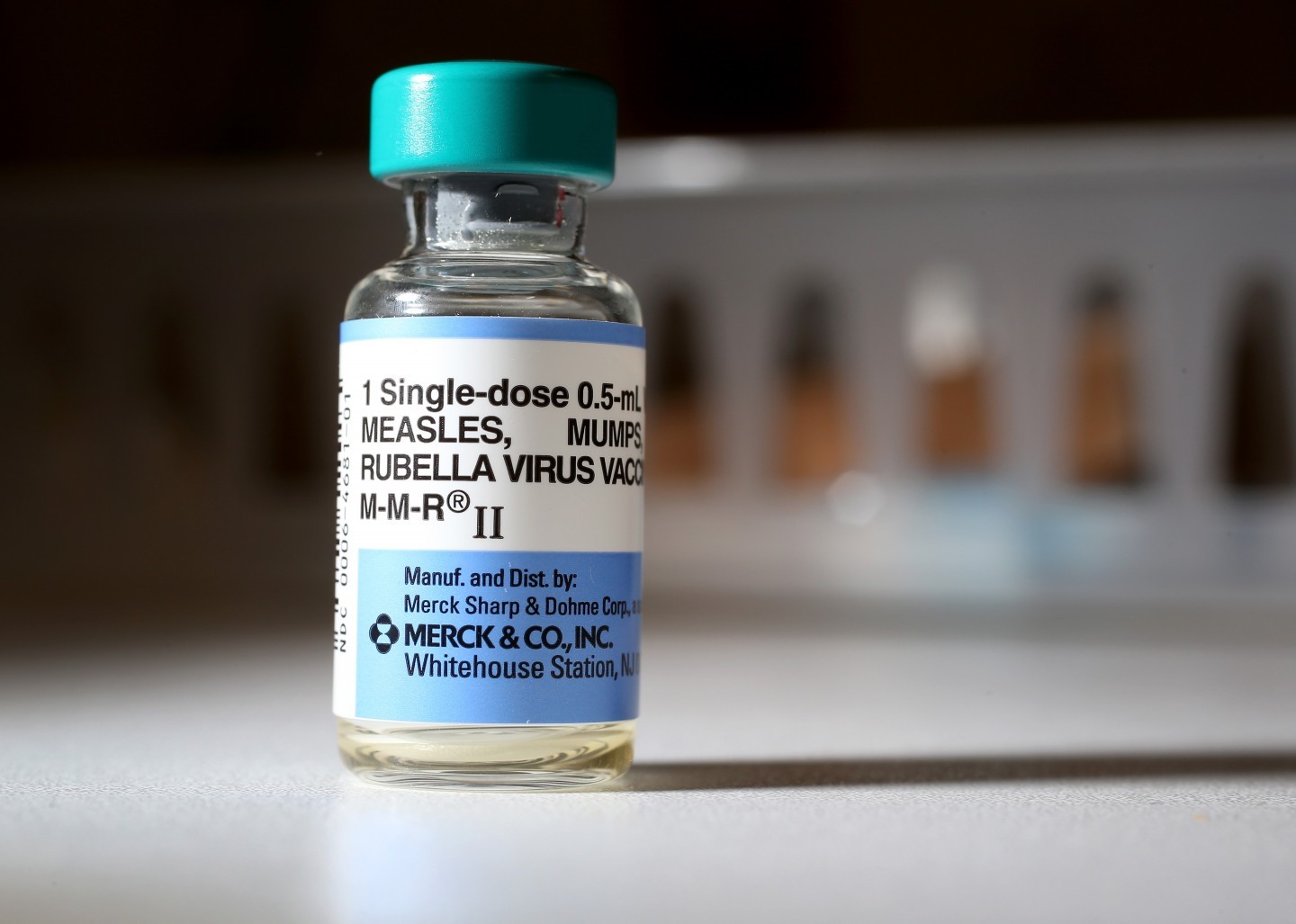
"caption": "A dose of measles, mumps, rubella vaccine, known commonly as MMR. (Joe Raedle/Getty Images)",
"description": "MIAMI, FL - JUNE 02: A dose of measles vaccine is seen at the Miami Children's Hospital on June 02, 2014 in Miami, Florida. The Centers for Disease Control and Prevention last week announced that in the United States they are seeing the most measles cases in 20 years as they warned clinicians, parents and others to watch for and get vaccinated against the potentially deadly virus. (Photo by Joe Raedle/Getty Images)",
"title": "Center For Disease Control Reports Highest Number Of Measles Cases In 20 Years",
"credit": null,
"status": "inherit",
"isLoading": false,
"fetchFailed": false
},
"stateofhealth_5650": {
"type": "attachments",
"id": "stateofhealth_5650",
"meta": {
"index": "attachments_1716263798",
"site": "stateofhealth",
"id": "5650",
"found": true
},
"parent": 5639,
"imgSizes": {
"twentyfourteen-full-width": {
"file": "https://ww2.kqed.org/app/uploads/sites/27/2012/05/NoSmokingSign_DaveWhelan_Flickr_05072012-1024x576.jpg",
"width": 1024,
"mimeType": "image/jpeg",
"height": 576
},
"thumbnail": {
"file": "https://ww2.kqed.org/app/uploads/sites/27/2012/05/NoSmokingSign_DaveWhelan_Flickr_05072012-400x286.jpg",
"width": 400,
"mimeType": "image/jpeg",
"height": 286
},
"fd-sm": {
"file": "https://ww2.kqed.org/app/uploads/sites/27/2012/05/NoSmokingSign_DaveWhelan_Flickr_05072012-320x229.jpg",
"width": 320,
"mimeType": "image/jpeg",
"height": 229
},
"post-thumbnail": {
"file": "https://ww2.kqed.org/app/uploads/sites/27/2012/05/NoSmokingSign_DaveWhelan_Flickr_05072012-672x372.jpg",
"width": 672,
"mimeType": "image/jpeg",
"height": 372
},
"kqedFullSize": {
"file": "https://ww2.kqed.org/app/uploads/sites/27/2012/05/NoSmokingSign_DaveWhelan_Flickr_05072012.jpg",
"width": 1024,
"height": 732
},
"fd-med": {
"file": "https://ww2.kqed.org/app/uploads/sites/27/2012/05/NoSmokingSign_DaveWhelan_Flickr_05072012-768x549.jpg",
"width": 768,
"mimeType": "image/jpeg",
"height": 549
},
"guest-author-96": {
"file": "https://ww2.kqed.org/app/uploads/sites/27/2012/05/NoSmokingSign_DaveWhelan_Flickr_05072012-96x96.jpg",
"width": 96,
"mimeType": "image/jpeg",
"height": 96
},
"medium": {
"file": "https://ww2.kqed.org/app/uploads/sites/27/2012/05/NoSmokingSign_DaveWhelan_Flickr_05072012-800x572.jpg",
"width": 800,
"mimeType": "image/jpeg",
"height": 572
},
"guest-author-64": {
"file": "https://ww2.kqed.org/app/uploads/sites/27/2012/05/NoSmokingSign_DaveWhelan_Flickr_05072012-64x64.jpg",
"width": 64,
"mimeType": "image/jpeg",
"height": 64
},
"detail": {
"file": "https://ww2.kqed.org/app/uploads/sites/27/2012/05/NoSmokingSign_DaveWhelan_Flickr_05072012-75x75.jpg",
"width": 75,
"mimeType": "image/jpeg",
"height": 75
},
"guest-author-32": {
"file": "https://ww2.kqed.org/app/uploads/sites/27/2012/05/NoSmokingSign_DaveWhelan_Flickr_05072012-32x32.jpg",
"width": 32,
"mimeType": "image/jpeg",
"height": 32
},
"guest-author-128": {
"file": "https://ww2.kqed.org/app/uploads/sites/27/2012/05/NoSmokingSign_DaveWhelan_Flickr_05072012-128x128.jpg",
"width": 128,
"mimeType": "image/jpeg",
"height": 128
}
},
"publishDate": 1336434004,
"modified": 1422584066,
"caption": "Ninety percent of current smokers tried their first cigarette before turning 18. (Dave Whelan/Flickr)",
"description": "No Smoking sign. Tobacco, Cigarettes",
"title": "A little-known provision in the Affordable Care Act permits insurers to charge higher premiums to smokers. (Dave Whelan: Flickr)",
"credit": null,
"status": "inherit",
"isLoading": false,
"fetchFailed": false
},
"stateofhealth_23671": {
"type": "attachments",
"id": "stateofhealth_23671",
"meta": {
"index": "attachments_1716263798",
"site": "stateofhealth",
"id": "23671",
"found": true
},
"parent": 23634,
"imgSizes": {
"thumbnail": {
"file": "https://ww2.kqed.org/app/uploads/sites/27/2015/01/Screen-Shot-2015-01-27-at-5.09.55-PM-400x359.png",
"width": 400,
"mimeType": "image/png",
"height": 359
},
"fd-sm": {
"file": "https://ww2.kqed.org/app/uploads/sites/27/2015/01/Screen-Shot-2015-01-27-at-5.09.55-PM-320x288.png",
"width": 320,
"mimeType": "image/png",
"height": 288
},
"post-thumbnail": {
"file": "https://ww2.kqed.org/app/uploads/sites/27/2015/01/Screen-Shot-2015-01-27-at-5.09.55-PM-632x372.png",
"width": 632,
"mimeType": "image/png",
"height": 372
},
"kqedFullSize": {
"file": "https://ww2.kqed.org/app/uploads/sites/27/2015/01/Screen-Shot-2015-01-27-at-5.09.55-PM.png",
"width": 632,
"height": 568
},
"guest-author-96": {
"file": "https://ww2.kqed.org/app/uploads/sites/27/2015/01/Screen-Shot-2015-01-27-at-5.09.55-PM-96x96.png",
"width": 96,
"mimeType": "image/png",
"height": 96
},
"guest-author-64": {
"file": "https://ww2.kqed.org/app/uploads/sites/27/2015/01/Screen-Shot-2015-01-27-at-5.09.55-PM-64x64.png",
"width": 64,
"mimeType": "image/png",
"height": 64
},
"detail": {
"file": "https://ww2.kqed.org/app/uploads/sites/27/2015/01/Screen-Shot-2015-01-27-at-5.09.55-PM-75x75.png",
"width": 75,
"mimeType": "image/png",
"height": 75
},
"guest-author-32": {
"file": "https://ww2.kqed.org/app/uploads/sites/27/2015/01/Screen-Shot-2015-01-27-at-5.09.55-PM-32x32.png",
"width": 32,
"mimeType": "image/png",
"height": 32
},
"guest-author-128": {
"file": "https://ww2.kqed.org/app/uploads/sites/27/2015/01/Screen-Shot-2015-01-27-at-5.09.55-PM-128x128.png",
"width": 128,
"mimeType": "image/png",
"height": 128
}
},
"publishDate": 1422407436,
"modified": 1422407449,
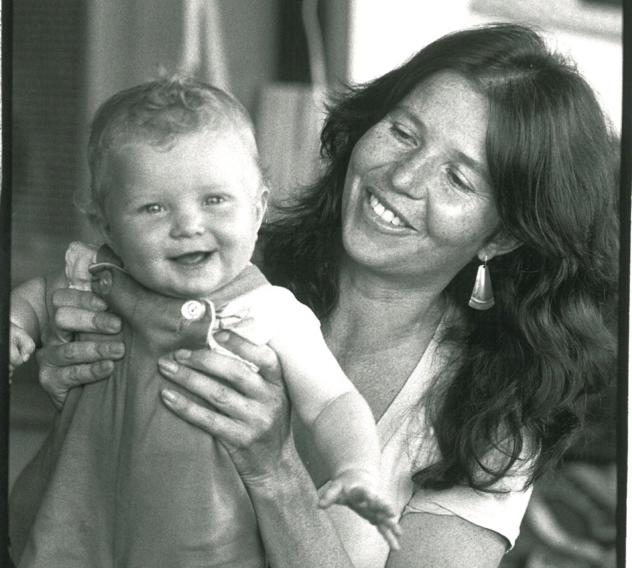
"caption": "The author's wife, Pippa, and their daughter, Caitlin, who was born at home, in 1982. (Courtesy: Nick Allen)",
"description": "The author's wife, Pippa, and their daughter, Caitlin, who was born at home, in 1982. (Courtesy: Nick Allen)",
"title": "Screen Shot 2015-01-27 at 5.09.55 PM",
"credit": null,
"status": "inherit",
"isLoading": false,
"fetchFailed": false
},
"stateofhealth_23647": {
"type": "attachments",
"id": "stateofhealth_23647",
"meta": {
"index": "attachments_1716263798",
"site": "stateofhealth",
"id": "23647",
"found": true
},
"parent": 23624,
"imgSizes": {
"twentyfourteen-full-width": {
"file": "https://ww2.kqed.org/app/uploads/sites/27/2015/01/2013-08-22-08.15.12-2-e1423546953785-1038x576.jpg",
"width": 1038,
"mimeType": "image/jpeg",
"height": 576
},
"thumbnail": {
"file": "https://ww2.kqed.org/app/uploads/sites/27/2015/01/2013-08-22-08.15.12-2-e1423546953785-400x296.jpg",
"width": 400,
"mimeType": "image/jpeg",
"height": 296
},
"fd-sm": {
"file": "https://ww2.kqed.org/app/uploads/sites/27/2015/01/2013-08-22-08.15.12-2-e1423546953785-320x237.jpg",
"width": 320,
"mimeType": "image/jpeg",
"height": 237
},
"post-thumbnail": {
"file": "https://ww2.kqed.org/app/uploads/sites/27/2015/01/2013-08-22-08.15.12-2-e1423546953785-672x372.jpg",
"width": 672,
"mimeType": "image/jpeg",
"height": 372
},
"kqedFullSize": {
"file": "https://ww2.kqed.org/app/uploads/sites/27/2015/01/2013-08-22-08.15.12-2-e1423546953785.jpg",
"width": 1441,
"height": 1065
},
"large": {
"file": "https://ww2.kqed.org/app/uploads/sites/27/2015/01/2013-08-22-08.15.12-2-e1423546953785-1440x1064.jpg",
"width": 1440,
"mimeType": "image/jpeg",
"height": 1064
},
"guest-author-96": {
"file": "https://ww2.kqed.org/app/uploads/sites/27/2015/01/2013-08-22-08.15.12-2-e1423546953785-96x96.jpg",
"width": 96,
"mimeType": "image/jpeg",
"height": 96
},
"medium": {
"file": "https://ww2.kqed.org/app/uploads/sites/27/2015/01/2013-08-22-08.15.12-2-e1423546953785-800x591.jpg",
"width": 800,
"mimeType": "image/jpeg",
"height": 591
},
"guest-author-64": {
"file": "https://ww2.kqed.org/app/uploads/sites/27/2015/01/2013-08-22-08.15.12-2-e1423546953785-64x64.jpg",
"width": 64,
"mimeType": "image/jpeg",
"height": 64
},
"guest-author-32": {
"file": "https://ww2.kqed.org/app/uploads/sites/27/2015/01/2013-08-22-08.15.12-2-e1423546953785-32x32.jpg",
"width": 32,
"mimeType": "image/jpeg",
"height": 32
},
"fd-lrg": {
"file": "https://ww2.kqed.org/app/uploads/sites/27/2015/01/2013-08-22-08.15.12-2-e1423546953785-1180x872.jpg",
"width": 1180,
"mimeType": "image/jpeg",
"height": 872
},
"fd-med": {
"file": "https://ww2.kqed.org/app/uploads/sites/27/2015/01/2013-08-22-08.15.12-2-e1423546953785-768x568.jpg",
"width": 768,
"mimeType": "image/jpeg",
"height": 568
},
"detail": {
"file": "https://ww2.kqed.org/app/uploads/sites/27/2015/01/2013-08-22-08.15.12-2-e1423546953785-75x75.jpg",
"width": 75,
"mimeType": "image/jpeg",
"height": 75
},
"guest-author-128": {
"file": "https://ww2.kqed.org/app/uploads/sites/27/2015/01/2013-08-22-08.15.12-2-e1423546953785-128x128.jpg",
"width": 128,
"mimeType": "image/jpeg",
"height": 128
}
},
"publishDate": 1422318668,
"modified": 1452037346,
"caption": "Rhett Krawitt, outside his classroom at Reed Elementary, in Tiburon. ",
"description": "Rhett Krawitt, outside a classroom at Reed Elementary, in Tiburon. (Courtesy: Carl Krawitt)",
"title": "2013-08-22 08.15.12-2",
"credit": "Courtesy: Carl Krawitt ",
"status": "inherit",
"isLoading": false,
"fetchFailed": false
},
"stateofhealth_2574": {
"type": "attachments",
"id": "stateofhealth_2574",
"meta": {
"index": "attachments_1716263798",
"site": "stateofhealth",
"id": "2574",
"found": true
},
"parent": 2563,
"imgSizes": {
"thumbnail": {
"file": "https://ww2.kqed.org/app/uploads/sites/27/2012/01/Gavel-20111114-e1409248436930-400x265.jpg",
"width": 400,
"mimeType": "image/jpeg",
"height": 265
},
"fd-sm": {
"file": "https://ww2.kqed.org/app/uploads/sites/27/2012/01/Gavel-20111114-e1409248436930-320x212.jpg",
"width": 320,
"mimeType": "image/jpeg",
"height": 212
},
"post-thumbnail": {
"file": "https://ww2.kqed.org/app/uploads/sites/27/2012/01/Gavel-20111114-e1409248436930-639x372.jpg",
"width": 639,
"mimeType": "image/jpeg",
"height": 372
},
"kqedFullSize": {
"file": "https://ww2.kqed.org/app/uploads/sites/27/2012/01/Gavel-20111114-e1409248436930.jpg",
"width": 639,
"height": 424
},
"guest-author-96": {
"file": "https://ww2.kqed.org/app/uploads/sites/27/2012/01/Gavel-20111114-e1409248436930-96x96.jpg",
"width": 96,
"mimeType": "image/jpeg",
"height": 96
},
"guest-author-64": {
"file": "https://ww2.kqed.org/app/uploads/sites/27/2012/01/Gavel-20111114-e1409248436930-64x64.jpg",
"width": 64,
"mimeType": "image/jpeg",
"height": 64
},
"detail": {
"file": "https://ww2.kqed.org/app/uploads/sites/27/2012/01/Gavel-20111114-e1409248436930-75x75.jpg",
"width": 75,
"mimeType": "image/jpeg",
"height": 75
},
"guest-author-32": {
"file": "https://ww2.kqed.org/app/uploads/sites/27/2012/01/Gavel-20111114-e1409248436930-32x32.jpg",
"width": 32,
"mimeType": "image/jpeg",
"height": 32
},
"guest-author-128": {
"file": "https://ww2.kqed.org/app/uploads/sites/27/2012/01/Gavel-20111114-e1409248436930-128x128.jpg",
"width": 128,
"mimeType": "image/jpeg",
"height": 128
}
},
"publishDate": 1327608935,
"modified": 1327608935,
"caption": "(s_falkow: Flickr)",
"description": "gavel and book close up",
"title": "(s_falkow: Flickr)",
"credit": null,
"status": "inherit",
"isLoading": false,
"fetchFailed": false
},
"stateofhealth_23586": {
"type": "attachments",
"id": "stateofhealth_23586",
"meta": {
"index": "attachments_1716263798",
"site": "stateofhealth",
"id": "23586",
"found": true
},
"parent": 23564,
"imgSizes": {
"twentyfourteen-full-width": {
"file": "https://ww2.kqed.org/app/uploads/sites/27/2015/01/84933742-e1421892431232-1038x576.jpg",
"width": 1038,
"mimeType": "image/jpeg",
"height": 576
},
"thumbnail": {
"file": "https://ww2.kqed.org/app/uploads/sites/27/2015/01/84933742-e1421892431232-400x267.jpg",
"width": 400,
"mimeType": "image/jpeg",
"height": 267
},
"fd-sm": {
"file": "https://ww2.kqed.org/app/uploads/sites/27/2015/01/84933742-e1421892431232-320x213.jpg",
"width": 320,
"mimeType": "image/jpeg",
"height": 213
},
"post-thumbnail": {
"file": "https://ww2.kqed.org/app/uploads/sites/27/2015/01/84933742-e1421892431232-672x372.jpg",
"width": 672,
"mimeType": "image/jpeg",
"height": 372
},
"kqedFullSize": {
"file": "https://ww2.kqed.org/app/uploads/sites/27/2015/01/84933742-e1421892431232.jpg",
"width": 1440,
"height": 960
},
"large": {
"file": "https://ww2.kqed.org/app/uploads/sites/27/2015/01/84933742-e1421892431232-1440x960.jpg",
"width": 1440,
"mimeType": "image/jpeg",
"height": 960
},
"guest-author-96": {
"file": "https://ww2.kqed.org/app/uploads/sites/27/2015/01/84933742-e1421892431232-96x96.jpg",
"width": 96,
"mimeType": "image/jpeg",
"height": 96
},
"medium": {
"file": "https://ww2.kqed.org/app/uploads/sites/27/2015/01/84933742-e1421892431232-800x533.jpg",
"width": 800,
"mimeType": "image/jpeg",
"height": 533
},
"guest-author-64": {
"file": "https://ww2.kqed.org/app/uploads/sites/27/2015/01/84933742-e1421892431232-64x64.jpg",
"width": 64,
"mimeType": "image/jpeg",
"height": 64
},
"guest-author-32": {
"file": "https://ww2.kqed.org/app/uploads/sites/27/2015/01/84933742-e1421892431232-32x32.jpg",
"width": 32,
"mimeType": "image/jpeg",
"height": 32
},
"fd-lrg": {
"file": "https://ww2.kqed.org/app/uploads/sites/27/2015/01/84933742-e1421892431232-1180x787.jpg",
"width": 1180,
"mimeType": "image/jpeg",
"height": 787
},
"fd-med": {
"file": "https://ww2.kqed.org/app/uploads/sites/27/2015/01/84933742-e1421892431232-768x512.jpg",
"width": 768,
"mimeType": "image/jpeg",
"height": 512
},
"detail": {
"file": "https://ww2.kqed.org/app/uploads/sites/27/2015/01/84933742-e1421892431232-75x75.jpg",
"width": 75,
"mimeType": "image/jpeg",
"height": 75
},
"guest-author-128": {
"file": "https://ww2.kqed.org/app/uploads/sites/27/2015/01/84933742-e1421892431232-128x128.jpg",
"width": 128,
"mimeType": "image/jpeg",
"height": 128
}
},
"publishDate": 1421892420,
"modified": 1421892474,
"caption": "Five Disney staff members are among California's cases. (David McNew/Getty Images)",
"description": "LOS ANGELES, CA - FEBRUARY 19: Pedestrians walk near the entrance to Disneyland Resort on February 19, 2009 in Anaheim, California. With the worsening economy, declining attendance and reduced operating income, the Walt Disney Company announced that it plans to restructure its domestic theme-park operations, which will result in the layoff an unspecified number of employees in the coming weeks. Disneyland in Anaheim, California and Walt Disney World in Orlando, Florida will reportedly be consolidated into a single unit headed by Worldwide Operations President Al Weiss. Attendance at Disney theme parks in the US dropped 5 percent in the last quarter of 2008 compared to the previous year and in January, Disney offered buyout packages to 600 US executives. (Photo by David McNew/Getty Images)",
"title": "California Infrastructure Projects Threatened By Budget Impasse",
"credit": null,
"status": "inherit",
"isLoading": false,
"fetchFailed": false
},
"stateofhealth_23542": {
"type": "attachments",
"id": "stateofhealth_23542",
"meta": {
"index": "attachments_1716263798",
"site": "stateofhealth",
"id": "23542",
"found": true
},
"parent": 23535,
"imgSizes": {
"twentyfourteen-full-width": {
"file": "https://ww2.kqed.org/app/uploads/sites/27/2015/01/RS1529_76489007-lpr1-e1421641630337-1038x576.jpg",
"width": 1038,
"mimeType": "image/jpeg",
"height": 576
},
"thumbnail": {
"file": "https://ww2.kqed.org/app/uploads/sites/27/2015/01/RS1529_76489007-lpr1-e1421641630337-400x257.jpg",
"width": 400,
"mimeType": "image/jpeg",
"height": 257
},
"fd-sm": {
"file": "https://ww2.kqed.org/app/uploads/sites/27/2015/01/RS1529_76489007-lpr1-e1421641630337-320x206.jpg",
"width": 320,
"mimeType": "image/jpeg",
"height": 206
},
"post-thumbnail": {
"file": "https://ww2.kqed.org/app/uploads/sites/27/2015/01/RS1529_76489007-lpr1-e1421641630337-672x372.jpg",
"width": 672,
"mimeType": "image/jpeg",
"height": 372
},
"kqedFullSize": {
"file": "https://ww2.kqed.org/app/uploads/sites/27/2015/01/RS1529_76489007-lpr1-e1421641630337.jpg",
"width": 1440,
"height": 926
},
"large": {
"file": "https://ww2.kqed.org/app/uploads/sites/27/2015/01/RS1529_76489007-lpr1-e1421641630337-1440x926.jpg",
"width": 1440,
"mimeType": "image/jpeg",
"height": 926
},
"guest-author-96": {
"file": "https://ww2.kqed.org/app/uploads/sites/27/2015/01/RS1529_76489007-lpr1-e1421641630337-96x96.jpg",
"width": 96,
"mimeType": "image/jpeg",
"height": 96
},
"medium": {
"file": "https://ww2.kqed.org/app/uploads/sites/27/2015/01/RS1529_76489007-lpr1-e1421641630337-800x514.jpg",
"width": 800,
"mimeType": "image/jpeg",
"height": 514
},
"guest-author-64": {
"file": "https://ww2.kqed.org/app/uploads/sites/27/2015/01/RS1529_76489007-lpr1-e1421641630337-64x64.jpg",
"width": 64,
"mimeType": "image/jpeg",
"height": 64
},
"guest-author-32": {
"file": "https://ww2.kqed.org/app/uploads/sites/27/2015/01/RS1529_76489007-lpr1-e1421641630337-32x32.jpg",
"width": 32,
"mimeType": "image/jpeg",
"height": 32
},
"fd-lrg": {
"file": "https://ww2.kqed.org/app/uploads/sites/27/2015/01/RS1529_76489007-lpr1-e1421641630337-1180x759.jpg",
"width": 1180,
"mimeType": "image/jpeg",
"height": 759
},
"fd-med": {
"file": "https://ww2.kqed.org/app/uploads/sites/27/2015/01/RS1529_76489007-lpr1-e1421641630337-768x494.jpg",
"width": 768,
"mimeType": "image/jpeg",
"height": 494
},
"detail": {
"file": "https://ww2.kqed.org/app/uploads/sites/27/2015/01/RS1529_76489007-lpr1-e1421641630337-75x75.jpg",
"width": 75,
"mimeType": "image/jpeg",
"height": 75
},
"guest-author-128": {
"file": "https://ww2.kqed.org/app/uploads/sites/27/2015/01/RS1529_76489007-lpr1-e1421641630337-128x128.jpg",
"width": 128,
"mimeType": "image/jpeg",
"height": 128
}
},
"publishDate": 1421641621,
"modified": 1421641689,
"caption": "(Jeff J. Mitchell/Getty Images)",
"description": "vaccine",
"title": "RS1529_76489007-lpr",
"credit": null,
"status": "inherit",
"isLoading": false,
"fetchFailed": false
},
"stateofhealth_23448": {
"type": "attachments",
"id": "stateofhealth_23448",
"meta": {
"index": "attachments_1716263798",
"site": "stateofhealth",
"id": "23448",
"found": true
},
"parent": 23436,
"imgSizes": {
"twentyfourteen-full-width": {
"file": "https://ww2.kqed.org/app/uploads/sites/27/2015/01/53249939-2-e1421198243700-1038x576.jpg",
"width": 1038,
"mimeType": "image/jpeg",
"height": 576
},
"thumbnail": {
"file": "https://ww2.kqed.org/app/uploads/sites/27/2015/01/53249939-2-e1421198243700-400x267.jpg",
"width": 400,
"mimeType": "image/jpeg",
"height": 267
},
"fd-sm": {
"file": "https://ww2.kqed.org/app/uploads/sites/27/2015/01/53249939-2-e1421198243700-320x213.jpg",
"width": 320,
"mimeType": "image/jpeg",
"height": 213
},
"post-thumbnail": {
"file": "https://ww2.kqed.org/app/uploads/sites/27/2015/01/53249939-2-e1421198243700-672x372.jpg",
"width": 672,
"mimeType": "image/jpeg",
"height": 372
},
"kqedFullSize": {
"file": "https://ww2.kqed.org/app/uploads/sites/27/2015/01/53249939-2-e1421198243700.jpg",
"width": 1440,
"height": 960
},
"large": {
"file": "https://ww2.kqed.org/app/uploads/sites/27/2015/01/53249939-2-e1421198243700-1440x960.jpg",
"width": 1440,
"mimeType": "image/jpeg",
"height": 960
},
"guest-author-96": {
"file": "https://ww2.kqed.org/app/uploads/sites/27/2015/01/53249939-2-e1421198243700-96x96.jpg",
"width": 96,
"mimeType": "image/jpeg",
"height": 96
},
"medium": {
"file": "https://ww2.kqed.org/app/uploads/sites/27/2015/01/53249939-2-e1421198243700-800x533.jpg",
"width": 800,
"mimeType": "image/jpeg",
"height": 533
},
"guest-author-64": {
"file": "https://ww2.kqed.org/app/uploads/sites/27/2015/01/53249939-2-e1421198243700-64x64.jpg",
"width": 64,
"mimeType": "image/jpeg",
"height": 64
},
"guest-author-32": {
"file": "https://ww2.kqed.org/app/uploads/sites/27/2015/01/53249939-2-e1421198243700-32x32.jpg",
"width": 32,
"mimeType": "image/jpeg",
"height": 32
},
"fd-lrg": {
"file": "https://ww2.kqed.org/app/uploads/sites/27/2015/01/53249939-2-e1421198243700-1180x787.jpg",
"width": 1180,
"mimeType": "image/jpeg",
"height": 787
},
"fd-med": {
"file": "https://ww2.kqed.org/app/uploads/sites/27/2015/01/53249939-2-e1421198243700-768x512.jpg",
"width": 768,
"mimeType": "image/jpeg",
"height": 512
},
"detail": {
"file": "https://ww2.kqed.org/app/uploads/sites/27/2015/01/53249939-2-e1421198243700-75x75.jpg",
"width": 75,
"mimeType": "image/jpeg",
"height": 75
},
"guest-author-128": {
"file": "https://ww2.kqed.org/app/uploads/sites/27/2015/01/53249939-2-e1421198243700-128x128.jpg",
"width": 128,
"mimeType": "image/jpeg",
"height": 128
}
},
"publishDate": 1421198230,
"modified": 1421198257,
"caption": "(Marsaili McGrath/Getty Images)",
"description": "ANAHEIM, CA - JULY 17: Atmosphere at Disneyland's 50th Anniversary rededication ceremony held at Disneyland on July 17, 2005 in Anaheim, California. (Photo by Marsaili McGrath/Getty Images)",
"title": "Disneyland's 50th Anniversary",
"credit": null,
"status": "inherit",
"isLoading": false,
"fetchFailed": false
},
"stateofhealth_23433": {
"type": "attachments",
"id": "stateofhealth_23433",
"meta": {
"index": "attachments_1716263798",
"site": "stateofhealth",
"id": "23433",
"found": true
},
"parent": 23418,
"imgSizes": {
"thumbnail": {
"file": "https://ww2.kqed.org/app/uploads/sites/27/2015/01/Kaiser-jpg-640x480-400x300.jpg",
"width": 400,
"mimeType": "image/jpeg",
"height": 300
},
"fd-sm": {
"file": "https://ww2.kqed.org/app/uploads/sites/27/2015/01/Kaiser-jpg-640x480-320x240.jpg",
"width": 320,
"mimeType": "image/jpeg",
"height": 240
},
"post-thumbnail": {
"file": "https://ww2.kqed.org/app/uploads/sites/27/2015/01/Kaiser-jpg-640x480-640x372.jpg",
"width": 640,
"mimeType": "image/jpeg",
"height": 372
},
"kqedFullSize": {
"file": "https://ww2.kqed.org/app/uploads/sites/27/2015/01/Kaiser-jpg-640x480.jpg",
"width": 640,
"height": 480
},
"guest-author-96": {
"file": "https://ww2.kqed.org/app/uploads/sites/27/2015/01/Kaiser-jpg-640x480-96x96.jpg",
"width": 96,
"mimeType": "image/jpeg",
"height": 96
},
"guest-author-64": {
"file": "https://ww2.kqed.org/app/uploads/sites/27/2015/01/Kaiser-jpg-640x480-64x64.jpg",
"width": 64,
"mimeType": "image/jpeg",
"height": 64
},
"detail": {
"file": "https://ww2.kqed.org/app/uploads/sites/27/2015/01/Kaiser-jpg-640x480-75x75.jpg",
"width": 75,
"mimeType": "image/jpeg",
"height": 75
},
"guest-author-32": {
"file": "https://ww2.kqed.org/app/uploads/sites/27/2015/01/Kaiser-jpg-640x480-32x32.jpg",
"width": 32,
"mimeType": "image/jpeg",
"height": 32
},
"guest-author-128": {
"file": "https://ww2.kqed.org/app/uploads/sites/27/2015/01/Kaiser-jpg-640x480-128x128.jpg",
"width": 128,
"mimeType": "image/jpeg",
"height": 128
}
},
"publishDate": 1421086414,
"modified": 1421086430,
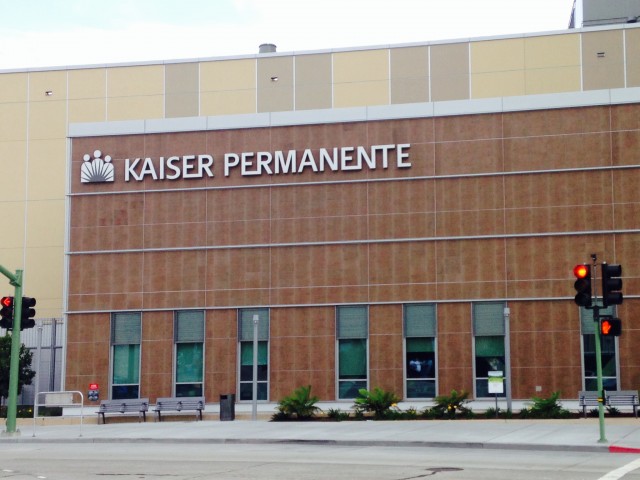
"caption": "Kaiser Permanente’s medical center in Oakland. (Lisa Aliferis/KQED)",
"description": "Kaiser Oakland",
"title": "Kaiser-jpg-640x480",
"credit": null,
"status": "inherit",
"isLoading": false,
"fetchFailed": false
},
"stateofhealth_23378": {
"type": "attachments",
"id": "stateofhealth_23378",
"meta": {
"index": "attachments_1716263798",
"site": "stateofhealth",
"id": "23378",
"found": true
},
"parent": 23374,
"imgSizes": {
"twentyfourteen-full-width": {
"file": "https://ww2.kqed.org/app/uploads/sites/27/2015/01/53249939-e1420672369712-1038x576.jpg",
"width": 1038,
"mimeType": "image/jpeg",
"height": 576
},
"thumbnail": {
"file": "https://ww2.kqed.org/app/uploads/sites/27/2015/01/53249939-e1420672369712-400x267.jpg",
"width": 400,
"mimeType": "image/jpeg",
"height": 267
},
"fd-sm": {
"file": "https://ww2.kqed.org/app/uploads/sites/27/2015/01/53249939-e1420672369712-320x213.jpg",
"width": 320,
"mimeType": "image/jpeg",
"height": 213
},
"post-thumbnail": {
"file": "https://ww2.kqed.org/app/uploads/sites/27/2015/01/53249939-e1420672369712-672x372.jpg",
"width": 672,
"mimeType": "image/jpeg",
"height": 372
},
"kqedFullSize": {
"file": "https://ww2.kqed.org/app/uploads/sites/27/2015/01/53249939-e1420672369712.jpg",
"width": 1440,
"height": 960
},
"large": {
"file": "https://ww2.kqed.org/app/uploads/sites/27/2015/01/53249939-e1420672369712-1440x960.jpg",
"width": 1440,
"mimeType": "image/jpeg",
"height": 960
},
"guest-author-96": {
"file": "https://ww2.kqed.org/app/uploads/sites/27/2015/01/53249939-e1420672369712-96x96.jpg",
"width": 96,
"mimeType": "image/jpeg",
"height": 96
},
"medium": {
"file": "https://ww2.kqed.org/app/uploads/sites/27/2015/01/53249939-e1420672369712-800x533.jpg",
"width": 800,
"mimeType": "image/jpeg",
"height": 533
},
"guest-author-64": {
"file": "https://ww2.kqed.org/app/uploads/sites/27/2015/01/53249939-e1420672369712-64x64.jpg",
"width": 64,
"mimeType": "image/jpeg",
"height": 64
},
"guest-author-32": {
"file": "https://ww2.kqed.org/app/uploads/sites/27/2015/01/53249939-e1420672369712-32x32.jpg",
"width": 32,
"mimeType": "image/jpeg",
"height": 32
},
"fd-lrg": {
"file": "https://ww2.kqed.org/app/uploads/sites/27/2015/01/53249939-e1420672369712-1180x787.jpg",
"width": 1180,
"mimeType": "image/jpeg",
"height": 787
},
"fd-med": {
"file": "https://ww2.kqed.org/app/uploads/sites/27/2015/01/53249939-e1420672369712-768x512.jpg",
"width": 768,
"mimeType": "image/jpeg",
"height": 512
},
"detail": {
"file": "https://ww2.kqed.org/app/uploads/sites/27/2015/01/53249939-e1420672369712-75x75.jpg",
"width": 75,
"mimeType": "image/jpeg",
"height": 75
},
"guest-author-128": {
"file": "https://ww2.kqed.org/app/uploads/sites/27/2015/01/53249939-e1420672369712-128x128.jpg",
"width": 128,
"mimeType": "image/jpeg",
"height": 128
}
},
"publishDate": 1420672359,
"modified": 1420672388,
"caption": "(Marsaili McGrath/Getty Images)",
"description": "ANAHEIM, CA - JULY 17: Atmosphere at Disneyland's 50th Anniversary rededication ceremony held at Disneyland on July 17, 2005 in Anaheim, California. (Photo by Marsaili McGrath/Getty Images)",
"title": "Disneyland's 50th Anniversary",
"credit": null,
"status": "inherit",
"isLoading": false,
"fetchFailed": false
}
},
"audioPlayerReducer": {
"postId": "stream_live",
"isPaused": true,
"isPlaying": false,
"pfsActive": false,
"pledgeModalIsOpen": true,
"playerDrawerIsOpen": false,
"liveAudioPlayStartedAt": 0,
"liveAudioPlayContext": ""
},
"authorsReducer": {
"lisaaliferis": {
"type": "authors",
"id": "240",
"meta": {
"index": "authors_1716337520",
"id": "240",
"found": true
},
"name": "Lisa Aliferis",
"firstName": "Lisa",
"lastName": "Aliferis",
"slug": "lisaaliferis",
"email": "laliferis@kqed.org",
"display_author_email": false,
"staff_mastheads": [],
"title": "KQED Contributor",
"bio": "Lisa Aliferis is the founding editor of KQED's \u003cem>State of Health\u003c/em> blog. Since 2011, she's been writing and editing stories for the site. Before taking up blogging, she toiled for many years (more than we can count) producing health stories for television, including\u003cem> Dateline NBC\u003c/em> and San Francisco's CBS affiliate, KPIX-TV. She also wrote up a \u003ca title=\"http://www.kqed.org/news/health/obamacare/obamacare-guide.jsp\" href=\"http://www.kqed.org/news/health/obamacare/obamacare-guide.jsp\">handy guide to the Affordable Care Act\u003c/a>, especially for Californians. Her work has been honored for many awards. Most recently she was a finalist for \"Best Topical Reporting\" from the Online News Association. You can follow her on Twitter: \u003ca title=\"https://twitter.com/laliferis\" href=\"https://twitter.com/laliferis\">@laliferis\u003c/a>",
"avatar": "https://secure.gravatar.com/avatar/86c339d5cdcb0dcd2b6cf5d7c3f5886b?s=600&d=mm&r=g",
"twitter": "laliferis",
"facebook": null,
"instagram": null,
"linkedin": null,
"sites": [
{
"site": "news",
"roles": [
"subscriber"
]
},
{
"site": "futureofyou",
"roles": [
"subscriber"
]
},
{
"site": "stateofhealth",
"roles": [
"subscriber"
]
},
{
"site": "science",
"roles": [
"subscriber"
]
},
{
"site": "food",
"roles": []
}
],
"headData": {
"title": "Lisa Aliferis | KQED",
"description": "KQED Contributor",
"ogImgSrc": "https://secure.gravatar.com/avatar/86c339d5cdcb0dcd2b6cf5d7c3f5886b?s=600&d=mm&r=g",
"twImgSrc": "https://secure.gravatar.com/avatar/86c339d5cdcb0dcd2b6cf5d7c3f5886b?s=600&d=mm&r=g"
},
"isLoading": false,
"link": "/author/lisaaliferis"
},
"adembosky": {
"type": "authors",
"id": "3205",
"meta": {
"index": "authors_1716337520",
"id": "3205",
"found": true
},
"name": "April Dembosky",
"firstName": "April",
"lastName": "Dembosky",
"slug": "adembosky",
"email": "adembosky@kqed.org",
"display_author_email": false,
"staff_mastheads": [
"news",
"science"
],
"title": "KQED Health Correspondent",
"bio": "April Dembosky is the health correspondent for KQED News and a regular contributor to NPR. She specializes in covering altered states of mind, from postpartum depression to methamphetamine-induced psychosis to the insanity defense. Her investigative series on insurance companies sidestepping mental health laws won multiple awards, including first place in beat reporting from the national Association of Health Care Journalists. She is the recipient of numerous other prizes and fellowships, including a national Edward R. Murrow award for investigative reporting, a Society of Professional Journalists award for long-form storytelling, and a Carter Center Fellowship for Mental Health Journalism.\r\n\r\nDembosky reported and produced \u003cem>Soundtrack of Silence\u003c/em>, an audio documentary about music and memory that is currently being made into a feature film by Paramount Pictures.\r\n\r\nBefore joining KQED in 2013, Dembosky covered technology and Silicon Valley for \u003cem>The Financial Times of London,\u003c/em> and contributed business and arts stories to \u003cem>Marketplace \u003c/em>and \u003cem>The New York Times.\u003c/em> She got her undergraduate degree in philosophy from Smith College and her master's in journalism from the University of California, Berkeley. She is a classically trained violinist and proud alum of the first symphony orchestra at Burning Man.",
"avatar": "https://secure.gravatar.com/avatar/ef92999be4ceb9ea60701e7dc276f813?s=600&d=blank&r=g",
"twitter": "adembosky",
"facebook": null,
"instagram": null,
"linkedin": null,
"sites": [
{
"site": "arts",
"roles": [
"author"
]
},
{
"site": "news",
"roles": [
"editor"
]
},
{
"site": "futureofyou",
"roles": [
"author"
]
},
{
"site": "stateofhealth",
"roles": [
"editor"
]
},
{
"site": "science",
"roles": [
"editor"
]
},
{
"site": "forum",
"roles": [
"editor"
]
}
],
"headData": {
"title": "April Dembosky | KQED",
"description": "KQED Health Correspondent",
"ogImgSrc": "https://secure.gravatar.com/avatar/ef92999be4ceb9ea60701e7dc276f813?s=600&d=blank&r=g",
"twImgSrc": "https://secure.gravatar.com/avatar/ef92999be4ceb9ea60701e7dc276f813?s=600&d=blank&r=g"
},
"isLoading": false,
"link": "/author/adembosky"
},
"lizagross": {
"type": "authors",
"id": "6322",
"meta": {
"index": "authors_1716337520",
"id": "6322",
"found": true
},
"name": "Liza Gross",
"firstName": "Liza",
"lastName": "Gross",
"slug": "lizagross",
"email": "lizagross@gmail.com",
"display_author_email": false,
"staff_mastheads": [],
"title": null,
"bio": "Liza Gross, an award-winning independent journalist and senior editor at the biomedical journal PLOS Biology, writes mostly about conservation and public and environmental health. She was a 2013 recipient of the NYU Reporting Award, a 2013 Dennis Hunt Health Journalism fellow and a 2015 USC Data Journalism fellow.\r\n\r\nRead her \u003ca href=\"http://science.kqed.org/quest/author/lizagross/\">previous contributions\u003c/a> to \u003ca href=\"science.kqed.org/quest/\">QUEST\u003c/a>, a project dedicated to exploring the Science of Sustainability.",
"avatar": "https://secure.gravatar.com/avatar/1f7d36efc78088d63466cef5f10c4c7a?s=600&d=blank&r=g",
"twitter": null,
"facebook": null,
"instagram": null,
"linkedin": null,
"sites": [
{
"site": "stateofhealth",
"roles": [
"author"
]
},
{
"site": "science",
"roles": [
"author"
]
},
{
"site": "quest",
"roles": [
"subscriber"
]
}
],
"headData": {
"title": "Liza Gross | KQED",
"description": null,
"ogImgSrc": "https://secure.gravatar.com/avatar/1f7d36efc78088d63466cef5f10c4c7a?s=600&d=blank&r=g",
"twImgSrc": "https://secure.gravatar.com/avatar/1f7d36efc78088d63466cef5f10c4c7a?s=600&d=blank&r=g"
},
"isLoading": false,
"link": "/author/lizagross"
},
"state-of-health": {
"type": "authors",
"id": "8344",
"meta": {
"index": "authors_1716337520",
"id": "8344",
"found": true
},
"name": "State of Health",
"firstName": "State of Health",
"lastName": null,
"slug": "state-of-health",
"email": "stateofhealth@kqed.org",
"display_author_email": false,
"staff_mastheads": [],
"title": null,
"bio": null,
"avatar": "https://secure.gravatar.com/avatar/66de4bf6d331fa7402bba1ffe8135e17?s=600&d=blank&r=g",
"twitter": null,
"facebook": null,
"instagram": null,
"linkedin": null,
"sites": [
{
"site": "arts",
"roles": [
"author"
]
},
{
"site": "stateofhealth",
"roles": [
"editor"
]
}
],
"headData": {
"title": "State of Health | KQED",
"description": null,
"ogImgSrc": "https://secure.gravatar.com/avatar/66de4bf6d331fa7402bba1ffe8135e17?s=600&d=blank&r=g",
"twImgSrc": "https://secure.gravatar.com/avatar/66de4bf6d331fa7402bba1ffe8135e17?s=600&d=blank&r=g"
},
"isLoading": false,
"link": "/author/state-of-health"
}
},
"pagesReducer": {
"stateofhealth_category_place-matters": {
"type": "terms",
"id": "stateofhealth_11",
"meta": {
"index": "terms_1716263798",
"site": "stateofhealth",
"id": "11",
"score": 14.406237
},
"featImg": null,
"name": "Community Health",
"description": "\r\n\r\nFrom rural California to urban neighborhoods, where you live affects your health",
"taxonomy": "category",
"headData": {
"twImgId": null,
"twTitle": null,
"ogTitle": null,
"ogImgId": null,
"twDescription": null,
"description": "From rural California to urban neighborhoods, where you live affects your health",
"title": "Community Health Archives | KQED Arts",
"ogDescription": null
},
"ttid": 11,
"slug": "place-matters",
"isLoading": false,
"title": "Community Health",
"pageMeta": {
"site": "stateofhealth",
"WpPageTemplate": "page-topic-editorial",
"currentPage": 29
},
"blocks": [
{
"blockName": "kqed/company-paragraph",
"content": "\r\n\r\nFrom rural California to urban neighborhoods, where you live affects your health"
},
{
"blockName": "kqed/post-list",
"attrs": {
"layout": "cardArticle2",
"query": "posts/stateofhealth?category=place-matters",
"seeMore": false,
"paginated": true,
"page": 29
}
},
{
"blockName": "kqed/ad"
}
]
}
},
"pfsSessionReducer": {},
"postsReducer": {
"stream_live": {
"type": "live",
"id": "stream_live",
"audioUrl": "https://streams.kqed.org/kqedradio",
"title": "Live Stream",
"excerpt": "Live Stream information currently unavailable.",
"link": "/radio",
"featImg": "",
"label": {
"name": "KQED Live",
"link": "/"
}
},
"stream_kqedNewscast": {
"type": "posts",
"id": "stream_kqedNewscast",
"audioUrl": "https://www.kqed.org/.stream/anon/radio/RDnews/newscast.mp3?_=1",
"title": "KQED Newscast",
"featImg": "",
"label": {
"name": "88.5 FM",
"link": "/"
}
},
"stateofhealth_23738": {
"type": "posts",
"id": "stateofhealth_23738",
"meta": {
"index": "posts_1716263798",
"site": "stateofhealth",
"id": "23738",
"score": null,
"sort": [
1422668569000
]
},
"parent": 0,
"labelTerm": {
"site": "stateofhealth"
},
"blocks": [],
"publishDate": 1422668569,
"format": "aside",
"disqusTitle": "Look Up the Vaccine Opt-Out Rate at Your Child's School",
"title": "Look Up the Vaccine Opt-Out Rate at Your Child's School",
"headTitle": "State of Health | KQED News",
"content": "\u003cp>\u003cstrong>By Olivia Allen-Price and Lisa Aliferis\u003c/strong>\u003c/p>\n\u003cp>When parents sign a personal belief exemption (PBE) in California, it allows them to legally send their child to school without being vaccinated.\u003c/p>\n\u003cp>Find the percentage of kindergarteners who are unvaccinated at your child's school below. We've included data from the last eight school years. This tool includes reports from every kindergarten in the state, public or private, with 10 or more students. \u003c/p>\n\u003cp>\u003c!--more-->\u003c/p>\n\u003cp>\u003cstrong>Enter your child’s school in the search box at the far right:\u003c/strong>\u003c/p>\n\u003cp>[ad fullwidth]\u003c/p>\n\u003cp>\u003ciframe src=\"http://projects1.kqed.org/vaccines/pbe2014-6.html\" width=\"100%\" height=\"1300px\">\u003c/iframe>\u003c/p>\n\u003cstyle>\t \t \n.single-post #content {width: 100%; }\t \t \n.single-post #sidebar {display: none;}\t \t \n\u003c/style>\n\u003cp>Learn more about \u003ca href=\"http://ww2.kqed.org/stateofhealth/2014/09/11/our-vaccine-database-methodology/\" target=\"_blank\">our methodology.\u003c/a> \u003c/p>\n\u003cp>\u003c/p>\n\u003cp>[contextly_auto_sidebar id=\"7p8mtINjF09t60dXF6vueZsxohXkoyws\"]\u003c/p>\n\n",
"disqusIdentifier": "23738 http://blogs.kqed.org/stateofhealth/?p=23738",
"disqusUrl": "https://ww2.kqed.org/stateofhealth/2015/01/30/look-up-the-vaccine-opt-out-rate-at-your-childs-school/",
"stats": {
"hasVideo": false,
"hasChartOrMap": true,
"hasAudio": false,
"hasPolis": false,
"wordCount": 106,
"hasGoogleForm": false,
"hasGallery": false,
"hasHearkenModule": false,
"iframeSrcs": [
"http://projects1.kqed.org/vaccines/pbe2014-6.html"
],
"paragraphCount": 10
},
"modified": 1422669651,
"excerpt": "Find the percentage of unvaccinated kindergarteners at every California elementary school. ",
"headData": {
"twImgId": "",
"twTitle": "",
"ogTitle": "",
"ogImgId": "",
"twDescription": "",
"description": "Find the percentage of unvaccinated kindergarteners at every California elementary school. ",
"title": "Look Up the Vaccine Opt-Out Rate at Your Child's School | KQED",
"ogDescription": "",
"schema": {
"@context": "https://schema.org",
"@type": "Article",
"headline": "Look Up the Vaccine Opt-Out Rate at Your Child's School",
"datePublished": "2015-01-30T17:42:49-08:00",
"dateModified": "2015-01-30T18:00:51-08:00",
"image": "https://cdn.kqed.org/wp-content/uploads/2020/02/KQED-OG-Image@1x.png"
}
},
"guestAuthors": [],
"slug": "look-up-the-vaccine-opt-out-rate-at-your-childs-school",
"status": "publish",
"path": "/stateofhealth/23738/look-up-the-vaccine-opt-out-rate-at-your-childs-school",
"audioTrackLength": null,
"parsedContent": [
{
"type": "contentString",
"content": "\u003cdiv class=\"post-body\">\u003cp>\u003cp>\u003cstrong>By Olivia Allen-Price and Lisa Aliferis\u003c/strong>\u003c/p>\n\u003cp>When parents sign a personal belief exemption (PBE) in California, it allows them to legally send their child to school without being vaccinated.\u003c/p>\n\u003cp>Find the percentage of kindergarteners who are unvaccinated at your child's school below. We've included data from the last eight school years. This tool includes reports from every kindergarten in the state, public or private, with 10 or more students. \u003c/p>\n\u003cp>\u003c!--more-->\u003c/p>\n\u003cp>\u003cstrong>Enter your child’s school in the search box at the far right:\u003c/strong>\u003c/p>\n\u003cp>\u003c/p>\u003c/div>",
"attributes": {
"named": {},
"numeric": []
}
},
{
"type": "component",
"content": "",
"name": "ad",
"attributes": {
"named": {
"label": "fullwidth"
},
"numeric": [
"fullwidth"
]
}
},
{
"type": "contentString",
"content": "\u003cdiv class=\"post-body\">\u003cp>\u003c/p>\n\u003cp>\u003ciframe src=\"http://projects1.kqed.org/vaccines/pbe2014-6.html\" width=\"100%\" height=\"1300px\">\u003c/iframe>\u003c/p>\n\u003cstyle>\t \t \n.single-post #content {width: 100%; }\t \t \n.single-post #sidebar {display: none;}\t \t \n\u003c/style>\n\u003cp>Learn more about \u003ca href=\"http://ww2.kqed.org/stateofhealth/2014/09/11/our-vaccine-database-methodology/\" target=\"_blank\">our methodology.\u003c/a> \u003c/p>\n\u003cp>\u003c/p>\n\u003cp>[contextly_auto_sidebar id=\"7p8mtINjF09t60dXF6vueZsxohXkoyws\"]\u003c/p>\n\n\u003c/div>\u003c/p>",
"attributes": {
"named": {},
"numeric": []
}
}
],
"link": "/stateofhealth/23738/look-up-the-vaccine-opt-out-rate-at-your-childs-school",
"authors": [
"8344"
],
"categories": [
"stateofhealth_11",
"stateofhealth_12"
],
"tags": [
"stateofhealth_96",
"stateofhealth_31"
],
"featImg": "stateofhealth_23745",
"label": "stateofhealth"
},
"stateofhealth_23720": {
"type": "posts",
"id": "stateofhealth_23720",
"meta": {
"index": "posts_1716263798",
"site": "stateofhealth",
"id": "23720",
"score": null,
"sort": [
1422602043000
]
},
"parent": 0,
"labelTerm": {
"site": "stateofhealth"
},
"blocks": [],
"publishDate": 1422602043,
"format": "aside",
"disqusTitle": "Measles Update -- Marin Cases; State Lawmaker to Introduce Vaccine Bill",
"title": "Measles Update -- Marin Cases; State Lawmaker to Introduce Vaccine Bill",
"headTitle": "State of Health | KQED News",
"content": "\u003cfigure id=\"attachment_23614\" class=\"wp-caption aligncenter\" style=\"max-width: 640px\">\u003ca href=\"http://ww2.kqed.org/stateofhealth/wp-content/uploads/sites/27/2015/01/495311669-e1422076915312.jpg\">\u003cimg class=\"size-large wp-image-23614\" title=\"\" src=\"http://ww2.kqed.org/stateofhealth/wp-content/uploads/sites/27/2015/01/495311669-640x456.jpg\" alt=\"A dose of measles, mumps, rubella vaccine, known commonly as MMR. (Joe Raedle/Getty Images)\" width=\"640\" height=\"456\">\u003c/a>\u003cfigcaption class=\"wp-caption-text\">A dose of measles, mumps, rubella vaccine, known commonly as MMR. (Joe Raedle/Getty Images)\u003c/figcaption>\u003c/figure>\n\u003cp>Two unvaccinated Marin children have been confirmed to have measles, county health officials announced Thursday night \u003ca title=\"https://www.marinhhs.org/sites/default/files/files/public-health-updates/measles_health_advisory_01_29_2015.pdf\" href=\"https://www.marinhhs.org/sites/default/files/files/public-health-updates/measles_health_advisory_01_29_2015.pdf\" target=\"_blank\">in an advisory\u003c/a> sent to all Marin County clinicians.\u003c/p>\n\u003cp>Dr. Matt Willis, Marin Health Officer, told the Marin Independent Journal that the two children were members of the same family and that they had become infected outside the county. The children are of school age, Willis added, but no other unvaccinated children would be barred from attending school.\u003c/p>\n\u003cp>More from the \u003ca title=\"http://www.marinij.com/News/ci_27423424/Two-measles-cases-confirmed-in-Marin-Wednesday\" href=\"http://www.marinij.com/News/ci_27423424/Two-measles-cases-confirmed-in-Marin-Wednesday\" target=\"_blank\">Independent-Journal\u003c/a>:\u003c/p>\n\u003cblockquote>\u003cp>\"These were two children who were out of school well before and throughout any infectious period,\" Willis said. \"The infectious period for measles is usually around eight days.\"\u003cbr>\n\u003c!--more-->\u003c/p>\n\u003cp>For this reason, the protocol of excluding unvaccinated children will not be observed, Willis said.\u003c/p>\n\u003cp>Willis said the two children \"have been safely isolated from the community, and will remain isolated for the next three weeks. The health department is in regular contact with the family.\"\u003c/p>\n\u003cp>The children were out of the county for part of that interval and were not in direct contact with anyone in the community, Willis said. \"We are taking appropriate measures to protect the community against further spread,\" he said.\u003c/p>\u003c/blockquote>\n\u003cp>Carl Krawitt, the Marin father of a \u003ca title=\"http://ww2.kqed.org/stateofhealth/2015/01/26/not-vaccinated-stay-home-from-school-says-marin-dad-of-leukemia-patient/\" href=\"http://ww2.kqed.org/stateofhealth/2015/01/26/not-vaccinated-stay-home-from-school-says-marin-dad-of-leukemia-patient/\" target=\"_blank\">child who cannot be vaccinated\u003c/a> because he is recovering from cancer treatment, said he is \"sorry for children who are sick and hope they heal fast.\" Krawitt has been advocating for changes in policy that would require schools to bar unvaccinated children from school, until they are immunized.\u003c/p>\n\u003cp>Marin is the 10th California county to see measles cases in the outbreak that started \u003ca title=\"http://ww2.kqed.org/stateofhealth/2015/01/07/nine-measles-cases-tied-to-disneyland-parks/\" href=\"http://ww2.kqed.org/stateofhealth/2015/01/07/nine-measles-cases-tied-to-disneyland-parks/\" target=\"_blank\">in connection to Disneyland\u003c/a> in December. The new cases bring the statewide total in the current outbreak to 81.\u003c/p>\n\u003cp>[ad fullwidth]\u003c/p>\n\u003cp>\u003cstrong>New Law to be Introduced\u003c/strong>\u003c/p>\n\u003cp>The new cases come against a backdrop of a \u003ca title=\"http://www.latimes.com/opinion/editorials/la-ed-exemption-20150128-story.html\" href=\"http://www.latimes.com/opinion/editorials/la-ed-exemption-20150128-story.html\" target=\"_blank\">growing debat\u003c/a>e about California's use of the \"personal belief exemption\" which allows parents to opt-out of vaccines on behalf of their children. The statewide PBE rate is 2.5 percent, \u003ca title=\"http://ww2.kqed.org/stateofhealth/2015/01/18/bay-area-communities-are-home-to-clusters-of-people-refusing-vaccines/\" href=\"http://ww2.kqed.org/stateofhealth/2015/01/18/bay-area-communities-are-home-to-clusters-of-people-refusing-vaccines/\" target=\"_blank\">but in many areas \u003c/a>the rates are significantly higher. Marin county's PBE rate is 6.45 percent; some \u003ca title=\"http://www.cdph.ca.gov/programs/immunize/Documents/2014-15%20CA%20Kindergarten%20Immunization%20Assessment.pdf\" href=\"http://www.cdph.ca.gov/programs/immunize/Documents/2014-15%20CA%20Kindergarten%20Immunization%20Assessment.pdf\" target=\"_blank\">rural Northern California counties \u003c/a>are higher still. Nevada County's PBE rate is 21.55 percent.\u003c/p>\n\u003cp>Sen. Richard Pan (D-Sacramento) says he will \u003ca title=\"http://sd06.senate.ca.gov/news/2015-01-27-dr-richard-pan’s-2013-legislation-leads-more-vaccinated-children-schools-announces\" href=\"http://sd06.senate.ca.gov/news/2015-01-27-dr-richard-pan%E2%80%99s-2013-legislation-leads-more-vaccinated-children-schools-announces\" target=\"_blank\">introduce a bill \u003c/a>Friday that would require schools to notify parents of its immunization rates. They would also need to include a \"reference rate,\" he said, that would tell parents what public health officials say the rate of vaccination should be to protect people who cannot be vaccinated for medical reasons.\u003c/p>\n\u003cp>\"It's important to keep families informed of things their child may be at risk of at their school,\" Pan, who is also a pediatrician, said.\u003c/p>\n\u003cp>In addition, Pan said he wants to look at tightening the personal belief exemption. Only \u003ca title=\"http://www.vaccinesafety.edu/cc-exem.htm\" href=\"http://www.vaccinesafety.edu/cc-exem.htm\" target=\"_blank\">a minority of states\u003c/a> allow a personal belief exemption. \"Many other states have much stricter rules,\" Pan told me. \"There are \u003ca title=\"http://www.vaccinesafety.edu/cc-exem.htm\" href=\"http://www.vaccinesafety.edu/cc-exem.htm\" target=\"_blank\">many states \u003c/a>where you can only get exempted if you have a medical reason, or you can demonstrate a strong religious reason.\"\u003c/p>\n\u003cp>New York is one such state, and Pan said he plans to see if that approach might be a \"more appropriate model\" for California.\u003c/p>\n\u003cp>\"We need to look at what we need to do here in California,\" he said. \"We certainly understand people have different beliefs, but we also need children to be safe in their schools.\"\u003c/p>\n\u003cp>\u003c/p>\n\u003cp>Krawitt, who has worried about the PBE rate in Marin and more broadly, was enthusiastic to hear of Pan's ideas. He said he and his wife would like to see a bill, but \"we would likely endorse it.\"\u003c/p>\n\n",
"disqusIdentifier": "23720 http://blogs.kqed.org/stateofhealth/?p=23720",
"disqusUrl": "https://ww2.kqed.org/stateofhealth/2015/01/29/measles-update-marin-cases-state-lawmaker-to-introduce-vaccine-bill/",
"stats": {
"hasVideo": false,
"hasChartOrMap": false,
"hasAudio": false,
"hasPolis": false,
"wordCount": 619,
"hasGoogleForm": false,
"hasGallery": false,
"hasHearkenModule": false,
"iframeSrcs": [],
"paragraphCount": 19
},
"modified": 1422921298,
"excerpt": "Two unvaccinated children with the measles are the first cases in Marin in the current outbreak.",
"headData": {
"twImgId": "",
"twTitle": "",
"ogTitle": "",
"ogImgId": "",
"twDescription": "",
"description": "Two unvaccinated children with the measles are the first cases in Marin in the current outbreak.",
"title": "Measles Update -- Marin Cases; State Lawmaker to Introduce Vaccine Bill | KQED",
"ogDescription": "",
"schema": {
"@context": "https://schema.org",
"@type": "Article",
"headline": "Measles Update -- Marin Cases; State Lawmaker to Introduce Vaccine Bill",
"datePublished": "2015-01-29T23:14:03-08:00",
"dateModified": "2015-02-02T15:54:58-08:00",
"image": "https://cdn.kqed.org/wp-content/uploads/2020/02/KQED-OG-Image@1x.png"
}
},
"guestAuthors": [],
"slug": "measles-update-marin-cases-state-lawmaker-to-introduce-vaccine-bill",
"status": "publish",
"path": "/stateofhealth/23720/measles-update-marin-cases-state-lawmaker-to-introduce-vaccine-bill",
"audioTrackLength": null,
"parsedContent": [
{
"type": "contentString",
"content": "\u003cdiv class=\"post-body\">\u003cp>\u003cfigure id=\"attachment_23614\" class=\"wp-caption aligncenter\" style=\"max-width: 640px\">\u003ca href=\"http://ww2.kqed.org/stateofhealth/wp-content/uploads/sites/27/2015/01/495311669-e1422076915312.jpg\">\u003cimg class=\"size-large wp-image-23614\" title=\"\" src=\"http://ww2.kqed.org/stateofhealth/wp-content/uploads/sites/27/2015/01/495311669-640x456.jpg\" alt=\"A dose of measles, mumps, rubella vaccine, known commonly as MMR. (Joe Raedle/Getty Images)\" width=\"640\" height=\"456\">\u003c/a>\u003cfigcaption class=\"wp-caption-text\">A dose of measles, mumps, rubella vaccine, known commonly as MMR. (Joe Raedle/Getty Images)\u003c/figcaption>\u003c/figure>\n\u003cp>Two unvaccinated Marin children have been confirmed to have measles, county health officials announced Thursday night \u003ca title=\"https://www.marinhhs.org/sites/default/files/files/public-health-updates/measles_health_advisory_01_29_2015.pdf\" href=\"https://www.marinhhs.org/sites/default/files/files/public-health-updates/measles_health_advisory_01_29_2015.pdf\" target=\"_blank\">in an advisory\u003c/a> sent to all Marin County clinicians.\u003c/p>\n\u003cp>Dr. Matt Willis, Marin Health Officer, told the Marin Independent Journal that the two children were members of the same family and that they had become infected outside the county. The children are of school age, Willis added, but no other unvaccinated children would be barred from attending school.\u003c/p>\n\u003cp>More from the \u003ca title=\"http://www.marinij.com/News/ci_27423424/Two-measles-cases-confirmed-in-Marin-Wednesday\" href=\"http://www.marinij.com/News/ci_27423424/Two-measles-cases-confirmed-in-Marin-Wednesday\" target=\"_blank\">Independent-Journal\u003c/a>:\u003c/p>\n\u003cblockquote>\u003cp>\"These were two children who were out of school well before and throughout any infectious period,\" Willis said. \"The infectious period for measles is usually around eight days.\"\u003cbr>\n\u003c!--more-->\u003c/p>\n\u003cp>For this reason, the protocol of excluding unvaccinated children will not be observed, Willis said.\u003c/p>\n\u003cp>Willis said the two children \"have been safely isolated from the community, and will remain isolated for the next three weeks. The health department is in regular contact with the family.\"\u003c/p>\n\u003cp>The children were out of the county for part of that interval and were not in direct contact with anyone in the community, Willis said. \"We are taking appropriate measures to protect the community against further spread,\" he said.\u003c/p>\u003c/blockquote>\n\u003cp>Carl Krawitt, the Marin father of a \u003ca title=\"http://ww2.kqed.org/stateofhealth/2015/01/26/not-vaccinated-stay-home-from-school-says-marin-dad-of-leukemia-patient/\" href=\"http://ww2.kqed.org/stateofhealth/2015/01/26/not-vaccinated-stay-home-from-school-says-marin-dad-of-leukemia-patient/\" target=\"_blank\">child who cannot be vaccinated\u003c/a> because he is recovering from cancer treatment, said he is \"sorry for children who are sick and hope they heal fast.\" Krawitt has been advocating for changes in policy that would require schools to bar unvaccinated children from school, until they are immunized.\u003c/p>\n\u003cp>Marin is the 10th California county to see measles cases in the outbreak that started \u003ca title=\"http://ww2.kqed.org/stateofhealth/2015/01/07/nine-measles-cases-tied-to-disneyland-parks/\" href=\"http://ww2.kqed.org/stateofhealth/2015/01/07/nine-measles-cases-tied-to-disneyland-parks/\" target=\"_blank\">in connection to Disneyland\u003c/a> in December. The new cases bring the statewide total in the current outbreak to 81.\u003c/p>\n\u003cp>\u003c/p>\u003c/div>",
"attributes": {
"named": {},
"numeric": []
}
},
{
"type": "component",
"content": "",
"name": "ad",
"attributes": {
"named": {
"label": "fullwidth"
},
"numeric": [
"fullwidth"
]
}
},
{
"type": "contentString",
"content": "\u003cdiv class=\"post-body\">\u003cp>\u003c/p>\n\u003cp>\u003cstrong>New Law to be Introduced\u003c/strong>\u003c/p>\n\u003cp>The new cases come against a backdrop of a \u003ca title=\"http://www.latimes.com/opinion/editorials/la-ed-exemption-20150128-story.html\" href=\"http://www.latimes.com/opinion/editorials/la-ed-exemption-20150128-story.html\" target=\"_blank\">growing debat\u003c/a>e about California's use of the \"personal belief exemption\" which allows parents to opt-out of vaccines on behalf of their children. The statewide PBE rate is 2.5 percent, \u003ca title=\"http://ww2.kqed.org/stateofhealth/2015/01/18/bay-area-communities-are-home-to-clusters-of-people-refusing-vaccines/\" href=\"http://ww2.kqed.org/stateofhealth/2015/01/18/bay-area-communities-are-home-to-clusters-of-people-refusing-vaccines/\" target=\"_blank\">but in many areas \u003c/a>the rates are significantly higher. Marin county's PBE rate is 6.45 percent; some \u003ca title=\"http://www.cdph.ca.gov/programs/immunize/Documents/2014-15%20CA%20Kindergarten%20Immunization%20Assessment.pdf\" href=\"http://www.cdph.ca.gov/programs/immunize/Documents/2014-15%20CA%20Kindergarten%20Immunization%20Assessment.pdf\" target=\"_blank\">rural Northern California counties \u003c/a>are higher still. Nevada County's PBE rate is 21.55 percent.\u003c/p>\n\u003cp>Sen. Richard Pan (D-Sacramento) says he will \u003ca title=\"http://sd06.senate.ca.gov/news/2015-01-27-dr-richard-pan’s-2013-legislation-leads-more-vaccinated-children-schools-announces\" href=\"http://sd06.senate.ca.gov/news/2015-01-27-dr-richard-pan%E2%80%99s-2013-legislation-leads-more-vaccinated-children-schools-announces\" target=\"_blank\">introduce a bill \u003c/a>Friday that would require schools to notify parents of its immunization rates. They would also need to include a \"reference rate,\" he said, that would tell parents what public health officials say the rate of vaccination should be to protect people who cannot be vaccinated for medical reasons.\u003c/p>\n\u003cp>\"It's important to keep families informed of things their child may be at risk of at their school,\" Pan, who is also a pediatrician, said.\u003c/p>\n\u003cp>In addition, Pan said he wants to look at tightening the personal belief exemption. Only \u003ca title=\"http://www.vaccinesafety.edu/cc-exem.htm\" href=\"http://www.vaccinesafety.edu/cc-exem.htm\" target=\"_blank\">a minority of states\u003c/a> allow a personal belief exemption. \"Many other states have much stricter rules,\" Pan told me. \"There are \u003ca title=\"http://www.vaccinesafety.edu/cc-exem.htm\" href=\"http://www.vaccinesafety.edu/cc-exem.htm\" target=\"_blank\">many states \u003c/a>where you can only get exempted if you have a medical reason, or you can demonstrate a strong religious reason.\"\u003c/p>\n\u003cp>New York is one such state, and Pan said he plans to see if that approach might be a \"more appropriate model\" for California.\u003c/p>\n\u003cp>\"We need to look at what we need to do here in California,\" he said. \"We certainly understand people have different beliefs, but we also need children to be safe in their schools.\"\u003c/p>\n\u003cp>\u003c/p>\n\u003cp>Krawitt, who has worried about the PBE rate in Marin and more broadly, was enthusiastic to hear of Pan's ideas. He said he and his wife would like to see a bill, but \"we would likely endorse it.\"\u003c/p>\n\n\u003c/div>\u003c/p>",
"attributes": {
"named": {},
"numeric": []
}
}
],
"link": "/stateofhealth/23720/measles-update-marin-cases-state-lawmaker-to-introduce-vaccine-bill",
"authors": [
"240"
],
"categories": [
"stateofhealth_11",
"stateofhealth_13"
],
"tags": [
"stateofhealth_726",
"stateofhealth_31"
],
"featImg": "stateofhealth_23614",
"label": "stateofhealth"
},
"stateofhealth_23702": {
"type": "posts",
"id": "stateofhealth_23702",
"meta": {
"index": "posts_1716263798",
"site": "stateofhealth",
"id": "23702",
"score": null,
"sort": [
1422581663000
]
},
"parent": 0,
"labelTerm": {
"site": "stateofhealth"
},
"blocks": [],
"publishDate": 1422581663,
"format": "aside",
"disqusTitle": "California Considers Raising Smoking Age to 21",
"title": "California Considers Raising Smoking Age to 21",
"headTitle": "State of Health | KQED News",
"content": "\u003cfigure id=\"attachment_5650\" class=\"wp-caption aligncenter\" style=\"max-width: 640px\">\u003ca href=\"http://ww2.kqed.org/stateofhealth/wp-content/uploads/sites/27/2012/05/NoSmokingSign_DaveWhelan_Flickr_05072012.jpg\">\u003cimg class=\"wp-image-5650\" src=\"http://ww2.kqed.org/stateofhealth/wp-content/uploads/sites/27/2012/05/NoSmokingSign_DaveWhelan_Flickr_05072012-620x443.jpg\" alt=\"Ninety percent of current smokers tried their first cigarette before turning 18. (Dave Whelan/Flickr)\" width=\"640\" height=\"458\">\u003c/a>\u003cfigcaption class=\"wp-caption-text\">Ninety percent of current smokers tried their first cigarette before turning 18. (Dave Whelan/Flickr)\u003c/figcaption>\u003c/figure>\n\u003cp>State lawmakers want to raise the legal smoking age in California from 18 to 21, arguing the change would reduce smoking rates overall and lower health care costs associated with tobacco use.\u003c/p>\n\u003cp>State Sen. Ed Hernandez (D-West Covina) introduced Senate Bill 151 on Thursday, saying the new legislation would increase protection for kids under 18 as well.\u003c/p>\n\u003cp>“It is much easier for someone who is 17 to get cigarettes from a friend who is 18,” he said. “Someone who is 21 is more likely to be in the workforce or in college, and unlikely to have a younger set of friends.”\u003c/p>\n\u003cp>Studies show that 90 percent of current smokers tried their first cigarette before turning 18. About 95 percent tried smoking before age 21.\u003c!--more-->\u003c/p>\n\u003cp>“The ages between 18 to 21 are such a critical period because that’s when a lot of smokers move from that experimental smoking period to being regular, daily smokers,” said Lindsey Freitas, senior director at the American Lung Association in California.\u003c/p>\n\u003cp>[ad fullwidth]\u003c/p>\n\u003cp>If passed, California would be the first state in the country to raise the minimum smoking age to 21. New York City and Healdsburg (Sonoma County) have done so on the municipal level.\u003c/p>\n\u003cp>Several states rejected similar proposals last year, including Utah, Maryland and Colorado.\u003c/p>\n\u003cp>Rep. Daniel Kagan opposed a bill in Colorado, saying 18-year-olds are adults who should be persuaded not to smoke, not banned from smoking.\u003c/p>\n\u003cp>“Do we tell them, you may not do this, we’re going to stop them? Or do we urge them to take responsibility for their actions and treat them like adults?” the Democrat said at the time. \"I come down on the side of treating 18-to-20-year-olds like adults.”\u003c/p>\n\u003cp>Altria Group Inc, an umbrella company that includes tobacco brands like Philip Morris, Marlboro, Parliament and Virginia Slims, did not respond to a request for comment.\u003c/p>\n\u003cp>\u003c/p>\n\u003cp>The company has opposed past state efforts to raise the minimum smoking age beyond 18, and urged waiting until the results become available from a study by the Food and Drug Administration on the public health implications of raising the smoking age. The findings are due to Congress this year.\u003c/p>\n\n",
"disqusIdentifier": "23702 http://blogs.kqed.org/stateofhealth/?p=23702",
"disqusUrl": "https://ww2.kqed.org/stateofhealth/2015/01/29/california-considers-raising-smoking-age-to-21/",
"stats": {
"hasVideo": false,
"hasChartOrMap": false,
"hasAudio": false,
"hasPolis": false,
"wordCount": 396,
"hasGoogleForm": false,
"hasGallery": false,
"hasHearkenModule": false,
"iframeSrcs": [],
"paragraphCount": 13
},
"modified": 1422625104,
"excerpt": "Passage of bill would make state first in the country to adopt this kind of approach. ",
"headData": {
"twImgId": "",
"twTitle": "",
"ogTitle": "",
"ogImgId": "",
"twDescription": "",
"description": "Passage of bill would make state first in the country to adopt this kind of approach. ",
"title": "California Considers Raising Smoking Age to 21 | KQED",
"ogDescription": "",
"schema": {
"@context": "https://schema.org",
"@type": "Article",
"headline": "California Considers Raising Smoking Age to 21",
"datePublished": "2015-01-29T17:34:23-08:00",
"dateModified": "2015-01-30T05:38:24-08:00",
"image": "https://cdn.kqed.org/wp-content/uploads/2020/02/KQED-OG-Image@1x.png"
}
},
"guestAuthors": [],
"slug": "california-considers-raising-smoking-age-to-21",
"status": "publish",
"path": "/stateofhealth/23702/california-considers-raising-smoking-age-to-21",
"audioTrackLength": null,
"parsedContent": [
{
"type": "contentString",
"content": "\u003cdiv class=\"post-body\">\u003cp>\u003cfigure id=\"attachment_5650\" class=\"wp-caption aligncenter\" style=\"max-width: 640px\">\u003ca href=\"http://ww2.kqed.org/stateofhealth/wp-content/uploads/sites/27/2012/05/NoSmokingSign_DaveWhelan_Flickr_05072012.jpg\">\u003cimg class=\"wp-image-5650\" src=\"http://ww2.kqed.org/stateofhealth/wp-content/uploads/sites/27/2012/05/NoSmokingSign_DaveWhelan_Flickr_05072012-620x443.jpg\" alt=\"Ninety percent of current smokers tried their first cigarette before turning 18. (Dave Whelan/Flickr)\" width=\"640\" height=\"458\">\u003c/a>\u003cfigcaption class=\"wp-caption-text\">Ninety percent of current smokers tried their first cigarette before turning 18. (Dave Whelan/Flickr)\u003c/figcaption>\u003c/figure>\n\u003cp>State lawmakers want to raise the legal smoking age in California from 18 to 21, arguing the change would reduce smoking rates overall and lower health care costs associated with tobacco use.\u003c/p>\n\u003cp>State Sen. Ed Hernandez (D-West Covina) introduced Senate Bill 151 on Thursday, saying the new legislation would increase protection for kids under 18 as well.\u003c/p>\n\u003cp>“It is much easier for someone who is 17 to get cigarettes from a friend who is 18,” he said. “Someone who is 21 is more likely to be in the workforce or in college, and unlikely to have a younger set of friends.”\u003c/p>\n\u003cp>Studies show that 90 percent of current smokers tried their first cigarette before turning 18. About 95 percent tried smoking before age 21.\u003c!--more-->\u003c/p>\n\u003cp>“The ages between 18 to 21 are such a critical period because that’s when a lot of smokers move from that experimental smoking period to being regular, daily smokers,” said Lindsey Freitas, senior director at the American Lung Association in California.\u003c/p>\n\u003cp>\u003c/p>\u003c/div>",
"attributes": {
"named": {},
"numeric": []
}
},
{
"type": "component",
"content": "",
"name": "ad",
"attributes": {
"named": {
"label": "fullwidth"
},
"numeric": [
"fullwidth"
]
}
},
{
"type": "contentString",
"content": "\u003cdiv class=\"post-body\">\u003cp>\u003c/p>\n\u003cp>If passed, California would be the first state in the country to raise the minimum smoking age to 21. New York City and Healdsburg (Sonoma County) have done so on the municipal level.\u003c/p>\n\u003cp>Several states rejected similar proposals last year, including Utah, Maryland and Colorado.\u003c/p>\n\u003cp>Rep. Daniel Kagan opposed a bill in Colorado, saying 18-year-olds are adults who should be persuaded not to smoke, not banned from smoking.\u003c/p>\n\u003cp>“Do we tell them, you may not do this, we’re going to stop them? Or do we urge them to take responsibility for their actions and treat them like adults?” the Democrat said at the time. \"I come down on the side of treating 18-to-20-year-olds like adults.”\u003c/p>\n\u003cp>Altria Group Inc, an umbrella company that includes tobacco brands like Philip Morris, Marlboro, Parliament and Virginia Slims, did not respond to a request for comment.\u003c/p>\n\u003cp>\u003c/p>\n\u003cp>The company has opposed past state efforts to raise the minimum smoking age beyond 18, and urged waiting until the results become available from a study by the Food and Drug Administration on the public health implications of raising the smoking age. The findings are due to Congress this year.\u003c/p>\n\n\u003c/div>\u003c/p>",
"attributes": {
"named": {},
"numeric": []
}
}
],
"link": "/stateofhealth/23702/california-considers-raising-smoking-age-to-21",
"authors": [
"3205"
],
"categories": [
"stateofhealth_11"
],
"tags": [
"stateofhealth_127"
],
"featImg": "stateofhealth_5650",
"label": "stateofhealth"
},
"stateofhealth_23634": {
"type": "posts",
"id": "stateofhealth_23634",
"meta": {
"index": "posts_1716263798",
"site": "stateofhealth",
"id": "23634",
"score": null,
"sort": [
1422466049000
]
},
"parent": 0,
"labelTerm": {
"site": "stateofhealth"
},
"blocks": [],
"publishDate": 1422466049,
"format": "aside",
"disqusTitle": "Call the Midwife: A Home Birth Story",
"title": "Call the Midwife: A Home Birth Story",
"headTitle": "State of Health | KQED News",
"content": "\u003cfigure id=\"attachment_23671\" class=\"wp-caption aligncenter\" style=\"max-width: 632px\">\u003ca href=\"http://ww2.kqed.org/stateofhealth/wp-content/uploads/sites/27/2015/01/Screen-Shot-2015-01-27-at-5.09.55-PM.png\">\u003cimg class=\"size-full wp-image-23671\" title=\"\" src=\"http://ww2.kqed.org/stateofhealth/wp-content/uploads/sites/27/2015/01/Screen-Shot-2015-01-27-at-5.09.55-PM.png\" alt=\"The author's wife, Pippa, and their daughter, Caitlin, who was born at home, in 1982. (Courtesy: Nick Allen)\" width=\"632\" height=\"568\" srcset=\"https://ww2.kqed.org/app/uploads/sites/27/2015/01/Screen-Shot-2015-01-27-at-5.09.55-PM.png 632w, https://ww2.kqed.org/app/uploads/sites/27/2015/01/Screen-Shot-2015-01-27-at-5.09.55-PM-400x359.png 400w, https://ww2.kqed.org/app/uploads/sites/27/2015/01/Screen-Shot-2015-01-27-at-5.09.55-PM-320x288.png 320w\" sizes=\"(max-width: 632px) 100vw, 632px\">\u003c/a>\u003cfigcaption class=\"wp-caption-text\">The author's wife, Pippa, and their daughter, Caitlin, who was born at home, in 1982. (Courtesy: Nick Allen)\u003c/figcaption>\u003c/figure>\n\u003cp>\u003cstrong>By Stephen Talbot\u003c/strong>\u003c/p>\n\u003cp>My wife, Pippa, gave birth like a giraffe, standing up.\u003c/p>\n\u003cp>I was astonished. This wasn’t quite the nativity scene I’d imagined. Then again, I should not have been too shocked. Pippa grew up in South Africa, she’s very keen on giraffes, and she likes doing things unconventionally.\u003c/p>\n\u003cp>I should also mention that this was happening at home, in our bedroom, in the middle of the night, and that no one else was around. Except for our two-year-old son asleep in another room.\u003c/p>\n\u003cp>Not to worry. Women have been giving birth in their homes, in their own fashion, for centuries, right? Well, actually, not so much these days, at least not in this country. A mere \u003ca title=\"http://www.cdc.gov/nchs/data/databriefs/db144.htm\" href=\"http://www.cdc.gov/nchs/data/databriefs/db144.htm\" target=\"_blank\">1.36 percent of births in the United States\u003c/a> in 2012 took place outside a hospital.\u003c!--more-->\u003c/p>\n\u003cp>[ad fullwidth]\u003c/p>\n\u003cp>But this was 1982; we lived in a more freewheeling San Francisco, and home births with midwives were not so rare. In fact, our son Dashiell had been born in the very same bedroom, in then funky Bernal Heights, ushered into the world by his mother and a full cast of attendants. Led by a very experienced (if unlicensed) midwife, the birth team included her assistant, her back-up doctor complete with a traveling medical kit and oxygen tank, and three other doctors, all women, who happened to be relatives or close friends. I even had a bit role as a labor coach. There was little need for this full entourage, but it was reassuring.\u003c/p>\n\u003cp>Dash was three weeks past his due date — these days two weeks is the usual maximum before labor is induced. But Pippa had been intent on a home delivery and at the last possible moment, after a spicy dinner and some strong tea, she went into labor. With the midwife’s expert help, all went well. In just under three hours, from start to finish, our son slid into the world in that small room full of people.\u003c/p>\n\u003cp>This time, however, the room was empty, except for Pippa, me and our rapidly approaching second child. My only reassuring thought was that I’d been through this before, and I hadn’t passed out.\u003c/p>\n\u003cp>Frankly, I would have opted for a hospital delivery, but I wasn’t the one having the baby.\u003c/p>\n\u003cp>Pippa had been born at home in Johannesburg, and in those days, especially for a privileged family, the doctor came to you. Even though Pippa was a social worker in a San Francisco medical clinic, she still preferred to avoid hospitals unless absolutely necessary. For a pregnant American, this attitude was considered rebellious, even ill-advised. And the U.S. medical establishment still discourages home birth.\u003c/p>\n\u003cp>But the British national health service \u003ca title=\"http://www.nytimes.com/2014/12/04/world/british-regulator-urges-home-births-over-hospitals-for-uncomplicated-pregnancies.html\" href=\"http://www.nytimes.com/2014/12/04/world/british-regulator-urges-home-births-over-hospitals-for-uncomplicated-pregnancies.html\" target=\"_blank\">now agrees\u003c/a> with Pippa, declaring late last year that it’s safer in the UK for healthy women with uncomplicated pregnancies to give birth at home or in a birthing clinic than in a hospital. Naturally, “\u003ca title=\"http://www.kqed.org/tv/programs/archive/index.jsp?pgmid=20957\" href=\"http://www.kqed.org/tv/programs/archive/index.jsp?pgmid=20957\" target=\"_blank\">Call the Midwife\u003c/a>” on KQED is one of Pippa’s favorite British import shows.\u003c/p>\n\u003cp>For this second pregnancy, Pippa had chosen a team of licensed midwives affiliated with a local San Francisco hospital.\u003c/p>\n\u003cp>When her first labor cramps woke her around midnight, she promptly called the midwife on duty. They timed the contractions over the phone. The midwife advised her to take a warm bath to slow down the labor and give her a call later.\u003c/p>\n\u003cp>Pippa drew the bath and I started vacuuming. It’s a habit I picked up from my mother. She vacuumed with great vigor before any major event at home. It’s the one household chore I’ve never minded. It's something about operating machinery and making myself useful. Very appealing.\u003c/p>\n\u003cp>But before I could finish the carpeting in our living room, Pippa emerged — starkers — from the bath, saying, “Bloody hell, this baby won’t wait.” Wrapping herself in a robe, grabbing the phone, she notified the midwife, “This is it, ready or not.”\u003c/p>\n\u003cp>I was not feeling quite so ready myself. The midwife was now on her way, but she lived in Marin County, north of the Golden Gate Bridge. She wouldn't be here anytime soon. I encouraged Pippa to relax. But as the contractions came stronger and faster, relaxation was not much of an option. With mounting anxiety, I called the nearest doctor I could think of, our friend Kathy, who lived in our neighborhood. She’s a gerontologist, but at that moment I was not particularly picky.\u003c/p>\n\u003cp>Pippa began pacing, insisting that our child’s arrival was imminent. I implored her to hold back. She informed me this was no longer possible. A brief “I Love Lucy” scene ensued in which I kept yelling, “Not yet!” and Pippa kept moaning, “Yes, now.” Then she pressed her hands against the wall and pushed and I saw the undeniable validity of her argument. Our child’s head was emerging.\u003c/p>\n\u003cp>In a flash, she was born. I had just enough sense to reach over and let her slide out into my hands. It was a basket catch, Willie Mays-style. She was slippery, and she was blue. Wrong color, I thought. I stuck my finger in her little mouth, she gagged, coughed, and instantly turned a proper pink. I was euphoric with relief.\u003c/p>\n\u003cp>The doorbell rang. I handed our gurgling baby to her joyous, exhausted mother, and raced downstairs to admit a breathless Kathy. Upstairs, she quickly ascertained that everyone was alive and breathing and apparently healthy. She started to ask how this happened, but I interrupted to ask, “Aren’t we supposed to cut the umbilical cord?”\u003c/p>\n\u003cp>Scissors were promptly sterilized in boiling water; the deed was done.\u003c/p>\n\u003cp>The next hour or so passed in a daze, but we were all smiling now, temporarily delirious, as this newborn child, Caitlin, began to nurse. By dawn the house was full of relatives and friends, including the midwife who, apologizing for her late arrival, made certain all was well. It had been chaotic, but successful. A delivery in less than an hour. Mother and daughter doing fine.\u003c/p>\n\u003cp>When he awoke, our son Dash walked out of his room, saw all the people, yawned, and wondered aloud, “What’s happening?”\u003c/p>\n\u003cp>“You have a baby sister,” I said, “born right here at home.” And he wandered into our bedroom to see for himself.\u003c/p>\n\u003cp>Caitlin was not the only baby born at home in San Francisco that year. But over time, Pippa and I noticed that home births were going out of fashion. Our own son and his wife chose to have their first baby last year in a hospital in Santa Monica, where they were very happy with the way things went. Deliveries at home or in birthing clinics aren’t for everyone.\u003c/p>\n\u003cp>But now, 30 years after the home birth of my daughter, and after much debate over the soaring frequency of hospital C-sections, I wonder if this \u003ca title=\"http://www.nice.org.uk/guidance/CG190\" href=\"http://www.nice.org.uk/guidance/CG190\" target=\"_blank\">new endorsement by British medical authorities\u003c/a> of non-hospital births will lead to a resurgence in midwifery, even in the U.S.\u003c/p>\n\u003cp>My advice to prospective parents? Hospital or not, just in case, be prepared to handle that delivery yourselves.\u003c/p>\n\u003cp>[ad floatright]\u003c/p>\n\u003cp>\u003cem>Stephen Talbot was a staff reporter and producer at KQED from 1980-89. He has written and produced over 40 documentaries for public television, including the PBS series FRONTLINE and his music show, SOUND TRACKS. He’s a proud new grandfather.\u003c/em>\u003c/p>\n\n",
"disqusIdentifier": "23634 http://blogs.kqed.org/stateofhealth/?p=23634",
"disqusUrl": "https://ww2.kqed.org/stateofhealth/2015/01/28/call-the-midwife-a-home-birth-story/",
"stats": {
"hasVideo": false,
"hasChartOrMap": false,
"hasAudio": false,
"hasPolis": false,
"wordCount": 1304,
"hasGoogleForm": false,
"hasGallery": false,
"hasHearkenModule": false,
"iframeSrcs": [],
"paragraphCount": 29
},
"modified": 1422669655,
"excerpt": "My wife, Pippa, gave birth like a giraffe, standing up. I should also mention that this was happening at home.",
"headData": {
"twImgId": "",
"twTitle": "",
"ogTitle": "",
"ogImgId": "",
"twDescription": "",
"description": "My wife, Pippa, gave birth like a giraffe, standing up. I should also mention that this was happening at home.",
"title": "Call the Midwife: A Home Birth Story | KQED",
"ogDescription": "",
"schema": {
"@context": "https://schema.org",
"@type": "Article",
"headline": "Call the Midwife: A Home Birth Story",
"datePublished": "2015-01-28T09:27:29-08:00",
"dateModified": "2015-01-30T18:00:55-08:00",
"image": "https://cdn.kqed.org/wp-content/uploads/2020/02/KQED-OG-Image@1x.png"
}
},
"guestAuthors": [],
"slug": "call-the-midwife-a-home-birth-story",
"status": "publish",
"path": "/stateofhealth/23634/call-the-midwife-a-home-birth-story",
"audioTrackLength": null,
"parsedContent": [
{
"type": "contentString",
"content": "\u003cdiv class=\"post-body\">\u003cp>\u003cfigure id=\"attachment_23671\" class=\"wp-caption aligncenter\" style=\"max-width: 632px\">\u003ca href=\"http://ww2.kqed.org/stateofhealth/wp-content/uploads/sites/27/2015/01/Screen-Shot-2015-01-27-at-5.09.55-PM.png\">\u003cimg class=\"size-full wp-image-23671\" title=\"\" src=\"http://ww2.kqed.org/stateofhealth/wp-content/uploads/sites/27/2015/01/Screen-Shot-2015-01-27-at-5.09.55-PM.png\" alt=\"The author's wife, Pippa, and their daughter, Caitlin, who was born at home, in 1982. (Courtesy: Nick Allen)\" width=\"632\" height=\"568\" srcset=\"https://ww2.kqed.org/app/uploads/sites/27/2015/01/Screen-Shot-2015-01-27-at-5.09.55-PM.png 632w, https://ww2.kqed.org/app/uploads/sites/27/2015/01/Screen-Shot-2015-01-27-at-5.09.55-PM-400x359.png 400w, https://ww2.kqed.org/app/uploads/sites/27/2015/01/Screen-Shot-2015-01-27-at-5.09.55-PM-320x288.png 320w\" sizes=\"(max-width: 632px) 100vw, 632px\">\u003c/a>\u003cfigcaption class=\"wp-caption-text\">The author's wife, Pippa, and their daughter, Caitlin, who was born at home, in 1982. (Courtesy: Nick Allen)\u003c/figcaption>\u003c/figure>\n\u003cp>\u003cstrong>By Stephen Talbot\u003c/strong>\u003c/p>\n\u003cp>My wife, Pippa, gave birth like a giraffe, standing up.\u003c/p>\n\u003cp>I was astonished. This wasn’t quite the nativity scene I’d imagined. Then again, I should not have been too shocked. Pippa grew up in South Africa, she’s very keen on giraffes, and she likes doing things unconventionally.\u003c/p>\n\u003cp>I should also mention that this was happening at home, in our bedroom, in the middle of the night, and that no one else was around. Except for our two-year-old son asleep in another room.\u003c/p>\n\u003cp>Not to worry. Women have been giving birth in their homes, in their own fashion, for centuries, right? Well, actually, not so much these days, at least not in this country. A mere \u003ca title=\"http://www.cdc.gov/nchs/data/databriefs/db144.htm\" href=\"http://www.cdc.gov/nchs/data/databriefs/db144.htm\" target=\"_blank\">1.36 percent of births in the United States\u003c/a> in 2012 took place outside a hospital.\u003c!--more-->\u003c/p>\n\u003cp>\u003c/p>\u003c/div>",
"attributes": {
"named": {},
"numeric": []
}
},
{
"type": "component",
"content": "",
"name": "ad",
"attributes": {
"named": {
"label": "fullwidth"
},
"numeric": [
"fullwidth"
]
}
},
{
"type": "contentString",
"content": "\u003cdiv class=\"post-body\">\u003cp>\u003c/p>\n\u003cp>But this was 1982; we lived in a more freewheeling San Francisco, and home births with midwives were not so rare. In fact, our son Dashiell had been born in the very same bedroom, in then funky Bernal Heights, ushered into the world by his mother and a full cast of attendants. Led by a very experienced (if unlicensed) midwife, the birth team included her assistant, her back-up doctor complete with a traveling medical kit and oxygen tank, and three other doctors, all women, who happened to be relatives or close friends. I even had a bit role as a labor coach. There was little need for this full entourage, but it was reassuring.\u003c/p>\n\u003cp>Dash was three weeks past his due date — these days two weeks is the usual maximum before labor is induced. But Pippa had been intent on a home delivery and at the last possible moment, after a spicy dinner and some strong tea, she went into labor. With the midwife’s expert help, all went well. In just under three hours, from start to finish, our son slid into the world in that small room full of people.\u003c/p>\n\u003cp>This time, however, the room was empty, except for Pippa, me and our rapidly approaching second child. My only reassuring thought was that I’d been through this before, and I hadn’t passed out.\u003c/p>\n\u003cp>Frankly, I would have opted for a hospital delivery, but I wasn’t the one having the baby.\u003c/p>\n\u003cp>Pippa had been born at home in Johannesburg, and in those days, especially for a privileged family, the doctor came to you. Even though Pippa was a social worker in a San Francisco medical clinic, she still preferred to avoid hospitals unless absolutely necessary. For a pregnant American, this attitude was considered rebellious, even ill-advised. And the U.S. medical establishment still discourages home birth.\u003c/p>\n\u003cp>But the British national health service \u003ca title=\"http://www.nytimes.com/2014/12/04/world/british-regulator-urges-home-births-over-hospitals-for-uncomplicated-pregnancies.html\" href=\"http://www.nytimes.com/2014/12/04/world/british-regulator-urges-home-births-over-hospitals-for-uncomplicated-pregnancies.html\" target=\"_blank\">now agrees\u003c/a> with Pippa, declaring late last year that it’s safer in the UK for healthy women with uncomplicated pregnancies to give birth at home or in a birthing clinic than in a hospital. Naturally, “\u003ca title=\"http://www.kqed.org/tv/programs/archive/index.jsp?pgmid=20957\" href=\"http://www.kqed.org/tv/programs/archive/index.jsp?pgmid=20957\" target=\"_blank\">Call the Midwife\u003c/a>” on KQED is one of Pippa’s favorite British import shows.\u003c/p>\n\u003cp>For this second pregnancy, Pippa had chosen a team of licensed midwives affiliated with a local San Francisco hospital.\u003c/p>\n\u003cp>When her first labor cramps woke her around midnight, she promptly called the midwife on duty. They timed the contractions over the phone. The midwife advised her to take a warm bath to slow down the labor and give her a call later.\u003c/p>\n\u003cp>Pippa drew the bath and I started vacuuming. It’s a habit I picked up from my mother. She vacuumed with great vigor before any major event at home. It’s the one household chore I’ve never minded. It's something about operating machinery and making myself useful. Very appealing.\u003c/p>\n\u003cp>But before I could finish the carpeting in our living room, Pippa emerged — starkers — from the bath, saying, “Bloody hell, this baby won’t wait.” Wrapping herself in a robe, grabbing the phone, she notified the midwife, “This is it, ready or not.”\u003c/p>\n\u003cp>I was not feeling quite so ready myself. The midwife was now on her way, but she lived in Marin County, north of the Golden Gate Bridge. She wouldn't be here anytime soon. I encouraged Pippa to relax. But as the contractions came stronger and faster, relaxation was not much of an option. With mounting anxiety, I called the nearest doctor I could think of, our friend Kathy, who lived in our neighborhood. She’s a gerontologist, but at that moment I was not particularly picky.\u003c/p>\n\u003cp>Pippa began pacing, insisting that our child’s arrival was imminent. I implored her to hold back. She informed me this was no longer possible. A brief “I Love Lucy” scene ensued in which I kept yelling, “Not yet!” and Pippa kept moaning, “Yes, now.” Then she pressed her hands against the wall and pushed and I saw the undeniable validity of her argument. Our child’s head was emerging.\u003c/p>\n\u003cp>In a flash, she was born. I had just enough sense to reach over and let her slide out into my hands. It was a basket catch, Willie Mays-style. She was slippery, and she was blue. Wrong color, I thought. I stuck my finger in her little mouth, she gagged, coughed, and instantly turned a proper pink. I was euphoric with relief.\u003c/p>\n\u003cp>The doorbell rang. I handed our gurgling baby to her joyous, exhausted mother, and raced downstairs to admit a breathless Kathy. Upstairs, she quickly ascertained that everyone was alive and breathing and apparently healthy. She started to ask how this happened, but I interrupted to ask, “Aren’t we supposed to cut the umbilical cord?”\u003c/p>\n\u003cp>Scissors were promptly sterilized in boiling water; the deed was done.\u003c/p>\n\u003cp>The next hour or so passed in a daze, but we were all smiling now, temporarily delirious, as this newborn child, Caitlin, began to nurse. By dawn the house was full of relatives and friends, including the midwife who, apologizing for her late arrival, made certain all was well. It had been chaotic, but successful. A delivery in less than an hour. Mother and daughter doing fine.\u003c/p>\n\u003cp>When he awoke, our son Dash walked out of his room, saw all the people, yawned, and wondered aloud, “What’s happening?”\u003c/p>\n\u003cp>“You have a baby sister,” I said, “born right here at home.” And he wandered into our bedroom to see for himself.\u003c/p>\n\u003cp>Caitlin was not the only baby born at home in San Francisco that year. But over time, Pippa and I noticed that home births were going out of fashion. Our own son and his wife chose to have their first baby last year in a hospital in Santa Monica, where they were very happy with the way things went. Deliveries at home or in birthing clinics aren’t for everyone.\u003c/p>\n\u003cp>But now, 30 years after the home birth of my daughter, and after much debate over the soaring frequency of hospital C-sections, I wonder if this \u003ca title=\"http://www.nice.org.uk/guidance/CG190\" href=\"http://www.nice.org.uk/guidance/CG190\" target=\"_blank\">new endorsement by British medical authorities\u003c/a> of non-hospital births will lead to a resurgence in midwifery, even in the U.S.\u003c/p>\n\u003cp>My advice to prospective parents? Hospital or not, just in case, be prepared to handle that delivery yourselves.\u003c/p>\n\u003cp>\u003c/p>\u003c/div>",
"attributes": {
"named": {},
"numeric": []
}
},
{
"type": "component",
"content": "",
"name": "ad",
"attributes": {
"named": {
"label": "floatright"
},
"numeric": [
"floatright"
]
}
},
{
"type": "contentString",
"content": "\u003cdiv class=\"post-body\">\u003cp>\u003c/p>\n\u003cp>\u003cem>Stephen Talbot was a staff reporter and producer at KQED from 1980-89. He has written and produced over 40 documentaries for public television, including the PBS series FRONTLINE and his music show, SOUND TRACKS. He’s a proud new grandfather.\u003c/em>\u003c/p>\n\n\u003c/div>\u003c/p>",
"attributes": {
"named": {},
"numeric": []
}
}
],
"link": "/stateofhealth/23634/call-the-midwife-a-home-birth-story",
"authors": [
"8344"
],
"categories": [
"stateofhealth_11",
"stateofhealth_12"
],
"tags": [
"stateofhealth_96",
"stateofhealth_349",
"stateofhealth_397"
],
"featImg": "stateofhealth_23671",
"label": "stateofhealth"
},
"stateofhealth_23624": {
"type": "posts",
"id": "stateofhealth_23624",
"meta": {
"index": "posts_1716263798",
"site": "stateofhealth",
"id": "23624",
"score": null,
"sort": [
1422319281000
]
},
"parent": 0,
"labelTerm": {
"site": "stateofhealth",
"term": 2363
},
"blocks": [],
"publishDate": 1422319281,
"format": "standard",
"disqusTitle": "Not Vaccinated? 'Stay Home from School,' Says Marin Dad of Leukemia Patient",
"title": "Not Vaccinated? 'Stay Home from School,' Says Marin Dad of Leukemia Patient",
"headTitle": "Vital Signs | State of Health | KQED News",
"content": "\u003cp>Carl Krawitt has watched his son, Rhett, now 6, fight leukemia for the last 4½ years. For more than three of those years, Rhett has undergone round after round of chemotherapy. Last year, he finished chemotherapy, and doctors say he is in remission.\u003c/p>\n\u003caside class=\"pullquote alignright\">Do you want to help the family of a child with cancer? Make sure your own children are vaccinated, doctor says.\u003c/aside>\n\u003cp>Now, there's a new threat: measles. \u003ca href=\"http://ww2.kqed.org/stateofhealth/2015/01/07/nine-measles-cases-tied-to-disneyland-parks/\" target=\"_blank\">An outbreak tied to Disneyland has grown from 9\u003c/a> to \u003ca href=\"http://ww2.kqed.org/stateofhealth/2015/01/21/state-measles-cases-now-at-59-expect-more-2/\" target=\"_blank\">73 cases \u003c/a>in just two and a half weeks. Public health officials fear it will spread further.\u003c/p>\n\u003cp>Rhett cannot be vaccinated, because his immune system is still rebuilding. It may be months more before his body is healthy enough to get all his immunizations. Until then, he depends on everyone around him for protection -- or what's known as \u003ca title=\"http://ww2.kqed.org/stateofhealth/2013/08/23/5-things-you-should-know-about-vaccines/\" href=\"http://ww2.kqed.org/stateofhealth/2013/08/23/5-things-you-should-know-about-vaccines/\" target=\"_blank\">herd immunity\u003c/a>.\u003c/p>\n\u003cp>But Rhett lives in Marin, a county with the \u003ca title=\"http://ww2.kqed.org/news/2013/08/21/marin-vaccinations/\" href=\"http://ww2.kqed.org/news/2013/08/21/marin-vaccinations/\" target=\"_blank\">dubious honor of having the highest rate of \"personal belief exemptions\"\u003c/a> (PBE) in the Bay Area and among the highest in the state. This school year, 6.45 percent of Marin's kindergarteners have a PBE, which allows parents to lawfully send their children to school unvaccinated against communicable diseases like measles, polio, whooping cough and more. The statewide average is 2.50 percent.\u003c!--more-->\u003c/p>\n\u003cp>Carl Krawitt has just about had enough. \"It's very emotional for me,\" he said. \"If you choose not to immunize your own child and your own child dies because they get measles, OK, that's your responsibility, that's your choice. But if your child gets sick and gets my child sick and my child dies, then … your action has harmed my child.\"\u003c/p>\n\u003cp>[ad fullwidth]\u003c/p>\n\u003cp>Krawitt is taking action of his own. His son attends Reed Elementary in Tiburon, a school with a 7 percent PBE rate, nearly triple the statewide average. Krawitt had previously worked with the school nurse to make sure that all the children in his son's class were fully vaccinated. He said the school was very helpful and accommodating.\u003c/p>\n\u003cp>\u003ca href=\"http://ww2.kqed.org/stateofhealth/2014/09/11/vaccine-opt-out-rate-doubled-in-7-years-look-up-your-school-online/\">\u003cimg class=\"alignright size-full wp-image-23583\" title=\"\" src=\"http://ww2.kqed.org/stateofhealth/wp-content/uploads/sites/27/2015/01/lookup.jpg\" alt=\"lookup\" width=\"300\" height=\"151\">\u003c/a>Now Krawitt and his wife, Jodi, have emailed the district's superintendent, requesting that the district \"require immunization as a condition of attendance, with the only exception being those who cannot medically be vaccinated.\"\u003c/p>\n\u003cp>Carl Krawitt provided me with Superintendent Steven Herzog's response. Herzog didn't directly address their query, instead saying: \"\u003cspan class=\"Apple-style-span\">We are monitoring the situation closely and will take whatever actions necessary to ensure the safety of our students.\"\u003c/span>\u003c/p>\n\u003cp>Typically, response to health emergencies rests with county health officers. During the current measles outbreak, we've already seen that unvaccinated students at Huntington Beach High School in Orange County \u003ca title=\"http://www.latimes.com/local/lanow/la-me-ln-students-exposed-to-measles-oc-20150120-story.html\" href=\"http://www.latimes.com/local/lanow/la-me-ln-students-exposed-to-measles-oc-20150120-story.html\" target=\"_blank\">were ordered to stay \u003c/a>out of school for three weeks after a student there contracted measles. It's a way to contain an outbreak.\u003c/p>\n\u003cp>But those steps were taken in the face a confirmed case at the school.\u003c/p>\n\u003cp>When I called Marin County health officer Matt Willis to see what he thought of keeping unvaccinated kids out of school even if there were no confirmed cases, he sounded intrigued. \"This is partly a legal question,\" he said.\u003c/p>\n\u003cp>But he was open to the idea and said he was going to check with the state to see what precedent there was to take such an action. Right now, there are no cases of measles anywhere in Marin and no suspected cases either. Still, \"if the outbreak progresses and we start seeing more and more cases,\" Willis said, \"then this is a step we might want to consider' -- requiring unvaccinated children to stay home, even without confirmed cases at a specific school.\u003c/p>\n\u003cp>[soundcloud url=\"https://api.soundcloud.com/tracks/188229275\" params=\"color=ff5500&auto_play=false&hide_related=false&show_comments=true&show_user=true&show_reposts=false\" width=\"100%\" height=\"166\" iframe=\"true\" /]\u003c/p>\n\u003cp>Rhett has been treated at UCSF, and his oncologist there, Dr. Robert Goldsby, said that Rhett is likely at higher risk of complications if he were to get measles. \"When your immune system isn't working as well, it allows many different infections to be worse,\" he said. \"It's not just Rhett. There are hundreds of other kids in the Bay Area that are going through cancer therapy, and it's not fair to them. They can't get immunized, they have to rely on their friends and colleagues and community to help protect them.\"\u003c/p>\n\u003cfigure id=\"attachment_23648\" class=\"wp-caption alignleft\" style=\"max-width: 300px\">\u003ca href=\"http://ww2.kqed.org/stateofhealth/wp-content/uploads/sites/27/2015/01/pre-op-helping-doctors-12-6-10.jpg\">\u003cimg class=\"size-medium wp-image-23648\" title=\"\" src=\"http://ww2.kqed.org/stateofhealth/wp-content/uploads/sites/27/2015/01/pre-op-helping-doctors-12-6-10-300x225.jpg\" alt=\"Rhett Krawitt, just weeks after starting chemotherapy, in 2010. (Courtesy: Carl Krawitt)\" width=\"300\" height=\"225\">\u003c/a>\u003cfigcaption class=\"wp-caption-text\">Rhett Krawitt, just weeks after starting chemotherapy, in 2010. (Courtesy: Carl Krawitt)\u003c/figcaption>\u003c/figure>\n\u003cp>Goldsby pointed to the number of people who, when facing a friend or family member who receives a challenging diagnosis, will immediately ask how they can help. \"Many families will say, 'What can I do to help? What can I do to help?'\" he said, repeating it for emphasis. \"One of the main things they can do is make sure their [own] kids are vaccinated to protect others.\"\u003c/p>\n\u003cp>Krawitt has been speaking up about vaccination for a long time now. He told me about going to a parent meeting at his daughter's school just before the start of the school year, where a staff member reminded parents not to send peanut products to school, since a child or children had an allergy. \"It's really important your kids don't bring peanuts, because kids can die,\" Krawitt recalls the group being told.\u003c/p>\n\u003cp>The irony was not lost on him. He told me he immediately responded, \"In the interest of the health and safety of our children, can we have the assurance that all the kids at our school are immunized?\"\u003c/p>\n\u003cp>He found out later from a friend that other parents who were present were \"mad that you asked the question, because they don't immunize their kids.\"\u003c/p>\n\u003cp>\u003c/p>\n\u003cp>http://vimeo.com/118290318\u003c/p>\n\n",
"disqusIdentifier": "23624 http://blogs.kqed.org/stateofhealth/?p=23624",
"disqusUrl": "https://ww2.kqed.org/stateofhealth/2015/01/26/not-vaccinated-stay-home-from-school-says-marin-dad-of-leukemia-patient/",
"stats": {
"hasVideo": false,
"hasChartOrMap": false,
"hasAudio": false,
"hasPolis": false,
"wordCount": 966,
"hasGoogleForm": false,
"hasGallery": false,
"hasHearkenModule": false,
"iframeSrcs": [],
"paragraphCount": 20
},
"modified": 1452037743,
"excerpt": "His son is in remission after three years of chemotherapy. Now the family is worried about measles. ",
"headData": {
"twImgId": "",
"twTitle": "",
"ogTitle": "",
"ogImgId": "",
"twDescription": "",
"description": "His son is in remission after three years of chemotherapy. Now the family is worried about measles. ",
"title": "Not Vaccinated? 'Stay Home from School,' Says Marin Dad of Leukemia Patient | KQED",
"ogDescription": "",
"schema": {
"@context": "https://schema.org",
"@type": "Article",
"headline": "Not Vaccinated? 'Stay Home from School,' Says Marin Dad of Leukemia Patient",
"datePublished": "2015-01-26T16:41:21-08:00",
"dateModified": "2016-01-05T15:49:03-08:00",
"image": "https://cdn.kqed.org/wp-content/uploads/2020/02/KQED-OG-Image@1x.png"
}
},
"guestAuthors": [],
"slug": "not-vaccinated-stay-home-from-school-says-marin-dad-of-leukemia-patient",
"status": "publish",
"path": "/stateofhealth/23624/not-vaccinated-stay-home-from-school-says-marin-dad-of-leukemia-patient",
"audioTrackLength": null,
"parsedContent": [
{
"type": "contentString",
"content": "\u003cdiv class=\"post-body\">\u003cp>\u003cp>Carl Krawitt has watched his son, Rhett, now 6, fight leukemia for the last 4½ years. For more than three of those years, Rhett has undergone round after round of chemotherapy. Last year, he finished chemotherapy, and doctors say he is in remission.\u003c/p>\n\u003caside class=\"pullquote alignright\">Do you want to help the family of a child with cancer? Make sure your own children are vaccinated, doctor says.\u003c/aside>\n\u003cp>Now, there's a new threat: measles. \u003ca href=\"http://ww2.kqed.org/stateofhealth/2015/01/07/nine-measles-cases-tied-to-disneyland-parks/\" target=\"_blank\">An outbreak tied to Disneyland has grown from 9\u003c/a> to \u003ca href=\"http://ww2.kqed.org/stateofhealth/2015/01/21/state-measles-cases-now-at-59-expect-more-2/\" target=\"_blank\">73 cases \u003c/a>in just two and a half weeks. Public health officials fear it will spread further.\u003c/p>\n\u003cp>Rhett cannot be vaccinated, because his immune system is still rebuilding. It may be months more before his body is healthy enough to get all his immunizations. Until then, he depends on everyone around him for protection -- or what's known as \u003ca title=\"http://ww2.kqed.org/stateofhealth/2013/08/23/5-things-you-should-know-about-vaccines/\" href=\"http://ww2.kqed.org/stateofhealth/2013/08/23/5-things-you-should-know-about-vaccines/\" target=\"_blank\">herd immunity\u003c/a>.\u003c/p>\n\u003cp>But Rhett lives in Marin, a county with the \u003ca title=\"http://ww2.kqed.org/news/2013/08/21/marin-vaccinations/\" href=\"http://ww2.kqed.org/news/2013/08/21/marin-vaccinations/\" target=\"_blank\">dubious honor of having the highest rate of \"personal belief exemptions\"\u003c/a> (PBE) in the Bay Area and among the highest in the state. This school year, 6.45 percent of Marin's kindergarteners have a PBE, which allows parents to lawfully send their children to school unvaccinated against communicable diseases like measles, polio, whooping cough and more. The statewide average is 2.50 percent.\u003c!--more-->\u003c/p>\n\u003cp>Carl Krawitt has just about had enough. \"It's very emotional for me,\" he said. \"If you choose not to immunize your own child and your own child dies because they get measles, OK, that's your responsibility, that's your choice. But if your child gets sick and gets my child sick and my child dies, then … your action has harmed my child.\"\u003c/p>\n\u003cp>\u003c/p>\u003c/div>",
"attributes": {
"named": {},
"numeric": []
}
},
{
"type": "component",
"content": "",
"name": "ad",
"attributes": {
"named": {
"label": "fullwidth"
},
"numeric": [
"fullwidth"
]
}
},
{
"type": "contentString",
"content": "\u003cdiv class=\"post-body\">\u003cp>\u003c/p>\n\u003cp>Krawitt is taking action of his own. His son attends Reed Elementary in Tiburon, a school with a 7 percent PBE rate, nearly triple the statewide average. Krawitt had previously worked with the school nurse to make sure that all the children in his son's class were fully vaccinated. He said the school was very helpful and accommodating.\u003c/p>\n\u003cp>\u003ca href=\"http://ww2.kqed.org/stateofhealth/2014/09/11/vaccine-opt-out-rate-doubled-in-7-years-look-up-your-school-online/\">\u003cimg class=\"alignright size-full wp-image-23583\" title=\"\" src=\"http://ww2.kqed.org/stateofhealth/wp-content/uploads/sites/27/2015/01/lookup.jpg\" alt=\"lookup\" width=\"300\" height=\"151\">\u003c/a>Now Krawitt and his wife, Jodi, have emailed the district's superintendent, requesting that the district \"require immunization as a condition of attendance, with the only exception being those who cannot medically be vaccinated.\"\u003c/p>\n\u003cp>Carl Krawitt provided me with Superintendent Steven Herzog's response. Herzog didn't directly address their query, instead saying: \"\u003cspan class=\"Apple-style-span\">We are monitoring the situation closely and will take whatever actions necessary to ensure the safety of our students.\"\u003c/span>\u003c/p>\n\u003cp>Typically, response to health emergencies rests with county health officers. During the current measles outbreak, we've already seen that unvaccinated students at Huntington Beach High School in Orange County \u003ca title=\"http://www.latimes.com/local/lanow/la-me-ln-students-exposed-to-measles-oc-20150120-story.html\" href=\"http://www.latimes.com/local/lanow/la-me-ln-students-exposed-to-measles-oc-20150120-story.html\" target=\"_blank\">were ordered to stay \u003c/a>out of school for three weeks after a student there contracted measles. It's a way to contain an outbreak.\u003c/p>\n\u003cp>But those steps were taken in the face a confirmed case at the school.\u003c/p>\n\u003cp>When I called Marin County health officer Matt Willis to see what he thought of keeping unvaccinated kids out of school even if there were no confirmed cases, he sounded intrigued. \"This is partly a legal question,\" he said.\u003c/p>\n\u003cp>But he was open to the idea and said he was going to check with the state to see what precedent there was to take such an action. Right now, there are no cases of measles anywhere in Marin and no suspected cases either. Still, \"if the outbreak progresses and we start seeing more and more cases,\" Willis said, \"then this is a step we might want to consider' -- requiring unvaccinated children to stay home, even without confirmed cases at a specific school.\u003c/p>\n\u003cp>\u003c/p>\u003cp>\u003cdiv class='utils-parseShortcode-shortcodes-__shortcodes__shortcodeWrapper'>\n \u003ciframe width='100%' height='166'\n scrolling='no' frameborder='no'\n src='https://w.soundcloud.com/player/?url=https://api.soundcloud.com/tracks/188229275&visual=true&color=ff5500&auto_play=false&hide_related=false&show_comments=true&show_user=true&show_reposts=false'\n title='https://api.soundcloud.com/tracks/188229275'>\n \u003c/iframe>\n \u003c/div>\u003c/p>\u003cp>\u003c/p>\n\u003cp>Rhett has been treated at UCSF, and his oncologist there, Dr. Robert Goldsby, said that Rhett is likely at higher risk of complications if he were to get measles. \"When your immune system isn't working as well, it allows many different infections to be worse,\" he said. \"It's not just Rhett. There are hundreds of other kids in the Bay Area that are going through cancer therapy, and it's not fair to them. They can't get immunized, they have to rely on their friends and colleagues and community to help protect them.\"\u003c/p>\n\u003cfigure id=\"attachment_23648\" class=\"wp-caption alignleft\" style=\"max-width: 300px\">\u003ca href=\"http://ww2.kqed.org/stateofhealth/wp-content/uploads/sites/27/2015/01/pre-op-helping-doctors-12-6-10.jpg\">\u003cimg class=\"size-medium wp-image-23648\" title=\"\" src=\"http://ww2.kqed.org/stateofhealth/wp-content/uploads/sites/27/2015/01/pre-op-helping-doctors-12-6-10-300x225.jpg\" alt=\"Rhett Krawitt, just weeks after starting chemotherapy, in 2010. (Courtesy: Carl Krawitt)\" width=\"300\" height=\"225\">\u003c/a>\u003cfigcaption class=\"wp-caption-text\">Rhett Krawitt, just weeks after starting chemotherapy, in 2010. (Courtesy: Carl Krawitt)\u003c/figcaption>\u003c/figure>\n\u003cp>Goldsby pointed to the number of people who, when facing a friend or family member who receives a challenging diagnosis, will immediately ask how they can help. \"Many families will say, 'What can I do to help? What can I do to help?'\" he said, repeating it for emphasis. \"One of the main things they can do is make sure their [own] kids are vaccinated to protect others.\"\u003c/p>\n\u003cp>Krawitt has been speaking up about vaccination for a long time now. He told me about going to a parent meeting at his daughter's school just before the start of the school year, where a staff member reminded parents not to send peanut products to school, since a child or children had an allergy. \"It's really important your kids don't bring peanuts, because kids can die,\" Krawitt recalls the group being told.\u003c/p>\n\u003cp>The irony was not lost on him. He told me he immediately responded, \"In the interest of the health and safety of our children, can we have the assurance that all the kids at our school are immunized?\"\u003c/p>\n\u003cp>He found out later from a friend that other parents who were present were \"mad that you asked the question, because they don't immunize their kids.\"\u003c/p>\n\u003cp>\u003c/p>\u003c/p>\u003c/div>",
"attributes": {
"named": {},
"numeric": []
}
},
{
"type": "component",
"content": "",
"name": "vimeoLink",
"attributes": {
"named": {
"vimeoId": "118290318"
},
"numeric": []
}
},
{
"type": "contentString",
"content": "\u003cdiv class=\"post-body\">\u003cp>\n\u003c/div>\u003c/p>",
"attributes": {
"named": {},
"numeric": []
}
}
],
"link": "/stateofhealth/23624/not-vaccinated-stay-home-from-school-says-marin-dad-of-leukemia-patient",
"authors": [
"240"
],
"series": [
"stateofhealth_2363"
],
"categories": [
"stateofhealth_11",
"stateofhealth_13"
],
"tags": [
"stateofhealth_726",
"stateofhealth_461",
"stateofhealth_725"
],
"featImg": "stateofhealth_23647",
"label": "stateofhealth_2363"
},
"stateofhealth_23612": {
"type": "posts",
"id": "stateofhealth_23612",
"meta": {
"index": "posts_1716263798",
"site": "stateofhealth",
"id": "23612",
"score": null,
"sort": [
1422117065000
]
},
"parent": 0,
"labelTerm": {
"site": "stateofhealth"
},
"blocks": [],
"publishDate": 1422117065,
"format": "aside",
"disqusTitle": "Answers to Five Common Measles Questions",
"title": "Answers to Five Common Measles Questions",
"headTitle": "State of Health | KQED News",
"content": "\u003cfigure id=\"attachment_23614\" class=\"wp-caption aligncenter\" style=\"max-width: 640px\">\u003ca href=\"http://ww2.kqed.org/stateofhealth/wp-content/uploads/sites/27/2015/01/495311669-e1422076915312.jpg\">\u003cimg class=\"size-large wp-image-23614\" title=\"\" src=\"http://ww2.kqed.org/stateofhealth/wp-content/uploads/sites/27/2015/01/495311669-640x456.jpg\" alt=\"A dose of measles, mumps, rubella vaccine, known commonly as MMR. (Joe Raedle/Getty Images)\" width=\"640\" height=\"456\">\u003c/a>\u003cfigcaption class=\"wp-caption-text\">A dose of measles, mumps, rubella vaccine, known commonly as MMR. (Joe Raedle/Getty Images)\u003c/figcaption>\u003c/figure>\n\u003cp>\u003cstrong>By Amanda Stupi\u003c/strong>\u003c/p>\n\u003cp>An \u003ca href=\"http://ww2.kqed.org/stateofhealth/2015/01/21/state-measles-cases-now-at-59-expect-more-2/\" target=\"_blank\">outbreak of measles\u003c/a> and a \u003ca href=\"http://pediatrics.aappublications.org/gca?submit=Get+All+Checked+Abstracts&gca=pediatrics%3Bpeds.2014-2715v1\" target=\"_blank\">new report \u003c/a>that identified clusters of vaccine refusals in Northern California have become this week's hot topics. As such, KQED's daily talk show \u003ca href=\"http://www.kqed.org/a/forum/R201501230900\" target=\"_blank\">Forum\u003c/a> devoted an hour to the outbreak, and opened up the phones to listeners' questions. The result: the sharing of some very good information. Here are answers to five common questions:\u003c/p>\n\u003cp>\u003cstrong>1. Can people who have been vaccinated against the measles still get it? \u003c/strong>\u003c/p>\n\u003cp>Of the confirmed measles cases in California, at least five are people who were fully vaccinated. Experts aren't exactly sure why this is the case.\u003c/p>\n\u003cp>\"No vaccine is 100 percent effective,\" said Dr. Yvonne Maldonado, chief of the division of infectious diseases at Lucille Packard Children's Hospital. The measles vaccine comes close -- it protects 99 out of 100 people, but that's \"one percent of a lot of people,\" she said.\u003c!--more-->\u003c/p>\n\u003cp>[ad fullwidth]\u003c/p>\n\u003cp>\u003cstrong>2. What are the symptoms of measles?\u003c/strong>\u003c/p>\n\u003cp>Health care practitioners often refer to measles' symptoms as \"the three C's\": cough, coryza (runny nose) and conjunctivitis (red, watery eyes). High fever can also accompany these symptoms. After these symptoms are present, a rash appears on the face and spreads to the rest of the body.\u003c/p>\n\u003cp>Given how common coughs and runny noses are, measles can be tough to tell apart from other infections.\u003c/p>\n\u003cp>\"The child looks ill,\" said Maldonado. \"Some children can have these symptoms and not feel super sick, but these children are definitely not feeling well.\"\u003c/p>\n\u003cp>\u003cstrong>3. How is measles spread? \u003c/strong>\u003c/p>\n\u003cp>It is airborne in \"very, very small droplets,\" said Maldonado. How small? As small as 5 \u003ca href=\"http://www.ohiogt.com/pe/micron.html\" target=\"_blank\">microns\u003c/a>. These droplets can take as long as two hours to drop to the ground, meaning that a classroom or a doctor's exam room where an infected child visits can remain infectious for up to two hours after that child leaves the room.\u003c/p>\n\u003cp>People with measles are infectious starting four days before the rash starts -- during the time when they have cough and runny nose, similar to a cold -- and continuing for four days after it appears.\u003c/p>\n\u003cp>\u003ciframe src=\"https://w.soundcloud.com/player/?url=https%3A//api.soundcloud.com/tracks/187547647&color=ff5500&auto_play=false&hide_related=false&show_comments=true&show_user=true&show_reposts=false\" width=\"100%\" height=\"166\" frameborder=\"no\" scrolling=\"no\">\u003c/iframe>\u003c/p>\n\u003cp>\u003cstrong>4. Should I get a booster shot just to be safe?\u003c/strong>\u003c/p>\n\u003cp>If you are an adult and you know you did not have the second dose of the vaccine, Maldonado suggests getting a booster. If you are not sure about your vaccination history, your doctor can do a blood test to check your immunity levels. But what's easier is to go ahead and get the booster. Even if it turns out to be an extra shot, it won't hurt you.\u003c/p>\n\u003cp>Most people born before 1957 have probably had the disease and are immune to it.\u003c/p>\n\u003cp>Erica Pan, with the \u003ca href=\"http://www.acphd.org/\" target=\"_blank\">Alameda County of Public Health\u003c/a>, says that if you received your first vaccination shot between 1963 and 1967 you may want to talk to your doctor as there have been instances of \"breakthrough infections\" in adults who received their vaccines during that period.\u003c/p>\n\u003cp>\u003cstrong>5. The \u003ca href=\"http://www.cdc.gov/vaccines/vpd-vac/measles/faqs-dis-vac-risks.htm\" target=\"_blank\">CDC\u003c/a> recommends children get the first of two measles vaccines between 12-15 months of age. What if my child is less than a year old? Can we still vaccinate her?\u003c/strong>\u003c/p>\n\u003cp>In many countries with highter exposure rates children do get vaccinated as young as 3 to 6 months, but \"we know that the vaccine doesn't work that well at that age,\" Maldonaldo said. The optimal time for an immune response to the vaccine starts at 12 months of age.\u003c/p>\n\u003cp>\u003c/p>\n\u003cp>The measles vaccine can be given to kids as young as six months if they will be travelling abroad or parents are concerned because of an outbreak. But because it is unclear how well the measles vaccine administered to young infants works over the long haul, Maldonado says that parents should follow up with the complete two dose vaccine after the child is 12 months old.\u003c/p>\n\n",
"disqusIdentifier": "23612 http://blogs.kqed.org/stateofhealth/?p=23612",
"disqusUrl": "https://ww2.kqed.org/stateofhealth/2015/01/24/answers-to-five-common-measles-questions/",
"stats": {
"hasVideo": false,
"hasChartOrMap": true,
"hasAudio": true,
"hasPolis": false,
"wordCount": 690,
"hasGoogleForm": false,
"hasGallery": false,
"hasHearkenModule": false,
"iframeSrcs": [
"https://w.soundcloud.com/player/"
],
"paragraphCount": 22
},
"modified": 1422300246,
"excerpt": "For starters, measles droplets can hang in the air up to two hours -- infecting anyone who happens to come by, even if the patient has already left the area.",
"headData": {
"twImgId": "",
"twTitle": "",
"ogTitle": "",
"ogImgId": "",
"twDescription": "",
"description": "For starters, measles droplets can hang in the air up to two hours -- infecting anyone who happens to come by, even if the patient has already left the area.",
"title": "Answers to Five Common Measles Questions | KQED",
"ogDescription": "",
"schema": {
"@context": "https://schema.org",
"@type": "Article",
"headline": "Answers to Five Common Measles Questions",
"datePublished": "2015-01-24T08:31:05-08:00",
"dateModified": "2015-01-26T11:24:06-08:00",
"image": "https://cdn.kqed.org/wp-content/uploads/2020/02/KQED-OG-Image@1x.png"
}
},
"guestAuthors": [],
"slug": "answers-to-five-common-measles-questions",
"status": "publish",
"path": "/stateofhealth/23612/answers-to-five-common-measles-questions",
"audioTrackLength": null,
"parsedContent": [
{
"type": "contentString",
"content": "\u003cdiv class=\"post-body\">\u003cp>\u003cfigure id=\"attachment_23614\" class=\"wp-caption aligncenter\" style=\"max-width: 640px\">\u003ca href=\"http://ww2.kqed.org/stateofhealth/wp-content/uploads/sites/27/2015/01/495311669-e1422076915312.jpg\">\u003cimg class=\"size-large wp-image-23614\" title=\"\" src=\"http://ww2.kqed.org/stateofhealth/wp-content/uploads/sites/27/2015/01/495311669-640x456.jpg\" alt=\"A dose of measles, mumps, rubella vaccine, known commonly as MMR. (Joe Raedle/Getty Images)\" width=\"640\" height=\"456\">\u003c/a>\u003cfigcaption class=\"wp-caption-text\">A dose of measles, mumps, rubella vaccine, known commonly as MMR. (Joe Raedle/Getty Images)\u003c/figcaption>\u003c/figure>\n\u003cp>\u003cstrong>By Amanda Stupi\u003c/strong>\u003c/p>\n\u003cp>An \u003ca href=\"http://ww2.kqed.org/stateofhealth/2015/01/21/state-measles-cases-now-at-59-expect-more-2/\" target=\"_blank\">outbreak of measles\u003c/a> and a \u003ca href=\"http://pediatrics.aappublications.org/gca?submit=Get+All+Checked+Abstracts&gca=pediatrics%3Bpeds.2014-2715v1\" target=\"_blank\">new report \u003c/a>that identified clusters of vaccine refusals in Northern California have become this week's hot topics. As such, KQED's daily talk show \u003ca href=\"http://www.kqed.org/a/forum/R201501230900\" target=\"_blank\">Forum\u003c/a> devoted an hour to the outbreak, and opened up the phones to listeners' questions. The result: the sharing of some very good information. Here are answers to five common questions:\u003c/p>\n\u003cp>\u003cstrong>1. Can people who have been vaccinated against the measles still get it? \u003c/strong>\u003c/p>\n\u003cp>Of the confirmed measles cases in California, at least five are people who were fully vaccinated. Experts aren't exactly sure why this is the case.\u003c/p>\n\u003cp>\"No vaccine is 100 percent effective,\" said Dr. Yvonne Maldonado, chief of the division of infectious diseases at Lucille Packard Children's Hospital. The measles vaccine comes close -- it protects 99 out of 100 people, but that's \"one percent of a lot of people,\" she said.\u003c!--more-->\u003c/p>\n\u003cp>\u003c/p>\u003c/div>",
"attributes": {
"named": {},
"numeric": []
}
},
{
"type": "component",
"content": "",
"name": "ad",
"attributes": {
"named": {
"label": "fullwidth"
},
"numeric": [
"fullwidth"
]
}
},
{
"type": "contentString",
"content": "\u003cdiv class=\"post-body\">\u003cp>\u003c/p>\n\u003cp>\u003cstrong>2. What are the symptoms of measles?\u003c/strong>\u003c/p>\n\u003cp>Health care practitioners often refer to measles' symptoms as \"the three C's\": cough, coryza (runny nose) and conjunctivitis (red, watery eyes). High fever can also accompany these symptoms. After these symptoms are present, a rash appears on the face and spreads to the rest of the body.\u003c/p>\n\u003cp>Given how common coughs and runny noses are, measles can be tough to tell apart from other infections.\u003c/p>\n\u003cp>\"The child looks ill,\" said Maldonado. \"Some children can have these symptoms and not feel super sick, but these children are definitely not feeling well.\"\u003c/p>\n\u003cp>\u003cstrong>3. How is measles spread? \u003c/strong>\u003c/p>\n\u003cp>It is airborne in \"very, very small droplets,\" said Maldonado. How small? As small as 5 \u003ca href=\"http://www.ohiogt.com/pe/micron.html\" target=\"_blank\">microns\u003c/a>. These droplets can take as long as two hours to drop to the ground, meaning that a classroom or a doctor's exam room where an infected child visits can remain infectious for up to two hours after that child leaves the room.\u003c/p>\n\u003cp>People with measles are infectious starting four days before the rash starts -- during the time when they have cough and runny nose, similar to a cold -- and continuing for four days after it appears.\u003c/p>\n\u003cp>\u003ciframe src=\"https://w.soundcloud.com/player/?url=https%3A//api.soundcloud.com/tracks/187547647&color=ff5500&auto_play=false&hide_related=false&show_comments=true&show_user=true&show_reposts=false\" width=\"100%\" height=\"166\" frameborder=\"no\" scrolling=\"no\">\u003c/iframe>\u003c/p>\n\u003cp>\u003cstrong>4. Should I get a booster shot just to be safe?\u003c/strong>\u003c/p>\n\u003cp>If you are an adult and you know you did not have the second dose of the vaccine, Maldonado suggests getting a booster. If you are not sure about your vaccination history, your doctor can do a blood test to check your immunity levels. But what's easier is to go ahead and get the booster. Even if it turns out to be an extra shot, it won't hurt you.\u003c/p>\n\u003cp>Most people born before 1957 have probably had the disease and are immune to it.\u003c/p>\n\u003cp>Erica Pan, with the \u003ca href=\"http://www.acphd.org/\" target=\"_blank\">Alameda County of Public Health\u003c/a>, says that if you received your first vaccination shot between 1963 and 1967 you may want to talk to your doctor as there have been instances of \"breakthrough infections\" in adults who received their vaccines during that period.\u003c/p>\n\u003cp>\u003cstrong>5. The \u003ca href=\"http://www.cdc.gov/vaccines/vpd-vac/measles/faqs-dis-vac-risks.htm\" target=\"_blank\">CDC\u003c/a> recommends children get the first of two measles vaccines between 12-15 months of age. What if my child is less than a year old? Can we still vaccinate her?\u003c/strong>\u003c/p>\n\u003cp>In many countries with highter exposure rates children do get vaccinated as young as 3 to 6 months, but \"we know that the vaccine doesn't work that well at that age,\" Maldonaldo said. The optimal time for an immune response to the vaccine starts at 12 months of age.\u003c/p>\n\u003cp>\u003c/p>\n\u003cp>The measles vaccine can be given to kids as young as six months if they will be travelling abroad or parents are concerned because of an outbreak. But because it is unclear how well the measles vaccine administered to young infants works over the long haul, Maldonado says that parents should follow up with the complete two dose vaccine after the child is 12 months old.\u003c/p>\n\n\u003c/div>\u003c/p>",
"attributes": {
"named": {},
"numeric": []
}
}
],
"link": "/stateofhealth/23612/answers-to-five-common-measles-questions",
"authors": [
"240"
],
"categories": [
"stateofhealth_11",
"stateofhealth_13"
],
"tags": [
"stateofhealth_726",
"stateofhealth_461",
"stateofhealth_725"
],
"featImg": "stateofhealth_23614",
"label": "stateofhealth"
},
"stateofhealth_23608": {
"type": "posts",
"id": "stateofhealth_23608",
"meta": {
"index": "posts_1716263798",
"site": "stateofhealth",
"id": "23608",
"score": null,
"sort": [
1422036389000
]
},
"parent": 0,
"labelTerm": {
"site": "stateofhealth"
},
"blocks": [],
"publishDate": 1422036389,
"format": "aside",
"disqusTitle": "Judge Rules on Medi-Cal Backlog, Orders Timely Access to Benefits",
"title": "Judge Rules on Medi-Cal Backlog, Orders Timely Access to Benefits",
"headTitle": "State of Health | KQED News",
"content": "\u003cfigure id=\"attachment_2574\" class=\"wp-caption aligncenter\" style=\"max-width: 620px\">\u003ca href=\"http://ww2.kqed.org/stateofhealth/wp-content/uploads/sites/27/2012/01/Gavel-20111114-e1409248436930.jpg\">\u003cimg class=\"size-large wp-image-2574\" title=\"\" src=\"http://ww2.kqed.org/stateofhealth/wp-content/uploads/sites/27/2012/01/Gavel-20111114-620x411.jpg\" alt=\"(s_falkow: Flickr)\" width=\"620\" height=\"411\">\u003c/a>\u003cfigcaption class=\"wp-caption-text\">(s_falkow: Flickr)\u003c/figcaption>\u003c/figure>\n\u003cp>\u003cstrong>By David Gorn,\u003c/strong> \u003ca title=\"http://www.californiahealthline.org/capitol-desk/2015/1/judge-finally-rules-on-backlog-lawsuit-orders-state-to-adhere-to-45-day-deadline\" href=\"http://www.californiahealthline.org/capitol-desk/2015/1/judge-finally-rules-on-backlog-lawsuit-orders-state-to-adhere-to-45-day-deadline\" target=\"_blank\">California Healthline\u003c/a>\u003c/p>\n\u003cp>On Thursday, an Alameda County Superior Court judge issued a \u003ca href=\"http://www.californiahealthline.org/~/media/Files/2015/PDFs/Jan%202015%20MediCal%20injunction.ashx\" target=\"_blank\">preliminary injunction\u003c/a> requiring the state to adhere to a 45-day limit for processing Medi-Cal applications.\u003c/p>\n\u003cp>The ruling by Judge Evelio Grillo was a victory for health care advocates in a lawsuit over the state's extensive backlog in processing Medi-Cal applications. The Medi-Cal expansion and the first open enrollment period for Covered California brought millions of applications to the door of the Department of Health Care Services, which oversees Medi-Cal.\u003c/p>\n\u003cp>Computer issues hampered the processing of many of those applications, and in March 2014 the backlog of unprocessed claims peaked at more than 900,000 applications. It took many months to clear the bulk of those applications. Some of them are still hanging fire almost a year later, said Jen Flory, senior attorney in the Sacramento office of the Western Center on Law and Poverty.\u003c!--more-->\u003c/p>\n\u003cp>\"They've been working on it, but it's not complete. There are large numbers of people they're still processing, and different counties are reporting different numbers,\" Flory said. \"From our perspective, anytime there's even one person where services are withheld, that's a problem. The number is down, but I would need to see the number zero.\"\u003c/p>\n\u003cp>[ad fullwidth]\u003c/p>\n\u003cp>DHCS officials said the ruling simply reflects changes already made at the department, where recent applications have been processed within the 45-day limit.\u003c/p>\n\u003cp>\"That action, along with other extensive efforts undertaken throughout 2014, has virtually cleared the number of pending individuals, reducing it by more than 95 percent,\" department officials said in a written statement.\u003c/p>\n\u003cp>Doing the math from the peak of 900,000 unprocessed applications, that leaves roughly 45,000 applications still pending from 10 months ago.\u003c/p>\n\u003cp>That remaining backlog dismays Lucy Quacinella, founder of Multiforum Advocacy Solutions, a private legal firm in San Francisco. Quacinella was lead attorney in the lawsuit.\u003c/p>\n\u003cp>\"This ruling is very significant,\" Quacinella said. \"The state made some improvements that never would have happened without the lawsuit. We would absolutely be looking at a growing backlog right now.\"\u003c/p>\n\u003cp>Quacinella said the state now must clear those final pending applications.\u003c/p>\n\u003cp>\"The ruling requires the department to complete eligibility reviews and give a final decision,\" she said. \"And if the state is unable to do that, they have to grant preliminary eligibility to those who are likely eligible.\"\u003c/p>\n\u003cp>DHCS officials said that's happening right now.\u003c/p>\n\u003cp>\"DHCS is processing the remaining pending applicants this week,\" DHCS officials said in their written release, \"and once all needed verifications of information are complete, eligible individuals will be moved into coverage.\"\u003c/p>\n\u003cp>It has been a complicated and thorny problem, the statement said.\u003c/p>\n\u003cp>\"There are multiple factors affecting DHCS' ability to process individuals into coverage, including the need to receive documents from applicants to verify eligibility, as well as some technology issues,\" the statement said. \"Of the remaining pending applications, many are individuals who have not yet provided information needed to verify their eligibility, and many others are duplicate applications that will be removed from the system.\"\u003c/p>\n\u003cp>The second open enrollment period for Covered California started Nov. 15, 2014, and runs through Feb. 15. That effort impacts Medi-Cal, because many Covered California applicants, if they look like they might be eligible for Medi-Cal, are referred to DHCS. That big bump in Medi-Cal enrollment applications has gone smoothly this time around, DHCS officials said.\u003c/p>\n\u003cp>\"Importantly, improvements to our system have resulted in immediate enrollment for more than 80 percent \u003cspan>of new applicants found eligible for Medi-Cal,\" the DHCS statement said. \"We are committed to complying with any court orders and to further improving this process so that all individuals who qualify for coverage can be enrolled in Medi-Cal as quickly as possible.\"\u003c/span>\u003c/p>\n\u003cp>Advocates praised DHCS for that instant enrollment success.\u003c/p>\n\u003cp>\u003c/p>\n\u003cp>\"Instant enrollment makes us all happy,\" Flory said. \"They have taken some steps to avoid the backlog, and that's something. They were voluntary steps. Now it's required.\"\u003c/p>\n\n",
"disqusIdentifier": "23608 http://blogs.kqed.org/stateofhealth/?p=23608",
"disqusUrl": "https://ww2.kqed.org/stateofhealth/2015/01/23/judge-rules-on-medi-cal-backlog-orders-timely-access-to-benefits/",
"stats": {
"hasVideo": false,
"hasChartOrMap": false,
"hasAudio": false,
"hasPolis": false,
"wordCount": 676,
"hasGoogleForm": false,
"hasGallery": false,
"hasHearkenModule": false,
"iframeSrcs": [],
"paragraphCount": 22
},
"modified": 1422036389,
"excerpt": "The state must process applications in 45 days -- or grant temporary access. ",
"headData": {
"twImgId": "",
"twTitle": "",
"ogTitle": "",
"ogImgId": "",
"twDescription": "",
"description": "The state must process applications in 45 days -- or grant temporary access. ",
"title": "Judge Rules on Medi-Cal Backlog, Orders Timely Access to Benefits | KQED",
"ogDescription": "",
"schema": {
"@context": "https://schema.org",
"@type": "Article",
"headline": "Judge Rules on Medi-Cal Backlog, Orders Timely Access to Benefits",
"datePublished": "2015-01-23T10:06:29-08:00",
"dateModified": "2015-01-23T10:06:29-08:00",
"image": "https://cdn.kqed.org/wp-content/uploads/2020/02/KQED-OG-Image@1x.png"
}
},
"guestAuthors": [],
"slug": "judge-rules-on-medi-cal-backlog-orders-timely-access-to-benefits",
"status": "publish",
"path": "/stateofhealth/23608/judge-rules-on-medi-cal-backlog-orders-timely-access-to-benefits",
"audioTrackLength": null,
"parsedContent": [
{
"type": "contentString",
"content": "\u003cdiv class=\"post-body\">\u003cp>\u003cfigure id=\"attachment_2574\" class=\"wp-caption aligncenter\" style=\"max-width: 620px\">\u003ca href=\"http://ww2.kqed.org/stateofhealth/wp-content/uploads/sites/27/2012/01/Gavel-20111114-e1409248436930.jpg\">\u003cimg class=\"size-large wp-image-2574\" title=\"\" src=\"http://ww2.kqed.org/stateofhealth/wp-content/uploads/sites/27/2012/01/Gavel-20111114-620x411.jpg\" alt=\"(s_falkow: Flickr)\" width=\"620\" height=\"411\">\u003c/a>\u003cfigcaption class=\"wp-caption-text\">(s_falkow: Flickr)\u003c/figcaption>\u003c/figure>\n\u003cp>\u003cstrong>By David Gorn,\u003c/strong> \u003ca title=\"http://www.californiahealthline.org/capitol-desk/2015/1/judge-finally-rules-on-backlog-lawsuit-orders-state-to-adhere-to-45-day-deadline\" href=\"http://www.californiahealthline.org/capitol-desk/2015/1/judge-finally-rules-on-backlog-lawsuit-orders-state-to-adhere-to-45-day-deadline\" target=\"_blank\">California Healthline\u003c/a>\u003c/p>\n\u003cp>On Thursday, an Alameda County Superior Court judge issued a \u003ca href=\"http://www.californiahealthline.org/~/media/Files/2015/PDFs/Jan%202015%20MediCal%20injunction.ashx\" target=\"_blank\">preliminary injunction\u003c/a> requiring the state to adhere to a 45-day limit for processing Medi-Cal applications.\u003c/p>\n\u003cp>The ruling by Judge Evelio Grillo was a victory for health care advocates in a lawsuit over the state's extensive backlog in processing Medi-Cal applications. The Medi-Cal expansion and the first open enrollment period for Covered California brought millions of applications to the door of the Department of Health Care Services, which oversees Medi-Cal.\u003c/p>\n\u003cp>Computer issues hampered the processing of many of those applications, and in March 2014 the backlog of unprocessed claims peaked at more than 900,000 applications. It took many months to clear the bulk of those applications. Some of them are still hanging fire almost a year later, said Jen Flory, senior attorney in the Sacramento office of the Western Center on Law and Poverty.\u003c!--more-->\u003c/p>\n\u003cp>\"They've been working on it, but it's not complete. There are large numbers of people they're still processing, and different counties are reporting different numbers,\" Flory said. \"From our perspective, anytime there's even one person where services are withheld, that's a problem. The number is down, but I would need to see the number zero.\"\u003c/p>\n\u003cp>\u003c/p>\u003c/div>",
"attributes": {
"named": {},
"numeric": []
}
},
{
"type": "component",
"content": "",
"name": "ad",
"attributes": {
"named": {
"label": "fullwidth"
},
"numeric": [
"fullwidth"
]
}
},
{
"type": "contentString",
"content": "\u003cdiv class=\"post-body\">\u003cp>\u003c/p>\n\u003cp>DHCS officials said the ruling simply reflects changes already made at the department, where recent applications have been processed within the 45-day limit.\u003c/p>\n\u003cp>\"That action, along with other extensive efforts undertaken throughout 2014, has virtually cleared the number of pending individuals, reducing it by more than 95 percent,\" department officials said in a written statement.\u003c/p>\n\u003cp>Doing the math from the peak of 900,000 unprocessed applications, that leaves roughly 45,000 applications still pending from 10 months ago.\u003c/p>\n\u003cp>That remaining backlog dismays Lucy Quacinella, founder of Multiforum Advocacy Solutions, a private legal firm in San Francisco. Quacinella was lead attorney in the lawsuit.\u003c/p>\n\u003cp>\"This ruling is very significant,\" Quacinella said. \"The state made some improvements that never would have happened without the lawsuit. We would absolutely be looking at a growing backlog right now.\"\u003c/p>\n\u003cp>Quacinella said the state now must clear those final pending applications.\u003c/p>\n\u003cp>\"The ruling requires the department to complete eligibility reviews and give a final decision,\" she said. \"And if the state is unable to do that, they have to grant preliminary eligibility to those who are likely eligible.\"\u003c/p>\n\u003cp>DHCS officials said that's happening right now.\u003c/p>\n\u003cp>\"DHCS is processing the remaining pending applicants this week,\" DHCS officials said in their written release, \"and once all needed verifications of information are complete, eligible individuals will be moved into coverage.\"\u003c/p>\n\u003cp>It has been a complicated and thorny problem, the statement said.\u003c/p>\n\u003cp>\"There are multiple factors affecting DHCS' ability to process individuals into coverage, including the need to receive documents from applicants to verify eligibility, as well as some technology issues,\" the statement said. \"Of the remaining pending applications, many are individuals who have not yet provided information needed to verify their eligibility, and many others are duplicate applications that will be removed from the system.\"\u003c/p>\n\u003cp>The second open enrollment period for Covered California started Nov. 15, 2014, and runs through Feb. 15. That effort impacts Medi-Cal, because many Covered California applicants, if they look like they might be eligible for Medi-Cal, are referred to DHCS. That big bump in Medi-Cal enrollment applications has gone smoothly this time around, DHCS officials said.\u003c/p>\n\u003cp>\"Importantly, improvements to our system have resulted in immediate enrollment for more than 80 percent \u003cspan>of new applicants found eligible for Medi-Cal,\" the DHCS statement said. \"We are committed to complying with any court orders and to further improving this process so that all individuals who qualify for coverage can be enrolled in Medi-Cal as quickly as possible.\"\u003c/span>\u003c/p>\n\u003cp>Advocates praised DHCS for that instant enrollment success.\u003c/p>\n\u003cp>\u003c/p>\n\u003cp>\"Instant enrollment makes us all happy,\" Flory said. \"They have taken some steps to avoid the backlog, and that's something. They were voluntary steps. Now it's required.\"\u003c/p>\n\n\u003c/div>\u003c/p>",
"attributes": {
"named": {},
"numeric": []
}
}
],
"link": "/stateofhealth/23608/judge-rules-on-medi-cal-backlog-orders-timely-access-to-benefits",
"authors": [
"8344"
],
"categories": [
"stateofhealth_11",
"stateofhealth_14"
],
"tags": [
"stateofhealth_99"
],
"featImg": "stateofhealth_2574",
"label": "stateofhealth"
},
"stateofhealth_23564": {
"type": "posts",
"id": "stateofhealth_23564",
"meta": {
"index": "posts_1716263798",
"site": "stateofhealth",
"id": "23564",
"score": null,
"sort": [
1421892488000
]
},
"parent": 0,
"labelTerm": {
"site": "stateofhealth"
},
"blocks": [],
"publishDate": 1421892488,
"format": "aside",
"disqusTitle": "State Measles Cases Now at 73; Expect More",
"title": "State Measles Cases Now at 73; Expect More",
"headTitle": "State of Health | KQED News",
"content": "\u003cfigure id=\"attachment_23586\" class=\"wp-caption aligncenter\" style=\"max-width: 640px\">\u003ca href=\"http://ww2.kqed.org/stateofhealth/wp-content/uploads/sites/27/2015/01/84933742-e1421892431232.jpg\">\u003cimg class=\"size-large wp-image-23586\" title=\"\" src=\"http://ww2.kqed.org/stateofhealth/wp-content/uploads/sites/27/2015/01/84933742-640x426.jpg\" alt=\"Five Disney staff members are among California's cases. (David McNew/Getty Images)\" width=\"640\" height=\"426\">\u003c/a>\u003cfigcaption class=\"wp-caption-text\">Five Disneyland staff members are among California's cases. (David McNew/Getty Images)\u003c/figcaption>\u003c/figure>\n\u003cp>\u003cstrong>Update, Monday, 1/26:\u003c/strong> The California Department of Public Health (CDPH) \u003ca title=\"http://www.cdph.ca.gov/HealthInfo/discond/Pages/Measles.aspx\" href=\"http://www.cdph.ca.gov/HealthInfo/discond/Pages/Measles.aspx\" target=\"_blank\">said Monday that California now has 73\u003c/a> confirmed cases of measles.\u003c/p>\n\u003cp>\u003cstrong>Update, Friday, 1/23:\u003c/strong> The CDPH said Friday that 68 Californians have confirmed cases of measles.\u003c/p>\n\u003cp>\u003cstrong>Original post, Wed. 1/21:\u003c/strong>\u003c/p>\n\u003cp>State health officials report \u003ca title=\"http://www.cdph.ca.gov/HealthInfo/discond/Pages/Measles.aspx\" href=\"http://www.cdph.ca.gov/HealthInfo/discond/Pages/Measles.aspx\" target=\"_blank\">59 confirmed cases\u003c/a> of measles in nine counties. The patients range in age from 7 months to 70 years. The California Department of Public Health has linked 42 of these cases to people who visited Disneyland or Disney's California Adventure Park. Initially, cases were linked to people who visited the parks in mid-December, but there are more confirmed cases who visited the parks in January while infectious.\u003c/p>\n\u003cp>The outbreak has spread beyond California with seven cases in Utah, Washington, Colorado and Oregon. Mexico has also confirmed a case.\u003c/p>\n\u003cp>[ad fullwidth]\u003c/p>\n\u003cp>Vaccination status is known for 34 of the California patients. State officials say that 28 were not vaccinated at all, one was partially vaccinated and five were fully vaccinated. (Six of the unvaccinated were babies, too young to be vaccinated.)\u003c/p>\n\u003cp>\u003cstrong>\"Devastating Consequences\"\u003c/strong>\u003c/p>\n\u003cp>\"Measles is not a trivial illness,\" said state epidemiologist Dr. Gil Chavez. \"It can be very serious with devastating consequences.\" Those consequences include pneumonia, encephalitis, and even death. Before the measles vaccine was introduced in 1963, 500 people a year died of the disease nationwide. In the current outbreak, 25 percent of people with measles have been hospitalized.\u003c!--more-->\u003c/p>\n\u003cp>In 1989-1991, a measles epidemic swept California and other places around the U.S. There were 17,000 cases in California, and 70 people died. In Philadelphia, nine children died in just three months. \"The city was in a panic,\" Dr. Paul Offit of Children's Hospital of Philadelphia told me, \"I saw children die of measles dehydration … measles encephalitis, measles can kill you.\"\u003c/p>\n\u003cp>By county, the case numbers are as follows:\u003c/p>\n\u003cul>\n\u003cli>Alameda 5\u003c/li>\n\u003cli>L.A. County 12\u003c/li>\n\u003cli>Orange 20\u003c/li>\n\u003cli>Riverside 4\u003c/li>\n\u003cli>San Bernardino 3\u003c/li>\n\u003cli>San Diego 10\u003c/li>\n\u003cli>San Mateo 1\u003c/li>\n\u003cli>Santa Clara 1\u003c/li>\n\u003cli>Ventura 1\u003c/li>\n\u003c/ul>\n\u003cp>Chavez stressed that Disneyland was a safe place to go -- as long as you are vaccinated. \"If you are not vaccinated, stay away from Disneyland,\" he said. The problem is not with Disneyland itself, but any place where large numbers -- including people from foreign countries -- congregate. Chavez described Disneyland staff as being helpful and \"quite concerned\" about the outbreak. Five Disneyland staff members are among the 59 cases.\u003c/p>\n\u003cp>\u003ciframe src=\"https://w.soundcloud.com/player/?url=https%3A//api.soundcloud.com/tracks/187317626&color=ff5500&auto_play=false&hide_related=false&show_comments=true&show_user=true&show_reposts=false\" width=\"100%\" height=\"166\" frameborder=\"no\" scrolling=\"no\">\u003c/iframe>\u003c/p>\n\u003cp>Measles was declared eliminated from the United States in 2000, but can still be reintroduced if someone from another country is infected and travels to the U.S. -- or an unvaccinated person in the U.S. travels abroad and brings the illness back.\u003c/p>\n\u003cp>Measles is a\u003ca title=\"http://www.cdc.gov/vaccines/vpd-vac/measles/faqs-dis-vac-risks.htm\" href=\"http://www.cdc.gov/vaccines/vpd-vac/measles/faqs-dis-vac-risks.htm\" target=\"_blank\"> highly infectious, airborne illness\u003c/a>. It starts off with fever as high as 105 degrees, followed by symptoms that resemble a cold -- a cough and runny nose. The hallmark of measles is a red rash that appears first on the face and upper neck, then spreads to the rest of the body. If someone with measles coughs or sneezes, droplets of virus can live on surfaces up to two hours.\u003c/p>\n\u003cp>On the press call with reporters Wednesday afternoon, Kathleen Harriman with the California Department of Public Health described published case reports of a person with measles at a basketball game -- and people across the court became infected, \"because the virus can float and hang out in the air for a long, long time,\" she said.\u003c/p>\n\u003cp>Dr. Chavez urged everyone who was not vaccinated to \u003ca title=\"http://www.cdc.gov/vaccines/hcp/vis/vis-statements/mmr.html\" href=\"http://www.cdc.gov/vaccines/hcp/vis/vis-statements/mmr.html\" target=\"_blank\">get immunized\u003c/a>. The first dose of vaccine, called MMR as it protects against measles, mumps and rubella, is given at 12-15 months of age. The second dose is given at age 4-6. Most people who get the vaccine do not experience side effects, but the \u003ca title=\"http://www.cdc.gov/vaccines/vac-gen/side-effects.htm#mmr\" href=\"http://www.cdc.gov/vaccines/vac-gen/side-effects.htm#mmr\" target=\"_blank\">most common ones \u003c/a>are fever and a mild rash.\u003c/p>\n\u003cp>If you were born before 1957, you are presumed to be immune to measles, because the disease was so widespread before the introduction of the vaccine. For years, only one dose was recommended, it protects 95 percent of people. The second dose was recommended starting in 1991. If you don't know your vaccine status, Harriman said you can safely get the MMR vaccine -- if it's an extra dose, it won't hurt you, she said.\u003c/p>\n\u003cp style=\"text-align: center\">\u003cstrong>Related:\u003c/strong> \u003ca title=\"http://ww2.kqed.org/stateofhealth/2014/09/11/vaccine-opt-out-rate-doubled-in-7-years-look-up-your-school-online/\" href=\"http://ww2.kqed.org/stateofhealth/2014/09/11/vaccine-opt-out-rate-doubled-in-7-years-look-up-your-school-online/\" target=\"_blank\">Look Up Your School's Vaccine Opt-Out Rate Online\u003c/a>\u003c/p>\n\u003cp>Local health officers in counties affected are busy tracing those who infected patients have been in contact with. Dr. Erica Pan, deputy health officer of Alameda County, says the county has shifted resources from ebola preparedness to contact tracing for measles. Last year there were four cases of measles in Alameda County, she said, \"but we had 400 contacts to investigate.\"\u003c/p>\n\u003cp>The measles outbreak comes after years of increase of parents refusing vaccines for their children. From the 2007-2008 to 2013-2014 school years, the rate of kindergarten parents choosing the \"personal belief exemption\" to refuse vaccines doubled. While the statewide rate of personal belief exemptions reached 3.15 percent, geographic clusters had \u003ca title=\"http://ww2.kqed.org/stateofhealth/2015/01/18/bay-area-communities-are-home-to-clusters-of-people-refusing-vaccines/\" href=\"http://ww2.kqed.org/stateofhealth/2015/01/18/bay-area-communities-are-home-to-clusters-of-people-refusing-vaccines/\" target=\"_blank\">significantly higher opt-out rates\u003c/a>.\u003c/p>\n\u003cp>But that steady increase in vaccine refusals was halted with the current school year -- likely due to a \u003ca title=\"http://ww2.kqed.org/stateofhealth/2012/08/23/new-requirement-for-vaccine-exemption-passed-by-senate/\" href=\"http://ww2.kqed.org/stateofhealth/2012/08/23/new-requirement-for-vaccine-exemption-passed-by-senate/\" target=\"_blank\">new state law\u003c/a>. This school year is the first when parents who chose to opt out needed to meet first with a health care provider to discuss vaccines and vaccine preventable illnesses. The goal is to dispel misinformation and fear of vaccines. The opt-out rate dropped from 3.15 to 2.54 percent, nearly a 20 percent decrease.\u003c/p>\n\u003cp>\u003c/p>\n\u003cp>That change in vaccine refusals may be too late for this outbreak, but state officials are nonetheless pleased. \"That may change the number of people opting not to vaccinate out of pure misinformation,\" Chavez said.\u003c/p>\n\n",
"disqusIdentifier": "23564 http://blogs.kqed.org/stateofhealth/?p=23564",
"disqusUrl": "https://ww2.kqed.org/stateofhealth/2015/01/21/state-measles-cases-now-at-59-expect-more-2/",
"stats": {
"hasVideo": false,
"hasChartOrMap": true,
"hasAudio": true,
"hasPolis": false,
"wordCount": 1040,
"hasGoogleForm": false,
"hasGallery": false,
"hasHearkenModule": false,
"iframeSrcs": [
"https://w.soundcloud.com/player/"
],
"paragraphCount": 23
},
"modified": 1422320260,
"excerpt": null,
"headData": {
"twImgId": "",
"twTitle": "",
"ogTitle": "",
"ogImgId": "",
"twDescription": "",
"description": "Update, Monday, 1/26: The California Department of Public Health (CDPH) said Monday that California now has 73 confirmed cases of measles. Update, Friday, 1/23: The CDPH said Friday that 68 Californians have confirmed cases of measles. Original post, Wed. 1/21: State health officials report 59 confirmed cases of measles in nine counties. The patients range in age",
"title": "State Measles Cases Now at 73; Expect More | KQED",
"ogDescription": "",
"schema": {
"@context": "https://schema.org",
"@type": "Article",
"headline": "State Measles Cases Now at 73; Expect More",
"datePublished": "2015-01-21T18:08:08-08:00",
"dateModified": "2015-01-26T16:57:40-08:00",
"image": "https://cdn.kqed.org/wp-content/uploads/2020/02/KQED-OG-Image@1x.png"
}
},
"guestAuthors": [],
"slug": "state-measles-cases-now-at-59-expect-more-2",
"status": "publish",
"path": "/stateofhealth/23564/state-measles-cases-now-at-59-expect-more-2",
"audioTrackLength": null,
"parsedContent": [
{
"type": "contentString",
"content": "\u003cdiv class=\"post-body\">\u003cp>\u003cfigure id=\"attachment_23586\" class=\"wp-caption aligncenter\" style=\"max-width: 640px\">\u003ca href=\"http://ww2.kqed.org/stateofhealth/wp-content/uploads/sites/27/2015/01/84933742-e1421892431232.jpg\">\u003cimg class=\"size-large wp-image-23586\" title=\"\" src=\"http://ww2.kqed.org/stateofhealth/wp-content/uploads/sites/27/2015/01/84933742-640x426.jpg\" alt=\"Five Disney staff members are among California's cases. (David McNew/Getty Images)\" width=\"640\" height=\"426\">\u003c/a>\u003cfigcaption class=\"wp-caption-text\">Five Disneyland staff members are among California's cases. (David McNew/Getty Images)\u003c/figcaption>\u003c/figure>\n\u003cp>\u003cstrong>Update, Monday, 1/26:\u003c/strong> The California Department of Public Health (CDPH) \u003ca title=\"http://www.cdph.ca.gov/HealthInfo/discond/Pages/Measles.aspx\" href=\"http://www.cdph.ca.gov/HealthInfo/discond/Pages/Measles.aspx\" target=\"_blank\">said Monday that California now has 73\u003c/a> confirmed cases of measles.\u003c/p>\n\u003cp>\u003cstrong>Update, Friday, 1/23:\u003c/strong> The CDPH said Friday that 68 Californians have confirmed cases of measles.\u003c/p>\n\u003cp>\u003cstrong>Original post, Wed. 1/21:\u003c/strong>\u003c/p>\n\u003cp>State health officials report \u003ca title=\"http://www.cdph.ca.gov/HealthInfo/discond/Pages/Measles.aspx\" href=\"http://www.cdph.ca.gov/HealthInfo/discond/Pages/Measles.aspx\" target=\"_blank\">59 confirmed cases\u003c/a> of measles in nine counties. The patients range in age from 7 months to 70 years. The California Department of Public Health has linked 42 of these cases to people who visited Disneyland or Disney's California Adventure Park. Initially, cases were linked to people who visited the parks in mid-December, but there are more confirmed cases who visited the parks in January while infectious.\u003c/p>\n\u003cp>The outbreak has spread beyond California with seven cases in Utah, Washington, Colorado and Oregon. Mexico has also confirmed a case.\u003c/p>\n\u003cp>\u003c/p>\u003c/div>",
"attributes": {
"named": {},
"numeric": []
}
},
{
"type": "component",
"content": "",
"name": "ad",
"attributes": {
"named": {
"label": "fullwidth"
},
"numeric": [
"fullwidth"
]
}
},
{
"type": "contentString",
"content": "\u003cdiv class=\"post-body\">\u003cp>\u003c/p>\n\u003cp>Vaccination status is known for 34 of the California patients. State officials say that 28 were not vaccinated at all, one was partially vaccinated and five were fully vaccinated. (Six of the unvaccinated were babies, too young to be vaccinated.)\u003c/p>\n\u003cp>\u003cstrong>\"Devastating Consequences\"\u003c/strong>\u003c/p>\n\u003cp>\"Measles is not a trivial illness,\" said state epidemiologist Dr. Gil Chavez. \"It can be very serious with devastating consequences.\" Those consequences include pneumonia, encephalitis, and even death. Before the measles vaccine was introduced in 1963, 500 people a year died of the disease nationwide. In the current outbreak, 25 percent of people with measles have been hospitalized.\u003c!--more-->\u003c/p>\n\u003cp>In 1989-1991, a measles epidemic swept California and other places around the U.S. There were 17,000 cases in California, and 70 people died. In Philadelphia, nine children died in just three months. \"The city was in a panic,\" Dr. Paul Offit of Children's Hospital of Philadelphia told me, \"I saw children die of measles dehydration … measles encephalitis, measles can kill you.\"\u003c/p>\n\u003cp>By county, the case numbers are as follows:\u003c/p>\n\u003cul>\n\u003cli>Alameda 5\u003c/li>\n\u003cli>L.A. County 12\u003c/li>\n\u003cli>Orange 20\u003c/li>\n\u003cli>Riverside 4\u003c/li>\n\u003cli>San Bernardino 3\u003c/li>\n\u003cli>San Diego 10\u003c/li>\n\u003cli>San Mateo 1\u003c/li>\n\u003cli>Santa Clara 1\u003c/li>\n\u003cli>Ventura 1\u003c/li>\n\u003c/ul>\n\u003cp>Chavez stressed that Disneyland was a safe place to go -- as long as you are vaccinated. \"If you are not vaccinated, stay away from Disneyland,\" he said. The problem is not with Disneyland itself, but any place where large numbers -- including people from foreign countries -- congregate. Chavez described Disneyland staff as being helpful and \"quite concerned\" about the outbreak. Five Disneyland staff members are among the 59 cases.\u003c/p>\n\u003cp>\u003ciframe src=\"https://w.soundcloud.com/player/?url=https%3A//api.soundcloud.com/tracks/187317626&color=ff5500&auto_play=false&hide_related=false&show_comments=true&show_user=true&show_reposts=false\" width=\"100%\" height=\"166\" frameborder=\"no\" scrolling=\"no\">\u003c/iframe>\u003c/p>\n\u003cp>Measles was declared eliminated from the United States in 2000, but can still be reintroduced if someone from another country is infected and travels to the U.S. -- or an unvaccinated person in the U.S. travels abroad and brings the illness back.\u003c/p>\n\u003cp>Measles is a\u003ca title=\"http://www.cdc.gov/vaccines/vpd-vac/measles/faqs-dis-vac-risks.htm\" href=\"http://www.cdc.gov/vaccines/vpd-vac/measles/faqs-dis-vac-risks.htm\" target=\"_blank\"> highly infectious, airborne illness\u003c/a>. It starts off with fever as high as 105 degrees, followed by symptoms that resemble a cold -- a cough and runny nose. The hallmark of measles is a red rash that appears first on the face and upper neck, then spreads to the rest of the body. If someone with measles coughs or sneezes, droplets of virus can live on surfaces up to two hours.\u003c/p>\n\u003cp>On the press call with reporters Wednesday afternoon, Kathleen Harriman with the California Department of Public Health described published case reports of a person with measles at a basketball game -- and people across the court became infected, \"because the virus can float and hang out in the air for a long, long time,\" she said.\u003c/p>\n\u003cp>Dr. Chavez urged everyone who was not vaccinated to \u003ca title=\"http://www.cdc.gov/vaccines/hcp/vis/vis-statements/mmr.html\" href=\"http://www.cdc.gov/vaccines/hcp/vis/vis-statements/mmr.html\" target=\"_blank\">get immunized\u003c/a>. The first dose of vaccine, called MMR as it protects against measles, mumps and rubella, is given at 12-15 months of age. The second dose is given at age 4-6. Most people who get the vaccine do not experience side effects, but the \u003ca title=\"http://www.cdc.gov/vaccines/vac-gen/side-effects.htm#mmr\" href=\"http://www.cdc.gov/vaccines/vac-gen/side-effects.htm#mmr\" target=\"_blank\">most common ones \u003c/a>are fever and a mild rash.\u003c/p>\n\u003cp>If you were born before 1957, you are presumed to be immune to measles, because the disease was so widespread before the introduction of the vaccine. For years, only one dose was recommended, it protects 95 percent of people. The second dose was recommended starting in 1991. If you don't know your vaccine status, Harriman said you can safely get the MMR vaccine -- if it's an extra dose, it won't hurt you, she said.\u003c/p>\n\u003cp style=\"text-align: center\">\u003cstrong>Related:\u003c/strong> \u003ca title=\"http://ww2.kqed.org/stateofhealth/2014/09/11/vaccine-opt-out-rate-doubled-in-7-years-look-up-your-school-online/\" href=\"http://ww2.kqed.org/stateofhealth/2014/09/11/vaccine-opt-out-rate-doubled-in-7-years-look-up-your-school-online/\" target=\"_blank\">Look Up Your School's Vaccine Opt-Out Rate Online\u003c/a>\u003c/p>\n\u003cp>Local health officers in counties affected are busy tracing those who infected patients have been in contact with. Dr. Erica Pan, deputy health officer of Alameda County, says the county has shifted resources from ebola preparedness to contact tracing for measles. Last year there were four cases of measles in Alameda County, she said, \"but we had 400 contacts to investigate.\"\u003c/p>\n\u003cp>The measles outbreak comes after years of increase of parents refusing vaccines for their children. From the 2007-2008 to 2013-2014 school years, the rate of kindergarten parents choosing the \"personal belief exemption\" to refuse vaccines doubled. While the statewide rate of personal belief exemptions reached 3.15 percent, geographic clusters had \u003ca title=\"http://ww2.kqed.org/stateofhealth/2015/01/18/bay-area-communities-are-home-to-clusters-of-people-refusing-vaccines/\" href=\"http://ww2.kqed.org/stateofhealth/2015/01/18/bay-area-communities-are-home-to-clusters-of-people-refusing-vaccines/\" target=\"_blank\">significantly higher opt-out rates\u003c/a>.\u003c/p>\n\u003cp>But that steady increase in vaccine refusals was halted with the current school year -- likely due to a \u003ca title=\"http://ww2.kqed.org/stateofhealth/2012/08/23/new-requirement-for-vaccine-exemption-passed-by-senate/\" href=\"http://ww2.kqed.org/stateofhealth/2012/08/23/new-requirement-for-vaccine-exemption-passed-by-senate/\" target=\"_blank\">new state law\u003c/a>. This school year is the first when parents who chose to opt out needed to meet first with a health care provider to discuss vaccines and vaccine preventable illnesses. The goal is to dispel misinformation and fear of vaccines. The opt-out rate dropped from 3.15 to 2.54 percent, nearly a 20 percent decrease.\u003c/p>\n\u003cp>\u003c/p>\n\u003cp>That change in vaccine refusals may be too late for this outbreak, but state officials are nonetheless pleased. \"That may change the number of people opting not to vaccinate out of pure misinformation,\" Chavez said.\u003c/p>\n\n\u003c/div>\u003c/p>",
"attributes": {
"named": {},
"numeric": []
}
}
],
"link": "/stateofhealth/23564/state-measles-cases-now-at-59-expect-more-2",
"authors": [
"240"
],
"categories": [
"stateofhealth_11",
"stateofhealth_12"
],
"tags": [
"stateofhealth_726",
"stateofhealth_461"
],
"featImg": "stateofhealth_23586",
"label": "stateofhealth"
},
"stateofhealth_23535": {
"type": "posts",
"id": "stateofhealth_23535",
"meta": {
"index": "posts_1716263798",
"site": "stateofhealth",
"id": "23535",
"score": null,
"sort": [
1421645415000
]
},
"parent": 0,
"labelTerm": {
"site": "stateofhealth"
},
"blocks": [],
"publishDate": 1421645415,
"format": "aside",
"disqusTitle": "Bay Area Communities Are Home to Clusters of People Refusing Vaccines",
"title": "Bay Area Communities Are Home to Clusters of People Refusing Vaccines",
"headTitle": "State of Health | KQED News",
"content": "\u003cfigure id=\"attachment_23542\" class=\"wp-caption aligncenter\" style=\"max-width: 640px\">\u003ca href=\"http://ww2.kqed.org/stateofhealth/wp-content/uploads/sites/27/2015/01/RS1529_76489007-lpr1-e1421641630337.jpg\">\u003cimg class=\"size-large wp-image-23542\" title=\"\" src=\"http://ww2.kqed.org/stateofhealth/wp-content/uploads/sites/27/2015/01/RS1529_76489007-lpr1-640x411.jpg\" alt=\"(Jeff J. Mitchell/Getty Images)\" width=\"640\" height=\"411\">\u003c/a>\u003cfigcaption class=\"wp-caption-text\">(Jeff J. Mitchell/Getty Images)\u003c/figcaption>\u003c/figure>\n\u003cp>Although vaccines are among the safest, most effective ways to protect children from major communicable diseases, many parents, for reasons that range from \u003ca href=\"http://www.sciencebasedmedicine.org/cashing-in-on-fear-the-danger-of-dr-sears/\" target=\"_blank\">ill-informed\u003c/a> to \u003ca href=\"http://www.nclnet.org/survey_one_third_of_american_parents_mistakenly_link_vaccines_to_autism\" target=\"_blank\">infuriating\u003c/a>, still doubt this. As a result, many choose immunization schedules that defy science or refuse to vaccinate altogether.\u003c/p>\n\u003caside class=\"pullquote alignleft\">“These kinds of clusters can be associated with later epidemics.\"\u003c/aside>\n\u003cp>If these parents were distributed randomly, their decisions would be less likely to harm others, especially babies too young for vaccination. But as previous studies have shown, parents who use “\u003ca href=\"http://www.ncbi.nlm.nih.gov/pubmed/22698009\" target=\"_blank\">personal belief exemptions\u003c/a>” to avoid school vaccination requirements often live in the same communities.\u003c/p>\n\u003cp>Now,\u003ca title=\"http://pediatrics.aappublications.org/gca?submit=Get+All+Checked+Abstracts&gca=pediatrics%3Bpeds.2014-2715v1\" href=\"http://pediatrics.aappublications.org/gca?submit=Get+All+Checked+Abstracts&gca=pediatrics%3Bpeds.2014-2715v1\" target=\"_blank\"> in a study \u003c/a>published Monday in the journal \u003cem>Pediatrics\u003c/em>, researchers have (perhaps not surprisingly) found the same phenomenon among parents of infants and toddlers. These younger children face the highest risk of dying from whooping cough and other vaccine-preventable diseases.\u003c/p>\n\u003cp>The study has come out as the state is grappling with a measles outbreak\u003ca title=\"http://ww2.kqed.org/stateofhealth/2015/01/13/disneyland-measles-cases-now-at-26/\" href=\"http://ww2.kqed.org/stateofhealth/2015/01/13/disneyland-measles-cases-now-at-26/\" target=\"_blank\"> linked to people who visited Disneyland \u003c/a>in mid-December.\u003c!--more-->\u003c/p>\n\u003cp>Dr. Tracy Lieu, director of Kaiser's Division of Research, led the research team. They knew that places like Marin and Sonoma counties had higher rates of personal belief exemptions, she says. But those parents probably refused those vaccines some years ago, Lieu says. Her team hoped to spot clusters of refusal earlier, when recommended vaccines are due, so they could take steps to ward off outbreaks.\u003c/p>\n\u003cp>[ad fullwidth]\u003c/p>\n\u003cp>\u003cstrong>Early warning signs\u003c/strong>\u003c/p>\n\u003cp>To look for at-risk communities, Lieu and her colleagues analyzed the medical records of 155,000 children in Kaiser's system who lived in 13 Northern California counties and were born between 2000 and 2011. They were looking both for children who had received no vaccines and for children who had been \"under-immunized,\" meaning they had missed one or more shots by age three.\u003c/p>\n\u003cp>Researchers then matched these children's vaccination records to their addresses, to see if these children were clustered geographically.\u003c/p>\n\u003cp>Across the 13 counties analyzed, the proportion of children who’d missed one or more shots increased from an average of 8 percent at the beginning of the study period to 12.4 percent at the end.\u003c/p>\n\u003cp>But that's a broad geographic range. When the researchers drilled down to the county level, they found pockets of even higher rates of under-immunization ranging from 9.2 percent in Santa Clara County to 17.9 percent in Marin County between 2010 and 2012.\u003c/p>\n\u003cp>Five hot spots stood out between 2010 and 2012, including a 1.8-mile area in Vallejo, where 22.7 percent of kids were under-vaccinated. More than 10,000 toddlers lived within these five clusters.\u003c/p>\n\u003cp>The team also identified five clusters where all vaccines were refused for the babies and toddlers in the study:\u003c/p>\n\u003cul>\n\u003cli>10.2 percent of kids in an area from El Cerrito to Alameda\u003c/li>\n\u003cli>7.4 percent in northeastern San Francisco\u003c/li>\n\u003cli>6.6 percent in Marin and southwest Sonoma counties\u003c/li>\n\u003cli>5.5 percent Northeastern Sacramento County and Roseville\u003c/li>\n\u003cli>13.5 percent of kids in a small area south of Sacramento\u003c/li>\n\u003c/ul>\n\u003cp>Altogether, nearly 9,000 young children lived in these clusters.\u003c/p>\n\u003cp>In nearly every case, vaccine-refusal clusters overlapped with large areas of under-immunization.\u003c/p>\n\u003cp>When Lieu’s group analyzed vaccination against specific diseases, they found that under-vaccination rates for the MMR vaccine – which protects against measles, mumps and rubella – were 1.69 times higher for children living in Marin and Sonoma counties compared with other areas.\u003c/p>\n\u003cp>“These are early signals,” says Lieu. “These kinds of clusters can be associated with later epidemics.”\u003c/p>\n\u003cp>\u003cstrong>Vaccination Refusal Helps Disease Spread\u003c/strong>\u003c/p>\n\u003cp>The Disneyland measles outbreak is a stark reminder that pathogens can gain a foothold where vulnerable people congregate. That’s why states require children to be fully vaccinated before entering kindergarten. The easier it is to opt out of these mandates, the \u003ca href=\"http://jama.jamanetwork.com/article.aspx?articleid=203593\" target=\"_blank\">more likely disease will follow\u003c/a>.\u003c/p>\n\u003cp>“Not surprisingly, areas that are under-immunized directly correlate with those areas at greatest risk of infections when they occur,” says Dr. Paul Offit, who directs the Vaccine Education Center at Children’s Hospital of Philadelphia and was not associated with the study. When enough people stop vaccinating, he says, measles and whooping cough, among the most contagious diseases, rapidly exploit holes in \u003ca title=\"http://ww2.kqed.org/stateofhealth/2013/08/23/5-things-you-should-know-about-vaccines/\" href=\"http://ww2.kqed.org/stateofhealth/2013/08/23/5-things-you-should-know-about-vaccines/\" target=\"_blank\">community, or herd, immunity\u003c/a>.\u003c/p>\n\u003cp>Last year, when a \u003ca href=\"http://ww2.kqed.org/stateofhealth/2014/09/11/vaccine-opt-out-rate-doubled-in-7-years-look-up-your-school-online/\" target=\"_blank\">record number of California parents\u003c/a> claimed personal belief exemptions, health officials reported the \u003ca href=\"http://www.cdc.gov/mmwr/preview/mmwrhtml/mm6316a6.htm?s_cid=mm6316a6_e\" target=\"_blank\">most measles cases\u003c/a> seen here since 1995 and the most \u003ca href=\"http://www.cdph.ca.gov/programs/immunize/Documents/Pertussis_Report_1-7-2015.pdf\" target=\"_blank\">whooping cough cases\u003c/a> since 1947.\u003c/p>\n\u003cp>Marin, Napa and Sonoma counties -- where Lieu and her team found under-immunization clusters ranging from 17.5 to 18.1 percent between 2010 and 2012 -- had the highest rates of whooping cough in the state in 2014. During the same time, a review of state immunization records shows, vaccination rates for whooping cough at nearly two-thirds of Marin schools, a third of Napa schools and 37 percent of Sonoma schools fell below targets to halt disease spread.\u003c/p>\n\u003cp>Prof. Saad Omer at Emory University earlier found that clusters of personal belief exemptions contributed to the 2010 California whooping cough epidemic that \u003ca title=\"http://ww2.kqed.org/stateofhealth/2013/09/30/vaccine-refusals-fueled-california-whooping-cough-epidemic-personal-belief-exemption/\" href=\"http://ww2.kqed.org/stateofhealth/2013/09/30/vaccine-refusals-fueled-california-whooping-cough-epidemic-personal-belief-exemption/\" target=\"_blank\">killed 10 babies.\u003c/a> Omer says that by using electronic medical records, Lieu and her team have developed a tool that can estimate risk earlier, without having to wait until children enter school.\u003c/p>\n\u003cp>The main problem with this clustering behavior, says Omer, is that every child’s risk for disease depends on what others do. That's because no vaccine is 100 percent effective, so even a vaccinated child could get sick if exposed. (In the Disneyland measles outbreak, at least four of the cases had been vaccinated.)\u003c/p>\n\u003cp>Children on chemo or who have other genuine medical reasons for exemption are particularly vulnerable when they interact with unvaccinated people, whether at school or places like Disneyland.\u003c/p>\n\u003cp>“I don’t know how many Make-a-Wish Foundation kids were (at Disneyland),\" Omer said in reference to the foundation that grants wishes to children with life-threatening illnesses. \"But parents of kids with all sorts of illnesses like to give them an opportunity to have fun like other kids. ... And they depend on \u003ca title=\"http://ww2.kqed.org/stateofhealth/2013/08/23/5-things-you-should-know-about-vaccines/\" href=\"http://ww2.kqed.org/stateofhealth/2013/08/23/5-things-you-should-know-about-vaccines/\" target=\"_blank\">herd immunity\u003c/a>.”\u003c/p>\n\u003cp>\u003cstrong>Bad Decisions\u003c/strong>\u003c/p>\n\u003cp>Some parents think measles isn’t such a big risk, Offit says. And compared to the pre-vaccine days, he says, when every year millions of children got sick, 48,000 were hospitalized and 500 died, that’s true. But as a veteran of the \u003ca title=\"http://www.ncbi.nlm.nih.gov/pubmed/8483622\" href=\"http://www.ncbi.nlm.nih.gov/pubmed/8483622\" target=\"_blank\">1991 Philadelphia measles\u003c/a> epidemic that infected 1,400 and killed nine children who weren’t immunized, Offit cautions that playing the odds is a dangerous game.\u003c/p>\n\u003cp>But creating rules that make that game safer is challenging in a society that cherishes individual rights. “We’re open-minded in the U.S.,” Offit says, “even to the point where we let parents hurt their children.”\u003c/p>\n\u003cp>But increasingly, pediatricians, including Offit’s wife, Bonnie, refuse to help parents do that.\u003c/p>\n\u003cp>The alternative is to sit back and let parents make bad decisions.\u003c/p>\n\u003cp>Not long ago, a one-and-a-half-year-old boy was admitted to Offit’s hospital. He’d been seen at the hospital’s outpatient clinic at two, four, six and 12 months -- all the times when kids get the pneumococcal vaccine. But his parents chose not to vaccinate and the staff didn’t push it, Offit says. “He came in with pneumococcal meningitis,\" and then suffered a devastating \u003ca title=\"http://www.nlm.nih.gov/medlineplus/ency/article/001421.htm\" href=\"http://www.nlm.nih.gov/medlineplus/ency/article/001421.htm\" target=\"_blank\">brain herniation\u003c/a>, Offit said. \"He will never see, walk or speak again and probably won’t live past five. It’s not OK.”\u003c/p>\n\u003cp>[ad floatright]\u003c/p>\n\u003cp>\u003cem>\u003ca href=\"http://www.lizagross.com/\">Liza Gross\u003c/a> is an independent science journalist based in the San Francisco Bay area who writes frequently about science and society.\u003c/em>\u003c/p>\n\n",
"disqusIdentifier": "23535 http://blogs.kqed.org/stateofhealth/?p=23535",
"disqusUrl": "https://ww2.kqed.org/stateofhealth/2015/01/18/bay-area-communities-are-home-to-clusters-of-people-refusing-vaccines/",
"stats": {
"hasVideo": false,
"hasChartOrMap": false,
"hasAudio": false,
"hasPolis": false,
"wordCount": 1313,
"hasGoogleForm": false,
"hasGallery": false,
"hasHearkenModule": false,
"iframeSrcs": [],
"paragraphCount": 34
},
"modified": 1445377486,
"excerpt": "These clusters can be associated with later outbreaks, as happened in the 2010 whooping cough epidemic.",
"headData": {
"twImgId": "",
"twTitle": "",
"ogTitle": "",
"ogImgId": "",
"twDescription": "",
"description": "These clusters can be associated with later outbreaks, as happened in the 2010 whooping cough epidemic.",
"title": "Bay Area Communities Are Home to Clusters of People Refusing Vaccines | KQED",
"ogDescription": "",
"schema": {
"@context": "https://schema.org",
"@type": "Article",
"headline": "Bay Area Communities Are Home to Clusters of People Refusing Vaccines",
"datePublished": "2015-01-18T21:30:15-08:00",
"dateModified": "2015-10-20T14:44:46-07:00",
"image": "https://cdn.kqed.org/wp-content/uploads/2020/02/KQED-OG-Image@1x.png"
}
},
"guestAuthors": [],
"slug": "bay-area-communities-are-home-to-clusters-of-people-refusing-vaccines",
"status": "publish",
"path": "/stateofhealth/23535/bay-area-communities-are-home-to-clusters-of-people-refusing-vaccines",
"audioTrackLength": null,
"parsedContent": [
{
"type": "contentString",
"content": "\u003cdiv class=\"post-body\">\u003cp>\u003cfigure id=\"attachment_23542\" class=\"wp-caption aligncenter\" style=\"max-width: 640px\">\u003ca href=\"http://ww2.kqed.org/stateofhealth/wp-content/uploads/sites/27/2015/01/RS1529_76489007-lpr1-e1421641630337.jpg\">\u003cimg class=\"size-large wp-image-23542\" title=\"\" src=\"http://ww2.kqed.org/stateofhealth/wp-content/uploads/sites/27/2015/01/RS1529_76489007-lpr1-640x411.jpg\" alt=\"(Jeff J. Mitchell/Getty Images)\" width=\"640\" height=\"411\">\u003c/a>\u003cfigcaption class=\"wp-caption-text\">(Jeff J. Mitchell/Getty Images)\u003c/figcaption>\u003c/figure>\n\u003cp>Although vaccines are among the safest, most effective ways to protect children from major communicable diseases, many parents, for reasons that range from \u003ca href=\"http://www.sciencebasedmedicine.org/cashing-in-on-fear-the-danger-of-dr-sears/\" target=\"_blank\">ill-informed\u003c/a> to \u003ca href=\"http://www.nclnet.org/survey_one_third_of_american_parents_mistakenly_link_vaccines_to_autism\" target=\"_blank\">infuriating\u003c/a>, still doubt this. As a result, many choose immunization schedules that defy science or refuse to vaccinate altogether.\u003c/p>\n\u003caside class=\"pullquote alignleft\">“These kinds of clusters can be associated with later epidemics.\"\u003c/aside>\n\u003cp>If these parents were distributed randomly, their decisions would be less likely to harm others, especially babies too young for vaccination. But as previous studies have shown, parents who use “\u003ca href=\"http://www.ncbi.nlm.nih.gov/pubmed/22698009\" target=\"_blank\">personal belief exemptions\u003c/a>” to avoid school vaccination requirements often live in the same communities.\u003c/p>\n\u003cp>Now,\u003ca title=\"http://pediatrics.aappublications.org/gca?submit=Get+All+Checked+Abstracts&gca=pediatrics%3Bpeds.2014-2715v1\" href=\"http://pediatrics.aappublications.org/gca?submit=Get+All+Checked+Abstracts&gca=pediatrics%3Bpeds.2014-2715v1\" target=\"_blank\"> in a study \u003c/a>published Monday in the journal \u003cem>Pediatrics\u003c/em>, researchers have (perhaps not surprisingly) found the same phenomenon among parents of infants and toddlers. These younger children face the highest risk of dying from whooping cough and other vaccine-preventable diseases.\u003c/p>\n\u003cp>The study has come out as the state is grappling with a measles outbreak\u003ca title=\"http://ww2.kqed.org/stateofhealth/2015/01/13/disneyland-measles-cases-now-at-26/\" href=\"http://ww2.kqed.org/stateofhealth/2015/01/13/disneyland-measles-cases-now-at-26/\" target=\"_blank\"> linked to people who visited Disneyland \u003c/a>in mid-December.\u003c!--more-->\u003c/p>\n\u003cp>Dr. Tracy Lieu, director of Kaiser's Division of Research, led the research team. They knew that places like Marin and Sonoma counties had higher rates of personal belief exemptions, she says. But those parents probably refused those vaccines some years ago, Lieu says. Her team hoped to spot clusters of refusal earlier, when recommended vaccines are due, so they could take steps to ward off outbreaks.\u003c/p>\n\u003cp>\u003c/p>\u003c/div>",
"attributes": {
"named": {},
"numeric": []
}
},
{
"type": "component",
"content": "",
"name": "ad",
"attributes": {
"named": {
"label": "fullwidth"
},
"numeric": [
"fullwidth"
]
}
},
{
"type": "contentString",
"content": "\u003cdiv class=\"post-body\">\u003cp>\u003c/p>\n\u003cp>\u003cstrong>Early warning signs\u003c/strong>\u003c/p>\n\u003cp>To look for at-risk communities, Lieu and her colleagues analyzed the medical records of 155,000 children in Kaiser's system who lived in 13 Northern California counties and were born between 2000 and 2011. They were looking both for children who had received no vaccines and for children who had been \"under-immunized,\" meaning they had missed one or more shots by age three.\u003c/p>\n\u003cp>Researchers then matched these children's vaccination records to their addresses, to see if these children were clustered geographically.\u003c/p>\n\u003cp>Across the 13 counties analyzed, the proportion of children who’d missed one or more shots increased from an average of 8 percent at the beginning of the study period to 12.4 percent at the end.\u003c/p>\n\u003cp>But that's a broad geographic range. When the researchers drilled down to the county level, they found pockets of even higher rates of under-immunization ranging from 9.2 percent in Santa Clara County to 17.9 percent in Marin County between 2010 and 2012.\u003c/p>\n\u003cp>Five hot spots stood out between 2010 and 2012, including a 1.8-mile area in Vallejo, where 22.7 percent of kids were under-vaccinated. More than 10,000 toddlers lived within these five clusters.\u003c/p>\n\u003cp>The team also identified five clusters where all vaccines were refused for the babies and toddlers in the study:\u003c/p>\n\u003cul>\n\u003cli>10.2 percent of kids in an area from El Cerrito to Alameda\u003c/li>\n\u003cli>7.4 percent in northeastern San Francisco\u003c/li>\n\u003cli>6.6 percent in Marin and southwest Sonoma counties\u003c/li>\n\u003cli>5.5 percent Northeastern Sacramento County and Roseville\u003c/li>\n\u003cli>13.5 percent of kids in a small area south of Sacramento\u003c/li>\n\u003c/ul>\n\u003cp>Altogether, nearly 9,000 young children lived in these clusters.\u003c/p>\n\u003cp>In nearly every case, vaccine-refusal clusters overlapped with large areas of under-immunization.\u003c/p>\n\u003cp>When Lieu’s group analyzed vaccination against specific diseases, they found that under-vaccination rates for the MMR vaccine – which protects against measles, mumps and rubella – were 1.69 times higher for children living in Marin and Sonoma counties compared with other areas.\u003c/p>\n\u003cp>“These are early signals,” says Lieu. “These kinds of clusters can be associated with later epidemics.”\u003c/p>\n\u003cp>\u003cstrong>Vaccination Refusal Helps Disease Spread\u003c/strong>\u003c/p>\n\u003cp>The Disneyland measles outbreak is a stark reminder that pathogens can gain a foothold where vulnerable people congregate. That’s why states require children to be fully vaccinated before entering kindergarten. The easier it is to opt out of these mandates, the \u003ca href=\"http://jama.jamanetwork.com/article.aspx?articleid=203593\" target=\"_blank\">more likely disease will follow\u003c/a>.\u003c/p>\n\u003cp>“Not surprisingly, areas that are under-immunized directly correlate with those areas at greatest risk of infections when they occur,” says Dr. Paul Offit, who directs the Vaccine Education Center at Children’s Hospital of Philadelphia and was not associated with the study. When enough people stop vaccinating, he says, measles and whooping cough, among the most contagious diseases, rapidly exploit holes in \u003ca title=\"http://ww2.kqed.org/stateofhealth/2013/08/23/5-things-you-should-know-about-vaccines/\" href=\"http://ww2.kqed.org/stateofhealth/2013/08/23/5-things-you-should-know-about-vaccines/\" target=\"_blank\">community, or herd, immunity\u003c/a>.\u003c/p>\n\u003cp>Last year, when a \u003ca href=\"http://ww2.kqed.org/stateofhealth/2014/09/11/vaccine-opt-out-rate-doubled-in-7-years-look-up-your-school-online/\" target=\"_blank\">record number of California parents\u003c/a> claimed personal belief exemptions, health officials reported the \u003ca href=\"http://www.cdc.gov/mmwr/preview/mmwrhtml/mm6316a6.htm?s_cid=mm6316a6_e\" target=\"_blank\">most measles cases\u003c/a> seen here since 1995 and the most \u003ca href=\"http://www.cdph.ca.gov/programs/immunize/Documents/Pertussis_Report_1-7-2015.pdf\" target=\"_blank\">whooping cough cases\u003c/a> since 1947.\u003c/p>\n\u003cp>Marin, Napa and Sonoma counties -- where Lieu and her team found under-immunization clusters ranging from 17.5 to 18.1 percent between 2010 and 2012 -- had the highest rates of whooping cough in the state in 2014. During the same time, a review of state immunization records shows, vaccination rates for whooping cough at nearly two-thirds of Marin schools, a third of Napa schools and 37 percent of Sonoma schools fell below targets to halt disease spread.\u003c/p>\n\u003cp>Prof. Saad Omer at Emory University earlier found that clusters of personal belief exemptions contributed to the 2010 California whooping cough epidemic that \u003ca title=\"http://ww2.kqed.org/stateofhealth/2013/09/30/vaccine-refusals-fueled-california-whooping-cough-epidemic-personal-belief-exemption/\" href=\"http://ww2.kqed.org/stateofhealth/2013/09/30/vaccine-refusals-fueled-california-whooping-cough-epidemic-personal-belief-exemption/\" target=\"_blank\">killed 10 babies.\u003c/a> Omer says that by using electronic medical records, Lieu and her team have developed a tool that can estimate risk earlier, without having to wait until children enter school.\u003c/p>\n\u003cp>The main problem with this clustering behavior, says Omer, is that every child’s risk for disease depends on what others do. That's because no vaccine is 100 percent effective, so even a vaccinated child could get sick if exposed. (In the Disneyland measles outbreak, at least four of the cases had been vaccinated.)\u003c/p>\n\u003cp>Children on chemo or who have other genuine medical reasons for exemption are particularly vulnerable when they interact with unvaccinated people, whether at school or places like Disneyland.\u003c/p>\n\u003cp>“I don’t know how many Make-a-Wish Foundation kids were (at Disneyland),\" Omer said in reference to the foundation that grants wishes to children with life-threatening illnesses. \"But parents of kids with all sorts of illnesses like to give them an opportunity to have fun like other kids. ... And they depend on \u003ca title=\"http://ww2.kqed.org/stateofhealth/2013/08/23/5-things-you-should-know-about-vaccines/\" href=\"http://ww2.kqed.org/stateofhealth/2013/08/23/5-things-you-should-know-about-vaccines/\" target=\"_blank\">herd immunity\u003c/a>.”\u003c/p>\n\u003cp>\u003cstrong>Bad Decisions\u003c/strong>\u003c/p>\n\u003cp>Some parents think measles isn’t such a big risk, Offit says. And compared to the pre-vaccine days, he says, when every year millions of children got sick, 48,000 were hospitalized and 500 died, that’s true. But as a veteran of the \u003ca title=\"http://www.ncbi.nlm.nih.gov/pubmed/8483622\" href=\"http://www.ncbi.nlm.nih.gov/pubmed/8483622\" target=\"_blank\">1991 Philadelphia measles\u003c/a> epidemic that infected 1,400 and killed nine children who weren’t immunized, Offit cautions that playing the odds is a dangerous game.\u003c/p>\n\u003cp>But creating rules that make that game safer is challenging in a society that cherishes individual rights. “We’re open-minded in the U.S.,” Offit says, “even to the point where we let parents hurt their children.”\u003c/p>\n\u003cp>But increasingly, pediatricians, including Offit’s wife, Bonnie, refuse to help parents do that.\u003c/p>\n\u003cp>The alternative is to sit back and let parents make bad decisions.\u003c/p>\n\u003cp>Not long ago, a one-and-a-half-year-old boy was admitted to Offit’s hospital. He’d been seen at the hospital’s outpatient clinic at two, four, six and 12 months -- all the times when kids get the pneumococcal vaccine. But his parents chose not to vaccinate and the staff didn’t push it, Offit says. “He came in with pneumococcal meningitis,\" and then suffered a devastating \u003ca title=\"http://www.nlm.nih.gov/medlineplus/ency/article/001421.htm\" href=\"http://www.nlm.nih.gov/medlineplus/ency/article/001421.htm\" target=\"_blank\">brain herniation\u003c/a>, Offit said. \"He will never see, walk or speak again and probably won’t live past five. It’s not OK.”\u003c/p>\n\u003cp>\u003c/p>\u003c/div>",
"attributes": {
"named": {},
"numeric": []
}
},
{
"type": "component",
"content": "",
"name": "ad",
"attributes": {
"named": {
"label": "floatright"
},
"numeric": [
"floatright"
]
}
},
{
"type": "contentString",
"content": "\u003cdiv class=\"post-body\">\u003cp>\u003c/p>\n\u003cp>\u003cem>\u003ca href=\"http://www.lizagross.com/\">Liza Gross\u003c/a> is an independent science journalist based in the San Francisco Bay area who writes frequently about science and society.\u003c/em>\u003c/p>\n\n\u003c/div>\u003c/p>",
"attributes": {
"named": {},
"numeric": []
}
}
],
"link": "/stateofhealth/23535/bay-area-communities-are-home-to-clusters-of-people-refusing-vaccines",
"authors": [
"6322"
],
"categories": [
"stateofhealth_11",
"stateofhealth_13"
],
"tags": [
"stateofhealth_31"
],
"featImg": "stateofhealth_23542",
"label": "stateofhealth"
},
"stateofhealth_23436": {
"type": "posts",
"id": "stateofhealth_23436",
"meta": {
"index": "posts_1716263798",
"site": "stateofhealth",
"id": "23436",
"score": null,
"sort": [
1421198311000
]
},
"parent": 0,
"labelTerm": {
"site": "stateofhealth"
},
"blocks": [],
"publishDate": 1421198311,
"format": "aside",
"disqusTitle": "Disneyland Measles Cases Now at 26",
"title": "Disneyland Measles Cases Now at 26",
"headTitle": "State of Health | KQED News",
"content": "\u003cfigure id=\"attachment_23448\" class=\"wp-caption aligncenter\" style=\"max-width: 640px\">\u003ca href=\"http://ww2.kqed.org/stateofhealth/wp-content/uploads/sites/27/2015/01/53249939-2-e1421198243700.jpg\">\u003cimg class=\"size-large wp-image-23448\" title=\"\" src=\"http://ww2.kqed.org/stateofhealth/wp-content/uploads/sites/27/2015/01/53249939-2-640x426.jpg\" alt=\"(Marsaili McGrath/Getty Images)\" width=\"640\" height=\"426\">\u003c/a>\u003cfigcaption class=\"wp-caption-text\">(Marsaili McGrath/Getty Images)\u003c/figcaption>\u003c/figure>\n\u003cp>The number of measles cases linked to having \u003ca title=\"http://ww2.kqed.org/stateofhealth/2015/01/07/nine-measles-cases-tied-to-disneyland-parks/\" href=\"http://ww2.kqed.org/stateofhealth/2015/01/07/nine-measles-cases-tied-to-disneyland-parks/\" target=\"_blank\">visited Disneyland parks\u003c/a> in mid-December has climbed to 22 in California, according \u003ca title=\"http://www.cdph.ca.gov/HealthInfo/discond/Pages/Measles.aspx\" href=\"http://www.cdph.ca.gov/HealthInfo/discond/Pages/Measles.aspx\" target=\"_blank\">to state data\u003c/a>. There are four more cases in other states -- two in Utah and one each in Colorado and Washington.\u003c/p>\n\u003cp>While the incubation period for people who visited the parks between Dec. 17-20 ended on Jan. 10 -- meaning that anyone who was at Disneyland in that time frame would have gotten sick by now -- the \u003ca title=\"http://www.latimes.com/local/lanow/la-me-ln-disneyland-measles-20150113-story.html\" href=\"http://www.latimes.com/local/lanow/la-me-ln-disneyland-measles-20150113-story.html\" target=\"_blank\">Los Angeles Times is reporting\u003c/a> that an unvaccinated, infected woman took two flights after she became ill.\u003c/p>\n\u003cp>The woman was in her 20s, the TImes reported, had visited Disneyland in December and became ill on Dec. 28. \u003c!--more-->\u003c/p>\n\u003cp>Here's more from the \u003ca title=\"http://www.latimes.com/local/lanow/la-me-ln-disneyland-measles-20150113-story.html\" href=\"http://www.latimes.com/local/lanow/la-me-ln-disneyland-measles-20150113-story.html\" target=\"_blank\">Times:\u003c/a>\u003c/p>\n\u003cblockquote>\u003cp>She flew from Orange County to Seattle on Dec. 29, stayed with family in Washington's Snohomish County and returned to Orange County on Jan. 3. She wasn't diagnosed until Jan. 8 in California, health officials in Washington state said.\u003c/p>\n\u003cp>The passenger flew to Seattle on Alaska Airlines Flight 505 on Dec. 29, a Washington health official said. She returned to Orange County on Jan. 3 on Virgin America Flight 1780.\u003c/p>\u003c/blockquote>\n\u003cp>Measles is highly contagious, and the \u003ca title=\"http://www.cdc.gov/measles/about/transmission.html\" href=\"http://www.cdc.gov/measles/about/transmission.html\" target=\"_blank\">virus can live up to two hours \u003c/a>on a surface or in the airspace where the infected person coughed or sneezed, according to the Centers for Disease Control and Prevention. Initial measles symptoms include fever, cough, running nose and red eyes. After a few days, a red rash appears on the face and then spreads downward to the rest of the body.\u003c/p>\n\u003cp>[ad fullwidth]\u003c/p>\n\u003cp>Nine suspected measles cases are under investigation. Four of them are related to Disneyland; five have \"no known links\" to Disney parks,\u003c/p>\n\u003cp>Here's the breakdown by county of the 22 confirmed cases in California:\u003c/p>\n\u003cul>\n\u003cli>Alameda 3\u003c/li>\n\u003cli>L.A. County 3\u003c/li>\n\u003cli>Orange 9\u003c/li>\n\u003cli>Riverside 2\u003c/li>\n\u003cli>San Bernardino 2\u003c/li>\n\u003cli>San Diego 2\u003c/li>\n\u003cli>Ventura 1\u003c/li>\n\u003c/ul>\n\u003cp>Carlos Villatoro, a spokesman for the California Department of Public Health (CDPH), said in an email that 21 of the state's cases \"had direct links to Disney parks,\" and one was a \"secondary case,\" meaning the patient had direct contact with a \"Disney-linked case.\"\u003c/p>\n\u003cp>\u003c/p>\n\u003cp>Vaccination status of the California cases is as follows:\u003c/p>\n\u003cul>\n\u003cli>12 cases were not vaccinated (although previous reports indicated \u003ca title=\"http://ww2.kqed.org/stateofhealth/2015/01/07/nine-measles-cases-tied-to-disneyland-parks/\" href=\"http://ww2.kqed.org/stateofhealth/2015/01/07/nine-measles-cases-tied-to-disneyland-parks/\" target=\"_blank\">two were too young to be vaccinated\u003c/a>)\u003c/li>\n\u003cli>4 were vaccinated\u003c/li>\n\u003cli>6 had unknown vaccination status or no vaccination documentation at this time.\u003c/li>\n\u003c/ul>\n\n",
"disqusIdentifier": "23436 http://blogs.kqed.org/stateofhealth/?p=23436",
"disqusUrl": "https://ww2.kqed.org/stateofhealth/2015/01/13/disneyland-measles-cases-now-at-26/",
"stats": {
"hasVideo": false,
"hasChartOrMap": false,
"hasAudio": false,
"hasPolis": false,
"wordCount": 464,
"hasGoogleForm": false,
"hasGallery": false,
"hasHearkenModule": false,
"iframeSrcs": [],
"paragraphCount": 13
},
"modified": 1421888981,
"excerpt": "The outbreak is traced to people who visited Disneyland parks Dec. 17-20.",
"headData": {
"twImgId": "",
"twTitle": "",
"ogTitle": "",
"ogImgId": "",
"twDescription": "",
"description": "The outbreak is traced to people who visited Disneyland parks Dec. 17-20.",
"title": "Disneyland Measles Cases Now at 26 | KQED",
"ogDescription": "",
"schema": {
"@context": "https://schema.org",
"@type": "Article",
"headline": "Disneyland Measles Cases Now at 26",
"datePublished": "2015-01-13T17:18:31-08:00",
"dateModified": "2015-01-21T17:09:41-08:00",
"image": "https://cdn.kqed.org/wp-content/uploads/2020/02/KQED-OG-Image@1x.png"
}
},
"guestAuthors": [],
"slug": "disneyland-measles-cases-now-at-26",
"status": "publish",
"path": "/stateofhealth/23436/disneyland-measles-cases-now-at-26",
"audioTrackLength": null,
"parsedContent": [
{
"type": "contentString",
"content": "\u003cdiv class=\"post-body\">\u003cp>\u003cfigure id=\"attachment_23448\" class=\"wp-caption aligncenter\" style=\"max-width: 640px\">\u003ca href=\"http://ww2.kqed.org/stateofhealth/wp-content/uploads/sites/27/2015/01/53249939-2-e1421198243700.jpg\">\u003cimg class=\"size-large wp-image-23448\" title=\"\" src=\"http://ww2.kqed.org/stateofhealth/wp-content/uploads/sites/27/2015/01/53249939-2-640x426.jpg\" alt=\"(Marsaili McGrath/Getty Images)\" width=\"640\" height=\"426\">\u003c/a>\u003cfigcaption class=\"wp-caption-text\">(Marsaili McGrath/Getty Images)\u003c/figcaption>\u003c/figure>\n\u003cp>The number of measles cases linked to having \u003ca title=\"http://ww2.kqed.org/stateofhealth/2015/01/07/nine-measles-cases-tied-to-disneyland-parks/\" href=\"http://ww2.kqed.org/stateofhealth/2015/01/07/nine-measles-cases-tied-to-disneyland-parks/\" target=\"_blank\">visited Disneyland parks\u003c/a> in mid-December has climbed to 22 in California, according \u003ca title=\"http://www.cdph.ca.gov/HealthInfo/discond/Pages/Measles.aspx\" href=\"http://www.cdph.ca.gov/HealthInfo/discond/Pages/Measles.aspx\" target=\"_blank\">to state data\u003c/a>. There are four more cases in other states -- two in Utah and one each in Colorado and Washington.\u003c/p>\n\u003cp>While the incubation period for people who visited the parks between Dec. 17-20 ended on Jan. 10 -- meaning that anyone who was at Disneyland in that time frame would have gotten sick by now -- the \u003ca title=\"http://www.latimes.com/local/lanow/la-me-ln-disneyland-measles-20150113-story.html\" href=\"http://www.latimes.com/local/lanow/la-me-ln-disneyland-measles-20150113-story.html\" target=\"_blank\">Los Angeles Times is reporting\u003c/a> that an unvaccinated, infected woman took two flights after she became ill.\u003c/p>\n\u003cp>The woman was in her 20s, the TImes reported, had visited Disneyland in December and became ill on Dec. 28. \u003c!--more-->\u003c/p>\n\u003cp>Here's more from the \u003ca title=\"http://www.latimes.com/local/lanow/la-me-ln-disneyland-measles-20150113-story.html\" href=\"http://www.latimes.com/local/lanow/la-me-ln-disneyland-measles-20150113-story.html\" target=\"_blank\">Times:\u003c/a>\u003c/p>\n\u003cblockquote>\u003cp>She flew from Orange County to Seattle on Dec. 29, stayed with family in Washington's Snohomish County and returned to Orange County on Jan. 3. She wasn't diagnosed until Jan. 8 in California, health officials in Washington state said.\u003c/p>\n\u003cp>The passenger flew to Seattle on Alaska Airlines Flight 505 on Dec. 29, a Washington health official said. She returned to Orange County on Jan. 3 on Virgin America Flight 1780.\u003c/p>\u003c/blockquote>\n\u003cp>Measles is highly contagious, and the \u003ca title=\"http://www.cdc.gov/measles/about/transmission.html\" href=\"http://www.cdc.gov/measles/about/transmission.html\" target=\"_blank\">virus can live up to two hours \u003c/a>on a surface or in the airspace where the infected person coughed or sneezed, according to the Centers for Disease Control and Prevention. Initial measles symptoms include fever, cough, running nose and red eyes. After a few days, a red rash appears on the face and then spreads downward to the rest of the body.\u003c/p>\n\u003cp>\u003c/p>\u003c/div>",
"attributes": {
"named": {},
"numeric": []
}
},
{
"type": "component",
"content": "",
"name": "ad",
"attributes": {
"named": {
"label": "fullwidth"
},
"numeric": [
"fullwidth"
]
}
},
{
"type": "contentString",
"content": "\u003cdiv class=\"post-body\">\u003cp>\u003c/p>\n\u003cp>Nine suspected measles cases are under investigation. Four of them are related to Disneyland; five have \"no known links\" to Disney parks,\u003c/p>\n\u003cp>Here's the breakdown by county of the 22 confirmed cases in California:\u003c/p>\n\u003cul>\n\u003cli>Alameda 3\u003c/li>\n\u003cli>L.A. County 3\u003c/li>\n\u003cli>Orange 9\u003c/li>\n\u003cli>Riverside 2\u003c/li>\n\u003cli>San Bernardino 2\u003c/li>\n\u003cli>San Diego 2\u003c/li>\n\u003cli>Ventura 1\u003c/li>\n\u003c/ul>\n\u003cp>Carlos Villatoro, a spokesman for the California Department of Public Health (CDPH), said in an email that 21 of the state's cases \"had direct links to Disney parks,\" and one was a \"secondary case,\" meaning the patient had direct contact with a \"Disney-linked case.\"\u003c/p>\n\u003cp>\u003c/p>\n\u003cp>Vaccination status of the California cases is as follows:\u003c/p>\n\u003cul>\n\u003cli>12 cases were not vaccinated (although previous reports indicated \u003ca title=\"http://ww2.kqed.org/stateofhealth/2015/01/07/nine-measles-cases-tied-to-disneyland-parks/\" href=\"http://ww2.kqed.org/stateofhealth/2015/01/07/nine-measles-cases-tied-to-disneyland-parks/\" target=\"_blank\">two were too young to be vaccinated\u003c/a>)\u003c/li>\n\u003cli>4 were vaccinated\u003c/li>\n\u003cli>6 had unknown vaccination status or no vaccination documentation at this time.\u003c/li>\n\u003c/ul>\n\n\u003c/div>\u003c/p>",
"attributes": {
"named": {},
"numeric": []
}
}
],
"link": "/stateofhealth/23436/disneyland-measles-cases-now-at-26",
"authors": [
"240"
],
"categories": [
"stateofhealth_11"
],
"tags": [
"stateofhealth_726",
"stateofhealth_461",
"stateofhealth_725"
],
"featImg": "stateofhealth_23448",
"label": "stateofhealth"
},
"stateofhealth_23418": {
"type": "posts",
"id": "stateofhealth_23418",
"meta": {
"index": "posts_1716263798",
"site": "stateofhealth",
"id": "23418",
"score": null,
"sort": [
1421050296000
]
},
"parent": 0,
"labelTerm": {
"site": "stateofhealth"
},
"blocks": [],
"publishDate": 1421050296,
"format": "aside",
"disqusTitle": "Kaiser Mental Health Workers Launch 7-Day Strike",
"title": "Kaiser Mental Health Workers Launch 7-Day Strike",
"headTitle": "State of Health | KQED News",
"content": "\u003cfigure id=\"attachment_20284\" class=\"wp-caption aligncenter\" style=\"max-width: 640px\">\u003ca href=\"http://ww2.kqed.org/stateofhealth/wp-content/uploads/sites/27/2014/07/jpg-e1420908404158.jpg\">\u003cimg class=\"size-large wp-image-20284\" title=\"\" src=\"http://ww2.kqed.org/stateofhealth/wp-content/uploads/sites/27/2015/01/Kaiser-jpg-640x480.jpg\" alt=\"Kaiser Permanente’s medical center in Oakland. (Lisa Aliferis/KQED)\" width=\"640\" height=\"480\">\u003c/a>\u003cfigcaption class=\"wp-caption-text\">Kaiser Permanente’s medical center in Oakland. (Lisa Aliferis/KQED) \u003ccite>(Lisa Aliferis/KQED)\u003c/cite>\u003c/figcaption>\u003c/figure>\n\u003cp>\u003cstrong>By April Dembosky\u003c/strong>\u003c/p>\n\u003cp>Mental health clinicians at Kaiser are walking off the job Monday, commencing a week-long, statewide strike. Their main complaint: Kaiser isn't hiring enough therapists and psychologists to see patients in a timely manner.\u003c/p>\n\u003cp>But the strike also comes after four years of contract negotiations between Kaiser and the National Union of Healthcare Workers have yielded few agreements.\u003c/p>\n\u003cp>\"We’ve tried one and two day actions in the past. Kaiser is not paying attention to that,\" says Clement Papazian, a social worker at Kaiser and a local union representative. \"We feel like it’s the appropriate time to escalate these actions.\"\u003c/p>\n\u003cp>Kaiser called the strike \"unnecessary and counterproductive.\"\u003c/p>\n\u003cp>[ad fullwidth]\u003c/p>\n\u003cp>John Nelson, Kaiser's vice president of government relations, says the the hospital system is meeting its patients' mental health needs, even after Kaiser has taken on thousands of new patients under the Affordable Care Act.\u003c/p>\n\u003cp>\"Since 2011, we’ve grown membership by eight percent in California. We’ve increased the number of therapists in California who work at Kaiser Permanente by 25 percent,\" Nelson said. \"That's quite an accomplishment.\"\u003c!--more-->\u003c/p>\n\u003cp>Nelson said that health care systems across the country have been having difficulty hiring enough therapists and psychologists, because of a shortage of professionals. He said there isn't enough incentive to get people to enter the field.\u003c/p>\n\u003cp>\"There are challenges in encouraging folks to pursue that training and to go to school and complete the long licensing process,\" he said.\u003c/p>\n\u003cp>Kaiser has faced the ire of state regulators \u003ca title=\"http://ww2.kqed.org/stateofhealth/2014/07/17/therapists-patients-criticize-kaiser-over-long-delays-for-therapy/\" href=\"http://ww2.kqed.org/stateofhealth/2014/07/17/therapists-patients-criticize-kaiser-over-long-delays-for-therapy/\" target=\"_blank\">over wait times \u003c/a>for mental health care. In 2013, the Department of Managed Health Care fined Kaiser $4 million over long wait times for mental health care. Kaiser initially contested the fine, but agreed to pay it last September -- while still \u003ca title=\"http://ww2.kqed.org/stateofhealth/2014/09/09/kaiser-agrees-to-pay-4-million-fine-over-mental-health-care-drops-lawsuit/\" href=\"http://ww2.kqed.org/stateofhealth/2014/09/09/kaiser-agrees-to-pay-4-million-fine-over-mental-health-care-drops-lawsuit/\" target=\"_blank\">insisting it had not violated regulations\u003c/a>.\u003c/p>\n\u003cp>Nelson insisted the strike was really a bargaining strategy by the union. The latest issue to be debated in contract negotiations is retiree health benefits.\u003c/p>\n\u003cp>\"They want to carve out retiree health care,\" said Clement Papazian. He says Kaiser's latest proposal is to put current employees, once they retire, on a \"substandard\" Medicare plan. \"It’s a much less desirable health care benefit, and it's a bitter pill for those of us who work in health care and expend a career providing these services.\"\u003c/p>\n\u003cp>The union plans to hold rallies outside Kaiser facilities in Northern and Southern California throughout the week.\u003c/p>\n\u003cp>\u003c/p>\n\u003cp>Nelson says Kaiser has enough non-union staff to handle any urgent psychiatric needs during the strike, but some routine therapy appointments will be canceled.\u003c/p>\n\n",
"disqusIdentifier": "23418 http://blogs.kqed.org/stateofhealth/?p=23418",
"disqusUrl": "https://ww2.kqed.org/stateofhealth/2015/01/12/kaiser-mental-health-workers-launch-7-day-strike/",
"stats": {
"hasVideo": false,
"hasChartOrMap": false,
"hasAudio": false,
"hasPolis": false,
"wordCount": 458,
"hasGoogleForm": false,
"hasGallery": false,
"hasHearkenModule": false,
"iframeSrcs": [],
"paragraphCount": 16
},
"modified": 1421087441,
"excerpt": "Contract negotiations between Kaiser and the union have dragged on more than four years.",
"headData": {
"twImgId": "",
"twTitle": "",
"ogTitle": "",
"ogImgId": "",
"twDescription": "",
"description": "Contract negotiations between Kaiser and the union have dragged on more than four years.",
"title": "Kaiser Mental Health Workers Launch 7-Day Strike | KQED",
"ogDescription": "",
"schema": {
"@context": "https://schema.org",
"@type": "Article",
"headline": "Kaiser Mental Health Workers Launch 7-Day Strike",
"datePublished": "2015-01-12T00:11:36-08:00",
"dateModified": "2015-01-12T10:30:41-08:00",
"image": "https://cdn.kqed.org/wp-content/uploads/2020/02/KQED-OG-Image@1x.png"
}
},
"guestAuthors": [],
"slug": "kaiser-mental-health-workers-launch-7-day-strike",
"status": "publish",
"path": "/stateofhealth/23418/kaiser-mental-health-workers-launch-7-day-strike",
"audioTrackLength": null,
"parsedContent": [
{
"type": "contentString",
"content": "\u003cdiv class=\"post-body\">\u003cp>\u003cfigure id=\"attachment_20284\" class=\"wp-caption aligncenter\" style=\"max-width: 640px\">\u003ca href=\"http://ww2.kqed.org/stateofhealth/wp-content/uploads/sites/27/2014/07/jpg-e1420908404158.jpg\">\u003cimg class=\"size-large wp-image-20284\" title=\"\" src=\"http://ww2.kqed.org/stateofhealth/wp-content/uploads/sites/27/2015/01/Kaiser-jpg-640x480.jpg\" alt=\"Kaiser Permanente’s medical center in Oakland. (Lisa Aliferis/KQED)\" width=\"640\" height=\"480\">\u003c/a>\u003cfigcaption class=\"wp-caption-text\">Kaiser Permanente’s medical center in Oakland. (Lisa Aliferis/KQED) \u003ccite>(Lisa Aliferis/KQED)\u003c/cite>\u003c/figcaption>\u003c/figure>\n\u003cp>\u003cstrong>By April Dembosky\u003c/strong>\u003c/p>\n\u003cp>Mental health clinicians at Kaiser are walking off the job Monday, commencing a week-long, statewide strike. Their main complaint: Kaiser isn't hiring enough therapists and psychologists to see patients in a timely manner.\u003c/p>\n\u003cp>But the strike also comes after four years of contract negotiations between Kaiser and the National Union of Healthcare Workers have yielded few agreements.\u003c/p>\n\u003cp>\"We’ve tried one and two day actions in the past. Kaiser is not paying attention to that,\" says Clement Papazian, a social worker at Kaiser and a local union representative. \"We feel like it’s the appropriate time to escalate these actions.\"\u003c/p>\n\u003cp>Kaiser called the strike \"unnecessary and counterproductive.\"\u003c/p>\n\u003cp>\u003c/p>\u003c/div>",
"attributes": {
"named": {},
"numeric": []
}
},
{
"type": "component",
"content": "",
"name": "ad",
"attributes": {
"named": {
"label": "fullwidth"
},
"numeric": [
"fullwidth"
]
}
},
{
"type": "contentString",
"content": "\u003cdiv class=\"post-body\">\u003cp>\u003c/p>\n\u003cp>John Nelson, Kaiser's vice president of government relations, says the the hospital system is meeting its patients' mental health needs, even after Kaiser has taken on thousands of new patients under the Affordable Care Act.\u003c/p>\n\u003cp>\"Since 2011, we’ve grown membership by eight percent in California. We’ve increased the number of therapists in California who work at Kaiser Permanente by 25 percent,\" Nelson said. \"That's quite an accomplishment.\"\u003c!--more-->\u003c/p>\n\u003cp>Nelson said that health care systems across the country have been having difficulty hiring enough therapists and psychologists, because of a shortage of professionals. He said there isn't enough incentive to get people to enter the field.\u003c/p>\n\u003cp>\"There are challenges in encouraging folks to pursue that training and to go to school and complete the long licensing process,\" he said.\u003c/p>\n\u003cp>Kaiser has faced the ire of state regulators \u003ca title=\"http://ww2.kqed.org/stateofhealth/2014/07/17/therapists-patients-criticize-kaiser-over-long-delays-for-therapy/\" href=\"http://ww2.kqed.org/stateofhealth/2014/07/17/therapists-patients-criticize-kaiser-over-long-delays-for-therapy/\" target=\"_blank\">over wait times \u003c/a>for mental health care. In 2013, the Department of Managed Health Care fined Kaiser $4 million over long wait times for mental health care. Kaiser initially contested the fine, but agreed to pay it last September -- while still \u003ca title=\"http://ww2.kqed.org/stateofhealth/2014/09/09/kaiser-agrees-to-pay-4-million-fine-over-mental-health-care-drops-lawsuit/\" href=\"http://ww2.kqed.org/stateofhealth/2014/09/09/kaiser-agrees-to-pay-4-million-fine-over-mental-health-care-drops-lawsuit/\" target=\"_blank\">insisting it had not violated regulations\u003c/a>.\u003c/p>\n\u003cp>Nelson insisted the strike was really a bargaining strategy by the union. The latest issue to be debated in contract negotiations is retiree health benefits.\u003c/p>\n\u003cp>\"They want to carve out retiree health care,\" said Clement Papazian. He says Kaiser's latest proposal is to put current employees, once they retire, on a \"substandard\" Medicare plan. \"It’s a much less desirable health care benefit, and it's a bitter pill for those of us who work in health care and expend a career providing these services.\"\u003c/p>\n\u003cp>The union plans to hold rallies outside Kaiser facilities in Northern and Southern California throughout the week.\u003c/p>\n\u003cp>\u003c/p>\n\u003cp>Nelson says Kaiser has enough non-union staff to handle any urgent psychiatric needs during the strike, but some routine therapy appointments will be canceled.\u003c/p>\n\n\u003c/div>\u003c/p>",
"attributes": {
"named": {},
"numeric": []
}
}
],
"link": "/stateofhealth/23418/kaiser-mental-health-workers-launch-7-day-strike",
"authors": [
"8344"
],
"categories": [
"stateofhealth_11"
],
"tags": [
"stateofhealth_803",
"stateofhealth_68"
],
"featImg": "stateofhealth_23433",
"label": "stateofhealth"
},
"stateofhealth_23374": {
"type": "posts",
"id": "stateofhealth_23374",
"meta": {
"index": "posts_1716263798",
"site": "stateofhealth",
"id": "23374",
"score": null,
"sort": [
1420672641000
]
},
"parent": 0,
"labelTerm": {
"site": "stateofhealth"
},
"blocks": [],
"publishDate": 1420672641,
"format": "aside",
"disqusTitle": "Nine Measles Cases Tied to Disneyland Parks",
"title": "Nine Measles Cases Tied to Disneyland Parks",
"headTitle": "State of Health | KQED News",
"content": "\u003cfigure id=\"attachment_23378\" class=\"wp-caption aligncenter\" style=\"max-width: 640px\">\u003ca href=\"http://ww2.kqed.org/stateofhealth/wp-content/uploads/sites/27/2015/01/53249939-e1420672369712.jpg\">\u003cimg class=\"size-large wp-image-23378\" title=\"\" src=\"http://ww2.kqed.org/stateofhealth/wp-content/uploads/sites/27/2015/01/53249939-640x426.jpg\" alt=\"(Marsaili McGrath/Getty Images)\" width=\"640\" height=\"426\">\u003c/a>\u003cfigcaption class=\"wp-caption-text\">(Marsaili McGrath/Getty Images)\u003c/figcaption>\u003c/figure>\n\u003cp>Nine people who visited Disneyland or Disneyland California Adventure Park during December have confirmed measles cases, state health officials said Wednesday. Seven of the patients live in California and two live in Utah.\u003c/p>\n\u003cp>State and county health officers are investigating an additional four suspected cases, two in Utah and two in California. All the patients visited the parks in Orange County between Dec.15-20, California Department of Public Health officials said.\u003c/p>\n\u003cp>“If you have symptoms, and believe you may have been exposed, please contact your health care provider,” Dr. Ron Chapman, CDPH director and state health officer,\u003ca title=\"http://www.cdph.ca.gov/Pages/NR15-002.aspx\" href=\"http://www.cdph.ca.gov/Pages/NR15-002.aspx\" target=\"_blank\"> said in a statement\u003c/a>. “The best way to prevent measles and its spread is to get vaccinated.”\u003c!--more-->\u003c/p>\n\u003cp>Kathleen Harriman, chief of vaccine preventable diseases with the department, said that \"it's our speculation that there was an (infected) international visitor at one of the parks, and that person or persons was able to infect a lot of people.\"\u003c/p>\n\u003cp>Measles is \"a very infectious disease,\" she added, and was eliminated from the United States in 2000. \"So all the cases of measles in the United States originate with an imported case, even though there can be transmission once one of those cases gets here.\" Measles is airborne and highly contagious. \u003ca title=\"http://www.cdc.gov/measles/about/transmission.html\" href=\"http://www.cdc.gov/measles/about/transmission.html\" target=\"_blank\">It can live on a surface \u003c/a>where an infected person coughed or sneezed up to two hours and possibly infect others.\u003c/p>\n\u003cp>[ad fullwidth]\u003c/p>\n\u003cp>The California cases are in Alameda, Orange, Pasadena, Riverside and San Diego. The patients range in age from 8 months to 21 years. Of the seven California cases, six were not vaccinated, although two were too young to be vaccinated. The first of two recommended measles vaccine doses is typically given at 1 year of age.\u003c/p>\n\u003cp>Just one of the cases was fully vaccinated. Harriman said that while the measles vaccine is highly effective, \"it confers lifelong immunity in 99 percent of people who receive two doses,\" and there will always be a small number of people who can be infected despite vaccination.\u003c/p>\n\u003cp>One of the cases is in Alameda County. Deputy Chief Health Officer Dr. Erica Pan said officials are \"working with the health facility where the patient was seen\" to identify other patients and health care workers who may have been exposed.\u003c/p>\n\u003cp>Pan said health officers will quarantine susceptible contacts, especially those at high risk of developing disease, \"to make sure that contact stays home and away from other people to make sure that person does not infect others.\"\u003c/p>\n\u003cp>Initial measles symptoms include fever, cough, running nose and red eyes. After a few days, a red rash appears on the face and then spreads downward to the rest of the body.\u003c/p>\n\u003cp>Pan said if people are concerned they \"should check on their immunization status and get vaccinated\" if needed.\u003c/p>\n\u003cp>Disney officials told the Associated Press that they had not received any reports of staff contracting measles. Park officials are working with the health department to provide any necessary information, said Dr. Pamela Hymel, chief medical officer for Walt Disney Parks and Resorts.\u003c/p>\n\u003cp>The California Department of Public Health has notified the Centers for Disease Control of the cases.\u003c/p>\n\u003cp>\u003c/p>\n\u003cp>\u003cstrong>\u003cem>This post has been updated with a response from Disney.\u003c/em>\u003c/strong>\u003c/p>\n\n",
"disqusIdentifier": "23374 http://blogs.kqed.org/stateofhealth/?p=23374",
"disqusUrl": "https://ww2.kqed.org/stateofhealth/2015/01/07/nine-measles-cases-tied-to-disneyland-parks/",
"stats": {
"hasVideo": false,
"hasChartOrMap": false,
"hasAudio": false,
"hasPolis": false,
"wordCount": 543,
"hasGoogleForm": false,
"hasGallery": false,
"hasHearkenModule": false,
"iframeSrcs": [],
"paragraphCount": 16
},
"modified": 1420746233,
"excerpt": "Nine people who visited Disneyland during five days in December have measles. ",
"headData": {
"twImgId": "",
"twTitle": "",
"ogTitle": "",
"ogImgId": "",
"twDescription": "",
"description": "Nine people who visited Disneyland during five days in December have measles. ",
"title": "Nine Measles Cases Tied to Disneyland Parks | KQED",
"ogDescription": "",
"schema": {
"@context": "https://schema.org",
"@type": "Article",
"headline": "Nine Measles Cases Tied to Disneyland Parks",
"datePublished": "2015-01-07T15:17:21-08:00",
"dateModified": "2015-01-08T11:43:53-08:00",
"image": "https://cdn.kqed.org/wp-content/uploads/2020/02/KQED-OG-Image@1x.png"
}
},
"guestAuthors": [],
"slug": "nine-measles-cases-tied-to-disneyland-parks",
"status": "publish",
"path": "/stateofhealth/23374/nine-measles-cases-tied-to-disneyland-parks",
"audioTrackLength": null,
"parsedContent": [
{
"type": "contentString",
"content": "\u003cdiv class=\"post-body\">\u003cp>\u003cfigure id=\"attachment_23378\" class=\"wp-caption aligncenter\" style=\"max-width: 640px\">\u003ca href=\"http://ww2.kqed.org/stateofhealth/wp-content/uploads/sites/27/2015/01/53249939-e1420672369712.jpg\">\u003cimg class=\"size-large wp-image-23378\" title=\"\" src=\"http://ww2.kqed.org/stateofhealth/wp-content/uploads/sites/27/2015/01/53249939-640x426.jpg\" alt=\"(Marsaili McGrath/Getty Images)\" width=\"640\" height=\"426\">\u003c/a>\u003cfigcaption class=\"wp-caption-text\">(Marsaili McGrath/Getty Images)\u003c/figcaption>\u003c/figure>\n\u003cp>Nine people who visited Disneyland or Disneyland California Adventure Park during December have confirmed measles cases, state health officials said Wednesday. Seven of the patients live in California and two live in Utah.\u003c/p>\n\u003cp>State and county health officers are investigating an additional four suspected cases, two in Utah and two in California. All the patients visited the parks in Orange County between Dec.15-20, California Department of Public Health officials said.\u003c/p>\n\u003cp>“If you have symptoms, and believe you may have been exposed, please contact your health care provider,” Dr. Ron Chapman, CDPH director and state health officer,\u003ca title=\"http://www.cdph.ca.gov/Pages/NR15-002.aspx\" href=\"http://www.cdph.ca.gov/Pages/NR15-002.aspx\" target=\"_blank\"> said in a statement\u003c/a>. “The best way to prevent measles and its spread is to get vaccinated.”\u003c!--more-->\u003c/p>\n\u003cp>Kathleen Harriman, chief of vaccine preventable diseases with the department, said that \"it's our speculation that there was an (infected) international visitor at one of the parks, and that person or persons was able to infect a lot of people.\"\u003c/p>\n\u003cp>Measles is \"a very infectious disease,\" she added, and was eliminated from the United States in 2000. \"So all the cases of measles in the United States originate with an imported case, even though there can be transmission once one of those cases gets here.\" Measles is airborne and highly contagious. \u003ca title=\"http://www.cdc.gov/measles/about/transmission.html\" href=\"http://www.cdc.gov/measles/about/transmission.html\" target=\"_blank\">It can live on a surface \u003c/a>where an infected person coughed or sneezed up to two hours and possibly infect others.\u003c/p>\n\u003cp>\u003c/p>\u003c/div>",
"attributes": {
"named": {},
"numeric": []
}
},
{
"type": "component",
"content": "",
"name": "ad",
"attributes": {
"named": {
"label": "fullwidth"
},
"numeric": [
"fullwidth"
]
}
},
{
"type": "contentString",
"content": "\u003cdiv class=\"post-body\">\u003cp>\u003c/p>\n\u003cp>The California cases are in Alameda, Orange, Pasadena, Riverside and San Diego. The patients range in age from 8 months to 21 years. Of the seven California cases, six were not vaccinated, although two were too young to be vaccinated. The first of two recommended measles vaccine doses is typically given at 1 year of age.\u003c/p>\n\u003cp>Just one of the cases was fully vaccinated. Harriman said that while the measles vaccine is highly effective, \"it confers lifelong immunity in 99 percent of people who receive two doses,\" and there will always be a small number of people who can be infected despite vaccination.\u003c/p>\n\u003cp>One of the cases is in Alameda County. Deputy Chief Health Officer Dr. Erica Pan said officials are \"working with the health facility where the patient was seen\" to identify other patients and health care workers who may have been exposed.\u003c/p>\n\u003cp>Pan said health officers will quarantine susceptible contacts, especially those at high risk of developing disease, \"to make sure that contact stays home and away from other people to make sure that person does not infect others.\"\u003c/p>\n\u003cp>Initial measles symptoms include fever, cough, running nose and red eyes. After a few days, a red rash appears on the face and then spreads downward to the rest of the body.\u003c/p>\n\u003cp>Pan said if people are concerned they \"should check on their immunization status and get vaccinated\" if needed.\u003c/p>\n\u003cp>Disney officials told the Associated Press that they had not received any reports of staff contracting measles. Park officials are working with the health department to provide any necessary information, said Dr. Pamela Hymel, chief medical officer for Walt Disney Parks and Resorts.\u003c/p>\n\u003cp>The California Department of Public Health has notified the Centers for Disease Control of the cases.\u003c/p>\n\u003cp>\u003c/p>\n\u003cp>\u003cstrong>\u003cem>This post has been updated with a response from Disney.\u003c/em>\u003c/strong>\u003c/p>\n\n\u003c/div>\u003c/p>",
"attributes": {
"named": {},
"numeric": []
}
}
],
"link": "/stateofhealth/23374/nine-measles-cases-tied-to-disneyland-parks",
"authors": [
"240"
],
"categories": [
"stateofhealth_11"
],
"tags": [
"stateofhealth_726",
"stateofhealth_461",
"stateofhealth_725"
],
"featImg": "stateofhealth_23378",
"label": "stateofhealth"
}
},
"podcastsReducer": {
"isFetching": false,
"fetchFailed": false,
"hasFetched": false,
"podcasts": {}
},
"radioProgramsReducer": {
"isFetching": false,
"fetchFailed": false,
"hasFetched": false,
"radioPrograms": {}
},
"radioSearchSegmentsReducer": {},
"programsReducer": {
"all-things-considered": {
"id": "all-things-considered",
"title": "All Things Considered",
"info": "Every weekday, \u003cem>All Things Considered\u003c/em> hosts Robert Siegel, Audie Cornish, Ari Shapiro, and Kelly McEvers present the program's trademark mix of news, interviews, commentaries, reviews, and offbeat features. Michel Martin hosts on the weekends.",
"airtime": "MON-FRI 1pm-2pm, 4:30pm-6:30pm\u003cbr />SAT-SUN 5pm-6pm",
"imageSrc": "https://cdn.kqed.org/wp-content/uploads/2024/04/All-Things-Considered-Podcast-Tile-360x360-1.jpg",
"officialWebsiteLink": "https://www.npr.org/programs/all-things-considered/",
"meta": {
"site": "news",
"source": "npr"
},
"link": "/radio/program/all-things-considered"
},
"american-suburb-podcast": {
"id": "american-suburb-podcast",
"title": "American Suburb: The Podcast",
"tagline": "The flip side of gentrification, told through one town",
"info": "Gentrification is changing cities across America, forcing people from neighborhoods they have long called home. Call them the displaced. Now those priced out of the Bay Area are looking for a better life in an unlikely place. American Suburb follows this migration to one California town along the Delta, 45 miles from San Francisco. But is this once sleepy suburb ready for them?",
"imageSrc": "https://cdn.kqed.org/wp-content/uploads/2024/04/American-Suburb-Podcast-Tile-703x703-1.jpg",
"officialWebsiteLink": "/news/series/american-suburb-podcast",
"meta": {
"site": "news",
"source": "kqed",
"order": 19
},
"link": "/news/series/american-suburb-podcast/",
"subscribe": {
"npr": "https://rpb3r.app.goo.gl/RBrW",
"apple": "https://itunes.apple.com/WebObjects/MZStore.woa/wa/viewPodcast?mt=2&id=1287748328",
"tuneIn": "https://tunein.com/radio/American-Suburb-p1086805/",
"rss": "https://ww2.kqed.org/news/series/american-suburb-podcast/feed/podcast",
"google": "https://podcasts.google.com/feed/aHR0cHM6Ly9mZWVkcy5tZWdhcGhvbmUuZm0vS1FJTkMzMDExODgxNjA5"
}
},
"baycurious": {
"id": "baycurious",
"title": "Bay Curious",
"tagline": "Exploring the Bay Area, one question at a time",
"info": "KQED’s new podcast, Bay Curious, gets to the bottom of the mysteries — both profound and peculiar — that give the Bay Area its unique identity. And we’ll do it with your help! You ask the questions. You decide what Bay Curious investigates. And you join us on the journey to find the answers.",
"imageSrc": "https://cdn.kqed.org/wp-content/uploads/2024/04/Bay-Curious-Podcast-Tile-703x703-1.jpg",
"imageAlt": "KQED Bay Curious",
"officialWebsiteLink": "/news/series/baycurious",
"meta": {
"site": "news",
"source": "kqed",
"order": 3
},
"link": "/podcasts/baycurious",
"subscribe": {
"apple": "https://podcasts.apple.com/us/podcast/bay-curious/id1172473406",
"npr": "https://www.npr.org/podcasts/500557090/bay-curious",
"rss": "https://ww2.kqed.org/news/category/bay-curious-podcast/feed/podcast",
"amazon": "https://music.amazon.com/podcasts/9a90d476-aa04-455d-9a4c-0871ed6216d4/bay-curious",
"stitcher": "https://www.stitcher.com/podcast/kqed/bay-curious",
"spotify": "https://open.spotify.com/show/6O76IdmhixfijmhTZLIJ8k"
}
},
"bbc-world-service": {
"id": "bbc-world-service",
"title": "BBC World Service",
"info": "The day's top stories from BBC News compiled twice daily in the week, once at weekends.",
"airtime": "MON-FRI 9pm-10pm, TUE-FRI 1am-2am",
"imageSrc": "https://cdn.kqed.org/wp-content/uploads/2024/04/BBC-World-Service-Podcast-Tile-360x360-1.jpg",
"officialWebsiteLink": "https://www.bbc.co.uk/sounds/play/live:bbc_world_service",
"meta": {
"site": "news",
"source": "BBC World Service"
},
"link": "/radio/program/bbc-world-service",
"subscribe": {
"apple": "https://itunes.apple.com/us/podcast/global-news-podcast/id135067274?mt=2",
"tuneIn": "https://tunein.com/radio/BBC-World-Service-p455581/",
"rss": "https://podcasts.files.bbci.co.uk/p02nq0gn.rss"
}
},
"californiareport": {
"id": "californiareport",
"title": "The California Report",
"tagline": "California, day by day",
"info": "KQED’s statewide radio news program providing daily coverage of issues, trends and public policy decisions.",
"imageSrc": "https://cdn.kqed.org/wp-content/uploads/2024/04/The-California-Report-Podcast-Tile-703x703-1.jpg",
"imageAlt": "KQED The California Report",
"officialWebsiteLink": "/californiareport",
"meta": {
"site": "news",
"source": "kqed",
"order": 8
},
"link": "/californiareport",
"subscribe": {
"apple": "https://podcasts.apple.com/us/podcast/kqeds-the-california-report/id79681292",
"amazon": "https://music.amazon.com/podcasts/26099305-72af-4542-9dde-ac1807fe36d5/kqed-s-the-california-report",
"npr": "https://www.npr.org/podcasts/432285393/the-california-report",
"stitcher": "https://www.stitcher.com/podcast/kqedfm-kqeds-the-california-report-podcast-8838",
"rss": "https://ww2.kqed.org/news/tag/tcram/feed/podcast"
}
},
"californiareportmagazine": {
"id": "californiareportmagazine",
"title": "The California Report Magazine",
"tagline": "Your state, your stories",
"info": "Every week, The California Report Magazine takes you on a road trip for the ears: to visit the places and meet the people who make California unique. The in-depth storytelling podcast from the California Report.",
"airtime": "FRI 4:30pm-5pm, 6:30pm-7pm, 11pm-11:30pm",
"imageSrc": "https://cdn.kqed.org/wp-content/uploads/2024/04/The-California-Report-Magazine-Podcast-Tile-703x703-1.jpg",
"imageAlt": "KQED The California Report Magazine",
"officialWebsiteLink": "/californiareportmagazine",
"meta": {
"site": "news",
"source": "kqed",
"order": 10
},
"link": "/californiareportmagazine",
"subscribe": {
"apple": "https://podcasts.apple.com/us/podcast/the-california-report-magazine/id1314750545",
"google": "https://podcasts.google.com/feed/aHR0cHM6Ly9mZWVkcy5tZWdhcGhvbmUuZm0vS1FJTkM3NjkwNjk1OTAz",
"npr": "https://www.npr.org/podcasts/564733126/the-california-report-magazine",
"stitcher": "https://www.stitcher.com/podcast/kqed/the-california-report-magazine",
"rss": "https://ww2.kqed.org/news/tag/tcrmag/feed/podcast"
}
},
"city-arts": {
"id": "city-arts",
"title": "City Arts & Lectures",
"info": "A one-hour radio program to hear celebrated writers, artists and thinkers address contemporary ideas and values, often discussing the creative process. Please note: tapes or transcripts are not available",
"imageSrc": "https://ww2.kqed.org/radio/wp-content/uploads/sites/50/2018/05/cityartsandlecture-300x300.jpg",
"officialWebsiteLink": "https://www.cityarts.net/",
"airtime": "SUN 1pm-2pm, TUE 10pm, WED 1am",
"meta": {
"site": "news",
"source": "City Arts & Lectures"
},
"link": "https://www.cityarts.net",
"subscribe": {
"tuneIn": "https://tunein.com/radio/City-Arts-and-Lectures-p692/",
"rss": "https://www.cityarts.net/feed/"
}
},
"closealltabs": {
"id": "closealltabs",
"title": "Close All Tabs",
"tagline": "Your irreverent guide to the trends redefining our world",
"info": "Close All Tabs breaks down how digital culture shapes our world through thoughtful insights and irreverent humor.",
"imageSrc": "https://cdn.kqed.org/wp-content/uploads/2025/02/CAT_2_Tile-scaled.jpg",
"imageAlt": "KQED Close All Tabs",
"officialWebsiteLink": "/podcasts/closealltabs",
"meta": {
"site": "news",
"source": "kqed",
"order": 1
},
"link": "/podcasts/closealltabs",
"subscribe": {
"apple": "https://podcasts.apple.com/us/podcast/close-all-tabs/id214663465",
"rss": "https://feeds.megaphone.fm/KQINC6993880386",
"amazon": "https://music.amazon.com/podcasts/92d9d4ac-67a3-4eed-b10a-fb45d45b1ef2/close-all-tabs",
"spotify": "https://open.spotify.com/show/6LAJFHnGK1pYXYzv6SIol6?si=deb0cae19813417c"
}
},
"code-switch-life-kit": {
"id": "code-switch-life-kit",
"title": "Code Switch / Life Kit",
"info": "\u003cem>Code Switch\u003c/em>, which listeners will hear in the first part of the hour, has fearless and much-needed conversations about race. Hosted by journalists of color, the show tackles the subject of race head-on, exploring how it impacts every part of society — from politics and pop culture to history, sports and more.\u003cbr />\u003cbr />\u003cem>Life Kit\u003c/em>, which will be in the second part of the hour, guides you through spaces and feelings no one prepares you for — from finances to mental health, from workplace microaggressions to imposter syndrome, from relationships to parenting. The show features experts with real world experience and shares their knowledge. Because everyone needs a little help being human.\u003cbr />\u003cbr />\u003ca href=\"https://www.npr.org/podcasts/510312/codeswitch\">\u003cem>Code Switch\u003c/em> offical site and podcast\u003c/a>\u003cbr />\u003ca href=\"https://www.npr.org/lifekit\">\u003cem>Life Kit\u003c/em> offical site and podcast\u003c/a>\u003cbr />",
"airtime": "SUN 9pm-10pm",
"imageSrc": "https://cdn.kqed.org/wp-content/uploads/2024/04/Code-Switch-Life-Kit-Podcast-Tile-360x360-1.jpg",
"meta": {
"site": "radio",
"source": "npr"
},
"link": "/radio/program/code-switch-life-kit",
"subscribe": {
"apple": "https://podcasts.apple.com/podcast/1112190608?mt=2&at=11l79Y&ct=nprdirectory",
"google": "https://podcasts.google.com/feed/aHR0cHM6Ly93d3cubnByLm9yZy9yc3MvcG9kY2FzdC5waHA_aWQ9NTEwMzEy",
"spotify": "https://open.spotify.com/show/3bExJ9JQpkwNhoHvaIIuyV",
"rss": "https://feeds.npr.org/510312/podcast.xml"
}
},
"commonwealth-club": {
"id": "commonwealth-club",
"title": "Commonwealth Club of California Podcast",
"info": "The Commonwealth Club of California is the nation's oldest and largest public affairs forum. As a non-partisan forum, The Club brings to the public airwaves diverse viewpoints on important topics. The Club's weekly radio broadcast - the oldest in the U.S., dating back to 1924 - is carried across the nation on public radio stations and is now podcasting. Our website archive features audio of our recent programs, as well as selected speeches from our long and distinguished history. This podcast feed is usually updated twice a week and is always un-edited.",
"airtime": "THU 10pm, FRI 1am",
"imageSrc": "https://cdn.kqed.org/wp-content/uploads/2024/04/Commonwealth-Club-Podcast-Tile-360x360-1.jpg",
"officialWebsiteLink": "https://www.commonwealthclub.org/podcasts",
"meta": {
"site": "news",
"source": "Commonwealth Club of California"
},
"link": "/radio/program/commonwealth-club",
"subscribe": {
"apple": "https://itunes.apple.com/us/podcast/commonwealth-club-of-california-podcast/id976334034?mt=2",
"google": "https://podcasts.google.com/feed/aHR0cDovL3d3dy5jb21tb253ZWFsdGhjbHViLm9yZy9hdWRpby9wb2RjYXN0L3dlZWtseS54bWw",
"tuneIn": "https://tunein.com/radio/Commonwealth-Club-of-California-p1060/"
}
},
"forum": {
"id": "forum",
"title": "Forum",
"tagline": "The conversation starts here",
"info": "KQED’s live call-in program discussing local, state, national and international issues, as well as in-depth interviews.",
"airtime": "MON-FRI 9am-11am, 10pm-11pm",
"imageSrc": "https://cdn.kqed.org/wp-content/uploads/2024/04/Forum-Podcast-Tile-703x703-1.jpg",
"imageAlt": "KQED Forum with Mina Kim and Alexis Madrigal",
"officialWebsiteLink": "/forum",
"meta": {
"site": "news",
"source": "kqed",
"order": 9
},
"link": "/forum",
"subscribe": {
"apple": "https://podcasts.apple.com/us/podcast/kqeds-forum/id73329719",
"google": "https://podcasts.google.com/feed/aHR0cHM6Ly9mZWVkcy5tZWdhcGhvbmUuZm0vS1FJTkM5NTU3MzgxNjMz",
"npr": "https://www.npr.org/podcasts/432307980/forum",
"stitcher": "https://www.stitcher.com/podcast/kqedfm-kqeds-forum-podcast",
"rss": "https://feeds.megaphone.fm/KQINC9557381633"
}
},
"freakonomics-radio": {
"id": "freakonomics-radio",
"title": "Freakonomics Radio",
"info": "Freakonomics Radio is a one-hour award-winning podcast and public-radio project hosted by Stephen Dubner, with co-author Steve Levitt as a regular guest. It is produced in partnership with WNYC.",
"imageSrc": "https://ww2.kqed.org/news/wp-content/uploads/sites/10/2018/05/freakonomicsRadio.png",
"officialWebsiteLink": "http://freakonomics.com/",
"airtime": "SUN 1am-2am, SAT 3pm-4pm",
"meta": {
"site": "radio",
"source": "WNYC"
},
"link": "/radio/program/freakonomics-radio",
"subscribe": {
"npr": "https://rpb3r.app.goo.gl/4s8b",
"apple": "https://itunes.apple.com/us/podcast/freakonomics-radio/id354668519",
"tuneIn": "https://tunein.com/podcasts/WNYC-Podcasts/Freakonomics-Radio-p272293/",
"rss": "https://feeds.feedburner.com/freakonomicsradio"
}
},
"fresh-air": {
"id": "fresh-air",
"title": "Fresh Air",
"info": "Hosted by Terry Gross, \u003cem>Fresh Air from WHYY\u003c/em> is the Peabody Award-winning weekday magazine of contemporary arts and issues. One of public radio's most popular programs, Fresh Air features intimate conversations with today's biggest luminaries.",
"airtime": "MON-FRI 7pm-8pm",
"imageSrc": "https://cdn.kqed.org/wp-content/uploads/2024/04/Fresh-Air-Podcast-Tile-360x360-1.jpg",
"officialWebsiteLink": "https://www.npr.org/programs/fresh-air/",
"meta": {
"site": "radio",
"source": "npr"
},
"link": "/radio/program/fresh-air",
"subscribe": {
"npr": "https://rpb3r.app.goo.gl/4s8b",
"apple": "https://itunes.apple.com/WebObjects/MZStore.woa/wa/viewPodcast?s=143441&mt=2&id=214089682&at=11l79Y&ct=nprdirectory",
"tuneIn": "https://tunein.com/radio/Fresh-Air-p17/",
"rss": "https://feeds.npr.org/381444908/podcast.xml"
}
},
"here-and-now": {
"id": "here-and-now",
"title": "Here & Now",
"info": "A live production of NPR and WBUR Boston, in collaboration with stations across the country, Here & Now reflects the fluid world of news as it's happening in the middle of the day, with timely, in-depth news, interviews and conversation. Hosted by Robin Young, Jeremy Hobson and Tonya Mosley.",
"airtime": "MON-THU 11am-12pm",
"imageSrc": "https://cdn.kqed.org/wp-content/uploads/2024/04/Here-And-Now-Podcast-Tile-360x360-1.jpg",
"officialWebsiteLink": "http://www.wbur.org/hereandnow",
"meta": {
"site": "news",
"source": "npr"
},
"link": "/radio/program/here-and-now",
"subsdcribe": {
"apple": "https://itunes.apple.com/WebObjects/MZStore.woa/wa/viewPodcast?mt=2&id=426698661",
"tuneIn": "https://tunein.com/radio/Here--Now-p211/",
"rss": "https://feeds.npr.org/510051/podcast.xml"
}
},
"hidden-brain": {
"id": "hidden-brain",
"title": "Hidden Brain",
"info": "Shankar Vedantam uses science and storytelling to reveal the unconscious patterns that drive human behavior, shape our choices and direct our relationships.",
"imageSrc": "https://ww2.kqed.org/radio/wp-content/uploads/sites/50/2018/05/hiddenbrain.jpg",
"officialWebsiteLink": "https://www.npr.org/series/423302056/hidden-brain",
"airtime": "SUN 7pm-8pm",
"meta": {
"site": "news",
"source": "NPR"
},
"link": "/radio/program/hidden-brain",
"subscribe": {
"apple": "https://itunes.apple.com/us/podcast/hidden-brain/id1028908750?mt=2",
"tuneIn": "https://tunein.com/podcasts/Science-Podcasts/Hidden-Brain-p787503/",
"rss": "https://feeds.npr.org/510308/podcast.xml"
}
},
"how-i-built-this": {
"id": "how-i-built-this",
"title": "How I Built This with Guy Raz",
"info": "Guy Raz dives into the stories behind some of the world's best known companies. How I Built This weaves a narrative journey about innovators, entrepreneurs and idealists—and the movements they built.",
"imageSrc": "https://ww2.kqed.org/news/wp-content/uploads/sites/10/2018/05/howIBuiltThis.png",
"officialWebsiteLink": "https://www.npr.org/podcasts/510313/how-i-built-this",
"airtime": "SUN 7:30pm-8pm",
"meta": {
"site": "news",
"source": "npr"
},
"link": "/radio/program/how-i-built-this",
"subscribe": {
"npr": "https://rpb3r.app.goo.gl/3zxy",
"apple": "https://itunes.apple.com/us/podcast/how-i-built-this-with-guy-raz/id1150510297?mt=2",
"tuneIn": "https://tunein.com/podcasts/Arts--Culture-Podcasts/How-I-Built-This-p910896/",
"rss": "https://feeds.npr.org/510313/podcast.xml"
}
},
"hyphenacion": {
"id": "hyphenacion",
"title": "Hyphenación",
"tagline": "Where conversation and cultura meet",
"info": "What kind of no sabo word is Hyphenación? For us, it’s about living within a hyphenation. Like being a third-gen Mexican-American from the Texas border now living that Bay Area Chicano life. Like Xorje! Each week we bring together a couple of hyphenated Latinos to talk all about personal life choices: family, careers, relationships, belonging … everything is on the table. ",
"imageSrc": "https://cdn.kqed.org/wp-content/uploads/2025/03/Hyphenacion_FinalAssets_PodcastTile.png",
"imageAlt": "KQED Hyphenación",
"officialWebsiteLink": "/podcasts/hyphenacion",
"meta": {
"site": "news",
"source": "kqed",
"order": 15
},
"link": "/podcasts/hyphenacion",
"subscribe": {
"apple": "https://podcasts.apple.com/us/podcast/hyphenaci%C3%B3n/id1191591838",
"spotify": "https://open.spotify.com/show/2p3Fifq96nw9BPcmFdIq0o?si=39209f7b25774f38",
"youtube": "https://www.youtube.com/c/kqedarts",
"amazon": "https://music.amazon.com/podcasts/6c3dd23c-93fb-4aab-97ba-1725fa6315f1/hyphenaci%C3%B3n",
"rss": "https://feeds.megaphone.fm/KQINC2275451163"
}
},
"jerrybrown": {
"id": "jerrybrown",
"title": "The Political Mind of Jerry Brown",
"tagline": "Lessons from a lifetime in politics",
"info": "The Political Mind of Jerry Brown brings listeners the wisdom of the former Governor, Mayor, and presidential candidate. Scott Shafer interviewed Brown for more than 40 hours, covering the former governor's life and half-century in the political game – and Brown has some lessons he'd like to share. ",
"imageSrc": "https://cdn.kqed.org/wp-content/uploads/2024/04/The-Political-Mind-of-Jerry-Brown-Podcast-Tile-703x703-1.jpg",
"imageAlt": "KQED The Political Mind of Jerry Brown",
"officialWebsiteLink": "/podcasts/jerrybrown",
"meta": {
"site": "news",
"source": "kqed",
"order": 18
},
"link": "/podcasts/jerrybrown",
"subscribe": {
"npr": "https://www.npr.org/podcasts/790253322/the-political-mind-of-jerry-brown",
"apple": "https://itunes.apple.com/us/podcast/id1492194549",
"rss": "https://ww2.kqed.org/news/series/jerrybrown/feed/podcast/",
"tuneIn": "http://tun.in/pjGcK",
"stitcher": "https://www.stitcher.com/podcast/kqed/the-political-mind-of-jerry-brown",
"spotify": "https://open.spotify.com/show/54C1dmuyFyKMFttY6X2j6r?si=K8SgRCoISNK6ZbjpXrX5-w",
"amazon": "https://music.amazon.com/podcasts/44420f75-3b0e-4301-ab3b-16da6b09e543/the-political-mind-of-jerry-brown"
}
},
"latino-usa": {
"id": "latino-usa",
"title": "Latino USA",
"airtime": "MON 1am-2am, SUN 6pm-7pm",
"info": "Latino USA, the radio journal of news and culture, is the only national, English-language radio program produced from a Latino perspective.",
"imageSrc": "https://ww2.kqed.org/radio/wp-content/uploads/sites/50/2018/04/latinoUsa.jpg",
"officialWebsiteLink": "http://latinousa.org/",
"meta": {
"site": "news",
"source": "npr"
},
"link": "/radio/program/latino-usa",
"subscribe": {
"npr": "https://rpb3r.app.goo.gl/xtTd",
"apple": "https://itunes.apple.com/WebObjects/MZStore.woa/wa/viewPodcast?s=143441&mt=2&id=79681317&at=11l79Y&ct=nprdirectory",
"tuneIn": "https://tunein.com/radio/Latino-USA-p621/",
"rss": "https://feeds.npr.org/510016/podcast.xml"
}
},
"marketplace": {
"id": "marketplace",
"title": "Marketplace",
"info": "Our flagship program, helmed by Kai Ryssdal, examines what the day in money delivered, through stories, conversations, newsworthy numbers and more. Updated Monday through Friday at about 3:30 p.m. PT.",
"airtime": "MON-FRI 4pm-4:30pm, MON-WED 6:30pm-7pm",
"imageSrc": "https://cdn.kqed.org/wp-content/uploads/2024/04/Marketplace-Podcast-Tile-360x360-1.jpg",
"officialWebsiteLink": "https://www.marketplace.org/",
"meta": {
"site": "news",
"source": "American Public Media"
},
"link": "/radio/program/marketplace",
"subscribe": {
"apple": "https://itunes.apple.com/WebObjects/MZStore.woa/wa/viewPodcast?s=143441&mt=2&id=201853034&at=11l79Y&ct=nprdirectory",
"tuneIn": "https://tunein.com/radio/APM-Marketplace-p88/",
"rss": "https://feeds.publicradio.org/public_feeds/marketplace-pm/rss/rss"
}
},
"masters-of-scale": {
"id": "masters-of-scale",
"title": "Masters of Scale",
"info": "Masters of Scale is an original podcast in which LinkedIn co-founder and Greylock Partner Reid Hoffman sets out to describe and prove theories that explain how great entrepreneurs take their companies from zero to a gazillion in ingenious fashion.",
"airtime": "Every other Wednesday June 12 through October 16 at 8pm (repeats Thursdays at 2am)",
"imageSrc": "https://cdn.kqed.org/wp-content/uploads/2024/04/Masters-of-Scale-Podcast-Tile-360x360-1.jpg",
"officialWebsiteLink": "https://mastersofscale.com/",
"meta": {
"site": "radio",
"source": "WaitWhat"
},
"link": "/radio/program/masters-of-scale",
"subscribe": {
"apple": "http://mastersofscale.app.link/",
"rss": "https://rss.art19.com/masters-of-scale"
}
},
"mindshift": {
"id": "mindshift",
"title": "MindShift",
"tagline": "A podcast about the future of learning and how we raise our kids",
"info": "The MindShift podcast explores the innovations in education that are shaping how kids learn. Hosts Ki Sung and Katrina Schwartz introduce listeners to educators, researchers, parents and students who are developing effective ways to improve how kids learn. We cover topics like how fed-up administrators are developing surprising tactics to deal with classroom disruptions; how listening to podcasts are helping kids develop reading skills; the consequences of overparenting; and why interdisciplinary learning can engage students on all ends of the traditional achievement spectrum. This podcast is part of the MindShift education site, a division of KQED News. KQED is an NPR/PBS member station based in San Francisco. You can also visit the MindShift website for episodes and supplemental blog posts or tweet us \u003ca href=\"https://twitter.com/MindShiftKQED\">@MindShiftKQED\u003c/a> or visit us at \u003ca href=\"/mindshift\">MindShift.KQED.org\u003c/a>",
"imageSrc": "https://cdn.kqed.org/wp-content/uploads/2024/04/Mindshift-Podcast-Tile-703x703-1.jpg",
"imageAlt": "KQED MindShift: How We Will Learn",
"officialWebsiteLink": "/mindshift/",
"meta": {
"site": "news",
"source": "kqed",
"order": 12
},
"link": "/podcasts/mindshift",
"subscribe": {
"apple": "https://podcasts.apple.com/us/podcast/mindshift-podcast/id1078765985",
"google": "https://podcasts.google.com/feed/aHR0cHM6Ly9mZWVkcy5tZWdhcGhvbmUuZm0vS1FJTkM1NzY0NjAwNDI5",
"npr": "https://www.npr.org/podcasts/464615685/mind-shift-podcast",
"stitcher": "https://www.stitcher.com/podcast/kqed/stories-teachers-share",
"spotify": "https://open.spotify.com/show/0MxSpNYZKNprFLCl7eEtyx"
}
},
"morning-edition": {
"id": "morning-edition",
"title": "Morning Edition",
"info": "\u003cem>Morning Edition\u003c/em> takes listeners around the country and the world with multi-faceted stories and commentaries every weekday. Hosts Steve Inskeep, David Greene and Rachel Martin bring you the latest breaking news and features to prepare you for the day.",
"airtime": "MON-FRI 3am-9am",
"imageSrc": "https://cdn.kqed.org/wp-content/uploads/2024/04/Morning-Edition-Podcast-Tile-360x360-1.jpg",
"officialWebsiteLink": "https://www.npr.org/programs/morning-edition/",
"meta": {
"site": "news",
"source": "npr"
},
"link": "/radio/program/morning-edition"
},
"onourwatch": {
"id": "onourwatch",
"title": "On Our Watch",
"tagline": "Deeply-reported investigative journalism",
"info": "For decades, the process for how police police themselves has been inconsistent – if not opaque. In some states, like California, these proceedings were completely hidden. After a new police transparency law unsealed scores of internal affairs files, our reporters set out to examine these cases and the shadow world of police discipline. On Our Watch brings listeners into the rooms where officers are questioned and witnesses are interrogated to find out who this system is really protecting. Is it the officers, or the public they've sworn to serve?",
"imageSrc": "https://cdn.kqed.org/wp-content/uploads/2024/04/On-Our-Watch-Podcast-Tile-703x703-1.jpg",
"imageAlt": "On Our Watch from NPR and KQED",
"officialWebsiteLink": "/podcasts/onourwatch",
"meta": {
"site": "news",
"source": "kqed",
"order": 11
},
"link": "/podcasts/onourwatch",
"subscribe": {
"apple": "https://podcasts.apple.com/podcast/id1567098962",
"google": "https://podcasts.google.com/feed/aHR0cHM6Ly9mZWVkcy5ucHIub3JnLzUxMDM2MC9wb2RjYXN0LnhtbD9zYz1nb29nbGVwb2RjYXN0cw",
"npr": "https://rpb3r.app.goo.gl/onourwatch",
"spotify": "https://open.spotify.com/show/0OLWoyizopu6tY1XiuX70x",
"tuneIn": "https://tunein.com/radio/On-Our-Watch-p1436229/",
"stitcher": "https://www.stitcher.com/show/on-our-watch",
"rss": "https://feeds.npr.org/510360/podcast.xml"
}
},
"on-the-media": {
"id": "on-the-media",
"title": "On The Media",
"info": "Our weekly podcast explores how the media 'sausage' is made, casts an incisive eye on fluctuations in the marketplace of ideas, and examines threats to the freedom of information and expression in America and abroad. For one hour a week, the show tries to lift the veil from the process of \"making media,\" especially news media, because it's through that lens that we see the world and the world sees us",
"airtime": "SUN 2pm-3pm, MON 12am-1am",
"imageSrc": "https://ww2.kqed.org/radio/wp-content/uploads/sites/50/2018/04/onTheMedia.png",
"officialWebsiteLink": "https://www.wnycstudios.org/shows/otm",
"meta": {
"site": "news",
"source": "wnyc"
},
"link": "/radio/program/on-the-media",
"subscribe": {
"apple": "https://itunes.apple.com/us/podcast/on-the-media/id73330715?mt=2",
"tuneIn": "https://tunein.com/radio/On-the-Media-p69/",
"rss": "http://feeds.wnyc.org/onthemedia"
}
},
"pbs-newshour": {
"id": "pbs-newshour",
"title": "PBS NewsHour",
"info": "Analysis, background reports and updates from the PBS NewsHour putting today's news in context.",
"airtime": "MON-FRI 3pm-4pm",
"imageSrc": "https://cdn.kqed.org/wp-content/uploads/2024/04/PBS-News-Hour-Podcast-Tile-360x360-1.jpg",
"officialWebsiteLink": "https://www.pbs.org/newshour/",
"meta": {
"site": "news",
"source": "pbs"
},
"link": "/radio/program/pbs-newshour",
"subscribe": {
"apple": "https://itunes.apple.com/us/podcast/pbs-newshour-full-show/id394432287?mt=2",
"tuneIn": "https://tunein.com/radio/PBS-NewsHour---Full-Show-p425698/",
"rss": "https://www.pbs.org/newshour/feeds/rss/podcasts/show"
}
},
"perspectives": {
"id": "perspectives",
"title": "Perspectives",
"tagline": "KQED's series of daily listener commentaries since 1991",
"info": "KQED's series of daily listener commentaries since 1991.",
"imageSrc": "https://cdn.kqed.org/wp-content/uploads/2025/01/Perspectives_Tile_Final.jpg",
"imageAlt": "KQED Perspectives",
"officialWebsiteLink": "/perspectives/",
"meta": {
"site": "radio",
"source": "kqed",
"order": 14
},
"link": "/perspectives",
"subscribe": {
"apple": "https://podcasts.apple.com/us/podcast/id73801135",
"npr": "https://www.npr.org/podcasts/432309616/perspectives",
"rss": "https://ww2.kqed.org/perspectives/category/perspectives/feed/",
"google": "https://podcasts.google.com/feed/aHR0cHM6Ly93dzIua3FlZC5vcmcvcGVyc3BlY3RpdmVzL2NhdGVnb3J5L3BlcnNwZWN0aXZlcy9mZWVkLw"
}
},
"planet-money": {
"id": "planet-money",
"title": "Planet Money",
"info": "The economy explained. Imagine you could call up a friend and say, Meet me at the bar and tell me what's going on with the economy. Now imagine that's actually a fun evening.",
"airtime": "SUN 3pm-4pm",
"imageSrc": "https://ww2.kqed.org/radio/wp-content/uploads/sites/50/2018/04/planetmoney.jpg",
"officialWebsiteLink": "https://www.npr.org/sections/money/",
"meta": {
"site": "news",
"source": "npr"
},
"link": "/radio/program/planet-money",
"subscribe": {
"npr": "https://rpb3r.app.goo.gl/M4f5",
"apple": "https://itunes.apple.com/us/podcast/planet-money/id290783428?mt=2",
"tuneIn": "https://tunein.com/podcasts/Business--Economics-Podcasts/Planet-Money-p164680/",
"rss": "https://feeds.npr.org/510289/podcast.xml"
}
},
"politicalbreakdown": {
"id": "politicalbreakdown",
"title": "Political Breakdown",
"tagline": "Politics from a personal perspective",
"info": "Political Breakdown is a new series that explores the political intersection of California and the nation. Each week hosts Scott Shafer and Marisa Lagos are joined with a new special guest to unpack politics -- with personality — and offer an insider’s glimpse at how politics happens.",
"airtime": "THU 6:30pm-7pm",
"imageSrc": "https://cdn.kqed.org/wp-content/uploads/2024/04/Political-Breakdown-2024-Podcast-Tile-703x703-1.jpg",
"imageAlt": "KQED Political Breakdown",
"officialWebsiteLink": "/podcasts/politicalbreakdown",
"meta": {
"site": "radio",
"source": "kqed",
"order": 5
},
"link": "/podcasts/politicalbreakdown",
"subscribe": {
"apple": "https://podcasts.apple.com/us/podcast/political-breakdown/id1327641087",
"amazon": "https://music.amazon.com/podcasts/e0c2d153-ad36-4c8d-901d-f1da6a724824/political-breakdown",
"npr": "https://www.npr.org/podcasts/572155894/political-breakdown",
"stitcher": "https://www.stitcher.com/podcast/kqed/political-breakdown",
"spotify": "https://open.spotify.com/show/07RVyIjIdk2WDuVehvBMoN",
"rss": "https://ww2.kqed.org/news/tag/political-breakdown/feed/podcast"
}
},
"possible": {
"id": "possible",
"title": "Possible",
"info": "Possible is hosted by entrepreneur Reid Hoffman and writer Aria Finger. Together in Possible, Hoffman and Finger lead enlightening discussions about building a brighter collective future. The show features interviews with visionary guests like Trevor Noah, Sam Altman and Janette Sadik-Khan. Possible paints an optimistic portrait of the world we can create through science, policy, business, art and our shared humanity. It asks: What if everything goes right for once? How can we get there? Each episode also includes a short fiction story generated by advanced AI GPT-4, serving as a thought-provoking springboard to speculate how humanity could leverage technology for good.",
"airtime": "SUN 2pm",
"imageSrc": "https://cdn.kqed.org/wp-content/uploads/2024/04/Possible-Podcast-Tile-360x360-1.jpg",
"officialWebsiteLink": "https://www.possible.fm/",
"meta": {
"site": "news",
"source": "Possible"
},
"link": "/radio/program/possible",
"subscribe": {
"apple": "https://podcasts.apple.com/us/podcast/possible/id1677184070",
"spotify": "https://open.spotify.com/show/730YpdUSNlMyPQwNnyjp4k"
}
},
"pri-the-world": {
"id": "pri-the-world",
"title": "PRI's The World: Latest Edition",
"info": "Each weekday, host Marco Werman and his team of producers bring you the world's most interesting stories in an hour of radio that reminds us just how small our planet really is.",
"airtime": "MON-FRI 2pm-3pm",
"imageSrc": "https://cdn.kqed.org/wp-content/uploads/2024/04/The-World-Podcast-Tile-360x360-1.jpg",
"officialWebsiteLink": "https://www.pri.org/programs/the-world",
"meta": {
"site": "news",
"source": "PRI"
},
"link": "/radio/program/pri-the-world",
"subscribe": {
"apple": "https://itunes.apple.com/us/podcast/pris-the-world-latest-edition/id278196007?mt=2",
"tuneIn": "https://tunein.com/podcasts/News--Politics-Podcasts/PRIs-The-World-p24/",
"rss": "http://feeds.feedburner.com/pri/theworld"
}
},
"radiolab": {
"id": "radiolab",
"title": "Radiolab",
"info": "A two-time Peabody Award-winner, Radiolab is an investigation told through sounds and stories, and centered around one big idea. In the Radiolab world, information sounds like music and science and culture collide. Hosted by Jad Abumrad and Robert Krulwich, the show is designed for listeners who demand skepticism, but appreciate wonder. WNYC Studios is the producer of other leading podcasts including Freakonomics Radio, Death, Sex & Money, On the Media and many more.",
"airtime": "SUN 12am-1am, SAT 2pm-3pm",
"imageSrc": "https://ww2.kqed.org/radio/wp-content/uploads/sites/50/2018/04/radiolab1400.png",
"officialWebsiteLink": "https://www.wnycstudios.org/shows/radiolab/",
"meta": {
"site": "science",
"source": "WNYC"
},
"link": "/radio/program/radiolab",
"subscribe": {
"apple": "https://itunes.apple.com/us/podcast/radiolab/id152249110?mt=2",
"tuneIn": "https://tunein.com/radio/RadioLab-p68032/",
"rss": "https://feeds.wnyc.org/radiolab"
}
},
"reveal": {
"id": "reveal",
"title": "Reveal",
"info": "Created by The Center for Investigative Reporting and PRX, Reveal is public radios first one-hour weekly radio show and podcast dedicated to investigative reporting. Credible, fact based and without a partisan agenda, Reveal combines the power and artistry of driveway moment storytelling with data-rich reporting on critically important issues. The result is stories that inform and inspire, arming our listeners with information to right injustices, hold the powerful accountable and improve lives.Reveal is hosted by Al Letson and showcases the award-winning work of CIR and newsrooms large and small across the nation. In a radio and podcast market crowded with choices, Reveal focuses on important and often surprising stories that illuminate the world for our listeners.",
"airtime": "SAT 4pm-5pm",
"imageSrc": "https://ww2.kqed.org/radio/wp-content/uploads/sites/50/2018/04/reveal300px.png",
"officialWebsiteLink": "https://www.revealnews.org/episodes/",
"meta": {
"site": "news",
"source": "npr"
},
"link": "/radio/program/reveal",
"subscribe": {
"apple": "https://itunes.apple.com/us/podcast/reveal/id886009669",
"tuneIn": "https://tunein.com/radio/Reveal-p679597/",
"rss": "http://feeds.revealradio.org/revealpodcast"
}
},
"rightnowish": {
"id": "rightnowish",
"title": "Rightnowish",
"tagline": "Art is where you find it",
"info": "Rightnowish digs into life in the Bay Area right now… ish. Journalist Pendarvis Harshaw takes us to galleries painted on the sides of liquor stores in West Oakland. We'll dance in warehouses in the Bayview, make smoothies with kids in South Berkeley, and listen to classical music in a 1984 Cutlass Supreme in Richmond. Every week, Pen talks to movers and shakers about how the Bay Area shapes what they create, and how they shape the place we call home.",
"imageSrc": "https://cdn.kqed.org/wp-content/uploads/2024/04/Rightnowish-Podcast-Tile-500x500-1.jpg",
"imageAlt": "KQED Rightnowish with Pendarvis Harshaw",
"officialWebsiteLink": "/podcasts/rightnowish",
"meta": {
"site": "arts",
"source": "kqed",
"order": 16
},
"link": "/podcasts/rightnowish",
"subscribe": {
"npr": "https://www.npr.org/podcasts/721590300/rightnowish",
"rss": "https://ww2.kqed.org/arts/programs/rightnowish/feed/podcast",
"apple": "https://podcasts.apple.com/us/podcast/rightnowish/id1482187648",
"stitcher": "https://www.stitcher.com/podcast/kqed/rightnowish",
"google": "https://podcasts.google.com/feed/aHR0cHM6Ly9mZWVkcy5tZWdhcGhvbmUuZm0vS1FJTkMxMjU5MTY3NDc4",
"spotify": "https://open.spotify.com/show/7kEJuafTzTVan7B78ttz1I"
}
},
"science-friday": {
"id": "science-friday",
"title": "Science Friday",
"info": "Science Friday is a weekly science talk show, broadcast live over public radio stations nationwide. Each week, the show focuses on science topics that are in the news and tries to bring an educated, balanced discussion to bear on the scientific issues at hand. Panels of expert guests join host Ira Flatow, a veteran science journalist, to discuss science and to take questions from listeners during the call-in portion of the program.",
"airtime": "FRI 11am-1pm",
"imageSrc": "https://cdn.kqed.org/wp-content/uploads/2024/04/Science-Friday-Podcast-Tile-360x360-1.jpg",
"officialWebsiteLink": "https://www.wnycstudios.org/shows/science-friday",
"meta": {
"site": "news",
"source": "npr"
},
"link": "/radio/program/science-friday",
"subscribe": {
"apple": "https://itunes.apple.com/WebObjects/MZStore.woa/wa/viewPodcast?s=143441&mt=2&id=73329284&at=11l79Y&ct=nprdirectory",
"tuneIn": "https://tunein.com/radio/Science-Friday-p394/",
"rss": "http://feeds.wnyc.org/science-friday"
}
},
"snap-judgment": {
"id": "snap-judgment",
"title": "Snap Judgment",
"tagline": "Real stories with killer beats",
"info": "The Snap Judgment radio show and podcast mixes real stories with killer beats to produce cinematic, dramatic radio. Snap's musical brand of storytelling dares listeners to see the world through the eyes of another. This is storytelling... with a BEAT!! Snap first aired on public radio stations nationwide in July 2010. Today, Snap Judgment airs on over 450 public radio stations and is brought to the airwaves by KQED & PRX.",
"airtime": "SAT 1pm-2pm, 9pm-10pm",
"imageSrc": "https://cdn.kqed.org/wp-content/uploads/2024/05/Snap-Judgment-Podcast-Tile-703x703-1.jpg",
"imageAlt": "KQED Snap Judgment",
"officialWebsiteLink": "https://snapjudgment.org",
"meta": {
"site": "arts",
"source": "kqed",
"order": 4
},
"link": "https://snapjudgment.org",
"subscribe": {
"apple": "https://podcasts.apple.com/us/podcast/snap-judgment/id283657561",
"npr": "https://www.npr.org/podcasts/449018144/snap-judgment",
"stitcher": "https://www.pandora.com/podcast/snap-judgment/PC:241?source=stitcher-sunset",
"spotify": "https://open.spotify.com/show/3Cct7ZWmxHNAtLgBTqjC5v",
"rss": "https://snap.feed.snapjudgment.org/"
}
},
"soldout": {
"id": "soldout",
"title": "SOLD OUT: Rethinking Housing in America",
"tagline": "A new future for housing",
"info": "Sold Out: Rethinking Housing in America",
"imageSrc": "https://cdn.kqed.org/wp-content/uploads/2024/04/Sold-Out-Podcast-Tile-703x703-1.jpg",
"imageAlt": "KQED Sold Out: Rethinking Housing in America",
"officialWebsiteLink": "/podcasts/soldout",
"meta": {
"site": "news",
"source": "kqed",
"order": 13
},
"link": "/podcasts/soldout",
"subscribe": {
"npr": "https://www.npr.org/podcasts/911586047/s-o-l-d-o-u-t-a-new-future-for-housing",
"apple": "https://podcasts.apple.com/us/podcast/introducing-sold-out-rethinking-housing-in-america/id1531354937",
"rss": "https://feeds.megaphone.fm/soldout",
"spotify": "https://open.spotify.com/show/38dTBSk2ISFoPiyYNoKn1X",
"stitcher": "https://www.stitcher.com/podcast/kqed/sold-out-rethinking-housing-in-america",
"tunein": "https://tunein.com/radio/SOLD-OUT-Rethinking-Housing-in-America-p1365871/"
}
},
"spooked": {
"id": "spooked",
"title": "Spooked",
"tagline": "True-life supernatural stories",
"info": "",
"imageSrc": "https://cdn.kqed.org/wp-content/uploads/2024/10/Spooked-Podcast-Tile-703x703-1.jpg",
"imageAlt": "KQED Spooked",
"officialWebsiteLink": "https://spookedpodcast.org/",
"meta": {
"site": "news",
"source": "kqed",
"order": 7
},
"link": "https://spookedpodcast.org/",
"subscribe": {
"apple": "https://podcasts.apple.com/us/podcast/spooked/id1279361017",
"npr": "https://www.npr.org/podcasts/549547848/snap-judgment-presents-spooked",
"spotify": "https://open.spotify.com/show/76571Rfl3m7PLJQZKQIGCT",
"rss": "https://feeds.simplecast.com/TBotaapn"
}
},
"tech-nation": {
"id": "tech-nation",
"title": "Tech Nation Radio Podcast",
"info": "Tech Nation is a weekly public radio program, hosted by Dr. Moira Gunn. Founded in 1993, it has grown from a simple interview show to a multi-faceted production, featuring conversations with noted technology and science leaders, and a weekly science and technology-related commentary.",
"airtime": "FRI 10pm",
"imageSrc": "https://cdn.kqed.org/wp-content/uploads/2024/04/Tech-Nation-Radio-Podcast-Tile-360x360-1.jpg",
"officialWebsiteLink": "http://technation.podomatic.com/",
"meta": {
"site": "science",
"source": "Tech Nation Media"
},
"link": "/radio/program/tech-nation",
"subscribe": {
"rss": "https://technation.podomatic.com/rss2.xml"
}
},
"ted-radio-hour": {
"id": "ted-radio-hour",
"title": "TED Radio Hour",
"info": "The TED Radio Hour is a journey through fascinating ideas, astonishing inventions, fresh approaches to old problems, and new ways to think and create.",
"airtime": "SUN 3pm-4pm, SAT 10pm-11pm",
"imageSrc": "https://ww2.kqed.org/radio/wp-content/uploads/sites/50/2018/04/tedRadioHour.jpg",
"officialWebsiteLink": "https://www.npr.org/programs/ted-radio-hour/?showDate=2018-06-22",
"meta": {
"site": "news",
"source": "npr"
},
"link": "/radio/program/ted-radio-hour",
"subscribe": {
"npr": "https://rpb3r.app.goo.gl/8vsS",
"apple": "https://itunes.apple.com/WebObjects/MZStore.woa/wa/viewPodcast?s=143441&mt=2&id=523121474&at=11l79Y&ct=nprdirectory",
"tuneIn": "https://tunein.com/radio/TED-Radio-Hour-p418021/",
"rss": "https://feeds.npr.org/510298/podcast.xml"
}
},
"thebay": {
"id": "thebay",
"title": "The Bay",
"tagline": "Local news to keep you rooted",
"info": "Host Devin Katayama walks you through the biggest story of the day with reporters and newsmakers.",
"imageSrc": "https://cdn.kqed.org/wp-content/uploads/2024/04/The-Bay-Podcast-Tile-703x703-1.jpg",
"imageAlt": "KQED The Bay",
"officialWebsiteLink": "/podcasts/thebay",
"meta": {
"site": "radio",
"source": "kqed",
"order": 2
},
"link": "/podcasts/thebay",
"subscribe": {
"apple": "https://podcasts.apple.com/us/podcast/the-bay/id1350043452",
"amazon": "https://music.amazon.com/podcasts/d800ea4c-7a2c-42f2-b861-edaf78a5db0b/the-bay",
"npr": "https://www.npr.org/podcasts/586725995/the-bay",
"stitcher": "https://www.stitcher.com/podcast/kqed/the-bay",
"spotify": "https://open.spotify.com/show/4BIKBKIujizLHlIlBNaAqQ",
"rss": "https://feeds.megaphone.fm/KQINC8259786327"
}
},
"thelatest": {
"id": "thelatest",
"title": "The Latest",
"tagline": "Trusted local news in real time",
"info": "",
"imageSrc": "https://cdn.kqed.org/wp-content/uploads/2025/05/The-Latest-2025-Podcast-Tile-703x703-1.jpg",
"imageAlt": "KQED The Latest",
"officialWebsiteLink": "/thelatest",
"meta": {
"site": "news",
"source": "kqed",
"order": 6
},
"link": "/thelatest",
"subscribe": {
"apple": "https://podcasts.apple.com/us/podcast/the-latest-from-kqed/id1197721799",
"npr": "https://www.npr.org/podcasts/1257949365/the-latest-from-k-q-e-d",
"spotify": "https://open.spotify.com/show/5KIIXMgM9GTi5AepwOYvIZ?si=bd3053fec7244dba",
"rss": "https://feeds.megaphone.fm/KQINC9137121918"
}
},
"theleap": {
"id": "theleap",
"title": "The Leap",
"tagline": "What if you closed your eyes, and jumped?",
"info": "Stories about people making dramatic, risky changes, told by award-winning public radio reporter Judy Campbell.",
"imageSrc": "https://cdn.kqed.org/wp-content/uploads/2024/04/The-Leap-Podcast-Tile-703x703-1.jpg",
"imageAlt": "KQED The Leap",
"officialWebsiteLink": "/podcasts/theleap",
"meta": {
"site": "news",
"source": "kqed",
"order": 17
},
"link": "/podcasts/theleap",
"subscribe": {
"apple": "https://podcasts.apple.com/us/podcast/the-leap/id1046668171",
"npr": "https://www.npr.org/podcasts/447248267/the-leap",
"stitcher": "https://www.stitcher.com/podcast/kqed/the-leap",
"spotify": "https://open.spotify.com/show/3sSlVHHzU0ytLwuGs1SD1U",
"rss": "https://ww2.kqed.org/news/programs/the-leap/feed/podcast"
}
},
"the-moth-radio-hour": {
"id": "the-moth-radio-hour",
"title": "The Moth Radio Hour",
"info": "Since its launch in 1997, The Moth has presented thousands of true stories, told live and without notes, to standing-room-only crowds worldwide. Moth storytellers stand alone, under a spotlight, with only a microphone and a roomful of strangers. The storyteller and the audience embark on a high-wire act of shared experience which is both terrifying and exhilarating. Since 2008, The Moth podcast has featured many of our favorite stories told live on Moth stages around the country. For information on all of our programs and live events, visit themoth.org.",
"airtime": "SAT 8pm-9pm and SUN 11am-12pm",
"imageSrc": "https://ww2.kqed.org/radio/wp-content/uploads/sites/50/2018/04/theMoth.jpg",
"officialWebsiteLink": "https://themoth.org/",
"meta": {
"site": "arts",
"source": "prx"
},
"link": "/radio/program/the-moth-radio-hour",
"subscribe": {
"apple": "https://itunes.apple.com/us/podcast/the-moth-podcast/id275699983?mt=2",
"tuneIn": "https://tunein.com/radio/The-Moth-p273888/",
"rss": "http://feeds.themoth.org/themothpodcast"
}
},
"the-new-yorker-radio-hour": {
"id": "the-new-yorker-radio-hour",
"title": "The New Yorker Radio Hour",
"info": "The New Yorker Radio Hour is a weekly program presented by the magazine's editor, David Remnick, and produced by WNYC Studios and The New Yorker. Each episode features a diverse mix of interviews, profiles, storytelling, and an occasional burst of humor inspired by the magazine, and shaped by its writers, artists, and editors. This isn't a radio version of a magazine, but something all its own, reflecting the rich possibilities of audio storytelling and conversation. Theme music for the show was composed and performed by Merrill Garbus of tUnE-YArDs.",
"airtime": "SAT 10am-11am",
"imageSrc": "https://cdn.kqed.org/wp-content/uploads/2024/04/The-New-Yorker-Podcast-Tile-360x360-1.jpg",
"officialWebsiteLink": "https://www.wnycstudios.org/shows/tnyradiohour",
"meta": {
"site": "arts",
"source": "WNYC"
},
"link": "/radio/program/the-new-yorker-radio-hour",
"subscribe": {
"apple": "https://itunes.apple.com/us/podcast/id1050430296",
"tuneIn": "https://tunein.com/podcasts/WNYC-Podcasts/New-Yorker-Radio-Hour-p803804/",
"rss": "https://feeds.feedburner.com/newyorkerradiohour"
}
},
"the-sam-sanders-show": {
"id": "the-sam-sanders-show",
"title": "The Sam Sanders Show",
"info": "One of public radio's most dynamic voices, Sam Sanders helped launch The NPR Politics Podcast and hosted NPR's hit show It's Been A Minute. Now, the award-winning host returns with something brand new, The Sam Sanders Show. Every week, Sam Sanders and friends dig into the culture that shapes our lives: what's driving the biggest trends, how artists really think, and even the memes you can't stop scrolling past. Sam is beloved for his way of unpacking the world and bringing you up close to fresh currents and engaging conversations. The Sam Sanders Show is smart, funny and always a good time.",
"airtime": "FRI 12-1pm AND SAT 11am-12pm",
"imageSrc": "https://cdn.kqed.org/wp-content/uploads/2025/11/The-Sam-Sanders-Show-Podcast-Tile-400x400-1.jpg",
"officialWebsiteLink": "https://www.kcrw.com/shows/the-sam-sanders-show/latest",
"meta": {
"site": "arts",
"source": "KCRW"
},
"link": "https://www.kcrw.com/shows/the-sam-sanders-show/latest",
"subscribe": {
"rss": "https://feed.cdnstream1.com/zjb/feed/download/ac/28/59/ac28594c-e1d0-4231-8728-61865cdc80e8.xml"
}
},
"the-splendid-table": {
"id": "the-splendid-table",
"title": "The Splendid Table",
"info": "\u003cem>The Splendid Table\u003c/em> hosts our nation's conversations about cooking, sustainability and food culture.",
"imageSrc": "https://cdn.kqed.org/wp-content/uploads/2024/04/The-Splendid-Table-Podcast-Tile-360x360-1.jpg",
"officialWebsiteLink": "https://www.splendidtable.org/",
"airtime": "SUN 10-11 pm",
"meta": {
"site": "radio",
"source": "npr"
},
"link": "/radio/program/the-splendid-table"
},
"this-american-life": {
"id": "this-american-life",
"title": "This American Life",
"info": "This American Life is a weekly public radio show, heard by 2.2 million people on more than 500 stations. Another 2.5 million people download the weekly podcast. It is hosted by Ira Glass, produced in collaboration with Chicago Public Media, delivered to stations by PRX The Public Radio Exchange, and has won all of the major broadcasting awards.",
"airtime": "SAT 12pm-1pm, 7pm-8pm",
"imageSrc": "https://ww2.kqed.org/radio/wp-content/uploads/sites/50/2018/04/thisAmericanLife.png",
"officialWebsiteLink": "https://www.thisamericanlife.org/",
"meta": {
"site": "news",
"source": "wbez"
},
"link": "/radio/program/this-american-life",
"subscribe": {
"apple": "https://itunes.apple.com/WebObjects/MZStore.woa/wa/viewPodcast?s=143441&mt=2&id=201671138&at=11l79Y&ct=nprdirectory",
"rss": "https://www.thisamericanlife.org/podcast/rss.xml"
}
},
"tinydeskradio": {
"id": "tinydeskradio",
"title": "Tiny Desk Radio",
"info": "We're bringing the best of Tiny Desk to the airwaves, only on public radio.",
"airtime": "SUN 8pm and SAT 9pm",
"imageSrc": "https://cdn.kqed.org/wp-content/uploads/2025/04/300x300-For-Member-Station-Logo-Tiny-Desk-Radio-@2x.png",
"officialWebsiteLink": "https://www.npr.org/series/g-s1-52030/tiny-desk-radio",
"meta": {
"site": "news",
"source": "npr"
},
"link": "/radio/program/tinydeskradio",
"subscribe": {
"rss": "https://feeds.npr.org/g-s1-52030/rss.xml"
}
},
"wait-wait-dont-tell-me": {
"id": "wait-wait-dont-tell-me",
"title": "Wait Wait... Don't Tell Me!",
"info": "Peter Sagal and Bill Kurtis host the weekly NPR News quiz show alongside some of the best and brightest news and entertainment personalities.",
"airtime": "SUN 10am-11am, SAT 11am-12pm, SAT 6pm-7pm",
"imageSrc": "https://cdn.kqed.org/wp-content/uploads/2024/04/Wait-Wait-Podcast-Tile-300x300-1.jpg",
"officialWebsiteLink": "https://www.npr.org/programs/wait-wait-dont-tell-me/",
"meta": {
"site": "news",
"source": "npr"
},
"link": "/radio/program/wait-wait-dont-tell-me",
"subscribe": {
"npr": "https://rpb3r.app.goo.gl/Xogv",
"apple": "https://itunes.apple.com/WebObjects/MZStore.woa/wa/viewPodcast?s=143441&mt=2&id=121493804&at=11l79Y&ct=nprdirectory",
"tuneIn": "https://tunein.com/radio/Wait-Wait-Dont-Tell-Me-p46/",
"rss": "https://feeds.npr.org/344098539/podcast.xml"
}
},
"weekend-edition-saturday": {
"id": "weekend-edition-saturday",
"title": "Weekend Edition Saturday",
"info": "Weekend Edition Saturday wraps up the week's news and offers a mix of analysis and features on a wide range of topics, including arts, sports, entertainment, and human interest stories. The two-hour program is hosted by NPR's Peabody Award-winning Scott Simon.",
"airtime": "SAT 5am-10am",
"imageSrc": "https://cdn.kqed.org/wp-content/uploads/2024/04/Weekend-Edition-Podcast-Tile-360x360-1.jpg",
"officialWebsiteLink": "https://www.npr.org/programs/weekend-edition-saturday/",
"meta": {
"site": "news",
"source": "npr"
},
"link": "/radio/program/weekend-edition-saturday"
},
"weekend-edition-sunday": {
"id": "weekend-edition-sunday",
"title": "Weekend Edition Sunday",
"info": "Weekend Edition Sunday features interviews with newsmakers, artists, scientists, politicians, musicians, writers, theologians and historians. The program has covered news events from Nelson Mandela's 1990 release from a South African prison to the capture of Saddam Hussein.",
"airtime": "SUN 5am-10am",
"imageSrc": "https://cdn.kqed.org/wp-content/uploads/2024/04/Weekend-Edition-Podcast-Tile-360x360-1.jpg",
"officialWebsiteLink": "https://www.npr.org/programs/weekend-edition-sunday/",
"meta": {
"site": "news",
"source": "npr"
},
"link": "/radio/program/weekend-edition-sunday"
}
},
"racesReducer": {},
"racesGenElectionReducer": {},
"racesGenElection2026Reducer": {},
"racesGenElection2026PresidentialReducer": {},
"radioSchedulesReducer": {},
"listsReducer": {
"posts/stateofhealth?category=place-matters": {
"isFetching": false,
"latestQuery": {
"from": 336,
"size": 12
},
"vitalsOnly": false,
"totalRequested": 12,
"isLoading": false,
"isLoadingMore": true,
"total": {
"value": 676,
"relation": "eq"
},
"items": [
"stateofhealth_23738",
"stateofhealth_23720",
"stateofhealth_23702",
"stateofhealth_23634",
"stateofhealth_23624",
"stateofhealth_23612",
"stateofhealth_23608",
"stateofhealth_23564",
"stateofhealth_23535",
"stateofhealth_23436",
"stateofhealth_23418",
"stateofhealth_23374"
],
"complete": true
}
},
"recallGuideReducer": {
"intros": {},
"policy": {},
"candidates": {}
},
"savedArticleReducer": {
"articles": [],
"status": {}
},
"newslettersReducer": {
"isFetching": false,
"fetchFailed": false,
"hasFetched": false,
"newsletters": {},
"isSubscribing": false,
"isUnsubscribing": false,
"subscribedNewsletters": {}
},
"termsReducer": {
"about": {
"name": "About",
"type": "terms",
"id": "about",
"slug": "about",
"link": "/about",
"taxonomy": "site"
},
"arts": {
"name": "Arts & Culture",
"grouping": [
"arts",
"pop",
"trulyca"
],
"description": "KQED Arts provides daily in-depth coverage of the Bay Area's music, art, film, performing arts, literature and arts news, as well as cultural commentary and criticism.",
"type": "terms",
"id": "arts",
"slug": "arts",
"link": "/arts",
"taxonomy": "site"
},
"artschool": {
"name": "Art School",
"parent": "arts",
"type": "terms",
"id": "artschool",
"slug": "artschool",
"link": "/artschool",
"taxonomy": "site"
},
"bayareabites": {
"name": "KQED food",
"grouping": [
"food",
"bayareabites",
"checkplease"
],
"parent": "food",
"type": "terms",
"id": "bayareabites",
"slug": "bayareabites",
"link": "/food",
"taxonomy": "site"
},
"bayareahiphop": {
"name": "Bay Area Hiphop",
"type": "terms",
"id": "bayareahiphop",
"slug": "bayareahiphop",
"link": "/bayareahiphop",
"taxonomy": "site"
},
"campaign21": {
"name": "Campaign 21",
"type": "terms",
"id": "campaign21",
"slug": "campaign21",
"link": "/campaign21",
"taxonomy": "site"
},
"careers": {
"name": "Careers",
"type": "terms",
"id": "careers",
"slug": "careers",
"link": "/careers",
"taxonomy": "site"
},
"checkplease": {
"name": "KQED food",
"grouping": [
"food",
"bayareabites",
"checkplease"
],
"parent": "food",
"type": "terms",
"id": "checkplease",
"slug": "checkplease",
"link": "/food",
"taxonomy": "site"
},
"education": {
"name": "Education",
"grouping": [
"education"
],
"type": "terms",
"id": "education",
"slug": "education",
"link": "/education",
"taxonomy": "site"
},
"elections": {
"name": "Elections",
"type": "terms",
"id": "elections",
"slug": "elections",
"link": "/elections",
"taxonomy": "site"
},
"events": {
"name": "Events",
"type": "terms",
"id": "events",
"slug": "events",
"link": "/events",
"taxonomy": "site"
},
"event": {
"name": "Event",
"alias": "events",
"type": "terms",
"id": "event",
"slug": "event",
"link": "/event",
"taxonomy": "site"
},
"filmschoolshorts": {
"name": "Film School Shorts",
"type": "terms",
"id": "filmschoolshorts",
"slug": "filmschoolshorts",
"link": "/filmschoolshorts",
"taxonomy": "site"
},
"food": {
"name": "KQED food",
"grouping": [
"food",
"bayareabites",
"checkplease"
],
"type": "terms",
"id": "food",
"slug": "food",
"link": "/food",
"taxonomy": "site"
},
"forum": {
"name": "Forum",
"relatedContentQuery": "posts/forum?",
"parent": "news",
"type": "terms",
"id": "forum",
"slug": "forum",
"link": "/forum",
"taxonomy": "site"
},
"futureofyou": {
"name": "Future of You",
"grouping": [
"science",
"futureofyou"
],
"parent": "science",
"type": "terms",
"id": "futureofyou",
"slug": "futureofyou",
"link": "/futureofyou",
"taxonomy": "site"
},
"jpepinheart": {
"name": "KQED food",
"relatedContentQuery": "posts/food,bayareabites,checkplease",
"parent": "food",
"type": "terms",
"id": "jpepinheart",
"slug": "jpepinheart",
"link": "/food",
"taxonomy": "site"
},
"liveblog": {
"name": "Live Blog",
"type": "terms",
"id": "liveblog",
"slug": "liveblog",
"link": "/liveblog",
"taxonomy": "site"
},
"livetv": {
"name": "Live TV",
"parent": "tv",
"type": "terms",
"id": "livetv",
"slug": "livetv",
"link": "/livetv",
"taxonomy": "site"
},
"lowdown": {
"name": "The Lowdown",
"relatedContentQuery": "posts/lowdown?",
"parent": "news",
"type": "terms",
"id": "lowdown",
"slug": "lowdown",
"link": "/lowdown",
"taxonomy": "site"
},
"mindshift": {
"name": "Mindshift",
"parent": "news",
"description": "MindShift explores the future of education by highlighting the innovative – and sometimes counterintuitive – ways educators and parents are helping all children succeed.",
"type": "terms",
"id": "mindshift",
"slug": "mindshift",
"link": "/mindshift",
"taxonomy": "site"
},
"news": {
"name": "News",
"grouping": [
"news",
"forum"
],
"type": "terms",
"id": "news",
"slug": "news",
"link": "/news",
"taxonomy": "site"
},
"newsletters": {
"name": "newsletters",
"type": "terms",
"id": "newsletters",
"slug": "newsletters",
"link": "/newsletters",
"taxonomy": "site"
},
"perspectives": {
"name": "Perspectives",
"parent": "radio",
"type": "terms",
"id": "perspectives",
"slug": "perspectives",
"link": "/perspectives",
"taxonomy": "site"
},
"podcasts": {
"name": "Podcasts",
"type": "terms",
"id": "podcasts",
"slug": "podcasts",
"link": "/podcasts",
"taxonomy": "site"
},
"pop": {
"name": "Pop",
"parent": "arts",
"type": "terms",
"id": "pop",
"slug": "pop",
"link": "/pop",
"taxonomy": "site"
},
"pressroom": {
"name": "Pressroom",
"type": "terms",
"id": "pressroom",
"slug": "pressroom",
"link": "/pressroom",
"taxonomy": "site"
},
"quest": {
"name": "Quest",
"parent": "science",
"type": "terms",
"id": "quest",
"slug": "quest",
"link": "/quest",
"taxonomy": "site"
},
"radio": {
"name": "Radio",
"grouping": [
"forum",
"perspectives"
],
"description": "Listen to KQED Public Radio – home of Forum and The California Report – on 88.5 FM in San Francisco, 89.3 FM in Sacramento, 88.3 FM in Santa Rosa and 88.1 FM in Martinez.",
"type": "terms",
"id": "radio",
"slug": "radio",
"link": "/radio",
"taxonomy": "site"
},
"root": {
"name": "KQED",
"image": "https://ww2.kqed.org/app/uploads/2020/02/KQED-OG-Image@1x.png",
"imageWidth": 1200,
"imageHeight": 630,
"headData": {
"title": "KQED | News, Radio, Podcasts, TV | Public Media for Northern California",
"description": "KQED provides public radio, television, and independent reporting on issues that matter to the Bay Area. We’re the NPR and PBS member station for Northern California."
},
"type": "terms",
"id": "root",
"slug": "root",
"link": "/root",
"taxonomy": "site"
},
"science": {
"name": "Science",
"grouping": [
"science",
"futureofyou"
],
"description": "KQED Science brings you award-winning science and environment coverage from the Bay Area and beyond.",
"type": "terms",
"id": "science",
"slug": "science",
"link": "/science",
"taxonomy": "site"
},
"stateofhealth": {
"name": "State of Health",
"parent": "science",
"type": "terms",
"id": "stateofhealth",
"slug": "stateofhealth",
"link": "/stateofhealth",
"taxonomy": "site"
},
"support": {
"name": "Support",
"type": "terms",
"id": "support",
"slug": "support",
"link": "/support",
"taxonomy": "site"
},
"thedolist": {
"name": "The Do List",
"parent": "arts",
"type": "terms",
"id": "thedolist",
"slug": "thedolist",
"link": "/thedolist",
"taxonomy": "site"
},
"trulyca": {
"name": "Truly CA",
"grouping": [
"arts",
"pop",
"trulyca"
],
"parent": "arts",
"type": "terms",
"id": "trulyca",
"slug": "trulyca",
"link": "/trulyca",
"taxonomy": "site"
},
"tv": {
"name": "TV",
"type": "terms",
"id": "tv",
"slug": "tv",
"link": "/tv",
"taxonomy": "site"
},
"voterguide": {
"name": "Voter Guide",
"parent": "elections",
"alias": "elections",
"type": "terms",
"id": "voterguide",
"slug": "voterguide",
"link": "/voterguide",
"taxonomy": "site"
},
"guiaelectoral": {
"name": "Guia Electoral",
"parent": "elections",
"alias": "elections",
"type": "terms",
"id": "guiaelectoral",
"slug": "guiaelectoral",
"link": "/guiaelectoral",
"taxonomy": "site"
},
"stateofhealth_category_place-matters": {
"isLoading": true
},
"stateofhealth_11": {
"type": "terms",
"id": "stateofhealth_11",
"meta": {
"index": "terms_1716263798",
"site": "stateofhealth",
"id": "11",
"found": true
},
"relationships": {},
"featImg": null,
"name": "Community Health",
"description": "\r\n\r\nFrom rural California to urban neighborhoods, where you live affects your health",
"taxonomy": "category",
"headData": {
"twImgId": null,
"twTitle": null,
"ogTitle": null,
"ogImgId": null,
"twDescription": null,
"description": "From rural California to urban neighborhoods, where you live affects your health",
"title": "Community Health Archives | KQED Arts",
"ogDescription": null
},
"ttid": 11,
"slug": "place-matters",
"isLoading": false,
"link": "/stateofhealth/category/place-matters"
},
"stateofhealth_12": {
"type": "terms",
"id": "stateofhealth_12",
"meta": {
"index": "terms_1716263798",
"site": "stateofhealth",
"id": "12",
"found": true
},
"relationships": {},
"featImg": null,
"name": "Living Healthy",
"description": "Health is about much more than medicine. We show you what's new to help you attain and maintain a healthy life",
"taxonomy": "category",
"headData": {
"twImgId": null,
"twTitle": null,
"ogTitle": null,
"ogImgId": null,
"twDescription": null,
"description": "Health is about much more than medicine. We show you what's new to help you attain and maintain a healthy life",
"title": "Living Healthy Archives | KQED Arts",
"ogDescription": null
},
"ttid": 12,
"slug": "living-healthy",
"isLoading": false,
"link": "/stateofhealth/category/living-healthy"
},
"stateofhealth_96": {
"type": "terms",
"id": "stateofhealth_96",
"meta": {
"index": "terms_1716263798",
"site": "stateofhealth",
"id": "96",
"found": true
},
"relationships": {},
"featImg": null,
"name": "Children's Health",
"description": null,
"taxonomy": "tag",
"headData": {
"twImgId": null,
"twTitle": null,
"ogTitle": null,
"ogImgId": null,
"twDescription": null,
"description": null,
"title": "Children's Health Archives | KQED Arts",
"ogDescription": null
},
"ttid": 96,
"slug": "childrens-health",
"isLoading": false,
"link": "/stateofhealth/tag/childrens-health"
},
"stateofhealth_31": {
"type": "terms",
"id": "stateofhealth_31",
"meta": {
"index": "terms_1716263798",
"site": "stateofhealth",
"id": "31",
"found": true
},
"relationships": {},
"featImg": null,
"name": "Vaccines",
"description": null,
"taxonomy": "tag",
"headData": {
"twImgId": null,
"twTitle": null,
"ogTitle": null,
"ogImgId": null,
"twDescription": null,
"description": null,
"title": "Vaccines Archives | KQED Arts",
"ogDescription": null
},
"ttid": 31,
"slug": "vaccines",
"isLoading": false,
"link": "/stateofhealth/tag/vaccines"
},
"stateofhealth_13": {
"type": "terms",
"id": "stateofhealth_13",
"meta": {
"index": "terms_1716263798",
"site": "stateofhealth",
"id": "13",
"found": true
},
"relationships": {},
"featImg": null,
"name": "Tests & Treatments",
"description": "Information and new research about advances in discovering and treating diseases and conditions.",
"taxonomy": "category",
"headData": {
"twImgId": null,
"twTitle": null,
"ogTitle": null,
"ogImgId": null,
"twDescription": null,
"description": "Information and new research about advances in discovering and treating diseases and conditions.",
"title": "Tests & Treatments Archives | KQED Arts",
"ogDescription": null
},
"ttid": 13,
"slug": "tests-treatments",
"isLoading": false,
"link": "/stateofhealth/category/tests-treatments"
},
"stateofhealth_726": {
"type": "terms",
"id": "stateofhealth_726",
"meta": {
"index": "terms_1716263798",
"site": "stateofhealth",
"id": "726",
"found": true
},
"relationships": {},
"featImg": null,
"name": "Measles",
"description": null,
"taxonomy": "tag",
"headData": {
"twImgId": null,
"twTitle": null,
"ogTitle": null,
"ogImgId": null,
"twDescription": null,
"description": null,
"title": "Measles Archives | KQED Arts",
"ogDescription": null
},
"ttid": 728,
"slug": "measles",
"isLoading": false,
"link": "/stateofhealth/tag/measles"
},
"stateofhealth_127": {
"type": "terms",
"id": "stateofhealth_127",
"meta": {
"index": "terms_1716263798",
"site": "stateofhealth",
"id": "127",
"found": true
},
"relationships": {},
"featImg": null,
"name": "Tobacco",
"description": null,
"taxonomy": "tag",
"headData": {
"twImgId": null,
"twTitle": null,
"ogTitle": null,
"ogImgId": null,
"twDescription": null,
"description": null,
"title": "Tobacco Archives | KQED Arts",
"ogDescription": null
},
"ttid": 127,
"slug": "tobacco",
"isLoading": false,
"link": "/stateofhealth/tag/tobacco"
},
"stateofhealth_349": {
"type": "terms",
"id": "stateofhealth_349",
"meta": {
"index": "terms_1716263798",
"site": "stateofhealth",
"id": "349",
"found": true
},
"relationships": {},
"featImg": null,
"name": "Pregnancy",
"description": null,
"taxonomy": "tag",
"headData": {
"twImgId": null,
"twTitle": null,
"ogTitle": null,
"ogImgId": null,
"twDescription": null,
"description": null,
"title": "Pregnancy Archives | KQED Arts",
"ogDescription": null
},
"ttid": 350,
"slug": "pregnancy",
"isLoading": false,
"link": "/stateofhealth/tag/pregnancy"
},
"stateofhealth_397": {
"type": "terms",
"id": "stateofhealth_397",
"meta": {
"index": "terms_1716263798",
"site": "stateofhealth",
"id": "397",
"found": true
},
"relationships": {},
"featImg": null,
"name": "Women's Health",
"description": null,
"taxonomy": "tag",
"headData": {
"twImgId": null,
"twTitle": null,
"ogTitle": null,
"ogImgId": null,
"twDescription": null,
"description": null,
"title": "Women's Health Archives | KQED Arts",
"ogDescription": null
},
"ttid": 398,
"slug": "womens-health",
"isLoading": false,
"link": "/stateofhealth/tag/womens-health"
},
"stateofhealth_2363": {
"type": "terms",
"id": "stateofhealth_2363",
"meta": {
"index": "terms_1716263798",
"site": "stateofhealth",
"id": "2363",
"found": true
},
"relationships": {},
"featImg": null,
"name": "Vital Signs",
"description": "What does health look like for you, your family, and your neighborhood? Share your story about what your community needs to be healthy.\r\n\r\nIf you would like to learn more, please contact KQED's \u003ca href=\"mailto:fjhabvala@kqed.org\" target=\"_blank\">Farida Jhabvala Romero.\u003c/a>",
"taxonomy": "series",
"headData": {
"twImgId": null,
"twTitle": null,
"ogTitle": null,
"ogImgId": null,
"twDescription": null,
"description": "What does health look like for you, your family, and your neighborhood? Share your story about what your community needs to be healthy. If you would like to learn more, please contact KQED's Farida Jhabvala Romero.",
"title": "Vital Signs Archives | KQED Arts",
"ogDescription": null
},
"ttid": 722,
"slug": "vital-signs",
"isLoading": false,
"link": "/stateofhealth/series/vital-signs"
},
"stateofhealth_461": {
"type": "terms",
"id": "stateofhealth_461",
"meta": {
"index": "terms_1716263798",
"site": "stateofhealth",
"id": "461",
"found": true
},
"relationships": {},
"featImg": null,
"name": "Science",
"description": null,
"taxonomy": "tag",
"headData": {
"twImgId": null,
"twTitle": null,
"ogTitle": null,
"ogImgId": null,
"twDescription": null,
"description": null,
"title": "Science Archives | KQED Arts",
"ogDescription": null
},
"ttid": 462,
"slug": "science",
"isLoading": false,
"link": "/stateofhealth/tag/science"
},
"stateofhealth_725": {
"type": "terms",
"id": "stateofhealth_725",
"meta": {
"index": "terms_1716263798",
"site": "stateofhealth",
"id": "725",
"found": true
},
"relationships": {},
"featImg": null,
"name": "Vaccine",
"description": null,
"taxonomy": "tag",
"headData": {
"twImgId": null,
"twTitle": null,
"ogTitle": null,
"ogImgId": null,
"twDescription": null,
"description": null,
"title": "Vaccine Archives | KQED Arts",
"ogDescription": null
},
"ttid": 727,
"slug": "vaccine",
"isLoading": false,
"link": "/stateofhealth/tag/vaccine"
},
"stateofhealth_14": {
"type": "terms",
"id": "stateofhealth_14",
"meta": {
"index": "terms_1716263798",
"site": "stateofhealth",
"id": "14",
"found": true
},
"relationships": {},
"featImg": null,
"name": "Policy",
"description": "Actions by people in power – lawmakers, regulators and the like – can make a difference to your health, for better or for worse. We keep you informed",
"taxonomy": "category",
"headData": {
"twImgId": null,
"twTitle": null,
"ogTitle": null,
"ogImgId": null,
"twDescription": null,
"description": "Actions by people in power – lawmakers, regulators and the like – can make a difference to your health, for better or for worse. We keep you informed",
"title": "Policy Archives | KQED Arts",
"ogDescription": null
},
"ttid": 14,
"slug": "policy",
"isLoading": false,
"link": "/stateofhealth/category/policy"
},
"stateofhealth_99": {
"type": "terms",
"id": "stateofhealth_99",
"meta": {
"index": "terms_1716263798",
"site": "stateofhealth",
"id": "99",
"found": true
},
"relationships": {},
"featImg": null,
"name": "Medi-Cal",
"description": null,
"taxonomy": "tag",
"headData": {
"twImgId": null,
"twTitle": null,
"ogTitle": null,
"ogImgId": null,
"twDescription": null,
"description": null,
"title": "Medi-Cal Archives | KQED Arts",
"ogDescription": null
},
"ttid": 99,
"slug": "medi-cal",
"isLoading": false,
"link": "/stateofhealth/tag/medi-cal"
},
"stateofhealth_803": {
"type": "terms",
"id": "stateofhealth_803",
"meta": {
"index": "terms_1716263798",
"site": "stateofhealth",
"id": "803",
"found": true
},
"relationships": {},
"featImg": null,
"name": "Kaiser",
"description": null,
"taxonomy": "tag",
"headData": {
"twImgId": null,
"twTitle": null,
"ogTitle": null,
"ogImgId": null,
"twDescription": null,
"description": null,
"title": "Kaiser Archives | KQED Arts",
"ogDescription": null
},
"ttid": 806,
"slug": "kaiser",
"isLoading": false,
"link": "/stateofhealth/tag/kaiser"
},
"stateofhealth_68": {
"type": "terms",
"id": "stateofhealth_68",
"meta": {
"index": "terms_1716263798",
"site": "stateofhealth",
"id": "68",
"found": true
},
"relationships": {},
"featImg": null,
"name": "Mental Health",
"description": null,
"taxonomy": "tag",
"headData": {
"twImgId": null,
"twTitle": null,
"ogTitle": null,
"ogImgId": null,
"twDescription": null,
"description": null,
"title": "Mental Health Archives | KQED Arts",
"ogDescription": null
},
"ttid": 68,
"slug": "mental-health",
"isLoading": false,
"link": "/stateofhealth/tag/mental-health"
}
},
"userPermissionsReducer": {
"wpLoggedIn": false
},
"eventsReducer": {},
"fssReducer": {},
"tvDailyScheduleReducer": {},
"tvWeeklyScheduleReducer": {},
"tvPrimetimeScheduleReducer": {},
"tvMonthlyScheduleReducer": {},
"userAccountReducer": {
"user": {
"email": null,
"emailStatus": "EMAIL_UNVALIDATED",
"loggedStatus": "LOGGED_OUT",
"loggingChecked": false,
"articles": [],
"firstName": null,
"lastName": null,
"phoneNumber": null,
"fetchingMembership": false,
"membershipError": false,
"memberships": [
{
"id": null,
"startDate": null,
"firstName": null,
"lastName": null,
"familyNumber": null,
"memberNumber": null,
"memberSince": null,
"expirationDate": null,
"pfsEligible": false,
"isSustaining": false,
"membershipLevel": "Prospect",
"membershipStatus": "Non Member",
"lastGiftDate": null,
"renewalDate": null,
"lastDonationAmount": null
}
]
},
"authModal": {
"isOpen": false,
"view": "LANDING_VIEW"
},
"error": null
},
"youthMediaReducer": {},
"checkPleaseReducer": {
"filterData": {
"region": {
"key": "Restaurant Region",
"filters": [
"Any Region"
]
},
"cuisine": {
"key": "Restaurant Cuisine",
"filters": [
"Any Cuisine"
]
}
},
"restaurantDataById": {},
"restaurantIdsSorted": [],
"error": null
},
"userAgentReducer": {
"userAgent": "Mozilla/5.0 AppleWebKit/537.36 (KHTML, like Gecko; compatible; ClaudeBot/1.0; +claudebot@anthropic.com)",
"isBot": true
},
"requestOutcomesReducer": {
"notFound": []
}
}