window.__IS_SSR__=true
window.__INITIAL_STATE__={
"attachmentsReducer": {
"audio_0": {
"type": "attachments",
"id": "audio_0",
"imgSizes": {
"kqedFullSize": {
"file": "https://ww2.kqed.org/news/wp-content/themes/KQED-unified/img/audio_bgs/background0.jpg"
}
}
},
"audio_1": {
"type": "attachments",
"id": "audio_1",
"imgSizes": {
"kqedFullSize": {
"file": "https://ww2.kqed.org/news/wp-content/themes/KQED-unified/img/audio_bgs/background1.jpg"
}
}
},
"audio_2": {
"type": "attachments",
"id": "audio_2",
"imgSizes": {
"kqedFullSize": {
"file": "https://ww2.kqed.org/news/wp-content/themes/KQED-unified/img/audio_bgs/background2.jpg"
}
}
},
"audio_3": {
"type": "attachments",
"id": "audio_3",
"imgSizes": {
"kqedFullSize": {
"file": "https://ww2.kqed.org/news/wp-content/themes/KQED-unified/img/audio_bgs/background3.jpg"
}
}
},
"audio_4": {
"type": "attachments",
"id": "audio_4",
"imgSizes": {
"kqedFullSize": {
"file": "https://ww2.kqed.org/news/wp-content/themes/KQED-unified/img/audio_bgs/background4.jpg"
}
}
},
"placeholder": {
"type": "attachments",
"id": "placeholder",
"imgSizes": {
"thumbnail": {
"file": "https://cdn.kqed.org/wp-content/uploads/2024/12/KQED-Default-Image-816638274-2000x1333-1-160x107.jpg",
"width": 160,
"height": 107,
"mimeType": "image/jpeg"
},
"medium": {
"file": "https://cdn.kqed.org/wp-content/uploads/2024/12/KQED-Default-Image-816638274-2000x1333-1-800x533.jpg",
"width": 800,
"height": 533,
"mimeType": "image/jpeg"
},
"medium_large": {
"file": "https://cdn.kqed.org/wp-content/uploads/2024/12/KQED-Default-Image-816638274-2000x1333-1-768x512.jpg",
"width": 768,
"height": 512,
"mimeType": "image/jpeg"
},
"large": {
"file": "https://cdn.kqed.org/wp-content/uploads/2024/12/KQED-Default-Image-816638274-2000x1333-1-1020x680.jpg",
"width": 1020,
"height": 680,
"mimeType": "image/jpeg"
},
"1536x1536": {
"file": "https://cdn.kqed.org/wp-content/uploads/2024/12/KQED-Default-Image-816638274-2000x1333-1-1536x1024.jpg",
"width": 1536,
"height": 1024,
"mimeType": "image/jpeg"
},
"fd-lrg": {
"file": "https://cdn.kqed.org/wp-content/uploads/2024/12/KQED-Default-Image-816638274-2000x1333-1-1536x1024.jpg",
"width": 1536,
"height": 1024,
"mimeType": "image/jpeg"
},
"fd-med": {
"file": "https://cdn.kqed.org/wp-content/uploads/2024/12/KQED-Default-Image-816638274-2000x1333-1-1020x680.jpg",
"width": 1020,
"height": 680,
"mimeType": "image/jpeg"
},
"fd-sm": {
"file": "https://cdn.kqed.org/wp-content/uploads/2024/12/KQED-Default-Image-816638274-2000x1333-1-800x533.jpg",
"width": 800,
"height": 533,
"mimeType": "image/jpeg"
},
"post-thumbnail": {
"file": "https://cdn.kqed.org/wp-content/uploads/2024/12/KQED-Default-Image-816638274-2000x1333-1-672x372.jpg",
"width": 672,
"height": 372,
"mimeType": "image/jpeg"
},
"twentyfourteen-full-width": {
"file": "https://cdn.kqed.org/wp-content/uploads/2024/12/KQED-Default-Image-816638274-2000x1333-1-1038x576.jpg",
"width": 1038,
"height": 576,
"mimeType": "image/jpeg"
},
"xxsmall": {
"file": "https://cdn.kqed.org/wp-content/uploads/2024/12/KQED-Default-Image-816638274-2000x1333-1-160x107.jpg",
"width": 160,
"height": 107,
"mimeType": "image/jpeg"
},
"xsmall": {
"file": "https://cdn.kqed.org/wp-content/uploads/2024/12/KQED-Default-Image-816638274-2000x1333-1-672x372.jpg",
"width": 672,
"height": 372,
"mimeType": "image/jpeg"
},
"small": {
"file": "https://cdn.kqed.org/wp-content/uploads/2024/12/KQED-Default-Image-816638274-2000x1333-1-672x372.jpg",
"width": 672,
"height": 372,
"mimeType": "image/jpeg"
},
"xlarge": {
"file": "https://cdn.kqed.org/wp-content/uploads/2024/12/KQED-Default-Image-816638274-2000x1333-1-1020x680.jpg",
"width": 1020,
"height": 680,
"mimeType": "image/jpeg"
},
"full-width": {
"file": "https://cdn.kqed.org/wp-content/uploads/2024/12/KQED-Default-Image-816638274-2000x1333-1-1920x1280.jpg",
"width": 1920,
"height": 1280,
"mimeType": "image/jpeg"
},
"guest-author-32": {
"file": "https://cdn.kqed.org/wp-content/uploads/2025/01/KQED-Default-Image-816638274-1333x1333-1-160x160.jpg",
"width": 32,
"height": 32,
"mimeType": "image/jpeg"
},
"guest-author-50": {
"file": "https://cdn.kqed.org/wp-content/uploads/2025/01/KQED-Default-Image-816638274-1333x1333-1-160x160.jpg",
"width": 50,
"height": 50,
"mimeType": "image/jpeg"
},
"guest-author-64": {
"file": "https://cdn.kqed.org/wp-content/uploads/2025/01/KQED-Default-Image-816638274-1333x1333-1-160x160.jpg",
"width": 64,
"height": 64,
"mimeType": "image/jpeg"
},
"guest-author-96": {
"file": "https://cdn.kqed.org/wp-content/uploads/2025/01/KQED-Default-Image-816638274-1333x1333-1-160x160.jpg",
"width": 96,
"height": 96,
"mimeType": "image/jpeg"
},
"guest-author-128": {
"file": "https://cdn.kqed.org/wp-content/uploads/2025/01/KQED-Default-Image-816638274-1333x1333-1-160x160.jpg",
"width": 128,
"height": 128,
"mimeType": "image/jpeg"
},
"detail": {
"file": "https://cdn.kqed.org/wp-content/uploads/2025/01/KQED-Default-Image-816638274-1333x1333-1-160x160.jpg",
"width": 160,
"height": 160,
"mimeType": "image/jpeg"
},
"kqedFullSize": {
"file": "https://cdn.kqed.org/wp-content/uploads/2024/12/KQED-Default-Image-816638274-2000x1333-1.jpg",
"width": 2000,
"height": 1333
}
}
},
"stateofhealth_361697": {
"type": "attachments",
"id": "stateofhealth_361697",
"meta": {
"index": "attachments_1716263798",
"site": "stateofhealth",
"id": "361697",
"found": true
},
"parent": 361695,
"imgSizes": {
"small": {
"file": "https://ww2.kqed.org/app/uploads/sites/27/2017/10/RS27689_inside-TVHC-van-qut-e1508802456863-520x335.jpg",
"width": 520,
"mimeType": "image/jpeg",
"height": 335
},
"twentyfourteen-full-width": {
"file": "https://ww2.kqed.org/app/uploads/sites/27/2017/10/RS27689_inside-TVHC-van-qut-e1508802456863-1038x576.jpg",
"width": 1038,
"mimeType": "image/jpeg",
"height": 576
},
"thumbnail": {
"file": "https://ww2.kqed.org/app/uploads/sites/27/2017/10/RS27689_inside-TVHC-van-qut-e1508802456863-160x103.jpg",
"width": 160,
"mimeType": "image/jpeg",
"height": 103
},
"fd-sm": {
"file": "https://ww2.kqed.org/app/uploads/sites/27/2017/10/RS27689_inside-TVHC-van-qut-e1508802456863-960x619.jpg",
"width": 960,
"mimeType": "image/jpeg",
"height": 619
},
"post-thumbnail": {
"file": "https://ww2.kqed.org/app/uploads/sites/27/2017/10/RS27689_inside-TVHC-van-qut-e1508802456863-672x372.jpg",
"width": 672,
"mimeType": "image/jpeg",
"height": 372
},
"xsmall": {
"file": "https://ww2.kqed.org/app/uploads/sites/27/2017/10/RS27689_inside-TVHC-van-qut-e1508802456863-375x242.jpg",
"width": 375,
"mimeType": "image/jpeg",
"height": 242
},
"kqedFullSize": {
"file": "https://ww2.kqed.org/app/uploads/sites/27/2017/10/RS27689_inside-TVHC-van-qut-e1508802456863.jpg",
"width": 1920,
"height": 1238
},
"large": {
"file": "https://ww2.kqed.org/app/uploads/sites/27/2017/10/RS27689_inside-TVHC-van-qut-e1508802456863-1020x658.jpg",
"width": 1020,
"mimeType": "image/jpeg",
"height": 658
},
"xlarge": {
"file": "https://ww2.kqed.org/app/uploads/sites/27/2017/10/RS27689_inside-TVHC-van-qut-e1508802456863-1180x761.jpg",
"width": 1180,
"mimeType": "image/jpeg",
"height": 761
},
"guest-author-50": {
"file": "https://ww2.kqed.org/app/uploads/sites/27/2017/10/RS27689_inside-TVHC-van-qut-e1508802456863-50x50.jpg",
"width": 50,
"mimeType": "image/jpeg",
"height": 50
},
"guest-author-96": {
"file": "https://ww2.kqed.org/app/uploads/sites/27/2017/10/RS27689_inside-TVHC-van-qut-e1508802456863-96x96.jpg",
"width": 96,
"mimeType": "image/jpeg",
"height": 96
},
"medium": {
"file": "https://ww2.kqed.org/app/uploads/sites/27/2017/10/RS27689_inside-TVHC-van-qut-e1508802456863-800x516.jpg",
"width": 800,
"mimeType": "image/jpeg",
"height": 516
},
"guest-author-64": {
"file": "https://ww2.kqed.org/app/uploads/sites/27/2017/10/RS27689_inside-TVHC-van-qut-e1508802456863-64x64.jpg",
"width": 64,
"mimeType": "image/jpeg",
"height": 64
},
"guest-author-32": {
"file": "https://ww2.kqed.org/app/uploads/sites/27/2017/10/RS27689_inside-TVHC-van-qut-e1508802456863-32x32.jpg",
"width": 32,
"mimeType": "image/jpeg",
"height": 32
},
"fd-lrg": {
"file": "https://ww2.kqed.org/app/uploads/sites/27/2017/10/RS27689_inside-TVHC-van-qut-e1508802456863-1920x1238.jpg",
"width": 1920,
"mimeType": "image/jpeg",
"height": 1238
},
"fd-med": {
"file": "https://ww2.kqed.org/app/uploads/sites/27/2017/10/RS27689_inside-TVHC-van-qut-e1508802456863-1180x761.jpg",
"width": 1180,
"mimeType": "image/jpeg",
"height": 761
},
"full-width": {
"file": "https://ww2.kqed.org/app/uploads/sites/27/2017/10/RS27689_inside-TVHC-van-qut-e1508802456863-1920x1238.jpg",
"width": 1920,
"mimeType": "image/jpeg",
"height": 1238
},
"detail": {
"file": "https://ww2.kqed.org/app/uploads/sites/27/2017/10/RS27689_inside-TVHC-van-qut-e1508802456863-150x150.jpg",
"width": 150,
"mimeType": "image/jpeg",
"height": 150
},
"medium_large": {
"file": "https://ww2.kqed.org/app/uploads/sites/27/2017/10/RS27689_inside-TVHC-van-qut-e1508802456863-768x495.jpg",
"width": 768,
"mimeType": "image/jpeg",
"height": 495
},
"guest-author-128": {
"file": "https://ww2.kqed.org/app/uploads/sites/27/2017/10/RS27689_inside-TVHC-van-qut-e1508802456863-128x128.jpg",
"width": 128,
"mimeType": "image/jpeg",
"height": 128
},
"xxsmall": {
"file": "https://ww2.kqed.org/app/uploads/sites/27/2017/10/RS27689_inside-TVHC-van-qut-e1508802456863-240x155.jpg",
"width": 240,
"mimeType": "image/jpeg",
"height": 155
}
},
"publishDate": 1508784116,
"modified": 1508805440,
"caption": "Nursing Manager Yudith Vargas inside one of the mobile vans Santa Rosa Community Health will use to see patients.",
"description": "Nurse Manager Yudith Vargas inside one of the mobile vans Santa Rosa Community Health will use to see patients.",
"title": "RS27689_inside TVHC van-qut",
"credit": "Laura Klivans/KQED",
"status": "inherit",
"isLoading": false,
"fetchFailed": false
},
"stateofhealth_361397": {
"type": "attachments",
"id": "stateofhealth_361397",
"meta": {
"index": "attachments_1716263798",
"site": "stateofhealth",
"id": "361397",
"found": true
},
"parent": 361392,
"imgSizes": {
"small": {
"file": "https://ww2.kqed.org/app/uploads/sites/27/2017/10/IMG_7861-520x347.jpg",
"width": 520,
"mimeType": "image/jpeg",
"height": 347
},
"twentyfourteen-full-width": {
"file": "https://ww2.kqed.org/app/uploads/sites/27/2017/10/IMG_7861-1038x576.jpg",
"width": 1038,
"mimeType": "image/jpeg",
"height": 576
},
"thumbnail": {
"file": "https://ww2.kqed.org/app/uploads/sites/27/2017/10/IMG_7861-160x107.jpg",
"width": 160,
"mimeType": "image/jpeg",
"height": 107
},
"fd-sm": {
"file": "https://ww2.kqed.org/app/uploads/sites/27/2017/10/IMG_7861-960x640.jpg",
"width": 960,
"mimeType": "image/jpeg",
"height": 640
},
"post-thumbnail": {
"file": "https://ww2.kqed.org/app/uploads/sites/27/2017/10/IMG_7861-672x372.jpg",
"width": 672,
"mimeType": "image/jpeg",
"height": 372
},
"xsmall": {
"file": "https://ww2.kqed.org/app/uploads/sites/27/2017/10/IMG_7861-375x250.jpg",
"width": 375,
"mimeType": "image/jpeg",
"height": 250
},
"kqedFullSize": {
"file": "https://ww2.kqed.org/app/uploads/sites/27/2017/10/IMG_7861.jpg",
"width": 5184,
"height": 3456
},
"large": {
"file": "https://ww2.kqed.org/app/uploads/sites/27/2017/10/IMG_7861-1020x680.jpg",
"width": 1020,
"mimeType": "image/jpeg",
"height": 680
},
"xlarge": {
"file": "https://ww2.kqed.org/app/uploads/sites/27/2017/10/IMG_7861-1180x787.jpg",
"width": 1180,
"mimeType": "image/jpeg",
"height": 787
},
"guest-author-50": {
"file": "https://ww2.kqed.org/app/uploads/sites/27/2017/10/IMG_7861-50x50.jpg",
"width": 50,
"mimeType": "image/jpeg",
"height": 50
},
"guest-author-96": {
"file": "https://ww2.kqed.org/app/uploads/sites/27/2017/10/IMG_7861-96x96.jpg",
"width": 96,
"mimeType": "image/jpeg",
"height": 96
},
"medium": {
"file": "https://ww2.kqed.org/app/uploads/sites/27/2017/10/IMG_7861-800x533.jpg",
"width": 800,
"mimeType": "image/jpeg",
"height": 533
},
"guest-author-64": {
"file": "https://ww2.kqed.org/app/uploads/sites/27/2017/10/IMG_7861-64x64.jpg",
"width": 64,
"mimeType": "image/jpeg",
"height": 64
},
"guest-author-32": {
"file": "https://ww2.kqed.org/app/uploads/sites/27/2017/10/IMG_7861-32x32.jpg",
"width": 32,
"mimeType": "image/jpeg",
"height": 32
},
"fd-lrg": {
"file": "https://ww2.kqed.org/app/uploads/sites/27/2017/10/IMG_7861-1920x1280.jpg",
"width": 1920,
"mimeType": "image/jpeg",
"height": 1280
},
"fd-med": {
"file": "https://ww2.kqed.org/app/uploads/sites/27/2017/10/IMG_7861-1180x787.jpg",
"width": 1180,
"mimeType": "image/jpeg",
"height": 787
},
"full-width": {
"file": "https://ww2.kqed.org/app/uploads/sites/27/2017/10/IMG_7861-1920x1280.jpg",
"width": 1920,
"mimeType": "image/jpeg",
"height": 1280
},
"detail": {
"file": "https://ww2.kqed.org/app/uploads/sites/27/2017/10/IMG_7861-150x150.jpg",
"width": 150,
"mimeType": "image/jpeg",
"height": 150
},
"medium_large": {
"file": "https://ww2.kqed.org/app/uploads/sites/27/2017/10/IMG_7861-768x512.jpg",
"width": 768,
"mimeType": "image/jpeg",
"height": 512
},
"guest-author-128": {
"file": "https://ww2.kqed.org/app/uploads/sites/27/2017/10/IMG_7861-128x128.jpg",
"width": 128,
"mimeType": "image/jpeg",
"height": 128
},
"xxsmall": {
"file": "https://ww2.kqed.org/app/uploads/sites/27/2017/10/IMG_7861-240x160.jpg",
"width": 240,
"mimeType": "image/jpeg",
"height": 160
}
},
"publishDate": 1507501561,
"modified": 1507502709,
"caption": "State-owned beaches and parks, such as Will Rogers State Beach on Santa Monica Bay, still permit smoking and vaping, unlike many municipal beaches in California. ",
"description": null,
"title": "IMG_7861",
"credit": "Pauline Bartolone/California Healthline",
"status": "inherit",
"isLoading": false,
"fetchFailed": false
},
"stateofhealth_361344": {
"type": "attachments",
"id": "stateofhealth_361344",
"meta": {
"index": "attachments_1716263798",
"site": "stateofhealth",
"id": "361344",
"found": true
},
"parent": 361338,
"imgSizes": {
"small": {
"file": "https://ww2.kqed.org/app/uploads/sites/27/2017/10/GettyImages-857084714-520x347.jpg",
"width": 520,
"mimeType": "image/jpeg",
"height": 347
},
"twentyfourteen-full-width": {
"file": "https://ww2.kqed.org/app/uploads/sites/27/2017/10/GettyImages-857084714-1038x576.jpg",
"width": 1038,
"mimeType": "image/jpeg",
"height": 576
},
"thumbnail": {
"file": "https://ww2.kqed.org/app/uploads/sites/27/2017/10/GettyImages-857084714-160x107.jpg",
"width": 160,
"mimeType": "image/jpeg",
"height": 107
},
"fd-sm": {
"file": "https://ww2.kqed.org/app/uploads/sites/27/2017/10/GettyImages-857084714-960x640.jpg",
"width": 960,
"mimeType": "image/jpeg",
"height": 640
},
"post-thumbnail": {
"file": "https://ww2.kqed.org/app/uploads/sites/27/2017/10/GettyImages-857084714-672x372.jpg",
"width": 672,
"mimeType": "image/jpeg",
"height": 372
},
"xsmall": {
"file": "https://ww2.kqed.org/app/uploads/sites/27/2017/10/GettyImages-857084714-375x250.jpg",
"width": 375,
"mimeType": "image/jpeg",
"height": 250
},
"kqedFullSize": {
"file": "https://ww2.kqed.org/app/uploads/sites/27/2017/10/GettyImages-857084714.jpg",
"width": 5128,
"height": 3419
},
"large": {
"file": "https://ww2.kqed.org/app/uploads/sites/27/2017/10/GettyImages-857084714-1020x680.jpg",
"width": 1020,
"mimeType": "image/jpeg",
"height": 680
},
"xlarge": {
"file": "https://ww2.kqed.org/app/uploads/sites/27/2017/10/GettyImages-857084714-1180x787.jpg",
"width": 1180,
"mimeType": "image/jpeg",
"height": 787
},
"guest-author-50": {
"file": "https://ww2.kqed.org/app/uploads/sites/27/2017/10/GettyImages-857084714-50x50.jpg",
"width": 50,
"mimeType": "image/jpeg",
"height": 50
},
"guest-author-96": {
"file": "https://ww2.kqed.org/app/uploads/sites/27/2017/10/GettyImages-857084714-96x96.jpg",
"width": 96,
"mimeType": "image/jpeg",
"height": 96
},
"medium": {
"file": "https://ww2.kqed.org/app/uploads/sites/27/2017/10/GettyImages-857084714-800x533.jpg",
"width": 800,
"mimeType": "image/jpeg",
"height": 533
},
"guest-author-64": {
"file": "https://ww2.kqed.org/app/uploads/sites/27/2017/10/GettyImages-857084714-64x64.jpg",
"width": 64,
"mimeType": "image/jpeg",
"height": 64
},
"guest-author-32": {
"file": "https://ww2.kqed.org/app/uploads/sites/27/2017/10/GettyImages-857084714-32x32.jpg",
"width": 32,
"mimeType": "image/jpeg",
"height": 32
},
"fd-lrg": {
"file": "https://ww2.kqed.org/app/uploads/sites/27/2017/10/GettyImages-857084714-1920x1280.jpg",
"width": 1920,
"mimeType": "image/jpeg",
"height": 1280
},
"fd-med": {
"file": "https://ww2.kqed.org/app/uploads/sites/27/2017/10/GettyImages-857084714-1180x787.jpg",
"width": 1180,
"mimeType": "image/jpeg",
"height": 787
},
"full-width": {
"file": "https://ww2.kqed.org/app/uploads/sites/27/2017/10/GettyImages-857084714-1920x1280.jpg",
"width": 1920,
"mimeType": "image/jpeg",
"height": 1280
},
"detail": {
"file": "https://ww2.kqed.org/app/uploads/sites/27/2017/10/GettyImages-857084714-150x150.jpg",
"width": 150,
"mimeType": "image/jpeg",
"height": 150
},
"medium_large": {
"file": "https://ww2.kqed.org/app/uploads/sites/27/2017/10/GettyImages-857084714-768x512.jpg",
"width": 768,
"mimeType": "image/jpeg",
"height": 512
},
"guest-author-128": {
"file": "https://ww2.kqed.org/app/uploads/sites/27/2017/10/GettyImages-857084714-128x128.jpg",
"width": 128,
"mimeType": "image/jpeg",
"height": 128
},
"xxsmall": {
"file": "https://ww2.kqed.org/app/uploads/sites/27/2017/10/GettyImages-857084714-240x160.jpg",
"width": 240,
"mimeType": "image/jpeg",
"height": 160
}
},
"publishDate": 1507161536,
"modified": 1507161761,
"caption": "Matthew Helms, who worked as a medic the night of the shooting, visits a makeshift memorial for the victims of Sunday night's mass shooting.",
"description": "Matthew Helms, who worked as a medic the night of the shooting, visits a makeshift memorial for the victims of Sunday night's mass shooting.",
"title": "Las Vegas Mourns After Largest Mass Shooting In U.S. History",
"credit": "Drew Angerer/Getty Images",
"status": "inherit",
"isLoading": false,
"fetchFailed": false
},
"stateofhealth_361253": {
"type": "attachments",
"id": "stateofhealth_361253",
"meta": {
"index": "attachments_1716263798",
"site": "stateofhealth",
"id": "361253",
"found": true
},
"parent": 361251,
"imgSizes": {
"small": {
"file": "https://ww2.kqed.org/app/uploads/sites/27/2017/09/RS5806_Daytime-Exterior-La-Clinica-Pano-1-520x508.jpg",
"width": 520,
"mimeType": "image/jpeg",
"height": 508
},
"twentyfourteen-full-width": {
"file": "https://ww2.kqed.org/app/uploads/sites/27/2017/09/RS5806_Daytime-Exterior-La-Clinica-Pano-1-1038x576.jpg",
"width": 1038,
"mimeType": "image/jpeg",
"height": 576
},
"thumbnail": {
"file": "https://ww2.kqed.org/app/uploads/sites/27/2017/09/RS5806_Daytime-Exterior-La-Clinica-Pano-1-160x156.jpg",
"width": 160,
"mimeType": "image/jpeg",
"height": 156
},
"fd-sm": {
"file": "https://ww2.kqed.org/app/uploads/sites/27/2017/09/RS5806_Daytime-Exterior-La-Clinica-Pano-1-960x938.jpg",
"width": 960,
"mimeType": "image/jpeg",
"height": 938
},
"post-thumbnail": {
"file": "https://ww2.kqed.org/app/uploads/sites/27/2017/09/RS5806_Daytime-Exterior-La-Clinica-Pano-1-672x372.jpg",
"width": 672,
"mimeType": "image/jpeg",
"height": 372
},
"xsmall": {
"file": "https://ww2.kqed.org/app/uploads/sites/27/2017/09/RS5806_Daytime-Exterior-La-Clinica-Pano-1-375x367.jpg",
"width": 375,
"mimeType": "image/jpeg",
"height": 367
},
"kqedFullSize": {
"file": "https://ww2.kqed.org/app/uploads/sites/27/2017/09/RS5806_Daytime-Exterior-La-Clinica-Pano-1.jpg",
"width": 2880,
"height": 2815
},
"large": {
"file": "https://ww2.kqed.org/app/uploads/sites/27/2017/09/RS5806_Daytime-Exterior-La-Clinica-Pano-1-1020x997.jpg",
"width": 1020,
"mimeType": "image/jpeg",
"height": 997
},
"xlarge": {
"file": "https://ww2.kqed.org/app/uploads/sites/27/2017/09/RS5806_Daytime-Exterior-La-Clinica-Pano-1-1180x1153.jpg",
"width": 1180,
"mimeType": "image/jpeg",
"height": 1153
},
"guest-author-50": {
"file": "https://ww2.kqed.org/app/uploads/sites/27/2017/09/RS5806_Daytime-Exterior-La-Clinica-Pano-1-50x50.jpg",
"width": 50,
"mimeType": "image/jpeg",
"height": 50
},
"guest-author-96": {
"file": "https://ww2.kqed.org/app/uploads/sites/27/2017/09/RS5806_Daytime-Exterior-La-Clinica-Pano-1-96x96.jpg",
"width": 96,
"mimeType": "image/jpeg",
"height": 96
},
"medium": {
"file": "https://ww2.kqed.org/app/uploads/sites/27/2017/09/RS5806_Daytime-Exterior-La-Clinica-Pano-1-800x782.jpg",
"width": 800,
"mimeType": "image/jpeg",
"height": 782
},
"guest-author-64": {
"file": "https://ww2.kqed.org/app/uploads/sites/27/2017/09/RS5806_Daytime-Exterior-La-Clinica-Pano-1-64x64.jpg",
"width": 64,
"mimeType": "image/jpeg",
"height": 64
},
"guest-author-32": {
"file": "https://ww2.kqed.org/app/uploads/sites/27/2017/09/RS5806_Daytime-Exterior-La-Clinica-Pano-1-32x32.jpg",
"width": 32,
"mimeType": "image/jpeg",
"height": 32
},
"fd-lrg": {
"file": "https://ww2.kqed.org/app/uploads/sites/27/2017/09/RS5806_Daytime-Exterior-La-Clinica-Pano-1-1920x1877.jpg",
"width": 1920,
"mimeType": "image/jpeg",
"height": 1877
},
"fd-med": {
"file": "https://ww2.kqed.org/app/uploads/sites/27/2017/09/RS5806_Daytime-Exterior-La-Clinica-Pano-1-1180x1153.jpg",
"width": 1180,
"mimeType": "image/jpeg",
"height": 1153
},
"full-width": {
"file": "https://ww2.kqed.org/app/uploads/sites/27/2017/09/RS5806_Daytime-Exterior-La-Clinica-Pano-1-1920x1877.jpg",
"width": 1920,
"mimeType": "image/jpeg",
"height": 1877
},
"detail": {
"file": "https://ww2.kqed.org/app/uploads/sites/27/2017/09/RS5806_Daytime-Exterior-La-Clinica-Pano-1-150x150.jpg",
"width": 150,
"mimeType": "image/jpeg",
"height": 150
},
"medium_large": {
"file": "https://ww2.kqed.org/app/uploads/sites/27/2017/09/RS5806_Daytime-Exterior-La-Clinica-Pano-1-768x751.jpg",
"width": 768,
"mimeType": "image/jpeg",
"height": 751
},
"guest-author-128": {
"file": "https://ww2.kqed.org/app/uploads/sites/27/2017/09/RS5806_Daytime-Exterior-La-Clinica-Pano-1-128x128.jpg",
"width": 128,
"mimeType": "image/jpeg",
"height": 128
},
"xxsmall": {
"file": "https://ww2.kqed.org/app/uploads/sites/27/2017/09/RS5806_Daytime-Exterior-La-Clinica-Pano-1-240x235.jpg",
"width": 240,
"mimeType": "image/jpeg",
"height": 235
}
},
"publishDate": 1506637510,
"modified": 1506637852,
"caption": "La Clinica de la Raza in Oakland is one of 1,400 community clinics nationwide that could lose a key source of federal funds by Sept. 30, if Congress does not act quickly to reauthorize the Community Health Center Fund. ",
"description": null,
"title": "RS5806_Daytime Exterior La Clinica Pano 1",
"credit": null,
"status": "inherit",
"isLoading": false,
"fetchFailed": false
},
"stateofhealth_361173": {
"type": "attachments",
"id": "stateofhealth_361173",
"meta": {
"index": "attachments_1716263798",
"site": "stateofhealth",
"id": "361173",
"found": true
},
"parent": 361156,
"imgSizes": {
"small": {
"file": "https://ww2.kqed.org/app/uploads/sites/27/2017/09/SD-homeless-4-520x347.jpg",
"width": 520,
"mimeType": "image/jpeg",
"height": 347
},
"twentyfourteen-full-width": {
"file": "https://ww2.kqed.org/app/uploads/sites/27/2017/09/SD-homeless-4-1038x576.jpg",
"width": 1038,
"mimeType": "image/jpeg",
"height": 576
},
"thumbnail": {
"file": "https://ww2.kqed.org/app/uploads/sites/27/2017/09/SD-homeless-4-160x107.jpg",
"width": 160,
"mimeType": "image/jpeg",
"height": 107
},
"fd-sm": {
"file": "https://ww2.kqed.org/app/uploads/sites/27/2017/09/SD-homeless-4-960x640.jpg",
"width": 960,
"mimeType": "image/jpeg",
"height": 640
},
"post-thumbnail": {
"file": "https://ww2.kqed.org/app/uploads/sites/27/2017/09/SD-homeless-4-672x372.jpg",
"width": 672,
"mimeType": "image/jpeg",
"height": 372
},
"xsmall": {
"file": "https://ww2.kqed.org/app/uploads/sites/27/2017/09/SD-homeless-4-375x250.jpg",
"width": 375,
"mimeType": "image/jpeg",
"height": 250
},
"kqedFullSize": {
"file": "https://ww2.kqed.org/app/uploads/sites/27/2017/09/SD-homeless-4.jpg",
"width": 5616,
"height": 3744
},
"large": {
"file": "https://ww2.kqed.org/app/uploads/sites/27/2017/09/SD-homeless-4-1020x680.jpg",
"width": 1020,
"mimeType": "image/jpeg",
"height": 680
},
"xlarge": {
"file": "https://ww2.kqed.org/app/uploads/sites/27/2017/09/SD-homeless-4-1180x787.jpg",
"width": 1180,
"mimeType": "image/jpeg",
"height": 787
},
"guest-author-50": {
"file": "https://ww2.kqed.org/app/uploads/sites/27/2017/09/SD-homeless-4-50x50.jpg",
"width": 50,
"mimeType": "image/jpeg",
"height": 50
},
"guest-author-96": {
"file": "https://ww2.kqed.org/app/uploads/sites/27/2017/09/SD-homeless-4-96x96.jpg",
"width": 96,
"mimeType": "image/jpeg",
"height": 96
},
"medium": {
"file": "https://ww2.kqed.org/app/uploads/sites/27/2017/09/SD-homeless-4-800x533.jpg",
"width": 800,
"mimeType": "image/jpeg",
"height": 533
},
"guest-author-64": {
"file": "https://ww2.kqed.org/app/uploads/sites/27/2017/09/SD-homeless-4-64x64.jpg",
"width": 64,
"mimeType": "image/jpeg",
"height": 64
},
"guest-author-32": {
"file": "https://ww2.kqed.org/app/uploads/sites/27/2017/09/SD-homeless-4-32x32.jpg",
"width": 32,
"mimeType": "image/jpeg",
"height": 32
},
"fd-lrg": {
"file": "https://ww2.kqed.org/app/uploads/sites/27/2017/09/SD-homeless-4-1920x1280.jpg",
"width": 1920,
"mimeType": "image/jpeg",
"height": 1280
},
"fd-med": {
"file": "https://ww2.kqed.org/app/uploads/sites/27/2017/09/SD-homeless-4-1180x787.jpg",
"width": 1180,
"mimeType": "image/jpeg",
"height": 787
},
"full-width": {
"file": "https://ww2.kqed.org/app/uploads/sites/27/2017/09/SD-homeless-4-1920x1280.jpg",
"width": 1920,
"mimeType": "image/jpeg",
"height": 1280
},
"detail": {
"file": "https://ww2.kqed.org/app/uploads/sites/27/2017/09/SD-homeless-4-150x150.jpg",
"width": 150,
"mimeType": "image/jpeg",
"height": 150
},
"medium_large": {
"file": "https://ww2.kqed.org/app/uploads/sites/27/2017/09/SD-homeless-4-768x512.jpg",
"width": 768,
"mimeType": "image/jpeg",
"height": 512
},
"guest-author-128": {
"file": "https://ww2.kqed.org/app/uploads/sites/27/2017/09/SD-homeless-4-128x128.jpg",
"width": 128,
"mimeType": "image/jpeg",
"height": 128
},
"xxsmall": {
"file": "https://ww2.kqed.org/app/uploads/sites/27/2017/09/SD-homeless-4-240x160.jpg",
"width": 240,
"mimeType": "image/jpeg",
"height": 160
}
},
"publishDate": 1506127911,
"modified": 1506127956,
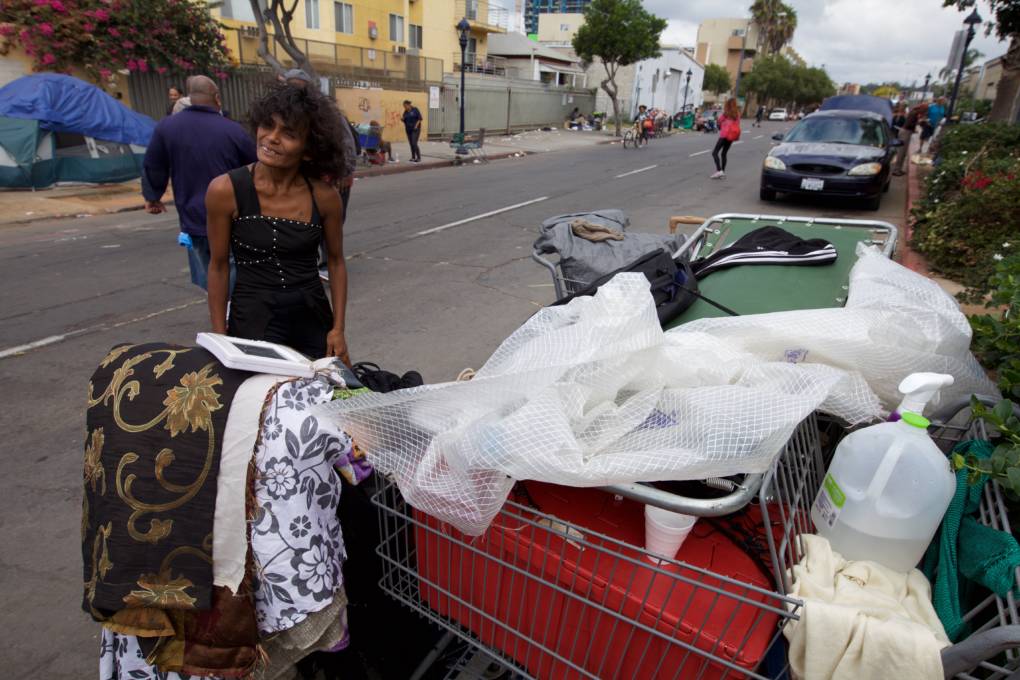
"caption": "Eva Young is a homeless San Diego resident who lives in a crowded encampment in downtown San Diego.",
"description": null,
"title": "SD homeless 4",
"credit": "Alan Horowitch",
"status": "inherit",
"isLoading": false,
"fetchFailed": false
},
"stateofhealth_361104": {
"type": "attachments",
"id": "stateofhealth_361104",
"meta": {
"index": "attachments_1716263798",
"site": "stateofhealth",
"id": "361104",
"found": true
},
"parent": 361087,
"imgSizes": {
"small": {
"file": "https://ww2.kqed.org/app/uploads/sites/27/2017/09/RS26626_IMG_7120-qut-e1505944851354-520x220.jpg",
"width": 520,
"mimeType": "image/jpeg",
"height": 220
},
"twentyfourteen-full-width": {
"file": "https://ww2.kqed.org/app/uploads/sites/27/2017/09/RS26626_IMG_7120-qut-e1505944851354-1038x576.jpg",
"width": 1038,
"mimeType": "image/jpeg",
"height": 576
},
"thumbnail": {
"file": "https://ww2.kqed.org/app/uploads/sites/27/2017/09/RS26626_IMG_7120-qut-e1505944851354-160x68.jpg",
"width": 160,
"mimeType": "image/jpeg",
"height": 68
},
"fd-sm": {
"file": "https://ww2.kqed.org/app/uploads/sites/27/2017/09/RS26626_IMG_7120-qut-e1505944851354-960x405.jpg",
"width": 960,
"mimeType": "image/jpeg",
"height": 405
},
"post-thumbnail": {
"file": "https://ww2.kqed.org/app/uploads/sites/27/2017/09/RS26626_IMG_7120-qut-e1505944851354-672x372.jpg",
"width": 672,
"mimeType": "image/jpeg",
"height": 372
},
"xsmall": {
"file": "https://ww2.kqed.org/app/uploads/sites/27/2017/09/RS26626_IMG_7120-qut-e1505944851354-375x158.jpg",
"width": 375,
"mimeType": "image/jpeg",
"height": 158
},
"kqedFullSize": {
"file": "https://ww2.kqed.org/app/uploads/sites/27/2017/09/RS26626_IMG_7120-qut-e1505944851354.jpg",
"width": 1862,
"height": 786
},
"large": {
"file": "https://ww2.kqed.org/app/uploads/sites/27/2017/09/RS26626_IMG_7120-qut-e1505944851354-1020x431.jpg",
"width": 1020,
"mimeType": "image/jpeg",
"height": 431
},
"xlarge": {
"file": "https://ww2.kqed.org/app/uploads/sites/27/2017/09/RS26626_IMG_7120-qut-e1505944851354-1180x498.jpg",
"width": 1180,
"mimeType": "image/jpeg",
"height": 498
},
"guest-author-50": {
"file": "https://ww2.kqed.org/app/uploads/sites/27/2017/09/RS26626_IMG_7120-qut-e1505944851354-50x50.jpg",
"width": 50,
"mimeType": "image/jpeg",
"height": 50
},
"guest-author-96": {
"file": "https://ww2.kqed.org/app/uploads/sites/27/2017/09/RS26626_IMG_7120-qut-e1505944851354-96x96.jpg",
"width": 96,
"mimeType": "image/jpeg",
"height": 96
},
"medium": {
"file": "https://ww2.kqed.org/app/uploads/sites/27/2017/09/RS26626_IMG_7120-qut-e1505944851354-800x338.jpg",
"width": 800,
"mimeType": "image/jpeg",
"height": 338
},
"guest-author-64": {
"file": "https://ww2.kqed.org/app/uploads/sites/27/2017/09/RS26626_IMG_7120-qut-e1505944851354-64x64.jpg",
"width": 64,
"mimeType": "image/jpeg",
"height": 64
},
"guest-author-32": {
"file": "https://ww2.kqed.org/app/uploads/sites/27/2017/09/RS26626_IMG_7120-qut-e1505944851354-32x32.jpg",
"width": 32,
"mimeType": "image/jpeg",
"height": 32
},
"fd-lrg": {
"file": "https://ww2.kqed.org/app/uploads/sites/27/2017/09/RS26626_IMG_7120-qut-1920x1440.jpg",
"width": 1920,
"mimeType": "image/jpeg",
"height": 1440
},
"fd-med": {
"file": "https://ww2.kqed.org/app/uploads/sites/27/2017/09/RS26626_IMG_7120-qut-e1505944851354-1180x498.jpg",
"width": 1180,
"mimeType": "image/jpeg",
"height": 498
},
"full-width": {
"file": "https://ww2.kqed.org/app/uploads/sites/27/2017/09/RS26626_IMG_7120-qut-1920x1440.jpg",
"width": 1920,
"mimeType": "image/jpeg",
"height": 1440
},
"detail": {
"file": "https://ww2.kqed.org/app/uploads/sites/27/2017/09/RS26626_IMG_7120-qut-e1505944851354-150x150.jpg",
"width": 150,
"mimeType": "image/jpeg",
"height": 150
},
"medium_large": {
"file": "https://ww2.kqed.org/app/uploads/sites/27/2017/09/RS26626_IMG_7120-qut-e1505944851354-768x324.jpg",
"width": 768,
"mimeType": "image/jpeg",
"height": 324
},
"guest-author-128": {
"file": "https://ww2.kqed.org/app/uploads/sites/27/2017/09/RS26626_IMG_7120-qut-e1505944851354-128x128.jpg",
"width": 128,
"mimeType": "image/jpeg",
"height": 128
},
"xxsmall": {
"file": "https://ww2.kqed.org/app/uploads/sites/27/2017/09/RS26626_IMG_7120-qut-e1505944851354-240x101.jpg",
"width": 240,
"mimeType": "image/jpeg",
"height": 101
}
},
"publishDate": 1505944324,
"modified": 1505944382,
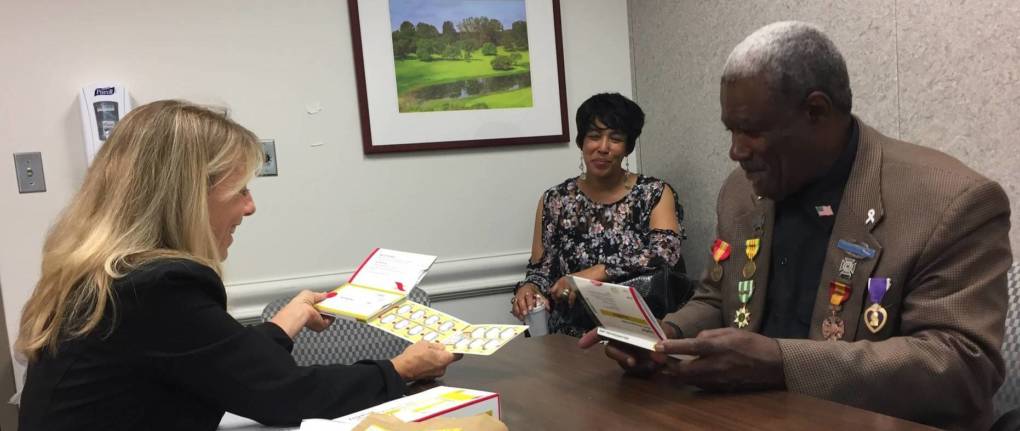
"caption": "Vietnam veteran Junius Wilson and VA nurse Susan Bertilacchi-Green make sure Wilson has a full supply of the medicine he's taking to cure him of Hepatitis C. His wife Shelly Baker looks on. ",
"description": "Vietnam veteran Junius Wilson and VA nurse Susan Bertilacchi-Green make sure Wilson has a full supply of the medicine he's taking to cure him of Hepatitis C. His wife Shelly Baker looks on. ",
"title": "RS26626_IMG_7120-qut",
"credit": "Laura Klivans/KQED",
"status": "inherit",
"isLoading": false,
"fetchFailed": false
},
"stateofhealth_361016": {
"type": "attachments",
"id": "stateofhealth_361016",
"meta": {
"index": "attachments_1716263798",
"site": "stateofhealth",
"id": "361016",
"found": true
},
"parent": 361004,
"imgSizes": {
"small": {
"file": "https://ww2.kqed.org/app/uploads/sites/27/2017/09/RS26488_alt_634-e1505259068587-520x246.jpg",
"width": 520,
"mimeType": "image/jpeg",
"height": 246
},
"twentyfourteen-full-width": {
"file": "https://ww2.kqed.org/app/uploads/sites/27/2017/09/RS26488_alt_634-e1505259068587-1038x576.jpg",
"width": 1038,
"mimeType": "image/jpeg",
"height": 576
},
"thumbnail": {
"file": "https://ww2.kqed.org/app/uploads/sites/27/2017/09/RS26488_alt_634-e1505259068587-160x76.jpg",
"width": 160,
"mimeType": "image/jpeg",
"height": 76
},
"fd-sm": {
"file": "https://ww2.kqed.org/app/uploads/sites/27/2017/09/RS26488_alt_634-e1505259068587-960x453.jpg",
"width": 960,
"mimeType": "image/jpeg",
"height": 453
},
"post-thumbnail": {
"file": "https://ww2.kqed.org/app/uploads/sites/27/2017/09/RS26488_alt_634-e1505259068587-672x372.jpg",
"width": 672,
"mimeType": "image/jpeg",
"height": 372
},
"xsmall": {
"file": "https://ww2.kqed.org/app/uploads/sites/27/2017/09/RS26488_alt_634-e1505259068587-375x177.jpg",
"width": 375,
"mimeType": "image/jpeg",
"height": 177
},
"kqedFullSize": {
"file": "https://ww2.kqed.org/app/uploads/sites/27/2017/09/RS26488_alt_634-e1505259068587.jpg",
"width": 3184,
"height": 1504
},
"large": {
"file": "https://ww2.kqed.org/app/uploads/sites/27/2017/09/RS26488_alt_634-e1505259068587-1020x482.jpg",
"width": 1020,
"mimeType": "image/jpeg",
"height": 482
},
"xlarge": {
"file": "https://ww2.kqed.org/app/uploads/sites/27/2017/09/RS26488_alt_634-e1505259068587-1180x557.jpg",
"width": 1180,
"mimeType": "image/jpeg",
"height": 557
},
"guest-author-50": {
"file": "https://ww2.kqed.org/app/uploads/sites/27/2017/09/RS26488_alt_634-e1505259068587-50x50.jpg",
"width": 50,
"mimeType": "image/jpeg",
"height": 50
},
"guest-author-96": {
"file": "https://ww2.kqed.org/app/uploads/sites/27/2017/09/RS26488_alt_634-e1505259068587-96x96.jpg",
"width": 96,
"mimeType": "image/jpeg",
"height": 96
},
"medium": {
"file": "https://ww2.kqed.org/app/uploads/sites/27/2017/09/RS26488_alt_634-e1505259068587-800x378.jpg",
"width": 800,
"mimeType": "image/jpeg",
"height": 378
},
"guest-author-64": {
"file": "https://ww2.kqed.org/app/uploads/sites/27/2017/09/RS26488_alt_634-e1505259068587-64x64.jpg",
"width": 64,
"mimeType": "image/jpeg",
"height": 64
},
"guest-author-32": {
"file": "https://ww2.kqed.org/app/uploads/sites/27/2017/09/RS26488_alt_634-e1505259068587-32x32.jpg",
"width": 32,
"mimeType": "image/jpeg",
"height": 32
},
"fd-lrg": {
"file": "https://ww2.kqed.org/app/uploads/sites/27/2017/09/RS26488_alt_634-e1505259068587-1920x907.jpg",
"width": 1920,
"mimeType": "image/jpeg",
"height": 907
},
"fd-med": {
"file": "https://ww2.kqed.org/app/uploads/sites/27/2017/09/RS26488_alt_634-e1505259068587-1180x557.jpg",
"width": 1180,
"mimeType": "image/jpeg",
"height": 557
},
"full-width": {
"file": "https://ww2.kqed.org/app/uploads/sites/27/2017/09/RS26488_alt_634-e1505259068587-1920x907.jpg",
"width": 1920,
"mimeType": "image/jpeg",
"height": 907
},
"detail": {
"file": "https://ww2.kqed.org/app/uploads/sites/27/2017/09/RS26488_alt_634-e1505259068587-150x150.jpg",
"width": 150,
"mimeType": "image/jpeg",
"height": 150
},
"medium_large": {
"file": "https://ww2.kqed.org/app/uploads/sites/27/2017/09/RS26488_alt_634-e1505259068587-768x363.jpg",
"width": 768,
"mimeType": "image/jpeg",
"height": 363
},
"guest-author-128": {
"file": "https://ww2.kqed.org/app/uploads/sites/27/2017/09/RS26488_alt_634-e1505259068587-128x128.jpg",
"width": 128,
"mimeType": "image/jpeg",
"height": 128
},
"xxsmall": {
"file": "https://ww2.kqed.org/app/uploads/sites/27/2017/09/RS26488_alt_634-e1505259068587-240x113.jpg",
"width": 240,
"mimeType": "image/jpeg",
"height": 113
}
},
"publishDate": 1505258032,
"modified": 1505258117,
"caption": "\"It's a victory,\" Leneta Anderson says of California Pacific Medical Center's decision to continue caring for patients like her husband in San Francisco.",
"description": "\"It's a victory,\" Leneta Anderson says of California Pacific Medical Center's decision to continue caring for patients like her husband in San Francisco.",
"title": "RS26488_alt_634",
"credit": "Laura Klivans/KQED",
"status": "inherit",
"isLoading": false,
"fetchFailed": false
},
"stateofhealth_360953": {
"type": "attachments",
"id": "stateofhealth_360953",
"meta": {
"index": "attachments_1716263798",
"site": "stateofhealth",
"id": "360953",
"found": true
},
"parent": 360952,
"imgSizes": {
"small": {
"file": "https://ww2.kqed.org/app/uploads/sites/27/2017/09/RS26487_alt_619-e1504747310347-520x211.jpg",
"width": 520,
"mimeType": "image/jpeg",
"height": 211
},
"twentyfourteen-full-width": {
"file": "https://ww2.kqed.org/app/uploads/sites/27/2017/09/RS26487_alt_619-e1504747310347-1038x576.jpg",
"width": 1038,
"mimeType": "image/jpeg",
"height": 576
},
"thumbnail": {
"file": "https://ww2.kqed.org/app/uploads/sites/27/2017/09/RS26487_alt_619-e1504747310347-160x65.jpg",
"width": 160,
"mimeType": "image/jpeg",
"height": 65
},
"fd-sm": {
"file": "https://ww2.kqed.org/app/uploads/sites/27/2017/09/RS26487_alt_619-e1504747310347-960x389.jpg",
"width": 960,
"mimeType": "image/jpeg",
"height": 389
},
"post-thumbnail": {
"file": "https://ww2.kqed.org/app/uploads/sites/27/2017/09/RS26487_alt_619-e1504747310347-672x372.jpg",
"width": 672,
"mimeType": "image/jpeg",
"height": 372
},
"xsmall": {
"file": "https://ww2.kqed.org/app/uploads/sites/27/2017/09/RS26487_alt_619-e1504747310347-375x152.jpg",
"width": 375,
"mimeType": "image/jpeg",
"height": 152
},
"kqedFullSize": {
"file": "https://ww2.kqed.org/app/uploads/sites/27/2017/09/RS26487_alt_619-e1504747310347.jpg",
"width": 2671,
"height": 1082
},
"large": {
"file": "https://ww2.kqed.org/app/uploads/sites/27/2017/09/RS26487_alt_619-e1504747310347-1020x413.jpg",
"width": 1020,
"mimeType": "image/jpeg",
"height": 413
},
"xlarge": {
"file": "https://ww2.kqed.org/app/uploads/sites/27/2017/09/RS26487_alt_619-e1504747310347-1180x478.jpg",
"width": 1180,
"mimeType": "image/jpeg",
"height": 478
},
"guest-author-50": {
"file": "https://ww2.kqed.org/app/uploads/sites/27/2017/09/RS26487_alt_619-e1504747310347-50x50.jpg",
"width": 50,
"mimeType": "image/jpeg",
"height": 50
},
"guest-author-96": {
"file": "https://ww2.kqed.org/app/uploads/sites/27/2017/09/RS26487_alt_619-e1504747310347-96x96.jpg",
"width": 96,
"mimeType": "image/jpeg",
"height": 96
},
"medium": {
"file": "https://ww2.kqed.org/app/uploads/sites/27/2017/09/RS26487_alt_619-e1504747310347-800x324.jpg",
"width": 800,
"mimeType": "image/jpeg",
"height": 324
},
"guest-author-64": {
"file": "https://ww2.kqed.org/app/uploads/sites/27/2017/09/RS26487_alt_619-e1504747310347-64x64.jpg",
"width": 64,
"mimeType": "image/jpeg",
"height": 64
},
"guest-author-32": {
"file": "https://ww2.kqed.org/app/uploads/sites/27/2017/09/RS26487_alt_619-e1504747310347-32x32.jpg",
"width": 32,
"mimeType": "image/jpeg",
"height": 32
},
"fd-lrg": {
"file": "https://ww2.kqed.org/app/uploads/sites/27/2017/09/RS26487_alt_619-e1504747310347-1920x778.jpg",
"width": 1920,
"mimeType": "image/jpeg",
"height": 778
},
"fd-med": {
"file": "https://ww2.kqed.org/app/uploads/sites/27/2017/09/RS26487_alt_619-e1504747310347-1180x478.jpg",
"width": 1180,
"mimeType": "image/jpeg",
"height": 478
},
"full-width": {
"file": "https://ww2.kqed.org/app/uploads/sites/27/2017/09/RS26487_alt_619-e1504747310347-1920x778.jpg",
"width": 1920,
"mimeType": "image/jpeg",
"height": 778
},
"detail": {
"file": "https://ww2.kqed.org/app/uploads/sites/27/2017/09/RS26487_alt_619-e1504747310347-150x150.jpg",
"width": 150,
"mimeType": "image/jpeg",
"height": 150
},
"medium_large": {
"file": "https://ww2.kqed.org/app/uploads/sites/27/2017/09/RS26487_alt_619-e1504747310347-768x311.jpg",
"width": 768,
"mimeType": "image/jpeg",
"height": 311
},
"guest-author-128": {
"file": "https://ww2.kqed.org/app/uploads/sites/27/2017/09/RS26487_alt_619-e1504747310347-128x128.jpg",
"width": 128,
"mimeType": "image/jpeg",
"height": 128
},
"xxsmall": {
"file": "https://ww2.kqed.org/app/uploads/sites/27/2017/09/RS26487_alt_619-e1504747310347-240x97.jpg",
"width": 240,
"mimeType": "image/jpeg",
"height": 97
}
},
"publishDate": 1504722238,
"modified": 1504745735,
"caption": "(From left to right) Ken Houston, Comer Marshall, and Katie Hamilton speak to a small crowd gathered outside of San Francisco's City Hall on Tuesday.",
"description": "(From left to right) Ken Houston, Comer Marshall, and Katie Hamilton speak to a small crowd gathered outside of San Francisco's City Hall on Tuesday.",
"title": "RS26487_alt_619",
"credit": "Laura Klivans/KQED",
"status": "inherit",
"isLoading": false,
"fetchFailed": false
},
"stateofhealth_360900": {
"type": "attachments",
"id": "stateofhealth_360900",
"meta": {
"index": "attachments_1716263798",
"site": "stateofhealth",
"id": "360900",
"found": true
},
"parent": 360898,
"imgSizes": {
"small": {
"file": "https://ww2.kqed.org/app/uploads/sites/27/2017/08/asthma-camp2_1170-520x347.jpg",
"width": 520,
"mimeType": "image/jpeg",
"height": 347
},
"twentyfourteen-full-width": {
"file": "https://ww2.kqed.org/app/uploads/sites/27/2017/08/asthma-camp2_1170-1038x576.jpg",
"width": 1038,
"mimeType": "image/jpeg",
"height": 576
},
"thumbnail": {
"file": "https://ww2.kqed.org/app/uploads/sites/27/2017/08/asthma-camp2_1170-160x107.jpg",
"width": 160,
"mimeType": "image/jpeg",
"height": 107
},
"fd-sm": {
"file": "https://ww2.kqed.org/app/uploads/sites/27/2017/08/asthma-camp2_1170-960x640.jpg",
"width": 960,
"mimeType": "image/jpeg",
"height": 640
},
"post-thumbnail": {
"file": "https://ww2.kqed.org/app/uploads/sites/27/2017/08/asthma-camp2_1170-672x372.jpg",
"width": 672,
"mimeType": "image/jpeg",
"height": 372
},
"xsmall": {
"file": "https://ww2.kqed.org/app/uploads/sites/27/2017/08/asthma-camp2_1170-375x250.jpg",
"width": 375,
"mimeType": "image/jpeg",
"height": 250
},
"kqedFullSize": {
"file": "https://ww2.kqed.org/app/uploads/sites/27/2017/08/asthma-camp2_1170.jpg",
"width": 1170,
"height": 780
},
"large": {
"file": "https://ww2.kqed.org/app/uploads/sites/27/2017/08/asthma-camp2_1170-1020x680.jpg",
"width": 1020,
"mimeType": "image/jpeg",
"height": 680
},
"guest-author-50": {
"file": "https://ww2.kqed.org/app/uploads/sites/27/2017/08/asthma-camp2_1170-50x50.jpg",
"width": 50,
"mimeType": "image/jpeg",
"height": 50
},
"guest-author-96": {
"file": "https://ww2.kqed.org/app/uploads/sites/27/2017/08/asthma-camp2_1170-96x96.jpg",
"width": 96,
"mimeType": "image/jpeg",
"height": 96
},
"medium": {
"file": "https://ww2.kqed.org/app/uploads/sites/27/2017/08/asthma-camp2_1170-800x533.jpg",
"width": 800,
"mimeType": "image/jpeg",
"height": 533
},
"guest-author-64": {
"file": "https://ww2.kqed.org/app/uploads/sites/27/2017/08/asthma-camp2_1170-64x64.jpg",
"width": 64,
"mimeType": "image/jpeg",
"height": 64
},
"guest-author-32": {
"file": "https://ww2.kqed.org/app/uploads/sites/27/2017/08/asthma-camp2_1170-32x32.jpg",
"width": 32,
"mimeType": "image/jpeg",
"height": 32
},
"detail": {
"file": "https://ww2.kqed.org/app/uploads/sites/27/2017/08/asthma-camp2_1170-150x150.jpg",
"width": 150,
"mimeType": "image/jpeg",
"height": 150
},
"medium_large": {
"file": "https://ww2.kqed.org/app/uploads/sites/27/2017/08/asthma-camp2_1170-768x512.jpg",
"width": 768,
"mimeType": "image/jpeg",
"height": 512
},
"guest-author-128": {
"file": "https://ww2.kqed.org/app/uploads/sites/27/2017/08/asthma-camp2_1170-128x128.jpg",
"width": 128,
"mimeType": "image/jpeg",
"height": 128
},
"xxsmall": {
"file": "https://ww2.kqed.org/app/uploads/sites/27/2017/08/asthma-camp2_1170-240x160.jpg",
"width": 240,
"mimeType": "image/jpeg",
"height": 160
}
},
"publishDate": 1503613670,
"modified": 1503613705,
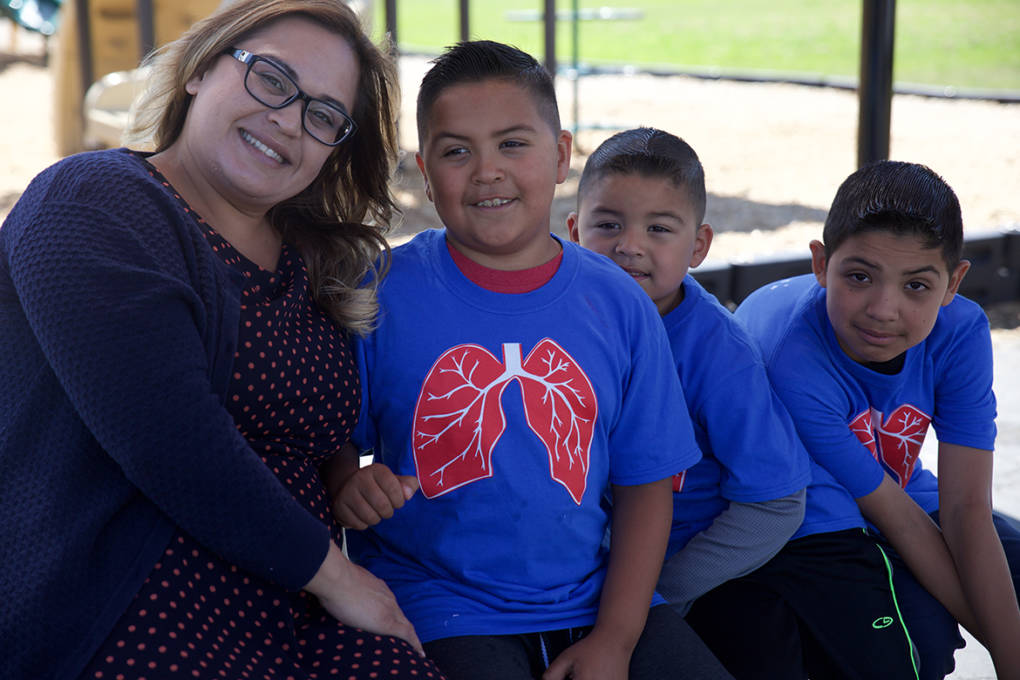
"caption": "Aidee Aldaco’s sons — Aaron, 8, Dario, 6, and Damian, 10 — attended asthma camp together.",
"description": "Aidee Aldaco’s sons — Aaron, 8, Dario, 6, and Damian, 10 — attended asthma camp together.",
"title": "asthma-camp2_1170",
"credit": "Pamela K. Johnson for KHN",
"status": "inherit",
"isLoading": false,
"fetchFailed": false
},
"stateofhealth_276502": {
"type": "attachments",
"id": "stateofhealth_276502",
"meta": {
"index": "attachments_1716263798",
"site": "stateofhealth",
"id": "276502",
"found": true
},
"parent": 276501,
"imgSizes": {
"small": {
"file": "https://ww2.kqed.org/app/uploads/sites/27/2016/12/276501-thumb-520x347.jpg",
"width": 520,
"mimeType": "image/jpeg",
"height": 347
},
"twentyfourteen-full-width": {
"file": "https://ww2.kqed.org/app/uploads/sites/27/2016/12/276501-thumb-1038x576.jpg",
"width": 1038,
"mimeType": "image/jpeg",
"height": 576
},
"thumbnail": {
"file": "https://ww2.kqed.org/app/uploads/sites/27/2016/12/276501-thumb-160x107.jpg",
"width": 160,
"mimeType": "image/jpeg",
"height": 107
},
"fd-sm": {
"file": "https://ww2.kqed.org/app/uploads/sites/27/2016/12/276501-thumb-960x640.jpg",
"width": 960,
"mimeType": "image/jpeg",
"height": 640
},
"post-thumbnail": {
"file": "https://ww2.kqed.org/app/uploads/sites/27/2016/12/276501-thumb-672x372.jpg",
"width": 672,
"mimeType": "image/jpeg",
"height": 372
},
"xsmall": {
"file": "https://ww2.kqed.org/app/uploads/sites/27/2016/12/276501-thumb-375x250.jpg",
"width": 375,
"mimeType": "image/jpeg",
"height": 250
},
"kqedFullSize": {
"file": "https://ww2.kqed.org/app/uploads/sites/27/2016/12/276501-thumb.jpg",
"width": 1920,
"height": 1280
},
"large": {
"file": "https://ww2.kqed.org/app/uploads/sites/27/2016/12/276501-thumb-1020x680.jpg",
"width": 1020,
"mimeType": "image/jpeg",
"height": 680
},
"xlarge": {
"file": "https://ww2.kqed.org/app/uploads/sites/27/2016/12/276501-thumb-1180x787.jpg",
"width": 1180,
"mimeType": "image/jpeg",
"height": 787
},
"guest-author-50": {
"file": "https://ww2.kqed.org/app/uploads/sites/27/2016/12/276501-thumb-50x50.jpg",
"width": 50,
"mimeType": "image/jpeg",
"height": 50
},
"guest-author-96": {
"file": "https://ww2.kqed.org/app/uploads/sites/27/2016/12/276501-thumb-96x96.jpg",
"width": 96,
"mimeType": "image/jpeg",
"height": 96
},
"medium": {
"file": "https://ww2.kqed.org/app/uploads/sites/27/2016/12/276501-thumb-800x533.jpg",
"width": 800,
"mimeType": "image/jpeg",
"height": 533
},
"guest-author-64": {
"file": "https://ww2.kqed.org/app/uploads/sites/27/2016/12/276501-thumb-64x64.jpg",
"width": 64,
"mimeType": "image/jpeg",
"height": 64
},
"guest-author-32": {
"file": "https://ww2.kqed.org/app/uploads/sites/27/2016/12/276501-thumb-32x32.jpg",
"width": 32,
"mimeType": "image/jpeg",
"height": 32
},
"jmtc-small-thumb": {
"file": "https://ww2.kqed.org/app/uploads/sites/27/2016/12/276501-thumb-280x150.jpg",
"width": 280,
"mimeType": "image/jpeg",
"height": 150
},
"fd-lrg": {
"file": "https://ww2.kqed.org/app/uploads/sites/27/2016/12/276501-thumb-1920x1280.jpg",
"width": 1920,
"mimeType": "image/jpeg",
"height": 1280
},
"fd-med": {
"file": "https://ww2.kqed.org/app/uploads/sites/27/2016/12/276501-thumb-1180x787.jpg",
"width": 1180,
"mimeType": "image/jpeg",
"height": 787
},
"full-width": {
"file": "https://ww2.kqed.org/app/uploads/sites/27/2016/12/276501-thumb-1920x1280.jpg",
"width": 1920,
"mimeType": "image/jpeg",
"height": 1280
},
"detail": {
"file": "https://ww2.kqed.org/app/uploads/sites/27/2016/12/276501-thumb-150x150.jpg",
"width": 150,
"mimeType": "image/jpeg",
"height": 150
},
"medium_large": {
"file": "https://ww2.kqed.org/app/uploads/sites/27/2016/12/276501-thumb-768x512.jpg",
"width": 768,
"mimeType": "image/jpeg",
"height": 512
},
"guest-author-128": {
"file": "https://ww2.kqed.org/app/uploads/sites/27/2016/12/276501-thumb-128x128.jpg",
"width": 128,
"mimeType": "image/jpeg",
"height": 128
},
"xxsmall": {
"file": "https://ww2.kqed.org/app/uploads/sites/27/2016/12/276501-thumb-240x160.jpg",
"width": 240,
"mimeType": "image/jpeg",
"height": 160
}
},
"publishDate": 1482767185,
"modified": 1502929558,
"caption": "A coalition funded by tobacco companies is pushing back against San Francisco's ban on the sale of flavored tobacco.",
"description": "A coalition funded by tobacco companies is pushing back against San Francisco's ban on the sale of flavored tobacco.",
"title": "Thumbnail for 276501",
"credit": "Justin Sullivan/Getty Images",
"status": "inherit",
"isLoading": false,
"fetchFailed": false
},
"stateofhealth_360760": {
"type": "attachments",
"id": "stateofhealth_360760",
"meta": {
"index": "attachments_1716263798",
"site": "stateofhealth",
"id": "360760",
"found": true
},
"parent": 360759,
"imgSizes": {
"small": {
"file": "https://ww2.kqed.org/app/uploads/sites/27/2017/08/food-as-medicine11-520x347.jpg",
"width": 520,
"mimeType": "image/jpeg",
"height": 347
},
"twentyfourteen-full-width": {
"file": "https://ww2.kqed.org/app/uploads/sites/27/2017/08/food-as-medicine11-1038x576.jpg",
"width": 1038,
"mimeType": "image/jpeg",
"height": 576
},
"thumbnail": {
"file": "https://ww2.kqed.org/app/uploads/sites/27/2017/08/food-as-medicine11-160x107.jpg",
"width": 160,
"mimeType": "image/jpeg",
"height": 107
},
"fd-sm": {
"file": "https://ww2.kqed.org/app/uploads/sites/27/2017/08/food-as-medicine11-960x640.jpg",
"width": 960,
"mimeType": "image/jpeg",
"height": 640
},
"post-thumbnail": {
"file": "https://ww2.kqed.org/app/uploads/sites/27/2017/08/food-as-medicine11-672x372.jpg",
"width": 672,
"mimeType": "image/jpeg",
"height": 372
},
"xsmall": {
"file": "https://ww2.kqed.org/app/uploads/sites/27/2017/08/food-as-medicine11-375x250.jpg",
"width": 375,
"mimeType": "image/jpeg",
"height": 250
},
"kqedFullSize": {
"file": "https://ww2.kqed.org/app/uploads/sites/27/2017/08/food-as-medicine11.jpg",
"width": 1446,
"height": 964
},
"large": {
"file": "https://ww2.kqed.org/app/uploads/sites/27/2017/08/food-as-medicine11-1020x680.jpg",
"width": 1020,
"mimeType": "image/jpeg",
"height": 680
},
"xlarge": {
"file": "https://ww2.kqed.org/app/uploads/sites/27/2017/08/food-as-medicine11-1180x787.jpg",
"width": 1180,
"mimeType": "image/jpeg",
"height": 787
},
"guest-author-50": {
"file": "https://ww2.kqed.org/app/uploads/sites/27/2017/08/food-as-medicine11-50x50.jpg",
"width": 50,
"mimeType": "image/jpeg",
"height": 50
},
"guest-author-96": {
"file": "https://ww2.kqed.org/app/uploads/sites/27/2017/08/food-as-medicine11-96x96.jpg",
"width": 96,
"mimeType": "image/jpeg",
"height": 96
},
"medium": {
"file": "https://ww2.kqed.org/app/uploads/sites/27/2017/08/food-as-medicine11-800x533.jpg",
"width": 800,
"mimeType": "image/jpeg",
"height": 533
},
"guest-author-64": {
"file": "https://ww2.kqed.org/app/uploads/sites/27/2017/08/food-as-medicine11-64x64.jpg",
"width": 64,
"mimeType": "image/jpeg",
"height": 64
},
"guest-author-32": {
"file": "https://ww2.kqed.org/app/uploads/sites/27/2017/08/food-as-medicine11-32x32.jpg",
"width": 32,
"mimeType": "image/jpeg",
"height": 32
},
"fd-med": {
"file": "https://ww2.kqed.org/app/uploads/sites/27/2017/08/food-as-medicine11-1180x787.jpg",
"width": 1180,
"mimeType": "image/jpeg",
"height": 787
},
"detail": {
"file": "https://ww2.kqed.org/app/uploads/sites/27/2017/08/food-as-medicine11-150x150.jpg",
"width": 150,
"mimeType": "image/jpeg",
"height": 150
},
"medium_large": {
"file": "https://ww2.kqed.org/app/uploads/sites/27/2017/08/food-as-medicine11-768x512.jpg",
"width": 768,
"mimeType": "image/jpeg",
"height": 512
},
"guest-author-128": {
"file": "https://ww2.kqed.org/app/uploads/sites/27/2017/08/food-as-medicine11-128x128.jpg",
"width": 128,
"mimeType": "image/jpeg",
"height": 128
},
"xxsmall": {
"file": "https://ww2.kqed.org/app/uploads/sites/27/2017/08/food-as-medicine11-240x160.jpg",
"width": 240,
"mimeType": "image/jpeg",
"height": 160
}
},
"publishDate": 1502385821,
"modified": 1502385877,
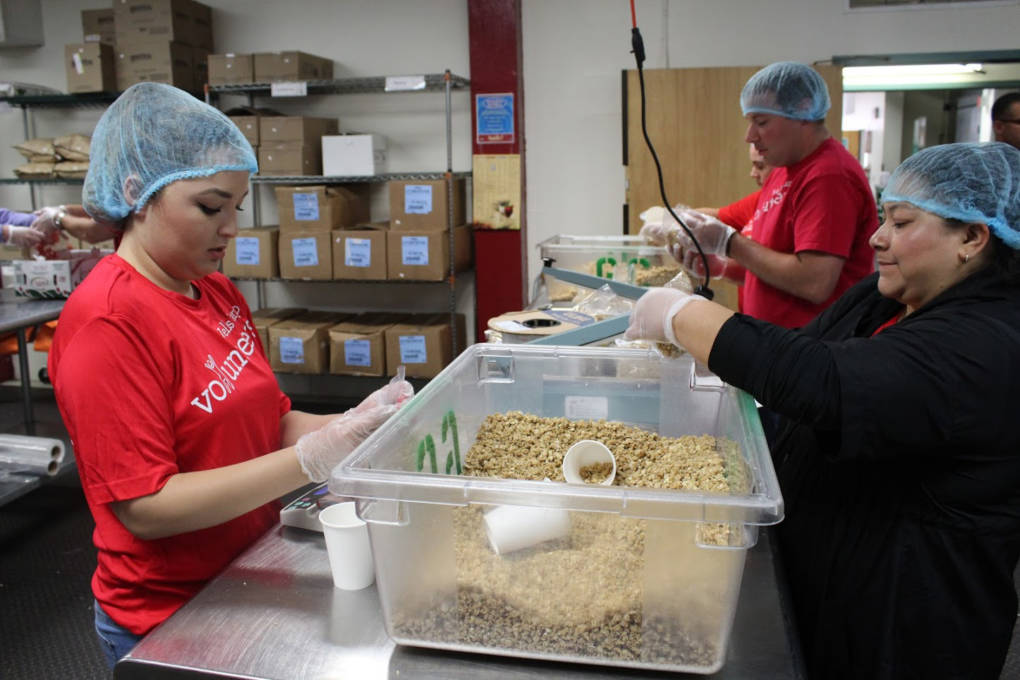
"caption": "A team of volunteers from Wells Fargo pack healthy ingredients at Project Open Hand in San Francisco on July 6. ",
"description": "A team of volunteers from Wells Fargo pack healthy ingredients at Project Open Hand in San Francisco on July 6.",
"title": "food-as-medicine11",
"credit": "Kellen Browning/California Healthline",
"status": "inherit",
"isLoading": false,
"fetchFailed": false
},
"stateofhealth_360753": {
"type": "attachments",
"id": "stateofhealth_360753",
"meta": {
"index": "attachments_1716263798",
"site": "stateofhealth",
"id": "360753",
"found": true
},
"parent": 360752,
"imgSizes": {
"small": {
"file": "https://ww2.kqed.org/app/uploads/sites/27/2017/08/brain-donation-3-520x347.jpg",
"width": 520,
"mimeType": "image/jpeg",
"height": 347
},
"twentyfourteen-full-width": {
"file": "https://ww2.kqed.org/app/uploads/sites/27/2017/08/brain-donation-3-1038x576.jpg",
"width": 1038,
"mimeType": "image/jpeg",
"height": 576
},
"thumbnail": {
"file": "https://ww2.kqed.org/app/uploads/sites/27/2017/08/brain-donation-3-160x107.jpg",
"width": 160,
"mimeType": "image/jpeg",
"height": 107
},
"fd-sm": {
"file": "https://ww2.kqed.org/app/uploads/sites/27/2017/08/brain-donation-3-960x640.jpg",
"width": 960,
"mimeType": "image/jpeg",
"height": 640
},
"post-thumbnail": {
"file": "https://ww2.kqed.org/app/uploads/sites/27/2017/08/brain-donation-3-672x372.jpg",
"width": 672,
"mimeType": "image/jpeg",
"height": 372
},
"xsmall": {
"file": "https://ww2.kqed.org/app/uploads/sites/27/2017/08/brain-donation-3-375x250.jpg",
"width": 375,
"mimeType": "image/jpeg",
"height": 250
},
"kqedFullSize": {
"file": "https://ww2.kqed.org/app/uploads/sites/27/2017/08/brain-donation-3.jpg",
"width": 1170,
"height": 780
},
"large": {
"file": "https://ww2.kqed.org/app/uploads/sites/27/2017/08/brain-donation-3-1020x680.jpg",
"width": 1020,
"mimeType": "image/jpeg",
"height": 680
},
"guest-author-50": {
"file": "https://ww2.kqed.org/app/uploads/sites/27/2017/08/brain-donation-3-50x50.jpg",
"width": 50,
"mimeType": "image/jpeg",
"height": 50
},
"guest-author-96": {
"file": "https://ww2.kqed.org/app/uploads/sites/27/2017/08/brain-donation-3-96x96.jpg",
"width": 96,
"mimeType": "image/jpeg",
"height": 96
},
"medium": {
"file": "https://ww2.kqed.org/app/uploads/sites/27/2017/08/brain-donation-3-800x533.jpg",
"width": 800,
"mimeType": "image/jpeg",
"height": 533
},
"guest-author-64": {
"file": "https://ww2.kqed.org/app/uploads/sites/27/2017/08/brain-donation-3-64x64.jpg",
"width": 64,
"mimeType": "image/jpeg",
"height": 64
},
"guest-author-32": {
"file": "https://ww2.kqed.org/app/uploads/sites/27/2017/08/brain-donation-3-32x32.jpg",
"width": 32,
"mimeType": "image/jpeg",
"height": 32
},
"detail": {
"file": "https://ww2.kqed.org/app/uploads/sites/27/2017/08/brain-donation-3-150x150.jpg",
"width": 150,
"mimeType": "image/jpeg",
"height": 150
},
"medium_large": {
"file": "https://ww2.kqed.org/app/uploads/sites/27/2017/08/brain-donation-3-768x512.jpg",
"width": 768,
"mimeType": "image/jpeg",
"height": 512
},
"guest-author-128": {
"file": "https://ww2.kqed.org/app/uploads/sites/27/2017/08/brain-donation-3-128x128.jpg",
"width": 128,
"mimeType": "image/jpeg",
"height": 128
},
"xxsmall": {
"file": "https://ww2.kqed.org/app/uploads/sites/27/2017/08/brain-donation-3-240x160.jpg",
"width": 240,
"mimeType": "image/jpeg",
"height": 160
}
},
"publishDate": 1502323677,
"modified": 1502323719,
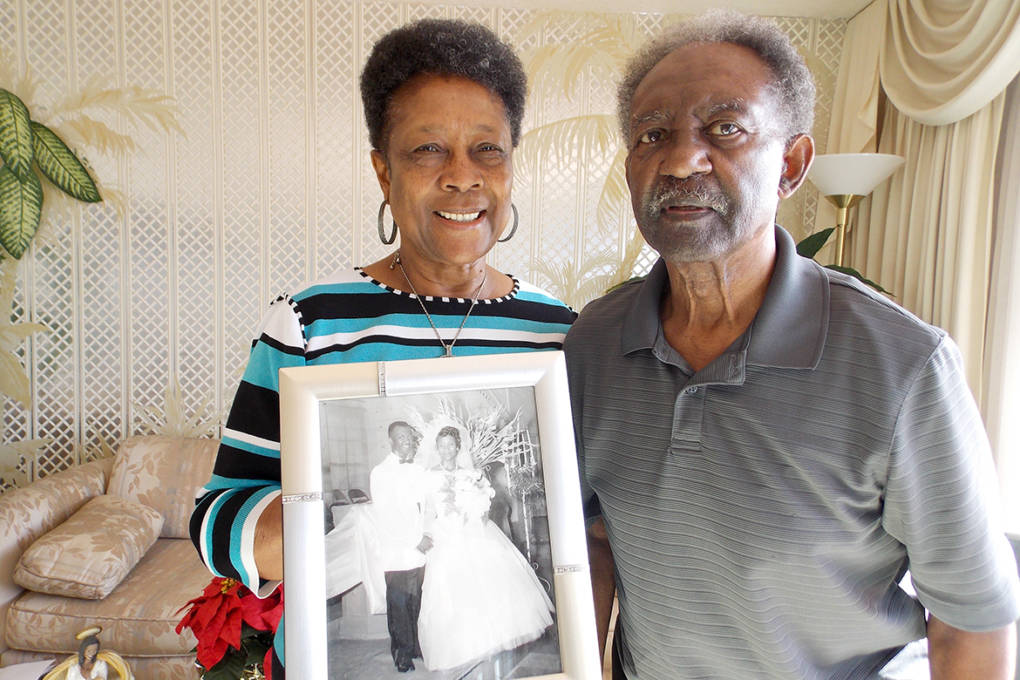
"caption": "Dorothy and Levi Reeves stand in their Oakland, Calif., home, holding their wedding photo from 57 years ago. Dorothy Reeves agreed to donate both of their brains after death to the University of California-Davis for research.",
"description": "Dorothy and Levi Reeves stand in their Oakland, Calif., home, holding their wedding photo from 57 years ago. Dorothy Reeves agreed to donate both of their brains after death to the University of California-Davis for research.",
"title": "brain-donation-3",
"credit": "Anna Gorman/KHN",
"status": "inherit",
"isLoading": false,
"fetchFailed": false
}
},
"audioPlayerReducer": {
"postId": "stream_live",
"isPaused": true,
"isPlaying": false,
"pfsActive": false,
"pledgeModalIsOpen": true,
"playerDrawerIsOpen": false,
"liveAudioPlayStartedAt": 0,
"liveAudioPlayContext": ""
},
"authorsReducer": {
"byline_stateofhealth_361392": {
"type": "authors",
"id": "byline_stateofhealth_361392",
"meta": {
"override": true
},
"slug": "byline_stateofhealth_361392",
"name": "\u003cstrong>\u003ca href=\"https://khn.org/news/author/pauline-bartolone/\" rel=\"noopener\" target=\"_blank\">Pauline Bartolone\u003c/a>\u003c/strong>, California Healthline",
"isLoading": false
},
"byline_stateofhealth_361338": {
"type": "authors",
"id": "byline_stateofhealth_361338",
"meta": {
"override": true
},
"slug": "byline_stateofhealth_361338",
"name": "\u003ca href=\"https://khn.org/news/author/julie-appleby/\">Julie Appleby\u003c/a> and \u003ca href=\"https://khn.org/news/author/phil-galewitz/\">Phil Galewitz\u003c/a>",
"isLoading": false
},
"byline_stateofhealth_361251": {
"type": "authors",
"id": "byline_stateofhealth_361251",
"meta": {
"override": true
},
"slug": "byline_stateofhealth_361251",
"name": "\u003ca href=\"http://khn.org/news/author/rachel-bluth/\" rel=\"noopener\" target=\"_blank\">\u003cstrong>Rachel Bluth\u003c/strong>\u003c/a>, Kaiser Health News",
"isLoading": false
},
"byline_stateofhealth_361156": {
"type": "authors",
"id": "byline_stateofhealth_361156",
"meta": {
"override": true
},
"slug": "byline_stateofhealth_361156",
"name": "Stephanie O’Neill",
"isLoading": false
},
"byline_stateofhealth_360898": {
"type": "authors",
"id": "byline_stateofhealth_360898",
"meta": {
"override": true
},
"slug": "byline_stateofhealth_360898",
"name": "\u003ca href=\"http://californiahealthline.org/news/author/pamela-k-johnson/\">\u003cstrong>Pamela K. Johnson\u003c/strong>\u003c/a> \u003c/span>",
"isLoading": false
},
"byline_stateofhealth_360841": {
"type": "authors",
"id": "byline_stateofhealth_360841",
"meta": {
"override": true
},
"slug": "byline_stateofhealth_360841",
"name": "\u003ca href=\"http://californiahealthline.org/news/author/elaine-korry/\" target=\"_blank\" rel=\"noopener noreferrer\">\u003cstrong>Elaine Korry\u003c/strong>\u003c/a> \u003c/span>",
"isLoading": false
},
"byline_stateofhealth_360759": {
"type": "authors",
"id": "byline_stateofhealth_360759",
"meta": {
"override": true
},
"slug": "byline_stateofhealth_360759",
"name": "\u003ca href=\"http://californiahealthline.org/news/author/kellen-browning/\" target=\"_blank\" rel=\"noopener noreferrer\">\u003cstrong>Kellen Browning\u003c/strong>\u003c/a> \u003c/span>",
"isLoading": false
},
"byline_stateofhealth_360752": {
"type": "authors",
"id": "byline_stateofhealth_360752",
"meta": {
"override": true
},
"slug": "byline_stateofhealth_360752",
"name": "\u003ca href=\"http://khn.org/news/author/anna-gorman/\" target=\"_blank\" rel=\"noopener noreferrer\">\u003cstrong>Anna Gorman\u003c/strong>\u003c/a>",
"isLoading": false
},
"lklivans": {
"type": "authors",
"id": "8648",
"meta": {
"index": "authors_1716337520",
"id": "8648",
"found": true
},
"name": "Laura Klivans",
"firstName": "Laura",
"lastName": "Klivans",
"slug": "lklivans",
"email": "lklivans@kqed.org",
"display_author_email": true,
"staff_mastheads": [
"news",
"science"
],
"title": "Reporter",
"bio": "Laura Klivans is an award-winning science reporter for KQED News, where she covers climate change with an eye on both groundbreaking progress and gaps in action. She is the former host of KQED's blockbuster video series about tiny, amazing animals, \u003cem>Deep Look\u003c/em>. Her work reaches national audiences through NPR, \u003cem>Here & Now, \u003c/em>PRI, and other major outlets. \r\n\r\nLaura’s won five Northern California Area Emmy Awards for Deep Look and First Place in the Greater Bay Area Journalism Awards for a podcast exploring how one Oakland neighborhood teamed up to reduce planet-heating pollution.\r\n\r\nBeyond her reporting, she hosts and moderates events. In the past, she taught audio storytelling at the UC Berkeley Graduate School of Journalism, led international education programs, worked with immigrants and refugees along the Thai-Burmese border, taught high schoolers sex ed, and was an actress. \r\n\r\nShe's a former UC Berkeley Human Rights Fellow, USC Center for Health Journalism's California Fellow and Coro Fellow in Public Affairs. Laura has a master’s in journalism from UC Berkeley, a master’s in education from Harvard, and an undergraduate degree from Northwestern University.\r\n\r\nShe loves trying to riddle the meaning out of vanity license plates.",
"avatar": "https://secure.gravatar.com/avatar/2d2ecd1550a494cc10ad4a503406965585902124739e775a9b3817eebf1d88be?s=600&d=blank&r=g",
"twitter": "lauraklivans",
"bluesky": null,
"facebook": null,
"instagram": null,
"linkedin": null,
"sites": [
{
"site": "news",
"roles": [
"editor"
]
},
{
"site": "stateofhealth",
"roles": [
"contributor",
"editor"
]
},
{
"site": "science",
"roles": [
"editor"
]
},
{
"site": "forum",
"roles": [
"editor"
]
}
],
"headData": {
"title": "Laura Klivans | KQED",
"description": "Reporter",
"ogImgSrc": "https://secure.gravatar.com/avatar/2d2ecd1550a494cc10ad4a503406965585902124739e775a9b3817eebf1d88be?s=600&d=blank&r=g",
"twImgSrc": "https://secure.gravatar.com/avatar/2d2ecd1550a494cc10ad4a503406965585902124739e775a9b3817eebf1d88be?s=600&d=blank&r=g"
},
"isLoading": false,
"link": "/author/lklivans"
}
},
"pagesReducer": {
"stateofhealth_category_place-matters": {
"type": "terms",
"id": "stateofhealth_11",
"meta": {
"index": "terms_1716263798",
"site": "stateofhealth",
"id": "11",
"score": 14.406026
},
"featImg": null,
"name": "Community Health",
"description": "\r\n\r\nFrom rural California to urban neighborhoods, where you live affects your health",
"taxonomy": "category",
"headData": {
"twImgId": null,
"twTitle": null,
"ogTitle": null,
"ogImgId": null,
"twDescription": null,
"description": "From rural California to urban neighborhoods, where you live affects your health",
"title": "Community Health Archives | KQED Arts",
"ogDescription": null
},
"ttid": 11,
"slug": "place-matters",
"isLoading": false,
"title": "Community Health",
"pageMeta": {
"site": "stateofhealth",
"WpPageTemplate": "page-topic-editorial",
"currentPage": 3
},
"blocks": [
{
"blockName": "kqed/company-paragraph",
"content": "\r\n\r\nFrom rural California to urban neighborhoods, where you live affects your health"
},
{
"blockName": "kqed/post-list",
"attrs": {
"layout": "cardArticle2",
"query": "posts/stateofhealth?category=place-matters",
"seeMore": false,
"paginated": true,
"page": 3
}
},
{
"blockName": "kqed/ad"
}
]
}
},
"pfsSessionReducer": {},
"postsReducer": {
"stream_live": {
"type": "live",
"id": "stream_live",
"audioUrl": "https://streams.kqed.org/kqedradio",
"title": "Live Stream",
"excerpt": "Live Stream information currently unavailable.",
"link": "/radio",
"featImg": "",
"label": {
"name": "KQED Live",
"link": "/"
}
},
"stream_kqedNewscast": {
"type": "posts",
"id": "stream_kqedNewscast",
"audioUrl": "https://www.kqed.org/.stream/anon/radio/RDnews/newscast.mp3?_=1",
"title": "KQED Newscast",
"featImg": "",
"label": {
"name": "88.5 FM",
"link": "/"
}
},
"stateofhealth_361695": {
"type": "posts",
"id": "stateofhealth_361695",
"meta": {
"index": "posts_1716263798",
"site": "stateofhealth",
"id": "361695",
"score": null,
"sort": [
1508816285000
]
},
"parent": 0,
"labelTerm": {
"site": "stateofhealth"
},
"blocks": [],
"publishDate": 1508816285,
"format": "audio",
"disqusTitle": "Despite Loss of Clinic, Sonoma County’s Largest Community Health Center Kept Going After the Fires",
"title": "Despite Loss of Clinic, Sonoma County’s Largest Community Health Center Kept Going After the Fires",
"headTitle": "State of Health | KQED News",
"content": "\u003cp>Just two weeks after fires ripped through her hometown of Santa Rosa, Dr. Deb Donlon still smiles easily. She sat at a co-worker's desk at \u003ca href=\"http://srhealth.org/\" target=\"_blank\" rel=\"noopener\">Santa Rosa Community Health's\u003c/a> Lombardi Campus; free space is hard to come by these days.\u003c/p>\n\u003cp>That's because Vista Family Health Center, the largest of nine clinics operated by Santa Rosa Community Health, suffered smoke and water damage during the wildfires, and was forced to close.\u003c/p>\n\u003cp>Taking her stethoscope off her neck and resting it on the desk in front of her, Donlon joked that she's writing a book about her experience over the past few weeks, as she and her colleagues are figuring out how to see their 50,000 regular patients in essentially half the space they once had.\u003c/p>\n\u003cp>Donlon's \"book\" will be of the Dr. Seuss variety, she quipped. Her working title is “Oh, the Places We’ll Care for Patients.”\u003c/p>\n\u003cp>\"We will see them in a van, and we will see them in a can,\" she rhymed. \"We will see them on a cot and we will see them in the parking lot. And we will see them here and there and we will see them everywhere. That's as far as I've gotten.\"\u003c/p>\n\u003cp>[ad fullwidth]\u003c/p>\n\u003cp>She was referring to the creative ways staff are converting resources into places to see patients: administrative offices are now therapy spaces, mobile health vans borrowed from other clinics are parked out back, and staff are working on getting shipping containers that have been turned into exam rooms. Donlon and staff call these \"cans.\"\u003c/p>\n\u003cp>Santa Rosa Community Health is the largest community health agency in Sonoma County. Nearly half of its patients sought care at the \u003ca href=\"http://srhealth.org/location/vista-campus/\" target=\"_blank\" rel=\"noopener\">Vista Campus,\u003c/a> where they were treated by 180 staff members.\u003c/p>\n\u003cp>But starting the day after the fire, staff have worked long shifts to be able to continue to care for the community as usual.\u003c/p>\n\u003cp>Donlon's lighthearted approach to the situation was one way to deal with the intensity of what has happened. For others, coping has meant diving into work.\u003c/p>\n\u003cp>Clinic doctor Patricia Kulawiak and her family fled their house as the fire was breaking out. She and her husband returned just hours later to find a smoking pile of ash. But two days later, Kulawiak went back to work.\u003c/p>\n\u003cp>\"It’s such a deep kind of commitment that we have here,\" she said. \"Because we’re set up to take care of vulnerable people.\"\u003c/p>\n\u003cp>Health centers like this one have a mission to see some of the most vulnerable patients in any community: agricultural workers, the homeless and veterans. This \"mission focus\" is one reason they've continued to work tirelessly. \"It’s just kind of an impulse that’s impossible to ignore,\" Kulawiak said.\u003c/p>\n\u003cfigure id=\"attachment_361701\" class=\"wp-caption aligncenter\" style=\"max-width: 800px\">\u003cimg class=\"wp-image-361701 size-medium\" src=\"https://ww2.kqed.org/stateofhealth/wp-content/uploads/sites/27/2017/10/RS27690_tvhc-van-qut-800x600.jpg\" alt=\"When other community health centers heard the fire rendered one of Santa Rosa Community Health's buildings unusable, they sent their own mobile units to serve as extra exam rooms. This mobile clinic is from Tiburcio Vasquez Health Center of Hayward. Their CEO plans to donate it permanently to the Santa Rosa clinic.\" width=\"800\" height=\"600\" srcset=\"https://ww2.kqed.org/app/uploads/sites/27/2017/10/RS27690_tvhc-van-qut-800x600.jpg 800w, https://ww2.kqed.org/app/uploads/sites/27/2017/10/RS27690_tvhc-van-qut-160x120.jpg 160w, https://ww2.kqed.org/app/uploads/sites/27/2017/10/RS27690_tvhc-van-qut-768x576.jpg 768w, https://ww2.kqed.org/app/uploads/sites/27/2017/10/RS27690_tvhc-van-qut-1020x765.jpg 1020w, https://ww2.kqed.org/app/uploads/sites/27/2017/10/RS27690_tvhc-van-qut-1180x885.jpg 1180w, https://ww2.kqed.org/app/uploads/sites/27/2017/10/RS27690_tvhc-van-qut-960x720.jpg 960w, https://ww2.kqed.org/app/uploads/sites/27/2017/10/RS27690_tvhc-van-qut-240x180.jpg 240w, https://ww2.kqed.org/app/uploads/sites/27/2017/10/RS27690_tvhc-van-qut-375x281.jpg 375w, https://ww2.kqed.org/app/uploads/sites/27/2017/10/RS27690_tvhc-van-qut-520x390.jpg 520w\" sizes=\"(max-width: 800px) 100vw, 800px\">\u003cfigcaption class=\"wp-caption-text\">When other community health centers heard the fire rendered one of Santa Rosa Community Health's buildings unusable, they sent their own mobile units to serve as extra exam rooms. This mobile clinic is from Tiburcio Vasquez Health Center of Hayward. Their CEO plans to donate it permanently to the Santa Rosa clinic. \u003ccite>(Laura Klivans/KQED)\u003c/cite>\u003c/figcaption>\u003c/figure>\n\u003cp>Other community health centers have pitched in to help Santa Rosa Community Health by loaning mobile clinics, each a converted truck housing two small exam rooms. These are parked behind the health center's Lombardi Campus.\u003c/p>\n\u003cp>\u003c/p>\n\u003cp>For now, Dr. Donlon said, t\u003cspan style=\"font-weight: 400\">he clinic has prioritized fire-related cases -- people struggling with respiratory issues and anxiety -- but they're slowly resuming regular patient visits. \u003c/span>\u003c/p>\n\n",
"disqusIdentifier": "361695 https://ww2.kqed.org/stateofhealth/?p=361695",
"disqusUrl": "https://ww2.kqed.org/stateofhealth/2017/10/23/despite-loss-of-clinic-sonoma-countys-largest-community-health-center-kept-going-after-the-fires/",
"stats": {
"hasVideo": false,
"hasChartOrMap": false,
"hasAudio": false,
"hasPolis": false,
"wordCount": 597,
"hasGoogleForm": false,
"hasGallery": false,
"hasHearkenModule": false,
"iframeSrcs": [],
"paragraphCount": 16
},
"modified": 1508819327,
"excerpt": "With the largest of their nine clinics damaged in the fire, Santa Rosa Community Health staff is getting creative.",
"headData": {
"twImgId": "",
"twTitle": "",
"ogTitle": "",
"ogImgId": "",
"twDescription": "",
"description": "With the largest of their nine clinics damaged in the fire, Santa Rosa Community Health staff is getting creative.",
"title": "Despite Loss of Clinic, Sonoma County’s Largest Community Health Center Kept Going After the Fires | KQED",
"ogDescription": "",
"schema": {
"@context": "https://schema.org",
"@type": "Article",
"headline": "Despite Loss of Clinic, Sonoma County’s Largest Community Health Center Kept Going After the Fires",
"datePublished": "2017-10-23T20:38:05-07:00",
"dateModified": "2017-10-23T21:28:47-07:00",
"image": "https://cdn.kqed.org/wp-content/uploads/2020/02/KQED-OG-Image@1x.png"
}
},
"guestAuthors": [],
"slug": "despite-loss-of-clinic-sonoma-countys-largest-community-health-center-kept-going-after-the-fires",
"status": "publish",
"audioUrl": "https://www.kqed.org/.stream/anon/radio/RDnews/2017/10/KlivansCommHealth.mp3",
"path": "/stateofhealth/361695/despite-loss-of-clinic-sonoma-countys-largest-community-health-center-kept-going-after-the-fires",
"audioDuration": null,
"audioTrackLength": null,
"parsedContent": [
{
"type": "contentString",
"content": "\u003cdiv class=\"post-body\">\u003cp>\u003cp>Just two weeks after fires ripped through her hometown of Santa Rosa, Dr. Deb Donlon still smiles easily. She sat at a co-worker's desk at \u003ca href=\"http://srhealth.org/\" target=\"_blank\" rel=\"noopener\">Santa Rosa Community Health's\u003c/a> Lombardi Campus; free space is hard to come by these days.\u003c/p>\n\u003cp>That's because Vista Family Health Center, the largest of nine clinics operated by Santa Rosa Community Health, suffered smoke and water damage during the wildfires, and was forced to close.\u003c/p>\n\u003cp>Taking her stethoscope off her neck and resting it on the desk in front of her, Donlon joked that she's writing a book about her experience over the past few weeks, as she and her colleagues are figuring out how to see their 50,000 regular patients in essentially half the space they once had.\u003c/p>\n\u003cp>Donlon's \"book\" will be of the Dr. Seuss variety, she quipped. Her working title is “Oh, the Places We’ll Care for Patients.”\u003c/p>\n\u003cp>\"We will see them in a van, and we will see them in a can,\" she rhymed. \"We will see them on a cot and we will see them in the parking lot. And we will see them here and there and we will see them everywhere. That's as far as I've gotten.\"\u003c/p>\n\u003cp>\u003c/p>\u003c/div>",
"attributes": {
"named": {},
"numeric": []
}
},
{
"type": "component",
"content": "",
"name": "ad",
"attributes": {
"named": {
"label": "fullwidth"
},
"numeric": [
"fullwidth"
]
}
},
{
"type": "contentString",
"content": "\u003cdiv class=\"post-body\">\u003cp>\u003c/p>\n\u003cp>She was referring to the creative ways staff are converting resources into places to see patients: administrative offices are now therapy spaces, mobile health vans borrowed from other clinics are parked out back, and staff are working on getting shipping containers that have been turned into exam rooms. Donlon and staff call these \"cans.\"\u003c/p>\n\u003cp>Santa Rosa Community Health is the largest community health agency in Sonoma County. Nearly half of its patients sought care at the \u003ca href=\"http://srhealth.org/location/vista-campus/\" target=\"_blank\" rel=\"noopener\">Vista Campus,\u003c/a> where they were treated by 180 staff members.\u003c/p>\n\u003cp>But starting the day after the fire, staff have worked long shifts to be able to continue to care for the community as usual.\u003c/p>\n\u003cp>Donlon's lighthearted approach to the situation was one way to deal with the intensity of what has happened. For others, coping has meant diving into work.\u003c/p>\n\u003cp>Clinic doctor Patricia Kulawiak and her family fled their house as the fire was breaking out. She and her husband returned just hours later to find a smoking pile of ash. But two days later, Kulawiak went back to work.\u003c/p>\n\u003cp>\"It’s such a deep kind of commitment that we have here,\" she said. \"Because we’re set up to take care of vulnerable people.\"\u003c/p>\n\u003cp>Health centers like this one have a mission to see some of the most vulnerable patients in any community: agricultural workers, the homeless and veterans. This \"mission focus\" is one reason they've continued to work tirelessly. \"It’s just kind of an impulse that’s impossible to ignore,\" Kulawiak said.\u003c/p>\n\u003cfigure id=\"attachment_361701\" class=\"wp-caption aligncenter\" style=\"max-width: 800px\">\u003cimg class=\"wp-image-361701 size-medium\" src=\"https://ww2.kqed.org/stateofhealth/wp-content/uploads/sites/27/2017/10/RS27690_tvhc-van-qut-800x600.jpg\" alt=\"When other community health centers heard the fire rendered one of Santa Rosa Community Health's buildings unusable, they sent their own mobile units to serve as extra exam rooms. This mobile clinic is from Tiburcio Vasquez Health Center of Hayward. Their CEO plans to donate it permanently to the Santa Rosa clinic.\" width=\"800\" height=\"600\" srcset=\"https://ww2.kqed.org/app/uploads/sites/27/2017/10/RS27690_tvhc-van-qut-800x600.jpg 800w, https://ww2.kqed.org/app/uploads/sites/27/2017/10/RS27690_tvhc-van-qut-160x120.jpg 160w, https://ww2.kqed.org/app/uploads/sites/27/2017/10/RS27690_tvhc-van-qut-768x576.jpg 768w, https://ww2.kqed.org/app/uploads/sites/27/2017/10/RS27690_tvhc-van-qut-1020x765.jpg 1020w, https://ww2.kqed.org/app/uploads/sites/27/2017/10/RS27690_tvhc-van-qut-1180x885.jpg 1180w, https://ww2.kqed.org/app/uploads/sites/27/2017/10/RS27690_tvhc-van-qut-960x720.jpg 960w, https://ww2.kqed.org/app/uploads/sites/27/2017/10/RS27690_tvhc-van-qut-240x180.jpg 240w, https://ww2.kqed.org/app/uploads/sites/27/2017/10/RS27690_tvhc-van-qut-375x281.jpg 375w, https://ww2.kqed.org/app/uploads/sites/27/2017/10/RS27690_tvhc-van-qut-520x390.jpg 520w\" sizes=\"(max-width: 800px) 100vw, 800px\">\u003cfigcaption class=\"wp-caption-text\">When other community health centers heard the fire rendered one of Santa Rosa Community Health's buildings unusable, they sent their own mobile units to serve as extra exam rooms. This mobile clinic is from Tiburcio Vasquez Health Center of Hayward. Their CEO plans to donate it permanently to the Santa Rosa clinic. \u003ccite>(Laura Klivans/KQED)\u003c/cite>\u003c/figcaption>\u003c/figure>\n\u003cp>Other community health centers have pitched in to help Santa Rosa Community Health by loaning mobile clinics, each a converted truck housing two small exam rooms. These are parked behind the health center's Lombardi Campus.\u003c/p>\n\u003cp>\u003c/p>\n\u003cp>For now, Dr. Donlon said, t\u003cspan style=\"font-weight: 400\">he clinic has prioritized fire-related cases -- people struggling with respiratory issues and anxiety -- but they're slowly resuming regular patient visits. \u003c/span>\u003c/p>\n\n\u003c/div>\u003c/p>",
"attributes": {
"named": {},
"numeric": []
}
}
],
"link": "/stateofhealth/361695/despite-loss-of-clinic-sonoma-countys-largest-community-health-center-kept-going-after-the-fires",
"authors": [
"8648"
],
"categories": [
"stateofhealth_11",
"stateofhealth_2746"
],
"tags": [
"stateofhealth_2808",
"stateofhealth_2519",
"stateofhealth_3182"
],
"featImg": "stateofhealth_361697",
"label": "stateofhealth"
},
"stateofhealth_361392": {
"type": "posts",
"id": "stateofhealth_361392",
"meta": {
"index": "posts_1716263798",
"site": "stateofhealth",
"id": "361392",
"score": null,
"sort": [
1507550433000
]
},
"parent": 0,
"labelTerm": {
"site": "stateofhealth",
"term": 3036
},
"blocks": [],
"publishDate": 1507550433,
"format": "standard",
"disqusTitle": "Will California Kick Butts Off State Beaches? Not This Year",
"title": "Will California Kick Butts Off State Beaches? Not This Year",
"headTitle": "California Healthline | State of Health | KQED News",
"content": "\u003cp class=\"p1\">For years, state lawmakers have been trying to eliminate second-hand smoke and cigarette butts from California’s 280 illustrious beaches and natural parks.\u003c/p>\n\u003cp class=\"p1\">Once again, they have come up short.\u003c/p>\n\u003cp class=\"p1\">Late Friday, Gov. Jerry Brown vetoed two bills that would have banned or drastically curtailed smoking and vaping in parks and beaches run by the state.\u003c/p>\n\u003cp class=\"p1\">“If people can’t even smoke on a deserted beach, where can they?” Brown pondered in his \u003ca href=\"https://www.gov.ca.gov/docs/AB_725_Veto_Message_2017.pdf\" target=\"_blank\" rel=\"noopener\">\u003cspan class=\"s1\">veto \u003c/span>\u003c/a>\u003cspan class=\"s1\">message\u003c/span>. “There must be some limit to the coercive power of government.”\u003c/p>\n\u003cp class=\"p1\">Lawmakers who supported the legislation said banning smoking at state parks would protect people from health hazards associated with second-hand smoke and prevent the risks that cigarette butts pose to marine life.\u003c/p>\n\u003cp>[ad fullwidth]\u003c/p>\n\u003cp>\u003cimg class=\"alignnone size-medium wp-image-361399\" src=\"https://ww2.kqed.org/stateofhealth/wp-content/uploads/sites/27/2017/10/Butt-on-beach-800x533.jpg\" alt=\"\" width=\"800\" height=\"533\" srcset=\"https://ww2.kqed.org/app/uploads/sites/27/2017/10/Butt-on-beach-800x533.jpg 800w, https://ww2.kqed.org/app/uploads/sites/27/2017/10/Butt-on-beach-160x107.jpg 160w, https://ww2.kqed.org/app/uploads/sites/27/2017/10/Butt-on-beach-768x512.jpg 768w, https://ww2.kqed.org/app/uploads/sites/27/2017/10/Butt-on-beach-1020x680.jpg 1020w, https://ww2.kqed.org/app/uploads/sites/27/2017/10/Butt-on-beach-1180x787.jpg 1180w, https://ww2.kqed.org/app/uploads/sites/27/2017/10/Butt-on-beach-960x640.jpg 960w, https://ww2.kqed.org/app/uploads/sites/27/2017/10/Butt-on-beach-240x160.jpg 240w, https://ww2.kqed.org/app/uploads/sites/27/2017/10/Butt-on-beach-375x250.jpg 375w, https://ww2.kqed.org/app/uploads/sites/27/2017/10/Butt-on-beach-520x347.jpg 520w\" sizes=\"(max-width: 800px) 100vw, 800px\">\u003c/p>\n\u003cp class=\"p2\">\u003cspan class=\"s2\">The author of one of the bills, \u003c/span>Assemblyman Marc Levine (D-San Rafael), said \u003cspan class=\"s2\">he was \u003c/span>disappointed by Brown’s decision. Trying to protect people and wildlife from “poisonous” cigarette butts is hardly coercive, he said in an emailed statement.\u003c/p>\n\u003cp class=\"p1\">“The common person knows these dangers too well, and flippantly dismissing them isn't cool. Even for a governor who is featured in Rolling Stone magazine,” Levine said, referring to an \u003cspan class=\"s1\">\u003ca href=\"http://www.rollingstone.com/politics/features/jerry-browns-california-dream-the-rolling-stone-interview-w507082\" target=\"_blank\" rel=\"noopener\">interview\u003c/a> with Brown \u003c/span>that ran last week in the popular culture biweekly.\u003c/p>\n\u003cp class=\"p2\">Levine’s \u003ca href=\"https://leginfo.legislature.ca.gov/faces/billTextClient.xhtml?bill_id=201720180AB725\" target=\"_blank\" rel=\"noopener\">\u003cspan class=\"s1\">bill \u003c/span>\u003c/a>would have established designated smoking areas at some parks and beaches and imposed a fine of $50 on anyone caught lighting up outside of them.\u003c/p>\n\u003cp class=\"p2\">Another\u003ca href=\"https://leginfo.legislature.ca.gov/faces/billTextClient.xhtml?bill_id=201720180SB386\" target=\"_blank\" rel=\"noopener\"> bill\u003c/a>, by Senator Steve Glazer (D-Orinda), would have banned smoking altogether on state beaches, and established designated smoking zones at state parks. The fine for any violation would have been $100.\u003c/p>\n\u003cp class=\"p2\">Brown and former Gov. Arnold Schwarzenegger both have vetoed similar measures in the past.\u003c/p>\n\u003cp class=\"p1\">\u003cspan class=\"s3\">Last year, Brown \u003c/span>said a smoking ban passed by the Legislature in 2016 was \u003cspan class=\"s1\">too “broad” and “punitive\u003c/span>.”\u003c/p>\n\u003cp class=\"p1\">Beachgoers in southern California, speaking to a reporter before Brown issued Friday’s vetoes, gave mixed reviews to the idea.\u003c/p>\n\u003cp class=\"p1\">“I’m all for banning smoking on the beach. I think it's repulsive,” said MaryAnn Morton, a resident of Orange County’s Huntington Beach who regularly visits the shoreline, including a stretch of state-owned beach where smoking is permitted.\u003c/p>\n\u003cp class=\"p1\">Smoking is already prohibited on the city-controlled portion of the beach, as well as many other locally-managed beaches in California.\u003c/p>\n\u003cp class=\"p1\">Others at Huntington Beach said they didn’t think they would be harmed by second-hand smoke there.\u003c/p>\n\u003cp>\"I don't see how you can get second hand smoke from such a big public place,\" said Letty Herrera. \"I mean look at our neighbors, how they're not that close to us. If I was out here smoking a joint, I don't think they'd smell it.\"\u003c/p>\n\u003cfigure id=\"attachment_361396\" class=\"wp-caption alignnone\" style=\"max-width: 800px\">\u003cimg class=\"size-medium wp-image-361396\" src=\"https://ww2.kqed.org/stateofhealth/wp-content/uploads/sites/27/2017/10/IMG_7926-800x533.jpg\" alt=\"\" width=\"800\" height=\"533\" srcset=\"https://ww2.kqed.org/app/uploads/sites/27/2017/10/IMG_7926-800x533.jpg 800w, https://ww2.kqed.org/app/uploads/sites/27/2017/10/IMG_7926-160x107.jpg 160w, https://ww2.kqed.org/app/uploads/sites/27/2017/10/IMG_7926-768x512.jpg 768w, https://ww2.kqed.org/app/uploads/sites/27/2017/10/IMG_7926-1020x680.jpg 1020w, https://ww2.kqed.org/app/uploads/sites/27/2017/10/IMG_7926-1180x787.jpg 1180w, https://ww2.kqed.org/app/uploads/sites/27/2017/10/IMG_7926-960x640.jpg 960w, https://ww2.kqed.org/app/uploads/sites/27/2017/10/IMG_7926-240x160.jpg 240w, https://ww2.kqed.org/app/uploads/sites/27/2017/10/IMG_7926-375x250.jpg 375w, https://ww2.kqed.org/app/uploads/sites/27/2017/10/IMG_7926-520x347.jpg 520w\" sizes=\"(max-width: 800px) 100vw, 800px\">\u003cfigcaption class=\"wp-caption-text\">Letty Herrera, right, enjoys the fresh air at Huntington State Beach with her friends George and Jennifer Cortez. An adjoining beach controlled by the city prohibits smoking. \u003ccite>(Pauline Bartolone/California Healthline)\u003c/cite>\u003c/figcaption>\u003c/figure>\n\u003cp class=\"p1\">“Sometimes they ban things without a sole reason,\" said Jesse Miller, 24, who was drinking with friends on the city-managed stretch of beach. \"It feels more for votes.”\u003c/p>\n\u003cp class=\"p1\">Miller admitted he and his friends had just smoked on the city beach, where it is prohibited.\u003c/p>\n\u003cp>\u003cspan style=\"font-weight: 400\">He said the government should focus instead on more significant contributors to poor air quality, such as a nearby industrial plant, and the offshore oil rigs that are visible from Huntington Beach.\u003c/span>\u003c/p>\n\u003cp>\"There's pollution being created,\" Miller said.\u003c/p>\n\u003cp class=\"p1\">Glen Stainer, a cigar-smoking tourist from Pennsylvania, said he could get on board with a smoking ban that allowed for designated areas. But in general, people should not smoke when others are nearby, he said.\u003c/p>\n\u003cp class=\"p1\">Stainer said can understand both sides of the issue: “It’s not fair to have smoke being blown on little children that aren’t asking for that. And yet, a beach should be a public place where I can do what I want.”\u003c/p>\n\u003cp>\u003c/p>\n\u003cp class=\"p1\">\u003cem>This story was produced by Kaiser Health News, which publishes California Healthline, an editorially independent service of the California Health Care Foundation.\u003c/em>\u003c/p>\n\n",
"disqusIdentifier": "361392 https://ww2.kqed.org/stateofhealth/?p=361392",
"disqusUrl": "https://ww2.kqed.org/stateofhealth/2017/10/09/will-california-kick-butts-off-state-beaches-not-this-year/",
"stats": {
"hasVideo": false,
"hasChartOrMap": false,
"hasAudio": false,
"hasPolis": false,
"wordCount": 699,
"hasGoogleForm": false,
"hasGallery": false,
"hasHearkenModule": false,
"iframeSrcs": [],
"paragraphCount": 6
},
"modified": 1507503091,
"excerpt": "Gov. Jerry Brown last week vetoed two bills that would have limited or completely banned smoking at state parks and beaches.",
"headData": {
"twImgId": "",
"twTitle": "",
"ogTitle": "",
"ogImgId": "",
"twDescription": "",
"description": "Gov. Jerry Brown last week vetoed two bills that would have limited or completely banned smoking at state parks and beaches.",
"title": "Will California Kick Butts Off State Beaches? Not This Year | KQED",
"ogDescription": "",
"schema": {
"@context": "https://schema.org",
"@type": "Article",
"headline": "Will California Kick Butts Off State Beaches? Not This Year",
"datePublished": "2017-10-09T05:00:33-07:00",
"dateModified": "2017-10-08T15:51:31-07:00",
"image": "https://cdn.kqed.org/wp-content/uploads/2020/02/KQED-OG-Image@1x.png"
}
},
"guestAuthors": [],
"slug": "will-california-kick-butts-off-state-beaches-not-this-year",
"status": "publish",
"nprByline": "\u003cstrong>\u003ca href=\"https://khn.org/news/author/pauline-bartolone/\" rel=\"noopener\" target=\"_blank\">Pauline Bartolone\u003c/a>\u003c/strong>, California Healthline",
"path": "/stateofhealth/361392/will-california-kick-butts-off-state-beaches-not-this-year",
"audioTrackLength": null,
"parsedContent": [
{
"type": "contentString",
"content": "\u003cdiv class=\"post-body\">\u003cp>\u003cp class=\"p1\">For years, state lawmakers have been trying to eliminate second-hand smoke and cigarette butts from California’s 280 illustrious beaches and natural parks.\u003c/p>\n\u003cp class=\"p1\">Once again, they have come up short.\u003c/p>\n\u003cp class=\"p1\">Late Friday, Gov. Jerry Brown vetoed two bills that would have banned or drastically curtailed smoking and vaping in parks and beaches run by the state.\u003c/p>\n\u003cp class=\"p1\">“If people can’t even smoke on a deserted beach, where can they?” Brown pondered in his \u003ca href=\"https://www.gov.ca.gov/docs/AB_725_Veto_Message_2017.pdf\" target=\"_blank\" rel=\"noopener\">\u003cspan class=\"s1\">veto \u003c/span>\u003c/a>\u003cspan class=\"s1\">message\u003c/span>. “There must be some limit to the coercive power of government.”\u003c/p>\n\u003cp class=\"p1\">Lawmakers who supported the legislation said banning smoking at state parks would protect people from health hazards associated with second-hand smoke and prevent the risks that cigarette butts pose to marine life.\u003c/p>\n\u003cp>\u003c/p>\u003c/div>",
"attributes": {
"named": {},
"numeric": []
}
},
{
"type": "component",
"content": "",
"name": "ad",
"attributes": {
"named": {
"label": "fullwidth"
},
"numeric": [
"fullwidth"
]
}
},
{
"type": "contentString",
"content": "\u003cdiv class=\"post-body\">\u003cp>\u003c/p>\n\u003cp>\u003cimg class=\"alignnone size-medium wp-image-361399\" src=\"https://ww2.kqed.org/stateofhealth/wp-content/uploads/sites/27/2017/10/Butt-on-beach-800x533.jpg\" alt=\"\" width=\"800\" height=\"533\" srcset=\"https://ww2.kqed.org/app/uploads/sites/27/2017/10/Butt-on-beach-800x533.jpg 800w, https://ww2.kqed.org/app/uploads/sites/27/2017/10/Butt-on-beach-160x107.jpg 160w, https://ww2.kqed.org/app/uploads/sites/27/2017/10/Butt-on-beach-768x512.jpg 768w, https://ww2.kqed.org/app/uploads/sites/27/2017/10/Butt-on-beach-1020x680.jpg 1020w, https://ww2.kqed.org/app/uploads/sites/27/2017/10/Butt-on-beach-1180x787.jpg 1180w, https://ww2.kqed.org/app/uploads/sites/27/2017/10/Butt-on-beach-960x640.jpg 960w, https://ww2.kqed.org/app/uploads/sites/27/2017/10/Butt-on-beach-240x160.jpg 240w, https://ww2.kqed.org/app/uploads/sites/27/2017/10/Butt-on-beach-375x250.jpg 375w, https://ww2.kqed.org/app/uploads/sites/27/2017/10/Butt-on-beach-520x347.jpg 520w\" sizes=\"(max-width: 800px) 100vw, 800px\">\u003c/p>\n\u003cp class=\"p2\">\u003cspan class=\"s2\">The author of one of the bills, \u003c/span>Assemblyman Marc Levine (D-San Rafael), said \u003cspan class=\"s2\">he was \u003c/span>disappointed by Brown’s decision. Trying to protect people and wildlife from “poisonous” cigarette butts is hardly coercive, he said in an emailed statement.\u003c/p>\n\u003cp class=\"p1\">“The common person knows these dangers too well, and flippantly dismissing them isn't cool. Even for a governor who is featured in Rolling Stone magazine,” Levine said, referring to an \u003cspan class=\"s1\">\u003ca href=\"http://www.rollingstone.com/politics/features/jerry-browns-california-dream-the-rolling-stone-interview-w507082\" target=\"_blank\" rel=\"noopener\">interview\u003c/a> with Brown \u003c/span>that ran last week in the popular culture biweekly.\u003c/p>\n\u003cp class=\"p2\">Levine’s \u003ca href=\"https://leginfo.legislature.ca.gov/faces/billTextClient.xhtml?bill_id=201720180AB725\" target=\"_blank\" rel=\"noopener\">\u003cspan class=\"s1\">bill \u003c/span>\u003c/a>would have established designated smoking areas at some parks and beaches and imposed a fine of $50 on anyone caught lighting up outside of them.\u003c/p>\n\u003cp class=\"p2\">Another\u003ca href=\"https://leginfo.legislature.ca.gov/faces/billTextClient.xhtml?bill_id=201720180SB386\" target=\"_blank\" rel=\"noopener\"> bill\u003c/a>, by Senator Steve Glazer (D-Orinda), would have banned smoking altogether on state beaches, and established designated smoking zones at state parks. The fine for any violation would have been $100.\u003c/p>\n\u003cp class=\"p2\">Brown and former Gov. Arnold Schwarzenegger both have vetoed similar measures in the past.\u003c/p>\n\u003cp class=\"p1\">\u003cspan class=\"s3\">Last year, Brown \u003c/span>said a smoking ban passed by the Legislature in 2016 was \u003cspan class=\"s1\">too “broad” and “punitive\u003c/span>.”\u003c/p>\n\u003cp class=\"p1\">Beachgoers in southern California, speaking to a reporter before Brown issued Friday’s vetoes, gave mixed reviews to the idea.\u003c/p>\n\u003cp class=\"p1\">“I’m all for banning smoking on the beach. I think it's repulsive,” said MaryAnn Morton, a resident of Orange County’s Huntington Beach who regularly visits the shoreline, including a stretch of state-owned beach where smoking is permitted.\u003c/p>\n\u003cp class=\"p1\">Smoking is already prohibited on the city-controlled portion of the beach, as well as many other locally-managed beaches in California.\u003c/p>\n\u003cp class=\"p1\">Others at Huntington Beach said they didn’t think they would be harmed by second-hand smoke there.\u003c/p>\n\u003cp>\"I don't see how you can get second hand smoke from such a big public place,\" said Letty Herrera. \"I mean look at our neighbors, how they're not that close to us. If I was out here smoking a joint, I don't think they'd smell it.\"\u003c/p>\n\u003cfigure id=\"attachment_361396\" class=\"wp-caption alignnone\" style=\"max-width: 800px\">\u003cimg class=\"size-medium wp-image-361396\" src=\"https://ww2.kqed.org/stateofhealth/wp-content/uploads/sites/27/2017/10/IMG_7926-800x533.jpg\" alt=\"\" width=\"800\" height=\"533\" srcset=\"https://ww2.kqed.org/app/uploads/sites/27/2017/10/IMG_7926-800x533.jpg 800w, https://ww2.kqed.org/app/uploads/sites/27/2017/10/IMG_7926-160x107.jpg 160w, https://ww2.kqed.org/app/uploads/sites/27/2017/10/IMG_7926-768x512.jpg 768w, https://ww2.kqed.org/app/uploads/sites/27/2017/10/IMG_7926-1020x680.jpg 1020w, https://ww2.kqed.org/app/uploads/sites/27/2017/10/IMG_7926-1180x787.jpg 1180w, https://ww2.kqed.org/app/uploads/sites/27/2017/10/IMG_7926-960x640.jpg 960w, https://ww2.kqed.org/app/uploads/sites/27/2017/10/IMG_7926-240x160.jpg 240w, https://ww2.kqed.org/app/uploads/sites/27/2017/10/IMG_7926-375x250.jpg 375w, https://ww2.kqed.org/app/uploads/sites/27/2017/10/IMG_7926-520x347.jpg 520w\" sizes=\"(max-width: 800px) 100vw, 800px\">\u003cfigcaption class=\"wp-caption-text\">Letty Herrera, right, enjoys the fresh air at Huntington State Beach with her friends George and Jennifer Cortez. An adjoining beach controlled by the city prohibits smoking. \u003ccite>(Pauline Bartolone/California Healthline)\u003c/cite>\u003c/figcaption>\u003c/figure>\n\u003cp class=\"p1\">“Sometimes they ban things without a sole reason,\" said Jesse Miller, 24, who was drinking with friends on the city-managed stretch of beach. \"It feels more for votes.”\u003c/p>\n\u003cp class=\"p1\">Miller admitted he and his friends had just smoked on the city beach, where it is prohibited.\u003c/p>\n\u003cp>\u003cspan style=\"font-weight: 400\">He said the government should focus instead on more significant contributors to poor air quality, such as a nearby industrial plant, and the offshore oil rigs that are visible from Huntington Beach.\u003c/span>\u003c/p>\n\u003cp>\"There's pollution being created,\" Miller said.\u003c/p>\n\u003cp class=\"p1\">Glen Stainer, a cigar-smoking tourist from Pennsylvania, said he could get on board with a smoking ban that allowed for designated areas. But in general, people should not smoke when others are nearby, he said.\u003c/p>\n\u003cp class=\"p1\">Stainer said can understand both sides of the issue: “It’s not fair to have smoke being blown on little children that aren’t asking for that. And yet, a beach should be a public place where I can do what I want.”\u003c/p>\n\u003cp>\u003c/p>\n\u003cp class=\"p1\">\u003cem>This story was produced by Kaiser Health News, which publishes California Healthline, an editorially independent service of the California Health Care Foundation.\u003c/em>\u003c/p>\n\n\u003c/div>\u003c/p>",
"attributes": {
"named": {},
"numeric": []
}
}
],
"link": "/stateofhealth/361392/will-california-kick-butts-off-state-beaches-not-this-year",
"authors": [
"byline_stateofhealth_361392"
],
"categories": [
"stateofhealth_11",
"stateofhealth_14",
"stateofhealth_2746"
],
"tags": [
"stateofhealth_3176",
"stateofhealth_2808",
"stateofhealth_2921",
"stateofhealth_2519",
"stateofhealth_2665"
],
"affiliates": [
"stateofhealth_3036"
],
"featImg": "stateofhealth_361397",
"label": "stateofhealth_3036"
},
"stateofhealth_361338": {
"type": "posts",
"id": "stateofhealth_361338",
"meta": {
"index": "posts_1716263798",
"site": "stateofhealth",
"id": "361338",
"score": null,
"sort": [
1507161814000
]
},
"parent": 0,
"labelTerm": {
"site": "stateofhealth",
"term": 3007
},
"blocks": [],
"publishDate": 1507161814,
"format": "standard",
"disqusTitle": "Las Vegas Faced a Massacre. Did It Have Enough Trauma Centers?",
"title": "Las Vegas Faced a Massacre. Did It Have Enough Trauma Centers?",
"headTitle": "Kaiser Health News | State of Health | KQED News",
"content": "\u003cp>Las Vegas is not only a glittering strip of casinos and hotels but a fast-growing region with more than 2 million residents — and one hospital designated as a highest-level trauma center.\u003c/p>\n\u003cp>The deadly shooting Sunday that killed at least 59 and sent more than 500 people to area hospitals raised questions about whether that’s enough.\u003c/p>\n\u003cp>Las Vegas is not the only big city with just one such trauma center. Seattle and Nashville, among others, also are in \u003ca href=\"http://www.amtrauma.org/?page=FindTraumaCenter\" target=\"_blank\" rel=\"noopener\">this category\u003c/a>, according to the American Trauma Society, a professional and advocacy organization focused on improving trauma care.\u003c/p>\n\u003cp>Casey Nolan, a hospital consultant and managing director of Navigant Consulting in Washington, D.C., said what matters most is not the number of high-level centers, but the degrees of coordination across the area’s medical network, including the first responders.\u003c/p>\n\u003cp>“It’s how well integrated the care is and whether there is a triage system to get patients to the right place in the right time,” he said.\u003c/p>\n\u003cp>[ad fullwidth]\u003c/p>\n\u003cp>\u003cstrong>What Makes Up The Network\u003c/strong>\u003c/p>\n\u003cp>The highest-level trauma centers are equipped and staffed around-the-clock to provide care for patients who suffer from traumatic injuries such as gunshot wounds, falls and car accidents.\u003c/p>\n\u003cp>The designation “trauma center” is the result of a validation process at the state or local level. Centers are categorized by Level I, II or III, for instance, in keeping with nationally accepted standards. Centers can also seek additional approval from the American College of Surgeons.\u003c/p>\n\u003cp>Across the country, there are \u003ca href=\"http://www.amtrauma.org/?page=FindTraumaCenters.\" target=\"_blank\" rel=\"noopener\">217 Level I trauma centers\u003c/a>, up from 198 in 2012, according to the trauma society. These centers must see at least 1,200 trauma patients a year and have general surgeons and other specialists immediately available at the facility.\u003c/p>\n\u003cp>There are another 310 Level II centers that face similar staffing rules, but with fewer education and training requirements. Level III centers have emergency medical staff, but will stabilize severely injured patients and often transport them to higher-level trauma centers.\u003c/p>\n\u003cp>For decades, the hospital industry viewed trauma care as a money-losing proposition because of the high costs of keeping doctors and nurses on standby 24 hours a day. Trauma centers, particularly those in inner cities, tended to attract more patients without health insurance.\u003c/p>\n\u003cp>But in recent years, hospitals have been competing to get the designation as a way to increase profits, in part because trauma centers enhance demand for surgery and ancillary services like CT scans. In addition, a trauma designation can boost a facility’s overall reputation, Nolan added.\u003c/p>\n\u003cp>“Trauma had gotten a bad rap,” explained Nolan. “But in suburban locations, where more people have insurance, you can do pretty well on trauma.”\u003c/p>\n\u003cp>Some hospitals also began charging a fee — known as a “trauma activation” fee — to help pay for the extra staffing and equipment trauma units require.\u003c/p>\n\u003cp>Those fees could range from a few hundred dollars to several thousand dollars on patients’ bills, Nolan said.\u003c/p>\n\u003cp>\u003cstrong>Trauma Care In Las Vegas\u003c/strong>\u003c/p>\n\u003cp>Despite the burgeoning population of Las Vegas and surrounding Clark County, which more than doubled to 2.2 million in the past 25 years, University Medical Center has been Las Vegas’ only Level I trauma center since 1992.\u003c/p>\n\u003cp>The metro area includes two other lower-level trauma centers. Sunrise Hospital & Medical Center in Las Vegas is a Level II facility and St. Rose Dominican Hospital in nearby Henderson, Nev., is a Level III.\u003c/p>\n\u003cp>Even the idea of expanding Las Vegas’ trauma network has stirred controversy.\u003c/p>\n\u003cp>Last year, a state agency rejected applications by three hospitals in the Las Vegas area to be designated as Level III trauma centers.\u003c/p>\n\u003cp>HCA, the national, for-profit chain that owned two of these facilities, said adding trauma centers would help ensure quicker care to patients in the growing region. The company has made adding trauma centers a strategy across the country and has met resistance from existing centers.\u003c/p>\n\u003cp>But opponents argued HCA was motivated by the opportunity to boost profits. The \u003ca href=\"http://www.tampabay.com/news/health/how-hca-turned-trauma-into-a-money-maker/2169280\" target=\"_blank\" rel=\"noopener\">Tampa Bay Times\u003c/a> reported last year that the hospital chain charged significantly higher “activation fees” than other hospitals.\u003c/p>\n\u003cp>Opponents also countered that adding trauma centers would affect University Medical Center’s ability to provide quality care and train doctors. Some experts say it could diminish the number of patients seen at each center.\u003c/p>\n\u003cp>That’s because the more trauma patients a center deals with annually, the better the results, studies show.\u003c/p>\n\u003cp>“If you can bring all the patients to one place, then those surgeons become really good at dealing with trauma, instead of spreading it out [around a number of facilities],” said Bill Bullard, senior vice president with the Abaris Group, a California-based consulting firm that advises hospitals on emergency care.\u003c/p>\n\u003cp>Ian Weston, executive director of the American Trauma Society, said the trauma system worked well in Las Vegas, which is a credit to ambulances and other first responders and their ability to triage patients to hospitals across the city.\u003c/p>\n\u003cp>Seriously ill patients have the best outcomes when treated at a Level I trauma center, said David Callaway, a professor of emergency medicine at the Carolinas Medical Center in Charlotte, N.C. But “when you have 500-plus casualties and 58 dead … if all the patients went to a Level I, mortality would not be improved, because they would be completely overwhelmed,” Callaway added.\u003c/p>\n\u003cp>Bullard agreed.\u003c/p>\n\u003cp>“In theory, the more centers you have the more people you have to deal with injuries. However, no trauma system is able to handle a tragedy of this magnitude.”\u003c/p>\n\u003cp>\u003c/p>\n\u003cp>\u003cem>\u003ca href=\"http://www.kaiserhealthnews.org/\">Kaiser Health News\u003c/a> (KHN) is a national health policy news service. It is an editorially independent program of the \u003ca href=\"http://www.kff.org/\">Henry J. Kaiser Family Foundation\u003c/a>.\u003c/em>\u003c/p>\n\n",
"disqusIdentifier": "361338 https://ww2.kqed.org/stateofhealth/?p=361338",
"disqusUrl": "https://ww2.kqed.org/stateofhealth/2017/10/04/las-vegas-faced-a-massacre-did-it-have-enough-trauma-centers/",
"stats": {
"hasVideo": false,
"hasChartOrMap": false,
"hasAudio": false,
"hasPolis": false,
"wordCount": 978,
"hasGoogleForm": false,
"hasGallery": false,
"hasHearkenModule": false,
"iframeSrcs": [],
"paragraphCount": 32
},
"modified": 1507161814,
"excerpt": "Hospitals view adding trauma care as a potential profit tool, but experts say more centers don't necessarily improve the system’s ability to respond to a mass casualty event.",
"headData": {
"twImgId": "",
"twTitle": "",
"ogTitle": "",
"ogImgId": "",
"twDescription": "",
"description": "Hospitals view adding trauma care as a potential profit tool, but experts say more centers don't necessarily improve the system’s ability to respond to a mass casualty event.",
"title": "Las Vegas Faced a Massacre. Did It Have Enough Trauma Centers? | KQED",
"ogDescription": "",
"schema": {
"@context": "https://schema.org",
"@type": "Article",
"headline": "Las Vegas Faced a Massacre. Did It Have Enough Trauma Centers?",
"datePublished": "2017-10-04T17:03:34-07:00",
"dateModified": "2017-10-04T17:03:34-07:00",
"image": "https://cdn.kqed.org/wp-content/uploads/2020/02/KQED-OG-Image@1x.png"
}
},
"guestAuthors": [],
"slug": "las-vegas-faced-a-massacre-did-it-have-enough-trauma-centers",
"status": "publish",
"nprByline": "\u003ca href=\"https://khn.org/news/author/julie-appleby/\">Julie Appleby\u003c/a> and \u003ca href=\"https://khn.org/news/author/phil-galewitz/\">Phil Galewitz\u003c/a>",
"path": "/stateofhealth/361338/las-vegas-faced-a-massacre-did-it-have-enough-trauma-centers",
"audioTrackLength": null,
"parsedContent": [
{
"type": "contentString",
"content": "\u003cdiv class=\"post-body\">\u003cp>\u003cp>Las Vegas is not only a glittering strip of casinos and hotels but a fast-growing region with more than 2 million residents — and one hospital designated as a highest-level trauma center.\u003c/p>\n\u003cp>The deadly shooting Sunday that killed at least 59 and sent more than 500 people to area hospitals raised questions about whether that’s enough.\u003c/p>\n\u003cp>Las Vegas is not the only big city with just one such trauma center. Seattle and Nashville, among others, also are in \u003ca href=\"http://www.amtrauma.org/?page=FindTraumaCenter\" target=\"_blank\" rel=\"noopener\">this category\u003c/a>, according to the American Trauma Society, a professional and advocacy organization focused on improving trauma care.\u003c/p>\n\u003cp>Casey Nolan, a hospital consultant and managing director of Navigant Consulting in Washington, D.C., said what matters most is not the number of high-level centers, but the degrees of coordination across the area’s medical network, including the first responders.\u003c/p>\n\u003cp>“It’s how well integrated the care is and whether there is a triage system to get patients to the right place in the right time,” he said.\u003c/p>\n\u003cp>\u003c/p>\u003c/div>",
"attributes": {
"named": {},
"numeric": []
}
},
{
"type": "component",
"content": "",
"name": "ad",
"attributes": {
"named": {
"label": "fullwidth"
},
"numeric": [
"fullwidth"
]
}
},
{
"type": "contentString",
"content": "\u003cdiv class=\"post-body\">\u003cp>\u003c/p>\n\u003cp>\u003cstrong>What Makes Up The Network\u003c/strong>\u003c/p>\n\u003cp>The highest-level trauma centers are equipped and staffed around-the-clock to provide care for patients who suffer from traumatic injuries such as gunshot wounds, falls and car accidents.\u003c/p>\n\u003cp>The designation “trauma center” is the result of a validation process at the state or local level. Centers are categorized by Level I, II or III, for instance, in keeping with nationally accepted standards. Centers can also seek additional approval from the American College of Surgeons.\u003c/p>\n\u003cp>Across the country, there are \u003ca href=\"http://www.amtrauma.org/?page=FindTraumaCenters.\" target=\"_blank\" rel=\"noopener\">217 Level I trauma centers\u003c/a>, up from 198 in 2012, according to the trauma society. These centers must see at least 1,200 trauma patients a year and have general surgeons and other specialists immediately available at the facility.\u003c/p>\n\u003cp>There are another 310 Level II centers that face similar staffing rules, but with fewer education and training requirements. Level III centers have emergency medical staff, but will stabilize severely injured patients and often transport them to higher-level trauma centers.\u003c/p>\n\u003cp>For decades, the hospital industry viewed trauma care as a money-losing proposition because of the high costs of keeping doctors and nurses on standby 24 hours a day. Trauma centers, particularly those in inner cities, tended to attract more patients without health insurance.\u003c/p>\n\u003cp>But in recent years, hospitals have been competing to get the designation as a way to increase profits, in part because trauma centers enhance demand for surgery and ancillary services like CT scans. In addition, a trauma designation can boost a facility’s overall reputation, Nolan added.\u003c/p>\n\u003cp>“Trauma had gotten a bad rap,” explained Nolan. “But in suburban locations, where more people have insurance, you can do pretty well on trauma.”\u003c/p>\n\u003cp>Some hospitals also began charging a fee — known as a “trauma activation” fee — to help pay for the extra staffing and equipment trauma units require.\u003c/p>\n\u003cp>Those fees could range from a few hundred dollars to several thousand dollars on patients’ bills, Nolan said.\u003c/p>\n\u003cp>\u003cstrong>Trauma Care In Las Vegas\u003c/strong>\u003c/p>\n\u003cp>Despite the burgeoning population of Las Vegas and surrounding Clark County, which more than doubled to 2.2 million in the past 25 years, University Medical Center has been Las Vegas’ only Level I trauma center since 1992.\u003c/p>\n\u003cp>The metro area includes two other lower-level trauma centers. Sunrise Hospital & Medical Center in Las Vegas is a Level II facility and St. Rose Dominican Hospital in nearby Henderson, Nev., is a Level III.\u003c/p>\n\u003cp>Even the idea of expanding Las Vegas’ trauma network has stirred controversy.\u003c/p>\n\u003cp>Last year, a state agency rejected applications by three hospitals in the Las Vegas area to be designated as Level III trauma centers.\u003c/p>\n\u003cp>HCA, the national, for-profit chain that owned two of these facilities, said adding trauma centers would help ensure quicker care to patients in the growing region. The company has made adding trauma centers a strategy across the country and has met resistance from existing centers.\u003c/p>\n\u003cp>But opponents argued HCA was motivated by the opportunity to boost profits. The \u003ca href=\"http://www.tampabay.com/news/health/how-hca-turned-trauma-into-a-money-maker/2169280\" target=\"_blank\" rel=\"noopener\">Tampa Bay Times\u003c/a> reported last year that the hospital chain charged significantly higher “activation fees” than other hospitals.\u003c/p>\n\u003cp>Opponents also countered that adding trauma centers would affect University Medical Center’s ability to provide quality care and train doctors. Some experts say it could diminish the number of patients seen at each center.\u003c/p>\n\u003cp>That’s because the more trauma patients a center deals with annually, the better the results, studies show.\u003c/p>\n\u003cp>“If you can bring all the patients to one place, then those surgeons become really good at dealing with trauma, instead of spreading it out [around a number of facilities],” said Bill Bullard, senior vice president with the Abaris Group, a California-based consulting firm that advises hospitals on emergency care.\u003c/p>\n\u003cp>Ian Weston, executive director of the American Trauma Society, said the trauma system worked well in Las Vegas, which is a credit to ambulances and other first responders and their ability to triage patients to hospitals across the city.\u003c/p>\n\u003cp>Seriously ill patients have the best outcomes when treated at a Level I trauma center, said David Callaway, a professor of emergency medicine at the Carolinas Medical Center in Charlotte, N.C. But “when you have 500-plus casualties and 58 dead … if all the patients went to a Level I, mortality would not be improved, because they would be completely overwhelmed,” Callaway added.\u003c/p>\n\u003cp>Bullard agreed.\u003c/p>\n\u003cp>“In theory, the more centers you have the more people you have to deal with injuries. However, no trauma system is able to handle a tragedy of this magnitude.”\u003c/p>\n\u003cp>\u003c/p>\n\u003cp>\u003cem>\u003ca href=\"http://www.kaiserhealthnews.org/\">Kaiser Health News\u003c/a> (KHN) is a national health policy news service. It is an editorially independent program of the \u003ca href=\"http://www.kff.org/\">Henry J. Kaiser Family Foundation\u003c/a>.\u003c/em>\u003c/p>\n\n\u003c/div>\u003c/p>",
"attributes": {
"named": {},
"numeric": []
}
}
],
"link": "/stateofhealth/361338/las-vegas-faced-a-massacre-did-it-have-enough-trauma-centers",
"authors": [
"byline_stateofhealth_361338"
],
"categories": [
"stateofhealth_11",
"stateofhealth_2746"
],
"tags": [
"stateofhealth_3116",
"stateofhealth_2808",
"stateofhealth_392",
"stateofhealth_3174",
"stateofhealth_2519",
"stateofhealth_3173"
],
"affiliates": [
"stateofhealth_3007"
],
"featImg": "stateofhealth_361344",
"label": "stateofhealth_3007"
},
"stateofhealth_361251": {
"type": "posts",
"id": "stateofhealth_361251",
"meta": {
"index": "posts_1716263798",
"site": "stateofhealth",
"id": "361251",
"score": null,
"sort": [
1506638042000
]
},
"parent": 0,
"labelTerm": {
"site": "stateofhealth",
"term": 3036
},
"blocks": [],
"publishDate": 1506638042,
"format": "standard",
"disqusTitle": "Congress’ Cold Shoulder Sends Shivers Through Community Health Centers",
"title": "Congress’ Cold Shoulder Sends Shivers Through Community Health Centers",
"headTitle": "California Healthline | State of Health | KQED News",
"content": "\u003cp>One community health center in New York has frozen hiring. Another in Missouri can’t get a bank loan to expand.\u003c/p>\n\u003cp>The nation’s 1,400 community health centers are carefully watching expenses in case the financial rescue they hope Congress delivers this week doesn’t arrive. With four days left in the government’s fiscal year, Congress has not voted on reauthorizing billions of dollars now going to community health centers and other health programs for the 2018 budget year that starts Sunday.\u003c/p>\n\u003cp>“The anxiety level is increasing on almost a daily basis,” said Dan Hawkins, senior vice president of the National Association of Community Health Centers (NACHC) in Washington, D.C. “There is broad support and agreement in Congress that it should get done, but we are working against a ticking clock and a crowded legislative calendar.”\u003c/p>\n\u003cp>For the past two weeks, the GOP’s scramble to repeal the Affordable Care Act before the month ends pushed other health care matters off the congressional agenda. That effort ended Tuesday when Senate Republicans said they would not seek a vote this week because they lacked enough support to pass the bill.\u003c/p>\n\u003cp>It’s not clear if lawmakers’ lighter agenda will now leave room for funding health centers or deciding other issues, such as renewing the Children’s Health Insurance Program (CHIP), which also expires Saturday. At a hearing Monday, Senate Finance Committee Chairman Orrin Hatch (R-Utah) urged his colleagues to work with the Senate’s health committee to settle the matter. NACHC officials privately express optimism that a deal might come later in October if not by Sunday.\u003c/p>\n\u003cp>[ad fullwidth]\u003c/p>\n\u003cp>Community health centers operate in more than 9,500 locations, serving 27 million people, according to the NACHC. They are the main source of health care for many low-income Americans — and the only source of primary care in many underserved areas.\u003c/p>\n\u003cp>Health centers provide preventive care, counseling, dentistry and primary care to everyone, whether or not they can pay. A sliding fee scale based on income and family size is available to patients without insurance.\u003c/p>\n\u003cp>In 2015, nearly 1 in 6 Medicaid beneficiaries received health center services, the Kaiser Family Foundation \u003ca href=\"http://www.kff.org/medicaid/issue-brief/community-health-centers-recent-growth-and-the-role-of-the-aca/\">reported\u003c/a> this year. (Kaiser Health News is an editorially independent program of the foundation.)\u003c/p>\n\u003cp>“The end result is these are people who will be locked out of health care” without new funding, Hawkins said.\u003c/p>\n\u003cp>Community health centers gained billions of dollars in federal revenue under the ACA, which created a special trust fund to support them from 2011 through 2015. The Community Health Center Fund was extended in 2015 for two years with an additional $3.6 billion annually.\u003c/p>\n\u003cp>That money represents 70 percent of all federal grants to health centers and about a fifth of their annual revenue. Medicaid reimbursements account for the largest share, about 40 percent.\u003c/p>\n\u003cp>One beneficiary is Pamela Richardson, a 60-year-old patient of Valley Community Healthcare in North Hollywood, California, who suffers from an iron absorption disorder called hereditary hemochromatosis. She was unable to get health insurance before Obamacare prohibited insurers from excluding people with preexisting medical conditions. The clinic helped her sign up for coverage through the Medi-Cal expansion.\u003c/p>\n\u003cp>Once Richardson was covered, she received long-delayed primary care, which revealed she had “scary high” blood pressure and a lump in one breast (which proved benign). “When you don’t have insurance you don’t get breast exams. You don’t have Pap smears,” she \u003ca href=\"http://khn.org/news/californias-community-clinics-big-aca-beneficiaries-worry-about-their-future/\">told\u003c/a> a KHN reporter earlier this year. “I wish people had a little more patience with Obamacare. Once you get what’s wrong with you under control, the cost would come down.”\u003c/p>\n\u003cp>California has by far the most federally funded health centers and they serve 6.2 million Californians, according to CaliforniaHealth+ Advocates, which represents state clinics. They have received over $1.6 billion from 2011 through 2016 from the Community Health Center Fund, more than any other state, the Congressional Research Service \u003ca href=\"https://www.everycrsreport.com/files/20170113_R43911_852eca9ca6e96b41176e6609d8cb068ba7e770ed.pdf\">reported\u003c/a> in January.\u003c/p>\n\u003cp>If health centers receive no new funds for 2018, the ensuing financial crunch would cost 51,000 jobs, force the centers to close 2,800 locations and cause 9 million people to lose health care services, according to a budget document that the Health and Human Services Department gave Congress in July.\u003c/p>\n\u003cp>Uncertainty about what Congress will do now is already causing problems. Hawkins said his members call him and his staff every day, fretting about employment contracts, lease agreements and equipment rentals that run past Oct. 1.\u003c/p>\n\u003cp>Neighborhood Health in Nashville, Tennessee, has federal grant money that will carry it through Jan. 31, but CEO Mary Bufwack said some of her 180 staff members live paycheck to paycheck and are getting nervous about Neighborhood’s stability.\u003c/p>\n\u003cp>Bufwack is worried the health center won’t receive money it needs to replace a clinic, a project now being planned.\u003c/p>\n\u003cp>She fears that a new doctor she recruited to join Neighborhood next June will take another job before she can get his signature on an employment contract. And she doesn’t want to do that until she’s sure about her budget.\u003c/p>\n\u003cp>Mostly, she worries that whatever Congress gives her will be only for one year.\u003c/p>\n\u003cp>“We’re already worried about next Sept. 30,” Bufwack said.\u003c/p>\n\u003cp>\u003c/p>\n\u003cp>\u003ca href=\"http://www.kaiserhealthnews.org/\">Kaiser Health News\u003c/a> (KHN) is a national health policy news service. It is an editorially independent program of the \u003ca href=\"http://www.kff.org/\">Henry J. Kaiser Family Foundation\u003c/a>.\u003c/p>\n\n",
"disqusIdentifier": "361251 https://ww2.kqed.org/stateofhealth/?p=361251",
"disqusUrl": "https://ww2.kqed.org/stateofhealth/2017/09/28/congress-cold-shoulder-sends-shivers-through-community-health-centers/",
"stats": {
"hasVideo": false,
"hasChartOrMap": false,
"hasAudio": false,
"hasPolis": false,
"wordCount": 939,
"hasGoogleForm": false,
"hasGallery": false,
"hasHearkenModule": false,
"iframeSrcs": [],
"paragraphCount": 24
},
"modified": 1506640984,
"excerpt": "The clinics, which serve many poor people, are tightening spending in case Congress doesn’t approve new funding for them before the government’s 2018 fiscal year starts Sunday. California has the most at stake.",
"headData": {
"twImgId": "",
"twTitle": "",
"ogTitle": "",
"ogImgId": "",
"twDescription": "",
"description": "The clinics, which serve many poor people, are tightening spending in case Congress doesn’t approve new funding for them before the government’s 2018 fiscal year starts Sunday. California has the most at stake.",
"title": "Congress’ Cold Shoulder Sends Shivers Through Community Health Centers | KQED",
"ogDescription": "",
"schema": {
"@context": "https://schema.org",
"@type": "Article",
"headline": "Congress’ Cold Shoulder Sends Shivers Through Community Health Centers",
"datePublished": "2017-09-28T15:34:02-07:00",
"dateModified": "2017-09-28T16:23:04-07:00",
"image": "https://cdn.kqed.org/wp-content/uploads/2020/02/KQED-OG-Image@1x.png"
}
},
"guestAuthors": [],
"slug": "congress-cold-shoulder-sends-shivers-through-community-health-centers",
"status": "publish",
"nprByline": "\u003ca href=\"http://khn.org/news/author/rachel-bluth/\" rel=\"noopener\" target=\"_blank\">\u003cstrong>Rachel Bluth\u003c/strong>\u003c/a>, Kaiser Health News",
"path": "/stateofhealth/361251/congress-cold-shoulder-sends-shivers-through-community-health-centers",
"audioTrackLength": null,
"parsedContent": [
{
"type": "contentString",
"content": "\u003cdiv class=\"post-body\">\u003cp>\u003cp>One community health center in New York has frozen hiring. Another in Missouri can’t get a bank loan to expand.\u003c/p>\n\u003cp>The nation’s 1,400 community health centers are carefully watching expenses in case the financial rescue they hope Congress delivers this week doesn’t arrive. With four days left in the government’s fiscal year, Congress has not voted on reauthorizing billions of dollars now going to community health centers and other health programs for the 2018 budget year that starts Sunday.\u003c/p>\n\u003cp>“The anxiety level is increasing on almost a daily basis,” said Dan Hawkins, senior vice president of the National Association of Community Health Centers (NACHC) in Washington, D.C. “There is broad support and agreement in Congress that it should get done, but we are working against a ticking clock and a crowded legislative calendar.”\u003c/p>\n\u003cp>For the past two weeks, the GOP’s scramble to repeal the Affordable Care Act before the month ends pushed other health care matters off the congressional agenda. That effort ended Tuesday when Senate Republicans said they would not seek a vote this week because they lacked enough support to pass the bill.\u003c/p>\n\u003cp>It’s not clear if lawmakers’ lighter agenda will now leave room for funding health centers or deciding other issues, such as renewing the Children’s Health Insurance Program (CHIP), which also expires Saturday. At a hearing Monday, Senate Finance Committee Chairman Orrin Hatch (R-Utah) urged his colleagues to work with the Senate’s health committee to settle the matter. NACHC officials privately express optimism that a deal might come later in October if not by Sunday.\u003c/p>\n\u003cp>\u003c/p>\u003c/div>",
"attributes": {
"named": {},
"numeric": []
}
},
{
"type": "component",
"content": "",
"name": "ad",
"attributes": {
"named": {
"label": "fullwidth"
},
"numeric": [
"fullwidth"
]
}
},
{
"type": "contentString",
"content": "\u003cdiv class=\"post-body\">\u003cp>\u003c/p>\n\u003cp>Community health centers operate in more than 9,500 locations, serving 27 million people, according to the NACHC. They are the main source of health care for many low-income Americans — and the only source of primary care in many underserved areas.\u003c/p>\n\u003cp>Health centers provide preventive care, counseling, dentistry and primary care to everyone, whether or not they can pay. A sliding fee scale based on income and family size is available to patients without insurance.\u003c/p>\n\u003cp>In 2015, nearly 1 in 6 Medicaid beneficiaries received health center services, the Kaiser Family Foundation \u003ca href=\"http://www.kff.org/medicaid/issue-brief/community-health-centers-recent-growth-and-the-role-of-the-aca/\">reported\u003c/a> this year. (Kaiser Health News is an editorially independent program of the foundation.)\u003c/p>\n\u003cp>“The end result is these are people who will be locked out of health care” without new funding, Hawkins said.\u003c/p>\n\u003cp>Community health centers gained billions of dollars in federal revenue under the ACA, which created a special trust fund to support them from 2011 through 2015. The Community Health Center Fund was extended in 2015 for two years with an additional $3.6 billion annually.\u003c/p>\n\u003cp>That money represents 70 percent of all federal grants to health centers and about a fifth of their annual revenue. Medicaid reimbursements account for the largest share, about 40 percent.\u003c/p>\n\u003cp>One beneficiary is Pamela Richardson, a 60-year-old patient of Valley Community Healthcare in North Hollywood, California, who suffers from an iron absorption disorder called hereditary hemochromatosis. She was unable to get health insurance before Obamacare prohibited insurers from excluding people with preexisting medical conditions. The clinic helped her sign up for coverage through the Medi-Cal expansion.\u003c/p>\n\u003cp>Once Richardson was covered, she received long-delayed primary care, which revealed she had “scary high” blood pressure and a lump in one breast (which proved benign). “When you don’t have insurance you don’t get breast exams. You don’t have Pap smears,” she \u003ca href=\"http://khn.org/news/californias-community-clinics-big-aca-beneficiaries-worry-about-their-future/\">told\u003c/a> a KHN reporter earlier this year. “I wish people had a little more patience with Obamacare. Once you get what’s wrong with you under control, the cost would come down.”\u003c/p>\n\u003cp>California has by far the most federally funded health centers and they serve 6.2 million Californians, according to CaliforniaHealth+ Advocates, which represents state clinics. They have received over $1.6 billion from 2011 through 2016 from the Community Health Center Fund, more than any other state, the Congressional Research Service \u003ca href=\"https://www.everycrsreport.com/files/20170113_R43911_852eca9ca6e96b41176e6609d8cb068ba7e770ed.pdf\">reported\u003c/a> in January.\u003c/p>\n\u003cp>If health centers receive no new funds for 2018, the ensuing financial crunch would cost 51,000 jobs, force the centers to close 2,800 locations and cause 9 million people to lose health care services, according to a budget document that the Health and Human Services Department gave Congress in July.\u003c/p>\n\u003cp>Uncertainty about what Congress will do now is already causing problems. Hawkins said his members call him and his staff every day, fretting about employment contracts, lease agreements and equipment rentals that run past Oct. 1.\u003c/p>\n\u003cp>Neighborhood Health in Nashville, Tennessee, has federal grant money that will carry it through Jan. 31, but CEO Mary Bufwack said some of her 180 staff members live paycheck to paycheck and are getting nervous about Neighborhood’s stability.\u003c/p>\n\u003cp>Bufwack is worried the health center won’t receive money it needs to replace a clinic, a project now being planned.\u003c/p>\n\u003cp>She fears that a new doctor she recruited to join Neighborhood next June will take another job before she can get his signature on an employment contract. And she doesn’t want to do that until she’s sure about her budget.\u003c/p>\n\u003cp>Mostly, she worries that whatever Congress gives her will be only for one year.\u003c/p>\n\u003cp>“We’re already worried about next Sept. 30,” Bufwack said.\u003c/p>\n\u003cp>\u003c/p>\n\u003cp>\u003ca href=\"http://www.kaiserhealthnews.org/\">Kaiser Health News\u003c/a> (KHN) is a national health policy news service. It is an editorially independent program of the \u003ca href=\"http://www.kff.org/\">Henry J. Kaiser Family Foundation\u003c/a>.\u003c/p>\n\n\u003c/div>\u003c/p>",
"attributes": {
"named": {},
"numeric": []
}
}
],
"link": "/stateofhealth/361251/congress-cold-shoulder-sends-shivers-through-community-health-centers",
"authors": [
"byline_stateofhealth_361251"
],
"categories": [
"stateofhealth_11",
"stateofhealth_15",
"stateofhealth_14",
"stateofhealth_1"
],
"tags": [
"stateofhealth_3037",
"stateofhealth_2808",
"stateofhealth_99",
"stateofhealth_2519"
],
"affiliates": [
"stateofhealth_3036"
],
"featImg": "stateofhealth_361253",
"label": "stateofhealth_3036"
},
"stateofhealth_361156": {
"type": "posts",
"id": "stateofhealth_361156",
"meta": {
"index": "posts_1716263798",
"site": "stateofhealth",
"id": "361156",
"score": null,
"sort": [
1506375405000
]
},
"parent": 0,
"labelTerm": {
"site": "stateofhealth"
},
"blocks": [],
"publishDate": 1506375405,
"format": "audio",
"disqusTitle": "San Diego Fighting a Deadly Hepatitis Outbreak Linked to Homeless Encampments",
"title": "San Diego Fighting a Deadly Hepatitis Outbreak Linked to Homeless Encampments",
"headTitle": "State of Health | KQED News",
"content": "\u003cp>An outbreak of \u003ca href=\"https://www.cdc.gov/hepatitis/hav/afaq.htm\" target=\"_blank\" rel=\"noopener noreferrer\">hepatitis A\u003c/a> in San Diego County that has killed 16 people and sickened hundreds of others since November \u003ca href=\"http://www.sandiegocounty.gov/content/sdc/hhsa/programs/phs/community_epidemiology/dc/Hepatitis_A.html\" target=\"_blank\" rel=\"noopener noreferrer\">continues\u003c/a> unabated, as health officials rush to deploy containment strategies.\u003c/p>\n\u003cp>“This is an unprecedented outbreak,” said Dr. Wilma Wooten, the public health officer for San Diego County. “This is new territory.”\u003c/p>\n\u003cp>Of the 444 people in San Diego County known to have contracted the liver‐attacking virus since November, about 65 percent are homeless or use illicit drugs, according to Wooten. She declared a public health emergency on Sept. 1.\u003c/p>\n\u003cp>Hepatitis A is an acute illness of the liver, but it does not cause chronic liver disease (as is the case with \u003ca href=\"https://www.cdc.gov/hepatitis/resources/professionals/pdfs/abctable.pdf\" target=\"_blank\" rel=\"noopener noreferrer\">hepatitis B and C\u003c/a>.) Hepatitis A isn't normally fatal, but it can be if the patient has other infections, including hepatitis B or C.\u003c/p>\n\u003cp>The California Department of Public Health says the spread of the virus in San Diego County is the largest outbreak in the U.S. that is unrelated to a contaminated food product since 1995 (when a vaccine for hepatitis A was introduced in the United States).\u003c/p>\n\u003cp>[ad fullwidth]\u003c/p>\n\u003cp>Other California communities are grappling with outbreaks of hepatitis A as well. The disease has sickened 69 people in Santa Cruz County since last April. Many affected there are homeless or use illicit drugs, according to the \u003ca href=\"http://www.santacruzhealth.org/HSAHome/HSADivisions/PublicHealth/Communi%20cableDiseaseControl/HepatitisA.aspx\" target=\"_blank\" rel=\"noopener noreferrer\">Santa Cruz County Health Services Agency\u003c/a>. On Sept. 19, the County of Los Angeles \u003ca href=\"http://publichealth.lacounty.gov/acd/Diseases/HepA.htm\" target=\"_blank\" rel=\"noopener noreferrer\">announced\u003c/a> a local outbreak after 10 cases were identified among its homeless population.\u003c/p>\n\u003cp>\u003cspan style=\"font-weight: 400\">Health officials linked four of the L.A. cases to the San Diego outbreak and one to the Santa Cruz County outbreak. \u003c/span>\u003c/p>\n\u003cfigure id=\"attachment_361174\" class=\"wp-caption alignnone\" style=\"max-width: 800px\">\u003cimg class=\"size-medium wp-image-361174\" src=\"https://ww2.kqed.org/stateofhealth/wp-content/uploads/sites/27/2017/09/SD-homeless-13-800x533.jpg\" alt=\"\" width=\"800\" height=\"533\" srcset=\"https://ww2.kqed.org/app/uploads/sites/27/2017/09/SD-homeless-13-800x533.jpg 800w, https://ww2.kqed.org/app/uploads/sites/27/2017/09/SD-homeless-13-160x107.jpg 160w, https://ww2.kqed.org/app/uploads/sites/27/2017/09/SD-homeless-13-768x512.jpg 768w, https://ww2.kqed.org/app/uploads/sites/27/2017/09/SD-homeless-13-1020x680.jpg 1020w, https://ww2.kqed.org/app/uploads/sites/27/2017/09/SD-homeless-13-1180x787.jpg 1180w, https://ww2.kqed.org/app/uploads/sites/27/2017/09/SD-homeless-13-960x640.jpg 960w, https://ww2.kqed.org/app/uploads/sites/27/2017/09/SD-homeless-13-240x160.jpg 240w, https://ww2.kqed.org/app/uploads/sites/27/2017/09/SD-homeless-13-375x250.jpg 375w, https://ww2.kqed.org/app/uploads/sites/27/2017/09/SD-homeless-13-520x347.jpg 520w\" sizes=\"(max-width: 800px) 100vw, 800px\">\u003cfigcaption class=\"wp-caption-text\">Tents set up by homeless residents crowd portions of downtown San Diego, where a hepatitis A virus has killed 16 people and sickened nearly 450 others. \u003ccite>(Alan Horowitch)\u003c/cite>\u003c/figcaption>\u003c/figure>\n\u003cp>“Hepatitis A is usually spread when a person ingests fecal matter -- even in microscopic amounts -- from contact with objects, food or drinks contaminated by feces or stool from an infected person,” according to the Centers for Disease Control and Prevention (CDC).\u003c/p>\n\u003cp>Known as the “fecal‐oral” route of spread, this typically occurs when an infected person doesn’t wash their hands after going to the bathroom and then touches objects or food. In crowded homeless communities -- many of which lack public restrooms and sinks -- the virus is often spread through such person‐to‐person contact.\u003c/p>\n\u003cp>It can also spread through sexual contact with an infected person, according to the CDC.\u003c/p>\n\u003cp>For the California counties now grappling with outbreaks, slowing the spread isn’t easy. The long incubation period of the virus -- between 15 to 50 days -- and the transient nature of the homeless population make it challenging for public health agencies to find, educate and vaccinate people after an outbreak begins.\u003c/p>\n\u003cp>What’s more, the California Department of Public Health said it has no protocol to guide cities and counties on how best to deal with outbreaks associated with poor or limited sanitation, because those routes of transmission are “very rare” in the United States.\u003c/p>\n\u003cp>But the state said it it's working on gathering information from the CDC, and is working with the San Diego public health authorities to identify effective strategies.\u003c/p>\n\u003cp>Wooten said San Diego is using a variety of approaches to stem the spread.\u003c/p>\n\u003cp>“This outbreak has really resulted in us needing to be creative,” she said.\u003c/p>\n\u003cp>One approach: pairing public health workers with homeless outreach teams who have long‐established ties to those living on the streets, in the canyons and in the wildlands of San Diego County.\u003c/p>\n\u003cfigure id=\"attachment_361172\" class=\"wp-caption alignnone\" style=\"max-width: 800px\">\u003cimg class=\"size-medium wp-image-361172\" src=\"https://ww2.kqed.org/stateofhealth/wp-content/uploads/sites/27/2017/09/SD-homeless-1-800x533.jpg\" alt=\"\" width=\"800\" height=\"533\" srcset=\"https://ww2.kqed.org/app/uploads/sites/27/2017/09/SD-homeless-1-800x533.jpg 800w, https://ww2.kqed.org/app/uploads/sites/27/2017/09/SD-homeless-1-160x107.jpg 160w, https://ww2.kqed.org/app/uploads/sites/27/2017/09/SD-homeless-1-768x512.jpg 768w, https://ww2.kqed.org/app/uploads/sites/27/2017/09/SD-homeless-1-1020x680.jpg 1020w, https://ww2.kqed.org/app/uploads/sites/27/2017/09/SD-homeless-1-1180x787.jpg 1180w, https://ww2.kqed.org/app/uploads/sites/27/2017/09/SD-homeless-1-960x640.jpg 960w, https://ww2.kqed.org/app/uploads/sites/27/2017/09/SD-homeless-1-240x160.jpg 240w, https://ww2.kqed.org/app/uploads/sites/27/2017/09/SD-homeless-1-375x250.jpg 375w, https://ww2.kqed.org/app/uploads/sites/27/2017/09/SD-homeless-1-520x347.jpg 520w\" sizes=\"(max-width: 800px) 100vw, 800px\">\u003cfigcaption class=\"wp-caption-text\">Larissa Wimberly, supervisor of outreach for the nonprofit Alpha Project in San Diego County, at a homeless encampment along a riverbed in National City. \u003ccite>(Alan Horowitch)\u003c/cite>\u003c/figcaption>\u003c/figure>\n\u003cp>“We go into the canyons, we go everywhere,” said Amy Gonyeau, chief operating officer for the \u003ca href=\"https://www.alphaproject.org/\" target=\"_blank\" rel=\"noopener noreferrer\">Alpha Project\u003c/a>, a nonprofit that provides homeless services. “We go out every day. We have our own vehicles and vans … we educate people on what’s going on.”\u003c/p>\n\u003cp>On a recent morning, an Alpha Project team delivered hygiene kits -- consisting of soap, hand sanitizer and other toiletries packaged in a large plastic bag -- to a crowded encampment in downtown San Diego’s East Village.\u003c/p>\n\u003cp>“It looks like a war zone,” said Alpha Project's outreach supervisor, Larissa Wimberly. “There’s people out here with HIV, people out here with cancer, there’s people out here with heart issues. There are people who are just old and feeble and they’re not eating right. It’s really sad.”\u003c/p>\n\u003cp>Tents and shopping carts crowded the sidewalks in this section of downtown, one largely hidden from the city’s tourists and residents.\u003c/p>\n\u003cp>Wimberly explained that many who live here relieve themselves among the tents and carts.\u003c/p>\n\u003cp>“It’s everywhere,” she said of the human excrement. “It’s just really bad right now.”\u003c/p>\n\u003cp>So bad that the city -- under the direction of the county health department -- has begun power-washing heavily soiled sections of downtown sidewalks and streets with a bleach solution.\u003c/p>\n\u003cp>That follows the installation, earlier this month, of about 40 portable hand‐washing stations throughout the downtown areas hardest hit by the virus.\u003c/p>\n\u003cp>In addition, the county’s public health workers have been coming to the encampments to offer the hepatitis A vaccinations to the homeless.\u003c/p>\n\u003cp>Leslie, a 42‐year‐old homeless woman, was among the victims of the virus. She asked that her last name not be used.\u003c/p>\n\u003cp>Leslie said she's been camping out on San Diego’s streets for five years and became ill last spring.\u003c/p>\n\u003cp>“It was awful,” she said. “My skin was yellow, my pee -- my urine -- it looked like chocolate milk. And everything just hurt. I was achy all the time and tired. I couldn’t sleep enough.”\u003c/p>\n\u003cp>Leslie was hospitalized and it took more than two months for her to fully recover, but she said she’s grateful to have escaped with her life.\u003c/p>\n\u003cp>Some have criticized the more than two-month delay between the county announcing plans for hand-washing stations in downtown areas where the homeless live, and their eventual installation earlier this month.\u003c/p>\n\u003cp>\u003cspan style=\"font-weight: 400\">“Since that announcement, 11 people are dead and the number of hepatitis A cases has more than doubled,” the San Diego Union-Tribune editorial board wrote on Sept. 1. \u003c/span>\u003c/p>\n\u003cp>\u003cspan style=\"font-weight: 400\">“Well you know, we can’t just roll them out because we don’t have jurisdiction over city property,” Wooten said of the sinks installed in downtown. “So we had to work through that process.” \u003c/span>\u003c/p>\n\u003cp>\u003cspan style=\"font-weight: 400\">Wooten said the county made a decision to first test a few sinks in a small pilot program, and that was necessary. “We wanted to see if people would use them,” she said. \u003c/span>\u003c/p>\n\u003cp>\u003cspan style=\"font-weight: 400\">San Diego, too, denied any unnecessary delays in handling the outbreak and is now working to expand the number of available public restrooms downtown, said Katie Keach, spokeswoman for the city.\u003c/span>\u003c/p>\n\u003cp>\u003cspan style=\"font-weight: 400\">Countywide, nearly 23,000 people have received vaccinations against the virus, including about a third who are homeless or use illegal drugs. Vaccination is considered the key line of defense against hepatitis A -- normally a mild illness that can become severe in those who are already suffering from other health problems, Wooten said.\u003c/span>\u003c/p>\n\u003cp>[ad floatright]\u003c/p>\n\u003cp>\u003cspan style=\"font-weight: 400\">The Centers for Disease Control and Prevention recommends all children receive the two-part hepatitis A vaccine at 1 year of age. But California and most other states \u003ca href=\"https://www2a.cdc.gov/nip/schoolsurv/schImmRqmtReport.asp\" target=\"_blank\" rel=\"noopener noreferrer\">do not include\u003c/a> it in the required vaccinations for children entering kindergarten. \u003c/span>\u003c/p>\n\n",
"disqusIdentifier": "361156 https://ww2.kqed.org/stateofhealth/?p=361156",
"disqusUrl": "https://ww2.kqed.org/stateofhealth/2017/09/25/san-diego-fighting-a-deadly-hepatitis-outbreak-linked-to-homeless-encampments/",
"stats": {
"hasVideo": false,
"hasChartOrMap": false,
"hasAudio": false,
"hasPolis": false,
"wordCount": 1316,
"hasGoogleForm": false,
"hasGallery": false,
"hasHearkenModule": false,
"iframeSrcs": [],
"paragraphCount": 38
},
"modified": 1506377624,
"excerpt": "Spread of the virus in the county is largest outbreak in U.S. that is unrelated to a contaminated food product since 1995.",
"headData": {
"twImgId": "",
"twTitle": "",
"ogTitle": "",
"ogImgId": "",
"twDescription": "",
"description": "Spread of the virus in the county is largest outbreak in U.S. that is unrelated to a contaminated food product since 1995.",
"title": "San Diego Fighting a Deadly Hepatitis Outbreak Linked to Homeless Encampments | KQED",
"ogDescription": "",
"schema": {
"@context": "https://schema.org",
"@type": "Article",
"headline": "San Diego Fighting a Deadly Hepatitis Outbreak Linked to Homeless Encampments",
"datePublished": "2017-09-25T14:36:45-07:00",
"dateModified": "2017-09-25T15:13:44-07:00",
"image": "https://cdn.kqed.org/wp-content/uploads/2020/02/KQED-OG-Image@1x.png"
}
},
"guestAuthors": [],
"slug": "san-diego-fighting-a-deadly-hepatitis-outbreak-linked-to-homeless-encampments",
"status": "publish",
"audioUrl": "http://www.kqed.org/.stream/anon/radio/tcr/2017/09/20170922tcroneillhepa.mp3",
"nprByline": "Stephanie O’Neill",
"path": "/stateofhealth/361156/san-diego-fighting-a-deadly-hepatitis-outbreak-linked-to-homeless-encampments",
"audioDuration": null,
"audioTrackLength": null,
"parsedContent": [
{
"type": "contentString",
"content": "\u003cdiv class=\"post-body\">\u003cp>\u003cp>An outbreak of \u003ca href=\"https://www.cdc.gov/hepatitis/hav/afaq.htm\" target=\"_blank\" rel=\"noopener noreferrer\">hepatitis A\u003c/a> in San Diego County that has killed 16 people and sickened hundreds of others since November \u003ca href=\"http://www.sandiegocounty.gov/content/sdc/hhsa/programs/phs/community_epidemiology/dc/Hepatitis_A.html\" target=\"_blank\" rel=\"noopener noreferrer\">continues\u003c/a> unabated, as health officials rush to deploy containment strategies.\u003c/p>\n\u003cp>“This is an unprecedented outbreak,” said Dr. Wilma Wooten, the public health officer for San Diego County. “This is new territory.”\u003c/p>\n\u003cp>Of the 444 people in San Diego County known to have contracted the liver‐attacking virus since November, about 65 percent are homeless or use illicit drugs, according to Wooten. She declared a public health emergency on Sept. 1.\u003c/p>\n\u003cp>Hepatitis A is an acute illness of the liver, but it does not cause chronic liver disease (as is the case with \u003ca href=\"https://www.cdc.gov/hepatitis/resources/professionals/pdfs/abctable.pdf\" target=\"_blank\" rel=\"noopener noreferrer\">hepatitis B and C\u003c/a>.) Hepatitis A isn't normally fatal, but it can be if the patient has other infections, including hepatitis B or C.\u003c/p>\n\u003cp>The California Department of Public Health says the spread of the virus in San Diego County is the largest outbreak in the U.S. that is unrelated to a contaminated food product since 1995 (when a vaccine for hepatitis A was introduced in the United States).\u003c/p>\n\u003cp>\u003c/p>\u003c/div>",
"attributes": {
"named": {},
"numeric": []
}
},
{
"type": "component",
"content": "",
"name": "ad",
"attributes": {
"named": {
"label": "fullwidth"
},
"numeric": [
"fullwidth"
]
}
},
{
"type": "contentString",
"content": "\u003cdiv class=\"post-body\">\u003cp>\u003c/p>\n\u003cp>Other California communities are grappling with outbreaks of hepatitis A as well. The disease has sickened 69 people in Santa Cruz County since last April. Many affected there are homeless or use illicit drugs, according to the \u003ca href=\"http://www.santacruzhealth.org/HSAHome/HSADivisions/PublicHealth/Communi%20cableDiseaseControl/HepatitisA.aspx\" target=\"_blank\" rel=\"noopener noreferrer\">Santa Cruz County Health Services Agency\u003c/a>. On Sept. 19, the County of Los Angeles \u003ca href=\"http://publichealth.lacounty.gov/acd/Diseases/HepA.htm\" target=\"_blank\" rel=\"noopener noreferrer\">announced\u003c/a> a local outbreak after 10 cases were identified among its homeless population.\u003c/p>\n\u003cp>\u003cspan style=\"font-weight: 400\">Health officials linked four of the L.A. cases to the San Diego outbreak and one to the Santa Cruz County outbreak. \u003c/span>\u003c/p>\n\u003cfigure id=\"attachment_361174\" class=\"wp-caption alignnone\" style=\"max-width: 800px\">\u003cimg class=\"size-medium wp-image-361174\" src=\"https://ww2.kqed.org/stateofhealth/wp-content/uploads/sites/27/2017/09/SD-homeless-13-800x533.jpg\" alt=\"\" width=\"800\" height=\"533\" srcset=\"https://ww2.kqed.org/app/uploads/sites/27/2017/09/SD-homeless-13-800x533.jpg 800w, https://ww2.kqed.org/app/uploads/sites/27/2017/09/SD-homeless-13-160x107.jpg 160w, https://ww2.kqed.org/app/uploads/sites/27/2017/09/SD-homeless-13-768x512.jpg 768w, https://ww2.kqed.org/app/uploads/sites/27/2017/09/SD-homeless-13-1020x680.jpg 1020w, https://ww2.kqed.org/app/uploads/sites/27/2017/09/SD-homeless-13-1180x787.jpg 1180w, https://ww2.kqed.org/app/uploads/sites/27/2017/09/SD-homeless-13-960x640.jpg 960w, https://ww2.kqed.org/app/uploads/sites/27/2017/09/SD-homeless-13-240x160.jpg 240w, https://ww2.kqed.org/app/uploads/sites/27/2017/09/SD-homeless-13-375x250.jpg 375w, https://ww2.kqed.org/app/uploads/sites/27/2017/09/SD-homeless-13-520x347.jpg 520w\" sizes=\"(max-width: 800px) 100vw, 800px\">\u003cfigcaption class=\"wp-caption-text\">Tents set up by homeless residents crowd portions of downtown San Diego, where a hepatitis A virus has killed 16 people and sickened nearly 450 others. \u003ccite>(Alan Horowitch)\u003c/cite>\u003c/figcaption>\u003c/figure>\n\u003cp>“Hepatitis A is usually spread when a person ingests fecal matter -- even in microscopic amounts -- from contact with objects, food or drinks contaminated by feces or stool from an infected person,” according to the Centers for Disease Control and Prevention (CDC).\u003c/p>\n\u003cp>Known as the “fecal‐oral” route of spread, this typically occurs when an infected person doesn’t wash their hands after going to the bathroom and then touches objects or food. In crowded homeless communities -- many of which lack public restrooms and sinks -- the virus is often spread through such person‐to‐person contact.\u003c/p>\n\u003cp>It can also spread through sexual contact with an infected person, according to the CDC.\u003c/p>\n\u003cp>For the California counties now grappling with outbreaks, slowing the spread isn’t easy. The long incubation period of the virus -- between 15 to 50 days -- and the transient nature of the homeless population make it challenging for public health agencies to find, educate and vaccinate people after an outbreak begins.\u003c/p>\n\u003cp>What’s more, the California Department of Public Health said it has no protocol to guide cities and counties on how best to deal with outbreaks associated with poor or limited sanitation, because those routes of transmission are “very rare” in the United States.\u003c/p>\n\u003cp>But the state said it it's working on gathering information from the CDC, and is working with the San Diego public health authorities to identify effective strategies.\u003c/p>\n\u003cp>Wooten said San Diego is using a variety of approaches to stem the spread.\u003c/p>\n\u003cp>“This outbreak has really resulted in us needing to be creative,” she said.\u003c/p>\n\u003cp>One approach: pairing public health workers with homeless outreach teams who have long‐established ties to those living on the streets, in the canyons and in the wildlands of San Diego County.\u003c/p>\n\u003cfigure id=\"attachment_361172\" class=\"wp-caption alignnone\" style=\"max-width: 800px\">\u003cimg class=\"size-medium wp-image-361172\" src=\"https://ww2.kqed.org/stateofhealth/wp-content/uploads/sites/27/2017/09/SD-homeless-1-800x533.jpg\" alt=\"\" width=\"800\" height=\"533\" srcset=\"https://ww2.kqed.org/app/uploads/sites/27/2017/09/SD-homeless-1-800x533.jpg 800w, https://ww2.kqed.org/app/uploads/sites/27/2017/09/SD-homeless-1-160x107.jpg 160w, https://ww2.kqed.org/app/uploads/sites/27/2017/09/SD-homeless-1-768x512.jpg 768w, https://ww2.kqed.org/app/uploads/sites/27/2017/09/SD-homeless-1-1020x680.jpg 1020w, https://ww2.kqed.org/app/uploads/sites/27/2017/09/SD-homeless-1-1180x787.jpg 1180w, https://ww2.kqed.org/app/uploads/sites/27/2017/09/SD-homeless-1-960x640.jpg 960w, https://ww2.kqed.org/app/uploads/sites/27/2017/09/SD-homeless-1-240x160.jpg 240w, https://ww2.kqed.org/app/uploads/sites/27/2017/09/SD-homeless-1-375x250.jpg 375w, https://ww2.kqed.org/app/uploads/sites/27/2017/09/SD-homeless-1-520x347.jpg 520w\" sizes=\"(max-width: 800px) 100vw, 800px\">\u003cfigcaption class=\"wp-caption-text\">Larissa Wimberly, supervisor of outreach for the nonprofit Alpha Project in San Diego County, at a homeless encampment along a riverbed in National City. \u003ccite>(Alan Horowitch)\u003c/cite>\u003c/figcaption>\u003c/figure>\n\u003cp>“We go into the canyons, we go everywhere,” said Amy Gonyeau, chief operating officer for the \u003ca href=\"https://www.alphaproject.org/\" target=\"_blank\" rel=\"noopener noreferrer\">Alpha Project\u003c/a>, a nonprofit that provides homeless services. “We go out every day. We have our own vehicles and vans … we educate people on what’s going on.”\u003c/p>\n\u003cp>On a recent morning, an Alpha Project team delivered hygiene kits -- consisting of soap, hand sanitizer and other toiletries packaged in a large plastic bag -- to a crowded encampment in downtown San Diego’s East Village.\u003c/p>\n\u003cp>“It looks like a war zone,” said Alpha Project's outreach supervisor, Larissa Wimberly. “There’s people out here with HIV, people out here with cancer, there’s people out here with heart issues. There are people who are just old and feeble and they’re not eating right. It’s really sad.”\u003c/p>\n\u003cp>Tents and shopping carts crowded the sidewalks in this section of downtown, one largely hidden from the city’s tourists and residents.\u003c/p>\n\u003cp>Wimberly explained that many who live here relieve themselves among the tents and carts.\u003c/p>\n\u003cp>“It’s everywhere,” she said of the human excrement. “It’s just really bad right now.”\u003c/p>\n\u003cp>So bad that the city -- under the direction of the county health department -- has begun power-washing heavily soiled sections of downtown sidewalks and streets with a bleach solution.\u003c/p>\n\u003cp>That follows the installation, earlier this month, of about 40 portable hand‐washing stations throughout the downtown areas hardest hit by the virus.\u003c/p>\n\u003cp>In addition, the county’s public health workers have been coming to the encampments to offer the hepatitis A vaccinations to the homeless.\u003c/p>\n\u003cp>Leslie, a 42‐year‐old homeless woman, was among the victims of the virus. She asked that her last name not be used.\u003c/p>\n\u003cp>Leslie said she's been camping out on San Diego’s streets for five years and became ill last spring.\u003c/p>\n\u003cp>“It was awful,” she said. “My skin was yellow, my pee -- my urine -- it looked like chocolate milk. And everything just hurt. I was achy all the time and tired. I couldn’t sleep enough.”\u003c/p>\n\u003cp>Leslie was hospitalized and it took more than two months for her to fully recover, but she said she’s grateful to have escaped with her life.\u003c/p>\n\u003cp>Some have criticized the more than two-month delay between the county announcing plans for hand-washing stations in downtown areas where the homeless live, and their eventual installation earlier this month.\u003c/p>\n\u003cp>\u003cspan style=\"font-weight: 400\">“Since that announcement, 11 people are dead and the number of hepatitis A cases has more than doubled,” the San Diego Union-Tribune editorial board wrote on Sept. 1. \u003c/span>\u003c/p>\n\u003cp>\u003cspan style=\"font-weight: 400\">“Well you know, we can’t just roll them out because we don’t have jurisdiction over city property,” Wooten said of the sinks installed in downtown. “So we had to work through that process.” \u003c/span>\u003c/p>\n\u003cp>\u003cspan style=\"font-weight: 400\">Wooten said the county made a decision to first test a few sinks in a small pilot program, and that was necessary. “We wanted to see if people would use them,” she said. \u003c/span>\u003c/p>\n\u003cp>\u003cspan style=\"font-weight: 400\">San Diego, too, denied any unnecessary delays in handling the outbreak and is now working to expand the number of available public restrooms downtown, said Katie Keach, spokeswoman for the city.\u003c/span>\u003c/p>\n\u003cp>\u003cspan style=\"font-weight: 400\">Countywide, nearly 23,000 people have received vaccinations against the virus, including about a third who are homeless or use illegal drugs. Vaccination is considered the key line of defense against hepatitis A -- normally a mild illness that can become severe in those who are already suffering from other health problems, Wooten said.\u003c/span>\u003c/p>\n\u003cp>\u003c/p>\u003c/div>",
"attributes": {
"named": {},
"numeric": []
}
},
{
"type": "component",
"content": "",
"name": "ad",
"attributes": {
"named": {
"label": "floatright"
},
"numeric": [
"floatright"
]
}
},
{
"type": "contentString",
"content": "\u003cdiv class=\"post-body\">\u003cp>\u003c/p>\n\u003cp>\u003cspan style=\"font-weight: 400\">The Centers for Disease Control and Prevention recommends all children receive the two-part hepatitis A vaccine at 1 year of age. But California and most other states \u003ca href=\"https://www2a.cdc.gov/nip/schoolsurv/schImmRqmtReport.asp\" target=\"_blank\" rel=\"noopener noreferrer\">do not include\u003c/a> it in the required vaccinations for children entering kindergarten. \u003c/span>\u003c/p>\n\n\u003c/div>\u003c/p>",
"attributes": {
"named": {},
"numeric": []
}
}
],
"link": "/stateofhealth/361156/san-diego-fighting-a-deadly-hepatitis-outbreak-linked-to-homeless-encampments",
"authors": [
"byline_stateofhealth_361156"
],
"categories": [
"stateofhealth_11",
"stateofhealth_2746"
],
"tags": [
"stateofhealth_2808",
"stateofhealth_3170",
"stateofhealth_719",
"stateofhealth_2519",
"stateofhealth_3171"
],
"featImg": "stateofhealth_361173",
"label": "stateofhealth"
},
"stateofhealth_361087": {
"type": "posts",
"id": "stateofhealth_361087",
"meta": {
"index": "posts_1716263798",
"site": "stateofhealth",
"id": "361087",
"score": null,
"sort": [
1506031075000
]
},
"parent": 0,
"labelTerm": {
"site": "stateofhealth"
},
"blocks": [],
"publishDate": 1506031075,
"format": "audio",
"disqusTitle": "In the Battle Against Hepatitis C, the VA Takes the Lead",
"title": "In the Battle Against Hepatitis C, the VA Takes the Lead",
"headTitle": "State of Health | KQED News",
"content": "\u003cp>Junius Wilson likes to dress up when he goes in for his appointments at the \u003ca href=\"https://www.va.gov/\" target=\"_blank\" rel=\"noopener noreferrer\">Department of Veterans Affairs\u003c/a> in Martinez. On a recent visit, the 67-year-old wore a black felt fedora and a sport coat. On his lapels, he wore a handful of military medals.\u003c/p>\n\u003cp>\"All these are medals from Vietnam,\" he said. \"The three stars are for warriors ... this one's national defense.\"\u003c/p>\n\u003cp>Wilson's wife, Shelly Baker, sat beside him. She nudged him to show off one medal, which hung from a violet ribbon: a Purple Heart.\u003c/p>\n\u003cp>Wilson got that one because he was shot in the foot diving for cover during battle. He was in the infantry in South Vietnam and saw a lot of combat.\u003c/p>\n\u003cp>But Wilson, 67, isn't here for that. He's come for a monthly consultation with a specialized VA nurse who oversees his hepatitis C treatment.\u003c/p>\n\u003cp>[ad fullwidth]\u003c/p>\n\u003cp>The VA has implemented an aggressive effort to screen and treat all veterans under their care for the virus. Hepatitis C experts and advocates have praised the VA for its proactive approach, and say it should be a model for other government health programs, and even private insurers.\u003c/p>\n\u003cp>While about 1 percent of the U.S. population is infected with hepatitis C, veterans who use the VA have higher rates, 4.8 percent.\u003c/p>\n\u003cp>And Vietnam-era veterans like Wilson have an even higher rate, according to \u003ca href=\"https://www.ncbi.nlm.nih.gov/pubmed/24682941\" target=\"_blank\" rel=\"noopener noreferrer\">studies\u003c/a>, VA data and physicians. Not all Vietnam veterans use the VA for health care, but among those who do, 7.5 percent have tested positive for the virus.\u003c/p>\n\u003cp>It's unclear why, but there are several theories. One is simply the demographic overlap between Vietnam veterans and baby boomers. Members of the baby-boom generation have Hepatitis C infection rates five times higher than the average American. Hepatitis C, which is blood-borne, wasn't even identified as a distinct virus until 1989, and the baby boomers grew up in an era when blood wasn’t screened, and \u003ca href=\"http://www.thelancet.com/journals/laninf/article/PIIS1473-3099(16)30002-0/abstract\" target=\"_blank\" rel=\"noopener noreferrer\">before disposable needles were common in medical settings\u003c/a>.\u003c/p>\n\u003cp>Some attribute the higher rate of Hepatitis C in Vietnam veterans to the injections they received before deploying: Troops sent to Vietnam were often vaccinated assembly-line style, with something called a jet injector. Instead of a needle, a jet injector uses high pressure to force a vaccine through the skin. Later, \u003ca href=\"https://www.ncbi.nlm.nih.gov/pubmed/11427278\" target=\"_blank\" rel=\"noopener noreferrer\">research\u003c/a> showed that older versions of the device could \u003ca href=\"https://www.cdc.gov/mmwr/preview/mmwrhtml/00000744.htm\" target=\"_blank\" rel=\"noopener noreferrer\">transmit\u003c/a> a hepatitis virus from person to person, and it's no longer used in the military. While it is impossible to know if jet injectors spread the hep C virus, the VA has said it is \"\u003ca href=\"https://www.hepatitis.va.gov/provider/policy/military-blood-exposures.asp\" target=\"_blank\" rel=\"noopener noreferrer\">biologically plausible\u003c/a>.\"\u003c/p>\n\u003cp>Others point out that some veterans of this conflict used intravenous drugs while in Vietnam, or after returning to the U.S.\u003c/p>\n\u003cp>Hepatitis C is passed through the blood. About 3.5 million Americans have the virus, and it's believed that half of them do not know it. After the discovery of the virus in 1989, screening of the blood supply didn't begin until 1992.\u003c/p>\n\u003cp>The virus can lurk silently for years, slowly damaging the liver until symptoms appear, like pain, nausea and yellow skin. It kills \u003ca href=\"https://www.cdc.gov/media/releases/2016/p0504-hepc-mortality.html\" target=\"_blank\" rel=\"noopener noreferrer\">more Americans\u003c/a> than all other infectious diseases combined, including HIV. In 2014, the death toll reached an all-time high of 19,659.\u003c/p>\n\u003cfigure id=\"attachment_361111\" class=\"wp-caption aligncenter\" style=\"max-width: 800px\">\u003cimg class=\"wp-image-361111 size-medium\" src=\"https://ww2.kqed.org/stateofhealth/wp-content/uploads/sites/27/2017/09/RS26624_IMG_7129-qut-800x600.jpg\" alt=\"VA pharmacist Diana Ruiz demonstrates how the VA tracks the status of veterans who have or had Hepatitis C.\" width=\"800\" height=\"600\" srcset=\"https://ww2.kqed.org/app/uploads/sites/27/2017/09/RS26624_IMG_7129-qut-800x600.jpg 800w, https://ww2.kqed.org/app/uploads/sites/27/2017/09/RS26624_IMG_7129-qut-160x120.jpg 160w, https://ww2.kqed.org/app/uploads/sites/27/2017/09/RS26624_IMG_7129-qut-768x576.jpg 768w, https://ww2.kqed.org/app/uploads/sites/27/2017/09/RS26624_IMG_7129-qut-1020x765.jpg 1020w, https://ww2.kqed.org/app/uploads/sites/27/2017/09/RS26624_IMG_7129-qut-1180x885.jpg 1180w, https://ww2.kqed.org/app/uploads/sites/27/2017/09/RS26624_IMG_7129-qut-960x720.jpg 960w, https://ww2.kqed.org/app/uploads/sites/27/2017/09/RS26624_IMG_7129-qut-240x180.jpg 240w, https://ww2.kqed.org/app/uploads/sites/27/2017/09/RS26624_IMG_7129-qut-375x281.jpg 375w, https://ww2.kqed.org/app/uploads/sites/27/2017/09/RS26624_IMG_7129-qut-520x390.jpg 520w\" sizes=\"(max-width: 800px) 100vw, 800px\">\u003cfigcaption class=\"wp-caption-text\">VA pharmacist Diana Ruiz demonstrates how the VA tracks the status of veterans who have or had Hepatitis C. \u003ccite>(Laura Klivans/KQED)\u003c/cite>\u003c/figcaption>\u003c/figure>\n\u003cp>The VA's push to find -- and cure -- every patient with the virus began three years ago.\u003c/p>\n\u003cp>This became feasible only when new hepatitis C medications came to market in late 2013. The new generation of drugs was a huge improvement over previous treatments. The older drugs required shots that were injected into the stomach, and the medications could have severe side effects: flulike symptoms and even mental health problems.\u003c/p>\n\u003cp>VA nurse Susan Bertilacchi-Green does not miss those days. A decade ago, the cure rate she observed from those older drugs was about 30 percent, she said.\u003c/p>\n\u003cp>\"That was then,\" she said. \"Now, we have new medications that are nearly 100 percent effective. They have little to no side effects. You can be treated in as little as eight weeks, and there's no shots anymore.\"\u003c/p>\n\u003cp>Since 2014, the VA has cured 96,000 patients of hepatitis C.\u003c/p>\n\u003cp>Vietnam veteran Roman Walden is one of them. He thinks he got the virus while injecting heroin in Vietnam, a habit that continued when he returned home to Oakland. Years ago, he tried treatment on the old drugs, but had to stop due to serious side effects. When the new drugs came out, he was hesitant to try treatment again. But with reassurance from Bertilacchi-Green, and other veterans who'd been cured, he yielded. This time, the treatment worked.\u003c/p>\n\u003cfigure id=\"attachment_361112\" class=\"wp-caption aligncenter\" style=\"max-width: 800px\">\u003cimg class=\"size-medium wp-image-361112\" src=\"https://ww2.kqed.org/stateofhealth/wp-content/uploads/sites/27/2017/09/RS26628_IMG_7004-qut-e1505974615718-800x613.jpg\" alt=\"Vietnam veteran Roman Walden has a renewed sense of life after being successfully cured of Hepatitis C. \" width=\"800\" height=\"613\" srcset=\"https://ww2.kqed.org/app/uploads/sites/27/2017/09/RS26628_IMG_7004-qut-e1505974615718-800x613.jpg 800w, https://ww2.kqed.org/app/uploads/sites/27/2017/09/RS26628_IMG_7004-qut-e1505974615718-160x123.jpg 160w, https://ww2.kqed.org/app/uploads/sites/27/2017/09/RS26628_IMG_7004-qut-e1505974615718-768x588.jpg 768w, https://ww2.kqed.org/app/uploads/sites/27/2017/09/RS26628_IMG_7004-qut-e1505974615718-1020x781.jpg 1020w, https://ww2.kqed.org/app/uploads/sites/27/2017/09/RS26628_IMG_7004-qut-e1505974615718-1180x904.jpg 1180w, https://ww2.kqed.org/app/uploads/sites/27/2017/09/RS26628_IMG_7004-qut-e1505974615718-960x735.jpg 960w, https://ww2.kqed.org/app/uploads/sites/27/2017/09/RS26628_IMG_7004-qut-e1505974615718-240x184.jpg 240w, https://ww2.kqed.org/app/uploads/sites/27/2017/09/RS26628_IMG_7004-qut-e1505974615718-375x287.jpg 375w, https://ww2.kqed.org/app/uploads/sites/27/2017/09/RS26628_IMG_7004-qut-e1505974615718-520x398.jpg 520w, https://ww2.kqed.org/app/uploads/sites/27/2017/09/RS26628_IMG_7004-qut-e1505974615718.jpg 1560w\" sizes=\"(max-width: 800px) 100vw, 800px\">\u003cfigcaption class=\"wp-caption-text\">Vietnam veteran Roman Walden has a renewed sense of life after being successfully cured of hepatitis C. \u003ccite>(Laura Klivans/KQED)\u003c/cite>\u003c/figcaption>\u003c/figure>\n\u003cp>\"I was really amazed at that,\" he said. \"But then what really got me was how much it cost, and that made me feel like the president of the United States. They were spending this much money on me?\"\u003c/p>\n\u003cp>Hepatitis C drugs have become notorious for their high cost. The wholesale price for a course of treatment can be over $100,000.\u003c/p>\n\u003cp>For Walden, that high price actually prompted him to take himself more seriously. He said the expense felt like an investment in him by the VA. After years on and off drugs, and in and out of jail, Walden, now 62, said he’s finally changing for the better. He said he no longer drinks or uses drugs, and is volunteering in hospitals, playing drums for patients.\u003c/p>\n\u003cp>The exorbitant prices of the new hepatitis C medications have led other health plans to hold off on treating every patient. Medi-Cal, for example, gives treatment priority to patients that show evidence of liver damage, or those who could spread the virus, like active drug users.\u003c/p>\n\u003cp>While the VA initially also had \"treatment priorities,\" this policy changed in 2016, after Congress stepped up with \u003ca href=\"https://www.va.gov/opa/pressrel/includes/viewPDF.cfm?id=2762\" target=\"_blank\" rel=\"noopener noreferrer\">billions in funding\u003c/a>, and pharmaceutical companies released new versions of drugs that were more competitively priced.\u003c/p>\n\u003cp>These days, the VA will treat \u003cem>anyone\u003c/em> with any level of veterans benefits. For the veterans, the treatment is usually free. Some have a small co-pay for the entire course of treatment, with $33 as the maximum.\u003c/p>\n\u003cp>Health officials say hepatitis C could be eliminated as a public health risk by 2030, but it will happen only if other health plans copy the VA’s lead.\u003c/p>\n\u003cp>At the VA in Martinez, Bertilacchi-Green concludes the visit by showing Junius Wilson and his wife, Shelly Baker, his latest lab tests. Even though he still has a month to go on his medication, the virus is already undetectable in his blood.\u003c/p>\n\u003cp>Wilson and Baker smile at one another.\u003c/p>\n\u003cp>\"We're happy,\" Baker said. \"We still need him around for a long time.\"\u003c/p>\n\u003cp>[ad floatright]\u003c/p>\n\u003cp>\u003cem>Additional reporting by Carrie Feibel.\u003c/em>\u003c/p>\n\n",
"disqusIdentifier": "361087 https://ww2.kqed.org/stateofhealth/?p=361087",
"disqusUrl": "https://ww2.kqed.org/stateofhealth/2017/09/21/in-the-battle-against-hepatitis-c-the-veterans-administration-takes-the-lead/",
"stats": {
"hasVideo": false,
"hasChartOrMap": false,
"hasAudio": false,
"hasPolis": false,
"wordCount": 1197,
"hasGoogleForm": false,
"hasGallery": false,
"hasHearkenModule": false,
"iframeSrcs": [],
"paragraphCount": 32
},
"modified": 1506058578,
"excerpt": "Vietnam-era veterans have a high prevalence of the virus. But new strategies and drug prices offer hope.",
"headData": {
"twImgId": "",
"twTitle": "",
"ogTitle": "",
"ogImgId": "",
"twDescription": "",
"description": "Vietnam-era veterans have a high prevalence of the virus. But new strategies and drug prices offer hope.",
"title": "In the Battle Against Hepatitis C, the VA Takes the Lead | KQED",
"ogDescription": "",
"schema": {
"@context": "https://schema.org",
"@type": "Article",
"headline": "In the Battle Against Hepatitis C, the VA Takes the Lead",
"datePublished": "2017-09-21T14:57:55-07:00",
"dateModified": "2017-09-21T22:36:18-07:00",
"image": "https://cdn.kqed.org/wp-content/uploads/2020/02/KQED-OG-Image@1x.png"
}
},
"guestAuthors": [],
"slug": "in-the-battle-against-hepatitis-c-the-veterans-administration-takes-the-lead",
"status": "publish",
"audioUrl": "https://www.kqed.org/.stream/anon/radio/RDnews/2017/09/KlivansVetsHepC.mp3",
"path": "/stateofhealth/361087/in-the-battle-against-hepatitis-c-the-veterans-administration-takes-the-lead",
"audioDuration": null,
"audioTrackLength": null,
"parsedContent": [
{
"type": "contentString",
"content": "\u003cdiv class=\"post-body\">\u003cp>\u003cp>Junius Wilson likes to dress up when he goes in for his appointments at the \u003ca href=\"https://www.va.gov/\" target=\"_blank\" rel=\"noopener noreferrer\">Department of Veterans Affairs\u003c/a> in Martinez. On a recent visit, the 67-year-old wore a black felt fedora and a sport coat. On his lapels, he wore a handful of military medals.\u003c/p>\n\u003cp>\"All these are medals from Vietnam,\" he said. \"The three stars are for warriors ... this one's national defense.\"\u003c/p>\n\u003cp>Wilson's wife, Shelly Baker, sat beside him. She nudged him to show off one medal, which hung from a violet ribbon: a Purple Heart.\u003c/p>\n\u003cp>Wilson got that one because he was shot in the foot diving for cover during battle. He was in the infantry in South Vietnam and saw a lot of combat.\u003c/p>\n\u003cp>But Wilson, 67, isn't here for that. He's come for a monthly consultation with a specialized VA nurse who oversees his hepatitis C treatment.\u003c/p>\n\u003cp>\u003c/p>\u003c/div>",
"attributes": {
"named": {},
"numeric": []
}
},
{
"type": "component",
"content": "",
"name": "ad",
"attributes": {
"named": {
"label": "fullwidth"
},
"numeric": [
"fullwidth"
]
}
},
{
"type": "contentString",
"content": "\u003cdiv class=\"post-body\">\u003cp>\u003c/p>\n\u003cp>The VA has implemented an aggressive effort to screen and treat all veterans under their care for the virus. Hepatitis C experts and advocates have praised the VA for its proactive approach, and say it should be a model for other government health programs, and even private insurers.\u003c/p>\n\u003cp>While about 1 percent of the U.S. population is infected with hepatitis C, veterans who use the VA have higher rates, 4.8 percent.\u003c/p>\n\u003cp>And Vietnam-era veterans like Wilson have an even higher rate, according to \u003ca href=\"https://www.ncbi.nlm.nih.gov/pubmed/24682941\" target=\"_blank\" rel=\"noopener noreferrer\">studies\u003c/a>, VA data and physicians. Not all Vietnam veterans use the VA for health care, but among those who do, 7.5 percent have tested positive for the virus.\u003c/p>\n\u003cp>It's unclear why, but there are several theories. One is simply the demographic overlap between Vietnam veterans and baby boomers. Members of the baby-boom generation have Hepatitis C infection rates five times higher than the average American. Hepatitis C, which is blood-borne, wasn't even identified as a distinct virus until 1989, and the baby boomers grew up in an era when blood wasn’t screened, and \u003ca href=\"http://www.thelancet.com/journals/laninf/article/PIIS1473-3099(16)30002-0/abstract\" target=\"_blank\" rel=\"noopener noreferrer\">before disposable needles were common in medical settings\u003c/a>.\u003c/p>\n\u003cp>Some attribute the higher rate of Hepatitis C in Vietnam veterans to the injections they received before deploying: Troops sent to Vietnam were often vaccinated assembly-line style, with something called a jet injector. Instead of a needle, a jet injector uses high pressure to force a vaccine through the skin. Later, \u003ca href=\"https://www.ncbi.nlm.nih.gov/pubmed/11427278\" target=\"_blank\" rel=\"noopener noreferrer\">research\u003c/a> showed that older versions of the device could \u003ca href=\"https://www.cdc.gov/mmwr/preview/mmwrhtml/00000744.htm\" target=\"_blank\" rel=\"noopener noreferrer\">transmit\u003c/a> a hepatitis virus from person to person, and it's no longer used in the military. While it is impossible to know if jet injectors spread the hep C virus, the VA has said it is \"\u003ca href=\"https://www.hepatitis.va.gov/provider/policy/military-blood-exposures.asp\" target=\"_blank\" rel=\"noopener noreferrer\">biologically plausible\u003c/a>.\"\u003c/p>\n\u003cp>Others point out that some veterans of this conflict used intravenous drugs while in Vietnam, or after returning to the U.S.\u003c/p>\n\u003cp>Hepatitis C is passed through the blood. About 3.5 million Americans have the virus, and it's believed that half of them do not know it. After the discovery of the virus in 1989, screening of the blood supply didn't begin until 1992.\u003c/p>\n\u003cp>The virus can lurk silently for years, slowly damaging the liver until symptoms appear, like pain, nausea and yellow skin. It kills \u003ca href=\"https://www.cdc.gov/media/releases/2016/p0504-hepc-mortality.html\" target=\"_blank\" rel=\"noopener noreferrer\">more Americans\u003c/a> than all other infectious diseases combined, including HIV. In 2014, the death toll reached an all-time high of 19,659.\u003c/p>\n\u003cfigure id=\"attachment_361111\" class=\"wp-caption aligncenter\" style=\"max-width: 800px\">\u003cimg class=\"wp-image-361111 size-medium\" src=\"https://ww2.kqed.org/stateofhealth/wp-content/uploads/sites/27/2017/09/RS26624_IMG_7129-qut-800x600.jpg\" alt=\"VA pharmacist Diana Ruiz demonstrates how the VA tracks the status of veterans who have or had Hepatitis C.\" width=\"800\" height=\"600\" srcset=\"https://ww2.kqed.org/app/uploads/sites/27/2017/09/RS26624_IMG_7129-qut-800x600.jpg 800w, https://ww2.kqed.org/app/uploads/sites/27/2017/09/RS26624_IMG_7129-qut-160x120.jpg 160w, https://ww2.kqed.org/app/uploads/sites/27/2017/09/RS26624_IMG_7129-qut-768x576.jpg 768w, https://ww2.kqed.org/app/uploads/sites/27/2017/09/RS26624_IMG_7129-qut-1020x765.jpg 1020w, https://ww2.kqed.org/app/uploads/sites/27/2017/09/RS26624_IMG_7129-qut-1180x885.jpg 1180w, https://ww2.kqed.org/app/uploads/sites/27/2017/09/RS26624_IMG_7129-qut-960x720.jpg 960w, https://ww2.kqed.org/app/uploads/sites/27/2017/09/RS26624_IMG_7129-qut-240x180.jpg 240w, https://ww2.kqed.org/app/uploads/sites/27/2017/09/RS26624_IMG_7129-qut-375x281.jpg 375w, https://ww2.kqed.org/app/uploads/sites/27/2017/09/RS26624_IMG_7129-qut-520x390.jpg 520w\" sizes=\"(max-width: 800px) 100vw, 800px\">\u003cfigcaption class=\"wp-caption-text\">VA pharmacist Diana Ruiz demonstrates how the VA tracks the status of veterans who have or had Hepatitis C. \u003ccite>(Laura Klivans/KQED)\u003c/cite>\u003c/figcaption>\u003c/figure>\n\u003cp>The VA's push to find -- and cure -- every patient with the virus began three years ago.\u003c/p>\n\u003cp>This became feasible only when new hepatitis C medications came to market in late 2013. The new generation of drugs was a huge improvement over previous treatments. The older drugs required shots that were injected into the stomach, and the medications could have severe side effects: flulike symptoms and even mental health problems.\u003c/p>\n\u003cp>VA nurse Susan Bertilacchi-Green does not miss those days. A decade ago, the cure rate she observed from those older drugs was about 30 percent, she said.\u003c/p>\n\u003cp>\"That was then,\" she said. \"Now, we have new medications that are nearly 100 percent effective. They have little to no side effects. You can be treated in as little as eight weeks, and there's no shots anymore.\"\u003c/p>\n\u003cp>Since 2014, the VA has cured 96,000 patients of hepatitis C.\u003c/p>\n\u003cp>Vietnam veteran Roman Walden is one of them. He thinks he got the virus while injecting heroin in Vietnam, a habit that continued when he returned home to Oakland. Years ago, he tried treatment on the old drugs, but had to stop due to serious side effects. When the new drugs came out, he was hesitant to try treatment again. But with reassurance from Bertilacchi-Green, and other veterans who'd been cured, he yielded. This time, the treatment worked.\u003c/p>\n\u003cfigure id=\"attachment_361112\" class=\"wp-caption aligncenter\" style=\"max-width: 800px\">\u003cimg class=\"size-medium wp-image-361112\" src=\"https://ww2.kqed.org/stateofhealth/wp-content/uploads/sites/27/2017/09/RS26628_IMG_7004-qut-e1505974615718-800x613.jpg\" alt=\"Vietnam veteran Roman Walden has a renewed sense of life after being successfully cured of Hepatitis C. \" width=\"800\" height=\"613\" srcset=\"https://ww2.kqed.org/app/uploads/sites/27/2017/09/RS26628_IMG_7004-qut-e1505974615718-800x613.jpg 800w, https://ww2.kqed.org/app/uploads/sites/27/2017/09/RS26628_IMG_7004-qut-e1505974615718-160x123.jpg 160w, https://ww2.kqed.org/app/uploads/sites/27/2017/09/RS26628_IMG_7004-qut-e1505974615718-768x588.jpg 768w, https://ww2.kqed.org/app/uploads/sites/27/2017/09/RS26628_IMG_7004-qut-e1505974615718-1020x781.jpg 1020w, https://ww2.kqed.org/app/uploads/sites/27/2017/09/RS26628_IMG_7004-qut-e1505974615718-1180x904.jpg 1180w, https://ww2.kqed.org/app/uploads/sites/27/2017/09/RS26628_IMG_7004-qut-e1505974615718-960x735.jpg 960w, https://ww2.kqed.org/app/uploads/sites/27/2017/09/RS26628_IMG_7004-qut-e1505974615718-240x184.jpg 240w, https://ww2.kqed.org/app/uploads/sites/27/2017/09/RS26628_IMG_7004-qut-e1505974615718-375x287.jpg 375w, https://ww2.kqed.org/app/uploads/sites/27/2017/09/RS26628_IMG_7004-qut-e1505974615718-520x398.jpg 520w, https://ww2.kqed.org/app/uploads/sites/27/2017/09/RS26628_IMG_7004-qut-e1505974615718.jpg 1560w\" sizes=\"(max-width: 800px) 100vw, 800px\">\u003cfigcaption class=\"wp-caption-text\">Vietnam veteran Roman Walden has a renewed sense of life after being successfully cured of hepatitis C. \u003ccite>(Laura Klivans/KQED)\u003c/cite>\u003c/figcaption>\u003c/figure>\n\u003cp>\"I was really amazed at that,\" he said. \"But then what really got me was how much it cost, and that made me feel like the president of the United States. They were spending this much money on me?\"\u003c/p>\n\u003cp>Hepatitis C drugs have become notorious for their high cost. The wholesale price for a course of treatment can be over $100,000.\u003c/p>\n\u003cp>For Walden, that high price actually prompted him to take himself more seriously. He said the expense felt like an investment in him by the VA. After years on and off drugs, and in and out of jail, Walden, now 62, said he’s finally changing for the better. He said he no longer drinks or uses drugs, and is volunteering in hospitals, playing drums for patients.\u003c/p>\n\u003cp>The exorbitant prices of the new hepatitis C medications have led other health plans to hold off on treating every patient. Medi-Cal, for example, gives treatment priority to patients that show evidence of liver damage, or those who could spread the virus, like active drug users.\u003c/p>\n\u003cp>While the VA initially also had \"treatment priorities,\" this policy changed in 2016, after Congress stepped up with \u003ca href=\"https://www.va.gov/opa/pressrel/includes/viewPDF.cfm?id=2762\" target=\"_blank\" rel=\"noopener noreferrer\">billions in funding\u003c/a>, and pharmaceutical companies released new versions of drugs that were more competitively priced.\u003c/p>\n\u003cp>These days, the VA will treat \u003cem>anyone\u003c/em> with any level of veterans benefits. For the veterans, the treatment is usually free. Some have a small co-pay for the entire course of treatment, with $33 as the maximum.\u003c/p>\n\u003cp>Health officials say hepatitis C could be eliminated as a public health risk by 2030, but it will happen only if other health plans copy the VA’s lead.\u003c/p>\n\u003cp>At the VA in Martinez, Bertilacchi-Green concludes the visit by showing Junius Wilson and his wife, Shelly Baker, his latest lab tests. Even though he still has a month to go on his medication, the virus is already undetectable in his blood.\u003c/p>\n\u003cp>Wilson and Baker smile at one another.\u003c/p>\n\u003cp>\"We're happy,\" Baker said. \"We still need him around for a long time.\"\u003c/p>\n\u003cp>\u003c/p>\u003c/div>",
"attributes": {
"named": {},
"numeric": []
}
},
{
"type": "component",
"content": "",
"name": "ad",
"attributes": {
"named": {
"label": "floatright"
},
"numeric": [
"floatright"
]
}
},
{
"type": "contentString",
"content": "\u003cdiv class=\"post-body\">\u003cp>\u003c/p>\n\u003cp>\u003cem>Additional reporting by Carrie Feibel.\u003c/em>\u003c/p>\n\n\u003c/div>\u003c/p>",
"attributes": {
"named": {},
"numeric": []
}
}
],
"link": "/stateofhealth/361087/in-the-battle-against-hepatitis-c-the-veterans-administration-takes-the-lead",
"authors": [
"8648"
],
"categories": [
"stateofhealth_11",
"stateofhealth_2442",
"stateofhealth_2746",
"stateofhealth_13"
],
"tags": [
"stateofhealth_3167",
"stateofhealth_2808",
"stateofhealth_2867",
"stateofhealth_2519",
"stateofhealth_3168"
],
"featImg": "stateofhealth_361104",
"label": "stateofhealth"
},
"stateofhealth_361004": {
"type": "posts",
"id": "stateofhealth_361004",
"meta": {
"index": "posts_1716263798",
"site": "stateofhealth",
"id": "361004",
"score": null,
"sort": [
1505272038000
]
},
"parent": 0,
"labelTerm": {
"site": "stateofhealth"
},
"blocks": [],
"publishDate": 1505272038,
"format": "audio",
"disqusTitle": "After Rallies and a Resolution, These Patients Will Stay in San Francisco",
"title": "After Rallies and a Resolution, These Patients Will Stay in San Francisco",
"headTitle": "State of Health | KQED News",
"content": "\u003cp>After months of protests from families, city supervisors and public health officials, \u003ca href=\"http://www.cpmc.org/\" target=\"_blank\" rel=\"noopener noreferrer\">California Pacific Medical Center\u003c/a> (CPMC) announced that it will continue to care for 28 patients with complex medical needs, instead of transferring them to other facilities outside the city.\u003c/p>\n\u003cp>In June, the patients and their families received letters from CPMC saying that the skilled nursing unit where they lived at St. Luke's Hospital, known as a \"subacute\" unit, was closing permanently. The hospital as a whole is closing because it doesn't meet earthquake codes, but CPMC officials are replacing it with a new building on the same site in the Mission district. But they did not plan to include any subacute beds in the new hospital, nor would they create a subacute unit in another new hospital under construction near Japantown.\u003c/p>\n\u003cp>But in an unexpected reversal, CPMC CEO \u003ca href=\"http://www.cpmc.org/about/browner_w.html\" target=\"_blank\" rel=\"noopener noreferrer\">Dr. Warren Browner\u003c/a> said Monday the hospital system will continue to care for the 28 patients who would have been affected. Spokesman Dean Fryer said the medical center changed course after hearing concerns about the potential impact of the transition on patients and their families. CPMC officials also changed their minds after facing challenges securing beds for patients elsewhere in the Bay Area.\u003c/p>\n\u003cp>Subacute nursing units treat patients with complex medical needs, such as those on ventilators, for months or even years. The patients don’t need as much care as a regular “acute” hospital patient, but do need a level of skilled nursing care that is difficult to provide at home.\u003c/p>\n\u003cp>The subacute unit at St. Luke's is the last one in San Francisco based at a hospital. Regionally and nationally, hospitals have been shuttering these units. The patients demand a high level of care, but reimbursements for the treatment -- typically through Medicaid -- are low compared to private insurance.\u003c/p>\n\u003cp>[ad fullwidth]\u003c/p>\n\u003cp>Families were concerned that the move from St. Luke’s to another facility would be difficult for patients, who are in medically fragile states, and would also impose a burden on them because of the cost and difficulty of traveling farther away for visits. The San Francisco Health Commission took the issue up as well, passing a \u003ca href=\"https://www.sfdph.org/dph/files/hc/HCAgen/HCAgen2017/17_7St_Lukes_PropQ_Reso.pdf\" target=\"_blank\" rel=\"noopener noreferrer\">resolution \u003c/a>saying the closure of this subacute unit would \"have a detrimental impact\" on health services in the city.\u003c/p>\n\u003cp>When word circulated on Monday that the patients would stay in San Francisco, family members rejoiced. Leneta Anderson’s husband has lived in St. Luke's subacute unit for 18 months. She visits him nearly every day at dinner time.\u003c/p>\n\u003cp>\"I could cry right now. I am just thrilled, thrilled that my husband and the other patients don’t have to leave,\" Anderson said over the phone on Monday. \"It’s a victory.\"\u003c/p>\n\u003cp>The new plan is for patients to move to another CPMC facility in August 2018 -- either the new Van Ness hospital, the new Mission Bernal hospital, which will replace St. Luke's, or CPMC Davies.\u003c/p>\n\u003cp>\u003c/p>\n\u003cp>Family members, subacute nurses, and city supervisors said Tuesday that their next goal is to increase access by advocating for the creation of more skilled nursing beds in San Francisco.\u003c/p>\n\n",
"disqusIdentifier": "361004 https://ww2.kqed.org/stateofhealth/?p=361004",
"disqusUrl": "https://ww2.kqed.org/stateofhealth/2017/09/12/after-rallies-and-a-resolution-these-patients-will-stay-in-san-francisco/",
"stats": {
"hasVideo": false,
"hasChartOrMap": false,
"hasAudio": false,
"hasPolis": false,
"wordCount": 530,
"hasGoogleForm": false,
"hasGallery": false,
"hasHearkenModule": false,
"iframeSrcs": [],
"paragraphCount": 12
},
"modified": 1505328679,
"excerpt": "In a reversal, California Pacific Medical Center decides against shuttering specialty care unit.",
"headData": {
"twImgId": "",
"twTitle": "",
"ogTitle": "",
"ogImgId": "",
"twDescription": "",
"description": "In a reversal, California Pacific Medical Center decides against shuttering specialty care unit.",
"title": "After Rallies and a Resolution, These Patients Will Stay in San Francisco | KQED",
"ogDescription": "",
"schema": {
"@context": "https://schema.org",
"@type": "Article",
"headline": "After Rallies and a Resolution, These Patients Will Stay in San Francisco",
"datePublished": "2017-09-12T20:07:18-07:00",
"dateModified": "2017-09-13T11:51:19-07:00",
"image": "https://cdn.kqed.org/wp-content/uploads/2020/02/KQED-OG-Image@1x.png"
}
},
"guestAuthors": [],
"slug": "after-rallies-and-a-resolution-these-patients-will-stay-in-san-francisco",
"status": "publish",
"audioUrl": "https://www.kqed.org/.stream/anon/radio/RDnews/2017/09/KlivansSutterPatients.mp3",
"path": "/stateofhealth/361004/after-rallies-and-a-resolution-these-patients-will-stay-in-san-francisco",
"audioDuration": null,
"audioTrackLength": null,
"parsedContent": [
{
"type": "contentString",
"content": "\u003cdiv class=\"post-body\">\u003cp>\u003cp>After months of protests from families, city supervisors and public health officials, \u003ca href=\"http://www.cpmc.org/\" target=\"_blank\" rel=\"noopener noreferrer\">California Pacific Medical Center\u003c/a> (CPMC) announced that it will continue to care for 28 patients with complex medical needs, instead of transferring them to other facilities outside the city.\u003c/p>\n\u003cp>In June, the patients and their families received letters from CPMC saying that the skilled nursing unit where they lived at St. Luke's Hospital, known as a \"subacute\" unit, was closing permanently. The hospital as a whole is closing because it doesn't meet earthquake codes, but CPMC officials are replacing it with a new building on the same site in the Mission district. But they did not plan to include any subacute beds in the new hospital, nor would they create a subacute unit in another new hospital under construction near Japantown.\u003c/p>\n\u003cp>But in an unexpected reversal, CPMC CEO \u003ca href=\"http://www.cpmc.org/about/browner_w.html\" target=\"_blank\" rel=\"noopener noreferrer\">Dr. Warren Browner\u003c/a> said Monday the hospital system will continue to care for the 28 patients who would have been affected. Spokesman Dean Fryer said the medical center changed course after hearing concerns about the potential impact of the transition on patients and their families. CPMC officials also changed their minds after facing challenges securing beds for patients elsewhere in the Bay Area.\u003c/p>\n\u003cp>Subacute nursing units treat patients with complex medical needs, such as those on ventilators, for months or even years. The patients don’t need as much care as a regular “acute” hospital patient, but do need a level of skilled nursing care that is difficult to provide at home.\u003c/p>\n\u003cp>The subacute unit at St. Luke's is the last one in San Francisco based at a hospital. Regionally and nationally, hospitals have been shuttering these units. The patients demand a high level of care, but reimbursements for the treatment -- typically through Medicaid -- are low compared to private insurance.\u003c/p>\n\u003cp>\u003c/p>\u003c/div>",
"attributes": {
"named": {},
"numeric": []
}
},
{
"type": "component",
"content": "",
"name": "ad",
"attributes": {
"named": {
"label": "fullwidth"
},
"numeric": [
"fullwidth"
]
}
},
{
"type": "contentString",
"content": "\u003cdiv class=\"post-body\">\u003cp>\u003c/p>\n\u003cp>Families were concerned that the move from St. Luke’s to another facility would be difficult for patients, who are in medically fragile states, and would also impose a burden on them because of the cost and difficulty of traveling farther away for visits. The San Francisco Health Commission took the issue up as well, passing a \u003ca href=\"https://www.sfdph.org/dph/files/hc/HCAgen/HCAgen2017/17_7St_Lukes_PropQ_Reso.pdf\" target=\"_blank\" rel=\"noopener noreferrer\">resolution \u003c/a>saying the closure of this subacute unit would \"have a detrimental impact\" on health services in the city.\u003c/p>\n\u003cp>When word circulated on Monday that the patients would stay in San Francisco, family members rejoiced. Leneta Anderson’s husband has lived in St. Luke's subacute unit for 18 months. She visits him nearly every day at dinner time.\u003c/p>\n\u003cp>\"I could cry right now. I am just thrilled, thrilled that my husband and the other patients don’t have to leave,\" Anderson said over the phone on Monday. \"It’s a victory.\"\u003c/p>\n\u003cp>The new plan is for patients to move to another CPMC facility in August 2018 -- either the new Van Ness hospital, the new Mission Bernal hospital, which will replace St. Luke's, or CPMC Davies.\u003c/p>\n\u003cp>\u003c/p>\n\u003cp>Family members, subacute nurses, and city supervisors said Tuesday that their next goal is to increase access by advocating for the creation of more skilled nursing beds in San Francisco.\u003c/p>\n\n\u003c/div>\u003c/p>",
"attributes": {
"named": {},
"numeric": []
}
}
],
"link": "/stateofhealth/361004/after-rallies-and-a-resolution-these-patients-will-stay-in-san-francisco",
"authors": [
"8648"
],
"categories": [
"stateofhealth_11",
"stateofhealth_2746",
"stateofhealth_1"
],
"tags": [
"stateofhealth_3164",
"stateofhealth_2808",
"stateofhealth_2519",
"stateofhealth_3160",
"stateofhealth_2859"
],
"featImg": "stateofhealth_361016",
"label": "stateofhealth"
},
"stateofhealth_360952": {
"type": "posts",
"id": "stateofhealth_360952",
"meta": {
"index": "posts_1716263798",
"site": "stateofhealth",
"id": "360952",
"score": null,
"sort": [
1504824905000
]
},
"parent": 0,
"labelTerm": {
"site": "stateofhealth"
},
"blocks": [],
"publishDate": 1504824905,
"format": "audio",
"disqusTitle": "Families Fight Closure of Nursing Unit in San Francisco",
"title": "Families Fight Closure of Nursing Unit in San Francisco",
"headTitle": "State of Health | KQED News",
"content": "\u003cp>Every evening, San Francisco resident Leneta Anderson takes the 44-O'Shaughnessy bus from her home in Silver Terrace, near the Bayview, to \u003ca href=\"http://www.cpmc.org/about/stluke.html\" target=\"_blank\" rel=\"noopener noreferrer\">St. Luke’s Hospital\u003c/a> in the Mission. She eats dinner there with her husband of 59 years, Richard. He’s been living there for the past year and a half, in a skilled nursing unit that offers \"sub-acute\" care.\u003c/p>\n\u003cp>Sub-acute nursing units treat patients with complex medical needs, such as tracheostomies, sometimes for months or even years. The patients don't need as much care as a regular \"acute\" hospital patient, but do need a level of skilled nursing care that is difficult to provide at home. Richard, for example, has congestive heart failure and diabetes. The 83-year-old also depends on a ventilator and needs dialysis three times a week.\u003c/p>\n\u003cp>St. Luke's is the last hospital in San Francisco with a sub-acute unit, and parent company Sutter Health has plans to close it by the end of the year.\u003c/p>\n\u003cp>Anderson is worried that Richard will be transferred somewhere far away.\u003c/p>\n\u003cp>\"I don’t want Richard to have to be transported to Los Angeles, San Jose, Sacramento,\" she said. \"I need him in San Francisco where I can see him.\"\u003c/p>\n\u003cp>[ad fullwidth]\u003c/p>\n\u003cp>Anderson spoke at a press conference Tuesday on the steps of City Hall. She was joined by other family members opposed to the closure of the sub-acute unit.\u003c/p>\n\u003cp>\u003ca href=\"http://www.cpmc.org/\" target=\"_blank\" rel=\"noopener noreferrer\">California Pacific Medical Center (CPMC)\u003c/a>, a Sutter Health affiliate, operates St. Luke’s Hospital. To comply with earthquake building codes, CPMC is demolishing the old hospital, but the replacement building will not include a sub-acute unit. CPMC originally said residents would be transferred by Oct. 31, but more recently stated the process could go on until the end of the year.\u003c/p>\n\u003cp>Many of the 24 patients in the unit at St. Luke's have been there for years. Many depend on Medi-Cal for coverage, which reimburses hospitals at a lower rate than private insurance or Medicare. Opponents of the closure have speculated that CPMC is closing the sub-acute unit because of the lower reimbursements, but a spokeswoman for Sutter denied that finances were part of the decision.\u003c/p>\n\u003cp>Families are concerned that the move from St. Luke's to another facility will be difficult for patients, who are in medically fragile states, and for themselves, because of the cost and difficulty of traveling farther for visits.\u003c/p>\n\u003cp>If Richard were transferred out of the city, he would get fewer visits from family members, Leneta Anderson said: \"It will kill him if he doesn't see my face or my children.\"\u003c/p>\n\u003cfigure id=\"attachment_360956\" class=\"wp-caption aligncenter\" style=\"max-width: 800px\">\u003cimg class=\"size-medium wp-image-360956\" src=\"https://ww2.kqed.org/stateofhealth/wp-content/uploads/sites/27/2017/09/RS26488_St-Lukes-Rally2-qut-800x600.jpg\" alt=\"Leneta Anderson holds photos of her husband Richard, who is a patient in the sub-acute skilled nursing facility at St. Luke's Hospital.\" width=\"800\" height=\"600\" srcset=\"https://ww2.kqed.org/app/uploads/sites/27/2017/09/RS26488_St-Lukes-Rally2-qut-800x600.jpg 800w, https://ww2.kqed.org/app/uploads/sites/27/2017/09/RS26488_St-Lukes-Rally2-qut-160x120.jpg 160w, https://ww2.kqed.org/app/uploads/sites/27/2017/09/RS26488_St-Lukes-Rally2-qut-768x576.jpg 768w, https://ww2.kqed.org/app/uploads/sites/27/2017/09/RS26488_St-Lukes-Rally2-qut-1020x765.jpg 1020w, https://ww2.kqed.org/app/uploads/sites/27/2017/09/RS26488_St-Lukes-Rally2-qut-1180x885.jpg 1180w, https://ww2.kqed.org/app/uploads/sites/27/2017/09/RS26488_St-Lukes-Rally2-qut-960x720.jpg 960w, https://ww2.kqed.org/app/uploads/sites/27/2017/09/RS26488_St-Lukes-Rally2-qut-240x180.jpg 240w, https://ww2.kqed.org/app/uploads/sites/27/2017/09/RS26488_St-Lukes-Rally2-qut-375x281.jpg 375w, https://ww2.kqed.org/app/uploads/sites/27/2017/09/RS26488_St-Lukes-Rally2-qut-520x390.jpg 520w\" sizes=\"(max-width: 800px) 100vw, 800px\">\u003cfigcaption class=\"wp-caption-text\">Leneta Anderson holds photos of her husband Richard, who is a patient in the sub-acute skilled nursing facility at St. Luke's Hospital. \u003ccite>(Laura Klivans/KQED)\u003c/cite>\u003c/figcaption>\u003c/figure>\n\u003cp>Sutter is also building a new hospital on Cathedral Hill at Van Ness Avenue and Geary Street. Representatives have said neither Cathedral Hill's hospital or the new one being built on the St. Luke's Campus will have enough space for a sub-acute unit and that they'll put together appropriate transfer plans for each affected patient and their families. But Anderson said all she's received so far is a list of hospitals where Richard might end up, and she hasn't found it helpful.\u003c/p>\n\u003cp>\"We want to stay where we are,\" Anderson said, meaning she wants Richard to continue as a patient in the new hospital that will be built alongside the old building, on Cesar Chavez Street. Other relatives agree.\u003c/p>\n\u003cp>While the city can't stop the closure of the sub-acute unit at St. Luke's, San Francisco Supervisors \u003ca href=\"http://sfbos.org/supervisor-safai-district-11\" target=\"_blank\" rel=\"noopener noreferrer\">Ahsha Safaí\u003c/a> and \u003ca href=\"http://sfbos.org/supervisor-ronen-district-9\" target=\"_blank\" rel=\"noopener noreferrer\">Hillary Ronen\u003c/a> are putting pressure on Sutter to reconsider.\u003c/p>\n\u003cp>\"It's unfathomable, unconscionable, and essentially inhumane,\" Safai said. He believes moving patients out of San Francisco County would be hard on their families. \"You're talking about -- quite often -- people that essentially rely on public transportation. They would literally have no way to get to see their family member in the hospital if they were shipped out of the county.\"\u003c/p>\n\u003cp>\u003ca href=\"https://www.sfdph.org/dph/comupg/aboutdph/hc/\" target=\"_blank\" rel=\"noopener noreferrer\">San Francisco's Health Commission\u003c/a>, the governing body of the city's Department of Public Health, also issued a resolution condemning the closure of the sub-acute unit. In it, the commission says the closure would have a \"detrimental impact on the health care services in the community.\"\u003c/p>\n\u003cp>CPMC CEO Dr. Warren Browner issued a statement saying that the health system has identified sub-acute beds in Alameda and Daly City and will work to secure those for the patients currently in St. Luke's.\u003c/p>\n\u003cp>Dean Fryer, a spokesman for CPMC, said hospital administrators have been discussing the closure of the sub-acute unit with the city since 2011. But families of the patients say they didn't get notified by letter until June.\u003c/p>\n\u003cp>\u003c/p>\n\u003cp>The issue will be taken up next during the Board of Supervisors meeting on Sept. 12.\u003c/p>\n\n",
"disqusIdentifier": "360952 https://ww2.kqed.org/stateofhealth/?p=360952",
"disqusUrl": "https://ww2.kqed.org/stateofhealth/2017/09/07/families-fight-closure-of-nursing-unit-in-san-francisco/",
"stats": {
"hasVideo": false,
"hasChartOrMap": false,
"hasAudio": false,
"hasPolis": false,
"wordCount": 844,
"hasGoogleForm": false,
"hasGallery": false,
"hasHearkenModule": false,
"iframeSrcs": [],
"paragraphCount": 20
},
"modified": 1505284205,
"excerpt": "As St. Luke's gets ready to replace an old hospital, the fate of two dozen patients has rekindled a fight over what a health provider owes the city. ",
"headData": {
"twImgId": "",
"twTitle": "",
"ogTitle": "",
"ogImgId": "",
"twDescription": "",
"description": "As St. Luke's gets ready to replace an old hospital, the fate of two dozen patients has rekindled a fight over what a health provider owes the city. ",
"title": "Families Fight Closure of Nursing Unit in San Francisco | KQED",
"ogDescription": "",
"schema": {
"@context": "https://schema.org",
"@type": "Article",
"headline": "Families Fight Closure of Nursing Unit in San Francisco",
"datePublished": "2017-09-07T15:55:05-07:00",
"dateModified": "2017-09-12T23:30:05-07:00",
"image": "https://cdn.kqed.org/wp-content/uploads/2020/02/KQED-OG-Image@1x.png"
}
},
"guestAuthors": [],
"slug": "families-fight-closure-of-nursing-unit-in-san-francisco",
"status": "publish",
"audioUrl": "https://www.kqed.org/.stream/anon/radio/RDnews/2017/09/KlivansStLukes.mp3",
"path": "/stateofhealth/360952/families-fight-closure-of-nursing-unit-in-san-francisco",
"audioDuration": null,
"audioTrackLength": null,
"parsedContent": [
{
"type": "contentString",
"content": "\u003cdiv class=\"post-body\">\u003cp>\u003cp>Every evening, San Francisco resident Leneta Anderson takes the 44-O'Shaughnessy bus from her home in Silver Terrace, near the Bayview, to \u003ca href=\"http://www.cpmc.org/about/stluke.html\" target=\"_blank\" rel=\"noopener noreferrer\">St. Luke’s Hospital\u003c/a> in the Mission. She eats dinner there with her husband of 59 years, Richard. He’s been living there for the past year and a half, in a skilled nursing unit that offers \"sub-acute\" care.\u003c/p>\n\u003cp>Sub-acute nursing units treat patients with complex medical needs, such as tracheostomies, sometimes for months or even years. The patients don't need as much care as a regular \"acute\" hospital patient, but do need a level of skilled nursing care that is difficult to provide at home. Richard, for example, has congestive heart failure and diabetes. The 83-year-old also depends on a ventilator and needs dialysis three times a week.\u003c/p>\n\u003cp>St. Luke's is the last hospital in San Francisco with a sub-acute unit, and parent company Sutter Health has plans to close it by the end of the year.\u003c/p>\n\u003cp>Anderson is worried that Richard will be transferred somewhere far away.\u003c/p>\n\u003cp>\"I don’t want Richard to have to be transported to Los Angeles, San Jose, Sacramento,\" she said. \"I need him in San Francisco where I can see him.\"\u003c/p>\n\u003cp>\u003c/p>\u003c/div>",
"attributes": {
"named": {},
"numeric": []
}
},
{
"type": "component",
"content": "",
"name": "ad",
"attributes": {
"named": {
"label": "fullwidth"
},
"numeric": [
"fullwidth"
]
}
},
{
"type": "contentString",
"content": "\u003cdiv class=\"post-body\">\u003cp>\u003c/p>\n\u003cp>Anderson spoke at a press conference Tuesday on the steps of City Hall. She was joined by other family members opposed to the closure of the sub-acute unit.\u003c/p>\n\u003cp>\u003ca href=\"http://www.cpmc.org/\" target=\"_blank\" rel=\"noopener noreferrer\">California Pacific Medical Center (CPMC)\u003c/a>, a Sutter Health affiliate, operates St. Luke’s Hospital. To comply with earthquake building codes, CPMC is demolishing the old hospital, but the replacement building will not include a sub-acute unit. CPMC originally said residents would be transferred by Oct. 31, but more recently stated the process could go on until the end of the year.\u003c/p>\n\u003cp>Many of the 24 patients in the unit at St. Luke's have been there for years. Many depend on Medi-Cal for coverage, which reimburses hospitals at a lower rate than private insurance or Medicare. Opponents of the closure have speculated that CPMC is closing the sub-acute unit because of the lower reimbursements, but a spokeswoman for Sutter denied that finances were part of the decision.\u003c/p>\n\u003cp>Families are concerned that the move from St. Luke's to another facility will be difficult for patients, who are in medically fragile states, and for themselves, because of the cost and difficulty of traveling farther for visits.\u003c/p>\n\u003cp>If Richard were transferred out of the city, he would get fewer visits from family members, Leneta Anderson said: \"It will kill him if he doesn't see my face or my children.\"\u003c/p>\n\u003cfigure id=\"attachment_360956\" class=\"wp-caption aligncenter\" style=\"max-width: 800px\">\u003cimg class=\"size-medium wp-image-360956\" src=\"https://ww2.kqed.org/stateofhealth/wp-content/uploads/sites/27/2017/09/RS26488_St-Lukes-Rally2-qut-800x600.jpg\" alt=\"Leneta Anderson holds photos of her husband Richard, who is a patient in the sub-acute skilled nursing facility at St. Luke's Hospital.\" width=\"800\" height=\"600\" srcset=\"https://ww2.kqed.org/app/uploads/sites/27/2017/09/RS26488_St-Lukes-Rally2-qut-800x600.jpg 800w, https://ww2.kqed.org/app/uploads/sites/27/2017/09/RS26488_St-Lukes-Rally2-qut-160x120.jpg 160w, https://ww2.kqed.org/app/uploads/sites/27/2017/09/RS26488_St-Lukes-Rally2-qut-768x576.jpg 768w, https://ww2.kqed.org/app/uploads/sites/27/2017/09/RS26488_St-Lukes-Rally2-qut-1020x765.jpg 1020w, https://ww2.kqed.org/app/uploads/sites/27/2017/09/RS26488_St-Lukes-Rally2-qut-1180x885.jpg 1180w, https://ww2.kqed.org/app/uploads/sites/27/2017/09/RS26488_St-Lukes-Rally2-qut-960x720.jpg 960w, https://ww2.kqed.org/app/uploads/sites/27/2017/09/RS26488_St-Lukes-Rally2-qut-240x180.jpg 240w, https://ww2.kqed.org/app/uploads/sites/27/2017/09/RS26488_St-Lukes-Rally2-qut-375x281.jpg 375w, https://ww2.kqed.org/app/uploads/sites/27/2017/09/RS26488_St-Lukes-Rally2-qut-520x390.jpg 520w\" sizes=\"(max-width: 800px) 100vw, 800px\">\u003cfigcaption class=\"wp-caption-text\">Leneta Anderson holds photos of her husband Richard, who is a patient in the sub-acute skilled nursing facility at St. Luke's Hospital. \u003ccite>(Laura Klivans/KQED)\u003c/cite>\u003c/figcaption>\u003c/figure>\n\u003cp>Sutter is also building a new hospital on Cathedral Hill at Van Ness Avenue and Geary Street. Representatives have said neither Cathedral Hill's hospital or the new one being built on the St. Luke's Campus will have enough space for a sub-acute unit and that they'll put together appropriate transfer plans for each affected patient and their families. But Anderson said all she's received so far is a list of hospitals where Richard might end up, and she hasn't found it helpful.\u003c/p>\n\u003cp>\"We want to stay where we are,\" Anderson said, meaning she wants Richard to continue as a patient in the new hospital that will be built alongside the old building, on Cesar Chavez Street. Other relatives agree.\u003c/p>\n\u003cp>While the city can't stop the closure of the sub-acute unit at St. Luke's, San Francisco Supervisors \u003ca href=\"http://sfbos.org/supervisor-safai-district-11\" target=\"_blank\" rel=\"noopener noreferrer\">Ahsha Safaí\u003c/a> and \u003ca href=\"http://sfbos.org/supervisor-ronen-district-9\" target=\"_blank\" rel=\"noopener noreferrer\">Hillary Ronen\u003c/a> are putting pressure on Sutter to reconsider.\u003c/p>\n\u003cp>\"It's unfathomable, unconscionable, and essentially inhumane,\" Safai said. He believes moving patients out of San Francisco County would be hard on their families. \"You're talking about -- quite often -- people that essentially rely on public transportation. They would literally have no way to get to see their family member in the hospital if they were shipped out of the county.\"\u003c/p>\n\u003cp>\u003ca href=\"https://www.sfdph.org/dph/comupg/aboutdph/hc/\" target=\"_blank\" rel=\"noopener noreferrer\">San Francisco's Health Commission\u003c/a>, the governing body of the city's Department of Public Health, also issued a resolution condemning the closure of the sub-acute unit. In it, the commission says the closure would have a \"detrimental impact on the health care services in the community.\"\u003c/p>\n\u003cp>CPMC CEO Dr. Warren Browner issued a statement saying that the health system has identified sub-acute beds in Alameda and Daly City and will work to secure those for the patients currently in St. Luke's.\u003c/p>\n\u003cp>Dean Fryer, a spokesman for CPMC, said hospital administrators have been discussing the closure of the sub-acute unit with the city since 2011. But families of the patients say they didn't get notified by letter until June.\u003c/p>\n\u003cp>\u003c/p>\n\u003cp>The issue will be taken up next during the Board of Supervisors meeting on Sept. 12.\u003c/p>\n\n\u003c/div>\u003c/p>",
"attributes": {
"named": {},
"numeric": []
}
}
],
"link": "/stateofhealth/360952/families-fight-closure-of-nursing-unit-in-san-francisco",
"authors": [
"8648"
],
"categories": [
"stateofhealth_11",
"stateofhealth_2746",
"stateofhealth_1"
],
"tags": [
"stateofhealth_3163",
"stateofhealth_2808",
"stateofhealth_2519",
"stateofhealth_3162",
"stateofhealth_3160",
"stateofhealth_3161",
"stateofhealth_2859"
],
"featImg": "stateofhealth_360953",
"label": "stateofhealth"
},
"stateofhealth_360898": {
"type": "posts",
"id": "stateofhealth_360898",
"meta": {
"index": "posts_1716263798",
"site": "stateofhealth",
"id": "360898",
"score": null,
"sort": [
1503614265000
]
},
"parent": 0,
"labelTerm": {
"site": "stateofhealth",
"term": 3036
},
"blocks": [],
"publishDate": 1503614265,
"format": "standard",
"disqusTitle": "Kids Find Breathing Room At Asthma Camp",
"title": "Kids Find Breathing Room At Asthma Camp",
"headTitle": "California Healthline | State of Health | KQED News",
"content": "\u003cp>A third of the kids had finished their pancakes when camp counselor Bryan “The Lungs” Wegley hopped up to lead them in “The Penguin Song.” The children flapped their arms and shuffled their feet like snazzy Antarctic seabirds.\u003c/p>\n\u003cp>Later, when the room had grown quiet, another camp staffer showed a Smurf movie for 15 minutes worth of giggles, before everyone dashed off to swim.\u003c/p>\n\u003cp>For the 37 children attending this annual summer camp in Salinas, Calif., days packed with fun helped make doses of asthma education go down as smoothly as sweetened cough syrup. The kids attended the camp to frolic, but also to better understand the chronic lung disease that makes breathing more difficult for them and about \u003ca href=\"http://www.kidsdata.org/topic/238/asthma/table#fmt=97&loc=2,127,1657,331,1656,171,1655,345,357,324,369,362,360,337,364,356,217,328,354,320,339,334,365,343,367,344,355,366,368,265,349,361,4,273,59,370,326,341,338,350,342,359,363,340,335&tf=89&sortColumnId=0&sortType=asc\" target=\"_blank\" rel=\"noopener noreferrer\">1 in 6 California children\u003c/a>.\u003c/p>\n\u003cp>“Dust! Cockroaches! Cigarette smoke! Pets!” the kids yelled out in response to a question about what triggers their wheezing, shortness of breath and tightness in the chest. Some of the children, who ranged in age from 6 to 12, said they’d been to the emergency room multiple times. Asthma, if not properly treated, can be fatal.\u003c/p>\n\u003cp>Most of the children had been diagnosed when they were babies or toddlers and completely dependent on their parents or guardians. As they grow older and become physically less dependent on adults, they need to take more responsibility for managing their disease. \u003ca href=\"http://www.annallergy.org/article/S1081-1206(10)60377-8/fulltext\" target=\"_blank\" rel=\"noopener noreferrer\">Studies show\u003c/a> that asthma camps can instill knowledge and encourage habits that help children better control their conditions.\u003c/p>\n\u003cp>[ad fullwidth]\u003c/p>\n\u003cp>For most of the week, parents dropped their kids off in the morning and picked them up at the end of the day. But one of the highlights of the camp is the sleepover, held at a local elementary school. That’s when kids who want to can spend the night at camp without their parents. For those who do, it’s another step in assuming responsibility for their own health.\u003c/p>\n\u003cp>“Our camp song says, ‘Your parents are not in charge of your asthma; you’re in charge of your asthma,’” said Sienna Grant, 9, as she climbed a ladder and prepared to swing rung to rung across a jungle gym. She used to be reluctant to stop playing, even for a puff of her inhaler. But now she’s learning “to take things more seriously,” she said.\u003c/p>\n\u003cp>Asthma camps sprang up in the late 1970s and early 1980s, when there were far fewer medications to treat the condition.\u003c/p>\n\u003cp>“There was no way to control or prevent asthma,” said Dr. Steven Prager, who is the camp’s medical director and a physician with the Salinas Valley Memorial Healthcare System, one of the camp’s co-sponsors.\u003c/p>\n\u003cp>Instead of shooing kids out of the house to play, nervous parents often blocked their path, relegating asthmatic children to a summer on the couch, Prager said.\u003c/p>\n\u003cp>For some children, asthma camp can provide a safe space to play and learn.\u003c/p>\n\u003cp>“I hear from prior campers and their parents all the time that the camp helped the kids take a more active, productive role in the management of their asthma,” Prager said. Parents reported a decrease in school absences and emergency room visits after their kids attended the program, he added.\u003c/p>\n\u003cp>Dr. Michael Welch, a physician at Rady Children’s Hospital-San Diego, studied the effectiveness of asthma camps a decade ago, but he said there is little research on the topic.\u003c/p>\n\u003cp>A \u003ca href=\"http://www.annallergy.org/article/S1081-1206(10)60377-8/fulltext\" target=\"_blank\" rel=\"noopener noreferrer\">2007 study\u003c/a> co-authored by Welch found that a year after attending an asthma camp, kids had “assumed greater responsibility for taking their medication.” The study was based on a survey of nearly 1,800 participants at 24 asthma camps around the United States.\u003c/p>\n\u003cp>Welch noted that numerous camps cater to children with a wide range of chronic illnesses.\u003c/p>\n\u003cp>“Kids learn right away that they’re not the only ones with this chronic disease, so they [feel] a little less abnormal, which is good for their self-esteem,” he said.\u003c/p>\n\u003cp>Despite a profusion of camps dedicated to other conditions, the number of asthma camps is dwindling, Welch said. There are 90 asthma camps across the country — a third fewer than a decade ago — serving about 4,000 children, according to Jill Heins Nesvold, executive director of the \u003ca href=\"http://www.asthmacamps.org/\" target=\"_blank\" rel=\"noopener noreferrer\">Consortium on Children’s Asthma Camps\u003c/a>.\u003c/p>\n\u003cp>There used to be at least five \u003ca href=\"http://www.asthmacamps.org/campdetails.cfm?longst=California&state=CA\" target=\"_blank\" rel=\"noopener noreferrer\">asthma camps in California\u003c/a>, but in the past few years, two of them — one in Los Angeles and another in San Diego — have closed.\u003c/p>\n\u003cp>“Funding has been a problem with keeping asthma camps alive,” said Welch, who was the medical director for more than three decades at the now-shuttered San Diego camp.\u003c/p>\n\u003cp>Part of the problem, he said, is that groups such as the American Lung Association have decided to focus their funding to research and lobbying, diverting it from direct community services like asthma camps.\u003c/p>\n\u003cp>The Salinas camp is funded by the Salinas Valley Memorial Healthcare System, \u003ca href=\"https://childrensmiraclenetworkhospitals.org/\" target=\"_blank\" rel=\"noopener noreferrer\">Children’s Miracle Network\u003c/a> (CMN), a nonprofit that raises money for children’s hospitals nationwide, and individual donors. CMN gets most of its funding from corporate donors across a wide range of industries. The financial contributions help make the camp more affordable for families: Parents pay $55 per child, and scholarships are available.\u003c/p>\n\u003cp>While the Salinas camp has benefited from a solid endowment over the years, “it’s slowly being whittled down,” Prager said. “At the moment, we’re fine, but it’s going to be a challenge in the years to come.”\u003c/p>\n\u003cp>But as long as asthma camps keep their doors open, children will likely attend.\u003c/p>\n\u003cp>In the middle of the week, their confidence growing, about two-thirds of the Salinas campers tackled the overnight.\u003c/p>\n\u003cp>It sounds simple, but “many of these kids have never spent a night away from home,” Prager said. “It’s a big deal … and for the parents sometimes an even bigger deal.”\u003c/p>\n\u003cp>Dario Aldaco, 6, declared he would do the overnight even though his two older brothers — and running buddies — were skipping it.\u003c/p>\n\u003cp>“I want to do this, even if they don’t want to,” he told his mom, Aidee Aldaco.\u003c/p>\n\u003cp>“I was anxiety central,” she said. “I asked him, ‘Are you sure? Without your brothers?’”\u003c/p>\n\u003cp>On the big night, counselors stoked a fire pit near an outside play area and kids gathered around to socialize and munch s’mores. Later, inside the school’s gym, they unrolled sleeping bags and conked out on the floor, with counselors from the local YMCA and Prager nearby.\u003c/p>\n\u003cp>The next day, when the parents saw their kids had survived without them, they breathed a sigh of relief. On the final day, camp administrators asked the parents to vow that they would not curtail their children’s activities out of fear.\u003c/p>\n\u003cp>As they said their goodbyes, campers left with a better understanding of their illness, newfound confidence and backpacks full of gadgets and meds to ease their breathing.\u003c/p>\n\u003cp>Dario came home with the confidence to ask his father not to smoke on the side of the house where the fumes get inside and can trigger his and his brothers’ asthma.\u003c/p>\n\u003cp>Dario’s older brother, Aaron, 8, who also attended the camp and has mild to moderate autism, began to use a new word: “independent.”\u003c/p>\n\u003cp>The asthma camp had made him think twice about his mother’s plan to move closer to her children when they go off to college.\u003c/p>\n\u003cp>“If you move with me,” Aaron asked, “then how am I going to be independent?”\u003c/p>\n\u003cp>[ad floatright]\u003c/p>\n\u003cp>“So,” Aidee Aldaco said with a chuckle, “my husband and I are not going to be able to follow them.”\u003c/p>\n\n",
"disqusIdentifier": "360898 https://ww2.kqed.org/stateofhealth/?p=360898",
"disqusUrl": "https://ww2.kqed.org/stateofhealth/2017/08/24/kids-find-breathing-room-at-asthma-camp/",
"stats": {
"hasVideo": false,
"hasChartOrMap": false,
"hasAudio": false,
"hasPolis": false,
"wordCount": 1338,
"hasGoogleForm": false,
"hasGallery": false,
"hasHearkenModule": false,
"iframeSrcs": [],
"paragraphCount": 38
},
"modified": 1503614265,
"excerpt": "Camps teach children how to rely less on grownups and more on themselves.",
"headData": {
"twImgId": "",
"twTitle": "",
"ogTitle": "",
"ogImgId": "",
"twDescription": "",
"description": "Camps teach children how to rely less on grownups and more on themselves.",
"title": "Kids Find Breathing Room At Asthma Camp | KQED",
"ogDescription": "",
"schema": {
"@context": "https://schema.org",
"@type": "Article",
"headline": "Kids Find Breathing Room At Asthma Camp",
"datePublished": "2017-08-24T15:37:45-07:00",
"dateModified": "2017-08-24T15:37:45-07:00",
"image": "https://cdn.kqed.org/wp-content/uploads/2020/02/KQED-OG-Image@1x.png"
}
},
"guestAuthors": [],
"slug": "kids-find-breathing-room-at-asthma-camp",
"status": "publish",
"nprByline": "\u003ca href=\"http://californiahealthline.org/news/author/pamela-k-johnson/\">\u003cstrong>Pamela K. Johnson\u003c/strong>\u003c/a> \u003c/span>",
"path": "/stateofhealth/360898/kids-find-breathing-room-at-asthma-camp",
"audioTrackLength": null,
"parsedContent": [
{
"type": "contentString",
"content": "\u003cdiv class=\"post-body\">\u003cp>\u003cp>A third of the kids had finished their pancakes when camp counselor Bryan “The Lungs” Wegley hopped up to lead them in “The Penguin Song.” The children flapped their arms and shuffled their feet like snazzy Antarctic seabirds.\u003c/p>\n\u003cp>Later, when the room had grown quiet, another camp staffer showed a Smurf movie for 15 minutes worth of giggles, before everyone dashed off to swim.\u003c/p>\n\u003cp>For the 37 children attending this annual summer camp in Salinas, Calif., days packed with fun helped make doses of asthma education go down as smoothly as sweetened cough syrup. The kids attended the camp to frolic, but also to better understand the chronic lung disease that makes breathing more difficult for them and about \u003ca href=\"http://www.kidsdata.org/topic/238/asthma/table#fmt=97&loc=2,127,1657,331,1656,171,1655,345,357,324,369,362,360,337,364,356,217,328,354,320,339,334,365,343,367,344,355,366,368,265,349,361,4,273,59,370,326,341,338,350,342,359,363,340,335&tf=89&sortColumnId=0&sortType=asc\" target=\"_blank\" rel=\"noopener noreferrer\">1 in 6 California children\u003c/a>.\u003c/p>\n\u003cp>“Dust! Cockroaches! Cigarette smoke! Pets!” the kids yelled out in response to a question about what triggers their wheezing, shortness of breath and tightness in the chest. Some of the children, who ranged in age from 6 to 12, said they’d been to the emergency room multiple times. Asthma, if not properly treated, can be fatal.\u003c/p>\n\u003cp>Most of the children had been diagnosed when they were babies or toddlers and completely dependent on their parents or guardians. As they grow older and become physically less dependent on adults, they need to take more responsibility for managing their disease. \u003ca href=\"http://www.annallergy.org/article/S1081-1206(10)60377-8/fulltext\" target=\"_blank\" rel=\"noopener noreferrer\">Studies show\u003c/a> that asthma camps can instill knowledge and encourage habits that help children better control their conditions.\u003c/p>\n\u003cp>\u003c/p>\u003c/div>",
"attributes": {
"named": {},
"numeric": []
}
},
{
"type": "component",
"content": "",
"name": "ad",
"attributes": {
"named": {
"label": "fullwidth"
},
"numeric": [
"fullwidth"
]
}
},
{
"type": "contentString",
"content": "\u003cdiv class=\"post-body\">\u003cp>\u003c/p>\n\u003cp>For most of the week, parents dropped their kids off in the morning and picked them up at the end of the day. But one of the highlights of the camp is the sleepover, held at a local elementary school. That’s when kids who want to can spend the night at camp without their parents. For those who do, it’s another step in assuming responsibility for their own health.\u003c/p>\n\u003cp>“Our camp song says, ‘Your parents are not in charge of your asthma; you’re in charge of your asthma,’” said Sienna Grant, 9, as she climbed a ladder and prepared to swing rung to rung across a jungle gym. She used to be reluctant to stop playing, even for a puff of her inhaler. But now she’s learning “to take things more seriously,” she said.\u003c/p>\n\u003cp>Asthma camps sprang up in the late 1970s and early 1980s, when there were far fewer medications to treat the condition.\u003c/p>\n\u003cp>“There was no way to control or prevent asthma,” said Dr. Steven Prager, who is the camp’s medical director and a physician with the Salinas Valley Memorial Healthcare System, one of the camp’s co-sponsors.\u003c/p>\n\u003cp>Instead of shooing kids out of the house to play, nervous parents often blocked their path, relegating asthmatic children to a summer on the couch, Prager said.\u003c/p>\n\u003cp>For some children, asthma camp can provide a safe space to play and learn.\u003c/p>\n\u003cp>“I hear from prior campers and their parents all the time that the camp helped the kids take a more active, productive role in the management of their asthma,” Prager said. Parents reported a decrease in school absences and emergency room visits after their kids attended the program, he added.\u003c/p>\n\u003cp>Dr. Michael Welch, a physician at Rady Children’s Hospital-San Diego, studied the effectiveness of asthma camps a decade ago, but he said there is little research on the topic.\u003c/p>\n\u003cp>A \u003ca href=\"http://www.annallergy.org/article/S1081-1206(10)60377-8/fulltext\" target=\"_blank\" rel=\"noopener noreferrer\">2007 study\u003c/a> co-authored by Welch found that a year after attending an asthma camp, kids had “assumed greater responsibility for taking their medication.” The study was based on a survey of nearly 1,800 participants at 24 asthma camps around the United States.\u003c/p>\n\u003cp>Welch noted that numerous camps cater to children with a wide range of chronic illnesses.\u003c/p>\n\u003cp>“Kids learn right away that they’re not the only ones with this chronic disease, so they [feel] a little less abnormal, which is good for their self-esteem,” he said.\u003c/p>\n\u003cp>Despite a profusion of camps dedicated to other conditions, the number of asthma camps is dwindling, Welch said. There are 90 asthma camps across the country — a third fewer than a decade ago — serving about 4,000 children, according to Jill Heins Nesvold, executive director of the \u003ca href=\"http://www.asthmacamps.org/\" target=\"_blank\" rel=\"noopener noreferrer\">Consortium on Children’s Asthma Camps\u003c/a>.\u003c/p>\n\u003cp>There used to be at least five \u003ca href=\"http://www.asthmacamps.org/campdetails.cfm?longst=California&state=CA\" target=\"_blank\" rel=\"noopener noreferrer\">asthma camps in California\u003c/a>, but in the past few years, two of them — one in Los Angeles and another in San Diego — have closed.\u003c/p>\n\u003cp>“Funding has been a problem with keeping asthma camps alive,” said Welch, who was the medical director for more than three decades at the now-shuttered San Diego camp.\u003c/p>\n\u003cp>Part of the problem, he said, is that groups such as the American Lung Association have decided to focus their funding to research and lobbying, diverting it from direct community services like asthma camps.\u003c/p>\n\u003cp>The Salinas camp is funded by the Salinas Valley Memorial Healthcare System, \u003ca href=\"https://childrensmiraclenetworkhospitals.org/\" target=\"_blank\" rel=\"noopener noreferrer\">Children’s Miracle Network\u003c/a> (CMN), a nonprofit that raises money for children’s hospitals nationwide, and individual donors. CMN gets most of its funding from corporate donors across a wide range of industries. The financial contributions help make the camp more affordable for families: Parents pay $55 per child, and scholarships are available.\u003c/p>\n\u003cp>While the Salinas camp has benefited from a solid endowment over the years, “it’s slowly being whittled down,” Prager said. “At the moment, we’re fine, but it’s going to be a challenge in the years to come.”\u003c/p>\n\u003cp>But as long as asthma camps keep their doors open, children will likely attend.\u003c/p>\n\u003cp>In the middle of the week, their confidence growing, about two-thirds of the Salinas campers tackled the overnight.\u003c/p>\n\u003cp>It sounds simple, but “many of these kids have never spent a night away from home,” Prager said. “It’s a big deal … and for the parents sometimes an even bigger deal.”\u003c/p>\n\u003cp>Dario Aldaco, 6, declared he would do the overnight even though his two older brothers — and running buddies — were skipping it.\u003c/p>\n\u003cp>“I want to do this, even if they don’t want to,” he told his mom, Aidee Aldaco.\u003c/p>\n\u003cp>“I was anxiety central,” she said. “I asked him, ‘Are you sure? Without your brothers?’”\u003c/p>\n\u003cp>On the big night, counselors stoked a fire pit near an outside play area and kids gathered around to socialize and munch s’mores. Later, inside the school’s gym, they unrolled sleeping bags and conked out on the floor, with counselors from the local YMCA and Prager nearby.\u003c/p>\n\u003cp>The next day, when the parents saw their kids had survived without them, they breathed a sigh of relief. On the final day, camp administrators asked the parents to vow that they would not curtail their children’s activities out of fear.\u003c/p>\n\u003cp>As they said their goodbyes, campers left with a better understanding of their illness, newfound confidence and backpacks full of gadgets and meds to ease their breathing.\u003c/p>\n\u003cp>Dario came home with the confidence to ask his father not to smoke on the side of the house where the fumes get inside and can trigger his and his brothers’ asthma.\u003c/p>\n\u003cp>Dario’s older brother, Aaron, 8, who also attended the camp and has mild to moderate autism, began to use a new word: “independent.”\u003c/p>\n\u003cp>The asthma camp had made him think twice about his mother’s plan to move closer to her children when they go off to college.\u003c/p>\n\u003cp>“If you move with me,” Aaron asked, “then how am I going to be independent?”\u003c/p>\n\u003cp>\u003c/p>\u003c/div>",
"attributes": {
"named": {},
"numeric": []
}
},
{
"type": "component",
"content": "",
"name": "ad",
"attributes": {
"named": {
"label": "floatright"
},
"numeric": [
"floatright"
]
}
},
{
"type": "contentString",
"content": "\u003cdiv class=\"post-body\">\u003cp>\u003c/p>\n\u003cp>“So,” Aidee Aldaco said with a chuckle, “my husband and I are not going to be able to follow them.”\u003c/p>\n\n\u003c/div>\u003c/p>",
"attributes": {
"named": {},
"numeric": []
}
}
],
"link": "/stateofhealth/360898/kids-find-breathing-room-at-asthma-camp",
"authors": [
"byline_stateofhealth_360898"
],
"categories": [
"stateofhealth_11",
"stateofhealth_12",
"stateofhealth_1"
],
"tags": [
"stateofhealth_23",
"stateofhealth_3159",
"stateofhealth_96",
"stateofhealth_2808",
"stateofhealth_2519"
],
"affiliates": [
"stateofhealth_3036"
],
"featImg": "stateofhealth_360900",
"label": "stateofhealth_3036"
},
"stateofhealth_360841": {
"type": "posts",
"id": "stateofhealth_360841",
"meta": {
"index": "posts_1716263798",
"site": "stateofhealth",
"id": "360841",
"score": null,
"sort": [
1502929566000
]
},
"parent": 0,
"labelTerm": {
"site": "stateofhealth",
"term": 3036
},
"blocks": [],
"publishDate": 1502929566,
"format": "standard",
"disqusTitle": "Fate Of San Francisco’s Ban On Flavored Tobacco Products Is Now Up To Voters",
"title": "Fate Of San Francisco’s Ban On Flavored Tobacco Products Is Now Up To Voters",
"headTitle": "California Healthline | State of Health | KQED News",
"content": "\u003cp>A coalition of local business owners financed by the tobacco industry has blocked San Francisco’s new ban on menthol cigarettes and flavored tobacco products until voters decide whether to uphold or overturn it.\u003c/p>\n\u003cp>The ban, adopted unanimously by the Board of Supervisors in June, would have kicked in next year. But the city’s \u003ca href=\"http://sfgov.org/elections/measures\" target=\"_blank\" rel=\"noopener noreferrer\">Office of Elections\u003c/a> determined earlier this month that the opposition group \u003ca href=\"http://www.letsberealsf.org/\" target=\"_blank\" rel=\"noopener noreferrer\">Let’s Be Real, San Francisco\u003c/a> has gathered enough signatures for a ballot referendum, putting the ban on hold until voters decide next year.\u003c/p>\n\u003cp>“This is a freedom-of-choice issue for responsible adults,” said Jaime Rojas, a spokesman for the coalition.\u003c/p>\n\u003cp>“We believe that local government officials have overreached and the referendum will allow the voters of San Francisco to make the final decision,” he said.\u003c/p>\n\u003cp>The San Francisco Board of Supervisors will vote next month whether to overturn the ordinance themselves — which is unlikely — or put it before voters, probably in June.\u003c/p>\n\u003cp>[ad fullwidth]\u003c/p>\n\u003cp>The \u003ca href=\"https://sfgov.legistar.com/View.ashx?M=F&ID=5274235&GUID=86C18253-BA63-4C0F-A6A0-E881211D2CB7\" target=\"_blank\" rel=\"noopener noreferrer\">tobacco ordinance \u003c/a>would prohibit the sale of menthol cigarettes and other flavored tobacco, including hookah tobacco and small cigars, as well as most vaping products and e-cigarettes.\u003c/p>\n\u003cp>“San Francisco made history when it passed this ordinance, the strongest restrictions on flavored tobacco products in the nation,” said Stanton Glantz, professor of medicine and director of the \u003ca href=\"http://www.tobacco.ucsf.edu/\" target=\"_blank\" rel=\"noopener noreferrer\">Center for Tobacco Control Research and Education\u003c/a> at the University of California-San Francisco (UCSF).\u003c/p>\n\u003cp>According \u003ca href=\"http://sfcontroller.org/sites/default/files/Documents/Economic%20Analysis/170441_economic_impact_final.pdf\" target=\"_blank\" rel=\"noopener noreferrer\">to a report\u003c/a> from the City Controller’s Office of Economic Analysis, 35 percent of the cigarettes sold in San Francisco are menthol and would be subject to the ban.\u003c/p>\n\u003cp>Rojas said he believes retailers would lose about $50 million in local tobacco sales annually under the ordinance.\u003c/p>\n\u003cp>Vivian New, co-owner of SF Smoke N’ Vape Shop on Fisherman’s Wharf, estimated that the ban would drive down her profits by 30 to 40 percent.\u003c/p>\n\u003cp>New, 22, said she has “never laid my lips on a cigarette.” Nonetheless, she opposes restrictions on the kinds of tobacco products her customers can buy because “it’s part of [their] rights.”\u003c/p>\n\u003cp>Let’s Be Real, San Francisco describes itself as a coalition of “concerned citizens supporting freedom of choice, adult consumers, community leaders and neighborhood small businesses.”\u003c/p>\n\u003cp>But campaign filing statements for the last half of July \u003ca href=\"https://californiahealthline.files.wordpress.com/2017/08/document6.pdf\" target=\"_blank\" rel=\"noopener noreferrer\">show only one donor\u003c/a>: R.J. Reynolds Tobacco Co. of Winston-Salem, N.C., which gave more than $685,000 to the effort.\u003c/p>\n\u003cp>David Howard, a spokesman for R.J. Reynolds, said the company is proud to be a part of the coalition and sees the referendum campaign “as an opportunity to educate the citizens of San Francisco on the negative impacts that this [ordinance] can have.”\u003c/p>\n\u003cp>The industry giant manufactures Newport, the nation’s leading menthol brand, which would be banned under the ordinance.\u003c/p>\n\u003cp>“It’s just a complete hoax,” Glantz said. “This organization that’s putting itself out as a bunch of free-thinking concerned local citizens is actually just a front for the tobacco companies.”\u003c/p>\n\u003cp>Supervisor Malia Cohen, who sponsored the tobacco measure, called the opposition referendum “a ridiculous attempt to put profit over people’s health.” She said R.J. Reynolds is attacking the legislation “because they know it is strong and that people will stop smoking.”\u003c/p>\n\u003cp>Flavored tobacco and menthol cigarettes, including Newport, the No. 2 cigarette brand in the nation, are popular with young people and minorities, \u003ca href=\"http://californiahealthline.org/news/sf-seeks-to-ban-sale-of-menthol-cigarettes-and-flavored-tobacco-products/\" target=\"_blank\" rel=\"noopener noreferrer\">especially African-Americans\u003c/a>.\u003c/p>\n\u003cp>“Menthol is an especially pernicious additive,” Glantz said, since it interacts with nicotine to make cigarettes easier to smoke and all tobacco products more addictive.\u003c/p>\n\u003cp>Miriam Zouzounis, a board member with the Arab American Grocers Association and member of the coalition, insisted that the campaign against the tobacco ordinance started as a grass-roots effort by working-class shop owners and their customers. She said the tobacco industry stepped in only after the ban was approved unanimously by the Board of Supervisors.\u003c/p>\n\u003cp>Zouzounis believes the ordinance is a burden for small merchants like her family of immigrants who own Ted’s Market, a corner grocery and sandwich shop south of Market Street.\u003c/p>\n\u003cp>“Basically it is a redundant policy. There’s laws already on the books to keep tobacco out of the hands of kids,” she said.\u003c/p>\n\u003cp>She pointed to a \u003ca href=\"https://leginfo.legislature.ca.gov/faces/billNavClient.xhtml?bill_id=201520162SB7\">law\u003c/a> signed last year by Gov. Jerry Brown that raised the legal smoking age in California from 18 to 21. Under the new rules, anyone caught giving or selling tobacco products to people under 21 could face misdemeanor charges.\u003c/p>\n\u003cp>“It’s kind of nonsense,” said Jiries Totah, an auto mechanic who buys Grizzly wintergreen-flavored chewing tobacco from Ted’s Market. “I’m 27. I pay my taxes and I do what I’m supposed to do as a citizen. How can someone tell me I can’t purchase a legal product?”\u003c/p>\n\u003cp>Zouzounis and other business owners say city officials failed to consult with them or consider amendments that addressed their concerns. The ordinance also gives out-of-state businesses that sell online an advantage over brick-and-mortar shops in the city, she said.\u003c/p>\n\u003cp>“You can buy these products they’re trying to ban online and get them delivered straight to your address in SF, and we know that an online check of an ID is not fail-proof,” she said.\u003c/p>\n\u003cp>But advocates of the ban say these arguments are diversions from the real point, which is to reduce tobacco consumption and improve health.\u003c/p>\n\u003cp>They vow to fight to keep the ordinance in place.\u003c/p>\n\u003cp>\u003c/p>\n\u003cp>“We’ve seen this group pop up out of nowhere,” said Valerie Yerger, an associate professor of health policy at UCSF. “Obviously it’s a concerted effort that’s getting a lot of support from R.J. Reynolds to confuse the issues.”\u003c/p>\n\n",
"disqusIdentifier": "360841 https://ww2.kqed.org/stateofhealth/?p=360841",
"disqusUrl": "https://ww2.kqed.org/stateofhealth/2017/08/16/fate-of-san-franciscos-ban-on-flavored-tobacco-products-is-now-up-to-voters/",
"stats": {
"hasVideo": false,
"hasChartOrMap": false,
"hasAudio": false,
"hasPolis": false,
"wordCount": 1016,
"hasGoogleForm": false,
"hasGallery": false,
"hasHearkenModule": false,
"iframeSrcs": [],
"paragraphCount": 31
},
"modified": 1502929717,
"excerpt": "The tobacco industry bankrolled an effort to stall the city’s new anti-tobacco ordinance.",
"headData": {
"twImgId": "",
"twTitle": "",
"ogTitle": "",
"ogImgId": "",
"twDescription": "",
"description": "The tobacco industry bankrolled an effort to stall the city’s new anti-tobacco ordinance.",
"title": "Fate Of San Francisco’s Ban On Flavored Tobacco Products Is Now Up To Voters | KQED",
"ogDescription": "",
"schema": {
"@context": "https://schema.org",
"@type": "Article",
"headline": "Fate Of San Francisco’s Ban On Flavored Tobacco Products Is Now Up To Voters",
"datePublished": "2017-08-16T17:26:06-07:00",
"dateModified": "2017-08-16T17:28:37-07:00",
"image": "https://cdn.kqed.org/wp-content/uploads/2020/02/KQED-OG-Image@1x.png"
}
},
"guestAuthors": [],
"slug": "fate-of-san-franciscos-ban-on-flavored-tobacco-products-is-now-up-to-voters",
"status": "publish",
"nprByline": "\u003ca href=\"http://californiahealthline.org/news/author/elaine-korry/\" target=\"_blank\" rel=\"noopener noreferrer\">\u003cstrong>Elaine Korry\u003c/strong>\u003c/a> \u003c/span>",
"path": "/stateofhealth/360841/fate-of-san-franciscos-ban-on-flavored-tobacco-products-is-now-up-to-voters",
"audioTrackLength": null,
"parsedContent": [
{
"type": "contentString",
"content": "\u003cdiv class=\"post-body\">\u003cp>\u003cp>A coalition of local business owners financed by the tobacco industry has blocked San Francisco’s new ban on menthol cigarettes and flavored tobacco products until voters decide whether to uphold or overturn it.\u003c/p>\n\u003cp>The ban, adopted unanimously by the Board of Supervisors in June, would have kicked in next year. But the city’s \u003ca href=\"http://sfgov.org/elections/measures\" target=\"_blank\" rel=\"noopener noreferrer\">Office of Elections\u003c/a> determined earlier this month that the opposition group \u003ca href=\"http://www.letsberealsf.org/\" target=\"_blank\" rel=\"noopener noreferrer\">Let’s Be Real, San Francisco\u003c/a> has gathered enough signatures for a ballot referendum, putting the ban on hold until voters decide next year.\u003c/p>\n\u003cp>“This is a freedom-of-choice issue for responsible adults,” said Jaime Rojas, a spokesman for the coalition.\u003c/p>\n\u003cp>“We believe that local government officials have overreached and the referendum will allow the voters of San Francisco to make the final decision,” he said.\u003c/p>\n\u003cp>The San Francisco Board of Supervisors will vote next month whether to overturn the ordinance themselves — which is unlikely — or put it before voters, probably in June.\u003c/p>\n\u003cp>\u003c/p>\u003c/div>",
"attributes": {
"named": {},
"numeric": []
}
},
{
"type": "component",
"content": "",
"name": "ad",
"attributes": {
"named": {
"label": "fullwidth"
},
"numeric": [
"fullwidth"
]
}
},
{
"type": "contentString",
"content": "\u003cdiv class=\"post-body\">\u003cp>\u003c/p>\n\u003cp>The \u003ca href=\"https://sfgov.legistar.com/View.ashx?M=F&ID=5274235&GUID=86C18253-BA63-4C0F-A6A0-E881211D2CB7\" target=\"_blank\" rel=\"noopener noreferrer\">tobacco ordinance \u003c/a>would prohibit the sale of menthol cigarettes and other flavored tobacco, including hookah tobacco and small cigars, as well as most vaping products and e-cigarettes.\u003c/p>\n\u003cp>“San Francisco made history when it passed this ordinance, the strongest restrictions on flavored tobacco products in the nation,” said Stanton Glantz, professor of medicine and director of the \u003ca href=\"http://www.tobacco.ucsf.edu/\" target=\"_blank\" rel=\"noopener noreferrer\">Center for Tobacco Control Research and Education\u003c/a> at the University of California-San Francisco (UCSF).\u003c/p>\n\u003cp>According \u003ca href=\"http://sfcontroller.org/sites/default/files/Documents/Economic%20Analysis/170441_economic_impact_final.pdf\" target=\"_blank\" rel=\"noopener noreferrer\">to a report\u003c/a> from the City Controller’s Office of Economic Analysis, 35 percent of the cigarettes sold in San Francisco are menthol and would be subject to the ban.\u003c/p>\n\u003cp>Rojas said he believes retailers would lose about $50 million in local tobacco sales annually under the ordinance.\u003c/p>\n\u003cp>Vivian New, co-owner of SF Smoke N’ Vape Shop on Fisherman’s Wharf, estimated that the ban would drive down her profits by 30 to 40 percent.\u003c/p>\n\u003cp>New, 22, said she has “never laid my lips on a cigarette.” Nonetheless, she opposes restrictions on the kinds of tobacco products her customers can buy because “it’s part of [their] rights.”\u003c/p>\n\u003cp>Let’s Be Real, San Francisco describes itself as a coalition of “concerned citizens supporting freedom of choice, adult consumers, community leaders and neighborhood small businesses.”\u003c/p>\n\u003cp>But campaign filing statements for the last half of July \u003ca href=\"https://californiahealthline.files.wordpress.com/2017/08/document6.pdf\" target=\"_blank\" rel=\"noopener noreferrer\">show only one donor\u003c/a>: R.J. Reynolds Tobacco Co. of Winston-Salem, N.C., which gave more than $685,000 to the effort.\u003c/p>\n\u003cp>David Howard, a spokesman for R.J. Reynolds, said the company is proud to be a part of the coalition and sees the referendum campaign “as an opportunity to educate the citizens of San Francisco on the negative impacts that this [ordinance] can have.”\u003c/p>\n\u003cp>The industry giant manufactures Newport, the nation’s leading menthol brand, which would be banned under the ordinance.\u003c/p>\n\u003cp>“It’s just a complete hoax,” Glantz said. “This organization that’s putting itself out as a bunch of free-thinking concerned local citizens is actually just a front for the tobacco companies.”\u003c/p>\n\u003cp>Supervisor Malia Cohen, who sponsored the tobacco measure, called the opposition referendum “a ridiculous attempt to put profit over people’s health.” She said R.J. Reynolds is attacking the legislation “because they know it is strong and that people will stop smoking.”\u003c/p>\n\u003cp>Flavored tobacco and menthol cigarettes, including Newport, the No. 2 cigarette brand in the nation, are popular with young people and minorities, \u003ca href=\"http://californiahealthline.org/news/sf-seeks-to-ban-sale-of-menthol-cigarettes-and-flavored-tobacco-products/\" target=\"_blank\" rel=\"noopener noreferrer\">especially African-Americans\u003c/a>.\u003c/p>\n\u003cp>“Menthol is an especially pernicious additive,” Glantz said, since it interacts with nicotine to make cigarettes easier to smoke and all tobacco products more addictive.\u003c/p>\n\u003cp>Miriam Zouzounis, a board member with the Arab American Grocers Association and member of the coalition, insisted that the campaign against the tobacco ordinance started as a grass-roots effort by working-class shop owners and their customers. She said the tobacco industry stepped in only after the ban was approved unanimously by the Board of Supervisors.\u003c/p>\n\u003cp>Zouzounis believes the ordinance is a burden for small merchants like her family of immigrants who own Ted’s Market, a corner grocery and sandwich shop south of Market Street.\u003c/p>\n\u003cp>“Basically it is a redundant policy. There’s laws already on the books to keep tobacco out of the hands of kids,” she said.\u003c/p>\n\u003cp>She pointed to a \u003ca href=\"https://leginfo.legislature.ca.gov/faces/billNavClient.xhtml?bill_id=201520162SB7\">law\u003c/a> signed last year by Gov. Jerry Brown that raised the legal smoking age in California from 18 to 21. Under the new rules, anyone caught giving or selling tobacco products to people under 21 could face misdemeanor charges.\u003c/p>\n\u003cp>“It’s kind of nonsense,” said Jiries Totah, an auto mechanic who buys Grizzly wintergreen-flavored chewing tobacco from Ted’s Market. “I’m 27. I pay my taxes and I do what I’m supposed to do as a citizen. How can someone tell me I can’t purchase a legal product?”\u003c/p>\n\u003cp>Zouzounis and other business owners say city officials failed to consult with them or consider amendments that addressed their concerns. The ordinance also gives out-of-state businesses that sell online an advantage over brick-and-mortar shops in the city, she said.\u003c/p>\n\u003cp>“You can buy these products they’re trying to ban online and get them delivered straight to your address in SF, and we know that an online check of an ID is not fail-proof,” she said.\u003c/p>\n\u003cp>But advocates of the ban say these arguments are diversions from the real point, which is to reduce tobacco consumption and improve health.\u003c/p>\n\u003cp>They vow to fight to keep the ordinance in place.\u003c/p>\n\u003cp>\u003c/p>\n\u003cp>“We’ve seen this group pop up out of nowhere,” said Valerie Yerger, an associate professor of health policy at UCSF. “Obviously it’s a concerted effort that’s getting a lot of support from R.J. Reynolds to confuse the issues.”\u003c/p>\n\n\u003c/div>\u003c/p>",
"attributes": {
"named": {},
"numeric": []
}
}
],
"link": "/stateofhealth/360841/fate-of-san-franciscos-ban-on-flavored-tobacco-products-is-now-up-to-voters",
"authors": [
"byline_stateofhealth_360841"
],
"categories": [
"stateofhealth_11",
"stateofhealth_14"
],
"tags": [
"stateofhealth_2808",
"stateofhealth_3156",
"stateofhealth_3158",
"stateofhealth_2519",
"stateofhealth_3157"
],
"affiliates": [
"stateofhealth_3036"
],
"featImg": "stateofhealth_276502",
"label": "stateofhealth_3036"
},
"stateofhealth_360759": {
"type": "posts",
"id": "stateofhealth_360759",
"meta": {
"index": "posts_1716263798",
"site": "stateofhealth",
"id": "360759",
"score": null,
"sort": [
1502391400000
]
},
"parent": 0,
"labelTerm": {
"site": "stateofhealth",
"term": 3036
},
"blocks": [],
"publishDate": 1502391400,
"format": "standard",
"disqusTitle": "California Funds Nonprofits to Serve Food as Medicine",
"title": "California Funds Nonprofits to Serve Food as Medicine",
"headTitle": "California Healthline | State of Health | KQED News",
"content": "\u003cp>Federico Guzmán moved from Mexico to San Francisco in 1992, fleeing anti-gay sentiment and searching for AIDS treatment.\u003c/p>\n\u003cp>He couldn’t find a job and sometimes went hungry until friends introduced him to \u003ca href=\"https://www.openhand.org/about-us\" target=\"_blank\" rel=\"noopener noreferrer\">Project Open Hand\u003c/a>, a nonprofit organization that began serving free, nutritious meals to HIV patients in 1985.\u003c/p>\n\u003cp>The people there “were like angels from the sky,” said Guzmán, 50, who went home from his first visit with vegetables, eggs, bread and beans. He continues to receive medically tailored meals from the group.\u003c/p>\n\u003cp>Project Open Hand cooks 2,500 meals and provides 200 bags of groceries to sick patients every day, part of its mission to help them get healthier and stay motivated to battle their diseases. The organization has expanded beyond HIV to feed people with other chronic illnesses, including diabetes and kidney failure, and it also delivers food to adults with disabilities.\u003c/p>\n\u003cfigure id=\"attachment_360761\" class=\"wp-caption aligncenter\" style=\"max-width: 800px\">\u003cimg class=\"size-medium wp-image-360761\" src=\"https://ww2.kqed.org/stateofhealth/wp-content/uploads/sites/27/2017/08/food-as-medicine9-800x533.jpg\" alt=\"Federico Guzmán, who has AIDS, has been receiving meals and groceries from Project Open Hand for 26 years. \" width=\"800\" height=\"533\" srcset=\"https://ww2.kqed.org/app/uploads/sites/27/2017/08/food-as-medicine9-800x533.jpg 800w, https://ww2.kqed.org/app/uploads/sites/27/2017/08/food-as-medicine9-160x107.jpg 160w, https://ww2.kqed.org/app/uploads/sites/27/2017/08/food-as-medicine9-768x512.jpg 768w, https://ww2.kqed.org/app/uploads/sites/27/2017/08/food-as-medicine9-1020x680.jpg 1020w, https://ww2.kqed.org/app/uploads/sites/27/2017/08/food-as-medicine9-1180x787.jpg 1180w, https://ww2.kqed.org/app/uploads/sites/27/2017/08/food-as-medicine9-960x640.jpg 960w, https://ww2.kqed.org/app/uploads/sites/27/2017/08/food-as-medicine9-240x160.jpg 240w, https://ww2.kqed.org/app/uploads/sites/27/2017/08/food-as-medicine9-375x250.jpg 375w, https://ww2.kqed.org/app/uploads/sites/27/2017/08/food-as-medicine9-520x347.jpg 520w, https://ww2.kqed.org/app/uploads/sites/27/2017/08/food-as-medicine9.jpg 1446w\" sizes=\"(max-width: 800px) 100vw, 800px\">\u003cfigcaption class=\"wp-caption-text\">Federico Guzmán, who has AIDS, has been receiving meals and groceries from Project Open Hand for 26 years. \u003ccite>(Kellen Browning/California Healthline)\u003c/cite>\u003c/figcaption>\u003c/figure>\n\u003cp>The state government recently \u003ca href=\"http://healthtrust.org/2017/06/27/food-is-medicine-gov-jerry-brown-approves-6m-pilot-program-for-chronically-ill/\" target=\"_blank\" rel=\"noopener noreferrer\">awarded\u003c/a> $6 million to Project Open Hand and similar nonprofits to provide these services to sick Californians covered by Medi-Cal, the state’s version of the federal Medicaid program for low-income people.\u003c/p>\n\u003cp>[ad fullwidth]\u003c/p>\n\u003cp>The three-year pilot program, which begins in January, was included in the recently adopted 2017-18 state budget. Project Open Hand will lead the effort, which involves five other food nonprofits across California.\u003c/p>\n\u003cp>Through the initiative, nonprofits will be able to identify heavy Medi-Cal users — in particular, chronically ill patients who are readmitted to the hospital for preventable reasons within 30 days of being discharged, said Project Open Hand CEO Mark Ryle.\u003c/p>\n\u003cp>The pilot program will debut at hospitals, doctors’ offices and clinics in San Diego, Los Angeles, San Jose, San Francisco, Oakland and parts of Sonoma and Marin counties. It will target locations with a large number of patients who are hospitalized frequently, said Project Open Hand’s director of communications, Delfin Vigil.\u003c/p>\n\u003cp>The nonprofits will enable doctors to give their patients prepared meals before they return home. One of the nonprofits will follow up later to schedule regular food deliveries, Ryle said.\u003c/p>\n\u003cfigure id=\"attachment_360765\" class=\"wp-caption aligncenter\" style=\"max-width: 770px\">\u003cimg class=\"size-full wp-image-360765\" src=\"https://ww2.kqed.org/stateofhealth/wp-content/uploads/sites/27/2017/08/food-as-medicine3.jpg\" alt=\"Production manager Will Matthews bags Project Open Hand’s meals and groceries for delivery.\" width=\"770\" height=\"513\" srcset=\"https://ww2.kqed.org/app/uploads/sites/27/2017/08/food-as-medicine3.jpg 770w, https://ww2.kqed.org/app/uploads/sites/27/2017/08/food-as-medicine3-160x107.jpg 160w, https://ww2.kqed.org/app/uploads/sites/27/2017/08/food-as-medicine3-768x512.jpg 768w, https://ww2.kqed.org/app/uploads/sites/27/2017/08/food-as-medicine3-240x160.jpg 240w, https://ww2.kqed.org/app/uploads/sites/27/2017/08/food-as-medicine3-375x250.jpg 375w, https://ww2.kqed.org/app/uploads/sites/27/2017/08/food-as-medicine3-520x346.jpg 520w\" sizes=\"(max-width: 770px) 100vw, 770px\">\u003cfigcaption class=\"wp-caption-text\">Production manager Will Matthews bags Project Open Hand’s meals and groceries for delivery. \u003ccite>(Kellen Browning/California Healthline)\u003c/cite>\u003c/figcaption>\u003c/figure>\n\u003cp>The meals will be custom-made for each patient’s medical condition.\u003c/p>\n\u003cp>For example, a patient with diabetes, who requires a diet low in carbohydrates and saturated fats, might receive chicken stew with chickpeas, whole wheat couscous and roasted broccoli.\u003c/p>\n\u003cp>“If you provide the food when [patients] leave the hospital, they have a bridge to health,” Ryle said. “If they get home and there’s no food, they don’t take their meds. If they don’t take their meds, they fall into this crater of bad health and they get readmitted faster than they need to be.”\u003c/p>\n\u003cp>Details of the project, including the specific hospitals and clinics where food will be available, are “still in the planning stages,” said Anthony Cava, a spokesman for the Department of Health Care Services, which administers Medi-Cal.\u003c/p>\n\u003cp>“Over the next three years, we hope that this program will help improve the health and quality of life of Medi-Cal recipients who are chronically ill by providing them with nutritionally rich meals tailored to their condition,” added Carol Sloan, a DHCS spokeswoman.\u003c/p>\n\u003cp>The department will measure the program’s success by analyzing its participants’ hospital readmission rates, stays at long-term care facilities and emergency room use, Cava said.\u003c/p>\n\u003cp>The experiment aims to replicate the findings of a \u003ca href=\"https://link.springer.com/article/10.1007/s11524-016-0129-7\" target=\"_blank\" rel=\"noopener noreferrer\">University of California-San Francisco study\u003c/a> published in the Journal of Urban Health in January.\u003c/p>\n\u003cp>The study, which tracked 52 Project Open Hand clients with HIV and diabetes for six months in 2014 and 2015, found a 63 percent drop in hospitalization, a 58 percent decline in emergency room visits and a 50 percent increase in medication adherence among participants.\u003c/p>\n\u003cp>Because of the small sample size, the results are not statistically significant, but the success of the treatment is promising, said Kartika Palar, one of the UCSF researchers.\u003c/p>\n\u003cp>The cost to feed each participant in the study was $1,184 over six months. By comparison, San Francisco hospitals charged patients an average of $5,761 per day in 2015 for overnight stays, according to the Office of Statewide Health Planning and Development.\u003c/p>\n\u003cp>DHCS doesn’t know how much money this program might save, but Ryle thinks it could be a significant amount, based on \u003ca href=\"http://www.mannapa.org/wp-content/uploads/2014/07/MANNA-Study.pdf\" target=\"_blank\" rel=\"noopener noreferrer\">a study\u003c/a> of a similar effort in Philadelphia. The study showed that the average monthly health care costs for 65 chronically ill participants dropped by 28 percent during the first six months they received healthy food, compared with the prior six months.\u003c/p>\n\u003cp>Organizations like Project Open Hand have known for some time that their work “was making a difference in patients’ lives,” said Dr. Rita Nguyen, a former UCSF professor now with the San Francisco Department of Public Health.\u003c/p>\n\u003cp>“There was a lot of anecdotal evidence that folks were getting stronger, able to take their medication and doing better overall,” she said.\u003c/p>\n\u003cp>On a recent day at Project Open Hand, located in San Francisco’s Tenderloin district, longtime patient and volunteer Mario Galande took a break in the staff lunchroom after stocking the shelves of the group’s free grocery store.\u003c/p>\n\u003cfigure id=\"attachment_360767\" class=\"wp-caption aligncenter\" style=\"max-width: 800px\">\u003cimg class=\"size-medium wp-image-360767\" src=\"https://ww2.kqed.org/stateofhealth/wp-content/uploads/sites/27/2017/08/food-as-medicine13-800x533.jpg\" alt=\"Galande, who has AIDS and diabetes, has been receiving meals and groceries from the nonprofit for 20 years. \" width=\"800\" height=\"533\" srcset=\"https://ww2.kqed.org/app/uploads/sites/27/2017/08/food-as-medicine13-800x533.jpg 800w, https://ww2.kqed.org/app/uploads/sites/27/2017/08/food-as-medicine13-160x107.jpg 160w, https://ww2.kqed.org/app/uploads/sites/27/2017/08/food-as-medicine13-768x512.jpg 768w, https://ww2.kqed.org/app/uploads/sites/27/2017/08/food-as-medicine13-1020x680.jpg 1020w, https://ww2.kqed.org/app/uploads/sites/27/2017/08/food-as-medicine13-1180x787.jpg 1180w, https://ww2.kqed.org/app/uploads/sites/27/2017/08/food-as-medicine13-960x640.jpg 960w, https://ww2.kqed.org/app/uploads/sites/27/2017/08/food-as-medicine13-240x160.jpg 240w, https://ww2.kqed.org/app/uploads/sites/27/2017/08/food-as-medicine13-375x250.jpg 375w, https://ww2.kqed.org/app/uploads/sites/27/2017/08/food-as-medicine13-520x347.jpg 520w, https://ww2.kqed.org/app/uploads/sites/27/2017/08/food-as-medicine13.jpg 1446w\" sizes=\"(max-width: 800px) 100vw, 800px\">\u003cfigcaption class=\"wp-caption-text\">Galande, who has AIDS and diabetes, has been receiving meals and groceries from the nonprofit for 20 years. \u003ccite>(Kellen Browning/California Healthline)\u003c/cite>\u003c/figcaption>\u003c/figure>\n\u003cp>Galande, 66, has been working at the nonprofit since he regained the weight he lost from wasting syndrome, a symptom of AIDS, 20 years ago.\u003c/p>\n\u003cp>The San Francisco resident lost 45 pounds before his friend “dragged me to Project Open Hand.” Once he started getting hot meals delivered daily, Galande recovered quickly.\u003c/p>\n\u003cp>“It was the food that got me going,” said Galande, who began volunteering there soon after. “I needed to help others.”\u003c/p>\n\u003cp>Nguyen, who teams with Project Open Hand on a separate program that provides healthful meals to heart failure patients after they are discharged from the San Francisco General Hospital, thinks the Medi-Cal partnership is an encouraging step.\u003c/p>\n\u003cp>“I see it as a huge opportunity for health care to stand up, to say that they have a role in food security and in healthy eating … rather than relying on purely medications or expensive procedures to actually keep communities well,” she said.\u003c/p>\n\u003cp>Guzmán, the San Francisco resident who discovered Project Open Hand more than two decades ago, is now managing his AIDS as a chronic disease. He has eaten the group’s nutritious meals for 26 years.\u003c/p>\n\u003cp>[ad floatright]\u003c/p>\n\u003cp>“Thanks to them, I keep my health better,” Guzmán said. “And I can go on with my life.”\u003c/p>\n\n",
"disqusIdentifier": "360759 https://ww2.kqed.org/stateofhealth/?p=360759",
"disqusUrl": "https://ww2.kqed.org/stateofhealth/2017/08/10/california-funds-nonprofits-to-serve-food-as-medicine/",
"stats": {
"hasVideo": false,
"hasChartOrMap": false,
"hasAudio": false,
"hasPolis": false,
"wordCount": 1178,
"hasGoogleForm": false,
"hasGallery": false,
"hasHearkenModule": false,
"iframeSrcs": [],
"paragraphCount": 32
},
"modified": 1502403826,
"excerpt": "The state is investing $6 million to deliver healthy meals and groceries to chronically ill Medi-Cal patients.",
"headData": {
"twImgId": "",
"twTitle": "",
"ogTitle": "",
"ogImgId": "",
"twDescription": "",
"description": "The state is investing $6 million to deliver healthy meals and groceries to chronically ill Medi-Cal patients.",
"title": "California Funds Nonprofits to Serve Food as Medicine | KQED",
"ogDescription": "",
"schema": {
"@context": "https://schema.org",
"@type": "Article",
"headline": "California Funds Nonprofits to Serve Food as Medicine",
"datePublished": "2017-08-10T11:56:40-07:00",
"dateModified": "2017-08-10T15:23:46-07:00",
"image": "https://cdn.kqed.org/wp-content/uploads/2020/02/KQED-OG-Image@1x.png"
}
},
"guestAuthors": [],
"slug": "california-funds-nonprofits-to-serve-food-as-medicine",
"status": "publish",
"nprByline": "\u003ca href=\"http://californiahealthline.org/news/author/kellen-browning/\" target=\"_blank\" rel=\"noopener noreferrer\">\u003cstrong>Kellen Browning\u003c/strong>\u003c/a> \u003c/span>",
"path": "/stateofhealth/360759/california-funds-nonprofits-to-serve-food-as-medicine",
"audioTrackLength": null,
"parsedContent": [
{
"type": "contentString",
"content": "\u003cdiv class=\"post-body\">\u003cp>\u003cp>Federico Guzmán moved from Mexico to San Francisco in 1992, fleeing anti-gay sentiment and searching for AIDS treatment.\u003c/p>\n\u003cp>He couldn’t find a job and sometimes went hungry until friends introduced him to \u003ca href=\"https://www.openhand.org/about-us\" target=\"_blank\" rel=\"noopener noreferrer\">Project Open Hand\u003c/a>, a nonprofit organization that began serving free, nutritious meals to HIV patients in 1985.\u003c/p>\n\u003cp>The people there “were like angels from the sky,” said Guzmán, 50, who went home from his first visit with vegetables, eggs, bread and beans. He continues to receive medically tailored meals from the group.\u003c/p>\n\u003cp>Project Open Hand cooks 2,500 meals and provides 200 bags of groceries to sick patients every day, part of its mission to help them get healthier and stay motivated to battle their diseases. The organization has expanded beyond HIV to feed people with other chronic illnesses, including diabetes and kidney failure, and it also delivers food to adults with disabilities.\u003c/p>\n\u003cfigure id=\"attachment_360761\" class=\"wp-caption aligncenter\" style=\"max-width: 800px\">\u003cimg class=\"size-medium wp-image-360761\" src=\"https://ww2.kqed.org/stateofhealth/wp-content/uploads/sites/27/2017/08/food-as-medicine9-800x533.jpg\" alt=\"Federico Guzmán, who has AIDS, has been receiving meals and groceries from Project Open Hand for 26 years. \" width=\"800\" height=\"533\" srcset=\"https://ww2.kqed.org/app/uploads/sites/27/2017/08/food-as-medicine9-800x533.jpg 800w, https://ww2.kqed.org/app/uploads/sites/27/2017/08/food-as-medicine9-160x107.jpg 160w, https://ww2.kqed.org/app/uploads/sites/27/2017/08/food-as-medicine9-768x512.jpg 768w, https://ww2.kqed.org/app/uploads/sites/27/2017/08/food-as-medicine9-1020x680.jpg 1020w, https://ww2.kqed.org/app/uploads/sites/27/2017/08/food-as-medicine9-1180x787.jpg 1180w, https://ww2.kqed.org/app/uploads/sites/27/2017/08/food-as-medicine9-960x640.jpg 960w, https://ww2.kqed.org/app/uploads/sites/27/2017/08/food-as-medicine9-240x160.jpg 240w, https://ww2.kqed.org/app/uploads/sites/27/2017/08/food-as-medicine9-375x250.jpg 375w, https://ww2.kqed.org/app/uploads/sites/27/2017/08/food-as-medicine9-520x347.jpg 520w, https://ww2.kqed.org/app/uploads/sites/27/2017/08/food-as-medicine9.jpg 1446w\" sizes=\"(max-width: 800px) 100vw, 800px\">\u003cfigcaption class=\"wp-caption-text\">Federico Guzmán, who has AIDS, has been receiving meals and groceries from Project Open Hand for 26 years. \u003ccite>(Kellen Browning/California Healthline)\u003c/cite>\u003c/figcaption>\u003c/figure>\n\u003cp>The state government recently \u003ca href=\"http://healthtrust.org/2017/06/27/food-is-medicine-gov-jerry-brown-approves-6m-pilot-program-for-chronically-ill/\" target=\"_blank\" rel=\"noopener noreferrer\">awarded\u003c/a> $6 million to Project Open Hand and similar nonprofits to provide these services to sick Californians covered by Medi-Cal, the state’s version of the federal Medicaid program for low-income people.\u003c/p>\n\u003cp>\u003c/p>\u003c/div>",
"attributes": {
"named": {},
"numeric": []
}
},
{
"type": "component",
"content": "",
"name": "ad",
"attributes": {
"named": {
"label": "fullwidth"
},
"numeric": [
"fullwidth"
]
}
},
{
"type": "contentString",
"content": "\u003cdiv class=\"post-body\">\u003cp>\u003c/p>\n\u003cp>The three-year pilot program, which begins in January, was included in the recently adopted 2017-18 state budget. Project Open Hand will lead the effort, which involves five other food nonprofits across California.\u003c/p>\n\u003cp>Through the initiative, nonprofits will be able to identify heavy Medi-Cal users — in particular, chronically ill patients who are readmitted to the hospital for preventable reasons within 30 days of being discharged, said Project Open Hand CEO Mark Ryle.\u003c/p>\n\u003cp>The pilot program will debut at hospitals, doctors’ offices and clinics in San Diego, Los Angeles, San Jose, San Francisco, Oakland and parts of Sonoma and Marin counties. It will target locations with a large number of patients who are hospitalized frequently, said Project Open Hand’s director of communications, Delfin Vigil.\u003c/p>\n\u003cp>The nonprofits will enable doctors to give their patients prepared meals before they return home. One of the nonprofits will follow up later to schedule regular food deliveries, Ryle said.\u003c/p>\n\u003cfigure id=\"attachment_360765\" class=\"wp-caption aligncenter\" style=\"max-width: 770px\">\u003cimg class=\"size-full wp-image-360765\" src=\"https://ww2.kqed.org/stateofhealth/wp-content/uploads/sites/27/2017/08/food-as-medicine3.jpg\" alt=\"Production manager Will Matthews bags Project Open Hand’s meals and groceries for delivery.\" width=\"770\" height=\"513\" srcset=\"https://ww2.kqed.org/app/uploads/sites/27/2017/08/food-as-medicine3.jpg 770w, https://ww2.kqed.org/app/uploads/sites/27/2017/08/food-as-medicine3-160x107.jpg 160w, https://ww2.kqed.org/app/uploads/sites/27/2017/08/food-as-medicine3-768x512.jpg 768w, https://ww2.kqed.org/app/uploads/sites/27/2017/08/food-as-medicine3-240x160.jpg 240w, https://ww2.kqed.org/app/uploads/sites/27/2017/08/food-as-medicine3-375x250.jpg 375w, https://ww2.kqed.org/app/uploads/sites/27/2017/08/food-as-medicine3-520x346.jpg 520w\" sizes=\"(max-width: 770px) 100vw, 770px\">\u003cfigcaption class=\"wp-caption-text\">Production manager Will Matthews bags Project Open Hand’s meals and groceries for delivery. \u003ccite>(Kellen Browning/California Healthline)\u003c/cite>\u003c/figcaption>\u003c/figure>\n\u003cp>The meals will be custom-made for each patient’s medical condition.\u003c/p>\n\u003cp>For example, a patient with diabetes, who requires a diet low in carbohydrates and saturated fats, might receive chicken stew with chickpeas, whole wheat couscous and roasted broccoli.\u003c/p>\n\u003cp>“If you provide the food when [patients] leave the hospital, they have a bridge to health,” Ryle said. “If they get home and there’s no food, they don’t take their meds. If they don’t take their meds, they fall into this crater of bad health and they get readmitted faster than they need to be.”\u003c/p>\n\u003cp>Details of the project, including the specific hospitals and clinics where food will be available, are “still in the planning stages,” said Anthony Cava, a spokesman for the Department of Health Care Services, which administers Medi-Cal.\u003c/p>\n\u003cp>“Over the next three years, we hope that this program will help improve the health and quality of life of Medi-Cal recipients who are chronically ill by providing them with nutritionally rich meals tailored to their condition,” added Carol Sloan, a DHCS spokeswoman.\u003c/p>\n\u003cp>The department will measure the program’s success by analyzing its participants’ hospital readmission rates, stays at long-term care facilities and emergency room use, Cava said.\u003c/p>\n\u003cp>The experiment aims to replicate the findings of a \u003ca href=\"https://link.springer.com/article/10.1007/s11524-016-0129-7\" target=\"_blank\" rel=\"noopener noreferrer\">University of California-San Francisco study\u003c/a> published in the Journal of Urban Health in January.\u003c/p>\n\u003cp>The study, which tracked 52 Project Open Hand clients with HIV and diabetes for six months in 2014 and 2015, found a 63 percent drop in hospitalization, a 58 percent decline in emergency room visits and a 50 percent increase in medication adherence among participants.\u003c/p>\n\u003cp>Because of the small sample size, the results are not statistically significant, but the success of the treatment is promising, said Kartika Palar, one of the UCSF researchers.\u003c/p>\n\u003cp>The cost to feed each participant in the study was $1,184 over six months. By comparison, San Francisco hospitals charged patients an average of $5,761 per day in 2015 for overnight stays, according to the Office of Statewide Health Planning and Development.\u003c/p>\n\u003cp>DHCS doesn’t know how much money this program might save, but Ryle thinks it could be a significant amount, based on \u003ca href=\"http://www.mannapa.org/wp-content/uploads/2014/07/MANNA-Study.pdf\" target=\"_blank\" rel=\"noopener noreferrer\">a study\u003c/a> of a similar effort in Philadelphia. The study showed that the average monthly health care costs for 65 chronically ill participants dropped by 28 percent during the first six months they received healthy food, compared with the prior six months.\u003c/p>\n\u003cp>Organizations like Project Open Hand have known for some time that their work “was making a difference in patients’ lives,” said Dr. Rita Nguyen, a former UCSF professor now with the San Francisco Department of Public Health.\u003c/p>\n\u003cp>“There was a lot of anecdotal evidence that folks were getting stronger, able to take their medication and doing better overall,” she said.\u003c/p>\n\u003cp>On a recent day at Project Open Hand, located in San Francisco’s Tenderloin district, longtime patient and volunteer Mario Galande took a break in the staff lunchroom after stocking the shelves of the group’s free grocery store.\u003c/p>\n\u003cfigure id=\"attachment_360767\" class=\"wp-caption aligncenter\" style=\"max-width: 800px\">\u003cimg class=\"size-medium wp-image-360767\" src=\"https://ww2.kqed.org/stateofhealth/wp-content/uploads/sites/27/2017/08/food-as-medicine13-800x533.jpg\" alt=\"Galande, who has AIDS and diabetes, has been receiving meals and groceries from the nonprofit for 20 years. \" width=\"800\" height=\"533\" srcset=\"https://ww2.kqed.org/app/uploads/sites/27/2017/08/food-as-medicine13-800x533.jpg 800w, https://ww2.kqed.org/app/uploads/sites/27/2017/08/food-as-medicine13-160x107.jpg 160w, https://ww2.kqed.org/app/uploads/sites/27/2017/08/food-as-medicine13-768x512.jpg 768w, https://ww2.kqed.org/app/uploads/sites/27/2017/08/food-as-medicine13-1020x680.jpg 1020w, https://ww2.kqed.org/app/uploads/sites/27/2017/08/food-as-medicine13-1180x787.jpg 1180w, https://ww2.kqed.org/app/uploads/sites/27/2017/08/food-as-medicine13-960x640.jpg 960w, https://ww2.kqed.org/app/uploads/sites/27/2017/08/food-as-medicine13-240x160.jpg 240w, https://ww2.kqed.org/app/uploads/sites/27/2017/08/food-as-medicine13-375x250.jpg 375w, https://ww2.kqed.org/app/uploads/sites/27/2017/08/food-as-medicine13-520x347.jpg 520w, https://ww2.kqed.org/app/uploads/sites/27/2017/08/food-as-medicine13.jpg 1446w\" sizes=\"(max-width: 800px) 100vw, 800px\">\u003cfigcaption class=\"wp-caption-text\">Galande, who has AIDS and diabetes, has been receiving meals and groceries from the nonprofit for 20 years. \u003ccite>(Kellen Browning/California Healthline)\u003c/cite>\u003c/figcaption>\u003c/figure>\n\u003cp>Galande, 66, has been working at the nonprofit since he regained the weight he lost from wasting syndrome, a symptom of AIDS, 20 years ago.\u003c/p>\n\u003cp>The San Francisco resident lost 45 pounds before his friend “dragged me to Project Open Hand.” Once he started getting hot meals delivered daily, Galande recovered quickly.\u003c/p>\n\u003cp>“It was the food that got me going,” said Galande, who began volunteering there soon after. “I needed to help others.”\u003c/p>\n\u003cp>Nguyen, who teams with Project Open Hand on a separate program that provides healthful meals to heart failure patients after they are discharged from the San Francisco General Hospital, thinks the Medi-Cal partnership is an encouraging step.\u003c/p>\n\u003cp>“I see it as a huge opportunity for health care to stand up, to say that they have a role in food security and in healthy eating … rather than relying on purely medications or expensive procedures to actually keep communities well,” she said.\u003c/p>\n\u003cp>Guzmán, the San Francisco resident who discovered Project Open Hand more than two decades ago, is now managing his AIDS as a chronic disease. He has eaten the group’s nutritious meals for 26 years.\u003c/p>\n\u003cp>\u003c/p>\u003c/div>",
"attributes": {
"named": {},
"numeric": []
}
},
{
"type": "component",
"content": "",
"name": "ad",
"attributes": {
"named": {
"label": "floatright"
},
"numeric": [
"floatright"
]
}
},
{
"type": "contentString",
"content": "\u003cdiv class=\"post-body\">\u003cp>\u003c/p>\n\u003cp>“Thanks to them, I keep my health better,” Guzmán said. “And I can go on with my life.”\u003c/p>\n\n\u003c/div>\u003c/p>",
"attributes": {
"named": {},
"numeric": []
}
}
],
"link": "/stateofhealth/360759/california-funds-nonprofits-to-serve-food-as-medicine",
"authors": [
"byline_stateofhealth_360759"
],
"categories": [
"stateofhealth_11",
"stateofhealth_12",
"stateofhealth_2746"
],
"tags": [
"stateofhealth_3150",
"stateofhealth_2808",
"stateofhealth_2519",
"stateofhealth_3151"
],
"affiliates": [
"stateofhealth_3036"
],
"featImg": "stateofhealth_360760",
"label": "stateofhealth_3036"
},
"stateofhealth_360752": {
"type": "posts",
"id": "stateofhealth_360752",
"meta": {
"index": "posts_1716263798",
"site": "stateofhealth",
"id": "360752",
"score": null,
"sort": [
1502324447000
]
},
"parent": 0,
"labelTerm": {
"site": "stateofhealth",
"term": 3007
},
"blocks": [],
"publishDate": 1502324447,
"format": "standard",
"disqusTitle": "Lag In Brain Donation Hampers Understanding Of Dementia In Blacks",
"title": "Lag In Brain Donation Hampers Understanding Of Dementia In Blacks",
"headTitle": "Kaiser Health News | State of Health | KQED News",
"content": "\u003cp>OAKLAND, Calif. — The question came as a shock to Dorothy Reeves: Would she be willing to donate her husband’s brain for research?\u003c/p>\n\u003cp>She knew dementia would steadily take Levi Reeves’ memories of their 57-year marriage, his remaining lucidity and, eventually, his life. But to let scientists take his brain after he died? That seemed too much to ask.\u003c/p>\n\u003cp>“I didn’t want to deal with the idea of his death,” said Reeves, 79. “I certainly didn’t want to deal with brain donation.”\u003c/p>\n\u003cp>As an African-American and a former schoolteacher, Reeves is keenly aware of the history of racism in health care, including callous and sometimes deadly experimentation. Reeves said she never personally has had a bad experience with doctors or the medical system. But she’s old enough to remember the infamous Tuskegee Institute syphilis study, during which hundreds of mostly illiterate black sharecroppers were assured they were being treated for “bad blood” even as doctors withheld effective treatment over decades.\u003c/p>\n\u003cp>Top researchers say such wariness, while understandable, is thwarting efforts to understand and treat Alzheimer’s disease and other forms of dementia in black patients today. African-Americans suffer from these cognitive impairments at \u003ca href=\"https://www.ncbi.nlm.nih.gov/pmc/articles/PMC4084964/\" target=\"_blank\" rel=\"noopener noreferrer\">two to three times the rate of non-Hispanic whites\u003c/a>, yet they are less likely to take part in research.\u003c/p>\n\u003cp>[ad fullwidth]\u003c/p>\n\u003cp>That has created a vexing challenge for scientists, who are trying to persuade more blacks to participate in studies — both while they are alive and after they die. A critical part of their efforts is asking for brain donations.\u003c/p>\n\u003cp>“There is a lot of terrible history that we have to acknowledge and move past,” said Lisa L. Barnes, a neuropsychologist at the Rush Alzheimer’s Disease Center in Chicago. “A lot of minority communities still feel that research involves being a guinea pig. Nobody wants to be used. Nobody wants to be a guinea pig.”\u003c/p>\n\u003cp>Shirley Fitch, who lives south of Chicago, said no thank you to Rush researchers on behalf of her husband, Clarence. The former university professor died last summer at age 86, seven years after being diagnosed with dementia.\u003c/p>\n\u003cp>“I’m hesitant because of distrust,” said Fitch. “Once my brain is donated for one purpose, who is to say it won’t be used for another purpose? It is out of your control.”\u003c/p>\n\u003cp>Although Shirley Fitch is participating in non-Alzheimer’s research at Rush, she said the historical abuses of black people have been “awful and hard to get over.”\u003c/p>\n\u003cp>Even today, blacks tend to get worse treatment from hospitals, she said. “It all gets stirred in the pot as to feelings about bias.”\u003c/p>\n\u003cp>\u003c!--side-by-side-->\u003c/p>\n\u003cfigure id=\"attachment_360754\" class=\"wp-caption aligncenter\" style=\"max-width: 800px\">\u003cimg class=\"size-medium wp-image-360754\" src=\"https://ww2.kqed.org/stateofhealth/wp-content/uploads/sites/27/2017/08/brain-donation-2-800x533.jpg\" alt=\"Dorothy Reeves, 79, helps feed her husband, Levi, who has Lewy body dementia. Reeves, a former schoolteacher, initially declined brain donation but later agreed — for both her and her husband.\" width=\"800\" height=\"533\" srcset=\"https://ww2.kqed.org/app/uploads/sites/27/2017/08/brain-donation-2-800x533.jpg 800w, https://ww2.kqed.org/app/uploads/sites/27/2017/08/brain-donation-2-160x107.jpg 160w, https://ww2.kqed.org/app/uploads/sites/27/2017/08/brain-donation-2-768x512.jpg 768w, https://ww2.kqed.org/app/uploads/sites/27/2017/08/brain-donation-2-1020x680.jpg 1020w, https://ww2.kqed.org/app/uploads/sites/27/2017/08/brain-donation-2-960x640.jpg 960w, https://ww2.kqed.org/app/uploads/sites/27/2017/08/brain-donation-2-240x160.jpg 240w, https://ww2.kqed.org/app/uploads/sites/27/2017/08/brain-donation-2-375x250.jpg 375w, https://ww2.kqed.org/app/uploads/sites/27/2017/08/brain-donation-2-520x347.jpg 520w, https://ww2.kqed.org/app/uploads/sites/27/2017/08/brain-donation-2.jpg 1170w\" sizes=\"(max-width: 800px) 100vw, 800px\">\u003cfigcaption class=\"wp-caption-text\">Dorothy Reeves, 79, helps feed her husband, Levi, who has Lewy body dementia. Reeves, a former schoolteacher, initially declined brain donation but later agreed — for both her and her husband. \u003ccite>(Anna Gorman/KHN)\u003c/cite>\u003c/figcaption>\u003c/figure>\n\u003cp>\u003cstrong>The Knowledge Gap\u003c/strong>\u003c/p>\n\u003cp>The precise explanations for the disparities among blacks and whites are unknown. Until recently, most of our understanding of the pathology of dementia was largely based on studies of white patients.\u003c/p>\n\u003cp>“We have a real knowledge gap in accurately knowing if dementia is different in minorities as compared to whites,” said John Olichney, a neurologist and clinical director of the Alzheimer’s Disease Center at the University of California-Davis.\u003c/p>\n\u003cp>Scientists say blacks’ disproportionate rates of dementia may be related in part to the prevalence of disorders that raise the risk of vascular disease: diabetes and hypertension, for instance. Socioeconomic factors such as higher rates of poverty and lower levels of education also seem to play a significant role, according to \u003ca href=\"http://www.bmj.com/content/347/bmj.f7051\" target=\"_blank\" rel=\"noopener noreferrer\">research\u003c/a> led by the University of California-San Francisco.\u003c/p>\n\u003cp>Despite advances in imaging technology that allows researchers to peer into the brains of live patients, studying the organ after death is crucial to a deeper understanding of the causes and progression of disease and to developing drug treatments, Olichney said.\u003c/p>\n\u003cp>The challenge is getting enough brains from different populations to study. It’s not just a matter of assuring potential donors that Tuskegee and other ethical debacles are in the past. To gain trust, Alzheimer’s research facilities such as UC-Davis and Rush University are also trying to diversify their staffs, collaborate with community leaders and study religious and cultural beliefs on brain donation.\u003c/p>\n\u003cp>For example, some African-Americans don’t want their brain separated from their body when they are buried, said Stephanie Monroe, director of African Americans Against Alzheimer’s, which is engaged in various efforts to educate people about the disease and its effects.\u003c/p>\n\u003cp>“Many people believe in ashes to ashes and dust to dust,” she said.\u003c/p>\n\u003cp>\u003cstrong>A Changing Mindset\u003c/strong>\u003c/p>\n\u003cp>Alzheimer’s researchers at UC-Davis recognized about 15 years ago that they needed a more representative slice of the population, especially in diverse Northern California. At the time, centers around the country were mostly studying well-educated, white people who volunteered, Olichney said.\u003c/p>\n\u003cp>So they started reaching out to both the African-American and Latino communities. “That was a real change in our mindset,” he said.\u003c/p>\n\u003cp>Today, nearly 400 patients, including about 70 African-Americans, are enrolled in its longitudinal study of the progression of dementia, and they come in yearly for memory evaluations and other tests. Of the study participants, about 270 have agreed to donate their brains after death, more than 40 of them African-American.\u003c/p>\n\u003cp>At the Rush Alzheimer’s Disease Center, doctors started following a cohort of African-Americans in 2004 and, some seven years later, began to seek brain donation for the study. Close to 500 African-Americans have signed up to donate after death, and 72 brains already have been donated, Barnes said.\u003c/p>\n\u003cp>Though she is pleased with the high rate of commitment, she noted that more works needs to be done. In another study, about 3,100 white participants agreed to brain donation, with 1,400 already donated. Recruiting African-Americans “takes a lot of effort and a lot of work,” she said. “Every year, we bring it up again and revisit it with those who are reluctant. But if someone is really firm, we don’t push the subject.”\u003c/p>\n\u003cp>Research on the donated brains has led to intriguing findings. One Rush study, published in 2015, found that blacks with Alzheimer’s disease were more likely than whites to have other disorders, such as Lewy body dementia. Twice as many blacks with Alzheimer’s as whites with the disease also had Lewy body dementia, in which protein deposits build up in nerve cells, according to the study. Blacks with dementia also had more severe disease of the arteries, the \u003ca href=\"http://europepmc.org/articles/pmc4540250\">study\u003c/a> found.\u003c/p>\n\u003cp>The number of blacks studied was relatively small — 41 compared with 81 whites — yet its findings were potentially important. That’s because the presence of other diseases in the brain means blacks may not respond as white patients do to drugs aimed specifically at Alzheimer’s.\u003c/p>\n\u003cp>Even for experienced research institutions, getting people to participate in donation remains complicated — in part, because families don’t necessarily agree about it among themselves.\u003c/p>\n\u003cfigure id=\"attachment_360755\" class=\"wp-caption aligncenter\" style=\"max-width: 800px\">\u003cimg class=\"size-medium wp-image-360755\" src=\"https://ww2.kqed.org/stateofhealth/wp-content/uploads/sites/27/2017/08/brain-donation-4-800x533.jpg\" alt=\"Andrea Gourdine holds a photo of her mother, Gladys Brown, who died in 2012 after being diagnosed with Alzheimer’s. Brown donated her brain to the University of California-Davis, for research.\" width=\"800\" height=\"533\" srcset=\"https://ww2.kqed.org/app/uploads/sites/27/2017/08/brain-donation-4-800x533.jpg 800w, https://ww2.kqed.org/app/uploads/sites/27/2017/08/brain-donation-4-160x107.jpg 160w, https://ww2.kqed.org/app/uploads/sites/27/2017/08/brain-donation-4-768x512.jpg 768w, https://ww2.kqed.org/app/uploads/sites/27/2017/08/brain-donation-4-1020x680.jpg 1020w, https://ww2.kqed.org/app/uploads/sites/27/2017/08/brain-donation-4-960x640.jpg 960w, https://ww2.kqed.org/app/uploads/sites/27/2017/08/brain-donation-4-240x160.jpg 240w, https://ww2.kqed.org/app/uploads/sites/27/2017/08/brain-donation-4-375x250.jpg 375w, https://ww2.kqed.org/app/uploads/sites/27/2017/08/brain-donation-4-520x347.jpg 520w, https://ww2.kqed.org/app/uploads/sites/27/2017/08/brain-donation-4.jpg 1170w\" sizes=\"(max-width: 800px) 100vw, 800px\">\u003cfigcaption class=\"wp-caption-text\">Andrea Gourdine holds a photo of her mother, Gladys Brown, who died in 2012 after being diagnosed with Alzheimer’s. Brown donated her brain to the University of California-Davis, for research. \u003ccite>(Anna Gorman/KHN)\u003c/cite>\u003c/figcaption>\u003c/figure>\n\u003cp>Andrea Gourdine remembers clearly when her mother, Gladys Brown, started behaving oddly. Once, the elder woman forgot a stove burner was on and a dish exploded. Then she stopped bathing regularly. “And she was normally fastidious,” Gourdine said. “Something was really, really wrong.”\u003c/p>\n\u003cp>Brown enrolled in the research at UC-Davis, was diagnosed with Alzheimer’s in 2005 and soon after agreed to donate her brain. It won’t help me, Brown told researchers, but it could help others. She died in 2012, at 87.\u003c/p>\n\u003cp>Gourdine also signed up for the UC-Davis study and has consented to donate her brain. She does not have Alzheimer’s, but researchers are seeking brains of those without dementia for comparison.\u003c/p>\n\u003cp>She is aware of the history of medical abuse of African-Americans but says she doesn’t see any point in focusing on the past.\u003c/p>\n\u003cp>Gourdine’s sister, India Collins, disagrees with her sister and objected to her mother’s donation.\u003c/p>\n\u003cp>“I have problems with scientific research and I get very upset with scientific data and outcomes in general,” said Collins. She questions how helpful it is to African-Americans. “Why would you want to participate in their research if it does not benefit you?”\u003c/p>\n\u003cp>\u003cstrong>Expanding The Brain Trust\u003c/strong>\u003c/p>\n\u003cp>Gwen Gates, a recruiter and research coordinator at the UC-Davis center, goes to churches, health fairs and other events to build trust and develop deeper relationships among the university and minority communities. Patients and families want to know what scientists do with the brains. They worry about how relatives will react. They fear donation will interfere with funeral arrangements or their plans for an open casket.\u003c/p>\n\u003cp>She assures them it won’t. She explains that brain donations will help future generations, perhaps even in their own family.\u003c/p>\n\u003cp>Occasionally, families readily agree. Some adamantly refuse. For others, the decision is a process.\u003c/p>\n\u003cp>Dorothy Reeves declined brain donation initially but agreed to sign up herself and Levi, 81, for observational studies. Then she saw what the disease could do. Her husband, who has Lewy body dementia, went under a table one day to get a magazine and couldn’t find his way out. He forgot her name and those of his children.\u003c/p>\n\u003cp>She thought about all the other people like Levi.\u003c/p>\n\u003cp>“It affects people in ways you can’t imagine — regardless of your race,” she said. “It’s almost unbearable.”\u003c/p>\n\u003cp>Soon the researchers had their answer. Yes, she would agree to donation — for both of them.\u003c/p>\n\u003cp>\u003cem>KHN’s coverage in California is funded in part by \u003ca href=\"http://www.blueshieldcafoundation.org/\" target=\"_blank\" rel=\"noopener noreferrer\">Blue Shield of California Foundation\u003c/a>.\u003c/em>\u003c/p>\n\u003cp>[ad floatright]\u003c/p>\n\u003cp>\u003ca href=\"http://www.kaiserhealthnews.org/\" target=\"_blank\" rel=\"noopener noreferrer\">Kaiser Health News\u003c/a> (KHN) is a national health policy news service. It is an editorially independent program of the \u003ca href=\"http://www.kff.org/\" target=\"_blank\" rel=\"noopener noreferrer\">Henry J. Kaiser Family Foundation\u003c/a>.\u003c/p>\n\n",
"disqusIdentifier": "360752 https://ww2.kqed.org/stateofhealth/?p=360752",
"disqusUrl": "https://ww2.kqed.org/stateofhealth/2017/08/09/lag-in-brain-donation-hampers-understanding-of-dementia-in-blacks/",
"stats": {
"hasVideo": false,
"hasChartOrMap": false,
"hasAudio": false,
"hasPolis": false,
"wordCount": 1755,
"hasGoogleForm": false,
"hasGallery": false,
"hasHearkenModule": false,
"iframeSrcs": [],
"paragraphCount": 47
},
"modified": 1502324447,
"excerpt": "A history of racism and cruel experimentation in health care are among the reasons African-American families oppose donating patients’ brains for study.",
"headData": {
"twImgId": "",
"twTitle": "",
"ogTitle": "",
"ogImgId": "",
"twDescription": "",
"description": "A history of racism and cruel experimentation in health care are among the reasons African-American families oppose donating patients’ brains for study.",
"title": "Lag In Brain Donation Hampers Understanding Of Dementia In Blacks | KQED",
"ogDescription": "",
"schema": {
"@context": "https://schema.org",
"@type": "Article",
"headline": "Lag In Brain Donation Hampers Understanding Of Dementia In Blacks",
"datePublished": "2017-08-09T17:20:47-07:00",
"dateModified": "2017-08-09T17:20:47-07:00",
"image": "https://cdn.kqed.org/wp-content/uploads/2020/02/KQED-OG-Image@1x.png"
}
},
"guestAuthors": [],
"slug": "lag-in-brain-donation-hampers-understanding-of-dementia-in-blacks",
"status": "publish",
"nprByline": "\u003ca href=\"http://khn.org/news/author/anna-gorman/\" target=\"_blank\" rel=\"noopener noreferrer\">\u003cstrong>Anna Gorman\u003c/strong>\u003c/a>",
"path": "/stateofhealth/360752/lag-in-brain-donation-hampers-understanding-of-dementia-in-blacks",
"audioTrackLength": null,
"parsedContent": [
{
"type": "contentString",
"content": "\u003cdiv class=\"post-body\">\u003cp>\u003cp>OAKLAND, Calif. — The question came as a shock to Dorothy Reeves: Would she be willing to donate her husband’s brain for research?\u003c/p>\n\u003cp>She knew dementia would steadily take Levi Reeves’ memories of their 57-year marriage, his remaining lucidity and, eventually, his life. But to let scientists take his brain after he died? That seemed too much to ask.\u003c/p>\n\u003cp>“I didn’t want to deal with the idea of his death,” said Reeves, 79. “I certainly didn’t want to deal with brain donation.”\u003c/p>\n\u003cp>As an African-American and a former schoolteacher, Reeves is keenly aware of the history of racism in health care, including callous and sometimes deadly experimentation. Reeves said she never personally has had a bad experience with doctors or the medical system. But she’s old enough to remember the infamous Tuskegee Institute syphilis study, during which hundreds of mostly illiterate black sharecroppers were assured they were being treated for “bad blood” even as doctors withheld effective treatment over decades.\u003c/p>\n\u003cp>Top researchers say such wariness, while understandable, is thwarting efforts to understand and treat Alzheimer’s disease and other forms of dementia in black patients today. African-Americans suffer from these cognitive impairments at \u003ca href=\"https://www.ncbi.nlm.nih.gov/pmc/articles/PMC4084964/\" target=\"_blank\" rel=\"noopener noreferrer\">two to three times the rate of non-Hispanic whites\u003c/a>, yet they are less likely to take part in research.\u003c/p>\n\u003cp>\u003c/p>\u003c/div>",
"attributes": {
"named": {},
"numeric": []
}
},
{
"type": "component",
"content": "",
"name": "ad",
"attributes": {
"named": {
"label": "fullwidth"
},
"numeric": [
"fullwidth"
]
}
},
{
"type": "contentString",
"content": "\u003cdiv class=\"post-body\">\u003cp>\u003c/p>\n\u003cp>That has created a vexing challenge for scientists, who are trying to persuade more blacks to participate in studies — both while they are alive and after they die. A critical part of their efforts is asking for brain donations.\u003c/p>\n\u003cp>“There is a lot of terrible history that we have to acknowledge and move past,” said Lisa L. Barnes, a neuropsychologist at the Rush Alzheimer’s Disease Center in Chicago. “A lot of minority communities still feel that research involves being a guinea pig. Nobody wants to be used. Nobody wants to be a guinea pig.”\u003c/p>\n\u003cp>Shirley Fitch, who lives south of Chicago, said no thank you to Rush researchers on behalf of her husband, Clarence. The former university professor died last summer at age 86, seven years after being diagnosed with dementia.\u003c/p>\n\u003cp>“I’m hesitant because of distrust,” said Fitch. “Once my brain is donated for one purpose, who is to say it won’t be used for another purpose? It is out of your control.”\u003c/p>\n\u003cp>Although Shirley Fitch is participating in non-Alzheimer’s research at Rush, she said the historical abuses of black people have been “awful and hard to get over.”\u003c/p>\n\u003cp>Even today, blacks tend to get worse treatment from hospitals, she said. “It all gets stirred in the pot as to feelings about bias.”\u003c/p>\n\u003cp>\u003c!--side-by-side-->\u003c/p>\n\u003cfigure id=\"attachment_360754\" class=\"wp-caption aligncenter\" style=\"max-width: 800px\">\u003cimg class=\"size-medium wp-image-360754\" src=\"https://ww2.kqed.org/stateofhealth/wp-content/uploads/sites/27/2017/08/brain-donation-2-800x533.jpg\" alt=\"Dorothy Reeves, 79, helps feed her husband, Levi, who has Lewy body dementia. Reeves, a former schoolteacher, initially declined brain donation but later agreed — for both her and her husband.\" width=\"800\" height=\"533\" srcset=\"https://ww2.kqed.org/app/uploads/sites/27/2017/08/brain-donation-2-800x533.jpg 800w, https://ww2.kqed.org/app/uploads/sites/27/2017/08/brain-donation-2-160x107.jpg 160w, https://ww2.kqed.org/app/uploads/sites/27/2017/08/brain-donation-2-768x512.jpg 768w, https://ww2.kqed.org/app/uploads/sites/27/2017/08/brain-donation-2-1020x680.jpg 1020w, https://ww2.kqed.org/app/uploads/sites/27/2017/08/brain-donation-2-960x640.jpg 960w, https://ww2.kqed.org/app/uploads/sites/27/2017/08/brain-donation-2-240x160.jpg 240w, https://ww2.kqed.org/app/uploads/sites/27/2017/08/brain-donation-2-375x250.jpg 375w, https://ww2.kqed.org/app/uploads/sites/27/2017/08/brain-donation-2-520x347.jpg 520w, https://ww2.kqed.org/app/uploads/sites/27/2017/08/brain-donation-2.jpg 1170w\" sizes=\"(max-width: 800px) 100vw, 800px\">\u003cfigcaption class=\"wp-caption-text\">Dorothy Reeves, 79, helps feed her husband, Levi, who has Lewy body dementia. Reeves, a former schoolteacher, initially declined brain donation but later agreed — for both her and her husband. \u003ccite>(Anna Gorman/KHN)\u003c/cite>\u003c/figcaption>\u003c/figure>\n\u003cp>\u003cstrong>The Knowledge Gap\u003c/strong>\u003c/p>\n\u003cp>The precise explanations for the disparities among blacks and whites are unknown. Until recently, most of our understanding of the pathology of dementia was largely based on studies of white patients.\u003c/p>\n\u003cp>“We have a real knowledge gap in accurately knowing if dementia is different in minorities as compared to whites,” said John Olichney, a neurologist and clinical director of the Alzheimer’s Disease Center at the University of California-Davis.\u003c/p>\n\u003cp>Scientists say blacks’ disproportionate rates of dementia may be related in part to the prevalence of disorders that raise the risk of vascular disease: diabetes and hypertension, for instance. Socioeconomic factors such as higher rates of poverty and lower levels of education also seem to play a significant role, according to \u003ca href=\"http://www.bmj.com/content/347/bmj.f7051\" target=\"_blank\" rel=\"noopener noreferrer\">research\u003c/a> led by the University of California-San Francisco.\u003c/p>\n\u003cp>Despite advances in imaging technology that allows researchers to peer into the brains of live patients, studying the organ after death is crucial to a deeper understanding of the causes and progression of disease and to developing drug treatments, Olichney said.\u003c/p>\n\u003cp>The challenge is getting enough brains from different populations to study. It’s not just a matter of assuring potential donors that Tuskegee and other ethical debacles are in the past. To gain trust, Alzheimer’s research facilities such as UC-Davis and Rush University are also trying to diversify their staffs, collaborate with community leaders and study religious and cultural beliefs on brain donation.\u003c/p>\n\u003cp>For example, some African-Americans don’t want their brain separated from their body when they are buried, said Stephanie Monroe, director of African Americans Against Alzheimer’s, which is engaged in various efforts to educate people about the disease and its effects.\u003c/p>\n\u003cp>“Many people believe in ashes to ashes and dust to dust,” she said.\u003c/p>\n\u003cp>\u003cstrong>A Changing Mindset\u003c/strong>\u003c/p>\n\u003cp>Alzheimer’s researchers at UC-Davis recognized about 15 years ago that they needed a more representative slice of the population, especially in diverse Northern California. At the time, centers around the country were mostly studying well-educated, white people who volunteered, Olichney said.\u003c/p>\n\u003cp>So they started reaching out to both the African-American and Latino communities. “That was a real change in our mindset,” he said.\u003c/p>\n\u003cp>Today, nearly 400 patients, including about 70 African-Americans, are enrolled in its longitudinal study of the progression of dementia, and they come in yearly for memory evaluations and other tests. Of the study participants, about 270 have agreed to donate their brains after death, more than 40 of them African-American.\u003c/p>\n\u003cp>At the Rush Alzheimer’s Disease Center, doctors started following a cohort of African-Americans in 2004 and, some seven years later, began to seek brain donation for the study. Close to 500 African-Americans have signed up to donate after death, and 72 brains already have been donated, Barnes said.\u003c/p>\n\u003cp>Though she is pleased with the high rate of commitment, she noted that more works needs to be done. In another study, about 3,100 white participants agreed to brain donation, with 1,400 already donated. Recruiting African-Americans “takes a lot of effort and a lot of work,” she said. “Every year, we bring it up again and revisit it with those who are reluctant. But if someone is really firm, we don’t push the subject.”\u003c/p>\n\u003cp>Research on the donated brains has led to intriguing findings. One Rush study, published in 2015, found that blacks with Alzheimer’s disease were more likely than whites to have other disorders, such as Lewy body dementia. Twice as many blacks with Alzheimer’s as whites with the disease also had Lewy body dementia, in which protein deposits build up in nerve cells, according to the study. Blacks with dementia also had more severe disease of the arteries, the \u003ca href=\"http://europepmc.org/articles/pmc4540250\">study\u003c/a> found.\u003c/p>\n\u003cp>The number of blacks studied was relatively small — 41 compared with 81 whites — yet its findings were potentially important. That’s because the presence of other diseases in the brain means blacks may not respond as white patients do to drugs aimed specifically at Alzheimer’s.\u003c/p>\n\u003cp>Even for experienced research institutions, getting people to participate in donation remains complicated — in part, because families don’t necessarily agree about it among themselves.\u003c/p>\n\u003cfigure id=\"attachment_360755\" class=\"wp-caption aligncenter\" style=\"max-width: 800px\">\u003cimg class=\"size-medium wp-image-360755\" src=\"https://ww2.kqed.org/stateofhealth/wp-content/uploads/sites/27/2017/08/brain-donation-4-800x533.jpg\" alt=\"Andrea Gourdine holds a photo of her mother, Gladys Brown, who died in 2012 after being diagnosed with Alzheimer’s. Brown donated her brain to the University of California-Davis, for research.\" width=\"800\" height=\"533\" srcset=\"https://ww2.kqed.org/app/uploads/sites/27/2017/08/brain-donation-4-800x533.jpg 800w, https://ww2.kqed.org/app/uploads/sites/27/2017/08/brain-donation-4-160x107.jpg 160w, https://ww2.kqed.org/app/uploads/sites/27/2017/08/brain-donation-4-768x512.jpg 768w, https://ww2.kqed.org/app/uploads/sites/27/2017/08/brain-donation-4-1020x680.jpg 1020w, https://ww2.kqed.org/app/uploads/sites/27/2017/08/brain-donation-4-960x640.jpg 960w, https://ww2.kqed.org/app/uploads/sites/27/2017/08/brain-donation-4-240x160.jpg 240w, https://ww2.kqed.org/app/uploads/sites/27/2017/08/brain-donation-4-375x250.jpg 375w, https://ww2.kqed.org/app/uploads/sites/27/2017/08/brain-donation-4-520x347.jpg 520w, https://ww2.kqed.org/app/uploads/sites/27/2017/08/brain-donation-4.jpg 1170w\" sizes=\"(max-width: 800px) 100vw, 800px\">\u003cfigcaption class=\"wp-caption-text\">Andrea Gourdine holds a photo of her mother, Gladys Brown, who died in 2012 after being diagnosed with Alzheimer’s. Brown donated her brain to the University of California-Davis, for research. \u003ccite>(Anna Gorman/KHN)\u003c/cite>\u003c/figcaption>\u003c/figure>\n\u003cp>Andrea Gourdine remembers clearly when her mother, Gladys Brown, started behaving oddly. Once, the elder woman forgot a stove burner was on and a dish exploded. Then she stopped bathing regularly. “And she was normally fastidious,” Gourdine said. “Something was really, really wrong.”\u003c/p>\n\u003cp>Brown enrolled in the research at UC-Davis, was diagnosed with Alzheimer’s in 2005 and soon after agreed to donate her brain. It won’t help me, Brown told researchers, but it could help others. She died in 2012, at 87.\u003c/p>\n\u003cp>Gourdine also signed up for the UC-Davis study and has consented to donate her brain. She does not have Alzheimer’s, but researchers are seeking brains of those without dementia for comparison.\u003c/p>\n\u003cp>She is aware of the history of medical abuse of African-Americans but says she doesn’t see any point in focusing on the past.\u003c/p>\n\u003cp>Gourdine’s sister, India Collins, disagrees with her sister and objected to her mother’s donation.\u003c/p>\n\u003cp>“I have problems with scientific research and I get very upset with scientific data and outcomes in general,” said Collins. She questions how helpful it is to African-Americans. “Why would you want to participate in their research if it does not benefit you?”\u003c/p>\n\u003cp>\u003cstrong>Expanding The Brain Trust\u003c/strong>\u003c/p>\n\u003cp>Gwen Gates, a recruiter and research coordinator at the UC-Davis center, goes to churches, health fairs and other events to build trust and develop deeper relationships among the university and minority communities. Patients and families want to know what scientists do with the brains. They worry about how relatives will react. They fear donation will interfere with funeral arrangements or their plans for an open casket.\u003c/p>\n\u003cp>She assures them it won’t. She explains that brain donations will help future generations, perhaps even in their own family.\u003c/p>\n\u003cp>Occasionally, families readily agree. Some adamantly refuse. For others, the decision is a process.\u003c/p>\n\u003cp>Dorothy Reeves declined brain donation initially but agreed to sign up herself and Levi, 81, for observational studies. Then she saw what the disease could do. Her husband, who has Lewy body dementia, went under a table one day to get a magazine and couldn’t find his way out. He forgot her name and those of his children.\u003c/p>\n\u003cp>She thought about all the other people like Levi.\u003c/p>\n\u003cp>“It affects people in ways you can’t imagine — regardless of your race,” she said. “It’s almost unbearable.”\u003c/p>\n\u003cp>Soon the researchers had their answer. Yes, she would agree to donation — for both of them.\u003c/p>\n\u003cp>\u003cem>KHN’s coverage in California is funded in part by \u003ca href=\"http://www.blueshieldcafoundation.org/\" target=\"_blank\" rel=\"noopener noreferrer\">Blue Shield of California Foundation\u003c/a>.\u003c/em>\u003c/p>\n\u003cp>\u003c/p>\u003c/div>",
"attributes": {
"named": {},
"numeric": []
}
},
{
"type": "component",
"content": "",
"name": "ad",
"attributes": {
"named": {
"label": "floatright"
},
"numeric": [
"floatright"
]
}
},
{
"type": "contentString",
"content": "\u003cdiv class=\"post-body\">\u003cp>\u003c/p>\n\u003cp>\u003ca href=\"http://www.kaiserhealthnews.org/\" target=\"_blank\" rel=\"noopener noreferrer\">Kaiser Health News\u003c/a> (KHN) is a national health policy news service. It is an editorially independent program of the \u003ca href=\"http://www.kff.org/\" target=\"_blank\" rel=\"noopener noreferrer\">Henry J. Kaiser Family Foundation\u003c/a>.\u003c/p>\n\n\u003c/div>\u003c/p>",
"attributes": {
"named": {},
"numeric": []
}
}
],
"link": "/stateofhealth/360752/lag-in-brain-donation-hampers-understanding-of-dementia-in-blacks",
"authors": [
"byline_stateofhealth_360752"
],
"categories": [
"stateofhealth_11",
"stateofhealth_12",
"stateofhealth_2746"
],
"tags": [
"stateofhealth_2902",
"stateofhealth_2970",
"stateofhealth_2930",
"stateofhealth_2808",
"stateofhealth_2519"
],
"affiliates": [
"stateofhealth_3007"
],
"featImg": "stateofhealth_360753",
"label": "stateofhealth_3007"
}
},
"podcastsReducer": {
"isFetching": false,
"fetchFailed": false,
"hasFetched": false,
"podcasts": {}
},
"radioProgramsReducer": {
"isFetching": false,
"fetchFailed": false,
"hasFetched": false,
"radioPrograms": {}
},
"radioSearchSegmentsReducer": {},
"programsReducer": {
"all-things-considered": {
"id": "all-things-considered",
"title": "All Things Considered",
"info": "Every weekday, \u003cem>All Things Considered\u003c/em> hosts Robert Siegel, Audie Cornish, Ari Shapiro, and Kelly McEvers present the program's trademark mix of news, interviews, commentaries, reviews, and offbeat features. Michel Martin hosts on the weekends.",
"airtime": "MON-FRI 1pm-2pm, 4:30pm-6:30pm\u003cbr />SAT-SUN 5pm-6pm",
"imageSrc": "https://cdn.kqed.org/wp-content/uploads/2024/04/All-Things-Considered-Podcast-Tile-360x360-1.jpg",
"officialWebsiteLink": "https://www.npr.org/programs/all-things-considered/",
"meta": {
"site": "news",
"source": "npr"
},
"link": "/radio/program/all-things-considered"
},
"american-suburb-podcast": {
"id": "american-suburb-podcast",
"title": "American Suburb: The Podcast",
"tagline": "The flip side of gentrification, told through one town",
"info": "Gentrification is changing cities across America, forcing people from neighborhoods they have long called home. Call them the displaced. Now those priced out of the Bay Area are looking for a better life in an unlikely place. American Suburb follows this migration to one California town along the Delta, 45 miles from San Francisco. But is this once sleepy suburb ready for them?",
"imageSrc": "https://cdn.kqed.org/wp-content/uploads/2024/04/American-Suburb-Podcast-Tile-703x703-1.jpg",
"officialWebsiteLink": "/news/series/american-suburb-podcast",
"meta": {
"site": "news",
"source": "kqed",
"order": 19
},
"link": "/news/series/american-suburb-podcast/",
"subscribe": {
"npr": "https://rpb3r.app.goo.gl/RBrW",
"apple": "https://itunes.apple.com/WebObjects/MZStore.woa/wa/viewPodcast?mt=2&id=1287748328",
"tuneIn": "https://tunein.com/radio/American-Suburb-p1086805/",
"rss": "https://ww2.kqed.org/news/series/american-suburb-podcast/feed/podcast",
"google": "https://podcasts.google.com/feed/aHR0cHM6Ly9mZWVkcy5tZWdhcGhvbmUuZm0vS1FJTkMzMDExODgxNjA5"
}
},
"baycurious": {
"id": "baycurious",
"title": "Bay Curious",
"tagline": "Exploring the Bay Area, one question at a time",
"info": "KQED’s new podcast, Bay Curious, gets to the bottom of the mysteries — both profound and peculiar — that give the Bay Area its unique identity. And we’ll do it with your help! You ask the questions. You decide what Bay Curious investigates. And you join us on the journey to find the answers.",
"imageSrc": "https://cdn.kqed.org/wp-content/uploads/2024/04/Bay-Curious-Podcast-Tile-703x703-1.jpg",
"imageAlt": "KQED Bay Curious",
"officialWebsiteLink": "/news/series/baycurious",
"meta": {
"site": "news",
"source": "kqed",
"order": 3
},
"link": "/podcasts/baycurious",
"subscribe": {
"apple": "https://podcasts.apple.com/us/podcast/bay-curious/id1172473406",
"npr": "https://www.npr.org/podcasts/500557090/bay-curious",
"rss": "https://ww2.kqed.org/news/category/bay-curious-podcast/feed/podcast",
"amazon": "https://music.amazon.com/podcasts/9a90d476-aa04-455d-9a4c-0871ed6216d4/bay-curious",
"stitcher": "https://www.stitcher.com/podcast/kqed/bay-curious",
"spotify": "https://open.spotify.com/show/6O76IdmhixfijmhTZLIJ8k"
}
},
"bbc-world-service": {
"id": "bbc-world-service",
"title": "BBC World Service",
"info": "The day's top stories from BBC News compiled twice daily in the week, once at weekends.",
"airtime": "MON-FRI 9pm-10pm, TUE-FRI 1am-2am",
"imageSrc": "https://cdn.kqed.org/wp-content/uploads/2024/04/BBC-World-Service-Podcast-Tile-360x360-1.jpg",
"officialWebsiteLink": "https://www.bbc.co.uk/sounds/play/live:bbc_world_service",
"meta": {
"site": "news",
"source": "BBC World Service"
},
"link": "/radio/program/bbc-world-service",
"subscribe": {
"apple": "https://itunes.apple.com/us/podcast/global-news-podcast/id135067274?mt=2",
"tuneIn": "https://tunein.com/radio/BBC-World-Service-p455581/",
"rss": "https://podcasts.files.bbci.co.uk/p02nq0gn.rss"
}
},
"californiareport": {
"id": "californiareport",
"title": "The California Report",
"tagline": "California, day by day",
"info": "KQED’s statewide radio news program providing daily coverage of issues, trends and public policy decisions.",
"imageSrc": "https://cdn.kqed.org/wp-content/uploads/2024/04/The-California-Report-Podcast-Tile-703x703-1.jpg",
"imageAlt": "KQED The California Report",
"officialWebsiteLink": "/californiareport",
"meta": {
"site": "news",
"source": "kqed",
"order": 8
},
"link": "/californiareport",
"subscribe": {
"apple": "https://podcasts.apple.com/us/podcast/kqeds-the-california-report/id79681292",
"amazon": "https://music.amazon.com/podcasts/26099305-72af-4542-9dde-ac1807fe36d5/kqed-s-the-california-report",
"npr": "https://www.npr.org/podcasts/432285393/the-california-report",
"stitcher": "https://www.stitcher.com/podcast/kqedfm-kqeds-the-california-report-podcast-8838",
"rss": "https://ww2.kqed.org/news/tag/tcram/feed/podcast"
}
},
"californiareportmagazine": {
"id": "californiareportmagazine",
"title": "The California Report Magazine",
"tagline": "Your state, your stories",
"info": "Every week, The California Report Magazine takes you on a road trip for the ears: to visit the places and meet the people who make California unique. The in-depth storytelling podcast from the California Report.",
"airtime": "FRI 4:30pm-5pm, 6:30pm-7pm, 11pm-11:30pm",
"imageSrc": "https://cdn.kqed.org/wp-content/uploads/2024/04/The-California-Report-Magazine-Podcast-Tile-703x703-1.jpg",
"imageAlt": "KQED The California Report Magazine",
"officialWebsiteLink": "/californiareportmagazine",
"meta": {
"site": "news",
"source": "kqed",
"order": 10
},
"link": "/californiareportmagazine",
"subscribe": {
"apple": "https://podcasts.apple.com/us/podcast/the-california-report-magazine/id1314750545",
"google": "https://podcasts.google.com/feed/aHR0cHM6Ly9mZWVkcy5tZWdhcGhvbmUuZm0vS1FJTkM3NjkwNjk1OTAz",
"npr": "https://www.npr.org/podcasts/564733126/the-california-report-magazine",
"stitcher": "https://www.stitcher.com/podcast/kqed/the-california-report-magazine",
"rss": "https://ww2.kqed.org/news/tag/tcrmag/feed/podcast"
}
},
"city-arts": {
"id": "city-arts",
"title": "City Arts & Lectures",
"info": "A one-hour radio program to hear celebrated writers, artists and thinkers address contemporary ideas and values, often discussing the creative process. Please note: tapes or transcripts are not available",
"imageSrc": "https://ww2.kqed.org/radio/wp-content/uploads/sites/50/2018/05/cityartsandlecture-300x300.jpg",
"officialWebsiteLink": "https://www.cityarts.net/",
"airtime": "SUN 1pm-2pm, TUE 10pm, WED 1am",
"meta": {
"site": "news",
"source": "City Arts & Lectures"
},
"link": "https://www.cityarts.net",
"subscribe": {
"tuneIn": "https://tunein.com/radio/City-Arts-and-Lectures-p692/",
"rss": "https://www.cityarts.net/feed/"
}
},
"closealltabs": {
"id": "closealltabs",
"title": "Close All Tabs",
"tagline": "Your irreverent guide to the trends redefining our world",
"info": "Close All Tabs breaks down how digital culture shapes our world through thoughtful insights and irreverent humor.",
"imageSrc": "https://cdn.kqed.org/wp-content/uploads/2025/02/CAT_2_Tile-scaled.jpg",
"imageAlt": "KQED Close All Tabs",
"officialWebsiteLink": "/podcasts/closealltabs",
"meta": {
"site": "news",
"source": "kqed",
"order": 1
},
"link": "/podcasts/closealltabs",
"subscribe": {
"apple": "https://podcasts.apple.com/us/podcast/close-all-tabs/id214663465",
"rss": "https://feeds.megaphone.fm/KQINC6993880386",
"amazon": "https://music.amazon.com/podcasts/92d9d4ac-67a3-4eed-b10a-fb45d45b1ef2/close-all-tabs",
"spotify": "https://open.spotify.com/show/6LAJFHnGK1pYXYzv6SIol6?si=deb0cae19813417c"
}
},
"code-switch-life-kit": {
"id": "code-switch-life-kit",
"title": "Code Switch / Life Kit",
"info": "\u003cem>Code Switch\u003c/em>, which listeners will hear in the first part of the hour, has fearless and much-needed conversations about race. Hosted by journalists of color, the show tackles the subject of race head-on, exploring how it impacts every part of society — from politics and pop culture to history, sports and more.\u003cbr />\u003cbr />\u003cem>Life Kit\u003c/em>, which will be in the second part of the hour, guides you through spaces and feelings no one prepares you for — from finances to mental health, from workplace microaggressions to imposter syndrome, from relationships to parenting. The show features experts with real world experience and shares their knowledge. Because everyone needs a little help being human.\u003cbr />\u003cbr />\u003ca href=\"https://www.npr.org/podcasts/510312/codeswitch\">\u003cem>Code Switch\u003c/em> offical site and podcast\u003c/a>\u003cbr />\u003ca href=\"https://www.npr.org/lifekit\">\u003cem>Life Kit\u003c/em> offical site and podcast\u003c/a>\u003cbr />",
"airtime": "SUN 9pm-10pm",
"imageSrc": "https://cdn.kqed.org/wp-content/uploads/2024/04/Code-Switch-Life-Kit-Podcast-Tile-360x360-1.jpg",
"meta": {
"site": "radio",
"source": "npr"
},
"link": "/radio/program/code-switch-life-kit",
"subscribe": {
"apple": "https://podcasts.apple.com/podcast/1112190608?mt=2&at=11l79Y&ct=nprdirectory",
"google": "https://podcasts.google.com/feed/aHR0cHM6Ly93d3cubnByLm9yZy9yc3MvcG9kY2FzdC5waHA_aWQ9NTEwMzEy",
"spotify": "https://open.spotify.com/show/3bExJ9JQpkwNhoHvaIIuyV",
"rss": "https://feeds.npr.org/510312/podcast.xml"
}
},
"commonwealth-club": {
"id": "commonwealth-club",
"title": "Commonwealth Club of California Podcast",
"info": "The Commonwealth Club of California is the nation's oldest and largest public affairs forum. As a non-partisan forum, The Club brings to the public airwaves diverse viewpoints on important topics. The Club's weekly radio broadcast - the oldest in the U.S., dating back to 1924 - is carried across the nation on public radio stations and is now podcasting. Our website archive features audio of our recent programs, as well as selected speeches from our long and distinguished history. This podcast feed is usually updated twice a week and is always un-edited.",
"airtime": "THU 10pm, FRI 1am",
"imageSrc": "https://cdn.kqed.org/wp-content/uploads/2024/04/Commonwealth-Club-Podcast-Tile-360x360-1.jpg",
"officialWebsiteLink": "https://www.commonwealthclub.org/podcasts",
"meta": {
"site": "news",
"source": "Commonwealth Club of California"
},
"link": "/radio/program/commonwealth-club",
"subscribe": {
"apple": "https://itunes.apple.com/us/podcast/commonwealth-club-of-california-podcast/id976334034?mt=2",
"google": "https://podcasts.google.com/feed/aHR0cDovL3d3dy5jb21tb253ZWFsdGhjbHViLm9yZy9hdWRpby9wb2RjYXN0L3dlZWtseS54bWw",
"tuneIn": "https://tunein.com/radio/Commonwealth-Club-of-California-p1060/"
}
},
"forum": {
"id": "forum",
"title": "Forum",
"tagline": "The conversation starts here",
"info": "KQED’s live call-in program discussing local, state, national and international issues, as well as in-depth interviews.",
"airtime": "MON-FRI 9am-11am, 10pm-11pm",
"imageSrc": "https://cdn.kqed.org/wp-content/uploads/2024/04/Forum-Podcast-Tile-703x703-1.jpg",
"imageAlt": "KQED Forum with Mina Kim and Alexis Madrigal",
"officialWebsiteLink": "/forum",
"meta": {
"site": "news",
"source": "kqed",
"order": 9
},
"link": "/forum",
"subscribe": {
"apple": "https://podcasts.apple.com/us/podcast/kqeds-forum/id73329719",
"google": "https://podcasts.google.com/feed/aHR0cHM6Ly9mZWVkcy5tZWdhcGhvbmUuZm0vS1FJTkM5NTU3MzgxNjMz",
"npr": "https://www.npr.org/podcasts/432307980/forum",
"stitcher": "https://www.stitcher.com/podcast/kqedfm-kqeds-forum-podcast",
"rss": "https://feeds.megaphone.fm/KQINC9557381633"
}
},
"freakonomics-radio": {
"id": "freakonomics-radio",
"title": "Freakonomics Radio",
"info": "Freakonomics Radio is a one-hour award-winning podcast and public-radio project hosted by Stephen Dubner, with co-author Steve Levitt as a regular guest. It is produced in partnership with WNYC.",
"imageSrc": "https://ww2.kqed.org/news/wp-content/uploads/sites/10/2018/05/freakonomicsRadio.png",
"officialWebsiteLink": "http://freakonomics.com/",
"airtime": "SUN 1am-2am, SAT 3pm-4pm",
"meta": {
"site": "radio",
"source": "WNYC"
},
"link": "/radio/program/freakonomics-radio",
"subscribe": {
"npr": "https://rpb3r.app.goo.gl/4s8b",
"apple": "https://itunes.apple.com/us/podcast/freakonomics-radio/id354668519",
"tuneIn": "https://tunein.com/podcasts/WNYC-Podcasts/Freakonomics-Radio-p272293/",
"rss": "https://feeds.feedburner.com/freakonomicsradio"
}
},
"fresh-air": {
"id": "fresh-air",
"title": "Fresh Air",
"info": "Hosted by Terry Gross, \u003cem>Fresh Air from WHYY\u003c/em> is the Peabody Award-winning weekday magazine of contemporary arts and issues. One of public radio's most popular programs, Fresh Air features intimate conversations with today's biggest luminaries.",
"airtime": "MON-FRI 7pm-8pm",
"imageSrc": "https://cdn.kqed.org/wp-content/uploads/2024/04/Fresh-Air-Podcast-Tile-360x360-1.jpg",
"officialWebsiteLink": "https://www.npr.org/programs/fresh-air/",
"meta": {
"site": "radio",
"source": "npr"
},
"link": "/radio/program/fresh-air",
"subscribe": {
"npr": "https://rpb3r.app.goo.gl/4s8b",
"apple": "https://itunes.apple.com/WebObjects/MZStore.woa/wa/viewPodcast?s=143441&mt=2&id=214089682&at=11l79Y&ct=nprdirectory",
"tuneIn": "https://tunein.com/radio/Fresh-Air-p17/",
"rss": "https://feeds.npr.org/381444908/podcast.xml"
}
},
"here-and-now": {
"id": "here-and-now",
"title": "Here & Now",
"info": "A live production of NPR and WBUR Boston, in collaboration with stations across the country, Here & Now reflects the fluid world of news as it's happening in the middle of the day, with timely, in-depth news, interviews and conversation. Hosted by Robin Young, Jeremy Hobson and Tonya Mosley.",
"airtime": "MON-THU 11am-12pm",
"imageSrc": "https://cdn.kqed.org/wp-content/uploads/2024/04/Here-And-Now-Podcast-Tile-360x360-1.jpg",
"officialWebsiteLink": "http://www.wbur.org/hereandnow",
"meta": {
"site": "news",
"source": "npr"
},
"link": "/radio/program/here-and-now",
"subsdcribe": {
"apple": "https://itunes.apple.com/WebObjects/MZStore.woa/wa/viewPodcast?mt=2&id=426698661",
"tuneIn": "https://tunein.com/radio/Here--Now-p211/",
"rss": "https://feeds.npr.org/510051/podcast.xml"
}
},
"hidden-brain": {
"id": "hidden-brain",
"title": "Hidden Brain",
"info": "Shankar Vedantam uses science and storytelling to reveal the unconscious patterns that drive human behavior, shape our choices and direct our relationships.",
"imageSrc": "https://ww2.kqed.org/radio/wp-content/uploads/sites/50/2018/05/hiddenbrain.jpg",
"officialWebsiteLink": "https://www.npr.org/series/423302056/hidden-brain",
"airtime": "SUN 7pm-8pm",
"meta": {
"site": "news",
"source": "NPR"
},
"link": "/radio/program/hidden-brain",
"subscribe": {
"apple": "https://itunes.apple.com/us/podcast/hidden-brain/id1028908750?mt=2",
"tuneIn": "https://tunein.com/podcasts/Science-Podcasts/Hidden-Brain-p787503/",
"rss": "https://feeds.npr.org/510308/podcast.xml"
}
},
"how-i-built-this": {
"id": "how-i-built-this",
"title": "How I Built This with Guy Raz",
"info": "Guy Raz dives into the stories behind some of the world's best known companies. How I Built This weaves a narrative journey about innovators, entrepreneurs and idealists—and the movements they built.",
"imageSrc": "https://ww2.kqed.org/news/wp-content/uploads/sites/10/2018/05/howIBuiltThis.png",
"officialWebsiteLink": "https://www.npr.org/podcasts/510313/how-i-built-this",
"airtime": "SUN 7:30pm-8pm",
"meta": {
"site": "news",
"source": "npr"
},
"link": "/radio/program/how-i-built-this",
"subscribe": {
"npr": "https://rpb3r.app.goo.gl/3zxy",
"apple": "https://itunes.apple.com/us/podcast/how-i-built-this-with-guy-raz/id1150510297?mt=2",
"tuneIn": "https://tunein.com/podcasts/Arts--Culture-Podcasts/How-I-Built-This-p910896/",
"rss": "https://feeds.npr.org/510313/podcast.xml"
}
},
"hyphenacion": {
"id": "hyphenacion",
"title": "Hyphenación",
"tagline": "Where conversation and cultura meet",
"info": "What kind of no sabo word is Hyphenación? For us, it’s about living within a hyphenation. Like being a third-gen Mexican-American from the Texas border now living that Bay Area Chicano life. Like Xorje! Each week we bring together a couple of hyphenated Latinos to talk all about personal life choices: family, careers, relationships, belonging … everything is on the table. ",
"imageSrc": "https://cdn.kqed.org/wp-content/uploads/2025/03/Hyphenacion_FinalAssets_PodcastTile.png",
"imageAlt": "KQED Hyphenación",
"officialWebsiteLink": "/podcasts/hyphenacion",
"meta": {
"site": "news",
"source": "kqed",
"order": 15
},
"link": "/podcasts/hyphenacion",
"subscribe": {
"apple": "https://podcasts.apple.com/us/podcast/hyphenaci%C3%B3n/id1191591838",
"spotify": "https://open.spotify.com/show/2p3Fifq96nw9BPcmFdIq0o?si=39209f7b25774f38",
"youtube": "https://www.youtube.com/c/kqedarts",
"amazon": "https://music.amazon.com/podcasts/6c3dd23c-93fb-4aab-97ba-1725fa6315f1/hyphenaci%C3%B3n",
"rss": "https://feeds.megaphone.fm/KQINC2275451163"
}
},
"jerrybrown": {
"id": "jerrybrown",
"title": "The Political Mind of Jerry Brown",
"tagline": "Lessons from a lifetime in politics",
"info": "The Political Mind of Jerry Brown brings listeners the wisdom of the former Governor, Mayor, and presidential candidate. Scott Shafer interviewed Brown for more than 40 hours, covering the former governor's life and half-century in the political game – and Brown has some lessons he'd like to share. ",
"imageSrc": "https://cdn.kqed.org/wp-content/uploads/2024/04/The-Political-Mind-of-Jerry-Brown-Podcast-Tile-703x703-1.jpg",
"imageAlt": "KQED The Political Mind of Jerry Brown",
"officialWebsiteLink": "/podcasts/jerrybrown",
"meta": {
"site": "news",
"source": "kqed",
"order": 18
},
"link": "/podcasts/jerrybrown",
"subscribe": {
"npr": "https://www.npr.org/podcasts/790253322/the-political-mind-of-jerry-brown",
"apple": "https://itunes.apple.com/us/podcast/id1492194549",
"rss": "https://ww2.kqed.org/news/series/jerrybrown/feed/podcast/",
"tuneIn": "http://tun.in/pjGcK",
"stitcher": "https://www.stitcher.com/podcast/kqed/the-political-mind-of-jerry-brown",
"spotify": "https://open.spotify.com/show/54C1dmuyFyKMFttY6X2j6r?si=K8SgRCoISNK6ZbjpXrX5-w",
"amazon": "https://music.amazon.com/podcasts/44420f75-3b0e-4301-ab3b-16da6b09e543/the-political-mind-of-jerry-brown"
}
},
"latino-usa": {
"id": "latino-usa",
"title": "Latino USA",
"airtime": "MON 1am-2am, SUN 6pm-7pm",
"info": "Latino USA, the radio journal of news and culture, is the only national, English-language radio program produced from a Latino perspective.",
"imageSrc": "https://ww2.kqed.org/radio/wp-content/uploads/sites/50/2018/04/latinoUsa.jpg",
"officialWebsiteLink": "http://latinousa.org/",
"meta": {
"site": "news",
"source": "npr"
},
"link": "/radio/program/latino-usa",
"subscribe": {
"npr": "https://rpb3r.app.goo.gl/xtTd",
"apple": "https://itunes.apple.com/WebObjects/MZStore.woa/wa/viewPodcast?s=143441&mt=2&id=79681317&at=11l79Y&ct=nprdirectory",
"tuneIn": "https://tunein.com/radio/Latino-USA-p621/",
"rss": "https://feeds.npr.org/510016/podcast.xml"
}
},
"marketplace": {
"id": "marketplace",
"title": "Marketplace",
"info": "Our flagship program, helmed by Kai Ryssdal, examines what the day in money delivered, through stories, conversations, newsworthy numbers and more. Updated Monday through Friday at about 3:30 p.m. PT.",
"airtime": "MON-FRI 4pm-4:30pm, MON-WED 6:30pm-7pm",
"imageSrc": "https://cdn.kqed.org/wp-content/uploads/2024/04/Marketplace-Podcast-Tile-360x360-1.jpg",
"officialWebsiteLink": "https://www.marketplace.org/",
"meta": {
"site": "news",
"source": "American Public Media"
},
"link": "/radio/program/marketplace",
"subscribe": {
"apple": "https://itunes.apple.com/WebObjects/MZStore.woa/wa/viewPodcast?s=143441&mt=2&id=201853034&at=11l79Y&ct=nprdirectory",
"tuneIn": "https://tunein.com/radio/APM-Marketplace-p88/",
"rss": "https://feeds.publicradio.org/public_feeds/marketplace-pm/rss/rss"
}
},
"masters-of-scale": {
"id": "masters-of-scale",
"title": "Masters of Scale",
"info": "Masters of Scale is an original podcast in which LinkedIn co-founder and Greylock Partner Reid Hoffman sets out to describe and prove theories that explain how great entrepreneurs take their companies from zero to a gazillion in ingenious fashion.",
"airtime": "Every other Wednesday June 12 through October 16 at 8pm (repeats Thursdays at 2am)",
"imageSrc": "https://cdn.kqed.org/wp-content/uploads/2024/04/Masters-of-Scale-Podcast-Tile-360x360-1.jpg",
"officialWebsiteLink": "https://mastersofscale.com/",
"meta": {
"site": "radio",
"source": "WaitWhat"
},
"link": "/radio/program/masters-of-scale",
"subscribe": {
"apple": "http://mastersofscale.app.link/",
"rss": "https://rss.art19.com/masters-of-scale"
}
},
"mindshift": {
"id": "mindshift",
"title": "MindShift",
"tagline": "A podcast about the future of learning and how we raise our kids",
"info": "The MindShift podcast explores the innovations in education that are shaping how kids learn. Hosts Ki Sung and Katrina Schwartz introduce listeners to educators, researchers, parents and students who are developing effective ways to improve how kids learn. We cover topics like how fed-up administrators are developing surprising tactics to deal with classroom disruptions; how listening to podcasts are helping kids develop reading skills; the consequences of overparenting; and why interdisciplinary learning can engage students on all ends of the traditional achievement spectrum. This podcast is part of the MindShift education site, a division of KQED News. KQED is an NPR/PBS member station based in San Francisco. You can also visit the MindShift website for episodes and supplemental blog posts or tweet us \u003ca href=\"https://twitter.com/MindShiftKQED\">@MindShiftKQED\u003c/a> or visit us at \u003ca href=\"/mindshift\">MindShift.KQED.org\u003c/a>",
"imageSrc": "https://cdn.kqed.org/wp-content/uploads/2024/04/Mindshift-Podcast-Tile-703x703-1.jpg",
"imageAlt": "KQED MindShift: How We Will Learn",
"officialWebsiteLink": "/mindshift/",
"meta": {
"site": "news",
"source": "kqed",
"order": 12
},
"link": "/podcasts/mindshift",
"subscribe": {
"apple": "https://podcasts.apple.com/us/podcast/mindshift-podcast/id1078765985",
"google": "https://podcasts.google.com/feed/aHR0cHM6Ly9mZWVkcy5tZWdhcGhvbmUuZm0vS1FJTkM1NzY0NjAwNDI5",
"npr": "https://www.npr.org/podcasts/464615685/mind-shift-podcast",
"stitcher": "https://www.stitcher.com/podcast/kqed/stories-teachers-share",
"spotify": "https://open.spotify.com/show/0MxSpNYZKNprFLCl7eEtyx"
}
},
"morning-edition": {
"id": "morning-edition",
"title": "Morning Edition",
"info": "\u003cem>Morning Edition\u003c/em> takes listeners around the country and the world with multi-faceted stories and commentaries every weekday. Hosts Steve Inskeep, David Greene and Rachel Martin bring you the latest breaking news and features to prepare you for the day.",
"airtime": "MON-FRI 3am-9am",
"imageSrc": "https://cdn.kqed.org/wp-content/uploads/2024/04/Morning-Edition-Podcast-Tile-360x360-1.jpg",
"officialWebsiteLink": "https://www.npr.org/programs/morning-edition/",
"meta": {
"site": "news",
"source": "npr"
},
"link": "/radio/program/morning-edition"
},
"onourwatch": {
"id": "onourwatch",
"title": "On Our Watch",
"tagline": "Deeply-reported investigative journalism",
"info": "For decades, the process for how police police themselves has been inconsistent – if not opaque. In some states, like California, these proceedings were completely hidden. After a new police transparency law unsealed scores of internal affairs files, our reporters set out to examine these cases and the shadow world of police discipline. On Our Watch brings listeners into the rooms where officers are questioned and witnesses are interrogated to find out who this system is really protecting. Is it the officers, or the public they've sworn to serve?",
"imageSrc": "https://cdn.kqed.org/wp-content/uploads/2024/04/On-Our-Watch-Podcast-Tile-703x703-1.jpg",
"imageAlt": "On Our Watch from NPR and KQED",
"officialWebsiteLink": "/podcasts/onourwatch",
"meta": {
"site": "news",
"source": "kqed",
"order": 11
},
"link": "/podcasts/onourwatch",
"subscribe": {
"apple": "https://podcasts.apple.com/podcast/id1567098962",
"google": "https://podcasts.google.com/feed/aHR0cHM6Ly9mZWVkcy5ucHIub3JnLzUxMDM2MC9wb2RjYXN0LnhtbD9zYz1nb29nbGVwb2RjYXN0cw",
"npr": "https://rpb3r.app.goo.gl/onourwatch",
"spotify": "https://open.spotify.com/show/0OLWoyizopu6tY1XiuX70x",
"tuneIn": "https://tunein.com/radio/On-Our-Watch-p1436229/",
"stitcher": "https://www.stitcher.com/show/on-our-watch",
"rss": "https://feeds.npr.org/510360/podcast.xml"
}
},
"on-the-media": {
"id": "on-the-media",
"title": "On The Media",
"info": "Our weekly podcast explores how the media 'sausage' is made, casts an incisive eye on fluctuations in the marketplace of ideas, and examines threats to the freedom of information and expression in America and abroad. For one hour a week, the show tries to lift the veil from the process of \"making media,\" especially news media, because it's through that lens that we see the world and the world sees us",
"airtime": "SUN 2pm-3pm, MON 12am-1am",
"imageSrc": "https://ww2.kqed.org/radio/wp-content/uploads/sites/50/2018/04/onTheMedia.png",
"officialWebsiteLink": "https://www.wnycstudios.org/shows/otm",
"meta": {
"site": "news",
"source": "wnyc"
},
"link": "/radio/program/on-the-media",
"subscribe": {
"apple": "https://itunes.apple.com/us/podcast/on-the-media/id73330715?mt=2",
"tuneIn": "https://tunein.com/radio/On-the-Media-p69/",
"rss": "http://feeds.wnyc.org/onthemedia"
}
},
"pbs-newshour": {
"id": "pbs-newshour",
"title": "PBS NewsHour",
"info": "Analysis, background reports and updates from the PBS NewsHour putting today's news in context.",
"airtime": "MON-FRI 3pm-4pm",
"imageSrc": "https://cdn.kqed.org/wp-content/uploads/2024/04/PBS-News-Hour-Podcast-Tile-360x360-1.jpg",
"officialWebsiteLink": "https://www.pbs.org/newshour/",
"meta": {
"site": "news",
"source": "pbs"
},
"link": "/radio/program/pbs-newshour",
"subscribe": {
"apple": "https://itunes.apple.com/us/podcast/pbs-newshour-full-show/id394432287?mt=2",
"tuneIn": "https://tunein.com/radio/PBS-NewsHour---Full-Show-p425698/",
"rss": "https://www.pbs.org/newshour/feeds/rss/podcasts/show"
}
},
"perspectives": {
"id": "perspectives",
"title": "Perspectives",
"tagline": "KQED's series of daily listener commentaries since 1991",
"info": "KQED's series of daily listener commentaries since 1991.",
"imageSrc": "https://cdn.kqed.org/wp-content/uploads/2025/01/Perspectives_Tile_Final.jpg",
"imageAlt": "KQED Perspectives",
"officialWebsiteLink": "/perspectives/",
"meta": {
"site": "radio",
"source": "kqed",
"order": 14
},
"link": "/perspectives",
"subscribe": {
"apple": "https://podcasts.apple.com/us/podcast/id73801135",
"npr": "https://www.npr.org/podcasts/432309616/perspectives",
"rss": "https://ww2.kqed.org/perspectives/category/perspectives/feed/",
"google": "https://podcasts.google.com/feed/aHR0cHM6Ly93dzIua3FlZC5vcmcvcGVyc3BlY3RpdmVzL2NhdGVnb3J5L3BlcnNwZWN0aXZlcy9mZWVkLw"
}
},
"planet-money": {
"id": "planet-money",
"title": "Planet Money",
"info": "The economy explained. Imagine you could call up a friend and say, Meet me at the bar and tell me what's going on with the economy. Now imagine that's actually a fun evening.",
"airtime": "SUN 3pm-4pm",
"imageSrc": "https://ww2.kqed.org/radio/wp-content/uploads/sites/50/2018/04/planetmoney.jpg",
"officialWebsiteLink": "https://www.npr.org/sections/money/",
"meta": {
"site": "news",
"source": "npr"
},
"link": "/radio/program/planet-money",
"subscribe": {
"npr": "https://rpb3r.app.goo.gl/M4f5",
"apple": "https://itunes.apple.com/us/podcast/planet-money/id290783428?mt=2",
"tuneIn": "https://tunein.com/podcasts/Business--Economics-Podcasts/Planet-Money-p164680/",
"rss": "https://feeds.npr.org/510289/podcast.xml"
}
},
"politicalbreakdown": {
"id": "politicalbreakdown",
"title": "Political Breakdown",
"tagline": "Politics from a personal perspective",
"info": "Political Breakdown is a new series that explores the political intersection of California and the nation. Each week hosts Scott Shafer and Marisa Lagos are joined with a new special guest to unpack politics -- with personality — and offer an insider’s glimpse at how politics happens.",
"airtime": "THU 6:30pm-7pm",
"imageSrc": "https://cdn.kqed.org/wp-content/uploads/2024/04/Political-Breakdown-2024-Podcast-Tile-703x703-1.jpg",
"imageAlt": "KQED Political Breakdown",
"officialWebsiteLink": "/podcasts/politicalbreakdown",
"meta": {
"site": "radio",
"source": "kqed",
"order": 5
},
"link": "/podcasts/politicalbreakdown",
"subscribe": {
"apple": "https://podcasts.apple.com/us/podcast/political-breakdown/id1327641087",
"amazon": "https://music.amazon.com/podcasts/e0c2d153-ad36-4c8d-901d-f1da6a724824/political-breakdown",
"npr": "https://www.npr.org/podcasts/572155894/political-breakdown",
"stitcher": "https://www.stitcher.com/podcast/kqed/political-breakdown",
"spotify": "https://open.spotify.com/show/07RVyIjIdk2WDuVehvBMoN",
"rss": "https://ww2.kqed.org/news/tag/political-breakdown/feed/podcast"
}
},
"possible": {
"id": "possible",
"title": "Possible",
"info": "Possible is hosted by entrepreneur Reid Hoffman and writer Aria Finger. Together in Possible, Hoffman and Finger lead enlightening discussions about building a brighter collective future. The show features interviews with visionary guests like Trevor Noah, Sam Altman and Janette Sadik-Khan. Possible paints an optimistic portrait of the world we can create through science, policy, business, art and our shared humanity. It asks: What if everything goes right for once? How can we get there? Each episode also includes a short fiction story generated by advanced AI GPT-4, serving as a thought-provoking springboard to speculate how humanity could leverage technology for good.",
"airtime": "SUN 2pm",
"imageSrc": "https://cdn.kqed.org/wp-content/uploads/2024/04/Possible-Podcast-Tile-360x360-1.jpg",
"officialWebsiteLink": "https://www.possible.fm/",
"meta": {
"site": "news",
"source": "Possible"
},
"link": "/radio/program/possible",
"subscribe": {
"apple": "https://podcasts.apple.com/us/podcast/possible/id1677184070",
"spotify": "https://open.spotify.com/show/730YpdUSNlMyPQwNnyjp4k"
}
},
"pri-the-world": {
"id": "pri-the-world",
"title": "PRI's The World: Latest Edition",
"info": "Each weekday, host Marco Werman and his team of producers bring you the world's most interesting stories in an hour of radio that reminds us just how small our planet really is.",
"airtime": "MON-FRI 2pm-3pm",
"imageSrc": "https://cdn.kqed.org/wp-content/uploads/2024/04/The-World-Podcast-Tile-360x360-1.jpg",
"officialWebsiteLink": "https://www.pri.org/programs/the-world",
"meta": {
"site": "news",
"source": "PRI"
},
"link": "/radio/program/pri-the-world",
"subscribe": {
"apple": "https://itunes.apple.com/us/podcast/pris-the-world-latest-edition/id278196007?mt=2",
"tuneIn": "https://tunein.com/podcasts/News--Politics-Podcasts/PRIs-The-World-p24/",
"rss": "http://feeds.feedburner.com/pri/theworld"
}
},
"radiolab": {
"id": "radiolab",
"title": "Radiolab",
"info": "A two-time Peabody Award-winner, Radiolab is an investigation told through sounds and stories, and centered around one big idea. In the Radiolab world, information sounds like music and science and culture collide. Hosted by Jad Abumrad and Robert Krulwich, the show is designed for listeners who demand skepticism, but appreciate wonder. WNYC Studios is the producer of other leading podcasts including Freakonomics Radio, Death, Sex & Money, On the Media and many more.",
"airtime": "SUN 12am-1am, SAT 2pm-3pm",
"imageSrc": "https://ww2.kqed.org/radio/wp-content/uploads/sites/50/2018/04/radiolab1400.png",
"officialWebsiteLink": "https://www.wnycstudios.org/shows/radiolab/",
"meta": {
"site": "science",
"source": "WNYC"
},
"link": "/radio/program/radiolab",
"subscribe": {
"apple": "https://itunes.apple.com/us/podcast/radiolab/id152249110?mt=2",
"tuneIn": "https://tunein.com/radio/RadioLab-p68032/",
"rss": "https://feeds.wnyc.org/radiolab"
}
},
"reveal": {
"id": "reveal",
"title": "Reveal",
"info": "Created by The Center for Investigative Reporting and PRX, Reveal is public radios first one-hour weekly radio show and podcast dedicated to investigative reporting. Credible, fact based and without a partisan agenda, Reveal combines the power and artistry of driveway moment storytelling with data-rich reporting on critically important issues. The result is stories that inform and inspire, arming our listeners with information to right injustices, hold the powerful accountable and improve lives.Reveal is hosted by Al Letson and showcases the award-winning work of CIR and newsrooms large and small across the nation. In a radio and podcast market crowded with choices, Reveal focuses on important and often surprising stories that illuminate the world for our listeners.",
"airtime": "SAT 4pm-5pm",
"imageSrc": "https://ww2.kqed.org/radio/wp-content/uploads/sites/50/2018/04/reveal300px.png",
"officialWebsiteLink": "https://www.revealnews.org/episodes/",
"meta": {
"site": "news",
"source": "npr"
},
"link": "/radio/program/reveal",
"subscribe": {
"apple": "https://itunes.apple.com/us/podcast/reveal/id886009669",
"tuneIn": "https://tunein.com/radio/Reveal-p679597/",
"rss": "http://feeds.revealradio.org/revealpodcast"
}
},
"rightnowish": {
"id": "rightnowish",
"title": "Rightnowish",
"tagline": "Art is where you find it",
"info": "Rightnowish digs into life in the Bay Area right now… ish. Journalist Pendarvis Harshaw takes us to galleries painted on the sides of liquor stores in West Oakland. We'll dance in warehouses in the Bayview, make smoothies with kids in South Berkeley, and listen to classical music in a 1984 Cutlass Supreme in Richmond. Every week, Pen talks to movers and shakers about how the Bay Area shapes what they create, and how they shape the place we call home.",
"imageSrc": "https://cdn.kqed.org/wp-content/uploads/2024/04/Rightnowish-Podcast-Tile-500x500-1.jpg",
"imageAlt": "KQED Rightnowish with Pendarvis Harshaw",
"officialWebsiteLink": "/podcasts/rightnowish",
"meta": {
"site": "arts",
"source": "kqed",
"order": 16
},
"link": "/podcasts/rightnowish",
"subscribe": {
"npr": "https://www.npr.org/podcasts/721590300/rightnowish",
"rss": "https://ww2.kqed.org/arts/programs/rightnowish/feed/podcast",
"apple": "https://podcasts.apple.com/us/podcast/rightnowish/id1482187648",
"stitcher": "https://www.stitcher.com/podcast/kqed/rightnowish",
"google": "https://podcasts.google.com/feed/aHR0cHM6Ly9mZWVkcy5tZWdhcGhvbmUuZm0vS1FJTkMxMjU5MTY3NDc4",
"spotify": "https://open.spotify.com/show/7kEJuafTzTVan7B78ttz1I"
}
},
"science-friday": {
"id": "science-friday",
"title": "Science Friday",
"info": "Science Friday is a weekly science talk show, broadcast live over public radio stations nationwide. Each week, the show focuses on science topics that are in the news and tries to bring an educated, balanced discussion to bear on the scientific issues at hand. Panels of expert guests join host Ira Flatow, a veteran science journalist, to discuss science and to take questions from listeners during the call-in portion of the program.",
"airtime": "FRI 11am-1pm",
"imageSrc": "https://cdn.kqed.org/wp-content/uploads/2024/04/Science-Friday-Podcast-Tile-360x360-1.jpg",
"officialWebsiteLink": "https://www.wnycstudios.org/shows/science-friday",
"meta": {
"site": "news",
"source": "npr"
},
"link": "/radio/program/science-friday",
"subscribe": {
"apple": "https://itunes.apple.com/WebObjects/MZStore.woa/wa/viewPodcast?s=143441&mt=2&id=73329284&at=11l79Y&ct=nprdirectory",
"tuneIn": "https://tunein.com/radio/Science-Friday-p394/",
"rss": "http://feeds.wnyc.org/science-friday"
}
},
"snap-judgment": {
"id": "snap-judgment",
"title": "Snap Judgment",
"tagline": "Real stories with killer beats",
"info": "The Snap Judgment radio show and podcast mixes real stories with killer beats to produce cinematic, dramatic radio. Snap's musical brand of storytelling dares listeners to see the world through the eyes of another. This is storytelling... with a BEAT!! Snap first aired on public radio stations nationwide in July 2010. Today, Snap Judgment airs on over 450 public radio stations and is brought to the airwaves by KQED & PRX.",
"airtime": "SAT 1pm-2pm, 9pm-10pm",
"imageSrc": "https://cdn.kqed.org/wp-content/uploads/2024/05/Snap-Judgment-Podcast-Tile-703x703-1.jpg",
"imageAlt": "KQED Snap Judgment",
"officialWebsiteLink": "https://snapjudgment.org",
"meta": {
"site": "arts",
"source": "kqed",
"order": 4
},
"link": "https://snapjudgment.org",
"subscribe": {
"apple": "https://podcasts.apple.com/us/podcast/snap-judgment/id283657561",
"npr": "https://www.npr.org/podcasts/449018144/snap-judgment",
"stitcher": "https://www.pandora.com/podcast/snap-judgment/PC:241?source=stitcher-sunset",
"spotify": "https://open.spotify.com/show/3Cct7ZWmxHNAtLgBTqjC5v",
"rss": "https://snap.feed.snapjudgment.org/"
}
},
"soldout": {
"id": "soldout",
"title": "SOLD OUT: Rethinking Housing in America",
"tagline": "A new future for housing",
"info": "Sold Out: Rethinking Housing in America",
"imageSrc": "https://cdn.kqed.org/wp-content/uploads/2024/04/Sold-Out-Podcast-Tile-703x703-1.jpg",
"imageAlt": "KQED Sold Out: Rethinking Housing in America",
"officialWebsiteLink": "/podcasts/soldout",
"meta": {
"site": "news",
"source": "kqed",
"order": 13
},
"link": "/podcasts/soldout",
"subscribe": {
"npr": "https://www.npr.org/podcasts/911586047/s-o-l-d-o-u-t-a-new-future-for-housing",
"apple": "https://podcasts.apple.com/us/podcast/introducing-sold-out-rethinking-housing-in-america/id1531354937",
"rss": "https://feeds.megaphone.fm/soldout",
"spotify": "https://open.spotify.com/show/38dTBSk2ISFoPiyYNoKn1X",
"stitcher": "https://www.stitcher.com/podcast/kqed/sold-out-rethinking-housing-in-america",
"tunein": "https://tunein.com/radio/SOLD-OUT-Rethinking-Housing-in-America-p1365871/"
}
},
"spooked": {
"id": "spooked",
"title": "Spooked",
"tagline": "True-life supernatural stories",
"info": "",
"imageSrc": "https://cdn.kqed.org/wp-content/uploads/2024/10/Spooked-Podcast-Tile-703x703-1.jpg",
"imageAlt": "KQED Spooked",
"officialWebsiteLink": "https://spookedpodcast.org/",
"meta": {
"site": "news",
"source": "kqed",
"order": 7
},
"link": "https://spookedpodcast.org/",
"subscribe": {
"apple": "https://podcasts.apple.com/us/podcast/spooked/id1279361017",
"npr": "https://www.npr.org/podcasts/549547848/snap-judgment-presents-spooked",
"spotify": "https://open.spotify.com/show/76571Rfl3m7PLJQZKQIGCT",
"rss": "https://feeds.simplecast.com/TBotaapn"
}
},
"tech-nation": {
"id": "tech-nation",
"title": "Tech Nation Radio Podcast",
"info": "Tech Nation is a weekly public radio program, hosted by Dr. Moira Gunn. Founded in 1993, it has grown from a simple interview show to a multi-faceted production, featuring conversations with noted technology and science leaders, and a weekly science and technology-related commentary.",
"airtime": "FRI 10pm",
"imageSrc": "https://cdn.kqed.org/wp-content/uploads/2024/04/Tech-Nation-Radio-Podcast-Tile-360x360-1.jpg",
"officialWebsiteLink": "http://technation.podomatic.com/",
"meta": {
"site": "science",
"source": "Tech Nation Media"
},
"link": "/radio/program/tech-nation",
"subscribe": {
"rss": "https://technation.podomatic.com/rss2.xml"
}
},
"ted-radio-hour": {
"id": "ted-radio-hour",
"title": "TED Radio Hour",
"info": "The TED Radio Hour is a journey through fascinating ideas, astonishing inventions, fresh approaches to old problems, and new ways to think and create.",
"airtime": "SUN 3pm-4pm, SAT 10pm-11pm",
"imageSrc": "https://ww2.kqed.org/radio/wp-content/uploads/sites/50/2018/04/tedRadioHour.jpg",
"officialWebsiteLink": "https://www.npr.org/programs/ted-radio-hour/?showDate=2018-06-22",
"meta": {
"site": "news",
"source": "npr"
},
"link": "/radio/program/ted-radio-hour",
"subscribe": {
"npr": "https://rpb3r.app.goo.gl/8vsS",
"apple": "https://itunes.apple.com/WebObjects/MZStore.woa/wa/viewPodcast?s=143441&mt=2&id=523121474&at=11l79Y&ct=nprdirectory",
"tuneIn": "https://tunein.com/radio/TED-Radio-Hour-p418021/",
"rss": "https://feeds.npr.org/510298/podcast.xml"
}
},
"thebay": {
"id": "thebay",
"title": "The Bay",
"tagline": "Local news to keep you rooted",
"info": "Host Devin Katayama walks you through the biggest story of the day with reporters and newsmakers.",
"imageSrc": "https://cdn.kqed.org/wp-content/uploads/2024/04/The-Bay-Podcast-Tile-703x703-1.jpg",
"imageAlt": "KQED The Bay",
"officialWebsiteLink": "/podcasts/thebay",
"meta": {
"site": "radio",
"source": "kqed",
"order": 2
},
"link": "/podcasts/thebay",
"subscribe": {
"apple": "https://podcasts.apple.com/us/podcast/the-bay/id1350043452",
"amazon": "https://music.amazon.com/podcasts/d800ea4c-7a2c-42f2-b861-edaf78a5db0b/the-bay",
"npr": "https://www.npr.org/podcasts/586725995/the-bay",
"stitcher": "https://www.stitcher.com/podcast/kqed/the-bay",
"spotify": "https://open.spotify.com/show/4BIKBKIujizLHlIlBNaAqQ",
"rss": "https://feeds.megaphone.fm/KQINC8259786327"
}
},
"thelatest": {
"id": "thelatest",
"title": "The Latest",
"tagline": "Trusted local news in real time",
"info": "",
"imageSrc": "https://cdn.kqed.org/wp-content/uploads/2025/05/The-Latest-2025-Podcast-Tile-703x703-1.jpg",
"imageAlt": "KQED The Latest",
"officialWebsiteLink": "/thelatest",
"meta": {
"site": "news",
"source": "kqed",
"order": 6
},
"link": "/thelatest",
"subscribe": {
"apple": "https://podcasts.apple.com/us/podcast/the-latest-from-kqed/id1197721799",
"npr": "https://www.npr.org/podcasts/1257949365/the-latest-from-k-q-e-d",
"spotify": "https://open.spotify.com/show/5KIIXMgM9GTi5AepwOYvIZ?si=bd3053fec7244dba",
"rss": "https://feeds.megaphone.fm/KQINC9137121918"
}
},
"theleap": {
"id": "theleap",
"title": "The Leap",
"tagline": "What if you closed your eyes, and jumped?",
"info": "Stories about people making dramatic, risky changes, told by award-winning public radio reporter Judy Campbell.",
"imageSrc": "https://cdn.kqed.org/wp-content/uploads/2024/04/The-Leap-Podcast-Tile-703x703-1.jpg",
"imageAlt": "KQED The Leap",
"officialWebsiteLink": "/podcasts/theleap",
"meta": {
"site": "news",
"source": "kqed",
"order": 17
},
"link": "/podcasts/theleap",
"subscribe": {
"apple": "https://podcasts.apple.com/us/podcast/the-leap/id1046668171",
"npr": "https://www.npr.org/podcasts/447248267/the-leap",
"stitcher": "https://www.stitcher.com/podcast/kqed/the-leap",
"spotify": "https://open.spotify.com/show/3sSlVHHzU0ytLwuGs1SD1U",
"rss": "https://ww2.kqed.org/news/programs/the-leap/feed/podcast"
}
},
"the-moth-radio-hour": {
"id": "the-moth-radio-hour",
"title": "The Moth Radio Hour",
"info": "Since its launch in 1997, The Moth has presented thousands of true stories, told live and without notes, to standing-room-only crowds worldwide. Moth storytellers stand alone, under a spotlight, with only a microphone and a roomful of strangers. The storyteller and the audience embark on a high-wire act of shared experience which is both terrifying and exhilarating. Since 2008, The Moth podcast has featured many of our favorite stories told live on Moth stages around the country. For information on all of our programs and live events, visit themoth.org.",
"airtime": "SAT 8pm-9pm and SUN 11am-12pm",
"imageSrc": "https://ww2.kqed.org/radio/wp-content/uploads/sites/50/2018/04/theMoth.jpg",
"officialWebsiteLink": "https://themoth.org/",
"meta": {
"site": "arts",
"source": "prx"
},
"link": "/radio/program/the-moth-radio-hour",
"subscribe": {
"apple": "https://itunes.apple.com/us/podcast/the-moth-podcast/id275699983?mt=2",
"tuneIn": "https://tunein.com/radio/The-Moth-p273888/",
"rss": "http://feeds.themoth.org/themothpodcast"
}
},
"the-new-yorker-radio-hour": {
"id": "the-new-yorker-radio-hour",
"title": "The New Yorker Radio Hour",
"info": "The New Yorker Radio Hour is a weekly program presented by the magazine's editor, David Remnick, and produced by WNYC Studios and The New Yorker. Each episode features a diverse mix of interviews, profiles, storytelling, and an occasional burst of humor inspired by the magazine, and shaped by its writers, artists, and editors. This isn't a radio version of a magazine, but something all its own, reflecting the rich possibilities of audio storytelling and conversation. Theme music for the show was composed and performed by Merrill Garbus of tUnE-YArDs.",
"airtime": "SAT 10am-11am",
"imageSrc": "https://cdn.kqed.org/wp-content/uploads/2024/04/The-New-Yorker-Podcast-Tile-360x360-1.jpg",
"officialWebsiteLink": "https://www.wnycstudios.org/shows/tnyradiohour",
"meta": {
"site": "arts",
"source": "WNYC"
},
"link": "/radio/program/the-new-yorker-radio-hour",
"subscribe": {
"apple": "https://itunes.apple.com/us/podcast/id1050430296",
"tuneIn": "https://tunein.com/podcasts/WNYC-Podcasts/New-Yorker-Radio-Hour-p803804/",
"rss": "https://feeds.feedburner.com/newyorkerradiohour"
}
},
"the-sam-sanders-show": {
"id": "the-sam-sanders-show",
"title": "The Sam Sanders Show",
"info": "One of public radio's most dynamic voices, Sam Sanders helped launch The NPR Politics Podcast and hosted NPR's hit show It's Been A Minute. Now, the award-winning host returns with something brand new, The Sam Sanders Show. Every week, Sam Sanders and friends dig into the culture that shapes our lives: what's driving the biggest trends, how artists really think, and even the memes you can't stop scrolling past. Sam is beloved for his way of unpacking the world and bringing you up close to fresh currents and engaging conversations. The Sam Sanders Show is smart, funny and always a good time.",
"airtime": "FRI 12-1pm AND SAT 11am-12pm",
"imageSrc": "https://cdn.kqed.org/wp-content/uploads/2025/11/The-Sam-Sanders-Show-Podcast-Tile-400x400-1.jpg",
"officialWebsiteLink": "https://www.kcrw.com/shows/the-sam-sanders-show/latest",
"meta": {
"site": "arts",
"source": "KCRW"
},
"link": "https://www.kcrw.com/shows/the-sam-sanders-show/latest",
"subscribe": {
"rss": "https://feed.cdnstream1.com/zjb/feed/download/ac/28/59/ac28594c-e1d0-4231-8728-61865cdc80e8.xml"
}
},
"the-splendid-table": {
"id": "the-splendid-table",
"title": "The Splendid Table",
"info": "\u003cem>The Splendid Table\u003c/em> hosts our nation's conversations about cooking, sustainability and food culture.",
"imageSrc": "https://cdn.kqed.org/wp-content/uploads/2024/04/The-Splendid-Table-Podcast-Tile-360x360-1.jpg",
"officialWebsiteLink": "https://www.splendidtable.org/",
"airtime": "SUN 10-11 pm",
"meta": {
"site": "radio",
"source": "npr"
},
"link": "/radio/program/the-splendid-table"
},
"this-american-life": {
"id": "this-american-life",
"title": "This American Life",
"info": "This American Life is a weekly public radio show, heard by 2.2 million people on more than 500 stations. Another 2.5 million people download the weekly podcast. It is hosted by Ira Glass, produced in collaboration with Chicago Public Media, delivered to stations by PRX The Public Radio Exchange, and has won all of the major broadcasting awards.",
"airtime": "SAT 12pm-1pm, 7pm-8pm",
"imageSrc": "https://ww2.kqed.org/radio/wp-content/uploads/sites/50/2018/04/thisAmericanLife.png",
"officialWebsiteLink": "https://www.thisamericanlife.org/",
"meta": {
"site": "news",
"source": "wbez"
},
"link": "/radio/program/this-american-life",
"subscribe": {
"apple": "https://itunes.apple.com/WebObjects/MZStore.woa/wa/viewPodcast?s=143441&mt=2&id=201671138&at=11l79Y&ct=nprdirectory",
"rss": "https://www.thisamericanlife.org/podcast/rss.xml"
}
},
"tinydeskradio": {
"id": "tinydeskradio",
"title": "Tiny Desk Radio",
"info": "We're bringing the best of Tiny Desk to the airwaves, only on public radio.",
"airtime": "SUN 8pm and SAT 9pm",
"imageSrc": "https://cdn.kqed.org/wp-content/uploads/2025/04/300x300-For-Member-Station-Logo-Tiny-Desk-Radio-@2x.png",
"officialWebsiteLink": "https://www.npr.org/series/g-s1-52030/tiny-desk-radio",
"meta": {
"site": "news",
"source": "npr"
},
"link": "/radio/program/tinydeskradio",
"subscribe": {
"rss": "https://feeds.npr.org/g-s1-52030/rss.xml"
}
},
"wait-wait-dont-tell-me": {
"id": "wait-wait-dont-tell-me",
"title": "Wait Wait... Don't Tell Me!",
"info": "Peter Sagal and Bill Kurtis host the weekly NPR News quiz show alongside some of the best and brightest news and entertainment personalities.",
"airtime": "SUN 10am-11am, SAT 11am-12pm, SAT 6pm-7pm",
"imageSrc": "https://cdn.kqed.org/wp-content/uploads/2024/04/Wait-Wait-Podcast-Tile-300x300-1.jpg",
"officialWebsiteLink": "https://www.npr.org/programs/wait-wait-dont-tell-me/",
"meta": {
"site": "news",
"source": "npr"
},
"link": "/radio/program/wait-wait-dont-tell-me",
"subscribe": {
"npr": "https://rpb3r.app.goo.gl/Xogv",
"apple": "https://itunes.apple.com/WebObjects/MZStore.woa/wa/viewPodcast?s=143441&mt=2&id=121493804&at=11l79Y&ct=nprdirectory",
"tuneIn": "https://tunein.com/radio/Wait-Wait-Dont-Tell-Me-p46/",
"rss": "https://feeds.npr.org/344098539/podcast.xml"
}
},
"weekend-edition-saturday": {
"id": "weekend-edition-saturday",
"title": "Weekend Edition Saturday",
"info": "Weekend Edition Saturday wraps up the week's news and offers a mix of analysis and features on a wide range of topics, including arts, sports, entertainment, and human interest stories. The two-hour program is hosted by NPR's Peabody Award-winning Scott Simon.",
"airtime": "SAT 5am-10am",
"imageSrc": "https://cdn.kqed.org/wp-content/uploads/2024/04/Weekend-Edition-Podcast-Tile-360x360-1.jpg",
"officialWebsiteLink": "https://www.npr.org/programs/weekend-edition-saturday/",
"meta": {
"site": "news",
"source": "npr"
},
"link": "/radio/program/weekend-edition-saturday"
},
"weekend-edition-sunday": {
"id": "weekend-edition-sunday",
"title": "Weekend Edition Sunday",
"info": "Weekend Edition Sunday features interviews with newsmakers, artists, scientists, politicians, musicians, writers, theologians and historians. The program has covered news events from Nelson Mandela's 1990 release from a South African prison to the capture of Saddam Hussein.",
"airtime": "SUN 5am-10am",
"imageSrc": "https://cdn.kqed.org/wp-content/uploads/2024/04/Weekend-Edition-Podcast-Tile-360x360-1.jpg",
"officialWebsiteLink": "https://www.npr.org/programs/weekend-edition-sunday/",
"meta": {
"site": "news",
"source": "npr"
},
"link": "/radio/program/weekend-edition-sunday"
}
},
"racesReducer": {},
"racesGenElectionReducer": {},
"racesGenElection2026Reducer": {},
"radioSchedulesReducer": {},
"listsReducer": {
"posts/stateofhealth?category=place-matters": {
"isFetching": false,
"latestQuery": {
"from": 24,
"size": 12
},
"vitalsOnly": false,
"totalRequested": 12,
"isLoading": false,
"isLoadingMore": true,
"total": {
"value": 676,
"relation": "eq"
},
"items": [
"stateofhealth_361695",
"stateofhealth_361392",
"stateofhealth_361338",
"stateofhealth_361251",
"stateofhealth_361156",
"stateofhealth_361087",
"stateofhealth_361004",
"stateofhealth_360952",
"stateofhealth_360898",
"stateofhealth_360841",
"stateofhealth_360759",
"stateofhealth_360752"
],
"complete": true
}
},
"recallGuideReducer": {
"intros": {},
"policy": {},
"candidates": {}
},
"savedArticleReducer": {
"articles": [],
"status": {}
},
"newslettersReducer": {
"isFetching": false,
"fetchFailed": false,
"hasFetched": false,
"newsletters": {},
"isSubscribing": false,
"isUnsubscribing": false,
"subscribedNewsletters": {}
},
"termsReducer": {
"about": {
"name": "About",
"type": "terms",
"id": "about",
"slug": "about",
"link": "/about",
"taxonomy": "site"
},
"arts": {
"name": "Arts & Culture",
"grouping": [
"arts",
"pop",
"trulyca"
],
"description": "KQED Arts provides daily in-depth coverage of the Bay Area's music, art, film, performing arts, literature and arts news, as well as cultural commentary and criticism.",
"type": "terms",
"id": "arts",
"slug": "arts",
"link": "/arts",
"taxonomy": "site"
},
"artschool": {
"name": "Art School",
"parent": "arts",
"type": "terms",
"id": "artschool",
"slug": "artschool",
"link": "/artschool",
"taxonomy": "site"
},
"bayareabites": {
"name": "KQED food",
"grouping": [
"food",
"bayareabites",
"checkplease"
],
"parent": "food",
"type": "terms",
"id": "bayareabites",
"slug": "bayareabites",
"link": "/food",
"taxonomy": "site"
},
"bayareahiphop": {
"name": "Bay Area Hiphop",
"type": "terms",
"id": "bayareahiphop",
"slug": "bayareahiphop",
"link": "/bayareahiphop",
"taxonomy": "site"
},
"campaign21": {
"name": "Campaign 21",
"type": "terms",
"id": "campaign21",
"slug": "campaign21",
"link": "/campaign21",
"taxonomy": "site"
},
"careers": {
"name": "Careers",
"type": "terms",
"id": "careers",
"slug": "careers",
"link": "/careers",
"taxonomy": "site"
},
"checkplease": {
"name": "KQED food",
"grouping": [
"food",
"bayareabites",
"checkplease"
],
"parent": "food",
"type": "terms",
"id": "checkplease",
"slug": "checkplease",
"link": "/food",
"taxonomy": "site"
},
"education": {
"name": "Education",
"grouping": [
"education"
],
"type": "terms",
"id": "education",
"slug": "education",
"link": "/education",
"taxonomy": "site"
},
"elections": {
"name": "Elections",
"type": "terms",
"id": "elections",
"slug": "elections",
"link": "/elections",
"taxonomy": "site"
},
"events": {
"name": "Events",
"type": "terms",
"id": "events",
"slug": "events",
"link": "/events",
"taxonomy": "site"
},
"event": {
"name": "Event",
"alias": "events",
"type": "terms",
"id": "event",
"slug": "event",
"link": "/event",
"taxonomy": "site"
},
"filmschoolshorts": {
"name": "Film School Shorts",
"type": "terms",
"id": "filmschoolshorts",
"slug": "filmschoolshorts",
"link": "/filmschoolshorts",
"taxonomy": "site"
},
"food": {
"name": "KQED food",
"grouping": [
"food",
"bayareabites",
"checkplease"
],
"type": "terms",
"id": "food",
"slug": "food",
"link": "/food",
"taxonomy": "site"
},
"forum": {
"name": "Forum",
"relatedContentQuery": "posts/forum?",
"parent": "news",
"type": "terms",
"id": "forum",
"slug": "forum",
"link": "/forum",
"taxonomy": "site"
},
"futureofyou": {
"name": "Future of You",
"grouping": [
"science",
"futureofyou"
],
"parent": "science",
"type": "terms",
"id": "futureofyou",
"slug": "futureofyou",
"link": "/futureofyou",
"taxonomy": "site"
},
"jpepinheart": {
"name": "KQED food",
"relatedContentQuery": "posts/food,bayareabites,checkplease",
"parent": "food",
"type": "terms",
"id": "jpepinheart",
"slug": "jpepinheart",
"link": "/food",
"taxonomy": "site"
},
"liveblog": {
"name": "Live Blog",
"type": "terms",
"id": "liveblog",
"slug": "liveblog",
"link": "/liveblog",
"taxonomy": "site"
},
"livetv": {
"name": "Live TV",
"parent": "tv",
"type": "terms",
"id": "livetv",
"slug": "livetv",
"link": "/livetv",
"taxonomy": "site"
},
"lowdown": {
"name": "The Lowdown",
"relatedContentQuery": "posts/lowdown?",
"parent": "news",
"type": "terms",
"id": "lowdown",
"slug": "lowdown",
"link": "/lowdown",
"taxonomy": "site"
},
"mindshift": {
"name": "Mindshift",
"parent": "news",
"description": "MindShift explores the future of education by highlighting the innovative – and sometimes counterintuitive – ways educators and parents are helping all children succeed.",
"type": "terms",
"id": "mindshift",
"slug": "mindshift",
"link": "/mindshift",
"taxonomy": "site"
},
"news": {
"name": "News",
"grouping": [
"news",
"forum"
],
"type": "terms",
"id": "news",
"slug": "news",
"link": "/news",
"taxonomy": "site"
},
"newsletters": {
"name": "newsletters",
"type": "terms",
"id": "newsletters",
"slug": "newsletters",
"link": "/newsletters",
"taxonomy": "site"
},
"perspectives": {
"name": "Perspectives",
"parent": "radio",
"type": "terms",
"id": "perspectives",
"slug": "perspectives",
"link": "/perspectives",
"taxonomy": "site"
},
"podcasts": {
"name": "Podcasts",
"type": "terms",
"id": "podcasts",
"slug": "podcasts",
"link": "/podcasts",
"taxonomy": "site"
},
"pop": {
"name": "Pop",
"parent": "arts",
"type": "terms",
"id": "pop",
"slug": "pop",
"link": "/pop",
"taxonomy": "site"
},
"pressroom": {
"name": "Pressroom",
"type": "terms",
"id": "pressroom",
"slug": "pressroom",
"link": "/pressroom",
"taxonomy": "site"
},
"quest": {
"name": "Quest",
"parent": "science",
"type": "terms",
"id": "quest",
"slug": "quest",
"link": "/quest",
"taxonomy": "site"
},
"radio": {
"name": "Radio",
"grouping": [
"forum",
"perspectives"
],
"description": "Listen to KQED Public Radio – home of Forum and The California Report – on 88.5 FM in San Francisco, 89.3 FM in Sacramento, 88.3 FM in Santa Rosa and 88.1 FM in Martinez.",
"type": "terms",
"id": "radio",
"slug": "radio",
"link": "/radio",
"taxonomy": "site"
},
"root": {
"name": "KQED",
"image": "https://ww2.kqed.org/app/uploads/2020/02/KQED-OG-Image@1x.png",
"imageWidth": 1200,
"imageHeight": 630,
"headData": {
"title": "KQED | News, Radio, Podcasts, TV | Public Media for Northern California",
"description": "KQED provides public radio, television, and independent reporting on issues that matter to the Bay Area. We’re the NPR and PBS member station for Northern California."
},
"type": "terms",
"id": "root",
"slug": "root",
"link": "/root",
"taxonomy": "site"
},
"science": {
"name": "Science",
"grouping": [
"science",
"futureofyou"
],
"description": "KQED Science brings you award-winning science and environment coverage from the Bay Area and beyond.",
"type": "terms",
"id": "science",
"slug": "science",
"link": "/science",
"taxonomy": "site"
},
"stateofhealth": {
"name": "State of Health",
"parent": "science",
"type": "terms",
"id": "stateofhealth",
"slug": "stateofhealth",
"link": "/stateofhealth",
"taxonomy": "site"
},
"support": {
"name": "Support",
"type": "terms",
"id": "support",
"slug": "support",
"link": "/support",
"taxonomy": "site"
},
"thedolist": {
"name": "The Do List",
"parent": "arts",
"type": "terms",
"id": "thedolist",
"slug": "thedolist",
"link": "/thedolist",
"taxonomy": "site"
},
"trulyca": {
"name": "Truly CA",
"grouping": [
"arts",
"pop",
"trulyca"
],
"parent": "arts",
"type": "terms",
"id": "trulyca",
"slug": "trulyca",
"link": "/trulyca",
"taxonomy": "site"
},
"tv": {
"name": "TV",
"type": "terms",
"id": "tv",
"slug": "tv",
"link": "/tv",
"taxonomy": "site"
},
"voterguide": {
"name": "Voter Guide",
"parent": "elections",
"alias": "elections",
"type": "terms",
"id": "voterguide",
"slug": "voterguide",
"link": "/voterguide",
"taxonomy": "site"
},
"guiaelectoral": {
"name": "Guia Electoral",
"parent": "elections",
"alias": "elections",
"type": "terms",
"id": "guiaelectoral",
"slug": "guiaelectoral",
"link": "/guiaelectoral",
"taxonomy": "site"
},
"stateofhealth_category_place-matters": {
"isLoading": true
},
"stateofhealth_11": {
"type": "terms",
"id": "stateofhealth_11",
"meta": {
"index": "terms_1716263798",
"site": "stateofhealth",
"id": "11",
"found": true
},
"relationships": {},
"featImg": null,
"name": "Community Health",
"description": "\r\n\r\nFrom rural California to urban neighborhoods, where you live affects your health",
"taxonomy": "category",
"headData": {
"twImgId": null,
"twTitle": null,
"ogTitle": null,
"ogImgId": null,
"twDescription": null,
"description": "From rural California to urban neighborhoods, where you live affects your health",
"title": "Community Health Archives | KQED Arts",
"ogDescription": null
},
"ttid": 11,
"slug": "place-matters",
"isLoading": false,
"link": "/stateofhealth/category/place-matters"
},
"stateofhealth_2746": {
"type": "terms",
"id": "stateofhealth_2746",
"meta": {
"index": "terms_1716263798",
"site": "stateofhealth",
"id": "2746",
"found": true
},
"relationships": {},
"featImg": null,
"name": "Public Health",
"description": null,
"taxonomy": "category",
"headData": {
"twImgId": null,
"twTitle": null,
"ogTitle": null,
"ogImgId": null,
"twDescription": null,
"description": null,
"title": "Public Health Archives | KQED Arts",
"ogDescription": null
},
"ttid": 2755,
"slug": "public-health",
"isLoading": false,
"link": "/stateofhealth/category/public-health"
},
"stateofhealth_2808": {
"type": "terms",
"id": "stateofhealth_2808",
"meta": {
"index": "terms_1716263798",
"site": "stateofhealth",
"id": "2808",
"found": true
},
"relationships": {},
"featImg": null,
"name": "featured",
"description": null,
"taxonomy": "tag",
"headData": {
"twImgId": null,
"twTitle": null,
"ogTitle": null,
"ogImgId": null,
"twDescription": null,
"description": null,
"title": "featured Archives | KQED Arts",
"ogDescription": null
},
"ttid": 2817,
"slug": "featured",
"isLoading": false,
"link": "/stateofhealth/tag/featured"
},
"stateofhealth_2519": {
"type": "terms",
"id": "stateofhealth_2519",
"meta": {
"index": "terms_1716263798",
"site": "stateofhealth",
"id": "2519",
"found": true
},
"relationships": {},
"featImg": null,
"name": "News",
"description": null,
"taxonomy": "tag",
"headData": {
"twImgId": null,
"twTitle": null,
"ogTitle": null,
"ogImgId": null,
"twDescription": null,
"description": null,
"title": "News Archives | KQED Arts",
"ogDescription": null
},
"ttid": 2528,
"slug": "news",
"isLoading": false,
"link": "/stateofhealth/tag/news"
},
"stateofhealth_3182": {
"type": "terms",
"id": "stateofhealth_3182",
"meta": {
"index": "terms_1716263798",
"site": "stateofhealth",
"id": "3182",
"found": true
},
"relationships": {},
"featImg": null,
"name": "Wine Country wildfires",
"description": null,
"taxonomy": "tag",
"headData": {
"twImgId": null,
"twTitle": null,
"ogTitle": null,
"ogImgId": null,
"twDescription": null,
"description": null,
"title": "Wine Country wildfires Archives | KQED Arts",
"ogDescription": null
},
"ttid": 3191,
"slug": "wine-country-wildfires",
"isLoading": false,
"link": "/stateofhealth/tag/wine-country-wildfires"
},
"stateofhealth_14": {
"type": "terms",
"id": "stateofhealth_14",
"meta": {
"index": "terms_1716263798",
"site": "stateofhealth",
"id": "14",
"found": true
},
"relationships": {},
"featImg": null,
"name": "Policy",
"description": "Actions by people in power – lawmakers, regulators and the like – can make a difference to your health, for better or for worse. We keep you informed",
"taxonomy": "category",
"headData": {
"twImgId": null,
"twTitle": null,
"ogTitle": null,
"ogImgId": null,
"twDescription": null,
"description": "Actions by people in power – lawmakers, regulators and the like – can make a difference to your health, for better or for worse. We keep you informed",
"title": "Policy Archives | KQED Arts",
"ogDescription": null
},
"ttid": 14,
"slug": "policy",
"isLoading": false,
"link": "/stateofhealth/category/policy"
},
"stateofhealth_3176": {
"type": "terms",
"id": "stateofhealth_3176",
"meta": {
"index": "terms_1716263798",
"site": "stateofhealth",
"id": "3176",
"found": true
},
"relationships": {},
"featImg": null,
"name": "California beaches",
"description": null,
"taxonomy": "tag",
"headData": {
"twImgId": null,
"twTitle": null,
"ogTitle": null,
"ogImgId": null,
"twDescription": null,
"description": null,
"title": "California beaches Archives | KQED Arts",
"ogDescription": null
},
"ttid": 3185,
"slug": "california-beaches",
"isLoading": false,
"link": "/stateofhealth/tag/california-beaches"
},
"stateofhealth_2921": {
"type": "terms",
"id": "stateofhealth_2921",
"meta": {
"index": "terms_1716263798",
"site": "stateofhealth",
"id": "2921",
"found": true
},
"relationships": {},
"featImg": null,
"name": "Governor Jerry Brown",
"description": null,
"taxonomy": "tag",
"headData": {
"twImgId": null,
"twTitle": null,
"ogTitle": null,
"ogImgId": null,
"twDescription": null,
"description": null,
"title": "Governor Jerry Brown Archives | KQED Arts",
"ogDescription": null
},
"ttid": 2930,
"slug": "governor-jerry-brown",
"isLoading": false,
"link": "/stateofhealth/tag/governor-jerry-brown"
},
"stateofhealth_2665": {
"type": "terms",
"id": "stateofhealth_2665",
"meta": {
"index": "terms_1716263798",
"site": "stateofhealth",
"id": "2665",
"found": true
},
"relationships": {},
"featImg": null,
"name": "Smoking",
"description": null,
"taxonomy": "tag",
"headData": {
"twImgId": null,
"twTitle": null,
"ogTitle": null,
"ogImgId": null,
"twDescription": null,
"description": null,
"title": "Smoking Archives | KQED Arts",
"ogDescription": null
},
"ttid": 2674,
"slug": "smoking",
"isLoading": false,
"link": "/stateofhealth/tag/smoking"
},
"stateofhealth_3036": {
"type": "terms",
"id": "stateofhealth_3036",
"meta": {
"index": "terms_1716263798",
"site": "stateofhealth",
"id": "3036",
"found": true
},
"relationships": {},
"featImg": null,
"name": "California Healthline",
"description": null,
"taxonomy": "affiliate",
"headData": {
"twImgId": null,
"twTitle": null,
"ogTitle": null,
"ogImgId": null,
"twDescription": null,
"description": null,
"title": "California Healthline Archives | KQED Arts",
"ogDescription": null
},
"ttid": 3045,
"slug": "california-healthline",
"isLoading": false,
"link": "/stateofhealth/affiliate/california-healthline"
},
"stateofhealth_3116": {
"type": "terms",
"id": "stateofhealth_3116",
"meta": {
"index": "terms_1716263798",
"site": "stateofhealth",
"id": "3116",
"found": true
},
"relationships": {},
"featImg": null,
"name": "emergency room",
"description": null,
"taxonomy": "tag",
"headData": {
"twImgId": null,
"twTitle": null,
"ogTitle": null,
"ogImgId": null,
"twDescription": null,
"description": null,
"title": "emergency room Archives | KQED Arts",
"ogDescription": null
},
"ttid": 3125,
"slug": "emergency-room",
"isLoading": false,
"link": "/stateofhealth/tag/emergency-room"
},
"stateofhealth_392": {
"type": "terms",
"id": "stateofhealth_392",
"meta": {
"index": "terms_1716263798",
"site": "stateofhealth",
"id": "392",
"found": true
},
"relationships": {},
"featImg": null,
"name": "Gun Violence",
"description": null,
"taxonomy": "tag",
"headData": {
"twImgId": null,
"twTitle": null,
"ogTitle": null,
"ogImgId": null,
"twDescription": null,
"description": null,
"title": "Gun Violence Archives | KQED Arts",
"ogDescription": null
},
"ttid": 393,
"slug": "gun-violence",
"isLoading": false,
"link": "/stateofhealth/tag/gun-violence"
},
"stateofhealth_3174": {
"type": "terms",
"id": "stateofhealth_3174",
"meta": {
"index": "terms_1716263798",
"site": "stateofhealth",
"id": "3174",
"found": true
},
"relationships": {},
"featImg": null,
"name": "Las Vegas",
"description": null,
"taxonomy": "tag",
"headData": {
"twImgId": null,
"twTitle": null,
"ogTitle": null,
"ogImgId": null,
"twDescription": null,
"description": null,
"title": "Las Vegas Archives | KQED Arts",
"ogDescription": null
},
"ttid": 3183,
"slug": "las-vegas",
"isLoading": false,
"link": "/stateofhealth/tag/las-vegas"
},
"stateofhealth_3173": {
"type": "terms",
"id": "stateofhealth_3173",
"meta": {
"index": "terms_1716263798",
"site": "stateofhealth",
"id": "3173",
"found": true
},
"relationships": {},
"featImg": null,
"name": "trauma center",
"description": null,
"taxonomy": "tag",
"headData": {
"twImgId": null,
"twTitle": null,
"ogTitle": null,
"ogImgId": null,
"twDescription": null,
"description": null,
"title": "trauma center Archives | KQED Arts",
"ogDescription": null
},
"ttid": 3182,
"slug": "trauma-center",
"isLoading": false,
"link": "/stateofhealth/tag/trauma-center"
},
"stateofhealth_3007": {
"type": "terms",
"id": "stateofhealth_3007",
"meta": {
"index": "terms_1716263798",
"site": "stateofhealth",
"id": "3007",
"found": true
},
"relationships": {},
"featImg": null,
"name": "Kaiser Health News",
"description": null,
"taxonomy": "affiliate",
"headData": {
"twImgId": null,
"twTitle": null,
"ogTitle": null,
"ogImgId": null,
"twDescription": null,
"description": null,
"title": "Kaiser Health News Archives | KQED Arts",
"ogDescription": null
},
"ttid": 3016,
"slug": "kaiser-health-news",
"isLoading": false,
"link": "/stateofhealth/affiliate/kaiser-health-news"
},
"stateofhealth_15": {
"type": "terms",
"id": "stateofhealth_15",
"meta": {
"index": "terms_1716263798",
"site": "stateofhealth",
"id": "15",
"found": true
},
"relationships": {},
"featImg": null,
"name": "Obamacare",
"description": "The Affordable Care Act celebrates its seventh birthday this year. California has embraced the law, but will it survive a new Congress and President? \r\n",
"taxonomy": "category",
"headData": {
"twImgId": null,
"twTitle": null,
"ogTitle": null,
"ogImgId": null,
"twDescription": null,
"description": "The Affordable Care Act celebrates its seventh birthday this year. California has embraced the law, but will it survive a new Congress and President?",
"title": "Obamacare Archives | KQED Arts",
"ogDescription": null
},
"ttid": 15,
"slug": "reform",
"isLoading": false,
"link": "/stateofhealth/category/reform"
},
"stateofhealth_1": {
"type": "terms",
"id": "stateofhealth_1",
"meta": {
"index": "terms_1716263798",
"site": "stateofhealth",
"id": "1",
"found": true
},
"relationships": {},
"featImg": null,
"name": "Uncategorized",
"description": null,
"taxonomy": "category",
"headData": {
"twImgId": null,
"twTitle": null,
"ogTitle": null,
"ogImgId": null,
"twDescription": null,
"description": null,
"title": "Uncategorized Archives | KQED Arts",
"ogDescription": null
},
"ttid": 1,
"slug": "uncategorized",
"isLoading": false,
"link": "/stateofhealth/category/uncategorized"
},
"stateofhealth_3037": {
"type": "terms",
"id": "stateofhealth_3037",
"meta": {
"index": "terms_1716263798",
"site": "stateofhealth",
"id": "3037",
"found": true
},
"relationships": {},
"featImg": null,
"name": "community health clinic",
"description": null,
"taxonomy": "tag",
"headData": {
"twImgId": null,
"twTitle": null,
"ogTitle": null,
"ogImgId": null,
"twDescription": null,
"description": null,
"title": "community health clinic Archives | KQED Arts",
"ogDescription": null
},
"ttid": 3046,
"slug": "community-health-clinic",
"isLoading": false,
"link": "/stateofhealth/tag/community-health-clinic"
},
"stateofhealth_99": {
"type": "terms",
"id": "stateofhealth_99",
"meta": {
"index": "terms_1716263798",
"site": "stateofhealth",
"id": "99",
"found": true
},
"relationships": {},
"featImg": null,
"name": "Medi-Cal",
"description": null,
"taxonomy": "tag",
"headData": {
"twImgId": null,
"twTitle": null,
"ogTitle": null,
"ogImgId": null,
"twDescription": null,
"description": null,
"title": "Medi-Cal Archives | KQED Arts",
"ogDescription": null
},
"ttid": 99,
"slug": "medi-cal",
"isLoading": false,
"link": "/stateofhealth/tag/medi-cal"
},
"stateofhealth_3170": {
"type": "terms",
"id": "stateofhealth_3170",
"meta": {
"index": "terms_1716263798",
"site": "stateofhealth",
"id": "3170",
"found": true
},
"relationships": {},
"featImg": null,
"name": "hepatitis",
"description": null,
"taxonomy": "tag",
"headData": {
"twImgId": null,
"twTitle": null,
"ogTitle": null,
"ogImgId": null,
"twDescription": null,
"description": null,
"title": "hepatitis Archives | KQED Arts",
"ogDescription": null
},
"ttid": 3179,
"slug": "hepatitis",
"isLoading": false,
"link": "/stateofhealth/tag/hepatitis"
},
"stateofhealth_719": {
"type": "terms",
"id": "stateofhealth_719",
"meta": {
"index": "terms_1716263798",
"site": "stateofhealth",
"id": "719",
"found": true
},
"relationships": {},
"featImg": null,
"name": "Homelessness",
"description": null,
"taxonomy": "tag",
"headData": {
"twImgId": null,
"twTitle": null,
"ogTitle": null,
"ogImgId": null,
"twDescription": null,
"description": null,
"title": "Homelessness Archives | KQED Arts",
"ogDescription": null
},
"ttid": 720,
"slug": "homelessness",
"isLoading": false,
"link": "/stateofhealth/tag/homelessness"
},
"stateofhealth_3171": {
"type": "terms",
"id": "stateofhealth_3171",
"meta": {
"index": "terms_1716263798",
"site": "stateofhealth",
"id": "3171",
"found": true
},
"relationships": {},
"featImg": null,
"name": "San Diego",
"description": null,
"taxonomy": "tag",
"headData": {
"twImgId": null,
"twTitle": null,
"ogTitle": null,
"ogImgId": null,
"twDescription": null,
"description": null,
"title": "San Diego Archives | KQED Arts",
"ogDescription": null
},
"ttid": 3180,
"slug": "san-diego",
"isLoading": false,
"link": "/stateofhealth/tag/san-diego"
},
"stateofhealth_2442": {
"type": "terms",
"id": "stateofhealth_2442",
"meta": {
"index": "terms_1716263798",
"site": "stateofhealth",
"id": "2442",
"found": true
},
"relationships": {},
"featImg": null,
"name": "Health Insurance",
"description": null,
"taxonomy": "category",
"headData": {
"twImgId": null,
"twTitle": null,
"ogTitle": null,
"ogImgId": null,
"twDescription": null,
"description": null,
"title": "Health Insurance Archives | KQED Arts",
"ogDescription": null
},
"ttid": 2453,
"slug": "health-insurance",
"isLoading": false,
"link": "/stateofhealth/category/health-insurance"
},
"stateofhealth_13": {
"type": "terms",
"id": "stateofhealth_13",
"meta": {
"index": "terms_1716263798",
"site": "stateofhealth",
"id": "13",
"found": true
},
"relationships": {},
"featImg": null,
"name": "Tests & Treatments",
"description": "Information and new research about advances in discovering and treating diseases and conditions.",
"taxonomy": "category",
"headData": {
"twImgId": null,
"twTitle": null,
"ogTitle": null,
"ogImgId": null,
"twDescription": null,
"description": "Information and new research about advances in discovering and treating diseases and conditions.",
"title": "Tests & Treatments Archives | KQED Arts",
"ogDescription": null
},
"ttid": 13,
"slug": "tests-treatments",
"isLoading": false,
"link": "/stateofhealth/category/tests-treatments"
},
"stateofhealth_3167": {
"type": "terms",
"id": "stateofhealth_3167",
"meta": {
"index": "terms_1716263798",
"site": "stateofhealth",
"id": "3167",
"found": true
},
"relationships": {},
"featImg": null,
"name": "Department of Veterans Affairs",
"description": null,
"taxonomy": "tag",
"headData": {
"twImgId": null,
"twTitle": null,
"ogTitle": null,
"ogImgId": null,
"twDescription": null,
"description": null,
"title": "Department of Veterans Affairs Archives | KQED Arts",
"ogDescription": null
},
"ttid": 3176,
"slug": "department-of-veterans-affairs",
"isLoading": false,
"link": "/stateofhealth/tag/department-of-veterans-affairs"
},
"stateofhealth_2867": {
"type": "terms",
"id": "stateofhealth_2867",
"meta": {
"index": "terms_1716263798",
"site": "stateofhealth",
"id": "2867",
"found": true
},
"relationships": {},
"featImg": null,
"name": "Hepatitis C",
"description": null,
"taxonomy": "tag",
"headData": {
"twImgId": null,
"twTitle": null,
"ogTitle": null,
"ogImgId": null,
"twDescription": null,
"description": null,
"title": "Hepatitis C Archives | KQED Arts",
"ogDescription": null
},
"ttid": 2876,
"slug": "hepatitis-c",
"isLoading": false,
"link": "/stateofhealth/tag/hepatitis-c"
},
"stateofhealth_3168": {
"type": "terms",
"id": "stateofhealth_3168",
"meta": {
"index": "terms_1716263798",
"site": "stateofhealth",
"id": "3168",
"found": true
},
"relationships": {},
"featImg": null,
"name": "VA",
"description": null,
"taxonomy": "tag",
"headData": {
"twImgId": null,
"twTitle": null,
"ogTitle": null,
"ogImgId": null,
"twDescription": null,
"description": null,
"title": "VA Archives | KQED Arts",
"ogDescription": null
},
"ttid": 3177,
"slug": "va",
"isLoading": false,
"link": "/stateofhealth/tag/va"
},
"stateofhealth_3164": {
"type": "terms",
"id": "stateofhealth_3164",
"meta": {
"index": "terms_1716263798",
"site": "stateofhealth",
"id": "3164",
"found": true
},
"relationships": {},
"featImg": null,
"name": "California Pacific Medical Center",
"description": null,
"taxonomy": "tag",
"headData": {
"twImgId": null,
"twTitle": null,
"ogTitle": null,
"ogImgId": null,
"twDescription": null,
"description": null,
"title": "California Pacific Medical Center Archives | KQED Arts",
"ogDescription": null
},
"ttid": 3173,
"slug": "california-pacific-medical-center",
"isLoading": false,
"link": "/stateofhealth/tag/california-pacific-medical-center"
},
"stateofhealth_3160": {
"type": "terms",
"id": "stateofhealth_3160",
"meta": {
"index": "terms_1716263798",
"site": "stateofhealth",
"id": "3160",
"found": true
},
"relationships": {},
"featImg": null,
"name": "St. Luke's",
"description": null,
"taxonomy": "tag",
"headData": {
"twImgId": null,
"twTitle": null,
"ogTitle": null,
"ogImgId": null,
"twDescription": null,
"description": null,
"title": "St. Luke's Archives | KQED Arts",
"ogDescription": null
},
"ttid": 3169,
"slug": "st-lukes",
"isLoading": false,
"link": "/stateofhealth/tag/st-lukes"
},
"stateofhealth_2859": {
"type": "terms",
"id": "stateofhealth_2859",
"meta": {
"index": "terms_1716263798",
"site": "stateofhealth",
"id": "2859",
"found": true
},
"relationships": {},
"featImg": null,
"name": "Sutter Health",
"description": null,
"taxonomy": "tag",
"headData": {
"twImgId": null,
"twTitle": null,
"ogTitle": null,
"ogImgId": null,
"twDescription": null,
"description": null,
"title": "Sutter Health Archives | KQED Arts",
"ogDescription": null
},
"ttid": 2868,
"slug": "sutter-health",
"isLoading": false,
"link": "/stateofhealth/tag/sutter-health"
},
"stateofhealth_3163": {
"type": "terms",
"id": "stateofhealth_3163",
"meta": {
"index": "terms_1716263798",
"site": "stateofhealth",
"id": "3163",
"found": true
},
"relationships": {},
"featImg": null,
"name": "CPMC",
"description": null,
"taxonomy": "tag",
"headData": {
"twImgId": null,
"twTitle": null,
"ogTitle": null,
"ogImgId": null,
"twDescription": null,
"description": null,
"title": "CPMC Archives | KQED Arts",
"ogDescription": null
},
"ttid": 3172,
"slug": "cpmc",
"isLoading": false,
"link": "/stateofhealth/tag/cpmc"
},
"stateofhealth_3162": {
"type": "terms",
"id": "stateofhealth_3162",
"meta": {
"index": "terms_1716263798",
"site": "stateofhealth",
"id": "3162",
"found": true
},
"relationships": {},
"featImg": null,
"name": "Skilled Nursing Facility",
"description": null,
"taxonomy": "tag",
"headData": {
"twImgId": null,
"twTitle": null,
"ogTitle": null,
"ogImgId": null,
"twDescription": null,
"description": null,
"title": "Skilled Nursing Facility Archives | KQED Arts",
"ogDescription": null
},
"ttid": 3171,
"slug": "skilled-nursing-facility",
"isLoading": false,
"link": "/stateofhealth/tag/skilled-nursing-facility"
},
"stateofhealth_3161": {
"type": "terms",
"id": "stateofhealth_3161",
"meta": {
"index": "terms_1716263798",
"site": "stateofhealth",
"id": "3161",
"found": true
},
"relationships": {},
"featImg": null,
"name": "Sub-acute",
"description": null,
"taxonomy": "tag",
"headData": {
"twImgId": null,
"twTitle": null,
"ogTitle": null,
"ogImgId": null,
"twDescription": null,
"description": null,
"title": "Sub-acute Archives | KQED Arts",
"ogDescription": null
},
"ttid": 3170,
"slug": "sub-acute",
"isLoading": false,
"link": "/stateofhealth/tag/sub-acute"
},
"stateofhealth_12": {
"type": "terms",
"id": "stateofhealth_12",
"meta": {
"index": "terms_1716263798",
"site": "stateofhealth",
"id": "12",
"found": true
},
"relationships": {},
"featImg": null,
"name": "Living Healthy",
"description": "Health is about much more than medicine. We show you what's new to help you attain and maintain a healthy life",
"taxonomy": "category",
"headData": {
"twImgId": null,
"twTitle": null,
"ogTitle": null,
"ogImgId": null,
"twDescription": null,
"description": "Health is about much more than medicine. We show you what's new to help you attain and maintain a healthy life",
"title": "Living Healthy Archives | KQED Arts",
"ogDescription": null
},
"ttid": 12,
"slug": "living-healthy",
"isLoading": false,
"link": "/stateofhealth/category/living-healthy"
},
"stateofhealth_23": {
"type": "terms",
"id": "stateofhealth_23",
"meta": {
"index": "terms_1716263798",
"site": "stateofhealth",
"id": "23",
"found": true
},
"relationships": {},
"featImg": null,
"name": "asthma",
"description": null,
"taxonomy": "tag",
"headData": {
"twImgId": null,
"twTitle": null,
"ogTitle": null,
"ogImgId": null,
"twDescription": null,
"description": null,
"title": "asthma Archives | KQED Arts",
"ogDescription": null
},
"ttid": 23,
"slug": "asthma",
"isLoading": false,
"link": "/stateofhealth/tag/asthma"
},
"stateofhealth_3159": {
"type": "terms",
"id": "stateofhealth_3159",
"meta": {
"index": "terms_1716263798",
"site": "stateofhealth",
"id": "3159",
"found": true
},
"relationships": {},
"featImg": null,
"name": "camps",
"description": null,
"taxonomy": "tag",
"headData": {
"twImgId": null,
"twTitle": null,
"ogTitle": null,
"ogImgId": null,
"twDescription": null,
"description": null,
"title": "camps Archives | KQED Arts",
"ogDescription": null
},
"ttid": 3168,
"slug": "camps",
"isLoading": false,
"link": "/stateofhealth/tag/camps"
},
"stateofhealth_96": {
"type": "terms",
"id": "stateofhealth_96",
"meta": {
"index": "terms_1716263798",
"site": "stateofhealth",
"id": "96",
"found": true
},
"relationships": {},
"featImg": null,
"name": "Children's Health",
"description": null,
"taxonomy": "tag",
"headData": {
"twImgId": null,
"twTitle": null,
"ogTitle": null,
"ogImgId": null,
"twDescription": null,
"description": null,
"title": "Children's Health Archives | KQED Arts",
"ogDescription": null
},
"ttid": 96,
"slug": "childrens-health",
"isLoading": false,
"link": "/stateofhealth/tag/childrens-health"
},
"stateofhealth_3156": {
"type": "terms",
"id": "stateofhealth_3156",
"meta": {
"index": "terms_1716263798",
"site": "stateofhealth",
"id": "3156",
"found": true
},
"relationships": {},
"featImg": null,
"name": "flavored tobacco",
"description": null,
"taxonomy": "tag",
"headData": {
"twImgId": null,
"twTitle": null,
"ogTitle": null,
"ogImgId": null,
"twDescription": null,
"description": null,
"title": "flavored tobacco Archives | KQED Arts",
"ogDescription": null
},
"ttid": 3165,
"slug": "flavored-tobacco",
"isLoading": false,
"link": "/stateofhealth/tag/flavored-tobacco"
},
"stateofhealth_3158": {
"type": "terms",
"id": "stateofhealth_3158",
"meta": {
"index": "terms_1716263798",
"site": "stateofhealth",
"id": "3158",
"found": true
},
"relationships": {},
"featImg": null,
"name": "Malia Cohen",
"description": null,
"taxonomy": "tag",
"headData": {
"twImgId": null,
"twTitle": null,
"ogTitle": null,
"ogImgId": null,
"twDescription": null,
"description": null,
"title": "Malia Cohen Archives | KQED Arts",
"ogDescription": null
},
"ttid": 3167,
"slug": "malia-cohen",
"isLoading": false,
"link": "/stateofhealth/tag/malia-cohen"
},
"stateofhealth_3157": {
"type": "terms",
"id": "stateofhealth_3157",
"meta": {
"index": "terms_1716263798",
"site": "stateofhealth",
"id": "3157",
"found": true
},
"relationships": {},
"featImg": null,
"name": "R.J. Reynolds",
"description": null,
"taxonomy": "tag",
"headData": {
"twImgId": null,
"twTitle": null,
"ogTitle": null,
"ogImgId": null,
"twDescription": null,
"description": null,
"title": "R.J. Reynolds Archives | KQED Arts",
"ogDescription": null
},
"ttid": 3166,
"slug": "r-j-reynolds",
"isLoading": false,
"link": "/stateofhealth/tag/r-j-reynolds"
},
"stateofhealth_3150": {
"type": "terms",
"id": "stateofhealth_3150",
"meta": {
"index": "terms_1716263798",
"site": "stateofhealth",
"id": "3150",
"found": true
},
"relationships": {},
"featImg": null,
"name": "california healthline",
"description": null,
"taxonomy": "tag",
"headData": {
"twImgId": null,
"twTitle": null,
"ogTitle": null,
"ogImgId": null,
"twDescription": null,
"description": null,
"title": "california healthline Archives | KQED Arts",
"ogDescription": null
},
"ttid": 3159,
"slug": "california-healthline",
"isLoading": false,
"link": "/stateofhealth/tag/california-healthline"
},
"stateofhealth_3151": {
"type": "terms",
"id": "stateofhealth_3151",
"meta": {
"index": "terms_1716263798",
"site": "stateofhealth",
"id": "3151",
"found": true
},
"relationships": {},
"featImg": null,
"name": "Project Open Hand",
"description": null,
"taxonomy": "tag",
"headData": {
"twImgId": null,
"twTitle": null,
"ogTitle": null,
"ogImgId": null,
"twDescription": null,
"description": null,
"title": "Project Open Hand Archives | KQED Arts",
"ogDescription": null
},
"ttid": 3160,
"slug": "project-open-hand",
"isLoading": false,
"link": "/stateofhealth/tag/project-open-hand"
},
"stateofhealth_2902": {
"type": "terms",
"id": "stateofhealth_2902",
"meta": {
"index": "terms_1716263798",
"site": "stateofhealth",
"id": "2902",
"found": true
},
"relationships": {},
"featImg": null,
"name": "Brain",
"description": null,
"taxonomy": "tag",
"headData": {
"twImgId": null,
"twTitle": null,
"ogTitle": null,
"ogImgId": null,
"twDescription": null,
"description": null,
"title": "Brain Archives | KQED Arts",
"ogDescription": null
},
"ttid": 2911,
"slug": "brain",
"isLoading": false,
"link": "/stateofhealth/tag/brain"
},
"stateofhealth_2970": {
"type": "terms",
"id": "stateofhealth_2970",
"meta": {
"index": "terms_1716263798",
"site": "stateofhealth",
"id": "2970",
"found": true
},
"relationships": {},
"featImg": null,
"name": "dementia",
"description": null,
"taxonomy": "tag",
"headData": {
"twImgId": null,
"twTitle": null,
"ogTitle": null,
"ogImgId": null,
"twDescription": null,
"description": null,
"title": "dementia Archives | KQED Arts",
"ogDescription": null
},
"ttid": 2979,
"slug": "dementia",
"isLoading": false,
"link": "/stateofhealth/tag/dementia"
},
"stateofhealth_2930": {
"type": "terms",
"id": "stateofhealth_2930",
"meta": {
"index": "terms_1716263798",
"site": "stateofhealth",
"id": "2930",
"found": true
},
"relationships": {},
"featImg": null,
"name": "Donation",
"description": null,
"taxonomy": "tag",
"headData": {
"twImgId": null,
"twTitle": null,
"ogTitle": null,
"ogImgId": null,
"twDescription": null,
"description": null,
"title": "Donation Archives | KQED Arts",
"ogDescription": null
},
"ttid": 2939,
"slug": "donation",
"isLoading": false,
"link": "/stateofhealth/tag/donation"
}
},
"userPermissionsReducer": {
"wpLoggedIn": false
},
"eventsReducer": {},
"fssReducer": {},
"tvDailyScheduleReducer": {},
"tvWeeklyScheduleReducer": {},
"tvPrimetimeScheduleReducer": {},
"tvMonthlyScheduleReducer": {},
"userAccountReducer": {
"user": {
"email": null,
"emailStatus": "EMAIL_UNVALIDATED",
"loggedStatus": "LOGGED_OUT",
"loggingChecked": false,
"articles": [],
"firstName": null,
"lastName": null,
"phoneNumber": null,
"fetchingMembership": false,
"membershipError": false,
"memberships": [
{
"id": null,
"startDate": null,
"firstName": null,
"lastName": null,
"familyNumber": null,
"memberNumber": null,
"memberSince": null,
"expirationDate": null,
"pfsEligible": false,
"isSustaining": false,
"membershipLevel": "Prospect",
"membershipStatus": "Non Member",
"lastGiftDate": null,
"renewalDate": null,
"lastDonationAmount": null
}
]
},
"authModal": {
"isOpen": false,
"view": "LANDING_VIEW"
},
"error": null
},
"youthMediaReducer": {},
"checkPleaseReducer": {
"filterData": {
"region": {
"key": "Restaurant Region",
"filters": [
"Any Region"
]
},
"cuisine": {
"key": "Restaurant Cuisine",
"filters": [
"Any Cuisine"
]
}
},
"restaurantDataById": {},
"restaurantIdsSorted": [],
"error": null
},
"userAgentReducer": {
"userAgent": "Mozilla/5.0 AppleWebKit/537.36 (KHTML, like Gecko; compatible; ClaudeBot/1.0; +claudebot@anthropic.com)",
"isBot": true
},
"requestOutcomesReducer": {
"notFound": []
}
}