window.__IS_SSR__=true
window.__INITIAL_STATE__={
"attachmentsReducer": {
"audio_0": {
"type": "attachments",
"id": "audio_0",
"imgSizes": {
"kqedFullSize": {
"file": "https://ww2.kqed.org/news/wp-content/themes/KQED-unified/img/audio_bgs/background0.jpg"
}
}
},
"audio_1": {
"type": "attachments",
"id": "audio_1",
"imgSizes": {
"kqedFullSize": {
"file": "https://ww2.kqed.org/news/wp-content/themes/KQED-unified/img/audio_bgs/background1.jpg"
}
}
},
"audio_2": {
"type": "attachments",
"id": "audio_2",
"imgSizes": {
"kqedFullSize": {
"file": "https://ww2.kqed.org/news/wp-content/themes/KQED-unified/img/audio_bgs/background2.jpg"
}
}
},
"audio_3": {
"type": "attachments",
"id": "audio_3",
"imgSizes": {
"kqedFullSize": {
"file": "https://ww2.kqed.org/news/wp-content/themes/KQED-unified/img/audio_bgs/background3.jpg"
}
}
},
"audio_4": {
"type": "attachments",
"id": "audio_4",
"imgSizes": {
"kqedFullSize": {
"file": "https://ww2.kqed.org/news/wp-content/themes/KQED-unified/img/audio_bgs/background4.jpg"
}
}
},
"placeholder": {
"type": "attachments",
"id": "placeholder",
"imgSizes": {
"thumbnail": {
"file": "https://cdn.kqed.org/wp-content/uploads/2024/12/KQED-Default-Image-816638274-2000x1333-1-160x107.jpg",
"width": 160,
"height": 107,
"mimeType": "image/jpeg"
},
"medium": {
"file": "https://cdn.kqed.org/wp-content/uploads/2024/12/KQED-Default-Image-816638274-2000x1333-1-800x533.jpg",
"width": 800,
"height": 533,
"mimeType": "image/jpeg"
},
"medium_large": {
"file": "https://cdn.kqed.org/wp-content/uploads/2024/12/KQED-Default-Image-816638274-2000x1333-1-768x512.jpg",
"width": 768,
"height": 512,
"mimeType": "image/jpeg"
},
"large": {
"file": "https://cdn.kqed.org/wp-content/uploads/2024/12/KQED-Default-Image-816638274-2000x1333-1-1020x680.jpg",
"width": 1020,
"height": 680,
"mimeType": "image/jpeg"
},
"1536x1536": {
"file": "https://cdn.kqed.org/wp-content/uploads/2024/12/KQED-Default-Image-816638274-2000x1333-1-1536x1024.jpg",
"width": 1536,
"height": 1024,
"mimeType": "image/jpeg"
},
"fd-lrg": {
"file": "https://cdn.kqed.org/wp-content/uploads/2024/12/KQED-Default-Image-816638274-2000x1333-1-1536x1024.jpg",
"width": 1536,
"height": 1024,
"mimeType": "image/jpeg"
},
"fd-med": {
"file": "https://cdn.kqed.org/wp-content/uploads/2024/12/KQED-Default-Image-816638274-2000x1333-1-1020x680.jpg",
"width": 1020,
"height": 680,
"mimeType": "image/jpeg"
},
"fd-sm": {
"file": "https://cdn.kqed.org/wp-content/uploads/2024/12/KQED-Default-Image-816638274-2000x1333-1-800x533.jpg",
"width": 800,
"height": 533,
"mimeType": "image/jpeg"
},
"post-thumbnail": {
"file": "https://cdn.kqed.org/wp-content/uploads/2024/12/KQED-Default-Image-816638274-2000x1333-1-672x372.jpg",
"width": 672,
"height": 372,
"mimeType": "image/jpeg"
},
"twentyfourteen-full-width": {
"file": "https://cdn.kqed.org/wp-content/uploads/2024/12/KQED-Default-Image-816638274-2000x1333-1-1038x576.jpg",
"width": 1038,
"height": 576,
"mimeType": "image/jpeg"
},
"xxsmall": {
"file": "https://cdn.kqed.org/wp-content/uploads/2024/12/KQED-Default-Image-816638274-2000x1333-1-160x107.jpg",
"width": 160,
"height": 107,
"mimeType": "image/jpeg"
},
"xsmall": {
"file": "https://cdn.kqed.org/wp-content/uploads/2024/12/KQED-Default-Image-816638274-2000x1333-1-672x372.jpg",
"width": 672,
"height": 372,
"mimeType": "image/jpeg"
},
"small": {
"file": "https://cdn.kqed.org/wp-content/uploads/2024/12/KQED-Default-Image-816638274-2000x1333-1-672x372.jpg",
"width": 672,
"height": 372,
"mimeType": "image/jpeg"
},
"xlarge": {
"file": "https://cdn.kqed.org/wp-content/uploads/2024/12/KQED-Default-Image-816638274-2000x1333-1-1020x680.jpg",
"width": 1020,
"height": 680,
"mimeType": "image/jpeg"
},
"full-width": {
"file": "https://cdn.kqed.org/wp-content/uploads/2024/12/KQED-Default-Image-816638274-2000x1333-1-1920x1280.jpg",
"width": 1920,
"height": 1280,
"mimeType": "image/jpeg"
},
"guest-author-32": {
"file": "https://cdn.kqed.org/wp-content/uploads/2025/01/KQED-Default-Image-816638274-1333x1333-1-160x160.jpg",
"width": 32,
"height": 32,
"mimeType": "image/jpeg"
},
"guest-author-50": {
"file": "https://cdn.kqed.org/wp-content/uploads/2025/01/KQED-Default-Image-816638274-1333x1333-1-160x160.jpg",
"width": 50,
"height": 50,
"mimeType": "image/jpeg"
},
"guest-author-64": {
"file": "https://cdn.kqed.org/wp-content/uploads/2025/01/KQED-Default-Image-816638274-1333x1333-1-160x160.jpg",
"width": 64,
"height": 64,
"mimeType": "image/jpeg"
},
"guest-author-96": {
"file": "https://cdn.kqed.org/wp-content/uploads/2025/01/KQED-Default-Image-816638274-1333x1333-1-160x160.jpg",
"width": 96,
"height": 96,
"mimeType": "image/jpeg"
},
"guest-author-128": {
"file": "https://cdn.kqed.org/wp-content/uploads/2025/01/KQED-Default-Image-816638274-1333x1333-1-160x160.jpg",
"width": 128,
"height": 128,
"mimeType": "image/jpeg"
},
"detail": {
"file": "https://cdn.kqed.org/wp-content/uploads/2025/01/KQED-Default-Image-816638274-1333x1333-1-160x160.jpg",
"width": 160,
"height": 160,
"mimeType": "image/jpeg"
},
"kqedFullSize": {
"file": "https://cdn.kqed.org/wp-content/uploads/2024/12/KQED-Default-Image-816638274-2000x1333-1.jpg",
"width": 2000,
"height": 1333
}
}
},
"stateofhealth_362781": {
"type": "attachments",
"id": "stateofhealth_362781",
"meta": {
"index": "attachments_1716263798",
"site": "stateofhealth",
"id": "362781",
"found": true
},
"parent": 362779,
"imgSizes": {
"small": {
"file": "https://ww2.kqed.org/app/uploads/sites/27/2018/02/Nurse-Rally-1-e1519672889635-520x269.jpg",
"width": 520,
"mimeType": "image/jpeg",
"height": 269
},
"twentyfourteen-full-width": {
"file": "https://ww2.kqed.org/app/uploads/sites/27/2018/02/Nurse-Rally-1-e1519672889635-1038x576.jpg",
"width": 1038,
"mimeType": "image/jpeg",
"height": 576
},
"thumbnail": {
"file": "https://ww2.kqed.org/app/uploads/sites/27/2018/02/Nurse-Rally-1-e1519672889635-160x83.jpg",
"width": 160,
"mimeType": "image/jpeg",
"height": 83
},
"fd-sm": {
"file": "https://ww2.kqed.org/app/uploads/sites/27/2018/02/Nurse-Rally-1-e1519672889635-960x497.jpg",
"width": 960,
"mimeType": "image/jpeg",
"height": 497
},
"post-thumbnail": {
"file": "https://ww2.kqed.org/app/uploads/sites/27/2018/02/Nurse-Rally-1-e1519672889635-672x372.jpg",
"width": 672,
"mimeType": "image/jpeg",
"height": 372
},
"xsmall": {
"file": "https://ww2.kqed.org/app/uploads/sites/27/2018/02/Nurse-Rally-1-e1519672889635-375x194.jpg",
"width": 375,
"mimeType": "image/jpeg",
"height": 194
},
"kqedFullSize": {
"file": "https://ww2.kqed.org/app/uploads/sites/27/2018/02/Nurse-Rally-1-e1519672889635.jpg",
"width": 4032,
"height": 2086
},
"large": {
"file": "https://ww2.kqed.org/app/uploads/sites/27/2018/02/Nurse-Rally-1-e1519672889635-1020x528.jpg",
"width": 1020,
"mimeType": "image/jpeg",
"height": 528
},
"xlarge": {
"file": "https://ww2.kqed.org/app/uploads/sites/27/2018/02/Nurse-Rally-1-e1519672889635-1180x610.jpg",
"width": 1180,
"mimeType": "image/jpeg",
"height": 610
},
"guest-author-50": {
"file": "https://ww2.kqed.org/app/uploads/sites/27/2018/02/Nurse-Rally-1-e1519672889635-50x50.jpg",
"width": 50,
"mimeType": "image/jpeg",
"height": 50
},
"guest-author-96": {
"file": "https://ww2.kqed.org/app/uploads/sites/27/2018/02/Nurse-Rally-1-e1519672889635-96x96.jpg",
"width": 96,
"mimeType": "image/jpeg",
"height": 96
},
"medium": {
"file": "https://ww2.kqed.org/app/uploads/sites/27/2018/02/Nurse-Rally-1-e1519672889635-800x414.jpg",
"width": 800,
"mimeType": "image/jpeg",
"height": 414
},
"guest-author-64": {
"file": "https://ww2.kqed.org/app/uploads/sites/27/2018/02/Nurse-Rally-1-e1519672889635-64x64.jpg",
"width": 64,
"mimeType": "image/jpeg",
"height": 64
},
"guest-author-32": {
"file": "https://ww2.kqed.org/app/uploads/sites/27/2018/02/Nurse-Rally-1-e1519672889635-32x32.jpg",
"width": 32,
"mimeType": "image/jpeg",
"height": 32
},
"fd-lrg": {
"file": "https://ww2.kqed.org/app/uploads/sites/27/2018/02/Nurse-Rally-1-e1519672889635-1920x993.jpg",
"width": 1920,
"mimeType": "image/jpeg",
"height": 993
},
"fd-med": {
"file": "https://ww2.kqed.org/app/uploads/sites/27/2018/02/Nurse-Rally-1-e1519672889635-1180x610.jpg",
"width": 1180,
"mimeType": "image/jpeg",
"height": 610
},
"full-width": {
"file": "https://ww2.kqed.org/app/uploads/sites/27/2018/02/Nurse-Rally-1-e1519672889635-1920x993.jpg",
"width": 1920,
"mimeType": "image/jpeg",
"height": 993
},
"detail": {
"file": "https://ww2.kqed.org/app/uploads/sites/27/2018/02/Nurse-Rally-1-e1519672889635-150x150.jpg",
"width": 150,
"mimeType": "image/jpeg",
"height": 150
},
"medium_large": {
"file": "https://ww2.kqed.org/app/uploads/sites/27/2018/02/Nurse-Rally-1-e1519672889635-768x397.jpg",
"width": 768,
"mimeType": "image/jpeg",
"height": 397
},
"guest-author-128": {
"file": "https://ww2.kqed.org/app/uploads/sites/27/2018/02/Nurse-Rally-1-e1519672889635-128x128.jpg",
"width": 128,
"mimeType": "image/jpeg",
"height": 128
},
"xxsmall": {
"file": "https://ww2.kqed.org/app/uploads/sites/27/2018/02/Nurse-Rally-1-e1519672889635-240x124.jpg",
"width": 240,
"mimeType": "image/jpeg",
"height": 124
}
},
"publishDate": 1519422679,
"modified": 1519433442,
"caption": "Nurse Jane Sandoval speaks at a rally in front of San Mateo County Hospital. As a member of the California Nurses Association, she's drawing attention to a Supreme Court case that could dramatically weaken public sector unions. ",
"description": "Nurse Jane Sandoval speaks at a rally in front of San Mateo County Hospital. As a member of the California Nurses Association, she's drawing attention to a Supreme Court case that could dramatically weaken public-sector unions. ",
"title": "Nurse Rally 1",
"credit": "Laura Klivans/KQED",
"status": "inherit",
"isLoading": false,
"fetchFailed": false
},
"stateofhealth_362757": {
"type": "attachments",
"id": "stateofhealth_362757",
"meta": {
"index": "attachments_1716263798",
"site": "stateofhealth",
"id": "362757",
"found": true
},
"parent": 362754,
"imgSizes": {
"small": {
"file": "https://ww2.kqed.org/app/uploads/sites/27/2018/02/Getty-Joint-smoke-520x363.jpg",
"width": 520,
"mimeType": "image/jpeg",
"height": 363
},
"twentyfourteen-full-width": {
"file": "https://ww2.kqed.org/app/uploads/sites/27/2018/02/Getty-Joint-smoke-1024x576.jpg",
"width": 1024,
"mimeType": "image/jpeg",
"height": 576
},
"thumbnail": {
"file": "https://ww2.kqed.org/app/uploads/sites/27/2018/02/Getty-Joint-smoke-160x112.jpg",
"width": 160,
"mimeType": "image/jpeg",
"height": 112
},
"fd-sm": {
"file": "https://ww2.kqed.org/app/uploads/sites/27/2018/02/Getty-Joint-smoke-960x669.jpg",
"width": 960,
"mimeType": "image/jpeg",
"height": 669
},
"post-thumbnail": {
"file": "https://ww2.kqed.org/app/uploads/sites/27/2018/02/Getty-Joint-smoke-672x372.jpg",
"width": 672,
"mimeType": "image/jpeg",
"height": 372
},
"xsmall": {
"file": "https://ww2.kqed.org/app/uploads/sites/27/2018/02/Getty-Joint-smoke-375x261.jpg",
"width": 375,
"mimeType": "image/jpeg",
"height": 261
},
"kqedFullSize": {
"file": "https://ww2.kqed.org/app/uploads/sites/27/2018/02/Getty-Joint-smoke.jpg",
"width": 1024,
"height": 714
},
"large": {
"file": "https://ww2.kqed.org/app/uploads/sites/27/2018/02/Getty-Joint-smoke-1020x711.jpg",
"width": 1020,
"mimeType": "image/jpeg",
"height": 711
},
"guest-author-50": {
"file": "https://ww2.kqed.org/app/uploads/sites/27/2018/02/Getty-Joint-smoke-50x50.jpg",
"width": 50,
"mimeType": "image/jpeg",
"height": 50
},
"guest-author-96": {
"file": "https://ww2.kqed.org/app/uploads/sites/27/2018/02/Getty-Joint-smoke-96x96.jpg",
"width": 96,
"mimeType": "image/jpeg",
"height": 96
},
"medium": {
"file": "https://ww2.kqed.org/app/uploads/sites/27/2018/02/Getty-Joint-smoke-800x558.jpg",
"width": 800,
"mimeType": "image/jpeg",
"height": 558
},
"guest-author-64": {
"file": "https://ww2.kqed.org/app/uploads/sites/27/2018/02/Getty-Joint-smoke-64x64.jpg",
"width": 64,
"mimeType": "image/jpeg",
"height": 64
},
"guest-author-32": {
"file": "https://ww2.kqed.org/app/uploads/sites/27/2018/02/Getty-Joint-smoke-32x32.jpg",
"width": 32,
"mimeType": "image/jpeg",
"height": 32
},
"detail": {
"file": "https://ww2.kqed.org/app/uploads/sites/27/2018/02/Getty-Joint-smoke-150x150.jpg",
"width": 150,
"mimeType": "image/jpeg",
"height": 150
},
"medium_large": {
"file": "https://ww2.kqed.org/app/uploads/sites/27/2018/02/Getty-Joint-smoke-768x536.jpg",
"width": 768,
"mimeType": "image/jpeg",
"height": 536
},
"guest-author-128": {
"file": "https://ww2.kqed.org/app/uploads/sites/27/2018/02/Getty-Joint-smoke-128x128.jpg",
"width": 128,
"mimeType": "image/jpeg",
"height": 128
},
"xxsmall": {
"file": "https://ww2.kqed.org/app/uploads/sites/27/2018/02/Getty-Joint-smoke-240x167.jpg",
"width": 240,
"mimeType": "image/jpeg",
"height": 167
}
},
"publishDate": 1519159575,
"modified": 1519165840,
"caption": "A woman from Seattle smokes a joint at the first annual DOPE Cup, a cannabis competition in Portland, Oregon, on Oct. 4, 2015.",
"description": "A woman from Seattle, smokes a joint at the first annual DOPE Cup, a cannabis competition in Portland, Oregon, on October 4, 2015.",
"title": "US-DRUGS-OREGON",
"credit": "Josh Edelson/AFP/Getty Images",
"status": "inherit",
"isLoading": false,
"fetchFailed": false
},
"stateofhealth_362716": {
"type": "attachments",
"id": "stateofhealth_362716",
"meta": {
"index": "attachments_1716263798",
"site": "stateofhealth",
"id": "362716",
"found": true
},
"parent": 362695,
"imgSizes": {
"small": {
"file": "https://ww2.kqed.org/app/uploads/sites/27/2018/02/STB-training-HH-520x390.jpg",
"width": 520,
"mimeType": "image/jpeg",
"height": 390
},
"twentyfourteen-full-width": {
"file": "https://ww2.kqed.org/app/uploads/sites/27/2018/02/STB-training-HH-1038x576.jpg",
"width": 1038,
"mimeType": "image/jpeg",
"height": 576
},
"thumbnail": {
"file": "https://ww2.kqed.org/app/uploads/sites/27/2018/02/STB-training-HH-160x120.jpg",
"width": 160,
"mimeType": "image/jpeg",
"height": 120
},
"fd-sm": {
"file": "https://ww2.kqed.org/app/uploads/sites/27/2018/02/STB-training-HH-960x720.jpg",
"width": 960,
"mimeType": "image/jpeg",
"height": 720
},
"post-thumbnail": {
"file": "https://ww2.kqed.org/app/uploads/sites/27/2018/02/STB-training-HH-672x372.jpg",
"width": 672,
"mimeType": "image/jpeg",
"height": 372
},
"xsmall": {
"file": "https://ww2.kqed.org/app/uploads/sites/27/2018/02/STB-training-HH-375x281.jpg",
"width": 375,
"mimeType": "image/jpeg",
"height": 281
},
"kqedFullSize": {
"file": "https://ww2.kqed.org/app/uploads/sites/27/2018/02/STB-training-HH-e1518726757278.jpg",
"width": 4032,
"height": 3024
},
"large": {
"file": "https://ww2.kqed.org/app/uploads/sites/27/2018/02/STB-training-HH-1020x765.jpg",
"width": 1020,
"mimeType": "image/jpeg",
"height": 765
},
"xlarge": {
"file": "https://ww2.kqed.org/app/uploads/sites/27/2018/02/STB-training-HH-1180x885.jpg",
"width": 1180,
"mimeType": "image/jpeg",
"height": 885
},
"guest-author-50": {
"file": "https://ww2.kqed.org/app/uploads/sites/27/2018/02/STB-training-HH-50x50.jpg",
"width": 50,
"mimeType": "image/jpeg",
"height": 50
},
"guest-author-96": {
"file": "https://ww2.kqed.org/app/uploads/sites/27/2018/02/STB-training-HH-96x96.jpg",
"width": 96,
"mimeType": "image/jpeg",
"height": 96
},
"medium": {
"file": "https://ww2.kqed.org/app/uploads/sites/27/2018/02/STB-training-HH-800x600.jpg",
"width": 800,
"mimeType": "image/jpeg",
"height": 600
},
"guest-author-64": {
"file": "https://ww2.kqed.org/app/uploads/sites/27/2018/02/STB-training-HH-64x64.jpg",
"width": 64,
"mimeType": "image/jpeg",
"height": 64
},
"guest-author-32": {
"file": "https://ww2.kqed.org/app/uploads/sites/27/2018/02/STB-training-HH-32x32.jpg",
"width": 32,
"mimeType": "image/jpeg",
"height": 32
},
"fd-lrg": {
"file": "https://ww2.kqed.org/app/uploads/sites/27/2018/02/STB-training-HH-1920x1440.jpg",
"width": 1920,
"mimeType": "image/jpeg",
"height": 1440
},
"fd-med": {
"file": "https://ww2.kqed.org/app/uploads/sites/27/2018/02/STB-training-HH-1180x885.jpg",
"width": 1180,
"mimeType": "image/jpeg",
"height": 885
},
"full-width": {
"file": "https://ww2.kqed.org/app/uploads/sites/27/2018/02/STB-training-HH-1920x1440.jpg",
"width": 1920,
"mimeType": "image/jpeg",
"height": 1440
},
"detail": {
"file": "https://ww2.kqed.org/app/uploads/sites/27/2018/02/STB-training-HH-150x150.jpg",
"width": 150,
"mimeType": "image/jpeg",
"height": 150
},
"medium_large": {
"file": "https://ww2.kqed.org/app/uploads/sites/27/2018/02/STB-training-HH-768x576.jpg",
"width": 768,
"mimeType": "image/jpeg",
"height": 576
},
"guest-author-128": {
"file": "https://ww2.kqed.org/app/uploads/sites/27/2018/02/STB-training-HH-128x128.jpg",
"width": 128,
"mimeType": "image/jpeg",
"height": 128
},
"xxsmall": {
"file": "https://ww2.kqed.org/app/uploads/sites/27/2018/02/STB-training-HH-240x180.jpg",
"width": 240,
"mimeType": "image/jpeg",
"height": 180
}
},
"publishDate": 1518726642,
"modified": 1518735612,
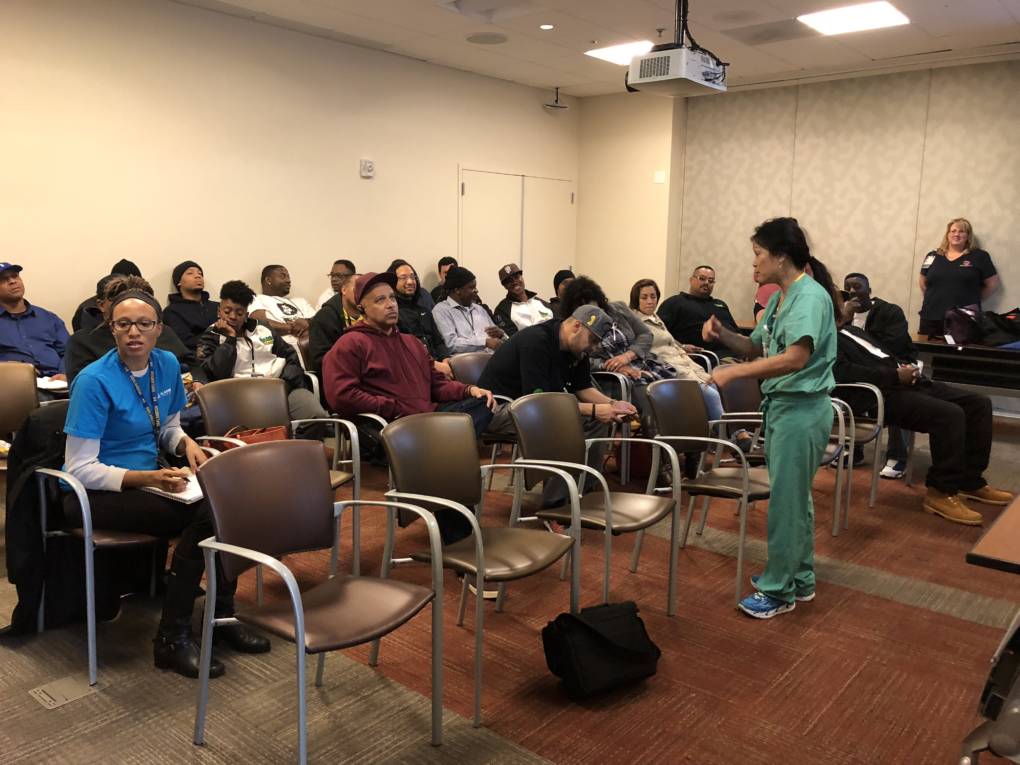
"caption": "Nurse practitioner Tina Quon directs a \"Stop the Bleed\" training at Oakland's Highland Hospital. ",
"description": "Nurse Practitioner Tina Quon directs a \"Stop the Bleed\" training at Oakland's Highland Hospital. ",
"title": "STB training HH",
"credit": "Laura Klivans/KQED",
"status": "inherit",
"isLoading": false,
"fetchFailed": false
},
"stateofhealth_362543": {
"type": "attachments",
"id": "stateofhealth_362543",
"meta": {
"index": "attachments_1716263798",
"site": "stateofhealth",
"id": "362543",
"found": true
},
"parent": 362540,
"imgSizes": {
"small": {
"file": "https://ww2.kqed.org/app/uploads/sites/27/2018/01/iStock-585511766-520x347.jpg",
"width": 520,
"mimeType": "image/jpeg",
"height": 347
},
"twentyfourteen-full-width": {
"file": "https://ww2.kqed.org/app/uploads/sites/27/2018/01/iStock-585511766-1038x576.jpg",
"width": 1038,
"mimeType": "image/jpeg",
"height": 576
},
"thumbnail": {
"file": "https://ww2.kqed.org/app/uploads/sites/27/2018/01/iStock-585511766-160x107.jpg",
"width": 160,
"mimeType": "image/jpeg",
"height": 107
},
"fd-sm": {
"file": "https://ww2.kqed.org/app/uploads/sites/27/2018/01/iStock-585511766-960x640.jpg",
"width": 960,
"mimeType": "image/jpeg",
"height": 640
},
"post-thumbnail": {
"file": "https://ww2.kqed.org/app/uploads/sites/27/2018/01/iStock-585511766-672x372.jpg",
"width": 672,
"mimeType": "image/jpeg",
"height": 372
},
"xsmall": {
"file": "https://ww2.kqed.org/app/uploads/sites/27/2018/01/iStock-585511766-375x250.jpg",
"width": 375,
"mimeType": "image/jpeg",
"height": 250
},
"kqedFullSize": {
"file": "https://ww2.kqed.org/app/uploads/sites/27/2018/01/iStock-585511766.jpg",
"width": 2121,
"height": 1414
},
"large": {
"file": "https://ww2.kqed.org/app/uploads/sites/27/2018/01/iStock-585511766-1020x680.jpg",
"width": 1020,
"mimeType": "image/jpeg",
"height": 680
},
"xlarge": {
"file": "https://ww2.kqed.org/app/uploads/sites/27/2018/01/iStock-585511766-1180x787.jpg",
"width": 1180,
"mimeType": "image/jpeg",
"height": 787
},
"guest-author-50": {
"file": "https://ww2.kqed.org/app/uploads/sites/27/2018/01/iStock-585511766-50x50.jpg",
"width": 50,
"mimeType": "image/jpeg",
"height": 50
},
"guest-author-96": {
"file": "https://ww2.kqed.org/app/uploads/sites/27/2018/01/iStock-585511766-96x96.jpg",
"width": 96,
"mimeType": "image/jpeg",
"height": 96
},
"medium": {
"file": "https://ww2.kqed.org/app/uploads/sites/27/2018/01/iStock-585511766-800x533.jpg",
"width": 800,
"mimeType": "image/jpeg",
"height": 533
},
"guest-author-64": {
"file": "https://ww2.kqed.org/app/uploads/sites/27/2018/01/iStock-585511766-64x64.jpg",
"width": 64,
"mimeType": "image/jpeg",
"height": 64
},
"guest-author-32": {
"file": "https://ww2.kqed.org/app/uploads/sites/27/2018/01/iStock-585511766-32x32.jpg",
"width": 32,
"mimeType": "image/jpeg",
"height": 32
},
"fd-lrg": {
"file": "https://ww2.kqed.org/app/uploads/sites/27/2018/01/iStock-585511766-1920x1280.jpg",
"width": 1920,
"mimeType": "image/jpeg",
"height": 1280
},
"fd-med": {
"file": "https://ww2.kqed.org/app/uploads/sites/27/2018/01/iStock-585511766-1180x787.jpg",
"width": 1180,
"mimeType": "image/jpeg",
"height": 787
},
"full-width": {
"file": "https://ww2.kqed.org/app/uploads/sites/27/2018/01/iStock-585511766-1920x1280.jpg",
"width": 1920,
"mimeType": "image/jpeg",
"height": 1280
},
"detail": {
"file": "https://ww2.kqed.org/app/uploads/sites/27/2018/01/iStock-585511766-150x150.jpg",
"width": 150,
"mimeType": "image/jpeg",
"height": 150
},
"medium_large": {
"file": "https://ww2.kqed.org/app/uploads/sites/27/2018/01/iStock-585511766-768x512.jpg",
"width": 768,
"mimeType": "image/jpeg",
"height": 512
},
"guest-author-128": {
"file": "https://ww2.kqed.org/app/uploads/sites/27/2018/01/iStock-585511766-128x128.jpg",
"width": 128,
"mimeType": "image/jpeg",
"height": 128
},
"xxsmall": {
"file": "https://ww2.kqed.org/app/uploads/sites/27/2018/01/iStock-585511766-240x160.jpg",
"width": 240,
"mimeType": "image/jpeg",
"height": 160
}
},
"publishDate": 1517204096,
"modified": 1517204135,
"caption": null,
"description": null,
"title": "Emergency room pharmacy sign",
"credit": "iStock/Getty Images",
"status": "inherit",
"isLoading": false,
"fetchFailed": false
},
"stateofhealth_362523": {
"type": "attachments",
"id": "stateofhealth_362523",
"meta": {
"index": "attachments_1716263798",
"site": "stateofhealth",
"id": "362523",
"found": true
},
"parent": 362521,
"imgSizes": {
"small": {
"file": "https://ww2.kqed.org/app/uploads/sites/27/2018/01/Jessica-Porten-520x390.jpg",
"width": 520,
"mimeType": "image/jpeg",
"height": 390
},
"twentyfourteen-full-width": {
"file": "https://ww2.kqed.org/app/uploads/sites/27/2018/01/Jessica-Porten-1038x576.jpg",
"width": 1038,
"mimeType": "image/jpeg",
"height": 576
},
"thumbnail": {
"file": "https://ww2.kqed.org/app/uploads/sites/27/2018/01/Jessica-Porten-160x120.jpg",
"width": 160,
"mimeType": "image/jpeg",
"height": 120
},
"fd-sm": {
"file": "https://ww2.kqed.org/app/uploads/sites/27/2018/01/Jessica-Porten-960x720.jpg",
"width": 960,
"mimeType": "image/jpeg",
"height": 720
},
"post-thumbnail": {
"file": "https://ww2.kqed.org/app/uploads/sites/27/2018/01/Jessica-Porten-672x372.jpg",
"width": 672,
"mimeType": "image/jpeg",
"height": 372
},
"xsmall": {
"file": "https://ww2.kqed.org/app/uploads/sites/27/2018/01/Jessica-Porten-375x281.jpg",
"width": 375,
"mimeType": "image/jpeg",
"height": 281
},
"kqedFullSize": {
"file": "https://ww2.kqed.org/app/uploads/sites/27/2018/01/Jessica-Porten-e1517024090413.jpg",
"width": 1920,
"height": 1440
},
"large": {
"file": "https://ww2.kqed.org/app/uploads/sites/27/2018/01/Jessica-Porten-1020x765.jpg",
"width": 1020,
"mimeType": "image/jpeg",
"height": 765
},
"xlarge": {
"file": "https://ww2.kqed.org/app/uploads/sites/27/2018/01/Jessica-Porten-1180x885.jpg",
"width": 1180,
"mimeType": "image/jpeg",
"height": 885
},
"guest-author-50": {
"file": "https://ww2.kqed.org/app/uploads/sites/27/2018/01/Jessica-Porten-50x50.jpg",
"width": 50,
"mimeType": "image/jpeg",
"height": 50
},
"guest-author-96": {
"file": "https://ww2.kqed.org/app/uploads/sites/27/2018/01/Jessica-Porten-96x96.jpg",
"width": 96,
"mimeType": "image/jpeg",
"height": 96
},
"medium": {
"file": "https://ww2.kqed.org/app/uploads/sites/27/2018/01/Jessica-Porten-800x600.jpg",
"width": 800,
"mimeType": "image/jpeg",
"height": 600
},
"guest-author-64": {
"file": "https://ww2.kqed.org/app/uploads/sites/27/2018/01/Jessica-Porten-64x64.jpg",
"width": 64,
"mimeType": "image/jpeg",
"height": 64
},
"guest-author-32": {
"file": "https://ww2.kqed.org/app/uploads/sites/27/2018/01/Jessica-Porten-32x32.jpg",
"width": 32,
"mimeType": "image/jpeg",
"height": 32
},
"fd-lrg": {
"file": "https://ww2.kqed.org/app/uploads/sites/27/2018/01/Jessica-Porten-1920x1440.jpg",
"width": 1920,
"mimeType": "image/jpeg",
"height": 1440
},
"fd-med": {
"file": "https://ww2.kqed.org/app/uploads/sites/27/2018/01/Jessica-Porten-1180x885.jpg",
"width": 1180,
"mimeType": "image/jpeg",
"height": 885
},
"full-width": {
"file": "https://ww2.kqed.org/app/uploads/sites/27/2018/01/Jessica-Porten-1920x1440.jpg",
"width": 1920,
"mimeType": "image/jpeg",
"height": 1440
},
"detail": {
"file": "https://ww2.kqed.org/app/uploads/sites/27/2018/01/Jessica-Porten-150x150.jpg",
"width": 150,
"mimeType": "image/jpeg",
"height": 150
},
"medium_large": {
"file": "https://ww2.kqed.org/app/uploads/sites/27/2018/01/Jessica-Porten-768x576.jpg",
"width": 768,
"mimeType": "image/jpeg",
"height": 576
},
"guest-author-128": {
"file": "https://ww2.kqed.org/app/uploads/sites/27/2018/01/Jessica-Porten-128x128.jpg",
"width": 128,
"mimeType": "image/jpeg",
"height": 128
},
"xxsmall": {
"file": "https://ww2.kqed.org/app/uploads/sites/27/2018/01/Jessica-Porten-240x180.jpg",
"width": 240,
"mimeType": "image/jpeg",
"height": 180
}
},
"publishDate": 1517023969,
"modified": 1517024198,
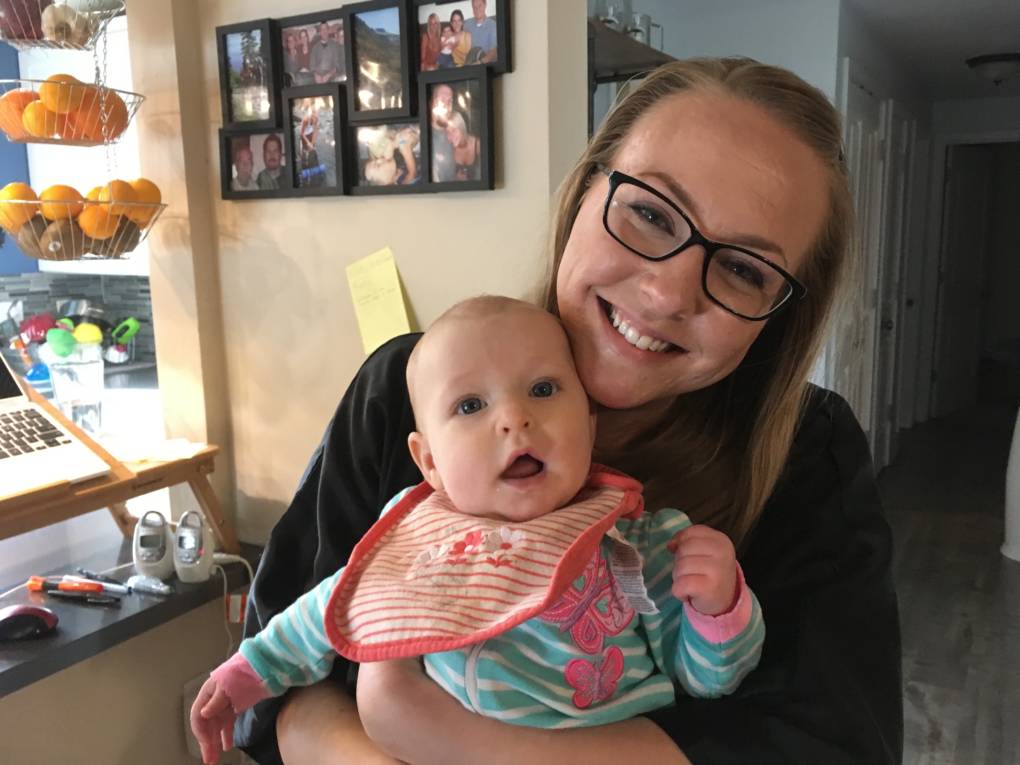
"caption": "Jessica Porten went to a doctor's appointment with her daughter, Kira, to get help with post-partum depression. The nurse called the police. ",
"description": null,
"title": "Jessica Porten",
"credit": "April Dembosky/KQED",
"status": "inherit",
"isLoading": false,
"fetchFailed": false
},
"stateofhealth_16356": {
"type": "attachments",
"id": "stateofhealth_16356",
"meta": {
"index": "attachments_1716263798",
"site": "stateofhealth",
"id": "16356",
"found": true
},
"parent": 16349,
"imgSizes": {
"small": {
"file": "https://ww2.kqed.org/app/uploads/sites/27/2013/11/187909355-e1516843269703-520x243.jpg",
"width": 520,
"mimeType": "image/jpeg",
"height": 243
},
"thumbnail": {
"file": "https://ww2.kqed.org/app/uploads/sites/27/2013/11/187909355-e1516843269703-160x75.jpg",
"width": 160,
"mimeType": "image/jpeg",
"height": 75
},
"fd-sm": {
"file": "https://ww2.kqed.org/app/uploads/sites/27/2013/11/187909355-e1385142271347-320x213.jpg",
"width": 320,
"mimeType": "image/jpeg",
"height": 213
},
"post-thumbnail": {
"file": "https://ww2.kqed.org/app/uploads/sites/27/2013/11/187909355-e1516843174520-641x372.jpg",
"width": 641,
"mimeType": "image/jpeg",
"height": 372
},
"xsmall": {
"file": "https://ww2.kqed.org/app/uploads/sites/27/2013/11/187909355-e1516843269703-375x175.jpg",
"width": 375,
"mimeType": "image/jpeg",
"height": 175
},
"kqedFullSize": {
"file": "https://ww2.kqed.org/app/uploads/sites/27/2013/11/187909355-e1516843269703.jpg",
"width": 639,
"height": 298
},
"guest-author-50": {
"file": "https://ww2.kqed.org/app/uploads/sites/27/2013/11/187909355-e1516843269703-50x50.jpg",
"width": 50,
"mimeType": "image/jpeg",
"height": 50
},
"guest-author-96": {
"file": "https://ww2.kqed.org/app/uploads/sites/27/2013/11/187909355-e1516843269703-96x96.jpg",
"width": 96,
"mimeType": "image/jpeg",
"height": 96
},
"guest-author-64": {
"file": "https://ww2.kqed.org/app/uploads/sites/27/2013/11/187909355-e1516843269703-64x64.jpg",
"width": 64,
"mimeType": "image/jpeg",
"height": 64
},
"guest-author-32": {
"file": "https://ww2.kqed.org/app/uploads/sites/27/2013/11/187909355-e1516843269703-32x32.jpg",
"width": 32,
"mimeType": "image/jpeg",
"height": 32
},
"detail": {
"file": "https://ww2.kqed.org/app/uploads/sites/27/2013/11/187909355-e1516843269703-150x150.jpg",
"width": 150,
"mimeType": "image/jpeg",
"height": 150
},
"guest-author-128": {
"file": "https://ww2.kqed.org/app/uploads/sites/27/2013/11/187909355-e1516843269703-128x128.jpg",
"width": 128,
"mimeType": "image/jpeg",
"height": 128
},
"xxsmall": {
"file": "https://ww2.kqed.org/app/uploads/sites/27/2013/11/187909355-e1516843269703-240x112.jpg",
"width": 240,
"mimeType": "image/jpeg",
"height": 112
}
},
"publishDate": 1385142260,
"modified": 1503015017,
"caption": "Peter Lee, executive director of Covered California.",
"description": "Peter Lee, executive director of Covered California.",
"title": "187909355",
"credit": "Max Whitaker/Getty Images",
"status": "inherit",
"isLoading": false,
"fetchFailed": false
},
"stateofhealth_362371": {
"type": "attachments",
"id": "stateofhealth_362371",
"meta": {
"index": "attachments_1716263798",
"site": "stateofhealth",
"id": "362371",
"found": true
},
"parent": 362364,
"imgSizes": {
"small": {
"file": "https://ww2.kqed.org/app/uploads/sites/27/2018/01/20170802_nep_CalMatters_Lead_Janitor-520x359.jpg",
"width": 520,
"mimeType": "image/jpeg",
"height": 359
},
"twentyfourteen-full-width": {
"file": "https://ww2.kqed.org/app/uploads/sites/27/2018/01/20170802_nep_CalMatters_Lead_Janitor-1038x576.jpg",
"width": 1038,
"mimeType": "image/jpeg",
"height": 576
},
"thumbnail": {
"file": "https://ww2.kqed.org/app/uploads/sites/27/2018/01/20170802_nep_CalMatters_Lead_Janitor-160x110.jpg",
"width": 160,
"mimeType": "image/jpeg",
"height": 110
},
"fd-sm": {
"file": "https://ww2.kqed.org/app/uploads/sites/27/2018/01/20170802_nep_CalMatters_Lead_Janitor-960x662.jpg",
"width": 960,
"mimeType": "image/jpeg",
"height": 662
},
"post-thumbnail": {
"file": "https://ww2.kqed.org/app/uploads/sites/27/2018/01/20170802_nep_CalMatters_Lead_Janitor-672x372.jpg",
"width": 672,
"mimeType": "image/jpeg",
"height": 372
},
"xsmall": {
"file": "https://ww2.kqed.org/app/uploads/sites/27/2018/01/20170802_nep_CalMatters_Lead_Janitor-375x259.jpg",
"width": 375,
"mimeType": "image/jpeg",
"height": 259
},
"kqedFullSize": {
"file": "https://ww2.kqed.org/app/uploads/sites/27/2018/01/20170802_nep_CalMatters_Lead_Janitor-e1515607706993.jpg",
"width": 1920,
"height": 1324
},
"large": {
"file": "https://ww2.kqed.org/app/uploads/sites/27/2018/01/20170802_nep_CalMatters_Lead_Janitor-1020x703.jpg",
"width": 1020,
"mimeType": "image/jpeg",
"height": 703
},
"xlarge": {
"file": "https://ww2.kqed.org/app/uploads/sites/27/2018/01/20170802_nep_CalMatters_Lead_Janitor-1180x814.jpg",
"width": 1180,
"mimeType": "image/jpeg",
"height": 814
},
"guest-author-50": {
"file": "https://ww2.kqed.org/app/uploads/sites/27/2018/01/20170802_nep_CalMatters_Lead_Janitor-50x50.jpg",
"width": 50,
"mimeType": "image/jpeg",
"height": 50
},
"guest-author-96": {
"file": "https://ww2.kqed.org/app/uploads/sites/27/2018/01/20170802_nep_CalMatters_Lead_Janitor-96x96.jpg",
"width": 96,
"mimeType": "image/jpeg",
"height": 96
},
"medium": {
"file": "https://ww2.kqed.org/app/uploads/sites/27/2018/01/20170802_nep_CalMatters_Lead_Janitor-800x552.jpg",
"width": 800,
"mimeType": "image/jpeg",
"height": 552
},
"guest-author-64": {
"file": "https://ww2.kqed.org/app/uploads/sites/27/2018/01/20170802_nep_CalMatters_Lead_Janitor-64x64.jpg",
"width": 64,
"mimeType": "image/jpeg",
"height": 64
},
"guest-author-32": {
"file": "https://ww2.kqed.org/app/uploads/sites/27/2018/01/20170802_nep_CalMatters_Lead_Janitor-32x32.jpg",
"width": 32,
"mimeType": "image/jpeg",
"height": 32
},
"fd-lrg": {
"file": "https://ww2.kqed.org/app/uploads/sites/27/2018/01/20170802_nep_CalMatters_Lead_Janitor-1920x1324.jpg",
"width": 1920,
"mimeType": "image/jpeg",
"height": 1324
},
"fd-med": {
"file": "https://ww2.kqed.org/app/uploads/sites/27/2018/01/20170802_nep_CalMatters_Lead_Janitor-1180x814.jpg",
"width": 1180,
"mimeType": "image/jpeg",
"height": 814
},
"full-width": {
"file": "https://ww2.kqed.org/app/uploads/sites/27/2018/01/20170802_nep_CalMatters_Lead_Janitor-1920x1324.jpg",
"width": 1920,
"mimeType": "image/jpeg",
"height": 1324
},
"detail": {
"file": "https://ww2.kqed.org/app/uploads/sites/27/2018/01/20170802_nep_CalMatters_Lead_Janitor-150x150.jpg",
"width": 150,
"mimeType": "image/jpeg",
"height": 150
},
"medium_large": {
"file": "https://ww2.kqed.org/app/uploads/sites/27/2018/01/20170802_nep_CalMatters_Lead_Janitor-768x529.jpg",
"width": 768,
"mimeType": "image/jpeg",
"height": 529
},
"guest-author-128": {
"file": "https://ww2.kqed.org/app/uploads/sites/27/2018/01/20170802_nep_CalMatters_Lead_Janitor-128x128.jpg",
"width": 128,
"mimeType": "image/jpeg",
"height": 128
},
"xxsmall": {
"file": "https://ww2.kqed.org/app/uploads/sites/27/2018/01/20170802_nep_CalMatters_Lead_Janitor-240x165.jpg",
"width": 240,
"mimeType": "image/jpeg",
"height": 165
}
},
"publishDate": 1515576633,
"modified": 1515607713,
"caption": "Daniel Wills, a plumber with the Los Angeles Unified School District, repairs an old fountains that was found to have high levels of lead in the water at John H Francis Polytechnic Senior High in Sun Valley, CA. ",
"description": null,
"title": "20170802_nep_CalMatters_Lead_Janitor",
"credit": "Nancy Pastor/CALmatters",
"status": "inherit",
"isLoading": false,
"fetchFailed": false
},
"stateofhealth_362215": {
"type": "attachments",
"id": "stateofhealth_362215",
"meta": {
"index": "attachments_1716263798",
"site": "stateofhealth",
"id": "362215",
"found": true
},
"parent": 362214,
"imgSizes": {
"small": {
"file": "https://ww2.kqed.org/app/uploads/sites/27/2017/12/Nursing-Home-Evictions-Anita-Willis-520x347.jpg",
"width": 520,
"mimeType": "image/jpeg",
"height": 347
},
"twentyfourteen-full-width": {
"file": "https://ww2.kqed.org/app/uploads/sites/27/2017/12/Nursing-Home-Evictions-Anita-Willis-1038x576.jpg",
"width": 1038,
"mimeType": "image/jpeg",
"height": 576
},
"thumbnail": {
"file": "https://ww2.kqed.org/app/uploads/sites/27/2017/12/Nursing-Home-Evictions-Anita-Willis-160x107.jpg",
"width": 160,
"mimeType": "image/jpeg",
"height": 107
},
"fd-sm": {
"file": "https://ww2.kqed.org/app/uploads/sites/27/2017/12/Nursing-Home-Evictions-Anita-Willis-960x640.jpg",
"width": 960,
"mimeType": "image/jpeg",
"height": 640
},
"post-thumbnail": {
"file": "https://ww2.kqed.org/app/uploads/sites/27/2017/12/Nursing-Home-Evictions-Anita-Willis-672x372.jpg",
"width": 672,
"mimeType": "image/jpeg",
"height": 372
},
"xsmall": {
"file": "https://ww2.kqed.org/app/uploads/sites/27/2017/12/Nursing-Home-Evictions-Anita-Willis-375x250.jpg",
"width": 375,
"mimeType": "image/jpeg",
"height": 250
},
"kqedFullSize": {
"file": "https://ww2.kqed.org/app/uploads/sites/27/2017/12/Nursing-Home-Evictions-Anita-Willis.jpg",
"width": 1350,
"height": 900
},
"large": {
"file": "https://ww2.kqed.org/app/uploads/sites/27/2017/12/Nursing-Home-Evictions-Anita-Willis-1020x680.jpg",
"width": 1020,
"mimeType": "image/jpeg",
"height": 680
},
"xlarge": {
"file": "https://ww2.kqed.org/app/uploads/sites/27/2017/12/Nursing-Home-Evictions-Anita-Willis-1180x787.jpg",
"width": 1180,
"mimeType": "image/jpeg",
"height": 787
},
"guest-author-50": {
"file": "https://ww2.kqed.org/app/uploads/sites/27/2017/12/Nursing-Home-Evictions-Anita-Willis-50x50.jpg",
"width": 50,
"mimeType": "image/jpeg",
"height": 50
},
"guest-author-96": {
"file": "https://ww2.kqed.org/app/uploads/sites/27/2017/12/Nursing-Home-Evictions-Anita-Willis-96x96.jpg",
"width": 96,
"mimeType": "image/jpeg",
"height": 96
},
"medium": {
"file": "https://ww2.kqed.org/app/uploads/sites/27/2017/12/Nursing-Home-Evictions-Anita-Willis-800x533.jpg",
"width": 800,
"mimeType": "image/jpeg",
"height": 533
},
"guest-author-64": {
"file": "https://ww2.kqed.org/app/uploads/sites/27/2017/12/Nursing-Home-Evictions-Anita-Willis-64x64.jpg",
"width": 64,
"mimeType": "image/jpeg",
"height": 64
},
"guest-author-32": {
"file": "https://ww2.kqed.org/app/uploads/sites/27/2017/12/Nursing-Home-Evictions-Anita-Willis-32x32.jpg",
"width": 32,
"mimeType": "image/jpeg",
"height": 32
},
"fd-med": {
"file": "https://ww2.kqed.org/app/uploads/sites/27/2017/12/Nursing-Home-Evictions-Anita-Willis-1180x787.jpg",
"width": 1180,
"mimeType": "image/jpeg",
"height": 787
},
"detail": {
"file": "https://ww2.kqed.org/app/uploads/sites/27/2017/12/Nursing-Home-Evictions-Anita-Willis-150x150.jpg",
"width": 150,
"mimeType": "image/jpeg",
"height": 150
},
"medium_large": {
"file": "https://ww2.kqed.org/app/uploads/sites/27/2017/12/Nursing-Home-Evictions-Anita-Willis-768x512.jpg",
"width": 768,
"mimeType": "image/jpeg",
"height": 512
},
"guest-author-128": {
"file": "https://ww2.kqed.org/app/uploads/sites/27/2017/12/Nursing-Home-Evictions-Anita-Willis-128x128.jpg",
"width": 128,
"mimeType": "image/jpeg",
"height": 128
},
"xxsmall": {
"file": "https://ww2.kqed.org/app/uploads/sites/27/2017/12/Nursing-Home-Evictions-Anita-Willis-240x160.jpg",
"width": 240,
"mimeType": "image/jpeg",
"height": 160
}
},
"publishDate": 1513642083,
"modified": 1513642132,
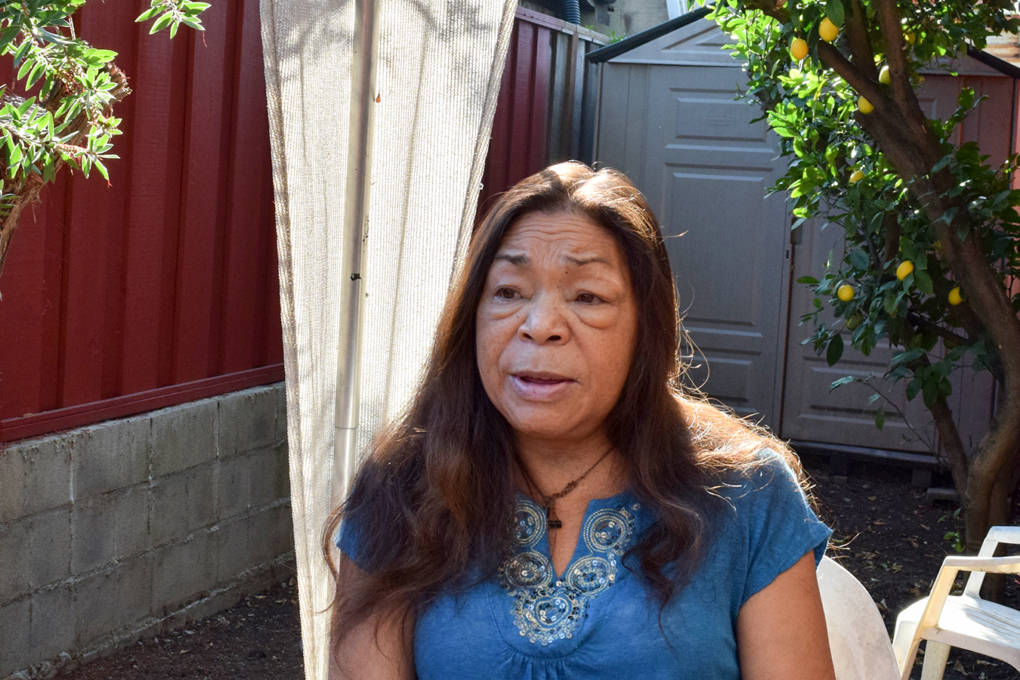
"caption": "Anita Willis, 58, talks about having to leave a San Jose nursing home while still disabled. Her case highlights an increasing willingness among some nursing homes to evict costly or problematic patients, patient advocates say. ",
"description": null,
"title": "Nursing Home Evictions Anita Willis",
"credit": "Barbara Feder Ostrov/California Healthline",
"status": "inherit",
"isLoading": false,
"fetchFailed": false
},
"stateofhealth_362054": {
"type": "attachments",
"id": "stateofhealth_362054",
"meta": {
"index": "attachments_1716263798",
"site": "stateofhealth",
"id": "362054",
"found": true
},
"parent": 362025,
"imgSizes": {
"small": {
"file": "https://ww2.kqed.org/app/uploads/sites/27/2017/11/RS28161_IMG_7054-qut-520x390.jpg",
"width": 520,
"mimeType": "image/jpeg",
"height": 390
},
"twentyfourteen-full-width": {
"file": "https://ww2.kqed.org/app/uploads/sites/27/2017/11/RS28161_IMG_7054-qut-1038x576.jpg",
"width": 1038,
"mimeType": "image/jpeg",
"height": 576
},
"thumbnail": {
"file": "https://ww2.kqed.org/app/uploads/sites/27/2017/11/RS28161_IMG_7054-qut-160x120.jpg",
"width": 160,
"mimeType": "image/jpeg",
"height": 120
},
"fd-sm": {
"file": "https://ww2.kqed.org/app/uploads/sites/27/2017/11/RS28161_IMG_7054-qut-960x720.jpg",
"width": 960,
"mimeType": "image/jpeg",
"height": 720
},
"post-thumbnail": {
"file": "https://ww2.kqed.org/app/uploads/sites/27/2017/11/RS28161_IMG_7054-qut-672x372.jpg",
"width": 672,
"mimeType": "image/jpeg",
"height": 372
},
"xsmall": {
"file": "https://ww2.kqed.org/app/uploads/sites/27/2017/11/RS28161_IMG_7054-qut-375x281.jpg",
"width": 375,
"mimeType": "image/jpeg",
"height": 281
},
"kqedFullSize": {
"file": "https://ww2.kqed.org/app/uploads/sites/27/2017/11/RS28161_IMG_7054-qut.jpg",
"width": 1920,
"height": 1440
},
"large": {
"file": "https://ww2.kqed.org/app/uploads/sites/27/2017/11/RS28161_IMG_7054-qut-1020x765.jpg",
"width": 1020,
"mimeType": "image/jpeg",
"height": 765
},
"xlarge": {
"file": "https://ww2.kqed.org/app/uploads/sites/27/2017/11/RS28161_IMG_7054-qut-1180x885.jpg",
"width": 1180,
"mimeType": "image/jpeg",
"height": 885
},
"guest-author-50": {
"file": "https://ww2.kqed.org/app/uploads/sites/27/2017/11/RS28161_IMG_7054-qut-50x50.jpg",
"width": 50,
"mimeType": "image/jpeg",
"height": 50
},
"guest-author-96": {
"file": "https://ww2.kqed.org/app/uploads/sites/27/2017/11/RS28161_IMG_7054-qut-96x96.jpg",
"width": 96,
"mimeType": "image/jpeg",
"height": 96
},
"medium": {
"file": "https://ww2.kqed.org/app/uploads/sites/27/2017/11/RS28161_IMG_7054-qut-800x600.jpg",
"width": 800,
"mimeType": "image/jpeg",
"height": 600
},
"guest-author-64": {
"file": "https://ww2.kqed.org/app/uploads/sites/27/2017/11/RS28161_IMG_7054-qut-64x64.jpg",
"width": 64,
"mimeType": "image/jpeg",
"height": 64
},
"guest-author-32": {
"file": "https://ww2.kqed.org/app/uploads/sites/27/2017/11/RS28161_IMG_7054-qut-32x32.jpg",
"width": 32,
"mimeType": "image/jpeg",
"height": 32
},
"fd-lrg": {
"file": "https://ww2.kqed.org/app/uploads/sites/27/2017/11/RS28161_IMG_7054-qut-1920x1440.jpg",
"width": 1920,
"mimeType": "image/jpeg",
"height": 1440
},
"fd-med": {
"file": "https://ww2.kqed.org/app/uploads/sites/27/2017/11/RS28161_IMG_7054-qut-1180x885.jpg",
"width": 1180,
"mimeType": "image/jpeg",
"height": 885
},
"full-width": {
"file": "https://ww2.kqed.org/app/uploads/sites/27/2017/11/RS28161_IMG_7054-qut-1920x1440.jpg",
"width": 1920,
"mimeType": "image/jpeg",
"height": 1440
},
"detail": {
"file": "https://ww2.kqed.org/app/uploads/sites/27/2017/11/RS28161_IMG_7054-qut-150x150.jpg",
"width": 150,
"mimeType": "image/jpeg",
"height": 150
},
"medium_large": {
"file": "https://ww2.kqed.org/app/uploads/sites/27/2017/11/RS28161_IMG_7054-qut-768x576.jpg",
"width": 768,
"mimeType": "image/jpeg",
"height": 576
},
"guest-author-128": {
"file": "https://ww2.kqed.org/app/uploads/sites/27/2017/11/RS28161_IMG_7054-qut-128x128.jpg",
"width": 128,
"mimeType": "image/jpeg",
"height": 128
},
"xxsmall": {
"file": "https://ww2.kqed.org/app/uploads/sites/27/2017/11/RS28161_IMG_7054-qut-240x180.jpg",
"width": 240,
"mimeType": "image/jpeg",
"height": 180
}
},
"publishDate": 1511394325,
"modified": 1512000102,
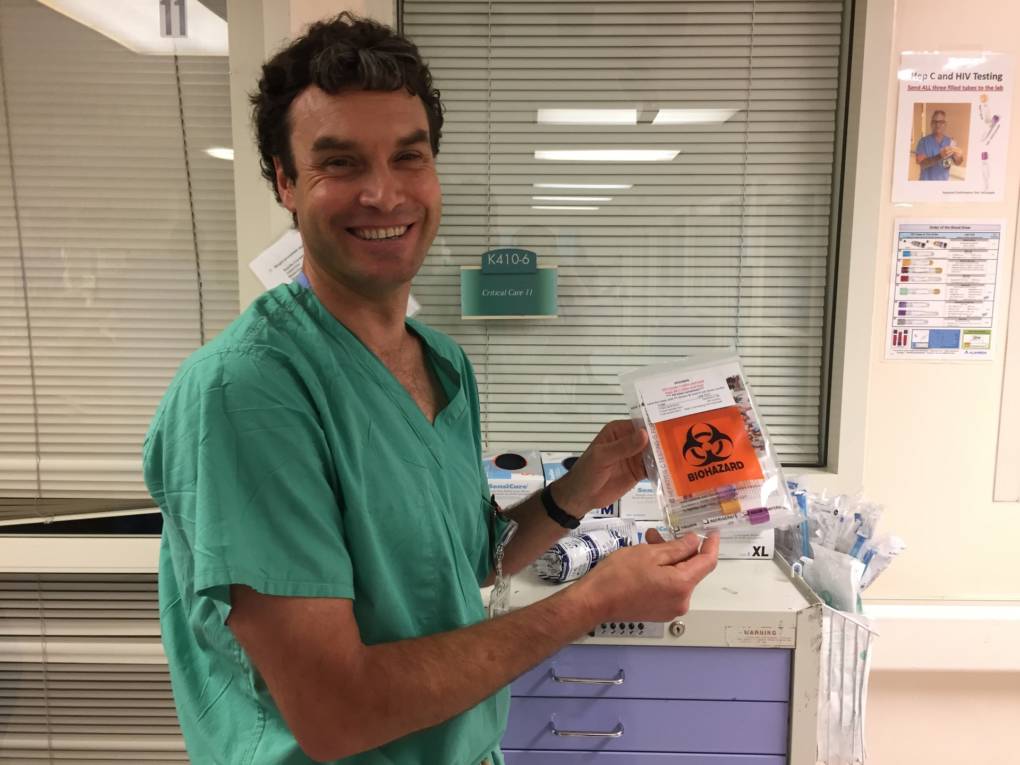
"caption": "Dr. Douglas White holds a kit used when drawing blood in Oakland's Highland Hospital emergency room. When staff draw blood, they automatically test patients for viruses like HIV and hepatitis C.",
"description": "Dr. Douglas White holds a kit used when drawing blood in Oakland's Highland Hospital Emergency Room. When staff draw blood, they automatically test patients for viruses like HIV and Hepatitis C.",
"title": "Doug White",
"credit": "Laura Klivans/KQED",
"status": "inherit",
"isLoading": false,
"fetchFailed": false
},
"stateofhealth_14958": {
"type": "attachments",
"id": "stateofhealth_14958",
"meta": {
"index": "attachments_1716263798",
"site": "stateofhealth",
"id": "14958",
"found": true
},
"parent": 14955,
"imgSizes": {
"thumbnail": {
"file": "https://ww2.kqed.org/app/uploads/sites/27/2013/09/85475461-e1379002502902-400x269.jpg",
"width": 400,
"mimeType": "image/jpeg",
"height": 269
},
"fd-sm": {
"file": "https://ww2.kqed.org/app/uploads/sites/27/2013/09/85475461-e1379002502902-320x216.jpg",
"width": 320,
"mimeType": "image/jpeg",
"height": 216
},
"post-thumbnail": {
"file": "https://ww2.kqed.org/app/uploads/sites/27/2013/09/85475461-e1379002502902-640x372.jpg",
"width": 640,
"mimeType": "image/jpeg",
"height": 372
},
"kqedFullSize": {
"file": "https://ww2.kqed.org/app/uploads/sites/27/2013/09/85475461-e1379002502902.jpg",
"width": 640,
"height": 431
},
"guest-author-96": {
"file": "https://ww2.kqed.org/app/uploads/sites/27/2013/09/85475461-e1379002502902-96x96.jpg",
"width": 96,
"mimeType": "image/jpeg",
"height": 96
},
"guest-author-64": {
"file": "https://ww2.kqed.org/app/uploads/sites/27/2013/09/85475461-e1379002502902-64x64.jpg",
"width": 64,
"mimeType": "image/jpeg",
"height": 64
},
"detail": {
"file": "https://ww2.kqed.org/app/uploads/sites/27/2013/09/85475461-e1379002502902-75x75.jpg",
"width": 75,
"mimeType": "image/jpeg",
"height": 75
},
"guest-author-32": {
"file": "https://ww2.kqed.org/app/uploads/sites/27/2013/09/85475461-e1379002502902-32x32.jpg",
"width": 32,
"mimeType": "image/jpeg",
"height": 32
},
"guest-author-128": {
"file": "https://ww2.kqed.org/app/uploads/sites/27/2013/09/85475461-e1379002502902-128x128.jpg",
"width": 128,
"mimeType": "image/jpeg",
"height": 128
}
},
"publishDate": 1379002485,
"modified": 1510703619,
"caption": "Fungal spores that cause valley fever are carried in the dust. Activities including farming in the Central Valley contribute to the spread of the spores. ",
"description": "Fungal spores that cause valley fever are carried in the dust. Activities including farming in the Central Valley contribute to the spread of the spores. ",
"title": "85475461",
"credit": "Robin Beck/Getty Images",
"status": "inherit",
"isLoading": false,
"fetchFailed": false
},
"stateofhealth_361925": {
"type": "attachments",
"id": "stateofhealth_361925",
"meta": {
"index": "attachments_1716263798",
"site": "stateofhealth",
"id": "361925",
"found": true
},
"parent": 361923,
"imgSizes": {
"small": {
"file": "https://ww2.kqed.org/app/uploads/sites/27/2017/11/roundup_1170-520x347.jpg",
"width": 520,
"mimeType": "image/jpeg",
"height": 347
},
"twentyfourteen-full-width": {
"file": "https://ww2.kqed.org/app/uploads/sites/27/2017/11/roundup_1170-1024x576.jpg",
"width": 1024,
"mimeType": "image/jpeg",
"height": 576
},
"thumbnail": {
"file": "https://ww2.kqed.org/app/uploads/sites/27/2017/11/roundup_1170-160x107.jpg",
"width": 160,
"mimeType": "image/jpeg",
"height": 107
},
"fd-sm": {
"file": "https://ww2.kqed.org/app/uploads/sites/27/2017/11/roundup_1170-960x640.jpg",
"width": 960,
"mimeType": "image/jpeg",
"height": 640
},
"post-thumbnail": {
"file": "https://ww2.kqed.org/app/uploads/sites/27/2017/11/roundup_1170-672x372.jpg",
"width": 672,
"mimeType": "image/jpeg",
"height": 372
},
"xsmall": {
"file": "https://ww2.kqed.org/app/uploads/sites/27/2017/11/roundup_1170-375x250.jpg",
"width": 375,
"mimeType": "image/jpeg",
"height": 250
},
"kqedFullSize": {
"file": "https://ww2.kqed.org/app/uploads/sites/27/2017/11/roundup_1170.jpg",
"width": 1024,
"height": 683
},
"large": {
"file": "https://ww2.kqed.org/app/uploads/sites/27/2017/11/roundup_1170-1020x680.jpg",
"width": 1020,
"mimeType": "image/jpeg",
"height": 680
},
"guest-author-50": {
"file": "https://ww2.kqed.org/app/uploads/sites/27/2017/11/roundup_1170-50x50.jpg",
"width": 50,
"mimeType": "image/jpeg",
"height": 50
},
"guest-author-96": {
"file": "https://ww2.kqed.org/app/uploads/sites/27/2017/11/roundup_1170-96x96.jpg",
"width": 96,
"mimeType": "image/jpeg",
"height": 96
},
"medium": {
"file": "https://ww2.kqed.org/app/uploads/sites/27/2017/11/roundup_1170-800x534.jpg",
"width": 800,
"mimeType": "image/jpeg",
"height": 534
},
"guest-author-64": {
"file": "https://ww2.kqed.org/app/uploads/sites/27/2017/11/roundup_1170-64x64.jpg",
"width": 64,
"mimeType": "image/jpeg",
"height": 64
},
"guest-author-32": {
"file": "https://ww2.kqed.org/app/uploads/sites/27/2017/11/roundup_1170-32x32.jpg",
"width": 32,
"mimeType": "image/jpeg",
"height": 32
},
"detail": {
"file": "https://ww2.kqed.org/app/uploads/sites/27/2017/11/roundup_1170-150x150.jpg",
"width": 150,
"mimeType": "image/jpeg",
"height": 150
},
"medium_large": {
"file": "https://ww2.kqed.org/app/uploads/sites/27/2017/11/roundup_1170-768x512.jpg",
"width": 768,
"mimeType": "image/jpeg",
"height": 512
},
"guest-author-128": {
"file": "https://ww2.kqed.org/app/uploads/sites/27/2017/11/roundup_1170-128x128.jpg",
"width": 128,
"mimeType": "image/jpeg",
"height": 128
},
"xxsmall": {
"file": "https://ww2.kqed.org/app/uploads/sites/27/2017/11/roundup_1170-240x160.jpg",
"width": 240,
"mimeType": "image/jpeg",
"height": 160
}
},
"publishDate": 1510188993,
"modified": 1510189047,
"caption": "Containers of Roundup, a weed killer by Monsanto Co., are displayed for sale at a Home Depot Inc. store in the Brooklyn borough of New York, U.S., on Friday, Dec. 30, 2011. Monsanto Co., the world's largest seed company, is scheduled to release its first-quarter earnings on Jan. 5. ",
"description": "Containers of Roundup, a weed killer by Monsanto Co., are displayed for sale at a Home Depot Inc. store in the Brooklyn borough of New York, U.S., on Friday, Dec. 30, 2011. Monsanto Co., the world's largest seed company, is scheduled to release its first-quarter earnings on Jan. 5. ",
"title": "Monsanto Releases First-Quarter Earnings",
"credit": "Victor J. Blue/Bloomberg via Getty Images",
"status": "inherit",
"isLoading": false,
"fetchFailed": false
},
"stateofhealth_361764": {
"type": "attachments",
"id": "stateofhealth_361764",
"meta": {
"index": "attachments_1716263798",
"site": "stateofhealth",
"id": "361764",
"found": true
},
"parent": 361724,
"imgSizes": {
"small": {
"file": "https://ww2.kqed.org/app/uploads/sites/27/2017/10/RS27758_hospice_fire_final01-qut-520x278.jpg",
"width": 520,
"mimeType": "image/jpeg",
"height": 278
},
"twentyfourteen-full-width": {
"file": "https://ww2.kqed.org/app/uploads/sites/27/2017/10/RS27758_hospice_fire_final01-qut-1038x576.jpg",
"width": 1038,
"mimeType": "image/jpeg",
"height": 576
},
"thumbnail": {
"file": "https://ww2.kqed.org/app/uploads/sites/27/2017/10/RS27758_hospice_fire_final01-qut-160x86.jpg",
"width": 160,
"mimeType": "image/jpeg",
"height": 86
},
"fd-sm": {
"file": "https://ww2.kqed.org/app/uploads/sites/27/2017/10/RS27758_hospice_fire_final01-qut-960x514.jpg",
"width": 960,
"mimeType": "image/jpeg",
"height": 514
},
"post-thumbnail": {
"file": "https://ww2.kqed.org/app/uploads/sites/27/2017/10/RS27758_hospice_fire_final01-qut-672x372.jpg",
"width": 672,
"mimeType": "image/jpeg",
"height": 372
},
"xsmall": {
"file": "https://ww2.kqed.org/app/uploads/sites/27/2017/10/RS27758_hospice_fire_final01-qut-375x201.jpg",
"width": 375,
"mimeType": "image/jpeg",
"height": 201
},
"kqedFullSize": {
"file": "https://ww2.kqed.org/app/uploads/sites/27/2017/10/RS27758_hospice_fire_final01-qut.jpg",
"width": 1920,
"height": 1028
},
"large": {
"file": "https://ww2.kqed.org/app/uploads/sites/27/2017/10/RS27758_hospice_fire_final01-qut-1020x546.jpg",
"width": 1020,
"mimeType": "image/jpeg",
"height": 546
},
"xlarge": {
"file": "https://ww2.kqed.org/app/uploads/sites/27/2017/10/RS27758_hospice_fire_final01-qut-1180x632.jpg",
"width": 1180,
"mimeType": "image/jpeg",
"height": 632
},
"guest-author-50": {
"file": "https://ww2.kqed.org/app/uploads/sites/27/2017/10/RS27758_hospice_fire_final01-qut-50x50.jpg",
"width": 50,
"mimeType": "image/jpeg",
"height": 50
},
"guest-author-96": {
"file": "https://ww2.kqed.org/app/uploads/sites/27/2017/10/RS27758_hospice_fire_final01-qut-96x96.jpg",
"width": 96,
"mimeType": "image/jpeg",
"height": 96
},
"medium": {
"file": "https://ww2.kqed.org/app/uploads/sites/27/2017/10/RS27758_hospice_fire_final01-qut-800x428.jpg",
"width": 800,
"mimeType": "image/jpeg",
"height": 428
},
"guest-author-64": {
"file": "https://ww2.kqed.org/app/uploads/sites/27/2017/10/RS27758_hospice_fire_final01-qut-64x64.jpg",
"width": 64,
"mimeType": "image/jpeg",
"height": 64
},
"guest-author-32": {
"file": "https://ww2.kqed.org/app/uploads/sites/27/2017/10/RS27758_hospice_fire_final01-qut-32x32.jpg",
"width": 32,
"mimeType": "image/jpeg",
"height": 32
},
"fd-lrg": {
"file": "https://ww2.kqed.org/app/uploads/sites/27/2017/10/RS27758_hospice_fire_final01-qut-1920x1028.jpg",
"width": 1920,
"mimeType": "image/jpeg",
"height": 1028
},
"fd-med": {
"file": "https://ww2.kqed.org/app/uploads/sites/27/2017/10/RS27758_hospice_fire_final01-qut-1180x632.jpg",
"width": 1180,
"mimeType": "image/jpeg",
"height": 632
},
"full-width": {
"file": "https://ww2.kqed.org/app/uploads/sites/27/2017/10/RS27758_hospice_fire_final01-qut-1920x1028.jpg",
"width": 1920,
"mimeType": "image/jpeg",
"height": 1028
},
"detail": {
"file": "https://ww2.kqed.org/app/uploads/sites/27/2017/10/RS27758_hospice_fire_final01-qut-150x150.jpg",
"width": 150,
"mimeType": "image/jpeg",
"height": 150
},
"medium_large": {
"file": "https://ww2.kqed.org/app/uploads/sites/27/2017/10/RS27758_hospice_fire_final01-qut-768x411.jpg",
"width": 768,
"mimeType": "image/jpeg",
"height": 411
},
"guest-author-128": {
"file": "https://ww2.kqed.org/app/uploads/sites/27/2017/10/RS27758_hospice_fire_final01-qut-128x128.jpg",
"width": 128,
"mimeType": "image/jpeg",
"height": 128
},
"xxsmall": {
"file": "https://ww2.kqed.org/app/uploads/sites/27/2017/10/RS27758_hospice_fire_final01-qut-240x129.jpg",
"width": 240,
"mimeType": "image/jpeg",
"height": 129
}
},
"publishDate": 1509068249,
"modified": 1509068284,
"caption": "When the fires broke out Oct. 8, nurses and staff with Hospice by the Bay were providing home care, pain management, and spiritual counseling to 108 patients in Napa and Sonoma counties. Half of those patients had to be evacuated.",
"description": null,
"title": "RS27758_hospice_fire_final01-qut",
"credit": "Mark Fiore/KQED",
"status": "inherit",
"isLoading": false,
"fetchFailed": false
}
},
"audioPlayerReducer": {
"postId": "stream_live",
"isPaused": true,
"isPlaying": false,
"pfsActive": false,
"pledgeModalIsOpen": true,
"playerDrawerIsOpen": false,
"liveAudioPlayStartedAt": 0,
"liveAudioPlayContext": ""
},
"authorsReducer": {
"byline_stateofhealth_362754": {
"type": "authors",
"id": "byline_stateofhealth_362754",
"meta": {
"override": true
},
"slug": "byline_stateofhealth_362754",
"name": "Marissa Ortega-Welch",
"isLoading": false
},
"byline_stateofhealth_362540": {
"type": "authors",
"id": "byline_stateofhealth_362540",
"meta": {
"override": true
},
"slug": "byline_stateofhealth_362540",
"name": "\u003cstrong>\u003ca href=\"https://khn.org/news/author/anna-gorman/\" rel=\"noopener\" target=\"_blank\">Anna Gorman\u003c/a>\u003c/strong>\u003c/br>Kaiser Health News",
"isLoading": false
},
"byline_stateofhealth_362364": {
"type": "authors",
"id": "byline_stateofhealth_362364",
"meta": {
"override": true
},
"slug": "byline_stateofhealth_362364",
"name": "\u003cstrong>Elizabeth Aguilera\u003c/strong>\u003c/br>CALmatters",
"isLoading": false
},
"byline_stateofhealth_362214": {
"type": "authors",
"id": "byline_stateofhealth_362214",
"meta": {
"override": true
},
"slug": "byline_stateofhealth_362214",
"name": "\u003cb>Jocelyn Wiener\u003c/b>\u003c/br>California Healthline",
"isLoading": false
},
"byline_stateofhealth_361978": {
"type": "authors",
"id": "byline_stateofhealth_361978",
"meta": {
"override": true
},
"slug": "byline_stateofhealth_361978",
"name": "\u003ca href=\"https://californiahealthline.org/news/author/pauline-bartolone/\" target=\"_blank\" rel=\"noopener\">Pauline Bartolone\u003c/a>",
"isLoading": false
},
"byline_stateofhealth_361923": {
"type": "authors",
"id": "byline_stateofhealth_361923",
"meta": {
"override": true
},
"slug": "byline_stateofhealth_361923",
"name": "\u003ca href=\"https://khn.org/news/author/stephanie-oneill/\" target=\"_blank\" rel=\"noopener\">Stephanie O'Neill\u003c/a>",
"isLoading": false
},
"adembosky": {
"type": "authors",
"id": "3205",
"meta": {
"index": "authors_1716337520",
"id": "3205",
"found": true
},
"name": "April Dembosky",
"firstName": "April",
"lastName": "Dembosky",
"slug": "adembosky",
"email": "adembosky@kqed.org",
"display_author_email": false,
"staff_mastheads": [
"news",
"science"
],
"title": "KQED Health Correspondent",
"bio": "April Dembosky is the health correspondent for KQED News and a regular contributor to NPR. She specializes in covering altered states of mind, from postpartum depression to methamphetamine-induced psychosis to the insanity defense. Her investigative series on insurance companies sidestepping mental health laws won multiple awards, including first place in beat reporting from the national Association of Health Care Journalists. She is the recipient of numerous other prizes and fellowships, including a national Edward R. Murrow award for investigative reporting, a Society of Professional Journalists award for long-form storytelling, and a Carter Center Fellowship for Mental Health Journalism.\r\n\r\nDembosky reported and produced \u003cem>Soundtrack of Silence\u003c/em>, an audio documentary about music and memory that is currently being made into a feature film by Paramount Pictures.\r\n\r\nBefore joining KQED in 2013, Dembosky covered technology and Silicon Valley for \u003cem>The Financial Times of London,\u003c/em> and contributed business and arts stories to \u003cem>Marketplace \u003c/em>and \u003cem>The New York Times.\u003c/em> She got her undergraduate degree in philosophy from Smith College and her master's in journalism from the University of California, Berkeley. She is a classically trained violinist and proud alum of the first symphony orchestra at Burning Man.",
"avatar": "https://secure.gravatar.com/avatar/ef92999be4ceb9ea60701e7dc276f813?s=600&d=blank&r=g",
"twitter": "adembosky",
"facebook": null,
"instagram": null,
"linkedin": null,
"sites": [
{
"site": "arts",
"roles": [
"author"
]
},
{
"site": "news",
"roles": [
"editor"
]
},
{
"site": "futureofyou",
"roles": [
"author"
]
},
{
"site": "stateofhealth",
"roles": [
"editor"
]
},
{
"site": "science",
"roles": [
"editor"
]
},
{
"site": "forum",
"roles": [
"editor"
]
}
],
"headData": {
"title": "April Dembosky | KQED",
"description": "KQED Health Correspondent",
"ogImgSrc": "https://secure.gravatar.com/avatar/ef92999be4ceb9ea60701e7dc276f813?s=600&d=blank&r=g",
"twImgSrc": "https://secure.gravatar.com/avatar/ef92999be4ceb9ea60701e7dc276f813?s=600&d=blank&r=g"
},
"isLoading": false,
"link": "/author/adembosky"
},
"lklivans": {
"type": "authors",
"id": "8648",
"meta": {
"index": "authors_1716337520",
"id": "8648",
"found": true
},
"name": "Laura Klivans",
"firstName": "Laura",
"lastName": "Klivans",
"slug": "lklivans",
"email": "lklivans@kqed.org",
"display_author_email": true,
"staff_mastheads": [
"news",
"science"
],
"title": "Reporter",
"bio": "Laura Klivans is an award-winning science reporter for KQED News, where she covers climate change with an eye on both groundbreaking progress and gaps in action. She is the former host of KQED's blockbuster video series about tiny, amazing animals, \u003cem>Deep Look\u003c/em>. Her work reaches national audiences through NPR, \u003cem>Here & Now, \u003c/em>PRI, and other major outlets. \r\n\r\nLaura’s won five Northern California Area Emmy Awards for Deep Look and First Place in the Greater Bay Area Journalism Awards for a podcast exploring how one Oakland neighborhood teamed up to reduce planet-heating pollution.\r\n\r\nBeyond her reporting, she hosts and moderates events. In the past, she taught audio storytelling at the UC Berkeley Graduate School of Journalism, led international education programs, worked with immigrants and refugees along the Thai-Burmese border, taught high schoolers sex ed, and was an actress. \r\n\r\nShe's a former UC Berkeley Human Rights Fellow, USC Center for Health Journalism's California Fellow and Coro Fellow in Public Affairs. Laura has a master’s in journalism from UC Berkeley, a master’s in education from Harvard, and an undergraduate degree from Northwestern University.\r\n\r\nShe loves trying to riddle the meaning out of vanity license plates.",
"avatar": "https://secure.gravatar.com/avatar/2d2ecd1550a494cc10ad4a503406965585902124739e775a9b3817eebf1d88be?s=600&d=blank&r=g",
"twitter": "lauraklivans",
"bluesky": null,
"facebook": null,
"instagram": null,
"linkedin": null,
"sites": [
{
"site": "news",
"roles": [
"editor"
]
},
{
"site": "stateofhealth",
"roles": [
"contributor",
"editor"
]
},
{
"site": "science",
"roles": [
"editor"
]
},
{
"site": "forum",
"roles": [
"editor"
]
}
],
"headData": {
"title": "Laura Klivans | KQED",
"description": "Reporter",
"ogImgSrc": "https://secure.gravatar.com/avatar/2d2ecd1550a494cc10ad4a503406965585902124739e775a9b3817eebf1d88be?s=600&d=blank&r=g",
"twImgSrc": "https://secure.gravatar.com/avatar/2d2ecd1550a494cc10ad4a503406965585902124739e775a9b3817eebf1d88be?s=600&d=blank&r=g"
},
"isLoading": false,
"link": "/author/lklivans"
}
},
"pagesReducer": {
"stateofhealth_category_place-matters": {
"type": "terms",
"id": "stateofhealth_11",
"meta": {
"index": "terms_1716263798",
"site": "stateofhealth",
"id": "11",
"score": 14.406026
},
"featImg": null,
"name": "Community Health",
"description": "\r\n\r\nFrom rural California to urban neighborhoods, where you live affects your health",
"taxonomy": "category",
"headData": {
"twImgId": null,
"twTitle": null,
"ogTitle": null,
"ogImgId": null,
"twDescription": null,
"description": "From rural California to urban neighborhoods, where you live affects your health",
"title": "Community Health Archives | KQED Arts",
"ogDescription": null
},
"ttid": 11,
"slug": "place-matters",
"isLoading": false,
"title": "Community Health",
"pageMeta": {
"site": "stateofhealth",
"WpPageTemplate": "page-topic-editorial",
"currentPage": 2
},
"blocks": [
{
"blockName": "kqed/company-paragraph",
"content": "\r\n\r\nFrom rural California to urban neighborhoods, where you live affects your health"
},
{
"blockName": "kqed/post-list",
"attrs": {
"layout": "cardArticle2",
"query": "posts/stateofhealth?category=place-matters",
"seeMore": false,
"paginated": true,
"page": 2
}
},
{
"blockName": "kqed/ad"
}
]
}
},
"pfsSessionReducer": {},
"postsReducer": {
"stream_live": {
"type": "live",
"id": "stream_live",
"audioUrl": "https://streams.kqed.org/kqedradio",
"title": "Live Stream",
"excerpt": "Live Stream information currently unavailable.",
"link": "/radio",
"featImg": "",
"label": {
"name": "KQED Live",
"link": "/"
}
},
"stream_kqedNewscast": {
"type": "posts",
"id": "stream_kqedNewscast",
"audioUrl": "https://www.kqed.org/.stream/anon/radio/RDnews/newscast.mp3?_=1",
"title": "KQED Newscast",
"featImg": "",
"label": {
"name": "88.5 FM",
"link": "/"
}
},
"stateofhealth_362779": {
"type": "posts",
"id": "stateofhealth_362779",
"meta": {
"index": "posts_1716263798",
"site": "stateofhealth",
"id": "362779",
"score": null,
"sort": [
1519435129000
]
},
"parent": 0,
"labelTerm": {
"site": "stateofhealth"
},
"blocks": [],
"publishDate": 1519435129,
"format": "audio",
"disqusTitle": "California Nurses Warn That Losing Supreme Court Case Could Gut Unions",
"title": "California Nurses Warn That Losing Supreme Court Case Could Gut Unions",
"headTitle": "State of Health | KQED News",
"content": "\u003cp>Nurses protested outside \u003ca href=\"https://www.smchealth.org/san-mateo-medical-center\" target=\"_blank\" rel=\"noopener\">San Mateo Medical Center\u003c/a> in front of a sign that read “Patient safety comes from union strength\" last week. They wore the characteristic bright red shirts of their own union: the \u003ca href=\"https://www.nationalnursesunited.org/california-nurses-association\" target=\"_blank\" rel=\"noopener\">California Nurses Association (CNA)\u003c/a>.\u003c/p>\n\u003cp>They were calling attention to the U.S. Supreme Court case \u003ca style=\"color: #41a62a\" href=\"https://ww2.kqed.org/forum/2018/02/20/u-s-supreme-court-hearing-on-union-dues-has-california-labor-leaders-on-edge/\" target=\"_blank\" rel=\"noopener\">Janus vs. American Federation of State, County and Municipal Employees.\u003c/a> The outcome of the case could dramatically weaken public sector unions if the court overturns a rule that requires non-union employees at union-affiliated workplaces to pay \"fair share\" fees.\u003c/p>\n\u003cp>Public sector employees who are not union members are required to pay these fees because the union's collective bargaining is meant to benefit all employees equally, whether they're full-fledged union members or not. Opponents of this rule say mandatory union fees violate First Amendment rights.\u003c/p>\n\u003cp>In addition to San Mateo Medical Center, nurses demonstrated at six other hospitals around the state to advocate for the preservation of the current union rule.\u003c/p>\n\u003cp>Margarita Harrington is a nurse with the \u003ca href=\"https://www.smchealth.org/\" target=\"_blank\" rel=\"noopener\">San Mateo County Health System\u003c/a>. She thinks that if people do not have to pay \"fair share\" fees, they probably won't. And that will squeeze unions like hers, despite CNA's 86,000-person member base.\u003c/p>\n\u003cp>[ad fullwidth]\u003c/p>\n\u003cp>\"If suddenly people just stop paying dues, then how will the union be able to sustain itself?\" Harrington asked. \"It’s sort of like they’re gonna starve the union. And then it eventually impacts us.\"\u003c/p>\n\u003cp>Harrington said having the union behind her has helped her bring up concerns with hospital management in her 22 years with the San Mateo County Health System. She said stronger unions keep patients safer because nurses can bring up problems in hospitals without fear of retaliation. For example, unions set limits on nurses' workloads and work hours. Without those, nurses could be unable to adequately attend to patients.\u003c/p>\n\u003cp>The Supreme Court heard a similar case in 2016: \u003ca href=\"https://ww2.kqed.org/forum/2016/01/12/supreme-court-justices-skeptical-of-union-arguments-in-friedrichs-v-california-teachers-association/\" target=\"_blank\" rel=\"noopener\">Friedrichs v. California Teachers Association.\u003c/a>\u003c/p>\n\u003cp>The lead plaintiff was an elementary school teacher based in Orange County. When Justice Antonin Scalia died in February 2016, however, the case ended in a tie, so nothing changed.\u003c/p>\n\u003cp>\u003c/p>\n\u003cp>\u003cspan style=\"font-weight: 400\">Oral arguments begin in the Supreme Court on Monday. \u003c/span>\u003c/p>\n\n",
"disqusIdentifier": "362779 https://ww2.kqed.org/stateofhealth/?p=362779",
"disqusUrl": "https://ww2.kqed.org/stateofhealth/2018/02/23/california-nurses-warn-supreme-court-decision-could-gut-unions/",
"stats": {
"hasVideo": false,
"hasChartOrMap": false,
"hasAudio": false,
"hasPolis": false,
"wordCount": 378,
"hasGoogleForm": false,
"hasGallery": false,
"hasHearkenModule": false,
"iframeSrcs": [],
"paragraphCount": 12
},
"modified": 1519672833,
"excerpt": "Nurses say patient safety is at stake.",
"headData": {
"twImgId": "",
"twTitle": "",
"ogTitle": "",
"ogImgId": "",
"twDescription": "",
"description": "Nurses say patient safety is at stake.",
"title": "California Nurses Warn That Losing Supreme Court Case Could Gut Unions | KQED",
"ogDescription": "",
"schema": {
"@context": "https://schema.org",
"@type": "Article",
"headline": "California Nurses Warn That Losing Supreme Court Case Could Gut Unions",
"datePublished": "2018-02-23T17:18:49-08:00",
"dateModified": "2018-02-26T11:20:33-08:00",
"image": "https://cdn.kqed.org/wp-content/uploads/2020/02/KQED-OG-Image@1x.png"
}
},
"guestAuthors": [],
"slug": "california-nurses-warn-supreme-court-decision-could-gut-unions",
"status": "publish",
"audioUrl": "https://www.kqed.org/.stream/anon/radio/tcr/2018/02/JanusvAFSCMEKlivans180226.mp3",
"path": "/stateofhealth/362779/california-nurses-warn-supreme-court-decision-could-gut-unions",
"audioDuration": null,
"audioTrackLength": null,
"parsedContent": [
{
"type": "contentString",
"content": "\u003cdiv class=\"post-body\">\u003cp>\u003cp>Nurses protested outside \u003ca href=\"https://www.smchealth.org/san-mateo-medical-center\" target=\"_blank\" rel=\"noopener\">San Mateo Medical Center\u003c/a> in front of a sign that read “Patient safety comes from union strength\" last week. They wore the characteristic bright red shirts of their own union: the \u003ca href=\"https://www.nationalnursesunited.org/california-nurses-association\" target=\"_blank\" rel=\"noopener\">California Nurses Association (CNA)\u003c/a>.\u003c/p>\n\u003cp>They were calling attention to the U.S. Supreme Court case \u003ca style=\"color: #41a62a\" href=\"https://ww2.kqed.org/forum/2018/02/20/u-s-supreme-court-hearing-on-union-dues-has-california-labor-leaders-on-edge/\" target=\"_blank\" rel=\"noopener\">Janus vs. American Federation of State, County and Municipal Employees.\u003c/a> The outcome of the case could dramatically weaken public sector unions if the court overturns a rule that requires non-union employees at union-affiliated workplaces to pay \"fair share\" fees.\u003c/p>\n\u003cp>Public sector employees who are not union members are required to pay these fees because the union's collective bargaining is meant to benefit all employees equally, whether they're full-fledged union members or not. Opponents of this rule say mandatory union fees violate First Amendment rights.\u003c/p>\n\u003cp>In addition to San Mateo Medical Center, nurses demonstrated at six other hospitals around the state to advocate for the preservation of the current union rule.\u003c/p>\n\u003cp>Margarita Harrington is a nurse with the \u003ca href=\"https://www.smchealth.org/\" target=\"_blank\" rel=\"noopener\">San Mateo County Health System\u003c/a>. She thinks that if people do not have to pay \"fair share\" fees, they probably won't. And that will squeeze unions like hers, despite CNA's 86,000-person member base.\u003c/p>\n\u003cp>\u003c/p>\u003c/div>",
"attributes": {
"named": {},
"numeric": []
}
},
{
"type": "component",
"content": "",
"name": "ad",
"attributes": {
"named": {
"label": "fullwidth"
},
"numeric": [
"fullwidth"
]
}
},
{
"type": "contentString",
"content": "\u003cdiv class=\"post-body\">\u003cp>\u003c/p>\n\u003cp>\"If suddenly people just stop paying dues, then how will the union be able to sustain itself?\" Harrington asked. \"It’s sort of like they’re gonna starve the union. And then it eventually impacts us.\"\u003c/p>\n\u003cp>Harrington said having the union behind her has helped her bring up concerns with hospital management in her 22 years with the San Mateo County Health System. She said stronger unions keep patients safer because nurses can bring up problems in hospitals without fear of retaliation. For example, unions set limits on nurses' workloads and work hours. Without those, nurses could be unable to adequately attend to patients.\u003c/p>\n\u003cp>The Supreme Court heard a similar case in 2016: \u003ca href=\"https://ww2.kqed.org/forum/2016/01/12/supreme-court-justices-skeptical-of-union-arguments-in-friedrichs-v-california-teachers-association/\" target=\"_blank\" rel=\"noopener\">Friedrichs v. California Teachers Association.\u003c/a>\u003c/p>\n\u003cp>The lead plaintiff was an elementary school teacher based in Orange County. When Justice Antonin Scalia died in February 2016, however, the case ended in a tie, so nothing changed.\u003c/p>\n\u003cp>\u003c/p>\n\u003cp>\u003cspan style=\"font-weight: 400\">Oral arguments begin in the Supreme Court on Monday. \u003c/span>\u003c/p>\n\n\u003c/div>\u003c/p>",
"attributes": {
"named": {},
"numeric": []
}
}
],
"link": "/stateofhealth/362779/california-nurses-warn-supreme-court-decision-could-gut-unions",
"authors": [
"8648"
],
"categories": [
"stateofhealth_11",
"stateofhealth_14",
"stateofhealth_1"
],
"tags": [
"stateofhealth_2808",
"stateofhealth_3225",
"stateofhealth_2519",
"stateofhealth_3224"
],
"featImg": "stateofhealth_362781",
"label": "stateofhealth"
},
"stateofhealth_362754": {
"type": "posts",
"id": "stateofhealth_362754",
"meta": {
"index": "posts_1716263798",
"site": "stateofhealth",
"id": "362754",
"score": null,
"sort": [
1519166050000
]
},
"parent": 0,
"labelTerm": {
"site": "stateofhealth"
},
"blocks": [],
"publishDate": 1519166050,
"format": "audio",
"disqusTitle": "Now That Pot Is Legal, Should You Worry About Secondhand Smoke? California Scientist Says Yes",
"title": "Now That Pot Is Legal, Should You Worry About Secondhand Smoke? California Scientist Says Yes",
"headTitle": "State of Health | KQED News",
"content": "\u003cp>Commercial sales of cannabis to recreational users began Jan. 1 in California. It hasn't been even two months in this brave new world, but new questions about marijuana's health impacts are already popping up. Is smoking cannabis bad for your health? If so, how bad? And are we talking physically or mentally? What about secondhand smoke?\u003c/p>\n\u003cp>One scientist at University of California San Francisco decided to tackle that last question after attending a Paul McCartney concert a few years ago.\u003c/p>\n\u003cp>Matthew Springer doesn't remember what song the former Beatle was playing when he had a research epiphany, but he does remember that it happened when dozens of fans decided it was that time during the concert when it might be good to \"toke up.\"\u003c/p>\n\u003cp>A visible haze of pot smoke rose above the audience.\u003c/p>\n\u003cp>\"People in front of me started lighting up and then other people started lighting up. And for a few naive split seconds I was thinking to myself, 'Hey, they can't smoke in the AT&T Park! I'm sure that's not allowed.' And then I realized that it was all marijuana.\"\u003c/p>\n\u003cp>[ad fullwidth]\u003c/p>\n\u003cp>“Paul McCartney actually stopped between numbers and sniffed the air and said, ‘There's something in the air — must be San Francisco!’ ” he recalled.\u003c/p>\n\u003cp>And that’s when Springer started thinking: San Franciscans would \u003cem>never \u003c/em>tolerate those levels of cigarette smoke anymore. So why were they OK with pot smoke? Did people just assume that cannabis smoke isn’t harmful the way tobacco smoke is?\u003c/p>\n\u003cp>Like any good scientist, he wondered: Is that true? Or is secondhand smoke from cannabis bad for us?\u003c/p>\n\u003cp>While anyone might have been able to ask these questions, Dr. Springer is one of the few people in the world who could actually answer them.\u003c/p>\n\u003cp>He’s a pre-eminent researcher on the \u003ca href=\"https://www.cdc.gov/tobacco/data_statistics/fact_sheets/secondhand_smoke/health_effects/index.htm\" target=\"_blank\" rel=\"noopener\">health effects of secondhand tobacco smoke\u003c/a>. He was already running tests on rats, using cigarettes, at \u003ca href=\"http://cardiolab.ucsf.edu/molcardiolab/lab.html\" target=\"_blank\" rel=\"noopener\">his lab\u003c/a> at UCSF. Maybe he could run the same tests using joints.\u003c/p>\n\u003cp>“By the time I left the concert, I was resolved to at least try to make this happen,” he said.\u003c/p>\n\u003cp>He knew it wouldn’t be easy. Because pot is still illegal under federal law, and Springer's research uses federal funds, he can’t just stroll down the hill and buy some from a dispensary, or from someone in Golden Gate Park. He has to purchase specially approved government cannabis and he can’t test on humans; hence, the rats.\u003c/p>\n\u003cp>In the lab, Springer puts a cigarette or joint in a plexiglass box. Then he lights it, and the chamber fills with smoke. An anesthetized rat, laying with its head sticking just inside the chamber, is exposed to the smoke.\u003c/p>\n\u003cp>(If you’re wondering if the rodents ever get stoned, Springer said he doesn’t know, and anyway, they're asleep.)\u003c/p>\n\u003cp>So far, Springer and his colleagues have published research demonstrating that secondhand smoke makes it harder for the rats’ arteries to expand and allow a healthy flow of blood.\u003c/p>\n\u003cp>With tobacco products, this effect lasts about 30 minutes, and then the arteries recover their normal function. But if it happens over and over, because a person is smoking cigarette after cigarette, the arterial walls can become permanently damaged, and that damage can cause blood clots, heart attack or stroke.\u003c/p>\n\u003cp>Springer demonstrated that the exact same physiological effect occurs after inhaling secondhand smoke from marijuana. Not only that, the arteries take 90 minutes to recover -- \u003cem>three times as long\u003c/em>, compared to the 30 minutes with cigarette smoke.\u003c/p>\n\u003cp>Springer's discovery describes just one harmful impact for non-smokers exposed to marijuana smoke. Statewide sampling surveys of cannabis products sold in marijuana dispensaries have shown that cannabis products may contain \u003ca href=\"http://www.sacbee.com/news/local/health-and-medicine/article131391629.html\" target=\"_blank\" rel=\"noopener\">dangerous bacteria or mold\u003c/a>, or residues from \u003ca href=\"http://www.montereyherald.com/article/NF/20170926/NEWS/170929857\" target=\"_blank\" rel=\"noopener\">pesticides and solvents\u003c/a>.\u003c/p>\n\u003cp>California law does requires testing for these contaminants, but the regulations are being rolled out in \u003ca href=\"http://bcc.ca.gov/about_us/documents/17-261_required_testing_chart.pdf\" target=\"_blank\" rel=\"noopener\">three phases\u003c/a> over the course of 2018. And since much of the marijuana being sold now was harvested last fall, consumers will have to wait until early 2019 before they can purchase products that have been fully tested according to state standards.\u003c/p>\n\u003cp>“People think cannabis is fine because it's 'natural,' ” Springer said. “I hear this a lot. I don't know what it means.” He concedes that tightly regulated marijuana, which has been fully tested, doesn’t have as many chemical additives as cigarettes.\u003c/p>\n\u003cp>But even if the cannabis tests clean, you’re still inhaling smoke, Spring emphasized, and smoke itself is bad for your lungs, heart and blood vessels. And that's just cardiovascular effects -- other researchers are still exploring the relationship between marijuana smoke and long-term cancer risk.\u003c/p>\n\u003cp>“People should think of this not as an anti-THC conclusion, but an anti-smoke conclusion,” Springer said.\u003c/p>\n\u003cp>So is the solution simply to avoid smoke from combustion \u003cem>per se\u003c/em>, by eating cannabis-infused products, or using \"smokeless\" e-cigarette or vaping devices?\u003c/p>\n\u003cp>Springer still urges caution, because vaping can have its own health effects. Even though vaping devices don’t produce smoke from combustion, they do release a cloud of aerosolized chemicals. Springer is studying the health effects of those chemicals, too.\u003c/p>\n\u003cp>All this research takes time. Meanwhile, Springer worries that people might come to the wrong conclusion, that \"no news is good news.\"\u003c/p>\n\u003cp>“We in the public health community have been telling them for decades to avoid inhaling secondhand smoke from tobacco,” Springer says. “We have not been telling them to avoid inhaling secondhand smoke for marijuana, and that's not because it's not bad for you, it's because we just haven't known. The experiments haven't been done.”\u003c/p>\n\u003cp>Anti-smoking campaigners say we can’t afford to wait until the research is complete. Recreational pot is already a reality.\u003c/p>\n\u003cp>Cynthia Hallett is the president of \u003ca href=\"http://Americans%20for%20Nonsmokers%20Rights\" target=\"_blank\" rel=\"noopener\">Americans for Nonsmokers' Rights\u003c/a>, based in Berkeley. The organization was established in 1976, before there was a lot known about the health effects of secondhand smoke from tobacco.\u003c/p>\n\u003cp>Now that cannabis is becoming more common across the country, her organization is taking it on.\u003c/p>\n\u003cp>Hallett said some of the arguments being made in support of cannabis remind her of the arguments made on behalf of tobacco decades ago.\u003c/p>\n\u003cp>“I'm seeing a parallel between this argument that, ‘Gee, we just don't have a lot of science and so therefore let's wait and see,’ ” Hallett told me. “The tobacco companies used to say the same thing about tobacco cigarettes.”\u003c/p>\n\u003cp>In California, you are prohibited from smoking cannabis anywhere where you’re not allowed to smoke tobacco -- that includes schools, airplanes and most workplaces. But Hallett is worried that the legalization of pot could be used to erode those rules.\u003c/p>\n\u003cp>“It starts on the premise of decriminalization,” she said, and then over time there’s “a chipping away at strong policies.”\u003c/p>\n\u003cp>A lot of cannabis advocates want to see pot regulated like alcohol. They want cities to issue permits for specialized smoking lounges, similar to wine bars.\u003c/p>\n\u003cp>But Hallett pointed out that smoke drifts and affects workers in a way that alcohol doesn’t.\u003c/p>\n\u003cp>\"The difference is, if I were to spill my beer on you in a bar, it wouldn’t affect your long-term health. If I choose to smoke, it can affect the health of the person near me.\"\u003c/p>\n\u003cp>Pot is more like tobacco in that respect — and Hallett said it should be regulated that way, at all times.\u003c/p>\n\u003cp>Hallett believes many pot smokers are still in denial -- after fighting so hard for legalization, it’s hard to admit there are potential harms. She said this time in California culture brings to mind a similar time in the 1970s and '80s, when Americans started demanding more regulations for secondhand smoke, and a new etiquette around smoking took form.\u003c/p>\n\u003cp>When it comes to marijuana, Hallett said, “it is \u003cem>still\u003c/em> polite for you to say: ‘Would you mind not smoking around me?' \"\u003c/p>\n\u003cp>At \u003ca href=\"http://www.magnoliawellness.org/menu\" target=\"_blank\" rel=\"noopener\">Magnolia\u003c/a>, a cannabis dispensary in Oakland, a reporter asked some regular pot smokers about what responsibilities -- if any -- they should have when it came to nearby nonsmokers.\u003c/p>\n\u003cp>“This is the first time that I have heard secondhand smoke in reference to cannabis,” admitted Lee Crow, a patient-services clerk at Magnolia. “I’ve tried to be courteous, just common courtesy like with anything.”\u003c/p>\n\u003cp>That was the case for most of the people I talked to at Magnolia. Even the dispensary’s director of clinical services, Barbara Blaser, admits she thinks a lot about secondhand smoke from cigarettes, but not pot.\u003c/p>\n\u003cp>“Both of my parents died of lung cancer!” she said. “I will stop a stranger and say, 'You shouldn’t be smoking. My dad died of that!' ”\u003c/p>\n\u003cp>But Blaser, like many cannabis consumers, hasn't really started thinking about the health impacts of cannabis smoke -- much less its secondhand smoke -- in quite the same way.\u003c/p>\n\u003cp>Proposition 64 calls for some of the state tax revenue from the sale of pot to be distributed to cannabis researchers. In addition, the state Occupational Safety and Health Standards Board is examining workplace hazards that are specific to the cannabis industry.\u003c/p>\n\u003cp>\u003cspan style=\"font-weight: 400\">Californians might have already legalized pot, but have only just begun to explore the science behind the smoke and to create a new etiquette for how to handle it. \u003c/span>\u003c/p>\n\u003cp>\u003cem>Additional reporting by KQED Health Editor Carrie Feibel. \u003c/em>\u003c/p>\n\u003cp>[ad floatright]\u003c/p>\n\u003cp>\u003cem>A version of this story first aired on \u003ca href=\"http://kalw.org/programs/crosscurrents\" target=\"_blank\" rel=\"noopener\">KALW’s Crosscurrents.\u003c/a>\u003c/em>\u003c/p>\n\n",
"disqusIdentifier": "362754 https://ww2.kqed.org/stateofhealth/?p=362754",
"disqusUrl": "https://ww2.kqed.org/stateofhealth/2018/02/20/now-that-pot-is-legal-should-you-worry-about-secondhand-smoke-california-scientist-says-yes/",
"stats": {
"hasVideo": false,
"hasChartOrMap": false,
"hasAudio": false,
"hasPolis": false,
"wordCount": 1643,
"hasGoogleForm": false,
"hasGallery": false,
"hasHearkenModule": false,
"iframeSrcs": [],
"paragraphCount": 50
},
"modified": 1519166050,
"excerpt": "In the lab, secondhand marijuana smoke looks even worse for arterial function than secondhand tobacco smoke. ",
"headData": {
"twImgId": "",
"twTitle": "",
"ogTitle": "",
"ogImgId": "",
"twDescription": "",
"description": "In the lab, secondhand marijuana smoke looks even worse for arterial function than secondhand tobacco smoke. ",
"title": "Now That Pot Is Legal, Should You Worry About Secondhand Smoke? California Scientist Says Yes | KQED",
"ogDescription": "",
"schema": {
"@context": "https://schema.org",
"@type": "Article",
"headline": "Now That Pot Is Legal, Should You Worry About Secondhand Smoke? California Scientist Says Yes",
"datePublished": "2018-02-20T14:34:10-08:00",
"dateModified": "2018-02-20T14:34:10-08:00",
"image": "https://cdn.kqed.org/wp-content/uploads/2020/02/KQED-OG-Image@1x.png"
}
},
"guestAuthors": [],
"slug": "now-that-pot-is-legal-should-you-worry-about-secondhand-smoke-california-scientist-says-yes",
"status": "publish",
"audioUrl": "https://www.kqed.org/.stream/anon/radio/tcr/2018/02/OrtegaWelchSecondhandSmoke.mp3",
"nprByline": "Marissa Ortega-Welch",
"path": "/stateofhealth/362754/now-that-pot-is-legal-should-you-worry-about-secondhand-smoke-california-scientist-says-yes",
"audioDuration": null,
"audioTrackLength": null,
"parsedContent": [
{
"type": "contentString",
"content": "\u003cdiv class=\"post-body\">\u003cp>\u003cp>Commercial sales of cannabis to recreational users began Jan. 1 in California. It hasn't been even two months in this brave new world, but new questions about marijuana's health impacts are already popping up. Is smoking cannabis bad for your health? If so, how bad? And are we talking physically or mentally? What about secondhand smoke?\u003c/p>\n\u003cp>One scientist at University of California San Francisco decided to tackle that last question after attending a Paul McCartney concert a few years ago.\u003c/p>\n\u003cp>Matthew Springer doesn't remember what song the former Beatle was playing when he had a research epiphany, but he does remember that it happened when dozens of fans decided it was that time during the concert when it might be good to \"toke up.\"\u003c/p>\n\u003cp>A visible haze of pot smoke rose above the audience.\u003c/p>\n\u003cp>\"People in front of me started lighting up and then other people started lighting up. And for a few naive split seconds I was thinking to myself, 'Hey, they can't smoke in the AT&T Park! I'm sure that's not allowed.' And then I realized that it was all marijuana.\"\u003c/p>\n\u003cp>\u003c/p>\u003c/div>",
"attributes": {
"named": {},
"numeric": []
}
},
{
"type": "component",
"content": "",
"name": "ad",
"attributes": {
"named": {
"label": "fullwidth"
},
"numeric": [
"fullwidth"
]
}
},
{
"type": "contentString",
"content": "\u003cdiv class=\"post-body\">\u003cp>\u003c/p>\n\u003cp>“Paul McCartney actually stopped between numbers and sniffed the air and said, ‘There's something in the air — must be San Francisco!’ ” he recalled.\u003c/p>\n\u003cp>And that’s when Springer started thinking: San Franciscans would \u003cem>never \u003c/em>tolerate those levels of cigarette smoke anymore. So why were they OK with pot smoke? Did people just assume that cannabis smoke isn’t harmful the way tobacco smoke is?\u003c/p>\n\u003cp>Like any good scientist, he wondered: Is that true? Or is secondhand smoke from cannabis bad for us?\u003c/p>\n\u003cp>While anyone might have been able to ask these questions, Dr. Springer is one of the few people in the world who could actually answer them.\u003c/p>\n\u003cp>He’s a pre-eminent researcher on the \u003ca href=\"https://www.cdc.gov/tobacco/data_statistics/fact_sheets/secondhand_smoke/health_effects/index.htm\" target=\"_blank\" rel=\"noopener\">health effects of secondhand tobacco smoke\u003c/a>. He was already running tests on rats, using cigarettes, at \u003ca href=\"http://cardiolab.ucsf.edu/molcardiolab/lab.html\" target=\"_blank\" rel=\"noopener\">his lab\u003c/a> at UCSF. Maybe he could run the same tests using joints.\u003c/p>\n\u003cp>“By the time I left the concert, I was resolved to at least try to make this happen,” he said.\u003c/p>\n\u003cp>He knew it wouldn’t be easy. Because pot is still illegal under federal law, and Springer's research uses federal funds, he can’t just stroll down the hill and buy some from a dispensary, or from someone in Golden Gate Park. He has to purchase specially approved government cannabis and he can’t test on humans; hence, the rats.\u003c/p>\n\u003cp>In the lab, Springer puts a cigarette or joint in a plexiglass box. Then he lights it, and the chamber fills with smoke. An anesthetized rat, laying with its head sticking just inside the chamber, is exposed to the smoke.\u003c/p>\n\u003cp>(If you’re wondering if the rodents ever get stoned, Springer said he doesn’t know, and anyway, they're asleep.)\u003c/p>\n\u003cp>So far, Springer and his colleagues have published research demonstrating that secondhand smoke makes it harder for the rats’ arteries to expand and allow a healthy flow of blood.\u003c/p>\n\u003cp>With tobacco products, this effect lasts about 30 minutes, and then the arteries recover their normal function. But if it happens over and over, because a person is smoking cigarette after cigarette, the arterial walls can become permanently damaged, and that damage can cause blood clots, heart attack or stroke.\u003c/p>\n\u003cp>Springer demonstrated that the exact same physiological effect occurs after inhaling secondhand smoke from marijuana. Not only that, the arteries take 90 minutes to recover -- \u003cem>three times as long\u003c/em>, compared to the 30 minutes with cigarette smoke.\u003c/p>\n\u003cp>Springer's discovery describes just one harmful impact for non-smokers exposed to marijuana smoke. Statewide sampling surveys of cannabis products sold in marijuana dispensaries have shown that cannabis products may contain \u003ca href=\"http://www.sacbee.com/news/local/health-and-medicine/article131391629.html\" target=\"_blank\" rel=\"noopener\">dangerous bacteria or mold\u003c/a>, or residues from \u003ca href=\"http://www.montereyherald.com/article/NF/20170926/NEWS/170929857\" target=\"_blank\" rel=\"noopener\">pesticides and solvents\u003c/a>.\u003c/p>\n\u003cp>California law does requires testing for these contaminants, but the regulations are being rolled out in \u003ca href=\"http://bcc.ca.gov/about_us/documents/17-261_required_testing_chart.pdf\" target=\"_blank\" rel=\"noopener\">three phases\u003c/a> over the course of 2018. And since much of the marijuana being sold now was harvested last fall, consumers will have to wait until early 2019 before they can purchase products that have been fully tested according to state standards.\u003c/p>\n\u003cp>“People think cannabis is fine because it's 'natural,' ” Springer said. “I hear this a lot. I don't know what it means.” He concedes that tightly regulated marijuana, which has been fully tested, doesn’t have as many chemical additives as cigarettes.\u003c/p>\n\u003cp>But even if the cannabis tests clean, you’re still inhaling smoke, Spring emphasized, and smoke itself is bad for your lungs, heart and blood vessels. And that's just cardiovascular effects -- other researchers are still exploring the relationship between marijuana smoke and long-term cancer risk.\u003c/p>\n\u003cp>“People should think of this not as an anti-THC conclusion, but an anti-smoke conclusion,” Springer said.\u003c/p>\n\u003cp>So is the solution simply to avoid smoke from combustion \u003cem>per se\u003c/em>, by eating cannabis-infused products, or using \"smokeless\" e-cigarette or vaping devices?\u003c/p>\n\u003cp>Springer still urges caution, because vaping can have its own health effects. Even though vaping devices don’t produce smoke from combustion, they do release a cloud of aerosolized chemicals. Springer is studying the health effects of those chemicals, too.\u003c/p>\n\u003cp>All this research takes time. Meanwhile, Springer worries that people might come to the wrong conclusion, that \"no news is good news.\"\u003c/p>\n\u003cp>“We in the public health community have been telling them for decades to avoid inhaling secondhand smoke from tobacco,” Springer says. “We have not been telling them to avoid inhaling secondhand smoke for marijuana, and that's not because it's not bad for you, it's because we just haven't known. The experiments haven't been done.”\u003c/p>\n\u003cp>Anti-smoking campaigners say we can’t afford to wait until the research is complete. Recreational pot is already a reality.\u003c/p>\n\u003cp>Cynthia Hallett is the president of \u003ca href=\"http://Americans%20for%20Nonsmokers%20Rights\" target=\"_blank\" rel=\"noopener\">Americans for Nonsmokers' Rights\u003c/a>, based in Berkeley. The organization was established in 1976, before there was a lot known about the health effects of secondhand smoke from tobacco.\u003c/p>\n\u003cp>Now that cannabis is becoming more common across the country, her organization is taking it on.\u003c/p>\n\u003cp>Hallett said some of the arguments being made in support of cannabis remind her of the arguments made on behalf of tobacco decades ago.\u003c/p>\n\u003cp>“I'm seeing a parallel between this argument that, ‘Gee, we just don't have a lot of science and so therefore let's wait and see,’ ” Hallett told me. “The tobacco companies used to say the same thing about tobacco cigarettes.”\u003c/p>\n\u003cp>In California, you are prohibited from smoking cannabis anywhere where you’re not allowed to smoke tobacco -- that includes schools, airplanes and most workplaces. But Hallett is worried that the legalization of pot could be used to erode those rules.\u003c/p>\n\u003cp>“It starts on the premise of decriminalization,” she said, and then over time there’s “a chipping away at strong policies.”\u003c/p>\n\u003cp>A lot of cannabis advocates want to see pot regulated like alcohol. They want cities to issue permits for specialized smoking lounges, similar to wine bars.\u003c/p>\n\u003cp>But Hallett pointed out that smoke drifts and affects workers in a way that alcohol doesn’t.\u003c/p>\n\u003cp>\"The difference is, if I were to spill my beer on you in a bar, it wouldn’t affect your long-term health. If I choose to smoke, it can affect the health of the person near me.\"\u003c/p>\n\u003cp>Pot is more like tobacco in that respect — and Hallett said it should be regulated that way, at all times.\u003c/p>\n\u003cp>Hallett believes many pot smokers are still in denial -- after fighting so hard for legalization, it’s hard to admit there are potential harms. She said this time in California culture brings to mind a similar time in the 1970s and '80s, when Americans started demanding more regulations for secondhand smoke, and a new etiquette around smoking took form.\u003c/p>\n\u003cp>When it comes to marijuana, Hallett said, “it is \u003cem>still\u003c/em> polite for you to say: ‘Would you mind not smoking around me?' \"\u003c/p>\n\u003cp>At \u003ca href=\"http://www.magnoliawellness.org/menu\" target=\"_blank\" rel=\"noopener\">Magnolia\u003c/a>, a cannabis dispensary in Oakland, a reporter asked some regular pot smokers about what responsibilities -- if any -- they should have when it came to nearby nonsmokers.\u003c/p>\n\u003cp>“This is the first time that I have heard secondhand smoke in reference to cannabis,” admitted Lee Crow, a patient-services clerk at Magnolia. “I’ve tried to be courteous, just common courtesy like with anything.”\u003c/p>\n\u003cp>That was the case for most of the people I talked to at Magnolia. Even the dispensary’s director of clinical services, Barbara Blaser, admits she thinks a lot about secondhand smoke from cigarettes, but not pot.\u003c/p>\n\u003cp>“Both of my parents died of lung cancer!” she said. “I will stop a stranger and say, 'You shouldn’t be smoking. My dad died of that!' ”\u003c/p>\n\u003cp>But Blaser, like many cannabis consumers, hasn't really started thinking about the health impacts of cannabis smoke -- much less its secondhand smoke -- in quite the same way.\u003c/p>\n\u003cp>Proposition 64 calls for some of the state tax revenue from the sale of pot to be distributed to cannabis researchers. In addition, the state Occupational Safety and Health Standards Board is examining workplace hazards that are specific to the cannabis industry.\u003c/p>\n\u003cp>\u003cspan style=\"font-weight: 400\">Californians might have already legalized pot, but have only just begun to explore the science behind the smoke and to create a new etiquette for how to handle it. \u003c/span>\u003c/p>\n\u003cp>\u003cem>Additional reporting by KQED Health Editor Carrie Feibel. \u003c/em>\u003c/p>\n\u003cp>\u003c/p>\u003c/div>",
"attributes": {
"named": {},
"numeric": []
}
},
{
"type": "component",
"content": "",
"name": "ad",
"attributes": {
"named": {
"label": "floatright"
},
"numeric": [
"floatright"
]
}
},
{
"type": "contentString",
"content": "\u003cdiv class=\"post-body\">\u003cp>\u003c/p>\n\u003cp>\u003cem>A version of this story first aired on \u003ca href=\"http://kalw.org/programs/crosscurrents\" target=\"_blank\" rel=\"noopener\">KALW’s Crosscurrents.\u003c/a>\u003c/em>\u003c/p>\n\n\u003c/div>\u003c/p>",
"attributes": {
"named": {},
"numeric": []
}
}
],
"link": "/stateofhealth/362754/now-that-pot-is-legal-should-you-worry-about-secondhand-smoke-california-scientist-says-yes",
"authors": [
"byline_stateofhealth_362754"
],
"categories": [
"stateofhealth_11",
"stateofhealth_2746",
"stateofhealth_1"
],
"tags": [
"stateofhealth_3223",
"stateofhealth_2808",
"stateofhealth_2519",
"stateofhealth_3222"
],
"featImg": "stateofhealth_362757",
"label": "stateofhealth"
},
"stateofhealth_362695": {
"type": "posts",
"id": "stateofhealth_362695",
"meta": {
"index": "posts_1716263798",
"site": "stateofhealth",
"id": "362695",
"score": null,
"sort": [
1518740450000
]
},
"parent": 0,
"labelTerm": {
"site": "stateofhealth"
},
"blocks": [],
"publishDate": 1518740450,
"format": "audio",
"disqusTitle": "After Mass Shootings, This Training Can Save Lives",
"title": "After Mass Shootings, This Training Can Save Lives",
"headTitle": "State of Health | KQED News",
"content": "\u003cp>Nurse practitioner Tina Quon clicked through a gory slideshow with images of wounds and squirting blood. She paused, looking to her roughly 25 trainees at Oakland's \u003ca href=\"http://www.alamedahealthsystem.org/\" target=\"_blank\" rel=\"noopener\">Highland Hospital\u003c/a>. She asked for ideas about what to use as a makeshift tourniquet.\u003c/p>\n\u003cp>Someone called out, \"a belt!\" Another voice said, \"shoe strings!\"\u003c/p>\n\u003cp>In her mint-green scrubs and bright blue sneakers, Quon nodded her head in approval. She moved on, getting into the specifics and techniques for how to use tourniquets correctly and how to apply pressure to serious wounds.\u003c/p>\n\u003cp>\u003ca href=\"https://www.bleedingcontrol.org/\" target=\"_blank\" rel=\"noopener\">Stop the Bleed \u003c/a>began as part of a federally supported effort to teach civilian bystanders critical medical skills they can use during a shooting or other disasters. The idea is that bystanders can save lives by preventing victims from bleeding to death. That can happen in minutes, long before the ambulance arrives and even before someone has the chance to call 911.\u003c/p>\n\u003cp>Stop the Bleed started in 2013, in response to the December 2012 Sandy Hook school shooting. The \u003ca href=\"https://www.facs.org/\" target=\"_blank\" rel=\"noopener\">American College of Surgeons\u003c/a>, working closely with federal agencies, developed a simple, step-by-step training focused on hemorrhage control. The goal is to make the techniques as accessible and widespread as basic first aid, CPR, or the Heimlich maneuver.\u003c/p>\n\u003cp>[ad fullwidth]\u003c/p>\n\u003cp>\"With all these mass casualties,\" Quon said, \"there were a lot of people that had extremity injuries who could have had their lives saved or had their limbs saved by having a tourniquet placed.\"\u003c/p>\n\u003cfigure id=\"attachment_362710\" class=\"wp-caption alignright\" style=\"max-width: 687px\">\u003cimg class=\"wp-image-362710 size-full\" src=\"https://ww2.kqed.org/stateofhealth/wp-content/uploads/sites/27/2018/02/STB.jpg\" alt='An archived page on the Department of Homeland Security website displays an informational \"Stop the Bleed\" flier.' width=\"687\" height=\"857\" srcset=\"https://ww2.kqed.org/app/uploads/sites/27/2018/02/STB.jpg 687w, https://ww2.kqed.org/app/uploads/sites/27/2018/02/STB-160x200.jpg 160w, https://ww2.kqed.org/app/uploads/sites/27/2018/02/STB-240x299.jpg 240w, https://ww2.kqed.org/app/uploads/sites/27/2018/02/STB-375x468.jpg 375w, https://ww2.kqed.org/app/uploads/sites/27/2018/02/STB-520x649.jpg 520w\" sizes=\"(max-width: 687px) 100vw, 687px\">\u003cfigcaption class=\"wp-caption-text\">An archived page on the Department of Homeland Security website displays an informational Stop the Bleed flier. \u003ccite>(Department of Homeland Security)\u003c/cite>\u003c/figcaption>\u003c/figure>\n\u003cp>The Obama administration furthered these initiatives by launching a \u003ca href=\"https://www.dhs.gov/stopthebleed\" target=\"_blank\" rel=\"noopener\">Stop the Bleed\u003c/a> campaign in 2015, then under the Department of Homeland Security.\u003c/p>\n\u003cp>At Highland Hospital, where Quon works in trauma surgery, the nurse has led this training many times for staff. But this class, held at the end of January, was the first offered to members of the public. This workshop helps the hospital do community outreach around the subject of trauma prevention -- something that is required of Level 1 trauma centers like Highland. Level 1 centers offer the highest level of lifesaving trauma treatment.\u003c/p>\n\u003cp>After Quon's presentation, class members practiced applying pressure to mannequin legs, and lightly twisted tourniquets on each other's arms.\u003c/p>\n\u003cp>Kevin Grant, along with some of the other attendees, works for \u003ca href=\"http://oaklandunite.org/\" target=\"_blank\" rel=\"noopener\">Oakland Unite\u003c/a>, an organization with the goal of interrupting and preventing violence in the city. While Grant hasn’t seen a mass shooting, he said he has seen more than his share of individual homicides in Oakland.\u003c/p>\n\u003cp>\"Oakland has a steady drumbeat of violence that will match the Vegas shooting in a year,\" Grant said.\u003c/p>\n\u003cp>For more than a decade, Grant has responded to Oakland shootings by racing to the scene. One of his goals is to de-escalate any retaliatory violence that could happen. When he arrives, he often finds a victim.\u003c/p>\n\u003cp>He recalled one incident in East Oakland, when he knelt on the pavement next to a young man who was shot in the legs.\u003c/p>\n\u003cp>\"One of the last things he said to me is, 'Kev, don't let me die,' \" Grant remembered. \"I said 'I got you. Stay woke.' I didn't have training on that.\"\u003c/p>\n\u003cp>\u003c/p>\n\u003cp>That young man survived, but Grant knows many others who did not. After the Stop the Bleed training, Grant said he feels like there’s more he can do to save a person, and not just comfort them.\u003c/p>\n\n",
"disqusIdentifier": "362695 https://ww2.kqed.org/stateofhealth/?p=362695",
"disqusUrl": "https://ww2.kqed.org/stateofhealth/2018/02/15/after-mass-shootings-this-training-can-save-lives/",
"stats": {
"hasVideo": false,
"hasChartOrMap": false,
"hasAudio": false,
"hasPolis": false,
"wordCount": 583,
"hasGoogleForm": false,
"hasGallery": false,
"hasHearkenModule": false,
"iframeSrcs": [],
"paragraphCount": 17
},
"modified": 1518740626,
"excerpt": "A new training goes beyond first aid and CPR to show bystanders how to stop major blood loss.",
"headData": {
"twImgId": "",
"twTitle": "",
"ogTitle": "",
"ogImgId": "",
"twDescription": "",
"description": "A new training goes beyond first aid and CPR to show bystanders how to stop major blood loss.",
"title": "After Mass Shootings, This Training Can Save Lives | KQED",
"ogDescription": "",
"schema": {
"@context": "https://schema.org",
"@type": "Article",
"headline": "After Mass Shootings, This Training Can Save Lives",
"datePublished": "2018-02-15T16:20:50-08:00",
"dateModified": "2018-02-15T16:23:46-08:00",
"image": "https://cdn.kqed.org/wp-content/uploads/2020/02/KQED-OG-Image@1x.png"
}
},
"guestAuthors": [],
"slug": "after-mass-shootings-this-training-can-save-lives",
"status": "publish",
"audioUrl": "https://www.kqed.org/.stream/anon/radio/tcr/2018/02/StoptheBleedKlivans180202.mp3",
"path": "/stateofhealth/362695/after-mass-shootings-this-training-can-save-lives",
"audioDuration": null,
"audioTrackLength": null,
"parsedContent": [
{
"type": "contentString",
"content": "\u003cdiv class=\"post-body\">\u003cp>\u003cp>Nurse practitioner Tina Quon clicked through a gory slideshow with images of wounds and squirting blood. She paused, looking to her roughly 25 trainees at Oakland's \u003ca href=\"http://www.alamedahealthsystem.org/\" target=\"_blank\" rel=\"noopener\">Highland Hospital\u003c/a>. She asked for ideas about what to use as a makeshift tourniquet.\u003c/p>\n\u003cp>Someone called out, \"a belt!\" Another voice said, \"shoe strings!\"\u003c/p>\n\u003cp>In her mint-green scrubs and bright blue sneakers, Quon nodded her head in approval. She moved on, getting into the specifics and techniques for how to use tourniquets correctly and how to apply pressure to serious wounds.\u003c/p>\n\u003cp>\u003ca href=\"https://www.bleedingcontrol.org/\" target=\"_blank\" rel=\"noopener\">Stop the Bleed \u003c/a>began as part of a federally supported effort to teach civilian bystanders critical medical skills they can use during a shooting or other disasters. The idea is that bystanders can save lives by preventing victims from bleeding to death. That can happen in minutes, long before the ambulance arrives and even before someone has the chance to call 911.\u003c/p>\n\u003cp>Stop the Bleed started in 2013, in response to the December 2012 Sandy Hook school shooting. The \u003ca href=\"https://www.facs.org/\" target=\"_blank\" rel=\"noopener\">American College of Surgeons\u003c/a>, working closely with federal agencies, developed a simple, step-by-step training focused on hemorrhage control. The goal is to make the techniques as accessible and widespread as basic first aid, CPR, or the Heimlich maneuver.\u003c/p>\n\u003cp>\u003c/p>\u003c/div>",
"attributes": {
"named": {},
"numeric": []
}
},
{
"type": "component",
"content": "",
"name": "ad",
"attributes": {
"named": {
"label": "fullwidth"
},
"numeric": [
"fullwidth"
]
}
},
{
"type": "contentString",
"content": "\u003cdiv class=\"post-body\">\u003cp>\u003c/p>\n\u003cp>\"With all these mass casualties,\" Quon said, \"there were a lot of people that had extremity injuries who could have had their lives saved or had their limbs saved by having a tourniquet placed.\"\u003c/p>\n\u003cfigure id=\"attachment_362710\" class=\"wp-caption alignright\" style=\"max-width: 687px\">\u003cimg class=\"wp-image-362710 size-full\" src=\"https://ww2.kqed.org/stateofhealth/wp-content/uploads/sites/27/2018/02/STB.jpg\" alt='An archived page on the Department of Homeland Security website displays an informational \"Stop the Bleed\" flier.' width=\"687\" height=\"857\" srcset=\"https://ww2.kqed.org/app/uploads/sites/27/2018/02/STB.jpg 687w, https://ww2.kqed.org/app/uploads/sites/27/2018/02/STB-160x200.jpg 160w, https://ww2.kqed.org/app/uploads/sites/27/2018/02/STB-240x299.jpg 240w, https://ww2.kqed.org/app/uploads/sites/27/2018/02/STB-375x468.jpg 375w, https://ww2.kqed.org/app/uploads/sites/27/2018/02/STB-520x649.jpg 520w\" sizes=\"(max-width: 687px) 100vw, 687px\">\u003cfigcaption class=\"wp-caption-text\">An archived page on the Department of Homeland Security website displays an informational Stop the Bleed flier. \u003ccite>(Department of Homeland Security)\u003c/cite>\u003c/figcaption>\u003c/figure>\n\u003cp>The Obama administration furthered these initiatives by launching a \u003ca href=\"https://www.dhs.gov/stopthebleed\" target=\"_blank\" rel=\"noopener\">Stop the Bleed\u003c/a> campaign in 2015, then under the Department of Homeland Security.\u003c/p>\n\u003cp>At Highland Hospital, where Quon works in trauma surgery, the nurse has led this training many times for staff. But this class, held at the end of January, was the first offered to members of the public. This workshop helps the hospital do community outreach around the subject of trauma prevention -- something that is required of Level 1 trauma centers like Highland. Level 1 centers offer the highest level of lifesaving trauma treatment.\u003c/p>\n\u003cp>After Quon's presentation, class members practiced applying pressure to mannequin legs, and lightly twisted tourniquets on each other's arms.\u003c/p>\n\u003cp>Kevin Grant, along with some of the other attendees, works for \u003ca href=\"http://oaklandunite.org/\" target=\"_blank\" rel=\"noopener\">Oakland Unite\u003c/a>, an organization with the goal of interrupting and preventing violence in the city. While Grant hasn’t seen a mass shooting, he said he has seen more than his share of individual homicides in Oakland.\u003c/p>\n\u003cp>\"Oakland has a steady drumbeat of violence that will match the Vegas shooting in a year,\" Grant said.\u003c/p>\n\u003cp>For more than a decade, Grant has responded to Oakland shootings by racing to the scene. One of his goals is to de-escalate any retaliatory violence that could happen. When he arrives, he often finds a victim.\u003c/p>\n\u003cp>He recalled one incident in East Oakland, when he knelt on the pavement next to a young man who was shot in the legs.\u003c/p>\n\u003cp>\"One of the last things he said to me is, 'Kev, don't let me die,' \" Grant remembered. \"I said 'I got you. Stay woke.' I didn't have training on that.\"\u003c/p>\n\u003cp>\u003c/p>\n\u003cp>That young man survived, but Grant knows many others who did not. After the Stop the Bleed training, Grant said he feels like there’s more he can do to save a person, and not just comfort them.\u003c/p>\n\n\u003c/div>\u003c/p>",
"attributes": {
"named": {},
"numeric": []
}
}
],
"link": "/stateofhealth/362695/after-mass-shootings-this-training-can-save-lives",
"authors": [
"8648"
],
"categories": [
"stateofhealth_11",
"stateofhealth_1"
],
"tags": [
"stateofhealth_3221",
"stateofhealth_2808",
"stateofhealth_3205",
"stateofhealth_2519",
"stateofhealth_3220"
],
"featImg": "stateofhealth_362716",
"label": "stateofhealth"
},
"stateofhealth_362540": {
"type": "posts",
"id": "stateofhealth_362540",
"meta": {
"index": "posts_1716263798",
"site": "stateofhealth",
"id": "362540",
"score": null,
"sort": [
1517238007000
]
},
"parent": 0,
"labelTerm": {
"site": "stateofhealth",
"term": 3007
},
"blocks": [],
"publishDate": 1517238007,
"format": "audio",
"disqusTitle": "Treating Domestic Violence As A Medical Problem",
"title": "Treating Domestic Violence As A Medical Problem",
"headTitle": "Kaiser Health News | State of Health | KQED News",
"content": "\u003cp>Fanny Ortiz, a mother of five who lives just east of downtown Los Angeles, spent nearly a decade married to a man who controlled her and frequently threatened her. Then, she said, his abuse escalated.\u003c/p>\n\u003cp>“He would physically hit me in the face, throw me on the wall,” she recalled.\u003c/p>\n\u003cp>Ortiz, 43, eventually left the marriage, taking her children with her. A few years later, she learned that the East Los Angeles Women’s Center offered domestic violence services at Los Angeles County‐USC Medical Center near her home. Now she goes to the hospital campus for weekly therapy sessions, which she said have helped stop her suicidal thoughts.\u003c/p>\n\u003cp>“I was afraid to talk,” Ortiz said. “Now I am more open to talk about things that I was holding in.”\u003c/p>\n\u003cfigure id=\"attachment_362544\" class=\"wp-caption alignnone\" style=\"max-width: 540px\">\u003cimg class=\"size-full wp-image-362544\" src=\"https://ww2.kqed.org/stateofhealth/wp-content/uploads/sites/27/2018/01/LA-Hospital-womens-shelter1.jpg\" alt=\"\" width=\"540\" height=\"405\" srcset=\"https://ww2.kqed.org/app/uploads/sites/27/2018/01/LA-Hospital-womens-shelter1.jpg 540w, https://ww2.kqed.org/app/uploads/sites/27/2018/01/LA-Hospital-womens-shelter1-160x120.jpg 160w, https://ww2.kqed.org/app/uploads/sites/27/2018/01/LA-Hospital-womens-shelter1-240x180.jpg 240w, https://ww2.kqed.org/app/uploads/sites/27/2018/01/LA-Hospital-womens-shelter1-375x281.jpg 375w, https://ww2.kqed.org/app/uploads/sites/27/2018/01/LA-Hospital-womens-shelter1-520x390.jpg 520w\" sizes=\"(max-width: 540px) 100vw, 540px\">\u003cfigcaption class=\"wp-caption-text\">Fanny Ortiz (right), who left an abusive marriage after nearly a decade, meets weekly with therapist Brittany Martinez at the East Los Angeles Women’s Center. The office is located on the campus of the Los Angeles County-USC Medical Center. \u003ccite>(Anna Gorman/KHN)\u003c/cite>\u003c/figcaption>\u003c/figure>\n\u003cp>Nearly 1 in 4 women have experienced serious physical violence at the hands of a partner. They often end up in the emergency room or the doctor’s office. But they don’t typically volunteer the reason for their injuries, and doctors don’t always ask about abuse in the home. That failure of communication means the patients may miss out on the help they need.\u003c/p>\n\u003cp>[ad fullwidth]\u003c/p>\n\u003cp>Yet a growing number of health providers and anti‐abuse agencies in California and around the country are collaborating to identify victims and get them help. More doctors now screen their patients for signs of abuse and more agencies place victims’ advocates inside health centers. Education and counseling for people experiencing violence is also more widely available in clinics and hospitals.\u003c/p>\n\u003cp>About four years ago, the East Los Angeles Women’s Center opened offices on the campus of L.A. County‐USC, a busy public hospital. Since then, center staff members have trained more than 2,500 doctors, nurses, social workers and others to identify victims of domestic violence. They also respond quickly to calls from the medical center’s emergency room, inpatient hospital and outpatient facilities to help patients in crisis.\u003c/p>\n\u003cp>Today, the women’s center has embarked on an innovative approach: In February, it plans to open a short‐term shelter for abuse victims on the medical center grounds. The 10‐bed shelter fills a serious need, said Deirdre Anglin, an emergency room physician at L.A. County‐USC.\u003c/p>\n\u003cp>“We sometimes have patients in the emergency department who don’t have a place to go, and in the evenings and nights all the shelters in L.A. will be filled,” Anglin said.\u003c/p>\n\u003cp>Victims of abuse can suffer long‐term health problems, including chronic pain, frequent headaches, depression, diabetes and asthma. And they have higher health costs than people who have not experienced abuse. So “it makes complete sense to have the health care providers acting as allies and partners in treating domestic violence,” said Peter Long, CEO of the Blue Shield of California Foundation. (The foundation provides support for KHN coverage in California).\u003c/p>\n\u003cp>The foundation has funded 19 partnerships between health centers and domestic violence agencies around the state, including the L.A. County‐USC office of the East Los Angeles Women’s Center. Similar partnerships operate in Illinois, Maryland and other states.\u003c/p>\n\u003cp>Last year, the East Los Angeles Women’s Center served 600 victims of domestic violence at the L.A. County‐USC hospital campus. Nearly one‐third were homeless or couldn’t go back home for safety reasons.\u003c/p>\n\u003cp>Advocates say that hospitals and clinics are ideal settings to respond to the needs of abused women. In the San Gabriel Valley, the YWCA sponsors domestic violence support groups at a community clinic, while the clinic offers health education for survivors of abuse at the YWCA. In Sacramento, a Native American health center works closely with a domestic violence group a few blocks away.\u003c/p>\n\u003cp>Doctors have an “unprecedented opportunity to promote prevention and to respond because they are seeing patients that may not ever reach out to a domestic violence agency or police for help,” said Lisa James, director of health for Futures Without Violence, which runs a national resource center dedicated to improving the response of medical professionals to domestic violence. “They can provide this critical lifesaving intervention.”\u003c/p>\n\u003cp>The proximity of the East Los Angeles Women’s Center to the hospital and clinic buildings on the L.A. County‐USC campus makes it easier for doctors to ask their patients about violence, said Rebeca Melendez, director of programs for the center’s office at the medical center. The medical providers know where to turn for guidance – and that the help is nearby.\u003c/p>\n\u003cp>“They don’t need to know all the answers,” she said. “They just need to call us.”\u003c/p>\n\u003cp>This growing collaboration between the medical profession and anti‐abuse agencies is driven in part by the Affordable Care Act, which requires that health plans cover domestic violence screening and counseling.\u003c/p>\n\u003cp>The U.S. Preventive Services Task Force recommends doctors routinely question women about violence in the home and refer them to services if needed. The task force concluded in 2013 that intervention could reduce violence and abuse as well as mental and physical health problems.\u003c/p>\n\u003cp>Organizations such as the American Congress of Obstetricians and Gynecologists and the American Medical Association also recommend routine screening and counseling for domestic violence.\u003c/p>\n\u003cp>In the past, patients would go to health centers with such problems, but providers did not feel comfortable asking questions about abuse at home, said Long, of the Blue Shield of California Foundation.\u003c/p>\n\u003cp>“They didn’t feel they had the time and they didn’t feel they had the resources to do something about it,” he said. Nor did they always have a place to send patients who were abuse victims.\u003c/p>\n\u003cp>Treating patients who are in abusive relationships is “very challenging,” said Anglin, the ER physician. “There is no pill to give.”\u003c/p>\n\u003cp>But asking about violence needs to be part of a physician’s job, she said. “Part of what we need to do is try to identify patients who may be in a dangerous situation… so we are not just sending these patients back to the same situation they were in only to come back worse off another time.”\u003c/p>\n\u003cp>[ad floatright]\u003c/p>\n\u003cp>\u003cem>Kaiser Health News (KHN) is a nonprofit news service covering health issues. It is an editorially independent program of the Kaiser Family Foundation that is not affiliated with Kaiser Permanente.\u003c/em>\u003c/p>\n\n",
"disqusIdentifier": "362540 https://ww2.kqed.org/stateofhealth/?p=362540",
"disqusUrl": "https://ww2.kqed.org/stateofhealth/2018/01/29/treating-domestic-violence-as-a-medical-problem/",
"stats": {
"hasVideo": false,
"hasChartOrMap": false,
"hasAudio": false,
"hasPolis": false,
"wordCount": 1155,
"hasGoogleForm": false,
"hasGallery": false,
"hasHearkenModule": false,
"iframeSrcs": [],
"paragraphCount": 26
},
"modified": 1517427635,
"excerpt": "Health care professionals increasingly collaborate with anti‐abuse advocates to identify victims and ensure they get the help they need. In Los Angeles, a women's shelter is opening right on the campus of a large public hospital. ",
"headData": {
"twImgId": "",
"twTitle": "",
"ogTitle": "",
"ogImgId": "",
"twDescription": "",
"description": "Health care professionals increasingly collaborate with anti‐abuse advocates to identify victims and ensure they get the help they need. In Los Angeles, a women's shelter is opening right on the campus of a large public hospital. ",
"title": "Treating Domestic Violence As A Medical Problem | KQED",
"ogDescription": "",
"schema": {
"@context": "https://schema.org",
"@type": "Article",
"headline": "Treating Domestic Violence As A Medical Problem",
"datePublished": "2018-01-29T07:00:07-08:00",
"dateModified": "2018-01-31T11:40:35-08:00",
"image": "https://cdn.kqed.org/wp-content/uploads/2020/02/KQED-OG-Image@1x.png"
}
},
"guestAuthors": [],
"slug": "treating-domestic-violence-as-a-medical-problem",
"status": "publish",
"audioUrl": "https://www.kqed.org/.stream/anon/radio/tcr/2018/01/HospitalDomesticViolenceGorman180129.mp3",
"nprByline": "\u003cstrong>\u003ca href=\"https://khn.org/news/author/anna-gorman/\" rel=\"noopener\" target=\"_blank\">Anna Gorman\u003c/a>\u003c/strong>\u003c/br>Kaiser Health News",
"path": "/stateofhealth/362540/treating-domestic-violence-as-a-medical-problem",
"audioDuration": null,
"audioTrackLength": null,
"parsedContent": [
{
"type": "contentString",
"content": "\u003cdiv class=\"post-body\">\u003cp>\u003cp>Fanny Ortiz, a mother of five who lives just east of downtown Los Angeles, spent nearly a decade married to a man who controlled her and frequently threatened her. Then, she said, his abuse escalated.\u003c/p>\n\u003cp>“He would physically hit me in the face, throw me on the wall,” she recalled.\u003c/p>\n\u003cp>Ortiz, 43, eventually left the marriage, taking her children with her. A few years later, she learned that the East Los Angeles Women’s Center offered domestic violence services at Los Angeles County‐USC Medical Center near her home. Now she goes to the hospital campus for weekly therapy sessions, which she said have helped stop her suicidal thoughts.\u003c/p>\n\u003cp>“I was afraid to talk,” Ortiz said. “Now I am more open to talk about things that I was holding in.”\u003c/p>\n\u003cfigure id=\"attachment_362544\" class=\"wp-caption alignnone\" style=\"max-width: 540px\">\u003cimg class=\"size-full wp-image-362544\" src=\"https://ww2.kqed.org/stateofhealth/wp-content/uploads/sites/27/2018/01/LA-Hospital-womens-shelter1.jpg\" alt=\"\" width=\"540\" height=\"405\" srcset=\"https://ww2.kqed.org/app/uploads/sites/27/2018/01/LA-Hospital-womens-shelter1.jpg 540w, https://ww2.kqed.org/app/uploads/sites/27/2018/01/LA-Hospital-womens-shelter1-160x120.jpg 160w, https://ww2.kqed.org/app/uploads/sites/27/2018/01/LA-Hospital-womens-shelter1-240x180.jpg 240w, https://ww2.kqed.org/app/uploads/sites/27/2018/01/LA-Hospital-womens-shelter1-375x281.jpg 375w, https://ww2.kqed.org/app/uploads/sites/27/2018/01/LA-Hospital-womens-shelter1-520x390.jpg 520w\" sizes=\"(max-width: 540px) 100vw, 540px\">\u003cfigcaption class=\"wp-caption-text\">Fanny Ortiz (right), who left an abusive marriage after nearly a decade, meets weekly with therapist Brittany Martinez at the East Los Angeles Women’s Center. The office is located on the campus of the Los Angeles County-USC Medical Center. \u003ccite>(Anna Gorman/KHN)\u003c/cite>\u003c/figcaption>\u003c/figure>\n\u003cp>Nearly 1 in 4 women have experienced serious physical violence at the hands of a partner. They often end up in the emergency room or the doctor’s office. But they don’t typically volunteer the reason for their injuries, and doctors don’t always ask about abuse in the home. That failure of communication means the patients may miss out on the help they need.\u003c/p>\n\u003cp>\u003c/p>\u003c/div>",
"attributes": {
"named": {},
"numeric": []
}
},
{
"type": "component",
"content": "",
"name": "ad",
"attributes": {
"named": {
"label": "fullwidth"
},
"numeric": [
"fullwidth"
]
}
},
{
"type": "contentString",
"content": "\u003cdiv class=\"post-body\">\u003cp>\u003c/p>\n\u003cp>Yet a growing number of health providers and anti‐abuse agencies in California and around the country are collaborating to identify victims and get them help. More doctors now screen their patients for signs of abuse and more agencies place victims’ advocates inside health centers. Education and counseling for people experiencing violence is also more widely available in clinics and hospitals.\u003c/p>\n\u003cp>About four years ago, the East Los Angeles Women’s Center opened offices on the campus of L.A. County‐USC, a busy public hospital. Since then, center staff members have trained more than 2,500 doctors, nurses, social workers and others to identify victims of domestic violence. They also respond quickly to calls from the medical center’s emergency room, inpatient hospital and outpatient facilities to help patients in crisis.\u003c/p>\n\u003cp>Today, the women’s center has embarked on an innovative approach: In February, it plans to open a short‐term shelter for abuse victims on the medical center grounds. The 10‐bed shelter fills a serious need, said Deirdre Anglin, an emergency room physician at L.A. County‐USC.\u003c/p>\n\u003cp>“We sometimes have patients in the emergency department who don’t have a place to go, and in the evenings and nights all the shelters in L.A. will be filled,” Anglin said.\u003c/p>\n\u003cp>Victims of abuse can suffer long‐term health problems, including chronic pain, frequent headaches, depression, diabetes and asthma. And they have higher health costs than people who have not experienced abuse. So “it makes complete sense to have the health care providers acting as allies and partners in treating domestic violence,” said Peter Long, CEO of the Blue Shield of California Foundation. (The foundation provides support for KHN coverage in California).\u003c/p>\n\u003cp>The foundation has funded 19 partnerships between health centers and domestic violence agencies around the state, including the L.A. County‐USC office of the East Los Angeles Women’s Center. Similar partnerships operate in Illinois, Maryland and other states.\u003c/p>\n\u003cp>Last year, the East Los Angeles Women’s Center served 600 victims of domestic violence at the L.A. County‐USC hospital campus. Nearly one‐third were homeless or couldn’t go back home for safety reasons.\u003c/p>\n\u003cp>Advocates say that hospitals and clinics are ideal settings to respond to the needs of abused women. In the San Gabriel Valley, the YWCA sponsors domestic violence support groups at a community clinic, while the clinic offers health education for survivors of abuse at the YWCA. In Sacramento, a Native American health center works closely with a domestic violence group a few blocks away.\u003c/p>\n\u003cp>Doctors have an “unprecedented opportunity to promote prevention and to respond because they are seeing patients that may not ever reach out to a domestic violence agency or police for help,” said Lisa James, director of health for Futures Without Violence, which runs a national resource center dedicated to improving the response of medical professionals to domestic violence. “They can provide this critical lifesaving intervention.”\u003c/p>\n\u003cp>The proximity of the East Los Angeles Women’s Center to the hospital and clinic buildings on the L.A. County‐USC campus makes it easier for doctors to ask their patients about violence, said Rebeca Melendez, director of programs for the center’s office at the medical center. The medical providers know where to turn for guidance – and that the help is nearby.\u003c/p>\n\u003cp>“They don’t need to know all the answers,” she said. “They just need to call us.”\u003c/p>\n\u003cp>This growing collaboration between the medical profession and anti‐abuse agencies is driven in part by the Affordable Care Act, which requires that health plans cover domestic violence screening and counseling.\u003c/p>\n\u003cp>The U.S. Preventive Services Task Force recommends doctors routinely question women about violence in the home and refer them to services if needed. The task force concluded in 2013 that intervention could reduce violence and abuse as well as mental and physical health problems.\u003c/p>\n\u003cp>Organizations such as the American Congress of Obstetricians and Gynecologists and the American Medical Association also recommend routine screening and counseling for domestic violence.\u003c/p>\n\u003cp>In the past, patients would go to health centers with such problems, but providers did not feel comfortable asking questions about abuse at home, said Long, of the Blue Shield of California Foundation.\u003c/p>\n\u003cp>“They didn’t feel they had the time and they didn’t feel they had the resources to do something about it,” he said. Nor did they always have a place to send patients who were abuse victims.\u003c/p>\n\u003cp>Treating patients who are in abusive relationships is “very challenging,” said Anglin, the ER physician. “There is no pill to give.”\u003c/p>\n\u003cp>But asking about violence needs to be part of a physician’s job, she said. “Part of what we need to do is try to identify patients who may be in a dangerous situation… so we are not just sending these patients back to the same situation they were in only to come back worse off another time.”\u003c/p>\n\u003cp>\u003c/p>\u003c/div>",
"attributes": {
"named": {},
"numeric": []
}
},
{
"type": "component",
"content": "",
"name": "ad",
"attributes": {
"named": {
"label": "floatright"
},
"numeric": [
"floatright"
]
}
},
{
"type": "contentString",
"content": "\u003cdiv class=\"post-body\">\u003cp>\u003c/p>\n\u003cp>\u003cem>Kaiser Health News (KHN) is a nonprofit news service covering health issues. It is an editorially independent program of the Kaiser Family Foundation that is not affiliated with Kaiser Permanente.\u003c/em>\u003c/p>\n\n\u003c/div>\u003c/p>",
"attributes": {
"named": {},
"numeric": []
}
}
],
"link": "/stateofhealth/362540/treating-domestic-violence-as-a-medical-problem",
"authors": [
"byline_stateofhealth_362540"
],
"categories": [
"stateofhealth_11",
"stateofhealth_2407",
"stateofhealth_2746"
],
"tags": [
"stateofhealth_3214",
"stateofhealth_2808",
"stateofhealth_3215",
"stateofhealth_2519"
],
"affiliates": [
"stateofhealth_3007"
],
"featImg": "stateofhealth_362543",
"label": "stateofhealth_3007"
},
"stateofhealth_362521": {
"type": "posts",
"id": "stateofhealth_362521",
"meta": {
"index": "posts_1716263798",
"site": "stateofhealth",
"id": "362521",
"score": null,
"sort": [
1517130042000
]
},
"parent": 0,
"labelTerm": {
"site": "stateofhealth"
},
"blocks": [],
"publishDate": 1517130042,
"format": "standard",
"disqusTitle": "Woman Seeks Help for Post-Partum Depression. A Nurse Calls the Cops.",
"title": "Woman Seeks Help for Post-Partum Depression. A Nurse Calls the Cops.",
"headTitle": "State of Health | KQED News",
"content": "\u003cp>With her first daughter, everything was fine. But four months after having her second, Jessica Porten started feeling really irritable. Little things would annoy her, like her glider chair.\u003c/p>\n\u003cp>“It had started to squeak,” she said, “And so when I’m sitting there rocking the baby and it’s squeaking, I would just get so angry at that stupid chair.”\u003c/p>\n\u003cp>She read online that this could be a symptom of post-partum depression – a condition that affects up to \u003ca href=\"http://www.chcf.org/projects/2017/improving-maternal-mental-health\">one in five women\u003c/a> in California during or after pregnancy. The rates have spurred state lawmakers to introduce a package of bills to improve mental health screening and treatment for new moms.\u003c/p>\n\u003cp>Porten hopes they help women avoid what she went through.\u003c/p>\n\u003cp>She went to \u003ca href=\"http://www.capitalobgyn.com/\">Capital OB/GYN\u003c/a>, a women’s clinic in Sacramento that takes her Medi-Cal coverage, to talk about medication options and therapy. She admitted to the nurse that she was having some violent thoughts.\u003c/p>\n\u003cp>[ad fullwidth]\u003c/p>\n\u003cp>“I described maybe hitting myself or squeezing the baby too tight,” she said. “But I was very adamant through the entire appointment that I was not going to hurt myself and I was not going to hurt my children.”\u003c/p>\n\u003cp>The nurse called the police. The police escorted Porten and her baby to the Sutter Emergency Room. Hospital staff made her change into a gown and took her purse, but they let her keep her diaper bag for the baby. They put them both in a room, under constant watch.\u003c/p>\n\u003cp>\"It’s like, everybody knows I’m not crazy,\" she said. \"Everybody knows that this is normal, but they’re following protocol.\"\u003c/p>\n\u003cp>Finally, at midnight, 10 hours after she first got to the doctors’ office, a social worker sent her home. She wrote \u003ca href=\"https://www.facebook.com/permalink.php?story_fbid=10213174920945414&id=1166947031\">on Facebook\u003c/a> that the whole thing made her feel like a criminal.\u003c/p>\n\u003cp>“It was all legality,” Porten said. “Everybody was protecting their own liability instead of thinking of me.”\u003c/p>\n\u003cp>Administrators at Capital OB/GYN declined to comment. A spokesman for \u003ca href=\"https://www.sutterhealth.org/\">Sutter Health\u003c/a>, Gary Zavoral, said once a patient arrives in the emergency room for assessment, hospital staff must follow strict protocols.\u003c/p>\n\u003cp>“The process is to make sure everybody is safe: the individual’s safe, the family’s safe, the staff is safe,” he said. “The process does take some hours, so ten hours is not unusual.”\u003c/p>\n\u003cp>When patients reference violent thoughts, it forces doctors to think about things in a different way, said \u003ca href=\"http://profiles.ucsf.edu/melanie.thomas\">Melanie Thomas\u003c/a>, a psychiatrist at UC-San Francisco and Zuckerberg San Francisco General Hospital.\u003c/p>\n\u003cp>\u003ca href=\"http://leginfo.legislature.ca.gov/faces/codes_displaySection.xhtml?sectionNum=5150&lawCode=WIC\" target=\"_blank\" rel=\"noopener\">California law\u003c/a> allows doctors to involuntarily confine a person with a mental disorder if they are a danger to themselves or others. But Thomas says what constitutes imminent danger can be vague.\u003c/p>\n\u003cp>“You can imagine a provider, a social worker, any number of people might interpret that phrase in different ways, about what is necessary to report and what isn’t,” she said.\u003c/p>\n\u003cp>The laws and medical protocols don’t always line up, Thomas said. There have been times she felt asked to put legal reasoning over her clinical judgment.\u003c/p>\n\u003cp>“The fragmented aspects of our system of care make it difficult to get women the help that they really want,” she said.\u003c/p>\n\u003cp>That’s one reason lawmakers in Sacramento are now introducing a package of bills to address maternal mental health. Assemblyman \u003ca href=\"https://ad77.asmrc.org/\">Brian Maienschein\u003c/a>, R-San Diego, is backing two of them. One would require doctors to screen new moms for depression – under current law, it’s voluntary.\u003c/p>\n\u003cp>“The numbers here are so significant that I think it’s something that doctors really should understand and should be prepared to both diagnose and treat,” he said, adding screening also “educates a woman in that situation that this is an issue that may impact her.”\u003c/p>\n\u003cp>Maienschein's \u003ca href=\"http://leginfo.legislature.ca.gov/faces/billTextClient.xhtml?bill_id=201720180AB1893\" target=\"_blank\" rel=\"noopener\">other bill\u003c/a> would direct the state to tap into a new federal pot of money set aside for post-partum programs and awareness campaigns. It was established in the new 21\u003csup>st\u003c/sup> Century Cures Act.\u003c/p>\n\u003cp>\"Getting federal money is a great thing,\" Maienschein said. \"It’s federal money that’s available that I’d like to see California have versus another state.\"\u003c/p>\n\u003cp>The legislation has given Jessica Porten a new purpose. People have told her she should sue Capital OB/GYN for calling the police. But she says no.\u003c/p>\n\u003cp>“I walk into that waiting room and I see tons of Medi-Cal recipients, so they’re all low-income,” she said. \"If I sue, it's only going to cause monetary damages to a facility that is clearly short on resources.\"\u003c/p>\n\u003cp>Instead, Porten will advocate to get the new bills passed in California. She thinks that's the way to help the clinic's physicians and nurses do a better job helping new moms get the care they need.\u003c/p>\n\u003cp>\u003c/p>\n\u003cp>\"I’m not going to take that away,\" she said, \"I’m going to build it up.”\u003c/p>\n\n",
"disqusIdentifier": "362521 https://ww2.kqed.org/stateofhealth/?p=362521",
"disqusUrl": "https://ww2.kqed.org/stateofhealth/2018/01/28/woman-seeks-help-for-post-partum-depression-the-nurse-calls-the-cops/",
"stats": {
"hasVideo": false,
"hasChartOrMap": false,
"hasAudio": false,
"hasPolis": false,
"wordCount": 864,
"hasGoogleForm": false,
"hasGallery": false,
"hasHearkenModule": false,
"iframeSrcs": [],
"paragraphCount": 27
},
"modified": 1517441619,
"excerpt": "State lawmakers are working on a package of bills to address maternal mental health in California.",
"headData": {
"twImgId": "",
"twTitle": "",
"ogTitle": "",
"ogImgId": "",
"twDescription": "",
"description": "State lawmakers are working on a package of bills to address maternal mental health in California.",
"title": "Woman Seeks Help for Post-Partum Depression. A Nurse Calls the Cops. | KQED",
"ogDescription": "",
"schema": {
"@context": "https://schema.org",
"@type": "Article",
"headline": "Woman Seeks Help for Post-Partum Depression. A Nurse Calls the Cops.",
"datePublished": "2018-01-28T01:00:42-08:00",
"dateModified": "2018-01-31T15:33:39-08:00",
"image": "https://cdn.kqed.org/wp-content/uploads/2020/02/KQED-OG-Image@1x.png"
}
},
"guestAuthors": [],
"slug": "woman-seeks-help-for-post-partum-depression-the-nurse-calls-the-cops",
"status": "publish",
"path": "/stateofhealth/362521/woman-seeks-help-for-post-partum-depression-the-nurse-calls-the-cops",
"audioTrackLength": null,
"parsedContent": [
{
"type": "contentString",
"content": "\u003cdiv class=\"post-body\">\u003cp>\u003cp>With her first daughter, everything was fine. But four months after having her second, Jessica Porten started feeling really irritable. Little things would annoy her, like her glider chair.\u003c/p>\n\u003cp>“It had started to squeak,” she said, “And so when I’m sitting there rocking the baby and it’s squeaking, I would just get so angry at that stupid chair.”\u003c/p>\n\u003cp>She read online that this could be a symptom of post-partum depression – a condition that affects up to \u003ca href=\"http://www.chcf.org/projects/2017/improving-maternal-mental-health\">one in five women\u003c/a> in California during or after pregnancy. The rates have spurred state lawmakers to introduce a package of bills to improve mental health screening and treatment for new moms.\u003c/p>\n\u003cp>Porten hopes they help women avoid what she went through.\u003c/p>\n\u003cp>She went to \u003ca href=\"http://www.capitalobgyn.com/\">Capital OB/GYN\u003c/a>, a women’s clinic in Sacramento that takes her Medi-Cal coverage, to talk about medication options and therapy. She admitted to the nurse that she was having some violent thoughts.\u003c/p>\n\u003cp>\u003c/p>\u003c/div>",
"attributes": {
"named": {},
"numeric": []
}
},
{
"type": "component",
"content": "",
"name": "ad",
"attributes": {
"named": {
"label": "fullwidth"
},
"numeric": [
"fullwidth"
]
}
},
{
"type": "contentString",
"content": "\u003cdiv class=\"post-body\">\u003cp>\u003c/p>\n\u003cp>“I described maybe hitting myself or squeezing the baby too tight,” she said. “But I was very adamant through the entire appointment that I was not going to hurt myself and I was not going to hurt my children.”\u003c/p>\n\u003cp>The nurse called the police. The police escorted Porten and her baby to the Sutter Emergency Room. Hospital staff made her change into a gown and took her purse, but they let her keep her diaper bag for the baby. They put them both in a room, under constant watch.\u003c/p>\n\u003cp>\"It’s like, everybody knows I’m not crazy,\" she said. \"Everybody knows that this is normal, but they’re following protocol.\"\u003c/p>\n\u003cp>Finally, at midnight, 10 hours after she first got to the doctors’ office, a social worker sent her home. She wrote \u003ca href=\"https://www.facebook.com/permalink.php?story_fbid=10213174920945414&id=1166947031\">on Facebook\u003c/a> that the whole thing made her feel like a criminal.\u003c/p>\n\u003cp>“It was all legality,” Porten said. “Everybody was protecting their own liability instead of thinking of me.”\u003c/p>\n\u003cp>Administrators at Capital OB/GYN declined to comment. A spokesman for \u003ca href=\"https://www.sutterhealth.org/\">Sutter Health\u003c/a>, Gary Zavoral, said once a patient arrives in the emergency room for assessment, hospital staff must follow strict protocols.\u003c/p>\n\u003cp>“The process is to make sure everybody is safe: the individual’s safe, the family’s safe, the staff is safe,” he said. “The process does take some hours, so ten hours is not unusual.”\u003c/p>\n\u003cp>When patients reference violent thoughts, it forces doctors to think about things in a different way, said \u003ca href=\"http://profiles.ucsf.edu/melanie.thomas\">Melanie Thomas\u003c/a>, a psychiatrist at UC-San Francisco and Zuckerberg San Francisco General Hospital.\u003c/p>\n\u003cp>\u003ca href=\"http://leginfo.legislature.ca.gov/faces/codes_displaySection.xhtml?sectionNum=5150&lawCode=WIC\" target=\"_blank\" rel=\"noopener\">California law\u003c/a> allows doctors to involuntarily confine a person with a mental disorder if they are a danger to themselves or others. But Thomas says what constitutes imminent danger can be vague.\u003c/p>\n\u003cp>“You can imagine a provider, a social worker, any number of people might interpret that phrase in different ways, about what is necessary to report and what isn’t,” she said.\u003c/p>\n\u003cp>The laws and medical protocols don’t always line up, Thomas said. There have been times she felt asked to put legal reasoning over her clinical judgment.\u003c/p>\n\u003cp>“The fragmented aspects of our system of care make it difficult to get women the help that they really want,” she said.\u003c/p>\n\u003cp>That’s one reason lawmakers in Sacramento are now introducing a package of bills to address maternal mental health. Assemblyman \u003ca href=\"https://ad77.asmrc.org/\">Brian Maienschein\u003c/a>, R-San Diego, is backing two of them. One would require doctors to screen new moms for depression – under current law, it’s voluntary.\u003c/p>\n\u003cp>“The numbers here are so significant that I think it’s something that doctors really should understand and should be prepared to both diagnose and treat,” he said, adding screening also “educates a woman in that situation that this is an issue that may impact her.”\u003c/p>\n\u003cp>Maienschein's \u003ca href=\"http://leginfo.legislature.ca.gov/faces/billTextClient.xhtml?bill_id=201720180AB1893\" target=\"_blank\" rel=\"noopener\">other bill\u003c/a> would direct the state to tap into a new federal pot of money set aside for post-partum programs and awareness campaigns. It was established in the new 21\u003csup>st\u003c/sup> Century Cures Act.\u003c/p>\n\u003cp>\"Getting federal money is a great thing,\" Maienschein said. \"It’s federal money that’s available that I’d like to see California have versus another state.\"\u003c/p>\n\u003cp>The legislation has given Jessica Porten a new purpose. People have told her she should sue Capital OB/GYN for calling the police. But she says no.\u003c/p>\n\u003cp>“I walk into that waiting room and I see tons of Medi-Cal recipients, so they’re all low-income,” she said. \"If I sue, it's only going to cause monetary damages to a facility that is clearly short on resources.\"\u003c/p>\n\u003cp>Instead, Porten will advocate to get the new bills passed in California. She thinks that's the way to help the clinic's physicians and nurses do a better job helping new moms get the care they need.\u003c/p>\n\u003cp>\u003c/p>\n\u003cp>\"I’m not going to take that away,\" she said, \"I’m going to build it up.”\u003c/p>\n\n\u003c/div>\u003c/p>",
"attributes": {
"named": {},
"numeric": []
}
}
],
"link": "/stateofhealth/362521/woman-seeks-help-for-post-partum-depression-the-nurse-calls-the-cops",
"authors": [
"3205"
],
"categories": [
"stateofhealth_11",
"stateofhealth_3012",
"stateofhealth_14"
],
"tags": [
"stateofhealth_3211",
"stateofhealth_3212",
"stateofhealth_2519",
"stateofhealth_3213"
],
"featImg": "stateofhealth_362523",
"label": "stateofhealth"
},
"stateofhealth_362498": {
"type": "posts",
"id": "stateofhealth_362498",
"meta": {
"index": "posts_1716263798",
"site": "stateofhealth",
"id": "362498",
"score": null,
"sort": [
1517027336000
]
},
"parent": 0,
"labelTerm": {
"site": "stateofhealth"
},
"blocks": [],
"publishDate": 1517027336,
"format": "audio",
"disqusTitle": "Head of Covered California: State Exchange ‘Here for the Long Haul’",
"title": "Head of Covered California: State Exchange ‘Here for the Long Haul’",
"headTitle": "State of Health | KQED News",
"content": "\u003cp>\u003cspan style=\"font-weight: 400\">Californians have until Jan. 31 to buy a health plan through the state’s health exchange, \u003ca href=\"http://www.coveredca.com/%E2%80%8E\" target=\"_blank\" rel=\"noopener\">Covered California\u003c/a>.\u003c/span>\u003c/p>\n\u003cp>Despite ongoing uncertainty around the Affordable Care Act (ACA) on a national level, the state's insurance marketplace, Covered California, is recording higher enrollment numbers this year when compared to the same time last year. The instability around the ACA is due to several factors, including Republican attempts to repeal and replace the bill, a shortened, six-week enrollment period in other states (California decided to keep the standard three-month enrollment), and the recent passage in Congress of a \u003ca href=\"https://www.npr.org/2017/12/15/571258698/chart-how-the-new-version-of-the-republican-tax-bill-would-affect-you\" target=\"_blank\" rel=\"noopener\">tax reform bill\u003c/a>, which removed the law's penalty for people who failed to buy health coverage. That coverage \"mandate\" is still in effect this year, but will expire starting in 2019.\u003c/p>\n\u003cp>KQED spoke to Covered California's executive director, Peter V. Lee, who emphasized that despite these challenges, his program remains solid.\u003c/p>\n\u003cp>\u003cem>This interview has been edited for brevity and clarity.\u003c/em>\u003c/p>\n\u003cp>\u003cstrong>Can people still sign up for health insurance through Covered California? \u003c/strong>\u003c/p>\n\u003cp>[ad fullwidth]\u003c/p>\n\u003cp>\u003cspan style=\"font-weight: 400\">\u003cstrong>Peter V. Lee:\u003c/strong> We're in the very end of open enrollment. Many people are confused because in much of the country open enrollment ended Dec. 15. We’re open through Jan. 31 -- the end of the month. \u003c/span>\u003c/p>\n\u003cp>\u003cspan style=\"font-weight: 400\">Anyone that doesn't have insurance should come to our website and check it out. \u003c/span>Three-quarters of those eligible don't know (that they're eligible).\u003c/p>\n\u003cp>Click on “\u003ca href=\"https://www.coveredca.com/find-help/\" target=\"_blank\" rel=\"noopener\">find help near me\u003c/a>,” and you can find a local insurance agent. They're always going to be free. We have people that speak Cantonese, Spanish, and they all speak insurance.\u003c/p>\n\u003cp>\u003cstrong>Right, it feels like another language. You released numbers this past Monday showing how many people enrolled for the very first time, and those numbers are up from this time last year. Why do you think that is?\u003c/strong>\u003c/p>\n\u003cp>\u003cspan style=\"font-weight: 400\">\u003cstrong>Lee:\u003c/strong> This last year has been sort of crazy -- a lot of roller-coaster effects. We've done everything we can to have things be stable for consumers. \u003c/span>\u003c/p>\n\u003cp>\u003cspan style=\"font-weight: 400\">One of the reasons we've seen more people sign up is it's cheaper for many people. About 1.1 million of California consumers get financial help, which lowers their premiums. For them, their health care costs went \u003cem>down\u003c/em> 10 percent. \u003c/span>\u003c/p>\n\u003cp>\u003cspan style=\"font-weight: 400\">For those for whom it's not cheaper, which means they don't get a subsidy, it may be on average 10 percent more expensive than last year.\u003c/span>\u003c/p>\n\u003cp>\u003cspan style=\"font-weight: 400\">We're out there pounding the pavement, we're running ads, we're getting the word out through social media, through radio and through TV. People are getting the word out. \u003c/span>\u003c/p>\n\u003cp>\u003cspan style=\"font-weight: 400\">This is the fifth year for open enrollment, and at this point we've become a pretty well-known brand in California. People are used to hearing about us and they come back.\u003c/span>\u003c/p>\n\u003cp>\u003cstrong>What percentage of people on Covered California get subsidies?\u003c/strong>\u003c/p>\n\u003cp>\u003cspan style=\"font-weight: 400\">\u003cstrong>Lee:\u003c/strong> There's two numbers. First, the individual market has about 2.5 million people. Half of them buy direct from their health plans. \u003c/span>\u003c/p>\n\u003cp>\u003cspan style=\"font-weight: 400\">You can only get a subsidy if you buy from us. So at Covered California about 85 percent of the people that sign up with us get a subsidy. \u003c/span>\u003c/p>\n\u003cp>\u003cstrong>You released a report on Jan. 18 predicting that individual insurance markets in all states would see rate hikes in 2019 between 16 and 30 percent. And you called it a \"roller coaster for consumers.\" How will that impact California in 2019?\u003c/strong>\u003c/p>\n\u003cp>\u003cspan style=\"font-weight: 400\">\u003cstrong>Lee:\u003c/strong> First, that projection is for next year. I want to be really clear that for Californians shopping now that get subsidies, their rates went \u003cem>down\u003c/em> in 2018. \u003c/span>\u003c/p>\n\u003cp>\u003cspan style=\"font-weight: 400\">But nationally there's removal of the tax penalty [for not buying insurance]. Projections are that some healthier people will drop out of buying insurance. On average, that would increase premiums in California probably eigh,t percent on top of underlying health care costs. So we might see premiums go up next year by 15 percent in California. In other states, it could go up 30 percent or more. \u003c/span>\u003c/p>\n\u003cp>\u003cstrong>What is your plan for keeping Covered California afloat in the future?\u003c/strong>\u003c/p>\n\u003cp>\u003cspan style=\"font-weight: 400\">\u003cstrong>Lee:\u003c/strong> Number one: Covered California is totally afloat. The worst case is, and this is bad, there might be a few hundred thousand fewer Californians with health insurance. \u003c/span>\u003c/p>\n\u003cp>\u003cspan style=\"font-weight: 400\">The penalty being there, or not being there, isn't the glue that holds the Affordable Care Act together. We're here for the long haul and we operate like a business. We've got hundreds of millions of dollars in reserves. We use zero state funds, and zero federal funds. So we're a going proposition. \u003c/span>\u003c/p>\n\u003cp>\u003cspan style=\"font-weight: 400\">The issue for 2019 is what this means for people that get no subsidies. They will be saying, “Holy mother of God, I got a 15 percent rate increase!\"\u003c/span>\u003c/p>\n\u003cp>\u003cstrong>What would you like to add?\u003c/strong>\u003c/p>\n\u003cp>\u003cspan style=\"font-weight: 400\">\u003cstrong>Lee:\u003c/strong> This last year, there were interminable attempts to repeal and replace [the Affordable Care Act]. Didn't happen.\u003c/span>\u003c/p>\n\u003cp>\u003c/p>\n\u003cp>\u003cspan style=\"font-weight: 400\"> One of the things that I am most surprised by is how much the health care debate has changed from six years ago before the Affordable Care Act. People took for granted that we could be in a world where, if you had diabetes or asthma or cancer, you could be denied getting health care forever. No one wants to go back to those days. That's a huge change.\u003c/span>\u003c/p>\n\n",
"disqusIdentifier": "362498 https://ww2.kqed.org/stateofhealth/?p=362498",
"disqusUrl": "https://ww2.kqed.org/stateofhealth/2018/01/26/despite-ongoing-threats-to-the-affordable-care-act-the-head-of-covered-california-says-its-here-for-the-long-haul/",
"stats": {
"hasVideo": false,
"hasChartOrMap": false,
"hasAudio": false,
"hasPolis": false,
"wordCount": 907,
"hasGoogleForm": false,
"hasGallery": false,
"hasHearkenModule": false,
"iframeSrcs": [],
"paragraphCount": 29
},
"modified": 1517088030,
"excerpt": "Covered California Executive Director Peter V. Lee says premiums are down for people with subsidies and enrollment is up.",
"headData": {
"twImgId": "",
"twTitle": "",
"ogTitle": "",
"ogImgId": "",
"twDescription": "",
"description": "Covered California Executive Director Peter V. Lee says premiums are down for people with subsidies and enrollment is up.",
"title": "Head of Covered California: State Exchange ‘Here for the Long Haul’ | KQED",
"ogDescription": "",
"schema": {
"@context": "https://schema.org",
"@type": "Article",
"headline": "Head of Covered California: State Exchange ‘Here for the Long Haul’",
"datePublished": "2018-01-26T20:28:56-08:00",
"dateModified": "2018-01-27T13:20:30-08:00",
"image": "https://cdn.kqed.org/wp-content/uploads/2020/02/KQED-OG-Image@1x.png"
}
},
"guestAuthors": [],
"slug": "despite-ongoing-threats-to-the-affordable-care-act-the-head-of-covered-california-says-its-here-for-the-long-haul",
"status": "publish",
"audioUrl": "https://www.kqed.org/.stream/anon/radio/RDnews/2018/01/2wayKlivansCoveredCASignups.mp3",
"path": "/stateofhealth/362498/despite-ongoing-threats-to-the-affordable-care-act-the-head-of-covered-california-says-its-here-for-the-long-haul",
"audioDuration": null,
"audioTrackLength": null,
"parsedContent": [
{
"type": "contentString",
"content": "\u003cdiv class=\"post-body\">\u003cp>\u003cp>\u003cspan style=\"font-weight: 400\">Californians have until Jan. 31 to buy a health plan through the state’s health exchange, \u003ca href=\"http://www.coveredca.com/%E2%80%8E\" target=\"_blank\" rel=\"noopener\">Covered California\u003c/a>.\u003c/span>\u003c/p>\n\u003cp>Despite ongoing uncertainty around the Affordable Care Act (ACA) on a national level, the state's insurance marketplace, Covered California, is recording higher enrollment numbers this year when compared to the same time last year. The instability around the ACA is due to several factors, including Republican attempts to repeal and replace the bill, a shortened, six-week enrollment period in other states (California decided to keep the standard three-month enrollment), and the recent passage in Congress of a \u003ca href=\"https://www.npr.org/2017/12/15/571258698/chart-how-the-new-version-of-the-republican-tax-bill-would-affect-you\" target=\"_blank\" rel=\"noopener\">tax reform bill\u003c/a>, which removed the law's penalty for people who failed to buy health coverage. That coverage \"mandate\" is still in effect this year, but will expire starting in 2019.\u003c/p>\n\u003cp>KQED spoke to Covered California's executive director, Peter V. Lee, who emphasized that despite these challenges, his program remains solid.\u003c/p>\n\u003cp>\u003cem>This interview has been edited for brevity and clarity.\u003c/em>\u003c/p>\n\u003cp>\u003cstrong>Can people still sign up for health insurance through Covered California? \u003c/strong>\u003c/p>\n\u003cp>\u003c/p>\u003c/div>",
"attributes": {
"named": {},
"numeric": []
}
},
{
"type": "component",
"content": "",
"name": "ad",
"attributes": {
"named": {
"label": "fullwidth"
},
"numeric": [
"fullwidth"
]
}
},
{
"type": "contentString",
"content": "\u003cdiv class=\"post-body\">\u003cp>\u003c/p>\n\u003cp>\u003cspan style=\"font-weight: 400\">\u003cstrong>Peter V. Lee:\u003c/strong> We're in the very end of open enrollment. Many people are confused because in much of the country open enrollment ended Dec. 15. We’re open through Jan. 31 -- the end of the month. \u003c/span>\u003c/p>\n\u003cp>\u003cspan style=\"font-weight: 400\">Anyone that doesn't have insurance should come to our website and check it out. \u003c/span>Three-quarters of those eligible don't know (that they're eligible).\u003c/p>\n\u003cp>Click on “\u003ca href=\"https://www.coveredca.com/find-help/\" target=\"_blank\" rel=\"noopener\">find help near me\u003c/a>,” and you can find a local insurance agent. They're always going to be free. We have people that speak Cantonese, Spanish, and they all speak insurance.\u003c/p>\n\u003cp>\u003cstrong>Right, it feels like another language. You released numbers this past Monday showing how many people enrolled for the very first time, and those numbers are up from this time last year. Why do you think that is?\u003c/strong>\u003c/p>\n\u003cp>\u003cspan style=\"font-weight: 400\">\u003cstrong>Lee:\u003c/strong> This last year has been sort of crazy -- a lot of roller-coaster effects. We've done everything we can to have things be stable for consumers. \u003c/span>\u003c/p>\n\u003cp>\u003cspan style=\"font-weight: 400\">One of the reasons we've seen more people sign up is it's cheaper for many people. About 1.1 million of California consumers get financial help, which lowers their premiums. For them, their health care costs went \u003cem>down\u003c/em> 10 percent. \u003c/span>\u003c/p>\n\u003cp>\u003cspan style=\"font-weight: 400\">For those for whom it's not cheaper, which means they don't get a subsidy, it may be on average 10 percent more expensive than last year.\u003c/span>\u003c/p>\n\u003cp>\u003cspan style=\"font-weight: 400\">We're out there pounding the pavement, we're running ads, we're getting the word out through social media, through radio and through TV. People are getting the word out. \u003c/span>\u003c/p>\n\u003cp>\u003cspan style=\"font-weight: 400\">This is the fifth year for open enrollment, and at this point we've become a pretty well-known brand in California. People are used to hearing about us and they come back.\u003c/span>\u003c/p>\n\u003cp>\u003cstrong>What percentage of people on Covered California get subsidies?\u003c/strong>\u003c/p>\n\u003cp>\u003cspan style=\"font-weight: 400\">\u003cstrong>Lee:\u003c/strong> There's two numbers. First, the individual market has about 2.5 million people. Half of them buy direct from their health plans. \u003c/span>\u003c/p>\n\u003cp>\u003cspan style=\"font-weight: 400\">You can only get a subsidy if you buy from us. So at Covered California about 85 percent of the people that sign up with us get a subsidy. \u003c/span>\u003c/p>\n\u003cp>\u003cstrong>You released a report on Jan. 18 predicting that individual insurance markets in all states would see rate hikes in 2019 between 16 and 30 percent. And you called it a \"roller coaster for consumers.\" How will that impact California in 2019?\u003c/strong>\u003c/p>\n\u003cp>\u003cspan style=\"font-weight: 400\">\u003cstrong>Lee:\u003c/strong> First, that projection is for next year. I want to be really clear that for Californians shopping now that get subsidies, their rates went \u003cem>down\u003c/em> in 2018. \u003c/span>\u003c/p>\n\u003cp>\u003cspan style=\"font-weight: 400\">But nationally there's removal of the tax penalty [for not buying insurance]. Projections are that some healthier people will drop out of buying insurance. On average, that would increase premiums in California probably eigh,t percent on top of underlying health care costs. So we might see premiums go up next year by 15 percent in California. In other states, it could go up 30 percent or more. \u003c/span>\u003c/p>\n\u003cp>\u003cstrong>What is your plan for keeping Covered California afloat in the future?\u003c/strong>\u003c/p>\n\u003cp>\u003cspan style=\"font-weight: 400\">\u003cstrong>Lee:\u003c/strong> Number one: Covered California is totally afloat. The worst case is, and this is bad, there might be a few hundred thousand fewer Californians with health insurance. \u003c/span>\u003c/p>\n\u003cp>\u003cspan style=\"font-weight: 400\">The penalty being there, or not being there, isn't the glue that holds the Affordable Care Act together. We're here for the long haul and we operate like a business. We've got hundreds of millions of dollars in reserves. We use zero state funds, and zero federal funds. So we're a going proposition. \u003c/span>\u003c/p>\n\u003cp>\u003cspan style=\"font-weight: 400\">The issue for 2019 is what this means for people that get no subsidies. They will be saying, “Holy mother of God, I got a 15 percent rate increase!\"\u003c/span>\u003c/p>\n\u003cp>\u003cstrong>What would you like to add?\u003c/strong>\u003c/p>\n\u003cp>\u003cspan style=\"font-weight: 400\">\u003cstrong>Lee:\u003c/strong> This last year, there were interminable attempts to repeal and replace [the Affordable Care Act]. Didn't happen.\u003c/span>\u003c/p>\n\u003cp>\u003c/p>\n\u003cp>\u003cspan style=\"font-weight: 400\"> One of the things that I am most surprised by is how much the health care debate has changed from six years ago before the Affordable Care Act. People took for granted that we could be in a world where, if you had diabetes or asthma or cancer, you could be denied getting health care forever. No one wants to go back to those days. That's a huge change.\u003c/span>\u003c/p>\n\n\u003c/div>\u003c/p>",
"attributes": {
"named": {},
"numeric": []
}
}
],
"link": "/stateofhealth/362498/despite-ongoing-threats-to-the-affordable-care-act-the-head-of-covered-california-says-its-here-for-the-long-haul",
"authors": [
"8648"
],
"categories": [
"stateofhealth_11",
"stateofhealth_2442",
"stateofhealth_15",
"stateofhealth_14",
"stateofhealth_1"
],
"tags": [
"stateofhealth_38",
"stateofhealth_368",
"stateofhealth_2808",
"stateofhealth_2519",
"stateofhealth_3210"
],
"featImg": "stateofhealth_16356",
"label": "stateofhealth"
},
"stateofhealth_362364": {
"type": "posts",
"id": "stateofhealth_362364",
"meta": {
"index": "posts_1716263798",
"site": "stateofhealth",
"id": "362364",
"score": null,
"sort": [
1515592847000
]
},
"parent": 0,
"labelTerm": {
"site": "stateofhealth"
},
"blocks": [],
"publishDate": 1515592847,
"format": "standard",
"disqusTitle": "Lead in the Drinking Fountain? California Schools Must Now Test For It",
"title": "Lead in the Drinking Fountain? California Schools Must Now Test For It",
"headTitle": "State of Health | KQED News",
"content": "\u003cp>\u003cspan style=\"font-weight: 400\">When a therapy dog refused to drink the water at a San Diego grade school, it was the first clue that something was wrong.\u003c/span>\u003c/p>\n\u003cp>\u003cspan style=\"font-weight: 400\">Tests soon revealed why the pup turned up its nose back in early 2017 — the presence of vinyl chloride, which is used to make PVC plumbing pipes and may be released as the plastic degrades. It’s also a known carcinogen. \u003c/span>\u003c/p>\n\u003cp>\u003cspan style=\"font-weight: 400\">But further analysis of the water at the San Diego Cooperative Charter School found something else that had gone undetected by the dog, the teachers, and district officials: elevated levels of lead. The district conducted more tests last spring, and found harmful lead levels at other San Diego schools as well. \u003c/span>\u003c/p>\n\u003cp>\u003cspan style=\"font-weight: 400\">It’s not an isolated problem. In Los Angeles, the district has been working for years to identify contaminated fountains and lower the lead levels. And after the much-publicized toxic lead contamination of water in Flint, Mich., a 2016 \u003c/span>\u003ca href=\"http://www.reuters.com/investigates/special-report/usa-lead-testing/\">\u003cspan style=\"font-weight: 400\">Reuters\u003c/span>\u003c/a>\u003cspan style=\"font-weight: 400\"> report revealed that children in dozens of California neighborhoods had elevated lead levels in their blood. \u003c/span>\u003c/p>\n\u003cp>\u003cspan style=\"font-weight: 400\">Lead is a neurotoxin that causes developmental disorders and brain damage. No amount of lead in humans is considered safe.\u003c/span>\u003c/p>\n\u003cp>[ad fullwidth]\u003c/p>\n\u003cp>\u003cspan style=\"font-weight: 400\">Now, under a new law signed by Gov. Jerry Brown in October, public schools are required to get their drinking water sampled for lead, and notify parents if they find traces of the toxic metal. Districts now have until July 2019 to test all campuses, including charter schools. \u003c/span>\u003c/p>\n\u003cp>\u003cspan style=\"font-weight: 400\">The \u003c/span>\u003cspan style=\"font-weight: 400\">school-testing law requires districts to test for lead at least once a year, or once every three years, depending on when the buildings were constructed. If tests find that lead is higher than the state and federal threshold of 15 parts per billion, the school district must notify parents and shut down the contaminated water source until it can be fixed.\u003c/span>\u003c/p>\n\u003cp>\u003cb>“A more aggressive standard” \u003c/b>\u003c/p>\n\u003cp>\u003cspan style=\"font-weight: 400\">Previously, California law gave school districts the option to obtain free testing from their local water supplier, but less than 10 percent of schools had taken advantage of the voluntary program. That’s what spurred \u003c/span>\u003cspan style=\"font-weight: 400\">Assemblywoman Lorena Gonzalez (D-San Diego) to sponsor the new testing bill. \u003c/span>\u003c/p>\n\u003cp>\u003cspan style=\"font-weight: 400\">“You can’t have water with anything testing above the limits that are drinkable and not follow through and fix for the solution,” she said. “We want to ensure that when you find lead, water is shut off and parents are notified so they can have their kids tested.”\u003c/span>\u003c/p>\n\u003cp>\u003cspan style=\"font-weight: 400\">San Diego Unified has rolled out the strongest policy in the state. Its board decided in late July to set its own threshold at 5 parts per billion, well below the state and federal standard of 15.\u003c/span>\u003c/p>\n\u003cp>\u003cspan style=\"font-weight: 400\">“We said the state action level was too high, and so we thought we should have a more aggressive standard,” said district spokesman Andrew Sharp. “We wanted to be able to say ‘Look, when kids go back to school in the fall, if there was a positive test for lead on your campus you should know we will have fixed that fountain or kids won’t be drinking from that fountain.’”\u003c/span>\u003c/p>\n\u003cp>\u003cspan style=\"font-weight: 400\">Water sampling at San Diego public schools has \u003c/span>\u003ca href=\"http://sandiegounified.org/watersampling\" target=\"_blank\" rel=\"noopener\">\u003cspan style=\"font-weight: 400\">revealed\u003c/span>\u003c/a>\u003cspan style=\"font-weight: 400\"> three campuses with at least one water source above 15 parts per billion, and another 33 sites with water that showed levels between 5 and 15 parts per billion.\u003c/span>\u003c/p>\n\u003cp>\u003cspan style=\"font-weight: 400\">The district is working to fix or close the problematic fountains, Sharp said, and intends to test every drinking water source at its schools in the next three to five years. In the meantime, it’s begun a daily “flushing” of fountains at all schools — staff members open the spigot for one minute, to flush through any stagnant water in older pipes and fixtures, which can leach lead into the water overnight. \u003c/span>\u003c/p>\n\u003cp>\u003cspan style=\"font-weight: 400\">Flushing water fountains has been going on for decades in the Los Angeles Unified School District.\u003c/span>\u003c/p>\n\u003cp>\u003cspan style=\"font-weight: 400\">“It became evident that a particular kind of drinking fountain had lead content,” said Robert Laughton, district director for environmental health and safety. \u003c/span>\u003c/p>\n\u003cp>\u003cspan style=\"font-weight: 400\">“It was that old style you used to see, that was the square-mounted stainless-steel thing, that was chilled,” Laughton explained. “Well, those old drinking fountains had lead-lined water basins in them, and so in 1988 we removed all of them and began random sampling and began flushing all fountains district-wide.”\u003c/span>\u003c/p>\n\u003cp>\u003cspan style=\"font-weight: 400\">Back then, the district lacked the money to replace or fix contaminated fountains, so at any school where even one water sample exceeded the lead limit of 15 parts per billion, janitors had to \u003c/span>\u003ca href=\"https://achieve.lausd.net/Page/3450\" target=\"_blank\" rel=\"noopener\">\u003cspan style=\"font-weight: 400\">flush\u003c/span>\u003c/a>\u003cspan style=\"font-weight: 400\"> every drinking source for 30 seconds each morning, said Mark Hovatter, chief facilities executive for the district. Once flushed, the fountains usually tested below the 15 ppb threshold. Those that did not were shut down.\u003c/span>\u003c/p>\n\u003cp>\u003cspan style=\"font-weight: 400\">Hovatter said the district chose to “err on the side of safety” for the children, despite taking “a lot of heat during the drought for our flushing.” \u003c/span>\u003c/p>\n\u003cp>\u003cspan style=\"font-weight: 400\">That’s because the flushing program sent 2.5 million gallons of water down the drain every year. \u003c/span>\u003c/p>\n\u003cp>\u003cb>Moving forward from preventive flushing to a permanent fix\u003c/b>\u003c/p>\n\u003cp>\u003cspan style=\"font-weight: 400\">In 2009, the district began systematically testing every single drinking fountain for lead. And in \u003c/span>\u003cspan style=\"font-weight: 400\">2015 it finally appropriated nearly $20 million to end the flushing, by repairing or closing drinking fountains that tested high for lead. Laughton said all the district’s fountains will be fixed by this fall, and two-thirds of its schools have already been cleared to stop flushing.\u003c/span>\u003c/p>\n\u003cfigure id=\"attachment_362369\" class=\"wp-caption alignnone\" style=\"max-width: 800px\">\u003cimg class=\"size-medium wp-image-362369\" src=\"https://ww2.kqed.org/stateofhealth/wp-content/uploads/sites/27/2018/01/20170802_CalMatters_Lea_Kids-800x563.jpg\" alt=\"\" width=\"800\" height=\"563\" srcset=\"https://ww2.kqed.org/app/uploads/sites/27/2018/01/20170802_CalMatters_Lea_Kids-800x563.jpg 800w, https://ww2.kqed.org/app/uploads/sites/27/2018/01/20170802_CalMatters_Lea_Kids-160x113.jpg 160w, https://ww2.kqed.org/app/uploads/sites/27/2018/01/20170802_CalMatters_Lea_Kids-768x540.jpg 768w, https://ww2.kqed.org/app/uploads/sites/27/2018/01/20170802_CalMatters_Lea_Kids-1020x718.jpg 1020w, https://ww2.kqed.org/app/uploads/sites/27/2018/01/20170802_CalMatters_Lea_Kids-1180x830.jpg 1180w, https://ww2.kqed.org/app/uploads/sites/27/2018/01/20170802_CalMatters_Lea_Kids-960x675.jpg 960w, https://ww2.kqed.org/app/uploads/sites/27/2018/01/20170802_CalMatters_Lea_Kids-240x169.jpg 240w, https://ww2.kqed.org/app/uploads/sites/27/2018/01/20170802_CalMatters_Lea_Kids-375x264.jpg 375w, https://ww2.kqed.org/app/uploads/sites/27/2018/01/20170802_CalMatters_Lea_Kids-520x366.jpg 520w\" sizes=\"(max-width: 800px) 100vw, 800px\">\u003cfigcaption class=\"wp-caption-text\">Students at the 9th Street School in Los Angeles take turns drinking water after recess. It was pajama day at school. \u003ccite>(Elizabeth Aguilera/CALmatters)\u003c/cite>\u003c/figcaption>\u003c/figure>\n\u003cp>\u003cspan style=\"font-weight: 400\">Of the district’s 41,000 fountains, only four percent had lead levels exceeding the 15 ppb limit, according to Mark Cho, an operations deputy. Since the project began, his teams have removed or shut off 800 of those fountains, and fixed or replaced 672.\u003c/span>\u003c/p>\n\u003cp>\u003cspan style=\"font-weight: 400\">At the 9th Street School near downtown, children line up after recess to drink water. To move them along, a playground monitor gives each child five seconds to drink.\u003c/span>\u003c/p>\n\u003cp>\u003cspan style=\"font-weight: 400\">“It tastes really good,” said Monica Marquez, 6, of the water.\u003c/span>\u003c/p>\n\u003cp>\u003cspan style=\"font-weight: 400\">“It tastes like watermelon,” said Vivian Villegas, 7. \u003c/span>\u003c/p>\n\u003cp>\u003cspan style=\"font-weight: 400\">At this school, flushing has already ended for all 43 fountains. Testing showed that none of them had to be fixed or shut down.\u003c/span>\u003c/p>\n\u003cp>\u003cspan style=\"font-weight: 400\">Now, officials in other school districts are calling Laughton and Hovatter, seeking advice on how to comply with the new law. \u003c/span>\u003c/p>\n\u003cp>\u003cspan style=\"font-weight: 400\">“This isn’t a situation where you can stick your head in the sand and say ‘If I don’t think I’m going to like the answer I’m not going to ask the question,” Laughton said. “We are responsible to know.”\u003c/span>\u003c/p>\n\u003cp>\u003cspan style=\"font-weight: 400\">Yet some public health advocates still consider the new law insufficient.\u003c/span>\u003c/p>\n\u003cp>\u003cspan style=\"font-weight: 400\">CALPIRG, a consumer advocacy group, had pushed a more stringent bill that would have required every school district to install filters and adopt a tougher lead limit for their drinking water — just one part per billion, instead of 15. But the bill died in committee. \u003c/span>\u003c/p>\n\u003cp>\u003cspan style=\"font-weight: 400\">Jason Pfeifle, a \u003ca href=\"https://calpirg.org/\" target=\"_blank\" rel=\"noopener\">CALPIRG\u003c/a> health advocate, said children shouldn’t be drinking water that may have lead levels up to 15 parts per billion. \u003c/span>\u003c/p>\n\u003cp>\u003cspan style=\"font-weight: 400\">“If a school finds a positive lead test, or finds that a drinking fountain has elevated levels of lead...then it’s already too late, and children have already been exposed,” Pfeifle said. \u003c/span>\u003c/p>\n\u003cp>\u003cb>Screening children before they get to school\u003c/b>\u003c/p>\n\u003cp>\u003cspan style=\"font-weight: 400\">Gov. Brown also signed into law a related bill to address lead levels in younger children, before they reach kindergarten. \u003c/span>\u003cspan style=\"font-weight: 400\">This new \u003c/span>\u003ca href=\"https://leginfo.legislature.ca.gov/faces/billTextClient.xhtml?bill_id=201720180AB1316\">\u003cspan style=\"font-weight: 400\">law\u003c/span>\u003c/a>\u003cspan style=\"font-weight: 400\"> requires the Department of Public Health to develop a more comprehensive set of screening questions for doctors to use when determining which children should undergo lead-exposure testing. Previously, California only required testing of one- and two-year-olds enrolled in Medi-Cal or other programs for low-income families. \u003c/span>\u003c/p>\n\u003cp>\u003cspan style=\"font-weight: 400\">The new risk-assessment questions, due in 2019, might \u003c/span>\u003cspan style=\"font-weight: 400\">include asking whether the family lives near a major highway, or near the site of a former lead or steel smelter, or whether a child might be exposed because he or she spends time in another home or building. The law also requires the state health department to report the test results more promptly, post the data online, and indicate neighborhoods with significant lead-exposure problems. \u003c/span>\u003c/p>\n\u003cp>\u003cb>Some kids in California have more lead than kids in Flint, MI\u003c/b>\u003c/p>\n\u003cp>\u003cspan style=\"font-weight: 400\">How widespread is the problem? The Centers for Disease Control and Prevention found that five percent of tested children in Flint had elevated lead levels in their blood. By comparison, two percent of tested children in California, mostly those on Medi-Cal, have elevated levels.\u003c/span>\u003c/p>\n\u003cp>\u003cspan style=\"font-weight: 400\">But there are local hot spots in California where the data is alarming. In Alameda County, eight zip codes showed rates higher than or equal to Flint’s. Zip codes within Los Angeles, Monterey and Humboldt counties also showed higher rates of childhood lead exposure. In one \u003c/span>\u003ca href=\"https://www.cdph.ca.gov/Programs/CCDPHP/DEODC/CLPPB/CDPH%20Document%20Library/zip_code_2012_250_tested.pdf\" target=\"_blank\" rel=\"noopener\">\u003cspan style=\"font-weight: 400\">Fresno \u003c/span>\u003c/a>\u003cspan style=\"font-weight: 400\">zip code, nearly 14 percent of the children tested had elevated levels of lead.\u003c/span>\u003c/p>\n\u003cp>\u003cspan style=\"font-weight: 400\">State health officials caution that the numbers are not an accurate representation of all children, because only those whom health providers believe may be at risk are actually tested.\u003c/span>\u003c/p>\n\u003cp>\u003cspan style=\"font-weight: 400\">And the data is a few years old. Department officials say those figures come from 2012, and that the \u003c/span>\u003ca href=\"https://www.cdph.ca.gov/Programs/CCDPHP/DEODC/CLPPB/CDPH%20Document%20Library/BLL%20Counts%202012%20by%20LHD%20final.pdf\" target=\"_blank\" rel=\"noopener\">\u003cspan style=\"font-weight: 400\">data\u003c/span>\u003c/a>\u003cspan style=\"font-weight: 400\"> set is the most recent they have on hand — despite the fact that labs across the state send in 700,000 test results for blood lead levels every year. \u003c/span>\u003c/p>\n\u003cp>\u003cspan style=\"font-weight: 400\">“The problem we have right now is we don’t know all the different sources of lead in the environment,” said Assemblyman Bill Quirk (D-Hayward), who sponsored the bill. “I hope it will lead to children who are at higher risk being tested, because pediatricians will ask more questions, and parents will ask more questions.”\u003c/span>\u003c/p>\n\u003cp>\u003cb>Doctors and insurers didn’t want to have to test every single child \u003c/b>\u003c/p>\n\u003cp>\u003cspan style=\"font-weight: 400\">Quirk’s initially wanted the new law to require that all young children in children get tested for lead by their health provider. But the insurance industry, the California Medical Association and the American Academy of Pediatricians lobbied successfully to remove that requirement from the bill. The medical association objected because universal testing would override a doctor's discretion, and require costly tests even when a doctor determines there is no risk, according to CMA spokeswoman Joanne Adams.\u003c/span>\u003c/p>\n\u003cp>\u003cspan style=\"font-weight: 400\">Currently about 80 percent of children on Medi-Cal are tested, Quirk acknowledged. But he points out that while low-income children are most vulnerable to lead exposure (because they often live in old or dilapidated houses), \u003c/span>\u003ci>\u003cspan style=\"font-weight: 400\">any\u003c/span>\u003c/i>\u003cspan style=\"font-weight: 400\"> child can be exposed to lead in a variety of ways—from school water fountains to soil in playgrounds.\u003c/span>\u003c/p>\n\u003cp>\u003cspan style=\"font-weight: 400\">“I think that every parent should think about having their child tested, period,” Quirk said. “Just ask your pediatrician to order, then you’ll know if there’s a problem. I have a grandchild that just arrived and I’m going to ask my daughter t\u003c/span>\u003cspan style=\"font-weight: 400\">o have her child tested.”\u003c/span>\u003c/p>\n\u003cp>\u003ci>\u003cspan style=\"font-weight: 400\">CALmatters.org is a nonprofit, nonpartisan media venture explaining California policies and politics.\u003c/span>\u003c/i>\u003c/p>\n\u003cp>[ad floatright]\u003c/p>\n\u003cp> \u003c/p>\n\n",
"disqusIdentifier": "362364 https://ww2.kqed.org/stateofhealth/?p=362364",
"disqusUrl": "https://ww2.kqed.org/stateofhealth/2018/01/10/lead-in-the-drinking-fountain-california-schools-must-now-test-for-it/",
"stats": {
"hasVideo": false,
"hasChartOrMap": false,
"hasAudio": false,
"hasPolis": false,
"wordCount": 1916,
"hasGoogleForm": false,
"hasGallery": false,
"hasHearkenModule": false,
"iframeSrcs": [],
"paragraphCount": 49
},
"modified": 1515577641,
"excerpt": "Janitors in LA spent years 'flushing' fountains. San Diego got ugly news after a teacher's dog refused to drink. And legislators wanted action after Flint. ",
"headData": {
"twImgId": "",
"twTitle": "",
"ogTitle": "",
"ogImgId": "",
"twDescription": "",
"description": "Janitors in LA spent years 'flushing' fountains. San Diego got ugly news after a teacher's dog refused to drink. And legislators wanted action after Flint. ",
"title": "Lead in the Drinking Fountain? California Schools Must Now Test For It | KQED",
"ogDescription": "",
"schema": {
"@context": "https://schema.org",
"@type": "Article",
"headline": "Lead in the Drinking Fountain? California Schools Must Now Test For It",
"datePublished": "2018-01-10T06:00:47-08:00",
"dateModified": "2018-01-10T01:47:21-08:00",
"image": "https://cdn.kqed.org/wp-content/uploads/2020/02/KQED-OG-Image@1x.png"
}
},
"guestAuthors": [],
"slug": "lead-in-the-drinking-fountain-california-schools-must-now-test-for-it",
"status": "publish",
"nprByline": "\u003cstrong>Elizabeth Aguilera\u003c/strong>\u003c/br>CALmatters",
"path": "/stateofhealth/362364/lead-in-the-drinking-fountain-california-schools-must-now-test-for-it",
"audioTrackLength": null,
"parsedContent": [
{
"type": "contentString",
"content": "\u003cdiv class=\"post-body\">\u003cp>\u003cp>\u003cspan style=\"font-weight: 400\">When a therapy dog refused to drink the water at a San Diego grade school, it was the first clue that something was wrong.\u003c/span>\u003c/p>\n\u003cp>\u003cspan style=\"font-weight: 400\">Tests soon revealed why the pup turned up its nose back in early 2017 — the presence of vinyl chloride, which is used to make PVC plumbing pipes and may be released as the plastic degrades. It’s also a known carcinogen. \u003c/span>\u003c/p>\n\u003cp>\u003cspan style=\"font-weight: 400\">But further analysis of the water at the San Diego Cooperative Charter School found something else that had gone undetected by the dog, the teachers, and district officials: elevated levels of lead. The district conducted more tests last spring, and found harmful lead levels at other San Diego schools as well. \u003c/span>\u003c/p>\n\u003cp>\u003cspan style=\"font-weight: 400\">It’s not an isolated problem. In Los Angeles, the district has been working for years to identify contaminated fountains and lower the lead levels. And after the much-publicized toxic lead contamination of water in Flint, Mich., a 2016 \u003c/span>\u003ca href=\"http://www.reuters.com/investigates/special-report/usa-lead-testing/\">\u003cspan style=\"font-weight: 400\">Reuters\u003c/span>\u003c/a>\u003cspan style=\"font-weight: 400\"> report revealed that children in dozens of California neighborhoods had elevated lead levels in their blood. \u003c/span>\u003c/p>\n\u003cp>\u003cspan style=\"font-weight: 400\">Lead is a neurotoxin that causes developmental disorders and brain damage. No amount of lead in humans is considered safe.\u003c/span>\u003c/p>\n\u003cp>\u003c/p>\u003c/div>",
"attributes": {
"named": {},
"numeric": []
}
},
{
"type": "component",
"content": "",
"name": "ad",
"attributes": {
"named": {
"label": "fullwidth"
},
"numeric": [
"fullwidth"
]
}
},
{
"type": "contentString",
"content": "\u003cdiv class=\"post-body\">\u003cp>\u003c/p>\n\u003cp>\u003cspan style=\"font-weight: 400\">Now, under a new law signed by Gov. Jerry Brown in October, public schools are required to get their drinking water sampled for lead, and notify parents if they find traces of the toxic metal. Districts now have until July 2019 to test all campuses, including charter schools. \u003c/span>\u003c/p>\n\u003cp>\u003cspan style=\"font-weight: 400\">The \u003c/span>\u003cspan style=\"font-weight: 400\">school-testing law requires districts to test for lead at least once a year, or once every three years, depending on when the buildings were constructed. If tests find that lead is higher than the state and federal threshold of 15 parts per billion, the school district must notify parents and shut down the contaminated water source until it can be fixed.\u003c/span>\u003c/p>\n\u003cp>\u003cb>“A more aggressive standard” \u003c/b>\u003c/p>\n\u003cp>\u003cspan style=\"font-weight: 400\">Previously, California law gave school districts the option to obtain free testing from their local water supplier, but less than 10 percent of schools had taken advantage of the voluntary program. That’s what spurred \u003c/span>\u003cspan style=\"font-weight: 400\">Assemblywoman Lorena Gonzalez (D-San Diego) to sponsor the new testing bill. \u003c/span>\u003c/p>\n\u003cp>\u003cspan style=\"font-weight: 400\">“You can’t have water with anything testing above the limits that are drinkable and not follow through and fix for the solution,” she said. “We want to ensure that when you find lead, water is shut off and parents are notified so they can have their kids tested.”\u003c/span>\u003c/p>\n\u003cp>\u003cspan style=\"font-weight: 400\">San Diego Unified has rolled out the strongest policy in the state. Its board decided in late July to set its own threshold at 5 parts per billion, well below the state and federal standard of 15.\u003c/span>\u003c/p>\n\u003cp>\u003cspan style=\"font-weight: 400\">“We said the state action level was too high, and so we thought we should have a more aggressive standard,” said district spokesman Andrew Sharp. “We wanted to be able to say ‘Look, when kids go back to school in the fall, if there was a positive test for lead on your campus you should know we will have fixed that fountain or kids won’t be drinking from that fountain.’”\u003c/span>\u003c/p>\n\u003cp>\u003cspan style=\"font-weight: 400\">Water sampling at San Diego public schools has \u003c/span>\u003ca href=\"http://sandiegounified.org/watersampling\" target=\"_blank\" rel=\"noopener\">\u003cspan style=\"font-weight: 400\">revealed\u003c/span>\u003c/a>\u003cspan style=\"font-weight: 400\"> three campuses with at least one water source above 15 parts per billion, and another 33 sites with water that showed levels between 5 and 15 parts per billion.\u003c/span>\u003c/p>\n\u003cp>\u003cspan style=\"font-weight: 400\">The district is working to fix or close the problematic fountains, Sharp said, and intends to test every drinking water source at its schools in the next three to five years. In the meantime, it’s begun a daily “flushing” of fountains at all schools — staff members open the spigot for one minute, to flush through any stagnant water in older pipes and fixtures, which can leach lead into the water overnight. \u003c/span>\u003c/p>\n\u003cp>\u003cspan style=\"font-weight: 400\">Flushing water fountains has been going on for decades in the Los Angeles Unified School District.\u003c/span>\u003c/p>\n\u003cp>\u003cspan style=\"font-weight: 400\">“It became evident that a particular kind of drinking fountain had lead content,” said Robert Laughton, district director for environmental health and safety. \u003c/span>\u003c/p>\n\u003cp>\u003cspan style=\"font-weight: 400\">“It was that old style you used to see, that was the square-mounted stainless-steel thing, that was chilled,” Laughton explained. “Well, those old drinking fountains had lead-lined water basins in them, and so in 1988 we removed all of them and began random sampling and began flushing all fountains district-wide.”\u003c/span>\u003c/p>\n\u003cp>\u003cspan style=\"font-weight: 400\">Back then, the district lacked the money to replace or fix contaminated fountains, so at any school where even one water sample exceeded the lead limit of 15 parts per billion, janitors had to \u003c/span>\u003ca href=\"https://achieve.lausd.net/Page/3450\" target=\"_blank\" rel=\"noopener\">\u003cspan style=\"font-weight: 400\">flush\u003c/span>\u003c/a>\u003cspan style=\"font-weight: 400\"> every drinking source for 30 seconds each morning, said Mark Hovatter, chief facilities executive for the district. Once flushed, the fountains usually tested below the 15 ppb threshold. Those that did not were shut down.\u003c/span>\u003c/p>\n\u003cp>\u003cspan style=\"font-weight: 400\">Hovatter said the district chose to “err on the side of safety” for the children, despite taking “a lot of heat during the drought for our flushing.” \u003c/span>\u003c/p>\n\u003cp>\u003cspan style=\"font-weight: 400\">That’s because the flushing program sent 2.5 million gallons of water down the drain every year. \u003c/span>\u003c/p>\n\u003cp>\u003cb>Moving forward from preventive flushing to a permanent fix\u003c/b>\u003c/p>\n\u003cp>\u003cspan style=\"font-weight: 400\">In 2009, the district began systematically testing every single drinking fountain for lead. And in \u003c/span>\u003cspan style=\"font-weight: 400\">2015 it finally appropriated nearly $20 million to end the flushing, by repairing or closing drinking fountains that tested high for lead. Laughton said all the district’s fountains will be fixed by this fall, and two-thirds of its schools have already been cleared to stop flushing.\u003c/span>\u003c/p>\n\u003cfigure id=\"attachment_362369\" class=\"wp-caption alignnone\" style=\"max-width: 800px\">\u003cimg class=\"size-medium wp-image-362369\" src=\"https://ww2.kqed.org/stateofhealth/wp-content/uploads/sites/27/2018/01/20170802_CalMatters_Lea_Kids-800x563.jpg\" alt=\"\" width=\"800\" height=\"563\" srcset=\"https://ww2.kqed.org/app/uploads/sites/27/2018/01/20170802_CalMatters_Lea_Kids-800x563.jpg 800w, https://ww2.kqed.org/app/uploads/sites/27/2018/01/20170802_CalMatters_Lea_Kids-160x113.jpg 160w, https://ww2.kqed.org/app/uploads/sites/27/2018/01/20170802_CalMatters_Lea_Kids-768x540.jpg 768w, https://ww2.kqed.org/app/uploads/sites/27/2018/01/20170802_CalMatters_Lea_Kids-1020x718.jpg 1020w, https://ww2.kqed.org/app/uploads/sites/27/2018/01/20170802_CalMatters_Lea_Kids-1180x830.jpg 1180w, https://ww2.kqed.org/app/uploads/sites/27/2018/01/20170802_CalMatters_Lea_Kids-960x675.jpg 960w, https://ww2.kqed.org/app/uploads/sites/27/2018/01/20170802_CalMatters_Lea_Kids-240x169.jpg 240w, https://ww2.kqed.org/app/uploads/sites/27/2018/01/20170802_CalMatters_Lea_Kids-375x264.jpg 375w, https://ww2.kqed.org/app/uploads/sites/27/2018/01/20170802_CalMatters_Lea_Kids-520x366.jpg 520w\" sizes=\"(max-width: 800px) 100vw, 800px\">\u003cfigcaption class=\"wp-caption-text\">Students at the 9th Street School in Los Angeles take turns drinking water after recess. It was pajama day at school. \u003ccite>(Elizabeth Aguilera/CALmatters)\u003c/cite>\u003c/figcaption>\u003c/figure>\n\u003cp>\u003cspan style=\"font-weight: 400\">Of the district’s 41,000 fountains, only four percent had lead levels exceeding the 15 ppb limit, according to Mark Cho, an operations deputy. Since the project began, his teams have removed or shut off 800 of those fountains, and fixed or replaced 672.\u003c/span>\u003c/p>\n\u003cp>\u003cspan style=\"font-weight: 400\">At the 9th Street School near downtown, children line up after recess to drink water. To move them along, a playground monitor gives each child five seconds to drink.\u003c/span>\u003c/p>\n\u003cp>\u003cspan style=\"font-weight: 400\">“It tastes really good,” said Monica Marquez, 6, of the water.\u003c/span>\u003c/p>\n\u003cp>\u003cspan style=\"font-weight: 400\">“It tastes like watermelon,” said Vivian Villegas, 7. \u003c/span>\u003c/p>\n\u003cp>\u003cspan style=\"font-weight: 400\">At this school, flushing has already ended for all 43 fountains. Testing showed that none of them had to be fixed or shut down.\u003c/span>\u003c/p>\n\u003cp>\u003cspan style=\"font-weight: 400\">Now, officials in other school districts are calling Laughton and Hovatter, seeking advice on how to comply with the new law. \u003c/span>\u003c/p>\n\u003cp>\u003cspan style=\"font-weight: 400\">“This isn’t a situation where you can stick your head in the sand and say ‘If I don’t think I’m going to like the answer I’m not going to ask the question,” Laughton said. “We are responsible to know.”\u003c/span>\u003c/p>\n\u003cp>\u003cspan style=\"font-weight: 400\">Yet some public health advocates still consider the new law insufficient.\u003c/span>\u003c/p>\n\u003cp>\u003cspan style=\"font-weight: 400\">CALPIRG, a consumer advocacy group, had pushed a more stringent bill that would have required every school district to install filters and adopt a tougher lead limit for their drinking water — just one part per billion, instead of 15. But the bill died in committee. \u003c/span>\u003c/p>\n\u003cp>\u003cspan style=\"font-weight: 400\">Jason Pfeifle, a \u003ca href=\"https://calpirg.org/\" target=\"_blank\" rel=\"noopener\">CALPIRG\u003c/a> health advocate, said children shouldn’t be drinking water that may have lead levels up to 15 parts per billion. \u003c/span>\u003c/p>\n\u003cp>\u003cspan style=\"font-weight: 400\">“If a school finds a positive lead test, or finds that a drinking fountain has elevated levels of lead...then it’s already too late, and children have already been exposed,” Pfeifle said. \u003c/span>\u003c/p>\n\u003cp>\u003cb>Screening children before they get to school\u003c/b>\u003c/p>\n\u003cp>\u003cspan style=\"font-weight: 400\">Gov. Brown also signed into law a related bill to address lead levels in younger children, before they reach kindergarten. \u003c/span>\u003cspan style=\"font-weight: 400\">This new \u003c/span>\u003ca href=\"https://leginfo.legislature.ca.gov/faces/billTextClient.xhtml?bill_id=201720180AB1316\">\u003cspan style=\"font-weight: 400\">law\u003c/span>\u003c/a>\u003cspan style=\"font-weight: 400\"> requires the Department of Public Health to develop a more comprehensive set of screening questions for doctors to use when determining which children should undergo lead-exposure testing. Previously, California only required testing of one- and two-year-olds enrolled in Medi-Cal or other programs for low-income families. \u003c/span>\u003c/p>\n\u003cp>\u003cspan style=\"font-weight: 400\">The new risk-assessment questions, due in 2019, might \u003c/span>\u003cspan style=\"font-weight: 400\">include asking whether the family lives near a major highway, or near the site of a former lead or steel smelter, or whether a child might be exposed because he or she spends time in another home or building. The law also requires the state health department to report the test results more promptly, post the data online, and indicate neighborhoods with significant lead-exposure problems. \u003c/span>\u003c/p>\n\u003cp>\u003cb>Some kids in California have more lead than kids in Flint, MI\u003c/b>\u003c/p>\n\u003cp>\u003cspan style=\"font-weight: 400\">How widespread is the problem? The Centers for Disease Control and Prevention found that five percent of tested children in Flint had elevated lead levels in their blood. By comparison, two percent of tested children in California, mostly those on Medi-Cal, have elevated levels.\u003c/span>\u003c/p>\n\u003cp>\u003cspan style=\"font-weight: 400\">But there are local hot spots in California where the data is alarming. In Alameda County, eight zip codes showed rates higher than or equal to Flint’s. Zip codes within Los Angeles, Monterey and Humboldt counties also showed higher rates of childhood lead exposure. In one \u003c/span>\u003ca href=\"https://www.cdph.ca.gov/Programs/CCDPHP/DEODC/CLPPB/CDPH%20Document%20Library/zip_code_2012_250_tested.pdf\" target=\"_blank\" rel=\"noopener\">\u003cspan style=\"font-weight: 400\">Fresno \u003c/span>\u003c/a>\u003cspan style=\"font-weight: 400\">zip code, nearly 14 percent of the children tested had elevated levels of lead.\u003c/span>\u003c/p>\n\u003cp>\u003cspan style=\"font-weight: 400\">State health officials caution that the numbers are not an accurate representation of all children, because only those whom health providers believe may be at risk are actually tested.\u003c/span>\u003c/p>\n\u003cp>\u003cspan style=\"font-weight: 400\">And the data is a few years old. Department officials say those figures come from 2012, and that the \u003c/span>\u003ca href=\"https://www.cdph.ca.gov/Programs/CCDPHP/DEODC/CLPPB/CDPH%20Document%20Library/BLL%20Counts%202012%20by%20LHD%20final.pdf\" target=\"_blank\" rel=\"noopener\">\u003cspan style=\"font-weight: 400\">data\u003c/span>\u003c/a>\u003cspan style=\"font-weight: 400\"> set is the most recent they have on hand — despite the fact that labs across the state send in 700,000 test results for blood lead levels every year. \u003c/span>\u003c/p>\n\u003cp>\u003cspan style=\"font-weight: 400\">“The problem we have right now is we don’t know all the different sources of lead in the environment,” said Assemblyman Bill Quirk (D-Hayward), who sponsored the bill. “I hope it will lead to children who are at higher risk being tested, because pediatricians will ask more questions, and parents will ask more questions.”\u003c/span>\u003c/p>\n\u003cp>\u003cb>Doctors and insurers didn’t want to have to test every single child \u003c/b>\u003c/p>\n\u003cp>\u003cspan style=\"font-weight: 400\">Quirk’s initially wanted the new law to require that all young children in children get tested for lead by their health provider. But the insurance industry, the California Medical Association and the American Academy of Pediatricians lobbied successfully to remove that requirement from the bill. The medical association objected because universal testing would override a doctor's discretion, and require costly tests even when a doctor determines there is no risk, according to CMA spokeswoman Joanne Adams.\u003c/span>\u003c/p>\n\u003cp>\u003cspan style=\"font-weight: 400\">Currently about 80 percent of children on Medi-Cal are tested, Quirk acknowledged. But he points out that while low-income children are most vulnerable to lead exposure (because they often live in old or dilapidated houses), \u003c/span>\u003ci>\u003cspan style=\"font-weight: 400\">any\u003c/span>\u003c/i>\u003cspan style=\"font-weight: 400\"> child can be exposed to lead in a variety of ways—from school water fountains to soil in playgrounds.\u003c/span>\u003c/p>\n\u003cp>\u003cspan style=\"font-weight: 400\">“I think that every parent should think about having their child tested, period,” Quirk said. “Just ask your pediatrician to order, then you’ll know if there’s a problem. I have a grandchild that just arrived and I’m going to ask my daughter t\u003c/span>\u003cspan style=\"font-weight: 400\">o have her child tested.”\u003c/span>\u003c/p>\n\u003cp>\u003ci>\u003cspan style=\"font-weight: 400\">CALmatters.org is a nonprofit, nonpartisan media venture explaining California policies and politics.\u003c/span>\u003c/i>\u003c/p>\n\u003cp>\u003c/p>\u003c/div>",
"attributes": {
"named": {},
"numeric": []
}
},
{
"type": "component",
"content": "",
"name": "ad",
"attributes": {
"named": {
"label": "floatright"
},
"numeric": [
"floatright"
]
}
},
{
"type": "contentString",
"content": "\u003cdiv class=\"post-body\">\u003cp>\u003c/p>\n\u003cp> \u003c/p>\n\n\u003c/div>\u003c/p>",
"attributes": {
"named": {},
"numeric": []
}
}
],
"link": "/stateofhealth/362364/lead-in-the-drinking-fountain-california-schools-must-now-test-for-it",
"authors": [
"byline_stateofhealth_362364"
],
"categories": [
"stateofhealth_11",
"stateofhealth_14",
"stateofhealth_2746",
"stateofhealth_1"
],
"tags": [
"stateofhealth_2808",
"stateofhealth_268",
"stateofhealth_2519"
],
"featImg": "stateofhealth_362371",
"label": "stateofhealth"
},
"stateofhealth_362214": {
"type": "posts",
"id": "stateofhealth_362214",
"meta": {
"index": "posts_1716263798",
"site": "stateofhealth",
"id": "362214",
"score": null,
"sort": [
1513692052000
]
},
"parent": 0,
"labelTerm": {
"site": "stateofhealth",
"term": 3036
},
"blocks": [],
"publishDate": 1513692052,
"format": "audio",
"disqusTitle": "Complaints Rise in California as Nursing Homes Evict Poor Patients",
"title": "Complaints Rise in California as Nursing Homes Evict Poor Patients",
"headTitle": "California Healthline | State of Health | KQED News",
"content": "\u003cp>Anita Willis says the social worker offered her a painful choice: She could either leave the San Jose, Calif., nursing home where she’d spent a month recovering from a stroke — or come up with $336 a day to stay on.\u003c/p>\n\u003cp>She had until midnight to decide.\u003c/p>\n\u003cp>Willis’ Medicaid managed-care plan had told the home that it was cutting off payment because she no longer qualified for such a high level of care. If Willis, 58, stayed and paid the daily rate, her Social Security disability money would run out in three days. But if she left, she had nowhere to go. She’d recently become homeless after a breakup and said she couldn’t even afford a room-and-board setting.\u003c/p>\n\u003cp>In tears, she said, she agreed to leave. Thus began a months-long odyssey from budget motels to acquaintances’ couches to hospital ERs — at least five emergency visits in all, she said. Sometimes, her 25-year-old daughter drove down from Sacramento, and Willis slept in her daughter’s car.\u003c/p>\n\u003cp>“They kicked me out in the cold,” said Willis, a former Head Start teacher.\u003c/p>\n\u003cp>[ad fullwidth]\u003c/p>\n\u003cp>Complaints about allegedly improper evictions and discharges from nursing homes are on the rise in California, Illinois and other states, according to government data. These concerns are echoed in lawsuits and by ombudsmen and consumer advocates.\u003c/p>\n\u003cp>In California alone, such complaints have jumped 70 percent in five years, reaching 1,504 last year, said Joseph Rodrigues, the state-employed Long-Term Care Ombudsman, who for 15 years has overseen local ombudsman programs, which are responsible for resolving consumer complaints.\u003c/p>\n\u003cp>Around the country, ombudsmen say many patients like Willis end up with no permanent housing or regular medical care after being discharged. Even when the discharges are deemed legal, these ombudsmen say, they often are unethical.\u003c/p>\n\u003cp>“It’s a growing problem,” said Leza Coleman, executive director of the California Long-Term Care Ombudsman Association. Coleman says the practice stems from skilled nursing facilities’ desire for better compensation for their services and from the shortage of other affordable long-term care options that might absorb less severe cases.\u003c/p>\n\u003cp>In Willis’ case, she ultimately lost her appeal to return to the nursing home, Courtyard Care Center. A state hearing judge determined that she had left the home voluntarily because she refused the opportunity to pay to remain there.\u003c/p>\n\u003cp>Top administrators at Sava Senior Care, which owns Courtyard, did not return repeated calls for comment.\u003c/p>\n\u003cp>Among other recent cases of allegedly improper discharges:\u003c/p>\n\u003cul>\n\u003cli>In October, California’s attorney general moved to prevent a Bakersfield nursing home administrator from working with elderly and disabled people, while he awaits trial on charges of elder abuse and wrongful discharge. State prosecutors said one patient was falsely informed that she owed the home money, then sent to an independent living center even though she could not “walk or toilet on her own.” The administrator did not return messages left at the nursing home.\u003c/li>\n\u003cli>A \u003ca href=\"http://www.marylandattorneygeneral.gov/News%20Documents/State_v_NMS_Complaint.pdf\" target=\"_blank\" rel=\"noopener\">pending lawsuit\u003c/a> by Maryland’s attorney general alleges a nursing home chain, Neiswanger Management Services (NMS), illegally evicted residents, sending them to homeless shelters or other inadequate facilities to free up bed space for higher-paying patients. NMS countersued state regulators, alleging they are trying to drive the chain out of business.\u003c/li>\n\u003cli>Last month, a 73-year-old woman with diabetes and heart failure \u003ca href=\"http://canhr.org/newsroom/newdev_archive/2017/PDFs/Complaint-JohnsonMoore-Dumping.pdf\" target=\"_blank\" rel=\"noopener\">sued a Fresno, Calif., nursing home\u003c/a> for allegedly \u003ca href=\"http://www.fresnobee.com/news/local/article182618836.html\" target=\"_blank\" rel=\"noopener\">leaving her with an open wound on a sidewalk\u003c/a> in front of a relative’s home. The suit said conditions in the residence were unsafe and a family member refused to allow her inside. The state cited the home in July and issued a $20,000 fine.\u003c/li>\n\u003c/ul>\n\u003cp>Of course, not all complaints or lawsuits are well-founded. Federal law allows a nursing home to discharge or evict a patient when it cannot meet the resident’s needs or the person no longer requires services; if the resident endangers the health and safety of other individuals; or if the patient has failed, after reasonable and appropriate notice, to pay.\u003c/p>\n\u003cp>The law also generally requires a home to provide 30 days’ notice before discharging a patient involuntarily and requires all discharges be safe and orderly.\u003c/p>\n\u003cp>Deborah Pacyna, spokeswoman for the California Association of Health Facilities, a trade organization that represents nursing homes, questions why nursing homes should be responsible for providing a safety net for the indigent and homeless.\u003c/p>\n\u003cp>“Nursing home residents reflect society,” she said in a written statement. “Some nursing home residents live in homeless shelters or hotels. They may request that they go back ‘home,’ or to their local shelter or hotel upon discharge. We must honor their choices as long as their needs are met.”\u003c/p>\n\u003cp>Pacyna also noted that eviction and discharge complaints represent a tiny fraction of the hundreds of thousands of residents released from the state’s nursing homes each year.\u003c/p>\n\u003cp>Nationally, discharge and eviction complaints have remained more or less steady in recent years after rising significantly between 2000 and 2007, according to data collected by the federal government. Still, these complaints remain the top grievance reported to nursing home ombudsmen as the number of overall complaints about everything from abuse to access to information has dropped in the past decade.\u003c/p>\n\u003cp>The rate of complaints can vary considerably by state. Jamie Freschi, the Illinois state ombudsman, says discharge and eviction complaints have more than doubled in her state since 2011.\u003c/p>\n\u003cp>She recalled one wheelchair-bound nursing resident who was in severe pain from osteoarthritis, scoliosis and fibromyalgia when she was discharged from a nursing home and sent to a homeless shelter. After the shelter rejected her because it could not accommodate her wheelchair, the resident went to a motel, which kicked her out when she ran out of money. She has since cycled between the emergency room and the streets, Freschi said.\u003c/p>\n\u003cp>“It’s an example of a really, really broken system, all the way around,” Freschi said.\u003c/p>\n\u003cp>Advocates say such decisions are often money-driven: Medicare covers patients for just a short time after they are released from hospitals. After that, these critics say, many nursing homes don’t want to accept the lower rates paid by Medicaid, the public insurance program for low-income residents.\u003c/p>\n\u003cp>Even when they appeal and win, advocates say, it doesn’t always help the patient. The Centers for Medicare & Medicaid Services has advised California on two occasions — including this past summer — that it must enforce decisions from appeals hearings. (The state contends that it uses a variety of strategies to enforce the law.)\u003c/p>\n\u003cp>Last month, the California Long-Term Care Ombudsman Association joined with the legal wing of the AARP Foundation to \u003ca href=\"https://www.documentcloud.org/documents/4199718-2017-10-02-Complaint.html\" target=\"_blank\" rel=\"noopener\">sue a Sacramento nursing home\u003c/a>, alleging it had improperly discharged an 83-year-old woman with Alzheimer’s — requiring the nursing home to readmit her.\u003c/p>\n\u003cp>“The facilities are getting the message that they don’t have to follow the rules here, so they’re emboldened,” said Matt Borden, a San Francisco attorney helping with the lawsuit.\u003c/p>\n\u003cp>Willis and her advocates were convinced that Courtyard Care Center broke the rules in her case.\u003c/p>\n\u003cp>Willis “did not leave Courtyard ‘voluntarily’ in just about any sense of the word,” said Tony Chicotel, a staff attorney with California Advocates for Nursing Home Reform.\u003c/p>\n\u003cp>At a hearing in April, held at the nursing home and attended by a reporter, Chicotel and an ombudsman argued that Willis’ discharge violated legal requirements, including lack of written notice. They asked that she be immediately readmitted.\u003c/p>\n\u003cp>According to hearing documents, Willis’ documented medical problems were many: an aneurysm, an ulcer, difficulty walking, muscle weakness, gastritis, anemia and heart and kidney disease. During her stay at the nursing home, she said, she’d fallen and hit her head while visiting the doctor, resulting in a severe concussion.\u003c/p>\n\u003cp>For their part, Courtyard staffers explained that Medicaid wouldn’t cover Willis anymore based on their assessment of her condition. They said she had “almost returned to her prior level of functioning.”\u003c/p>\n\u003cp>During the hearing, Willis repeatedly told those in attendance that she felt dizzy and nauseated. Her head pounded. “I’m not good,” she said. Afterward, she begged for a ride to the emergency room, where she was admitted with a torn aorta and bleeding ulcer.\u003c/p>\n\u003cp>She was still in the hospital when the hearing officer issued her decision a few days later. Eventually, she was released to another nursing home, which also discharged her after a month, she said. Then she resumed sleeping on friends’ couches. She chose not to file another appeal.\u003c/p>\n\u003cp>[ad floatright]\u003c/p>\n\u003cp>“This time in my life,” Willis said, “it’s very discouraging.”\u003c/p>\n\n",
"disqusIdentifier": "362214 https://ww2.kqed.org/stateofhealth/?p=362214",
"disqusUrl": "https://ww2.kqed.org/stateofhealth/2017/12/19/complaints-rise-in-california-as-nursing-homes-evict-poor-patients/",
"stats": {
"hasVideo": false,
"hasChartOrMap": false,
"hasAudio": false,
"hasPolis": false,
"wordCount": 1499,
"hasGoogleForm": false,
"hasGallery": false,
"hasHearkenModule": false,
"iframeSrcs": [],
"paragraphCount": 35
},
"modified": 1517982528,
"excerpt": "Complaints about allegedly improper evictions and discharges from nursing homes in California have risen 70 percent in the last five years. ",
"headData": {
"twImgId": "",
"twTitle": "",
"ogTitle": "",
"ogImgId": "",
"twDescription": "",
"description": "Complaints about allegedly improper evictions and discharges from nursing homes in California have risen 70 percent in the last five years. ",
"title": "Complaints Rise in California as Nursing Homes Evict Poor Patients | KQED",
"ogDescription": "",
"schema": {
"@context": "https://schema.org",
"@type": "Article",
"headline": "Complaints Rise in California as Nursing Homes Evict Poor Patients",
"datePublished": "2017-12-19T06:00:52-08:00",
"dateModified": "2018-02-06T21:48:48-08:00",
"image": "https://cdn.kqed.org/wp-content/uploads/2020/02/KQED-OG-Image@1x.png"
}
},
"guestAuthors": [],
"slug": "complaints-rise-in-california-as-nursing-homes-evict-poor-patients",
"status": "publish",
"audioUrl": "https://www.kqed.org/.stream/anon/radio/tcr/2018/02/NursingHomeEvictionsFeibel.mp3",
"nprByline": "\u003cb>Jocelyn Wiener\u003c/b>\u003c/br>California Healthline",
"path": "/stateofhealth/362214/complaints-rise-in-california-as-nursing-homes-evict-poor-patients",
"audioDuration": null,
"audioTrackLength": null,
"parsedContent": [
{
"type": "contentString",
"content": "\u003cdiv class=\"post-body\">\u003cp>\u003cp>Anita Willis says the social worker offered her a painful choice: She could either leave the San Jose, Calif., nursing home where she’d spent a month recovering from a stroke — or come up with $336 a day to stay on.\u003c/p>\n\u003cp>She had until midnight to decide.\u003c/p>\n\u003cp>Willis’ Medicaid managed-care plan had told the home that it was cutting off payment because she no longer qualified for such a high level of care. If Willis, 58, stayed and paid the daily rate, her Social Security disability money would run out in three days. But if she left, she had nowhere to go. She’d recently become homeless after a breakup and said she couldn’t even afford a room-and-board setting.\u003c/p>\n\u003cp>In tears, she said, she agreed to leave. Thus began a months-long odyssey from budget motels to acquaintances’ couches to hospital ERs — at least five emergency visits in all, she said. Sometimes, her 25-year-old daughter drove down from Sacramento, and Willis slept in her daughter’s car.\u003c/p>\n\u003cp>“They kicked me out in the cold,” said Willis, a former Head Start teacher.\u003c/p>\n\u003cp>\u003c/p>\u003c/div>",
"attributes": {
"named": {},
"numeric": []
}
},
{
"type": "component",
"content": "",
"name": "ad",
"attributes": {
"named": {
"label": "fullwidth"
},
"numeric": [
"fullwidth"
]
}
},
{
"type": "contentString",
"content": "\u003cdiv class=\"post-body\">\u003cp>\u003c/p>\n\u003cp>Complaints about allegedly improper evictions and discharges from nursing homes are on the rise in California, Illinois and other states, according to government data. These concerns are echoed in lawsuits and by ombudsmen and consumer advocates.\u003c/p>\n\u003cp>In California alone, such complaints have jumped 70 percent in five years, reaching 1,504 last year, said Joseph Rodrigues, the state-employed Long-Term Care Ombudsman, who for 15 years has overseen local ombudsman programs, which are responsible for resolving consumer complaints.\u003c/p>\n\u003cp>Around the country, ombudsmen say many patients like Willis end up with no permanent housing or regular medical care after being discharged. Even when the discharges are deemed legal, these ombudsmen say, they often are unethical.\u003c/p>\n\u003cp>“It’s a growing problem,” said Leza Coleman, executive director of the California Long-Term Care Ombudsman Association. Coleman says the practice stems from skilled nursing facilities’ desire for better compensation for their services and from the shortage of other affordable long-term care options that might absorb less severe cases.\u003c/p>\n\u003cp>In Willis’ case, she ultimately lost her appeal to return to the nursing home, Courtyard Care Center. A state hearing judge determined that she had left the home voluntarily because she refused the opportunity to pay to remain there.\u003c/p>\n\u003cp>Top administrators at Sava Senior Care, which owns Courtyard, did not return repeated calls for comment.\u003c/p>\n\u003cp>Among other recent cases of allegedly improper discharges:\u003c/p>\n\u003cul>\n\u003cli>In October, California’s attorney general moved to prevent a Bakersfield nursing home administrator from working with elderly and disabled people, while he awaits trial on charges of elder abuse and wrongful discharge. State prosecutors said one patient was falsely informed that she owed the home money, then sent to an independent living center even though she could not “walk or toilet on her own.” The administrator did not return messages left at the nursing home.\u003c/li>\n\u003cli>A \u003ca href=\"http://www.marylandattorneygeneral.gov/News%20Documents/State_v_NMS_Complaint.pdf\" target=\"_blank\" rel=\"noopener\">pending lawsuit\u003c/a> by Maryland’s attorney general alleges a nursing home chain, Neiswanger Management Services (NMS), illegally evicted residents, sending them to homeless shelters or other inadequate facilities to free up bed space for higher-paying patients. NMS countersued state regulators, alleging they are trying to drive the chain out of business.\u003c/li>\n\u003cli>Last month, a 73-year-old woman with diabetes and heart failure \u003ca href=\"http://canhr.org/newsroom/newdev_archive/2017/PDFs/Complaint-JohnsonMoore-Dumping.pdf\" target=\"_blank\" rel=\"noopener\">sued a Fresno, Calif., nursing home\u003c/a> for allegedly \u003ca href=\"http://www.fresnobee.com/news/local/article182618836.html\" target=\"_blank\" rel=\"noopener\">leaving her with an open wound on a sidewalk\u003c/a> in front of a relative’s home. The suit said conditions in the residence were unsafe and a family member refused to allow her inside. The state cited the home in July and issued a $20,000 fine.\u003c/li>\n\u003c/ul>\n\u003cp>Of course, not all complaints or lawsuits are well-founded. Federal law allows a nursing home to discharge or evict a patient when it cannot meet the resident’s needs or the person no longer requires services; if the resident endangers the health and safety of other individuals; or if the patient has failed, after reasonable and appropriate notice, to pay.\u003c/p>\n\u003cp>The law also generally requires a home to provide 30 days’ notice before discharging a patient involuntarily and requires all discharges be safe and orderly.\u003c/p>\n\u003cp>Deborah Pacyna, spokeswoman for the California Association of Health Facilities, a trade organization that represents nursing homes, questions why nursing homes should be responsible for providing a safety net for the indigent and homeless.\u003c/p>\n\u003cp>“Nursing home residents reflect society,” she said in a written statement. “Some nursing home residents live in homeless shelters or hotels. They may request that they go back ‘home,’ or to their local shelter or hotel upon discharge. We must honor their choices as long as their needs are met.”\u003c/p>\n\u003cp>Pacyna also noted that eviction and discharge complaints represent a tiny fraction of the hundreds of thousands of residents released from the state’s nursing homes each year.\u003c/p>\n\u003cp>Nationally, discharge and eviction complaints have remained more or less steady in recent years after rising significantly between 2000 and 2007, according to data collected by the federal government. Still, these complaints remain the top grievance reported to nursing home ombudsmen as the number of overall complaints about everything from abuse to access to information has dropped in the past decade.\u003c/p>\n\u003cp>The rate of complaints can vary considerably by state. Jamie Freschi, the Illinois state ombudsman, says discharge and eviction complaints have more than doubled in her state since 2011.\u003c/p>\n\u003cp>She recalled one wheelchair-bound nursing resident who was in severe pain from osteoarthritis, scoliosis and fibromyalgia when she was discharged from a nursing home and sent to a homeless shelter. After the shelter rejected her because it could not accommodate her wheelchair, the resident went to a motel, which kicked her out when she ran out of money. She has since cycled between the emergency room and the streets, Freschi said.\u003c/p>\n\u003cp>“It’s an example of a really, really broken system, all the way around,” Freschi said.\u003c/p>\n\u003cp>Advocates say such decisions are often money-driven: Medicare covers patients for just a short time after they are released from hospitals. After that, these critics say, many nursing homes don’t want to accept the lower rates paid by Medicaid, the public insurance program for low-income residents.\u003c/p>\n\u003cp>Even when they appeal and win, advocates say, it doesn’t always help the patient. The Centers for Medicare & Medicaid Services has advised California on two occasions — including this past summer — that it must enforce decisions from appeals hearings. (The state contends that it uses a variety of strategies to enforce the law.)\u003c/p>\n\u003cp>Last month, the California Long-Term Care Ombudsman Association joined with the legal wing of the AARP Foundation to \u003ca href=\"https://www.documentcloud.org/documents/4199718-2017-10-02-Complaint.html\" target=\"_blank\" rel=\"noopener\">sue a Sacramento nursing home\u003c/a>, alleging it had improperly discharged an 83-year-old woman with Alzheimer’s — requiring the nursing home to readmit her.\u003c/p>\n\u003cp>“The facilities are getting the message that they don’t have to follow the rules here, so they’re emboldened,” said Matt Borden, a San Francisco attorney helping with the lawsuit.\u003c/p>\n\u003cp>Willis and her advocates were convinced that Courtyard Care Center broke the rules in her case.\u003c/p>\n\u003cp>Willis “did not leave Courtyard ‘voluntarily’ in just about any sense of the word,” said Tony Chicotel, a staff attorney with California Advocates for Nursing Home Reform.\u003c/p>\n\u003cp>At a hearing in April, held at the nursing home and attended by a reporter, Chicotel and an ombudsman argued that Willis’ discharge violated legal requirements, including lack of written notice. They asked that she be immediately readmitted.\u003c/p>\n\u003cp>According to hearing documents, Willis’ documented medical problems were many: an aneurysm, an ulcer, difficulty walking, muscle weakness, gastritis, anemia and heart and kidney disease. During her stay at the nursing home, she said, she’d fallen and hit her head while visiting the doctor, resulting in a severe concussion.\u003c/p>\n\u003cp>For their part, Courtyard staffers explained that Medicaid wouldn’t cover Willis anymore based on their assessment of her condition. They said she had “almost returned to her prior level of functioning.”\u003c/p>\n\u003cp>During the hearing, Willis repeatedly told those in attendance that she felt dizzy and nauseated. Her head pounded. “I’m not good,” she said. Afterward, she begged for a ride to the emergency room, where she was admitted with a torn aorta and bleeding ulcer.\u003c/p>\n\u003cp>She was still in the hospital when the hearing officer issued her decision a few days later. Eventually, she was released to another nursing home, which also discharged her after a month, she said. Then she resumed sleeping on friends’ couches. She chose not to file another appeal.\u003c/p>\n\u003cp>\u003c/p>\u003c/div>",
"attributes": {
"named": {},
"numeric": []
}
},
{
"type": "component",
"content": "",
"name": "ad",
"attributes": {
"named": {
"label": "floatright"
},
"numeric": [
"floatright"
]
}
},
{
"type": "contentString",
"content": "\u003cdiv class=\"post-body\">\u003cp>\u003c/p>\n\u003cp>“This time in my life,” Willis said, “it’s very discouraging.”\u003c/p>\n\n\u003c/div>\u003c/p>",
"attributes": {
"named": {},
"numeric": []
}
}
],
"link": "/stateofhealth/362214/complaints-rise-in-california-as-nursing-homes-evict-poor-patients",
"authors": [
"byline_stateofhealth_362214"
],
"categories": [
"stateofhealth_11",
"stateofhealth_14",
"stateofhealth_1"
],
"tags": [
"stateofhealth_3207",
"stateofhealth_3208",
"stateofhealth_2808",
"stateofhealth_99",
"stateofhealth_2519",
"stateofhealth_2829"
],
"affiliates": [
"stateofhealth_3036"
],
"featImg": "stateofhealth_362215",
"label": "stateofhealth_3036"
},
"stateofhealth_362025": {
"type": "posts",
"id": "stateofhealth_362025",
"meta": {
"index": "posts_1716263798",
"site": "stateofhealth",
"id": "362025",
"score": null,
"sort": [
1512046824000
]
},
"parent": 0,
"labelTerm": {
"site": "stateofhealth"
},
"blocks": [],
"publishDate": 1512046824,
"format": "standard",
"disqusTitle": "There's a Cure for Hepatitis C. Why Are So Many People Still Dying from It?",
"title": "There's a Cure for Hepatitis C. Why Are So Many People Still Dying from It?",
"headTitle": "State of Health | KQED News",
"content": "\u003cp>\u003cspan style=\"font-weight: 400\">A small purple-and-white sign hangs on the waiting room wall in Highland Hospital’s emergency department in Oakland.\u003c/span>\u003c/p>\n\u003cp>\u003cspan style=\"font-weight: 400\">In English and Spanish it reads: \"Our ER’s policy for patients 18 to 75 years old: HIV and Hepatitis C tests are done once a year if you are having other blood tests.\"\u003c/span>\u003c/p>\n\u003cp>\u003cspan style=\"font-weight: 400\">It’s a policy that emergency room physician Doug White and his colleagues instituted four years ago. Since up to half of people with hepatitis C do not know they are infected, testing is the first step toward eradicating the deadly, blood-borne virus, he said. \u003c/span>\u003c/p>\n\u003cp>\u003cspan style=\"font-weight: 400\">\"Hepatitis C is the leading cause of liver failure in the U.S.,\" White said. \"It's the number one cause of liver cancer. Number one cause of liver transplants. It’s a phenomenon of epic proportion.\"\u003c/span>\u003c/p>\n\u003cp>[audio src=\"https://www.kqed.org/.stream/anon/radio/tcr/2017/11/KlivansHepCCure.mp3\" Image=\"https://ww2.kqed.org/stateofhealth/wp-content/uploads/sites/27/2017/11/RS28161_IMG_7054-qut-1180x885.jpg\" Title=\"There's a Cure for Hepatitis C. Why Are So Many People Still Dying from It?\" program=\"The California Report\"]\u003c/p>\n\u003cp>\u003ca href=\"https://www.cdc.gov/hepatitis/hcv/cfaq.htm\" target=\"_blank\" rel=\"noopener\">\u003cspan style=\"font-weight: 400\">B\u003c/span>\u003cspan style=\"font-weight: 400\">etween 2.7 million and 3.9 million Americans have hepatitis C\u003c/span>\u003c/a>\u003cspan style=\"font-weight: 400\">, according to the Centers for Disease Control and Prevention (CDC). The virus can remain dormant for years, and by the time symptoms arise, the organs may already be damaged. Except for flu, \u003ca href=\"https://www.cdc.gov/nchhstp/newsroom/2016/hcv-mortality.html\" target=\"_blank\" rel=\"noopener\">hepatitis C \u003c/a>\u003c/span>\u003cspan style=\"font-weight: 400\">takes more lives than all other CDC-tracked infectious diseases \u003c/span>\u003ci>\u003cspan style=\"font-weight: 400\">combined -- and that includes HIV, tuberculosis and other more prominent diseases.\u003c/span>\u003c/i> \u003cspan style=\"font-weight: 400\">In 2015,\u003c/span>\u003ca href=\"https://www.cdc.gov/hepatitis/statistics/2015surveillance/commentary.htm\" target=\"_blank\" rel=\"noopener\"> \u003cspan style=\"font-weight: 400\">19,629 Americans died\u003c/span>\u003c/a>\u003cspan style=\"font-weight: 400\"> from hepatitis C, mostly from liver disease caused by the virus. \u003c/span>\u003c/p>\n\u003cp>[ad fullwidth]\u003c/p>\n\u003cp>\u003cspan style=\"font-weight: 400\">For years the few treatments for hepatitis C had severe side effects and were not very effective at eliminating the virus from the body. But a new generation of powerful drugs came out in late 2013. These drugs have minimal side effects and usually require taking just one pill a day for two to three months. The cure rate is more than 90 percent. \u003c/span>\u003c/p>\n\u003cp>\u003cspan style=\"font-weight: 400\">Given this powerful new option, it’s possible to\u003c/span>\u003ca href=\"http://nationalacademies.org/hmd/Reports/2016/Eliminating-the-Public-Health-Problem-of-Hepatitis-B-and-C-in-the-US.aspx\" target=\"_blank\" rel=\"noopener\"> \u003cspan style=\"font-weight: 400\">eliminate hepatitis C as a public health threat in the U.S. by 2030\u003c/span>\u003c/a>\u003cspan style=\"font-weight: 400\">, researchers say. But social and financial barriers remain, so it would take a concerted effort by government, health plans, doctors and hospitals.\u003c/span>\u003c/p>\n\u003cp>\u003cspan style=\"font-weight: 400\">Dr. White hopes Highland Hospital can be a leader in the fight, and a model for other hospitals tackling the hepatitis C epidemic. \u003c/span>\u003c/p>\n\u003cp>\u003cspan style=\"font-weight: 400\">\"Hepatitis C has gone from a disease that I had no incentive to look for to diagnose, because I couldn't do anything about it, to essentially a curable disease with treatment that's well tolerated,\" White said.\u003c/span>\u003c/p>\n\u003cp>\u003cspan style=\"font-weight: 400\">Highland staffers test nearly everyone who comes to the ER and gets blood drawn. They've built a robust electronic medical system that reminds medical staff to test for hepatitis C when doing other blood tests, as long as the patient hasn't had this test in the past year. Highland was one of the first ERs to test for hepatitis C like this nationwide. That helps flag infections among low-income or undocumented patients who use the ER for primary care. \u003c/span>\u003c/p>\n\u003cfigure id=\"attachment_362079\" class=\"wp-caption aligncenter\" style=\"max-width: 800px\">\u003cimg class=\"size-medium wp-image-362079\" src=\"https://ww2.kqed.org/stateofhealth/wp-content/uploads/sites/27/2017/11/RS28164_IMG_7065-qut-800x600.jpg\" alt=\"Dr. Doug White points to tubes used for Hepatitis C blood tests. Highland Hospital's emergency room has routinized their system so nearly every patient already getting blood drawn will also be tested for Hepatitis C.\" width=\"800\" height=\"600\" srcset=\"https://ww2.kqed.org/app/uploads/sites/27/2017/11/RS28164_IMG_7065-qut-800x600.jpg 800w, https://ww2.kqed.org/app/uploads/sites/27/2017/11/RS28164_IMG_7065-qut-160x120.jpg 160w, https://ww2.kqed.org/app/uploads/sites/27/2017/11/RS28164_IMG_7065-qut-768x576.jpg 768w, https://ww2.kqed.org/app/uploads/sites/27/2017/11/RS28164_IMG_7065-qut-1020x765.jpg 1020w, https://ww2.kqed.org/app/uploads/sites/27/2017/11/RS28164_IMG_7065-qut-1180x885.jpg 1180w, https://ww2.kqed.org/app/uploads/sites/27/2017/11/RS28164_IMG_7065-qut-960x720.jpg 960w, https://ww2.kqed.org/app/uploads/sites/27/2017/11/RS28164_IMG_7065-qut-240x180.jpg 240w, https://ww2.kqed.org/app/uploads/sites/27/2017/11/RS28164_IMG_7065-qut-375x281.jpg 375w, https://ww2.kqed.org/app/uploads/sites/27/2017/11/RS28164_IMG_7065-qut-520x390.jpg 520w\" sizes=\"(max-width: 800px) 100vw, 800px\">\u003cfigcaption class=\"wp-caption-text\">Dr. Doug White points to tubes used for hepatitis C blood tests. Highland Hospital's emergency room has routinized their system so nearly every patient already getting blood drawn will also be tested for hepatitis C. \u003ccite>(Laura Klivans/KQED)\u003c/cite>\u003c/figcaption>\u003c/figure>\n\u003cp>\u003cspan style=\"font-weight: 400\">And the work doesn't end in the ER. If patients test positive, they get a call or visit from Mae Petti.\u003c/span>\u003c/p>\n\u003cp>\u003cspan style=\"font-weight: 400\">Petti has a desk a few floors above the emergency room. She spends hours making phone call after phone call. In her friendly, polite but insistent manner, she persists until she speaks with every patient on her list. As Highland's hepatitis C linkage coordinator, Petti will contact patients again and again until they come in to get follow-up care. \u003c/span>\u003c/p>\n\u003cp>\u003cspan style=\"font-weight: 400\">Few hospitals have someone like Petti -- her position at Highland is grant-funded. And her work is paying off: Highland has doubled the number of people who return for follow-up appointments. Now, patients can start getting treated for hepatitis C in as soon as two weeks. Previously, it took six months after a positive test before a patient began treatment.\u003c/span>\u003c/p>\n\u003cp>\u003cstrong>San Francisco's Mission to Stamp out the Virus\u003c/strong>\u003c/p>\n\u003cp>\u003cspan style=\"font-weight: 400\">Across the bay, San Francisco has its own approach to the problem. A group there has been addressing hepatitis C since former Mayor Gavin Newsom assigned a specific \u003c/span>\u003ca href=\"http://sfhepc.org/\" target=\"_blank\" rel=\"noopener\">\u003cspan style=\"font-weight: 400\">task force\u003c/span>\u003c/a>\u003cspan style=\"font-weight: 400\"> to the issue in 2009. The group’s mission was first to recommend how the city should address hepatitis C. These days, they believe the threat of hepatitis C can be stamped out, and they think San Francisco is the place to do it. \u003c/span>\u003c/p>\n\u003cp>\u003cspan style=\"font-weight: 400\">At a recent task force gathering at San Francisco’s Department of Public Health, doctors, public health workers and many former hepatitis C patients -- now cured -- took their seats around a table.\u003c/span>\u003c/p>\n\u003cp>\u003cspan style=\"font-weight: 400\">After a dinner of pizza and salad, San Francisco’s viral hepatitis coordinator, Katie Burk, launched into a presentation. She listed reasons why she thinks San Francisco is a great candidate for elimination. First, she said, the city of San Francisco is small.\u003c/span>\u003c/p>\n\u003cp>\u003cspan style=\"font-weight: 400\">\"That matters when you’re trying to grab folks from all parts of the city, and make sure they’re getting the care they need,\" Burk said.\u003c/span>\u003c/p>\n\u003cp>\u003cspan style=\"font-weight: 400\">And there’s a historical commitment to fighting disease here.\u003c/span>\u003c/p>\n\u003cp>\u003cspan style=\"font-weight: 400\">\"We have this really incredible HIV program infrastructure in San Francisco,\" she said. \"We've built a lot of what we've done with hepatitis C sort of on the back of that program, and learned from a lot of our successes and challenges.\"\u003c/span>\u003c/p>\n\u003cp>\u003cspan style=\"font-weight: 400\">Hepatitis C is transmitted by blood -- and these days most of that happens through shared needles. Stopping the spread of the virus is therefore inextricably connected with efforts to end addiction to injectable drugs. San Francisco has places to exchange dirty syringes for clean ones, and plenty of programs and clinics offer “medication-assisted treatment” -- usually using buprenorphine, which helps people addicted to heroin and other opioids kick the habit. \u003c/span>\u003c/p>\n\u003cp>\u003cspan style=\"font-weight: 400\">San Francisco has another weapon too: a coalition specifically devoted to hepatitis C elimination, called \u003c/span>\u003ca href=\"http://www.endhepcsf.org/\" target=\"_blank\" rel=\"noopener\">\u003cspan style=\"font-weight: 400\">End Hep C SF\u003c/span>\u003c/a>\u003cspan style=\"font-weight: 400\">. It launched in 2016. \u003c/span>\u003c/p>\n\u003cp>\u003cspan style=\"font-weight: 400\">The End Hep C SF coalition has created something that experts consider crucial for the elimination of hepatitis C: an accurate estimate of how many residents harbor the virus, whether they are aware of it or not. In San Francisco, the current estimate is 12,000 people. \u003c/span>\u003c/p>\n\u003cp>\u003cspan style=\"font-weight: 400\">It’s unusual for a city to have a number like that to work with, because typically public health departments know only the number of people who have recently tested positive for hepatitis C. But San Francisco officials have gone farther: subtracting estimates of people who have been cured, died or moved away. They have calculated how many people probably have the virus, but have yet to be diagnosed.\u003c/span>\u003c/p>\n\u003cp>\u003cspan style=\"font-weight: 400\">Having that estimate is exciting, according to public health consultant Shelley Facente, who was also at the meeting, because it will allow the city to set goals of how many people to treat each year, and can offer an idea of when hepatitis C can largely be wiped out. The data have also helped identify target groups that have disproportionately high rates of hepatitis C in San Francisco, like transgender women. \u003c/span>\u003c/p>\n\u003cp>\u003cspan style=\"font-weight: 400\">Facente said roughly 4,500 San Franciscans already have been cured, using the new class of treatments for hepatitis C. \u003c/span>\u003c/p>\n\u003cp>\u003cspan style=\"font-weight: 400\">\"That means this is doable,\" Facente said, referring to elimination. \"We can really make this happen. It's very exciting that we've already made such progress. And now that we have even more information about what we need to do and where we need to go, it's even going to get better from here.\"\u003c/span>\u003c/p>\n\u003cp>\u003cstrong>Remaining Barriers to Elimination\u003c/strong>\u003c/p>\n\u003cp>Back at Highland Hospital, patient June Bullock had an appointment to pick up a refill of pills for his hepatitis C treatment. He met with physician assistant Amy Smith, who guides Highland patients through the treatment. Smith handed Bullock his last pack of pills and asked if he had any questions. His wife, Alfreda, was the one who spoke up.\u003c/p>\n\u003cfigure id=\"attachment_362085\" class=\"wp-caption aligncenter\" style=\"max-width: 800px\">\u003cimg class=\"size-medium wp-image-362085\" src=\"https://ww2.kqed.org/stateofhealth/wp-content/uploads/sites/27/2017/11/RS28167_IMG_7070-qut-800x600.jpg\" alt=\"June (left) and Alfreda Bullock at Highland Hospital to pick up June's final pack of medication for Hepatitis C.\" width=\"800\" height=\"600\" srcset=\"https://ww2.kqed.org/app/uploads/sites/27/2017/11/RS28167_IMG_7070-qut-800x600.jpg 800w, https://ww2.kqed.org/app/uploads/sites/27/2017/11/RS28167_IMG_7070-qut-160x120.jpg 160w, https://ww2.kqed.org/app/uploads/sites/27/2017/11/RS28167_IMG_7070-qut-768x576.jpg 768w, https://ww2.kqed.org/app/uploads/sites/27/2017/11/RS28167_IMG_7070-qut-1020x765.jpg 1020w, https://ww2.kqed.org/app/uploads/sites/27/2017/11/RS28167_IMG_7070-qut-1180x885.jpg 1180w, https://ww2.kqed.org/app/uploads/sites/27/2017/11/RS28167_IMG_7070-qut-960x720.jpg 960w, https://ww2.kqed.org/app/uploads/sites/27/2017/11/RS28167_IMG_7070-qut-240x180.jpg 240w, https://ww2.kqed.org/app/uploads/sites/27/2017/11/RS28167_IMG_7070-qut-375x281.jpg 375w, https://ww2.kqed.org/app/uploads/sites/27/2017/11/RS28167_IMG_7070-qut-520x390.jpg 520w\" sizes=\"(max-width: 800px) 100vw, 800px\">\u003cfigcaption class=\"wp-caption-text\">June (left) and Alfreda Bullock at Highland Hospital to pick up June's final pack of medication for hepatitis C. \u003ccite>(Laura Klivans/KQED)\u003c/cite>\u003c/figcaption>\u003c/figure>\n\u003cp>\u003cspan style=\"font-weight: 400\">\"My daughter says nobody can drink behind him out of a straw,\" Alfreda Bullock said.\u003c/span>\u003c/p>\n\u003cp>\u003cspan style=\"font-weight: 400\">\"No,\" Smith replied. \"That’s not true.\"\u003c/span>\u003c/p>\n\u003cp>\u003cspan style=\"font-weight: 400\">\"There’s a whole bunch of stuff going on, you know what I’m saying?\" Bullock said, explaining she’d heard a lot of misinformation about the virus.\u003c/span>\u003c/p>\n\u003cp>\u003cspan style=\"font-weight: 400\">Smith took the blame. \"Yeah. Well, I’m sorry we haven’t covered that.\" Smith then reviewed for them how hepatitis C is spread.\u003c/span>\u003c/p>\n\u003cp>\u003cspan style=\"font-weight: 400\">Research shows that to really curb hepatitis C, it takes a program like Highland’s: test widely, and then treat aggressively.\u003c/span>\u003c/p>\n\u003cp>\u003cspan style=\"font-weight: 400\">But, new hepatitis C infections still increased in California by 5.5 percent between 2011 and 2015, according to the state Department of Public Health.\u003c/span>\u003c/p>\n\u003cp>\u003cspan style=\"font-weight: 400\">That’s frustrating for people like Smith, who has seen many people get cured.\u003c/span>\u003c/p>\n\u003cp>\u003cspan style=\"font-weight: 400\">\"There are a lot of good people out there doing good work,\" she said. \"I just don’t think all the pieces are in place just yet.\"\u003c/span>\u003c/p>\n\u003cp>\u003cspan style=\"font-weight: 400\">Unaffordable drugs, for instance, are still one of the biggest barriers to treatment, Smith said.\u003c/span>\u003c/p>\n\u003cp>\u003cspan style=\"font-weight: 400\">The cheapest available drug retails at about $26,000 for a course that ranges from two to four months. Others can cost as much as $133,400. While insurance companies often negotiate lower prices, some have still tried to control costs by instituting limits on who qualifies for treatment. \u003c/span>\u003c/p>\n\u003cp>\u003cspan style=\"font-weight: 400\">Another problem is the nationwide opioid epidemic, which includes heroin abuse, often via needle. Many experts say that’s why hepatitis C infections are rising among people under 30 -- although hepatitis C has traditionally been considered a disease of the baby boomers. This older generation grew up before the virus was identified, let alone subject to screening in the blood supply. \u003c/span>\u003c/p>\n\u003cp>\u003cspan style=\"font-weight: 400\">Some advocates say the fight against hepatitis C is especially difficult because society places little value on the lives of the people who tend to get the virus -- current or former drug users, jail inmates and former prisoners.\u003c/span>\u003c/p>\n\u003cp>[ad floatright]\u003c/p>\n\u003cp>\u003cspan style=\"font-weight: 400\">Despite the challenges, efforts in the Bay Area show progress is still possible. The hope is that if a city like San Francisco can eliminate hepatitis C, others will follow suit. \u003c/span>\u003c/p>\n\n",
"disqusIdentifier": "362025 https://ww2.kqed.org/stateofhealth/?p=362025",
"disqusUrl": "https://ww2.kqed.org/stateofhealth/2017/11/30/theres-a-cure-for-hepatitis-c-why-are-so-many-people-still-dying-from-it/",
"stats": {
"hasVideo": false,
"hasChartOrMap": false,
"hasAudio": true,
"hasPolis": false,
"wordCount": 1775,
"hasGoogleForm": false,
"hasGallery": false,
"hasHearkenModule": false,
"iframeSrcs": [],
"paragraphCount": 44
},
"modified": 1512088784,
"excerpt": "Oakland's Highland Hospital and a coalition in San Francisco are moving the needle on hepatitis C elimination.",
"headData": {
"twImgId": "",
"twTitle": "",
"ogTitle": "",
"ogImgId": "",
"twDescription": "",
"description": "Oakland's Highland Hospital and a coalition in San Francisco are moving the needle on hepatitis C elimination.",
"title": "There's a Cure for Hepatitis C. Why Are So Many People Still Dying from It? | KQED",
"ogDescription": "",
"schema": {
"@context": "https://schema.org",
"@type": "Article",
"headline": "There's a Cure for Hepatitis C. Why Are So Many People Still Dying from It?",
"datePublished": "2017-11-30T05:00:24-08:00",
"dateModified": "2017-11-30T16:39:44-08:00",
"image": "https://cdn.kqed.org/wp-content/uploads/2020/02/KQED-OG-Image@1x.png"
}
},
"guestAuthors": [],
"slug": "theres-a-cure-for-hepatitis-c-why-are-so-many-people-still-dying-from-it",
"status": "publish",
"path": "/stateofhealth/362025/theres-a-cure-for-hepatitis-c-why-are-so-many-people-still-dying-from-it",
"audioTrackLength": null,
"parsedContent": [
{
"type": "contentString",
"content": "\u003cdiv class=\"post-body\">\u003cp>\u003cp>\u003cspan style=\"font-weight: 400\">A small purple-and-white sign hangs on the waiting room wall in Highland Hospital’s emergency department in Oakland.\u003c/span>\u003c/p>\n\u003cp>\u003cspan style=\"font-weight: 400\">In English and Spanish it reads: \"Our ER’s policy for patients 18 to 75 years old: HIV and Hepatitis C tests are done once a year if you are having other blood tests.\"\u003c/span>\u003c/p>\n\u003cp>\u003cspan style=\"font-weight: 400\">It’s a policy that emergency room physician Doug White and his colleagues instituted four years ago. Since up to half of people with hepatitis C do not know they are infected, testing is the first step toward eradicating the deadly, blood-borne virus, he said. \u003c/span>\u003c/p>\n\u003cp>\u003cspan style=\"font-weight: 400\">\"Hepatitis C is the leading cause of liver failure in the U.S.,\" White said. \"It's the number one cause of liver cancer. Number one cause of liver transplants. It’s a phenomenon of epic proportion.\"\u003c/span>\u003c/p>\n\u003cp>\u003c/p>\u003c/div>",
"attributes": {
"named": {},
"numeric": []
}
},
{
"type": "component",
"content": "",
"name": "audio",
"attributes": {
"named": {
"src": "https://www.kqed.org/.stream/anon/radio/tcr/2017/11/KlivansHepCCure.mp3",
"image": "https://ww2.kqed.org/stateofhealth/wp-content/uploads/sites/27/2017/11/RS28161_IMG_7054-qut-1180x885.jpg",
"title": "There's a Cure for Hepatitis C. Why Are So Many People Still Dying from It?",
"program": "The California Report",
"label": ""
},
"numeric": []
}
},
{
"type": "contentString",
"content": "\u003cdiv class=\"post-body\">\u003cp>\u003c/p>\n\u003cp>\u003ca href=\"https://www.cdc.gov/hepatitis/hcv/cfaq.htm\" target=\"_blank\" rel=\"noopener\">\u003cspan style=\"font-weight: 400\">B\u003c/span>\u003cspan style=\"font-weight: 400\">etween 2.7 million and 3.9 million Americans have hepatitis C\u003c/span>\u003c/a>\u003cspan style=\"font-weight: 400\">, according to the Centers for Disease Control and Prevention (CDC). The virus can remain dormant for years, and by the time symptoms arise, the organs may already be damaged. Except for flu, \u003ca href=\"https://www.cdc.gov/nchhstp/newsroom/2016/hcv-mortality.html\" target=\"_blank\" rel=\"noopener\">hepatitis C \u003c/a>\u003c/span>\u003cspan style=\"font-weight: 400\">takes more lives than all other CDC-tracked infectious diseases \u003c/span>\u003ci>\u003cspan style=\"font-weight: 400\">combined -- and that includes HIV, tuberculosis and other more prominent diseases.\u003c/span>\u003c/i> \u003cspan style=\"font-weight: 400\">In 2015,\u003c/span>\u003ca href=\"https://www.cdc.gov/hepatitis/statistics/2015surveillance/commentary.htm\" target=\"_blank\" rel=\"noopener\"> \u003cspan style=\"font-weight: 400\">19,629 Americans died\u003c/span>\u003c/a>\u003cspan style=\"font-weight: 400\"> from hepatitis C, mostly from liver disease caused by the virus. \u003c/span>\u003c/p>\n\u003cp>\u003c/p>\u003c/div>",
"attributes": {
"named": {},
"numeric": []
}
},
{
"type": "component",
"content": "",
"name": "ad",
"attributes": {
"named": {
"label": "fullwidth"
},
"numeric": [
"fullwidth"
]
}
},
{
"type": "contentString",
"content": "\u003cdiv class=\"post-body\">\u003cp>\u003c/p>\n\u003cp>\u003cspan style=\"font-weight: 400\">For years the few treatments for hepatitis C had severe side effects and were not very effective at eliminating the virus from the body. But a new generation of powerful drugs came out in late 2013. These drugs have minimal side effects and usually require taking just one pill a day for two to three months. The cure rate is more than 90 percent. \u003c/span>\u003c/p>\n\u003cp>\u003cspan style=\"font-weight: 400\">Given this powerful new option, it’s possible to\u003c/span>\u003ca href=\"http://nationalacademies.org/hmd/Reports/2016/Eliminating-the-Public-Health-Problem-of-Hepatitis-B-and-C-in-the-US.aspx\" target=\"_blank\" rel=\"noopener\"> \u003cspan style=\"font-weight: 400\">eliminate hepatitis C as a public health threat in the U.S. by 2030\u003c/span>\u003c/a>\u003cspan style=\"font-weight: 400\">, researchers say. But social and financial barriers remain, so it would take a concerted effort by government, health plans, doctors and hospitals.\u003c/span>\u003c/p>\n\u003cp>\u003cspan style=\"font-weight: 400\">Dr. White hopes Highland Hospital can be a leader in the fight, and a model for other hospitals tackling the hepatitis C epidemic. \u003c/span>\u003c/p>\n\u003cp>\u003cspan style=\"font-weight: 400\">\"Hepatitis C has gone from a disease that I had no incentive to look for to diagnose, because I couldn't do anything about it, to essentially a curable disease with treatment that's well tolerated,\" White said.\u003c/span>\u003c/p>\n\u003cp>\u003cspan style=\"font-weight: 400\">Highland staffers test nearly everyone who comes to the ER and gets blood drawn. They've built a robust electronic medical system that reminds medical staff to test for hepatitis C when doing other blood tests, as long as the patient hasn't had this test in the past year. Highland was one of the first ERs to test for hepatitis C like this nationwide. That helps flag infections among low-income or undocumented patients who use the ER for primary care. \u003c/span>\u003c/p>\n\u003cfigure id=\"attachment_362079\" class=\"wp-caption aligncenter\" style=\"max-width: 800px\">\u003cimg class=\"size-medium wp-image-362079\" src=\"https://ww2.kqed.org/stateofhealth/wp-content/uploads/sites/27/2017/11/RS28164_IMG_7065-qut-800x600.jpg\" alt=\"Dr. Doug White points to tubes used for Hepatitis C blood tests. Highland Hospital's emergency room has routinized their system so nearly every patient already getting blood drawn will also be tested for Hepatitis C.\" width=\"800\" height=\"600\" srcset=\"https://ww2.kqed.org/app/uploads/sites/27/2017/11/RS28164_IMG_7065-qut-800x600.jpg 800w, https://ww2.kqed.org/app/uploads/sites/27/2017/11/RS28164_IMG_7065-qut-160x120.jpg 160w, https://ww2.kqed.org/app/uploads/sites/27/2017/11/RS28164_IMG_7065-qut-768x576.jpg 768w, https://ww2.kqed.org/app/uploads/sites/27/2017/11/RS28164_IMG_7065-qut-1020x765.jpg 1020w, https://ww2.kqed.org/app/uploads/sites/27/2017/11/RS28164_IMG_7065-qut-1180x885.jpg 1180w, https://ww2.kqed.org/app/uploads/sites/27/2017/11/RS28164_IMG_7065-qut-960x720.jpg 960w, https://ww2.kqed.org/app/uploads/sites/27/2017/11/RS28164_IMG_7065-qut-240x180.jpg 240w, https://ww2.kqed.org/app/uploads/sites/27/2017/11/RS28164_IMG_7065-qut-375x281.jpg 375w, https://ww2.kqed.org/app/uploads/sites/27/2017/11/RS28164_IMG_7065-qut-520x390.jpg 520w\" sizes=\"(max-width: 800px) 100vw, 800px\">\u003cfigcaption class=\"wp-caption-text\">Dr. Doug White points to tubes used for hepatitis C blood tests. Highland Hospital's emergency room has routinized their system so nearly every patient already getting blood drawn will also be tested for hepatitis C. \u003ccite>(Laura Klivans/KQED)\u003c/cite>\u003c/figcaption>\u003c/figure>\n\u003cp>\u003cspan style=\"font-weight: 400\">And the work doesn't end in the ER. If patients test positive, they get a call or visit from Mae Petti.\u003c/span>\u003c/p>\n\u003cp>\u003cspan style=\"font-weight: 400\">Petti has a desk a few floors above the emergency room. She spends hours making phone call after phone call. In her friendly, polite but insistent manner, she persists until she speaks with every patient on her list. As Highland's hepatitis C linkage coordinator, Petti will contact patients again and again until they come in to get follow-up care. \u003c/span>\u003c/p>\n\u003cp>\u003cspan style=\"font-weight: 400\">Few hospitals have someone like Petti -- her position at Highland is grant-funded. And her work is paying off: Highland has doubled the number of people who return for follow-up appointments. Now, patients can start getting treated for hepatitis C in as soon as two weeks. Previously, it took six months after a positive test before a patient began treatment.\u003c/span>\u003c/p>\n\u003cp>\u003cstrong>San Francisco's Mission to Stamp out the Virus\u003c/strong>\u003c/p>\n\u003cp>\u003cspan style=\"font-weight: 400\">Across the bay, San Francisco has its own approach to the problem. A group there has been addressing hepatitis C since former Mayor Gavin Newsom assigned a specific \u003c/span>\u003ca href=\"http://sfhepc.org/\" target=\"_blank\" rel=\"noopener\">\u003cspan style=\"font-weight: 400\">task force\u003c/span>\u003c/a>\u003cspan style=\"font-weight: 400\"> to the issue in 2009. The group’s mission was first to recommend how the city should address hepatitis C. These days, they believe the threat of hepatitis C can be stamped out, and they think San Francisco is the place to do it. \u003c/span>\u003c/p>\n\u003cp>\u003cspan style=\"font-weight: 400\">At a recent task force gathering at San Francisco’s Department of Public Health, doctors, public health workers and many former hepatitis C patients -- now cured -- took their seats around a table.\u003c/span>\u003c/p>\n\u003cp>\u003cspan style=\"font-weight: 400\">After a dinner of pizza and salad, San Francisco’s viral hepatitis coordinator, Katie Burk, launched into a presentation. She listed reasons why she thinks San Francisco is a great candidate for elimination. First, she said, the city of San Francisco is small.\u003c/span>\u003c/p>\n\u003cp>\u003cspan style=\"font-weight: 400\">\"That matters when you’re trying to grab folks from all parts of the city, and make sure they’re getting the care they need,\" Burk said.\u003c/span>\u003c/p>\n\u003cp>\u003cspan style=\"font-weight: 400\">And there’s a historical commitment to fighting disease here.\u003c/span>\u003c/p>\n\u003cp>\u003cspan style=\"font-weight: 400\">\"We have this really incredible HIV program infrastructure in San Francisco,\" she said. \"We've built a lot of what we've done with hepatitis C sort of on the back of that program, and learned from a lot of our successes and challenges.\"\u003c/span>\u003c/p>\n\u003cp>\u003cspan style=\"font-weight: 400\">Hepatitis C is transmitted by blood -- and these days most of that happens through shared needles. Stopping the spread of the virus is therefore inextricably connected with efforts to end addiction to injectable drugs. San Francisco has places to exchange dirty syringes for clean ones, and plenty of programs and clinics offer “medication-assisted treatment” -- usually using buprenorphine, which helps people addicted to heroin and other opioids kick the habit. \u003c/span>\u003c/p>\n\u003cp>\u003cspan style=\"font-weight: 400\">San Francisco has another weapon too: a coalition specifically devoted to hepatitis C elimination, called \u003c/span>\u003ca href=\"http://www.endhepcsf.org/\" target=\"_blank\" rel=\"noopener\">\u003cspan style=\"font-weight: 400\">End Hep C SF\u003c/span>\u003c/a>\u003cspan style=\"font-weight: 400\">. It launched in 2016. \u003c/span>\u003c/p>\n\u003cp>\u003cspan style=\"font-weight: 400\">The End Hep C SF coalition has created something that experts consider crucial for the elimination of hepatitis C: an accurate estimate of how many residents harbor the virus, whether they are aware of it or not. In San Francisco, the current estimate is 12,000 people. \u003c/span>\u003c/p>\n\u003cp>\u003cspan style=\"font-weight: 400\">It’s unusual for a city to have a number like that to work with, because typically public health departments know only the number of people who have recently tested positive for hepatitis C. But San Francisco officials have gone farther: subtracting estimates of people who have been cured, died or moved away. They have calculated how many people probably have the virus, but have yet to be diagnosed.\u003c/span>\u003c/p>\n\u003cp>\u003cspan style=\"font-weight: 400\">Having that estimate is exciting, according to public health consultant Shelley Facente, who was also at the meeting, because it will allow the city to set goals of how many people to treat each year, and can offer an idea of when hepatitis C can largely be wiped out. The data have also helped identify target groups that have disproportionately high rates of hepatitis C in San Francisco, like transgender women. \u003c/span>\u003c/p>\n\u003cp>\u003cspan style=\"font-weight: 400\">Facente said roughly 4,500 San Franciscans already have been cured, using the new class of treatments for hepatitis C. \u003c/span>\u003c/p>\n\u003cp>\u003cspan style=\"font-weight: 400\">\"That means this is doable,\" Facente said, referring to elimination. \"We can really make this happen. It's very exciting that we've already made such progress. And now that we have even more information about what we need to do and where we need to go, it's even going to get better from here.\"\u003c/span>\u003c/p>\n\u003cp>\u003cstrong>Remaining Barriers to Elimination\u003c/strong>\u003c/p>\n\u003cp>Back at Highland Hospital, patient June Bullock had an appointment to pick up a refill of pills for his hepatitis C treatment. He met with physician assistant Amy Smith, who guides Highland patients through the treatment. Smith handed Bullock his last pack of pills and asked if he had any questions. His wife, Alfreda, was the one who spoke up.\u003c/p>\n\u003cfigure id=\"attachment_362085\" class=\"wp-caption aligncenter\" style=\"max-width: 800px\">\u003cimg class=\"size-medium wp-image-362085\" src=\"https://ww2.kqed.org/stateofhealth/wp-content/uploads/sites/27/2017/11/RS28167_IMG_7070-qut-800x600.jpg\" alt=\"June (left) and Alfreda Bullock at Highland Hospital to pick up June's final pack of medication for Hepatitis C.\" width=\"800\" height=\"600\" srcset=\"https://ww2.kqed.org/app/uploads/sites/27/2017/11/RS28167_IMG_7070-qut-800x600.jpg 800w, https://ww2.kqed.org/app/uploads/sites/27/2017/11/RS28167_IMG_7070-qut-160x120.jpg 160w, https://ww2.kqed.org/app/uploads/sites/27/2017/11/RS28167_IMG_7070-qut-768x576.jpg 768w, https://ww2.kqed.org/app/uploads/sites/27/2017/11/RS28167_IMG_7070-qut-1020x765.jpg 1020w, https://ww2.kqed.org/app/uploads/sites/27/2017/11/RS28167_IMG_7070-qut-1180x885.jpg 1180w, https://ww2.kqed.org/app/uploads/sites/27/2017/11/RS28167_IMG_7070-qut-960x720.jpg 960w, https://ww2.kqed.org/app/uploads/sites/27/2017/11/RS28167_IMG_7070-qut-240x180.jpg 240w, https://ww2.kqed.org/app/uploads/sites/27/2017/11/RS28167_IMG_7070-qut-375x281.jpg 375w, https://ww2.kqed.org/app/uploads/sites/27/2017/11/RS28167_IMG_7070-qut-520x390.jpg 520w\" sizes=\"(max-width: 800px) 100vw, 800px\">\u003cfigcaption class=\"wp-caption-text\">June (left) and Alfreda Bullock at Highland Hospital to pick up June's final pack of medication for hepatitis C. \u003ccite>(Laura Klivans/KQED)\u003c/cite>\u003c/figcaption>\u003c/figure>\n\u003cp>\u003cspan style=\"font-weight: 400\">\"My daughter says nobody can drink behind him out of a straw,\" Alfreda Bullock said.\u003c/span>\u003c/p>\n\u003cp>\u003cspan style=\"font-weight: 400\">\"No,\" Smith replied. \"That’s not true.\"\u003c/span>\u003c/p>\n\u003cp>\u003cspan style=\"font-weight: 400\">\"There’s a whole bunch of stuff going on, you know what I’m saying?\" Bullock said, explaining she’d heard a lot of misinformation about the virus.\u003c/span>\u003c/p>\n\u003cp>\u003cspan style=\"font-weight: 400\">Smith took the blame. \"Yeah. Well, I’m sorry we haven’t covered that.\" Smith then reviewed for them how hepatitis C is spread.\u003c/span>\u003c/p>\n\u003cp>\u003cspan style=\"font-weight: 400\">Research shows that to really curb hepatitis C, it takes a program like Highland’s: test widely, and then treat aggressively.\u003c/span>\u003c/p>\n\u003cp>\u003cspan style=\"font-weight: 400\">But, new hepatitis C infections still increased in California by 5.5 percent between 2011 and 2015, according to the state Department of Public Health.\u003c/span>\u003c/p>\n\u003cp>\u003cspan style=\"font-weight: 400\">That’s frustrating for people like Smith, who has seen many people get cured.\u003c/span>\u003c/p>\n\u003cp>\u003cspan style=\"font-weight: 400\">\"There are a lot of good people out there doing good work,\" she said. \"I just don’t think all the pieces are in place just yet.\"\u003c/span>\u003c/p>\n\u003cp>\u003cspan style=\"font-weight: 400\">Unaffordable drugs, for instance, are still one of the biggest barriers to treatment, Smith said.\u003c/span>\u003c/p>\n\u003cp>\u003cspan style=\"font-weight: 400\">The cheapest available drug retails at about $26,000 for a course that ranges from two to four months. Others can cost as much as $133,400. While insurance companies often negotiate lower prices, some have still tried to control costs by instituting limits on who qualifies for treatment. \u003c/span>\u003c/p>\n\u003cp>\u003cspan style=\"font-weight: 400\">Another problem is the nationwide opioid epidemic, which includes heroin abuse, often via needle. Many experts say that’s why hepatitis C infections are rising among people under 30 -- although hepatitis C has traditionally been considered a disease of the baby boomers. This older generation grew up before the virus was identified, let alone subject to screening in the blood supply. \u003c/span>\u003c/p>\n\u003cp>\u003cspan style=\"font-weight: 400\">Some advocates say the fight against hepatitis C is especially difficult because society places little value on the lives of the people who tend to get the virus -- current or former drug users, jail inmates and former prisoners.\u003c/span>\u003c/p>\n\u003cp>\u003c/p>\u003c/div>",
"attributes": {
"named": {},
"numeric": []
}
},
{
"type": "component",
"content": "",
"name": "ad",
"attributes": {
"named": {
"label": "floatright"
},
"numeric": [
"floatright"
]
}
},
{
"type": "contentString",
"content": "\u003cdiv class=\"post-body\">\u003cp>\u003c/p>\n\u003cp>\u003cspan style=\"font-weight: 400\">Despite the challenges, efforts in the Bay Area show progress is still possible. The hope is that if a city like San Francisco can eliminate hepatitis C, others will follow suit. \u003c/span>\u003c/p>\n\n\u003c/div>\u003c/p>",
"attributes": {
"named": {},
"numeric": []
}
}
],
"link": "/stateofhealth/362025/theres-a-cure-for-hepatitis-c-why-are-so-many-people-still-dying-from-it",
"authors": [
"8648"
],
"categories": [
"stateofhealth_11",
"stateofhealth_2746",
"stateofhealth_13",
"stateofhealth_1"
],
"tags": [
"stateofhealth_3204",
"stateofhealth_2808",
"stateofhealth_2867",
"stateofhealth_3205",
"stateofhealth_2519"
],
"featImg": "stateofhealth_362054",
"label": "stateofhealth"
},
"stateofhealth_361978": {
"type": "posts",
"id": "stateofhealth_361978",
"meta": {
"index": "posts_1716263798",
"site": "stateofhealth",
"id": "361978",
"score": null,
"sort": [
1510703682000
]
},
"parent": 0,
"labelTerm": {
"site": "stateofhealth",
"term": 3036
},
"blocks": [],
"publishDate": 1510703682,
"format": "standard",
"disqusTitle": "Valley Fever Surging Again In California This Year",
"title": "Valley Fever Surging Again In California This Year",
"headTitle": "California Healthline | State of Health | KQED News",
"content": "\u003cp>Valley Fever is shaping up to be worse this year than in 2016, when the number of cases hit a record high.\u003c/p>\n\u003cp>Suspected cases of the fungal disease in the first 10 months of 2017 surged by more than one-third from the same period last year to 5,121, officials at the California Department of Public Health (CDPH) said Monday.\u003c/p>\n\u003cp>That puts this year on track to surpass the number of cases recorded in 2016.\u003c/p>\n\u003cp>“It is important that people living, working and travelling in California are aware of its symptoms, especially in the southern San Joaquin Valley and the Central Coast, where it is most common,” Dr. Karen Smith, CDPH director and state public health officer, said in a written statement.\u003c/p>\n\u003cp>\u003c!--/.slab-container -->\u003c/p>\n\u003cp>[ad fullwidth]\u003c/p>\n\u003cp>The illness, also known by the scientific name coccidioidomycosis, typically causes flu-like symptoms such as fever, chest pain and coughing — but it can be dangerous. It is most prevalent in the late summer and fall.\u003c/p>\n\u003cp>The department said it doesn’t know why there has been an apparent increase in cases again this year. But climatologists and other researchers have theorized that intensified \u003ca href=\"http://onlinelibrary.wiley.com/doi/10.1002/2017GL073524/full\" target=\"_blank\" rel=\"noopener\">dust storms\u003c/a> or \u003ca href=\"https://www.scientificamerican.com/article/valley-fever-on-the-rise-in-us-southwest/\" target=\"_blank\" rel=\"noopener\">heat waves\u003c/a> linked to global warming can fuel Valley Fever.\u003c/p>\n\u003cp>Many people infected by the fungus don’t show symptoms. But Valley Fever can also be confused with other respiratory infections such as influenza and pneumonia. Elderly people and those with weakened immune symptoms can develop more severe symptoms, including infections of the bone, brain or other organs.\u003c/p>\n\u003cp>State Assemblyman Rudy Salas (D-Bakersfield), who represents areas of the San Joaquin Valley where the fungus is endemic, said the increase was alarming.\u003c/p>\n\u003cp>“[This] underscores the need for a statewide approach to help the thousands of families affected across the state,” Salas said in a written statement.\u003c/p>\n\u003cp>He \u003ca href=\"https://leginfo.legislature.ca.gov/faces/billTextClient.xhtml?bill_id=201720180AB1279\" target=\"_blank\" rel=\"noopener\">authored a measure\u003c/a> earlier this year that would have required the state public health department to develop outreach programs to educate people about the illness. \u003ca href=\"https://www.gov.ca.gov/docs/AB_1279_Veto_Message_2017.pdf\" target=\"_blank\" rel=\"noopener\">Governor Brown vetoed\u003c/a> the bill, arguing that the state already provides fact sheets and posters to raise awareness, and that delegating more resources should be decided through state budget negotiations.\u003c/p>\n\u003cp>Agricultural communities are particularly hard hit by the fungal infection, which is contracted by breathing in spores when dust rises into the air because of weather conditions or activities such as farm work or construction.\u003c/p>\n\u003cp>Fresno and Kern County reported a notable increase in the number of cases compared with the same period last year. Los Angeles, Tulare and San Luis Obispo counties also had a large share of the cases.\u003c/p>\n\u003cp>Salas also wanted to establish an enhanced monitoring system for Valley Fever, including a working group of health officers from the five counties with the highest number of cases. Those proposals didn’t make it into the bill that Brown vetoed.\u003c/p>\n\u003cp>\u003c/p>\n\u003cp>\u003cem>\u003ca href=\"http://www.kaiserhealthnews.org/\" target=\"_blank\" rel=\"noopener\">Kaiser Health News\u003c/a> (KHN) is a national health policy news service. It is an editorially independent program of the \u003ca href=\"http://www.kff.org/\" target=\"_blank\" rel=\"noopener\">Henry J. Kaiser Family Foundation\u003c/a>.\u003c/em>\u003c/p>\n\n",
"disqusIdentifier": "361978 https://ww2.kqed.org/stateofhealth/?p=361978",
"disqusUrl": "https://ww2.kqed.org/stateofhealth/2017/11/14/valley-fever-surging-again-in-california-this-year/",
"stats": {
"hasVideo": false,
"hasChartOrMap": false,
"hasAudio": false,
"hasPolis": false,
"wordCount": 505,
"hasGoogleForm": false,
"hasGallery": false,
"hasHearkenModule": false,
"iframeSrcs": [],
"paragraphCount": 17
},
"modified": 1510703924,
"excerpt": "The number of suspected cases of the fungal infection are on pace to break last year’s record.",
"headData": {
"twImgId": "",
"twTitle": "",
"ogTitle": "",
"ogImgId": "",
"twDescription": "",
"description": "The number of suspected cases of the fungal infection are on pace to break last year’s record.",
"title": "Valley Fever Surging Again In California This Year | KQED",
"ogDescription": "",
"schema": {
"@context": "https://schema.org",
"@type": "Article",
"headline": "Valley Fever Surging Again In California This Year",
"datePublished": "2017-11-14T15:54:42-08:00",
"dateModified": "2017-11-14T15:58:44-08:00",
"image": "https://cdn.kqed.org/wp-content/uploads/2020/02/KQED-OG-Image@1x.png"
}
},
"guestAuthors": [],
"slug": "valley-fever-surging-again-in-california-this-year",
"status": "publish",
"nprByline": "\u003ca href=\"https://californiahealthline.org/news/author/pauline-bartolone/\" target=\"_blank\" rel=\"noopener\">Pauline Bartolone\u003c/a>",
"path": "/stateofhealth/361978/valley-fever-surging-again-in-california-this-year",
"audioTrackLength": null,
"parsedContent": [
{
"type": "contentString",
"content": "\u003cdiv class=\"post-body\">\u003cp>\u003cp>Valley Fever is shaping up to be worse this year than in 2016, when the number of cases hit a record high.\u003c/p>\n\u003cp>Suspected cases of the fungal disease in the first 10 months of 2017 surged by more than one-third from the same period last year to 5,121, officials at the California Department of Public Health (CDPH) said Monday.\u003c/p>\n\u003cp>That puts this year on track to surpass the number of cases recorded in 2016.\u003c/p>\n\u003cp>“It is important that people living, working and travelling in California are aware of its symptoms, especially in the southern San Joaquin Valley and the Central Coast, where it is most common,” Dr. Karen Smith, CDPH director and state public health officer, said in a written statement.\u003c/p>\n\u003cp>\u003c!--/.slab-container -->\u003c/p>\n\u003cp>\u003c/p>\u003c/div>",
"attributes": {
"named": {},
"numeric": []
}
},
{
"type": "component",
"content": "",
"name": "ad",
"attributes": {
"named": {
"label": "fullwidth"
},
"numeric": [
"fullwidth"
]
}
},
{
"type": "contentString",
"content": "\u003cdiv class=\"post-body\">\u003cp>\u003c/p>\n\u003cp>The illness, also known by the scientific name coccidioidomycosis, typically causes flu-like symptoms such as fever, chest pain and coughing — but it can be dangerous. It is most prevalent in the late summer and fall.\u003c/p>\n\u003cp>The department said it doesn’t know why there has been an apparent increase in cases again this year. But climatologists and other researchers have theorized that intensified \u003ca href=\"http://onlinelibrary.wiley.com/doi/10.1002/2017GL073524/full\" target=\"_blank\" rel=\"noopener\">dust storms\u003c/a> or \u003ca href=\"https://www.scientificamerican.com/article/valley-fever-on-the-rise-in-us-southwest/\" target=\"_blank\" rel=\"noopener\">heat waves\u003c/a> linked to global warming can fuel Valley Fever.\u003c/p>\n\u003cp>Many people infected by the fungus don’t show symptoms. But Valley Fever can also be confused with other respiratory infections such as influenza and pneumonia. Elderly people and those with weakened immune symptoms can develop more severe symptoms, including infections of the bone, brain or other organs.\u003c/p>\n\u003cp>State Assemblyman Rudy Salas (D-Bakersfield), who represents areas of the San Joaquin Valley where the fungus is endemic, said the increase was alarming.\u003c/p>\n\u003cp>“[This] underscores the need for a statewide approach to help the thousands of families affected across the state,” Salas said in a written statement.\u003c/p>\n\u003cp>He \u003ca href=\"https://leginfo.legislature.ca.gov/faces/billTextClient.xhtml?bill_id=201720180AB1279\" target=\"_blank\" rel=\"noopener\">authored a measure\u003c/a> earlier this year that would have required the state public health department to develop outreach programs to educate people about the illness. \u003ca href=\"https://www.gov.ca.gov/docs/AB_1279_Veto_Message_2017.pdf\" target=\"_blank\" rel=\"noopener\">Governor Brown vetoed\u003c/a> the bill, arguing that the state already provides fact sheets and posters to raise awareness, and that delegating more resources should be decided through state budget negotiations.\u003c/p>\n\u003cp>Agricultural communities are particularly hard hit by the fungal infection, which is contracted by breathing in spores when dust rises into the air because of weather conditions or activities such as farm work or construction.\u003c/p>\n\u003cp>Fresno and Kern County reported a notable increase in the number of cases compared with the same period last year. Los Angeles, Tulare and San Luis Obispo counties also had a large share of the cases.\u003c/p>\n\u003cp>Salas also wanted to establish an enhanced monitoring system for Valley Fever, including a working group of health officers from the five counties with the highest number of cases. Those proposals didn’t make it into the bill that Brown vetoed.\u003c/p>\n\u003cp>\u003c/p>\n\u003cp>\u003cem>\u003ca href=\"http://www.kaiserhealthnews.org/\" target=\"_blank\" rel=\"noopener\">Kaiser Health News\u003c/a> (KHN) is a national health policy news service. It is an editorially independent program of the \u003ca href=\"http://www.kff.org/\" target=\"_blank\" rel=\"noopener\">Henry J. Kaiser Family Foundation\u003c/a>.\u003c/em>\u003c/p>\n\n\u003c/div>\u003c/p>",
"attributes": {
"named": {},
"numeric": []
}
}
],
"link": "/stateofhealth/361978/valley-fever-surging-again-in-california-this-year",
"authors": [
"byline_stateofhealth_361978"
],
"categories": [
"stateofhealth_11",
"stateofhealth_2746",
"stateofhealth_1"
],
"tags": [
"stateofhealth_3197",
"stateofhealth_2808",
"stateofhealth_2519",
"stateofhealth_356"
],
"affiliates": [
"stateofhealth_3036"
],
"featImg": "stateofhealth_14958",
"label": "stateofhealth_3036"
},
"stateofhealth_361923": {
"type": "posts",
"id": "stateofhealth_361923",
"meta": {
"index": "posts_1716263798",
"site": "stateofhealth",
"id": "361923",
"score": null,
"sort": [
1510189709000
]
},
"parent": 0,
"labelTerm": {
"site": "stateofhealth",
"term": 3007
},
"blocks": [],
"publishDate": 1510189709,
"format": "standard",
"disqusTitle": "California Cracks Down On Weed Killer As Lawsuits Abound",
"title": "California Cracks Down On Weed Killer As Lawsuits Abound",
"headTitle": "Kaiser Health News | State of Health | KQED News",
"content": "\u003cp>Jack McCall was a fixture at the local farmers market, where he sold avocados and other fruits he grew on his 20-acre ranch in Cambria, on California’s Central Coast.\u003c/p>\n\u003cp>The U.S. postal worker and Little League coach was “very environmentally friendly,” said Teri McCall, his wife of 41 years. He avoided chemicals, using only his tractor-mower to root out the thistle and other weeds that continually sprouted on the flat areas of the ranch.\u003c/p>\n\u003cp>But he did make one exception to that rule — a fateful one, his wife now believes. For more than three decades, on the hilly parts of the ranch where he grew the avocados, and around newly planted fruit trees, Jack donned a backpack sprayer and doused weeds with the widely sold herbicide Roundup.\u003c/p>\n\u003cp>“He believed Roundup was safe,” Teri McCall said, noting that St. Louis-based Monsanto Co. has regularly touted its flagship product as \u003ca href=\"https://www.youtube.com/watch?v=vJboNdWoFws\" target=\"_blank\" rel=\"noopener\">harmless to people and pets\u003c/a>.\u003c/p>\n\u003cp>In 2012, the McCalls’ 6-year-old dog, Duke, who regularly accompanied Jack around the farm, fell ill with swollen lymph nodes in his neck and died shortly afterward of lymphoma — a type of blood cancer. Three years later, Jack discovered swollen lymph nodes in his own neck, Teri said. The diagnosis: a rare form of non-Hodgkin lymphoma, which killed him on Dec. 26, 2015.\u003c/p>\n\u003cp>[ad fullwidth]\u003c/p>\n\u003cp>“I thought, ‘That’s kind of a coincidence that they both got lumps in their neck,’” Teri recalled. “Then I thought about all the time Duke spent sticking his nose in grass that had been sprayed with Roundup.”\u003c/p>\n\u003cp>In March 2016, McCall filed a \u003ca href=\"http://baumhedlundlaw.com/pdf/monsanto-documents/Teri-McCall-Monsanto-Roundup-Lawsuit-Complaint.pdf\" target=\"_blank\" rel=\"noopener\">wrongful death lawsuit\u003c/a> against Monsanto, alleging that the company concealed the cancer risk posed by a chemical called “glyphosate,” the active ingredient in Roundup, which she now blames for the deaths of her husband and their dog.\u003c/p>\n\u003cp>Hundreds of similar lawsuits are pending in federal and state courthouses around the United States.\u003c/p>\n\u003cp>Monsanto vigorously contests them.\u003c/p>\n\u003cp>“To be clear: The underlying science behind glyphosate is not at question,” said Scott Partridge, the company’s vice president of global strategy. “Monsanto’s glyphosate-based herbicides have a long history of safe use and have been studied in real-world application, including the largest study ever of the actual use of pesticides by farmers.”\u003c/p>\n\u003cp>Monsanto’s Partridge contended that “cherry-picking isolated documents out of context is an attempt by the plaintiffs’ attorneys in pending litigation to distract from the science, which is not on their side.”\u003c/p>\n\u003cp>The use of glyphosate has grown exponentially in the past two decades. The chemical has found its way into the food chain — and into people’s bodies. A \u003ca href=\"https://jamanetwork.com/journals/jama/article-abstract/2658306\" target=\"_blank\" rel=\"noopener\">study\u003c/a> published this week in the medical journal JAMA showed that the number of Southern California adults who tested positive for glyphosate in their urine rose dramatically from 1993 to 2016, as did the amount of the chemical in those who excreted it.\u003c/p>\n\u003cp>In July, California added glyphosate to its list of cancer-causing chemicals under the \u003ca href=\"https://oehha.ca.gov/proposition-65\" target=\"_blank\" rel=\"noopener\">Safe Drinking Water and Toxic Enforcement Act of 1986.\u003c/a> The act, also known as Proposition 65, requires businesses to warn consumers if their products or facilities contain potentially unsafe amounts of any toxic substances known to cause cancer, birth defects or other reproductive harm.\u003c/p>\n\u003cp>California is the first state in the U.S. to “take regulatory action to protect our residents from this chemical,” said Olga Naidenko, senior science adviser for the Environmental Working Group, a nonprofit research and advocacy organization. The move is “a huge step and has global implications.”\u003c/p>\n\u003cp>The state’s Office of Environmental Health Hazard Assessment, which is responsible for listing chemicals under Proposition 65, has proposed a \u003ca href=\"https://oehha.ca.gov/media/downloads/crnr/glyphosate032917isor.pdf\" target=\"_blank\" rel=\"noopener\">threshold\u003c/a> of 1.1 milligrams of glyphosate a day for an adult weighing 70 kilograms, or 154 pounds. That’s about 122 times more stringent than the federal Environmental Protection Agency’s safety guideline.\u003c/p>\n\u003cp>The state agency is studying more than 1,300 written public comments, along with oral testimony from a \u003ca href=\"https://oehha.ca.gov/media/downloads/crnr/060717glyphosatetranscript.pdf\" target=\"_blank\" rel=\"noopener\">June hearing\u003c/a>, to decide whether it should implement or revise its proposed limit.\u003c/p>\n\u003cp>The Prop. 65 listing requires warning labels beginning next July.\u003c/p>\n\u003cp>Other companies, including Dow AgroSciences and DuPont, also sell products containing glyphosate, since Monsanto’s patent expired in 2000.\u003c/p>\n\u003cp>California’s decision to list the chemical was triggered by a 2015 \u003ca href=\"https://www.iarc.fr/en/media-centre/iarcnews/pdf/MonographVolume112.pdf\">study\u003c/a> from the World Health Organization that described the chemical as “probably carcinogenic to humans” and cited “convincing evidence that glyphosate also can cause cancer in laboratory animals.”\u003c/p>\n\u003cp>The organization’s International Agency for Research on Cancer found a “positive association” between exposure to glyphosate and malignancy in humans, though it added that other explanations could not be excluded. In particular, the international agency found a possible link to non-Hodgkin lymphoma, the type of cancer that killed Jack McCall.\u003c/p>\n\u003cp>Monsanto sued in state Superior Court to overrule the California listing but \u003ca href=\"http://www.latimes.com/business/la-fi-roundup-california-20170314-story.html\">lost in March\u003c/a>, and it has appealed that decision. Its bid to temporarily halt the cancer listing pending trial was rejected by a state appellate court and the California Supreme Court. The company says that labeling glyphosate a cancer risk is unjustified.\u003c/p>\n\u003cp>It argues that the International Agency for Research on Cancer erred by neglecting to consider data suggesting no link between glyphosate and non-Hodgkin lymphoma. That research was in an unpublished part of the multiyear and multifaceted \u003ca href=\"https://aghealth.nih.gov/\" target=\"_blank\" rel=\"noopener\">Agricultural Health Study\u003c/a>, which assesses the effects of pesticide exposure on farmers. The international cancer agency, an independent panel of scientists, said it weighs only published, peer-reviewed studies.\u003c/p>\n\u003cp>Other studies also have failed to establish a convincing link between glyphosate and cancer. Earlier this year, the European Union’s chemical safety regulator determined there was \u003ca href=\"https://echa.europa.eu/-/glyphosate-not-classified-as-a-carcinogen-by-echa\" target=\"_blank\" rel=\"noopener\">not sufficient evidence\u003c/a> to classify glyphosate as a carcinogen, though it did say the compound could cause eye damage and long-term harm to aquatic life.\u003c/p>\n\u003cp>But the international cancer agency, which said it examined about 1,000 studies, determined there was enough information to support its finding of a link between glyphosate and cancer.\u003c/p>\n\u003cp>Advocates for farmers say California’s plan to require warning labels for glyphosate-based products is wrong-headed. At a June hearing, Cynthia Cory, environmental affairs director for the nonprofit California Farm Bureau Federation, told the board of the health hazard assessment agency that the herbicide is an important tool for farmers. It ultimately benefits the environment, she said, because “it allows us to reduce our tractor passes, which means you have cleaner air.”\u003c/p>\n\u003cp>Dr. Michelle Perro, a pediatrician who treats children for glyphosate exposure, offered the board a different viewpoint. “What I am seeing is sicker kids,” she said.\u003c/p>\n\u003cp>Research suggests that Roundup and other glyphosate-based herbicides may be linked not only to cancer but to a variety of \u003ca href=\"http://www.mdpi.com/1099-4300/15/4/1416\" target=\"_blank\" rel=\"noopener\">other health problems\u003c/a>. Recent studies link the compound to DNA and chromosomal damage in human cells, kidney failure, chronic kidney disease, intestinal disorders, \u003ca href=\"https://www.ncbi.nlm.nih.gov/pmc/articles/PMC3945755/\" target=\"_blank\" rel=\"noopener\">Celiac disease\u003c/a> and autism.\u003c/p>\n\u003cp>About 250 million pounds of glyphosate were sprayed on U.S. crops in 2014, a ninefold increase in just under two decades, according to \u003ca href=\"https://enveurope.springeropen.com/articles/10.1186/s12302-016-0070-0\" target=\"_blank\" rel=\"noopener\">a study\u003c/a> in the journal Environmental Sciences Europe. Two-thirds of all the glyphosate used in the U.S. during the 40 years from 1974 to 2014 was sprayed in the last decade.\u003c/p>\n\u003cp>And you don’t need to live next to farm fields to be exposed to it, said Dr. Paul Winchester, a clinical professor of neonatology at Indiana University School of Medicine and medical director of the neonatal unit at Franciscan St. Francis Health in Indianapolis. “It turns out it’s in almost every [non-organic] food.”\u003c/p>\n\u003cp>That concerns him in light of a \u003ca href=\"http://journals.plos.org/plosone/article?id=10.1371/journal.pone.0066318\" target=\"_blank\" rel=\"noopener\">study\u003c/a> that suggests chromosomal damage caused by pesticides has the potential to embed in DNA and get passed down to future generations.\u003c/p>\n\u003cp>Teri McCall said she applauds California’s decision to list glyphosate as a carcinogen and hopes it will help protect others from the kind of loss she’s suffered.\u003c/p>\n\u003cp>Since her husband’s death, “it’s kind of like my life of living color has gone to black-and-white,” she said. “My life with Jack was just so full of joy and laughter and fun, and this has just left a huge void. … Every day is just a series of efforts to escape the loss and there’s just no escaping it.”\u003c/p>\n\u003cp>\u003cem>This story was produced by \u003ca href=\"https://khn.org/\" target=\"_blank\" rel=\"noopener\">Kaiser Health News\u003c/a>, which publishes \u003ca href=\"http://www.californiahealthline.org/\" target=\"_blank\" rel=\"noopener\">California Healthline\u003c/a>, a service of the \u003ca href=\"http://www.chcf.org/\" target=\"_blank\" rel=\"noopener\">California Health Care Foundation\u003c/a>.\u003c/em>\u003c/p>\n\u003cp>[ad floatright]\u003c/p>\n\u003cp>\u003cem>\u003ca href=\"http://www.kaiserhealthnews.org/\" target=\"_blank\" rel=\"noopener\">Kaiser Health News\u003c/a> (KHN) is a national health policy news service. It is an editorially independent program of the \u003ca href=\"http://www.kff.org/\" target=\"_blank\" rel=\"noopener\">Henry J. Kaiser Family Foundation\u003c/a>.\u003c/em>\u003c/p>\n\n",
"disqusIdentifier": "361923 https://ww2.kqed.org/stateofhealth/?p=361923",
"disqusUrl": "https://ww2.kqed.org/stateofhealth/2017/11/08/california-cracks-down-on-weed-killer-as-lawsuits-abound/",
"stats": {
"hasVideo": false,
"hasChartOrMap": false,
"hasAudio": false,
"hasPolis": false,
"wordCount": 1501,
"hasGoogleForm": false,
"hasGallery": false,
"hasHearkenModule": false,
"iframeSrcs": [],
"paragraphCount": 36
},
"modified": 1510189709,
"excerpt": "California has listed the active ingredient in Monsanto’s Roundup as cancer-causing.",
"headData": {
"twImgId": "",
"twTitle": "",
"ogTitle": "",
"ogImgId": "",
"twDescription": "",
"description": "California has listed the active ingredient in Monsanto’s Roundup as cancer-causing.",
"title": "California Cracks Down On Weed Killer As Lawsuits Abound | KQED",
"ogDescription": "",
"schema": {
"@context": "https://schema.org",
"@type": "Article",
"headline": "California Cracks Down On Weed Killer As Lawsuits Abound",
"datePublished": "2017-11-08T17:08:29-08:00",
"dateModified": "2017-11-08T17:08:29-08:00",
"image": "https://cdn.kqed.org/wp-content/uploads/2020/02/KQED-OG-Image@1x.png"
}
},
"guestAuthors": [],
"slug": "california-cracks-down-on-weed-killer-as-lawsuits-abound",
"status": "publish",
"nprByline": "\u003ca href=\"https://khn.org/news/author/stephanie-oneill/\" target=\"_blank\" rel=\"noopener\">Stephanie O'Neill\u003c/a>",
"path": "/stateofhealth/361923/california-cracks-down-on-weed-killer-as-lawsuits-abound",
"audioTrackLength": null,
"parsedContent": [
{
"type": "contentString",
"content": "\u003cdiv class=\"post-body\">\u003cp>\u003cp>Jack McCall was a fixture at the local farmers market, where he sold avocados and other fruits he grew on his 20-acre ranch in Cambria, on California’s Central Coast.\u003c/p>\n\u003cp>The U.S. postal worker and Little League coach was “very environmentally friendly,” said Teri McCall, his wife of 41 years. He avoided chemicals, using only his tractor-mower to root out the thistle and other weeds that continually sprouted on the flat areas of the ranch.\u003c/p>\n\u003cp>But he did make one exception to that rule — a fateful one, his wife now believes. For more than three decades, on the hilly parts of the ranch where he grew the avocados, and around newly planted fruit trees, Jack donned a backpack sprayer and doused weeds with the widely sold herbicide Roundup.\u003c/p>\n\u003cp>“He believed Roundup was safe,” Teri McCall said, noting that St. Louis-based Monsanto Co. has regularly touted its flagship product as \u003ca href=\"https://www.youtube.com/watch?v=vJboNdWoFws\" target=\"_blank\" rel=\"noopener\">harmless to people and pets\u003c/a>.\u003c/p>\n\u003cp>In 2012, the McCalls’ 6-year-old dog, Duke, who regularly accompanied Jack around the farm, fell ill with swollen lymph nodes in his neck and died shortly afterward of lymphoma — a type of blood cancer. Three years later, Jack discovered swollen lymph nodes in his own neck, Teri said. The diagnosis: a rare form of non-Hodgkin lymphoma, which killed him on Dec. 26, 2015.\u003c/p>\n\u003cp>\u003c/p>\u003c/div>",
"attributes": {
"named": {},
"numeric": []
}
},
{
"type": "component",
"content": "",
"name": "ad",
"attributes": {
"named": {
"label": "fullwidth"
},
"numeric": [
"fullwidth"
]
}
},
{
"type": "contentString",
"content": "\u003cdiv class=\"post-body\">\u003cp>\u003c/p>\n\u003cp>“I thought, ‘That’s kind of a coincidence that they both got lumps in their neck,’” Teri recalled. “Then I thought about all the time Duke spent sticking his nose in grass that had been sprayed with Roundup.”\u003c/p>\n\u003cp>In March 2016, McCall filed a \u003ca href=\"http://baumhedlundlaw.com/pdf/monsanto-documents/Teri-McCall-Monsanto-Roundup-Lawsuit-Complaint.pdf\" target=\"_blank\" rel=\"noopener\">wrongful death lawsuit\u003c/a> against Monsanto, alleging that the company concealed the cancer risk posed by a chemical called “glyphosate,” the active ingredient in Roundup, which she now blames for the deaths of her husband and their dog.\u003c/p>\n\u003cp>Hundreds of similar lawsuits are pending in federal and state courthouses around the United States.\u003c/p>\n\u003cp>Monsanto vigorously contests them.\u003c/p>\n\u003cp>“To be clear: The underlying science behind glyphosate is not at question,” said Scott Partridge, the company’s vice president of global strategy. “Monsanto’s glyphosate-based herbicides have a long history of safe use and have been studied in real-world application, including the largest study ever of the actual use of pesticides by farmers.”\u003c/p>\n\u003cp>Monsanto’s Partridge contended that “cherry-picking isolated documents out of context is an attempt by the plaintiffs’ attorneys in pending litigation to distract from the science, which is not on their side.”\u003c/p>\n\u003cp>The use of glyphosate has grown exponentially in the past two decades. The chemical has found its way into the food chain — and into people’s bodies. A \u003ca href=\"https://jamanetwork.com/journals/jama/article-abstract/2658306\" target=\"_blank\" rel=\"noopener\">study\u003c/a> published this week in the medical journal JAMA showed that the number of Southern California adults who tested positive for glyphosate in their urine rose dramatically from 1993 to 2016, as did the amount of the chemical in those who excreted it.\u003c/p>\n\u003cp>In July, California added glyphosate to its list of cancer-causing chemicals under the \u003ca href=\"https://oehha.ca.gov/proposition-65\" target=\"_blank\" rel=\"noopener\">Safe Drinking Water and Toxic Enforcement Act of 1986.\u003c/a> The act, also known as Proposition 65, requires businesses to warn consumers if their products or facilities contain potentially unsafe amounts of any toxic substances known to cause cancer, birth defects or other reproductive harm.\u003c/p>\n\u003cp>California is the first state in the U.S. to “take regulatory action to protect our residents from this chemical,” said Olga Naidenko, senior science adviser for the Environmental Working Group, a nonprofit research and advocacy organization. The move is “a huge step and has global implications.”\u003c/p>\n\u003cp>The state’s Office of Environmental Health Hazard Assessment, which is responsible for listing chemicals under Proposition 65, has proposed a \u003ca href=\"https://oehha.ca.gov/media/downloads/crnr/glyphosate032917isor.pdf\" target=\"_blank\" rel=\"noopener\">threshold\u003c/a> of 1.1 milligrams of glyphosate a day for an adult weighing 70 kilograms, or 154 pounds. That’s about 122 times more stringent than the federal Environmental Protection Agency’s safety guideline.\u003c/p>\n\u003cp>The state agency is studying more than 1,300 written public comments, along with oral testimony from a \u003ca href=\"https://oehha.ca.gov/media/downloads/crnr/060717glyphosatetranscript.pdf\" target=\"_blank\" rel=\"noopener\">June hearing\u003c/a>, to decide whether it should implement or revise its proposed limit.\u003c/p>\n\u003cp>The Prop. 65 listing requires warning labels beginning next July.\u003c/p>\n\u003cp>Other companies, including Dow AgroSciences and DuPont, also sell products containing glyphosate, since Monsanto’s patent expired in 2000.\u003c/p>\n\u003cp>California’s decision to list the chemical was triggered by a 2015 \u003ca href=\"https://www.iarc.fr/en/media-centre/iarcnews/pdf/MonographVolume112.pdf\">study\u003c/a> from the World Health Organization that described the chemical as “probably carcinogenic to humans” and cited “convincing evidence that glyphosate also can cause cancer in laboratory animals.”\u003c/p>\n\u003cp>The organization’s International Agency for Research on Cancer found a “positive association” between exposure to glyphosate and malignancy in humans, though it added that other explanations could not be excluded. In particular, the international agency found a possible link to non-Hodgkin lymphoma, the type of cancer that killed Jack McCall.\u003c/p>\n\u003cp>Monsanto sued in state Superior Court to overrule the California listing but \u003ca href=\"http://www.latimes.com/business/la-fi-roundup-california-20170314-story.html\">lost in March\u003c/a>, and it has appealed that decision. Its bid to temporarily halt the cancer listing pending trial was rejected by a state appellate court and the California Supreme Court. The company says that labeling glyphosate a cancer risk is unjustified.\u003c/p>\n\u003cp>It argues that the International Agency for Research on Cancer erred by neglecting to consider data suggesting no link between glyphosate and non-Hodgkin lymphoma. That research was in an unpublished part of the multiyear and multifaceted \u003ca href=\"https://aghealth.nih.gov/\" target=\"_blank\" rel=\"noopener\">Agricultural Health Study\u003c/a>, which assesses the effects of pesticide exposure on farmers. The international cancer agency, an independent panel of scientists, said it weighs only published, peer-reviewed studies.\u003c/p>\n\u003cp>Other studies also have failed to establish a convincing link between glyphosate and cancer. Earlier this year, the European Union’s chemical safety regulator determined there was \u003ca href=\"https://echa.europa.eu/-/glyphosate-not-classified-as-a-carcinogen-by-echa\" target=\"_blank\" rel=\"noopener\">not sufficient evidence\u003c/a> to classify glyphosate as a carcinogen, though it did say the compound could cause eye damage and long-term harm to aquatic life.\u003c/p>\n\u003cp>But the international cancer agency, which said it examined about 1,000 studies, determined there was enough information to support its finding of a link between glyphosate and cancer.\u003c/p>\n\u003cp>Advocates for farmers say California’s plan to require warning labels for glyphosate-based products is wrong-headed. At a June hearing, Cynthia Cory, environmental affairs director for the nonprofit California Farm Bureau Federation, told the board of the health hazard assessment agency that the herbicide is an important tool for farmers. It ultimately benefits the environment, she said, because “it allows us to reduce our tractor passes, which means you have cleaner air.”\u003c/p>\n\u003cp>Dr. Michelle Perro, a pediatrician who treats children for glyphosate exposure, offered the board a different viewpoint. “What I am seeing is sicker kids,” she said.\u003c/p>\n\u003cp>Research suggests that Roundup and other glyphosate-based herbicides may be linked not only to cancer but to a variety of \u003ca href=\"http://www.mdpi.com/1099-4300/15/4/1416\" target=\"_blank\" rel=\"noopener\">other health problems\u003c/a>. Recent studies link the compound to DNA and chromosomal damage in human cells, kidney failure, chronic kidney disease, intestinal disorders, \u003ca href=\"https://www.ncbi.nlm.nih.gov/pmc/articles/PMC3945755/\" target=\"_blank\" rel=\"noopener\">Celiac disease\u003c/a> and autism.\u003c/p>\n\u003cp>About 250 million pounds of glyphosate were sprayed on U.S. crops in 2014, a ninefold increase in just under two decades, according to \u003ca href=\"https://enveurope.springeropen.com/articles/10.1186/s12302-016-0070-0\" target=\"_blank\" rel=\"noopener\">a study\u003c/a> in the journal Environmental Sciences Europe. Two-thirds of all the glyphosate used in the U.S. during the 40 years from 1974 to 2014 was sprayed in the last decade.\u003c/p>\n\u003cp>And you don’t need to live next to farm fields to be exposed to it, said Dr. Paul Winchester, a clinical professor of neonatology at Indiana University School of Medicine and medical director of the neonatal unit at Franciscan St. Francis Health in Indianapolis. “It turns out it’s in almost every [non-organic] food.”\u003c/p>\n\u003cp>That concerns him in light of a \u003ca href=\"http://journals.plos.org/plosone/article?id=10.1371/journal.pone.0066318\" target=\"_blank\" rel=\"noopener\">study\u003c/a> that suggests chromosomal damage caused by pesticides has the potential to embed in DNA and get passed down to future generations.\u003c/p>\n\u003cp>Teri McCall said she applauds California’s decision to list glyphosate as a carcinogen and hopes it will help protect others from the kind of loss she’s suffered.\u003c/p>\n\u003cp>Since her husband’s death, “it’s kind of like my life of living color has gone to black-and-white,” she said. “My life with Jack was just so full of joy and laughter and fun, and this has just left a huge void. … Every day is just a series of efforts to escape the loss and there’s just no escaping it.”\u003c/p>\n\u003cp>\u003cem>This story was produced by \u003ca href=\"https://khn.org/\" target=\"_blank\" rel=\"noopener\">Kaiser Health News\u003c/a>, which publishes \u003ca href=\"http://www.californiahealthline.org/\" target=\"_blank\" rel=\"noopener\">California Healthline\u003c/a>, a service of the \u003ca href=\"http://www.chcf.org/\" target=\"_blank\" rel=\"noopener\">California Health Care Foundation\u003c/a>.\u003c/em>\u003c/p>\n\u003cp>\u003c/p>\u003c/div>",
"attributes": {
"named": {},
"numeric": []
}
},
{
"type": "component",
"content": "",
"name": "ad",
"attributes": {
"named": {
"label": "floatright"
},
"numeric": [
"floatright"
]
}
},
{
"type": "contentString",
"content": "\u003cdiv class=\"post-body\">\u003cp>\u003c/p>\n\u003cp>\u003cem>\u003ca href=\"http://www.kaiserhealthnews.org/\" target=\"_blank\" rel=\"noopener\">Kaiser Health News\u003c/a> (KHN) is a national health policy news service. It is an editorially independent program of the \u003ca href=\"http://www.kff.org/\" target=\"_blank\" rel=\"noopener\">Henry J. Kaiser Family Foundation\u003c/a>.\u003c/em>\u003c/p>\n\n\u003c/div>\u003c/p>",
"attributes": {
"named": {},
"numeric": []
}
}
],
"link": "/stateofhealth/361923/california-cracks-down-on-weed-killer-as-lawsuits-abound",
"authors": [
"byline_stateofhealth_361923"
],
"categories": [
"stateofhealth_11",
"stateofhealth_2746",
"stateofhealth_1"
],
"tags": [
"stateofhealth_2808",
"stateofhealth_3196",
"stateofhealth_2519",
"stateofhealth_3195"
],
"affiliates": [
"stateofhealth_3007"
],
"featImg": "stateofhealth_361925",
"label": "stateofhealth_3007"
},
"stateofhealth_361724": {
"type": "posts",
"id": "stateofhealth_361724",
"meta": {
"index": "posts_1716263798",
"site": "stateofhealth",
"id": "361724",
"score": null,
"sort": [
1508953469000
]
},
"parent": 0,
"labelTerm": {
"site": "stateofhealth"
},
"blocks": [],
"publishDate": 1508953469,
"format": "standard",
"disqusTitle": "Hospice Scrambled During Wildfires to Evacuate Patients Determined to Die at Home",
"title": "Hospice Scrambled During Wildfires to Evacuate Patients Determined to Die at Home",
"headTitle": "State of Health | KQED News",
"content": "\u003cp>Even when the fires threatened her home in downtown Sonoma, the elderly woman inside refused to leave. Smoke was everywhere. Her caretaker begged her to heed the mandatory evacuation order.\u003c/p>\n\u003cp>Another woman on the outskirts of town said all the young people telling her to get out were just “making hay” over nothing.\u003c/p>\n\u003cp>“They didn't want to leave because they wanted to die in their home,” said Karna Dawson, a social worker with \u003ca href=\"http://hospicebythebay.org/\" target=\"_blank\" rel=\"noopener\">Hospice by the Bay\u003c/a>. \"They didn't want to leave because they didn't realize the severity of the problem. They didn't want to leave because they were stubborn.”\u003c/p>\n\u003cp>At critical moments, when the worst wildfires in state history were ravaging Wine Country, Dawson and other members of the hospice team had to intervene in several such standoffs with terminally ill clients.\u003c/p>\n\u003cp>“Some people were feeling like if they were going to die they wanted to die in their house, and [were] not really thinking that through very clearly,” she said. “We're not talking about dying of your cancer. We're talking about dying in a fire. And those are two very different deaths.”\u003c/p>\n\u003cp>[ad fullwidth]\u003c/p>\n\u003cp>When the fires broke out Oct. 8, nurses and staff with Hospice by the Bay were providing home care, pain management, and spiritual counseling to 108 patients in Napa and Sonoma counties. Half of those patients had to be evacuated.\u003c/p>\n\u003cp>Under federal rules, hospice agencies that receive payment from the Medicare program are required to have a disaster plan in place for their patients, including how to get bed-bound patients out of their homes.\u003c/p>\n\u003cp>Dawson was at work, enacting the plan, by 4 a.m. on Oct. 9, as the fires exploded across the area. She sat huddled over her laptop at home in Petaluma, wearing her grey pajamas and tattered pink bathrobe. She was talking on two phones at once, trying to find all their patients and ordering ambulances. In some cases, once the ambulances picked up the patients, they just drove away from the fires, to get to safety. The hospice staff had to figure out where exactly they had gone .\u003c/p>\n\u003cp>“It was just a moving target of where people were going and where they were landing,” said Wendy Ranzau, the hospice’s chief operating officer.\u003c/p>\n\u003cp>For many patients, the first stop was a Red Cross evacuation shelter. This required hospice leaders to adjust their goals, while still trying to fulfill the mission of providing patients an opportunity to die with dignity.\u003c/p>\n\u003cp>“Our priority was to make sure that we did not have a patient die in an evacuation center,” Ranzau said. “So even if they can’t die at home, they’re going to die someplace other than a cot in an auditorium.”\u003c/p>\n\u003cfigure id=\"attachment_361727\" class=\"wp-caption aligncenter\" style=\"max-width: 800px\">\u003cimg class=\"size-medium wp-image-361727\" src=\"https://ww2.kqed.org/stateofhealth/wp-content/uploads/sites/27/2017/10/Karna-Dawson-800x600.jpg\" alt=\"\" width=\"800\" height=\"600\">\u003cfigcaption class=\"wp-caption-text\">Karna Dawson helped lead the effort to make sure patients getting care from Hospice by the Bay were safely evacuated during the North Bay wildfires. \u003ccite>(April Dembosky)\u003c/cite>\u003c/figcaption>\u003c/figure>\n\u003cp>Within two days, the hospice had safely relocated all of the patients, even ones who had temporarily ended up in shelters. Some patients went to live with relatives all over the state, from Citrus Heights in the north, to Santa Barbara down south. Some were resettled in assisted living or skilled nursing facilities, with Hospice by the Bay dipping into its reserves to pay the fees, something the Medicare program does not require.\u003c/p>\n\u003cp>But there were a couple of hold-outs who found the shelters surprisingly hospitable.\u003c/p>\n\u003cp>“There was one gentleman who didn't want to leave the shelter. He had lived alone and he was loving the attention. He thought it was great,” Dawson said. “It took us 24 hours and the medics saying 'You can't really stay here.'”\u003c/p>\n\u003cp>Many patients were eventually able to return to their homes. But Ranzau predicts some never will. Either their homes burned down, or there’s no power, or because the are too medically fragile tosurvive another move. One patient lost five pounds in the week after the fire started.\u003c/p>\n\u003cp>“When you think about hospice, our median length of stay is about three weeks,” Ranzau said. “A week in the life of a hospice patient, unfortunately, is a third of their time on hospice. So it just doesn't make sense. You know, is a trauma of transferring again, too much for them?”\u003c/p>\n\u003cp>That means some patients will not have the death they planned, making them a tragic piece of the overall hospice trend: 70 percent of Californians say they want to die at home, but only 32 percent do. Now the Sonoma woman with cancer, whose dying wish was to spend her final days in her own house, will die in a nursing home.\u003c/p>\n\u003cp>“She’s okay. She’s okay,” Dawson said uncertainly, when asked about her status a week after the fires began. “She’s adjusting.”\u003c/p>\n\u003cp>For most of their patients, there just isn’t enough time to adapt to all the changes.\u003c/p>\n\u003cp>\u003c/p>\n\u003cp>“I, or you, can have six months or a year to process this and think it through,” she said. “We can have another fall that's pretty and recover. Where they might not, and likely won’t.”\u003c/p>\n\n",
"disqusIdentifier": "361724 https://ww2.kqed.org/stateofhealth/?p=361724",
"disqusUrl": "https://ww2.kqed.org/stateofhealth/2017/10/25/hospice-scrambled-during-california-wildfires-to-evacuate-patients-determined-to-die-at-home/",
"stats": {
"hasVideo": false,
"hasChartOrMap": false,
"hasAudio": false,
"hasPolis": false,
"wordCount": 901,
"hasGoogleForm": false,
"hasGallery": false,
"hasHearkenModule": false,
"iframeSrcs": [],
"paragraphCount": 22
},
"modified": 1509068338,
"excerpt": "The fires took away the last wish of scores of terminally ill people: to die peacefully, in their own beds. ",
"headData": {
"twImgId": "",
"twTitle": "",
"ogTitle": "",
"ogImgId": "",
"twDescription": "",
"description": "The fires took away the last wish of scores of terminally ill people: to die peacefully, in their own beds. ",
"title": "Hospice Scrambled During Wildfires to Evacuate Patients Determined to Die at Home | KQED",
"ogDescription": "",
"schema": {
"@context": "https://schema.org",
"@type": "Article",
"headline": "Hospice Scrambled During Wildfires to Evacuate Patients Determined to Die at Home",
"datePublished": "2017-10-25T10:44:29-07:00",
"dateModified": "2017-10-26T18:38:58-07:00",
"image": "https://cdn.kqed.org/wp-content/uploads/2020/02/KQED-OG-Image@1x.png"
}
},
"guestAuthors": [],
"slug": "hospice-scrambled-during-california-wildfires-to-evacuate-patients-determined-to-die-at-home",
"status": "publish",
"audioUrl": "https://www.kqed.org/.stream/anon/radio/tcr/2017/10/HospiceFireDembosky.mp3",
"path": "/stateofhealth/361724/hospice-scrambled-during-california-wildfires-to-evacuate-patients-determined-to-die-at-home",
"audioDuration": null,
"audioTrackLength": null,
"parsedContent": [
{
"type": "contentString",
"content": "\u003cdiv class=\"post-body\">\u003cp>\u003cp>Even when the fires threatened her home in downtown Sonoma, the elderly woman inside refused to leave. Smoke was everywhere. Her caretaker begged her to heed the mandatory evacuation order.\u003c/p>\n\u003cp>Another woman on the outskirts of town said all the young people telling her to get out were just “making hay” over nothing.\u003c/p>\n\u003cp>“They didn't want to leave because they wanted to die in their home,” said Karna Dawson, a social worker with \u003ca href=\"http://hospicebythebay.org/\" target=\"_blank\" rel=\"noopener\">Hospice by the Bay\u003c/a>. \"They didn't want to leave because they didn't realize the severity of the problem. They didn't want to leave because they were stubborn.”\u003c/p>\n\u003cp>At critical moments, when the worst wildfires in state history were ravaging Wine Country, Dawson and other members of the hospice team had to intervene in several such standoffs with terminally ill clients.\u003c/p>\n\u003cp>“Some people were feeling like if they were going to die they wanted to die in their house, and [were] not really thinking that through very clearly,” she said. “We're not talking about dying of your cancer. We're talking about dying in a fire. And those are two very different deaths.”\u003c/p>\n\u003cp>\u003c/p>\u003c/div>",
"attributes": {
"named": {},
"numeric": []
}
},
{
"type": "component",
"content": "",
"name": "ad",
"attributes": {
"named": {
"label": "fullwidth"
},
"numeric": [
"fullwidth"
]
}
},
{
"type": "contentString",
"content": "\u003cdiv class=\"post-body\">\u003cp>\u003c/p>\n\u003cp>When the fires broke out Oct. 8, nurses and staff with Hospice by the Bay were providing home care, pain management, and spiritual counseling to 108 patients in Napa and Sonoma counties. Half of those patients had to be evacuated.\u003c/p>\n\u003cp>Under federal rules, hospice agencies that receive payment from the Medicare program are required to have a disaster plan in place for their patients, including how to get bed-bound patients out of their homes.\u003c/p>\n\u003cp>Dawson was at work, enacting the plan, by 4 a.m. on Oct. 9, as the fires exploded across the area. She sat huddled over her laptop at home in Petaluma, wearing her grey pajamas and tattered pink bathrobe. She was talking on two phones at once, trying to find all their patients and ordering ambulances. In some cases, once the ambulances picked up the patients, they just drove away from the fires, to get to safety. The hospice staff had to figure out where exactly they had gone .\u003c/p>\n\u003cp>“It was just a moving target of where people were going and where they were landing,” said Wendy Ranzau, the hospice’s chief operating officer.\u003c/p>\n\u003cp>For many patients, the first stop was a Red Cross evacuation shelter. This required hospice leaders to adjust their goals, while still trying to fulfill the mission of providing patients an opportunity to die with dignity.\u003c/p>\n\u003cp>“Our priority was to make sure that we did not have a patient die in an evacuation center,” Ranzau said. “So even if they can’t die at home, they’re going to die someplace other than a cot in an auditorium.”\u003c/p>\n\u003cfigure id=\"attachment_361727\" class=\"wp-caption aligncenter\" style=\"max-width: 800px\">\u003cimg class=\"size-medium wp-image-361727\" src=\"https://ww2.kqed.org/stateofhealth/wp-content/uploads/sites/27/2017/10/Karna-Dawson-800x600.jpg\" alt=\"\" width=\"800\" height=\"600\">\u003cfigcaption class=\"wp-caption-text\">Karna Dawson helped lead the effort to make sure patients getting care from Hospice by the Bay were safely evacuated during the North Bay wildfires. \u003ccite>(April Dembosky)\u003c/cite>\u003c/figcaption>\u003c/figure>\n\u003cp>Within two days, the hospice had safely relocated all of the patients, even ones who had temporarily ended up in shelters. Some patients went to live with relatives all over the state, from Citrus Heights in the north, to Santa Barbara down south. Some were resettled in assisted living or skilled nursing facilities, with Hospice by the Bay dipping into its reserves to pay the fees, something the Medicare program does not require.\u003c/p>\n\u003cp>But there were a couple of hold-outs who found the shelters surprisingly hospitable.\u003c/p>\n\u003cp>“There was one gentleman who didn't want to leave the shelter. He had lived alone and he was loving the attention. He thought it was great,” Dawson said. “It took us 24 hours and the medics saying 'You can't really stay here.'”\u003c/p>\n\u003cp>Many patients were eventually able to return to their homes. But Ranzau predicts some never will. Either their homes burned down, or there’s no power, or because the are too medically fragile tosurvive another move. One patient lost five pounds in the week after the fire started.\u003c/p>\n\u003cp>“When you think about hospice, our median length of stay is about three weeks,” Ranzau said. “A week in the life of a hospice patient, unfortunately, is a third of their time on hospice. So it just doesn't make sense. You know, is a trauma of transferring again, too much for them?”\u003c/p>\n\u003cp>That means some patients will not have the death they planned, making them a tragic piece of the overall hospice trend: 70 percent of Californians say they want to die at home, but only 32 percent do. Now the Sonoma woman with cancer, whose dying wish was to spend her final days in her own house, will die in a nursing home.\u003c/p>\n\u003cp>“She’s okay. She’s okay,” Dawson said uncertainly, when asked about her status a week after the fires began. “She’s adjusting.”\u003c/p>\n\u003cp>For most of their patients, there just isn’t enough time to adapt to all the changes.\u003c/p>\n\u003cp>\u003c/p>\n\u003cp>“I, or you, can have six months or a year to process this and think it through,” she said. “We can have another fall that's pretty and recover. Where they might not, and likely won’t.”\u003c/p>\n\n\u003c/div>\u003c/p>",
"attributes": {
"named": {},
"numeric": []
}
}
],
"link": "/stateofhealth/361724/hospice-scrambled-during-california-wildfires-to-evacuate-patients-determined-to-die-at-home",
"authors": [
"3205"
],
"categories": [
"stateofhealth_11",
"stateofhealth_12",
"stateofhealth_3012"
],
"tags": [
"stateofhealth_3184",
"stateofhealth_2808",
"stateofhealth_3023",
"stateofhealth_2519",
"stateofhealth_3183"
],
"featImg": "stateofhealth_361764",
"label": "stateofhealth"
}
},
"podcastsReducer": {
"isFetching": false,
"fetchFailed": false,
"hasFetched": false,
"podcasts": {}
},
"radioProgramsReducer": {
"isFetching": false,
"fetchFailed": false,
"hasFetched": false,
"radioPrograms": {}
},
"radioSearchSegmentsReducer": {},
"programsReducer": {
"all-things-considered": {
"id": "all-things-considered",
"title": "All Things Considered",
"info": "Every weekday, \u003cem>All Things Considered\u003c/em> hosts Robert Siegel, Audie Cornish, Ari Shapiro, and Kelly McEvers present the program's trademark mix of news, interviews, commentaries, reviews, and offbeat features. Michel Martin hosts on the weekends.",
"airtime": "MON-FRI 1pm-2pm, 4:30pm-6:30pm\u003cbr />SAT-SUN 5pm-6pm",
"imageSrc": "https://cdn.kqed.org/wp-content/uploads/2024/04/All-Things-Considered-Podcast-Tile-360x360-1.jpg",
"officialWebsiteLink": "https://www.npr.org/programs/all-things-considered/",
"meta": {
"site": "news",
"source": "npr"
},
"link": "/radio/program/all-things-considered"
},
"american-suburb-podcast": {
"id": "american-suburb-podcast",
"title": "American Suburb: The Podcast",
"tagline": "The flip side of gentrification, told through one town",
"info": "Gentrification is changing cities across America, forcing people from neighborhoods they have long called home. Call them the displaced. Now those priced out of the Bay Area are looking for a better life in an unlikely place. American Suburb follows this migration to one California town along the Delta, 45 miles from San Francisco. But is this once sleepy suburb ready for them?",
"imageSrc": "https://cdn.kqed.org/wp-content/uploads/2024/04/American-Suburb-Podcast-Tile-703x703-1.jpg",
"officialWebsiteLink": "/news/series/american-suburb-podcast",
"meta": {
"site": "news",
"source": "kqed",
"order": 19
},
"link": "/news/series/american-suburb-podcast/",
"subscribe": {
"npr": "https://rpb3r.app.goo.gl/RBrW",
"apple": "https://itunes.apple.com/WebObjects/MZStore.woa/wa/viewPodcast?mt=2&id=1287748328",
"tuneIn": "https://tunein.com/radio/American-Suburb-p1086805/",
"rss": "https://ww2.kqed.org/news/series/american-suburb-podcast/feed/podcast",
"google": "https://podcasts.google.com/feed/aHR0cHM6Ly9mZWVkcy5tZWdhcGhvbmUuZm0vS1FJTkMzMDExODgxNjA5"
}
},
"baycurious": {
"id": "baycurious",
"title": "Bay Curious",
"tagline": "Exploring the Bay Area, one question at a time",
"info": "KQED’s new podcast, Bay Curious, gets to the bottom of the mysteries — both profound and peculiar — that give the Bay Area its unique identity. And we’ll do it with your help! You ask the questions. You decide what Bay Curious investigates. And you join us on the journey to find the answers.",
"imageSrc": "https://cdn.kqed.org/wp-content/uploads/2024/04/Bay-Curious-Podcast-Tile-703x703-1.jpg",
"imageAlt": "KQED Bay Curious",
"officialWebsiteLink": "/news/series/baycurious",
"meta": {
"site": "news",
"source": "kqed",
"order": 3
},
"link": "/podcasts/baycurious",
"subscribe": {
"apple": "https://podcasts.apple.com/us/podcast/bay-curious/id1172473406",
"npr": "https://www.npr.org/podcasts/500557090/bay-curious",
"rss": "https://ww2.kqed.org/news/category/bay-curious-podcast/feed/podcast",
"amazon": "https://music.amazon.com/podcasts/9a90d476-aa04-455d-9a4c-0871ed6216d4/bay-curious",
"stitcher": "https://www.stitcher.com/podcast/kqed/bay-curious",
"spotify": "https://open.spotify.com/show/6O76IdmhixfijmhTZLIJ8k"
}
},
"bbc-world-service": {
"id": "bbc-world-service",
"title": "BBC World Service",
"info": "The day's top stories from BBC News compiled twice daily in the week, once at weekends.",
"airtime": "MON-FRI 9pm-10pm, TUE-FRI 1am-2am",
"imageSrc": "https://cdn.kqed.org/wp-content/uploads/2024/04/BBC-World-Service-Podcast-Tile-360x360-1.jpg",
"officialWebsiteLink": "https://www.bbc.co.uk/sounds/play/live:bbc_world_service",
"meta": {
"site": "news",
"source": "BBC World Service"
},
"link": "/radio/program/bbc-world-service",
"subscribe": {
"apple": "https://itunes.apple.com/us/podcast/global-news-podcast/id135067274?mt=2",
"tuneIn": "https://tunein.com/radio/BBC-World-Service-p455581/",
"rss": "https://podcasts.files.bbci.co.uk/p02nq0gn.rss"
}
},
"californiareport": {
"id": "californiareport",
"title": "The California Report",
"tagline": "California, day by day",
"info": "KQED’s statewide radio news program providing daily coverage of issues, trends and public policy decisions.",
"imageSrc": "https://cdn.kqed.org/wp-content/uploads/2024/04/The-California-Report-Podcast-Tile-703x703-1.jpg",
"imageAlt": "KQED The California Report",
"officialWebsiteLink": "/californiareport",
"meta": {
"site": "news",
"source": "kqed",
"order": 8
},
"link": "/californiareport",
"subscribe": {
"apple": "https://podcasts.apple.com/us/podcast/kqeds-the-california-report/id79681292",
"amazon": "https://music.amazon.com/podcasts/26099305-72af-4542-9dde-ac1807fe36d5/kqed-s-the-california-report",
"npr": "https://www.npr.org/podcasts/432285393/the-california-report",
"stitcher": "https://www.stitcher.com/podcast/kqedfm-kqeds-the-california-report-podcast-8838",
"rss": "https://ww2.kqed.org/news/tag/tcram/feed/podcast"
}
},
"californiareportmagazine": {
"id": "californiareportmagazine",
"title": "The California Report Magazine",
"tagline": "Your state, your stories",
"info": "Every week, The California Report Magazine takes you on a road trip for the ears: to visit the places and meet the people who make California unique. The in-depth storytelling podcast from the California Report.",
"airtime": "FRI 4:30pm-5pm, 6:30pm-7pm, 11pm-11:30pm",
"imageSrc": "https://cdn.kqed.org/wp-content/uploads/2024/04/The-California-Report-Magazine-Podcast-Tile-703x703-1.jpg",
"imageAlt": "KQED The California Report Magazine",
"officialWebsiteLink": "/californiareportmagazine",
"meta": {
"site": "news",
"source": "kqed",
"order": 10
},
"link": "/californiareportmagazine",
"subscribe": {
"apple": "https://podcasts.apple.com/us/podcast/the-california-report-magazine/id1314750545",
"google": "https://podcasts.google.com/feed/aHR0cHM6Ly9mZWVkcy5tZWdhcGhvbmUuZm0vS1FJTkM3NjkwNjk1OTAz",
"npr": "https://www.npr.org/podcasts/564733126/the-california-report-magazine",
"stitcher": "https://www.stitcher.com/podcast/kqed/the-california-report-magazine",
"rss": "https://ww2.kqed.org/news/tag/tcrmag/feed/podcast"
}
},
"city-arts": {
"id": "city-arts",
"title": "City Arts & Lectures",
"info": "A one-hour radio program to hear celebrated writers, artists and thinkers address contemporary ideas and values, often discussing the creative process. Please note: tapes or transcripts are not available",
"imageSrc": "https://ww2.kqed.org/radio/wp-content/uploads/sites/50/2018/05/cityartsandlecture-300x300.jpg",
"officialWebsiteLink": "https://www.cityarts.net/",
"airtime": "SUN 1pm-2pm, TUE 10pm, WED 1am",
"meta": {
"site": "news",
"source": "City Arts & Lectures"
},
"link": "https://www.cityarts.net",
"subscribe": {
"tuneIn": "https://tunein.com/radio/City-Arts-and-Lectures-p692/",
"rss": "https://www.cityarts.net/feed/"
}
},
"closealltabs": {
"id": "closealltabs",
"title": "Close All Tabs",
"tagline": "Your irreverent guide to the trends redefining our world",
"info": "Close All Tabs breaks down how digital culture shapes our world through thoughtful insights and irreverent humor.",
"imageSrc": "https://cdn.kqed.org/wp-content/uploads/2025/02/CAT_2_Tile-scaled.jpg",
"imageAlt": "KQED Close All Tabs",
"officialWebsiteLink": "/podcasts/closealltabs",
"meta": {
"site": "news",
"source": "kqed",
"order": 1
},
"link": "/podcasts/closealltabs",
"subscribe": {
"apple": "https://podcasts.apple.com/us/podcast/close-all-tabs/id214663465",
"rss": "https://feeds.megaphone.fm/KQINC6993880386",
"amazon": "https://music.amazon.com/podcasts/92d9d4ac-67a3-4eed-b10a-fb45d45b1ef2/close-all-tabs",
"spotify": "https://open.spotify.com/show/6LAJFHnGK1pYXYzv6SIol6?si=deb0cae19813417c"
}
},
"code-switch-life-kit": {
"id": "code-switch-life-kit",
"title": "Code Switch / Life Kit",
"info": "\u003cem>Code Switch\u003c/em>, which listeners will hear in the first part of the hour, has fearless and much-needed conversations about race. Hosted by journalists of color, the show tackles the subject of race head-on, exploring how it impacts every part of society — from politics and pop culture to history, sports and more.\u003cbr />\u003cbr />\u003cem>Life Kit\u003c/em>, which will be in the second part of the hour, guides you through spaces and feelings no one prepares you for — from finances to mental health, from workplace microaggressions to imposter syndrome, from relationships to parenting. The show features experts with real world experience and shares their knowledge. Because everyone needs a little help being human.\u003cbr />\u003cbr />\u003ca href=\"https://www.npr.org/podcasts/510312/codeswitch\">\u003cem>Code Switch\u003c/em> offical site and podcast\u003c/a>\u003cbr />\u003ca href=\"https://www.npr.org/lifekit\">\u003cem>Life Kit\u003c/em> offical site and podcast\u003c/a>\u003cbr />",
"airtime": "SUN 9pm-10pm",
"imageSrc": "https://cdn.kqed.org/wp-content/uploads/2024/04/Code-Switch-Life-Kit-Podcast-Tile-360x360-1.jpg",
"meta": {
"site": "radio",
"source": "npr"
},
"link": "/radio/program/code-switch-life-kit",
"subscribe": {
"apple": "https://podcasts.apple.com/podcast/1112190608?mt=2&at=11l79Y&ct=nprdirectory",
"google": "https://podcasts.google.com/feed/aHR0cHM6Ly93d3cubnByLm9yZy9yc3MvcG9kY2FzdC5waHA_aWQ9NTEwMzEy",
"spotify": "https://open.spotify.com/show/3bExJ9JQpkwNhoHvaIIuyV",
"rss": "https://feeds.npr.org/510312/podcast.xml"
}
},
"commonwealth-club": {
"id": "commonwealth-club",
"title": "Commonwealth Club of California Podcast",
"info": "The Commonwealth Club of California is the nation's oldest and largest public affairs forum. As a non-partisan forum, The Club brings to the public airwaves diverse viewpoints on important topics. The Club's weekly radio broadcast - the oldest in the U.S., dating back to 1924 - is carried across the nation on public radio stations and is now podcasting. Our website archive features audio of our recent programs, as well as selected speeches from our long and distinguished history. This podcast feed is usually updated twice a week and is always un-edited.",
"airtime": "THU 10pm, FRI 1am",
"imageSrc": "https://cdn.kqed.org/wp-content/uploads/2024/04/Commonwealth-Club-Podcast-Tile-360x360-1.jpg",
"officialWebsiteLink": "https://www.commonwealthclub.org/podcasts",
"meta": {
"site": "news",
"source": "Commonwealth Club of California"
},
"link": "/radio/program/commonwealth-club",
"subscribe": {
"apple": "https://itunes.apple.com/us/podcast/commonwealth-club-of-california-podcast/id976334034?mt=2",
"google": "https://podcasts.google.com/feed/aHR0cDovL3d3dy5jb21tb253ZWFsdGhjbHViLm9yZy9hdWRpby9wb2RjYXN0L3dlZWtseS54bWw",
"tuneIn": "https://tunein.com/radio/Commonwealth-Club-of-California-p1060/"
}
},
"forum": {
"id": "forum",
"title": "Forum",
"tagline": "The conversation starts here",
"info": "KQED’s live call-in program discussing local, state, national and international issues, as well as in-depth interviews.",
"airtime": "MON-FRI 9am-11am, 10pm-11pm",
"imageSrc": "https://cdn.kqed.org/wp-content/uploads/2024/04/Forum-Podcast-Tile-703x703-1.jpg",
"imageAlt": "KQED Forum with Mina Kim and Alexis Madrigal",
"officialWebsiteLink": "/forum",
"meta": {
"site": "news",
"source": "kqed",
"order": 9
},
"link": "/forum",
"subscribe": {
"apple": "https://podcasts.apple.com/us/podcast/kqeds-forum/id73329719",
"google": "https://podcasts.google.com/feed/aHR0cHM6Ly9mZWVkcy5tZWdhcGhvbmUuZm0vS1FJTkM5NTU3MzgxNjMz",
"npr": "https://www.npr.org/podcasts/432307980/forum",
"stitcher": "https://www.stitcher.com/podcast/kqedfm-kqeds-forum-podcast",
"rss": "https://feeds.megaphone.fm/KQINC9557381633"
}
},
"freakonomics-radio": {
"id": "freakonomics-radio",
"title": "Freakonomics Radio",
"info": "Freakonomics Radio is a one-hour award-winning podcast and public-radio project hosted by Stephen Dubner, with co-author Steve Levitt as a regular guest. It is produced in partnership with WNYC.",
"imageSrc": "https://ww2.kqed.org/news/wp-content/uploads/sites/10/2018/05/freakonomicsRadio.png",
"officialWebsiteLink": "http://freakonomics.com/",
"airtime": "SUN 1am-2am, SAT 3pm-4pm",
"meta": {
"site": "radio",
"source": "WNYC"
},
"link": "/radio/program/freakonomics-radio",
"subscribe": {
"npr": "https://rpb3r.app.goo.gl/4s8b",
"apple": "https://itunes.apple.com/us/podcast/freakonomics-radio/id354668519",
"tuneIn": "https://tunein.com/podcasts/WNYC-Podcasts/Freakonomics-Radio-p272293/",
"rss": "https://feeds.feedburner.com/freakonomicsradio"
}
},
"fresh-air": {
"id": "fresh-air",
"title": "Fresh Air",
"info": "Hosted by Terry Gross, \u003cem>Fresh Air from WHYY\u003c/em> is the Peabody Award-winning weekday magazine of contemporary arts and issues. One of public radio's most popular programs, Fresh Air features intimate conversations with today's biggest luminaries.",
"airtime": "MON-FRI 7pm-8pm",
"imageSrc": "https://cdn.kqed.org/wp-content/uploads/2024/04/Fresh-Air-Podcast-Tile-360x360-1.jpg",
"officialWebsiteLink": "https://www.npr.org/programs/fresh-air/",
"meta": {
"site": "radio",
"source": "npr"
},
"link": "/radio/program/fresh-air",
"subscribe": {
"npr": "https://rpb3r.app.goo.gl/4s8b",
"apple": "https://itunes.apple.com/WebObjects/MZStore.woa/wa/viewPodcast?s=143441&mt=2&id=214089682&at=11l79Y&ct=nprdirectory",
"tuneIn": "https://tunein.com/radio/Fresh-Air-p17/",
"rss": "https://feeds.npr.org/381444908/podcast.xml"
}
},
"here-and-now": {
"id": "here-and-now",
"title": "Here & Now",
"info": "A live production of NPR and WBUR Boston, in collaboration with stations across the country, Here & Now reflects the fluid world of news as it's happening in the middle of the day, with timely, in-depth news, interviews and conversation. Hosted by Robin Young, Jeremy Hobson and Tonya Mosley.",
"airtime": "MON-THU 11am-12pm",
"imageSrc": "https://cdn.kqed.org/wp-content/uploads/2024/04/Here-And-Now-Podcast-Tile-360x360-1.jpg",
"officialWebsiteLink": "http://www.wbur.org/hereandnow",
"meta": {
"site": "news",
"source": "npr"
},
"link": "/radio/program/here-and-now",
"subsdcribe": {
"apple": "https://itunes.apple.com/WebObjects/MZStore.woa/wa/viewPodcast?mt=2&id=426698661",
"tuneIn": "https://tunein.com/radio/Here--Now-p211/",
"rss": "https://feeds.npr.org/510051/podcast.xml"
}
},
"hidden-brain": {
"id": "hidden-brain",
"title": "Hidden Brain",
"info": "Shankar Vedantam uses science and storytelling to reveal the unconscious patterns that drive human behavior, shape our choices and direct our relationships.",
"imageSrc": "https://ww2.kqed.org/radio/wp-content/uploads/sites/50/2018/05/hiddenbrain.jpg",
"officialWebsiteLink": "https://www.npr.org/series/423302056/hidden-brain",
"airtime": "SUN 7pm-8pm",
"meta": {
"site": "news",
"source": "NPR"
},
"link": "/radio/program/hidden-brain",
"subscribe": {
"apple": "https://itunes.apple.com/us/podcast/hidden-brain/id1028908750?mt=2",
"tuneIn": "https://tunein.com/podcasts/Science-Podcasts/Hidden-Brain-p787503/",
"rss": "https://feeds.npr.org/510308/podcast.xml"
}
},
"how-i-built-this": {
"id": "how-i-built-this",
"title": "How I Built This with Guy Raz",
"info": "Guy Raz dives into the stories behind some of the world's best known companies. How I Built This weaves a narrative journey about innovators, entrepreneurs and idealists—and the movements they built.",
"imageSrc": "https://ww2.kqed.org/news/wp-content/uploads/sites/10/2018/05/howIBuiltThis.png",
"officialWebsiteLink": "https://www.npr.org/podcasts/510313/how-i-built-this",
"airtime": "SUN 7:30pm-8pm",
"meta": {
"site": "news",
"source": "npr"
},
"link": "/radio/program/how-i-built-this",
"subscribe": {
"npr": "https://rpb3r.app.goo.gl/3zxy",
"apple": "https://itunes.apple.com/us/podcast/how-i-built-this-with-guy-raz/id1150510297?mt=2",
"tuneIn": "https://tunein.com/podcasts/Arts--Culture-Podcasts/How-I-Built-This-p910896/",
"rss": "https://feeds.npr.org/510313/podcast.xml"
}
},
"hyphenacion": {
"id": "hyphenacion",
"title": "Hyphenación",
"tagline": "Where conversation and cultura meet",
"info": "What kind of no sabo word is Hyphenación? For us, it’s about living within a hyphenation. Like being a third-gen Mexican-American from the Texas border now living that Bay Area Chicano life. Like Xorje! Each week we bring together a couple of hyphenated Latinos to talk all about personal life choices: family, careers, relationships, belonging … everything is on the table. ",
"imageSrc": "https://cdn.kqed.org/wp-content/uploads/2025/03/Hyphenacion_FinalAssets_PodcastTile.png",
"imageAlt": "KQED Hyphenación",
"officialWebsiteLink": "/podcasts/hyphenacion",
"meta": {
"site": "news",
"source": "kqed",
"order": 15
},
"link": "/podcasts/hyphenacion",
"subscribe": {
"apple": "https://podcasts.apple.com/us/podcast/hyphenaci%C3%B3n/id1191591838",
"spotify": "https://open.spotify.com/show/2p3Fifq96nw9BPcmFdIq0o?si=39209f7b25774f38",
"youtube": "https://www.youtube.com/c/kqedarts",
"amazon": "https://music.amazon.com/podcasts/6c3dd23c-93fb-4aab-97ba-1725fa6315f1/hyphenaci%C3%B3n",
"rss": "https://feeds.megaphone.fm/KQINC2275451163"
}
},
"jerrybrown": {
"id": "jerrybrown",
"title": "The Political Mind of Jerry Brown",
"tagline": "Lessons from a lifetime in politics",
"info": "The Political Mind of Jerry Brown brings listeners the wisdom of the former Governor, Mayor, and presidential candidate. Scott Shafer interviewed Brown for more than 40 hours, covering the former governor's life and half-century in the political game – and Brown has some lessons he'd like to share. ",
"imageSrc": "https://cdn.kqed.org/wp-content/uploads/2024/04/The-Political-Mind-of-Jerry-Brown-Podcast-Tile-703x703-1.jpg",
"imageAlt": "KQED The Political Mind of Jerry Brown",
"officialWebsiteLink": "/podcasts/jerrybrown",
"meta": {
"site": "news",
"source": "kqed",
"order": 18
},
"link": "/podcasts/jerrybrown",
"subscribe": {
"npr": "https://www.npr.org/podcasts/790253322/the-political-mind-of-jerry-brown",
"apple": "https://itunes.apple.com/us/podcast/id1492194549",
"rss": "https://ww2.kqed.org/news/series/jerrybrown/feed/podcast/",
"tuneIn": "http://tun.in/pjGcK",
"stitcher": "https://www.stitcher.com/podcast/kqed/the-political-mind-of-jerry-brown",
"spotify": "https://open.spotify.com/show/54C1dmuyFyKMFttY6X2j6r?si=K8SgRCoISNK6ZbjpXrX5-w",
"amazon": "https://music.amazon.com/podcasts/44420f75-3b0e-4301-ab3b-16da6b09e543/the-political-mind-of-jerry-brown"
}
},
"latino-usa": {
"id": "latino-usa",
"title": "Latino USA",
"airtime": "MON 1am-2am, SUN 6pm-7pm",
"info": "Latino USA, the radio journal of news and culture, is the only national, English-language radio program produced from a Latino perspective.",
"imageSrc": "https://ww2.kqed.org/radio/wp-content/uploads/sites/50/2018/04/latinoUsa.jpg",
"officialWebsiteLink": "http://latinousa.org/",
"meta": {
"site": "news",
"source": "npr"
},
"link": "/radio/program/latino-usa",
"subscribe": {
"npr": "https://rpb3r.app.goo.gl/xtTd",
"apple": "https://itunes.apple.com/WebObjects/MZStore.woa/wa/viewPodcast?s=143441&mt=2&id=79681317&at=11l79Y&ct=nprdirectory",
"tuneIn": "https://tunein.com/radio/Latino-USA-p621/",
"rss": "https://feeds.npr.org/510016/podcast.xml"
}
},
"marketplace": {
"id": "marketplace",
"title": "Marketplace",
"info": "Our flagship program, helmed by Kai Ryssdal, examines what the day in money delivered, through stories, conversations, newsworthy numbers and more. Updated Monday through Friday at about 3:30 p.m. PT.",
"airtime": "MON-FRI 4pm-4:30pm, MON-WED 6:30pm-7pm",
"imageSrc": "https://cdn.kqed.org/wp-content/uploads/2024/04/Marketplace-Podcast-Tile-360x360-1.jpg",
"officialWebsiteLink": "https://www.marketplace.org/",
"meta": {
"site": "news",
"source": "American Public Media"
},
"link": "/radio/program/marketplace",
"subscribe": {
"apple": "https://itunes.apple.com/WebObjects/MZStore.woa/wa/viewPodcast?s=143441&mt=2&id=201853034&at=11l79Y&ct=nprdirectory",
"tuneIn": "https://tunein.com/radio/APM-Marketplace-p88/",
"rss": "https://feeds.publicradio.org/public_feeds/marketplace-pm/rss/rss"
}
},
"masters-of-scale": {
"id": "masters-of-scale",
"title": "Masters of Scale",
"info": "Masters of Scale is an original podcast in which LinkedIn co-founder and Greylock Partner Reid Hoffman sets out to describe and prove theories that explain how great entrepreneurs take their companies from zero to a gazillion in ingenious fashion.",
"airtime": "Every other Wednesday June 12 through October 16 at 8pm (repeats Thursdays at 2am)",
"imageSrc": "https://cdn.kqed.org/wp-content/uploads/2024/04/Masters-of-Scale-Podcast-Tile-360x360-1.jpg",
"officialWebsiteLink": "https://mastersofscale.com/",
"meta": {
"site": "radio",
"source": "WaitWhat"
},
"link": "/radio/program/masters-of-scale",
"subscribe": {
"apple": "http://mastersofscale.app.link/",
"rss": "https://rss.art19.com/masters-of-scale"
}
},
"mindshift": {
"id": "mindshift",
"title": "MindShift",
"tagline": "A podcast about the future of learning and how we raise our kids",
"info": "The MindShift podcast explores the innovations in education that are shaping how kids learn. Hosts Ki Sung and Katrina Schwartz introduce listeners to educators, researchers, parents and students who are developing effective ways to improve how kids learn. We cover topics like how fed-up administrators are developing surprising tactics to deal with classroom disruptions; how listening to podcasts are helping kids develop reading skills; the consequences of overparenting; and why interdisciplinary learning can engage students on all ends of the traditional achievement spectrum. This podcast is part of the MindShift education site, a division of KQED News. KQED is an NPR/PBS member station based in San Francisco. You can also visit the MindShift website for episodes and supplemental blog posts or tweet us \u003ca href=\"https://twitter.com/MindShiftKQED\">@MindShiftKQED\u003c/a> or visit us at \u003ca href=\"/mindshift\">MindShift.KQED.org\u003c/a>",
"imageSrc": "https://cdn.kqed.org/wp-content/uploads/2024/04/Mindshift-Podcast-Tile-703x703-1.jpg",
"imageAlt": "KQED MindShift: How We Will Learn",
"officialWebsiteLink": "/mindshift/",
"meta": {
"site": "news",
"source": "kqed",
"order": 12
},
"link": "/podcasts/mindshift",
"subscribe": {
"apple": "https://podcasts.apple.com/us/podcast/mindshift-podcast/id1078765985",
"google": "https://podcasts.google.com/feed/aHR0cHM6Ly9mZWVkcy5tZWdhcGhvbmUuZm0vS1FJTkM1NzY0NjAwNDI5",
"npr": "https://www.npr.org/podcasts/464615685/mind-shift-podcast",
"stitcher": "https://www.stitcher.com/podcast/kqed/stories-teachers-share",
"spotify": "https://open.spotify.com/show/0MxSpNYZKNprFLCl7eEtyx"
}
},
"morning-edition": {
"id": "morning-edition",
"title": "Morning Edition",
"info": "\u003cem>Morning Edition\u003c/em> takes listeners around the country and the world with multi-faceted stories and commentaries every weekday. Hosts Steve Inskeep, David Greene and Rachel Martin bring you the latest breaking news and features to prepare you for the day.",
"airtime": "MON-FRI 3am-9am",
"imageSrc": "https://cdn.kqed.org/wp-content/uploads/2024/04/Morning-Edition-Podcast-Tile-360x360-1.jpg",
"officialWebsiteLink": "https://www.npr.org/programs/morning-edition/",
"meta": {
"site": "news",
"source": "npr"
},
"link": "/radio/program/morning-edition"
},
"onourwatch": {
"id": "onourwatch",
"title": "On Our Watch",
"tagline": "Deeply-reported investigative journalism",
"info": "For decades, the process for how police police themselves has been inconsistent – if not opaque. In some states, like California, these proceedings were completely hidden. After a new police transparency law unsealed scores of internal affairs files, our reporters set out to examine these cases and the shadow world of police discipline. On Our Watch brings listeners into the rooms where officers are questioned and witnesses are interrogated to find out who this system is really protecting. Is it the officers, or the public they've sworn to serve?",
"imageSrc": "https://cdn.kqed.org/wp-content/uploads/2024/04/On-Our-Watch-Podcast-Tile-703x703-1.jpg",
"imageAlt": "On Our Watch from NPR and KQED",
"officialWebsiteLink": "/podcasts/onourwatch",
"meta": {
"site": "news",
"source": "kqed",
"order": 11
},
"link": "/podcasts/onourwatch",
"subscribe": {
"apple": "https://podcasts.apple.com/podcast/id1567098962",
"google": "https://podcasts.google.com/feed/aHR0cHM6Ly9mZWVkcy5ucHIub3JnLzUxMDM2MC9wb2RjYXN0LnhtbD9zYz1nb29nbGVwb2RjYXN0cw",
"npr": "https://rpb3r.app.goo.gl/onourwatch",
"spotify": "https://open.spotify.com/show/0OLWoyizopu6tY1XiuX70x",
"tuneIn": "https://tunein.com/radio/On-Our-Watch-p1436229/",
"stitcher": "https://www.stitcher.com/show/on-our-watch",
"rss": "https://feeds.npr.org/510360/podcast.xml"
}
},
"on-the-media": {
"id": "on-the-media",
"title": "On The Media",
"info": "Our weekly podcast explores how the media 'sausage' is made, casts an incisive eye on fluctuations in the marketplace of ideas, and examines threats to the freedom of information and expression in America and abroad. For one hour a week, the show tries to lift the veil from the process of \"making media,\" especially news media, because it's through that lens that we see the world and the world sees us",
"airtime": "SUN 2pm-3pm, MON 12am-1am",
"imageSrc": "https://ww2.kqed.org/radio/wp-content/uploads/sites/50/2018/04/onTheMedia.png",
"officialWebsiteLink": "https://www.wnycstudios.org/shows/otm",
"meta": {
"site": "news",
"source": "wnyc"
},
"link": "/radio/program/on-the-media",
"subscribe": {
"apple": "https://itunes.apple.com/us/podcast/on-the-media/id73330715?mt=2",
"tuneIn": "https://tunein.com/radio/On-the-Media-p69/",
"rss": "http://feeds.wnyc.org/onthemedia"
}
},
"pbs-newshour": {
"id": "pbs-newshour",
"title": "PBS NewsHour",
"info": "Analysis, background reports and updates from the PBS NewsHour putting today's news in context.",
"airtime": "MON-FRI 3pm-4pm",
"imageSrc": "https://cdn.kqed.org/wp-content/uploads/2024/04/PBS-News-Hour-Podcast-Tile-360x360-1.jpg",
"officialWebsiteLink": "https://www.pbs.org/newshour/",
"meta": {
"site": "news",
"source": "pbs"
},
"link": "/radio/program/pbs-newshour",
"subscribe": {
"apple": "https://itunes.apple.com/us/podcast/pbs-newshour-full-show/id394432287?mt=2",
"tuneIn": "https://tunein.com/radio/PBS-NewsHour---Full-Show-p425698/",
"rss": "https://www.pbs.org/newshour/feeds/rss/podcasts/show"
}
},
"perspectives": {
"id": "perspectives",
"title": "Perspectives",
"tagline": "KQED's series of daily listener commentaries since 1991",
"info": "KQED's series of daily listener commentaries since 1991.",
"imageSrc": "https://cdn.kqed.org/wp-content/uploads/2025/01/Perspectives_Tile_Final.jpg",
"imageAlt": "KQED Perspectives",
"officialWebsiteLink": "/perspectives/",
"meta": {
"site": "radio",
"source": "kqed",
"order": 14
},
"link": "/perspectives",
"subscribe": {
"apple": "https://podcasts.apple.com/us/podcast/id73801135",
"npr": "https://www.npr.org/podcasts/432309616/perspectives",
"rss": "https://ww2.kqed.org/perspectives/category/perspectives/feed/",
"google": "https://podcasts.google.com/feed/aHR0cHM6Ly93dzIua3FlZC5vcmcvcGVyc3BlY3RpdmVzL2NhdGVnb3J5L3BlcnNwZWN0aXZlcy9mZWVkLw"
}
},
"planet-money": {
"id": "planet-money",
"title": "Planet Money",
"info": "The economy explained. Imagine you could call up a friend and say, Meet me at the bar and tell me what's going on with the economy. Now imagine that's actually a fun evening.",
"airtime": "SUN 3pm-4pm",
"imageSrc": "https://ww2.kqed.org/radio/wp-content/uploads/sites/50/2018/04/planetmoney.jpg",
"officialWebsiteLink": "https://www.npr.org/sections/money/",
"meta": {
"site": "news",
"source": "npr"
},
"link": "/radio/program/planet-money",
"subscribe": {
"npr": "https://rpb3r.app.goo.gl/M4f5",
"apple": "https://itunes.apple.com/us/podcast/planet-money/id290783428?mt=2",
"tuneIn": "https://tunein.com/podcasts/Business--Economics-Podcasts/Planet-Money-p164680/",
"rss": "https://feeds.npr.org/510289/podcast.xml"
}
},
"politicalbreakdown": {
"id": "politicalbreakdown",
"title": "Political Breakdown",
"tagline": "Politics from a personal perspective",
"info": "Political Breakdown is a new series that explores the political intersection of California and the nation. Each week hosts Scott Shafer and Marisa Lagos are joined with a new special guest to unpack politics -- with personality — and offer an insider’s glimpse at how politics happens.",
"airtime": "THU 6:30pm-7pm",
"imageSrc": "https://cdn.kqed.org/wp-content/uploads/2024/04/Political-Breakdown-2024-Podcast-Tile-703x703-1.jpg",
"imageAlt": "KQED Political Breakdown",
"officialWebsiteLink": "/podcasts/politicalbreakdown",
"meta": {
"site": "radio",
"source": "kqed",
"order": 5
},
"link": "/podcasts/politicalbreakdown",
"subscribe": {
"apple": "https://podcasts.apple.com/us/podcast/political-breakdown/id1327641087",
"amazon": "https://music.amazon.com/podcasts/e0c2d153-ad36-4c8d-901d-f1da6a724824/political-breakdown",
"npr": "https://www.npr.org/podcasts/572155894/political-breakdown",
"stitcher": "https://www.stitcher.com/podcast/kqed/political-breakdown",
"spotify": "https://open.spotify.com/show/07RVyIjIdk2WDuVehvBMoN",
"rss": "https://ww2.kqed.org/news/tag/political-breakdown/feed/podcast"
}
},
"possible": {
"id": "possible",
"title": "Possible",
"info": "Possible is hosted by entrepreneur Reid Hoffman and writer Aria Finger. Together in Possible, Hoffman and Finger lead enlightening discussions about building a brighter collective future. The show features interviews with visionary guests like Trevor Noah, Sam Altman and Janette Sadik-Khan. Possible paints an optimistic portrait of the world we can create through science, policy, business, art and our shared humanity. It asks: What if everything goes right for once? How can we get there? Each episode also includes a short fiction story generated by advanced AI GPT-4, serving as a thought-provoking springboard to speculate how humanity could leverage technology for good.",
"airtime": "SUN 2pm",
"imageSrc": "https://cdn.kqed.org/wp-content/uploads/2024/04/Possible-Podcast-Tile-360x360-1.jpg",
"officialWebsiteLink": "https://www.possible.fm/",
"meta": {
"site": "news",
"source": "Possible"
},
"link": "/radio/program/possible",
"subscribe": {
"apple": "https://podcasts.apple.com/us/podcast/possible/id1677184070",
"spotify": "https://open.spotify.com/show/730YpdUSNlMyPQwNnyjp4k"
}
},
"pri-the-world": {
"id": "pri-the-world",
"title": "PRI's The World: Latest Edition",
"info": "Each weekday, host Marco Werman and his team of producers bring you the world's most interesting stories in an hour of radio that reminds us just how small our planet really is.",
"airtime": "MON-FRI 2pm-3pm",
"imageSrc": "https://cdn.kqed.org/wp-content/uploads/2024/04/The-World-Podcast-Tile-360x360-1.jpg",
"officialWebsiteLink": "https://www.pri.org/programs/the-world",
"meta": {
"site": "news",
"source": "PRI"
},
"link": "/radio/program/pri-the-world",
"subscribe": {
"apple": "https://itunes.apple.com/us/podcast/pris-the-world-latest-edition/id278196007?mt=2",
"tuneIn": "https://tunein.com/podcasts/News--Politics-Podcasts/PRIs-The-World-p24/",
"rss": "http://feeds.feedburner.com/pri/theworld"
}
},
"radiolab": {
"id": "radiolab",
"title": "Radiolab",
"info": "A two-time Peabody Award-winner, Radiolab is an investigation told through sounds and stories, and centered around one big idea. In the Radiolab world, information sounds like music and science and culture collide. Hosted by Jad Abumrad and Robert Krulwich, the show is designed for listeners who demand skepticism, but appreciate wonder. WNYC Studios is the producer of other leading podcasts including Freakonomics Radio, Death, Sex & Money, On the Media and many more.",
"airtime": "SUN 12am-1am, SAT 2pm-3pm",
"imageSrc": "https://ww2.kqed.org/radio/wp-content/uploads/sites/50/2018/04/radiolab1400.png",
"officialWebsiteLink": "https://www.wnycstudios.org/shows/radiolab/",
"meta": {
"site": "science",
"source": "WNYC"
},
"link": "/radio/program/radiolab",
"subscribe": {
"apple": "https://itunes.apple.com/us/podcast/radiolab/id152249110?mt=2",
"tuneIn": "https://tunein.com/radio/RadioLab-p68032/",
"rss": "https://feeds.wnyc.org/radiolab"
}
},
"reveal": {
"id": "reveal",
"title": "Reveal",
"info": "Created by The Center for Investigative Reporting and PRX, Reveal is public radios first one-hour weekly radio show and podcast dedicated to investigative reporting. Credible, fact based and without a partisan agenda, Reveal combines the power and artistry of driveway moment storytelling with data-rich reporting on critically important issues. The result is stories that inform and inspire, arming our listeners with information to right injustices, hold the powerful accountable and improve lives.Reveal is hosted by Al Letson and showcases the award-winning work of CIR and newsrooms large and small across the nation. In a radio and podcast market crowded with choices, Reveal focuses on important and often surprising stories that illuminate the world for our listeners.",
"airtime": "SAT 4pm-5pm",
"imageSrc": "https://ww2.kqed.org/radio/wp-content/uploads/sites/50/2018/04/reveal300px.png",
"officialWebsiteLink": "https://www.revealnews.org/episodes/",
"meta": {
"site": "news",
"source": "npr"
},
"link": "/radio/program/reveal",
"subscribe": {
"apple": "https://itunes.apple.com/us/podcast/reveal/id886009669",
"tuneIn": "https://tunein.com/radio/Reveal-p679597/",
"rss": "http://feeds.revealradio.org/revealpodcast"
}
},
"rightnowish": {
"id": "rightnowish",
"title": "Rightnowish",
"tagline": "Art is where you find it",
"info": "Rightnowish digs into life in the Bay Area right now… ish. Journalist Pendarvis Harshaw takes us to galleries painted on the sides of liquor stores in West Oakland. We'll dance in warehouses in the Bayview, make smoothies with kids in South Berkeley, and listen to classical music in a 1984 Cutlass Supreme in Richmond. Every week, Pen talks to movers and shakers about how the Bay Area shapes what they create, and how they shape the place we call home.",
"imageSrc": "https://cdn.kqed.org/wp-content/uploads/2024/04/Rightnowish-Podcast-Tile-500x500-1.jpg",
"imageAlt": "KQED Rightnowish with Pendarvis Harshaw",
"officialWebsiteLink": "/podcasts/rightnowish",
"meta": {
"site": "arts",
"source": "kqed",
"order": 16
},
"link": "/podcasts/rightnowish",
"subscribe": {
"npr": "https://www.npr.org/podcasts/721590300/rightnowish",
"rss": "https://ww2.kqed.org/arts/programs/rightnowish/feed/podcast",
"apple": "https://podcasts.apple.com/us/podcast/rightnowish/id1482187648",
"stitcher": "https://www.stitcher.com/podcast/kqed/rightnowish",
"google": "https://podcasts.google.com/feed/aHR0cHM6Ly9mZWVkcy5tZWdhcGhvbmUuZm0vS1FJTkMxMjU5MTY3NDc4",
"spotify": "https://open.spotify.com/show/7kEJuafTzTVan7B78ttz1I"
}
},
"science-friday": {
"id": "science-friday",
"title": "Science Friday",
"info": "Science Friday is a weekly science talk show, broadcast live over public radio stations nationwide. Each week, the show focuses on science topics that are in the news and tries to bring an educated, balanced discussion to bear on the scientific issues at hand. Panels of expert guests join host Ira Flatow, a veteran science journalist, to discuss science and to take questions from listeners during the call-in portion of the program.",
"airtime": "FRI 11am-1pm",
"imageSrc": "https://cdn.kqed.org/wp-content/uploads/2024/04/Science-Friday-Podcast-Tile-360x360-1.jpg",
"officialWebsiteLink": "https://www.wnycstudios.org/shows/science-friday",
"meta": {
"site": "news",
"source": "npr"
},
"link": "/radio/program/science-friday",
"subscribe": {
"apple": "https://itunes.apple.com/WebObjects/MZStore.woa/wa/viewPodcast?s=143441&mt=2&id=73329284&at=11l79Y&ct=nprdirectory",
"tuneIn": "https://tunein.com/radio/Science-Friday-p394/",
"rss": "http://feeds.wnyc.org/science-friday"
}
},
"snap-judgment": {
"id": "snap-judgment",
"title": "Snap Judgment",
"tagline": "Real stories with killer beats",
"info": "The Snap Judgment radio show and podcast mixes real stories with killer beats to produce cinematic, dramatic radio. Snap's musical brand of storytelling dares listeners to see the world through the eyes of another. This is storytelling... with a BEAT!! Snap first aired on public radio stations nationwide in July 2010. Today, Snap Judgment airs on over 450 public radio stations and is brought to the airwaves by KQED & PRX.",
"airtime": "SAT 1pm-2pm, 9pm-10pm",
"imageSrc": "https://cdn.kqed.org/wp-content/uploads/2024/05/Snap-Judgment-Podcast-Tile-703x703-1.jpg",
"imageAlt": "KQED Snap Judgment",
"officialWebsiteLink": "https://snapjudgment.org",
"meta": {
"site": "arts",
"source": "kqed",
"order": 4
},
"link": "https://snapjudgment.org",
"subscribe": {
"apple": "https://podcasts.apple.com/us/podcast/snap-judgment/id283657561",
"npr": "https://www.npr.org/podcasts/449018144/snap-judgment",
"stitcher": "https://www.pandora.com/podcast/snap-judgment/PC:241?source=stitcher-sunset",
"spotify": "https://open.spotify.com/show/3Cct7ZWmxHNAtLgBTqjC5v",
"rss": "https://snap.feed.snapjudgment.org/"
}
},
"soldout": {
"id": "soldout",
"title": "SOLD OUT: Rethinking Housing in America",
"tagline": "A new future for housing",
"info": "Sold Out: Rethinking Housing in America",
"imageSrc": "https://cdn.kqed.org/wp-content/uploads/2024/04/Sold-Out-Podcast-Tile-703x703-1.jpg",
"imageAlt": "KQED Sold Out: Rethinking Housing in America",
"officialWebsiteLink": "/podcasts/soldout",
"meta": {
"site": "news",
"source": "kqed",
"order": 13
},
"link": "/podcasts/soldout",
"subscribe": {
"npr": "https://www.npr.org/podcasts/911586047/s-o-l-d-o-u-t-a-new-future-for-housing",
"apple": "https://podcasts.apple.com/us/podcast/introducing-sold-out-rethinking-housing-in-america/id1531354937",
"rss": "https://feeds.megaphone.fm/soldout",
"spotify": "https://open.spotify.com/show/38dTBSk2ISFoPiyYNoKn1X",
"stitcher": "https://www.stitcher.com/podcast/kqed/sold-out-rethinking-housing-in-america",
"tunein": "https://tunein.com/radio/SOLD-OUT-Rethinking-Housing-in-America-p1365871/"
}
},
"spooked": {
"id": "spooked",
"title": "Spooked",
"tagline": "True-life supernatural stories",
"info": "",
"imageSrc": "https://cdn.kqed.org/wp-content/uploads/2024/10/Spooked-Podcast-Tile-703x703-1.jpg",
"imageAlt": "KQED Spooked",
"officialWebsiteLink": "https://spookedpodcast.org/",
"meta": {
"site": "news",
"source": "kqed",
"order": 7
},
"link": "https://spookedpodcast.org/",
"subscribe": {
"apple": "https://podcasts.apple.com/us/podcast/spooked/id1279361017",
"npr": "https://www.npr.org/podcasts/549547848/snap-judgment-presents-spooked",
"spotify": "https://open.spotify.com/show/76571Rfl3m7PLJQZKQIGCT",
"rss": "https://feeds.simplecast.com/TBotaapn"
}
},
"tech-nation": {
"id": "tech-nation",
"title": "Tech Nation Radio Podcast",
"info": "Tech Nation is a weekly public radio program, hosted by Dr. Moira Gunn. Founded in 1993, it has grown from a simple interview show to a multi-faceted production, featuring conversations with noted technology and science leaders, and a weekly science and technology-related commentary.",
"airtime": "FRI 10pm",
"imageSrc": "https://cdn.kqed.org/wp-content/uploads/2024/04/Tech-Nation-Radio-Podcast-Tile-360x360-1.jpg",
"officialWebsiteLink": "http://technation.podomatic.com/",
"meta": {
"site": "science",
"source": "Tech Nation Media"
},
"link": "/radio/program/tech-nation",
"subscribe": {
"rss": "https://technation.podomatic.com/rss2.xml"
}
},
"ted-radio-hour": {
"id": "ted-radio-hour",
"title": "TED Radio Hour",
"info": "The TED Radio Hour is a journey through fascinating ideas, astonishing inventions, fresh approaches to old problems, and new ways to think and create.",
"airtime": "SUN 3pm-4pm, SAT 10pm-11pm",
"imageSrc": "https://ww2.kqed.org/radio/wp-content/uploads/sites/50/2018/04/tedRadioHour.jpg",
"officialWebsiteLink": "https://www.npr.org/programs/ted-radio-hour/?showDate=2018-06-22",
"meta": {
"site": "news",
"source": "npr"
},
"link": "/radio/program/ted-radio-hour",
"subscribe": {
"npr": "https://rpb3r.app.goo.gl/8vsS",
"apple": "https://itunes.apple.com/WebObjects/MZStore.woa/wa/viewPodcast?s=143441&mt=2&id=523121474&at=11l79Y&ct=nprdirectory",
"tuneIn": "https://tunein.com/radio/TED-Radio-Hour-p418021/",
"rss": "https://feeds.npr.org/510298/podcast.xml"
}
},
"thebay": {
"id": "thebay",
"title": "The Bay",
"tagline": "Local news to keep you rooted",
"info": "Host Devin Katayama walks you through the biggest story of the day with reporters and newsmakers.",
"imageSrc": "https://cdn.kqed.org/wp-content/uploads/2024/04/The-Bay-Podcast-Tile-703x703-1.jpg",
"imageAlt": "KQED The Bay",
"officialWebsiteLink": "/podcasts/thebay",
"meta": {
"site": "radio",
"source": "kqed",
"order": 2
},
"link": "/podcasts/thebay",
"subscribe": {
"apple": "https://podcasts.apple.com/us/podcast/the-bay/id1350043452",
"amazon": "https://music.amazon.com/podcasts/d800ea4c-7a2c-42f2-b861-edaf78a5db0b/the-bay",
"npr": "https://www.npr.org/podcasts/586725995/the-bay",
"stitcher": "https://www.stitcher.com/podcast/kqed/the-bay",
"spotify": "https://open.spotify.com/show/4BIKBKIujizLHlIlBNaAqQ",
"rss": "https://feeds.megaphone.fm/KQINC8259786327"
}
},
"thelatest": {
"id": "thelatest",
"title": "The Latest",
"tagline": "Trusted local news in real time",
"info": "",
"imageSrc": "https://cdn.kqed.org/wp-content/uploads/2025/05/The-Latest-2025-Podcast-Tile-703x703-1.jpg",
"imageAlt": "KQED The Latest",
"officialWebsiteLink": "/thelatest",
"meta": {
"site": "news",
"source": "kqed",
"order": 6
},
"link": "/thelatest",
"subscribe": {
"apple": "https://podcasts.apple.com/us/podcast/the-latest-from-kqed/id1197721799",
"npr": "https://www.npr.org/podcasts/1257949365/the-latest-from-k-q-e-d",
"spotify": "https://open.spotify.com/show/5KIIXMgM9GTi5AepwOYvIZ?si=bd3053fec7244dba",
"rss": "https://feeds.megaphone.fm/KQINC9137121918"
}
},
"theleap": {
"id": "theleap",
"title": "The Leap",
"tagline": "What if you closed your eyes, and jumped?",
"info": "Stories about people making dramatic, risky changes, told by award-winning public radio reporter Judy Campbell.",
"imageSrc": "https://cdn.kqed.org/wp-content/uploads/2024/04/The-Leap-Podcast-Tile-703x703-1.jpg",
"imageAlt": "KQED The Leap",
"officialWebsiteLink": "/podcasts/theleap",
"meta": {
"site": "news",
"source": "kqed",
"order": 17
},
"link": "/podcasts/theleap",
"subscribe": {
"apple": "https://podcasts.apple.com/us/podcast/the-leap/id1046668171",
"npr": "https://www.npr.org/podcasts/447248267/the-leap",
"stitcher": "https://www.stitcher.com/podcast/kqed/the-leap",
"spotify": "https://open.spotify.com/show/3sSlVHHzU0ytLwuGs1SD1U",
"rss": "https://ww2.kqed.org/news/programs/the-leap/feed/podcast"
}
},
"the-moth-radio-hour": {
"id": "the-moth-radio-hour",
"title": "The Moth Radio Hour",
"info": "Since its launch in 1997, The Moth has presented thousands of true stories, told live and without notes, to standing-room-only crowds worldwide. Moth storytellers stand alone, under a spotlight, with only a microphone and a roomful of strangers. The storyteller and the audience embark on a high-wire act of shared experience which is both terrifying and exhilarating. Since 2008, The Moth podcast has featured many of our favorite stories told live on Moth stages around the country. For information on all of our programs and live events, visit themoth.org.",
"airtime": "SAT 8pm-9pm and SUN 11am-12pm",
"imageSrc": "https://ww2.kqed.org/radio/wp-content/uploads/sites/50/2018/04/theMoth.jpg",
"officialWebsiteLink": "https://themoth.org/",
"meta": {
"site": "arts",
"source": "prx"
},
"link": "/radio/program/the-moth-radio-hour",
"subscribe": {
"apple": "https://itunes.apple.com/us/podcast/the-moth-podcast/id275699983?mt=2",
"tuneIn": "https://tunein.com/radio/The-Moth-p273888/",
"rss": "http://feeds.themoth.org/themothpodcast"
}
},
"the-new-yorker-radio-hour": {
"id": "the-new-yorker-radio-hour",
"title": "The New Yorker Radio Hour",
"info": "The New Yorker Radio Hour is a weekly program presented by the magazine's editor, David Remnick, and produced by WNYC Studios and The New Yorker. Each episode features a diverse mix of interviews, profiles, storytelling, and an occasional burst of humor inspired by the magazine, and shaped by its writers, artists, and editors. This isn't a radio version of a magazine, but something all its own, reflecting the rich possibilities of audio storytelling and conversation. Theme music for the show was composed and performed by Merrill Garbus of tUnE-YArDs.",
"airtime": "SAT 10am-11am",
"imageSrc": "https://cdn.kqed.org/wp-content/uploads/2024/04/The-New-Yorker-Podcast-Tile-360x360-1.jpg",
"officialWebsiteLink": "https://www.wnycstudios.org/shows/tnyradiohour",
"meta": {
"site": "arts",
"source": "WNYC"
},
"link": "/radio/program/the-new-yorker-radio-hour",
"subscribe": {
"apple": "https://itunes.apple.com/us/podcast/id1050430296",
"tuneIn": "https://tunein.com/podcasts/WNYC-Podcasts/New-Yorker-Radio-Hour-p803804/",
"rss": "https://feeds.feedburner.com/newyorkerradiohour"
}
},
"the-sam-sanders-show": {
"id": "the-sam-sanders-show",
"title": "The Sam Sanders Show",
"info": "One of public radio's most dynamic voices, Sam Sanders helped launch The NPR Politics Podcast and hosted NPR's hit show It's Been A Minute. Now, the award-winning host returns with something brand new, The Sam Sanders Show. Every week, Sam Sanders and friends dig into the culture that shapes our lives: what's driving the biggest trends, how artists really think, and even the memes you can't stop scrolling past. Sam is beloved for his way of unpacking the world and bringing you up close to fresh currents and engaging conversations. The Sam Sanders Show is smart, funny and always a good time.",
"airtime": "FRI 12-1pm AND SAT 11am-12pm",
"imageSrc": "https://cdn.kqed.org/wp-content/uploads/2025/11/The-Sam-Sanders-Show-Podcast-Tile-400x400-1.jpg",
"officialWebsiteLink": "https://www.kcrw.com/shows/the-sam-sanders-show/latest",
"meta": {
"site": "arts",
"source": "KCRW"
},
"link": "https://www.kcrw.com/shows/the-sam-sanders-show/latest",
"subscribe": {
"rss": "https://feed.cdnstream1.com/zjb/feed/download/ac/28/59/ac28594c-e1d0-4231-8728-61865cdc80e8.xml"
}
},
"the-splendid-table": {
"id": "the-splendid-table",
"title": "The Splendid Table",
"info": "\u003cem>The Splendid Table\u003c/em> hosts our nation's conversations about cooking, sustainability and food culture.",
"imageSrc": "https://cdn.kqed.org/wp-content/uploads/2024/04/The-Splendid-Table-Podcast-Tile-360x360-1.jpg",
"officialWebsiteLink": "https://www.splendidtable.org/",
"airtime": "SUN 10-11 pm",
"meta": {
"site": "radio",
"source": "npr"
},
"link": "/radio/program/the-splendid-table"
},
"this-american-life": {
"id": "this-american-life",
"title": "This American Life",
"info": "This American Life is a weekly public radio show, heard by 2.2 million people on more than 500 stations. Another 2.5 million people download the weekly podcast. It is hosted by Ira Glass, produced in collaboration with Chicago Public Media, delivered to stations by PRX The Public Radio Exchange, and has won all of the major broadcasting awards.",
"airtime": "SAT 12pm-1pm, 7pm-8pm",
"imageSrc": "https://ww2.kqed.org/radio/wp-content/uploads/sites/50/2018/04/thisAmericanLife.png",
"officialWebsiteLink": "https://www.thisamericanlife.org/",
"meta": {
"site": "news",
"source": "wbez"
},
"link": "/radio/program/this-american-life",
"subscribe": {
"apple": "https://itunes.apple.com/WebObjects/MZStore.woa/wa/viewPodcast?s=143441&mt=2&id=201671138&at=11l79Y&ct=nprdirectory",
"rss": "https://www.thisamericanlife.org/podcast/rss.xml"
}
},
"tinydeskradio": {
"id": "tinydeskradio",
"title": "Tiny Desk Radio",
"info": "We're bringing the best of Tiny Desk to the airwaves, only on public radio.",
"airtime": "SUN 8pm and SAT 9pm",
"imageSrc": "https://cdn.kqed.org/wp-content/uploads/2025/04/300x300-For-Member-Station-Logo-Tiny-Desk-Radio-@2x.png",
"officialWebsiteLink": "https://www.npr.org/series/g-s1-52030/tiny-desk-radio",
"meta": {
"site": "news",
"source": "npr"
},
"link": "/radio/program/tinydeskradio",
"subscribe": {
"rss": "https://feeds.npr.org/g-s1-52030/rss.xml"
}
},
"wait-wait-dont-tell-me": {
"id": "wait-wait-dont-tell-me",
"title": "Wait Wait... Don't Tell Me!",
"info": "Peter Sagal and Bill Kurtis host the weekly NPR News quiz show alongside some of the best and brightest news and entertainment personalities.",
"airtime": "SUN 10am-11am, SAT 11am-12pm, SAT 6pm-7pm",
"imageSrc": "https://cdn.kqed.org/wp-content/uploads/2024/04/Wait-Wait-Podcast-Tile-300x300-1.jpg",
"officialWebsiteLink": "https://www.npr.org/programs/wait-wait-dont-tell-me/",
"meta": {
"site": "news",
"source": "npr"
},
"link": "/radio/program/wait-wait-dont-tell-me",
"subscribe": {
"npr": "https://rpb3r.app.goo.gl/Xogv",
"apple": "https://itunes.apple.com/WebObjects/MZStore.woa/wa/viewPodcast?s=143441&mt=2&id=121493804&at=11l79Y&ct=nprdirectory",
"tuneIn": "https://tunein.com/radio/Wait-Wait-Dont-Tell-Me-p46/",
"rss": "https://feeds.npr.org/344098539/podcast.xml"
}
},
"weekend-edition-saturday": {
"id": "weekend-edition-saturday",
"title": "Weekend Edition Saturday",
"info": "Weekend Edition Saturday wraps up the week's news and offers a mix of analysis and features on a wide range of topics, including arts, sports, entertainment, and human interest stories. The two-hour program is hosted by NPR's Peabody Award-winning Scott Simon.",
"airtime": "SAT 5am-10am",
"imageSrc": "https://cdn.kqed.org/wp-content/uploads/2024/04/Weekend-Edition-Podcast-Tile-360x360-1.jpg",
"officialWebsiteLink": "https://www.npr.org/programs/weekend-edition-saturday/",
"meta": {
"site": "news",
"source": "npr"
},
"link": "/radio/program/weekend-edition-saturday"
},
"weekend-edition-sunday": {
"id": "weekend-edition-sunday",
"title": "Weekend Edition Sunday",
"info": "Weekend Edition Sunday features interviews with newsmakers, artists, scientists, politicians, musicians, writers, theologians and historians. The program has covered news events from Nelson Mandela's 1990 release from a South African prison to the capture of Saddam Hussein.",
"airtime": "SUN 5am-10am",
"imageSrc": "https://cdn.kqed.org/wp-content/uploads/2024/04/Weekend-Edition-Podcast-Tile-360x360-1.jpg",
"officialWebsiteLink": "https://www.npr.org/programs/weekend-edition-sunday/",
"meta": {
"site": "news",
"source": "npr"
},
"link": "/radio/program/weekend-edition-sunday"
}
},
"racesReducer": {},
"racesGenElectionReducer": {},
"racesGenElection2026Reducer": {},
"radioSchedulesReducer": {},
"listsReducer": {
"posts/stateofhealth?category=place-matters": {
"isFetching": false,
"latestQuery": {
"from": 12,
"size": 12
},
"vitalsOnly": false,
"totalRequested": 12,
"isLoading": false,
"isLoadingMore": true,
"total": {
"value": 676,
"relation": "eq"
},
"items": [
"stateofhealth_362779",
"stateofhealth_362754",
"stateofhealth_362695",
"stateofhealth_362540",
"stateofhealth_362521",
"stateofhealth_362498",
"stateofhealth_362364",
"stateofhealth_362214",
"stateofhealth_362025",
"stateofhealth_361978",
"stateofhealth_361923",
"stateofhealth_361724"
],
"complete": true
}
},
"recallGuideReducer": {
"intros": {},
"policy": {},
"candidates": {}
},
"savedArticleReducer": {
"articles": [],
"status": {}
},
"newslettersReducer": {
"isFetching": false,
"fetchFailed": false,
"hasFetched": false,
"newsletters": {},
"isSubscribing": false,
"isUnsubscribing": false,
"subscribedNewsletters": {}
},
"termsReducer": {
"about": {
"name": "About",
"type": "terms",
"id": "about",
"slug": "about",
"link": "/about",
"taxonomy": "site"
},
"arts": {
"name": "Arts & Culture",
"grouping": [
"arts",
"pop",
"trulyca"
],
"description": "KQED Arts provides daily in-depth coverage of the Bay Area's music, art, film, performing arts, literature and arts news, as well as cultural commentary and criticism.",
"type": "terms",
"id": "arts",
"slug": "arts",
"link": "/arts",
"taxonomy": "site"
},
"artschool": {
"name": "Art School",
"parent": "arts",
"type": "terms",
"id": "artschool",
"slug": "artschool",
"link": "/artschool",
"taxonomy": "site"
},
"bayareabites": {
"name": "KQED food",
"grouping": [
"food",
"bayareabites",
"checkplease"
],
"parent": "food",
"type": "terms",
"id": "bayareabites",
"slug": "bayareabites",
"link": "/food",
"taxonomy": "site"
},
"bayareahiphop": {
"name": "Bay Area Hiphop",
"type": "terms",
"id": "bayareahiphop",
"slug": "bayareahiphop",
"link": "/bayareahiphop",
"taxonomy": "site"
},
"campaign21": {
"name": "Campaign 21",
"type": "terms",
"id": "campaign21",
"slug": "campaign21",
"link": "/campaign21",
"taxonomy": "site"
},
"careers": {
"name": "Careers",
"type": "terms",
"id": "careers",
"slug": "careers",
"link": "/careers",
"taxonomy": "site"
},
"checkplease": {
"name": "KQED food",
"grouping": [
"food",
"bayareabites",
"checkplease"
],
"parent": "food",
"type": "terms",
"id": "checkplease",
"slug": "checkplease",
"link": "/food",
"taxonomy": "site"
},
"education": {
"name": "Education",
"grouping": [
"education"
],
"type": "terms",
"id": "education",
"slug": "education",
"link": "/education",
"taxonomy": "site"
},
"elections": {
"name": "Elections",
"type": "terms",
"id": "elections",
"slug": "elections",
"link": "/elections",
"taxonomy": "site"
},
"events": {
"name": "Events",
"type": "terms",
"id": "events",
"slug": "events",
"link": "/events",
"taxonomy": "site"
},
"event": {
"name": "Event",
"alias": "events",
"type": "terms",
"id": "event",
"slug": "event",
"link": "/event",
"taxonomy": "site"
},
"filmschoolshorts": {
"name": "Film School Shorts",
"type": "terms",
"id": "filmschoolshorts",
"slug": "filmschoolshorts",
"link": "/filmschoolshorts",
"taxonomy": "site"
},
"food": {
"name": "KQED food",
"grouping": [
"food",
"bayareabites",
"checkplease"
],
"type": "terms",
"id": "food",
"slug": "food",
"link": "/food",
"taxonomy": "site"
},
"forum": {
"name": "Forum",
"relatedContentQuery": "posts/forum?",
"parent": "news",
"type": "terms",
"id": "forum",
"slug": "forum",
"link": "/forum",
"taxonomy": "site"
},
"futureofyou": {
"name": "Future of You",
"grouping": [
"science",
"futureofyou"
],
"parent": "science",
"type": "terms",
"id": "futureofyou",
"slug": "futureofyou",
"link": "/futureofyou",
"taxonomy": "site"
},
"jpepinheart": {
"name": "KQED food",
"relatedContentQuery": "posts/food,bayareabites,checkplease",
"parent": "food",
"type": "terms",
"id": "jpepinheart",
"slug": "jpepinheart",
"link": "/food",
"taxonomy": "site"
},
"liveblog": {
"name": "Live Blog",
"type": "terms",
"id": "liveblog",
"slug": "liveblog",
"link": "/liveblog",
"taxonomy": "site"
},
"livetv": {
"name": "Live TV",
"parent": "tv",
"type": "terms",
"id": "livetv",
"slug": "livetv",
"link": "/livetv",
"taxonomy": "site"
},
"lowdown": {
"name": "The Lowdown",
"relatedContentQuery": "posts/lowdown?",
"parent": "news",
"type": "terms",
"id": "lowdown",
"slug": "lowdown",
"link": "/lowdown",
"taxonomy": "site"
},
"mindshift": {
"name": "Mindshift",
"parent": "news",
"description": "MindShift explores the future of education by highlighting the innovative – and sometimes counterintuitive – ways educators and parents are helping all children succeed.",
"type": "terms",
"id": "mindshift",
"slug": "mindshift",
"link": "/mindshift",
"taxonomy": "site"
},
"news": {
"name": "News",
"grouping": [
"news",
"forum"
],
"type": "terms",
"id": "news",
"slug": "news",
"link": "/news",
"taxonomy": "site"
},
"newsletters": {
"name": "newsletters",
"type": "terms",
"id": "newsletters",
"slug": "newsletters",
"link": "/newsletters",
"taxonomy": "site"
},
"perspectives": {
"name": "Perspectives",
"parent": "radio",
"type": "terms",
"id": "perspectives",
"slug": "perspectives",
"link": "/perspectives",
"taxonomy": "site"
},
"podcasts": {
"name": "Podcasts",
"type": "terms",
"id": "podcasts",
"slug": "podcasts",
"link": "/podcasts",
"taxonomy": "site"
},
"pop": {
"name": "Pop",
"parent": "arts",
"type": "terms",
"id": "pop",
"slug": "pop",
"link": "/pop",
"taxonomy": "site"
},
"pressroom": {
"name": "Pressroom",
"type": "terms",
"id": "pressroom",
"slug": "pressroom",
"link": "/pressroom",
"taxonomy": "site"
},
"quest": {
"name": "Quest",
"parent": "science",
"type": "terms",
"id": "quest",
"slug": "quest",
"link": "/quest",
"taxonomy": "site"
},
"radio": {
"name": "Radio",
"grouping": [
"forum",
"perspectives"
],
"description": "Listen to KQED Public Radio – home of Forum and The California Report – on 88.5 FM in San Francisco, 89.3 FM in Sacramento, 88.3 FM in Santa Rosa and 88.1 FM in Martinez.",
"type": "terms",
"id": "radio",
"slug": "radio",
"link": "/radio",
"taxonomy": "site"
},
"root": {
"name": "KQED",
"image": "https://ww2.kqed.org/app/uploads/2020/02/KQED-OG-Image@1x.png",
"imageWidth": 1200,
"imageHeight": 630,
"headData": {
"title": "KQED | News, Radio, Podcasts, TV | Public Media for Northern California",
"description": "KQED provides public radio, television, and independent reporting on issues that matter to the Bay Area. We’re the NPR and PBS member station for Northern California."
},
"type": "terms",
"id": "root",
"slug": "root",
"link": "/root",
"taxonomy": "site"
},
"science": {
"name": "Science",
"grouping": [
"science",
"futureofyou"
],
"description": "KQED Science brings you award-winning science and environment coverage from the Bay Area and beyond.",
"type": "terms",
"id": "science",
"slug": "science",
"link": "/science",
"taxonomy": "site"
},
"stateofhealth": {
"name": "State of Health",
"parent": "science",
"type": "terms",
"id": "stateofhealth",
"slug": "stateofhealth",
"link": "/stateofhealth",
"taxonomy": "site"
},
"support": {
"name": "Support",
"type": "terms",
"id": "support",
"slug": "support",
"link": "/support",
"taxonomy": "site"
},
"thedolist": {
"name": "The Do List",
"parent": "arts",
"type": "terms",
"id": "thedolist",
"slug": "thedolist",
"link": "/thedolist",
"taxonomy": "site"
},
"trulyca": {
"name": "Truly CA",
"grouping": [
"arts",
"pop",
"trulyca"
],
"parent": "arts",
"type": "terms",
"id": "trulyca",
"slug": "trulyca",
"link": "/trulyca",
"taxonomy": "site"
},
"tv": {
"name": "TV",
"type": "terms",
"id": "tv",
"slug": "tv",
"link": "/tv",
"taxonomy": "site"
},
"voterguide": {
"name": "Voter Guide",
"parent": "elections",
"alias": "elections",
"type": "terms",
"id": "voterguide",
"slug": "voterguide",
"link": "/voterguide",
"taxonomy": "site"
},
"guiaelectoral": {
"name": "Guia Electoral",
"parent": "elections",
"alias": "elections",
"type": "terms",
"id": "guiaelectoral",
"slug": "guiaelectoral",
"link": "/guiaelectoral",
"taxonomy": "site"
},
"stateofhealth_category_place-matters": {
"isLoading": true
},
"stateofhealth_11": {
"type": "terms",
"id": "stateofhealth_11",
"meta": {
"index": "terms_1716263798",
"site": "stateofhealth",
"id": "11",
"found": true
},
"relationships": {},
"featImg": null,
"name": "Community Health",
"description": "\r\n\r\nFrom rural California to urban neighborhoods, where you live affects your health",
"taxonomy": "category",
"headData": {
"twImgId": null,
"twTitle": null,
"ogTitle": null,
"ogImgId": null,
"twDescription": null,
"description": "From rural California to urban neighborhoods, where you live affects your health",
"title": "Community Health Archives | KQED Arts",
"ogDescription": null
},
"ttid": 11,
"slug": "place-matters",
"isLoading": false,
"link": "/stateofhealth/category/place-matters"
},
"stateofhealth_14": {
"type": "terms",
"id": "stateofhealth_14",
"meta": {
"index": "terms_1716263798",
"site": "stateofhealth",
"id": "14",
"found": true
},
"relationships": {},
"featImg": null,
"name": "Policy",
"description": "Actions by people in power – lawmakers, regulators and the like – can make a difference to your health, for better or for worse. We keep you informed",
"taxonomy": "category",
"headData": {
"twImgId": null,
"twTitle": null,
"ogTitle": null,
"ogImgId": null,
"twDescription": null,
"description": "Actions by people in power – lawmakers, regulators and the like – can make a difference to your health, for better or for worse. We keep you informed",
"title": "Policy Archives | KQED Arts",
"ogDescription": null
},
"ttid": 14,
"slug": "policy",
"isLoading": false,
"link": "/stateofhealth/category/policy"
},
"stateofhealth_1": {
"type": "terms",
"id": "stateofhealth_1",
"meta": {
"index": "terms_1716263798",
"site": "stateofhealth",
"id": "1",
"found": true
},
"relationships": {},
"featImg": null,
"name": "Uncategorized",
"description": null,
"taxonomy": "category",
"headData": {
"twImgId": null,
"twTitle": null,
"ogTitle": null,
"ogImgId": null,
"twDescription": null,
"description": null,
"title": "Uncategorized Archives | KQED Arts",
"ogDescription": null
},
"ttid": 1,
"slug": "uncategorized",
"isLoading": false,
"link": "/stateofhealth/category/uncategorized"
},
"stateofhealth_2808": {
"type": "terms",
"id": "stateofhealth_2808",
"meta": {
"index": "terms_1716263798",
"site": "stateofhealth",
"id": "2808",
"found": true
},
"relationships": {},
"featImg": null,
"name": "featured",
"description": null,
"taxonomy": "tag",
"headData": {
"twImgId": null,
"twTitle": null,
"ogTitle": null,
"ogImgId": null,
"twDescription": null,
"description": null,
"title": "featured Archives | KQED Arts",
"ogDescription": null
},
"ttid": 2817,
"slug": "featured",
"isLoading": false,
"link": "/stateofhealth/tag/featured"
},
"stateofhealth_3225": {
"type": "terms",
"id": "stateofhealth_3225",
"meta": {
"index": "terms_1716263798",
"site": "stateofhealth",
"id": "3225",
"found": true
},
"relationships": {},
"featImg": null,
"name": "Janus v. AFSCME",
"description": null,
"taxonomy": "tag",
"headData": {
"twImgId": null,
"twTitle": null,
"ogTitle": null,
"ogImgId": null,
"twDescription": null,
"description": null,
"title": "Janus v. AFSCME Archives | KQED Arts",
"ogDescription": null
},
"ttid": 3234,
"slug": "janus-v-afscme",
"isLoading": false,
"link": "/stateofhealth/tag/janus-v-afscme"
},
"stateofhealth_2519": {
"type": "terms",
"id": "stateofhealth_2519",
"meta": {
"index": "terms_1716263798",
"site": "stateofhealth",
"id": "2519",
"found": true
},
"relationships": {},
"featImg": null,
"name": "News",
"description": null,
"taxonomy": "tag",
"headData": {
"twImgId": null,
"twTitle": null,
"ogTitle": null,
"ogImgId": null,
"twDescription": null,
"description": null,
"title": "News Archives | KQED Arts",
"ogDescription": null
},
"ttid": 2528,
"slug": "news",
"isLoading": false,
"link": "/stateofhealth/tag/news"
},
"stateofhealth_3224": {
"type": "terms",
"id": "stateofhealth_3224",
"meta": {
"index": "terms_1716263798",
"site": "stateofhealth",
"id": "3224",
"found": true
},
"relationships": {},
"featImg": null,
"name": "San Mateo Medical Center",
"description": null,
"taxonomy": "tag",
"headData": {
"twImgId": null,
"twTitle": null,
"ogTitle": null,
"ogImgId": null,
"twDescription": null,
"description": null,
"title": "San Mateo Medical Center Archives | KQED Arts",
"ogDescription": null
},
"ttid": 3233,
"slug": "san-mateo-medical-center",
"isLoading": false,
"link": "/stateofhealth/tag/san-mateo-medical-center"
},
"stateofhealth_2746": {
"type": "terms",
"id": "stateofhealth_2746",
"meta": {
"index": "terms_1716263798",
"site": "stateofhealth",
"id": "2746",
"found": true
},
"relationships": {},
"featImg": null,
"name": "Public Health",
"description": null,
"taxonomy": "category",
"headData": {
"twImgId": null,
"twTitle": null,
"ogTitle": null,
"ogImgId": null,
"twDescription": null,
"description": null,
"title": "Public Health Archives | KQED Arts",
"ogDescription": null
},
"ttid": 2755,
"slug": "public-health",
"isLoading": false,
"link": "/stateofhealth/category/public-health"
},
"stateofhealth_3223": {
"type": "terms",
"id": "stateofhealth_3223",
"meta": {
"index": "terms_1716263798",
"site": "stateofhealth",
"id": "3223",
"found": true
},
"relationships": {},
"featImg": null,
"name": "California cannabis",
"description": null,
"taxonomy": "tag",
"headData": {
"twImgId": null,
"twTitle": null,
"ogTitle": null,
"ogImgId": null,
"twDescription": null,
"description": null,
"title": "California cannabis Archives | KQED Arts",
"ogDescription": null
},
"ttid": 3232,
"slug": "california-cannabis",
"isLoading": false,
"link": "/stateofhealth/tag/california-cannabis"
},
"stateofhealth_3222": {
"type": "terms",
"id": "stateofhealth_3222",
"meta": {
"index": "terms_1716263798",
"site": "stateofhealth",
"id": "3222",
"found": true
},
"relationships": {},
"featImg": null,
"name": "recreational marijuana",
"description": null,
"taxonomy": "tag",
"headData": {
"twImgId": null,
"twTitle": null,
"ogTitle": null,
"ogImgId": null,
"twDescription": null,
"description": null,
"title": "recreational marijuana Archives | KQED Arts",
"ogDescription": null
},
"ttid": 3231,
"slug": "recreational-marijuana",
"isLoading": false,
"link": "/stateofhealth/tag/recreational-marijuana"
},
"stateofhealth_3221": {
"type": "terms",
"id": "stateofhealth_3221",
"meta": {
"index": "terms_1716263798",
"site": "stateofhealth",
"id": "3221",
"found": true
},
"relationships": {},
"featImg": null,
"name": "Alameda Health System",
"description": null,
"taxonomy": "tag",
"headData": {
"twImgId": null,
"twTitle": null,
"ogTitle": null,
"ogImgId": null,
"twDescription": null,
"description": null,
"title": "Alameda Health System Archives | KQED Arts",
"ogDescription": null
},
"ttid": 3230,
"slug": "alameda-health-system",
"isLoading": false,
"link": "/stateofhealth/tag/alameda-health-system"
},
"stateofhealth_3205": {
"type": "terms",
"id": "stateofhealth_3205",
"meta": {
"index": "terms_1716263798",
"site": "stateofhealth",
"id": "3205",
"found": true
},
"relationships": {},
"featImg": null,
"name": "Highland Hospital",
"description": null,
"taxonomy": "tag",
"headData": {
"twImgId": null,
"twTitle": null,
"ogTitle": null,
"ogImgId": null,
"twDescription": null,
"description": null,
"title": "Highland Hospital Archives | KQED Arts",
"ogDescription": null
},
"ttid": 3214,
"slug": "highland-hospital",
"isLoading": false,
"link": "/stateofhealth/tag/highland-hospital"
},
"stateofhealth_3220": {
"type": "terms",
"id": "stateofhealth_3220",
"meta": {
"index": "terms_1716263798",
"site": "stateofhealth",
"id": "3220",
"found": true
},
"relationships": {},
"featImg": null,
"name": "Stop the Bleed",
"description": null,
"taxonomy": "tag",
"headData": {
"twImgId": null,
"twTitle": null,
"ogTitle": null,
"ogImgId": null,
"twDescription": null,
"description": null,
"title": "Stop the Bleed Archives | KQED Arts",
"ogDescription": null
},
"ttid": 3229,
"slug": "stop-the-bleed",
"isLoading": false,
"link": "/stateofhealth/tag/stop-the-bleed"
},
"stateofhealth_2407": {
"type": "terms",
"id": "stateofhealth_2407",
"meta": {
"index": "terms_1716263798",
"site": "stateofhealth",
"id": "2407",
"found": true
},
"relationships": {},
"featImg": null,
"name": "Digital Health",
"description": null,
"taxonomy": "category",
"headData": {
"twImgId": null,
"twTitle": null,
"ogTitle": null,
"ogImgId": null,
"twDescription": null,
"description": null,
"title": "Digital Health Archives | KQED Arts",
"ogDescription": null
},
"ttid": 2418,
"slug": "digital-health",
"isLoading": false,
"link": "/stateofhealth/category/digital-health"
},
"stateofhealth_3214": {
"type": "terms",
"id": "stateofhealth_3214",
"meta": {
"index": "terms_1716263798",
"site": "stateofhealth",
"id": "3214",
"found": true
},
"relationships": {},
"featImg": null,
"name": "domestic abuse",
"description": null,
"taxonomy": "tag",
"headData": {
"twImgId": null,
"twTitle": null,
"ogTitle": null,
"ogImgId": null,
"twDescription": null,
"description": null,
"title": "domestic abuse Archives | KQED Arts",
"ogDescription": null
},
"ttid": 3223,
"slug": "domestic-abuse",
"isLoading": false,
"link": "/stateofhealth/tag/domestic-abuse"
},
"stateofhealth_3215": {
"type": "terms",
"id": "stateofhealth_3215",
"meta": {
"index": "terms_1716263798",
"site": "stateofhealth",
"id": "3215",
"found": true
},
"relationships": {},
"featImg": null,
"name": "intimiate partner violence",
"description": null,
"taxonomy": "tag",
"headData": {
"twImgId": null,
"twTitle": null,
"ogTitle": null,
"ogImgId": null,
"twDescription": null,
"description": null,
"title": "intimiate partner violence Archives | KQED Arts",
"ogDescription": null
},
"ttid": 3224,
"slug": "intimiate-partner-violence",
"isLoading": false,
"link": "/stateofhealth/tag/intimiate-partner-violence"
},
"stateofhealth_3007": {
"type": "terms",
"id": "stateofhealth_3007",
"meta": {
"index": "terms_1716263798",
"site": "stateofhealth",
"id": "3007",
"found": true
},
"relationships": {},
"featImg": null,
"name": "Kaiser Health News",
"description": null,
"taxonomy": "affiliate",
"headData": {
"twImgId": null,
"twTitle": null,
"ogTitle": null,
"ogImgId": null,
"twDescription": null,
"description": null,
"title": "Kaiser Health News Archives | KQED Arts",
"ogDescription": null
},
"ttid": 3016,
"slug": "kaiser-health-news",
"isLoading": false,
"link": "/stateofhealth/affiliate/kaiser-health-news"
},
"stateofhealth_3012": {
"type": "terms",
"id": "stateofhealth_3012",
"meta": {
"index": "terms_1716263798",
"site": "stateofhealth",
"id": "3012",
"found": true
},
"relationships": {},
"featImg": null,
"name": "Mental Health",
"description": null,
"taxonomy": "category",
"headData": {
"twImgId": null,
"twTitle": null,
"ogTitle": null,
"ogImgId": null,
"twDescription": null,
"description": null,
"title": "Mental Health Archives | KQED Arts",
"ogDescription": null
},
"ttid": 3021,
"slug": "mental-health",
"isLoading": false,
"link": "/stateofhealth/category/mental-health"
},
"stateofhealth_3211": {
"type": "terms",
"id": "stateofhealth_3211",
"meta": {
"index": "terms_1716263798",
"site": "stateofhealth",
"id": "3211",
"found": true
},
"relationships": {},
"featImg": null,
"name": "Feature",
"description": null,
"taxonomy": "tag",
"headData": {
"twImgId": null,
"twTitle": null,
"ogTitle": null,
"ogImgId": null,
"twDescription": null,
"description": null,
"title": "Feature Archives | KQED Arts",
"ogDescription": null
},
"ttid": 3220,
"slug": "feature",
"isLoading": false,
"link": "/stateofhealth/tag/feature"
},
"stateofhealth_3212": {
"type": "terms",
"id": "stateofhealth_3212",
"meta": {
"index": "terms_1716263798",
"site": "stateofhealth",
"id": "3212",
"found": true
},
"relationships": {},
"featImg": null,
"name": "maternal mental health",
"description": null,
"taxonomy": "tag",
"headData": {
"twImgId": null,
"twTitle": null,
"ogTitle": null,
"ogImgId": null,
"twDescription": null,
"description": null,
"title": "maternal mental health Archives | KQED Arts",
"ogDescription": null
},
"ttid": 3221,
"slug": "maternal-mental-health",
"isLoading": false,
"link": "/stateofhealth/tag/maternal-mental-health"
},
"stateofhealth_3213": {
"type": "terms",
"id": "stateofhealth_3213",
"meta": {
"index": "terms_1716263798",
"site": "stateofhealth",
"id": "3213",
"found": true
},
"relationships": {},
"featImg": null,
"name": "post partum depression",
"description": null,
"taxonomy": "tag",
"headData": {
"twImgId": null,
"twTitle": null,
"ogTitle": null,
"ogImgId": null,
"twDescription": null,
"description": null,
"title": "post partum depression Archives | KQED Arts",
"ogDescription": null
},
"ttid": 3222,
"slug": "post-partum-depression",
"isLoading": false,
"link": "/stateofhealth/tag/post-partum-depression"
},
"stateofhealth_2442": {
"type": "terms",
"id": "stateofhealth_2442",
"meta": {
"index": "terms_1716263798",
"site": "stateofhealth",
"id": "2442",
"found": true
},
"relationships": {},
"featImg": null,
"name": "Health Insurance",
"description": null,
"taxonomy": "category",
"headData": {
"twImgId": null,
"twTitle": null,
"ogTitle": null,
"ogImgId": null,
"twDescription": null,
"description": null,
"title": "Health Insurance Archives | KQED Arts",
"ogDescription": null
},
"ttid": 2453,
"slug": "health-insurance",
"isLoading": false,
"link": "/stateofhealth/category/health-insurance"
},
"stateofhealth_15": {
"type": "terms",
"id": "stateofhealth_15",
"meta": {
"index": "terms_1716263798",
"site": "stateofhealth",
"id": "15",
"found": true
},
"relationships": {},
"featImg": null,
"name": "Obamacare",
"description": "The Affordable Care Act celebrates its seventh birthday this year. California has embraced the law, but will it survive a new Congress and President? \r\n",
"taxonomy": "category",
"headData": {
"twImgId": null,
"twTitle": null,
"ogTitle": null,
"ogImgId": null,
"twDescription": null,
"description": "The Affordable Care Act celebrates its seventh birthday this year. California has embraced the law, but will it survive a new Congress and President?",
"title": "Obamacare Archives | KQED Arts",
"ogDescription": null
},
"ttid": 15,
"slug": "reform",
"isLoading": false,
"link": "/stateofhealth/category/reform"
},
"stateofhealth_38": {
"type": "terms",
"id": "stateofhealth_38",
"meta": {
"index": "terms_1716263798",
"site": "stateofhealth",
"id": "38",
"found": true
},
"relationships": {},
"featImg": null,
"name": "Affordable Care Act",
"description": null,
"taxonomy": "tag",
"headData": {
"twImgId": null,
"twTitle": null,
"ogTitle": null,
"ogImgId": null,
"twDescription": null,
"description": null,
"title": "Affordable Care Act Archives | KQED Arts",
"ogDescription": null
},
"ttid": 38,
"slug": "affordable-care-act",
"isLoading": false,
"link": "/stateofhealth/tag/affordable-care-act"
},
"stateofhealth_368": {
"type": "terms",
"id": "stateofhealth_368",
"meta": {
"index": "terms_1716263798",
"site": "stateofhealth",
"id": "368",
"found": true
},
"relationships": {},
"featImg": null,
"name": "Covered California",
"description": null,
"taxonomy": "tag",
"headData": {
"twImgId": null,
"twTitle": null,
"ogTitle": null,
"ogImgId": null,
"twDescription": null,
"description": null,
"title": "Covered California Archives | KQED Arts",
"ogDescription": null
},
"ttid": 369,
"slug": "covered-california",
"isLoading": false,
"link": "/stateofhealth/tag/covered-california"
},
"stateofhealth_3210": {
"type": "terms",
"id": "stateofhealth_3210",
"meta": {
"index": "terms_1716263798",
"site": "stateofhealth",
"id": "3210",
"found": true
},
"relationships": {},
"featImg": null,
"name": "Peter Lee",
"description": null,
"taxonomy": "tag",
"headData": {
"twImgId": null,
"twTitle": null,
"ogTitle": null,
"ogImgId": null,
"twDescription": null,
"description": null,
"title": "Peter Lee Archives | KQED Arts",
"ogDescription": null
},
"ttid": 3219,
"slug": "peter-lee",
"isLoading": false,
"link": "/stateofhealth/tag/peter-lee"
},
"stateofhealth_268": {
"type": "terms",
"id": "stateofhealth_268",
"meta": {
"index": "terms_1716263798",
"site": "stateofhealth",
"id": "268",
"found": true
},
"relationships": {},
"featImg": null,
"name": "Lead Poisoning",
"description": null,
"taxonomy": "tag",
"headData": {
"twImgId": null,
"twTitle": null,
"ogTitle": null,
"ogImgId": null,
"twDescription": null,
"description": null,
"title": "Lead Poisoning Archives | KQED Arts",
"ogDescription": null
},
"ttid": 268,
"slug": "lead-poisoning",
"isLoading": false,
"link": "/stateofhealth/tag/lead-poisoning"
},
"stateofhealth_3207": {
"type": "terms",
"id": "stateofhealth_3207",
"meta": {
"index": "terms_1716263798",
"site": "stateofhealth",
"id": "3207",
"found": true
},
"relationships": {},
"featImg": null,
"name": "elder abuse",
"description": null,
"taxonomy": "tag",
"headData": {
"twImgId": null,
"twTitle": null,
"ogTitle": null,
"ogImgId": null,
"twDescription": null,
"description": null,
"title": "elder abuse Archives | KQED Arts",
"ogDescription": null
},
"ttid": 3216,
"slug": "elder-abuse",
"isLoading": false,
"link": "/stateofhealth/tag/elder-abuse"
},
"stateofhealth_3208": {
"type": "terms",
"id": "stateofhealth_3208",
"meta": {
"index": "terms_1716263798",
"site": "stateofhealth",
"id": "3208",
"found": true
},
"relationships": {},
"featImg": null,
"name": "evictions",
"description": null,
"taxonomy": "tag",
"headData": {
"twImgId": null,
"twTitle": null,
"ogTitle": null,
"ogImgId": null,
"twDescription": null,
"description": null,
"title": "evictions Archives | KQED Arts",
"ogDescription": null
},
"ttid": 3217,
"slug": "evictions",
"isLoading": false,
"link": "/stateofhealth/tag/evictions"
},
"stateofhealth_99": {
"type": "terms",
"id": "stateofhealth_99",
"meta": {
"index": "terms_1716263798",
"site": "stateofhealth",
"id": "99",
"found": true
},
"relationships": {},
"featImg": null,
"name": "Medi-Cal",
"description": null,
"taxonomy": "tag",
"headData": {
"twImgId": null,
"twTitle": null,
"ogTitle": null,
"ogImgId": null,
"twDescription": null,
"description": null,
"title": "Medi-Cal Archives | KQED Arts",
"ogDescription": null
},
"ttid": 99,
"slug": "medi-cal",
"isLoading": false,
"link": "/stateofhealth/tag/medi-cal"
},
"stateofhealth_2829": {
"type": "terms",
"id": "stateofhealth_2829",
"meta": {
"index": "terms_1716263798",
"site": "stateofhealth",
"id": "2829",
"found": true
},
"relationships": {},
"featImg": null,
"name": "Nursing Homes",
"description": null,
"taxonomy": "tag",
"headData": {
"twImgId": null,
"twTitle": null,
"ogTitle": null,
"ogImgId": null,
"twDescription": null,
"description": null,
"title": "Nursing Homes Archives | KQED Arts",
"ogDescription": null
},
"ttid": 2838,
"slug": "nursing-homes",
"isLoading": false,
"link": "/stateofhealth/tag/nursing-homes"
},
"stateofhealth_3036": {
"type": "terms",
"id": "stateofhealth_3036",
"meta": {
"index": "terms_1716263798",
"site": "stateofhealth",
"id": "3036",
"found": true
},
"relationships": {},
"featImg": null,
"name": "California Healthline",
"description": null,
"taxonomy": "affiliate",
"headData": {
"twImgId": null,
"twTitle": null,
"ogTitle": null,
"ogImgId": null,
"twDescription": null,
"description": null,
"title": "California Healthline Archives | KQED Arts",
"ogDescription": null
},
"ttid": 3045,
"slug": "california-healthline",
"isLoading": false,
"link": "/stateofhealth/affiliate/california-healthline"
},
"stateofhealth_13": {
"type": "terms",
"id": "stateofhealth_13",
"meta": {
"index": "terms_1716263798",
"site": "stateofhealth",
"id": "13",
"found": true
},
"relationships": {},
"featImg": null,
"name": "Tests & Treatments",
"description": "Information and new research about advances in discovering and treating diseases and conditions.",
"taxonomy": "category",
"headData": {
"twImgId": null,
"twTitle": null,
"ogTitle": null,
"ogImgId": null,
"twDescription": null,
"description": "Information and new research about advances in discovering and treating diseases and conditions.",
"title": "Tests & Treatments Archives | KQED Arts",
"ogDescription": null
},
"ttid": 13,
"slug": "tests-treatments",
"isLoading": false,
"link": "/stateofhealth/category/tests-treatments"
},
"stateofhealth_3204": {
"type": "terms",
"id": "stateofhealth_3204",
"meta": {
"index": "terms_1716263798",
"site": "stateofhealth",
"id": "3204",
"found": true
},
"relationships": {},
"featImg": null,
"name": "End Hep C SF",
"description": null,
"taxonomy": "tag",
"headData": {
"twImgId": null,
"twTitle": null,
"ogTitle": null,
"ogImgId": null,
"twDescription": null,
"description": null,
"title": "End Hep C SF Archives | KQED Arts",
"ogDescription": null
},
"ttid": 3213,
"slug": "end-hep-c-sf",
"isLoading": false,
"link": "/stateofhealth/tag/end-hep-c-sf"
},
"stateofhealth_2867": {
"type": "terms",
"id": "stateofhealth_2867",
"meta": {
"index": "terms_1716263798",
"site": "stateofhealth",
"id": "2867",
"found": true
},
"relationships": {},
"featImg": null,
"name": "Hepatitis C",
"description": null,
"taxonomy": "tag",
"headData": {
"twImgId": null,
"twTitle": null,
"ogTitle": null,
"ogImgId": null,
"twDescription": null,
"description": null,
"title": "Hepatitis C Archives | KQED Arts",
"ogDescription": null
},
"ttid": 2876,
"slug": "hepatitis-c",
"isLoading": false,
"link": "/stateofhealth/tag/hepatitis-c"
},
"stateofhealth_3197": {
"type": "terms",
"id": "stateofhealth_3197",
"meta": {
"index": "terms_1716263798",
"site": "stateofhealth",
"id": "3197",
"found": true
},
"relationships": {},
"featImg": null,
"name": "CDPH",
"description": null,
"taxonomy": "tag",
"headData": {
"twImgId": null,
"twTitle": null,
"ogTitle": null,
"ogImgId": null,
"twDescription": null,
"description": null,
"title": "CDPH Archives | KQED Arts",
"ogDescription": null
},
"ttid": 3206,
"slug": "cdph",
"isLoading": false,
"link": "/stateofhealth/tag/cdph"
},
"stateofhealth_356": {
"type": "terms",
"id": "stateofhealth_356",
"meta": {
"index": "terms_1716263798",
"site": "stateofhealth",
"id": "356",
"found": true
},
"relationships": {},
"featImg": null,
"name": "Valley Fever",
"description": null,
"taxonomy": "tag",
"headData": {
"twImgId": null,
"twTitle": null,
"ogTitle": null,
"ogImgId": null,
"twDescription": null,
"description": null,
"title": "Valley Fever Archives | KQED Arts",
"ogDescription": null
},
"ttid": 357,
"slug": "valley-fever",
"isLoading": false,
"link": "/stateofhealth/tag/valley-fever"
},
"stateofhealth_3196": {
"type": "terms",
"id": "stateofhealth_3196",
"meta": {
"index": "terms_1716263798",
"site": "stateofhealth",
"id": "3196",
"found": true
},
"relationships": {},
"featImg": null,
"name": "Monsanto",
"description": null,
"taxonomy": "tag",
"headData": {
"twImgId": null,
"twTitle": null,
"ogTitle": null,
"ogImgId": null,
"twDescription": null,
"description": null,
"title": "Monsanto Archives | KQED Arts",
"ogDescription": null
},
"ttid": 3205,
"slug": "monsanto",
"isLoading": false,
"link": "/stateofhealth/tag/monsanto"
},
"stateofhealth_3195": {
"type": "terms",
"id": "stateofhealth_3195",
"meta": {
"index": "terms_1716263798",
"site": "stateofhealth",
"id": "3195",
"found": true
},
"relationships": {},
"featImg": null,
"name": "round-up",
"description": null,
"taxonomy": "tag",
"headData": {
"twImgId": null,
"twTitle": null,
"ogTitle": null,
"ogImgId": null,
"twDescription": null,
"description": null,
"title": "round-up Archives | KQED Arts",
"ogDescription": null
},
"ttid": 3204,
"slug": "round-up",
"isLoading": false,
"link": "/stateofhealth/tag/round-up"
},
"stateofhealth_12": {
"type": "terms",
"id": "stateofhealth_12",
"meta": {
"index": "terms_1716263798",
"site": "stateofhealth",
"id": "12",
"found": true
},
"relationships": {},
"featImg": null,
"name": "Living Healthy",
"description": "Health is about much more than medicine. We show you what's new to help you attain and maintain a healthy life",
"taxonomy": "category",
"headData": {
"twImgId": null,
"twTitle": null,
"ogTitle": null,
"ogImgId": null,
"twDescription": null,
"description": "Health is about much more than medicine. We show you what's new to help you attain and maintain a healthy life",
"title": "Living Healthy Archives | KQED Arts",
"ogDescription": null
},
"ttid": 12,
"slug": "living-healthy",
"isLoading": false,
"link": "/stateofhealth/category/living-healthy"
},
"stateofhealth_3184": {
"type": "terms",
"id": "stateofhealth_3184",
"meta": {
"index": "terms_1716263798",
"site": "stateofhealth",
"id": "3184",
"found": true
},
"relationships": {},
"featImg": null,
"name": "dying at home",
"description": null,
"taxonomy": "tag",
"headData": {
"twImgId": null,
"twTitle": null,
"ogTitle": null,
"ogImgId": null,
"twDescription": null,
"description": null,
"title": "dying at home Archives | KQED Arts",
"ogDescription": null
},
"ttid": 3193,
"slug": "dying-at-home",
"isLoading": false,
"link": "/stateofhealth/tag/dying-at-home"
},
"stateofhealth_3023": {
"type": "terms",
"id": "stateofhealth_3023",
"meta": {
"index": "terms_1716263798",
"site": "stateofhealth",
"id": "3023",
"found": true
},
"relationships": {},
"featImg": null,
"name": "hospice",
"description": null,
"taxonomy": "tag",
"headData": {
"twImgId": null,
"twTitle": null,
"ogTitle": null,
"ogImgId": null,
"twDescription": null,
"description": null,
"title": "hospice Archives | KQED Arts",
"ogDescription": null
},
"ttid": 3032,
"slug": "hospice",
"isLoading": false,
"link": "/stateofhealth/tag/hospice"
},
"stateofhealth_3183": {
"type": "terms",
"id": "stateofhealth_3183",
"meta": {
"index": "terms_1716263798",
"site": "stateofhealth",
"id": "3183",
"found": true
},
"relationships": {},
"featImg": null,
"name": "wildfires",
"description": null,
"taxonomy": "tag",
"headData": {
"twImgId": null,
"twTitle": null,
"ogTitle": null,
"ogImgId": null,
"twDescription": null,
"description": null,
"title": "wildfires Archives | KQED Arts",
"ogDescription": null
},
"ttid": 3192,
"slug": "wildfires",
"isLoading": false,
"link": "/stateofhealth/tag/wildfires"
}
},
"userPermissionsReducer": {
"wpLoggedIn": false
},
"eventsReducer": {},
"fssReducer": {},
"tvDailyScheduleReducer": {},
"tvWeeklyScheduleReducer": {},
"tvPrimetimeScheduleReducer": {},
"tvMonthlyScheduleReducer": {},
"userAccountReducer": {
"user": {
"email": null,
"emailStatus": "EMAIL_UNVALIDATED",
"loggedStatus": "LOGGED_OUT",
"loggingChecked": false,
"articles": [],
"firstName": null,
"lastName": null,
"phoneNumber": null,
"fetchingMembership": false,
"membershipError": false,
"memberships": [
{
"id": null,
"startDate": null,
"firstName": null,
"lastName": null,
"familyNumber": null,
"memberNumber": null,
"memberSince": null,
"expirationDate": null,
"pfsEligible": false,
"isSustaining": false,
"membershipLevel": "Prospect",
"membershipStatus": "Non Member",
"lastGiftDate": null,
"renewalDate": null,
"lastDonationAmount": null
}
]
},
"authModal": {
"isOpen": false,
"view": "LANDING_VIEW"
},
"error": null
},
"youthMediaReducer": {},
"checkPleaseReducer": {
"filterData": {
"region": {
"key": "Restaurant Region",
"filters": [
"Any Region"
]
},
"cuisine": {
"key": "Restaurant Cuisine",
"filters": [
"Any Cuisine"
]
}
},
"restaurantDataById": {},
"restaurantIdsSorted": [],
"error": null
},
"userAgentReducer": {
"userAgent": "Mozilla/5.0 AppleWebKit/537.36 (KHTML, like Gecko; compatible; ClaudeBot/1.0; +claudebot@anthropic.com)",
"isBot": true
},
"requestOutcomesReducer": {
"notFound": []
}
}