window.__IS_SSR__=true
window.__INITIAL_STATE__={
"attachmentsReducer": {
"audio_0": {
"type": "attachments",
"id": "audio_0",
"imgSizes": {
"kqedFullSize": {
"file": "https://ww2.kqed.org/news/wp-content/themes/KQED-unified/img/audio_bgs/background0.jpg"
}
}
},
"audio_1": {
"type": "attachments",
"id": "audio_1",
"imgSizes": {
"kqedFullSize": {
"file": "https://ww2.kqed.org/news/wp-content/themes/KQED-unified/img/audio_bgs/background1.jpg"
}
}
},
"audio_2": {
"type": "attachments",
"id": "audio_2",
"imgSizes": {
"kqedFullSize": {
"file": "https://ww2.kqed.org/news/wp-content/themes/KQED-unified/img/audio_bgs/background2.jpg"
}
}
},
"audio_3": {
"type": "attachments",
"id": "audio_3",
"imgSizes": {
"kqedFullSize": {
"file": "https://ww2.kqed.org/news/wp-content/themes/KQED-unified/img/audio_bgs/background3.jpg"
}
}
},
"audio_4": {
"type": "attachments",
"id": "audio_4",
"imgSizes": {
"kqedFullSize": {
"file": "https://ww2.kqed.org/news/wp-content/themes/KQED-unified/img/audio_bgs/background4.jpg"
}
}
},
"placeholder": {
"type": "attachments",
"id": "placeholder",
"imgSizes": {
"thumbnail": {
"file": "https://cdn.kqed.org/wp-content/uploads/2024/12/KQED-Default-Image-816638274-2000x1333-1-160x107.jpg",
"width": 160,
"height": 107,
"mimeType": "image/jpeg"
},
"medium": {
"file": "https://cdn.kqed.org/wp-content/uploads/2024/12/KQED-Default-Image-816638274-2000x1333-1-800x533.jpg",
"width": 800,
"height": 533,
"mimeType": "image/jpeg"
},
"medium_large": {
"file": "https://cdn.kqed.org/wp-content/uploads/2024/12/KQED-Default-Image-816638274-2000x1333-1-768x512.jpg",
"width": 768,
"height": 512,
"mimeType": "image/jpeg"
},
"large": {
"file": "https://cdn.kqed.org/wp-content/uploads/2024/12/KQED-Default-Image-816638274-2000x1333-1-1020x680.jpg",
"width": 1020,
"height": 680,
"mimeType": "image/jpeg"
},
"1536x1536": {
"file": "https://cdn.kqed.org/wp-content/uploads/2024/12/KQED-Default-Image-816638274-2000x1333-1-1536x1024.jpg",
"width": 1536,
"height": 1024,
"mimeType": "image/jpeg"
},
"fd-lrg": {
"file": "https://cdn.kqed.org/wp-content/uploads/2024/12/KQED-Default-Image-816638274-2000x1333-1-1536x1024.jpg",
"width": 1536,
"height": 1024,
"mimeType": "image/jpeg"
},
"fd-med": {
"file": "https://cdn.kqed.org/wp-content/uploads/2024/12/KQED-Default-Image-816638274-2000x1333-1-1020x680.jpg",
"width": 1020,
"height": 680,
"mimeType": "image/jpeg"
},
"fd-sm": {
"file": "https://cdn.kqed.org/wp-content/uploads/2024/12/KQED-Default-Image-816638274-2000x1333-1-800x533.jpg",
"width": 800,
"height": 533,
"mimeType": "image/jpeg"
},
"post-thumbnail": {
"file": "https://cdn.kqed.org/wp-content/uploads/2024/12/KQED-Default-Image-816638274-2000x1333-1-672x372.jpg",
"width": 672,
"height": 372,
"mimeType": "image/jpeg"
},
"twentyfourteen-full-width": {
"file": "https://cdn.kqed.org/wp-content/uploads/2024/12/KQED-Default-Image-816638274-2000x1333-1-1038x576.jpg",
"width": 1038,
"height": 576,
"mimeType": "image/jpeg"
},
"xxsmall": {
"file": "https://cdn.kqed.org/wp-content/uploads/2024/12/KQED-Default-Image-816638274-2000x1333-1-160x107.jpg",
"width": 160,
"height": 107,
"mimeType": "image/jpeg"
},
"xsmall": {
"file": "https://cdn.kqed.org/wp-content/uploads/2024/12/KQED-Default-Image-816638274-2000x1333-1-672x372.jpg",
"width": 672,
"height": 372,
"mimeType": "image/jpeg"
},
"small": {
"file": "https://cdn.kqed.org/wp-content/uploads/2024/12/KQED-Default-Image-816638274-2000x1333-1-672x372.jpg",
"width": 672,
"height": 372,
"mimeType": "image/jpeg"
},
"xlarge": {
"file": "https://cdn.kqed.org/wp-content/uploads/2024/12/KQED-Default-Image-816638274-2000x1333-1-1020x680.jpg",
"width": 1020,
"height": 680,
"mimeType": "image/jpeg"
},
"full-width": {
"file": "https://cdn.kqed.org/wp-content/uploads/2024/12/KQED-Default-Image-816638274-2000x1333-1-1920x1280.jpg",
"width": 1920,
"height": 1280,
"mimeType": "image/jpeg"
},
"guest-author-32": {
"file": "https://cdn.kqed.org/wp-content/uploads/2025/01/KQED-Default-Image-816638274-1333x1333-1-160x160.jpg",
"width": 32,
"height": 32,
"mimeType": "image/jpeg"
},
"guest-author-50": {
"file": "https://cdn.kqed.org/wp-content/uploads/2025/01/KQED-Default-Image-816638274-1333x1333-1-160x160.jpg",
"width": 50,
"height": 50,
"mimeType": "image/jpeg"
},
"guest-author-64": {
"file": "https://cdn.kqed.org/wp-content/uploads/2025/01/KQED-Default-Image-816638274-1333x1333-1-160x160.jpg",
"width": 64,
"height": 64,
"mimeType": "image/jpeg"
},
"guest-author-96": {
"file": "https://cdn.kqed.org/wp-content/uploads/2025/01/KQED-Default-Image-816638274-1333x1333-1-160x160.jpg",
"width": 96,
"height": 96,
"mimeType": "image/jpeg"
},
"guest-author-128": {
"file": "https://cdn.kqed.org/wp-content/uploads/2025/01/KQED-Default-Image-816638274-1333x1333-1-160x160.jpg",
"width": 128,
"height": 128,
"mimeType": "image/jpeg"
},
"detail": {
"file": "https://cdn.kqed.org/wp-content/uploads/2025/01/KQED-Default-Image-816638274-1333x1333-1-160x160.jpg",
"width": 160,
"height": 160,
"mimeType": "image/jpeg"
},
"kqedFullSize": {
"file": "https://cdn.kqed.org/wp-content/uploads/2024/12/KQED-Default-Image-816638274-2000x1333-1.jpg",
"width": 2000,
"height": 1333
}
}
},
"stateofhealth_106662": {
"type": "attachments",
"id": "stateofhealth_106662",
"meta": {
"index": "attachments_1716263798",
"site": "stateofhealth",
"id": "106662",
"found": true
},
"parent": 106635,
"imgSizes": {
"twentyfourteen-full-width": {
"file": "https://ww2.kqed.org/app/uploads/sites/27/2015/11/iStock_000017129026_Large-1038x576.jpg",
"width": 1038,
"mimeType": "image/jpeg",
"height": 576
},
"thumbnail": {
"file": "https://ww2.kqed.org/app/uploads/sites/27/2015/11/iStock_000017129026_Large-400x267.jpg",
"width": 400,
"mimeType": "image/jpeg",
"height": 267
},
"fd-sm": {
"file": "https://ww2.kqed.org/app/uploads/sites/27/2015/11/iStock_000017129026_Large-960x640.jpg",
"width": 960,
"mimeType": "image/jpeg",
"height": 640
},
"post-thumbnail": {
"file": "https://ww2.kqed.org/app/uploads/sites/27/2015/11/iStock_000017129026_Large-672x372.jpg",
"width": 672,
"mimeType": "image/jpeg",
"height": 372
},
"kqedFullSize": {
"file": "https://ww2.kqed.org/app/uploads/sites/27/2015/11/iStock_000017129026_Large-e1447285796406.jpg",
"width": 1921,
"height": 1280
},
"large": {
"file": "https://ww2.kqed.org/app/uploads/sites/27/2015/11/iStock_000017129026_Large-1440x960.jpg",
"width": 1440,
"mimeType": "image/jpeg",
"height": 960
},
"guest-author-96": {
"file": "https://ww2.kqed.org/app/uploads/sites/27/2015/11/iStock_000017129026_Large-96x96.jpg",
"width": 96,
"mimeType": "image/jpeg",
"height": 96
},
"medium": {
"file": "https://ww2.kqed.org/app/uploads/sites/27/2015/11/iStock_000017129026_Large-800x533.jpg",
"width": 800,
"mimeType": "image/jpeg",
"height": 533
},
"guest-author-64": {
"file": "https://ww2.kqed.org/app/uploads/sites/27/2015/11/iStock_000017129026_Large-64x64.jpg",
"width": 64,
"mimeType": "image/jpeg",
"height": 64
},
"guest-author-32": {
"file": "https://ww2.kqed.org/app/uploads/sites/27/2015/11/iStock_000017129026_Large-32x32.jpg",
"width": 32,
"mimeType": "image/jpeg",
"height": 32
},
"jmtc-small-thumb": {
"file": "https://ww2.kqed.org/app/uploads/sites/27/2015/11/iStock_000017129026_Large-280x150.jpg",
"width": 280,
"mimeType": "image/jpeg",
"height": 150
},
"fd-lrg": {
"file": "https://ww2.kqed.org/app/uploads/sites/27/2015/11/iStock_000017129026_Large-1920x1280.jpg",
"width": 1920,
"mimeType": "image/jpeg",
"height": 1280
},
"fd-med": {
"file": "https://ww2.kqed.org/app/uploads/sites/27/2015/11/iStock_000017129026_Large-1180x786.jpg",
"width": 1180,
"mimeType": "image/jpeg",
"height": 786
},
"detail": {
"file": "https://ww2.kqed.org/app/uploads/sites/27/2015/11/iStock_000017129026_Large-75x75.jpg",
"width": 75,
"mimeType": "image/jpeg",
"height": 75
},
"guest-author-128": {
"file": "https://ww2.kqed.org/app/uploads/sites/27/2015/11/iStock_000017129026_Large-128x128.jpg",
"width": 128,
"mimeType": "image/jpeg",
"height": 128
}
},
"publishDate": 1447285787,
"modified": 1447285813,
"caption": null,
"description": "Stethoscope and pen resting on medical examination notes or patient record form",
"title": "Medical records and sStethoscope",
"credit": "iStockphoto",
"status": "inherit",
"isLoading": false,
"fetchFailed": false
},
"stateofhealth_106565": {
"type": "attachments",
"id": "stateofhealth_106565",
"meta": {
"index": "attachments_1716263798",
"site": "stateofhealth",
"id": "106565",
"found": true
},
"parent": 96312,
"imgSizes": {
"twentyfourteen-full-width": {
"file": "https://ww2.kqed.org/app/uploads/sites/27/2015/11/DayLabo2-1038x576.jpg",
"width": 1038,
"mimeType": "image/jpeg",
"height": 576
},
"thumbnail": {
"file": "https://ww2.kqed.org/app/uploads/sites/27/2015/11/DayLabo2-400x316.jpg",
"width": 400,
"mimeType": "image/jpeg",
"height": 316
},
"fd-sm": {
"file": "https://ww2.kqed.org/app/uploads/sites/27/2015/11/DayLabo2-960x759.jpg",
"width": 960,
"mimeType": "image/jpeg",
"height": 759
},
"post-thumbnail": {
"file": "https://ww2.kqed.org/app/uploads/sites/27/2015/11/DayLabo2-672x372.jpg",
"width": 672,
"mimeType": "image/jpeg",
"height": 372
},
"kqedFullSize": {
"file": "https://ww2.kqed.org/app/uploads/sites/27/2015/11/DayLabo2.jpg",
"width": 1611,
"height": 1274
},
"large": {
"file": "https://ww2.kqed.org/app/uploads/sites/27/2015/11/DayLabo2-1440x1139.jpg",
"width": 1440,
"mimeType": "image/jpeg",
"height": 1139
},
"guest-author-96": {
"file": "https://ww2.kqed.org/app/uploads/sites/27/2015/11/DayLabo2-96x96.jpg",
"width": 96,
"mimeType": "image/jpeg",
"height": 96
},
"medium": {
"file": "https://ww2.kqed.org/app/uploads/sites/27/2015/11/DayLabo2-800x633.jpg",
"width": 800,
"mimeType": "image/jpeg",
"height": 633
},
"guest-author-64": {
"file": "https://ww2.kqed.org/app/uploads/sites/27/2015/11/DayLabo2-64x64.jpg",
"width": 64,
"mimeType": "image/jpeg",
"height": 64
},
"guest-author-32": {
"file": "https://ww2.kqed.org/app/uploads/sites/27/2015/11/DayLabo2-32x32.jpg",
"width": 32,
"mimeType": "image/jpeg",
"height": 32
},
"jmtc-small-thumb": {
"file": "https://ww2.kqed.org/app/uploads/sites/27/2015/11/DayLabo2-280x150.jpg",
"width": 280,
"mimeType": "image/jpeg",
"height": 150
},
"fd-med": {
"file": "https://ww2.kqed.org/app/uploads/sites/27/2015/11/DayLabo2-1180x933.jpg",
"width": 1180,
"mimeType": "image/jpeg",
"height": 933
},
"detail": {
"file": "https://ww2.kqed.org/app/uploads/sites/27/2015/11/DayLabo2-75x75.jpg",
"width": 75,
"mimeType": "image/jpeg",
"height": 75
},
"guest-author-128": {
"file": "https://ww2.kqed.org/app/uploads/sites/27/2015/11/DayLabo2-128x128.jpg",
"width": 128,
"mimeType": "image/jpeg",
"height": 128
}
},
"publishDate": 1447269299,
"modified": 1447269390,
"caption": "Frank, a landscape laborer, holds up a board to protect workers below from falling gravel and debris.",
"description": "Frank, a landscape laborer, holds up a board to protect workers below from falling gravel and debris.",
"title": "DayLabo2",
"credit": "Edward Ramirez",
"status": "inherit",
"isLoading": false,
"fetchFailed": false
},
"stateofhealth_104338": {
"type": "attachments",
"id": "stateofhealth_104338",
"meta": {
"index": "attachments_1716263798",
"site": "stateofhealth",
"id": "104338",
"found": true
},
"parent": 103118,
"imgSizes": {
"twentyfourteen-full-width": {
"file": "https://ww2.kqed.org/app/uploads/sites/27/2015/11/Mendocino_from_Mendocino_Headlands_SP-1038x576.jpg",
"width": 1038,
"mimeType": "image/jpeg",
"height": 576
},
"thumbnail": {
"file": "https://ww2.kqed.org/app/uploads/sites/27/2015/11/Mendocino_from_Mendocino_Headlands_SP-400x235.jpg",
"width": 400,
"mimeType": "image/jpeg",
"height": 235
},
"fd-sm": {
"file": "https://ww2.kqed.org/app/uploads/sites/27/2015/11/Mendocino_from_Mendocino_Headlands_SP-960x564.jpg",
"width": 960,
"mimeType": "image/jpeg",
"height": 564
},
"post-thumbnail": {
"file": "https://ww2.kqed.org/app/uploads/sites/27/2015/11/Mendocino_from_Mendocino_Headlands_SP-672x372.jpg",
"width": 672,
"mimeType": "image/jpeg",
"height": 372
},
"kqedFullSize": {
"file": "https://ww2.kqed.org/app/uploads/sites/27/2015/11/Mendocino_from_Mendocino_Headlands_SP-e1446846621145.jpg",
"width": 1919,
"height": 1128
},
"large": {
"file": "https://ww2.kqed.org/app/uploads/sites/27/2015/11/Mendocino_from_Mendocino_Headlands_SP-1440x846.jpg",
"width": 1440,
"mimeType": "image/jpeg",
"height": 846
},
"guest-author-96": {
"file": "https://ww2.kqed.org/app/uploads/sites/27/2015/11/Mendocino_from_Mendocino_Headlands_SP-96x96.jpg",
"width": 96,
"mimeType": "image/jpeg",
"height": 96
},
"medium": {
"file": "https://ww2.kqed.org/app/uploads/sites/27/2015/11/Mendocino_from_Mendocino_Headlands_SP-800x470.jpg",
"width": 800,
"mimeType": "image/jpeg",
"height": 470
},
"guest-author-64": {
"file": "https://ww2.kqed.org/app/uploads/sites/27/2015/11/Mendocino_from_Mendocino_Headlands_SP-64x64.jpg",
"width": 64,
"mimeType": "image/jpeg",
"height": 64
},
"guest-author-32": {
"file": "https://ww2.kqed.org/app/uploads/sites/27/2015/11/Mendocino_from_Mendocino_Headlands_SP-32x32.jpg",
"width": 32,
"mimeType": "image/jpeg",
"height": 32
},
"jmtc-small-thumb": {
"file": "https://ww2.kqed.org/app/uploads/sites/27/2015/11/Mendocino_from_Mendocino_Headlands_SP-280x150.jpg",
"width": 280,
"mimeType": "image/jpeg",
"height": 150
},
"fd-lrg": {
"file": "https://ww2.kqed.org/app/uploads/sites/27/2015/11/Mendocino_from_Mendocino_Headlands_SP-1920x1128.jpg",
"width": 1920,
"mimeType": "image/jpeg",
"height": 1128
},
"fd-med": {
"file": "https://ww2.kqed.org/app/uploads/sites/27/2015/11/Mendocino_from_Mendocino_Headlands_SP-1180x694.jpg",
"width": 1180,
"mimeType": "image/jpeg",
"height": 694
},
"detail": {
"file": "https://ww2.kqed.org/app/uploads/sites/27/2015/11/Mendocino_from_Mendocino_Headlands_SP-75x75.jpg",
"width": 75,
"mimeType": "image/jpeg",
"height": 75
},
"guest-author-128": {
"file": "https://ww2.kqed.org/app/uploads/sites/27/2015/11/Mendocino_from_Mendocino_Headlands_SP-128x128.jpg",
"width": 128,
"mimeType": "image/jpeg",
"height": 128
}
},
"publishDate": 1446846518,
"modified": 1446846616,
"caption": "Mendocino, Calif.",
"description": "\"Mendocino from Mendocino Headlands SP\" by David McSpadden - http://www.flickr.com/photos/12786044@N00/9316938876/. Licensed under CC BY 2.0 via Wikimedia Commons - https://commons.wikimedia.org/wiki/File:Mendocino_from_Mendocino_Headlands_SP.jpg#/media/File:Mendocino_from_Mendocino_Headlands_SP.jpg",
"title": "Mendocino, from Mendocino Headlands State Park",
"credit": "David McSpadden via Wikimedia",
"status": "inherit",
"isLoading": false,
"fetchFailed": false
},
"stateofhealth_104987": {
"type": "attachments",
"id": "stateofhealth_104987",
"meta": {
"index": "attachments_1716263798",
"site": "stateofhealth",
"id": "104987",
"found": true
},
"parent": 103454,
"imgSizes": {
"twentyfourteen-full-width": {
"file": "https://ww2.kqed.org/app/uploads/sites/27/2015/11/RS17417_IMG_0582.JPG-qut-1038x576.jpg",
"width": 1038,
"mimeType": "image/jpeg",
"height": 576
},
"thumbnail": {
"file": "https://ww2.kqed.org/app/uploads/sites/27/2015/11/RS17417_IMG_0582.JPG-qut-400x300.jpg",
"width": 400,
"mimeType": "image/jpeg",
"height": 300
},
"fd-sm": {
"file": "https://ww2.kqed.org/app/uploads/sites/27/2015/11/RS17417_IMG_0582.JPG-qut-960x720.jpg",
"width": 960,
"mimeType": "image/jpeg",
"height": 720
},
"post-thumbnail": {
"file": "https://ww2.kqed.org/app/uploads/sites/27/2015/11/RS17417_IMG_0582.JPG-qut-672x372.jpg",
"width": 672,
"mimeType": "image/jpeg",
"height": 372
},
"kqedFullSize": {
"file": "https://ww2.kqed.org/app/uploads/sites/27/2015/11/RS17417_IMG_0582.JPG-qut.jpg",
"width": 1920,
"height": 1440
},
"large": {
"file": "https://ww2.kqed.org/app/uploads/sites/27/2015/11/RS17417_IMG_0582.JPG-qut-1440x1080.jpg",
"width": 1440,
"mimeType": "image/jpeg",
"height": 1080
},
"guest-author-96": {
"file": "https://ww2.kqed.org/app/uploads/sites/27/2015/11/RS17417_IMG_0582.JPG-qut-96x96.jpg",
"width": 96,
"mimeType": "image/jpeg",
"height": 96
},
"medium": {
"file": "https://ww2.kqed.org/app/uploads/sites/27/2015/11/RS17417_IMG_0582.JPG-qut-800x600.jpg",
"width": 800,
"mimeType": "image/jpeg",
"height": 600
},
"guest-author-64": {
"file": "https://ww2.kqed.org/app/uploads/sites/27/2015/11/RS17417_IMG_0582.JPG-qut-64x64.jpg",
"width": 64,
"mimeType": "image/jpeg",
"height": 64
},
"guest-author-32": {
"file": "https://ww2.kqed.org/app/uploads/sites/27/2015/11/RS17417_IMG_0582.JPG-qut-32x32.jpg",
"width": 32,
"mimeType": "image/jpeg",
"height": 32
},
"jmtc-small-thumb": {
"file": "https://ww2.kqed.org/app/uploads/sites/27/2015/11/RS17417_IMG_0582.JPG-qut-280x150.jpg",
"width": 280,
"mimeType": "image/jpeg",
"height": 150
},
"fd-lrg": {
"file": "https://ww2.kqed.org/app/uploads/sites/27/2015/11/RS17417_IMG_0582.JPG-qut-1920x1440.jpg",
"width": 1920,
"mimeType": "image/jpeg",
"height": 1440
},
"fd-med": {
"file": "https://ww2.kqed.org/app/uploads/sites/27/2015/11/RS17417_IMG_0582.JPG-qut-1180x885.jpg",
"width": 1180,
"mimeType": "image/jpeg",
"height": 885
},
"detail": {
"file": "https://ww2.kqed.org/app/uploads/sites/27/2015/11/RS17417_IMG_0582.JPG-qut-75x75.jpg",
"width": 75,
"mimeType": "image/jpeg",
"height": 75
},
"guest-author-128": {
"file": "https://ww2.kqed.org/app/uploads/sites/27/2015/11/RS17417_IMG_0582.JPG-qut-128x128.jpg",
"width": 128,
"mimeType": "image/jpeg",
"height": 128
}
},
"publishDate": 1446969543,
"modified": 1446969604,
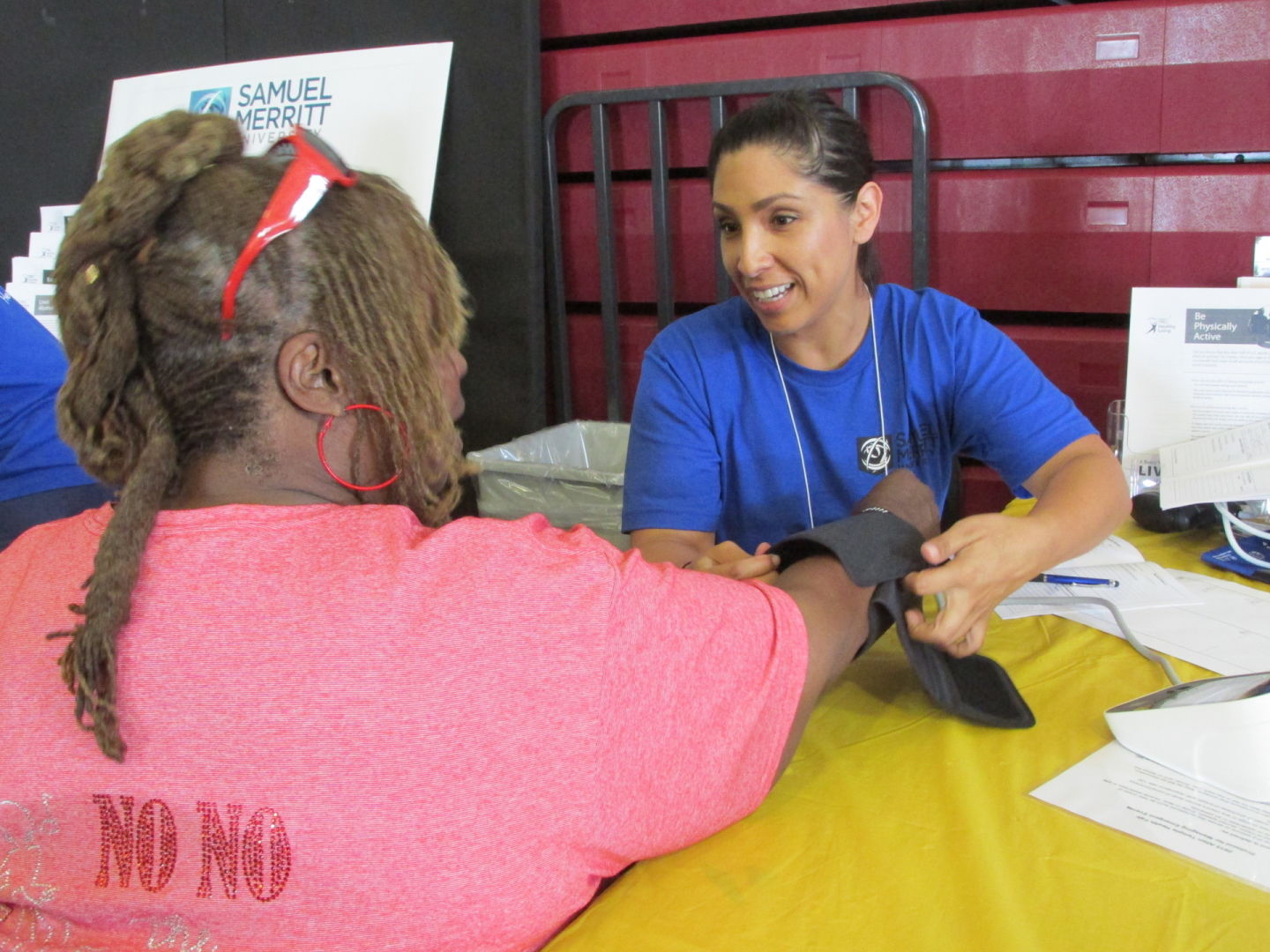
"caption": "Samuel Merritt University nursing student Diana Venegas takes the blood pressure of a patient at the recent Allen Temple Baptist Church health fair in Oakland. ",
"description": "Samuel Merritt University nursing student Diana Venegas takes the blood pressure of a patient at the recent Allen Temple Baptist Church health fair in Oakland. ",
"title": "Samuel Merritt Health Fair",
"credit": "Adizah Eghan/KQED",
"status": "inherit",
"isLoading": false,
"fetchFailed": false
},
"stateofhealth_102201": {
"type": "attachments",
"id": "stateofhealth_102201",
"meta": {
"index": "attachments_1716263798",
"site": "stateofhealth",
"id": "102201",
"found": true
},
"parent": 102167,
"imgSizes": {
"twentyfourteen-full-width": {
"file": "https://ww2.kqed.org/app/uploads/sites/27/2015/11/RS17289_IMG_9338.JPG-qut-1038x576.jpg",
"width": 1038,
"mimeType": "image/jpeg",
"height": 576
},
"thumbnail": {
"file": "https://ww2.kqed.org/app/uploads/sites/27/2015/11/RS17289_IMG_9338.JPG-qut-400x267.jpg",
"width": 400,
"mimeType": "image/jpeg",
"height": 267
},
"fd-sm": {
"file": "https://ww2.kqed.org/app/uploads/sites/27/2015/11/RS17289_IMG_9338.JPG-qut-960x640.jpg",
"width": 960,
"mimeType": "image/jpeg",
"height": 640
},
"post-thumbnail": {
"file": "https://ww2.kqed.org/app/uploads/sites/27/2015/11/RS17289_IMG_9338.JPG-qut-672x372.jpg",
"width": 672,
"mimeType": "image/jpeg",
"height": 372
},
"kqedFullSize": {
"file": "https://ww2.kqed.org/app/uploads/sites/27/2015/11/RS17289_IMG_9338.JPG-qut.jpg",
"width": 1920,
"height": 1280
},
"large": {
"file": "https://ww2.kqed.org/app/uploads/sites/27/2015/11/RS17289_IMG_9338.JPG-qut-1440x960.jpg",
"width": 1440,
"mimeType": "image/jpeg",
"height": 960
},
"guest-author-96": {
"file": "https://ww2.kqed.org/app/uploads/sites/27/2015/11/RS17289_IMG_9338.JPG-qut-96x96.jpg",
"width": 96,
"mimeType": "image/jpeg",
"height": 96
},
"medium": {
"file": "https://ww2.kqed.org/app/uploads/sites/27/2015/11/RS17289_IMG_9338.JPG-qut-800x533.jpg",
"width": 800,
"mimeType": "image/jpeg",
"height": 533
},
"guest-author-64": {
"file": "https://ww2.kqed.org/app/uploads/sites/27/2015/11/RS17289_IMG_9338.JPG-qut-64x64.jpg",
"width": 64,
"mimeType": "image/jpeg",
"height": 64
},
"guest-author-32": {
"file": "https://ww2.kqed.org/app/uploads/sites/27/2015/11/RS17289_IMG_9338.JPG-qut-32x32.jpg",
"width": 32,
"mimeType": "image/jpeg",
"height": 32
},
"jmtc-small-thumb": {
"file": "https://ww2.kqed.org/app/uploads/sites/27/2015/11/RS17289_IMG_9338.JPG-qut-280x150.jpg",
"width": 280,
"mimeType": "image/jpeg",
"height": 150
},
"fd-lrg": {
"file": "https://ww2.kqed.org/app/uploads/sites/27/2015/11/RS17289_IMG_9338.JPG-qut-1920x1280.jpg",
"width": 1920,
"mimeType": "image/jpeg",
"height": 1280
},
"fd-med": {
"file": "https://ww2.kqed.org/app/uploads/sites/27/2015/11/RS17289_IMG_9338.JPG-qut-1180x787.jpg",
"width": 1180,
"mimeType": "image/jpeg",
"height": 787
},
"detail": {
"file": "https://ww2.kqed.org/app/uploads/sites/27/2015/11/RS17289_IMG_9338.JPG-qut-75x75.jpg",
"width": 75,
"mimeType": "image/jpeg",
"height": 75
},
"guest-author-128": {
"file": "https://ww2.kqed.org/app/uploads/sites/27/2015/11/RS17289_IMG_9338.JPG-qut-128x128.jpg",
"width": 128,
"mimeType": "image/jpeg",
"height": 128
}
},
"publishDate": 1446505917,
"modified": 1446514156,
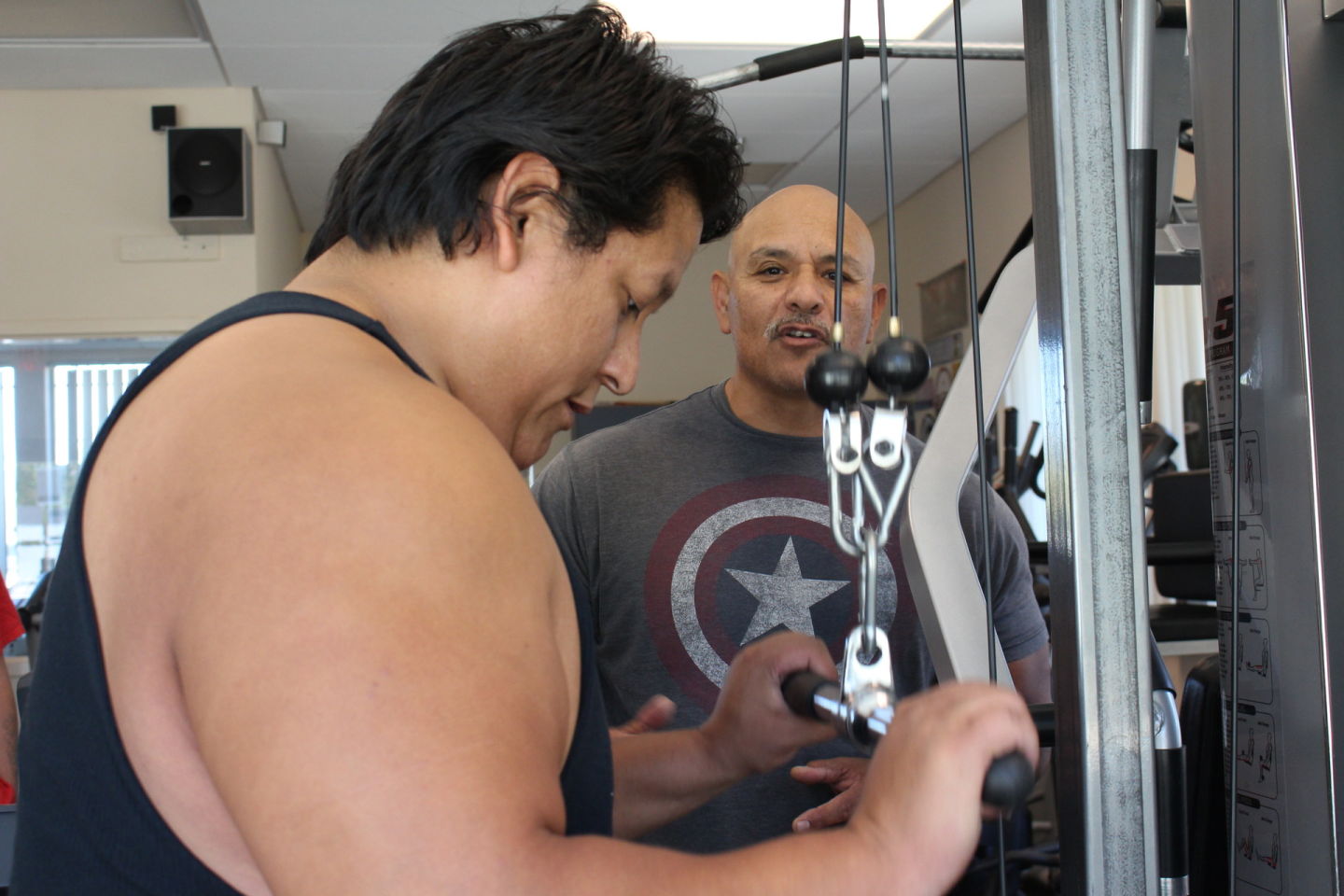
"caption": "Jorje Mendez has lost more than 45 pounds through weightlifting and other lifestyle changes. Trainer Johnny Gonzales helps prediabetic patients lose weight at the gym he set up at the Lake County Tribal Health Clinic.",
"description": null,
"title": "RS17289_IMG_9338.JPG-qut",
"credit": "Farida Jhabvala Romero/KQED",
"status": "inherit",
"isLoading": false,
"fetchFailed": false
},
"stateofhealth_100502": {
"type": "attachments",
"id": "stateofhealth_100502",
"meta": {
"index": "attachments_1716263798",
"site": "stateofhealth",
"id": "100502",
"found": true
},
"parent": 0,
"imgSizes": {
"twentyfourteen-full-width": {
"file": "https://ww2.kqed.org/app/uploads/sites/27/2015/10/RS17249_IMG_9894.JPG-qut-1038x576.jpg",
"width": 1038,
"mimeType": "image/jpeg",
"height": 576
},
"thumbnail": {
"file": "https://ww2.kqed.org/app/uploads/sites/27/2015/10/RS17249_IMG_9894.JPG-qut-400x267.jpg",
"width": 400,
"mimeType": "image/jpeg",
"height": 267
},
"fd-sm": {
"file": "https://ww2.kqed.org/app/uploads/sites/27/2015/10/RS17249_IMG_9894.JPG-qut-960x640.jpg",
"width": 960,
"mimeType": "image/jpeg",
"height": 640
},
"post-thumbnail": {
"file": "https://ww2.kqed.org/app/uploads/sites/27/2015/10/RS17249_IMG_9894.JPG-qut-672x372.jpg",
"width": 672,
"mimeType": "image/jpeg",
"height": 372
},
"kqedFullSize": {
"file": "https://ww2.kqed.org/app/uploads/sites/27/2015/10/RS17249_IMG_9894.JPG-qut.jpg",
"width": 1920,
"height": 1280
},
"large": {
"file": "https://ww2.kqed.org/app/uploads/sites/27/2015/10/RS17249_IMG_9894.JPG-qut-1440x960.jpg",
"width": 1440,
"mimeType": "image/jpeg",
"height": 960
},
"guest-author-96": {
"file": "https://ww2.kqed.org/app/uploads/sites/27/2015/10/RS17249_IMG_9894.JPG-qut-96x96.jpg",
"width": 96,
"mimeType": "image/jpeg",
"height": 96
},
"medium": {
"file": "https://ww2.kqed.org/app/uploads/sites/27/2015/10/RS17249_IMG_9894.JPG-qut-800x533.jpg",
"width": 800,
"mimeType": "image/jpeg",
"height": 533
},
"guest-author-64": {
"file": "https://ww2.kqed.org/app/uploads/sites/27/2015/10/RS17249_IMG_9894.JPG-qut-64x64.jpg",
"width": 64,
"mimeType": "image/jpeg",
"height": 64
},
"guest-author-32": {
"file": "https://ww2.kqed.org/app/uploads/sites/27/2015/10/RS17249_IMG_9894.JPG-qut-32x32.jpg",
"width": 32,
"mimeType": "image/jpeg",
"height": 32
},
"jmtc-small-thumb": {
"file": "https://ww2.kqed.org/app/uploads/sites/27/2015/10/RS17249_IMG_9894.JPG-qut-280x150.jpg",
"width": 280,
"mimeType": "image/jpeg",
"height": 150
},
"fd-lrg": {
"file": "https://ww2.kqed.org/app/uploads/sites/27/2015/10/RS17249_IMG_9894.JPG-qut-1920x1280.jpg",
"width": 1920,
"mimeType": "image/jpeg",
"height": 1280
},
"fd-med": {
"file": "https://ww2.kqed.org/app/uploads/sites/27/2015/10/RS17249_IMG_9894.JPG-qut-1180x787.jpg",
"width": 1180,
"mimeType": "image/jpeg",
"height": 787
},
"detail": {
"file": "https://ww2.kqed.org/app/uploads/sites/27/2015/10/RS17249_IMG_9894.JPG-qut-75x75.jpg",
"width": 75,
"mimeType": "image/jpeg",
"height": 75
},
"guest-author-128": {
"file": "https://ww2.kqed.org/app/uploads/sites/27/2015/10/RS17249_IMG_9894.JPG-qut-128x128.jpg",
"width": 128,
"mimeType": "image/jpeg",
"height": 128
}
},
"publishDate": 1446223323,
"modified": 1446233756,
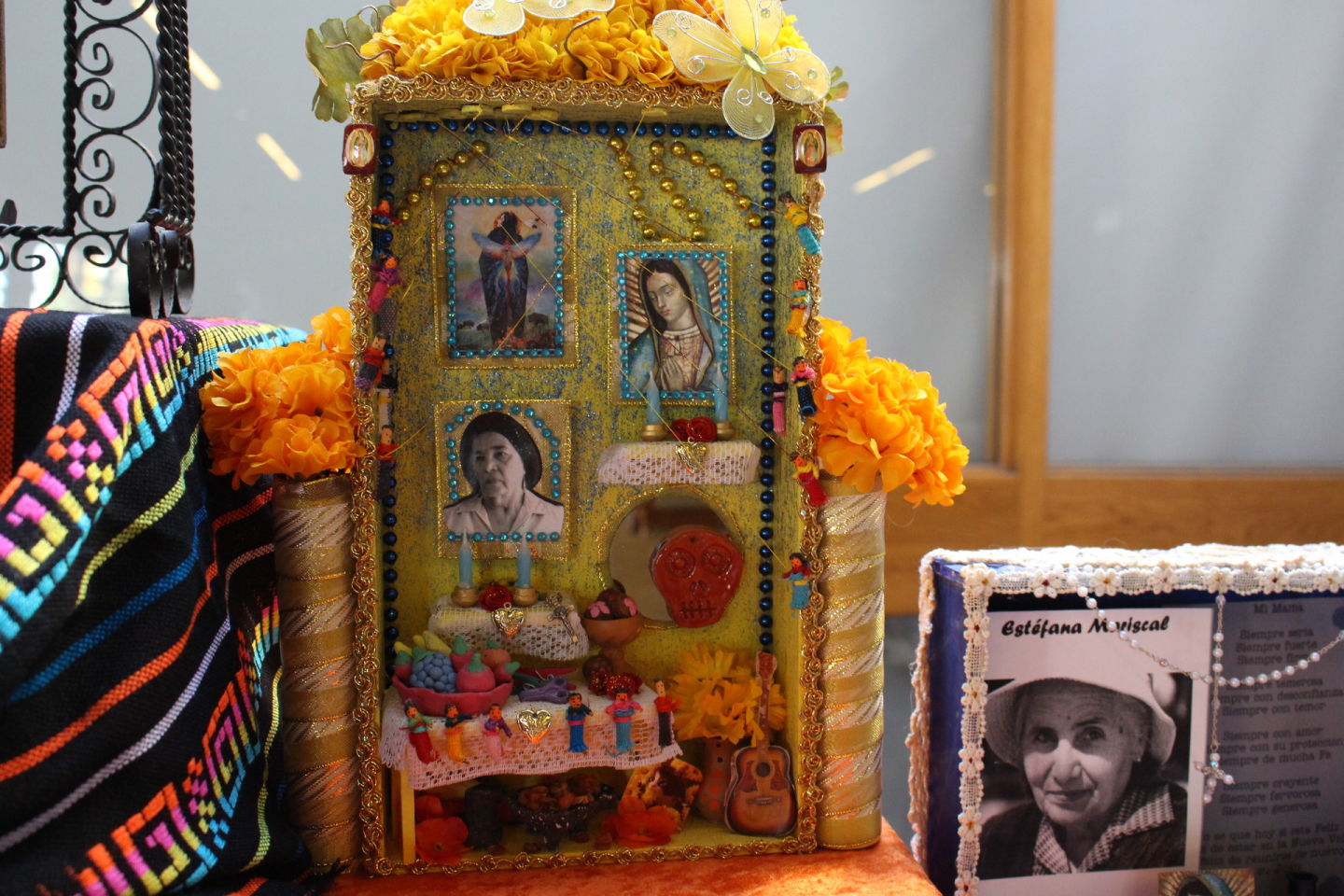
"caption": "Nichos decorate an altar at the Oakland Museum of California for Day of the Dead. The central inch was made by art therapist Alicia Diaz to honor her grandmother. Diaz says was very religious and loved the color yellow.",
"description": null,
"title": "RS17249_IMG_9894.JPG-qut",
"credit": "Farida Jhabvala Romero /KQED",
"status": "inherit",
"isLoading": false,
"fetchFailed": false
},
"stateofhealth_100155": {
"type": "attachments",
"id": "stateofhealth_100155",
"meta": {
"index": "attachments_1716263798",
"site": "stateofhealth",
"id": "100155",
"found": true
},
"parent": 100119,
"imgSizes": {
"twentyfourteen-full-width": {
"file": "https://ww2.kqed.org/app/uploads/sites/27/2015/10/JohannaBrown-1038x576.jpg",
"width": 1038,
"mimeType": "image/jpeg",
"height": 576
},
"thumbnail": {
"file": "https://ww2.kqed.org/app/uploads/sites/27/2015/10/JohannaBrown-400x271.jpg",
"width": 400,
"mimeType": "image/jpeg",
"height": 271
},
"fd-sm": {
"file": "https://ww2.kqed.org/app/uploads/sites/27/2015/10/JohannaBrown-960x651.jpg",
"width": 960,
"mimeType": "image/jpeg",
"height": 651
},
"post-thumbnail": {
"file": "https://ww2.kqed.org/app/uploads/sites/27/2015/10/JohannaBrown-672x372.jpg",
"width": 672,
"mimeType": "image/jpeg",
"height": 372
},
"kqedFullSize": {
"file": "https://ww2.kqed.org/app/uploads/sites/27/2015/10/JohannaBrown.jpg",
"width": 1920,
"height": 1301
},
"large": {
"file": "https://ww2.kqed.org/app/uploads/sites/27/2015/10/JohannaBrown-1440x976.jpg",
"width": 1440,
"mimeType": "image/jpeg",
"height": 976
},
"guest-author-96": {
"file": "https://ww2.kqed.org/app/uploads/sites/27/2015/10/JohannaBrown-96x96.jpg",
"width": 96,
"mimeType": "image/jpeg",
"height": 96
},
"medium": {
"file": "https://ww2.kqed.org/app/uploads/sites/27/2015/10/JohannaBrown-800x542.jpg",
"width": 800,
"mimeType": "image/jpeg",
"height": 542
},
"guest-author-64": {
"file": "https://ww2.kqed.org/app/uploads/sites/27/2015/10/JohannaBrown-64x64.jpg",
"width": 64,
"mimeType": "image/jpeg",
"height": 64
},
"guest-author-32": {
"file": "https://ww2.kqed.org/app/uploads/sites/27/2015/10/JohannaBrown-32x32.jpg",
"width": 32,
"mimeType": "image/jpeg",
"height": 32
},
"jmtc-small-thumb": {
"file": "https://ww2.kqed.org/app/uploads/sites/27/2015/10/JohannaBrown-280x150.jpg",
"width": 280,
"mimeType": "image/jpeg",
"height": 150
},
"fd-lrg": {
"file": "https://ww2.kqed.org/app/uploads/sites/27/2015/10/JohannaBrown-1920x1301.jpg",
"width": 1920,
"mimeType": "image/jpeg",
"height": 1301
},
"fd-med": {
"file": "https://ww2.kqed.org/app/uploads/sites/27/2015/10/JohannaBrown-1180x800.jpg",
"width": 1180,
"mimeType": "image/jpeg",
"height": 800
},
"detail": {
"file": "https://ww2.kqed.org/app/uploads/sites/27/2015/10/JohannaBrown-75x75.jpg",
"width": 75,
"mimeType": "image/jpeg",
"height": 75
},
"guest-author-128": {
"file": "https://ww2.kqed.org/app/uploads/sites/27/2015/10/JohannaBrown-128x128.jpg",
"width": 128,
"mimeType": "image/jpeg",
"height": 128
}
},
"publishDate": 1446167575,
"modified": 1446167598,
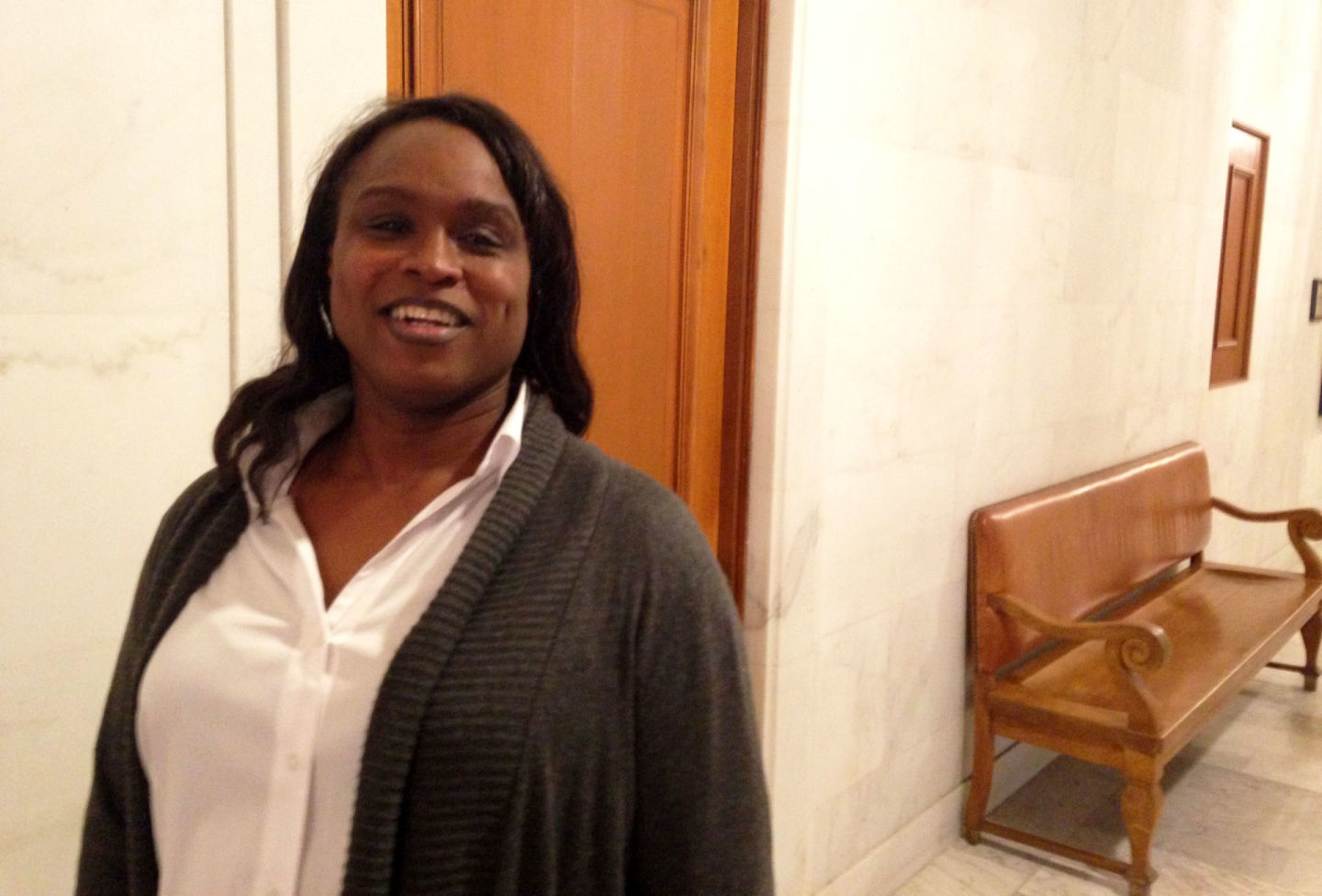
"caption": "Johanna Brown has been living with HIV since 1988. ",
"description": "Johanna Brown has been living with HIV since 1988. ",
"title": "JohannaBrown",
"credit": "April Dembosky/KQED",
"status": "inherit",
"isLoading": false,
"fetchFailed": false
},
"stateofhealth_24477": {
"type": "attachments",
"id": "stateofhealth_24477",
"meta": {
"index": "attachments_1716263798",
"site": "stateofhealth",
"id": "24477",
"found": true
},
"parent": 24473,
"imgSizes": {
"twentyfourteen-full-width": {
"file": "https://ww2.kqed.org/app/uploads/sites/27/2015/03/counties1-e1426527264272-1038x576.jpg",
"width": 1038,
"mimeType": "image/jpeg",
"height": 576
},
"thumbnail": {
"file": "https://ww2.kqed.org/app/uploads/sites/27/2015/03/counties1-e1426527264272-400x267.jpg",
"width": 400,
"mimeType": "image/jpeg",
"height": 267
},
"fd-sm": {
"file": "https://ww2.kqed.org/app/uploads/sites/27/2015/03/counties1-e1426527264272-320x213.jpg",
"width": 320,
"mimeType": "image/jpeg",
"height": 213
},
"post-thumbnail": {
"file": "https://ww2.kqed.org/app/uploads/sites/27/2015/03/counties1-e1426527264272-672x372.jpg",
"width": 672,
"mimeType": "image/jpeg",
"height": 372
},
"kqedFullSize": {
"file": "https://ww2.kqed.org/app/uploads/sites/27/2015/03/counties1-e1426527264272.jpg",
"width": 1920,
"height": 1280
},
"large": {
"file": "https://ww2.kqed.org/app/uploads/sites/27/2015/03/counties1-e1426527264272-1440x960.jpg",
"width": 1440,
"mimeType": "image/jpeg",
"height": 960
},
"guest-author-96": {
"file": "https://ww2.kqed.org/app/uploads/sites/27/2015/03/counties1-e1426527264272-96x96.jpg",
"width": 96,
"mimeType": "image/jpeg",
"height": 96
},
"medium": {
"file": "https://ww2.kqed.org/app/uploads/sites/27/2015/03/counties1-e1426527264272-800x533.jpg",
"width": 800,
"mimeType": "image/jpeg",
"height": 533
},
"guest-author-64": {
"file": "https://ww2.kqed.org/app/uploads/sites/27/2015/03/counties1-e1426527264272-64x64.jpg",
"width": 64,
"mimeType": "image/jpeg",
"height": 64
},
"guest-author-32": {
"file": "https://ww2.kqed.org/app/uploads/sites/27/2015/03/counties1-e1426527264272-32x32.jpg",
"width": 32,
"mimeType": "image/jpeg",
"height": 32
},
"fd-lrg": {
"file": "https://ww2.kqed.org/app/uploads/sites/27/2015/03/counties1-e1426527264272-1180x787.jpg",
"width": 1180,
"mimeType": "image/jpeg",
"height": 787
},
"fd-med": {
"file": "https://ww2.kqed.org/app/uploads/sites/27/2015/03/counties1-e1426527264272-768x512.jpg",
"width": 768,
"mimeType": "image/jpeg",
"height": 512
},
"detail": {
"file": "https://ww2.kqed.org/app/uploads/sites/27/2015/03/counties1-e1426527264272-75x75.jpg",
"width": 75,
"mimeType": "image/jpeg",
"height": 75
},
"guest-author-128": {
"file": "https://ww2.kqed.org/app/uploads/sites/27/2015/03/counties1-e1426527264272-128x128.jpg",
"width": 128,
"mimeType": "image/jpeg",
"height": 128
}
},
"publishDate": 1426527170,
"modified": 1446075665,
"caption": null,
"description": "PANORAMA CITY, CA - JANUARY 28: Dr. Jason Greenspan (L) and emergency room nurse Junizar Manansala care for a patient in the ER of Mission Community Hospital where doctors held a press conference outside on a class action lawsuit against the state of California by a coalition of emergency room physicians claiming that without additional funding, the entire emergency healthcare system is on the verge of collapse on January 28, 2009 in Panorama City, California. According to the coalition, the cost of providing emergency room treatment has nearly doubled over the past decade and patient load increased by more than 28 percent while Medi-Cal reimbursements have remained largely unchanged. During that time, 85 California hospitals in California have closed and an additional 55 facilities have shut down their emergency rooms. California now reportedly ranks worst in the nation for access emergency care and last in emergency rooms per capita. California has seven emergency rooms per million people while the national average is 20 emergency rooms per million people. (Photo by David McNew/Getty Images)",
"title": "Emergency Room Physicians Sue State Over Dire Need For Additional Finances",
"credit": "David McNew/Getty Images",
"status": "inherit",
"isLoading": false,
"fetchFailed": false
},
"stateofhealth_98974": {
"type": "attachments",
"id": "stateofhealth_98974",
"meta": {
"index": "attachments_1716263798",
"site": "stateofhealth",
"id": "98974",
"found": true
},
"parent": 98970,
"imgSizes": {
"twentyfourteen-full-width": {
"file": "https://ww2.kqed.org/app/uploads/sites/27/2015/10/GettyImages-121384844-1038x576.jpg",
"width": 1038,
"mimeType": "image/jpeg",
"height": 576
},
"thumbnail": {
"file": "https://ww2.kqed.org/app/uploads/sites/27/2015/10/GettyImages-121384844-400x282.jpg",
"width": 400,
"mimeType": "image/jpeg",
"height": 282
},
"fd-sm": {
"file": "https://ww2.kqed.org/app/uploads/sites/27/2015/10/GettyImages-121384844-960x676.jpg",
"width": 960,
"mimeType": "image/jpeg",
"height": 676
},
"post-thumbnail": {
"file": "https://ww2.kqed.org/app/uploads/sites/27/2015/10/GettyImages-121384844-672x372.jpg",
"width": 672,
"mimeType": "image/jpeg",
"height": 372
},
"kqedFullSize": {
"file": "https://ww2.kqed.org/app/uploads/sites/27/2015/10/GettyImages-121384844-e1445975878921.jpg",
"width": 1920,
"height": 1352
},
"large": {
"file": "https://ww2.kqed.org/app/uploads/sites/27/2015/10/GettyImages-121384844-1440x1014.jpg",
"width": 1440,
"mimeType": "image/jpeg",
"height": 1014
},
"guest-author-96": {
"file": "https://ww2.kqed.org/app/uploads/sites/27/2015/10/GettyImages-121384844-96x96.jpg",
"width": 96,
"mimeType": "image/jpeg",
"height": 96
},
"medium": {
"file": "https://ww2.kqed.org/app/uploads/sites/27/2015/10/GettyImages-121384844-800x563.jpg",
"width": 800,
"mimeType": "image/jpeg",
"height": 563
},
"guest-author-64": {
"file": "https://ww2.kqed.org/app/uploads/sites/27/2015/10/GettyImages-121384844-64x64.jpg",
"width": 64,
"mimeType": "image/jpeg",
"height": 64
},
"guest-author-32": {
"file": "https://ww2.kqed.org/app/uploads/sites/27/2015/10/GettyImages-121384844-32x32.jpg",
"width": 32,
"mimeType": "image/jpeg",
"height": 32
},
"jmtc-small-thumb": {
"file": "https://ww2.kqed.org/app/uploads/sites/27/2015/10/GettyImages-121384844-280x150.jpg",
"width": 280,
"mimeType": "image/jpeg",
"height": 150
},
"fd-lrg": {
"file": "https://ww2.kqed.org/app/uploads/sites/27/2015/10/GettyImages-121384844-1920x1352.jpg",
"width": 1920,
"mimeType": "image/jpeg",
"height": 1352
},
"fd-med": {
"file": "https://ww2.kqed.org/app/uploads/sites/27/2015/10/GettyImages-121384844-1180x831.jpg",
"width": 1180,
"mimeType": "image/jpeg",
"height": 831
},
"detail": {
"file": "https://ww2.kqed.org/app/uploads/sites/27/2015/10/GettyImages-121384844-75x75.jpg",
"width": 75,
"mimeType": "image/jpeg",
"height": 75
},
"guest-author-128": {
"file": "https://ww2.kqed.org/app/uploads/sites/27/2015/10/GettyImages-121384844-128x128.jpg",
"width": 128,
"mimeType": "image/jpeg",
"height": 128
}
},
"publishDate": 1445975866,
"modified": 1445975901,
"caption": null,
"description": "elderly woman, walker",
"title": "Elderly Portion Of Population Continues To Increase",
"credit": "Sean Gallup/Getty Images",
"status": "inherit",
"isLoading": false,
"fetchFailed": false
},
"stateofhealth_98362": {
"type": "attachments",
"id": "stateofhealth_98362",
"meta": {
"index": "attachments_1716263798",
"site": "stateofhealth",
"id": "98362",
"found": true
},
"parent": 98360,
"imgSizes": {
"twentyfourteen-full-width": {
"file": "https://ww2.kqed.org/app/uploads/sites/27/2015/10/community-worker-3-1038x576.jpg",
"width": 1038,
"mimeType": "image/jpeg",
"height": 576
},
"thumbnail": {
"file": "https://ww2.kqed.org/app/uploads/sites/27/2015/10/community-worker-3-400x267.jpg",
"width": 400,
"mimeType": "image/jpeg",
"height": 267
},
"fd-sm": {
"file": "https://ww2.kqed.org/app/uploads/sites/27/2015/10/community-worker-3-960x641.jpg",
"width": 960,
"mimeType": "image/jpeg",
"height": 641
},
"post-thumbnail": {
"file": "https://ww2.kqed.org/app/uploads/sites/27/2015/10/community-worker-3-672x372.jpg",
"width": 672,
"mimeType": "image/jpeg",
"height": 372
},
"kqedFullSize": {
"file": "https://ww2.kqed.org/app/uploads/sites/27/2015/10/community-worker-3-e1445881054514.jpg",
"width": 1919,
"height": 1281
},
"large": {
"file": "https://ww2.kqed.org/app/uploads/sites/27/2015/10/community-worker-3-1440x961.jpg",
"width": 1440,
"mimeType": "image/jpeg",
"height": 961
},
"guest-author-96": {
"file": "https://ww2.kqed.org/app/uploads/sites/27/2015/10/community-worker-3-96x96.jpg",
"width": 96,
"mimeType": "image/jpeg",
"height": 96
},
"medium": {
"file": "https://ww2.kqed.org/app/uploads/sites/27/2015/10/community-worker-3-800x534.jpg",
"width": 800,
"mimeType": "image/jpeg",
"height": 534
},
"guest-author-64": {
"file": "https://ww2.kqed.org/app/uploads/sites/27/2015/10/community-worker-3-64x64.jpg",
"width": 64,
"mimeType": "image/jpeg",
"height": 64
},
"guest-author-32": {
"file": "https://ww2.kqed.org/app/uploads/sites/27/2015/10/community-worker-3-32x32.jpg",
"width": 32,
"mimeType": "image/jpeg",
"height": 32
},
"jmtc-small-thumb": {
"file": "https://ww2.kqed.org/app/uploads/sites/27/2015/10/community-worker-3-280x150.jpg",
"width": 280,
"mimeType": "image/jpeg",
"height": 150
},
"fd-lrg": {
"file": "https://ww2.kqed.org/app/uploads/sites/27/2015/10/community-worker-3-1920x1281.jpg",
"width": 1920,
"mimeType": "image/jpeg",
"height": 1281
},
"fd-med": {
"file": "https://ww2.kqed.org/app/uploads/sites/27/2015/10/community-worker-3-1180x788.jpg",
"width": 1180,
"mimeType": "image/jpeg",
"height": 788
},
"detail": {
"file": "https://ww2.kqed.org/app/uploads/sites/27/2015/10/community-worker-3-75x75.jpg",
"width": 75,
"mimeType": "image/jpeg",
"height": 75
},
"guest-author-128": {
"file": "https://ww2.kqed.org/app/uploads/sites/27/2015/10/community-worker-3-128x128.jpg",
"width": 128,
"mimeType": "image/jpeg",
"height": 128
}
},
"publishDate": 1445881026,
"modified": 1445881200,
"caption": "Jorge Colorado, 49, and his daughter Margarita Lopez (L) talk with Dr. Janina Morrison about Colorado's diabetes earlier this month at the Los Angeles County-USC Medical Center.",
"description": "Jorge Colorado, 49, and his daughter Margarita Lopez (L) talk with Dr. Janina Morrison about Colorado's diabetes earlier this month at the Los Angeles County-USC Medical Center.",
"title": "community-worker-3",
"credit": "Heidi de Marco/KHN",
"status": "inherit",
"isLoading": false,
"fetchFailed": false
},
"stateofhealth_98513": {
"type": "attachments",
"id": "stateofhealth_98513",
"meta": {
"index": "attachments_1716263798",
"site": "stateofhealth",
"id": "98513",
"found": true
},
"parent": 98508,
"imgSizes": {
"twentyfourteen-full-width": {
"file": "https://ww2.kqed.org/app/uploads/sites/27/2015/10/RS3720_sf20121024jpg-1038x576.jpg",
"width": 1038,
"mimeType": "image/jpeg",
"height": 576
},
"thumbnail": {
"file": "https://ww2.kqed.org/app/uploads/sites/27/2015/10/RS3720_sf20121024jpg-400x267.jpg",
"width": 400,
"mimeType": "image/jpeg",
"height": 267
},
"fd-sm": {
"file": "https://ww2.kqed.org/app/uploads/sites/27/2015/10/RS3720_sf20121024jpg-960x640.jpg",
"width": 960,
"mimeType": "image/jpeg",
"height": 640
},
"post-thumbnail": {
"file": "https://ww2.kqed.org/app/uploads/sites/27/2015/10/RS3720_sf20121024jpg-672x372.jpg",
"width": 672,
"mimeType": "image/jpeg",
"height": 372
},
"kqedFullSize": {
"file": "https://ww2.kqed.org/app/uploads/sites/27/2015/10/RS3720_sf20121024jpg-e1445900081671.jpg",
"width": 1920,
"height": 1280
},
"large": {
"file": "https://ww2.kqed.org/app/uploads/sites/27/2015/10/RS3720_sf20121024jpg-1440x960.jpg",
"width": 1440,
"mimeType": "image/jpeg",
"height": 960
},
"guest-author-96": {
"file": "https://ww2.kqed.org/app/uploads/sites/27/2015/10/RS3720_sf20121024jpg-96x96.jpg",
"width": 96,
"mimeType": "image/jpeg",
"height": 96
},
"medium": {
"file": "https://ww2.kqed.org/app/uploads/sites/27/2015/10/RS3720_sf20121024jpg-800x533.jpg",
"width": 800,
"mimeType": "image/jpeg",
"height": 533
},
"guest-author-64": {
"file": "https://ww2.kqed.org/app/uploads/sites/27/2015/10/RS3720_sf20121024jpg-64x64.jpg",
"width": 64,
"mimeType": "image/jpeg",
"height": 64
},
"guest-author-32": {
"file": "https://ww2.kqed.org/app/uploads/sites/27/2015/10/RS3720_sf20121024jpg-32x32.jpg",
"width": 32,
"mimeType": "image/jpeg",
"height": 32
},
"jmtc-small-thumb": {
"file": "https://ww2.kqed.org/app/uploads/sites/27/2015/10/RS3720_sf20121024jpg-280x150.jpg",
"width": 280,
"mimeType": "image/jpeg",
"height": 150
},
"fd-lrg": {
"file": "https://ww2.kqed.org/app/uploads/sites/27/2015/10/RS3720_sf20121024jpg-1920x1280.jpg",
"width": 1920,
"mimeType": "image/jpeg",
"height": 1280
},
"fd-med": {
"file": "https://ww2.kqed.org/app/uploads/sites/27/2015/10/RS3720_sf20121024jpg-1180x787.jpg",
"width": 1180,
"mimeType": "image/jpeg",
"height": 787
},
"detail": {
"file": "https://ww2.kqed.org/app/uploads/sites/27/2015/10/RS3720_sf20121024jpg-75x75.jpg",
"width": 75,
"mimeType": "image/jpeg",
"height": 75
},
"guest-author-128": {
"file": "https://ww2.kqed.org/app/uploads/sites/27/2015/10/RS3720_sf20121024jpg-128x128.jpg",
"width": 128,
"mimeType": "image/jpeg",
"height": 128
}
},
"publishDate": 1445900062,
"modified": 1445900114,
"caption": null,
"description": null,
"title": "Downtown San Francisco is pictured 23 De",
"credit": "Gabriel Bouys/AFP/Getty Images",
"status": "inherit",
"isLoading": false,
"fetchFailed": false
},
"stateofhealth_98426": {
"type": "attachments",
"id": "stateofhealth_98426",
"meta": {
"index": "attachments_1716263798",
"site": "stateofhealth",
"id": "98426",
"found": true
},
"parent": 98425,
"imgSizes": {
"twentyfourteen-full-width": {
"file": "https://ww2.kqed.org/app/uploads/sites/27/2015/10/CarwashFuneralFundraising-1038x576.jpg",
"width": 1038,
"mimeType": "image/jpeg",
"height": 576
},
"thumbnail": {
"file": "https://ww2.kqed.org/app/uploads/sites/27/2015/10/CarwashFuneralFundraising-400x300.jpg",
"width": 400,
"mimeType": "image/jpeg",
"height": 300
},
"fd-sm": {
"file": "https://ww2.kqed.org/app/uploads/sites/27/2015/10/CarwashFuneralFundraising-960x720.jpg",
"width": 960,
"mimeType": "image/jpeg",
"height": 720
},
"post-thumbnail": {
"file": "https://ww2.kqed.org/app/uploads/sites/27/2015/10/CarwashFuneralFundraising-672x372.jpg",
"width": 672,
"mimeType": "image/jpeg",
"height": 372
},
"kqedFullSize": {
"file": "https://ww2.kqed.org/app/uploads/sites/27/2015/10/CarwashFuneralFundraising.jpg",
"width": 1920,
"height": 1440
},
"large": {
"file": "https://ww2.kqed.org/app/uploads/sites/27/2015/10/CarwashFuneralFundraising-1440x1080.jpg",
"width": 1440,
"mimeType": "image/jpeg",
"height": 1080
},
"guest-author-96": {
"file": "https://ww2.kqed.org/app/uploads/sites/27/2015/10/CarwashFuneralFundraising-96x96.jpg",
"width": 96,
"mimeType": "image/jpeg",
"height": 96
},
"medium": {
"file": "https://ww2.kqed.org/app/uploads/sites/27/2015/10/CarwashFuneralFundraising-800x600.jpg",
"width": 800,
"mimeType": "image/jpeg",
"height": 600
},
"guest-author-64": {
"file": "https://ww2.kqed.org/app/uploads/sites/27/2015/10/CarwashFuneralFundraising-64x64.jpg",
"width": 64,
"mimeType": "image/jpeg",
"height": 64
},
"guest-author-32": {
"file": "https://ww2.kqed.org/app/uploads/sites/27/2015/10/CarwashFuneralFundraising-32x32.jpg",
"width": 32,
"mimeType": "image/jpeg",
"height": 32
},
"jmtc-small-thumb": {
"file": "https://ww2.kqed.org/app/uploads/sites/27/2015/10/CarwashFuneralFundraising-280x150.jpg",
"width": 280,
"mimeType": "image/jpeg",
"height": 150
},
"fd-lrg": {
"file": "https://ww2.kqed.org/app/uploads/sites/27/2015/10/CarwashFuneralFundraising-1920x1440.jpg",
"width": 1920,
"mimeType": "image/jpeg",
"height": 1440
},
"fd-med": {
"file": "https://ww2.kqed.org/app/uploads/sites/27/2015/10/CarwashFuneralFundraising-1180x885.jpg",
"width": 1180,
"mimeType": "image/jpeg",
"height": 885
},
"detail": {
"file": "https://ww2.kqed.org/app/uploads/sites/27/2015/10/CarwashFuneralFundraising-75x75.jpg",
"width": 75,
"mimeType": "image/jpeg",
"height": 75
},
"guest-author-128": {
"file": "https://ww2.kqed.org/app/uploads/sites/27/2015/10/CarwashFuneralFundraising-128x128.jpg",
"width": 128,
"mimeType": "image/jpeg",
"height": 128
}
},
"publishDate": 1445888264,
"modified": 1445888425,
"caption": "Evangelina Quintanilla and her family wash cars in Central Fresno to help pay for her mother’s cremation. ",
"description": "Evangelina Quintanilla and her family wash cars in Central Fresno to help pay for her mother’s cremation. ",
"title": "CarwashFuneralFundraising",
"credit": "Kerry Klein/KQED",
"status": "inherit",
"isLoading": false,
"fetchFailed": false
}
},
"audioPlayerReducer": {
"postId": "stream_live",
"isPaused": true,
"isPlaying": false,
"pfsActive": false,
"pledgeModalIsOpen": true,
"playerDrawerIsOpen": false,
"liveAudioPlayStartedAt": 0,
"liveAudioPlayContext": ""
},
"authorsReducer": {
"byline_stateofhealth_106635": {
"type": "authors",
"id": "byline_stateofhealth_106635",
"meta": {
"override": true
},
"slug": "byline_stateofhealth_106635",
"name": "David Gorn",
"isLoading": false
},
"byline_stateofhealth_96312": {
"type": "authors",
"id": "byline_stateofhealth_96312",
"meta": {
"override": true
},
"slug": "byline_stateofhealth_96312",
"name": "Lily Dayton",
"isLoading": false
},
"byline_stateofhealth_99575": {
"type": "authors",
"id": "byline_stateofhealth_99575",
"meta": {
"override": true
},
"slug": "byline_stateofhealth_99575",
"name": "Anna Gorman ",
"isLoading": false
},
"byline_stateofhealth_98970": {
"type": "authors",
"id": "byline_stateofhealth_98970",
"meta": {
"override": true
},
"slug": "byline_stateofhealth_98970",
"name": "Anna Gorman",
"isLoading": false
},
"byline_stateofhealth_98360": {
"type": "authors",
"id": "byline_stateofhealth_98360",
"meta": {
"override": true
},
"slug": "byline_stateofhealth_98360",
"name": "Anna Gorman",
"isLoading": false
},
"byline_stateofhealth_98425": {
"type": "authors",
"id": "byline_stateofhealth_98425",
"meta": {
"override": true
},
"slug": "byline_stateofhealth_98425",
"name": "Kerry Klein",
"isLoading": false
},
"aeghan": {
"type": "authors",
"id": "195",
"meta": {
"index": "authors_1716337520",
"id": "195",
"found": true
},
"name": "Adizah Eghan",
"firstName": "Adizah",
"lastName": "Eghan",
"slug": "aeghan",
"email": "adizah.e@gmail.com",
"display_author_email": false,
"staff_mastheads": [],
"title": "KQED Contributor",
"bio": "Adizah Eghan is a former reporter at KQED News and writer for KQED Arts. She caught the radio bug as an intern for PRI's The World and landed in KQED's newsroom after a stint teaching English in India. She covers culture, the arts, and global music in the Bay Area. This is where she tweets: \u003ca class=\"ProfileHeaderCard-screennameLink u-linkComplex js-nav\" style=\"color: #8899a6;\" href=\"https://twitter.com/Adizah_E\">@\u003cspan class=\"u-linkComplex-target\">Adizah_E\u003c/span>\u003c/a>",
"avatar": "https://secure.gravatar.com/avatar/d6e30ed9ca504243b4d8ee5d7ca32324?s=600&d=blank&r=g",
"twitter": "Adizah_E",
"facebook": null,
"instagram": null,
"linkedin": null,
"sites": [
{
"site": "arts",
"roles": [
"contributor"
]
},
{
"site": "news",
"roles": [
"subscriber"
]
},
{
"site": "stateofhealth",
"roles": [
"author"
]
}
],
"headData": {
"title": "Adizah Eghan | KQED",
"description": "KQED Contributor",
"ogImgSrc": "https://secure.gravatar.com/avatar/d6e30ed9ca504243b4d8ee5d7ca32324?s=600&d=blank&r=g",
"twImgSrc": "https://secure.gravatar.com/avatar/d6e30ed9ca504243b4d8ee5d7ca32324?s=600&d=blank&r=g"
},
"isLoading": false,
"link": "/author/aeghan"
},
"adembosky": {
"type": "authors",
"id": "3205",
"meta": {
"index": "authors_1716337520",
"id": "3205",
"found": true
},
"name": "April Dembosky",
"firstName": "April",
"lastName": "Dembosky",
"slug": "adembosky",
"email": "adembosky@kqed.org",
"display_author_email": false,
"staff_mastheads": [
"news",
"science"
],
"title": "KQED Health Correspondent",
"bio": "April Dembosky is the health correspondent for KQED News and a regular contributor to NPR. She specializes in covering altered states of mind, from postpartum depression to methamphetamine-induced psychosis to the insanity defense. Her investigative series on insurance companies sidestepping mental health laws won multiple awards, including first place in beat reporting from the national Association of Health Care Journalists. She is the recipient of numerous other prizes and fellowships, including a national Edward R. Murrow award for investigative reporting, a Society of Professional Journalists award for long-form storytelling, and a Carter Center Fellowship for Mental Health Journalism.\r\n\r\nDembosky reported and produced \u003cem>Soundtrack of Silence\u003c/em>, an audio documentary about music and memory that is currently being made into a feature film by Paramount Pictures.\r\n\r\nBefore joining KQED in 2013, Dembosky covered technology and Silicon Valley for \u003cem>The Financial Times of London,\u003c/em> and contributed business and arts stories to \u003cem>Marketplace \u003c/em>and \u003cem>The New York Times.\u003c/em> She got her undergraduate degree in philosophy from Smith College and her master's in journalism from the University of California, Berkeley. She is a classically trained violinist and proud alum of the first symphony orchestra at Burning Man.",
"avatar": "https://secure.gravatar.com/avatar/ef92999be4ceb9ea60701e7dc276f813?s=600&d=blank&r=g",
"twitter": "adembosky",
"facebook": null,
"instagram": null,
"linkedin": null,
"sites": [
{
"site": "arts",
"roles": [
"author"
]
},
{
"site": "news",
"roles": [
"editor"
]
},
{
"site": "futureofyou",
"roles": [
"author"
]
},
{
"site": "stateofhealth",
"roles": [
"editor"
]
},
{
"site": "science",
"roles": [
"editor"
]
},
{
"site": "forum",
"roles": [
"editor"
]
}
],
"headData": {
"title": "April Dembosky | KQED",
"description": "KQED Health Correspondent",
"ogImgSrc": "https://secure.gravatar.com/avatar/ef92999be4ceb9ea60701e7dc276f813?s=600&d=blank&r=g",
"twImgSrc": "https://secure.gravatar.com/avatar/ef92999be4ceb9ea60701e7dc276f813?s=600&d=blank&r=g"
},
"isLoading": false,
"link": "/author/adembosky"
},
"fjhabvala": {
"type": "authors",
"id": "8659",
"meta": {
"index": "authors_1716337520",
"id": "8659",
"found": true
},
"name": "Farida Jhabvala Romero",
"firstName": "Farida",
"lastName": "Jhabvala Romero",
"slug": "fjhabvala",
"email": "fjhabvala@kqed.org",
"display_author_email": true,
"staff_mastheads": [
"news"
],
"title": "KQED Contributor",
"bio": "Farida Jhabvala Romero is a Labor Correspondent for KQED. She previously covered immigration. Farida was \u003ca href=\"https://www.ccnma.org/2022-most-influential-latina-journalists\">named\u003c/a> one of the 10 Most Influential Latina Journalists in California in 2022 by the California Chicano News Media Association. Her work has won awards from the Society of Professional Journalists (Northern California), as well as a national and regional Edward M. Murrow Award for the collaborative reporting projects “Dangerous Air” and “Graying California.” Before joining KQED, Farida worked as a producer at Radio Bilingüe, a national public radio network. Farida earned her master’s degree in journalism from Stanford University.",
"avatar": "https://secure.gravatar.com/avatar/f9f022d4e2609741874222a1e9d41f48fea74011aa7c615eef91d9a50c944ebe?s=600&d=blank&r=g",
"twitter": "FaridaJhabvala",
"bluesky": null,
"facebook": null,
"instagram": null,
"linkedin": "https://www.linkedin.com/in/faridajhabvala/",
"sites": [
{
"site": "news",
"roles": [
"editor"
]
},
{
"site": "stateofhealth",
"roles": [
"author"
]
},
{
"site": "liveblog",
"roles": [
"author"
]
}
],
"headData": {
"title": "Farida Jhabvala Romero | KQED",
"description": "KQED Contributor",
"ogImgSrc": "https://secure.gravatar.com/avatar/f9f022d4e2609741874222a1e9d41f48fea74011aa7c615eef91d9a50c944ebe?s=600&d=blank&r=g",
"twImgSrc": "https://secure.gravatar.com/avatar/f9f022d4e2609741874222a1e9d41f48fea74011aa7c615eef91d9a50c944ebe?s=600&d=blank&r=g"
},
"isLoading": false,
"link": "/author/fjhabvala"
}
},
"pagesReducer": {
"stateofhealth_category_place-matters": {
"type": "terms",
"id": "stateofhealth_11",
"meta": {
"index": "terms_1716263798",
"site": "stateofhealth",
"id": "11",
"score": 14.406237
},
"featImg": null,
"name": "Community Health",
"description": "\r\n\r\nFrom rural California to urban neighborhoods, where you live affects your health",
"taxonomy": "category",
"headData": {
"twImgId": null,
"twTitle": null,
"ogTitle": null,
"ogImgId": null,
"twDescription": null,
"description": "From rural California to urban neighborhoods, where you live affects your health",
"title": "Community Health Archives | KQED Arts",
"ogDescription": null
},
"ttid": 11,
"slug": "place-matters",
"isLoading": false,
"title": "Community Health",
"pageMeta": {
"site": "stateofhealth",
"WpPageTemplate": "page-topic-editorial",
"currentPage": 16
},
"blocks": [
{
"blockName": "kqed/company-paragraph",
"content": "\r\n\r\nFrom rural California to urban neighborhoods, where you live affects your health"
},
{
"blockName": "kqed/post-list",
"attrs": {
"layout": "cardArticle2",
"query": "posts/stateofhealth?category=place-matters",
"seeMore": false,
"paginated": true,
"page": 16
}
},
{
"blockName": "kqed/ad"
}
]
}
},
"pfsSessionReducer": {},
"postsReducer": {
"stream_live": {
"type": "live",
"id": "stream_live",
"audioUrl": "https://streams.kqed.org/kqedradio",
"title": "Live Stream",
"excerpt": "Live Stream information currently unavailable.",
"link": "/radio",
"featImg": "",
"label": {
"name": "KQED Live",
"link": "/"
}
},
"stream_kqedNewscast": {
"type": "posts",
"id": "stream_kqedNewscast",
"audioUrl": "https://www.kqed.org/.stream/anon/radio/RDnews/newscast.mp3?_=1",
"title": "KQED Newscast",
"featImg": "",
"label": {
"name": "88.5 FM",
"link": "/"
}
},
"stateofhealth_106635": {
"type": "posts",
"id": "stateofhealth_106635",
"meta": {
"index": "posts_1716263798",
"site": "stateofhealth",
"id": "106635",
"score": null,
"sort": [
1447285857000
]
},
"parent": 0,
"labelTerm": {},
"blocks": [],
"publishDate": 1447285857,
"format": "standard",
"disqusTitle": "UCLA Researchers Find Health Differences Within Ethnic Groups",
"title": "UCLA Researchers Find Health Differences Within Ethnic Groups",
"headTitle": "State of Health | KQED News",
"content": "\u003cp>There are major differences in health care status among different types of Asians and Latinos in California -- and yet the state so far has resisted treating those subgroups differently, according to UCLA researchers who released an \u003ca href=\"http://healthpolicy.ucla.edu/newsroom/press-releases/pages/details.aspx?NewsID=231\" target=\"_blank\">updated version of health survey data \u003c/a>last month.\u003c/p>\n\u003cp>\"Data clearly show the need to disaggregate the Asian community and to some degree the Latino community,\" said David Grant, director of the \u003ca href=\"http://healthpolicy.ucla.edu/chis/about/Pages/about.aspx\" target=\"_blank\">California Health Interview Survey.\u003c/a>\u003c/p>\n\u003cp>For instance, he said, the state categorizes \"Asian\" as an ethnic group, but there are major differences between various Asian subgroups, and a similar trend has developed among various Latino cultures, as well.\u003c/p>\n\u003cp>\"Looking at different groups in the survey information busts a lot of myths,\" Grant said. \"Most people think about Asians as having health insurance and doing well, but if you break out the subgroups, you see that Koreans have a high uninsured rate of about 47 percent. Also, obesity levels among Asians in general are lower than the state averages, but Filipinos have a higher rate [of obesity] and double the diabetes rate.\"\u003c/p>\n\u003cp>Similar disparities in care and health crop up in the Latino population, too. Different subgroups experience the health care system differently, he said, depending on country of origin.\u003c/p>\n\u003cp>[ad fullwidth]\u003c/p>\n\u003cp>\"Their health needs are far from homogeneous,\" Grant said. \"And in terms of policy-making it's clear that different needs apply to different groups.\"\u003c/p>\n\u003cp>One bill dealing with the issue of ethnic subgroups was passed by the Legislature this year, but Gov. Jerry Brown vetoed it.\u003c/p>\n\u003cp>Brown called the bill \"unnecessary\" in his \u003ca href=\"https://www.gov.ca.gov/docs/AB_176_Veto_Message.pdf\" target=\"_blank\">veto message\u003c/a> for \u003ca href=\"http://leginfo.legislature.ca.gov/faces/billNavClient.xhtml?bill_id=201520160AB176\" target=\"_blank\">AB 176\u003c/a> by Assembly member Rob Bonta, D-Oakland.\u003c/p>\n\u003cp>\"I am wary of the ever growing desire to stratify,\" Brown wrote. \"Dividing people into ethnic or other subcategories may yield more information, but not necessarily greater wisdom about what actions should follow.\"\u003c/p>\n\u003cp>To researchers who believe more information better informs policy, them's fighting words.\u003c/p>\n\u003cp>\"As long as the state puts its head in the sand and fails to acknowledge these differences,\" Grant said, \"they won't be able to address the disparities in health care within those groups.\"\u003c/p>\n\u003cp>Grant said the October release of updated survey data could help inform the discussion, for example, about insuring the undocumented population in California or addressing health disparities of specific ethnic population subsets.\u003c/p>\n\u003cp>\u003c/p>\n\u003cp>\"The idea behind the profiles is to highlight information for groups that don't have a lot of data associated with them,\" Grant said. \"What's really unique here is the detailed breakdown of the variety of Latino and other ethnic groups. The power of these data is that we can show ... how the communities are different.\"\u003c/p>\n\n",
"disqusIdentifier": "106635 http://ww2.kqed.org/stateofhealth/?p=106635",
"disqusUrl": "https://ww2.kqed.org/stateofhealth/2015/11/11/ucla-finds-health-differences-within-ethnic-groups/",
"stats": {
"hasVideo": false,
"hasChartOrMap": false,
"hasAudio": false,
"hasPolis": false,
"wordCount": 446,
"hasGoogleForm": false,
"hasGallery": false,
"hasHearkenModule": false,
"iframeSrcs": [],
"paragraphCount": 15
},
"modified": 1447285857,
"excerpt": "For starters, the obesity rate for Asians is lower than the state average, but for Filipinos specifically, it's much higher.",
"headData": {
"twImgId": "",
"twTitle": "",
"ogTitle": "",
"ogImgId": "",
"twDescription": "",
"description": "For starters, the obesity rate for Asians is lower than the state average, but for Filipinos specifically, it's much higher.",
"title": "UCLA Researchers Find Health Differences Within Ethnic Groups | KQED",
"ogDescription": "",
"schema": {
"@context": "https://schema.org",
"@type": "Article",
"headline": "UCLA Researchers Find Health Differences Within Ethnic Groups",
"datePublished": "2015-11-11T15:50:57-08:00",
"dateModified": "2015-11-11T15:50:57-08:00",
"image": "https://cdn.kqed.org/wp-content/uploads/2020/02/KQED-OG-Image@1x.png"
}
},
"guestAuthors": [],
"slug": "ucla-finds-health-differences-within-ethnic-groups",
"status": "publish",
"nprByline": "David Gorn",
"source": "California Healthline",
"path": "/stateofhealth/106635/ucla-finds-health-differences-within-ethnic-groups",
"audioTrackLength": null,
"parsedContent": [
{
"type": "contentString",
"content": "\u003cdiv class=\"post-body\">\u003cp>\u003cp>There are major differences in health care status among different types of Asians and Latinos in California -- and yet the state so far has resisted treating those subgroups differently, according to UCLA researchers who released an \u003ca href=\"http://healthpolicy.ucla.edu/newsroom/press-releases/pages/details.aspx?NewsID=231\" target=\"_blank\">updated version of health survey data \u003c/a>last month.\u003c/p>\n\u003cp>\"Data clearly show the need to disaggregate the Asian community and to some degree the Latino community,\" said David Grant, director of the \u003ca href=\"http://healthpolicy.ucla.edu/chis/about/Pages/about.aspx\" target=\"_blank\">California Health Interview Survey.\u003c/a>\u003c/p>\n\u003cp>For instance, he said, the state categorizes \"Asian\" as an ethnic group, but there are major differences between various Asian subgroups, and a similar trend has developed among various Latino cultures, as well.\u003c/p>\n\u003cp>\"Looking at different groups in the survey information busts a lot of myths,\" Grant said. \"Most people think about Asians as having health insurance and doing well, but if you break out the subgroups, you see that Koreans have a high uninsured rate of about 47 percent. Also, obesity levels among Asians in general are lower than the state averages, but Filipinos have a higher rate [of obesity] and double the diabetes rate.\"\u003c/p>\n\u003cp>Similar disparities in care and health crop up in the Latino population, too. Different subgroups experience the health care system differently, he said, depending on country of origin.\u003c/p>\n\u003cp>\u003c/p>\u003c/div>",
"attributes": {
"named": {},
"numeric": []
}
},
{
"type": "component",
"content": "",
"name": "ad",
"attributes": {
"named": {
"label": "fullwidth"
},
"numeric": [
"fullwidth"
]
}
},
{
"type": "contentString",
"content": "\u003cdiv class=\"post-body\">\u003cp>\u003c/p>\n\u003cp>\"Their health needs are far from homogeneous,\" Grant said. \"And in terms of policy-making it's clear that different needs apply to different groups.\"\u003c/p>\n\u003cp>One bill dealing with the issue of ethnic subgroups was passed by the Legislature this year, but Gov. Jerry Brown vetoed it.\u003c/p>\n\u003cp>Brown called the bill \"unnecessary\" in his \u003ca href=\"https://www.gov.ca.gov/docs/AB_176_Veto_Message.pdf\" target=\"_blank\">veto message\u003c/a> for \u003ca href=\"http://leginfo.legislature.ca.gov/faces/billNavClient.xhtml?bill_id=201520160AB176\" target=\"_blank\">AB 176\u003c/a> by Assembly member Rob Bonta, D-Oakland.\u003c/p>\n\u003cp>\"I am wary of the ever growing desire to stratify,\" Brown wrote. \"Dividing people into ethnic or other subcategories may yield more information, but not necessarily greater wisdom about what actions should follow.\"\u003c/p>\n\u003cp>To researchers who believe more information better informs policy, them's fighting words.\u003c/p>\n\u003cp>\"As long as the state puts its head in the sand and fails to acknowledge these differences,\" Grant said, \"they won't be able to address the disparities in health care within those groups.\"\u003c/p>\n\u003cp>Grant said the October release of updated survey data could help inform the discussion, for example, about insuring the undocumented population in California or addressing health disparities of specific ethnic population subsets.\u003c/p>\n\u003cp>\u003c/p>\n\u003cp>\"The idea behind the profiles is to highlight information for groups that don't have a lot of data associated with them,\" Grant said. \"What's really unique here is the detailed breakdown of the variety of Latino and other ethnic groups. The power of these data is that we can show ... how the communities are different.\"\u003c/p>\n\n\u003c/div>\u003c/p>",
"attributes": {
"named": {},
"numeric": []
}
}
],
"link": "/stateofhealth/106635/ucla-finds-health-differences-within-ethnic-groups",
"authors": [
"byline_stateofhealth_106635"
],
"categories": [
"stateofhealth_11"
],
"tags": [
"stateofhealth_551",
"stateofhealth_325",
"stateofhealth_2519"
],
"featImg": "stateofhealth_106662",
"label": "source_stateofhealth_106635"
},
"stateofhealth_96312": {
"type": "posts",
"id": "stateofhealth_96312",
"meta": {
"index": "posts_1716263798",
"site": "stateofhealth",
"id": "96312",
"score": null,
"sort": [
1447268411000
]
},
"parent": 0,
"labelTerm": {},
"blocks": [],
"publishDate": 1447268411,
"format": "standard",
"disqusTitle": "Santa Cruz Students Track Working Poor with 'Census of the Invisible'",
"title": "Santa Cruz Students Track Working Poor with 'Census of the Invisible'",
"headTitle": "State of Health | KQED News",
"content": "\u003cp>Some days, Celia Díaz doesn’t want to get out of bed. But since she’s the major wage earner in her household, she doesn’t have much choice. Six days a week, she drags herself to the Santa Cruz restaurant where she works 10- and 12-hour days as head prep cook. She rarely gets a break and often goes the entire shift without sitting down. She’s developed arthritis in her fingers.\u003c/p>\n\u003caside class=\"pullquote alignright\">“Here in California, in America, people still aren’t making enough money to survive.\"\u003cbr>\n\u003ccite>Lizeth Vizcaya, UCSC student interviewer\u003c/cite>\u003c/aside>\n\u003cp>“There are times I want to quit,” she says in Spanish, while eating a breakfast of tortillas and frijoles in the dim light of her tiny kitchen. “But I can’t, because many jobs pay less for more work.”\u003c/p>\n\u003cp>Díaz, whose name has been changed to protect her privacy, has to work more than 60 hours a week in order to make ends meet on her $11.50 per hour wage. Still, her paycheck — which never includes overtime pay (she’s paid in cash for anything above 40 hours) —doesn’t come close to covering the cost of living in this coastal California town. She, her husband, their two small children and four other adults share a cramped two-bedroom apartment. A metal-framed bunk bed dominates the living room. The other adults in the house earn less money per hour than Díaz.\u003c/p>\n\u003cp>They are all members of Santa Cruz County’s working poor. This population of low-wage earners was the focus of a recent UC Santa Cruz study, “\u003ca href=\"http://workingfordignity.sites.ucsc.edu/wp-content/uploads/sites/192/2015/09/Final-Report-Working-for-Dignity-9-21-15.pdf\" target=\"_blank\">Working for Dignity\u003c/a>.\" Based on interviews with more than 1,300 people, researchers looked at working conditions of the county’s lowest-paid workers, and put a human face on the unseen labor force that supports the base of the Central Coast’s economy.\u003c/p>\n\u003cp>“This was a ‘census of the invisible,’ ” says lead author Steve McKay, an associate professor of sociology who also directs the UC Santa Cruz Center for Labor Studies. “Our goal was to look at the numbers, but also tell the stories of low-wage workers in Santa Cruz County.”\u003c/p>\n\u003cp>[ad fullwidth]\u003c/p>\n\u003cp>The report’s release is timely. The Santa Cruz City Council is debating raising the minimum wage and recently commissioned a study looking at the impact of an increase. Other California cities have already begun raising their local minimum wage with San Francisco planning to reach $15 an hour by 2018 and Los Angeles planning to do the same by 2020.\u003c/p>\n\u003cp>\u003cstrong>Bridging the Town-Gown Gap\u003c/strong>\u003c/p>\n\u003cp>McKay conceived of the \"Working for Dignity\" study after he was contacted by the Watsonville office of California Rural Legal Assistance. The agency was looking for data on the low-wage earners of Santa Cruz County.\u003c/p>\n\u003cp>No such data existed.\u003c/p>\n\u003cp>So McKay launched the project, with an idea to use students to survey low-wage workers. He connected with the Chicano Latino Research Center on campus to train students how to conduct surveys and collect data. He also redesigned his “Work and Society” class into a research-based course. Students learned research methods, and then McKay sent them off on interviews.\u003c/p>\n\u003cfigure id=\"attachment_106567\" class=\"wp-caption alignleft\" style=\"max-width: 400px\">\u003ca href=\"http://ww2.kqed.org/stateofhealth/wp-content/uploads/sites/27/2015/11/Veteran2-e1447269509837.jpg\">\u003cimg class=\"wp-image-106567 size-thumbnail\" src=\"http://ww2.kqed.org/stateofhealth/wp-content/uploads/sites/27/2015/11/Veteran2-400x500.jpg\" alt=\"Mario, a day laborer, looks for work at the Day Worker Center in Santa Cruz. \" width=\"400\" height=\"500\">\u003c/a>\u003cfigcaption class=\"wp-caption-text\">Mario, photographed while looking for work at the Day Worker Center in Santa Cruz. \u003ccite>(Edward Ramirez)\u003c/cite>\u003c/figcaption>\u003c/figure>\n\u003cp>“There is often a town-gown split in university towns,” says McKay, referring to the divide that can exist between a campus that generally has money and people in the surrounding community who may not. “This project epitomizes the role that the university should play in the state, building new knowledge and training people to identify and respond to the needs of the local community.”\u003c/p>\n\u003cp>Students met with interviewees at bus stops, parks, laundromats and the farmer’s market in Watsonville’s central plaza. In addition to interviewing workers, students handed out information about workers' rights and where they could go for help if they suspect their rights are being violated.\u003c/p>\n\u003cp>More than 100 students were involved in different aspects of the two-year project.\u003c/p>\n\u003cp>“It was an eye-opening experience,” says Lizeth Vizcaya, a community studies major. She described interviewing a strawberry picker who was paid $9 for each box he filled with smaller cartons of fruit. After sorting through berries and discarding unripe or rotten fruit, labor he didn’t get paid for, Vizcaya says his average wage amounted to $4 an hour. “Here in California — in America — people still aren’t making enough money to survive,\" Vizcaya said.\u003c/p>\n\u003cp>To define low-wage worker, the study used the \u003ca href=\"http://web.stanford.edu/group/scspi/cpm_overview.html\" target=\"_blank\">California Poverty Measure\u003c/a> (CPM), an index designed by the Stanford Center on Poverty and Inequality to factor cost of living into the measure of poverty. By that measure, the poverty line for a family of four living in Santa Cruz County is $32,884, or an hourly wage of $15.81. Twenty-two percent of county residents live below the CPM.\u003c/p>\n\u003cp>“That’s not a living wage – it’s subsistence level,” says McKay. “People will be in real trouble if they fall below that.”\u003c/p>\n\u003cp>The median wage of those surveyed fell short of that poverty measure -- $10 an hour. And, like Díaz, nearly two-thirds of the surveyed group (62 percent) said they were the major earner for their household.\u003c/p>\n\u003cp>“Just try to imagine living in Santa Cruz on $10 an hour,” says McKay. “It would be really, really tough.”\u003c/p>\n\u003cp>The result is a vulnerable workforce, living paycheck to paycheck, dependent upon the whim of employers. Interviewees reported a high rate of labor violations, including wage theft, health and safety violations, sexual harassment and racial discrimination. Forty-one percent said they worked overtime hours and, of those, 38 percent did not receive overtime wages. More than seven in 10 (71 percent) said they either did not get breaks or did not get paid for breaks.\u003c/p>\n\u003cp>There was also racial disparity between the experiences of low-wage white workers versus low-wage Latino workers, the two main racial groups in Santa Cruz County. Of those who worked overtime, 28 percent of whites reported not receiving overtime pay, and 58 percent of Latinos reported not receiving overtime pay.\u003c/p>\n\u003cp>\u003cstrong>Putting a human face on labor\u003c/strong>\u003c/p>\n\u003cp>A primary goal of the “Working for Dignity” project was to document the human experience behind low-wage labor -- and to put a face on the often-invisible working poor. McKay partnered with the university’s Everett Program, which helps students develop skills to generate social change, \u003ca href=\"https://workingfordignity.ucsc.edu/about/\" target=\"_blank\">to create a website\u003c/a> that would feature digital stories and photographs of low-wage workers.\u003c/p>\n\u003cfigure id=\"attachment_106566\" class=\"wp-caption alignright\" style=\"max-width: 400px\">\u003ca href=\"http://ww2.kqed.org/stateofhealth/wp-content/uploads/sites/27/2015/11/Stirringg2-e1447269431836.jpg\">\u003cimg class=\"size-thumbnail wp-image-106566\" src=\"http://ww2.kqed.org/stateofhealth/wp-content/uploads/sites/27/2015/11/Stirringg2-400x322.jpg\" alt=\"James stirs a vat of kettle corn at the Watsonville Farmer's Market.\" width=\"400\" height=\"322\">\u003c/a>\u003cfigcaption class=\"wp-caption-text\">James stirs a vat of kettle corn at the Watsonville Farmer's Market. \u003ccite>(Edward Ramirez)\u003c/cite>\u003c/figcaption>\u003c/figure>\n\u003cp>Student Edward Ramirez led the project’s documentary team during his senior year at UC Santa Cruz. Ramirez, a Los Angeles native, was attracted to the project because his parents, who immigrated to the U.S. from El Salvador during its Civil War, had scraped by as low-wage workers throughout his entire life. “I always wanted to give them honor, because society didn’t honor them,” he says.\u003c/p>\n\u003cp>Working with the local \u003ca href=\"http://dayworkercentersc.org\" target=\"_blank\">day labor center\u003c/a>, Ramirez set out to photograph people who sought day work in various jobs in the area.\u003c/p>\n\u003cp>One of the biggest rewards for Ramirez was giving the workers their portraits, mounted in wooden frames that he made by hand. “It was great seeing their faces looking at images of themselves,” he says. “They were filled with pride.”\u003c/p>\n\u003cp>[ad floatright]\u003c/p>\n\u003cp>\u003cem>A version of this story first appeared in the \u003ca href=\"http://www.healthycal.org\" target=\"_blank\">California Health Report.\u003c/a> \u003c/em>\u003c/p>\n\n",
"disqusIdentifier": "96312 http://ww2.kqed.org/stateofhealth/?p=96312",
"disqusUrl": "https://ww2.kqed.org/stateofhealth/2015/11/11/santa-cruz-students-track-working-poor-census-invisible/",
"stats": {
"hasVideo": false,
"hasChartOrMap": false,
"hasAudio": false,
"hasPolis": false,
"wordCount": 1329,
"hasGoogleForm": false,
"hasGallery": false,
"hasHearkenModule": false,
"iframeSrcs": [],
"paragraphCount": 28
},
"modified": 1447373894,
"excerpt": "A UC Santa Cruz professor and his students interviewed 1,380 low-wage workers, finding reports of wage violations and vulnerable lives.",
"headData": {
"twImgId": "",
"twTitle": "",
"ogTitle": "",
"ogImgId": "",
"twDescription": "",
"description": "A UC Santa Cruz professor and his students interviewed 1,380 low-wage workers, finding reports of wage violations and vulnerable lives.",
"title": "Santa Cruz Students Track Working Poor with 'Census of the Invisible' | KQED",
"ogDescription": "",
"schema": {
"@context": "https://schema.org",
"@type": "Article",
"headline": "Santa Cruz Students Track Working Poor with 'Census of the Invisible'",
"datePublished": "2015-11-11T11:00:11-08:00",
"dateModified": "2015-11-12T16:18:14-08:00",
"image": "https://cdn.kqed.org/wp-content/uploads/2020/02/KQED-OG-Image@1x.png"
}
},
"guestAuthors": [],
"slug": "santa-cruz-students-track-working-poor-census-invisible",
"status": "publish",
"sourceUrl": "http://www.healthycal.org/2015/10/15/census-of-the-invisible-documents-the-plight-of-the-working-poor-in-coastal-california/",
"nprByline": "Lily Dayton",
"source": "California Health Report",
"path": "/stateofhealth/96312/santa-cruz-students-track-working-poor-census-invisible",
"audioTrackLength": null,
"parsedContent": [
{
"type": "contentString",
"content": "\u003cdiv class=\"post-body\">\u003cp>\u003cp>Some days, Celia Díaz doesn’t want to get out of bed. But since she’s the major wage earner in her household, she doesn’t have much choice. Six days a week, she drags herself to the Santa Cruz restaurant where she works 10- and 12-hour days as head prep cook. She rarely gets a break and often goes the entire shift without sitting down. She’s developed arthritis in her fingers.\u003c/p>\n\u003caside class=\"pullquote alignright\">“Here in California, in America, people still aren’t making enough money to survive.\"\u003cbr>\n\u003ccite>Lizeth Vizcaya, UCSC student interviewer\u003c/cite>\u003c/aside>\n\u003cp>“There are times I want to quit,” she says in Spanish, while eating a breakfast of tortillas and frijoles in the dim light of her tiny kitchen. “But I can’t, because many jobs pay less for more work.”\u003c/p>\n\u003cp>Díaz, whose name has been changed to protect her privacy, has to work more than 60 hours a week in order to make ends meet on her $11.50 per hour wage. Still, her paycheck — which never includes overtime pay (she’s paid in cash for anything above 40 hours) —doesn’t come close to covering the cost of living in this coastal California town. She, her husband, their two small children and four other adults share a cramped two-bedroom apartment. A metal-framed bunk bed dominates the living room. The other adults in the house earn less money per hour than Díaz.\u003c/p>\n\u003cp>They are all members of Santa Cruz County’s working poor. This population of low-wage earners was the focus of a recent UC Santa Cruz study, “\u003ca href=\"http://workingfordignity.sites.ucsc.edu/wp-content/uploads/sites/192/2015/09/Final-Report-Working-for-Dignity-9-21-15.pdf\" target=\"_blank\">Working for Dignity\u003c/a>.\" Based on interviews with more than 1,300 people, researchers looked at working conditions of the county’s lowest-paid workers, and put a human face on the unseen labor force that supports the base of the Central Coast’s economy.\u003c/p>\n\u003cp>“This was a ‘census of the invisible,’ ” says lead author Steve McKay, an associate professor of sociology who also directs the UC Santa Cruz Center for Labor Studies. “Our goal was to look at the numbers, but also tell the stories of low-wage workers in Santa Cruz County.”\u003c/p>\n\u003cp>\u003c/p>\u003c/div>",
"attributes": {
"named": {},
"numeric": []
}
},
{
"type": "component",
"content": "",
"name": "ad",
"attributes": {
"named": {
"label": "fullwidth"
},
"numeric": [
"fullwidth"
]
}
},
{
"type": "contentString",
"content": "\u003cdiv class=\"post-body\">\u003cp>\u003c/p>\n\u003cp>The report’s release is timely. The Santa Cruz City Council is debating raising the minimum wage and recently commissioned a study looking at the impact of an increase. Other California cities have already begun raising their local minimum wage with San Francisco planning to reach $15 an hour by 2018 and Los Angeles planning to do the same by 2020.\u003c/p>\n\u003cp>\u003cstrong>Bridging the Town-Gown Gap\u003c/strong>\u003c/p>\n\u003cp>McKay conceived of the \"Working for Dignity\" study after he was contacted by the Watsonville office of California Rural Legal Assistance. The agency was looking for data on the low-wage earners of Santa Cruz County.\u003c/p>\n\u003cp>No such data existed.\u003c/p>\n\u003cp>So McKay launched the project, with an idea to use students to survey low-wage workers. He connected with the Chicano Latino Research Center on campus to train students how to conduct surveys and collect data. He also redesigned his “Work and Society” class into a research-based course. Students learned research methods, and then McKay sent them off on interviews.\u003c/p>\n\u003cfigure id=\"attachment_106567\" class=\"wp-caption alignleft\" style=\"max-width: 400px\">\u003ca href=\"http://ww2.kqed.org/stateofhealth/wp-content/uploads/sites/27/2015/11/Veteran2-e1447269509837.jpg\">\u003cimg class=\"wp-image-106567 size-thumbnail\" src=\"http://ww2.kqed.org/stateofhealth/wp-content/uploads/sites/27/2015/11/Veteran2-400x500.jpg\" alt=\"Mario, a day laborer, looks for work at the Day Worker Center in Santa Cruz. \" width=\"400\" height=\"500\">\u003c/a>\u003cfigcaption class=\"wp-caption-text\">Mario, photographed while looking for work at the Day Worker Center in Santa Cruz. \u003ccite>(Edward Ramirez)\u003c/cite>\u003c/figcaption>\u003c/figure>\n\u003cp>“There is often a town-gown split in university towns,” says McKay, referring to the divide that can exist between a campus that generally has money and people in the surrounding community who may not. “This project epitomizes the role that the university should play in the state, building new knowledge and training people to identify and respond to the needs of the local community.”\u003c/p>\n\u003cp>Students met with interviewees at bus stops, parks, laundromats and the farmer’s market in Watsonville’s central plaza. In addition to interviewing workers, students handed out information about workers' rights and where they could go for help if they suspect their rights are being violated.\u003c/p>\n\u003cp>More than 100 students were involved in different aspects of the two-year project.\u003c/p>\n\u003cp>“It was an eye-opening experience,” says Lizeth Vizcaya, a community studies major. She described interviewing a strawberry picker who was paid $9 for each box he filled with smaller cartons of fruit. After sorting through berries and discarding unripe or rotten fruit, labor he didn’t get paid for, Vizcaya says his average wage amounted to $4 an hour. “Here in California — in America — people still aren’t making enough money to survive,\" Vizcaya said.\u003c/p>\n\u003cp>To define low-wage worker, the study used the \u003ca href=\"http://web.stanford.edu/group/scspi/cpm_overview.html\" target=\"_blank\">California Poverty Measure\u003c/a> (CPM), an index designed by the Stanford Center on Poverty and Inequality to factor cost of living into the measure of poverty. By that measure, the poverty line for a family of four living in Santa Cruz County is $32,884, or an hourly wage of $15.81. Twenty-two percent of county residents live below the CPM.\u003c/p>\n\u003cp>“That’s not a living wage – it’s subsistence level,” says McKay. “People will be in real trouble if they fall below that.”\u003c/p>\n\u003cp>The median wage of those surveyed fell short of that poverty measure -- $10 an hour. And, like Díaz, nearly two-thirds of the surveyed group (62 percent) said they were the major earner for their household.\u003c/p>\n\u003cp>“Just try to imagine living in Santa Cruz on $10 an hour,” says McKay. “It would be really, really tough.”\u003c/p>\n\u003cp>The result is a vulnerable workforce, living paycheck to paycheck, dependent upon the whim of employers. Interviewees reported a high rate of labor violations, including wage theft, health and safety violations, sexual harassment and racial discrimination. Forty-one percent said they worked overtime hours and, of those, 38 percent did not receive overtime wages. More than seven in 10 (71 percent) said they either did not get breaks or did not get paid for breaks.\u003c/p>\n\u003cp>There was also racial disparity between the experiences of low-wage white workers versus low-wage Latino workers, the two main racial groups in Santa Cruz County. Of those who worked overtime, 28 percent of whites reported not receiving overtime pay, and 58 percent of Latinos reported not receiving overtime pay.\u003c/p>\n\u003cp>\u003cstrong>Putting a human face on labor\u003c/strong>\u003c/p>\n\u003cp>A primary goal of the “Working for Dignity” project was to document the human experience behind low-wage labor -- and to put a face on the often-invisible working poor. McKay partnered with the university’s Everett Program, which helps students develop skills to generate social change, \u003ca href=\"https://workingfordignity.ucsc.edu/about/\" target=\"_blank\">to create a website\u003c/a> that would feature digital stories and photographs of low-wage workers.\u003c/p>\n\u003cfigure id=\"attachment_106566\" class=\"wp-caption alignright\" style=\"max-width: 400px\">\u003ca href=\"http://ww2.kqed.org/stateofhealth/wp-content/uploads/sites/27/2015/11/Stirringg2-e1447269431836.jpg\">\u003cimg class=\"size-thumbnail wp-image-106566\" src=\"http://ww2.kqed.org/stateofhealth/wp-content/uploads/sites/27/2015/11/Stirringg2-400x322.jpg\" alt=\"James stirs a vat of kettle corn at the Watsonville Farmer's Market.\" width=\"400\" height=\"322\">\u003c/a>\u003cfigcaption class=\"wp-caption-text\">James stirs a vat of kettle corn at the Watsonville Farmer's Market. \u003ccite>(Edward Ramirez)\u003c/cite>\u003c/figcaption>\u003c/figure>\n\u003cp>Student Edward Ramirez led the project’s documentary team during his senior year at UC Santa Cruz. Ramirez, a Los Angeles native, was attracted to the project because his parents, who immigrated to the U.S. from El Salvador during its Civil War, had scraped by as low-wage workers throughout his entire life. “I always wanted to give them honor, because society didn’t honor them,” he says.\u003c/p>\n\u003cp>Working with the local \u003ca href=\"http://dayworkercentersc.org\" target=\"_blank\">day labor center\u003c/a>, Ramirez set out to photograph people who sought day work in various jobs in the area.\u003c/p>\n\u003cp>One of the biggest rewards for Ramirez was giving the workers their portraits, mounted in wooden frames that he made by hand. “It was great seeing their faces looking at images of themselves,” he says. “They were filled with pride.”\u003c/p>\n\u003cp>\u003c/p>\u003c/div>",
"attributes": {
"named": {},
"numeric": []
}
},
{
"type": "component",
"content": "",
"name": "ad",
"attributes": {
"named": {
"label": "floatright"
},
"numeric": [
"floatright"
]
}
},
{
"type": "contentString",
"content": "\u003cdiv class=\"post-body\">\u003cp>\u003c/p>\n\u003cp>\u003cem>A version of this story first appeared in the \u003ca href=\"http://www.healthycal.org\" target=\"_blank\">California Health Report.\u003c/a> \u003c/em>\u003c/p>\n\n\u003c/div>\u003c/p>",
"attributes": {
"named": {},
"numeric": []
}
}
],
"link": "/stateofhealth/96312/santa-cruz-students-track-working-poor-census-invisible",
"authors": [
"byline_stateofhealth_96312"
],
"categories": [
"stateofhealth_11"
],
"tags": [
"stateofhealth_325",
"stateofhealth_2519"
],
"featImg": "stateofhealth_106565",
"label": "source_stateofhealth_96312"
},
"stateofhealth_103118": {
"type": "posts",
"id": "stateofhealth_103118",
"meta": {
"index": "posts_1716263798",
"site": "stateofhealth",
"id": "103118",
"score": null,
"sort": [
1446846224000
]
},
"parent": 0,
"labelTerm": {
"site": "stateofhealth"
},
"blocks": [],
"publishDate": 1446846224,
"format": "standard",
"disqusTitle": "The Mendocino Coast Fears Losing Its Only Hospital",
"title": "The Mendocino Coast Fears Losing Its Only Hospital",
"headTitle": "State of Health | KQED News",
"content": "\u003cp>Board meetings for the Mendocino Coast District Hospital are usually pretty dismal affairs. The facility in Fort Bragg, California, has been running at a deficit for a decade, and barely survived a recent bankruptcy. But finally, this September, the report from the finance committee wasn’t terrible.\u003c/p>\n\u003cp>“This is probably the first good news that I’ve experienced since I’ve been here,” said Bill Rohr, a doctor at the hospital for 11 years. “This is the first black ink that I’ve seen at the end of the month in quite some time.”\u003c/p>\n\u003caside class=\"pullquote alignright\">'Nobody can live here without that hospital. The nearest hospital is an hour and a half away on treacherous mountain roads.'\u003cbr>\n\u003ccite>Sue Gibson, Mendocino resident\u003c/cite>\u003c/aside>\n\u003cp>The committee erupted into applause, even a few cheers. But the joy was short-lived. By the next month, the hospital was back in the red.\u003c/p>\n\u003cp>Things first started going badly for the hospital in 2002, when the lumber mill in Fort Bragg closed down. People lost their jobs -- and their health insurance, which paid good rates to the hospital. Today, about 7,000 people are left in the blue-collar town, and the economy is propped up by tourists who come to the rugged Mendocino coastline to hike or fish. Visiting the hospital does not usually make it onto their itinerary.\u003c/p>\n\u003cp>By 2012, the hospital declared bankruptcy. Now it’s barely hanging on. And some locals are worried that the only hospital in the area might close for good.\u003c/p>\n\u003cp>[ad fullwidth]\u003c/p>\n\u003cp>“Nobody can live here without that hospital,” says Sue Gibson, 78, a Mendocino resident. “I mean the nearest hospital is an hour and a half away on treacherous mountain roads.”\u003c/p>\n\u003cp>[soundcloud url=\"https://api.soundcloud.com/tracks/231924129\" params=\"color=ff5500&auto_play=false&hide_related=false&show_comments=true&show_user=true&show_reposts=false\" width=\"100%\" height=\"166\" iframe=\"true\" /]\u003c/p>\n\u003cp>It’s not only her family’s and the community’s health that Gibson is concerned about. She’s afraid the local economy would be wrecked. The hospital is the largest employer.\u003c/p>\n\u003cp>“It has probably the best-paying jobs, and if they close that, all of that income would go away,” she says.\u003c/p>\n\u003cp>That means less money spread around to the local bait shops and seafood restaurants.\u003c/p>\n\u003cp>Also, Gibson says, people's property values would plummet.\u003c/p>\n\u003cp>Across the country, rural communities share similar fears. Small rural hospitals everywhere have been struggling to survive. Many people who live in these areas are older or low income -- not a great customer base for a hospital to make good money.\u003c/p>\n\u003cfigure id=\"attachment_104334\" class=\"wp-caption alignleft\" style=\"max-width: 400px\">\u003ca href=\"http://ww2.kqed.org/stateofhealth/wp-content/uploads/sites/27/2015/11/Screen-Shot-2015-11-06-at-1.34.07-PM.png\">\u003cimg class=\"size-thumbnail wp-image-104334\" src=\"http://ww2.kqed.org/stateofhealth/wp-content/uploads/sites/27/2015/11/Screen-Shot-2015-11-06-at-1.34.07-PM-400x207.png\" alt=\"Mendocino Coast District Hospital in Fort Bragg. The hospital is struggling to find money to stay open.\" width=\"400\" height=\"207\" srcset=\"https://ww2.kqed.org/app/uploads/sites/27/2015/11/Screen-Shot-2015-11-06-at-1.34.07-PM-400x207.png 400w, https://ww2.kqed.org/app/uploads/sites/27/2015/11/Screen-Shot-2015-11-06-at-1.34.07-PM-800x415.png 800w, https://ww2.kqed.org/app/uploads/sites/27/2015/11/Screen-Shot-2015-11-06-at-1.34.07-PM.png 858w\" sizes=\"(max-width: 400px) 100vw, 400px\">\u003c/a>\u003cfigcaption class=\"wp-caption-text\">Mendocino Coast District Hospital in Fort Bragg. The hospital is struggling to find money to stay open. \u003ccite>(Google Street View)\u003c/cite>\u003c/figcaption>\u003c/figure>\n\u003cp>The government used to pay these small \u003ca href=\"https://www.cms.gov/Outreach-and-Education/Medicare-Learning-Network-MLN/MLNProducts/downloads/CritAccessHospfctsht.pdf\" target=\"_blank\">critical access hospitals\u003c/a> extra to account for that. Medicare reimbursed them 101 percent of their reasonable costs. But after the recession, the government trimmed payments down to 99 percent of costs. Medicaid pays much less, sometimes just half the cost of providing the care.\u003cstrong> \u003c/strong>\u003c/p>\n\u003cp>At the Mendocino Coast Hospital, more than 80 percent of patients are covered by Medicare or Medicaid.\u003c/p>\n\u003cp>“The general health care reimbursement environment is to do more with less,” says Bob Edwards, the hospital’s CEO. “And I would even go as far to say, it’s a starvation model.”\u003c/p>\n\u003cp>Plus, the government excludes a lot of expenses from its cost calculation, says Wade Sturgeon, CFO, like doctors’ fees or janitorial services. Medicare basically tells the hospital what it will pay.\u003c/p>\n\u003cp>“So it’d be like going in to Safeway and saying, ‘Hey, there’s a jug of milk. I really want that jug of milk, I’ll give you $2,’ ” Sturgeon explains. “But the price says $3.50. 'You’re only going to get $2.' Often times, that’s what happens to us.”\u003c/p>\n\u003cp>So, many hospitals that never had to worry about controlling costs -- now they do. They have to learn to compete in an open market, just like other hospitals, just like many other profit-driven businesses.\u003c/p>\n\u003cp>Some hospitals have planned ahead and adapted. Down the long winding road from Fort Bragg, the Frank R. Howard Memorial Hospital in Willits just finished a $64 million renovation, complete with modern technology and a full organic garden that supplies the hospital cafeteria.\u003c/p>\n\u003cp>But some hospitals haven’t adapted. In the last five years, 57 rural hospitals in the United States have closed, according to data from the \u003ca href=\"https://www.shepscenter.unc.edu/programs-projects/rural-health/rural-hospital-closures/\">Rural Health Research Program \u003c/a>at the University of North Carolina. Others have declared bankruptcy, like the Mendocino Coast District Hospital.\u003c/p>\n\u003cp>\u003cstrong>Battles Over How to Keep Hospital Afloat\u003c/strong>\u003c/p>\n\u003cp>The financial failure led to a lot of finger-pointing in this small town. Administrators blame the policy changes and payment reforms. Some doctors blame the administrators.\u003c/p>\n\u003cp>“It was economic mismanagement, to put a single label over all these things,” says Dr. Peter Glusker, a neurologist based in Fort Bragg for 37 years. “Because of people who just didn’t know any better.”\u003c/p>\n\u003cfigure id=\"attachment_104332\" class=\"wp-caption alignright\" style=\"max-width: 400px\">\u003ca href=\"http://ww2.kqed.org/stateofhealth/wp-content/uploads/sites/27/2015/11/MCDH-e1446845198328.jpg\">\u003cimg class=\"wp-image-104332 size-thumbnail\" src=\"http://ww2.kqed.org/stateofhealth/wp-content/uploads/sites/27/2015/11/MCDH-400x300.jpg\" alt=\"Mendocino Coast District Hospital CFO Wade Sturgeon (L) and board member Bill Rohr at a recent hospital board meeting.\" width=\"400\" height=\"300\">\u003c/a>\u003cfigcaption class=\"wp-caption-text\">Mendocino Coast District Hospital CFO Wade Sturgeon (L) and board member Bill Rohr at a recent hospital board meeting. \u003ccite>(April Dembosky/KQED)\u003c/cite>\u003c/figcaption>\u003c/figure>\n\u003cp>The public hospital is governed by a five-member board of directors, elected from and by the community. Glusker says some past directors knew nothing about finance or nothing about health care. Some just stopped caring.\u003c/p>\n\u003cp>So he and another doctor ran their own campaign, promising to shake things up on the board and change things. They were elected last year.\u003c/p>\n\u003cp>“There’s a segment of the population that says, ‘Oh good, it’s about bloody time,’ ” Glusker says. “But there’s another segment of the population, in the institution, that says, ‘Hey, you’re rocking the boat and this is bad.’ ”\u003c/p>\n\u003cp>Glusker’s running mate and ally on the board is Dr. Bill Rohr, a steely orthopedist with long gray hair tied back in a tight ponytail. He spent many years in the corporate world and vowed to bring the kind of financial discipline he learned there to the tiny public hospital in Fort Bragg. A lot of people are afraid of him.\u003c/p>\n\u003cp>“Look, this is not about being ruthless,” he says. “It’s about keeping this business alive, and it’s only alive if it makes money, OK.”\u003c/p>\n\u003cp>A lot of his sentences are punctuated like this, with a sometimes impatient “OK,” which seems aimed at making sure you don’t miss his point. Like when he’s giving a presentation at a finance committee meeting, staring daggers down at the CEO.\u003c/p>\n\u003cp>“We keep saying $870,000 loss. Not acceptable, OK.”\u003c/p>\n\u003cp>The current CEO, Bob Edwards, has been on the job six months. He’s the hospital’s fourth chief executive in a year. His right-hand man is Wade Sturgeon, the brand-new CFO, who started in September.\u003c/p>\n\u003cp>On days the financial committee meets, Sturgeon wears a mint-green shirt and a tie with a $100 bill on it. He says things like, “Do the math.”\u003c/p>\n\u003cp>Right now, the hospital administrators and the doctors on the board are pitted against each other in a battle over how to keep the hospital doors open -– a battle that is echoed at small hospitals across the nation.\u003c/p>\n\u003caside class=\"pullquote alignright\">Cut costs or raise prices? Board members disagree on best approach\u003c/aside>\n\u003cp>CFO Sturgeon and CEO Edwards say the hospital should focus on increasing revenues. It should find more patients to come to the hospital, maybe develop new services to attract then.\u003c/p>\n\u003cp>“If you’re not growing, you’re dying,” Sturgeon says.\u003c/p>\n\u003cp>He says the hospital should also charge more money for services provided to patients who have private insurance -- currently about 15 percent of the hospital’s patients.\u003c/p>\n\u003cp>“Anytime we don’t raise prices, we’re leaving money on the table,” he says.\u003c/p>\n\u003cp>But Rohr says that would put an unfair burden on the small business owners in town, the ones who typically buy their own private insurance.\u003c/p>\n\u003cp>He and Glusker say the hospital should be focused on controlling costs.\u003c/p>\n\u003cp>“It’s obviously an expense problem,” Rohr says. \"And you can come to that conclusion very quickly, just by looking at the data.\"\u003c/p>\n\u003cp>He says the hospital is going to have to make some very difficult decisions to balance its budget. He offers this analogy:\u003c/p>\n\u003cp>“There’s 20 people in the water about to drown. And there’s a rowboat there, but the rowboat can only hold 10,” he says. “If 11 people get in that rowboat, it sinks and all die, OK.”\u003c/p>\n\u003cp>At the hospital, this means choosing between a cardiologist and an ophthalmologist, a cafeteria and a new X-ray machine.\u003c/p>\n\u003cp>“It’s horrible to make the decision that 10 are going to drown,” he says. “But I’ve got to pick the 10. OK.”\u003c/p>\n\u003cp>One area Rohr thinks could be ripe for trimming? Administrative positions.\u003c/p>\n\u003cp>“I walk into the hospital to do rounds in the morning, and there’s more people standing around with clipboards than with stethoscopes, and that doesn't feel like the right formula to me,” he says.\u003c/p>\n\u003cp>But CFO Sturgeon says there’s not enough management.\u003c/p>\n\u003cp>“Physicians always think there’s too much management,” he says. “You have some people with 50 direct reports. Does that make sense?”\u003c/p>\n\u003cp>There are some cuts both sides agree on. All say there needs to be some serious culling of the health benefits for hospital staff. Years ago, the nurses union negotiated to have the hospital pay full health benefits for any full-time or part-time nurse and their entire families. Nurses pay nothing toward their monthly premiums.\u003c/p>\n\u003cp>“Do the math. How many people are we paying for to have full family coverage?” Sturgeon says. “I’ve never worked in a hospital that provided the type of health insurance benefits that we have at this facility.”\u003c/p>\n\u003cp>\u003cstrong>Meanwhile, Need for New Hospital\u003c/strong>\u003c/p>\n\u003cp>To understand exactly how dire the financial situation is, one need only walk into the lobby of the hospital itself. It’s like stepping back into 1971. The main patient floor is lined with drab brown carpets. The smell of Salisbury steak spills out of patient rooms.\u003c/p>\n\u003cp>“I’ve been in Third World countries. This is pretty basic, OK,” Rohr says, walking by the operating suite.\u003c/p>\n\u003cp>Through the maternity ward and the emergency room, Rohr says the flooring is layered with asbestos. The concrete isn’t strong enough to hold the weight of modern-day CAT scanners and MRI machines. On top of all that, in 2030 new state requirements kick in for earthquake readiness. It all points to one conclusion.\u003c/p>\n\u003cp>“We’re going to have to build a new hospital,” Rohr says.\u003c/p>\n\u003cp>So, not only is the hospital struggling to maintain a balanced budget through normal hospital operations, it also has to come up with tens of millions of dollars to replace itself in 15 years.\u003c/p>\n\u003cp>It's an especially tall order for a hospital that just posted its first monthly profit in a decade, then slipped into the red again right away.\u003c/p>\n\u003cp>If you ask the Washington policymakers in charge of payment reform, some will say it’s just a harsh reality that some hospitals will have to close. Some previous local administrators have predicted that the Fort Bragg hospital will one day be replaced by a helicopter landing pad. People will be airlifted out for heart attacks and other emergencies. For other planned surgeries, like hip replacements, people will have to drive “over the hill” to another hospital.\u003c/p>\n\u003cp>But the people who live in Fort Bragg and Mendocino don’t like that scenario. Sue Gibson has been hosting community meetings in her living room, where people spread out on the pink Victorian sofas to talk about how to save the hospital.\u003c/p>\n\u003cp>She’s rallying support for a possible solution to the hospital’s financial woes, and it’s one the administrators and doctors are united around: a new tax on homeowners. Local residents will likely vote on it in November 2016.\u003c/p>\n\u003cp>“The only way we're going to be able to save this place, really, is with a parcel tax,” she says. “But they can't even think about that until they clean up their act.”\u003c/p>\n\u003cp>[ad floatright]\u003c/p>\n\u003cp>After the Wall Street meltdown, banks were too big to fail. The feeling here is that the local hospital is too important to fail. And the residents will be tapped to fund the bailout.\u003c/p>\n\n",
"disqusIdentifier": "103118 http://ww2.kqed.org/stateofhealth/?p=103118",
"disqusUrl": "https://ww2.kqed.org/stateofhealth/2015/11/06/the-mendocino-coast-fears-losing-its-only-hospital/",
"stats": {
"hasVideo": false,
"hasChartOrMap": false,
"hasAudio": false,
"hasPolis": false,
"wordCount": 2200,
"hasGoogleForm": false,
"hasGallery": false,
"hasHearkenModule": false,
"iframeSrcs": [],
"paragraphCount": 64
},
"modified": 1447202097,
"excerpt": "Saving the Fort Bragg hospital from bankruptcy has sparked a small town drama, pitting hospital administrators and doctors against each other. \r\n",
"headData": {
"twImgId": "",
"twTitle": "",
"ogTitle": "",
"ogImgId": "",
"twDescription": "",
"description": "Saving the Fort Bragg hospital from bankruptcy has sparked a small town drama, pitting hospital administrators and doctors against each other. \r\n",
"title": "The Mendocino Coast Fears Losing Its Only Hospital | KQED",
"ogDescription": "",
"schema": {
"@context": "https://schema.org",
"@type": "Article",
"headline": "The Mendocino Coast Fears Losing Its Only Hospital",
"datePublished": "2015-11-06T13:43:44-08:00",
"dateModified": "2015-11-10T16:34:57-08:00",
"image": "https://cdn.kqed.org/wp-content/uploads/2020/02/KQED-OG-Image@1x.png"
}
},
"guestAuthors": [],
"slug": "the-mendocino-coast-fears-losing-its-only-hospital",
"status": "publish",
"path": "/stateofhealth/103118/the-mendocino-coast-fears-losing-its-only-hospital",
"audioTrackLength": null,
"parsedContent": [
{
"type": "contentString",
"content": "\u003cdiv class=\"post-body\">\u003cp>\u003cp>Board meetings for the Mendocino Coast District Hospital are usually pretty dismal affairs. The facility in Fort Bragg, California, has been running at a deficit for a decade, and barely survived a recent bankruptcy. But finally, this September, the report from the finance committee wasn’t terrible.\u003c/p>\n\u003cp>“This is probably the first good news that I’ve experienced since I’ve been here,” said Bill Rohr, a doctor at the hospital for 11 years. “This is the first black ink that I’ve seen at the end of the month in quite some time.”\u003c/p>\n\u003caside class=\"pullquote alignright\">'Nobody can live here without that hospital. The nearest hospital is an hour and a half away on treacherous mountain roads.'\u003cbr>\n\u003ccite>Sue Gibson, Mendocino resident\u003c/cite>\u003c/aside>\n\u003cp>The committee erupted into applause, even a few cheers. But the joy was short-lived. By the next month, the hospital was back in the red.\u003c/p>\n\u003cp>Things first started going badly for the hospital in 2002, when the lumber mill in Fort Bragg closed down. People lost their jobs -- and their health insurance, which paid good rates to the hospital. Today, about 7,000 people are left in the blue-collar town, and the economy is propped up by tourists who come to the rugged Mendocino coastline to hike or fish. Visiting the hospital does not usually make it onto their itinerary.\u003c/p>\n\u003cp>By 2012, the hospital declared bankruptcy. Now it’s barely hanging on. And some locals are worried that the only hospital in the area might close for good.\u003c/p>\n\u003cp>\u003c/p>\u003c/div>",
"attributes": {
"named": {},
"numeric": []
}
},
{
"type": "component",
"content": "",
"name": "ad",
"attributes": {
"named": {
"label": "fullwidth"
},
"numeric": [
"fullwidth"
]
}
},
{
"type": "contentString",
"content": "\u003cdiv class=\"post-body\">\u003cp>\u003c/p>\n\u003cp>“Nobody can live here without that hospital,” says Sue Gibson, 78, a Mendocino resident. “I mean the nearest hospital is an hour and a half away on treacherous mountain roads.”\u003c/p>\n\u003cp>\u003c/p>\u003cp>\u003cdiv class='utils-parseShortcode-shortcodes-__shortcodes__shortcodeWrapper'>\n \u003ciframe width='100%' height='166'\n scrolling='no' frameborder='no'\n src='https://w.soundcloud.com/player/?url=https://api.soundcloud.com/tracks/231924129&visual=true&color=ff5500&auto_play=false&hide_related=false&show_comments=true&show_user=true&show_reposts=false'\n title='https://api.soundcloud.com/tracks/231924129'>\n \u003c/iframe>\n \u003c/div>\u003c/p>\u003cp>\u003c/p>\n\u003cp>It’s not only her family’s and the community’s health that Gibson is concerned about. She’s afraid the local economy would be wrecked. The hospital is the largest employer.\u003c/p>\n\u003cp>“It has probably the best-paying jobs, and if they close that, all of that income would go away,” she says.\u003c/p>\n\u003cp>That means less money spread around to the local bait shops and seafood restaurants.\u003c/p>\n\u003cp>Also, Gibson says, people's property values would plummet.\u003c/p>\n\u003cp>Across the country, rural communities share similar fears. Small rural hospitals everywhere have been struggling to survive. Many people who live in these areas are older or low income -- not a great customer base for a hospital to make good money.\u003c/p>\n\u003cfigure id=\"attachment_104334\" class=\"wp-caption alignleft\" style=\"max-width: 400px\">\u003ca href=\"http://ww2.kqed.org/stateofhealth/wp-content/uploads/sites/27/2015/11/Screen-Shot-2015-11-06-at-1.34.07-PM.png\">\u003cimg class=\"size-thumbnail wp-image-104334\" src=\"http://ww2.kqed.org/stateofhealth/wp-content/uploads/sites/27/2015/11/Screen-Shot-2015-11-06-at-1.34.07-PM-400x207.png\" alt=\"Mendocino Coast District Hospital in Fort Bragg. The hospital is struggling to find money to stay open.\" width=\"400\" height=\"207\" srcset=\"https://ww2.kqed.org/app/uploads/sites/27/2015/11/Screen-Shot-2015-11-06-at-1.34.07-PM-400x207.png 400w, https://ww2.kqed.org/app/uploads/sites/27/2015/11/Screen-Shot-2015-11-06-at-1.34.07-PM-800x415.png 800w, https://ww2.kqed.org/app/uploads/sites/27/2015/11/Screen-Shot-2015-11-06-at-1.34.07-PM.png 858w\" sizes=\"(max-width: 400px) 100vw, 400px\">\u003c/a>\u003cfigcaption class=\"wp-caption-text\">Mendocino Coast District Hospital in Fort Bragg. The hospital is struggling to find money to stay open. \u003ccite>(Google Street View)\u003c/cite>\u003c/figcaption>\u003c/figure>\n\u003cp>The government used to pay these small \u003ca href=\"https://www.cms.gov/Outreach-and-Education/Medicare-Learning-Network-MLN/MLNProducts/downloads/CritAccessHospfctsht.pdf\" target=\"_blank\">critical access hospitals\u003c/a> extra to account for that. Medicare reimbursed them 101 percent of their reasonable costs. But after the recession, the government trimmed payments down to 99 percent of costs. Medicaid pays much less, sometimes just half the cost of providing the care.\u003cstrong> \u003c/strong>\u003c/p>\n\u003cp>At the Mendocino Coast Hospital, more than 80 percent of patients are covered by Medicare or Medicaid.\u003c/p>\n\u003cp>“The general health care reimbursement environment is to do more with less,” says Bob Edwards, the hospital’s CEO. “And I would even go as far to say, it’s a starvation model.”\u003c/p>\n\u003cp>Plus, the government excludes a lot of expenses from its cost calculation, says Wade Sturgeon, CFO, like doctors’ fees or janitorial services. Medicare basically tells the hospital what it will pay.\u003c/p>\n\u003cp>“So it’d be like going in to Safeway and saying, ‘Hey, there’s a jug of milk. I really want that jug of milk, I’ll give you $2,’ ” Sturgeon explains. “But the price says $3.50. 'You’re only going to get $2.' Often times, that’s what happens to us.”\u003c/p>\n\u003cp>So, many hospitals that never had to worry about controlling costs -- now they do. They have to learn to compete in an open market, just like other hospitals, just like many other profit-driven businesses.\u003c/p>\n\u003cp>Some hospitals have planned ahead and adapted. Down the long winding road from Fort Bragg, the Frank R. Howard Memorial Hospital in Willits just finished a $64 million renovation, complete with modern technology and a full organic garden that supplies the hospital cafeteria.\u003c/p>\n\u003cp>But some hospitals haven’t adapted. In the last five years, 57 rural hospitals in the United States have closed, according to data from the \u003ca href=\"https://www.shepscenter.unc.edu/programs-projects/rural-health/rural-hospital-closures/\">Rural Health Research Program \u003c/a>at the University of North Carolina. Others have declared bankruptcy, like the Mendocino Coast District Hospital.\u003c/p>\n\u003cp>\u003cstrong>Battles Over How to Keep Hospital Afloat\u003c/strong>\u003c/p>\n\u003cp>The financial failure led to a lot of finger-pointing in this small town. Administrators blame the policy changes and payment reforms. Some doctors blame the administrators.\u003c/p>\n\u003cp>“It was economic mismanagement, to put a single label over all these things,” says Dr. Peter Glusker, a neurologist based in Fort Bragg for 37 years. “Because of people who just didn’t know any better.”\u003c/p>\n\u003cfigure id=\"attachment_104332\" class=\"wp-caption alignright\" style=\"max-width: 400px\">\u003ca href=\"http://ww2.kqed.org/stateofhealth/wp-content/uploads/sites/27/2015/11/MCDH-e1446845198328.jpg\">\u003cimg class=\"wp-image-104332 size-thumbnail\" src=\"http://ww2.kqed.org/stateofhealth/wp-content/uploads/sites/27/2015/11/MCDH-400x300.jpg\" alt=\"Mendocino Coast District Hospital CFO Wade Sturgeon (L) and board member Bill Rohr at a recent hospital board meeting.\" width=\"400\" height=\"300\">\u003c/a>\u003cfigcaption class=\"wp-caption-text\">Mendocino Coast District Hospital CFO Wade Sturgeon (L) and board member Bill Rohr at a recent hospital board meeting. \u003ccite>(April Dembosky/KQED)\u003c/cite>\u003c/figcaption>\u003c/figure>\n\u003cp>The public hospital is governed by a five-member board of directors, elected from and by the community. Glusker says some past directors knew nothing about finance or nothing about health care. Some just stopped caring.\u003c/p>\n\u003cp>So he and another doctor ran their own campaign, promising to shake things up on the board and change things. They were elected last year.\u003c/p>\n\u003cp>“There’s a segment of the population that says, ‘Oh good, it’s about bloody time,’ ” Glusker says. “But there’s another segment of the population, in the institution, that says, ‘Hey, you’re rocking the boat and this is bad.’ ”\u003c/p>\n\u003cp>Glusker’s running mate and ally on the board is Dr. Bill Rohr, a steely orthopedist with long gray hair tied back in a tight ponytail. He spent many years in the corporate world and vowed to bring the kind of financial discipline he learned there to the tiny public hospital in Fort Bragg. A lot of people are afraid of him.\u003c/p>\n\u003cp>“Look, this is not about being ruthless,” he says. “It’s about keeping this business alive, and it’s only alive if it makes money, OK.”\u003c/p>\n\u003cp>A lot of his sentences are punctuated like this, with a sometimes impatient “OK,” which seems aimed at making sure you don’t miss his point. Like when he’s giving a presentation at a finance committee meeting, staring daggers down at the CEO.\u003c/p>\n\u003cp>“We keep saying $870,000 loss. Not acceptable, OK.”\u003c/p>\n\u003cp>The current CEO, Bob Edwards, has been on the job six months. He’s the hospital’s fourth chief executive in a year. His right-hand man is Wade Sturgeon, the brand-new CFO, who started in September.\u003c/p>\n\u003cp>On days the financial committee meets, Sturgeon wears a mint-green shirt and a tie with a $100 bill on it. He says things like, “Do the math.”\u003c/p>\n\u003cp>Right now, the hospital administrators and the doctors on the board are pitted against each other in a battle over how to keep the hospital doors open -– a battle that is echoed at small hospitals across the nation.\u003c/p>\n\u003caside class=\"pullquote alignright\">Cut costs or raise prices? Board members disagree on best approach\u003c/aside>\n\u003cp>CFO Sturgeon and CEO Edwards say the hospital should focus on increasing revenues. It should find more patients to come to the hospital, maybe develop new services to attract then.\u003c/p>\n\u003cp>“If you’re not growing, you’re dying,” Sturgeon says.\u003c/p>\n\u003cp>He says the hospital should also charge more money for services provided to patients who have private insurance -- currently about 15 percent of the hospital’s patients.\u003c/p>\n\u003cp>“Anytime we don’t raise prices, we’re leaving money on the table,” he says.\u003c/p>\n\u003cp>But Rohr says that would put an unfair burden on the small business owners in town, the ones who typically buy their own private insurance.\u003c/p>\n\u003cp>He and Glusker say the hospital should be focused on controlling costs.\u003c/p>\n\u003cp>“It’s obviously an expense problem,” Rohr says. \"And you can come to that conclusion very quickly, just by looking at the data.\"\u003c/p>\n\u003cp>He says the hospital is going to have to make some very difficult decisions to balance its budget. He offers this analogy:\u003c/p>\n\u003cp>“There’s 20 people in the water about to drown. And there’s a rowboat there, but the rowboat can only hold 10,” he says. “If 11 people get in that rowboat, it sinks and all die, OK.”\u003c/p>\n\u003cp>At the hospital, this means choosing between a cardiologist and an ophthalmologist, a cafeteria and a new X-ray machine.\u003c/p>\n\u003cp>“It’s horrible to make the decision that 10 are going to drown,” he says. “But I’ve got to pick the 10. OK.”\u003c/p>\n\u003cp>One area Rohr thinks could be ripe for trimming? Administrative positions.\u003c/p>\n\u003cp>“I walk into the hospital to do rounds in the morning, and there’s more people standing around with clipboards than with stethoscopes, and that doesn't feel like the right formula to me,” he says.\u003c/p>\n\u003cp>But CFO Sturgeon says there’s not enough management.\u003c/p>\n\u003cp>“Physicians always think there’s too much management,” he says. “You have some people with 50 direct reports. Does that make sense?”\u003c/p>\n\u003cp>There are some cuts both sides agree on. All say there needs to be some serious culling of the health benefits for hospital staff. Years ago, the nurses union negotiated to have the hospital pay full health benefits for any full-time or part-time nurse and their entire families. Nurses pay nothing toward their monthly premiums.\u003c/p>\n\u003cp>“Do the math. How many people are we paying for to have full family coverage?” Sturgeon says. “I’ve never worked in a hospital that provided the type of health insurance benefits that we have at this facility.”\u003c/p>\n\u003cp>\u003cstrong>Meanwhile, Need for New Hospital\u003c/strong>\u003c/p>\n\u003cp>To understand exactly how dire the financial situation is, one need only walk into the lobby of the hospital itself. It’s like stepping back into 1971. The main patient floor is lined with drab brown carpets. The smell of Salisbury steak spills out of patient rooms.\u003c/p>\n\u003cp>“I’ve been in Third World countries. This is pretty basic, OK,” Rohr says, walking by the operating suite.\u003c/p>\n\u003cp>Through the maternity ward and the emergency room, Rohr says the flooring is layered with asbestos. The concrete isn’t strong enough to hold the weight of modern-day CAT scanners and MRI machines. On top of all that, in 2030 new state requirements kick in for earthquake readiness. It all points to one conclusion.\u003c/p>\n\u003cp>“We’re going to have to build a new hospital,” Rohr says.\u003c/p>\n\u003cp>So, not only is the hospital struggling to maintain a balanced budget through normal hospital operations, it also has to come up with tens of millions of dollars to replace itself in 15 years.\u003c/p>\n\u003cp>It's an especially tall order for a hospital that just posted its first monthly profit in a decade, then slipped into the red again right away.\u003c/p>\n\u003cp>If you ask the Washington policymakers in charge of payment reform, some will say it’s just a harsh reality that some hospitals will have to close. Some previous local administrators have predicted that the Fort Bragg hospital will one day be replaced by a helicopter landing pad. People will be airlifted out for heart attacks and other emergencies. For other planned surgeries, like hip replacements, people will have to drive “over the hill” to another hospital.\u003c/p>\n\u003cp>But the people who live in Fort Bragg and Mendocino don’t like that scenario. Sue Gibson has been hosting community meetings in her living room, where people spread out on the pink Victorian sofas to talk about how to save the hospital.\u003c/p>\n\u003cp>She’s rallying support for a possible solution to the hospital’s financial woes, and it’s one the administrators and doctors are united around: a new tax on homeowners. Local residents will likely vote on it in November 2016.\u003c/p>\n\u003cp>“The only way we're going to be able to save this place, really, is with a parcel tax,” she says. “But they can't even think about that until they clean up their act.”\u003c/p>\n\u003cp>\u003c/p>\u003c/div>",
"attributes": {
"named": {},
"numeric": []
}
},
{
"type": "component",
"content": "",
"name": "ad",
"attributes": {
"named": {
"label": "floatright"
},
"numeric": [
"floatright"
]
}
},
{
"type": "contentString",
"content": "\u003cdiv class=\"post-body\">\u003cp>\u003c/p>\n\u003cp>After the Wall Street meltdown, banks were too big to fail. The feeling here is that the local hospital is too important to fail. And the residents will be tapped to fund the bailout.\u003c/p>\n\n\u003c/div>\u003c/p>",
"attributes": {
"named": {},
"numeric": []
}
}
],
"link": "/stateofhealth/103118/the-mendocino-coast-fears-losing-its-only-hospital",
"authors": [
"3205"
],
"categories": [
"stateofhealth_11"
],
"tags": [
"stateofhealth_73",
"stateofhealth_2519",
"stateofhealth_251"
],
"featImg": "stateofhealth_104338",
"label": "stateofhealth"
},
"stateofhealth_103454": {
"type": "posts",
"id": "stateofhealth_103454",
"meta": {
"index": "posts_1716263798",
"site": "stateofhealth",
"id": "103454",
"score": null,
"sort": [
1446748844000
]
},
"parent": 0,
"labelTerm": {
"site": "stateofhealth"
},
"blocks": [],
"publishDate": 1446748844,
"format": "standard",
"disqusTitle": "California’s Pressing Need for Latino and Black Nurses",
"title": "California’s Pressing Need for Latino and Black Nurses",
"headTitle": "State of Health | KQED News",
"content": "\u003cp>East Oakland's Allen Temple Baptist Church is buzzing with chatter and upbeat music. On this warm Saturday morning, the church is hosting its annual holistic health fair.\u003c/p>\n\u003cp>Students from Oakland's Samuel Merritt University, clad in blue scrubs, hustle to give eye exams and check blood pressure.\u003c/p>\n\u003cp>A couple tables down, Samuel Merritt's chief diversity officer, Shirley Strong, hopes to address prospective students. The Oakland-based university is one of the three biggest programs for registered nursing students in California and is committed to reducing health disparities by recruiting more students of color .\u003c/p>\n\u003cp>\"The work of diversity at Samuel Merritt involves recruiting faculty, staff and students of color particularly,\" Strong says, especially \"African-American/black, Latino/Hispanic students because they’re the ones underrepresented in our community.\"\u003c/p>\n\u003cp>[soundcloud url=\"https://api.soundcloud.com/tracks/231710622\" params=\"color=ff5500&auto_play=false&hide_related=false&show_comments=true&show_user=true&show_reposts=false\" width=\"100%\" height=\"166\" iframe=\"true\" /]\u003c/p>\n\u003cp>Last May, Samuel Merritt University's nursing program graduated its second-largest class of African-American and Latino students, including 10 African-Americans and 28 Latinos.\u003c/p>\n\u003cp>[ad fullwidth]\u003c/p>\n\u003cp>“What we’d like to do is train more (registered nurses) and more case managers and more nurse practitioners, people who are really in decision-making roles in hospitals,” says Strong.\u003c/p>\n\u003cp>\u003cstrong>Black and Latino Registered Nurses Needed\u003c/strong>\u003c/p>\n\u003cp>The \u003ca href=\"http://www.chcf.org/~/media/MEDIA%20LIBRARY%20Files/PDF/PDF%20C/PDF%20CaliforniaNursesFactsFigures2010.pdf\" target=\"_blank\">majority of the state's registered nurses\u003c/a> are white or Asian. While 39 percent of California's population is Latino, just\u003ca href=\"http://www.chcf.org/~/media/MEDIA%20LIBRARY%20Files/PDF/PDF%20C/PDF%20CaliforniaNursesFactsFigures2010.pdf\"> \u003c/a>8 percent of nurses are; 6 percent of the state's population is black, but just 4 percent of nurses are.\u003c/p>\n\u003cp>David Hayes-Bautista is director of the Center for the Study of Latino Health and Culture at UCLA's medical school.\u003c/p>\n\u003cp>\"Clearly we are lacking African-American and Latina nurses,\" he says, adding that the health of everyone suffers because of it. \"Having them in the workforce will ... make for better patient care [and] better language communication.\"\u003c/p>\n\u003cp>But that can be hard when you have a population as diverse as California, where \u003ca href=\"http://articles.latimes.com/2010/nov/14/opinion/la-ed-longevity-20101114\">Latinos \u003c/a>lack access to preventive care and \u003ca href=\"http://www.naacp.org/pages/health-care-fact-sheet\">African-Americans\u003c/a> experience higher rates of heart disease and shorter life expectancy than whites.\u003c/p>\n\u003cp>These disparities are what motivated Samuel Merritt grad Shanda Williams, who recently passed her registered nurses' licensing exam.\u003c/p>\n\u003cfigure id=\"attachment_10745329\" class=\"wp-caption alignleft\" style=\"max-width: 400px\">\u003ca href=\"http://ww2.kqed.org/news/wp-content/uploads/sites/10/2015/11/RS17385_IMG_4274.JPG-sfi.jpg\">\u003cimg class=\"wp-image-10745329 size-thumbnail\" src=\"http://ww2.kqed.org/news/wp-content/uploads/sites/10/2015/11/RS17385_IMG_4274.JPG-sfi-400x300.jpg\" alt=\"Shanda Williams \" width=\"400\" height=\"300\">\u003c/a>\u003cfigcaption class=\"wp-caption-text\">Shanda Williams grew up in Oakland, where there's great need for providers who understand the community. She was inspired to become a nurse after accompanying her grandmother to the doctor. (Adizah Eghan/KQED).\u003c/figcaption>\u003c/figure>\n\u003cp>She grew up in Oakland, where there's a great need for providers who understand the community. Williams says she's experienced this firsthand.\u003c/p>\n\u003cp>\"I would go to the doctor’s office with my grandmother,\" Williams says, \"and she would basically lie to all of her doctors about everything that she was doing.\"\u003c/p>\n\u003cp>Williams says her grandmother told her doctor she was eating her fruits and vegetables and cutting out fried foods. Williams knew this was not true.\u003c/p>\n\u003cp>\"It sparked a conversation,\" she says, but her grandmother \"basically said, 'They don't understand the way we eat, this is part of my identity.' \"\u003c/p>\n\u003cp>Williams says this moment stuck with her because the doctor never asked some key questions.\u003c/p>\n\u003cp>“There was never really a time when her doctor would ask her a question, 'Well, why do you eat that way?' or, 'Can we find a compromise?' or anything like that. Those questions never came up.”\u003c/p>\n\u003cp>\u003cstrong>Helping Others Achieve\u003c/strong>\u003c/p>\n\u003cp>Now Williams wants to extend what she's learned to others. She tutors in Samuel Merritt’s academic success program, specifically geared toward Latino and African-American students. Today she's working with junior Leslie Hernandez. The two are sitting in one of Samuel Merritt's basement classrooms going over neuropharmacology.\u003c/p>\n\u003cp>Hernandez says she sees a lot of Latino students in nursing school with her, but it’s not the same when she accompanies family members to the hospital or when she's at her clinical placements.\u003c/p>\n\u003cp>She remembers the moment when she realized the need for more Latinos -- and Spanish-speaking -- health care professionals. As one of her student placements, she was working in the psychiatric unit of a hospital. A patient had been deemed noncompliant by her doctors and nurses because she did not talk.\u003c/p>\n\u003cp>But Hernandez was able to communicate with the patient — in Spanish.\u003c/p>\n\u003cp>\"She was speaking in Spanish and she felt like nobody could understand her,\" Hernandez recounts.\u003c/p>\n\u003cp>The patient told Hernandez that she had suicidal thoughts, and Hernandez could pass that on to the doctor.\u003c/p>\n\u003cp>\u003cb>Addressing Barriers Faced by Low-Income Students\u003c/b>\u003c/p>\n\u003cp>Financial support is a major barrier for students of color. While lower-income students can take advantage of financial aid to cover tuition at either a public or private school, they can be derailed by smaller unexpected problems.\u003c/p>\n\u003cp>A sudden need for hundreds of dollars for a car repair or an emergency dental problem can force students to drop out, diversity officer Strong says, adding that these students come from families that often don't have the resources to help in an emergency.\u003c/p>\n\u003cp>To help these students, Strong says Samuel Merritt is working to create a special fund, \"so that when a student has a problem we just write the check from the emergency fund, [so students can] stay attentive and on course to graduate.\"\u003c/p>\n\u003cp class=\"\">But emergency finances and need for tutoring are the issues that black and Latino students face only after they get into nursing school. For so many others, nursing school isn’t even an option.\u003c/p>\n\u003cp class=\"\">Strong says preparation for health care careers starts in high school -- or sooner. “The key really is that they have to take science courses and the math courses early on, so when they get to college ... they are prepared to step into these various programs.\"\u003c/p>\n\u003cp class=\"\">She says if students don’t have these courses, they spend a lot of time playing catch-up. Sometimes it's just too overwhelming to tackle.\u003c/p>\n\u003cp class=\"\">Samuel Merritt is partnering with pathway programs such as the Health Academy at Oakland Technical High School, and Berkeley High's B-Tech Academy. The goal of these schools is to give students who are interested in the health care field specialized instruction.\u003c/p>\n\u003cp>The Board of Registered Nursing \u003ca href=\"http://www.rn.ca.gov/pdfs/forms/diversityupdate.pdf\" target=\"_blank\">forecasts \u003c/a>that Latino population growth will continue to outpace the number of registered nurses and doctors unless more efforts are implemented to encourage enrollment and graduation of Latinos from RN programs.\u003c/p>\n\u003cp>While African-Americans will be equally represented by 2030, they could be equally represented sooner if more African-American students are recruited to and graduate from RN programs.\u003c/p>\n\u003cp>As for Shanda Williams, she wants to open a clinic with some of her classmates.\u003c/p>\n\u003cp>\"Working in my community is what also helped keep me motivated in school,\" she says, adding that she thinks other students of color feel the same way. \"We want to make changes in our communities that we have grown up (in) and that we have seen.\"\u003c/p>\n\u003cp>[ad floatright]\u003c/p>\n\u003cp>She wants patients like her grandmother to seek care from people who they trust, people who can say, \"I'm from the same neighborhood you come from.\"\u003c/p>\n\n",
"disqusIdentifier": "103454 http://ww2.kqed.org/stateofhealth/?p=103454",
"disqusUrl": "https://ww2.kqed.org/stateofhealth/2015/11/05/californias-pressing-need-for-latino-and-black-nurses-oakland/",
"stats": {
"hasVideo": false,
"hasChartOrMap": false,
"hasAudio": false,
"hasPolis": false,
"wordCount": 1211,
"hasGoogleForm": false,
"hasGallery": false,
"hasHearkenModule": false,
"iframeSrcs": [],
"paragraphCount": 37
},
"modified": 1448931830,
"excerpt": "Thirty-nine percent of Californians are Hispanic, versus only 9 percent of nurses. An Oakland university strives to address the need.",
"headData": {
"twImgId": "",
"twTitle": "",
"ogTitle": "",
"ogImgId": "",
"twDescription": "",
"description": "Thirty-nine percent of Californians are Hispanic, versus only 9 percent of nurses. An Oakland university strives to address the need.",
"title": "California’s Pressing Need for Latino and Black Nurses | KQED",
"ogDescription": "",
"schema": {
"@context": "https://schema.org",
"@type": "Article",
"headline": "California’s Pressing Need for Latino and Black Nurses",
"datePublished": "2015-11-05T10:40:44-08:00",
"dateModified": "2015-11-30T17:03:50-08:00",
"image": "https://cdn.kqed.org/wp-content/uploads/2020/02/KQED-OG-Image@1x.png"
}
},
"guestAuthors": [],
"slug": "californias-pressing-need-for-latino-and-black-nurses-oakland",
"status": "publish",
"path": "/stateofhealth/103454/californias-pressing-need-for-latino-and-black-nurses-oakland",
"audioTrackLength": null,
"parsedContent": [
{
"type": "contentString",
"content": "\u003cdiv class=\"post-body\">\u003cp>\u003cp>East Oakland's Allen Temple Baptist Church is buzzing with chatter and upbeat music. On this warm Saturday morning, the church is hosting its annual holistic health fair.\u003c/p>\n\u003cp>Students from Oakland's Samuel Merritt University, clad in blue scrubs, hustle to give eye exams and check blood pressure.\u003c/p>\n\u003cp>A couple tables down, Samuel Merritt's chief diversity officer, Shirley Strong, hopes to address prospective students. The Oakland-based university is one of the three biggest programs for registered nursing students in California and is committed to reducing health disparities by recruiting more students of color .\u003c/p>\n\u003cp>\"The work of diversity at Samuel Merritt involves recruiting faculty, staff and students of color particularly,\" Strong says, especially \"African-American/black, Latino/Hispanic students because they’re the ones underrepresented in our community.\"\u003c/p>\n\u003cp>\u003c/p>\u003cp>\u003cdiv class='utils-parseShortcode-shortcodes-__shortcodes__shortcodeWrapper'>\n \u003ciframe width='100%' height='166'\n scrolling='no' frameborder='no'\n src='https://w.soundcloud.com/player/?url=https://api.soundcloud.com/tracks/231710622&visual=true&color=ff5500&auto_play=false&hide_related=false&show_comments=true&show_user=true&show_reposts=false'\n title='https://api.soundcloud.com/tracks/231710622'>\n \u003c/iframe>\n \u003c/div>\u003c/p>\u003cp>\u003c/p>\n\u003cp>Last May, Samuel Merritt University's nursing program graduated its second-largest class of African-American and Latino students, including 10 African-Americans and 28 Latinos.\u003c/p>\n\u003cp>\u003c/p>\u003c/div>",
"attributes": {
"named": {},
"numeric": []
}
},
{
"type": "component",
"content": "",
"name": "ad",
"attributes": {
"named": {
"label": "fullwidth"
},
"numeric": [
"fullwidth"
]
}
},
{
"type": "contentString",
"content": "\u003cdiv class=\"post-body\">\u003cp>\u003c/p>\n\u003cp>“What we’d like to do is train more (registered nurses) and more case managers and more nurse practitioners, people who are really in decision-making roles in hospitals,” says Strong.\u003c/p>\n\u003cp>\u003cstrong>Black and Latino Registered Nurses Needed\u003c/strong>\u003c/p>\n\u003cp>The \u003ca href=\"http://www.chcf.org/~/media/MEDIA%20LIBRARY%20Files/PDF/PDF%20C/PDF%20CaliforniaNursesFactsFigures2010.pdf\" target=\"_blank\">majority of the state's registered nurses\u003c/a> are white or Asian. While 39 percent of California's population is Latino, just\u003ca href=\"http://www.chcf.org/~/media/MEDIA%20LIBRARY%20Files/PDF/PDF%20C/PDF%20CaliforniaNursesFactsFigures2010.pdf\"> \u003c/a>8 percent of nurses are; 6 percent of the state's population is black, but just 4 percent of nurses are.\u003c/p>\n\u003cp>David Hayes-Bautista is director of the Center for the Study of Latino Health and Culture at UCLA's medical school.\u003c/p>\n\u003cp>\"Clearly we are lacking African-American and Latina nurses,\" he says, adding that the health of everyone suffers because of it. \"Having them in the workforce will ... make for better patient care [and] better language communication.\"\u003c/p>\n\u003cp>But that can be hard when you have a population as diverse as California, where \u003ca href=\"http://articles.latimes.com/2010/nov/14/opinion/la-ed-longevity-20101114\">Latinos \u003c/a>lack access to preventive care and \u003ca href=\"http://www.naacp.org/pages/health-care-fact-sheet\">African-Americans\u003c/a> experience higher rates of heart disease and shorter life expectancy than whites.\u003c/p>\n\u003cp>These disparities are what motivated Samuel Merritt grad Shanda Williams, who recently passed her registered nurses' licensing exam.\u003c/p>\n\u003cfigure id=\"attachment_10745329\" class=\"wp-caption alignleft\" style=\"max-width: 400px\">\u003ca href=\"http://ww2.kqed.org/news/wp-content/uploads/sites/10/2015/11/RS17385_IMG_4274.JPG-sfi.jpg\">\u003cimg class=\"wp-image-10745329 size-thumbnail\" src=\"http://ww2.kqed.org/news/wp-content/uploads/sites/10/2015/11/RS17385_IMG_4274.JPG-sfi-400x300.jpg\" alt=\"Shanda Williams \" width=\"400\" height=\"300\">\u003c/a>\u003cfigcaption class=\"wp-caption-text\">Shanda Williams grew up in Oakland, where there's great need for providers who understand the community. She was inspired to become a nurse after accompanying her grandmother to the doctor. (Adizah Eghan/KQED).\u003c/figcaption>\u003c/figure>\n\u003cp>She grew up in Oakland, where there's a great need for providers who understand the community. Williams says she's experienced this firsthand.\u003c/p>\n\u003cp>\"I would go to the doctor’s office with my grandmother,\" Williams says, \"and she would basically lie to all of her doctors about everything that she was doing.\"\u003c/p>\n\u003cp>Williams says her grandmother told her doctor she was eating her fruits and vegetables and cutting out fried foods. Williams knew this was not true.\u003c/p>\n\u003cp>\"It sparked a conversation,\" she says, but her grandmother \"basically said, 'They don't understand the way we eat, this is part of my identity.' \"\u003c/p>\n\u003cp>Williams says this moment stuck with her because the doctor never asked some key questions.\u003c/p>\n\u003cp>“There was never really a time when her doctor would ask her a question, 'Well, why do you eat that way?' or, 'Can we find a compromise?' or anything like that. Those questions never came up.”\u003c/p>\n\u003cp>\u003cstrong>Helping Others Achieve\u003c/strong>\u003c/p>\n\u003cp>Now Williams wants to extend what she's learned to others. She tutors in Samuel Merritt’s academic success program, specifically geared toward Latino and African-American students. Today she's working with junior Leslie Hernandez. The two are sitting in one of Samuel Merritt's basement classrooms going over neuropharmacology.\u003c/p>\n\u003cp>Hernandez says she sees a lot of Latino students in nursing school with her, but it’s not the same when she accompanies family members to the hospital or when she's at her clinical placements.\u003c/p>\n\u003cp>She remembers the moment when she realized the need for more Latinos -- and Spanish-speaking -- health care professionals. As one of her student placements, she was working in the psychiatric unit of a hospital. A patient had been deemed noncompliant by her doctors and nurses because she did not talk.\u003c/p>\n\u003cp>But Hernandez was able to communicate with the patient — in Spanish.\u003c/p>\n\u003cp>\"She was speaking in Spanish and she felt like nobody could understand her,\" Hernandez recounts.\u003c/p>\n\u003cp>The patient told Hernandez that she had suicidal thoughts, and Hernandez could pass that on to the doctor.\u003c/p>\n\u003cp>\u003cb>Addressing Barriers Faced by Low-Income Students\u003c/b>\u003c/p>\n\u003cp>Financial support is a major barrier for students of color. While lower-income students can take advantage of financial aid to cover tuition at either a public or private school, they can be derailed by smaller unexpected problems.\u003c/p>\n\u003cp>A sudden need for hundreds of dollars for a car repair or an emergency dental problem can force students to drop out, diversity officer Strong says, adding that these students come from families that often don't have the resources to help in an emergency.\u003c/p>\n\u003cp>To help these students, Strong says Samuel Merritt is working to create a special fund, \"so that when a student has a problem we just write the check from the emergency fund, [so students can] stay attentive and on course to graduate.\"\u003c/p>\n\u003cp class=\"\">But emergency finances and need for tutoring are the issues that black and Latino students face only after they get into nursing school. For so many others, nursing school isn’t even an option.\u003c/p>\n\u003cp class=\"\">Strong says preparation for health care careers starts in high school -- or sooner. “The key really is that they have to take science courses and the math courses early on, so when they get to college ... they are prepared to step into these various programs.\"\u003c/p>\n\u003cp class=\"\">She says if students don’t have these courses, they spend a lot of time playing catch-up. Sometimes it's just too overwhelming to tackle.\u003c/p>\n\u003cp class=\"\">Samuel Merritt is partnering with pathway programs such as the Health Academy at Oakland Technical High School, and Berkeley High's B-Tech Academy. The goal of these schools is to give students who are interested in the health care field specialized instruction.\u003c/p>\n\u003cp>The Board of Registered Nursing \u003ca href=\"http://www.rn.ca.gov/pdfs/forms/diversityupdate.pdf\" target=\"_blank\">forecasts \u003c/a>that Latino population growth will continue to outpace the number of registered nurses and doctors unless more efforts are implemented to encourage enrollment and graduation of Latinos from RN programs.\u003c/p>\n\u003cp>While African-Americans will be equally represented by 2030, they could be equally represented sooner if more African-American students are recruited to and graduate from RN programs.\u003c/p>\n\u003cp>As for Shanda Williams, she wants to open a clinic with some of her classmates.\u003c/p>\n\u003cp>\"Working in my community is what also helped keep me motivated in school,\" she says, adding that she thinks other students of color feel the same way. \"We want to make changes in our communities that we have grown up (in) and that we have seen.\"\u003c/p>\n\u003cp>\u003c/p>\u003c/div>",
"attributes": {
"named": {},
"numeric": []
}
},
{
"type": "component",
"content": "",
"name": "ad",
"attributes": {
"named": {
"label": "floatright"
},
"numeric": [
"floatright"
]
}
},
{
"type": "contentString",
"content": "\u003cdiv class=\"post-body\">\u003cp>\u003c/p>\n\u003cp>She wants patients like her grandmother to seek care from people who they trust, people who can say, \"I'm from the same neighborhood you come from.\"\u003c/p>\n\n\u003c/div>\u003c/p>",
"attributes": {
"named": {},
"numeric": []
}
}
],
"link": "/stateofhealth/103454/californias-pressing-need-for-latino-and-black-nurses-oakland",
"authors": [
"195"
],
"categories": [
"stateofhealth_11"
],
"tags": [
"stateofhealth_2519",
"stateofhealth_2578"
],
"featImg": "stateofhealth_104987",
"label": "stateofhealth"
},
"stateofhealth_102167": {
"type": "posts",
"id": "stateofhealth_102167",
"meta": {
"index": "posts_1716263798",
"site": "stateofhealth",
"id": "102167",
"score": null,
"sort": [
1446568477000
]
},
"parent": 0,
"labelTerm": {
"site": "stateofhealth",
"term": 2363
},
"blocks": [],
"publishDate": 1446568477,
"format": "standard",
"disqusTitle": "Lake County Native Americans Learn Power of Exercise to Fight Diabetes",
"title": "Lake County Native Americans Learn Power of Exercise to Fight Diabetes",
"headTitle": "Vital Signs | State of Health | KQED News",
"content": "\u003cp>Johnny Gonzales kneels next to his client, Jorje Mendez, who is struggling through the last set of pushups at the gym.\u003c/p>\n\u003cp>“Give me eight of them!” says Gonzales, 59. “Be strict. This is where all the gains are made right here. If you can do this, you can do anything!”\u003c/p>\n\u003cp>It's a pretty typical gym in an atypical setting. Gonzales works with patients of the Lake County Tribal Health Clinic, and the gym is within the clinic itself.\u003c/p>\n\u003cp>[soundcloud url=\"https://api.soundcloud.com/tracks/231367075\" params=\"color=ff5500&auto_play=false&hide_related=false&show_comments=true&show_user=true&show_reposts=false\" width=\"100%\" height=\"166\" iframe=\"true\" /]\u003c/p>\n\u003cp>Patients diagnosed with prediabetes who enroll in a program to lose weight are eligible for work with Gonzales -- free of charge.\u003c/p>\n\u003cp>[ad fullwidth]\u003c/p>\n\u003cp>The clinic, which targets members of the six local Pomo tribes in the county, also offers classes on healthy eating and other lifestyle changes that can reduce the risk of diabetes.\u003c/p>\n\u003cfigure id=\"attachment_102193\" class=\"wp-caption alignright\" style=\"max-width: 400px\">\u003ca href=\"http://ww2.kqed.org/stateofhealth/wp-content/uploads/sites/27/2015/11/RS17291_IMG_9342.JPG-qut.jpg\">\u003cimg class=\"wp-image-102193 size-thumbnail\" src=\"http://ww2.kqed.org/stateofhealth/wp-content/uploads/sites/27/2015/11/RS17291_IMG_9342.JPG-qut-400x267.jpg\" alt=\"Trainer Johny Gonzales coaches Jorje Mendez through a set of exercises at Lake County Tribal Health Consortium. Increasing physical activity is a key goal of the clinic's diabetes prevention program.\" width=\"400\" height=\"267\" srcset=\"https://ww2.kqed.org/app/uploads/sites/27/2015/11/RS17291_IMG_9342.JPG-qut-400x267.jpg 400w, https://ww2.kqed.org/app/uploads/sites/27/2015/11/RS17291_IMG_9342.JPG-qut-800x533.jpg 800w, https://ww2.kqed.org/app/uploads/sites/27/2015/11/RS17291_IMG_9342.JPG-qut-1440x960.jpg 1440w, https://ww2.kqed.org/app/uploads/sites/27/2015/11/RS17291_IMG_9342.JPG-qut-1180x787.jpg 1180w, https://ww2.kqed.org/app/uploads/sites/27/2015/11/RS17291_IMG_9342.JPG-qut-960x640.jpg 960w\" sizes=\"(max-width: 400px) 100vw, 400px\">\u003c/a>\u003cfigcaption class=\"wp-caption-text\">Trainer Johnny Gonzales coaches Jorje Mendez through a set of exercises at Lake County Tribal Health Consortium. Increasing physical activity is a key goal of the clinic's diabetes prevention program. \u003ccite>(Farida Jhabvala Romero/KQED)\u003c/cite>\u003c/figcaption>\u003c/figure>\n\u003cp>Mendez, 33, an accountant and father of five, was a cross-country champion at Clear Lake High during his younger days, but settled into a more sedentary lifestyle that involved “eating a lot -- and [drinking] a lot of alcohol.” His weight ballooned to 300 pounds.\u003c/p>\n\u003cp>He decided to join the clinic's program after he was diagnosed as prediabetic. Grueling sessions with Gonzales three times a week have helped him lose over 45 pounds, he says.\u003c/p>\n\u003cp>“I feel better now,” says Mendez. “Other places you got to pay a fortune; I don’t have that. So I’m blessed to come here.”\u003c/p>\n\u003cp>Access to this gym and Gonzales' training sessions are a game changer for patients like Mendez, who wouldn't be able to afford it otherwise. In Lake County, a quarter of the population lives below the federal poverty level, and the median household income of $36,548 is much lower than the statewide average.\u003c/p>\n\u003cp>The clinic’s local efforts target a rapidly growing disease among Native Americans, who are twice as likely to be diagnosed with diabetes compared with non-Hispanic whites, according to the U.S. Department of Health and Human Services’ \u003ca href=\"http://www.ihs.gov/MedicalPrograms/Diabetes/HomeDocs/Resources/FactSheets/2012/Fact_sheet_AIAN_508c.pdf\" target=\"_blank\">Indian Health Service\u003c/a>. Particularly alarming is the impact of the disease among Native young people ages 10 to 19. That population is nine times more likely to be diagnosed with Type 2 diabetes than non-Hispanic white children.\u003c/p>\n\u003cp>Gonzales, who has worked with the Lake County Tribal Health Consortium since 2002, says that reality requires immediate attention.\u003c/p>\n\u003cp>“We are seeing it. We have kids that are 12 years old that weigh 240, 250. So they are candidates for diabetes,” says Gonzales. “When you see a 12-year-old kid that is prediabetic, that is pretty sad. A lot of it is lack of education to that kid, or their parents just don’t know.”\u003c/p>\n\u003cp>Gonzales, a former Marine, says Native American communities in Lake County face challenges that make them susceptible to diabetes. He has witnessed how lack of physical activity and healthy foods can take a toll in people's bodies.\u003c/p>\n\u003cp>“A lot of aching and pains weren’t due to injuries. It’s because they were inactive,” says Gonzales of clients living at Big Valley Rancheria, one of the local Pomo reservations. “Their challenge is trying to eat healthy. On this reservation and some of the other reservations, it’s not the healthiest food.”\u003c/p>\n\u003cfigure id=\"attachment_102194\" class=\"wp-caption alignright\" style=\"max-width: 400px\">\u003ca href=\"http://ww2.kqed.org/stateofhealth/wp-content/uploads/sites/27/2015/11/RS17292_IMG_9344.JPG-qut-1.jpg\">\u003cimg class=\"wp-image-102194 size-thumbnail\" src=\"http://ww2.kqed.org/stateofhealth/wp-content/uploads/sites/27/2015/11/RS17292_IMG_9344.JPG-qut-1-400x267.jpg\" alt='Johny Gonzales shows off a food guide for patients in the Lake County Tribal Health clinic diabetes prevention program. He recommends clients to stay away from processed foods and to \"get off the couch.\" ' width=\"400\" height=\"267\" srcset=\"https://ww2.kqed.org/app/uploads/sites/27/2015/11/RS17292_IMG_9344.JPG-qut-1-400x267.jpg 400w, https://ww2.kqed.org/app/uploads/sites/27/2015/11/RS17292_IMG_9344.JPG-qut-1-800x533.jpg 800w, https://ww2.kqed.org/app/uploads/sites/27/2015/11/RS17292_IMG_9344.JPG-qut-1-1440x960.jpg 1440w, https://ww2.kqed.org/app/uploads/sites/27/2015/11/RS17292_IMG_9344.JPG-qut-1-1180x787.jpg 1180w, https://ww2.kqed.org/app/uploads/sites/27/2015/11/RS17292_IMG_9344.JPG-qut-1-960x640.jpg 960w\" sizes=\"(max-width: 400px) 100vw, 400px\">\u003c/a>\u003cfigcaption class=\"wp-caption-text\">Johnny Gonzales shows off a food guide for patients in the Lake County Tribal Health clinic diabetes prevention program. He recommends that clients stay away from processed foods and 'get off the couch.' \u003ccite>(Farida Jhabvala Romero/KQED)\u003c/cite>\u003c/figcaption>\u003c/figure>\n\u003cp>Even with those challenges, Gonzales remains evangelical about the healing powers of physical activity. It’s a deep-seated belief stemming from his personal experience after he hurt his back while working as a welder. Doctors told him he couldn’t do construction work anymore and recommended surgery. At the time, Gonzales balked at the procedure and chose instead to swim and exercise to strengthen his back.\u003c/p>\n\u003cp>“I noticed that when I was active I didn’t hurt nearly as bad, but when I wasn’t active I hurt all the time,” says Gonzales. “I didn’t want to depend on meds all the time, so I had to be active. That’s when I started pursuing becoming a trainer.”\u003c/p>\n\u003cp>Gonzales tells his clients that physical activity and perseverance are great medicines to combat diabetes and other ills. That helps him stay optimistic while on his job, which includes leading exercise workshops at nearby reservations. Participants often crowd the training, he says, though at other times nobody shows up. That doesn't dampen his passion for the job.\u003c/p>\n\u003cp>\u003c/p>\n\u003cp>“Things tend to move a little slow in native country. Sometimes we just have to take baby steps,” he says. “And as a provider, you can’t give up or they give up themselves.”\u003c/p>\n\n",
"disqusIdentifier": "102167 http://ww2.kqed.org/stateofhealth/?p=102167",
"disqusUrl": "https://ww2.kqed.org/stateofhealth/2015/11/03/lake-county-native-americans-learn-power-of-exercise-to-fight-diabetes/",
"stats": {
"hasVideo": false,
"hasChartOrMap": false,
"hasAudio": false,
"hasPolis": false,
"wordCount": 906,
"hasGoogleForm": false,
"hasGallery": false,
"hasHearkenModule": false,
"iframeSrcs": [],
"paragraphCount": 21
},
"modified": 1446577160,
"excerpt": "Tribal health clinic includes on-site gym and free training sessions for patients at high risk of developing diabetes.",
"headData": {
"twImgId": "",
"twTitle": "",
"ogTitle": "",
"ogImgId": "",
"twDescription": "",
"description": "Tribal health clinic includes on-site gym and free training sessions for patients at high risk of developing diabetes.",
"title": "Lake County Native Americans Learn Power of Exercise to Fight Diabetes | KQED",
"ogDescription": "",
"schema": {
"@context": "https://schema.org",
"@type": "Article",
"headline": "Lake County Native Americans Learn Power of Exercise to Fight Diabetes",
"datePublished": "2015-11-03T08:34:37-08:00",
"dateModified": "2015-11-03T10:59:20-08:00",
"image": "https://cdn.kqed.org/wp-content/uploads/2020/02/KQED-OG-Image@1x.png"
}
},
"guestAuthors": [],
"slug": "lake-county-native-americans-learn-power-of-exercise-to-fight-diabetes",
"status": "publish",
"path": "/stateofhealth/102167/lake-county-native-americans-learn-power-of-exercise-to-fight-diabetes",
"audioTrackLength": null,
"parsedContent": [
{
"type": "contentString",
"content": "\u003cdiv class=\"post-body\">\u003cp>\u003cp>Johnny Gonzales kneels next to his client, Jorje Mendez, who is struggling through the last set of pushups at the gym.\u003c/p>\n\u003cp>“Give me eight of them!” says Gonzales, 59. “Be strict. This is where all the gains are made right here. If you can do this, you can do anything!”\u003c/p>\n\u003cp>It's a pretty typical gym in an atypical setting. Gonzales works with patients of the Lake County Tribal Health Clinic, and the gym is within the clinic itself.\u003c/p>\n\u003cp>\u003c/p>\u003cp>\u003cdiv class='utils-parseShortcode-shortcodes-__shortcodes__shortcodeWrapper'>\n \u003ciframe width='100%' height='166'\n scrolling='no' frameborder='no'\n src='https://w.soundcloud.com/player/?url=https://api.soundcloud.com/tracks/231367075&visual=true&color=ff5500&auto_play=false&hide_related=false&show_comments=true&show_user=true&show_reposts=false'\n title='https://api.soundcloud.com/tracks/231367075'>\n \u003c/iframe>\n \u003c/div>\u003c/p>\u003cp>\u003c/p>\n\u003cp>Patients diagnosed with prediabetes who enroll in a program to lose weight are eligible for work with Gonzales -- free of charge.\u003c/p>\n\u003cp>\u003c/p>\u003c/div>",
"attributes": {
"named": {},
"numeric": []
}
},
{
"type": "component",
"content": "",
"name": "ad",
"attributes": {
"named": {
"label": "fullwidth"
},
"numeric": [
"fullwidth"
]
}
},
{
"type": "contentString",
"content": "\u003cdiv class=\"post-body\">\u003cp>\u003c/p>\n\u003cp>The clinic, which targets members of the six local Pomo tribes in the county, also offers classes on healthy eating and other lifestyle changes that can reduce the risk of diabetes.\u003c/p>\n\u003cfigure id=\"attachment_102193\" class=\"wp-caption alignright\" style=\"max-width: 400px\">\u003ca href=\"http://ww2.kqed.org/stateofhealth/wp-content/uploads/sites/27/2015/11/RS17291_IMG_9342.JPG-qut.jpg\">\u003cimg class=\"wp-image-102193 size-thumbnail\" src=\"http://ww2.kqed.org/stateofhealth/wp-content/uploads/sites/27/2015/11/RS17291_IMG_9342.JPG-qut-400x267.jpg\" alt=\"Trainer Johny Gonzales coaches Jorje Mendez through a set of exercises at Lake County Tribal Health Consortium. Increasing physical activity is a key goal of the clinic's diabetes prevention program.\" width=\"400\" height=\"267\" srcset=\"https://ww2.kqed.org/app/uploads/sites/27/2015/11/RS17291_IMG_9342.JPG-qut-400x267.jpg 400w, https://ww2.kqed.org/app/uploads/sites/27/2015/11/RS17291_IMG_9342.JPG-qut-800x533.jpg 800w, https://ww2.kqed.org/app/uploads/sites/27/2015/11/RS17291_IMG_9342.JPG-qut-1440x960.jpg 1440w, https://ww2.kqed.org/app/uploads/sites/27/2015/11/RS17291_IMG_9342.JPG-qut-1180x787.jpg 1180w, https://ww2.kqed.org/app/uploads/sites/27/2015/11/RS17291_IMG_9342.JPG-qut-960x640.jpg 960w\" sizes=\"(max-width: 400px) 100vw, 400px\">\u003c/a>\u003cfigcaption class=\"wp-caption-text\">Trainer Johnny Gonzales coaches Jorje Mendez through a set of exercises at Lake County Tribal Health Consortium. Increasing physical activity is a key goal of the clinic's diabetes prevention program. \u003ccite>(Farida Jhabvala Romero/KQED)\u003c/cite>\u003c/figcaption>\u003c/figure>\n\u003cp>Mendez, 33, an accountant and father of five, was a cross-country champion at Clear Lake High during his younger days, but settled into a more sedentary lifestyle that involved “eating a lot -- and [drinking] a lot of alcohol.” His weight ballooned to 300 pounds.\u003c/p>\n\u003cp>He decided to join the clinic's program after he was diagnosed as prediabetic. Grueling sessions with Gonzales three times a week have helped him lose over 45 pounds, he says.\u003c/p>\n\u003cp>“I feel better now,” says Mendez. “Other places you got to pay a fortune; I don’t have that. So I’m blessed to come here.”\u003c/p>\n\u003cp>Access to this gym and Gonzales' training sessions are a game changer for patients like Mendez, who wouldn't be able to afford it otherwise. In Lake County, a quarter of the population lives below the federal poverty level, and the median household income of $36,548 is much lower than the statewide average.\u003c/p>\n\u003cp>The clinic’s local efforts target a rapidly growing disease among Native Americans, who are twice as likely to be diagnosed with diabetes compared with non-Hispanic whites, according to the U.S. Department of Health and Human Services’ \u003ca href=\"http://www.ihs.gov/MedicalPrograms/Diabetes/HomeDocs/Resources/FactSheets/2012/Fact_sheet_AIAN_508c.pdf\" target=\"_blank\">Indian Health Service\u003c/a>. Particularly alarming is the impact of the disease among Native young people ages 10 to 19. That population is nine times more likely to be diagnosed with Type 2 diabetes than non-Hispanic white children.\u003c/p>\n\u003cp>Gonzales, who has worked with the Lake County Tribal Health Consortium since 2002, says that reality requires immediate attention.\u003c/p>\n\u003cp>“We are seeing it. We have kids that are 12 years old that weigh 240, 250. So they are candidates for diabetes,” says Gonzales. “When you see a 12-year-old kid that is prediabetic, that is pretty sad. A lot of it is lack of education to that kid, or their parents just don’t know.”\u003c/p>\n\u003cp>Gonzales, a former Marine, says Native American communities in Lake County face challenges that make them susceptible to diabetes. He has witnessed how lack of physical activity and healthy foods can take a toll in people's bodies.\u003c/p>\n\u003cp>“A lot of aching and pains weren’t due to injuries. It’s because they were inactive,” says Gonzales of clients living at Big Valley Rancheria, one of the local Pomo reservations. “Their challenge is trying to eat healthy. On this reservation and some of the other reservations, it’s not the healthiest food.”\u003c/p>\n\u003cfigure id=\"attachment_102194\" class=\"wp-caption alignright\" style=\"max-width: 400px\">\u003ca href=\"http://ww2.kqed.org/stateofhealth/wp-content/uploads/sites/27/2015/11/RS17292_IMG_9344.JPG-qut-1.jpg\">\u003cimg class=\"wp-image-102194 size-thumbnail\" src=\"http://ww2.kqed.org/stateofhealth/wp-content/uploads/sites/27/2015/11/RS17292_IMG_9344.JPG-qut-1-400x267.jpg\" alt='Johny Gonzales shows off a food guide for patients in the Lake County Tribal Health clinic diabetes prevention program. He recommends clients to stay away from processed foods and to \"get off the couch.\" ' width=\"400\" height=\"267\" srcset=\"https://ww2.kqed.org/app/uploads/sites/27/2015/11/RS17292_IMG_9344.JPG-qut-1-400x267.jpg 400w, https://ww2.kqed.org/app/uploads/sites/27/2015/11/RS17292_IMG_9344.JPG-qut-1-800x533.jpg 800w, https://ww2.kqed.org/app/uploads/sites/27/2015/11/RS17292_IMG_9344.JPG-qut-1-1440x960.jpg 1440w, https://ww2.kqed.org/app/uploads/sites/27/2015/11/RS17292_IMG_9344.JPG-qut-1-1180x787.jpg 1180w, https://ww2.kqed.org/app/uploads/sites/27/2015/11/RS17292_IMG_9344.JPG-qut-1-960x640.jpg 960w\" sizes=\"(max-width: 400px) 100vw, 400px\">\u003c/a>\u003cfigcaption class=\"wp-caption-text\">Johnny Gonzales shows off a food guide for patients in the Lake County Tribal Health clinic diabetes prevention program. He recommends that clients stay away from processed foods and 'get off the couch.' \u003ccite>(Farida Jhabvala Romero/KQED)\u003c/cite>\u003c/figcaption>\u003c/figure>\n\u003cp>Even with those challenges, Gonzales remains evangelical about the healing powers of physical activity. It’s a deep-seated belief stemming from his personal experience after he hurt his back while working as a welder. Doctors told him he couldn’t do construction work anymore and recommended surgery. At the time, Gonzales balked at the procedure and chose instead to swim and exercise to strengthen his back.\u003c/p>\n\u003cp>“I noticed that when I was active I didn’t hurt nearly as bad, but when I wasn’t active I hurt all the time,” says Gonzales. “I didn’t want to depend on meds all the time, so I had to be active. That’s when I started pursuing becoming a trainer.”\u003c/p>\n\u003cp>Gonzales tells his clients that physical activity and perseverance are great medicines to combat diabetes and other ills. That helps him stay optimistic while on his job, which includes leading exercise workshops at nearby reservations. Participants often crowd the training, he says, though at other times nobody shows up. That doesn't dampen his passion for the job.\u003c/p>\n\u003cp>\u003c/p>\n\u003cp>“Things tend to move a little slow in native country. Sometimes we just have to take baby steps,” he says. “And as a provider, you can’t give up or they give up themselves.”\u003c/p>\n\n\u003c/div>\u003c/p>",
"attributes": {
"named": {},
"numeric": []
}
}
],
"link": "/stateofhealth/102167/lake-county-native-americans-learn-power-of-exercise-to-fight-diabetes",
"authors": [
"8659"
],
"series": [
"stateofhealth_2363"
],
"categories": [
"stateofhealth_11"
],
"tags": [
"stateofhealth_118",
"stateofhealth_58",
"stateofhealth_2533",
"stateofhealth_2519"
],
"featImg": "stateofhealth_102201",
"label": "stateofhealth_2363"
},
"stateofhealth_100535": {
"type": "posts",
"id": "stateofhealth_100535",
"meta": {
"index": "posts_1716263798",
"site": "stateofhealth",
"id": "100535",
"score": null,
"sort": [
1446227577000
]
},
"parent": 0,
"labelTerm": {
"site": "stateofhealth"
},
"blocks": [],
"publishDate": 1446227577,
"format": "image",
"disqusTitle": "For Day of the Dead, Families Turn to Nicho Art to Ease Grief",
"title": "For Day of the Dead, Families Turn to Nicho Art to Ease Grief",
"headTitle": "State of Health | KQED News",
"content": "\u003cp>Carmen Gonzalez combs through pictures of her youngest son, Jacob. She picks one that shows him in boxing gear, his gloved fists raised. He looks straight at the camera. In another, he’s more relaxed, with his long, wavy hair reaching down to his shoulders. His arm hangs around his mother.\u003c/p>\n\u003cp>“My son was a very charming, popular kid with girls,” says Gonzalez. “He was funny, and he always had a smiling face. No one could resist him.”\u003c/p>\n\u003cp>Two years ago, when Jacob was 17, he was accidentally killed by a friend who shot him in the back while they sat in a parking lot.\u003c/p>\n\u003cp>[soundcloud url=\"https://api.soundcloud.com/tracks/230868753\" params=\"color=ff5500&auto_play=false&hide_related=false&show_comments=true&show_user=true&show_reposts=false\" width=\"100%\" height=\"166\" iframe=\"true\" /]\u003c/p>\n\u003cp>“Instead of waiting for a kid to graduate from high school or drive his own car, we have nothing. He just left. And he left us with an empty heart, because we love him so much,” she says.\u003c/p>\n\u003cp>[ad fullwidth]\u003c/p>\n\u003cp>Gonzalez felt a deep sense of injustice over her son’s sudden death. She became depressed and angry. That’s when she decided to look for help and came to a grief group at Oakland's La Clinica de la Raza. Participants meet weekly to talk about their emotions and learn different ways to cope. And today, that includes tapping into traditional medicine and art as \u003cem>Dia de los Muertos\u003c/em>, the Mexican celebration of loved ones who have died, approaches.\u003c/p>\n\u003cfigure id=\"attachment_100504\" class=\"wp-caption aligncenter\" style=\"max-width: 1920px\">\u003ca href=\"http://ww2.kqed.org/stateofhealth/wp-content/uploads/sites/27/2015/10/RS17254_IMG_9960.JPG-qut.jpg\">\u003cimg class=\"wp-image-100504 size-full\" src=\"http://ww2.kqed.org/stateofhealth/wp-content/uploads/sites/27/2015/10/RS17254_IMG_9960.JPG-qut.jpg\" alt=\"Carmen Gonzalez (R) and other members of a grief group at La Clinica de la Raza in Oakland. Gonzalez’s son was accidentally killed two years ago at age 17. \" width=\"1920\" height=\"1280\" srcset=\"https://ww2.kqed.org/app/uploads/sites/27/2015/10/RS17254_IMG_9960.JPG-qut.jpg 1920w, https://ww2.kqed.org/app/uploads/sites/27/2015/10/RS17254_IMG_9960.JPG-qut-400x267.jpg 400w, https://ww2.kqed.org/app/uploads/sites/27/2015/10/RS17254_IMG_9960.JPG-qut-800x533.jpg 800w, https://ww2.kqed.org/app/uploads/sites/27/2015/10/RS17254_IMG_9960.JPG-qut-1440x960.jpg 1440w, https://ww2.kqed.org/app/uploads/sites/27/2015/10/RS17254_IMG_9960.JPG-qut-1180x787.jpg 1180w, https://ww2.kqed.org/app/uploads/sites/27/2015/10/RS17254_IMG_9960.JPG-qut-960x640.jpg 960w\" sizes=\"(max-width: 1920px) 100vw, 1920px\">\u003c/a>\u003cfigcaption class=\"wp-caption-text\">Carmen Gonzalez (R) and other members of a grief group at La Clinica de la Raza in Oakland. Gonzalez’s son was accidentally killed two years ago at age 17. \u003ccite>(Farida Jhabvala Romero/KQED)\u003c/cite>\u003c/figcaption>\u003c/figure>\n\u003cp>Gonzalez and her husband first made a nicho -- a small box decorated to honor someone who has died -- in their son's memory for \u003cem>Dia de los Muertos\u003c/em> last year. They decorated it with things Jacob loved, such as green apples, Cheetos, Star Wars figurines and chicken. She says the process of making the nicho brought a lot of tears.\u003c/p>\n\u003cp>“It's hard to think that our kid is not with us anymore,” she said.\u003c/p>\n\u003cp>The nicho that Gonzalez is making for her son this year is different. She glues red sequins onto the edge of the box and says she plans on adding a dancing \u003cem>calavera\u003c/em> or skeleton. The pain of losing her son hasn’t subsided, she says, but she feels less anger.\u003c/p>\n\u003cp>“The one I’m doing now is a little bit like resignation, because I know he is connected. Energy always transforms into something different,” Gonzalez says. “And that’s what I want to believe, that he is still with me.”\u003c/p>\n\u003cp>Everyone in the group is busily working on tables with fabrics and flowers. They take turns using a glue gun to paste tiny ceramic figurines of tamales and enchiladas onto their boxes.\u003c/p>\n\u003cp>Victor Perez, 14, has just put the first layer of paint on the nicho for his parents. They died in a car accident when he was just 3 years old. He made a nicho last year with pictures of them and other items.\u003c/p>\n\u003cfigure id=\"attachment_100505\" class=\"wp-caption aligncenter\" style=\"max-width: 1920px\">\u003ca href=\"http://ww2.kqed.org/stateofhealth/wp-content/uploads/sites/27/2015/10/RS17253_IMG_9948.JPG-qut.jpg\">\u003cimg class=\"size-full wp-image-100505\" src=\"http://ww2.kqed.org/stateofhealth/wp-content/uploads/sites/27/2015/10/RS17253_IMG_9948.JPG-qut.jpg\" alt=\"Yolanda Tell shows off a nicho she made for her daughter, as grandson Victor Hugo Perez looks on. Tell’s daugher died in a car accident when Perez was 3 years old. Tell takes care of him and his brother. \" width=\"1920\" height=\"1280\" srcset=\"https://ww2.kqed.org/app/uploads/sites/27/2015/10/RS17253_IMG_9948.JPG-qut.jpg 1920w, https://ww2.kqed.org/app/uploads/sites/27/2015/10/RS17253_IMG_9948.JPG-qut-400x267.jpg 400w, https://ww2.kqed.org/app/uploads/sites/27/2015/10/RS17253_IMG_9948.JPG-qut-800x533.jpg 800w, https://ww2.kqed.org/app/uploads/sites/27/2015/10/RS17253_IMG_9948.JPG-qut-1440x960.jpg 1440w, https://ww2.kqed.org/app/uploads/sites/27/2015/10/RS17253_IMG_9948.JPG-qut-1180x787.jpg 1180w, https://ww2.kqed.org/app/uploads/sites/27/2015/10/RS17253_IMG_9948.JPG-qut-960x640.jpg 960w\" sizes=\"(max-width: 1920px) 100vw, 1920px\">\u003c/a>\u003cfigcaption class=\"wp-caption-text\">Yolanda Tell shows off a nicho she made for her daughter, as grandson Victor Hugo Perez looks on. Tell’s daugher died in a car accident when Perez was 3 years old. Tell takes care of him and his brother. \u003ccite>(Farida Jhabvala Romero/KQED)\u003c/cite>\u003c/figcaption>\u003c/figure>\n\u003cp>“My dad used to have his own workshop so I put cars, tools. And a hummingbird, because every time I used to see a hummingbird, that reminded me of (my mom),” says Perez.\u003c/p>\n\u003cp>Sometimes, he says, he kisses the nicho goodnight.\u003c/p>\n\u003cp>Psychologist Ricardo Carrillo leads the group, which is part of La Clinica’s \u003cem>Cultura y Bienestar\u003c/em> (Culture and Wellbeing) mental health program. He says that by making this art, people here are rerooting themselves in traditions that offer healthy approaches to life and death.\u003c/p>\n\u003cfigure id=\"attachment_100508\" class=\"wp-caption alignright\" style=\"max-width: 400px\">\u003ca href=\"http://ww2.kqed.org/stateofhealth/wp-content/uploads/sites/27/2015/10/RS17250_IMG_9896.JPG-qut.jpg\">\u003cimg class=\"size-thumbnail wp-image-100508\" src=\"http://ww2.kqed.org/stateofhealth/wp-content/uploads/sites/27/2015/10/RS17250_IMG_9896.JPG-qut-400x267.jpg\" alt=\"A nicho at the Oakland Museum of California made in one of Alicia Diaz’s workshops. \" width=\"400\" height=\"267\" srcset=\"https://ww2.kqed.org/app/uploads/sites/27/2015/10/RS17250_IMG_9896.JPG-qut-400x267.jpg 400w, https://ww2.kqed.org/app/uploads/sites/27/2015/10/RS17250_IMG_9896.JPG-qut-800x533.jpg 800w, https://ww2.kqed.org/app/uploads/sites/27/2015/10/RS17250_IMG_9896.JPG-qut-1440x960.jpg 1440w, https://ww2.kqed.org/app/uploads/sites/27/2015/10/RS17250_IMG_9896.JPG-qut-1180x787.jpg 1180w, https://ww2.kqed.org/app/uploads/sites/27/2015/10/RS17250_IMG_9896.JPG-qut-960x640.jpg 960w\" sizes=\"(max-width: 400px) 100vw, 400px\">\u003c/a>\u003cfigcaption class=\"wp-caption-text\">A nicho at the Oakland Museum of California made in one of Alicia Diaz’s workshops. \u003ccite>(Farida Jhabvala Romero/KQED)\u003c/cite>\u003c/figcaption>\u003c/figure>\n\u003cp>“It strengthens our mental health in that we have a place to bring our grief, bring our loss in a celebratory way,” says Carrillo. “We accept the fact that we are going to die. The question is, what do we want to leave and what did our loved ones leave for us? And that’s what we try to celebrate in the artwork that we are doing.”\u003c/p>\n\u003cp>Carrillo is also working on a nicho for his sister, who died last year of complications from alcoholism. He paints it with bright pinks and purples.\u003c/p>\n\u003cp>“She was a really girly girl, but at the same time had the heart of a tough guy,” says Carrillo. “She was a beautiful person, but she suffered her entire life.”\u003c/p>\n\u003cp>Art therapist Alicia Diaz started the grief group nearly nine years ago. She recognized the natural fit of making nichos to help this community, and now is setting up an altar with nichos at the Oakland Museum of California.\u003c/p>\n\u003cfigure id=\"attachment_100506\" class=\"wp-caption aligncenter\" style=\"max-width: 1920px\">\u003ca href=\"http://ww2.kqed.org/stateofhealth/wp-content/uploads/sites/27/2015/10/RS17252_IMG_9931.JPG-qut.jpg\">\u003cimg class=\"size-full wp-image-100506\" src=\"http://ww2.kqed.org/stateofhealth/wp-content/uploads/sites/27/2015/10/RS17252_IMG_9931.JPG-qut.jpg\" alt=\"Alicia Diaz, an art therapist, decorates an altar with nichos she helped others make at the Oakland Museum of California. \" width=\"1920\" height=\"1280\" srcset=\"https://ww2.kqed.org/app/uploads/sites/27/2015/10/RS17252_IMG_9931.JPG-qut.jpg 1920w, https://ww2.kqed.org/app/uploads/sites/27/2015/10/RS17252_IMG_9931.JPG-qut-400x267.jpg 400w, https://ww2.kqed.org/app/uploads/sites/27/2015/10/RS17252_IMG_9931.JPG-qut-800x533.jpg 800w, https://ww2.kqed.org/app/uploads/sites/27/2015/10/RS17252_IMG_9931.JPG-qut-1440x960.jpg 1440w, https://ww2.kqed.org/app/uploads/sites/27/2015/10/RS17252_IMG_9931.JPG-qut-1180x787.jpg 1180w, https://ww2.kqed.org/app/uploads/sites/27/2015/10/RS17252_IMG_9931.JPG-qut-960x640.jpg 960w\" sizes=\"(max-width: 1920px) 100vw, 1920px\">\u003c/a>\u003cfigcaption class=\"wp-caption-text\">Alicia Diaz, an art therapist, decorates an altar with nichos she helped others make at the Oakland Museum of California. \u003ccite>(Farida Jhabvala Romero/KQED)\u003c/cite>\u003c/figcaption>\u003c/figure>\n\u003cp>“If people can make that connection to the person that's passed away, let that creativity just run from their heart to their hands and create without judgment, it shows,\" she says. \"People love it, and people love to look at them.”\u003c/p>\n\u003cp>Diaz didn’t grow up with the tradition -– this hybrid between popular and religious art. But she fell in love with it after learning about it when she was in graduate school. Now she has helped more than 100 people make nichos for loved ones.\u003c/p>\n\u003cp>\u003c/p>\n\u003cp>“I look at every nicho and think, 'That’s a person. That was somebody’s life, and somebody is grieving them and missing them and this is real!' It’s not just a painting or a creation,” she says.\u003c/p>\n\n",
"disqusIdentifier": "100535 http://ww2.kqed.org/stateofhealth/?p=100535",
"disqusUrl": "https://ww2.kqed.org/stateofhealth/2015/10/30/for-day-of-the-dead-families-turn-to-nicho-art-to-ease-grief-dia-de-los-muertos/",
"stats": {
"hasVideo": false,
"hasChartOrMap": false,
"hasAudio": false,
"hasPolis": false,
"wordCount": 1036,
"hasGoogleForm": false,
"hasGallery": false,
"hasHearkenModule": false,
"iframeSrcs": [],
"paragraphCount": 24
},
"modified": 1446487722,
"excerpt": "'It strengthens our mental health in that we have a place to bring our grief, bring our loss in a celebratory way.'",
"headData": {
"twImgId": "",
"twTitle": "",
"ogTitle": "",
"ogImgId": "",
"twDescription": "",
"description": "'It strengthens our mental health in that we have a place to bring our grief, bring our loss in a celebratory way.'",
"title": "For Day of the Dead, Families Turn to Nicho Art to Ease Grief | KQED",
"ogDescription": "",
"schema": {
"@context": "https://schema.org",
"@type": "Article",
"headline": "For Day of the Dead, Families Turn to Nicho Art to Ease Grief",
"datePublished": "2015-10-30T10:52:57-07:00",
"dateModified": "2015-11-02T10:08:42-08:00",
"image": "https://cdn.kqed.org/wp-content/uploads/2020/02/KQED-OG-Image@1x.png"
}
},
"guestAuthors": [],
"slug": "for-day-of-the-dead-families-turn-to-nicho-art-to-ease-grief-dia-de-los-muertos",
"status": "publish",
"path": "/stateofhealth/100535/for-day-of-the-dead-families-turn-to-nicho-art-to-ease-grief-dia-de-los-muertos",
"audioTrackLength": null,
"parsedContent": [
{
"type": "contentString",
"content": "\u003cdiv class=\"post-body\">\u003cp>\u003cp>Carmen Gonzalez combs through pictures of her youngest son, Jacob. She picks one that shows him in boxing gear, his gloved fists raised. He looks straight at the camera. In another, he’s more relaxed, with his long, wavy hair reaching down to his shoulders. His arm hangs around his mother.\u003c/p>\n\u003cp>“My son was a very charming, popular kid with girls,” says Gonzalez. “He was funny, and he always had a smiling face. No one could resist him.”\u003c/p>\n\u003cp>Two years ago, when Jacob was 17, he was accidentally killed by a friend who shot him in the back while they sat in a parking lot.\u003c/p>\n\u003cp>\u003c/p>\u003cp>\u003cdiv class='utils-parseShortcode-shortcodes-__shortcodes__shortcodeWrapper'>\n \u003ciframe width='100%' height='166'\n scrolling='no' frameborder='no'\n src='https://w.soundcloud.com/player/?url=https://api.soundcloud.com/tracks/230868753&visual=true&color=ff5500&auto_play=false&hide_related=false&show_comments=true&show_user=true&show_reposts=false'\n title='https://api.soundcloud.com/tracks/230868753'>\n \u003c/iframe>\n \u003c/div>\u003c/p>\u003cp>\u003c/p>\n\u003cp>“Instead of waiting for a kid to graduate from high school or drive his own car, we have nothing. He just left. And he left us with an empty heart, because we love him so much,” she says.\u003c/p>\n\u003cp>\u003c/p>\u003c/div>",
"attributes": {
"named": {},
"numeric": []
}
},
{
"type": "component",
"content": "",
"name": "ad",
"attributes": {
"named": {
"label": "fullwidth"
},
"numeric": [
"fullwidth"
]
}
},
{
"type": "contentString",
"content": "\u003cdiv class=\"post-body\">\u003cp>\u003c/p>\n\u003cp>Gonzalez felt a deep sense of injustice over her son’s sudden death. She became depressed and angry. That’s when she decided to look for help and came to a grief group at Oakland's La Clinica de la Raza. Participants meet weekly to talk about their emotions and learn different ways to cope. And today, that includes tapping into traditional medicine and art as \u003cem>Dia de los Muertos\u003c/em>, the Mexican celebration of loved ones who have died, approaches.\u003c/p>\n\u003cfigure id=\"attachment_100504\" class=\"wp-caption aligncenter\" style=\"max-width: 1920px\">\u003ca href=\"http://ww2.kqed.org/stateofhealth/wp-content/uploads/sites/27/2015/10/RS17254_IMG_9960.JPG-qut.jpg\">\u003cimg class=\"wp-image-100504 size-full\" src=\"http://ww2.kqed.org/stateofhealth/wp-content/uploads/sites/27/2015/10/RS17254_IMG_9960.JPG-qut.jpg\" alt=\"Carmen Gonzalez (R) and other members of a grief group at La Clinica de la Raza in Oakland. Gonzalez’s son was accidentally killed two years ago at age 17. \" width=\"1920\" height=\"1280\" srcset=\"https://ww2.kqed.org/app/uploads/sites/27/2015/10/RS17254_IMG_9960.JPG-qut.jpg 1920w, https://ww2.kqed.org/app/uploads/sites/27/2015/10/RS17254_IMG_9960.JPG-qut-400x267.jpg 400w, https://ww2.kqed.org/app/uploads/sites/27/2015/10/RS17254_IMG_9960.JPG-qut-800x533.jpg 800w, https://ww2.kqed.org/app/uploads/sites/27/2015/10/RS17254_IMG_9960.JPG-qut-1440x960.jpg 1440w, https://ww2.kqed.org/app/uploads/sites/27/2015/10/RS17254_IMG_9960.JPG-qut-1180x787.jpg 1180w, https://ww2.kqed.org/app/uploads/sites/27/2015/10/RS17254_IMG_9960.JPG-qut-960x640.jpg 960w\" sizes=\"(max-width: 1920px) 100vw, 1920px\">\u003c/a>\u003cfigcaption class=\"wp-caption-text\">Carmen Gonzalez (R) and other members of a grief group at La Clinica de la Raza in Oakland. Gonzalez’s son was accidentally killed two years ago at age 17. \u003ccite>(Farida Jhabvala Romero/KQED)\u003c/cite>\u003c/figcaption>\u003c/figure>\n\u003cp>Gonzalez and her husband first made a nicho -- a small box decorated to honor someone who has died -- in their son's memory for \u003cem>Dia de los Muertos\u003c/em> last year. They decorated it with things Jacob loved, such as green apples, Cheetos, Star Wars figurines and chicken. She says the process of making the nicho brought a lot of tears.\u003c/p>\n\u003cp>“It's hard to think that our kid is not with us anymore,” she said.\u003c/p>\n\u003cp>The nicho that Gonzalez is making for her son this year is different. She glues red sequins onto the edge of the box and says she plans on adding a dancing \u003cem>calavera\u003c/em> or skeleton. The pain of losing her son hasn’t subsided, she says, but she feels less anger.\u003c/p>\n\u003cp>“The one I’m doing now is a little bit like resignation, because I know he is connected. Energy always transforms into something different,” Gonzalez says. “And that’s what I want to believe, that he is still with me.”\u003c/p>\n\u003cp>Everyone in the group is busily working on tables with fabrics and flowers. They take turns using a glue gun to paste tiny ceramic figurines of tamales and enchiladas onto their boxes.\u003c/p>\n\u003cp>Victor Perez, 14, has just put the first layer of paint on the nicho for his parents. They died in a car accident when he was just 3 years old. He made a nicho last year with pictures of them and other items.\u003c/p>\n\u003cfigure id=\"attachment_100505\" class=\"wp-caption aligncenter\" style=\"max-width: 1920px\">\u003ca href=\"http://ww2.kqed.org/stateofhealth/wp-content/uploads/sites/27/2015/10/RS17253_IMG_9948.JPG-qut.jpg\">\u003cimg class=\"size-full wp-image-100505\" src=\"http://ww2.kqed.org/stateofhealth/wp-content/uploads/sites/27/2015/10/RS17253_IMG_9948.JPG-qut.jpg\" alt=\"Yolanda Tell shows off a nicho she made for her daughter, as grandson Victor Hugo Perez looks on. Tell’s daugher died in a car accident when Perez was 3 years old. Tell takes care of him and his brother. \" width=\"1920\" height=\"1280\" srcset=\"https://ww2.kqed.org/app/uploads/sites/27/2015/10/RS17253_IMG_9948.JPG-qut.jpg 1920w, https://ww2.kqed.org/app/uploads/sites/27/2015/10/RS17253_IMG_9948.JPG-qut-400x267.jpg 400w, https://ww2.kqed.org/app/uploads/sites/27/2015/10/RS17253_IMG_9948.JPG-qut-800x533.jpg 800w, https://ww2.kqed.org/app/uploads/sites/27/2015/10/RS17253_IMG_9948.JPG-qut-1440x960.jpg 1440w, https://ww2.kqed.org/app/uploads/sites/27/2015/10/RS17253_IMG_9948.JPG-qut-1180x787.jpg 1180w, https://ww2.kqed.org/app/uploads/sites/27/2015/10/RS17253_IMG_9948.JPG-qut-960x640.jpg 960w\" sizes=\"(max-width: 1920px) 100vw, 1920px\">\u003c/a>\u003cfigcaption class=\"wp-caption-text\">Yolanda Tell shows off a nicho she made for her daughter, as grandson Victor Hugo Perez looks on. Tell’s daugher died in a car accident when Perez was 3 years old. Tell takes care of him and his brother. \u003ccite>(Farida Jhabvala Romero/KQED)\u003c/cite>\u003c/figcaption>\u003c/figure>\n\u003cp>“My dad used to have his own workshop so I put cars, tools. And a hummingbird, because every time I used to see a hummingbird, that reminded me of (my mom),” says Perez.\u003c/p>\n\u003cp>Sometimes, he says, he kisses the nicho goodnight.\u003c/p>\n\u003cp>Psychologist Ricardo Carrillo leads the group, which is part of La Clinica’s \u003cem>Cultura y Bienestar\u003c/em> (Culture and Wellbeing) mental health program. He says that by making this art, people here are rerooting themselves in traditions that offer healthy approaches to life and death.\u003c/p>\n\u003cfigure id=\"attachment_100508\" class=\"wp-caption alignright\" style=\"max-width: 400px\">\u003ca href=\"http://ww2.kqed.org/stateofhealth/wp-content/uploads/sites/27/2015/10/RS17250_IMG_9896.JPG-qut.jpg\">\u003cimg class=\"size-thumbnail wp-image-100508\" src=\"http://ww2.kqed.org/stateofhealth/wp-content/uploads/sites/27/2015/10/RS17250_IMG_9896.JPG-qut-400x267.jpg\" alt=\"A nicho at the Oakland Museum of California made in one of Alicia Diaz’s workshops. \" width=\"400\" height=\"267\" srcset=\"https://ww2.kqed.org/app/uploads/sites/27/2015/10/RS17250_IMG_9896.JPG-qut-400x267.jpg 400w, https://ww2.kqed.org/app/uploads/sites/27/2015/10/RS17250_IMG_9896.JPG-qut-800x533.jpg 800w, https://ww2.kqed.org/app/uploads/sites/27/2015/10/RS17250_IMG_9896.JPG-qut-1440x960.jpg 1440w, https://ww2.kqed.org/app/uploads/sites/27/2015/10/RS17250_IMG_9896.JPG-qut-1180x787.jpg 1180w, https://ww2.kqed.org/app/uploads/sites/27/2015/10/RS17250_IMG_9896.JPG-qut-960x640.jpg 960w\" sizes=\"(max-width: 400px) 100vw, 400px\">\u003c/a>\u003cfigcaption class=\"wp-caption-text\">A nicho at the Oakland Museum of California made in one of Alicia Diaz’s workshops. \u003ccite>(Farida Jhabvala Romero/KQED)\u003c/cite>\u003c/figcaption>\u003c/figure>\n\u003cp>“It strengthens our mental health in that we have a place to bring our grief, bring our loss in a celebratory way,” says Carrillo. “We accept the fact that we are going to die. The question is, what do we want to leave and what did our loved ones leave for us? And that’s what we try to celebrate in the artwork that we are doing.”\u003c/p>\n\u003cp>Carrillo is also working on a nicho for his sister, who died last year of complications from alcoholism. He paints it with bright pinks and purples.\u003c/p>\n\u003cp>“She was a really girly girl, but at the same time had the heart of a tough guy,” says Carrillo. “She was a beautiful person, but she suffered her entire life.”\u003c/p>\n\u003cp>Art therapist Alicia Diaz started the grief group nearly nine years ago. She recognized the natural fit of making nichos to help this community, and now is setting up an altar with nichos at the Oakland Museum of California.\u003c/p>\n\u003cfigure id=\"attachment_100506\" class=\"wp-caption aligncenter\" style=\"max-width: 1920px\">\u003ca href=\"http://ww2.kqed.org/stateofhealth/wp-content/uploads/sites/27/2015/10/RS17252_IMG_9931.JPG-qut.jpg\">\u003cimg class=\"size-full wp-image-100506\" src=\"http://ww2.kqed.org/stateofhealth/wp-content/uploads/sites/27/2015/10/RS17252_IMG_9931.JPG-qut.jpg\" alt=\"Alicia Diaz, an art therapist, decorates an altar with nichos she helped others make at the Oakland Museum of California. \" width=\"1920\" height=\"1280\" srcset=\"https://ww2.kqed.org/app/uploads/sites/27/2015/10/RS17252_IMG_9931.JPG-qut.jpg 1920w, https://ww2.kqed.org/app/uploads/sites/27/2015/10/RS17252_IMG_9931.JPG-qut-400x267.jpg 400w, https://ww2.kqed.org/app/uploads/sites/27/2015/10/RS17252_IMG_9931.JPG-qut-800x533.jpg 800w, https://ww2.kqed.org/app/uploads/sites/27/2015/10/RS17252_IMG_9931.JPG-qut-1440x960.jpg 1440w, https://ww2.kqed.org/app/uploads/sites/27/2015/10/RS17252_IMG_9931.JPG-qut-1180x787.jpg 1180w, https://ww2.kqed.org/app/uploads/sites/27/2015/10/RS17252_IMG_9931.JPG-qut-960x640.jpg 960w\" sizes=\"(max-width: 1920px) 100vw, 1920px\">\u003c/a>\u003cfigcaption class=\"wp-caption-text\">Alicia Diaz, an art therapist, decorates an altar with nichos she helped others make at the Oakland Museum of California. \u003ccite>(Farida Jhabvala Romero/KQED)\u003c/cite>\u003c/figcaption>\u003c/figure>\n\u003cp>“If people can make that connection to the person that's passed away, let that creativity just run from their heart to their hands and create without judgment, it shows,\" she says. \"People love it, and people love to look at them.”\u003c/p>\n\u003cp>Diaz didn’t grow up with the tradition -– this hybrid between popular and religious art. But she fell in love with it after learning about it when she was in graduate school. Now she has helped more than 100 people make nichos for loved ones.\u003c/p>\n\u003cp>\u003c/p>\n\u003cp>“I look at every nicho and think, 'That’s a person. That was somebody’s life, and somebody is grieving them and missing them and this is real!' It’s not just a painting or a creation,” she says.\u003c/p>\n\n\u003c/div>\u003c/p>",
"attributes": {
"named": {},
"numeric": []
}
}
],
"link": "/stateofhealth/100535/for-day-of-the-dead-families-turn-to-nicho-art-to-ease-grief-dia-de-los-muertos",
"authors": [
"8659"
],
"categories": [
"stateofhealth_11"
],
"tags": [
"stateofhealth_2576",
"stateofhealth_2519"
],
"featImg": "stateofhealth_100502",
"label": "stateofhealth"
},
"stateofhealth_100119": {
"type": "posts",
"id": "stateofhealth_100119",
"meta": {
"index": "posts_1716263798",
"site": "stateofhealth",
"id": "100119",
"score": null,
"sort": [
1446167875000
]
},
"parent": 0,
"labelTerm": {
"site": "stateofhealth"
},
"blocks": [],
"publishDate": 1446167875,
"format": "standard",
"disqusTitle": "San Francisco Dedicates More Money to End HIV",
"title": "San Francisco Dedicates More Money to End HIV",
"headTitle": "State of Health | KQED News",
"content": "\u003cp>San Francisco is putting up another $1.2 million in its fight against HIV and to further its goal of becoming the first city in the world to reduce its number of new HIV infections and deaths to zero.\u003c/p>\n\u003cp>Other cities have signed on to meet the challenge by 2030. But San Francisco believes it has the strategy to meet the goal before then.\u003c/p>\n\u003cp>“If anyone can do it, San Francisco can do it,” said Supervisor David Campos.\u003c/p>\n\u003cp>The city is relying heavily on two initiatives.\u003c/p>\n\u003cp>The first is getting people with HIV into antiretroviral treatment much faster, sometimes the same day they’re diagnosed. These medications reduce the level of HIV in the blood, making it harder to transmit.\u003c/p>\n\u003cp>[ad fullwidth]\u003c/p>\n\u003cp>The second is expanding use of the HIV prevention pill, Truvada. This has been somewhat controversial. \u003ca href=\"http://cid.oxfordjournals.org/content/early/2015/09/01/cid.civ778.abstract?sid=2f65f7e1-fee1-490a-adba-5b832bcc0b0e\">A recent Kaiser study\u003c/a> found that some men who took the drug used condoms less and contracted other sexually transmitted diseases.\u003ca href=\"http://ww2.kqed.org/stateofhealth/2015/09/02/no-new-infections-in-hundreds-taking-pill-to-prevent-hiv/\" target=\"_blank\"> But none got HIV\u003c/a>.\u003c/p>\n\u003cp>[soundcloud url=\"https://api.soundcloud.com/tracks/230815563\" params=\"color=ff5500&auto_play=false&hide_related=false&show_comments=true&show_user=true&show_reposts=false\" width=\"100%\" height=\"166\" iframe=\"true\" /]\u003c/p>\n\u003cp>Other studies show the drug “could be over 90 percent effective in preventing new infections, if taken on a daily basis,” said Dr. Susan Buchbinder, director of HIV research at the city’s health department. She added there's no reason to withhold a lifesaving preventive drug for fear of promiscuity.\u003c/p>\n\u003cp>“I liken it to me telling my patients that I'm not going to give them a cholesterol-lowering drug because they might eat more ice cream,” she said. “I would never do that.\"\u003c/p>\n\u003cp>San Francisco participated in the first pilot studies for the preventive therapy, also known as Pre-Exposure Prophylaxis (PrEP), and is now a leader in its use, Buchbinder said.\u003c/p>\n\u003cp>Health officials from Paris and Amsterdam visited San Francisco recently to study the city’s program, in anticipation of the drug getting licensed in Europe.\u003c/p>\n\u003cp>[contextly_sidebar id=\"cFp5wV3hR1Hh2hpqoQnSTiU5ZVhdnzSx\"]“Of course, we were a city where HIV started and was discovered, and reached epidemic levels,” said Mayor Ed Lee, “but we're also a city at the forefront of the appropriate response.”\u003c/p>\n\u003cp>At a time when the federal government continues to cut HIV/AIDS funding, San Francisco consistently backfills the loss, Lee said.\u003c/p>\n\u003cp>But other counties in California haven’t. \u003ca href=\"http://kvpr.org/post/hiv-infections-fresno-county-increase-especially-among-youth\">In Fresno\u003c/a>, for example, HIV infection rates have gone up as funding has been cut. In 2011, new cases of HIV \u003ca href=\"http://www.co.fresno.ca.us/uploadedFiles/Departments/Public_Health/Divisions/CH/content/CD/content/Epidemiology/content/At%20a%20glance%20HIV.pdf\" target=\"_blank\">spiked 73 percent \u003c/a>over the county’s previous five-year average. Annual rates dipped slightly after that, then went up again last year.\u003c/p>\n\u003cp>In total, San Francisco spends $54 million on HIV prevention and care each year. In addition to the $1.2 million the city dedicated to the effort from its own coffers this week, the MAC AIDS Fund, a philanthropic arm of the MAC cosmetics company, gave another $500,000 to the city.\u003c/p>\n\u003cp>Most of the new funding will go toward hiring more patient navigators, who will help patients sign up for health insurance, find a clinic to get care or find resources to help pay for the prevention drugs -- the Truvada daily pill can cost more than $1,000 a month.\u003c/p>\n\u003cp>The city will focus a lot of its outreach on young men and men of color, who are disproportionately affected by HIV. African-American gay men have the highest rate of new diagnoses.\u003c/p>\n\u003cp>Johanna Brown, a black transgender woman living with AIDS, remembers how difficult life was after she got her diagnosis.\u003c/p>\n\u003cp>“I lost my job, I lost my apartment, I got on drugs real heavy,” she said. “I lost my self-esteem, got disconnected from my family.”\u003c/p>\n\u003cp>She came to San Francisco in 2011 and found the \u003ca href=\"http://apiwellness.org/site/\" target=\"_blank\">API Wellness Center\u003c/a>, where she got a new doctor, therapist and case manager. They helped her get treatment, housing and a job. They also have a special support program for transgender people living with HIV and AIDS.\u003c/p>\n\u003cp>“There, we as girls get to come together, we get to socialize within ourselves, but we get to learn about our disease,” she said. “We don’t have to be worried about stigma, being judged, people pointing fingers at us. So we live a healthier life.”\u003c/p>\n\u003cp>Today, Brown’s T-cell count is good, and the virus is undetectable in her blood.\u003c/p>\n\u003cp>\u003c/p>\n\u003cp>“I'm not dying,” she said. “I'm going to live a long life.”\u003c/p>\n\n",
"disqusIdentifier": "100119 http://ww2.kqed.org/stateofhealth/?p=100119",
"disqusUrl": "https://ww2.kqed.org/stateofhealth/2015/10/29/san-francisco-dedicates-more-money-to-end-hiv/",
"stats": {
"hasVideo": false,
"hasChartOrMap": false,
"hasAudio": false,
"hasPolis": false,
"wordCount": 776,
"hasGoogleForm": false,
"hasGallery": false,
"hasHearkenModule": false,
"iframeSrcs": [],
"paragraphCount": 25
},
"modified": 1446242122,
"excerpt": "The city wants to become the first in the world to reduce its number of new HIV infections and deaths to zero.",
"headData": {
"twImgId": "",
"twTitle": "",
"ogTitle": "",
"ogImgId": "",
"twDescription": "",
"description": "The city wants to become the first in the world to reduce its number of new HIV infections and deaths to zero.",
"title": "San Francisco Dedicates More Money to End HIV | KQED",
"ogDescription": "",
"schema": {
"@context": "https://schema.org",
"@type": "Article",
"headline": "San Francisco Dedicates More Money to End HIV",
"datePublished": "2015-10-29T18:17:55-07:00",
"dateModified": "2015-10-30T14:55:22-07:00",
"image": "https://cdn.kqed.org/wp-content/uploads/2020/02/KQED-OG-Image@1x.png"
}
},
"guestAuthors": [],
"slug": "san-francisco-dedicates-more-money-to-end-hiv",
"status": "publish",
"path": "/stateofhealth/100119/san-francisco-dedicates-more-money-to-end-hiv",
"audioTrackLength": null,
"parsedContent": [
{
"type": "contentString",
"content": "\u003cdiv class=\"post-body\">\u003cp>\u003cp>San Francisco is putting up another $1.2 million in its fight against HIV and to further its goal of becoming the first city in the world to reduce its number of new HIV infections and deaths to zero.\u003c/p>\n\u003cp>Other cities have signed on to meet the challenge by 2030. But San Francisco believes it has the strategy to meet the goal before then.\u003c/p>\n\u003cp>“If anyone can do it, San Francisco can do it,” said Supervisor David Campos.\u003c/p>\n\u003cp>The city is relying heavily on two initiatives.\u003c/p>\n\u003cp>The first is getting people with HIV into antiretroviral treatment much faster, sometimes the same day they’re diagnosed. These medications reduce the level of HIV in the blood, making it harder to transmit.\u003c/p>\n\u003cp>\u003c/p>\u003c/div>",
"attributes": {
"named": {},
"numeric": []
}
},
{
"type": "component",
"content": "",
"name": "ad",
"attributes": {
"named": {
"label": "fullwidth"
},
"numeric": [
"fullwidth"
]
}
},
{
"type": "contentString",
"content": "\u003cdiv class=\"post-body\">\u003cp>\u003c/p>\n\u003cp>The second is expanding use of the HIV prevention pill, Truvada. This has been somewhat controversial. \u003ca href=\"http://cid.oxfordjournals.org/content/early/2015/09/01/cid.civ778.abstract?sid=2f65f7e1-fee1-490a-adba-5b832bcc0b0e\">A recent Kaiser study\u003c/a> found that some men who took the drug used condoms less and contracted other sexually transmitted diseases.\u003ca href=\"http://ww2.kqed.org/stateofhealth/2015/09/02/no-new-infections-in-hundreds-taking-pill-to-prevent-hiv/\" target=\"_blank\"> But none got HIV\u003c/a>.\u003c/p>\n\u003cp>\u003c/p>\u003cp>\u003cdiv class='utils-parseShortcode-shortcodes-__shortcodes__shortcodeWrapper'>\n \u003ciframe width='100%' height='166'\n scrolling='no' frameborder='no'\n src='https://w.soundcloud.com/player/?url=https://api.soundcloud.com/tracks/230815563&visual=true&color=ff5500&auto_play=false&hide_related=false&show_comments=true&show_user=true&show_reposts=false'\n title='https://api.soundcloud.com/tracks/230815563'>\n \u003c/iframe>\n \u003c/div>\u003c/p>\u003cp>\u003c/p>\n\u003cp>Other studies show the drug “could be over 90 percent effective in preventing new infections, if taken on a daily basis,” said Dr. Susan Buchbinder, director of HIV research at the city’s health department. She added there's no reason to withhold a lifesaving preventive drug for fear of promiscuity.\u003c/p>\n\u003cp>“I liken it to me telling my patients that I'm not going to give them a cholesterol-lowering drug because they might eat more ice cream,” she said. “I would never do that.\"\u003c/p>\n\u003cp>San Francisco participated in the first pilot studies for the preventive therapy, also known as Pre-Exposure Prophylaxis (PrEP), and is now a leader in its use, Buchbinder said.\u003c/p>\n\u003cp>Health officials from Paris and Amsterdam visited San Francisco recently to study the city’s program, in anticipation of the drug getting licensed in Europe.\u003c/p>\n\u003cp>\u003c/p>\u003cp>\u003c/p>\u003cp>“Of course, we were a city where HIV started and was discovered, and reached epidemic levels,” said Mayor Ed Lee, “but we're also a city at the forefront of the appropriate response.”\u003c/p>\n\u003cp>At a time when the federal government continues to cut HIV/AIDS funding, San Francisco consistently backfills the loss, Lee said.\u003c/p>\n\u003cp>But other counties in California haven’t. \u003ca href=\"http://kvpr.org/post/hiv-infections-fresno-county-increase-especially-among-youth\">In Fresno\u003c/a>, for example, HIV infection rates have gone up as funding has been cut. In 2011, new cases of HIV \u003ca href=\"http://www.co.fresno.ca.us/uploadedFiles/Departments/Public_Health/Divisions/CH/content/CD/content/Epidemiology/content/At%20a%20glance%20HIV.pdf\" target=\"_blank\">spiked 73 percent \u003c/a>over the county’s previous five-year average. Annual rates dipped slightly after that, then went up again last year.\u003c/p>\n\u003cp>In total, San Francisco spends $54 million on HIV prevention and care each year. In addition to the $1.2 million the city dedicated to the effort from its own coffers this week, the MAC AIDS Fund, a philanthropic arm of the MAC cosmetics company, gave another $500,000 to the city.\u003c/p>\n\u003cp>Most of the new funding will go toward hiring more patient navigators, who will help patients sign up for health insurance, find a clinic to get care or find resources to help pay for the prevention drugs -- the Truvada daily pill can cost more than $1,000 a month.\u003c/p>\n\u003cp>The city will focus a lot of its outreach on young men and men of color, who are disproportionately affected by HIV. African-American gay men have the highest rate of new diagnoses.\u003c/p>\n\u003cp>Johanna Brown, a black transgender woman living with AIDS, remembers how difficult life was after she got her diagnosis.\u003c/p>\n\u003cp>“I lost my job, I lost my apartment, I got on drugs real heavy,” she said. “I lost my self-esteem, got disconnected from my family.”\u003c/p>\n\u003cp>She came to San Francisco in 2011 and found the \u003ca href=\"http://apiwellness.org/site/\" target=\"_blank\">API Wellness Center\u003c/a>, where she got a new doctor, therapist and case manager. They helped her get treatment, housing and a job. They also have a special support program for transgender people living with HIV and AIDS.\u003c/p>\n\u003cp>“There, we as girls get to come together, we get to socialize within ourselves, but we get to learn about our disease,” she said. “We don’t have to be worried about stigma, being judged, people pointing fingers at us. So we live a healthier life.”\u003c/p>\n\u003cp>Today, Brown’s T-cell count is good, and the virus is undetectable in her blood.\u003c/p>\n\u003cp>\u003c/p>\n\u003cp>“I'm not dying,” she said. “I'm going to live a long life.”\u003c/p>\n\n\u003c/div>\u003c/p>",
"attributes": {
"named": {},
"numeric": []
}
}
],
"link": "/stateofhealth/100119/san-francisco-dedicates-more-money-to-end-hiv",
"authors": [
"3205"
],
"categories": [
"stateofhealth_11"
],
"tags": [
"stateofhealth_64",
"stateofhealth_2519"
],
"featImg": "stateofhealth_100155",
"label": "stateofhealth"
},
"stateofhealth_99575": {
"type": "posts",
"id": "stateofhealth_99575",
"meta": {
"index": "posts_1716263798",
"site": "stateofhealth",
"id": "99575",
"score": null,
"sort": [
1446076028000
]
},
"parent": 0,
"labelTerm": {},
"blocks": [],
"publishDate": 1446076028,
"format": "standard",
"disqusTitle": "Billions in Medicaid Funding at Risk as California, Feds Debate",
"title": "Billions in Medicaid Funding at Risk as California, Feds Debate",
"headTitle": "State of Health | KQED News",
"content": "\u003cp>California risks losing billions in health care dollars if the state and federal governments can’t agree this week on a plan to fund reforms of the Medicaid program, hospital officials and experts said.\u003c/p>\n\u003cp>Public hospitals throughout the state are counting on the $7.25 billion in state and federal funds to treat large numbers of low-income and uninsured patients. The plan, known as a Medicaid waiver, also would allow the state to continue improving the efficiency, safety and quality of its Medicaid program, called Medi-Cal.\u003c/p>\n\u003cp>About a third of all Californians are enrolled in Medi-Cal -- 12.5 million people. The current waiver, which took effect in 2010, expires on Oct. 31, though the federal government can grant an extension while negotiations over the plan continue.\u003c/p>\n\u003cp>[contextly_sidebar id=\"a5pZ22plFG1s4mvtWAOUCrTWG4OLpJXL\"]“It is critically important to us,” said Susan Ehrlich, CEO of San Mateo Medical Center, one of the state’s public hospital and clinic systems. “It is a very large percentage of the overall revenue that we rely on, and we don’t have other ways to make it up.”\u003c/p>\n\u003cp>Ehrlich is one of about a dozen public and University of California hospital leaders who traveled to Washington this week to make their case for the waiver to members of Congress and administration officials.\u003c/p>\n\u003cp>[ad fullwidth]\u003c/p>\n\u003cp>Erica Murray, CEO of the California Association of Public Hospitals, said one of the sticking points is how long an important provision of the waiver would last, with the state proposing five years and the federal government offering only three. The provision would pay for changes in how public hospitals deliver care, she said.\u003c/p>\n\u003cp>“Three years is not enough,” she said. “We need five years of support and incentive to achieve the goals of where the public systems need to be to stay competitive in their local marketplaces.”\u003c/p>\n\u003cp>Disagreements also exist over how hospitals should be paid to care for uninsured patients. The state wants to have the flexibility to use the money for more primary and preventive care rather than just to pay for emergency room visits and hospitalizations.\u003c/p>\n\u003cp>The state and the federal government have been negotiating since March, when California submitted a plan called “\u003ca href=\"http://www.dhcs.ca.gov/provgovpart/Pages/WaiverRenewal.aspx\" target=\"_blank\">Medi-Cal 2020\u003c/a>.” The plan also includes money to improve dental health programs, to expand the number of providers treating Medi-Cal patients and to start pilot projects addressing social problems of high-need patients.\u003c/p>\n\u003cp>State Department of Health Care Services Director Jennifer Kent said this week that the state needs the waiver to keep public hospitals financially stable so they can continue implementing reforms enacted under the Affordable Care Act. State officials are working toward a resolution and are trying to meet the deadline, Kent said.\u003c/p>\n\u003cp>“Everyone knows this is important,” Kent said. “It just boils down to getting the details worked out. I think we will get there.”\u003c/p>\n\u003cp>A spokesman for the Centers for Medicare & Medicaid Services declined to comment on the ongoing negotiations, but said extensions have been granted in other states.\u003c/p>\n\u003cp>Public hospitals have every right to be concerned about how the discussions are going, but there is always a lot of back and forth in Medicaid waiver negotiations, said Robin Rudowitz, associate director of the Kaiser Family Foundation’s Commission on Medicaid and the Uninsured. “Given the amount of money, I can’t imagine that anyone is going to walk away from the table,” she said.\u003c/p>\n\u003cp>Waivers allow states to make exceptions to the usual Medicaid rules. Under the expiring Medicaid waiver, known as the “Bridge to Reform,” California enrolled about 650,000 uninsured residents in free county-based health coverage until they were able to enroll in Medi-Cal through the Affordable Care Act. The state also transitioned many of its Medi-Cal beneficiaries into managed care.\u003c/p>\n\u003cp>In addition, public hospitals revamped their programs — and created new ones — to improve the health and safety of their patients and to cut costs. For example, they began tracking patients with certain diseases, pairing patients with health coaches and making more weekend appointments for primary care.\u003c/p>\n\u003cp>Now public hospitals say they need money to continue implementing the reforms. The new waiver also would increase the number of hospitals that can access funds.\u003c/p>\n\u003cp>San Mateo Medical Center used the money to cut wait time for primary care appointments, screen diabetic patients for depression and reduce deaths by sepsis. Kern Medical Center reduced pressure ulcers among hospitalized patients and helped obese children lose weight.\u003c/p>\n\u003cp>[contextly_sidebar id=\"iB9CYD3FkXcoqHTBmSs0dLf7lgJv3VwT\"]UCLA Health System developed a program to help train physicians from Latin America so they could begin working in in high-need areas. The university’s health system also improved diabetic patients’ adherence to instructions on taking medication.\u003c/p>\n\u003cp>Santiago Muñoz, UCLA Health System’s chief strategy officer, said that his institution relies on it to help pay for expensive care to children with complex illnesses.\u003c/p>\n\u003cp>“We’re providing a lot of care to Medicaid kids,” said Munoz, who was among those who traveled to Washington this week to push for the waiver. “A lot of this highly specialized care is only available at academic or teaching hospitals.”\u003c/p>\n\u003cp>Without the new waiver, public hospitals will be in a “precarious situation,” said Christina Ghaly, deputy director for strategy and operations for the L.A. County Department of Health Services.\u003c/p>\n\u003cp>Through the waiver, the county’s public hospitals and clinics received about $2 billion in federal funding over the past five years, were able to assign more than 400,000 patients to primary care teams and better integrate physical and mental health services.\u003c/p>\n\u003cp>The goal of the Medicaid waiver, she said, is to shift more care from inpatient to outpatient settings and to get to the bottom of why some patients continue to seek high-cost treatment.\u003c/p>\n\u003cp>“When a person ends up in the emergency department 50 times because they are homeless, you can continue seeing them in the emergency department … or you can address the root cause of their homelessness,” she said.\u003c/p>\n\u003cp>The state’s low Medi-Cal reimbursement rate doesn’t fully cover care for the low-income population, providers said. And even though the Affordable Care Act expanded Medi-Cal, Ghaly said there are still millions of uninsured patients — and public hospitals are disproportionately responsible for their care.\u003c/p>\n\u003cp>“There has to be a deal,” Ghaly said. “If we aren’t able to close that gap … there would be some very difficult decisions.”\u003c/p>\n\u003cp>[ad floatright]\u003c/p>\n\u003cp>\u003cem>Anna Gorman is a reporter with \u003c/em>\u003ca href=\"http://khn.org/\">\u003cem>Kaiser Health News\u003c/em>\u003c/a>\u003cem>, a nonprofit news organization covering health care policy and politics. It is an editorially independent program of the \u003c/em>\u003ca href=\"http://www.kff.org/\">\u003cstrong>\u003cem>Kaiser Family Foundation\u003c/em>\u003c/strong>\u003c/a>\u003cem>.\u003c/em>\u003c/p>\n\n",
"disqusIdentifier": "99575 http://ww2.kqed.org/stateofhealth/?p=99575",
"disqusUrl": "https://ww2.kqed.org/stateofhealth/2015/10/28/billions-in-medicaid-funding-at-risk-as-california-feds-debate/",
"stats": {
"hasVideo": false,
"hasChartOrMap": false,
"hasAudio": false,
"hasPolis": false,
"wordCount": 1158,
"hasGoogleForm": false,
"hasGallery": false,
"hasHearkenModule": false,
"iframeSrcs": [],
"paragraphCount": 29
},
"modified": 1446076028,
"excerpt": "The deadline is Saturday for California and the federal government to agree on a plan to fund Medi-Cal reforms. ",
"headData": {
"twImgId": "",
"twTitle": "",
"ogTitle": "",
"ogImgId": "",
"twDescription": "",
"description": "The deadline is Saturday for California and the federal government to agree on a plan to fund Medi-Cal reforms. ",
"title": "Billions in Medicaid Funding at Risk as California, Feds Debate | KQED",
"ogDescription": "",
"schema": {
"@context": "https://schema.org",
"@type": "Article",
"headline": "Billions in Medicaid Funding at Risk as California, Feds Debate",
"datePublished": "2015-10-28T16:47:08-07:00",
"dateModified": "2015-10-28T16:47:08-07:00",
"image": "https://cdn.kqed.org/wp-content/uploads/2020/02/KQED-OG-Image@1x.png"
}
},
"guestAuthors": [],
"slug": "billions-in-medicaid-funding-at-risk-as-california-feds-debate",
"status": "publish",
"sourceUrl": "http://khn.org/news/california-and-federal-government-locked-in-debate-over-billions-in-medicaid-funding/",
"nprByline": "Anna Gorman ",
"source": "Kaiser Health News",
"path": "/stateofhealth/99575/billions-in-medicaid-funding-at-risk-as-california-feds-debate",
"audioTrackLength": null,
"parsedContent": [
{
"type": "contentString",
"content": "\u003cdiv class=\"post-body\">\u003cp>\u003cp>California risks losing billions in health care dollars if the state and federal governments can’t agree this week on a plan to fund reforms of the Medicaid program, hospital officials and experts said.\u003c/p>\n\u003cp>Public hospitals throughout the state are counting on the $7.25 billion in state and federal funds to treat large numbers of low-income and uninsured patients. The plan, known as a Medicaid waiver, also would allow the state to continue improving the efficiency, safety and quality of its Medicaid program, called Medi-Cal.\u003c/p>\n\u003cp>About a third of all Californians are enrolled in Medi-Cal -- 12.5 million people. The current waiver, which took effect in 2010, expires on Oct. 31, though the federal government can grant an extension while negotiations over the plan continue.\u003c/p>\n\u003cp>\u003c/p>\u003cp>\u003c/p>\u003cp>“It is critically important to us,” said Susan Ehrlich, CEO of San Mateo Medical Center, one of the state’s public hospital and clinic systems. “It is a very large percentage of the overall revenue that we rely on, and we don’t have other ways to make it up.”\u003c/p>\n\u003cp>Ehrlich is one of about a dozen public and University of California hospital leaders who traveled to Washington this week to make their case for the waiver to members of Congress and administration officials.\u003c/p>\n\u003cp>\u003c/p>\u003c/div>",
"attributes": {
"named": {},
"numeric": []
}
},
{
"type": "component",
"content": "",
"name": "ad",
"attributes": {
"named": {
"label": "fullwidth"
},
"numeric": [
"fullwidth"
]
}
},
{
"type": "contentString",
"content": "\u003cdiv class=\"post-body\">\u003cp>\u003c/p>\n\u003cp>Erica Murray, CEO of the California Association of Public Hospitals, said one of the sticking points is how long an important provision of the waiver would last, with the state proposing five years and the federal government offering only three. The provision would pay for changes in how public hospitals deliver care, she said.\u003c/p>\n\u003cp>“Three years is not enough,” she said. “We need five years of support and incentive to achieve the goals of where the public systems need to be to stay competitive in their local marketplaces.”\u003c/p>\n\u003cp>Disagreements also exist over how hospitals should be paid to care for uninsured patients. The state wants to have the flexibility to use the money for more primary and preventive care rather than just to pay for emergency room visits and hospitalizations.\u003c/p>\n\u003cp>The state and the federal government have been negotiating since March, when California submitted a plan called “\u003ca href=\"http://www.dhcs.ca.gov/provgovpart/Pages/WaiverRenewal.aspx\" target=\"_blank\">Medi-Cal 2020\u003c/a>.” The plan also includes money to improve dental health programs, to expand the number of providers treating Medi-Cal patients and to start pilot projects addressing social problems of high-need patients.\u003c/p>\n\u003cp>State Department of Health Care Services Director Jennifer Kent said this week that the state needs the waiver to keep public hospitals financially stable so they can continue implementing reforms enacted under the Affordable Care Act. State officials are working toward a resolution and are trying to meet the deadline, Kent said.\u003c/p>\n\u003cp>“Everyone knows this is important,” Kent said. “It just boils down to getting the details worked out. I think we will get there.”\u003c/p>\n\u003cp>A spokesman for the Centers for Medicare & Medicaid Services declined to comment on the ongoing negotiations, but said extensions have been granted in other states.\u003c/p>\n\u003cp>Public hospitals have every right to be concerned about how the discussions are going, but there is always a lot of back and forth in Medicaid waiver negotiations, said Robin Rudowitz, associate director of the Kaiser Family Foundation’s Commission on Medicaid and the Uninsured. “Given the amount of money, I can’t imagine that anyone is going to walk away from the table,” she said.\u003c/p>\n\u003cp>Waivers allow states to make exceptions to the usual Medicaid rules. Under the expiring Medicaid waiver, known as the “Bridge to Reform,” California enrolled about 650,000 uninsured residents in free county-based health coverage until they were able to enroll in Medi-Cal through the Affordable Care Act. The state also transitioned many of its Medi-Cal beneficiaries into managed care.\u003c/p>\n\u003cp>In addition, public hospitals revamped their programs — and created new ones — to improve the health and safety of their patients and to cut costs. For example, they began tracking patients with certain diseases, pairing patients with health coaches and making more weekend appointments for primary care.\u003c/p>\n\u003cp>Now public hospitals say they need money to continue implementing the reforms. The new waiver also would increase the number of hospitals that can access funds.\u003c/p>\n\u003cp>San Mateo Medical Center used the money to cut wait time for primary care appointments, screen diabetic patients for depression and reduce deaths by sepsis. Kern Medical Center reduced pressure ulcers among hospitalized patients and helped obese children lose weight.\u003c/p>\n\u003cp>\u003c/p>\u003cp>\u003c/p>\u003cp>UCLA Health System developed a program to help train physicians from Latin America so they could begin working in in high-need areas. The university’s health system also improved diabetic patients’ adherence to instructions on taking medication.\u003c/p>\n\u003cp>Santiago Muñoz, UCLA Health System’s chief strategy officer, said that his institution relies on it to help pay for expensive care to children with complex illnesses.\u003c/p>\n\u003cp>“We’re providing a lot of care to Medicaid kids,” said Munoz, who was among those who traveled to Washington this week to push for the waiver. “A lot of this highly specialized care is only available at academic or teaching hospitals.”\u003c/p>\n\u003cp>Without the new waiver, public hospitals will be in a “precarious situation,” said Christina Ghaly, deputy director for strategy and operations for the L.A. County Department of Health Services.\u003c/p>\n\u003cp>Through the waiver, the county’s public hospitals and clinics received about $2 billion in federal funding over the past five years, were able to assign more than 400,000 patients to primary care teams and better integrate physical and mental health services.\u003c/p>\n\u003cp>The goal of the Medicaid waiver, she said, is to shift more care from inpatient to outpatient settings and to get to the bottom of why some patients continue to seek high-cost treatment.\u003c/p>\n\u003cp>“When a person ends up in the emergency department 50 times because they are homeless, you can continue seeing them in the emergency department … or you can address the root cause of their homelessness,” she said.\u003c/p>\n\u003cp>The state’s low Medi-Cal reimbursement rate doesn’t fully cover care for the low-income population, providers said. And even though the Affordable Care Act expanded Medi-Cal, Ghaly said there are still millions of uninsured patients — and public hospitals are disproportionately responsible for their care.\u003c/p>\n\u003cp>“There has to be a deal,” Ghaly said. “If we aren’t able to close that gap … there would be some very difficult decisions.”\u003c/p>\n\u003cp>\u003c/p>\u003c/div>",
"attributes": {
"named": {},
"numeric": []
}
},
{
"type": "component",
"content": "",
"name": "ad",
"attributes": {
"named": {
"label": "floatright"
},
"numeric": [
"floatright"
]
}
},
{
"type": "contentString",
"content": "\u003cdiv class=\"post-body\">\u003cp>\u003c/p>\n\u003cp>\u003cem>Anna Gorman is a reporter with \u003c/em>\u003ca href=\"http://khn.org/\">\u003cem>Kaiser Health News\u003c/em>\u003c/a>\u003cem>, a nonprofit news organization covering health care policy and politics. It is an editorially independent program of the \u003c/em>\u003ca href=\"http://www.kff.org/\">\u003cstrong>\u003cem>Kaiser Family Foundation\u003c/em>\u003c/strong>\u003c/a>\u003cem>.\u003c/em>\u003c/p>\n\n\u003c/div>\u003c/p>",
"attributes": {
"named": {},
"numeric": []
}
}
],
"link": "/stateofhealth/99575/billions-in-medicaid-funding-at-risk-as-california-feds-debate",
"authors": [
"byline_stateofhealth_99575"
],
"categories": [
"stateofhealth_11",
"stateofhealth_14"
],
"tags": [
"stateofhealth_99",
"stateofhealth_2519"
],
"featImg": "stateofhealth_24477",
"label": "source_stateofhealth_99575"
},
"stateofhealth_98970": {
"type": "posts",
"id": "stateofhealth_98970",
"meta": {
"index": "posts_1716263798",
"site": "stateofhealth",
"id": "98970",
"score": null,
"sort": [
1445975975000
]
},
"parent": 0,
"labelTerm": {},
"blocks": [],
"publishDate": 1445975975,
"format": "standard",
"disqusTitle": "Low-Income Elderly Reject Calif. Managed Care Experiment, Cite Fear Of Change",
"title": "Low-Income Elderly Reject Calif. Managed Care Experiment, Cite Fear Of Change",
"headTitle": "State of Health | KQED News",
"content": "\u003cp>Nearly half of low-income elderly Californians have opted out of a statewide managed care experiment because they feared losing their doctors and were reluctant to make any changes to their health care, according to \u003ca href=\"http://www.thescanfoundation.org/sites/default/files/field_research_medicare_medi-cal_polling_results_102715.pdf\" target=\"_blank\">survey data released Tuesday\u003c/a> by the Field Poll.\u003c/p>\n\u003cp>California is in the middle of a three-year pilot project aimed at nearly 500,000 of the state’s most costly patients -- so-called dual eligibles. The beneficiaries receive both Medicare, the health insurance program for seniors and the disabled, and Medicaid, called Medi-Cal in California, which provides coverage for the poor.\u003c/p>\n\u003caside class=\"pullquote alignright\">But once they are enrolled, less than 10 percent have decided to leave the program.\u003c/aside>\n\u003cp>The state program, known as Cal MediConnect, has had a high rate of people opting out -- about 47 percent, according to the state Department of Health Care Services.\u003c/p>\n\u003cp>“Resistance to change is not surprising,” said Mark DiCamillo, senior vice president of the Field Research Corp. “It is an older population. ... The status quo is the easiest course.”\u003c/p>\n\u003cp>In some cases, DiCamillo said, their fears were valid. Nearly 30 percent of those enrolled in the new managed care program ended up with a different personal doctor, according to the survey. About the same percentage of enrollees in the program said they had been seeing their doctor for one year or less.\u003c/p>\n\u003cp>[ad fullwidth]\u003c/p>\n\u003cp>But once they are enrolled, less than 10 percent have decided to leave the program, according to the state. About 80 percent of enrollees said they were very or somewhat confident they could get their questions answered and that they know how to manage their health conditions, the poll found.\u003c/p>\n\u003cp>The experiment, which has about 117,000 enrollees, is designed to provide more coordinated care and to improve enrollees’ health, reduce their costs and help keep them in their homes. The participants typically have multiple chronic diseases and, until now, have bounced between two government systems. Medicare pays for most doctor visits and hospitalizations and Medicaid covers nursing homes and long-term care.\u003c/p>\n\u003cp>The fact that people who enroll in the program stay enrolled is encouraging, said Jennifer Kent, director of the Department of Health Care Services. “The reason they are staying in the program is that they are satisfied with, and in some cases, really pleased with the care,” she said.\u003c/p>\n\u003cp>Kent said it continues to be a challenge, however, to get the message out to beneficiaries about the advantages of being in a more coordinated program. “A lot of individuals think they are losing benefits,” she said. “We are working really hard to assure people that is not the case.”\u003c/p>\n\u003cp>Kent also said the state is evaluating the program to ensure that it is doing what it was intended to do -- save money and improve care.\u003c/p>\n\u003cp>William Averill, a cardiologist in Torrance who treats many dual beneficiaries, said he doesn’t believe that the program is accomplishing that goal and that many people have been automatically enrolled without being aware of the change.\u003c/p>\n\u003cp>“The most vulnerable people were the ones who weren’t in a position to understand their choices,” he said. “I think the whole thing is going to collapse under its own weight.”\u003c/p>\n\u003cp>\u003c/p>\n\u003cp>The survey was the first of four planned polls in 2015 and 2016 of 2,502 dual eligibles in California. This first round included 1,394 enrollees in the Cal MediConnect program in five California counties and 678 who opted out. Surveyors also interviewed 430 people in counties where the program is not being implemented. The survey research was funded by the SCAN Foundation and done in conjunction with the California Department of Health Care Services.\u003c/p>\n\n",
"disqusIdentifier": "98970 http://ww2.kqed.org/stateofhealth/?p=98970",
"disqusUrl": "https://ww2.kqed.org/stateofhealth/2015/10/27/low-income-elderly-reject-calif-managed-care-experiment-cite-fear-of-change/",
"stats": {
"hasVideo": false,
"hasChartOrMap": false,
"hasAudio": false,
"hasPolis": false,
"wordCount": 626,
"hasGoogleForm": false,
"hasGallery": false,
"hasHearkenModule": false,
"iframeSrcs": [],
"paragraphCount": 15
},
"modified": 1445992159,
"excerpt": "The program, called Cal MediConnect, aims to provide better care for some of the state's most vulnerable patients. ",
"headData": {
"twImgId": "",
"twTitle": "",
"ogTitle": "",
"ogImgId": "",
"twDescription": "",
"description": "The program, called Cal MediConnect, aims to provide better care for some of the state's most vulnerable patients. ",
"title": "Low-Income Elderly Reject Calif. Managed Care Experiment, Cite Fear Of Change | KQED",
"ogDescription": "",
"schema": {
"@context": "https://schema.org",
"@type": "Article",
"headline": "Low-Income Elderly Reject Calif. Managed Care Experiment, Cite Fear Of Change",
"datePublished": "2015-10-27T12:59:35-07:00",
"dateModified": "2015-10-27T17:29:19-07:00",
"image": "https://cdn.kqed.org/wp-content/uploads/2020/02/KQED-OG-Image@1x.png"
}
},
"guestAuthors": [],
"slug": "low-income-elderly-reject-calif-managed-care-experiment-cite-fear-of-change",
"status": "publish",
"nprByline": "Anna Gorman",
"source": "Kaiser Health News",
"path": "/stateofhealth/98970/low-income-elderly-reject-calif-managed-care-experiment-cite-fear-of-change",
"audioTrackLength": null,
"parsedContent": [
{
"type": "contentString",
"content": "\u003cdiv class=\"post-body\">\u003cp>\u003cp>Nearly half of low-income elderly Californians have opted out of a statewide managed care experiment because they feared losing their doctors and were reluctant to make any changes to their health care, according to \u003ca href=\"http://www.thescanfoundation.org/sites/default/files/field_research_medicare_medi-cal_polling_results_102715.pdf\" target=\"_blank\">survey data released Tuesday\u003c/a> by the Field Poll.\u003c/p>\n\u003cp>California is in the middle of a three-year pilot project aimed at nearly 500,000 of the state’s most costly patients -- so-called dual eligibles. The beneficiaries receive both Medicare, the health insurance program for seniors and the disabled, and Medicaid, called Medi-Cal in California, which provides coverage for the poor.\u003c/p>\n\u003caside class=\"pullquote alignright\">But once they are enrolled, less than 10 percent have decided to leave the program.\u003c/aside>\n\u003cp>The state program, known as Cal MediConnect, has had a high rate of people opting out -- about 47 percent, according to the state Department of Health Care Services.\u003c/p>\n\u003cp>“Resistance to change is not surprising,” said Mark DiCamillo, senior vice president of the Field Research Corp. “It is an older population. ... The status quo is the easiest course.”\u003c/p>\n\u003cp>In some cases, DiCamillo said, their fears were valid. Nearly 30 percent of those enrolled in the new managed care program ended up with a different personal doctor, according to the survey. About the same percentage of enrollees in the program said they had been seeing their doctor for one year or less.\u003c/p>\n\u003cp>\u003c/p>\u003c/div>",
"attributes": {
"named": {},
"numeric": []
}
},
{
"type": "component",
"content": "",
"name": "ad",
"attributes": {
"named": {
"label": "fullwidth"
},
"numeric": [
"fullwidth"
]
}
},
{
"type": "contentString",
"content": "\u003cdiv class=\"post-body\">\u003cp>\u003c/p>\n\u003cp>But once they are enrolled, less than 10 percent have decided to leave the program, according to the state. About 80 percent of enrollees said they were very or somewhat confident they could get their questions answered and that they know how to manage their health conditions, the poll found.\u003c/p>\n\u003cp>The experiment, which has about 117,000 enrollees, is designed to provide more coordinated care and to improve enrollees’ health, reduce their costs and help keep them in their homes. The participants typically have multiple chronic diseases and, until now, have bounced between two government systems. Medicare pays for most doctor visits and hospitalizations and Medicaid covers nursing homes and long-term care.\u003c/p>\n\u003cp>The fact that people who enroll in the program stay enrolled is encouraging, said Jennifer Kent, director of the Department of Health Care Services. “The reason they are staying in the program is that they are satisfied with, and in some cases, really pleased with the care,” she said.\u003c/p>\n\u003cp>Kent said it continues to be a challenge, however, to get the message out to beneficiaries about the advantages of being in a more coordinated program. “A lot of individuals think they are losing benefits,” she said. “We are working really hard to assure people that is not the case.”\u003c/p>\n\u003cp>Kent also said the state is evaluating the program to ensure that it is doing what it was intended to do -- save money and improve care.\u003c/p>\n\u003cp>William Averill, a cardiologist in Torrance who treats many dual beneficiaries, said he doesn’t believe that the program is accomplishing that goal and that many people have been automatically enrolled without being aware of the change.\u003c/p>\n\u003cp>“The most vulnerable people were the ones who weren’t in a position to understand their choices,” he said. “I think the whole thing is going to collapse under its own weight.”\u003c/p>\n\u003cp>\u003c/p>\n\u003cp>The survey was the first of four planned polls in 2015 and 2016 of 2,502 dual eligibles in California. This first round included 1,394 enrollees in the Cal MediConnect program in five California counties and 678 who opted out. Surveyors also interviewed 430 people in counties where the program is not being implemented. The survey research was funded by the SCAN Foundation and done in conjunction with the California Department of Health Care Services.\u003c/p>\n\n\u003c/div>\u003c/p>",
"attributes": {
"named": {},
"numeric": []
}
}
],
"link": "/stateofhealth/98970/low-income-elderly-reject-calif-managed-care-experiment-cite-fear-of-change",
"authors": [
"byline_stateofhealth_98970"
],
"categories": [
"stateofhealth_11"
],
"tags": [
"stateofhealth_99",
"stateofhealth_105",
"stateofhealth_2519"
],
"featImg": "stateofhealth_98974",
"label": "source_stateofhealth_98970"
},
"stateofhealth_98360": {
"type": "posts",
"id": "stateofhealth_98360",
"meta": {
"index": "posts_1716263798",
"site": "stateofhealth",
"id": "98360",
"score": null,
"sort": [
1445929650000
]
},
"parent": 0,
"labelTerm": {},
"blocks": [],
"publishDate": 1445929650,
"format": "standard",
"disqusTitle": "For L.A.'s Neediest Patients, the Most Important Person May Not Be A Doctor",
"title": "For L.A.'s Neediest Patients, the Most Important Person May Not Be A Doctor",
"headTitle": "State of Health | KQED News",
"content": "\u003cp>Month after month, Natalia Pedroza showed up at the doctor’s office with uncontrolled diabetes and high blood pressure. Her medications never seemed to work, and she kept returning to the emergency room in crisis.\u003c/p>\n\u003cp>Walfred Lopez, a Los Angeles County community health worker, was determined to figure out why.\u003c/p>\n\u003caside class=\"pullquote alignright\">“By being from the community, by speaking their language, by having these shared life experiences, they are able to break through and engage patients in ways that we as providers often can’t.\"\u003cbr>\n\u003ccite>Dr. Clemens Hong, L.A. County Dept. of Health Services\u003c/cite>\u003c/aside>\n\u003cp>Lopez spoke to her in her native Spanish and, little by little, gained her trust. Pedroza, a street vendor living in downtown Los Angeles, shared with him that she was depressed. She didn’t have immigration papers, she told him, and her children still lived in Mexico.\u003c/p>\n\u003cp>Then she mentioned something she hadn’t told her doctors: She was nearly blind.\u003c/p>\n\u003cp>Pedroza’s doctor, Janina Morrison, was stunned. For years, Morrison said, “people have been changing her medications and changing her insulin doses, not really realizing that she can’t read the bottles.”\u003c/p>\n\u003cp>[ad fullwidth]\u003c/p>\n\u003cp>[soundcloud url=\"https://api.soundcloud.com/tracks/231552584\" params=\"color=ff5500&auto_play=false&hide_related=false&show_comments=true&show_user=true&show_reposts=false\" width=\"100%\" height=\"166\" iframe=\"true\" /]\u003c/p>\n\u003cp>Health officials across the country face a vexing quandary – how do you help the sickest and neediest patients get healthier and prevent their costly visits to emergency rooms? Los Angeles County is testing whether community health workers like Lopez may be one part of the answer.\u003c/p>\n\u003cp>Lopez is among 25 workers employed by the county to do everything possible to remove obstacles standing in the way of patients’ health. That may mean coaching them about their diseases, ensuring they take their medications or scheduling medical appointments. Their help can extend beyond the clinic walls, too, to such things as finding housing or getting food stamps.\u003c/p>\n\u003cfigure id=\"attachment_98363\" class=\"wp-caption aligncenter\" style=\"max-width: 1024px\">\u003ca href=\"http://ww2.kqed.org/stateofhealth/wp-content/uploads/sites/27/2015/10/community-worker-8-2.jpg\">\u003cimg class=\"size-full wp-image-98363\" src=\"http://ww2.kqed.org/stateofhealth/wp-content/uploads/sites/27/2015/10/community-worker-8-2.jpg\" alt=\"(L) The Los Angeles County-USC Medical Center is the county’s biggest and busiest public hospital. (R) Walfred Lopez, a community health worker at the center, looks over a patient’s health record \" width=\"1024\" height=\"337\" srcset=\"https://ww2.kqed.org/app/uploads/sites/27/2015/10/community-worker-8-2.jpg 1024w, https://ww2.kqed.org/app/uploads/sites/27/2015/10/community-worker-8-2-400x132.jpg 400w, https://ww2.kqed.org/app/uploads/sites/27/2015/10/community-worker-8-2-800x263.jpg 800w, https://ww2.kqed.org/app/uploads/sites/27/2015/10/community-worker-8-2-960x316.jpg 960w\" sizes=\"(max-width: 1024px) 100vw, 1024px\">\u003c/a>\u003cfigcaption class=\"wp-caption-text\">(L) The Los Angeles County-USC Medical Center is the county’s biggest and busiest public hospital. (R) Walfred Lopez, a community health worker at the center, looks over a patient’s health record \u003ccite>(Heidi de Marco/KHN)\u003c/cite>\u003c/figcaption>\u003c/figure>\n\u003cp>\u003cstrong>Breaking Down Barriers\u003c/strong>\u003c/p>\n\u003cp>The workers don’t necessarily have a medical background. They get several months of county-sponsored training, which includes instruction on different diseases and medications, as well as tips on how to help patients change behavior. They are chosen for their ability to relate to both patients and providers. Many have been doing this job for friends and family for years – just without pay.\u003c/p>\n\u003cp>“By being from the community, by speaking their language, by having these shared life experiences, they are able to break through and engage patients in ways that we as providers often can’t,” said Dr. Clemens Hong, who is heading the program for the county. “That helps break down barriers.”\u003c/p>\n\u003cp>For now, they work with about 150 patients, many of whom have mental health issues, substance abuse problems and multiple chronic diseases. The patients haven’t always had the best experience with the county’s massive health care system.\u003c/p>\n\u003cp>“They tell us, ‘I am just a number on this list,’” Lopez said. “When you call them by name and when you know them one-on-one … they receive that message that I care for you. You are not a number.”\u003c/p>\n\u003cp>By spring, Hong said he hopes to have hundreds more patients in the program.\u003c/p>\n\u003cp>Community health workers have been used for decades in the U.S. and even longer in other countries. But now officials in various counties and states — including Massachusetts, Pennsylvania and Oregon — are relying on them more as pressure grows to improve health outcomes and reduce Medicaid and other public costs, experts said.\u003c/p>\n\u003caside class=\"pullquote alignright\">“The hardest part is the system. Trying to navigate it is sometimes even hard for us.”\u003cbr>\n\u003ccite>Walfred Lopez, community health worker\u003c/cite>\u003c/aside>\n\u003cp>“They are finding a resurgence because of the Affordable Care Act and because health care providers are being held financially accountable for factors that occur outside the clinical walls,” said Dr. Shreya Kangovi, assistant professor of medicine at the University of Pennsylvania and director of the Penn Center for Community Health Workers.\u003c/p>\n\u003cp>Kangovi said community health worker programs, however, are likely to fail if they don’t hire the right people, focus too narrowly on certain diseases or operate outside of the medical system. They also need to be guided by the best scientific evidence on what works.\u003c/p>\n\u003cp>“A lot of people think… they can sort of make it up as they go along, but the reality is that it is really hard,” she said.\u003c/p>\n\u003cp>Hong, who designed the program based on lessons learned from other models, said Los Angeles County is taking a rigorous approach. It is conducting a study comparing the costs and outcomes of patients in the program against similar patients without assigned workers.\u003c/p>\n\u003cp>The patients are chosen based on their illnesses, how often they end up in the hospital and whether doctors believe they would benefit.\u003c/p>\n\u003cp>To Lopez, 43, the work is personal. A former accountant from Guatemala, Lopez has a genetic condition that led to a kidney transplant. Like some of his patients, including Pedroza, he is now on dialysis.\u003c/p>\n\u003cp>He tries to use his experience and education to get what patients need. But even he runs into snags, he said. One time, he had to argue with a clerk who turned away his patient at an appointment because she didn’t have identification.\u003c/p>\n\u003cp>“The hardest part is the system,” Lopez said. “Trying to navigate it is sometimes even hard for us.”\u003c/p>\n\u003cp>Lopez and his fellow community health worker, Jessie Cho, sit in small cubicles in the clinic at Los Angeles County-USC Medical Center, the county’s biggest and busiest public hospital. Throughout the day, they accompany patients to visits and meet with them before and after the doctor does. They also visit patients at home and in the hospital, and give out their cell phone numbers so patients can reach them quickly.\u003c/p>\n\u003cp>Cho said the patients often can’t believe that somebody is willing to listen to them. “Nobody else on the medical team has it as their job to provide empathy and compassion,” she said.\u003c/p>\n\u003cp>Morrison, the clinic physician, said both workers have become an essential part of the health team.\u003c/p>\n\u003cp>“There is just a limited amount I can accomplish in 15 or 20 minutes,” Morrison said. “There are all these mysteries of my patients’ lives that I know are getting in the way of taking care of their chronic medical problems. I either don’t have time to get to the bottom of it or they are never going to really feel that comfortable talking to me about it.”\u003c/p>\n\u003cp>Natalia Pedroza, who wears a colorful scarf around her head and speaks only Spanish, is a perfect example. Morrison said before Lopez came on board, “I wasn’t getting anywhere with her.”\u003c/p>\n\u003cp>Initially, Lopez had a hard time helping her understand her health conditions and overcoming her distrust of the system. When they first met, Pedroza believed the dialysis that kept her kidneys functioning was the cause of her health problems. And she didn’t get why Lopez was always around.\u003c/p>\n\u003cp>But he helped her — by getting her appointments, for instance, and helping arrange for Pedroza to get pre-packaged medications so she wouldn’t have to read the directions. Now Pedroza thinks Lopez is helping her to get better.\u003c/p>\n\u003cp>On a recent afternoon, Lopez sat down with Pedroza before her medical appointment.\u003c/p>\n\u003cp>“How are you feeling?” he asked in Spanish.\u003c/p>\n\u003cp>Pedroza responded that her hair was still falling out and that she still felt sick. She also said she hadn’t been checking her blood sugar because she didn’t know how to use the machine. Lopez calmly demonstrated how the machine worked, and then the two spent several minutes chatting about her job and her neighborhood.\u003c/p>\n\u003cp>Lopez said he believes he has a made a difference for other patients as well. On a recent Sunday, a 43-year-old patient with chronic pain who initially refused his help texted that he planned to go to the emergency room because of a headache. Lopez reached Morrison, who agreed to squeeze him into the schedule a few days later. And the patient didn’t go to the ER.\u003c/p>\n\u003cp>Lopez persuaded another patient, a 56-year-old woman, to take her blood pressure medication before her appointments so that when she arrived, the doctors wouldn’t get worried about her numbers and send her to the hospital.\u003c/p>\n\u003cp>In one case, his ability to bond with a patient almost undermined his goal of getting the man the help he needed. The patient, who was depressed, said he didn’t want to go see a mental health counselor because he was more comfortable talking to Lopez.\u003c/p>\n\u003cp>“It was touching,” Lopez said. “I was about to cry.”\u003c/p>\n\u003cp>[ad floatright]\u003c/p>\n\u003cp>\u003cem>Anna Gorman is a reporter with \u003c/em>\u003ca href=\"http://khn.org\">\u003cem>Kaiser Health News\u003c/em>\u003c/a>\u003cem>, a nonprofit news organization covering health care policy and politics. It is an editorially independent program of the \u003c/em>\u003ca href=\"http://www.kff.org/\">\u003cstrong>\u003cem>Kaiser Family Foundation\u003c/em>\u003c/strong>\u003c/a>\u003cem>.\u003c/em>\u003c/p>\n\n",
"disqusIdentifier": "98360 http://ww2.kqed.org/stateofhealth/?p=98360",
"disqusUrl": "https://ww2.kqed.org/stateofhealth/2015/10/27/for-los-angeles-neediest-patients-the-most-important-person-may-not-be-a-doctor/",
"stats": {
"hasVideo": false,
"hasChartOrMap": false,
"hasAudio": false,
"hasPolis": false,
"wordCount": 1599,
"hasGoogleForm": false,
"hasGallery": false,
"hasHearkenModule": false,
"iframeSrcs": [],
"paragraphCount": 40
},
"modified": 1446662852,
"excerpt": "L.A. County is hiring and training health workers who can help needy patients navigate care -- and even connect them with housing or food stamps.",
"headData": {
"twImgId": "",
"twTitle": "",
"ogTitle": "",
"ogImgId": "",
"twDescription": "",
"description": "L.A. County is hiring and training health workers who can help needy patients navigate care -- and even connect them with housing or food stamps.",
"title": "For L.A.'s Neediest Patients, the Most Important Person May Not Be A Doctor | KQED",
"ogDescription": "",
"schema": {
"@context": "https://schema.org",
"@type": "Article",
"headline": "For L.A.'s Neediest Patients, the Most Important Person May Not Be A Doctor",
"datePublished": "2015-10-27T00:07:30-07:00",
"dateModified": "2015-11-04T10:47:32-08:00",
"image": "https://cdn.kqed.org/wp-content/uploads/2020/02/KQED-OG-Image@1x.png"
}
},
"guestAuthors": [],
"slug": "for-los-angeles-neediest-patients-the-most-important-person-may-not-be-a-doctor",
"status": "publish",
"sourceUrl": "http://khn.org/news/in-l-a-community-health-workers-are-part-of-the-medical-team/",
"nprByline": "Anna Gorman",
"source": "Kaiser Health News",
"path": "/stateofhealth/98360/for-los-angeles-neediest-patients-the-most-important-person-may-not-be-a-doctor",
"audioTrackLength": null,
"parsedContent": [
{
"type": "contentString",
"content": "\u003cdiv class=\"post-body\">\u003cp>\u003cp>Month after month, Natalia Pedroza showed up at the doctor’s office with uncontrolled diabetes and high blood pressure. Her medications never seemed to work, and she kept returning to the emergency room in crisis.\u003c/p>\n\u003cp>Walfred Lopez, a Los Angeles County community health worker, was determined to figure out why.\u003c/p>\n\u003caside class=\"pullquote alignright\">“By being from the community, by speaking their language, by having these shared life experiences, they are able to break through and engage patients in ways that we as providers often can’t.\"\u003cbr>\n\u003ccite>Dr. Clemens Hong, L.A. County Dept. of Health Services\u003c/cite>\u003c/aside>\n\u003cp>Lopez spoke to her in her native Spanish and, little by little, gained her trust. Pedroza, a street vendor living in downtown Los Angeles, shared with him that she was depressed. She didn’t have immigration papers, she told him, and her children still lived in Mexico.\u003c/p>\n\u003cp>Then she mentioned something she hadn’t told her doctors: She was nearly blind.\u003c/p>\n\u003cp>Pedroza’s doctor, Janina Morrison, was stunned. For years, Morrison said, “people have been changing her medications and changing her insulin doses, not really realizing that she can’t read the bottles.”\u003c/p>\n\u003cp>\u003c/p>\u003c/div>",
"attributes": {
"named": {},
"numeric": []
}
},
{
"type": "component",
"content": "",
"name": "ad",
"attributes": {
"named": {
"label": "fullwidth"
},
"numeric": [
"fullwidth"
]
}
},
{
"type": "contentString",
"content": "\u003cdiv class=\"post-body\">\u003cp>\u003c/p>\n\u003cp>\u003c/p>\u003cp>\u003cdiv class='utils-parseShortcode-shortcodes-__shortcodes__shortcodeWrapper'>\n \u003ciframe width='100%' height='166'\n scrolling='no' frameborder='no'\n src='https://w.soundcloud.com/player/?url=https://api.soundcloud.com/tracks/231552584&visual=true&color=ff5500&auto_play=false&hide_related=false&show_comments=true&show_user=true&show_reposts=false'\n title='https://api.soundcloud.com/tracks/231552584'>\n \u003c/iframe>\n \u003c/div>\u003c/p>\u003cp>\u003c/p>\n\u003cp>Health officials across the country face a vexing quandary – how do you help the sickest and neediest patients get healthier and prevent their costly visits to emergency rooms? Los Angeles County is testing whether community health workers like Lopez may be one part of the answer.\u003c/p>\n\u003cp>Lopez is among 25 workers employed by the county to do everything possible to remove obstacles standing in the way of patients’ health. That may mean coaching them about their diseases, ensuring they take their medications or scheduling medical appointments. Their help can extend beyond the clinic walls, too, to such things as finding housing or getting food stamps.\u003c/p>\n\u003cfigure id=\"attachment_98363\" class=\"wp-caption aligncenter\" style=\"max-width: 1024px\">\u003ca href=\"http://ww2.kqed.org/stateofhealth/wp-content/uploads/sites/27/2015/10/community-worker-8-2.jpg\">\u003cimg class=\"size-full wp-image-98363\" src=\"http://ww2.kqed.org/stateofhealth/wp-content/uploads/sites/27/2015/10/community-worker-8-2.jpg\" alt=\"(L) The Los Angeles County-USC Medical Center is the county’s biggest and busiest public hospital. (R) Walfred Lopez, a community health worker at the center, looks over a patient’s health record \" width=\"1024\" height=\"337\" srcset=\"https://ww2.kqed.org/app/uploads/sites/27/2015/10/community-worker-8-2.jpg 1024w, https://ww2.kqed.org/app/uploads/sites/27/2015/10/community-worker-8-2-400x132.jpg 400w, https://ww2.kqed.org/app/uploads/sites/27/2015/10/community-worker-8-2-800x263.jpg 800w, https://ww2.kqed.org/app/uploads/sites/27/2015/10/community-worker-8-2-960x316.jpg 960w\" sizes=\"(max-width: 1024px) 100vw, 1024px\">\u003c/a>\u003cfigcaption class=\"wp-caption-text\">(L) The Los Angeles County-USC Medical Center is the county’s biggest and busiest public hospital. (R) Walfred Lopez, a community health worker at the center, looks over a patient’s health record \u003ccite>(Heidi de Marco/KHN)\u003c/cite>\u003c/figcaption>\u003c/figure>\n\u003cp>\u003cstrong>Breaking Down Barriers\u003c/strong>\u003c/p>\n\u003cp>The workers don’t necessarily have a medical background. They get several months of county-sponsored training, which includes instruction on different diseases and medications, as well as tips on how to help patients change behavior. They are chosen for their ability to relate to both patients and providers. Many have been doing this job for friends and family for years – just without pay.\u003c/p>\n\u003cp>“By being from the community, by speaking their language, by having these shared life experiences, they are able to break through and engage patients in ways that we as providers often can’t,” said Dr. Clemens Hong, who is heading the program for the county. “That helps break down barriers.”\u003c/p>\n\u003cp>For now, they work with about 150 patients, many of whom have mental health issues, substance abuse problems and multiple chronic diseases. The patients haven’t always had the best experience with the county’s massive health care system.\u003c/p>\n\u003cp>“They tell us, ‘I am just a number on this list,’” Lopez said. “When you call them by name and when you know them one-on-one … they receive that message that I care for you. You are not a number.”\u003c/p>\n\u003cp>By spring, Hong said he hopes to have hundreds more patients in the program.\u003c/p>\n\u003cp>Community health workers have been used for decades in the U.S. and even longer in other countries. But now officials in various counties and states — including Massachusetts, Pennsylvania and Oregon — are relying on them more as pressure grows to improve health outcomes and reduce Medicaid and other public costs, experts said.\u003c/p>\n\u003caside class=\"pullquote alignright\">“The hardest part is the system. Trying to navigate it is sometimes even hard for us.”\u003cbr>\n\u003ccite>Walfred Lopez, community health worker\u003c/cite>\u003c/aside>\n\u003cp>“They are finding a resurgence because of the Affordable Care Act and because health care providers are being held financially accountable for factors that occur outside the clinical walls,” said Dr. Shreya Kangovi, assistant professor of medicine at the University of Pennsylvania and director of the Penn Center for Community Health Workers.\u003c/p>\n\u003cp>Kangovi said community health worker programs, however, are likely to fail if they don’t hire the right people, focus too narrowly on certain diseases or operate outside of the medical system. They also need to be guided by the best scientific evidence on what works.\u003c/p>\n\u003cp>“A lot of people think… they can sort of make it up as they go along, but the reality is that it is really hard,” she said.\u003c/p>\n\u003cp>Hong, who designed the program based on lessons learned from other models, said Los Angeles County is taking a rigorous approach. It is conducting a study comparing the costs and outcomes of patients in the program against similar patients without assigned workers.\u003c/p>\n\u003cp>The patients are chosen based on their illnesses, how often they end up in the hospital and whether doctors believe they would benefit.\u003c/p>\n\u003cp>To Lopez, 43, the work is personal. A former accountant from Guatemala, Lopez has a genetic condition that led to a kidney transplant. Like some of his patients, including Pedroza, he is now on dialysis.\u003c/p>\n\u003cp>He tries to use his experience and education to get what patients need. But even he runs into snags, he said. One time, he had to argue with a clerk who turned away his patient at an appointment because she didn’t have identification.\u003c/p>\n\u003cp>“The hardest part is the system,” Lopez said. “Trying to navigate it is sometimes even hard for us.”\u003c/p>\n\u003cp>Lopez and his fellow community health worker, Jessie Cho, sit in small cubicles in the clinic at Los Angeles County-USC Medical Center, the county’s biggest and busiest public hospital. Throughout the day, they accompany patients to visits and meet with them before and after the doctor does. They also visit patients at home and in the hospital, and give out their cell phone numbers so patients can reach them quickly.\u003c/p>\n\u003cp>Cho said the patients often can’t believe that somebody is willing to listen to them. “Nobody else on the medical team has it as their job to provide empathy and compassion,” she said.\u003c/p>\n\u003cp>Morrison, the clinic physician, said both workers have become an essential part of the health team.\u003c/p>\n\u003cp>“There is just a limited amount I can accomplish in 15 or 20 minutes,” Morrison said. “There are all these mysteries of my patients’ lives that I know are getting in the way of taking care of their chronic medical problems. I either don’t have time to get to the bottom of it or they are never going to really feel that comfortable talking to me about it.”\u003c/p>\n\u003cp>Natalia Pedroza, who wears a colorful scarf around her head and speaks only Spanish, is a perfect example. Morrison said before Lopez came on board, “I wasn’t getting anywhere with her.”\u003c/p>\n\u003cp>Initially, Lopez had a hard time helping her understand her health conditions and overcoming her distrust of the system. When they first met, Pedroza believed the dialysis that kept her kidneys functioning was the cause of her health problems. And she didn’t get why Lopez was always around.\u003c/p>\n\u003cp>But he helped her — by getting her appointments, for instance, and helping arrange for Pedroza to get pre-packaged medications so she wouldn’t have to read the directions. Now Pedroza thinks Lopez is helping her to get better.\u003c/p>\n\u003cp>On a recent afternoon, Lopez sat down with Pedroza before her medical appointment.\u003c/p>\n\u003cp>“How are you feeling?” he asked in Spanish.\u003c/p>\n\u003cp>Pedroza responded that her hair was still falling out and that she still felt sick. She also said she hadn’t been checking her blood sugar because she didn’t know how to use the machine. Lopez calmly demonstrated how the machine worked, and then the two spent several minutes chatting about her job and her neighborhood.\u003c/p>\n\u003cp>Lopez said he believes he has a made a difference for other patients as well. On a recent Sunday, a 43-year-old patient with chronic pain who initially refused his help texted that he planned to go to the emergency room because of a headache. Lopez reached Morrison, who agreed to squeeze him into the schedule a few days later. And the patient didn’t go to the ER.\u003c/p>\n\u003cp>Lopez persuaded another patient, a 56-year-old woman, to take her blood pressure medication before her appointments so that when she arrived, the doctors wouldn’t get worried about her numbers and send her to the hospital.\u003c/p>\n\u003cp>In one case, his ability to bond with a patient almost undermined his goal of getting the man the help he needed. The patient, who was depressed, said he didn’t want to go see a mental health counselor because he was more comfortable talking to Lopez.\u003c/p>\n\u003cp>“It was touching,” Lopez said. “I was about to cry.”\u003c/p>\n\u003cp>\u003c/p>\u003c/div>",
"attributes": {
"named": {},
"numeric": []
}
},
{
"type": "component",
"content": "",
"name": "ad",
"attributes": {
"named": {
"label": "floatright"
},
"numeric": [
"floatright"
]
}
},
{
"type": "contentString",
"content": "\u003cdiv class=\"post-body\">\u003cp>\u003c/p>\n\u003cp>\u003cem>Anna Gorman is a reporter with \u003c/em>\u003ca href=\"http://khn.org\">\u003cem>Kaiser Health News\u003c/em>\u003c/a>\u003cem>, a nonprofit news organization covering health care policy and politics. It is an editorially independent program of the \u003c/em>\u003ca href=\"http://www.kff.org/\">\u003cstrong>\u003cem>Kaiser Family Foundation\u003c/em>\u003c/strong>\u003c/a>\u003cem>.\u003c/em>\u003c/p>\n\n\u003c/div>\u003c/p>",
"attributes": {
"named": {},
"numeric": []
}
}
],
"link": "/stateofhealth/98360/for-los-angeles-neediest-patients-the-most-important-person-may-not-be-a-doctor",
"authors": [
"byline_stateofhealth_98360"
],
"categories": [
"stateofhealth_11"
],
"tags": [
"stateofhealth_2519",
"stateofhealth_335"
],
"featImg": "stateofhealth_98362",
"label": "source_stateofhealth_98360"
},
"stateofhealth_98508": {
"type": "posts",
"id": "stateofhealth_98508",
"meta": {
"index": "posts_1716263798",
"site": "stateofhealth",
"id": "98508",
"score": null,
"sort": [
1445900301000
]
},
"parent": 0,
"labelTerm": {
"site": "stateofhealth"
},
"blocks": [],
"publishDate": 1445900301,
"format": "standard",
"disqusTitle": "San Francisco Set to Implement Laura's Law, Compels Treatment for Mentally Ill",
"title": "San Francisco Set to Implement Laura's Law, Compels Treatment for Mentally Ill",
"headTitle": "State of Health | KQED News",
"content": "\u003cp>Starting next week, San Francisco will be the fifth county in the state to implement Laura's Law, the measure that allows judges to force severely mentally ill people to get treatment.\u003c/p>\n\u003cp>The measure is targeted toward people who are resisting care and have a history of hospitalization, incarceration or violence. Family members, mental health providers or police officers can petition the court to compel patients into outpatient treatment, though patients cannot be forced to take medication.\u003c/p>\n\u003cp>[soundcloud url=\"https://api.soundcloud.com/tracks/230340103\" params=\"color=ff5500&auto_play=false&hide_related=false&show_comments=true&show_user=true&show_reposts=false\" width=\"100%\" height=\"166\" iframe=\"true\" /]\u003c/p>\n\u003cp>“Living with a mental illness is a constant struggle,” says Cedric Fotso, a peer specialist with San Francisco’s program who has resisted treatment for his own mental health diagnosis. “Stigma is one of the many obstacles to overcome when seeking care.”\u003c/p>\n\u003cp>Other people are in total denial of their illness, or believe they are cured if symptoms lessen after a hospital stay, says David Fariello, a clinical social worker at UCSF and director of Citywide Case Management Programs, which will treat patients referred through Laura’s Law.\u003c/p>\n\u003cp>[ad fullwidth]\u003c/p>\n\u003cp>[contextly_sidebar id=\"Fdpw7sknevwleEnih0SS03R0Fzua6RVc\"]“A lot of these folks also have a very strong distrust of institutions and police, so we get thrown into all that, because we’re an agency,” he says. “Particularly people who’ve lived on the streets, in order to survive, they’ve developed this distrust of others. So it’s very hard to engage folks like that.”\u003c/p>\n\u003cp>Laura’s Law was named for 19-year-old Laura Wilcox, who was killed in 2001 by a psychiatric client at a clinic in Nevada City.\u003c/p>\n\u003cp>The state passed Laura's Law in 2002, but left it up to counties to choose to implement it. For a while, only Nevada County did. In 2013, the state made more money available for the program, by allowing counties to use funds from Proposition 63, a state law that taxes millionaires to expand mental health services. Since then, more counties have been adopting Laura’s Law, most recently, San Diego, Kern and Contra Costa counties.\u003c/p>\n\u003cp>Public health officials estimate only about 100 people in San Francisco will meet the strict eligibility requirements of the program every year, though they hope more people will be guided toward treatment voluntarily. They estimate that treatment costs will be $40,000 per person, per year.\u003c/p>\n\u003cp>Opponents of Laura's Law say it infringes on people's civil rights. They worry that people of color will be disproportionately targeted for court-ordered treatment.\u003c/p>\n\u003cp>\u003c/p>\n\u003cp>San Francisco's Laura's Law program, called the Assisted Outpatient Treatment program, will begin serving patients Nov. 2. Referrals can be made at www.cdph.org/aot or by calling 844-255-4097.\u003c/p>\n\n",
"disqusIdentifier": "98508 http://ww2.kqed.org/stateofhealth/?p=98508",
"disqusUrl": "https://ww2.kqed.org/stateofhealth/2015/10/26/san-francisco-set-to-implement-lauras-law-compels-treatment-for-mentally-ill/",
"stats": {
"hasVideo": false,
"hasChartOrMap": false,
"hasAudio": false,
"hasPolis": false,
"wordCount": 486,
"hasGoogleForm": false,
"hasGallery": false,
"hasHearkenModule": false,
"iframeSrcs": [],
"paragraphCount": 13
},
"modified": 1445968715,
"excerpt": "Under the law, which takes effect next week in the city, family members or police officers can ask the court to compel patients into outpatient treatment.",
"headData": {
"twImgId": "",
"twTitle": "",
"ogTitle": "",
"ogImgId": "",
"twDescription": "",
"description": "Under the law, which takes effect next week in the city, family members or police officers can ask the court to compel patients into outpatient treatment.",
"title": "San Francisco Set to Implement Laura's Law, Compels Treatment for Mentally Ill | KQED",
"ogDescription": "",
"schema": {
"@context": "https://schema.org",
"@type": "Article",
"headline": "San Francisco Set to Implement Laura's Law, Compels Treatment for Mentally Ill",
"datePublished": "2015-10-26T15:58:21-07:00",
"dateModified": "2015-10-27T10:58:35-07:00",
"image": "https://cdn.kqed.org/wp-content/uploads/2020/02/KQED-OG-Image@1x.png"
}
},
"guestAuthors": [],
"slug": "san-francisco-set-to-implement-lauras-law-compels-treatment-for-mentally-ill",
"status": "publish",
"path": "/stateofhealth/98508/san-francisco-set-to-implement-lauras-law-compels-treatment-for-mentally-ill",
"audioTrackLength": null,
"parsedContent": [
{
"type": "contentString",
"content": "\u003cdiv class=\"post-body\">\u003cp>\u003cp>Starting next week, San Francisco will be the fifth county in the state to implement Laura's Law, the measure that allows judges to force severely mentally ill people to get treatment.\u003c/p>\n\u003cp>The measure is targeted toward people who are resisting care and have a history of hospitalization, incarceration or violence. Family members, mental health providers or police officers can petition the court to compel patients into outpatient treatment, though patients cannot be forced to take medication.\u003c/p>\n\u003cp>\u003c/p>\u003cp>\u003cdiv class='utils-parseShortcode-shortcodes-__shortcodes__shortcodeWrapper'>\n \u003ciframe width='100%' height='166'\n scrolling='no' frameborder='no'\n src='https://w.soundcloud.com/player/?url=https://api.soundcloud.com/tracks/230340103&visual=true&color=ff5500&auto_play=false&hide_related=false&show_comments=true&show_user=true&show_reposts=false'\n title='https://api.soundcloud.com/tracks/230340103'>\n \u003c/iframe>\n \u003c/div>\u003c/p>\u003cp>\u003c/p>\n\u003cp>“Living with a mental illness is a constant struggle,” says Cedric Fotso, a peer specialist with San Francisco’s program who has resisted treatment for his own mental health diagnosis. “Stigma is one of the many obstacles to overcome when seeking care.”\u003c/p>\n\u003cp>Other people are in total denial of their illness, or believe they are cured if symptoms lessen after a hospital stay, says David Fariello, a clinical social worker at UCSF and director of Citywide Case Management Programs, which will treat patients referred through Laura’s Law.\u003c/p>\n\u003cp>\u003c/p>\u003c/div>",
"attributes": {
"named": {},
"numeric": []
}
},
{
"type": "component",
"content": "",
"name": "ad",
"attributes": {
"named": {
"label": "fullwidth"
},
"numeric": [
"fullwidth"
]
}
},
{
"type": "contentString",
"content": "\u003cdiv class=\"post-body\">\u003cp>\u003c/p>\n\u003cp>\u003c/p>\u003cp>\u003c/p>\u003cp>“A lot of these folks also have a very strong distrust of institutions and police, so we get thrown into all that, because we’re an agency,” he says. “Particularly people who’ve lived on the streets, in order to survive, they’ve developed this distrust of others. So it’s very hard to engage folks like that.”\u003c/p>\n\u003cp>Laura’s Law was named for 19-year-old Laura Wilcox, who was killed in 2001 by a psychiatric client at a clinic in Nevada City.\u003c/p>\n\u003cp>The state passed Laura's Law in 2002, but left it up to counties to choose to implement it. For a while, only Nevada County did. In 2013, the state made more money available for the program, by allowing counties to use funds from Proposition 63, a state law that taxes millionaires to expand mental health services. Since then, more counties have been adopting Laura’s Law, most recently, San Diego, Kern and Contra Costa counties.\u003c/p>\n\u003cp>Public health officials estimate only about 100 people in San Francisco will meet the strict eligibility requirements of the program every year, though they hope more people will be guided toward treatment voluntarily. They estimate that treatment costs will be $40,000 per person, per year.\u003c/p>\n\u003cp>Opponents of Laura's Law say it infringes on people's civil rights. They worry that people of color will be disproportionately targeted for court-ordered treatment.\u003c/p>\n\u003cp>\u003c/p>\n\u003cp>San Francisco's Laura's Law program, called the Assisted Outpatient Treatment program, will begin serving patients Nov. 2. Referrals can be made at www.cdph.org/aot or by calling 844-255-4097.\u003c/p>\n\n\u003c/div>\u003c/p>",
"attributes": {
"named": {},
"numeric": []
}
}
],
"link": "/stateofhealth/98508/san-francisco-set-to-implement-lauras-law-compels-treatment-for-mentally-ill",
"authors": [
"3205"
],
"categories": [
"stateofhealth_11"
],
"tags": [
"stateofhealth_2519"
],
"featImg": "stateofhealth_98513",
"label": "stateofhealth"
},
"stateofhealth_98425": {
"type": "posts",
"id": "stateofhealth_98425",
"meta": {
"index": "posts_1716263798",
"site": "stateofhealth",
"id": "98425",
"score": null,
"sort": [
1445889630000
]
},
"parent": 0,
"labelTerm": {
"site": "stateofhealth",
"term": 2363
},
"blocks": [],
"publishDate": 1445889630,
"format": "standard",
"disqusTitle": "In Fresno, Car Washes Common Way to Pay for Funerals",
"title": "In Fresno, Car Washes Common Way to Pay for Funerals",
"headTitle": "Vital Signs | State of Health | KQED News",
"content": "\u003cp>As expensive as medical care can be, it also costs a lot to die. Evangelina Quintanilla learned this a year ago when she lost her father, and again when her mother passed away in September.\u003c/p>\n\u003cp>Quintanilla, a single mother of eight in Fresno, couldn’t afford a funeral for either of her parents. She maxed out all her credit cards to pay for her father’s services. Because she was still paying off those bills when her mother died a year later, she had to get creative -- so she held a car wash.\u003c/p>\n\u003cp>Washing cars for funeral donations is not uncommon in Fresno, where over a quarter of residents fall below the federal poverty level. Drive along the city’s busiest boulevards on any weekend and you’re bound to see groups of kids holding up brightly colored posters showing the names and faces of family members who died.\u003c/p>\n\u003cp>[soundcloud url=\"https://api.soundcloud.com/tracks/229734373\" params=\"color=ff5500&auto_play=false&hide_related=false&show_comments=true&show_user=true&show_reposts=false\" width=\"100%\" height=\"166\" iframe=\"true\" /]\u003c/p>\n\u003cp>After her mother's death, Quintanilla’s first idea was to beg. “We were just going to go from place to place by asking 50 cents, 25 cents, 10 cents,” she said. “Anything was good.”\u003c/p>\n\u003cp>[ad fullwidth]\u003c/p>\n\u003cp>But her sister had noticed people washing cars a few weeks earlier at a Central Fresno gas station. She urged Quintanilla to call and see if they could do the same. The owner said sure, but asked for a small fee and urged them to be frugal with water.\u003c/p>\n\u003cfigure id=\"attachment_98428\" class=\"wp-caption alignright\" style=\"max-width: 400px\">\u003ca href=\"http://ww2.kqed.org/stateofhealth/wp-content/uploads/sites/27/2015/10/RS16910_IMG_2590-qut.jpg\">\u003cimg class=\"wp-image-98428 size-thumbnail\" src=\"http://ww2.kqed.org/stateofhealth/wp-content/uploads/sites/27/2015/10/RS16910_IMG_2590-qut-400x300.jpg\" alt=\"In English and Spanish, a funeral home representative explains that donations are accepted to pay for Quintanilla’s mother's funeral.\" width=\"400\" height=\"300\" srcset=\"https://ww2.kqed.org/app/uploads/sites/27/2015/10/RS16910_IMG_2590-qut-400x300.jpg 400w, https://ww2.kqed.org/app/uploads/sites/27/2015/10/RS16910_IMG_2590-qut-800x600.jpg 800w, https://ww2.kqed.org/app/uploads/sites/27/2015/10/RS16910_IMG_2590-qut-1440x1080.jpg 1440w, https://ww2.kqed.org/app/uploads/sites/27/2015/10/RS16910_IMG_2590-qut-1180x885.jpg 1180w, https://ww2.kqed.org/app/uploads/sites/27/2015/10/RS16910_IMG_2590-qut-960x720.jpg 960w\" sizes=\"(max-width: 400px) 100vw, 400px\">\u003c/a>\u003cfigcaption class=\"wp-caption-text\">In English and Spanish, a funeral home representative explains that donations are accepted to pay for Quintanilla’s mother's funeral. (Click to enlarge.) \u003ccite>(Kerry Klein/KQED)\u003c/cite>\u003c/figcaption>\u003c/figure>\n\u003cp>So Quintanilla and 20 or so family members set up folding chairs and lined up buckets of soapy water early on a Saturday morning in September. It was hot that day, over 90 degrees in the afternoon, and a light dusting of ash was blowing into the valley from the Rough Fire. It was a good day to find dirty cars -- and a miserable day to be out in the elements.\u003c/p>\n\u003cp>Quintanilla sat in a minivan while her children, cousins, aunts and uncles washed the pickup trucks and station wagons that rolled in. The 41-year-old is disabled; she has survived two strokes and suffers from high blood pressure and diabetes. Doctors have advised her not to work and warned her against exerting herself. “I’m like, ‘OK, tell me what I need to do. I need to be here for my kids. Tell me.’ ”\u003c/p>\n\u003cp>Many of these same health problems led to the death of Quintanilla’s mother. Just like her daughter, she suffered a string of chronic health issues, including diabetes. When she came down with a bad infection, her body ultimately couldn’t fend it off. She was in the hospital for a month before she died of sepsis. Quintanilla wonders if her mother’s fate could become her own. She says her brother jokes, “You’re probably next.”\u003c/p>\n\u003cp>When she can, she thinks back to a happy memory of her mother. “I never asked her age 'cause my mom used to tell people she was younger,” she says, in a fit of laughter. “My mom was in her 60s but she said she was 50.”\u003c/p>\n\u003cp>By about 4 p.m., Quintanilla says, they had washed around 75 cars and raised close to $600. But they still had a long way to go: Cremation services would cost at least $2,500. “We wanted to view her, but it costs more money,” she says. “Everything does.”\u003c/p>\n\u003cp>\u003c/p>\n\u003cp>They still probably made more money than they would have from begging. “The biggest donation we got was $150,” she says, choking up. “I think everybody’s been generous.\"\u003c/p>\n\n",
"disqusIdentifier": "98425 http://ww2.kqed.org/stateofhealth/?p=98425",
"disqusUrl": "https://ww2.kqed.org/stateofhealth/2015/10/26/in-fresno-car-washes-common-way-to-pay-for-funerals/",
"stats": {
"hasVideo": false,
"hasChartOrMap": false,
"hasAudio": false,
"hasPolis": false,
"wordCount": 675,
"hasGoogleForm": false,
"hasGallery": false,
"hasHearkenModule": false,
"iframeSrcs": [],
"paragraphCount": 14
},
"modified": 1445904309,
"excerpt": "Drive along the city’s busiest streets on weekends and you’ll see groups of kids holding up brightly colored posters showing family members who died.",
"headData": {
"twImgId": "",
"twTitle": "",
"ogTitle": "",
"ogImgId": "",
"twDescription": "",
"description": "Drive along the city’s busiest streets on weekends and you’ll see groups of kids holding up brightly colored posters showing family members who died.",
"title": "In Fresno, Car Washes Common Way to Pay for Funerals | KQED",
"ogDescription": "",
"schema": {
"@context": "https://schema.org",
"@type": "Article",
"headline": "In Fresno, Car Washes Common Way to Pay for Funerals",
"datePublished": "2015-10-26T13:00:30-07:00",
"dateModified": "2015-10-26T17:05:09-07:00",
"image": "https://cdn.kqed.org/wp-content/uploads/2020/02/KQED-OG-Image@1x.png"
}
},
"guestAuthors": [],
"slug": "in-fresno-car-washes-common-way-to-pay-for-funerals",
"status": "publish",
"nprByline": "Kerry Klein",
"path": "/stateofhealth/98425/in-fresno-car-washes-common-way-to-pay-for-funerals",
"audioTrackLength": null,
"parsedContent": [
{
"type": "contentString",
"content": "\u003cdiv class=\"post-body\">\u003cp>\u003cp>As expensive as medical care can be, it also costs a lot to die. Evangelina Quintanilla learned this a year ago when she lost her father, and again when her mother passed away in September.\u003c/p>\n\u003cp>Quintanilla, a single mother of eight in Fresno, couldn’t afford a funeral for either of her parents. She maxed out all her credit cards to pay for her father’s services. Because she was still paying off those bills when her mother died a year later, she had to get creative -- so she held a car wash.\u003c/p>\n\u003cp>Washing cars for funeral donations is not uncommon in Fresno, where over a quarter of residents fall below the federal poverty level. Drive along the city’s busiest boulevards on any weekend and you’re bound to see groups of kids holding up brightly colored posters showing the names and faces of family members who died.\u003c/p>\n\u003cp>\u003c/p>\u003cp>\u003cdiv class='utils-parseShortcode-shortcodes-__shortcodes__shortcodeWrapper'>\n \u003ciframe width='100%' height='166'\n scrolling='no' frameborder='no'\n src='https://w.soundcloud.com/player/?url=https://api.soundcloud.com/tracks/229734373&visual=true&color=ff5500&auto_play=false&hide_related=false&show_comments=true&show_user=true&show_reposts=false'\n title='https://api.soundcloud.com/tracks/229734373'>\n \u003c/iframe>\n \u003c/div>\u003c/p>\u003cp>\u003c/p>\n\u003cp>After her mother's death, Quintanilla’s first idea was to beg. “We were just going to go from place to place by asking 50 cents, 25 cents, 10 cents,” she said. “Anything was good.”\u003c/p>\n\u003cp>\u003c/p>\u003c/div>",
"attributes": {
"named": {},
"numeric": []
}
},
{
"type": "component",
"content": "",
"name": "ad",
"attributes": {
"named": {
"label": "fullwidth"
},
"numeric": [
"fullwidth"
]
}
},
{
"type": "contentString",
"content": "\u003cdiv class=\"post-body\">\u003cp>\u003c/p>\n\u003cp>But her sister had noticed people washing cars a few weeks earlier at a Central Fresno gas station. She urged Quintanilla to call and see if they could do the same. The owner said sure, but asked for a small fee and urged them to be frugal with water.\u003c/p>\n\u003cfigure id=\"attachment_98428\" class=\"wp-caption alignright\" style=\"max-width: 400px\">\u003ca href=\"http://ww2.kqed.org/stateofhealth/wp-content/uploads/sites/27/2015/10/RS16910_IMG_2590-qut.jpg\">\u003cimg class=\"wp-image-98428 size-thumbnail\" src=\"http://ww2.kqed.org/stateofhealth/wp-content/uploads/sites/27/2015/10/RS16910_IMG_2590-qut-400x300.jpg\" alt=\"In English and Spanish, a funeral home representative explains that donations are accepted to pay for Quintanilla’s mother's funeral.\" width=\"400\" height=\"300\" srcset=\"https://ww2.kqed.org/app/uploads/sites/27/2015/10/RS16910_IMG_2590-qut-400x300.jpg 400w, https://ww2.kqed.org/app/uploads/sites/27/2015/10/RS16910_IMG_2590-qut-800x600.jpg 800w, https://ww2.kqed.org/app/uploads/sites/27/2015/10/RS16910_IMG_2590-qut-1440x1080.jpg 1440w, https://ww2.kqed.org/app/uploads/sites/27/2015/10/RS16910_IMG_2590-qut-1180x885.jpg 1180w, https://ww2.kqed.org/app/uploads/sites/27/2015/10/RS16910_IMG_2590-qut-960x720.jpg 960w\" sizes=\"(max-width: 400px) 100vw, 400px\">\u003c/a>\u003cfigcaption class=\"wp-caption-text\">In English and Spanish, a funeral home representative explains that donations are accepted to pay for Quintanilla’s mother's funeral. (Click to enlarge.) \u003ccite>(Kerry Klein/KQED)\u003c/cite>\u003c/figcaption>\u003c/figure>\n\u003cp>So Quintanilla and 20 or so family members set up folding chairs and lined up buckets of soapy water early on a Saturday morning in September. It was hot that day, over 90 degrees in the afternoon, and a light dusting of ash was blowing into the valley from the Rough Fire. It was a good day to find dirty cars -- and a miserable day to be out in the elements.\u003c/p>\n\u003cp>Quintanilla sat in a minivan while her children, cousins, aunts and uncles washed the pickup trucks and station wagons that rolled in. The 41-year-old is disabled; she has survived two strokes and suffers from high blood pressure and diabetes. Doctors have advised her not to work and warned her against exerting herself. “I’m like, ‘OK, tell me what I need to do. I need to be here for my kids. Tell me.’ ”\u003c/p>\n\u003cp>Many of these same health problems led to the death of Quintanilla’s mother. Just like her daughter, she suffered a string of chronic health issues, including diabetes. When she came down with a bad infection, her body ultimately couldn’t fend it off. She was in the hospital for a month before she died of sepsis. Quintanilla wonders if her mother’s fate could become her own. She says her brother jokes, “You’re probably next.”\u003c/p>\n\u003cp>When she can, she thinks back to a happy memory of her mother. “I never asked her age 'cause my mom used to tell people she was younger,” she says, in a fit of laughter. “My mom was in her 60s but she said she was 50.”\u003c/p>\n\u003cp>By about 4 p.m., Quintanilla says, they had washed around 75 cars and raised close to $600. But they still had a long way to go: Cremation services would cost at least $2,500. “We wanted to view her, but it costs more money,” she says. “Everything does.”\u003c/p>\n\u003cp>\u003c/p>\n\u003cp>They still probably made more money than they would have from begging. “The biggest donation we got was $150,” she says, choking up. “I think everybody’s been generous.\"\u003c/p>\n\n\u003c/div>\u003c/p>",
"attributes": {
"named": {},
"numeric": []
}
}
],
"link": "/stateofhealth/98425/in-fresno-car-washes-common-way-to-pay-for-funerals",
"authors": [
"byline_stateofhealth_98425"
],
"series": [
"stateofhealth_2363"
],
"categories": [
"stateofhealth_11"
],
"tags": [
"stateofhealth_799",
"stateofhealth_2519"
],
"featImg": "stateofhealth_98426",
"label": "stateofhealth_2363"
}
},
"podcastsReducer": {
"isFetching": false,
"fetchFailed": false,
"hasFetched": false,
"podcasts": {}
},
"radioProgramsReducer": {
"isFetching": false,
"fetchFailed": false,
"hasFetched": false,
"radioPrograms": {}
},
"radioSearchSegmentsReducer": {},
"programsReducer": {
"all-things-considered": {
"id": "all-things-considered",
"title": "All Things Considered",
"info": "Every weekday, \u003cem>All Things Considered\u003c/em> hosts Robert Siegel, Audie Cornish, Ari Shapiro, and Kelly McEvers present the program's trademark mix of news, interviews, commentaries, reviews, and offbeat features. Michel Martin hosts on the weekends.",
"airtime": "MON-FRI 1pm-2pm, 4:30pm-6:30pm\u003cbr />SAT-SUN 5pm-6pm",
"imageSrc": "https://cdn.kqed.org/wp-content/uploads/2024/04/All-Things-Considered-Podcast-Tile-360x360-1.jpg",
"officialWebsiteLink": "https://www.npr.org/programs/all-things-considered/",
"meta": {
"site": "news",
"source": "npr"
},
"link": "/radio/program/all-things-considered"
},
"american-suburb-podcast": {
"id": "american-suburb-podcast",
"title": "American Suburb: The Podcast",
"tagline": "The flip side of gentrification, told through one town",
"info": "Gentrification is changing cities across America, forcing people from neighborhoods they have long called home. Call them the displaced. Now those priced out of the Bay Area are looking for a better life in an unlikely place. American Suburb follows this migration to one California town along the Delta, 45 miles from San Francisco. But is this once sleepy suburb ready for them?",
"imageSrc": "https://cdn.kqed.org/wp-content/uploads/2024/04/American-Suburb-Podcast-Tile-703x703-1.jpg",
"officialWebsiteLink": "/news/series/american-suburb-podcast",
"meta": {
"site": "news",
"source": "kqed",
"order": 19
},
"link": "/news/series/american-suburb-podcast/",
"subscribe": {
"npr": "https://rpb3r.app.goo.gl/RBrW",
"apple": "https://itunes.apple.com/WebObjects/MZStore.woa/wa/viewPodcast?mt=2&id=1287748328",
"tuneIn": "https://tunein.com/radio/American-Suburb-p1086805/",
"rss": "https://ww2.kqed.org/news/series/american-suburb-podcast/feed/podcast",
"google": "https://podcasts.google.com/feed/aHR0cHM6Ly9mZWVkcy5tZWdhcGhvbmUuZm0vS1FJTkMzMDExODgxNjA5"
}
},
"baycurious": {
"id": "baycurious",
"title": "Bay Curious",
"tagline": "Exploring the Bay Area, one question at a time",
"info": "KQED’s new podcast, Bay Curious, gets to the bottom of the mysteries — both profound and peculiar — that give the Bay Area its unique identity. And we’ll do it with your help! You ask the questions. You decide what Bay Curious investigates. And you join us on the journey to find the answers.",
"imageSrc": "https://cdn.kqed.org/wp-content/uploads/2024/04/Bay-Curious-Podcast-Tile-703x703-1.jpg",
"imageAlt": "KQED Bay Curious",
"officialWebsiteLink": "/news/series/baycurious",
"meta": {
"site": "news",
"source": "kqed",
"order": 3
},
"link": "/podcasts/baycurious",
"subscribe": {
"apple": "https://podcasts.apple.com/us/podcast/bay-curious/id1172473406",
"npr": "https://www.npr.org/podcasts/500557090/bay-curious",
"rss": "https://ww2.kqed.org/news/category/bay-curious-podcast/feed/podcast",
"amazon": "https://music.amazon.com/podcasts/9a90d476-aa04-455d-9a4c-0871ed6216d4/bay-curious",
"stitcher": "https://www.stitcher.com/podcast/kqed/bay-curious",
"spotify": "https://open.spotify.com/show/6O76IdmhixfijmhTZLIJ8k"
}
},
"bbc-world-service": {
"id": "bbc-world-service",
"title": "BBC World Service",
"info": "The day's top stories from BBC News compiled twice daily in the week, once at weekends.",
"airtime": "MON-FRI 9pm-10pm, TUE-FRI 1am-2am",
"imageSrc": "https://cdn.kqed.org/wp-content/uploads/2024/04/BBC-World-Service-Podcast-Tile-360x360-1.jpg",
"officialWebsiteLink": "https://www.bbc.co.uk/sounds/play/live:bbc_world_service",
"meta": {
"site": "news",
"source": "BBC World Service"
},
"link": "/radio/program/bbc-world-service",
"subscribe": {
"apple": "https://itunes.apple.com/us/podcast/global-news-podcast/id135067274?mt=2",
"tuneIn": "https://tunein.com/radio/BBC-World-Service-p455581/",
"rss": "https://podcasts.files.bbci.co.uk/p02nq0gn.rss"
}
},
"californiareport": {
"id": "californiareport",
"title": "The California Report",
"tagline": "California, day by day",
"info": "KQED’s statewide radio news program providing daily coverage of issues, trends and public policy decisions.",
"imageSrc": "https://cdn.kqed.org/wp-content/uploads/2024/04/The-California-Report-Podcast-Tile-703x703-1.jpg",
"imageAlt": "KQED The California Report",
"officialWebsiteLink": "/californiareport",
"meta": {
"site": "news",
"source": "kqed",
"order": 8
},
"link": "/californiareport",
"subscribe": {
"apple": "https://podcasts.apple.com/us/podcast/kqeds-the-california-report/id79681292",
"amazon": "https://music.amazon.com/podcasts/26099305-72af-4542-9dde-ac1807fe36d5/kqed-s-the-california-report",
"npr": "https://www.npr.org/podcasts/432285393/the-california-report",
"stitcher": "https://www.stitcher.com/podcast/kqedfm-kqeds-the-california-report-podcast-8838",
"rss": "https://ww2.kqed.org/news/tag/tcram/feed/podcast"
}
},
"californiareportmagazine": {
"id": "californiareportmagazine",
"title": "The California Report Magazine",
"tagline": "Your state, your stories",
"info": "Every week, The California Report Magazine takes you on a road trip for the ears: to visit the places and meet the people who make California unique. The in-depth storytelling podcast from the California Report.",
"airtime": "FRI 4:30pm-5pm, 6:30pm-7pm, 11pm-11:30pm",
"imageSrc": "https://cdn.kqed.org/wp-content/uploads/2024/04/The-California-Report-Magazine-Podcast-Tile-703x703-1.jpg",
"imageAlt": "KQED The California Report Magazine",
"officialWebsiteLink": "/californiareportmagazine",
"meta": {
"site": "news",
"source": "kqed",
"order": 10
},
"link": "/californiareportmagazine",
"subscribe": {
"apple": "https://podcasts.apple.com/us/podcast/the-california-report-magazine/id1314750545",
"google": "https://podcasts.google.com/feed/aHR0cHM6Ly9mZWVkcy5tZWdhcGhvbmUuZm0vS1FJTkM3NjkwNjk1OTAz",
"npr": "https://www.npr.org/podcasts/564733126/the-california-report-magazine",
"stitcher": "https://www.stitcher.com/podcast/kqed/the-california-report-magazine",
"rss": "https://ww2.kqed.org/news/tag/tcrmag/feed/podcast"
}
},
"city-arts": {
"id": "city-arts",
"title": "City Arts & Lectures",
"info": "A one-hour radio program to hear celebrated writers, artists and thinkers address contemporary ideas and values, often discussing the creative process. Please note: tapes or transcripts are not available",
"imageSrc": "https://ww2.kqed.org/radio/wp-content/uploads/sites/50/2018/05/cityartsandlecture-300x300.jpg",
"officialWebsiteLink": "https://www.cityarts.net/",
"airtime": "SUN 1pm-2pm, TUE 10pm, WED 1am",
"meta": {
"site": "news",
"source": "City Arts & Lectures"
},
"link": "https://www.cityarts.net",
"subscribe": {
"tuneIn": "https://tunein.com/radio/City-Arts-and-Lectures-p692/",
"rss": "https://www.cityarts.net/feed/"
}
},
"closealltabs": {
"id": "closealltabs",
"title": "Close All Tabs",
"tagline": "Your irreverent guide to the trends redefining our world",
"info": "Close All Tabs breaks down how digital culture shapes our world through thoughtful insights and irreverent humor.",
"imageSrc": "https://cdn.kqed.org/wp-content/uploads/2025/02/CAT_2_Tile-scaled.jpg",
"imageAlt": "KQED Close All Tabs",
"officialWebsiteLink": "/podcasts/closealltabs",
"meta": {
"site": "news",
"source": "kqed",
"order": 1
},
"link": "/podcasts/closealltabs",
"subscribe": {
"apple": "https://podcasts.apple.com/us/podcast/close-all-tabs/id214663465",
"rss": "https://feeds.megaphone.fm/KQINC6993880386",
"amazon": "https://music.amazon.com/podcasts/92d9d4ac-67a3-4eed-b10a-fb45d45b1ef2/close-all-tabs",
"spotify": "https://open.spotify.com/show/6LAJFHnGK1pYXYzv6SIol6?si=deb0cae19813417c"
}
},
"code-switch-life-kit": {
"id": "code-switch-life-kit",
"title": "Code Switch / Life Kit",
"info": "\u003cem>Code Switch\u003c/em>, which listeners will hear in the first part of the hour, has fearless and much-needed conversations about race. Hosted by journalists of color, the show tackles the subject of race head-on, exploring how it impacts every part of society — from politics and pop culture to history, sports and more.\u003cbr />\u003cbr />\u003cem>Life Kit\u003c/em>, which will be in the second part of the hour, guides you through spaces and feelings no one prepares you for — from finances to mental health, from workplace microaggressions to imposter syndrome, from relationships to parenting. The show features experts with real world experience and shares their knowledge. Because everyone needs a little help being human.\u003cbr />\u003cbr />\u003ca href=\"https://www.npr.org/podcasts/510312/codeswitch\">\u003cem>Code Switch\u003c/em> offical site and podcast\u003c/a>\u003cbr />\u003ca href=\"https://www.npr.org/lifekit\">\u003cem>Life Kit\u003c/em> offical site and podcast\u003c/a>\u003cbr />",
"airtime": "SUN 9pm-10pm",
"imageSrc": "https://cdn.kqed.org/wp-content/uploads/2024/04/Code-Switch-Life-Kit-Podcast-Tile-360x360-1.jpg",
"meta": {
"site": "radio",
"source": "npr"
},
"link": "/radio/program/code-switch-life-kit",
"subscribe": {
"apple": "https://podcasts.apple.com/podcast/1112190608?mt=2&at=11l79Y&ct=nprdirectory",
"google": "https://podcasts.google.com/feed/aHR0cHM6Ly93d3cubnByLm9yZy9yc3MvcG9kY2FzdC5waHA_aWQ9NTEwMzEy",
"spotify": "https://open.spotify.com/show/3bExJ9JQpkwNhoHvaIIuyV",
"rss": "https://feeds.npr.org/510312/podcast.xml"
}
},
"commonwealth-club": {
"id": "commonwealth-club",
"title": "Commonwealth Club of California Podcast",
"info": "The Commonwealth Club of California is the nation's oldest and largest public affairs forum. As a non-partisan forum, The Club brings to the public airwaves diverse viewpoints on important topics. The Club's weekly radio broadcast - the oldest in the U.S., dating back to 1924 - is carried across the nation on public radio stations and is now podcasting. Our website archive features audio of our recent programs, as well as selected speeches from our long and distinguished history. This podcast feed is usually updated twice a week and is always un-edited.",
"airtime": "THU 10pm, FRI 1am",
"imageSrc": "https://cdn.kqed.org/wp-content/uploads/2024/04/Commonwealth-Club-Podcast-Tile-360x360-1.jpg",
"officialWebsiteLink": "https://www.commonwealthclub.org/podcasts",
"meta": {
"site": "news",
"source": "Commonwealth Club of California"
},
"link": "/radio/program/commonwealth-club",
"subscribe": {
"apple": "https://itunes.apple.com/us/podcast/commonwealth-club-of-california-podcast/id976334034?mt=2",
"google": "https://podcasts.google.com/feed/aHR0cDovL3d3dy5jb21tb253ZWFsdGhjbHViLm9yZy9hdWRpby9wb2RjYXN0L3dlZWtseS54bWw",
"tuneIn": "https://tunein.com/radio/Commonwealth-Club-of-California-p1060/"
}
},
"forum": {
"id": "forum",
"title": "Forum",
"tagline": "The conversation starts here",
"info": "KQED’s live call-in program discussing local, state, national and international issues, as well as in-depth interviews.",
"airtime": "MON-FRI 9am-11am, 10pm-11pm",
"imageSrc": "https://cdn.kqed.org/wp-content/uploads/2024/04/Forum-Podcast-Tile-703x703-1.jpg",
"imageAlt": "KQED Forum with Mina Kim and Alexis Madrigal",
"officialWebsiteLink": "/forum",
"meta": {
"site": "news",
"source": "kqed",
"order": 9
},
"link": "/forum",
"subscribe": {
"apple": "https://podcasts.apple.com/us/podcast/kqeds-forum/id73329719",
"google": "https://podcasts.google.com/feed/aHR0cHM6Ly9mZWVkcy5tZWdhcGhvbmUuZm0vS1FJTkM5NTU3MzgxNjMz",
"npr": "https://www.npr.org/podcasts/432307980/forum",
"stitcher": "https://www.stitcher.com/podcast/kqedfm-kqeds-forum-podcast",
"rss": "https://feeds.megaphone.fm/KQINC9557381633"
}
},
"freakonomics-radio": {
"id": "freakonomics-radio",
"title": "Freakonomics Radio",
"info": "Freakonomics Radio is a one-hour award-winning podcast and public-radio project hosted by Stephen Dubner, with co-author Steve Levitt as a regular guest. It is produced in partnership with WNYC.",
"imageSrc": "https://ww2.kqed.org/news/wp-content/uploads/sites/10/2018/05/freakonomicsRadio.png",
"officialWebsiteLink": "http://freakonomics.com/",
"airtime": "SUN 1am-2am, SAT 3pm-4pm",
"meta": {
"site": "radio",
"source": "WNYC"
},
"link": "/radio/program/freakonomics-radio",
"subscribe": {
"npr": "https://rpb3r.app.goo.gl/4s8b",
"apple": "https://itunes.apple.com/us/podcast/freakonomics-radio/id354668519",
"tuneIn": "https://tunein.com/podcasts/WNYC-Podcasts/Freakonomics-Radio-p272293/",
"rss": "https://feeds.feedburner.com/freakonomicsradio"
}
},
"fresh-air": {
"id": "fresh-air",
"title": "Fresh Air",
"info": "Hosted by Terry Gross, \u003cem>Fresh Air from WHYY\u003c/em> is the Peabody Award-winning weekday magazine of contemporary arts and issues. One of public radio's most popular programs, Fresh Air features intimate conversations with today's biggest luminaries.",
"airtime": "MON-FRI 7pm-8pm",
"imageSrc": "https://cdn.kqed.org/wp-content/uploads/2024/04/Fresh-Air-Podcast-Tile-360x360-1.jpg",
"officialWebsiteLink": "https://www.npr.org/programs/fresh-air/",
"meta": {
"site": "radio",
"source": "npr"
},
"link": "/radio/program/fresh-air",
"subscribe": {
"npr": "https://rpb3r.app.goo.gl/4s8b",
"apple": "https://itunes.apple.com/WebObjects/MZStore.woa/wa/viewPodcast?s=143441&mt=2&id=214089682&at=11l79Y&ct=nprdirectory",
"tuneIn": "https://tunein.com/radio/Fresh-Air-p17/",
"rss": "https://feeds.npr.org/381444908/podcast.xml"
}
},
"here-and-now": {
"id": "here-and-now",
"title": "Here & Now",
"info": "A live production of NPR and WBUR Boston, in collaboration with stations across the country, Here & Now reflects the fluid world of news as it's happening in the middle of the day, with timely, in-depth news, interviews and conversation. Hosted by Robin Young, Jeremy Hobson and Tonya Mosley.",
"airtime": "MON-THU 11am-12pm",
"imageSrc": "https://cdn.kqed.org/wp-content/uploads/2024/04/Here-And-Now-Podcast-Tile-360x360-1.jpg",
"officialWebsiteLink": "http://www.wbur.org/hereandnow",
"meta": {
"site": "news",
"source": "npr"
},
"link": "/radio/program/here-and-now",
"subsdcribe": {
"apple": "https://itunes.apple.com/WebObjects/MZStore.woa/wa/viewPodcast?mt=2&id=426698661",
"tuneIn": "https://tunein.com/radio/Here--Now-p211/",
"rss": "https://feeds.npr.org/510051/podcast.xml"
}
},
"hidden-brain": {
"id": "hidden-brain",
"title": "Hidden Brain",
"info": "Shankar Vedantam uses science and storytelling to reveal the unconscious patterns that drive human behavior, shape our choices and direct our relationships.",
"imageSrc": "https://ww2.kqed.org/radio/wp-content/uploads/sites/50/2018/05/hiddenbrain.jpg",
"officialWebsiteLink": "https://www.npr.org/series/423302056/hidden-brain",
"airtime": "SUN 7pm-8pm",
"meta": {
"site": "news",
"source": "NPR"
},
"link": "/radio/program/hidden-brain",
"subscribe": {
"apple": "https://itunes.apple.com/us/podcast/hidden-brain/id1028908750?mt=2",
"tuneIn": "https://tunein.com/podcasts/Science-Podcasts/Hidden-Brain-p787503/",
"rss": "https://feeds.npr.org/510308/podcast.xml"
}
},
"how-i-built-this": {
"id": "how-i-built-this",
"title": "How I Built This with Guy Raz",
"info": "Guy Raz dives into the stories behind some of the world's best known companies. How I Built This weaves a narrative journey about innovators, entrepreneurs and idealists—and the movements they built.",
"imageSrc": "https://ww2.kqed.org/news/wp-content/uploads/sites/10/2018/05/howIBuiltThis.png",
"officialWebsiteLink": "https://www.npr.org/podcasts/510313/how-i-built-this",
"airtime": "SUN 7:30pm-8pm",
"meta": {
"site": "news",
"source": "npr"
},
"link": "/radio/program/how-i-built-this",
"subscribe": {
"npr": "https://rpb3r.app.goo.gl/3zxy",
"apple": "https://itunes.apple.com/us/podcast/how-i-built-this-with-guy-raz/id1150510297?mt=2",
"tuneIn": "https://tunein.com/podcasts/Arts--Culture-Podcasts/How-I-Built-This-p910896/",
"rss": "https://feeds.npr.org/510313/podcast.xml"
}
},
"hyphenacion": {
"id": "hyphenacion",
"title": "Hyphenación",
"tagline": "Where conversation and cultura meet",
"info": "What kind of no sabo word is Hyphenación? For us, it’s about living within a hyphenation. Like being a third-gen Mexican-American from the Texas border now living that Bay Area Chicano life. Like Xorje! Each week we bring together a couple of hyphenated Latinos to talk all about personal life choices: family, careers, relationships, belonging … everything is on the table. ",
"imageSrc": "https://cdn.kqed.org/wp-content/uploads/2025/03/Hyphenacion_FinalAssets_PodcastTile.png",
"imageAlt": "KQED Hyphenación",
"officialWebsiteLink": "/podcasts/hyphenacion",
"meta": {
"site": "news",
"source": "kqed",
"order": 15
},
"link": "/podcasts/hyphenacion",
"subscribe": {
"apple": "https://podcasts.apple.com/us/podcast/hyphenaci%C3%B3n/id1191591838",
"spotify": "https://open.spotify.com/show/2p3Fifq96nw9BPcmFdIq0o?si=39209f7b25774f38",
"youtube": "https://www.youtube.com/c/kqedarts",
"amazon": "https://music.amazon.com/podcasts/6c3dd23c-93fb-4aab-97ba-1725fa6315f1/hyphenaci%C3%B3n",
"rss": "https://feeds.megaphone.fm/KQINC2275451163"
}
},
"jerrybrown": {
"id": "jerrybrown",
"title": "The Political Mind of Jerry Brown",
"tagline": "Lessons from a lifetime in politics",
"info": "The Political Mind of Jerry Brown brings listeners the wisdom of the former Governor, Mayor, and presidential candidate. Scott Shafer interviewed Brown for more than 40 hours, covering the former governor's life and half-century in the political game – and Brown has some lessons he'd like to share. ",
"imageSrc": "https://cdn.kqed.org/wp-content/uploads/2024/04/The-Political-Mind-of-Jerry-Brown-Podcast-Tile-703x703-1.jpg",
"imageAlt": "KQED The Political Mind of Jerry Brown",
"officialWebsiteLink": "/podcasts/jerrybrown",
"meta": {
"site": "news",
"source": "kqed",
"order": 18
},
"link": "/podcasts/jerrybrown",
"subscribe": {
"npr": "https://www.npr.org/podcasts/790253322/the-political-mind-of-jerry-brown",
"apple": "https://itunes.apple.com/us/podcast/id1492194549",
"rss": "https://ww2.kqed.org/news/series/jerrybrown/feed/podcast/",
"tuneIn": "http://tun.in/pjGcK",
"stitcher": "https://www.stitcher.com/podcast/kqed/the-political-mind-of-jerry-brown",
"spotify": "https://open.spotify.com/show/54C1dmuyFyKMFttY6X2j6r?si=K8SgRCoISNK6ZbjpXrX5-w",
"amazon": "https://music.amazon.com/podcasts/44420f75-3b0e-4301-ab3b-16da6b09e543/the-political-mind-of-jerry-brown"
}
},
"latino-usa": {
"id": "latino-usa",
"title": "Latino USA",
"airtime": "MON 1am-2am, SUN 6pm-7pm",
"info": "Latino USA, the radio journal of news and culture, is the only national, English-language radio program produced from a Latino perspective.",
"imageSrc": "https://ww2.kqed.org/radio/wp-content/uploads/sites/50/2018/04/latinoUsa.jpg",
"officialWebsiteLink": "http://latinousa.org/",
"meta": {
"site": "news",
"source": "npr"
},
"link": "/radio/program/latino-usa",
"subscribe": {
"npr": "https://rpb3r.app.goo.gl/xtTd",
"apple": "https://itunes.apple.com/WebObjects/MZStore.woa/wa/viewPodcast?s=143441&mt=2&id=79681317&at=11l79Y&ct=nprdirectory",
"tuneIn": "https://tunein.com/radio/Latino-USA-p621/",
"rss": "https://feeds.npr.org/510016/podcast.xml"
}
},
"marketplace": {
"id": "marketplace",
"title": "Marketplace",
"info": "Our flagship program, helmed by Kai Ryssdal, examines what the day in money delivered, through stories, conversations, newsworthy numbers and more. Updated Monday through Friday at about 3:30 p.m. PT.",
"airtime": "MON-FRI 4pm-4:30pm, MON-WED 6:30pm-7pm",
"imageSrc": "https://cdn.kqed.org/wp-content/uploads/2024/04/Marketplace-Podcast-Tile-360x360-1.jpg",
"officialWebsiteLink": "https://www.marketplace.org/",
"meta": {
"site": "news",
"source": "American Public Media"
},
"link": "/radio/program/marketplace",
"subscribe": {
"apple": "https://itunes.apple.com/WebObjects/MZStore.woa/wa/viewPodcast?s=143441&mt=2&id=201853034&at=11l79Y&ct=nprdirectory",
"tuneIn": "https://tunein.com/radio/APM-Marketplace-p88/",
"rss": "https://feeds.publicradio.org/public_feeds/marketplace-pm/rss/rss"
}
},
"masters-of-scale": {
"id": "masters-of-scale",
"title": "Masters of Scale",
"info": "Masters of Scale is an original podcast in which LinkedIn co-founder and Greylock Partner Reid Hoffman sets out to describe and prove theories that explain how great entrepreneurs take their companies from zero to a gazillion in ingenious fashion.",
"airtime": "Every other Wednesday June 12 through October 16 at 8pm (repeats Thursdays at 2am)",
"imageSrc": "https://cdn.kqed.org/wp-content/uploads/2024/04/Masters-of-Scale-Podcast-Tile-360x360-1.jpg",
"officialWebsiteLink": "https://mastersofscale.com/",
"meta": {
"site": "radio",
"source": "WaitWhat"
},
"link": "/radio/program/masters-of-scale",
"subscribe": {
"apple": "http://mastersofscale.app.link/",
"rss": "https://rss.art19.com/masters-of-scale"
}
},
"mindshift": {
"id": "mindshift",
"title": "MindShift",
"tagline": "A podcast about the future of learning and how we raise our kids",
"info": "The MindShift podcast explores the innovations in education that are shaping how kids learn. Hosts Ki Sung and Katrina Schwartz introduce listeners to educators, researchers, parents and students who are developing effective ways to improve how kids learn. We cover topics like how fed-up administrators are developing surprising tactics to deal with classroom disruptions; how listening to podcasts are helping kids develop reading skills; the consequences of overparenting; and why interdisciplinary learning can engage students on all ends of the traditional achievement spectrum. This podcast is part of the MindShift education site, a division of KQED News. KQED is an NPR/PBS member station based in San Francisco. You can also visit the MindShift website for episodes and supplemental blog posts or tweet us \u003ca href=\"https://twitter.com/MindShiftKQED\">@MindShiftKQED\u003c/a> or visit us at \u003ca href=\"/mindshift\">MindShift.KQED.org\u003c/a>",
"imageSrc": "https://cdn.kqed.org/wp-content/uploads/2024/04/Mindshift-Podcast-Tile-703x703-1.jpg",
"imageAlt": "KQED MindShift: How We Will Learn",
"officialWebsiteLink": "/mindshift/",
"meta": {
"site": "news",
"source": "kqed",
"order": 12
},
"link": "/podcasts/mindshift",
"subscribe": {
"apple": "https://podcasts.apple.com/us/podcast/mindshift-podcast/id1078765985",
"google": "https://podcasts.google.com/feed/aHR0cHM6Ly9mZWVkcy5tZWdhcGhvbmUuZm0vS1FJTkM1NzY0NjAwNDI5",
"npr": "https://www.npr.org/podcasts/464615685/mind-shift-podcast",
"stitcher": "https://www.stitcher.com/podcast/kqed/stories-teachers-share",
"spotify": "https://open.spotify.com/show/0MxSpNYZKNprFLCl7eEtyx"
}
},
"morning-edition": {
"id": "morning-edition",
"title": "Morning Edition",
"info": "\u003cem>Morning Edition\u003c/em> takes listeners around the country and the world with multi-faceted stories and commentaries every weekday. Hosts Steve Inskeep, David Greene and Rachel Martin bring you the latest breaking news and features to prepare you for the day.",
"airtime": "MON-FRI 3am-9am",
"imageSrc": "https://cdn.kqed.org/wp-content/uploads/2024/04/Morning-Edition-Podcast-Tile-360x360-1.jpg",
"officialWebsiteLink": "https://www.npr.org/programs/morning-edition/",
"meta": {
"site": "news",
"source": "npr"
},
"link": "/radio/program/morning-edition"
},
"onourwatch": {
"id": "onourwatch",
"title": "On Our Watch",
"tagline": "Deeply-reported investigative journalism",
"info": "For decades, the process for how police police themselves has been inconsistent – if not opaque. In some states, like California, these proceedings were completely hidden. After a new police transparency law unsealed scores of internal affairs files, our reporters set out to examine these cases and the shadow world of police discipline. On Our Watch brings listeners into the rooms where officers are questioned and witnesses are interrogated to find out who this system is really protecting. Is it the officers, or the public they've sworn to serve?",
"imageSrc": "https://cdn.kqed.org/wp-content/uploads/2024/04/On-Our-Watch-Podcast-Tile-703x703-1.jpg",
"imageAlt": "On Our Watch from NPR and KQED",
"officialWebsiteLink": "/podcasts/onourwatch",
"meta": {
"site": "news",
"source": "kqed",
"order": 11
},
"link": "/podcasts/onourwatch",
"subscribe": {
"apple": "https://podcasts.apple.com/podcast/id1567098962",
"google": "https://podcasts.google.com/feed/aHR0cHM6Ly9mZWVkcy5ucHIub3JnLzUxMDM2MC9wb2RjYXN0LnhtbD9zYz1nb29nbGVwb2RjYXN0cw",
"npr": "https://rpb3r.app.goo.gl/onourwatch",
"spotify": "https://open.spotify.com/show/0OLWoyizopu6tY1XiuX70x",
"tuneIn": "https://tunein.com/radio/On-Our-Watch-p1436229/",
"stitcher": "https://www.stitcher.com/show/on-our-watch",
"rss": "https://feeds.npr.org/510360/podcast.xml"
}
},
"on-the-media": {
"id": "on-the-media",
"title": "On The Media",
"info": "Our weekly podcast explores how the media 'sausage' is made, casts an incisive eye on fluctuations in the marketplace of ideas, and examines threats to the freedom of information and expression in America and abroad. For one hour a week, the show tries to lift the veil from the process of \"making media,\" especially news media, because it's through that lens that we see the world and the world sees us",
"airtime": "SUN 2pm-3pm, MON 12am-1am",
"imageSrc": "https://ww2.kqed.org/radio/wp-content/uploads/sites/50/2018/04/onTheMedia.png",
"officialWebsiteLink": "https://www.wnycstudios.org/shows/otm",
"meta": {
"site": "news",
"source": "wnyc"
},
"link": "/radio/program/on-the-media",
"subscribe": {
"apple": "https://itunes.apple.com/us/podcast/on-the-media/id73330715?mt=2",
"tuneIn": "https://tunein.com/radio/On-the-Media-p69/",
"rss": "http://feeds.wnyc.org/onthemedia"
}
},
"pbs-newshour": {
"id": "pbs-newshour",
"title": "PBS NewsHour",
"info": "Analysis, background reports and updates from the PBS NewsHour putting today's news in context.",
"airtime": "MON-FRI 3pm-4pm",
"imageSrc": "https://cdn.kqed.org/wp-content/uploads/2024/04/PBS-News-Hour-Podcast-Tile-360x360-1.jpg",
"officialWebsiteLink": "https://www.pbs.org/newshour/",
"meta": {
"site": "news",
"source": "pbs"
},
"link": "/radio/program/pbs-newshour",
"subscribe": {
"apple": "https://itunes.apple.com/us/podcast/pbs-newshour-full-show/id394432287?mt=2",
"tuneIn": "https://tunein.com/radio/PBS-NewsHour---Full-Show-p425698/",
"rss": "https://www.pbs.org/newshour/feeds/rss/podcasts/show"
}
},
"perspectives": {
"id": "perspectives",
"title": "Perspectives",
"tagline": "KQED's series of daily listener commentaries since 1991",
"info": "KQED's series of daily listener commentaries since 1991.",
"imageSrc": "https://cdn.kqed.org/wp-content/uploads/2025/01/Perspectives_Tile_Final.jpg",
"imageAlt": "KQED Perspectives",
"officialWebsiteLink": "/perspectives/",
"meta": {
"site": "radio",
"source": "kqed",
"order": 14
},
"link": "/perspectives",
"subscribe": {
"apple": "https://podcasts.apple.com/us/podcast/id73801135",
"npr": "https://www.npr.org/podcasts/432309616/perspectives",
"rss": "https://ww2.kqed.org/perspectives/category/perspectives/feed/",
"google": "https://podcasts.google.com/feed/aHR0cHM6Ly93dzIua3FlZC5vcmcvcGVyc3BlY3RpdmVzL2NhdGVnb3J5L3BlcnNwZWN0aXZlcy9mZWVkLw"
}
},
"planet-money": {
"id": "planet-money",
"title": "Planet Money",
"info": "The economy explained. Imagine you could call up a friend and say, Meet me at the bar and tell me what's going on with the economy. Now imagine that's actually a fun evening.",
"airtime": "SUN 3pm-4pm",
"imageSrc": "https://ww2.kqed.org/radio/wp-content/uploads/sites/50/2018/04/planetmoney.jpg",
"officialWebsiteLink": "https://www.npr.org/sections/money/",
"meta": {
"site": "news",
"source": "npr"
},
"link": "/radio/program/planet-money",
"subscribe": {
"npr": "https://rpb3r.app.goo.gl/M4f5",
"apple": "https://itunes.apple.com/us/podcast/planet-money/id290783428?mt=2",
"tuneIn": "https://tunein.com/podcasts/Business--Economics-Podcasts/Planet-Money-p164680/",
"rss": "https://feeds.npr.org/510289/podcast.xml"
}
},
"politicalbreakdown": {
"id": "politicalbreakdown",
"title": "Political Breakdown",
"tagline": "Politics from a personal perspective",
"info": "Political Breakdown is a new series that explores the political intersection of California and the nation. Each week hosts Scott Shafer and Marisa Lagos are joined with a new special guest to unpack politics -- with personality — and offer an insider’s glimpse at how politics happens.",
"airtime": "THU 6:30pm-7pm",
"imageSrc": "https://cdn.kqed.org/wp-content/uploads/2024/04/Political-Breakdown-2024-Podcast-Tile-703x703-1.jpg",
"imageAlt": "KQED Political Breakdown",
"officialWebsiteLink": "/podcasts/politicalbreakdown",
"meta": {
"site": "radio",
"source": "kqed",
"order": 5
},
"link": "/podcasts/politicalbreakdown",
"subscribe": {
"apple": "https://podcasts.apple.com/us/podcast/political-breakdown/id1327641087",
"amazon": "https://music.amazon.com/podcasts/e0c2d153-ad36-4c8d-901d-f1da6a724824/political-breakdown",
"npr": "https://www.npr.org/podcasts/572155894/political-breakdown",
"stitcher": "https://www.stitcher.com/podcast/kqed/political-breakdown",
"spotify": "https://open.spotify.com/show/07RVyIjIdk2WDuVehvBMoN",
"rss": "https://ww2.kqed.org/news/tag/political-breakdown/feed/podcast"
}
},
"possible": {
"id": "possible",
"title": "Possible",
"info": "Possible is hosted by entrepreneur Reid Hoffman and writer Aria Finger. Together in Possible, Hoffman and Finger lead enlightening discussions about building a brighter collective future. The show features interviews with visionary guests like Trevor Noah, Sam Altman and Janette Sadik-Khan. Possible paints an optimistic portrait of the world we can create through science, policy, business, art and our shared humanity. It asks: What if everything goes right for once? How can we get there? Each episode also includes a short fiction story generated by advanced AI GPT-4, serving as a thought-provoking springboard to speculate how humanity could leverage technology for good.",
"airtime": "SUN 2pm",
"imageSrc": "https://cdn.kqed.org/wp-content/uploads/2024/04/Possible-Podcast-Tile-360x360-1.jpg",
"officialWebsiteLink": "https://www.possible.fm/",
"meta": {
"site": "news",
"source": "Possible"
},
"link": "/radio/program/possible",
"subscribe": {
"apple": "https://podcasts.apple.com/us/podcast/possible/id1677184070",
"spotify": "https://open.spotify.com/show/730YpdUSNlMyPQwNnyjp4k"
}
},
"pri-the-world": {
"id": "pri-the-world",
"title": "PRI's The World: Latest Edition",
"info": "Each weekday, host Marco Werman and his team of producers bring you the world's most interesting stories in an hour of radio that reminds us just how small our planet really is.",
"airtime": "MON-FRI 2pm-3pm",
"imageSrc": "https://cdn.kqed.org/wp-content/uploads/2024/04/The-World-Podcast-Tile-360x360-1.jpg",
"officialWebsiteLink": "https://www.pri.org/programs/the-world",
"meta": {
"site": "news",
"source": "PRI"
},
"link": "/radio/program/pri-the-world",
"subscribe": {
"apple": "https://itunes.apple.com/us/podcast/pris-the-world-latest-edition/id278196007?mt=2",
"tuneIn": "https://tunein.com/podcasts/News--Politics-Podcasts/PRIs-The-World-p24/",
"rss": "http://feeds.feedburner.com/pri/theworld"
}
},
"radiolab": {
"id": "radiolab",
"title": "Radiolab",
"info": "A two-time Peabody Award-winner, Radiolab is an investigation told through sounds and stories, and centered around one big idea. In the Radiolab world, information sounds like music and science and culture collide. Hosted by Jad Abumrad and Robert Krulwich, the show is designed for listeners who demand skepticism, but appreciate wonder. WNYC Studios is the producer of other leading podcasts including Freakonomics Radio, Death, Sex & Money, On the Media and many more.",
"airtime": "SUN 12am-1am, SAT 2pm-3pm",
"imageSrc": "https://ww2.kqed.org/radio/wp-content/uploads/sites/50/2018/04/radiolab1400.png",
"officialWebsiteLink": "https://www.wnycstudios.org/shows/radiolab/",
"meta": {
"site": "science",
"source": "WNYC"
},
"link": "/radio/program/radiolab",
"subscribe": {
"apple": "https://itunes.apple.com/us/podcast/radiolab/id152249110?mt=2",
"tuneIn": "https://tunein.com/radio/RadioLab-p68032/",
"rss": "https://feeds.wnyc.org/radiolab"
}
},
"reveal": {
"id": "reveal",
"title": "Reveal",
"info": "Created by The Center for Investigative Reporting and PRX, Reveal is public radios first one-hour weekly radio show and podcast dedicated to investigative reporting. Credible, fact based and without a partisan agenda, Reveal combines the power and artistry of driveway moment storytelling with data-rich reporting on critically important issues. The result is stories that inform and inspire, arming our listeners with information to right injustices, hold the powerful accountable and improve lives.Reveal is hosted by Al Letson and showcases the award-winning work of CIR and newsrooms large and small across the nation. In a radio and podcast market crowded with choices, Reveal focuses on important and often surprising stories that illuminate the world for our listeners.",
"airtime": "SAT 4pm-5pm",
"imageSrc": "https://ww2.kqed.org/radio/wp-content/uploads/sites/50/2018/04/reveal300px.png",
"officialWebsiteLink": "https://www.revealnews.org/episodes/",
"meta": {
"site": "news",
"source": "npr"
},
"link": "/radio/program/reveal",
"subscribe": {
"apple": "https://itunes.apple.com/us/podcast/reveal/id886009669",
"tuneIn": "https://tunein.com/radio/Reveal-p679597/",
"rss": "http://feeds.revealradio.org/revealpodcast"
}
},
"rightnowish": {
"id": "rightnowish",
"title": "Rightnowish",
"tagline": "Art is where you find it",
"info": "Rightnowish digs into life in the Bay Area right now… ish. Journalist Pendarvis Harshaw takes us to galleries painted on the sides of liquor stores in West Oakland. We'll dance in warehouses in the Bayview, make smoothies with kids in South Berkeley, and listen to classical music in a 1984 Cutlass Supreme in Richmond. Every week, Pen talks to movers and shakers about how the Bay Area shapes what they create, and how they shape the place we call home.",
"imageSrc": "https://cdn.kqed.org/wp-content/uploads/2024/04/Rightnowish-Podcast-Tile-500x500-1.jpg",
"imageAlt": "KQED Rightnowish with Pendarvis Harshaw",
"officialWebsiteLink": "/podcasts/rightnowish",
"meta": {
"site": "arts",
"source": "kqed",
"order": 16
},
"link": "/podcasts/rightnowish",
"subscribe": {
"npr": "https://www.npr.org/podcasts/721590300/rightnowish",
"rss": "https://ww2.kqed.org/arts/programs/rightnowish/feed/podcast",
"apple": "https://podcasts.apple.com/us/podcast/rightnowish/id1482187648",
"stitcher": "https://www.stitcher.com/podcast/kqed/rightnowish",
"google": "https://podcasts.google.com/feed/aHR0cHM6Ly9mZWVkcy5tZWdhcGhvbmUuZm0vS1FJTkMxMjU5MTY3NDc4",
"spotify": "https://open.spotify.com/show/7kEJuafTzTVan7B78ttz1I"
}
},
"science-friday": {
"id": "science-friday",
"title": "Science Friday",
"info": "Science Friday is a weekly science talk show, broadcast live over public radio stations nationwide. Each week, the show focuses on science topics that are in the news and tries to bring an educated, balanced discussion to bear on the scientific issues at hand. Panels of expert guests join host Ira Flatow, a veteran science journalist, to discuss science and to take questions from listeners during the call-in portion of the program.",
"airtime": "FRI 11am-1pm",
"imageSrc": "https://cdn.kqed.org/wp-content/uploads/2024/04/Science-Friday-Podcast-Tile-360x360-1.jpg",
"officialWebsiteLink": "https://www.wnycstudios.org/shows/science-friday",
"meta": {
"site": "news",
"source": "npr"
},
"link": "/radio/program/science-friday",
"subscribe": {
"apple": "https://itunes.apple.com/WebObjects/MZStore.woa/wa/viewPodcast?s=143441&mt=2&id=73329284&at=11l79Y&ct=nprdirectory",
"tuneIn": "https://tunein.com/radio/Science-Friday-p394/",
"rss": "http://feeds.wnyc.org/science-friday"
}
},
"snap-judgment": {
"id": "snap-judgment",
"title": "Snap Judgment",
"tagline": "Real stories with killer beats",
"info": "The Snap Judgment radio show and podcast mixes real stories with killer beats to produce cinematic, dramatic radio. Snap's musical brand of storytelling dares listeners to see the world through the eyes of another. This is storytelling... with a BEAT!! Snap first aired on public radio stations nationwide in July 2010. Today, Snap Judgment airs on over 450 public radio stations and is brought to the airwaves by KQED & PRX.",
"airtime": "SAT 1pm-2pm, 9pm-10pm",
"imageSrc": "https://cdn.kqed.org/wp-content/uploads/2024/05/Snap-Judgment-Podcast-Tile-703x703-1.jpg",
"imageAlt": "KQED Snap Judgment",
"officialWebsiteLink": "https://snapjudgment.org",
"meta": {
"site": "arts",
"source": "kqed",
"order": 4
},
"link": "https://snapjudgment.org",
"subscribe": {
"apple": "https://podcasts.apple.com/us/podcast/snap-judgment/id283657561",
"npr": "https://www.npr.org/podcasts/449018144/snap-judgment",
"stitcher": "https://www.pandora.com/podcast/snap-judgment/PC:241?source=stitcher-sunset",
"spotify": "https://open.spotify.com/show/3Cct7ZWmxHNAtLgBTqjC5v",
"rss": "https://snap.feed.snapjudgment.org/"
}
},
"soldout": {
"id": "soldout",
"title": "SOLD OUT: Rethinking Housing in America",
"tagline": "A new future for housing",
"info": "Sold Out: Rethinking Housing in America",
"imageSrc": "https://cdn.kqed.org/wp-content/uploads/2024/04/Sold-Out-Podcast-Tile-703x703-1.jpg",
"imageAlt": "KQED Sold Out: Rethinking Housing in America",
"officialWebsiteLink": "/podcasts/soldout",
"meta": {
"site": "news",
"source": "kqed",
"order": 13
},
"link": "/podcasts/soldout",
"subscribe": {
"npr": "https://www.npr.org/podcasts/911586047/s-o-l-d-o-u-t-a-new-future-for-housing",
"apple": "https://podcasts.apple.com/us/podcast/introducing-sold-out-rethinking-housing-in-america/id1531354937",
"rss": "https://feeds.megaphone.fm/soldout",
"spotify": "https://open.spotify.com/show/38dTBSk2ISFoPiyYNoKn1X",
"stitcher": "https://www.stitcher.com/podcast/kqed/sold-out-rethinking-housing-in-america",
"tunein": "https://tunein.com/radio/SOLD-OUT-Rethinking-Housing-in-America-p1365871/"
}
},
"spooked": {
"id": "spooked",
"title": "Spooked",
"tagline": "True-life supernatural stories",
"info": "",
"imageSrc": "https://cdn.kqed.org/wp-content/uploads/2024/10/Spooked-Podcast-Tile-703x703-1.jpg",
"imageAlt": "KQED Spooked",
"officialWebsiteLink": "https://spookedpodcast.org/",
"meta": {
"site": "news",
"source": "kqed",
"order": 7
},
"link": "https://spookedpodcast.org/",
"subscribe": {
"apple": "https://podcasts.apple.com/us/podcast/spooked/id1279361017",
"npr": "https://www.npr.org/podcasts/549547848/snap-judgment-presents-spooked",
"spotify": "https://open.spotify.com/show/76571Rfl3m7PLJQZKQIGCT",
"rss": "https://feeds.simplecast.com/TBotaapn"
}
},
"tech-nation": {
"id": "tech-nation",
"title": "Tech Nation Radio Podcast",
"info": "Tech Nation is a weekly public radio program, hosted by Dr. Moira Gunn. Founded in 1993, it has grown from a simple interview show to a multi-faceted production, featuring conversations with noted technology and science leaders, and a weekly science and technology-related commentary.",
"airtime": "FRI 10pm",
"imageSrc": "https://cdn.kqed.org/wp-content/uploads/2024/04/Tech-Nation-Radio-Podcast-Tile-360x360-1.jpg",
"officialWebsiteLink": "http://technation.podomatic.com/",
"meta": {
"site": "science",
"source": "Tech Nation Media"
},
"link": "/radio/program/tech-nation",
"subscribe": {
"rss": "https://technation.podomatic.com/rss2.xml"
}
},
"ted-radio-hour": {
"id": "ted-radio-hour",
"title": "TED Radio Hour",
"info": "The TED Radio Hour is a journey through fascinating ideas, astonishing inventions, fresh approaches to old problems, and new ways to think and create.",
"airtime": "SUN 3pm-4pm, SAT 10pm-11pm",
"imageSrc": "https://ww2.kqed.org/radio/wp-content/uploads/sites/50/2018/04/tedRadioHour.jpg",
"officialWebsiteLink": "https://www.npr.org/programs/ted-radio-hour/?showDate=2018-06-22",
"meta": {
"site": "news",
"source": "npr"
},
"link": "/radio/program/ted-radio-hour",
"subscribe": {
"npr": "https://rpb3r.app.goo.gl/8vsS",
"apple": "https://itunes.apple.com/WebObjects/MZStore.woa/wa/viewPodcast?s=143441&mt=2&id=523121474&at=11l79Y&ct=nprdirectory",
"tuneIn": "https://tunein.com/radio/TED-Radio-Hour-p418021/",
"rss": "https://feeds.npr.org/510298/podcast.xml"
}
},
"thebay": {
"id": "thebay",
"title": "The Bay",
"tagline": "Local news to keep you rooted",
"info": "Host Devin Katayama walks you through the biggest story of the day with reporters and newsmakers.",
"imageSrc": "https://cdn.kqed.org/wp-content/uploads/2024/04/The-Bay-Podcast-Tile-703x703-1.jpg",
"imageAlt": "KQED The Bay",
"officialWebsiteLink": "/podcasts/thebay",
"meta": {
"site": "radio",
"source": "kqed",
"order": 2
},
"link": "/podcasts/thebay",
"subscribe": {
"apple": "https://podcasts.apple.com/us/podcast/the-bay/id1350043452",
"amazon": "https://music.amazon.com/podcasts/d800ea4c-7a2c-42f2-b861-edaf78a5db0b/the-bay",
"npr": "https://www.npr.org/podcasts/586725995/the-bay",
"stitcher": "https://www.stitcher.com/podcast/kqed/the-bay",
"spotify": "https://open.spotify.com/show/4BIKBKIujizLHlIlBNaAqQ",
"rss": "https://feeds.megaphone.fm/KQINC8259786327"
}
},
"thelatest": {
"id": "thelatest",
"title": "The Latest",
"tagline": "Trusted local news in real time",
"info": "",
"imageSrc": "https://cdn.kqed.org/wp-content/uploads/2025/05/The-Latest-2025-Podcast-Tile-703x703-1.jpg",
"imageAlt": "KQED The Latest",
"officialWebsiteLink": "/thelatest",
"meta": {
"site": "news",
"source": "kqed",
"order": 6
},
"link": "/thelatest",
"subscribe": {
"apple": "https://podcasts.apple.com/us/podcast/the-latest-from-kqed/id1197721799",
"npr": "https://www.npr.org/podcasts/1257949365/the-latest-from-k-q-e-d",
"spotify": "https://open.spotify.com/show/5KIIXMgM9GTi5AepwOYvIZ?si=bd3053fec7244dba",
"rss": "https://feeds.megaphone.fm/KQINC9137121918"
}
},
"theleap": {
"id": "theleap",
"title": "The Leap",
"tagline": "What if you closed your eyes, and jumped?",
"info": "Stories about people making dramatic, risky changes, told by award-winning public radio reporter Judy Campbell.",
"imageSrc": "https://cdn.kqed.org/wp-content/uploads/2024/04/The-Leap-Podcast-Tile-703x703-1.jpg",
"imageAlt": "KQED The Leap",
"officialWebsiteLink": "/podcasts/theleap",
"meta": {
"site": "news",
"source": "kqed",
"order": 17
},
"link": "/podcasts/theleap",
"subscribe": {
"apple": "https://podcasts.apple.com/us/podcast/the-leap/id1046668171",
"npr": "https://www.npr.org/podcasts/447248267/the-leap",
"stitcher": "https://www.stitcher.com/podcast/kqed/the-leap",
"spotify": "https://open.spotify.com/show/3sSlVHHzU0ytLwuGs1SD1U",
"rss": "https://ww2.kqed.org/news/programs/the-leap/feed/podcast"
}
},
"the-moth-radio-hour": {
"id": "the-moth-radio-hour",
"title": "The Moth Radio Hour",
"info": "Since its launch in 1997, The Moth has presented thousands of true stories, told live and without notes, to standing-room-only crowds worldwide. Moth storytellers stand alone, under a spotlight, with only a microphone and a roomful of strangers. The storyteller and the audience embark on a high-wire act of shared experience which is both terrifying and exhilarating. Since 2008, The Moth podcast has featured many of our favorite stories told live on Moth stages around the country. For information on all of our programs and live events, visit themoth.org.",
"airtime": "SAT 8pm-9pm and SUN 11am-12pm",
"imageSrc": "https://ww2.kqed.org/radio/wp-content/uploads/sites/50/2018/04/theMoth.jpg",
"officialWebsiteLink": "https://themoth.org/",
"meta": {
"site": "arts",
"source": "prx"
},
"link": "/radio/program/the-moth-radio-hour",
"subscribe": {
"apple": "https://itunes.apple.com/us/podcast/the-moth-podcast/id275699983?mt=2",
"tuneIn": "https://tunein.com/radio/The-Moth-p273888/",
"rss": "http://feeds.themoth.org/themothpodcast"
}
},
"the-new-yorker-radio-hour": {
"id": "the-new-yorker-radio-hour",
"title": "The New Yorker Radio Hour",
"info": "The New Yorker Radio Hour is a weekly program presented by the magazine's editor, David Remnick, and produced by WNYC Studios and The New Yorker. Each episode features a diverse mix of interviews, profiles, storytelling, and an occasional burst of humor inspired by the magazine, and shaped by its writers, artists, and editors. This isn't a radio version of a magazine, but something all its own, reflecting the rich possibilities of audio storytelling and conversation. Theme music for the show was composed and performed by Merrill Garbus of tUnE-YArDs.",
"airtime": "SAT 10am-11am",
"imageSrc": "https://cdn.kqed.org/wp-content/uploads/2024/04/The-New-Yorker-Podcast-Tile-360x360-1.jpg",
"officialWebsiteLink": "https://www.wnycstudios.org/shows/tnyradiohour",
"meta": {
"site": "arts",
"source": "WNYC"
},
"link": "/radio/program/the-new-yorker-radio-hour",
"subscribe": {
"apple": "https://itunes.apple.com/us/podcast/id1050430296",
"tuneIn": "https://tunein.com/podcasts/WNYC-Podcasts/New-Yorker-Radio-Hour-p803804/",
"rss": "https://feeds.feedburner.com/newyorkerradiohour"
}
},
"the-sam-sanders-show": {
"id": "the-sam-sanders-show",
"title": "The Sam Sanders Show",
"info": "One of public radio's most dynamic voices, Sam Sanders helped launch The NPR Politics Podcast and hosted NPR's hit show It's Been A Minute. Now, the award-winning host returns with something brand new, The Sam Sanders Show. Every week, Sam Sanders and friends dig into the culture that shapes our lives: what's driving the biggest trends, how artists really think, and even the memes you can't stop scrolling past. Sam is beloved for his way of unpacking the world and bringing you up close to fresh currents and engaging conversations. The Sam Sanders Show is smart, funny and always a good time.",
"airtime": "FRI 12-1pm AND SAT 11am-12pm",
"imageSrc": "https://cdn.kqed.org/wp-content/uploads/2025/11/The-Sam-Sanders-Show-Podcast-Tile-400x400-1.jpg",
"officialWebsiteLink": "https://www.kcrw.com/shows/the-sam-sanders-show/latest",
"meta": {
"site": "arts",
"source": "KCRW"
},
"link": "https://www.kcrw.com/shows/the-sam-sanders-show/latest",
"subscribe": {
"rss": "https://feed.cdnstream1.com/zjb/feed/download/ac/28/59/ac28594c-e1d0-4231-8728-61865cdc80e8.xml"
}
},
"the-splendid-table": {
"id": "the-splendid-table",
"title": "The Splendid Table",
"info": "\u003cem>The Splendid Table\u003c/em> hosts our nation's conversations about cooking, sustainability and food culture.",
"imageSrc": "https://cdn.kqed.org/wp-content/uploads/2024/04/The-Splendid-Table-Podcast-Tile-360x360-1.jpg",
"officialWebsiteLink": "https://www.splendidtable.org/",
"airtime": "SUN 10-11 pm",
"meta": {
"site": "radio",
"source": "npr"
},
"link": "/radio/program/the-splendid-table"
},
"this-american-life": {
"id": "this-american-life",
"title": "This American Life",
"info": "This American Life is a weekly public radio show, heard by 2.2 million people on more than 500 stations. Another 2.5 million people download the weekly podcast. It is hosted by Ira Glass, produced in collaboration with Chicago Public Media, delivered to stations by PRX The Public Radio Exchange, and has won all of the major broadcasting awards.",
"airtime": "SAT 12pm-1pm, 7pm-8pm",
"imageSrc": "https://ww2.kqed.org/radio/wp-content/uploads/sites/50/2018/04/thisAmericanLife.png",
"officialWebsiteLink": "https://www.thisamericanlife.org/",
"meta": {
"site": "news",
"source": "wbez"
},
"link": "/radio/program/this-american-life",
"subscribe": {
"apple": "https://itunes.apple.com/WebObjects/MZStore.woa/wa/viewPodcast?s=143441&mt=2&id=201671138&at=11l79Y&ct=nprdirectory",
"rss": "https://www.thisamericanlife.org/podcast/rss.xml"
}
},
"tinydeskradio": {
"id": "tinydeskradio",
"title": "Tiny Desk Radio",
"info": "We're bringing the best of Tiny Desk to the airwaves, only on public radio.",
"airtime": "SUN 8pm and SAT 9pm",
"imageSrc": "https://cdn.kqed.org/wp-content/uploads/2025/04/300x300-For-Member-Station-Logo-Tiny-Desk-Radio-@2x.png",
"officialWebsiteLink": "https://www.npr.org/series/g-s1-52030/tiny-desk-radio",
"meta": {
"site": "news",
"source": "npr"
},
"link": "/radio/program/tinydeskradio",
"subscribe": {
"rss": "https://feeds.npr.org/g-s1-52030/rss.xml"
}
},
"wait-wait-dont-tell-me": {
"id": "wait-wait-dont-tell-me",
"title": "Wait Wait... Don't Tell Me!",
"info": "Peter Sagal and Bill Kurtis host the weekly NPR News quiz show alongside some of the best and brightest news and entertainment personalities.",
"airtime": "SUN 10am-11am, SAT 11am-12pm, SAT 6pm-7pm",
"imageSrc": "https://cdn.kqed.org/wp-content/uploads/2024/04/Wait-Wait-Podcast-Tile-300x300-1.jpg",
"officialWebsiteLink": "https://www.npr.org/programs/wait-wait-dont-tell-me/",
"meta": {
"site": "news",
"source": "npr"
},
"link": "/radio/program/wait-wait-dont-tell-me",
"subscribe": {
"npr": "https://rpb3r.app.goo.gl/Xogv",
"apple": "https://itunes.apple.com/WebObjects/MZStore.woa/wa/viewPodcast?s=143441&mt=2&id=121493804&at=11l79Y&ct=nprdirectory",
"tuneIn": "https://tunein.com/radio/Wait-Wait-Dont-Tell-Me-p46/",
"rss": "https://feeds.npr.org/344098539/podcast.xml"
}
},
"weekend-edition-saturday": {
"id": "weekend-edition-saturday",
"title": "Weekend Edition Saturday",
"info": "Weekend Edition Saturday wraps up the week's news and offers a mix of analysis and features on a wide range of topics, including arts, sports, entertainment, and human interest stories. The two-hour program is hosted by NPR's Peabody Award-winning Scott Simon.",
"airtime": "SAT 5am-10am",
"imageSrc": "https://cdn.kqed.org/wp-content/uploads/2024/04/Weekend-Edition-Podcast-Tile-360x360-1.jpg",
"officialWebsiteLink": "https://www.npr.org/programs/weekend-edition-saturday/",
"meta": {
"site": "news",
"source": "npr"
},
"link": "/radio/program/weekend-edition-saturday"
},
"weekend-edition-sunday": {
"id": "weekend-edition-sunday",
"title": "Weekend Edition Sunday",
"info": "Weekend Edition Sunday features interviews with newsmakers, artists, scientists, politicians, musicians, writers, theologians and historians. The program has covered news events from Nelson Mandela's 1990 release from a South African prison to the capture of Saddam Hussein.",
"airtime": "SUN 5am-10am",
"imageSrc": "https://cdn.kqed.org/wp-content/uploads/2024/04/Weekend-Edition-Podcast-Tile-360x360-1.jpg",
"officialWebsiteLink": "https://www.npr.org/programs/weekend-edition-sunday/",
"meta": {
"site": "news",
"source": "npr"
},
"link": "/radio/program/weekend-edition-sunday"
}
},
"racesReducer": {},
"racesGenElectionReducer": {},
"racesGenElection2026Reducer": {},
"racesGenElection2026PresidentialReducer": {},
"radioSchedulesReducer": {},
"listsReducer": {
"posts/stateofhealth?category=place-matters": {
"isFetching": false,
"latestQuery": {
"from": 180,
"size": 12
},
"vitalsOnly": false,
"totalRequested": 12,
"isLoading": false,
"isLoadingMore": true,
"total": {
"value": 676,
"relation": "eq"
},
"items": [
"stateofhealth_106635",
"stateofhealth_96312",
"stateofhealth_103118",
"stateofhealth_103454",
"stateofhealth_102167",
"stateofhealth_100535",
"stateofhealth_100119",
"stateofhealth_99575",
"stateofhealth_98970",
"stateofhealth_98360",
"stateofhealth_98508",
"stateofhealth_98425"
],
"complete": true
}
},
"recallGuideReducer": {
"intros": {},
"policy": {},
"candidates": {}
},
"savedArticleReducer": {
"articles": [],
"status": {}
},
"newslettersReducer": {
"isFetching": false,
"fetchFailed": false,
"hasFetched": false,
"newsletters": {},
"isSubscribing": false,
"isUnsubscribing": false,
"subscribedNewsletters": {}
},
"termsReducer": {
"about": {
"name": "About",
"type": "terms",
"id": "about",
"slug": "about",
"link": "/about",
"taxonomy": "site"
},
"arts": {
"name": "Arts & Culture",
"grouping": [
"arts",
"pop",
"trulyca"
],
"description": "KQED Arts provides daily in-depth coverage of the Bay Area's music, art, film, performing arts, literature and arts news, as well as cultural commentary and criticism.",
"type": "terms",
"id": "arts",
"slug": "arts",
"link": "/arts",
"taxonomy": "site"
},
"artschool": {
"name": "Art School",
"parent": "arts",
"type": "terms",
"id": "artschool",
"slug": "artschool",
"link": "/artschool",
"taxonomy": "site"
},
"bayareabites": {
"name": "KQED food",
"grouping": [
"food",
"bayareabites",
"checkplease"
],
"parent": "food",
"type": "terms",
"id": "bayareabites",
"slug": "bayareabites",
"link": "/food",
"taxonomy": "site"
},
"bayareahiphop": {
"name": "Bay Area Hiphop",
"type": "terms",
"id": "bayareahiphop",
"slug": "bayareahiphop",
"link": "/bayareahiphop",
"taxonomy": "site"
},
"campaign21": {
"name": "Campaign 21",
"type": "terms",
"id": "campaign21",
"slug": "campaign21",
"link": "/campaign21",
"taxonomy": "site"
},
"careers": {
"name": "Careers",
"type": "terms",
"id": "careers",
"slug": "careers",
"link": "/careers",
"taxonomy": "site"
},
"checkplease": {
"name": "KQED food",
"grouping": [
"food",
"bayareabites",
"checkplease"
],
"parent": "food",
"type": "terms",
"id": "checkplease",
"slug": "checkplease",
"link": "/food",
"taxonomy": "site"
},
"education": {
"name": "Education",
"grouping": [
"education"
],
"type": "terms",
"id": "education",
"slug": "education",
"link": "/education",
"taxonomy": "site"
},
"elections": {
"name": "Elections",
"type": "terms",
"id": "elections",
"slug": "elections",
"link": "/elections",
"taxonomy": "site"
},
"events": {
"name": "Events",
"type": "terms",
"id": "events",
"slug": "events",
"link": "/events",
"taxonomy": "site"
},
"event": {
"name": "Event",
"alias": "events",
"type": "terms",
"id": "event",
"slug": "event",
"link": "/event",
"taxonomy": "site"
},
"filmschoolshorts": {
"name": "Film School Shorts",
"type": "terms",
"id": "filmschoolshorts",
"slug": "filmschoolshorts",
"link": "/filmschoolshorts",
"taxonomy": "site"
},
"food": {
"name": "KQED food",
"grouping": [
"food",
"bayareabites",
"checkplease"
],
"type": "terms",
"id": "food",
"slug": "food",
"link": "/food",
"taxonomy": "site"
},
"forum": {
"name": "Forum",
"relatedContentQuery": "posts/forum?",
"parent": "news",
"type": "terms",
"id": "forum",
"slug": "forum",
"link": "/forum",
"taxonomy": "site"
},
"futureofyou": {
"name": "Future of You",
"grouping": [
"science",
"futureofyou"
],
"parent": "science",
"type": "terms",
"id": "futureofyou",
"slug": "futureofyou",
"link": "/futureofyou",
"taxonomy": "site"
},
"jpepinheart": {
"name": "KQED food",
"relatedContentQuery": "posts/food,bayareabites,checkplease",
"parent": "food",
"type": "terms",
"id": "jpepinheart",
"slug": "jpepinheart",
"link": "/food",
"taxonomy": "site"
},
"liveblog": {
"name": "Live Blog",
"type": "terms",
"id": "liveblog",
"slug": "liveblog",
"link": "/liveblog",
"taxonomy": "site"
},
"livetv": {
"name": "Live TV",
"parent": "tv",
"type": "terms",
"id": "livetv",
"slug": "livetv",
"link": "/livetv",
"taxonomy": "site"
},
"lowdown": {
"name": "The Lowdown",
"relatedContentQuery": "posts/lowdown?",
"parent": "news",
"type": "terms",
"id": "lowdown",
"slug": "lowdown",
"link": "/lowdown",
"taxonomy": "site"
},
"mindshift": {
"name": "Mindshift",
"parent": "news",
"description": "MindShift explores the future of education by highlighting the innovative – and sometimes counterintuitive – ways educators and parents are helping all children succeed.",
"type": "terms",
"id": "mindshift",
"slug": "mindshift",
"link": "/mindshift",
"taxonomy": "site"
},
"news": {
"name": "News",
"grouping": [
"news",
"forum"
],
"type": "terms",
"id": "news",
"slug": "news",
"link": "/news",
"taxonomy": "site"
},
"newsletters": {
"name": "newsletters",
"type": "terms",
"id": "newsletters",
"slug": "newsletters",
"link": "/newsletters",
"taxonomy": "site"
},
"perspectives": {
"name": "Perspectives",
"parent": "radio",
"type": "terms",
"id": "perspectives",
"slug": "perspectives",
"link": "/perspectives",
"taxonomy": "site"
},
"podcasts": {
"name": "Podcasts",
"type": "terms",
"id": "podcasts",
"slug": "podcasts",
"link": "/podcasts",
"taxonomy": "site"
},
"pop": {
"name": "Pop",
"parent": "arts",
"type": "terms",
"id": "pop",
"slug": "pop",
"link": "/pop",
"taxonomy": "site"
},
"pressroom": {
"name": "Pressroom",
"type": "terms",
"id": "pressroom",
"slug": "pressroom",
"link": "/pressroom",
"taxonomy": "site"
},
"quest": {
"name": "Quest",
"parent": "science",
"type": "terms",
"id": "quest",
"slug": "quest",
"link": "/quest",
"taxonomy": "site"
},
"radio": {
"name": "Radio",
"grouping": [
"forum",
"perspectives"
],
"description": "Listen to KQED Public Radio – home of Forum and The California Report – on 88.5 FM in San Francisco, 89.3 FM in Sacramento, 88.3 FM in Santa Rosa and 88.1 FM in Martinez.",
"type": "terms",
"id": "radio",
"slug": "radio",
"link": "/radio",
"taxonomy": "site"
},
"root": {
"name": "KQED",
"image": "https://ww2.kqed.org/app/uploads/2020/02/KQED-OG-Image@1x.png",
"imageWidth": 1200,
"imageHeight": 630,
"headData": {
"title": "KQED | News, Radio, Podcasts, TV | Public Media for Northern California",
"description": "KQED provides public radio, television, and independent reporting on issues that matter to the Bay Area. We’re the NPR and PBS member station for Northern California."
},
"type": "terms",
"id": "root",
"slug": "root",
"link": "/root",
"taxonomy": "site"
},
"science": {
"name": "Science",
"grouping": [
"science",
"futureofyou"
],
"description": "KQED Science brings you award-winning science and environment coverage from the Bay Area and beyond.",
"type": "terms",
"id": "science",
"slug": "science",
"link": "/science",
"taxonomy": "site"
},
"stateofhealth": {
"name": "State of Health",
"parent": "science",
"type": "terms",
"id": "stateofhealth",
"slug": "stateofhealth",
"link": "/stateofhealth",
"taxonomy": "site"
},
"support": {
"name": "Support",
"type": "terms",
"id": "support",
"slug": "support",
"link": "/support",
"taxonomy": "site"
},
"thedolist": {
"name": "The Do List",
"parent": "arts",
"type": "terms",
"id": "thedolist",
"slug": "thedolist",
"link": "/thedolist",
"taxonomy": "site"
},
"trulyca": {
"name": "Truly CA",
"grouping": [
"arts",
"pop",
"trulyca"
],
"parent": "arts",
"type": "terms",
"id": "trulyca",
"slug": "trulyca",
"link": "/trulyca",
"taxonomy": "site"
},
"tv": {
"name": "TV",
"type": "terms",
"id": "tv",
"slug": "tv",
"link": "/tv",
"taxonomy": "site"
},
"voterguide": {
"name": "Voter Guide",
"parent": "elections",
"alias": "elections",
"type": "terms",
"id": "voterguide",
"slug": "voterguide",
"link": "/voterguide",
"taxonomy": "site"
},
"guiaelectoral": {
"name": "Guia Electoral",
"parent": "elections",
"alias": "elections",
"type": "terms",
"id": "guiaelectoral",
"slug": "guiaelectoral",
"link": "/guiaelectoral",
"taxonomy": "site"
},
"stateofhealth_category_place-matters": {
"isLoading": true
},
"stateofhealth_11": {
"type": "terms",
"id": "stateofhealth_11",
"meta": {
"index": "terms_1716263798",
"site": "stateofhealth",
"id": "11",
"found": true
},
"relationships": {},
"featImg": null,
"name": "Community Health",
"description": "\r\n\r\nFrom rural California to urban neighborhoods, where you live affects your health",
"taxonomy": "category",
"headData": {
"twImgId": null,
"twTitle": null,
"ogTitle": null,
"ogImgId": null,
"twDescription": null,
"description": "From rural California to urban neighborhoods, where you live affects your health",
"title": "Community Health Archives | KQED Arts",
"ogDescription": null
},
"ttid": 11,
"slug": "place-matters",
"isLoading": false,
"link": "/stateofhealth/category/place-matters"
},
"source_stateofhealth_106635": {
"type": "terms",
"id": "source_stateofhealth_106635",
"meta": {
"override": true
},
"name": "California Healthline",
"isLoading": false
},
"source_stateofhealth_96312": {
"type": "terms",
"id": "source_stateofhealth_96312",
"meta": {
"override": true
},
"name": "California Health Report",
"link": "http://www.healthycal.org/2015/10/15/census-of-the-invisible-documents-the-plight-of-the-working-poor-in-coastal-california/",
"isLoading": false
},
"source_stateofhealth_99575": {
"type": "terms",
"id": "source_stateofhealth_99575",
"meta": {
"override": true
},
"name": "Kaiser Health News",
"link": "http://khn.org/news/california-and-federal-government-locked-in-debate-over-billions-in-medicaid-funding/",
"isLoading": false
},
"source_stateofhealth_98970": {
"type": "terms",
"id": "source_stateofhealth_98970",
"meta": {
"override": true
},
"name": "Kaiser Health News",
"isLoading": false
},
"source_stateofhealth_98360": {
"type": "terms",
"id": "source_stateofhealth_98360",
"meta": {
"override": true
},
"name": "Kaiser Health News",
"link": "http://khn.org/news/in-l-a-community-health-workers-are-part-of-the-medical-team/",
"isLoading": false
},
"stateofhealth_551": {
"type": "terms",
"id": "stateofhealth_551",
"meta": {
"index": "terms_1716263798",
"site": "stateofhealth",
"id": "551",
"found": true
},
"relationships": {},
"featImg": null,
"name": "Asian Health",
"description": null,
"taxonomy": "tag",
"headData": {
"twImgId": null,
"twTitle": null,
"ogTitle": null,
"ogImgId": null,
"twDescription": null,
"description": null,
"title": "Asian Health Archives | KQED Arts",
"ogDescription": null
},
"ttid": 552,
"slug": "asian-health",
"isLoading": false,
"link": "/stateofhealth/tag/asian-health"
},
"stateofhealth_325": {
"type": "terms",
"id": "stateofhealth_325",
"meta": {
"index": "terms_1716263798",
"site": "stateofhealth",
"id": "325",
"found": true
},
"relationships": {},
"featImg": null,
"name": "Latino Health",
"description": null,
"taxonomy": "tag",
"headData": {
"twImgId": null,
"twTitle": null,
"ogTitle": null,
"ogImgId": null,
"twDescription": null,
"description": null,
"title": "Latino Health Archives | KQED Arts",
"ogDescription": null
},
"ttid": 326,
"slug": "latino-health",
"isLoading": false,
"link": "/stateofhealth/tag/latino-health"
},
"stateofhealth_2519": {
"type": "terms",
"id": "stateofhealth_2519",
"meta": {
"index": "terms_1716263798",
"site": "stateofhealth",
"id": "2519",
"found": true
},
"relationships": {},
"featImg": null,
"name": "News",
"description": null,
"taxonomy": "tag",
"headData": {
"twImgId": null,
"twTitle": null,
"ogTitle": null,
"ogImgId": null,
"twDescription": null,
"description": null,
"title": "News Archives | KQED Arts",
"ogDescription": null
},
"ttid": 2528,
"slug": "news",
"isLoading": false,
"link": "/stateofhealth/tag/news"
},
"stateofhealth_73": {
"type": "terms",
"id": "stateofhealth_73",
"meta": {
"index": "terms_1716263798",
"site": "stateofhealth",
"id": "73",
"found": true
},
"relationships": {},
"featImg": null,
"name": "Hospitals",
"description": null,
"taxonomy": "tag",
"headData": {
"twImgId": null,
"twTitle": null,
"ogTitle": null,
"ogImgId": null,
"twDescription": null,
"description": null,
"title": "Hospitals Archives | KQED Arts",
"ogDescription": null
},
"ttid": 73,
"slug": "hospitals",
"isLoading": false,
"link": "/stateofhealth/tag/hospitals"
},
"stateofhealth_251": {
"type": "terms",
"id": "stateofhealth_251",
"meta": {
"index": "terms_1716263798",
"site": "stateofhealth",
"id": "251",
"found": true
},
"relationships": {},
"featImg": null,
"name": "Rural Health",
"description": null,
"taxonomy": "tag",
"headData": {
"twImgId": null,
"twTitle": null,
"ogTitle": null,
"ogImgId": null,
"twDescription": null,
"description": null,
"title": "Rural Health Archives | KQED Arts",
"ogDescription": null
},
"ttid": 251,
"slug": "rural-health",
"isLoading": false,
"link": "/stateofhealth/tag/rural-health"
},
"stateofhealth_2578": {
"type": "terms",
"id": "stateofhealth_2578",
"meta": {
"index": "terms_1716263798",
"site": "stateofhealth",
"id": "2578",
"found": true
},
"relationships": {},
"featImg": null,
"name": "Nursing",
"description": null,
"taxonomy": "tag",
"headData": {
"twImgId": null,
"twTitle": null,
"ogTitle": null,
"ogImgId": null,
"twDescription": null,
"description": null,
"title": "Nursing Archives | KQED Arts",
"ogDescription": null
},
"ttid": 2587,
"slug": "nursing",
"isLoading": false,
"link": "/stateofhealth/tag/nursing"
},
"stateofhealth_2363": {
"type": "terms",
"id": "stateofhealth_2363",
"meta": {
"index": "terms_1716263798",
"site": "stateofhealth",
"id": "2363",
"found": true
},
"relationships": {},
"featImg": null,
"name": "Vital Signs",
"description": "What does health look like for you, your family, and your neighborhood? Share your story about what your community needs to be healthy.\r\n\r\nIf you would like to learn more, please contact KQED's \u003ca href=\"mailto:fjhabvala@kqed.org\" target=\"_blank\">Farida Jhabvala Romero.\u003c/a>",
"taxonomy": "series",
"headData": {
"twImgId": null,
"twTitle": null,
"ogTitle": null,
"ogImgId": null,
"twDescription": null,
"description": "What does health look like for you, your family, and your neighborhood? Share your story about what your community needs to be healthy. If you would like to learn more, please contact KQED's Farida Jhabvala Romero.",
"title": "Vital Signs Archives | KQED Arts",
"ogDescription": null
},
"ttid": 722,
"slug": "vital-signs",
"isLoading": false,
"link": "/stateofhealth/series/vital-signs"
},
"stateofhealth_118": {
"type": "terms",
"id": "stateofhealth_118",
"meta": {
"index": "terms_1716263798",
"site": "stateofhealth",
"id": "118",
"found": true
},
"relationships": {},
"featImg": null,
"name": "Diabetes",
"description": null,
"taxonomy": "tag",
"headData": {
"twImgId": null,
"twTitle": null,
"ogTitle": null,
"ogImgId": null,
"twDescription": null,
"description": null,
"title": "Diabetes Archives | KQED Arts",
"ogDescription": null
},
"ttid": 118,
"slug": "diabetes",
"isLoading": false,
"link": "/stateofhealth/tag/diabetes"
},
"stateofhealth_58": {
"type": "terms",
"id": "stateofhealth_58",
"meta": {
"index": "terms_1716263798",
"site": "stateofhealth",
"id": "58",
"found": true
},
"relationships": {},
"featImg": null,
"name": "Exercise",
"description": null,
"taxonomy": "tag",
"headData": {
"twImgId": null,
"twTitle": null,
"ogTitle": null,
"ogImgId": null,
"twDescription": null,
"description": null,
"title": "Exercise Archives | KQED Arts",
"ogDescription": null
},
"ttid": 58,
"slug": "exercise",
"isLoading": false,
"link": "/stateofhealth/tag/exercise"
},
"stateofhealth_2533": {
"type": "terms",
"id": "stateofhealth_2533",
"meta": {
"index": "terms_1716263798",
"site": "stateofhealth",
"id": "2533",
"found": true
},
"relationships": {},
"featImg": null,
"name": "Native American",
"description": null,
"taxonomy": "tag",
"headData": {
"twImgId": null,
"twTitle": null,
"ogTitle": null,
"ogImgId": null,
"twDescription": null,
"description": null,
"title": "Native American Archives | KQED Arts",
"ogDescription": null
},
"ttid": 2542,
"slug": "native-american",
"isLoading": false,
"link": "/stateofhealth/tag/native-american"
},
"stateofhealth_2576": {
"type": "terms",
"id": "stateofhealth_2576",
"meta": {
"index": "terms_1716263798",
"site": "stateofhealth",
"id": "2576",
"found": true
},
"relationships": {},
"featImg": null,
"name": "Grief",
"description": null,
"taxonomy": "tag",
"headData": {
"twImgId": null,
"twTitle": null,
"ogTitle": null,
"ogImgId": null,
"twDescription": null,
"description": null,
"title": "Grief Archives | KQED Arts",
"ogDescription": null
},
"ttid": 2585,
"slug": "grief",
"isLoading": false,
"link": "/stateofhealth/tag/grief"
},
"stateofhealth_64": {
"type": "terms",
"id": "stateofhealth_64",
"meta": {
"index": "terms_1716263798",
"site": "stateofhealth",
"id": "64",
"found": true
},
"relationships": {},
"featImg": null,
"name": "HIV",
"description": null,
"taxonomy": "tag",
"headData": {
"twImgId": null,
"twTitle": null,
"ogTitle": null,
"ogImgId": null,
"twDescription": null,
"description": null,
"title": "HIV Archives | KQED Arts",
"ogDescription": null
},
"ttid": 64,
"slug": "hiv",
"isLoading": false,
"link": "/stateofhealth/tag/hiv"
},
"stateofhealth_14": {
"type": "terms",
"id": "stateofhealth_14",
"meta": {
"index": "terms_1716263798",
"site": "stateofhealth",
"id": "14",
"found": true
},
"relationships": {},
"featImg": null,
"name": "Policy",
"description": "Actions by people in power – lawmakers, regulators and the like – can make a difference to your health, for better or for worse. We keep you informed",
"taxonomy": "category",
"headData": {
"twImgId": null,
"twTitle": null,
"ogTitle": null,
"ogImgId": null,
"twDescription": null,
"description": "Actions by people in power – lawmakers, regulators and the like – can make a difference to your health, for better or for worse. We keep you informed",
"title": "Policy Archives | KQED Arts",
"ogDescription": null
},
"ttid": 14,
"slug": "policy",
"isLoading": false,
"link": "/stateofhealth/category/policy"
},
"stateofhealth_99": {
"type": "terms",
"id": "stateofhealth_99",
"meta": {
"index": "terms_1716263798",
"site": "stateofhealth",
"id": "99",
"found": true
},
"relationships": {},
"featImg": null,
"name": "Medi-Cal",
"description": null,
"taxonomy": "tag",
"headData": {
"twImgId": null,
"twTitle": null,
"ogTitle": null,
"ogImgId": null,
"twDescription": null,
"description": null,
"title": "Medi-Cal Archives | KQED Arts",
"ogDescription": null
},
"ttid": 99,
"slug": "medi-cal",
"isLoading": false,
"link": "/stateofhealth/tag/medi-cal"
},
"stateofhealth_105": {
"type": "terms",
"id": "stateofhealth_105",
"meta": {
"index": "terms_1716263798",
"site": "stateofhealth",
"id": "105",
"found": true
},
"relationships": {},
"featImg": null,
"name": "Medicare",
"description": null,
"taxonomy": "tag",
"headData": {
"twImgId": null,
"twTitle": null,
"ogTitle": null,
"ogImgId": null,
"twDescription": null,
"description": null,
"title": "Medicare Archives | KQED Arts",
"ogDescription": null
},
"ttid": 105,
"slug": "medicare",
"isLoading": false,
"link": "/stateofhealth/tag/medicare"
},
"stateofhealth_335": {
"type": "terms",
"id": "stateofhealth_335",
"meta": {
"index": "terms_1716263798",
"site": "stateofhealth",
"id": "335",
"found": true
},
"relationships": {},
"featImg": null,
"name": "Underserved Communities",
"description": null,
"taxonomy": "tag",
"headData": {
"twImgId": null,
"twTitle": null,
"ogTitle": null,
"ogImgId": null,
"twDescription": null,
"description": null,
"title": "Underserved Communities Archives | KQED Arts",
"ogDescription": null
},
"ttid": 336,
"slug": "underserved-communities",
"isLoading": false,
"link": "/stateofhealth/tag/underserved-communities"
},
"stateofhealth_799": {
"type": "terms",
"id": "stateofhealth_799",
"meta": {
"index": "terms_1716263798",
"site": "stateofhealth",
"id": "799",
"found": true
},
"relationships": {},
"featImg": null,
"name": "Health Costs",
"description": null,
"taxonomy": "tag",
"headData": {
"twImgId": null,
"twTitle": null,
"ogTitle": null,
"ogImgId": null,
"twDescription": null,
"description": null,
"title": "Health Costs Archives | KQED Arts",
"ogDescription": null
},
"ttid": 801,
"slug": "health-costs",
"isLoading": false,
"link": "/stateofhealth/tag/health-costs"
}
},
"userPermissionsReducer": {
"wpLoggedIn": false
},
"eventsReducer": {},
"fssReducer": {},
"tvDailyScheduleReducer": {},
"tvWeeklyScheduleReducer": {},
"tvPrimetimeScheduleReducer": {},
"tvMonthlyScheduleReducer": {},
"userAccountReducer": {
"user": {
"email": null,
"emailStatus": "EMAIL_UNVALIDATED",
"loggedStatus": "LOGGED_OUT",
"loggingChecked": false,
"articles": [],
"firstName": null,
"lastName": null,
"phoneNumber": null,
"fetchingMembership": false,
"membershipError": false,
"memberships": [
{
"id": null,
"startDate": null,
"firstName": null,
"lastName": null,
"familyNumber": null,
"memberNumber": null,
"memberSince": null,
"expirationDate": null,
"pfsEligible": false,
"isSustaining": false,
"membershipLevel": "Prospect",
"membershipStatus": "Non Member",
"lastGiftDate": null,
"renewalDate": null,
"lastDonationAmount": null
}
]
},
"authModal": {
"isOpen": false,
"view": "LANDING_VIEW"
},
"error": null
},
"youthMediaReducer": {},
"checkPleaseReducer": {
"filterData": {
"region": {
"key": "Restaurant Region",
"filters": [
"Any Region"
]
},
"cuisine": {
"key": "Restaurant Cuisine",
"filters": [
"Any Cuisine"
]
}
},
"restaurantDataById": {},
"restaurantIdsSorted": [],
"error": null
},
"userAgentReducer": {
"userAgent": "Mozilla/5.0 AppleWebKit/537.36 (KHTML, like Gecko; compatible; ClaudeBot/1.0; +claudebot@anthropic.com)",
"isBot": true
},
"requestOutcomesReducer": {
"notFound": []
}
}