window.__IS_SSR__=true
window.__INITIAL_STATE__={
"attachmentsReducer": {
"audio_0": {
"type": "attachments",
"id": "audio_0",
"imgSizes": {
"kqedFullSize": {
"file": "https://ww2.kqed.org/news/wp-content/themes/KQED-unified/img/audio_bgs/background0.jpg"
}
}
},
"audio_1": {
"type": "attachments",
"id": "audio_1",
"imgSizes": {
"kqedFullSize": {
"file": "https://ww2.kqed.org/news/wp-content/themes/KQED-unified/img/audio_bgs/background1.jpg"
}
}
},
"audio_2": {
"type": "attachments",
"id": "audio_2",
"imgSizes": {
"kqedFullSize": {
"file": "https://ww2.kqed.org/news/wp-content/themes/KQED-unified/img/audio_bgs/background2.jpg"
}
}
},
"audio_3": {
"type": "attachments",
"id": "audio_3",
"imgSizes": {
"kqedFullSize": {
"file": "https://ww2.kqed.org/news/wp-content/themes/KQED-unified/img/audio_bgs/background3.jpg"
}
}
},
"audio_4": {
"type": "attachments",
"id": "audio_4",
"imgSizes": {
"kqedFullSize": {
"file": "https://ww2.kqed.org/news/wp-content/themes/KQED-unified/img/audio_bgs/background4.jpg"
}
}
},
"placeholder": {
"type": "attachments",
"id": "placeholder",
"imgSizes": {
"thumbnail": {
"file": "https://cdn.kqed.org/wp-content/uploads/2024/12/KQED-Default-Image-816638274-2000x1333-1-160x107.jpg",
"width": 160,
"height": 107,
"mimeType": "image/jpeg"
},
"medium": {
"file": "https://cdn.kqed.org/wp-content/uploads/2024/12/KQED-Default-Image-816638274-2000x1333-1-800x533.jpg",
"width": 800,
"height": 533,
"mimeType": "image/jpeg"
},
"medium_large": {
"file": "https://cdn.kqed.org/wp-content/uploads/2024/12/KQED-Default-Image-816638274-2000x1333-1-768x512.jpg",
"width": 768,
"height": 512,
"mimeType": "image/jpeg"
},
"large": {
"file": "https://cdn.kqed.org/wp-content/uploads/2024/12/KQED-Default-Image-816638274-2000x1333-1-1020x680.jpg",
"width": 1020,
"height": 680,
"mimeType": "image/jpeg"
},
"1536x1536": {
"file": "https://cdn.kqed.org/wp-content/uploads/2024/12/KQED-Default-Image-816638274-2000x1333-1-1536x1024.jpg",
"width": 1536,
"height": 1024,
"mimeType": "image/jpeg"
},
"fd-lrg": {
"file": "https://cdn.kqed.org/wp-content/uploads/2024/12/KQED-Default-Image-816638274-2000x1333-1-1536x1024.jpg",
"width": 1536,
"height": 1024,
"mimeType": "image/jpeg"
},
"fd-med": {
"file": "https://cdn.kqed.org/wp-content/uploads/2024/12/KQED-Default-Image-816638274-2000x1333-1-1020x680.jpg",
"width": 1020,
"height": 680,
"mimeType": "image/jpeg"
},
"fd-sm": {
"file": "https://cdn.kqed.org/wp-content/uploads/2024/12/KQED-Default-Image-816638274-2000x1333-1-800x533.jpg",
"width": 800,
"height": 533,
"mimeType": "image/jpeg"
},
"post-thumbnail": {
"file": "https://cdn.kqed.org/wp-content/uploads/2024/12/KQED-Default-Image-816638274-2000x1333-1-672x372.jpg",
"width": 672,
"height": 372,
"mimeType": "image/jpeg"
},
"twentyfourteen-full-width": {
"file": "https://cdn.kqed.org/wp-content/uploads/2024/12/KQED-Default-Image-816638274-2000x1333-1-1038x576.jpg",
"width": 1038,
"height": 576,
"mimeType": "image/jpeg"
},
"xxsmall": {
"file": "https://cdn.kqed.org/wp-content/uploads/2024/12/KQED-Default-Image-816638274-2000x1333-1-160x107.jpg",
"width": 160,
"height": 107,
"mimeType": "image/jpeg"
},
"xsmall": {
"file": "https://cdn.kqed.org/wp-content/uploads/2024/12/KQED-Default-Image-816638274-2000x1333-1-672x372.jpg",
"width": 672,
"height": 372,
"mimeType": "image/jpeg"
},
"small": {
"file": "https://cdn.kqed.org/wp-content/uploads/2024/12/KQED-Default-Image-816638274-2000x1333-1-672x372.jpg",
"width": 672,
"height": 372,
"mimeType": "image/jpeg"
},
"xlarge": {
"file": "https://cdn.kqed.org/wp-content/uploads/2024/12/KQED-Default-Image-816638274-2000x1333-1-1020x680.jpg",
"width": 1020,
"height": 680,
"mimeType": "image/jpeg"
},
"full-width": {
"file": "https://cdn.kqed.org/wp-content/uploads/2024/12/KQED-Default-Image-816638274-2000x1333-1-1920x1280.jpg",
"width": 1920,
"height": 1280,
"mimeType": "image/jpeg"
},
"guest-author-32": {
"file": "https://cdn.kqed.org/wp-content/uploads/2025/01/KQED-Default-Image-816638274-1333x1333-1-160x160.jpg",
"width": 32,
"height": 32,
"mimeType": "image/jpeg"
},
"guest-author-50": {
"file": "https://cdn.kqed.org/wp-content/uploads/2025/01/KQED-Default-Image-816638274-1333x1333-1-160x160.jpg",
"width": 50,
"height": 50,
"mimeType": "image/jpeg"
},
"guest-author-64": {
"file": "https://cdn.kqed.org/wp-content/uploads/2025/01/KQED-Default-Image-816638274-1333x1333-1-160x160.jpg",
"width": 64,
"height": 64,
"mimeType": "image/jpeg"
},
"guest-author-96": {
"file": "https://cdn.kqed.org/wp-content/uploads/2025/01/KQED-Default-Image-816638274-1333x1333-1-160x160.jpg",
"width": 96,
"height": 96,
"mimeType": "image/jpeg"
},
"guest-author-128": {
"file": "https://cdn.kqed.org/wp-content/uploads/2025/01/KQED-Default-Image-816638274-1333x1333-1-160x160.jpg",
"width": 128,
"height": 128,
"mimeType": "image/jpeg"
},
"detail": {
"file": "https://cdn.kqed.org/wp-content/uploads/2025/01/KQED-Default-Image-816638274-1333x1333-1-160x160.jpg",
"width": 160,
"height": 160,
"mimeType": "image/jpeg"
},
"kqedFullSize": {
"file": "https://cdn.kqed.org/wp-content/uploads/2024/12/KQED-Default-Image-816638274-2000x1333-1.jpg",
"width": 2000,
"height": 1333
}
}
},
"stateofhealth_132282": {
"type": "attachments",
"id": "stateofhealth_132282",
"meta": {
"index": "attachments_1716263798",
"site": "stateofhealth",
"id": "132282",
"found": true
},
"parent": 132232,
"imgSizes": {
"twentyfourteen-full-width": {
"file": "https://ww2.kqed.org/app/uploads/sites/27/2015/12/iStock_000073921307_Large-1038x576.jpg",
"width": 1038,
"mimeType": "image/jpeg",
"height": 576
},
"thumbnail": {
"file": "https://ww2.kqed.org/app/uploads/sites/27/2015/12/iStock_000073921307_Large-400x267.jpg",
"width": 400,
"mimeType": "image/jpeg",
"height": 267
},
"fd-sm": {
"file": "https://ww2.kqed.org/app/uploads/sites/27/2015/12/iStock_000073921307_Large-960x640.jpg",
"width": 960,
"mimeType": "image/jpeg",
"height": 640
},
"post-thumbnail": {
"file": "https://ww2.kqed.org/app/uploads/sites/27/2015/12/iStock_000073921307_Large-672x372.jpg",
"width": 672,
"mimeType": "image/jpeg",
"height": 372
},
"kqedFullSize": {
"file": "https://ww2.kqed.org/app/uploads/sites/27/2015/12/iStock_000073921307_Large-e1451512972420.jpg",
"width": 1921,
"height": 1280
},
"large": {
"file": "https://ww2.kqed.org/app/uploads/sites/27/2015/12/iStock_000073921307_Large-1440x960.jpg",
"width": 1440,
"mimeType": "image/jpeg",
"height": 960
},
"guest-author-96": {
"file": "https://ww2.kqed.org/app/uploads/sites/27/2015/12/iStock_000073921307_Large-96x96.jpg",
"width": 96,
"mimeType": "image/jpeg",
"height": 96
},
"medium": {
"file": "https://ww2.kqed.org/app/uploads/sites/27/2015/12/iStock_000073921307_Large-800x533.jpg",
"width": 800,
"mimeType": "image/jpeg",
"height": 533
},
"guest-author-64": {
"file": "https://ww2.kqed.org/app/uploads/sites/27/2015/12/iStock_000073921307_Large-64x64.jpg",
"width": 64,
"mimeType": "image/jpeg",
"height": 64
},
"guest-author-32": {
"file": "https://ww2.kqed.org/app/uploads/sites/27/2015/12/iStock_000073921307_Large-32x32.jpg",
"width": 32,
"mimeType": "image/jpeg",
"height": 32
},
"jmtc-small-thumb": {
"file": "https://ww2.kqed.org/app/uploads/sites/27/2015/12/iStock_000073921307_Large-280x150.jpg",
"width": 280,
"mimeType": "image/jpeg",
"height": 150
},
"fd-lrg": {
"file": "https://ww2.kqed.org/app/uploads/sites/27/2015/12/iStock_000073921307_Large-1920x1280.jpg",
"width": 1920,
"mimeType": "image/jpeg",
"height": 1280
},
"fd-med": {
"file": "https://ww2.kqed.org/app/uploads/sites/27/2015/12/iStock_000073921307_Large-1180x786.jpg",
"width": 1180,
"mimeType": "image/jpeg",
"height": 786
},
"detail": {
"file": "https://ww2.kqed.org/app/uploads/sites/27/2015/12/iStock_000073921307_Large-75x75.jpg",
"width": 75,
"mimeType": "image/jpeg",
"height": 75
},
"medium_large": {
"file": "https://ww2.kqed.org/app/uploads/sites/27/2015/12/iStock_000073921307_Large-768x512.jpg",
"width": 768,
"mimeType": "image/jpeg",
"height": 512
},
"guest-author-128": {
"file": "https://ww2.kqed.org/app/uploads/sites/27/2015/12/iStock_000073921307_Large-128x128.jpg",
"width": 128,
"mimeType": "image/jpeg",
"height": 128
}
},
"publishDate": 1451512953,
"modified": 1451513013,
"caption": null,
"description": null,
"title": "iStock_000073921307_Large",
"credit": "iStockphoto",
"status": "inherit",
"isLoading": false,
"fetchFailed": false
},
"stateofhealth_131796": {
"type": "attachments",
"id": "stateofhealth_131796",
"meta": {
"index": "attachments_1716263798",
"site": "stateofhealth",
"id": "131796",
"found": true
},
"parent": 131770,
"imgSizes": {
"twentyfourteen-full-width": {
"file": "https://ww2.kqed.org/app/uploads/sites/27/2015/12/Screen-Shot-2015-12-29-at-2.53.56-PM-1038x576.png",
"width": 1038,
"mimeType": "image/png",
"height": 576
},
"thumbnail": {
"file": "https://ww2.kqed.org/app/uploads/sites/27/2015/12/Screen-Shot-2015-12-29-at-2.53.56-PM-400x213.png",
"width": 400,
"mimeType": "image/png",
"height": 213
},
"fd-sm": {
"file": "https://ww2.kqed.org/app/uploads/sites/27/2015/12/Screen-Shot-2015-12-29-at-2.53.56-PM-960x510.png",
"width": 960,
"mimeType": "image/png",
"height": 510
},
"post-thumbnail": {
"file": "https://ww2.kqed.org/app/uploads/sites/27/2015/12/Screen-Shot-2015-12-29-at-2.53.56-PM-672x372.png",
"width": 672,
"mimeType": "image/png",
"height": 372
},
"kqedFullSize": {
"file": "https://ww2.kqed.org/app/uploads/sites/27/2015/12/Screen-Shot-2015-12-29-at-2.53.56-PM.png",
"width": 1202,
"height": 639
},
"guest-author-96": {
"file": "https://ww2.kqed.org/app/uploads/sites/27/2015/12/Screen-Shot-2015-12-29-at-2.53.56-PM-96x96.png",
"width": 96,
"mimeType": "image/png",
"height": 96
},
"medium": {
"file": "https://ww2.kqed.org/app/uploads/sites/27/2015/12/Screen-Shot-2015-12-29-at-2.53.56-PM-800x425.png",
"width": 800,
"mimeType": "image/png",
"height": 425
},
"guest-author-64": {
"file": "https://ww2.kqed.org/app/uploads/sites/27/2015/12/Screen-Shot-2015-12-29-at-2.53.56-PM-64x64.png",
"width": 64,
"mimeType": "image/png",
"height": 64
},
"guest-author-32": {
"file": "https://ww2.kqed.org/app/uploads/sites/27/2015/12/Screen-Shot-2015-12-29-at-2.53.56-PM-32x32.png",
"width": 32,
"mimeType": "image/png",
"height": 32
},
"jmtc-small-thumb": {
"file": "https://ww2.kqed.org/app/uploads/sites/27/2015/12/Screen-Shot-2015-12-29-at-2.53.56-PM-280x150.png",
"width": 280,
"mimeType": "image/png",
"height": 150
},
"fd-med": {
"file": "https://ww2.kqed.org/app/uploads/sites/27/2015/12/Screen-Shot-2015-12-29-at-2.53.56-PM-1180x627.png",
"width": 1180,
"mimeType": "image/png",
"height": 627
},
"detail": {
"file": "https://ww2.kqed.org/app/uploads/sites/27/2015/12/Screen-Shot-2015-12-29-at-2.53.56-PM-75x75.png",
"width": 75,
"mimeType": "image/png",
"height": 75
},
"medium_large": {
"file": "https://ww2.kqed.org/app/uploads/sites/27/2015/12/Screen-Shot-2015-12-29-at-2.53.56-PM-768x408.png",
"width": 768,
"mimeType": "image/png",
"height": 408
},
"guest-author-128": {
"file": "https://ww2.kqed.org/app/uploads/sites/27/2015/12/Screen-Shot-2015-12-29-at-2.53.56-PM-128x128.png",
"width": 128,
"mimeType": "image/png",
"height": 128
}
},
"publishDate": 1451429673,
"modified": 1451429727,
"caption": "Mercy Medical Center Redding, a part of San Francisco-based Dignity Health.",
"description": "Mercy Medical Center Redding, Dignity Health",
"title": "Screen Shot 2015-12-29 at 2.53.56 PM",
"credit": "Google Street View",
"status": "inherit",
"isLoading": false,
"fetchFailed": false
},
"stateofhealth_131332": {
"type": "attachments",
"id": "stateofhealth_131332",
"meta": {
"index": "attachments_1716263798",
"site": "stateofhealth",
"id": "131332",
"found": true
},
"parent": 131213,
"imgSizes": {
"twentyfourteen-full-width": {
"file": "https://ww2.kqed.org/app/uploads/sites/27/2015/12/RS16178_JV0A7671-qut-1038x576.jpg",
"width": 1038,
"mimeType": "image/jpeg",
"height": 576
},
"thumbnail": {
"file": "https://ww2.kqed.org/app/uploads/sites/27/2015/12/RS16178_JV0A7671-qut-400x267.jpg",
"width": 400,
"mimeType": "image/jpeg",
"height": 267
},
"fd-sm": {
"file": "https://ww2.kqed.org/app/uploads/sites/27/2015/12/RS16178_JV0A7671-qut-960x640.jpg",
"width": 960,
"mimeType": "image/jpeg",
"height": 640
},
"post-thumbnail": {
"file": "https://ww2.kqed.org/app/uploads/sites/27/2015/12/RS16178_JV0A7671-qut-672x372.jpg",
"width": 672,
"mimeType": "image/jpeg",
"height": 372
},
"kqedFullSize": {
"file": "https://ww2.kqed.org/app/uploads/sites/27/2015/12/RS16178_JV0A7671-qut.jpg",
"width": 1920,
"height": 1280
},
"large": {
"file": "https://ww2.kqed.org/app/uploads/sites/27/2015/12/RS16178_JV0A7671-qut-1440x960.jpg",
"width": 1440,
"mimeType": "image/jpeg",
"height": 960
},
"guest-author-96": {
"file": "https://ww2.kqed.org/app/uploads/sites/27/2015/12/RS16178_JV0A7671-qut-96x96.jpg",
"width": 96,
"mimeType": "image/jpeg",
"height": 96
},
"medium": {
"file": "https://ww2.kqed.org/app/uploads/sites/27/2015/12/RS16178_JV0A7671-qut-800x533.jpg",
"width": 800,
"mimeType": "image/jpeg",
"height": 533
},
"guest-author-64": {
"file": "https://ww2.kqed.org/app/uploads/sites/27/2015/12/RS16178_JV0A7671-qut-64x64.jpg",
"width": 64,
"mimeType": "image/jpeg",
"height": 64
},
"guest-author-32": {
"file": "https://ww2.kqed.org/app/uploads/sites/27/2015/12/RS16178_JV0A7671-qut-32x32.jpg",
"width": 32,
"mimeType": "image/jpeg",
"height": 32
},
"jmtc-small-thumb": {
"file": "https://ww2.kqed.org/app/uploads/sites/27/2015/12/RS16178_JV0A7671-qut-280x150.jpg",
"width": 280,
"mimeType": "image/jpeg",
"height": 150
},
"fd-lrg": {
"file": "https://ww2.kqed.org/app/uploads/sites/27/2015/12/RS16178_JV0A7671-qut-1920x1280.jpg",
"width": 1920,
"mimeType": "image/jpeg",
"height": 1280
},
"fd-med": {
"file": "https://ww2.kqed.org/app/uploads/sites/27/2015/12/RS16178_JV0A7671-qut-1180x787.jpg",
"width": 1180,
"mimeType": "image/jpeg",
"height": 787
},
"detail": {
"file": "https://ww2.kqed.org/app/uploads/sites/27/2015/12/RS16178_JV0A7671-qut-75x75.jpg",
"width": 75,
"mimeType": "image/jpeg",
"height": 75
},
"medium_large": {
"file": "https://ww2.kqed.org/app/uploads/sites/27/2015/12/RS16178_JV0A7671-qut-768x512.jpg",
"width": 768,
"mimeType": "image/jpeg",
"height": 512
},
"guest-author-128": {
"file": "https://ww2.kqed.org/app/uploads/sites/27/2015/12/RS16178_JV0A7671-qut-128x128.jpg",
"width": 128,
"mimeType": "image/jpeg",
"height": 128
}
},
"publishDate": 1451352425,
"modified": 1451352539,
"caption": "Julie Brand holds her one-month-old daughter as she receives a hepatitis B vaccine at Berkeley Pediatrics.",
"description": "vaccines, hepatitis B",
"title": "RS16178_JV0A7671-qut",
"credit": "Jeremy Raff/KQED",
"status": "inherit",
"isLoading": false,
"fetchFailed": false
},
"stateofhealth_131113": {
"type": "attachments",
"id": "stateofhealth_131113",
"meta": {
"index": "attachments_1716263798",
"site": "stateofhealth",
"id": "131113",
"found": true
},
"parent": 131112,
"imgSizes": {
"twentyfourteen-full-width": {
"file": "https://ww2.kqed.org/app/uploads/sites/27/2015/12/loren-jones-3-1038x576.jpg",
"width": 1038,
"mimeType": "image/jpeg",
"height": 576
},
"thumbnail": {
"file": "https://ww2.kqed.org/app/uploads/sites/27/2015/12/loren-jones-3-400x267.jpg",
"width": 400,
"mimeType": "image/jpeg",
"height": 267
},
"fd-sm": {
"file": "https://ww2.kqed.org/app/uploads/sites/27/2015/12/loren-jones-3-960x641.jpg",
"width": 960,
"mimeType": "image/jpeg",
"height": 641
},
"post-thumbnail": {
"file": "https://ww2.kqed.org/app/uploads/sites/27/2015/12/loren-jones-3-672x372.jpg",
"width": 672,
"mimeType": "image/jpeg",
"height": 372
},
"kqedFullSize": {
"file": "https://ww2.kqed.org/app/uploads/sites/27/2015/12/loren-jones-3-e1451322539238.jpg",
"width": 1919,
"height": 1281
},
"large": {
"file": "https://ww2.kqed.org/app/uploads/sites/27/2015/12/loren-jones-3-1440x961.jpg",
"width": 1440,
"mimeType": "image/jpeg",
"height": 961
},
"guest-author-96": {
"file": "https://ww2.kqed.org/app/uploads/sites/27/2015/12/loren-jones-3-96x96.jpg",
"width": 96,
"mimeType": "image/jpeg",
"height": 96
},
"medium": {
"file": "https://ww2.kqed.org/app/uploads/sites/27/2015/12/loren-jones-3-800x534.jpg",
"width": 800,
"mimeType": "image/jpeg",
"height": 534
},
"guest-author-64": {
"file": "https://ww2.kqed.org/app/uploads/sites/27/2015/12/loren-jones-3-64x64.jpg",
"width": 64,
"mimeType": "image/jpeg",
"height": 64
},
"guest-author-32": {
"file": "https://ww2.kqed.org/app/uploads/sites/27/2015/12/loren-jones-3-32x32.jpg",
"width": 32,
"mimeType": "image/jpeg",
"height": 32
},
"jmtc-small-thumb": {
"file": "https://ww2.kqed.org/app/uploads/sites/27/2015/12/loren-jones-3-280x150.jpg",
"width": 280,
"mimeType": "image/jpeg",
"height": 150
},
"fd-lrg": {
"file": "https://ww2.kqed.org/app/uploads/sites/27/2015/12/loren-jones-3-1920x1281.jpg",
"width": 1920,
"mimeType": "image/jpeg",
"height": 1281
},
"fd-med": {
"file": "https://ww2.kqed.org/app/uploads/sites/27/2015/12/loren-jones-3-1180x788.jpg",
"width": 1180,
"mimeType": "image/jpeg",
"height": 788
},
"detail": {
"file": "https://ww2.kqed.org/app/uploads/sites/27/2015/12/loren-jones-3-75x75.jpg",
"width": 75,
"mimeType": "image/jpeg",
"height": 75
},
"medium_large": {
"file": "https://ww2.kqed.org/app/uploads/sites/27/2015/12/loren-jones-3-768x513.jpg",
"width": 768,
"mimeType": "image/jpeg",
"height": 513
},
"guest-author-128": {
"file": "https://ww2.kqed.org/app/uploads/sites/27/2015/12/loren-jones-3-128x128.jpg",
"width": 128,
"mimeType": "image/jpeg",
"height": 128
}
},
"publishDate": 1451322516,
"modified": 1451322928,
"caption": "Loren Jones, 63, at her apartment in Berkeley. She was homeless when she was diagnosed with HIV decades ago.",
"description": "Loren Jones, HIV, AIDS",
"title": "loren-jones-3",
"credit": "Heidi de Marco/KHN",
"status": "inherit",
"isLoading": false,
"fetchFailed": false
},
"futureofyou_74811": {
"type": "attachments",
"id": "futureofyou_74811",
"meta": {
"index": "attachments_1716263798",
"site": "futureofyou",
"id": "74811",
"found": true
},
"parent": 74790,
"imgSizes": {
"twentyfourteen-full-width": {
"file": "https://ww2.kqed.org/app/uploads/sites/13/2015/11/6122735488_cb711a2d3f_o-1038x576.jpg",
"width": 1038,
"mimeType": "image/jpeg",
"height": 576
},
"thumbnail": {
"file": "https://ww2.kqed.org/app/uploads/sites/13/2015/11/6122735488_cb711a2d3f_o-400x266.jpg",
"width": 400,
"mimeType": "image/jpeg",
"height": 266
},
"fd-sm": {
"file": "https://ww2.kqed.org/app/uploads/sites/13/2015/11/6122735488_cb711a2d3f_o-960x638.jpg",
"width": 960,
"mimeType": "image/jpeg",
"height": 638
},
"post-thumbnail": {
"file": "https://ww2.kqed.org/app/uploads/sites/13/2015/11/6122735488_cb711a2d3f_o-672x372.jpg",
"width": 672,
"mimeType": "image/jpeg",
"height": 372
},
"kqedFullSize": {
"file": "https://ww2.kqed.org/app/uploads/sites/13/2015/11/6122735488_cb711a2d3f_o.jpg",
"width": 3008,
"height": 2000
},
"large": {
"file": "https://ww2.kqed.org/app/uploads/sites/13/2015/11/6122735488_cb711a2d3f_o-1180x785.jpg",
"width": 1180,
"mimeType": "image/jpeg",
"height": 785
},
"guest-author-96": {
"file": "https://ww2.kqed.org/app/uploads/sites/13/2015/11/6122735488_cb711a2d3f_o-96x96.jpg",
"width": 96,
"mimeType": "image/jpeg",
"height": 96
},
"medium": {
"file": "https://ww2.kqed.org/app/uploads/sites/13/2015/11/6122735488_cb711a2d3f_o-800x532.jpg",
"width": 800,
"mimeType": "image/jpeg",
"height": 532
},
"guest-author-64": {
"file": "https://ww2.kqed.org/app/uploads/sites/13/2015/11/6122735488_cb711a2d3f_o-64x64.jpg",
"width": 64,
"mimeType": "image/jpeg",
"height": 64
},
"guest-author-32": {
"file": "https://ww2.kqed.org/app/uploads/sites/13/2015/11/6122735488_cb711a2d3f_o-32x32.jpg",
"width": 32,
"mimeType": "image/jpeg",
"height": 32
},
"fd-lrg": {
"file": "https://ww2.kqed.org/app/uploads/sites/13/2015/11/6122735488_cb711a2d3f_o-1920x1277.jpg",
"width": 1920,
"mimeType": "image/jpeg",
"height": 1277
},
"fd-med": {
"file": "https://ww2.kqed.org/app/uploads/sites/13/2015/11/6122735488_cb711a2d3f_o-1180x785.jpg",
"width": 1180,
"mimeType": "image/jpeg",
"height": 785
},
"detail": {
"file": "https://ww2.kqed.org/app/uploads/sites/13/2015/11/6122735488_cb711a2d3f_o-75x75.jpg",
"width": 75,
"mimeType": "image/jpeg",
"height": 75
},
"guest-author-128": {
"file": "https://ww2.kqed.org/app/uploads/sites/13/2015/11/6122735488_cb711a2d3f_o-128x128.jpg",
"width": 128,
"mimeType": "image/jpeg",
"height": 128
}
},
"publishDate": 1448846000,
"modified": 1450486820,
"caption": "Tulane's medical school recently hired a chef to teach its medical students how to cook.",
"description": null,
"title": "Cafe de Paris, Cooking Class",
"credit": "\u003ca href=\"https://www.flickr.com/photos/kubina/6122735488\" target=\"_blank\">Jeff Kubina\u003c/a>",
"status": "inherit",
"isLoading": false,
"fetchFailed": false
},
"stateofhealth_127925": {
"type": "attachments",
"id": "stateofhealth_127925",
"meta": {
"index": "attachments_1716263798",
"site": "stateofhealth",
"id": "127925",
"found": true
},
"parent": 125800,
"imgSizes": {
"twentyfourteen-full-width": {
"file": "https://ww2.kqed.org/app/uploads/sites/27/2015/12/RS1274_KidAtDentist-1024x576.jpg",
"width": 1024,
"mimeType": "image/jpeg",
"height": 576
},
"thumbnail": {
"file": "https://ww2.kqed.org/app/uploads/sites/27/2015/12/RS1274_KidAtDentist-400x267.jpg",
"width": 400,
"mimeType": "image/jpeg",
"height": 267
},
"fd-sm": {
"file": "https://ww2.kqed.org/app/uploads/sites/27/2015/12/RS1274_KidAtDentist-960x640.jpg",
"width": 960,
"mimeType": "image/jpeg",
"height": 640
},
"post-thumbnail": {
"file": "https://ww2.kqed.org/app/uploads/sites/27/2015/12/RS1274_KidAtDentist-672x372.jpg",
"width": 672,
"mimeType": "image/jpeg",
"height": 372
},
"kqedFullSize": {
"file": "https://ww2.kqed.org/app/uploads/sites/27/2015/12/RS1274_KidAtDentist.jpg",
"width": 1024,
"height": 683
},
"guest-author-96": {
"file": "https://ww2.kqed.org/app/uploads/sites/27/2015/12/RS1274_KidAtDentist-96x96.jpg",
"width": 96,
"mimeType": "image/jpeg",
"height": 96
},
"medium": {
"file": "https://ww2.kqed.org/app/uploads/sites/27/2015/12/RS1274_KidAtDentist-800x534.jpg",
"width": 800,
"mimeType": "image/jpeg",
"height": 534
},
"guest-author-64": {
"file": "https://ww2.kqed.org/app/uploads/sites/27/2015/12/RS1274_KidAtDentist-64x64.jpg",
"width": 64,
"mimeType": "image/jpeg",
"height": 64
},
"guest-author-32": {
"file": "https://ww2.kqed.org/app/uploads/sites/27/2015/12/RS1274_KidAtDentist-32x32.jpg",
"width": 32,
"mimeType": "image/jpeg",
"height": 32
},
"jmtc-small-thumb": {
"file": "https://ww2.kqed.org/app/uploads/sites/27/2015/12/RS1274_KidAtDentist-280x150.jpg",
"width": 280,
"mimeType": "image/jpeg",
"height": 150
},
"detail": {
"file": "https://ww2.kqed.org/app/uploads/sites/27/2015/12/RS1274_KidAtDentist-75x75.jpg",
"width": 75,
"mimeType": "image/jpeg",
"height": 75
},
"medium_large": {
"file": "https://ww2.kqed.org/app/uploads/sites/27/2015/12/RS1274_KidAtDentist-768x512.jpg",
"width": 768,
"mimeType": "image/jpeg",
"height": 512
},
"guest-author-128": {
"file": "https://ww2.kqed.org/app/uploads/sites/27/2015/12/RS1274_KidAtDentist-128x128.jpg",
"width": 128,
"mimeType": "image/jpeg",
"height": 128
}
},
"publishDate": 1450798629,
"modified": 1450798663,
"caption": null,
"description": null,
"title": "RS1274_KidAtDentist",
"credit": "Paul Goyette/Flickr",
"status": "inherit",
"isLoading": false,
"fetchFailed": false
},
"stateofhealth_127455": {
"type": "attachments",
"id": "stateofhealth_127455",
"meta": {
"index": "attachments_1716263798",
"site": "stateofhealth",
"id": "127455",
"found": true
},
"parent": 127430,
"imgSizes": {
"twentyfourteen-full-width": {
"file": "https://ww2.kqed.org/app/uploads/sites/27/2015/12/iStock_000057139280_Large-1038x576.jpg",
"width": 1038,
"mimeType": "image/jpeg",
"height": 576
},
"thumbnail": {
"file": "https://ww2.kqed.org/app/uploads/sites/27/2015/12/iStock_000057139280_Large-400x266.jpg",
"width": 400,
"mimeType": "image/jpeg",
"height": 266
},
"fd-sm": {
"file": "https://ww2.kqed.org/app/uploads/sites/27/2015/12/iStock_000057139280_Large-960x639.jpg",
"width": 960,
"mimeType": "image/jpeg",
"height": 639
},
"post-thumbnail": {
"file": "https://ww2.kqed.org/app/uploads/sites/27/2015/12/iStock_000057139280_Large-672x372.jpg",
"width": 672,
"mimeType": "image/jpeg",
"height": 372
},
"kqedFullSize": {
"file": "https://ww2.kqed.org/app/uploads/sites/27/2015/12/iStock_000057139280_Large-e1450721805258.jpg",
"width": 1920,
"height": 1277
},
"large": {
"file": "https://ww2.kqed.org/app/uploads/sites/27/2015/12/iStock_000057139280_Large-1440x958.jpg",
"width": 1440,
"mimeType": "image/jpeg",
"height": 958
},
"guest-author-96": {
"file": "https://ww2.kqed.org/app/uploads/sites/27/2015/12/iStock_000057139280_Large-96x96.jpg",
"width": 96,
"mimeType": "image/jpeg",
"height": 96
},
"medium": {
"file": "https://ww2.kqed.org/app/uploads/sites/27/2015/12/iStock_000057139280_Large-800x532.jpg",
"width": 800,
"mimeType": "image/jpeg",
"height": 532
},
"guest-author-64": {
"file": "https://ww2.kqed.org/app/uploads/sites/27/2015/12/iStock_000057139280_Large-64x64.jpg",
"width": 64,
"mimeType": "image/jpeg",
"height": 64
},
"guest-author-32": {
"file": "https://ww2.kqed.org/app/uploads/sites/27/2015/12/iStock_000057139280_Large-32x32.jpg",
"width": 32,
"mimeType": "image/jpeg",
"height": 32
},
"jmtc-small-thumb": {
"file": "https://ww2.kqed.org/app/uploads/sites/27/2015/12/iStock_000057139280_Large-280x150.jpg",
"width": 280,
"mimeType": "image/jpeg",
"height": 150
},
"fd-lrg": {
"file": "https://ww2.kqed.org/app/uploads/sites/27/2015/12/iStock_000057139280_Large-1920x1277.jpg",
"width": 1920,
"mimeType": "image/jpeg",
"height": 1277
},
"fd-med": {
"file": "https://ww2.kqed.org/app/uploads/sites/27/2015/12/iStock_000057139280_Large-1180x785.jpg",
"width": 1180,
"mimeType": "image/jpeg",
"height": 785
},
"detail": {
"file": "https://ww2.kqed.org/app/uploads/sites/27/2015/12/iStock_000057139280_Large-75x75.jpg",
"width": 75,
"mimeType": "image/jpeg",
"height": 75
},
"medium_large": {
"file": "https://ww2.kqed.org/app/uploads/sites/27/2015/12/iStock_000057139280_Large-768x511.jpg",
"width": 768,
"mimeType": "image/jpeg",
"height": 511
},
"guest-author-128": {
"file": "https://ww2.kqed.org/app/uploads/sites/27/2015/12/iStock_000057139280_Large-128x128.jpg",
"width": 128,
"mimeType": "image/jpeg",
"height": 128
}
},
"publishDate": 1450721795,
"modified": 1450721815,
"caption": null,
"description": null,
"title": "Blood donor hand",
"credit": "iStockphoto",
"status": "inherit",
"isLoading": false,
"fetchFailed": false
},
"stateofhealth_125798": {
"type": "attachments",
"id": "stateofhealth_125798",
"meta": {
"index": "attachments_1716263798",
"site": "stateofhealth",
"id": "125798",
"found": true
},
"parent": 125791,
"imgSizes": {
"twentyfourteen-full-width": {
"file": "https://ww2.kqed.org/app/uploads/sites/27/2015/12/Screen-Shot-2015-12-18-at-11.23.26-AM-1038x576.png",
"width": 1038,
"mimeType": "image/png",
"height": 576
},
"thumbnail": {
"file": "https://ww2.kqed.org/app/uploads/sites/27/2015/12/Screen-Shot-2015-12-18-at-11.23.26-AM-400x227.png",
"width": 400,
"mimeType": "image/png",
"height": 227
},
"fd-sm": {
"file": "https://ww2.kqed.org/app/uploads/sites/27/2015/12/Screen-Shot-2015-12-18-at-11.23.26-AM-960x546.png",
"width": 960,
"mimeType": "image/png",
"height": 546
},
"post-thumbnail": {
"file": "https://ww2.kqed.org/app/uploads/sites/27/2015/12/Screen-Shot-2015-12-18-at-11.23.26-AM-672x372.png",
"width": 672,
"mimeType": "image/png",
"height": 372
},
"kqedFullSize": {
"file": "https://ww2.kqed.org/app/uploads/sites/27/2015/12/Screen-Shot-2015-12-18-at-11.23.26-AM.png",
"width": 1728,
"height": 982
},
"large": {
"file": "https://ww2.kqed.org/app/uploads/sites/27/2015/12/Screen-Shot-2015-12-18-at-11.23.26-AM-1440x818.png",
"width": 1440,
"mimeType": "image/png",
"height": 818
},
"guest-author-96": {
"file": "https://ww2.kqed.org/app/uploads/sites/27/2015/12/Screen-Shot-2015-12-18-at-11.23.26-AM-96x96.png",
"width": 96,
"mimeType": "image/png",
"height": 96
},
"medium": {
"file": "https://ww2.kqed.org/app/uploads/sites/27/2015/12/Screen-Shot-2015-12-18-at-11.23.26-AM-800x455.png",
"width": 800,
"mimeType": "image/png",
"height": 455
},
"guest-author-64": {
"file": "https://ww2.kqed.org/app/uploads/sites/27/2015/12/Screen-Shot-2015-12-18-at-11.23.26-AM-64x64.png",
"width": 64,
"mimeType": "image/png",
"height": 64
},
"guest-author-32": {
"file": "https://ww2.kqed.org/app/uploads/sites/27/2015/12/Screen-Shot-2015-12-18-at-11.23.26-AM-32x32.png",
"width": 32,
"mimeType": "image/png",
"height": 32
},
"jmtc-small-thumb": {
"file": "https://ww2.kqed.org/app/uploads/sites/27/2015/12/Screen-Shot-2015-12-18-at-11.23.26-AM-280x150.png",
"width": 280,
"mimeType": "image/png",
"height": 150
},
"fd-med": {
"file": "https://ww2.kqed.org/app/uploads/sites/27/2015/12/Screen-Shot-2015-12-18-at-11.23.26-AM-1180x671.png",
"width": 1180,
"mimeType": "image/png",
"height": 671
},
"detail": {
"file": "https://ww2.kqed.org/app/uploads/sites/27/2015/12/Screen-Shot-2015-12-18-at-11.23.26-AM-75x75.png",
"width": 75,
"mimeType": "image/png",
"height": 75
},
"medium_large": {
"file": "https://ww2.kqed.org/app/uploads/sites/27/2015/12/Screen-Shot-2015-12-18-at-11.23.26-AM-768x436.png",
"width": 768,
"mimeType": "image/png",
"height": 436
},
"guest-author-128": {
"file": "https://ww2.kqed.org/app/uploads/sites/27/2015/12/Screen-Shot-2015-12-18-at-11.23.26-AM-128x128.png",
"width": 128,
"mimeType": "image/png",
"height": 128
}
},
"publishDate": 1450466645,
"modified": 1450466670,
"caption": null,
"description": null,
"title": "Screen Shot 2015-12-18 at 11.23.26 AM",
"credit": "Courtesy of Kris Penny",
"status": "inherit",
"isLoading": false,
"fetchFailed": false
},
"stateofhealth_124215": {
"type": "attachments",
"id": "stateofhealth_124215",
"meta": {
"index": "attachments_1716263798",
"site": "stateofhealth",
"id": "124215",
"found": true
},
"parent": 124181,
"imgSizes": {
"twentyfourteen-full-width": {
"file": "https://ww2.kqed.org/app/uploads/sites/27/2015/12/iStock_000066018209_Large-1038x576.jpg",
"width": 1038,
"mimeType": "image/jpeg",
"height": 576
},
"thumbnail": {
"file": "https://ww2.kqed.org/app/uploads/sites/27/2015/12/iStock_000066018209_Large-400x254.jpg",
"width": 400,
"mimeType": "image/jpeg",
"height": 254
},
"fd-sm": {
"file": "https://ww2.kqed.org/app/uploads/sites/27/2015/12/iStock_000066018209_Large-960x608.jpg",
"width": 960,
"mimeType": "image/jpeg",
"height": 608
},
"post-thumbnail": {
"file": "https://ww2.kqed.org/app/uploads/sites/27/2015/12/iStock_000066018209_Large-672x372.jpg",
"width": 672,
"mimeType": "image/jpeg",
"height": 372
},
"kqedFullSize": {
"file": "https://ww2.kqed.org/app/uploads/sites/27/2015/12/iStock_000066018209_Large-e1450227295200.jpg",
"width": 1920,
"height": 1217
},
"large": {
"file": "https://ww2.kqed.org/app/uploads/sites/27/2015/12/iStock_000066018209_Large-1440x913.jpg",
"width": 1440,
"mimeType": "image/jpeg",
"height": 913
},
"guest-author-96": {
"file": "https://ww2.kqed.org/app/uploads/sites/27/2015/12/iStock_000066018209_Large-96x96.jpg",
"width": 96,
"mimeType": "image/jpeg",
"height": 96
},
"medium": {
"file": "https://ww2.kqed.org/app/uploads/sites/27/2015/12/iStock_000066018209_Large-800x507.jpg",
"width": 800,
"mimeType": "image/jpeg",
"height": 507
},
"guest-author-64": {
"file": "https://ww2.kqed.org/app/uploads/sites/27/2015/12/iStock_000066018209_Large-64x64.jpg",
"width": 64,
"mimeType": "image/jpeg",
"height": 64
},
"guest-author-32": {
"file": "https://ww2.kqed.org/app/uploads/sites/27/2015/12/iStock_000066018209_Large-32x32.jpg",
"width": 32,
"mimeType": "image/jpeg",
"height": 32
},
"jmtc-small-thumb": {
"file": "https://ww2.kqed.org/app/uploads/sites/27/2015/12/iStock_000066018209_Large-280x150.jpg",
"width": 280,
"mimeType": "image/jpeg",
"height": 150
},
"fd-lrg": {
"file": "https://ww2.kqed.org/app/uploads/sites/27/2015/12/iStock_000066018209_Large-1920x1217.jpg",
"width": 1920,
"mimeType": "image/jpeg",
"height": 1217
},
"fd-med": {
"file": "https://ww2.kqed.org/app/uploads/sites/27/2015/12/iStock_000066018209_Large-1180x748.jpg",
"width": 1180,
"mimeType": "image/jpeg",
"height": 748
},
"detail": {
"file": "https://ww2.kqed.org/app/uploads/sites/27/2015/12/iStock_000066018209_Large-75x75.jpg",
"width": 75,
"mimeType": "image/jpeg",
"height": 75
},
"medium_large": {
"file": "https://ww2.kqed.org/app/uploads/sites/27/2015/12/iStock_000066018209_Large-768x487.jpg",
"width": 768,
"mimeType": "image/jpeg",
"height": 487
},
"guest-author-128": {
"file": "https://ww2.kqed.org/app/uploads/sites/27/2015/12/iStock_000066018209_Large-128x128.jpg",
"width": 128,
"mimeType": "image/jpeg",
"height": 128
}
},
"publishDate": 1450227287,
"modified": 1450227314,
"caption": null,
"description": "gavel, justice",
"title": "Legal System, Law, Gavel.",
"credit": "iStockphoto",
"status": "inherit",
"isLoading": false,
"fetchFailed": false
},
"stateofhealth_123658": {
"type": "attachments",
"id": "stateofhealth_123658",
"meta": {
"index": "attachments_1716263798",
"site": "stateofhealth",
"id": "123658",
"found": true
},
"parent": 123630,
"imgSizes": {
"twentyfourteen-full-width": {
"file": "https://ww2.kqed.org/app/uploads/sites/27/2015/12/90098-full-1024x576.jpg",
"width": 1024,
"mimeType": "image/jpeg",
"height": 576
},
"thumbnail": {
"file": "https://ww2.kqed.org/app/uploads/sites/27/2015/12/90098-full-400x266.jpg",
"width": 400,
"mimeType": "image/jpeg",
"height": 266
},
"fd-sm": {
"file": "https://ww2.kqed.org/app/uploads/sites/27/2015/12/90098-full-960x639.jpg",
"width": 960,
"mimeType": "image/jpeg",
"height": 639
},
"post-thumbnail": {
"file": "https://ww2.kqed.org/app/uploads/sites/27/2015/12/90098-full-672x372.jpg",
"width": 672,
"mimeType": "image/jpeg",
"height": 372
},
"kqedFullSize": {
"file": "https://ww2.kqed.org/app/uploads/sites/27/2015/12/90098-full.jpg",
"width": 1024,
"height": 682
},
"guest-author-96": {
"file": "https://ww2.kqed.org/app/uploads/sites/27/2015/12/90098-full-96x96.jpg",
"width": 96,
"mimeType": "image/jpeg",
"height": 96
},
"medium": {
"file": "https://ww2.kqed.org/app/uploads/sites/27/2015/12/90098-full-800x533.jpg",
"width": 800,
"mimeType": "image/jpeg",
"height": 533
},
"guest-author-64": {
"file": "https://ww2.kqed.org/app/uploads/sites/27/2015/12/90098-full-64x64.jpg",
"width": 64,
"mimeType": "image/jpeg",
"height": 64
},
"guest-author-32": {
"file": "https://ww2.kqed.org/app/uploads/sites/27/2015/12/90098-full-32x32.jpg",
"width": 32,
"mimeType": "image/jpeg",
"height": 32
},
"jmtc-small-thumb": {
"file": "https://ww2.kqed.org/app/uploads/sites/27/2015/12/90098-full-280x150.jpg",
"width": 280,
"mimeType": "image/jpeg",
"height": 150
},
"detail": {
"file": "https://ww2.kqed.org/app/uploads/sites/27/2015/12/90098-full-75x75.jpg",
"width": 75,
"mimeType": "image/jpeg",
"height": 75
},
"medium_large": {
"file": "https://ww2.kqed.org/app/uploads/sites/27/2015/12/90098-full-768x512.jpg",
"width": 768,
"mimeType": "image/jpeg",
"height": 512
},
"guest-author-128": {
"file": "https://ww2.kqed.org/app/uploads/sites/27/2015/12/90098-full-128x128.jpg",
"width": 128,
"mimeType": "image/jpeg",
"height": 128
}
},
"publishDate": 1450140836,
"modified": 1450140892,
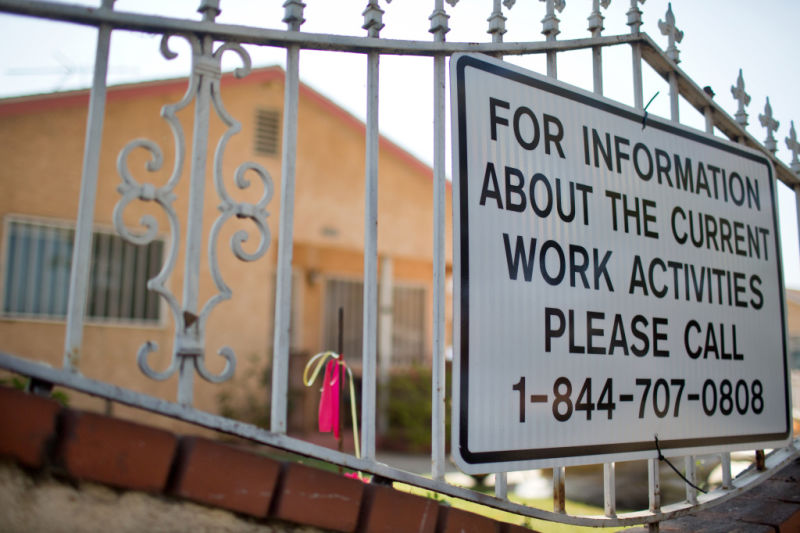
"caption": "A sign posted in front one of the first houses in Boyle Heights that had its lead-tainted soil removed.",
"description": "Exide, lead",
"title": "90098-full",
"credit": "Maya Sugarman/KPCC",
"status": "inherit",
"isLoading": false,
"fetchFailed": false
},
"stateofhealth_123424": {
"type": "attachments",
"id": "stateofhealth_123424",
"meta": {
"index": "attachments_1716263798",
"site": "stateofhealth",
"id": "123424",
"found": true
},
"parent": 122140,
"imgSizes": {
"twentyfourteen-full-width": {
"file": "https://ww2.kqed.org/app/uploads/sites/27/2015/12/iStock_000075492037_Large-1038x576.jpg",
"width": 1038,
"mimeType": "image/jpeg",
"height": 576
},
"thumbnail": {
"file": "https://ww2.kqed.org/app/uploads/sites/27/2015/12/iStock_000075492037_Large-400x267.jpg",
"width": 400,
"mimeType": "image/jpeg",
"height": 267
},
"fd-sm": {
"file": "https://ww2.kqed.org/app/uploads/sites/27/2015/12/iStock_000075492037_Large-960x640.jpg",
"width": 960,
"mimeType": "image/jpeg",
"height": 640
},
"post-thumbnail": {
"file": "https://ww2.kqed.org/app/uploads/sites/27/2015/12/iStock_000075492037_Large-672x372.jpg",
"width": 672,
"mimeType": "image/jpeg",
"height": 372
},
"kqedFullSize": {
"file": "https://ww2.kqed.org/app/uploads/sites/27/2015/12/iStock_000075492037_Large-e1450105459397.jpg",
"width": 1921,
"height": 1280
},
"large": {
"file": "https://ww2.kqed.org/app/uploads/sites/27/2015/12/iStock_000075492037_Large-1440x960.jpg",
"width": 1440,
"mimeType": "image/jpeg",
"height": 960
},
"guest-author-96": {
"file": "https://ww2.kqed.org/app/uploads/sites/27/2015/12/iStock_000075492037_Large-96x96.jpg",
"width": 96,
"mimeType": "image/jpeg",
"height": 96
},
"medium": {
"file": "https://ww2.kqed.org/app/uploads/sites/27/2015/12/iStock_000075492037_Large-800x533.jpg",
"width": 800,
"mimeType": "image/jpeg",
"height": 533
},
"guest-author-64": {
"file": "https://ww2.kqed.org/app/uploads/sites/27/2015/12/iStock_000075492037_Large-64x64.jpg",
"width": 64,
"mimeType": "image/jpeg",
"height": 64
},
"guest-author-32": {
"file": "https://ww2.kqed.org/app/uploads/sites/27/2015/12/iStock_000075492037_Large-32x32.jpg",
"width": 32,
"mimeType": "image/jpeg",
"height": 32
},
"jmtc-small-thumb": {
"file": "https://ww2.kqed.org/app/uploads/sites/27/2015/12/iStock_000075492037_Large-280x150.jpg",
"width": 280,
"mimeType": "image/jpeg",
"height": 150
},
"fd-lrg": {
"file": "https://ww2.kqed.org/app/uploads/sites/27/2015/12/iStock_000075492037_Large-1920x1280.jpg",
"width": 1920,
"mimeType": "image/jpeg",
"height": 1280
},
"fd-med": {
"file": "https://ww2.kqed.org/app/uploads/sites/27/2015/12/iStock_000075492037_Large-1180x786.jpg",
"width": 1180,
"mimeType": "image/jpeg",
"height": 786
},
"detail": {
"file": "https://ww2.kqed.org/app/uploads/sites/27/2015/12/iStock_000075492037_Large-75x75.jpg",
"width": 75,
"mimeType": "image/jpeg",
"height": 75
},
"medium_large": {
"file": "https://ww2.kqed.org/app/uploads/sites/27/2015/12/iStock_000075492037_Large-768x512.jpg",
"width": 768,
"mimeType": "image/jpeg",
"height": 512
},
"guest-author-128": {
"file": "https://ww2.kqed.org/app/uploads/sites/27/2015/12/iStock_000075492037_Large-128x128.jpg",
"width": 128,
"mimeType": "image/jpeg",
"height": 128
}
},
"publishDate": 1450105435,
"modified": 1450105464,
"caption": null,
"description": "handgun",
"title": "Μasculine hand holding pistol gun",
"credit": "iStockphoto",
"status": "inherit",
"isLoading": false,
"fetchFailed": false
},
"stateofhealth_121988": {
"type": "attachments",
"id": "stateofhealth_121988",
"meta": {
"index": "attachments_1716263798",
"site": "stateofhealth",
"id": "121988",
"found": true
},
"parent": 121959,
"imgSizes": {
"twentyfourteen-full-width": {
"file": "https://ww2.kqed.org/app/uploads/sites/27/2015/12/IMG_1485-e1449863500110-1038x576.jpg",
"width": 1038,
"mimeType": "image/jpeg",
"height": 576
},
"thumbnail": {
"file": "https://ww2.kqed.org/app/uploads/sites/27/2015/12/IMG_1485-e1449863500110-400x300.jpg",
"width": 400,
"mimeType": "image/jpeg",
"height": 300
},
"fd-sm": {
"file": "https://ww2.kqed.org/app/uploads/sites/27/2015/12/IMG_1485-e1449863500110-960x720.jpg",
"width": 960,
"mimeType": "image/jpeg",
"height": 720
},
"post-thumbnail": {
"file": "https://ww2.kqed.org/app/uploads/sites/27/2015/12/IMG_1485-e1449863500110-672x372.jpg",
"width": 672,
"mimeType": "image/jpeg",
"height": 372
},
"kqedFullSize": {
"file": "https://ww2.kqed.org/app/uploads/sites/27/2015/12/IMG_1485-e1449863500110.jpg",
"width": 3264,
"height": 2448
},
"large": {
"file": "https://ww2.kqed.org/app/uploads/sites/27/2015/12/IMG_1485-e1449863500110-1440x1080.jpg",
"width": 1440,
"mimeType": "image/jpeg",
"height": 1080
},
"guest-author-96": {
"file": "https://ww2.kqed.org/app/uploads/sites/27/2015/12/IMG_1485-e1449863500110-96x96.jpg",
"width": 96,
"mimeType": "image/jpeg",
"height": 96
},
"medium": {
"file": "https://ww2.kqed.org/app/uploads/sites/27/2015/12/IMG_1485-e1449863500110-800x600.jpg",
"width": 800,
"mimeType": "image/jpeg",
"height": 600
},
"guest-author-64": {
"file": "https://ww2.kqed.org/app/uploads/sites/27/2015/12/IMG_1485-e1449863500110-64x64.jpg",
"width": 64,
"mimeType": "image/jpeg",
"height": 64
},
"guest-author-32": {
"file": "https://ww2.kqed.org/app/uploads/sites/27/2015/12/IMG_1485-e1449863500110-32x32.jpg",
"width": 32,
"mimeType": "image/jpeg",
"height": 32
},
"jmtc-small-thumb": {
"file": "https://ww2.kqed.org/app/uploads/sites/27/2015/12/IMG_1485-e1449863500110-280x150.jpg",
"width": 280,
"mimeType": "image/jpeg",
"height": 150
},
"fd-lrg": {
"file": "https://ww2.kqed.org/app/uploads/sites/27/2015/12/IMG_1485-e1449863500110-1920x1440.jpg",
"width": 1920,
"mimeType": "image/jpeg",
"height": 1440
},
"fd-med": {
"file": "https://ww2.kqed.org/app/uploads/sites/27/2015/12/IMG_1485-e1449863500110-1180x885.jpg",
"width": 1180,
"mimeType": "image/jpeg",
"height": 885
},
"detail": {
"file": "https://ww2.kqed.org/app/uploads/sites/27/2015/12/IMG_1485-e1449863500110-75x75.jpg",
"width": 75,
"mimeType": "image/jpeg",
"height": 75
},
"medium_large": {
"file": "https://ww2.kqed.org/app/uploads/sites/27/2015/12/IMG_1485-e1449863500110-768x576.jpg",
"width": 768,
"mimeType": "image/jpeg",
"height": 576
},
"guest-author-128": {
"file": "https://ww2.kqed.org/app/uploads/sites/27/2015/12/IMG_1485-e1449863500110-128x128.jpg",
"width": 128,
"mimeType": "image/jpeg",
"height": 128
}
},
"publishDate": 1449863464,
"modified": 1449863575,
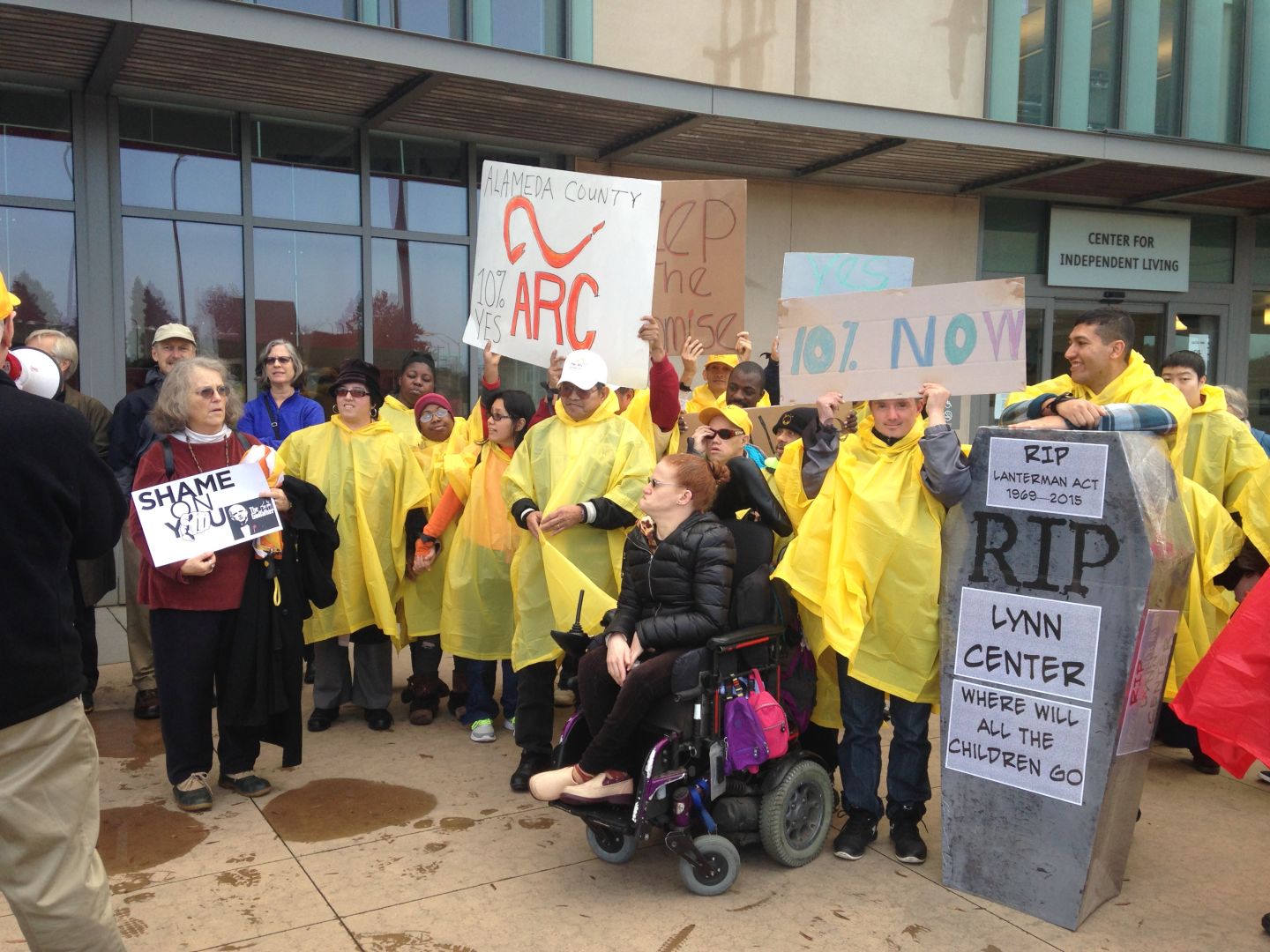
"caption": "Advocates and people with developmental disabilities rallied in Berkeley Thursday to demand increased funding for services. ",
"description": null,
"title": "IMG_1485",
"credit": "April Dembosky/KQED",
"status": "inherit",
"isLoading": false,
"fetchFailed": false
}
},
"audioPlayerReducer": {
"postId": "stream_live",
"isPaused": true,
"isPlaying": false,
"pfsActive": false,
"pledgeModalIsOpen": true,
"playerDrawerIsOpen": false,
"liveAudioPlayStartedAt": 0,
"liveAudioPlayContext": ""
},
"authorsReducer": {
"byline_stateofhealth_131112": {
"type": "authors",
"id": "byline_stateofhealth_131112",
"meta": {
"override": true
},
"slug": "byline_stateofhealth_131112",
"name": "Barbara Feder Ostrov",
"isLoading": false
},
"byline_stateofhealth_125800": {
"type": "authors",
"id": "byline_stateofhealth_125800",
"meta": {
"override": true
},
"slug": "byline_stateofhealth_125800",
"name": "Sarah Hellesen",
"isLoading": false
},
"byline_stateofhealth_125791": {
"type": "authors",
"id": "byline_stateofhealth_125791",
"meta": {
"override": true
},
"slug": "byline_stateofhealth_125791",
"name": "Jim Morris and Maryam Jameel",
"isLoading": false
},
"byline_stateofhealth_123630": {
"type": "authors",
"id": "byline_stateofhealth_123630",
"meta": {
"override": true
},
"slug": "byline_stateofhealth_123630",
"name": "\u003cstrong>\u003ca href=\"http://www.scpr.org/about/people/staff/elizabeth-aguilera\">Elizabeth Aguilera\u003c/a>\u003c/strong>",
"isLoading": false
},
"ohubertallen": {
"type": "authors",
"id": "102",
"meta": {
"index": "authors_1716337520",
"id": "102",
"found": true
},
"name": "Olivia Allen-Price",
"firstName": "Olivia",
"lastName": "Allen-Price",
"slug": "ohubertallen",
"email": "oallenprice@kqed.org",
"display_author_email": false,
"staff_mastheads": [
"news"
],
"title": "Senior Editor",
"bio": "Olivia Allen-Price is senior editor and host of the award-winning Bay Curious podcast. Prior to joining KQED in 2013, Olivia worked at The Baltimore Sun and The Virginian-Pilot in Norfolk, Va. She holds degrees in journalism and political science from Elon University. Her work has earned awards from the Society of Professional Journalists, the Hearst Foundation and Hearken. She loves to talk about running and curly hair.\r\n\r\nFollow: \u003ca href=\"https://twitter.com/oallenprice\">@oallenprice\u003c/a>\r\nEmail: \u003ca href=\"mailto:oallenprice@kqed.org\">oallenprice@kqed.org\u003c/a>",
"avatar": "https://secure.gravatar.com/avatar/07f7803c1f6be56f3be58ef276dfa64dce898502e0554408ef4858451a8294f7?s=600&d=blank&r=g",
"twitter": "oallenprice",
"bluesky": null,
"facebook": null,
"instagram": null,
"linkedin": null,
"sites": [
{
"site": "",
"roles": [
"editor"
]
},
{
"site": "arts",
"roles": [
"subscriber"
]
},
{
"site": "news",
"roles": [
"administrator"
]
},
{
"site": "pop",
"roles": [
"administrator"
]
},
{
"site": "bayareabites",
"roles": [
"contributor"
]
},
{
"site": "stateofhealth",
"roles": [
"administrator"
]
},
{
"site": "science",
"roles": [
"editor"
]
}
],
"headData": {
"title": "Olivia Allen-Price | KQED",
"description": "Senior Editor",
"ogImgSrc": "https://secure.gravatar.com/avatar/07f7803c1f6be56f3be58ef276dfa64dce898502e0554408ef4858451a8294f7?s=600&d=blank&r=g",
"twImgSrc": "https://secure.gravatar.com/avatar/07f7803c1f6be56f3be58ef276dfa64dce898502e0554408ef4858451a8294f7?s=600&d=blank&r=g"
},
"isLoading": false,
"link": "/author/ohubertallen"
},
"lisaaliferis": {
"type": "authors",
"id": "240",
"meta": {
"index": "authors_1716337520",
"id": "240",
"found": true
},
"name": "Lisa Aliferis",
"firstName": "Lisa",
"lastName": "Aliferis",
"slug": "lisaaliferis",
"email": "laliferis@kqed.org",
"display_author_email": false,
"staff_mastheads": [],
"title": "KQED Contributor",
"bio": "Lisa Aliferis is the founding editor of KQED's \u003cem>State of Health\u003c/em> blog. Since 2011, she's been writing and editing stories for the site. Before taking up blogging, she toiled for many years (more than we can count) producing health stories for television, including\u003cem> Dateline NBC\u003c/em> and San Francisco's CBS affiliate, KPIX-TV. She also wrote up a \u003ca title=\"http://www.kqed.org/news/health/obamacare/obamacare-guide.jsp\" href=\"http://www.kqed.org/news/health/obamacare/obamacare-guide.jsp\">handy guide to the Affordable Care Act\u003c/a>, especially for Californians. Her work has been honored for many awards. Most recently she was a finalist for \"Best Topical Reporting\" from the Online News Association. You can follow her on Twitter: \u003ca title=\"https://twitter.com/laliferis\" href=\"https://twitter.com/laliferis\">@laliferis\u003c/a>",
"avatar": "https://secure.gravatar.com/avatar/86c339d5cdcb0dcd2b6cf5d7c3f5886b?s=600&d=mm&r=g",
"twitter": "laliferis",
"facebook": null,
"instagram": null,
"linkedin": null,
"sites": [
{
"site": "news",
"roles": [
"subscriber"
]
},
{
"site": "futureofyou",
"roles": [
"subscriber"
]
},
{
"site": "stateofhealth",
"roles": [
"subscriber"
]
},
{
"site": "science",
"roles": [
"subscriber"
]
},
{
"site": "food",
"roles": []
}
],
"headData": {
"title": "Lisa Aliferis | KQED",
"description": "KQED Contributor",
"ogImgSrc": "https://secure.gravatar.com/avatar/86c339d5cdcb0dcd2b6cf5d7c3f5886b?s=600&d=mm&r=g",
"twImgSrc": "https://secure.gravatar.com/avatar/86c339d5cdcb0dcd2b6cf5d7c3f5886b?s=600&d=mm&r=g"
},
"isLoading": false,
"link": "/author/lisaaliferis"
},
"adembosky": {
"type": "authors",
"id": "3205",
"meta": {
"index": "authors_1716337520",
"id": "3205",
"found": true
},
"name": "April Dembosky",
"firstName": "April",
"lastName": "Dembosky",
"slug": "adembosky",
"email": "adembosky@kqed.org",
"display_author_email": false,
"staff_mastheads": [
"news",
"science"
],
"title": "KQED Health Correspondent",
"bio": "April Dembosky is the health correspondent for KQED News and a regular contributor to NPR. She specializes in covering altered states of mind, from postpartum depression to methamphetamine-induced psychosis to the insanity defense. Her investigative series on insurance companies sidestepping mental health laws won multiple awards, including first place in beat reporting from the national Association of Health Care Journalists. She is the recipient of numerous other prizes and fellowships, including a national Edward R. Murrow award for investigative reporting, a Society of Professional Journalists award for long-form storytelling, and a Carter Center Fellowship for Mental Health Journalism.\r\n\r\nDembosky reported and produced \u003cem>Soundtrack of Silence\u003c/em>, an audio documentary about music and memory that is currently being made into a feature film by Paramount Pictures.\r\n\r\nBefore joining KQED in 2013, Dembosky covered technology and Silicon Valley for \u003cem>The Financial Times of London,\u003c/em> and contributed business and arts stories to \u003cem>Marketplace \u003c/em>and \u003cem>The New York Times.\u003c/em> She got her undergraduate degree in philosophy from Smith College and her master's in journalism from the University of California, Berkeley. She is a classically trained violinist and proud alum of the first symphony orchestra at Burning Man.",
"avatar": "https://secure.gravatar.com/avatar/ef92999be4ceb9ea60701e7dc276f813?s=600&d=blank&r=g",
"twitter": "adembosky",
"facebook": null,
"instagram": null,
"linkedin": null,
"sites": [
{
"site": "arts",
"roles": [
"author"
]
},
{
"site": "news",
"roles": [
"editor"
]
},
{
"site": "futureofyou",
"roles": [
"author"
]
},
{
"site": "stateofhealth",
"roles": [
"editor"
]
},
{
"site": "science",
"roles": [
"editor"
]
},
{
"site": "forum",
"roles": [
"editor"
]
}
],
"headData": {
"title": "April Dembosky | KQED",
"description": "KQED Health Correspondent",
"ogImgSrc": "https://secure.gravatar.com/avatar/ef92999be4ceb9ea60701e7dc276f813?s=600&d=blank&r=g",
"twImgSrc": "https://secure.gravatar.com/avatar/ef92999be4ceb9ea60701e7dc276f813?s=600&d=blank&r=g"
},
"isLoading": false,
"link": "/author/adembosky"
},
"cfarr": {
"type": "authors",
"id": "3252",
"meta": {
"index": "authors_1716337520",
"id": "3252",
"found": true
},
"name": "Christina Farr",
"firstName": "Christina",
"lastName": "Farr",
"slug": "cfarr",
"email": "cfarr@kqed.org",
"display_author_email": false,
"staff_mastheads": [],
"title": "KQED Contributor",
"bio": "Christina Farr (\u003ca href=\"https://twitter.com/chrissyfarr\">@chrissyfarr\u003c/a>) is the former editor and host of Future of You. She was previously with Reuters, covering digital health and Apple and before that, she reported for Venture Beat. Christina was born and raised in London and has graduate degrees from University of London and the Stanford School of Journalism. Farr’s work has appeared in a variety of publications, including the New York Times, the Daily Telegraph, the Bay Citizen and SFGate.com. She has appeared as a featured expert on NBC, ABC and Reuters TV, among others, and frequently speaks at health and technology conferences. She is also co-founder of Ladies Who Vino, a networking group for women in technology and business.",
"avatar": "https://secure.gravatar.com/avatar/22c63869a7901c61c15e204391c1261d?s=600&d=blank&r=g",
"twitter": null,
"facebook": null,
"instagram": null,
"linkedin": null,
"sites": [
{
"site": "futureofyou",
"roles": [
"administrator"
]
},
{
"site": "stateofhealth",
"roles": [
"author"
]
},
{
"site": "science",
"roles": []
}
],
"headData": {
"title": "Christina Farr | KQED",
"description": "KQED Contributor",
"ogImgSrc": "https://secure.gravatar.com/avatar/22c63869a7901c61c15e204391c1261d?s=600&d=blank&r=g",
"twImgSrc": "https://secure.gravatar.com/avatar/22c63869a7901c61c15e204391c1261d?s=600&d=blank&r=g"
},
"isLoading": false,
"link": "/author/cfarr"
}
},
"pagesReducer": {
"stateofhealth_category_place-matters": {
"type": "terms",
"id": "stateofhealth_11",
"meta": {
"index": "terms_1716263798",
"site": "stateofhealth",
"id": "11",
"score": 14.406237
},
"featImg": null,
"name": "Community Health",
"description": "\r\n\r\nFrom rural California to urban neighborhoods, where you live affects your health",
"taxonomy": "category",
"headData": {
"twImgId": null,
"twTitle": null,
"ogTitle": null,
"ogImgId": null,
"twDescription": null,
"description": "From rural California to urban neighborhoods, where you live affects your health",
"title": "Community Health Archives | KQED Arts",
"ogDescription": null
},
"ttid": 11,
"slug": "place-matters",
"isLoading": false,
"title": "Community Health",
"pageMeta": {
"site": "stateofhealth",
"WpPageTemplate": "page-topic-editorial",
"currentPage": 14
},
"blocks": [
{
"blockName": "kqed/company-paragraph",
"content": "\r\n\r\nFrom rural California to urban neighborhoods, where you live affects your health"
},
{
"blockName": "kqed/post-list",
"attrs": {
"layout": "cardArticle2",
"query": "posts/stateofhealth?category=place-matters",
"seeMore": false,
"paginated": true,
"page": 14
}
},
{
"blockName": "kqed/ad"
}
]
}
},
"pfsSessionReducer": {},
"postsReducer": {
"stream_live": {
"type": "live",
"id": "stream_live",
"audioUrl": "https://streams.kqed.org/kqedradio",
"title": "Live Stream",
"excerpt": "Live Stream information currently unavailable.",
"link": "/radio",
"featImg": "",
"label": {
"name": "KQED Live",
"link": "/"
}
},
"stream_kqedNewscast": {
"type": "posts",
"id": "stream_kqedNewscast",
"audioUrl": "https://www.kqed.org/.stream/anon/radio/RDnews/newscast.mp3?_=1",
"title": "KQED Newscast",
"featImg": "",
"label": {
"name": "88.5 FM",
"link": "/"
}
},
"stateofhealth_132232": {
"type": "posts",
"id": "stateofhealth_132232",
"meta": {
"index": "posts_1716263798",
"site": "stateofhealth",
"id": "132232",
"score": null,
"sort": [
1451513633000
]
},
"parent": 0,
"labelTerm": {
"site": "stateofhealth"
},
"blocks": [],
"publishDate": 1451513633,
"format": "standard",
"disqusTitle": "New California Database to Help Doctors Spot Prescription Drug Abuse",
"title": "New California Database to Help Doctors Spot Prescription Drug Abuse",
"headTitle": "State of Health | KQED News",
"content": "\u003cp>Long plagued by technical problems, the state’s prescription drug database has finally been overhauled. State officials will fully launch the new system Friday, Jan. 8, when all doctors will be automatically upgraded to the new system.\u003c/p>\n\u003caside class=\"pullquote alignright\">'We had a single patient go to 116 prescribers over four years, and got 45,000 dosage units of controlled substances worth at least $850,000 on the street.'\u003ccite> Virginia Herold, state Board of Pharmacy \u003c/cite>\u003c/aside>\n\u003cp>Health officials now refer to prescription drug addiction as an epidemic. More Americans die from \u003ca href=\"http://www.cdc.gov/drugoverdose/data/overdose.html\" target=\"_blank\">prescription opioid overdose \u003c/a>than in \u003ca href=\"http://www.cdc.gov/motorvehiclesafety/impaired_driving/impaired-drv_factsheet.html\" target=\"_blank\">drunken-driving car crashes,\u003c/a> according to data from the Centers for Disease Control and Prevention.\u003c/p>\n\u003cp>California regulators have been preoccupied for years with doctor shoppers.\u003c/p>\n\u003cp>“We had a single patient go to 116 prescribers over four years, and went to 58 pharmacies and got 45,000 dosage units of controlled substances worth at least $850,000 on the street,” said Virginia Herold, executive officer of the state Board of Pharmacy.\u003c/p>\n\u003cp>Pharmacists are required to report all drugs they dispense in the state’s prescription drug database, known as the Controlled Substance Utilization Review and Evaluation System, or CURES.\u003c/p>\n\u003cp>[ad fullwidth]\u003c/p>\n\u003cp>But neither pharmacists nor doctors are required to check the database before dispensing or writing new prescriptions.\u003c/p>\n\u003cp>\"If any of those 58 pharmacies or 116 practitioners would have checked, they would have seen that the patient in front of them, that may have only been in there once every 30 days, was actually going to other places and to multiple prescribers to get the medication,\" Herold said.\u003c/p>\n\u003cp>Pharmacists and doctors have complained for years that the reason they don’t use the system is because of a long history of technical glitches. In the past, for example, doctors had to submit paper registration materials to the Department of Justice just to get a login and password, a process that took as long as six months for some doctors.\u003c/p>\n\u003cp>“There’s been a huge backlog at the DOJ,” said Molly Weedn, spokeswoman for the California Medical Association. “People want it to be a usable system, but in the past few years, it’s been severely understaffed and underfunded.”\u003c/p>\n\u003cp>Funding for the database was slashed in 2009 when the economic recession hit, leaving the technical problems to linger. \u003ca href=\"http://audio.californiareport.org/archive/R201202140850/a\" target=\"_blank\">More cuts followed in 2012\u003c/a>.\u003c/p>\n\u003cp>In 2013, the state Legislature passed SB809, which charged doctors a $6 annual fee when renewing their medical license to provide funds for database improvements. The state slowly began rolling out CURES 2.0 this past summer, and after fixing a Web browser compatibility problem, will do so universally in the new year.\u003c/p>\n\u003cp>“The new system is more user-friendly,” said Deputy Attorney General Robert Sumner, who oversees IT projects for the Department of Justice. “It’s faster, it’s more responsive, it’s more intuitive.”\u003c/p>\n\u003cp>It also allows doctors to delegate searches to nurses, so a nurse can cue up a patient’s prescription drug record for the doctor prior to a consultation, and includes a number of patient alerts.\u003c/p>\n\u003cp>\"Physicians will automatically be told if, based on their prescription history, the algorithm has picked up that the patient might be at risk for doctor shopping,” Sumner said. “Whether or not you’ve gone to a number of different prescribers, whether or not you’ve been given a number of different prescriptions in volumes, and also the frequency at which you’ve been receiving prescriptions.”\u003c/p>\n\u003cp>Despite the improvements, safety advocate Bob Pack is still not satisfied. He says the only way the database will really work is if doctors are required to use it.\u003c/p>\n\u003cp>“I’ve been disappointed all along,” he said. “I’ve always believed it needed to be a mandatory requirement.”\u003c/p>\n\u003cp>In 2003, Pack’s \u003ca href=\"http://ww2.kqed.org/stateofhealth/2014/09/30/prop-46-was-inspired-by-tragic-accident-pits-doctors-against-lawyers/\" target=\"_blank\">two children were killed by a driver \u003c/a>who was high on prescription drugs, which she had obtained from multiple doctors. Ever since, Pack has pushed for redevelopment of the database, convincing his local representatives to write various bills, including SB809, which provided the funding to update the database, and \u003ca href=\"http://ww2.kqed.org/stateofhealth/2015/08/13/should-california-doctors-be-required-to-use-drug-monitoring-database/\" target=\"_blank\">a pending bill\u003c/a>, SB482, which would require doctors to consult a patient’s medical history before prescribing narcotics for the first time.\u003c/p>\n\u003cp>“I wanted this thing to be mandatory for the last nine years,” Pack said. “But the medical lobby keeps fighting this.”\u003c/p>\n\u003cp>The California Medical Association says it will wait to see how well the new system works before agreeing to any requirements.\u003c/p>\n\u003cp>“Before we make the system mandatory, let’s make sure it’s functional,” said Weedn.\u003c/p>\n\u003cp>While 49 states have a prescription drug database in one form or another, only about 10 states require doctors and pharmacists to check it before writing new prescriptions, including Kentucky and New York. Some studies show that the number of narcotic prescriptions written in those states went down after the mandate, and enrollment in addiction treatment went up, though it is unclear if some drug abusers may have turned to street drugs instead.\u003c/p>\n\u003cp>Congressman Mark DeSaulnier, D-California, who authored SB809 when he was a state assemblyman representing Walnut Creek, says he wants to bring some of these reforms to the national level, starting with incentivizing states to upgrade their systems.\u003c/p>\n\u003cp>\u003c/p>\n\u003cp>\u003cstrong>“\u003c/strong>These can be wonderful drugs,” he said, “but they're disastrous if not used right.”\u003c/p>\n\n",
"disqusIdentifier": "132232 http://ww2.kqed.org/stateofhealth/?p=132232",
"disqusUrl": "https://ww2.kqed.org/stateofhealth/2015/12/30/new-california-database-to-help-doctors-spot-prescription-drug-abuse/",
"stats": {
"hasVideo": false,
"hasChartOrMap": false,
"hasAudio": false,
"hasPolis": false,
"wordCount": 923,
"hasGoogleForm": false,
"hasGallery": false,
"hasHearkenModule": false,
"iframeSrcs": [],
"paragraphCount": 25
},
"modified": 1452115959,
"excerpt": " More Americans die from prescription drug overdose than in drunken-driving car crashes, according to the CDC.",
"headData": {
"twImgId": "",
"twTitle": "",
"ogTitle": "",
"ogImgId": "",
"twDescription": "",
"description": " More Americans die from prescription drug overdose than in drunken-driving car crashes, according to the CDC.",
"title": "New California Database to Help Doctors Spot Prescription Drug Abuse | KQED",
"ogDescription": "",
"schema": {
"@context": "https://schema.org",
"@type": "Article",
"headline": "New California Database to Help Doctors Spot Prescription Drug Abuse",
"datePublished": "2015-12-30T14:13:53-08:00",
"dateModified": "2016-01-06T13:32:39-08:00",
"image": "https://cdn.kqed.org/wp-content/uploads/2020/02/KQED-OG-Image@1x.png"
}
},
"guestAuthors": [],
"slug": "new-california-database-to-help-doctors-spot-prescription-drug-abuse",
"status": "publish",
"path": "/stateofhealth/132232/new-california-database-to-help-doctors-spot-prescription-drug-abuse",
"audioTrackLength": null,
"parsedContent": [
{
"type": "contentString",
"content": "\u003cdiv class=\"post-body\">\u003cp>\u003cp>Long plagued by technical problems, the state’s prescription drug database has finally been overhauled. State officials will fully launch the new system Friday, Jan. 8, when all doctors will be automatically upgraded to the new system.\u003c/p>\n\u003caside class=\"pullquote alignright\">'We had a single patient go to 116 prescribers over four years, and got 45,000 dosage units of controlled substances worth at least $850,000 on the street.'\u003ccite> Virginia Herold, state Board of Pharmacy \u003c/cite>\u003c/aside>\n\u003cp>Health officials now refer to prescription drug addiction as an epidemic. More Americans die from \u003ca href=\"http://www.cdc.gov/drugoverdose/data/overdose.html\" target=\"_blank\">prescription opioid overdose \u003c/a>than in \u003ca href=\"http://www.cdc.gov/motorvehiclesafety/impaired_driving/impaired-drv_factsheet.html\" target=\"_blank\">drunken-driving car crashes,\u003c/a> according to data from the Centers for Disease Control and Prevention.\u003c/p>\n\u003cp>California regulators have been preoccupied for years with doctor shoppers.\u003c/p>\n\u003cp>“We had a single patient go to 116 prescribers over four years, and went to 58 pharmacies and got 45,000 dosage units of controlled substances worth at least $850,000 on the street,” said Virginia Herold, executive officer of the state Board of Pharmacy.\u003c/p>\n\u003cp>Pharmacists are required to report all drugs they dispense in the state’s prescription drug database, known as the Controlled Substance Utilization Review and Evaluation System, or CURES.\u003c/p>\n\u003cp>\u003c/p>\u003c/div>",
"attributes": {
"named": {},
"numeric": []
}
},
{
"type": "component",
"content": "",
"name": "ad",
"attributes": {
"named": {
"label": "fullwidth"
},
"numeric": [
"fullwidth"
]
}
},
{
"type": "contentString",
"content": "\u003cdiv class=\"post-body\">\u003cp>\u003c/p>\n\u003cp>But neither pharmacists nor doctors are required to check the database before dispensing or writing new prescriptions.\u003c/p>\n\u003cp>\"If any of those 58 pharmacies or 116 practitioners would have checked, they would have seen that the patient in front of them, that may have only been in there once every 30 days, was actually going to other places and to multiple prescribers to get the medication,\" Herold said.\u003c/p>\n\u003cp>Pharmacists and doctors have complained for years that the reason they don’t use the system is because of a long history of technical glitches. In the past, for example, doctors had to submit paper registration materials to the Department of Justice just to get a login and password, a process that took as long as six months for some doctors.\u003c/p>\n\u003cp>“There’s been a huge backlog at the DOJ,” said Molly Weedn, spokeswoman for the California Medical Association. “People want it to be a usable system, but in the past few years, it’s been severely understaffed and underfunded.”\u003c/p>\n\u003cp>Funding for the database was slashed in 2009 when the economic recession hit, leaving the technical problems to linger. \u003ca href=\"http://audio.californiareport.org/archive/R201202140850/a\" target=\"_blank\">More cuts followed in 2012\u003c/a>.\u003c/p>\n\u003cp>In 2013, the state Legislature passed SB809, which charged doctors a $6 annual fee when renewing their medical license to provide funds for database improvements. The state slowly began rolling out CURES 2.0 this past summer, and after fixing a Web browser compatibility problem, will do so universally in the new year.\u003c/p>\n\u003cp>“The new system is more user-friendly,” said Deputy Attorney General Robert Sumner, who oversees IT projects for the Department of Justice. “It’s faster, it’s more responsive, it’s more intuitive.”\u003c/p>\n\u003cp>It also allows doctors to delegate searches to nurses, so a nurse can cue up a patient’s prescription drug record for the doctor prior to a consultation, and includes a number of patient alerts.\u003c/p>\n\u003cp>\"Physicians will automatically be told if, based on their prescription history, the algorithm has picked up that the patient might be at risk for doctor shopping,” Sumner said. “Whether or not you’ve gone to a number of different prescribers, whether or not you’ve been given a number of different prescriptions in volumes, and also the frequency at which you’ve been receiving prescriptions.”\u003c/p>\n\u003cp>Despite the improvements, safety advocate Bob Pack is still not satisfied. He says the only way the database will really work is if doctors are required to use it.\u003c/p>\n\u003cp>“I’ve been disappointed all along,” he said. “I’ve always believed it needed to be a mandatory requirement.”\u003c/p>\n\u003cp>In 2003, Pack’s \u003ca href=\"http://ww2.kqed.org/stateofhealth/2014/09/30/prop-46-was-inspired-by-tragic-accident-pits-doctors-against-lawyers/\" target=\"_blank\">two children were killed by a driver \u003c/a>who was high on prescription drugs, which she had obtained from multiple doctors. Ever since, Pack has pushed for redevelopment of the database, convincing his local representatives to write various bills, including SB809, which provided the funding to update the database, and \u003ca href=\"http://ww2.kqed.org/stateofhealth/2015/08/13/should-california-doctors-be-required-to-use-drug-monitoring-database/\" target=\"_blank\">a pending bill\u003c/a>, SB482, which would require doctors to consult a patient’s medical history before prescribing narcotics for the first time.\u003c/p>\n\u003cp>“I wanted this thing to be mandatory for the last nine years,” Pack said. “But the medical lobby keeps fighting this.”\u003c/p>\n\u003cp>The California Medical Association says it will wait to see how well the new system works before agreeing to any requirements.\u003c/p>\n\u003cp>“Before we make the system mandatory, let’s make sure it’s functional,” said Weedn.\u003c/p>\n\u003cp>While 49 states have a prescription drug database in one form or another, only about 10 states require doctors and pharmacists to check it before writing new prescriptions, including Kentucky and New York. Some studies show that the number of narcotic prescriptions written in those states went down after the mandate, and enrollment in addiction treatment went up, though it is unclear if some drug abusers may have turned to street drugs instead.\u003c/p>\n\u003cp>Congressman Mark DeSaulnier, D-California, who authored SB809 when he was a state assemblyman representing Walnut Creek, says he wants to bring some of these reforms to the national level, starting with incentivizing states to upgrade their systems.\u003c/p>\n\u003cp>\u003c/p>\n\u003cp>\u003cstrong>“\u003c/strong>These can be wonderful drugs,” he said, “but they're disastrous if not used right.”\u003c/p>\n\n\u003c/div>\u003c/p>",
"attributes": {
"named": {},
"numeric": []
}
}
],
"link": "/stateofhealth/132232/new-california-database-to-help-doctors-spot-prescription-drug-abuse",
"authors": [
"3205"
],
"categories": [
"stateofhealth_11",
"stateofhealth_13"
],
"tags": [
"stateofhealth_2629",
"stateofhealth_2519"
],
"featImg": "stateofhealth_132282",
"label": "stateofhealth"
},
"stateofhealth_131770": {
"type": "posts",
"id": "stateofhealth_131770",
"meta": {
"index": "posts_1716263798",
"site": "stateofhealth",
"id": "131770",
"score": null,
"sort": [
1451429812000
]
},
"guestAuthors": [],
"slug": "redding-woman-sues-over-tubal-ligation-denial-by-catholic-hospital",
"title": "Judge to Consider Emergency Appeal for Redding Woman's Tubal Ligation",
"publishDate": 1451429812,
"format": "standard",
"headTitle": "Judge to Consider Emergency Appeal for Redding Woman’s Tubal Ligation | KQED",
"labelTerm": {
"site": "stateofhealth"
},
"content": "\u003cp>\u003cstrong>Update: Tuesday, Jan. 5, 2016:\u003c/strong>\u003c/p>\n\u003cp>A San Francisco Superior Court judge on Tuesday will consider an emergency order to permit a Redding woman’s contraceptive procedure to go forward. Mercy Medical Center in Redding has refused to allow the procedure on religious grounds.\u003c/p>\n\u003cp>Rebecca Chamorro is pregnant with her third child and decided on a tubal ligation to avoid another pregnancy. But Mercy Medical — part of Dignity Health — does not permit sterilization procedures for women or men, under rules from the U.S. Conference of Catholic Bishops, which are generally followed by Catholic hospitals. Chamorro filed the emergency request last week.\u003c/p>\n\u003cp>Chamorro is joined in her suit by Physicians for Reproductive Health, an advocacy group. “We shouldn’t allow religion or any hospital to decide what is best for a patient and her family,” said Dr. Pratima Gupta, a fellow with the organization. “It really should be in consultation with her doctor.”\u003c/p>\n\u003cp>Tubal ligations are usually done after a woman delivers. Chamorro has a scheduled cesarean section later this month. The next closest hospital that permits tubal ligation is 70 miles from her, in Chico.\u003c/p>\n\u003cp>[ad fullwidth]\u003c/p>\n\u003cp>\u003cstrong>Original post:\u003c/strong>\u003c/p>\n\u003cp>A woman whose request for a tubal ligation has been denied by Mercy Medical Center, a Catholic hospital in Redding, has joined with a physicians group to sue the hospital, saying its denial is discriminatory and in violation of California law.\u003c/p>\n\u003cp>[soundcloud url=”https://api.soundcloud.com/tracks/240534476″ params=”color=ff5500&auto_play=false&hide_related=false&show_comments=true&show_user=true&show_reposts=false” width=”100%” height=”166″ iframe=”true” /]\u003c/p>\n\u003cp>The woman, Rebecca Chamorro, is pregnant with her third child and is scheduled to have a cesarean section in late January. According to court papers, Chamorro and her husband determined they did not want to have more children and scheduled the tubal ligation to be done when she delivers her child. Medically, this is the \u003ca href=\"http://www.acog.org/Resources-And-Publications/Committee-Opinions/Committee-on-Health-Care-for-Underserved-Women/Access-to-Postpartum-Sterilization\" target=\"_blank\" rel=\"noopener\">ideal time \u003c/a>to perform the procedure, according to the American College of Obstetricians and Gynecologists.\u003c/p>\n\u003cp>But in September Mercy Medical informed her obstetrician, Dr. Samuel Van Kirk, that it was denying his request to perform the procedure there, citing Catholic directives. Earlier this month the ACLU and Physicians for Reproductive Health, a national advocacy group, \u003ca href=\"http://ww2.kqed.org/stateofhealth/2015/12/07/catholic-hospital-redding-denies-women-tubal-ligation/\" target=\"_blank\" rel=\"noopener\">sent a letter\u003c/a> to Dignity Health, which owns Mercy Medical, seeking a reversal of the decision. The hospital has not authorized the procedure.\u003c/p>\n\u003cp>Now Physicians for Reproductive Health has joined with Chamorro in filing a lawsuit in San Francisco Superior Court. They are represented by the ACLU and a San Francisco law firm.\u003c/p>\n\u003cp>“The refusal of hospitals to allow doctors to perform basic health procedures based solely on religious doctrine presents a real threat to a woman’s ability to access health care,” Elizabeth Gill, senior attorney at the ACLU of Northern California, said in a statement. “Patients seeking medical care from public institutions should not have to worry that religious doctrine rather than medical judgment will dictate what care they receive.”\u003c/p>\n\u003cp>Mercy Medical is owned by Dignity Health, and court documents spell out that Dignity receives significant income from public money, including more than $3 billion in payments from Medicare and Medicaid.\u003c/p>\n\u003cp>Court papers say that the next closest hospital where Chamorro could have a tubal ligation is 70 miles away, in Chico.\u003c/p>\n\u003cp>A spokeswoman for Dignity Health said it is the company’s policy not to comment on pending litigation, but in a statement said that “the care and safety of our patients is always our top priority.”\u003c/p>\n\u003cp>The statement notes that it is not the practice of the hospital to provide “sterilization services … in accordance with Ethical and Religious Directives for Catholic Health Care Services … ” The directives were written by the \u003ca href=\"http://www.usccb.org/issues-and-action/human-life-and-dignity/health-care/upload/Ethical-Religious-Directives-Catholic-Health-Care-Services-fifth-edition-2009.pdf\" target=\"_blank\" rel=\"noopener\">U.S. Conference of Catholic Bishops and specifically prohibit sterilization\u003c/a>, which labels sterilization “intrinsically evil”:\u003c/p>\n\u003cblockquote>\u003cp>“Direct sterilization of either men or women, whether permanent or temporary, is not permitted in a Catholic health care institution. Procedures that induce sterility are permitted when their direct effect is the cure or alleviation of a present and serious pathology and a simpler treatment is not available.”…\u003c/p>\n\u003cp>“While there are many acts of varying moral gravity that can be identified as intrinsically evil, in the context of contemporary health care the most pressing concerns are currently abortion, euthanasia, assisted suicide, and direct sterilization.”\u003c/p>\u003c/blockquote>\n\u003cp>Dignity Health’s system includes 39 hospitals. Most of them are in California and most are Catholic hospitals.\u003c/p>\n\u003cp>\u003c/p>\n\u003cp>In addition to the lawsuit, the ACLU is also filing an emergency motion to force Dignity to permit the sterilization procedure when Chamorro delivers her baby later in January.\u003c/p>\n\n",
"blocks": [],
"excerpt": "Mercy Medical Center Redding says it does not perform sterilizations in accordance with Catholic directives.",
"status": "publish",
"parent": 0,
"modified": 1721108543,
"stats": {
"hasAudio": false,
"hasVideo": false,
"hasChartOrMap": false,
"iframeSrcs": [],
"hasGoogleForm": false,
"hasGallery": false,
"hasHearkenModule": false,
"hasPolis": false,
"paragraphCount": 22,
"wordCount": 808
},
"headData": {
"title": "Judge to Consider Emergency Appeal for Redding Woman’s Tubal Ligation",
"description": "Mercy Medical Center Redding says it does not perform sterilizations in accordance with Catholic directives.",
"ogTitle": "",
"ogDescription": "",
"ogImgId": "",
"twTitle": "",
"twDescription": "",
"twImgId": "",
"schema": {
"@context": "https://schema.org",
"@type": "Article",
"headline": "Judge to Consider Emergency Appeal for Redding Woman's Tubal Ligation",
"datePublished": "2015-12-29T14:56:52-08:00",
"dateModified": "2024-07-15T22:42:23-07:00",
"image": "https://cdn.kqed.org/wp-content/uploads/2020/02/KQED-OG-Image@1x.png"
}
},
"sticky": false,
"path": "/stateofhealth/131770/redding-woman-sues-over-tubal-ligation-denial-by-catholic-hospital",
"audioTrackLength": null,
"parsedContent": [
{
"type": "contentString",
"content": "\u003cdiv class=\"post-body\">\u003cp>\u003cp>\u003cstrong>Update: Tuesday, Jan. 5, 2016:\u003c/strong>\u003c/p>\n\u003cp>A San Francisco Superior Court judge on Tuesday will consider an emergency order to permit a Redding woman’s contraceptive procedure to go forward. Mercy Medical Center in Redding has refused to allow the procedure on religious grounds.\u003c/p>\n\u003cp>Rebecca Chamorro is pregnant with her third child and decided on a tubal ligation to avoid another pregnancy. But Mercy Medical — part of Dignity Health — does not permit sterilization procedures for women or men, under rules from the U.S. Conference of Catholic Bishops, which are generally followed by Catholic hospitals. Chamorro filed the emergency request last week.\u003c/p>\n\u003cp>Chamorro is joined in her suit by Physicians for Reproductive Health, an advocacy group. “We shouldn’t allow religion or any hospital to decide what is best for a patient and her family,” said Dr. Pratima Gupta, a fellow with the organization. “It really should be in consultation with her doctor.”\u003c/p>\n\u003cp>Tubal ligations are usually done after a woman delivers. Chamorro has a scheduled cesarean section later this month. The next closest hospital that permits tubal ligation is 70 miles from her, in Chico.\u003c/p>\n\u003cp>\u003c/p>\u003c/div>",
"attributes": {
"named": {},
"numeric": []
}
},
{
"type": "component",
"content": "",
"name": "ad",
"attributes": {
"named": {
"label": "fullwidth"
},
"numeric": [
"fullwidth"
]
}
},
{
"type": "contentString",
"content": "\u003cdiv class=\"post-body\">\u003cp>\u003c/p>\n\u003cp>\u003cstrong>Original post:\u003c/strong>\u003c/p>\n\u003cp>A woman whose request for a tubal ligation has been denied by Mercy Medical Center, a Catholic hospital in Redding, has joined with a physicians group to sue the hospital, saying its denial is discriminatory and in violation of California law.\u003c/p>\n\u003cp>\u003c/p>\u003cp>\u003cdiv class='utils-parseShortcode-shortcodes-__shortcodes__shortcodeWrapper'>\n \u003ciframe width='”100%”' height='”166″'\n scrolling='no' frameborder='no'\n src='https://w.soundcloud.com/player/?url=”https://api.soundcloud.com/tracks/240534476″&visual=true&”color=ff5500&auto_play=false&hide_related=false&show_comments=true&show_user=true&show_reposts=false”'\n title='”https://api.soundcloud.com/tracks/240534476″'>\n \u003c/iframe>\n \u003c/div>\u003c/p>\u003cp>\u003c/p>\n\u003cp>The woman, Rebecca Chamorro, is pregnant with her third child and is scheduled to have a cesarean section in late January. According to court papers, Chamorro and her husband determined they did not want to have more children and scheduled the tubal ligation to be done when she delivers her child. Medically, this is the \u003ca href=\"http://www.acog.org/Resources-And-Publications/Committee-Opinions/Committee-on-Health-Care-for-Underserved-Women/Access-to-Postpartum-Sterilization\" target=\"_blank\" rel=\"noopener\">ideal time \u003c/a>to perform the procedure, according to the American College of Obstetricians and Gynecologists.\u003c/p>\n\u003cp>But in September Mercy Medical informed her obstetrician, Dr. Samuel Van Kirk, that it was denying his request to perform the procedure there, citing Catholic directives. Earlier this month the ACLU and Physicians for Reproductive Health, a national advocacy group, \u003ca href=\"http://ww2.kqed.org/stateofhealth/2015/12/07/catholic-hospital-redding-denies-women-tubal-ligation/\" target=\"_blank\" rel=\"noopener\">sent a letter\u003c/a> to Dignity Health, which owns Mercy Medical, seeking a reversal of the decision. The hospital has not authorized the procedure.\u003c/p>\n\u003cp>Now Physicians for Reproductive Health has joined with Chamorro in filing a lawsuit in San Francisco Superior Court. They are represented by the ACLU and a San Francisco law firm.\u003c/p>\n\u003cp>“The refusal of hospitals to allow doctors to perform basic health procedures based solely on religious doctrine presents a real threat to a woman’s ability to access health care,” Elizabeth Gill, senior attorney at the ACLU of Northern California, said in a statement. “Patients seeking medical care from public institutions should not have to worry that religious doctrine rather than medical judgment will dictate what care they receive.”\u003c/p>\n\u003cp>Mercy Medical is owned by Dignity Health, and court documents spell out that Dignity receives significant income from public money, including more than $3 billion in payments from Medicare and Medicaid.\u003c/p>\n\u003cp>Court papers say that the next closest hospital where Chamorro could have a tubal ligation is 70 miles away, in Chico.\u003c/p>\n\u003cp>A spokeswoman for Dignity Health said it is the company’s policy not to comment on pending litigation, but in a statement said that “the care and safety of our patients is always our top priority.”\u003c/p>\n\u003cp>The statement notes that it is not the practice of the hospital to provide “sterilization services … in accordance with Ethical and Religious Directives for Catholic Health Care Services … ” The directives were written by the \u003ca href=\"http://www.usccb.org/issues-and-action/human-life-and-dignity/health-care/upload/Ethical-Religious-Directives-Catholic-Health-Care-Services-fifth-edition-2009.pdf\" target=\"_blank\" rel=\"noopener\">U.S. Conference of Catholic Bishops and specifically prohibit sterilization\u003c/a>, which labels sterilization “intrinsically evil”:\u003c/p>\n\u003cblockquote>\u003cp>“Direct sterilization of either men or women, whether permanent or temporary, is not permitted in a Catholic health care institution. Procedures that induce sterility are permitted when their direct effect is the cure or alleviation of a present and serious pathology and a simpler treatment is not available.”…\u003c/p>\n\u003cp>“While there are many acts of varying moral gravity that can be identified as intrinsically evil, in the context of contemporary health care the most pressing concerns are currently abortion, euthanasia, assisted suicide, and direct sterilization.”\u003c/p>\u003c/blockquote>\n\u003cp>Dignity Health’s system includes 39 hospitals. Most of them are in California and most are Catholic hospitals.\u003c/p>\n\u003cp>\u003c/p>\n\u003cp>In addition to the lawsuit, the ACLU is also filing an emergency motion to force Dignity to permit the sterilization procedure when Chamorro delivers her baby later in January.\u003c/p>\n\n\u003c/div>\u003c/p>",
"attributes": {
"named": {},
"numeric": []
}
}
],
"link": "/stateofhealth/131770/redding-woman-sues-over-tubal-ligation-denial-by-catholic-hospital",
"authors": [
"240"
],
"categories": [
"stateofhealth_11",
"stateofhealth_13"
],
"tags": [
"stateofhealth_2519",
"stateofhealth_397"
],
"featImg": "stateofhealth_131796",
"label": "stateofhealth"
},
"stateofhealth_131213": {
"type": "posts",
"id": "stateofhealth_131213",
"meta": {
"index": "posts_1716263798",
"site": "stateofhealth",
"id": "131213",
"score": null,
"sort": [
1451353417000
]
},
"parent": 0,
"labelTerm": {
"site": "stateofhealth"
},
"blocks": [],
"publishDate": 1451353417,
"format": "standard",
"disqusTitle": "More Bay Area Kids Getting Vaccinated, Preliminary Numbers Show",
"title": "More Bay Area Kids Getting Vaccinated, Preliminary Numbers Show",
"headTitle": "State of Health | KQED News",
"content": "\u003cp>In the face of a measles outbreak tied to Disneyland and the heated debate around a legislative move to end parents' option not to vaccinate their children, vaccination rates are increasing across the Bay Area, a KQED analysis of preliminary state data shows.\u003c/p>\n\u003cp>All incoming California kindergarteners are required to be vaccinated against a range of diseases, unless the child has a medical exemption or a personal belief exemption (PBE) on file with their school. \u003ca href=\"http://ww2.kqed.org/stateofhealth/2015/06/29/bill-ending-vaccine-exemptions-passes-california-senate-moves-to-governors-desk/\" target=\"_blank\">A new state law\u003c/a>, known as \u003ca href=\"https://leginfo.legislature.ca.gov/faces/billNavClient.xhtml?bill_id=201520160SB277\" target=\"_blank\">SB 277\u003c/a>, will end the PBE in July, but during the current school year, the exemption is still permitted.\u003c/p>\n\u003caside class=\"pullquote align right\">'The outbreak of measles was a real wake up call for all of us.' \u003ccite>Dr. Matt Willis, Marin County public health officer \u003c/cite>\u003c/aside>\n\u003cp>Statewide, the PBE rate declined from 2.54 percent of incoming kindergartners to 2.33 percent. In addition, the percent of children receiving both doses of the measles, mumps, rubella -- or \"MMR\" -- vaccine increased from 92.55 percent to 94.59 percent statewide.\u003c/p>\n\u003cp>\"I can only assume that this is in part a response to ... the measles outbreak and the publicity that that received,\" said Art Reingold, head of epidemiology at the UC Berkeley School of Public Health. \"It's unfortunate that fear or outbreaks of disease are necessary to get people to do what we'd like them to do, but I think that's human nature.\"\u003c/p>\n\u003cp>The California Department of Public Health collects vaccination rates from every kindergarten, public or private, with more than 10 students. It then \u003ca href=\"http://www.cdph.ca.gov/programs/immunize/Pages/ImmunizationLevels.aspx\" target=\"_blank\">publishes \u003c/a>a downloadable data set and a separate summary document. This year, CDPH published the data set on its site last Thursday, Dec. 24. The summary document was not published.\u003c/p>\n\u003cp>[ad fullwidth]\u003c/p>\n\u003cp>KQED downloaded the data and calculated a PBE rate and an MMR rate for nine Bay Area counties and a statewide average. We contacted CDPH to request an interview about our analysis.\u003c/p>\n\u003cp>But late Monday, after calls from reporters, CDPH deleted the data set from its site, saying it was preliminary and incomplete, and said final data would be published by mid-January.\u003c/p>\n\u003cp>According to the KQED analysis, across the Bay Area, most counties saw a decline in the PBE rate when compared to last year, with the exceptions of Contra Costa and Santa Clara counties, where the rates are already below the statewide average.\u003c/p>\n\u003cp>Last year, Contra Costa's PBE rate was 1.90 percent; this year it increased slightly to 1.97 percent. Santa Clara's rate was 1.57 percent last year; this year it also increased slightly to 1.62 percent.\u003c/p>\n\u003cp>The PBE rates for other Bay Area counties declined, as follows:\u003c/p>\n\u003cul>\n\u003cli>Alameda: 1.54 percent last year to 1.20 percent this year\u003c/li>\n\u003cli>Marin: from 6.45 to 5.97 percent this year\u003c/li>\n\u003cli>Napa: from 3.18 to 3.15 percent\u003c/li>\n\u003cli>San Francisco: from 1.80 to 1.46 percent\u003c/li>\n\u003cli>San Mateo: from 1.85 to 1.62 percent\u003c/li>\n\u003cli>Solano: from 1.80 to 1.50 percent\u003c/li>\n\u003cli>Sonoma: from 5.54 to 4.69 percent\u003c/li>\n\u003c/ul>\n\u003cp>Marin County has long had the highest PBE rate in the Bay Area, but county public health officer Dr. Matt Willis called the decline in Marin's PBE rate this year \"great news\" and said it was the third year in a row of increasing vaccination rates. \"We haven't seen this many children vaccinated in Marin County since 2007,\" he said.\u003c/p>\n\u003cp>Bay Area counties saw a corresponding increase in rates of the MMR vaccine, with the exception of Napa County, where there was a small decrease. Last year, Napa's MMR rate was 94.74 percent; this year it declined slightly to 94.51 percent.\u003c/p>\n\u003cp>Here are the MMR vaccination rates for the other Bay Area counties:\u003c/p>\n\u003cul>\n\u003cli>Alameda: from 91.40 percent last year to 97.11 percent this year\u003c/li>\n\u003cli>Contra Costa: from 95.52 percent to 96.34 percent\u003c/li>\n\u003cli>Marin: 88.03 percent to 90.97 percent\u003c/li>\n\u003cli>San Francisco: from 89.63 percent to 94.45 percent\u003c/li>\n\u003cli>San Mateo: from 94.83 percent to 96.57 percent\u003c/li>\n\u003cli>Santa Clara: from 95.33 percent to 96.29 percent\u003c/li>\n\u003cli>Solano: from 95.41 percent to 95.99 percent\u003c/li>\n\u003cli>Sonoma: from 91.48 percent to 93.70 percent\u003c/li>\n\u003c/ul>\n\u003cp>Alameda County had the most dramatic increase in the Bay Area in its MMR rate, more than 5.5 percentage points. Erica Pan, deputy health officer with the Alameda County Public Health Department, said that staff had noticed more than a year ago that there were many children who were not up to date on immunizations. The health department launched an outreach effort to help get children vaccinated.\u003c/p>\n\u003cp>[contextly_sidebar id=\"ZugDxUbK78gNenbhpe38Q9Te7QQc793p\"]The work has paid off. Over the past few years, kindergarteners up to date on vaccines had ranged from 86 to 89 percent. This year it's more than 96 percent, Pan said.\u003c/p>\n\u003cp>\"Between our work with the staff and various leadership, and public awareness,\" she said, \"that's how we made some really dramatic improvement. We're really excited to see the huge change in Alameda County.\"\u003c/p>\n\u003cp>Willis, Pan and Reingold all said that a driver of the increase in vaccination rates was the widespread news coverage of the \u003ca href=\"http://ww2.kqed.org/stateofhealth/2015/04/16/disneyland-measles-outbreak-to-be-declared-over/\" target=\"_blank\">measles outbreak earlier this year\u003c/a> and the vocal debate around SB277, the \u003ca href=\"http://ww2.kqed.org/stateofhealth/2015/06/29/bill-ending-vaccine-exemptions-passes-california-senate-moves-to-governors-desk/\" target=\"_blank\">law signed by Gov. Jerry Brown in June\u003c/a> that ends a parent's option to refuse vaccination for their children for personal reasons.\u003c/p>\n\u003cp>\"The outbreak of measles was a real wake up call for all of us around this issue,\" Willis said. \"It gave us a chance to speak openly as a community about what vaccination does for us, it gave us a chance to understand vaccination as a matter of community responsibility.\"\u003c/p>\n\u003cp>Berkeley pediatrician Olivia Lang said she's seen a change among families in her practice. \"There were a lot of families who had been waffling on vaccines, but perhaps were not strong believers in anti-vaccination ideals,\" she said. \"But now they're saying, 'Well, I guess we're going to have to do it,'\" and so they are having their children vaccinated.\u003c/p>\n\u003cp>SB 277 takes effect July 1. Starting with the 2016-2017 school year, all kindergarteners and 7th graders in California will need to be up to date on vaccines to enter school. Only those children who cannot be vaccinated for medical reasons will be exempt.\u003c/p>\n\u003cp>Sen. Richard Pan, D-Sacramento, was co-author of the new law. In an interview Monday, he said that the vocal debate around the passage of the bill helped many parents to learn more about vaccines.\u003c/p>\n\u003cp>\"This is part of the momentum where people realize there’s a lot of misinformation about vaccines,\" he said. \"During the 277 debate they saw in the news that vaccines are important, that diseases have not gone away. People became educated and more aware of the importance of vaccinations.\"\u003c/p>\n\u003cp>[ad floatright]\u003c/p>\n\u003cp>In an emailed statement late Monday afternoon, state epidemiologist Dr. Gil Chavez said, \"The summary reports and [final] immunization status data are anticipated to be posted by Jan. 15, 2016.\"\u003c/p>\n\n",
"disqusIdentifier": "131213 http://ww2.kqed.org/stateofhealth/?p=131213",
"disqusUrl": "https://ww2.kqed.org/stateofhealth/2015/12/28/vaccination-rates-up-california-kids-measles/",
"stats": {
"hasVideo": false,
"hasChartOrMap": false,
"hasAudio": false,
"hasPolis": false,
"wordCount": 1181,
"hasGoogleForm": false,
"hasGallery": false,
"hasHearkenModule": false,
"iframeSrcs": [],
"paragraphCount": 25
},
"modified": 1451517614,
"excerpt": "A KQED analysis of state data shows that the \"personal belief exemption\" rate has declined for the second straight year.",
"headData": {
"twImgId": "",
"twTitle": "",
"ogTitle": "",
"ogImgId": "",
"twDescription": "",
"description": "A KQED analysis of state data shows that the "personal belief exemption" rate has declined for the second straight year.",
"title": "More Bay Area Kids Getting Vaccinated, Preliminary Numbers Show | KQED",
"ogDescription": "",
"schema": {
"@context": "https://schema.org",
"@type": "Article",
"headline": "More Bay Area Kids Getting Vaccinated, Preliminary Numbers Show",
"datePublished": "2015-12-28T17:43:37-08:00",
"dateModified": "2015-12-30T15:20:14-08:00",
"image": "https://cdn.kqed.org/wp-content/uploads/2020/02/KQED-OG-Image@1x.png"
}
},
"guestAuthors": [],
"slug": "vaccination-rates-up-california-kids-measles",
"status": "publish",
"path": "/stateofhealth/131213/vaccination-rates-up-california-kids-measles",
"audioTrackLength": null,
"parsedContent": [
{
"type": "contentString",
"content": "\u003cdiv class=\"post-body\">\u003cp>\u003cp>In the face of a measles outbreak tied to Disneyland and the heated debate around a legislative move to end parents' option not to vaccinate their children, vaccination rates are increasing across the Bay Area, a KQED analysis of preliminary state data shows.\u003c/p>\n\u003cp>All incoming California kindergarteners are required to be vaccinated against a range of diseases, unless the child has a medical exemption or a personal belief exemption (PBE) on file with their school. \u003ca href=\"http://ww2.kqed.org/stateofhealth/2015/06/29/bill-ending-vaccine-exemptions-passes-california-senate-moves-to-governors-desk/\" target=\"_blank\">A new state law\u003c/a>, known as \u003ca href=\"https://leginfo.legislature.ca.gov/faces/billNavClient.xhtml?bill_id=201520160SB277\" target=\"_blank\">SB 277\u003c/a>, will end the PBE in July, but during the current school year, the exemption is still permitted.\u003c/p>\n\u003caside class=\"pullquote align right\">'The outbreak of measles was a real wake up call for all of us.' \u003ccite>Dr. Matt Willis, Marin County public health officer \u003c/cite>\u003c/aside>\n\u003cp>Statewide, the PBE rate declined from 2.54 percent of incoming kindergartners to 2.33 percent. In addition, the percent of children receiving both doses of the measles, mumps, rubella -- or \"MMR\" -- vaccine increased from 92.55 percent to 94.59 percent statewide.\u003c/p>\n\u003cp>\"I can only assume that this is in part a response to ... the measles outbreak and the publicity that that received,\" said Art Reingold, head of epidemiology at the UC Berkeley School of Public Health. \"It's unfortunate that fear or outbreaks of disease are necessary to get people to do what we'd like them to do, but I think that's human nature.\"\u003c/p>\n\u003cp>The California Department of Public Health collects vaccination rates from every kindergarten, public or private, with more than 10 students. It then \u003ca href=\"http://www.cdph.ca.gov/programs/immunize/Pages/ImmunizationLevels.aspx\" target=\"_blank\">publishes \u003c/a>a downloadable data set and a separate summary document. This year, CDPH published the data set on its site last Thursday, Dec. 24. The summary document was not published.\u003c/p>\n\u003cp>\u003c/p>\u003c/div>",
"attributes": {
"named": {},
"numeric": []
}
},
{
"type": "component",
"content": "",
"name": "ad",
"attributes": {
"named": {
"label": "fullwidth"
},
"numeric": [
"fullwidth"
]
}
},
{
"type": "contentString",
"content": "\u003cdiv class=\"post-body\">\u003cp>\u003c/p>\n\u003cp>KQED downloaded the data and calculated a PBE rate and an MMR rate for nine Bay Area counties and a statewide average. We contacted CDPH to request an interview about our analysis.\u003c/p>\n\u003cp>But late Monday, after calls from reporters, CDPH deleted the data set from its site, saying it was preliminary and incomplete, and said final data would be published by mid-January.\u003c/p>\n\u003cp>According to the KQED analysis, across the Bay Area, most counties saw a decline in the PBE rate when compared to last year, with the exceptions of Contra Costa and Santa Clara counties, where the rates are already below the statewide average.\u003c/p>\n\u003cp>Last year, Contra Costa's PBE rate was 1.90 percent; this year it increased slightly to 1.97 percent. Santa Clara's rate was 1.57 percent last year; this year it also increased slightly to 1.62 percent.\u003c/p>\n\u003cp>The PBE rates for other Bay Area counties declined, as follows:\u003c/p>\n\u003cul>\n\u003cli>Alameda: 1.54 percent last year to 1.20 percent this year\u003c/li>\n\u003cli>Marin: from 6.45 to 5.97 percent this year\u003c/li>\n\u003cli>Napa: from 3.18 to 3.15 percent\u003c/li>\n\u003cli>San Francisco: from 1.80 to 1.46 percent\u003c/li>\n\u003cli>San Mateo: from 1.85 to 1.62 percent\u003c/li>\n\u003cli>Solano: from 1.80 to 1.50 percent\u003c/li>\n\u003cli>Sonoma: from 5.54 to 4.69 percent\u003c/li>\n\u003c/ul>\n\u003cp>Marin County has long had the highest PBE rate in the Bay Area, but county public health officer Dr. Matt Willis called the decline in Marin's PBE rate this year \"great news\" and said it was the third year in a row of increasing vaccination rates. \"We haven't seen this many children vaccinated in Marin County since 2007,\" he said.\u003c/p>\n\u003cp>Bay Area counties saw a corresponding increase in rates of the MMR vaccine, with the exception of Napa County, where there was a small decrease. Last year, Napa's MMR rate was 94.74 percent; this year it declined slightly to 94.51 percent.\u003c/p>\n\u003cp>Here are the MMR vaccination rates for the other Bay Area counties:\u003c/p>\n\u003cul>\n\u003cli>Alameda: from 91.40 percent last year to 97.11 percent this year\u003c/li>\n\u003cli>Contra Costa: from 95.52 percent to 96.34 percent\u003c/li>\n\u003cli>Marin: 88.03 percent to 90.97 percent\u003c/li>\n\u003cli>San Francisco: from 89.63 percent to 94.45 percent\u003c/li>\n\u003cli>San Mateo: from 94.83 percent to 96.57 percent\u003c/li>\n\u003cli>Santa Clara: from 95.33 percent to 96.29 percent\u003c/li>\n\u003cli>Solano: from 95.41 percent to 95.99 percent\u003c/li>\n\u003cli>Sonoma: from 91.48 percent to 93.70 percent\u003c/li>\n\u003c/ul>\n\u003cp>Alameda County had the most dramatic increase in the Bay Area in its MMR rate, more than 5.5 percentage points. Erica Pan, deputy health officer with the Alameda County Public Health Department, said that staff had noticed more than a year ago that there were many children who were not up to date on immunizations. The health department launched an outreach effort to help get children vaccinated.\u003c/p>\n\u003cp>\u003c/p>\u003cp>\u003c/p>\u003cp>The work has paid off. Over the past few years, kindergarteners up to date on vaccines had ranged from 86 to 89 percent. This year it's more than 96 percent, Pan said.\u003c/p>\n\u003cp>\"Between our work with the staff and various leadership, and public awareness,\" she said, \"that's how we made some really dramatic improvement. We're really excited to see the huge change in Alameda County.\"\u003c/p>\n\u003cp>Willis, Pan and Reingold all said that a driver of the increase in vaccination rates was the widespread news coverage of the \u003ca href=\"http://ww2.kqed.org/stateofhealth/2015/04/16/disneyland-measles-outbreak-to-be-declared-over/\" target=\"_blank\">measles outbreak earlier this year\u003c/a> and the vocal debate around SB277, the \u003ca href=\"http://ww2.kqed.org/stateofhealth/2015/06/29/bill-ending-vaccine-exemptions-passes-california-senate-moves-to-governors-desk/\" target=\"_blank\">law signed by Gov. Jerry Brown in June\u003c/a> that ends a parent's option to refuse vaccination for their children for personal reasons.\u003c/p>\n\u003cp>\"The outbreak of measles was a real wake up call for all of us around this issue,\" Willis said. \"It gave us a chance to speak openly as a community about what vaccination does for us, it gave us a chance to understand vaccination as a matter of community responsibility.\"\u003c/p>\n\u003cp>Berkeley pediatrician Olivia Lang said she's seen a change among families in her practice. \"There were a lot of families who had been waffling on vaccines, but perhaps were not strong believers in anti-vaccination ideals,\" she said. \"But now they're saying, 'Well, I guess we're going to have to do it,'\" and so they are having their children vaccinated.\u003c/p>\n\u003cp>SB 277 takes effect July 1. Starting with the 2016-2017 school year, all kindergarteners and 7th graders in California will need to be up to date on vaccines to enter school. Only those children who cannot be vaccinated for medical reasons will be exempt.\u003c/p>\n\u003cp>Sen. Richard Pan, D-Sacramento, was co-author of the new law. In an interview Monday, he said that the vocal debate around the passage of the bill helped many parents to learn more about vaccines.\u003c/p>\n\u003cp>\"This is part of the momentum where people realize there’s a lot of misinformation about vaccines,\" he said. \"During the 277 debate they saw in the news that vaccines are important, that diseases have not gone away. People became educated and more aware of the importance of vaccinations.\"\u003c/p>\n\u003cp>\u003c/p>\u003c/div>",
"attributes": {
"named": {},
"numeric": []
}
},
{
"type": "component",
"content": "",
"name": "ad",
"attributes": {
"named": {
"label": "floatright"
},
"numeric": [
"floatright"
]
}
},
{
"type": "contentString",
"content": "\u003cdiv class=\"post-body\">\u003cp>\u003c/p>\n\u003cp>In an emailed statement late Monday afternoon, state epidemiologist Dr. Gil Chavez said, \"The summary reports and [final] immunization status data are anticipated to be posted by Jan. 15, 2016.\"\u003c/p>\n\n\u003c/div>\u003c/p>",
"attributes": {
"named": {},
"numeric": []
}
}
],
"link": "/stateofhealth/131213/vaccination-rates-up-california-kids-measles",
"authors": [
"240",
"102"
],
"categories": [
"stateofhealth_11",
"stateofhealth_13"
],
"tags": [
"stateofhealth_2519",
"stateofhealth_618",
"stateofhealth_461",
"stateofhealth_31"
],
"featImg": "stateofhealth_131332",
"label": "stateofhealth"
},
"stateofhealth_131112": {
"type": "posts",
"id": "stateofhealth_131112",
"meta": {
"index": "posts_1716263798",
"site": "stateofhealth",
"id": "131112",
"score": null,
"sort": [
1451323326000
]
},
"parent": 0,
"labelTerm": {},
"blocks": [],
"publishDate": 1451323326,
"format": "standard",
"disqusTitle": "It's Not Hard to Treat HIV -- Unless You're Poor",
"title": "It's Not Hard to Treat HIV -- Unless You're Poor",
"headTitle": "State of Health | KQED News",
"content": "\u003cp>A major insurer said recently it would \u003ca href=\"http://ww2.kqed.org/stateofhealth/2015/12/01/major-insurer-says-it-will-offer-individual-life-insurance-to-people-with-hiv/\" target=\"_blank\">offer life insurance\u003c/a> to HIV-positive people because of their rising life expectancies, prompting cheers from AIDS activists. But on the very same day, the nation’s top disease control official described an America \u003ca href=\"http://www.nejm.org/doi/full/10.1056/NEJMms1513641\" target=\"_blank\">falling far short in its fight against AIDS.\u003c/a>\u003c/p>\n\u003caside class=\"pullquote alignright\">“It’s very hard to talk about HIV prevention with someone who is homeless or someone who isn’t sure where they’re going to find their next meal.”\u003ccite> Anthony Hayes, GMHC\u003c/cite>\u003c/aside>\n\u003cp>It might seem a jarring disconnect — but it reflects very different realities dividing the estimated 1.2 million Americans living with the human immunodeficiency virus that causes AIDS.\u003c/p>\n\u003cp>While life expectancies are approaching the national norm among white, affluent gay men, about 66 percent of the 1.2 million people living with HIV/AIDS in the United States \u003ca href=\"http://www.cdc.gov/mmwr/preview/mmwrhtml/mm6347a5.htm?s_cid=mm6347a5_w\" target=\"_blank\">are not in treatment\u003c/a>, imperiling their health and putting them at risk for infecting others.\u003c/p>\n\u003cp>\u003ca href=\"http://www.nejm.org/doi/full/10.1056/NEJMms1513641\" target=\"_blank\">Nearly half\u003c/a> of the approximately 45,000 Americans infected with HIV each year are African-Americans, mostly they are gay or bisexual men. Both African-Americans and Latinos are \u003ca href=\"http://www.cdc.gov/hiv/pdf/library/reports/surveillance/cdc-hiv-surveillancereport_vol20_no2.pdf\" target=\"_blank\">less likely to remain in treatment\u003c/a> than whites. Compared to white men, African American men were more than seven times and Latino men were almost twice as likely to die from HIV-related complications.\u003c/p>\n\u003cp>HIV/AIDS activists and physicians say that despite the significant medical advances in treating the disease, many patients are being left behind because of their life circumstances. Groups that once held angry demonstrations against government agencies and pharmaceutical companies to speed access to affordable, life-saving HIV medications now emphasize the socioeconomic barriers that keep some people living with HIV from consistently obtaining and using those drugs to remain healthy.\u003c/p>\n\u003cp>[ad fullwidth]\u003c/p>\n\u003cp>“There is an extreme disparity when it comes to treating HIV and AIDS,” said Anthony Hayes, managing director of public affairs and policy for GMHC, formerly Gay Men’s Health Crisis.\u003c/p>\n\u003cp>“It’s critical, when we talk about ending the epidemic, to not just talk about the science. These are people who are incredibly vulnerable as it relates to all aspects of society. In contrast, more affluent HIV positive people — specifically gay white men — are able to access care, they have jobs, they have homes, they have access to life’s basic necessities that many do not.\u003c/p>\n\u003cp>“It’s very hard to talk about HIV prevention with someone who is homeless or someone who isn’t sure where they’re going to find their next meal.”\u003c/p>\n\u003cp>It’s not a simple matter of financing care for those who can’t afford it. Treatment and social services are currently available for low-income and uninsured or underinsured patients under the \u003ca href=\"http://www.hhs.gov/about/news/2015/08/18/ryan-white-care-act-celebrates-25th-anniversary.html\">Ryan White Act\u003c/a>. Once long waiting lists for free HIV medications \u003ca href=\"https://www.nastad.org/sites/default/files/ADAP-Watch-July-2014.pdf\">have virtually been eliminated\u003c/a>. But basic survival – money to live, a place to sleep — often takes precedence over seeking help and closely managing a disease that can be symptom-free in its early stages, doctors say.\u003c/p>\n\u003cp>Loren Jones, 63, of Berkeley, was homeless when she was first diagnosed with HIV about 30 years ago. And for many years she wasn’t symptomatic, so her diagnosis was rarely at the top of her list of worries, Jones said. “It actually sinks to the bottom. HIV becomes another thing on your, like, to-do list.”\u003c/p>\n\u003cfigure id=\"attachment_131140\" class=\"wp-caption alignright\" style=\"max-width: 400px\">\u003cimg class=\"size-thumbnail wp-image-131140\" src=\"http://ww2.kqed.org/stateofhealth/wp-content/uploads/sites/27/2015/12/loren-jones-4-400x267.jpg\" alt=\"Loren Jones takes antiretroviral drugs to suppress her HIV viral load. “You have to be a hustler for your own health,” she said.\" width=\"400\" height=\"267\">\u003cfigcaption class=\"wp-caption-text\">Loren Jones takes antiretroviral drugs to suppress her HIV viral load. “You have to be a hustler for your own health,” she said. \u003ccite>(Heidi de Marco/KHN)\u003c/cite>\u003c/figcaption>\u003c/figure>\n\u003cp>Jones eventually was able to find a government-subsidized studio apartment in Berkeley and qualify for Social Security disability benefits. She recently had a bout with eczema, a serious skin rash that can be a marker for the progression of HIV-related disease. Her blood pressure spiked, leading to discovery of kidney disease, a common complication of HIV.\u003c/p>\n\u003cp>Newer approaches to controlling HIV/AIDS focus on a \u003ca href=\"http://www.cdc.gov/hiv/pdf/dhap_continuum.pdf\">“continuum of care,”\u003c/a> from the very beginning. Federal health official are trying to track improvements or setbacks at every stage: testing, linking the newly diagnosed to care within three months, getting HIV-positive people to remain in treatment, prescribing them antiretroviral drugs, and suppressing HIV viral load – the amount of HIV in the blood – to a very low level.\u003c/p>\n\u003cp>People fall out of care at every stage, with \u003ca href=\"http://www.cdc.gov/hiv/pdf/library/reports/surveillance/cdc-hiv-surveillancereport_vol20_no2.pdf\" target=\"_blank\">minorities generally faring worse\u003c/a> than whites. The the goal is to keep them in treatment, not only for their sake but because research has shown that people with low or undetectable viral loads are far less likely to transmit the disease to others.\u003c/p>\n\u003cp>Dr. Edward Machtinger, director of the Women’s HIV Program at the UC, San Francisco, said his clinic has been able to achieve viral suppression in up to 80 percent of its patients. But the focus on biomedical treatment of their HIV obscures the deep challenges many of his patients face: poverty, domestic abuse, addiction, mental illness, he noted.\u003c/p>\n\u003cp>“Complex trauma is what led many of my patients to get HIV in first place and gets them to remain depressed, stay addicted and have trouble adhering to their meds,” Machtinger said. “Medicine and HIV primary care has not considered these health issues to be in their domain and their responsibility. I’ve heard many clinicians brag about having patients on crack be undetectable in their viral load, as if HIV was going to kill them in the first place. It’s not. Crack is going to kill them.”\u003c/p>\n\u003cp>Addressing HIV patients’ social and economic challenges — often referred to as “social determinants of health” — is complicated and not reimbursable, Machtinger said. “What we really need to do is find a way for patients to be safer, more empowered and healthy.”\u003c/p>\n\u003cp>Dr. William Cunningham, a UCLA medicine and public health professor, is researching ways to help marginalized HIV-positive people stay in treatment and avoid infecting others. He’s co-directing a $4.6 million, five-year \u003ca href=\"http://newsroom.ucla.edu/releases/ucla-researchers-get-4-6-million-176799\" target=\"_blank\">study\u003c/a> that pairs recently released Los Angeles County jail inmates who are HIV-positive with peer navigators who help them find medical care and new prescriptions of antiretroviral medications they received while incarcerated.\u003c/p>\n\u003cp>[ad floatright]\u003c/p>\n\u003cp>“They’re trying to survive outside — to get housing, to get a job. We just don’t have a system that’s designed for people who have those kinds of issues. It’s designed for well-educated, well-informed consumers in a market type system,” Cunningham said. “It’s the context of people’s lives that is just so difficult that HIV is not their biggest problem. We haven’t come up with any kind of magic bullet, but at the very least, we need to focus on these social barriers to a greater extent.”\u003c/p>\n\n",
"disqusIdentifier": "131112 http://ww2.kqed.org/stateofhealth/?p=131112",
"disqusUrl": "https://ww2.kqed.org/stateofhealth/2015/12/28/its-not-hard-to-treat-hiv-aids-unless-youre-poor/",
"stats": {
"hasVideo": false,
"hasChartOrMap": false,
"hasAudio": false,
"hasPolis": false,
"wordCount": 1191,
"hasGoogleForm": false,
"hasGallery": false,
"hasHearkenModule": false,
"iframeSrcs": [],
"paragraphCount": 20
},
"modified": 1451324304,
"excerpt": "Despite significant medical advances in treating HIV/AIDS, many patients are left behind because of their life circumstances.",
"headData": {
"twImgId": "",
"twTitle": "",
"ogTitle": "",
"ogImgId": "",
"twDescription": "",
"description": "Despite significant medical advances in treating HIV/AIDS, many patients are left behind because of their life circumstances.",
"title": "It's Not Hard to Treat HIV -- Unless You're Poor | KQED",
"ogDescription": "",
"schema": {
"@context": "https://schema.org",
"@type": "Article",
"headline": "It's Not Hard to Treat HIV -- Unless You're Poor",
"datePublished": "2015-12-28T09:22:06-08:00",
"dateModified": "2015-12-28T09:38:24-08:00",
"image": "https://cdn.kqed.org/wp-content/uploads/2020/02/KQED-OG-Image@1x.png"
}
},
"guestAuthors": [],
"slug": "its-not-hard-to-treat-hiv-aids-unless-youre-poor",
"status": "publish",
"sourceUrl": "www.khn.org",
"nprByline": "Barbara Feder Ostrov",
"source": "Kaiser Health News",
"path": "/stateofhealth/131112/its-not-hard-to-treat-hiv-aids-unless-youre-poor",
"audioTrackLength": null,
"parsedContent": [
{
"type": "contentString",
"content": "\u003cdiv class=\"post-body\">\u003cp>\u003cp>A major insurer said recently it would \u003ca href=\"http://ww2.kqed.org/stateofhealth/2015/12/01/major-insurer-says-it-will-offer-individual-life-insurance-to-people-with-hiv/\" target=\"_blank\">offer life insurance\u003c/a> to HIV-positive people because of their rising life expectancies, prompting cheers from AIDS activists. But on the very same day, the nation’s top disease control official described an America \u003ca href=\"http://www.nejm.org/doi/full/10.1056/NEJMms1513641\" target=\"_blank\">falling far short in its fight against AIDS.\u003c/a>\u003c/p>\n\u003caside class=\"pullquote alignright\">“It’s very hard to talk about HIV prevention with someone who is homeless or someone who isn’t sure where they’re going to find their next meal.”\u003ccite> Anthony Hayes, GMHC\u003c/cite>\u003c/aside>\n\u003cp>It might seem a jarring disconnect — but it reflects very different realities dividing the estimated 1.2 million Americans living with the human immunodeficiency virus that causes AIDS.\u003c/p>\n\u003cp>While life expectancies are approaching the national norm among white, affluent gay men, about 66 percent of the 1.2 million people living with HIV/AIDS in the United States \u003ca href=\"http://www.cdc.gov/mmwr/preview/mmwrhtml/mm6347a5.htm?s_cid=mm6347a5_w\" target=\"_blank\">are not in treatment\u003c/a>, imperiling their health and putting them at risk for infecting others.\u003c/p>\n\u003cp>\u003ca href=\"http://www.nejm.org/doi/full/10.1056/NEJMms1513641\" target=\"_blank\">Nearly half\u003c/a> of the approximately 45,000 Americans infected with HIV each year are African-Americans, mostly they are gay or bisexual men. Both African-Americans and Latinos are \u003ca href=\"http://www.cdc.gov/hiv/pdf/library/reports/surveillance/cdc-hiv-surveillancereport_vol20_no2.pdf\" target=\"_blank\">less likely to remain in treatment\u003c/a> than whites. Compared to white men, African American men were more than seven times and Latino men were almost twice as likely to die from HIV-related complications.\u003c/p>\n\u003cp>HIV/AIDS activists and physicians say that despite the significant medical advances in treating the disease, many patients are being left behind because of their life circumstances. Groups that once held angry demonstrations against government agencies and pharmaceutical companies to speed access to affordable, life-saving HIV medications now emphasize the socioeconomic barriers that keep some people living with HIV from consistently obtaining and using those drugs to remain healthy.\u003c/p>\n\u003cp>\u003c/p>\u003c/div>",
"attributes": {
"named": {},
"numeric": []
}
},
{
"type": "component",
"content": "",
"name": "ad",
"attributes": {
"named": {
"label": "fullwidth"
},
"numeric": [
"fullwidth"
]
}
},
{
"type": "contentString",
"content": "\u003cdiv class=\"post-body\">\u003cp>\u003c/p>\n\u003cp>“There is an extreme disparity when it comes to treating HIV and AIDS,” said Anthony Hayes, managing director of public affairs and policy for GMHC, formerly Gay Men’s Health Crisis.\u003c/p>\n\u003cp>“It’s critical, when we talk about ending the epidemic, to not just talk about the science. These are people who are incredibly vulnerable as it relates to all aspects of society. In contrast, more affluent HIV positive people — specifically gay white men — are able to access care, they have jobs, they have homes, they have access to life’s basic necessities that many do not.\u003c/p>\n\u003cp>“It’s very hard to talk about HIV prevention with someone who is homeless or someone who isn’t sure where they’re going to find their next meal.”\u003c/p>\n\u003cp>It’s not a simple matter of financing care for those who can’t afford it. Treatment and social services are currently available for low-income and uninsured or underinsured patients under the \u003ca href=\"http://www.hhs.gov/about/news/2015/08/18/ryan-white-care-act-celebrates-25th-anniversary.html\">Ryan White Act\u003c/a>. Once long waiting lists for free HIV medications \u003ca href=\"https://www.nastad.org/sites/default/files/ADAP-Watch-July-2014.pdf\">have virtually been eliminated\u003c/a>. But basic survival – money to live, a place to sleep — often takes precedence over seeking help and closely managing a disease that can be symptom-free in its early stages, doctors say.\u003c/p>\n\u003cp>Loren Jones, 63, of Berkeley, was homeless when she was first diagnosed with HIV about 30 years ago. And for many years she wasn’t symptomatic, so her diagnosis was rarely at the top of her list of worries, Jones said. “It actually sinks to the bottom. HIV becomes another thing on your, like, to-do list.”\u003c/p>\n\u003cfigure id=\"attachment_131140\" class=\"wp-caption alignright\" style=\"max-width: 400px\">\u003cimg class=\"size-thumbnail wp-image-131140\" src=\"http://ww2.kqed.org/stateofhealth/wp-content/uploads/sites/27/2015/12/loren-jones-4-400x267.jpg\" alt=\"Loren Jones takes antiretroviral drugs to suppress her HIV viral load. “You have to be a hustler for your own health,” she said.\" width=\"400\" height=\"267\">\u003cfigcaption class=\"wp-caption-text\">Loren Jones takes antiretroviral drugs to suppress her HIV viral load. “You have to be a hustler for your own health,” she said. \u003ccite>(Heidi de Marco/KHN)\u003c/cite>\u003c/figcaption>\u003c/figure>\n\u003cp>Jones eventually was able to find a government-subsidized studio apartment in Berkeley and qualify for Social Security disability benefits. She recently had a bout with eczema, a serious skin rash that can be a marker for the progression of HIV-related disease. Her blood pressure spiked, leading to discovery of kidney disease, a common complication of HIV.\u003c/p>\n\u003cp>Newer approaches to controlling HIV/AIDS focus on a \u003ca href=\"http://www.cdc.gov/hiv/pdf/dhap_continuum.pdf\">“continuum of care,”\u003c/a> from the very beginning. Federal health official are trying to track improvements or setbacks at every stage: testing, linking the newly diagnosed to care within three months, getting HIV-positive people to remain in treatment, prescribing them antiretroviral drugs, and suppressing HIV viral load – the amount of HIV in the blood – to a very low level.\u003c/p>\n\u003cp>People fall out of care at every stage, with \u003ca href=\"http://www.cdc.gov/hiv/pdf/library/reports/surveillance/cdc-hiv-surveillancereport_vol20_no2.pdf\" target=\"_blank\">minorities generally faring worse\u003c/a> than whites. The the goal is to keep them in treatment, not only for their sake but because research has shown that people with low or undetectable viral loads are far less likely to transmit the disease to others.\u003c/p>\n\u003cp>Dr. Edward Machtinger, director of the Women’s HIV Program at the UC, San Francisco, said his clinic has been able to achieve viral suppression in up to 80 percent of its patients. But the focus on biomedical treatment of their HIV obscures the deep challenges many of his patients face: poverty, domestic abuse, addiction, mental illness, he noted.\u003c/p>\n\u003cp>“Complex trauma is what led many of my patients to get HIV in first place and gets them to remain depressed, stay addicted and have trouble adhering to their meds,” Machtinger said. “Medicine and HIV primary care has not considered these health issues to be in their domain and their responsibility. I’ve heard many clinicians brag about having patients on crack be undetectable in their viral load, as if HIV was going to kill them in the first place. It’s not. Crack is going to kill them.”\u003c/p>\n\u003cp>Addressing HIV patients’ social and economic challenges — often referred to as “social determinants of health” — is complicated and not reimbursable, Machtinger said. “What we really need to do is find a way for patients to be safer, more empowered and healthy.”\u003c/p>\n\u003cp>Dr. William Cunningham, a UCLA medicine and public health professor, is researching ways to help marginalized HIV-positive people stay in treatment and avoid infecting others. He’s co-directing a $4.6 million, five-year \u003ca href=\"http://newsroom.ucla.edu/releases/ucla-researchers-get-4-6-million-176799\" target=\"_blank\">study\u003c/a> that pairs recently released Los Angeles County jail inmates who are HIV-positive with peer navigators who help them find medical care and new prescriptions of antiretroviral medications they received while incarcerated.\u003c/p>\n\u003cp>\u003c/p>\u003c/div>",
"attributes": {
"named": {},
"numeric": []
}
},
{
"type": "component",
"content": "",
"name": "ad",
"attributes": {
"named": {
"label": "floatright"
},
"numeric": [
"floatright"
]
}
},
{
"type": "contentString",
"content": "\u003cdiv class=\"post-body\">\u003cp>\u003c/p>\n\u003cp>“They’re trying to survive outside — to get housing, to get a job. We just don’t have a system that’s designed for people who have those kinds of issues. It’s designed for well-educated, well-informed consumers in a market type system,” Cunningham said. “It’s the context of people’s lives that is just so difficult that HIV is not their biggest problem. We haven’t come up with any kind of magic bullet, but at the very least, we need to focus on these social barriers to a greater extent.”\u003c/p>\n\n\u003c/div>\u003c/p>",
"attributes": {
"named": {},
"numeric": []
}
}
],
"link": "/stateofhealth/131112/its-not-hard-to-treat-hiv-aids-unless-youre-poor",
"authors": [
"byline_stateofhealth_131112"
],
"categories": [
"stateofhealth_11",
"stateofhealth_13"
],
"tags": [
"stateofhealth_313",
"stateofhealth_2519"
],
"featImg": "stateofhealth_131113",
"label": "source_stateofhealth_131112"
},
"futureofyou_74790": {
"type": "posts",
"id": "futureofyou_74790",
"meta": {
"index": "posts_1716263798",
"site": "futureofyou",
"id": "74790",
"score": null,
"sort": [
1450713602000
]
},
"parent": 0,
"labelTerm": {},
"blocks": [],
"publishDate": 1450713602,
"format": "standard",
"disqusTitle": "What if You Could Talk to Your Doctor About Cooking?",
"title": "What if You Could Talk to Your Doctor About Cooking?",
"headTitle": "Diabetes Management | KQED Future of You | KQED Science",
"content": "\u003cp>Is your doctor your go-to for nutrition advice? Neither is mine. And why would I expect that?\u003c/p>\n\u003cp>\u003ca href=\"https://www.washingtonpost.com/news/to-your-health/wp/2014/06/23/your-doctor-says-he-doesnt-know-enough-about-nutrition-or-exercise/\">According to recent polls\u003c/a>, fewer than a quarter of doctors say they've had sufficient training to provide nutritional advice to their patients. We all know about the Hippocratic Oath, but how about that other thing Hippocrates said: \"Let Food Be Thy Medicine.\"\u003c/p>\n\u003cp>For the American medical profession to live up to that, there'd have to be more than \u003ca href=\"http://www.drweil.com/\" target=\"_blank\">one doctor\u003c/a> in the country \u003ca href=\"http://www.drweil.com/drw/u/RCP00235/broccoli-pancakes.html#_ga=1.123472264.20458383.1450482611\" target=\"_blank\">widely known for prescribing broccoli\u003c/a>. Most medical schools aren't particularly dedicated to teaching their students about food.\u003c/p>\n\u003cp>That's \u003ca href=\"http://qz.com/545110/the-future-of-medicine-is-food/\" target=\"_blank\">beginning to change\u003c/a>, though, as schools like \u003ca href=\"http://tulane.edu/som/\" target=\"_blank\">Tulane University School of Medicine \u003c/a>in New Orleans, Louisiana, start thinking differently.\u003c/p>\n\u003cp>\u003ca href=\"http://ww2.kqed.org/futureofyou/wp-content/uploads/sites/13/2015/12/FOY-cooking.gif\" rel=\"attachment wp-att-86425\">\u003cimg src=\"http://ww2.kqed.org/futureofyou/wp-content/uploads/sites/13/2015/12/FOY-cooking.gif\" alt=\"gif docs cooking\" width=\"480\" height=\"270\" class=\"alignright size-full wp-image-86425\">\u003c/a>\u003c/p>\n\u003cp>[ad fullwidth]\u003c/p>\n\u003cp>Would-be doctors at Tulane aren't just learning about nutrition. They're learning how to cook.\u003c/p>\n\u003cp>Dr. Timothy Harlan, known in the food media world as \u003ca href=\"http://www.drgourmet.com/pr/index.shtml#.VnSmYvkrJpg\" target=\"_blank\">Dr. Gourmet\u003c/a>, is also executive director at \u003ca href=\"http://tmedweb.tulane.edu/mu/teachingkitchen/\" target=\"_blank\">The Goldring Center for Culinary Medicine\u003c/a> at Tulane. Harlan says the program isn't just about helping students understand nutrition. The focus is on practical talk about food. Harlan wants Tulane-educated doctors to be able to teach their patients everyday skills in how to cook, what to cook and why.\u003c/p>\n\u003cp>\"Physicians talk about nutrition and diet all the time, but they don't talk about it in a way that communicates change to their patients,\" Harlan says, \u003ca href=\"https://www.youtube.com/watch?v=L0vWLn0lU5k&feature=youtu.be\" target=\"_blank\">in a video \u003c/a>produced by the school.\u003c/p>\n\u003cp>The students learn to make the most of low-cost ingredients, so they can cater to low-income communities. And Harlan says the school also provides cooking classes to practicing doctors and the public.\u003c/p>\n\u003cp>[youtube https://www.youtube.com/watch?v=L0vWLn0lU5k]\u003c/p>\n\u003cp>These skills are sorely needed in New Orleans. In 2010, 64 percent of adults \u003ca href=\"https://www.nola.gov/nola/media/Health-Department/Publications/Healthy-Lifestyles-in-New-Orleans-Community-Health-Data-Profile-final.pdf\" target=\"_blank\">were classified as obese or overweight\u003c/a>. That results in higher rates of diabetes, heart disease and high blood pressure.\u003c/p>\n\u003cp>\"We know from the literature that when people go home and start cooking from real ingredients for themselves that their health improves,\" Harlan says. \"We also know that they don't really know how to do that.\"\u003c/p>\n\u003cp>Cheryl Spann took part in the community cooking class, and says she's learned what good carbs are and how to cut back on sugar.\u003c/p>\n\u003cfigure id=\"attachment_74791\" class=\"wp-caption alignright\" style=\"max-width: 800px\">\u003cimg class=\"size-medium wp-image-74791\" src=\"http://ww2.kqed.org/futureofyou/wp-content/uploads/sites/13/2015/11/Screen-Shot-2015-11-29-at-4.45.36-PM-800x445.png\" alt=\"The writing on the wall at Tulane's center for Culinary Medicine. \" width=\"800\" height=\"445\" srcset=\"https://ww2.kqed.org/app/uploads/sites/13/2015/11/Screen-Shot-2015-11-29-at-4.45.36-PM-800x445.png 800w, https://ww2.kqed.org/app/uploads/sites/13/2015/11/Screen-Shot-2015-11-29-at-4.45.36-PM-400x222.png 400w, https://ww2.kqed.org/app/uploads/sites/13/2015/11/Screen-Shot-2015-11-29-at-4.45.36-PM.png 833w\" sizes=\"(max-width: 800px) 100vw, 800px\">\u003cfigcaption class=\"wp-caption-text\">The writing on the wall at Tulane's center for Culinary Medicine. \u003ccite>(Tulane University)\u003c/cite>\u003c/figcaption>\u003c/figure>\n\u003cp>\"My health is getting so much better now,\" Spann says in the school's video. \"And I do believe that when I see my primary care physician in the next month, I will no longer be taking hypertensive medicine and I will no longer be taking diabetes medicine.\"\u003c/p>\n\u003cp>Tulane's medical school was among the first to take on a licensed chef as an instructor. Its curriculum, \u003ca href=\"http://qz.com/545110/the-future-of-medicine-is-food/\" target=\"_blank\">developed in partnership\u003c/a> with the College of Culinary Arts at \u003ca href=\"https://experience.jwu.edu/\" target=\"_blank\">Johnson & Wales University\u003c/a>, has been sold to sixteen other medical schools.\u003c/p>\n\u003cp>\u003c/p>\n\u003cp>If you're thinking this is the wrong time of year to talk about healthy food, Dr. Gourmet has \u003ca href=\"http://tulane.edu/news/newwave/121715_christmas-recipe_shitaki-cranberry-pork-loin.cfm\" target=\"_blank\">a luscious menu\u003c/a> for you. And you can tell your guests, when they're licking their fingers, that your holiday meal was recommended by a doctor. When's the last time you got to say that in a sentence?\u003c/p>\n\n",
"disqusIdentifier": "74790 http://ww2.kqed.org/futureofyou/?p=74790",
"disqusUrl": "https://ww2.kqed.org/futureofyou/2015/12/21/will-your-doctor-one-day-prescribe-food-as-medicine/",
"stats": {
"hasVideo": true,
"hasChartOrMap": false,
"hasAudio": false,
"hasPolis": false,
"wordCount": 553,
"hasGoogleForm": false,
"hasGallery": false,
"hasHearkenModule": false,
"iframeSrcs": [],
"paragraphCount": 18
},
"modified": 1477272904,
"excerpt": "Tulane University isn't just teaching would-be doctors about nutrition. It is teaching them how to cook. ",
"headData": {
"twImgId": "",
"twTitle": "",
"ogTitle": "",
"ogImgId": "",
"twDescription": "",
"description": "Tulane University isn't just teaching would-be doctors about nutrition. It is teaching them how to cook. ",
"title": "What if You Could Talk to Your Doctor About Cooking? | KQED",
"ogDescription": "",
"schema": {
"@context": "https://schema.org",
"@type": "Article",
"headline": "What if You Could Talk to Your Doctor About Cooking?",
"datePublished": "2015-12-21T08:00:02-08:00",
"dateModified": "2016-10-23T18:35:04-07:00",
"image": "https://cdn.kqed.org/wp-content/uploads/2020/02/KQED-OG-Image@1x.png"
}
},
"guestAuthors": [],
"slug": "will-your-doctor-one-day-prescribe-food-as-medicine",
"status": "publish",
"source": "KQED Future of You",
"path": "/futureofyou/74790/will-your-doctor-one-day-prescribe-food-as-medicine",
"audioTrackLength": null,
"parsedContent": [
{
"type": "contentString",
"content": "\u003cdiv class=\"post-body\">\u003cp>\u003cp>Is your doctor your go-to for nutrition advice? Neither is mine. And why would I expect that?\u003c/p>\n\u003cp>\u003ca href=\"https://www.washingtonpost.com/news/to-your-health/wp/2014/06/23/your-doctor-says-he-doesnt-know-enough-about-nutrition-or-exercise/\">According to recent polls\u003c/a>, fewer than a quarter of doctors say they've had sufficient training to provide nutritional advice to their patients. We all know about the Hippocratic Oath, but how about that other thing Hippocrates said: \"Let Food Be Thy Medicine.\"\u003c/p>\n\u003cp>For the American medical profession to live up to that, there'd have to be more than \u003ca href=\"http://www.drweil.com/\" target=\"_blank\">one doctor\u003c/a> in the country \u003ca href=\"http://www.drweil.com/drw/u/RCP00235/broccoli-pancakes.html#_ga=1.123472264.20458383.1450482611\" target=\"_blank\">widely known for prescribing broccoli\u003c/a>. Most medical schools aren't particularly dedicated to teaching their students about food.\u003c/p>\n\u003cp>That's \u003ca href=\"http://qz.com/545110/the-future-of-medicine-is-food/\" target=\"_blank\">beginning to change\u003c/a>, though, as schools like \u003ca href=\"http://tulane.edu/som/\" target=\"_blank\">Tulane University School of Medicine \u003c/a>in New Orleans, Louisiana, start thinking differently.\u003c/p>\n\u003cp>\u003ca href=\"http://ww2.kqed.org/futureofyou/wp-content/uploads/sites/13/2015/12/FOY-cooking.gif\" rel=\"attachment wp-att-86425\">\u003cimg src=\"http://ww2.kqed.org/futureofyou/wp-content/uploads/sites/13/2015/12/FOY-cooking.gif\" alt=\"gif docs cooking\" width=\"480\" height=\"270\" class=\"alignright size-full wp-image-86425\">\u003c/a>\u003c/p>\n\u003cp>\u003c/p>\u003c/div>",
"attributes": {
"named": {},
"numeric": []
}
},
{
"type": "component",
"content": "",
"name": "ad",
"attributes": {
"named": {
"label": "fullwidth"
},
"numeric": [
"fullwidth"
]
}
},
{
"type": "contentString",
"content": "\u003cdiv class=\"post-body\">\u003cp>\u003c/p>\n\u003cp>Would-be doctors at Tulane aren't just learning about nutrition. They're learning how to cook.\u003c/p>\n\u003cp>Dr. Timothy Harlan, known in the food media world as \u003ca href=\"http://www.drgourmet.com/pr/index.shtml#.VnSmYvkrJpg\" target=\"_blank\">Dr. Gourmet\u003c/a>, is also executive director at \u003ca href=\"http://tmedweb.tulane.edu/mu/teachingkitchen/\" target=\"_blank\">The Goldring Center for Culinary Medicine\u003c/a> at Tulane. Harlan says the program isn't just about helping students understand nutrition. The focus is on practical talk about food. Harlan wants Tulane-educated doctors to be able to teach their patients everyday skills in how to cook, what to cook and why.\u003c/p>\n\u003cp>\"Physicians talk about nutrition and diet all the time, but they don't talk about it in a way that communicates change to their patients,\" Harlan says, \u003ca href=\"https://www.youtube.com/watch?v=L0vWLn0lU5k&feature=youtu.be\" target=\"_blank\">in a video \u003c/a>produced by the school.\u003c/p>\n\u003cp>The students learn to make the most of low-cost ingredients, so they can cater to low-income communities. And Harlan says the school also provides cooking classes to practicing doctors and the public.\u003c/p>\n\u003cp>\u003c/p>\u003cp>\u003cspan class='utils-parseShortcode-shortcodes-__youtubeShortcode__embedYoutube'>\n \u003cspan class='utils-parseShortcode-shortcodes-__youtubeShortcode__embedYoutubeInside'>\n \u003ciframe\n loading='lazy'\n class='utils-parseShortcode-shortcodes-__youtubeShortcode__youtubePlayer'\n type='text/html'\n src='//www.youtube.com/embed/L0vWLn0lU5k'\n title='//www.youtube.com/embed/L0vWLn0lU5k'\n allowfullscreen='true'\n style='border:0;'>\u003c/iframe>\n \u003c/span>\n \u003c/span>\u003c/p>\u003cp>\u003c/p>\n\u003cp>These skills are sorely needed in New Orleans. In 2010, 64 percent of adults \u003ca href=\"https://www.nola.gov/nola/media/Health-Department/Publications/Healthy-Lifestyles-in-New-Orleans-Community-Health-Data-Profile-final.pdf\" target=\"_blank\">were classified as obese or overweight\u003c/a>. That results in higher rates of diabetes, heart disease and high blood pressure.\u003c/p>\n\u003cp>\"We know from the literature that when people go home and start cooking from real ingredients for themselves that their health improves,\" Harlan says. \"We also know that they don't really know how to do that.\"\u003c/p>\n\u003cp>Cheryl Spann took part in the community cooking class, and says she's learned what good carbs are and how to cut back on sugar.\u003c/p>\n\u003cfigure id=\"attachment_74791\" class=\"wp-caption alignright\" style=\"max-width: 800px\">\u003cimg class=\"size-medium wp-image-74791\" src=\"http://ww2.kqed.org/futureofyou/wp-content/uploads/sites/13/2015/11/Screen-Shot-2015-11-29-at-4.45.36-PM-800x445.png\" alt=\"The writing on the wall at Tulane's center for Culinary Medicine. \" width=\"800\" height=\"445\" srcset=\"https://ww2.kqed.org/app/uploads/sites/13/2015/11/Screen-Shot-2015-11-29-at-4.45.36-PM-800x445.png 800w, https://ww2.kqed.org/app/uploads/sites/13/2015/11/Screen-Shot-2015-11-29-at-4.45.36-PM-400x222.png 400w, https://ww2.kqed.org/app/uploads/sites/13/2015/11/Screen-Shot-2015-11-29-at-4.45.36-PM.png 833w\" sizes=\"(max-width: 800px) 100vw, 800px\">\u003cfigcaption class=\"wp-caption-text\">The writing on the wall at Tulane's center for Culinary Medicine. \u003ccite>(Tulane University)\u003c/cite>\u003c/figcaption>\u003c/figure>\n\u003cp>\"My health is getting so much better now,\" Spann says in the school's video. \"And I do believe that when I see my primary care physician in the next month, I will no longer be taking hypertensive medicine and I will no longer be taking diabetes medicine.\"\u003c/p>\n\u003cp>Tulane's medical school was among the first to take on a licensed chef as an instructor. Its curriculum, \u003ca href=\"http://qz.com/545110/the-future-of-medicine-is-food/\" target=\"_blank\">developed in partnership\u003c/a> with the College of Culinary Arts at \u003ca href=\"https://experience.jwu.edu/\" target=\"_blank\">Johnson & Wales University\u003c/a>, has been sold to sixteen other medical schools.\u003c/p>\n\u003cp>\u003c/p>\n\u003cp>If you're thinking this is the wrong time of year to talk about healthy food, Dr. Gourmet has \u003ca href=\"http://tulane.edu/news/newwave/121715_christmas-recipe_shitaki-cranberry-pork-loin.cfm\" target=\"_blank\">a luscious menu\u003c/a> for you. And you can tell your guests, when they're licking their fingers, that your holiday meal was recommended by a doctor. When's the last time you got to say that in a sentence?\u003c/p>\n\n\u003c/div>\u003c/p>",
"attributes": {
"named": {},
"numeric": []
}
}
],
"link": "/futureofyou/74790/will-your-doctor-one-day-prescribe-food-as-medicine",
"authors": [
"3252"
],
"series": [
"futureofyou_308"
],
"categories": [
"futureofyou_1060"
],
"tags": [
"futureofyou_426",
"futureofyou_80",
"futureofyou_595"
],
"featImg": "futureofyou_74811",
"label": "source_futureofyou_74790"
},
"stateofhealth_125800": {
"type": "posts",
"id": "stateofhealth_125800",
"meta": {
"index": "posts_1716263798",
"site": "stateofhealth",
"id": "125800",
"score": null,
"sort": [
1450800869000
]
},
"parent": 0,
"labelTerm": {},
"blocks": [],
"publishDate": 1450800869,
"format": "standard",
"disqusTitle": "Teledentistry Could Boost Access to California's Poor Kids But Is Little Used. Why?",
"title": "Teledentistry Could Boost Access to California's Poor Kids But Is Little Used. Why?",
"headTitle": "State of Health | KQED News",
"content": "\u003cp>\u003cb>\u003c/b>At a Head Start center in San Mateo County, preschoolers are receiving their first-ever dental exam, but there’s not a dentist in sight.\u003c/p>\n\u003caside class=\"pullquote alignright\">The need is great: Millions of California's low-income children don't receive dental care.\u003c/aside>\n\u003cp>Instead, dental hygienists give each child a teeth cleaning, X-rays, and take pictures of their teeth. These images are transmitted via a Cloud-based server to Dr. Yogita Thakur, who reviews them from her office at \u003ca href=\"http://www.ravenswoodfhc.org/index.php/services/family_dentistry\" target=\"_blank\">Ravenswood Family Dentistry\u003c/a> in East Palo Alto, 6 miles away.\u003c/p>\n\u003cp>“This is how we reach children in areas where dental care is usually limited,” Thakur said.\u003c/p>\n\u003cp>This process, called \u003ca href=\"http://www.dhcs.ca.gov/provgovpart/Pages/TelehealthFAQ.aspx\" target=\"_blank\">telehealth\u003c/a>, allows dentists to diagnose, treat and educate patients remotely, rather than in person. The primary aim is to bolster preventive care, but if the dentist sees that significant work is required, such as a root canal or crown, an in-person appointment can be scheduled\u003cb>.\u003c/b>\u003c/p>\n\u003cp>The need for such innovation seems readily apparent\u003cb>.\u003c/b>\u003c/p>\n\u003cp>[ad fullwidth]\u003c/p>\n\u003cp>“Most people in our society are not getting dental care,” said Dr. Paul Glassman, director of the Pacific Center for Special Care at the University of the Pacific School of Dentistry.\u003c/p>\n\u003cp>Despite dental problems being the No. 1\u003ca href=\"http://dental.pacific.edu/Documents/community/special_care/acrobat/Pacific_VDH_FactSheet_2015_0903.pdf\" target=\"_blank\"> chronic disease\u003c/a> that children face, a\u003ca href=\"https://www.auditor.ca.gov/pdfs/reports/2013-125.pdf\" target=\"_blank\"> state audit of Medi-Cal’s dental program\u003c/a> last year found that less than half of the 5.1 million children enrolled in the federal-state health plan for the poor were receiving care.\u003c/p>\n\u003cp>With the goal of changing that statistic, \u003ca href=\"http://www.californiahealthline.org/articles/2014/9/30/medical-to-cover-teledentistry--services-beginning-in-2015\" target=\"_blank\">a law that went into effect this year \u003c/a>requires Medi-Cal providers to be reimbursed for dental services provided through telehealth.\u003c/p>\n\u003cp>But as of July, only seven dentists in the state had billed the dental arm of Medi-Cal, called Denti-Cal, for teledentistry services.\u003c/p>\n\u003cp>[contextly_sidebar id=\"UaYIgFWjlVQQHDuygF6hDc4LuQuWX50p\"]A number of factors may be contributing to the law’s ineffectiveness, but few doubt that the key reason is Medi-Cal’s remarkably low reimbursement rates.\u003c/p>\n\u003cp>A report \u003ca href=\"http://www.dhcs.ca.gov/Documents/2015_Dental-Services-Rate-Review.pdf\" target=\"_blank\">released by the Department of Health Care Services \u003c/a>in July showed that Denti-Cal reimbursements are less than one-third of the national average paid by commercial insurance.\u003c/p>\n\u003cp>Some providers have stopped accepting new Denti-Cal patients altogether.\u003c/p>\n\u003cp>“Increasing reimbursement rates so they are sufficient to cover the cost of care is important to ensuring providers can participate in the Denti-Cal program, and that applies to whatever delivery model is used,” said Alicia Malaby, a spokeswoman for the \u003ca href=\"http://www.cda.org\" target=\"_blank\">California Dental Association\u003c/a> (CDA).\u003c/p>\n\u003cp>In addition to the question of payment, providers may be wary of using teledentistry simply because “it’s a very different style of providing dental services,” Glassman said.\u003c/p>\n\u003cp>Some dentists worry that teledentistry will lead to increased competition for patients\u003cb>,\u003c/b> but “it’s actually a way of expanding dental practice,” he said.\u003c/p>\n\u003cp>Glassman began developing a teledentistry model of care, called the \u003ca href=\"http://dental.pacific.edu/Community_Involvement/Pacific_Center_for_Special_Care_(PCSC)/Innovations_Center/Virtual_Dental_Home_System_of_Care.html\" target=\"_blank\">Virtual Dental Home\u003c/a> (VDH), 10 years ago.\u003c/p>\n\u003cp>“The idea was to figure out how to get to where the vulnerable populations are,” Glassman said.\u003c/p>\n\u003cp>A six-year pilot project demonstrated that virtual dental care could not only work, but reduce the cost of care as well.\u003c/p>\n\u003caside class=\"pullquote alignright\">'Getting the word out on this is going to be top priority.'\u003cbr>\n\u003ccite>Carmela Castellano-Garcia, California Primary Care Association\u003c/cite>\u003c/aside>\n\u003cp>“We’ve tested (the VDH model) in a number of different areas and populations. \u003ca href=\"http://www.benefits.gov/benefits/benefit-details/616\" target=\"_blank\">Head Start\u003c/a> schools, Early Head Start, adults in residential care, low-income community centers, all the way up to nursing homes,” Glassman said.\u003c/p>\n\u003cp>These populations are some of the estimated \u003ca href=\"http://dental.pacific.edu/Documents/community/special_care/acrobat/VirtualDentalHome_PolicyBrief_Aug_2014_HD_ForPrintOnly.pdf\" target=\"_blank\">30 percent of Californians\u003c/a> (about 11 million people) who face barriers to dental care.\u003c/p>\n\u003cp>One of the benefits of the VDH model is “its ability to facilitate patients’ access to the full dental team and comprehensive dental care,” Malaby said.\u003c/p>\n\u003cp>“I can sense the hesitancy because it’s so new,” Thakur said. “Providers think, ‘I did not really see and touch the patient, so how can I make a recommendation for their care?’ ”\u003c/p>\n\u003cp>Glassman understands the reluctance.\u003c/p>\n\u003cp>“I often joke when I’m speaking to dental hygienists, ‘How many of you remember the class you took on telehealth in dental school?’ ” Glassman said. “Because of course, there’s no such class.”\u003c/p>\n\u003cp>Providers need information and training to feel comfortable with teledentistry, said Carmela Castellano-Garcia, CEO of the \u003ca href=\"http://www.cpca.org\" target=\"_blank\">California Primary Care Association\u003c/a> (CPCA).\u003c/p>\n\u003cp>“Getting the word out on this is going to be top priority,” Castellano-Garcia said.\u003c/p>\n\u003cp>The CPCA is working with California’s new \u003ca href=\"http://www.cda.org/news-events/governor-announces-california-state-dental-director\" target=\"_blank\">dental director\u003c/a>, Dr. Jayanth Kumar, to provide new training programs.\u003c/p>\n\u003cp>Securing funding for teledentistry models is another challenge.\u003c/p>\n\u003cp>The CDA is co-sponsoring \u003ca href=\"http://www.childrenspartnership.org/storage/documents/OurWork/Dental/TCP_CDA_AB_648_Fact_Sheet_March_2015_Final.pdf\" target=\"_blank\">AB648\u003c/a>, which would provide funding for implementing the Virtual Dental Home in new areas.\u003c/p>\n\u003cp>“It’s always a long process,” Castellano-Garcia said. “But ultimately, this is going to expand dental care in the state.”\u003c/p>\n\u003cp>At Ravenswood, the dental team wants to continue using the VDH model to reach low-income children as early as possible. About 80 percent of pediatric dental disease is found in low-income populations, Thakur said.\u003c/p>\n\u003cp>“The idea here is to prevent dental disease from ever happening.”\u003c/p>\n\u003cp>\u003c/p>\n\u003cp>\u003ci>Hellesen writes for the \u003ca href=\"http://centerforhealthreporting.org\" target=\"_blank\">California HealthCare Foundation Center for Health Reporting\u003c/a> at the USC Annenberg School for Communication and Journalism.\u003c/i>\u003c/p>\n\n",
"disqusIdentifier": "125800 http://ww2.kqed.org/stateofhealth/?p=125800",
"disqusUrl": "https://ww2.kqed.org/stateofhealth/2015/12/22/teledentistry-could-boost-access-to-californias-poor-kids-but-is-little-used-why/",
"stats": {
"hasVideo": false,
"hasChartOrMap": false,
"hasAudio": false,
"hasPolis": false,
"wordCount": 912,
"hasGoogleForm": false,
"hasGallery": false,
"hasHearkenModule": false,
"iframeSrcs": [],
"paragraphCount": 35
},
"modified": 1450835756,
"excerpt": "Just 7 dentists are signed up in innovative program to expand care to millions of low-income children.",
"headData": {
"twImgId": "",
"twTitle": "",
"ogTitle": "",
"ogImgId": "",
"twDescription": "",
"description": "Just 7 dentists are signed up in innovative program to expand care to millions of low-income children.",
"title": "Teledentistry Could Boost Access to California's Poor Kids But Is Little Used. Why? | KQED",
"ogDescription": "",
"schema": {
"@context": "https://schema.org",
"@type": "Article",
"headline": "Teledentistry Could Boost Access to California's Poor Kids But Is Little Used. Why?",
"datePublished": "2015-12-22T08:14:29-08:00",
"dateModified": "2015-12-22T17:55:56-08:00",
"image": "https://cdn.kqed.org/wp-content/uploads/2020/02/KQED-OG-Image@1x.png"
}
},
"guestAuthors": [],
"slug": "teledentistry-could-boost-access-to-californias-poor-kids-but-is-little-used-why",
"status": "publish",
"sourceUrl": "http://centerforhealthreporting.org",
"nprByline": "Sarah Hellesen",
"source": "CHCF Center for Health Reporting",
"path": "/stateofhealth/125800/teledentistry-could-boost-access-to-californias-poor-kids-but-is-little-used-why",
"audioTrackLength": null,
"parsedContent": [
{
"type": "contentString",
"content": "\u003cdiv class=\"post-body\">\u003cp>\u003cp>\u003cb>\u003c/b>At a Head Start center in San Mateo County, preschoolers are receiving their first-ever dental exam, but there’s not a dentist in sight.\u003c/p>\n\u003caside class=\"pullquote alignright\">The need is great: Millions of California's low-income children don't receive dental care.\u003c/aside>\n\u003cp>Instead, dental hygienists give each child a teeth cleaning, X-rays, and take pictures of their teeth. These images are transmitted via a Cloud-based server to Dr. Yogita Thakur, who reviews them from her office at \u003ca href=\"http://www.ravenswoodfhc.org/index.php/services/family_dentistry\" target=\"_blank\">Ravenswood Family Dentistry\u003c/a> in East Palo Alto, 6 miles away.\u003c/p>\n\u003cp>“This is how we reach children in areas where dental care is usually limited,” Thakur said.\u003c/p>\n\u003cp>This process, called \u003ca href=\"http://www.dhcs.ca.gov/provgovpart/Pages/TelehealthFAQ.aspx\" target=\"_blank\">telehealth\u003c/a>, allows dentists to diagnose, treat and educate patients remotely, rather than in person. The primary aim is to bolster preventive care, but if the dentist sees that significant work is required, such as a root canal or crown, an in-person appointment can be scheduled\u003cb>.\u003c/b>\u003c/p>\n\u003cp>The need for such innovation seems readily apparent\u003cb>.\u003c/b>\u003c/p>\n\u003cp>\u003c/p>\u003c/div>",
"attributes": {
"named": {},
"numeric": []
}
},
{
"type": "component",
"content": "",
"name": "ad",
"attributes": {
"named": {
"label": "fullwidth"
},
"numeric": [
"fullwidth"
]
}
},
{
"type": "contentString",
"content": "\u003cdiv class=\"post-body\">\u003cp>\u003c/p>\n\u003cp>“Most people in our society are not getting dental care,” said Dr. Paul Glassman, director of the Pacific Center for Special Care at the University of the Pacific School of Dentistry.\u003c/p>\n\u003cp>Despite dental problems being the No. 1\u003ca href=\"http://dental.pacific.edu/Documents/community/special_care/acrobat/Pacific_VDH_FactSheet_2015_0903.pdf\" target=\"_blank\"> chronic disease\u003c/a> that children face, a\u003ca href=\"https://www.auditor.ca.gov/pdfs/reports/2013-125.pdf\" target=\"_blank\"> state audit of Medi-Cal’s dental program\u003c/a> last year found that less than half of the 5.1 million children enrolled in the federal-state health plan for the poor were receiving care.\u003c/p>\n\u003cp>With the goal of changing that statistic, \u003ca href=\"http://www.californiahealthline.org/articles/2014/9/30/medical-to-cover-teledentistry--services-beginning-in-2015\" target=\"_blank\">a law that went into effect this year \u003c/a>requires Medi-Cal providers to be reimbursed for dental services provided through telehealth.\u003c/p>\n\u003cp>But as of July, only seven dentists in the state had billed the dental arm of Medi-Cal, called Denti-Cal, for teledentistry services.\u003c/p>\n\u003cp>\u003c/p>\u003cp>\u003c/p>\u003cp>A number of factors may be contributing to the law’s ineffectiveness, but few doubt that the key reason is Medi-Cal’s remarkably low reimbursement rates.\u003c/p>\n\u003cp>A report \u003ca href=\"http://www.dhcs.ca.gov/Documents/2015_Dental-Services-Rate-Review.pdf\" target=\"_blank\">released by the Department of Health Care Services \u003c/a>in July showed that Denti-Cal reimbursements are less than one-third of the national average paid by commercial insurance.\u003c/p>\n\u003cp>Some providers have stopped accepting new Denti-Cal patients altogether.\u003c/p>\n\u003cp>“Increasing reimbursement rates so they are sufficient to cover the cost of care is important to ensuring providers can participate in the Denti-Cal program, and that applies to whatever delivery model is used,” said Alicia Malaby, a spokeswoman for the \u003ca href=\"http://www.cda.org\" target=\"_blank\">California Dental Association\u003c/a> (CDA).\u003c/p>\n\u003cp>In addition to the question of payment, providers may be wary of using teledentistry simply because “it’s a very different style of providing dental services,” Glassman said.\u003c/p>\n\u003cp>Some dentists worry that teledentistry will lead to increased competition for patients\u003cb>,\u003c/b> but “it’s actually a way of expanding dental practice,” he said.\u003c/p>\n\u003cp>Glassman began developing a teledentistry model of care, called the \u003ca href=\"http://dental.pacific.edu/Community_Involvement/Pacific_Center_for_Special_Care_(PCSC)/Innovations_Center/Virtual_Dental_Home_System_of_Care.html\" target=\"_blank\">Virtual Dental Home\u003c/a> (VDH), 10 years ago.\u003c/p>\n\u003cp>“The idea was to figure out how to get to where the vulnerable populations are,” Glassman said.\u003c/p>\n\u003cp>A six-year pilot project demonstrated that virtual dental care could not only work, but reduce the cost of care as well.\u003c/p>\n\u003caside class=\"pullquote alignright\">'Getting the word out on this is going to be top priority.'\u003cbr>\n\u003ccite>Carmela Castellano-Garcia, California Primary Care Association\u003c/cite>\u003c/aside>\n\u003cp>“We’ve tested (the VDH model) in a number of different areas and populations. \u003ca href=\"http://www.benefits.gov/benefits/benefit-details/616\" target=\"_blank\">Head Start\u003c/a> schools, Early Head Start, adults in residential care, low-income community centers, all the way up to nursing homes,” Glassman said.\u003c/p>\n\u003cp>These populations are some of the estimated \u003ca href=\"http://dental.pacific.edu/Documents/community/special_care/acrobat/VirtualDentalHome_PolicyBrief_Aug_2014_HD_ForPrintOnly.pdf\" target=\"_blank\">30 percent of Californians\u003c/a> (about 11 million people) who face barriers to dental care.\u003c/p>\n\u003cp>One of the benefits of the VDH model is “its ability to facilitate patients’ access to the full dental team and comprehensive dental care,” Malaby said.\u003c/p>\n\u003cp>“I can sense the hesitancy because it’s so new,” Thakur said. “Providers think, ‘I did not really see and touch the patient, so how can I make a recommendation for their care?’ ”\u003c/p>\n\u003cp>Glassman understands the reluctance.\u003c/p>\n\u003cp>“I often joke when I’m speaking to dental hygienists, ‘How many of you remember the class you took on telehealth in dental school?’ ” Glassman said. “Because of course, there’s no such class.”\u003c/p>\n\u003cp>Providers need information and training to feel comfortable with teledentistry, said Carmela Castellano-Garcia, CEO of the \u003ca href=\"http://www.cpca.org\" target=\"_blank\">California Primary Care Association\u003c/a> (CPCA).\u003c/p>\n\u003cp>“Getting the word out on this is going to be top priority,” Castellano-Garcia said.\u003c/p>\n\u003cp>The CPCA is working with California’s new \u003ca href=\"http://www.cda.org/news-events/governor-announces-california-state-dental-director\" target=\"_blank\">dental director\u003c/a>, Dr. Jayanth Kumar, to provide new training programs.\u003c/p>\n\u003cp>Securing funding for teledentistry models is another challenge.\u003c/p>\n\u003cp>The CDA is co-sponsoring \u003ca href=\"http://www.childrenspartnership.org/storage/documents/OurWork/Dental/TCP_CDA_AB_648_Fact_Sheet_March_2015_Final.pdf\" target=\"_blank\">AB648\u003c/a>, which would provide funding for implementing the Virtual Dental Home in new areas.\u003c/p>\n\u003cp>“It’s always a long process,” Castellano-Garcia said. “But ultimately, this is going to expand dental care in the state.”\u003c/p>\n\u003cp>At Ravenswood, the dental team wants to continue using the VDH model to reach low-income children as early as possible. About 80 percent of pediatric dental disease is found in low-income populations, Thakur said.\u003c/p>\n\u003cp>“The idea here is to prevent dental disease from ever happening.”\u003c/p>\n\u003cp>\u003c/p>\n\u003cp>\u003ci>Hellesen writes for the \u003ca href=\"http://centerforhealthreporting.org\" target=\"_blank\">California HealthCare Foundation Center for Health Reporting\u003c/a> at the USC Annenberg School for Communication and Journalism.\u003c/i>\u003c/p>\n\n\u003c/div>\u003c/p>",
"attributes": {
"named": {},
"numeric": []
}
}
],
"link": "/stateofhealth/125800/teledentistry-could-boost-access-to-californias-poor-kids-but-is-little-used-why",
"authors": [
"byline_stateofhealth_125800"
],
"categories": [
"stateofhealth_11"
],
"tags": [
"stateofhealth_2621",
"stateofhealth_2519"
],
"featImg": "stateofhealth_127925",
"label": "source_stateofhealth_125800"
},
"stateofhealth_127430": {
"type": "posts",
"id": "stateofhealth_127430",
"meta": {
"index": "posts_1716263798",
"site": "stateofhealth",
"id": "127430",
"score": null,
"sort": [
1450721994000
]
},
"parent": 0,
"labelTerm": {
"site": "stateofhealth"
},
"blocks": [],
"publishDate": 1450721994,
"format": "standard",
"disqusTitle": "FDA Eases 30-Year Ban on Blood Donations from Gay Men",
"title": "FDA Eases 30-Year Ban on Blood Donations from Gay Men",
"headTitle": "State of Health | KQED News",
"content": "\u003cp>The Food and Drug Administration \u003ca href=\"http://www.fda.gov/NewsEvents/Newsroom/PressAnnouncements/ucm478031.htm\" target=\"_blank\">announced Monday \u003c/a>that it is easing the ban on blood donations from men who have sex with men.\u003c/p>\n\u003cp>The ban had been in place for more than 30 years, since the early days of the AIDS epidemic when little was known about AIDS or how it spread. But advocates had long argued that the policy was antiquated.\u003c/p>\n\u003cp>The new policy has been \u003ca href=\"http://ww2.kqed.org/stateofhealth/2014/12/23/fda-proposes-lifting-lifetime-ban-on-gay-blood-donors/\" target=\"_blank\">under review \u003c/a>for the last year and was issued today as a \"\u003ca href=\"http://www.fda.gov/downloads/BiologicsBloodVaccines/GuidanceComplianceRegulatoryInformation/Guidances/Blood/UCM446580.pdf\" target=\"_blank\">final guidance\u003c/a>\" by the FDA. Under the revision, men who have sex with men may donate blood -- but only if they have not had sex with another man for the last year or more.\u003c/p>\n\u003cp>The policy matches that of many other countries, including the United Kingdom, Australia and Japan.\u003c/p>\n\u003cp>In \u003ca href=\"http://www.fda.gov/NewsEvents/Newsroom/PressAnnouncements/ucm478031.htm\" target=\"_blank\">a statement, \u003c/a>acting FDA Commissioner Dr. Stephen Ostroff said that the FDA's responsibility was to maintain a high level of safety in the nation's blood supply. “We have taken great care to ensure this policy revision is backed by sound science and continues to protect our blood supply.”\u003c/p>\n\u003cp>[ad fullwidth]\u003c/p>\n\u003cp>But gay rights activists say the change doesn't go far enough.\u003c/p>\n\u003cp>\"It continues to stigmatize gay and bisexual men,\" David Stacy, of the Human Rights Campaign, \u003ca href=\"http://abcnews.go.com/Health/wireStory/fda-eases-restrictions-blood-donations-gay-men-35888660\" target=\"_blank\">told ABC News\u003c/a>. \"It simply cannot be justified in light of current scientific research and updated blood screening technology.\"\u003c/p>\n\u003cp>The National Gay Blood Drive said the change \"was a huge first step in the right direction,\" but also \u003ca href=\"http://www.gayblooddrive.com/#!updates/c1vwd\" target=\"_blank\">called on the FDA \u003c/a>to move toward a non-discriminatory policy and end discrimination based on sexual orientation.\u003c/p>\n\u003cp>Under the recommendations approved today, the FDA says the following donors should not be permitted to donate blood \"indefinitely\":\u003c/p>\n\u003cul>\n\u003cli>An individual who has ever had a positive test for HIV.\u003c/li>\n\u003cli>An individual who has ever exchanged sex for money or drugs.\u003c/li>\n\u003cli>An individual who has ever engaged in injection drug use that was not prescribed.\u003c/li>\n\u003c/ul>\n\u003cp>And these people should be deferred:\u003c/p>\n\u003cul>\n\u003cli>Defer for 12 months from the most recent contact any individual who has a history of sex with a person who: has ever had a positive test for HIV, ever exchanged sex for money or drugs, or ever engaged in non-prescription injection drug use.\u003c/li>\n\u003cli>Defer for 12 months from the most recent transfusion any individual who has a history of receiving a transfusion of Whole Blood or blood components donated by another person (allogeneic transfusion).\u003c/li>\n\u003cli>Defer for 12 months from the most recent exposure any individual who has a history of through-the-skin contact with the blood of another individual, such as a needle stick or blood contact with an open wound or mucous membrane.\u003c/li>\n\u003cli>Defer for 12 months from the most recent tattoo, ear or body piercing. However, individuals who have undergone tattooing within 12 months of donation are eligible to donate if the tattoo was applied by a state regulated entity with sterile needles and non-reused ink. Individuals who have undergone ear or body piercing within 12 months of donation are eligible to donate if the piercing was done using single-use equipment.\u003c/li>\n\u003cli>Defer for 12 months after completion of treatment any individual with a history of syphilis or gonorrhea or with a history of diagnosis or treatment for syphilis or gonorrhea in the past 12 months.\u003c/li>\n\u003cli>Defer for 12 months from the most recent contact a man who has had sex with another man during the past 12 months.\u003c/li>\n\u003cli>Defer for 12 months from the most recent contact a female who has had sex during the past 12 months with a man who has had sex with another man in the past 12 months.\u003c/li>\n\u003c/ul>\n\u003cp>The policy also addressed transgender donors, saying \"male or female gender should be self-identified and self-reported.\"\u003c/p>\n\u003cp>This does little to clarify \"a policy that some blood banks have interpreted as a ban on all transgender donors,\" \u003ca href=\"http://www.buzzfeed.com/dominicholden/new-fda-policy-relaxes-ban-on-gay-men-donating-blood#.djy8W0PPV\" target=\"_blank\">reports BuzzFeed News and continued\u003c/a>:\u003c/p>\n\u003cblockquote>\u003cp>One national blood donation company — facing two discrimination lawsuits from transgender women who were allegedly turned away — has \u003ca href=\"http://www.buzzfeed.com/dominicholden/why-are-blood-banks-rejecting-transgender-women#.rf04yR9Z\">argued\u003c/a> in court records that previous FDA policy banned all transgender women. It is unclear that donors self-reporting their gender, as specified by the new guidance, clarifies that issue.\u003c/p>\n\u003cp>The FDA did not immediately reply to questions Monday from BuzzFeed News about whether all transgender people are banned from donating blood under the new guidelines.\u003c/p>\u003c/blockquote>\n\u003cp id=\"story-continues-4\" class=\"story-body-text story-content\">All U.S. blood donations are screened for HIV, the virus that causes AIDS. But there is a roughly 10-day window between initial infection and when the virus can be detected in the bloodstream. The American Red Cross estimates the risk of getting an HIV-positive blood donation is 1 in 1.5 million for U.S. patients. About 15.7 million blood donations are collected in the U.S. each year.\u003c/p>\n\u003cp class=\"story-body-text story-content\">In 2006 the Red Cross, the American Association of Blood Banks, and America's Blood Centers called the ban \"medically and scientifically unwarranted.\"\u003c/p>\n\u003cp class=\"story-body-text story-content\">The FDA concluded that moving to a one-year abstinence requirement would not change the safety of the U.S. blood supply, based on data from Australia and other sources.\u003c/p>\n\u003cp class=\"story-body-text story-content\">On the current blood donor questionnaire, men are asked if they have ever had sex with another man since 1977 -- the start of the AIDS epidemic in the U.S. Potential donors who answer positively are barred from donating blood. The new questionnaire, as outlined by the FDA, would ask men if they have had sex with another man in the last 12 months.\u003c/p>\n\u003cp>\u003c/p>\n\u003cp class=\"story-body-text story-content\">\u003cem>This story includes reporting from the Associated Press.\u003c/em>\u003c/p>\n\n",
"disqusIdentifier": "127430 http://ww2.kqed.org/stateofhealth/?p=127430",
"disqusUrl": "https://ww2.kqed.org/stateofhealth/2015/12/21/fda-eases-30-year-ban-on-blood-donations-from-gay-men/",
"stats": {
"hasVideo": false,
"hasChartOrMap": false,
"hasAudio": false,
"hasPolis": false,
"wordCount": 927,
"hasGoogleForm": false,
"hasGallery": false,
"hasHearkenModule": false,
"iframeSrcs": [],
"paragraphCount": 16
},
"modified": 1450722194,
"excerpt": "Men who have sex with men have been barred from donating blood since 1983. ",
"headData": {
"twImgId": "",
"twTitle": "",
"ogTitle": "",
"ogImgId": "",
"twDescription": "",
"description": "Men who have sex with men have been barred from donating blood since 1983. ",
"title": "FDA Eases 30-Year Ban on Blood Donations from Gay Men | KQED",
"ogDescription": "",
"schema": {
"@context": "https://schema.org",
"@type": "Article",
"headline": "FDA Eases 30-Year Ban on Blood Donations from Gay Men",
"datePublished": "2015-12-21T10:19:54-08:00",
"dateModified": "2015-12-21T10:23:14-08:00",
"image": "https://cdn.kqed.org/wp-content/uploads/2020/02/KQED-OG-Image@1x.png"
}
},
"guestAuthors": [],
"slug": "fda-eases-30-year-ban-on-blood-donations-from-gay-men",
"status": "publish",
"path": "/stateofhealth/127430/fda-eases-30-year-ban-on-blood-donations-from-gay-men",
"audioTrackLength": null,
"parsedContent": [
{
"type": "contentString",
"content": "\u003cdiv class=\"post-body\">\u003cp>\u003cp>The Food and Drug Administration \u003ca href=\"http://www.fda.gov/NewsEvents/Newsroom/PressAnnouncements/ucm478031.htm\" target=\"_blank\">announced Monday \u003c/a>that it is easing the ban on blood donations from men who have sex with men.\u003c/p>\n\u003cp>The ban had been in place for more than 30 years, since the early days of the AIDS epidemic when little was known about AIDS or how it spread. But advocates had long argued that the policy was antiquated.\u003c/p>\n\u003cp>The new policy has been \u003ca href=\"http://ww2.kqed.org/stateofhealth/2014/12/23/fda-proposes-lifting-lifetime-ban-on-gay-blood-donors/\" target=\"_blank\">under review \u003c/a>for the last year and was issued today as a \"\u003ca href=\"http://www.fda.gov/downloads/BiologicsBloodVaccines/GuidanceComplianceRegulatoryInformation/Guidances/Blood/UCM446580.pdf\" target=\"_blank\">final guidance\u003c/a>\" by the FDA. Under the revision, men who have sex with men may donate blood -- but only if they have not had sex with another man for the last year or more.\u003c/p>\n\u003cp>The policy matches that of many other countries, including the United Kingdom, Australia and Japan.\u003c/p>\n\u003cp>In \u003ca href=\"http://www.fda.gov/NewsEvents/Newsroom/PressAnnouncements/ucm478031.htm\" target=\"_blank\">a statement, \u003c/a>acting FDA Commissioner Dr. Stephen Ostroff said that the FDA's responsibility was to maintain a high level of safety in the nation's blood supply. “We have taken great care to ensure this policy revision is backed by sound science and continues to protect our blood supply.”\u003c/p>\n\u003cp>\u003c/p>\u003c/div>",
"attributes": {
"named": {},
"numeric": []
}
},
{
"type": "component",
"content": "",
"name": "ad",
"attributes": {
"named": {
"label": "fullwidth"
},
"numeric": [
"fullwidth"
]
}
},
{
"type": "contentString",
"content": "\u003cdiv class=\"post-body\">\u003cp>\u003c/p>\n\u003cp>But gay rights activists say the change doesn't go far enough.\u003c/p>\n\u003cp>\"It continues to stigmatize gay and bisexual men,\" David Stacy, of the Human Rights Campaign, \u003ca href=\"http://abcnews.go.com/Health/wireStory/fda-eases-restrictions-blood-donations-gay-men-35888660\" target=\"_blank\">told ABC News\u003c/a>. \"It simply cannot be justified in light of current scientific research and updated blood screening technology.\"\u003c/p>\n\u003cp>The National Gay Blood Drive said the change \"was a huge first step in the right direction,\" but also \u003ca href=\"http://www.gayblooddrive.com/#!updates/c1vwd\" target=\"_blank\">called on the FDA \u003c/a>to move toward a non-discriminatory policy and end discrimination based on sexual orientation.\u003c/p>\n\u003cp>Under the recommendations approved today, the FDA says the following donors should not be permitted to donate blood \"indefinitely\":\u003c/p>\n\u003cul>\n\u003cli>An individual who has ever had a positive test for HIV.\u003c/li>\n\u003cli>An individual who has ever exchanged sex for money or drugs.\u003c/li>\n\u003cli>An individual who has ever engaged in injection drug use that was not prescribed.\u003c/li>\n\u003c/ul>\n\u003cp>And these people should be deferred:\u003c/p>\n\u003cul>\n\u003cli>Defer for 12 months from the most recent contact any individual who has a history of sex with a person who: has ever had a positive test for HIV, ever exchanged sex for money or drugs, or ever engaged in non-prescription injection drug use.\u003c/li>\n\u003cli>Defer for 12 months from the most recent transfusion any individual who has a history of receiving a transfusion of Whole Blood or blood components donated by another person (allogeneic transfusion).\u003c/li>\n\u003cli>Defer for 12 months from the most recent exposure any individual who has a history of through-the-skin contact with the blood of another individual, such as a needle stick or blood contact with an open wound or mucous membrane.\u003c/li>\n\u003cli>Defer for 12 months from the most recent tattoo, ear or body piercing. However, individuals who have undergone tattooing within 12 months of donation are eligible to donate if the tattoo was applied by a state regulated entity with sterile needles and non-reused ink. Individuals who have undergone ear or body piercing within 12 months of donation are eligible to donate if the piercing was done using single-use equipment.\u003c/li>\n\u003cli>Defer for 12 months after completion of treatment any individual with a history of syphilis or gonorrhea or with a history of diagnosis or treatment for syphilis or gonorrhea in the past 12 months.\u003c/li>\n\u003cli>Defer for 12 months from the most recent contact a man who has had sex with another man during the past 12 months.\u003c/li>\n\u003cli>Defer for 12 months from the most recent contact a female who has had sex during the past 12 months with a man who has had sex with another man in the past 12 months.\u003c/li>\n\u003c/ul>\n\u003cp>The policy also addressed transgender donors, saying \"male or female gender should be self-identified and self-reported.\"\u003c/p>\n\u003cp>This does little to clarify \"a policy that some blood banks have interpreted as a ban on all transgender donors,\" \u003ca href=\"http://www.buzzfeed.com/dominicholden/new-fda-policy-relaxes-ban-on-gay-men-donating-blood#.djy8W0PPV\" target=\"_blank\">reports BuzzFeed News and continued\u003c/a>:\u003c/p>\n\u003cblockquote>\u003cp>One national blood donation company — facing two discrimination lawsuits from transgender women who were allegedly turned away — has \u003ca href=\"http://www.buzzfeed.com/dominicholden/why-are-blood-banks-rejecting-transgender-women#.rf04yR9Z\">argued\u003c/a> in court records that previous FDA policy banned all transgender women. It is unclear that donors self-reporting their gender, as specified by the new guidance, clarifies that issue.\u003c/p>\n\u003cp>The FDA did not immediately reply to questions Monday from BuzzFeed News about whether all transgender people are banned from donating blood under the new guidelines.\u003c/p>\u003c/blockquote>\n\u003cp id=\"story-continues-4\" class=\"story-body-text story-content\">All U.S. blood donations are screened for HIV, the virus that causes AIDS. But there is a roughly 10-day window between initial infection and when the virus can be detected in the bloodstream. The American Red Cross estimates the risk of getting an HIV-positive blood donation is 1 in 1.5 million for U.S. patients. About 15.7 million blood donations are collected in the U.S. each year.\u003c/p>\n\u003cp class=\"story-body-text story-content\">In 2006 the Red Cross, the American Association of Blood Banks, and America's Blood Centers called the ban \"medically and scientifically unwarranted.\"\u003c/p>\n\u003cp class=\"story-body-text story-content\">The FDA concluded that moving to a one-year abstinence requirement would not change the safety of the U.S. blood supply, based on data from Australia and other sources.\u003c/p>\n\u003cp class=\"story-body-text story-content\">On the current blood donor questionnaire, men are asked if they have ever had sex with another man since 1977 -- the start of the AIDS epidemic in the U.S. Potential donors who answer positively are barred from donating blood. The new questionnaire, as outlined by the FDA, would ask men if they have had sex with another man in the last 12 months.\u003c/p>\n\u003cp>\u003c/p>\n\u003cp class=\"story-body-text story-content\">\u003cem>This story includes reporting from the Associated Press.\u003c/em>\u003c/p>\n\n\u003c/div>\u003c/p>",
"attributes": {
"named": {},
"numeric": []
}
}
],
"link": "/stateofhealth/127430/fda-eases-30-year-ban-on-blood-donations-from-gay-men",
"authors": [
"240"
],
"categories": [
"stateofhealth_11",
"stateofhealth_14"
],
"tags": [
"stateofhealth_64",
"stateofhealth_2519",
"stateofhealth_461"
],
"featImg": "stateofhealth_127455",
"label": "stateofhealth"
},
"stateofhealth_125791": {
"type": "posts",
"id": "stateofhealth_125791",
"meta": {
"index": "posts_1716263798",
"site": "stateofhealth",
"id": "125791",
"score": null,
"sort": [
1450466686000
]
},
"parent": 0,
"labelTerm": {},
"blocks": [],
"publishDate": 1450466686,
"format": "standard",
"disqusTitle": "America's 'Third Wave' Of Asbestos Disease Upends Lives",
"title": "America's 'Third Wave' Of Asbestos Disease Upends Lives",
"headTitle": "State of Health | KQED News",
"content": "\u003cp>Until the morning of Sept. 25, 2014, life was treating Kris Penny well. His flooring company had just secured its first big contract.\u003c/p>\n\u003cp>But that morning, Penny, of Clermont, Fla., was feeling lethargic. He pulled into a McDonald's for a cup of orange juice. Seconds after he drank it, he doubled over in pain. \"It felt like someone stabbed me in the stomach with a machete,\" he said. A co-worker drove him to the emergency room.\u003c/p>\n\u003cp>When he awoke in the hospital, his wife, Lori McNamara, was beside him, crying. \"I go, 'What's the matter? I'm still here,' \" Penny said. The surgeon who'd opened up his abdomen had found it full of cancer — type to be determined. The doctor \"pretty much told me to get my affairs in order, right there on the spot.\"\u003c/p>\n\u003cp>The pathology results came in four days later. Penny, 39, learned that he had \u003ca href=\"http://www.curemeso.org/site/c.duIWJfNQKiL8G/b.8578883/k.931C/Types_of_Mesothelioma__Peritoneal_Mesothelioma.htm\" target=\"_blank\">peritoneal mesothelioma\u003c/a> — a rare cancer of the lining of the abdomen almost always tied to asbestos exposure. He concluded, after consulting with a lawyer, that he'd inhaled microscopic asbestos fibers about a decade earlier while installing fiber-optic cable underground. He sued telecommunications giant AT&T.\u003c/p>\n\u003cfigure id=\"attachment_125793\" class=\"wp-caption aligncenter\" style=\"max-width: 989px\">\u003cimg class=\"size-full wp-image-125793\" src=\"http://ww2.kqed.org/stateofhealth/wp-content/uploads/sites/27/2015/12/kris-penny_enl-e89a6086136da63cfe1c1eb93f12967b16e61990.jpg\" alt=\"Kris Penny in April (left), and in October.\" width=\"989\" height=\"440\" srcset=\"https://ww2.kqed.org/app/uploads/sites/27/2015/12/kris-penny_enl-e89a6086136da63cfe1c1eb93f12967b16e61990.jpg 989w, https://ww2.kqed.org/app/uploads/sites/27/2015/12/kris-penny_enl-e89a6086136da63cfe1c1eb93f12967b16e61990-400x178.jpg 400w, https://ww2.kqed.org/app/uploads/sites/27/2015/12/kris-penny_enl-e89a6086136da63cfe1c1eb93f12967b16e61990-800x356.jpg 800w, https://ww2.kqed.org/app/uploads/sites/27/2015/12/kris-penny_enl-e89a6086136da63cfe1c1eb93f12967b16e61990-768x342.jpg 768w, https://ww2.kqed.org/app/uploads/sites/27/2015/12/kris-penny_enl-e89a6086136da63cfe1c1eb93f12967b16e61990-960x427.jpg 960w\" sizes=\"(max-width: 989px) 100vw, 989px\">\u003cfigcaption class=\"wp-caption-text\">Kris Penny in April (left), and in October. \u003ccite>(Courtesy of Maryam Jameel/Center for Public Integrity; Courtesy of Kris Penny)\u003c/cite>\u003c/figcaption>\u003c/figure>\n\u003cp>The cable was housed in pipe made of \u003ca href=\"http://www.concreteconstruction.net/industrial-projects/asbestos-and-old-buildings.aspx\" target=\"_blank\">asbestos cement\u003c/a>. When workers maneuvered the cable into or out of the pipe, they generated dust. Penny says he didn't know the dust contained asbestos, a claim AT&T disputes.\u003c/p>\n\u003cp>[ad fullwidth]\u003c/p>\n\u003cp>Physicians, scientists and union officials had people like him in mind when they convened in New York in 1990 to discuss what they called the looming \"third wave\" of asbestos disease.\u003c/p>\n\u003cp>The fire-resistant mineral first had killed asbestos miners, millers and manufacturing workers. Then it had taken out insulators, shipbuilders and others who worked with asbestos products. Eventually, conference attendees agreed, it would be roused from its dormant state in pipes, ceiling tiles and automobile brakes and kill again.\u003c/p>\n\u003cp>Environmental consultant Barry Castleman went to the New York conference. The takeaway, he said, was that \"in-place asbestos was going to pose a continuing danger to millions of workers and to the general public.\"\u003c/p>\n\u003cp>The Environmental Protection Agency \u003ca href=\"http://www.epa.gov/asbestos/us-federal-bans-asbestos\" target=\"_blank\">has banned some, but not all\u003c/a>, asbestos products in the United States; 400 metric tons of the mineral were consumed in 2014, according to the \u003ca href=\"http://minerals.usgs.gov/minerals/pubs/commodity/asbestos/mcs-2015-asbes.pdf\" target=\"_blank\">U.S. Geological Survey\u003c/a>. \"The consumption's gone down by over a thousandfold\" since the 1970s, said Castleman, who testifies almost exclusively for plaintiffs in asbestos-disease cases and was retained by Penny's lawyer. \"The problem is the asbestos is still there.\"\u003c/p>\n\u003cfigure id=\"attachment_125794\" class=\"wp-caption alignright\" style=\"max-width: 400px\">\u003cimg class=\"wp-image-125794 size-thumbnail\" src=\"http://ww2.kqed.org/stateofhealth/wp-content/uploads/sites/27/2015/12/barrycastleman-x_enl-52f062080d274c66a93683080d2cb544ca541e98-400x264.jpg\" alt=\"Environmental consultant Barry Castleman says embedded asbestos poses a lingering health hazard.\" width=\"400\" height=\"264\" srcset=\"https://ww2.kqed.org/app/uploads/sites/27/2015/12/barrycastleman-x_enl-52f062080d274c66a93683080d2cb544ca541e98-400x264.jpg 400w, https://ww2.kqed.org/app/uploads/sites/27/2015/12/barrycastleman-x_enl-52f062080d274c66a93683080d2cb544ca541e98-800x527.jpg 800w, https://ww2.kqed.org/app/uploads/sites/27/2015/12/barrycastleman-x_enl-52f062080d274c66a93683080d2cb544ca541e98-768x506.jpg 768w, https://ww2.kqed.org/app/uploads/sites/27/2015/12/barrycastleman-x_enl-52f062080d274c66a93683080d2cb544ca541e98-1440x949.jpg 1440w, https://ww2.kqed.org/app/uploads/sites/27/2015/12/barrycastleman-x_enl-52f062080d274c66a93683080d2cb544ca541e98-1180x778.jpg 1180w, https://ww2.kqed.org/app/uploads/sites/27/2015/12/barrycastleman-x_enl-52f062080d274c66a93683080d2cb544ca541e98-960x633.jpg 960w\" sizes=\"(max-width: 400px) 100vw, 400px\">\u003cfigcaption class=\"wp-caption-text\">Environmental consultant Barry Castleman says embedded asbestos poses a lingering health hazard. \u003ccite>(Courtesy of Maryam Jameel/The Center for Public Integrity)\u003c/cite>\u003c/figcaption>\u003c/figure>\n\u003cp>Even brief, light exposures to asbestos can breed mesothelioma, diagnosed in about 2,700 people each year in the United States. Most get it in the lining of the lung, or pleura.\u003c/p>\n\u003cp>What's worse is when workers are covered in dust during asbestos-removal jobs — and possibly condemned to mesothelioma, lung cancer or the lung disease asbestosis years later — because their bosses cut corners on protections to save money.\u003c/p>\n\u003cp>Craig Benedict went after such people as an assistant U.S. attorney for the Northern District of New York, working in tandem with criminal investigators from the EPA. He handled more than 100 prosecutions of so-called rip-and-run asbestos-abatement contractors over 15 years and put people in prison — perhaps most notably a father and son named Raul and Alex Salvagno. After being convicted by a jury, they were \u003ca href=\"http://www.justice.gov/archive/opa/pr/2004/December/04_enrd_803.htm\" target=\"_blank\">sentenced\u003c/a> to 19 1/2 years and 25 years, respectively, and ordered to pay $23 million in restitution to workers for overseeing dangerously slipshod work at hundreds of locations over a 10-year period. The father-and-son team secretly owned a laboratory that falsified up to 75,000 asbestos sample results to convince clients the jobs had been done safely.\u003c/p>\n\u003cp>Benedict, who retired last year, saw victims of all stripes: homeless people, children, immigrants and inmates. \"We found asbestos in a box of lollipops a bank handed out to customers,\" he said. In another case, two teenage brothers were told to tear open bags of asbestos from an abatement project and \"put them in a dumpster with the regular trash. They would end up being coated head to foot with asbestos debris.\" Illegal work was done at New York's Asbestos Control Bureau and a state police barracks. It was done in a conference room used by state legislators and a supply room frequented by workers at a hospice.\u003c/p>\n\u003cp>Benedict said he was \"never surprised\" and \"never jaded\" by the things he witnessed. In the most egregious cases, he said, it was as if the employers \"took their workers outside, lined them up against the wall and shot them with high-powered weapons. They knew — just as certainly as someone who actually did that — that their actions over time had a very high likelihood of resulting in death or serious bodily injury.\"\u003c/p>\n\u003cp>\u003cstrong>'I Just Didn't Worry About It'\u003c/strong>\u003c/p>\n\u003cp>Kris Penny was born in Wiesbaden, Germany, and grew up mostly on Air Force bases; both his father and stepfather were in that branch of the service. He held a series of trucking, sales and factory jobs in Ohio, Georgia and Tennessee after graduating from high school. He moved to Orlando in 2002, worked briefly for one cable-pulling firm and then moved to another, Danella Construction.\u003c/p>\n\u003cp>At Danella in 2003 and 2004, Penny squeezed into BellSouth manholes from Orlando to West Palm Beach. He and his co-workers would pull fiber-optic cable into asbestos-cement conduit runs, often after removing old copper-wire cable. Bursts of compressed air were used to propel string that dragged the cable between manholes. The practice kicked up dust, which at times got \"pretty thick,\" Penny said. \"If it became too much, we would jump out of the manhole.\"\u003c/p>\n\u003cp>In his lawsuit, Penny alleges that BellSouth, now part of AT&T, never told him or other Danella workers that the conduit contained asbestos, even as it cautioned its own employees not to use compressed air or break the pipe without wetting it down. Such warnings were being delivered \"by the mid-'90s at the latest, years before Kris ever got into a manhole,\" said his lawyer, \u003ca href=\"http://www.rucklawfirm.com/leadership.php\" target=\"_blank\">Jonathan Ruckdeschel\u003c/a>.\u003c/p>\n\u003cp>\"BellSouth claims that they stopped installing new asbestos conduit in the early '80s, so any pipe he was working with had to have been in the ground for at least 20 years by the time he got there,\" Ruckdeschel said. \"And yet there's nothing inside the manhole to tell the worker, 'Don't do the things that are going to cause you to get exposed. Be careful — this is asbestos-cement pipe. Invisible amounts of asbestos dust can cause you to die.' \"\u003c/p>\n\u003cp>In a deposition in October, former BellSouth supervisor Jeffrey Rolfsen testified that the company relied on Danella to enforce safety rules, though BellSouth had the authority to stop the work if it was uneasy with the contractor's practices. \"I just didn't worry about it,\" Rolfsen said. \"They knew what they were doing better than I knew.\"\u003c/p>\n\u003cp>In a written statement to the Center for Public Integrity, AT&T said, \"We hire sophisticated contractors that are experienced in dealing with asbestos, and we require them to comply with [Occupational Safety and Health Administration] regulations.\" The company said in a court filing that Penny \"knew and understood the risks and hazards of asbestos and voluntarily exposed himself to these risks\" and that his \"injuries, if any, were caused by his own negligent conduct, or by the negligent conduct of others.\"\u003c/p>\n\u003cp>Danella officials did not respond to repeated requests for comment from the Center for Public Integrity.\u003c/p>\n\u003cp>Jesse Davis, a safety coordinator for the Communication Workers of America union, says telecommunications workers nationwide are at risk of exposures similar to Penny's. \"We're finding more and more where asbestos-containing conduit exists,\" Davis said. \"Every manhole they go in, they should be asking about the presence of asbestos.\" He highlighted two incidents involving CWA members.\u003c/p>\n\u003cp>In 2011, 31 Verizon cable workers were on a job in Fairfax, Va., when a passerby told them the type of conduit they were handling contained asbestos. The Virginia Occupational Safety and Health Program later cited Verizon for three serious violations of its asbestos standard, all of which the company contested. Two of the citations were dropped as part of a settlement; Verizon agreed to improve worker training. In a statement, it said it did \"not believe there was any actual employee exposure to asbestos-containing materials\" in Fairfax.\u003c/p>\n\u003cp>In 2014, a member of a Verizon crew in Lynchburg, Va., mindful of CWA warnings, asked a union representative to test conduit he and 19 others had been working on. The pipe's asbestos content turned out to be 35 percent. The state issued six citations, which Verizon said it has contested. It declined to comment further.\u003c/p>\n\u003cp>\u003cstrong>Grim Prognosis\u003c/strong>\u003c/p>\n\u003cp>Ruckdeschel says it's unusual for him to represent someone as young as Penny. Most of his clients are in their 60s, 70s or 80s and were exposed to asbestos decades ago. Penny is at the low end of the latency period for mesothelioma, thought by experts to be at least 10 years.\u003c/p>\n\u003cp>Penny understands that his prognosis is bleak; most people with his disease survive only a year or two. Hoping to extend his life, he went to Baltimore in August for surgery at the University of Maryland Medical Center. There Dr. H. Richard Alexander opened his abdomen, removed as much of the cancer as possible and hit Penny with a stiff dose of heated chemotherapy.\u003c/p>\n\u003cp>McNamara, Penny's wife, was distraught during the 8 1/2-hour procedure. Her husband's illness, she said at the hospital, \"just changed our life completely. People get up and they go to work, and they come home and they have dinner. And they do all these things, and our life is just not like that.\" She worries most about their 6-year-old daughter, Cloey, who's close to her father and asks if he's going to die. Penny had choked up while talking about Cloey — \"my best friend in the whole world\" — the night before the procedure.\u003c/p>\n\u003cp>Penny came through the surgery reasonably well — \"a strong guy, as fit as they come,\" Alexander reassured McNamara afterward — but has faltered since. He had two more operations in Baltimore, one to repair a rupture and the other so an infection could be flushed from his belly.\u003c/p>\n\u003cfigure id=\"attachment_125795\" class=\"wp-caption aligncenter\" style=\"max-width: 1920px\">\u003cimg class=\"size-full wp-image-125795\" src=\"http://ww2.kqed.org/stateofhealth/wp-content/uploads/sites/27/2015/12/krislorihospital-x_enl-7cf0597ff6f8350b2b21dc3ccc8308633953435c-e1450466507155.jpg\" alt=\"Kris Penny, his wife, Lori McNamara, and his father-in-law, Frank McNamara, at the University of Maryland Medical Center before Penny's surgery in August.\" width=\"1920\" height=\"1279\">\u003cfigcaption class=\"wp-caption-text\">Kris Penny, his wife, Lori McNamara, and his father-in-law, Frank McNamara, at the University of Maryland Medical Center before Penny's surgery in August. \u003ccite>(Courtesy of Maryam Jameel/The Center for Public Integrity)\u003c/cite>\u003c/figcaption>\u003c/figure>\n\u003cp>He went home to Florida and did not improve. There were more procedures and hospital stays. His weight dropped from 200 pounds to about 130. In a videotaped deposition on Oct. 27 — taken as the discovery phase of his lawsuit was winding down — he looks exhausted and skeletal. He points out his feeding tube and colostomy bag in a photograph. He speaks of being so bereft of energy that he has to \"think about every step\" he takes and \"time everything I do.\"\u003c/p>\n\u003cp>There will be more like him, Ruckdeschel predicts, relatively young people who get sick from even limited contact with asbestos. \"And we have to just wait as the years and the decades go by.\"\u003c/p>\n\u003cp>[ad floatright]\u003c/p>\n\u003cp>\u003cem>This piece comes from the\u003c/em> \u003ca href=\"http://www.publicintegrity.org/\" target=\"_blank\">Center for Public Integrity\u003c/a>, \u003cem>a nonpartisan, nonprofit investigative news organization.\u003c/em> \u003cem>To follow CPI's investigations into toxic chemicals and workplace diseases, go\u003c/em> \u003ca href=\"http://www.publicintegrity.org/environment/unequal-risk\" target=\"_blank\">here\u003c/a>. \u003cem>Or follow the organization\u003c/em> \u003cem>on Twitter:\u003c/em> \u003ca href=\"https://twitter.com/publici\" target=\"_blank\">@Publici\u003c/a>.\u003c/p>\n\u003cdiv class=\"fullattribution\">Copyright 2015 The Center for Public Integrity. To see more, visit \u003ca>The Center for Public Integrity\u003c/a>.\u003cimg src=\"http://www.google-analytics.com/__utm.gif?utmac=UA-5828686-4&utmdt=America%27s+%27Third+Wave%27+Of+Asbestos+Disease+Upends+Lives&utme=8(APIKey)9(MDAxOTAwOTE4MDEyMTkxMDAzNjczZDljZA004)\" alt=\"\">\u003c/div>\n\n",
"disqusIdentifier": "125791 http://ww2.kqed.org/stateofhealth/?p=125791",
"disqusUrl": "https://ww2.kqed.org/stateofhealth/2015/12/18/americas-third-wave-of-asbestos-disease-upends-lives/",
"stats": {
"hasVideo": false,
"hasChartOrMap": false,
"hasAudio": false,
"hasPolis": false,
"wordCount": 2009,
"hasGoogleForm": false,
"hasGallery": false,
"hasHearkenModule": false,
"iframeSrcs": [],
"paragraphCount": 35
},
"modified": 1450475888,
"excerpt": "Everything seemed to be going smoothly for Kris Penny, who pulled fiber-optic cables for a living. Then he got a cancer called mesothelioma that's almost always tied to asbestos exposure.",
"headData": {
"twImgId": "",
"twTitle": "",
"ogTitle": "",
"ogImgId": "",
"twDescription": "",
"description": "Everything seemed to be going smoothly for Kris Penny, who pulled fiber-optic cables for a living. Then he got a cancer called mesothelioma that's almost always tied to asbestos exposure.",
"title": "America's 'Third Wave' Of Asbestos Disease Upends Lives | KQED",
"ogDescription": "",
"schema": {
"@context": "https://schema.org",
"@type": "Article",
"headline": "America's 'Third Wave' Of Asbestos Disease Upends Lives",
"datePublished": "2015-12-18T11:24:46-08:00",
"dateModified": "2015-12-18T13:58:08-08:00",
"image": "https://cdn.kqed.org/wp-content/uploads/2020/02/KQED-OG-Image@1x.png"
}
},
"guestAuthors": [],
"slug": "americas-third-wave-of-asbestos-disease-upends-lives",
"status": "publish",
"sourceUrl": "http://www.npr.org/sections/health-shots/2015/12/17/459866871/americas-third-wave-of-asbestos-disease-upends-lives",
"nprApiLink": "http://api.npr.org/query?id=459866871&apiKey=MDAxOTAwOTE4MDEyMTkxMDAzNjczZDljZA004",
"nprByline": "Jim Morris and Maryam Jameel",
"nprStoryDate": "Thu, 17 Dec 2015 05:00:00 -0500",
"nprLastModifiedDate": "Thu, 17 Dec 2015 17:11:58 -0500",
"nprHtmlLink": "http://www.npr.org/sections/health-shots/2015/12/17/459866871/americas-third-wave-of-asbestos-disease-upends-lives?ft=nprml&f=459866871",
"nprImageAgency": "Courtesy of Kris Penny",
"source": "NPR",
"nprStoryId": "459866871",
"nprRetrievedStory": "1",
"nprPubDate": "Thu, 17 Dec 2015 17:11:00 -0500",
"path": "/stateofhealth/125791/americas-third-wave-of-asbestos-disease-upends-lives",
"audioTrackLength": null,
"parsedContent": [
{
"type": "contentString",
"content": "\u003cdiv class=\"post-body\">\u003cp>\u003cp>Until the morning of Sept. 25, 2014, life was treating Kris Penny well. His flooring company had just secured its first big contract.\u003c/p>\n\u003cp>But that morning, Penny, of Clermont, Fla., was feeling lethargic. He pulled into a McDonald's for a cup of orange juice. Seconds after he drank it, he doubled over in pain. \"It felt like someone stabbed me in the stomach with a machete,\" he said. A co-worker drove him to the emergency room.\u003c/p>\n\u003cp>When he awoke in the hospital, his wife, Lori McNamara, was beside him, crying. \"I go, 'What's the matter? I'm still here,' \" Penny said. The surgeon who'd opened up his abdomen had found it full of cancer — type to be determined. The doctor \"pretty much told me to get my affairs in order, right there on the spot.\"\u003c/p>\n\u003cp>The pathology results came in four days later. Penny, 39, learned that he had \u003ca href=\"http://www.curemeso.org/site/c.duIWJfNQKiL8G/b.8578883/k.931C/Types_of_Mesothelioma__Peritoneal_Mesothelioma.htm\" target=\"_blank\">peritoneal mesothelioma\u003c/a> — a rare cancer of the lining of the abdomen almost always tied to asbestos exposure. He concluded, after consulting with a lawyer, that he'd inhaled microscopic asbestos fibers about a decade earlier while installing fiber-optic cable underground. He sued telecommunications giant AT&T.\u003c/p>\n\u003cfigure id=\"attachment_125793\" class=\"wp-caption aligncenter\" style=\"max-width: 989px\">\u003cimg class=\"size-full wp-image-125793\" src=\"http://ww2.kqed.org/stateofhealth/wp-content/uploads/sites/27/2015/12/kris-penny_enl-e89a6086136da63cfe1c1eb93f12967b16e61990.jpg\" alt=\"Kris Penny in April (left), and in October.\" width=\"989\" height=\"440\" srcset=\"https://ww2.kqed.org/app/uploads/sites/27/2015/12/kris-penny_enl-e89a6086136da63cfe1c1eb93f12967b16e61990.jpg 989w, https://ww2.kqed.org/app/uploads/sites/27/2015/12/kris-penny_enl-e89a6086136da63cfe1c1eb93f12967b16e61990-400x178.jpg 400w, https://ww2.kqed.org/app/uploads/sites/27/2015/12/kris-penny_enl-e89a6086136da63cfe1c1eb93f12967b16e61990-800x356.jpg 800w, https://ww2.kqed.org/app/uploads/sites/27/2015/12/kris-penny_enl-e89a6086136da63cfe1c1eb93f12967b16e61990-768x342.jpg 768w, https://ww2.kqed.org/app/uploads/sites/27/2015/12/kris-penny_enl-e89a6086136da63cfe1c1eb93f12967b16e61990-960x427.jpg 960w\" sizes=\"(max-width: 989px) 100vw, 989px\">\u003cfigcaption class=\"wp-caption-text\">Kris Penny in April (left), and in October. \u003ccite>(Courtesy of Maryam Jameel/Center for Public Integrity; Courtesy of Kris Penny)\u003c/cite>\u003c/figcaption>\u003c/figure>\n\u003cp>The cable was housed in pipe made of \u003ca href=\"http://www.concreteconstruction.net/industrial-projects/asbestos-and-old-buildings.aspx\" target=\"_blank\">asbestos cement\u003c/a>. When workers maneuvered the cable into or out of the pipe, they generated dust. Penny says he didn't know the dust contained asbestos, a claim AT&T disputes.\u003c/p>\n\u003cp>\u003c/p>\u003c/div>",
"attributes": {
"named": {},
"numeric": []
}
},
{
"type": "component",
"content": "",
"name": "ad",
"attributes": {
"named": {
"label": "fullwidth"
},
"numeric": [
"fullwidth"
]
}
},
{
"type": "contentString",
"content": "\u003cdiv class=\"post-body\">\u003cp>\u003c/p>\n\u003cp>Physicians, scientists and union officials had people like him in mind when they convened in New York in 1990 to discuss what they called the looming \"third wave\" of asbestos disease.\u003c/p>\n\u003cp>The fire-resistant mineral first had killed asbestos miners, millers and manufacturing workers. Then it had taken out insulators, shipbuilders and others who worked with asbestos products. Eventually, conference attendees agreed, it would be roused from its dormant state in pipes, ceiling tiles and automobile brakes and kill again.\u003c/p>\n\u003cp>Environmental consultant Barry Castleman went to the New York conference. The takeaway, he said, was that \"in-place asbestos was going to pose a continuing danger to millions of workers and to the general public.\"\u003c/p>\n\u003cp>The Environmental Protection Agency \u003ca href=\"http://www.epa.gov/asbestos/us-federal-bans-asbestos\" target=\"_blank\">has banned some, but not all\u003c/a>, asbestos products in the United States; 400 metric tons of the mineral were consumed in 2014, according to the \u003ca href=\"http://minerals.usgs.gov/minerals/pubs/commodity/asbestos/mcs-2015-asbes.pdf\" target=\"_blank\">U.S. Geological Survey\u003c/a>. \"The consumption's gone down by over a thousandfold\" since the 1970s, said Castleman, who testifies almost exclusively for plaintiffs in asbestos-disease cases and was retained by Penny's lawyer. \"The problem is the asbestos is still there.\"\u003c/p>\n\u003cfigure id=\"attachment_125794\" class=\"wp-caption alignright\" style=\"max-width: 400px\">\u003cimg class=\"wp-image-125794 size-thumbnail\" src=\"http://ww2.kqed.org/stateofhealth/wp-content/uploads/sites/27/2015/12/barrycastleman-x_enl-52f062080d274c66a93683080d2cb544ca541e98-400x264.jpg\" alt=\"Environmental consultant Barry Castleman says embedded asbestos poses a lingering health hazard.\" width=\"400\" height=\"264\" srcset=\"https://ww2.kqed.org/app/uploads/sites/27/2015/12/barrycastleman-x_enl-52f062080d274c66a93683080d2cb544ca541e98-400x264.jpg 400w, https://ww2.kqed.org/app/uploads/sites/27/2015/12/barrycastleman-x_enl-52f062080d274c66a93683080d2cb544ca541e98-800x527.jpg 800w, https://ww2.kqed.org/app/uploads/sites/27/2015/12/barrycastleman-x_enl-52f062080d274c66a93683080d2cb544ca541e98-768x506.jpg 768w, https://ww2.kqed.org/app/uploads/sites/27/2015/12/barrycastleman-x_enl-52f062080d274c66a93683080d2cb544ca541e98-1440x949.jpg 1440w, https://ww2.kqed.org/app/uploads/sites/27/2015/12/barrycastleman-x_enl-52f062080d274c66a93683080d2cb544ca541e98-1180x778.jpg 1180w, https://ww2.kqed.org/app/uploads/sites/27/2015/12/barrycastleman-x_enl-52f062080d274c66a93683080d2cb544ca541e98-960x633.jpg 960w\" sizes=\"(max-width: 400px) 100vw, 400px\">\u003cfigcaption class=\"wp-caption-text\">Environmental consultant Barry Castleman says embedded asbestos poses a lingering health hazard. \u003ccite>(Courtesy of Maryam Jameel/The Center for Public Integrity)\u003c/cite>\u003c/figcaption>\u003c/figure>\n\u003cp>Even brief, light exposures to asbestos can breed mesothelioma, diagnosed in about 2,700 people each year in the United States. Most get it in the lining of the lung, or pleura.\u003c/p>\n\u003cp>What's worse is when workers are covered in dust during asbestos-removal jobs — and possibly condemned to mesothelioma, lung cancer or the lung disease asbestosis years later — because their bosses cut corners on protections to save money.\u003c/p>\n\u003cp>Craig Benedict went after such people as an assistant U.S. attorney for the Northern District of New York, working in tandem with criminal investigators from the EPA. He handled more than 100 prosecutions of so-called rip-and-run asbestos-abatement contractors over 15 years and put people in prison — perhaps most notably a father and son named Raul and Alex Salvagno. After being convicted by a jury, they were \u003ca href=\"http://www.justice.gov/archive/opa/pr/2004/December/04_enrd_803.htm\" target=\"_blank\">sentenced\u003c/a> to 19 1/2 years and 25 years, respectively, and ordered to pay $23 million in restitution to workers for overseeing dangerously slipshod work at hundreds of locations over a 10-year period. The father-and-son team secretly owned a laboratory that falsified up to 75,000 asbestos sample results to convince clients the jobs had been done safely.\u003c/p>\n\u003cp>Benedict, who retired last year, saw victims of all stripes: homeless people, children, immigrants and inmates. \"We found asbestos in a box of lollipops a bank handed out to customers,\" he said. In another case, two teenage brothers were told to tear open bags of asbestos from an abatement project and \"put them in a dumpster with the regular trash. They would end up being coated head to foot with asbestos debris.\" Illegal work was done at New York's Asbestos Control Bureau and a state police barracks. It was done in a conference room used by state legislators and a supply room frequented by workers at a hospice.\u003c/p>\n\u003cp>Benedict said he was \"never surprised\" and \"never jaded\" by the things he witnessed. In the most egregious cases, he said, it was as if the employers \"took their workers outside, lined them up against the wall and shot them with high-powered weapons. They knew — just as certainly as someone who actually did that — that their actions over time had a very high likelihood of resulting in death or serious bodily injury.\"\u003c/p>\n\u003cp>\u003cstrong>'I Just Didn't Worry About It'\u003c/strong>\u003c/p>\n\u003cp>Kris Penny was born in Wiesbaden, Germany, and grew up mostly on Air Force bases; both his father and stepfather were in that branch of the service. He held a series of trucking, sales and factory jobs in Ohio, Georgia and Tennessee after graduating from high school. He moved to Orlando in 2002, worked briefly for one cable-pulling firm and then moved to another, Danella Construction.\u003c/p>\n\u003cp>At Danella in 2003 and 2004, Penny squeezed into BellSouth manholes from Orlando to West Palm Beach. He and his co-workers would pull fiber-optic cable into asbestos-cement conduit runs, often after removing old copper-wire cable. Bursts of compressed air were used to propel string that dragged the cable between manholes. The practice kicked up dust, which at times got \"pretty thick,\" Penny said. \"If it became too much, we would jump out of the manhole.\"\u003c/p>\n\u003cp>In his lawsuit, Penny alleges that BellSouth, now part of AT&T, never told him or other Danella workers that the conduit contained asbestos, even as it cautioned its own employees not to use compressed air or break the pipe without wetting it down. Such warnings were being delivered \"by the mid-'90s at the latest, years before Kris ever got into a manhole,\" said his lawyer, \u003ca href=\"http://www.rucklawfirm.com/leadership.php\" target=\"_blank\">Jonathan Ruckdeschel\u003c/a>.\u003c/p>\n\u003cp>\"BellSouth claims that they stopped installing new asbestos conduit in the early '80s, so any pipe he was working with had to have been in the ground for at least 20 years by the time he got there,\" Ruckdeschel said. \"And yet there's nothing inside the manhole to tell the worker, 'Don't do the things that are going to cause you to get exposed. Be careful — this is asbestos-cement pipe. Invisible amounts of asbestos dust can cause you to die.' \"\u003c/p>\n\u003cp>In a deposition in October, former BellSouth supervisor Jeffrey Rolfsen testified that the company relied on Danella to enforce safety rules, though BellSouth had the authority to stop the work if it was uneasy with the contractor's practices. \"I just didn't worry about it,\" Rolfsen said. \"They knew what they were doing better than I knew.\"\u003c/p>\n\u003cp>In a written statement to the Center for Public Integrity, AT&T said, \"We hire sophisticated contractors that are experienced in dealing with asbestos, and we require them to comply with [Occupational Safety and Health Administration] regulations.\" The company said in a court filing that Penny \"knew and understood the risks and hazards of asbestos and voluntarily exposed himself to these risks\" and that his \"injuries, if any, were caused by his own negligent conduct, or by the negligent conduct of others.\"\u003c/p>\n\u003cp>Danella officials did not respond to repeated requests for comment from the Center for Public Integrity.\u003c/p>\n\u003cp>Jesse Davis, a safety coordinator for the Communication Workers of America union, says telecommunications workers nationwide are at risk of exposures similar to Penny's. \"We're finding more and more where asbestos-containing conduit exists,\" Davis said. \"Every manhole they go in, they should be asking about the presence of asbestos.\" He highlighted two incidents involving CWA members.\u003c/p>\n\u003cp>In 2011, 31 Verizon cable workers were on a job in Fairfax, Va., when a passerby told them the type of conduit they were handling contained asbestos. The Virginia Occupational Safety and Health Program later cited Verizon for three serious violations of its asbestos standard, all of which the company contested. Two of the citations were dropped as part of a settlement; Verizon agreed to improve worker training. In a statement, it said it did \"not believe there was any actual employee exposure to asbestos-containing materials\" in Fairfax.\u003c/p>\n\u003cp>In 2014, a member of a Verizon crew in Lynchburg, Va., mindful of CWA warnings, asked a union representative to test conduit he and 19 others had been working on. The pipe's asbestos content turned out to be 35 percent. The state issued six citations, which Verizon said it has contested. It declined to comment further.\u003c/p>\n\u003cp>\u003cstrong>Grim Prognosis\u003c/strong>\u003c/p>\n\u003cp>Ruckdeschel says it's unusual for him to represent someone as young as Penny. Most of his clients are in their 60s, 70s or 80s and were exposed to asbestos decades ago. Penny is at the low end of the latency period for mesothelioma, thought by experts to be at least 10 years.\u003c/p>\n\u003cp>Penny understands that his prognosis is bleak; most people with his disease survive only a year or two. Hoping to extend his life, he went to Baltimore in August for surgery at the University of Maryland Medical Center. There Dr. H. Richard Alexander opened his abdomen, removed as much of the cancer as possible and hit Penny with a stiff dose of heated chemotherapy.\u003c/p>\n\u003cp>McNamara, Penny's wife, was distraught during the 8 1/2-hour procedure. Her husband's illness, she said at the hospital, \"just changed our life completely. People get up and they go to work, and they come home and they have dinner. And they do all these things, and our life is just not like that.\" She worries most about their 6-year-old daughter, Cloey, who's close to her father and asks if he's going to die. Penny had choked up while talking about Cloey — \"my best friend in the whole world\" — the night before the procedure.\u003c/p>\n\u003cp>Penny came through the surgery reasonably well — \"a strong guy, as fit as they come,\" Alexander reassured McNamara afterward — but has faltered since. He had two more operations in Baltimore, one to repair a rupture and the other so an infection could be flushed from his belly.\u003c/p>\n\u003cfigure id=\"attachment_125795\" class=\"wp-caption aligncenter\" style=\"max-width: 1920px\">\u003cimg class=\"size-full wp-image-125795\" src=\"http://ww2.kqed.org/stateofhealth/wp-content/uploads/sites/27/2015/12/krislorihospital-x_enl-7cf0597ff6f8350b2b21dc3ccc8308633953435c-e1450466507155.jpg\" alt=\"Kris Penny, his wife, Lori McNamara, and his father-in-law, Frank McNamara, at the University of Maryland Medical Center before Penny's surgery in August.\" width=\"1920\" height=\"1279\">\u003cfigcaption class=\"wp-caption-text\">Kris Penny, his wife, Lori McNamara, and his father-in-law, Frank McNamara, at the University of Maryland Medical Center before Penny's surgery in August. \u003ccite>(Courtesy of Maryam Jameel/The Center for Public Integrity)\u003c/cite>\u003c/figcaption>\u003c/figure>\n\u003cp>He went home to Florida and did not improve. There were more procedures and hospital stays. His weight dropped from 200 pounds to about 130. In a videotaped deposition on Oct. 27 — taken as the discovery phase of his lawsuit was winding down — he looks exhausted and skeletal. He points out his feeding tube and colostomy bag in a photograph. He speaks of being so bereft of energy that he has to \"think about every step\" he takes and \"time everything I do.\"\u003c/p>\n\u003cp>There will be more like him, Ruckdeschel predicts, relatively young people who get sick from even limited contact with asbestos. \"And we have to just wait as the years and the decades go by.\"\u003c/p>\n\u003cp>\u003c/p>\u003c/div>",
"attributes": {
"named": {},
"numeric": []
}
},
{
"type": "component",
"content": "",
"name": "ad",
"attributes": {
"named": {
"label": "floatright"
},
"numeric": [
"floatright"
]
}
},
{
"type": "contentString",
"content": "\u003cdiv class=\"post-body\">\u003cp>\u003c/p>\n\u003cp>\u003cem>This piece comes from the\u003c/em> \u003ca href=\"http://www.publicintegrity.org/\" target=\"_blank\">Center for Public Integrity\u003c/a>, \u003cem>a nonpartisan, nonprofit investigative news organization.\u003c/em> \u003cem>To follow CPI's investigations into toxic chemicals and workplace diseases, go\u003c/em> \u003ca href=\"http://www.publicintegrity.org/environment/unequal-risk\" target=\"_blank\">here\u003c/a>. \u003cem>Or follow the organization\u003c/em> \u003cem>on Twitter:\u003c/em> \u003ca href=\"https://twitter.com/publici\" target=\"_blank\">@Publici\u003c/a>.\u003c/p>\n\u003cdiv class=\"fullattribution\">Copyright 2015 The Center for Public Integrity. To see more, visit \u003ca>The Center for Public Integrity\u003c/a>.\u003cimg src=\"http://www.google-analytics.com/__utm.gif?utmac=UA-5828686-4&utmdt=America%27s+%27Third+Wave%27+Of+Asbestos+Disease+Upends+Lives&utme=8(APIKey)9(MDAxOTAwOTE4MDEyMTkxMDAzNjczZDljZA004)\" alt=\"\">\u003c/div>\n\n\u003c/div>\u003c/p>",
"attributes": {
"named": {},
"numeric": []
}
}
],
"link": "/stateofhealth/125791/americas-third-wave-of-asbestos-disease-upends-lives",
"authors": [
"byline_stateofhealth_125791"
],
"categories": [
"stateofhealth_11",
"stateofhealth_13"
],
"tags": [
"stateofhealth_16"
],
"featImg": "stateofhealth_125798",
"label": "source_stateofhealth_125791"
},
"stateofhealth_124181": {
"type": "posts",
"id": "stateofhealth_124181",
"meta": {
"index": "posts_1716263798",
"site": "stateofhealth",
"id": "124181",
"score": null,
"sort": [
1450228548000
]
},
"parent": 0,
"labelTerm": {
"site": "stateofhealth"
},
"blocks": [],
"publishDate": 1450228548,
"format": "standard",
"disqusTitle": "In Federal Complaint, Advocates Allege Medi-Cal Violates Latinos' Civil Rights",
"title": "In Federal Complaint, Advocates Allege Medi-Cal Violates Latinos' Civil Rights",
"headTitle": "State of Health | KQED News",
"content": "\u003cp>Health advocates are accusing state officials of discriminating against Latino patients in Medi-Cal, the state’s health insurance program for people who are low income.\u003c/p>\n\u003cp>They filed \u003ca href=\"http://www.seiu-uhw.org/wp-content/blogs.dir/166/files/2015/12/CivilRightsComplaint_Text_12.15.15.pdf\" target=\"_blank\">a complaint \u003c/a>with the U.S. Department of Health and Human Services Office for Civil Rights, arguing reimbursement rates are so low that doctors refuse to see Medi-Cal patients -- nearly two-thirds of whom are Latino. Many patients face long waits for care or outright denial, the complaint says.\u003c/p>\n\u003caside class=\"pullquote alignright\">'When I tell them I have Medi-Cal, they tell me they won't see me.'\u003ccite>Maria Barba, Medi-Cal patient \u003c/cite>\u003c/aside>\n\u003cp>One of them is Saul Jimenez, who has cerebral palsy and epilepsy. He gets terrible seizures that land him in the ER. His mother, Analilia Jimenez Perea, has been trying to get him to see a neurologist. But with Medi-Cal, she says the wait is a year and a half.\u003c/p>\n\u003cp>\"It’s very sad when I try to get an appointment for him at a special clinic,\" Jimenez Perea said in \u003ca href=\"https://www.youtube.com/watch?v=8GKAjo_W_p8&feature=youtu.be\" target=\"_blank\">videotaped remarks\u003c/a>. \"They so happy to answer me until they ask me what is insurance. And I say, 'Medi-Cal.' They say, 'We just don’t accepting Medi-Cal,' or, 'You have to be on the waiting list,' or, 'No thank you.'\"\u003c/p>\n\u003cp>[contextly_sidebar id=\"Ufk3CCxjA2CAQFv3ZoqESkx0FSr4jgxy\"]Maria Barba has had similar difficulties getting treatment for kidney stones. She’s been to two different ER’s with incredible pain.\u003c/p>\n\u003cp>[ad fullwidth]\u003c/p>\n\u003cp>\"They all tell me the same thing,\" Barba said in Spanish, through an interpreter, \"that I need a surgery and they won't do it. When I tell them I have Medi-Cal, they tell me they won't see me.\"\u003c/p>\n\u003cp>Lawyers from the Mexican American Legal Defense and Education Fund and the National Health Law Program say the state is abdicating its responsibility to provide equal access to health care. They allege that Medi-Cal reimbursement rates have fallen \"in tandem\" with the increasing proportion of Latinos in Medi-Cal.\u003c/p>\n\u003cp>[soundcloud url=\"https://api.soundcloud.com/tracks/237879394\" params=\"color=ff5500&auto_play=false&hide_related=false&show_comments=true&show_user=true&show_reposts=false\" width=\"100%\" height=\"166\" iframe=\"true\" /]\u003c/p>\n\u003cp>“By ensuring that reimbursement rates remain unduly low, the state of California has engaged in unlawful discrimination under both state and federal law,” said Thomas Saenz, president and general counsel for MALDEF.\u003c/p>\n\u003cp>Here's more from \u003ca href=\"http://www.seiu-uhw.org/wp-content/blogs.dir/166/files/2015/12/CivilRightsComplaint_Text_12.15.15.pdf\" target=\"_blank\">the complaint\u003c/a>:\u003c/p>\n\u003cblockquote>\u003cp>Today, no other type of health insurance in California covers a population that is so heavily Latino. The separate and unequal system of healthcare thus violates the protections of Title VI of the Civil Rights Act and the Department of Health and Human Services’ implementing regulations, as well as Section 1557 of the Affordable Care Act ...\u003c/p>\u003c/blockquote>\n\u003cp>State Medi-Cal officials said they would not comment on the specifics of the complaint, but insisted that they closely monitor access to all Medi-Cal programs.\u003c/p>\n\u003cp>“We work hard to serve all beneficiaries equally,” Jennifer Kent, director of the Department of Health Care Services, said in a statement. “We are committed to serving all vulnerable populations with vital health services.”\u003c/p>\n\u003cp>The statement cited a \u003ca href=\"http://www.blueshieldcafoundation.org/sites/default/files/publications/downloadable/BSCF%20Delivering%20Promise%20Full%20Report%20Web.pdf\" target=\"_blank\">January 2015 survey\u003c/a> by the Blue Shield of California Foundation that showed satisfaction gaps between whites and Latinos, identified in 2011, have been eliminated or dramatically narrowed. Overall satisfaction with Medi-Cal was 90 percent.\u003c/p>\n\u003caside class=\"pullquote alignright\">'We are committed to serving all vulnerable populations with vital health services.'\u003ccite>Jennifer Kent, director, Dept. of Health Care Services \u003c/cite>\u003c/aside>\n\u003cp>Catha Worthman, an attorney with the Oakland law firm Feinberg, Jackson, Worthman and Wasow, says the Office of Civil Rights has a duty to investigate the claims, and, if they agree with the advocates that the law has been violated, they can negotiate a solution with California health officials. Advocates believe that solution should include raising reimbursement rates and better monitoring of access to doctors.\u003c/p>\n\u003cp>If no resolution is reached voluntarily, the Office of Civil Rights can ask the federal Department of Justice to bring a lawsuit or the complainants could file a class action lawsuit on behalf of all Latino Medi-Cal recipients.\u003c/p>\n\u003cp>H.D. Palmer, spokesman for the state Department of Finance, said Gov. Jerry Brown is currently working on a budget he will submit to the Legislature in January.\u003c/p>\n\u003cp>\u003c/p>\n\u003cp>“We have not said we’re opposed to rate increases, but if you’re going to have a rate increase, show us how that results in an expansion of care,” Palmer said.\u003c/p>\n\n",
"disqusIdentifier": "124181 http://ww2.kqed.org/stateofhealth/?p=124181",
"disqusUrl": "https://ww2.kqed.org/stateofhealth/2015/12/15/advocates-allege-medi-cal-violates-latinos-civil-rights/",
"stats": {
"hasVideo": false,
"hasChartOrMap": false,
"hasAudio": false,
"hasPolis": false,
"wordCount": 764,
"hasGoogleForm": false,
"hasGallery": false,
"hasHearkenModule": false,
"iframeSrcs": [],
"paragraphCount": 20
},
"modified": 1450301410,
"excerpt": "Latinos are nearly two-thirds of Medi-Cal patients, but reimbursement rates are so low, providers often refuse to see them.",
"headData": {
"twImgId": "",
"twTitle": "",
"ogTitle": "",
"ogImgId": "",
"twDescription": "",
"description": "Latinos are nearly two-thirds of Medi-Cal patients, but reimbursement rates are so low, providers often refuse to see them.",
"title": "In Federal Complaint, Advocates Allege Medi-Cal Violates Latinos' Civil Rights | KQED",
"ogDescription": "",
"schema": {
"@context": "https://schema.org",
"@type": "Article",
"headline": "In Federal Complaint, Advocates Allege Medi-Cal Violates Latinos' Civil Rights",
"datePublished": "2015-12-15T17:15:48-08:00",
"dateModified": "2015-12-16T13:30:10-08:00",
"image": "https://cdn.kqed.org/wp-content/uploads/2020/02/KQED-OG-Image@1x.png"
}
},
"guestAuthors": [],
"slug": "advocates-allege-medi-cal-violates-latinos-civil-rights",
"status": "publish",
"path": "/stateofhealth/124181/advocates-allege-medi-cal-violates-latinos-civil-rights",
"audioTrackLength": null,
"parsedContent": [
{
"type": "contentString",
"content": "\u003cdiv class=\"post-body\">\u003cp>\u003cp>Health advocates are accusing state officials of discriminating against Latino patients in Medi-Cal, the state’s health insurance program for people who are low income.\u003c/p>\n\u003cp>They filed \u003ca href=\"http://www.seiu-uhw.org/wp-content/blogs.dir/166/files/2015/12/CivilRightsComplaint_Text_12.15.15.pdf\" target=\"_blank\">a complaint \u003c/a>with the U.S. Department of Health and Human Services Office for Civil Rights, arguing reimbursement rates are so low that doctors refuse to see Medi-Cal patients -- nearly two-thirds of whom are Latino. Many patients face long waits for care or outright denial, the complaint says.\u003c/p>\n\u003caside class=\"pullquote alignright\">'When I tell them I have Medi-Cal, they tell me they won't see me.'\u003ccite>Maria Barba, Medi-Cal patient \u003c/cite>\u003c/aside>\n\u003cp>One of them is Saul Jimenez, who has cerebral palsy and epilepsy. He gets terrible seizures that land him in the ER. His mother, Analilia Jimenez Perea, has been trying to get him to see a neurologist. But with Medi-Cal, she says the wait is a year and a half.\u003c/p>\n\u003cp>\"It’s very sad when I try to get an appointment for him at a special clinic,\" Jimenez Perea said in \u003ca href=\"https://www.youtube.com/watch?v=8GKAjo_W_p8&feature=youtu.be\" target=\"_blank\">videotaped remarks\u003c/a>. \"They so happy to answer me until they ask me what is insurance. And I say, 'Medi-Cal.' They say, 'We just don’t accepting Medi-Cal,' or, 'You have to be on the waiting list,' or, 'No thank you.'\"\u003c/p>\n\u003cp>\u003c/p>\u003cp>\u003c/p>\u003cp>Maria Barba has had similar difficulties getting treatment for kidney stones. She’s been to two different ER’s with incredible pain.\u003c/p>\n\u003cp>\u003c/p>\u003c/div>",
"attributes": {
"named": {},
"numeric": []
}
},
{
"type": "component",
"content": "",
"name": "ad",
"attributes": {
"named": {
"label": "fullwidth"
},
"numeric": [
"fullwidth"
]
}
},
{
"type": "contentString",
"content": "\u003cdiv class=\"post-body\">\u003cp>\u003c/p>\n\u003cp>\"They all tell me the same thing,\" Barba said in Spanish, through an interpreter, \"that I need a surgery and they won't do it. When I tell them I have Medi-Cal, they tell me they won't see me.\"\u003c/p>\n\u003cp>Lawyers from the Mexican American Legal Defense and Education Fund and the National Health Law Program say the state is abdicating its responsibility to provide equal access to health care. They allege that Medi-Cal reimbursement rates have fallen \"in tandem\" with the increasing proportion of Latinos in Medi-Cal.\u003c/p>\n\u003cp>\u003c/p>\u003cp>\u003cdiv class='utils-parseShortcode-shortcodes-__shortcodes__shortcodeWrapper'>\n \u003ciframe width='100%' height='166'\n scrolling='no' frameborder='no'\n src='https://w.soundcloud.com/player/?url=https://api.soundcloud.com/tracks/237879394&visual=true&color=ff5500&auto_play=false&hide_related=false&show_comments=true&show_user=true&show_reposts=false'\n title='https://api.soundcloud.com/tracks/237879394'>\n \u003c/iframe>\n \u003c/div>\u003c/p>\u003cp>\u003c/p>\n\u003cp>“By ensuring that reimbursement rates remain unduly low, the state of California has engaged in unlawful discrimination under both state and federal law,” said Thomas Saenz, president and general counsel for MALDEF.\u003c/p>\n\u003cp>Here's more from \u003ca href=\"http://www.seiu-uhw.org/wp-content/blogs.dir/166/files/2015/12/CivilRightsComplaint_Text_12.15.15.pdf\" target=\"_blank\">the complaint\u003c/a>:\u003c/p>\n\u003cblockquote>\u003cp>Today, no other type of health insurance in California covers a population that is so heavily Latino. The separate and unequal system of healthcare thus violates the protections of Title VI of the Civil Rights Act and the Department of Health and Human Services’ implementing regulations, as well as Section 1557 of the Affordable Care Act ...\u003c/p>\u003c/blockquote>\n\u003cp>State Medi-Cal officials said they would not comment on the specifics of the complaint, but insisted that they closely monitor access to all Medi-Cal programs.\u003c/p>\n\u003cp>“We work hard to serve all beneficiaries equally,” Jennifer Kent, director of the Department of Health Care Services, said in a statement. “We are committed to serving all vulnerable populations with vital health services.”\u003c/p>\n\u003cp>The statement cited a \u003ca href=\"http://www.blueshieldcafoundation.org/sites/default/files/publications/downloadable/BSCF%20Delivering%20Promise%20Full%20Report%20Web.pdf\" target=\"_blank\">January 2015 survey\u003c/a> by the Blue Shield of California Foundation that showed satisfaction gaps between whites and Latinos, identified in 2011, have been eliminated or dramatically narrowed. Overall satisfaction with Medi-Cal was 90 percent.\u003c/p>\n\u003caside class=\"pullquote alignright\">'We are committed to serving all vulnerable populations with vital health services.'\u003ccite>Jennifer Kent, director, Dept. of Health Care Services \u003c/cite>\u003c/aside>\n\u003cp>Catha Worthman, an attorney with the Oakland law firm Feinberg, Jackson, Worthman and Wasow, says the Office of Civil Rights has a duty to investigate the claims, and, if they agree with the advocates that the law has been violated, they can negotiate a solution with California health officials. Advocates believe that solution should include raising reimbursement rates and better monitoring of access to doctors.\u003c/p>\n\u003cp>If no resolution is reached voluntarily, the Office of Civil Rights can ask the federal Department of Justice to bring a lawsuit or the complainants could file a class action lawsuit on behalf of all Latino Medi-Cal recipients.\u003c/p>\n\u003cp>H.D. Palmer, spokesman for the state Department of Finance, said Gov. Jerry Brown is currently working on a budget he will submit to the Legislature in January.\u003c/p>\n\u003cp>\u003c/p>\n\u003cp>“We have not said we’re opposed to rate increases, but if you’re going to have a rate increase, show us how that results in an expansion of care,” Palmer said.\u003c/p>\n\n\u003c/div>\u003c/p>",
"attributes": {
"named": {},
"numeric": []
}
}
],
"link": "/stateofhealth/124181/advocates-allege-medi-cal-violates-latinos-civil-rights",
"authors": [
"3205"
],
"categories": [
"stateofhealth_11",
"stateofhealth_14"
],
"tags": [
"stateofhealth_99",
"stateofhealth_2519"
],
"featImg": "stateofhealth_124215",
"label": "stateofhealth"
},
"stateofhealth_123630": {
"type": "posts",
"id": "stateofhealth_123630",
"meta": {
"index": "posts_1716263798",
"site": "stateofhealth",
"id": "123630",
"score": null,
"sort": [
1450166835000
]
},
"parent": 0,
"labelTerm": {},
"blocks": [],
"publishDate": 1450166835,
"format": "standard",
"disqusTitle": "Critics Charge State Needs Better Outreach in Exide Clean Up",
"title": "Critics Charge State Needs Better Outreach in Exide Clean Up",
"headTitle": "State of Health | KQED News",
"content": "\u003cp>The state plans to \u003ca href=\"http://www.scpr.org/news/2015/08/14/53799/lead-based-pollution-from-exide-smelter-may-have-r/\" target=\"_blank\">significantly expand the scope of the cleanup \u003c/a>of lead-tainted soil from properties around the former Exide plant in Vernon, but its efforts to date have been incomplete, as many homeowners have passed up the opportunity to have professionals also clean the interiors of their homes.\u003c/p>\n\u003cp>[soundcloud url=\"https://api.soundcloud.com/tracks/237690993\" params=\"color=ff5500&auto_play=false&hide_related=false&show_comments=true&show_user=true&show_reposts=false\" width=\"100%\" height=\"166\" iframe=\"true\" /]\u003c/p>\n\u003cp>Of the 174 property owners in Boyle Heights and Maywood who have had soil removed from their yards, only 44 have requested the accompanying interior cleanup, according to the Department of Toxic Substances Control, which is overseeing the effort. The operation began after the agency found elevated levels of lead in the soil of homes around Exide's now shuttered battery recycling facility.\u003c/p>\n\u003cp>Interviews with residents whose yards were the subjects of remediation, along with a review of the letter offering an interior cleaning, suggest that at least one of the reasons so few have taken that step is miscommunication.\u003c/p>\n\u003cp>\"The agency is not doing a good enough job in conveying that we are cleaning up poison from homes and not just dust,\" says Mark Lopez, executive director of East Yard Communities for Environmental Justice.\u003c/p>\n\u003cp>[ad fullwidth]\u003c/p>\n\u003cp>Because dirt contaminated with lead can easily make its way from a yard to a living room, the state's remediation operation includes a free cleaning of the affected homes with a HEPA vacuum. HEPA stands for High Efficiency Particulate Air; the vaccum is an industrial strength machine outfitted with special filters that can trap tiny particles.\u003c/p>\n\u003cp>\u003cstrong>A 'Voucher for a Maid Service'\u003c/strong>\u003c/p>\n\u003cp>Maldonado Raul of Boyle Heights had his yard cleaned, but he says he did not follow up on the offer for the interior work because he already has a woman who cleans his house.\u003c/p>\n\u003cp>\"No no, I don’t want [another] lady who comes and cleans inside the house,\" says Raul, noting that he also passed on the offer to clean the interiors of the two rental units he owns on his street.\u003c/p>\n\u003cp>Reiser Torres of Maywood says his mom, who owns their house, had a similar reaction.\u003c/p>\n\u003cp>\u003c/p>\n\u003cp>\u003cem>\u003ca href=\"http://www.scpr.org/news/2015/10/28/55299/exide-cleanup-efforts-are-incomplete-in-most-cases/\" target=\"_blank\">Read the rest of this story at KPCC.org.\u003c/a>\u003c/em>\u003c/p>\n\n",
"disqusIdentifier": "123630 http://ww2.kqed.org/stateofhealth/?p=123630",
"disqusUrl": "https://ww2.kqed.org/stateofhealth/2015/12/15/critics-charge-state-needs-better-outreach-in-exide-clean-up/",
"stats": {
"hasVideo": false,
"hasChartOrMap": false,
"hasAudio": false,
"hasPolis": false,
"wordCount": 382,
"hasGoogleForm": false,
"hasGallery": false,
"hasHearkenModule": false,
"iframeSrcs": [],
"paragraphCount": 13
},
"modified": 1450205323,
"excerpt": "Advocates say that residents aren't opting for interior clean up because the state is not clearly explaining the need.",
"headData": {
"twImgId": "",
"twTitle": "",
"ogTitle": "",
"ogImgId": "",
"twDescription": "",
"description": "Advocates say that residents aren't opting for interior clean up because the state is not clearly explaining the need.",
"title": "Critics Charge State Needs Better Outreach in Exide Clean Up | KQED",
"ogDescription": "",
"schema": {
"@context": "https://schema.org",
"@type": "Article",
"headline": "Critics Charge State Needs Better Outreach in Exide Clean Up",
"datePublished": "2015-12-15T00:07:15-08:00",
"dateModified": "2015-12-15T10:48:43-08:00",
"image": "https://cdn.kqed.org/wp-content/uploads/2020/02/KQED-OG-Image@1x.png"
}
},
"guestAuthors": [],
"slug": "critics-charge-state-needs-better-outreach-in-exide-clean-up",
"status": "publish",
"sourceUrl": "http://www.scpr.org/news/2015/10/28/55299/exide-cleanup-efforts-are-incomplete-in-most-cases/",
"nprByline": "\u003cstrong>\u003ca href=\"http://www.scpr.org/about/people/staff/elizabeth-aguilera\">Elizabeth Aguilera\u003c/a>\u003c/strong>",
"source": "KPCC",
"path": "/stateofhealth/123630/critics-charge-state-needs-better-outreach-in-exide-clean-up",
"audioTrackLength": null,
"parsedContent": [
{
"type": "contentString",
"content": "\u003cdiv class=\"post-body\">\u003cp>\u003cp>The state plans to \u003ca href=\"http://www.scpr.org/news/2015/08/14/53799/lead-based-pollution-from-exide-smelter-may-have-r/\" target=\"_blank\">significantly expand the scope of the cleanup \u003c/a>of lead-tainted soil from properties around the former Exide plant in Vernon, but its efforts to date have been incomplete, as many homeowners have passed up the opportunity to have professionals also clean the interiors of their homes.\u003c/p>\n\u003cp>\u003c/p>\u003cp>\u003cdiv class='utils-parseShortcode-shortcodes-__shortcodes__shortcodeWrapper'>\n \u003ciframe width='100%' height='166'\n scrolling='no' frameborder='no'\n src='https://w.soundcloud.com/player/?url=https://api.soundcloud.com/tracks/237690993&visual=true&color=ff5500&auto_play=false&hide_related=false&show_comments=true&show_user=true&show_reposts=false'\n title='https://api.soundcloud.com/tracks/237690993'>\n \u003c/iframe>\n \u003c/div>\u003c/p>\u003cp>\u003c/p>\n\u003cp>Of the 174 property owners in Boyle Heights and Maywood who have had soil removed from their yards, only 44 have requested the accompanying interior cleanup, according to the Department of Toxic Substances Control, which is overseeing the effort. The operation began after the agency found elevated levels of lead in the soil of homes around Exide's now shuttered battery recycling facility.\u003c/p>\n\u003cp>Interviews with residents whose yards were the subjects of remediation, along with a review of the letter offering an interior cleaning, suggest that at least one of the reasons so few have taken that step is miscommunication.\u003c/p>\n\u003cp>\"The agency is not doing a good enough job in conveying that we are cleaning up poison from homes and not just dust,\" says Mark Lopez, executive director of East Yard Communities for Environmental Justice.\u003c/p>\n\u003cp>\u003c/p>\u003c/div>",
"attributes": {
"named": {},
"numeric": []
}
},
{
"type": "component",
"content": "",
"name": "ad",
"attributes": {
"named": {
"label": "fullwidth"
},
"numeric": [
"fullwidth"
]
}
},
{
"type": "contentString",
"content": "\u003cdiv class=\"post-body\">\u003cp>\u003c/p>\n\u003cp>Because dirt contaminated with lead can easily make its way from a yard to a living room, the state's remediation operation includes a free cleaning of the affected homes with a HEPA vacuum. HEPA stands for High Efficiency Particulate Air; the vaccum is an industrial strength machine outfitted with special filters that can trap tiny particles.\u003c/p>\n\u003cp>\u003cstrong>A 'Voucher for a Maid Service'\u003c/strong>\u003c/p>\n\u003cp>Maldonado Raul of Boyle Heights had his yard cleaned, but he says he did not follow up on the offer for the interior work because he already has a woman who cleans his house.\u003c/p>\n\u003cp>\"No no, I don’t want [another] lady who comes and cleans inside the house,\" says Raul, noting that he also passed on the offer to clean the interiors of the two rental units he owns on his street.\u003c/p>\n\u003cp>Reiser Torres of Maywood says his mom, who owns their house, had a similar reaction.\u003c/p>\n\u003cp>\u003c/p>\n\u003cp>\u003cem>\u003ca href=\"http://www.scpr.org/news/2015/10/28/55299/exide-cleanup-efforts-are-incomplete-in-most-cases/\" target=\"_blank\">Read the rest of this story at KPCC.org.\u003c/a>\u003c/em>\u003c/p>\n\n\u003c/div>\u003c/p>",
"attributes": {
"named": {},
"numeric": []
}
}
],
"link": "/stateofhealth/123630/critics-charge-state-needs-better-outreach-in-exide-clean-up",
"authors": [
"byline_stateofhealth_123630"
],
"categories": [
"stateofhealth_11"
],
"tags": [
"stateofhealth_2519"
],
"featImg": "stateofhealth_123658",
"label": "source_stateofhealth_123630"
},
"stateofhealth_122140": {
"type": "posts",
"id": "stateofhealth_122140",
"meta": {
"index": "posts_1716263798",
"site": "stateofhealth",
"id": "122140",
"score": null,
"sort": [
1450105656000
]
},
"parent": 0,
"labelTerm": {
"site": "stateofhealth"
},
"blocks": [],
"publishDate": 1450105656,
"format": "standard",
"disqusTitle": "Doctors Call for End to 20-Year Ban on Gun Violence Research",
"title": "Doctors Call for End to 20-Year Ban on Gun Violence Research",
"headTitle": "State of Health | KQED News",
"content": "\u003cp>Harrison Alter is an emergency room doctor at Highland Hospital in Oakland. He sees about one to two gun injuries every shift he works.\u003c/p>\n\u003caside class=\"pullquote alignright\">'To have starved our society of research in this matter for 20 years is really difficult to justify.'\u003cbr>\n\u003ccite>Harrison Alter, Highland Hospital ER doctor\u003c/cite>\u003c/aside>\n\u003cp>“These are young people,” he says. “And there’s an enormous amount of human potential that’s lost to a lifetime of colostomy bags and pressure sores and wheelchair ramps. And there’s real fear in their eyes.”\u003c/p>\n\u003cp>Alter says there’s a serious lack of research that could help prevent gun injuries. In 1996, gun lobbyists accused the Centers for Disease Control and Prevention of promoting gun control, and Congress threatened to cut the agency’s funding. A rider attached to an appropriations bill banned the use of federal money on studies that promote gun control.\u003c/p>\n\u003cp>But the effect was more broad: Out of fear of losing its funding, the CDC stopped conducting or supporting studies into the public health effects of gun violence.\u003c/p>\n\u003cp>“So that sort of wiped out a generation of firearm injury researchers,” Alter says. “To have starved our society of research in this matter for 20 years is really difficult to justify.”\u003c/p>\n\u003cp>[ad fullwidth]\u003c/p>\n\u003cp>[soundcloud url=\"https://api.soundcloud.com/tracks/237531561\" params=\"color=ff5500&auto_play=false&hide_related=false&show_comments=true&show_user=true&show_reposts=false\" width=\"100%\" height=\"166\" iframe=\"true\" /]\u003c/p>\n\u003cp>Today he says there are fewer than 20 medical researchers dedicated to studying gun violence. One of them is Garen Wintemute, an ER doctor at UC Davis Medical Center.\u003c/p>\n\u003cp>“Let me draw a contrast between firearms and motor vehicles,” he says.\u003c/p>\n\u003cp>In the 1960s, death rates from car accidents were going up every year. It was a true epidemic on the highway, Wintemute says.\u003c/p>\n\u003cp>“So we mobilized. We recognized the problem, we put smart people in charge, and we gave them money to do research,” he said. “Policymakers asked for recommendations, and turned them into new policy and regulation.”\u003c/p>\n\u003cp>Advocates pushed car manufacturers to install airbags; cars were re-engineered to make them safer. Since then, Wintemute says motor vehicle death rates plummeted 60 percent, even though Americans are driving more.\u003c/p>\n\u003cp>“With firearm violence, we've done exactly the opposite,” he says. “We have repeatedly, consciously, deliberately turned our back on the problem.”\u003c/p>\n\u003cp>Wintemute thinks the reason is race politics. Gun violence is seen as a problem that mainly affects young African-American men killed on city streets.\u003c/p>\n\u003cp>“They’re people not like policymakers,” he says. “There’s a difference in age and ethnicity. And so it’s easy not to take action.”\u003c/p>\n\u003cp>In fact, gun suicides far outnumber gun homicides. More middle-aged white men die from self-inflicted gunshot wounds than men of color who die in gun homicides. Wintemute points this out when he meets with lawmakers.\u003c/p>\n\u003cp>“These people look just like you, Senator,” he says he tells them.\u003c/p>\n\u003cp>[contextly_sidebar id=\"9IZgBXDFKjE2dZU0vJQ8GaWeOfVjkl67\"]Wintemute says more research is needed to understand what the risk factors and patterns of gun violence are and what kinds of interventions work.\u003c/p>\n\u003cp>Recently,\u003ca href=\"http://www.drsforamerica.org/press-releases/over-2000-physicians-urge-congress-to-end-the-ban-on-cdc-and-nih-gun-violence-research\" target=\"_blank\"> 2,000 doctors\u003c/a> signed a petition asking Congress to remove barriers to doing research like this. Some Democrats are trying. House Minority Leader Nancy Pelosi, D-San Francisco, said she would push to end the ban in the year-end funding bill.\u003c/p>\n\u003cp>Rep. Mike Thompson, D-Napa, hosted a forum for the House Gun Violence Prevention Task Force last week.\u003c/p>\n\u003cp>“I’m a gun guy. I’m a hunter. I support the Second Amendment,” he says. “I believe law-abiding people have a right to own and use firearms.”\u003c/p>\n\u003cp>But he says those rights can be protected at the same time experts conduct research.\u003c/p>\n\u003cp>“I don’t believe the debate that we’re having, the issue of gun safety or gun violence prevention, is in conflict with the Second Amendment,” he says. “It’s not an either-or.”\u003c/p>\n\u003cp>But Republicans and the National Rifle Association have resisted.\u003c/p>\n\u003cp>“If efforts were made to do a stringent, unbiased, all-inclusive evaluation on which laws actually work when it comes to reducing gun violence, that would be a different story,” says Amy Hunter, NRA spokeswoman.\u003c/p>\n\u003cp>She says past CDC studies were “biased” and questioned whether the agency could be trusted to do unbiased research now.\u003c/p>\n\u003cp>“We're just not going to support efforts that do nothing but attempt to convince Americans that lawfully owned firearms are a public health menace,” she says.\u003c/p>\n\u003cp>Back in Oakland, where hundreds of people have been killed or assaulted with a gun this year, Dr. Harrison Alter says research would play an important role for the community.\u003c/p>\n\u003cp>“I think one thing research can do is restore hope,” he says.\u003c/p>\n\u003cp>Take cancer research that has led to more effective treatments. Or the car accident research that has led to safer child seats and cars. Alter believes they can do the same with guns.\u003c/p>\n\u003cp>\u003c/p>\n\u003cp>“So a situation that seemed hopeless, to thousands of families every year, now, there’s hope,” he says. “And that’s research.”\u003c/p>\n\n",
"disqusIdentifier": "122140 http://ww2.kqed.org/stateofhealth/?p=122140",
"disqusUrl": "https://ww2.kqed.org/stateofhealth/2015/12/14/doctors-call-for-end-to-20-year-ban-on-gun-violence-research/",
"stats": {
"hasVideo": false,
"hasChartOrMap": false,
"hasAudio": false,
"hasPolis": false,
"wordCount": 904,
"hasGoogleForm": false,
"hasGallery": false,
"hasHearkenModule": false,
"iframeSrcs": [],
"paragraphCount": 32
},
"modified": 1450144651,
"excerpt": "Congressional action in 1996 effectively stopped all research into risk factors and patterns of gun violence.",
"headData": {
"twImgId": "",
"twTitle": "",
"ogTitle": "",
"ogImgId": "",
"twDescription": "",
"description": "Congressional action in 1996 effectively stopped all research into risk factors and patterns of gun violence.",
"title": "Doctors Call for End to 20-Year Ban on Gun Violence Research | KQED",
"ogDescription": "",
"schema": {
"@context": "https://schema.org",
"@type": "Article",
"headline": "Doctors Call for End to 20-Year Ban on Gun Violence Research",
"datePublished": "2015-12-14T07:07:36-08:00",
"dateModified": "2015-12-14T17:57:31-08:00",
"image": "https://cdn.kqed.org/wp-content/uploads/2020/02/KQED-OG-Image@1x.png"
}
},
"guestAuthors": [],
"slug": "doctors-call-for-end-to-20-year-ban-on-gun-violence-research",
"status": "publish",
"path": "/stateofhealth/122140/doctors-call-for-end-to-20-year-ban-on-gun-violence-research",
"audioTrackLength": null,
"parsedContent": [
{
"type": "contentString",
"content": "\u003cdiv class=\"post-body\">\u003cp>\u003cp>Harrison Alter is an emergency room doctor at Highland Hospital in Oakland. He sees about one to two gun injuries every shift he works.\u003c/p>\n\u003caside class=\"pullquote alignright\">'To have starved our society of research in this matter for 20 years is really difficult to justify.'\u003cbr>\n\u003ccite>Harrison Alter, Highland Hospital ER doctor\u003c/cite>\u003c/aside>\n\u003cp>“These are young people,” he says. “And there’s an enormous amount of human potential that’s lost to a lifetime of colostomy bags and pressure sores and wheelchair ramps. And there’s real fear in their eyes.”\u003c/p>\n\u003cp>Alter says there’s a serious lack of research that could help prevent gun injuries. In 1996, gun lobbyists accused the Centers for Disease Control and Prevention of promoting gun control, and Congress threatened to cut the agency’s funding. A rider attached to an appropriations bill banned the use of federal money on studies that promote gun control.\u003c/p>\n\u003cp>But the effect was more broad: Out of fear of losing its funding, the CDC stopped conducting or supporting studies into the public health effects of gun violence.\u003c/p>\n\u003cp>“So that sort of wiped out a generation of firearm injury researchers,” Alter says. “To have starved our society of research in this matter for 20 years is really difficult to justify.”\u003c/p>\n\u003cp>\u003c/p>\u003c/div>",
"attributes": {
"named": {},
"numeric": []
}
},
{
"type": "component",
"content": "",
"name": "ad",
"attributes": {
"named": {
"label": "fullwidth"
},
"numeric": [
"fullwidth"
]
}
},
{
"type": "contentString",
"content": "\u003cdiv class=\"post-body\">\u003cp>\u003c/p>\n\u003cp>\u003c/p>\u003cp>\u003cdiv class='utils-parseShortcode-shortcodes-__shortcodes__shortcodeWrapper'>\n \u003ciframe width='100%' height='166'\n scrolling='no' frameborder='no'\n src='https://w.soundcloud.com/player/?url=https://api.soundcloud.com/tracks/237531561&visual=true&color=ff5500&auto_play=false&hide_related=false&show_comments=true&show_user=true&show_reposts=false'\n title='https://api.soundcloud.com/tracks/237531561'>\n \u003c/iframe>\n \u003c/div>\u003c/p>\u003cp>\u003c/p>\n\u003cp>Today he says there are fewer than 20 medical researchers dedicated to studying gun violence. One of them is Garen Wintemute, an ER doctor at UC Davis Medical Center.\u003c/p>\n\u003cp>“Let me draw a contrast between firearms and motor vehicles,” he says.\u003c/p>\n\u003cp>In the 1960s, death rates from car accidents were going up every year. It was a true epidemic on the highway, Wintemute says.\u003c/p>\n\u003cp>“So we mobilized. We recognized the problem, we put smart people in charge, and we gave them money to do research,” he said. “Policymakers asked for recommendations, and turned them into new policy and regulation.”\u003c/p>\n\u003cp>Advocates pushed car manufacturers to install airbags; cars were re-engineered to make them safer. Since then, Wintemute says motor vehicle death rates plummeted 60 percent, even though Americans are driving more.\u003c/p>\n\u003cp>“With firearm violence, we've done exactly the opposite,” he says. “We have repeatedly, consciously, deliberately turned our back on the problem.”\u003c/p>\n\u003cp>Wintemute thinks the reason is race politics. Gun violence is seen as a problem that mainly affects young African-American men killed on city streets.\u003c/p>\n\u003cp>“They’re people not like policymakers,” he says. “There’s a difference in age and ethnicity. And so it’s easy not to take action.”\u003c/p>\n\u003cp>In fact, gun suicides far outnumber gun homicides. More middle-aged white men die from self-inflicted gunshot wounds than men of color who die in gun homicides. Wintemute points this out when he meets with lawmakers.\u003c/p>\n\u003cp>“These people look just like you, Senator,” he says he tells them.\u003c/p>\n\u003cp>\u003c/p>\u003cp>\u003c/p>\u003cp>Wintemute says more research is needed to understand what the risk factors and patterns of gun violence are and what kinds of interventions work.\u003c/p>\n\u003cp>Recently,\u003ca href=\"http://www.drsforamerica.org/press-releases/over-2000-physicians-urge-congress-to-end-the-ban-on-cdc-and-nih-gun-violence-research\" target=\"_blank\"> 2,000 doctors\u003c/a> signed a petition asking Congress to remove barriers to doing research like this. Some Democrats are trying. House Minority Leader Nancy Pelosi, D-San Francisco, said she would push to end the ban in the year-end funding bill.\u003c/p>\n\u003cp>Rep. Mike Thompson, D-Napa, hosted a forum for the House Gun Violence Prevention Task Force last week.\u003c/p>\n\u003cp>“I’m a gun guy. I’m a hunter. I support the Second Amendment,” he says. “I believe law-abiding people have a right to own and use firearms.”\u003c/p>\n\u003cp>But he says those rights can be protected at the same time experts conduct research.\u003c/p>\n\u003cp>“I don’t believe the debate that we’re having, the issue of gun safety or gun violence prevention, is in conflict with the Second Amendment,” he says. “It’s not an either-or.”\u003c/p>\n\u003cp>But Republicans and the National Rifle Association have resisted.\u003c/p>\n\u003cp>“If efforts were made to do a stringent, unbiased, all-inclusive evaluation on which laws actually work when it comes to reducing gun violence, that would be a different story,” says Amy Hunter, NRA spokeswoman.\u003c/p>\n\u003cp>She says past CDC studies were “biased” and questioned whether the agency could be trusted to do unbiased research now.\u003c/p>\n\u003cp>“We're just not going to support efforts that do nothing but attempt to convince Americans that lawfully owned firearms are a public health menace,” she says.\u003c/p>\n\u003cp>Back in Oakland, where hundreds of people have been killed or assaulted with a gun this year, Dr. Harrison Alter says research would play an important role for the community.\u003c/p>\n\u003cp>“I think one thing research can do is restore hope,” he says.\u003c/p>\n\u003cp>Take cancer research that has led to more effective treatments. Or the car accident research that has led to safer child seats and cars. Alter believes they can do the same with guns.\u003c/p>\n\u003cp>\u003c/p>\n\u003cp>“So a situation that seemed hopeless, to thousands of families every year, now, there’s hope,” he says. “And that’s research.”\u003c/p>\n\n\u003c/div>\u003c/p>",
"attributes": {
"named": {},
"numeric": []
}
}
],
"link": "/stateofhealth/122140/doctors-call-for-end-to-20-year-ban-on-gun-violence-research",
"authors": [
"3205"
],
"categories": [
"stateofhealth_11"
],
"tags": [
"stateofhealth_392",
"stateofhealth_2519"
],
"featImg": "stateofhealth_123424",
"label": "stateofhealth"
},
"stateofhealth_121959": {
"type": "posts",
"id": "stateofhealth_121959",
"meta": {
"index": "posts_1716263798",
"site": "stateofhealth",
"id": "121959",
"score": null,
"sort": [
1449863959000
]
},
"parent": 0,
"labelTerm": {
"site": "stateofhealth"
},
"blocks": [],
"publishDate": 1449863959,
"format": "standard",
"disqusTitle": "In Berkeley, People with Developmental Disabilities Demand More Funding",
"title": "In Berkeley, People with Developmental Disabilities Demand More Funding",
"headTitle": "State of Health | KQED News",
"content": "\u003cp>Hundreds of people with developmental disabilities marched in seven cities throughout California Thursday, carrying signs reading “Save Our Programs” and “Keep Your Promise.” They say their services are on the brink of collapse and are asking state lawmakers to increase funding by 10 percent.\u003c/p>\n\u003cp>Workers who care for people with disabilities including autism, down syndrome, and cerebral palsy say they earn less than employees at Burger King and McDonalds.\u003c/p>\n\u003cp>[soundcloud url=\"https://api.soundcloud.com/tracks/237134552\" params=\"color=ff5500&auto_play=false&hide_related=false&show_comments=true&show_user=true&show_reposts=false\" width=\"100%\" height=\"166\" iframe=\"true\" /]\u003c/p>\n\u003cp>“That’s for flipping burgers,” says Tim Hornbecker, business director at The Arc of Alameda County, a service provider. “We have people who literally turn people over. They transfer people from their wheelchair to bed at night. And they get minimum wage of $9.50.”\u003c/p>\n\u003cp>Protestors say provider rates haven’t budged for a decade, at the same time the costs of providing supportive care and job training programs have gone up. Multiple pleas to the governor to increase funding have not resulted in any rate increases in the state budget.\u003c/p>\n\u003cp>[ad fullwidth]\u003c/p>\n\u003cp>So people took to the streets in San Diego, Bakersfield, Redding, and other cities.\u003c/p>\n\u003cp>Andrew Silliman marched in Berkeley to rally support for a job training program he attends at ToolWorks for people with developmental disabilities.\u003c/p>\n\u003cp>[contextly_sidebar id=\"LgcAvzzlwD7rLJgSAez4hLiWdrnS5GVP\"]\u003c/p>\n\u003cp>“I want to work at Applebee’s,” he says. “I want to do dessert, cook eggs, do your dishes. Everything. It’s cool.”\u003c/p>\n\u003cp>But advocates are worried that if the state doesn’t increase funding for the program for programs like Silliman's job training program, they might close. Several day programs and job-training sites have been shuttered already in recent years, Hornbecker says, adding that his agency loses $200,000 a year.\u003c/p>\n\u003cp>“We’re running on reserves. We’re liquidating property,” he says. “That’s no way to run a business. And, we can’t pay people a living wage.”\u003c/p>\n\u003cp>While the state has passed laws to increase the minimum wage and offer paid sick leave, adding to agencies' labor costs, Hornbecker says they haven't gotten any extra funds to comply with these mandates. Many agencies have simply cut hours, and that’s forced a lot of workers to move on.\u003c/p>\n\u003cp>\"The turnover rate is so high, by the time folks get trained they leave for a better job,\" says Paul King, whose son receives supportive services so he can live independently. \"The turnover rate is destroying these wonderful programs.\"\u003c/p>\n\u003cp>Jerry Brown called for a special legislative session on health care financing this summer, in part, to come up with new revenue streams to support services for people who are developmentally disabled. Lawmakers have proposed taxes on alcoholic beverages and health plans to raise money for the services, but so far, those proposals are floundering.\u003c/p>\n\u003cp>“Democrats and Republicans agree that these are good services,” says Assemblymember Tony Thurmond, D-Richmond. “Not everyone agrees we need to create taxes to support it.”\u003c/p>\n\u003cp>He says he will continue proposing solutions when meetings of the special session resume in January. Thurmond says even these taxes will be cheaper than the alternative.\u003c/p>\n\u003cp>“I would hate to see people going into institutional care, which is more restrictive and more expensive,” he says.\u003c/p>\n\u003cp>California is seen as a leader in providing community-based services that allow people with developmental disabilities to live on their own or with their families. These services were established in 1969, under the Lanterman Act, and are paid for by the state. There are no income thresholds for families.\u003c/p>\n\u003cp>Shira Leeder wants to make sure those rights are preserved. She has cerebral palsy and was at the Berkeley protest in her wheelchair. Without the funding increase, she says, she could end up living in an institution.\u003c/p>\n\u003cp>\u003c/p>\n\u003cp>“That’s not what we want. We want to be here,” she says. “And we want to have a life, like everybody else.”\u003c/p>\n\n",
"disqusIdentifier": "121959 http://ww2.kqed.org/stateofhealth/?p=121959",
"disqusUrl": "https://ww2.kqed.org/stateofhealth/2015/12/11/berkeley-people-developmental-disabilities-demand-more-funding/",
"stats": {
"hasVideo": false,
"hasChartOrMap": false,
"hasAudio": false,
"hasPolis": false,
"wordCount": 706,
"hasGoogleForm": false,
"hasGallery": false,
"hasHearkenModule": false,
"iframeSrcs": [],
"paragraphCount": 22
},
"modified": 1449879620,
"excerpt": "The action was part of a series of statewide protests. Rates paid to providers have been frozen for a decade.",
"headData": {
"twImgId": "",
"twTitle": "",
"ogTitle": "",
"ogImgId": "",
"twDescription": "",
"description": "The action was part of a series of statewide protests. Rates paid to providers have been frozen for a decade.",
"title": "In Berkeley, People with Developmental Disabilities Demand More Funding | KQED",
"ogDescription": "",
"schema": {
"@context": "https://schema.org",
"@type": "Article",
"headline": "In Berkeley, People with Developmental Disabilities Demand More Funding",
"datePublished": "2015-12-11T11:59:19-08:00",
"dateModified": "2015-12-11T16:20:20-08:00",
"image": "https://cdn.kqed.org/wp-content/uploads/2020/02/KQED-OG-Image@1x.png"
}
},
"guestAuthors": [],
"slug": "berkeley-people-developmental-disabilities-demand-more-funding",
"status": "publish",
"path": "/stateofhealth/121959/berkeley-people-developmental-disabilities-demand-more-funding",
"audioTrackLength": null,
"parsedContent": [
{
"type": "contentString",
"content": "\u003cdiv class=\"post-body\">\u003cp>\u003cp>Hundreds of people with developmental disabilities marched in seven cities throughout California Thursday, carrying signs reading “Save Our Programs” and “Keep Your Promise.” They say their services are on the brink of collapse and are asking state lawmakers to increase funding by 10 percent.\u003c/p>\n\u003cp>Workers who care for people with disabilities including autism, down syndrome, and cerebral palsy say they earn less than employees at Burger King and McDonalds.\u003c/p>\n\u003cp>\u003c/p>\u003cp>\u003cdiv class='utils-parseShortcode-shortcodes-__shortcodes__shortcodeWrapper'>\n \u003ciframe width='100%' height='166'\n scrolling='no' frameborder='no'\n src='https://w.soundcloud.com/player/?url=https://api.soundcloud.com/tracks/237134552&visual=true&color=ff5500&auto_play=false&hide_related=false&show_comments=true&show_user=true&show_reposts=false'\n title='https://api.soundcloud.com/tracks/237134552'>\n \u003c/iframe>\n \u003c/div>\u003c/p>\u003cp>\u003c/p>\n\u003cp>“That’s for flipping burgers,” says Tim Hornbecker, business director at The Arc of Alameda County, a service provider. “We have people who literally turn people over. They transfer people from their wheelchair to bed at night. And they get minimum wage of $9.50.”\u003c/p>\n\u003cp>Protestors say provider rates haven’t budged for a decade, at the same time the costs of providing supportive care and job training programs have gone up. Multiple pleas to the governor to increase funding have not resulted in any rate increases in the state budget.\u003c/p>\n\u003cp>\u003c/p>\u003c/div>",
"attributes": {
"named": {},
"numeric": []
}
},
{
"type": "component",
"content": "",
"name": "ad",
"attributes": {
"named": {
"label": "fullwidth"
},
"numeric": [
"fullwidth"
]
}
},
{
"type": "contentString",
"content": "\u003cdiv class=\"post-body\">\u003cp>\u003c/p>\n\u003cp>So people took to the streets in San Diego, Bakersfield, Redding, and other cities.\u003c/p>\n\u003cp>Andrew Silliman marched in Berkeley to rally support for a job training program he attends at ToolWorks for people with developmental disabilities.\u003c/p>\n\u003cp>\u003c/p>\u003cp>\u003c/p>\u003cp>\u003c/p>\n\u003cp>“I want to work at Applebee’s,” he says. “I want to do dessert, cook eggs, do your dishes. Everything. It’s cool.”\u003c/p>\n\u003cp>But advocates are worried that if the state doesn’t increase funding for the program for programs like Silliman's job training program, they might close. Several day programs and job-training sites have been shuttered already in recent years, Hornbecker says, adding that his agency loses $200,000 a year.\u003c/p>\n\u003cp>“We’re running on reserves. We’re liquidating property,” he says. “That’s no way to run a business. And, we can’t pay people a living wage.”\u003c/p>\n\u003cp>While the state has passed laws to increase the minimum wage and offer paid sick leave, adding to agencies' labor costs, Hornbecker says they haven't gotten any extra funds to comply with these mandates. Many agencies have simply cut hours, and that’s forced a lot of workers to move on.\u003c/p>\n\u003cp>\"The turnover rate is so high, by the time folks get trained they leave for a better job,\" says Paul King, whose son receives supportive services so he can live independently. \"The turnover rate is destroying these wonderful programs.\"\u003c/p>\n\u003cp>Jerry Brown called for a special legislative session on health care financing this summer, in part, to come up with new revenue streams to support services for people who are developmentally disabled. Lawmakers have proposed taxes on alcoholic beverages and health plans to raise money for the services, but so far, those proposals are floundering.\u003c/p>\n\u003cp>“Democrats and Republicans agree that these are good services,” says Assemblymember Tony Thurmond, D-Richmond. “Not everyone agrees we need to create taxes to support it.”\u003c/p>\n\u003cp>He says he will continue proposing solutions when meetings of the special session resume in January. Thurmond says even these taxes will be cheaper than the alternative.\u003c/p>\n\u003cp>“I would hate to see people going into institutional care, which is more restrictive and more expensive,” he says.\u003c/p>\n\u003cp>California is seen as a leader in providing community-based services that allow people with developmental disabilities to live on their own or with their families. These services were established in 1969, under the Lanterman Act, and are paid for by the state. There are no income thresholds for families.\u003c/p>\n\u003cp>Shira Leeder wants to make sure those rights are preserved. She has cerebral palsy and was at the Berkeley protest in her wheelchair. Without the funding increase, she says, she could end up living in an institution.\u003c/p>\n\u003cp>\u003c/p>\n\u003cp>“That’s not what we want. We want to be here,” she says. “And we want to have a life, like everybody else.”\u003c/p>\n\n\u003c/div>\u003c/p>",
"attributes": {
"named": {},
"numeric": []
}
}
],
"link": "/stateofhealth/121959/berkeley-people-developmental-disabilities-demand-more-funding",
"authors": [
"3205"
],
"categories": [
"stateofhealth_11"
],
"tags": [
"stateofhealth_2602",
"stateofhealth_2519"
],
"featImg": "stateofhealth_121988",
"label": "stateofhealth"
}
},
"podcastsReducer": {
"isFetching": false,
"fetchFailed": false,
"hasFetched": false,
"podcasts": {}
},
"radioProgramsReducer": {
"isFetching": false,
"fetchFailed": false,
"hasFetched": false,
"radioPrograms": {}
},
"radioSearchSegmentsReducer": {},
"programsReducer": {
"all-things-considered": {
"id": "all-things-considered",
"title": "All Things Considered",
"info": "Every weekday, \u003cem>All Things Considered\u003c/em> hosts Robert Siegel, Audie Cornish, Ari Shapiro, and Kelly McEvers present the program's trademark mix of news, interviews, commentaries, reviews, and offbeat features. Michel Martin hosts on the weekends.",
"airtime": "MON-FRI 1pm-2pm, 4:30pm-6:30pm\u003cbr />SAT-SUN 5pm-6pm",
"imageSrc": "https://cdn.kqed.org/wp-content/uploads/2024/04/All-Things-Considered-Podcast-Tile-360x360-1.jpg",
"officialWebsiteLink": "https://www.npr.org/programs/all-things-considered/",
"meta": {
"site": "news",
"source": "npr"
},
"link": "/radio/program/all-things-considered"
},
"american-suburb-podcast": {
"id": "american-suburb-podcast",
"title": "American Suburb: The Podcast",
"tagline": "The flip side of gentrification, told through one town",
"info": "Gentrification is changing cities across America, forcing people from neighborhoods they have long called home. Call them the displaced. Now those priced out of the Bay Area are looking for a better life in an unlikely place. American Suburb follows this migration to one California town along the Delta, 45 miles from San Francisco. But is this once sleepy suburb ready for them?",
"imageSrc": "https://cdn.kqed.org/wp-content/uploads/2024/04/American-Suburb-Podcast-Tile-703x703-1.jpg",
"officialWebsiteLink": "/news/series/american-suburb-podcast",
"meta": {
"site": "news",
"source": "kqed",
"order": 19
},
"link": "/news/series/american-suburb-podcast/",
"subscribe": {
"npr": "https://rpb3r.app.goo.gl/RBrW",
"apple": "https://itunes.apple.com/WebObjects/MZStore.woa/wa/viewPodcast?mt=2&id=1287748328",
"tuneIn": "https://tunein.com/radio/American-Suburb-p1086805/",
"rss": "https://ww2.kqed.org/news/series/american-suburb-podcast/feed/podcast",
"google": "https://podcasts.google.com/feed/aHR0cHM6Ly9mZWVkcy5tZWdhcGhvbmUuZm0vS1FJTkMzMDExODgxNjA5"
}
},
"baycurious": {
"id": "baycurious",
"title": "Bay Curious",
"tagline": "Exploring the Bay Area, one question at a time",
"info": "KQED’s new podcast, Bay Curious, gets to the bottom of the mysteries — both profound and peculiar — that give the Bay Area its unique identity. And we’ll do it with your help! You ask the questions. You decide what Bay Curious investigates. And you join us on the journey to find the answers.",
"imageSrc": "https://cdn.kqed.org/wp-content/uploads/2024/04/Bay-Curious-Podcast-Tile-703x703-1.jpg",
"imageAlt": "KQED Bay Curious",
"officialWebsiteLink": "/news/series/baycurious",
"meta": {
"site": "news",
"source": "kqed",
"order": 3
},
"link": "/podcasts/baycurious",
"subscribe": {
"apple": "https://podcasts.apple.com/us/podcast/bay-curious/id1172473406",
"npr": "https://www.npr.org/podcasts/500557090/bay-curious",
"rss": "https://ww2.kqed.org/news/category/bay-curious-podcast/feed/podcast",
"amazon": "https://music.amazon.com/podcasts/9a90d476-aa04-455d-9a4c-0871ed6216d4/bay-curious",
"stitcher": "https://www.stitcher.com/podcast/kqed/bay-curious",
"spotify": "https://open.spotify.com/show/6O76IdmhixfijmhTZLIJ8k"
}
},
"bbc-world-service": {
"id": "bbc-world-service",
"title": "BBC World Service",
"info": "The day's top stories from BBC News compiled twice daily in the week, once at weekends.",
"airtime": "MON-FRI 9pm-10pm, TUE-FRI 1am-2am",
"imageSrc": "https://cdn.kqed.org/wp-content/uploads/2024/04/BBC-World-Service-Podcast-Tile-360x360-1.jpg",
"officialWebsiteLink": "https://www.bbc.co.uk/sounds/play/live:bbc_world_service",
"meta": {
"site": "news",
"source": "BBC World Service"
},
"link": "/radio/program/bbc-world-service",
"subscribe": {
"apple": "https://itunes.apple.com/us/podcast/global-news-podcast/id135067274?mt=2",
"tuneIn": "https://tunein.com/radio/BBC-World-Service-p455581/",
"rss": "https://podcasts.files.bbci.co.uk/p02nq0gn.rss"
}
},
"californiareport": {
"id": "californiareport",
"title": "The California Report",
"tagline": "California, day by day",
"info": "KQED’s statewide radio news program providing daily coverage of issues, trends and public policy decisions.",
"imageSrc": "https://cdn.kqed.org/wp-content/uploads/2024/04/The-California-Report-Podcast-Tile-703x703-1.jpg",
"imageAlt": "KQED The California Report",
"officialWebsiteLink": "/californiareport",
"meta": {
"site": "news",
"source": "kqed",
"order": 8
},
"link": "/californiareport",
"subscribe": {
"apple": "https://podcasts.apple.com/us/podcast/kqeds-the-california-report/id79681292",
"amazon": "https://music.amazon.com/podcasts/26099305-72af-4542-9dde-ac1807fe36d5/kqed-s-the-california-report",
"npr": "https://www.npr.org/podcasts/432285393/the-california-report",
"stitcher": "https://www.stitcher.com/podcast/kqedfm-kqeds-the-california-report-podcast-8838",
"rss": "https://ww2.kqed.org/news/tag/tcram/feed/podcast"
}
},
"californiareportmagazine": {
"id": "californiareportmagazine",
"title": "The California Report Magazine",
"tagline": "Your state, your stories",
"info": "Every week, The California Report Magazine takes you on a road trip for the ears: to visit the places and meet the people who make California unique. The in-depth storytelling podcast from the California Report.",
"airtime": "FRI 4:30pm-5pm, 6:30pm-7pm, 11pm-11:30pm",
"imageSrc": "https://cdn.kqed.org/wp-content/uploads/2024/04/The-California-Report-Magazine-Podcast-Tile-703x703-1.jpg",
"imageAlt": "KQED The California Report Magazine",
"officialWebsiteLink": "/californiareportmagazine",
"meta": {
"site": "news",
"source": "kqed",
"order": 10
},
"link": "/californiareportmagazine",
"subscribe": {
"apple": "https://podcasts.apple.com/us/podcast/the-california-report-magazine/id1314750545",
"google": "https://podcasts.google.com/feed/aHR0cHM6Ly9mZWVkcy5tZWdhcGhvbmUuZm0vS1FJTkM3NjkwNjk1OTAz",
"npr": "https://www.npr.org/podcasts/564733126/the-california-report-magazine",
"stitcher": "https://www.stitcher.com/podcast/kqed/the-california-report-magazine",
"rss": "https://ww2.kqed.org/news/tag/tcrmag/feed/podcast"
}
},
"city-arts": {
"id": "city-arts",
"title": "City Arts & Lectures",
"info": "A one-hour radio program to hear celebrated writers, artists and thinkers address contemporary ideas and values, often discussing the creative process. Please note: tapes or transcripts are not available",
"imageSrc": "https://ww2.kqed.org/radio/wp-content/uploads/sites/50/2018/05/cityartsandlecture-300x300.jpg",
"officialWebsiteLink": "https://www.cityarts.net/",
"airtime": "SUN 1pm-2pm, TUE 10pm, WED 1am",
"meta": {
"site": "news",
"source": "City Arts & Lectures"
},
"link": "https://www.cityarts.net",
"subscribe": {
"tuneIn": "https://tunein.com/radio/City-Arts-and-Lectures-p692/",
"rss": "https://www.cityarts.net/feed/"
}
},
"closealltabs": {
"id": "closealltabs",
"title": "Close All Tabs",
"tagline": "Your irreverent guide to the trends redefining our world",
"info": "Close All Tabs breaks down how digital culture shapes our world through thoughtful insights and irreverent humor.",
"imageSrc": "https://cdn.kqed.org/wp-content/uploads/2025/02/CAT_2_Tile-scaled.jpg",
"imageAlt": "KQED Close All Tabs",
"officialWebsiteLink": "/podcasts/closealltabs",
"meta": {
"site": "news",
"source": "kqed",
"order": 1
},
"link": "/podcasts/closealltabs",
"subscribe": {
"apple": "https://podcasts.apple.com/us/podcast/close-all-tabs/id214663465",
"rss": "https://feeds.megaphone.fm/KQINC6993880386",
"amazon": "https://music.amazon.com/podcasts/92d9d4ac-67a3-4eed-b10a-fb45d45b1ef2/close-all-tabs",
"spotify": "https://open.spotify.com/show/6LAJFHnGK1pYXYzv6SIol6?si=deb0cae19813417c"
}
},
"code-switch-life-kit": {
"id": "code-switch-life-kit",
"title": "Code Switch / Life Kit",
"info": "\u003cem>Code Switch\u003c/em>, which listeners will hear in the first part of the hour, has fearless and much-needed conversations about race. Hosted by journalists of color, the show tackles the subject of race head-on, exploring how it impacts every part of society — from politics and pop culture to history, sports and more.\u003cbr />\u003cbr />\u003cem>Life Kit\u003c/em>, which will be in the second part of the hour, guides you through spaces and feelings no one prepares you for — from finances to mental health, from workplace microaggressions to imposter syndrome, from relationships to parenting. The show features experts with real world experience and shares their knowledge. Because everyone needs a little help being human.\u003cbr />\u003cbr />\u003ca href=\"https://www.npr.org/podcasts/510312/codeswitch\">\u003cem>Code Switch\u003c/em> offical site and podcast\u003c/a>\u003cbr />\u003ca href=\"https://www.npr.org/lifekit\">\u003cem>Life Kit\u003c/em> offical site and podcast\u003c/a>\u003cbr />",
"airtime": "SUN 9pm-10pm",
"imageSrc": "https://cdn.kqed.org/wp-content/uploads/2024/04/Code-Switch-Life-Kit-Podcast-Tile-360x360-1.jpg",
"meta": {
"site": "radio",
"source": "npr"
},
"link": "/radio/program/code-switch-life-kit",
"subscribe": {
"apple": "https://podcasts.apple.com/podcast/1112190608?mt=2&at=11l79Y&ct=nprdirectory",
"google": "https://podcasts.google.com/feed/aHR0cHM6Ly93d3cubnByLm9yZy9yc3MvcG9kY2FzdC5waHA_aWQ9NTEwMzEy",
"spotify": "https://open.spotify.com/show/3bExJ9JQpkwNhoHvaIIuyV",
"rss": "https://feeds.npr.org/510312/podcast.xml"
}
},
"commonwealth-club": {
"id": "commonwealth-club",
"title": "Commonwealth Club of California Podcast",
"info": "The Commonwealth Club of California is the nation's oldest and largest public affairs forum. As a non-partisan forum, The Club brings to the public airwaves diverse viewpoints on important topics. The Club's weekly radio broadcast - the oldest in the U.S., dating back to 1924 - is carried across the nation on public radio stations and is now podcasting. Our website archive features audio of our recent programs, as well as selected speeches from our long and distinguished history. This podcast feed is usually updated twice a week and is always un-edited.",
"airtime": "THU 10pm, FRI 1am",
"imageSrc": "https://cdn.kqed.org/wp-content/uploads/2024/04/Commonwealth-Club-Podcast-Tile-360x360-1.jpg",
"officialWebsiteLink": "https://www.commonwealthclub.org/podcasts",
"meta": {
"site": "news",
"source": "Commonwealth Club of California"
},
"link": "/radio/program/commonwealth-club",
"subscribe": {
"apple": "https://itunes.apple.com/us/podcast/commonwealth-club-of-california-podcast/id976334034?mt=2",
"google": "https://podcasts.google.com/feed/aHR0cDovL3d3dy5jb21tb253ZWFsdGhjbHViLm9yZy9hdWRpby9wb2RjYXN0L3dlZWtseS54bWw",
"tuneIn": "https://tunein.com/radio/Commonwealth-Club-of-California-p1060/"
}
},
"forum": {
"id": "forum",
"title": "Forum",
"tagline": "The conversation starts here",
"info": "KQED’s live call-in program discussing local, state, national and international issues, as well as in-depth interviews.",
"airtime": "MON-FRI 9am-11am, 10pm-11pm",
"imageSrc": "https://cdn.kqed.org/wp-content/uploads/2024/04/Forum-Podcast-Tile-703x703-1.jpg",
"imageAlt": "KQED Forum with Mina Kim and Alexis Madrigal",
"officialWebsiteLink": "/forum",
"meta": {
"site": "news",
"source": "kqed",
"order": 9
},
"link": "/forum",
"subscribe": {
"apple": "https://podcasts.apple.com/us/podcast/kqeds-forum/id73329719",
"google": "https://podcasts.google.com/feed/aHR0cHM6Ly9mZWVkcy5tZWdhcGhvbmUuZm0vS1FJTkM5NTU3MzgxNjMz",
"npr": "https://www.npr.org/podcasts/432307980/forum",
"stitcher": "https://www.stitcher.com/podcast/kqedfm-kqeds-forum-podcast",
"rss": "https://feeds.megaphone.fm/KQINC9557381633"
}
},
"freakonomics-radio": {
"id": "freakonomics-radio",
"title": "Freakonomics Radio",
"info": "Freakonomics Radio is a one-hour award-winning podcast and public-radio project hosted by Stephen Dubner, with co-author Steve Levitt as a regular guest. It is produced in partnership with WNYC.",
"imageSrc": "https://ww2.kqed.org/news/wp-content/uploads/sites/10/2018/05/freakonomicsRadio.png",
"officialWebsiteLink": "http://freakonomics.com/",
"airtime": "SUN 1am-2am, SAT 3pm-4pm",
"meta": {
"site": "radio",
"source": "WNYC"
},
"link": "/radio/program/freakonomics-radio",
"subscribe": {
"npr": "https://rpb3r.app.goo.gl/4s8b",
"apple": "https://itunes.apple.com/us/podcast/freakonomics-radio/id354668519",
"tuneIn": "https://tunein.com/podcasts/WNYC-Podcasts/Freakonomics-Radio-p272293/",
"rss": "https://feeds.feedburner.com/freakonomicsradio"
}
},
"fresh-air": {
"id": "fresh-air",
"title": "Fresh Air",
"info": "Hosted by Terry Gross, \u003cem>Fresh Air from WHYY\u003c/em> is the Peabody Award-winning weekday magazine of contemporary arts and issues. One of public radio's most popular programs, Fresh Air features intimate conversations with today's biggest luminaries.",
"airtime": "MON-FRI 7pm-8pm",
"imageSrc": "https://cdn.kqed.org/wp-content/uploads/2024/04/Fresh-Air-Podcast-Tile-360x360-1.jpg",
"officialWebsiteLink": "https://www.npr.org/programs/fresh-air/",
"meta": {
"site": "radio",
"source": "npr"
},
"link": "/radio/program/fresh-air",
"subscribe": {
"npr": "https://rpb3r.app.goo.gl/4s8b",
"apple": "https://itunes.apple.com/WebObjects/MZStore.woa/wa/viewPodcast?s=143441&mt=2&id=214089682&at=11l79Y&ct=nprdirectory",
"tuneIn": "https://tunein.com/radio/Fresh-Air-p17/",
"rss": "https://feeds.npr.org/381444908/podcast.xml"
}
},
"here-and-now": {
"id": "here-and-now",
"title": "Here & Now",
"info": "A live production of NPR and WBUR Boston, in collaboration with stations across the country, Here & Now reflects the fluid world of news as it's happening in the middle of the day, with timely, in-depth news, interviews and conversation. Hosted by Robin Young, Jeremy Hobson and Tonya Mosley.",
"airtime": "MON-THU 11am-12pm",
"imageSrc": "https://cdn.kqed.org/wp-content/uploads/2024/04/Here-And-Now-Podcast-Tile-360x360-1.jpg",
"officialWebsiteLink": "http://www.wbur.org/hereandnow",
"meta": {
"site": "news",
"source": "npr"
},
"link": "/radio/program/here-and-now",
"subsdcribe": {
"apple": "https://itunes.apple.com/WebObjects/MZStore.woa/wa/viewPodcast?mt=2&id=426698661",
"tuneIn": "https://tunein.com/radio/Here--Now-p211/",
"rss": "https://feeds.npr.org/510051/podcast.xml"
}
},
"hidden-brain": {
"id": "hidden-brain",
"title": "Hidden Brain",
"info": "Shankar Vedantam uses science and storytelling to reveal the unconscious patterns that drive human behavior, shape our choices and direct our relationships.",
"imageSrc": "https://ww2.kqed.org/radio/wp-content/uploads/sites/50/2018/05/hiddenbrain.jpg",
"officialWebsiteLink": "https://www.npr.org/series/423302056/hidden-brain",
"airtime": "SUN 7pm-8pm",
"meta": {
"site": "news",
"source": "NPR"
},
"link": "/radio/program/hidden-brain",
"subscribe": {
"apple": "https://itunes.apple.com/us/podcast/hidden-brain/id1028908750?mt=2",
"tuneIn": "https://tunein.com/podcasts/Science-Podcasts/Hidden-Brain-p787503/",
"rss": "https://feeds.npr.org/510308/podcast.xml"
}
},
"how-i-built-this": {
"id": "how-i-built-this",
"title": "How I Built This with Guy Raz",
"info": "Guy Raz dives into the stories behind some of the world's best known companies. How I Built This weaves a narrative journey about innovators, entrepreneurs and idealists—and the movements they built.",
"imageSrc": "https://ww2.kqed.org/news/wp-content/uploads/sites/10/2018/05/howIBuiltThis.png",
"officialWebsiteLink": "https://www.npr.org/podcasts/510313/how-i-built-this",
"airtime": "SUN 7:30pm-8pm",
"meta": {
"site": "news",
"source": "npr"
},
"link": "/radio/program/how-i-built-this",
"subscribe": {
"npr": "https://rpb3r.app.goo.gl/3zxy",
"apple": "https://itunes.apple.com/us/podcast/how-i-built-this-with-guy-raz/id1150510297?mt=2",
"tuneIn": "https://tunein.com/podcasts/Arts--Culture-Podcasts/How-I-Built-This-p910896/",
"rss": "https://feeds.npr.org/510313/podcast.xml"
}
},
"hyphenacion": {
"id": "hyphenacion",
"title": "Hyphenación",
"tagline": "Where conversation and cultura meet",
"info": "What kind of no sabo word is Hyphenación? For us, it’s about living within a hyphenation. Like being a third-gen Mexican-American from the Texas border now living that Bay Area Chicano life. Like Xorje! Each week we bring together a couple of hyphenated Latinos to talk all about personal life choices: family, careers, relationships, belonging … everything is on the table. ",
"imageSrc": "https://cdn.kqed.org/wp-content/uploads/2025/03/Hyphenacion_FinalAssets_PodcastTile.png",
"imageAlt": "KQED Hyphenación",
"officialWebsiteLink": "/podcasts/hyphenacion",
"meta": {
"site": "news",
"source": "kqed",
"order": 15
},
"link": "/podcasts/hyphenacion",
"subscribe": {
"apple": "https://podcasts.apple.com/us/podcast/hyphenaci%C3%B3n/id1191591838",
"spotify": "https://open.spotify.com/show/2p3Fifq96nw9BPcmFdIq0o?si=39209f7b25774f38",
"youtube": "https://www.youtube.com/c/kqedarts",
"amazon": "https://music.amazon.com/podcasts/6c3dd23c-93fb-4aab-97ba-1725fa6315f1/hyphenaci%C3%B3n",
"rss": "https://feeds.megaphone.fm/KQINC2275451163"
}
},
"jerrybrown": {
"id": "jerrybrown",
"title": "The Political Mind of Jerry Brown",
"tagline": "Lessons from a lifetime in politics",
"info": "The Political Mind of Jerry Brown brings listeners the wisdom of the former Governor, Mayor, and presidential candidate. Scott Shafer interviewed Brown for more than 40 hours, covering the former governor's life and half-century in the political game – and Brown has some lessons he'd like to share. ",
"imageSrc": "https://cdn.kqed.org/wp-content/uploads/2024/04/The-Political-Mind-of-Jerry-Brown-Podcast-Tile-703x703-1.jpg",
"imageAlt": "KQED The Political Mind of Jerry Brown",
"officialWebsiteLink": "/podcasts/jerrybrown",
"meta": {
"site": "news",
"source": "kqed",
"order": 18
},
"link": "/podcasts/jerrybrown",
"subscribe": {
"npr": "https://www.npr.org/podcasts/790253322/the-political-mind-of-jerry-brown",
"apple": "https://itunes.apple.com/us/podcast/id1492194549",
"rss": "https://ww2.kqed.org/news/series/jerrybrown/feed/podcast/",
"tuneIn": "http://tun.in/pjGcK",
"stitcher": "https://www.stitcher.com/podcast/kqed/the-political-mind-of-jerry-brown",
"spotify": "https://open.spotify.com/show/54C1dmuyFyKMFttY6X2j6r?si=K8SgRCoISNK6ZbjpXrX5-w",
"amazon": "https://music.amazon.com/podcasts/44420f75-3b0e-4301-ab3b-16da6b09e543/the-political-mind-of-jerry-brown"
}
},
"latino-usa": {
"id": "latino-usa",
"title": "Latino USA",
"airtime": "MON 1am-2am, SUN 6pm-7pm",
"info": "Latino USA, the radio journal of news and culture, is the only national, English-language radio program produced from a Latino perspective.",
"imageSrc": "https://ww2.kqed.org/radio/wp-content/uploads/sites/50/2018/04/latinoUsa.jpg",
"officialWebsiteLink": "http://latinousa.org/",
"meta": {
"site": "news",
"source": "npr"
},
"link": "/radio/program/latino-usa",
"subscribe": {
"npr": "https://rpb3r.app.goo.gl/xtTd",
"apple": "https://itunes.apple.com/WebObjects/MZStore.woa/wa/viewPodcast?s=143441&mt=2&id=79681317&at=11l79Y&ct=nprdirectory",
"tuneIn": "https://tunein.com/radio/Latino-USA-p621/",
"rss": "https://feeds.npr.org/510016/podcast.xml"
}
},
"marketplace": {
"id": "marketplace",
"title": "Marketplace",
"info": "Our flagship program, helmed by Kai Ryssdal, examines what the day in money delivered, through stories, conversations, newsworthy numbers and more. Updated Monday through Friday at about 3:30 p.m. PT.",
"airtime": "MON-FRI 4pm-4:30pm, MON-WED 6:30pm-7pm",
"imageSrc": "https://cdn.kqed.org/wp-content/uploads/2024/04/Marketplace-Podcast-Tile-360x360-1.jpg",
"officialWebsiteLink": "https://www.marketplace.org/",
"meta": {
"site": "news",
"source": "American Public Media"
},
"link": "/radio/program/marketplace",
"subscribe": {
"apple": "https://itunes.apple.com/WebObjects/MZStore.woa/wa/viewPodcast?s=143441&mt=2&id=201853034&at=11l79Y&ct=nprdirectory",
"tuneIn": "https://tunein.com/radio/APM-Marketplace-p88/",
"rss": "https://feeds.publicradio.org/public_feeds/marketplace-pm/rss/rss"
}
},
"masters-of-scale": {
"id": "masters-of-scale",
"title": "Masters of Scale",
"info": "Masters of Scale is an original podcast in which LinkedIn co-founder and Greylock Partner Reid Hoffman sets out to describe and prove theories that explain how great entrepreneurs take their companies from zero to a gazillion in ingenious fashion.",
"airtime": "Every other Wednesday June 12 through October 16 at 8pm (repeats Thursdays at 2am)",
"imageSrc": "https://cdn.kqed.org/wp-content/uploads/2024/04/Masters-of-Scale-Podcast-Tile-360x360-1.jpg",
"officialWebsiteLink": "https://mastersofscale.com/",
"meta": {
"site": "radio",
"source": "WaitWhat"
},
"link": "/radio/program/masters-of-scale",
"subscribe": {
"apple": "http://mastersofscale.app.link/",
"rss": "https://rss.art19.com/masters-of-scale"
}
},
"mindshift": {
"id": "mindshift",
"title": "MindShift",
"tagline": "A podcast about the future of learning and how we raise our kids",
"info": "The MindShift podcast explores the innovations in education that are shaping how kids learn. Hosts Ki Sung and Katrina Schwartz introduce listeners to educators, researchers, parents and students who are developing effective ways to improve how kids learn. We cover topics like how fed-up administrators are developing surprising tactics to deal with classroom disruptions; how listening to podcasts are helping kids develop reading skills; the consequences of overparenting; and why interdisciplinary learning can engage students on all ends of the traditional achievement spectrum. This podcast is part of the MindShift education site, a division of KQED News. KQED is an NPR/PBS member station based in San Francisco. You can also visit the MindShift website for episodes and supplemental blog posts or tweet us \u003ca href=\"https://twitter.com/MindShiftKQED\">@MindShiftKQED\u003c/a> or visit us at \u003ca href=\"/mindshift\">MindShift.KQED.org\u003c/a>",
"imageSrc": "https://cdn.kqed.org/wp-content/uploads/2024/04/Mindshift-Podcast-Tile-703x703-1.jpg",
"imageAlt": "KQED MindShift: How We Will Learn",
"officialWebsiteLink": "/mindshift/",
"meta": {
"site": "news",
"source": "kqed",
"order": 12
},
"link": "/podcasts/mindshift",
"subscribe": {
"apple": "https://podcasts.apple.com/us/podcast/mindshift-podcast/id1078765985",
"google": "https://podcasts.google.com/feed/aHR0cHM6Ly9mZWVkcy5tZWdhcGhvbmUuZm0vS1FJTkM1NzY0NjAwNDI5",
"npr": "https://www.npr.org/podcasts/464615685/mind-shift-podcast",
"stitcher": "https://www.stitcher.com/podcast/kqed/stories-teachers-share",
"spotify": "https://open.spotify.com/show/0MxSpNYZKNprFLCl7eEtyx"
}
},
"morning-edition": {
"id": "morning-edition",
"title": "Morning Edition",
"info": "\u003cem>Morning Edition\u003c/em> takes listeners around the country and the world with multi-faceted stories and commentaries every weekday. Hosts Steve Inskeep, David Greene and Rachel Martin bring you the latest breaking news and features to prepare you for the day.",
"airtime": "MON-FRI 3am-9am",
"imageSrc": "https://cdn.kqed.org/wp-content/uploads/2024/04/Morning-Edition-Podcast-Tile-360x360-1.jpg",
"officialWebsiteLink": "https://www.npr.org/programs/morning-edition/",
"meta": {
"site": "news",
"source": "npr"
},
"link": "/radio/program/morning-edition"
},
"onourwatch": {
"id": "onourwatch",
"title": "On Our Watch",
"tagline": "Deeply-reported investigative journalism",
"info": "For decades, the process for how police police themselves has been inconsistent – if not opaque. In some states, like California, these proceedings were completely hidden. After a new police transparency law unsealed scores of internal affairs files, our reporters set out to examine these cases and the shadow world of police discipline. On Our Watch brings listeners into the rooms where officers are questioned and witnesses are interrogated to find out who this system is really protecting. Is it the officers, or the public they've sworn to serve?",
"imageSrc": "https://cdn.kqed.org/wp-content/uploads/2024/04/On-Our-Watch-Podcast-Tile-703x703-1.jpg",
"imageAlt": "On Our Watch from NPR and KQED",
"officialWebsiteLink": "/podcasts/onourwatch",
"meta": {
"site": "news",
"source": "kqed",
"order": 11
},
"link": "/podcasts/onourwatch",
"subscribe": {
"apple": "https://podcasts.apple.com/podcast/id1567098962",
"google": "https://podcasts.google.com/feed/aHR0cHM6Ly9mZWVkcy5ucHIub3JnLzUxMDM2MC9wb2RjYXN0LnhtbD9zYz1nb29nbGVwb2RjYXN0cw",
"npr": "https://rpb3r.app.goo.gl/onourwatch",
"spotify": "https://open.spotify.com/show/0OLWoyizopu6tY1XiuX70x",
"tuneIn": "https://tunein.com/radio/On-Our-Watch-p1436229/",
"stitcher": "https://www.stitcher.com/show/on-our-watch",
"rss": "https://feeds.npr.org/510360/podcast.xml"
}
},
"on-the-media": {
"id": "on-the-media",
"title": "On The Media",
"info": "Our weekly podcast explores how the media 'sausage' is made, casts an incisive eye on fluctuations in the marketplace of ideas, and examines threats to the freedom of information and expression in America and abroad. For one hour a week, the show tries to lift the veil from the process of \"making media,\" especially news media, because it's through that lens that we see the world and the world sees us",
"airtime": "SUN 2pm-3pm, MON 12am-1am",
"imageSrc": "https://ww2.kqed.org/radio/wp-content/uploads/sites/50/2018/04/onTheMedia.png",
"officialWebsiteLink": "https://www.wnycstudios.org/shows/otm",
"meta": {
"site": "news",
"source": "wnyc"
},
"link": "/radio/program/on-the-media",
"subscribe": {
"apple": "https://itunes.apple.com/us/podcast/on-the-media/id73330715?mt=2",
"tuneIn": "https://tunein.com/radio/On-the-Media-p69/",
"rss": "http://feeds.wnyc.org/onthemedia"
}
},
"pbs-newshour": {
"id": "pbs-newshour",
"title": "PBS NewsHour",
"info": "Analysis, background reports and updates from the PBS NewsHour putting today's news in context.",
"airtime": "MON-FRI 3pm-4pm",
"imageSrc": "https://cdn.kqed.org/wp-content/uploads/2024/04/PBS-News-Hour-Podcast-Tile-360x360-1.jpg",
"officialWebsiteLink": "https://www.pbs.org/newshour/",
"meta": {
"site": "news",
"source": "pbs"
},
"link": "/radio/program/pbs-newshour",
"subscribe": {
"apple": "https://itunes.apple.com/us/podcast/pbs-newshour-full-show/id394432287?mt=2",
"tuneIn": "https://tunein.com/radio/PBS-NewsHour---Full-Show-p425698/",
"rss": "https://www.pbs.org/newshour/feeds/rss/podcasts/show"
}
},
"perspectives": {
"id": "perspectives",
"title": "Perspectives",
"tagline": "KQED's series of daily listener commentaries since 1991",
"info": "KQED's series of daily listener commentaries since 1991.",
"imageSrc": "https://cdn.kqed.org/wp-content/uploads/2025/01/Perspectives_Tile_Final.jpg",
"imageAlt": "KQED Perspectives",
"officialWebsiteLink": "/perspectives/",
"meta": {
"site": "radio",
"source": "kqed",
"order": 14
},
"link": "/perspectives",
"subscribe": {
"apple": "https://podcasts.apple.com/us/podcast/id73801135",
"npr": "https://www.npr.org/podcasts/432309616/perspectives",
"rss": "https://ww2.kqed.org/perspectives/category/perspectives/feed/",
"google": "https://podcasts.google.com/feed/aHR0cHM6Ly93dzIua3FlZC5vcmcvcGVyc3BlY3RpdmVzL2NhdGVnb3J5L3BlcnNwZWN0aXZlcy9mZWVkLw"
}
},
"planet-money": {
"id": "planet-money",
"title": "Planet Money",
"info": "The economy explained. Imagine you could call up a friend and say, Meet me at the bar and tell me what's going on with the economy. Now imagine that's actually a fun evening.",
"airtime": "SUN 3pm-4pm",
"imageSrc": "https://ww2.kqed.org/radio/wp-content/uploads/sites/50/2018/04/planetmoney.jpg",
"officialWebsiteLink": "https://www.npr.org/sections/money/",
"meta": {
"site": "news",
"source": "npr"
},
"link": "/radio/program/planet-money",
"subscribe": {
"npr": "https://rpb3r.app.goo.gl/M4f5",
"apple": "https://itunes.apple.com/us/podcast/planet-money/id290783428?mt=2",
"tuneIn": "https://tunein.com/podcasts/Business--Economics-Podcasts/Planet-Money-p164680/",
"rss": "https://feeds.npr.org/510289/podcast.xml"
}
},
"politicalbreakdown": {
"id": "politicalbreakdown",
"title": "Political Breakdown",
"tagline": "Politics from a personal perspective",
"info": "Political Breakdown is a new series that explores the political intersection of California and the nation. Each week hosts Scott Shafer and Marisa Lagos are joined with a new special guest to unpack politics -- with personality — and offer an insider’s glimpse at how politics happens.",
"airtime": "THU 6:30pm-7pm",
"imageSrc": "https://cdn.kqed.org/wp-content/uploads/2024/04/Political-Breakdown-2024-Podcast-Tile-703x703-1.jpg",
"imageAlt": "KQED Political Breakdown",
"officialWebsiteLink": "/podcasts/politicalbreakdown",
"meta": {
"site": "radio",
"source": "kqed",
"order": 5
},
"link": "/podcasts/politicalbreakdown",
"subscribe": {
"apple": "https://podcasts.apple.com/us/podcast/political-breakdown/id1327641087",
"amazon": "https://music.amazon.com/podcasts/e0c2d153-ad36-4c8d-901d-f1da6a724824/political-breakdown",
"npr": "https://www.npr.org/podcasts/572155894/political-breakdown",
"stitcher": "https://www.stitcher.com/podcast/kqed/political-breakdown",
"spotify": "https://open.spotify.com/show/07RVyIjIdk2WDuVehvBMoN",
"rss": "https://ww2.kqed.org/news/tag/political-breakdown/feed/podcast"
}
},
"possible": {
"id": "possible",
"title": "Possible",
"info": "Possible is hosted by entrepreneur Reid Hoffman and writer Aria Finger. Together in Possible, Hoffman and Finger lead enlightening discussions about building a brighter collective future. The show features interviews with visionary guests like Trevor Noah, Sam Altman and Janette Sadik-Khan. Possible paints an optimistic portrait of the world we can create through science, policy, business, art and our shared humanity. It asks: What if everything goes right for once? How can we get there? Each episode also includes a short fiction story generated by advanced AI GPT-4, serving as a thought-provoking springboard to speculate how humanity could leverage technology for good.",
"airtime": "SUN 2pm",
"imageSrc": "https://cdn.kqed.org/wp-content/uploads/2024/04/Possible-Podcast-Tile-360x360-1.jpg",
"officialWebsiteLink": "https://www.possible.fm/",
"meta": {
"site": "news",
"source": "Possible"
},
"link": "/radio/program/possible",
"subscribe": {
"apple": "https://podcasts.apple.com/us/podcast/possible/id1677184070",
"spotify": "https://open.spotify.com/show/730YpdUSNlMyPQwNnyjp4k"
}
},
"pri-the-world": {
"id": "pri-the-world",
"title": "PRI's The World: Latest Edition",
"info": "Each weekday, host Marco Werman and his team of producers bring you the world's most interesting stories in an hour of radio that reminds us just how small our planet really is.",
"airtime": "MON-FRI 2pm-3pm",
"imageSrc": "https://cdn.kqed.org/wp-content/uploads/2024/04/The-World-Podcast-Tile-360x360-1.jpg",
"officialWebsiteLink": "https://www.pri.org/programs/the-world",
"meta": {
"site": "news",
"source": "PRI"
},
"link": "/radio/program/pri-the-world",
"subscribe": {
"apple": "https://itunes.apple.com/us/podcast/pris-the-world-latest-edition/id278196007?mt=2",
"tuneIn": "https://tunein.com/podcasts/News--Politics-Podcasts/PRIs-The-World-p24/",
"rss": "http://feeds.feedburner.com/pri/theworld"
}
},
"radiolab": {
"id": "radiolab",
"title": "Radiolab",
"info": "A two-time Peabody Award-winner, Radiolab is an investigation told through sounds and stories, and centered around one big idea. In the Radiolab world, information sounds like music and science and culture collide. Hosted by Jad Abumrad and Robert Krulwich, the show is designed for listeners who demand skepticism, but appreciate wonder. WNYC Studios is the producer of other leading podcasts including Freakonomics Radio, Death, Sex & Money, On the Media and many more.",
"airtime": "SUN 12am-1am, SAT 2pm-3pm",
"imageSrc": "https://ww2.kqed.org/radio/wp-content/uploads/sites/50/2018/04/radiolab1400.png",
"officialWebsiteLink": "https://www.wnycstudios.org/shows/radiolab/",
"meta": {
"site": "science",
"source": "WNYC"
},
"link": "/radio/program/radiolab",
"subscribe": {
"apple": "https://itunes.apple.com/us/podcast/radiolab/id152249110?mt=2",
"tuneIn": "https://tunein.com/radio/RadioLab-p68032/",
"rss": "https://feeds.wnyc.org/radiolab"
}
},
"reveal": {
"id": "reveal",
"title": "Reveal",
"info": "Created by The Center for Investigative Reporting and PRX, Reveal is public radios first one-hour weekly radio show and podcast dedicated to investigative reporting. Credible, fact based and without a partisan agenda, Reveal combines the power and artistry of driveway moment storytelling with data-rich reporting on critically important issues. The result is stories that inform and inspire, arming our listeners with information to right injustices, hold the powerful accountable and improve lives.Reveal is hosted by Al Letson and showcases the award-winning work of CIR and newsrooms large and small across the nation. In a radio and podcast market crowded with choices, Reveal focuses on important and often surprising stories that illuminate the world for our listeners.",
"airtime": "SAT 4pm-5pm",
"imageSrc": "https://ww2.kqed.org/radio/wp-content/uploads/sites/50/2018/04/reveal300px.png",
"officialWebsiteLink": "https://www.revealnews.org/episodes/",
"meta": {
"site": "news",
"source": "npr"
},
"link": "/radio/program/reveal",
"subscribe": {
"apple": "https://itunes.apple.com/us/podcast/reveal/id886009669",
"tuneIn": "https://tunein.com/radio/Reveal-p679597/",
"rss": "http://feeds.revealradio.org/revealpodcast"
}
},
"rightnowish": {
"id": "rightnowish",
"title": "Rightnowish",
"tagline": "Art is where you find it",
"info": "Rightnowish digs into life in the Bay Area right now… ish. Journalist Pendarvis Harshaw takes us to galleries painted on the sides of liquor stores in West Oakland. We'll dance in warehouses in the Bayview, make smoothies with kids in South Berkeley, and listen to classical music in a 1984 Cutlass Supreme in Richmond. Every week, Pen talks to movers and shakers about how the Bay Area shapes what they create, and how they shape the place we call home.",
"imageSrc": "https://cdn.kqed.org/wp-content/uploads/2024/04/Rightnowish-Podcast-Tile-500x500-1.jpg",
"imageAlt": "KQED Rightnowish with Pendarvis Harshaw",
"officialWebsiteLink": "/podcasts/rightnowish",
"meta": {
"site": "arts",
"source": "kqed",
"order": 16
},
"link": "/podcasts/rightnowish",
"subscribe": {
"npr": "https://www.npr.org/podcasts/721590300/rightnowish",
"rss": "https://ww2.kqed.org/arts/programs/rightnowish/feed/podcast",
"apple": "https://podcasts.apple.com/us/podcast/rightnowish/id1482187648",
"stitcher": "https://www.stitcher.com/podcast/kqed/rightnowish",
"google": "https://podcasts.google.com/feed/aHR0cHM6Ly9mZWVkcy5tZWdhcGhvbmUuZm0vS1FJTkMxMjU5MTY3NDc4",
"spotify": "https://open.spotify.com/show/7kEJuafTzTVan7B78ttz1I"
}
},
"science-friday": {
"id": "science-friday",
"title": "Science Friday",
"info": "Science Friday is a weekly science talk show, broadcast live over public radio stations nationwide. Each week, the show focuses on science topics that are in the news and tries to bring an educated, balanced discussion to bear on the scientific issues at hand. Panels of expert guests join host Ira Flatow, a veteran science journalist, to discuss science and to take questions from listeners during the call-in portion of the program.",
"airtime": "FRI 11am-1pm",
"imageSrc": "https://cdn.kqed.org/wp-content/uploads/2024/04/Science-Friday-Podcast-Tile-360x360-1.jpg",
"officialWebsiteLink": "https://www.wnycstudios.org/shows/science-friday",
"meta": {
"site": "news",
"source": "npr"
},
"link": "/radio/program/science-friday",
"subscribe": {
"apple": "https://itunes.apple.com/WebObjects/MZStore.woa/wa/viewPodcast?s=143441&mt=2&id=73329284&at=11l79Y&ct=nprdirectory",
"tuneIn": "https://tunein.com/radio/Science-Friday-p394/",
"rss": "http://feeds.wnyc.org/science-friday"
}
},
"snap-judgment": {
"id": "snap-judgment",
"title": "Snap Judgment",
"tagline": "Real stories with killer beats",
"info": "The Snap Judgment radio show and podcast mixes real stories with killer beats to produce cinematic, dramatic radio. Snap's musical brand of storytelling dares listeners to see the world through the eyes of another. This is storytelling... with a BEAT!! Snap first aired on public radio stations nationwide in July 2010. Today, Snap Judgment airs on over 450 public radio stations and is brought to the airwaves by KQED & PRX.",
"airtime": "SAT 1pm-2pm, 9pm-10pm",
"imageSrc": "https://cdn.kqed.org/wp-content/uploads/2024/05/Snap-Judgment-Podcast-Tile-703x703-1.jpg",
"imageAlt": "KQED Snap Judgment",
"officialWebsiteLink": "https://snapjudgment.org",
"meta": {
"site": "arts",
"source": "kqed",
"order": 4
},
"link": "https://snapjudgment.org",
"subscribe": {
"apple": "https://podcasts.apple.com/us/podcast/snap-judgment/id283657561",
"npr": "https://www.npr.org/podcasts/449018144/snap-judgment",
"stitcher": "https://www.pandora.com/podcast/snap-judgment/PC:241?source=stitcher-sunset",
"spotify": "https://open.spotify.com/show/3Cct7ZWmxHNAtLgBTqjC5v",
"rss": "https://snap.feed.snapjudgment.org/"
}
},
"soldout": {
"id": "soldout",
"title": "SOLD OUT: Rethinking Housing in America",
"tagline": "A new future for housing",
"info": "Sold Out: Rethinking Housing in America",
"imageSrc": "https://cdn.kqed.org/wp-content/uploads/2024/04/Sold-Out-Podcast-Tile-703x703-1.jpg",
"imageAlt": "KQED Sold Out: Rethinking Housing in America",
"officialWebsiteLink": "/podcasts/soldout",
"meta": {
"site": "news",
"source": "kqed",
"order": 13
},
"link": "/podcasts/soldout",
"subscribe": {
"npr": "https://www.npr.org/podcasts/911586047/s-o-l-d-o-u-t-a-new-future-for-housing",
"apple": "https://podcasts.apple.com/us/podcast/introducing-sold-out-rethinking-housing-in-america/id1531354937",
"rss": "https://feeds.megaphone.fm/soldout",
"spotify": "https://open.spotify.com/show/38dTBSk2ISFoPiyYNoKn1X",
"stitcher": "https://www.stitcher.com/podcast/kqed/sold-out-rethinking-housing-in-america",
"tunein": "https://tunein.com/radio/SOLD-OUT-Rethinking-Housing-in-America-p1365871/"
}
},
"spooked": {
"id": "spooked",
"title": "Spooked",
"tagline": "True-life supernatural stories",
"info": "",
"imageSrc": "https://cdn.kqed.org/wp-content/uploads/2024/10/Spooked-Podcast-Tile-703x703-1.jpg",
"imageAlt": "KQED Spooked",
"officialWebsiteLink": "https://spookedpodcast.org/",
"meta": {
"site": "news",
"source": "kqed",
"order": 7
},
"link": "https://spookedpodcast.org/",
"subscribe": {
"apple": "https://podcasts.apple.com/us/podcast/spooked/id1279361017",
"npr": "https://www.npr.org/podcasts/549547848/snap-judgment-presents-spooked",
"spotify": "https://open.spotify.com/show/76571Rfl3m7PLJQZKQIGCT",
"rss": "https://feeds.simplecast.com/TBotaapn"
}
},
"tech-nation": {
"id": "tech-nation",
"title": "Tech Nation Radio Podcast",
"info": "Tech Nation is a weekly public radio program, hosted by Dr. Moira Gunn. Founded in 1993, it has grown from a simple interview show to a multi-faceted production, featuring conversations with noted technology and science leaders, and a weekly science and technology-related commentary.",
"airtime": "FRI 10pm",
"imageSrc": "https://cdn.kqed.org/wp-content/uploads/2024/04/Tech-Nation-Radio-Podcast-Tile-360x360-1.jpg",
"officialWebsiteLink": "http://technation.podomatic.com/",
"meta": {
"site": "science",
"source": "Tech Nation Media"
},
"link": "/radio/program/tech-nation",
"subscribe": {
"rss": "https://technation.podomatic.com/rss2.xml"
}
},
"ted-radio-hour": {
"id": "ted-radio-hour",
"title": "TED Radio Hour",
"info": "The TED Radio Hour is a journey through fascinating ideas, astonishing inventions, fresh approaches to old problems, and new ways to think and create.",
"airtime": "SUN 3pm-4pm, SAT 10pm-11pm",
"imageSrc": "https://ww2.kqed.org/radio/wp-content/uploads/sites/50/2018/04/tedRadioHour.jpg",
"officialWebsiteLink": "https://www.npr.org/programs/ted-radio-hour/?showDate=2018-06-22",
"meta": {
"site": "news",
"source": "npr"
},
"link": "/radio/program/ted-radio-hour",
"subscribe": {
"npr": "https://rpb3r.app.goo.gl/8vsS",
"apple": "https://itunes.apple.com/WebObjects/MZStore.woa/wa/viewPodcast?s=143441&mt=2&id=523121474&at=11l79Y&ct=nprdirectory",
"tuneIn": "https://tunein.com/radio/TED-Radio-Hour-p418021/",
"rss": "https://feeds.npr.org/510298/podcast.xml"
}
},
"thebay": {
"id": "thebay",
"title": "The Bay",
"tagline": "Local news to keep you rooted",
"info": "Host Devin Katayama walks you through the biggest story of the day with reporters and newsmakers.",
"imageSrc": "https://cdn.kqed.org/wp-content/uploads/2024/04/The-Bay-Podcast-Tile-703x703-1.jpg",
"imageAlt": "KQED The Bay",
"officialWebsiteLink": "/podcasts/thebay",
"meta": {
"site": "radio",
"source": "kqed",
"order": 2
},
"link": "/podcasts/thebay",
"subscribe": {
"apple": "https://podcasts.apple.com/us/podcast/the-bay/id1350043452",
"amazon": "https://music.amazon.com/podcasts/d800ea4c-7a2c-42f2-b861-edaf78a5db0b/the-bay",
"npr": "https://www.npr.org/podcasts/586725995/the-bay",
"stitcher": "https://www.stitcher.com/podcast/kqed/the-bay",
"spotify": "https://open.spotify.com/show/4BIKBKIujizLHlIlBNaAqQ",
"rss": "https://feeds.megaphone.fm/KQINC8259786327"
}
},
"thelatest": {
"id": "thelatest",
"title": "The Latest",
"tagline": "Trusted local news in real time",
"info": "",
"imageSrc": "https://cdn.kqed.org/wp-content/uploads/2025/05/The-Latest-2025-Podcast-Tile-703x703-1.jpg",
"imageAlt": "KQED The Latest",
"officialWebsiteLink": "/thelatest",
"meta": {
"site": "news",
"source": "kqed",
"order": 6
},
"link": "/thelatest",
"subscribe": {
"apple": "https://podcasts.apple.com/us/podcast/the-latest-from-kqed/id1197721799",
"npr": "https://www.npr.org/podcasts/1257949365/the-latest-from-k-q-e-d",
"spotify": "https://open.spotify.com/show/5KIIXMgM9GTi5AepwOYvIZ?si=bd3053fec7244dba",
"rss": "https://feeds.megaphone.fm/KQINC9137121918"
}
},
"theleap": {
"id": "theleap",
"title": "The Leap",
"tagline": "What if you closed your eyes, and jumped?",
"info": "Stories about people making dramatic, risky changes, told by award-winning public radio reporter Judy Campbell.",
"imageSrc": "https://cdn.kqed.org/wp-content/uploads/2024/04/The-Leap-Podcast-Tile-703x703-1.jpg",
"imageAlt": "KQED The Leap",
"officialWebsiteLink": "/podcasts/theleap",
"meta": {
"site": "news",
"source": "kqed",
"order": 17
},
"link": "/podcasts/theleap",
"subscribe": {
"apple": "https://podcasts.apple.com/us/podcast/the-leap/id1046668171",
"npr": "https://www.npr.org/podcasts/447248267/the-leap",
"stitcher": "https://www.stitcher.com/podcast/kqed/the-leap",
"spotify": "https://open.spotify.com/show/3sSlVHHzU0ytLwuGs1SD1U",
"rss": "https://ww2.kqed.org/news/programs/the-leap/feed/podcast"
}
},
"the-moth-radio-hour": {
"id": "the-moth-radio-hour",
"title": "The Moth Radio Hour",
"info": "Since its launch in 1997, The Moth has presented thousands of true stories, told live and without notes, to standing-room-only crowds worldwide. Moth storytellers stand alone, under a spotlight, with only a microphone and a roomful of strangers. The storyteller and the audience embark on a high-wire act of shared experience which is both terrifying and exhilarating. Since 2008, The Moth podcast has featured many of our favorite stories told live on Moth stages around the country. For information on all of our programs and live events, visit themoth.org.",
"airtime": "SAT 8pm-9pm and SUN 11am-12pm",
"imageSrc": "https://ww2.kqed.org/radio/wp-content/uploads/sites/50/2018/04/theMoth.jpg",
"officialWebsiteLink": "https://themoth.org/",
"meta": {
"site": "arts",
"source": "prx"
},
"link": "/radio/program/the-moth-radio-hour",
"subscribe": {
"apple": "https://itunes.apple.com/us/podcast/the-moth-podcast/id275699983?mt=2",
"tuneIn": "https://tunein.com/radio/The-Moth-p273888/",
"rss": "http://feeds.themoth.org/themothpodcast"
}
},
"the-new-yorker-radio-hour": {
"id": "the-new-yorker-radio-hour",
"title": "The New Yorker Radio Hour",
"info": "The New Yorker Radio Hour is a weekly program presented by the magazine's editor, David Remnick, and produced by WNYC Studios and The New Yorker. Each episode features a diverse mix of interviews, profiles, storytelling, and an occasional burst of humor inspired by the magazine, and shaped by its writers, artists, and editors. This isn't a radio version of a magazine, but something all its own, reflecting the rich possibilities of audio storytelling and conversation. Theme music for the show was composed and performed by Merrill Garbus of tUnE-YArDs.",
"airtime": "SAT 10am-11am",
"imageSrc": "https://cdn.kqed.org/wp-content/uploads/2024/04/The-New-Yorker-Podcast-Tile-360x360-1.jpg",
"officialWebsiteLink": "https://www.wnycstudios.org/shows/tnyradiohour",
"meta": {
"site": "arts",
"source": "WNYC"
},
"link": "/radio/program/the-new-yorker-radio-hour",
"subscribe": {
"apple": "https://itunes.apple.com/us/podcast/id1050430296",
"tuneIn": "https://tunein.com/podcasts/WNYC-Podcasts/New-Yorker-Radio-Hour-p803804/",
"rss": "https://feeds.feedburner.com/newyorkerradiohour"
}
},
"the-sam-sanders-show": {
"id": "the-sam-sanders-show",
"title": "The Sam Sanders Show",
"info": "One of public radio's most dynamic voices, Sam Sanders helped launch The NPR Politics Podcast and hosted NPR's hit show It's Been A Minute. Now, the award-winning host returns with something brand new, The Sam Sanders Show. Every week, Sam Sanders and friends dig into the culture that shapes our lives: what's driving the biggest trends, how artists really think, and even the memes you can't stop scrolling past. Sam is beloved for his way of unpacking the world and bringing you up close to fresh currents and engaging conversations. The Sam Sanders Show is smart, funny and always a good time.",
"airtime": "FRI 12-1pm AND SAT 11am-12pm",
"imageSrc": "https://cdn.kqed.org/wp-content/uploads/2025/11/The-Sam-Sanders-Show-Podcast-Tile-400x400-1.jpg",
"officialWebsiteLink": "https://www.kcrw.com/shows/the-sam-sanders-show/latest",
"meta": {
"site": "arts",
"source": "KCRW"
},
"link": "https://www.kcrw.com/shows/the-sam-sanders-show/latest",
"subscribe": {
"rss": "https://feed.cdnstream1.com/zjb/feed/download/ac/28/59/ac28594c-e1d0-4231-8728-61865cdc80e8.xml"
}
},
"the-splendid-table": {
"id": "the-splendid-table",
"title": "The Splendid Table",
"info": "\u003cem>The Splendid Table\u003c/em> hosts our nation's conversations about cooking, sustainability and food culture.",
"imageSrc": "https://cdn.kqed.org/wp-content/uploads/2024/04/The-Splendid-Table-Podcast-Tile-360x360-1.jpg",
"officialWebsiteLink": "https://www.splendidtable.org/",
"airtime": "SUN 10-11 pm",
"meta": {
"site": "radio",
"source": "npr"
},
"link": "/radio/program/the-splendid-table"
},
"this-american-life": {
"id": "this-american-life",
"title": "This American Life",
"info": "This American Life is a weekly public radio show, heard by 2.2 million people on more than 500 stations. Another 2.5 million people download the weekly podcast. It is hosted by Ira Glass, produced in collaboration with Chicago Public Media, delivered to stations by PRX The Public Radio Exchange, and has won all of the major broadcasting awards.",
"airtime": "SAT 12pm-1pm, 7pm-8pm",
"imageSrc": "https://ww2.kqed.org/radio/wp-content/uploads/sites/50/2018/04/thisAmericanLife.png",
"officialWebsiteLink": "https://www.thisamericanlife.org/",
"meta": {
"site": "news",
"source": "wbez"
},
"link": "/radio/program/this-american-life",
"subscribe": {
"apple": "https://itunes.apple.com/WebObjects/MZStore.woa/wa/viewPodcast?s=143441&mt=2&id=201671138&at=11l79Y&ct=nprdirectory",
"rss": "https://www.thisamericanlife.org/podcast/rss.xml"
}
},
"tinydeskradio": {
"id": "tinydeskradio",
"title": "Tiny Desk Radio",
"info": "We're bringing the best of Tiny Desk to the airwaves, only on public radio.",
"airtime": "SUN 8pm and SAT 9pm",
"imageSrc": "https://cdn.kqed.org/wp-content/uploads/2025/04/300x300-For-Member-Station-Logo-Tiny-Desk-Radio-@2x.png",
"officialWebsiteLink": "https://www.npr.org/series/g-s1-52030/tiny-desk-radio",
"meta": {
"site": "news",
"source": "npr"
},
"link": "/radio/program/tinydeskradio",
"subscribe": {
"rss": "https://feeds.npr.org/g-s1-52030/rss.xml"
}
},
"wait-wait-dont-tell-me": {
"id": "wait-wait-dont-tell-me",
"title": "Wait Wait... Don't Tell Me!",
"info": "Peter Sagal and Bill Kurtis host the weekly NPR News quiz show alongside some of the best and brightest news and entertainment personalities.",
"airtime": "SUN 10am-11am, SAT 11am-12pm, SAT 6pm-7pm",
"imageSrc": "https://cdn.kqed.org/wp-content/uploads/2024/04/Wait-Wait-Podcast-Tile-300x300-1.jpg",
"officialWebsiteLink": "https://www.npr.org/programs/wait-wait-dont-tell-me/",
"meta": {
"site": "news",
"source": "npr"
},
"link": "/radio/program/wait-wait-dont-tell-me",
"subscribe": {
"npr": "https://rpb3r.app.goo.gl/Xogv",
"apple": "https://itunes.apple.com/WebObjects/MZStore.woa/wa/viewPodcast?s=143441&mt=2&id=121493804&at=11l79Y&ct=nprdirectory",
"tuneIn": "https://tunein.com/radio/Wait-Wait-Dont-Tell-Me-p46/",
"rss": "https://feeds.npr.org/344098539/podcast.xml"
}
},
"weekend-edition-saturday": {
"id": "weekend-edition-saturday",
"title": "Weekend Edition Saturday",
"info": "Weekend Edition Saturday wraps up the week's news and offers a mix of analysis and features on a wide range of topics, including arts, sports, entertainment, and human interest stories. The two-hour program is hosted by NPR's Peabody Award-winning Scott Simon.",
"airtime": "SAT 5am-10am",
"imageSrc": "https://cdn.kqed.org/wp-content/uploads/2024/04/Weekend-Edition-Podcast-Tile-360x360-1.jpg",
"officialWebsiteLink": "https://www.npr.org/programs/weekend-edition-saturday/",
"meta": {
"site": "news",
"source": "npr"
},
"link": "/radio/program/weekend-edition-saturday"
},
"weekend-edition-sunday": {
"id": "weekend-edition-sunday",
"title": "Weekend Edition Sunday",
"info": "Weekend Edition Sunday features interviews with newsmakers, artists, scientists, politicians, musicians, writers, theologians and historians. The program has covered news events from Nelson Mandela's 1990 release from a South African prison to the capture of Saddam Hussein.",
"airtime": "SUN 5am-10am",
"imageSrc": "https://cdn.kqed.org/wp-content/uploads/2024/04/Weekend-Edition-Podcast-Tile-360x360-1.jpg",
"officialWebsiteLink": "https://www.npr.org/programs/weekend-edition-sunday/",
"meta": {
"site": "news",
"source": "npr"
},
"link": "/radio/program/weekend-edition-sunday"
}
},
"racesReducer": {},
"racesGenElectionReducer": {},
"racesGenElection2026Reducer": {},
"racesGenElection2026PresidentialReducer": {},
"radioSchedulesReducer": {},
"listsReducer": {
"posts/stateofhealth?category=place-matters": {
"isFetching": false,
"latestQuery": {
"from": 156,
"size": 12
},
"vitalsOnly": false,
"totalRequested": 12,
"isLoading": false,
"isLoadingMore": true,
"total": {
"value": 676,
"relation": "eq"
},
"items": [
"stateofhealth_132232",
"stateofhealth_131770",
"stateofhealth_131213",
"stateofhealth_131112",
"futureofyou_74790",
"stateofhealth_125800",
"stateofhealth_127430",
"stateofhealth_125791",
"stateofhealth_124181",
"stateofhealth_123630",
"stateofhealth_122140",
"stateofhealth_121959"
],
"complete": true
}
},
"recallGuideReducer": {
"intros": {},
"policy": {},
"candidates": {}
},
"savedArticleReducer": {
"articles": [],
"status": {}
},
"newslettersReducer": {
"isFetching": false,
"fetchFailed": false,
"hasFetched": false,
"newsletters": {},
"isSubscribing": false,
"isUnsubscribing": false,
"subscribedNewsletters": {}
},
"termsReducer": {
"about": {
"name": "About",
"type": "terms",
"id": "about",
"slug": "about",
"link": "/about",
"taxonomy": "site"
},
"arts": {
"name": "Arts & Culture",
"grouping": [
"arts",
"pop",
"trulyca"
],
"description": "KQED Arts provides daily in-depth coverage of the Bay Area's music, art, film, performing arts, literature and arts news, as well as cultural commentary and criticism.",
"type": "terms",
"id": "arts",
"slug": "arts",
"link": "/arts",
"taxonomy": "site"
},
"artschool": {
"name": "Art School",
"parent": "arts",
"type": "terms",
"id": "artschool",
"slug": "artschool",
"link": "/artschool",
"taxonomy": "site"
},
"bayareabites": {
"name": "KQED food",
"grouping": [
"food",
"bayareabites",
"checkplease"
],
"parent": "food",
"type": "terms",
"id": "bayareabites",
"slug": "bayareabites",
"link": "/food",
"taxonomy": "site"
},
"bayareahiphop": {
"name": "Bay Area Hiphop",
"type": "terms",
"id": "bayareahiphop",
"slug": "bayareahiphop",
"link": "/bayareahiphop",
"taxonomy": "site"
},
"campaign21": {
"name": "Campaign 21",
"type": "terms",
"id": "campaign21",
"slug": "campaign21",
"link": "/campaign21",
"taxonomy": "site"
},
"careers": {
"name": "Careers",
"type": "terms",
"id": "careers",
"slug": "careers",
"link": "/careers",
"taxonomy": "site"
},
"checkplease": {
"name": "KQED food",
"grouping": [
"food",
"bayareabites",
"checkplease"
],
"parent": "food",
"type": "terms",
"id": "checkplease",
"slug": "checkplease",
"link": "/food",
"taxonomy": "site"
},
"education": {
"name": "Education",
"grouping": [
"education"
],
"type": "terms",
"id": "education",
"slug": "education",
"link": "/education",
"taxonomy": "site"
},
"elections": {
"name": "Elections",
"type": "terms",
"id": "elections",
"slug": "elections",
"link": "/elections",
"taxonomy": "site"
},
"events": {
"name": "Events",
"type": "terms",
"id": "events",
"slug": "events",
"link": "/events",
"taxonomy": "site"
},
"event": {
"name": "Event",
"alias": "events",
"type": "terms",
"id": "event",
"slug": "event",
"link": "/event",
"taxonomy": "site"
},
"filmschoolshorts": {
"name": "Film School Shorts",
"type": "terms",
"id": "filmschoolshorts",
"slug": "filmschoolshorts",
"link": "/filmschoolshorts",
"taxonomy": "site"
},
"food": {
"name": "KQED food",
"grouping": [
"food",
"bayareabites",
"checkplease"
],
"type": "terms",
"id": "food",
"slug": "food",
"link": "/food",
"taxonomy": "site"
},
"forum": {
"name": "Forum",
"relatedContentQuery": "posts/forum?",
"parent": "news",
"type": "terms",
"id": "forum",
"slug": "forum",
"link": "/forum",
"taxonomy": "site"
},
"futureofyou": {
"name": "Future of You",
"grouping": [
"science",
"futureofyou"
],
"parent": "science",
"type": "terms",
"id": "futureofyou",
"slug": "futureofyou",
"link": "/futureofyou",
"taxonomy": "site"
},
"jpepinheart": {
"name": "KQED food",
"relatedContentQuery": "posts/food,bayareabites,checkplease",
"parent": "food",
"type": "terms",
"id": "jpepinheart",
"slug": "jpepinheart",
"link": "/food",
"taxonomy": "site"
},
"liveblog": {
"name": "Live Blog",
"type": "terms",
"id": "liveblog",
"slug": "liveblog",
"link": "/liveblog",
"taxonomy": "site"
},
"livetv": {
"name": "Live TV",
"parent": "tv",
"type": "terms",
"id": "livetv",
"slug": "livetv",
"link": "/livetv",
"taxonomy": "site"
},
"lowdown": {
"name": "The Lowdown",
"relatedContentQuery": "posts/lowdown?",
"parent": "news",
"type": "terms",
"id": "lowdown",
"slug": "lowdown",
"link": "/lowdown",
"taxonomy": "site"
},
"mindshift": {
"name": "Mindshift",
"parent": "news",
"description": "MindShift explores the future of education by highlighting the innovative – and sometimes counterintuitive – ways educators and parents are helping all children succeed.",
"type": "terms",
"id": "mindshift",
"slug": "mindshift",
"link": "/mindshift",
"taxonomy": "site"
},
"news": {
"name": "News",
"grouping": [
"news",
"forum"
],
"type": "terms",
"id": "news",
"slug": "news",
"link": "/news",
"taxonomy": "site"
},
"newsletters": {
"name": "newsletters",
"type": "terms",
"id": "newsletters",
"slug": "newsletters",
"link": "/newsletters",
"taxonomy": "site"
},
"perspectives": {
"name": "Perspectives",
"parent": "radio",
"type": "terms",
"id": "perspectives",
"slug": "perspectives",
"link": "/perspectives",
"taxonomy": "site"
},
"podcasts": {
"name": "Podcasts",
"type": "terms",
"id": "podcasts",
"slug": "podcasts",
"link": "/podcasts",
"taxonomy": "site"
},
"pop": {
"name": "Pop",
"parent": "arts",
"type": "terms",
"id": "pop",
"slug": "pop",
"link": "/pop",
"taxonomy": "site"
},
"pressroom": {
"name": "Pressroom",
"type": "terms",
"id": "pressroom",
"slug": "pressroom",
"link": "/pressroom",
"taxonomy": "site"
},
"quest": {
"name": "Quest",
"parent": "science",
"type": "terms",
"id": "quest",
"slug": "quest",
"link": "/quest",
"taxonomy": "site"
},
"radio": {
"name": "Radio",
"grouping": [
"forum",
"perspectives"
],
"description": "Listen to KQED Public Radio – home of Forum and The California Report – on 88.5 FM in San Francisco, 89.3 FM in Sacramento, 88.3 FM in Santa Rosa and 88.1 FM in Martinez.",
"type": "terms",
"id": "radio",
"slug": "radio",
"link": "/radio",
"taxonomy": "site"
},
"root": {
"name": "KQED",
"image": "https://ww2.kqed.org/app/uploads/2020/02/KQED-OG-Image@1x.png",
"imageWidth": 1200,
"imageHeight": 630,
"headData": {
"title": "KQED | News, Radio, Podcasts, TV | Public Media for Northern California",
"description": "KQED provides public radio, television, and independent reporting on issues that matter to the Bay Area. We’re the NPR and PBS member station for Northern California."
},
"type": "terms",
"id": "root",
"slug": "root",
"link": "/root",
"taxonomy": "site"
},
"science": {
"name": "Science",
"grouping": [
"science",
"futureofyou"
],
"description": "KQED Science brings you award-winning science and environment coverage from the Bay Area and beyond.",
"type": "terms",
"id": "science",
"slug": "science",
"link": "/science",
"taxonomy": "site"
},
"stateofhealth": {
"name": "State of Health",
"parent": "science",
"type": "terms",
"id": "stateofhealth",
"slug": "stateofhealth",
"link": "/stateofhealth",
"taxonomy": "site"
},
"support": {
"name": "Support",
"type": "terms",
"id": "support",
"slug": "support",
"link": "/support",
"taxonomy": "site"
},
"thedolist": {
"name": "The Do List",
"parent": "arts",
"type": "terms",
"id": "thedolist",
"slug": "thedolist",
"link": "/thedolist",
"taxonomy": "site"
},
"trulyca": {
"name": "Truly CA",
"grouping": [
"arts",
"pop",
"trulyca"
],
"parent": "arts",
"type": "terms",
"id": "trulyca",
"slug": "trulyca",
"link": "/trulyca",
"taxonomy": "site"
},
"tv": {
"name": "TV",
"type": "terms",
"id": "tv",
"slug": "tv",
"link": "/tv",
"taxonomy": "site"
},
"voterguide": {
"name": "Voter Guide",
"parent": "elections",
"alias": "elections",
"type": "terms",
"id": "voterguide",
"slug": "voterguide",
"link": "/voterguide",
"taxonomy": "site"
},
"guiaelectoral": {
"name": "Guia Electoral",
"parent": "elections",
"alias": "elections",
"type": "terms",
"id": "guiaelectoral",
"slug": "guiaelectoral",
"link": "/guiaelectoral",
"taxonomy": "site"
},
"stateofhealth_category_place-matters": {
"isLoading": true
},
"stateofhealth_11": {
"type": "terms",
"id": "stateofhealth_11",
"meta": {
"index": "terms_1716263798",
"site": "stateofhealth",
"id": "11",
"found": true
},
"relationships": {},
"featImg": null,
"name": "Community Health",
"description": "\r\n\r\nFrom rural California to urban neighborhoods, where you live affects your health",
"taxonomy": "category",
"headData": {
"twImgId": null,
"twTitle": null,
"ogTitle": null,
"ogImgId": null,
"twDescription": null,
"description": "From rural California to urban neighborhoods, where you live affects your health",
"title": "Community Health Archives | KQED Arts",
"ogDescription": null
},
"ttid": 11,
"slug": "place-matters",
"isLoading": false,
"link": "/stateofhealth/category/place-matters"
},
"source_stateofhealth_131112": {
"type": "terms",
"id": "source_stateofhealth_131112",
"meta": {
"override": true
},
"name": "Kaiser Health News",
"link": "www.khn.org",
"isLoading": false
},
"source_futureofyou_74790": {
"type": "terms",
"id": "source_futureofyou_74790",
"meta": {
"override": true
},
"name": "KQED Future of You",
"isLoading": false
},
"source_stateofhealth_125800": {
"type": "terms",
"id": "source_stateofhealth_125800",
"meta": {
"override": true
},
"name": "CHCF Center for Health Reporting",
"link": "http://centerforhealthreporting.org",
"isLoading": false
},
"source_stateofhealth_125791": {
"type": "terms",
"id": "source_stateofhealth_125791",
"meta": {
"override": true
},
"name": "NPR",
"link": "http://www.npr.org/sections/health-shots/2015/12/17/459866871/americas-third-wave-of-asbestos-disease-upends-lives",
"isLoading": false
},
"source_stateofhealth_123630": {
"type": "terms",
"id": "source_stateofhealth_123630",
"meta": {
"override": true
},
"name": "KPCC",
"link": "http://www.scpr.org/news/2015/10/28/55299/exide-cleanup-efforts-are-incomplete-in-most-cases/",
"isLoading": false
},
"stateofhealth_13": {
"type": "terms",
"id": "stateofhealth_13",
"meta": {
"index": "terms_1716263798",
"site": "stateofhealth",
"id": "13",
"found": true
},
"relationships": {},
"featImg": null,
"name": "Tests & Treatments",
"description": "Information and new research about advances in discovering and treating diseases and conditions.",
"taxonomy": "category",
"headData": {
"twImgId": null,
"twTitle": null,
"ogTitle": null,
"ogImgId": null,
"twDescription": null,
"description": "Information and new research about advances in discovering and treating diseases and conditions.",
"title": "Tests & Treatments Archives | KQED Arts",
"ogDescription": null
},
"ttid": 13,
"slug": "tests-treatments",
"isLoading": false,
"link": "/stateofhealth/category/tests-treatments"
},
"stateofhealth_2629": {
"type": "terms",
"id": "stateofhealth_2629",
"meta": {
"index": "terms_1716263798",
"site": "stateofhealth",
"id": "2629",
"found": true
},
"relationships": {},
"featImg": null,
"name": "Drug Abuse",
"description": null,
"taxonomy": "tag",
"headData": {
"twImgId": null,
"twTitle": null,
"ogTitle": null,
"ogImgId": null,
"twDescription": null,
"description": null,
"title": "Drug Abuse Archives | KQED Arts",
"ogDescription": null
},
"ttid": 2638,
"slug": "drug-abuse",
"isLoading": false,
"link": "/stateofhealth/tag/drug-abuse"
},
"stateofhealth_2519": {
"type": "terms",
"id": "stateofhealth_2519",
"meta": {
"index": "terms_1716263798",
"site": "stateofhealth",
"id": "2519",
"found": true
},
"relationships": {},
"featImg": null,
"name": "News",
"description": null,
"taxonomy": "tag",
"headData": {
"twImgId": null,
"twTitle": null,
"ogTitle": null,
"ogImgId": null,
"twDescription": null,
"description": null,
"title": "News Archives | KQED Arts",
"ogDescription": null
},
"ttid": 2528,
"slug": "news",
"isLoading": false,
"link": "/stateofhealth/tag/news"
},
"stateofhealth_397": {
"type": "terms",
"id": "stateofhealth_397",
"meta": {
"index": "terms_1716263798",
"site": "stateofhealth",
"id": "397",
"found": true
},
"relationships": {},
"featImg": null,
"name": "Women's Health",
"description": null,
"taxonomy": "tag",
"headData": {
"twImgId": null,
"twTitle": null,
"ogTitle": null,
"ogImgId": null,
"twDescription": null,
"description": null,
"title": "Women's Health Archives | KQED Arts",
"ogDescription": null
},
"ttid": 398,
"slug": "womens-health",
"isLoading": false,
"link": "/stateofhealth/tag/womens-health"
},
"stateofhealth_618": {
"type": "terms",
"id": "stateofhealth_618",
"meta": {
"index": "terms_1716263798",
"site": "stateofhealth",
"id": "618",
"found": true
},
"relationships": {},
"featImg": null,
"name": "personal belief exemption",
"description": null,
"taxonomy": "tag",
"headData": {
"twImgId": null,
"twTitle": null,
"ogTitle": null,
"ogImgId": null,
"twDescription": null,
"description": null,
"title": "personal belief exemption Archives | KQED Arts",
"ogDescription": null
},
"ttid": 619,
"slug": "personal-belief-exemption",
"isLoading": false,
"link": "/stateofhealth/tag/personal-belief-exemption"
},
"stateofhealth_461": {
"type": "terms",
"id": "stateofhealth_461",
"meta": {
"index": "terms_1716263798",
"site": "stateofhealth",
"id": "461",
"found": true
},
"relationships": {},
"featImg": null,
"name": "Science",
"description": null,
"taxonomy": "tag",
"headData": {
"twImgId": null,
"twTitle": null,
"ogTitle": null,
"ogImgId": null,
"twDescription": null,
"description": null,
"title": "Science Archives | KQED Arts",
"ogDescription": null
},
"ttid": 462,
"slug": "science",
"isLoading": false,
"link": "/stateofhealth/tag/science"
},
"stateofhealth_31": {
"type": "terms",
"id": "stateofhealth_31",
"meta": {
"index": "terms_1716263798",
"site": "stateofhealth",
"id": "31",
"found": true
},
"relationships": {},
"featImg": null,
"name": "Vaccines",
"description": null,
"taxonomy": "tag",
"headData": {
"twImgId": null,
"twTitle": null,
"ogTitle": null,
"ogImgId": null,
"twDescription": null,
"description": null,
"title": "Vaccines Archives | KQED Arts",
"ogDescription": null
},
"ttid": 31,
"slug": "vaccines",
"isLoading": false,
"link": "/stateofhealth/tag/vaccines"
},
"stateofhealth_313": {
"type": "terms",
"id": "stateofhealth_313",
"meta": {
"index": "terms_1716263798",
"site": "stateofhealth",
"id": "313",
"found": true
},
"relationships": {},
"featImg": null,
"name": "HIV/AIDS",
"description": null,
"taxonomy": "tag",
"headData": {
"twImgId": null,
"twTitle": null,
"ogTitle": null,
"ogImgId": null,
"twDescription": null,
"description": null,
"title": "HIV/AIDS Archives | KQED Arts",
"ogDescription": null
},
"ttid": 314,
"slug": "hivaids",
"isLoading": false,
"link": "/stateofhealth/tag/hivaids"
},
"futureofyou_308": {
"type": "terms",
"id": "futureofyou_308",
"meta": {
"index": "terms_1716263798",
"site": "futureofyou",
"id": "308",
"found": true
},
"relationships": {},
"featImg": null,
"name": "Diabetes Management",
"description": null,
"taxonomy": "series",
"headData": {
"twImgId": null,
"twTitle": null,
"ogTitle": null,
"ogImgId": null,
"twDescription": null,
"description": null,
"title": "Diabetes Management Archives | KQED Arts",
"ogDescription": null
},
"ttid": 308,
"slug": "diabetes-management",
"isLoading": false,
"link": "/futureofyou/series/diabetes-management"
},
"futureofyou_1060": {
"type": "terms",
"id": "futureofyou_1060",
"meta": {
"index": "terms_1716263798",
"site": "futureofyou",
"id": "1060",
"found": true
},
"relationships": {},
"featImg": null,
"name": "DIY Health",
"description": null,
"taxonomy": "category",
"headData": {
"twImgId": null,
"twTitle": null,
"ogTitle": null,
"ogImgId": null,
"twDescription": null,
"description": null,
"title": "DIY Health Archives | KQED Arts",
"ogDescription": null
},
"ttid": 1060,
"slug": "diy-health",
"isLoading": false,
"link": "/futureofyou/category/diy-health"
},
"futureofyou_426": {
"type": "terms",
"id": "futureofyou_426",
"meta": {
"index": "terms_1716263798",
"site": "futureofyou",
"id": "426",
"found": true
},
"relationships": {},
"featImg": null,
"name": "food",
"description": null,
"taxonomy": "tag",
"headData": {
"twImgId": null,
"twTitle": null,
"ogTitle": null,
"ogImgId": null,
"twDescription": null,
"description": null,
"title": "food Archives | KQED Arts",
"ogDescription": null
},
"ttid": 426,
"slug": "food",
"isLoading": false,
"link": "/futureofyou/tag/food"
},
"futureofyou_80": {
"type": "terms",
"id": "futureofyou_80",
"meta": {
"index": "terms_1716263798",
"site": "futureofyou",
"id": "80",
"found": true
},
"relationships": {},
"featImg": null,
"name": "kqedscience",
"description": null,
"taxonomy": "tag",
"headData": {
"twImgId": null,
"twTitle": null,
"ogTitle": null,
"ogImgId": null,
"twDescription": null,
"description": null,
"title": "kqedscience Archives | KQED Arts",
"ogDescription": null
},
"ttid": 80,
"slug": "kqedscience",
"isLoading": false,
"link": "/futureofyou/tag/kqedscience"
},
"futureofyou_595": {
"type": "terms",
"id": "futureofyou_595",
"meta": {
"index": "terms_1716263798",
"site": "futureofyou",
"id": "595",
"found": true
},
"relationships": {},
"featImg": null,
"name": "medical school",
"description": null,
"taxonomy": "tag",
"headData": {
"twImgId": null,
"twTitle": null,
"ogTitle": null,
"ogImgId": null,
"twDescription": null,
"description": null,
"title": "medical school Archives | KQED Arts",
"ogDescription": null
},
"ttid": 595,
"slug": "medical-school",
"isLoading": false,
"link": "/futureofyou/tag/medical-school"
},
"stateofhealth_2621": {
"type": "terms",
"id": "stateofhealth_2621",
"meta": {
"index": "terms_1716263798",
"site": "stateofhealth",
"id": "2621",
"found": true
},
"relationships": {},
"featImg": null,
"name": "Denti-Cal",
"description": null,
"taxonomy": "tag",
"headData": {
"twImgId": null,
"twTitle": null,
"ogTitle": null,
"ogImgId": null,
"twDescription": null,
"description": null,
"title": "Denti-Cal Archives | KQED Arts",
"ogDescription": null
},
"ttid": 2630,
"slug": "denti-cal",
"isLoading": false,
"link": "/stateofhealth/tag/denti-cal"
},
"stateofhealth_14": {
"type": "terms",
"id": "stateofhealth_14",
"meta": {
"index": "terms_1716263798",
"site": "stateofhealth",
"id": "14",
"found": true
},
"relationships": {},
"featImg": null,
"name": "Policy",
"description": "Actions by people in power – lawmakers, regulators and the like – can make a difference to your health, for better or for worse. We keep you informed",
"taxonomy": "category",
"headData": {
"twImgId": null,
"twTitle": null,
"ogTitle": null,
"ogImgId": null,
"twDescription": null,
"description": "Actions by people in power – lawmakers, regulators and the like – can make a difference to your health, for better or for worse. We keep you informed",
"title": "Policy Archives | KQED Arts",
"ogDescription": null
},
"ttid": 14,
"slug": "policy",
"isLoading": false,
"link": "/stateofhealth/category/policy"
},
"stateofhealth_64": {
"type": "terms",
"id": "stateofhealth_64",
"meta": {
"index": "terms_1716263798",
"site": "stateofhealth",
"id": "64",
"found": true
},
"relationships": {},
"featImg": null,
"name": "HIV",
"description": null,
"taxonomy": "tag",
"headData": {
"twImgId": null,
"twTitle": null,
"ogTitle": null,
"ogImgId": null,
"twDescription": null,
"description": null,
"title": "HIV Archives | KQED Arts",
"ogDescription": null
},
"ttid": 64,
"slug": "hiv",
"isLoading": false,
"link": "/stateofhealth/tag/hiv"
},
"stateofhealth_16": {
"type": "terms",
"id": "stateofhealth_16",
"meta": {
"index": "terms_1716263798",
"site": "stateofhealth",
"id": "16",
"found": true
},
"relationships": {},
"featImg": null,
"name": "cancer",
"description": null,
"taxonomy": "tag",
"headData": {
"twImgId": null,
"twTitle": null,
"ogTitle": null,
"ogImgId": null,
"twDescription": null,
"description": null,
"title": "cancer Archives | KQED Arts",
"ogDescription": null
},
"ttid": 16,
"slug": "cancer",
"isLoading": false,
"link": "/stateofhealth/tag/cancer"
},
"stateofhealth_99": {
"type": "terms",
"id": "stateofhealth_99",
"meta": {
"index": "terms_1716263798",
"site": "stateofhealth",
"id": "99",
"found": true
},
"relationships": {},
"featImg": null,
"name": "Medi-Cal",
"description": null,
"taxonomy": "tag",
"headData": {
"twImgId": null,
"twTitle": null,
"ogTitle": null,
"ogImgId": null,
"twDescription": null,
"description": null,
"title": "Medi-Cal Archives | KQED Arts",
"ogDescription": null
},
"ttid": 99,
"slug": "medi-cal",
"isLoading": false,
"link": "/stateofhealth/tag/medi-cal"
},
"stateofhealth_392": {
"type": "terms",
"id": "stateofhealth_392",
"meta": {
"index": "terms_1716263798",
"site": "stateofhealth",
"id": "392",
"found": true
},
"relationships": {},
"featImg": null,
"name": "Gun Violence",
"description": null,
"taxonomy": "tag",
"headData": {
"twImgId": null,
"twTitle": null,
"ogTitle": null,
"ogImgId": null,
"twDescription": null,
"description": null,
"title": "Gun Violence Archives | KQED Arts",
"ogDescription": null
},
"ttid": 393,
"slug": "gun-violence",
"isLoading": false,
"link": "/stateofhealth/tag/gun-violence"
},
"stateofhealth_2602": {
"type": "terms",
"id": "stateofhealth_2602",
"meta": {
"index": "terms_1716263798",
"site": "stateofhealth",
"id": "2602",
"found": true
},
"relationships": {},
"featImg": null,
"name": "Developmental Disabilities",
"description": null,
"taxonomy": "tag",
"headData": {
"twImgId": null,
"twTitle": null,
"ogTitle": null,
"ogImgId": null,
"twDescription": null,
"description": null,
"title": "Developmental Disabilities Archives | KQED Arts",
"ogDescription": null
},
"ttid": 2611,
"slug": "developmental-disabilities",
"isLoading": false,
"link": "/stateofhealth/tag/developmental-disabilities"
}
},
"userPermissionsReducer": {
"wpLoggedIn": false
},
"eventsReducer": {},
"fssReducer": {},
"tvDailyScheduleReducer": {},
"tvWeeklyScheduleReducer": {},
"tvPrimetimeScheduleReducer": {},
"tvMonthlyScheduleReducer": {},
"userAccountReducer": {
"user": {
"email": null,
"emailStatus": "EMAIL_UNVALIDATED",
"loggedStatus": "LOGGED_OUT",
"loggingChecked": false,
"articles": [],
"firstName": null,
"lastName": null,
"phoneNumber": null,
"fetchingMembership": false,
"membershipError": false,
"memberships": [
{
"id": null,
"startDate": null,
"firstName": null,
"lastName": null,
"familyNumber": null,
"memberNumber": null,
"memberSince": null,
"expirationDate": null,
"pfsEligible": false,
"isSustaining": false,
"membershipLevel": "Prospect",
"membershipStatus": "Non Member",
"lastGiftDate": null,
"renewalDate": null,
"lastDonationAmount": null
}
]
},
"authModal": {
"isOpen": false,
"view": "LANDING_VIEW"
},
"error": null
},
"youthMediaReducer": {},
"checkPleaseReducer": {
"filterData": {
"region": {
"key": "Restaurant Region",
"filters": [
"Any Region"
]
},
"cuisine": {
"key": "Restaurant Cuisine",
"filters": [
"Any Cuisine"
]
}
},
"restaurantDataById": {},
"restaurantIdsSorted": [],
"error": null
},
"userAgentReducer": {
"userAgent": "Mozilla/5.0 AppleWebKit/537.36 (KHTML, like Gecko; compatible; ClaudeBot/1.0; +claudebot@anthropic.com)",
"isBot": true
},
"requestOutcomesReducer": {
"notFound": []
}
}