window.__IS_SSR__=true
window.__INITIAL_STATE__={
"attachmentsReducer": {
"audio_0": {
"type": "attachments",
"id": "audio_0",
"imgSizes": {
"kqedFullSize": {
"file": "https://ww2.kqed.org/news/wp-content/themes/KQED-unified/img/audio_bgs/background0.jpg"
}
}
},
"audio_1": {
"type": "attachments",
"id": "audio_1",
"imgSizes": {
"kqedFullSize": {
"file": "https://ww2.kqed.org/news/wp-content/themes/KQED-unified/img/audio_bgs/background1.jpg"
}
}
},
"audio_2": {
"type": "attachments",
"id": "audio_2",
"imgSizes": {
"kqedFullSize": {
"file": "https://ww2.kqed.org/news/wp-content/themes/KQED-unified/img/audio_bgs/background2.jpg"
}
}
},
"audio_3": {
"type": "attachments",
"id": "audio_3",
"imgSizes": {
"kqedFullSize": {
"file": "https://ww2.kqed.org/news/wp-content/themes/KQED-unified/img/audio_bgs/background3.jpg"
}
}
},
"audio_4": {
"type": "attachments",
"id": "audio_4",
"imgSizes": {
"kqedFullSize": {
"file": "https://ww2.kqed.org/news/wp-content/themes/KQED-unified/img/audio_bgs/background4.jpg"
}
}
},
"placeholder": {
"type": "attachments",
"id": "placeholder",
"imgSizes": {
"thumbnail": {
"file": "https://cdn.kqed.org/wp-content/uploads/2024/12/KQED-Default-Image-816638274-2000x1333-1-160x107.jpg",
"width": 160,
"height": 107,
"mimeType": "image/jpeg"
},
"medium": {
"file": "https://cdn.kqed.org/wp-content/uploads/2024/12/KQED-Default-Image-816638274-2000x1333-1-800x533.jpg",
"width": 800,
"height": 533,
"mimeType": "image/jpeg"
},
"medium_large": {
"file": "https://cdn.kqed.org/wp-content/uploads/2024/12/KQED-Default-Image-816638274-2000x1333-1-768x512.jpg",
"width": 768,
"height": 512,
"mimeType": "image/jpeg"
},
"large": {
"file": "https://cdn.kqed.org/wp-content/uploads/2024/12/KQED-Default-Image-816638274-2000x1333-1-1020x680.jpg",
"width": 1020,
"height": 680,
"mimeType": "image/jpeg"
},
"1536x1536": {
"file": "https://cdn.kqed.org/wp-content/uploads/2024/12/KQED-Default-Image-816638274-2000x1333-1-1536x1024.jpg",
"width": 1536,
"height": 1024,
"mimeType": "image/jpeg"
},
"fd-lrg": {
"file": "https://cdn.kqed.org/wp-content/uploads/2024/12/KQED-Default-Image-816638274-2000x1333-1-1536x1024.jpg",
"width": 1536,
"height": 1024,
"mimeType": "image/jpeg"
},
"fd-med": {
"file": "https://cdn.kqed.org/wp-content/uploads/2024/12/KQED-Default-Image-816638274-2000x1333-1-1020x680.jpg",
"width": 1020,
"height": 680,
"mimeType": "image/jpeg"
},
"fd-sm": {
"file": "https://cdn.kqed.org/wp-content/uploads/2024/12/KQED-Default-Image-816638274-2000x1333-1-800x533.jpg",
"width": 800,
"height": 533,
"mimeType": "image/jpeg"
},
"post-thumbnail": {
"file": "https://cdn.kqed.org/wp-content/uploads/2024/12/KQED-Default-Image-816638274-2000x1333-1-672x372.jpg",
"width": 672,
"height": 372,
"mimeType": "image/jpeg"
},
"twentyfourteen-full-width": {
"file": "https://cdn.kqed.org/wp-content/uploads/2024/12/KQED-Default-Image-816638274-2000x1333-1-1038x576.jpg",
"width": 1038,
"height": 576,
"mimeType": "image/jpeg"
},
"xxsmall": {
"file": "https://cdn.kqed.org/wp-content/uploads/2024/12/KQED-Default-Image-816638274-2000x1333-1-160x107.jpg",
"width": 160,
"height": 107,
"mimeType": "image/jpeg"
},
"xsmall": {
"file": "https://cdn.kqed.org/wp-content/uploads/2024/12/KQED-Default-Image-816638274-2000x1333-1-672x372.jpg",
"width": 672,
"height": 372,
"mimeType": "image/jpeg"
},
"small": {
"file": "https://cdn.kqed.org/wp-content/uploads/2024/12/KQED-Default-Image-816638274-2000x1333-1-672x372.jpg",
"width": 672,
"height": 372,
"mimeType": "image/jpeg"
},
"xlarge": {
"file": "https://cdn.kqed.org/wp-content/uploads/2024/12/KQED-Default-Image-816638274-2000x1333-1-1020x680.jpg",
"width": 1020,
"height": 680,
"mimeType": "image/jpeg"
},
"full-width": {
"file": "https://cdn.kqed.org/wp-content/uploads/2024/12/KQED-Default-Image-816638274-2000x1333-1-1920x1280.jpg",
"width": 1920,
"height": 1280,
"mimeType": "image/jpeg"
},
"guest-author-32": {
"file": "https://cdn.kqed.org/wp-content/uploads/2025/01/KQED-Default-Image-816638274-1333x1333-1-160x160.jpg",
"width": 32,
"height": 32,
"mimeType": "image/jpeg"
},
"guest-author-50": {
"file": "https://cdn.kqed.org/wp-content/uploads/2025/01/KQED-Default-Image-816638274-1333x1333-1-160x160.jpg",
"width": 50,
"height": 50,
"mimeType": "image/jpeg"
},
"guest-author-64": {
"file": "https://cdn.kqed.org/wp-content/uploads/2025/01/KQED-Default-Image-816638274-1333x1333-1-160x160.jpg",
"width": 64,
"height": 64,
"mimeType": "image/jpeg"
},
"guest-author-96": {
"file": "https://cdn.kqed.org/wp-content/uploads/2025/01/KQED-Default-Image-816638274-1333x1333-1-160x160.jpg",
"width": 96,
"height": 96,
"mimeType": "image/jpeg"
},
"guest-author-128": {
"file": "https://cdn.kqed.org/wp-content/uploads/2025/01/KQED-Default-Image-816638274-1333x1333-1-160x160.jpg",
"width": 128,
"height": 128,
"mimeType": "image/jpeg"
},
"detail": {
"file": "https://cdn.kqed.org/wp-content/uploads/2025/01/KQED-Default-Image-816638274-1333x1333-1-160x160.jpg",
"width": 160,
"height": 160,
"mimeType": "image/jpeg"
},
"kqedFullSize": {
"file": "https://cdn.kqed.org/wp-content/uploads/2024/12/KQED-Default-Image-816638274-2000x1333-1.jpg",
"width": 2000,
"height": 1333
}
}
},
"stateofhealth_143220": {
"type": "attachments",
"id": "stateofhealth_143220",
"meta": {
"index": "attachments_1716263798",
"site": "stateofhealth",
"id": "143220",
"found": true
},
"parent": 143219,
"imgSizes": {
"twentyfourteen-full-width": {
"file": "https://ww2.kqed.org/app/uploads/sites/27/2016/01/zikavirus_enl-18b3a728ecab9ca803a98aad38313ec5b70c68b6-1038x576.jpg",
"width": 1038,
"mimeType": "image/jpeg",
"height": 576
},
"thumbnail": {
"file": "https://ww2.kqed.org/app/uploads/sites/27/2016/01/zikavirus_enl-18b3a728ecab9ca803a98aad38313ec5b70c68b6-400x266.jpg",
"width": 400,
"mimeType": "image/jpeg",
"height": 266
},
"fd-sm": {
"file": "https://ww2.kqed.org/app/uploads/sites/27/2016/01/zikavirus_enl-18b3a728ecab9ca803a98aad38313ec5b70c68b6-960x639.jpg",
"width": 960,
"mimeType": "image/jpeg",
"height": 639
},
"post-thumbnail": {
"file": "https://ww2.kqed.org/app/uploads/sites/27/2016/01/zikavirus_enl-18b3a728ecab9ca803a98aad38313ec5b70c68b6-672x372.jpg",
"width": 672,
"mimeType": "image/jpeg",
"height": 372
},
"kqedFullSize": {
"file": "https://ww2.kqed.org/app/uploads/sites/27/2016/01/zikavirus_enl-18b3a728ecab9ca803a98aad38313ec5b70c68b6.jpg",
"width": 2000,
"height": 1331
},
"large": {
"file": "https://ww2.kqed.org/app/uploads/sites/27/2016/01/zikavirus_enl-18b3a728ecab9ca803a98aad38313ec5b70c68b6-1440x958.jpg",
"width": 1440,
"mimeType": "image/jpeg",
"height": 958
},
"guest-author-96": {
"file": "https://ww2.kqed.org/app/uploads/sites/27/2016/01/zikavirus_enl-18b3a728ecab9ca803a98aad38313ec5b70c68b6-96x96.jpg",
"width": 96,
"mimeType": "image/jpeg",
"height": 96
},
"medium": {
"file": "https://ww2.kqed.org/app/uploads/sites/27/2016/01/zikavirus_enl-18b3a728ecab9ca803a98aad38313ec5b70c68b6-800x532.jpg",
"width": 800,
"mimeType": "image/jpeg",
"height": 532
},
"guest-author-64": {
"file": "https://ww2.kqed.org/app/uploads/sites/27/2016/01/zikavirus_enl-18b3a728ecab9ca803a98aad38313ec5b70c68b6-64x64.jpg",
"width": 64,
"mimeType": "image/jpeg",
"height": 64
},
"guest-author-32": {
"file": "https://ww2.kqed.org/app/uploads/sites/27/2016/01/zikavirus_enl-18b3a728ecab9ca803a98aad38313ec5b70c68b6-32x32.jpg",
"width": 32,
"mimeType": "image/jpeg",
"height": 32
},
"jmtc-small-thumb": {
"file": "https://ww2.kqed.org/app/uploads/sites/27/2016/01/zikavirus_enl-18b3a728ecab9ca803a98aad38313ec5b70c68b6-280x150.jpg",
"width": 280,
"mimeType": "image/jpeg",
"height": 150
},
"fd-lrg": {
"file": "https://ww2.kqed.org/app/uploads/sites/27/2016/01/zikavirus_enl-18b3a728ecab9ca803a98aad38313ec5b70c68b6-1920x1278.jpg",
"width": 1920,
"mimeType": "image/jpeg",
"height": 1278
},
"fd-med": {
"file": "https://ww2.kqed.org/app/uploads/sites/27/2016/01/zikavirus_enl-18b3a728ecab9ca803a98aad38313ec5b70c68b6-1180x785.jpg",
"width": 1180,
"mimeType": "image/jpeg",
"height": 785
},
"detail": {
"file": "https://ww2.kqed.org/app/uploads/sites/27/2016/01/zikavirus_enl-18b3a728ecab9ca803a98aad38313ec5b70c68b6-75x75.jpg",
"width": 75,
"mimeType": "image/jpeg",
"height": 75
},
"medium_large": {
"file": "https://ww2.kqed.org/app/uploads/sites/27/2016/01/zikavirus_enl-18b3a728ecab9ca803a98aad38313ec5b70c68b6-768x511.jpg",
"width": 768,
"mimeType": "image/jpeg",
"height": 511
},
"guest-author-128": {
"file": "https://ww2.kqed.org/app/uploads/sites/27/2016/01/zikavirus_enl-18b3a728ecab9ca803a98aad38313ec5b70c68b6-128x128.jpg",
"width": 128,
"mimeType": "image/jpeg",
"height": 128
}
},
"publishDate": 1453926061,
"modified": 1453926061,
"caption": null,
"description": "The \u003cem>Aedes aegypti\u003c/em> mosquito is one of two types thought to be capable of carrying and transmitting the Zika virus.",
"title": "The Aedes aegypti mosquito is one of two types thought to be capable of carrying and transmitting the Zika virus.",
"credit": null,
"status": "inherit",
"isLoading": false,
"fetchFailed": false
},
"news_10841886": {
"type": "attachments",
"id": "news_10841886",
"meta": {
"index": "attachments_1716263798",
"site": "news",
"id": "10841886",
"found": true
},
"parent": 10841880,
"imgSizes": {
"twentyfourteen-full-width": {
"file": "https://ww2.kqed.org/app/uploads/sites/10/2016/01/KoreanImmigrant-1038x576.jpg",
"width": 1038,
"mimeType": "image/jpeg",
"height": 576
},
"thumbnail": {
"file": "https://ww2.kqed.org/app/uploads/sites/10/2016/01/KoreanImmigrant-400x269.jpg",
"width": 400,
"mimeType": "image/jpeg",
"height": 269
},
"fd-sm": {
"file": "https://ww2.kqed.org/app/uploads/sites/10/2016/01/KoreanImmigrant-960x646.jpg",
"width": 960,
"mimeType": "image/jpeg",
"height": 646
},
"post-thumbnail": {
"file": "https://ww2.kqed.org/app/uploads/sites/10/2016/01/KoreanImmigrant-672x372.jpg",
"width": 672,
"mimeType": "image/jpeg",
"height": 372
},
"kqedFullSize": {
"file": "https://ww2.kqed.org/app/uploads/sites/10/2016/01/KoreanImmigrant.jpg",
"width": 1920,
"height": 1292
},
"large": {
"file": "https://ww2.kqed.org/app/uploads/sites/10/2016/01/KoreanImmigrant-1440x969.jpg",
"width": 1440,
"mimeType": "image/jpeg",
"height": 969
},
"guest-author-96": {
"file": "https://ww2.kqed.org/app/uploads/sites/10/2016/01/KoreanImmigrant-96x96.jpg",
"width": 96,
"mimeType": "image/jpeg",
"height": 96
},
"medium": {
"file": "https://ww2.kqed.org/app/uploads/sites/10/2016/01/KoreanImmigrant-800x538.jpg",
"width": 800,
"mimeType": "image/jpeg",
"height": 538
},
"guest-author-64": {
"file": "https://ww2.kqed.org/app/uploads/sites/10/2016/01/KoreanImmigrant-64x64.jpg",
"width": 64,
"mimeType": "image/jpeg",
"height": 64
},
"guest-author-32": {
"file": "https://ww2.kqed.org/app/uploads/sites/10/2016/01/KoreanImmigrant-32x32.jpg",
"width": 32,
"mimeType": "image/jpeg",
"height": 32
},
"jmtc-small-thumb": {
"file": "https://ww2.kqed.org/app/uploads/sites/10/2016/01/KoreanImmigrant-280x150.jpg",
"width": 280,
"mimeType": "image/jpeg",
"height": 150
},
"fd-lrg": {
"file": "https://ww2.kqed.org/app/uploads/sites/10/2016/01/KoreanImmigrant-1920x1292.jpg",
"width": 1920,
"mimeType": "image/jpeg",
"height": 1292
},
"fd-med": {
"file": "https://ww2.kqed.org/app/uploads/sites/10/2016/01/KoreanImmigrant-1180x794.jpg",
"width": 1180,
"mimeType": "image/jpeg",
"height": 794
},
"detail": {
"file": "https://ww2.kqed.org/app/uploads/sites/10/2016/01/KoreanImmigrant-75x75.jpg",
"width": 75,
"mimeType": "image/jpeg",
"height": 75
},
"medium_large": {
"file": "https://ww2.kqed.org/app/uploads/sites/10/2016/01/KoreanImmigrant-768x517.jpg",
"width": 768,
"mimeType": "image/jpeg",
"height": 517
},
"guest-author-128": {
"file": "https://ww2.kqed.org/app/uploads/sites/10/2016/01/KoreanImmigrant-128x128.jpg",
"width": 128,
"mimeType": "image/jpeg",
"height": 128
}
},
"publishDate": 1453513829,
"modified": 1453513864,
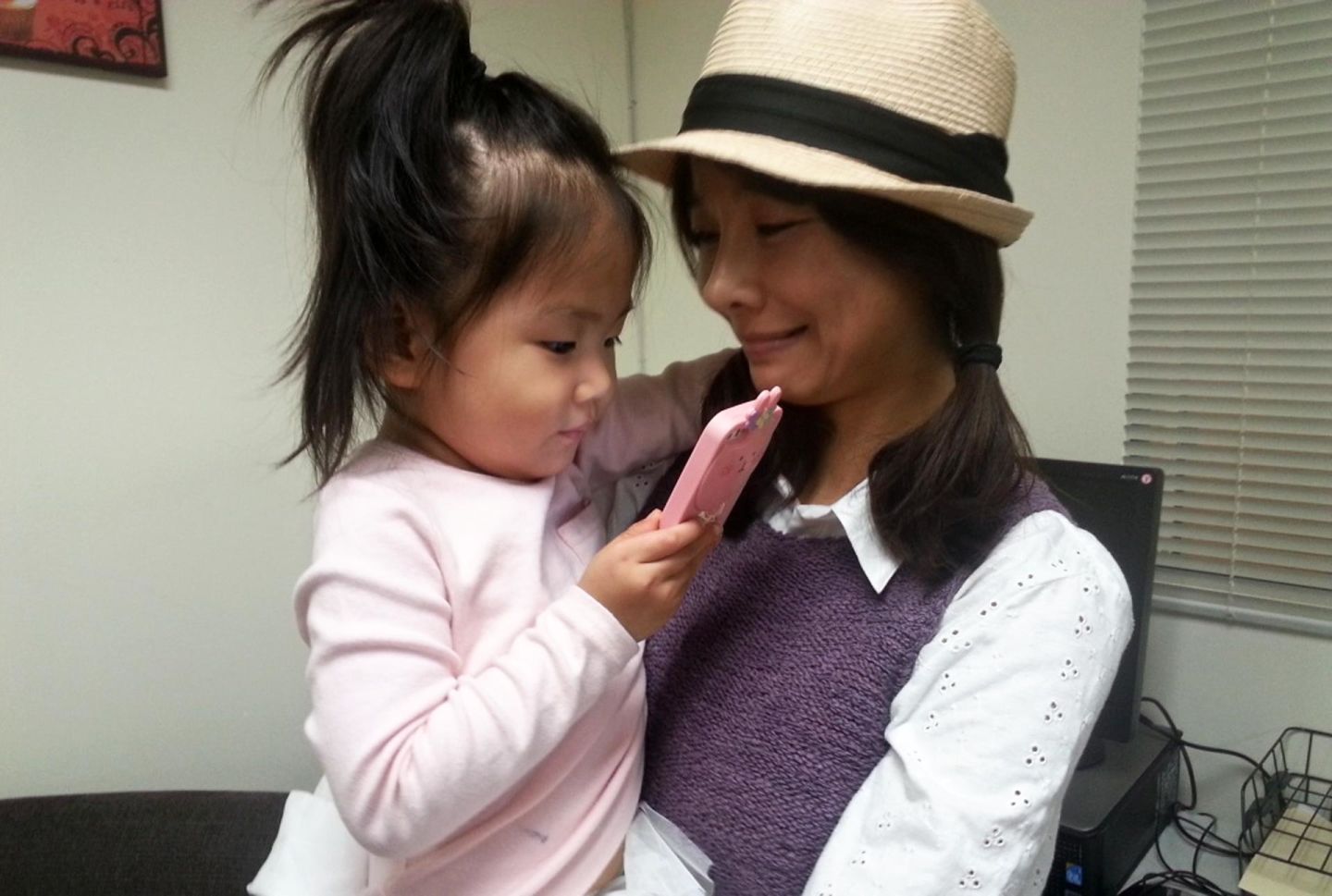
"caption": "Ahyun and her three-year-old daughter, Joanna, watch anime while visiting the offices of Korean American Family Services. Ahyun, 31, is a survivor of domestic violence and receives counseling at the agency. ",
"description": "Ahyun and her three-year-old daughter, Joanna, watch anime while visiting the offices of Korean American Family Services. Ahyun, 31, is a survivor of domestic violence and receives counseling at the agency. ",
"title": "KoreanImmigrant",
"credit": "Elizabeth Aguilera/KPCC",
"status": "inherit",
"isLoading": false,
"fetchFailed": false
},
"stateofhealth_138593": {
"type": "attachments",
"id": "stateofhealth_138593",
"meta": {
"index": "attachments_1716263798",
"site": "stateofhealth",
"id": "138593",
"found": true
},
"parent": 135966,
"imgSizes": {
"twentyfourteen-full-width": {
"file": "https://ww2.kqed.org/app/uploads/sites/27/2016/01/watering-1038x576.jpg",
"width": 1038,
"mimeType": "image/jpeg",
"height": 576
},
"thumbnail": {
"file": "https://ww2.kqed.org/app/uploads/sites/27/2016/01/watering-400x267.jpg",
"width": 400,
"mimeType": "image/jpeg",
"height": 267
},
"fd-sm": {
"file": "https://ww2.kqed.org/app/uploads/sites/27/2016/01/watering-960x640.jpg",
"width": 960,
"mimeType": "image/jpeg",
"height": 640
},
"post-thumbnail": {
"file": "https://ww2.kqed.org/app/uploads/sites/27/2016/01/watering-672x372.jpg",
"width": 672,
"mimeType": "image/jpeg",
"height": 372
},
"kqedFullSize": {
"file": "https://ww2.kqed.org/app/uploads/sites/27/2016/01/watering.jpg",
"width": 1920,
"height": 1280
},
"large": {
"file": "https://ww2.kqed.org/app/uploads/sites/27/2016/01/watering-1440x960.jpg",
"width": 1440,
"mimeType": "image/jpeg",
"height": 960
},
"guest-author-96": {
"file": "https://ww2.kqed.org/app/uploads/sites/27/2016/01/watering-96x96.jpg",
"width": 96,
"mimeType": "image/jpeg",
"height": 96
},
"medium": {
"file": "https://ww2.kqed.org/app/uploads/sites/27/2016/01/watering-800x533.jpg",
"width": 800,
"mimeType": "image/jpeg",
"height": 533
},
"guest-author-64": {
"file": "https://ww2.kqed.org/app/uploads/sites/27/2016/01/watering-64x64.jpg",
"width": 64,
"mimeType": "image/jpeg",
"height": 64
},
"guest-author-32": {
"file": "https://ww2.kqed.org/app/uploads/sites/27/2016/01/watering-32x32.jpg",
"width": 32,
"mimeType": "image/jpeg",
"height": 32
},
"jmtc-small-thumb": {
"file": "https://ww2.kqed.org/app/uploads/sites/27/2016/01/watering-280x150.jpg",
"width": 280,
"mimeType": "image/jpeg",
"height": 150
},
"fd-lrg": {
"file": "https://ww2.kqed.org/app/uploads/sites/27/2016/01/watering-1920x1280.jpg",
"width": 1920,
"mimeType": "image/jpeg",
"height": 1280
},
"fd-med": {
"file": "https://ww2.kqed.org/app/uploads/sites/27/2016/01/watering-1180x787.jpg",
"width": 1180,
"mimeType": "image/jpeg",
"height": 787
},
"detail": {
"file": "https://ww2.kqed.org/app/uploads/sites/27/2016/01/watering-75x75.jpg",
"width": 75,
"mimeType": "image/jpeg",
"height": 75
},
"medium_large": {
"file": "https://ww2.kqed.org/app/uploads/sites/27/2016/01/watering-768x512.jpg",
"width": 768,
"mimeType": "image/jpeg",
"height": 512
},
"guest-author-128": {
"file": "https://ww2.kqed.org/app/uploads/sites/27/2016/01/watering-128x128.jpg",
"width": 128,
"mimeType": "image/jpeg",
"height": 128
}
},
"publishDate": 1452722121,
"modified": 1453432797,
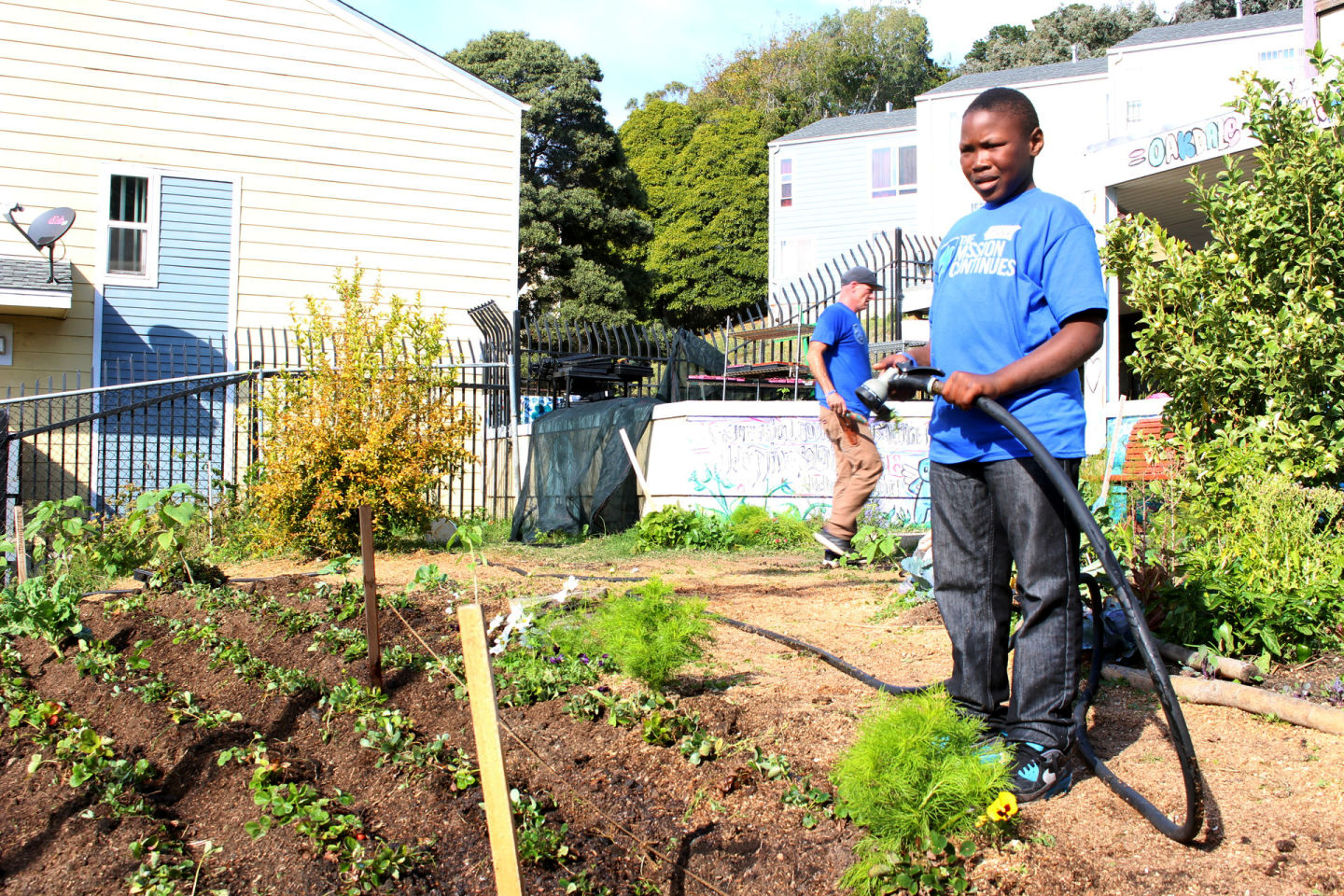
"caption": "Mutee Algaaffar waters a new strawberry patch he planted with lead gardener Cody Reynolds (in background).",
"description": null,
"title": "watering",
"credit": "Farida Jhabvala Romero / KQED",
"status": "inherit",
"isLoading": false,
"fetchFailed": false
},
"stateofhealth_140998": {
"type": "attachments",
"id": "stateofhealth_140998",
"meta": {
"index": "attachments_1716263798",
"site": "stateofhealth",
"id": "140998",
"found": true
},
"parent": 140964,
"imgSizes": {
"twentyfourteen-full-width": {
"file": "https://ww2.kqed.org/app/uploads/sites/27/2016/01/RS16167_JV0A7557-qut-1038x576.jpg",
"width": 1038,
"mimeType": "image/jpeg",
"height": 576
},
"thumbnail": {
"file": "https://ww2.kqed.org/app/uploads/sites/27/2016/01/RS16167_JV0A7557-qut-400x267.jpg",
"width": 400,
"mimeType": "image/jpeg",
"height": 267
},
"fd-sm": {
"file": "https://ww2.kqed.org/app/uploads/sites/27/2016/01/RS16167_JV0A7557-qut-960x640.jpg",
"width": 960,
"mimeType": "image/jpeg",
"height": 640
},
"post-thumbnail": {
"file": "https://ww2.kqed.org/app/uploads/sites/27/2016/01/RS16167_JV0A7557-qut-672x372.jpg",
"width": 672,
"mimeType": "image/jpeg",
"height": 372
},
"kqedFullSize": {
"file": "https://ww2.kqed.org/app/uploads/sites/27/2016/01/RS16167_JV0A7557-qut.jpg",
"width": 1920,
"height": 1280
},
"large": {
"file": "https://ww2.kqed.org/app/uploads/sites/27/2016/01/RS16167_JV0A7557-qut-1440x960.jpg",
"width": 1440,
"mimeType": "image/jpeg",
"height": 960
},
"guest-author-96": {
"file": "https://ww2.kqed.org/app/uploads/sites/27/2016/01/RS16167_JV0A7557-qut-96x96.jpg",
"width": 96,
"mimeType": "image/jpeg",
"height": 96
},
"medium": {
"file": "https://ww2.kqed.org/app/uploads/sites/27/2016/01/RS16167_JV0A7557-qut-800x533.jpg",
"width": 800,
"mimeType": "image/jpeg",
"height": 533
},
"guest-author-64": {
"file": "https://ww2.kqed.org/app/uploads/sites/27/2016/01/RS16167_JV0A7557-qut-64x64.jpg",
"width": 64,
"mimeType": "image/jpeg",
"height": 64
},
"guest-author-32": {
"file": "https://ww2.kqed.org/app/uploads/sites/27/2016/01/RS16167_JV0A7557-qut-32x32.jpg",
"width": 32,
"mimeType": "image/jpeg",
"height": 32
},
"jmtc-small-thumb": {
"file": "https://ww2.kqed.org/app/uploads/sites/27/2016/01/RS16167_JV0A7557-qut-280x150.jpg",
"width": 280,
"mimeType": "image/jpeg",
"height": 150
},
"fd-lrg": {
"file": "https://ww2.kqed.org/app/uploads/sites/27/2016/01/RS16167_JV0A7557-qut-1920x1280.jpg",
"width": 1920,
"mimeType": "image/jpeg",
"height": 1280
},
"fd-med": {
"file": "https://ww2.kqed.org/app/uploads/sites/27/2016/01/RS16167_JV0A7557-qut-1180x787.jpg",
"width": 1180,
"mimeType": "image/jpeg",
"height": 787
},
"detail": {
"file": "https://ww2.kqed.org/app/uploads/sites/27/2016/01/RS16167_JV0A7557-qut-75x75.jpg",
"width": 75,
"mimeType": "image/jpeg",
"height": 75
},
"medium_large": {
"file": "https://ww2.kqed.org/app/uploads/sites/27/2016/01/RS16167_JV0A7557-qut-768x512.jpg",
"width": 768,
"mimeType": "image/jpeg",
"height": 512
},
"guest-author-128": {
"file": "https://ww2.kqed.org/app/uploads/sites/27/2016/01/RS16167_JV0A7557-qut-128x128.jpg",
"width": 128,
"mimeType": "image/jpeg",
"height": 128
}
},
"publishDate": 1453323390,
"modified": 1453323435,
"caption": null,
"description": "vaccines\n\n",
"title": "RS16167_JV0A7557-qut",
"credit": "Jeremy Raff/KQED",
"status": "inherit",
"isLoading": false,
"fetchFailed": false
},
"stateofhealth_140685": {
"type": "attachments",
"id": "stateofhealth_140685",
"meta": {
"index": "attachments_1716263798",
"site": "stateofhealth",
"id": "140685",
"found": true
},
"parent": 140437,
"imgSizes": {
"twentyfourteen-full-width": {
"file": "https://ww2.kqed.org/app/uploads/sites/27/2016/01/RS16176_JV0A7644-qut-1038x576.jpg",
"width": 1038,
"mimeType": "image/jpeg",
"height": 576
},
"thumbnail": {
"file": "https://ww2.kqed.org/app/uploads/sites/27/2016/01/RS16176_JV0A7644-qut-400x267.jpg",
"width": 400,
"mimeType": "image/jpeg",
"height": 267
},
"fd-sm": {
"file": "https://ww2.kqed.org/app/uploads/sites/27/2016/01/RS16176_JV0A7644-qut-960x640.jpg",
"width": 960,
"mimeType": "image/jpeg",
"height": 640
},
"post-thumbnail": {
"file": "https://ww2.kqed.org/app/uploads/sites/27/2016/01/RS16176_JV0A7644-qut-672x372.jpg",
"width": 672,
"mimeType": "image/jpeg",
"height": 372
},
"kqedFullSize": {
"file": "https://ww2.kqed.org/app/uploads/sites/27/2016/01/RS16176_JV0A7644-qut.jpg",
"width": 1920,
"height": 1280
},
"large": {
"file": "https://ww2.kqed.org/app/uploads/sites/27/2016/01/RS16176_JV0A7644-qut-1440x960.jpg",
"width": 1440,
"mimeType": "image/jpeg",
"height": 960
},
"guest-author-96": {
"file": "https://ww2.kqed.org/app/uploads/sites/27/2016/01/RS16176_JV0A7644-qut-96x96.jpg",
"width": 96,
"mimeType": "image/jpeg",
"height": 96
},
"medium": {
"file": "https://ww2.kqed.org/app/uploads/sites/27/2016/01/RS16176_JV0A7644-qut-800x533.jpg",
"width": 800,
"mimeType": "image/jpeg",
"height": 533
},
"guest-author-64": {
"file": "https://ww2.kqed.org/app/uploads/sites/27/2016/01/RS16176_JV0A7644-qut-64x64.jpg",
"width": 64,
"mimeType": "image/jpeg",
"height": 64
},
"guest-author-32": {
"file": "https://ww2.kqed.org/app/uploads/sites/27/2016/01/RS16176_JV0A7644-qut-32x32.jpg",
"width": 32,
"mimeType": "image/jpeg",
"height": 32
},
"jmtc-small-thumb": {
"file": "https://ww2.kqed.org/app/uploads/sites/27/2016/01/RS16176_JV0A7644-qut-280x150.jpg",
"width": 280,
"mimeType": "image/jpeg",
"height": 150
},
"fd-lrg": {
"file": "https://ww2.kqed.org/app/uploads/sites/27/2016/01/RS16176_JV0A7644-qut-1920x1280.jpg",
"width": 1920,
"mimeType": "image/jpeg",
"height": 1280
},
"fd-med": {
"file": "https://ww2.kqed.org/app/uploads/sites/27/2016/01/RS16176_JV0A7644-qut-1180x787.jpg",
"width": 1180,
"mimeType": "image/jpeg",
"height": 787
},
"detail": {
"file": "https://ww2.kqed.org/app/uploads/sites/27/2016/01/RS16176_JV0A7644-qut-75x75.jpg",
"width": 75,
"mimeType": "image/jpeg",
"height": 75
},
"medium_large": {
"file": "https://ww2.kqed.org/app/uploads/sites/27/2016/01/RS16176_JV0A7644-qut-768x512.jpg",
"width": 768,
"mimeType": "image/jpeg",
"height": 512
},
"guest-author-128": {
"file": "https://ww2.kqed.org/app/uploads/sites/27/2016/01/RS16176_JV0A7644-qut-128x128.jpg",
"width": 128,
"mimeType": "image/jpeg",
"height": 128
}
},
"publishDate": 1453231520,
"modified": 1453231556,
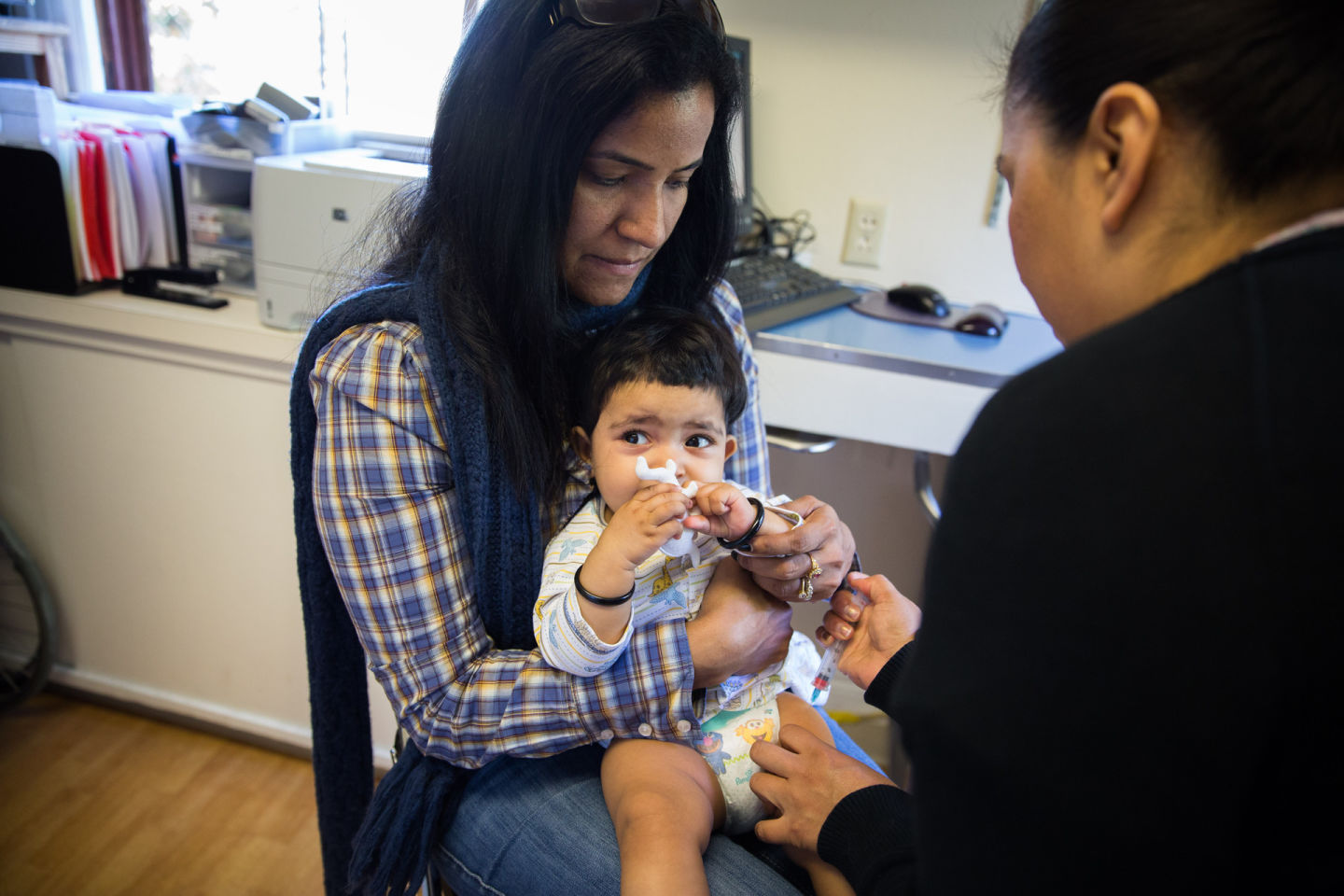
"caption": "Zara Upadhyay holds her 9-month-old daughter as she receives a hepatitis B vaccine at Berkeley Pediatrics.",
"description": "vaccine, vaccines, vaccination",
"title": "RS16176_JV0A7644-qut",
"credit": "Jeremy Raff/KQED",
"status": "inherit",
"isLoading": false,
"fetchFailed": false
},
"stateofhealth_140646": {
"type": "attachments",
"id": "stateofhealth_140646",
"meta": {
"index": "attachments_1716263798",
"site": "stateofhealth",
"id": "140646",
"found": true
},
"parent": 140645,
"imgSizes": {
"jmtc-small-thumb": {
"file": "https://ww2.kqed.org/app/uploads/sites/27/2016/01/Screen-Shot-2016-01-19-at-9.29.40-AM-280x150.png",
"width": 280,
"mimeType": "image/png",
"height": 150
},
"thumbnail": {
"file": "https://ww2.kqed.org/app/uploads/sites/27/2016/01/Screen-Shot-2016-01-19-at-9.29.40-AM-400x254.png",
"width": 400,
"mimeType": "image/png",
"height": 254
},
"kqedFullSize": {
"file": "https://ww2.kqed.org/app/uploads/sites/27/2016/01/Screen-Shot-2016-01-19-at-9.29.40-AM.png",
"width": 565,
"height": 359
},
"guest-author-96": {
"file": "https://ww2.kqed.org/app/uploads/sites/27/2016/01/Screen-Shot-2016-01-19-at-9.29.40-AM-96x96.png",
"width": 96,
"mimeType": "image/png",
"height": 96
},
"guest-author-64": {
"file": "https://ww2.kqed.org/app/uploads/sites/27/2016/01/Screen-Shot-2016-01-19-at-9.29.40-AM-64x64.png",
"width": 64,
"mimeType": "image/png",
"height": 64
},
"detail": {
"file": "https://ww2.kqed.org/app/uploads/sites/27/2016/01/Screen-Shot-2016-01-19-at-9.29.40-AM-75x75.png",
"width": 75,
"mimeType": "image/png",
"height": 75
},
"guest-author-32": {
"file": "https://ww2.kqed.org/app/uploads/sites/27/2016/01/Screen-Shot-2016-01-19-at-9.29.40-AM-32x32.png",
"width": 32,
"mimeType": "image/png",
"height": 32
},
"guest-author-128": {
"file": "https://ww2.kqed.org/app/uploads/sites/27/2016/01/Screen-Shot-2016-01-19-at-9.29.40-AM-128x128.png",
"width": 128,
"mimeType": "image/png",
"height": 128
}
},
"publishDate": 1453224602,
"modified": 1453224657,
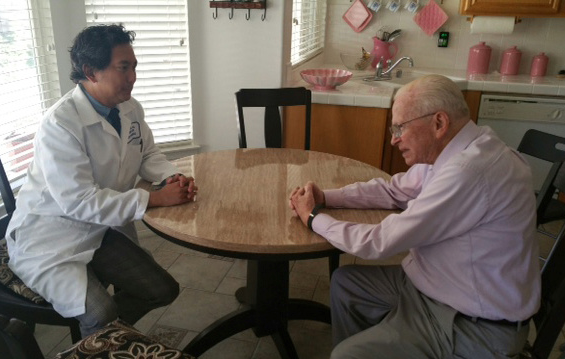
"caption": "Dr. Earl Quijada of Kaiser Permanente visits with John Stanton in the kitchen of Stanton's home in Hemet.",
"description": "Dr. Earl Quijada of Kaiser Permanente visits with John Stanton in the kitchen of his home in Hemet.",
"title": "Screen Shot 2016-01-19 at 9.29.40 AM",
"credit": "Stephanie O'Neill/KPCC",
"status": "inherit",
"isLoading": false,
"fetchFailed": false
},
"stateofhealth_22150": {
"type": "attachments",
"id": "stateofhealth_22150",
"meta": {
"index": "attachments_1716263798",
"site": "stateofhealth",
"id": "22150",
"found": true
},
"parent": 22145,
"imgSizes": {
"thumbnail": {
"file": "https://ww2.kqed.org/app/uploads/sites/27/2014/10/2042946052_a22ba72884_o1-e1413922432183-400x267.jpg",
"width": 400,
"mimeType": "image/jpeg",
"height": 267
},
"fd-sm": {
"file": "https://ww2.kqed.org/app/uploads/sites/27/2014/10/2042946052_a22ba72884_o1-e1413922432183-320x213.jpg",
"width": 320,
"mimeType": "image/jpeg",
"height": 213
},
"post-thumbnail": {
"file": "https://ww2.kqed.org/app/uploads/sites/27/2014/10/2042946052_a22ba72884_o1-e1413922432183-639x372.jpg",
"width": 639,
"mimeType": "image/jpeg",
"height": 372
},
"kqedFullSize": {
"file": "https://ww2.kqed.org/app/uploads/sites/27/2014/10/2042946052_a22ba72884_o1-e1413922432183.jpg",
"width": 639,
"height": 426
},
"guest-author-96": {
"file": "https://ww2.kqed.org/app/uploads/sites/27/2014/10/2042946052_a22ba72884_o1-e1413922432183-96x96.jpg",
"width": 96,
"mimeType": "image/jpeg",
"height": 96
},
"guest-author-64": {
"file": "https://ww2.kqed.org/app/uploads/sites/27/2014/10/2042946052_a22ba72884_o1-e1413922432183-64x64.jpg",
"width": 64,
"mimeType": "image/jpeg",
"height": 64
},
"detail": {
"file": "https://ww2.kqed.org/app/uploads/sites/27/2014/10/2042946052_a22ba72884_o1-e1413922432183-75x75.jpg",
"width": 75,
"mimeType": "image/jpeg",
"height": 75
},
"guest-author-32": {
"file": "https://ww2.kqed.org/app/uploads/sites/27/2014/10/2042946052_a22ba72884_o1-e1413922432183-32x32.jpg",
"width": 32,
"mimeType": "image/jpeg",
"height": 32
},
"guest-author-128": {
"file": "https://ww2.kqed.org/app/uploads/sites/27/2014/10/2042946052_a22ba72884_o1-e1413922432183-128x128.jpg",
"width": 128,
"mimeType": "image/jpeg",
"height": 128
}
},
"publishDate": 1413922424,
"modified": 1452883774,
"caption": "(Seema Krishnakumar/Flickr)",
"description": "children playing",
"title": "2042946052_a22ba72884_o",
"credit": "Seema Krishnakumar via Flickr",
"status": "inherit",
"isLoading": false,
"fetchFailed": false
},
"stateofhealth_138795": {
"type": "attachments",
"id": "stateofhealth_138795",
"meta": {
"index": "attachments_1716263798",
"site": "stateofhealth",
"id": "138795",
"found": true
},
"parent": 138635,
"imgSizes": {
"twentyfourteen-full-width": {
"file": "https://ww2.kqed.org/app/uploads/sites/27/2016/01/iStock_000048013404_Large-1038x576.jpg",
"width": 1038,
"mimeType": "image/jpeg",
"height": 576
},
"thumbnail": {
"file": "https://ww2.kqed.org/app/uploads/sites/27/2016/01/iStock_000048013404_Large-400x320.jpg",
"width": 400,
"mimeType": "image/jpeg",
"height": 320
},
"fd-sm": {
"file": "https://ww2.kqed.org/app/uploads/sites/27/2016/01/iStock_000048013404_Large-960x767.jpg",
"width": 960,
"mimeType": "image/jpeg",
"height": 767
},
"post-thumbnail": {
"file": "https://ww2.kqed.org/app/uploads/sites/27/2016/01/iStock_000048013404_Large-672x372.jpg",
"width": 672,
"mimeType": "image/jpeg",
"height": 372
},
"kqedFullSize": {
"file": "https://ww2.kqed.org/app/uploads/sites/27/2016/01/iStock_000048013404_Large-e1452755697599.jpg",
"width": 1919,
"height": 1534
},
"large": {
"file": "https://ww2.kqed.org/app/uploads/sites/27/2016/01/iStock_000048013404_Large-1440x1151.jpg",
"width": 1440,
"mimeType": "image/jpeg",
"height": 1151
},
"guest-author-96": {
"file": "https://ww2.kqed.org/app/uploads/sites/27/2016/01/iStock_000048013404_Large-96x96.jpg",
"width": 96,
"mimeType": "image/jpeg",
"height": 96
},
"medium": {
"file": "https://ww2.kqed.org/app/uploads/sites/27/2016/01/iStock_000048013404_Large-800x639.jpg",
"width": 800,
"mimeType": "image/jpeg",
"height": 639
},
"guest-author-64": {
"file": "https://ww2.kqed.org/app/uploads/sites/27/2016/01/iStock_000048013404_Large-64x64.jpg",
"width": 64,
"mimeType": "image/jpeg",
"height": 64
},
"guest-author-32": {
"file": "https://ww2.kqed.org/app/uploads/sites/27/2016/01/iStock_000048013404_Large-32x32.jpg",
"width": 32,
"mimeType": "image/jpeg",
"height": 32
},
"jmtc-small-thumb": {
"file": "https://ww2.kqed.org/app/uploads/sites/27/2016/01/iStock_000048013404_Large-280x150.jpg",
"width": 280,
"mimeType": "image/jpeg",
"height": 150
},
"fd-lrg": {
"file": "https://ww2.kqed.org/app/uploads/sites/27/2016/01/iStock_000048013404_Large-1920x1534.jpg",
"width": 1920,
"mimeType": "image/jpeg",
"height": 1534
},
"fd-med": {
"file": "https://ww2.kqed.org/app/uploads/sites/27/2016/01/iStock_000048013404_Large-1180x943.jpg",
"width": 1180,
"mimeType": "image/jpeg",
"height": 943
},
"detail": {
"file": "https://ww2.kqed.org/app/uploads/sites/27/2016/01/iStock_000048013404_Large-75x75.jpg",
"width": 75,
"mimeType": "image/jpeg",
"height": 75
},
"medium_large": {
"file": "https://ww2.kqed.org/app/uploads/sites/27/2016/01/iStock_000048013404_Large-768x614.jpg",
"width": 768,
"mimeType": "image/jpeg",
"height": 614
},
"guest-author-128": {
"file": "https://ww2.kqed.org/app/uploads/sites/27/2016/01/iStock_000048013404_Large-128x128.jpg",
"width": 128,
"mimeType": "image/jpeg",
"height": 128
}
},
"publishDate": 1452755687,
"modified": 1452755727,
"caption": null,
"description": "dollar sign and question mark cube",
"title": "businessman looking white dice",
"credit": "iStockphoto",
"status": "inherit",
"isLoading": false,
"fetchFailed": false
},
"stateofhealth_136307": {
"type": "attachments",
"id": "stateofhealth_136307",
"meta": {
"index": "attachments_1716263798",
"site": "stateofhealth",
"id": "136307",
"found": true
},
"parent": 136283,
"imgSizes": {
"twentyfourteen-full-width": {
"file": "https://ww2.kqed.org/app/uploads/sites/27/2016/01/iStock_000029437514_Large-1038x576.jpg",
"width": 1038,
"mimeType": "image/jpeg",
"height": 576
},
"thumbnail": {
"file": "https://ww2.kqed.org/app/uploads/sites/27/2016/01/iStock_000029437514_Large-400x374.jpg",
"width": 400,
"mimeType": "image/jpeg",
"height": 374
},
"fd-sm": {
"file": "https://ww2.kqed.org/app/uploads/sites/27/2016/01/iStock_000029437514_Large-960x898.jpg",
"width": 960,
"mimeType": "image/jpeg",
"height": 898
},
"post-thumbnail": {
"file": "https://ww2.kqed.org/app/uploads/sites/27/2016/01/iStock_000029437514_Large-672x372.jpg",
"width": 672,
"mimeType": "image/jpeg",
"height": 372
},
"kqedFullSize": {
"file": "https://ww2.kqed.org/app/uploads/sites/27/2016/01/iStock_000029437514_Large-e1452282438451.jpg",
"width": 1920,
"height": 1796
},
"large": {
"file": "https://ww2.kqed.org/app/uploads/sites/27/2016/01/iStock_000029437514_Large-1440x1347.jpg",
"width": 1440,
"mimeType": "image/jpeg",
"height": 1347
},
"guest-author-96": {
"file": "https://ww2.kqed.org/app/uploads/sites/27/2016/01/iStock_000029437514_Large-96x96.jpg",
"width": 96,
"mimeType": "image/jpeg",
"height": 96
},
"medium": {
"file": "https://ww2.kqed.org/app/uploads/sites/27/2016/01/iStock_000029437514_Large-800x748.jpg",
"width": 800,
"mimeType": "image/jpeg",
"height": 748
},
"guest-author-64": {
"file": "https://ww2.kqed.org/app/uploads/sites/27/2016/01/iStock_000029437514_Large-64x64.jpg",
"width": 64,
"mimeType": "image/jpeg",
"height": 64
},
"guest-author-32": {
"file": "https://ww2.kqed.org/app/uploads/sites/27/2016/01/iStock_000029437514_Large-32x32.jpg",
"width": 32,
"mimeType": "image/jpeg",
"height": 32
},
"jmtc-small-thumb": {
"file": "https://ww2.kqed.org/app/uploads/sites/27/2016/01/iStock_000029437514_Large-280x150.jpg",
"width": 280,
"mimeType": "image/jpeg",
"height": 150
},
"fd-lrg": {
"file": "https://ww2.kqed.org/app/uploads/sites/27/2016/01/iStock_000029437514_Large-1920x1796.jpg",
"width": 1920,
"mimeType": "image/jpeg",
"height": 1796
},
"fd-med": {
"file": "https://ww2.kqed.org/app/uploads/sites/27/2016/01/iStock_000029437514_Large-1180x1104.jpg",
"width": 1180,
"mimeType": "image/jpeg",
"height": 1104
},
"detail": {
"file": "https://ww2.kqed.org/app/uploads/sites/27/2016/01/iStock_000029437514_Large-75x75.jpg",
"width": 75,
"mimeType": "image/jpeg",
"height": 75
},
"medium_large": {
"file": "https://ww2.kqed.org/app/uploads/sites/27/2016/01/iStock_000029437514_Large-768x718.jpg",
"width": 768,
"mimeType": "image/jpeg",
"height": 718
},
"guest-author-128": {
"file": "https://ww2.kqed.org/app/uploads/sites/27/2016/01/iStock_000029437514_Large-128x128.jpg",
"width": 128,
"mimeType": "image/jpeg",
"height": 128
}
},
"publishDate": 1452282425,
"modified": 1452282459,
"caption": null,
"description": "Alzheimer's, Dementia",
"title": "iStock_000029437514_Large",
"credit": "iStockphoto",
"status": "inherit",
"isLoading": false,
"fetchFailed": false
},
"stateofhealth_26567": {
"type": "attachments",
"id": "stateofhealth_26567",
"meta": {
"index": "attachments_1716263798",
"site": "stateofhealth",
"id": "26567",
"found": true
},
"parent": 25721,
"imgSizes": {
"twentyfourteen-full-width": {
"file": "https://ww2.kqed.org/app/uploads/sites/27/2015/05/RS14070_495311669-1038x576.jpg",
"width": 1038,
"mimeType": "image/jpeg",
"height": 576
},
"thumbnail": {
"file": "https://ww2.kqed.org/app/uploads/sites/27/2015/05/RS14070_495311669-400x285.jpg",
"width": 400,
"mimeType": "image/jpeg",
"height": 285
},
"fd-sm": {
"file": "https://ww2.kqed.org/app/uploads/sites/27/2015/05/RS14070_495311669-960x685.jpg",
"width": 960,
"mimeType": "image/jpeg",
"height": 685
},
"post-thumbnail": {
"file": "https://ww2.kqed.org/app/uploads/sites/27/2015/05/RS14070_495311669-672x372.jpg",
"width": 672,
"mimeType": "image/jpeg",
"height": 372
},
"kqedFullSize": {
"file": "https://ww2.kqed.org/app/uploads/sites/27/2015/05/RS14070_495311669-e1431383620965.jpg",
"width": 1920,
"height": 1369
},
"large": {
"file": "https://ww2.kqed.org/app/uploads/sites/27/2015/05/RS14070_495311669-1440x1027.jpg",
"width": 1440,
"mimeType": "image/jpeg",
"height": 1027
},
"guest-author-96": {
"file": "https://ww2.kqed.org/app/uploads/sites/27/2015/05/RS14070_495311669-96x96.jpg",
"width": 96,
"mimeType": "image/jpeg",
"height": 96
},
"medium": {
"file": "https://ww2.kqed.org/app/uploads/sites/27/2015/05/RS14070_495311669-800x570.jpg",
"width": 800,
"mimeType": "image/jpeg",
"height": 570
},
"guest-author-64": {
"file": "https://ww2.kqed.org/app/uploads/sites/27/2015/05/RS14070_495311669-64x64.jpg",
"width": 64,
"mimeType": "image/jpeg",
"height": 64
},
"guest-author-32": {
"file": "https://ww2.kqed.org/app/uploads/sites/27/2015/05/RS14070_495311669-32x32.jpg",
"width": 32,
"mimeType": "image/jpeg",
"height": 32
},
"fd-med": {
"file": "https://ww2.kqed.org/app/uploads/sites/27/2015/05/RS14070_495311669-1180x841.jpg",
"width": 1180,
"mimeType": "image/jpeg",
"height": 841
},
"detail": {
"file": "https://ww2.kqed.org/app/uploads/sites/27/2015/05/RS14070_495311669-75x75.jpg",
"width": 75,
"mimeType": "image/jpeg",
"height": 75
},
"guest-author-128": {
"file": "https://ww2.kqed.org/app/uploads/sites/27/2015/05/RS14070_495311669-128x128.jpg",
"width": 128,
"mimeType": "image/jpeg",
"height": 128
}
},
"publishDate": 1431383577,
"modified": 1435251228,
"caption": "A dose of measles vaccine. ",
"description": "MIAMI, FL - JUNE 02: A dose of measles vaccine is seen at the Miami Children's Hospital on June 02, 2014 in Miami, Florida. The Centers for Disease Control and Prevention last week announced that in the United States they are seeing the most measles cases in 20 years as they warned clinicians, parents and others to watch for and get vaccinated against the potentially deadly virus. (Photo by Joe Raedle/Getty Images)",
"title": "Center For Disease Control Reports Highest Number Of Measles Cases In 20 Years",
"credit": " Joe Raedle/Getty Images",
"status": "inherit",
"isLoading": false,
"fetchFailed": false
},
"stateofhealth_135318": {
"type": "attachments",
"id": "stateofhealth_135318",
"meta": {
"index": "attachments_1716263798",
"site": "stateofhealth",
"id": "135318",
"found": true
},
"parent": 129018,
"imgSizes": {
"twentyfourteen-full-width": {
"file": "https://ww2.kqed.org/app/uploads/sites/27/2016/01/Screen-Shot-2016-01-06-at-10.47.49-AM-1038x576.png",
"width": 1038,
"mimeType": "image/png",
"height": 576
},
"thumbnail": {
"file": "https://ww2.kqed.org/app/uploads/sites/27/2016/01/Screen-Shot-2016-01-06-at-10.47.49-AM-400x183.png",
"width": 400,
"mimeType": "image/png",
"height": 183
},
"fd-sm": {
"file": "https://ww2.kqed.org/app/uploads/sites/27/2016/01/Screen-Shot-2016-01-06-at-10.47.49-AM-960x438.png",
"width": 960,
"mimeType": "image/png",
"height": 438
},
"post-thumbnail": {
"file": "https://ww2.kqed.org/app/uploads/sites/27/2016/01/Screen-Shot-2016-01-06-at-10.47.49-AM-672x372.png",
"width": 672,
"mimeType": "image/png",
"height": 372
},
"kqedFullSize": {
"file": "https://ww2.kqed.org/app/uploads/sites/27/2016/01/Screen-Shot-2016-01-06-at-10.47.49-AM.png",
"width": 1851,
"height": 845
},
"large": {
"file": "https://ww2.kqed.org/app/uploads/sites/27/2016/01/Screen-Shot-2016-01-06-at-10.47.49-AM-1440x657.png",
"width": 1440,
"mimeType": "image/png",
"height": 657
},
"guest-author-96": {
"file": "https://ww2.kqed.org/app/uploads/sites/27/2016/01/Screen-Shot-2016-01-06-at-10.47.49-AM-96x96.png",
"width": 96,
"mimeType": "image/png",
"height": 96
},
"medium": {
"file": "https://ww2.kqed.org/app/uploads/sites/27/2016/01/Screen-Shot-2016-01-06-at-10.47.49-AM-800x365.png",
"width": 800,
"mimeType": "image/png",
"height": 365
},
"guest-author-64": {
"file": "https://ww2.kqed.org/app/uploads/sites/27/2016/01/Screen-Shot-2016-01-06-at-10.47.49-AM-64x64.png",
"width": 64,
"mimeType": "image/png",
"height": 64
},
"guest-author-32": {
"file": "https://ww2.kqed.org/app/uploads/sites/27/2016/01/Screen-Shot-2016-01-06-at-10.47.49-AM-32x32.png",
"width": 32,
"mimeType": "image/png",
"height": 32
},
"jmtc-small-thumb": {
"file": "https://ww2.kqed.org/app/uploads/sites/27/2016/01/Screen-Shot-2016-01-06-at-10.47.49-AM-280x150.png",
"width": 280,
"mimeType": "image/png",
"height": 150
},
"fd-med": {
"file": "https://ww2.kqed.org/app/uploads/sites/27/2016/01/Screen-Shot-2016-01-06-at-10.47.49-AM-1180x539.png",
"width": 1180,
"mimeType": "image/png",
"height": 539
},
"detail": {
"file": "https://ww2.kqed.org/app/uploads/sites/27/2016/01/Screen-Shot-2016-01-06-at-10.47.49-AM-75x75.png",
"width": 75,
"mimeType": "image/png",
"height": 75
},
"medium_large": {
"file": "https://ww2.kqed.org/app/uploads/sites/27/2016/01/Screen-Shot-2016-01-06-at-10.47.49-AM-768x351.png",
"width": 768,
"mimeType": "image/png",
"height": 351
},
"guest-author-128": {
"file": "https://ww2.kqed.org/app/uploads/sites/27/2016/01/Screen-Shot-2016-01-06-at-10.47.49-AM-128x128.png",
"width": 128,
"mimeType": "image/png",
"height": 128
}
},
"publishDate": 1452106101,
"modified": 1452121433,
"caption": "Scene from a telenovela produced by Infórmate, a Spanish-language website devoted to informing people about living kidney donation. ",
"description": "Scene from a Telenovela produced by Informate, a Spanish-language website devoted to informing people about living kidney donation. ",
"title": "Screen Shot 2016-01-06 at 10.47.49 AM",
"credit": "Informate",
"status": "inherit",
"isLoading": false,
"fetchFailed": false
},
"stateofhealth_132361": {
"type": "attachments",
"id": "stateofhealth_132361",
"meta": {
"index": "attachments_1716263798",
"site": "stateofhealth",
"id": "132361",
"found": true
},
"parent": 129014,
"imgSizes": {
"twentyfourteen-full-width": {
"file": "https://ww2.kqed.org/app/uploads/sites/27/2015/12/Matsushima-4-1038x576.jpg",
"width": 1038,
"mimeType": "image/jpeg",
"height": 576
},
"thumbnail": {
"file": "https://ww2.kqed.org/app/uploads/sites/27/2015/12/Matsushima-4-400x267.jpg",
"width": 400,
"mimeType": "image/jpeg",
"height": 267
},
"fd-sm": {
"file": "https://ww2.kqed.org/app/uploads/sites/27/2015/12/Matsushima-4-960x641.jpg",
"width": 960,
"mimeType": "image/jpeg",
"height": 641
},
"post-thumbnail": {
"file": "https://ww2.kqed.org/app/uploads/sites/27/2015/12/Matsushima-4-672x372.jpg",
"width": 672,
"mimeType": "image/jpeg",
"height": 372
},
"kqedFullSize": {
"file": "https://ww2.kqed.org/app/uploads/sites/27/2015/12/Matsushima-4-e1451523723217.jpg",
"width": 1919,
"height": 1281
},
"large": {
"file": "https://ww2.kqed.org/app/uploads/sites/27/2015/12/Matsushima-4-1440x961.jpg",
"width": 1440,
"mimeType": "image/jpeg",
"height": 961
},
"guest-author-96": {
"file": "https://ww2.kqed.org/app/uploads/sites/27/2015/12/Matsushima-4-96x96.jpg",
"width": 96,
"mimeType": "image/jpeg",
"height": 96
},
"medium": {
"file": "https://ww2.kqed.org/app/uploads/sites/27/2015/12/Matsushima-4-800x534.jpg",
"width": 800,
"mimeType": "image/jpeg",
"height": 534
},
"guest-author-64": {
"file": "https://ww2.kqed.org/app/uploads/sites/27/2015/12/Matsushima-4-64x64.jpg",
"width": 64,
"mimeType": "image/jpeg",
"height": 64
},
"guest-author-32": {
"file": "https://ww2.kqed.org/app/uploads/sites/27/2015/12/Matsushima-4-32x32.jpg",
"width": 32,
"mimeType": "image/jpeg",
"height": 32
},
"jmtc-small-thumb": {
"file": "https://ww2.kqed.org/app/uploads/sites/27/2015/12/Matsushima-4-280x150.jpg",
"width": 280,
"mimeType": "image/jpeg",
"height": 150
},
"fd-lrg": {
"file": "https://ww2.kqed.org/app/uploads/sites/27/2015/12/Matsushima-4-1920x1281.jpg",
"width": 1920,
"mimeType": "image/jpeg",
"height": 1281
},
"fd-med": {
"file": "https://ww2.kqed.org/app/uploads/sites/27/2015/12/Matsushima-4-1180x788.jpg",
"width": 1180,
"mimeType": "image/jpeg",
"height": 788
},
"detail": {
"file": "https://ww2.kqed.org/app/uploads/sites/27/2015/12/Matsushima-4-75x75.jpg",
"width": 75,
"mimeType": "image/jpeg",
"height": 75
},
"medium_large": {
"file": "https://ww2.kqed.org/app/uploads/sites/27/2015/12/Matsushima-4-768x513.jpg",
"width": 768,
"mimeType": "image/jpeg",
"height": 513
},
"guest-author-128": {
"file": "https://ww2.kqed.org/app/uploads/sites/27/2015/12/Matsushima-4-128x128.jpg",
"width": 128,
"mimeType": "image/jpeg",
"height": 128
}
},
"publishDate": 1451523675,
"modified": 1451524108,
"caption": "Diana Matsushima prepares her husband's medication and vitamins during breakfast. She has cared for him since he had a stroke in 2009.",
"description": "Diana Matsushima prepares her husband's medication and vitamins during breakfast.",
"title": "Matsushima-4",
"credit": "Heidi de Marco/KHN",
"status": "inherit",
"isLoading": false,
"fetchFailed": false
}
},
"audioPlayerReducer": {
"postId": "stream_live",
"isPaused": true,
"isPlaying": false,
"pfsActive": false,
"pledgeModalIsOpen": true,
"playerDrawerIsOpen": false,
"liveAudioPlayStartedAt": 0,
"liveAudioPlayContext": ""
},
"authorsReducer": {
"byline_stateofhealth_143219": {
"type": "authors",
"id": "byline_stateofhealth_143219",
"meta": {
"override": true
},
"slug": "byline_stateofhealth_143219",
"name": "Rob Stein",
"isLoading": false
},
"byline_news_10841880": {
"type": "authors",
"id": "byline_news_10841880",
"meta": {
"override": true
},
"slug": "byline_news_10841880",
"name": "\u003cstrong>\u003ca href=\"http://www.scpr.org/about/people/staff/elizabeth-aguilera\">Elizabeth Aguilera\u003cbr>KPCC\u003c/strong>",
"isLoading": false
},
"byline_stateofhealth_140645": {
"type": "authors",
"id": "byline_stateofhealth_140645",
"meta": {
"override": true
},
"slug": "byline_stateofhealth_140645",
"name": "Stephanie O'Neill/KPCC",
"isLoading": false
},
"byline_stateofhealth_139374": {
"type": "authors",
"id": "byline_stateofhealth_139374",
"meta": {
"override": true
},
"slug": "byline_stateofhealth_139374",
"name": "Lisa Gillespie",
"isLoading": false
},
"byline_stateofhealth_136283": {
"type": "authors",
"id": "byline_stateofhealth_136283",
"meta": {
"override": true
},
"slug": "byline_stateofhealth_136283",
"name": "Anna Gorman",
"isLoading": false
},
"byline_stateofhealth_135547": {
"type": "authors",
"id": "byline_stateofhealth_135547",
"meta": {
"override": true
},
"slug": "byline_stateofhealth_135547",
"name": "Jane Meredith Adams",
"isLoading": false
},
"byline_stateofhealth_129018": {
"type": "authors",
"id": "byline_stateofhealth_129018",
"meta": {
"override": true
},
"slug": "byline_stateofhealth_129018",
"name": "Fran Kritz",
"isLoading": false
},
"byline_stateofhealth_129014": {
"type": "authors",
"id": "byline_stateofhealth_129014",
"meta": {
"override": true
},
"slug": "byline_stateofhealth_129014",
"name": "Anna Gorman",
"isLoading": false
},
"lisaaliferis": {
"type": "authors",
"id": "240",
"meta": {
"index": "authors_1716337520",
"id": "240",
"found": true
},
"name": "Lisa Aliferis",
"firstName": "Lisa",
"lastName": "Aliferis",
"slug": "lisaaliferis",
"email": "laliferis@kqed.org",
"display_author_email": false,
"staff_mastheads": [],
"title": "KQED Contributor",
"bio": "Lisa Aliferis is the founding editor of KQED's \u003cem>State of Health\u003c/em> blog. Since 2011, she's been writing and editing stories for the site. Before taking up blogging, she toiled for many years (more than we can count) producing health stories for television, including\u003cem> Dateline NBC\u003c/em> and San Francisco's CBS affiliate, KPIX-TV. She also wrote up a \u003ca title=\"http://www.kqed.org/news/health/obamacare/obamacare-guide.jsp\" href=\"http://www.kqed.org/news/health/obamacare/obamacare-guide.jsp\">handy guide to the Affordable Care Act\u003c/a>, especially for Californians. Her work has been honored for many awards. Most recently she was a finalist for \"Best Topical Reporting\" from the Online News Association. You can follow her on Twitter: \u003ca title=\"https://twitter.com/laliferis\" href=\"https://twitter.com/laliferis\">@laliferis\u003c/a>",
"avatar": "https://secure.gravatar.com/avatar/86c339d5cdcb0dcd2b6cf5d7c3f5886b?s=600&d=mm&r=g",
"twitter": "laliferis",
"facebook": null,
"instagram": null,
"linkedin": null,
"sites": [
{
"site": "news",
"roles": [
"subscriber"
]
},
{
"site": "futureofyou",
"roles": [
"subscriber"
]
},
{
"site": "stateofhealth",
"roles": [
"subscriber"
]
},
{
"site": "science",
"roles": [
"subscriber"
]
},
{
"site": "food",
"roles": []
}
],
"headData": {
"title": "Lisa Aliferis | KQED",
"description": "KQED Contributor",
"ogImgSrc": "https://secure.gravatar.com/avatar/86c339d5cdcb0dcd2b6cf5d7c3f5886b?s=600&d=mm&r=g",
"twImgSrc": "https://secure.gravatar.com/avatar/86c339d5cdcb0dcd2b6cf5d7c3f5886b?s=600&d=mm&r=g"
},
"isLoading": false,
"link": "/author/lisaaliferis"
},
"fjhabvala": {
"type": "authors",
"id": "8659",
"meta": {
"index": "authors_1716337520",
"id": "8659",
"found": true
},
"name": "Farida Jhabvala Romero",
"firstName": "Farida",
"lastName": "Jhabvala Romero",
"slug": "fjhabvala",
"email": "fjhabvala@kqed.org",
"display_author_email": true,
"staff_mastheads": [
"news"
],
"title": "KQED Contributor",
"bio": "Farida Jhabvala Romero is a Labor Correspondent for KQED. She previously covered immigration. Farida was \u003ca href=\"https://www.ccnma.org/2022-most-influential-latina-journalists\">named\u003c/a> one of the 10 Most Influential Latina Journalists in California in 2022 by the California Chicano News Media Association. Her work has won awards from the Society of Professional Journalists (Northern California), as well as a national and regional Edward M. Murrow Award for the collaborative reporting projects “Dangerous Air” and “Graying California.” Before joining KQED, Farida worked as a producer at Radio Bilingüe, a national public radio network. Farida earned her master’s degree in journalism from Stanford University.",
"avatar": "https://secure.gravatar.com/avatar/f9f022d4e2609741874222a1e9d41f48fea74011aa7c615eef91d9a50c944ebe?s=600&d=blank&r=g",
"twitter": "FaridaJhabvala",
"bluesky": null,
"facebook": null,
"instagram": null,
"linkedin": "https://www.linkedin.com/in/faridajhabvala/",
"sites": [
{
"site": "news",
"roles": [
"editor"
]
},
{
"site": "stateofhealth",
"roles": [
"author"
]
},
{
"site": "liveblog",
"roles": [
"author"
]
}
],
"headData": {
"title": "Farida Jhabvala Romero | KQED",
"description": "KQED Contributor",
"ogImgSrc": "https://secure.gravatar.com/avatar/f9f022d4e2609741874222a1e9d41f48fea74011aa7c615eef91d9a50c944ebe?s=600&d=blank&r=g",
"twImgSrc": "https://secure.gravatar.com/avatar/f9f022d4e2609741874222a1e9d41f48fea74011aa7c615eef91d9a50c944ebe?s=600&d=blank&r=g"
},
"isLoading": false,
"link": "/author/fjhabvala"
},
"lisafine": {
"type": "authors",
"id": "11105",
"meta": {
"index": "authors_1716337520",
"id": "11105",
"found": true
},
"name": "Lisa Fine",
"firstName": "Lisa",
"lastName": "Fine",
"slug": "lisafine",
"email": "lisacfine@gmail.com",
"display_author_email": false,
"staff_mastheads": [],
"title": null,
"bio": "Lisa Fine is a veteran journalist who's written for papers including the Washington Post, Philadelphia Inquirer, Richmond (Va.) Times-Dispatch and Education Week.\r\n\r\n ",
"avatar": "https://secure.gravatar.com/avatar/a9390ffc82e66cee761ae45f61cef865?s=600&d=blank&r=g",
"twitter": "@Lisa_Fine",
"facebook": null,
"instagram": null,
"linkedin": null,
"sites": [
{
"site": "futureofyou",
"roles": [
"author"
]
},
{
"site": "stateofhealth",
"roles": [
"editor"
]
}
],
"headData": {
"title": "Lisa Fine | KQED",
"description": null,
"ogImgSrc": "https://secure.gravatar.com/avatar/a9390ffc82e66cee761ae45f61cef865?s=600&d=blank&r=g",
"twImgSrc": "https://secure.gravatar.com/avatar/a9390ffc82e66cee761ae45f61cef865?s=600&d=blank&r=g"
},
"isLoading": false,
"link": "/author/lisafine"
}
},
"pagesReducer": {
"stateofhealth_category_place-matters": {
"type": "terms",
"id": "stateofhealth_11",
"meta": {
"index": "terms_1716263798",
"site": "stateofhealth",
"id": "11",
"score": 14.406237
},
"featImg": null,
"name": "Community Health",
"description": "\r\n\r\nFrom rural California to urban neighborhoods, where you live affects your health",
"taxonomy": "category",
"headData": {
"twImgId": null,
"twTitle": null,
"ogTitle": null,
"ogImgId": null,
"twDescription": null,
"description": "From rural California to urban neighborhoods, where you live affects your health",
"title": "Community Health Archives | KQED Arts",
"ogDescription": null
},
"ttid": 11,
"slug": "place-matters",
"isLoading": false,
"title": "Community Health",
"pageMeta": {
"site": "stateofhealth",
"WpPageTemplate": "page-topic-editorial",
"currentPage": 13
},
"blocks": [
{
"blockName": "kqed/company-paragraph",
"content": "\r\n\r\nFrom rural California to urban neighborhoods, where you live affects your health"
},
{
"blockName": "kqed/post-list",
"attrs": {
"layout": "cardArticle2",
"query": "posts/stateofhealth?category=place-matters",
"seeMore": false,
"paginated": true,
"page": 13
}
},
{
"blockName": "kqed/ad"
}
]
}
},
"pfsSessionReducer": {},
"postsReducer": {
"stream_live": {
"type": "live",
"id": "stream_live",
"audioUrl": "https://streams.kqed.org/kqedradio",
"title": "Live Stream",
"excerpt": "Live Stream information currently unavailable.",
"link": "/radio",
"featImg": "",
"label": {
"name": "KQED Live",
"link": "/"
}
},
"stream_kqedNewscast": {
"type": "posts",
"id": "stream_kqedNewscast",
"audioUrl": "https://www.kqed.org/.stream/anon/radio/RDnews/newscast.mp3?_=1",
"title": "KQED Newscast",
"featImg": "",
"label": {
"name": "88.5 FM",
"link": "/"
}
},
"stateofhealth_143219": {
"type": "posts",
"id": "stateofhealth_143219",
"meta": {
"index": "posts_1716263798",
"site": "stateofhealth",
"id": "143219",
"score": null,
"sort": [
1453926197000
]
},
"parent": 0,
"labelTerm": {},
"blocks": [],
"publishDate": 1453926197,
"format": "standard",
"disqusTitle": "Big Zika Virus Outbreak Unlikely In The U.S., Officials Say",
"title": "Big Zika Virus Outbreak Unlikely In The U.S., Officials Say",
"headTitle": "State of Health | KQED News",
"content": "\u003cp>The outbreak of \u003ca href=\"http://www.cdc.gov/zika/\" target=\"_blank\">Zika virus \u003c/a>in Brazil and other countries has raised concern that the pathogen could start spreading widely in the United States as well. But federal health officials and other infectious disease specialists say so far that seems unlikely.\u003c/p>\n\u003cp>\"Based on what we know right now, we don't think that widespread transmission in the United States is likely,\" says \u003ca href=\"http://www.cdc.gov/about/leadership/new-leaders/ncezid.html\" target=\"_blank\">Dr. Beth Bell\u003c/a>, director of the National Center for Emerging and Zoonotic Infectious Diseases at the Centers for Disease Control and Prevention.\u003c/p>\n\u003cp>There are several reasons for Bell's cautious optimism that isolated cases that show up in the U.S. could be contained. The first is that the two species of mosquitoes that could be capable of transmitting the virus, \u003ca href=\"http://entnemdept.ufl.edu/creatures/aquatic/aedes_aegypti.htm\" target=\"_blank\">\u003cem>Aedes aegypti\u003c/em> \u003c/a>and \u003cem>\u003ca href=\"http://www.cdc.gov/dengue/resources/30Jan2012/comparisondenguevectors.pdf\" target=\"_blank\">Aedes albopictus\u003c/a>\u003c/em>, live mostly in the southern, more tropical parts of the U.S. That makes it likely that transmission would be limited primarily to these areas. And for various reasons, the chain of events and conditions the virus needs in order to spread is more easily disrupted in the U.S. than elsewhere.\u003c/p>\n\u003cp>For example, many people in the U.S. have air conditioning in the summer, so aren't as likely to leave windows open at the times of day when mosquitoes are especially active. Open windows also tend to have screens. And many counties and other municipalities spray to kill mosquitoes and are vigilant in trying to eliminate pools of standing water where the insects can breed.\u003c/p>\n\u003cp>\"These are all conditions that make it less likely for ongoing, large-scale spread to occur,\" Bell says.\u003c/p>\n\u003cp>[ad fullwidth]\u003c/p>\n\u003cp>Still, travelers who have gotten infected with the Zika virus in other countries have already arrived in the U.S. and more are expected, raising the possibility that the virus could spread a bit beyond those cases, Bell says.\u003c/p>\n\u003cp>\"There certainly is the possibility for transmission,\" Bell says. And since the virus is new to the U.S., most people have no immunity to it.\u003c/p>\n\u003cp>But even if that occurs, Bell and the CDC predict that any outbreaks would likely be very small. That's been the case so far with two similar viruses that have spread rapidly throughout Latin America and the Caribbean in recent years: \u003ca href=\"http://www.cdc.gov/dengue/\" target=\"_blank\">dengue \u003c/a>and \u003ca href=\"http://www.cdc.gov/chikungunya/\" target=\"_blank\">chikungunya\u003c/a>.\u003c/p>\n\u003cp>\"What we saw with chikungunya, and what we've seen with dengue,\" Bell says, \"is some small situations with localized spread in southern parts of the United States, but with very limited transmission.\"\u003c/p>\n\u003cp>Bell says she doubts Zika would fan out across the U.S. in the way that West Nile virus has spread. For one thing, West Nile is primarily transmitted by a different type of mosquito — one that is found throughout the country. Also, birds can be infected with West Nile and carry it from place to place. That doesn't happen with Zika virus, which has no known bird or animal reservoir.\u003c/p>\n\u003cp>\u003ca href=\"https://www.niaid.nih.gov/about/directors/biography/pages/biography.aspx\" target=\"_blank\">Dr. Anthony Fauci\u003c/a>, who heads the National Institutes of Allergy and Infectious Disease, says he agrees that it's unlikely that the U.S. will see a widespread outbreak of Zika.\u003c/p>\n\u003cp>\"If you look at historically what we've seen, I think we can say that it's a remote possibility and unlikely to happen,\" Fauci says. Nevertheless, Bell acknowledged that experts can \"never say never,\" and Fauci agrees anything is possible.\u003c/p>\n\u003cp>There are still many uncertainties, including exactly what Zika is doing to pregnant women and their babies, what other complications the virus may cause and why it has suddenly taken off in parts of Brazil and elsewhere.\u003c/p>\n\u003cp>Those unknowns mean \"there is a risk\" to some people, says \u003ca href=\"https://publichealth.yale.edu/people/albert_ko.profile\" target=\"_blank\">Dr. Albert Ko\u003c/a> of the Yale School of Public Health, who's been studying the outbreak in Brazil. \"We don't know how big that risk is. It seems low. But we know not that much about this disease at this moment.\"\u003c/p>\n\u003cp>\u003c/p>\n\u003cp>Ko and other experts say they are rushing to learn more about the Zika virus and are on the lookout for disturbing surprises.\u003c/p>\n\u003cdiv class=\"fullattribution\">Copyright 2016 NPR. To see more, visit http://www.npr.org/.\u003cimg src=\"http://www.google-analytics.com/__utm.gif?utmac=UA-5828686-4&utmdt=Big+Zika+Virus+Outbreak+Unlikely+In+The+U.S.%2C+Officials+Say&utme=8(APIKey)9(MDAxOTAwOTE4MDEyMTkxMDAzNjczZDljZA004)\" alt=\"\">\u003c/div>\n\n",
"disqusIdentifier": "143219 http://ww2.kqed.org/stateofhealth/?p=143219",
"disqusUrl": "https://ww2.kqed.org/stateofhealth/2016/01/27/big-zika-virus-outbreak-unlikely-in-the-u-s-officials-say/",
"stats": {
"hasVideo": false,
"hasChartOrMap": false,
"hasAudio": false,
"hasPolis": false,
"wordCount": 678,
"hasGoogleForm": false,
"hasGallery": false,
"hasHearkenModule": false,
"iframeSrcs": [],
"paragraphCount": 17
},
"modified": 1453944783,
"excerpt": "The spread of Zika is probably limited by window screens and other mosquito-control measures in common use in the U.S. ",
"headData": {
"twImgId": "",
"twTitle": "",
"ogTitle": "",
"ogImgId": "",
"twDescription": "",
"description": "The spread of Zika is probably limited by window screens and other mosquito-control measures in common use in the U.S. ",
"title": "Big Zika Virus Outbreak Unlikely In The U.S., Officials Say | KQED",
"ogDescription": "",
"schema": {
"@context": "https://schema.org",
"@type": "Article",
"headline": "Big Zika Virus Outbreak Unlikely In The U.S., Officials Say",
"datePublished": "2016-01-27T12:23:17-08:00",
"dateModified": "2016-01-27T17:33:03-08:00",
"image": "https://cdn.kqed.org/wp-content/uploads/2020/02/KQED-OG-Image@1x.png"
}
},
"guestAuthors": [],
"slug": "big-zika-virus-outbreak-unlikely-in-the-u-s-officials-say",
"status": "publish",
"nprApiLink": "http://api.npr.org/query?id=464459350&apiKey=MDAxOTAwOTE4MDEyMTkxMDAzNjczZDljZA004",
"nprByline": "Rob Stein",
"nprStoryDate": "Tue, 26 Jan 2016 18:09:00 -0500",
"nprLastModifiedDate": "Wed, 27 Jan 2016 11:37:34 -0500",
"nprHtmlLink": "http://www.npr.org/sections/health-shots/2016/01/26/464459350/big-zika-virus-outbreak-unlikely-in-the-u-s-officials-say?ft=nprml&f=464459350",
"nprAudio": "http://pd.npr.org/anon.npr-mp3/npr/atc/2016/01/20160126_atc_big_zika_virus_outbreak_unlikely_in_the_us_officials_say.mp3?orgId=1&topicId=1128&d=193&p=2&story=464459350&t=progseg&e=464401437&seg=2&ft=nprml&f=464459350",
"nprImageAgency": "Nelson Almeida/AFP/Getty Images",
"source": "NPR",
"nprAudioM3u": "http://api.npr.org/m3u/1464469870-4db15d.m3u?orgId=1&topicId=1128&d=193&p=2&story=464459350&t=progseg&e=464401437&seg=2&ft=nprml&f=464459350",
"nprStoryId": "464459350",
"nprRetrievedStory": "1",
"nprPubDate": "Wed, 27 Jan 2016 11:37:00 -0500",
"path": "/stateofhealth/143219/big-zika-virus-outbreak-unlikely-in-the-u-s-officials-say",
"audioUrl": "http://pd.npr.org/anon.npr-mp3/npr/atc/2016/01/20160126_atc_big_zika_virus_outbreak_unlikely_in_the_us_officials_say.mp3?orgId=1&topicId=1128&d=193&p=2&story=464459350&t=progseg&e=464401437&seg=2&ft=nprml&f=464459350",
"audioTrackLength": null,
"parsedContent": [
{
"type": "contentString",
"content": "\u003cdiv class=\"post-body\">\u003cp>\u003cp>The outbreak of \u003ca href=\"http://www.cdc.gov/zika/\" target=\"_blank\">Zika virus \u003c/a>in Brazil and other countries has raised concern that the pathogen could start spreading widely in the United States as well. But federal health officials and other infectious disease specialists say so far that seems unlikely.\u003c/p>\n\u003cp>\"Based on what we know right now, we don't think that widespread transmission in the United States is likely,\" says \u003ca href=\"http://www.cdc.gov/about/leadership/new-leaders/ncezid.html\" target=\"_blank\">Dr. Beth Bell\u003c/a>, director of the National Center for Emerging and Zoonotic Infectious Diseases at the Centers for Disease Control and Prevention.\u003c/p>\n\u003cp>There are several reasons for Bell's cautious optimism that isolated cases that show up in the U.S. could be contained. The first is that the two species of mosquitoes that could be capable of transmitting the virus, \u003ca href=\"http://entnemdept.ufl.edu/creatures/aquatic/aedes_aegypti.htm\" target=\"_blank\">\u003cem>Aedes aegypti\u003c/em> \u003c/a>and \u003cem>\u003ca href=\"http://www.cdc.gov/dengue/resources/30Jan2012/comparisondenguevectors.pdf\" target=\"_blank\">Aedes albopictus\u003c/a>\u003c/em>, live mostly in the southern, more tropical parts of the U.S. That makes it likely that transmission would be limited primarily to these areas. And for various reasons, the chain of events and conditions the virus needs in order to spread is more easily disrupted in the U.S. than elsewhere.\u003c/p>\n\u003cp>For example, many people in the U.S. have air conditioning in the summer, so aren't as likely to leave windows open at the times of day when mosquitoes are especially active. Open windows also tend to have screens. And many counties and other municipalities spray to kill mosquitoes and are vigilant in trying to eliminate pools of standing water where the insects can breed.\u003c/p>\n\u003cp>\"These are all conditions that make it less likely for ongoing, large-scale spread to occur,\" Bell says.\u003c/p>\n\u003cp>\u003c/p>\u003c/div>",
"attributes": {
"named": {},
"numeric": []
}
},
{
"type": "component",
"content": "",
"name": "ad",
"attributes": {
"named": {
"label": "fullwidth"
},
"numeric": [
"fullwidth"
]
}
},
{
"type": "contentString",
"content": "\u003cdiv class=\"post-body\">\u003cp>\u003c/p>\n\u003cp>Still, travelers who have gotten infected with the Zika virus in other countries have already arrived in the U.S. and more are expected, raising the possibility that the virus could spread a bit beyond those cases, Bell says.\u003c/p>\n\u003cp>\"There certainly is the possibility for transmission,\" Bell says. And since the virus is new to the U.S., most people have no immunity to it.\u003c/p>\n\u003cp>But even if that occurs, Bell and the CDC predict that any outbreaks would likely be very small. That's been the case so far with two similar viruses that have spread rapidly throughout Latin America and the Caribbean in recent years: \u003ca href=\"http://www.cdc.gov/dengue/\" target=\"_blank\">dengue \u003c/a>and \u003ca href=\"http://www.cdc.gov/chikungunya/\" target=\"_blank\">chikungunya\u003c/a>.\u003c/p>\n\u003cp>\"What we saw with chikungunya, and what we've seen with dengue,\" Bell says, \"is some small situations with localized spread in southern parts of the United States, but with very limited transmission.\"\u003c/p>\n\u003cp>Bell says she doubts Zika would fan out across the U.S. in the way that West Nile virus has spread. For one thing, West Nile is primarily transmitted by a different type of mosquito — one that is found throughout the country. Also, birds can be infected with West Nile and carry it from place to place. That doesn't happen with Zika virus, which has no known bird or animal reservoir.\u003c/p>\n\u003cp>\u003ca href=\"https://www.niaid.nih.gov/about/directors/biography/pages/biography.aspx\" target=\"_blank\">Dr. Anthony Fauci\u003c/a>, who heads the National Institutes of Allergy and Infectious Disease, says he agrees that it's unlikely that the U.S. will see a widespread outbreak of Zika.\u003c/p>\n\u003cp>\"If you look at historically what we've seen, I think we can say that it's a remote possibility and unlikely to happen,\" Fauci says. Nevertheless, Bell acknowledged that experts can \"never say never,\" and Fauci agrees anything is possible.\u003c/p>\n\u003cp>There are still many uncertainties, including exactly what Zika is doing to pregnant women and their babies, what other complications the virus may cause and why it has suddenly taken off in parts of Brazil and elsewhere.\u003c/p>\n\u003cp>Those unknowns mean \"there is a risk\" to some people, says \u003ca href=\"https://publichealth.yale.edu/people/albert_ko.profile\" target=\"_blank\">Dr. Albert Ko\u003c/a> of the Yale School of Public Health, who's been studying the outbreak in Brazil. \"We don't know how big that risk is. It seems low. But we know not that much about this disease at this moment.\"\u003c/p>\n\u003cp>\u003c/p>\n\u003cp>Ko and other experts say they are rushing to learn more about the Zika virus and are on the lookout for disturbing surprises.\u003c/p>\n\u003cdiv class=\"fullattribution\">Copyright 2016 NPR. To see more, visit http://www.npr.org/.\u003cimg src=\"http://www.google-analytics.com/__utm.gif?utmac=UA-5828686-4&utmdt=Big+Zika+Virus+Outbreak+Unlikely+In+The+U.S.%2C+Officials+Say&utme=8(APIKey)9(MDAxOTAwOTE4MDEyMTkxMDAzNjczZDljZA004)\" alt=\"\">\u003c/div>\n\n\u003c/div>\u003c/p>",
"attributes": {
"named": {},
"numeric": []
}
}
],
"link": "/stateofhealth/143219/big-zika-virus-outbreak-unlikely-in-the-u-s-officials-say",
"authors": [
"byline_stateofhealth_143219"
],
"categories": [
"stateofhealth_11"
],
"tags": [
"stateofhealth_2653"
],
"featImg": "stateofhealth_143220",
"label": "source_stateofhealth_143219"
},
"news_10841880": {
"type": "posts",
"id": "news_10841880",
"meta": {
"index": "posts_1716263798",
"site": "news",
"id": "10841880",
"score": null,
"sort": [
1453626020000
]
},
"parent": 0,
"labelTerm": {},
"blocks": [],
"publishDate": 1453626020,
"format": "standard",
"disqusTitle": "Advocates Reach Out to L.A.'s Korean Pastors to Stem Domestic Violence",
"title": "Advocates Reach Out to L.A.'s Korean Pastors to Stem Domestic Violence",
"headTitle": "The California Report | KQED News",
"content": "\u003cp>Domestic violence in Asian immigrant communities is a persistent problem, \u003ca href=\"https://www.law.berkeley.edu/php-programs/centers/crrj/zotero/loadfile.php?entity_key=TK6SKUGM\">studies show\u003c/a>, and research suggests it looms especially large for Korean immigrant women.\u003c/p>\n\u003cp>Now an advocacy group in Southern California is working to educate Korean pastors about domestic abuse in an effort that challenges both cultural norms and the traditional practices of church leaders.\u003c/p>\n\u003cp>[soundcloud url=\"https://api.soundcloud.com/tracks/243325755\" params=\"color=ff5500&auto_play=false&hide_related=false&show_comments=true&show_user=true&show_reposts=false\" width=\"100%\" height=\"166\" iframe=\"true\" /]\u003c/p>\n\u003cp>Cultural taboos, a patriarchal culture, immigration and acculturation pressures, language isolation and alcohol can all play a role in domestic violence in the Korean community, according to Connie Chung Joe, executive director of \u003ca href=\"http://kfamla.org/\">Korean American Family Services\u003c/a>. The agency, known as KFAM, works with both Korean victims and batterers to reduce domestic abuse.\u003c/p>\n\u003cp>\"Men who are traditionally the breadwinners and considered the leaders in their family, they come to the U.S. and their wives are able to acculturate better, learn English faster and maybe they can get a job better,\" she said. \"And a lot of the men really have trouble with this.\"\u003c/p>\n\u003cp>[ad fullwidth]\u003c/p>\n\u003cp>According to one survey out of Chicago, about 60 percent of Korean immigrant women reported experiencing an episode of domestic violence.\u003c/p>\n\u003cp>In the last two years, KFAM has been recruiting pastors as partners in addressing domestic violence within the Korean community. Last month, it held its first two-day retreat for faith leaders dedicated to domestic violence.\u003c/p>\n\u003cp>\u003c/p>\n\u003cp>\u003cstrong>\u003cem>\u003ca href=\"http://www.scpr.org/news/2016/01/04/56571/domestic-violence-victim-advocates-reach-out-to-ko/\" target=\"_blank\">Read the full story via KPCC\u003c/a>\u003c/em>\u003c/strong>\u003c/p>\n\n",
"disqusIdentifier": "10841880 http://ww2.kqed.org/news/?p=10841880",
"disqusUrl": "https://ww2.kqed.org/news/2016/01/24/advocates-reach-out-to-l-a-s-korean-pastors-to-stem-domestic-violence/",
"stats": {
"hasVideo": false,
"hasChartOrMap": false,
"hasAudio": false,
"hasPolis": false,
"wordCount": 258,
"hasGoogleForm": false,
"hasGallery": false,
"hasHearkenModule": false,
"iframeSrcs": [],
"paragraphCount": 10
},
"modified": 1453518588,
"excerpt": "Domestic violence in Asian immigrant communities is a persistent problem, and research suggests it looms especially large for Korean immigrant women.",
"headData": {
"twImgId": "",
"twTitle": "",
"ogTitle": "",
"ogImgId": "",
"twDescription": "",
"description": "Domestic violence in Asian immigrant communities is a persistent problem, and research suggests it looms especially large for Korean immigrant women.",
"title": "Advocates Reach Out to L.A.'s Korean Pastors to Stem Domestic Violence | KQED",
"ogDescription": "",
"schema": {
"@context": "https://schema.org",
"@type": "NewsArticle",
"headline": "Advocates Reach Out to L.A.'s Korean Pastors to Stem Domestic Violence",
"datePublished": "2016-01-24T01:00:20-08:00",
"dateModified": "2016-01-22T19:09:48-08:00",
"image": "https://cdn.kqed.org/wp-content/uploads/2020/02/KQED-OG-Image@1x.png",
"isAccessibleForFree": "True",
"publisher": {
"@type": "NewsMediaOrganization",
"@id": "https://www.kqed.org/#organization",
"name": "KQED",
"logo": "https://cdn.kqed.org/wp-content/uploads/2020/02/KQED-OG-Image@1x.png",
"url": "https://www.kqed.org",
"sameAs": [
"https://www.facebook.com/KQED",
"https://twitter.com/KQED",
"https://www.instagram.com/kqed/",
"https://www.tiktok.com/@kqedofficial",
"https://www.linkedin.com/company/kqed",
"https://www.youtube.com/channel/UCeC0IOo7i1P_61zVUWbJ4nw"
]
}
}
},
"guestAuthors": [],
"slug": "advocates-reach-out-to-l-a-s-korean-pastors-to-stem-domestic-violence",
"status": "publish",
"sourceUrl": "http://www.scpr.org/news/2016/01/04/56571/domestic-violence-victim-advocates-reach-out-to-ko/",
"nprByline": "\u003cstrong>\u003ca href=\"http://www.scpr.org/about/people/staff/elizabeth-aguilera\">Elizabeth Aguilera\u003cbr>KPCC\u003c/strong>",
"source": "KPCC",
"nprStoryId": "464171845",
"path": "/news/10841880/advocates-reach-out-to-l-a-s-korean-pastors-to-stem-domestic-violence",
"audioTrackLength": null,
"parsedContent": [
{
"type": "contentString",
"content": "\u003cdiv class=\"post-body\">\u003cp>\u003cp>Domestic violence in Asian immigrant communities is a persistent problem, \u003ca href=\"https://www.law.berkeley.edu/php-programs/centers/crrj/zotero/loadfile.php?entity_key=TK6SKUGM\">studies show\u003c/a>, and research suggests it looms especially large for Korean immigrant women.\u003c/p>\n\u003cp>Now an advocacy group in Southern California is working to educate Korean pastors about domestic abuse in an effort that challenges both cultural norms and the traditional practices of church leaders.\u003c/p>\n\u003cp>\u003c/p>\u003cp>\u003cdiv class='utils-parseShortcode-shortcodes-__shortcodes__shortcodeWrapper'>\n \u003ciframe width='100%' height='166'\n scrolling='no' frameborder='no'\n src='https://w.soundcloud.com/player/?url=https://api.soundcloud.com/tracks/243325755&visual=true&color=ff5500&auto_play=false&hide_related=false&show_comments=true&show_user=true&show_reposts=false'\n title='https://api.soundcloud.com/tracks/243325755'>\n \u003c/iframe>\n \u003c/div>\u003c/p>\u003cp>\u003c/p>\n\u003cp>Cultural taboos, a patriarchal culture, immigration and acculturation pressures, language isolation and alcohol can all play a role in domestic violence in the Korean community, according to Connie Chung Joe, executive director of \u003ca href=\"http://kfamla.org/\">Korean American Family Services\u003c/a>. The agency, known as KFAM, works with both Korean victims and batterers to reduce domestic abuse.\u003c/p>\n\u003cp>\"Men who are traditionally the breadwinners and considered the leaders in their family, they come to the U.S. and their wives are able to acculturate better, learn English faster and maybe they can get a job better,\" she said. \"And a lot of the men really have trouble with this.\"\u003c/p>\n\u003cp>\u003c/p>\u003c/div>",
"attributes": {
"named": {},
"numeric": []
}
},
{
"type": "component",
"content": "",
"name": "ad",
"attributes": {
"named": {
"label": "fullwidth"
},
"numeric": [
"fullwidth"
]
}
},
{
"type": "contentString",
"content": "\u003cdiv class=\"post-body\">\u003cp>\u003c/p>\n\u003cp>According to one survey out of Chicago, about 60 percent of Korean immigrant women reported experiencing an episode of domestic violence.\u003c/p>\n\u003cp>In the last two years, KFAM has been recruiting pastors as partners in addressing domestic violence within the Korean community. Last month, it held its first two-day retreat for faith leaders dedicated to domestic violence.\u003c/p>\n\u003cp>\u003c/p>\n\u003cp>\u003cstrong>\u003cem>\u003ca href=\"http://www.scpr.org/news/2016/01/04/56571/domestic-violence-victim-advocates-reach-out-to-ko/\" target=\"_blank\">Read the full story via KPCC\u003c/a>\u003c/em>\u003c/strong>\u003c/p>\n\n\u003c/div>\u003c/p>",
"attributes": {
"named": {},
"numeric": []
}
}
],
"link": "/news/10841880/advocates-reach-out-to-l-a-s-korean-pastors-to-stem-domestic-violence",
"authors": [
"byline_news_10841880"
],
"programs": [
"news_72"
],
"categories": [
"news_457",
"news_1169",
"news_6188",
"news_8"
],
"tags": [
"news_18283",
"news_17759",
"news_2168",
"news_4",
"news_856",
"news_17286",
"news_17041"
],
"affiliates": [
"news_7055"
],
"featImg": "news_10841886",
"label": "source_news_10841880"
},
"stateofhealth_135966": {
"type": "posts",
"id": "stateofhealth_135966",
"meta": {
"index": "posts_1716263798",
"site": "stateofhealth",
"id": "135966",
"score": null,
"sort": [
1453405545000
]
},
"parent": 0,
"labelTerm": {
"site": "stateofhealth",
"term": 2363
},
"blocks": [],
"publishDate": 1453405545,
"format": "standard",
"disqusTitle": "Teens in San Francisco's Bayview Find Haven in Garden",
"title": "Teens in San Francisco's Bayview Find Haven in Garden",
"headTitle": "Vital Signs | State of Health | KQED News",
"content": "\u003cp>On a sunny day in San Francisco's southeast corner, a group of teenagers are getting ready to plant strawberries and build raised garden beds in a small plot of land blocks away from the former Hunters Point Naval Shipyard.\u003c/p>\n\u003cp>Over the last few years, these teens have transformed the weedy yard at the Oakdale Community Center into a small orchard and farm with roaming chickens and beehives.\u003c/p>\n\u003cp>They've nurtured what once was rocky soil and have grown collard greens, chives and peppers. They've cooked and tasted fresh vegetables or distributed them free to their neighbors. Some have used power tools to build a large chicken coop for the 14 or so resident chickens that lay a dozen eggs per day in the summer.\u003c/p>\n\u003cfigure id=\"attachment_138586\" class=\"wp-caption aligncenter\" style=\"max-width: 1920px\">\u003cimg class=\"wp-image-138586 size-full\" src=\"http://ww2.kqed.org/stateofhealth/wp-content/uploads/sites/27/2016/01/RS18016_IMG_9245.JPG-qut.jpg\" alt=\"Dominique Brooks, 12, cuts open a bag of soil for a garden bed as Mutee [[LAST NAME]], 10, and residents of the Hunters Point West public housing development look on.\" width=\"1920\" height=\"1280\" srcset=\"https://ww2.kqed.org/app/uploads/sites/27/2016/01/RS18016_IMG_9245.JPG-qut.jpg 1920w, https://ww2.kqed.org/app/uploads/sites/27/2016/01/RS18016_IMG_9245.JPG-qut-400x267.jpg 400w, https://ww2.kqed.org/app/uploads/sites/27/2016/01/RS18016_IMG_9245.JPG-qut-800x533.jpg 800w, https://ww2.kqed.org/app/uploads/sites/27/2016/01/RS18016_IMG_9245.JPG-qut-768x512.jpg 768w, https://ww2.kqed.org/app/uploads/sites/27/2016/01/RS18016_IMG_9245.JPG-qut-1440x960.jpg 1440w, https://ww2.kqed.org/app/uploads/sites/27/2016/01/RS18016_IMG_9245.JPG-qut-1180x787.jpg 1180w, https://ww2.kqed.org/app/uploads/sites/27/2016/01/RS18016_IMG_9245.JPG-qut-960x640.jpg 960w\" sizes=\"(max-width: 1920px) 100vw, 1920px\">\u003cfigcaption class=\"wp-caption-text\">Dominique Brooks, 12, (R) and Mutee Algaaffar, 10, cut open a bag of soil while working at the City of Dreams gardening after-school program. 'Junior gardeners' such as Brooks and Algaaffar have built more than 30 garden beds throughout the Hunters Point West public housing development, across the street from the Oakdale Community Center. \u003ccite>(Farida Jhabvala Romero / KQED)\u003c/cite>\u003c/figcaption>\u003c/figure>\n\u003cp>The gardeners -- some as young as 10 -- are all part of an after-school program run by the nonprofit City of Dreams in the Bayview-Hunters Point neighborhood. The organization employs 32 kids from the area as junior gardeners, paying them $35 for completing eight gardening sessions. It's a modest stipend for anyone, but earning the cash gives an air of formality to kids like Zavion Gilbert, 15, who shows up regularly to work.\u003c/p>\n\u003cp>“It’s kind of like a job but it’s teaching us a lot of stuff, too,” says Zavion, who aspires to become a chef. “I keep doing it because it got me more interested in life and healthy things. I want to work with vegetables and stuff.”\u003c/p>\n\u003cp>[ad fullwidth]\u003c/p>\n\u003cp>On the day I visited, a handful of volunteers -- U.S. Army veterans -- were teaching Zavion and Dominique Brooks, 12, to drill wooden planks and assemble garden beds. The adult volunteers supervised Brooks and other teens as they cut a plastic sheet and inserted it into the bottom of a garden bed to prevent weeds from growing inside.\u003c/p>\n\u003cfigure id=\"attachment_138589\" class=\"wp-caption aligncenter\" style=\"max-width: 1920px\">\u003cimg class=\"wp-image-138589 size-full\" src=\"http://ww2.kqed.org/stateofhealth/wp-content/uploads/sites/27/2016/01/RS18021_IMG_9273.JPG-qut.jpg\" alt=\"Peppers growing in the Oakdale Community Center garden. The garden also has chives, sunflowers, radishes, pomegranates, as well as lemon and orange trees.\" width=\"1920\" height=\"1280\" srcset=\"https://ww2.kqed.org/app/uploads/sites/27/2016/01/RS18021_IMG_9273.JPG-qut.jpg 1920w, https://ww2.kqed.org/app/uploads/sites/27/2016/01/RS18021_IMG_9273.JPG-qut-400x267.jpg 400w, https://ww2.kqed.org/app/uploads/sites/27/2016/01/RS18021_IMG_9273.JPG-qut-800x533.jpg 800w, https://ww2.kqed.org/app/uploads/sites/27/2016/01/RS18021_IMG_9273.JPG-qut-768x512.jpg 768w, https://ww2.kqed.org/app/uploads/sites/27/2016/01/RS18021_IMG_9273.JPG-qut-1440x960.jpg 1440w, https://ww2.kqed.org/app/uploads/sites/27/2016/01/RS18021_IMG_9273.JPG-qut-1180x787.jpg 1180w, https://ww2.kqed.org/app/uploads/sites/27/2016/01/RS18021_IMG_9273.JPG-qut-960x640.jpg 960w\" sizes=\"(max-width: 1920px) 100vw, 1920px\">\u003cfigcaption class=\"wp-caption-text\">Different varieties of peppers grow at the Oakdale Community Center garden. Local teenagers also tend to chives, collar greens, sunflowers and fruit trees. \u003ccite>(Farida Jhabvala Romero / KQED)\u003c/cite>\u003c/figcaption>\u003c/figure>\n\u003cp>Dominique has participated in the garden since its inception over four years ago, and points proudly to the lemon, pomegranate and orange trees that she planted along the edges. A few of the trees are now about as tall as she is.\u003c/p>\n\u003cp>\"The garden is joyful,\" says Dominique, a middle schooler with long braided hair. \"It helps me do more stuff, and it helps me learn. If I go to college and want to know more stuff about plants, I'll already know something because I started gardening at a young age.\"\u003c/p>\n\u003cfigure id=\"attachment_138614\" class=\"wp-caption aligncenter\" style=\"max-width: 1920px\">\u003cimg class=\"wp-image-138614 size-full\" src=\"http://ww2.kqed.org/stateofhealth/wp-content/uploads/sites/27/2016/01/RS18017_IMG_9248.JPG-qut.jpg\" alt=\"Dominique Brooks and Mutee Algaaffar put the finishing touches on a new garden bed for residents of the Hunters Point West housing development. The garden sits right across the street.\" width=\"1920\" height=\"1280\" srcset=\"https://ww2.kqed.org/app/uploads/sites/27/2016/01/RS18017_IMG_9248.JPG-qut.jpg 1920w, https://ww2.kqed.org/app/uploads/sites/27/2016/01/RS18017_IMG_9248.JPG-qut-400x267.jpg 400w, https://ww2.kqed.org/app/uploads/sites/27/2016/01/RS18017_IMG_9248.JPG-qut-800x533.jpg 800w, https://ww2.kqed.org/app/uploads/sites/27/2016/01/RS18017_IMG_9248.JPG-qut-768x512.jpg 768w, https://ww2.kqed.org/app/uploads/sites/27/2016/01/RS18017_IMG_9248.JPG-qut-1440x960.jpg 1440w, https://ww2.kqed.org/app/uploads/sites/27/2016/01/RS18017_IMG_9248.JPG-qut-1180x787.jpg 1180w, https://ww2.kqed.org/app/uploads/sites/27/2016/01/RS18017_IMG_9248.JPG-qut-960x640.jpg 960w\" sizes=\"(max-width: 1920px) 100vw, 1920px\">\u003cfigcaption class=\"wp-caption-text\">Dominique Brooks and Mutee Algaaffar put the finishing touches on a new garden bed for people who live across the street at the Hunters Point West housing development. \u003ccite>(Farida Jhabvala Romero / KQED)\u003c/cite>\u003c/figcaption>\u003c/figure>\n\u003cp>She says she likes being in the garden, in part because she considers it safer than hanging out in the streets nearby. She says she has witnessed shootings firsthand.\u003c/p>\n\u003cp>“One day somebody got shot in front of the garden right there,\" recalls Dominique, pointing to the street. \"We didn't know what to do. We didn't know it was coming.\"\u003c/p>\n\u003cp>The Bayview-Hunters Point area struggles with gang violence and poverty. The proportion of residents living at or below 200 percent poverty is \u003ca href=\"https://www.sfdph.org/dph/files/HCSMP/HCSMP_DataHandout_ENG_03222012.pdf\" target=\"_blank\">50 percent higher \u003c/a>than for San Francisco as a whole.\u003c/p>\n\u003cp>\"When you hang out in the neighborhood, you see the pressure that the families are under to just make it,\" says Cody Reynolds, 52, lead gardener in the project. \"These kids come to us frustrated, upset. They are kids dealing with this violence that, as an adult, I have a hard time dealing with.\"\u003c/p>\n\u003cp>[soundcloud url=\"https://api.soundcloud.com/tracks/243109730\" params=\"color=ff5500&auto_play=false&hide_related=false&show_comments=true& show_user=true&show_reposts=false\" width=\"100%\" height=\"166\" iframe=\"true\"/]\u003c/p>\n\u003cp>Reynolds is an artist who has lived in Bayview-Hunters Point for 20 years. He says most of those years he kept to himself and wasn't deeply engaged with the community. He dreaded the summers, when he says teens would break windows at his warehouse studio.\u003c/p>\n\u003cp>\"I realized they didn't have any activities. They weren't being engaged to do better,\" says Reynolds.\u003c/p>\n\u003cp>So he tried a small experiment. An avid gardener for a long time, he would keep his \"hands grounded\" by tending to plants in pots and tires. One day, a group of teens stopped by to try to sell him a bike. Instead, Reynolds offered them a job: to plant avocado and other trees in the neighborhood. He paid them a small amount out of his own pocket. It was a success.\u003c/p>\n\u003cfigure id=\"attachment_138588\" class=\"wp-caption aligncenter\" style=\"max-width: 1920px\">\u003cimg class=\"wp-image-138588 size-full\" src=\"http://ww2.kqed.org/stateofhealth/wp-content/uploads/sites/27/2016/01/RS18025_IMG_9292.JPG-qut.jpg\" alt=\"Murals by participants of the gardening after school program cover the walls of the old daycare center where the garden is now set. \" width=\"1920\" height=\"1280\" srcset=\"https://ww2.kqed.org/app/uploads/sites/27/2016/01/RS18025_IMG_9292.JPG-qut.jpg 1920w, https://ww2.kqed.org/app/uploads/sites/27/2016/01/RS18025_IMG_9292.JPG-qut-400x267.jpg 400w, https://ww2.kqed.org/app/uploads/sites/27/2016/01/RS18025_IMG_9292.JPG-qut-800x533.jpg 800w, https://ww2.kqed.org/app/uploads/sites/27/2016/01/RS18025_IMG_9292.JPG-qut-768x512.jpg 768w, https://ww2.kqed.org/app/uploads/sites/27/2016/01/RS18025_IMG_9292.JPG-qut-1440x960.jpg 1440w, https://ww2.kqed.org/app/uploads/sites/27/2016/01/RS18025_IMG_9292.JPG-qut-1180x787.jpg 1180w, https://ww2.kqed.org/app/uploads/sites/27/2016/01/RS18025_IMG_9292.JPG-qut-960x640.jpg 960w\" sizes=\"(max-width: 1920px) 100vw, 1920px\">\u003cfigcaption class=\"wp-caption-text\">Murals by participants of the gardening after-school program decorate the walls of the Oakdale Community Center. \u003ccite>(Farida Jhabvala Romero / KQED)\u003c/cite>\u003c/figcaption>\u003c/figure>\n\u003cp>The experience brewed a dream for him: to turn open spaces in Bayview-Hunters Point into orchards with fresh foods for residents, involving youth. This garden with the teens, at the Oakdale Community Center, is a first big step.\u003c/p>\n\u003cp>\"We are turning a food desert into a food forest. In the Bayview we have lots of sunshine and the right weather to grow everything from apples and pears to watermelon, squash and cucumbers,\" says Reynolds, while helping Mutee Algaaffar, 10, plant a large patch of strawberries.\u003c/p>\n\u003cp>\u003c/p>\n\u003cp>\"For the kids, this is their nature and you see how they resonate here,\" he says. \"Everyone is a little calmer. It's just a natural place to be.\"\u003c/p>\n\n",
"disqusIdentifier": "135966 http://ww2.kqed.org/stateofhealth/?p=135966",
"disqusUrl": "https://ww2.kqed.org/stateofhealth/2016/01/21/teens-in-san-franciscos-bayview-find-haven-in-garden/",
"stats": {
"hasVideo": false,
"hasChartOrMap": false,
"hasAudio": false,
"hasPolis": false,
"wordCount": 1017,
"hasGoogleForm": false,
"hasGallery": false,
"hasHearkenModule": false,
"iframeSrcs": [],
"paragraphCount": 21
},
"modified": 1453496475,
"excerpt": "Community center engages local teens in growing food and sharing it with neighbors.",
"headData": {
"twImgId": "",
"twTitle": "",
"ogTitle": "",
"ogImgId": "",
"twDescription": "",
"description": "Community center engages local teens in growing food and sharing it with neighbors.",
"title": "Teens in San Francisco's Bayview Find Haven in Garden | KQED",
"ogDescription": "",
"schema": {
"@context": "https://schema.org",
"@type": "Article",
"headline": "Teens in San Francisco's Bayview Find Haven in Garden",
"datePublished": "2016-01-21T11:45:45-08:00",
"dateModified": "2016-01-22T13:01:15-08:00",
"image": "https://cdn.kqed.org/wp-content/uploads/2020/02/KQED-OG-Image@1x.png"
}
},
"guestAuthors": [],
"slug": "teens-in-san-franciscos-bayview-find-haven-in-garden",
"status": "publish",
"path": "/stateofhealth/135966/teens-in-san-franciscos-bayview-find-haven-in-garden",
"audioTrackLength": null,
"parsedContent": [
{
"type": "contentString",
"content": "\u003cdiv class=\"post-body\">\u003cp>\u003cp>On a sunny day in San Francisco's southeast corner, a group of teenagers are getting ready to plant strawberries and build raised garden beds in a small plot of land blocks away from the former Hunters Point Naval Shipyard.\u003c/p>\n\u003cp>Over the last few years, these teens have transformed the weedy yard at the Oakdale Community Center into a small orchard and farm with roaming chickens and beehives.\u003c/p>\n\u003cp>They've nurtured what once was rocky soil and have grown collard greens, chives and peppers. They've cooked and tasted fresh vegetables or distributed them free to their neighbors. Some have used power tools to build a large chicken coop for the 14 or so resident chickens that lay a dozen eggs per day in the summer.\u003c/p>\n\u003cfigure id=\"attachment_138586\" class=\"wp-caption aligncenter\" style=\"max-width: 1920px\">\u003cimg class=\"wp-image-138586 size-full\" src=\"http://ww2.kqed.org/stateofhealth/wp-content/uploads/sites/27/2016/01/RS18016_IMG_9245.JPG-qut.jpg\" alt=\"Dominique Brooks, 12, cuts open a bag of soil for a garden bed as Mutee [[LAST NAME]], 10, and residents of the Hunters Point West public housing development look on.\" width=\"1920\" height=\"1280\" srcset=\"https://ww2.kqed.org/app/uploads/sites/27/2016/01/RS18016_IMG_9245.JPG-qut.jpg 1920w, https://ww2.kqed.org/app/uploads/sites/27/2016/01/RS18016_IMG_9245.JPG-qut-400x267.jpg 400w, https://ww2.kqed.org/app/uploads/sites/27/2016/01/RS18016_IMG_9245.JPG-qut-800x533.jpg 800w, https://ww2.kqed.org/app/uploads/sites/27/2016/01/RS18016_IMG_9245.JPG-qut-768x512.jpg 768w, https://ww2.kqed.org/app/uploads/sites/27/2016/01/RS18016_IMG_9245.JPG-qut-1440x960.jpg 1440w, https://ww2.kqed.org/app/uploads/sites/27/2016/01/RS18016_IMG_9245.JPG-qut-1180x787.jpg 1180w, https://ww2.kqed.org/app/uploads/sites/27/2016/01/RS18016_IMG_9245.JPG-qut-960x640.jpg 960w\" sizes=\"(max-width: 1920px) 100vw, 1920px\">\u003cfigcaption class=\"wp-caption-text\">Dominique Brooks, 12, (R) and Mutee Algaaffar, 10, cut open a bag of soil while working at the City of Dreams gardening after-school program. 'Junior gardeners' such as Brooks and Algaaffar have built more than 30 garden beds throughout the Hunters Point West public housing development, across the street from the Oakdale Community Center. \u003ccite>(Farida Jhabvala Romero / KQED)\u003c/cite>\u003c/figcaption>\u003c/figure>\n\u003cp>The gardeners -- some as young as 10 -- are all part of an after-school program run by the nonprofit City of Dreams in the Bayview-Hunters Point neighborhood. The organization employs 32 kids from the area as junior gardeners, paying them $35 for completing eight gardening sessions. It's a modest stipend for anyone, but earning the cash gives an air of formality to kids like Zavion Gilbert, 15, who shows up regularly to work.\u003c/p>\n\u003cp>“It’s kind of like a job but it’s teaching us a lot of stuff, too,” says Zavion, who aspires to become a chef. “I keep doing it because it got me more interested in life and healthy things. I want to work with vegetables and stuff.”\u003c/p>\n\u003cp>\u003c/p>\u003c/div>",
"attributes": {
"named": {},
"numeric": []
}
},
{
"type": "component",
"content": "",
"name": "ad",
"attributes": {
"named": {
"label": "fullwidth"
},
"numeric": [
"fullwidth"
]
}
},
{
"type": "contentString",
"content": "\u003cdiv class=\"post-body\">\u003cp>\u003c/p>\n\u003cp>On the day I visited, a handful of volunteers -- U.S. Army veterans -- were teaching Zavion and Dominique Brooks, 12, to drill wooden planks and assemble garden beds. The adult volunteers supervised Brooks and other teens as they cut a plastic sheet and inserted it into the bottom of a garden bed to prevent weeds from growing inside.\u003c/p>\n\u003cfigure id=\"attachment_138589\" class=\"wp-caption aligncenter\" style=\"max-width: 1920px\">\u003cimg class=\"wp-image-138589 size-full\" src=\"http://ww2.kqed.org/stateofhealth/wp-content/uploads/sites/27/2016/01/RS18021_IMG_9273.JPG-qut.jpg\" alt=\"Peppers growing in the Oakdale Community Center garden. The garden also has chives, sunflowers, radishes, pomegranates, as well as lemon and orange trees.\" width=\"1920\" height=\"1280\" srcset=\"https://ww2.kqed.org/app/uploads/sites/27/2016/01/RS18021_IMG_9273.JPG-qut.jpg 1920w, https://ww2.kqed.org/app/uploads/sites/27/2016/01/RS18021_IMG_9273.JPG-qut-400x267.jpg 400w, https://ww2.kqed.org/app/uploads/sites/27/2016/01/RS18021_IMG_9273.JPG-qut-800x533.jpg 800w, https://ww2.kqed.org/app/uploads/sites/27/2016/01/RS18021_IMG_9273.JPG-qut-768x512.jpg 768w, https://ww2.kqed.org/app/uploads/sites/27/2016/01/RS18021_IMG_9273.JPG-qut-1440x960.jpg 1440w, https://ww2.kqed.org/app/uploads/sites/27/2016/01/RS18021_IMG_9273.JPG-qut-1180x787.jpg 1180w, https://ww2.kqed.org/app/uploads/sites/27/2016/01/RS18021_IMG_9273.JPG-qut-960x640.jpg 960w\" sizes=\"(max-width: 1920px) 100vw, 1920px\">\u003cfigcaption class=\"wp-caption-text\">Different varieties of peppers grow at the Oakdale Community Center garden. Local teenagers also tend to chives, collar greens, sunflowers and fruit trees. \u003ccite>(Farida Jhabvala Romero / KQED)\u003c/cite>\u003c/figcaption>\u003c/figure>\n\u003cp>Dominique has participated in the garden since its inception over four years ago, and points proudly to the lemon, pomegranate and orange trees that she planted along the edges. A few of the trees are now about as tall as she is.\u003c/p>\n\u003cp>\"The garden is joyful,\" says Dominique, a middle schooler with long braided hair. \"It helps me do more stuff, and it helps me learn. If I go to college and want to know more stuff about plants, I'll already know something because I started gardening at a young age.\"\u003c/p>\n\u003cfigure id=\"attachment_138614\" class=\"wp-caption aligncenter\" style=\"max-width: 1920px\">\u003cimg class=\"wp-image-138614 size-full\" src=\"http://ww2.kqed.org/stateofhealth/wp-content/uploads/sites/27/2016/01/RS18017_IMG_9248.JPG-qut.jpg\" alt=\"Dominique Brooks and Mutee Algaaffar put the finishing touches on a new garden bed for residents of the Hunters Point West housing development. The garden sits right across the street.\" width=\"1920\" height=\"1280\" srcset=\"https://ww2.kqed.org/app/uploads/sites/27/2016/01/RS18017_IMG_9248.JPG-qut.jpg 1920w, https://ww2.kqed.org/app/uploads/sites/27/2016/01/RS18017_IMG_9248.JPG-qut-400x267.jpg 400w, https://ww2.kqed.org/app/uploads/sites/27/2016/01/RS18017_IMG_9248.JPG-qut-800x533.jpg 800w, https://ww2.kqed.org/app/uploads/sites/27/2016/01/RS18017_IMG_9248.JPG-qut-768x512.jpg 768w, https://ww2.kqed.org/app/uploads/sites/27/2016/01/RS18017_IMG_9248.JPG-qut-1440x960.jpg 1440w, https://ww2.kqed.org/app/uploads/sites/27/2016/01/RS18017_IMG_9248.JPG-qut-1180x787.jpg 1180w, https://ww2.kqed.org/app/uploads/sites/27/2016/01/RS18017_IMG_9248.JPG-qut-960x640.jpg 960w\" sizes=\"(max-width: 1920px) 100vw, 1920px\">\u003cfigcaption class=\"wp-caption-text\">Dominique Brooks and Mutee Algaaffar put the finishing touches on a new garden bed for people who live across the street at the Hunters Point West housing development. \u003ccite>(Farida Jhabvala Romero / KQED)\u003c/cite>\u003c/figcaption>\u003c/figure>\n\u003cp>She says she likes being in the garden, in part because she considers it safer than hanging out in the streets nearby. She says she has witnessed shootings firsthand.\u003c/p>\n\u003cp>“One day somebody got shot in front of the garden right there,\" recalls Dominique, pointing to the street. \"We didn't know what to do. We didn't know it was coming.\"\u003c/p>\n\u003cp>The Bayview-Hunters Point area struggles with gang violence and poverty. The proportion of residents living at or below 200 percent poverty is \u003ca href=\"https://www.sfdph.org/dph/files/HCSMP/HCSMP_DataHandout_ENG_03222012.pdf\" target=\"_blank\">50 percent higher \u003c/a>than for San Francisco as a whole.\u003c/p>\n\u003cp>\"When you hang out in the neighborhood, you see the pressure that the families are under to just make it,\" says Cody Reynolds, 52, lead gardener in the project. \"These kids come to us frustrated, upset. They are kids dealing with this violence that, as an adult, I have a hard time dealing with.\"\u003c/p>\n\u003cp>\u003c/p>\u003cp>\u003cdiv class='utils-parseShortcode-shortcodes-__shortcodes__shortcodeWrapper'>\n \u003ciframe width='100%' height='166'\n scrolling='no' frameborder='no'\n src='https://w.soundcloud.com/player/?url=https://api.soundcloud.com/tracks/243109730&visual=true&color=ff5500&auto_play=false&hide_related=false&show_comments=true& show_user=true&show_reposts=false'\n title='https://api.soundcloud.com/tracks/243109730'>\n \u003c/iframe>\n \u003c/div>\u003c/p>\u003cp>\u003c/p>\n\u003cp>Reynolds is an artist who has lived in Bayview-Hunters Point for 20 years. He says most of those years he kept to himself and wasn't deeply engaged with the community. He dreaded the summers, when he says teens would break windows at his warehouse studio.\u003c/p>\n\u003cp>\"I realized they didn't have any activities. They weren't being engaged to do better,\" says Reynolds.\u003c/p>\n\u003cp>So he tried a small experiment. An avid gardener for a long time, he would keep his \"hands grounded\" by tending to plants in pots and tires. One day, a group of teens stopped by to try to sell him a bike. Instead, Reynolds offered them a job: to plant avocado and other trees in the neighborhood. He paid them a small amount out of his own pocket. It was a success.\u003c/p>\n\u003cfigure id=\"attachment_138588\" class=\"wp-caption aligncenter\" style=\"max-width: 1920px\">\u003cimg class=\"wp-image-138588 size-full\" src=\"http://ww2.kqed.org/stateofhealth/wp-content/uploads/sites/27/2016/01/RS18025_IMG_9292.JPG-qut.jpg\" alt=\"Murals by participants of the gardening after school program cover the walls of the old daycare center where the garden is now set. \" width=\"1920\" height=\"1280\" srcset=\"https://ww2.kqed.org/app/uploads/sites/27/2016/01/RS18025_IMG_9292.JPG-qut.jpg 1920w, https://ww2.kqed.org/app/uploads/sites/27/2016/01/RS18025_IMG_9292.JPG-qut-400x267.jpg 400w, https://ww2.kqed.org/app/uploads/sites/27/2016/01/RS18025_IMG_9292.JPG-qut-800x533.jpg 800w, https://ww2.kqed.org/app/uploads/sites/27/2016/01/RS18025_IMG_9292.JPG-qut-768x512.jpg 768w, https://ww2.kqed.org/app/uploads/sites/27/2016/01/RS18025_IMG_9292.JPG-qut-1440x960.jpg 1440w, https://ww2.kqed.org/app/uploads/sites/27/2016/01/RS18025_IMG_9292.JPG-qut-1180x787.jpg 1180w, https://ww2.kqed.org/app/uploads/sites/27/2016/01/RS18025_IMG_9292.JPG-qut-960x640.jpg 960w\" sizes=\"(max-width: 1920px) 100vw, 1920px\">\u003cfigcaption class=\"wp-caption-text\">Murals by participants of the gardening after-school program decorate the walls of the Oakdale Community Center. \u003ccite>(Farida Jhabvala Romero / KQED)\u003c/cite>\u003c/figcaption>\u003c/figure>\n\u003cp>The experience brewed a dream for him: to turn open spaces in Bayview-Hunters Point into orchards with fresh foods for residents, involving youth. This garden with the teens, at the Oakdale Community Center, is a first big step.\u003c/p>\n\u003cp>\"We are turning a food desert into a food forest. In the Bayview we have lots of sunshine and the right weather to grow everything from apples and pears to watermelon, squash and cucumbers,\" says Reynolds, while helping Mutee Algaaffar, 10, plant a large patch of strawberries.\u003c/p>\n\u003cp>\u003c/p>\n\u003cp>\"For the kids, this is their nature and you see how they resonate here,\" he says. \"Everyone is a little calmer. It's just a natural place to be.\"\u003c/p>\n\n\u003c/div>\u003c/p>",
"attributes": {
"named": {},
"numeric": []
}
}
],
"link": "/stateofhealth/135966/teens-in-san-franciscos-bayview-find-haven-in-garden",
"authors": [
"8659"
],
"series": [
"stateofhealth_2363"
],
"categories": [
"stateofhealth_11"
],
"tags": [
"stateofhealth_96",
"stateofhealth_2519"
],
"featImg": "stateofhealth_138593",
"label": "stateofhealth_2363"
},
"stateofhealth_140964": {
"type": "posts",
"id": "stateofhealth_140964",
"meta": {
"index": "posts_1716263798",
"site": "stateofhealth",
"id": "140964",
"score": null,
"sort": [
1453325504000
]
},
"parent": 0,
"labelTerm": {
"site": "stateofhealth"
},
"blocks": [],
"publishDate": 1453325504,
"format": "standard",
"disqusTitle": "Why Vaccination Rates Are Up Across California",
"title": "Why Vaccination Rates Are Up Across California",
"headTitle": "State of Health | KQED News",
"content": "\u003cp>Vaccination rates are up in 49 out of 58 counties in California, according to \u003ca href=\"http://www.cdph.ca.gov/programs/immunize/Pages/ImmunizationLevels.aspx\" target=\"_blank\">data released Tuesday \u003c/a>by state health officials.\u003c/p>\n\u003cp>The California Department of Public Health annually reports vaccination data for kindergartners at virtually all public and private schools statewide. For the 2015-2016 school year, 92.9 percent of kindergartners were up-to-date on their vaccines, an increase of 2.5 percentage points from last year.\u003c/p>\n\u003cp>[soundcloud url=\"https://api.soundcloud.com/tracks/242982475\" params=\"color=ff5500&auto_play=false&hide_related=false&show_comments=true&show_user=true&show_reposts=false\" width=\"100%\" height=\"166\" iframe=\"true\" /]\u003c/p>\n\u003cp>In California, 2015 was the year of heated debate around vaccines. It started last January with the first reports of a measles outbreak tied to Disneyland. Then, in early February, lawmakers introduced a bill to eliminate the \"personal belief exemption\" (PBE) which allows parents to refuse vaccines on behalf of their children.\u003c/p>\n\u003cp>The law takes effect in July, but this school year the PBE rate declined slightly -- it's now 2.38 percent, down from 2.54 percent last year. It's the second straight year of declines.\u003c/p>\n\u003cp>[ad fullwidth]\u003c/p>\n\u003cp>While no one can say for sure exactly what's driving the increasing vaccination rates, it seems reasonable that all the focus on vaccinations -- and those who choose not to vaccinate -- last year had an impact.\u003c/p>\n\u003cp>But James Watt, chief of the division of communicable diseases with the state's department of public health, says another big factor is \"conditional admissions.\" These are children who arrive at school with some vaccines, but are not up to date.\u003c/p>\n\u003cp>This school year, 4.4 percent -- about 24,000 -- of the state's 550,000 kindergartners were admitted conditionally.\u003c/p>\n\u003cp>[contextly_sidebar id=\"S07THKkVXvpUeGb2IhP48ymUxbk2OH1q\"]The problem, Watt explained to me in an interview, is that the\u003ca href=\"http://www.shotsforschool.org/laws/conditional-admission/\" target=\"_blank\"> rules around conditional entry are actually quite strict\u003c/a>. It's not simply that a child has some vaccines and will get the rest at a later date. In other words, \"conditional entry\" is not for children whose parents haven't gotten them to the doctor's office or clinic for a shot.\u003c/p>\n\u003cp>\"If those children could get a dose 'today,' they're not supposed to be admitted to school,\" Watt says.\u003c/p>\n\u003cp>To say it in reverse -- conditional entry is for children who cannot be vaccinated \"today.\"\u003c/p>\n\u003cp>Why couldn't you be vaccinated \"today\"? Here's one example: Children are supposed to receive two doses of the measles, mumps, rubella (MMR) vaccine. But the second dose can only be given starting one month after the first dose. If school starts less than one month after the child has had the first MMR dose, then the child is eligible for \"conditional entry\" to school, until the month has passed and the second dose can be given.\u003c/p>\n\u003cp>Department of public health estimates show that more than 90 percent of those 24,000 children with conditional entry do not meet the \u003ca href=\"http://eziz.org/assets/docs/IMM-1080_Conditional.pdf\" target=\"_blank\">requirements\u003c/a> of the policy and should not have been admitted to school.\u003c/p>\n\u003cp>Watt says the criteria have been misunderstood and \"can be confusing,\" so the state's health department has been working with local health departments to inform them about correct use of conditional entry. In addition, schools financial and compliance audits for the current school year \"will scrutinize reimbursements for attendance at schools with higher rates of conditional entrance.\"\u003c/p>\n\u003cp>The department said it turned to \u003ca href=\"http://ww2.kqed.org/stateofhealth/2016/01/19/alameda-county-vaccinations-surge-in-wake-of-enforcement/\" target=\"_blank\">approaches used successfully \u003c/a>by the Alameda County Public Health Department. The state says Alameda had the biggest decrease -- 7.2 percent -- of any California county in its conditional entry rate. Statewide, the rate declined 2.5 percent.\u003c/p>\n\u003cp>Watt acknowledged \"there is a tension\" between health requirements and school attendance, but even if children need vaccinations, there's \"no need to be out of school for more than a day,\" Watt said. \"There should not be prolonged absences from school because of the immunization requirement.\"\u003c/p>\n\u003cp>Despite the increases in the rate of kindergartners now fully vaccinated \"a number of schools and communities remain at risk of contagion,\" the state says. For the current school year, 20 of California's 58 counties have rates of fully-vaccinated kindergartners below 90 percent.\u003c/p>\n\u003cp>Here are the counties with the lowest rates of fully vaccinated kindergartners this year:\u003c/p>\n\u003cul>\n\u003cli>Trinity 77.0 percent\u003c/li>\n\u003cli>Nevada 77.1 percent\u003c/li>\n\u003cli>Tuolumne 77.7 percent\u003c/li>\n\u003cli>Mariposa 81.5 percent\u003c/li>\n\u003cli>Humboldt 82.0 percent\u003c/li>\n\u003cli>Siskiyou 83.8 percent\u003c/li>\n\u003c/ul>\n\u003cp>Many of those counties also have high rates of personal belief exemptions. But individual schools even within counties with high fully vaccinated rates may have high personal belief exemption rates.\u003c/p>\n\u003cp>You can look up the personal belief exemption rate at your own school below.\u003c/p>\n\u003cp>\u003c!-- iframe plugin v.4.3 wordpress.org/plugins/iframe/ -->\u003cbr>\n\u003ciframe src=\"http://projects1.kqed.org/vaccines/pbe2015.html\" width=\"100%\" height=\"700px\" frameborder=\"0\" scrolling=\"yes\" class=\"iframe-class\">\u003c/iframe>\u003c/p>\n\u003cp>\u003c/p>\n\u003cp>You can also see the \u003ca href=\"http://projects1.kqed.org/vaccines/pbe2015.html\" target=\"_blank\">school search tool on its own page\u003c/a>.\u003c/p>\n\n",
"disqusIdentifier": "140964 http://ww2.kqed.org/stateofhealth/?p=140964",
"disqusUrl": "https://ww2.kqed.org/stateofhealth/2016/01/20/why-vaccination-rates-are-up-across-california/",
"stats": {
"hasVideo": false,
"hasChartOrMap": true,
"hasAudio": false,
"hasPolis": false,
"wordCount": 791,
"hasGoogleForm": false,
"hasGallery": false,
"hasHearkenModule": false,
"iframeSrcs": [
"http://projects1.kqed.org/vaccines/pbe2015.html"
],
"paragraphCount": 24
},
"modified": 1453485611,
"excerpt": "Bigger than the personal belief exemption is the change in the rate of kids with what's called \"conditional entry.\"",
"headData": {
"twImgId": "",
"twTitle": "",
"ogTitle": "",
"ogImgId": "",
"twDescription": "",
"description": "Bigger than the personal belief exemption is the change in the rate of kids with what's called "conditional entry."",
"title": "Why Vaccination Rates Are Up Across California | KQED",
"ogDescription": "",
"schema": {
"@context": "https://schema.org",
"@type": "Article",
"headline": "Why Vaccination Rates Are Up Across California",
"datePublished": "2016-01-20T13:31:44-08:00",
"dateModified": "2016-01-22T10:00:11-08:00",
"image": "https://cdn.kqed.org/wp-content/uploads/2020/02/KQED-OG-Image@1x.png"
}
},
"guestAuthors": [],
"slug": "why-vaccination-rates-are-up-across-california",
"status": "publish",
"path": "/stateofhealth/140964/why-vaccination-rates-are-up-across-california",
"audioTrackLength": null,
"parsedContent": [
{
"type": "contentString",
"content": "\u003cdiv class=\"post-body\">\u003cp>\u003cp>Vaccination rates are up in 49 out of 58 counties in California, according to \u003ca href=\"http://www.cdph.ca.gov/programs/immunize/Pages/ImmunizationLevels.aspx\" target=\"_blank\">data released Tuesday \u003c/a>by state health officials.\u003c/p>\n\u003cp>The California Department of Public Health annually reports vaccination data for kindergartners at virtually all public and private schools statewide. For the 2015-2016 school year, 92.9 percent of kindergartners were up-to-date on their vaccines, an increase of 2.5 percentage points from last year.\u003c/p>\n\u003cp>\u003c/p>\u003cp>\u003cdiv class='utils-parseShortcode-shortcodes-__shortcodes__shortcodeWrapper'>\n \u003ciframe width='100%' height='166'\n scrolling='no' frameborder='no'\n src='https://w.soundcloud.com/player/?url=https://api.soundcloud.com/tracks/242982475&visual=true&color=ff5500&auto_play=false&hide_related=false&show_comments=true&show_user=true&show_reposts=false'\n title='https://api.soundcloud.com/tracks/242982475'>\n \u003c/iframe>\n \u003c/div>\u003c/p>\u003cp>\u003c/p>\n\u003cp>In California, 2015 was the year of heated debate around vaccines. It started last January with the first reports of a measles outbreak tied to Disneyland. Then, in early February, lawmakers introduced a bill to eliminate the \"personal belief exemption\" (PBE) which allows parents to refuse vaccines on behalf of their children.\u003c/p>\n\u003cp>The law takes effect in July, but this school year the PBE rate declined slightly -- it's now 2.38 percent, down from 2.54 percent last year. It's the second straight year of declines.\u003c/p>\n\u003cp>\u003c/p>\u003c/div>",
"attributes": {
"named": {},
"numeric": []
}
},
{
"type": "component",
"content": "",
"name": "ad",
"attributes": {
"named": {
"label": "fullwidth"
},
"numeric": [
"fullwidth"
]
}
},
{
"type": "contentString",
"content": "\u003cdiv class=\"post-body\">\u003cp>\u003c/p>\n\u003cp>While no one can say for sure exactly what's driving the increasing vaccination rates, it seems reasonable that all the focus on vaccinations -- and those who choose not to vaccinate -- last year had an impact.\u003c/p>\n\u003cp>But James Watt, chief of the division of communicable diseases with the state's department of public health, says another big factor is \"conditional admissions.\" These are children who arrive at school with some vaccines, but are not up to date.\u003c/p>\n\u003cp>This school year, 4.4 percent -- about 24,000 -- of the state's 550,000 kindergartners were admitted conditionally.\u003c/p>\n\u003cp>\u003c/p>\u003cp>\u003c/p>\u003cp>The problem, Watt explained to me in an interview, is that the\u003ca href=\"http://www.shotsforschool.org/laws/conditional-admission/\" target=\"_blank\"> rules around conditional entry are actually quite strict\u003c/a>. It's not simply that a child has some vaccines and will get the rest at a later date. In other words, \"conditional entry\" is not for children whose parents haven't gotten them to the doctor's office or clinic for a shot.\u003c/p>\n\u003cp>\"If those children could get a dose 'today,' they're not supposed to be admitted to school,\" Watt says.\u003c/p>\n\u003cp>To say it in reverse -- conditional entry is for children who cannot be vaccinated \"today.\"\u003c/p>\n\u003cp>Why couldn't you be vaccinated \"today\"? Here's one example: Children are supposed to receive two doses of the measles, mumps, rubella (MMR) vaccine. But the second dose can only be given starting one month after the first dose. If school starts less than one month after the child has had the first MMR dose, then the child is eligible for \"conditional entry\" to school, until the month has passed and the second dose can be given.\u003c/p>\n\u003cp>Department of public health estimates show that more than 90 percent of those 24,000 children with conditional entry do not meet the \u003ca href=\"http://eziz.org/assets/docs/IMM-1080_Conditional.pdf\" target=\"_blank\">requirements\u003c/a> of the policy and should not have been admitted to school.\u003c/p>\n\u003cp>Watt says the criteria have been misunderstood and \"can be confusing,\" so the state's health department has been working with local health departments to inform them about correct use of conditional entry. In addition, schools financial and compliance audits for the current school year \"will scrutinize reimbursements for attendance at schools with higher rates of conditional entrance.\"\u003c/p>\n\u003cp>The department said it turned to \u003ca href=\"http://ww2.kqed.org/stateofhealth/2016/01/19/alameda-county-vaccinations-surge-in-wake-of-enforcement/\" target=\"_blank\">approaches used successfully \u003c/a>by the Alameda County Public Health Department. The state says Alameda had the biggest decrease -- 7.2 percent -- of any California county in its conditional entry rate. Statewide, the rate declined 2.5 percent.\u003c/p>\n\u003cp>Watt acknowledged \"there is a tension\" between health requirements and school attendance, but even if children need vaccinations, there's \"no need to be out of school for more than a day,\" Watt said. \"There should not be prolonged absences from school because of the immunization requirement.\"\u003c/p>\n\u003cp>Despite the increases in the rate of kindergartners now fully vaccinated \"a number of schools and communities remain at risk of contagion,\" the state says. For the current school year, 20 of California's 58 counties have rates of fully-vaccinated kindergartners below 90 percent.\u003c/p>\n\u003cp>Here are the counties with the lowest rates of fully vaccinated kindergartners this year:\u003c/p>\n\u003cul>\n\u003cli>Trinity 77.0 percent\u003c/li>\n\u003cli>Nevada 77.1 percent\u003c/li>\n\u003cli>Tuolumne 77.7 percent\u003c/li>\n\u003cli>Mariposa 81.5 percent\u003c/li>\n\u003cli>Humboldt 82.0 percent\u003c/li>\n\u003cli>Siskiyou 83.8 percent\u003c/li>\n\u003c/ul>\n\u003cp>Many of those counties also have high rates of personal belief exemptions. But individual schools even within counties with high fully vaccinated rates may have high personal belief exemption rates.\u003c/p>\n\u003cp>You can look up the personal belief exemption rate at your own school below.\u003c/p>\n\u003cp>\u003c!-- iframe plugin v.4.3 wordpress.org/plugins/iframe/ -->\u003cbr>\n\u003ciframe src=\"http://projects1.kqed.org/vaccines/pbe2015.html\" width=\"100%\" height=\"700px\" frameborder=\"0\" scrolling=\"yes\" class=\"iframe-class\">\u003c/iframe>\u003c/p>\n\u003cp>\u003c/p>\n\u003cp>You can also see the \u003ca href=\"http://projects1.kqed.org/vaccines/pbe2015.html\" target=\"_blank\">school search tool on its own page\u003c/a>.\u003c/p>\n\n\u003c/div>\u003c/p>",
"attributes": {
"named": {},
"numeric": []
}
}
],
"link": "/stateofhealth/140964/why-vaccination-rates-are-up-across-california",
"authors": [
"240"
],
"categories": [
"stateofhealth_11",
"stateofhealth_13"
],
"tags": [
"stateofhealth_2519",
"stateofhealth_31"
],
"featImg": "stateofhealth_140998",
"label": "stateofhealth"
},
"stateofhealth_140437": {
"type": "posts",
"id": "stateofhealth_140437",
"meta": {
"index": "posts_1716263798",
"site": "stateofhealth",
"id": "140437",
"score": null,
"sort": [
1453233330000
]
},
"parent": 0,
"labelTerm": {
"site": "stateofhealth"
},
"blocks": [],
"publishDate": 1453233330,
"format": "standard",
"disqusTitle": "Alameda County Vaccinations Surge In Wake of Enforcement",
"title": "Alameda County Vaccinations Surge In Wake of Enforcement",
"headTitle": "State of Health | KQED News",
"content": "\u003cp>When it comes to vaccination rates, Alameda County made the comeback of the year in California.\u003c/p>\n\u003cp>The county was named by state officials as the “most improved” for raising the rate of kindergartners with “up-to-date” immunizations, said Amy Pine, immunization director of the Alameda County Public Health Department.\u003c/p>\n\u003caside class=\"pullquote alignright\">\"We made it our mission to say, 'No shots, no records, no school,'” \u003ccite>Amy Pine, Alameda County Public Health Department \u003c/cite>\u003c/aside>\n\u003cp>About 97 percent of kindergartners in Alameda had up-to-date vaccinations this school year, compared to 89 percent a year ago, according to the county’s records.\u003c/p>\n\u003cp>“We made it our mission to say, 'No shots, no records, no school,' ” Pine said. “The school personnel ... worked so hard. They are the heroes.\"\u003c/p>\n\u003cp>The countywide turnaround is due in large part to improvement in vaccination rates recorded in the Oakland Unified School District. The district lifted its rates of kindergartners with up-to-date vaccinations from only 75 percent in 2014-15 to 97 percent this year.\u003c/p>\n\u003cp>[ad fullwidth]\u003c/p>\n\u003cp>Individual schools had major improvement, like Thornhill Elementary School in Oakland's Montclair district, which saw its up-to-date vaccination rate skyrocket from 14 percent last year to 96 percent this year.\u003c/p>\n\u003cp>“We doubled down on this issue, and we're glad to see our efforts are paying off, because what it's really about is the health of all of our children,” said Oakland Unified School District spokesman Isaac Kos-Read.\u003c/p>\n\u003cp>[contextly_sidebar id=\"HqMgQuu17xblX9gtajhD70E32Vqa4p4X\"]Even though it’s an issue that gets a lot of attention in the media, the number of parents choosing not to vaccinate their children due to personal beliefs was actually not a major phenomenon in Alameda. Only 1.5 percent of kindergartners in the county had such exemptions in 2014-2015 and it fell to 1 percent this year.\u003c/p>\n\u003cp>All children are required to be vaccinated against a range of diseases in order to attend school -- unless they have filed a \"personal belief exemption\" or a medical exemption with their school.\u003c/p>\n\u003cp>Last summer, California Gov. Jerry Brown \u003ca href=\"http://ww2.kqed.org/stateofhealth/2015/06/29/bill-ending-vaccine-exemptions-passes-california-senate-moves-to-governors-desk/\" target=\"_blank\">signed a law \u003c/a>abolishing the personal belief exemption. The law takes effect in July, and in the next school year all students must be vaccinated unless they have a medical exemption.\u003c/p>\n\u003cp>Alameda County's major challenge was students with incomplete vaccination records who were allowed “conditional entry” to school. The rate of such admissions was 9.7 percent last year, and this year it has plummeted to 2 percent.\u003c/p>\n\u003cp>In Oakland, conditional entrants represented 25 percent of kindergartners last year, and that dropped to about 2 percent, Pine said.\u003c/p>\n\u003cp>The high rate of conditional entrants at some schools was in part because those exemptions were used inappropriately, she said. Some school personnel interpreted “conditional entry” to mean that students were allowed to enter school as long as their parents promised to get them the shots in the future.\u003c/p>\n\u003cp>But conditional entry is meant for kids who were recently vaccinated and aren’t due for the next shot in the series yet or those who have a temporary medical exemption.\u003c/p>\n\u003cp>\u003cstrong>Fixing the problem\u003c/strong>\u003c/p>\n\u003cp>Schools with low vaccination rates aren’t necessarily filled with unvaccinated children, Pine said. It’s often due to poor record keeping and administrative challenges.\u003c/p>\n\u003cp>School support staffers struggle to enter complete vaccination records because of turnover, lack of training and inadequate time to enter the data or follow up with parents, she said.\u003c/p>\n\u003cp>Also, schools have been reluctant to turn away kids just because they don’t have complete vaccinations. There was a financial disincentive to exclude children as schools get funding based on attendance, but the state has taken steps to change that, Pine said.\u003c/p>\n\u003cp>Schools with problematic vaccination rates in 2014-2015 received a letter saying they would be audited if their Fall 2015 rates didn’t improve, she said.\u003c/p>\n\u003cp>To help boost vaccination rates, Pine said, the county department ranked schools on a “community immunity” honor society based on their vaccination rates and sent \u003ca href=\"http://www.acphd.org/media/398838/community-immunity-honor-society.pdf\" target=\"_blank\">the listing\u003c/a> to school personnel. She said seeing the information displayed like that encouraged officials from schools that were ranked low to ask the county health department how they could turn that around.\u003c/p>\n\u003cp>The county health department worked with schools to train staff, she said. \u003ca href=\"http://ww2.kqed.org/stateofhealth/2015/04/16/disneyland-measles-outbreak-to-be-declared-over/\" target=\"_blank\">A measles outbreak tied to Disneyland\u003c/a>, which was first reported last January, helped to boost public awareness about the importance of vaccines, encouraging parents and schools to put a priority on immunizations, Pine said.\u003c/p>\n\u003cp>“Schools really have to give protected and focused time to staff to do it, where they won’t be interrupted,” Pine said.\u003c/p>\n\u003cp>It’s challenging for front desk staff to enter data when students and parents are constantly coming up to them and signing in and out of school.\u003c/p>\n\u003cp>“Much of what we needed was in the records,” said Thornhill Elementary School’s secretary, Sheila Smith. “It wasn't a matter of obtaining it. It was a matter of finding the time.”\u003c/p>\n\u003cp>She said entering immunization data is complicated for school staff because not all medical records look alike and the office environment is constantly distracting.\u003c/p>\n\u003cp>She said she asked for some dedicated time to work on the project and used personal hours as well, she said.\u003c/p>\n\u003cp>The principal, Steven Daubenspeck, said when he learned the school’s rate was so low last year, he began holding weekly meetings to check in with staff to increase accountability on vaccination record keeping. A lot of the information hadn’t been entered on time, he said.\u003c/p>\n\u003cp>\u003c/p>\n\u003cp>“I was shocked,” he said. “I got the staff to really rally around, and focus on it. I do have immune-compromised kids here, and it's a life-and-death issue.”\u003c/p>\n\n",
"disqusIdentifier": "140437 http://ww2.kqed.org/stateofhealth/?p=140437",
"disqusUrl": "https://ww2.kqed.org/stateofhealth/2016/01/19/alameda-county-vaccinations-surge-in-wake-of-enforcement/",
"stats": {
"hasVideo": false,
"hasChartOrMap": false,
"hasAudio": false,
"hasPolis": false,
"wordCount": 992,
"hasGoogleForm": false,
"hasGallery": false,
"hasHearkenModule": false,
"iframeSrcs": [],
"paragraphCount": 30
},
"modified": 1453251802,
"excerpt": "The issue was kids who were not up to date with their vaccines. The rate improved dramatically with a push from the health department.",
"headData": {
"twImgId": "",
"twTitle": "",
"ogTitle": "",
"ogImgId": "",
"twDescription": "",
"description": "The issue was kids who were not up to date with their vaccines. The rate improved dramatically with a push from the health department.",
"title": "Alameda County Vaccinations Surge In Wake of Enforcement | KQED",
"ogDescription": "",
"schema": {
"@context": "https://schema.org",
"@type": "Article",
"headline": "Alameda County Vaccinations Surge In Wake of Enforcement",
"datePublished": "2016-01-19T11:55:30-08:00",
"dateModified": "2016-01-19T17:03:22-08:00",
"image": "https://cdn.kqed.org/wp-content/uploads/2020/02/KQED-OG-Image@1x.png"
}
},
"guestAuthors": [],
"slug": "alameda-county-vaccinations-surge-in-wake-of-enforcement",
"status": "publish",
"path": "/stateofhealth/140437/alameda-county-vaccinations-surge-in-wake-of-enforcement",
"audioTrackLength": null,
"parsedContent": [
{
"type": "contentString",
"content": "\u003cdiv class=\"post-body\">\u003cp>\u003cp>When it comes to vaccination rates, Alameda County made the comeback of the year in California.\u003c/p>\n\u003cp>The county was named by state officials as the “most improved” for raising the rate of kindergartners with “up-to-date” immunizations, said Amy Pine, immunization director of the Alameda County Public Health Department.\u003c/p>\n\u003caside class=\"pullquote alignright\">\"We made it our mission to say, 'No shots, no records, no school,'” \u003ccite>Amy Pine, Alameda County Public Health Department \u003c/cite>\u003c/aside>\n\u003cp>About 97 percent of kindergartners in Alameda had up-to-date vaccinations this school year, compared to 89 percent a year ago, according to the county’s records.\u003c/p>\n\u003cp>“We made it our mission to say, 'No shots, no records, no school,' ” Pine said. “The school personnel ... worked so hard. They are the heroes.\"\u003c/p>\n\u003cp>The countywide turnaround is due in large part to improvement in vaccination rates recorded in the Oakland Unified School District. The district lifted its rates of kindergartners with up-to-date vaccinations from only 75 percent in 2014-15 to 97 percent this year.\u003c/p>\n\u003cp>\u003c/p>\u003c/div>",
"attributes": {
"named": {},
"numeric": []
}
},
{
"type": "component",
"content": "",
"name": "ad",
"attributes": {
"named": {
"label": "fullwidth"
},
"numeric": [
"fullwidth"
]
}
},
{
"type": "contentString",
"content": "\u003cdiv class=\"post-body\">\u003cp>\u003c/p>\n\u003cp>Individual schools had major improvement, like Thornhill Elementary School in Oakland's Montclair district, which saw its up-to-date vaccination rate skyrocket from 14 percent last year to 96 percent this year.\u003c/p>\n\u003cp>“We doubled down on this issue, and we're glad to see our efforts are paying off, because what it's really about is the health of all of our children,” said Oakland Unified School District spokesman Isaac Kos-Read.\u003c/p>\n\u003cp>\u003c/p>\u003cp>\u003c/p>\u003cp>Even though it’s an issue that gets a lot of attention in the media, the number of parents choosing not to vaccinate their children due to personal beliefs was actually not a major phenomenon in Alameda. Only 1.5 percent of kindergartners in the county had such exemptions in 2014-2015 and it fell to 1 percent this year.\u003c/p>\n\u003cp>All children are required to be vaccinated against a range of diseases in order to attend school -- unless they have filed a \"personal belief exemption\" or a medical exemption with their school.\u003c/p>\n\u003cp>Last summer, California Gov. Jerry Brown \u003ca href=\"http://ww2.kqed.org/stateofhealth/2015/06/29/bill-ending-vaccine-exemptions-passes-california-senate-moves-to-governors-desk/\" target=\"_blank\">signed a law \u003c/a>abolishing the personal belief exemption. The law takes effect in July, and in the next school year all students must be vaccinated unless they have a medical exemption.\u003c/p>\n\u003cp>Alameda County's major challenge was students with incomplete vaccination records who were allowed “conditional entry” to school. The rate of such admissions was 9.7 percent last year, and this year it has plummeted to 2 percent.\u003c/p>\n\u003cp>In Oakland, conditional entrants represented 25 percent of kindergartners last year, and that dropped to about 2 percent, Pine said.\u003c/p>\n\u003cp>The high rate of conditional entrants at some schools was in part because those exemptions were used inappropriately, she said. Some school personnel interpreted “conditional entry” to mean that students were allowed to enter school as long as their parents promised to get them the shots in the future.\u003c/p>\n\u003cp>But conditional entry is meant for kids who were recently vaccinated and aren’t due for the next shot in the series yet or those who have a temporary medical exemption.\u003c/p>\n\u003cp>\u003cstrong>Fixing the problem\u003c/strong>\u003c/p>\n\u003cp>Schools with low vaccination rates aren’t necessarily filled with unvaccinated children, Pine said. It’s often due to poor record keeping and administrative challenges.\u003c/p>\n\u003cp>School support staffers struggle to enter complete vaccination records because of turnover, lack of training and inadequate time to enter the data or follow up with parents, she said.\u003c/p>\n\u003cp>Also, schools have been reluctant to turn away kids just because they don’t have complete vaccinations. There was a financial disincentive to exclude children as schools get funding based on attendance, but the state has taken steps to change that, Pine said.\u003c/p>\n\u003cp>Schools with problematic vaccination rates in 2014-2015 received a letter saying they would be audited if their Fall 2015 rates didn’t improve, she said.\u003c/p>\n\u003cp>To help boost vaccination rates, Pine said, the county department ranked schools on a “community immunity” honor society based on their vaccination rates and sent \u003ca href=\"http://www.acphd.org/media/398838/community-immunity-honor-society.pdf\" target=\"_blank\">the listing\u003c/a> to school personnel. She said seeing the information displayed like that encouraged officials from schools that were ranked low to ask the county health department how they could turn that around.\u003c/p>\n\u003cp>The county health department worked with schools to train staff, she said. \u003ca href=\"http://ww2.kqed.org/stateofhealth/2015/04/16/disneyland-measles-outbreak-to-be-declared-over/\" target=\"_blank\">A measles outbreak tied to Disneyland\u003c/a>, which was first reported last January, helped to boost public awareness about the importance of vaccines, encouraging parents and schools to put a priority on immunizations, Pine said.\u003c/p>\n\u003cp>“Schools really have to give protected and focused time to staff to do it, where they won’t be interrupted,” Pine said.\u003c/p>\n\u003cp>It’s challenging for front desk staff to enter data when students and parents are constantly coming up to them and signing in and out of school.\u003c/p>\n\u003cp>“Much of what we needed was in the records,” said Thornhill Elementary School’s secretary, Sheila Smith. “It wasn't a matter of obtaining it. It was a matter of finding the time.”\u003c/p>\n\u003cp>She said entering immunization data is complicated for school staff because not all medical records look alike and the office environment is constantly distracting.\u003c/p>\n\u003cp>She said she asked for some dedicated time to work on the project and used personal hours as well, she said.\u003c/p>\n\u003cp>The principal, Steven Daubenspeck, said when he learned the school’s rate was so low last year, he began holding weekly meetings to check in with staff to increase accountability on vaccination record keeping. A lot of the information hadn’t been entered on time, he said.\u003c/p>\n\u003cp>\u003c/p>\n\u003cp>“I was shocked,” he said. “I got the staff to really rally around, and focus on it. I do have immune-compromised kids here, and it's a life-and-death issue.”\u003c/p>\n\n\u003c/div>\u003c/p>",
"attributes": {
"named": {},
"numeric": []
}
}
],
"link": "/stateofhealth/140437/alameda-county-vaccinations-surge-in-wake-of-enforcement",
"authors": [
"11105"
],
"categories": [
"stateofhealth_11",
"stateofhealth_13"
],
"tags": [
"stateofhealth_96",
"stateofhealth_2519",
"stateofhealth_31"
],
"featImg": "stateofhealth_140685",
"label": "stateofhealth"
},
"stateofhealth_140645": {
"type": "posts",
"id": "stateofhealth_140645",
"meta": {
"index": "posts_1716263798",
"site": "stateofhealth",
"id": "140645",
"score": null,
"sort": [
1453225399000
]
},
"parent": 0,
"labelTerm": {},
"blocks": [],
"publishDate": 1453225399,
"format": "standard",
"disqusTitle": "In Kaiser Program, Hospital Care Comes to the Patient's Home",
"title": "In Kaiser Program, Hospital Care Comes to the Patient's Home",
"headTitle": "State of Health | KQED News",
"content": "\u003cp>Frequent medical visits had become a way of life earlier this year for John and Audrey Stanton.\u003c/p>\n\u003cp>John, 86, suffered from serious eye problems, a painful skin infection called cellulitis and, more recently, repeated shortness of breath — all of which kept landing him in the hospital.\u003c/p>\n\u003cp>\"It was one thing after another. Like the doctor said, 'Somebody is after you!' \" Stanton laughs.\u003c/p>\n\u003cp>And for his 81-year-old wife, Audrey, the nearly two-hour drive each way to Kaiser in Riverside from their home in Hemet was a tough haul.\u003c/p>\n\u003cp>\"I’m not a long-distance driver so I had to be real careful,\" she says. \"It was stressful.\"\u003c/p>\n\u003cp>[ad fullwidth]\u003c/p>\n\u003cp>[soundcloud url=\"https://api.soundcloud.com/tracks/242752789\" params=\"color=ff5500&auto_play=false&hide_related=false&show_comments=true&show_user=true&show_reposts=false\" width=\"100%\" height=\"166\" iframe=\"true\" /]\u003c/p>\n\u003cp>But that stress dissipated last summer when John was admitted to the hospital -- without leaving home.\u003c/p>\n\u003cp>\"I thought, 'Wow! This is amazing. I love this!' \" John Stanton says. \"This is what people need!\"\u003c/p>\n\u003cp>\u003cstrong>Pneumonia, Cellulitis or Congestive Heart Failure\u003c/strong>\u003c/p>\n\u003cp>Stanton is one of about 125 patients who have been enrolled in an experimental \"hospital at home\" program run out of Kaiser’s Permanente’s Riverside Medical Center.\u003c/p>\n\u003cp>Launched two years ago, the program is designed for people who need treatment -- typically only given in the hospital -- for one of three conditions: pneumonia, cellulitis or congestive heart failure.\u003c/p>\n\u003cp>\u003c/p>\n\u003cp>\u003cem>\u003ca href=\"http://www.scpr.org/news/2015/11/25/55860/kaiser-program-brings-hospital-care-to-the-patient/\" target=\"_blank\">Read the rest of the story at KPCC.org.\u003c/a>\u003c/em>\u003c/p>\n\n",
"disqusIdentifier": "140645 http://ww2.kqed.org/stateofhealth/?p=140645",
"disqusUrl": "https://ww2.kqed.org/stateofhealth/2016/01/19/in-kaiser-program-hospital-care-comes-to-the-patients-home/",
"stats": {
"hasVideo": false,
"hasChartOrMap": false,
"hasAudio": false,
"hasPolis": false,
"wordCount": 253,
"hasGoogleForm": false,
"hasGallery": false,
"hasHearkenModule": false,
"iframeSrcs": [],
"paragraphCount": 14
},
"modified": 1453252342,
"excerpt": "Hospital care at home is for patients with certain conditions who are not at risk for complications. ",
"headData": {
"twImgId": "",
"twTitle": "",
"ogTitle": "",
"ogImgId": "",
"twDescription": "",
"description": "Hospital care at home is for patients with certain conditions who are not at risk for complications. ",
"title": "In Kaiser Program, Hospital Care Comes to the Patient's Home | KQED",
"ogDescription": "",
"schema": {
"@context": "https://schema.org",
"@type": "Article",
"headline": "In Kaiser Program, Hospital Care Comes to the Patient's Home",
"datePublished": "2016-01-19T09:43:19-08:00",
"dateModified": "2016-01-19T17:12:22-08:00",
"image": "https://cdn.kqed.org/wp-content/uploads/2020/02/KQED-OG-Image@1x.png"
}
},
"guestAuthors": [],
"slug": "in-kaiser-program-hospital-care-comes-to-the-patients-home",
"status": "publish",
"sourceUrl": "http://www.scpr.org/news/2015/11/25/55860/kaiser-program-brings-hospital-care-to-the-patient/",
"nprByline": "Stephanie O'Neill/KPCC",
"source": "KPCC",
"path": "/stateofhealth/140645/in-kaiser-program-hospital-care-comes-to-the-patients-home",
"audioTrackLength": null,
"parsedContent": [
{
"type": "contentString",
"content": "\u003cdiv class=\"post-body\">\u003cp>\u003cp>Frequent medical visits had become a way of life earlier this year for John and Audrey Stanton.\u003c/p>\n\u003cp>John, 86, suffered from serious eye problems, a painful skin infection called cellulitis and, more recently, repeated shortness of breath — all of which kept landing him in the hospital.\u003c/p>\n\u003cp>\"It was one thing after another. Like the doctor said, 'Somebody is after you!' \" Stanton laughs.\u003c/p>\n\u003cp>And for his 81-year-old wife, Audrey, the nearly two-hour drive each way to Kaiser in Riverside from their home in Hemet was a tough haul.\u003c/p>\n\u003cp>\"I’m not a long-distance driver so I had to be real careful,\" she says. \"It was stressful.\"\u003c/p>\n\u003cp>\u003c/p>\u003c/div>",
"attributes": {
"named": {},
"numeric": []
}
},
{
"type": "component",
"content": "",
"name": "ad",
"attributes": {
"named": {
"label": "fullwidth"
},
"numeric": [
"fullwidth"
]
}
},
{
"type": "contentString",
"content": "\u003cdiv class=\"post-body\">\u003cp>\u003c/p>\n\u003cp>\u003c/p>\u003cp>\u003cdiv class='utils-parseShortcode-shortcodes-__shortcodes__shortcodeWrapper'>\n \u003ciframe width='100%' height='166'\n scrolling='no' frameborder='no'\n src='https://w.soundcloud.com/player/?url=https://api.soundcloud.com/tracks/242752789&visual=true&color=ff5500&auto_play=false&hide_related=false&show_comments=true&show_user=true&show_reposts=false'\n title='https://api.soundcloud.com/tracks/242752789'>\n \u003c/iframe>\n \u003c/div>\u003c/p>\u003cp>\u003c/p>\n\u003cp>But that stress dissipated last summer when John was admitted to the hospital -- without leaving home.\u003c/p>\n\u003cp>\"I thought, 'Wow! This is amazing. I love this!' \" John Stanton says. \"This is what people need!\"\u003c/p>\n\u003cp>\u003cstrong>Pneumonia, Cellulitis or Congestive Heart Failure\u003c/strong>\u003c/p>\n\u003cp>Stanton is one of about 125 patients who have been enrolled in an experimental \"hospital at home\" program run out of Kaiser’s Permanente’s Riverside Medical Center.\u003c/p>\n\u003cp>Launched two years ago, the program is designed for people who need treatment -- typically only given in the hospital -- for one of three conditions: pneumonia, cellulitis or congestive heart failure.\u003c/p>\n\u003cp>\u003c/p>\n\u003cp>\u003cem>\u003ca href=\"http://www.scpr.org/news/2015/11/25/55860/kaiser-program-brings-hospital-care-to-the-patient/\" target=\"_blank\">Read the rest of the story at KPCC.org.\u003c/a>\u003c/em>\u003c/p>\n\n\u003c/div>\u003c/p>",
"attributes": {
"named": {},
"numeric": []
}
}
],
"link": "/stateofhealth/140645/in-kaiser-program-hospital-care-comes-to-the-patients-home",
"authors": [
"byline_stateofhealth_140645"
],
"categories": [
"stateofhealth_11",
"stateofhealth_13"
],
"tags": [
"stateofhealth_799",
"stateofhealth_803",
"stateofhealth_2519"
],
"featImg": "stateofhealth_140646",
"label": "source_stateofhealth_140645"
},
"stateofhealth_139374": {
"type": "posts",
"id": "stateofhealth_139374",
"meta": {
"index": "posts_1716263798",
"site": "stateofhealth",
"id": "139374",
"score": null,
"sort": [
1452883896000
]
},
"parent": 0,
"labelTerm": {},
"blocks": [],
"publishDate": 1452883896,
"format": "standard",
"disqusTitle": "Latino Children's Uninsured Rate Hits Record Low",
"title": "Latino Children's Uninsured Rate Hits Record Low",
"headTitle": "State of Health | KQED News",
"content": "\u003cp>The rate of Latino children without health insurance fell to a historic low in 2014, the first year that key parts of Obamacare took effect, but they still represent a disproportionate share of the nation’s uninsured youth, according to a new \u003ca href=\"http://ccf.georgetown.edu/ccf-resources/health-coverage-hispanic-children-affordable-care-act-first-year/\" target=\"_blank\">study\u003c/a>.\u003c/p>\n\u003cp>About 300,000 Latino children gained insurance in 2014 from 2013, dropping the number of uninsured to 1.7 million, researchers said. Nearly half of those now insured -- more than 130,000 children -- were in California\u003c/p>\n\u003cp>Their uninsured rate fell to 9.7 percent, almost 2 percentage points below the year before. The rate for all U.S. children fell to 6.0 percent from 7.1 percent.\u003c/p>\n\u003cp>The report released Friday was co-authored by the Georgetown University Health Policy Institute’s Center for Children and Families and the National Council of La Raza, a civil rights and advocacy group for Hispanic Americans.\u003c/p>\n\u003cfigure class=\"related\">\u003cfigcaption>\u003c/figcaption>\u003c/figure>\n\u003cp>One reason for the improvement, researchers said, is that the Affordable Care Act produced opportunities for Latino adults to get health coverage, such as providing premium subsidies for buying health insurance in federal and state marketplaces and expanding Medicaid programs in many states. When parents enrolled, they generally signed up their children, too.\u003c/p>\n\u003cp>[ad fullwidth]\u003c/p>\n\u003cp>States that extended Medicaid to low-income adults had an average 7 percent uninsured rate for Latino children, about half the average 13.7 percent uninsured rate of states that did not expand Medicaid.\u003c/p>\n\u003cp>Twenty states had rates of uninsured Latino children that were lower than the national average in 2014, the Georgetown-La Raza report said.\u003c/p>\n\u003cp>Still, Latino children made up 39.5 percent of the nation’s uninsured children in 2014, but only 24.4 percent of the overall child population under 18, according to the report.\u003c/p>\n\u003cp>\u003c/p>\n\u003cp>Other findings:\u003c/p>\n\u003cul>\n\u003cli>Of 10 states with the largest populations of Latino children, California, New York, Illinois and New Jersey were the only ones with uninsured rates below the 9.7 percent national average for 2014. New York’s was 3.8 percent; Illinois, 4.5 percent; California, 6.8 percent; and New Jersey, 7.0 percent.\u003c/li>\n\u003cli>Four other states in that top 10 group had the highest rates of uninsured Latino children. Georgia and Texas were at 15.3 percent; Arizona, 12.7 percent; and Florida, 12.1 percent.\u003c/li>\n\u003cli>Colorado and North Carolina, the other two states in the top 10, posted uninsured rates of 9.6 percent and 10.5 percent, respectively. Those were not statistically different from the national average, the report said.\u003c/li>\n\u003cli>Two-thirds of the nation’s uninsured Latino children lived in Texas, California, Florida, Arizona and Georgia in 2014.\u003c/li>\n\u003cli>In Texas, 15.3 percent of Latino children were uninsured in 2014, representing 30.6 percent of all uninsured Latino children in the U.S.\u003c/li>\n\u003c/ul>\n\n",
"disqusIdentifier": "139374 http://ww2.kqed.org/stateofhealth/?p=139374",
"disqusUrl": "https://ww2.kqed.org/stateofhealth/2016/01/15/latino-childrens-uninsured-rate-hits-record-low/",
"stats": {
"hasVideo": false,
"hasChartOrMap": false,
"hasAudio": false,
"hasPolis": false,
"wordCount": 476,
"hasGoogleForm": false,
"hasGallery": false,
"hasHearkenModule": false,
"iframeSrcs": [],
"paragraphCount": 11
},
"modified": 1452884697,
"excerpt": "In California, more than 130,000 previously uninsured Latino children gained coverage in 2014 -- the first year of Obamacare.",
"headData": {
"twImgId": "",
"twTitle": "",
"ogTitle": "",
"ogImgId": "",
"twDescription": "",
"description": "In California, more than 130,000 previously uninsured Latino children gained coverage in 2014 -- the first year of Obamacare.",
"title": "Latino Children's Uninsured Rate Hits Record Low | KQED",
"ogDescription": "",
"schema": {
"@context": "https://schema.org",
"@type": "Article",
"headline": "Latino Children's Uninsured Rate Hits Record Low",
"datePublished": "2016-01-15T10:51:36-08:00",
"dateModified": "2016-01-15T11:04:57-08:00",
"image": "https://cdn.kqed.org/wp-content/uploads/2020/02/KQED-OG-Image@1x.png"
}
},
"guestAuthors": [],
"slug": "latino-childrens-uninsured-rate-hits-record-low",
"status": "publish",
"sourceUrl": "http://khn.org/news/hispanic-childrens-uninsured-rate-hits-record-low-study-finds/",
"nprByline": "Lisa Gillespie",
"source": "Kaiser Health News",
"path": "/stateofhealth/139374/latino-childrens-uninsured-rate-hits-record-low",
"audioTrackLength": null,
"parsedContent": [
{
"type": "contentString",
"content": "\u003cdiv class=\"post-body\">\u003cp>\u003cp>The rate of Latino children without health insurance fell to a historic low in 2014, the first year that key parts of Obamacare took effect, but they still represent a disproportionate share of the nation’s uninsured youth, according to a new \u003ca href=\"http://ccf.georgetown.edu/ccf-resources/health-coverage-hispanic-children-affordable-care-act-first-year/\" target=\"_blank\">study\u003c/a>.\u003c/p>\n\u003cp>About 300,000 Latino children gained insurance in 2014 from 2013, dropping the number of uninsured to 1.7 million, researchers said. Nearly half of those now insured -- more than 130,000 children -- were in California\u003c/p>\n\u003cp>Their uninsured rate fell to 9.7 percent, almost 2 percentage points below the year before. The rate for all U.S. children fell to 6.0 percent from 7.1 percent.\u003c/p>\n\u003cp>The report released Friday was co-authored by the Georgetown University Health Policy Institute’s Center for Children and Families and the National Council of La Raza, a civil rights and advocacy group for Hispanic Americans.\u003c/p>\n\u003cfigure class=\"related\">\u003cfigcaption>\u003c/figcaption>\u003c/figure>\n\u003cp>One reason for the improvement, researchers said, is that the Affordable Care Act produced opportunities for Latino adults to get health coverage, such as providing premium subsidies for buying health insurance in federal and state marketplaces and expanding Medicaid programs in many states. When parents enrolled, they generally signed up their children, too.\u003c/p>\n\u003cp>\u003c/p>\u003c/div>",
"attributes": {
"named": {},
"numeric": []
}
},
{
"type": "component",
"content": "",
"name": "ad",
"attributes": {
"named": {
"label": "fullwidth"
},
"numeric": [
"fullwidth"
]
}
},
{
"type": "contentString",
"content": "\u003cdiv class=\"post-body\">\u003cp>\u003c/p>\n\u003cp>States that extended Medicaid to low-income adults had an average 7 percent uninsured rate for Latino children, about half the average 13.7 percent uninsured rate of states that did not expand Medicaid.\u003c/p>\n\u003cp>Twenty states had rates of uninsured Latino children that were lower than the national average in 2014, the Georgetown-La Raza report said.\u003c/p>\n\u003cp>Still, Latino children made up 39.5 percent of the nation’s uninsured children in 2014, but only 24.4 percent of the overall child population under 18, according to the report.\u003c/p>\n\u003cp>\u003c/p>\n\u003cp>Other findings:\u003c/p>\n\u003cul>\n\u003cli>Of 10 states with the largest populations of Latino children, California, New York, Illinois and New Jersey were the only ones with uninsured rates below the 9.7 percent national average for 2014. New York’s was 3.8 percent; Illinois, 4.5 percent; California, 6.8 percent; and New Jersey, 7.0 percent.\u003c/li>\n\u003cli>Four other states in that top 10 group had the highest rates of uninsured Latino children. Georgia and Texas were at 15.3 percent; Arizona, 12.7 percent; and Florida, 12.1 percent.\u003c/li>\n\u003cli>Colorado and North Carolina, the other two states in the top 10, posted uninsured rates of 9.6 percent and 10.5 percent, respectively. Those were not statistically different from the national average, the report said.\u003c/li>\n\u003cli>Two-thirds of the nation’s uninsured Latino children lived in Texas, California, Florida, Arizona and Georgia in 2014.\u003c/li>\n\u003cli>In Texas, 15.3 percent of Latino children were uninsured in 2014, representing 30.6 percent of all uninsured Latino children in the U.S.\u003c/li>\n\u003c/ul>\n\n\u003c/div>\u003c/p>",
"attributes": {
"named": {},
"numeric": []
}
}
],
"link": "/stateofhealth/139374/latino-childrens-uninsured-rate-hits-record-low",
"authors": [
"byline_stateofhealth_139374"
],
"categories": [
"stateofhealth_11",
"stateofhealth_15"
],
"tags": [
"stateofhealth_96",
"stateofhealth_325",
"stateofhealth_99"
],
"featImg": "stateofhealth_22150",
"label": "source_stateofhealth_139374"
},
"stateofhealth_138635": {
"type": "posts",
"id": "stateofhealth_138635",
"meta": {
"index": "posts_1716263798",
"site": "stateofhealth",
"id": "138635",
"score": null,
"sort": [
1452758539000
]
},
"parent": 0,
"labelTerm": {
"site": "stateofhealth"
},
"blocks": [],
"publishDate": 1452758539,
"format": "standard",
"disqusTitle": "As Bay Area Hospitals Consolidate, Will Costs Go Up or Down?",
"title": "As Bay Area Hospitals Consolidate, Will Costs Go Up or Down?",
"headTitle": "State of Health | KQED News",
"content": "\u003cp>The Bay Area's health care systems -- think Stanford, Sutter, John Muir and more -- are continuing to align and consolidate in different ways to expand across the region, \u003ca href=\"http://stage.chcf.org/publications/2016/01/regional-market-san-francisco\" target=\"_blank\">a new analysis shows\u003c/a>, and it's unclear if this will lead to lower or higher health care costs.\u003c/p>\n\u003cp>The report, from the Oakland-based California HealthCare Foundation (CHCF), serves as a summary of the transformation in the Bay Area's health care market over the last few years since the foundation's last report on the subject in 2012.\u003c/p>\n\u003cp>Maribeth Shannon, director at CHCF, referred to \"an arms race.\"\u003c/p>\n\u003cp>\"Providers see health plans consolidating and they want to have a similar level of leverage when they negotiate\" with health insurers, she said. \"The idea [is] that you have to be strong to get a good price in this market.\"\u003c/p>\n\u003cp>The analysis, conducted for the foundation by Mathematica Policy Research, called out three specific health system regionalization efforts and the different ways they were achieving their goals:\u003c/p>\n\u003cul>\n\u003cli>\u003cstrong>Stanford Health Care\u003c/strong> reached across San Francisco Bay to acquire ValleyCare, based in Pleasanton. The goal of such an expansion, the report says, is for Stanford \"to support an expansion of its health plan.\"\u003c/li>\n\u003cli>\u003cstrong>UCSF and John Muir Health\u003c/strong> -- also on opposite sides of San Francisco Bay -- formed a partnership aimed at building a \"network large enough to compete with systems like Kaiser and Sutter\" throughout the Bay Area.\u003c/li>\n\u003cli>\u003cstrong>Sutter Health,\u003c/strong> meanwhile, is consolidating its own operations. The foundation's report cites multiple rounds of reorganization over the past few years, and says Sutter now is attempting to merge its three Bay Area foundations with the goal of extending the successful Palo Alto Medical Foundation model to other sites. But the analysts predict that will be a tall order, given the foundations' different \"histories and physician cultures.\"\u003c/li>\n\u003c/ul>\n\u003cp>And what of patients? Ha Tu, senior health researcher of Mathematica Policy Research and lead author of the study, predicts the increasing consolidation, \"at least in the short term, will result in more provider competition and more choices for consumers, but over the longer term, it remains to be seen whether it's a sustainable thing.\"\u003c/p>\n\u003cp>[ad fullwidth]\u003c/p>\n\u003cp>Glenn Melnick, a health economist at USC, flatly rejects that the consolidation will ever benefit consumers.\u003c/p>\n\u003cp>\"What's happening,\" he said, \"is they're getting together to negotiate contracts, and that's it. I'm very cynical.\"\u003c/p>\n\u003cp>\u003ca href=\"http://www.chcf.org/publications/2016/01/regional-market-san-francisco\" target=\"_blank\" rel=\"attachment wp-att-138796\">\u003cimg class=\"alignright wp-image-138796 size-full\" src=\"http://ww2.kqed.org/stateofhealth/wp-content/uploads/sites/27/2016/01/EmpireBuildingByBayTeaser.jpg\" alt=\"\" width=\"291\" height=\"400\">\u003c/a>Northern California as a whole has \u003ca href=\"http://ww2.kqed.org/stateofhealth/2013/12/03/why-health-insurance-in-the-bay-area-costs-more-than-in-southern-california-hospital-prices/\" target=\"_blank\">long had higher health care prices\u003c/a> than Southern California. Melnick described \"monstrous health care enterprises who are just building on existing market power to expand and protect it in the future.\"\u003c/p>\n\u003cp>Both the foundation's Shannon and lead author Tu stressed that future cost savings are unknown. While more consolidation can lead to higher prices, efficiencies can improve, Shannon said, but she added it's not clear now if those efficiencies would be robust enough to offset price hikes.\u003c/p>\n\u003cp>Tu pointed to a desire by many health systems to be more competitive against health giant Kaiser.\u003c/p>\n\u003cp>At both Sutter and UCSF/John Muir \"they are very well aware they need to lower their cost structures significantly and do population health effectively,\" Tu said in reference to the push to move away from fee-for-service medicine, which can lead to unnecessary care and waste. \"Whether they can do that is a big challenge and an open question.\"\u003c/p>\n\u003cp>In the report, analysts also looked at safety net providers and the challenge posed by increased demand as millions more Californians have coverage, in the wake of the full implementation of the Affordable Care Act. Just over \u003ca href=\"http://ww2.kqed.org/stateofhealth/2016/01/07/browns-budget-plan-new-managed-care-tax-increase-ssi-benefits-more-medi-cal-enrollment/\" target=\"_blank\">one-third of Californians are now covered by Medi-Cal\u003c/a>, and primary care providers are in short supply, the report said.\u003c/p>\n\u003cp>\"The primary care physicians that are needed to serve that population just don't exist,\" Shannon said. \"What we need are innovative ways of meeting the health care needs of that population.\"\u003c/p>\n\u003cp>Providing behavioral health care to patients in the face of expanded health insurance access and regulations requiring coverage \"\u003ca href=\"http://www.dol.gov/ebsa/mentalhealthparity/\" target=\"_blank\">parity\u003c/a>\" -- that health insurers \u003ca href=\"https://www.nami.org/Find-Support/Living-with-a-Mental-Health-Condition/Understanding-Health-Insurance/What-is-Mental-Health-Parity\" target=\"_blank\">must provide equal coverage\u003c/a> for mental health conditions -- is an \"enormous problem,\" Shannon said, and many patients are facing long wait times to access care.\u003c/p>\n\u003cp>\u003c/p>\n\u003cp>\"It's a significant problem,\" she said, \"and it's long been simmering, it's been below the surface for a long time, and now parity has brought it up to the top.\"\u003c/p>\n\n",
"disqusIdentifier": "138635 http://ww2.kqed.org/stateofhealth/?p=138635",
"disqusUrl": "https://ww2.kqed.org/stateofhealth/2016/01/14/as-bay-area-hospitals-consolidate-will-costs-go-up-or-down/",
"stats": {
"hasVideo": false,
"hasChartOrMap": false,
"hasAudio": false,
"hasPolis": false,
"wordCount": 738,
"hasGoogleForm": false,
"hasGallery": false,
"hasHearkenModule": false,
"iframeSrcs": [],
"paragraphCount": 18
},
"modified": 1452819481,
"excerpt": "New report shows increasingly regionalization may lead to short-run cost savings. But in the long run, no one knows.",
"headData": {
"twImgId": "",
"twTitle": "",
"ogTitle": "",
"ogImgId": "",
"twDescription": "",
"description": "New report shows increasingly regionalization may lead to short-run cost savings. But in the long run, no one knows.",
"title": "As Bay Area Hospitals Consolidate, Will Costs Go Up or Down? | KQED",
"ogDescription": "",
"schema": {
"@context": "https://schema.org",
"@type": "Article",
"headline": "As Bay Area Hospitals Consolidate, Will Costs Go Up or Down?",
"datePublished": "2016-01-14T00:02:19-08:00",
"dateModified": "2016-01-14T16:58:01-08:00",
"image": "https://cdn.kqed.org/wp-content/uploads/2020/02/KQED-OG-Image@1x.png"
}
},
"guestAuthors": [],
"slug": "as-bay-area-hospitals-consolidate-will-costs-go-up-or-down",
"status": "publish",
"path": "/stateofhealth/138635/as-bay-area-hospitals-consolidate-will-costs-go-up-or-down",
"audioTrackLength": null,
"parsedContent": [
{
"type": "contentString",
"content": "\u003cdiv class=\"post-body\">\u003cp>\u003cp>The Bay Area's health care systems -- think Stanford, Sutter, John Muir and more -- are continuing to align and consolidate in different ways to expand across the region, \u003ca href=\"http://stage.chcf.org/publications/2016/01/regional-market-san-francisco\" target=\"_blank\">a new analysis shows\u003c/a>, and it's unclear if this will lead to lower or higher health care costs.\u003c/p>\n\u003cp>The report, from the Oakland-based California HealthCare Foundation (CHCF), serves as a summary of the transformation in the Bay Area's health care market over the last few years since the foundation's last report on the subject in 2012.\u003c/p>\n\u003cp>Maribeth Shannon, director at CHCF, referred to \"an arms race.\"\u003c/p>\n\u003cp>\"Providers see health plans consolidating and they want to have a similar level of leverage when they negotiate\" with health insurers, she said. \"The idea [is] that you have to be strong to get a good price in this market.\"\u003c/p>\n\u003cp>The analysis, conducted for the foundation by Mathematica Policy Research, called out three specific health system regionalization efforts and the different ways they were achieving their goals:\u003c/p>\n\u003cul>\n\u003cli>\u003cstrong>Stanford Health Care\u003c/strong> reached across San Francisco Bay to acquire ValleyCare, based in Pleasanton. The goal of such an expansion, the report says, is for Stanford \"to support an expansion of its health plan.\"\u003c/li>\n\u003cli>\u003cstrong>UCSF and John Muir Health\u003c/strong> -- also on opposite sides of San Francisco Bay -- formed a partnership aimed at building a \"network large enough to compete with systems like Kaiser and Sutter\" throughout the Bay Area.\u003c/li>\n\u003cli>\u003cstrong>Sutter Health,\u003c/strong> meanwhile, is consolidating its own operations. The foundation's report cites multiple rounds of reorganization over the past few years, and says Sutter now is attempting to merge its three Bay Area foundations with the goal of extending the successful Palo Alto Medical Foundation model to other sites. But the analysts predict that will be a tall order, given the foundations' different \"histories and physician cultures.\"\u003c/li>\n\u003c/ul>\n\u003cp>And what of patients? Ha Tu, senior health researcher of Mathematica Policy Research and lead author of the study, predicts the increasing consolidation, \"at least in the short term, will result in more provider competition and more choices for consumers, but over the longer term, it remains to be seen whether it's a sustainable thing.\"\u003c/p>\n\u003cp>\u003c/p>\u003c/div>",
"attributes": {
"named": {},
"numeric": []
}
},
{
"type": "component",
"content": "",
"name": "ad",
"attributes": {
"named": {
"label": "fullwidth"
},
"numeric": [
"fullwidth"
]
}
},
{
"type": "contentString",
"content": "\u003cdiv class=\"post-body\">\u003cp>\u003c/p>\n\u003cp>Glenn Melnick, a health economist at USC, flatly rejects that the consolidation will ever benefit consumers.\u003c/p>\n\u003cp>\"What's happening,\" he said, \"is they're getting together to negotiate contracts, and that's it. I'm very cynical.\"\u003c/p>\n\u003cp>\u003ca href=\"http://www.chcf.org/publications/2016/01/regional-market-san-francisco\" target=\"_blank\" rel=\"attachment wp-att-138796\">\u003cimg class=\"alignright wp-image-138796 size-full\" src=\"http://ww2.kqed.org/stateofhealth/wp-content/uploads/sites/27/2016/01/EmpireBuildingByBayTeaser.jpg\" alt=\"\" width=\"291\" height=\"400\">\u003c/a>Northern California as a whole has \u003ca href=\"http://ww2.kqed.org/stateofhealth/2013/12/03/why-health-insurance-in-the-bay-area-costs-more-than-in-southern-california-hospital-prices/\" target=\"_blank\">long had higher health care prices\u003c/a> than Southern California. Melnick described \"monstrous health care enterprises who are just building on existing market power to expand and protect it in the future.\"\u003c/p>\n\u003cp>Both the foundation's Shannon and lead author Tu stressed that future cost savings are unknown. While more consolidation can lead to higher prices, efficiencies can improve, Shannon said, but she added it's not clear now if those efficiencies would be robust enough to offset price hikes.\u003c/p>\n\u003cp>Tu pointed to a desire by many health systems to be more competitive against health giant Kaiser.\u003c/p>\n\u003cp>At both Sutter and UCSF/John Muir \"they are very well aware they need to lower their cost structures significantly and do population health effectively,\" Tu said in reference to the push to move away from fee-for-service medicine, which can lead to unnecessary care and waste. \"Whether they can do that is a big challenge and an open question.\"\u003c/p>\n\u003cp>In the report, analysts also looked at safety net providers and the challenge posed by increased demand as millions more Californians have coverage, in the wake of the full implementation of the Affordable Care Act. Just over \u003ca href=\"http://ww2.kqed.org/stateofhealth/2016/01/07/browns-budget-plan-new-managed-care-tax-increase-ssi-benefits-more-medi-cal-enrollment/\" target=\"_blank\">one-third of Californians are now covered by Medi-Cal\u003c/a>, and primary care providers are in short supply, the report said.\u003c/p>\n\u003cp>\"The primary care physicians that are needed to serve that population just don't exist,\" Shannon said. \"What we need are innovative ways of meeting the health care needs of that population.\"\u003c/p>\n\u003cp>Providing behavioral health care to patients in the face of expanded health insurance access and regulations requiring coverage \"\u003ca href=\"http://www.dol.gov/ebsa/mentalhealthparity/\" target=\"_blank\">parity\u003c/a>\" -- that health insurers \u003ca href=\"https://www.nami.org/Find-Support/Living-with-a-Mental-Health-Condition/Understanding-Health-Insurance/What-is-Mental-Health-Parity\" target=\"_blank\">must provide equal coverage\u003c/a> for mental health conditions -- is an \"enormous problem,\" Shannon said, and many patients are facing long wait times to access care.\u003c/p>\n\u003cp>\u003c/p>\n\u003cp>\"It's a significant problem,\" she said, \"and it's long been simmering, it's been below the surface for a long time, and now parity has brought it up to the top.\"\u003c/p>\n\n\u003c/div>\u003c/p>",
"attributes": {
"named": {},
"numeric": []
}
}
],
"link": "/stateofhealth/138635/as-bay-area-hospitals-consolidate-will-costs-go-up-or-down",
"authors": [
"240"
],
"categories": [
"stateofhealth_11"
],
"tags": [
"stateofhealth_482",
"stateofhealth_73",
"stateofhealth_2519"
],
"featImg": "stateofhealth_138795",
"label": "stateofhealth"
},
"stateofhealth_136283": {
"type": "posts",
"id": "stateofhealth_136283",
"meta": {
"index": "posts_1716263798",
"site": "stateofhealth",
"id": "136283",
"score": null,
"sort": [
1452282553000
]
},
"parent": 0,
"labelTerm": {},
"blocks": [],
"publishDate": 1452282553,
"format": "standard",
"disqusTitle": "LA Chapter Breaks from National Alzheimer's Association",
"title": "LA Chapter Breaks from National Alzheimer's Association",
"headTitle": "State of Health | KQED News",
"content": "\u003cp>The Los Angeles-area chapter of the Alzheimer’s Association is splitting from the national organization, the latest in a string of departures that could impact the national group’s bottom line.\u003c/p>\n\u003cp>The chapter, which covers Los Angeles, Riverside and San Bernardino counties, announced its decision Thursday to separate and form its own organization. Chapters in San Diego and Orange County, California announced similar plans late last year, as did chapters in New York City and New Jersey.\u003c/p>\n\u003cp>The departures come after the Alzheimer’s Association voted last fall to consolidate into one national organization that will centrally manage the funds and programs for people living with the disease throughout the United States.\u003c/p>\n\u003cp>Currently, local chapters are affiliated with the umbrella national group and help fund its operations and research. But they are independent nonprofits that keep about 60 percent of the money they raise and largely set their own priorities on how to spend it. Under the new structure, the Chicago-based national headquarters will be the only legal entity of the Alzheimer’s Association.\u003c/p>\n\u003cp>The Los Angeles-area chapter decided to go out on its own because of concerns that the consolidation would take away local flexibility and make it harder to provide services tailored to the diverse population of Southern California, said Susan Galeas, president and CEO of the new organization, known as Alzheimer’s Greater Los Angeles.\u003c/p>\n\u003cp>[ad fullwidth]\u003c/p>\n\u003cp>Galeas said she and the local board also feared the national organization wouldn’t place as much of a priority on funding direct care for people with Alzheimer’s and their families as the local chapter does.\u003c/p>\n\u003cp>“There was a legitimate concern that would diminish over time,” she said. “It was in the best interest of the communities that we serve – and the growing number of people who are going to be affected by this disease — to make a change.”\u003c/p>\n\u003cp>The national board of the Alzheimer’s Association voted in October to combine its operations and gave its 54 chapters until Jan. 15 to decide whether to join. The chapters are expected to merge with the national entity by summer, said Stewart Putnam, chair of the national board of directors.\u003c/p>\n\u003cp>Putnam said combining forces will help the organization be even more efficient in tackling a disease that impacts 5 million people and is expected to affect far more in the future. There is no cure for the brain disease, which weakens people’s memory and cognition.\u003c/p>\n\u003cp>“We need to be taking care of more people, we need to be raising more money for research and we need to increase awareness and concern about the disease,” Putnam said. “By working together as one organization, we believe we can be more effective at that.”\u003c/p>\n\u003cp>Other similar nonprofits such as the American Cancer Society and the American Heart Association have already consolidated. The model is a better way to raise an organization’s profile, have significant national impact and reduce redundancies, said John Graham, CEO and president of the American Society of Association Executives.\u003c/p>\n\u003cp>“Imagine if you were trying to fight a war and every platoon could make its own decisions,” said Graham, who oversaw a consolidation as head of the American Diabetes Association.\u003c/p>\n\u003cp>But the process of consolidation is not always smooth, Graham said. Local chapters don’t want to give up control, especially over money. “It is a bumpy ride,” he said.\u003c/p>\n\u003cp>Putnam said there would still be Alzheimer’s Association chapters throughout the country, including in the areas that have decided to disaffiliate from the national organization.\u003c/p>\n\u003cp>Los Angeles and the four other chapters that have split from the association will no longer be able to use the well-known name. They will, however, be able to retain 100 percent of the money that they raise locally.\u003c/p>\n\u003cp>Galeas said the new Los Angeles-area organization is already up and running and she is confident that it will be able to continue attracting donors and providing support, education and other services. The group also plans to form new partnerships with local research organizations and to expand its programs across the region, she said.\u003c/p>\n\u003cp>\u003c/p>\n\u003cp>“We are really looking to grow,” she said. “In order to grow, we have to be nimble and we have to be creative.”\u003c/p>\n\n",
"disqusIdentifier": "136283 http://ww2.kqed.org/stateofhealth/?p=136283",
"disqusUrl": "https://ww2.kqed.org/stateofhealth/2016/01/08/la-chapter-breaks-from-national-alzheimers-association/",
"stats": {
"hasVideo": false,
"hasChartOrMap": false,
"hasAudio": false,
"hasPolis": false,
"wordCount": 739,
"hasGoogleForm": false,
"hasGallery": false,
"hasHearkenModule": false,
"iframeSrcs": [],
"paragraphCount": 19
},
"modified": 1452283294,
"excerpt": "The LA chapter was worried consolidation would make it harder to provide services tailored to the diverse people of Southern California.",
"headData": {
"twImgId": "",
"twTitle": "",
"ogTitle": "",
"ogImgId": "",
"twDescription": "",
"description": "The LA chapter was worried consolidation would make it harder to provide services tailored to the diverse people of Southern California.",
"title": "LA Chapter Breaks from National Alzheimer's Association | KQED",
"ogDescription": "",
"schema": {
"@context": "https://schema.org",
"@type": "Article",
"headline": "LA Chapter Breaks from National Alzheimer's Association",
"datePublished": "2016-01-08T11:49:13-08:00",
"dateModified": "2016-01-08T12:01:34-08:00",
"image": "https://cdn.kqed.org/wp-content/uploads/2020/02/KQED-OG-Image@1x.png"
}
},
"guestAuthors": [],
"slug": "la-chapter-breaks-from-national-alzheimers-association",
"status": "publish",
"sourceUrl": "http://khn.org/news/la-chapter-splitting-from-national-alzheimers-association/",
"nprByline": "Anna Gorman",
"source": "Kaiser Health News",
"path": "/stateofhealth/136283/la-chapter-breaks-from-national-alzheimers-association",
"audioTrackLength": null,
"parsedContent": [
{
"type": "contentString",
"content": "\u003cdiv class=\"post-body\">\u003cp>\u003cp>The Los Angeles-area chapter of the Alzheimer’s Association is splitting from the national organization, the latest in a string of departures that could impact the national group’s bottom line.\u003c/p>\n\u003cp>The chapter, which covers Los Angeles, Riverside and San Bernardino counties, announced its decision Thursday to separate and form its own organization. Chapters in San Diego and Orange County, California announced similar plans late last year, as did chapters in New York City and New Jersey.\u003c/p>\n\u003cp>The departures come after the Alzheimer’s Association voted last fall to consolidate into one national organization that will centrally manage the funds and programs for people living with the disease throughout the United States.\u003c/p>\n\u003cp>Currently, local chapters are affiliated with the umbrella national group and help fund its operations and research. But they are independent nonprofits that keep about 60 percent of the money they raise and largely set their own priorities on how to spend it. Under the new structure, the Chicago-based national headquarters will be the only legal entity of the Alzheimer’s Association.\u003c/p>\n\u003cp>The Los Angeles-area chapter decided to go out on its own because of concerns that the consolidation would take away local flexibility and make it harder to provide services tailored to the diverse population of Southern California, said Susan Galeas, president and CEO of the new organization, known as Alzheimer’s Greater Los Angeles.\u003c/p>\n\u003cp>\u003c/p>\u003c/div>",
"attributes": {
"named": {},
"numeric": []
}
},
{
"type": "component",
"content": "",
"name": "ad",
"attributes": {
"named": {
"label": "fullwidth"
},
"numeric": [
"fullwidth"
]
}
},
{
"type": "contentString",
"content": "\u003cdiv class=\"post-body\">\u003cp>\u003c/p>\n\u003cp>Galeas said she and the local board also feared the national organization wouldn’t place as much of a priority on funding direct care for people with Alzheimer’s and their families as the local chapter does.\u003c/p>\n\u003cp>“There was a legitimate concern that would diminish over time,” she said. “It was in the best interest of the communities that we serve – and the growing number of people who are going to be affected by this disease — to make a change.”\u003c/p>\n\u003cp>The national board of the Alzheimer’s Association voted in October to combine its operations and gave its 54 chapters until Jan. 15 to decide whether to join. The chapters are expected to merge with the national entity by summer, said Stewart Putnam, chair of the national board of directors.\u003c/p>\n\u003cp>Putnam said combining forces will help the organization be even more efficient in tackling a disease that impacts 5 million people and is expected to affect far more in the future. There is no cure for the brain disease, which weakens people’s memory and cognition.\u003c/p>\n\u003cp>“We need to be taking care of more people, we need to be raising more money for research and we need to increase awareness and concern about the disease,” Putnam said. “By working together as one organization, we believe we can be more effective at that.”\u003c/p>\n\u003cp>Other similar nonprofits such as the American Cancer Society and the American Heart Association have already consolidated. The model is a better way to raise an organization’s profile, have significant national impact and reduce redundancies, said John Graham, CEO and president of the American Society of Association Executives.\u003c/p>\n\u003cp>“Imagine if you were trying to fight a war and every platoon could make its own decisions,” said Graham, who oversaw a consolidation as head of the American Diabetes Association.\u003c/p>\n\u003cp>But the process of consolidation is not always smooth, Graham said. Local chapters don’t want to give up control, especially over money. “It is a bumpy ride,” he said.\u003c/p>\n\u003cp>Putnam said there would still be Alzheimer’s Association chapters throughout the country, including in the areas that have decided to disaffiliate from the national organization.\u003c/p>\n\u003cp>Los Angeles and the four other chapters that have split from the association will no longer be able to use the well-known name. They will, however, be able to retain 100 percent of the money that they raise locally.\u003c/p>\n\u003cp>Galeas said the new Los Angeles-area organization is already up and running and she is confident that it will be able to continue attracting donors and providing support, education and other services. The group also plans to form new partnerships with local research organizations and to expand its programs across the region, she said.\u003c/p>\n\u003cp>\u003c/p>\n\u003cp>“We are really looking to grow,” she said. “In order to grow, we have to be nimble and we have to be creative.”\u003c/p>\n\n\u003c/div>\u003c/p>",
"attributes": {
"named": {},
"numeric": []
}
}
],
"link": "/stateofhealth/136283/la-chapter-breaks-from-national-alzheimers-association",
"authors": [
"byline_stateofhealth_136283"
],
"categories": [
"stateofhealth_11"
],
"tags": [
"stateofhealth_2519"
],
"featImg": "stateofhealth_136307",
"label": "source_stateofhealth_136283"
},
"stateofhealth_135547": {
"type": "posts",
"id": "stateofhealth_135547",
"meta": {
"index": "posts_1716263798",
"site": "stateofhealth",
"id": "135547",
"score": null,
"sort": [
1452177958000
]
},
"parent": 0,
"labelTerm": {},
"blocks": [],
"publishDate": 1452177958,
"format": "standard",
"disqusTitle": "Must Special Ed Students Comply with Vaccine Law? It Varies by District",
"title": "Must Special Ed Students Comply with Vaccine Law? It Varies by District",
"headTitle": "State of Health | KQED News",
"content": "\u003cp>California now has one of the \u003ca href=\"http://ww2.kqed.org/stateofhealth/2015/06/29/bill-ending-vaccine-exemptions-passes-california-senate-moves-to-governors-desk/\" target=\"_blank\">strictest vaccination laws\u003c/a> in the country, but ambiguity in its wording has left school districts deciding on their own whether to grant special education students a de facto exemption.\u003c/p>\n\u003caside class=\"pullquote alignright\">'School districts are grappling with how they want to approach this right now.'\u003cbr>\n\u003ccite>Jonathan Read, attorney\u003c/cite>\u003c/aside>\n\u003cp>The California Department of Public Health and the California Department of Education have not yet issued guidance on how to apply \u003ca href=\"https://leginfo.legislature.ca.gov/faces/billNavClient.xhtml?bill_id=201520160SB277\" target=\"_blank\">the vaccination law \u003c/a>to special education students. Under the federal \u003ca href=\"http://idea.ed.gov/\" target=\"_blank\">Individuals with Disabilities Education Act\u003c/a>, students who qualify for special education services, such as speech therapy or small-group instruction, must receive those services. Failure to comply leaves districts vulnerable to lawsuits from parents.\u003c/p>\n\u003cp>At the same time, beginning July 1, the state law will require all kindergarten, transitional kindergarten and seventh-grade students to be vaccinated against 10 communicable diseases before they are allowed to attend school, unless they have a medical condition that makes them unable to do so. Under the new law, parents can no longer refuse to vaccinate their children in public or private schools and child-care centers based on their personal beliefs.\u003c/p>\n\u003cp>With kindergarten enrollment beginning this month in the Sacramento City Unified School District and continuing through the spring in districts around the state, school lawyers are parsing the law on their own.\u003c/p>\n\u003cp>The intent of the new law is “to increase community immunity,” said Shannan Martinez, a spokeswoman for state Sen. Richard Pan, D-Sacramento, who co-authored the legislation, Senate Bill 277. Pan said he acted to address rising numbers of unvaccinated children and a corresponding increase in outbreaks of diseases once considered obliterated in the U.S., including the \u003ca href=\"http://ww2.kqed.org/stateofhealth/2015/04/16/disneyland-measles-outbreak-to-be-declared-over/\" target=\"_blank\">measles outbreak tied to Disneyland last year\u003c/a>.\u003c/p>\n\u003cp>[ad fullwidth]\u003c/p>\n\u003cp>But the law appears to have unwittingly created a loophole that could be used to exempt the 10 percent of students who are enrolled in special education, a number far greater than the 2.5 percent of kindergarten students who opted out of vaccinations during the 2014-2015 school year through personal belief exemptions.\u003c/p>\n\u003caside class=\"pullquote alignright\">'We are not holding anyone to vaccination requirements that would interfere with access to special education programs.'\u003cbr>\n\u003ccite>Dr. Kimberly Uyeda, L.A. Unified School District\u003c/cite>\u003c/aside>\n\u003cp>The Los Angeles Unified School District, which serves more than 640,000 K-12 students and is the largest district in the state, has decided not to require students in special education to comply with required immunizations if that requirement would prevent them from getting services, including instruction in general education classrooms, to which they are legally entitled, said Dr. Kimberly Uyeda, director of student medical services for the district.\u003c/p>\n\u003cp>“We are not holding anyone to vaccination requirements that would interfere with access to special education programs,” Uyeda said. The decision was based on advice from district legal counsel, she said. The district serves about 73,000 special education students, but only “a very small number” are not fully vaccinated, she said.\u003c/p>\n\u003cp>“The broadest way the law can be interpreted is that special education students get access to everything, regardless of immunization status,” said Jennifer Nix, an attorney with School and College Legal Services of California. In terms of the risk of lawsuits from special education parents, “it is the safest route, but I don’t know if it’s the right route,” Nix said.\u003c/p>\n\u003cp>While the immunization law specifically exempts students who are home-schooled or who are enrolled in independent study with no classroom attendance, it does not use the word “exempt” to describe the status of students in special education. Instead, the law states that it does not “prohibit” special education students from access to services. Special education students wouldn’t necessarily be attending school, Martinez said.\u003c/p>\n\u003cp>Unlike students who are home-schooled or studying independently outside of classrooms, students who receive special education services -– they number one in 10 students in California, according to \u003ca href=\"http://www.lao.ca.gov/handouts/education/2015/Overview-of-Special-Education-in-California050715.pdf\" target=\"_blank\">a 2015 report from the Legislative Analyst’s Office\u003c/a> -– are in school buildings and almost always spend time in general education classrooms, physical education classes or cafeterias.\u003c/p>\n\u003cp>[contextly_sidebar id=\"IJg8DasAtRTB1SNDndbXhRlaoqNX6euf\"]Jonathan Read, who specializes in special education law at the San Diego firm Fagen Friedman & Fulfrost, said that in the absence of guidance from the state, the immunization law is being interpreted in two ways. The first is that special education students are required by federal law to be educated in the least restrictive environment, which often means spending time in general education classrooms, and that right cannot be limited by a state law requiring them to be vaccinated to obtain access.\u003c/p>\n\u003cp>The second interpretation is that immunizations are a health and safety concern. While districts are obligated to make inclusive special education environments available, according to this line of reasoning, Read said, it is up to parents to decide whether they want their child to have access to those environments by having their child vaccinated.\u003c/p>\n\u003cp>“School districts are grappling with how they want to approach this right now,” Read said.\u003c/p>\n\u003cp>“There are going to be some conflicts,” said Maggie Roberts, associate managing attorney at Disability Rights California, the state’s watchdog group. “School districts will feel they have the right to keep out kids” who are not immunized, she said, while parents will press schools to fulfill their obligation to provide special education services, even if their children are not vaccinated.\u003c/p>\n\u003cp>\u003ca href=\"http://ww2.kqed.org/stateofhealth/2015/09/24/orange-county-says-special-ed-students-must-also-comply-with-vaccination-law/\" target=\"_blank\">Orange County has made the strongest public statement\u003c/a>, insisting that special education students be vaccinated along with all other students on campus, except those with medical exemptions. “If you exempt all special education kids, you’re going to decrease the vaccination rate by 11 or 12 percent,” said Ronald Wenkart, general counsel for the Orange County Office of Education. “I don’t see how you can interpret the law that way.”\u003c/p>\n\u003cp>Wenkart has advised school districts in the county that special education students must be vaccinated.\u003c/p>\n\u003cp>Other districts are planning for scenarios that could include providing special education services at home for unvaccinated students or meeting with the students in separate facilities at or near school grounds.\u003c/p>\n\u003cp>In the Sacramento City Unified School District, Terri Fox, lead district nurse, said one plan could be to refuse to admit an unvaccinated special education student who requires only an hour or two a week of speech therapy, for instance, and instead provide services to the student offsite. The student would be home-schooled for the remainder of his or her instruction.\u003c/p>\n\u003cp>But unvaccinated students who require extensive academic, behavioral and therapeutic assistance all day in a special education classroom “will probably have to be admitted,” Fox said.\u003c/p>\n\u003cp>In the Long Beach Unified School District, Joyce Cox, program specialist for student health services, said a formal policy has not been adopted. But one idea might be to offer temporary home instruction for students in special education, she said. “That is a way you could still deliver services to the child, and still comply with the state law -- but that decision has not been made,” she said.\u003c/p>\n\u003cp>Gail Williams, director of health services at Fresno Unified, said she will meet with parents of special education students to encourage them to vaccinate their children. If that fails, the path is not clear, she said.\u003c/p>\n\u003cp>[ad floatright]\u003c/p>\n\u003cp>“Our numbers are small,” she said. “We will handle it on a case-by-case basis.”\u003c/p>\n\n",
"disqusIdentifier": "135547 http://ww2.kqed.org/stateofhealth/?p=135547",
"disqusUrl": "https://ww2.kqed.org/stateofhealth/2016/01/07/must-special-ed-students-comply-with-vaccine-law-it-varies-by-district/",
"stats": {
"hasVideo": false,
"hasChartOrMap": false,
"hasAudio": false,
"hasPolis": false,
"wordCount": 1259,
"hasGoogleForm": false,
"hasGallery": false,
"hasHearkenModule": false,
"iframeSrcs": [],
"paragraphCount": 25
},
"modified": 1452217769,
"excerpt": "Under federal law, students who qualify must receive special ed services. But school districts differ as to whether they will require vaccination for those students.",
"headData": {
"twImgId": "",
"twTitle": "",
"ogTitle": "",
"ogImgId": "",
"twDescription": "",
"description": "Under federal law, students who qualify must receive special ed services. But school districts differ as to whether they will require vaccination for those students.",
"title": "Must Special Ed Students Comply with Vaccine Law? It Varies by District | KQED",
"ogDescription": "",
"schema": {
"@context": "https://schema.org",
"@type": "Article",
"headline": "Must Special Ed Students Comply with Vaccine Law? It Varies by District",
"datePublished": "2016-01-07T06:45:58-08:00",
"dateModified": "2016-01-07T17:49:29-08:00",
"image": "https://cdn.kqed.org/wp-content/uploads/2020/02/KQED-OG-Image@1x.png"
}
},
"guestAuthors": [],
"slug": "must-special-ed-students-comply-with-vaccine-law-it-varies-by-district",
"status": "publish",
"sourceUrl": "http://edsource.org/2016/some-districts-exempt-students-in-special-ed-from-vaccination-law/92868",
"nprByline": "Jane Meredith Adams",
"source": "EdSource",
"path": "/stateofhealth/135547/must-special-ed-students-comply-with-vaccine-law-it-varies-by-district",
"audioTrackLength": null,
"parsedContent": [
{
"type": "contentString",
"content": "\u003cdiv class=\"post-body\">\u003cp>\u003cp>California now has one of the \u003ca href=\"http://ww2.kqed.org/stateofhealth/2015/06/29/bill-ending-vaccine-exemptions-passes-california-senate-moves-to-governors-desk/\" target=\"_blank\">strictest vaccination laws\u003c/a> in the country, but ambiguity in its wording has left school districts deciding on their own whether to grant special education students a de facto exemption.\u003c/p>\n\u003caside class=\"pullquote alignright\">'School districts are grappling with how they want to approach this right now.'\u003cbr>\n\u003ccite>Jonathan Read, attorney\u003c/cite>\u003c/aside>\n\u003cp>The California Department of Public Health and the California Department of Education have not yet issued guidance on how to apply \u003ca href=\"https://leginfo.legislature.ca.gov/faces/billNavClient.xhtml?bill_id=201520160SB277\" target=\"_blank\">the vaccination law \u003c/a>to special education students. Under the federal \u003ca href=\"http://idea.ed.gov/\" target=\"_blank\">Individuals with Disabilities Education Act\u003c/a>, students who qualify for special education services, such as speech therapy or small-group instruction, must receive those services. Failure to comply leaves districts vulnerable to lawsuits from parents.\u003c/p>\n\u003cp>At the same time, beginning July 1, the state law will require all kindergarten, transitional kindergarten and seventh-grade students to be vaccinated against 10 communicable diseases before they are allowed to attend school, unless they have a medical condition that makes them unable to do so. Under the new law, parents can no longer refuse to vaccinate their children in public or private schools and child-care centers based on their personal beliefs.\u003c/p>\n\u003cp>With kindergarten enrollment beginning this month in the Sacramento City Unified School District and continuing through the spring in districts around the state, school lawyers are parsing the law on their own.\u003c/p>\n\u003cp>The intent of the new law is “to increase community immunity,” said Shannan Martinez, a spokeswoman for state Sen. Richard Pan, D-Sacramento, who co-authored the legislation, Senate Bill 277. Pan said he acted to address rising numbers of unvaccinated children and a corresponding increase in outbreaks of diseases once considered obliterated in the U.S., including the \u003ca href=\"http://ww2.kqed.org/stateofhealth/2015/04/16/disneyland-measles-outbreak-to-be-declared-over/\" target=\"_blank\">measles outbreak tied to Disneyland last year\u003c/a>.\u003c/p>\n\u003cp>\u003c/p>\u003c/div>",
"attributes": {
"named": {},
"numeric": []
}
},
{
"type": "component",
"content": "",
"name": "ad",
"attributes": {
"named": {
"label": "fullwidth"
},
"numeric": [
"fullwidth"
]
}
},
{
"type": "contentString",
"content": "\u003cdiv class=\"post-body\">\u003cp>\u003c/p>\n\u003cp>But the law appears to have unwittingly created a loophole that could be used to exempt the 10 percent of students who are enrolled in special education, a number far greater than the 2.5 percent of kindergarten students who opted out of vaccinations during the 2014-2015 school year through personal belief exemptions.\u003c/p>\n\u003caside class=\"pullquote alignright\">'We are not holding anyone to vaccination requirements that would interfere with access to special education programs.'\u003cbr>\n\u003ccite>Dr. Kimberly Uyeda, L.A. Unified School District\u003c/cite>\u003c/aside>\n\u003cp>The Los Angeles Unified School District, which serves more than 640,000 K-12 students and is the largest district in the state, has decided not to require students in special education to comply with required immunizations if that requirement would prevent them from getting services, including instruction in general education classrooms, to which they are legally entitled, said Dr. Kimberly Uyeda, director of student medical services for the district.\u003c/p>\n\u003cp>“We are not holding anyone to vaccination requirements that would interfere with access to special education programs,” Uyeda said. The decision was based on advice from district legal counsel, she said. The district serves about 73,000 special education students, but only “a very small number” are not fully vaccinated, she said.\u003c/p>\n\u003cp>“The broadest way the law can be interpreted is that special education students get access to everything, regardless of immunization status,” said Jennifer Nix, an attorney with School and College Legal Services of California. In terms of the risk of lawsuits from special education parents, “it is the safest route, but I don’t know if it’s the right route,” Nix said.\u003c/p>\n\u003cp>While the immunization law specifically exempts students who are home-schooled or who are enrolled in independent study with no classroom attendance, it does not use the word “exempt” to describe the status of students in special education. Instead, the law states that it does not “prohibit” special education students from access to services. Special education students wouldn’t necessarily be attending school, Martinez said.\u003c/p>\n\u003cp>Unlike students who are home-schooled or studying independently outside of classrooms, students who receive special education services -– they number one in 10 students in California, according to \u003ca href=\"http://www.lao.ca.gov/handouts/education/2015/Overview-of-Special-Education-in-California050715.pdf\" target=\"_blank\">a 2015 report from the Legislative Analyst’s Office\u003c/a> -– are in school buildings and almost always spend time in general education classrooms, physical education classes or cafeterias.\u003c/p>\n\u003cp>\u003c/p>\u003cp>\u003c/p>\u003cp>Jonathan Read, who specializes in special education law at the San Diego firm Fagen Friedman & Fulfrost, said that in the absence of guidance from the state, the immunization law is being interpreted in two ways. The first is that special education students are required by federal law to be educated in the least restrictive environment, which often means spending time in general education classrooms, and that right cannot be limited by a state law requiring them to be vaccinated to obtain access.\u003c/p>\n\u003cp>The second interpretation is that immunizations are a health and safety concern. While districts are obligated to make inclusive special education environments available, according to this line of reasoning, Read said, it is up to parents to decide whether they want their child to have access to those environments by having their child vaccinated.\u003c/p>\n\u003cp>“School districts are grappling with how they want to approach this right now,” Read said.\u003c/p>\n\u003cp>“There are going to be some conflicts,” said Maggie Roberts, associate managing attorney at Disability Rights California, the state’s watchdog group. “School districts will feel they have the right to keep out kids” who are not immunized, she said, while parents will press schools to fulfill their obligation to provide special education services, even if their children are not vaccinated.\u003c/p>\n\u003cp>\u003ca href=\"http://ww2.kqed.org/stateofhealth/2015/09/24/orange-county-says-special-ed-students-must-also-comply-with-vaccination-law/\" target=\"_blank\">Orange County has made the strongest public statement\u003c/a>, insisting that special education students be vaccinated along with all other students on campus, except those with medical exemptions. “If you exempt all special education kids, you’re going to decrease the vaccination rate by 11 or 12 percent,” said Ronald Wenkart, general counsel for the Orange County Office of Education. “I don’t see how you can interpret the law that way.”\u003c/p>\n\u003cp>Wenkart has advised school districts in the county that special education students must be vaccinated.\u003c/p>\n\u003cp>Other districts are planning for scenarios that could include providing special education services at home for unvaccinated students or meeting with the students in separate facilities at or near school grounds.\u003c/p>\n\u003cp>In the Sacramento City Unified School District, Terri Fox, lead district nurse, said one plan could be to refuse to admit an unvaccinated special education student who requires only an hour or two a week of speech therapy, for instance, and instead provide services to the student offsite. The student would be home-schooled for the remainder of his or her instruction.\u003c/p>\n\u003cp>But unvaccinated students who require extensive academic, behavioral and therapeutic assistance all day in a special education classroom “will probably have to be admitted,” Fox said.\u003c/p>\n\u003cp>In the Long Beach Unified School District, Joyce Cox, program specialist for student health services, said a formal policy has not been adopted. But one idea might be to offer temporary home instruction for students in special education, she said. “That is a way you could still deliver services to the child, and still comply with the state law -- but that decision has not been made,” she said.\u003c/p>\n\u003cp>Gail Williams, director of health services at Fresno Unified, said she will meet with parents of special education students to encourage them to vaccinate their children. If that fails, the path is not clear, she said.\u003c/p>\n\u003cp>\u003c/p>\u003c/div>",
"attributes": {
"named": {},
"numeric": []
}
},
{
"type": "component",
"content": "",
"name": "ad",
"attributes": {
"named": {
"label": "floatright"
},
"numeric": [
"floatright"
]
}
},
{
"type": "contentString",
"content": "\u003cdiv class=\"post-body\">\u003cp>\u003c/p>\n\u003cp>“Our numbers are small,” she said. “We will handle it on a case-by-case basis.”\u003c/p>\n\n\u003c/div>\u003c/p>",
"attributes": {
"named": {},
"numeric": []
}
}
],
"link": "/stateofhealth/135547/must-special-ed-students-comply-with-vaccine-law-it-varies-by-district",
"authors": [
"byline_stateofhealth_135547"
],
"categories": [
"stateofhealth_11",
"stateofhealth_14",
"stateofhealth_13"
],
"tags": [
"stateofhealth_2519",
"stateofhealth_2400",
"stateofhealth_31"
],
"featImg": "stateofhealth_26567",
"label": "source_stateofhealth_135547"
},
"stateofhealth_129018": {
"type": "posts",
"id": "stateofhealth_129018",
"meta": {
"index": "posts_1716263798",
"site": "stateofhealth",
"id": "129018",
"score": null,
"sort": [
1452106450000
]
},
"parent": 0,
"labelTerm": {},
"blocks": [],
"publishDate": 1452106450,
"format": "standard",
"disqusTitle": "Spanish Website Features Telenovelas to Inform Latinos About Kidney Donation",
"title": "Spanish Website Features Telenovelas to Inform Latinos About Kidney Donation",
"headTitle": "State of Health | KQED News",
"content": "\u003cp>\u003cem>Will Roberto be able to carry the heavy boxes his job requires if he donates a kidney to his brother, Jorge? How will his family pay their bills if Roberto has to take several weeks off from work to recover from the surgery?\u003c/em>\u003c/p>\n\u003cp>\u003cem>Will Mama consider a kidney donation from her daughter, Carla, or turn her down, worried the procedure will keep Carla from having another baby?\u003c/em>\u003c/p>\n\u003caside class=\"pullquote alignright\">'Right now, Latino patients often don’t learn about live kidney donation until they are in crisis.' \u003ccite> Dr. Junichiro Sageshima, UC, Davis transplant surgeon\u003c/cite>\u003c/aside>\n\u003cp>These two telenovela plots have gripped viewers in the past few months. But don’t expect to see the Spanish-language dramas on a network or streaming service. They’re customized for \u003ca href=\"http://informate.org/\" target=\"_blank\">Infórmate\u003c/a>, a new bilingual website dedicated to educating Latinos about options for living kidney donation.\u003c/p>\n\u003cp>The marketing strategy is intended to address a growing need among Latinos. Kidney failure in this population has increased by more than 70 percent since 2000, and more than 23,000 Latinos are on the kidney transplant list, according to federal statistics. But too often, researchers and doctors say, families are not aware of the transplant regimen involving a live donor and have unfounded fears about what could happen if they volunteer to offer a kidney to a relative or friend.\u003c/p>\n\u003cp>“Right now, Latino patients often don’t learn about live kidney donation until they are in crisis, and that is a bad time to be learning about something complex and somewhat foreign to their culture,” said Junichiro Sageshima, a transplant surgeon at UC Davis.\u003c/p>\n\u003cp>[ad fullwidth]\u003c/p>\n\u003cp>Twenty percent of U.S. kidney disease patients on the current United Network for Organ Sharing (UNOS) transplant waiting list are Latino, but in California that rate is twice that, about 40 percent, which roughly matches the percentage of Latinos in the state, said Charlene Zettel, CEO of Donate Life California, the parent organization of Living Donation California, a San Diego-based nonprofit that offers referrals and resources for living kidney donations.\u003c/p>\n\u003cp>While researchers aren’t fully sure why Latinos are so severely affected by kidney disease, rates of high blood pressure and diabetes are also elevated among Latinos, and both conditions are key contributing factors. In addition, large numbers of Latinos lack health insurance, which can prevent getting timely care and can aggravate chronic diseases.\u003c/p>\n\u003cp>\u003cstrong>Need For Live Donors\u003c/strong>\u003c/p>\n\u003cp>Yet Latinos are less than half as likely as non-Latino whites to get a transplanted kidney from a live donor. That’s an important distinction because almost 6,000 kidney transplants annually are from live donors, close to a third of all kidney transplants, according to UNOS.\u003c/p>\n\u003cp>Part of that discrepancy is because of cultural concerns about transplants — and especially about live donor kidney transplants, researchers say.\u003c/p>\n\u003cp>Elisa Gordon, an associate professor of surgery at Northwestern University, led the development and testing of Infórmate. She said many Latino families are afraid that donation can decrease virility and fertility. Other believe the Catholic Church opposes it or that becoming a donor could trigger a report to immigration officials. None of those are true.\u003c/p>\n\u003cp>In addition, many Latinos worry about related costs and don’t know that insurance generally covers most of the expenses for both the donor and recipient.\u003c/p>\n\u003cp>Infórmate deals with all those issues. Besides the telenovelas, the site includes quizzes and games to help dispel cultural and religious myths and video testimonials in English and Spanish from donors and recipients. It also has information on financial issues and links to help patients find transplant centers.\u003c/p>\n\u003cp>Dr. Elena Rios, CEO of the National Hispanic Medical Association, said the telenovelas are an especially important feature of the site because they are “familiar.” Many Latino families watch television together so the stories are likely to generate conversation, she said.\u003c/p>\n\u003cp>Zettel said her group has added a link to Infórmate on the site’s resources page. “We’ve long needed more targeted information health care professionals can use to better inform their Latino patients about live kidney donation,” she said.\u003c/p>\n\u003cp>Both UC Davis and Northwestern University transplant centers also have added Infórmate to the resources that they offer Latino patients. Researchers at the centers conducted a study that found the website increased knowledge about live kidney donation among Latino patients and their family members.\u003c/p>\n\u003cp>Javier Oregel, 34, of Yuba City, north of Sacramento, undergoes daily dialysis and said he learned of the site from the staff at UC Davis. Oregel became too sick to work in his job as a farmworker and receives medical benefits through Medicare and Medi-Cal, California's version of Medicaid. Through a translator, Oregel explained that before scrolling through Infórmate, all the information he had on kidney transplants came from talking with the transplant center staff. Infórmate allows him to get information himself, in Spanish.\u003c/p>\n\u003cp>He is on the UNOS list for a kidney transplant and is worried about what expenses will fall to him. Although his insurance will pick up much of the medical costs, he learned on Infórmate about some of the out-of-pocket spending that a surgery would entail. The site provided him with links to organizations that take applications to help cover those costs — even the bill for the hotel room his wife will need if he gets the transplant.\u003c/p>\n\u003cp>“If a transplant become available, I know I can go back to the Infórmate site to follow up on those resources,” Oregel said.\u003c/p>\n\u003cp>\u003cstrong>Paying For A Transplant\u003c/strong>\u003c/p>\n\u003cp>Kidney transplants cost $150,000 to $250,000, according to information on Infórmate, not including about $20,000 per year for medication and other expenses necessary for the rest of a recipient’s life. Health plans usually cover dialysis and transplants, as does Medi-Cal.\u003c/p>\n\u003cp>Immigrants living in the country illegally who don't have insurance are generally eligible only for emergency treatment in hospitals. A handful of states, including California, offer coverage of dialysis on an outpatient basis under certain circumstances.\u003c/p>\n\u003cp>Yet dialysis is just a stopgap measure until a donated kidney — either from a live person or from someone who has died — can be found. The average wait for a deceased person’s kidney is 3½ years.\u003c/p>\n\u003cp>Kidney transplants save money over the cost of dialysis, but that’s not why medical officials favor them, said Luke Preczewski, executive director of the kidney transplant center at UC Davis. “We do them because research shows that transplants offer a longer and better quality life.”\u003c/p>\n\u003cp>“Live kidney donations generally come from family members, who are the most likely to be a genetic match, but [they] often come from spouses, friends and even strangers,” said Juan Caicedo, director of the Hispanic Transplant Program at Northwestern Memorial Hospital and a co-developer of the Infórmate site.\u003c/p>\n\u003cp>[ad floatright]\u003c/p>\n\u003cp>“The bottom line,” Caicedo said, “is we have learned that there is a lot of lack of knowledge about live kidney donation among communities, clinicians, priests, grandparents and others, and everyone has different concerns or misconceptions because of that lack of knowledge. We are trying to solve that with this website.”\u003c/p>\n\n",
"disqusIdentifier": "129018 http://ww2.kqed.org/stateofhealth/?p=129018",
"disqusUrl": "https://ww2.kqed.org/stateofhealth/2016/01/06/spanish-website-features-telenovelas-to-inform-hispanics-about-kidney-donation/",
"stats": {
"hasVideo": false,
"hasChartOrMap": false,
"hasAudio": false,
"hasPolis": false,
"wordCount": 1233,
"hasGoogleForm": false,
"hasGallery": false,
"hasHearkenModule": false,
"iframeSrcs": [],
"paragraphCount": 28
},
"modified": 1452284164,
"excerpt": "The website Infórmate offers resources and information to help dispel cultural myths that may keep Latinos from becoming live kidney donors.",
"headData": {
"twImgId": "",
"twTitle": "",
"ogTitle": "",
"ogImgId": "",
"twDescription": "",
"description": "The website Infórmate offers resources and information to help dispel cultural myths that may keep Latinos from becoming live kidney donors.",
"title": "Spanish Website Features Telenovelas to Inform Latinos About Kidney Donation | KQED",
"ogDescription": "",
"schema": {
"@context": "https://schema.org",
"@type": "Article",
"headline": "Spanish Website Features Telenovelas to Inform Latinos About Kidney Donation",
"datePublished": "2016-01-06T10:54:10-08:00",
"dateModified": "2016-01-08T12:16:04-08:00",
"image": "https://cdn.kqed.org/wp-content/uploads/2020/02/KQED-OG-Image@1x.png"
}
},
"guestAuthors": [],
"slug": "spanish-website-features-telenovelas-to-inform-hispanics-about-kidney-donation",
"status": "publish",
"sourceUrl": "www.khn.org",
"nprByline": "Fran Kritz",
"source": "Kaiser Health News",
"path": "/stateofhealth/129018/spanish-website-features-telenovelas-to-inform-hispanics-about-kidney-donation",
"audioTrackLength": null,
"parsedContent": [
{
"type": "contentString",
"content": "\u003cdiv class=\"post-body\">\u003cp>\u003cp>\u003cem>Will Roberto be able to carry the heavy boxes his job requires if he donates a kidney to his brother, Jorge? How will his family pay their bills if Roberto has to take several weeks off from work to recover from the surgery?\u003c/em>\u003c/p>\n\u003cp>\u003cem>Will Mama consider a kidney donation from her daughter, Carla, or turn her down, worried the procedure will keep Carla from having another baby?\u003c/em>\u003c/p>\n\u003caside class=\"pullquote alignright\">'Right now, Latino patients often don’t learn about live kidney donation until they are in crisis.' \u003ccite> Dr. Junichiro Sageshima, UC, Davis transplant surgeon\u003c/cite>\u003c/aside>\n\u003cp>These two telenovela plots have gripped viewers in the past few months. But don’t expect to see the Spanish-language dramas on a network or streaming service. They’re customized for \u003ca href=\"http://informate.org/\" target=\"_blank\">Infórmate\u003c/a>, a new bilingual website dedicated to educating Latinos about options for living kidney donation.\u003c/p>\n\u003cp>The marketing strategy is intended to address a growing need among Latinos. Kidney failure in this population has increased by more than 70 percent since 2000, and more than 23,000 Latinos are on the kidney transplant list, according to federal statistics. But too often, researchers and doctors say, families are not aware of the transplant regimen involving a live donor and have unfounded fears about what could happen if they volunteer to offer a kidney to a relative or friend.\u003c/p>\n\u003cp>“Right now, Latino patients often don’t learn about live kidney donation until they are in crisis, and that is a bad time to be learning about something complex and somewhat foreign to their culture,” said Junichiro Sageshima, a transplant surgeon at UC Davis.\u003c/p>\n\u003cp>\u003c/p>\u003c/div>",
"attributes": {
"named": {},
"numeric": []
}
},
{
"type": "component",
"content": "",
"name": "ad",
"attributes": {
"named": {
"label": "fullwidth"
},
"numeric": [
"fullwidth"
]
}
},
{
"type": "contentString",
"content": "\u003cdiv class=\"post-body\">\u003cp>\u003c/p>\n\u003cp>Twenty percent of U.S. kidney disease patients on the current United Network for Organ Sharing (UNOS) transplant waiting list are Latino, but in California that rate is twice that, about 40 percent, which roughly matches the percentage of Latinos in the state, said Charlene Zettel, CEO of Donate Life California, the parent organization of Living Donation California, a San Diego-based nonprofit that offers referrals and resources for living kidney donations.\u003c/p>\n\u003cp>While researchers aren’t fully sure why Latinos are so severely affected by kidney disease, rates of high blood pressure and diabetes are also elevated among Latinos, and both conditions are key contributing factors. In addition, large numbers of Latinos lack health insurance, which can prevent getting timely care and can aggravate chronic diseases.\u003c/p>\n\u003cp>\u003cstrong>Need For Live Donors\u003c/strong>\u003c/p>\n\u003cp>Yet Latinos are less than half as likely as non-Latino whites to get a transplanted kidney from a live donor. That’s an important distinction because almost 6,000 kidney transplants annually are from live donors, close to a third of all kidney transplants, according to UNOS.\u003c/p>\n\u003cp>Part of that discrepancy is because of cultural concerns about transplants — and especially about live donor kidney transplants, researchers say.\u003c/p>\n\u003cp>Elisa Gordon, an associate professor of surgery at Northwestern University, led the development and testing of Infórmate. She said many Latino families are afraid that donation can decrease virility and fertility. Other believe the Catholic Church opposes it or that becoming a donor could trigger a report to immigration officials. None of those are true.\u003c/p>\n\u003cp>In addition, many Latinos worry about related costs and don’t know that insurance generally covers most of the expenses for both the donor and recipient.\u003c/p>\n\u003cp>Infórmate deals with all those issues. Besides the telenovelas, the site includes quizzes and games to help dispel cultural and religious myths and video testimonials in English and Spanish from donors and recipients. It also has information on financial issues and links to help patients find transplant centers.\u003c/p>\n\u003cp>Dr. Elena Rios, CEO of the National Hispanic Medical Association, said the telenovelas are an especially important feature of the site because they are “familiar.” Many Latino families watch television together so the stories are likely to generate conversation, she said.\u003c/p>\n\u003cp>Zettel said her group has added a link to Infórmate on the site’s resources page. “We’ve long needed more targeted information health care professionals can use to better inform their Latino patients about live kidney donation,” she said.\u003c/p>\n\u003cp>Both UC Davis and Northwestern University transplant centers also have added Infórmate to the resources that they offer Latino patients. Researchers at the centers conducted a study that found the website increased knowledge about live kidney donation among Latino patients and their family members.\u003c/p>\n\u003cp>Javier Oregel, 34, of Yuba City, north of Sacramento, undergoes daily dialysis and said he learned of the site from the staff at UC Davis. Oregel became too sick to work in his job as a farmworker and receives medical benefits through Medicare and Medi-Cal, California's version of Medicaid. Through a translator, Oregel explained that before scrolling through Infórmate, all the information he had on kidney transplants came from talking with the transplant center staff. Infórmate allows him to get information himself, in Spanish.\u003c/p>\n\u003cp>He is on the UNOS list for a kidney transplant and is worried about what expenses will fall to him. Although his insurance will pick up much of the medical costs, he learned on Infórmate about some of the out-of-pocket spending that a surgery would entail. The site provided him with links to organizations that take applications to help cover those costs — even the bill for the hotel room his wife will need if he gets the transplant.\u003c/p>\n\u003cp>“If a transplant become available, I know I can go back to the Infórmate site to follow up on those resources,” Oregel said.\u003c/p>\n\u003cp>\u003cstrong>Paying For A Transplant\u003c/strong>\u003c/p>\n\u003cp>Kidney transplants cost $150,000 to $250,000, according to information on Infórmate, not including about $20,000 per year for medication and other expenses necessary for the rest of a recipient’s life. Health plans usually cover dialysis and transplants, as does Medi-Cal.\u003c/p>\n\u003cp>Immigrants living in the country illegally who don't have insurance are generally eligible only for emergency treatment in hospitals. A handful of states, including California, offer coverage of dialysis on an outpatient basis under certain circumstances.\u003c/p>\n\u003cp>Yet dialysis is just a stopgap measure until a donated kidney — either from a live person or from someone who has died — can be found. The average wait for a deceased person’s kidney is 3½ years.\u003c/p>\n\u003cp>Kidney transplants save money over the cost of dialysis, but that’s not why medical officials favor them, said Luke Preczewski, executive director of the kidney transplant center at UC Davis. “We do them because research shows that transplants offer a longer and better quality life.”\u003c/p>\n\u003cp>“Live kidney donations generally come from family members, who are the most likely to be a genetic match, but [they] often come from spouses, friends and even strangers,” said Juan Caicedo, director of the Hispanic Transplant Program at Northwestern Memorial Hospital and a co-developer of the Infórmate site.\u003c/p>\n\u003cp>\u003c/p>\u003c/div>",
"attributes": {
"named": {},
"numeric": []
}
},
{
"type": "component",
"content": "",
"name": "ad",
"attributes": {
"named": {
"label": "floatright"
},
"numeric": [
"floatright"
]
}
},
{
"type": "contentString",
"content": "\u003cdiv class=\"post-body\">\u003cp>\u003c/p>\n\u003cp>“The bottom line,” Caicedo said, “is we have learned that there is a lot of lack of knowledge about live kidney donation among communities, clinicians, priests, grandparents and others, and everyone has different concerns or misconceptions because of that lack of knowledge. We are trying to solve that with this website.”\u003c/p>\n\n\u003c/div>\u003c/p>",
"attributes": {
"named": {},
"numeric": []
}
}
],
"link": "/stateofhealth/129018/spanish-website-features-telenovelas-to-inform-hispanics-about-kidney-donation",
"authors": [
"byline_stateofhealth_129018"
],
"categories": [
"stateofhealth_11",
"stateofhealth_13"
],
"featImg": "stateofhealth_135318",
"label": "source_stateofhealth_129018"
},
"stateofhealth_129014": {
"type": "posts",
"id": "stateofhealth_129014",
"meta": {
"index": "posts_1716263798",
"site": "stateofhealth",
"id": "129014",
"score": null,
"sort": [
1451574906000
]
},
"parent": 0,
"labelTerm": {},
"blocks": [],
"publishDate": 1451574906,
"format": "standard",
"disqusTitle": "Hospitals Now Required to Keep Caregivers Informed",
"title": "Hospitals Now Required to Keep Caregivers Informed",
"headTitle": "State of Health | KQED News",
"content": "\u003cp>Diana Matsushima cares for both her husband and sister-in-law full-time, giving them their medications and driving them to their doctor appointments.\u003c/p>\n\u003caside class=\"pullquote alignright\">A new state law ensures caregivers have the information they need to take care of a patient at home.\u003c/aside>\n\u003cp>But when either ends up hospitalized, Matsushima said her role as their primary caregiver is often overlooked. She isn’t always included in the discussions at the hospital, and she sometimes leaves confused about how to best care for them when she gets home. When they are discharged, she said the nurses hand her a stack of papers without much -- if any -- explanation.\u003c/p>\n\u003cp>“They print out these cryptic notes,” said Matsushima. “My background is health education and I don’t know what these things mean to me and my family.”\u003c/p>\n\u003cp>Beginning Jan. 1, family caregivers like Matsushima could have a much different experience. A new California law, \u003ca href=\"http://leginfo.legislature.ca.gov/faces/billNavClient.xhtml?bill_id=201520160SB675\" target=\"_blank\">SB 675\u003c/a>, requires hospital staffers to involve a family caregiver during the hospitalization and discharge process, which supporters say will improve patients’ overall health and reduce their chances of readmission.\u003c/p>\n\u003cp>The law, sponsored by state Sen. Carol Liu, D-La Cañada Flintridge, mandates that hospitals give patients an opportunity to identify a caregiver, notify that caregiver when the patient is to be discharged and provide information and instruction on patient’s needs and medications following the hospitalization. Hospitals still must follow privacy laws and aren’t required to release information if the patient doesn’t give consent.\u003c/p>\n\u003cp>[ad fullwidth]\u003c/p>\n\u003cp>California is among 18 states to pass such laws over the past two years, including Arkansas, New Hampshire, Oregon and Virginia. It’s part of a growing awareness among policymakers and legislators that family caregivers play an important role during and after a relative’s hospitalization.\u003c/p>\n\u003cp>How hospitals communicate with caregivers is expected to become more important as the population ages and the number of unpaid family caregivers continues to increase. An estimated 40 million Americans have cared for a relative in the past year, according to a 2015 study by the National Alliance for Caregiving and AARP.\u003c/p>\n\u003cp>The changes are largely being driven by AARP, which is leading a campaign to reduce barriers for family caregivers. The impetus comes from the organization’s 2012 survey, which found that 46 percent of caregivers perform medical tasks, such as giving injections, most without any training or guidance from medical professionals. AARP crafted model legislation known as the Caregiver Advise, Record, Enable, or CARE Act, and is promoting it around the nation.\u003c/p>\n\u003cfigure id=\"attachment_132363\" class=\"wp-caption alignright\" style=\"max-width: 400px\">\u003cimg class=\"wp-image-132363 size-thumbnail\" src=\"http://ww2.kqed.org/stateofhealth/wp-content/uploads/sites/27/2015/12/Matsushima-3-400x267.jpg\" alt=\"Diana and Yoshi Matsushima at their home in Glendale. Diane is also a caregiver for her sister who has had two major operations in the last few years.\" width=\"400\" height=\"267\">\u003cfigcaption class=\"wp-caption-text\">Diana and Yoshi Matsushima at their home in Glendale. Diane is also a caregiver for her sister-in-law who has had two major operations in the last year. \u003ccite>(Heidi de Marco/KHN)\u003c/cite>\u003c/figcaption>\u003c/figure>\n\u003cp>Elaine Ryan, AARP’s vice president of state advocacy and strategy, said the legislation is designed to improve caregivers’ competency and give them peace of mind.\u003c/p>\n\u003cp>“A piece of paper can’t really educate people how to fill a syringe or clean a PICC line,” Ryan said, referring to a catheter inserted into a vein in a patient’s arm. The laws “make sure that family caregivers have all the information they need to safely care for their loved one at home.”\u003c/p>\n\u003cp>Matsushima said she has struggled to get that sort of information since 2009, when her husband had a stroke and she became a caregiver. During one hospital visit, she had to demand that nurses instruct her how to remove her husband’s catheter.\u003c/p>\n\u003cp>Over the past year, she has also helped her sister-in-law through two surgeries and two lengthy hospital stays. The first time her sister-in-law was discharged, Matsushima said she got very little notice or guidance. Two days later, her sister-in-law fell while getting out of bed and ended up back in the hospital.\u003c/p>\n\u003cp>Matsushima said she feels “fed up with hospitals” and hopes the new law will make things better for her and other caregivers.\u003c/p>\n\u003cp>Around the country, however, some hospital associations say their members already include caregivers in the discharge planning process and that adding specific requirements only adds more work. At the same time, hospitals face increased pressure from the Centers for Medicare & Medicaid Services to keep patients from being readmitted, and some recognize that improving communication with family caregivers can’t hurt.\u003c/p>\n\u003cp>In New Jersey, where a similar law passed last year, the state’s hospital association had some reservations but made a political decision to work with AARP to tailor their model legislation to the state, said Neil Eicher, vice president of government relations for the association. That meant making changes, including stripping out time requirements for notifying caregivers of discharge.\u003c/p>\n\u003cp>“We understand the importance of having good discharge planning,” he said. “We just didn’t want our hands tied to those time frames.”\u003c/p>\n\u003cp>Oklahoma also passed a caregiver law last year, and Sandra Harrison of the state’s hospital association said some members find it challenging to implement.\u003c/p>\n\u003cp>“You’ve now got a requirement to educate the caregiver,” she said. “But not everybody has a caregiver … And not all caregivers want to learn or carry out the instructions.”\u003c/p>\n\u003cp>Currently, hospital staff members often make incorrect assumptions about who the caregivers are or how much they know, said Donna Benton, associate research professor of gerontology at University of Southern California. They send people home without knowing whether food is in the house or someone to get patients’ medication or bring them to a follow-up appointment.\u003c/p>\n\u003cp>“This is a very important bill,” said Benton, co-director of the Los Angeles Caregiver Resource Center. “This really puts the pressure on the hospital to actually identify the caregiver and try to meet with them according to their schedule.”\u003c/p>\n\u003cp>Pamela Bingham, an engineer who lives in Virginia, said she quickly felt overwhelmed by everything she had to learn to care for her parents. Her father, who died earlier this year, had kidney disease, diabetes and high blood pressure. She still takes care of her mother, who is blind and has dementia and diabetes.\u003c/p>\n\u003cp>“It was like I was a nurse,” she said. “And it takes nurses years to learn this stuff.”\u003c/p>\n\u003cp>Bingham said she was relieved to see a law pass in Virginia earlier this year so caregivers can get more guidance. She said doctors and nurses are focused on treating patients while they are at the hospital – not on what happens after they and their caregivers leave.\u003c/p>\n\u003cp>“Bills like this are important,” she said. “They force the hospitals to really focus on the discharge process.”\u003c/p>\n\u003cp>[ad floatright]\u003c/p>\n\u003cp>\u003cem>This story was reported while participating in a fellowship supported by New America Media, the Gerontological Society of America and The Commonwealth Fund.\u003c/em>\u003c/p>\n\n",
"disqusIdentifier": "129014 http://ww2.kqed.org/stateofhealth/?p=129014",
"disqusUrl": "https://ww2.kqed.org/stateofhealth/2015/12/31/california-hospitals-require-keep-caregivers-informed/",
"stats": {
"hasVideo": false,
"hasChartOrMap": false,
"hasAudio": false,
"hasPolis": false,
"wordCount": 1169,
"hasGoogleForm": false,
"hasGallery": false,
"hasHearkenModule": false,
"iframeSrcs": [],
"paragraphCount": 27
},
"modified": 1451524792,
"excerpt": "A law taking effect Jan. 1 requires that hospitals involve caregivers in discussions when patients are hospitalized or discharged.",
"headData": {
"twImgId": "",
"twTitle": "",
"ogTitle": "",
"ogImgId": "",
"twDescription": "",
"description": "A law taking effect Jan. 1 requires that hospitals involve caregivers in discussions when patients are hospitalized or discharged.",
"title": "Hospitals Now Required to Keep Caregivers Informed | KQED",
"ogDescription": "",
"schema": {
"@context": "https://schema.org",
"@type": "Article",
"headline": "Hospitals Now Required to Keep Caregivers Informed",
"datePublished": "2015-12-31T07:15:06-08:00",
"dateModified": "2015-12-30T17:19:52-08:00",
"image": "https://cdn.kqed.org/wp-content/uploads/2020/02/KQED-OG-Image@1x.png"
}
},
"guestAuthors": [],
"slug": "california-hospitals-require-keep-caregivers-informed",
"status": "publish",
"sourceUrl": "www.khn.org",
"nprByline": "Anna Gorman",
"source": "Kaiser Health News",
"path": "/stateofhealth/129014/california-hospitals-require-keep-caregivers-informed",
"audioTrackLength": null,
"parsedContent": [
{
"type": "contentString",
"content": "\u003cdiv class=\"post-body\">\u003cp>\u003cp>Diana Matsushima cares for both her husband and sister-in-law full-time, giving them their medications and driving them to their doctor appointments.\u003c/p>\n\u003caside class=\"pullquote alignright\">A new state law ensures caregivers have the information they need to take care of a patient at home.\u003c/aside>\n\u003cp>But when either ends up hospitalized, Matsushima said her role as their primary caregiver is often overlooked. She isn’t always included in the discussions at the hospital, and she sometimes leaves confused about how to best care for them when she gets home. When they are discharged, she said the nurses hand her a stack of papers without much -- if any -- explanation.\u003c/p>\n\u003cp>“They print out these cryptic notes,” said Matsushima. “My background is health education and I don’t know what these things mean to me and my family.”\u003c/p>\n\u003cp>Beginning Jan. 1, family caregivers like Matsushima could have a much different experience. A new California law, \u003ca href=\"http://leginfo.legislature.ca.gov/faces/billNavClient.xhtml?bill_id=201520160SB675\" target=\"_blank\">SB 675\u003c/a>, requires hospital staffers to involve a family caregiver during the hospitalization and discharge process, which supporters say will improve patients’ overall health and reduce their chances of readmission.\u003c/p>\n\u003cp>The law, sponsored by state Sen. Carol Liu, D-La Cañada Flintridge, mandates that hospitals give patients an opportunity to identify a caregiver, notify that caregiver when the patient is to be discharged and provide information and instruction on patient’s needs and medications following the hospitalization. Hospitals still must follow privacy laws and aren’t required to release information if the patient doesn’t give consent.\u003c/p>\n\u003cp>\u003c/p>\u003c/div>",
"attributes": {
"named": {},
"numeric": []
}
},
{
"type": "component",
"content": "",
"name": "ad",
"attributes": {
"named": {
"label": "fullwidth"
},
"numeric": [
"fullwidth"
]
}
},
{
"type": "contentString",
"content": "\u003cdiv class=\"post-body\">\u003cp>\u003c/p>\n\u003cp>California is among 18 states to pass such laws over the past two years, including Arkansas, New Hampshire, Oregon and Virginia. It’s part of a growing awareness among policymakers and legislators that family caregivers play an important role during and after a relative’s hospitalization.\u003c/p>\n\u003cp>How hospitals communicate with caregivers is expected to become more important as the population ages and the number of unpaid family caregivers continues to increase. An estimated 40 million Americans have cared for a relative in the past year, according to a 2015 study by the National Alliance for Caregiving and AARP.\u003c/p>\n\u003cp>The changes are largely being driven by AARP, which is leading a campaign to reduce barriers for family caregivers. The impetus comes from the organization’s 2012 survey, which found that 46 percent of caregivers perform medical tasks, such as giving injections, most without any training or guidance from medical professionals. AARP crafted model legislation known as the Caregiver Advise, Record, Enable, or CARE Act, and is promoting it around the nation.\u003c/p>\n\u003cfigure id=\"attachment_132363\" class=\"wp-caption alignright\" style=\"max-width: 400px\">\u003cimg class=\"wp-image-132363 size-thumbnail\" src=\"http://ww2.kqed.org/stateofhealth/wp-content/uploads/sites/27/2015/12/Matsushima-3-400x267.jpg\" alt=\"Diana and Yoshi Matsushima at their home in Glendale. Diane is also a caregiver for her sister who has had two major operations in the last few years.\" width=\"400\" height=\"267\">\u003cfigcaption class=\"wp-caption-text\">Diana and Yoshi Matsushima at their home in Glendale. Diane is also a caregiver for her sister-in-law who has had two major operations in the last year. \u003ccite>(Heidi de Marco/KHN)\u003c/cite>\u003c/figcaption>\u003c/figure>\n\u003cp>Elaine Ryan, AARP’s vice president of state advocacy and strategy, said the legislation is designed to improve caregivers’ competency and give them peace of mind.\u003c/p>\n\u003cp>“A piece of paper can’t really educate people how to fill a syringe or clean a PICC line,” Ryan said, referring to a catheter inserted into a vein in a patient’s arm. The laws “make sure that family caregivers have all the information they need to safely care for their loved one at home.”\u003c/p>\n\u003cp>Matsushima said she has struggled to get that sort of information since 2009, when her husband had a stroke and she became a caregiver. During one hospital visit, she had to demand that nurses instruct her how to remove her husband’s catheter.\u003c/p>\n\u003cp>Over the past year, she has also helped her sister-in-law through two surgeries and two lengthy hospital stays. The first time her sister-in-law was discharged, Matsushima said she got very little notice or guidance. Two days later, her sister-in-law fell while getting out of bed and ended up back in the hospital.\u003c/p>\n\u003cp>Matsushima said she feels “fed up with hospitals” and hopes the new law will make things better for her and other caregivers.\u003c/p>\n\u003cp>Around the country, however, some hospital associations say their members already include caregivers in the discharge planning process and that adding specific requirements only adds more work. At the same time, hospitals face increased pressure from the Centers for Medicare & Medicaid Services to keep patients from being readmitted, and some recognize that improving communication with family caregivers can’t hurt.\u003c/p>\n\u003cp>In New Jersey, where a similar law passed last year, the state’s hospital association had some reservations but made a political decision to work with AARP to tailor their model legislation to the state, said Neil Eicher, vice president of government relations for the association. That meant making changes, including stripping out time requirements for notifying caregivers of discharge.\u003c/p>\n\u003cp>“We understand the importance of having good discharge planning,” he said. “We just didn’t want our hands tied to those time frames.”\u003c/p>\n\u003cp>Oklahoma also passed a caregiver law last year, and Sandra Harrison of the state’s hospital association said some members find it challenging to implement.\u003c/p>\n\u003cp>“You’ve now got a requirement to educate the caregiver,” she said. “But not everybody has a caregiver … And not all caregivers want to learn or carry out the instructions.”\u003c/p>\n\u003cp>Currently, hospital staff members often make incorrect assumptions about who the caregivers are or how much they know, said Donna Benton, associate research professor of gerontology at University of Southern California. They send people home without knowing whether food is in the house or someone to get patients’ medication or bring them to a follow-up appointment.\u003c/p>\n\u003cp>“This is a very important bill,” said Benton, co-director of the Los Angeles Caregiver Resource Center. “This really puts the pressure on the hospital to actually identify the caregiver and try to meet with them according to their schedule.”\u003c/p>\n\u003cp>Pamela Bingham, an engineer who lives in Virginia, said she quickly felt overwhelmed by everything she had to learn to care for her parents. Her father, who died earlier this year, had kidney disease, diabetes and high blood pressure. She still takes care of her mother, who is blind and has dementia and diabetes.\u003c/p>\n\u003cp>“It was like I was a nurse,” she said. “And it takes nurses years to learn this stuff.”\u003c/p>\n\u003cp>Bingham said she was relieved to see a law pass in Virginia earlier this year so caregivers can get more guidance. She said doctors and nurses are focused on treating patients while they are at the hospital – not on what happens after they and their caregivers leave.\u003c/p>\n\u003cp>“Bills like this are important,” she said. “They force the hospitals to really focus on the discharge process.”\u003c/p>\n\u003cp>\u003c/p>\u003c/div>",
"attributes": {
"named": {},
"numeric": []
}
},
{
"type": "component",
"content": "",
"name": "ad",
"attributes": {
"named": {
"label": "floatright"
},
"numeric": [
"floatright"
]
}
},
{
"type": "contentString",
"content": "\u003cdiv class=\"post-body\">\u003cp>\u003c/p>\n\u003cp>\u003cem>This story was reported while participating in a fellowship supported by New America Media, the Gerontological Society of America and The Commonwealth Fund.\u003c/em>\u003c/p>\n\n\u003c/div>\u003c/p>",
"attributes": {
"named": {},
"numeric": []
}
}
],
"link": "/stateofhealth/129014/california-hospitals-require-keep-caregivers-informed",
"authors": [
"byline_stateofhealth_129014"
],
"categories": [
"stateofhealth_11",
"stateofhealth_14"
],
"tags": [
"stateofhealth_459",
"stateofhealth_73",
"stateofhealth_2519"
],
"featImg": "stateofhealth_132361",
"label": "source_stateofhealth_129014"
}
},
"podcastsReducer": {
"isFetching": false,
"fetchFailed": false,
"hasFetched": false,
"podcasts": {}
},
"radioProgramsReducer": {
"isFetching": false,
"fetchFailed": false,
"hasFetched": false,
"radioPrograms": {}
},
"radioSearchSegmentsReducer": {},
"programsReducer": {
"all-things-considered": {
"id": "all-things-considered",
"title": "All Things Considered",
"info": "Every weekday, \u003cem>All Things Considered\u003c/em> hosts Robert Siegel, Audie Cornish, Ari Shapiro, and Kelly McEvers present the program's trademark mix of news, interviews, commentaries, reviews, and offbeat features. Michel Martin hosts on the weekends.",
"airtime": "MON-FRI 1pm-2pm, 4:30pm-6:30pm\u003cbr />SAT-SUN 5pm-6pm",
"imageSrc": "https://cdn.kqed.org/wp-content/uploads/2024/04/All-Things-Considered-Podcast-Tile-360x360-1.jpg",
"officialWebsiteLink": "https://www.npr.org/programs/all-things-considered/",
"meta": {
"site": "news",
"source": "npr"
},
"link": "/radio/program/all-things-considered"
},
"american-suburb-podcast": {
"id": "american-suburb-podcast",
"title": "American Suburb: The Podcast",
"tagline": "The flip side of gentrification, told through one town",
"info": "Gentrification is changing cities across America, forcing people from neighborhoods they have long called home. Call them the displaced. Now those priced out of the Bay Area are looking for a better life in an unlikely place. American Suburb follows this migration to one California town along the Delta, 45 miles from San Francisco. But is this once sleepy suburb ready for them?",
"imageSrc": "https://cdn.kqed.org/wp-content/uploads/2024/04/American-Suburb-Podcast-Tile-703x703-1.jpg",
"officialWebsiteLink": "/news/series/american-suburb-podcast",
"meta": {
"site": "news",
"source": "kqed",
"order": 19
},
"link": "/news/series/american-suburb-podcast/",
"subscribe": {
"npr": "https://rpb3r.app.goo.gl/RBrW",
"apple": "https://itunes.apple.com/WebObjects/MZStore.woa/wa/viewPodcast?mt=2&id=1287748328",
"tuneIn": "https://tunein.com/radio/American-Suburb-p1086805/",
"rss": "https://ww2.kqed.org/news/series/american-suburb-podcast/feed/podcast",
"google": "https://podcasts.google.com/feed/aHR0cHM6Ly9mZWVkcy5tZWdhcGhvbmUuZm0vS1FJTkMzMDExODgxNjA5"
}
},
"baycurious": {
"id": "baycurious",
"title": "Bay Curious",
"tagline": "Exploring the Bay Area, one question at a time",
"info": "KQED’s new podcast, Bay Curious, gets to the bottom of the mysteries — both profound and peculiar — that give the Bay Area its unique identity. And we’ll do it with your help! You ask the questions. You decide what Bay Curious investigates. And you join us on the journey to find the answers.",
"imageSrc": "https://cdn.kqed.org/wp-content/uploads/2024/04/Bay-Curious-Podcast-Tile-703x703-1.jpg",
"imageAlt": "KQED Bay Curious",
"officialWebsiteLink": "/news/series/baycurious",
"meta": {
"site": "news",
"source": "kqed",
"order": 3
},
"link": "/podcasts/baycurious",
"subscribe": {
"apple": "https://podcasts.apple.com/us/podcast/bay-curious/id1172473406",
"npr": "https://www.npr.org/podcasts/500557090/bay-curious",
"rss": "https://ww2.kqed.org/news/category/bay-curious-podcast/feed/podcast",
"amazon": "https://music.amazon.com/podcasts/9a90d476-aa04-455d-9a4c-0871ed6216d4/bay-curious",
"stitcher": "https://www.stitcher.com/podcast/kqed/bay-curious",
"spotify": "https://open.spotify.com/show/6O76IdmhixfijmhTZLIJ8k"
}
},
"bbc-world-service": {
"id": "bbc-world-service",
"title": "BBC World Service",
"info": "The day's top stories from BBC News compiled twice daily in the week, once at weekends.",
"airtime": "MON-FRI 9pm-10pm, TUE-FRI 1am-2am",
"imageSrc": "https://cdn.kqed.org/wp-content/uploads/2024/04/BBC-World-Service-Podcast-Tile-360x360-1.jpg",
"officialWebsiteLink": "https://www.bbc.co.uk/sounds/play/live:bbc_world_service",
"meta": {
"site": "news",
"source": "BBC World Service"
},
"link": "/radio/program/bbc-world-service",
"subscribe": {
"apple": "https://itunes.apple.com/us/podcast/global-news-podcast/id135067274?mt=2",
"tuneIn": "https://tunein.com/radio/BBC-World-Service-p455581/",
"rss": "https://podcasts.files.bbci.co.uk/p02nq0gn.rss"
}
},
"californiareport": {
"id": "californiareport",
"title": "The California Report",
"tagline": "California, day by day",
"info": "KQED’s statewide radio news program providing daily coverage of issues, trends and public policy decisions.",
"imageSrc": "https://cdn.kqed.org/wp-content/uploads/2024/04/The-California-Report-Podcast-Tile-703x703-1.jpg",
"imageAlt": "KQED The California Report",
"officialWebsiteLink": "/californiareport",
"meta": {
"site": "news",
"source": "kqed",
"order": 8
},
"link": "/californiareport",
"subscribe": {
"apple": "https://podcasts.apple.com/us/podcast/kqeds-the-california-report/id79681292",
"amazon": "https://music.amazon.com/podcasts/26099305-72af-4542-9dde-ac1807fe36d5/kqed-s-the-california-report",
"npr": "https://www.npr.org/podcasts/432285393/the-california-report",
"stitcher": "https://www.stitcher.com/podcast/kqedfm-kqeds-the-california-report-podcast-8838",
"rss": "https://ww2.kqed.org/news/tag/tcram/feed/podcast"
}
},
"californiareportmagazine": {
"id": "californiareportmagazine",
"title": "The California Report Magazine",
"tagline": "Your state, your stories",
"info": "Every week, The California Report Magazine takes you on a road trip for the ears: to visit the places and meet the people who make California unique. The in-depth storytelling podcast from the California Report.",
"airtime": "FRI 4:30pm-5pm, 6:30pm-7pm, 11pm-11:30pm",
"imageSrc": "https://cdn.kqed.org/wp-content/uploads/2024/04/The-California-Report-Magazine-Podcast-Tile-703x703-1.jpg",
"imageAlt": "KQED The California Report Magazine",
"officialWebsiteLink": "/californiareportmagazine",
"meta": {
"site": "news",
"source": "kqed",
"order": 10
},
"link": "/californiareportmagazine",
"subscribe": {
"apple": "https://podcasts.apple.com/us/podcast/the-california-report-magazine/id1314750545",
"google": "https://podcasts.google.com/feed/aHR0cHM6Ly9mZWVkcy5tZWdhcGhvbmUuZm0vS1FJTkM3NjkwNjk1OTAz",
"npr": "https://www.npr.org/podcasts/564733126/the-california-report-magazine",
"stitcher": "https://www.stitcher.com/podcast/kqed/the-california-report-magazine",
"rss": "https://ww2.kqed.org/news/tag/tcrmag/feed/podcast"
}
},
"city-arts": {
"id": "city-arts",
"title": "City Arts & Lectures",
"info": "A one-hour radio program to hear celebrated writers, artists and thinkers address contemporary ideas and values, often discussing the creative process. Please note: tapes or transcripts are not available",
"imageSrc": "https://ww2.kqed.org/radio/wp-content/uploads/sites/50/2018/05/cityartsandlecture-300x300.jpg",
"officialWebsiteLink": "https://www.cityarts.net/",
"airtime": "SUN 1pm-2pm, TUE 10pm, WED 1am",
"meta": {
"site": "news",
"source": "City Arts & Lectures"
},
"link": "https://www.cityarts.net",
"subscribe": {
"tuneIn": "https://tunein.com/radio/City-Arts-and-Lectures-p692/",
"rss": "https://www.cityarts.net/feed/"
}
},
"closealltabs": {
"id": "closealltabs",
"title": "Close All Tabs",
"tagline": "Your irreverent guide to the trends redefining our world",
"info": "Close All Tabs breaks down how digital culture shapes our world through thoughtful insights and irreverent humor.",
"imageSrc": "https://cdn.kqed.org/wp-content/uploads/2025/02/CAT_2_Tile-scaled.jpg",
"imageAlt": "KQED Close All Tabs",
"officialWebsiteLink": "/podcasts/closealltabs",
"meta": {
"site": "news",
"source": "kqed",
"order": 1
},
"link": "/podcasts/closealltabs",
"subscribe": {
"apple": "https://podcasts.apple.com/us/podcast/close-all-tabs/id214663465",
"rss": "https://feeds.megaphone.fm/KQINC6993880386",
"amazon": "https://music.amazon.com/podcasts/92d9d4ac-67a3-4eed-b10a-fb45d45b1ef2/close-all-tabs",
"spotify": "https://open.spotify.com/show/6LAJFHnGK1pYXYzv6SIol6?si=deb0cae19813417c"
}
},
"code-switch-life-kit": {
"id": "code-switch-life-kit",
"title": "Code Switch / Life Kit",
"info": "\u003cem>Code Switch\u003c/em>, which listeners will hear in the first part of the hour, has fearless and much-needed conversations about race. Hosted by journalists of color, the show tackles the subject of race head-on, exploring how it impacts every part of society — from politics and pop culture to history, sports and more.\u003cbr />\u003cbr />\u003cem>Life Kit\u003c/em>, which will be in the second part of the hour, guides you through spaces and feelings no one prepares you for — from finances to mental health, from workplace microaggressions to imposter syndrome, from relationships to parenting. The show features experts with real world experience and shares their knowledge. Because everyone needs a little help being human.\u003cbr />\u003cbr />\u003ca href=\"https://www.npr.org/podcasts/510312/codeswitch\">\u003cem>Code Switch\u003c/em> offical site and podcast\u003c/a>\u003cbr />\u003ca href=\"https://www.npr.org/lifekit\">\u003cem>Life Kit\u003c/em> offical site and podcast\u003c/a>\u003cbr />",
"airtime": "SUN 9pm-10pm",
"imageSrc": "https://cdn.kqed.org/wp-content/uploads/2024/04/Code-Switch-Life-Kit-Podcast-Tile-360x360-1.jpg",
"meta": {
"site": "radio",
"source": "npr"
},
"link": "/radio/program/code-switch-life-kit",
"subscribe": {
"apple": "https://podcasts.apple.com/podcast/1112190608?mt=2&at=11l79Y&ct=nprdirectory",
"google": "https://podcasts.google.com/feed/aHR0cHM6Ly93d3cubnByLm9yZy9yc3MvcG9kY2FzdC5waHA_aWQ9NTEwMzEy",
"spotify": "https://open.spotify.com/show/3bExJ9JQpkwNhoHvaIIuyV",
"rss": "https://feeds.npr.org/510312/podcast.xml"
}
},
"commonwealth-club": {
"id": "commonwealth-club",
"title": "Commonwealth Club of California Podcast",
"info": "The Commonwealth Club of California is the nation's oldest and largest public affairs forum. As a non-partisan forum, The Club brings to the public airwaves diverse viewpoints on important topics. The Club's weekly radio broadcast - the oldest in the U.S., dating back to 1924 - is carried across the nation on public radio stations and is now podcasting. Our website archive features audio of our recent programs, as well as selected speeches from our long and distinguished history. This podcast feed is usually updated twice a week and is always un-edited.",
"airtime": "THU 10pm, FRI 1am",
"imageSrc": "https://cdn.kqed.org/wp-content/uploads/2024/04/Commonwealth-Club-Podcast-Tile-360x360-1.jpg",
"officialWebsiteLink": "https://www.commonwealthclub.org/podcasts",
"meta": {
"site": "news",
"source": "Commonwealth Club of California"
},
"link": "/radio/program/commonwealth-club",
"subscribe": {
"apple": "https://itunes.apple.com/us/podcast/commonwealth-club-of-california-podcast/id976334034?mt=2",
"google": "https://podcasts.google.com/feed/aHR0cDovL3d3dy5jb21tb253ZWFsdGhjbHViLm9yZy9hdWRpby9wb2RjYXN0L3dlZWtseS54bWw",
"tuneIn": "https://tunein.com/radio/Commonwealth-Club-of-California-p1060/"
}
},
"forum": {
"id": "forum",
"title": "Forum",
"tagline": "The conversation starts here",
"info": "KQED’s live call-in program discussing local, state, national and international issues, as well as in-depth interviews.",
"airtime": "MON-FRI 9am-11am, 10pm-11pm",
"imageSrc": "https://cdn.kqed.org/wp-content/uploads/2024/04/Forum-Podcast-Tile-703x703-1.jpg",
"imageAlt": "KQED Forum with Mina Kim and Alexis Madrigal",
"officialWebsiteLink": "/forum",
"meta": {
"site": "news",
"source": "kqed",
"order": 9
},
"link": "/forum",
"subscribe": {
"apple": "https://podcasts.apple.com/us/podcast/kqeds-forum/id73329719",
"google": "https://podcasts.google.com/feed/aHR0cHM6Ly9mZWVkcy5tZWdhcGhvbmUuZm0vS1FJTkM5NTU3MzgxNjMz",
"npr": "https://www.npr.org/podcasts/432307980/forum",
"stitcher": "https://www.stitcher.com/podcast/kqedfm-kqeds-forum-podcast",
"rss": "https://feeds.megaphone.fm/KQINC9557381633"
}
},
"freakonomics-radio": {
"id": "freakonomics-radio",
"title": "Freakonomics Radio",
"info": "Freakonomics Radio is a one-hour award-winning podcast and public-radio project hosted by Stephen Dubner, with co-author Steve Levitt as a regular guest. It is produced in partnership with WNYC.",
"imageSrc": "https://ww2.kqed.org/news/wp-content/uploads/sites/10/2018/05/freakonomicsRadio.png",
"officialWebsiteLink": "http://freakonomics.com/",
"airtime": "SUN 1am-2am, SAT 3pm-4pm",
"meta": {
"site": "radio",
"source": "WNYC"
},
"link": "/radio/program/freakonomics-radio",
"subscribe": {
"npr": "https://rpb3r.app.goo.gl/4s8b",
"apple": "https://itunes.apple.com/us/podcast/freakonomics-radio/id354668519",
"tuneIn": "https://tunein.com/podcasts/WNYC-Podcasts/Freakonomics-Radio-p272293/",
"rss": "https://feeds.feedburner.com/freakonomicsradio"
}
},
"fresh-air": {
"id": "fresh-air",
"title": "Fresh Air",
"info": "Hosted by Terry Gross, \u003cem>Fresh Air from WHYY\u003c/em> is the Peabody Award-winning weekday magazine of contemporary arts and issues. One of public radio's most popular programs, Fresh Air features intimate conversations with today's biggest luminaries.",
"airtime": "MON-FRI 7pm-8pm",
"imageSrc": "https://cdn.kqed.org/wp-content/uploads/2024/04/Fresh-Air-Podcast-Tile-360x360-1.jpg",
"officialWebsiteLink": "https://www.npr.org/programs/fresh-air/",
"meta": {
"site": "radio",
"source": "npr"
},
"link": "/radio/program/fresh-air",
"subscribe": {
"npr": "https://rpb3r.app.goo.gl/4s8b",
"apple": "https://itunes.apple.com/WebObjects/MZStore.woa/wa/viewPodcast?s=143441&mt=2&id=214089682&at=11l79Y&ct=nprdirectory",
"tuneIn": "https://tunein.com/radio/Fresh-Air-p17/",
"rss": "https://feeds.npr.org/381444908/podcast.xml"
}
},
"here-and-now": {
"id": "here-and-now",
"title": "Here & Now",
"info": "A live production of NPR and WBUR Boston, in collaboration with stations across the country, Here & Now reflects the fluid world of news as it's happening in the middle of the day, with timely, in-depth news, interviews and conversation. Hosted by Robin Young, Jeremy Hobson and Tonya Mosley.",
"airtime": "MON-THU 11am-12pm",
"imageSrc": "https://cdn.kqed.org/wp-content/uploads/2024/04/Here-And-Now-Podcast-Tile-360x360-1.jpg",
"officialWebsiteLink": "http://www.wbur.org/hereandnow",
"meta": {
"site": "news",
"source": "npr"
},
"link": "/radio/program/here-and-now",
"subsdcribe": {
"apple": "https://itunes.apple.com/WebObjects/MZStore.woa/wa/viewPodcast?mt=2&id=426698661",
"tuneIn": "https://tunein.com/radio/Here--Now-p211/",
"rss": "https://feeds.npr.org/510051/podcast.xml"
}
},
"hidden-brain": {
"id": "hidden-brain",
"title": "Hidden Brain",
"info": "Shankar Vedantam uses science and storytelling to reveal the unconscious patterns that drive human behavior, shape our choices and direct our relationships.",
"imageSrc": "https://ww2.kqed.org/radio/wp-content/uploads/sites/50/2018/05/hiddenbrain.jpg",
"officialWebsiteLink": "https://www.npr.org/series/423302056/hidden-brain",
"airtime": "SUN 7pm-8pm",
"meta": {
"site": "news",
"source": "NPR"
},
"link": "/radio/program/hidden-brain",
"subscribe": {
"apple": "https://itunes.apple.com/us/podcast/hidden-brain/id1028908750?mt=2",
"tuneIn": "https://tunein.com/podcasts/Science-Podcasts/Hidden-Brain-p787503/",
"rss": "https://feeds.npr.org/510308/podcast.xml"
}
},
"how-i-built-this": {
"id": "how-i-built-this",
"title": "How I Built This with Guy Raz",
"info": "Guy Raz dives into the stories behind some of the world's best known companies. How I Built This weaves a narrative journey about innovators, entrepreneurs and idealists—and the movements they built.",
"imageSrc": "https://ww2.kqed.org/news/wp-content/uploads/sites/10/2018/05/howIBuiltThis.png",
"officialWebsiteLink": "https://www.npr.org/podcasts/510313/how-i-built-this",
"airtime": "SUN 7:30pm-8pm",
"meta": {
"site": "news",
"source": "npr"
},
"link": "/radio/program/how-i-built-this",
"subscribe": {
"npr": "https://rpb3r.app.goo.gl/3zxy",
"apple": "https://itunes.apple.com/us/podcast/how-i-built-this-with-guy-raz/id1150510297?mt=2",
"tuneIn": "https://tunein.com/podcasts/Arts--Culture-Podcasts/How-I-Built-This-p910896/",
"rss": "https://feeds.npr.org/510313/podcast.xml"
}
},
"hyphenacion": {
"id": "hyphenacion",
"title": "Hyphenación",
"tagline": "Where conversation and cultura meet",
"info": "What kind of no sabo word is Hyphenación? For us, it’s about living within a hyphenation. Like being a third-gen Mexican-American from the Texas border now living that Bay Area Chicano life. Like Xorje! Each week we bring together a couple of hyphenated Latinos to talk all about personal life choices: family, careers, relationships, belonging … everything is on the table. ",
"imageSrc": "https://cdn.kqed.org/wp-content/uploads/2025/03/Hyphenacion_FinalAssets_PodcastTile.png",
"imageAlt": "KQED Hyphenación",
"officialWebsiteLink": "/podcasts/hyphenacion",
"meta": {
"site": "news",
"source": "kqed",
"order": 15
},
"link": "/podcasts/hyphenacion",
"subscribe": {
"apple": "https://podcasts.apple.com/us/podcast/hyphenaci%C3%B3n/id1191591838",
"spotify": "https://open.spotify.com/show/2p3Fifq96nw9BPcmFdIq0o?si=39209f7b25774f38",
"youtube": "https://www.youtube.com/c/kqedarts",
"amazon": "https://music.amazon.com/podcasts/6c3dd23c-93fb-4aab-97ba-1725fa6315f1/hyphenaci%C3%B3n",
"rss": "https://feeds.megaphone.fm/KQINC2275451163"
}
},
"jerrybrown": {
"id": "jerrybrown",
"title": "The Political Mind of Jerry Brown",
"tagline": "Lessons from a lifetime in politics",
"info": "The Political Mind of Jerry Brown brings listeners the wisdom of the former Governor, Mayor, and presidential candidate. Scott Shafer interviewed Brown for more than 40 hours, covering the former governor's life and half-century in the political game – and Brown has some lessons he'd like to share. ",
"imageSrc": "https://cdn.kqed.org/wp-content/uploads/2024/04/The-Political-Mind-of-Jerry-Brown-Podcast-Tile-703x703-1.jpg",
"imageAlt": "KQED The Political Mind of Jerry Brown",
"officialWebsiteLink": "/podcasts/jerrybrown",
"meta": {
"site": "news",
"source": "kqed",
"order": 18
},
"link": "/podcasts/jerrybrown",
"subscribe": {
"npr": "https://www.npr.org/podcasts/790253322/the-political-mind-of-jerry-brown",
"apple": "https://itunes.apple.com/us/podcast/id1492194549",
"rss": "https://ww2.kqed.org/news/series/jerrybrown/feed/podcast/",
"tuneIn": "http://tun.in/pjGcK",
"stitcher": "https://www.stitcher.com/podcast/kqed/the-political-mind-of-jerry-brown",
"spotify": "https://open.spotify.com/show/54C1dmuyFyKMFttY6X2j6r?si=K8SgRCoISNK6ZbjpXrX5-w",
"amazon": "https://music.amazon.com/podcasts/44420f75-3b0e-4301-ab3b-16da6b09e543/the-political-mind-of-jerry-brown"
}
},
"latino-usa": {
"id": "latino-usa",
"title": "Latino USA",
"airtime": "MON 1am-2am, SUN 6pm-7pm",
"info": "Latino USA, the radio journal of news and culture, is the only national, English-language radio program produced from a Latino perspective.",
"imageSrc": "https://ww2.kqed.org/radio/wp-content/uploads/sites/50/2018/04/latinoUsa.jpg",
"officialWebsiteLink": "http://latinousa.org/",
"meta": {
"site": "news",
"source": "npr"
},
"link": "/radio/program/latino-usa",
"subscribe": {
"npr": "https://rpb3r.app.goo.gl/xtTd",
"apple": "https://itunes.apple.com/WebObjects/MZStore.woa/wa/viewPodcast?s=143441&mt=2&id=79681317&at=11l79Y&ct=nprdirectory",
"tuneIn": "https://tunein.com/radio/Latino-USA-p621/",
"rss": "https://feeds.npr.org/510016/podcast.xml"
}
},
"marketplace": {
"id": "marketplace",
"title": "Marketplace",
"info": "Our flagship program, helmed by Kai Ryssdal, examines what the day in money delivered, through stories, conversations, newsworthy numbers and more. Updated Monday through Friday at about 3:30 p.m. PT.",
"airtime": "MON-FRI 4pm-4:30pm, MON-WED 6:30pm-7pm",
"imageSrc": "https://cdn.kqed.org/wp-content/uploads/2024/04/Marketplace-Podcast-Tile-360x360-1.jpg",
"officialWebsiteLink": "https://www.marketplace.org/",
"meta": {
"site": "news",
"source": "American Public Media"
},
"link": "/radio/program/marketplace",
"subscribe": {
"apple": "https://itunes.apple.com/WebObjects/MZStore.woa/wa/viewPodcast?s=143441&mt=2&id=201853034&at=11l79Y&ct=nprdirectory",
"tuneIn": "https://tunein.com/radio/APM-Marketplace-p88/",
"rss": "https://feeds.publicradio.org/public_feeds/marketplace-pm/rss/rss"
}
},
"masters-of-scale": {
"id": "masters-of-scale",
"title": "Masters of Scale",
"info": "Masters of Scale is an original podcast in which LinkedIn co-founder and Greylock Partner Reid Hoffman sets out to describe and prove theories that explain how great entrepreneurs take their companies from zero to a gazillion in ingenious fashion.",
"airtime": "Every other Wednesday June 12 through October 16 at 8pm (repeats Thursdays at 2am)",
"imageSrc": "https://cdn.kqed.org/wp-content/uploads/2024/04/Masters-of-Scale-Podcast-Tile-360x360-1.jpg",
"officialWebsiteLink": "https://mastersofscale.com/",
"meta": {
"site": "radio",
"source": "WaitWhat"
},
"link": "/radio/program/masters-of-scale",
"subscribe": {
"apple": "http://mastersofscale.app.link/",
"rss": "https://rss.art19.com/masters-of-scale"
}
},
"mindshift": {
"id": "mindshift",
"title": "MindShift",
"tagline": "A podcast about the future of learning and how we raise our kids",
"info": "The MindShift podcast explores the innovations in education that are shaping how kids learn. Hosts Ki Sung and Katrina Schwartz introduce listeners to educators, researchers, parents and students who are developing effective ways to improve how kids learn. We cover topics like how fed-up administrators are developing surprising tactics to deal with classroom disruptions; how listening to podcasts are helping kids develop reading skills; the consequences of overparenting; and why interdisciplinary learning can engage students on all ends of the traditional achievement spectrum. This podcast is part of the MindShift education site, a division of KQED News. KQED is an NPR/PBS member station based in San Francisco. You can also visit the MindShift website for episodes and supplemental blog posts or tweet us \u003ca href=\"https://twitter.com/MindShiftKQED\">@MindShiftKQED\u003c/a> or visit us at \u003ca href=\"/mindshift\">MindShift.KQED.org\u003c/a>",
"imageSrc": "https://cdn.kqed.org/wp-content/uploads/2024/04/Mindshift-Podcast-Tile-703x703-1.jpg",
"imageAlt": "KQED MindShift: How We Will Learn",
"officialWebsiteLink": "/mindshift/",
"meta": {
"site": "news",
"source": "kqed",
"order": 12
},
"link": "/podcasts/mindshift",
"subscribe": {
"apple": "https://podcasts.apple.com/us/podcast/mindshift-podcast/id1078765985",
"google": "https://podcasts.google.com/feed/aHR0cHM6Ly9mZWVkcy5tZWdhcGhvbmUuZm0vS1FJTkM1NzY0NjAwNDI5",
"npr": "https://www.npr.org/podcasts/464615685/mind-shift-podcast",
"stitcher": "https://www.stitcher.com/podcast/kqed/stories-teachers-share",
"spotify": "https://open.spotify.com/show/0MxSpNYZKNprFLCl7eEtyx"
}
},
"morning-edition": {
"id": "morning-edition",
"title": "Morning Edition",
"info": "\u003cem>Morning Edition\u003c/em> takes listeners around the country and the world with multi-faceted stories and commentaries every weekday. Hosts Steve Inskeep, David Greene and Rachel Martin bring you the latest breaking news and features to prepare you for the day.",
"airtime": "MON-FRI 3am-9am",
"imageSrc": "https://cdn.kqed.org/wp-content/uploads/2024/04/Morning-Edition-Podcast-Tile-360x360-1.jpg",
"officialWebsiteLink": "https://www.npr.org/programs/morning-edition/",
"meta": {
"site": "news",
"source": "npr"
},
"link": "/radio/program/morning-edition"
},
"onourwatch": {
"id": "onourwatch",
"title": "On Our Watch",
"tagline": "Deeply-reported investigative journalism",
"info": "For decades, the process for how police police themselves has been inconsistent – if not opaque. In some states, like California, these proceedings were completely hidden. After a new police transparency law unsealed scores of internal affairs files, our reporters set out to examine these cases and the shadow world of police discipline. On Our Watch brings listeners into the rooms where officers are questioned and witnesses are interrogated to find out who this system is really protecting. Is it the officers, or the public they've sworn to serve?",
"imageSrc": "https://cdn.kqed.org/wp-content/uploads/2024/04/On-Our-Watch-Podcast-Tile-703x703-1.jpg",
"imageAlt": "On Our Watch from NPR and KQED",
"officialWebsiteLink": "/podcasts/onourwatch",
"meta": {
"site": "news",
"source": "kqed",
"order": 11
},
"link": "/podcasts/onourwatch",
"subscribe": {
"apple": "https://podcasts.apple.com/podcast/id1567098962",
"google": "https://podcasts.google.com/feed/aHR0cHM6Ly9mZWVkcy5ucHIub3JnLzUxMDM2MC9wb2RjYXN0LnhtbD9zYz1nb29nbGVwb2RjYXN0cw",
"npr": "https://rpb3r.app.goo.gl/onourwatch",
"spotify": "https://open.spotify.com/show/0OLWoyizopu6tY1XiuX70x",
"tuneIn": "https://tunein.com/radio/On-Our-Watch-p1436229/",
"stitcher": "https://www.stitcher.com/show/on-our-watch",
"rss": "https://feeds.npr.org/510360/podcast.xml"
}
},
"on-the-media": {
"id": "on-the-media",
"title": "On The Media",
"info": "Our weekly podcast explores how the media 'sausage' is made, casts an incisive eye on fluctuations in the marketplace of ideas, and examines threats to the freedom of information and expression in America and abroad. For one hour a week, the show tries to lift the veil from the process of \"making media,\" especially news media, because it's through that lens that we see the world and the world sees us",
"airtime": "SUN 2pm-3pm, MON 12am-1am",
"imageSrc": "https://ww2.kqed.org/radio/wp-content/uploads/sites/50/2018/04/onTheMedia.png",
"officialWebsiteLink": "https://www.wnycstudios.org/shows/otm",
"meta": {
"site": "news",
"source": "wnyc"
},
"link": "/radio/program/on-the-media",
"subscribe": {
"apple": "https://itunes.apple.com/us/podcast/on-the-media/id73330715?mt=2",
"tuneIn": "https://tunein.com/radio/On-the-Media-p69/",
"rss": "http://feeds.wnyc.org/onthemedia"
}
},
"pbs-newshour": {
"id": "pbs-newshour",
"title": "PBS NewsHour",
"info": "Analysis, background reports and updates from the PBS NewsHour putting today's news in context.",
"airtime": "MON-FRI 3pm-4pm",
"imageSrc": "https://cdn.kqed.org/wp-content/uploads/2024/04/PBS-News-Hour-Podcast-Tile-360x360-1.jpg",
"officialWebsiteLink": "https://www.pbs.org/newshour/",
"meta": {
"site": "news",
"source": "pbs"
},
"link": "/radio/program/pbs-newshour",
"subscribe": {
"apple": "https://itunes.apple.com/us/podcast/pbs-newshour-full-show/id394432287?mt=2",
"tuneIn": "https://tunein.com/radio/PBS-NewsHour---Full-Show-p425698/",
"rss": "https://www.pbs.org/newshour/feeds/rss/podcasts/show"
}
},
"perspectives": {
"id": "perspectives",
"title": "Perspectives",
"tagline": "KQED's series of daily listener commentaries since 1991",
"info": "KQED's series of daily listener commentaries since 1991.",
"imageSrc": "https://cdn.kqed.org/wp-content/uploads/2025/01/Perspectives_Tile_Final.jpg",
"imageAlt": "KQED Perspectives",
"officialWebsiteLink": "/perspectives/",
"meta": {
"site": "radio",
"source": "kqed",
"order": 14
},
"link": "/perspectives",
"subscribe": {
"apple": "https://podcasts.apple.com/us/podcast/id73801135",
"npr": "https://www.npr.org/podcasts/432309616/perspectives",
"rss": "https://ww2.kqed.org/perspectives/category/perspectives/feed/",
"google": "https://podcasts.google.com/feed/aHR0cHM6Ly93dzIua3FlZC5vcmcvcGVyc3BlY3RpdmVzL2NhdGVnb3J5L3BlcnNwZWN0aXZlcy9mZWVkLw"
}
},
"planet-money": {
"id": "planet-money",
"title": "Planet Money",
"info": "The economy explained. Imagine you could call up a friend and say, Meet me at the bar and tell me what's going on with the economy. Now imagine that's actually a fun evening.",
"airtime": "SUN 3pm-4pm",
"imageSrc": "https://ww2.kqed.org/radio/wp-content/uploads/sites/50/2018/04/planetmoney.jpg",
"officialWebsiteLink": "https://www.npr.org/sections/money/",
"meta": {
"site": "news",
"source": "npr"
},
"link": "/radio/program/planet-money",
"subscribe": {
"npr": "https://rpb3r.app.goo.gl/M4f5",
"apple": "https://itunes.apple.com/us/podcast/planet-money/id290783428?mt=2",
"tuneIn": "https://tunein.com/podcasts/Business--Economics-Podcasts/Planet-Money-p164680/",
"rss": "https://feeds.npr.org/510289/podcast.xml"
}
},
"politicalbreakdown": {
"id": "politicalbreakdown",
"title": "Political Breakdown",
"tagline": "Politics from a personal perspective",
"info": "Political Breakdown is a new series that explores the political intersection of California and the nation. Each week hosts Scott Shafer and Marisa Lagos are joined with a new special guest to unpack politics -- with personality — and offer an insider’s glimpse at how politics happens.",
"airtime": "THU 6:30pm-7pm",
"imageSrc": "https://cdn.kqed.org/wp-content/uploads/2024/04/Political-Breakdown-2024-Podcast-Tile-703x703-1.jpg",
"imageAlt": "KQED Political Breakdown",
"officialWebsiteLink": "/podcasts/politicalbreakdown",
"meta": {
"site": "radio",
"source": "kqed",
"order": 5
},
"link": "/podcasts/politicalbreakdown",
"subscribe": {
"apple": "https://podcasts.apple.com/us/podcast/political-breakdown/id1327641087",
"amazon": "https://music.amazon.com/podcasts/e0c2d153-ad36-4c8d-901d-f1da6a724824/political-breakdown",
"npr": "https://www.npr.org/podcasts/572155894/political-breakdown",
"stitcher": "https://www.stitcher.com/podcast/kqed/political-breakdown",
"spotify": "https://open.spotify.com/show/07RVyIjIdk2WDuVehvBMoN",
"rss": "https://ww2.kqed.org/news/tag/political-breakdown/feed/podcast"
}
},
"possible": {
"id": "possible",
"title": "Possible",
"info": "Possible is hosted by entrepreneur Reid Hoffman and writer Aria Finger. Together in Possible, Hoffman and Finger lead enlightening discussions about building a brighter collective future. The show features interviews with visionary guests like Trevor Noah, Sam Altman and Janette Sadik-Khan. Possible paints an optimistic portrait of the world we can create through science, policy, business, art and our shared humanity. It asks: What if everything goes right for once? How can we get there? Each episode also includes a short fiction story generated by advanced AI GPT-4, serving as a thought-provoking springboard to speculate how humanity could leverage technology for good.",
"airtime": "SUN 2pm",
"imageSrc": "https://cdn.kqed.org/wp-content/uploads/2024/04/Possible-Podcast-Tile-360x360-1.jpg",
"officialWebsiteLink": "https://www.possible.fm/",
"meta": {
"site": "news",
"source": "Possible"
},
"link": "/radio/program/possible",
"subscribe": {
"apple": "https://podcasts.apple.com/us/podcast/possible/id1677184070",
"spotify": "https://open.spotify.com/show/730YpdUSNlMyPQwNnyjp4k"
}
},
"pri-the-world": {
"id": "pri-the-world",
"title": "PRI's The World: Latest Edition",
"info": "Each weekday, host Marco Werman and his team of producers bring you the world's most interesting stories in an hour of radio that reminds us just how small our planet really is.",
"airtime": "MON-FRI 2pm-3pm",
"imageSrc": "https://cdn.kqed.org/wp-content/uploads/2024/04/The-World-Podcast-Tile-360x360-1.jpg",
"officialWebsiteLink": "https://www.pri.org/programs/the-world",
"meta": {
"site": "news",
"source": "PRI"
},
"link": "/radio/program/pri-the-world",
"subscribe": {
"apple": "https://itunes.apple.com/us/podcast/pris-the-world-latest-edition/id278196007?mt=2",
"tuneIn": "https://tunein.com/podcasts/News--Politics-Podcasts/PRIs-The-World-p24/",
"rss": "http://feeds.feedburner.com/pri/theworld"
}
},
"radiolab": {
"id": "radiolab",
"title": "Radiolab",
"info": "A two-time Peabody Award-winner, Radiolab is an investigation told through sounds and stories, and centered around one big idea. In the Radiolab world, information sounds like music and science and culture collide. Hosted by Jad Abumrad and Robert Krulwich, the show is designed for listeners who demand skepticism, but appreciate wonder. WNYC Studios is the producer of other leading podcasts including Freakonomics Radio, Death, Sex & Money, On the Media and many more.",
"airtime": "SUN 12am-1am, SAT 2pm-3pm",
"imageSrc": "https://ww2.kqed.org/radio/wp-content/uploads/sites/50/2018/04/radiolab1400.png",
"officialWebsiteLink": "https://www.wnycstudios.org/shows/radiolab/",
"meta": {
"site": "science",
"source": "WNYC"
},
"link": "/radio/program/radiolab",
"subscribe": {
"apple": "https://itunes.apple.com/us/podcast/radiolab/id152249110?mt=2",
"tuneIn": "https://tunein.com/radio/RadioLab-p68032/",
"rss": "https://feeds.wnyc.org/radiolab"
}
},
"reveal": {
"id": "reveal",
"title": "Reveal",
"info": "Created by The Center for Investigative Reporting and PRX, Reveal is public radios first one-hour weekly radio show and podcast dedicated to investigative reporting. Credible, fact based and without a partisan agenda, Reveal combines the power and artistry of driveway moment storytelling with data-rich reporting on critically important issues. The result is stories that inform and inspire, arming our listeners with information to right injustices, hold the powerful accountable and improve lives.Reveal is hosted by Al Letson and showcases the award-winning work of CIR and newsrooms large and small across the nation. In a radio and podcast market crowded with choices, Reveal focuses on important and often surprising stories that illuminate the world for our listeners.",
"airtime": "SAT 4pm-5pm",
"imageSrc": "https://ww2.kqed.org/radio/wp-content/uploads/sites/50/2018/04/reveal300px.png",
"officialWebsiteLink": "https://www.revealnews.org/episodes/",
"meta": {
"site": "news",
"source": "npr"
},
"link": "/radio/program/reveal",
"subscribe": {
"apple": "https://itunes.apple.com/us/podcast/reveal/id886009669",
"tuneIn": "https://tunein.com/radio/Reveal-p679597/",
"rss": "http://feeds.revealradio.org/revealpodcast"
}
},
"rightnowish": {
"id": "rightnowish",
"title": "Rightnowish",
"tagline": "Art is where you find it",
"info": "Rightnowish digs into life in the Bay Area right now… ish. Journalist Pendarvis Harshaw takes us to galleries painted on the sides of liquor stores in West Oakland. We'll dance in warehouses in the Bayview, make smoothies with kids in South Berkeley, and listen to classical music in a 1984 Cutlass Supreme in Richmond. Every week, Pen talks to movers and shakers about how the Bay Area shapes what they create, and how they shape the place we call home.",
"imageSrc": "https://cdn.kqed.org/wp-content/uploads/2024/04/Rightnowish-Podcast-Tile-500x500-1.jpg",
"imageAlt": "KQED Rightnowish with Pendarvis Harshaw",
"officialWebsiteLink": "/podcasts/rightnowish",
"meta": {
"site": "arts",
"source": "kqed",
"order": 16
},
"link": "/podcasts/rightnowish",
"subscribe": {
"npr": "https://www.npr.org/podcasts/721590300/rightnowish",
"rss": "https://ww2.kqed.org/arts/programs/rightnowish/feed/podcast",
"apple": "https://podcasts.apple.com/us/podcast/rightnowish/id1482187648",
"stitcher": "https://www.stitcher.com/podcast/kqed/rightnowish",
"google": "https://podcasts.google.com/feed/aHR0cHM6Ly9mZWVkcy5tZWdhcGhvbmUuZm0vS1FJTkMxMjU5MTY3NDc4",
"spotify": "https://open.spotify.com/show/7kEJuafTzTVan7B78ttz1I"
}
},
"science-friday": {
"id": "science-friday",
"title": "Science Friday",
"info": "Science Friday is a weekly science talk show, broadcast live over public radio stations nationwide. Each week, the show focuses on science topics that are in the news and tries to bring an educated, balanced discussion to bear on the scientific issues at hand. Panels of expert guests join host Ira Flatow, a veteran science journalist, to discuss science and to take questions from listeners during the call-in portion of the program.",
"airtime": "FRI 11am-1pm",
"imageSrc": "https://cdn.kqed.org/wp-content/uploads/2024/04/Science-Friday-Podcast-Tile-360x360-1.jpg",
"officialWebsiteLink": "https://www.wnycstudios.org/shows/science-friday",
"meta": {
"site": "news",
"source": "npr"
},
"link": "/radio/program/science-friday",
"subscribe": {
"apple": "https://itunes.apple.com/WebObjects/MZStore.woa/wa/viewPodcast?s=143441&mt=2&id=73329284&at=11l79Y&ct=nprdirectory",
"tuneIn": "https://tunein.com/radio/Science-Friday-p394/",
"rss": "http://feeds.wnyc.org/science-friday"
}
},
"snap-judgment": {
"id": "snap-judgment",
"title": "Snap Judgment",
"tagline": "Real stories with killer beats",
"info": "The Snap Judgment radio show and podcast mixes real stories with killer beats to produce cinematic, dramatic radio. Snap's musical brand of storytelling dares listeners to see the world through the eyes of another. This is storytelling... with a BEAT!! Snap first aired on public radio stations nationwide in July 2010. Today, Snap Judgment airs on over 450 public radio stations and is brought to the airwaves by KQED & PRX.",
"airtime": "SAT 1pm-2pm, 9pm-10pm",
"imageSrc": "https://cdn.kqed.org/wp-content/uploads/2024/05/Snap-Judgment-Podcast-Tile-703x703-1.jpg",
"imageAlt": "KQED Snap Judgment",
"officialWebsiteLink": "https://snapjudgment.org",
"meta": {
"site": "arts",
"source": "kqed",
"order": 4
},
"link": "https://snapjudgment.org",
"subscribe": {
"apple": "https://podcasts.apple.com/us/podcast/snap-judgment/id283657561",
"npr": "https://www.npr.org/podcasts/449018144/snap-judgment",
"stitcher": "https://www.pandora.com/podcast/snap-judgment/PC:241?source=stitcher-sunset",
"spotify": "https://open.spotify.com/show/3Cct7ZWmxHNAtLgBTqjC5v",
"rss": "https://snap.feed.snapjudgment.org/"
}
},
"soldout": {
"id": "soldout",
"title": "SOLD OUT: Rethinking Housing in America",
"tagline": "A new future for housing",
"info": "Sold Out: Rethinking Housing in America",
"imageSrc": "https://cdn.kqed.org/wp-content/uploads/2024/04/Sold-Out-Podcast-Tile-703x703-1.jpg",
"imageAlt": "KQED Sold Out: Rethinking Housing in America",
"officialWebsiteLink": "/podcasts/soldout",
"meta": {
"site": "news",
"source": "kqed",
"order": 13
},
"link": "/podcasts/soldout",
"subscribe": {
"npr": "https://www.npr.org/podcasts/911586047/s-o-l-d-o-u-t-a-new-future-for-housing",
"apple": "https://podcasts.apple.com/us/podcast/introducing-sold-out-rethinking-housing-in-america/id1531354937",
"rss": "https://feeds.megaphone.fm/soldout",
"spotify": "https://open.spotify.com/show/38dTBSk2ISFoPiyYNoKn1X",
"stitcher": "https://www.stitcher.com/podcast/kqed/sold-out-rethinking-housing-in-america",
"tunein": "https://tunein.com/radio/SOLD-OUT-Rethinking-Housing-in-America-p1365871/"
}
},
"spooked": {
"id": "spooked",
"title": "Spooked",
"tagline": "True-life supernatural stories",
"info": "",
"imageSrc": "https://cdn.kqed.org/wp-content/uploads/2024/10/Spooked-Podcast-Tile-703x703-1.jpg",
"imageAlt": "KQED Spooked",
"officialWebsiteLink": "https://spookedpodcast.org/",
"meta": {
"site": "news",
"source": "kqed",
"order": 7
},
"link": "https://spookedpodcast.org/",
"subscribe": {
"apple": "https://podcasts.apple.com/us/podcast/spooked/id1279361017",
"npr": "https://www.npr.org/podcasts/549547848/snap-judgment-presents-spooked",
"spotify": "https://open.spotify.com/show/76571Rfl3m7PLJQZKQIGCT",
"rss": "https://feeds.simplecast.com/TBotaapn"
}
},
"tech-nation": {
"id": "tech-nation",
"title": "Tech Nation Radio Podcast",
"info": "Tech Nation is a weekly public radio program, hosted by Dr. Moira Gunn. Founded in 1993, it has grown from a simple interview show to a multi-faceted production, featuring conversations with noted technology and science leaders, and a weekly science and technology-related commentary.",
"airtime": "FRI 10pm",
"imageSrc": "https://cdn.kqed.org/wp-content/uploads/2024/04/Tech-Nation-Radio-Podcast-Tile-360x360-1.jpg",
"officialWebsiteLink": "http://technation.podomatic.com/",
"meta": {
"site": "science",
"source": "Tech Nation Media"
},
"link": "/radio/program/tech-nation",
"subscribe": {
"rss": "https://technation.podomatic.com/rss2.xml"
}
},
"ted-radio-hour": {
"id": "ted-radio-hour",
"title": "TED Radio Hour",
"info": "The TED Radio Hour is a journey through fascinating ideas, astonishing inventions, fresh approaches to old problems, and new ways to think and create.",
"airtime": "SUN 3pm-4pm, SAT 10pm-11pm",
"imageSrc": "https://ww2.kqed.org/radio/wp-content/uploads/sites/50/2018/04/tedRadioHour.jpg",
"officialWebsiteLink": "https://www.npr.org/programs/ted-radio-hour/?showDate=2018-06-22",
"meta": {
"site": "news",
"source": "npr"
},
"link": "/radio/program/ted-radio-hour",
"subscribe": {
"npr": "https://rpb3r.app.goo.gl/8vsS",
"apple": "https://itunes.apple.com/WebObjects/MZStore.woa/wa/viewPodcast?s=143441&mt=2&id=523121474&at=11l79Y&ct=nprdirectory",
"tuneIn": "https://tunein.com/radio/TED-Radio-Hour-p418021/",
"rss": "https://feeds.npr.org/510298/podcast.xml"
}
},
"thebay": {
"id": "thebay",
"title": "The Bay",
"tagline": "Local news to keep you rooted",
"info": "Host Devin Katayama walks you through the biggest story of the day with reporters and newsmakers.",
"imageSrc": "https://cdn.kqed.org/wp-content/uploads/2024/04/The-Bay-Podcast-Tile-703x703-1.jpg",
"imageAlt": "KQED The Bay",
"officialWebsiteLink": "/podcasts/thebay",
"meta": {
"site": "radio",
"source": "kqed",
"order": 2
},
"link": "/podcasts/thebay",
"subscribe": {
"apple": "https://podcasts.apple.com/us/podcast/the-bay/id1350043452",
"amazon": "https://music.amazon.com/podcasts/d800ea4c-7a2c-42f2-b861-edaf78a5db0b/the-bay",
"npr": "https://www.npr.org/podcasts/586725995/the-bay",
"stitcher": "https://www.stitcher.com/podcast/kqed/the-bay",
"spotify": "https://open.spotify.com/show/4BIKBKIujizLHlIlBNaAqQ",
"rss": "https://feeds.megaphone.fm/KQINC8259786327"
}
},
"thelatest": {
"id": "thelatest",
"title": "The Latest",
"tagline": "Trusted local news in real time",
"info": "",
"imageSrc": "https://cdn.kqed.org/wp-content/uploads/2025/05/The-Latest-2025-Podcast-Tile-703x703-1.jpg",
"imageAlt": "KQED The Latest",
"officialWebsiteLink": "/thelatest",
"meta": {
"site": "news",
"source": "kqed",
"order": 6
},
"link": "/thelatest",
"subscribe": {
"apple": "https://podcasts.apple.com/us/podcast/the-latest-from-kqed/id1197721799",
"npr": "https://www.npr.org/podcasts/1257949365/the-latest-from-k-q-e-d",
"spotify": "https://open.spotify.com/show/5KIIXMgM9GTi5AepwOYvIZ?si=bd3053fec7244dba",
"rss": "https://feeds.megaphone.fm/KQINC9137121918"
}
},
"theleap": {
"id": "theleap",
"title": "The Leap",
"tagline": "What if you closed your eyes, and jumped?",
"info": "Stories about people making dramatic, risky changes, told by award-winning public radio reporter Judy Campbell.",
"imageSrc": "https://cdn.kqed.org/wp-content/uploads/2024/04/The-Leap-Podcast-Tile-703x703-1.jpg",
"imageAlt": "KQED The Leap",
"officialWebsiteLink": "/podcasts/theleap",
"meta": {
"site": "news",
"source": "kqed",
"order": 17
},
"link": "/podcasts/theleap",
"subscribe": {
"apple": "https://podcasts.apple.com/us/podcast/the-leap/id1046668171",
"npr": "https://www.npr.org/podcasts/447248267/the-leap",
"stitcher": "https://www.stitcher.com/podcast/kqed/the-leap",
"spotify": "https://open.spotify.com/show/3sSlVHHzU0ytLwuGs1SD1U",
"rss": "https://ww2.kqed.org/news/programs/the-leap/feed/podcast"
}
},
"the-moth-radio-hour": {
"id": "the-moth-radio-hour",
"title": "The Moth Radio Hour",
"info": "Since its launch in 1997, The Moth has presented thousands of true stories, told live and without notes, to standing-room-only crowds worldwide. Moth storytellers stand alone, under a spotlight, with only a microphone and a roomful of strangers. The storyteller and the audience embark on a high-wire act of shared experience which is both terrifying and exhilarating. Since 2008, The Moth podcast has featured many of our favorite stories told live on Moth stages around the country. For information on all of our programs and live events, visit themoth.org.",
"airtime": "SAT 8pm-9pm and SUN 11am-12pm",
"imageSrc": "https://ww2.kqed.org/radio/wp-content/uploads/sites/50/2018/04/theMoth.jpg",
"officialWebsiteLink": "https://themoth.org/",
"meta": {
"site": "arts",
"source": "prx"
},
"link": "/radio/program/the-moth-radio-hour",
"subscribe": {
"apple": "https://itunes.apple.com/us/podcast/the-moth-podcast/id275699983?mt=2",
"tuneIn": "https://tunein.com/radio/The-Moth-p273888/",
"rss": "http://feeds.themoth.org/themothpodcast"
}
},
"the-new-yorker-radio-hour": {
"id": "the-new-yorker-radio-hour",
"title": "The New Yorker Radio Hour",
"info": "The New Yorker Radio Hour is a weekly program presented by the magazine's editor, David Remnick, and produced by WNYC Studios and The New Yorker. Each episode features a diverse mix of interviews, profiles, storytelling, and an occasional burst of humor inspired by the magazine, and shaped by its writers, artists, and editors. This isn't a radio version of a magazine, but something all its own, reflecting the rich possibilities of audio storytelling and conversation. Theme music for the show was composed and performed by Merrill Garbus of tUnE-YArDs.",
"airtime": "SAT 10am-11am",
"imageSrc": "https://cdn.kqed.org/wp-content/uploads/2024/04/The-New-Yorker-Podcast-Tile-360x360-1.jpg",
"officialWebsiteLink": "https://www.wnycstudios.org/shows/tnyradiohour",
"meta": {
"site": "arts",
"source": "WNYC"
},
"link": "/radio/program/the-new-yorker-radio-hour",
"subscribe": {
"apple": "https://itunes.apple.com/us/podcast/id1050430296",
"tuneIn": "https://tunein.com/podcasts/WNYC-Podcasts/New-Yorker-Radio-Hour-p803804/",
"rss": "https://feeds.feedburner.com/newyorkerradiohour"
}
},
"the-sam-sanders-show": {
"id": "the-sam-sanders-show",
"title": "The Sam Sanders Show",
"info": "One of public radio's most dynamic voices, Sam Sanders helped launch The NPR Politics Podcast and hosted NPR's hit show It's Been A Minute. Now, the award-winning host returns with something brand new, The Sam Sanders Show. Every week, Sam Sanders and friends dig into the culture that shapes our lives: what's driving the biggest trends, how artists really think, and even the memes you can't stop scrolling past. Sam is beloved for his way of unpacking the world and bringing you up close to fresh currents and engaging conversations. The Sam Sanders Show is smart, funny and always a good time.",
"airtime": "FRI 12-1pm AND SAT 11am-12pm",
"imageSrc": "https://cdn.kqed.org/wp-content/uploads/2025/11/The-Sam-Sanders-Show-Podcast-Tile-400x400-1.jpg",
"officialWebsiteLink": "https://www.kcrw.com/shows/the-sam-sanders-show/latest",
"meta": {
"site": "arts",
"source": "KCRW"
},
"link": "https://www.kcrw.com/shows/the-sam-sanders-show/latest",
"subscribe": {
"rss": "https://feed.cdnstream1.com/zjb/feed/download/ac/28/59/ac28594c-e1d0-4231-8728-61865cdc80e8.xml"
}
},
"the-splendid-table": {
"id": "the-splendid-table",
"title": "The Splendid Table",
"info": "\u003cem>The Splendid Table\u003c/em> hosts our nation's conversations about cooking, sustainability and food culture.",
"imageSrc": "https://cdn.kqed.org/wp-content/uploads/2024/04/The-Splendid-Table-Podcast-Tile-360x360-1.jpg",
"officialWebsiteLink": "https://www.splendidtable.org/",
"airtime": "SUN 10-11 pm",
"meta": {
"site": "radio",
"source": "npr"
},
"link": "/radio/program/the-splendid-table"
},
"this-american-life": {
"id": "this-american-life",
"title": "This American Life",
"info": "This American Life is a weekly public radio show, heard by 2.2 million people on more than 500 stations. Another 2.5 million people download the weekly podcast. It is hosted by Ira Glass, produced in collaboration with Chicago Public Media, delivered to stations by PRX The Public Radio Exchange, and has won all of the major broadcasting awards.",
"airtime": "SAT 12pm-1pm, 7pm-8pm",
"imageSrc": "https://ww2.kqed.org/radio/wp-content/uploads/sites/50/2018/04/thisAmericanLife.png",
"officialWebsiteLink": "https://www.thisamericanlife.org/",
"meta": {
"site": "news",
"source": "wbez"
},
"link": "/radio/program/this-american-life",
"subscribe": {
"apple": "https://itunes.apple.com/WebObjects/MZStore.woa/wa/viewPodcast?s=143441&mt=2&id=201671138&at=11l79Y&ct=nprdirectory",
"rss": "https://www.thisamericanlife.org/podcast/rss.xml"
}
},
"tinydeskradio": {
"id": "tinydeskradio",
"title": "Tiny Desk Radio",
"info": "We're bringing the best of Tiny Desk to the airwaves, only on public radio.",
"airtime": "SUN 8pm and SAT 9pm",
"imageSrc": "https://cdn.kqed.org/wp-content/uploads/2025/04/300x300-For-Member-Station-Logo-Tiny-Desk-Radio-@2x.png",
"officialWebsiteLink": "https://www.npr.org/series/g-s1-52030/tiny-desk-radio",
"meta": {
"site": "news",
"source": "npr"
},
"link": "/radio/program/tinydeskradio",
"subscribe": {
"rss": "https://feeds.npr.org/g-s1-52030/rss.xml"
}
},
"wait-wait-dont-tell-me": {
"id": "wait-wait-dont-tell-me",
"title": "Wait Wait... Don't Tell Me!",
"info": "Peter Sagal and Bill Kurtis host the weekly NPR News quiz show alongside some of the best and brightest news and entertainment personalities.",
"airtime": "SUN 10am-11am, SAT 11am-12pm, SAT 6pm-7pm",
"imageSrc": "https://cdn.kqed.org/wp-content/uploads/2024/04/Wait-Wait-Podcast-Tile-300x300-1.jpg",
"officialWebsiteLink": "https://www.npr.org/programs/wait-wait-dont-tell-me/",
"meta": {
"site": "news",
"source": "npr"
},
"link": "/radio/program/wait-wait-dont-tell-me",
"subscribe": {
"npr": "https://rpb3r.app.goo.gl/Xogv",
"apple": "https://itunes.apple.com/WebObjects/MZStore.woa/wa/viewPodcast?s=143441&mt=2&id=121493804&at=11l79Y&ct=nprdirectory",
"tuneIn": "https://tunein.com/radio/Wait-Wait-Dont-Tell-Me-p46/",
"rss": "https://feeds.npr.org/344098539/podcast.xml"
}
},
"weekend-edition-saturday": {
"id": "weekend-edition-saturday",
"title": "Weekend Edition Saturday",
"info": "Weekend Edition Saturday wraps up the week's news and offers a mix of analysis and features on a wide range of topics, including arts, sports, entertainment, and human interest stories. The two-hour program is hosted by NPR's Peabody Award-winning Scott Simon.",
"airtime": "SAT 5am-10am",
"imageSrc": "https://cdn.kqed.org/wp-content/uploads/2024/04/Weekend-Edition-Podcast-Tile-360x360-1.jpg",
"officialWebsiteLink": "https://www.npr.org/programs/weekend-edition-saturday/",
"meta": {
"site": "news",
"source": "npr"
},
"link": "/radio/program/weekend-edition-saturday"
},
"weekend-edition-sunday": {
"id": "weekend-edition-sunday",
"title": "Weekend Edition Sunday",
"info": "Weekend Edition Sunday features interviews with newsmakers, artists, scientists, politicians, musicians, writers, theologians and historians. The program has covered news events from Nelson Mandela's 1990 release from a South African prison to the capture of Saddam Hussein.",
"airtime": "SUN 5am-10am",
"imageSrc": "https://cdn.kqed.org/wp-content/uploads/2024/04/Weekend-Edition-Podcast-Tile-360x360-1.jpg",
"officialWebsiteLink": "https://www.npr.org/programs/weekend-edition-sunday/",
"meta": {
"site": "news",
"source": "npr"
},
"link": "/radio/program/weekend-edition-sunday"
}
},
"racesReducer": {},
"racesGenElectionReducer": {},
"racesGenElection2026Reducer": {},
"racesGenElection2026PresidentialReducer": {},
"radioSchedulesReducer": {},
"listsReducer": {
"posts/stateofhealth?category=place-matters": {
"isFetching": false,
"latestQuery": {
"from": 144,
"size": 12
},
"vitalsOnly": false,
"totalRequested": 12,
"isLoading": false,
"isLoadingMore": true,
"total": {
"value": 676,
"relation": "eq"
},
"items": [
"stateofhealth_143219",
"news_10841880",
"stateofhealth_135966",
"stateofhealth_140964",
"stateofhealth_140437",
"stateofhealth_140645",
"stateofhealth_139374",
"stateofhealth_138635",
"stateofhealth_136283",
"stateofhealth_135547",
"stateofhealth_129018",
"stateofhealth_129014"
],
"complete": true
}
},
"recallGuideReducer": {
"intros": {},
"policy": {},
"candidates": {}
},
"savedArticleReducer": {
"articles": [],
"status": {}
},
"newslettersReducer": {
"isFetching": false,
"fetchFailed": false,
"hasFetched": false,
"newsletters": {},
"isSubscribing": false,
"isUnsubscribing": false,
"subscribedNewsletters": {}
},
"termsReducer": {
"about": {
"name": "About",
"type": "terms",
"id": "about",
"slug": "about",
"link": "/about",
"taxonomy": "site"
},
"arts": {
"name": "Arts & Culture",
"grouping": [
"arts",
"pop",
"trulyca"
],
"description": "KQED Arts provides daily in-depth coverage of the Bay Area's music, art, film, performing arts, literature and arts news, as well as cultural commentary and criticism.",
"type": "terms",
"id": "arts",
"slug": "arts",
"link": "/arts",
"taxonomy": "site"
},
"artschool": {
"name": "Art School",
"parent": "arts",
"type": "terms",
"id": "artschool",
"slug": "artschool",
"link": "/artschool",
"taxonomy": "site"
},
"bayareabites": {
"name": "KQED food",
"grouping": [
"food",
"bayareabites",
"checkplease"
],
"parent": "food",
"type": "terms",
"id": "bayareabites",
"slug": "bayareabites",
"link": "/food",
"taxonomy": "site"
},
"bayareahiphop": {
"name": "Bay Area Hiphop",
"type": "terms",
"id": "bayareahiphop",
"slug": "bayareahiphop",
"link": "/bayareahiphop",
"taxonomy": "site"
},
"campaign21": {
"name": "Campaign 21",
"type": "terms",
"id": "campaign21",
"slug": "campaign21",
"link": "/campaign21",
"taxonomy": "site"
},
"careers": {
"name": "Careers",
"type": "terms",
"id": "careers",
"slug": "careers",
"link": "/careers",
"taxonomy": "site"
},
"checkplease": {
"name": "KQED food",
"grouping": [
"food",
"bayareabites",
"checkplease"
],
"parent": "food",
"type": "terms",
"id": "checkplease",
"slug": "checkplease",
"link": "/food",
"taxonomy": "site"
},
"education": {
"name": "Education",
"grouping": [
"education"
],
"type": "terms",
"id": "education",
"slug": "education",
"link": "/education",
"taxonomy": "site"
},
"elections": {
"name": "Elections",
"type": "terms",
"id": "elections",
"slug": "elections",
"link": "/elections",
"taxonomy": "site"
},
"events": {
"name": "Events",
"type": "terms",
"id": "events",
"slug": "events",
"link": "/events",
"taxonomy": "site"
},
"event": {
"name": "Event",
"alias": "events",
"type": "terms",
"id": "event",
"slug": "event",
"link": "/event",
"taxonomy": "site"
},
"filmschoolshorts": {
"name": "Film School Shorts",
"type": "terms",
"id": "filmschoolshorts",
"slug": "filmschoolshorts",
"link": "/filmschoolshorts",
"taxonomy": "site"
},
"food": {
"name": "KQED food",
"grouping": [
"food",
"bayareabites",
"checkplease"
],
"type": "terms",
"id": "food",
"slug": "food",
"link": "/food",
"taxonomy": "site"
},
"forum": {
"name": "Forum",
"relatedContentQuery": "posts/forum?",
"parent": "news",
"type": "terms",
"id": "forum",
"slug": "forum",
"link": "/forum",
"taxonomy": "site"
},
"futureofyou": {
"name": "Future of You",
"grouping": [
"science",
"futureofyou"
],
"parent": "science",
"type": "terms",
"id": "futureofyou",
"slug": "futureofyou",
"link": "/futureofyou",
"taxonomy": "site"
},
"jpepinheart": {
"name": "KQED food",
"relatedContentQuery": "posts/food,bayareabites,checkplease",
"parent": "food",
"type": "terms",
"id": "jpepinheart",
"slug": "jpepinheart",
"link": "/food",
"taxonomy": "site"
},
"liveblog": {
"name": "Live Blog",
"type": "terms",
"id": "liveblog",
"slug": "liveblog",
"link": "/liveblog",
"taxonomy": "site"
},
"livetv": {
"name": "Live TV",
"parent": "tv",
"type": "terms",
"id": "livetv",
"slug": "livetv",
"link": "/livetv",
"taxonomy": "site"
},
"lowdown": {
"name": "The Lowdown",
"relatedContentQuery": "posts/lowdown?",
"parent": "news",
"type": "terms",
"id": "lowdown",
"slug": "lowdown",
"link": "/lowdown",
"taxonomy": "site"
},
"mindshift": {
"name": "Mindshift",
"parent": "news",
"description": "MindShift explores the future of education by highlighting the innovative – and sometimes counterintuitive – ways educators and parents are helping all children succeed.",
"type": "terms",
"id": "mindshift",
"slug": "mindshift",
"link": "/mindshift",
"taxonomy": "site"
},
"news": {
"name": "News",
"grouping": [
"news",
"forum"
],
"type": "terms",
"id": "news",
"slug": "news",
"link": "/news",
"taxonomy": "site"
},
"newsletters": {
"name": "newsletters",
"type": "terms",
"id": "newsletters",
"slug": "newsletters",
"link": "/newsletters",
"taxonomy": "site"
},
"perspectives": {
"name": "Perspectives",
"parent": "radio",
"type": "terms",
"id": "perspectives",
"slug": "perspectives",
"link": "/perspectives",
"taxonomy": "site"
},
"podcasts": {
"name": "Podcasts",
"type": "terms",
"id": "podcasts",
"slug": "podcasts",
"link": "/podcasts",
"taxonomy": "site"
},
"pop": {
"name": "Pop",
"parent": "arts",
"type": "terms",
"id": "pop",
"slug": "pop",
"link": "/pop",
"taxonomy": "site"
},
"pressroom": {
"name": "Pressroom",
"type": "terms",
"id": "pressroom",
"slug": "pressroom",
"link": "/pressroom",
"taxonomy": "site"
},
"quest": {
"name": "Quest",
"parent": "science",
"type": "terms",
"id": "quest",
"slug": "quest",
"link": "/quest",
"taxonomy": "site"
},
"radio": {
"name": "Radio",
"grouping": [
"forum",
"perspectives"
],
"description": "Listen to KQED Public Radio – home of Forum and The California Report – on 88.5 FM in San Francisco, 89.3 FM in Sacramento, 88.3 FM in Santa Rosa and 88.1 FM in Martinez.",
"type": "terms",
"id": "radio",
"slug": "radio",
"link": "/radio",
"taxonomy": "site"
},
"root": {
"name": "KQED",
"image": "https://ww2.kqed.org/app/uploads/2020/02/KQED-OG-Image@1x.png",
"imageWidth": 1200,
"imageHeight": 630,
"headData": {
"title": "KQED | News, Radio, Podcasts, TV | Public Media for Northern California",
"description": "KQED provides public radio, television, and independent reporting on issues that matter to the Bay Area. We’re the NPR and PBS member station for Northern California."
},
"type": "terms",
"id": "root",
"slug": "root",
"link": "/root",
"taxonomy": "site"
},
"science": {
"name": "Science",
"grouping": [
"science",
"futureofyou"
],
"description": "KQED Science brings you award-winning science and environment coverage from the Bay Area and beyond.",
"type": "terms",
"id": "science",
"slug": "science",
"link": "/science",
"taxonomy": "site"
},
"stateofhealth": {
"name": "State of Health",
"parent": "science",
"type": "terms",
"id": "stateofhealth",
"slug": "stateofhealth",
"link": "/stateofhealth",
"taxonomy": "site"
},
"support": {
"name": "Support",
"type": "terms",
"id": "support",
"slug": "support",
"link": "/support",
"taxonomy": "site"
},
"thedolist": {
"name": "The Do List",
"parent": "arts",
"type": "terms",
"id": "thedolist",
"slug": "thedolist",
"link": "/thedolist",
"taxonomy": "site"
},
"trulyca": {
"name": "Truly CA",
"grouping": [
"arts",
"pop",
"trulyca"
],
"parent": "arts",
"type": "terms",
"id": "trulyca",
"slug": "trulyca",
"link": "/trulyca",
"taxonomy": "site"
},
"tv": {
"name": "TV",
"type": "terms",
"id": "tv",
"slug": "tv",
"link": "/tv",
"taxonomy": "site"
},
"voterguide": {
"name": "Voter Guide",
"parent": "elections",
"alias": "elections",
"type": "terms",
"id": "voterguide",
"slug": "voterguide",
"link": "/voterguide",
"taxonomy": "site"
},
"guiaelectoral": {
"name": "Guia Electoral",
"parent": "elections",
"alias": "elections",
"type": "terms",
"id": "guiaelectoral",
"slug": "guiaelectoral",
"link": "/guiaelectoral",
"taxonomy": "site"
},
"stateofhealth_category_place-matters": {
"isLoading": true
},
"stateofhealth_11": {
"type": "terms",
"id": "stateofhealth_11",
"meta": {
"index": "terms_1716263798",
"site": "stateofhealth",
"id": "11",
"found": true
},
"relationships": {},
"featImg": null,
"name": "Community Health",
"description": "\r\n\r\nFrom rural California to urban neighborhoods, where you live affects your health",
"taxonomy": "category",
"headData": {
"twImgId": null,
"twTitle": null,
"ogTitle": null,
"ogImgId": null,
"twDescription": null,
"description": "From rural California to urban neighborhoods, where you live affects your health",
"title": "Community Health Archives | KQED Arts",
"ogDescription": null
},
"ttid": 11,
"slug": "place-matters",
"isLoading": false,
"link": "/stateofhealth/category/place-matters"
},
"source_stateofhealth_143219": {
"type": "terms",
"id": "source_stateofhealth_143219",
"meta": {
"override": true
},
"name": "NPR",
"isLoading": false
},
"source_news_10841880": {
"type": "terms",
"id": "source_news_10841880",
"meta": {
"override": true
},
"name": "KPCC",
"link": "http://www.scpr.org/news/2016/01/04/56571/domestic-violence-victim-advocates-reach-out-to-ko/",
"isLoading": false
},
"source_stateofhealth_140645": {
"type": "terms",
"id": "source_stateofhealth_140645",
"meta": {
"override": true
},
"name": "KPCC",
"link": "http://www.scpr.org/news/2015/11/25/55860/kaiser-program-brings-hospital-care-to-the-patient/",
"isLoading": false
},
"source_stateofhealth_139374": {
"type": "terms",
"id": "source_stateofhealth_139374",
"meta": {
"override": true
},
"name": "Kaiser Health News",
"link": "http://khn.org/news/hispanic-childrens-uninsured-rate-hits-record-low-study-finds/",
"isLoading": false
},
"source_stateofhealth_136283": {
"type": "terms",
"id": "source_stateofhealth_136283",
"meta": {
"override": true
},
"name": "Kaiser Health News",
"link": "http://khn.org/news/la-chapter-splitting-from-national-alzheimers-association/",
"isLoading": false
},
"source_stateofhealth_135547": {
"type": "terms",
"id": "source_stateofhealth_135547",
"meta": {
"override": true
},
"name": "EdSource",
"link": "http://edsource.org/2016/some-districts-exempt-students-in-special-ed-from-vaccination-law/92868",
"isLoading": false
},
"source_stateofhealth_129018": {
"type": "terms",
"id": "source_stateofhealth_129018",
"meta": {
"override": true
},
"name": "Kaiser Health News",
"link": "www.khn.org",
"isLoading": false
},
"source_stateofhealth_129014": {
"type": "terms",
"id": "source_stateofhealth_129014",
"meta": {
"override": true
},
"name": "Kaiser Health News",
"link": "www.khn.org",
"isLoading": false
},
"stateofhealth_2653": {
"type": "terms",
"id": "stateofhealth_2653",
"meta": {
"index": "terms_1716263798",
"site": "stateofhealth",
"id": "2653",
"found": true
},
"relationships": {},
"featImg": null,
"name": "Zika",
"description": null,
"taxonomy": "tag",
"headData": {
"twImgId": null,
"twTitle": null,
"ogTitle": null,
"ogImgId": null,
"twDescription": null,
"description": null,
"title": "Zika Archives | KQED Arts",
"ogDescription": null
},
"ttid": 2662,
"slug": "zika",
"isLoading": false,
"link": "/stateofhealth/tag/zika"
},
"news_72": {
"type": "terms",
"id": "news_72",
"meta": {
"index": "terms_1716263798",
"site": "news",
"id": "72",
"found": true
},
"relationships": {},
"featImg": "https://ww2.kqed.org/app/uploads/sites/10/2014/10/TCR-2-Logo-Web-Banners-03.png",
"name": "The California Report",
"description": null,
"taxonomy": "program",
"headData": {
"twImgId": null,
"twTitle": null,
"ogTitle": null,
"ogImgId": null,
"twDescription": null,
"description": null,
"title": "The California Report Archives | KQED News",
"ogDescription": null
},
"ttid": 6969,
"slug": "the-california-report",
"isLoading": false,
"link": "/news/program/the-california-report"
},
"news_457": {
"type": "terms",
"id": "news_457",
"meta": {
"index": "terms_1716263798",
"site": "news",
"id": "457",
"found": true
},
"relationships": {},
"featImg": null,
"name": "Health",
"description": null,
"taxonomy": "category",
"headData": {
"twImgId": null,
"twTitle": null,
"ogTitle": null,
"ogImgId": null,
"twDescription": null,
"description": null,
"title": "Health Archives | KQED News",
"ogDescription": null
},
"ttid": 16998,
"slug": "health",
"isLoading": false,
"link": "/news/category/health"
},
"news_1169": {
"type": "terms",
"id": "news_1169",
"meta": {
"index": "terms_1716263798",
"site": "news",
"id": "1169",
"found": true
},
"relationships": {},
"featImg": null,
"name": "Immigration",
"description": null,
"taxonomy": "category",
"headData": {
"twImgId": null,
"twTitle": null,
"ogTitle": null,
"ogImgId": null,
"twDescription": null,
"description": null,
"title": "Immigration Archives | KQED News",
"ogDescription": null
},
"ttid": 1180,
"slug": "immigration",
"isLoading": false,
"link": "/news/category/immigration"
},
"news_6188": {
"type": "terms",
"id": "news_6188",
"meta": {
"index": "terms_1716263798",
"site": "news",
"id": "6188",
"found": true
},
"relationships": {},
"featImg": null,
"name": "Law and Justice",
"description": null,
"taxonomy": "category",
"headData": {
"twImgId": null,
"twTitle": null,
"ogTitle": null,
"ogImgId": null,
"twDescription": null,
"description": null,
"title": "Law and Justice Archives | KQED News",
"ogDescription": null
},
"ttid": 6212,
"slug": "law-and-justice",
"isLoading": false,
"link": "/news/category/law-and-justice"
},
"news_8": {
"type": "terms",
"id": "news_8",
"meta": {
"index": "terms_1716263798",
"site": "news",
"id": "8",
"found": true
},
"relationships": {},
"featImg": null,
"name": "News",
"description": null,
"taxonomy": "category",
"headData": {
"twImgId": null,
"twTitle": null,
"ogTitle": null,
"ogImgId": null,
"twDescription": null,
"description": null,
"title": "News Archives | KQED News",
"ogDescription": null
},
"ttid": 8,
"slug": "news",
"isLoading": false,
"link": "/news/category/news"
},
"news_18283": {
"type": "terms",
"id": "news_18283",
"meta": {
"index": "terms_1716263798",
"site": "news",
"id": "18283",
"found": true
},
"relationships": {},
"featImg": null,
"name": "domestic abuse",
"description": null,
"taxonomy": "tag",
"headData": {
"twImgId": null,
"twTitle": null,
"ogTitle": null,
"ogImgId": null,
"twDescription": null,
"description": null,
"title": "domestic abuse Archives | KQED News",
"ogDescription": null
},
"ttid": 18317,
"slug": "domestic-abuse",
"isLoading": false,
"link": "/news/tag/domestic-abuse"
},
"news_17759": {
"type": "terms",
"id": "news_17759",
"meta": {
"index": "terms_1716263798",
"site": "news",
"id": "17759",
"found": true
},
"relationships": {},
"featImg": null,
"name": "domestic violence",
"description": null,
"taxonomy": "tag",
"headData": {
"twImgId": null,
"twTitle": null,
"ogTitle": null,
"ogImgId": null,
"twDescription": null,
"description": null,
"title": "domestic violence Archives | KQED News",
"ogDescription": null
},
"ttid": 17793,
"slug": "domestic-violence",
"isLoading": false,
"link": "/news/tag/domestic-violence"
},
"news_2168": {
"type": "terms",
"id": "news_2168",
"meta": {
"index": "terms_1716263798",
"site": "news",
"id": "2168",
"found": true
},
"relationships": {},
"featImg": null,
"name": "Koreatown",
"description": null,
"taxonomy": "tag",
"headData": {
"twImgId": null,
"twTitle": null,
"ogTitle": null,
"ogImgId": null,
"twDescription": null,
"description": null,
"title": "Koreatown Archives | KQED News",
"ogDescription": null
},
"ttid": 2183,
"slug": "koreatown",
"isLoading": false,
"link": "/news/tag/koreatown"
},
"news_4": {
"type": "terms",
"id": "news_4",
"meta": {
"index": "terms_1716263798",
"site": "news",
"id": "4",
"found": true
},
"relationships": {},
"featImg": null,
"name": "los angeles",
"description": null,
"taxonomy": "tag",
"headData": {
"twImgId": null,
"twTitle": null,
"ogTitle": null,
"ogImgId": null,
"twDescription": null,
"description": null,
"title": "los angeles Archives | KQED News",
"ogDescription": null
},
"ttid": 4,
"slug": "los-angeles",
"isLoading": false,
"link": "/news/tag/los-angeles"
},
"news_856": {
"type": "terms",
"id": "news_856",
"meta": {
"index": "terms_1716263798",
"site": "news",
"id": "856",
"found": true
},
"relationships": {},
"featImg": null,
"name": "Religion",
"description": null,
"taxonomy": "tag",
"headData": {
"twImgId": null,
"twTitle": null,
"ogTitle": null,
"ogImgId": null,
"twDescription": null,
"description": null,
"title": "Religion Archives | KQED News",
"ogDescription": null
},
"ttid": 866,
"slug": "religion",
"isLoading": false,
"link": "/news/tag/religion"
},
"news_17286": {
"type": "terms",
"id": "news_17286",
"meta": {
"index": "terms_1716263798",
"site": "news",
"id": "17286",
"found": true
},
"relationships": {},
"featImg": null,
"name": "tcr",
"description": null,
"taxonomy": "tag",
"headData": {
"twImgId": null,
"twTitle": null,
"ogTitle": null,
"ogImgId": null,
"twDescription": null,
"description": null,
"title": "tcr Archives | KQED News",
"ogDescription": null
},
"ttid": 17318,
"slug": "tcr",
"isLoading": false,
"link": "/news/tag/tcr"
},
"news_17041": {
"type": "terms",
"id": "news_17041",
"meta": {
"index": "terms_1716263798",
"site": "news",
"id": "17041",
"found": true
},
"relationships": {},
"featImg": null,
"name": "the-california-report-featured",
"description": null,
"taxonomy": "tag",
"headData": {
"twImgId": null,
"twTitle": null,
"ogTitle": null,
"ogImgId": null,
"twDescription": null,
"description": null,
"title": "the-california-report-featured Archives | KQED News",
"ogDescription": null
},
"ttid": 17067,
"slug": "the-california-report-featured",
"isLoading": false,
"link": "/news/tag/the-california-report-featured"
},
"news_7055": {
"type": "terms",
"id": "news_7055",
"meta": {
"index": "terms_1716263798",
"site": "news",
"id": "7055",
"found": true
},
"relationships": {},
"featImg": null,
"name": "KPCC",
"description": null,
"taxonomy": "affiliate",
"headData": {
"twImgId": null,
"twTitle": null,
"ogTitle": null,
"ogImgId": null,
"twDescription": null,
"description": null,
"title": "KPCC Archives | KQED Arts",
"ogDescription": null
},
"ttid": 7082,
"slug": "kpcc",
"isLoading": false,
"link": "/news/affiliate/kpcc"
},
"stateofhealth_2363": {
"type": "terms",
"id": "stateofhealth_2363",
"meta": {
"index": "terms_1716263798",
"site": "stateofhealth",
"id": "2363",
"found": true
},
"relationships": {},
"featImg": null,
"name": "Vital Signs",
"description": "What does health look like for you, your family, and your neighborhood? Share your story about what your community needs to be healthy.\r\n\r\nIf you would like to learn more, please contact KQED's \u003ca href=\"mailto:fjhabvala@kqed.org\" target=\"_blank\">Farida Jhabvala Romero.\u003c/a>",
"taxonomy": "series",
"headData": {
"twImgId": null,
"twTitle": null,
"ogTitle": null,
"ogImgId": null,
"twDescription": null,
"description": "What does health look like for you, your family, and your neighborhood? Share your story about what your community needs to be healthy. If you would like to learn more, please contact KQED's Farida Jhabvala Romero.",
"title": "Vital Signs Archives | KQED Arts",
"ogDescription": null
},
"ttid": 722,
"slug": "vital-signs",
"isLoading": false,
"link": "/stateofhealth/series/vital-signs"
},
"stateofhealth_96": {
"type": "terms",
"id": "stateofhealth_96",
"meta": {
"index": "terms_1716263798",
"site": "stateofhealth",
"id": "96",
"found": true
},
"relationships": {},
"featImg": null,
"name": "Children's Health",
"description": null,
"taxonomy": "tag",
"headData": {
"twImgId": null,
"twTitle": null,
"ogTitle": null,
"ogImgId": null,
"twDescription": null,
"description": null,
"title": "Children's Health Archives | KQED Arts",
"ogDescription": null
},
"ttid": 96,
"slug": "childrens-health",
"isLoading": false,
"link": "/stateofhealth/tag/childrens-health"
},
"stateofhealth_2519": {
"type": "terms",
"id": "stateofhealth_2519",
"meta": {
"index": "terms_1716263798",
"site": "stateofhealth",
"id": "2519",
"found": true
},
"relationships": {},
"featImg": null,
"name": "News",
"description": null,
"taxonomy": "tag",
"headData": {
"twImgId": null,
"twTitle": null,
"ogTitle": null,
"ogImgId": null,
"twDescription": null,
"description": null,
"title": "News Archives | KQED Arts",
"ogDescription": null
},
"ttid": 2528,
"slug": "news",
"isLoading": false,
"link": "/stateofhealth/tag/news"
},
"stateofhealth_13": {
"type": "terms",
"id": "stateofhealth_13",
"meta": {
"index": "terms_1716263798",
"site": "stateofhealth",
"id": "13",
"found": true
},
"relationships": {},
"featImg": null,
"name": "Tests & Treatments",
"description": "Information and new research about advances in discovering and treating diseases and conditions.",
"taxonomy": "category",
"headData": {
"twImgId": null,
"twTitle": null,
"ogTitle": null,
"ogImgId": null,
"twDescription": null,
"description": "Information and new research about advances in discovering and treating diseases and conditions.",
"title": "Tests & Treatments Archives | KQED Arts",
"ogDescription": null
},
"ttid": 13,
"slug": "tests-treatments",
"isLoading": false,
"link": "/stateofhealth/category/tests-treatments"
},
"stateofhealth_31": {
"type": "terms",
"id": "stateofhealth_31",
"meta": {
"index": "terms_1716263798",
"site": "stateofhealth",
"id": "31",
"found": true
},
"relationships": {},
"featImg": null,
"name": "Vaccines",
"description": null,
"taxonomy": "tag",
"headData": {
"twImgId": null,
"twTitle": null,
"ogTitle": null,
"ogImgId": null,
"twDescription": null,
"description": null,
"title": "Vaccines Archives | KQED Arts",
"ogDescription": null
},
"ttid": 31,
"slug": "vaccines",
"isLoading": false,
"link": "/stateofhealth/tag/vaccines"
},
"stateofhealth_799": {
"type": "terms",
"id": "stateofhealth_799",
"meta": {
"index": "terms_1716263798",
"site": "stateofhealth",
"id": "799",
"found": true
},
"relationships": {},
"featImg": null,
"name": "Health Costs",
"description": null,
"taxonomy": "tag",
"headData": {
"twImgId": null,
"twTitle": null,
"ogTitle": null,
"ogImgId": null,
"twDescription": null,
"description": null,
"title": "Health Costs Archives | KQED Arts",
"ogDescription": null
},
"ttid": 801,
"slug": "health-costs",
"isLoading": false,
"link": "/stateofhealth/tag/health-costs"
},
"stateofhealth_803": {
"type": "terms",
"id": "stateofhealth_803",
"meta": {
"index": "terms_1716263798",
"site": "stateofhealth",
"id": "803",
"found": true
},
"relationships": {},
"featImg": null,
"name": "Kaiser",
"description": null,
"taxonomy": "tag",
"headData": {
"twImgId": null,
"twTitle": null,
"ogTitle": null,
"ogImgId": null,
"twDescription": null,
"description": null,
"title": "Kaiser Archives | KQED Arts",
"ogDescription": null
},
"ttid": 806,
"slug": "kaiser",
"isLoading": false,
"link": "/stateofhealth/tag/kaiser"
},
"stateofhealth_15": {
"type": "terms",
"id": "stateofhealth_15",
"meta": {
"index": "terms_1716263798",
"site": "stateofhealth",
"id": "15",
"found": true
},
"relationships": {},
"featImg": null,
"name": "Obamacare",
"description": "The Affordable Care Act celebrates its seventh birthday this year. California has embraced the law, but will it survive a new Congress and President? \r\n",
"taxonomy": "category",
"headData": {
"twImgId": null,
"twTitle": null,
"ogTitle": null,
"ogImgId": null,
"twDescription": null,
"description": "The Affordable Care Act celebrates its seventh birthday this year. California has embraced the law, but will it survive a new Congress and President?",
"title": "Obamacare Archives | KQED Arts",
"ogDescription": null
},
"ttid": 15,
"slug": "reform",
"isLoading": false,
"link": "/stateofhealth/category/reform"
},
"stateofhealth_325": {
"type": "terms",
"id": "stateofhealth_325",
"meta": {
"index": "terms_1716263798",
"site": "stateofhealth",
"id": "325",
"found": true
},
"relationships": {},
"featImg": null,
"name": "Latino Health",
"description": null,
"taxonomy": "tag",
"headData": {
"twImgId": null,
"twTitle": null,
"ogTitle": null,
"ogImgId": null,
"twDescription": null,
"description": null,
"title": "Latino Health Archives | KQED Arts",
"ogDescription": null
},
"ttid": 326,
"slug": "latino-health",
"isLoading": false,
"link": "/stateofhealth/tag/latino-health"
},
"stateofhealth_99": {
"type": "terms",
"id": "stateofhealth_99",
"meta": {
"index": "terms_1716263798",
"site": "stateofhealth",
"id": "99",
"found": true
},
"relationships": {},
"featImg": null,
"name": "Medi-Cal",
"description": null,
"taxonomy": "tag",
"headData": {
"twImgId": null,
"twTitle": null,
"ogTitle": null,
"ogImgId": null,
"twDescription": null,
"description": null,
"title": "Medi-Cal Archives | KQED Arts",
"ogDescription": null
},
"ttid": 99,
"slug": "medi-cal",
"isLoading": false,
"link": "/stateofhealth/tag/medi-cal"
},
"stateofhealth_482": {
"type": "terms",
"id": "stateofhealth_482",
"meta": {
"index": "terms_1716263798",
"site": "stateofhealth",
"id": "482",
"found": true
},
"relationships": {},
"featImg": null,
"name": "Health Care Costs",
"description": null,
"taxonomy": "tag",
"headData": {
"twImgId": null,
"twTitle": null,
"ogTitle": null,
"ogImgId": null,
"twDescription": null,
"description": null,
"title": "Health Care Costs Archives | KQED Arts",
"ogDescription": null
},
"ttid": 483,
"slug": "health-care-costs",
"isLoading": false,
"link": "/stateofhealth/tag/health-care-costs"
},
"stateofhealth_73": {
"type": "terms",
"id": "stateofhealth_73",
"meta": {
"index": "terms_1716263798",
"site": "stateofhealth",
"id": "73",
"found": true
},
"relationships": {},
"featImg": null,
"name": "Hospitals",
"description": null,
"taxonomy": "tag",
"headData": {
"twImgId": null,
"twTitle": null,
"ogTitle": null,
"ogImgId": null,
"twDescription": null,
"description": null,
"title": "Hospitals Archives | KQED Arts",
"ogDescription": null
},
"ttid": 73,
"slug": "hospitals",
"isLoading": false,
"link": "/stateofhealth/tag/hospitals"
},
"stateofhealth_14": {
"type": "terms",
"id": "stateofhealth_14",
"meta": {
"index": "terms_1716263798",
"site": "stateofhealth",
"id": "14",
"found": true
},
"relationships": {},
"featImg": null,
"name": "Policy",
"description": "Actions by people in power – lawmakers, regulators and the like – can make a difference to your health, for better or for worse. We keep you informed",
"taxonomy": "category",
"headData": {
"twImgId": null,
"twTitle": null,
"ogTitle": null,
"ogImgId": null,
"twDescription": null,
"description": "Actions by people in power – lawmakers, regulators and the like – can make a difference to your health, for better or for worse. We keep you informed",
"title": "Policy Archives | KQED Arts",
"ogDescription": null
},
"ttid": 14,
"slug": "policy",
"isLoading": false,
"link": "/stateofhealth/category/policy"
},
"stateofhealth_2400": {
"type": "terms",
"id": "stateofhealth_2400",
"meta": {
"index": "terms_1716263798",
"site": "stateofhealth",
"id": "2400",
"found": true
},
"relationships": {},
"featImg": null,
"name": "SB277",
"description": null,
"taxonomy": "tag",
"headData": {
"twImgId": null,
"twTitle": null,
"ogTitle": null,
"ogImgId": null,
"twDescription": null,
"description": null,
"title": "SB277 Archives | KQED Arts",
"ogDescription": null
},
"ttid": 2411,
"slug": "sb277",
"isLoading": false,
"link": "/stateofhealth/tag/sb277"
},
"stateofhealth_459": {
"type": "terms",
"id": "stateofhealth_459",
"meta": {
"index": "terms_1716263798",
"site": "stateofhealth",
"id": "459",
"found": true
},
"relationships": {},
"featImg": null,
"name": "Caregivers",
"description": null,
"taxonomy": "tag",
"headData": {
"twImgId": null,
"twTitle": null,
"ogTitle": null,
"ogImgId": null,
"twDescription": null,
"description": null,
"title": "Caregivers Archives | KQED Arts",
"ogDescription": null
},
"ttid": 460,
"slug": "caregivers",
"isLoading": false,
"link": "/stateofhealth/tag/caregivers"
}
},
"userPermissionsReducer": {
"wpLoggedIn": false
},
"eventsReducer": {},
"fssReducer": {},
"tvDailyScheduleReducer": {},
"tvWeeklyScheduleReducer": {},
"tvPrimetimeScheduleReducer": {},
"tvMonthlyScheduleReducer": {},
"userAccountReducer": {
"user": {
"email": null,
"emailStatus": "EMAIL_UNVALIDATED",
"loggedStatus": "LOGGED_OUT",
"loggingChecked": false,
"articles": [],
"firstName": null,
"lastName": null,
"phoneNumber": null,
"fetchingMembership": false,
"membershipError": false,
"memberships": [
{
"id": null,
"startDate": null,
"firstName": null,
"lastName": null,
"familyNumber": null,
"memberNumber": null,
"memberSince": null,
"expirationDate": null,
"pfsEligible": false,
"isSustaining": false,
"membershipLevel": "Prospect",
"membershipStatus": "Non Member",
"lastGiftDate": null,
"renewalDate": null,
"lastDonationAmount": null
}
]
},
"authModal": {
"isOpen": false,
"view": "LANDING_VIEW"
},
"error": null
},
"youthMediaReducer": {},
"checkPleaseReducer": {
"filterData": {
"region": {
"key": "Restaurant Region",
"filters": [
"Any Region"
]
},
"cuisine": {
"key": "Restaurant Cuisine",
"filters": [
"Any Cuisine"
]
}
},
"restaurantDataById": {},
"restaurantIdsSorted": [],
"error": null
},
"userAgentReducer": {
"userAgent": "Mozilla/5.0 AppleWebKit/537.36 (KHTML, like Gecko; compatible; ClaudeBot/1.0; +claudebot@anthropic.com)",
"isBot": true
},
"requestOutcomesReducer": {
"notFound": []
}
}