window.__IS_SSR__=true
window.__INITIAL_STATE__={
"attachmentsReducer": {
"audio_0": {
"type": "attachments",
"id": "audio_0",
"imgSizes": {
"kqedFullSize": {
"file": "https://ww2.kqed.org/news/wp-content/themes/KQED-unified/img/audio_bgs/background0.jpg"
}
}
},
"audio_1": {
"type": "attachments",
"id": "audio_1",
"imgSizes": {
"kqedFullSize": {
"file": "https://ww2.kqed.org/news/wp-content/themes/KQED-unified/img/audio_bgs/background1.jpg"
}
}
},
"audio_2": {
"type": "attachments",
"id": "audio_2",
"imgSizes": {
"kqedFullSize": {
"file": "https://ww2.kqed.org/news/wp-content/themes/KQED-unified/img/audio_bgs/background2.jpg"
}
}
},
"audio_3": {
"type": "attachments",
"id": "audio_3",
"imgSizes": {
"kqedFullSize": {
"file": "https://ww2.kqed.org/news/wp-content/themes/KQED-unified/img/audio_bgs/background3.jpg"
}
}
},
"audio_4": {
"type": "attachments",
"id": "audio_4",
"imgSizes": {
"kqedFullSize": {
"file": "https://ww2.kqed.org/news/wp-content/themes/KQED-unified/img/audio_bgs/background4.jpg"
}
}
},
"placeholder": {
"type": "attachments",
"id": "placeholder",
"imgSizes": {
"thumbnail": {
"file": "https://cdn.kqed.org/wp-content/uploads/2024/12/KQED-Default-Image-816638274-2000x1333-1-160x107.jpg",
"width": 160,
"height": 107,
"mimeType": "image/jpeg"
},
"medium": {
"file": "https://cdn.kqed.org/wp-content/uploads/2024/12/KQED-Default-Image-816638274-2000x1333-1-800x533.jpg",
"width": 800,
"height": 533,
"mimeType": "image/jpeg"
},
"medium_large": {
"file": "https://cdn.kqed.org/wp-content/uploads/2024/12/KQED-Default-Image-816638274-2000x1333-1-768x512.jpg",
"width": 768,
"height": 512,
"mimeType": "image/jpeg"
},
"large": {
"file": "https://cdn.kqed.org/wp-content/uploads/2024/12/KQED-Default-Image-816638274-2000x1333-1-1020x680.jpg",
"width": 1020,
"height": 680,
"mimeType": "image/jpeg"
},
"1536x1536": {
"file": "https://cdn.kqed.org/wp-content/uploads/2024/12/KQED-Default-Image-816638274-2000x1333-1-1536x1024.jpg",
"width": 1536,
"height": 1024,
"mimeType": "image/jpeg"
},
"fd-lrg": {
"file": "https://cdn.kqed.org/wp-content/uploads/2024/12/KQED-Default-Image-816638274-2000x1333-1-1536x1024.jpg",
"width": 1536,
"height": 1024,
"mimeType": "image/jpeg"
},
"fd-med": {
"file": "https://cdn.kqed.org/wp-content/uploads/2024/12/KQED-Default-Image-816638274-2000x1333-1-1020x680.jpg",
"width": 1020,
"height": 680,
"mimeType": "image/jpeg"
},
"fd-sm": {
"file": "https://cdn.kqed.org/wp-content/uploads/2024/12/KQED-Default-Image-816638274-2000x1333-1-800x533.jpg",
"width": 800,
"height": 533,
"mimeType": "image/jpeg"
},
"post-thumbnail": {
"file": "https://cdn.kqed.org/wp-content/uploads/2024/12/KQED-Default-Image-816638274-2000x1333-1-672x372.jpg",
"width": 672,
"height": 372,
"mimeType": "image/jpeg"
},
"twentyfourteen-full-width": {
"file": "https://cdn.kqed.org/wp-content/uploads/2024/12/KQED-Default-Image-816638274-2000x1333-1-1038x576.jpg",
"width": 1038,
"height": 576,
"mimeType": "image/jpeg"
},
"xxsmall": {
"file": "https://cdn.kqed.org/wp-content/uploads/2024/12/KQED-Default-Image-816638274-2000x1333-1-160x107.jpg",
"width": 160,
"height": 107,
"mimeType": "image/jpeg"
},
"xsmall": {
"file": "https://cdn.kqed.org/wp-content/uploads/2024/12/KQED-Default-Image-816638274-2000x1333-1-672x372.jpg",
"width": 672,
"height": 372,
"mimeType": "image/jpeg"
},
"small": {
"file": "https://cdn.kqed.org/wp-content/uploads/2024/12/KQED-Default-Image-816638274-2000x1333-1-672x372.jpg",
"width": 672,
"height": 372,
"mimeType": "image/jpeg"
},
"xlarge": {
"file": "https://cdn.kqed.org/wp-content/uploads/2024/12/KQED-Default-Image-816638274-2000x1333-1-1020x680.jpg",
"width": 1020,
"height": 680,
"mimeType": "image/jpeg"
},
"full-width": {
"file": "https://cdn.kqed.org/wp-content/uploads/2024/12/KQED-Default-Image-816638274-2000x1333-1-1920x1280.jpg",
"width": 1920,
"height": 1280,
"mimeType": "image/jpeg"
},
"guest-author-32": {
"file": "https://cdn.kqed.org/wp-content/uploads/2025/01/KQED-Default-Image-816638274-1333x1333-1-160x160.jpg",
"width": 32,
"height": 32,
"mimeType": "image/jpeg"
},
"guest-author-50": {
"file": "https://cdn.kqed.org/wp-content/uploads/2025/01/KQED-Default-Image-816638274-1333x1333-1-160x160.jpg",
"width": 50,
"height": 50,
"mimeType": "image/jpeg"
},
"guest-author-64": {
"file": "https://cdn.kqed.org/wp-content/uploads/2025/01/KQED-Default-Image-816638274-1333x1333-1-160x160.jpg",
"width": 64,
"height": 64,
"mimeType": "image/jpeg"
},
"guest-author-96": {
"file": "https://cdn.kqed.org/wp-content/uploads/2025/01/KQED-Default-Image-816638274-1333x1333-1-160x160.jpg",
"width": 96,
"height": 96,
"mimeType": "image/jpeg"
},
"guest-author-128": {
"file": "https://cdn.kqed.org/wp-content/uploads/2025/01/KQED-Default-Image-816638274-1333x1333-1-160x160.jpg",
"width": 128,
"height": 128,
"mimeType": "image/jpeg"
},
"detail": {
"file": "https://cdn.kqed.org/wp-content/uploads/2025/01/KQED-Default-Image-816638274-1333x1333-1-160x160.jpg",
"width": 160,
"height": 160,
"mimeType": "image/jpeg"
},
"kqedFullSize": {
"file": "https://cdn.kqed.org/wp-content/uploads/2024/12/KQED-Default-Image-816638274-2000x1333-1.jpg",
"width": 2000,
"height": 1333
}
}
},
"stateofhealth_152208": {
"type": "attachments",
"id": "stateofhealth_152208",
"meta": {
"index": "attachments_1716263798",
"site": "stateofhealth",
"id": "152208",
"found": true
},
"parent": 152183,
"imgSizes": {
"twentyfourteen-full-width": {
"file": "https://ww2.kqed.org/app/uploads/sites/27/2016/02/iStock_000042317594_Large-1-1038x576.jpg",
"width": 1038,
"mimeType": "image/jpeg",
"height": 576
},
"thumbnail": {
"file": "https://ww2.kqed.org/app/uploads/sites/27/2016/02/iStock_000042317594_Large-1-400x276.jpg",
"width": 400,
"mimeType": "image/jpeg",
"height": 276
},
"fd-sm": {
"file": "https://ww2.kqed.org/app/uploads/sites/27/2016/02/iStock_000042317594_Large-1-960x663.jpg",
"width": 960,
"mimeType": "image/jpeg",
"height": 663
},
"post-thumbnail": {
"file": "https://ww2.kqed.org/app/uploads/sites/27/2016/02/iStock_000042317594_Large-1-672x372.jpg",
"width": 672,
"mimeType": "image/jpeg",
"height": 372
},
"kqedFullSize": {
"file": "https://ww2.kqed.org/app/uploads/sites/27/2016/02/iStock_000042317594_Large-1.jpg",
"width": 1755,
"height": 1212
},
"large": {
"file": "https://ww2.kqed.org/app/uploads/sites/27/2016/02/iStock_000042317594_Large-1-1440x994.jpg",
"width": 1440,
"mimeType": "image/jpeg",
"height": 994
},
"guest-author-96": {
"file": "https://ww2.kqed.org/app/uploads/sites/27/2016/02/iStock_000042317594_Large-1-96x96.jpg",
"width": 96,
"mimeType": "image/jpeg",
"height": 96
},
"medium": {
"file": "https://ww2.kqed.org/app/uploads/sites/27/2016/02/iStock_000042317594_Large-1-800x552.jpg",
"width": 800,
"mimeType": "image/jpeg",
"height": 552
},
"guest-author-64": {
"file": "https://ww2.kqed.org/app/uploads/sites/27/2016/02/iStock_000042317594_Large-1-64x64.jpg",
"width": 64,
"mimeType": "image/jpeg",
"height": 64
},
"guest-author-32": {
"file": "https://ww2.kqed.org/app/uploads/sites/27/2016/02/iStock_000042317594_Large-1-32x32.jpg",
"width": 32,
"mimeType": "image/jpeg",
"height": 32
},
"jmtc-small-thumb": {
"file": "https://ww2.kqed.org/app/uploads/sites/27/2016/02/iStock_000042317594_Large-1-280x150.jpg",
"width": 280,
"mimeType": "image/jpeg",
"height": 150
},
"fd-med": {
"file": "https://ww2.kqed.org/app/uploads/sites/27/2016/02/iStock_000042317594_Large-1-1180x815.jpg",
"width": 1180,
"mimeType": "image/jpeg",
"height": 815
},
"detail": {
"file": "https://ww2.kqed.org/app/uploads/sites/27/2016/02/iStock_000042317594_Large-1-75x75.jpg",
"width": 75,
"mimeType": "image/jpeg",
"height": 75
},
"medium_large": {
"file": "https://ww2.kqed.org/app/uploads/sites/27/2016/02/iStock_000042317594_Large-1-768x530.jpg",
"width": 768,
"mimeType": "image/jpeg",
"height": 530
},
"guest-author-128": {
"file": "https://ww2.kqed.org/app/uploads/sites/27/2016/02/iStock_000042317594_Large-1-128x128.jpg",
"width": 128,
"mimeType": "image/jpeg",
"height": 128
}
},
"publishDate": 1456259255,
"modified": 1456259268,
"caption": null,
"description": null,
"title": "iStock_000042317594_Large-1",
"credit": "iStockphoto",
"status": "inherit",
"isLoading": false,
"fetchFailed": false
},
"stateofhealth_152143": {
"type": "attachments",
"id": "stateofhealth_152143",
"meta": {
"index": "attachments_1716263798",
"site": "stateofhealth",
"id": "152143",
"found": true
},
"parent": 151805,
"imgSizes": {
"twentyfourteen-full-width": {
"file": "https://ww2.kqed.org/app/uploads/sites/27/2016/02/3044880133_17b11a946b_o-1038x576.jpg",
"width": 1038,
"mimeType": "image/jpeg",
"height": 576
},
"thumbnail": {
"file": "https://ww2.kqed.org/app/uploads/sites/27/2016/02/3044880133_17b11a946b_o-400x225.jpg",
"width": 400,
"mimeType": "image/jpeg",
"height": 225
},
"fd-sm": {
"file": "https://ww2.kqed.org/app/uploads/sites/27/2016/02/3044880133_17b11a946b_o-960x540.jpg",
"width": 960,
"mimeType": "image/jpeg",
"height": 540
},
"post-thumbnail": {
"file": "https://ww2.kqed.org/app/uploads/sites/27/2016/02/3044880133_17b11a946b_o-672x372.jpg",
"width": 672,
"mimeType": "image/jpeg",
"height": 372
},
"kqedFullSize": {
"file": "https://ww2.kqed.org/app/uploads/sites/27/2016/02/3044880133_17b11a946b_o-e1456247858101.jpg",
"width": 1920,
"height": 1080
},
"large": {
"file": "https://ww2.kqed.org/app/uploads/sites/27/2016/02/3044880133_17b11a946b_o-1440x810.jpg",
"width": 1440,
"mimeType": "image/jpeg",
"height": 810
},
"guest-author-96": {
"file": "https://ww2.kqed.org/app/uploads/sites/27/2016/02/3044880133_17b11a946b_o-96x96.jpg",
"width": 96,
"mimeType": "image/jpeg",
"height": 96
},
"medium": {
"file": "https://ww2.kqed.org/app/uploads/sites/27/2016/02/3044880133_17b11a946b_o-800x450.jpg",
"width": 800,
"mimeType": "image/jpeg",
"height": 450
},
"guest-author-64": {
"file": "https://ww2.kqed.org/app/uploads/sites/27/2016/02/3044880133_17b11a946b_o-64x64.jpg",
"width": 64,
"mimeType": "image/jpeg",
"height": 64
},
"guest-author-32": {
"file": "https://ww2.kqed.org/app/uploads/sites/27/2016/02/3044880133_17b11a946b_o-32x32.jpg",
"width": 32,
"mimeType": "image/jpeg",
"height": 32
},
"jmtc-small-thumb": {
"file": "https://ww2.kqed.org/app/uploads/sites/27/2016/02/3044880133_17b11a946b_o-280x150.jpg",
"width": 280,
"mimeType": "image/jpeg",
"height": 150
},
"fd-lrg": {
"file": "https://ww2.kqed.org/app/uploads/sites/27/2016/02/3044880133_17b11a946b_o-1920x1080.jpg",
"width": 1920,
"mimeType": "image/jpeg",
"height": 1080
},
"fd-med": {
"file": "https://ww2.kqed.org/app/uploads/sites/27/2016/02/3044880133_17b11a946b_o-1180x664.jpg",
"width": 1180,
"mimeType": "image/jpeg",
"height": 664
},
"detail": {
"file": "https://ww2.kqed.org/app/uploads/sites/27/2016/02/3044880133_17b11a946b_o-75x75.jpg",
"width": 75,
"mimeType": "image/jpeg",
"height": 75
},
"medium_large": {
"file": "https://ww2.kqed.org/app/uploads/sites/27/2016/02/3044880133_17b11a946b_o-768x432.jpg",
"width": 768,
"mimeType": "image/jpeg",
"height": 432
},
"guest-author-128": {
"file": "https://ww2.kqed.org/app/uploads/sites/27/2016/02/3044880133_17b11a946b_o-128x128.jpg",
"width": 128,
"mimeType": "image/jpeg",
"height": 128
}
},
"publishDate": 1456247845,
"modified": 1456247957,
"caption": "Caltrain, the commuter rail service between Santa Clara County and San Francisco, pulls in to Palo Alto. ",
"description": null,
"title": "3044880133_17b11a946b_o",
"credit": "Don DeBold via Flickr",
"status": "inherit",
"isLoading": false,
"fetchFailed": false
},
"stateofhealth_151809": {
"type": "attachments",
"id": "stateofhealth_151809",
"meta": {
"index": "attachments_1716263798",
"site": "stateofhealth",
"id": "151809",
"found": true
},
"parent": 151760,
"imgSizes": {
"twentyfourteen-full-width": {
"file": "https://ww2.kqed.org/app/uploads/sites/27/2016/02/iStock_000083416603_Large-1038x576.jpg",
"width": 1038,
"mimeType": "image/jpeg",
"height": 576
},
"thumbnail": {
"file": "https://ww2.kqed.org/app/uploads/sites/27/2016/02/iStock_000083416603_Large-400x267.jpg",
"width": 400,
"mimeType": "image/jpeg",
"height": 267
},
"fd-sm": {
"file": "https://ww2.kqed.org/app/uploads/sites/27/2016/02/iStock_000083416603_Large-960x640.jpg",
"width": 960,
"mimeType": "image/jpeg",
"height": 640
},
"post-thumbnail": {
"file": "https://ww2.kqed.org/app/uploads/sites/27/2016/02/iStock_000083416603_Large-672x372.jpg",
"width": 672,
"mimeType": "image/jpeg",
"height": 372
},
"kqedFullSize": {
"file": "https://ww2.kqed.org/app/uploads/sites/27/2016/02/iStock_000083416603_Large-e1456188085178.jpg",
"width": 1920,
"height": 1280
},
"large": {
"file": "https://ww2.kqed.org/app/uploads/sites/27/2016/02/iStock_000083416603_Large-1440x960.jpg",
"width": 1440,
"mimeType": "image/jpeg",
"height": 960
},
"guest-author-96": {
"file": "https://ww2.kqed.org/app/uploads/sites/27/2016/02/iStock_000083416603_Large-96x96.jpg",
"width": 96,
"mimeType": "image/jpeg",
"height": 96
},
"medium": {
"file": "https://ww2.kqed.org/app/uploads/sites/27/2016/02/iStock_000083416603_Large-800x533.jpg",
"width": 800,
"mimeType": "image/jpeg",
"height": 533
},
"guest-author-64": {
"file": "https://ww2.kqed.org/app/uploads/sites/27/2016/02/iStock_000083416603_Large-64x64.jpg",
"width": 64,
"mimeType": "image/jpeg",
"height": 64
},
"guest-author-32": {
"file": "https://ww2.kqed.org/app/uploads/sites/27/2016/02/iStock_000083416603_Large-32x32.jpg",
"width": 32,
"mimeType": "image/jpeg",
"height": 32
},
"jmtc-small-thumb": {
"file": "https://ww2.kqed.org/app/uploads/sites/27/2016/02/iStock_000083416603_Large-280x150.jpg",
"width": 280,
"mimeType": "image/jpeg",
"height": 150
},
"fd-lrg": {
"file": "https://ww2.kqed.org/app/uploads/sites/27/2016/02/iStock_000083416603_Large-1920x1280.jpg",
"width": 1920,
"mimeType": "image/jpeg",
"height": 1280
},
"fd-med": {
"file": "https://ww2.kqed.org/app/uploads/sites/27/2016/02/iStock_000083416603_Large-1180x786.jpg",
"width": 1180,
"mimeType": "image/jpeg",
"height": 786
},
"detail": {
"file": "https://ww2.kqed.org/app/uploads/sites/27/2016/02/iStock_000083416603_Large-75x75.jpg",
"width": 75,
"mimeType": "image/jpeg",
"height": 75
},
"medium_large": {
"file": "https://ww2.kqed.org/app/uploads/sites/27/2016/02/iStock_000083416603_Large-768x512.jpg",
"width": 768,
"mimeType": "image/jpeg",
"height": 512
},
"guest-author-128": {
"file": "https://ww2.kqed.org/app/uploads/sites/27/2016/02/iStock_000083416603_Large-128x128.jpg",
"width": 128,
"mimeType": "image/jpeg",
"height": 128
}
},
"publishDate": 1456188068,
"modified": 1457638812,
"caption": null,
"description": "tobacco, cigarette",
"title": "iStock_000083416603_Large",
"credit": "iStockphoto",
"status": "inherit",
"isLoading": false,
"fetchFailed": false
},
"stateofhealth_151640": {
"type": "attachments",
"id": "stateofhealth_151640",
"meta": {
"index": "attachments_1716263798",
"site": "stateofhealth",
"id": "151640",
"found": true
},
"parent": 151638,
"imgSizes": {
"jmtc-small-thumb": {
"file": "https://ww2.kqed.org/app/uploads/sites/27/2016/02/anderson-2-featured-280x150.jpg",
"width": 280,
"mimeType": "image/jpeg",
"height": 150
},
"thumbnail": {
"file": "https://ww2.kqed.org/app/uploads/sites/27/2016/02/anderson-2-featured-400x267.jpg",
"width": 400,
"mimeType": "image/jpeg",
"height": 267
},
"post-thumbnail": {
"file": "https://ww2.kqed.org/app/uploads/sites/27/2016/02/anderson-2-featured-570x372.jpg",
"width": 570,
"mimeType": "image/jpeg",
"height": 372
},
"kqedFullSize": {
"file": "https://ww2.kqed.org/app/uploads/sites/27/2016/02/anderson-2-featured.jpg",
"width": 570,
"height": 380
},
"guest-author-96": {
"file": "https://ww2.kqed.org/app/uploads/sites/27/2016/02/anderson-2-featured-96x96.jpg",
"width": 96,
"mimeType": "image/jpeg",
"height": 96
},
"guest-author-64": {
"file": "https://ww2.kqed.org/app/uploads/sites/27/2016/02/anderson-2-featured-64x64.jpg",
"width": 64,
"mimeType": "image/jpeg",
"height": 64
},
"detail": {
"file": "https://ww2.kqed.org/app/uploads/sites/27/2016/02/anderson-2-featured-75x75.jpg",
"width": 75,
"mimeType": "image/jpeg",
"height": 75
},
"guest-author-32": {
"file": "https://ww2.kqed.org/app/uploads/sites/27/2016/02/anderson-2-featured-32x32.jpg",
"width": 32,
"mimeType": "image/jpeg",
"height": 32
},
"guest-author-128": {
"file": "https://ww2.kqed.org/app/uploads/sites/27/2016/02/anderson-2-featured-128x128.jpg",
"width": 128,
"mimeType": "image/jpeg",
"height": 128
}
},
"publishDate": 1456162824,
"modified": 1456162915,
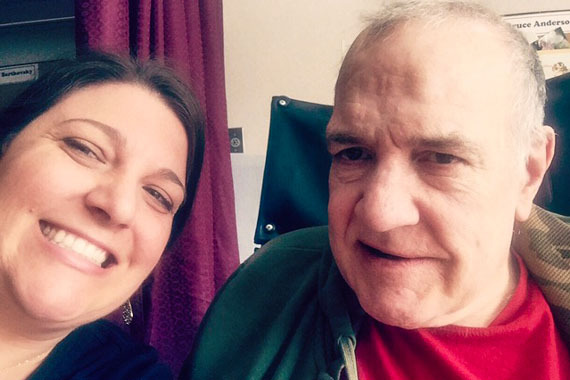
"caption": "Sara Anderson and her father Bruce Anderson at Norwood Pines in early 2015. ",
"description": null,
"title": "anderson-2-featured",
"credit": "Photo courtesy of Sara Anderson",
"status": "inherit",
"isLoading": false,
"fetchFailed": false
},
"stateofhealth_149326": {
"type": "attachments",
"id": "stateofhealth_149326",
"meta": {
"index": "attachments_1716263798",
"site": "stateofhealth",
"id": "149326",
"found": true
},
"parent": 149325,
"imgSizes": {
"twentyfourteen-full-width": {
"file": "https://ww2.kqed.org/app/uploads/sites/27/2016/02/catmaggedon_wide-3bdb5340eab45708bdc4c8b5580c50d981e4121d-1038x576.jpg",
"width": 1038,
"mimeType": "image/jpeg",
"height": 576
},
"thumbnail": {
"file": "https://ww2.kqed.org/app/uploads/sites/27/2016/02/catmaggedon_wide-3bdb5340eab45708bdc4c8b5580c50d981e4121d-400x225.jpg",
"width": 400,
"mimeType": "image/jpeg",
"height": 225
},
"fd-sm": {
"file": "https://ww2.kqed.org/app/uploads/sites/27/2016/02/catmaggedon_wide-3bdb5340eab45708bdc4c8b5580c50d981e4121d-960x539.jpg",
"width": 960,
"mimeType": "image/jpeg",
"height": 539
},
"post-thumbnail": {
"file": "https://ww2.kqed.org/app/uploads/sites/27/2016/02/catmaggedon_wide-3bdb5340eab45708bdc4c8b5580c50d981e4121d-672x372.jpg",
"width": 672,
"mimeType": "image/jpeg",
"height": 372
},
"kqedFullSize": {
"file": "https://ww2.kqed.org/app/uploads/sites/27/2016/02/catmaggedon_wide-3bdb5340eab45708bdc4c8b5580c50d981e4121d.jpg",
"width": 2264,
"height": 1272
},
"large": {
"file": "https://ww2.kqed.org/app/uploads/sites/27/2016/02/catmaggedon_wide-3bdb5340eab45708bdc4c8b5580c50d981e4121d-1440x809.jpg",
"width": 1440,
"mimeType": "image/jpeg",
"height": 809
},
"guest-author-96": {
"file": "https://ww2.kqed.org/app/uploads/sites/27/2016/02/catmaggedon_wide-3bdb5340eab45708bdc4c8b5580c50d981e4121d-96x96.jpg",
"width": 96,
"mimeType": "image/jpeg",
"height": 96
},
"medium": {
"file": "https://ww2.kqed.org/app/uploads/sites/27/2016/02/catmaggedon_wide-3bdb5340eab45708bdc4c8b5580c50d981e4121d-800x449.jpg",
"width": 800,
"mimeType": "image/jpeg",
"height": 449
},
"guest-author-64": {
"file": "https://ww2.kqed.org/app/uploads/sites/27/2016/02/catmaggedon_wide-3bdb5340eab45708bdc4c8b5580c50d981e4121d-64x64.jpg",
"width": 64,
"mimeType": "image/jpeg",
"height": 64
},
"guest-author-32": {
"file": "https://ww2.kqed.org/app/uploads/sites/27/2016/02/catmaggedon_wide-3bdb5340eab45708bdc4c8b5580c50d981e4121d-32x32.jpg",
"width": 32,
"mimeType": "image/jpeg",
"height": 32
},
"jmtc-small-thumb": {
"file": "https://ww2.kqed.org/app/uploads/sites/27/2016/02/catmaggedon_wide-3bdb5340eab45708bdc4c8b5580c50d981e4121d-280x150.jpg",
"width": 280,
"mimeType": "image/jpeg",
"height": 150
},
"fd-lrg": {
"file": "https://ww2.kqed.org/app/uploads/sites/27/2016/02/catmaggedon_wide-3bdb5340eab45708bdc4c8b5580c50d981e4121d-1920x1079.jpg",
"width": 1920,
"mimeType": "image/jpeg",
"height": 1079
},
"fd-med": {
"file": "https://ww2.kqed.org/app/uploads/sites/27/2016/02/catmaggedon_wide-3bdb5340eab45708bdc4c8b5580c50d981e4121d-1180x663.jpg",
"width": 1180,
"mimeType": "image/jpeg",
"height": 663
},
"detail": {
"file": "https://ww2.kqed.org/app/uploads/sites/27/2016/02/catmaggedon_wide-3bdb5340eab45708bdc4c8b5580c50d981e4121d-75x75.jpg",
"width": 75,
"mimeType": "image/jpeg",
"height": 75
},
"medium_large": {
"file": "https://ww2.kqed.org/app/uploads/sites/27/2016/02/catmaggedon_wide-3bdb5340eab45708bdc4c8b5580c50d981e4121d-768x431.jpg",
"width": 768,
"mimeType": "image/jpeg",
"height": 431
},
"guest-author-128": {
"file": "https://ww2.kqed.org/app/uploads/sites/27/2016/02/catmaggedon_wide-3bdb5340eab45708bdc4c8b5580c50d981e4121d-128x128.jpg",
"width": 128,
"mimeType": "image/jpeg",
"height": 128
}
},
"publishDate": 1455752063,
"modified": 1455752063,
"caption": null,
"description": "A still from the catmaggedon video.",
"title": "A still from the catmaggedon video.",
"credit": null,
"status": "inherit",
"isLoading": false,
"fetchFailed": false
},
"stateofhealth_149297": {
"type": "attachments",
"id": "stateofhealth_149297",
"meta": {
"index": "attachments_1716263798",
"site": "stateofhealth",
"id": "149297",
"found": true
},
"parent": 149223,
"imgSizes": {
"twentyfourteen-full-width": {
"file": "https://ww2.kqed.org/app/uploads/sites/27/2016/02/needle-exchange-11-4-1038x576.jpg",
"width": 1038,
"mimeType": "image/jpeg",
"height": 576
},
"thumbnail": {
"file": "https://ww2.kqed.org/app/uploads/sites/27/2016/02/needle-exchange-11-4-400x279.jpg",
"width": 400,
"mimeType": "image/jpeg",
"height": 279
},
"fd-sm": {
"file": "https://ww2.kqed.org/app/uploads/sites/27/2016/02/needle-exchange-11-4-960x668.jpg",
"width": 960,
"mimeType": "image/jpeg",
"height": 668
},
"post-thumbnail": {
"file": "https://ww2.kqed.org/app/uploads/sites/27/2016/02/needle-exchange-11-4-672x372.jpg",
"width": 672,
"mimeType": "image/jpeg",
"height": 372
},
"kqedFullSize": {
"file": "https://ww2.kqed.org/app/uploads/sites/27/2016/02/needle-exchange-11-4-e1455750729727.jpg",
"width": 1920,
"height": 1337
},
"large": {
"file": "https://ww2.kqed.org/app/uploads/sites/27/2016/02/needle-exchange-11-4-1440x1003.jpg",
"width": 1440,
"mimeType": "image/jpeg",
"height": 1003
},
"guest-author-96": {
"file": "https://ww2.kqed.org/app/uploads/sites/27/2016/02/needle-exchange-11-4-96x96.jpg",
"width": 96,
"mimeType": "image/jpeg",
"height": 96
},
"medium": {
"file": "https://ww2.kqed.org/app/uploads/sites/27/2016/02/needle-exchange-11-4-800x557.jpg",
"width": 800,
"mimeType": "image/jpeg",
"height": 557
},
"guest-author-64": {
"file": "https://ww2.kqed.org/app/uploads/sites/27/2016/02/needle-exchange-11-4-64x64.jpg",
"width": 64,
"mimeType": "image/jpeg",
"height": 64
},
"guest-author-32": {
"file": "https://ww2.kqed.org/app/uploads/sites/27/2016/02/needle-exchange-11-4-32x32.jpg",
"width": 32,
"mimeType": "image/jpeg",
"height": 32
},
"jmtc-small-thumb": {
"file": "https://ww2.kqed.org/app/uploads/sites/27/2016/02/needle-exchange-11-4-280x150.jpg",
"width": 280,
"mimeType": "image/jpeg",
"height": 150
},
"fd-lrg": {
"file": "https://ww2.kqed.org/app/uploads/sites/27/2016/02/needle-exchange-11-4-1920x1337.jpg",
"width": 1920,
"mimeType": "image/jpeg",
"height": 1337
},
"fd-med": {
"file": "https://ww2.kqed.org/app/uploads/sites/27/2016/02/needle-exchange-11-4-1180x822.jpg",
"width": 1180,
"mimeType": "image/jpeg",
"height": 822
},
"detail": {
"file": "https://ww2.kqed.org/app/uploads/sites/27/2016/02/needle-exchange-11-4-75x75.jpg",
"width": 75,
"mimeType": "image/jpeg",
"height": 75
},
"medium_large": {
"file": "https://ww2.kqed.org/app/uploads/sites/27/2016/02/needle-exchange-11-4-768x535.jpg",
"width": 768,
"mimeType": "image/jpeg",
"height": 535
},
"guest-author-128": {
"file": "https://ww2.kqed.org/app/uploads/sites/27/2016/02/needle-exchange-11-4-128x128.jpg",
"width": 128,
"mimeType": "image/jpeg",
"height": 128
}
},
"publishDate": 1455750714,
"modified": 1455751034,
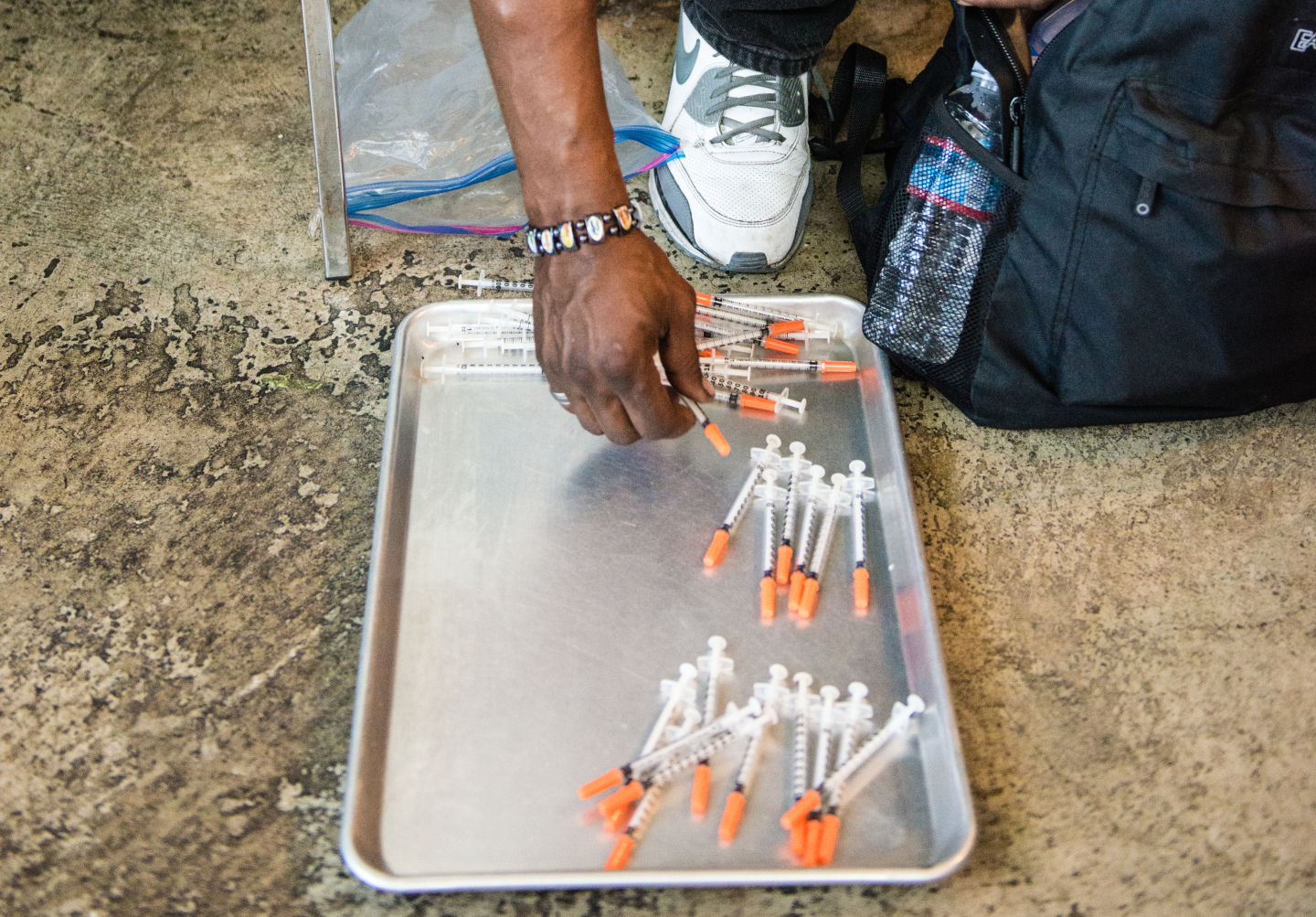
"caption": "A man counts his used needles before turning them in for new ones at the Center for Harm Reduction on Los Angeles' Skid Row. The center distributes 1.2 million syringes each year. ",
"description": "A man counts his used needles before turning them in for new ones. at the Center for Harm Reduction on LA's Skid Row. The center distributes 1.2 million syringes each year. ",
"title": "needle exchange-11-4",
"credit": "Heidi de Marco/KHN",
"status": "inherit",
"isLoading": false,
"fetchFailed": false
},
"stateofhealth_148818": {
"type": "attachments",
"id": "stateofhealth_148818",
"meta": {
"index": "attachments_1716263798",
"site": "stateofhealth",
"id": "148818",
"found": true
},
"parent": 148728,
"imgSizes": {
"twentyfourteen-full-width": {
"file": "https://ww2.kqed.org/app/uploads/sites/27/2016/02/iStock_000061052568_Large-1038x576.jpg",
"width": 1038,
"mimeType": "image/jpeg",
"height": 576
},
"thumbnail": {
"file": "https://ww2.kqed.org/app/uploads/sites/27/2016/02/iStock_000061052568_Large-400x267.jpg",
"width": 400,
"mimeType": "image/jpeg",
"height": 267
},
"fd-sm": {
"file": "https://ww2.kqed.org/app/uploads/sites/27/2016/02/iStock_000061052568_Large-960x640.jpg",
"width": 960,
"mimeType": "image/jpeg",
"height": 640
},
"post-thumbnail": {
"file": "https://ww2.kqed.org/app/uploads/sites/27/2016/02/iStock_000061052568_Large-672x372.jpg",
"width": 672,
"mimeType": "image/jpeg",
"height": 372
},
"kqedFullSize": {
"file": "https://ww2.kqed.org/app/uploads/sites/27/2016/02/iStock_000061052568_Large-e1455665245928.jpg",
"width": 1921,
"height": 1280
},
"large": {
"file": "https://ww2.kqed.org/app/uploads/sites/27/2016/02/iStock_000061052568_Large-1440x960.jpg",
"width": 1440,
"mimeType": "image/jpeg",
"height": 960
},
"guest-author-96": {
"file": "https://ww2.kqed.org/app/uploads/sites/27/2016/02/iStock_000061052568_Large-96x96.jpg",
"width": 96,
"mimeType": "image/jpeg",
"height": 96
},
"medium": {
"file": "https://ww2.kqed.org/app/uploads/sites/27/2016/02/iStock_000061052568_Large-800x533.jpg",
"width": 800,
"mimeType": "image/jpeg",
"height": 533
},
"guest-author-64": {
"file": "https://ww2.kqed.org/app/uploads/sites/27/2016/02/iStock_000061052568_Large-64x64.jpg",
"width": 64,
"mimeType": "image/jpeg",
"height": 64
},
"guest-author-32": {
"file": "https://ww2.kqed.org/app/uploads/sites/27/2016/02/iStock_000061052568_Large-32x32.jpg",
"width": 32,
"mimeType": "image/jpeg",
"height": 32
},
"jmtc-small-thumb": {
"file": "https://ww2.kqed.org/app/uploads/sites/27/2016/02/iStock_000061052568_Large-280x150.jpg",
"width": 280,
"mimeType": "image/jpeg",
"height": 150
},
"fd-lrg": {
"file": "https://ww2.kqed.org/app/uploads/sites/27/2016/02/iStock_000061052568_Large-1920x1280.jpg",
"width": 1920,
"mimeType": "image/jpeg",
"height": 1280
},
"fd-med": {
"file": "https://ww2.kqed.org/app/uploads/sites/27/2016/02/iStock_000061052568_Large-1180x786.jpg",
"width": 1180,
"mimeType": "image/jpeg",
"height": 786
},
"detail": {
"file": "https://ww2.kqed.org/app/uploads/sites/27/2016/02/iStock_000061052568_Large-75x75.jpg",
"width": 75,
"mimeType": "image/jpeg",
"height": 75
},
"medium_large": {
"file": "https://ww2.kqed.org/app/uploads/sites/27/2016/02/iStock_000061052568_Large-768x512.jpg",
"width": 768,
"mimeType": "image/jpeg",
"height": 512
},
"guest-author-128": {
"file": "https://ww2.kqed.org/app/uploads/sites/27/2016/02/iStock_000061052568_Large-128x128.jpg",
"width": 128,
"mimeType": "image/jpeg",
"height": 128
}
},
"publishDate": 1455665235,
"modified": 1455665372,
"caption": null,
"description": "condom",
"title": "iStock_000061052568_Large",
"credit": "iStockphoto",
"status": "inherit",
"isLoading": false,
"fetchFailed": false
},
"stateofhealth_146677": {
"type": "attachments",
"id": "stateofhealth_146677",
"meta": {
"index": "attachments_1716263798",
"site": "stateofhealth",
"id": "146677",
"found": true
},
"parent": 146345,
"imgSizes": {
"twentyfourteen-full-width": {
"file": "https://ww2.kqed.org/app/uploads/sites/27/2016/02/RS18409_IMG_4491.JPG-qut-1038x576.jpg",
"width": 1038,
"mimeType": "image/jpeg",
"height": 576
},
"thumbnail": {
"file": "https://ww2.kqed.org/app/uploads/sites/27/2016/02/RS18409_IMG_4491.JPG-qut-400x300.jpg",
"width": 400,
"mimeType": "image/jpeg",
"height": 300
},
"fd-sm": {
"file": "https://ww2.kqed.org/app/uploads/sites/27/2016/02/RS18409_IMG_4491.JPG-qut-960x720.jpg",
"width": 960,
"mimeType": "image/jpeg",
"height": 720
},
"post-thumbnail": {
"file": "https://ww2.kqed.org/app/uploads/sites/27/2016/02/RS18409_IMG_4491.JPG-qut-672x372.jpg",
"width": 672,
"mimeType": "image/jpeg",
"height": 372
},
"kqedFullSize": {
"file": "https://ww2.kqed.org/app/uploads/sites/27/2016/02/RS18409_IMG_4491.JPG-qut.jpg",
"width": 1920,
"height": 1440
},
"large": {
"file": "https://ww2.kqed.org/app/uploads/sites/27/2016/02/RS18409_IMG_4491.JPG-qut-1440x1080.jpg",
"width": 1440,
"mimeType": "image/jpeg",
"height": 1080
},
"guest-author-96": {
"file": "https://ww2.kqed.org/app/uploads/sites/27/2016/02/RS18409_IMG_4491.JPG-qut-96x96.jpg",
"width": 96,
"mimeType": "image/jpeg",
"height": 96
},
"medium": {
"file": "https://ww2.kqed.org/app/uploads/sites/27/2016/02/RS18409_IMG_4491.JPG-qut-800x600.jpg",
"width": 800,
"mimeType": "image/jpeg",
"height": 600
},
"guest-author-64": {
"file": "https://ww2.kqed.org/app/uploads/sites/27/2016/02/RS18409_IMG_4491.JPG-qut-64x64.jpg",
"width": 64,
"mimeType": "image/jpeg",
"height": 64
},
"guest-author-32": {
"file": "https://ww2.kqed.org/app/uploads/sites/27/2016/02/RS18409_IMG_4491.JPG-qut-32x32.jpg",
"width": 32,
"mimeType": "image/jpeg",
"height": 32
},
"jmtc-small-thumb": {
"file": "https://ww2.kqed.org/app/uploads/sites/27/2016/02/RS18409_IMG_4491.JPG-qut-280x150.jpg",
"width": 280,
"mimeType": "image/jpeg",
"height": 150
},
"fd-lrg": {
"file": "https://ww2.kqed.org/app/uploads/sites/27/2016/02/RS18409_IMG_4491.JPG-qut-1920x1440.jpg",
"width": 1920,
"mimeType": "image/jpeg",
"height": 1440
},
"fd-med": {
"file": "https://ww2.kqed.org/app/uploads/sites/27/2016/02/RS18409_IMG_4491.JPG-qut-1180x885.jpg",
"width": 1180,
"mimeType": "image/jpeg",
"height": 885
},
"detail": {
"file": "https://ww2.kqed.org/app/uploads/sites/27/2016/02/RS18409_IMG_4491.JPG-qut-75x75.jpg",
"width": 75,
"mimeType": "image/jpeg",
"height": 75
},
"medium_large": {
"file": "https://ww2.kqed.org/app/uploads/sites/27/2016/02/RS18409_IMG_4491.JPG-qut-768x576.jpg",
"width": 768,
"mimeType": "image/jpeg",
"height": 576
},
"guest-author-128": {
"file": "https://ww2.kqed.org/app/uploads/sites/27/2016/02/RS18409_IMG_4491.JPG-qut-128x128.jpg",
"width": 128,
"mimeType": "image/jpeg",
"height": 128
}
},
"publishDate": 1455242687,
"modified": 1455660632,
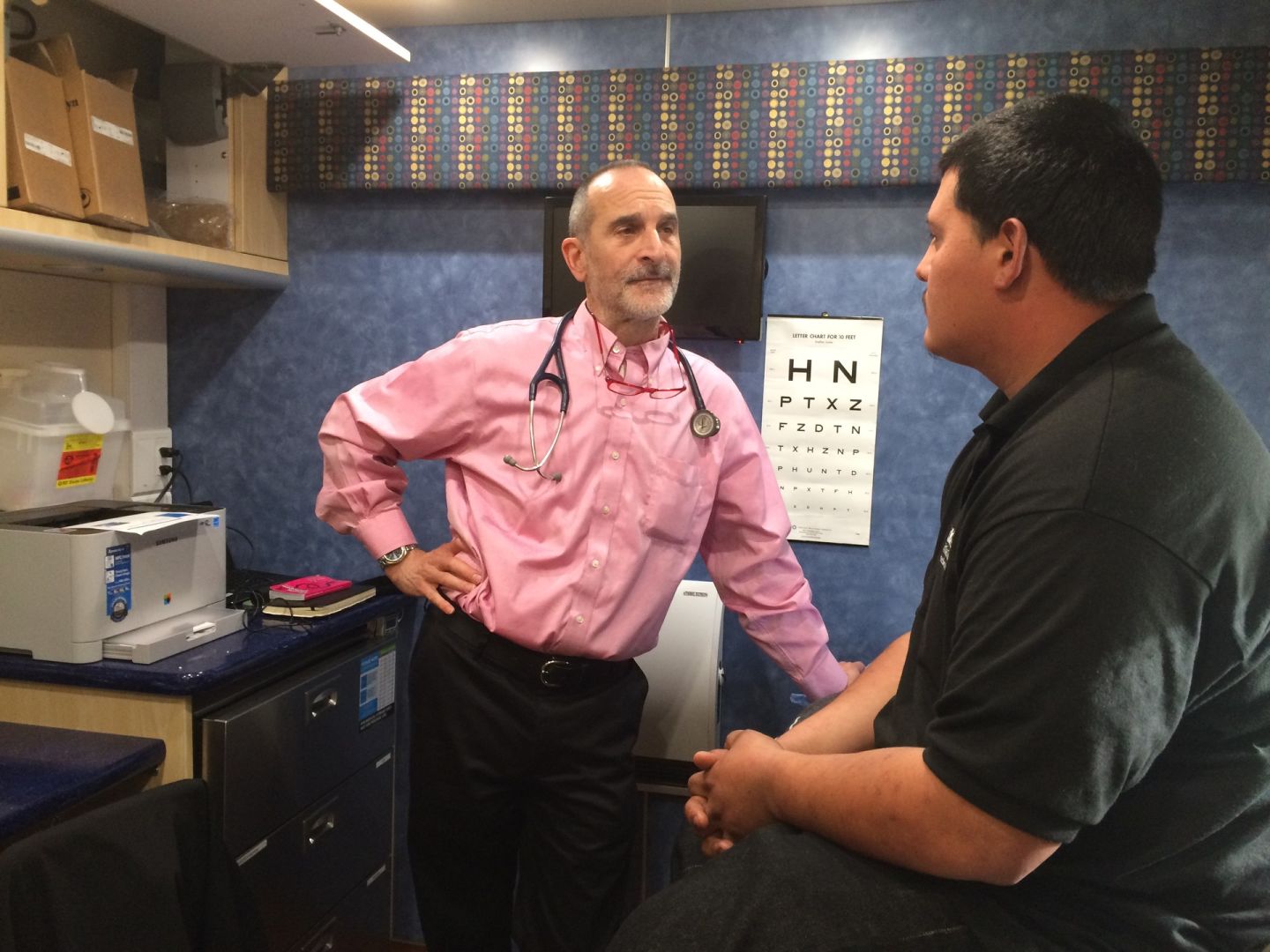
"caption": "A patient meets with Dr. Seth Ammerman at the teen health van. In his 20 years working at the van, Ammerman has treated thousands of uninsured teens and young adults.",
"description": null,
"title": "RS18409_IMG_4491.JPG-qut",
"credit": "Farida Jhabvala Romero/KQED",
"status": "inherit",
"isLoading": false,
"fetchFailed": false
},
"stateofhealth_146634": {
"type": "attachments",
"id": "stateofhealth_146634",
"meta": {
"index": "attachments_1716263798",
"site": "stateofhealth",
"id": "146634",
"found": true
},
"parent": 146633,
"imgSizes": {
"jmtc-small-thumb": {
"file": "https://ww2.kqed.org/app/uploads/sites/27/2016/02/promo-zika-seamus_wide-9847c02288ced4d520c04baa1084eaf62fb9a47e-280x150.png",
"width": 280,
"mimeType": "image/png",
"height": 150
},
"thumbnail": {
"file": "https://ww2.kqed.org/app/uploads/sites/27/2016/02/promo-zika-seamus_wide-9847c02288ced4d520c04baa1084eaf62fb9a47e-400x225.png",
"width": 400,
"mimeType": "image/png",
"height": 225
},
"post-thumbnail": {
"file": "https://ww2.kqed.org/app/uploads/sites/27/2016/02/promo-zika-seamus_wide-9847c02288ced4d520c04baa1084eaf62fb9a47e-672x372.png",
"width": 672,
"mimeType": "image/png",
"height": 372
},
"kqedFullSize": {
"file": "https://ww2.kqed.org/app/uploads/sites/27/2016/02/promo-zika-seamus_wide-9847c02288ced4d520c04baa1084eaf62fb9a47e.png",
"width": 700,
"height": 394
},
"guest-author-96": {
"file": "https://ww2.kqed.org/app/uploads/sites/27/2016/02/promo-zika-seamus_wide-9847c02288ced4d520c04baa1084eaf62fb9a47e-96x96.png",
"width": 96,
"mimeType": "image/png",
"height": 96
},
"guest-author-64": {
"file": "https://ww2.kqed.org/app/uploads/sites/27/2016/02/promo-zika-seamus_wide-9847c02288ced4d520c04baa1084eaf62fb9a47e-64x64.png",
"width": 64,
"mimeType": "image/png",
"height": 64
},
"detail": {
"file": "https://ww2.kqed.org/app/uploads/sites/27/2016/02/promo-zika-seamus_wide-9847c02288ced4d520c04baa1084eaf62fb9a47e-75x75.png",
"width": 75,
"mimeType": "image/png",
"height": 75
},
"guest-author-32": {
"file": "https://ww2.kqed.org/app/uploads/sites/27/2016/02/promo-zika-seamus_wide-9847c02288ced4d520c04baa1084eaf62fb9a47e-32x32.png",
"width": 32,
"mimeType": "image/png",
"height": 32
},
"guest-author-128": {
"file": "https://ww2.kqed.org/app/uploads/sites/27/2016/02/promo-zika-seamus_wide-9847c02288ced4d520c04baa1084eaf62fb9a47e-128x128.png",
"width": 128,
"mimeType": "image/png",
"height": 128
}
},
"publishDate": 1455233164,
"modified": 1455233164,
"caption": null,
"description": null,
"title": "Chart: Use Of Contraceptives And Abortion Laws In Countries Affected By Zika",
"credit": null,
"status": "inherit",
"isLoading": false,
"fetchFailed": false
},
"stateofhealth_146121": {
"type": "attachments",
"id": "stateofhealth_146121",
"meta": {
"index": "attachments_1716263798",
"site": "stateofhealth",
"id": "146121",
"found": true
},
"parent": 146097,
"imgSizes": {
"jmtc-small-thumb": {
"file": "https://ww2.kqed.org/app/uploads/sites/27/2016/02/Misha-in-a-boat-280x150.jpg",
"width": 280,
"mimeType": "image/jpeg",
"height": 150
},
"thumbnail": {
"file": "https://ww2.kqed.org/app/uploads/sites/27/2016/02/Misha-in-a-boat-400x251.jpg",
"width": 400,
"mimeType": "image/jpeg",
"height": 251
},
"post-thumbnail": {
"file": "https://ww2.kqed.org/app/uploads/sites/27/2016/02/Misha-in-a-boat-672x372.jpg",
"width": 672,
"mimeType": "image/jpeg",
"height": 372
},
"kqedFullSize": {
"file": "https://ww2.kqed.org/app/uploads/sites/27/2016/02/Misha-in-a-boat.jpg",
"width": 894,
"height": 560
},
"guest-author-96": {
"file": "https://ww2.kqed.org/app/uploads/sites/27/2016/02/Misha-in-a-boat-96x96.jpg",
"width": 96,
"mimeType": "image/jpeg",
"height": 96
},
"medium": {
"file": "https://ww2.kqed.org/app/uploads/sites/27/2016/02/Misha-in-a-boat-800x501.jpg",
"width": 800,
"mimeType": "image/jpeg",
"height": 501
},
"guest-author-64": {
"file": "https://ww2.kqed.org/app/uploads/sites/27/2016/02/Misha-in-a-boat-64x64.jpg",
"width": 64,
"mimeType": "image/jpeg",
"height": 64
},
"detail": {
"file": "https://ww2.kqed.org/app/uploads/sites/27/2016/02/Misha-in-a-boat-75x75.jpg",
"width": 75,
"mimeType": "image/jpeg",
"height": 75
},
"guest-author-32": {
"file": "https://ww2.kqed.org/app/uploads/sites/27/2016/02/Misha-in-a-boat-32x32.jpg",
"width": 32,
"mimeType": "image/jpeg",
"height": 32
},
"medium_large": {
"file": "https://ww2.kqed.org/app/uploads/sites/27/2016/02/Misha-in-a-boat-768x481.jpg",
"width": 768,
"mimeType": "image/jpeg",
"height": 481
},
"guest-author-128": {
"file": "https://ww2.kqed.org/app/uploads/sites/27/2016/02/Misha-in-a-boat-128x128.jpg",
"width": 128,
"mimeType": "image/jpeg",
"height": 128
}
},
"publishDate": 1455065554,
"modified": 1455125121,
"caption": "Misha Hindery, 18. is one of three Santa Clara University students sickened by meningococcal disease. It often strikes young, healthy people. Hindery is on the Santa Clara crew team.",
"description": "Misha Hindery, 18. was one of three Santa Clara University students sickened by meningococcal disease. It often strikes young, healthy people. Hindery is on the Santa Clara crew team.",
"title": "Misha in a boat'",
"credit": "Courtesy Penny Nelson",
"status": "inherit",
"isLoading": false,
"fetchFailed": false
},
"stateofhealth_25005": {
"type": "attachments",
"id": "stateofhealth_25005",
"meta": {
"index": "attachments_1716263798",
"site": "stateofhealth",
"id": "25005",
"found": true
},
"parent": 25003,
"imgSizes": {
"twentyfourteen-full-width": {
"file": "https://ww2.kqed.org/app/uploads/sites/27/2015/04/RS1369_IMG_1902-e1429575505514-1038x576.jpg",
"width": 1038,
"mimeType": "image/jpeg",
"height": 576
},
"thumbnail": {
"file": "https://ww2.kqed.org/app/uploads/sites/27/2015/04/RS1369_IMG_1902-e1429575505514-400x300.jpg",
"width": 400,
"mimeType": "image/jpeg",
"height": 300
},
"fd-sm": {
"file": "https://ww2.kqed.org/app/uploads/sites/27/2015/04/RS1369_IMG_1902-e1429575505514-320x240.jpg",
"width": 320,
"mimeType": "image/jpeg",
"height": 240
},
"post-thumbnail": {
"file": "https://ww2.kqed.org/app/uploads/sites/27/2015/04/RS1369_IMG_1902-e1429575505514-672x372.jpg",
"width": 672,
"mimeType": "image/jpeg",
"height": 372
},
"kqedFullSize": {
"file": "https://ww2.kqed.org/app/uploads/sites/27/2015/04/RS1369_IMG_1902-e1429575505514.jpg",
"width": 1920,
"height": 1440
},
"large": {
"file": "https://ww2.kqed.org/app/uploads/sites/27/2015/04/RS1369_IMG_1902-e1429575505514-1440x1080.jpg",
"width": 1440,
"mimeType": "image/jpeg",
"height": 1080
},
"guest-author-96": {
"file": "https://ww2.kqed.org/app/uploads/sites/27/2015/04/RS1369_IMG_1902-e1429575505514-96x96.jpg",
"width": 96,
"mimeType": "image/jpeg",
"height": 96
},
"medium": {
"file": "https://ww2.kqed.org/app/uploads/sites/27/2015/04/RS1369_IMG_1902-e1429575505514-800x600.jpg",
"width": 800,
"mimeType": "image/jpeg",
"height": 600
},
"guest-author-64": {
"file": "https://ww2.kqed.org/app/uploads/sites/27/2015/04/RS1369_IMG_1902-e1429575505514-64x64.jpg",
"width": 64,
"mimeType": "image/jpeg",
"height": 64
},
"guest-author-32": {
"file": "https://ww2.kqed.org/app/uploads/sites/27/2015/04/RS1369_IMG_1902-e1429575505514-32x32.jpg",
"width": 32,
"mimeType": "image/jpeg",
"height": 32
},
"fd-lrg": {
"file": "https://ww2.kqed.org/app/uploads/sites/27/2015/04/RS1369_IMG_1902-e1429575505514-1180x885.jpg",
"width": 1180,
"mimeType": "image/jpeg",
"height": 885
},
"fd-med": {
"file": "https://ww2.kqed.org/app/uploads/sites/27/2015/04/RS1369_IMG_1902-e1429575505514-768x576.jpg",
"width": 768,
"mimeType": "image/jpeg",
"height": 576
},
"detail": {
"file": "https://ww2.kqed.org/app/uploads/sites/27/2015/04/RS1369_IMG_1902-e1429575505514-75x75.jpg",
"width": 75,
"mimeType": "image/jpeg",
"height": 75
},
"guest-author-128": {
"file": "https://ww2.kqed.org/app/uploads/sites/27/2015/04/RS1369_IMG_1902-e1429575505514-128x128.jpg",
"width": 128,
"mimeType": "image/jpeg",
"height": 128
}
},
"publishDate": 1429575493,
"modified": 1441405757,
"caption": "State Capitol, Sacramento",
"description": "State Capitol, Sacramento, capital",
"title": "RS1369_IMG_1902",
"credit": "Craig Miller/KQED",
"status": "inherit",
"isLoading": false,
"fetchFailed": false
},
"stateofhealth_143489": {
"type": "attachments",
"id": "stateofhealth_143489",
"meta": {
"index": "attachments_1716263798",
"site": "stateofhealth",
"id": "143489",
"found": true
},
"parent": 143478,
"imgSizes": {
"twentyfourteen-full-width": {
"file": "https://ww2.kqed.org/app/uploads/sites/27/2016/01/iStock_000025182928_Large-1038x576.jpg",
"width": 1038,
"mimeType": "image/jpeg",
"height": 576
},
"thumbnail": {
"file": "https://ww2.kqed.org/app/uploads/sites/27/2016/01/iStock_000025182928_Large-400x461.jpg",
"width": 400,
"mimeType": "image/jpeg",
"height": 461
},
"fd-sm": {
"file": "https://ww2.kqed.org/app/uploads/sites/27/2016/01/iStock_000025182928_Large-960x1106.jpg",
"width": 960,
"mimeType": "image/jpeg",
"height": 1106
},
"post-thumbnail": {
"file": "https://ww2.kqed.org/app/uploads/sites/27/2016/01/iStock_000025182928_Large-672x372.jpg",
"width": 672,
"mimeType": "image/jpeg",
"height": 372
},
"kqedFullSize": {
"file": "https://ww2.kqed.org/app/uploads/sites/27/2016/01/iStock_000025182928_Large.jpg",
"width": 1876,
"height": 2161
},
"large": {
"file": "https://ww2.kqed.org/app/uploads/sites/27/2016/01/iStock_000025182928_Large-1440x1659.jpg",
"width": 1440,
"mimeType": "image/jpeg",
"height": 1659
},
"guest-author-96": {
"file": "https://ww2.kqed.org/app/uploads/sites/27/2016/01/iStock_000025182928_Large-96x96.jpg",
"width": 96,
"mimeType": "image/jpeg",
"height": 96
},
"medium": {
"file": "https://ww2.kqed.org/app/uploads/sites/27/2016/01/iStock_000025182928_Large-800x922.jpg",
"width": 800,
"mimeType": "image/jpeg",
"height": 922
},
"guest-author-64": {
"file": "https://ww2.kqed.org/app/uploads/sites/27/2016/01/iStock_000025182928_Large-64x64.jpg",
"width": 64,
"mimeType": "image/jpeg",
"height": 64
},
"guest-author-32": {
"file": "https://ww2.kqed.org/app/uploads/sites/27/2016/01/iStock_000025182928_Large-32x32.jpg",
"width": 32,
"mimeType": "image/jpeg",
"height": 32
},
"jmtc-small-thumb": {
"file": "https://ww2.kqed.org/app/uploads/sites/27/2016/01/iStock_000025182928_Large-280x150.jpg",
"width": 280,
"mimeType": "image/jpeg",
"height": 150
},
"fd-med": {
"file": "https://ww2.kqed.org/app/uploads/sites/27/2016/01/iStock_000025182928_Large-1180x1359.jpg",
"width": 1180,
"mimeType": "image/jpeg",
"height": 1359
},
"detail": {
"file": "https://ww2.kqed.org/app/uploads/sites/27/2016/01/iStock_000025182928_Large-75x75.jpg",
"width": 75,
"mimeType": "image/jpeg",
"height": 75
},
"medium_large": {
"file": "https://ww2.kqed.org/app/uploads/sites/27/2016/01/iStock_000025182928_Large-768x885.jpg",
"width": 768,
"mimeType": "image/jpeg",
"height": 885
},
"guest-author-128": {
"file": "https://ww2.kqed.org/app/uploads/sites/27/2016/01/iStock_000025182928_Large-128x128.jpg",
"width": 128,
"mimeType": "image/jpeg",
"height": 128
}
},
"publishDate": 1454009495,
"modified": 1454009540,
"caption": null,
"description": "child, trauma, ACE",
"title": "iStock_000025182928_Large",
"credit": "iStockphoto",
"status": "inherit",
"isLoading": false,
"fetchFailed": false
}
},
"audioPlayerReducer": {
"postId": "stream_live",
"isPaused": true,
"isPlaying": false,
"pfsActive": false,
"pledgeModalIsOpen": true,
"playerDrawerIsOpen": false,
"liveAudioPlayStartedAt": 0,
"liveAudioPlayContext": ""
},
"authorsReducer": {
"byline_stateofhealth_152183": {
"type": "authors",
"id": "byline_stateofhealth_152183",
"meta": {
"override": true
},
"slug": "byline_stateofhealth_152183",
"name": "Mike Stobbe",
"isLoading": false
},
"byline_stateofhealth_151638": {
"type": "authors",
"id": "byline_stateofhealth_151638",
"meta": {
"override": true
},
"slug": "byline_stateofhealth_151638",
"name": "Anna Gorman",
"isLoading": false
},
"byline_stateofhealth_149325": {
"type": "authors",
"id": "byline_stateofhealth_149325",
"meta": {
"override": true
},
"slug": "byline_stateofhealth_149325",
"name": "Angus Chen",
"isLoading": false
},
"byline_stateofhealth_149223": {
"type": "authors",
"id": "byline_stateofhealth_149223",
"meta": {
"override": true
},
"slug": "byline_stateofhealth_149223",
"name": "Anna Gorman",
"isLoading": false
},
"byline_stateofhealth_146633": {
"type": "authors",
"id": "byline_stateofhealth_146633",
"meta": {
"override": true
},
"slug": "byline_stateofhealth_146633",
"name": "Marc Silver",
"isLoading": false
},
"byline_stateofhealth_146061": {
"type": "authors",
"id": "byline_stateofhealth_146061",
"meta": {
"override": true
},
"slug": "byline_stateofhealth_146061",
"name": "David Gorn, California Healthline",
"isLoading": false
},
"byline_stateofhealth_143478": {
"type": "authors",
"id": "byline_stateofhealth_143478",
"meta": {
"override": true
},
"slug": "byline_stateofhealth_143478",
"name": "David Gorn",
"isLoading": false
},
"lisaaliferis": {
"type": "authors",
"id": "240",
"meta": {
"index": "authors_1716337520",
"id": "240",
"found": true
},
"name": "Lisa Aliferis",
"firstName": "Lisa",
"lastName": "Aliferis",
"slug": "lisaaliferis",
"email": "laliferis@kqed.org",
"display_author_email": false,
"staff_mastheads": [],
"title": "KQED Contributor",
"bio": "Lisa Aliferis is the founding editor of KQED's \u003cem>State of Health\u003c/em> blog. Since 2011, she's been writing and editing stories for the site. Before taking up blogging, she toiled for many years (more than we can count) producing health stories for television, including\u003cem> Dateline NBC\u003c/em> and San Francisco's CBS affiliate, KPIX-TV. She also wrote up a \u003ca title=\"http://www.kqed.org/news/health/obamacare/obamacare-guide.jsp\" href=\"http://www.kqed.org/news/health/obamacare/obamacare-guide.jsp\">handy guide to the Affordable Care Act\u003c/a>, especially for Californians. Her work has been honored for many awards. Most recently she was a finalist for \"Best Topical Reporting\" from the Online News Association. You can follow her on Twitter: \u003ca title=\"https://twitter.com/laliferis\" href=\"https://twitter.com/laliferis\">@laliferis\u003c/a>",
"avatar": "https://secure.gravatar.com/avatar/86c339d5cdcb0dcd2b6cf5d7c3f5886b?s=600&d=mm&r=g",
"twitter": "laliferis",
"facebook": null,
"instagram": null,
"linkedin": null,
"sites": [
{
"site": "news",
"roles": [
"subscriber"
]
},
{
"site": "futureofyou",
"roles": [
"subscriber"
]
},
{
"site": "stateofhealth",
"roles": [
"subscriber"
]
},
{
"site": "science",
"roles": [
"subscriber"
]
},
{
"site": "food",
"roles": []
}
],
"headData": {
"title": "Lisa Aliferis | KQED",
"description": "KQED Contributor",
"ogImgSrc": "https://secure.gravatar.com/avatar/86c339d5cdcb0dcd2b6cf5d7c3f5886b?s=600&d=mm&r=g",
"twImgSrc": "https://secure.gravatar.com/avatar/86c339d5cdcb0dcd2b6cf5d7c3f5886b?s=600&d=mm&r=g"
},
"isLoading": false,
"link": "/author/lisaaliferis"
},
"adembosky": {
"type": "authors",
"id": "3205",
"meta": {
"index": "authors_1716337520",
"id": "3205",
"found": true
},
"name": "April Dembosky",
"firstName": "April",
"lastName": "Dembosky",
"slug": "adembosky",
"email": "adembosky@kqed.org",
"display_author_email": false,
"staff_mastheads": [
"news",
"science"
],
"title": "KQED Health Correspondent",
"bio": "April Dembosky is the health correspondent for KQED News and a regular contributor to NPR. She specializes in covering altered states of mind, from postpartum depression to methamphetamine-induced psychosis to the insanity defense. Her investigative series on insurance companies sidestepping mental health laws won multiple awards, including first place in beat reporting from the national Association of Health Care Journalists. She is the recipient of numerous other prizes and fellowships, including a national Edward R. Murrow award for investigative reporting, a Society of Professional Journalists award for long-form storytelling, and a Carter Center Fellowship for Mental Health Journalism.\r\n\r\nDembosky reported and produced \u003cem>Soundtrack of Silence\u003c/em>, an audio documentary about music and memory that is currently being made into a feature film by Paramount Pictures.\r\n\r\nBefore joining KQED in 2013, Dembosky covered technology and Silicon Valley for \u003cem>The Financial Times of London,\u003c/em> and contributed business and arts stories to \u003cem>Marketplace \u003c/em>and \u003cem>The New York Times.\u003c/em> She got her undergraduate degree in philosophy from Smith College and her master's in journalism from the University of California, Berkeley. She is a classically trained violinist and proud alum of the first symphony orchestra at Burning Man.",
"avatar": "https://secure.gravatar.com/avatar/ef92999be4ceb9ea60701e7dc276f813?s=600&d=blank&r=g",
"twitter": "adembosky",
"facebook": null,
"instagram": null,
"linkedin": null,
"sites": [
{
"site": "arts",
"roles": [
"author"
]
},
{
"site": "news",
"roles": [
"editor"
]
},
{
"site": "futureofyou",
"roles": [
"author"
]
},
{
"site": "stateofhealth",
"roles": [
"editor"
]
},
{
"site": "science",
"roles": [
"editor"
]
},
{
"site": "forum",
"roles": [
"editor"
]
}
],
"headData": {
"title": "April Dembosky | KQED",
"description": "KQED Health Correspondent",
"ogImgSrc": "https://secure.gravatar.com/avatar/ef92999be4ceb9ea60701e7dc276f813?s=600&d=blank&r=g",
"twImgSrc": "https://secure.gravatar.com/avatar/ef92999be4ceb9ea60701e7dc276f813?s=600&d=blank&r=g"
},
"isLoading": false,
"link": "/author/adembosky"
},
"fjhabvala": {
"type": "authors",
"id": "8659",
"meta": {
"index": "authors_1716337520",
"id": "8659",
"found": true
},
"name": "Farida Jhabvala Romero",
"firstName": "Farida",
"lastName": "Jhabvala Romero",
"slug": "fjhabvala",
"email": "fjhabvala@kqed.org",
"display_author_email": true,
"staff_mastheads": [
"news"
],
"title": "KQED Contributor",
"bio": "Farida Jhabvala Romero is a Labor Correspondent for KQED. She previously covered immigration. Farida was \u003ca href=\"https://www.ccnma.org/2022-most-influential-latina-journalists\">named\u003c/a> one of the 10 Most Influential Latina Journalists in California in 2022 by the California Chicano News Media Association. Her work has won awards from the Society of Professional Journalists (Northern California), as well as a national and regional Edward M. Murrow Award for the collaborative reporting projects “Dangerous Air” and “Graying California.” Before joining KQED, Farida worked as a producer at Radio Bilingüe, a national public radio network. Farida earned her master’s degree in journalism from Stanford University.",
"avatar": "https://secure.gravatar.com/avatar/f9f022d4e2609741874222a1e9d41f48fea74011aa7c615eef91d9a50c944ebe?s=600&d=blank&r=g",
"twitter": "FaridaJhabvala",
"bluesky": null,
"facebook": null,
"instagram": null,
"linkedin": "https://www.linkedin.com/in/faridajhabvala/",
"sites": [
{
"site": "news",
"roles": [
"editor"
]
},
{
"site": "stateofhealth",
"roles": [
"author"
]
},
{
"site": "liveblog",
"roles": [
"author"
]
}
],
"headData": {
"title": "Farida Jhabvala Romero | KQED",
"description": "KQED Contributor",
"ogImgSrc": "https://secure.gravatar.com/avatar/f9f022d4e2609741874222a1e9d41f48fea74011aa7c615eef91d9a50c944ebe?s=600&d=blank&r=g",
"twImgSrc": "https://secure.gravatar.com/avatar/f9f022d4e2609741874222a1e9d41f48fea74011aa7c615eef91d9a50c944ebe?s=600&d=blank&r=g"
},
"isLoading": false,
"link": "/author/fjhabvala"
}
},
"pagesReducer": {
"stateofhealth_category_place-matters": {
"type": "terms",
"id": "stateofhealth_11",
"meta": {
"index": "terms_1716263798",
"site": "stateofhealth",
"id": "11",
"score": 14.406195
},
"featImg": null,
"name": "Community Health",
"description": "\r\n\r\nFrom rural California to urban neighborhoods, where you live affects your health",
"taxonomy": "category",
"headData": {
"twImgId": null,
"twTitle": null,
"ogTitle": null,
"ogImgId": null,
"twDescription": null,
"description": "From rural California to urban neighborhoods, where you live affects your health",
"title": "Community Health Archives | KQED Arts",
"ogDescription": null
},
"ttid": 11,
"slug": "place-matters",
"isLoading": false,
"title": "Community Health",
"pageMeta": {
"site": "stateofhealth",
"WpPageTemplate": "page-topic-editorial",
"currentPage": 12
},
"blocks": [
{
"blockName": "kqed/company-paragraph",
"content": "\r\n\r\nFrom rural California to urban neighborhoods, where you live affects your health"
},
{
"blockName": "kqed/post-list",
"attrs": {
"layout": "cardArticle2",
"query": "posts/stateofhealth?category=place-matters",
"seeMore": false,
"paginated": true,
"page": 12
}
},
{
"blockName": "kqed/ad"
}
]
}
},
"pfsSessionReducer": {},
"postsReducer": {
"stream_live": {
"type": "live",
"id": "stream_live",
"audioUrl": "https://streams.kqed.org/kqedradio",
"title": "Live Stream",
"excerpt": "Live Stream information currently unavailable.",
"link": "/radio",
"featImg": "",
"label": {
"name": "KQED Live",
"link": "/"
}
},
"stream_kqedNewscast": {
"type": "posts",
"id": "stream_kqedNewscast",
"audioUrl": "https://www.kqed.org/.stream/anon/radio/RDnews/newscast.mp3?_=1",
"title": "KQED Newscast",
"featImg": "",
"label": {
"name": "88.5 FM",
"link": "/"
}
},
"stateofhealth_152183": {
"type": "posts",
"id": "stateofhealth_152183",
"meta": {
"index": "posts_1716263798",
"site": "stateofhealth",
"id": "152183",
"score": null,
"sort": [
1456259097000
]
},
"parent": 0,
"labelTerm": {
"site": "stateofhealth"
},
"blocks": [],
"publishDate": 1456259097,
"format": "standard",
"disqusTitle": "Half of Gay Black Men Will Get HIV, CDC Analysis Shows",
"title": "Half of Gay Black Men Will Get HIV, CDC Analysis Shows",
"headTitle": "State of Health | KQED News",
"content": "\u003cp>NEW YORK (AP) — About half of gay and bisexual black men will be diagnosed with the AIDS virus in their lifetime, according to the \u003ca href=\"http://www.cdc.gov/nchhstp/newsroom/docs/factsheets/lifetime-risk-hiv-dx-us.pdf\" target=\"_blank\">first-ever comprehensive national estimates\u003c/a> from the Centers for Disease Control and Prevention.\u003c/p>\n\u003cp>Overall, for the average American, the odds of an HIV infection is 1 in 99 and has been declining.\u003c/p>\n\u003cp>But the risk varies widely for different groups. For example, the projection is 1 in 2 for gay black men but fewer than 1 in 2,500 for heterosexual white men.\u003c/p>\n\u003cp>\"The differences are stark,\" said Dr. Jonathan Mermin of the CDC's National Center for HIV/AIDS. The CDC released the estimates at a Boston medical conference on Tuesday.\u003c/p>\n\u003cp>HIV, or human immunodeficiency virus, is spread mainly through sex and sharing needles for injecting drugs. In the U.S., infections have long been most common in men who have sex with men. Since AIDS was first identified more than 30 years ago, medicines have changed it from a death sentence to a chronic threat.\u003c/p>\n\u003cp>[ad fullwidth]\u003c/p>\n\u003cp>The report provides an unusually vivid picture of what's been happening with HIV infections. The estimates were calculated from HIV diagnosis and death figures from 2009 through 2013.\u003c/p>\n\u003cp>New HIV infections have been falling in the United States, to about 40,000 annually. A disproportionately large share — about 10,000 cases — has been in gay and bisexual black men. That number has been holding steady while infections in other groups have fallen.\u003c/p>\n\u003cp>The lifetime risk of HIV has also has been declining. Several years ago, the CDC put that estimate at less than 1 in 78 for all Americans. It fell about 20 percent, to 1 in 99, and dropped for both men and women. That suggests prevention efforts are paying off, Mermin said.\u003c/p>\n\u003cp>The earlier estimate was based on 33 states; the \u003ca href=\"http://www.cdc.gov/nchhstp/newsroom/docs/factsheets/lifetime-risk-hiv-dx-us.pdf\" target=\"_blank\">new report\u003c/a> covers all 50 states and the District of Columbia. That allowed the agency — for the first time — to calculate lifetime risk for specific groups, like gay black men, and for states.\u003c/p>\n\u003cp>Again, the overall risk that the average American will be diagnosed with HIV during his or her lifetime is 1 in 99.\u003c/p>\n\u003cp>Findings include:\u003c/p>\n\u003cul>\n\u003cli>Based on geography, the chances of being diagnosed with HIV is highest in Washington, D.C., and Southern states like Georgia, Florida, Louisiana and Maryland.\u003c/li>\n\u003cli>The risk is lowest in North Dakota. One in 670 residents of that state will be diagnosed with HIV, compared to about 1 in 50 in Maryland and Georgia.\u003c/li>\n\u003cli>In California, the overall risk is 1 in 102\u003c/li>\n\u003cli>Gay and bisexual men have the highest risk, but there are racial differences within that group. For gay white men it's about 1 in 11 — a significantly smaller proportion than the estimate for blacks and Hispanics.\u003c/li>\n\u003cli>Among heterosexuals, blacks are far more likely to be infected than other racial groups. For example, 1 in 49 black women compared to 1 in 1,083 white women.\u003c/li>\n\u003c/ul>\n\u003cp>“You see this community that is at far higher risk for HIV infection, but there almost seems to be a concerted effort not to talk about it,” Greg Millett, vice president and director of Public Policy at AmfAR, the Foundation for AIDS Research, told \u003ca href=\"http://www.bloomberg.com/news/articles/2016-02-23/gay-black-men-are-still-bearing-the-brunt-of-the-hiv-crisis\" target=\"_blank\">Bloomberg News\u003c/a>. He was not involved in the research, but did work at CDC until 2014.\u003c/p>\n\u003cp>In a \u003ca href=\"http://www.thelancet.com/journals/lancet/article/PIIS0140-6736(12)60899-X/abstract\" target=\"_blank\">2012 analysis,\u003c/a> Millett found the disparity was not linked to gay black men engaging in riskier sex. As Bloomberg reports:\u003c/p>\n\u003cblockquote>\u003cp>Rather, he cites such structural barriers as access to health insurance that have made it harder for blacks to get HIV testing and treatment that can control the virus and reduce the risk of infecting a partner.\u003c/p>\u003c/blockquote>\n\u003cp>Marguerita Lightfoot, director of the UC San Francisco Center for AIDS Prevention called the numbers \"shocking.\"\u003c/p>\n\u003cp>[contextly_sidebar id=\"UwZFLWI6km758gDhJI39O7UhloU3at8y\"]She agreed that HIV testing is a first step toward reducing the risk of infected men spreading the virus to others. With treatments available today, the virus can be reduced to undetectable levels in the bloodstream, making it virtually impossible to infect others.\u003c/p>\n\u003cp>For those who are negative, a key strategy that has become available just in the last two years is \"PrEP\" -- pre-exposure prophylaxis -- a pill that can dramatically reduce the risk of acquiring the virus. \"The big thing we can be doing is making sure young, black men in particular get access to PrEP,\" Lightfoot said.\u003c/p>\n\u003cp>\u003c/p>\n\u003cp>The report is a \"wake up call,\" Lightfoot said. \"We know clearly who we need to be targeting. We just need to get to work.\"\u003c/p>\n\n",
"disqusIdentifier": "152183 http://ww2.kqed.org/stateofhealth/?p=152183",
"disqusUrl": "https://ww2.kqed.org/stateofhealth/2016/02/23/half-of-gay-black-men-will-get-hiv-cdc-analysis-shows/",
"stats": {
"hasVideo": false,
"hasChartOrMap": false,
"hasAudio": false,
"hasPolis": false,
"wordCount": 765,
"hasGoogleForm": false,
"hasGallery": false,
"hasHearkenModule": false,
"iframeSrcs": [],
"paragraphCount": 20
},
"modified": 1456270200,
"excerpt": "It's the first comprehensive analysis that looks at all 50 states and rates by race and ethnicity.",
"headData": {
"twImgId": "",
"twTitle": "",
"ogTitle": "",
"ogImgId": "",
"twDescription": "",
"description": "It's the first comprehensive analysis that looks at all 50 states and rates by race and ethnicity.",
"title": "Half of Gay Black Men Will Get HIV, CDC Analysis Shows | KQED",
"ogDescription": "",
"schema": {
"@context": "https://schema.org",
"@type": "Article",
"headline": "Half of Gay Black Men Will Get HIV, CDC Analysis Shows",
"datePublished": "2016-02-23T12:24:57-08:00",
"dateModified": "2016-02-23T15:30:00-08:00",
"image": "https://cdn.kqed.org/wp-content/uploads/2020/02/KQED-OG-Image@1x.png"
}
},
"guestAuthors": [],
"slug": "half-of-gay-black-men-will-get-hiv-cdc-analysis-shows",
"status": "publish",
"nprByline": "Mike Stobbe",
"path": "/stateofhealth/152183/half-of-gay-black-men-will-get-hiv-cdc-analysis-shows",
"audioTrackLength": null,
"parsedContent": [
{
"type": "contentString",
"content": "\u003cdiv class=\"post-body\">\u003cp>\u003cp>NEW YORK (AP) — About half of gay and bisexual black men will be diagnosed with the AIDS virus in their lifetime, according to the \u003ca href=\"http://www.cdc.gov/nchhstp/newsroom/docs/factsheets/lifetime-risk-hiv-dx-us.pdf\" target=\"_blank\">first-ever comprehensive national estimates\u003c/a> from the Centers for Disease Control and Prevention.\u003c/p>\n\u003cp>Overall, for the average American, the odds of an HIV infection is 1 in 99 and has been declining.\u003c/p>\n\u003cp>But the risk varies widely for different groups. For example, the projection is 1 in 2 for gay black men but fewer than 1 in 2,500 for heterosexual white men.\u003c/p>\n\u003cp>\"The differences are stark,\" said Dr. Jonathan Mermin of the CDC's National Center for HIV/AIDS. The CDC released the estimates at a Boston medical conference on Tuesday.\u003c/p>\n\u003cp>HIV, or human immunodeficiency virus, is spread mainly through sex and sharing needles for injecting drugs. In the U.S., infections have long been most common in men who have sex with men. Since AIDS was first identified more than 30 years ago, medicines have changed it from a death sentence to a chronic threat.\u003c/p>\n\u003cp>\u003c/p>\u003c/div>",
"attributes": {
"named": {},
"numeric": []
}
},
{
"type": "component",
"content": "",
"name": "ad",
"attributes": {
"named": {
"label": "fullwidth"
},
"numeric": [
"fullwidth"
]
}
},
{
"type": "contentString",
"content": "\u003cdiv class=\"post-body\">\u003cp>\u003c/p>\n\u003cp>The report provides an unusually vivid picture of what's been happening with HIV infections. The estimates were calculated from HIV diagnosis and death figures from 2009 through 2013.\u003c/p>\n\u003cp>New HIV infections have been falling in the United States, to about 40,000 annually. A disproportionately large share — about 10,000 cases — has been in gay and bisexual black men. That number has been holding steady while infections in other groups have fallen.\u003c/p>\n\u003cp>The lifetime risk of HIV has also has been declining. Several years ago, the CDC put that estimate at less than 1 in 78 for all Americans. It fell about 20 percent, to 1 in 99, and dropped for both men and women. That suggests prevention efforts are paying off, Mermin said.\u003c/p>\n\u003cp>The earlier estimate was based on 33 states; the \u003ca href=\"http://www.cdc.gov/nchhstp/newsroom/docs/factsheets/lifetime-risk-hiv-dx-us.pdf\" target=\"_blank\">new report\u003c/a> covers all 50 states and the District of Columbia. That allowed the agency — for the first time — to calculate lifetime risk for specific groups, like gay black men, and for states.\u003c/p>\n\u003cp>Again, the overall risk that the average American will be diagnosed with HIV during his or her lifetime is 1 in 99.\u003c/p>\n\u003cp>Findings include:\u003c/p>\n\u003cul>\n\u003cli>Based on geography, the chances of being diagnosed with HIV is highest in Washington, D.C., and Southern states like Georgia, Florida, Louisiana and Maryland.\u003c/li>\n\u003cli>The risk is lowest in North Dakota. One in 670 residents of that state will be diagnosed with HIV, compared to about 1 in 50 in Maryland and Georgia.\u003c/li>\n\u003cli>In California, the overall risk is 1 in 102\u003c/li>\n\u003cli>Gay and bisexual men have the highest risk, but there are racial differences within that group. For gay white men it's about 1 in 11 — a significantly smaller proportion than the estimate for blacks and Hispanics.\u003c/li>\n\u003cli>Among heterosexuals, blacks are far more likely to be infected than other racial groups. For example, 1 in 49 black women compared to 1 in 1,083 white women.\u003c/li>\n\u003c/ul>\n\u003cp>“You see this community that is at far higher risk for HIV infection, but there almost seems to be a concerted effort not to talk about it,” Greg Millett, vice president and director of Public Policy at AmfAR, the Foundation for AIDS Research, told \u003ca href=\"http://www.bloomberg.com/news/articles/2016-02-23/gay-black-men-are-still-bearing-the-brunt-of-the-hiv-crisis\" target=\"_blank\">Bloomberg News\u003c/a>. He was not involved in the research, but did work at CDC until 2014.\u003c/p>\n\u003cp>In a \u003ca href=\"http://www.thelancet.com/journals/lancet/article/PIIS0140-6736(12)60899-X/abstract\" target=\"_blank\">2012 analysis,\u003c/a> Millett found the disparity was not linked to gay black men engaging in riskier sex. As Bloomberg reports:\u003c/p>\n\u003cblockquote>\u003cp>Rather, he cites such structural barriers as access to health insurance that have made it harder for blacks to get HIV testing and treatment that can control the virus and reduce the risk of infecting a partner.\u003c/p>\u003c/blockquote>\n\u003cp>Marguerita Lightfoot, director of the UC San Francisco Center for AIDS Prevention called the numbers \"shocking.\"\u003c/p>\n\u003cp>\u003c/p>\u003cp>\u003c/p>\u003cp>She agreed that HIV testing is a first step toward reducing the risk of infected men spreading the virus to others. With treatments available today, the virus can be reduced to undetectable levels in the bloodstream, making it virtually impossible to infect others.\u003c/p>\n\u003cp>For those who are negative, a key strategy that has become available just in the last two years is \"PrEP\" -- pre-exposure prophylaxis -- a pill that can dramatically reduce the risk of acquiring the virus. \"The big thing we can be doing is making sure young, black men in particular get access to PrEP,\" Lightfoot said.\u003c/p>\n\u003cp>\u003c/p>\n\u003cp>The report is a \"wake up call,\" Lightfoot said. \"We know clearly who we need to be targeting. We just need to get to work.\"\u003c/p>\n\n\u003c/div>\u003c/p>",
"attributes": {
"named": {},
"numeric": []
}
}
],
"link": "/stateofhealth/152183/half-of-gay-black-men-will-get-hiv-cdc-analysis-shows",
"authors": [
"byline_stateofhealth_152183"
],
"categories": [
"stateofhealth_11"
],
"tags": [
"stateofhealth_249",
"stateofhealth_313",
"stateofhealth_2519",
"stateofhealth_320"
],
"featImg": "stateofhealth_152208",
"label": "stateofhealth"
},
"stateofhealth_151805": {
"type": "posts",
"id": "stateofhealth_151805",
"meta": {
"index": "posts_1716263798",
"site": "stateofhealth",
"id": "151805",
"score": null,
"sort": [
1456247995000
]
},
"parent": 0,
"labelTerm": {
"site": "stateofhealth"
},
"blocks": [],
"publishDate": 1456247995,
"format": "standard",
"disqusTitle": "CDC Investigates Teen Suicides In Palo Alto",
"title": "CDC Investigates Teen Suicides In Palo Alto",
"headTitle": "State of Health | KQED News",
"content": "\u003cp>Investigators from the Centers for Disease Control and Prevention are currently in Palo Alto, in the second of a two-week study on youth suicide.\u003c/p>\n\u003cp>The region reeled from a suicide cluster that began in 2009, when five teens killed themselves in a span of nine months, mainly by stepping in front of speeding commuter trains. The community launched into action, developing numerous support programs and prevention strategies. But then another cluster hit in 2014, when another four teens committed suicide.\u003c/p>\n\u003cp>Local health officials asked the CDC to help them understand why.\u003c/p>\n\u003cp>“One of the key objectives the CDC has is to inventory all the different prevention strategies that have been put in place by schools and community groups,” said Dr. Sara Cody, public health officer for Santa Clara County. “Then they can provide recommendations, like, ‘This looks great, keep it up,’ or ‘Change the strategy in this way.’ It’s a nice opportunity to have outside professional feedback.”\u003c/p>\n\u003cp>[contextly_sidebar id=\"g0H1ja6o46avKDWFgCPc9wnnOGcm1GuD\"]The CDC sent five staff members to town, including three epidemic intelligence service officers, working from 6 a.m. to 9 p.m., Cody says.\u003c/p>\n\u003cp>[ad fullwidth]\u003c/p>\n\u003cp>So far, they’ve spent most of their days analyzing data.\u003c/p>\n\u003cp>“Coroner's reports. Vital statistics. Emergency Room. School surveys,” says Mary Gloner, executive director of Project Safety Net, a Palo Alto network of community groups aimed at fostering youth well-being. “They’re really abstracting all that information to help better understand the suicides that either led to fatalities or not.”\u003c/p>\n\u003cp>Most evenings, the CDC investigators attend meetings to talk about the community’s suicide prevention strategies. For example, after the first suicides, family and friends set up a “railroad watch” by the train tracks to prevent teens who may have gone there to end their lives. Gloner says the CDC asked several questions about this.\u003c/p>\n\u003cp>“You know, what was the genesis of it, what were the challenges, and where has it evolved to,” she says. “At first, family members and neighbors organized themselves. They developed a schedule. Then the city of Palo Alto helped support them. Now the police department is working with a vendor to have track watchers.”\u003c/p>\n\u003cp>The CDC will also review local media coverage, to see how it may have contributed to copycat suicides. Kelly McBride, a media ethicist with the Poynter Institute, says there are two mistakes reporters make when covering a teen suicide.\u003c/p>\n\u003cp>“One is being very explicit and descriptive about the cause of death,” she says. “And the second thing is (the reporting) is overly simplistic and attributes the suicide to a single issue or glorifies the individual as being perfect ... and just having this one problem, like a bad test grade or a breakup.”\u003c/p>\n\u003cp>If a young person is struggling and vulnerable to suicide, McBride says, reading an overly simplistic portrayal of another person’s suicide can make it look like “a reasonable option to someone whose brain is not functioning the same as a healthy human being.”\u003c/p>\n\u003cp>Dr. Cody says this has been a concern in Palo Alto, where local media covered the suicides with great intensity and, she says, perhaps not always in keeping with guidelines for responsible suicide coverage.\u003c/p>\n\u003cp>\u003c/p>\n\u003cp>The CDC will be in Palo Alto until Friday. Investigators will write a preliminary report shortly after, and then an in-depth report later this year.\u003c/p>\n\n",
"disqusIdentifier": "151805 http://ww2.kqed.org/stateofhealth/?p=151805",
"disqusUrl": "https://ww2.kqed.org/stateofhealth/2016/02/23/cdc-investigates-teen-suicides-in-palo-alto/",
"stats": {
"hasVideo": false,
"hasChartOrMap": false,
"hasAudio": false,
"hasPolis": false,
"wordCount": 587,
"hasGoogleForm": false,
"hasGallery": false,
"hasHearkenModule": false,
"iframeSrcs": [],
"paragraphCount": 16
},
"modified": 1456275023,
"excerpt": "Investigators are helping local health officials understand more about two recent teen suicide clusters.",
"headData": {
"twImgId": "",
"twTitle": "",
"ogTitle": "",
"ogImgId": "",
"twDescription": "",
"description": "Investigators are helping local health officials understand more about two recent teen suicide clusters.",
"title": "CDC Investigates Teen Suicides In Palo Alto | KQED",
"ogDescription": "",
"schema": {
"@context": "https://schema.org",
"@type": "Article",
"headline": "CDC Investigates Teen Suicides In Palo Alto",
"datePublished": "2016-02-23T09:19:55-08:00",
"dateModified": "2016-02-23T16:50:23-08:00",
"image": "https://cdn.kqed.org/wp-content/uploads/2020/02/KQED-OG-Image@1x.png"
}
},
"guestAuthors": [],
"slug": "cdc-investigates-teen-suicides-in-palo-alto",
"status": "publish",
"path": "/stateofhealth/151805/cdc-investigates-teen-suicides-in-palo-alto",
"audioTrackLength": null,
"parsedContent": [
{
"type": "contentString",
"content": "\u003cdiv class=\"post-body\">\u003cp>\u003cp>Investigators from the Centers for Disease Control and Prevention are currently in Palo Alto, in the second of a two-week study on youth suicide.\u003c/p>\n\u003cp>The region reeled from a suicide cluster that began in 2009, when five teens killed themselves in a span of nine months, mainly by stepping in front of speeding commuter trains. The community launched into action, developing numerous support programs and prevention strategies. But then another cluster hit in 2014, when another four teens committed suicide.\u003c/p>\n\u003cp>Local health officials asked the CDC to help them understand why.\u003c/p>\n\u003cp>“One of the key objectives the CDC has is to inventory all the different prevention strategies that have been put in place by schools and community groups,” said Dr. Sara Cody, public health officer for Santa Clara County. “Then they can provide recommendations, like, ‘This looks great, keep it up,’ or ‘Change the strategy in this way.’ It’s a nice opportunity to have outside professional feedback.”\u003c/p>\n\u003cp>\u003c/p>\u003cp>\u003c/p>\u003cp>The CDC sent five staff members to town, including three epidemic intelligence service officers, working from 6 a.m. to 9 p.m., Cody says.\u003c/p>\n\u003cp>\u003c/p>\u003c/div>",
"attributes": {
"named": {},
"numeric": []
}
},
{
"type": "component",
"content": "",
"name": "ad",
"attributes": {
"named": {
"label": "fullwidth"
},
"numeric": [
"fullwidth"
]
}
},
{
"type": "contentString",
"content": "\u003cdiv class=\"post-body\">\u003cp>\u003c/p>\n\u003cp>So far, they’ve spent most of their days analyzing data.\u003c/p>\n\u003cp>“Coroner's reports. Vital statistics. Emergency Room. School surveys,” says Mary Gloner, executive director of Project Safety Net, a Palo Alto network of community groups aimed at fostering youth well-being. “They’re really abstracting all that information to help better understand the suicides that either led to fatalities or not.”\u003c/p>\n\u003cp>Most evenings, the CDC investigators attend meetings to talk about the community’s suicide prevention strategies. For example, after the first suicides, family and friends set up a “railroad watch” by the train tracks to prevent teens who may have gone there to end their lives. Gloner says the CDC asked several questions about this.\u003c/p>\n\u003cp>“You know, what was the genesis of it, what were the challenges, and where has it evolved to,” she says. “At first, family members and neighbors organized themselves. They developed a schedule. Then the city of Palo Alto helped support them. Now the police department is working with a vendor to have track watchers.”\u003c/p>\n\u003cp>The CDC will also review local media coverage, to see how it may have contributed to copycat suicides. Kelly McBride, a media ethicist with the Poynter Institute, says there are two mistakes reporters make when covering a teen suicide.\u003c/p>\n\u003cp>“One is being very explicit and descriptive about the cause of death,” she says. “And the second thing is (the reporting) is overly simplistic and attributes the suicide to a single issue or glorifies the individual as being perfect ... and just having this one problem, like a bad test grade or a breakup.”\u003c/p>\n\u003cp>If a young person is struggling and vulnerable to suicide, McBride says, reading an overly simplistic portrayal of another person’s suicide can make it look like “a reasonable option to someone whose brain is not functioning the same as a healthy human being.”\u003c/p>\n\u003cp>Dr. Cody says this has been a concern in Palo Alto, where local media covered the suicides with great intensity and, she says, perhaps not always in keeping with guidelines for responsible suicide coverage.\u003c/p>\n\u003cp>\u003c/p>\n\u003cp>The CDC will be in Palo Alto until Friday. Investigators will write a preliminary report shortly after, and then an in-depth report later this year.\u003c/p>\n\n\u003c/div>\u003c/p>",
"attributes": {
"named": {},
"numeric": []
}
}
],
"link": "/stateofhealth/151805/cdc-investigates-teen-suicides-in-palo-alto",
"authors": [
"3205"
],
"categories": [
"stateofhealth_11"
],
"tags": [
"stateofhealth_2519"
],
"featImg": "stateofhealth_152143",
"label": "stateofhealth"
},
"stateofhealth_151760": {
"type": "posts",
"id": "stateofhealth_151760",
"meta": {
"index": "posts_1716263798",
"site": "stateofhealth",
"id": "151760",
"score": null,
"sort": [
1456188210000
]
},
"parent": 0,
"labelTerm": {
"site": "stateofhealth"
},
"blocks": [],
"publishDate": 1456188210,
"format": "standard",
"disqusTitle": "San Francisco Supervisors One Step Closer to Raising Tobacco Age to 21",
"title": "San Francisco Supervisors One Step Closer to Raising Tobacco Age to 21",
"headTitle": "State of Health | KQED News",
"content": "\u003cp>A San Francisco Board of Supervisors committee voted Monday to raise the legal age to buy tobacco products from 18 to 21. The vote of the Land Use Committee was 3-0 to prohibit retailers from selling tobacco products -- including smokeless tobacco and e-cigarettes -- to those under age 21.\u003c/p>\n\u003cp>The full board will consider the ordinance next Tuesday, March 1. If the measure passes and is signed by the mayor, San Francisco would join \u003ca href=\"http://tobacco21.org/wp-content/uploads/2014/02/Tobacco-21-Cities-new22.pdf\" target=\"_blank\">more than 120 cities nationally \u003c/a>-- including Boston and New York -- in approving the change. Hawaii raised the age statewide, effective Jan. 1. In California, Healdsburg and \u003ca href=\"http://www.prnewswire.com/news-releases/berkeley-raises-smoking-age-to-21-300210500.html\" target=\"_blank\">Berkeley \u003c/a>have both approved the higher age. A bill in the California Assembly to raise the age statewide stalled last fall.\u003c/p>\n\u003cp>Proponents of the change say that many teenagers access cigarettes and other tobacco products from friends who are old enough to legally buy them. Raising the age to 21 moves legal buyers out of the social circle of most high school students, advocates say.\u003c/p>\n\u003cp>\"This is an important public health issue,\" said Supervisor Scott Wiener, one of the sponsors of the ordinance, who said that teenagers who take up smoking are more likely to get \"hooked for the long term,\" but those who start older are less likely to do so.\u003c/p>\n\u003cp>\"If we can make it harder for young people to get access to tobacco, we will see significant public health benefits,\" he said.\u003c/p>\n\u003cp>[ad fullwidth]\u003c/p>\n\u003cp>A landmark study from the prestigious Institute of Medicine reached a similar conclusion in \u003ca href=\"https://iom.nationalacademies.org/~/media/Files/Report%20Files/2015/TobaccoMinAge/tobacco_minimum_age_report_brief.pdf\" target=\"_blank\">an analysis published last year\u003c/a>. The panel found that if the minimum legal age to buy tobacco were raised to 21, tobacco use by would drop by 12 percent by the time today's teens reached adulthood.\u003c/p>\n\u003cp>David Sutton, a spokesman for tobacco industry leader Altria, the parent company of Philip Morris, said that the company supports the minimum age of 18 and called the question of raising the minimum age \"a complex issue.\"\u003c/p>\n\u003cp>He said cities and states should defer to Congress and the Food and Drug Administration to \"evaluate the issue.\"\u003c/p>\n\u003cp>Tom Briant, with the National Association of Tobacco Outlets, raised a different issue. He said that California law \"specifically preempts a local government from adopting a higher age to buy tobacco products.\" The \u003ca href=\"http://www.pressdemocrat.com/news/4606690-181/healdsburg-suspends-its-over-21-requirement\" target=\"_blank\">Santa Rosa Press Democrat reported\u003c/a> that Healdsburg ultimately suspended enforcement of raising the minimum age to 21 after being threatened with a lawsuit by Briant's organization.\u003c/p>\n\u003cp>While California law sets many aspects of tobacco regulation, including the minimum age of purchase, Wiener is confident that San Francisco's ordinance would withstand legal scrutiny.\u003c/p>\n\u003cp>\"We believe -- and our city attorney believes -- that this ordinance is very compatible with state law,\" he said. \"We will prevail in a challenge and a lawsuit by the tobacco industry.\"\u003c/p>\n\u003cp>Briant also said his organization believes that people who are 18 should have the right to make decisions about what lawful products to use. \"Since someone who is 18 can get married, can serve in the military, can vote,\" he said, \"they are of age to make an adult decision whether or not to buy or use tobacco products.\"\u003c/p>\n\u003cp>Advocates of the change counter that the drinking age is 21, and many states set 21 as the minimum age for casino gambling.\u003c/p>\n\u003cp>\u003c/p>\n\u003cp>A national survey from the Centers for Disease Control and Prevention last year found that three out of four adults favor making 21 the minimum age for sale of tobacco products -- and that includes seven out of 10 current adult smokers.\u003c/p>\n\n",
"disqusIdentifier": "151760 http://ww2.kqed.org/stateofhealth/?p=151760",
"disqusUrl": "https://ww2.kqed.org/stateofhealth/2016/02/22/san-francisco-tobacco-age-21/",
"stats": {
"hasVideo": false,
"hasChartOrMap": false,
"hasAudio": false,
"hasPolis": false,
"wordCount": 591,
"hasGoogleForm": false,
"hasGallery": false,
"hasHearkenModule": false,
"iframeSrcs": [],
"paragraphCount": 16
},
"modified": 1456892979,
"excerpt": "The full board will consider the ordinance next Tuesday, March 1. ",
"headData": {
"twImgId": "",
"twTitle": "",
"ogTitle": "",
"ogImgId": "",
"twDescription": "",
"description": "The full board will consider the ordinance next Tuesday, March 1. ",
"title": "San Francisco Supervisors One Step Closer to Raising Tobacco Age to 21 | KQED",
"ogDescription": "",
"schema": {
"@context": "https://schema.org",
"@type": "Article",
"headline": "San Francisco Supervisors One Step Closer to Raising Tobacco Age to 21",
"datePublished": "2016-02-22T16:43:30-08:00",
"dateModified": "2016-03-01T20:29:39-08:00",
"image": "https://cdn.kqed.org/wp-content/uploads/2020/02/KQED-OG-Image@1x.png"
}
},
"guestAuthors": [],
"slug": "san-francisco-tobacco-age-21",
"status": "publish",
"path": "/stateofhealth/151760/san-francisco-tobacco-age-21",
"audioTrackLength": null,
"parsedContent": [
{
"type": "contentString",
"content": "\u003cdiv class=\"post-body\">\u003cp>\u003cp>A San Francisco Board of Supervisors committee voted Monday to raise the legal age to buy tobacco products from 18 to 21. The vote of the Land Use Committee was 3-0 to prohibit retailers from selling tobacco products -- including smokeless tobacco and e-cigarettes -- to those under age 21.\u003c/p>\n\u003cp>The full board will consider the ordinance next Tuesday, March 1. If the measure passes and is signed by the mayor, San Francisco would join \u003ca href=\"http://tobacco21.org/wp-content/uploads/2014/02/Tobacco-21-Cities-new22.pdf\" target=\"_blank\">more than 120 cities nationally \u003c/a>-- including Boston and New York -- in approving the change. Hawaii raised the age statewide, effective Jan. 1. In California, Healdsburg and \u003ca href=\"http://www.prnewswire.com/news-releases/berkeley-raises-smoking-age-to-21-300210500.html\" target=\"_blank\">Berkeley \u003c/a>have both approved the higher age. A bill in the California Assembly to raise the age statewide stalled last fall.\u003c/p>\n\u003cp>Proponents of the change say that many teenagers access cigarettes and other tobacco products from friends who are old enough to legally buy them. Raising the age to 21 moves legal buyers out of the social circle of most high school students, advocates say.\u003c/p>\n\u003cp>\"This is an important public health issue,\" said Supervisor Scott Wiener, one of the sponsors of the ordinance, who said that teenagers who take up smoking are more likely to get \"hooked for the long term,\" but those who start older are less likely to do so.\u003c/p>\n\u003cp>\"If we can make it harder for young people to get access to tobacco, we will see significant public health benefits,\" he said.\u003c/p>\n\u003cp>\u003c/p>\u003c/div>",
"attributes": {
"named": {},
"numeric": []
}
},
{
"type": "component",
"content": "",
"name": "ad",
"attributes": {
"named": {
"label": "fullwidth"
},
"numeric": [
"fullwidth"
]
}
},
{
"type": "contentString",
"content": "\u003cdiv class=\"post-body\">\u003cp>\u003c/p>\n\u003cp>A landmark study from the prestigious Institute of Medicine reached a similar conclusion in \u003ca href=\"https://iom.nationalacademies.org/~/media/Files/Report%20Files/2015/TobaccoMinAge/tobacco_minimum_age_report_brief.pdf\" target=\"_blank\">an analysis published last year\u003c/a>. The panel found that if the minimum legal age to buy tobacco were raised to 21, tobacco use by would drop by 12 percent by the time today's teens reached adulthood.\u003c/p>\n\u003cp>David Sutton, a spokesman for tobacco industry leader Altria, the parent company of Philip Morris, said that the company supports the minimum age of 18 and called the question of raising the minimum age \"a complex issue.\"\u003c/p>\n\u003cp>He said cities and states should defer to Congress and the Food and Drug Administration to \"evaluate the issue.\"\u003c/p>\n\u003cp>Tom Briant, with the National Association of Tobacco Outlets, raised a different issue. He said that California law \"specifically preempts a local government from adopting a higher age to buy tobacco products.\" The \u003ca href=\"http://www.pressdemocrat.com/news/4606690-181/healdsburg-suspends-its-over-21-requirement\" target=\"_blank\">Santa Rosa Press Democrat reported\u003c/a> that Healdsburg ultimately suspended enforcement of raising the minimum age to 21 after being threatened with a lawsuit by Briant's organization.\u003c/p>\n\u003cp>While California law sets many aspects of tobacco regulation, including the minimum age of purchase, Wiener is confident that San Francisco's ordinance would withstand legal scrutiny.\u003c/p>\n\u003cp>\"We believe -- and our city attorney believes -- that this ordinance is very compatible with state law,\" he said. \"We will prevail in a challenge and a lawsuit by the tobacco industry.\"\u003c/p>\n\u003cp>Briant also said his organization believes that people who are 18 should have the right to make decisions about what lawful products to use. \"Since someone who is 18 can get married, can serve in the military, can vote,\" he said, \"they are of age to make an adult decision whether or not to buy or use tobacco products.\"\u003c/p>\n\u003cp>Advocates of the change counter that the drinking age is 21, and many states set 21 as the minimum age for casino gambling.\u003c/p>\n\u003cp>\u003c/p>\n\u003cp>A national survey from the Centers for Disease Control and Prevention last year found that three out of four adults favor making 21 the minimum age for sale of tobacco products -- and that includes seven out of 10 current adult smokers.\u003c/p>\n\n\u003c/div>\u003c/p>",
"attributes": {
"named": {},
"numeric": []
}
}
],
"link": "/stateofhealth/151760/san-francisco-tobacco-age-21",
"authors": [
"240"
],
"categories": [
"stateofhealth_11",
"stateofhealth_14"
],
"tags": [
"stateofhealth_680",
"stateofhealth_2519",
"stateofhealth_127"
],
"featImg": "stateofhealth_151809",
"label": "stateofhealth"
},
"stateofhealth_151638": {
"type": "posts",
"id": "stateofhealth_151638",
"meta": {
"index": "posts_1716263798",
"site": "stateofhealth",
"id": "151638",
"score": null,
"sort": [
1456163389000
]
},
"parent": 0,
"labelTerm": {},
"blocks": [],
"publishDate": 1456163389,
"format": "standard",
"disqusTitle": "Abandoned Nursing Home Residents Live Months in Hospital, Waiting",
"title": "Abandoned Nursing Home Residents Live Months in Hospital, Waiting",
"headTitle": "State of Health | KQED News",
"content": "\u003cp>A bad bout of pneumonia sent Bruce Anderson to Sutter Medical Center in Sacramento last May. As soon as he recovered, hospital staff tried to return him to the nursing home where he had been living for four years.\u003c/p>\n\u003caside class=\"pullquote alignright\">After patient recovered from pneumonia, his nursing home refused to take him back.\u003c/aside>\n\u003cp>But the home refused to readmit him, even after being ordered to do so by the state. Nearly nine months later, Anderson, 66, is still in the hospital.\u003c/p>\n\u003cp>“I’m frustrated,” said his daughter, Sara Anderson. “You cannot just dump someone in the hospital.”\u003c/p>\n\u003cp>Anderson said her father, who has a brain injury that causes dementia-like symptoms, is confined to the hospital bed and frequently given anti-psychotic medications. She believes the nursing home, Norwood Pines Alzheimer’s Care Center, refused to readmit him because it wanted to make room for more lucrative and less burdensome residents.\u003c/p>\n\u003cp>“I didn’t have any question this was about money,” she said.\u003c/p>\n\u003cp>[ad fullwidth]\u003c/p>\n\u003cp>Nursing home residents are entitled to hearings under federal law to determine whether they should be readmitted after hospitalization. The state Department of Health Care Services holds the administrative hearings, but has said it is not responsible for enforcing the rulings.\u003c/p>\n\u003cp>But the state Department of Public Health, which oversees nursing homes, neglects to enforce the rulings and sometimes disagrees with them, according to advocates and court documents.\u003c/p>\n\u003cp>That leaves residents like Anderson, who won his hearing in July, with little recourse — and not many places to go. And since many nursing home residents have publicly-funded insurance, it means taxpayers are on the hook for hospital stays long after the patients are ready for discharge.\u003c/p>\n\u003cp>“Federal and state law have created a complicated and expensive process to ensure residents are not abandoned by their nursing homes,” said Tony Chicotel, a staff attorney at the nonprofit California Advocates for Nursing Home Reform. “It fundamentally doesn’t work.”\u003c/p>\n\u003cp>Chicotel said the outcome is “profoundly problematic” — vulnerable residents are abandoned by the nursing homes and then by the state.\u003c/p>\n\u003cp>Bruce Anderson, two other displaced nursing home residents and California Advocates for Nursing Home Reform are plaintiffs in a pending lawsuit against the California Health and Human Services agency.\u003c/p>\n\u003cp>Their suit, filed in federal court in San Francisco last November, alleges that the state is violating U.S. laws aimed at protecting nursing home residents from being “dumped” at hospitals. A hearing on the case is scheduled for next month.\u003c/p>\n\u003cp>Attorney Matthew Borden, who is representing the plaintiffs, said he wants the federal court to require California to establish a hearing process that complies with federal law and to enforce the rulings.\u003c/p>\n\u003cp>“We are not asking for the moon,” he said. “What is the point of a hearing if no one is going to enforce it? … This illustrates how futile this process is.”\u003c/p>\n\u003cfigure id=\"attachment_151639\" class=\"wp-caption alignright\" style=\"max-width: 370px\">\u003cimg class=\"wp-image-151639 size-full\" src=\"http://ww2.kqed.org/stateofhealth/wp-content/uploads/sites/27/2016/02/anderson-1-e1455917041798.jpg\" alt=\"Bruce Anderson about a year before his accident. \" width=\"370\" height=\"370\" srcset=\"https://ww2.kqed.org/app/uploads/sites/27/2016/02/anderson-1-e1455917041798.jpg 370w, https://ww2.kqed.org/app/uploads/sites/27/2016/02/anderson-1-e1455917041798-32x32.jpg 32w, https://ww2.kqed.org/app/uploads/sites/27/2016/02/anderson-1-e1455917041798-64x64.jpg 64w, https://ww2.kqed.org/app/uploads/sites/27/2016/02/anderson-1-e1455917041798-96x96.jpg 96w, https://ww2.kqed.org/app/uploads/sites/27/2016/02/anderson-1-e1455917041798-128x128.jpg 128w, https://ww2.kqed.org/app/uploads/sites/27/2016/02/anderson-1-e1455917041798-75x75.jpg 75w\" sizes=\"(max-width: 370px) 100vw, 370px\">\u003cfigcaption class=\"wp-caption-text\">Bruce Anderson about a year before his accident. \u003ccite>(Courtesy of Sara Anderson)\u003c/cite>\u003c/figcaption>\u003c/figure>\n\u003cp>The state’s Health and Human Services agency, which oversees both health departments involved, declined to comment, as did its attorneys at the California Department of Justice.\u003c/p>\n\u003cp>The defense lawyers filed a motion to dismiss the case, however, arguing that the plaintiffs haven’t presented evidence of a “systemic problem” with regard to residents who are not readmitted to facilities after winning their administrative hearings.\u003c/p>\n\u003cp>The defense motion also lays out several ways in which state officials could enforce administrative hearing orders, including civil penalties against nursing homes. But Chicotel, of California Advocates for Nursing Home Reform, said the state doesn’t avail itself of the enforcement mechanisms.\u003c/p>\n\u003cp>Deborah Pacyna, public affairs director of the California Association of Health Facilities, the trade association for nursing homes, said facilities can’t always take residents back after hospitalization — even if the administrative ruling is in the resident’s favor.\u003c/p>\n\u003cp>For example, nursing homes are prohibited by law from taking residents if they are dangers to themselves or others — or if the facility can’t provide adequate care for them, Pacyna said.\u003c/p>\n\u003cp>She said Bruce Anderson did pose a danger — that he had assaulted a staff member and law enforcement officers. The nursing home said in the administrative hearing that it believed Anderson would be better off in a psychiatric facility, according to the ruling.\u003c/p>\n\u003cp>“This is not about money,” she said. “This is about patient safety … The nursing home has to take into account the safety of the entire population.”\u003c/p>\n\u003cp>Regardless of motive, the refusal of nursing homes to readmit residents can put hospitals in a difficult situation. Patients can linger in the hospital for a year or more as staff members search for places that can accommodate their serious physical or behavioral needs, said Pat Blaisdell, vice president for the continuum of care at the California Hospital Association.\u003c/p>\n\u003cp>“It’s a major problem,” she said, noting that on any given day there are a few hundred people in hospital beds around the state who shouldn’t be there. That takes up valuable beds, staffing time and money that would be better spent on patients who genuinely need to be there.\u003c/p>\n\u003cp>Medi-Cal pays hospitals about $400 a day for these patients — far less than what it takes to provide care for them, Blaisdell said. Nursing homes also receive meager reimbursement from Medi-Cal, which Blaisdell said she believes is likely a factor when they decide not to readmit residents.\u003c/p>\n\u003cp>Whatever the reason, keeping patients hospitalized when they don’t need to be is medically bad for them, she said.\u003c/p>\n\u003cp>John Wilson, 61, is another one of the other plaintiffs in the lawsuit. He spent seven months at St. John’s Pleasant Valley Hospital in Camarillo after the hospital’s parent company, which owns the skilled nursing unit where he had resided, refused to readmit him to it. Wilson has ALS, a degenerative neurological disorder commonly known as Lou Gehrig’s disease, and he needs a ventilator to breathe.\u003c/p>\n\u003cp>Wilson’s son, Jeremy Wilson, said that in the past his father had gone to the hospital frequently for pneumonia, skin infections and other ailments, and each time the skilled nursing unit took him back. But last April, after Wilson got a bacterial infection and ended up in the intensive care unit, a social worker said he would not be accepted back into the nursing facility.\u003c/p>\n\u003cp>The family appealed the decision, and won its case in an administrative readmission hearing. But the facility still refused to readmit Wilson, his son said.\u003c/p>\n\u003cp>Jeremy Wilson said he was angry that the nursing home didn’t comply with the order — and that the state didn’t do anything about it. But after he pushed for months, the nursing home finally allowed his father to return, he said.\u003c/p>\n\u003cp>“He was basically in a jail for seven months,” the son said. “He couldn’t get in a wheelchair and go down into the garden. He was literally stuck in the room, and from a psychological standpoint, it took a great toll on him.”\u003c/p>\n\u003cp>Sara Anderson said she is still trying to get her father out of Sutter Medical Center in Sacramento. She, too, sees the toll it is taking on him. He has grown weaker and he misses his home at Norwood Pines — and playing bingo with the other residents, she said.\u003c/p>\n\u003cp>Anderson said the hospital staff is nice to him and he is receiving good care, but he really needs to be in a skilled nursing facility — not an acute care hospital.\u003c/p>\n\u003cp>She worries that it still may be a long time before her father is discharged, and that when he is, he will be sent someplace far from her home in San Joaquin County. Finding a place for him is very difficult, she said. “Places do not want to take someone like him … He is a hard sell.”\u003c/p>\n\u003cp>Beyond her father’s situation, Anderson said she wants the state to fix the way it handles nursing home readmission disputes. “This suit is really for the next family whose loved one gets dumped in the hospital,” she said.\u003c/p>\n\u003cp>[ad floatright]\u003c/p>\n\u003cp>\u003cem>This story was produced by \u003ca href=\"http://khn.org/\" target=\"_blank\">Kaiser Health News\u003c/a>, an editorially independent program of the \u003ca href=\"http://kff.org/\" target=\"\">Kaiser Family Foundation\u003c/a>.\u003c/em>\u003c/p>\n\n",
"disqusIdentifier": "151638 http://ww2.kqed.org/stateofhealth/?p=151638",
"disqusUrl": "https://ww2.kqed.org/stateofhealth/2016/02/22/abandoned-nursing-home-residents-live-months-in-hospital-waiting/",
"stats": {
"hasVideo": false,
"hasChartOrMap": false,
"hasAudio": false,
"hasPolis": false,
"wordCount": 1427,
"hasGoogleForm": false,
"hasGallery": false,
"hasHearkenModule": false,
"iframeSrcs": [],
"paragraphCount": 37
},
"modified": 1456163733,
"excerpt": "After Bruce Anderson recovered from pneumonia, his nursing home refused to readmit him. He's been living in the hospital for nine months.",
"headData": {
"twImgId": "",
"twTitle": "",
"ogTitle": "",
"ogImgId": "",
"twDescription": "",
"description": "After Bruce Anderson recovered from pneumonia, his nursing home refused to readmit him. He's been living in the hospital for nine months.",
"title": "Abandoned Nursing Home Residents Live Months in Hospital, Waiting | KQED",
"ogDescription": "",
"schema": {
"@context": "https://schema.org",
"@type": "Article",
"headline": "Abandoned Nursing Home Residents Live Months in Hospital, Waiting",
"datePublished": "2016-02-22T09:49:49-08:00",
"dateModified": "2016-02-22T09:55:33-08:00",
"image": "https://cdn.kqed.org/wp-content/uploads/2020/02/KQED-OG-Image@1x.png"
}
},
"guestAuthors": [],
"slug": "abandoned-nursing-home-residents-live-months-in-hospital-waiting",
"status": "publish",
"sourceUrl": "http://californiahealthline.org/news/the-agonizing-limbo-of-abandoned-nursing-home-residents/",
"nprByline": "Anna Gorman",
"source": "California Healthline",
"path": "/stateofhealth/151638/abandoned-nursing-home-residents-live-months-in-hospital-waiting",
"audioTrackLength": null,
"parsedContent": [
{
"type": "contentString",
"content": "\u003cdiv class=\"post-body\">\u003cp>\u003cp>A bad bout of pneumonia sent Bruce Anderson to Sutter Medical Center in Sacramento last May. As soon as he recovered, hospital staff tried to return him to the nursing home where he had been living for four years.\u003c/p>\n\u003caside class=\"pullquote alignright\">After patient recovered from pneumonia, his nursing home refused to take him back.\u003c/aside>\n\u003cp>But the home refused to readmit him, even after being ordered to do so by the state. Nearly nine months later, Anderson, 66, is still in the hospital.\u003c/p>\n\u003cp>“I’m frustrated,” said his daughter, Sara Anderson. “You cannot just dump someone in the hospital.”\u003c/p>\n\u003cp>Anderson said her father, who has a brain injury that causes dementia-like symptoms, is confined to the hospital bed and frequently given anti-psychotic medications. She believes the nursing home, Norwood Pines Alzheimer’s Care Center, refused to readmit him because it wanted to make room for more lucrative and less burdensome residents.\u003c/p>\n\u003cp>“I didn’t have any question this was about money,” she said.\u003c/p>\n\u003cp>\u003c/p>\u003c/div>",
"attributes": {
"named": {},
"numeric": []
}
},
{
"type": "component",
"content": "",
"name": "ad",
"attributes": {
"named": {
"label": "fullwidth"
},
"numeric": [
"fullwidth"
]
}
},
{
"type": "contentString",
"content": "\u003cdiv class=\"post-body\">\u003cp>\u003c/p>\n\u003cp>Nursing home residents are entitled to hearings under federal law to determine whether they should be readmitted after hospitalization. The state Department of Health Care Services holds the administrative hearings, but has said it is not responsible for enforcing the rulings.\u003c/p>\n\u003cp>But the state Department of Public Health, which oversees nursing homes, neglects to enforce the rulings and sometimes disagrees with them, according to advocates and court documents.\u003c/p>\n\u003cp>That leaves residents like Anderson, who won his hearing in July, with little recourse — and not many places to go. And since many nursing home residents have publicly-funded insurance, it means taxpayers are on the hook for hospital stays long after the patients are ready for discharge.\u003c/p>\n\u003cp>“Federal and state law have created a complicated and expensive process to ensure residents are not abandoned by their nursing homes,” said Tony Chicotel, a staff attorney at the nonprofit California Advocates for Nursing Home Reform. “It fundamentally doesn’t work.”\u003c/p>\n\u003cp>Chicotel said the outcome is “profoundly problematic” — vulnerable residents are abandoned by the nursing homes and then by the state.\u003c/p>\n\u003cp>Bruce Anderson, two other displaced nursing home residents and California Advocates for Nursing Home Reform are plaintiffs in a pending lawsuit against the California Health and Human Services agency.\u003c/p>\n\u003cp>Their suit, filed in federal court in San Francisco last November, alleges that the state is violating U.S. laws aimed at protecting nursing home residents from being “dumped” at hospitals. A hearing on the case is scheduled for next month.\u003c/p>\n\u003cp>Attorney Matthew Borden, who is representing the plaintiffs, said he wants the federal court to require California to establish a hearing process that complies with federal law and to enforce the rulings.\u003c/p>\n\u003cp>“We are not asking for the moon,” he said. “What is the point of a hearing if no one is going to enforce it? … This illustrates how futile this process is.”\u003c/p>\n\u003cfigure id=\"attachment_151639\" class=\"wp-caption alignright\" style=\"max-width: 370px\">\u003cimg class=\"wp-image-151639 size-full\" src=\"http://ww2.kqed.org/stateofhealth/wp-content/uploads/sites/27/2016/02/anderson-1-e1455917041798.jpg\" alt=\"Bruce Anderson about a year before his accident. \" width=\"370\" height=\"370\" srcset=\"https://ww2.kqed.org/app/uploads/sites/27/2016/02/anderson-1-e1455917041798.jpg 370w, https://ww2.kqed.org/app/uploads/sites/27/2016/02/anderson-1-e1455917041798-32x32.jpg 32w, https://ww2.kqed.org/app/uploads/sites/27/2016/02/anderson-1-e1455917041798-64x64.jpg 64w, https://ww2.kqed.org/app/uploads/sites/27/2016/02/anderson-1-e1455917041798-96x96.jpg 96w, https://ww2.kqed.org/app/uploads/sites/27/2016/02/anderson-1-e1455917041798-128x128.jpg 128w, https://ww2.kqed.org/app/uploads/sites/27/2016/02/anderson-1-e1455917041798-75x75.jpg 75w\" sizes=\"(max-width: 370px) 100vw, 370px\">\u003cfigcaption class=\"wp-caption-text\">Bruce Anderson about a year before his accident. \u003ccite>(Courtesy of Sara Anderson)\u003c/cite>\u003c/figcaption>\u003c/figure>\n\u003cp>The state’s Health and Human Services agency, which oversees both health departments involved, declined to comment, as did its attorneys at the California Department of Justice.\u003c/p>\n\u003cp>The defense lawyers filed a motion to dismiss the case, however, arguing that the plaintiffs haven’t presented evidence of a “systemic problem” with regard to residents who are not readmitted to facilities after winning their administrative hearings.\u003c/p>\n\u003cp>The defense motion also lays out several ways in which state officials could enforce administrative hearing orders, including civil penalties against nursing homes. But Chicotel, of California Advocates for Nursing Home Reform, said the state doesn’t avail itself of the enforcement mechanisms.\u003c/p>\n\u003cp>Deborah Pacyna, public affairs director of the California Association of Health Facilities, the trade association for nursing homes, said facilities can’t always take residents back after hospitalization — even if the administrative ruling is in the resident’s favor.\u003c/p>\n\u003cp>For example, nursing homes are prohibited by law from taking residents if they are dangers to themselves or others — or if the facility can’t provide adequate care for them, Pacyna said.\u003c/p>\n\u003cp>She said Bruce Anderson did pose a danger — that he had assaulted a staff member and law enforcement officers. The nursing home said in the administrative hearing that it believed Anderson would be better off in a psychiatric facility, according to the ruling.\u003c/p>\n\u003cp>“This is not about money,” she said. “This is about patient safety … The nursing home has to take into account the safety of the entire population.”\u003c/p>\n\u003cp>Regardless of motive, the refusal of nursing homes to readmit residents can put hospitals in a difficult situation. Patients can linger in the hospital for a year or more as staff members search for places that can accommodate their serious physical or behavioral needs, said Pat Blaisdell, vice president for the continuum of care at the California Hospital Association.\u003c/p>\n\u003cp>“It’s a major problem,” she said, noting that on any given day there are a few hundred people in hospital beds around the state who shouldn’t be there. That takes up valuable beds, staffing time and money that would be better spent on patients who genuinely need to be there.\u003c/p>\n\u003cp>Medi-Cal pays hospitals about $400 a day for these patients — far less than what it takes to provide care for them, Blaisdell said. Nursing homes also receive meager reimbursement from Medi-Cal, which Blaisdell said she believes is likely a factor when they decide not to readmit residents.\u003c/p>\n\u003cp>Whatever the reason, keeping patients hospitalized when they don’t need to be is medically bad for them, she said.\u003c/p>\n\u003cp>John Wilson, 61, is another one of the other plaintiffs in the lawsuit. He spent seven months at St. John’s Pleasant Valley Hospital in Camarillo after the hospital’s parent company, which owns the skilled nursing unit where he had resided, refused to readmit him to it. Wilson has ALS, a degenerative neurological disorder commonly known as Lou Gehrig’s disease, and he needs a ventilator to breathe.\u003c/p>\n\u003cp>Wilson’s son, Jeremy Wilson, said that in the past his father had gone to the hospital frequently for pneumonia, skin infections and other ailments, and each time the skilled nursing unit took him back. But last April, after Wilson got a bacterial infection and ended up in the intensive care unit, a social worker said he would not be accepted back into the nursing facility.\u003c/p>\n\u003cp>The family appealed the decision, and won its case in an administrative readmission hearing. But the facility still refused to readmit Wilson, his son said.\u003c/p>\n\u003cp>Jeremy Wilson said he was angry that the nursing home didn’t comply with the order — and that the state didn’t do anything about it. But after he pushed for months, the nursing home finally allowed his father to return, he said.\u003c/p>\n\u003cp>“He was basically in a jail for seven months,” the son said. “He couldn’t get in a wheelchair and go down into the garden. He was literally stuck in the room, and from a psychological standpoint, it took a great toll on him.”\u003c/p>\n\u003cp>Sara Anderson said she is still trying to get her father out of Sutter Medical Center in Sacramento. She, too, sees the toll it is taking on him. He has grown weaker and he misses his home at Norwood Pines — and playing bingo with the other residents, she said.\u003c/p>\n\u003cp>Anderson said the hospital staff is nice to him and he is receiving good care, but he really needs to be in a skilled nursing facility — not an acute care hospital.\u003c/p>\n\u003cp>She worries that it still may be a long time before her father is discharged, and that when he is, he will be sent someplace far from her home in San Joaquin County. Finding a place for him is very difficult, she said. “Places do not want to take someone like him … He is a hard sell.”\u003c/p>\n\u003cp>Beyond her father’s situation, Anderson said she wants the state to fix the way it handles nursing home readmission disputes. “This suit is really for the next family whose loved one gets dumped in the hospital,” she said.\u003c/p>\n\u003cp>\u003c/p>\u003c/div>",
"attributes": {
"named": {},
"numeric": []
}
},
{
"type": "component",
"content": "",
"name": "ad",
"attributes": {
"named": {
"label": "floatright"
},
"numeric": [
"floatright"
]
}
},
{
"type": "contentString",
"content": "\u003cdiv class=\"post-body\">\u003cp>\u003c/p>\n\u003cp>\u003cem>This story was produced by \u003ca href=\"http://khn.org/\" target=\"_blank\">Kaiser Health News\u003c/a>, an editorially independent program of the \u003ca href=\"http://kff.org/\" target=\"\">Kaiser Family Foundation\u003c/a>.\u003c/em>\u003c/p>\n\n\u003c/div>\u003c/p>",
"attributes": {
"named": {},
"numeric": []
}
}
],
"link": "/stateofhealth/151638/abandoned-nursing-home-residents-live-months-in-hospital-waiting",
"authors": [
"byline_stateofhealth_151638"
],
"categories": [
"stateofhealth_11"
],
"tags": [
"stateofhealth_2519"
],
"featImg": "stateofhealth_151640",
"label": "source_stateofhealth_151638"
},
"stateofhealth_149325": {
"type": "posts",
"id": "stateofhealth_149325",
"meta": {
"index": "posts_1716263798",
"site": "stateofhealth",
"id": "149325",
"score": null,
"sort": [
1455753162000
]
},
"parent": 0,
"labelTerm": {},
"blocks": [],
"publishDate": 1455753162,
"format": "video",
"disqusTitle": "ICYMI: How Smoking Kills Cat Videos",
"title": "ICYMI: How Smoking Kills Cat Videos",
"headTitle": "State of Health | KQED News",
"content": "\u003cp>After the Grammys, social media were awash in \u003cem>Hamilton\u003c/em> and Kendrick Lamar shares, but cats took the Web like they owned it. In a 30-second ad, house cats sent a chilling memo to smokers: The health of the Internet is at stake.\u003c/p>\n\u003cp>The montage of cat videos (cat riding Roomba, cat weeping silently) and secondhand smoke facts boldly states that cats living with smokers are twice as likely to get cancer. Ergo smoking kills cats. And if there are no more cats? Then no more cat videos on the Internet!\u003c/p>\n\u003cp>Despite this somewhat faulty logic (house cats will not go extinct from secondhand smoke), people have been tweeting the campaign using the panic-inducing #catmageddon tag.\u003c/p>\n\u003cblockquote class=\"twitter-tweet\">\n\u003cp lang=\"en\" dir=\"ltr\">The Internet is about to become pointless if \u003ca href=\"https://twitter.com/hashtag/CATmageddon?src=hash\">#CATmageddon\u003c/a> happens. Save our cat videos and watch this cool \u003ca href=\"https://twitter.com/hashtag/ad?src=hash\">#ad\u003c/a> \u003ca href=\"https://t.co/sXedRD0t9M\">https://t.co/sXedRD0t9M\u003c/a>\u003c/p>\n\u003cp>— Rachel Levin (@rclbeauty101) \u003ca href=\"https://twitter.com/rclbeauty101/status/699421936326148096\">February 16, 2016\u003c/a>\u003c/p>\u003c/blockquote>\n\u003cblockquote class=\"twitter-tweet\">\n\u003cp lang=\"en\" dir=\"ltr\">I'm a dog guy but I don't want to live in a world without cat videos. Check the new \u003ca href=\"https://twitter.com/hashtag/ad?src=hash\">#ad\u003c/a> and prevent \u003ca href=\"https://twitter.com/hashtag/CATmageddon?src=hash\">#CATmageddon\u003c/a> \u003ca href=\"https://t.co/kmnpWxenUD\">https://t.co/kmnpWxenUD\u003c/a>\u003c/p>\n\u003cp>— Harley Morenstein (@HarleyPlays) \u003ca href=\"https://twitter.com/HarleyPlays/status/699422667435282432\">February 16, 2016\u003c/a>\u003c/p>\u003c/blockquote>\n\u003cp>To say this ad is different from traditional public health campaigns might be an understatement.,\u003c/p>\n\u003cp>\"It's nothing like any anti-smoking ad that's been out,\" says \u003ca href=\"http://www.ihrp.uic.edu/researcher/sherry-l-emery-mba-phd\" target=\"_blank\">Sherry Emery\u003c/a>, the director of the University of Illinois, Chicago's Health Media Collaboratory. \"This is the first time I think [anti-smoking campaigns] have gone after the health effects for animals. And people care so much about their animals.\"\u003c/p>\n\u003cp>[ad fullwidth]\u003c/p>\n\u003cp>That was a smart move by the Truth Initiative, Emery says. The campaign targets teens and young adults who don't really think about health consequences in the same way that older, more seasoned smokers might. \"Sometimes people don't care enough about themselves. They do care about their pets,\" she says. \"And cat videos, of course. They capitalize on this cultural phenomenon where people just love cat videos.\"\u003c/p>\n\u003cp>It's about time cats got into the anti-tobacco-ad arena, says \u003ca href=\"http://healthpolicy.ucsd.edu/john-pierce-phd.html\" target=\"_blank\">John Pierce\u003c/a>, a professor emeritus of cancer research at UC San Diego. \"It's well overdue,\" he says. \"There's a long history of using animals in advertising. Think of the chameleon promoting alcohol or that camel\" — the one that's been peddling cigarettes for decades. This ad, in some ways, levels the arsenal a little bit.\u003c/p>\n\u003cblockquote class=\"twitter-tweet\">\n\u003cp lang=\"en\" dir=\"ltr\">Cat commercial won the \u003ca href=\"https://twitter.com/hashtag/GRAMMYs?src=hash\">#GRAMMYs\u003c/a>. Everyone can go home ??? \u003ca href=\"https://twitter.com/hashtag/CATmageddon?src=hash\">#CATmageddon\u003c/a>\u003c/p>\n\u003cp>— Ave Renee (@AveRenee) \u003ca href=\"https://twitter.com/AveRenee/status/699409200854781952\">February 16, 2016\u003c/a>\u003c/p>\u003c/blockquote>\n\u003cp>And the Truth Initiative, which is funded by the 1998 settlement of a massive lawsuit filed against tobacco companies by 46 states, sets out to target young people. \"We know that 60 percent of [young adults] have a pet, and 20 percent say they want a pet. And they do love watching their cat videos,\" says Truth Initiative CEO \u003ca href=\"http://truthinitiative.org/bios/robin-koval\" target=\"_blank\">Robin Koval\u003c/a>. According to her, #catmageddon was an engineered success.\u003c/p>\n\u003cp>It was also a daring gambit, according to Emery. \"I think a lot of people in public health might think it's a risky strategy just because it's so novel. It's talking about pets and not humans,\" she says. But Truth is no stranger to controversy. In 2014, the Truth Initiative ran an ad on the MTV music video awards that showed paparazzi shots of celebrities smoking and accused them of being \"unpaid spokespeople\" for the tobacco industry. \"They got this huge backlash,\" Emery says, for a shot of Zayn Malik from One Direction.\u003c/p>\n\u003cp>But both Pierce and Emery say \"smoking = no cats = no cat videos\" is a strategy that has already worked. The point of anti-tobacco campaigns is to get people talking. And they're talking about tobacco, Pierce says. \"It's stimulated a conversation. It's about the cats. It's also about the smoking.\"\u003c/p>\n\u003cp>\u003c/p>\n\u003cp>\u003cem>Angus Chen is on Twitter @angRchen\u003c/em>\u003c/p>\n\u003cdiv class=\"fullattribution\">Copyright 2016 NPR. To see more, visit http://www.npr.org/.\u003cimg src=\"http://www.google-analytics.com/__utm.gif?utmac=UA-5828686-4&utmdt=Can+Smoking+Kill+Cat+Videos%3F+A+Bold+Public+Health+Ad+Says+Yes&utme=8(APIKey)9(MDAxOTAwOTE4MDEyMTkxMDAzNjczZDljZA004)\" alt=\"\">\u003c/div>\n\n",
"disqusIdentifier": "149325 http://ww2.kqed.org/stateofhealth/?p=149325",
"disqusUrl": "https://ww2.kqed.org/stateofhealth/2016/02/17/grammys-how-smoking-can-kill-cat-videos-catmaggeddon/",
"stats": {
"hasVideo": false,
"hasChartOrMap": false,
"hasAudio": false,
"hasPolis": false,
"wordCount": 649,
"hasGoogleForm": false,
"hasGallery": false,
"hasHearkenModule": false,
"iframeSrcs": [],
"paragraphCount": 16
},
"modified": 1455753162,
"excerpt": "The #catmageddon ad pretty much blew the doors off the Grammys. Now the question is whether the fact that secondhand smoke can cause cancer in cats will persuade young adults to stop smoking.",
"headData": {
"twImgId": "",
"twTitle": "",
"ogTitle": "",
"ogImgId": "",
"twDescription": "",
"description": "The #catmageddon ad pretty much blew the doors off the Grammys. Now the question is whether the fact that secondhand smoke can cause cancer in cats will persuade young adults to stop smoking.",
"title": "ICYMI: How Smoking Kills Cat Videos | KQED",
"ogDescription": "",
"schema": {
"@context": "https://schema.org",
"@type": "Article",
"headline": "ICYMI: How Smoking Kills Cat Videos",
"datePublished": "2016-02-17T15:52:42-08:00",
"dateModified": "2016-02-17T15:52:42-08:00",
"image": "https://cdn.kqed.org/wp-content/uploads/2020/02/KQED-OG-Image@1x.png"
}
},
"guestAuthors": [],
"slug": "grammys-how-smoking-can-kill-cat-videos-catmaggeddon",
"status": "publish",
"nprApiLink": "http://api.npr.org/query?id=466956513&apiKey=MDAxOTAwOTE4MDEyMTkxMDAzNjczZDljZA004",
"videoEmbed": "https://www.youtube.com/watch?v=tLtschJxRy8",
"nprByline": "Angus Chen",
"nprStoryDate": "Tue, 16 Feb 2016 16:47:00 -0500",
"nprLastModifiedDate": "Wed, 17 Feb 2016 16:48:46 -0500",
"nprHtmlLink": "http://www.npr.org/sections/health-shots/2016/02/16/466956513/can-smoking-kill-cat-videos-a-bold-public-health-ad-says-yes?ft=nprml&f=466956513",
"nprImageAgency": "via Youtube",
"source": "NPR",
"nprStoryId": "466956513",
"nprRetrievedStory": "1",
"nprPubDate": "Wed, 17 Feb 2016 16:48:00 -0500",
"path": "/stateofhealth/149325/grammys-how-smoking-can-kill-cat-videos-catmaggeddon",
"audioTrackLength": null,
"parsedContent": [
{
"type": "contentString",
"content": "\u003cdiv class=\"post-body\">\u003cp>\u003cp>After the Grammys, social media were awash in \u003cem>Hamilton\u003c/em> and Kendrick Lamar shares, but cats took the Web like they owned it. In a 30-second ad, house cats sent a chilling memo to smokers: The health of the Internet is at stake.\u003c/p>\n\u003cp>The montage of cat videos (cat riding Roomba, cat weeping silently) and secondhand smoke facts boldly states that cats living with smokers are twice as likely to get cancer. Ergo smoking kills cats. And if there are no more cats? Then no more cat videos on the Internet!\u003c/p>\n\u003cp>Despite this somewhat faulty logic (house cats will not go extinct from secondhand smoke), people have been tweeting the campaign using the panic-inducing #catmageddon tag.\u003c/p>\n\u003cblockquote class=\"twitter-tweet\">\n\u003cp lang=\"en\" dir=\"ltr\">The Internet is about to become pointless if \u003ca href=\"https://twitter.com/hashtag/CATmageddon?src=hash\">#CATmageddon\u003c/a> happens. Save our cat videos and watch this cool \u003ca href=\"https://twitter.com/hashtag/ad?src=hash\">#ad\u003c/a> \u003ca href=\"https://t.co/sXedRD0t9M\">https://t.co/sXedRD0t9M\u003c/a>\u003c/p>\n\u003cp>— Rachel Levin (@rclbeauty101) \u003ca href=\"https://twitter.com/rclbeauty101/status/699421936326148096\">February 16, 2016\u003c/a>\u003c/p>\u003c/blockquote>\n\u003cblockquote class=\"twitter-tweet\">\n\u003cp lang=\"en\" dir=\"ltr\">I'm a dog guy but I don't want to live in a world without cat videos. Check the new \u003ca href=\"https://twitter.com/hashtag/ad?src=hash\">#ad\u003c/a> and prevent \u003ca href=\"https://twitter.com/hashtag/CATmageddon?src=hash\">#CATmageddon\u003c/a> \u003ca href=\"https://t.co/kmnpWxenUD\">https://t.co/kmnpWxenUD\u003c/a>\u003c/p>\n\u003cp>— Harley Morenstein (@HarleyPlays) \u003ca href=\"https://twitter.com/HarleyPlays/status/699422667435282432\">February 16, 2016\u003c/a>\u003c/p>\u003c/blockquote>\n\u003cp>To say this ad is different from traditional public health campaigns might be an understatement.,\u003c/p>\n\u003cp>\"It's nothing like any anti-smoking ad that's been out,\" says \u003ca href=\"http://www.ihrp.uic.edu/researcher/sherry-l-emery-mba-phd\" target=\"_blank\">Sherry Emery\u003c/a>, the director of the University of Illinois, Chicago's Health Media Collaboratory. \"This is the first time I think [anti-smoking campaigns] have gone after the health effects for animals. And people care so much about their animals.\"\u003c/p>\n\u003cp>\u003c/p>\u003c/div>",
"attributes": {
"named": {},
"numeric": []
}
},
{
"type": "component",
"content": "",
"name": "ad",
"attributes": {
"named": {
"label": "fullwidth"
},
"numeric": [
"fullwidth"
]
}
},
{
"type": "contentString",
"content": "\u003cdiv class=\"post-body\">\u003cp>\u003c/p>\n\u003cp>That was a smart move by the Truth Initiative, Emery says. The campaign targets teens and young adults who don't really think about health consequences in the same way that older, more seasoned smokers might. \"Sometimes people don't care enough about themselves. They do care about their pets,\" she says. \"And cat videos, of course. They capitalize on this cultural phenomenon where people just love cat videos.\"\u003c/p>\n\u003cp>It's about time cats got into the anti-tobacco-ad arena, says \u003ca href=\"http://healthpolicy.ucsd.edu/john-pierce-phd.html\" target=\"_blank\">John Pierce\u003c/a>, a professor emeritus of cancer research at UC San Diego. \"It's well overdue,\" he says. \"There's a long history of using animals in advertising. Think of the chameleon promoting alcohol or that camel\" — the one that's been peddling cigarettes for decades. This ad, in some ways, levels the arsenal a little bit.\u003c/p>\n\u003cblockquote class=\"twitter-tweet\">\n\u003cp lang=\"en\" dir=\"ltr\">Cat commercial won the \u003ca href=\"https://twitter.com/hashtag/GRAMMYs?src=hash\">#GRAMMYs\u003c/a>. Everyone can go home ??? \u003ca href=\"https://twitter.com/hashtag/CATmageddon?src=hash\">#CATmageddon\u003c/a>\u003c/p>\n\u003cp>— Ave Renee (@AveRenee) \u003ca href=\"https://twitter.com/AveRenee/status/699409200854781952\">February 16, 2016\u003c/a>\u003c/p>\u003c/blockquote>\n\u003cp>And the Truth Initiative, which is funded by the 1998 settlement of a massive lawsuit filed against tobacco companies by 46 states, sets out to target young people. \"We know that 60 percent of [young adults] have a pet, and 20 percent say they want a pet. And they do love watching their cat videos,\" says Truth Initiative CEO \u003ca href=\"http://truthinitiative.org/bios/robin-koval\" target=\"_blank\">Robin Koval\u003c/a>. According to her, #catmageddon was an engineered success.\u003c/p>\n\u003cp>It was also a daring gambit, according to Emery. \"I think a lot of people in public health might think it's a risky strategy just because it's so novel. It's talking about pets and not humans,\" she says. But Truth is no stranger to controversy. In 2014, the Truth Initiative ran an ad on the MTV music video awards that showed paparazzi shots of celebrities smoking and accused them of being \"unpaid spokespeople\" for the tobacco industry. \"They got this huge backlash,\" Emery says, for a shot of Zayn Malik from One Direction.\u003c/p>\n\u003cp>But both Pierce and Emery say \"smoking = no cats = no cat videos\" is a strategy that has already worked. The point of anti-tobacco campaigns is to get people talking. And they're talking about tobacco, Pierce says. \"It's stimulated a conversation. It's about the cats. It's also about the smoking.\"\u003c/p>\n\u003cp>\u003c/p>\n\u003cp>\u003cem>Angus Chen is on Twitter @angRchen\u003c/em>\u003c/p>\n\u003cdiv class=\"fullattribution\">Copyright 2016 NPR. To see more, visit http://www.npr.org/.\u003cimg src=\"http://www.google-analytics.com/__utm.gif?utmac=UA-5828686-4&utmdt=Can+Smoking+Kill+Cat+Videos%3F+A+Bold+Public+Health+Ad+Says+Yes&utme=8(APIKey)9(MDAxOTAwOTE4MDEyMTkxMDAzNjczZDljZA004)\" alt=\"\">\u003c/div>\n\n\u003c/div>\u003c/p>",
"attributes": {
"named": {},
"numeric": []
}
}
],
"link": "/stateofhealth/149325/grammys-how-smoking-can-kill-cat-videos-catmaggeddon",
"authors": [
"byline_stateofhealth_149325"
],
"categories": [
"stateofhealth_11"
],
"tags": [
"stateofhealth_2665"
],
"featImg": "stateofhealth_149326",
"label": "source_stateofhealth_149325"
},
"stateofhealth_149223": {
"type": "posts",
"id": "stateofhealth_149223",
"meta": {
"index": "posts_1716263798",
"site": "stateofhealth",
"id": "149223",
"score": null,
"sort": [
1455751225000
]
},
"parent": 0,
"labelTerm": {},
"blocks": [],
"publishDate": 1455751225,
"format": "standard",
"disqusTitle": "Congress Lifts Ban, Needle Exchanges Now Eligible for Federal Funds",
"title": "Congress Lifts Ban, Needle Exchanges Now Eligible for Federal Funds",
"headTitle": "State of Health | KQED News",
"content": "\u003cp>LOS ANGELES — At precisely 8:30 a.m. on a Tuesday morning, the doors to the needle exchange on Skid Row open and the daily procession of injection drug users begins.\u003c/p>\n\u003cp>Michael Poor, 47, is one of the first customers. He has used his last clean syringe. Poor, who is homeless and addicted to methamphetamines, says coming to the downtown exchange puts his mind at ease: clean needles lower his risk for HIV.\u003c/p>\n\u003cp>“It is a very needed service, not just in downtown but anywhere drugs are an issue,” says Poor, a lanky, friendly man who is missing all of his teeth. “Thanks to needle exchange … I have stayed pretty healthy, which is a hard thing to do when you are injecting drugs.”\u003c/p>\n\u003cp>Needle exchanges like the one Poor visits could receive a financial boost this year \u003ca href=\"http://www.npr.org/2016/01/08/462412631/congress-ends-ban-on-federal-funding-for-needle-exchange-programs\" target=\"_blank\">following a decision by Congress \u003c/a>in January to lift a ban on federal funding. As abuse of prescription drugs and opiates continues to spread across the nation, more states are considering exchanges as a way to save lives.\u003c/p>\n\u003cp>Indiana, for instance, opened its first exchange after an HIV outbreak last year.\u003c/p>\n\u003cp>[ad fullwidth]\u003c/p>\n\u003cp>The change in federal policy, part of a spending bill approved earlier this month, allows funding only in areas where drug-related cases of hepatitis and HIV are rising or are likely to. State and city health departments will make that determination along with the federal Centers for Disease Control and Prevention, according to the legislation.\u003c/p>\n\u003cp>The money can be used to pay for staff and programs, but not for syringes.\u003c/p>\n\u003cp>“It is really an important and historic moment for us at syringe exchanges,” said Mark Casanova, executive director of Homeless Health Care Los Angeles, which runs the syringe exchange on Skid Row, known as the Center for Harm Reduction. “But it doesn’t go far enough.”\u003c/p>\n\u003cp>Casanova said about a third of his $350,000 budget for the exchange program is spent on the 1.2 million syringes he hands out each year, and he will have to continue relying heavily on private donations to pay for them.\u003c/p>\n\u003cp>Despite the restrictions, lifting the ban underscores a growing recognition that needle exchange programs can help reduce the the spread of infectious diseases, said Daniel Raymond, policy director for Harm Reduction Coalition.\u003c/p>\n\u003cp>“This is a huge victory,” said Raymond, whose national organization advocates and provides training for exchange programs. “It is in some way the last chapter of an era where syringe exchange was considered too volatile and too partisan [for policy makers] to come to a consensus.”\u003c/p>\n\u003cfigure id=\"attachment_149292\" class=\"wp-caption alignright\" style=\"max-width: 400px\">\u003cimg class=\"wp-image-149292 size-thumbnail\" src=\"http://ww2.kqed.org/stateofhealth/wp-content/uploads/sites/27/2016/02/needle-exchange-1-400x267.jpg\" alt=\"The Center for Harm Reduction in Skid Row has a syringe exchange program, which provides treatment, prevention and disease management for injection drug users. \" width=\"400\" height=\"267\">\u003cfigcaption class=\"wp-caption-text\">The Center for Harm Reduction on LA's Skid Row has a syringe exchange program, which provides treatment, prevention and disease management for injection drug users. \u003ccite>(Heidi de Marco/KHN)\u003c/cite>\u003c/figcaption>\u003c/figure>\n\u003cp>Critics of needle programs counter that opening the door to federal funding could leave less money for treatment of people who want to get sober. The new law does not allot additional funds for the exchanges, but rather allows them to compete for existing drug program money.\u003c/p>\n\u003cp>“The dollars are precious these days,” said Calvina Fay, executive director of Drug Free America Foundation, a drug policy and prevention organization. “When we have people wanting to get clean and standing in line waiting for a treatment bed … the money could certainly be better spent.”\u003c/p>\n\u003cp>Needle exchanges began at the height of the AIDS epidemic and today number roughly 200 around the United States, including about 40 in California.\u003c/p>\n\u003cp>Using clean syringes continues to be the safest way to prevent transmission among injection drug users, according to a 2012 CDC report, which said the percentage of injection drug users infected with HIV dropped by half from the mid-1990s to 2009.\u003c/p>\n\u003cp>“Syringe programs have really been concentrated in large cities and have done an excellent job of preventing HIV infection where they have been implemented, but we now really need to move to address the new injectors that we see in small towns and in rural areas, particularly in Appalachia,” said Don Des Jarlais of the Icahn School of Medicine at Mount Sinai, who has spent 25 years studying the exchanges.\u003c/p>\n\u003cfigure id=\"attachment_149293\" class=\"wp-caption aligncenter\" style=\"max-width: 1919px\">\u003cimg class=\"size-full wp-image-149293\" src=\"http://ww2.kqed.org/stateofhealth/wp-content/uploads/sites/27/2016/02/needle-exchange-6-e1455750248794.jpg\" alt=\"James Nolen, 65, gets his kit with needles, cotton balls and alcohol swabs at the Harm Reduction Center in Los Angeles.\" width=\"1919\" height=\"1281\">\u003cfigcaption class=\"wp-caption-text\">James Nolen, 65, gets his kit with needles, cotton balls and alcohol swabs at the Harm Reduction Center in Los Angeles. \u003ccite>(Heidi de Marco/KHN)\u003c/cite>\u003c/figcaption>\u003c/figure>\n\u003cp>Des Jarlais said federal funding should enable existing centers to expand and new ones to open.. “With the exception of a few states, there really has not been adequate funding of needle exchange programs in the US,” he said.\u003c/p>\n\u003cp>Libby Harrison, who manages the Cincinnati Exchange Project in Ohio, said it was “about damn time” for the change in federal policy.\u003c/p>\n\u003cp>“We’ve had the science on syringe exchange for almost 30 years. People and their politics getting in the way of science drives me crazy,” said Harrison, whose exchange has two staff members and is open three days a week in a region that has been hit hard by drug abuse.\u003c/p>\n\u003cp>Inside the lobby of the Harm Reduction Center in Los Angeles, customers wait in a line marked with red tape on the floor. A poster on the wall reads in big letters, “Needle exchange saves lives.”\u003c/p>\n\u003cp>At the front of the room, plastic bins are filled with syringes, sterile water ampoules, rubber bands, antibacterial ointment and alcohol swabs. An oversized, locked red bin sits nearby, and clients deposit dirty needles into it.\u003c/p>\n\u003cfigure id=\"attachment_149291\" class=\"wp-caption alignright\" style=\"max-width: 400px\">\u003cimg class=\"wp-image-149291 size-thumbnail\" src=\"http://ww2.kqed.org/stateofhealth/wp-content/uploads/sites/27/2016/02/needle-exchange-9-400x599.jpg\" alt=\"Michael Poor, 47, visits the needle exchange at the Center for Harm Reduction, which is part of Homeless Healthcare Los Angeles, on a daily basis. He lives in a tent on Skid Row and is addicted to methamphetamine.\" width=\"400\" height=\"599\">\u003cfigcaption class=\"wp-caption-text\">Michael Poor, 47, visits the needle exchange at the Center for Harm Reduction, which is part of Homeless Healthcare Los Angeles, on a daily basis. He lives in a tent on Skid Row and is addicted to methamphetamine. \u003ccite>(Heidi de Marco/KHN)\u003c/cite>\u003c/figcaption>\u003c/figure>\n\u003cp>They don’t need appointments, insurance or even identification. They simply answer a few questions, including whether they are homeless. When 26-year-old Eli Guerra walks up to the front counter, he tells the clerk he is out of needles. The clerk asks him what he uses now.\u003c/p>\n\u003cp>“Whatever I get my hands on,” he replies.\u003c/p>\n\u003cp>Guerra, who uses heroin, has been coming to the needle exchange for about a year but says he hopes this will be one of his last visits.\u003c/p>\n\u003cp>“This ain’t me, really,” he says. “I am really trying to stop.”\u003c/p>\n\u003cp>Chloe Blalock, program coordinator of the center, said she hopes federal funding will enable her to hire more people and expand services such as therapy, medical care, overdose prevention training and medication-assisted treatment. For now, she can afford to stay open only seven hours on weekdays and six on weekends.\u003c/p>\n\u003cp>“We should be open 24 hours,” she said. “From a public health standpoint, you want to make sure people have what they need — or more than what they need — no matter what.”\u003c/p>\n\u003cp>On a recent Tuesday, Dr. Rolando Tringale was at the center, teaching medical students about the health effects of drug use.\u003c/p>\n\u003cp>Tringale, who treats abscesses and wounds, explained why staffers hand out alcohol swabs. “This is an important part of harm reduction education, preventing skin-based infections,” he said.\u003c/p>\n\u003cp>Diamond Mendoza, a self-described homeless man who is addicted to heroin, said that since coming to the exchange he has learned a lot about injecting drugs more safely. He wipes his skin with alcohol before puncturing it. He goes to see the doctor whenever he gets a wound or an abscess. And he always uses clean needles, he said.\u003c/p>\n\u003cfigure id=\"attachment_149290\" class=\"wp-caption alignright\" style=\"max-width: 400px\">\u003cimg class=\"size-thumbnail wp-image-149290\" src=\"http://ww2.kqed.org/stateofhealth/wp-content/uploads/sites/27/2016/02/needle-exchange-5-400x607.jpg\" alt=\"Heroin addict Diamond Mendoza, 49, dropped off a pile of syringes. “I usually bring about 40 needles at a time. I exchange my dirties for my cleans. And it’s really good here,” he said. \" width=\"400\" height=\"607\">\u003cfigcaption class=\"wp-caption-text\">Heroin addict Diamond Mendoza, 49, dropped off a pile of syringes. “I usually bring about 40 needles at a time. I exchange my dirties for my cleans. And it’s really good here,” he said. \u003ccite>(Heidi de Marco/KHN)\u003c/cite>\u003c/figcaption>\u003c/figure>\n\u003cp>“I don’t have HIV because I am really careful,” said Mendoza, who exchanged 40 needles on a recent morning.\u003c/p>\n\u003cp>Michael Poor said he has been using drugs since getting hooked on Vicodin, when he was a registered nurse. At first, Poor said, he couldn’t get clean syringes and often reused and shared them.\u003c/p>\n\u003cp>“You had to use one that had been used 15 or 20 times,” he said.\u003c/p>\n\u003cp>He said he believes that’s how he became infected with hepatitis C.\u003c/p>\n\u003cp>Poor said he has been coming to the center for about five years and stocks up so he can give clean needles to others. Staff members know him by name.\u003c/p>\n\u003cp>During his recent visit, he dumped about 35 used syringes into the red bin.\u003c/p>\n\u003cp>[ad floatright]\u003c/p>\n\u003cp>Minutes later, he was back out on the street, holding a small brown lunch bag filled with supplies.\u003c/p>\n\n",
"disqusIdentifier": "149223 http://ww2.kqed.org/stateofhealth/?p=149223",
"disqusUrl": "https://ww2.kqed.org/stateofhealth/2016/02/17/congress-lifts-ban-needle-exchanges-now-eligible-for-federal-funds/",
"stats": {
"hasVideo": false,
"hasChartOrMap": false,
"hasAudio": false,
"hasPolis": false,
"wordCount": 1472,
"hasGoogleForm": false,
"hasGallery": false,
"hasHearkenModule": false,
"iframeSrcs": [],
"paragraphCount": 39
},
"modified": 1455751225,
"excerpt": "Congress lifted a ban on federal funding for needle exchange programs. As abuse of prescription drugs and opiates spreads, more states are considering exchanges to save lives.\r\n",
"headData": {
"twImgId": "",
"twTitle": "",
"ogTitle": "",
"ogImgId": "",
"twDescription": "",
"description": "Congress lifted a ban on federal funding for needle exchange programs. As abuse of prescription drugs and opiates spreads, more states are considering exchanges to save lives.\r\n",
"title": "Congress Lifts Ban, Needle Exchanges Now Eligible for Federal Funds | KQED",
"ogDescription": "",
"schema": {
"@context": "https://schema.org",
"@type": "Article",
"headline": "Congress Lifts Ban, Needle Exchanges Now Eligible for Federal Funds",
"datePublished": "2016-02-17T15:20:25-08:00",
"dateModified": "2016-02-17T15:20:25-08:00",
"image": "https://cdn.kqed.org/wp-content/uploads/2020/02/KQED-OG-Image@1x.png"
}
},
"guestAuthors": [],
"slug": "congress-lifts-ban-needle-exchanges-now-eligible-for-federal-funds",
"status": "publish",
"sourceUrl": "http://californiahealthline.org/news/needle-exchanges-can-now-get-federal-funding/",
"nprByline": "Anna Gorman",
"source": "California Healthline",
"path": "/stateofhealth/149223/congress-lifts-ban-needle-exchanges-now-eligible-for-federal-funds",
"audioTrackLength": null,
"parsedContent": [
{
"type": "contentString",
"content": "\u003cdiv class=\"post-body\">\u003cp>\u003cp>LOS ANGELES — At precisely 8:30 a.m. on a Tuesday morning, the doors to the needle exchange on Skid Row open and the daily procession of injection drug users begins.\u003c/p>\n\u003cp>Michael Poor, 47, is one of the first customers. He has used his last clean syringe. Poor, who is homeless and addicted to methamphetamines, says coming to the downtown exchange puts his mind at ease: clean needles lower his risk for HIV.\u003c/p>\n\u003cp>“It is a very needed service, not just in downtown but anywhere drugs are an issue,” says Poor, a lanky, friendly man who is missing all of his teeth. “Thanks to needle exchange … I have stayed pretty healthy, which is a hard thing to do when you are injecting drugs.”\u003c/p>\n\u003cp>Needle exchanges like the one Poor visits could receive a financial boost this year \u003ca href=\"http://www.npr.org/2016/01/08/462412631/congress-ends-ban-on-federal-funding-for-needle-exchange-programs\" target=\"_blank\">following a decision by Congress \u003c/a>in January to lift a ban on federal funding. As abuse of prescription drugs and opiates continues to spread across the nation, more states are considering exchanges as a way to save lives.\u003c/p>\n\u003cp>Indiana, for instance, opened its first exchange after an HIV outbreak last year.\u003c/p>\n\u003cp>\u003c/p>\u003c/div>",
"attributes": {
"named": {},
"numeric": []
}
},
{
"type": "component",
"content": "",
"name": "ad",
"attributes": {
"named": {
"label": "fullwidth"
},
"numeric": [
"fullwidth"
]
}
},
{
"type": "contentString",
"content": "\u003cdiv class=\"post-body\">\u003cp>\u003c/p>\n\u003cp>The change in federal policy, part of a spending bill approved earlier this month, allows funding only in areas where drug-related cases of hepatitis and HIV are rising or are likely to. State and city health departments will make that determination along with the federal Centers for Disease Control and Prevention, according to the legislation.\u003c/p>\n\u003cp>The money can be used to pay for staff and programs, but not for syringes.\u003c/p>\n\u003cp>“It is really an important and historic moment for us at syringe exchanges,” said Mark Casanova, executive director of Homeless Health Care Los Angeles, which runs the syringe exchange on Skid Row, known as the Center for Harm Reduction. “But it doesn’t go far enough.”\u003c/p>\n\u003cp>Casanova said about a third of his $350,000 budget for the exchange program is spent on the 1.2 million syringes he hands out each year, and he will have to continue relying heavily on private donations to pay for them.\u003c/p>\n\u003cp>Despite the restrictions, lifting the ban underscores a growing recognition that needle exchange programs can help reduce the the spread of infectious diseases, said Daniel Raymond, policy director for Harm Reduction Coalition.\u003c/p>\n\u003cp>“This is a huge victory,” said Raymond, whose national organization advocates and provides training for exchange programs. “It is in some way the last chapter of an era where syringe exchange was considered too volatile and too partisan [for policy makers] to come to a consensus.”\u003c/p>\n\u003cfigure id=\"attachment_149292\" class=\"wp-caption alignright\" style=\"max-width: 400px\">\u003cimg class=\"wp-image-149292 size-thumbnail\" src=\"http://ww2.kqed.org/stateofhealth/wp-content/uploads/sites/27/2016/02/needle-exchange-1-400x267.jpg\" alt=\"The Center for Harm Reduction in Skid Row has a syringe exchange program, which provides treatment, prevention and disease management for injection drug users. \" width=\"400\" height=\"267\">\u003cfigcaption class=\"wp-caption-text\">The Center for Harm Reduction on LA's Skid Row has a syringe exchange program, which provides treatment, prevention and disease management for injection drug users. \u003ccite>(Heidi de Marco/KHN)\u003c/cite>\u003c/figcaption>\u003c/figure>\n\u003cp>Critics of needle programs counter that opening the door to federal funding could leave less money for treatment of people who want to get sober. The new law does not allot additional funds for the exchanges, but rather allows them to compete for existing drug program money.\u003c/p>\n\u003cp>“The dollars are precious these days,” said Calvina Fay, executive director of Drug Free America Foundation, a drug policy and prevention organization. “When we have people wanting to get clean and standing in line waiting for a treatment bed … the money could certainly be better spent.”\u003c/p>\n\u003cp>Needle exchanges began at the height of the AIDS epidemic and today number roughly 200 around the United States, including about 40 in California.\u003c/p>\n\u003cp>Using clean syringes continues to be the safest way to prevent transmission among injection drug users, according to a 2012 CDC report, which said the percentage of injection drug users infected with HIV dropped by half from the mid-1990s to 2009.\u003c/p>\n\u003cp>“Syringe programs have really been concentrated in large cities and have done an excellent job of preventing HIV infection where they have been implemented, but we now really need to move to address the new injectors that we see in small towns and in rural areas, particularly in Appalachia,” said Don Des Jarlais of the Icahn School of Medicine at Mount Sinai, who has spent 25 years studying the exchanges.\u003c/p>\n\u003cfigure id=\"attachment_149293\" class=\"wp-caption aligncenter\" style=\"max-width: 1919px\">\u003cimg class=\"size-full wp-image-149293\" src=\"http://ww2.kqed.org/stateofhealth/wp-content/uploads/sites/27/2016/02/needle-exchange-6-e1455750248794.jpg\" alt=\"James Nolen, 65, gets his kit with needles, cotton balls and alcohol swabs at the Harm Reduction Center in Los Angeles.\" width=\"1919\" height=\"1281\">\u003cfigcaption class=\"wp-caption-text\">James Nolen, 65, gets his kit with needles, cotton balls and alcohol swabs at the Harm Reduction Center in Los Angeles. \u003ccite>(Heidi de Marco/KHN)\u003c/cite>\u003c/figcaption>\u003c/figure>\n\u003cp>Des Jarlais said federal funding should enable existing centers to expand and new ones to open.. “With the exception of a few states, there really has not been adequate funding of needle exchange programs in the US,” he said.\u003c/p>\n\u003cp>Libby Harrison, who manages the Cincinnati Exchange Project in Ohio, said it was “about damn time” for the change in federal policy.\u003c/p>\n\u003cp>“We’ve had the science on syringe exchange for almost 30 years. People and their politics getting in the way of science drives me crazy,” said Harrison, whose exchange has two staff members and is open three days a week in a region that has been hit hard by drug abuse.\u003c/p>\n\u003cp>Inside the lobby of the Harm Reduction Center in Los Angeles, customers wait in a line marked with red tape on the floor. A poster on the wall reads in big letters, “Needle exchange saves lives.”\u003c/p>\n\u003cp>At the front of the room, plastic bins are filled with syringes, sterile water ampoules, rubber bands, antibacterial ointment and alcohol swabs. An oversized, locked red bin sits nearby, and clients deposit dirty needles into it.\u003c/p>\n\u003cfigure id=\"attachment_149291\" class=\"wp-caption alignright\" style=\"max-width: 400px\">\u003cimg class=\"wp-image-149291 size-thumbnail\" src=\"http://ww2.kqed.org/stateofhealth/wp-content/uploads/sites/27/2016/02/needle-exchange-9-400x599.jpg\" alt=\"Michael Poor, 47, visits the needle exchange at the Center for Harm Reduction, which is part of Homeless Healthcare Los Angeles, on a daily basis. He lives in a tent on Skid Row and is addicted to methamphetamine.\" width=\"400\" height=\"599\">\u003cfigcaption class=\"wp-caption-text\">Michael Poor, 47, visits the needle exchange at the Center for Harm Reduction, which is part of Homeless Healthcare Los Angeles, on a daily basis. He lives in a tent on Skid Row and is addicted to methamphetamine. \u003ccite>(Heidi de Marco/KHN)\u003c/cite>\u003c/figcaption>\u003c/figure>\n\u003cp>They don’t need appointments, insurance or even identification. They simply answer a few questions, including whether they are homeless. When 26-year-old Eli Guerra walks up to the front counter, he tells the clerk he is out of needles. The clerk asks him what he uses now.\u003c/p>\n\u003cp>“Whatever I get my hands on,” he replies.\u003c/p>\n\u003cp>Guerra, who uses heroin, has been coming to the needle exchange for about a year but says he hopes this will be one of his last visits.\u003c/p>\n\u003cp>“This ain’t me, really,” he says. “I am really trying to stop.”\u003c/p>\n\u003cp>Chloe Blalock, program coordinator of the center, said she hopes federal funding will enable her to hire more people and expand services such as therapy, medical care, overdose prevention training and medication-assisted treatment. For now, she can afford to stay open only seven hours on weekdays and six on weekends.\u003c/p>\n\u003cp>“We should be open 24 hours,” she said. “From a public health standpoint, you want to make sure people have what they need — or more than what they need — no matter what.”\u003c/p>\n\u003cp>On a recent Tuesday, Dr. Rolando Tringale was at the center, teaching medical students about the health effects of drug use.\u003c/p>\n\u003cp>Tringale, who treats abscesses and wounds, explained why staffers hand out alcohol swabs. “This is an important part of harm reduction education, preventing skin-based infections,” he said.\u003c/p>\n\u003cp>Diamond Mendoza, a self-described homeless man who is addicted to heroin, said that since coming to the exchange he has learned a lot about injecting drugs more safely. He wipes his skin with alcohol before puncturing it. He goes to see the doctor whenever he gets a wound or an abscess. And he always uses clean needles, he said.\u003c/p>\n\u003cfigure id=\"attachment_149290\" class=\"wp-caption alignright\" style=\"max-width: 400px\">\u003cimg class=\"size-thumbnail wp-image-149290\" src=\"http://ww2.kqed.org/stateofhealth/wp-content/uploads/sites/27/2016/02/needle-exchange-5-400x607.jpg\" alt=\"Heroin addict Diamond Mendoza, 49, dropped off a pile of syringes. “I usually bring about 40 needles at a time. I exchange my dirties for my cleans. And it’s really good here,” he said. \" width=\"400\" height=\"607\">\u003cfigcaption class=\"wp-caption-text\">Heroin addict Diamond Mendoza, 49, dropped off a pile of syringes. “I usually bring about 40 needles at a time. I exchange my dirties for my cleans. And it’s really good here,” he said. \u003ccite>(Heidi de Marco/KHN)\u003c/cite>\u003c/figcaption>\u003c/figure>\n\u003cp>“I don’t have HIV because I am really careful,” said Mendoza, who exchanged 40 needles on a recent morning.\u003c/p>\n\u003cp>Michael Poor said he has been using drugs since getting hooked on Vicodin, when he was a registered nurse. At first, Poor said, he couldn’t get clean syringes and often reused and shared them.\u003c/p>\n\u003cp>“You had to use one that had been used 15 or 20 times,” he said.\u003c/p>\n\u003cp>He said he believes that’s how he became infected with hepatitis C.\u003c/p>\n\u003cp>Poor said he has been coming to the center for about five years and stocks up so he can give clean needles to others. Staff members know him by name.\u003c/p>\n\u003cp>During his recent visit, he dumped about 35 used syringes into the red bin.\u003c/p>\n\u003cp>\u003c/p>\u003c/div>",
"attributes": {
"named": {},
"numeric": []
}
},
{
"type": "component",
"content": "",
"name": "ad",
"attributes": {
"named": {
"label": "floatright"
},
"numeric": [
"floatright"
]
}
},
{
"type": "contentString",
"content": "\u003cdiv class=\"post-body\">\u003cp>\u003c/p>\n\u003cp>Minutes later, he was back out on the street, holding a small brown lunch bag filled with supplies.\u003c/p>\n\n\u003c/div>\u003c/p>",
"attributes": {
"named": {},
"numeric": []
}
}
],
"link": "/stateofhealth/149223/congress-lifts-ban-needle-exchanges-now-eligible-for-federal-funds",
"authors": [
"byline_stateofhealth_149223"
],
"categories": [
"stateofhealth_11"
],
"tags": [
"stateofhealth_2629",
"stateofhealth_313",
"stateofhealth_2519"
],
"featImg": "stateofhealth_149297",
"label": "source_stateofhealth_149223"
},
"stateofhealth_148728": {
"type": "posts",
"id": "stateofhealth_148728",
"meta": {
"index": "posts_1716263798",
"site": "stateofhealth",
"id": "148728",
"score": null,
"sort": [
1455728420000
]
},
"parent": 0,
"labelTerm": {
"site": "stateofhealth"
},
"blocks": [],
"publishDate": 1455728420,
"format": "standard",
"disqusTitle": "Cal/OSHA Rejects Condom Requirement in Porn Films",
"title": "Cal/OSHA Rejects Condom Requirement in Porn Films",
"headTitle": "State of Health | KQED News",
"content": "\u003cp>\u003cstrong>Update: Feb. 18, 4:30 p.m.\u003c/strong>\u003c/p>\n\u003cp>California's Divison of Occupational Safety and Health -- Cal/OSHA -- rejected proposed regulations Thursday that would have required actors in all porn films statewide to use condoms.\u003c/p>\n\u003cp>Cal/OSHA's Standards Board voted 3-2 to accept the new regulations, but needed four \"yes\" votes to pass. The board voted to ask Cal/OSHA staff to work on new regulations for the porn industry.\u003c/p>\n\u003cp>The board heard five hours of testimony from scores of actors, writers, directors and producers at the hearing in Oakland.\u003c/p>\n\u003cp>[soundcloud url=\"https://api.soundcloud.com/tracks/247790917\" params=\"color=ff5500&auto_play=false&hide_related=false&show_comments=true&show_user=true&show_reposts=false\" width=\"100%\" height=\"166\" iframe=\"true\" /]\u003c/p>\n\u003cp>Several said doing so would force the industry underground, prompting it to film in secret, which would essentially make all those involved criminals. They added it might also put an end to the industry's own requirement that actors be tested for sexually transmitted disease every 14 days.\u003c/p>\n\u003cp>[ad fullwidth]\u003c/p>\n\u003cp>\"I ask you not to approve this policy that will endanger me and my colleagues,\" porn actress Maxine Holloway said during the hearing that continued.\u003c/p>\n\u003cp>The problem, several speakers said, is that a large segment of their audience loses interest in a film when they see actors with condoms. \"Like it or not, there a very real market demand for condomless sex,\" said one woman who identified herself as a sex worker.\u003c/p>\n\u003cp>\u003cstrong>Original post:\u003c/strong>\u003c/p>\n\u003cp>Adult film executives are complaining that proposed state health and safety regulations threaten to drive the industry out of the state.\u003c/p>\n\u003cp>California regulators with the Division of Occupational Safety and Health (Cal/OSHA) will vote on new rules Thursday that would require performers to use condoms, dental dams, and even eye gear on set.\u003c/p>\n\u003cp>Performers say the rules go too far.\u003c/p>\n\u003cp>“If you think about how porn is looking today, and how it’ll look after February 18\u003csup>th\u003c/sup>, we’re talking about gloves, full body cover, and goggles,” said Eric Leue, executive director of the Free Speech Coalition, a porn industry trade group. “It’s going to turn into surgical porn.”\u003c/p>\n\u003cp>[soundcloud url=\"https://api.soundcloud.com/tracks/247726098\" params=\"color=ff5500&auto_play=false&hide_related=false&show_comments=true&show_user=true&show_reposts=false\" width=\"100%\" height=\"166\" iframe=\"true\" /]\u003c/p>\n\u003cp>The majority of adult films globally are produced in California. In 2012, \u003ca href=\"http://www.kqed.org/news/story/2013/01/15/114539/porn_industry_turned_off_by_la_mandate_for_condoms_on_set\" target=\"_blank\">Los Angeles County passed a local law\u003c/a> mandating condom use on adult film sets. But statewide, the rules are more vague.\u003c/p>\n\u003cp>The adult film industry is regulated by the same health and safety codes that govern hospitals. Film producers are required to protect actors against certain infections that can be sexually transmitted. But the regulations don't specify that performers must use condoms.\u003c/p>\n\u003cp>The new proposed regulations clarify this. If passed, they will take effect this spring.\u003c/p>\n\u003cp>“The industry had been complaining that the reason they were violating the regulations was because they didn't apply to them,” said Adam Cohen, a public health consultant with the AIDS Healthcare Foundation, a nonprofit that has been pushing for the new rules since 2009. “This will put on the books, officially, that the state of California sees adult film employees as deserving of worker health and safety protections.”\u003c/p>\n\u003cp>The industry fears the requirements could hit their bottom line.\u003c/p>\n\u003cp>“For the consumer, there’s not going to be the fantasy, there’s not going to be the artistic vision and the expression of sexual freedom,” Leue says. “It’s going to be hazmat suits.”\u003c/p>\n\u003cp>Supporters of the rules reject that.\u003c/p>\n\u003cp>“That’s 100 percent hyperbole,” says Cohen. “There are many studios that film exclusively with condoms and have stated publicly that their sales are fantastic.”\u003c/p>\n\u003cp>Twenty-eight percent of adult film workers tested positive for chlamydia and/or gonorrhea, according to a \u003ca href=\"http://www.ncbi.nlm.nih.gov/pubmed/23191956\">2012 study\u003c/a> published in the journal Sexually Transmitted Diseases.\u003c/p>\n\u003cp>The proposed Cal/OSHA rules would also require producers to pay for medical visits for performers and offer vaccines for hepatitis A, hepatitis B and HPV. They also require testing performers for sexually transmitted infections every three months.\u003c/p>\n\u003cp>Leue says performers feel that the Cal/OSHA board did not adequately consider their input on how the regulations would affect them, or their suggestions for alternate prevention strategies, such as PrEP, a daily pill that has been shown to \u003ca href=\"http://ww2.kqed.org/stateofhealth/2015/09/02/no-new-infections-in-hundreds-taking-pill-to-prevent-hiv/\">prevent new HIV infections\u003c/a>, but is also associated with less condom use and higher rates of other sexually transmitted infections. (The proposed regulations were updated to recommend performers discuss PrEP with a doctor).\u003c/p>\n\u003cp>Leue also says studios already test more frequently than the proposed rules: every two weeks vs. every three months.\u003c/p>\n\u003cp>“Testing is not prevention,” says Cohen. “Taking an STD test to prevent an STD is like taking a pregnancy test to prevent pregnancy. Testing, and condoms, is the best form of prevention.”\u003c/p>\n\u003cp>\u003c/p>\n\u003cp>\u003cem>This post includes reporting from the Associated Press. \u003c/em>\u003c/p>\n\n",
"disqusIdentifier": "148728 http://ww2.kqed.org/stateofhealth/?p=148728",
"disqusUrl": "https://ww2.kqed.org/stateofhealth/2016/02/17/california-porn-industry-protests-rules-mandating-condoms/",
"stats": {
"hasVideo": false,
"hasChartOrMap": false,
"hasAudio": false,
"hasPolis": false,
"wordCount": 857,
"hasGoogleForm": false,
"hasGallery": false,
"hasHearkenModule": false,
"iframeSrcs": [],
"paragraphCount": 30
},
"modified": 1455902488,
"excerpt": "Los Angeles County has a local law requiring condoms for adult film performers. This would have been a statewide regulation.",
"headData": {
"twImgId": "",
"twTitle": "",
"ogTitle": "",
"ogImgId": "",
"twDescription": "",
"description": "Los Angeles County has a local law requiring condoms for adult film performers. This would have been a statewide regulation.",
"title": "Cal/OSHA Rejects Condom Requirement in Porn Films | KQED",
"ogDescription": "",
"schema": {
"@context": "https://schema.org",
"@type": "Article",
"headline": "Cal/OSHA Rejects Condom Requirement in Porn Films",
"datePublished": "2016-02-17T09:00:20-08:00",
"dateModified": "2016-02-19T09:21:28-08:00",
"image": "https://cdn.kqed.org/wp-content/uploads/2020/02/KQED-OG-Image@1x.png"
}
},
"guestAuthors": [],
"slug": "california-porn-industry-protests-rules-mandating-condoms",
"status": "publish",
"path": "/stateofhealth/148728/california-porn-industry-protests-rules-mandating-condoms",
"audioTrackLength": null,
"parsedContent": [
{
"type": "contentString",
"content": "\u003cdiv class=\"post-body\">\u003cp>\u003cp>\u003cstrong>Update: Feb. 18, 4:30 p.m.\u003c/strong>\u003c/p>\n\u003cp>California's Divison of Occupational Safety and Health -- Cal/OSHA -- rejected proposed regulations Thursday that would have required actors in all porn films statewide to use condoms.\u003c/p>\n\u003cp>Cal/OSHA's Standards Board voted 3-2 to accept the new regulations, but needed four \"yes\" votes to pass. The board voted to ask Cal/OSHA staff to work on new regulations for the porn industry.\u003c/p>\n\u003cp>The board heard five hours of testimony from scores of actors, writers, directors and producers at the hearing in Oakland.\u003c/p>\n\u003cp>\u003c/p>\u003cp>\u003cdiv class='utils-parseShortcode-shortcodes-__shortcodes__shortcodeWrapper'>\n \u003ciframe width='100%' height='166'\n scrolling='no' frameborder='no'\n src='https://w.soundcloud.com/player/?url=https://api.soundcloud.com/tracks/247790917&visual=true&color=ff5500&auto_play=false&hide_related=false&show_comments=true&show_user=true&show_reposts=false'\n title='https://api.soundcloud.com/tracks/247790917'>\n \u003c/iframe>\n \u003c/div>\u003c/p>\u003cp>\u003c/p>\n\u003cp>Several said doing so would force the industry underground, prompting it to film in secret, which would essentially make all those involved criminals. They added it might also put an end to the industry's own requirement that actors be tested for sexually transmitted disease every 14 days.\u003c/p>\n\u003cp>\u003c/p>\u003c/div>",
"attributes": {
"named": {},
"numeric": []
}
},
{
"type": "component",
"content": "",
"name": "ad",
"attributes": {
"named": {
"label": "fullwidth"
},
"numeric": [
"fullwidth"
]
}
},
{
"type": "contentString",
"content": "\u003cdiv class=\"post-body\">\u003cp>\u003c/p>\n\u003cp>\"I ask you not to approve this policy that will endanger me and my colleagues,\" porn actress Maxine Holloway said during the hearing that continued.\u003c/p>\n\u003cp>The problem, several speakers said, is that a large segment of their audience loses interest in a film when they see actors with condoms. \"Like it or not, there a very real market demand for condomless sex,\" said one woman who identified herself as a sex worker.\u003c/p>\n\u003cp>\u003cstrong>Original post:\u003c/strong>\u003c/p>\n\u003cp>Adult film executives are complaining that proposed state health and safety regulations threaten to drive the industry out of the state.\u003c/p>\n\u003cp>California regulators with the Division of Occupational Safety and Health (Cal/OSHA) will vote on new rules Thursday that would require performers to use condoms, dental dams, and even eye gear on set.\u003c/p>\n\u003cp>Performers say the rules go too far.\u003c/p>\n\u003cp>“If you think about how porn is looking today, and how it’ll look after February 18\u003csup>th\u003c/sup>, we’re talking about gloves, full body cover, and goggles,” said Eric Leue, executive director of the Free Speech Coalition, a porn industry trade group. “It’s going to turn into surgical porn.”\u003c/p>\n\u003cp>\u003c/p>\u003cp>\u003cdiv class='utils-parseShortcode-shortcodes-__shortcodes__shortcodeWrapper'>\n \u003ciframe width='100%' height='166'\n scrolling='no' frameborder='no'\n src='https://w.soundcloud.com/player/?url=https://api.soundcloud.com/tracks/247726098&visual=true&color=ff5500&auto_play=false&hide_related=false&show_comments=true&show_user=true&show_reposts=false'\n title='https://api.soundcloud.com/tracks/247726098'>\n \u003c/iframe>\n \u003c/div>\u003c/p>\u003cp>\u003c/p>\n\u003cp>The majority of adult films globally are produced in California. In 2012, \u003ca href=\"http://www.kqed.org/news/story/2013/01/15/114539/porn_industry_turned_off_by_la_mandate_for_condoms_on_set\" target=\"_blank\">Los Angeles County passed a local law\u003c/a> mandating condom use on adult film sets. But statewide, the rules are more vague.\u003c/p>\n\u003cp>The adult film industry is regulated by the same health and safety codes that govern hospitals. Film producers are required to protect actors against certain infections that can be sexually transmitted. But the regulations don't specify that performers must use condoms.\u003c/p>\n\u003cp>The new proposed regulations clarify this. If passed, they will take effect this spring.\u003c/p>\n\u003cp>“The industry had been complaining that the reason they were violating the regulations was because they didn't apply to them,” said Adam Cohen, a public health consultant with the AIDS Healthcare Foundation, a nonprofit that has been pushing for the new rules since 2009. “This will put on the books, officially, that the state of California sees adult film employees as deserving of worker health and safety protections.”\u003c/p>\n\u003cp>The industry fears the requirements could hit their bottom line.\u003c/p>\n\u003cp>“For the consumer, there’s not going to be the fantasy, there’s not going to be the artistic vision and the expression of sexual freedom,” Leue says. “It’s going to be hazmat suits.”\u003c/p>\n\u003cp>Supporters of the rules reject that.\u003c/p>\n\u003cp>“That’s 100 percent hyperbole,” says Cohen. “There are many studios that film exclusively with condoms and have stated publicly that their sales are fantastic.”\u003c/p>\n\u003cp>Twenty-eight percent of adult film workers tested positive for chlamydia and/or gonorrhea, according to a \u003ca href=\"http://www.ncbi.nlm.nih.gov/pubmed/23191956\">2012 study\u003c/a> published in the journal Sexually Transmitted Diseases.\u003c/p>\n\u003cp>The proposed Cal/OSHA rules would also require producers to pay for medical visits for performers and offer vaccines for hepatitis A, hepatitis B and HPV. They also require testing performers for sexually transmitted infections every three months.\u003c/p>\n\u003cp>Leue says performers feel that the Cal/OSHA board did not adequately consider their input on how the regulations would affect them, or their suggestions for alternate prevention strategies, such as PrEP, a daily pill that has been shown to \u003ca href=\"http://ww2.kqed.org/stateofhealth/2015/09/02/no-new-infections-in-hundreds-taking-pill-to-prevent-hiv/\">prevent new HIV infections\u003c/a>, but is also associated with less condom use and higher rates of other sexually transmitted infections. (The proposed regulations were updated to recommend performers discuss PrEP with a doctor).\u003c/p>\n\u003cp>Leue also says studios already test more frequently than the proposed rules: every two weeks vs. every three months.\u003c/p>\n\u003cp>“Testing is not prevention,” says Cohen. “Taking an STD test to prevent an STD is like taking a pregnancy test to prevent pregnancy. Testing, and condoms, is the best form of prevention.”\u003c/p>\n\u003cp>\u003c/p>\n\u003cp>\u003cem>This post includes reporting from the Associated Press. \u003c/em>\u003c/p>\n\n\u003c/div>\u003c/p>",
"attributes": {
"named": {},
"numeric": []
}
}
],
"link": "/stateofhealth/148728/california-porn-industry-protests-rules-mandating-condoms",
"authors": [
"3205"
],
"categories": [
"stateofhealth_11",
"stateofhealth_14"
],
"tags": [
"stateofhealth_2519"
],
"featImg": "stateofhealth_148818",
"label": "stateofhealth"
},
"stateofhealth_146345": {
"type": "posts",
"id": "stateofhealth_146345",
"meta": {
"index": "posts_1716263798",
"site": "stateofhealth",
"id": "146345",
"score": null,
"sort": [
1455548224000
]
},
"parent": 0,
"labelTerm": {
"site": "stateofhealth",
"term": 2363
},
"blocks": [],
"publishDate": 1455548224,
"format": "standard",
"disqusTitle": "Mobile Clinics Serve California's Growing Homeless Youth Population",
"title": "Mobile Clinics Serve California's Growing Homeless Youth Population",
"headTitle": "Vital Signs | State of Health | KQED News",
"content": "\u003cp>Dr. Seth Ammerman listens intently to his new patient. Ernesto, who does not want his last name disclosed, is homeless. Ernesto is earning a high school degree and working part time, but at night, he and his brother share a tent that they set up on San Jose streets. The daily stress of being homeless is wearing Ernesto out and making him light up too many cigarettes.\u003c/p>\n\u003caside class=\"pullquote alignright\">'These kids, because of all these access barriers — lack of insurance, lack of transportation — they’re not going to get this kind of care unless we go to them.'\u003ccite>Dr. Seth Ammerman, medical director, Stanford Teen Health Van \u003c/cite>\u003c/aside>\n\u003cp>“I just want to cut down on my smoking,” says Ernesto, 21, with a tentative, soft voice. “I’ve been on the streets all the time, you know? I just want to make sure I’m OK.”\u003c/p>\n\u003cp>That's why Ernesto walked into this mobile clinic parked just a few steps away from his classroom at the San Jose Conservation Corps & Charter School. He's sitting in a fully equipped exam room inside a shiny blue tour bus with Wi-Fi and the ability to get HIV test results in 20 minutes.\u003c/p>\n\u003cp>During the consultation with Ernesto, Ammerman nods sympathetically. In his 20 years working in this teen health van, Ammerman has treated thousands of uninsured and homeless adolescents ages 24 and under.\u003c/p>\n\u003cp>[soundcloud url=\"https://api.soundcloud.com/tracks/247566086\" params=\"color=ff5500&auto_play=false&hide_related=false&show_comments=true&show_user=true&show_reposts=false\" width=\"100%\" height=\"166\" iframe=\"true\" /]\u003c/p>\n\u003cp>Twice a week, Ammerman and two nurses park the clinic at continuation high schools and other places frequented by at-risk adolescents in Santa Clara, San Mateo and San Francisco counties. The van is a community project of the Lucile Packard Children's Hospital Stanford and Children's Health Fund, with support from Samsung.\u003c/p>\n\u003cfigure id=\"attachment_146678\" class=\"wp-caption alignright\" style=\"max-width: 1920px\">\u003cimg class=\"wp-image-146678 size-full\" src=\"http://ww2.kqed.org/stateofhealth/wp-content/uploads/sites/27/2016/02/RS18410_IMG_9380.JPG-qut.jpg\" alt=\"\" width=\"1920\" height=\"1280\" srcset=\"https://ww2.kqed.org/app/uploads/sites/27/2016/02/RS18410_IMG_9380.JPG-qut.jpg 1920w, https://ww2.kqed.org/app/uploads/sites/27/2016/02/RS18410_IMG_9380.JPG-qut-400x267.jpg 400w, https://ww2.kqed.org/app/uploads/sites/27/2016/02/RS18410_IMG_9380.JPG-qut-800x533.jpg 800w, https://ww2.kqed.org/app/uploads/sites/27/2016/02/RS18410_IMG_9380.JPG-qut-768x512.jpg 768w, https://ww2.kqed.org/app/uploads/sites/27/2016/02/RS18410_IMG_9380.JPG-qut-1440x960.jpg 1440w, https://ww2.kqed.org/app/uploads/sites/27/2016/02/RS18410_IMG_9380.JPG-qut-1180x787.jpg 1180w, https://ww2.kqed.org/app/uploads/sites/27/2016/02/RS18410_IMG_9380.JPG-qut-960x640.jpg 960w\" sizes=\"(max-width: 1920px) 100vw, 1920px\">\u003cfigcaption class=\"wp-caption-text\">The teen health van parks at continuation high schools and other places frequented by adolescents in Santa Clara, San Mateo and San Francisco counties. Inside, patients are seen in two exam rooms and a nursing station. \u003ccite>(Farida Jhabvala Romero/KQED)\u003c/cite>\u003c/figcaption>\u003c/figure>\n\u003cp>The team provides free medical, nutrition and mental health services, including reproductive health care and treatment for chronic illnesses, substance abuse and depression. All medications are free and provided at the time of consultation. A social worker is available for counseling and connects adolescents to additional resources; a registered dietitian works with patients who are malnourished, a frequent health issue for this population.\u003c/p>\n\u003cp>[ad fullwidth]\u003c/p>\n\u003cp>Some of the 400 patients who visit the teen health van each year have never seen a doctor, says Ammerman.\u003c/p>\n\u003cp>“Going to the patients makes all the difference, and it's not just a matter of convenience,” says Ammerman, a clinical professor of adolescent medicine at Stanford University. “It really is that these kids, because of all these access barriers -- lack of insurance, lack of transportation -- they're not going to get this kind of care unless we go to them.”\u003c/p>\n\u003cp>For many patients here, the teen health van can become a trustworthy and reliable place in an otherwise unstable world.\u003c/p>\n\u003cp>Grace Kim first set foot in the van 10 years ago when she was 17. She admits she was skeptical.\u003c/p>\n\u003cp>\"Because it was a van, and I wasn't really sure what they could really provide for me,\" says Kim, 27. \"Off the bat I don't trust people very easily and that probably comes from the territory that I grew up in.\"\u003c/p>\n\u003cp>Kim, a second-generation Korean-American, says she grew up with abusive relatives in a house \"full of conflict.\" By the time she was 14, she had already attempted suicide. With the help of a high school counselor, Kim moved out of her parents' home into a transitional living program, which required her to get medical checkups at the van initially. For the next four years, Kim was a regular patient.\u003c/p>\n\u003cfigure id=\"attachment_147012\" class=\"wp-caption aligncenter\" style=\"max-width: 1920px\">\u003cimg class=\"wp-image-147012 size-full\" src=\"http://ww2.kqed.org/stateofhealth/wp-content/uploads/sites/27/2016/02/RS18425_IMG_9465.JPG-qut.jpg\" alt=\"Grace Kim, 27, credits the teen health van with helping her overcome depression, malnutrition and other health issues when she 17. Kim was photographed near Santa Clara University, where she is a masters student.\" width=\"1920\" height=\"1280\" srcset=\"https://ww2.kqed.org/app/uploads/sites/27/2016/02/RS18425_IMG_9465.JPG-qut.jpg 1920w, https://ww2.kqed.org/app/uploads/sites/27/2016/02/RS18425_IMG_9465.JPG-qut-400x267.jpg 400w, https://ww2.kqed.org/app/uploads/sites/27/2016/02/RS18425_IMG_9465.JPG-qut-800x533.jpg 800w, https://ww2.kqed.org/app/uploads/sites/27/2016/02/RS18425_IMG_9465.JPG-qut-768x512.jpg 768w, https://ww2.kqed.org/app/uploads/sites/27/2016/02/RS18425_IMG_9465.JPG-qut-1440x960.jpg 1440w, https://ww2.kqed.org/app/uploads/sites/27/2016/02/RS18425_IMG_9465.JPG-qut-1180x787.jpg 1180w, https://ww2.kqed.org/app/uploads/sites/27/2016/02/RS18425_IMG_9465.JPG-qut-960x640.jpg 960w\" sizes=\"(max-width: 1920px) 100vw, 1920px\">\u003cfigcaption class=\"wp-caption-text\">Grace Kim credits the teen health van with helping her overcome depression and other health issues when she was 17. Kim was photographed near Santa Clara University, where she is a master's student in counseling psychology.\u003c/figcaption>\u003c/figure>\n\u003cp>Ammerman and other staff at the van treated Kim's malnutrition, substance abuse and other health issues. They connected her with free visits to see a psychiatrist at Stanford Medical Center who treated her depression, and she thrived.\u003c/p>\n\u003cp>\"If I didn't get that help, I would probably be in a very bad place,\" says Kim, now a master's student in counseling psychology at Santa Clara University. \"The whole mental health aspect of it was probably the most beneficial, probably the most powerful.\"\u003c/p>\n\u003cp>Today, Kim facilitates a support group for suicide survivors at Santa Clara Valley Medical Center and says her passion for her work comes from those dark days in her past. She still keeps in touch with Ammerman, calling him once in a while with health-related questions.\u003c/p>\n\u003cp>\"I trust him absolutely with everything because he's seen me at my worst, and he still to this day has the most faith in me,\" says Kim, adding that Ammerman motivated her to take care of herself and do better. \"To have someone care for you and tell you that you can get better and do anything that you put you heart into. ... I mean, there are no words for that.\"\u003c/p>\n\u003cp>Kim recognizes she was lucky to have access to housing, medical and mental health resources, but that may not be true for others.\u003c/p>\n\u003cp>\u003cstrong>Health Van Patients Often Face Precarious Housing\u003c/strong>\u003c/p>\n\u003cp>Over 40 percent of Stanford's teen health van patients are homeless, says Ammerman. These are adolescents up to age 25 living on the streets, in cars and, most commonly, overcrowded apartments. While doubling up with relatives or friends may sound like housing, it's not stable because people can be asked to leave at any time.\u003c/p>\n\u003cp>Ammerman says he's seen a significant increase in this population of teens and young adults -- those living in overcrowded conditions -- since 2008. Working families unable to make rent are more likely to end up in these challenging conditions.\u003c/p>\n\u003cp>\"We are seeing, unfortunately, more homeless kids. And that's really due to the housing crisis that we are all aware of here in the Bay Area,\" says Ammerman.\u003c/p>\n\u003cp>\u003cstrong>Homeless Youth Population Growing in California\u003c/strong>\u003c/p>\n\u003cp>Most Bay Area counties and the state as a whole are seeing a greater number of homeless kids in recent years, according to figures collected by the California Department of Education and crunched by \u003ca href=\"http://www.kidsdata.org/topic/230/homeless-students/table#fmt=355&loc=2,265,59,4,127,171,341,338,339,217&tf=79,73,67,64&sortType=asc\" target=\"_blank\">Kidsdata.org\u003c/a>. The education department designates students as \"homeless\" if their primary residence at any point in the school year was a:\u003c/p>\n\u003cul>\n\u003cli>Shelter\u003c/li>\n\u003cli>Hotel or motel\u003c/li>\n\u003cli>Shared housing with others due to loss of housing or economic hardship\u003c/li>\n\u003cli>No shelter at all.\u003c/li>\n\u003c/ul>\n\u003cp>Statewide, the rate of homeless public school students in grades K-12 jumped by one-third in just three years -- from 3.6 percent in 2011 to 4.8 percent in 2014. \u003ca href=\"http://www.kidsdata.org/topic/793/homeless-students-residence/table#fmt=1211&loc=2&tf=79,73,67,64&ch=1132,1133,1134,1135&sortColumnId=0&sortType=asc\" target=\"_blank\">More than 86 percent\u003c/a> of the nearly 300,000 homeless public school students statewide are living doubled up with friends or relatives.\u003c/p>\n\u003cp>\"So it's a very unstable housing situation, and that is always problematic for your health,\" says Ammerman.\u003c/p>\n\u003cp>Children and youth facing homelessness or housing insecurity are more likely than their peers to face \u003ca href=\"http://pediatrics.aappublications.org/content/131/6/1206\" target=\"_blank\">chronic illness\u003c/a> and mental health problems, as well as\u003ca href=\"http://www.homelesschildrenamerica.org/\"> traumas\u003c/a> and safety risks, studies show.\u003c/p>\n\u003cp>\u003cstrong>Resources for Homeless Youth are Not Keeping Up\u003c/strong>\u003c/p>\n\u003cp>Shahera Hyatt directs the California Homeless Youth Project at the \u003ca href=\"https://www.library.ca.gov/crb/\" target=\"_blank\">California Research Bureau\u003c/a> in Sacramento. She supports Ammerman's experience as to why the state is seeing a lot more child, youth and family homelessness.\u003c/p>\n\u003cp>\"We know that housing affordability is in crisis proportions,\" says Hyatt. \"In many communities across the state there's rapid gentrification happening and a very low housing stock.\"\u003c/p>\n\u003cp>Homeless youth -- particularly those constantly on the streets or without any access to shelters -- risk sexual abuse, police harassment and substance addiction. Yet the state is woefully lacking in services and resources for this population, says Hyatt.\u003c/p>\n\u003cp>Sacramento has a single six-bed transitional housing center for young adults -- and a nine-month waiting list of about 100 people, says Hyatt. She added that two-thirds of the state's counties lack shelters and other basic services for homeless youth.\u003c/p>\n\u003cp>\"There’s a lot of mythology about why young people become homeless ... that they are unruly or want to live outside. But that's not true,\" says Hyatt. \"A lot of these people are really disenfranchised by the lack of services out there and become homeless.\"\u003c/p>\n\u003cp>Since 1988, California has spent $1.1 million annually on programs that serve homeless youth: the Homeless Youth and Exploitation Program and the California Youth Crisis Line, according to the California Coalition for Youth.\u003c/p>\n\u003cp>A bill introduced last month by Assemblywoman Young Kim, \u003ca href=\"https://ad65.asmrc.org/press-release/14533\" target=\"_blank\">AB1699\u003c/a>, would provide $25 million in funding for homeless youth emergency service projects. The bill's first hearing should be in the next two months, according to Bryan Shroyer in Kim's office.\u003c/p>\n\u003cp>\u003cstrong>Popularity of Mobile Clinics Increases\u003c/strong>\u003c/p>\n\u003cp>Meanwhile, mobile health clinics like Ammerman's in San Jose continue to fill a gap in access to care for uninsured youth. That model of delivering care directly to underserved populations has been gaining popularity nationwide.\u003c/p>\n\u003cp>In the last two decades, the number of mobile clinics has grown to about 2,000 throughout the country, according to the Mobile Health Clinics Association.\u003c/p>\n\u003cp>\"What we are seeing is greater acceptance that mobile care can be really high-quality care,\" says Dr. Delaney Gracy, chief medical officer with the Children's Health Fund. \"More people are realizing that mobile health is an important part of safety net care.\"\u003c/p>\n\u003cfigure id=\"attachment_146679\" class=\"wp-caption aligncenter\" style=\"max-width: 1920px\">\u003cimg class=\"wp-image-146679 size-full\" src=\"http://ww2.kqed.org/stateofhealth/wp-content/uploads/sites/27/2016/02/RS18411_IMG_4503.JPG-qut.jpg\" alt=\"Ammerman fill a prescription for a patient. The teen health van provides medications for free.\" width=\"1920\" height=\"1440\" srcset=\"https://ww2.kqed.org/app/uploads/sites/27/2016/02/RS18411_IMG_4503.JPG-qut.jpg 1920w, https://ww2.kqed.org/app/uploads/sites/27/2016/02/RS18411_IMG_4503.JPG-qut-400x300.jpg 400w, https://ww2.kqed.org/app/uploads/sites/27/2016/02/RS18411_IMG_4503.JPG-qut-800x600.jpg 800w, https://ww2.kqed.org/app/uploads/sites/27/2016/02/RS18411_IMG_4503.JPG-qut-768x576.jpg 768w, https://ww2.kqed.org/app/uploads/sites/27/2016/02/RS18411_IMG_4503.JPG-qut-1440x1080.jpg 1440w, https://ww2.kqed.org/app/uploads/sites/27/2016/02/RS18411_IMG_4503.JPG-qut-1180x885.jpg 1180w, https://ww2.kqed.org/app/uploads/sites/27/2016/02/RS18411_IMG_4503.JPG-qut-960x720.jpg 960w\" sizes=\"(max-width: 1920px) 100vw, 1920px\">\u003cfigcaption class=\"wp-caption-text\">Ammerman fills a prescription for a patient. The teen health van provides medications for free. \u003ccite>(Farida Jhabvala Romero / KQED)\u003c/cite>\u003c/figcaption>\u003c/figure>\n\u003cp>At the teen health van's exam room, Ammerman is ending his consultation with Ernesto by handing him packages of nicotine gum, the medication Ernesto chose from several options to help him quit smoking. Before Ernesto leaves, Ammerman has one last question for first-time patients like him.\u003c/p>\n\u003cp>\"We literally ask each kid, 'What are you good at, what are your strengths?' And they're shocked at this question because no one's ever asked that before,\" says Ammerman.\u003c/p>\n\u003cp>When Ernesto's turn comes to answer, he thinks for a while before responding.\u003c/p>\n\u003cp>\"Um ... I like to work and stay busy,\" says Ernesto. \"And I motivate my brothers a lot, as much as I can.\"\u003c/p>\n\u003cp>\"Cool! That's a really cool thing,\" responds Ammerman.\u003c/p>\n\u003cp>As his patients successfully take steps to care for their health, says Ammerman, they also gain the confidence to tackle other goals, like getting steady housing.\u003c/p>\n\u003cp>[ad floatright]\u003c/p>\n\u003cp>\"These kids have strengths, and by focusing on their strengths it can really make a difference. Because strength builds strength. And success builds success,\" says Ammerman.\u003c/p>\n\n",
"disqusIdentifier": "146345 http://ww2.kqed.org/stateofhealth/?p=146345",
"disqusUrl": "https://ww2.kqed.org/stateofhealth/2016/02/15/as-homeless-youth-population-grows-mobile-clinics-are-key-resource/",
"stats": {
"hasVideo": false,
"hasChartOrMap": false,
"hasAudio": false,
"hasPolis": false,
"wordCount": 1899,
"hasGoogleForm": false,
"hasGallery": false,
"hasHearkenModule": false,
"iframeSrcs": [],
"paragraphCount": 48
},
"modified": 1455749256,
"excerpt": "Statewide, the rate of homeless public school students in grades K-12 jumped by one-third in just three years.",
"headData": {
"twImgId": "",
"twTitle": "",
"ogTitle": "",
"ogImgId": "",
"twDescription": "",
"description": "Statewide, the rate of homeless public school students in grades K-12 jumped by one-third in just three years.",
"title": "Mobile Clinics Serve California's Growing Homeless Youth Population | KQED",
"ogDescription": "",
"schema": {
"@context": "https://schema.org",
"@type": "Article",
"headline": "Mobile Clinics Serve California's Growing Homeless Youth Population",
"datePublished": "2016-02-15T06:57:04-08:00",
"dateModified": "2016-02-17T14:47:36-08:00",
"image": "https://cdn.kqed.org/wp-content/uploads/2020/02/KQED-OG-Image@1x.png"
}
},
"guestAuthors": [],
"slug": "as-homeless-youth-population-grows-mobile-clinics-are-key-resource",
"status": "publish",
"path": "/stateofhealth/146345/as-homeless-youth-population-grows-mobile-clinics-are-key-resource",
"audioTrackLength": null,
"parsedContent": [
{
"type": "contentString",
"content": "\u003cdiv class=\"post-body\">\u003cp>\u003cp>Dr. Seth Ammerman listens intently to his new patient. Ernesto, who does not want his last name disclosed, is homeless. Ernesto is earning a high school degree and working part time, but at night, he and his brother share a tent that they set up on San Jose streets. The daily stress of being homeless is wearing Ernesto out and making him light up too many cigarettes.\u003c/p>\n\u003caside class=\"pullquote alignright\">'These kids, because of all these access barriers — lack of insurance, lack of transportation — they’re not going to get this kind of care unless we go to them.'\u003ccite>Dr. Seth Ammerman, medical director, Stanford Teen Health Van \u003c/cite>\u003c/aside>\n\u003cp>“I just want to cut down on my smoking,” says Ernesto, 21, with a tentative, soft voice. “I’ve been on the streets all the time, you know? I just want to make sure I’m OK.”\u003c/p>\n\u003cp>That's why Ernesto walked into this mobile clinic parked just a few steps away from his classroom at the San Jose Conservation Corps & Charter School. He's sitting in a fully equipped exam room inside a shiny blue tour bus with Wi-Fi and the ability to get HIV test results in 20 minutes.\u003c/p>\n\u003cp>During the consultation with Ernesto, Ammerman nods sympathetically. In his 20 years working in this teen health van, Ammerman has treated thousands of uninsured and homeless adolescents ages 24 and under.\u003c/p>\n\u003cp>\u003c/p>\u003cp>\u003cdiv class='utils-parseShortcode-shortcodes-__shortcodes__shortcodeWrapper'>\n \u003ciframe width='100%' height='166'\n scrolling='no' frameborder='no'\n src='https://w.soundcloud.com/player/?url=https://api.soundcloud.com/tracks/247566086&visual=true&color=ff5500&auto_play=false&hide_related=false&show_comments=true&show_user=true&show_reposts=false'\n title='https://api.soundcloud.com/tracks/247566086'>\n \u003c/iframe>\n \u003c/div>\u003c/p>\u003cp>\u003c/p>\n\u003cp>Twice a week, Ammerman and two nurses park the clinic at continuation high schools and other places frequented by at-risk adolescents in Santa Clara, San Mateo and San Francisco counties. The van is a community project of the Lucile Packard Children's Hospital Stanford and Children's Health Fund, with support from Samsung.\u003c/p>\n\u003cfigure id=\"attachment_146678\" class=\"wp-caption alignright\" style=\"max-width: 1920px\">\u003cimg class=\"wp-image-146678 size-full\" src=\"http://ww2.kqed.org/stateofhealth/wp-content/uploads/sites/27/2016/02/RS18410_IMG_9380.JPG-qut.jpg\" alt=\"\" width=\"1920\" height=\"1280\" srcset=\"https://ww2.kqed.org/app/uploads/sites/27/2016/02/RS18410_IMG_9380.JPG-qut.jpg 1920w, https://ww2.kqed.org/app/uploads/sites/27/2016/02/RS18410_IMG_9380.JPG-qut-400x267.jpg 400w, https://ww2.kqed.org/app/uploads/sites/27/2016/02/RS18410_IMG_9380.JPG-qut-800x533.jpg 800w, https://ww2.kqed.org/app/uploads/sites/27/2016/02/RS18410_IMG_9380.JPG-qut-768x512.jpg 768w, https://ww2.kqed.org/app/uploads/sites/27/2016/02/RS18410_IMG_9380.JPG-qut-1440x960.jpg 1440w, https://ww2.kqed.org/app/uploads/sites/27/2016/02/RS18410_IMG_9380.JPG-qut-1180x787.jpg 1180w, https://ww2.kqed.org/app/uploads/sites/27/2016/02/RS18410_IMG_9380.JPG-qut-960x640.jpg 960w\" sizes=\"(max-width: 1920px) 100vw, 1920px\">\u003cfigcaption class=\"wp-caption-text\">The teen health van parks at continuation high schools and other places frequented by adolescents in Santa Clara, San Mateo and San Francisco counties. Inside, patients are seen in two exam rooms and a nursing station. \u003ccite>(Farida Jhabvala Romero/KQED)\u003c/cite>\u003c/figcaption>\u003c/figure>\n\u003cp>The team provides free medical, nutrition and mental health services, including reproductive health care and treatment for chronic illnesses, substance abuse and depression. All medications are free and provided at the time of consultation. A social worker is available for counseling and connects adolescents to additional resources; a registered dietitian works with patients who are malnourished, a frequent health issue for this population.\u003c/p>\n\u003cp>\u003c/p>\u003c/div>",
"attributes": {
"named": {},
"numeric": []
}
},
{
"type": "component",
"content": "",
"name": "ad",
"attributes": {
"named": {
"label": "fullwidth"
},
"numeric": [
"fullwidth"
]
}
},
{
"type": "contentString",
"content": "\u003cdiv class=\"post-body\">\u003cp>\u003c/p>\n\u003cp>Some of the 400 patients who visit the teen health van each year have never seen a doctor, says Ammerman.\u003c/p>\n\u003cp>“Going to the patients makes all the difference, and it's not just a matter of convenience,” says Ammerman, a clinical professor of adolescent medicine at Stanford University. “It really is that these kids, because of all these access barriers -- lack of insurance, lack of transportation -- they're not going to get this kind of care unless we go to them.”\u003c/p>\n\u003cp>For many patients here, the teen health van can become a trustworthy and reliable place in an otherwise unstable world.\u003c/p>\n\u003cp>Grace Kim first set foot in the van 10 years ago when she was 17. She admits she was skeptical.\u003c/p>\n\u003cp>\"Because it was a van, and I wasn't really sure what they could really provide for me,\" says Kim, 27. \"Off the bat I don't trust people very easily and that probably comes from the territory that I grew up in.\"\u003c/p>\n\u003cp>Kim, a second-generation Korean-American, says she grew up with abusive relatives in a house \"full of conflict.\" By the time she was 14, she had already attempted suicide. With the help of a high school counselor, Kim moved out of her parents' home into a transitional living program, which required her to get medical checkups at the van initially. For the next four years, Kim was a regular patient.\u003c/p>\n\u003cfigure id=\"attachment_147012\" class=\"wp-caption aligncenter\" style=\"max-width: 1920px\">\u003cimg class=\"wp-image-147012 size-full\" src=\"http://ww2.kqed.org/stateofhealth/wp-content/uploads/sites/27/2016/02/RS18425_IMG_9465.JPG-qut.jpg\" alt=\"Grace Kim, 27, credits the teen health van with helping her overcome depression, malnutrition and other health issues when she 17. Kim was photographed near Santa Clara University, where she is a masters student.\" width=\"1920\" height=\"1280\" srcset=\"https://ww2.kqed.org/app/uploads/sites/27/2016/02/RS18425_IMG_9465.JPG-qut.jpg 1920w, https://ww2.kqed.org/app/uploads/sites/27/2016/02/RS18425_IMG_9465.JPG-qut-400x267.jpg 400w, https://ww2.kqed.org/app/uploads/sites/27/2016/02/RS18425_IMG_9465.JPG-qut-800x533.jpg 800w, https://ww2.kqed.org/app/uploads/sites/27/2016/02/RS18425_IMG_9465.JPG-qut-768x512.jpg 768w, https://ww2.kqed.org/app/uploads/sites/27/2016/02/RS18425_IMG_9465.JPG-qut-1440x960.jpg 1440w, https://ww2.kqed.org/app/uploads/sites/27/2016/02/RS18425_IMG_9465.JPG-qut-1180x787.jpg 1180w, https://ww2.kqed.org/app/uploads/sites/27/2016/02/RS18425_IMG_9465.JPG-qut-960x640.jpg 960w\" sizes=\"(max-width: 1920px) 100vw, 1920px\">\u003cfigcaption class=\"wp-caption-text\">Grace Kim credits the teen health van with helping her overcome depression and other health issues when she was 17. Kim was photographed near Santa Clara University, where she is a master's student in counseling psychology.\u003c/figcaption>\u003c/figure>\n\u003cp>Ammerman and other staff at the van treated Kim's malnutrition, substance abuse and other health issues. They connected her with free visits to see a psychiatrist at Stanford Medical Center who treated her depression, and she thrived.\u003c/p>\n\u003cp>\"If I didn't get that help, I would probably be in a very bad place,\" says Kim, now a master's student in counseling psychology at Santa Clara University. \"The whole mental health aspect of it was probably the most beneficial, probably the most powerful.\"\u003c/p>\n\u003cp>Today, Kim facilitates a support group for suicide survivors at Santa Clara Valley Medical Center and says her passion for her work comes from those dark days in her past. She still keeps in touch with Ammerman, calling him once in a while with health-related questions.\u003c/p>\n\u003cp>\"I trust him absolutely with everything because he's seen me at my worst, and he still to this day has the most faith in me,\" says Kim, adding that Ammerman motivated her to take care of herself and do better. \"To have someone care for you and tell you that you can get better and do anything that you put you heart into. ... I mean, there are no words for that.\"\u003c/p>\n\u003cp>Kim recognizes she was lucky to have access to housing, medical and mental health resources, but that may not be true for others.\u003c/p>\n\u003cp>\u003cstrong>Health Van Patients Often Face Precarious Housing\u003c/strong>\u003c/p>\n\u003cp>Over 40 percent of Stanford's teen health van patients are homeless, says Ammerman. These are adolescents up to age 25 living on the streets, in cars and, most commonly, overcrowded apartments. While doubling up with relatives or friends may sound like housing, it's not stable because people can be asked to leave at any time.\u003c/p>\n\u003cp>Ammerman says he's seen a significant increase in this population of teens and young adults -- those living in overcrowded conditions -- since 2008. Working families unable to make rent are more likely to end up in these challenging conditions.\u003c/p>\n\u003cp>\"We are seeing, unfortunately, more homeless kids. And that's really due to the housing crisis that we are all aware of here in the Bay Area,\" says Ammerman.\u003c/p>\n\u003cp>\u003cstrong>Homeless Youth Population Growing in California\u003c/strong>\u003c/p>\n\u003cp>Most Bay Area counties and the state as a whole are seeing a greater number of homeless kids in recent years, according to figures collected by the California Department of Education and crunched by \u003ca href=\"http://www.kidsdata.org/topic/230/homeless-students/table#fmt=355&loc=2,265,59,4,127,171,341,338,339,217&tf=79,73,67,64&sortType=asc\" target=\"_blank\">Kidsdata.org\u003c/a>. The education department designates students as \"homeless\" if their primary residence at any point in the school year was a:\u003c/p>\n\u003cul>\n\u003cli>Shelter\u003c/li>\n\u003cli>Hotel or motel\u003c/li>\n\u003cli>Shared housing with others due to loss of housing or economic hardship\u003c/li>\n\u003cli>No shelter at all.\u003c/li>\n\u003c/ul>\n\u003cp>Statewide, the rate of homeless public school students in grades K-12 jumped by one-third in just three years -- from 3.6 percent in 2011 to 4.8 percent in 2014. \u003ca href=\"http://www.kidsdata.org/topic/793/homeless-students-residence/table#fmt=1211&loc=2&tf=79,73,67,64&ch=1132,1133,1134,1135&sortColumnId=0&sortType=asc\" target=\"_blank\">More than 86 percent\u003c/a> of the nearly 300,000 homeless public school students statewide are living doubled up with friends or relatives.\u003c/p>\n\u003cp>\"So it's a very unstable housing situation, and that is always problematic for your health,\" says Ammerman.\u003c/p>\n\u003cp>Children and youth facing homelessness or housing insecurity are more likely than their peers to face \u003ca href=\"http://pediatrics.aappublications.org/content/131/6/1206\" target=\"_blank\">chronic illness\u003c/a> and mental health problems, as well as\u003ca href=\"http://www.homelesschildrenamerica.org/\"> traumas\u003c/a> and safety risks, studies show.\u003c/p>\n\u003cp>\u003cstrong>Resources for Homeless Youth are Not Keeping Up\u003c/strong>\u003c/p>\n\u003cp>Shahera Hyatt directs the California Homeless Youth Project at the \u003ca href=\"https://www.library.ca.gov/crb/\" target=\"_blank\">California Research Bureau\u003c/a> in Sacramento. She supports Ammerman's experience as to why the state is seeing a lot more child, youth and family homelessness.\u003c/p>\n\u003cp>\"We know that housing affordability is in crisis proportions,\" says Hyatt. \"In many communities across the state there's rapid gentrification happening and a very low housing stock.\"\u003c/p>\n\u003cp>Homeless youth -- particularly those constantly on the streets or without any access to shelters -- risk sexual abuse, police harassment and substance addiction. Yet the state is woefully lacking in services and resources for this population, says Hyatt.\u003c/p>\n\u003cp>Sacramento has a single six-bed transitional housing center for young adults -- and a nine-month waiting list of about 100 people, says Hyatt. She added that two-thirds of the state's counties lack shelters and other basic services for homeless youth.\u003c/p>\n\u003cp>\"There’s a lot of mythology about why young people become homeless ... that they are unruly or want to live outside. But that's not true,\" says Hyatt. \"A lot of these people are really disenfranchised by the lack of services out there and become homeless.\"\u003c/p>\n\u003cp>Since 1988, California has spent $1.1 million annually on programs that serve homeless youth: the Homeless Youth and Exploitation Program and the California Youth Crisis Line, according to the California Coalition for Youth.\u003c/p>\n\u003cp>A bill introduced last month by Assemblywoman Young Kim, \u003ca href=\"https://ad65.asmrc.org/press-release/14533\" target=\"_blank\">AB1699\u003c/a>, would provide $25 million in funding for homeless youth emergency service projects. The bill's first hearing should be in the next two months, according to Bryan Shroyer in Kim's office.\u003c/p>\n\u003cp>\u003cstrong>Popularity of Mobile Clinics Increases\u003c/strong>\u003c/p>\n\u003cp>Meanwhile, mobile health clinics like Ammerman's in San Jose continue to fill a gap in access to care for uninsured youth. That model of delivering care directly to underserved populations has been gaining popularity nationwide.\u003c/p>\n\u003cp>In the last two decades, the number of mobile clinics has grown to about 2,000 throughout the country, according to the Mobile Health Clinics Association.\u003c/p>\n\u003cp>\"What we are seeing is greater acceptance that mobile care can be really high-quality care,\" says Dr. Delaney Gracy, chief medical officer with the Children's Health Fund. \"More people are realizing that mobile health is an important part of safety net care.\"\u003c/p>\n\u003cfigure id=\"attachment_146679\" class=\"wp-caption aligncenter\" style=\"max-width: 1920px\">\u003cimg class=\"wp-image-146679 size-full\" src=\"http://ww2.kqed.org/stateofhealth/wp-content/uploads/sites/27/2016/02/RS18411_IMG_4503.JPG-qut.jpg\" alt=\"Ammerman fill a prescription for a patient. The teen health van provides medications for free.\" width=\"1920\" height=\"1440\" srcset=\"https://ww2.kqed.org/app/uploads/sites/27/2016/02/RS18411_IMG_4503.JPG-qut.jpg 1920w, https://ww2.kqed.org/app/uploads/sites/27/2016/02/RS18411_IMG_4503.JPG-qut-400x300.jpg 400w, https://ww2.kqed.org/app/uploads/sites/27/2016/02/RS18411_IMG_4503.JPG-qut-800x600.jpg 800w, https://ww2.kqed.org/app/uploads/sites/27/2016/02/RS18411_IMG_4503.JPG-qut-768x576.jpg 768w, https://ww2.kqed.org/app/uploads/sites/27/2016/02/RS18411_IMG_4503.JPG-qut-1440x1080.jpg 1440w, https://ww2.kqed.org/app/uploads/sites/27/2016/02/RS18411_IMG_4503.JPG-qut-1180x885.jpg 1180w, https://ww2.kqed.org/app/uploads/sites/27/2016/02/RS18411_IMG_4503.JPG-qut-960x720.jpg 960w\" sizes=\"(max-width: 1920px) 100vw, 1920px\">\u003cfigcaption class=\"wp-caption-text\">Ammerman fills a prescription for a patient. The teen health van provides medications for free. \u003ccite>(Farida Jhabvala Romero / KQED)\u003c/cite>\u003c/figcaption>\u003c/figure>\n\u003cp>At the teen health van's exam room, Ammerman is ending his consultation with Ernesto by handing him packages of nicotine gum, the medication Ernesto chose from several options to help him quit smoking. Before Ernesto leaves, Ammerman has one last question for first-time patients like him.\u003c/p>\n\u003cp>\"We literally ask each kid, 'What are you good at, what are your strengths?' And they're shocked at this question because no one's ever asked that before,\" says Ammerman.\u003c/p>\n\u003cp>When Ernesto's turn comes to answer, he thinks for a while before responding.\u003c/p>\n\u003cp>\"Um ... I like to work and stay busy,\" says Ernesto. \"And I motivate my brothers a lot, as much as I can.\"\u003c/p>\n\u003cp>\"Cool! That's a really cool thing,\" responds Ammerman.\u003c/p>\n\u003cp>As his patients successfully take steps to care for their health, says Ammerman, they also gain the confidence to tackle other goals, like getting steady housing.\u003c/p>\n\u003cp>\u003c/p>\u003c/div>",
"attributes": {
"named": {},
"numeric": []
}
},
{
"type": "component",
"content": "",
"name": "ad",
"attributes": {
"named": {
"label": "floatright"
},
"numeric": [
"floatright"
]
}
},
{
"type": "contentString",
"content": "\u003cdiv class=\"post-body\">\u003cp>\u003c/p>\n\u003cp>\"These kids have strengths, and by focusing on their strengths it can really make a difference. Because strength builds strength. And success builds success,\" says Ammerman.\u003c/p>\n\n\u003c/div>\u003c/p>",
"attributes": {
"named": {},
"numeric": []
}
}
],
"link": "/stateofhealth/146345/as-homeless-youth-population-grows-mobile-clinics-are-key-resource",
"authors": [
"8659"
],
"series": [
"stateofhealth_2363"
],
"categories": [
"stateofhealth_11"
],
"tags": [
"stateofhealth_96",
"stateofhealth_333",
"stateofhealth_2519",
"stateofhealth_79"
],
"featImg": "stateofhealth_146677",
"label": "stateofhealth_2363"
},
"stateofhealth_146633": {
"type": "posts",
"id": "stateofhealth_146633",
"meta": {
"index": "posts_1716263798",
"site": "stateofhealth",
"id": "146633",
"score": null,
"sort": [
1455233788000
]
},
"parent": 0,
"labelTerm": {},
"blocks": [],
"publishDate": 1455233788,
"format": "aside",
"disqusTitle": "Chart: Access To Contraception And Abortion In Zika-Affected Countries",
"title": "Chart: Access To Contraception And Abortion In Zika-Affected Countries",
"headTitle": "State of Health | KQED News",
"content": "\u003cp>Don't get pregnant.\u003c/p>\n\u003cp>That's the advice given to women by the governments of Brazil, Colombia, Ecuador and El Salvador in light of a possible link between the Zika virus, which is spreading in those countries, and a birth defect called microcephaly, which results in an abnormally small head and possible brain damage. Brazil has reported thousands of cases of microcephaly since the outbreak began there last spring; researchers are trying to determine whether the virus is the cause.\u003c/p>\n\u003cp>One thing is certain: The outbreak has sparked a public debate about issues of contraception and abortion.\u003c/p>\n\u003cp>More than \u003ca href=\"https://www.guttmacher.org/pubs/journals/j.1728-4465.2014.00393.x.pdf\" target=\"_blank\">half of pregnancies\u003c/a> in Latin America are not planned. In this heavily Roman Catholic part of the world, women don't always have access to modern methods of contraception, and abortion may be restricted (see chart).\u003c/p>\n\u003cp>\u003cem>\u003cstrong>Use Of Contraceptives And Abortion Laws In Countries Affected By Zika\u003c/strong>\u003c/em>\u003c/p>\n\u003cfigure id=\"attachment_146637\" class=\"wp-caption aligncenter\" style=\"max-width: 1554px\">\u003cimg class=\"wp-image-146637 size-full\" src=\"http://ww2.kqed.org/stateofhealth/wp-content/uploads/sites/27/2016/02/Screen-Shot-2016-02-11-at-3.28.45-PM.png\" alt=\"Notes: 1. Contraception prevalance rate: Estimated share of women 15 to 49 years old in marriages or unions who are using (or whose partners are using) some form of contraceptive. Figures are as of 2015. How this is calculated (PDF) 2. “Modern” contraceptive methods include birth control pills, intrauterine devices, condoms and sterilization. 3. Abortion laws (as of 2013): — Banned: Not allowed under any circumstance — Highly restrictive: Permitted only to save a woman’s life — Restrictive: Permitted only to save a woman’s life, in cases of rape or incest, and/or to preserve a woman’s mental or physical health — Some restrictions: Permitted only for one of the following reasons: economic, social, fetal impairment, rape, incest, woman’s mental or physical health, or to save a woman’s life — Least restrictive: Legal (typically up to a certain gestational age such as 20 weeks) Source: Kaiser Family Foundation; Pan American Health Organization; United Nations Population Division: Estimates and Projections of Family Planning Indicators 2015; United Nations Population Division: World Abortion Policies 2013\" width=\"1554\" height=\"1406\" srcset=\"https://ww2.kqed.org/app/uploads/sites/27/2016/02/Screen-Shot-2016-02-11-at-3.28.45-PM.png 1554w, https://ww2.kqed.org/app/uploads/sites/27/2016/02/Screen-Shot-2016-02-11-at-3.28.45-PM-400x362.png 400w, https://ww2.kqed.org/app/uploads/sites/27/2016/02/Screen-Shot-2016-02-11-at-3.28.45-PM-800x724.png 800w, https://ww2.kqed.org/app/uploads/sites/27/2016/02/Screen-Shot-2016-02-11-at-3.28.45-PM-768x695.png 768w, https://ww2.kqed.org/app/uploads/sites/27/2016/02/Screen-Shot-2016-02-11-at-3.28.45-PM-1440x1303.png 1440w, https://ww2.kqed.org/app/uploads/sites/27/2016/02/Screen-Shot-2016-02-11-at-3.28.45-PM-1180x1068.png 1180w, https://ww2.kqed.org/app/uploads/sites/27/2016/02/Screen-Shot-2016-02-11-at-3.28.45-PM-960x869.png 960w\" sizes=\"(max-width: 1554px) 100vw, 1554px\">\u003cfigcaption class=\"wp-caption-text\">Notes:\u003cbr> 1. Contraception prevalance rate: Estimated share of women 15 to 49 years old in marriages or unions who are using (or whose partners are using) some form of contraceptive. Figures are as of 2015. \u003cbr> 2. “Modern” contraceptive methods include birth control pills, intrauterine devices, condoms and sterilization.\u003cbr> 3. Abortion laws (as of 2013):\u003cbr> — Banned: Not allowed under any circumstance\u003cbr> — Highly restrictive: Permitted only to save a woman’s life\u003cbr> — Restrictive: Permitted only to save a woman’s life, in cases of rape or incest, and/or to preserve a woman’s mental or physical health\u003cbr> — Some restrictions: Permitted only for one of the following reasons: economic, social, fetal impairment, rape, incest, woman’s mental or physical health, or to save a woman’s life\u003cbr> — Least restrictive: Legal (typically up to a certain gestational age such as 20 weeks)\u003cbr> Source: Kaiser Family Foundation; Pan American Health Organization; United Nations Population Division: Estimates and Projections of Family Planning Indicators 2015; United Nations Population Division: World Abortion Policies 2013 \u003ccite>(Alyson Hurt/NPR)\u003c/cite>\u003c/figcaption>\u003c/figure>\n\u003cp>But even if abortion is a legal option in a Zika-affected country, it's not always possible for a pregnant woman to know whether the fetus is affected. According to the \u003ca href=\"http://www.cdc.gov/zika/hc-providers/qa-pregnant-women.html\" target=\"_blank\">Centers for Disease Control and Prevention\u003c/a>, microcephaly \"might be detected as early as 18 to 20 weeks\" into a pregnancy by ultrasound but \"can be challenging\" to detect.\u003c/p>\n\u003cp>[ad fullwidth]\u003c/p>\n\u003cp>Some individuals and groups argue that a pregnant woman should have the right to abort a pregnancy if she is worried about the possible link to microcephaly. Violeta Menjivar, the minister of health in El Salvador, suggested this month that the country might consider legalizing abortion in response to the Zika crisis. In an \u003ca href=\"http://time.com/4215483/pope-francis-zika/\">essay\u003c/a> for \u003cem>Time\u003c/em> magazine, Jon O'Brien, head of Catholics for Choice, calls on Pope Francis to \"lift abortion bans\" as well as restrictions on modern contraceptive methods.\u003c/p>\n\u003cp>Those opposed to abortion believe it would not be appropriate to make any changes in abortion law. \"Abortion is a tragedy,\" says Dr. Danelia Cardona, a psychiatrist and the director of the Department for the Promotion and Defense of Life at the Catholic Bishops Conference of Colombia. \"Using Zika virus as the leeway to allow for abortion is to compound one tragedy with another.\" In Colombia, abortion is only permitted in cases of rape or risk to the mother's health.\u003c/p>\n\u003cp>Cardona told NPR that the government must \"put in place policies that will offer real options to eradicating the virus\" — for example, getting rid of reservoirs of standing water that are \"perfect breeding\" places for the mosquitoes that spread Zika. Delaying pregnancy as a response \"doesn't solve the problem,\" she adds.\u003c/p>\n\u003cp>The \u003ca href=\"http://kff.org/\" target=\"_blank\">Kaiser Family Foundation\u003c/a> has compiled a chart that looks at abortion laws as well as the use of contraception in many of the countries affected by Zika. The foundation uses the terms \"banned,\" \"highly restrictive,\" \"restrictive\" and \"some restrictions\" to characterize abortion laws. See the notes in the chart for further explanation.\u003c/p>\n\u003cp>\u003c/p>\n\u003cp>The chart uses data from the U.N. Population Division, which relies on surveys from the various countries. Josh Michaud, associate director of global health policy for the Kaiser Family Foundation, notes that the contraception statistic may \"mask what are large disparities between rural and urban areas and across different income classes. Poor rural women have the least access to contraception.\"\u003c/p>\n\u003cdiv class=\"fullattribution\">Copyright 2016 NPR. To see more, visit http://www.npr.org/.\u003cimg src=\"http://www.google-analytics.com/__utm.gif?utmac=UA-5828686-4&utmdt=Chart%3A+Access+To+Contraception+And+Abortion+In+Zika-Affected+Countries&utme=8(APIKey)9(MDAxOTAwOTE4MDEyMTkxMDAzNjczZDljZA004)\" alt=\"\">\u003c/div>\n\n",
"disqusIdentifier": "146633 http://ww2.kqed.org/stateofhealth/?p=146633",
"disqusUrl": "https://ww2.kqed.org/stateofhealth/2016/02/11/chart-access-to-contraception-and-abortion-in-zika-affected-countries/",
"stats": {
"hasVideo": false,
"hasChartOrMap": false,
"hasAudio": false,
"hasPolis": false,
"wordCount": 732,
"hasGoogleForm": false,
"hasGallery": false,
"hasHearkenModule": false,
"iframeSrcs": [],
"paragraphCount": 13
},
"modified": 1455233788,
"excerpt": "The possibility that the Zika virus is linked to the birth defect microcephaly has sparked a public debate about women's reproductive rights in Latin America.",
"headData": {
"twImgId": "",
"twTitle": "",
"ogTitle": "",
"ogImgId": "",
"twDescription": "",
"description": "The possibility that the Zika virus is linked to the birth defect microcephaly has sparked a public debate about women's reproductive rights in Latin America.",
"title": "Chart: Access To Contraception And Abortion In Zika-Affected Countries | KQED",
"ogDescription": "",
"schema": {
"@context": "https://schema.org",
"@type": "Article",
"headline": "Chart: Access To Contraception And Abortion In Zika-Affected Countries",
"datePublished": "2016-02-11T15:36:28-08:00",
"dateModified": "2016-02-11T15:36:28-08:00",
"image": "https://cdn.kqed.org/wp-content/uploads/2020/02/KQED-OG-Image@1x.png"
}
},
"guestAuthors": [],
"slug": "chart-access-to-contraception-and-abortion-in-zika-affected-countries",
"status": "publish",
"nprApiLink": "http://api.npr.org/query?id=465614065&apiKey=MDAxOTAwOTE4MDEyMTkxMDAzNjczZDljZA004",
"nprByline": "Marc Silver",
"nprStoryDate": "Thu, 11 Feb 2016 12:46:00 -0500",
"nprLastModifiedDate": "Thu, 11 Feb 2016 13:52:11 -0500",
"nprHtmlLink": "http://www.npr.org/sections/goatsandsoda/2016/02/11/465614065/chart-access-to-contraception-and-abortion-in-zika-affected-countries?ft=nprml&f=465614065",
"source": "NPR",
"nprStoryId": "465614065",
"nprRetrievedStory": "1",
"nprPubDate": "Thu, 11 Feb 2016 13:52:00 -0500",
"path": "/stateofhealth/146633/chart-access-to-contraception-and-abortion-in-zika-affected-countries",
"audioTrackLength": null,
"parsedContent": [
{
"type": "contentString",
"content": "\u003cdiv class=\"post-body\">\u003cp>\u003cp>Don't get pregnant.\u003c/p>\n\u003cp>That's the advice given to women by the governments of Brazil, Colombia, Ecuador and El Salvador in light of a possible link between the Zika virus, which is spreading in those countries, and a birth defect called microcephaly, which results in an abnormally small head and possible brain damage. Brazil has reported thousands of cases of microcephaly since the outbreak began there last spring; researchers are trying to determine whether the virus is the cause.\u003c/p>\n\u003cp>One thing is certain: The outbreak has sparked a public debate about issues of contraception and abortion.\u003c/p>\n\u003cp>More than \u003ca href=\"https://www.guttmacher.org/pubs/journals/j.1728-4465.2014.00393.x.pdf\" target=\"_blank\">half of pregnancies\u003c/a> in Latin America are not planned. In this heavily Roman Catholic part of the world, women don't always have access to modern methods of contraception, and abortion may be restricted (see chart).\u003c/p>\n\u003cp>\u003cem>\u003cstrong>Use Of Contraceptives And Abortion Laws In Countries Affected By Zika\u003c/strong>\u003c/em>\u003c/p>\n\u003cfigure id=\"attachment_146637\" class=\"wp-caption aligncenter\" style=\"max-width: 1554px\">\u003cimg class=\"wp-image-146637 size-full\" src=\"http://ww2.kqed.org/stateofhealth/wp-content/uploads/sites/27/2016/02/Screen-Shot-2016-02-11-at-3.28.45-PM.png\" alt=\"Notes: 1. Contraception prevalance rate: Estimated share of women 15 to 49 years old in marriages or unions who are using (or whose partners are using) some form of contraceptive. Figures are as of 2015. How this is calculated (PDF) 2. “Modern” contraceptive methods include birth control pills, intrauterine devices, condoms and sterilization. 3. Abortion laws (as of 2013): — Banned: Not allowed under any circumstance — Highly restrictive: Permitted only to save a woman’s life — Restrictive: Permitted only to save a woman’s life, in cases of rape or incest, and/or to preserve a woman’s mental or physical health — Some restrictions: Permitted only for one of the following reasons: economic, social, fetal impairment, rape, incest, woman’s mental or physical health, or to save a woman’s life — Least restrictive: Legal (typically up to a certain gestational age such as 20 weeks) Source: Kaiser Family Foundation; Pan American Health Organization; United Nations Population Division: Estimates and Projections of Family Planning Indicators 2015; United Nations Population Division: World Abortion Policies 2013\" width=\"1554\" height=\"1406\" srcset=\"https://ww2.kqed.org/app/uploads/sites/27/2016/02/Screen-Shot-2016-02-11-at-3.28.45-PM.png 1554w, https://ww2.kqed.org/app/uploads/sites/27/2016/02/Screen-Shot-2016-02-11-at-3.28.45-PM-400x362.png 400w, https://ww2.kqed.org/app/uploads/sites/27/2016/02/Screen-Shot-2016-02-11-at-3.28.45-PM-800x724.png 800w, https://ww2.kqed.org/app/uploads/sites/27/2016/02/Screen-Shot-2016-02-11-at-3.28.45-PM-768x695.png 768w, https://ww2.kqed.org/app/uploads/sites/27/2016/02/Screen-Shot-2016-02-11-at-3.28.45-PM-1440x1303.png 1440w, https://ww2.kqed.org/app/uploads/sites/27/2016/02/Screen-Shot-2016-02-11-at-3.28.45-PM-1180x1068.png 1180w, https://ww2.kqed.org/app/uploads/sites/27/2016/02/Screen-Shot-2016-02-11-at-3.28.45-PM-960x869.png 960w\" sizes=\"(max-width: 1554px) 100vw, 1554px\">\u003cfigcaption class=\"wp-caption-text\">Notes:\u003cbr> 1. Contraception prevalance rate: Estimated share of women 15 to 49 years old in marriages or unions who are using (or whose partners are using) some form of contraceptive. Figures are as of 2015. \u003cbr> 2. “Modern” contraceptive methods include birth control pills, intrauterine devices, condoms and sterilization.\u003cbr> 3. Abortion laws (as of 2013):\u003cbr> — Banned: Not allowed under any circumstance\u003cbr> — Highly restrictive: Permitted only to save a woman’s life\u003cbr> — Restrictive: Permitted only to save a woman’s life, in cases of rape or incest, and/or to preserve a woman’s mental or physical health\u003cbr> — Some restrictions: Permitted only for one of the following reasons: economic, social, fetal impairment, rape, incest, woman’s mental or physical health, or to save a woman’s life\u003cbr> — Least restrictive: Legal (typically up to a certain gestational age such as 20 weeks)\u003cbr> Source: Kaiser Family Foundation; Pan American Health Organization; United Nations Population Division: Estimates and Projections of Family Planning Indicators 2015; United Nations Population Division: World Abortion Policies 2013 \u003ccite>(Alyson Hurt/NPR)\u003c/cite>\u003c/figcaption>\u003c/figure>\n\u003cp>But even if abortion is a legal option in a Zika-affected country, it's not always possible for a pregnant woman to know whether the fetus is affected. According to the \u003ca href=\"http://www.cdc.gov/zika/hc-providers/qa-pregnant-women.html\" target=\"_blank\">Centers for Disease Control and Prevention\u003c/a>, microcephaly \"might be detected as early as 18 to 20 weeks\" into a pregnancy by ultrasound but \"can be challenging\" to detect.\u003c/p>\n\u003cp>\u003c/p>\u003c/div>",
"attributes": {
"named": {},
"numeric": []
}
},
{
"type": "component",
"content": "",
"name": "ad",
"attributes": {
"named": {
"label": "fullwidth"
},
"numeric": [
"fullwidth"
]
}
},
{
"type": "contentString",
"content": "\u003cdiv class=\"post-body\">\u003cp>\u003c/p>\n\u003cp>Some individuals and groups argue that a pregnant woman should have the right to abort a pregnancy if she is worried about the possible link to microcephaly. Violeta Menjivar, the minister of health in El Salvador, suggested this month that the country might consider legalizing abortion in response to the Zika crisis. In an \u003ca href=\"http://time.com/4215483/pope-francis-zika/\">essay\u003c/a> for \u003cem>Time\u003c/em> magazine, Jon O'Brien, head of Catholics for Choice, calls on Pope Francis to \"lift abortion bans\" as well as restrictions on modern contraceptive methods.\u003c/p>\n\u003cp>Those opposed to abortion believe it would not be appropriate to make any changes in abortion law. \"Abortion is a tragedy,\" says Dr. Danelia Cardona, a psychiatrist and the director of the Department for the Promotion and Defense of Life at the Catholic Bishops Conference of Colombia. \"Using Zika virus as the leeway to allow for abortion is to compound one tragedy with another.\" In Colombia, abortion is only permitted in cases of rape or risk to the mother's health.\u003c/p>\n\u003cp>Cardona told NPR that the government must \"put in place policies that will offer real options to eradicating the virus\" — for example, getting rid of reservoirs of standing water that are \"perfect breeding\" places for the mosquitoes that spread Zika. Delaying pregnancy as a response \"doesn't solve the problem,\" she adds.\u003c/p>\n\u003cp>The \u003ca href=\"http://kff.org/\" target=\"_blank\">Kaiser Family Foundation\u003c/a> has compiled a chart that looks at abortion laws as well as the use of contraception in many of the countries affected by Zika. The foundation uses the terms \"banned,\" \"highly restrictive,\" \"restrictive\" and \"some restrictions\" to characterize abortion laws. See the notes in the chart for further explanation.\u003c/p>\n\u003cp>\u003c/p>\n\u003cp>The chart uses data from the U.N. Population Division, which relies on surveys from the various countries. Josh Michaud, associate director of global health policy for the Kaiser Family Foundation, notes that the contraception statistic may \"mask what are large disparities between rural and urban areas and across different income classes. Poor rural women have the least access to contraception.\"\u003c/p>\n\u003cdiv class=\"fullattribution\">Copyright 2016 NPR. To see more, visit http://www.npr.org/.\u003cimg src=\"http://www.google-analytics.com/__utm.gif?utmac=UA-5828686-4&utmdt=Chart%3A+Access+To+Contraception+And+Abortion+In+Zika-Affected+Countries&utme=8(APIKey)9(MDAxOTAwOTE4MDEyMTkxMDAzNjczZDljZA004)\" alt=\"\">\u003c/div>\n\n\u003c/div>\u003c/p>",
"attributes": {
"named": {},
"numeric": []
}
}
],
"link": "/stateofhealth/146633/chart-access-to-contraception-and-abortion-in-zika-affected-countries",
"authors": [
"byline_stateofhealth_146633"
],
"categories": [
"stateofhealth_11",
"stateofhealth_13"
],
"tags": [
"stateofhealth_160",
"stateofhealth_2653"
],
"featImg": "stateofhealth_146634",
"label": "source_stateofhealth_146633"
},
"stateofhealth_146097": {
"type": "posts",
"id": "stateofhealth_146097",
"meta": {
"index": "posts_1716263798",
"site": "stateofhealth",
"id": "146097",
"score": null,
"sort": [
1455065673000
]
},
"parent": 0,
"labelTerm": {
"site": "stateofhealth"
},
"blocks": [],
"publishDate": 1455065673,
"format": "standard",
"disqusTitle": "Santa Clara Student Got Meningitis Despite New Vaccine",
"title": "Santa Clara Student Got Meningitis Despite New Vaccine",
"headTitle": "State of Health | KQED News",
"content": "\u003cp>Sometimes the story comes to you.\u003c/p>\n\u003cp>One of the three students sickened in last week's meningococcal disease outbreak at Santa Clara University is the son of Penny Nelson, who works with me at KQED News. What's especially interesting about his case is that he had received a new vaccine against the illness, yet still got sick.\u003c/p>\n\u003caside class=\"pullquote alignright\">'We don’t know if it impacts herd immunity. We don’t know how long immunity lasts. Is it a few years? Five years? Ten years?'\u003cbr>\n\u003ccite>Dr. Cody Meissner, Tufts Univ. School of Medicine\u003c/cite>\u003c/aside>\n\u003cp>Backing up a bit, the outbreak was caused by Neisseria meningitidis serogroup B, an especially serious infection. All three students now have been discharged from the hospital in good condition. Two of them, including Nelson's son, Misha Hindery, were treated for meningitis, an infection of the lining of the brain and spinal cord. A third student had septicemia, a bloodstream infection.\u003c/p>\n\u003cp>The disease is fatal in 10-15 percent of cases, and many others lose a limb or suffer brain damage.\u003c/p>\n\u003cp>Nelson knew how serious a disease it could be. A few years ago, a friend's daughter contracted a serogroup B infection at college and died within days, despite aggressive medical treatment.\u003c/p>\n\u003cp>[ad fullwidth]\u003c/p>\n\u003cp>When Nelson found out her son was in the hospital, she says she got there as fast as she could. \"I was so frightened. I just couldn't believe it. ... I sat there and read about it, and that frightened me even more.\"\u003c/p>\n\u003cp>The \u003ca href=\"http://www.cdc.gov/meningococcal/\" target=\"_blank\">chief symptoms \u003c/a>are sudden onset of fever, headache and stiff neck.\u003c/p>\n\u003cp>After Misha was released, Nelson contacted his primary care doctor, who confirmed that Misha had received both doses of Bexsero. The vaccine was \u003ca href=\"http://www.fda.gov/BiologicsBloodVaccines/Vaccines/ApprovedProducts/ucm431446.htm\" target=\"_blank\">approved by the Food and Drug Administration\u003c/a> (FDA) a year ago, under an accelerated process, says Dr. Cody Meissner, a pediatrics professor at Tufts University School of Medicine and consultant to the Advisory Committee on Immunization Practice, which recommends vaccine guidelines to the Centers for Disease Control and Prevention (CDC). It is intended for people ages 10 to 25.\u003c/p>\n\u003cp>The vaccine was developed in a new way, a \"terrific accomplishment\" technologically, Meissner said. But because of the shortened approval process, much is not known about it. \"We don't know if it impacts herd immunity,\" he says, in reference to vaccinating enough of a population to keep a disease that crops up from spreading. \"We don't know how long immunity lasts. Is it a few years? Five years? Ten years?\"\u003c/p>\n\u003cp>Bexsero and a second vaccine, Trumenba, cover most -- but not all -- strains of bacteria within the serogroup B. It's possible Misha was infected with a strain that is not included in the vaccine. Meissner said there is no scientific evidence to support the idea that the vaccine makes the course of the disease less severe, if someone does become infected.\u003c/p>\n\u003cp>And while meningococcal group B infections are rare -- just \u003ca href=\"http://www.cdc.gov/media/releases/2013/t1125-serogroup-b-meningitis.html\" target=\"_blank\">160 cases in 2012\u003c/a> -- they can be devastating, often striking young, healthy people. Nelson's son rows crew and was a member of an eight-man boat that won a national title last year.\u003c/p>\n\u003cp>Public health officials are now watching to see how the vaccine performs, says Dr. James Watt with the California Department of Public Health.\u003c/p>\n\u003cp>\"These vaccines have been used in outbreaks,\" he said. \"They have appeared to have an impact, so that's good news.\" Together with the Santa Clara County Public Health Department, Santa Clara University ran four vaccine clinics, ending Monday. Nearly 5,000 of the university's 8,000 undergraduate and graduate students received the first dose.\u003c/p>\n\u003cfigure id=\"attachment_146287\" class=\"wp-caption alignright\" style=\"max-width: 400px\">\u003cimg class=\"size-thumbnail wp-image-146287\" src=\"http://ww2.kqed.org/stateofhealth/wp-content/uploads/sites/27/2016/02/Penny-400x533.jpg\" alt=\"Penny Nelson with her son, Misha. He is recovering from bacterial meningitis. \" width=\"400\" height=\"533\" srcset=\"https://ww2.kqed.org/app/uploads/sites/27/2016/02/Penny-400x533.jpg 400w, https://ww2.kqed.org/app/uploads/sites/27/2016/02/Penny-800x1067.jpg 800w, https://ww2.kqed.org/app/uploads/sites/27/2016/02/Penny-768x1024.jpg 768w, https://ww2.kqed.org/app/uploads/sites/27/2016/02/Penny-1180x1573.jpg 1180w, https://ww2.kqed.org/app/uploads/sites/27/2016/02/Penny-960x1280.jpg 960w, https://ww2.kqed.org/app/uploads/sites/27/2016/02/Penny.jpg 1224w\" sizes=\"(max-width: 400px) 100vw, 400px\">\u003cfigcaption class=\"wp-caption-text\">Penny Nelson with her son, Misha. He is recovering from bacterial meningitis. \u003ccite>(Courtesy: Penny Nelson)\u003c/cite>\u003c/figcaption>\u003c/figure>\n\u003cp>The California Department of Public Health will provide 5,000 doses next month, when students will need the final shot in the two-dose series.\u003c/p>\n\u003cp>The vaccine is not part of the routine immunization schedule for adolescents. Instead, it received a \"permissive\" recommendation, meaning that doctors can administer it if they feel it is in the best interest of the adolescent. Some people at high risk\u003ca href=\"http://www.cdc.gov/vaccines/hcp/vis/vis-statements/mening-serogroup.html\" target=\"_blank\"> should be immunized\u003c/a>, according to the Centers for Disease Control and Prevention, including anyone with a damaged or removed spleen, sickle cell anemia or who has a rare immune system condition known as \"complement deficiency.\"\u003c/p>\n\u003cp>California follows CDC guidelines, so does not require the vaccine for school-age children. Watt says California colleges and universities set their own vaccine guidelines.\u003c/p>\n\u003cp>Meanwhile, cases are dropping. In the late 1990s, there were 1-2 cases per 100,000 people. Now it's 0.1 per 100,000. \"Meningococcal disease is disappearing in the U.S.,\" Meissner says. \"No one knows why.\"\u003c/p>\n\u003cp>On top of everything else, this vaccine is expensive, more than $300 for the series. Meissner published \u003ca href=\"http://jama.jamanetwork.com/article.aspx?articleid=2491460\" target=\"_blank\">an analysis\u003c/a> in Monday's JAMA spotlighting the challenges of providing such an expensive vaccine for such a rare disease. As many as 350,000 adolescents would need to be vaccinated to prevent one case of disease, he wrote.\u003c/p>\n\u003cp>\"This vaccine is 25 times higher [in cost] than any other vaccine,\" he told me.\u003c/p>\n\u003cp>\u003c/p>\n\u003cp>\"Is this the way we want to be spending scarce funds for public health?\"\u003c/p>\n\n",
"disqusIdentifier": "146097 http://ww2.kqed.org/stateofhealth/?p=146097",
"disqusUrl": "https://ww2.kqed.org/stateofhealth/2016/02/09/santa-clara-university-student-with-meningitis-was-vaccinated-what-happened/",
"stats": {
"hasVideo": false,
"hasChartOrMap": false,
"hasAudio": false,
"hasPolis": false,
"wordCount": 869,
"hasGoogleForm": false,
"hasGallery": false,
"hasHearkenModule": false,
"iframeSrcs": [],
"paragraphCount": 22
},
"modified": 1455211011,
"excerpt": "Misha Hindery, 18, had received both doses of a vaccine just approved last year against the bacteria that caused his meningitis. Officials are watching to see how well the vaccine works.",
"headData": {
"twImgId": "",
"twTitle": "",
"ogTitle": "",
"ogImgId": "",
"twDescription": "",
"description": "Misha Hindery, 18, had received both doses of a vaccine just approved last year against the bacteria that caused his meningitis. Officials are watching to see how well the vaccine works.",
"title": "Santa Clara Student Got Meningitis Despite New Vaccine | KQED",
"ogDescription": "",
"schema": {
"@context": "https://schema.org",
"@type": "Article",
"headline": "Santa Clara Student Got Meningitis Despite New Vaccine",
"datePublished": "2016-02-09T16:54:33-08:00",
"dateModified": "2016-02-11T09:16:51-08:00",
"image": "https://cdn.kqed.org/wp-content/uploads/2020/02/KQED-OG-Image@1x.png"
}
},
"guestAuthors": [],
"slug": "santa-clara-university-student-with-meningitis-was-vaccinated-what-happened",
"status": "publish",
"path": "/stateofhealth/146097/santa-clara-university-student-with-meningitis-was-vaccinated-what-happened",
"audioTrackLength": null,
"parsedContent": [
{
"type": "contentString",
"content": "\u003cdiv class=\"post-body\">\u003cp>\u003cp>Sometimes the story comes to you.\u003c/p>\n\u003cp>One of the three students sickened in last week's meningococcal disease outbreak at Santa Clara University is the son of Penny Nelson, who works with me at KQED News. What's especially interesting about his case is that he had received a new vaccine against the illness, yet still got sick.\u003c/p>\n\u003caside class=\"pullquote alignright\">'We don’t know if it impacts herd immunity. We don’t know how long immunity lasts. Is it a few years? Five years? Ten years?'\u003cbr>\n\u003ccite>Dr. Cody Meissner, Tufts Univ. School of Medicine\u003c/cite>\u003c/aside>\n\u003cp>Backing up a bit, the outbreak was caused by Neisseria meningitidis serogroup B, an especially serious infection. All three students now have been discharged from the hospital in good condition. Two of them, including Nelson's son, Misha Hindery, were treated for meningitis, an infection of the lining of the brain and spinal cord. A third student had septicemia, a bloodstream infection.\u003c/p>\n\u003cp>The disease is fatal in 10-15 percent of cases, and many others lose a limb or suffer brain damage.\u003c/p>\n\u003cp>Nelson knew how serious a disease it could be. A few years ago, a friend's daughter contracted a serogroup B infection at college and died within days, despite aggressive medical treatment.\u003c/p>\n\u003cp>\u003c/p>\u003c/div>",
"attributes": {
"named": {},
"numeric": []
}
},
{
"type": "component",
"content": "",
"name": "ad",
"attributes": {
"named": {
"label": "fullwidth"
},
"numeric": [
"fullwidth"
]
}
},
{
"type": "contentString",
"content": "\u003cdiv class=\"post-body\">\u003cp>\u003c/p>\n\u003cp>When Nelson found out her son was in the hospital, she says she got there as fast as she could. \"I was so frightened. I just couldn't believe it. ... I sat there and read about it, and that frightened me even more.\"\u003c/p>\n\u003cp>The \u003ca href=\"http://www.cdc.gov/meningococcal/\" target=\"_blank\">chief symptoms \u003c/a>are sudden onset of fever, headache and stiff neck.\u003c/p>\n\u003cp>After Misha was released, Nelson contacted his primary care doctor, who confirmed that Misha had received both doses of Bexsero. The vaccine was \u003ca href=\"http://www.fda.gov/BiologicsBloodVaccines/Vaccines/ApprovedProducts/ucm431446.htm\" target=\"_blank\">approved by the Food and Drug Administration\u003c/a> (FDA) a year ago, under an accelerated process, says Dr. Cody Meissner, a pediatrics professor at Tufts University School of Medicine and consultant to the Advisory Committee on Immunization Practice, which recommends vaccine guidelines to the Centers for Disease Control and Prevention (CDC). It is intended for people ages 10 to 25.\u003c/p>\n\u003cp>The vaccine was developed in a new way, a \"terrific accomplishment\" technologically, Meissner said. But because of the shortened approval process, much is not known about it. \"We don't know if it impacts herd immunity,\" he says, in reference to vaccinating enough of a population to keep a disease that crops up from spreading. \"We don't know how long immunity lasts. Is it a few years? Five years? Ten years?\"\u003c/p>\n\u003cp>Bexsero and a second vaccine, Trumenba, cover most -- but not all -- strains of bacteria within the serogroup B. It's possible Misha was infected with a strain that is not included in the vaccine. Meissner said there is no scientific evidence to support the idea that the vaccine makes the course of the disease less severe, if someone does become infected.\u003c/p>\n\u003cp>And while meningococcal group B infections are rare -- just \u003ca href=\"http://www.cdc.gov/media/releases/2013/t1125-serogroup-b-meningitis.html\" target=\"_blank\">160 cases in 2012\u003c/a> -- they can be devastating, often striking young, healthy people. Nelson's son rows crew and was a member of an eight-man boat that won a national title last year.\u003c/p>\n\u003cp>Public health officials are now watching to see how the vaccine performs, says Dr. James Watt with the California Department of Public Health.\u003c/p>\n\u003cp>\"These vaccines have been used in outbreaks,\" he said. \"They have appeared to have an impact, so that's good news.\" Together with the Santa Clara County Public Health Department, Santa Clara University ran four vaccine clinics, ending Monday. Nearly 5,000 of the university's 8,000 undergraduate and graduate students received the first dose.\u003c/p>\n\u003cfigure id=\"attachment_146287\" class=\"wp-caption alignright\" style=\"max-width: 400px\">\u003cimg class=\"size-thumbnail wp-image-146287\" src=\"http://ww2.kqed.org/stateofhealth/wp-content/uploads/sites/27/2016/02/Penny-400x533.jpg\" alt=\"Penny Nelson with her son, Misha. He is recovering from bacterial meningitis. \" width=\"400\" height=\"533\" srcset=\"https://ww2.kqed.org/app/uploads/sites/27/2016/02/Penny-400x533.jpg 400w, https://ww2.kqed.org/app/uploads/sites/27/2016/02/Penny-800x1067.jpg 800w, https://ww2.kqed.org/app/uploads/sites/27/2016/02/Penny-768x1024.jpg 768w, https://ww2.kqed.org/app/uploads/sites/27/2016/02/Penny-1180x1573.jpg 1180w, https://ww2.kqed.org/app/uploads/sites/27/2016/02/Penny-960x1280.jpg 960w, https://ww2.kqed.org/app/uploads/sites/27/2016/02/Penny.jpg 1224w\" sizes=\"(max-width: 400px) 100vw, 400px\">\u003cfigcaption class=\"wp-caption-text\">Penny Nelson with her son, Misha. He is recovering from bacterial meningitis. \u003ccite>(Courtesy: Penny Nelson)\u003c/cite>\u003c/figcaption>\u003c/figure>\n\u003cp>The California Department of Public Health will provide 5,000 doses next month, when students will need the final shot in the two-dose series.\u003c/p>\n\u003cp>The vaccine is not part of the routine immunization schedule for adolescents. Instead, it received a \"permissive\" recommendation, meaning that doctors can administer it if they feel it is in the best interest of the adolescent. Some people at high risk\u003ca href=\"http://www.cdc.gov/vaccines/hcp/vis/vis-statements/mening-serogroup.html\" target=\"_blank\"> should be immunized\u003c/a>, according to the Centers for Disease Control and Prevention, including anyone with a damaged or removed spleen, sickle cell anemia or who has a rare immune system condition known as \"complement deficiency.\"\u003c/p>\n\u003cp>California follows CDC guidelines, so does not require the vaccine for school-age children. Watt says California colleges and universities set their own vaccine guidelines.\u003c/p>\n\u003cp>Meanwhile, cases are dropping. In the late 1990s, there were 1-2 cases per 100,000 people. Now it's 0.1 per 100,000. \"Meningococcal disease is disappearing in the U.S.,\" Meissner says. \"No one knows why.\"\u003c/p>\n\u003cp>On top of everything else, this vaccine is expensive, more than $300 for the series. Meissner published \u003ca href=\"http://jama.jamanetwork.com/article.aspx?articleid=2491460\" target=\"_blank\">an analysis\u003c/a> in Monday's JAMA spotlighting the challenges of providing such an expensive vaccine for such a rare disease. As many as 350,000 adolescents would need to be vaccinated to prevent one case of disease, he wrote.\u003c/p>\n\u003cp>\"This vaccine is 25 times higher [in cost] than any other vaccine,\" he told me.\u003c/p>\n\u003cp>\u003c/p>\n\u003cp>\"Is this the way we want to be spending scarce funds for public health?\"\u003c/p>\n\n\u003c/div>\u003c/p>",
"attributes": {
"named": {},
"numeric": []
}
}
],
"link": "/stateofhealth/146097/santa-clara-university-student-with-meningitis-was-vaccinated-what-happened",
"authors": [
"240"
],
"categories": [
"stateofhealth_11",
"stateofhealth_13"
],
"tags": [
"stateofhealth_2519",
"stateofhealth_31"
],
"featImg": "stateofhealth_146121",
"label": "stateofhealth"
},
"stateofhealth_146061": {
"type": "posts",
"id": "stateofhealth_146061",
"meta": {
"index": "posts_1716263798",
"site": "stateofhealth",
"id": "146061",
"score": null,
"sort": [
1455044943000
]
},
"parent": 0,
"labelTerm": {
"site": "stateofhealth"
},
"blocks": [],
"publishDate": 1455044943,
"format": "standard",
"disqusTitle": "State's Medi-Cal Bill for Undocumented Children Could Go Up",
"title": "State's Medi-Cal Bill for Undocumented Children Could Go Up",
"headTitle": "State of Health | KQED News",
"content": "\u003cp>The cost of providing full Medi-Cal benefits to undocumented immigrant children in California could be significantly more than the state’s health care agency has projected, according to experts and advocates.\u003c/p>\n\u003cp>That’s because state officials may have underestimated the number of kids in the United States illegally who will be eligible for the program -– though it’s hard to know precisely by how much.\u003c/p>\n\u003cp>The Department of Health Care Services has said about \u003ca href=\"http://ww2.kqed.org/stateofhealth/2015/06/17/california-budget-includes-health-coverage-of-undocumented-children-a-first-nationally/\" target=\"_blank\">170,000 such children\u003c/a> will be eligible for full Medi-Cal beginning in May, when the expansion takes effect, and that covering them will cost the state $142.8 million in fiscal year 2016-2017.\u003c/p>\n\u003cp>But some advocates believe the number of eligible kids – and thus the price of covering them – will be much higher.\u003c/p>\n\u003cp>“Oh, no, it’s going to be a lot more than that,” said Mark Diel, executive director of California Coverage and Health Initiatives, a children’s health advocacy group based in Sacramento. “We think the overall number will be more like 260,000 kids who will be eligible.”\u003c/p>\n\u003cp>[ad fullwidth]\u003c/p>\n\u003cp>And that, Diel believes, could add roughly $40 million to the health care department’s projection.\u003c/p>\n\u003cp>Unlike the regular Medi-Cal program, which is a partnership with the federal government, the state of California must foot the full bill for coverage of kids who are not in the country legally, except when they seek emergency services.\u003c/p>\n\u003cp>What’s missing from the state’s estimate of that bill, Diehl said, are at least 70,000 undocumented children currently receiving benefits through Kaiser Permanente and about 20,000 more who get varying levels of care through county programs.\u003c/p>\n\u003cp>However, those additional 90,000 children will not be as expensive to cover as the ones counted by state health officials, because they already are receiving care.\u003c/p>\n\u003cp>Most of the 170,000 eligible children included in the state’s estimate “don’t have any care at all right now, outside of some of them getting care in the ER,” Diel explained. “It will be their first year of coverage, and that’s a lot more expensive.”\u003c/p>\n\u003cp>The 90,000 additional children who are already getting care would cost about half as much as the first-timers, on average, because “it’s easier to care for them,” he said.\u003c/p>\n\u003cp>[contextly_sidebar id=\"8LfJdr5rt0Uz6n9ZjpXzSqG4uMKL0DYQ\"]But the state’s eligibility numbers could be off by even more than 90,000, said Richard Figueroa, program director at the California Endowment, a health care philanthropy.\u003c/p>\n\u003cp>He said as many as 300,000 children in the country illegally might be eligible for full Medi-Cal benefits, though no one really knows exactly how many children in California are without legal papers.\u003c/p>\n\u003cp>Diel said his estimate of $40 million in extra state spending is a conservative number. “It’s speculation, but it’s speculation based on past experience,” he said.\u003c/p>\n\u003cp>Ronald Coleman, government affairs manager in the Sacramento office of the Los Angeles-based California Immigrant Policy Center, a think tank and advocacy group, said it is premature to pin down the cost of covering the children living in the U.S. and California illegally who are not yet counted by the health care department.\u003c/p>\n\u003cp>However, “it’s safe to say the state will have to put additional funds into this,” Coleman said.\u003c/p>\n\u003cp>Figures on those living in the U.S. and California without legal permission are unclear, and the cost of caring for children who already have some kind of coverage is also uncertain, he said.\u003c/p>\n\u003cp>He noted that not all of the 70,000 or more kids currently getting care through Kaiser Permanente will necessarily go into Medi-Cal. Talks are underway to decide how best to care for them.\u003c/p>\n\u003cp>In addition, the equation could change if a federal court injunction is lifted on President Barack Obama’s executive order offering citizenship to some of these people, Coleman noted. The Supreme Court in January agreed to hear the case.\u003c/p>\n\u003cp>If the injunction is lifted, some of the kids in California could be eligible for citizenship under Obama’s order.\u003c/p>\n\u003cp>\u003c/p>\n\u003cp>Assuming they qualified, they would be covered under regular Medi-Cal, which gets significant funding from the federal government, thus reducing the state’s bill for their care.\u003c/p>\n\n",
"disqusIdentifier": "146061 http://ww2.kqed.org/stateofhealth/?p=146061",
"disqusUrl": "https://ww2.kqed.org/stateofhealth/2016/02/09/states-medi-cal-bill-for-undocumented-children-could-go-up/",
"stats": {
"hasVideo": false,
"hasChartOrMap": false,
"hasAudio": false,
"hasPolis": false,
"wordCount": 745,
"hasGoogleForm": false,
"hasGallery": false,
"hasHearkenModule": false,
"iframeSrcs": [],
"paragraphCount": 23
},
"modified": 1455045008,
"excerpt": "Advocates and experts say the state has undercounted the number of eligible children -- more kids in the program would mean higher costs. ",
"headData": {
"twImgId": "",
"twTitle": "",
"ogTitle": "",
"ogImgId": "",
"twDescription": "",
"description": "Advocates and experts say the state has undercounted the number of eligible children -- more kids in the program would mean higher costs. ",
"title": "State's Medi-Cal Bill for Undocumented Children Could Go Up | KQED",
"ogDescription": "",
"schema": {
"@context": "https://schema.org",
"@type": "Article",
"headline": "State's Medi-Cal Bill for Undocumented Children Could Go Up",
"datePublished": "2016-02-09T11:09:03-08:00",
"dateModified": "2016-02-09T11:10:08-08:00",
"image": "https://cdn.kqed.org/wp-content/uploads/2020/02/KQED-OG-Image@1x.png"
}
},
"guestAuthors": [],
"slug": "states-medi-cal-bill-for-undocumented-children-could-go-up",
"status": "publish",
"nprByline": "David Gorn, California Healthline",
"path": "/stateofhealth/146061/states-medi-cal-bill-for-undocumented-children-could-go-up",
"audioTrackLength": null,
"parsedContent": [
{
"type": "contentString",
"content": "\u003cdiv class=\"post-body\">\u003cp>\u003cp>The cost of providing full Medi-Cal benefits to undocumented immigrant children in California could be significantly more than the state’s health care agency has projected, according to experts and advocates.\u003c/p>\n\u003cp>That’s because state officials may have underestimated the number of kids in the United States illegally who will be eligible for the program -– though it’s hard to know precisely by how much.\u003c/p>\n\u003cp>The Department of Health Care Services has said about \u003ca href=\"http://ww2.kqed.org/stateofhealth/2015/06/17/california-budget-includes-health-coverage-of-undocumented-children-a-first-nationally/\" target=\"_blank\">170,000 such children\u003c/a> will be eligible for full Medi-Cal beginning in May, when the expansion takes effect, and that covering them will cost the state $142.8 million in fiscal year 2016-2017.\u003c/p>\n\u003cp>But some advocates believe the number of eligible kids – and thus the price of covering them – will be much higher.\u003c/p>\n\u003cp>“Oh, no, it’s going to be a lot more than that,” said Mark Diel, executive director of California Coverage and Health Initiatives, a children’s health advocacy group based in Sacramento. “We think the overall number will be more like 260,000 kids who will be eligible.”\u003c/p>\n\u003cp>\u003c/p>\u003c/div>",
"attributes": {
"named": {},
"numeric": []
}
},
{
"type": "component",
"content": "",
"name": "ad",
"attributes": {
"named": {
"label": "fullwidth"
},
"numeric": [
"fullwidth"
]
}
},
{
"type": "contentString",
"content": "\u003cdiv class=\"post-body\">\u003cp>\u003c/p>\n\u003cp>And that, Diel believes, could add roughly $40 million to the health care department’s projection.\u003c/p>\n\u003cp>Unlike the regular Medi-Cal program, which is a partnership with the federal government, the state of California must foot the full bill for coverage of kids who are not in the country legally, except when they seek emergency services.\u003c/p>\n\u003cp>What’s missing from the state’s estimate of that bill, Diehl said, are at least 70,000 undocumented children currently receiving benefits through Kaiser Permanente and about 20,000 more who get varying levels of care through county programs.\u003c/p>\n\u003cp>However, those additional 90,000 children will not be as expensive to cover as the ones counted by state health officials, because they already are receiving care.\u003c/p>\n\u003cp>Most of the 170,000 eligible children included in the state’s estimate “don’t have any care at all right now, outside of some of them getting care in the ER,” Diel explained. “It will be their first year of coverage, and that’s a lot more expensive.”\u003c/p>\n\u003cp>The 90,000 additional children who are already getting care would cost about half as much as the first-timers, on average, because “it’s easier to care for them,” he said.\u003c/p>\n\u003cp>\u003c/p>\u003cp>\u003c/p>\u003cp>But the state’s eligibility numbers could be off by even more than 90,000, said Richard Figueroa, program director at the California Endowment, a health care philanthropy.\u003c/p>\n\u003cp>He said as many as 300,000 children in the country illegally might be eligible for full Medi-Cal benefits, though no one really knows exactly how many children in California are without legal papers.\u003c/p>\n\u003cp>Diel said his estimate of $40 million in extra state spending is a conservative number. “It’s speculation, but it’s speculation based on past experience,” he said.\u003c/p>\n\u003cp>Ronald Coleman, government affairs manager in the Sacramento office of the Los Angeles-based California Immigrant Policy Center, a think tank and advocacy group, said it is premature to pin down the cost of covering the children living in the U.S. and California illegally who are not yet counted by the health care department.\u003c/p>\n\u003cp>However, “it’s safe to say the state will have to put additional funds into this,” Coleman said.\u003c/p>\n\u003cp>Figures on those living in the U.S. and California without legal permission are unclear, and the cost of caring for children who already have some kind of coverage is also uncertain, he said.\u003c/p>\n\u003cp>He noted that not all of the 70,000 or more kids currently getting care through Kaiser Permanente will necessarily go into Medi-Cal. Talks are underway to decide how best to care for them.\u003c/p>\n\u003cp>In addition, the equation could change if a federal court injunction is lifted on President Barack Obama’s executive order offering citizenship to some of these people, Coleman noted. The Supreme Court in January agreed to hear the case.\u003c/p>\n\u003cp>If the injunction is lifted, some of the kids in California could be eligible for citizenship under Obama’s order.\u003c/p>\n\u003cp>\u003c/p>\n\u003cp>Assuming they qualified, they would be covered under regular Medi-Cal, which gets significant funding from the federal government, thus reducing the state’s bill for their care.\u003c/p>\n\n\u003c/div>\u003c/p>",
"attributes": {
"named": {},
"numeric": []
}
}
],
"link": "/stateofhealth/146061/states-medi-cal-bill-for-undocumented-children-could-go-up",
"authors": [
"byline_stateofhealth_146061"
],
"categories": [
"stateofhealth_11",
"stateofhealth_14"
],
"tags": [
"stateofhealth_96",
"stateofhealth_99",
"stateofhealth_2519",
"stateofhealth_489"
],
"featImg": "stateofhealth_25005",
"label": "stateofhealth"
},
"stateofhealth_143478": {
"type": "posts",
"id": "stateofhealth_143478",
"meta": {
"index": "posts_1716263798",
"site": "stateofhealth",
"id": "143478",
"score": null,
"sort": [
1454009673000
]
},
"parent": 0,
"labelTerm": {},
"blocks": [],
"publishDate": 1454009673,
"format": "aside",
"disqusTitle": "Legislation Targets Childhood Trauma with School, Mental Health Support",
"title": "Legislation Targets Childhood Trauma with School, Mental Health Support",
"headTitle": "State of Health | KQED News",
"content": "\u003cp>As a college student, Rob Bonta had a summer job working as a counselor for troubled kids.\u003c/p>\n\u003cp>Now, two decades later, he is bringing legislation to address some of the needs he saw then.\u003c/p>\n\u003cp>\"I worked with some of these kids as a counselor out of college, and I'd walk them home and hear some of these stories,\" said Assemblyman Bonta, D-Oakland. \"Shootings they heard. Or shootings they witnessed the night before.\"\u003c/p>\n\u003caside class=\"pullquote alignright\">'We see childhood trauma as a public health crisis that is critical for the state to address.'\u003ccite>Ben Rubin, Children Now \u003c/cite>\u003c/aside>\n\u003cp>It was the summer of his junior year at Yale, when he worked in the Leadership Education and Athletics Partnership program in Connecticut. That took him to a side of New Haven many people don't see -- the economically depressed inner city. He said kids there endured trauma, sometimes on a daily basis.\u003c/p>\n\u003cp>Those traumatic events add up in children's lives, Bonta said, and \u003ca href=\"https://app.box.com/s/dw2tev06fny3tczomb68/1/2622361035/22579574285/1\" target=\"_blank\">have been shown\u003c/a> to result in higher risk of chronic health conditions and risky health behaviors later in life.\u003c/p>\n\u003cp>[ad fullwidth]\u003c/p>\n\u003cp>The medical community uses a scale of ACE indicators -- for adverse childhood experiences -- to measure that higher-risk category. People with four or more childhood traumas, such as physical abuse or having a family member with a drinking problem, have a much higher prevalence later in life for a host of health issues -- chronic obstructive pulmonary disease, asthma, kidney disease, stroke, depression, dementia and other maladies.\u003c/p>\n\u003cp>\"We see childhood trauma and ACEs as a public health crisis that is critical for the state to address,\" said Ben Rubin with Children Now, an advocacy group based in Oakland.\u003c/p>\n\u003cp>\"More and more ACE indicators have been gaining traction,\" Rubin said, not just in the medical community but in criminal justice and legislative circles as well. \"We think [addressing] this has been a big deficit in the state. This bill is a good step toward providing services.\"\u003c/p>\n\u003cp>\u003cstrong>Childhood Trauma Bill\u003c/strong>\u003c/p>\n\u003cp>Bonta's legislation, \u003ca href=\"http://leginfo.legislature.ca.gov/faces/billNavClient.xhtml?bill_id=201520160AB1644\" target=\"_blank\">AB1644\u003c/a>, would establish a four-year pilot program to help some schools and communities provide mental health services, with the state chipping in funds, training and technical assistance. It also would commit state money for the Early Mental Health Initiative, which was cut by the governor in 2012.\u003c/p>\n\u003cp>The benefits for the state are many, he said:\u003c/p>\n\u003cul>\n\u003cli>School classrooms would be more effective if teachers are better able to screen and help children who exhibit symptoms of adverse childhood experiences.\u003c/li>\n\u003cli>Dealing with children's trauma now could mean big savings in health care spending in the future, as ACE indicators are one of the telling signs of those who are the heaviest users of the health care system.\u003c/li>\n\u003cli>The ability of children to become adults who contribute to society goes down among those with a number of ACE indicators, so there are strong economic and workforce reasons to address those problems earlier.\u003c/li>\n\u003c/ul>\n\u003cp>\"It's true, it's our moral imperative to do something about it, to protect our children,\" Bonta said. \"But there's also a financial imperative, because early prevention saves dollars down the road.\"\u003c/p>\n\u003cp>The pilot program would target younger students, up to third grade. It would provide teachers with a better screening tool to identify withdrawal problems, anxiety or bullying, among other behaviors, Rubin said.\u003c/p>\n\u003cp>\"Schools across the state are doing it to some degree, but not with any kind of state support,\" Rubin said. \"We need to invest in providing those services, so we wanted to fund a modest but important state role.\"\u003c/p>\n\u003cp>[contextly_sidebar id=\"hZQ2WEmKe7JNBp4VwKA0k77KegZzOncz\"]Through the pilot program, the state's Department of Public Health could help provide regional training and outreach to schools that provide those types of services, and also expand the number of school sites providing services.\u003c/p>\n\u003cp>\"Every year more and more folks become more aware of what this is,\" Bonta said. \"More and more people are seeing the adverse impact of this and the multiplier effect of it. There are just so many social and health consequences of childhood trauma. It's something we have to address.\"\u003c/p>\n\u003cp>What Bonta saw 20 years ago on the streets echoes the pervasive and persistent quandary now, he said. \"This is not a new problem,\" Bonta said, \"but we want to come at it with new focus and new momentum.\"\u003c/p>\n\u003cp>\u003c/p>\n\u003cp>The bill is expected to be heard in committee in April.\u003c/p>\n\n",
"disqusIdentifier": "143478 http://ww2.kqed.org/stateofhealth/?p=143478",
"disqusUrl": "https://ww2.kqed.org/stateofhealth/2016/01/28/legislation-targets-childhood-trauma-with-school-mental-health-support/",
"stats": {
"hasVideo": false,
"hasChartOrMap": false,
"hasAudio": false,
"hasPolis": false,
"wordCount": 730,
"hasGoogleForm": false,
"hasGallery": false,
"hasHearkenModule": false,
"iframeSrcs": [],
"paragraphCount": 20
},
"modified": 1454027036,
"excerpt": "Children who score high on a scale of 'adverse childhood experiences,' or ACEs, are at increased risk of physical and mental health problems.",
"headData": {
"twImgId": "",
"twTitle": "",
"ogTitle": "",
"ogImgId": "",
"twDescription": "",
"description": "Children who score high on a scale of 'adverse childhood experiences,' or ACEs, are at increased risk of physical and mental health problems.",
"title": "Legislation Targets Childhood Trauma with School, Mental Health Support | KQED",
"ogDescription": "",
"schema": {
"@context": "https://schema.org",
"@type": "Article",
"headline": "Legislation Targets Childhood Trauma with School, Mental Health Support",
"datePublished": "2016-01-28T11:34:33-08:00",
"dateModified": "2016-01-28T16:23:56-08:00",
"image": "https://cdn.kqed.org/wp-content/uploads/2020/02/KQED-OG-Image@1x.png"
}
},
"guestAuthors": [],
"slug": "legislation-targets-childhood-trauma-with-school-mental-health-support",
"status": "publish",
"nprByline": "David Gorn",
"source": "California Healthline",
"path": "/stateofhealth/143478/legislation-targets-childhood-trauma-with-school-mental-health-support",
"audioTrackLength": null,
"parsedContent": [
{
"type": "contentString",
"content": "\u003cdiv class=\"post-body\">\u003cp>\u003cp>As a college student, Rob Bonta had a summer job working as a counselor for troubled kids.\u003c/p>\n\u003cp>Now, two decades later, he is bringing legislation to address some of the needs he saw then.\u003c/p>\n\u003cp>\"I worked with some of these kids as a counselor out of college, and I'd walk them home and hear some of these stories,\" said Assemblyman Bonta, D-Oakland. \"Shootings they heard. Or shootings they witnessed the night before.\"\u003c/p>\n\u003caside class=\"pullquote alignright\">'We see childhood trauma as a public health crisis that is critical for the state to address.'\u003ccite>Ben Rubin, Children Now \u003c/cite>\u003c/aside>\n\u003cp>It was the summer of his junior year at Yale, when he worked in the Leadership Education and Athletics Partnership program in Connecticut. That took him to a side of New Haven many people don't see -- the economically depressed inner city. He said kids there endured trauma, sometimes on a daily basis.\u003c/p>\n\u003cp>Those traumatic events add up in children's lives, Bonta said, and \u003ca href=\"https://app.box.com/s/dw2tev06fny3tczomb68/1/2622361035/22579574285/1\" target=\"_blank\">have been shown\u003c/a> to result in higher risk of chronic health conditions and risky health behaviors later in life.\u003c/p>\n\u003cp>\u003c/p>\u003c/div>",
"attributes": {
"named": {},
"numeric": []
}
},
{
"type": "component",
"content": "",
"name": "ad",
"attributes": {
"named": {
"label": "fullwidth"
},
"numeric": [
"fullwidth"
]
}
},
{
"type": "contentString",
"content": "\u003cdiv class=\"post-body\">\u003cp>\u003c/p>\n\u003cp>The medical community uses a scale of ACE indicators -- for adverse childhood experiences -- to measure that higher-risk category. People with four or more childhood traumas, such as physical abuse or having a family member with a drinking problem, have a much higher prevalence later in life for a host of health issues -- chronic obstructive pulmonary disease, asthma, kidney disease, stroke, depression, dementia and other maladies.\u003c/p>\n\u003cp>\"We see childhood trauma and ACEs as a public health crisis that is critical for the state to address,\" said Ben Rubin with Children Now, an advocacy group based in Oakland.\u003c/p>\n\u003cp>\"More and more ACE indicators have been gaining traction,\" Rubin said, not just in the medical community but in criminal justice and legislative circles as well. \"We think [addressing] this has been a big deficit in the state. This bill is a good step toward providing services.\"\u003c/p>\n\u003cp>\u003cstrong>Childhood Trauma Bill\u003c/strong>\u003c/p>\n\u003cp>Bonta's legislation, \u003ca href=\"http://leginfo.legislature.ca.gov/faces/billNavClient.xhtml?bill_id=201520160AB1644\" target=\"_blank\">AB1644\u003c/a>, would establish a four-year pilot program to help some schools and communities provide mental health services, with the state chipping in funds, training and technical assistance. It also would commit state money for the Early Mental Health Initiative, which was cut by the governor in 2012.\u003c/p>\n\u003cp>The benefits for the state are many, he said:\u003c/p>\n\u003cul>\n\u003cli>School classrooms would be more effective if teachers are better able to screen and help children who exhibit symptoms of adverse childhood experiences.\u003c/li>\n\u003cli>Dealing with children's trauma now could mean big savings in health care spending in the future, as ACE indicators are one of the telling signs of those who are the heaviest users of the health care system.\u003c/li>\n\u003cli>The ability of children to become adults who contribute to society goes down among those with a number of ACE indicators, so there are strong economic and workforce reasons to address those problems earlier.\u003c/li>\n\u003c/ul>\n\u003cp>\"It's true, it's our moral imperative to do something about it, to protect our children,\" Bonta said. \"But there's also a financial imperative, because early prevention saves dollars down the road.\"\u003c/p>\n\u003cp>The pilot program would target younger students, up to third grade. It would provide teachers with a better screening tool to identify withdrawal problems, anxiety or bullying, among other behaviors, Rubin said.\u003c/p>\n\u003cp>\"Schools across the state are doing it to some degree, but not with any kind of state support,\" Rubin said. \"We need to invest in providing those services, so we wanted to fund a modest but important state role.\"\u003c/p>\n\u003cp>\u003c/p>\u003cp>\u003c/p>\u003cp>Through the pilot program, the state's Department of Public Health could help provide regional training and outreach to schools that provide those types of services, and also expand the number of school sites providing services.\u003c/p>\n\u003cp>\"Every year more and more folks become more aware of what this is,\" Bonta said. \"More and more people are seeing the adverse impact of this and the multiplier effect of it. There are just so many social and health consequences of childhood trauma. It's something we have to address.\"\u003c/p>\n\u003cp>What Bonta saw 20 years ago on the streets echoes the pervasive and persistent quandary now, he said. \"This is not a new problem,\" Bonta said, \"but we want to come at it with new focus and new momentum.\"\u003c/p>\n\u003cp>\u003c/p>\n\u003cp>The bill is expected to be heard in committee in April.\u003c/p>\n\n\u003c/div>\u003c/p>",
"attributes": {
"named": {},
"numeric": []
}
}
],
"link": "/stateofhealth/143478/legislation-targets-childhood-trauma-with-school-mental-health-support",
"authors": [
"byline_stateofhealth_143478"
],
"categories": [
"stateofhealth_11",
"stateofhealth_14"
],
"tags": [
"stateofhealth_96",
"stateofhealth_2519",
"stateofhealth_2589"
],
"featImg": "stateofhealth_143489",
"label": "source_stateofhealth_143478"
}
},
"podcastsReducer": {
"isFetching": false,
"fetchFailed": false,
"hasFetched": false,
"podcasts": {}
},
"radioProgramsReducer": {
"isFetching": false,
"fetchFailed": false,
"hasFetched": false,
"radioPrograms": {}
},
"radioSearchSegmentsReducer": {},
"programsReducer": {
"all-things-considered": {
"id": "all-things-considered",
"title": "All Things Considered",
"info": "Every weekday, \u003cem>All Things Considered\u003c/em> hosts Robert Siegel, Audie Cornish, Ari Shapiro, and Kelly McEvers present the program's trademark mix of news, interviews, commentaries, reviews, and offbeat features. Michel Martin hosts on the weekends.",
"airtime": "MON-FRI 1pm-2pm, 4:30pm-6:30pm\u003cbr />SAT-SUN 5pm-6pm",
"imageSrc": "https://cdn.kqed.org/wp-content/uploads/2024/04/All-Things-Considered-Podcast-Tile-360x360-1.jpg",
"officialWebsiteLink": "https://www.npr.org/programs/all-things-considered/",
"meta": {
"site": "news",
"source": "npr"
},
"link": "/radio/program/all-things-considered"
},
"american-suburb-podcast": {
"id": "american-suburb-podcast",
"title": "American Suburb: The Podcast",
"tagline": "The flip side of gentrification, told through one town",
"info": "Gentrification is changing cities across America, forcing people from neighborhoods they have long called home. Call them the displaced. Now those priced out of the Bay Area are looking for a better life in an unlikely place. American Suburb follows this migration to one California town along the Delta, 45 miles from San Francisco. But is this once sleepy suburb ready for them?",
"imageSrc": "https://cdn.kqed.org/wp-content/uploads/2024/04/American-Suburb-Podcast-Tile-703x703-1.jpg",
"officialWebsiteLink": "/news/series/american-suburb-podcast",
"meta": {
"site": "news",
"source": "kqed",
"order": 19
},
"link": "/news/series/american-suburb-podcast/",
"subscribe": {
"npr": "https://rpb3r.app.goo.gl/RBrW",
"apple": "https://itunes.apple.com/WebObjects/MZStore.woa/wa/viewPodcast?mt=2&id=1287748328",
"tuneIn": "https://tunein.com/radio/American-Suburb-p1086805/",
"rss": "https://ww2.kqed.org/news/series/american-suburb-podcast/feed/podcast",
"google": "https://podcasts.google.com/feed/aHR0cHM6Ly9mZWVkcy5tZWdhcGhvbmUuZm0vS1FJTkMzMDExODgxNjA5"
}
},
"baycurious": {
"id": "baycurious",
"title": "Bay Curious",
"tagline": "Exploring the Bay Area, one question at a time",
"info": "KQED’s new podcast, Bay Curious, gets to the bottom of the mysteries — both profound and peculiar — that give the Bay Area its unique identity. And we’ll do it with your help! You ask the questions. You decide what Bay Curious investigates. And you join us on the journey to find the answers.",
"imageSrc": "https://cdn.kqed.org/wp-content/uploads/2024/04/Bay-Curious-Podcast-Tile-703x703-1.jpg",
"imageAlt": "KQED Bay Curious",
"officialWebsiteLink": "/news/series/baycurious",
"meta": {
"site": "news",
"source": "kqed",
"order": 3
},
"link": "/podcasts/baycurious",
"subscribe": {
"apple": "https://podcasts.apple.com/us/podcast/bay-curious/id1172473406",
"npr": "https://www.npr.org/podcasts/500557090/bay-curious",
"rss": "https://ww2.kqed.org/news/category/bay-curious-podcast/feed/podcast",
"amazon": "https://music.amazon.com/podcasts/9a90d476-aa04-455d-9a4c-0871ed6216d4/bay-curious",
"stitcher": "https://www.stitcher.com/podcast/kqed/bay-curious",
"spotify": "https://open.spotify.com/show/6O76IdmhixfijmhTZLIJ8k"
}
},
"bbc-world-service": {
"id": "bbc-world-service",
"title": "BBC World Service",
"info": "The day's top stories from BBC News compiled twice daily in the week, once at weekends.",
"airtime": "MON-FRI 9pm-10pm, TUE-FRI 1am-2am",
"imageSrc": "https://cdn.kqed.org/wp-content/uploads/2024/04/BBC-World-Service-Podcast-Tile-360x360-1.jpg",
"officialWebsiteLink": "https://www.bbc.co.uk/sounds/play/live:bbc_world_service",
"meta": {
"site": "news",
"source": "BBC World Service"
},
"link": "/radio/program/bbc-world-service",
"subscribe": {
"apple": "https://itunes.apple.com/us/podcast/global-news-podcast/id135067274?mt=2",
"tuneIn": "https://tunein.com/radio/BBC-World-Service-p455581/",
"rss": "https://podcasts.files.bbci.co.uk/p02nq0gn.rss"
}
},
"californiareport": {
"id": "californiareport",
"title": "The California Report",
"tagline": "California, day by day",
"info": "KQED’s statewide radio news program providing daily coverage of issues, trends and public policy decisions.",
"imageSrc": "https://cdn.kqed.org/wp-content/uploads/2024/04/The-California-Report-Podcast-Tile-703x703-1.jpg",
"imageAlt": "KQED The California Report",
"officialWebsiteLink": "/californiareport",
"meta": {
"site": "news",
"source": "kqed",
"order": 8
},
"link": "/californiareport",
"subscribe": {
"apple": "https://podcasts.apple.com/us/podcast/kqeds-the-california-report/id79681292",
"amazon": "https://music.amazon.com/podcasts/26099305-72af-4542-9dde-ac1807fe36d5/kqed-s-the-california-report",
"npr": "https://www.npr.org/podcasts/432285393/the-california-report",
"stitcher": "https://www.stitcher.com/podcast/kqedfm-kqeds-the-california-report-podcast-8838",
"rss": "https://ww2.kqed.org/news/tag/tcram/feed/podcast"
}
},
"californiareportmagazine": {
"id": "californiareportmagazine",
"title": "The California Report Magazine",
"tagline": "Your state, your stories",
"info": "Every week, The California Report Magazine takes you on a road trip for the ears: to visit the places and meet the people who make California unique. The in-depth storytelling podcast from the California Report.",
"airtime": "FRI 4:30pm-5pm, 6:30pm-7pm, 11pm-11:30pm",
"imageSrc": "https://cdn.kqed.org/wp-content/uploads/2024/04/The-California-Report-Magazine-Podcast-Tile-703x703-1.jpg",
"imageAlt": "KQED The California Report Magazine",
"officialWebsiteLink": "/californiareportmagazine",
"meta": {
"site": "news",
"source": "kqed",
"order": 10
},
"link": "/californiareportmagazine",
"subscribe": {
"apple": "https://podcasts.apple.com/us/podcast/the-california-report-magazine/id1314750545",
"google": "https://podcasts.google.com/feed/aHR0cHM6Ly9mZWVkcy5tZWdhcGhvbmUuZm0vS1FJTkM3NjkwNjk1OTAz",
"npr": "https://www.npr.org/podcasts/564733126/the-california-report-magazine",
"stitcher": "https://www.stitcher.com/podcast/kqed/the-california-report-magazine",
"rss": "https://ww2.kqed.org/news/tag/tcrmag/feed/podcast"
}
},
"city-arts": {
"id": "city-arts",
"title": "City Arts & Lectures",
"info": "A one-hour radio program to hear celebrated writers, artists and thinkers address contemporary ideas and values, often discussing the creative process. Please note: tapes or transcripts are not available",
"imageSrc": "https://ww2.kqed.org/radio/wp-content/uploads/sites/50/2018/05/cityartsandlecture-300x300.jpg",
"officialWebsiteLink": "https://www.cityarts.net/",
"airtime": "SUN 1pm-2pm, TUE 10pm, WED 1am",
"meta": {
"site": "news",
"source": "City Arts & Lectures"
},
"link": "https://www.cityarts.net",
"subscribe": {
"tuneIn": "https://tunein.com/radio/City-Arts-and-Lectures-p692/",
"rss": "https://www.cityarts.net/feed/"
}
},
"closealltabs": {
"id": "closealltabs",
"title": "Close All Tabs",
"tagline": "Your irreverent guide to the trends redefining our world",
"info": "Close All Tabs breaks down how digital culture shapes our world through thoughtful insights and irreverent humor.",
"imageSrc": "https://cdn.kqed.org/wp-content/uploads/2025/02/CAT_2_Tile-scaled.jpg",
"imageAlt": "KQED Close All Tabs",
"officialWebsiteLink": "/podcasts/closealltabs",
"meta": {
"site": "news",
"source": "kqed",
"order": 1
},
"link": "/podcasts/closealltabs",
"subscribe": {
"apple": "https://podcasts.apple.com/us/podcast/close-all-tabs/id214663465",
"rss": "https://feeds.megaphone.fm/KQINC6993880386",
"amazon": "https://music.amazon.com/podcasts/92d9d4ac-67a3-4eed-b10a-fb45d45b1ef2/close-all-tabs",
"spotify": "https://open.spotify.com/show/6LAJFHnGK1pYXYzv6SIol6?si=deb0cae19813417c"
}
},
"code-switch-life-kit": {
"id": "code-switch-life-kit",
"title": "Code Switch / Life Kit",
"info": "\u003cem>Code Switch\u003c/em>, which listeners will hear in the first part of the hour, has fearless and much-needed conversations about race. Hosted by journalists of color, the show tackles the subject of race head-on, exploring how it impacts every part of society — from politics and pop culture to history, sports and more.\u003cbr />\u003cbr />\u003cem>Life Kit\u003c/em>, which will be in the second part of the hour, guides you through spaces and feelings no one prepares you for — from finances to mental health, from workplace microaggressions to imposter syndrome, from relationships to parenting. The show features experts with real world experience and shares their knowledge. Because everyone needs a little help being human.\u003cbr />\u003cbr />\u003ca href=\"https://www.npr.org/podcasts/510312/codeswitch\">\u003cem>Code Switch\u003c/em> offical site and podcast\u003c/a>\u003cbr />\u003ca href=\"https://www.npr.org/lifekit\">\u003cem>Life Kit\u003c/em> offical site and podcast\u003c/a>\u003cbr />",
"airtime": "SUN 9pm-10pm",
"imageSrc": "https://cdn.kqed.org/wp-content/uploads/2024/04/Code-Switch-Life-Kit-Podcast-Tile-360x360-1.jpg",
"meta": {
"site": "radio",
"source": "npr"
},
"link": "/radio/program/code-switch-life-kit",
"subscribe": {
"apple": "https://podcasts.apple.com/podcast/1112190608?mt=2&at=11l79Y&ct=nprdirectory",
"google": "https://podcasts.google.com/feed/aHR0cHM6Ly93d3cubnByLm9yZy9yc3MvcG9kY2FzdC5waHA_aWQ9NTEwMzEy",
"spotify": "https://open.spotify.com/show/3bExJ9JQpkwNhoHvaIIuyV",
"rss": "https://feeds.npr.org/510312/podcast.xml"
}
},
"commonwealth-club": {
"id": "commonwealth-club",
"title": "Commonwealth Club of California Podcast",
"info": "The Commonwealth Club of California is the nation's oldest and largest public affairs forum. As a non-partisan forum, The Club brings to the public airwaves diverse viewpoints on important topics. The Club's weekly radio broadcast - the oldest in the U.S., dating back to 1924 - is carried across the nation on public radio stations and is now podcasting. Our website archive features audio of our recent programs, as well as selected speeches from our long and distinguished history. This podcast feed is usually updated twice a week and is always un-edited.",
"airtime": "THU 10pm, FRI 1am",
"imageSrc": "https://cdn.kqed.org/wp-content/uploads/2024/04/Commonwealth-Club-Podcast-Tile-360x360-1.jpg",
"officialWebsiteLink": "https://www.commonwealthclub.org/podcasts",
"meta": {
"site": "news",
"source": "Commonwealth Club of California"
},
"link": "/radio/program/commonwealth-club",
"subscribe": {
"apple": "https://itunes.apple.com/us/podcast/commonwealth-club-of-california-podcast/id976334034?mt=2",
"google": "https://podcasts.google.com/feed/aHR0cDovL3d3dy5jb21tb253ZWFsdGhjbHViLm9yZy9hdWRpby9wb2RjYXN0L3dlZWtseS54bWw",
"tuneIn": "https://tunein.com/radio/Commonwealth-Club-of-California-p1060/"
}
},
"forum": {
"id": "forum",
"title": "Forum",
"tagline": "The conversation starts here",
"info": "KQED’s live call-in program discussing local, state, national and international issues, as well as in-depth interviews.",
"airtime": "MON-FRI 9am-11am, 10pm-11pm",
"imageSrc": "https://cdn.kqed.org/wp-content/uploads/2024/04/Forum-Podcast-Tile-703x703-1.jpg",
"imageAlt": "KQED Forum with Mina Kim and Alexis Madrigal",
"officialWebsiteLink": "/forum",
"meta": {
"site": "news",
"source": "kqed",
"order": 9
},
"link": "/forum",
"subscribe": {
"apple": "https://podcasts.apple.com/us/podcast/kqeds-forum/id73329719",
"google": "https://podcasts.google.com/feed/aHR0cHM6Ly9mZWVkcy5tZWdhcGhvbmUuZm0vS1FJTkM5NTU3MzgxNjMz",
"npr": "https://www.npr.org/podcasts/432307980/forum",
"stitcher": "https://www.stitcher.com/podcast/kqedfm-kqeds-forum-podcast",
"rss": "https://feeds.megaphone.fm/KQINC9557381633"
}
},
"freakonomics-radio": {
"id": "freakonomics-radio",
"title": "Freakonomics Radio",
"info": "Freakonomics Radio is a one-hour award-winning podcast and public-radio project hosted by Stephen Dubner, with co-author Steve Levitt as a regular guest. It is produced in partnership with WNYC.",
"imageSrc": "https://ww2.kqed.org/news/wp-content/uploads/sites/10/2018/05/freakonomicsRadio.png",
"officialWebsiteLink": "http://freakonomics.com/",
"airtime": "SUN 1am-2am, SAT 3pm-4pm",
"meta": {
"site": "radio",
"source": "WNYC"
},
"link": "/radio/program/freakonomics-radio",
"subscribe": {
"npr": "https://rpb3r.app.goo.gl/4s8b",
"apple": "https://itunes.apple.com/us/podcast/freakonomics-radio/id354668519",
"tuneIn": "https://tunein.com/podcasts/WNYC-Podcasts/Freakonomics-Radio-p272293/",
"rss": "https://feeds.feedburner.com/freakonomicsradio"
}
},
"fresh-air": {
"id": "fresh-air",
"title": "Fresh Air",
"info": "Hosted by Terry Gross, \u003cem>Fresh Air from WHYY\u003c/em> is the Peabody Award-winning weekday magazine of contemporary arts and issues. One of public radio's most popular programs, Fresh Air features intimate conversations with today's biggest luminaries.",
"airtime": "MON-FRI 7pm-8pm",
"imageSrc": "https://cdn.kqed.org/wp-content/uploads/2024/04/Fresh-Air-Podcast-Tile-360x360-1.jpg",
"officialWebsiteLink": "https://www.npr.org/programs/fresh-air/",
"meta": {
"site": "radio",
"source": "npr"
},
"link": "/radio/program/fresh-air",
"subscribe": {
"npr": "https://rpb3r.app.goo.gl/4s8b",
"apple": "https://itunes.apple.com/WebObjects/MZStore.woa/wa/viewPodcast?s=143441&mt=2&id=214089682&at=11l79Y&ct=nprdirectory",
"tuneIn": "https://tunein.com/radio/Fresh-Air-p17/",
"rss": "https://feeds.npr.org/381444908/podcast.xml"
}
},
"here-and-now": {
"id": "here-and-now",
"title": "Here & Now",
"info": "A live production of NPR and WBUR Boston, in collaboration with stations across the country, Here & Now reflects the fluid world of news as it's happening in the middle of the day, with timely, in-depth news, interviews and conversation. Hosted by Robin Young, Jeremy Hobson and Tonya Mosley.",
"airtime": "MON-THU 11am-12pm",
"imageSrc": "https://cdn.kqed.org/wp-content/uploads/2024/04/Here-And-Now-Podcast-Tile-360x360-1.jpg",
"officialWebsiteLink": "http://www.wbur.org/hereandnow",
"meta": {
"site": "news",
"source": "npr"
},
"link": "/radio/program/here-and-now",
"subsdcribe": {
"apple": "https://itunes.apple.com/WebObjects/MZStore.woa/wa/viewPodcast?mt=2&id=426698661",
"tuneIn": "https://tunein.com/radio/Here--Now-p211/",
"rss": "https://feeds.npr.org/510051/podcast.xml"
}
},
"hidden-brain": {
"id": "hidden-brain",
"title": "Hidden Brain",
"info": "Shankar Vedantam uses science and storytelling to reveal the unconscious patterns that drive human behavior, shape our choices and direct our relationships.",
"imageSrc": "https://ww2.kqed.org/radio/wp-content/uploads/sites/50/2018/05/hiddenbrain.jpg",
"officialWebsiteLink": "https://www.npr.org/series/423302056/hidden-brain",
"airtime": "SUN 7pm-8pm",
"meta": {
"site": "news",
"source": "NPR"
},
"link": "/radio/program/hidden-brain",
"subscribe": {
"apple": "https://itunes.apple.com/us/podcast/hidden-brain/id1028908750?mt=2",
"tuneIn": "https://tunein.com/podcasts/Science-Podcasts/Hidden-Brain-p787503/",
"rss": "https://feeds.npr.org/510308/podcast.xml"
}
},
"how-i-built-this": {
"id": "how-i-built-this",
"title": "How I Built This with Guy Raz",
"info": "Guy Raz dives into the stories behind some of the world's best known companies. How I Built This weaves a narrative journey about innovators, entrepreneurs and idealists—and the movements they built.",
"imageSrc": "https://ww2.kqed.org/news/wp-content/uploads/sites/10/2018/05/howIBuiltThis.png",
"officialWebsiteLink": "https://www.npr.org/podcasts/510313/how-i-built-this",
"airtime": "SUN 7:30pm-8pm",
"meta": {
"site": "news",
"source": "npr"
},
"link": "/radio/program/how-i-built-this",
"subscribe": {
"npr": "https://rpb3r.app.goo.gl/3zxy",
"apple": "https://itunes.apple.com/us/podcast/how-i-built-this-with-guy-raz/id1150510297?mt=2",
"tuneIn": "https://tunein.com/podcasts/Arts--Culture-Podcasts/How-I-Built-This-p910896/",
"rss": "https://feeds.npr.org/510313/podcast.xml"
}
},
"hyphenacion": {
"id": "hyphenacion",
"title": "Hyphenación",
"tagline": "Where conversation and cultura meet",
"info": "What kind of no sabo word is Hyphenación? For us, it’s about living within a hyphenation. Like being a third-gen Mexican-American from the Texas border now living that Bay Area Chicano life. Like Xorje! Each week we bring together a couple of hyphenated Latinos to talk all about personal life choices: family, careers, relationships, belonging … everything is on the table. ",
"imageSrc": "https://cdn.kqed.org/wp-content/uploads/2025/03/Hyphenacion_FinalAssets_PodcastTile.png",
"imageAlt": "KQED Hyphenación",
"officialWebsiteLink": "/podcasts/hyphenacion",
"meta": {
"site": "news",
"source": "kqed",
"order": 15
},
"link": "/podcasts/hyphenacion",
"subscribe": {
"apple": "https://podcasts.apple.com/us/podcast/hyphenaci%C3%B3n/id1191591838",
"spotify": "https://open.spotify.com/show/2p3Fifq96nw9BPcmFdIq0o?si=39209f7b25774f38",
"youtube": "https://www.youtube.com/c/kqedarts",
"amazon": "https://music.amazon.com/podcasts/6c3dd23c-93fb-4aab-97ba-1725fa6315f1/hyphenaci%C3%B3n",
"rss": "https://feeds.megaphone.fm/KQINC2275451163"
}
},
"jerrybrown": {
"id": "jerrybrown",
"title": "The Political Mind of Jerry Brown",
"tagline": "Lessons from a lifetime in politics",
"info": "The Political Mind of Jerry Brown brings listeners the wisdom of the former Governor, Mayor, and presidential candidate. Scott Shafer interviewed Brown for more than 40 hours, covering the former governor's life and half-century in the political game – and Brown has some lessons he'd like to share. ",
"imageSrc": "https://cdn.kqed.org/wp-content/uploads/2024/04/The-Political-Mind-of-Jerry-Brown-Podcast-Tile-703x703-1.jpg",
"imageAlt": "KQED The Political Mind of Jerry Brown",
"officialWebsiteLink": "/podcasts/jerrybrown",
"meta": {
"site": "news",
"source": "kqed",
"order": 18
},
"link": "/podcasts/jerrybrown",
"subscribe": {
"npr": "https://www.npr.org/podcasts/790253322/the-political-mind-of-jerry-brown",
"apple": "https://itunes.apple.com/us/podcast/id1492194549",
"rss": "https://ww2.kqed.org/news/series/jerrybrown/feed/podcast/",
"tuneIn": "http://tun.in/pjGcK",
"stitcher": "https://www.stitcher.com/podcast/kqed/the-political-mind-of-jerry-brown",
"spotify": "https://open.spotify.com/show/54C1dmuyFyKMFttY6X2j6r?si=K8SgRCoISNK6ZbjpXrX5-w",
"amazon": "https://music.amazon.com/podcasts/44420f75-3b0e-4301-ab3b-16da6b09e543/the-political-mind-of-jerry-brown"
}
},
"latino-usa": {
"id": "latino-usa",
"title": "Latino USA",
"airtime": "MON 1am-2am, SUN 6pm-7pm",
"info": "Latino USA, the radio journal of news and culture, is the only national, English-language radio program produced from a Latino perspective.",
"imageSrc": "https://ww2.kqed.org/radio/wp-content/uploads/sites/50/2018/04/latinoUsa.jpg",
"officialWebsiteLink": "http://latinousa.org/",
"meta": {
"site": "news",
"source": "npr"
},
"link": "/radio/program/latino-usa",
"subscribe": {
"npr": "https://rpb3r.app.goo.gl/xtTd",
"apple": "https://itunes.apple.com/WebObjects/MZStore.woa/wa/viewPodcast?s=143441&mt=2&id=79681317&at=11l79Y&ct=nprdirectory",
"tuneIn": "https://tunein.com/radio/Latino-USA-p621/",
"rss": "https://feeds.npr.org/510016/podcast.xml"
}
},
"marketplace": {
"id": "marketplace",
"title": "Marketplace",
"info": "Our flagship program, helmed by Kai Ryssdal, examines what the day in money delivered, through stories, conversations, newsworthy numbers and more. Updated Monday through Friday at about 3:30 p.m. PT.",
"airtime": "MON-FRI 4pm-4:30pm, MON-WED 6:30pm-7pm",
"imageSrc": "https://cdn.kqed.org/wp-content/uploads/2024/04/Marketplace-Podcast-Tile-360x360-1.jpg",
"officialWebsiteLink": "https://www.marketplace.org/",
"meta": {
"site": "news",
"source": "American Public Media"
},
"link": "/radio/program/marketplace",
"subscribe": {
"apple": "https://itunes.apple.com/WebObjects/MZStore.woa/wa/viewPodcast?s=143441&mt=2&id=201853034&at=11l79Y&ct=nprdirectory",
"tuneIn": "https://tunein.com/radio/APM-Marketplace-p88/",
"rss": "https://feeds.publicradio.org/public_feeds/marketplace-pm/rss/rss"
}
},
"masters-of-scale": {
"id": "masters-of-scale",
"title": "Masters of Scale",
"info": "Masters of Scale is an original podcast in which LinkedIn co-founder and Greylock Partner Reid Hoffman sets out to describe and prove theories that explain how great entrepreneurs take their companies from zero to a gazillion in ingenious fashion.",
"airtime": "Every other Wednesday June 12 through October 16 at 8pm (repeats Thursdays at 2am)",
"imageSrc": "https://cdn.kqed.org/wp-content/uploads/2024/04/Masters-of-Scale-Podcast-Tile-360x360-1.jpg",
"officialWebsiteLink": "https://mastersofscale.com/",
"meta": {
"site": "radio",
"source": "WaitWhat"
},
"link": "/radio/program/masters-of-scale",
"subscribe": {
"apple": "http://mastersofscale.app.link/",
"rss": "https://rss.art19.com/masters-of-scale"
}
},
"mindshift": {
"id": "mindshift",
"title": "MindShift",
"tagline": "A podcast about the future of learning and how we raise our kids",
"info": "The MindShift podcast explores the innovations in education that are shaping how kids learn. Hosts Ki Sung and Katrina Schwartz introduce listeners to educators, researchers, parents and students who are developing effective ways to improve how kids learn. We cover topics like how fed-up administrators are developing surprising tactics to deal with classroom disruptions; how listening to podcasts are helping kids develop reading skills; the consequences of overparenting; and why interdisciplinary learning can engage students on all ends of the traditional achievement spectrum. This podcast is part of the MindShift education site, a division of KQED News. KQED is an NPR/PBS member station based in San Francisco. You can also visit the MindShift website for episodes and supplemental blog posts or tweet us \u003ca href=\"https://twitter.com/MindShiftKQED\">@MindShiftKQED\u003c/a> or visit us at \u003ca href=\"/mindshift\">MindShift.KQED.org\u003c/a>",
"imageSrc": "https://cdn.kqed.org/wp-content/uploads/2024/04/Mindshift-Podcast-Tile-703x703-1.jpg",
"imageAlt": "KQED MindShift: How We Will Learn",
"officialWebsiteLink": "/mindshift/",
"meta": {
"site": "news",
"source": "kqed",
"order": 12
},
"link": "/podcasts/mindshift",
"subscribe": {
"apple": "https://podcasts.apple.com/us/podcast/mindshift-podcast/id1078765985",
"google": "https://podcasts.google.com/feed/aHR0cHM6Ly9mZWVkcy5tZWdhcGhvbmUuZm0vS1FJTkM1NzY0NjAwNDI5",
"npr": "https://www.npr.org/podcasts/464615685/mind-shift-podcast",
"stitcher": "https://www.stitcher.com/podcast/kqed/stories-teachers-share",
"spotify": "https://open.spotify.com/show/0MxSpNYZKNprFLCl7eEtyx"
}
},
"morning-edition": {
"id": "morning-edition",
"title": "Morning Edition",
"info": "\u003cem>Morning Edition\u003c/em> takes listeners around the country and the world with multi-faceted stories and commentaries every weekday. Hosts Steve Inskeep, David Greene and Rachel Martin bring you the latest breaking news and features to prepare you for the day.",
"airtime": "MON-FRI 3am-9am",
"imageSrc": "https://cdn.kqed.org/wp-content/uploads/2024/04/Morning-Edition-Podcast-Tile-360x360-1.jpg",
"officialWebsiteLink": "https://www.npr.org/programs/morning-edition/",
"meta": {
"site": "news",
"source": "npr"
},
"link": "/radio/program/morning-edition"
},
"onourwatch": {
"id": "onourwatch",
"title": "On Our Watch",
"tagline": "Deeply-reported investigative journalism",
"info": "For decades, the process for how police police themselves has been inconsistent – if not opaque. In some states, like California, these proceedings were completely hidden. After a new police transparency law unsealed scores of internal affairs files, our reporters set out to examine these cases and the shadow world of police discipline. On Our Watch brings listeners into the rooms where officers are questioned and witnesses are interrogated to find out who this system is really protecting. Is it the officers, or the public they've sworn to serve?",
"imageSrc": "https://cdn.kqed.org/wp-content/uploads/2024/04/On-Our-Watch-Podcast-Tile-703x703-1.jpg",
"imageAlt": "On Our Watch from NPR and KQED",
"officialWebsiteLink": "/podcasts/onourwatch",
"meta": {
"site": "news",
"source": "kqed",
"order": 11
},
"link": "/podcasts/onourwatch",
"subscribe": {
"apple": "https://podcasts.apple.com/podcast/id1567098962",
"google": "https://podcasts.google.com/feed/aHR0cHM6Ly9mZWVkcy5ucHIub3JnLzUxMDM2MC9wb2RjYXN0LnhtbD9zYz1nb29nbGVwb2RjYXN0cw",
"npr": "https://rpb3r.app.goo.gl/onourwatch",
"spotify": "https://open.spotify.com/show/0OLWoyizopu6tY1XiuX70x",
"tuneIn": "https://tunein.com/radio/On-Our-Watch-p1436229/",
"stitcher": "https://www.stitcher.com/show/on-our-watch",
"rss": "https://feeds.npr.org/510360/podcast.xml"
}
},
"on-the-media": {
"id": "on-the-media",
"title": "On The Media",
"info": "Our weekly podcast explores how the media 'sausage' is made, casts an incisive eye on fluctuations in the marketplace of ideas, and examines threats to the freedom of information and expression in America and abroad. For one hour a week, the show tries to lift the veil from the process of \"making media,\" especially news media, because it's through that lens that we see the world and the world sees us",
"airtime": "SUN 2pm-3pm, MON 12am-1am",
"imageSrc": "https://ww2.kqed.org/radio/wp-content/uploads/sites/50/2018/04/onTheMedia.png",
"officialWebsiteLink": "https://www.wnycstudios.org/shows/otm",
"meta": {
"site": "news",
"source": "wnyc"
},
"link": "/radio/program/on-the-media",
"subscribe": {
"apple": "https://itunes.apple.com/us/podcast/on-the-media/id73330715?mt=2",
"tuneIn": "https://tunein.com/radio/On-the-Media-p69/",
"rss": "http://feeds.wnyc.org/onthemedia"
}
},
"pbs-newshour": {
"id": "pbs-newshour",
"title": "PBS NewsHour",
"info": "Analysis, background reports and updates from the PBS NewsHour putting today's news in context.",
"airtime": "MON-FRI 3pm-4pm",
"imageSrc": "https://cdn.kqed.org/wp-content/uploads/2024/04/PBS-News-Hour-Podcast-Tile-360x360-1.jpg",
"officialWebsiteLink": "https://www.pbs.org/newshour/",
"meta": {
"site": "news",
"source": "pbs"
},
"link": "/radio/program/pbs-newshour",
"subscribe": {
"apple": "https://itunes.apple.com/us/podcast/pbs-newshour-full-show/id394432287?mt=2",
"tuneIn": "https://tunein.com/radio/PBS-NewsHour---Full-Show-p425698/",
"rss": "https://www.pbs.org/newshour/feeds/rss/podcasts/show"
}
},
"perspectives": {
"id": "perspectives",
"title": "Perspectives",
"tagline": "KQED's series of daily listener commentaries since 1991",
"info": "KQED's series of daily listener commentaries since 1991.",
"imageSrc": "https://cdn.kqed.org/wp-content/uploads/2025/01/Perspectives_Tile_Final.jpg",
"imageAlt": "KQED Perspectives",
"officialWebsiteLink": "/perspectives/",
"meta": {
"site": "radio",
"source": "kqed",
"order": 14
},
"link": "/perspectives",
"subscribe": {
"apple": "https://podcasts.apple.com/us/podcast/id73801135",
"npr": "https://www.npr.org/podcasts/432309616/perspectives",
"rss": "https://ww2.kqed.org/perspectives/category/perspectives/feed/",
"google": "https://podcasts.google.com/feed/aHR0cHM6Ly93dzIua3FlZC5vcmcvcGVyc3BlY3RpdmVzL2NhdGVnb3J5L3BlcnNwZWN0aXZlcy9mZWVkLw"
}
},
"planet-money": {
"id": "planet-money",
"title": "Planet Money",
"info": "The economy explained. Imagine you could call up a friend and say, Meet me at the bar and tell me what's going on with the economy. Now imagine that's actually a fun evening.",
"airtime": "SUN 3pm-4pm",
"imageSrc": "https://ww2.kqed.org/radio/wp-content/uploads/sites/50/2018/04/planetmoney.jpg",
"officialWebsiteLink": "https://www.npr.org/sections/money/",
"meta": {
"site": "news",
"source": "npr"
},
"link": "/radio/program/planet-money",
"subscribe": {
"npr": "https://rpb3r.app.goo.gl/M4f5",
"apple": "https://itunes.apple.com/us/podcast/planet-money/id290783428?mt=2",
"tuneIn": "https://tunein.com/podcasts/Business--Economics-Podcasts/Planet-Money-p164680/",
"rss": "https://feeds.npr.org/510289/podcast.xml"
}
},
"politicalbreakdown": {
"id": "politicalbreakdown",
"title": "Political Breakdown",
"tagline": "Politics from a personal perspective",
"info": "Political Breakdown is a new series that explores the political intersection of California and the nation. Each week hosts Scott Shafer and Marisa Lagos are joined with a new special guest to unpack politics -- with personality — and offer an insider’s glimpse at how politics happens.",
"airtime": "THU 6:30pm-7pm",
"imageSrc": "https://cdn.kqed.org/wp-content/uploads/2024/04/Political-Breakdown-2024-Podcast-Tile-703x703-1.jpg",
"imageAlt": "KQED Political Breakdown",
"officialWebsiteLink": "/podcasts/politicalbreakdown",
"meta": {
"site": "radio",
"source": "kqed",
"order": 5
},
"link": "/podcasts/politicalbreakdown",
"subscribe": {
"apple": "https://podcasts.apple.com/us/podcast/political-breakdown/id1327641087",
"amazon": "https://music.amazon.com/podcasts/e0c2d153-ad36-4c8d-901d-f1da6a724824/political-breakdown",
"npr": "https://www.npr.org/podcasts/572155894/political-breakdown",
"stitcher": "https://www.stitcher.com/podcast/kqed/political-breakdown",
"spotify": "https://open.spotify.com/show/07RVyIjIdk2WDuVehvBMoN",
"rss": "https://ww2.kqed.org/news/tag/political-breakdown/feed/podcast"
}
},
"possible": {
"id": "possible",
"title": "Possible",
"info": "Possible is hosted by entrepreneur Reid Hoffman and writer Aria Finger. Together in Possible, Hoffman and Finger lead enlightening discussions about building a brighter collective future. The show features interviews with visionary guests like Trevor Noah, Sam Altman and Janette Sadik-Khan. Possible paints an optimistic portrait of the world we can create through science, policy, business, art and our shared humanity. It asks: What if everything goes right for once? How can we get there? Each episode also includes a short fiction story generated by advanced AI GPT-4, serving as a thought-provoking springboard to speculate how humanity could leverage technology for good.",
"airtime": "SUN 2pm",
"imageSrc": "https://cdn.kqed.org/wp-content/uploads/2024/04/Possible-Podcast-Tile-360x360-1.jpg",
"officialWebsiteLink": "https://www.possible.fm/",
"meta": {
"site": "news",
"source": "Possible"
},
"link": "/radio/program/possible",
"subscribe": {
"apple": "https://podcasts.apple.com/us/podcast/possible/id1677184070",
"spotify": "https://open.spotify.com/show/730YpdUSNlMyPQwNnyjp4k"
}
},
"pri-the-world": {
"id": "pri-the-world",
"title": "PRI's The World: Latest Edition",
"info": "Each weekday, host Marco Werman and his team of producers bring you the world's most interesting stories in an hour of radio that reminds us just how small our planet really is.",
"airtime": "MON-FRI 2pm-3pm",
"imageSrc": "https://cdn.kqed.org/wp-content/uploads/2024/04/The-World-Podcast-Tile-360x360-1.jpg",
"officialWebsiteLink": "https://www.pri.org/programs/the-world",
"meta": {
"site": "news",
"source": "PRI"
},
"link": "/radio/program/pri-the-world",
"subscribe": {
"apple": "https://itunes.apple.com/us/podcast/pris-the-world-latest-edition/id278196007?mt=2",
"tuneIn": "https://tunein.com/podcasts/News--Politics-Podcasts/PRIs-The-World-p24/",
"rss": "http://feeds.feedburner.com/pri/theworld"
}
},
"radiolab": {
"id": "radiolab",
"title": "Radiolab",
"info": "A two-time Peabody Award-winner, Radiolab is an investigation told through sounds and stories, and centered around one big idea. In the Radiolab world, information sounds like music and science and culture collide. Hosted by Jad Abumrad and Robert Krulwich, the show is designed for listeners who demand skepticism, but appreciate wonder. WNYC Studios is the producer of other leading podcasts including Freakonomics Radio, Death, Sex & Money, On the Media and many more.",
"airtime": "SUN 12am-1am, SAT 2pm-3pm",
"imageSrc": "https://ww2.kqed.org/radio/wp-content/uploads/sites/50/2018/04/radiolab1400.png",
"officialWebsiteLink": "https://www.wnycstudios.org/shows/radiolab/",
"meta": {
"site": "science",
"source": "WNYC"
},
"link": "/radio/program/radiolab",
"subscribe": {
"apple": "https://itunes.apple.com/us/podcast/radiolab/id152249110?mt=2",
"tuneIn": "https://tunein.com/radio/RadioLab-p68032/",
"rss": "https://feeds.wnyc.org/radiolab"
}
},
"reveal": {
"id": "reveal",
"title": "Reveal",
"info": "Created by The Center for Investigative Reporting and PRX, Reveal is public radios first one-hour weekly radio show and podcast dedicated to investigative reporting. Credible, fact based and without a partisan agenda, Reveal combines the power and artistry of driveway moment storytelling with data-rich reporting on critically important issues. The result is stories that inform and inspire, arming our listeners with information to right injustices, hold the powerful accountable and improve lives.Reveal is hosted by Al Letson and showcases the award-winning work of CIR and newsrooms large and small across the nation. In a radio and podcast market crowded with choices, Reveal focuses on important and often surprising stories that illuminate the world for our listeners.",
"airtime": "SAT 4pm-5pm",
"imageSrc": "https://ww2.kqed.org/radio/wp-content/uploads/sites/50/2018/04/reveal300px.png",
"officialWebsiteLink": "https://www.revealnews.org/episodes/",
"meta": {
"site": "news",
"source": "npr"
},
"link": "/radio/program/reveal",
"subscribe": {
"apple": "https://itunes.apple.com/us/podcast/reveal/id886009669",
"tuneIn": "https://tunein.com/radio/Reveal-p679597/",
"rss": "http://feeds.revealradio.org/revealpodcast"
}
},
"rightnowish": {
"id": "rightnowish",
"title": "Rightnowish",
"tagline": "Art is where you find it",
"info": "Rightnowish digs into life in the Bay Area right now… ish. Journalist Pendarvis Harshaw takes us to galleries painted on the sides of liquor stores in West Oakland. We'll dance in warehouses in the Bayview, make smoothies with kids in South Berkeley, and listen to classical music in a 1984 Cutlass Supreme in Richmond. Every week, Pen talks to movers and shakers about how the Bay Area shapes what they create, and how they shape the place we call home.",
"imageSrc": "https://cdn.kqed.org/wp-content/uploads/2024/04/Rightnowish-Podcast-Tile-500x500-1.jpg",
"imageAlt": "KQED Rightnowish with Pendarvis Harshaw",
"officialWebsiteLink": "/podcasts/rightnowish",
"meta": {
"site": "arts",
"source": "kqed",
"order": 16
},
"link": "/podcasts/rightnowish",
"subscribe": {
"npr": "https://www.npr.org/podcasts/721590300/rightnowish",
"rss": "https://ww2.kqed.org/arts/programs/rightnowish/feed/podcast",
"apple": "https://podcasts.apple.com/us/podcast/rightnowish/id1482187648",
"stitcher": "https://www.stitcher.com/podcast/kqed/rightnowish",
"google": "https://podcasts.google.com/feed/aHR0cHM6Ly9mZWVkcy5tZWdhcGhvbmUuZm0vS1FJTkMxMjU5MTY3NDc4",
"spotify": "https://open.spotify.com/show/7kEJuafTzTVan7B78ttz1I"
}
},
"science-friday": {
"id": "science-friday",
"title": "Science Friday",
"info": "Science Friday is a weekly science talk show, broadcast live over public radio stations nationwide. Each week, the show focuses on science topics that are in the news and tries to bring an educated, balanced discussion to bear on the scientific issues at hand. Panels of expert guests join host Ira Flatow, a veteran science journalist, to discuss science and to take questions from listeners during the call-in portion of the program.",
"airtime": "FRI 11am-1pm",
"imageSrc": "https://cdn.kqed.org/wp-content/uploads/2024/04/Science-Friday-Podcast-Tile-360x360-1.jpg",
"officialWebsiteLink": "https://www.wnycstudios.org/shows/science-friday",
"meta": {
"site": "news",
"source": "npr"
},
"link": "/radio/program/science-friday",
"subscribe": {
"apple": "https://itunes.apple.com/WebObjects/MZStore.woa/wa/viewPodcast?s=143441&mt=2&id=73329284&at=11l79Y&ct=nprdirectory",
"tuneIn": "https://tunein.com/radio/Science-Friday-p394/",
"rss": "http://feeds.wnyc.org/science-friday"
}
},
"snap-judgment": {
"id": "snap-judgment",
"title": "Snap Judgment",
"tagline": "Real stories with killer beats",
"info": "The Snap Judgment radio show and podcast mixes real stories with killer beats to produce cinematic, dramatic radio. Snap's musical brand of storytelling dares listeners to see the world through the eyes of another. This is storytelling... with a BEAT!! Snap first aired on public radio stations nationwide in July 2010. Today, Snap Judgment airs on over 450 public radio stations and is brought to the airwaves by KQED & PRX.",
"airtime": "SAT 1pm-2pm, 9pm-10pm",
"imageSrc": "https://cdn.kqed.org/wp-content/uploads/2024/05/Snap-Judgment-Podcast-Tile-703x703-1.jpg",
"imageAlt": "KQED Snap Judgment",
"officialWebsiteLink": "https://snapjudgment.org",
"meta": {
"site": "arts",
"source": "kqed",
"order": 4
},
"link": "https://snapjudgment.org",
"subscribe": {
"apple": "https://podcasts.apple.com/us/podcast/snap-judgment/id283657561",
"npr": "https://www.npr.org/podcasts/449018144/snap-judgment",
"stitcher": "https://www.pandora.com/podcast/snap-judgment/PC:241?source=stitcher-sunset",
"spotify": "https://open.spotify.com/show/3Cct7ZWmxHNAtLgBTqjC5v",
"rss": "https://snap.feed.snapjudgment.org/"
}
},
"soldout": {
"id": "soldout",
"title": "SOLD OUT: Rethinking Housing in America",
"tagline": "A new future for housing",
"info": "Sold Out: Rethinking Housing in America",
"imageSrc": "https://cdn.kqed.org/wp-content/uploads/2024/04/Sold-Out-Podcast-Tile-703x703-1.jpg",
"imageAlt": "KQED Sold Out: Rethinking Housing in America",
"officialWebsiteLink": "/podcasts/soldout",
"meta": {
"site": "news",
"source": "kqed",
"order": 13
},
"link": "/podcasts/soldout",
"subscribe": {
"npr": "https://www.npr.org/podcasts/911586047/s-o-l-d-o-u-t-a-new-future-for-housing",
"apple": "https://podcasts.apple.com/us/podcast/introducing-sold-out-rethinking-housing-in-america/id1531354937",
"rss": "https://feeds.megaphone.fm/soldout",
"spotify": "https://open.spotify.com/show/38dTBSk2ISFoPiyYNoKn1X",
"stitcher": "https://www.stitcher.com/podcast/kqed/sold-out-rethinking-housing-in-america",
"tunein": "https://tunein.com/radio/SOLD-OUT-Rethinking-Housing-in-America-p1365871/"
}
},
"spooked": {
"id": "spooked",
"title": "Spooked",
"tagline": "True-life supernatural stories",
"info": "",
"imageSrc": "https://cdn.kqed.org/wp-content/uploads/2024/10/Spooked-Podcast-Tile-703x703-1.jpg",
"imageAlt": "KQED Spooked",
"officialWebsiteLink": "https://spookedpodcast.org/",
"meta": {
"site": "news",
"source": "kqed",
"order": 7
},
"link": "https://spookedpodcast.org/",
"subscribe": {
"apple": "https://podcasts.apple.com/us/podcast/spooked/id1279361017",
"npr": "https://www.npr.org/podcasts/549547848/snap-judgment-presents-spooked",
"spotify": "https://open.spotify.com/show/76571Rfl3m7PLJQZKQIGCT",
"rss": "https://feeds.simplecast.com/TBotaapn"
}
},
"tech-nation": {
"id": "tech-nation",
"title": "Tech Nation Radio Podcast",
"info": "Tech Nation is a weekly public radio program, hosted by Dr. Moira Gunn. Founded in 1993, it has grown from a simple interview show to a multi-faceted production, featuring conversations with noted technology and science leaders, and a weekly science and technology-related commentary.",
"airtime": "FRI 10pm",
"imageSrc": "https://cdn.kqed.org/wp-content/uploads/2024/04/Tech-Nation-Radio-Podcast-Tile-360x360-1.jpg",
"officialWebsiteLink": "http://technation.podomatic.com/",
"meta": {
"site": "science",
"source": "Tech Nation Media"
},
"link": "/radio/program/tech-nation",
"subscribe": {
"rss": "https://technation.podomatic.com/rss2.xml"
}
},
"ted-radio-hour": {
"id": "ted-radio-hour",
"title": "TED Radio Hour",
"info": "The TED Radio Hour is a journey through fascinating ideas, astonishing inventions, fresh approaches to old problems, and new ways to think and create.",
"airtime": "SUN 3pm-4pm, SAT 10pm-11pm",
"imageSrc": "https://ww2.kqed.org/radio/wp-content/uploads/sites/50/2018/04/tedRadioHour.jpg",
"officialWebsiteLink": "https://www.npr.org/programs/ted-radio-hour/?showDate=2018-06-22",
"meta": {
"site": "news",
"source": "npr"
},
"link": "/radio/program/ted-radio-hour",
"subscribe": {
"npr": "https://rpb3r.app.goo.gl/8vsS",
"apple": "https://itunes.apple.com/WebObjects/MZStore.woa/wa/viewPodcast?s=143441&mt=2&id=523121474&at=11l79Y&ct=nprdirectory",
"tuneIn": "https://tunein.com/radio/TED-Radio-Hour-p418021/",
"rss": "https://feeds.npr.org/510298/podcast.xml"
}
},
"thebay": {
"id": "thebay",
"title": "The Bay",
"tagline": "Local news to keep you rooted",
"info": "Host Devin Katayama walks you through the biggest story of the day with reporters and newsmakers.",
"imageSrc": "https://cdn.kqed.org/wp-content/uploads/2024/04/The-Bay-Podcast-Tile-703x703-1.jpg",
"imageAlt": "KQED The Bay",
"officialWebsiteLink": "/podcasts/thebay",
"meta": {
"site": "radio",
"source": "kqed",
"order": 2
},
"link": "/podcasts/thebay",
"subscribe": {
"apple": "https://podcasts.apple.com/us/podcast/the-bay/id1350043452",
"amazon": "https://music.amazon.com/podcasts/d800ea4c-7a2c-42f2-b861-edaf78a5db0b/the-bay",
"npr": "https://www.npr.org/podcasts/586725995/the-bay",
"stitcher": "https://www.stitcher.com/podcast/kqed/the-bay",
"spotify": "https://open.spotify.com/show/4BIKBKIujizLHlIlBNaAqQ",
"rss": "https://feeds.megaphone.fm/KQINC8259786327"
}
},
"thelatest": {
"id": "thelatest",
"title": "The Latest",
"tagline": "Trusted local news in real time",
"info": "",
"imageSrc": "https://cdn.kqed.org/wp-content/uploads/2025/05/The-Latest-2025-Podcast-Tile-703x703-1.jpg",
"imageAlt": "KQED The Latest",
"officialWebsiteLink": "/thelatest",
"meta": {
"site": "news",
"source": "kqed",
"order": 6
},
"link": "/thelatest",
"subscribe": {
"apple": "https://podcasts.apple.com/us/podcast/the-latest-from-kqed/id1197721799",
"npr": "https://www.npr.org/podcasts/1257949365/the-latest-from-k-q-e-d",
"spotify": "https://open.spotify.com/show/5KIIXMgM9GTi5AepwOYvIZ?si=bd3053fec7244dba",
"rss": "https://feeds.megaphone.fm/KQINC9137121918"
}
},
"theleap": {
"id": "theleap",
"title": "The Leap",
"tagline": "What if you closed your eyes, and jumped?",
"info": "Stories about people making dramatic, risky changes, told by award-winning public radio reporter Judy Campbell.",
"imageSrc": "https://cdn.kqed.org/wp-content/uploads/2024/04/The-Leap-Podcast-Tile-703x703-1.jpg",
"imageAlt": "KQED The Leap",
"officialWebsiteLink": "/podcasts/theleap",
"meta": {
"site": "news",
"source": "kqed",
"order": 17
},
"link": "/podcasts/theleap",
"subscribe": {
"apple": "https://podcasts.apple.com/us/podcast/the-leap/id1046668171",
"npr": "https://www.npr.org/podcasts/447248267/the-leap",
"stitcher": "https://www.stitcher.com/podcast/kqed/the-leap",
"spotify": "https://open.spotify.com/show/3sSlVHHzU0ytLwuGs1SD1U",
"rss": "https://ww2.kqed.org/news/programs/the-leap/feed/podcast"
}
},
"the-moth-radio-hour": {
"id": "the-moth-radio-hour",
"title": "The Moth Radio Hour",
"info": "Since its launch in 1997, The Moth has presented thousands of true stories, told live and without notes, to standing-room-only crowds worldwide. Moth storytellers stand alone, under a spotlight, with only a microphone and a roomful of strangers. The storyteller and the audience embark on a high-wire act of shared experience which is both terrifying and exhilarating. Since 2008, The Moth podcast has featured many of our favorite stories told live on Moth stages around the country. For information on all of our programs and live events, visit themoth.org.",
"airtime": "SAT 8pm-9pm and SUN 11am-12pm",
"imageSrc": "https://ww2.kqed.org/radio/wp-content/uploads/sites/50/2018/04/theMoth.jpg",
"officialWebsiteLink": "https://themoth.org/",
"meta": {
"site": "arts",
"source": "prx"
},
"link": "/radio/program/the-moth-radio-hour",
"subscribe": {
"apple": "https://itunes.apple.com/us/podcast/the-moth-podcast/id275699983?mt=2",
"tuneIn": "https://tunein.com/radio/The-Moth-p273888/",
"rss": "http://feeds.themoth.org/themothpodcast"
}
},
"the-new-yorker-radio-hour": {
"id": "the-new-yorker-radio-hour",
"title": "The New Yorker Radio Hour",
"info": "The New Yorker Radio Hour is a weekly program presented by the magazine's editor, David Remnick, and produced by WNYC Studios and The New Yorker. Each episode features a diverse mix of interviews, profiles, storytelling, and an occasional burst of humor inspired by the magazine, and shaped by its writers, artists, and editors. This isn't a radio version of a magazine, but something all its own, reflecting the rich possibilities of audio storytelling and conversation. Theme music for the show was composed and performed by Merrill Garbus of tUnE-YArDs.",
"airtime": "SAT 10am-11am",
"imageSrc": "https://cdn.kqed.org/wp-content/uploads/2024/04/The-New-Yorker-Podcast-Tile-360x360-1.jpg",
"officialWebsiteLink": "https://www.wnycstudios.org/shows/tnyradiohour",
"meta": {
"site": "arts",
"source": "WNYC"
},
"link": "/radio/program/the-new-yorker-radio-hour",
"subscribe": {
"apple": "https://itunes.apple.com/us/podcast/id1050430296",
"tuneIn": "https://tunein.com/podcasts/WNYC-Podcasts/New-Yorker-Radio-Hour-p803804/",
"rss": "https://feeds.feedburner.com/newyorkerradiohour"
}
},
"the-sam-sanders-show": {
"id": "the-sam-sanders-show",
"title": "The Sam Sanders Show",
"info": "One of public radio's most dynamic voices, Sam Sanders helped launch The NPR Politics Podcast and hosted NPR's hit show It's Been A Minute. Now, the award-winning host returns with something brand new, The Sam Sanders Show. Every week, Sam Sanders and friends dig into the culture that shapes our lives: what's driving the biggest trends, how artists really think, and even the memes you can't stop scrolling past. Sam is beloved for his way of unpacking the world and bringing you up close to fresh currents and engaging conversations. The Sam Sanders Show is smart, funny and always a good time.",
"airtime": "FRI 12-1pm AND SAT 11am-12pm",
"imageSrc": "https://cdn.kqed.org/wp-content/uploads/2025/11/The-Sam-Sanders-Show-Podcast-Tile-400x400-1.jpg",
"officialWebsiteLink": "https://www.kcrw.com/shows/the-sam-sanders-show/latest",
"meta": {
"site": "arts",
"source": "KCRW"
},
"link": "https://www.kcrw.com/shows/the-sam-sanders-show/latest",
"subscribe": {
"rss": "https://feed.cdnstream1.com/zjb/feed/download/ac/28/59/ac28594c-e1d0-4231-8728-61865cdc80e8.xml"
}
},
"the-splendid-table": {
"id": "the-splendid-table",
"title": "The Splendid Table",
"info": "\u003cem>The Splendid Table\u003c/em> hosts our nation's conversations about cooking, sustainability and food culture.",
"imageSrc": "https://cdn.kqed.org/wp-content/uploads/2024/04/The-Splendid-Table-Podcast-Tile-360x360-1.jpg",
"officialWebsiteLink": "https://www.splendidtable.org/",
"airtime": "SUN 10-11 pm",
"meta": {
"site": "radio",
"source": "npr"
},
"link": "/radio/program/the-splendid-table"
},
"this-american-life": {
"id": "this-american-life",
"title": "This American Life",
"info": "This American Life is a weekly public radio show, heard by 2.2 million people on more than 500 stations. Another 2.5 million people download the weekly podcast. It is hosted by Ira Glass, produced in collaboration with Chicago Public Media, delivered to stations by PRX The Public Radio Exchange, and has won all of the major broadcasting awards.",
"airtime": "SAT 12pm-1pm, 7pm-8pm",
"imageSrc": "https://ww2.kqed.org/radio/wp-content/uploads/sites/50/2018/04/thisAmericanLife.png",
"officialWebsiteLink": "https://www.thisamericanlife.org/",
"meta": {
"site": "news",
"source": "wbez"
},
"link": "/radio/program/this-american-life",
"subscribe": {
"apple": "https://itunes.apple.com/WebObjects/MZStore.woa/wa/viewPodcast?s=143441&mt=2&id=201671138&at=11l79Y&ct=nprdirectory",
"rss": "https://www.thisamericanlife.org/podcast/rss.xml"
}
},
"tinydeskradio": {
"id": "tinydeskradio",
"title": "Tiny Desk Radio",
"info": "We're bringing the best of Tiny Desk to the airwaves, only on public radio.",
"airtime": "SUN 8pm and SAT 9pm",
"imageSrc": "https://cdn.kqed.org/wp-content/uploads/2025/04/300x300-For-Member-Station-Logo-Tiny-Desk-Radio-@2x.png",
"officialWebsiteLink": "https://www.npr.org/series/g-s1-52030/tiny-desk-radio",
"meta": {
"site": "news",
"source": "npr"
},
"link": "/radio/program/tinydeskradio",
"subscribe": {
"rss": "https://feeds.npr.org/g-s1-52030/rss.xml"
}
},
"wait-wait-dont-tell-me": {
"id": "wait-wait-dont-tell-me",
"title": "Wait Wait... Don't Tell Me!",
"info": "Peter Sagal and Bill Kurtis host the weekly NPR News quiz show alongside some of the best and brightest news and entertainment personalities.",
"airtime": "SUN 10am-11am, SAT 11am-12pm, SAT 6pm-7pm",
"imageSrc": "https://cdn.kqed.org/wp-content/uploads/2024/04/Wait-Wait-Podcast-Tile-300x300-1.jpg",
"officialWebsiteLink": "https://www.npr.org/programs/wait-wait-dont-tell-me/",
"meta": {
"site": "news",
"source": "npr"
},
"link": "/radio/program/wait-wait-dont-tell-me",
"subscribe": {
"npr": "https://rpb3r.app.goo.gl/Xogv",
"apple": "https://itunes.apple.com/WebObjects/MZStore.woa/wa/viewPodcast?s=143441&mt=2&id=121493804&at=11l79Y&ct=nprdirectory",
"tuneIn": "https://tunein.com/radio/Wait-Wait-Dont-Tell-Me-p46/",
"rss": "https://feeds.npr.org/344098539/podcast.xml"
}
},
"weekend-edition-saturday": {
"id": "weekend-edition-saturday",
"title": "Weekend Edition Saturday",
"info": "Weekend Edition Saturday wraps up the week's news and offers a mix of analysis and features on a wide range of topics, including arts, sports, entertainment, and human interest stories. The two-hour program is hosted by NPR's Peabody Award-winning Scott Simon.",
"airtime": "SAT 5am-10am",
"imageSrc": "https://cdn.kqed.org/wp-content/uploads/2024/04/Weekend-Edition-Podcast-Tile-360x360-1.jpg",
"officialWebsiteLink": "https://www.npr.org/programs/weekend-edition-saturday/",
"meta": {
"site": "news",
"source": "npr"
},
"link": "/radio/program/weekend-edition-saturday"
},
"weekend-edition-sunday": {
"id": "weekend-edition-sunday",
"title": "Weekend Edition Sunday",
"info": "Weekend Edition Sunday features interviews with newsmakers, artists, scientists, politicians, musicians, writers, theologians and historians. The program has covered news events from Nelson Mandela's 1990 release from a South African prison to the capture of Saddam Hussein.",
"airtime": "SUN 5am-10am",
"imageSrc": "https://cdn.kqed.org/wp-content/uploads/2024/04/Weekend-Edition-Podcast-Tile-360x360-1.jpg",
"officialWebsiteLink": "https://www.npr.org/programs/weekend-edition-sunday/",
"meta": {
"site": "news",
"source": "npr"
},
"link": "/radio/program/weekend-edition-sunday"
}
},
"racesReducer": {},
"racesGenElectionReducer": {},
"racesGenElection2026Reducer": {},
"radioSchedulesReducer": {},
"listsReducer": {
"posts/stateofhealth?category=place-matters": {
"isFetching": false,
"latestQuery": {
"from": 132,
"size": 12
},
"vitalsOnly": false,
"totalRequested": 12,
"isLoading": false,
"isLoadingMore": true,
"total": {
"value": 676,
"relation": "eq"
},
"items": [
"stateofhealth_152183",
"stateofhealth_151805",
"stateofhealth_151760",
"stateofhealth_151638",
"stateofhealth_149325",
"stateofhealth_149223",
"stateofhealth_148728",
"stateofhealth_146345",
"stateofhealth_146633",
"stateofhealth_146097",
"stateofhealth_146061",
"stateofhealth_143478"
],
"complete": true
}
},
"recallGuideReducer": {
"intros": {},
"policy": {},
"candidates": {}
},
"savedArticleReducer": {
"articles": [],
"status": {}
},
"newslettersReducer": {
"isFetching": false,
"fetchFailed": false,
"hasFetched": false,
"newsletters": {},
"isSubscribing": false,
"isUnsubscribing": false,
"subscribedNewsletters": {}
},
"termsReducer": {
"about": {
"name": "About",
"type": "terms",
"id": "about",
"slug": "about",
"link": "/about",
"taxonomy": "site"
},
"arts": {
"name": "Arts & Culture",
"grouping": [
"arts",
"pop",
"trulyca"
],
"description": "KQED Arts provides daily in-depth coverage of the Bay Area's music, art, film, performing arts, literature and arts news, as well as cultural commentary and criticism.",
"type": "terms",
"id": "arts",
"slug": "arts",
"link": "/arts",
"taxonomy": "site"
},
"artschool": {
"name": "Art School",
"parent": "arts",
"type": "terms",
"id": "artschool",
"slug": "artschool",
"link": "/artschool",
"taxonomy": "site"
},
"bayareabites": {
"name": "KQED food",
"grouping": [
"food",
"bayareabites",
"checkplease"
],
"parent": "food",
"type": "terms",
"id": "bayareabites",
"slug": "bayareabites",
"link": "/food",
"taxonomy": "site"
},
"bayareahiphop": {
"name": "Bay Area Hiphop",
"type": "terms",
"id": "bayareahiphop",
"slug": "bayareahiphop",
"link": "/bayareahiphop",
"taxonomy": "site"
},
"campaign21": {
"name": "Campaign 21",
"type": "terms",
"id": "campaign21",
"slug": "campaign21",
"link": "/campaign21",
"taxonomy": "site"
},
"careers": {
"name": "Careers",
"type": "terms",
"id": "careers",
"slug": "careers",
"link": "/careers",
"taxonomy": "site"
},
"checkplease": {
"name": "KQED food",
"grouping": [
"food",
"bayareabites",
"checkplease"
],
"parent": "food",
"type": "terms",
"id": "checkplease",
"slug": "checkplease",
"link": "/food",
"taxonomy": "site"
},
"education": {
"name": "Education",
"grouping": [
"education"
],
"type": "terms",
"id": "education",
"slug": "education",
"link": "/education",
"taxonomy": "site"
},
"elections": {
"name": "Elections",
"type": "terms",
"id": "elections",
"slug": "elections",
"link": "/elections",
"taxonomy": "site"
},
"events": {
"name": "Events",
"type": "terms",
"id": "events",
"slug": "events",
"link": "/events",
"taxonomy": "site"
},
"event": {
"name": "Event",
"alias": "events",
"type": "terms",
"id": "event",
"slug": "event",
"link": "/event",
"taxonomy": "site"
},
"filmschoolshorts": {
"name": "Film School Shorts",
"type": "terms",
"id": "filmschoolshorts",
"slug": "filmschoolshorts",
"link": "/filmschoolshorts",
"taxonomy": "site"
},
"food": {
"name": "KQED food",
"grouping": [
"food",
"bayareabites",
"checkplease"
],
"type": "terms",
"id": "food",
"slug": "food",
"link": "/food",
"taxonomy": "site"
},
"forum": {
"name": "Forum",
"relatedContentQuery": "posts/forum?",
"parent": "news",
"type": "terms",
"id": "forum",
"slug": "forum",
"link": "/forum",
"taxonomy": "site"
},
"futureofyou": {
"name": "Future of You",
"grouping": [
"science",
"futureofyou"
],
"parent": "science",
"type": "terms",
"id": "futureofyou",
"slug": "futureofyou",
"link": "/futureofyou",
"taxonomy": "site"
},
"jpepinheart": {
"name": "KQED food",
"relatedContentQuery": "posts/food,bayareabites,checkplease",
"parent": "food",
"type": "terms",
"id": "jpepinheart",
"slug": "jpepinheart",
"link": "/food",
"taxonomy": "site"
},
"liveblog": {
"name": "Live Blog",
"type": "terms",
"id": "liveblog",
"slug": "liveblog",
"link": "/liveblog",
"taxonomy": "site"
},
"livetv": {
"name": "Live TV",
"parent": "tv",
"type": "terms",
"id": "livetv",
"slug": "livetv",
"link": "/livetv",
"taxonomy": "site"
},
"lowdown": {
"name": "The Lowdown",
"relatedContentQuery": "posts/lowdown?",
"parent": "news",
"type": "terms",
"id": "lowdown",
"slug": "lowdown",
"link": "/lowdown",
"taxonomy": "site"
},
"mindshift": {
"name": "Mindshift",
"parent": "news",
"description": "MindShift explores the future of education by highlighting the innovative – and sometimes counterintuitive – ways educators and parents are helping all children succeed.",
"type": "terms",
"id": "mindshift",
"slug": "mindshift",
"link": "/mindshift",
"taxonomy": "site"
},
"news": {
"name": "News",
"grouping": [
"news",
"forum"
],
"type": "terms",
"id": "news",
"slug": "news",
"link": "/news",
"taxonomy": "site"
},
"newsletters": {
"name": "newsletters",
"type": "terms",
"id": "newsletters",
"slug": "newsletters",
"link": "/newsletters",
"taxonomy": "site"
},
"perspectives": {
"name": "Perspectives",
"parent": "radio",
"type": "terms",
"id": "perspectives",
"slug": "perspectives",
"link": "/perspectives",
"taxonomy": "site"
},
"podcasts": {
"name": "Podcasts",
"type": "terms",
"id": "podcasts",
"slug": "podcasts",
"link": "/podcasts",
"taxonomy": "site"
},
"pop": {
"name": "Pop",
"parent": "arts",
"type": "terms",
"id": "pop",
"slug": "pop",
"link": "/pop",
"taxonomy": "site"
},
"pressroom": {
"name": "Pressroom",
"type": "terms",
"id": "pressroom",
"slug": "pressroom",
"link": "/pressroom",
"taxonomy": "site"
},
"quest": {
"name": "Quest",
"parent": "science",
"type": "terms",
"id": "quest",
"slug": "quest",
"link": "/quest",
"taxonomy": "site"
},
"radio": {
"name": "Radio",
"grouping": [
"forum",
"perspectives"
],
"description": "Listen to KQED Public Radio – home of Forum and The California Report – on 88.5 FM in San Francisco, 89.3 FM in Sacramento, 88.3 FM in Santa Rosa and 88.1 FM in Martinez.",
"type": "terms",
"id": "radio",
"slug": "radio",
"link": "/radio",
"taxonomy": "site"
},
"root": {
"name": "KQED",
"image": "https://ww2.kqed.org/app/uploads/2020/02/KQED-OG-Image@1x.png",
"imageWidth": 1200,
"imageHeight": 630,
"headData": {
"title": "KQED | News, Radio, Podcasts, TV | Public Media for Northern California",
"description": "KQED provides public radio, television, and independent reporting on issues that matter to the Bay Area. We’re the NPR and PBS member station for Northern California."
},
"type": "terms",
"id": "root",
"slug": "root",
"link": "/root",
"taxonomy": "site"
},
"science": {
"name": "Science",
"grouping": [
"science",
"futureofyou"
],
"description": "KQED Science brings you award-winning science and environment coverage from the Bay Area and beyond.",
"type": "terms",
"id": "science",
"slug": "science",
"link": "/science",
"taxonomy": "site"
},
"stateofhealth": {
"name": "State of Health",
"parent": "science",
"type": "terms",
"id": "stateofhealth",
"slug": "stateofhealth",
"link": "/stateofhealth",
"taxonomy": "site"
},
"support": {
"name": "Support",
"type": "terms",
"id": "support",
"slug": "support",
"link": "/support",
"taxonomy": "site"
},
"thedolist": {
"name": "The Do List",
"parent": "arts",
"type": "terms",
"id": "thedolist",
"slug": "thedolist",
"link": "/thedolist",
"taxonomy": "site"
},
"trulyca": {
"name": "Truly CA",
"grouping": [
"arts",
"pop",
"trulyca"
],
"parent": "arts",
"type": "terms",
"id": "trulyca",
"slug": "trulyca",
"link": "/trulyca",
"taxonomy": "site"
},
"tv": {
"name": "TV",
"type": "terms",
"id": "tv",
"slug": "tv",
"link": "/tv",
"taxonomy": "site"
},
"voterguide": {
"name": "Voter Guide",
"parent": "elections",
"alias": "elections",
"type": "terms",
"id": "voterguide",
"slug": "voterguide",
"link": "/voterguide",
"taxonomy": "site"
},
"guiaelectoral": {
"name": "Guia Electoral",
"parent": "elections",
"alias": "elections",
"type": "terms",
"id": "guiaelectoral",
"slug": "guiaelectoral",
"link": "/guiaelectoral",
"taxonomy": "site"
},
"stateofhealth_category_place-matters": {
"isLoading": true
},
"stateofhealth_11": {
"type": "terms",
"id": "stateofhealth_11",
"meta": {
"index": "terms_1716263798",
"site": "stateofhealth",
"id": "11",
"found": true
},
"relationships": {},
"featImg": null,
"name": "Community Health",
"description": "\r\n\r\nFrom rural California to urban neighborhoods, where you live affects your health",
"taxonomy": "category",
"headData": {
"twImgId": null,
"twTitle": null,
"ogTitle": null,
"ogImgId": null,
"twDescription": null,
"description": "From rural California to urban neighborhoods, where you live affects your health",
"title": "Community Health Archives | KQED Arts",
"ogDescription": null
},
"ttid": 11,
"slug": "place-matters",
"isLoading": false,
"link": "/stateofhealth/category/place-matters"
},
"source_stateofhealth_151638": {
"type": "terms",
"id": "source_stateofhealth_151638",
"meta": {
"override": true
},
"name": "California Healthline",
"link": "http://californiahealthline.org/news/the-agonizing-limbo-of-abandoned-nursing-home-residents/",
"isLoading": false
},
"source_stateofhealth_149325": {
"type": "terms",
"id": "source_stateofhealth_149325",
"meta": {
"override": true
},
"name": "NPR",
"isLoading": false
},
"source_stateofhealth_149223": {
"type": "terms",
"id": "source_stateofhealth_149223",
"meta": {
"override": true
},
"name": "California Healthline",
"link": "http://californiahealthline.org/news/needle-exchanges-can-now-get-federal-funding/",
"isLoading": false
},
"source_stateofhealth_146633": {
"type": "terms",
"id": "source_stateofhealth_146633",
"meta": {
"override": true
},
"name": "NPR",
"isLoading": false
},
"source_stateofhealth_143478": {
"type": "terms",
"id": "source_stateofhealth_143478",
"meta": {
"override": true
},
"name": "California Healthline",
"isLoading": false
},
"stateofhealth_249": {
"type": "terms",
"id": "stateofhealth_249",
"meta": {
"index": "terms_1716263798",
"site": "stateofhealth",
"id": "249",
"found": true
},
"relationships": {},
"featImg": null,
"name": "Health Disparities",
"description": null,
"taxonomy": "tag",
"headData": {
"twImgId": null,
"twTitle": null,
"ogTitle": null,
"ogImgId": null,
"twDescription": null,
"description": null,
"title": "Health Disparities Archives | KQED Arts",
"ogDescription": null
},
"ttid": 249,
"slug": "health-disparities",
"isLoading": false,
"link": "/stateofhealth/tag/health-disparities"
},
"stateofhealth_313": {
"type": "terms",
"id": "stateofhealth_313",
"meta": {
"index": "terms_1716263798",
"site": "stateofhealth",
"id": "313",
"found": true
},
"relationships": {},
"featImg": null,
"name": "HIV/AIDS",
"description": null,
"taxonomy": "tag",
"headData": {
"twImgId": null,
"twTitle": null,
"ogTitle": null,
"ogImgId": null,
"twDescription": null,
"description": null,
"title": "HIV/AIDS Archives | KQED Arts",
"ogDescription": null
},
"ttid": 314,
"slug": "hivaids",
"isLoading": false,
"link": "/stateofhealth/tag/hivaids"
},
"stateofhealth_2519": {
"type": "terms",
"id": "stateofhealth_2519",
"meta": {
"index": "terms_1716263798",
"site": "stateofhealth",
"id": "2519",
"found": true
},
"relationships": {},
"featImg": null,
"name": "News",
"description": null,
"taxonomy": "tag",
"headData": {
"twImgId": null,
"twTitle": null,
"ogTitle": null,
"ogImgId": null,
"twDescription": null,
"description": null,
"title": "News Archives | KQED Arts",
"ogDescription": null
},
"ttid": 2528,
"slug": "news",
"isLoading": false,
"link": "/stateofhealth/tag/news"
},
"stateofhealth_320": {
"type": "terms",
"id": "stateofhealth_320",
"meta": {
"index": "terms_1716263798",
"site": "stateofhealth",
"id": "320",
"found": true
},
"relationships": {},
"featImg": null,
"name": "Truvada",
"description": null,
"taxonomy": "tag",
"headData": {
"twImgId": null,
"twTitle": null,
"ogTitle": null,
"ogImgId": null,
"twDescription": null,
"description": null,
"title": "Truvada Archives | KQED Arts",
"ogDescription": null
},
"ttid": 321,
"slug": "truvada",
"isLoading": false,
"link": "/stateofhealth/tag/truvada"
},
"stateofhealth_14": {
"type": "terms",
"id": "stateofhealth_14",
"meta": {
"index": "terms_1716263798",
"site": "stateofhealth",
"id": "14",
"found": true
},
"relationships": {},
"featImg": null,
"name": "Policy",
"description": "Actions by people in power – lawmakers, regulators and the like – can make a difference to your health, for better or for worse. We keep you informed",
"taxonomy": "category",
"headData": {
"twImgId": null,
"twTitle": null,
"ogTitle": null,
"ogImgId": null,
"twDescription": null,
"description": "Actions by people in power – lawmakers, regulators and the like – can make a difference to your health, for better or for worse. We keep you informed",
"title": "Policy Archives | KQED Arts",
"ogDescription": null
},
"ttid": 14,
"slug": "policy",
"isLoading": false,
"link": "/stateofhealth/category/policy"
},
"stateofhealth_680": {
"type": "terms",
"id": "stateofhealth_680",
"meta": {
"index": "terms_1716263798",
"site": "stateofhealth",
"id": "680",
"found": true
},
"relationships": {},
"featImg": null,
"name": "E-Cigarettes",
"description": null,
"taxonomy": "tag",
"headData": {
"twImgId": null,
"twTitle": null,
"ogTitle": null,
"ogImgId": null,
"twDescription": null,
"description": null,
"title": "E-Cigarettes Archives | KQED Arts",
"ogDescription": null
},
"ttid": 681,
"slug": "e-cigarettes",
"isLoading": false,
"link": "/stateofhealth/tag/e-cigarettes"
},
"stateofhealth_127": {
"type": "terms",
"id": "stateofhealth_127",
"meta": {
"index": "terms_1716263798",
"site": "stateofhealth",
"id": "127",
"found": true
},
"relationships": {},
"featImg": null,
"name": "Tobacco",
"description": null,
"taxonomy": "tag",
"headData": {
"twImgId": null,
"twTitle": null,
"ogTitle": null,
"ogImgId": null,
"twDescription": null,
"description": null,
"title": "Tobacco Archives | KQED Arts",
"ogDescription": null
},
"ttid": 127,
"slug": "tobacco",
"isLoading": false,
"link": "/stateofhealth/tag/tobacco"
},
"stateofhealth_2665": {
"type": "terms",
"id": "stateofhealth_2665",
"meta": {
"index": "terms_1716263798",
"site": "stateofhealth",
"id": "2665",
"found": true
},
"relationships": {},
"featImg": null,
"name": "Smoking",
"description": null,
"taxonomy": "tag",
"headData": {
"twImgId": null,
"twTitle": null,
"ogTitle": null,
"ogImgId": null,
"twDescription": null,
"description": null,
"title": "Smoking Archives | KQED Arts",
"ogDescription": null
},
"ttid": 2674,
"slug": "smoking",
"isLoading": false,
"link": "/stateofhealth/tag/smoking"
},
"stateofhealth_2629": {
"type": "terms",
"id": "stateofhealth_2629",
"meta": {
"index": "terms_1716263798",
"site": "stateofhealth",
"id": "2629",
"found": true
},
"relationships": {},
"featImg": null,
"name": "Drug Abuse",
"description": null,
"taxonomy": "tag",
"headData": {
"twImgId": null,
"twTitle": null,
"ogTitle": null,
"ogImgId": null,
"twDescription": null,
"description": null,
"title": "Drug Abuse Archives | KQED Arts",
"ogDescription": null
},
"ttid": 2638,
"slug": "drug-abuse",
"isLoading": false,
"link": "/stateofhealth/tag/drug-abuse"
},
"stateofhealth_2363": {
"type": "terms",
"id": "stateofhealth_2363",
"meta": {
"index": "terms_1716263798",
"site": "stateofhealth",
"id": "2363",
"found": true
},
"relationships": {},
"featImg": null,
"name": "Vital Signs",
"description": "What does health look like for you, your family, and your neighborhood? Share your story about what your community needs to be healthy.\r\n\r\nIf you would like to learn more, please contact KQED's \u003ca href=\"mailto:fjhabvala@kqed.org\" target=\"_blank\">Farida Jhabvala Romero.\u003c/a>",
"taxonomy": "series",
"headData": {
"twImgId": null,
"twTitle": null,
"ogTitle": null,
"ogImgId": null,
"twDescription": null,
"description": "What does health look like for you, your family, and your neighborhood? Share your story about what your community needs to be healthy. If you would like to learn more, please contact KQED's Farida Jhabvala Romero.",
"title": "Vital Signs Archives | KQED Arts",
"ogDescription": null
},
"ttid": 722,
"slug": "vital-signs",
"isLoading": false,
"link": "/stateofhealth/series/vital-signs"
},
"stateofhealth_96": {
"type": "terms",
"id": "stateofhealth_96",
"meta": {
"index": "terms_1716263798",
"site": "stateofhealth",
"id": "96",
"found": true
},
"relationships": {},
"featImg": null,
"name": "Children's Health",
"description": null,
"taxonomy": "tag",
"headData": {
"twImgId": null,
"twTitle": null,
"ogTitle": null,
"ogImgId": null,
"twDescription": null,
"description": null,
"title": "Children's Health Archives | KQED Arts",
"ogDescription": null
},
"ttid": 96,
"slug": "childrens-health",
"isLoading": false,
"link": "/stateofhealth/tag/childrens-health"
},
"stateofhealth_333": {
"type": "terms",
"id": "stateofhealth_333",
"meta": {
"index": "terms_1716263798",
"site": "stateofhealth",
"id": "333",
"found": true
},
"relationships": {},
"featImg": null,
"name": "Homeless",
"description": null,
"taxonomy": "tag",
"headData": {
"twImgId": null,
"twTitle": null,
"ogTitle": null,
"ogImgId": null,
"twDescription": null,
"description": null,
"title": "Homeless Archives | KQED Arts",
"ogDescription": null
},
"ttid": 334,
"slug": "homeless",
"isLoading": false,
"link": "/stateofhealth/tag/homeless"
},
"stateofhealth_79": {
"type": "terms",
"id": "stateofhealth_79",
"meta": {
"index": "terms_1716263798",
"site": "stateofhealth",
"id": "79",
"found": true
},
"relationships": {},
"featImg": null,
"name": "Uninsured",
"description": null,
"taxonomy": "tag",
"headData": {
"twImgId": null,
"twTitle": null,
"ogTitle": null,
"ogImgId": null,
"twDescription": null,
"description": null,
"title": "Uninsured Archives | KQED Arts",
"ogDescription": null
},
"ttid": 79,
"slug": "uninsured",
"isLoading": false,
"link": "/stateofhealth/tag/uninsured"
},
"stateofhealth_13": {
"type": "terms",
"id": "stateofhealth_13",
"meta": {
"index": "terms_1716263798",
"site": "stateofhealth",
"id": "13",
"found": true
},
"relationships": {},
"featImg": null,
"name": "Tests & Treatments",
"description": "Information and new research about advances in discovering and treating diseases and conditions.",
"taxonomy": "category",
"headData": {
"twImgId": null,
"twTitle": null,
"ogTitle": null,
"ogImgId": null,
"twDescription": null,
"description": "Information and new research about advances in discovering and treating diseases and conditions.",
"title": "Tests & Treatments Archives | KQED Arts",
"ogDescription": null
},
"ttid": 13,
"slug": "tests-treatments",
"isLoading": false,
"link": "/stateofhealth/category/tests-treatments"
},
"stateofhealth_160": {
"type": "terms",
"id": "stateofhealth_160",
"meta": {
"index": "terms_1716263798",
"site": "stateofhealth",
"id": "160",
"found": true
},
"relationships": {},
"featImg": null,
"name": "Abortion",
"description": null,
"taxonomy": "tag",
"headData": {
"twImgId": null,
"twTitle": null,
"ogTitle": null,
"ogImgId": null,
"twDescription": null,
"description": null,
"title": "Abortion Archives | KQED Arts",
"ogDescription": null
},
"ttid": 160,
"slug": "abortion",
"isLoading": false,
"link": "/stateofhealth/tag/abortion"
},
"stateofhealth_2653": {
"type": "terms",
"id": "stateofhealth_2653",
"meta": {
"index": "terms_1716263798",
"site": "stateofhealth",
"id": "2653",
"found": true
},
"relationships": {},
"featImg": null,
"name": "Zika",
"description": null,
"taxonomy": "tag",
"headData": {
"twImgId": null,
"twTitle": null,
"ogTitle": null,
"ogImgId": null,
"twDescription": null,
"description": null,
"title": "Zika Archives | KQED Arts",
"ogDescription": null
},
"ttid": 2662,
"slug": "zika",
"isLoading": false,
"link": "/stateofhealth/tag/zika"
},
"stateofhealth_31": {
"type": "terms",
"id": "stateofhealth_31",
"meta": {
"index": "terms_1716263798",
"site": "stateofhealth",
"id": "31",
"found": true
},
"relationships": {},
"featImg": null,
"name": "Vaccines",
"description": null,
"taxonomy": "tag",
"headData": {
"twImgId": null,
"twTitle": null,
"ogTitle": null,
"ogImgId": null,
"twDescription": null,
"description": null,
"title": "Vaccines Archives | KQED Arts",
"ogDescription": null
},
"ttid": 31,
"slug": "vaccines",
"isLoading": false,
"link": "/stateofhealth/tag/vaccines"
},
"stateofhealth_99": {
"type": "terms",
"id": "stateofhealth_99",
"meta": {
"index": "terms_1716263798",
"site": "stateofhealth",
"id": "99",
"found": true
},
"relationships": {},
"featImg": null,
"name": "Medi-Cal",
"description": null,
"taxonomy": "tag",
"headData": {
"twImgId": null,
"twTitle": null,
"ogTitle": null,
"ogImgId": null,
"twDescription": null,
"description": null,
"title": "Medi-Cal Archives | KQED Arts",
"ogDescription": null
},
"ttid": 99,
"slug": "medi-cal",
"isLoading": false,
"link": "/stateofhealth/tag/medi-cal"
},
"stateofhealth_489": {
"type": "terms",
"id": "stateofhealth_489",
"meta": {
"index": "terms_1716263798",
"site": "stateofhealth",
"id": "489",
"found": true
},
"relationships": {},
"featImg": null,
"name": "Undocumented Immigrants",
"description": null,
"taxonomy": "tag",
"headData": {
"twImgId": null,
"twTitle": null,
"ogTitle": null,
"ogImgId": null,
"twDescription": null,
"description": null,
"title": "Undocumented Immigrants Archives | KQED Arts",
"ogDescription": null
},
"ttid": 490,
"slug": "undocumented-immigrants",
"isLoading": false,
"link": "/stateofhealth/tag/undocumented-immigrants"
},
"stateofhealth_2589": {
"type": "terms",
"id": "stateofhealth_2589",
"meta": {
"index": "terms_1716263798",
"site": "stateofhealth",
"id": "2589",
"found": true
},
"relationships": {},
"featImg": null,
"name": "Trauma",
"description": null,
"taxonomy": "tag",
"headData": {
"twImgId": null,
"twTitle": null,
"ogTitle": null,
"ogImgId": null,
"twDescription": null,
"description": null,
"title": "Trauma Archives | KQED Arts",
"ogDescription": null
},
"ttid": 2598,
"slug": "trauma",
"isLoading": false,
"link": "/stateofhealth/tag/trauma"
}
},
"userPermissionsReducer": {
"wpLoggedIn": false
},
"eventsReducer": {},
"fssReducer": {},
"tvDailyScheduleReducer": {},
"tvWeeklyScheduleReducer": {},
"tvPrimetimeScheduleReducer": {},
"tvMonthlyScheduleReducer": {},
"userAccountReducer": {
"user": {
"email": null,
"emailStatus": "EMAIL_UNVALIDATED",
"loggedStatus": "LOGGED_OUT",
"loggingChecked": false,
"articles": [],
"firstName": null,
"lastName": null,
"phoneNumber": null,
"fetchingMembership": false,
"membershipError": false,
"memberships": [
{
"id": null,
"startDate": null,
"firstName": null,
"lastName": null,
"familyNumber": null,
"memberNumber": null,
"memberSince": null,
"expirationDate": null,
"pfsEligible": false,
"isSustaining": false,
"membershipLevel": "Prospect",
"membershipStatus": "Non Member",
"lastGiftDate": null,
"renewalDate": null,
"lastDonationAmount": null
}
]
},
"authModal": {
"isOpen": false,
"view": "LANDING_VIEW"
},
"error": null
},
"youthMediaReducer": {},
"checkPleaseReducer": {
"filterData": {
"region": {
"key": "Restaurant Region",
"filters": [
"Any Region"
]
},
"cuisine": {
"key": "Restaurant Cuisine",
"filters": [
"Any Cuisine"
]
}
},
"restaurantDataById": {},
"restaurantIdsSorted": [],
"error": null
},
"userAgentReducer": {
"userAgent": "Mozilla/5.0 AppleWebKit/537.36 (KHTML, like Gecko; compatible; ClaudeBot/1.0; +claudebot@anthropic.com)",
"isBot": true
},
"requestOutcomesReducer": {
"notFound": []
}
}