window.__IS_SSR__=true
window.__INITIAL_STATE__={
"attachmentsReducer": {
"audio_0": {
"type": "attachments",
"id": "audio_0",
"imgSizes": {
"kqedFullSize": {
"file": "https://ww2.kqed.org/news/wp-content/themes/KQED-unified/img/audio_bgs/background0.jpg"
}
}
},
"audio_1": {
"type": "attachments",
"id": "audio_1",
"imgSizes": {
"kqedFullSize": {
"file": "https://ww2.kqed.org/news/wp-content/themes/KQED-unified/img/audio_bgs/background1.jpg"
}
}
},
"audio_2": {
"type": "attachments",
"id": "audio_2",
"imgSizes": {
"kqedFullSize": {
"file": "https://ww2.kqed.org/news/wp-content/themes/KQED-unified/img/audio_bgs/background2.jpg"
}
}
},
"audio_3": {
"type": "attachments",
"id": "audio_3",
"imgSizes": {
"kqedFullSize": {
"file": "https://ww2.kqed.org/news/wp-content/themes/KQED-unified/img/audio_bgs/background3.jpg"
}
}
},
"audio_4": {
"type": "attachments",
"id": "audio_4",
"imgSizes": {
"kqedFullSize": {
"file": "https://ww2.kqed.org/news/wp-content/themes/KQED-unified/img/audio_bgs/background4.jpg"
}
}
},
"placeholder": {
"type": "attachments",
"id": "placeholder",
"imgSizes": {
"thumbnail": {
"file": "https://cdn.kqed.org/wp-content/uploads/2024/12/KQED-Default-Image-816638274-2000x1333-1-160x107.jpg",
"width": 160,
"height": 107,
"mimeType": "image/jpeg"
},
"medium": {
"file": "https://cdn.kqed.org/wp-content/uploads/2024/12/KQED-Default-Image-816638274-2000x1333-1-800x533.jpg",
"width": 800,
"height": 533,
"mimeType": "image/jpeg"
},
"medium_large": {
"file": "https://cdn.kqed.org/wp-content/uploads/2024/12/KQED-Default-Image-816638274-2000x1333-1-768x512.jpg",
"width": 768,
"height": 512,
"mimeType": "image/jpeg"
},
"large": {
"file": "https://cdn.kqed.org/wp-content/uploads/2024/12/KQED-Default-Image-816638274-2000x1333-1-1020x680.jpg",
"width": 1020,
"height": 680,
"mimeType": "image/jpeg"
},
"1536x1536": {
"file": "https://cdn.kqed.org/wp-content/uploads/2024/12/KQED-Default-Image-816638274-2000x1333-1-1536x1024.jpg",
"width": 1536,
"height": 1024,
"mimeType": "image/jpeg"
},
"fd-lrg": {
"file": "https://cdn.kqed.org/wp-content/uploads/2024/12/KQED-Default-Image-816638274-2000x1333-1-1536x1024.jpg",
"width": 1536,
"height": 1024,
"mimeType": "image/jpeg"
},
"fd-med": {
"file": "https://cdn.kqed.org/wp-content/uploads/2024/12/KQED-Default-Image-816638274-2000x1333-1-1020x680.jpg",
"width": 1020,
"height": 680,
"mimeType": "image/jpeg"
},
"fd-sm": {
"file": "https://cdn.kqed.org/wp-content/uploads/2024/12/KQED-Default-Image-816638274-2000x1333-1-800x533.jpg",
"width": 800,
"height": 533,
"mimeType": "image/jpeg"
},
"post-thumbnail": {
"file": "https://cdn.kqed.org/wp-content/uploads/2024/12/KQED-Default-Image-816638274-2000x1333-1-672x372.jpg",
"width": 672,
"height": 372,
"mimeType": "image/jpeg"
},
"twentyfourteen-full-width": {
"file": "https://cdn.kqed.org/wp-content/uploads/2024/12/KQED-Default-Image-816638274-2000x1333-1-1038x576.jpg",
"width": 1038,
"height": 576,
"mimeType": "image/jpeg"
},
"xxsmall": {
"file": "https://cdn.kqed.org/wp-content/uploads/2024/12/KQED-Default-Image-816638274-2000x1333-1-160x107.jpg",
"width": 160,
"height": 107,
"mimeType": "image/jpeg"
},
"xsmall": {
"file": "https://cdn.kqed.org/wp-content/uploads/2024/12/KQED-Default-Image-816638274-2000x1333-1-672x372.jpg",
"width": 672,
"height": 372,
"mimeType": "image/jpeg"
},
"small": {
"file": "https://cdn.kqed.org/wp-content/uploads/2024/12/KQED-Default-Image-816638274-2000x1333-1-672x372.jpg",
"width": 672,
"height": 372,
"mimeType": "image/jpeg"
},
"xlarge": {
"file": "https://cdn.kqed.org/wp-content/uploads/2024/12/KQED-Default-Image-816638274-2000x1333-1-1020x680.jpg",
"width": 1020,
"height": 680,
"mimeType": "image/jpeg"
},
"full-width": {
"file": "https://cdn.kqed.org/wp-content/uploads/2024/12/KQED-Default-Image-816638274-2000x1333-1-1920x1280.jpg",
"width": 1920,
"height": 1280,
"mimeType": "image/jpeg"
},
"guest-author-32": {
"file": "https://cdn.kqed.org/wp-content/uploads/2025/01/KQED-Default-Image-816638274-1333x1333-1-160x160.jpg",
"width": 32,
"height": 32,
"mimeType": "image/jpeg"
},
"guest-author-50": {
"file": "https://cdn.kqed.org/wp-content/uploads/2025/01/KQED-Default-Image-816638274-1333x1333-1-160x160.jpg",
"width": 50,
"height": 50,
"mimeType": "image/jpeg"
},
"guest-author-64": {
"file": "https://cdn.kqed.org/wp-content/uploads/2025/01/KQED-Default-Image-816638274-1333x1333-1-160x160.jpg",
"width": 64,
"height": 64,
"mimeType": "image/jpeg"
},
"guest-author-96": {
"file": "https://cdn.kqed.org/wp-content/uploads/2025/01/KQED-Default-Image-816638274-1333x1333-1-160x160.jpg",
"width": 96,
"height": 96,
"mimeType": "image/jpeg"
},
"guest-author-128": {
"file": "https://cdn.kqed.org/wp-content/uploads/2025/01/KQED-Default-Image-816638274-1333x1333-1-160x160.jpg",
"width": 128,
"height": 128,
"mimeType": "image/jpeg"
},
"detail": {
"file": "https://cdn.kqed.org/wp-content/uploads/2025/01/KQED-Default-Image-816638274-1333x1333-1-160x160.jpg",
"width": 160,
"height": 160,
"mimeType": "image/jpeg"
},
"kqedFullSize": {
"file": "https://cdn.kqed.org/wp-content/uploads/2024/12/KQED-Default-Image-816638274-2000x1333-1.jpg",
"width": 2000,
"height": 1333
}
}
},
"stateofhealth_161039": {
"type": "attachments",
"id": "stateofhealth_161039",
"meta": {
"index": "attachments_1716263798",
"site": "stateofhealth",
"id": "161039",
"found": true
},
"parent": 161038,
"imgSizes": {
"jmtc-small-thumb": {
"file": "https://ww2.kqed.org/app/uploads/sites/27/2016/03/fragile-kids_brady_770-280x150.jpg",
"width": 280,
"mimeType": "image/jpeg",
"height": 150
},
"thumbnail": {
"file": "https://ww2.kqed.org/app/uploads/sites/27/2016/03/fragile-kids_brady_770-400x266.jpg",
"width": 400,
"mimeType": "image/jpeg",
"height": 266
},
"post-thumbnail": {
"file": "https://ww2.kqed.org/app/uploads/sites/27/2016/03/fragile-kids_brady_770-672x372.jpg",
"width": 672,
"mimeType": "image/jpeg",
"height": 372
},
"kqedFullSize": {
"file": "https://ww2.kqed.org/app/uploads/sites/27/2016/03/fragile-kids_brady_770.jpg",
"width": 770,
"height": 513
},
"guest-author-96": {
"file": "https://ww2.kqed.org/app/uploads/sites/27/2016/03/fragile-kids_brady_770-96x96.jpg",
"width": 96,
"mimeType": "image/jpeg",
"height": 96
},
"guest-author-64": {
"file": "https://ww2.kqed.org/app/uploads/sites/27/2016/03/fragile-kids_brady_770-64x64.jpg",
"width": 64,
"mimeType": "image/jpeg",
"height": 64
},
"detail": {
"file": "https://ww2.kqed.org/app/uploads/sites/27/2016/03/fragile-kids_brady_770-75x75.jpg",
"width": 75,
"mimeType": "image/jpeg",
"height": 75
},
"guest-author-32": {
"file": "https://ww2.kqed.org/app/uploads/sites/27/2016/03/fragile-kids_brady_770-32x32.jpg",
"width": 32,
"mimeType": "image/jpeg",
"height": 32
},
"medium_large": {
"file": "https://ww2.kqed.org/app/uploads/sites/27/2016/03/fragile-kids_brady_770-768x512.jpg",
"width": 768,
"mimeType": "image/jpeg",
"height": 512
},
"guest-author-128": {
"file": "https://ww2.kqed.org/app/uploads/sites/27/2016/03/fragile-kids_brady_770-128x128.jpg",
"width": 128,
"mimeType": "image/jpeg",
"height": 128
}
},
"publishDate": 1458238387,
"modified": 1458238420,
"caption": "Sherri Brady of Whittier, right, with her daughter Lauren. Lauren has a rare disease called Rett syndrome, which limits the ability of her muscles to function properly. ",
"description": "Sherri Brady of Whittier, right, with her daughter Lauren. Lauren has a rare disease called Rett syndrome, which limits the ability of her muscles to function properly. ",
"title": "fragile-kids_brady_770",
"credit": "Courtesy: Brady Family ",
"status": "inherit",
"isLoading": false,
"fetchFailed": false
},
"stateofhealth_160128": {
"type": "attachments",
"id": "stateofhealth_160128",
"meta": {
"index": "attachments_1716263798",
"site": "stateofhealth",
"id": "160128",
"found": true
},
"parent": 160092,
"imgSizes": {
"twentyfourteen-full-width": {
"file": "https://ww2.kqed.org/app/uploads/sites/27/2016/03/porterranch-1038x576.jpg",
"width": 1038,
"mimeType": "image/jpeg",
"height": 576
},
"thumbnail": {
"file": "https://ww2.kqed.org/app/uploads/sites/27/2016/03/porterranch-400x225.jpg",
"width": 400,
"mimeType": "image/jpeg",
"height": 225
},
"fd-sm": {
"file": "https://ww2.kqed.org/app/uploads/sites/27/2016/03/porterranch-960x540.jpg",
"width": 960,
"mimeType": "image/jpeg",
"height": 540
},
"post-thumbnail": {
"file": "https://ww2.kqed.org/app/uploads/sites/27/2016/03/porterranch-672x372.jpg",
"width": 672,
"mimeType": "image/jpeg",
"height": 372
},
"kqedFullSize": {
"file": "https://ww2.kqed.org/app/uploads/sites/27/2016/03/porterranch.jpg",
"width": 1919,
"height": 1080
},
"large": {
"file": "https://ww2.kqed.org/app/uploads/sites/27/2016/03/porterranch-1440x810.jpg",
"width": 1440,
"mimeType": "image/jpeg",
"height": 810
},
"guest-author-96": {
"file": "https://ww2.kqed.org/app/uploads/sites/27/2016/03/porterranch-96x96.jpg",
"width": 96,
"mimeType": "image/jpeg",
"height": 96
},
"medium": {
"file": "https://ww2.kqed.org/app/uploads/sites/27/2016/03/porterranch-800x450.jpg",
"width": 800,
"mimeType": "image/jpeg",
"height": 450
},
"guest-author-64": {
"file": "https://ww2.kqed.org/app/uploads/sites/27/2016/03/porterranch-64x64.jpg",
"width": 64,
"mimeType": "image/jpeg",
"height": 64
},
"guest-author-32": {
"file": "https://ww2.kqed.org/app/uploads/sites/27/2016/03/porterranch-32x32.jpg",
"width": 32,
"mimeType": "image/jpeg",
"height": 32
},
"jmtc-small-thumb": {
"file": "https://ww2.kqed.org/app/uploads/sites/27/2016/03/porterranch-280x150.jpg",
"width": 280,
"mimeType": "image/jpeg",
"height": 150
},
"fd-med": {
"file": "https://ww2.kqed.org/app/uploads/sites/27/2016/03/porterranch-1180x664.jpg",
"width": 1180,
"mimeType": "image/jpeg",
"height": 664
},
"detail": {
"file": "https://ww2.kqed.org/app/uploads/sites/27/2016/03/porterranch-75x75.jpg",
"width": 75,
"mimeType": "image/jpeg",
"height": 75
},
"medium_large": {
"file": "https://ww2.kqed.org/app/uploads/sites/27/2016/03/porterranch-768x432.jpg",
"width": 768,
"mimeType": "image/jpeg",
"height": 432
},
"guest-author-128": {
"file": "https://ww2.kqed.org/app/uploads/sites/27/2016/03/porterranch-128x128.jpg",
"width": 128,
"mimeType": "image/jpeg",
"height": 128
}
},
"publishDate": 1458062185,
"modified": 1458062228,
"caption": "A woman walks to her home in Porter Ranch, Calif., last month, after state regulatory officials announced that SoCalGas Co.'s leaking well had finally been plugged.",
"description": null,
"title": "gettyimages-511184970",
"credit": "Mel Melcon/L.A. Times via Getty Images",
"status": "inherit",
"isLoading": false,
"fetchFailed": false
},
"stateofhealth_159714": {
"type": "attachments",
"id": "stateofhealth_159714",
"meta": {
"index": "attachments_1716263798",
"site": "stateofhealth",
"id": "159714",
"found": true
},
"parent": 159708,
"imgSizes": {
"jmtc-small-thumb": {
"file": "https://ww2.kqed.org/app/uploads/sites/27/2016/03/amanda-280x150.jpg",
"width": 280,
"mimeType": "image/jpeg",
"height": 150
},
"thumbnail": {
"file": "https://ww2.kqed.org/app/uploads/sites/27/2016/03/amanda-400x267.jpg",
"width": 400,
"mimeType": "image/jpeg",
"height": 267
},
"post-thumbnail": {
"file": "https://ww2.kqed.org/app/uploads/sites/27/2016/03/amanda-672x372.jpg",
"width": 672,
"mimeType": "image/jpeg",
"height": 372
},
"kqedFullSize": {
"file": "https://ww2.kqed.org/app/uploads/sites/27/2016/03/amanda.jpg",
"width": 770,
"height": 514
},
"guest-author-96": {
"file": "https://ww2.kqed.org/app/uploads/sites/27/2016/03/amanda-96x96.jpg",
"width": 96,
"mimeType": "image/jpeg",
"height": 96
},
"guest-author-64": {
"file": "https://ww2.kqed.org/app/uploads/sites/27/2016/03/amanda-64x64.jpg",
"width": 64,
"mimeType": "image/jpeg",
"height": 64
},
"detail": {
"file": "https://ww2.kqed.org/app/uploads/sites/27/2016/03/amanda-75x75.jpg",
"width": 75,
"mimeType": "image/jpeg",
"height": 75
},
"guest-author-32": {
"file": "https://ww2.kqed.org/app/uploads/sites/27/2016/03/amanda-32x32.jpg",
"width": 32,
"mimeType": "image/jpeg",
"height": 32
},
"medium_large": {
"file": "https://ww2.kqed.org/app/uploads/sites/27/2016/03/amanda-768x513.jpg",
"width": 768,
"mimeType": "image/jpeg",
"height": 513
},
"guest-author-128": {
"file": "https://ww2.kqed.org/app/uploads/sites/27/2016/03/amanda-128x128.jpg",
"width": 128,
"mimeType": "image/jpeg",
"height": 128
}
},
"publishDate": 1457973382,
"modified": 1457973401,
"caption": "Pam and Amanda Lipp on Tuesday, December 15, 2015 ",
"description": null,
"title": "Pam and Amanda Lipp on Tuesday, December 15, 2015 (Heidi de Marco/KHN).",
"credit": "Heidi de Marco/KHN",
"status": "inherit",
"isLoading": false,
"fetchFailed": false
},
"stateofhealth_25226": {
"type": "attachments",
"id": "stateofhealth_25226",
"meta": {
"index": "attachments_1716263798",
"site": "stateofhealth",
"id": "25226",
"found": true
},
"parent": 25222,
"imgSizes": {
"twentyfourteen-full-width": {
"file": "https://ww2.kqed.org/app/uploads/sites/27/2015/04/RS7242_136799870-11-1038x576.jpg",
"width": 1038,
"mimeType": "image/jpeg",
"height": 576
},
"thumbnail": {
"file": "https://ww2.kqed.org/app/uploads/sites/27/2015/04/RS7242_136799870-11-400x250.jpg",
"width": 400,
"mimeType": "image/jpeg",
"height": 250
},
"fd-sm": {
"file": "https://ww2.kqed.org/app/uploads/sites/27/2015/04/RS7242_136799870-11-960x600.jpg",
"width": 960,
"mimeType": "image/jpeg",
"height": 600
},
"post-thumbnail": {
"file": "https://ww2.kqed.org/app/uploads/sites/27/2015/04/RS7242_136799870-11-672x372.jpg",
"width": 672,
"mimeType": "image/jpeg",
"height": 372
},
"kqedFullSize": {
"file": "https://ww2.kqed.org/app/uploads/sites/27/2015/04/RS7242_136799870-11-e1430424620301.jpg",
"width": 1920,
"height": 1200
},
"large": {
"file": "https://ww2.kqed.org/app/uploads/sites/27/2015/04/RS7242_136799870-11-1440x900.jpg",
"width": 1440,
"mimeType": "image/jpeg",
"height": 900
},
"guest-author-96": {
"file": "https://ww2.kqed.org/app/uploads/sites/27/2015/04/RS7242_136799870-11-96x96.jpg",
"width": 96,
"mimeType": "image/jpeg",
"height": 96
},
"medium": {
"file": "https://ww2.kqed.org/app/uploads/sites/27/2015/04/RS7242_136799870-11-800x500.jpg",
"width": 800,
"mimeType": "image/jpeg",
"height": 500
},
"guest-author-64": {
"file": "https://ww2.kqed.org/app/uploads/sites/27/2015/04/RS7242_136799870-11-64x64.jpg",
"width": 64,
"mimeType": "image/jpeg",
"height": 64
},
"guest-author-32": {
"file": "https://ww2.kqed.org/app/uploads/sites/27/2015/04/RS7242_136799870-11-32x32.jpg",
"width": 32,
"mimeType": "image/jpeg",
"height": 32
},
"fd-med": {
"file": "https://ww2.kqed.org/app/uploads/sites/27/2015/04/RS7242_136799870-11-1180x738.jpg",
"width": 1180,
"mimeType": "image/jpeg",
"height": 738
},
"detail": {
"file": "https://ww2.kqed.org/app/uploads/sites/27/2015/04/RS7242_136799870-11-75x75.jpg",
"width": 75,
"mimeType": "image/jpeg",
"height": 75
},
"guest-author-128": {
"file": "https://ww2.kqed.org/app/uploads/sites/27/2015/04/RS7242_136799870-11-128x128.jpg",
"width": 128,
"mimeType": "image/jpeg",
"height": 128
}
},
"publishDate": 1430424614,
"modified": 1430426853,
"caption": null,
"description": "soda drink cans",
"title": "RS7242_136799870-1",
"credit": "Getty Images",
"status": "inherit",
"isLoading": false,
"fetchFailed": false
},
"stateofhealth_157783": {
"type": "attachments",
"id": "stateofhealth_157783",
"meta": {
"index": "attachments_1716263798",
"site": "stateofhealth",
"id": "157783",
"found": true
},
"parent": 157765,
"imgSizes": {
"twentyfourteen-full-width": {
"file": "https://ww2.kqed.org/app/uploads/sites/27/2016/03/Screen-Shot-2016-03-08-at-10.27.58-AM-1038x576.png",
"width": 1038,
"mimeType": "image/png",
"height": 576
},
"thumbnail": {
"file": "https://ww2.kqed.org/app/uploads/sites/27/2016/03/Screen-Shot-2016-03-08-at-10.27.58-AM-400x239.png",
"width": 400,
"mimeType": "image/png",
"height": 239
},
"fd-sm": {
"file": "https://ww2.kqed.org/app/uploads/sites/27/2016/03/Screen-Shot-2016-03-08-at-10.27.58-AM-960x573.png",
"width": 960,
"mimeType": "image/png",
"height": 573
},
"post-thumbnail": {
"file": "https://ww2.kqed.org/app/uploads/sites/27/2016/03/Screen-Shot-2016-03-08-at-10.27.58-AM-672x372.png",
"width": 672,
"mimeType": "image/png",
"height": 372
},
"kqedFullSize": {
"file": "https://ww2.kqed.org/app/uploads/sites/27/2016/03/Screen-Shot-2016-03-08-at-10.27.58-AM.png",
"width": 1063,
"height": 634
},
"guest-author-96": {
"file": "https://ww2.kqed.org/app/uploads/sites/27/2016/03/Screen-Shot-2016-03-08-at-10.27.58-AM-96x96.png",
"width": 96,
"mimeType": "image/png",
"height": 96
},
"medium": {
"file": "https://ww2.kqed.org/app/uploads/sites/27/2016/03/Screen-Shot-2016-03-08-at-10.27.58-AM-800x477.png",
"width": 800,
"mimeType": "image/png",
"height": 477
},
"guest-author-64": {
"file": "https://ww2.kqed.org/app/uploads/sites/27/2016/03/Screen-Shot-2016-03-08-at-10.27.58-AM-64x64.png",
"width": 64,
"mimeType": "image/png",
"height": 64
},
"guest-author-32": {
"file": "https://ww2.kqed.org/app/uploads/sites/27/2016/03/Screen-Shot-2016-03-08-at-10.27.58-AM-32x32.png",
"width": 32,
"mimeType": "image/png",
"height": 32
},
"jmtc-small-thumb": {
"file": "https://ww2.kqed.org/app/uploads/sites/27/2016/03/Screen-Shot-2016-03-08-at-10.27.58-AM-280x150.png",
"width": 280,
"mimeType": "image/png",
"height": 150
},
"detail": {
"file": "https://ww2.kqed.org/app/uploads/sites/27/2016/03/Screen-Shot-2016-03-08-at-10.27.58-AM-75x75.png",
"width": 75,
"mimeType": "image/png",
"height": 75
},
"medium_large": {
"file": "https://ww2.kqed.org/app/uploads/sites/27/2016/03/Screen-Shot-2016-03-08-at-10.27.58-AM-768x458.png",
"width": 768,
"mimeType": "image/png",
"height": 458
},
"guest-author-128": {
"file": "https://ww2.kqed.org/app/uploads/sites/27/2016/03/Screen-Shot-2016-03-08-at-10.27.58-AM-128x128.png",
"width": 128,
"mimeType": "image/png",
"height": 128
}
},
"publishDate": 1457461737,
"modified": 1457461787,
"caption": "The Sonoma Developmental Center is expected to close in 2018. ",
"description": "Sonoma Developmental Center",
"title": "Screen Shot 2016-03-08 at 10.27.58 AM",
"credit": "Nate G via Google Maps",
"status": "inherit",
"isLoading": false,
"fetchFailed": false
},
"stateofhealth_155877": {
"type": "attachments",
"id": "stateofhealth_155877",
"meta": {
"index": "attachments_1716263798",
"site": "stateofhealth",
"id": "155877",
"found": true
},
"parent": 155876,
"imgSizes": {
"twentyfourteen-full-width": {
"file": "https://ww2.kqed.org/app/uploads/sites/27/2016/03/GettyImages-506748226-1038x576.jpg",
"width": 1038,
"mimeType": "image/jpeg",
"height": 576
},
"thumbnail": {
"file": "https://ww2.kqed.org/app/uploads/sites/27/2016/03/GettyImages-506748226-400x267.jpg",
"width": 400,
"mimeType": "image/jpeg",
"height": 267
},
"fd-sm": {
"file": "https://ww2.kqed.org/app/uploads/sites/27/2016/03/GettyImages-506748226-960x640.jpg",
"width": 960,
"mimeType": "image/jpeg",
"height": 640
},
"post-thumbnail": {
"file": "https://ww2.kqed.org/app/uploads/sites/27/2016/03/GettyImages-506748226-672x372.jpg",
"width": 672,
"mimeType": "image/jpeg",
"height": 372
},
"kqedFullSize": {
"file": "https://ww2.kqed.org/app/uploads/sites/27/2016/03/GettyImages-506748226.jpg",
"width": 1838,
"height": 1226
},
"large": {
"file": "https://ww2.kqed.org/app/uploads/sites/27/2016/03/GettyImages-506748226-1440x961.jpg",
"width": 1440,
"mimeType": "image/jpeg",
"height": 961
},
"guest-author-96": {
"file": "https://ww2.kqed.org/app/uploads/sites/27/2016/03/GettyImages-506748226-96x96.jpg",
"width": 96,
"mimeType": "image/jpeg",
"height": 96
},
"medium": {
"file": "https://ww2.kqed.org/app/uploads/sites/27/2016/03/GettyImages-506748226-800x534.jpg",
"width": 800,
"mimeType": "image/jpeg",
"height": 534
},
"guest-author-64": {
"file": "https://ww2.kqed.org/app/uploads/sites/27/2016/03/GettyImages-506748226-64x64.jpg",
"width": 64,
"mimeType": "image/jpeg",
"height": 64
},
"guest-author-32": {
"file": "https://ww2.kqed.org/app/uploads/sites/27/2016/03/GettyImages-506748226-32x32.jpg",
"width": 32,
"mimeType": "image/jpeg",
"height": 32
},
"jmtc-small-thumb": {
"file": "https://ww2.kqed.org/app/uploads/sites/27/2016/03/GettyImages-506748226-280x150.jpg",
"width": 280,
"mimeType": "image/jpeg",
"height": 150
},
"fd-med": {
"file": "https://ww2.kqed.org/app/uploads/sites/27/2016/03/GettyImages-506748226-1180x787.jpg",
"width": 1180,
"mimeType": "image/jpeg",
"height": 787
},
"detail": {
"file": "https://ww2.kqed.org/app/uploads/sites/27/2016/03/GettyImages-506748226-75x75.jpg",
"width": 75,
"mimeType": "image/jpeg",
"height": 75
},
"medium_large": {
"file": "https://ww2.kqed.org/app/uploads/sites/27/2016/03/GettyImages-506748226-768x512.jpg",
"width": 768,
"mimeType": "image/jpeg",
"height": 512
},
"guest-author-128": {
"file": "https://ww2.kqed.org/app/uploads/sites/27/2016/03/GettyImages-506748226-128x128.jpg",
"width": 128,
"mimeType": "image/jpeg",
"height": 128
}
},
"publishDate": 1456958246,
"modified": 1468019119,
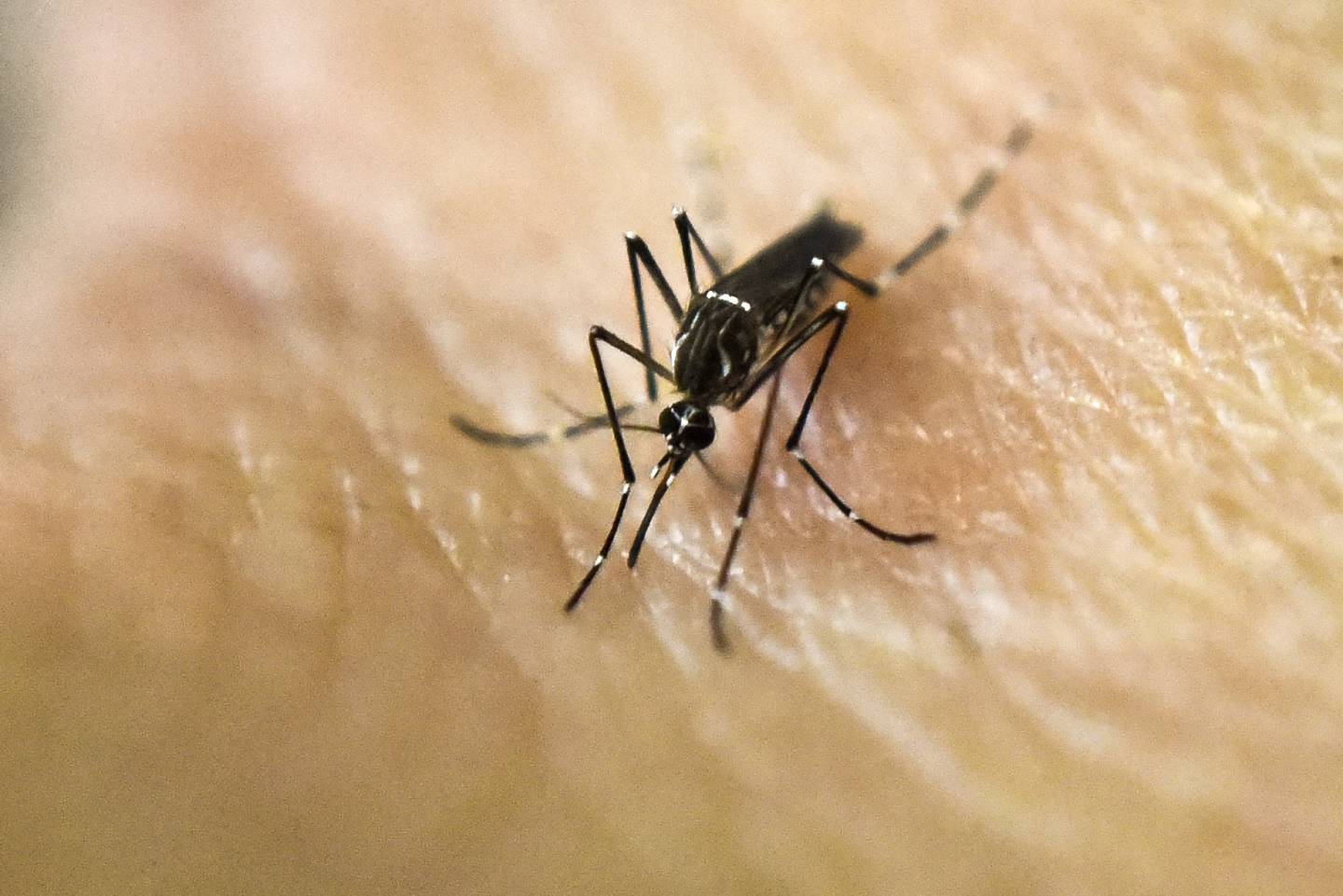
"caption": "An Aedes Aegypti mosquito is photographed on human skin in a lab of the International Training and Medical Research Training Center in Cali, Colombia, in January.",
"description": null,
"title": "COLOMBIA-SCIENCE-HEALTH-ZIKA-VIRUS",
"credit": "Luis Robayo/AFP/Getty Images",
"status": "inherit",
"isLoading": false,
"fetchFailed": false
},
"stateofhealth_155786": {
"type": "attachments",
"id": "stateofhealth_155786",
"meta": {
"index": "attachments_1716263798",
"site": "stateofhealth",
"id": "155786",
"found": true
},
"parent": 155517,
"imgSizes": {
"jmtc-small-thumb": {
"file": "https://ww2.kqed.org/app/uploads/sites/27/2016/03/Screen-Shot-2016-03-02-at-9.51.45-AM-280x150.png",
"width": 280,
"mimeType": "image/png",
"height": 150
},
"thumbnail": {
"file": "https://ww2.kqed.org/app/uploads/sites/27/2016/03/Screen-Shot-2016-03-02-at-9.51.45-AM-400x252.png",
"width": 400,
"mimeType": "image/png",
"height": 252
},
"post-thumbnail": {
"file": "https://ww2.kqed.org/app/uploads/sites/27/2016/03/Screen-Shot-2016-03-02-at-9.51.45-AM-672x372.png",
"width": 672,
"mimeType": "image/png",
"height": 372
},
"kqedFullSize": {
"file": "https://ww2.kqed.org/app/uploads/sites/27/2016/03/Screen-Shot-2016-03-02-at-9.51.45-AM.png",
"width": 803,
"height": 505
},
"guest-author-96": {
"file": "https://ww2.kqed.org/app/uploads/sites/27/2016/03/Screen-Shot-2016-03-02-at-9.51.45-AM-96x96.png",
"width": 96,
"mimeType": "image/png",
"height": 96
},
"medium": {
"file": "https://ww2.kqed.org/app/uploads/sites/27/2016/03/Screen-Shot-2016-03-02-at-9.51.45-AM-800x503.png",
"width": 800,
"mimeType": "image/png",
"height": 503
},
"guest-author-64": {
"file": "https://ww2.kqed.org/app/uploads/sites/27/2016/03/Screen-Shot-2016-03-02-at-9.51.45-AM-64x64.png",
"width": 64,
"mimeType": "image/png",
"height": 64
},
"detail": {
"file": "https://ww2.kqed.org/app/uploads/sites/27/2016/03/Screen-Shot-2016-03-02-at-9.51.45-AM-75x75.png",
"width": 75,
"mimeType": "image/png",
"height": 75
},
"guest-author-32": {
"file": "https://ww2.kqed.org/app/uploads/sites/27/2016/03/Screen-Shot-2016-03-02-at-9.51.45-AM-32x32.png",
"width": 32,
"mimeType": "image/png",
"height": 32
},
"medium_large": {
"file": "https://ww2.kqed.org/app/uploads/sites/27/2016/03/Screen-Shot-2016-03-02-at-9.51.45-AM-768x483.png",
"width": 768,
"mimeType": "image/png",
"height": 483
},
"guest-author-128": {
"file": "https://ww2.kqed.org/app/uploads/sites/27/2016/03/Screen-Shot-2016-03-02-at-9.51.45-AM-128x128.png",
"width": 128,
"mimeType": "image/png",
"height": 128
}
},
"publishDate": 1456941134,
"modified": 1457638808,
"caption": null,
"description": "tobacco, cigarette",
"title": "Screen Shot 2016-03-02 at 9.51.45 AM",
"credit": "iStockphoto",
"status": "inherit",
"isLoading": false,
"fetchFailed": false
},
"stateofhealth_155379": {
"type": "attachments",
"id": "stateofhealth_155379",
"meta": {
"index": "attachments_1716263798",
"site": "stateofhealth",
"id": "155379",
"found": true
},
"parent": 155373,
"imgSizes": {
"jmtc-small-thumb": {
"file": "https://ww2.kqed.org/app/uploads/sites/27/2016/03/latino-kids-3-280x150.jpg",
"width": 280,
"mimeType": "image/jpeg",
"height": 150
},
"thumbnail": {
"file": "https://ww2.kqed.org/app/uploads/sites/27/2016/03/latino-kids-3-400x267.jpg",
"width": 400,
"mimeType": "image/jpeg",
"height": 267
},
"post-thumbnail": {
"file": "https://ww2.kqed.org/app/uploads/sites/27/2016/03/latino-kids-3-672x372.jpg",
"width": 672,
"mimeType": "image/jpeg",
"height": 372
},
"kqedFullSize": {
"file": "https://ww2.kqed.org/app/uploads/sites/27/2016/03/latino-kids-3.jpg",
"width": 770,
"height": 514
},
"guest-author-96": {
"file": "https://ww2.kqed.org/app/uploads/sites/27/2016/03/latino-kids-3-96x96.jpg",
"width": 96,
"mimeType": "image/jpeg",
"height": 96
},
"guest-author-64": {
"file": "https://ww2.kqed.org/app/uploads/sites/27/2016/03/latino-kids-3-64x64.jpg",
"width": 64,
"mimeType": "image/jpeg",
"height": 64
},
"detail": {
"file": "https://ww2.kqed.org/app/uploads/sites/27/2016/03/latino-kids-3-75x75.jpg",
"width": 75,
"mimeType": "image/jpeg",
"height": 75
},
"guest-author-32": {
"file": "https://ww2.kqed.org/app/uploads/sites/27/2016/03/latino-kids-3-32x32.jpg",
"width": 32,
"mimeType": "image/jpeg",
"height": 32
},
"medium_large": {
"file": "https://ww2.kqed.org/app/uploads/sites/27/2016/03/latino-kids-3-768x513.jpg",
"width": 768,
"mimeType": "image/jpeg",
"height": 513
},
"guest-author-128": {
"file": "https://ww2.kqed.org/app/uploads/sites/27/2016/03/latino-kids-3-128x128.jpg",
"width": 128,
"mimeType": "image/jpeg",
"height": 128
}
},
"publishDate": 1456856604,
"modified": 1456856669,
"caption": "Eric Waters, coordinator for the behavioral health program at the Life Academy High School leads a discussion with Fernanda May, 17, and Graciela Perez, 17, at La Clínica de la Raza in Oakland. The program provides training in mental health first aid and places students in internships with mental health organizations. ",
"description": "Eric Waters, coordinator for the behavioral health program at the Life Academy High School leads a discussion with Fernanda May, 17, and Graciela Perez, 17, at La Clínica de la Raza in Oakland. The program provides training in mental health first aid and places students in internships with mental health organizations. ",
"title": "latino-kids-3",
"credit": "Heidi de Marco/KHN",
"status": "inherit",
"isLoading": false,
"fetchFailed": false
},
"stateofhealth_153284": {
"type": "attachments",
"id": "stateofhealth_153284",
"meta": {
"index": "attachments_1716263798",
"site": "stateofhealth",
"id": "153284",
"found": true
},
"parent": 153172,
"imgSizes": {
"twentyfourteen-full-width": {
"file": "https://ww2.kqed.org/app/uploads/sites/27/2016/02/iStock_000064068497_Large-1038x576.jpg",
"width": 1038,
"mimeType": "image/jpeg",
"height": 576
},
"thumbnail": {
"file": "https://ww2.kqed.org/app/uploads/sites/27/2016/02/iStock_000064068497_Large-400x267.jpg",
"width": 400,
"mimeType": "image/jpeg",
"height": 267
},
"fd-sm": {
"file": "https://ww2.kqed.org/app/uploads/sites/27/2016/02/iStock_000064068497_Large-960x640.jpg",
"width": 960,
"mimeType": "image/jpeg",
"height": 640
},
"post-thumbnail": {
"file": "https://ww2.kqed.org/app/uploads/sites/27/2016/02/iStock_000064068497_Large-672x372.jpg",
"width": 672,
"mimeType": "image/jpeg",
"height": 372
},
"kqedFullSize": {
"file": "https://ww2.kqed.org/app/uploads/sites/27/2016/02/iStock_000064068497_Large-e1456466241655.jpg",
"width": 1920,
"height": 1280
},
"large": {
"file": "https://ww2.kqed.org/app/uploads/sites/27/2016/02/iStock_000064068497_Large-1440x960.jpg",
"width": 1440,
"mimeType": "image/jpeg",
"height": 960
},
"guest-author-96": {
"file": "https://ww2.kqed.org/app/uploads/sites/27/2016/02/iStock_000064068497_Large-96x96.jpg",
"width": 96,
"mimeType": "image/jpeg",
"height": 96
},
"medium": {
"file": "https://ww2.kqed.org/app/uploads/sites/27/2016/02/iStock_000064068497_Large-800x533.jpg",
"width": 800,
"mimeType": "image/jpeg",
"height": 533
},
"guest-author-64": {
"file": "https://ww2.kqed.org/app/uploads/sites/27/2016/02/iStock_000064068497_Large-64x64.jpg",
"width": 64,
"mimeType": "image/jpeg",
"height": 64
},
"guest-author-32": {
"file": "https://ww2.kqed.org/app/uploads/sites/27/2016/02/iStock_000064068497_Large-32x32.jpg",
"width": 32,
"mimeType": "image/jpeg",
"height": 32
},
"jmtc-small-thumb": {
"file": "https://ww2.kqed.org/app/uploads/sites/27/2016/02/iStock_000064068497_Large-280x150.jpg",
"width": 280,
"mimeType": "image/jpeg",
"height": 150
},
"fd-lrg": {
"file": "https://ww2.kqed.org/app/uploads/sites/27/2016/02/iStock_000064068497_Large-1920x1280.jpg",
"width": 1920,
"mimeType": "image/jpeg",
"height": 1280
},
"fd-med": {
"file": "https://ww2.kqed.org/app/uploads/sites/27/2016/02/iStock_000064068497_Large-1180x786.jpg",
"width": 1180,
"mimeType": "image/jpeg",
"height": 786
},
"detail": {
"file": "https://ww2.kqed.org/app/uploads/sites/27/2016/02/iStock_000064068497_Large-75x75.jpg",
"width": 75,
"mimeType": "image/jpeg",
"height": 75
},
"medium_large": {
"file": "https://ww2.kqed.org/app/uploads/sites/27/2016/02/iStock_000064068497_Large-768x512.jpg",
"width": 768,
"mimeType": "image/jpeg",
"height": 512
},
"guest-author-128": {
"file": "https://ww2.kqed.org/app/uploads/sites/27/2016/02/iStock_000064068497_Large-128x128.jpg",
"width": 128,
"mimeType": "image/jpeg",
"height": 128
}
},
"publishDate": 1456466230,
"modified": 1456466263,
"caption": null,
"description": null,
"title": "iStock_000064068497_Large",
"credit": "iStockphoto",
"status": "inherit",
"isLoading": false,
"fetchFailed": false
},
"stateofhealth_25005": {
"type": "attachments",
"id": "stateofhealth_25005",
"meta": {
"index": "attachments_1716263798",
"site": "stateofhealth",
"id": "25005",
"found": true
},
"parent": 25003,
"imgSizes": {
"twentyfourteen-full-width": {
"file": "https://ww2.kqed.org/app/uploads/sites/27/2015/04/RS1369_IMG_1902-e1429575505514-1038x576.jpg",
"width": 1038,
"mimeType": "image/jpeg",
"height": 576
},
"thumbnail": {
"file": "https://ww2.kqed.org/app/uploads/sites/27/2015/04/RS1369_IMG_1902-e1429575505514-400x300.jpg",
"width": 400,
"mimeType": "image/jpeg",
"height": 300
},
"fd-sm": {
"file": "https://ww2.kqed.org/app/uploads/sites/27/2015/04/RS1369_IMG_1902-e1429575505514-320x240.jpg",
"width": 320,
"mimeType": "image/jpeg",
"height": 240
},
"post-thumbnail": {
"file": "https://ww2.kqed.org/app/uploads/sites/27/2015/04/RS1369_IMG_1902-e1429575505514-672x372.jpg",
"width": 672,
"mimeType": "image/jpeg",
"height": 372
},
"kqedFullSize": {
"file": "https://ww2.kqed.org/app/uploads/sites/27/2015/04/RS1369_IMG_1902-e1429575505514.jpg",
"width": 1920,
"height": 1440
},
"large": {
"file": "https://ww2.kqed.org/app/uploads/sites/27/2015/04/RS1369_IMG_1902-e1429575505514-1440x1080.jpg",
"width": 1440,
"mimeType": "image/jpeg",
"height": 1080
},
"guest-author-96": {
"file": "https://ww2.kqed.org/app/uploads/sites/27/2015/04/RS1369_IMG_1902-e1429575505514-96x96.jpg",
"width": 96,
"mimeType": "image/jpeg",
"height": 96
},
"medium": {
"file": "https://ww2.kqed.org/app/uploads/sites/27/2015/04/RS1369_IMG_1902-e1429575505514-800x600.jpg",
"width": 800,
"mimeType": "image/jpeg",
"height": 600
},
"guest-author-64": {
"file": "https://ww2.kqed.org/app/uploads/sites/27/2015/04/RS1369_IMG_1902-e1429575505514-64x64.jpg",
"width": 64,
"mimeType": "image/jpeg",
"height": 64
},
"guest-author-32": {
"file": "https://ww2.kqed.org/app/uploads/sites/27/2015/04/RS1369_IMG_1902-e1429575505514-32x32.jpg",
"width": 32,
"mimeType": "image/jpeg",
"height": 32
},
"fd-lrg": {
"file": "https://ww2.kqed.org/app/uploads/sites/27/2015/04/RS1369_IMG_1902-e1429575505514-1180x885.jpg",
"width": 1180,
"mimeType": "image/jpeg",
"height": 885
},
"fd-med": {
"file": "https://ww2.kqed.org/app/uploads/sites/27/2015/04/RS1369_IMG_1902-e1429575505514-768x576.jpg",
"width": 768,
"mimeType": "image/jpeg",
"height": 576
},
"detail": {
"file": "https://ww2.kqed.org/app/uploads/sites/27/2015/04/RS1369_IMG_1902-e1429575505514-75x75.jpg",
"width": 75,
"mimeType": "image/jpeg",
"height": 75
},
"guest-author-128": {
"file": "https://ww2.kqed.org/app/uploads/sites/27/2015/04/RS1369_IMG_1902-e1429575505514-128x128.jpg",
"width": 128,
"mimeType": "image/jpeg",
"height": 128
}
},
"publishDate": 1429575493,
"modified": 1441405757,
"caption": "State Capitol, Sacramento",
"description": "State Capitol, Sacramento, capital",
"title": "RS1369_IMG_1902",
"credit": "Craig Miller/KQED",
"status": "inherit",
"isLoading": false,
"fetchFailed": false
},
"stateofhealth_152701": {
"type": "attachments",
"id": "stateofhealth_152701",
"meta": {
"index": "attachments_1716263798",
"site": "stateofhealth",
"id": "152701",
"found": true
},
"parent": 152699,
"imgSizes": {
"twentyfourteen-full-width": {
"file": "https://ww2.kqed.org/app/uploads/sites/27/2016/02/autism-full-size-1038x576.jpg",
"width": 1038,
"mimeType": "image/jpeg",
"height": 576
},
"thumbnail": {
"file": "https://ww2.kqed.org/app/uploads/sites/27/2016/02/autism-full-size-400x267.jpg",
"width": 400,
"mimeType": "image/jpeg",
"height": 267
},
"fd-sm": {
"file": "https://ww2.kqed.org/app/uploads/sites/27/2016/02/autism-full-size-960x640.jpg",
"width": 960,
"mimeType": "image/jpeg",
"height": 640
},
"post-thumbnail": {
"file": "https://ww2.kqed.org/app/uploads/sites/27/2016/02/autism-full-size-672x372.jpg",
"width": 672,
"mimeType": "image/jpeg",
"height": 372
},
"kqedFullSize": {
"file": "https://ww2.kqed.org/app/uploads/sites/27/2016/02/autism-full-size-e1456349146390.jpg",
"width": 1920,
"height": 1280
},
"large": {
"file": "https://ww2.kqed.org/app/uploads/sites/27/2016/02/autism-full-size-1440x960.jpg",
"width": 1440,
"mimeType": "image/jpeg",
"height": 960
},
"guest-author-96": {
"file": "https://ww2.kqed.org/app/uploads/sites/27/2016/02/autism-full-size-96x96.jpg",
"width": 96,
"mimeType": "image/jpeg",
"height": 96
},
"medium": {
"file": "https://ww2.kqed.org/app/uploads/sites/27/2016/02/autism-full-size-800x533.jpg",
"width": 800,
"mimeType": "image/jpeg",
"height": 533
},
"guest-author-64": {
"file": "https://ww2.kqed.org/app/uploads/sites/27/2016/02/autism-full-size-64x64.jpg",
"width": 64,
"mimeType": "image/jpeg",
"height": 64
},
"guest-author-32": {
"file": "https://ww2.kqed.org/app/uploads/sites/27/2016/02/autism-full-size-32x32.jpg",
"width": 32,
"mimeType": "image/jpeg",
"height": 32
},
"jmtc-small-thumb": {
"file": "https://ww2.kqed.org/app/uploads/sites/27/2016/02/autism-full-size-280x150.jpg",
"width": 280,
"mimeType": "image/jpeg",
"height": 150
},
"fd-lrg": {
"file": "https://ww2.kqed.org/app/uploads/sites/27/2016/02/autism-full-size-1920x1280.jpg",
"width": 1920,
"mimeType": "image/jpeg",
"height": 1280
},
"fd-med": {
"file": "https://ww2.kqed.org/app/uploads/sites/27/2016/02/autism-full-size-1180x787.jpg",
"width": 1180,
"mimeType": "image/jpeg",
"height": 787
},
"detail": {
"file": "https://ww2.kqed.org/app/uploads/sites/27/2016/02/autism-full-size-75x75.jpg",
"width": 75,
"mimeType": "image/jpeg",
"height": 75
},
"medium_large": {
"file": "https://ww2.kqed.org/app/uploads/sites/27/2016/02/autism-full-size-768x512.jpg",
"width": 768,
"mimeType": "image/jpeg",
"height": 512
},
"guest-author-128": {
"file": "https://ww2.kqed.org/app/uploads/sites/27/2016/02/autism-full-size-128x128.jpg",
"width": 128,
"mimeType": "image/jpeg",
"height": 128
}
},
"publishDate": 1456349122,
"modified": 1456349174,
"caption": "Autism therapy provider Hillary Baldi, owner of the Emeryville-based Behavioral Intervention for Autism, works with a 3-year-old client in Berkeley. ",
"description": null,
"title": "autism-full size",
"credit": "David Gorn/California Healthline",
"status": "inherit",
"isLoading": false,
"fetchFailed": false
},
"stateofhealth_152655": {
"type": "attachments",
"id": "stateofhealth_152655",
"meta": {
"index": "attachments_1716263798",
"site": "stateofhealth",
"id": "152655",
"found": true
},
"parent": 152649,
"imgSizes": {
"twentyfourteen-full-width": {
"file": "https://ww2.kqed.org/app/uploads/sites/27/2016/02/iStock_000023517659_Large-1038x576.jpg",
"width": 1038,
"mimeType": "image/jpeg",
"height": 576
},
"thumbnail": {
"file": "https://ww2.kqed.org/app/uploads/sites/27/2016/02/iStock_000023517659_Large-400x312.jpg",
"width": 400,
"mimeType": "image/jpeg",
"height": 312
},
"fd-sm": {
"file": "https://ww2.kqed.org/app/uploads/sites/27/2016/02/iStock_000023517659_Large-960x750.jpg",
"width": 960,
"mimeType": "image/jpeg",
"height": 750
},
"post-thumbnail": {
"file": "https://ww2.kqed.org/app/uploads/sites/27/2016/02/iStock_000023517659_Large-672x372.jpg",
"width": 672,
"mimeType": "image/jpeg",
"height": 372
},
"kqedFullSize": {
"file": "https://ww2.kqed.org/app/uploads/sites/27/2016/02/iStock_000023517659_Large-e1456343181421.jpg",
"width": 1920,
"height": 1499
},
"large": {
"file": "https://ww2.kqed.org/app/uploads/sites/27/2016/02/iStock_000023517659_Large-1440x1124.jpg",
"width": 1440,
"mimeType": "image/jpeg",
"height": 1124
},
"guest-author-96": {
"file": "https://ww2.kqed.org/app/uploads/sites/27/2016/02/iStock_000023517659_Large-96x96.jpg",
"width": 96,
"mimeType": "image/jpeg",
"height": 96
},
"medium": {
"file": "https://ww2.kqed.org/app/uploads/sites/27/2016/02/iStock_000023517659_Large-800x625.jpg",
"width": 800,
"mimeType": "image/jpeg",
"height": 625
},
"guest-author-64": {
"file": "https://ww2.kqed.org/app/uploads/sites/27/2016/02/iStock_000023517659_Large-64x64.jpg",
"width": 64,
"mimeType": "image/jpeg",
"height": 64
},
"guest-author-32": {
"file": "https://ww2.kqed.org/app/uploads/sites/27/2016/02/iStock_000023517659_Large-32x32.jpg",
"width": 32,
"mimeType": "image/jpeg",
"height": 32
},
"jmtc-small-thumb": {
"file": "https://ww2.kqed.org/app/uploads/sites/27/2016/02/iStock_000023517659_Large-280x150.jpg",
"width": 280,
"mimeType": "image/jpeg",
"height": 150
},
"fd-lrg": {
"file": "https://ww2.kqed.org/app/uploads/sites/27/2016/02/iStock_000023517659_Large-1920x1499.jpg",
"width": 1920,
"mimeType": "image/jpeg",
"height": 1499
},
"fd-med": {
"file": "https://ww2.kqed.org/app/uploads/sites/27/2016/02/iStock_000023517659_Large-1180x921.jpg",
"width": 1180,
"mimeType": "image/jpeg",
"height": 921
},
"detail": {
"file": "https://ww2.kqed.org/app/uploads/sites/27/2016/02/iStock_000023517659_Large-75x75.jpg",
"width": 75,
"mimeType": "image/jpeg",
"height": 75
},
"medium_large": {
"file": "https://ww2.kqed.org/app/uploads/sites/27/2016/02/iStock_000023517659_Large-768x600.jpg",
"width": 768,
"mimeType": "image/jpeg",
"height": 600
},
"guest-author-128": {
"file": "https://ww2.kqed.org/app/uploads/sites/27/2016/02/iStock_000023517659_Large-128x128.jpg",
"width": 128,
"mimeType": "image/jpeg",
"height": 128
}
},
"publishDate": 1456343169,
"modified": 1456343196,
"caption": null,
"description": "gavel",
"title": "iStock_000023517659_Large",
"credit": "iStockphoto",
"status": "inherit",
"isLoading": false,
"fetchFailed": false
}
},
"audioPlayerReducer": {
"postId": "stream_live",
"isPaused": true,
"isPlaying": false,
"pfsActive": false,
"pledgeModalIsOpen": true,
"playerDrawerIsOpen": false,
"liveAudioPlayStartedAt": 0,
"liveAudioPlayContext": ""
},
"authorsReducer": {
"byline_stateofhealth_161038": {
"type": "authors",
"id": "byline_stateofhealth_161038",
"meta": {
"override": true
},
"slug": "byline_stateofhealth_161038",
"name": "David Gorn\u003cbr />\u003ca href=\"http://californiahealthline.org/\">California Healthline\u003c/a>",
"isLoading": false
},
"byline_stateofhealth_160092": {
"type": "authors",
"id": "byline_stateofhealth_160092",
"meta": {
"override": true
},
"slug": "byline_stateofhealth_160092",
"name": "Anna Gorman\u003cbr />\u003ca href=\"http://californiahealthline.org/\">California Healthline\u003c/a>",
"isLoading": false
},
"byline_stateofhealth_159708": {
"type": "authors",
"id": "byline_stateofhealth_159708",
"meta": {
"override": true
},
"slug": "byline_stateofhealth_159708",
"name": "Jenny Gold\u003cbr />\u003ca href=\"http://khn.org/\">Kaiser Health News\u003c/a>",
"isLoading": false
},
"byline_stateofhealth_157765": {
"type": "authors",
"id": "byline_stateofhealth_157765",
"meta": {
"override": true
},
"slug": "byline_stateofhealth_157765",
"name": "David Gorn \u003cbr /> California Healthline",
"isLoading": false
},
"byline_stateofhealth_155373": {
"type": "authors",
"id": "byline_stateofhealth_155373",
"meta": {
"override": true
},
"slug": "byline_stateofhealth_155373",
"name": "Jocelyn Wiener, California Healthline",
"isLoading": false
},
"byline_stateofhealth_153033": {
"type": "authors",
"id": "byline_stateofhealth_153033",
"meta": {
"override": true
},
"slug": "byline_stateofhealth_153033",
"name": "Barbara Feder Ostrov",
"isLoading": false
},
"byline_stateofhealth_152699": {
"type": "authors",
"id": "byline_stateofhealth_152699",
"meta": {
"override": true
},
"slug": "byline_stateofhealth_152699",
"name": "David Gorn",
"isLoading": false
},
"lisaaliferis": {
"type": "authors",
"id": "240",
"meta": {
"index": "authors_1716337520",
"id": "240",
"found": true
},
"name": "Lisa Aliferis",
"firstName": "Lisa",
"lastName": "Aliferis",
"slug": "lisaaliferis",
"email": "laliferis@kqed.org",
"display_author_email": false,
"staff_mastheads": [],
"title": "KQED Contributor",
"bio": "Lisa Aliferis is the founding editor of KQED's \u003cem>State of Health\u003c/em> blog. Since 2011, she's been writing and editing stories for the site. Before taking up blogging, she toiled for many years (more than we can count) producing health stories for television, including\u003cem> Dateline NBC\u003c/em> and San Francisco's CBS affiliate, KPIX-TV. She also wrote up a \u003ca title=\"http://www.kqed.org/news/health/obamacare/obamacare-guide.jsp\" href=\"http://www.kqed.org/news/health/obamacare/obamacare-guide.jsp\">handy guide to the Affordable Care Act\u003c/a>, especially for Californians. Her work has been honored for many awards. Most recently she was a finalist for \"Best Topical Reporting\" from the Online News Association. You can follow her on Twitter: \u003ca title=\"https://twitter.com/laliferis\" href=\"https://twitter.com/laliferis\">@laliferis\u003c/a>",
"avatar": "https://secure.gravatar.com/avatar/86c339d5cdcb0dcd2b6cf5d7c3f5886b?s=600&d=mm&r=g",
"twitter": "laliferis",
"facebook": null,
"instagram": null,
"linkedin": null,
"sites": [
{
"site": "news",
"roles": [
"subscriber"
]
},
{
"site": "futureofyou",
"roles": [
"subscriber"
]
},
{
"site": "stateofhealth",
"roles": [
"subscriber"
]
},
{
"site": "science",
"roles": [
"subscriber"
]
},
{
"site": "food",
"roles": []
}
],
"headData": {
"title": "Lisa Aliferis | KQED",
"description": "KQED Contributor",
"ogImgSrc": "https://secure.gravatar.com/avatar/86c339d5cdcb0dcd2b6cf5d7c3f5886b?s=600&d=mm&r=g",
"twImgSrc": "https://secure.gravatar.com/avatar/86c339d5cdcb0dcd2b6cf5d7c3f5886b?s=600&d=mm&r=g"
},
"isLoading": false,
"link": "/author/lisaaliferis"
},
"adembosky": {
"type": "authors",
"id": "3205",
"meta": {
"index": "authors_1716337520",
"id": "3205",
"found": true
},
"name": "April Dembosky",
"firstName": "April",
"lastName": "Dembosky",
"slug": "adembosky",
"email": "adembosky@kqed.org",
"display_author_email": false,
"staff_mastheads": [
"news",
"science"
],
"title": "KQED Health Correspondent",
"bio": "April Dembosky is the health correspondent for KQED News and a regular contributor to NPR. She specializes in covering altered states of mind, from postpartum depression to methamphetamine-induced psychosis to the insanity defense. Her investigative series on insurance companies sidestepping mental health laws won multiple awards, including first place in beat reporting from the national Association of Health Care Journalists. She is the recipient of numerous other prizes and fellowships, including a national Edward R. Murrow award for investigative reporting, a Society of Professional Journalists award for long-form storytelling, and a Carter Center Fellowship for Mental Health Journalism.\r\n\r\nDembosky reported and produced \u003cem>Soundtrack of Silence\u003c/em>, an audio documentary about music and memory that is currently being made into a feature film by Paramount Pictures.\r\n\r\nBefore joining KQED in 2013, Dembosky covered technology and Silicon Valley for \u003cem>The Financial Times of London,\u003c/em> and contributed business and arts stories to \u003cem>Marketplace \u003c/em>and \u003cem>The New York Times.\u003c/em> She got her undergraduate degree in philosophy from Smith College and her master's in journalism from the University of California, Berkeley. She is a classically trained violinist and proud alum of the first symphony orchestra at Burning Man.",
"avatar": "https://secure.gravatar.com/avatar/ef92999be4ceb9ea60701e7dc276f813?s=600&d=blank&r=g",
"twitter": "adembosky",
"facebook": null,
"instagram": null,
"linkedin": null,
"sites": [
{
"site": "arts",
"roles": [
"author"
]
},
{
"site": "news",
"roles": [
"editor"
]
},
{
"site": "futureofyou",
"roles": [
"author"
]
},
{
"site": "stateofhealth",
"roles": [
"editor"
]
},
{
"site": "science",
"roles": [
"editor"
]
},
{
"site": "forum",
"roles": [
"editor"
]
}
],
"headData": {
"title": "April Dembosky | KQED",
"description": "KQED Health Correspondent",
"ogImgSrc": "https://secure.gravatar.com/avatar/ef92999be4ceb9ea60701e7dc276f813?s=600&d=blank&r=g",
"twImgSrc": "https://secure.gravatar.com/avatar/ef92999be4ceb9ea60701e7dc276f813?s=600&d=blank&r=g"
},
"isLoading": false,
"link": "/author/adembosky"
}
},
"pagesReducer": {
"stateofhealth_category_place-matters": {
"type": "terms",
"id": "stateofhealth_11",
"meta": {
"index": "terms_1716263798",
"site": "stateofhealth",
"id": "11",
"score": 14.406069
},
"featImg": null,
"name": "Community Health",
"description": "\r\n\r\nFrom rural California to urban neighborhoods, where you live affects your health",
"taxonomy": "category",
"headData": {
"twImgId": null,
"twTitle": null,
"ogTitle": null,
"ogImgId": null,
"twDescription": null,
"description": "From rural California to urban neighborhoods, where you live affects your health",
"title": "Community Health Archives | KQED Arts",
"ogDescription": null
},
"ttid": 11,
"slug": "place-matters",
"isLoading": false,
"title": "Community Health",
"pageMeta": {
"site": "stateofhealth",
"WpPageTemplate": "page-topic-editorial",
"currentPage": 11
},
"blocks": [
{
"blockName": "kqed/company-paragraph",
"content": "\r\n\r\nFrom rural California to urban neighborhoods, where you live affects your health"
},
{
"blockName": "kqed/post-list",
"attrs": {
"layout": "cardArticle2",
"query": "posts/stateofhealth?category=place-matters",
"seeMore": false,
"paginated": true,
"page": 11
}
},
{
"blockName": "kqed/ad"
}
]
}
},
"pfsSessionReducer": {},
"postsReducer": {
"stream_live": {
"type": "live",
"id": "stream_live",
"audioUrl": "https://streams.kqed.org/kqedradio",
"title": "Live Stream",
"excerpt": "Live Stream information currently unavailable.",
"link": "/radio",
"featImg": "",
"label": {
"name": "KQED Live",
"link": "/"
}
},
"stream_kqedNewscast": {
"type": "posts",
"id": "stream_kqedNewscast",
"audioUrl": "https://www.kqed.org/.stream/anon/radio/RDnews/newscast.mp3?_=1",
"title": "KQED Newscast",
"featImg": "",
"label": {
"name": "88.5 FM",
"link": "/"
}
},
"stateofhealth_161038": {
"type": "posts",
"id": "stateofhealth_161038",
"meta": {
"index": "posts_1716263798",
"site": "stateofhealth",
"id": "161038",
"score": null,
"sort": [
1458239195000
]
},
"parent": 0,
"labelTerm": {
"site": "stateofhealth"
},
"blocks": [],
"publishDate": 1458239195,
"format": "standard",
"disqusTitle": "State Won't Move Fragile Kids to Managed Care -- For Now",
"title": "State Won't Move Fragile Kids to Managed Care -- For Now",
"headTitle": "State of Health | KQED News",
"content": "\u003cp>Lauren Brady, a Whittier resident, has lived all her 19 years with Rett syndrome, a rare neurological illness that can cause seizures and limits muscle movement. She can’t speak, needs a feeding tube and uses a wheelchair to get around.\u003c/p>\n\u003cp>“It affects her from head to toe, but we don’t let all of that get in our way,” her mother, Sherri Brady said this week. “Lauren has lots of friends; she goes horseback riding. Next weekend she’s going on a ski trip.”\u003c/p>\n\u003cp>That Lauren can even contemplate those activities is testimony to a $2.9 billion a year state program, \u003ca href=\"http://www.dhcs.ca.gov/services/ccs/Pages/default.aspx\" target=\"_blank\">California Children’s Services\u003c/a>, her mother said. The program provides specialized care to some 180,000 children and young adults who suffer from a range of complicated, debilitating illnesses including Rett syndrome, sickle cell anemia, cancer, cerebral palsy, hemophilia and more.\u003c/p>\n\u003cp>In recent years, Sherri Brady and other parents of children in the program have lived in fear that the care of their kids could be disrupted — at what they see as a great risk of physical and emotional harm. That’s because the state’s Department of Health Care Services ultimately wants to move all the children into managed care.\u003c/p>\n\u003cp>But the first phase of that move, which would have targeted just under one-fifth of the children beginning next January, is now on hold. The state Assembly’s influential budget subcommittee voted earlier this week to shelve it and send the department back to the drawing board. The Senate’s budget subcommittee is expected to endorse that ruling next week.\u003c/p>\n\u003cp>[ad fullwidth]\u003c/p>\n\u003cp>This means all of those children will be able to keep seeing the same providers and get the same services they’ve been receiving — at least for now.\u003c/p>\n\u003cp>That’s a big relief to their parents, who fear that in managed care their children could lose relationships with the caregivers who know them best and could face difficulty getting appointments with specialists.\u003c/p>\n\u003cp>“It’s wonderful that the legislators did this,” said Sherri Brady. But she knows her battle isn’t over.\u003c/p>\n\u003cp>The state has been under pressure for years to restructure the program both to improve the care it delivers and reduce its cost, according to a \u003ca href=\"http://www.chcf.org/~/media/MEDIA%20LIBRARY%20Files/PDF/PDF%20A/PDF%20AssessingTheCAChildrensServicesProgram.pdf\" target=\"_blank\">study by the California Health Care Foundation\u003c/a>.\u003c/p>\n\u003cp>“This isn’t the end of it,” Brady said. We’ve been fighting it and we’ll keep fighting it.”\u003c/p>\n\u003cp>Brady has trouble understanding why the state wants to move the kids into managed care. “To make a change that could be harmful for individuals who already live with such harm, that’s just not right,” she said.\u003c/p>\n\u003cp>Jennifer Kent, director of the California Department of Health Care Services, testified to the Assembly subcommittee that the first-phase proposal to move nearly 20 percent of the the kids into managed care plans would provide them with better care.\u003c/p>\n\u003cp>“One of the key components is because (California Children's Services) is a program around a condition rather than a child, the different payers don’t look at the whole child,” Kent said. “We want to better manage the care of these children across the spectrum.”\u003c/p>\n\u003cp>Under managed care, health plans are paid fixed rates to cover and coordinate nearly all health care services for patients.\u003c/p>\n\u003cp>Kent told legislators the department’s plan was “budget-neutral,” meaning it would result neither in savings nor additional costs for taxpayers.\u003c/p>\n\u003cp>Nearly half the cost of the program, or about $1.4 billion, is paid for out of the state’s general fund, according to Kent’s department.\u003c/p>\n\u003cp>About 70 percent of children in the program get benefits from Medi-Cal, the state-federal health coverage program for people with low incomes. The other 30 percent have private insurance, but the state helps pay for some of the care not covered by their insurers. The federal and county governments also pick up a portion of the tab.\u003c/p>\n\u003cp>Assuming the Senate subcommittee concurs with its Assembly counterpart, the health department will be instructed to develop a new proposal requiring what is known in Capitol lingo as “enabling legislation,” and ultimately floor votes in both houses. The process is expected to take a long time, though nobody can say how long.\u003c/p>\n\u003cp>Child advocates fear that the ultimate outcome will be the same — the kids will end up being moved into managed care.\u003c/p>\n\u003cp>“The assumption has always been that the state wants to move all of the kids,” said Yvette Baptiste, executive director of the Eastern Los Angeles Family Resource Center in Alhambra, which helps children with developmental disabilities and their families.\u003c/p>\n\u003cp>Before the Assembly subcommittee voted, its staff had recommended rejecting the department’s plan out of concern that the children’s quality of care could be compromised.\u003c/p>\n\u003cp>The Legislative Analyst’s Office agreed, as did a conga line of children’s advocates, providers and families, who all appeared at the hearing to urge the legislature to scrub the proposal from the calendar.\u003c/p>\n\u003cp>California Children’s Services, established in 1927, is one of the oldest public health programs in the nation.\u003c/p>\n\u003cp>The subcommittee chairman, Tony Thurmond, D-Richmond, said that given the program’s longevity and the apparent satisfaction of the children’s families, he didn’t want to change it.\u003c/p>\n\u003cp>“If this is one of the oldest programs around and it’s something we can hold up as a shining example of how to do things right, then let’s not mess with it,” Thurmond said.\u003c/p>\n\u003cfigure id=\"attachment_161060\" class=\"wp-caption aligncenter\" style=\"max-width: 770px\">\u003cimg class=\"size-full wp-image-161060\" src=\"http://ww2.kqed.org/stateofhealth/wp-content/uploads/sites/27/2016/03/fragile-kids_finnie_770.jpg\" alt=\"Lisa and Jaheen Finnie of Brentwood. Jaheen is 14 and has a rare condition that, since he was 3 years old, sometimes causes his brain fluid to leak, and that prompts episodes of meningitis. \" width=\"770\" height=\"513\" srcset=\"https://ww2.kqed.org/app/uploads/sites/27/2016/03/fragile-kids_finnie_770.jpg 770w, https://ww2.kqed.org/app/uploads/sites/27/2016/03/fragile-kids_finnie_770-400x266.jpg 400w, https://ww2.kqed.org/app/uploads/sites/27/2016/03/fragile-kids_finnie_770-768x512.jpg 768w\" sizes=\"(max-width: 770px) 100vw, 770px\">\u003cfigcaption class=\"wp-caption-text\">Lisa and Jaheen Finnie of Brentwood. Jaheen is 14 and has a rare condition that, since he was 3 years old, sometimes causes his brain fluid to leak, and that prompts episodes of meningitis. \u003ccite>(David Gorn/California Healthline)\u003c/cite>\u003c/figcaption>\u003c/figure>\n\u003cp>That was music to the ears of Lisa Finnie and her 14-year-old son Jaheen of Brentwood, 45 miles east of Oakland. Jaheen struggles with a rare medical condition that sometimes causes brain fluid to leak from his skull.\u003c/p>\n\u003cp>Since he was 3, Jaheen has had six surgeries and survived seven bouts of life-threatening meningitis caused by the defect. He has had periods of blindness, and at one point was in a coma for a month.\u003c/p>\n\u003cp>But right now, Jaheen can see just fine. His only outward signs of the condition are faulty hearing and a face that droops a bit on one side.\u003c/p>\n\u003cp>“I kind of smile on one side right now,” Jaheen explained. “I’m learning how to get this side of my face up,” he said, touching his left cheek.\u003c/p>\n\u003cp>His mom Lisa credits the Children’s Services program with helping her family survive and thrive, she said.\u003c/p>\n\u003cp>“I don’t know what we’d do without it.”\u003c/p>\n\u003cfigure id=\"attachment_161061\" class=\"wp-caption alignright\" style=\"max-width: 370px\">\u003cimg class=\"size-full wp-image-161061\" src=\"http://ww2.kqed.org/stateofhealth/wp-content/uploads/sites/27/2016/03/fragile-kids_mia_370.jpg\" alt=\"Mia Vasquez, 8 , has cerebral palsy and bone deformities.\" width=\"370\" height=\"464\">\u003cfigcaption class=\"wp-caption-text\">Mia Vasquez, 8 , has cerebral palsy and bone deformities. \u003ccite>(Courtesy of Emelyn Lacayo)\u003c/cite>\u003c/figcaption>\u003c/figure>\n\u003cp>That sentiment was echoed by Emelyn Lacayo of Hayward, the mother of a seven-year-old daughter, Mia, who has cerebral palsy, bone deformities and is also believed to suffer from a rare condition called Cockayne syndrome.\u003c/p>\n\u003cp>“The doctors thought she wouldn’t live past a year, but she’s almost 8 now,” Lacayo said.\u003c/p>\n\u003cp>A possible transition into managed care worries Lacayo, because Mia might lose one of her key specialists.\u003c/p>\n\u003cp>“Our biggest fear is that Mia would fall through the cracks,” she said. “You can’t just throw us into managed care. These are kids who need the specialty care.”\u003c/p>\n\u003cp>Lacayo says the state has long wanted to replace this high-need, high-cost program, and she was heartened when the subcommittee applied the brakes to the plan that would have started to do that. But she understands the fight has only been put off for another day.\u003c/p>\n\u003cp>[ad floatright]\u003c/p>\n\u003cp>“We’re okay for now, but we still have a lot of work to do,” she said. “The moral of the story is, these kids are expensive, yes — but they need that care,” Lacayo said. “They didn’t choose to have these conditions.”\u003c/p>\n\n",
"disqusIdentifier": "161038 http://ww2.kqed.org/stateofhealth/?p=161038",
"disqusUrl": "https://ww2.kqed.org/stateofhealth/2016/03/17/state-wont-move-fragile-kids-to-managed-care-for-now/",
"stats": {
"hasVideo": false,
"hasChartOrMap": false,
"hasAudio": false,
"hasPolis": false,
"wordCount": 1407,
"hasGoogleForm": false,
"hasGallery": false,
"hasHearkenModule": false,
"iframeSrcs": [],
"paragraphCount": 39
},
"modified": 1458239195,
"excerpt": "Parents are worried the care of their kids would be disrupted — at what they see as a great risk of physical and emotional harm.",
"headData": {
"twImgId": "",
"twTitle": "",
"ogTitle": "",
"ogImgId": "",
"twDescription": "",
"description": "Parents are worried the care of their kids would be disrupted — at what they see as a great risk of physical and emotional harm.",
"title": "State Won't Move Fragile Kids to Managed Care -- For Now | KQED",
"ogDescription": "",
"schema": {
"@context": "https://schema.org",
"@type": "Article",
"headline": "State Won't Move Fragile Kids to Managed Care -- For Now",
"datePublished": "2016-03-17T11:26:35-07:00",
"dateModified": "2016-03-17T11:26:35-07:00",
"image": "https://cdn.kqed.org/wp-content/uploads/2020/02/KQED-OG-Image@1x.png"
}
},
"guestAuthors": [],
"slug": "state-wont-move-fragile-kids-to-managed-care-for-now",
"status": "publish",
"nprByline": "David Gorn\u003cbr />\u003ca href=\"http://californiahealthline.org/\">California Healthline\u003c/a>",
"path": "/stateofhealth/161038/state-wont-move-fragile-kids-to-managed-care-for-now",
"audioTrackLength": null,
"parsedContent": [
{
"type": "contentString",
"content": "\u003cdiv class=\"post-body\">\u003cp>\u003cp>Lauren Brady, a Whittier resident, has lived all her 19 years with Rett syndrome, a rare neurological illness that can cause seizures and limits muscle movement. She can’t speak, needs a feeding tube and uses a wheelchair to get around.\u003c/p>\n\u003cp>“It affects her from head to toe, but we don’t let all of that get in our way,” her mother, Sherri Brady said this week. “Lauren has lots of friends; she goes horseback riding. Next weekend she’s going on a ski trip.”\u003c/p>\n\u003cp>That Lauren can even contemplate those activities is testimony to a $2.9 billion a year state program, \u003ca href=\"http://www.dhcs.ca.gov/services/ccs/Pages/default.aspx\" target=\"_blank\">California Children’s Services\u003c/a>, her mother said. The program provides specialized care to some 180,000 children and young adults who suffer from a range of complicated, debilitating illnesses including Rett syndrome, sickle cell anemia, cancer, cerebral palsy, hemophilia and more.\u003c/p>\n\u003cp>In recent years, Sherri Brady and other parents of children in the program have lived in fear that the care of their kids could be disrupted — at what they see as a great risk of physical and emotional harm. That’s because the state’s Department of Health Care Services ultimately wants to move all the children into managed care.\u003c/p>\n\u003cp>But the first phase of that move, which would have targeted just under one-fifth of the children beginning next January, is now on hold. The state Assembly’s influential budget subcommittee voted earlier this week to shelve it and send the department back to the drawing board. The Senate’s budget subcommittee is expected to endorse that ruling next week.\u003c/p>\n\u003cp>\u003c/p>\u003c/div>",
"attributes": {
"named": {},
"numeric": []
}
},
{
"type": "component",
"content": "",
"name": "ad",
"attributes": {
"named": {
"label": "fullwidth"
},
"numeric": [
"fullwidth"
]
}
},
{
"type": "contentString",
"content": "\u003cdiv class=\"post-body\">\u003cp>\u003c/p>\n\u003cp>This means all of those children will be able to keep seeing the same providers and get the same services they’ve been receiving — at least for now.\u003c/p>\n\u003cp>That’s a big relief to their parents, who fear that in managed care their children could lose relationships with the caregivers who know them best and could face difficulty getting appointments with specialists.\u003c/p>\n\u003cp>“It’s wonderful that the legislators did this,” said Sherri Brady. But she knows her battle isn’t over.\u003c/p>\n\u003cp>The state has been under pressure for years to restructure the program both to improve the care it delivers and reduce its cost, according to a \u003ca href=\"http://www.chcf.org/~/media/MEDIA%20LIBRARY%20Files/PDF/PDF%20A/PDF%20AssessingTheCAChildrensServicesProgram.pdf\" target=\"_blank\">study by the California Health Care Foundation\u003c/a>.\u003c/p>\n\u003cp>“This isn’t the end of it,” Brady said. We’ve been fighting it and we’ll keep fighting it.”\u003c/p>\n\u003cp>Brady has trouble understanding why the state wants to move the kids into managed care. “To make a change that could be harmful for individuals who already live with such harm, that’s just not right,” she said.\u003c/p>\n\u003cp>Jennifer Kent, director of the California Department of Health Care Services, testified to the Assembly subcommittee that the first-phase proposal to move nearly 20 percent of the the kids into managed care plans would provide them with better care.\u003c/p>\n\u003cp>“One of the key components is because (California Children's Services) is a program around a condition rather than a child, the different payers don’t look at the whole child,” Kent said. “We want to better manage the care of these children across the spectrum.”\u003c/p>\n\u003cp>Under managed care, health plans are paid fixed rates to cover and coordinate nearly all health care services for patients.\u003c/p>\n\u003cp>Kent told legislators the department’s plan was “budget-neutral,” meaning it would result neither in savings nor additional costs for taxpayers.\u003c/p>\n\u003cp>Nearly half the cost of the program, or about $1.4 billion, is paid for out of the state’s general fund, according to Kent’s department.\u003c/p>\n\u003cp>About 70 percent of children in the program get benefits from Medi-Cal, the state-federal health coverage program for people with low incomes. The other 30 percent have private insurance, but the state helps pay for some of the care not covered by their insurers. The federal and county governments also pick up a portion of the tab.\u003c/p>\n\u003cp>Assuming the Senate subcommittee concurs with its Assembly counterpart, the health department will be instructed to develop a new proposal requiring what is known in Capitol lingo as “enabling legislation,” and ultimately floor votes in both houses. The process is expected to take a long time, though nobody can say how long.\u003c/p>\n\u003cp>Child advocates fear that the ultimate outcome will be the same — the kids will end up being moved into managed care.\u003c/p>\n\u003cp>“The assumption has always been that the state wants to move all of the kids,” said Yvette Baptiste, executive director of the Eastern Los Angeles Family Resource Center in Alhambra, which helps children with developmental disabilities and their families.\u003c/p>\n\u003cp>Before the Assembly subcommittee voted, its staff had recommended rejecting the department’s plan out of concern that the children’s quality of care could be compromised.\u003c/p>\n\u003cp>The Legislative Analyst’s Office agreed, as did a conga line of children’s advocates, providers and families, who all appeared at the hearing to urge the legislature to scrub the proposal from the calendar.\u003c/p>\n\u003cp>California Children’s Services, established in 1927, is one of the oldest public health programs in the nation.\u003c/p>\n\u003cp>The subcommittee chairman, Tony Thurmond, D-Richmond, said that given the program’s longevity and the apparent satisfaction of the children’s families, he didn’t want to change it.\u003c/p>\n\u003cp>“If this is one of the oldest programs around and it’s something we can hold up as a shining example of how to do things right, then let’s not mess with it,” Thurmond said.\u003c/p>\n\u003cfigure id=\"attachment_161060\" class=\"wp-caption aligncenter\" style=\"max-width: 770px\">\u003cimg class=\"size-full wp-image-161060\" src=\"http://ww2.kqed.org/stateofhealth/wp-content/uploads/sites/27/2016/03/fragile-kids_finnie_770.jpg\" alt=\"Lisa and Jaheen Finnie of Brentwood. Jaheen is 14 and has a rare condition that, since he was 3 years old, sometimes causes his brain fluid to leak, and that prompts episodes of meningitis. \" width=\"770\" height=\"513\" srcset=\"https://ww2.kqed.org/app/uploads/sites/27/2016/03/fragile-kids_finnie_770.jpg 770w, https://ww2.kqed.org/app/uploads/sites/27/2016/03/fragile-kids_finnie_770-400x266.jpg 400w, https://ww2.kqed.org/app/uploads/sites/27/2016/03/fragile-kids_finnie_770-768x512.jpg 768w\" sizes=\"(max-width: 770px) 100vw, 770px\">\u003cfigcaption class=\"wp-caption-text\">Lisa and Jaheen Finnie of Brentwood. Jaheen is 14 and has a rare condition that, since he was 3 years old, sometimes causes his brain fluid to leak, and that prompts episodes of meningitis. \u003ccite>(David Gorn/California Healthline)\u003c/cite>\u003c/figcaption>\u003c/figure>\n\u003cp>That was music to the ears of Lisa Finnie and her 14-year-old son Jaheen of Brentwood, 45 miles east of Oakland. Jaheen struggles with a rare medical condition that sometimes causes brain fluid to leak from his skull.\u003c/p>\n\u003cp>Since he was 3, Jaheen has had six surgeries and survived seven bouts of life-threatening meningitis caused by the defect. He has had periods of blindness, and at one point was in a coma for a month.\u003c/p>\n\u003cp>But right now, Jaheen can see just fine. His only outward signs of the condition are faulty hearing and a face that droops a bit on one side.\u003c/p>\n\u003cp>“I kind of smile on one side right now,” Jaheen explained. “I’m learning how to get this side of my face up,” he said, touching his left cheek.\u003c/p>\n\u003cp>His mom Lisa credits the Children’s Services program with helping her family survive and thrive, she said.\u003c/p>\n\u003cp>“I don’t know what we’d do without it.”\u003c/p>\n\u003cfigure id=\"attachment_161061\" class=\"wp-caption alignright\" style=\"max-width: 370px\">\u003cimg class=\"size-full wp-image-161061\" src=\"http://ww2.kqed.org/stateofhealth/wp-content/uploads/sites/27/2016/03/fragile-kids_mia_370.jpg\" alt=\"Mia Vasquez, 8 , has cerebral palsy and bone deformities.\" width=\"370\" height=\"464\">\u003cfigcaption class=\"wp-caption-text\">Mia Vasquez, 8 , has cerebral palsy and bone deformities. \u003ccite>(Courtesy of Emelyn Lacayo)\u003c/cite>\u003c/figcaption>\u003c/figure>\n\u003cp>That sentiment was echoed by Emelyn Lacayo of Hayward, the mother of a seven-year-old daughter, Mia, who has cerebral palsy, bone deformities and is also believed to suffer from a rare condition called Cockayne syndrome.\u003c/p>\n\u003cp>“The doctors thought she wouldn’t live past a year, but she’s almost 8 now,” Lacayo said.\u003c/p>\n\u003cp>A possible transition into managed care worries Lacayo, because Mia might lose one of her key specialists.\u003c/p>\n\u003cp>“Our biggest fear is that Mia would fall through the cracks,” she said. “You can’t just throw us into managed care. These are kids who need the specialty care.”\u003c/p>\n\u003cp>Lacayo says the state has long wanted to replace this high-need, high-cost program, and she was heartened when the subcommittee applied the brakes to the plan that would have started to do that. But she understands the fight has only been put off for another day.\u003c/p>\n\u003cp>\u003c/p>\u003c/div>",
"attributes": {
"named": {},
"numeric": []
}
},
{
"type": "component",
"content": "",
"name": "ad",
"attributes": {
"named": {
"label": "floatright"
},
"numeric": [
"floatright"
]
}
},
{
"type": "contentString",
"content": "\u003cdiv class=\"post-body\">\u003cp>\u003c/p>\n\u003cp>“We’re okay for now, but we still have a lot of work to do,” she said. “The moral of the story is, these kids are expensive, yes — but they need that care,” Lacayo said. “They didn’t choose to have these conditions.”\u003c/p>\n\n\u003c/div>\u003c/p>",
"attributes": {
"named": {},
"numeric": []
}
}
],
"link": "/stateofhealth/161038/state-wont-move-fragile-kids-to-managed-care-for-now",
"authors": [
"byline_stateofhealth_161038"
],
"categories": [
"stateofhealth_11"
],
"tags": [
"stateofhealth_96",
"stateofhealth_99",
"stateofhealth_2519"
],
"featImg": "stateofhealth_161039",
"label": "stateofhealth"
},
"stateofhealth_160092": {
"type": "posts",
"id": "stateofhealth_160092",
"meta": {
"index": "posts_1716263798",
"site": "stateofhealth",
"id": "160092",
"score": null,
"sort": [
1458062646000
]
},
"parent": 0,
"labelTerm": {
"site": "stateofhealth"
},
"blocks": [],
"publishDate": 1458062646,
"format": "standard",
"disqusTitle": "Fear Of Future Health Problems Plagues Porter Ranch Gas Leak Victims",
"title": "Fear Of Future Health Problems Plagues Porter Ranch Gas Leak Victims",
"headTitle": "State of Health | KQED News",
"content": "\u003cp>Kavita Ramchandani loved everything about evenings in her backyard: how the full moon lit up the sky, the way the breeze seemed to talk to her, the smell of the pine trees. She bought the single-story hillside house in this upscale Los Angeles County suburb after emigrating from India, and from the first night it felt like home.\u003c/p>\n\u003cp>Then last fall, gas started leaking from a well at a nearby storage facility, and Ramchandani, 53, began wheezing, getting nose bleeds and persistent headaches. She left her home in January.\u003c/p>\n\u003cp>Now, she says, the house just feels foreign. And scary.\u003c/p>\n\u003cp>Gabriel Khanlian, a 39-year old Porter Ranch resident, said he, too, became really worried after his 2-year-old daughter got a body rash and his sons, 5 and 8, had several bloody noses, stomachaches and burning eyes.\u003c/p>\n\u003cp>He started feeling horrible too — with nausea and body aches. “It felt like someone was hammering my head,” Khanlian said.\u003c/p>\n\u003cp>[ad fullwidth]\u003c/p>\n\u003cp>The Southern California Gas Company announced Feb. 18 that after nearly four months, it had permanently sealed the leaking well, and residents who had evacuated their homes could safely return.\u003c/p>\n\u003cp>The gas company, which had been picking up the tab for evacuees staying in hotels and motels, said it would pay for one additional week. But a Superior Court judge ordered the gas company on March 2 to continue paying for the temporary accommodations until March 18, allowing time for more air testing. The company said it has paid about $36 million in relocation expenses for about 3,400 households.\u003c/p>\n\u003cp>Ramchandani said she can’t afford to pay for the hotel once the gas company stops footing the bill, but she fears returning to Porter Ranch. “I’m worried about my health,” she said. “What if the breathlessness continues? What will I do then?”\u003c/p>\n\u003cp>The massive and unprecedented leak at the Aliso Canyon storage facility prompted Gov. Jerry Brown to declare a state of emergency in early January. Criminal charges and civil lawsuits against the gas company followed. Community leaders and politicians demanded more regulation of the aging facilities.\u003c/p>\n\u003cp>Legislators in Sacramento have jumped into the fray, proposing a bill to require more testing before the company can restart operations.\u003c/p>\n\u003cp>The leak has fueled concerns about the long-term health of residents exposed to methane, benzene and other chemicals. As part of his emergency declaration, Brown pledged to convene an independent panel of medical and scientific experts to review potential health risks.\u003c/p>\n\u003cp>Some residents have reported symptoms such as coughing, dizziness, stomachaches and nausea, according to the Los Angeles County Public Health Department. Department officials have said the symptoms should stop now that the well has been sealed.\u003c/p>\n\u003cp>But Ramchandani and others are worried that their health problems will continue — or worsen — when they go home. They fear what could happen in the future because of their recent exposure to the gas and chemicals.\u003c/p>\n\u003cp>Health officials maintain that the risk of long-term health problems is small. They say the main component in the emissions from the facility was methane, an odorless gas that doesn’t generally cause health problems when inhaled. The storage facility also released mercaptans, pungent smelling gases that are added to make a leak easy to detect.\u003c/p>\n\u003cp>The leaking gas also contained benzene — a carcinogen — and other related chemicals. But health officials said benzene levels during the leak were no greater in Porter Ranch than in other areas of Los Angeles County.\u003c/p>\n\u003cp>“We already have bad air in Los Angeles,” said Cyrus Rangan, who directs the toxicology and environmental assessment bureau for the L.A. County Department of Public Health. “You’d never say our air is the best in the world overall. But at least we can say we are not looking at levels that are far and above what you would normally breathe here.”\u003c/p>\n\u003cp>The state’s Office of Environmental Health Hazard Assessment also evaluated air samples collected by the gas company between November and January and determined that none of the potentially harmful compounds in the leaked emissions were at high enough concentrations to pose serious health problems. Any increase in cancer risk to people in Porter Ranch is therefore very small, the office concluded.\u003c/p>\n\u003cp>Rangan said the vast majority of the symptoms are due to the odorants, which can irritate the eyes, skin and respiratory system. He said the emissions are not associated with lasting health problems.\u003c/p>\n\u003cp>Not everyone is convinced. Democratic Rep. Brad Sherman, who lives in Porter Ranch, said he’s concerned that the level of benzene was above standards on at least several days.\u003c/p>\n\u003cp>“I would guess that this not going to turn out to be as significant as Flint, Michigan, but that is a guess from somebody who didn’t go to medical school,” Sherman said. “It’s not enough to plug the well. You’ve got to make sure that the air is pure.”\u003c/p>\n\u003cfigure id=\"attachment_160130\" class=\"wp-caption aligncenter\" style=\"max-width: 770px\">\u003ca href=\"http://ww2.kqed.org/stateofhealth/wp-content/uploads/sites/27/2016/03/porter-ranch-6.jpg\" rel=\"attachment wp-att-160130\">\u003cimg class=\"size-full wp-image-160130\" src=\"http://ww2.kqed.org/stateofhealth/wp-content/uploads/sites/27/2016/03/porter-ranch-6.jpg\" alt=\"Jacki Swift, 53, at her rental house in Chatsworth, Calif. on on Tuesday, February 16, 2016. After the leak started, Swift’s family relocated but she believes the new house isn’t far enough away from the Porter Ranch gas leak.\" width=\"770\" height=\"514\" srcset=\"https://ww2.kqed.org/app/uploads/sites/27/2016/03/porter-ranch-6.jpg 770w, https://ww2.kqed.org/app/uploads/sites/27/2016/03/porter-ranch-6-400x267.jpg 400w, https://ww2.kqed.org/app/uploads/sites/27/2016/03/porter-ranch-6-768x513.jpg 768w\" sizes=\"(max-width: 770px) 100vw, 770px\">\u003c/a>\u003cfigcaption class=\"wp-caption-text\">Jacki Swift, 53, at her rental house in Chatsworth, Calif. on on Tuesday, February 16, 2016. After the leak started, Swift’s family relocated but she believes the new house isn’t far enough away from the Porter Ranch gas leak. \u003ccite>(Heidi de Marco/KHN)\u003c/cite>\u003c/figcaption>\u003c/figure>\n\u003cp>The public health department and the South Coast Air Quality Management District are continuing to monitor the air. Residents are also being asked to report ongoing odors.\u003c/p>\n\u003cp>This week, the gas company also began assessing homes where residents have reported brown spots that might be residue from the leak.\u003c/p>\n\u003cp>Gas company officials said the residue is not likely to be in many residential air ducts, which are sealed in most homes so outside air does not enter. In the “very few systems” that do take in some air from the outside, filters should stop particles from circulating in the home, the company said.\u003c/p>\n\u003cp>Mike Danko, an attorney representing Porter Ranch residents in one of the civil lawsuits, said he believes the gas company has understated the impact without strong data. Only time will tell how the leak ultimately affects the residents’ health, he said.\u003c/p>\n\u003cp>“There is no question that the bloody noses, the nausea, the skin irritation is going to pass with time,” Danko said. “The people now have to live under a cloud of what is going to happen 10, 20, 30 years down the road. No one should have to live with that.”\u003c/p>\n\u003cp>Dr. Jeffrey Nordella, medical director at Porter Ranch Quality Care, which provides both primary and urgent care, said he immediately saw an uptick in patients with common symptoms last fall.\u003c/p>\n\u003cp>Nordella said he has been screening patients with blood work, chest x-rays and lung function tests. One morning in late February, Ramchandani came in for a follow-up visit. The Bollywood singer told him she didn’t have a history of breathing problems but that her wheezing had been so bad she had to turn down work.\u003c/p>\n\u003cp>Pulling up her test results, Nordella informed her she had limited lung function. He prescribed an inhaler and suggested a visit to a pulmonologist.\u003c/p>\n\u003cp>Ramchandani is anxious about what is to come. “Constantly at the back of mind, I am thinking, ‘What if I get cancer?’” she said.\u003c/p>\n\u003cp>“That’s why we need to keep following you,” Nordella told her.\u003c/p>\n\u003cp>In a shopping center across the street sit two storefronts set up by the gas company, where residents can request air purifiers and weather stripping. They can also file reimbursement claims and ask a toxicologist questions.\u003c/p>\n\u003cp>Jacki Swift, 53, said she has gone to the center several times to ask for help. After the leak started, she and her family packed up their dog, their clothes and their grandson’s toys and relocated to a rented home in Chatsworth.\u003c/p>\n\u003cp>Sitting on a rented couch in the living room one day last month, Swift said she believed the new house wasn’t far enough away from Porter Ranch. Her headaches have continued, and her daughter continues to get bright red, itchy rashes all over her body, she said.\u003c/p>\n\u003cp>“It’s really scary,” Swift said. “I feel like we are guinea pigs.”\u003c/p>\n\u003cp>Every time they go to Porter Ranch to get the mail or check on their house, the symptoms get worse, she said.\u003c/p>\n\u003cp>Swift said she wonders if the gas company knows more than they are saying about the chemicals. “I think they are choosing their words carefully to diminish our fears, to make us feel safe,” she said. “But I don’t feel safe. I want to know if there are toxins in my home.”\u003c/p>\n\u003cp>Swift wants to move out of the area but knows that could be difficult because, “who is going to buy a house in Porter Ranch?”\u003c/p>\n\u003cp>Khanlian, on the other hand, said he just wants to move back home. He has lived in Porter Ranch for nearly 15 years and owns two homes in the area. He is the secretary of his homeowners’ association and part of a community group called “Save Porter Ranch,” which opposes oil and gas drilling and pre-dates the recent leak.\u003c/p>\n\u003cp>The doctors told Khanlian they didn’t know what was causing his family’s symptoms, which he said had begun before the gas company announced the leak. But Khanlian suspected it had something to do with an unbearable smell of gas outside. He told his children they couldn’t ride their bikes or go in the swimming pool.\u003c/p>\n\u003cp>Then the gas company announced the leak, and Khanlian and his family relocated to Reseda. As the smell subsided, the family moved back in briefly, but left again after Khanlian’s wife, Aleeza, started suffering a recurrence of nausea and headaches. Khanlian wants the gas company to test the soil, water and air.\u003c/p>\n\u003cp>From his front door in Porter Ranch, he can look up at the hill where the once-leaking well sits. He said he expects more problems in the future. “The whole facility is so outdated,” he said. “How do we know we aren’t going to have another gas leak?”\u003c/p>\n\u003cp>Meanwhile, Khanlian said, he is closely monitoring his family’s symptoms and hoping the officials are right that the health effects of the gas leak will be short-lived.\u003c/p>\n\u003cp>[ad floatright]\u003c/p>\n\u003cp>\u003cem>This story was produced by Kaiser Health News, an editorially independent program of the Kaiser Family Foundation.\u003c/em>\u003c/p>\n\n",
"disqusIdentifier": "160092 http://ww2.kqed.org/stateofhealth/?p=160092",
"disqusUrl": "https://ww2.kqed.org/stateofhealth/2016/03/15/fear-of-future-health-problems-plagues-porter-ranch-gas-leak-victims/",
"stats": {
"hasVideo": false,
"hasChartOrMap": false,
"hasAudio": false,
"hasPolis": false,
"wordCount": 1787,
"hasGoogleForm": false,
"hasGallery": false,
"hasHearkenModule": false,
"iframeSrcs": [],
"paragraphCount": 45
},
"modified": 1458066513,
"excerpt": "A month after the leak was sealed, concerns remain about the long-term health of residents exposed to methane, benzene and other chemicals. ",
"headData": {
"twImgId": "",
"twTitle": "",
"ogTitle": "",
"ogImgId": "",
"twDescription": "",
"description": "A month after the leak was sealed, concerns remain about the long-term health of residents exposed to methane, benzene and other chemicals. ",
"title": "Fear Of Future Health Problems Plagues Porter Ranch Gas Leak Victims | KQED",
"ogDescription": "",
"schema": {
"@context": "https://schema.org",
"@type": "Article",
"headline": "Fear Of Future Health Problems Plagues Porter Ranch Gas Leak Victims",
"datePublished": "2016-03-15T10:24:06-07:00",
"dateModified": "2016-03-15T11:28:33-07:00",
"image": "https://cdn.kqed.org/wp-content/uploads/2020/02/KQED-OG-Image@1x.png"
}
},
"guestAuthors": [],
"slug": "fear-of-future-health-problems-plagues-porter-ranch-gas-leak-victims",
"status": "publish",
"nprByline": "Anna Gorman\u003cbr />\u003ca href=\"http://californiahealthline.org/\">California Healthline\u003c/a>",
"path": "/stateofhealth/160092/fear-of-future-health-problems-plagues-porter-ranch-gas-leak-victims",
"audioTrackLength": null,
"parsedContent": [
{
"type": "contentString",
"content": "\u003cdiv class=\"post-body\">\u003cp>\u003cp>Kavita Ramchandani loved everything about evenings in her backyard: how the full moon lit up the sky, the way the breeze seemed to talk to her, the smell of the pine trees. She bought the single-story hillside house in this upscale Los Angeles County suburb after emigrating from India, and from the first night it felt like home.\u003c/p>\n\u003cp>Then last fall, gas started leaking from a well at a nearby storage facility, and Ramchandani, 53, began wheezing, getting nose bleeds and persistent headaches. She left her home in January.\u003c/p>\n\u003cp>Now, she says, the house just feels foreign. And scary.\u003c/p>\n\u003cp>Gabriel Khanlian, a 39-year old Porter Ranch resident, said he, too, became really worried after his 2-year-old daughter got a body rash and his sons, 5 and 8, had several bloody noses, stomachaches and burning eyes.\u003c/p>\n\u003cp>He started feeling horrible too — with nausea and body aches. “It felt like someone was hammering my head,” Khanlian said.\u003c/p>\n\u003cp>\u003c/p>\u003c/div>",
"attributes": {
"named": {},
"numeric": []
}
},
{
"type": "component",
"content": "",
"name": "ad",
"attributes": {
"named": {
"label": "fullwidth"
},
"numeric": [
"fullwidth"
]
}
},
{
"type": "contentString",
"content": "\u003cdiv class=\"post-body\">\u003cp>\u003c/p>\n\u003cp>The Southern California Gas Company announced Feb. 18 that after nearly four months, it had permanently sealed the leaking well, and residents who had evacuated their homes could safely return.\u003c/p>\n\u003cp>The gas company, which had been picking up the tab for evacuees staying in hotels and motels, said it would pay for one additional week. But a Superior Court judge ordered the gas company on March 2 to continue paying for the temporary accommodations until March 18, allowing time for more air testing. The company said it has paid about $36 million in relocation expenses for about 3,400 households.\u003c/p>\n\u003cp>Ramchandani said she can’t afford to pay for the hotel once the gas company stops footing the bill, but she fears returning to Porter Ranch. “I’m worried about my health,” she said. “What if the breathlessness continues? What will I do then?”\u003c/p>\n\u003cp>The massive and unprecedented leak at the Aliso Canyon storage facility prompted Gov. Jerry Brown to declare a state of emergency in early January. Criminal charges and civil lawsuits against the gas company followed. Community leaders and politicians demanded more regulation of the aging facilities.\u003c/p>\n\u003cp>Legislators in Sacramento have jumped into the fray, proposing a bill to require more testing before the company can restart operations.\u003c/p>\n\u003cp>The leak has fueled concerns about the long-term health of residents exposed to methane, benzene and other chemicals. As part of his emergency declaration, Brown pledged to convene an independent panel of medical and scientific experts to review potential health risks.\u003c/p>\n\u003cp>Some residents have reported symptoms such as coughing, dizziness, stomachaches and nausea, according to the Los Angeles County Public Health Department. Department officials have said the symptoms should stop now that the well has been sealed.\u003c/p>\n\u003cp>But Ramchandani and others are worried that their health problems will continue — or worsen — when they go home. They fear what could happen in the future because of their recent exposure to the gas and chemicals.\u003c/p>\n\u003cp>Health officials maintain that the risk of long-term health problems is small. They say the main component in the emissions from the facility was methane, an odorless gas that doesn’t generally cause health problems when inhaled. The storage facility also released mercaptans, pungent smelling gases that are added to make a leak easy to detect.\u003c/p>\n\u003cp>The leaking gas also contained benzene — a carcinogen — and other related chemicals. But health officials said benzene levels during the leak were no greater in Porter Ranch than in other areas of Los Angeles County.\u003c/p>\n\u003cp>“We already have bad air in Los Angeles,” said Cyrus Rangan, who directs the toxicology and environmental assessment bureau for the L.A. County Department of Public Health. “You’d never say our air is the best in the world overall. But at least we can say we are not looking at levels that are far and above what you would normally breathe here.”\u003c/p>\n\u003cp>The state’s Office of Environmental Health Hazard Assessment also evaluated air samples collected by the gas company between November and January and determined that none of the potentially harmful compounds in the leaked emissions were at high enough concentrations to pose serious health problems. Any increase in cancer risk to people in Porter Ranch is therefore very small, the office concluded.\u003c/p>\n\u003cp>Rangan said the vast majority of the symptoms are due to the odorants, which can irritate the eyes, skin and respiratory system. He said the emissions are not associated with lasting health problems.\u003c/p>\n\u003cp>Not everyone is convinced. Democratic Rep. Brad Sherman, who lives in Porter Ranch, said he’s concerned that the level of benzene was above standards on at least several days.\u003c/p>\n\u003cp>“I would guess that this not going to turn out to be as significant as Flint, Michigan, but that is a guess from somebody who didn’t go to medical school,” Sherman said. “It’s not enough to plug the well. You’ve got to make sure that the air is pure.”\u003c/p>\n\u003cfigure id=\"attachment_160130\" class=\"wp-caption aligncenter\" style=\"max-width: 770px\">\u003ca href=\"http://ww2.kqed.org/stateofhealth/wp-content/uploads/sites/27/2016/03/porter-ranch-6.jpg\" rel=\"attachment wp-att-160130\">\u003cimg class=\"size-full wp-image-160130\" src=\"http://ww2.kqed.org/stateofhealth/wp-content/uploads/sites/27/2016/03/porter-ranch-6.jpg\" alt=\"Jacki Swift, 53, at her rental house in Chatsworth, Calif. on on Tuesday, February 16, 2016. After the leak started, Swift’s family relocated but she believes the new house isn’t far enough away from the Porter Ranch gas leak.\" width=\"770\" height=\"514\" srcset=\"https://ww2.kqed.org/app/uploads/sites/27/2016/03/porter-ranch-6.jpg 770w, https://ww2.kqed.org/app/uploads/sites/27/2016/03/porter-ranch-6-400x267.jpg 400w, https://ww2.kqed.org/app/uploads/sites/27/2016/03/porter-ranch-6-768x513.jpg 768w\" sizes=\"(max-width: 770px) 100vw, 770px\">\u003c/a>\u003cfigcaption class=\"wp-caption-text\">Jacki Swift, 53, at her rental house in Chatsworth, Calif. on on Tuesday, February 16, 2016. After the leak started, Swift’s family relocated but she believes the new house isn’t far enough away from the Porter Ranch gas leak. \u003ccite>(Heidi de Marco/KHN)\u003c/cite>\u003c/figcaption>\u003c/figure>\n\u003cp>The public health department and the South Coast Air Quality Management District are continuing to monitor the air. Residents are also being asked to report ongoing odors.\u003c/p>\n\u003cp>This week, the gas company also began assessing homes where residents have reported brown spots that might be residue from the leak.\u003c/p>\n\u003cp>Gas company officials said the residue is not likely to be in many residential air ducts, which are sealed in most homes so outside air does not enter. In the “very few systems” that do take in some air from the outside, filters should stop particles from circulating in the home, the company said.\u003c/p>\n\u003cp>Mike Danko, an attorney representing Porter Ranch residents in one of the civil lawsuits, said he believes the gas company has understated the impact without strong data. Only time will tell how the leak ultimately affects the residents’ health, he said.\u003c/p>\n\u003cp>“There is no question that the bloody noses, the nausea, the skin irritation is going to pass with time,” Danko said. “The people now have to live under a cloud of what is going to happen 10, 20, 30 years down the road. No one should have to live with that.”\u003c/p>\n\u003cp>Dr. Jeffrey Nordella, medical director at Porter Ranch Quality Care, which provides both primary and urgent care, said he immediately saw an uptick in patients with common symptoms last fall.\u003c/p>\n\u003cp>Nordella said he has been screening patients with blood work, chest x-rays and lung function tests. One morning in late February, Ramchandani came in for a follow-up visit. The Bollywood singer told him she didn’t have a history of breathing problems but that her wheezing had been so bad she had to turn down work.\u003c/p>\n\u003cp>Pulling up her test results, Nordella informed her she had limited lung function. He prescribed an inhaler and suggested a visit to a pulmonologist.\u003c/p>\n\u003cp>Ramchandani is anxious about what is to come. “Constantly at the back of mind, I am thinking, ‘What if I get cancer?’” she said.\u003c/p>\n\u003cp>“That’s why we need to keep following you,” Nordella told her.\u003c/p>\n\u003cp>In a shopping center across the street sit two storefronts set up by the gas company, where residents can request air purifiers and weather stripping. They can also file reimbursement claims and ask a toxicologist questions.\u003c/p>\n\u003cp>Jacki Swift, 53, said she has gone to the center several times to ask for help. After the leak started, she and her family packed up their dog, their clothes and their grandson’s toys and relocated to a rented home in Chatsworth.\u003c/p>\n\u003cp>Sitting on a rented couch in the living room one day last month, Swift said she believed the new house wasn’t far enough away from Porter Ranch. Her headaches have continued, and her daughter continues to get bright red, itchy rashes all over her body, she said.\u003c/p>\n\u003cp>“It’s really scary,” Swift said. “I feel like we are guinea pigs.”\u003c/p>\n\u003cp>Every time they go to Porter Ranch to get the mail or check on their house, the symptoms get worse, she said.\u003c/p>\n\u003cp>Swift said she wonders if the gas company knows more than they are saying about the chemicals. “I think they are choosing their words carefully to diminish our fears, to make us feel safe,” she said. “But I don’t feel safe. I want to know if there are toxins in my home.”\u003c/p>\n\u003cp>Swift wants to move out of the area but knows that could be difficult because, “who is going to buy a house in Porter Ranch?”\u003c/p>\n\u003cp>Khanlian, on the other hand, said he just wants to move back home. He has lived in Porter Ranch for nearly 15 years and owns two homes in the area. He is the secretary of his homeowners’ association and part of a community group called “Save Porter Ranch,” which opposes oil and gas drilling and pre-dates the recent leak.\u003c/p>\n\u003cp>The doctors told Khanlian they didn’t know what was causing his family’s symptoms, which he said had begun before the gas company announced the leak. But Khanlian suspected it had something to do with an unbearable smell of gas outside. He told his children they couldn’t ride their bikes or go in the swimming pool.\u003c/p>\n\u003cp>Then the gas company announced the leak, and Khanlian and his family relocated to Reseda. As the smell subsided, the family moved back in briefly, but left again after Khanlian’s wife, Aleeza, started suffering a recurrence of nausea and headaches. Khanlian wants the gas company to test the soil, water and air.\u003c/p>\n\u003cp>From his front door in Porter Ranch, he can look up at the hill where the once-leaking well sits. He said he expects more problems in the future. “The whole facility is so outdated,” he said. “How do we know we aren’t going to have another gas leak?”\u003c/p>\n\u003cp>Meanwhile, Khanlian said, he is closely monitoring his family’s symptoms and hoping the officials are right that the health effects of the gas leak will be short-lived.\u003c/p>\n\u003cp>\u003c/p>\u003c/div>",
"attributes": {
"named": {},
"numeric": []
}
},
{
"type": "component",
"content": "",
"name": "ad",
"attributes": {
"named": {
"label": "floatright"
},
"numeric": [
"floatright"
]
}
},
{
"type": "contentString",
"content": "\u003cdiv class=\"post-body\">\u003cp>\u003c/p>\n\u003cp>\u003cem>This story was produced by Kaiser Health News, an editorially independent program of the Kaiser Family Foundation.\u003c/em>\u003c/p>\n\n\u003c/div>\u003c/p>",
"attributes": {
"named": {},
"numeric": []
}
}
],
"link": "/stateofhealth/160092/fear-of-future-health-problems-plagues-porter-ranch-gas-leak-victims",
"authors": [
"byline_stateofhealth_160092"
],
"categories": [
"stateofhealth_11"
],
"tags": [
"stateofhealth_20",
"stateofhealth_2519"
],
"featImg": "stateofhealth_160128",
"label": "stateofhealth"
},
"stateofhealth_159708": {
"type": "posts",
"id": "stateofhealth_159708",
"meta": {
"index": "posts_1716263798",
"site": "stateofhealth",
"id": "159708",
"score": null,
"sort": [
1457973674000
]
},
"parent": 0,
"labelTerm": {
"site": "stateofhealth"
},
"blocks": [],
"publishDate": 1457973674,
"format": "standard",
"disqusTitle": "Help is Scarce, Expensive as Family Struggles With Daughter's Mental Illness",
"title": "Help is Scarce, Expensive as Family Struggles With Daughter's Mental Illness",
"headTitle": "State of Health | KQED News",
"content": "\u003cp>In March 2010, Pam Lipp received the call she’d been dreading for months. She figured it would come from one of three places: the police, the hospital or the morgue. Instead, it was her husband, Doug, saying that he’d just received word that their 18-year-old daughter, Amanda, a freshman at Chico State University in California, was being held at a psychiatric crisis center after trying to throw herself in front of a moving car. Amanda had lost her grip on reality and fallen into a state of psychosis. She’d started selling off her belongings and believed that cameras were following her everywhere.\u003c/p>\n\u003cp>Doug was away at a speaking engagement, so Pam jumped in the car with a friend and raced to the crisis center two hours away. When they arrived, they found Amanda, curled up in a ball on the floor in a fetal position, sobbing. “I was hallucinating. I thought I was a doctor. When my mom got there, I realized I was the one in trouble,” says Amanda. “Nothing prepares you for seeing your child in such turmoil. I felt helpless,” says Pam.\u003c/p>\n\u003caside class=\"alignright\">The mental health parity law helps guarantee consumers fair access to mental health care. If you believe you’ve been unfairly denied or charged for treatment, you can start by reaching out to a consumer advocacy organization. Two resources to try: \u003ca href=\"https://www.paritytrack.org/\" target=\"_blank\">ParityTrack\u003c/a> and \u003ca href=\"https://parityispersonal.org/\" target=\"_blank\">The Parity Implementation Coalition\u003c/a>.\u003c/aside>\n\u003cp>Amanda was soon diagnosed with bipolar disorder, a mental illness characterized by manic highs, depressive lows and possible periods of psychosis. Although the diagnosis provided a new direction to what had been an all-consuming journey for the Lipp family, it was just one stop on the bumpy road to navigating the mental health system. The Lipps are not alone: Nearly one in five Americans experiences a mental illness in any given year, but fewer than half of them receive treatment.\u003c/p>\n\u003cp>\u003cstrong>Early Signs\u003c/strong>\u003c/p>\n\u003cp>Amanda first started acting out when she was in middle school in Fair Oaks, California. She had extreme mood swings and explosive arguments with her parents. Pam and Doug, who run a small business together, hoped it was typical adolescent drama that would soon fade. “We never knew which Amanda we were going to get,” Pam recalls — the edgy Amanda looking for a heated debate, or the down, depressed Amanda who would retreat to her room. Eventually, the intensity and unpredictability of her moods made them realize she needed professional help.\u003c/p>\n\u003caside class=\"pullquote alignright\">When you break a leg, you get a cast and people sign it and put smiley faces on it. When you’re given a mental illness diagnosis, you’re cast out.”\u003c/aside>\n\u003cp>They took her to the family doctor, who agreed that Amanda required more help but said that she didn’t have anyone to refer her to. Instead, the doctor recommended that Pam request a copy of all the therapists in her zip code who worked with her insurance company and call down the list. Pam called dozens of practitioners, leaving message after message. Not only was the list outdated, but most were too busy to even see her daughter and the ones who were highly recommended didn’t accept her insurance anymore.\u003c/p>\n\u003cp>[ad fullwidth]\u003c/p>\n\u003cp>For her part, Amanda was reluctant about seeing a therapist. She worried about what other people might think, and that it would change the image she had of herself. “I was the popular kid who people looked up to,” says Amanda. “I thought that if my friends saw me as someone to be pitied, they wouldn’t lean on me anymore. Part of me wanted to get help, yet the other part of me didn’t want to admit I needed it.”\u003c/p>\n\u003cp>She agreed to give therapy a try and Pam found someone Amanda was comfortable with. Yet, at an out-of-pocket rate of $120 per hour, the Lipps just couldn’t afford the amount of care she needed, which was about three sessions per week. She visited a psychiatrist and was diagnosed with depression and put on an antidepressant. Despite the treatment, Amanda continued to spiral downward — staying out late, self-medicating with drugs and arguing with her family.\u003c/p>\n\u003cp>During those years, Pam says, she and Doug were living one exhausting day to the next. They had three children to raise, but taking care of Amanda consumed their lives. “We felt like we were in prison in our own home with all the hostility and upheaval.”\u003c/p>\n\u003cp>By the time Amanda headed to college, she was barely speaking to her parents.\u003c/p>\n\u003cp>\u003cstrong>Fighting For Care\u003c/strong>\u003c/p>\n\u003cp>Amanda’s bipolar diagnosis was a turning point — it meant that she could begin to receive the treatment she desperately needed. But it wasn’t easy to find at first.\u003c/p>\n\u003cp>The crisis center would only hold her for a maximum of 72 hours, and Amanda needed much more treatment than that. When Pam asked where her daughter would be sent next, the doctor told her Amanda would be discharged and likely end up back in the center.\u003c/p>\n\u003cp>So Pam spent the next day in the crisis center waiting room, desperately calling one psychiatric hospital after another to find a place to send Amanda. They were all full. She begged them to call her back when they had an opening, but they told her they couldn’t reserve a spot. Instead, they told her to call every half hour in the hope that she’d be able to grab the next available bed. Pam plugged her cellphone into the waiting room wall and repeatedly called each one on speed dial. “You go into mother-bear mode, where you dig in and do what you have to do to protect your cub. I knew I couldn’t stop until Amanda had the help she needed,” says Pam.\u003c/p>\n\u003cp>After eight hours of continuous dialing, Pam finally found Amanda an open bed at a hospital near their home. For Pam, it was a huge relief that her daughter was safe. “We felt like we were finally entering a new phase of tackling her condition. In the hospital, at least we knew where she was and that she was under a watchful eye. We felt safest knowing she didn’t have a choice to leave.”\u003c/p>\n\u003cp>But Amanda had a different perspective. She didn’t see her psychosis as a disease — she saw it as a transformation where she was finally able to face her vulnerability and deal with her issues.\u003c/p>\n\u003cp>“In the hospital, I felt like a prisoner,” she says. “I felt trapped in a space where people were always watching me and monitoring my behavior.” Amanda is an artist who finds solace in creativity, but she says the staff in the hospital was more focused on trying to treat her medically and didn’t seem to value what she was doing with her art. “Trying to express myself and heal felt impossible,” she says.\u003c/p>\n\u003cp>\u003cstrong>Figuring Out Finances\u003c/strong>\u003c/p>\n\u003cp>While Amanda was in the hospital, Pam was gripped with fear over the coverage of the treatment. “I was terrified that insurance would run out and we’d lose our savings and everything we’d worked for.”\u003c/p>\n\u003cp>Fortunately, a federal law passed in 2008 guarantees that mental illnesses be covered “at parity” with any other disease, without special limitations. Her insurer informed Pam that any care Amanda needed would be covered. “I was so relieved,” says Pam.\u003c/p>\n\u003cp>After a month in the hospital, two months of a full-time outpatient program, the temporary help of an antipsychotic medication and years of therapy with a new psychologist, Amanda made an impressive recovery, learning to manage her condition.\u003c/p>\n\u003cp>A key point for her was a change in perspective. She went from seeing her symptoms as evidence of illness to seeing them as strengths that she could use to her benefit. For example, she could turn a period of introspection that she might have previously seen as “depression” into a piece of art.\u003c/p>\n\u003cp>\u003cstrong>Living Out Loud\u003c/strong>\u003c/p>\n\u003cp>Many families end up running into similar obstacles — they don’t know where to go for proper care or they’re worried about the cost. But there’s also the stigma of mental illness that prevents people from reaching out because they fear judgment or worry that it might affect their jobs.\u003c/p>\n\u003cp>“When you break a leg, you get a cast and people sign it and put smiley faces on it. When you’re given a mental illness diagnosis, you’re cast out,” says Amanda, who is now a 24-year-old college graduate and member of the board of California’s National Alliance on Mental Illness, an advocacy group.\u003c/p>\n\u003cp>Fortunately, Pam wasn’t afraid of the stigma, having learned from her own family’s mistakes. “I grew up in an environment where everything was pushed under the rug,” she says. “People were suffering from mental illness, but they blamed it on other things like migraines. In reality, they needed therapy. I wasn’t going to let that happen with Amanda.”\u003c/p>\n\u003cp>Pam faced the stigma head-on and was completely open with her friends about what was happening. While this didn’t help the Lipps crack the code on their daughter’s illness earlier, it gave them strength when they needed it.\u003c/p>\n\u003cp>“Mental illness is not usually a casserole disease — when you tell your friends that a family member is suffering from a mental illness, they don’t deliver a lasagna. But in our case, our friends did because we were open about it,” says Pam.\u003c/p>\n\u003cp>People rallied around her. In particular, Pam was already part of a monthly mothers’ group that got together to make care packages for their children in college. The other women urged her to keep coming to the group and making care packages for Amanda throughout her illness. “They were my rock of friendship. It truly took a village and a community of friends to help Amanda heal,” says Pam.\u003c/p>\n\u003cp>\u003cstrong>Finding Hope\u003c/strong>\u003c/p>\n\u003cp>Hard-won strides in the area of mental illness like the parity law helped Pam and her family get through the crisis intact, but it was a difficult road.\u003c/p>\n\u003cp>“We’re so proud of Amanda and everything she’s overcome,” says Pam. That doesn’t mean she’s stopped worrying. “We experienced a mental health emergency, an illness and a recovery, and now we’re stable. But every day I wake up and worry, could she relapse?” For anyone with a history of psychosis, another breakdown is always a possibility.\u003c/p>\n\u003cp>Now armed with knowledge and experience, Pam feels more confident. And in the meantime, both mother and daughter are dedicated to raising awareness and helping other families find the hope and the care they need in a system that often seems to be working against them.\u003c/p>\n\u003cp>For women facing similar situations, Pam has this advice: “Treat mental health concerns like you would any condition. Don’t let the stigma be a roadblock to getting yourself and your family the care that’s needed. If your gut tells you there’s something going on with your child, look the issue in the face and get the help you need.”\u003c/p>\n\u003cp>[ad floatright]\u003c/p>\n\u003cp>\u003cem>This article is part of an editorial partnership between Woman’s Day and Kaiser Health News and is the first in a series focusing on mental health.\u003c/em>\u003c/p>\n\n",
"disqusIdentifier": "159708 http://ww2.kqed.org/stateofhealth/?p=159708",
"disqusUrl": "https://ww2.kqed.org/stateofhealth/2016/03/14/with-help-scarce-and-expensive-family-struggles-with-daughters-mental-illness/",
"stats": {
"hasVideo": false,
"hasChartOrMap": false,
"hasAudio": false,
"hasPolis": false,
"wordCount": 1978,
"hasGoogleForm": false,
"hasGallery": false,
"hasHearkenModule": false,
"iframeSrcs": [],
"paragraphCount": 37
},
"modified": 1458054921,
"excerpt": "One Californian's struggle with bipolar disorder illustrates the difficulties families face when mental health care is needed.",
"headData": {
"twImgId": "",
"twTitle": "",
"ogTitle": "",
"ogImgId": "",
"twDescription": "",
"description": "One Californian's struggle with bipolar disorder illustrates the difficulties families face when mental health care is needed.",
"title": "Help is Scarce, Expensive as Family Struggles With Daughter's Mental Illness | KQED",
"ogDescription": "",
"schema": {
"@context": "https://schema.org",
"@type": "Article",
"headline": "Help is Scarce, Expensive as Family Struggles With Daughter's Mental Illness",
"datePublished": "2016-03-14T09:41:14-07:00",
"dateModified": "2016-03-15T08:15:21-07:00",
"image": "https://cdn.kqed.org/wp-content/uploads/2020/02/KQED-OG-Image@1x.png"
}
},
"guestAuthors": [],
"slug": "with-help-scarce-and-expensive-family-struggles-with-daughters-mental-illness",
"status": "publish",
"nprByline": "Jenny Gold\u003cbr />\u003ca href=\"http://khn.org/\">Kaiser Health News\u003c/a>",
"path": "/stateofhealth/159708/with-help-scarce-and-expensive-family-struggles-with-daughters-mental-illness",
"audioTrackLength": null,
"parsedContent": [
{
"type": "contentString",
"content": "\u003cdiv class=\"post-body\">\u003cp>\u003cp>In March 2010, Pam Lipp received the call she’d been dreading for months. She figured it would come from one of three places: the police, the hospital or the morgue. Instead, it was her husband, Doug, saying that he’d just received word that their 18-year-old daughter, Amanda, a freshman at Chico State University in California, was being held at a psychiatric crisis center after trying to throw herself in front of a moving car. Amanda had lost her grip on reality and fallen into a state of psychosis. She’d started selling off her belongings and believed that cameras were following her everywhere.\u003c/p>\n\u003cp>Doug was away at a speaking engagement, so Pam jumped in the car with a friend and raced to the crisis center two hours away. When they arrived, they found Amanda, curled up in a ball on the floor in a fetal position, sobbing. “I was hallucinating. I thought I was a doctor. When my mom got there, I realized I was the one in trouble,” says Amanda. “Nothing prepares you for seeing your child in such turmoil. I felt helpless,” says Pam.\u003c/p>\n\u003caside class=\"alignright\">The mental health parity law helps guarantee consumers fair access to mental health care. If you believe you’ve been unfairly denied or charged for treatment, you can start by reaching out to a consumer advocacy organization. Two resources to try: \u003ca href=\"https://www.paritytrack.org/\" target=\"_blank\">ParityTrack\u003c/a> and \u003ca href=\"https://parityispersonal.org/\" target=\"_blank\">The Parity Implementation Coalition\u003c/a>.\u003c/aside>\n\u003cp>Amanda was soon diagnosed with bipolar disorder, a mental illness characterized by manic highs, depressive lows and possible periods of psychosis. Although the diagnosis provided a new direction to what had been an all-consuming journey for the Lipp family, it was just one stop on the bumpy road to navigating the mental health system. The Lipps are not alone: Nearly one in five Americans experiences a mental illness in any given year, but fewer than half of them receive treatment.\u003c/p>\n\u003cp>\u003cstrong>Early Signs\u003c/strong>\u003c/p>\n\u003cp>Amanda first started acting out when she was in middle school in Fair Oaks, California. She had extreme mood swings and explosive arguments with her parents. Pam and Doug, who run a small business together, hoped it was typical adolescent drama that would soon fade. “We never knew which Amanda we were going to get,” Pam recalls — the edgy Amanda looking for a heated debate, or the down, depressed Amanda who would retreat to her room. Eventually, the intensity and unpredictability of her moods made them realize she needed professional help.\u003c/p>\n\u003caside class=\"pullquote alignright\">When you break a leg, you get a cast and people sign it and put smiley faces on it. When you’re given a mental illness diagnosis, you’re cast out.”\u003c/aside>\n\u003cp>They took her to the family doctor, who agreed that Amanda required more help but said that she didn’t have anyone to refer her to. Instead, the doctor recommended that Pam request a copy of all the therapists in her zip code who worked with her insurance company and call down the list. Pam called dozens of practitioners, leaving message after message. Not only was the list outdated, but most were too busy to even see her daughter and the ones who were highly recommended didn’t accept her insurance anymore.\u003c/p>\n\u003cp>\u003c/p>\u003c/div>",
"attributes": {
"named": {},
"numeric": []
}
},
{
"type": "component",
"content": "",
"name": "ad",
"attributes": {
"named": {
"label": "fullwidth"
},
"numeric": [
"fullwidth"
]
}
},
{
"type": "contentString",
"content": "\u003cdiv class=\"post-body\">\u003cp>\u003c/p>\n\u003cp>For her part, Amanda was reluctant about seeing a therapist. She worried about what other people might think, and that it would change the image she had of herself. “I was the popular kid who people looked up to,” says Amanda. “I thought that if my friends saw me as someone to be pitied, they wouldn’t lean on me anymore. Part of me wanted to get help, yet the other part of me didn’t want to admit I needed it.”\u003c/p>\n\u003cp>She agreed to give therapy a try and Pam found someone Amanda was comfortable with. Yet, at an out-of-pocket rate of $120 per hour, the Lipps just couldn’t afford the amount of care she needed, which was about three sessions per week. She visited a psychiatrist and was diagnosed with depression and put on an antidepressant. Despite the treatment, Amanda continued to spiral downward — staying out late, self-medicating with drugs and arguing with her family.\u003c/p>\n\u003cp>During those years, Pam says, she and Doug were living one exhausting day to the next. They had three children to raise, but taking care of Amanda consumed their lives. “We felt like we were in prison in our own home with all the hostility and upheaval.”\u003c/p>\n\u003cp>By the time Amanda headed to college, she was barely speaking to her parents.\u003c/p>\n\u003cp>\u003cstrong>Fighting For Care\u003c/strong>\u003c/p>\n\u003cp>Amanda’s bipolar diagnosis was a turning point — it meant that she could begin to receive the treatment she desperately needed. But it wasn’t easy to find at first.\u003c/p>\n\u003cp>The crisis center would only hold her for a maximum of 72 hours, and Amanda needed much more treatment than that. When Pam asked where her daughter would be sent next, the doctor told her Amanda would be discharged and likely end up back in the center.\u003c/p>\n\u003cp>So Pam spent the next day in the crisis center waiting room, desperately calling one psychiatric hospital after another to find a place to send Amanda. They were all full. She begged them to call her back when they had an opening, but they told her they couldn’t reserve a spot. Instead, they told her to call every half hour in the hope that she’d be able to grab the next available bed. Pam plugged her cellphone into the waiting room wall and repeatedly called each one on speed dial. “You go into mother-bear mode, where you dig in and do what you have to do to protect your cub. I knew I couldn’t stop until Amanda had the help she needed,” says Pam.\u003c/p>\n\u003cp>After eight hours of continuous dialing, Pam finally found Amanda an open bed at a hospital near their home. For Pam, it was a huge relief that her daughter was safe. “We felt like we were finally entering a new phase of tackling her condition. In the hospital, at least we knew where she was and that she was under a watchful eye. We felt safest knowing she didn’t have a choice to leave.”\u003c/p>\n\u003cp>But Amanda had a different perspective. She didn’t see her psychosis as a disease — she saw it as a transformation where she was finally able to face her vulnerability and deal with her issues.\u003c/p>\n\u003cp>“In the hospital, I felt like a prisoner,” she says. “I felt trapped in a space where people were always watching me and monitoring my behavior.” Amanda is an artist who finds solace in creativity, but she says the staff in the hospital was more focused on trying to treat her medically and didn’t seem to value what she was doing with her art. “Trying to express myself and heal felt impossible,” she says.\u003c/p>\n\u003cp>\u003cstrong>Figuring Out Finances\u003c/strong>\u003c/p>\n\u003cp>While Amanda was in the hospital, Pam was gripped with fear over the coverage of the treatment. “I was terrified that insurance would run out and we’d lose our savings and everything we’d worked for.”\u003c/p>\n\u003cp>Fortunately, a federal law passed in 2008 guarantees that mental illnesses be covered “at parity” with any other disease, without special limitations. Her insurer informed Pam that any care Amanda needed would be covered. “I was so relieved,” says Pam.\u003c/p>\n\u003cp>After a month in the hospital, two months of a full-time outpatient program, the temporary help of an antipsychotic medication and years of therapy with a new psychologist, Amanda made an impressive recovery, learning to manage her condition.\u003c/p>\n\u003cp>A key point for her was a change in perspective. She went from seeing her symptoms as evidence of illness to seeing them as strengths that she could use to her benefit. For example, she could turn a period of introspection that she might have previously seen as “depression” into a piece of art.\u003c/p>\n\u003cp>\u003cstrong>Living Out Loud\u003c/strong>\u003c/p>\n\u003cp>Many families end up running into similar obstacles — they don’t know where to go for proper care or they’re worried about the cost. But there’s also the stigma of mental illness that prevents people from reaching out because they fear judgment or worry that it might affect their jobs.\u003c/p>\n\u003cp>“When you break a leg, you get a cast and people sign it and put smiley faces on it. When you’re given a mental illness diagnosis, you’re cast out,” says Amanda, who is now a 24-year-old college graduate and member of the board of California’s National Alliance on Mental Illness, an advocacy group.\u003c/p>\n\u003cp>Fortunately, Pam wasn’t afraid of the stigma, having learned from her own family’s mistakes. “I grew up in an environment where everything was pushed under the rug,” she says. “People were suffering from mental illness, but they blamed it on other things like migraines. In reality, they needed therapy. I wasn’t going to let that happen with Amanda.”\u003c/p>\n\u003cp>Pam faced the stigma head-on and was completely open with her friends about what was happening. While this didn’t help the Lipps crack the code on their daughter’s illness earlier, it gave them strength when they needed it.\u003c/p>\n\u003cp>“Mental illness is not usually a casserole disease — when you tell your friends that a family member is suffering from a mental illness, they don’t deliver a lasagna. But in our case, our friends did because we were open about it,” says Pam.\u003c/p>\n\u003cp>People rallied around her. In particular, Pam was already part of a monthly mothers’ group that got together to make care packages for their children in college. The other women urged her to keep coming to the group and making care packages for Amanda throughout her illness. “They were my rock of friendship. It truly took a village and a community of friends to help Amanda heal,” says Pam.\u003c/p>\n\u003cp>\u003cstrong>Finding Hope\u003c/strong>\u003c/p>\n\u003cp>Hard-won strides in the area of mental illness like the parity law helped Pam and her family get through the crisis intact, but it was a difficult road.\u003c/p>\n\u003cp>“We’re so proud of Amanda and everything she’s overcome,” says Pam. That doesn’t mean she’s stopped worrying. “We experienced a mental health emergency, an illness and a recovery, and now we’re stable. But every day I wake up and worry, could she relapse?” For anyone with a history of psychosis, another breakdown is always a possibility.\u003c/p>\n\u003cp>Now armed with knowledge and experience, Pam feels more confident. And in the meantime, both mother and daughter are dedicated to raising awareness and helping other families find the hope and the care they need in a system that often seems to be working against them.\u003c/p>\n\u003cp>For women facing similar situations, Pam has this advice: “Treat mental health concerns like you would any condition. Don’t let the stigma be a roadblock to getting yourself and your family the care that’s needed. If your gut tells you there’s something going on with your child, look the issue in the face and get the help you need.”\u003c/p>\n\u003cp>\u003c/p>\u003c/div>",
"attributes": {
"named": {},
"numeric": []
}
},
{
"type": "component",
"content": "",
"name": "ad",
"attributes": {
"named": {
"label": "floatright"
},
"numeric": [
"floatright"
]
}
},
{
"type": "contentString",
"content": "\u003cdiv class=\"post-body\">\u003cp>\u003c/p>\n\u003cp>\u003cem>This article is part of an editorial partnership between Woman’s Day and Kaiser Health News and is the first in a series focusing on mental health.\u003c/em>\u003c/p>\n\n\u003c/div>\u003c/p>",
"attributes": {
"named": {},
"numeric": []
}
}
],
"link": "/stateofhealth/159708/with-help-scarce-and-expensive-family-struggles-with-daughters-mental-illness",
"authors": [
"byline_stateofhealth_159708"
],
"categories": [
"stateofhealth_11",
"stateofhealth_12"
],
"tags": [
"stateofhealth_68",
"stateofhealth_274",
"stateofhealth_2519"
],
"featImg": "stateofhealth_159714",
"label": "stateofhealth"
},
"stateofhealth_158204": {
"type": "posts",
"id": "stateofhealth_158204",
"meta": {
"index": "posts_1716263798",
"site": "stateofhealth",
"id": "158204",
"score": null,
"sort": [
1457590279000
]
},
"parent": 0,
"labelTerm": {
"site": "stateofhealth"
},
"blocks": [],
"publishDate": 1457590279,
"format": "standard",
"disqusTitle": "Soda Tax Is Again Before California Legislators",
"title": "Soda Tax Is Again Before California Legislators",
"headTitle": "State of Health | KQED News",
"content": "\u003cp>California lawmakers have again \u003ca href=\"http://leginfo.legislature.ca.gov/faces/billNavClient.xhtml?bill_id=201520160AB2782\" target=\"_blank\">introduced legislation\u003c/a> to impose a fee on sodas and other sugary beverages -- not a true tax, but a \"health impact fee\" to be paid by beverage distributors.\u003c/p>\n\u003cp>Still, the presumption is that the two-cents-an-ounce fee -- 24 cents on a 12-ounce can of soda -- would be passed along to consumers, and, if passed, would raise $2 billion annually.\u003c/p>\n\u003cp>\"That's real money,\" said the legislation's author, Assemblymember Richard Bloom, D-Santa Monica.\u003c/p>\n\u003cp>The revenue would go into a \"Healthy California Fund,\" to be created by the bill. From there it would be spent on public health programs across the state, to fight obesity, diabetes and dental disease.\u003c/p>\n\u003cp>\"It's not going to fix things overnight,\" Bloom said, \"but as this money starts to flow ... that's going to have the effect, long term, of leading Californians to healthier lifestyles and also lower health costs.\"\u003c/p>\n\u003cp>[ad fullwidth]\u003c/p>\n\u003cp>Bloom said that medical research is pointing to sugar-sweetened beverages as a driver of diabetes and other health problems.\u003c/p>\n\u003cp>Bob Achermann, the executive director of \u003ca href=\"http://calbev.org/#!/home\" target=\"_blank\">CalBev\u003c/a>, a statewide industry group, said the organization is opposed to the bill. He said that obesity and diabetes are \"complicated problems\" and a broader approach is needed.\u003c/p>\n\u003cp>\"Calories from any source\" can increase the risk of obesity and diabetes, Achermann said, \"so we think focusing on sugar-sweetened beverages isn't appropriate, and it isn't fair.\"\u003c/p>\n\u003cp>The Associated Press reports that California lawmakers have attempted either a so-called soda tax or a warning label\u003ca href=\"http://www.sacbee.com/news/state/california/article65000127.html\" target=\"_blank\"> seven times\u003c/a> between 2010 and 2015. None has passed.\u003c/p>\n\u003cp>Bloom introduced the soda tax legislation last year as well. It did not make it out of the \u003ca href=\"http://www.sacbee.com/news/politics-government/capitol-alert/article20776941.html\" target=\"_blank\">Assembly Health committee\u003c/a>. Bloom says he has \"kept up the discussion\" with fellow legislators and that new studies \"point in the same direction and tell us that sugary beverages are an anathema to public health.\"\u003c/p>\n\u003cp>He expects the Assembly Health committee to hear this new legislation in a month or so.\u003c/p>\n\u003cp>Berkeley is the only city in California to have a fee on sugar-sweetened beverages. The penny-per-ounce fee was \u003ca href=\"http://ww2.kqed.org/stateofhealth/2014/11/04/will-berkeley-and-san-francisco-soda-tax-measures-set-precedent/\" target=\"_blank\">overwhelmingly approved by voters in 2014\u003c/a> and is levied on distributors.\u003c/p>\n\u003cp>\u003c/p>\n\u003cp>The new \u003ca href=\"http://health.gov/dietaryguidelines/2015/guidelines/\" target=\"_blank\">U.S. dietary guidelines\u003c/a> urge all Americans to limit sugar consumption to no more than 10 percent of daily calories, or about 12 teaspoons. By comparison, a can of Coke or other (non-diet) soda has about 10 teaspoons of sugar.\u003c/p>\n\n",
"disqusIdentifier": "158204 http://ww2.kqed.org/stateofhealth/?p=158204",
"disqusUrl": "https://ww2.kqed.org/stateofhealth/2016/03/09/soda-tax-is-again-before-california-legislators/",
"stats": {
"hasVideo": false,
"hasChartOrMap": false,
"hasAudio": false,
"hasPolis": false,
"wordCount": 413,
"hasGoogleForm": false,
"hasGallery": false,
"hasHearkenModule": false,
"iframeSrcs": [],
"paragraphCount": 15
},
"modified": 1475176910,
"excerpt": "The two-cents-an-ounce 'health impact fee' would generate $2 billion for public health programs.",
"headData": {
"twImgId": "",
"twTitle": "",
"ogTitle": "",
"ogImgId": "",
"twDescription": "",
"description": "The two-cents-an-ounce 'health impact fee' would generate $2 billion for public health programs.",
"title": "Soda Tax Is Again Before California Legislators | KQED",
"ogDescription": "",
"schema": {
"@context": "https://schema.org",
"@type": "Article",
"headline": "Soda Tax Is Again Before California Legislators",
"datePublished": "2016-03-09T22:11:19-08:00",
"dateModified": "2016-09-29T12:21:50-07:00",
"image": "https://cdn.kqed.org/wp-content/uploads/2020/02/KQED-OG-Image@1x.png"
}
},
"guestAuthors": [],
"slug": "soda-tax-is-again-before-california-legislators",
"status": "publish",
"path": "/stateofhealth/158204/soda-tax-is-again-before-california-legislators",
"audioTrackLength": null,
"parsedContent": [
{
"type": "contentString",
"content": "\u003cdiv class=\"post-body\">\u003cp>\u003cp>California lawmakers have again \u003ca href=\"http://leginfo.legislature.ca.gov/faces/billNavClient.xhtml?bill_id=201520160AB2782\" target=\"_blank\">introduced legislation\u003c/a> to impose a fee on sodas and other sugary beverages -- not a true tax, but a \"health impact fee\" to be paid by beverage distributors.\u003c/p>\n\u003cp>Still, the presumption is that the two-cents-an-ounce fee -- 24 cents on a 12-ounce can of soda -- would be passed along to consumers, and, if passed, would raise $2 billion annually.\u003c/p>\n\u003cp>\"That's real money,\" said the legislation's author, Assemblymember Richard Bloom, D-Santa Monica.\u003c/p>\n\u003cp>The revenue would go into a \"Healthy California Fund,\" to be created by the bill. From there it would be spent on public health programs across the state, to fight obesity, diabetes and dental disease.\u003c/p>\n\u003cp>\"It's not going to fix things overnight,\" Bloom said, \"but as this money starts to flow ... that's going to have the effect, long term, of leading Californians to healthier lifestyles and also lower health costs.\"\u003c/p>\n\u003cp>\u003c/p>\u003c/div>",
"attributes": {
"named": {},
"numeric": []
}
},
{
"type": "component",
"content": "",
"name": "ad",
"attributes": {
"named": {
"label": "fullwidth"
},
"numeric": [
"fullwidth"
]
}
},
{
"type": "contentString",
"content": "\u003cdiv class=\"post-body\">\u003cp>\u003c/p>\n\u003cp>Bloom said that medical research is pointing to sugar-sweetened beverages as a driver of diabetes and other health problems.\u003c/p>\n\u003cp>Bob Achermann, the executive director of \u003ca href=\"http://calbev.org/#!/home\" target=\"_blank\">CalBev\u003c/a>, a statewide industry group, said the organization is opposed to the bill. He said that obesity and diabetes are \"complicated problems\" and a broader approach is needed.\u003c/p>\n\u003cp>\"Calories from any source\" can increase the risk of obesity and diabetes, Achermann said, \"so we think focusing on sugar-sweetened beverages isn't appropriate, and it isn't fair.\"\u003c/p>\n\u003cp>The Associated Press reports that California lawmakers have attempted either a so-called soda tax or a warning label\u003ca href=\"http://www.sacbee.com/news/state/california/article65000127.html\" target=\"_blank\"> seven times\u003c/a> between 2010 and 2015. None has passed.\u003c/p>\n\u003cp>Bloom introduced the soda tax legislation last year as well. It did not make it out of the \u003ca href=\"http://www.sacbee.com/news/politics-government/capitol-alert/article20776941.html\" target=\"_blank\">Assembly Health committee\u003c/a>. Bloom says he has \"kept up the discussion\" with fellow legislators and that new studies \"point in the same direction and tell us that sugary beverages are an anathema to public health.\"\u003c/p>\n\u003cp>He expects the Assembly Health committee to hear this new legislation in a month or so.\u003c/p>\n\u003cp>Berkeley is the only city in California to have a fee on sugar-sweetened beverages. The penny-per-ounce fee was \u003ca href=\"http://ww2.kqed.org/stateofhealth/2014/11/04/will-berkeley-and-san-francisco-soda-tax-measures-set-precedent/\" target=\"_blank\">overwhelmingly approved by voters in 2014\u003c/a> and is levied on distributors.\u003c/p>\n\u003cp>\u003c/p>\n\u003cp>The new \u003ca href=\"http://health.gov/dietaryguidelines/2015/guidelines/\" target=\"_blank\">U.S. dietary guidelines\u003c/a> urge all Americans to limit sugar consumption to no more than 10 percent of daily calories, or about 12 teaspoons. By comparison, a can of Coke or other (non-diet) soda has about 10 teaspoons of sugar.\u003c/p>\n\n\u003c/div>\u003c/p>",
"attributes": {
"named": {},
"numeric": []
}
}
],
"link": "/stateofhealth/158204/soda-tax-is-again-before-california-legislators",
"authors": [
"240"
],
"categories": [
"stateofhealth_11",
"stateofhealth_14",
"stateofhealth_2746"
],
"tags": [
"stateofhealth_2925",
"stateofhealth_2519",
"stateofhealth_75"
],
"featImg": "stateofhealth_25226",
"label": "stateofhealth"
},
"stateofhealth_157765": {
"type": "posts",
"id": "stateofhealth_157765",
"meta": {
"index": "posts_1716263798",
"site": "stateofhealth",
"id": "157765",
"score": null,
"sort": [
1457461868000
]
},
"parent": 0,
"labelTerm": {
"site": "stateofhealth"
},
"blocks": [],
"publishDate": 1457461868,
"format": "standard",
"disqusTitle": "California's Last Institutions for Developmentally Disabled to be Closed",
"title": "California's Last Institutions for Developmentally Disabled to be Closed",
"headTitle": "State of Health | KQED News",
"content": "\u003cp>The final countdown has begun for the last of three large state-run institutions that care for the severely disabled: In less than six years, almost all of their residents are likely to be transferred to other settings.\u003c/p>\n\u003caside class=\"pullquote alignright\">It's the end of a long era in providing care to people in large institutional settings\u003c/aside>\n\u003cp>The public comment period ended last week on a plan to move 776 patients currently housed at the three development centers into smaller community-based homes. The state expects the move to save it roughly $250 million a year.\u003c/p>\n\u003cp>The average cost of caring for those patients — who have conditions such as cerebral palsy, epilepsy, brain injuries and severe autism — is $500,000 a year per person, according to the Legislative Analyst’s Office in Sacramento. Following previous closures of sister institutions and the transfer of their residents to smaller local facilities, the average cost fell to about $180,000 per patient.\u003c/p>\n\u003cp>\u003cstrong>Last 3 Centers are in Sonoma, Costa Mesa and Porterville\u003c/strong>\u003c/p>\n\u003cp>Shutting down facilities in Sonoma and Costa Mesa, and partially closing a third site in Porterville, will not only save money on patient care, it also will open up some prime real estate opportunities for the state-owned sites. What the state will do with the land and the many large buildings that sit on it is still being publicly debated.\u003c/p>\n\u003cp>[ad fullwidth]\u003c/p>\n\u003cp>The Porterville site will move roughly half of its patients. The rest, 211 developmentally disabled felons in the center’s secure treatment area, can’t be moved into the community and will remain where they are.\u003c/p>\n\u003cp>A much smaller state-run residential facility, Canyon Springs in Cathedral City — near Palm Springs — will continue to house its 55 residents.\u003c/p>\n\u003cp>Also up for debate in the Capitol next week will be the amount of money earmarked by the state to finance the closures and patient transitions. A legislative budget hearing on March 16 will examine the cost of doing so.\u003c/p>\n\u003cp>\u003cstrong>Concerns of Insufficient Staffing \u003c/strong>\u003c/p>\n\u003cp>A \u003ca href=\"http://lao.ca.gov/Publications/Report/3382?utm_source=subscription&utm_medium=email&utm_campaign=traditional\" target=\"_blank\">\u003cu>report released Friday \u003c/u>\u003c/a>by the Legislative Analyst’s Office raised concern about the potential loss of federal money during the roughly six years it will take to nearly empty the facilities.\u003c/p>\n\u003cp>According to the LAO, federal officials have been worried about insufficient staffing and inadequate care at the centers, as well as their failure to follow up on cases of abuse and neglect.\u003c/p>\n\u003cp>The feds will be carefully monitoring the state to make sure it complies with all requirements for the health and safety of residents in the new, smaller community settings.\u003c/p>\n\u003cp>The state’s final proposal will be presented to the legislature Apr. 1.\u003c/p>\n\u003cp>The plan is the latest — and last — move in California’s shift away from providing care in large residential centers.\u003c/p>\n\u003cp>Over the past two decades, the state has been slowly shuttering them and moving its developmentally disabled residents into smaller facilities. At the system’s peak in 1968, 10 large developmental centers housed more than 13,000 patients.\u003c/p>\n\u003cp>The switch to community-based care in smaller group homes, along with the creation of 21 non-residential regional centers to coordinate that transition and provide other services across the state, has siphoned away most of the population at the larger centers.\u003c/p>\n\u003cp>Over the past decade, the state shut down three other developmental centers — Agnews in Santa Clara, Lanterman in Pomona and Sierra Vista in Yuba City.\u003c/p>\n\u003cp>Of the three big centers currently operating, Sonoma is expected to be closed by the end of 2018; the one in Costa Mesa and the non-secure area of Porterville, by the end of 2021.\u003c/p>\n\u003cp>\u003cstrong>\"Shift in Philosophy\" -- With Some Criticism\u003c/strong>\u003c/p>\n\u003cp>The high cost of care is not the only reason for shutting down the centers, said John Doyle, chief deputy director of the state’s Department of Developmental Services, which operates them and is coordinating the closures.\u003c/p>\n\u003cp>“Every decision in government at some level is a monetary decision,” Doyle said. “But this is more of a shift in philosophy.”\u003c/p>\n\u003cp>In the newer model of care, he said, “people can make their own decisions about their own life,” rather than having their daily schedule dictated by an institution.\u003c/p>\n\u003cp>That thought is cold comfort for Christina Nielsen, whose son Tom has lived off and on for the past eight years at the Costa Mesa facility, known as the Fairview Developmental Center. He has severe autism and is called a “runner.”\u003c/p>\n\u003cp>“Tom has a long history of wandering away and running,” Nielsen said. A court order placed him in the Fairview center and he needs to stay there, she added.\u003c/p>\n\u003cp>The closure of the centers, Nielsen said, “is a death sentence for my son, and others like him.”\u003c/p>\n\u003cp>Nielsen said Tom has been moved three times already from Fairview’s institutional setting to smaller “crisis centers” — and it hasn’t gone well.\u003c/p>\n\u003cp>“He ran away from a caregiver and onto the 101 freeway and was hit by a car,” she recounted. “He has been in three other crisis homes and failed [at] each of them.”\u003c/p>\n\u003cp>As part of the closure plan, the state is creating half a dozen community crisis homes across the state, which have many clinical services built in for patients with complex physical issues. It is also creating homes that offer what officials call “enhanced behavioral supports,” such as medical staff members with special training.\u003c/p>\n\u003cp>“People will see it can work,” Doyle said. “There are people we serve already who have challenging behaviors who have never been institutionalized. So it definitely can work.”\u003c/p>\n\u003cp>Disability Rights California, a Sacramento-based advocacy group, has endorsed the decision to close the developmental centers.\u003c/p>\n\u003cp>“This plan ensures that residents may safely and successfully transition into the community,” said Jennifer Alfaro, a spokeswoman for the group. “California has successfully closed other [developmental] centers, which demonstrates we know how to do this right.”\u003c/p>\n\u003cp>That sentiment was echoed by Carolyn Davis of Huntington Beach, an 89-year-old mother of a longtime Fairview center patient.\u003c/p>\n\u003cp>“My daughter moved out last May, and I was one of the ones who definitely did not want that to happen,” Davis said. “I’m not one to rant and rave about it, but they certainly knew how I felt about it.”\u003c/p>\n\u003cp>Davis said she’s thrilled now, because her daughter is much happier and more engaged since she made the move to a smaller residential care facility in Long Beach.\u003c/p>\n\u003cp>“I spent sleepless nights worrying about whether or not she would be OK,” Davis said. “I really was not believing it could go as well as it did.”\u003c/p>\n\u003cp>But, Davis added, she knows that won’t be the case for all of the residents at Fairview.\u003c/p>\n\u003cp>“For some people it almost is impossible,” she said. “Others have not had it go so well.”\u003c/p>\n\u003cp>Maggie Flavia has big worries about the transfer of her 43-year-old son, Pete, who had viral encephalopathy as a youngster and now has the mental status of a 3-year-old, she said.\u003c/p>\n\u003cp>“Pete’s totally helpless, he’s totally dependent, he cannot communicate,” Flavia said. “And I fear he’s going to be in big trouble.”\u003c/p>\n\u003cp>Doyle said he understands that fear.\u003c/p>\n\u003cp>“Family members are rightfully scared about their loved ones’ well-being,” he said.\u003c/p>\n\u003cp>The new community-based homes are “like a mini-clinic,” with ready access to physicians, well-trained staff members, and generators to run patients’ life-sustaining machines for three days in case of a power outage, Doyle said. “We’re hoping some of these new models of homes will be an answer.”\u003c/p>\n\u003cp>Flavia remains unconvinced, but at the same time she knows hope is fading for the prospect of keeping Fairview open.\u003c/p>\n\u003cp>“We have a big battle in front of us. So we have to fight,” she said. “But I don’t know how to do it. I’m just a parent.”\u003c/p>\n\u003cp>[ad floatright]\u003c/p>\n\u003cp>\u003cem>This story was produced by \u003ca href=\"http://khn.org/\" target=\"_blank\">Kaiser Health News\u003c/a>, which publishes California Healthline, a service of the California Health Care Foundation.\u003c/em>\u003c/p>\n\n",
"disqusIdentifier": "157765 http://ww2.kqed.org/stateofhealth/?p=157765",
"disqusUrl": "https://ww2.kqed.org/stateofhealth/2016/03/08/californias-last-institutions-for-developmentally-disabled-to-be-closed/",
"stats": {
"hasVideo": false,
"hasChartOrMap": false,
"hasAudio": false,
"hasPolis": false,
"wordCount": 1416,
"hasGoogleForm": false,
"hasGallery": false,
"hasHearkenModule": false,
"iframeSrcs": [],
"paragraphCount": 47
},
"modified": 1457466320,
"excerpt": "The plan is the latest — and last — move in California’s shift away from providing care in large residential centers.",
"headData": {
"twImgId": "",
"twTitle": "",
"ogTitle": "",
"ogImgId": "",
"twDescription": "",
"description": "The plan is the latest — and last — move in California’s shift away from providing care in large residential centers.",
"title": "California's Last Institutions for Developmentally Disabled to be Closed | KQED",
"ogDescription": "",
"schema": {
"@context": "https://schema.org",
"@type": "Article",
"headline": "California's Last Institutions for Developmentally Disabled to be Closed",
"datePublished": "2016-03-08T10:31:08-08:00",
"dateModified": "2016-03-08T11:45:20-08:00",
"image": "https://cdn.kqed.org/wp-content/uploads/2020/02/KQED-OG-Image@1x.png"
}
},
"guestAuthors": [],
"slug": "californias-last-institutions-for-developmentally-disabled-to-be-closed",
"status": "publish",
"nprByline": "David Gorn \u003cbr /> California Healthline",
"path": "/stateofhealth/157765/californias-last-institutions-for-developmentally-disabled-to-be-closed",
"audioTrackLength": null,
"parsedContent": [
{
"type": "contentString",
"content": "\u003cdiv class=\"post-body\">\u003cp>\u003cp>The final countdown has begun for the last of three large state-run institutions that care for the severely disabled: In less than six years, almost all of their residents are likely to be transferred to other settings.\u003c/p>\n\u003caside class=\"pullquote alignright\">It's the end of a long era in providing care to people in large institutional settings\u003c/aside>\n\u003cp>The public comment period ended last week on a plan to move 776 patients currently housed at the three development centers into smaller community-based homes. The state expects the move to save it roughly $250 million a year.\u003c/p>\n\u003cp>The average cost of caring for those patients — who have conditions such as cerebral palsy, epilepsy, brain injuries and severe autism — is $500,000 a year per person, according to the Legislative Analyst’s Office in Sacramento. Following previous closures of sister institutions and the transfer of their residents to smaller local facilities, the average cost fell to about $180,000 per patient.\u003c/p>\n\u003cp>\u003cstrong>Last 3 Centers are in Sonoma, Costa Mesa and Porterville\u003c/strong>\u003c/p>\n\u003cp>Shutting down facilities in Sonoma and Costa Mesa, and partially closing a third site in Porterville, will not only save money on patient care, it also will open up some prime real estate opportunities for the state-owned sites. What the state will do with the land and the many large buildings that sit on it is still being publicly debated.\u003c/p>\n\u003cp>\u003c/p>\u003c/div>",
"attributes": {
"named": {},
"numeric": []
}
},
{
"type": "component",
"content": "",
"name": "ad",
"attributes": {
"named": {
"label": "fullwidth"
},
"numeric": [
"fullwidth"
]
}
},
{
"type": "contentString",
"content": "\u003cdiv class=\"post-body\">\u003cp>\u003c/p>\n\u003cp>The Porterville site will move roughly half of its patients. The rest, 211 developmentally disabled felons in the center’s secure treatment area, can’t be moved into the community and will remain where they are.\u003c/p>\n\u003cp>A much smaller state-run residential facility, Canyon Springs in Cathedral City — near Palm Springs — will continue to house its 55 residents.\u003c/p>\n\u003cp>Also up for debate in the Capitol next week will be the amount of money earmarked by the state to finance the closures and patient transitions. A legislative budget hearing on March 16 will examine the cost of doing so.\u003c/p>\n\u003cp>\u003cstrong>Concerns of Insufficient Staffing \u003c/strong>\u003c/p>\n\u003cp>A \u003ca href=\"http://lao.ca.gov/Publications/Report/3382?utm_source=subscription&utm_medium=email&utm_campaign=traditional\" target=\"_blank\">\u003cu>report released Friday \u003c/u>\u003c/a>by the Legislative Analyst’s Office raised concern about the potential loss of federal money during the roughly six years it will take to nearly empty the facilities.\u003c/p>\n\u003cp>According to the LAO, federal officials have been worried about insufficient staffing and inadequate care at the centers, as well as their failure to follow up on cases of abuse and neglect.\u003c/p>\n\u003cp>The feds will be carefully monitoring the state to make sure it complies with all requirements for the health and safety of residents in the new, smaller community settings.\u003c/p>\n\u003cp>The state’s final proposal will be presented to the legislature Apr. 1.\u003c/p>\n\u003cp>The plan is the latest — and last — move in California’s shift away from providing care in large residential centers.\u003c/p>\n\u003cp>Over the past two decades, the state has been slowly shuttering them and moving its developmentally disabled residents into smaller facilities. At the system’s peak in 1968, 10 large developmental centers housed more than 13,000 patients.\u003c/p>\n\u003cp>The switch to community-based care in smaller group homes, along with the creation of 21 non-residential regional centers to coordinate that transition and provide other services across the state, has siphoned away most of the population at the larger centers.\u003c/p>\n\u003cp>Over the past decade, the state shut down three other developmental centers — Agnews in Santa Clara, Lanterman in Pomona and Sierra Vista in Yuba City.\u003c/p>\n\u003cp>Of the three big centers currently operating, Sonoma is expected to be closed by the end of 2018; the one in Costa Mesa and the non-secure area of Porterville, by the end of 2021.\u003c/p>\n\u003cp>\u003cstrong>\"Shift in Philosophy\" -- With Some Criticism\u003c/strong>\u003c/p>\n\u003cp>The high cost of care is not the only reason for shutting down the centers, said John Doyle, chief deputy director of the state’s Department of Developmental Services, which operates them and is coordinating the closures.\u003c/p>\n\u003cp>“Every decision in government at some level is a monetary decision,” Doyle said. “But this is more of a shift in philosophy.”\u003c/p>\n\u003cp>In the newer model of care, he said, “people can make their own decisions about their own life,” rather than having their daily schedule dictated by an institution.\u003c/p>\n\u003cp>That thought is cold comfort for Christina Nielsen, whose son Tom has lived off and on for the past eight years at the Costa Mesa facility, known as the Fairview Developmental Center. He has severe autism and is called a “runner.”\u003c/p>\n\u003cp>“Tom has a long history of wandering away and running,” Nielsen said. A court order placed him in the Fairview center and he needs to stay there, she added.\u003c/p>\n\u003cp>The closure of the centers, Nielsen said, “is a death sentence for my son, and others like him.”\u003c/p>\n\u003cp>Nielsen said Tom has been moved three times already from Fairview’s institutional setting to smaller “crisis centers” — and it hasn’t gone well.\u003c/p>\n\u003cp>“He ran away from a caregiver and onto the 101 freeway and was hit by a car,” she recounted. “He has been in three other crisis homes and failed [at] each of them.”\u003c/p>\n\u003cp>As part of the closure plan, the state is creating half a dozen community crisis homes across the state, which have many clinical services built in for patients with complex physical issues. It is also creating homes that offer what officials call “enhanced behavioral supports,” such as medical staff members with special training.\u003c/p>\n\u003cp>“People will see it can work,” Doyle said. “There are people we serve already who have challenging behaviors who have never been institutionalized. So it definitely can work.”\u003c/p>\n\u003cp>Disability Rights California, a Sacramento-based advocacy group, has endorsed the decision to close the developmental centers.\u003c/p>\n\u003cp>“This plan ensures that residents may safely and successfully transition into the community,” said Jennifer Alfaro, a spokeswoman for the group. “California has successfully closed other [developmental] centers, which demonstrates we know how to do this right.”\u003c/p>\n\u003cp>That sentiment was echoed by Carolyn Davis of Huntington Beach, an 89-year-old mother of a longtime Fairview center patient.\u003c/p>\n\u003cp>“My daughter moved out last May, and I was one of the ones who definitely did not want that to happen,” Davis said. “I’m not one to rant and rave about it, but they certainly knew how I felt about it.”\u003c/p>\n\u003cp>Davis said she’s thrilled now, because her daughter is much happier and more engaged since she made the move to a smaller residential care facility in Long Beach.\u003c/p>\n\u003cp>“I spent sleepless nights worrying about whether or not she would be OK,” Davis said. “I really was not believing it could go as well as it did.”\u003c/p>\n\u003cp>But, Davis added, she knows that won’t be the case for all of the residents at Fairview.\u003c/p>\n\u003cp>“For some people it almost is impossible,” she said. “Others have not had it go so well.”\u003c/p>\n\u003cp>Maggie Flavia has big worries about the transfer of her 43-year-old son, Pete, who had viral encephalopathy as a youngster and now has the mental status of a 3-year-old, she said.\u003c/p>\n\u003cp>“Pete’s totally helpless, he’s totally dependent, he cannot communicate,” Flavia said. “And I fear he’s going to be in big trouble.”\u003c/p>\n\u003cp>Doyle said he understands that fear.\u003c/p>\n\u003cp>“Family members are rightfully scared about their loved ones’ well-being,” he said.\u003c/p>\n\u003cp>The new community-based homes are “like a mini-clinic,” with ready access to physicians, well-trained staff members, and generators to run patients’ life-sustaining machines for three days in case of a power outage, Doyle said. “We’re hoping some of these new models of homes will be an answer.”\u003c/p>\n\u003cp>Flavia remains unconvinced, but at the same time she knows hope is fading for the prospect of keeping Fairview open.\u003c/p>\n\u003cp>“We have a big battle in front of us. So we have to fight,” she said. “But I don’t know how to do it. I’m just a parent.”\u003c/p>\n\u003cp>\u003c/p>\u003c/div>",
"attributes": {
"named": {},
"numeric": []
}
},
{
"type": "component",
"content": "",
"name": "ad",
"attributes": {
"named": {
"label": "floatright"
},
"numeric": [
"floatright"
]
}
},
{
"type": "contentString",
"content": "\u003cdiv class=\"post-body\">\u003cp>\u003c/p>\n\u003cp>\u003cem>This story was produced by \u003ca href=\"http://khn.org/\" target=\"_blank\">Kaiser Health News\u003c/a>, which publishes California Healthline, a service of the California Health Care Foundation.\u003c/em>\u003c/p>\n\n\u003c/div>\u003c/p>",
"attributes": {
"named": {},
"numeric": []
}
}
],
"link": "/stateofhealth/157765/californias-last-institutions-for-developmentally-disabled-to-be-closed",
"authors": [
"byline_stateofhealth_157765"
],
"categories": [
"stateofhealth_11",
"stateofhealth_14"
],
"tags": [
"stateofhealth_2519"
],
"featImg": "stateofhealth_157783",
"label": "stateofhealth"
},
"stateofhealth_155876": {
"type": "posts",
"id": "stateofhealth_155876",
"meta": {
"index": "posts_1716263798",
"site": "stateofhealth",
"id": "155876",
"score": null,
"sort": [
1456958357000
]
},
"guestAuthors": [],
"slug": "napa-county-reports-first-case-of-zika",
"title": "Pregnant Napa County Woman Positive for Zika Virus",
"publishDate": 1456958357,
"format": "standard",
"headTitle": "Pregnant Napa County Woman Positive for Zika Virus | KQED",
"labelTerm": {
"site": "stateofhealth"
},
"content": "\u003cp>A pregnant woman in Napa has been confirmed positive for the Zika virus, the Napa County Public Health Division reported Wednesday. The agency received the confirmation from the California Department of Public Health.\u003c/p>\n\u003cp>The woman, whom officials did not identify, had traveled to Central America in the last three months, and is not showing signs of Zika infection at present.\u003c/p>\n\u003cp>“This Zika virus case is not a threat to public health. There is no active transmission of Zika virus in Napa County, and the two kinds of mosquitos that transmit the virus have not been found here,” Dr. Karen Relucio, Napa County health officer, said in a statement.\u003c/p>\n\u003cp>“Anyone who is planning to travel to a country with active Zika virus transmission should consult with their health care provider before leaving,” she said, “especially if they are pregnant or are considering becoming pregnant.”\u003c/p>\n\u003cp>Napa public health officials say they expect to see more Zika cases. The agency is working with local doctors to test for cases of Zika virus both in pregnant women who have traveled to countries with Zika virus or who have sexual partners who have traveled to these countries.\u003c/p>\n\u003cp>[ad fullwidth]\u003c/p>\n\u003cp>In its press release, Napa County Public Health stressed prevention:\u003c/p>\n\u003cul>\n\u003cli>Women who are pregnant or may become pregnant are advised to avoid travel to \u003ca href=\"http://www.cdc.gov/zika/geo/active-countries.html\" target=\"_blank\" rel=\"noopener\">areas with Zika\u003c/a>.\u003c/li>\n\u003cli>Women who are pregnant and have sexual partner(s) that have traveled to \u003ca href=\"http://www.cdc.gov/zika/geo/active-countries.html\" target=\"_blank\" rel=\"noopener\">areas with Zika\u003c/a> are advised to abstain from sex or use condoms consistently for the duration of the pregnancy.\u003c/li>\n\u003cli>Pregnant women or sexual partner(s) of pregnant women who cannot avoid travel to \u003ca href=\"http://www.cdc.gov/zika/geo/active-countries.html\" target=\"_blank\" rel=\"noopener\">areas with Zika\u003c/a> are advised to take precautions to \u003ca href=\"http://www.cdc.gov/chikungunya/pdfs/fs_mosquito_bite_prevention_travelers.pdf\" target=\"_blank\" rel=\"noopener\">avoid mosquito bites\u003c/a> (This information is also available in \u003ca href=\"http://www.cdc.gov/zika/pdfs/fs_mosquito_bite_prevention_travelers_spanish.pdf\">Spanish\u003c/a>).\u003c/li>\n\u003c/ul>\n\u003cp>In Northern California, there has been\u003ca href=\"http://www.sacbee.com/news/local/health-and-medicine/article59651061.html\" target=\"_blank\" rel=\"noopener\"> one other reported case \u003c/a>of Zika, in a person who had recently traveled internationally. The person is a Yolo County resident. Statewide, there have been\u003ca href=\"https://www.cdph.ca.gov/HealthInfo/discond/Documents/TravelAssociatedCasesofZikaVirusinCA.pdf\" target=\"_blank\" rel=\"noopener\"> six confirmed Zika cases\u003c/a> so far this year, but a spokesman for the state’s Department of Public Health said he could not confirm the location of each case, for privacy reasons.\u003c/p>\n\u003cp>Zika is an illness caused by the Zika virus, and it’s spread mostly through the bite of an infected Aedes species mosquito. While these mosquitos are found in California, \u003ca href=\"https://www.cdph.ca.gov/HealthInfo/discond/Documents/AedesDistributionMap.pdf\" target=\"_blank\" rel=\"noopener\">they are not widespread.\u003c/a> Common symptoms include fever, rash, joint pain and conjunctivitis or red eyes.\u003c/p>\n\u003cp>In the U.S. 107 people have contracted Zika after they traveled to a country where the virus is present, according to the Centers for Disease Control and Prevention. \u003ca href=\"http://www.cdc.gov/zika/\" target=\"_blank\" rel=\"noopener\">CDC reports\u003c/a> that there are no cases of people in the U.S. who have acquired Zika from a mosquito.\u003c/p>\n\u003cp>Zika was first discovered in 1947 in Uganda and then spread through tropical Africa, Southeast Asia and the Pacific Islands.\u003c/p>\n\u003cp>In May 2015, Brazil had its first confirmed case of Zika. It spread dramatically through South America, Central America, Mexico and the Caribbean. On Feb. 1, the World Health Organization declared Zika a “\u003ca href=\"http://www.who.int/mediacentre/news/statements/2016/emergency-committee-zika-microcephaly/en/\" target=\"_blank\" rel=\"noopener\">public health emergency of international concern.\u003c/a>”\u003c/p>\n\u003cp>While Zika is a relatively mild illness, it appears to put pregnant women at increased risk of their baby having microcephaly, a birth defect where the baby has a small head. Zika is also associated with increased risk of Guillain-Barre syndrome, an immune system disorder.\u003c/p>\n\u003cp>\u003c/p>\n\u003cp>The Centers for Disease Control and Prevention has more information about Zika \u003ca href=\"http://www.cdc.gov/zika/\" target=\"_blank\" rel=\"noopener\">on this page\u003c/a>.\u003c/p>\n\n",
"blocks": [],
"excerpt": "It appears to be the first case in the Bay Area. The only other reported case in Northern California was in Yolo County.",
"status": "publish",
"parent": 0,
"modified": 1721108566,
"stats": {
"hasAudio": false,
"hasVideo": false,
"hasChartOrMap": false,
"iframeSrcs": [],
"hasGoogleForm": false,
"hasGallery": false,
"hasHearkenModule": false,
"hasPolis": false,
"paragraphCount": 15,
"wordCount": 582
},
"headData": {
"title": "Pregnant Napa County Woman Positive for Zika Virus",
"description": "It appears to be the first case in the Bay Area. The only other reported case in Northern California was in Yolo County.",
"ogTitle": "",
"ogDescription": "",
"ogImgId": "",
"twTitle": "",
"twDescription": "",
"twImgId": "",
"schema": {
"@context": "https://schema.org",
"@type": "Article",
"headline": "Pregnant Napa County Woman Positive for Zika Virus",
"datePublished": "2016-03-02T14:39:17-08:00",
"dateModified": "2024-07-15T22:42:46-07:00",
"image": "https://cdn.kqed.org/wp-content/uploads/2020/02/KQED-OG-Image@1x.png"
}
},
"sticky": false,
"path": "/stateofhealth/155876/napa-county-reports-first-case-of-zika",
"audioTrackLength": null,
"parsedContent": [
{
"type": "contentString",
"content": "\u003cdiv class=\"post-body\">\u003cp>\u003cp>A pregnant woman in Napa has been confirmed positive for the Zika virus, the Napa County Public Health Division reported Wednesday. The agency received the confirmation from the California Department of Public Health.\u003c/p>\n\u003cp>The woman, whom officials did not identify, had traveled to Central America in the last three months, and is not showing signs of Zika infection at present.\u003c/p>\n\u003cp>“This Zika virus case is not a threat to public health. There is no active transmission of Zika virus in Napa County, and the two kinds of mosquitos that transmit the virus have not been found here,” Dr. Karen Relucio, Napa County health officer, said in a statement.\u003c/p>\n\u003cp>“Anyone who is planning to travel to a country with active Zika virus transmission should consult with their health care provider before leaving,” she said, “especially if they are pregnant or are considering becoming pregnant.”\u003c/p>\n\u003cp>Napa public health officials say they expect to see more Zika cases. The agency is working with local doctors to test for cases of Zika virus both in pregnant women who have traveled to countries with Zika virus or who have sexual partners who have traveled to these countries.\u003c/p>\n\u003cp>\u003c/p>\u003c/div>",
"attributes": {
"named": {},
"numeric": []
}
},
{
"type": "component",
"content": "",
"name": "ad",
"attributes": {
"named": {
"label": "fullwidth"
},
"numeric": [
"fullwidth"
]
}
},
{
"type": "contentString",
"content": "\u003cdiv class=\"post-body\">\u003cp>\u003c/p>\n\u003cp>In its press release, Napa County Public Health stressed prevention:\u003c/p>\n\u003cul>\n\u003cli>Women who are pregnant or may become pregnant are advised to avoid travel to \u003ca href=\"http://www.cdc.gov/zika/geo/active-countries.html\" target=\"_blank\" rel=\"noopener\">areas with Zika\u003c/a>.\u003c/li>\n\u003cli>Women who are pregnant and have sexual partner(s) that have traveled to \u003ca href=\"http://www.cdc.gov/zika/geo/active-countries.html\" target=\"_blank\" rel=\"noopener\">areas with Zika\u003c/a> are advised to abstain from sex or use condoms consistently for the duration of the pregnancy.\u003c/li>\n\u003cli>Pregnant women or sexual partner(s) of pregnant women who cannot avoid travel to \u003ca href=\"http://www.cdc.gov/zika/geo/active-countries.html\" target=\"_blank\" rel=\"noopener\">areas with Zika\u003c/a> are advised to take precautions to \u003ca href=\"http://www.cdc.gov/chikungunya/pdfs/fs_mosquito_bite_prevention_travelers.pdf\" target=\"_blank\" rel=\"noopener\">avoid mosquito bites\u003c/a> (This information is also available in \u003ca href=\"http://www.cdc.gov/zika/pdfs/fs_mosquito_bite_prevention_travelers_spanish.pdf\">Spanish\u003c/a>).\u003c/li>\n\u003c/ul>\n\u003cp>In Northern California, there has been\u003ca href=\"http://www.sacbee.com/news/local/health-and-medicine/article59651061.html\" target=\"_blank\" rel=\"noopener\"> one other reported case \u003c/a>of Zika, in a person who had recently traveled internationally. The person is a Yolo County resident. Statewide, there have been\u003ca href=\"https://www.cdph.ca.gov/HealthInfo/discond/Documents/TravelAssociatedCasesofZikaVirusinCA.pdf\" target=\"_blank\" rel=\"noopener\"> six confirmed Zika cases\u003c/a> so far this year, but a spokesman for the state’s Department of Public Health said he could not confirm the location of each case, for privacy reasons.\u003c/p>\n\u003cp>Zika is an illness caused by the Zika virus, and it’s spread mostly through the bite of an infected Aedes species mosquito. While these mosquitos are found in California, \u003ca href=\"https://www.cdph.ca.gov/HealthInfo/discond/Documents/AedesDistributionMap.pdf\" target=\"_blank\" rel=\"noopener\">they are not widespread.\u003c/a> Common symptoms include fever, rash, joint pain and conjunctivitis or red eyes.\u003c/p>\n\u003cp>In the U.S. 107 people have contracted Zika after they traveled to a country where the virus is present, according to the Centers for Disease Control and Prevention. \u003ca href=\"http://www.cdc.gov/zika/\" target=\"_blank\" rel=\"noopener\">CDC reports\u003c/a> that there are no cases of people in the U.S. who have acquired Zika from a mosquito.\u003c/p>\n\u003cp>Zika was first discovered in 1947 in Uganda and then spread through tropical Africa, Southeast Asia and the Pacific Islands.\u003c/p>\n\u003cp>In May 2015, Brazil had its first confirmed case of Zika. It spread dramatically through South America, Central America, Mexico and the Caribbean. On Feb. 1, the World Health Organization declared Zika a “\u003ca href=\"http://www.who.int/mediacentre/news/statements/2016/emergency-committee-zika-microcephaly/en/\" target=\"_blank\" rel=\"noopener\">public health emergency of international concern.\u003c/a>”\u003c/p>\n\u003cp>While Zika is a relatively mild illness, it appears to put pregnant women at increased risk of their baby having microcephaly, a birth defect where the baby has a small head. Zika is also associated with increased risk of Guillain-Barre syndrome, an immune system disorder.\u003c/p>\n\u003cp>\u003c/p>\n\u003cp>The Centers for Disease Control and Prevention has more information about Zika \u003ca href=\"http://www.cdc.gov/zika/\" target=\"_blank\" rel=\"noopener\">on this page\u003c/a>.\u003c/p>\n\n\u003c/div>\u003c/p>",
"attributes": {
"named": {},
"numeric": []
}
}
],
"link": "/stateofhealth/155876/napa-county-reports-first-case-of-zika",
"authors": [
"240"
],
"categories": [
"stateofhealth_11"
],
"tags": [
"stateofhealth_2519",
"stateofhealth_461",
"stateofhealth_2653"
],
"featImg": "stateofhealth_155877",
"label": "stateofhealth"
},
"stateofhealth_155517": {
"type": "posts",
"id": "stateofhealth_155517",
"meta": {
"index": "posts_1716263798",
"site": "stateofhealth",
"id": "155517",
"score": null,
"sort": [
1456893090000
]
},
"parent": 0,
"labelTerm": {
"site": "stateofhealth"
},
"blocks": [],
"publishDate": 1456893090,
"format": "standard",
"disqusTitle": "San Francisco Supervisors Raise Tobacco Age to 21",
"title": "San Francisco Supervisors Raise Tobacco Age to 21",
"headTitle": "State of Health | KQED News",
"content": "\u003cp>The San Francisco Board of Supervisors voted unanimously Monday to raise the age to buy tobacco products from 18 to 21, joining more than \u003ca href=\"http://tobacco21.org/wp-content/uploads/2014/02/Tobacco-21-Cities-new24.pdf\" target=\"_blank\">120 cities across the country\u003c/a>, including New York and Boston, in the latest tactic to reduce smoking rates.\u003c/p>\n\u003cp>In California, Berkeley and parts of Santa Clara County have already moved to put tobacco out of the hands of teenagers. San Francisco Supervisor Scott Wiener, one of the authors of the measure, pointed to a \u003ca href=\"http://iom.nationalacademies.org/Activities/PublicHealth/TobaccoMinimumAge.aspx\" target=\"_blank\">major analysis \u003c/a>from the Institute of Medicine last year that showed people who start smoking as teens are more likely to become hooked.\u003c/p>\n\u003cp>\"By increasing the legal age to buy tobacco products from the age of 18 to the age of 21, we will save lives,\" he said just before the vote. The measure applies to many tobacco products, including smokeless tobacco and e-cigarettes.\u003c/p>\n\u003cp>But there's a potential glitch. Tom Briant, executive director of the National Association of Tobacco Outlets says California law pre-empts cities from raising the age.\u003c/p>\n\u003cp>\"There needs to be some resolution on these questions, and the best person to do that is the California attorney general,\" Briant said in an interview.\u003c/p>\n\u003cp>[ad fullwidth]\u003c/p>\n\u003cp>Briant stopped short of saying his organization would challenge San Francisco in court, but did say the board of his organization would meet in April and discuss both Santa Clara County and San Francisco's moves.\u003c/p>\n\u003cp>\u003ca href=\"https://www.cdph.ca.gov/pubsforms/Documents/California%20Penal%20Codes%20308-308b.pdf\" target=\"_blank\">California law\u003c/a> states that 18 is the legal age to buy or possess tobacco products. In this passage, the Legislature seems to claim for itself the\u003ca href=\"https://www.cdph.ca.gov/pubsforms/Documents/California%20Penal%20Codes%20308-308b.pdf\" target=\"_blank\"> right to regulate tobacco\u003c/a>:\u003c/p>\n\u003cblockquote>\u003cp>It is the Legislature's intent to regulate the subject matter of this section. As a result, no city, county, or city and county shall adopt any ordinance or regulation inconsistent with this section.\u003c/p>\u003c/blockquote>\n\u003cp>Supervisor Wiener was unfazed. He said the San Francisco law did not interfere with state law and was unconcerned about challenges from the tobacco industry.\u003c/p>\n\u003cp>\"Our city has a history of taking on major industries in the name of public health, in the name of consumers, and winning. And we will do so here,\" he said.\u003c/p>\n\u003cp>The wine country city of Healdsburg was first in California to raise the tobacco age last fall, but declined to implement the higher age, apparently under pressure from the tobacco industry. Wiener said that with San Francisco's greater resources, the city would prevail in any court case.\u003c/p>\n\u003cp>Larry Cohen, executive director of the Oakland-based advocacy group Prevention Institute, said he \"couldn't be more pleased\" with the supervisors' vote. The move to raise the tobacco age to 21 is \"gathering momentum nationally,\" he said.\u003c/p>\n\u003cp>\"Ninety-five percent of daily smokers pick up the habit before age 21,\" he said. \"So the 21 age is really a critical number\" to reduce the numbers of smokers.\u003c/p>\n\u003cp>Certainly San Franciscans who are 18, 19 and 20 would be able to travel to a nearby city to legally purchase tobacco, but the higher age \"would still have its impact,\" Cohen said.\u003c/p>\n\u003cp>Most would not be thinking, \"Can I get on a BART train and go to South San Francisco\" to buy cigarettes, he said.\u003c/p>\n\u003cp>\u003c/p>\n\u003cp>The measure goes to the mayor later this month. A spokeswoman said he supports the move and will sign.\u003c/p>\n\n",
"disqusIdentifier": "155517 http://ww2.kqed.org/stateofhealth/?p=155517",
"disqusUrl": "https://ww2.kqed.org/stateofhealth/2016/03/01/san-francisco-supervisors-raise-tobacco-age-to-21/",
"stats": {
"hasVideo": false,
"hasChartOrMap": false,
"hasAudio": false,
"hasPolis": false,
"wordCount": 546,
"hasGoogleForm": false,
"hasGallery": false,
"hasHearkenModule": false,
"iframeSrcs": [],
"paragraphCount": 18
},
"modified": 1457043814,
"excerpt": "But the tobacco industry says the move is pre-empted by state law.",
"headData": {
"twImgId": "",
"twTitle": "",
"ogTitle": "",
"ogImgId": "",
"twDescription": "",
"description": "But the tobacco industry says the move is pre-empted by state law.",
"title": "San Francisco Supervisors Raise Tobacco Age to 21 | KQED",
"ogDescription": "",
"schema": {
"@context": "https://schema.org",
"@type": "Article",
"headline": "San Francisco Supervisors Raise Tobacco Age to 21",
"datePublished": "2016-03-01T20:31:30-08:00",
"dateModified": "2016-03-03T14:23:34-08:00",
"image": "https://cdn.kqed.org/wp-content/uploads/2020/02/KQED-OG-Image@1x.png"
}
},
"guestAuthors": [],
"slug": "san-francisco-supervisors-raise-tobacco-age-to-21",
"status": "publish",
"path": "/stateofhealth/155517/san-francisco-supervisors-raise-tobacco-age-to-21",
"audioTrackLength": null,
"parsedContent": [
{
"type": "contentString",
"content": "\u003cdiv class=\"post-body\">\u003cp>\u003cp>The San Francisco Board of Supervisors voted unanimously Monday to raise the age to buy tobacco products from 18 to 21, joining more than \u003ca href=\"http://tobacco21.org/wp-content/uploads/2014/02/Tobacco-21-Cities-new24.pdf\" target=\"_blank\">120 cities across the country\u003c/a>, including New York and Boston, in the latest tactic to reduce smoking rates.\u003c/p>\n\u003cp>In California, Berkeley and parts of Santa Clara County have already moved to put tobacco out of the hands of teenagers. San Francisco Supervisor Scott Wiener, one of the authors of the measure, pointed to a \u003ca href=\"http://iom.nationalacademies.org/Activities/PublicHealth/TobaccoMinimumAge.aspx\" target=\"_blank\">major analysis \u003c/a>from the Institute of Medicine last year that showed people who start smoking as teens are more likely to become hooked.\u003c/p>\n\u003cp>\"By increasing the legal age to buy tobacco products from the age of 18 to the age of 21, we will save lives,\" he said just before the vote. The measure applies to many tobacco products, including smokeless tobacco and e-cigarettes.\u003c/p>\n\u003cp>But there's a potential glitch. Tom Briant, executive director of the National Association of Tobacco Outlets says California law pre-empts cities from raising the age.\u003c/p>\n\u003cp>\"There needs to be some resolution on these questions, and the best person to do that is the California attorney general,\" Briant said in an interview.\u003c/p>\n\u003cp>\u003c/p>\u003c/div>",
"attributes": {
"named": {},
"numeric": []
}
},
{
"type": "component",
"content": "",
"name": "ad",
"attributes": {
"named": {
"label": "fullwidth"
},
"numeric": [
"fullwidth"
]
}
},
{
"type": "contentString",
"content": "\u003cdiv class=\"post-body\">\u003cp>\u003c/p>\n\u003cp>Briant stopped short of saying his organization would challenge San Francisco in court, but did say the board of his organization would meet in April and discuss both Santa Clara County and San Francisco's moves.\u003c/p>\n\u003cp>\u003ca href=\"https://www.cdph.ca.gov/pubsforms/Documents/California%20Penal%20Codes%20308-308b.pdf\" target=\"_blank\">California law\u003c/a> states that 18 is the legal age to buy or possess tobacco products. In this passage, the Legislature seems to claim for itself the\u003ca href=\"https://www.cdph.ca.gov/pubsforms/Documents/California%20Penal%20Codes%20308-308b.pdf\" target=\"_blank\"> right to regulate tobacco\u003c/a>:\u003c/p>\n\u003cblockquote>\u003cp>It is the Legislature's intent to regulate the subject matter of this section. As a result, no city, county, or city and county shall adopt any ordinance or regulation inconsistent with this section.\u003c/p>\u003c/blockquote>\n\u003cp>Supervisor Wiener was unfazed. He said the San Francisco law did not interfere with state law and was unconcerned about challenges from the tobacco industry.\u003c/p>\n\u003cp>\"Our city has a history of taking on major industries in the name of public health, in the name of consumers, and winning. And we will do so here,\" he said.\u003c/p>\n\u003cp>The wine country city of Healdsburg was first in California to raise the tobacco age last fall, but declined to implement the higher age, apparently under pressure from the tobacco industry. Wiener said that with San Francisco's greater resources, the city would prevail in any court case.\u003c/p>\n\u003cp>Larry Cohen, executive director of the Oakland-based advocacy group Prevention Institute, said he \"couldn't be more pleased\" with the supervisors' vote. The move to raise the tobacco age to 21 is \"gathering momentum nationally,\" he said.\u003c/p>\n\u003cp>\"Ninety-five percent of daily smokers pick up the habit before age 21,\" he said. \"So the 21 age is really a critical number\" to reduce the numbers of smokers.\u003c/p>\n\u003cp>Certainly San Franciscans who are 18, 19 and 20 would be able to travel to a nearby city to legally purchase tobacco, but the higher age \"would still have its impact,\" Cohen said.\u003c/p>\n\u003cp>Most would not be thinking, \"Can I get on a BART train and go to South San Francisco\" to buy cigarettes, he said.\u003c/p>\n\u003cp>\u003c/p>\n\u003cp>The measure goes to the mayor later this month. A spokeswoman said he supports the move and will sign.\u003c/p>\n\n\u003c/div>\u003c/p>",
"attributes": {
"named": {},
"numeric": []
}
}
],
"link": "/stateofhealth/155517/san-francisco-supervisors-raise-tobacco-age-to-21",
"authors": [
"240"
],
"categories": [
"stateofhealth_11",
"stateofhealth_14"
],
"tags": [
"stateofhealth_2519",
"stateofhealth_127"
],
"featImg": "stateofhealth_155786",
"label": "stateofhealth"
},
"stateofhealth_155373": {
"type": "posts",
"id": "stateofhealth_155373",
"meta": {
"index": "posts_1716263798",
"site": "stateofhealth",
"id": "155373",
"score": null,
"sort": [
1456858397000
]
},
"parent": 0,
"labelTerm": {
"site": "stateofhealth"
},
"blocks": [],
"publishDate": 1456858397,
"format": "standard",
"disqusTitle": "Big Rise in Psychiatric Hospitalizations for California's Latino Youth",
"title": "Big Rise in Psychiatric Hospitalizations for California's Latino Youth",
"headTitle": "State of Health | KQED News",
"content": "\u003cp>Psychiatric hospitalizations of Latino children and young adults in California are rising dramatically — at a much faster pace than among their white and black peers, according to state data.\u003c/p>\n\u003cp>While mental health hospitalizations of young people of all ethnicities have climbed in recent years, Latino rates stand out. Among those 21 and younger, they shot up 86 percent, to 17,813, between 2007 and 2014, according to the Office of Statewide Health Planning and Development. That’s compared with a 21 percent increase among whites and 35 percent among African Americans.\u003c/p>\n\u003caside class=\"pullquote alignright\">'Everybody’s trying to hire Spanish-speaking clinicians. There’s just not enough to meet that demand.”\u003ccite>Leslie Preston, the behavioral health director of La Clínica de La Raza \u003c/cite>\u003cbr>\n\u003c/aside>\n\u003cp>No one knows for certain what’s driving the trend. Policymakers and Latino community leaders offer varying and sometimes contradictory explanations. Some say the numbers reflect a lack of culturally and linguistically appropriate mental health services for Latinos and a pervasive stigma that prevents many from seeking help before a crisis hits.\u003c/p>\n\u003cp>“Often, they wait until they are falling apart,” said Dr. Sergio Aguilar-Gaxiola, a professor at the University of California, Davis Medical School and director of the university’s Center for Reducing Health Disparities.\u003c/p>\n\u003cp>Others blame stress from the recent recession, family disintegration and an influx of traumatized children fleeing poverty and violence in Central America.\u003c/p>\n\u003cp>[ad fullwidth]\u003c/p>\n\u003cp>Still others suggest the trend might actually be positive, reflecting an increasing willingness among Latino parents to seek treatment for themselves and their children, at least when they are in crisis.\u003c/p>\n\u003cp>Among Latino adults, psychiatric hospitalizations rose 38 percent during the same period. Similar hospitalizations of black adults increased 21 percent, while hospitalizations of white adults remained flat.\u003c/p>\n\u003cp>Margarita Rocha, the executive director of the nonprofit Centro la Familia in Fresno, said mental health issues are starting to be discussed more publicly in the Latino community.\u003c/p>\n\u003cp>“That’s helping people to come forward,” she said.\u003c/p>\n\u003cfigure id=\"attachment_155389\" class=\"wp-caption aligncenter\" style=\"max-width: 1920px\">\u003cimg class=\"size-full wp-image-155389\" src=\"http://ww2.kqed.org/stateofhealth/wp-content/uploads/sites/27/2016/03/nubia-flores-4-e1456857767311.jpg\" alt=\"Nubia Flores Miranda, 18, works part-time at Family Paths, a counseling and mental health organization in Oakland. Miranda said she became interested in a career in mental health after she started experiencing depression and anxiety her freshman year at Life Academy of Health and Bioscience. \" width=\"1920\" height=\"1281\">\u003cfigcaption class=\"wp-caption-text\">Nubia Flores Miranda, 18, works part-time at Family Paths, a counseling and mental health organization in Oakland. Miranda said she became interested in a career in mental health after she started experiencing depression and anxiety her freshman year at Life Academy of Health and Bioscience. \u003ccite>(Heidi de Marco/KHN)\u003c/cite>\u003c/figcaption>\u003c/figure>\n\u003cp>Ken Berrick, CEO of the Seneca Family of Agencies, which serves children with emotional disturbances in a dozen counties, agreed. Because more Latinos are now getting mental health services, children are more likely to be identified as requiring hospitalization, he said.\u003c/p>\n\u003cp>“I know for a fact that access to service is better now,” said Berrick, whose operation has a crisis stabilization unit in Alameda County, Calif.\u003c/p>\n\u003cp>Kids’ psychiatric hospitalizations overall rose nearly 45 percent between 2007 and 2014, regardless of ethnicity, a pattern experts attribute to various factors including a shortage of intensive outpatient and in-home services, schools’ struggles to pay for mental health services through special education and a decline in group home placements.\u003c/p>\n\u003cp>“Those kids have to be treated somewhere,” said Dawan Utecht, Fresno County’s mental health director, of the move to keep kids out of group homes.\u003c/p>\n\u003cp>“If they don’t get those services in a community setting, they’re going to go into crisis.”\u003c/p>\n\u003cp>The rise among Latino youths is remarkable in part because hospitalization rates for that population historically have been relatively low.\u003c/p>\n\u003cp>Latino children remain much less likely to receive mental health treatment through Medi-Cal, the state and federal coverage program for poor and disabled residents. Between 2010 and 2014, less than 4 percent of Latino children received specialty mental health services through the traditional Medi-Cal program. That’s compared with 7 percent of eligible black and white children, according to state data. The numbers don’t include those enrolled in managed care.\u003c/p>\n\u003cfigure id=\"attachment_155378\" class=\"wp-caption alignright\" style=\"max-width: 370px\">\u003cimg class=\"size-full wp-image-155378\" src=\"http://ww2.kqed.org/stateofhealth/wp-content/uploads/sites/27/2016/03/latino-kids-1.jpg\" alt=\"Nubia Flores Miranda, 18, at her home in Oakland. After participating in the mental health program at Life Academy of Health and Bioscience, Miranda decided to major in psychology at San Francisco State University. \" width=\"370\" height=\"554\">\u003cfigcaption class=\"wp-caption-text\">Nubia Flores Miranda, 18, at her home in Oakland. After participating in the mental health program at Life Academy of Health and Bioscience, Miranda decided to major in psychology at San Francisco State University. \u003ccite>(Heidi de Marco/KHN)\u003c/cite>\u003c/figcaption>\u003c/figure>\n\u003cp>(Asian Americans and Pacific Islanders seek treatment at a rate even lower than Latinos. Although hospitalizations are also increasing rapidly among that population, the raw numbers remain relatively small.)\u003c/p>\n\u003cp>Leslie Preston, the behavioral health director of La Clínica de La Raza, in East Oakland, says that the shortage of bilingual, bicultural mental health workers limits Latino kids’ access to preventive care, which could lead to crises later on.\u003c/p>\n\u003cp>“Everybody’s trying to hire the Spanish-speaking clinicians,” she said. “There’s just not enough clinicians to meet that demand.”\u003c/p>\n\u003cp>Access to care can be even harder for recent immigrants. Spanish-speaking children who have been referred for a special education assessment, which can help them become eligible for mental health services, sometimes wait months or years before someone tests them, she said.\u003c/p>\n\u003cp>“The families don’t know the system,” she added. “They don’t know their rights.”\u003c/p>\n\u003cp>Other clinicians point to relatively low health insurance coverage among Latinos, particularly those without legal status, and a cultural resistance to acknowledging mental illness.\u003c/p>\n\u003cp>Dr. Alok Banga, medical director at Sierra Vista Hospital in Sacramento, said some immigrant parents he encounters don’t believe in mental illness and have not grasped the urgency of their children’s depression and past suicide attempts. Many are working two or three jobs, he said. Some are undocumented immigrants afraid of coming to the hospital or having any interaction with Child Protective Services.\u003c/p>\n\u003cp>But the biggest problem, from his perspective, is the shortage of child psychiatrists and outpatient services to serve this population.\u003c/p>\n\u003cp>“The default course for treatment falls on institutions: hospitals, jails and prisons,” he said.\u003c/p>\n\u003cp>Jeff Rackmil, director of the children’s system of care in Alameda County, said sheer population growth — particularly, an increase in Latino children insured under Medi-Cal — may also be part of the explanation for the rise in hospitalizations.\u003c/p>\n\u003cp>Yet the state’s Latino population aged 24 and under increased less than 8 percent between 2007 and 2014, which doesn’t nearly explain an 86 percent increase in hospitalizations.\u003c/p>\n\u003cfigure id=\"attachment_155384\" class=\"wp-caption aligncenter\" style=\"max-width: 1920px\">\u003cimg class=\"size-full wp-image-155384\" src=\"http://ww2.kqed.org/stateofhealth/wp-content/uploads/sites/27/2016/03/students-4-e1456857496239.jpg\" alt=\"Elizabeth Ochoa, 17, and Victor Ramirez, 17, work on an assignment during their behavioral health training at La Clínica de la Raza in Oakland. \" width=\"1920\" height=\"1282\">\u003cfigcaption class=\"wp-caption-text\">Elizabeth Ochoa, 17, and Victor Ramirez, 17, work on an assignment during their behavioral health training at La Clínica de la Raza in Oakland. \u003ccite>(Heidi de Marco/KHN)\u003c/cite>\u003c/figcaption>\u003c/figure>\n\u003cp>Some California communities are working to bring more Latino children into care and to reduce the stigma associated with mental illness.\u003c/p>\n\u003cp>At Life Academy of Health and Bioscience, a small, mostly Latino high school in East Oakland, students grow up amid pervasive violence and poverty. “We’re just told to hold things in,” said 17-year-old Hilda Chavez, a senior.\u003c/p>\n\u003cp>Students often don’t seek help because they fear discussing mental health problems will earn them a label of “crazy,” Chavez said.\u003c/p>\n\u003cp>Last year, the school, in conjunction with the Oakland-based La Clínica de La Raza, started a program to interest students in careers in mental health care. The program provides training in “first aid” instruction to help people in crisis, and places students in internships with mental health organizations.\u003c/p>\n\u003cp>Nubia Flores Miranda, 18, participated in the program last year and now is majoring in psychology at San Francisco State University. Miranda said she became interested in a career in mental health after she experienced depression and anxiety during her freshman year at Life Academy.\u003c/p>\n\u003cp>Seeing a school counselor “changed my life around,” she said.\u003c/p>\n\u003cp>But she saw that her peers were wary of seeking help from counselors at the school, most of whom were white and lived in wealthier, safer neighborhoods. Once, when a classmate started acting out at school, Miranda suggested she talk to someone.\u003c/p>\n\u003cp>“She told me she didn’t feel like she could trust the person — they wouldn’t understand where she was coming from,” she said.\u003c/p>\n\u003cfigure id=\"attachment_155383\" class=\"wp-caption aligncenter\" style=\"max-width: 1921px\">\u003cimg class=\"size-full wp-image-155383\" src=\"http://ww2.kqed.org/stateofhealth/wp-content/uploads/sites/27/2016/03/students-8-e1456857368930.jpg\" alt=\"Graciela Perez, 17, and Nayely Espinoza, 17, hold up their group assignment during a class presentation at La Clínica de la Raza in Oakland. The students are preparing for their mental health internships. \" width=\"1921\" height=\"1282\">\u003cfigcaption class=\"wp-caption-text\">Graciela Perez, 17, and Nayely Espinoza, 17, hold up their group assignment during a class presentation at La Clínica de la Raza in Oakland. The students are preparing for their mental health internships. \u003ccite>(Heidi de Marco/KHN)\u003c/cite>\u003c/figcaption>\u003c/figure>\n\u003cp>The shortage of services is especially evident in the Central Valley, where many agricultural workers are Latino. Juan Garcia, an emeritus professor at California State University, Fresno, who founded a counseling center in the city, says the drought and economic downturn have exacerbated depression, anxiety, substance abuse and psychotic breaks among Latinos of all ages.\u003c/p>\n\u003cp>“The services to this population lag decades behind where they should be,” he said.\u003c/p>\n\u003cp>In Fresno County, psychiatric hospitalizations of Latino youth more than tripled, to 432, between 2007 and 2014. Hospitalizations of their white and black peers about doubled.\u003c/p>\n\u003cp>Liliana Quintero Robles, a marriage and family therapy intern in rural Kings County, also in the state’s Central Valley, said she sees children whose mental health issues go untreated for so long that they end up cutting themselves and abusing alcohol, marijuana, crystal meth and OxyContin.\u003c/p>\n\u003cp>“There’s some really, really deep-rooted suffering,” she said.\u003c/p>\n\u003cp>Out in the unincorporated agricultural community of Five Points, about 45 minutes from Fresno, almost all of the students at Westside Elementary School are low-income Latinos. When principal Baldo Hernandez started there in 1981, he’d see maybe one child a year with a mental health issue. These days, he sees 15 to 30, he said.\u003c/p>\n\u003cp>He blames dry wells and barren fields, at least in part.\u003c/p>\n\u003cp>“I’ve had parents crying at school, begging me to find them a home, begging me to find them a job,” he said.\u003c/p>\n\u003cp>In some parts of the Valley and other places, the closest hospitals that accept children in psychiatric crises are hours away. Children can be stuck in emergency room hallways for days, waiting for a hospital bed.\u003c/p>\n\u003cp>“It makes for a very traumatized experience for both families and children,” said Shannyn McDonald, the chief of the Stanislaus County behavioral health department’s children’s system of care.\u003c/p>\n\u003cp>Recently, the county expanded its \u003cem>promotora\u003c/em> program, which enlists members of the Latino community to talk to their peers about mental health.\u003c/p>\n\u003cp>In the small town of Oakdale, a slim, energetic 51-year-old \u003cem>promotora\u003c/em> named Rossy Gomar spends 60 to 70 hours a week serving as cheerleader, educator and sounding board for many of the Latino women and children in the town.\u003c/p>\n\u003cfigure id=\"attachment_155382\" class=\"wp-caption alignright\" style=\"max-width: 400px\">\u003cimg class=\"size-thumbnail wp-image-155382\" src=\"http://ww2.kqed.org/stateofhealth/wp-content/uploads/sites/27/2016/03/students-9-400x267.jpg\" alt=\"Hilda Chavez, 17, at La Clinica de la Raza in Oakland. Chavez says students fear discussing mental health problems will earn them a label of “crazy.” \" width=\"400\" height=\"267\">\u003cfigcaption class=\"wp-caption-text\">Hilda Chavez, 17, at La Clinica de la Raza in Oakland. Chavez says students fear discussing mental health problems will earn them a label of “crazy.” \u003ccite>(Heidi de Marco/KHN)\u003c/cite>\u003c/figcaption>\u003c/figure>\n\u003cp>Gomar’s office in the Oakdale Family Support Network Resource Center is cluttered with open boxes of diapers and donated children’s toys and clothing.\u003c/p>\n\u003cp>“Look at my office,” she laughs. “We don’t fit.”\u003c/p>\n\u003cp>Gomar says many of the women she works with don’t recognize that they are depressed or abused. Children see their parents’ problems and don’t know where to turn for help.\u003c/p>\n\u003cp>“There are many young people who don’t have any hope,” she said.\u003c/p>\n\u003cp>But little by little, she has seen some good results.\u003c/p>\n\u003cp>One 17-year-old client is a student at Oakdale High School. The girl, whose name is being withheld to protect her privacy, said that earlier this year, problems at school and a break-up with her boyfriend had her struggling to get out of bed each morning. She began drinking, using drugs and thinking about suicide. She was scared to talk to her parents, she said, and kept everything inside.\u003c/p>\n\u003cp>One day, she walked into Gomar’s office and started crying.\u003c/p>\n\u003cp>“She told me ‘Everything is ok. We want you here,’” the girl said. “When I was talking with her, I felt so much better.”\u003c/p>\n\u003cp>[ad floatright]\u003c/p>\n\u003cp>\u003cem>This story was produced by \u003ca href=\"http://khn.org/\" target=\"_blank\">Kaiser Health News\u003c/a>, an editorially independent program of the \u003ca href=\"http://kff.org/\" target=\"\">Kaiser Family Foundation\u003c/a>.\u003c/em>\u003c/p>\n\n",
"disqusIdentifier": "155373 http://ww2.kqed.org/stateofhealth/?p=155373",
"disqusUrl": "https://ww2.kqed.org/stateofhealth/2016/03/01/big-rise-in-psychiatric-hospitalizations-for-californias-latino-youth/",
"stats": {
"hasVideo": false,
"hasChartOrMap": false,
"hasAudio": false,
"hasPolis": false,
"wordCount": 2058,
"hasGoogleForm": false,
"hasGallery": false,
"hasHearkenModule": false,
"iframeSrcs": [],
"paragraphCount": 58
},
"modified": 1456859666,
"excerpt": "No one knows for sure what's driving the trend.",
"headData": {
"twImgId": "",
"twTitle": "",
"ogTitle": "",
"ogImgId": "",
"twDescription": "",
"description": "No one knows for sure what's driving the trend.",
"title": "Big Rise in Psychiatric Hospitalizations for California's Latino Youth | KQED",
"ogDescription": "",
"schema": {
"@context": "https://schema.org",
"@type": "Article",
"headline": "Big Rise in Psychiatric Hospitalizations for California's Latino Youth",
"datePublished": "2016-03-01T10:53:17-08:00",
"dateModified": "2016-03-01T11:14:26-08:00",
"image": "https://cdn.kqed.org/wp-content/uploads/2020/02/KQED-OG-Image@1x.png"
}
},
"guestAuthors": [],
"slug": "big-rise-in-psychiatric-hospitalizations-for-californias-latino-youth",
"status": "publish",
"nprByline": "Jocelyn Wiener, California Healthline",
"path": "/stateofhealth/155373/big-rise-in-psychiatric-hospitalizations-for-californias-latino-youth",
"audioTrackLength": null,
"parsedContent": [
{
"type": "contentString",
"content": "\u003cdiv class=\"post-body\">\u003cp>\u003cp>Psychiatric hospitalizations of Latino children and young adults in California are rising dramatically — at a much faster pace than among their white and black peers, according to state data.\u003c/p>\n\u003cp>While mental health hospitalizations of young people of all ethnicities have climbed in recent years, Latino rates stand out. Among those 21 and younger, they shot up 86 percent, to 17,813, between 2007 and 2014, according to the Office of Statewide Health Planning and Development. That’s compared with a 21 percent increase among whites and 35 percent among African Americans.\u003c/p>\n\u003caside class=\"pullquote alignright\">'Everybody’s trying to hire Spanish-speaking clinicians. There’s just not enough to meet that demand.”\u003ccite>Leslie Preston, the behavioral health director of La Clínica de La Raza \u003c/cite>\u003cbr>\n\u003c/aside>\n\u003cp>No one knows for certain what’s driving the trend. Policymakers and Latino community leaders offer varying and sometimes contradictory explanations. Some say the numbers reflect a lack of culturally and linguistically appropriate mental health services for Latinos and a pervasive stigma that prevents many from seeking help before a crisis hits.\u003c/p>\n\u003cp>“Often, they wait until they are falling apart,” said Dr. Sergio Aguilar-Gaxiola, a professor at the University of California, Davis Medical School and director of the university’s Center for Reducing Health Disparities.\u003c/p>\n\u003cp>Others blame stress from the recent recession, family disintegration and an influx of traumatized children fleeing poverty and violence in Central America.\u003c/p>\n\u003cp>\u003c/p>\u003c/div>",
"attributes": {
"named": {},
"numeric": []
}
},
{
"type": "component",
"content": "",
"name": "ad",
"attributes": {
"named": {
"label": "fullwidth"
},
"numeric": [
"fullwidth"
]
}
},
{
"type": "contentString",
"content": "\u003cdiv class=\"post-body\">\u003cp>\u003c/p>\n\u003cp>Still others suggest the trend might actually be positive, reflecting an increasing willingness among Latino parents to seek treatment for themselves and their children, at least when they are in crisis.\u003c/p>\n\u003cp>Among Latino adults, psychiatric hospitalizations rose 38 percent during the same period. Similar hospitalizations of black adults increased 21 percent, while hospitalizations of white adults remained flat.\u003c/p>\n\u003cp>Margarita Rocha, the executive director of the nonprofit Centro la Familia in Fresno, said mental health issues are starting to be discussed more publicly in the Latino community.\u003c/p>\n\u003cp>“That’s helping people to come forward,” she said.\u003c/p>\n\u003cfigure id=\"attachment_155389\" class=\"wp-caption aligncenter\" style=\"max-width: 1920px\">\u003cimg class=\"size-full wp-image-155389\" src=\"http://ww2.kqed.org/stateofhealth/wp-content/uploads/sites/27/2016/03/nubia-flores-4-e1456857767311.jpg\" alt=\"Nubia Flores Miranda, 18, works part-time at Family Paths, a counseling and mental health organization in Oakland. Miranda said she became interested in a career in mental health after she started experiencing depression and anxiety her freshman year at Life Academy of Health and Bioscience. \" width=\"1920\" height=\"1281\">\u003cfigcaption class=\"wp-caption-text\">Nubia Flores Miranda, 18, works part-time at Family Paths, a counseling and mental health organization in Oakland. Miranda said she became interested in a career in mental health after she started experiencing depression and anxiety her freshman year at Life Academy of Health and Bioscience. \u003ccite>(Heidi de Marco/KHN)\u003c/cite>\u003c/figcaption>\u003c/figure>\n\u003cp>Ken Berrick, CEO of the Seneca Family of Agencies, which serves children with emotional disturbances in a dozen counties, agreed. Because more Latinos are now getting mental health services, children are more likely to be identified as requiring hospitalization, he said.\u003c/p>\n\u003cp>“I know for a fact that access to service is better now,” said Berrick, whose operation has a crisis stabilization unit in Alameda County, Calif.\u003c/p>\n\u003cp>Kids’ psychiatric hospitalizations overall rose nearly 45 percent between 2007 and 2014, regardless of ethnicity, a pattern experts attribute to various factors including a shortage of intensive outpatient and in-home services, schools’ struggles to pay for mental health services through special education and a decline in group home placements.\u003c/p>\n\u003cp>“Those kids have to be treated somewhere,” said Dawan Utecht, Fresno County’s mental health director, of the move to keep kids out of group homes.\u003c/p>\n\u003cp>“If they don’t get those services in a community setting, they’re going to go into crisis.”\u003c/p>\n\u003cp>The rise among Latino youths is remarkable in part because hospitalization rates for that population historically have been relatively low.\u003c/p>\n\u003cp>Latino children remain much less likely to receive mental health treatment through Medi-Cal, the state and federal coverage program for poor and disabled residents. Between 2010 and 2014, less than 4 percent of Latino children received specialty mental health services through the traditional Medi-Cal program. That’s compared with 7 percent of eligible black and white children, according to state data. The numbers don’t include those enrolled in managed care.\u003c/p>\n\u003cfigure id=\"attachment_155378\" class=\"wp-caption alignright\" style=\"max-width: 370px\">\u003cimg class=\"size-full wp-image-155378\" src=\"http://ww2.kqed.org/stateofhealth/wp-content/uploads/sites/27/2016/03/latino-kids-1.jpg\" alt=\"Nubia Flores Miranda, 18, at her home in Oakland. After participating in the mental health program at Life Academy of Health and Bioscience, Miranda decided to major in psychology at San Francisco State University. \" width=\"370\" height=\"554\">\u003cfigcaption class=\"wp-caption-text\">Nubia Flores Miranda, 18, at her home in Oakland. After participating in the mental health program at Life Academy of Health and Bioscience, Miranda decided to major in psychology at San Francisco State University. \u003ccite>(Heidi de Marco/KHN)\u003c/cite>\u003c/figcaption>\u003c/figure>\n\u003cp>(Asian Americans and Pacific Islanders seek treatment at a rate even lower than Latinos. Although hospitalizations are also increasing rapidly among that population, the raw numbers remain relatively small.)\u003c/p>\n\u003cp>Leslie Preston, the behavioral health director of La Clínica de La Raza, in East Oakland, says that the shortage of bilingual, bicultural mental health workers limits Latino kids’ access to preventive care, which could lead to crises later on.\u003c/p>\n\u003cp>“Everybody’s trying to hire the Spanish-speaking clinicians,” she said. “There’s just not enough clinicians to meet that demand.”\u003c/p>\n\u003cp>Access to care can be even harder for recent immigrants. Spanish-speaking children who have been referred for a special education assessment, which can help them become eligible for mental health services, sometimes wait months or years before someone tests them, she said.\u003c/p>\n\u003cp>“The families don’t know the system,” she added. “They don’t know their rights.”\u003c/p>\n\u003cp>Other clinicians point to relatively low health insurance coverage among Latinos, particularly those without legal status, and a cultural resistance to acknowledging mental illness.\u003c/p>\n\u003cp>Dr. Alok Banga, medical director at Sierra Vista Hospital in Sacramento, said some immigrant parents he encounters don’t believe in mental illness and have not grasped the urgency of their children’s depression and past suicide attempts. Many are working two or three jobs, he said. Some are undocumented immigrants afraid of coming to the hospital or having any interaction with Child Protective Services.\u003c/p>\n\u003cp>But the biggest problem, from his perspective, is the shortage of child psychiatrists and outpatient services to serve this population.\u003c/p>\n\u003cp>“The default course for treatment falls on institutions: hospitals, jails and prisons,” he said.\u003c/p>\n\u003cp>Jeff Rackmil, director of the children’s system of care in Alameda County, said sheer population growth — particularly, an increase in Latino children insured under Medi-Cal — may also be part of the explanation for the rise in hospitalizations.\u003c/p>\n\u003cp>Yet the state’s Latino population aged 24 and under increased less than 8 percent between 2007 and 2014, which doesn’t nearly explain an 86 percent increase in hospitalizations.\u003c/p>\n\u003cfigure id=\"attachment_155384\" class=\"wp-caption aligncenter\" style=\"max-width: 1920px\">\u003cimg class=\"size-full wp-image-155384\" src=\"http://ww2.kqed.org/stateofhealth/wp-content/uploads/sites/27/2016/03/students-4-e1456857496239.jpg\" alt=\"Elizabeth Ochoa, 17, and Victor Ramirez, 17, work on an assignment during their behavioral health training at La Clínica de la Raza in Oakland. \" width=\"1920\" height=\"1282\">\u003cfigcaption class=\"wp-caption-text\">Elizabeth Ochoa, 17, and Victor Ramirez, 17, work on an assignment during their behavioral health training at La Clínica de la Raza in Oakland. \u003ccite>(Heidi de Marco/KHN)\u003c/cite>\u003c/figcaption>\u003c/figure>\n\u003cp>Some California communities are working to bring more Latino children into care and to reduce the stigma associated with mental illness.\u003c/p>\n\u003cp>At Life Academy of Health and Bioscience, a small, mostly Latino high school in East Oakland, students grow up amid pervasive violence and poverty. “We’re just told to hold things in,” said 17-year-old Hilda Chavez, a senior.\u003c/p>\n\u003cp>Students often don’t seek help because they fear discussing mental health problems will earn them a label of “crazy,” Chavez said.\u003c/p>\n\u003cp>Last year, the school, in conjunction with the Oakland-based La Clínica de La Raza, started a program to interest students in careers in mental health care. The program provides training in “first aid” instruction to help people in crisis, and places students in internships with mental health organizations.\u003c/p>\n\u003cp>Nubia Flores Miranda, 18, participated in the program last year and now is majoring in psychology at San Francisco State University. Miranda said she became interested in a career in mental health after she experienced depression and anxiety during her freshman year at Life Academy.\u003c/p>\n\u003cp>Seeing a school counselor “changed my life around,” she said.\u003c/p>\n\u003cp>But she saw that her peers were wary of seeking help from counselors at the school, most of whom were white and lived in wealthier, safer neighborhoods. Once, when a classmate started acting out at school, Miranda suggested she talk to someone.\u003c/p>\n\u003cp>“She told me she didn’t feel like she could trust the person — they wouldn’t understand where she was coming from,” she said.\u003c/p>\n\u003cfigure id=\"attachment_155383\" class=\"wp-caption aligncenter\" style=\"max-width: 1921px\">\u003cimg class=\"size-full wp-image-155383\" src=\"http://ww2.kqed.org/stateofhealth/wp-content/uploads/sites/27/2016/03/students-8-e1456857368930.jpg\" alt=\"Graciela Perez, 17, and Nayely Espinoza, 17, hold up their group assignment during a class presentation at La Clínica de la Raza in Oakland. The students are preparing for their mental health internships. \" width=\"1921\" height=\"1282\">\u003cfigcaption class=\"wp-caption-text\">Graciela Perez, 17, and Nayely Espinoza, 17, hold up their group assignment during a class presentation at La Clínica de la Raza in Oakland. The students are preparing for their mental health internships. \u003ccite>(Heidi de Marco/KHN)\u003c/cite>\u003c/figcaption>\u003c/figure>\n\u003cp>The shortage of services is especially evident in the Central Valley, where many agricultural workers are Latino. Juan Garcia, an emeritus professor at California State University, Fresno, who founded a counseling center in the city, says the drought and economic downturn have exacerbated depression, anxiety, substance abuse and psychotic breaks among Latinos of all ages.\u003c/p>\n\u003cp>“The services to this population lag decades behind where they should be,” he said.\u003c/p>\n\u003cp>In Fresno County, psychiatric hospitalizations of Latino youth more than tripled, to 432, between 2007 and 2014. Hospitalizations of their white and black peers about doubled.\u003c/p>\n\u003cp>Liliana Quintero Robles, a marriage and family therapy intern in rural Kings County, also in the state’s Central Valley, said she sees children whose mental health issues go untreated for so long that they end up cutting themselves and abusing alcohol, marijuana, crystal meth and OxyContin.\u003c/p>\n\u003cp>“There’s some really, really deep-rooted suffering,” she said.\u003c/p>\n\u003cp>Out in the unincorporated agricultural community of Five Points, about 45 minutes from Fresno, almost all of the students at Westside Elementary School are low-income Latinos. When principal Baldo Hernandez started there in 1981, he’d see maybe one child a year with a mental health issue. These days, he sees 15 to 30, he said.\u003c/p>\n\u003cp>He blames dry wells and barren fields, at least in part.\u003c/p>\n\u003cp>“I’ve had parents crying at school, begging me to find them a home, begging me to find them a job,” he said.\u003c/p>\n\u003cp>In some parts of the Valley and other places, the closest hospitals that accept children in psychiatric crises are hours away. Children can be stuck in emergency room hallways for days, waiting for a hospital bed.\u003c/p>\n\u003cp>“It makes for a very traumatized experience for both families and children,” said Shannyn McDonald, the chief of the Stanislaus County behavioral health department’s children’s system of care.\u003c/p>\n\u003cp>Recently, the county expanded its \u003cem>promotora\u003c/em> program, which enlists members of the Latino community to talk to their peers about mental health.\u003c/p>\n\u003cp>In the small town of Oakdale, a slim, energetic 51-year-old \u003cem>promotora\u003c/em> named Rossy Gomar spends 60 to 70 hours a week serving as cheerleader, educator and sounding board for many of the Latino women and children in the town.\u003c/p>\n\u003cfigure id=\"attachment_155382\" class=\"wp-caption alignright\" style=\"max-width: 400px\">\u003cimg class=\"size-thumbnail wp-image-155382\" src=\"http://ww2.kqed.org/stateofhealth/wp-content/uploads/sites/27/2016/03/students-9-400x267.jpg\" alt=\"Hilda Chavez, 17, at La Clinica de la Raza in Oakland. Chavez says students fear discussing mental health problems will earn them a label of “crazy.” \" width=\"400\" height=\"267\">\u003cfigcaption class=\"wp-caption-text\">Hilda Chavez, 17, at La Clinica de la Raza in Oakland. Chavez says students fear discussing mental health problems will earn them a label of “crazy.” \u003ccite>(Heidi de Marco/KHN)\u003c/cite>\u003c/figcaption>\u003c/figure>\n\u003cp>Gomar’s office in the Oakdale Family Support Network Resource Center is cluttered with open boxes of diapers and donated children’s toys and clothing.\u003c/p>\n\u003cp>“Look at my office,” she laughs. “We don’t fit.”\u003c/p>\n\u003cp>Gomar says many of the women she works with don’t recognize that they are depressed or abused. Children see their parents’ problems and don’t know where to turn for help.\u003c/p>\n\u003cp>“There are many young people who don’t have any hope,” she said.\u003c/p>\n\u003cp>But little by little, she has seen some good results.\u003c/p>\n\u003cp>One 17-year-old client is a student at Oakdale High School. The girl, whose name is being withheld to protect her privacy, said that earlier this year, problems at school and a break-up with her boyfriend had her struggling to get out of bed each morning. She began drinking, using drugs and thinking about suicide. She was scared to talk to her parents, she said, and kept everything inside.\u003c/p>\n\u003cp>One day, she walked into Gomar’s office and started crying.\u003c/p>\n\u003cp>“She told me ‘Everything is ok. We want you here,’” the girl said. “When I was talking with her, I felt so much better.”\u003c/p>\n\u003cp>\u003c/p>\u003c/div>",
"attributes": {
"named": {},
"numeric": []
}
},
{
"type": "component",
"content": "",
"name": "ad",
"attributes": {
"named": {
"label": "floatright"
},
"numeric": [
"floatright"
]
}
},
{
"type": "contentString",
"content": "\u003cdiv class=\"post-body\">\u003cp>\u003c/p>\n\u003cp>\u003cem>This story was produced by \u003ca href=\"http://khn.org/\" target=\"_blank\">Kaiser Health News\u003c/a>, an editorially independent program of the \u003ca href=\"http://kff.org/\" target=\"\">Kaiser Family Foundation\u003c/a>.\u003c/em>\u003c/p>\n\n\u003c/div>\u003c/p>",
"attributes": {
"named": {},
"numeric": []
}
}
],
"link": "/stateofhealth/155373/big-rise-in-psychiatric-hospitalizations-for-californias-latino-youth",
"authors": [
"byline_stateofhealth_155373"
],
"categories": [
"stateofhealth_11"
],
"tags": [
"stateofhealth_325",
"stateofhealth_68",
"stateofhealth_2519"
],
"featImg": "stateofhealth_155379",
"label": "stateofhealth"
},
"stateofhealth_153172": {
"type": "posts",
"id": "stateofhealth_153172",
"meta": {
"index": "posts_1716263798",
"site": "stateofhealth",
"id": "153172",
"score": null,
"sort": [
1456466940000
]
},
"guestAuthors": [],
"slug": "transgender-children-living-openly-are-doing-well-study-shows",
"title": "Transgender Children Living Openly Are Doing Well, Study Shows",
"publishDate": 1456466940,
"format": "standard",
"headTitle": "Transgender Children Living Openly Are Doing Well, Study Shows | KQED",
"labelTerm": {
"site": "stateofhealth"
},
"content": "\u003cp>New research finds that young transgender children who have “socially transitioned” — living their lives under the gender they identify with — had positive mental health outcomes.\u003c/p>\n\u003caside class=\"pullquote alignright\">‘Crucially important’ research\u003ccite>Dr. Ilana Sherer, UCSF\u003c/cite>\u003c/aside>\n\u003cp>Until now, studies had shown significantly higher rates for depression and anxiety in transgender children. \u003ca href=\"http://williamsinstitute.law.ucla.edu/wp-content/uploads/AFSP-Williams-Suicide-Report-Final.pdf\" target=\"_blank\" rel=\"noopener\">Nearly half attempt suicide \u003c/a>by age 24.\u003c/p>\n\u003cp>Researchers at the University of Washington looked at 73 children ages 3-12 living as their identified gender and compared those children against two control groups — their own siblings and another group. They found average scores for depression and only slightly elevated anxiety rates.\u003c/p>\n\u003cp>“It puts out the possibility that being a transgender child doesn’t have to be associated with negative mental health outcomes in the way that to date the research has suggested,” said \u003ca href=\"https://depts.washington.edu/transyp/people/\" target=\"_blank\" rel=\"noopener\">Kristina Olson\u003c/a>, Ph.D., lead author of the study and director of the university’s TransYouth Project. She hopes to follow these children for 20 years.\u003c/p>\n\u003cp>It is the first analysis of mental health outcomes in a group of socially transitioned transgender children. The study was published in the journal Pediatrics.\u003c/p>\n\u003cp>[ad fullwidth]\u003c/p>\n\u003cp>Parents who had suspected their children might be transgender and began research on their own would find depressing mental health outcomes, until now.\u003c/p>\n\u003cp>“Those felt like terrifying statistics to hold as a parent,” said one mother (who did not want to be identified by name out of concern for her child’s privacy), 42, of Oakland, one of the families in the study. She and her partner have two children, an older girl and a second child, now 6, born as a boy.\u003c/p>\n\u003cp>By age 3 and a half “it became increasingly clear,” she said said, “that there was something going on … that was pulling him into the realm of traditional girliness, and as it continued, it grew in intensity and grew in its consistency.”\u003c/p>\n\u003cp>The intensity of gender identity was true of most kids in the study, “These are kids who are very persistent and insistent about their gender identity,” said Olson, “and those are the only kids that experts working in this area have advised that these social transitions might be useful for.”\u003c/p>\n\u003cp>The mother and her partner began researching on their own and later with experts. While she knew adults who had transitioned, “I had never heard of transgender children. I didn’t know it had the capability of dating back to such early childhood.”\u003c/p>\n\u003cp>Just before his 5th birthday her son asked to be called a girl. The Oakland mother and her partner supported their child’s choice to live as girl. She already had a gender neutral name and began dressing as a girl.\u003c/p>\n\u003cp>“Now having a child who has lived in their identified gender for a year and a half, I have no doubt that we’re making the right decision,” she said, adding that her daughter is well-adjusted at school and is accepted as a girl by her peers.\u003c/p>\n\u003cp>None of the children in the study had any medical or surgical treatments. “No one in the country does medical or surgical interventions with kids this young,” said Olson. Estimates of the rate of transgender children range from 0.3 to 0.8 percent of the population.\u003c/p>\n\u003cp>The group of children Olson is studying, initially 73, has now grown to 153. None has transitioned back. She said her project \u003ca href=\"https://depts.washington.edu/transyp/participate/\" target=\"_blank\" rel=\"noopener\">welcomes additional participants\u003c/a>.\u003c/p>\n\u003cp>In an accompanying editorial, Ilana Sherer a pediatrician and assistant medical director of UC San Francisco’s \u003ca href=\"https://www.ucsfbenioffchildrens.org/clinics/child_and_adolescent_gender_center/\" target=\"_blank\" rel=\"noopener\">Child and Adolescent Gender Center\u003c/a> called the research “crucially important.”\u003c/p>\n\u003cblockquote>\u003cp>“Olson and her colleagues give supporters of social transition evidence of what we have suspected all along: that socially transitioned children are doing fine, or at least as well as their age-matched peers and siblings. This finding is truly stunning in light of the numerous studies that show depression and anxiety … up to 3 times higher for non-socially transitioned children.”\u003c/p>\u003c/blockquote>\n\u003cp>For the children in this study, family support appears to be key. But Olson pointed out that it’s a big decision for a family to take the step of supporting a socially-transitioned child, and not all families today are likely to make this decision.\u003c/p>\n\u003cp>\u003c/p>\n\u003cp>“Probably there are some attributes about the families who have done this that are unique to them,” Olson said. She stressed the need for more research to illuminate whether it’s those “other qualities” or the social transition itself that promotes the positive mental health outcomes seen in this analysis.\u003c/p>\n\n",
"blocks": [],
"excerpt": "It's the first study to look at \"socially transitioned\" transgender children. They had good mental health outcomes. ",
"status": "publish",
"parent": 0,
"modified": 1717537043,
"stats": {
"hasAudio": false,
"hasVideo": false,
"hasChartOrMap": false,
"iframeSrcs": [],
"hasGoogleForm": false,
"hasGallery": false,
"hasHearkenModule": false,
"hasPolis": false,
"paragraphCount": 20,
"wordCount": 795
},
"headData": {
"title": "Transgender Children Living Openly Are Doing Well, Study Shows",
"description": "It's the first study to look at "socially transitioned" transgender children. They had good mental health outcomes. ",
"ogTitle": "",
"ogDescription": "",
"ogImgId": "",
"twTitle": "",
"twDescription": "",
"twImgId": "",
"schema": {
"@context": "https://schema.org",
"@type": "Article",
"headline": "Transgender Children Living Openly Are Doing Well, Study Shows",
"datePublished": "2016-02-25T22:09:00-08:00",
"dateModified": "2024-06-04T14:37:23-07:00",
"image": "https://cdn.kqed.org/wp-content/uploads/2020/02/KQED-OG-Image@1x.png"
}
},
"sticky": false,
"excludeFromSiteSearch": "Include",
"articleAge": "0",
"path": "/stateofhealth/153172/transgender-children-living-openly-are-doing-well-study-shows",
"audioTrackLength": null,
"parsedContent": [
{
"type": "contentString",
"content": "\u003cdiv class=\"post-body\">\u003cp>\u003cp>New research finds that young transgender children who have “socially transitioned” — living their lives under the gender they identify with — had positive mental health outcomes.\u003c/p>\n\u003caside class=\"pullquote alignright\">‘Crucially important’ research\u003ccite>Dr. Ilana Sherer, UCSF\u003c/cite>\u003c/aside>\n\u003cp>Until now, studies had shown significantly higher rates for depression and anxiety in transgender children. \u003ca href=\"http://williamsinstitute.law.ucla.edu/wp-content/uploads/AFSP-Williams-Suicide-Report-Final.pdf\" target=\"_blank\" rel=\"noopener\">Nearly half attempt suicide \u003c/a>by age 24.\u003c/p>\n\u003cp>Researchers at the University of Washington looked at 73 children ages 3-12 living as their identified gender and compared those children against two control groups — their own siblings and another group. They found average scores for depression and only slightly elevated anxiety rates.\u003c/p>\n\u003cp>“It puts out the possibility that being a transgender child doesn’t have to be associated with negative mental health outcomes in the way that to date the research has suggested,” said \u003ca href=\"https://depts.washington.edu/transyp/people/\" target=\"_blank\" rel=\"noopener\">Kristina Olson\u003c/a>, Ph.D., lead author of the study and director of the university’s TransYouth Project. She hopes to follow these children for 20 years.\u003c/p>\n\u003cp>It is the first analysis of mental health outcomes in a group of socially transitioned transgender children. The study was published in the journal Pediatrics.\u003c/p>\n\u003cp>\u003c/p>\u003c/div>",
"attributes": {
"named": {},
"numeric": []
}
},
{
"type": "component",
"content": "",
"name": "ad",
"attributes": {
"named": {
"label": "fullwidth"
},
"numeric": [
"fullwidth"
]
}
},
{
"type": "contentString",
"content": "\u003cdiv class=\"post-body\">\u003cp>\u003c/p>\n\u003cp>Parents who had suspected their children might be transgender and began research on their own would find depressing mental health outcomes, until now.\u003c/p>\n\u003cp>“Those felt like terrifying statistics to hold as a parent,” said one mother (who did not want to be identified by name out of concern for her child’s privacy), 42, of Oakland, one of the families in the study. She and her partner have two children, an older girl and a second child, now 6, born as a boy.\u003c/p>\n\u003cp>By age 3 and a half “it became increasingly clear,” she said said, “that there was something going on … that was pulling him into the realm of traditional girliness, and as it continued, it grew in intensity and grew in its consistency.”\u003c/p>\n\u003cp>The intensity of gender identity was true of most kids in the study, “These are kids who are very persistent and insistent about their gender identity,” said Olson, “and those are the only kids that experts working in this area have advised that these social transitions might be useful for.”\u003c/p>\n\u003cp>The mother and her partner began researching on their own and later with experts. While she knew adults who had transitioned, “I had never heard of transgender children. I didn’t know it had the capability of dating back to such early childhood.”\u003c/p>\n\u003cp>Just before his 5th birthday her son asked to be called a girl. The Oakland mother and her partner supported their child’s choice to live as girl. She already had a gender neutral name and began dressing as a girl.\u003c/p>\n\u003cp>“Now having a child who has lived in their identified gender for a year and a half, I have no doubt that we’re making the right decision,” she said, adding that her daughter is well-adjusted at school and is accepted as a girl by her peers.\u003c/p>\n\u003cp>None of the children in the study had any medical or surgical treatments. “No one in the country does medical or surgical interventions with kids this young,” said Olson. Estimates of the rate of transgender children range from 0.3 to 0.8 percent of the population.\u003c/p>\n\u003cp>The group of children Olson is studying, initially 73, has now grown to 153. None has transitioned back. She said her project \u003ca href=\"https://depts.washington.edu/transyp/participate/\" target=\"_blank\" rel=\"noopener\">welcomes additional participants\u003c/a>.\u003c/p>\n\u003cp>In an accompanying editorial, Ilana Sherer a pediatrician and assistant medical director of UC San Francisco’s \u003ca href=\"https://www.ucsfbenioffchildrens.org/clinics/child_and_adolescent_gender_center/\" target=\"_blank\" rel=\"noopener\">Child and Adolescent Gender Center\u003c/a> called the research “crucially important.”\u003c/p>\n\u003cblockquote>\u003cp>“Olson and her colleagues give supporters of social transition evidence of what we have suspected all along: that socially transitioned children are doing fine, or at least as well as their age-matched peers and siblings. This finding is truly stunning in light of the numerous studies that show depression and anxiety … up to 3 times higher for non-socially transitioned children.”\u003c/p>\u003c/blockquote>\n\u003cp>For the children in this study, family support appears to be key. But Olson pointed out that it’s a big decision for a family to take the step of supporting a socially-transitioned child, and not all families today are likely to make this decision.\u003c/p>\n\u003cp>\u003c/p>\n\u003cp>“Probably there are some attributes about the families who have done this that are unique to them,” Olson said. She stressed the need for more research to illuminate whether it’s those “other qualities” or the social transition itself that promotes the positive mental health outcomes seen in this analysis.\u003c/p>\n\n\u003c/div>\u003c/p>",
"attributes": {
"named": {},
"numeric": []
}
}
],
"link": "/stateofhealth/153172/transgender-children-living-openly-are-doing-well-study-shows",
"authors": [
"240"
],
"categories": [
"stateofhealth_11",
"stateofhealth_13"
],
"tags": [
"stateofhealth_96",
"stateofhealth_68",
"stateofhealth_2519",
"stateofhealth_501"
],
"featImg": "stateofhealth_153284",
"label": "stateofhealth"
},
"stateofhealth_153033": {
"type": "posts",
"id": "stateofhealth_153033",
"meta": {
"index": "posts_1716263798",
"site": "stateofhealth",
"id": "153033",
"score": null,
"sort": [
1456422634000
]
},
"parent": 0,
"labelTerm": {
"site": "stateofhealth"
},
"blocks": [],
"publishDate": 1456422634,
"format": "standard",
"disqusTitle": "Levels Of Flame Retardant In Breast Milk Are Down in California Women",
"title": "Levels Of Flame Retardant In Breast Milk Are Down in California Women",
"headTitle": "State of Health | KQED News",
"content": "\u003cp>Levels of harmful flame-retardant chemicals in women’s breast milk have dropped by nearly 40 percent since California’s decade-old ban on these chemicals took effect, \u003ca href=\"http://www.sciencedirect.com/science/article/pii/S0045653515303659\" target=\"_blank\">according to a new study\u003c/a> by state environmental scientists.\u003c/p>\n\u003caside class=\"pullquote alignright\">'It shows that regulatory and public health interventions do work.'\u003ccite>Dr. Barbara Lee, Calif. Department of Toxic Substances Control\u003c/cite>\u003c/aside>\n\u003cp>The chemicals, called PBDEs, were widely used for decades in household products including furniture, crib mattresses and televisions. They tend to leach out of products like furniture and can settle in household dust, tainting homes and offices and accumulating in both people and animals.\u003c/p>\n\u003cp>They persist in body fluids and fat for years, and are associated with neurological and thyroid disorders. In particular, researchers have linked fetal exposure to high levels of PBDEs to IQ deficits and hyperactivity.\u003c/p>\n\u003cp>California phased out the use of two of the main types of PBDEs in 2006. There is no federal ban on PBDEs, but the U.S. Environmental Protection Agency has worked with manufacturers to phase out production. The European Union banned PBDEs in 2004, but the chemicals may be present in products imported from other countries or U.S. products manufactured before the mid-2000s.\u003c/p>\n\u003cp>The study, sponsored by the California Department of Toxic Substances Control and conducted by researchers from the agency’s Environmental Chemistry Laboratory in Berkeley, was published in the peer-reviewed journal \u003ca href=\"http://www.sciencedirect.com/science/article/pii/S0045653515303659\" target=\"_blank\">Chemosphere\u003c/a>.\u003c/p>\n\u003cp>[ad fullwidth]\u003c/p>\n\u003cp>Scientists measured PBDE levels in the breast milk of 66 first-time mothers recruited at a Santa Rosa clinic between 2009 and 2012. They compared the levels to another group of 82 first-time mothers from around the state, tested in 2003-2005, before the ban took effect — and found a 39 percent decline.\u003c/p>\n\u003cp>The study’s results echo those from a previous department study showing a similar decline in PBDE levels in the blood of San Francisco women.\u003c/p>\n\u003cp>“It’s really wonderful news,” said Barbara Lee, director of the department. “It shows that regulatory and public health interventions do work.”\u003c/p>\n\u003cp>But the study revealed other sobering data: PBDE levels in the post-ban group of mothers remained high enough that nearly 30 percent of their breastfed babies would be exposed to the chemicals at levels above what the EPA says is safe.\u003c/p>\n\u003cp>Tracey Woodruff, professor and director of the Program on Reproductive Health and the Environment at the UC San Francisco School of Medicine, said she was pleased by the study’s results.\u003c/p>\n\u003cp>“It’s one more piece of evidence that the state did the right thing” in banning PBDEs. But, she said, the chemicals are “like that bad houseguest that hangs around.”\u003c/p>\n\u003cp>“We made a mistake by using them in the beginning. You can’t pull the genie back into the lamp,” Woodruff said. “We still have people with exposures that are going to be problematic — and we’re going to be seeing problems for years.”\u003c/p>\n\u003cp>\u003c/p>\n\u003cp>\u003cem>This story was produced by\u003ca href=\"http://californiahealthline.org/news/levels-of-flame-retardant-in-breast-milk-are-down/\" target=\"_blank\"> California Healthline\u003c/a>.\u003c/em>\u003c/p>\n\n",
"disqusIdentifier": "153033 http://ww2.kqed.org/stateofhealth/?p=153033",
"disqusUrl": "https://ww2.kqed.org/stateofhealth/2016/02/25/levels-of-flame-retardant-in-breast-milk-are-down/",
"stats": {
"hasVideo": false,
"hasChartOrMap": false,
"hasAudio": false,
"hasPolis": false,
"wordCount": 515,
"hasGoogleForm": false,
"hasGallery": false,
"hasHearkenModule": false,
"iframeSrcs": [],
"paragraphCount": 15
},
"modified": 1457031939,
"excerpt": "Study finds levels of the chemicals in women’s breast milk have dropped by nearly 40 percent since California’s 2006 ban.",
"headData": {
"twImgId": "",
"twTitle": "",
"ogTitle": "",
"ogImgId": "",
"twDescription": "",
"description": "Study finds levels of the chemicals in women’s breast milk have dropped by nearly 40 percent since California’s 2006 ban.",
"title": "Levels Of Flame Retardant In Breast Milk Are Down in California Women | KQED",
"ogDescription": "",
"schema": {
"@context": "https://schema.org",
"@type": "Article",
"headline": "Levels Of Flame Retardant In Breast Milk Are Down in California Women",
"datePublished": "2016-02-25T09:50:34-08:00",
"dateModified": "2016-03-03T11:05:39-08:00",
"image": "https://cdn.kqed.org/wp-content/uploads/2020/02/KQED-OG-Image@1x.png"
}
},
"guestAuthors": [],
"slug": "levels-of-flame-retardant-in-breast-milk-are-down",
"status": "publish",
"nprByline": "Barbara Feder Ostrov",
"path": "/stateofhealth/153033/levels-of-flame-retardant-in-breast-milk-are-down",
"audioTrackLength": null,
"parsedContent": [
{
"type": "contentString",
"content": "\u003cdiv class=\"post-body\">\u003cp>\u003cp>Levels of harmful flame-retardant chemicals in women’s breast milk have dropped by nearly 40 percent since California’s decade-old ban on these chemicals took effect, \u003ca href=\"http://www.sciencedirect.com/science/article/pii/S0045653515303659\" target=\"_blank\">according to a new study\u003c/a> by state environmental scientists.\u003c/p>\n\u003caside class=\"pullquote alignright\">'It shows that regulatory and public health interventions do work.'\u003ccite>Dr. Barbara Lee, Calif. Department of Toxic Substances Control\u003c/cite>\u003c/aside>\n\u003cp>The chemicals, called PBDEs, were widely used for decades in household products including furniture, crib mattresses and televisions. They tend to leach out of products like furniture and can settle in household dust, tainting homes and offices and accumulating in both people and animals.\u003c/p>\n\u003cp>They persist in body fluids and fat for years, and are associated with neurological and thyroid disorders. In particular, researchers have linked fetal exposure to high levels of PBDEs to IQ deficits and hyperactivity.\u003c/p>\n\u003cp>California phased out the use of two of the main types of PBDEs in 2006. There is no federal ban on PBDEs, but the U.S. Environmental Protection Agency has worked with manufacturers to phase out production. The European Union banned PBDEs in 2004, but the chemicals may be present in products imported from other countries or U.S. products manufactured before the mid-2000s.\u003c/p>\n\u003cp>The study, sponsored by the California Department of Toxic Substances Control and conducted by researchers from the agency’s Environmental Chemistry Laboratory in Berkeley, was published in the peer-reviewed journal \u003ca href=\"http://www.sciencedirect.com/science/article/pii/S0045653515303659\" target=\"_blank\">Chemosphere\u003c/a>.\u003c/p>\n\u003cp>\u003c/p>\u003c/div>",
"attributes": {
"named": {},
"numeric": []
}
},
{
"type": "component",
"content": "",
"name": "ad",
"attributes": {
"named": {
"label": "fullwidth"
},
"numeric": [
"fullwidth"
]
}
},
{
"type": "contentString",
"content": "\u003cdiv class=\"post-body\">\u003cp>\u003c/p>\n\u003cp>Scientists measured PBDE levels in the breast milk of 66 first-time mothers recruited at a Santa Rosa clinic between 2009 and 2012. They compared the levels to another group of 82 first-time mothers from around the state, tested in 2003-2005, before the ban took effect — and found a 39 percent decline.\u003c/p>\n\u003cp>The study’s results echo those from a previous department study showing a similar decline in PBDE levels in the blood of San Francisco women.\u003c/p>\n\u003cp>“It’s really wonderful news,” said Barbara Lee, director of the department. “It shows that regulatory and public health interventions do work.”\u003c/p>\n\u003cp>But the study revealed other sobering data: PBDE levels in the post-ban group of mothers remained high enough that nearly 30 percent of their breastfed babies would be exposed to the chemicals at levels above what the EPA says is safe.\u003c/p>\n\u003cp>Tracey Woodruff, professor and director of the Program on Reproductive Health and the Environment at the UC San Francisco School of Medicine, said she was pleased by the study’s results.\u003c/p>\n\u003cp>“It’s one more piece of evidence that the state did the right thing” in banning PBDEs. But, she said, the chemicals are “like that bad houseguest that hangs around.”\u003c/p>\n\u003cp>“We made a mistake by using them in the beginning. You can’t pull the genie back into the lamp,” Woodruff said. “We still have people with exposures that are going to be problematic — and we’re going to be seeing problems for years.”\u003c/p>\n\u003cp>\u003c/p>\n\u003cp>\u003cem>This story was produced by\u003ca href=\"http://californiahealthline.org/news/levels-of-flame-retardant-in-breast-milk-are-down/\" target=\"_blank\"> California Healthline\u003c/a>.\u003c/em>\u003c/p>\n\n\u003c/div>\u003c/p>",
"attributes": {
"named": {},
"numeric": []
}
}
],
"link": "/stateofhealth/153033/levels-of-flame-retardant-in-breast-milk-are-down",
"authors": [
"byline_stateofhealth_153033"
],
"categories": [
"stateofhealth_11",
"stateofhealth_14"
],
"tags": [
"stateofhealth_2519",
"stateofhealth_461"
],
"featImg": "stateofhealth_25005",
"label": "stateofhealth"
},
"stateofhealth_152699": {
"type": "posts",
"id": "stateofhealth_152699",
"meta": {
"index": "posts_1716263798",
"site": "stateofhealth",
"id": "152699",
"score": null,
"sort": [
1456349614000
]
},
"parent": 0,
"labelTerm": {},
"blocks": [],
"publishDate": 1456349614,
"format": "standard",
"disqusTitle": "Battle Erupts Over Changes in California Autism Coverage",
"title": "Battle Erupts Over Changes in California Autism Coverage",
"headTitle": "State of Health | KQED News",
"content": "\u003cp>Hilary Baldi can’t get her mind around the idea that she might have to stop seeing many of the children with autism whom she has been helping for years.\u003c/p>\n\u003caside class=\"pullquote alignright\">Thousands of children receiving autism services could be forced to look for new providers under new state rules.\u003c/aside>\n\u003cp>Baldi has been running a nonprofit called Behavioral Intervention for Autism for 23 years now. She has offices in Emeryville and Fresno.\u003c/p>\n\u003cp>But now she fears she will have to shutter the Fresno office and discontinue therapy for about two-thirds of the 80 children she sees.\u003c/p>\n\u003cp>According to children’s health advocates, roughly half of the providers who work with the 9,000 children with autism at the state’s regional centers could be excluded from seeing those kids as the state shifts to managed care.\u003c/p>\n\u003cp>Beginning March 1, the state Department of Health Care Services will start the transition at 21 regional centers across the state. These centers are nonprofits that contract with the state to provide services for people with developmental disabilities.\u003c/p>\n\u003cp>[ad fullwidth]\u003c/p>\n\u003cp>State officials say the regional centers will continue to serve the kids. The children will not experience a disruption in service because no one will lose a provider without another one lined up, they say.\u003c/p>\n\u003cp>The change is merely a shift in payment systems, according to state officials — moving from a Medi-Cal program run by the regional centers to one coordinated by managed care companies.\u003c/p>\n\u003cp>But as a practical matter, advocates say, the families of up to half of these kids could find themselves searching for new providers. The reason: The state’s new rules seem to exclude longtime providers from payment unless they are supervised by people with newer credentials.\u003c/p>\n\u003cp>That could force people like Baldi to stop seeing regional center clients.\u003c/p>\n\u003cp>“I don’t know how [these children] are going to get absorbed. There are so many people on waiting lists now, I can’t imagine thousands of families suddenly needing to find a new provider,” Baldi said. “I don’t know where they’re going to go.”\u003c/p>\n\u003cp>A few weeks ago, children’s advocates and parents said they were reassured by the state’s promises that the transition would be nearly seamless and that the same providers would be caring for the kids. But now these groups say they are deeply concerned because, after talking to state officials about the new rules, it became clear that about half of the providers would not be authorized to perform the same duties as before.\u003c/p>\n\u003cp>Children’s advocates say under the rules only providers with newer credentials can be paid for care. Providers trained a dozen or more years ago cannot, if they are practicing on their own, the advocates say.\u003c/p>\n\u003cp>Demand for services is already greater than supply and the advocates say these rules will make matters far worse.\u003c/p>\n\u003cp>Children with autism don’t handle change well and need consistent care, Baldi said.\u003c/p>\n\u003cp>“We’re talking about children who have fallen behind already,” Baldi said. “There’s a gap between them and other kids, and that gap will get bigger and bigger if they go without therapy.”\u003c/p>\n\u003cp>Dan Unumb agreed. He is executive director of the Autism Legal Resource Center for Autism Speaks, a national advocacy group based in New York City with offices in Los Angeles.\u003c/p>\n\u003cp>“If you’ve eliminated half of the providers in the regional centers, where are you going to get new providers?” Unumb said. “Where is the other half going to come from? That’s the big question. How are they going to do this?”\u003c/p>\n\u003cp>[contextly_sidebar id=\"QQv9e8noG6vNCxBIYQ03pp6euGAczahd\"]Autism Speaks is a sponsor of a recently introduced bill by Sen. Holly Mitchell (D-Los Angeles) that seeks to eliminate the rule excluding so many providers from payment.\u003c/p>\n\u003cp>“It would ensure that children who need autism treatment continue to have access to the critical behavioral health treatments that they need,” Mitchell said in an email.\u003c/p>\n\u003cp>But Unumb said that the department’s transition of these kids is expected to be finished before any bill can become law.\u003c/p>\n\u003cp>“What’s going to happen is there are a whole group of providers who can’t serve the kids they’ve been serving. So in practical terms, you’re going to have kids who are not having continuity of care,” Unumb said.\u003c/p>\n\u003cp>The department has promised “continuity of service,” which is slightly different from continuity of care, Unumb said. The state doesn’t have a legal obligation to ensure beneficiaries keep the same provider.\u003c/p>\n\u003cp>“Folks feel they were misled,” Unumb said, “because this should just be a financing change. Families aren’t going to be perusing the State Plan Amendment and then cross-referencing the Institutions and Welfare Code to see if they can keep their provider. This whole thing is so unnecessary.”\u003c/p>\n\u003cp>Anthony Cava, information officer at the Department of Health Care Services, said by email that the same providers can do exactly what they’ve been doing, as long as they meet the guidelines issued by the department.\u003c/p>\n\u003cp>“The existing practices of … providers to care for children receiving [behavioral health treatment] services will remain the same,” Cava wrote, “and they can provide care under the direct supervision of a behavior analyst or behavior management consultant.”\u003c/p>\n\u003cp>According to Kristin Jacobson, executive director of Autism Deserves Equal Coverage in Burlingame, the state is downplaying the consequences.\u003c/p>\n\u003cp>“It’s sort of a technical song-and-dance, where it appears that they’re saying all of the providers can continue what they’re doing, but in practice they can only do the same thing if they’re now supervised,” Jacobson said.\u003c/p>\n\u003cp>\u003c/p>\n\u003cp>“I mean, we’ve all been hoping that all providers will be able to provide the same services, but what [the department] has put out in writing doesn’t reflect that,” she said. “If you look at the numbers of providers who are excluded, you very well could be wiping out half the kids.”\u003c/p>\n\n",
"disqusIdentifier": "152699 http://ww2.kqed.org/stateofhealth/?p=152699",
"disqusUrl": "https://ww2.kqed.org/stateofhealth/2016/02/24/battle-erupts-over-changes-in-california-autism-coverage/",
"stats": {
"hasVideo": false,
"hasChartOrMap": false,
"hasAudio": false,
"hasPolis": false,
"wordCount": 1055,
"hasGoogleForm": false,
"hasGallery": false,
"hasHearkenModule": false,
"iframeSrcs": [],
"paragraphCount": 30
},
"modified": 1456349706,
"excerpt": "Thousands of children receiving autism services could be forced to look for new providers under new state rules.",
"headData": {
"twImgId": "",
"twTitle": "",
"ogTitle": "",
"ogImgId": "",
"twDescription": "",
"description": "Thousands of children receiving autism services could be forced to look for new providers under new state rules.",
"title": "Battle Erupts Over Changes in California Autism Coverage | KQED",
"ogDescription": "",
"schema": {
"@context": "https://schema.org",
"@type": "Article",
"headline": "Battle Erupts Over Changes in California Autism Coverage",
"datePublished": "2016-02-24T13:33:34-08:00",
"dateModified": "2016-02-24T13:35:06-08:00",
"image": "https://cdn.kqed.org/wp-content/uploads/2020/02/KQED-OG-Image@1x.png"
}
},
"guestAuthors": [],
"slug": "battle-erupts-over-changes-in-california-autism-coverage",
"status": "publish",
"nprByline": "David Gorn",
"source": "California Healthline",
"path": "/stateofhealth/152699/battle-erupts-over-changes-in-california-autism-coverage",
"audioTrackLength": null,
"parsedContent": [
{
"type": "contentString",
"content": "\u003cdiv class=\"post-body\">\u003cp>\u003cp>Hilary Baldi can’t get her mind around the idea that she might have to stop seeing many of the children with autism whom she has been helping for years.\u003c/p>\n\u003caside class=\"pullquote alignright\">Thousands of children receiving autism services could be forced to look for new providers under new state rules.\u003c/aside>\n\u003cp>Baldi has been running a nonprofit called Behavioral Intervention for Autism for 23 years now. She has offices in Emeryville and Fresno.\u003c/p>\n\u003cp>But now she fears she will have to shutter the Fresno office and discontinue therapy for about two-thirds of the 80 children she sees.\u003c/p>\n\u003cp>According to children’s health advocates, roughly half of the providers who work with the 9,000 children with autism at the state’s regional centers could be excluded from seeing those kids as the state shifts to managed care.\u003c/p>\n\u003cp>Beginning March 1, the state Department of Health Care Services will start the transition at 21 regional centers across the state. These centers are nonprofits that contract with the state to provide services for people with developmental disabilities.\u003c/p>\n\u003cp>\u003c/p>\u003c/div>",
"attributes": {
"named": {},
"numeric": []
}
},
{
"type": "component",
"content": "",
"name": "ad",
"attributes": {
"named": {
"label": "fullwidth"
},
"numeric": [
"fullwidth"
]
}
},
{
"type": "contentString",
"content": "\u003cdiv class=\"post-body\">\u003cp>\u003c/p>\n\u003cp>State officials say the regional centers will continue to serve the kids. The children will not experience a disruption in service because no one will lose a provider without another one lined up, they say.\u003c/p>\n\u003cp>The change is merely a shift in payment systems, according to state officials — moving from a Medi-Cal program run by the regional centers to one coordinated by managed care companies.\u003c/p>\n\u003cp>But as a practical matter, advocates say, the families of up to half of these kids could find themselves searching for new providers. The reason: The state’s new rules seem to exclude longtime providers from payment unless they are supervised by people with newer credentials.\u003c/p>\n\u003cp>That could force people like Baldi to stop seeing regional center clients.\u003c/p>\n\u003cp>“I don’t know how [these children] are going to get absorbed. There are so many people on waiting lists now, I can’t imagine thousands of families suddenly needing to find a new provider,” Baldi said. “I don’t know where they’re going to go.”\u003c/p>\n\u003cp>A few weeks ago, children’s advocates and parents said they were reassured by the state’s promises that the transition would be nearly seamless and that the same providers would be caring for the kids. But now these groups say they are deeply concerned because, after talking to state officials about the new rules, it became clear that about half of the providers would not be authorized to perform the same duties as before.\u003c/p>\n\u003cp>Children’s advocates say under the rules only providers with newer credentials can be paid for care. Providers trained a dozen or more years ago cannot, if they are practicing on their own, the advocates say.\u003c/p>\n\u003cp>Demand for services is already greater than supply and the advocates say these rules will make matters far worse.\u003c/p>\n\u003cp>Children with autism don’t handle change well and need consistent care, Baldi said.\u003c/p>\n\u003cp>“We’re talking about children who have fallen behind already,” Baldi said. “There’s a gap between them and other kids, and that gap will get bigger and bigger if they go without therapy.”\u003c/p>\n\u003cp>Dan Unumb agreed. He is executive director of the Autism Legal Resource Center for Autism Speaks, a national advocacy group based in New York City with offices in Los Angeles.\u003c/p>\n\u003cp>“If you’ve eliminated half of the providers in the regional centers, where are you going to get new providers?” Unumb said. “Where is the other half going to come from? That’s the big question. How are they going to do this?”\u003c/p>\n\u003cp>\u003c/p>\u003cp>\u003c/p>\u003cp>Autism Speaks is a sponsor of a recently introduced bill by Sen. Holly Mitchell (D-Los Angeles) that seeks to eliminate the rule excluding so many providers from payment.\u003c/p>\n\u003cp>“It would ensure that children who need autism treatment continue to have access to the critical behavioral health treatments that they need,” Mitchell said in an email.\u003c/p>\n\u003cp>But Unumb said that the department’s transition of these kids is expected to be finished before any bill can become law.\u003c/p>\n\u003cp>“What’s going to happen is there are a whole group of providers who can’t serve the kids they’ve been serving. So in practical terms, you’re going to have kids who are not having continuity of care,” Unumb said.\u003c/p>\n\u003cp>The department has promised “continuity of service,” which is slightly different from continuity of care, Unumb said. The state doesn’t have a legal obligation to ensure beneficiaries keep the same provider.\u003c/p>\n\u003cp>“Folks feel they were misled,” Unumb said, “because this should just be a financing change. Families aren’t going to be perusing the State Plan Amendment and then cross-referencing the Institutions and Welfare Code to see if they can keep their provider. This whole thing is so unnecessary.”\u003c/p>\n\u003cp>Anthony Cava, information officer at the Department of Health Care Services, said by email that the same providers can do exactly what they’ve been doing, as long as they meet the guidelines issued by the department.\u003c/p>\n\u003cp>“The existing practices of … providers to care for children receiving [behavioral health treatment] services will remain the same,” Cava wrote, “and they can provide care under the direct supervision of a behavior analyst or behavior management consultant.”\u003c/p>\n\u003cp>According to Kristin Jacobson, executive director of Autism Deserves Equal Coverage in Burlingame, the state is downplaying the consequences.\u003c/p>\n\u003cp>“It’s sort of a technical song-and-dance, where it appears that they’re saying all of the providers can continue what they’re doing, but in practice they can only do the same thing if they’re now supervised,” Jacobson said.\u003c/p>\n\u003cp>\u003c/p>\n\u003cp>“I mean, we’ve all been hoping that all providers will be able to provide the same services, but what [the department] has put out in writing doesn’t reflect that,” she said. “If you look at the numbers of providers who are excluded, you very well could be wiping out half the kids.”\u003c/p>\n\n\u003c/div>\u003c/p>",
"attributes": {
"named": {},
"numeric": []
}
}
],
"link": "/stateofhealth/152699/battle-erupts-over-changes-in-california-autism-coverage",
"authors": [
"byline_stateofhealth_152699"
],
"categories": [
"stateofhealth_11",
"stateofhealth_14"
],
"tags": [
"stateofhealth_155",
"stateofhealth_2519"
],
"featImg": "stateofhealth_152701",
"label": "source_stateofhealth_152699"
},
"stateofhealth_152649": {
"type": "posts",
"id": "stateofhealth_152649",
"meta": {
"index": "posts_1716263798",
"site": "stateofhealth",
"id": "152649",
"score": null,
"sort": [
1456343409000
]
},
"parent": 0,
"labelTerm": {
"site": "stateofhealth"
},
"blocks": [],
"publishDate": 1456343409,
"format": "standard",
"disqusTitle": "California Regulator Sued over Delayed Mental Health Appeals",
"title": "California Regulator Sued over Delayed Mental Health Appeals",
"headTitle": "State of Health | KQED News",
"content": "\u003cp>Let’s say you have a son who develops a drug problem or becomes suicidal. His doctor says he needs extensive treatment at a residential mental health center. But your insurance company denies the coverage.\u003c/p>\n\u003cp>Consumers\u003ca href=\"https://www.dmhc.ca.gov/FileaComplaint/IndependentMedicalReviewComplaintForm.aspx#.Vs4EhfkrKUk\" target=\"_blank\"> can appeal those decisions \u003c/a>to California’s Department of Managed Health Care, which will review the insurance company’s decision and either uphold it or overturn it.\u003c/p>\n\u003cp>Under law, the agency has six days to complete an urgent review, upon receipt of a complete application. \u003ca href=\"http://www.psych-appeal.com/california-dmhc-sued-for-unlawful-handling-of-mental-health-appeals/\" target=\"_blank\"> A lawsuit \u003c/a>filed late Tuesday alleges that the agency routinely violates review deadlines, sometimes taking weeks or longer to render a decision.\u003c/p>\n\u003cp>“The consequences of not receiving a timely decision can be devastating,\" says Meiram Bendat, an attorney for the plaintiffs and president of Psych-Appeal, a mental health advocacy law firm. \"Patients must decide whether to pay for costly treatments out of pocket, with the very real possibility of not getting reimbursed – or simply say ‘no’ and forego the care they desperately need.\"\u003c/p>\n\u003cp>The Department of Managed Health Care regulates health insurance plans that cover 25 million Californians. The number of people affected by the urgent review process addressed in the lawsuit is relatively few. Last year, the agency reviewed 1,789 insurance denials for care; 508 were handled on a expedited basis; and 15 percent of those (78 cases) were for mental health conditions.\u003c/p>\n\u003cp>[ad fullwidth]\u003c/p>\n\u003cp>The department would not comment on the lawsuit directly, but said its top priority is to protect the health care rights of consumers.\u003c/p>\n\u003cp>“We take our responsibility very seriously in assisting health care consumers to receive medically necessary care when they need it,\" said Rachel Arrezola, deputy director of communications.\u003c/p>\n\u003cp>The lawsuit was filed in Los Angeles Superior Court on behalf of Evolve Growth Initiatives, which operates adolescent mental health and substance abuse treatment facilities in California and New York.\u003c/p>\n\u003cp>Evolve CEO Mendi Baron says delays in rendering appeal decisions put mental health providers in an awkward position.\u003c/p>\n\u003cp>“Mental health providers often delay or terminate care instead of taking on the risks associated with these delayed appeals” Baron says. “While Evolve does not discharge patients pending appeals, we find that if they can’t pay for treatment themselves, many patients simply won’t stay in treatment.”\u003c/p>\n\u003cp>The lawsuit filed against the Department of Managed Health Care is unusual. Consumer health advocates recently applauded the agency for taking a hard line on enforcing \u003ca href=\"http://www.dol.gov/ebsa/mentalhealthparity/\" target=\"_blank\">mental health parity regulations \u003c/a>–- which require health insurers to provide mental health benefits equal to medical care. The agency fined Kaiser Permanente $4 million in 2013 for not providing patients timely access to mental health appointments and for effectively dissuading individual therapy. In 2014, Kaiser agreed to \u003ca href=\"http://ww2.kqed.org/stateofhealth/2014/09/09/kaiser-agrees-to-pay-4-million-fine-over-mental-health-care-drops-lawsuit/\" target=\"_blank\">pay the fine\u003c/a>.\u003c/p>\n\u003cp>\u003c/p>\n\u003cp>“DMHC may tout mental health parity,” Baron said, “but its practices are making a mockery of actual mental health care.”\u003c/p>\n\n",
"disqusIdentifier": "152649 http://ww2.kqed.org/stateofhealth/?p=152649",
"disqusUrl": "https://ww2.kqed.org/stateofhealth/2016/02/24/california-regulator-sued-over-delayed-mental-health-appeals/",
"stats": {
"hasVideo": false,
"hasChartOrMap": false,
"hasAudio": false,
"hasPolis": false,
"wordCount": 496,
"hasGoogleForm": false,
"hasGallery": false,
"hasHearkenModule": false,
"iframeSrcs": [],
"paragraphCount": 14
},
"modified": 1456360819,
"excerpt": "Under law, the state has six days for an urgent review of denial of coverage. The lawsuit alleges the state takes weeks or longer.",
"headData": {
"twImgId": "",
"twTitle": "",
"ogTitle": "",
"ogImgId": "",
"twDescription": "",
"description": "Under law, the state has six days for an urgent review of denial of coverage. The lawsuit alleges the state takes weeks or longer.",
"title": "California Regulator Sued over Delayed Mental Health Appeals | KQED",
"ogDescription": "",
"schema": {
"@context": "https://schema.org",
"@type": "Article",
"headline": "California Regulator Sued over Delayed Mental Health Appeals",
"datePublished": "2016-02-24T11:50:09-08:00",
"dateModified": "2016-02-24T16:40:19-08:00",
"image": "https://cdn.kqed.org/wp-content/uploads/2020/02/KQED-OG-Image@1x.png"
}
},
"guestAuthors": [],
"slug": "california-regulator-sued-over-delayed-mental-health-appeals",
"status": "publish",
"path": "/stateofhealth/152649/california-regulator-sued-over-delayed-mental-health-appeals",
"audioTrackLength": null,
"parsedContent": [
{
"type": "contentString",
"content": "\u003cdiv class=\"post-body\">\u003cp>\u003cp>Let’s say you have a son who develops a drug problem or becomes suicidal. His doctor says he needs extensive treatment at a residential mental health center. But your insurance company denies the coverage.\u003c/p>\n\u003cp>Consumers\u003ca href=\"https://www.dmhc.ca.gov/FileaComplaint/IndependentMedicalReviewComplaintForm.aspx#.Vs4EhfkrKUk\" target=\"_blank\"> can appeal those decisions \u003c/a>to California’s Department of Managed Health Care, which will review the insurance company’s decision and either uphold it or overturn it.\u003c/p>\n\u003cp>Under law, the agency has six days to complete an urgent review, upon receipt of a complete application. \u003ca href=\"http://www.psych-appeal.com/california-dmhc-sued-for-unlawful-handling-of-mental-health-appeals/\" target=\"_blank\"> A lawsuit \u003c/a>filed late Tuesday alleges that the agency routinely violates review deadlines, sometimes taking weeks or longer to render a decision.\u003c/p>\n\u003cp>“The consequences of not receiving a timely decision can be devastating,\" says Meiram Bendat, an attorney for the plaintiffs and president of Psych-Appeal, a mental health advocacy law firm. \"Patients must decide whether to pay for costly treatments out of pocket, with the very real possibility of not getting reimbursed – or simply say ‘no’ and forego the care they desperately need.\"\u003c/p>\n\u003cp>The Department of Managed Health Care regulates health insurance plans that cover 25 million Californians. The number of people affected by the urgent review process addressed in the lawsuit is relatively few. Last year, the agency reviewed 1,789 insurance denials for care; 508 were handled on a expedited basis; and 15 percent of those (78 cases) were for mental health conditions.\u003c/p>\n\u003cp>\u003c/p>\u003c/div>",
"attributes": {
"named": {},
"numeric": []
}
},
{
"type": "component",
"content": "",
"name": "ad",
"attributes": {
"named": {
"label": "fullwidth"
},
"numeric": [
"fullwidth"
]
}
},
{
"type": "contentString",
"content": "\u003cdiv class=\"post-body\">\u003cp>\u003c/p>\n\u003cp>The department would not comment on the lawsuit directly, but said its top priority is to protect the health care rights of consumers.\u003c/p>\n\u003cp>“We take our responsibility very seriously in assisting health care consumers to receive medically necessary care when they need it,\" said Rachel Arrezola, deputy director of communications.\u003c/p>\n\u003cp>The lawsuit was filed in Los Angeles Superior Court on behalf of Evolve Growth Initiatives, which operates adolescent mental health and substance abuse treatment facilities in California and New York.\u003c/p>\n\u003cp>Evolve CEO Mendi Baron says delays in rendering appeal decisions put mental health providers in an awkward position.\u003c/p>\n\u003cp>“Mental health providers often delay or terminate care instead of taking on the risks associated with these delayed appeals” Baron says. “While Evolve does not discharge patients pending appeals, we find that if they can’t pay for treatment themselves, many patients simply won’t stay in treatment.”\u003c/p>\n\u003cp>The lawsuit filed against the Department of Managed Health Care is unusual. Consumer health advocates recently applauded the agency for taking a hard line on enforcing \u003ca href=\"http://www.dol.gov/ebsa/mentalhealthparity/\" target=\"_blank\">mental health parity regulations \u003c/a>–- which require health insurers to provide mental health benefits equal to medical care. The agency fined Kaiser Permanente $4 million in 2013 for not providing patients timely access to mental health appointments and for effectively dissuading individual therapy. In 2014, Kaiser agreed to \u003ca href=\"http://ww2.kqed.org/stateofhealth/2014/09/09/kaiser-agrees-to-pay-4-million-fine-over-mental-health-care-drops-lawsuit/\" target=\"_blank\">pay the fine\u003c/a>.\u003c/p>\n\u003cp>\u003c/p>\n\u003cp>“DMHC may tout mental health parity,” Baron said, “but its practices are making a mockery of actual mental health care.”\u003c/p>\n\n\u003c/div>\u003c/p>",
"attributes": {
"named": {},
"numeric": []
}
}
],
"link": "/stateofhealth/152649/california-regulator-sued-over-delayed-mental-health-appeals",
"authors": [
"3205"
],
"categories": [
"stateofhealth_11",
"stateofhealth_2442",
"stateofhealth_14"
],
"tags": [
"stateofhealth_68",
"stateofhealth_2519"
],
"featImg": "stateofhealth_152655",
"label": "stateofhealth"
}
},
"podcastsReducer": {
"isFetching": false,
"fetchFailed": false,
"hasFetched": false,
"podcasts": {}
},
"radioProgramsReducer": {
"isFetching": false,
"fetchFailed": false,
"hasFetched": false,
"radioPrograms": {}
},
"radioSearchSegmentsReducer": {},
"programsReducer": {
"all-things-considered": {
"id": "all-things-considered",
"title": "All Things Considered",
"info": "Every weekday, \u003cem>All Things Considered\u003c/em> hosts Robert Siegel, Audie Cornish, Ari Shapiro, and Kelly McEvers present the program's trademark mix of news, interviews, commentaries, reviews, and offbeat features. Michel Martin hosts on the weekends.",
"airtime": "MON-FRI 1pm-2pm, 4:30pm-6:30pm\u003cbr />SAT-SUN 5pm-6pm",
"imageSrc": "https://cdn.kqed.org/wp-content/uploads/2024/04/All-Things-Considered-Podcast-Tile-360x360-1.jpg",
"officialWebsiteLink": "https://www.npr.org/programs/all-things-considered/",
"meta": {
"site": "news",
"source": "npr"
},
"link": "/radio/program/all-things-considered"
},
"american-suburb-podcast": {
"id": "american-suburb-podcast",
"title": "American Suburb: The Podcast",
"tagline": "The flip side of gentrification, told through one town",
"info": "Gentrification is changing cities across America, forcing people from neighborhoods they have long called home. Call them the displaced. Now those priced out of the Bay Area are looking for a better life in an unlikely place. American Suburb follows this migration to one California town along the Delta, 45 miles from San Francisco. But is this once sleepy suburb ready for them?",
"imageSrc": "https://cdn.kqed.org/wp-content/uploads/2024/04/American-Suburb-Podcast-Tile-703x703-1.jpg",
"officialWebsiteLink": "/news/series/american-suburb-podcast",
"meta": {
"site": "news",
"source": "kqed",
"order": 19
},
"link": "/news/series/american-suburb-podcast/",
"subscribe": {
"npr": "https://rpb3r.app.goo.gl/RBrW",
"apple": "https://itunes.apple.com/WebObjects/MZStore.woa/wa/viewPodcast?mt=2&id=1287748328",
"tuneIn": "https://tunein.com/radio/American-Suburb-p1086805/",
"rss": "https://ww2.kqed.org/news/series/american-suburb-podcast/feed/podcast",
"google": "https://podcasts.google.com/feed/aHR0cHM6Ly9mZWVkcy5tZWdhcGhvbmUuZm0vS1FJTkMzMDExODgxNjA5"
}
},
"baycurious": {
"id": "baycurious",
"title": "Bay Curious",
"tagline": "Exploring the Bay Area, one question at a time",
"info": "KQED’s new podcast, Bay Curious, gets to the bottom of the mysteries — both profound and peculiar — that give the Bay Area its unique identity. And we’ll do it with your help! You ask the questions. You decide what Bay Curious investigates. And you join us on the journey to find the answers.",
"imageSrc": "https://cdn.kqed.org/wp-content/uploads/2024/04/Bay-Curious-Podcast-Tile-703x703-1.jpg",
"imageAlt": "KQED Bay Curious",
"officialWebsiteLink": "/news/series/baycurious",
"meta": {
"site": "news",
"source": "kqed",
"order": 3
},
"link": "/podcasts/baycurious",
"subscribe": {
"apple": "https://podcasts.apple.com/us/podcast/bay-curious/id1172473406",
"npr": "https://www.npr.org/podcasts/500557090/bay-curious",
"rss": "https://ww2.kqed.org/news/category/bay-curious-podcast/feed/podcast",
"amazon": "https://music.amazon.com/podcasts/9a90d476-aa04-455d-9a4c-0871ed6216d4/bay-curious",
"stitcher": "https://www.stitcher.com/podcast/kqed/bay-curious",
"spotify": "https://open.spotify.com/show/6O76IdmhixfijmhTZLIJ8k"
}
},
"bbc-world-service": {
"id": "bbc-world-service",
"title": "BBC World Service",
"info": "The day's top stories from BBC News compiled twice daily in the week, once at weekends.",
"airtime": "MON-FRI 9pm-10pm, TUE-FRI 1am-2am",
"imageSrc": "https://cdn.kqed.org/wp-content/uploads/2024/04/BBC-World-Service-Podcast-Tile-360x360-1.jpg",
"officialWebsiteLink": "https://www.bbc.co.uk/sounds/play/live:bbc_world_service",
"meta": {
"site": "news",
"source": "BBC World Service"
},
"link": "/radio/program/bbc-world-service",
"subscribe": {
"apple": "https://itunes.apple.com/us/podcast/global-news-podcast/id135067274?mt=2",
"tuneIn": "https://tunein.com/radio/BBC-World-Service-p455581/",
"rss": "https://podcasts.files.bbci.co.uk/p02nq0gn.rss"
}
},
"californiareport": {
"id": "californiareport",
"title": "The California Report",
"tagline": "California, day by day",
"info": "KQED’s statewide radio news program providing daily coverage of issues, trends and public policy decisions.",
"imageSrc": "https://cdn.kqed.org/wp-content/uploads/2024/04/The-California-Report-Podcast-Tile-703x703-1.jpg",
"imageAlt": "KQED The California Report",
"officialWebsiteLink": "/californiareport",
"meta": {
"site": "news",
"source": "kqed",
"order": 8
},
"link": "/californiareport",
"subscribe": {
"apple": "https://podcasts.apple.com/us/podcast/kqeds-the-california-report/id79681292",
"amazon": "https://music.amazon.com/podcasts/26099305-72af-4542-9dde-ac1807fe36d5/kqed-s-the-california-report",
"npr": "https://www.npr.org/podcasts/432285393/the-california-report",
"stitcher": "https://www.stitcher.com/podcast/kqedfm-kqeds-the-california-report-podcast-8838",
"rss": "https://ww2.kqed.org/news/tag/tcram/feed/podcast"
}
},
"californiareportmagazine": {
"id": "californiareportmagazine",
"title": "The California Report Magazine",
"tagline": "Your state, your stories",
"info": "Every week, The California Report Magazine takes you on a road trip for the ears: to visit the places and meet the people who make California unique. The in-depth storytelling podcast from the California Report.",
"airtime": "FRI 4:30pm-5pm, 6:30pm-7pm, 11pm-11:30pm",
"imageSrc": "https://cdn.kqed.org/wp-content/uploads/2024/04/The-California-Report-Magazine-Podcast-Tile-703x703-1.jpg",
"imageAlt": "KQED The California Report Magazine",
"officialWebsiteLink": "/californiareportmagazine",
"meta": {
"site": "news",
"source": "kqed",
"order": 10
},
"link": "/californiareportmagazine",
"subscribe": {
"apple": "https://podcasts.apple.com/us/podcast/the-california-report-magazine/id1314750545",
"google": "https://podcasts.google.com/feed/aHR0cHM6Ly9mZWVkcy5tZWdhcGhvbmUuZm0vS1FJTkM3NjkwNjk1OTAz",
"npr": "https://www.npr.org/podcasts/564733126/the-california-report-magazine",
"stitcher": "https://www.stitcher.com/podcast/kqed/the-california-report-magazine",
"rss": "https://ww2.kqed.org/news/tag/tcrmag/feed/podcast"
}
},
"city-arts": {
"id": "city-arts",
"title": "City Arts & Lectures",
"info": "A one-hour radio program to hear celebrated writers, artists and thinkers address contemporary ideas and values, often discussing the creative process. Please note: tapes or transcripts are not available",
"imageSrc": "https://ww2.kqed.org/radio/wp-content/uploads/sites/50/2018/05/cityartsandlecture-300x300.jpg",
"officialWebsiteLink": "https://www.cityarts.net/",
"airtime": "SUN 1pm-2pm, TUE 10pm, WED 1am",
"meta": {
"site": "news",
"source": "City Arts & Lectures"
},
"link": "https://www.cityarts.net",
"subscribe": {
"tuneIn": "https://tunein.com/radio/City-Arts-and-Lectures-p692/",
"rss": "https://www.cityarts.net/feed/"
}
},
"closealltabs": {
"id": "closealltabs",
"title": "Close All Tabs",
"tagline": "Your irreverent guide to the trends redefining our world",
"info": "Close All Tabs breaks down how digital culture shapes our world through thoughtful insights and irreverent humor.",
"imageSrc": "https://cdn.kqed.org/wp-content/uploads/2025/02/CAT_2_Tile-scaled.jpg",
"imageAlt": "KQED Close All Tabs",
"officialWebsiteLink": "/podcasts/closealltabs",
"meta": {
"site": "news",
"source": "kqed",
"order": 1
},
"link": "/podcasts/closealltabs",
"subscribe": {
"apple": "https://podcasts.apple.com/us/podcast/close-all-tabs/id214663465",
"rss": "https://feeds.megaphone.fm/KQINC6993880386",
"amazon": "https://music.amazon.com/podcasts/92d9d4ac-67a3-4eed-b10a-fb45d45b1ef2/close-all-tabs",
"spotify": "https://open.spotify.com/show/6LAJFHnGK1pYXYzv6SIol6?si=deb0cae19813417c"
}
},
"code-switch-life-kit": {
"id": "code-switch-life-kit",
"title": "Code Switch / Life Kit",
"info": "\u003cem>Code Switch\u003c/em>, which listeners will hear in the first part of the hour, has fearless and much-needed conversations about race. Hosted by journalists of color, the show tackles the subject of race head-on, exploring how it impacts every part of society — from politics and pop culture to history, sports and more.\u003cbr />\u003cbr />\u003cem>Life Kit\u003c/em>, which will be in the second part of the hour, guides you through spaces and feelings no one prepares you for — from finances to mental health, from workplace microaggressions to imposter syndrome, from relationships to parenting. The show features experts with real world experience and shares their knowledge. Because everyone needs a little help being human.\u003cbr />\u003cbr />\u003ca href=\"https://www.npr.org/podcasts/510312/codeswitch\">\u003cem>Code Switch\u003c/em> offical site and podcast\u003c/a>\u003cbr />\u003ca href=\"https://www.npr.org/lifekit\">\u003cem>Life Kit\u003c/em> offical site and podcast\u003c/a>\u003cbr />",
"airtime": "SUN 9pm-10pm",
"imageSrc": "https://cdn.kqed.org/wp-content/uploads/2024/04/Code-Switch-Life-Kit-Podcast-Tile-360x360-1.jpg",
"meta": {
"site": "radio",
"source": "npr"
},
"link": "/radio/program/code-switch-life-kit",
"subscribe": {
"apple": "https://podcasts.apple.com/podcast/1112190608?mt=2&at=11l79Y&ct=nprdirectory",
"google": "https://podcasts.google.com/feed/aHR0cHM6Ly93d3cubnByLm9yZy9yc3MvcG9kY2FzdC5waHA_aWQ9NTEwMzEy",
"spotify": "https://open.spotify.com/show/3bExJ9JQpkwNhoHvaIIuyV",
"rss": "https://feeds.npr.org/510312/podcast.xml"
}
},
"commonwealth-club": {
"id": "commonwealth-club",
"title": "Commonwealth Club of California Podcast",
"info": "The Commonwealth Club of California is the nation's oldest and largest public affairs forum. As a non-partisan forum, The Club brings to the public airwaves diverse viewpoints on important topics. The Club's weekly radio broadcast - the oldest in the U.S., dating back to 1924 - is carried across the nation on public radio stations and is now podcasting. Our website archive features audio of our recent programs, as well as selected speeches from our long and distinguished history. This podcast feed is usually updated twice a week and is always un-edited.",
"airtime": "THU 10pm, FRI 1am",
"imageSrc": "https://cdn.kqed.org/wp-content/uploads/2024/04/Commonwealth-Club-Podcast-Tile-360x360-1.jpg",
"officialWebsiteLink": "https://www.commonwealthclub.org/podcasts",
"meta": {
"site": "news",
"source": "Commonwealth Club of California"
},
"link": "/radio/program/commonwealth-club",
"subscribe": {
"apple": "https://itunes.apple.com/us/podcast/commonwealth-club-of-california-podcast/id976334034?mt=2",
"google": "https://podcasts.google.com/feed/aHR0cDovL3d3dy5jb21tb253ZWFsdGhjbHViLm9yZy9hdWRpby9wb2RjYXN0L3dlZWtseS54bWw",
"tuneIn": "https://tunein.com/radio/Commonwealth-Club-of-California-p1060/"
}
},
"forum": {
"id": "forum",
"title": "Forum",
"tagline": "The conversation starts here",
"info": "KQED’s live call-in program discussing local, state, national and international issues, as well as in-depth interviews.",
"airtime": "MON-FRI 9am-11am, 10pm-11pm",
"imageSrc": "https://cdn.kqed.org/wp-content/uploads/2024/04/Forum-Podcast-Tile-703x703-1.jpg",
"imageAlt": "KQED Forum with Mina Kim and Alexis Madrigal",
"officialWebsiteLink": "/forum",
"meta": {
"site": "news",
"source": "kqed",
"order": 9
},
"link": "/forum",
"subscribe": {
"apple": "https://podcasts.apple.com/us/podcast/kqeds-forum/id73329719",
"google": "https://podcasts.google.com/feed/aHR0cHM6Ly9mZWVkcy5tZWdhcGhvbmUuZm0vS1FJTkM5NTU3MzgxNjMz",
"npr": "https://www.npr.org/podcasts/432307980/forum",
"stitcher": "https://www.stitcher.com/podcast/kqedfm-kqeds-forum-podcast",
"rss": "https://feeds.megaphone.fm/KQINC9557381633"
}
},
"freakonomics-radio": {
"id": "freakonomics-radio",
"title": "Freakonomics Radio",
"info": "Freakonomics Radio is a one-hour award-winning podcast and public-radio project hosted by Stephen Dubner, with co-author Steve Levitt as a regular guest. It is produced in partnership with WNYC.",
"imageSrc": "https://ww2.kqed.org/news/wp-content/uploads/sites/10/2018/05/freakonomicsRadio.png",
"officialWebsiteLink": "http://freakonomics.com/",
"airtime": "SUN 1am-2am, SAT 3pm-4pm",
"meta": {
"site": "radio",
"source": "WNYC"
},
"link": "/radio/program/freakonomics-radio",
"subscribe": {
"npr": "https://rpb3r.app.goo.gl/4s8b",
"apple": "https://itunes.apple.com/us/podcast/freakonomics-radio/id354668519",
"tuneIn": "https://tunein.com/podcasts/WNYC-Podcasts/Freakonomics-Radio-p272293/",
"rss": "https://feeds.feedburner.com/freakonomicsradio"
}
},
"fresh-air": {
"id": "fresh-air",
"title": "Fresh Air",
"info": "Hosted by Terry Gross, \u003cem>Fresh Air from WHYY\u003c/em> is the Peabody Award-winning weekday magazine of contemporary arts and issues. One of public radio's most popular programs, Fresh Air features intimate conversations with today's biggest luminaries.",
"airtime": "MON-FRI 7pm-8pm",
"imageSrc": "https://cdn.kqed.org/wp-content/uploads/2024/04/Fresh-Air-Podcast-Tile-360x360-1.jpg",
"officialWebsiteLink": "https://www.npr.org/programs/fresh-air/",
"meta": {
"site": "radio",
"source": "npr"
},
"link": "/radio/program/fresh-air",
"subscribe": {
"npr": "https://rpb3r.app.goo.gl/4s8b",
"apple": "https://itunes.apple.com/WebObjects/MZStore.woa/wa/viewPodcast?s=143441&mt=2&id=214089682&at=11l79Y&ct=nprdirectory",
"tuneIn": "https://tunein.com/radio/Fresh-Air-p17/",
"rss": "https://feeds.npr.org/381444908/podcast.xml"
}
},
"here-and-now": {
"id": "here-and-now",
"title": "Here & Now",
"info": "A live production of NPR and WBUR Boston, in collaboration with stations across the country, Here & Now reflects the fluid world of news as it's happening in the middle of the day, with timely, in-depth news, interviews and conversation. Hosted by Robin Young, Jeremy Hobson and Tonya Mosley.",
"airtime": "MON-THU 11am-12pm",
"imageSrc": "https://cdn.kqed.org/wp-content/uploads/2024/04/Here-And-Now-Podcast-Tile-360x360-1.jpg",
"officialWebsiteLink": "http://www.wbur.org/hereandnow",
"meta": {
"site": "news",
"source": "npr"
},
"link": "/radio/program/here-and-now",
"subsdcribe": {
"apple": "https://itunes.apple.com/WebObjects/MZStore.woa/wa/viewPodcast?mt=2&id=426698661",
"tuneIn": "https://tunein.com/radio/Here--Now-p211/",
"rss": "https://feeds.npr.org/510051/podcast.xml"
}
},
"hidden-brain": {
"id": "hidden-brain",
"title": "Hidden Brain",
"info": "Shankar Vedantam uses science and storytelling to reveal the unconscious patterns that drive human behavior, shape our choices and direct our relationships.",
"imageSrc": "https://ww2.kqed.org/radio/wp-content/uploads/sites/50/2018/05/hiddenbrain.jpg",
"officialWebsiteLink": "https://www.npr.org/series/423302056/hidden-brain",
"airtime": "SUN 7pm-8pm",
"meta": {
"site": "news",
"source": "NPR"
},
"link": "/radio/program/hidden-brain",
"subscribe": {
"apple": "https://itunes.apple.com/us/podcast/hidden-brain/id1028908750?mt=2",
"tuneIn": "https://tunein.com/podcasts/Science-Podcasts/Hidden-Brain-p787503/",
"rss": "https://feeds.npr.org/510308/podcast.xml"
}
},
"how-i-built-this": {
"id": "how-i-built-this",
"title": "How I Built This with Guy Raz",
"info": "Guy Raz dives into the stories behind some of the world's best known companies. How I Built This weaves a narrative journey about innovators, entrepreneurs and idealists—and the movements they built.",
"imageSrc": "https://ww2.kqed.org/news/wp-content/uploads/sites/10/2018/05/howIBuiltThis.png",
"officialWebsiteLink": "https://www.npr.org/podcasts/510313/how-i-built-this",
"airtime": "SUN 7:30pm-8pm",
"meta": {
"site": "news",
"source": "npr"
},
"link": "/radio/program/how-i-built-this",
"subscribe": {
"npr": "https://rpb3r.app.goo.gl/3zxy",
"apple": "https://itunes.apple.com/us/podcast/how-i-built-this-with-guy-raz/id1150510297?mt=2",
"tuneIn": "https://tunein.com/podcasts/Arts--Culture-Podcasts/How-I-Built-This-p910896/",
"rss": "https://feeds.npr.org/510313/podcast.xml"
}
},
"hyphenacion": {
"id": "hyphenacion",
"title": "Hyphenación",
"tagline": "Where conversation and cultura meet",
"info": "What kind of no sabo word is Hyphenación? For us, it’s about living within a hyphenation. Like being a third-gen Mexican-American from the Texas border now living that Bay Area Chicano life. Like Xorje! Each week we bring together a couple of hyphenated Latinos to talk all about personal life choices: family, careers, relationships, belonging … everything is on the table. ",
"imageSrc": "https://cdn.kqed.org/wp-content/uploads/2025/03/Hyphenacion_FinalAssets_PodcastTile.png",
"imageAlt": "KQED Hyphenación",
"officialWebsiteLink": "/podcasts/hyphenacion",
"meta": {
"site": "news",
"source": "kqed",
"order": 15
},
"link": "/podcasts/hyphenacion",
"subscribe": {
"apple": "https://podcasts.apple.com/us/podcast/hyphenaci%C3%B3n/id1191591838",
"spotify": "https://open.spotify.com/show/2p3Fifq96nw9BPcmFdIq0o?si=39209f7b25774f38",
"youtube": "https://www.youtube.com/c/kqedarts",
"amazon": "https://music.amazon.com/podcasts/6c3dd23c-93fb-4aab-97ba-1725fa6315f1/hyphenaci%C3%B3n",
"rss": "https://feeds.megaphone.fm/KQINC2275451163"
}
},
"jerrybrown": {
"id": "jerrybrown",
"title": "The Political Mind of Jerry Brown",
"tagline": "Lessons from a lifetime in politics",
"info": "The Political Mind of Jerry Brown brings listeners the wisdom of the former Governor, Mayor, and presidential candidate. Scott Shafer interviewed Brown for more than 40 hours, covering the former governor's life and half-century in the political game – and Brown has some lessons he'd like to share. ",
"imageSrc": "https://cdn.kqed.org/wp-content/uploads/2024/04/The-Political-Mind-of-Jerry-Brown-Podcast-Tile-703x703-1.jpg",
"imageAlt": "KQED The Political Mind of Jerry Brown",
"officialWebsiteLink": "/podcasts/jerrybrown",
"meta": {
"site": "news",
"source": "kqed",
"order": 18
},
"link": "/podcasts/jerrybrown",
"subscribe": {
"npr": "https://www.npr.org/podcasts/790253322/the-political-mind-of-jerry-brown",
"apple": "https://itunes.apple.com/us/podcast/id1492194549",
"rss": "https://ww2.kqed.org/news/series/jerrybrown/feed/podcast/",
"tuneIn": "http://tun.in/pjGcK",
"stitcher": "https://www.stitcher.com/podcast/kqed/the-political-mind-of-jerry-brown",
"spotify": "https://open.spotify.com/show/54C1dmuyFyKMFttY6X2j6r?si=K8SgRCoISNK6ZbjpXrX5-w",
"amazon": "https://music.amazon.com/podcasts/44420f75-3b0e-4301-ab3b-16da6b09e543/the-political-mind-of-jerry-brown"
}
},
"latino-usa": {
"id": "latino-usa",
"title": "Latino USA",
"airtime": "MON 1am-2am, SUN 6pm-7pm",
"info": "Latino USA, the radio journal of news and culture, is the only national, English-language radio program produced from a Latino perspective.",
"imageSrc": "https://ww2.kqed.org/radio/wp-content/uploads/sites/50/2018/04/latinoUsa.jpg",
"officialWebsiteLink": "http://latinousa.org/",
"meta": {
"site": "news",
"source": "npr"
},
"link": "/radio/program/latino-usa",
"subscribe": {
"npr": "https://rpb3r.app.goo.gl/xtTd",
"apple": "https://itunes.apple.com/WebObjects/MZStore.woa/wa/viewPodcast?s=143441&mt=2&id=79681317&at=11l79Y&ct=nprdirectory",
"tuneIn": "https://tunein.com/radio/Latino-USA-p621/",
"rss": "https://feeds.npr.org/510016/podcast.xml"
}
},
"marketplace": {
"id": "marketplace",
"title": "Marketplace",
"info": "Our flagship program, helmed by Kai Ryssdal, examines what the day in money delivered, through stories, conversations, newsworthy numbers and more. Updated Monday through Friday at about 3:30 p.m. PT.",
"airtime": "MON-FRI 4pm-4:30pm, MON-WED 6:30pm-7pm",
"imageSrc": "https://cdn.kqed.org/wp-content/uploads/2024/04/Marketplace-Podcast-Tile-360x360-1.jpg",
"officialWebsiteLink": "https://www.marketplace.org/",
"meta": {
"site": "news",
"source": "American Public Media"
},
"link": "/radio/program/marketplace",
"subscribe": {
"apple": "https://itunes.apple.com/WebObjects/MZStore.woa/wa/viewPodcast?s=143441&mt=2&id=201853034&at=11l79Y&ct=nprdirectory",
"tuneIn": "https://tunein.com/radio/APM-Marketplace-p88/",
"rss": "https://feeds.publicradio.org/public_feeds/marketplace-pm/rss/rss"
}
},
"masters-of-scale": {
"id": "masters-of-scale",
"title": "Masters of Scale",
"info": "Masters of Scale is an original podcast in which LinkedIn co-founder and Greylock Partner Reid Hoffman sets out to describe and prove theories that explain how great entrepreneurs take their companies from zero to a gazillion in ingenious fashion.",
"airtime": "Every other Wednesday June 12 through October 16 at 8pm (repeats Thursdays at 2am)",
"imageSrc": "https://cdn.kqed.org/wp-content/uploads/2024/04/Masters-of-Scale-Podcast-Tile-360x360-1.jpg",
"officialWebsiteLink": "https://mastersofscale.com/",
"meta": {
"site": "radio",
"source": "WaitWhat"
},
"link": "/radio/program/masters-of-scale",
"subscribe": {
"apple": "http://mastersofscale.app.link/",
"rss": "https://rss.art19.com/masters-of-scale"
}
},
"mindshift": {
"id": "mindshift",
"title": "MindShift",
"tagline": "A podcast about the future of learning and how we raise our kids",
"info": "The MindShift podcast explores the innovations in education that are shaping how kids learn. Hosts Ki Sung and Katrina Schwartz introduce listeners to educators, researchers, parents and students who are developing effective ways to improve how kids learn. We cover topics like how fed-up administrators are developing surprising tactics to deal with classroom disruptions; how listening to podcasts are helping kids develop reading skills; the consequences of overparenting; and why interdisciplinary learning can engage students on all ends of the traditional achievement spectrum. This podcast is part of the MindShift education site, a division of KQED News. KQED is an NPR/PBS member station based in San Francisco. You can also visit the MindShift website for episodes and supplemental blog posts or tweet us \u003ca href=\"https://twitter.com/MindShiftKQED\">@MindShiftKQED\u003c/a> or visit us at \u003ca href=\"/mindshift\">MindShift.KQED.org\u003c/a>",
"imageSrc": "https://cdn.kqed.org/wp-content/uploads/2024/04/Mindshift-Podcast-Tile-703x703-1.jpg",
"imageAlt": "KQED MindShift: How We Will Learn",
"officialWebsiteLink": "/mindshift/",
"meta": {
"site": "news",
"source": "kqed",
"order": 12
},
"link": "/podcasts/mindshift",
"subscribe": {
"apple": "https://podcasts.apple.com/us/podcast/mindshift-podcast/id1078765985",
"google": "https://podcasts.google.com/feed/aHR0cHM6Ly9mZWVkcy5tZWdhcGhvbmUuZm0vS1FJTkM1NzY0NjAwNDI5",
"npr": "https://www.npr.org/podcasts/464615685/mind-shift-podcast",
"stitcher": "https://www.stitcher.com/podcast/kqed/stories-teachers-share",
"spotify": "https://open.spotify.com/show/0MxSpNYZKNprFLCl7eEtyx"
}
},
"morning-edition": {
"id": "morning-edition",
"title": "Morning Edition",
"info": "\u003cem>Morning Edition\u003c/em> takes listeners around the country and the world with multi-faceted stories and commentaries every weekday. Hosts Steve Inskeep, David Greene and Rachel Martin bring you the latest breaking news and features to prepare you for the day.",
"airtime": "MON-FRI 3am-9am",
"imageSrc": "https://cdn.kqed.org/wp-content/uploads/2024/04/Morning-Edition-Podcast-Tile-360x360-1.jpg",
"officialWebsiteLink": "https://www.npr.org/programs/morning-edition/",
"meta": {
"site": "news",
"source": "npr"
},
"link": "/radio/program/morning-edition"
},
"onourwatch": {
"id": "onourwatch",
"title": "On Our Watch",
"tagline": "Deeply-reported investigative journalism",
"info": "For decades, the process for how police police themselves has been inconsistent – if not opaque. In some states, like California, these proceedings were completely hidden. After a new police transparency law unsealed scores of internal affairs files, our reporters set out to examine these cases and the shadow world of police discipline. On Our Watch brings listeners into the rooms where officers are questioned and witnesses are interrogated to find out who this system is really protecting. Is it the officers, or the public they've sworn to serve?",
"imageSrc": "https://cdn.kqed.org/wp-content/uploads/2024/04/On-Our-Watch-Podcast-Tile-703x703-1.jpg",
"imageAlt": "On Our Watch from NPR and KQED",
"officialWebsiteLink": "/podcasts/onourwatch",
"meta": {
"site": "news",
"source": "kqed",
"order": 11
},
"link": "/podcasts/onourwatch",
"subscribe": {
"apple": "https://podcasts.apple.com/podcast/id1567098962",
"google": "https://podcasts.google.com/feed/aHR0cHM6Ly9mZWVkcy5ucHIub3JnLzUxMDM2MC9wb2RjYXN0LnhtbD9zYz1nb29nbGVwb2RjYXN0cw",
"npr": "https://rpb3r.app.goo.gl/onourwatch",
"spotify": "https://open.spotify.com/show/0OLWoyizopu6tY1XiuX70x",
"tuneIn": "https://tunein.com/radio/On-Our-Watch-p1436229/",
"stitcher": "https://www.stitcher.com/show/on-our-watch",
"rss": "https://feeds.npr.org/510360/podcast.xml"
}
},
"on-the-media": {
"id": "on-the-media",
"title": "On The Media",
"info": "Our weekly podcast explores how the media 'sausage' is made, casts an incisive eye on fluctuations in the marketplace of ideas, and examines threats to the freedom of information and expression in America and abroad. For one hour a week, the show tries to lift the veil from the process of \"making media,\" especially news media, because it's through that lens that we see the world and the world sees us",
"airtime": "SUN 2pm-3pm, MON 12am-1am",
"imageSrc": "https://ww2.kqed.org/radio/wp-content/uploads/sites/50/2018/04/onTheMedia.png",
"officialWebsiteLink": "https://www.wnycstudios.org/shows/otm",
"meta": {
"site": "news",
"source": "wnyc"
},
"link": "/radio/program/on-the-media",
"subscribe": {
"apple": "https://itunes.apple.com/us/podcast/on-the-media/id73330715?mt=2",
"tuneIn": "https://tunein.com/radio/On-the-Media-p69/",
"rss": "http://feeds.wnyc.org/onthemedia"
}
},
"pbs-newshour": {
"id": "pbs-newshour",
"title": "PBS NewsHour",
"info": "Analysis, background reports and updates from the PBS NewsHour putting today's news in context.",
"airtime": "MON-FRI 3pm-4pm",
"imageSrc": "https://cdn.kqed.org/wp-content/uploads/2024/04/PBS-News-Hour-Podcast-Tile-360x360-1.jpg",
"officialWebsiteLink": "https://www.pbs.org/newshour/",
"meta": {
"site": "news",
"source": "pbs"
},
"link": "/radio/program/pbs-newshour",
"subscribe": {
"apple": "https://itunes.apple.com/us/podcast/pbs-newshour-full-show/id394432287?mt=2",
"tuneIn": "https://tunein.com/radio/PBS-NewsHour---Full-Show-p425698/",
"rss": "https://www.pbs.org/newshour/feeds/rss/podcasts/show"
}
},
"perspectives": {
"id": "perspectives",
"title": "Perspectives",
"tagline": "KQED's series of daily listener commentaries since 1991",
"info": "KQED's series of daily listener commentaries since 1991.",
"imageSrc": "https://cdn.kqed.org/wp-content/uploads/2025/01/Perspectives_Tile_Final.jpg",
"imageAlt": "KQED Perspectives",
"officialWebsiteLink": "/perspectives/",
"meta": {
"site": "radio",
"source": "kqed",
"order": 14
},
"link": "/perspectives",
"subscribe": {
"apple": "https://podcasts.apple.com/us/podcast/id73801135",
"npr": "https://www.npr.org/podcasts/432309616/perspectives",
"rss": "https://ww2.kqed.org/perspectives/category/perspectives/feed/",
"google": "https://podcasts.google.com/feed/aHR0cHM6Ly93dzIua3FlZC5vcmcvcGVyc3BlY3RpdmVzL2NhdGVnb3J5L3BlcnNwZWN0aXZlcy9mZWVkLw"
}
},
"planet-money": {
"id": "planet-money",
"title": "Planet Money",
"info": "The economy explained. Imagine you could call up a friend and say, Meet me at the bar and tell me what's going on with the economy. Now imagine that's actually a fun evening.",
"airtime": "SUN 3pm-4pm",
"imageSrc": "https://ww2.kqed.org/radio/wp-content/uploads/sites/50/2018/04/planetmoney.jpg",
"officialWebsiteLink": "https://www.npr.org/sections/money/",
"meta": {
"site": "news",
"source": "npr"
},
"link": "/radio/program/planet-money",
"subscribe": {
"npr": "https://rpb3r.app.goo.gl/M4f5",
"apple": "https://itunes.apple.com/us/podcast/planet-money/id290783428?mt=2",
"tuneIn": "https://tunein.com/podcasts/Business--Economics-Podcasts/Planet-Money-p164680/",
"rss": "https://feeds.npr.org/510289/podcast.xml"
}
},
"politicalbreakdown": {
"id": "politicalbreakdown",
"title": "Political Breakdown",
"tagline": "Politics from a personal perspective",
"info": "Political Breakdown is a new series that explores the political intersection of California and the nation. Each week hosts Scott Shafer and Marisa Lagos are joined with a new special guest to unpack politics -- with personality — and offer an insider’s glimpse at how politics happens.",
"airtime": "THU 6:30pm-7pm",
"imageSrc": "https://cdn.kqed.org/wp-content/uploads/2024/04/Political-Breakdown-2024-Podcast-Tile-703x703-1.jpg",
"imageAlt": "KQED Political Breakdown",
"officialWebsiteLink": "/podcasts/politicalbreakdown",
"meta": {
"site": "radio",
"source": "kqed",
"order": 5
},
"link": "/podcasts/politicalbreakdown",
"subscribe": {
"apple": "https://podcasts.apple.com/us/podcast/political-breakdown/id1327641087",
"amazon": "https://music.amazon.com/podcasts/e0c2d153-ad36-4c8d-901d-f1da6a724824/political-breakdown",
"npr": "https://www.npr.org/podcasts/572155894/political-breakdown",
"stitcher": "https://www.stitcher.com/podcast/kqed/political-breakdown",
"spotify": "https://open.spotify.com/show/07RVyIjIdk2WDuVehvBMoN",
"rss": "https://ww2.kqed.org/news/tag/political-breakdown/feed/podcast"
}
},
"possible": {
"id": "possible",
"title": "Possible",
"info": "Possible is hosted by entrepreneur Reid Hoffman and writer Aria Finger. Together in Possible, Hoffman and Finger lead enlightening discussions about building a brighter collective future. The show features interviews with visionary guests like Trevor Noah, Sam Altman and Janette Sadik-Khan. Possible paints an optimistic portrait of the world we can create through science, policy, business, art and our shared humanity. It asks: What if everything goes right for once? How can we get there? Each episode also includes a short fiction story generated by advanced AI GPT-4, serving as a thought-provoking springboard to speculate how humanity could leverage technology for good.",
"airtime": "SUN 2pm",
"imageSrc": "https://cdn.kqed.org/wp-content/uploads/2024/04/Possible-Podcast-Tile-360x360-1.jpg",
"officialWebsiteLink": "https://www.possible.fm/",
"meta": {
"site": "news",
"source": "Possible"
},
"link": "/radio/program/possible",
"subscribe": {
"apple": "https://podcasts.apple.com/us/podcast/possible/id1677184070",
"spotify": "https://open.spotify.com/show/730YpdUSNlMyPQwNnyjp4k"
}
},
"pri-the-world": {
"id": "pri-the-world",
"title": "PRI's The World: Latest Edition",
"info": "Each weekday, host Marco Werman and his team of producers bring you the world's most interesting stories in an hour of radio that reminds us just how small our planet really is.",
"airtime": "MON-FRI 2pm-3pm",
"imageSrc": "https://cdn.kqed.org/wp-content/uploads/2024/04/The-World-Podcast-Tile-360x360-1.jpg",
"officialWebsiteLink": "https://www.pri.org/programs/the-world",
"meta": {
"site": "news",
"source": "PRI"
},
"link": "/radio/program/pri-the-world",
"subscribe": {
"apple": "https://itunes.apple.com/us/podcast/pris-the-world-latest-edition/id278196007?mt=2",
"tuneIn": "https://tunein.com/podcasts/News--Politics-Podcasts/PRIs-The-World-p24/",
"rss": "http://feeds.feedburner.com/pri/theworld"
}
},
"radiolab": {
"id": "radiolab",
"title": "Radiolab",
"info": "A two-time Peabody Award-winner, Radiolab is an investigation told through sounds and stories, and centered around one big idea. In the Radiolab world, information sounds like music and science and culture collide. Hosted by Jad Abumrad and Robert Krulwich, the show is designed for listeners who demand skepticism, but appreciate wonder. WNYC Studios is the producer of other leading podcasts including Freakonomics Radio, Death, Sex & Money, On the Media and many more.",
"airtime": "SUN 12am-1am, SAT 2pm-3pm",
"imageSrc": "https://ww2.kqed.org/radio/wp-content/uploads/sites/50/2018/04/radiolab1400.png",
"officialWebsiteLink": "https://www.wnycstudios.org/shows/radiolab/",
"meta": {
"site": "science",
"source": "WNYC"
},
"link": "/radio/program/radiolab",
"subscribe": {
"apple": "https://itunes.apple.com/us/podcast/radiolab/id152249110?mt=2",
"tuneIn": "https://tunein.com/radio/RadioLab-p68032/",
"rss": "https://feeds.wnyc.org/radiolab"
}
},
"reveal": {
"id": "reveal",
"title": "Reveal",
"info": "Created by The Center for Investigative Reporting and PRX, Reveal is public radios first one-hour weekly radio show and podcast dedicated to investigative reporting. Credible, fact based and without a partisan agenda, Reveal combines the power and artistry of driveway moment storytelling with data-rich reporting on critically important issues. The result is stories that inform and inspire, arming our listeners with information to right injustices, hold the powerful accountable and improve lives.Reveal is hosted by Al Letson and showcases the award-winning work of CIR and newsrooms large and small across the nation. In a radio and podcast market crowded with choices, Reveal focuses on important and often surprising stories that illuminate the world for our listeners.",
"airtime": "SAT 4pm-5pm",
"imageSrc": "https://ww2.kqed.org/radio/wp-content/uploads/sites/50/2018/04/reveal300px.png",
"officialWebsiteLink": "https://www.revealnews.org/episodes/",
"meta": {
"site": "news",
"source": "npr"
},
"link": "/radio/program/reveal",
"subscribe": {
"apple": "https://itunes.apple.com/us/podcast/reveal/id886009669",
"tuneIn": "https://tunein.com/radio/Reveal-p679597/",
"rss": "http://feeds.revealradio.org/revealpodcast"
}
},
"rightnowish": {
"id": "rightnowish",
"title": "Rightnowish",
"tagline": "Art is where you find it",
"info": "Rightnowish digs into life in the Bay Area right now… ish. Journalist Pendarvis Harshaw takes us to galleries painted on the sides of liquor stores in West Oakland. We'll dance in warehouses in the Bayview, make smoothies with kids in South Berkeley, and listen to classical music in a 1984 Cutlass Supreme in Richmond. Every week, Pen talks to movers and shakers about how the Bay Area shapes what they create, and how they shape the place we call home.",
"imageSrc": "https://cdn.kqed.org/wp-content/uploads/2024/04/Rightnowish-Podcast-Tile-500x500-1.jpg",
"imageAlt": "KQED Rightnowish with Pendarvis Harshaw",
"officialWebsiteLink": "/podcasts/rightnowish",
"meta": {
"site": "arts",
"source": "kqed",
"order": 16
},
"link": "/podcasts/rightnowish",
"subscribe": {
"npr": "https://www.npr.org/podcasts/721590300/rightnowish",
"rss": "https://ww2.kqed.org/arts/programs/rightnowish/feed/podcast",
"apple": "https://podcasts.apple.com/us/podcast/rightnowish/id1482187648",
"stitcher": "https://www.stitcher.com/podcast/kqed/rightnowish",
"google": "https://podcasts.google.com/feed/aHR0cHM6Ly9mZWVkcy5tZWdhcGhvbmUuZm0vS1FJTkMxMjU5MTY3NDc4",
"spotify": "https://open.spotify.com/show/7kEJuafTzTVan7B78ttz1I"
}
},
"science-friday": {
"id": "science-friday",
"title": "Science Friday",
"info": "Science Friday is a weekly science talk show, broadcast live over public radio stations nationwide. Each week, the show focuses on science topics that are in the news and tries to bring an educated, balanced discussion to bear on the scientific issues at hand. Panels of expert guests join host Ira Flatow, a veteran science journalist, to discuss science and to take questions from listeners during the call-in portion of the program.",
"airtime": "FRI 11am-1pm",
"imageSrc": "https://cdn.kqed.org/wp-content/uploads/2024/04/Science-Friday-Podcast-Tile-360x360-1.jpg",
"officialWebsiteLink": "https://www.wnycstudios.org/shows/science-friday",
"meta": {
"site": "news",
"source": "npr"
},
"link": "/radio/program/science-friday",
"subscribe": {
"apple": "https://itunes.apple.com/WebObjects/MZStore.woa/wa/viewPodcast?s=143441&mt=2&id=73329284&at=11l79Y&ct=nprdirectory",
"tuneIn": "https://tunein.com/radio/Science-Friday-p394/",
"rss": "http://feeds.wnyc.org/science-friday"
}
},
"snap-judgment": {
"id": "snap-judgment",
"title": "Snap Judgment",
"tagline": "Real stories with killer beats",
"info": "The Snap Judgment radio show and podcast mixes real stories with killer beats to produce cinematic, dramatic radio. Snap's musical brand of storytelling dares listeners to see the world through the eyes of another. This is storytelling... with a BEAT!! Snap first aired on public radio stations nationwide in July 2010. Today, Snap Judgment airs on over 450 public radio stations and is brought to the airwaves by KQED & PRX.",
"airtime": "SAT 1pm-2pm, 9pm-10pm",
"imageSrc": "https://cdn.kqed.org/wp-content/uploads/2024/05/Snap-Judgment-Podcast-Tile-703x703-1.jpg",
"imageAlt": "KQED Snap Judgment",
"officialWebsiteLink": "https://snapjudgment.org",
"meta": {
"site": "arts",
"source": "kqed",
"order": 4
},
"link": "https://snapjudgment.org",
"subscribe": {
"apple": "https://podcasts.apple.com/us/podcast/snap-judgment/id283657561",
"npr": "https://www.npr.org/podcasts/449018144/snap-judgment",
"stitcher": "https://www.pandora.com/podcast/snap-judgment/PC:241?source=stitcher-sunset",
"spotify": "https://open.spotify.com/show/3Cct7ZWmxHNAtLgBTqjC5v",
"rss": "https://snap.feed.snapjudgment.org/"
}
},
"soldout": {
"id": "soldout",
"title": "SOLD OUT: Rethinking Housing in America",
"tagline": "A new future for housing",
"info": "Sold Out: Rethinking Housing in America",
"imageSrc": "https://cdn.kqed.org/wp-content/uploads/2024/04/Sold-Out-Podcast-Tile-703x703-1.jpg",
"imageAlt": "KQED Sold Out: Rethinking Housing in America",
"officialWebsiteLink": "/podcasts/soldout",
"meta": {
"site": "news",
"source": "kqed",
"order": 13
},
"link": "/podcasts/soldout",
"subscribe": {
"npr": "https://www.npr.org/podcasts/911586047/s-o-l-d-o-u-t-a-new-future-for-housing",
"apple": "https://podcasts.apple.com/us/podcast/introducing-sold-out-rethinking-housing-in-america/id1531354937",
"rss": "https://feeds.megaphone.fm/soldout",
"spotify": "https://open.spotify.com/show/38dTBSk2ISFoPiyYNoKn1X",
"stitcher": "https://www.stitcher.com/podcast/kqed/sold-out-rethinking-housing-in-america",
"tunein": "https://tunein.com/radio/SOLD-OUT-Rethinking-Housing-in-America-p1365871/"
}
},
"spooked": {
"id": "spooked",
"title": "Spooked",
"tagline": "True-life supernatural stories",
"info": "",
"imageSrc": "https://cdn.kqed.org/wp-content/uploads/2024/10/Spooked-Podcast-Tile-703x703-1.jpg",
"imageAlt": "KQED Spooked",
"officialWebsiteLink": "https://spookedpodcast.org/",
"meta": {
"site": "news",
"source": "kqed",
"order": 7
},
"link": "https://spookedpodcast.org/",
"subscribe": {
"apple": "https://podcasts.apple.com/us/podcast/spooked/id1279361017",
"npr": "https://www.npr.org/podcasts/549547848/snap-judgment-presents-spooked",
"spotify": "https://open.spotify.com/show/76571Rfl3m7PLJQZKQIGCT",
"rss": "https://feeds.simplecast.com/TBotaapn"
}
},
"tech-nation": {
"id": "tech-nation",
"title": "Tech Nation Radio Podcast",
"info": "Tech Nation is a weekly public radio program, hosted by Dr. Moira Gunn. Founded in 1993, it has grown from a simple interview show to a multi-faceted production, featuring conversations with noted technology and science leaders, and a weekly science and technology-related commentary.",
"airtime": "FRI 10pm",
"imageSrc": "https://cdn.kqed.org/wp-content/uploads/2024/04/Tech-Nation-Radio-Podcast-Tile-360x360-1.jpg",
"officialWebsiteLink": "http://technation.podomatic.com/",
"meta": {
"site": "science",
"source": "Tech Nation Media"
},
"link": "/radio/program/tech-nation",
"subscribe": {
"rss": "https://technation.podomatic.com/rss2.xml"
}
},
"ted-radio-hour": {
"id": "ted-radio-hour",
"title": "TED Radio Hour",
"info": "The TED Radio Hour is a journey through fascinating ideas, astonishing inventions, fresh approaches to old problems, and new ways to think and create.",
"airtime": "SUN 3pm-4pm, SAT 10pm-11pm",
"imageSrc": "https://ww2.kqed.org/radio/wp-content/uploads/sites/50/2018/04/tedRadioHour.jpg",
"officialWebsiteLink": "https://www.npr.org/programs/ted-radio-hour/?showDate=2018-06-22",
"meta": {
"site": "news",
"source": "npr"
},
"link": "/radio/program/ted-radio-hour",
"subscribe": {
"npr": "https://rpb3r.app.goo.gl/8vsS",
"apple": "https://itunes.apple.com/WebObjects/MZStore.woa/wa/viewPodcast?s=143441&mt=2&id=523121474&at=11l79Y&ct=nprdirectory",
"tuneIn": "https://tunein.com/radio/TED-Radio-Hour-p418021/",
"rss": "https://feeds.npr.org/510298/podcast.xml"
}
},
"thebay": {
"id": "thebay",
"title": "The Bay",
"tagline": "Local news to keep you rooted",
"info": "Host Devin Katayama walks you through the biggest story of the day with reporters and newsmakers.",
"imageSrc": "https://cdn.kqed.org/wp-content/uploads/2024/04/The-Bay-Podcast-Tile-703x703-1.jpg",
"imageAlt": "KQED The Bay",
"officialWebsiteLink": "/podcasts/thebay",
"meta": {
"site": "radio",
"source": "kqed",
"order": 2
},
"link": "/podcasts/thebay",
"subscribe": {
"apple": "https://podcasts.apple.com/us/podcast/the-bay/id1350043452",
"amazon": "https://music.amazon.com/podcasts/d800ea4c-7a2c-42f2-b861-edaf78a5db0b/the-bay",
"npr": "https://www.npr.org/podcasts/586725995/the-bay",
"stitcher": "https://www.stitcher.com/podcast/kqed/the-bay",
"spotify": "https://open.spotify.com/show/4BIKBKIujizLHlIlBNaAqQ",
"rss": "https://feeds.megaphone.fm/KQINC8259786327"
}
},
"thelatest": {
"id": "thelatest",
"title": "The Latest",
"tagline": "Trusted local news in real time",
"info": "",
"imageSrc": "https://cdn.kqed.org/wp-content/uploads/2025/05/The-Latest-2025-Podcast-Tile-703x703-1.jpg",
"imageAlt": "KQED The Latest",
"officialWebsiteLink": "/thelatest",
"meta": {
"site": "news",
"source": "kqed",
"order": 6
},
"link": "/thelatest",
"subscribe": {
"apple": "https://podcasts.apple.com/us/podcast/the-latest-from-kqed/id1197721799",
"npr": "https://www.npr.org/podcasts/1257949365/the-latest-from-k-q-e-d",
"spotify": "https://open.spotify.com/show/5KIIXMgM9GTi5AepwOYvIZ?si=bd3053fec7244dba",
"rss": "https://feeds.megaphone.fm/KQINC9137121918"
}
},
"theleap": {
"id": "theleap",
"title": "The Leap",
"tagline": "What if you closed your eyes, and jumped?",
"info": "Stories about people making dramatic, risky changes, told by award-winning public radio reporter Judy Campbell.",
"imageSrc": "https://cdn.kqed.org/wp-content/uploads/2024/04/The-Leap-Podcast-Tile-703x703-1.jpg",
"imageAlt": "KQED The Leap",
"officialWebsiteLink": "/podcasts/theleap",
"meta": {
"site": "news",
"source": "kqed",
"order": 17
},
"link": "/podcasts/theleap",
"subscribe": {
"apple": "https://podcasts.apple.com/us/podcast/the-leap/id1046668171",
"npr": "https://www.npr.org/podcasts/447248267/the-leap",
"stitcher": "https://www.stitcher.com/podcast/kqed/the-leap",
"spotify": "https://open.spotify.com/show/3sSlVHHzU0ytLwuGs1SD1U",
"rss": "https://ww2.kqed.org/news/programs/the-leap/feed/podcast"
}
},
"the-moth-radio-hour": {
"id": "the-moth-radio-hour",
"title": "The Moth Radio Hour",
"info": "Since its launch in 1997, The Moth has presented thousands of true stories, told live and without notes, to standing-room-only crowds worldwide. Moth storytellers stand alone, under a spotlight, with only a microphone and a roomful of strangers. The storyteller and the audience embark on a high-wire act of shared experience which is both terrifying and exhilarating. Since 2008, The Moth podcast has featured many of our favorite stories told live on Moth stages around the country. For information on all of our programs and live events, visit themoth.org.",
"airtime": "SAT 8pm-9pm and SUN 11am-12pm",
"imageSrc": "https://ww2.kqed.org/radio/wp-content/uploads/sites/50/2018/04/theMoth.jpg",
"officialWebsiteLink": "https://themoth.org/",
"meta": {
"site": "arts",
"source": "prx"
},
"link": "/radio/program/the-moth-radio-hour",
"subscribe": {
"apple": "https://itunes.apple.com/us/podcast/the-moth-podcast/id275699983?mt=2",
"tuneIn": "https://tunein.com/radio/The-Moth-p273888/",
"rss": "http://feeds.themoth.org/themothpodcast"
}
},
"the-new-yorker-radio-hour": {
"id": "the-new-yorker-radio-hour",
"title": "The New Yorker Radio Hour",
"info": "The New Yorker Radio Hour is a weekly program presented by the magazine's editor, David Remnick, and produced by WNYC Studios and The New Yorker. Each episode features a diverse mix of interviews, profiles, storytelling, and an occasional burst of humor inspired by the magazine, and shaped by its writers, artists, and editors. This isn't a radio version of a magazine, but something all its own, reflecting the rich possibilities of audio storytelling and conversation. Theme music for the show was composed and performed by Merrill Garbus of tUnE-YArDs.",
"airtime": "SAT 10am-11am",
"imageSrc": "https://cdn.kqed.org/wp-content/uploads/2024/04/The-New-Yorker-Podcast-Tile-360x360-1.jpg",
"officialWebsiteLink": "https://www.wnycstudios.org/shows/tnyradiohour",
"meta": {
"site": "arts",
"source": "WNYC"
},
"link": "/radio/program/the-new-yorker-radio-hour",
"subscribe": {
"apple": "https://itunes.apple.com/us/podcast/id1050430296",
"tuneIn": "https://tunein.com/podcasts/WNYC-Podcasts/New-Yorker-Radio-Hour-p803804/",
"rss": "https://feeds.feedburner.com/newyorkerradiohour"
}
},
"the-sam-sanders-show": {
"id": "the-sam-sanders-show",
"title": "The Sam Sanders Show",
"info": "One of public radio's most dynamic voices, Sam Sanders helped launch The NPR Politics Podcast and hosted NPR's hit show It's Been A Minute. Now, the award-winning host returns with something brand new, The Sam Sanders Show. Every week, Sam Sanders and friends dig into the culture that shapes our lives: what's driving the biggest trends, how artists really think, and even the memes you can't stop scrolling past. Sam is beloved for his way of unpacking the world and bringing you up close to fresh currents and engaging conversations. The Sam Sanders Show is smart, funny and always a good time.",
"airtime": "FRI 12-1pm AND SAT 11am-12pm",
"imageSrc": "https://cdn.kqed.org/wp-content/uploads/2025/11/The-Sam-Sanders-Show-Podcast-Tile-400x400-1.jpg",
"officialWebsiteLink": "https://www.kcrw.com/shows/the-sam-sanders-show/latest",
"meta": {
"site": "arts",
"source": "KCRW"
},
"link": "https://www.kcrw.com/shows/the-sam-sanders-show/latest",
"subscribe": {
"rss": "https://feed.cdnstream1.com/zjb/feed/download/ac/28/59/ac28594c-e1d0-4231-8728-61865cdc80e8.xml"
}
},
"the-splendid-table": {
"id": "the-splendid-table",
"title": "The Splendid Table",
"info": "\u003cem>The Splendid Table\u003c/em> hosts our nation's conversations about cooking, sustainability and food culture.",
"imageSrc": "https://cdn.kqed.org/wp-content/uploads/2024/04/The-Splendid-Table-Podcast-Tile-360x360-1.jpg",
"officialWebsiteLink": "https://www.splendidtable.org/",
"airtime": "SUN 10-11 pm",
"meta": {
"site": "radio",
"source": "npr"
},
"link": "/radio/program/the-splendid-table"
},
"this-american-life": {
"id": "this-american-life",
"title": "This American Life",
"info": "This American Life is a weekly public radio show, heard by 2.2 million people on more than 500 stations. Another 2.5 million people download the weekly podcast. It is hosted by Ira Glass, produced in collaboration with Chicago Public Media, delivered to stations by PRX The Public Radio Exchange, and has won all of the major broadcasting awards.",
"airtime": "SAT 12pm-1pm, 7pm-8pm",
"imageSrc": "https://ww2.kqed.org/radio/wp-content/uploads/sites/50/2018/04/thisAmericanLife.png",
"officialWebsiteLink": "https://www.thisamericanlife.org/",
"meta": {
"site": "news",
"source": "wbez"
},
"link": "/radio/program/this-american-life",
"subscribe": {
"apple": "https://itunes.apple.com/WebObjects/MZStore.woa/wa/viewPodcast?s=143441&mt=2&id=201671138&at=11l79Y&ct=nprdirectory",
"rss": "https://www.thisamericanlife.org/podcast/rss.xml"
}
},
"tinydeskradio": {
"id": "tinydeskradio",
"title": "Tiny Desk Radio",
"info": "We're bringing the best of Tiny Desk to the airwaves, only on public radio.",
"airtime": "SUN 8pm and SAT 9pm",
"imageSrc": "https://cdn.kqed.org/wp-content/uploads/2025/04/300x300-For-Member-Station-Logo-Tiny-Desk-Radio-@2x.png",
"officialWebsiteLink": "https://www.npr.org/series/g-s1-52030/tiny-desk-radio",
"meta": {
"site": "news",
"source": "npr"
},
"link": "/radio/program/tinydeskradio",
"subscribe": {
"rss": "https://feeds.npr.org/g-s1-52030/rss.xml"
}
},
"wait-wait-dont-tell-me": {
"id": "wait-wait-dont-tell-me",
"title": "Wait Wait... Don't Tell Me!",
"info": "Peter Sagal and Bill Kurtis host the weekly NPR News quiz show alongside some of the best and brightest news and entertainment personalities.",
"airtime": "SUN 10am-11am, SAT 11am-12pm, SAT 6pm-7pm",
"imageSrc": "https://cdn.kqed.org/wp-content/uploads/2024/04/Wait-Wait-Podcast-Tile-300x300-1.jpg",
"officialWebsiteLink": "https://www.npr.org/programs/wait-wait-dont-tell-me/",
"meta": {
"site": "news",
"source": "npr"
},
"link": "/radio/program/wait-wait-dont-tell-me",
"subscribe": {
"npr": "https://rpb3r.app.goo.gl/Xogv",
"apple": "https://itunes.apple.com/WebObjects/MZStore.woa/wa/viewPodcast?s=143441&mt=2&id=121493804&at=11l79Y&ct=nprdirectory",
"tuneIn": "https://tunein.com/radio/Wait-Wait-Dont-Tell-Me-p46/",
"rss": "https://feeds.npr.org/344098539/podcast.xml"
}
},
"weekend-edition-saturday": {
"id": "weekend-edition-saturday",
"title": "Weekend Edition Saturday",
"info": "Weekend Edition Saturday wraps up the week's news and offers a mix of analysis and features on a wide range of topics, including arts, sports, entertainment, and human interest stories. The two-hour program is hosted by NPR's Peabody Award-winning Scott Simon.",
"airtime": "SAT 5am-10am",
"imageSrc": "https://cdn.kqed.org/wp-content/uploads/2024/04/Weekend-Edition-Podcast-Tile-360x360-1.jpg",
"officialWebsiteLink": "https://www.npr.org/programs/weekend-edition-saturday/",
"meta": {
"site": "news",
"source": "npr"
},
"link": "/radio/program/weekend-edition-saturday"
},
"weekend-edition-sunday": {
"id": "weekend-edition-sunday",
"title": "Weekend Edition Sunday",
"info": "Weekend Edition Sunday features interviews with newsmakers, artists, scientists, politicians, musicians, writers, theologians and historians. The program has covered news events from Nelson Mandela's 1990 release from a South African prison to the capture of Saddam Hussein.",
"airtime": "SUN 5am-10am",
"imageSrc": "https://cdn.kqed.org/wp-content/uploads/2024/04/Weekend-Edition-Podcast-Tile-360x360-1.jpg",
"officialWebsiteLink": "https://www.npr.org/programs/weekend-edition-sunday/",
"meta": {
"site": "news",
"source": "npr"
},
"link": "/radio/program/weekend-edition-sunday"
}
},
"racesReducer": {},
"racesGenElectionReducer": {},
"racesGenElection2026Reducer": {},
"radioSchedulesReducer": {},
"listsReducer": {
"posts/stateofhealth?category=place-matters": {
"isFetching": false,
"latestQuery": {
"from": 120,
"size": 12
},
"vitalsOnly": false,
"totalRequested": 12,
"isLoading": false,
"isLoadingMore": true,
"total": {
"value": 676,
"relation": "eq"
},
"items": [
"stateofhealth_161038",
"stateofhealth_160092",
"stateofhealth_159708",
"stateofhealth_158204",
"stateofhealth_157765",
"stateofhealth_155876",
"stateofhealth_155517",
"stateofhealth_155373",
"stateofhealth_153172",
"stateofhealth_153033",
"stateofhealth_152699",
"stateofhealth_152649"
],
"complete": true
}
},
"recallGuideReducer": {
"intros": {},
"policy": {},
"candidates": {}
},
"savedArticleReducer": {
"articles": [],
"status": {}
},
"newslettersReducer": {
"isFetching": false,
"fetchFailed": false,
"hasFetched": false,
"newsletters": {},
"isSubscribing": false,
"isUnsubscribing": false,
"subscribedNewsletters": {}
},
"termsReducer": {
"about": {
"name": "About",
"type": "terms",
"id": "about",
"slug": "about",
"link": "/about",
"taxonomy": "site"
},
"arts": {
"name": "Arts & Culture",
"grouping": [
"arts",
"pop",
"trulyca"
],
"description": "KQED Arts provides daily in-depth coverage of the Bay Area's music, art, film, performing arts, literature and arts news, as well as cultural commentary and criticism.",
"type": "terms",
"id": "arts",
"slug": "arts",
"link": "/arts",
"taxonomy": "site"
},
"artschool": {
"name": "Art School",
"parent": "arts",
"type": "terms",
"id": "artschool",
"slug": "artschool",
"link": "/artschool",
"taxonomy": "site"
},
"bayareabites": {
"name": "KQED food",
"grouping": [
"food",
"bayareabites",
"checkplease"
],
"parent": "food",
"type": "terms",
"id": "bayareabites",
"slug": "bayareabites",
"link": "/food",
"taxonomy": "site"
},
"bayareahiphop": {
"name": "Bay Area Hiphop",
"type": "terms",
"id": "bayareahiphop",
"slug": "bayareahiphop",
"link": "/bayareahiphop",
"taxonomy": "site"
},
"campaign21": {
"name": "Campaign 21",
"type": "terms",
"id": "campaign21",
"slug": "campaign21",
"link": "/campaign21",
"taxonomy": "site"
},
"careers": {
"name": "Careers",
"type": "terms",
"id": "careers",
"slug": "careers",
"link": "/careers",
"taxonomy": "site"
},
"checkplease": {
"name": "KQED food",
"grouping": [
"food",
"bayareabites",
"checkplease"
],
"parent": "food",
"type": "terms",
"id": "checkplease",
"slug": "checkplease",
"link": "/food",
"taxonomy": "site"
},
"education": {
"name": "Education",
"grouping": [
"education"
],
"type": "terms",
"id": "education",
"slug": "education",
"link": "/education",
"taxonomy": "site"
},
"elections": {
"name": "Elections",
"type": "terms",
"id": "elections",
"slug": "elections",
"link": "/elections",
"taxonomy": "site"
},
"events": {
"name": "Events",
"type": "terms",
"id": "events",
"slug": "events",
"link": "/events",
"taxonomy": "site"
},
"event": {
"name": "Event",
"alias": "events",
"type": "terms",
"id": "event",
"slug": "event",
"link": "/event",
"taxonomy": "site"
},
"filmschoolshorts": {
"name": "Film School Shorts",
"type": "terms",
"id": "filmschoolshorts",
"slug": "filmschoolshorts",
"link": "/filmschoolshorts",
"taxonomy": "site"
},
"food": {
"name": "KQED food",
"grouping": [
"food",
"bayareabites",
"checkplease"
],
"type": "terms",
"id": "food",
"slug": "food",
"link": "/food",
"taxonomy": "site"
},
"forum": {
"name": "Forum",
"relatedContentQuery": "posts/forum?",
"parent": "news",
"type": "terms",
"id": "forum",
"slug": "forum",
"link": "/forum",
"taxonomy": "site"
},
"futureofyou": {
"name": "Future of You",
"grouping": [
"science",
"futureofyou"
],
"parent": "science",
"type": "terms",
"id": "futureofyou",
"slug": "futureofyou",
"link": "/futureofyou",
"taxonomy": "site"
},
"jpepinheart": {
"name": "KQED food",
"relatedContentQuery": "posts/food,bayareabites,checkplease",
"parent": "food",
"type": "terms",
"id": "jpepinheart",
"slug": "jpepinheart",
"link": "/food",
"taxonomy": "site"
},
"liveblog": {
"name": "Live Blog",
"type": "terms",
"id": "liveblog",
"slug": "liveblog",
"link": "/liveblog",
"taxonomy": "site"
},
"livetv": {
"name": "Live TV",
"parent": "tv",
"type": "terms",
"id": "livetv",
"slug": "livetv",
"link": "/livetv",
"taxonomy": "site"
},
"lowdown": {
"name": "The Lowdown",
"relatedContentQuery": "posts/lowdown?",
"parent": "news",
"type": "terms",
"id": "lowdown",
"slug": "lowdown",
"link": "/lowdown",
"taxonomy": "site"
},
"mindshift": {
"name": "Mindshift",
"parent": "news",
"description": "MindShift explores the future of education by highlighting the innovative – and sometimes counterintuitive – ways educators and parents are helping all children succeed.",
"type": "terms",
"id": "mindshift",
"slug": "mindshift",
"link": "/mindshift",
"taxonomy": "site"
},
"news": {
"name": "News",
"grouping": [
"news",
"forum"
],
"type": "terms",
"id": "news",
"slug": "news",
"link": "/news",
"taxonomy": "site"
},
"newsletters": {
"name": "newsletters",
"type": "terms",
"id": "newsletters",
"slug": "newsletters",
"link": "/newsletters",
"taxonomy": "site"
},
"perspectives": {
"name": "Perspectives",
"parent": "radio",
"type": "terms",
"id": "perspectives",
"slug": "perspectives",
"link": "/perspectives",
"taxonomy": "site"
},
"podcasts": {
"name": "Podcasts",
"type": "terms",
"id": "podcasts",
"slug": "podcasts",
"link": "/podcasts",
"taxonomy": "site"
},
"pop": {
"name": "Pop",
"parent": "arts",
"type": "terms",
"id": "pop",
"slug": "pop",
"link": "/pop",
"taxonomy": "site"
},
"pressroom": {
"name": "Pressroom",
"type": "terms",
"id": "pressroom",
"slug": "pressroom",
"link": "/pressroom",
"taxonomy": "site"
},
"quest": {
"name": "Quest",
"parent": "science",
"type": "terms",
"id": "quest",
"slug": "quest",
"link": "/quest",
"taxonomy": "site"
},
"radio": {
"name": "Radio",
"grouping": [
"forum",
"perspectives"
],
"description": "Listen to KQED Public Radio – home of Forum and The California Report – on 88.5 FM in San Francisco, 89.3 FM in Sacramento, 88.3 FM in Santa Rosa and 88.1 FM in Martinez.",
"type": "terms",
"id": "radio",
"slug": "radio",
"link": "/radio",
"taxonomy": "site"
},
"root": {
"name": "KQED",
"image": "https://ww2.kqed.org/app/uploads/2020/02/KQED-OG-Image@1x.png",
"imageWidth": 1200,
"imageHeight": 630,
"headData": {
"title": "KQED | News, Radio, Podcasts, TV | Public Media for Northern California",
"description": "KQED provides public radio, television, and independent reporting on issues that matter to the Bay Area. We’re the NPR and PBS member station for Northern California."
},
"type": "terms",
"id": "root",
"slug": "root",
"link": "/root",
"taxonomy": "site"
},
"science": {
"name": "Science",
"grouping": [
"science",
"futureofyou"
],
"description": "KQED Science brings you award-winning science and environment coverage from the Bay Area and beyond.",
"type": "terms",
"id": "science",
"slug": "science",
"link": "/science",
"taxonomy": "site"
},
"stateofhealth": {
"name": "State of Health",
"parent": "science",
"type": "terms",
"id": "stateofhealth",
"slug": "stateofhealth",
"link": "/stateofhealth",
"taxonomy": "site"
},
"support": {
"name": "Support",
"type": "terms",
"id": "support",
"slug": "support",
"link": "/support",
"taxonomy": "site"
},
"thedolist": {
"name": "The Do List",
"parent": "arts",
"type": "terms",
"id": "thedolist",
"slug": "thedolist",
"link": "/thedolist",
"taxonomy": "site"
},
"trulyca": {
"name": "Truly CA",
"grouping": [
"arts",
"pop",
"trulyca"
],
"parent": "arts",
"type": "terms",
"id": "trulyca",
"slug": "trulyca",
"link": "/trulyca",
"taxonomy": "site"
},
"tv": {
"name": "TV",
"type": "terms",
"id": "tv",
"slug": "tv",
"link": "/tv",
"taxonomy": "site"
},
"voterguide": {
"name": "Voter Guide",
"parent": "elections",
"alias": "elections",
"type": "terms",
"id": "voterguide",
"slug": "voterguide",
"link": "/voterguide",
"taxonomy": "site"
},
"guiaelectoral": {
"name": "Guia Electoral",
"parent": "elections",
"alias": "elections",
"type": "terms",
"id": "guiaelectoral",
"slug": "guiaelectoral",
"link": "/guiaelectoral",
"taxonomy": "site"
},
"stateofhealth_category_place-matters": {
"isLoading": true
},
"stateofhealth_11": {
"type": "terms",
"id": "stateofhealth_11",
"meta": {
"index": "terms_1716263798",
"site": "stateofhealth",
"id": "11",
"found": true
},
"relationships": {},
"featImg": null,
"name": "Community Health",
"description": "\r\n\r\nFrom rural California to urban neighborhoods, where you live affects your health",
"taxonomy": "category",
"headData": {
"twImgId": null,
"twTitle": null,
"ogTitle": null,
"ogImgId": null,
"twDescription": null,
"description": "From rural California to urban neighborhoods, where you live affects your health",
"title": "Community Health Archives | KQED Arts",
"ogDescription": null
},
"ttid": 11,
"slug": "place-matters",
"isLoading": false,
"link": "/stateofhealth/category/place-matters"
},
"source_stateofhealth_152699": {
"type": "terms",
"id": "source_stateofhealth_152699",
"meta": {
"override": true
},
"name": "California Healthline",
"isLoading": false
},
"stateofhealth_96": {
"type": "terms",
"id": "stateofhealth_96",
"meta": {
"index": "terms_1716263798",
"site": "stateofhealth",
"id": "96",
"found": true
},
"relationships": {},
"featImg": null,
"name": "Children's Health",
"description": null,
"taxonomy": "tag",
"headData": {
"twImgId": null,
"twTitle": null,
"ogTitle": null,
"ogImgId": null,
"twDescription": null,
"description": null,
"title": "Children's Health Archives | KQED Arts",
"ogDescription": null
},
"ttid": 96,
"slug": "childrens-health",
"isLoading": false,
"link": "/stateofhealth/tag/childrens-health"
},
"stateofhealth_99": {
"type": "terms",
"id": "stateofhealth_99",
"meta": {
"index": "terms_1716263798",
"site": "stateofhealth",
"id": "99",
"found": true
},
"relationships": {},
"featImg": null,
"name": "Medi-Cal",
"description": null,
"taxonomy": "tag",
"headData": {
"twImgId": null,
"twTitle": null,
"ogTitle": null,
"ogImgId": null,
"twDescription": null,
"description": null,
"title": "Medi-Cal Archives | KQED Arts",
"ogDescription": null
},
"ttid": 99,
"slug": "medi-cal",
"isLoading": false,
"link": "/stateofhealth/tag/medi-cal"
},
"stateofhealth_2519": {
"type": "terms",
"id": "stateofhealth_2519",
"meta": {
"index": "terms_1716263798",
"site": "stateofhealth",
"id": "2519",
"found": true
},
"relationships": {},
"featImg": null,
"name": "News",
"description": null,
"taxonomy": "tag",
"headData": {
"twImgId": null,
"twTitle": null,
"ogTitle": null,
"ogImgId": null,
"twDescription": null,
"description": null,
"title": "News Archives | KQED Arts",
"ogDescription": null
},
"ttid": 2528,
"slug": "news",
"isLoading": false,
"link": "/stateofhealth/tag/news"
},
"stateofhealth_20": {
"type": "terms",
"id": "stateofhealth_20",
"meta": {
"index": "terms_1716263798",
"site": "stateofhealth",
"id": "20",
"found": true
},
"relationships": {},
"featImg": null,
"name": "environmental health",
"description": null,
"taxonomy": "tag",
"headData": {
"twImgId": null,
"twTitle": null,
"ogTitle": null,
"ogImgId": null,
"twDescription": null,
"description": null,
"title": "environmental health Archives | KQED Arts",
"ogDescription": null
},
"ttid": 20,
"slug": "environmental-health",
"isLoading": false,
"link": "/stateofhealth/tag/environmental-health"
},
"stateofhealth_12": {
"type": "terms",
"id": "stateofhealth_12",
"meta": {
"index": "terms_1716263798",
"site": "stateofhealth",
"id": "12",
"found": true
},
"relationships": {},
"featImg": null,
"name": "Living Healthy",
"description": "Health is about much more than medicine. We show you what's new to help you attain and maintain a healthy life",
"taxonomy": "category",
"headData": {
"twImgId": null,
"twTitle": null,
"ogTitle": null,
"ogImgId": null,
"twDescription": null,
"description": "Health is about much more than medicine. We show you what's new to help you attain and maintain a healthy life",
"title": "Living Healthy Archives | KQED Arts",
"ogDescription": null
},
"ttid": 12,
"slug": "living-healthy",
"isLoading": false,
"link": "/stateofhealth/category/living-healthy"
},
"stateofhealth_68": {
"type": "terms",
"id": "stateofhealth_68",
"meta": {
"index": "terms_1716263798",
"site": "stateofhealth",
"id": "68",
"found": true
},
"relationships": {},
"featImg": null,
"name": "Mental Health",
"description": null,
"taxonomy": "tag",
"headData": {
"twImgId": null,
"twTitle": null,
"ogTitle": null,
"ogImgId": null,
"twDescription": null,
"description": null,
"title": "Mental Health Archives | KQED Arts",
"ogDescription": null
},
"ttid": 68,
"slug": "mental-health",
"isLoading": false,
"link": "/stateofhealth/tag/mental-health"
},
"stateofhealth_274": {
"type": "terms",
"id": "stateofhealth_274",
"meta": {
"index": "terms_1716263798",
"site": "stateofhealth",
"id": "274",
"found": true
},
"relationships": {},
"featImg": null,
"name": "Mental Illness",
"description": null,
"taxonomy": "tag",
"headData": {
"twImgId": null,
"twTitle": null,
"ogTitle": null,
"ogImgId": null,
"twDescription": null,
"description": null,
"title": "Mental Illness Archives | KQED Arts",
"ogDescription": null
},
"ttid": 274,
"slug": "mental-illness",
"isLoading": false,
"link": "/stateofhealth/tag/mental-illness"
},
"stateofhealth_14": {
"type": "terms",
"id": "stateofhealth_14",
"meta": {
"index": "terms_1716263798",
"site": "stateofhealth",
"id": "14",
"found": true
},
"relationships": {},
"featImg": null,
"name": "Policy",
"description": "Actions by people in power – lawmakers, regulators and the like – can make a difference to your health, for better or for worse. We keep you informed",
"taxonomy": "category",
"headData": {
"twImgId": null,
"twTitle": null,
"ogTitle": null,
"ogImgId": null,
"twDescription": null,
"description": "Actions by people in power – lawmakers, regulators and the like – can make a difference to your health, for better or for worse. We keep you informed",
"title": "Policy Archives | KQED Arts",
"ogDescription": null
},
"ttid": 14,
"slug": "policy",
"isLoading": false,
"link": "/stateofhealth/category/policy"
},
"stateofhealth_2746": {
"type": "terms",
"id": "stateofhealth_2746",
"meta": {
"index": "terms_1716263798",
"site": "stateofhealth",
"id": "2746",
"found": true
},
"relationships": {},
"featImg": null,
"name": "Public Health",
"description": null,
"taxonomy": "category",
"headData": {
"twImgId": null,
"twTitle": null,
"ogTitle": null,
"ogImgId": null,
"twDescription": null,
"description": null,
"title": "Public Health Archives | KQED Arts",
"ogDescription": null
},
"ttid": 2755,
"slug": "public-health",
"isLoading": false,
"link": "/stateofhealth/category/public-health"
},
"stateofhealth_2925": {
"type": "terms",
"id": "stateofhealth_2925",
"meta": {
"index": "terms_1716263798",
"site": "stateofhealth",
"id": "2925",
"found": true
},
"relationships": {},
"featImg": null,
"name": "Election 2016",
"description": null,
"taxonomy": "tag",
"headData": {
"twImgId": null,
"twTitle": null,
"ogTitle": null,
"ogImgId": null,
"twDescription": null,
"description": null,
"title": "Election 2016 Archives | KQED Arts",
"ogDescription": null
},
"ttid": 2934,
"slug": "election-2016",
"isLoading": false,
"link": "/stateofhealth/tag/election-2016"
},
"stateofhealth_75": {
"type": "terms",
"id": "stateofhealth_75",
"meta": {
"index": "terms_1716263798",
"site": "stateofhealth",
"id": "75",
"found": true
},
"relationships": {},
"featImg": null,
"name": "Soda Tax",
"description": null,
"taxonomy": "tag",
"headData": {
"twImgId": null,
"twTitle": null,
"ogTitle": null,
"ogImgId": null,
"twDescription": null,
"description": null,
"title": "Soda Tax Archives | KQED Arts",
"ogDescription": null
},
"ttid": 75,
"slug": "soda-tax",
"isLoading": false,
"link": "/stateofhealth/tag/soda-tax"
},
"stateofhealth_461": {
"type": "terms",
"id": "stateofhealth_461",
"meta": {
"index": "terms_1716263798",
"site": "stateofhealth",
"id": "461",
"found": true
},
"relationships": {},
"featImg": null,
"name": "Science",
"description": null,
"taxonomy": "tag",
"headData": {
"twImgId": null,
"twTitle": null,
"ogTitle": null,
"ogImgId": null,
"twDescription": null,
"description": null,
"title": "Science Archives | KQED Arts",
"ogDescription": null
},
"ttid": 462,
"slug": "science",
"isLoading": false,
"link": "/stateofhealth/tag/science"
},
"stateofhealth_2653": {
"type": "terms",
"id": "stateofhealth_2653",
"meta": {
"index": "terms_1716263798",
"site": "stateofhealth",
"id": "2653",
"found": true
},
"relationships": {},
"featImg": null,
"name": "Zika",
"description": null,
"taxonomy": "tag",
"headData": {
"twImgId": null,
"twTitle": null,
"ogTitle": null,
"ogImgId": null,
"twDescription": null,
"description": null,
"title": "Zika Archives | KQED Arts",
"ogDescription": null
},
"ttid": 2662,
"slug": "zika",
"isLoading": false,
"link": "/stateofhealth/tag/zika"
},
"stateofhealth_127": {
"type": "terms",
"id": "stateofhealth_127",
"meta": {
"index": "terms_1716263798",
"site": "stateofhealth",
"id": "127",
"found": true
},
"relationships": {},
"featImg": null,
"name": "Tobacco",
"description": null,
"taxonomy": "tag",
"headData": {
"twImgId": null,
"twTitle": null,
"ogTitle": null,
"ogImgId": null,
"twDescription": null,
"description": null,
"title": "Tobacco Archives | KQED Arts",
"ogDescription": null
},
"ttid": 127,
"slug": "tobacco",
"isLoading": false,
"link": "/stateofhealth/tag/tobacco"
},
"stateofhealth_325": {
"type": "terms",
"id": "stateofhealth_325",
"meta": {
"index": "terms_1716263798",
"site": "stateofhealth",
"id": "325",
"found": true
},
"relationships": {},
"featImg": null,
"name": "Latino Health",
"description": null,
"taxonomy": "tag",
"headData": {
"twImgId": null,
"twTitle": null,
"ogTitle": null,
"ogImgId": null,
"twDescription": null,
"description": null,
"title": "Latino Health Archives | KQED Arts",
"ogDescription": null
},
"ttid": 326,
"slug": "latino-health",
"isLoading": false,
"link": "/stateofhealth/tag/latino-health"
},
"stateofhealth_13": {
"type": "terms",
"id": "stateofhealth_13",
"meta": {
"index": "terms_1716263798",
"site": "stateofhealth",
"id": "13",
"found": true
},
"relationships": {},
"featImg": null,
"name": "Tests & Treatments",
"description": "Information and new research about advances in discovering and treating diseases and conditions.",
"taxonomy": "category",
"headData": {
"twImgId": null,
"twTitle": null,
"ogTitle": null,
"ogImgId": null,
"twDescription": null,
"description": "Information and new research about advances in discovering and treating diseases and conditions.",
"title": "Tests & Treatments Archives | KQED Arts",
"ogDescription": null
},
"ttid": 13,
"slug": "tests-treatments",
"isLoading": false,
"link": "/stateofhealth/category/tests-treatments"
},
"stateofhealth_501": {
"type": "terms",
"id": "stateofhealth_501",
"meta": {
"index": "terms_1716263798",
"site": "stateofhealth",
"id": "501",
"found": true
},
"relationships": {},
"featImg": null,
"name": "Transgender Health",
"description": null,
"taxonomy": "tag",
"headData": {
"twImgId": null,
"twTitle": null,
"ogTitle": null,
"ogImgId": null,
"twDescription": null,
"description": null,
"title": "Transgender Health Archives | KQED Arts",
"ogDescription": null
},
"ttid": 502,
"slug": "transgender-health",
"isLoading": false,
"link": "/stateofhealth/tag/transgender-health"
},
"stateofhealth_155": {
"type": "terms",
"id": "stateofhealth_155",
"meta": {
"index": "terms_1716263798",
"site": "stateofhealth",
"id": "155",
"found": true
},
"relationships": {},
"featImg": null,
"name": "Autism",
"description": null,
"taxonomy": "tag",
"headData": {
"twImgId": null,
"twTitle": null,
"ogTitle": null,
"ogImgId": null,
"twDescription": null,
"description": null,
"title": "Autism Archives | KQED Arts",
"ogDescription": null
},
"ttid": 155,
"slug": "autism",
"isLoading": false,
"link": "/stateofhealth/tag/autism"
},
"stateofhealth_2442": {
"type": "terms",
"id": "stateofhealth_2442",
"meta": {
"index": "terms_1716263798",
"site": "stateofhealth",
"id": "2442",
"found": true
},
"relationships": {},
"featImg": null,
"name": "Health Insurance",
"description": null,
"taxonomy": "category",
"headData": {
"twImgId": null,
"twTitle": null,
"ogTitle": null,
"ogImgId": null,
"twDescription": null,
"description": null,
"title": "Health Insurance Archives | KQED Arts",
"ogDescription": null
},
"ttid": 2453,
"slug": "health-insurance",
"isLoading": false,
"link": "/stateofhealth/category/health-insurance"
}
},
"userPermissionsReducer": {
"wpLoggedIn": false
},
"eventsReducer": {},
"fssReducer": {},
"tvDailyScheduleReducer": {},
"tvWeeklyScheduleReducer": {},
"tvPrimetimeScheduleReducer": {},
"tvMonthlyScheduleReducer": {},
"userAccountReducer": {
"user": {
"email": null,
"emailStatus": "EMAIL_UNVALIDATED",
"loggedStatus": "LOGGED_OUT",
"loggingChecked": false,
"articles": [],
"firstName": null,
"lastName": null,
"phoneNumber": null,
"fetchingMembership": false,
"membershipError": false,
"memberships": [
{
"id": null,
"startDate": null,
"firstName": null,
"lastName": null,
"familyNumber": null,
"memberNumber": null,
"memberSince": null,
"expirationDate": null,
"pfsEligible": false,
"isSustaining": false,
"membershipLevel": "Prospect",
"membershipStatus": "Non Member",
"lastGiftDate": null,
"renewalDate": null,
"lastDonationAmount": null
}
]
},
"authModal": {
"isOpen": false,
"view": "LANDING_VIEW"
},
"error": null
},
"youthMediaReducer": {},
"checkPleaseReducer": {
"filterData": {
"region": {
"key": "Restaurant Region",
"filters": [
"Any Region"
]
},
"cuisine": {
"key": "Restaurant Cuisine",
"filters": [
"Any Cuisine"
]
}
},
"restaurantDataById": {},
"restaurantIdsSorted": [],
"error": null
},
"userAgentReducer": {
"userAgent": "Mozilla/5.0 AppleWebKit/537.36 (KHTML, like Gecko; compatible; ClaudeBot/1.0; +claudebot@anthropic.com)",
"isBot": true
},
"requestOutcomesReducer": {
"notFound": []
}
}