window.__IS_SSR__=true
window.__INITIAL_STATE__={
"attachmentsReducer": {
"audio_0": {
"type": "attachments",
"id": "audio_0",
"imgSizes": {
"kqedFullSize": {
"file": "https://ww2.kqed.org/news/wp-content/themes/KQED-unified/img/audio_bgs/background0.jpg"
}
}
},
"audio_1": {
"type": "attachments",
"id": "audio_1",
"imgSizes": {
"kqedFullSize": {
"file": "https://ww2.kqed.org/news/wp-content/themes/KQED-unified/img/audio_bgs/background1.jpg"
}
}
},
"audio_2": {
"type": "attachments",
"id": "audio_2",
"imgSizes": {
"kqedFullSize": {
"file": "https://ww2.kqed.org/news/wp-content/themes/KQED-unified/img/audio_bgs/background2.jpg"
}
}
},
"audio_3": {
"type": "attachments",
"id": "audio_3",
"imgSizes": {
"kqedFullSize": {
"file": "https://ww2.kqed.org/news/wp-content/themes/KQED-unified/img/audio_bgs/background3.jpg"
}
}
},
"audio_4": {
"type": "attachments",
"id": "audio_4",
"imgSizes": {
"kqedFullSize": {
"file": "https://ww2.kqed.org/news/wp-content/themes/KQED-unified/img/audio_bgs/background4.jpg"
}
}
},
"placeholder": {
"type": "attachments",
"id": "placeholder",
"imgSizes": {
"thumbnail": {
"file": "https://cdn.kqed.org/wp-content/uploads/2024/12/KQED-Default-Image-816638274-2000x1333-1-160x107.jpg",
"width": 160,
"height": 107,
"mimeType": "image/jpeg"
},
"medium": {
"file": "https://cdn.kqed.org/wp-content/uploads/2024/12/KQED-Default-Image-816638274-2000x1333-1-800x533.jpg",
"width": 800,
"height": 533,
"mimeType": "image/jpeg"
},
"medium_large": {
"file": "https://cdn.kqed.org/wp-content/uploads/2024/12/KQED-Default-Image-816638274-2000x1333-1-768x512.jpg",
"width": 768,
"height": 512,
"mimeType": "image/jpeg"
},
"large": {
"file": "https://cdn.kqed.org/wp-content/uploads/2024/12/KQED-Default-Image-816638274-2000x1333-1-1020x680.jpg",
"width": 1020,
"height": 680,
"mimeType": "image/jpeg"
},
"1536x1536": {
"file": "https://cdn.kqed.org/wp-content/uploads/2024/12/KQED-Default-Image-816638274-2000x1333-1-1536x1024.jpg",
"width": 1536,
"height": 1024,
"mimeType": "image/jpeg"
},
"fd-lrg": {
"file": "https://cdn.kqed.org/wp-content/uploads/2024/12/KQED-Default-Image-816638274-2000x1333-1-1536x1024.jpg",
"width": 1536,
"height": 1024,
"mimeType": "image/jpeg"
},
"fd-med": {
"file": "https://cdn.kqed.org/wp-content/uploads/2024/12/KQED-Default-Image-816638274-2000x1333-1-1020x680.jpg",
"width": 1020,
"height": 680,
"mimeType": "image/jpeg"
},
"fd-sm": {
"file": "https://cdn.kqed.org/wp-content/uploads/2024/12/KQED-Default-Image-816638274-2000x1333-1-800x533.jpg",
"width": 800,
"height": 533,
"mimeType": "image/jpeg"
},
"post-thumbnail": {
"file": "https://cdn.kqed.org/wp-content/uploads/2024/12/KQED-Default-Image-816638274-2000x1333-1-672x372.jpg",
"width": 672,
"height": 372,
"mimeType": "image/jpeg"
},
"twentyfourteen-full-width": {
"file": "https://cdn.kqed.org/wp-content/uploads/2024/12/KQED-Default-Image-816638274-2000x1333-1-1038x576.jpg",
"width": 1038,
"height": 576,
"mimeType": "image/jpeg"
},
"xxsmall": {
"file": "https://cdn.kqed.org/wp-content/uploads/2024/12/KQED-Default-Image-816638274-2000x1333-1-160x107.jpg",
"width": 160,
"height": 107,
"mimeType": "image/jpeg"
},
"xsmall": {
"file": "https://cdn.kqed.org/wp-content/uploads/2024/12/KQED-Default-Image-816638274-2000x1333-1-672x372.jpg",
"width": 672,
"height": 372,
"mimeType": "image/jpeg"
},
"small": {
"file": "https://cdn.kqed.org/wp-content/uploads/2024/12/KQED-Default-Image-816638274-2000x1333-1-672x372.jpg",
"width": 672,
"height": 372,
"mimeType": "image/jpeg"
},
"xlarge": {
"file": "https://cdn.kqed.org/wp-content/uploads/2024/12/KQED-Default-Image-816638274-2000x1333-1-1020x680.jpg",
"width": 1020,
"height": 680,
"mimeType": "image/jpeg"
},
"full-width": {
"file": "https://cdn.kqed.org/wp-content/uploads/2024/12/KQED-Default-Image-816638274-2000x1333-1-1920x1280.jpg",
"width": 1920,
"height": 1280,
"mimeType": "image/jpeg"
},
"guest-author-32": {
"file": "https://cdn.kqed.org/wp-content/uploads/2025/01/KQED-Default-Image-816638274-1333x1333-1-160x160.jpg",
"width": 32,
"height": 32,
"mimeType": "image/jpeg"
},
"guest-author-50": {
"file": "https://cdn.kqed.org/wp-content/uploads/2025/01/KQED-Default-Image-816638274-1333x1333-1-160x160.jpg",
"width": 50,
"height": 50,
"mimeType": "image/jpeg"
},
"guest-author-64": {
"file": "https://cdn.kqed.org/wp-content/uploads/2025/01/KQED-Default-Image-816638274-1333x1333-1-160x160.jpg",
"width": 64,
"height": 64,
"mimeType": "image/jpeg"
},
"guest-author-96": {
"file": "https://cdn.kqed.org/wp-content/uploads/2025/01/KQED-Default-Image-816638274-1333x1333-1-160x160.jpg",
"width": 96,
"height": 96,
"mimeType": "image/jpeg"
},
"guest-author-128": {
"file": "https://cdn.kqed.org/wp-content/uploads/2025/01/KQED-Default-Image-816638274-1333x1333-1-160x160.jpg",
"width": 128,
"height": 128,
"mimeType": "image/jpeg"
},
"detail": {
"file": "https://cdn.kqed.org/wp-content/uploads/2025/01/KQED-Default-Image-816638274-1333x1333-1-160x160.jpg",
"width": 160,
"height": 160,
"mimeType": "image/jpeg"
},
"kqedFullSize": {
"file": "https://cdn.kqed.org/wp-content/uploads/2024/12/KQED-Default-Image-816638274-2000x1333-1.jpg",
"width": 2000,
"height": 1333
}
}
},
"science_1994408": {
"type": "attachments",
"id": "science_1994408",
"meta": {
"index": "attachments_1716263798",
"site": "science",
"id": "1994408",
"found": true
},
"title": "SEALEVEL",
"publishDate": 1726504311,
"status": "inherit",
"parent": 1994406,
"modified": 1726531493,
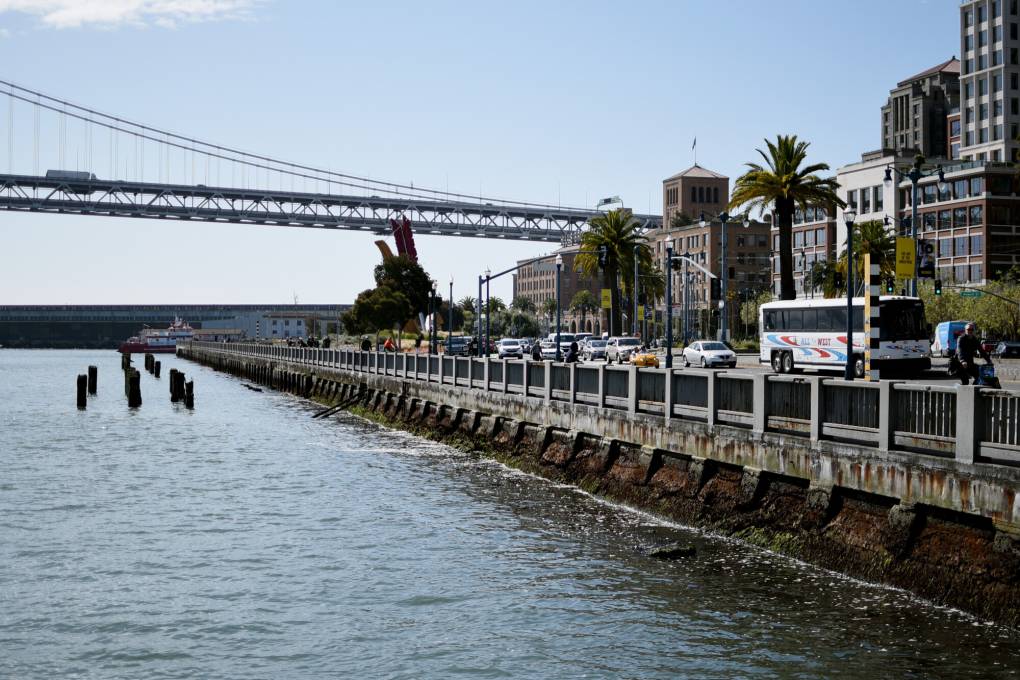
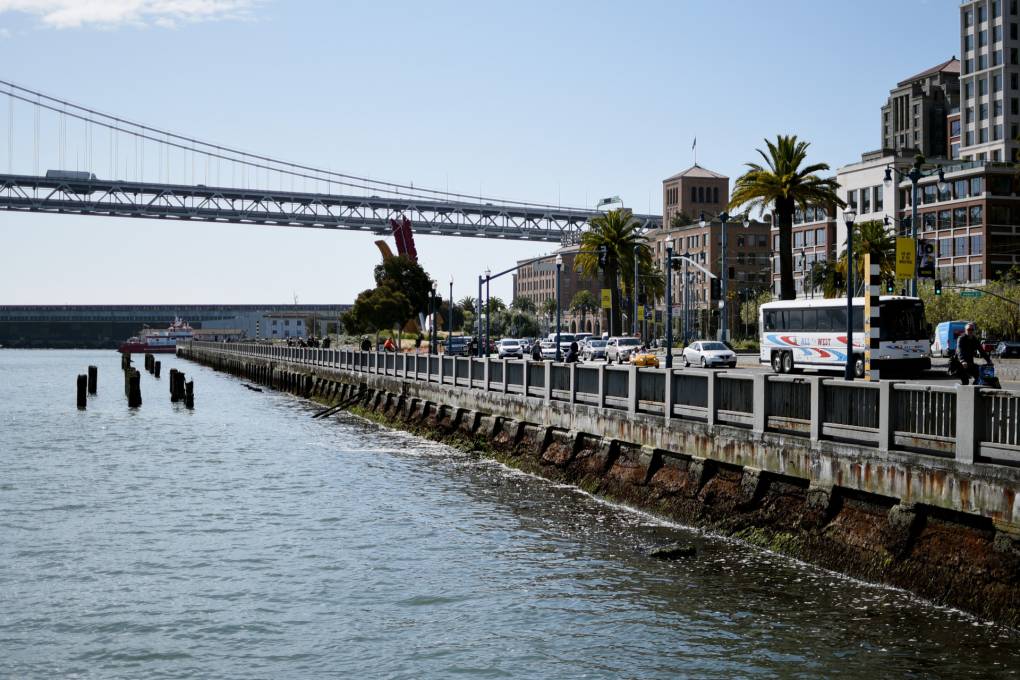
"caption": "The Embarcadero's seawall, in some areas, provides little to no separation between the cityscape and the sea in San Francisco on Tuesday, May 1, 2018.",
"credit": "Lauren Hanussak/KQED",
"altTag": null,
"description": null,
"imgSizes": {
"medium": {
"file": "https://cdn.kqed.org/wp-content/uploads/sites/35/2024/09/SeaLevel_006_qed-800x533.jpg",
"width": 800,
"height": 533,
"mimeType": "image/jpeg"
},
"large": {
"file": "https://cdn.kqed.org/wp-content/uploads/sites/35/2024/09/SeaLevel_006_qed-1020x680.jpg",
"width": 1020,
"height": 680,
"mimeType": "image/jpeg"
},
"thumbnail": {
"file": "https://cdn.kqed.org/wp-content/uploads/sites/35/2024/09/SeaLevel_006_qed-160x107.jpg",
"width": 160,
"height": 107,
"mimeType": "image/jpeg"
},
"medium_large": {
"file": "https://cdn.kqed.org/wp-content/uploads/sites/35/2024/09/SeaLevel_006_qed-768x512.jpg",
"width": 768,
"height": 512,
"mimeType": "image/jpeg"
},
"1536x1536": {
"file": "https://cdn.kqed.org/wp-content/uploads/sites/35/2024/09/SeaLevel_006_qed-1536x1024.jpg",
"width": 1536,
"height": 1024,
"mimeType": "image/jpeg"
},
"post-thumbnail": {
"file": "https://cdn.kqed.org/wp-content/uploads/sites/35/2024/09/SeaLevel_006_qed-672x372.jpg",
"width": 672,
"height": 372,
"mimeType": "image/jpeg"
},
"twentyfourteen-full-width": {
"file": "https://cdn.kqed.org/wp-content/uploads/sites/35/2024/09/SeaLevel_006_qed-1038x576.jpg",
"width": 1038,
"height": 576,
"mimeType": "image/jpeg"
},
"full-width": {
"file": "https://cdn.kqed.org/wp-content/uploads/sites/35/2024/09/SeaLevel_006_qed-1920x1280.jpg",
"width": 1920,
"height": 1280,
"mimeType": "image/jpeg"
},
"kqedFullSize": {
"file": "https://cdn.kqed.org/wp-content/uploads/sites/35/2024/09/SeaLevel_006_qed.jpg",
"width": 2000,
"height": 1333
}
},
"isLoading": false,
"fetchFailed": false
},
"science_1994250": {
"type": "attachments",
"id": "science_1994250",
"meta": {
"index": "attachments_1716263798",
"site": "science",
"id": "1994250",
"found": true
},
"title": "240909-BOYLESFIRE-09-BL-KQED",
"publishDate": 1725915619,
"status": "inherit",
"parent": 0,
"modified": 1725917492,
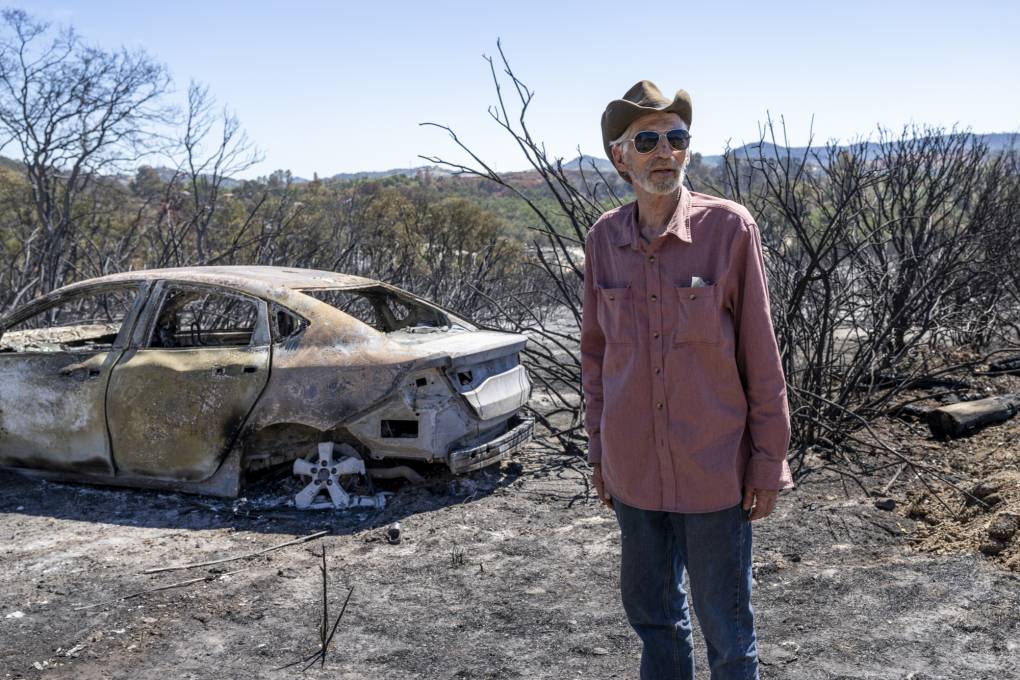
"caption": "Clearlake resident Jeff Stanley walks along 18th Avenue in Clearlake on Sept. 9, 2024.",
"credit": "Beth LaBerge/KQED",
"altTag": null,
"description": null,
"imgSizes": {
"medium": {
"file": "https://cdn.kqed.org/wp-content/uploads/sites/35/2024/09/240909-BOYLESFIRE-09-BL-KQED-800x533.jpg",
"width": 800,
"height": 533,
"mimeType": "image/jpeg"
},
"large": {
"file": "https://cdn.kqed.org/wp-content/uploads/sites/35/2024/09/240909-BOYLESFIRE-09-BL-KQED-1020x680.jpg",
"width": 1020,
"height": 680,
"mimeType": "image/jpeg"
},
"thumbnail": {
"file": "https://cdn.kqed.org/wp-content/uploads/sites/35/2024/09/240909-BOYLESFIRE-09-BL-KQED-160x107.jpg",
"width": 160,
"height": 107,
"mimeType": "image/jpeg"
},
"medium_large": {
"file": "https://cdn.kqed.org/wp-content/uploads/sites/35/2024/09/240909-BOYLESFIRE-09-BL-KQED-768x512.jpg",
"width": 768,
"height": 512,
"mimeType": "image/jpeg"
},
"1536x1536": {
"file": "https://cdn.kqed.org/wp-content/uploads/sites/35/2024/09/240909-BOYLESFIRE-09-BL-KQED-1536x1024.jpg",
"width": 1536,
"height": 1024,
"mimeType": "image/jpeg"
},
"post-thumbnail": {
"file": "https://cdn.kqed.org/wp-content/uploads/sites/35/2024/09/240909-BOYLESFIRE-09-BL-KQED-672x372.jpg",
"width": 672,
"height": 372,
"mimeType": "image/jpeg"
},
"twentyfourteen-full-width": {
"file": "https://cdn.kqed.org/wp-content/uploads/sites/35/2024/09/240909-BOYLESFIRE-09-BL-KQED-1038x576.jpg",
"width": 1038,
"height": 576,
"mimeType": "image/jpeg"
},
"full-width": {
"file": "https://cdn.kqed.org/wp-content/uploads/sites/35/2024/09/240909-BOYLESFIRE-09-BL-KQED-1920x1280.jpg",
"width": 1920,
"height": 1280,
"mimeType": "image/jpeg"
},
"kqedFullSize": {
"file": "https://cdn.kqed.org/wp-content/uploads/sites/35/2024/09/240909-BOYLESFIRE-09-BL-KQED.jpg",
"width": 2000,
"height": 1333
}
},
"isLoading": false,
"fetchFailed": false
},
"science_1994259": {
"type": "attachments",
"id": "science_1994259",
"meta": {
"index": "attachments_1716263798",
"site": "science",
"id": "1994259",
"found": true
},
"title": "240909-BOYLESFIRE-45-BL-KQED",
"publishDate": 1725925574,
"status": "inherit",
"parent": 0,
"modified": 1725996122,
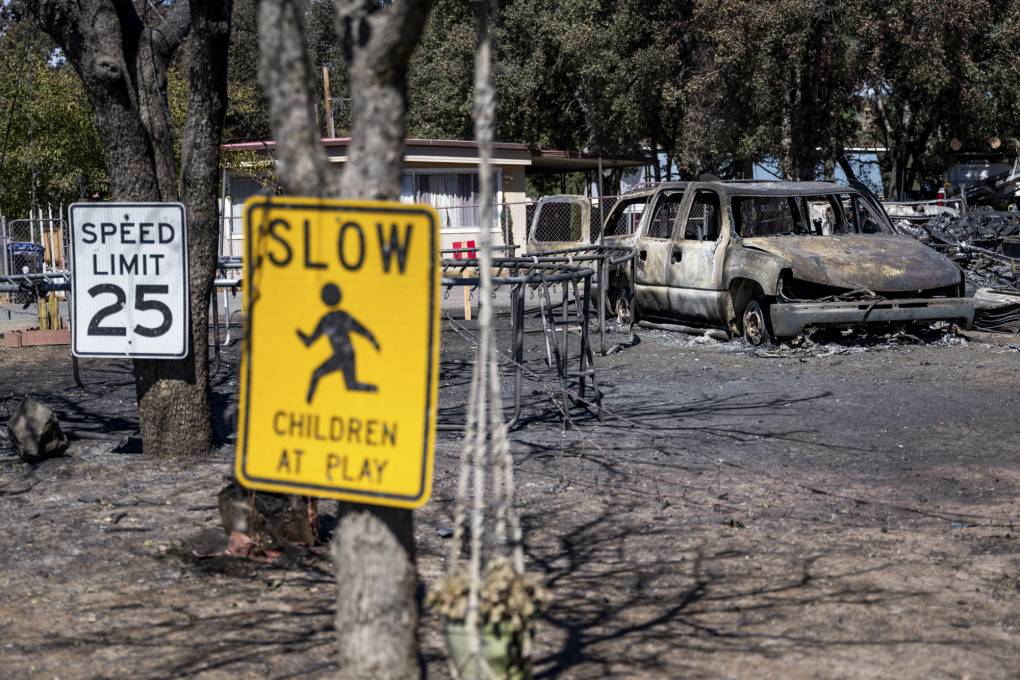
"caption": "A burned vehicle in Clearlake on Sept. 9, 2024, after the Boyles Fire swept through the area on Sept. 8.",
"credit": "Beth LaBerge/KQED",
"altTag": null,
"description": null,
"imgSizes": {
"medium": {
"file": "https://cdn.kqed.org/wp-content/uploads/sites/35/2024/09/240909-BOYLESFIRE-45-BL-KQED-800x533.jpg",
"width": 800,
"height": 533,
"mimeType": "image/jpeg"
},
"large": {
"file": "https://cdn.kqed.org/wp-content/uploads/sites/35/2024/09/240909-BOYLESFIRE-45-BL-KQED-1020x680.jpg",
"width": 1020,
"height": 680,
"mimeType": "image/jpeg"
},
"thumbnail": {
"file": "https://cdn.kqed.org/wp-content/uploads/sites/35/2024/09/240909-BOYLESFIRE-45-BL-KQED-160x107.jpg",
"width": 160,
"height": 107,
"mimeType": "image/jpeg"
},
"medium_large": {
"file": "https://cdn.kqed.org/wp-content/uploads/sites/35/2024/09/240909-BOYLESFIRE-45-BL-KQED-768x512.jpg",
"width": 768,
"height": 512,
"mimeType": "image/jpeg"
},
"1536x1536": {
"file": "https://cdn.kqed.org/wp-content/uploads/sites/35/2024/09/240909-BOYLESFIRE-45-BL-KQED-1536x1024.jpg",
"width": 1536,
"height": 1024,
"mimeType": "image/jpeg"
},
"post-thumbnail": {
"file": "https://cdn.kqed.org/wp-content/uploads/sites/35/2024/09/240909-BOYLESFIRE-45-BL-KQED-672x372.jpg",
"width": 672,
"height": 372,
"mimeType": "image/jpeg"
},
"twentyfourteen-full-width": {
"file": "https://cdn.kqed.org/wp-content/uploads/sites/35/2024/09/240909-BOYLESFIRE-45-BL-KQED-1038x576.jpg",
"width": 1038,
"height": 576,
"mimeType": "image/jpeg"
},
"full-width": {
"file": "https://cdn.kqed.org/wp-content/uploads/sites/35/2024/09/240909-BOYLESFIRE-45-BL-KQED-1920x1280.jpg",
"width": 1920,
"height": 1280,
"mimeType": "image/jpeg"
},
"kqedFullSize": {
"file": "https://cdn.kqed.org/wp-content/uploads/sites/35/2024/09/240909-BOYLESFIRE-45-BL-KQED.jpg",
"width": 2000,
"height": 1333
}
},
"isLoading": false,
"fetchFailed": false
},
"science_1994171": {
"type": "attachments",
"id": "science_1994171",
"meta": {
"index": "attachments_1716263798",
"site": "science",
"id": "1994171",
"found": true
},
"title": "Humpback Whales",
"publishDate": 1725649436,
"status": "inherit",
"parent": 1994170,
"modified": 1725651464,
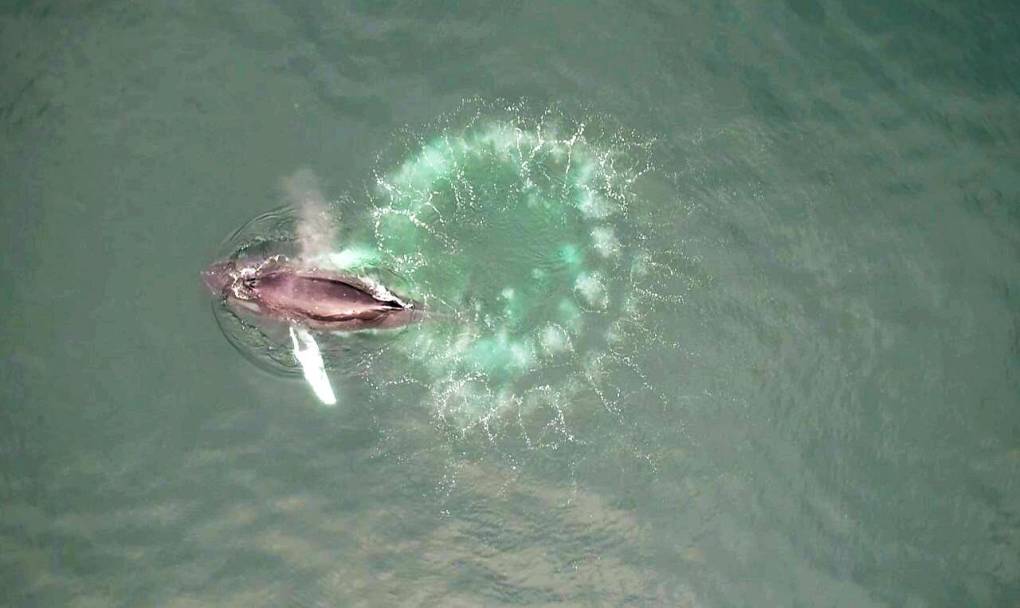
"caption": "Humpback whales blow spiraling circles of bubbles to create underwater nets for their tiny prey, krill.",
"credit": "Hunter Warick/Alaska Whale Foundation, images collected under NMFS Permit #19703",
"altTag": "A picture of humpback whales in a body of water shows how they create a ring of bubbles to capture prey.",
"description": null,
"imgSizes": {
"medium": {
"file": "https://cdn.kqed.org/wp-content/uploads/sites/35/2024/09/bubble-net-800x477.jpeg",
"width": 800,
"height": 477,
"mimeType": "image/jpeg"
},
"large": {
"file": "https://cdn.kqed.org/wp-content/uploads/sites/35/2024/09/bubble-net-1020x608.jpeg",
"width": 1020,
"height": 608,
"mimeType": "image/jpeg"
},
"thumbnail": {
"file": "https://cdn.kqed.org/wp-content/uploads/sites/35/2024/09/bubble-net-160x95.jpeg",
"width": 160,
"height": 95,
"mimeType": "image/jpeg"
},
"medium_large": {
"file": "https://cdn.kqed.org/wp-content/uploads/sites/35/2024/09/bubble-net-768x458.jpeg",
"width": 768,
"height": 458,
"mimeType": "image/jpeg"
},
"post-thumbnail": {
"file": "https://cdn.kqed.org/wp-content/uploads/sites/35/2024/09/bubble-net-672x372.jpeg",
"width": 672,
"height": 372,
"mimeType": "image/jpeg"
},
"twentyfourteen-full-width": {
"file": "https://cdn.kqed.org/wp-content/uploads/sites/35/2024/09/bubble-net-1038x576.jpeg",
"width": 1038,
"height": 576,
"mimeType": "image/jpeg"
},
"kqedFullSize": {
"file": "https://cdn.kqed.org/wp-content/uploads/sites/35/2024/09/bubble-net.jpeg",
"width": 1280,
"height": 763
}
},
"isLoading": false,
"fetchFailed": false
},
"science_1993911": {
"type": "attachments",
"id": "science_1993911",
"meta": {
"index": "attachments_1716263798",
"site": "science",
"id": "1993911",
"found": true
},
"title": "US-ENVIRONMENT-CLIMATE-ECONOMY-STARTUP",
"publishDate": 1723161383,
"status": "inherit",
"parent": 1993898,
"modified": 1723174865,
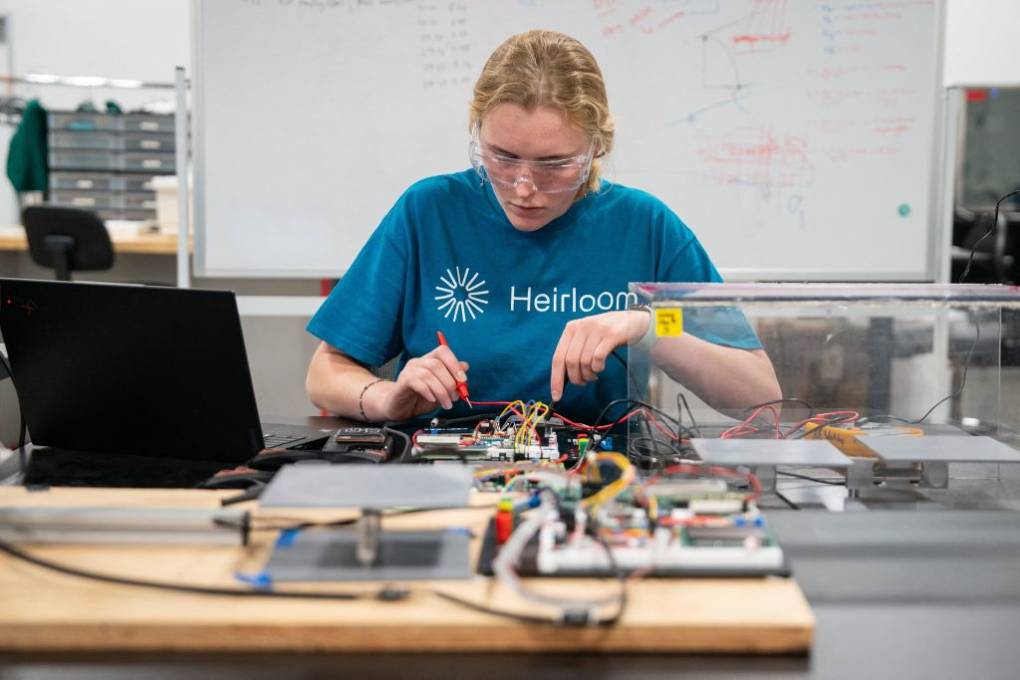
"caption": "Research scientist Emily Hagood troubleshoots instrumentation for measuring carbon dioxide removal from the atmosphere, inside the laboratory at Heirloom Carbon on Sept. 21, 2023, in Brisbane, California. ",
"credit": "Loren Elliott/AFP via Getty Images",
"altTag": "A young white woman uses tools to work on technical instrumentation at a workbench.",
"description": null,
"imgSizes": {
"medium": {
"file": "https://cdn.kqed.org/wp-content/uploads/sites/35/2024/08/GettyImages-1753047057-800x534.jpg",
"width": 800,
"height": 534,
"mimeType": "image/jpeg"
},
"large": {
"file": "https://cdn.kqed.org/wp-content/uploads/sites/35/2024/08/GettyImages-1753047057-1020x680.jpg",
"width": 1020,
"height": 680,
"mimeType": "image/jpeg"
},
"thumbnail": {
"file": "https://cdn.kqed.org/wp-content/uploads/sites/35/2024/08/GettyImages-1753047057-160x107.jpg",
"width": 160,
"height": 107,
"mimeType": "image/jpeg"
},
"medium_large": {
"file": "https://cdn.kqed.org/wp-content/uploads/sites/35/2024/08/GettyImages-1753047057-768x512.jpg",
"width": 768,
"height": 512,
"mimeType": "image/jpeg"
},
"post-thumbnail": {
"file": "https://cdn.kqed.org/wp-content/uploads/sites/35/2024/08/GettyImages-1753047057-672x372.jpg",
"width": 672,
"height": 372,
"mimeType": "image/jpeg"
},
"twentyfourteen-full-width": {
"file": "https://cdn.kqed.org/wp-content/uploads/sites/35/2024/08/GettyImages-1753047057-1024x576.jpg",
"width": 1024,
"height": 576,
"mimeType": "image/jpeg"
},
"kqedFullSize": {
"file": "https://cdn.kqed.org/wp-content/uploads/sites/35/2024/08/GettyImages-1753047057.jpg",
"width": 1024,
"height": 683
}
},
"isLoading": false,
"fetchFailed": false
},
"science_1993764": {
"type": "attachments",
"id": "science_1993764",
"meta": {
"index": "attachments_1716263798",
"site": "science",
"id": "1993764",
"found": true
},
"title": null,
"publishDate": 1722460884,
"status": "inherit",
"parent": 0,
"modified": 1722533326,
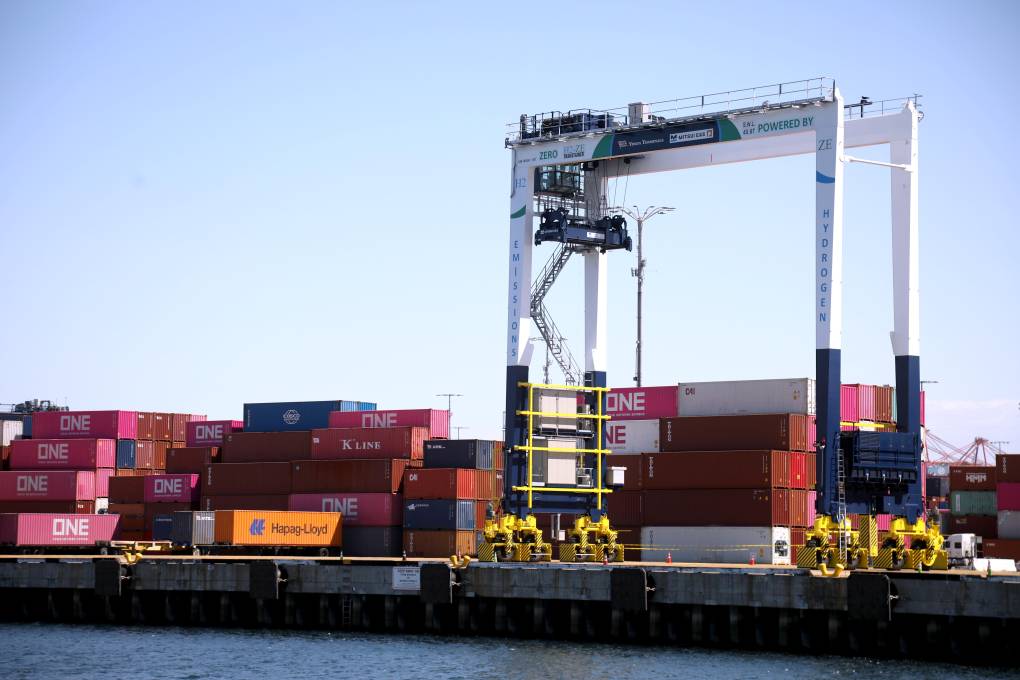
"caption": "A hydrogen-powered crane with zero emissions waits to move cargo containers in Los Angeles Harbor on March 14, 2024.",
"credit": "Genaro Molina/Los Angeles Times via Getty Images",
"altTag": null,
"description": null,
"imgSizes": {
"medium": {
"file": "https://cdn.kqed.org/wp-content/uploads/sites/35/2024/07/GettyImages-2082107731-800x533.jpg",
"width": 800,
"height": 533,
"mimeType": "image/jpeg"
},
"large": {
"file": "https://cdn.kqed.org/wp-content/uploads/sites/35/2024/07/GettyImages-2082107731-1020x680.jpg",
"width": 1020,
"height": 680,
"mimeType": "image/jpeg"
},
"thumbnail": {
"file": "https://cdn.kqed.org/wp-content/uploads/sites/35/2024/07/GettyImages-2082107731-160x107.jpg",
"width": 160,
"height": 107,
"mimeType": "image/jpeg"
},
"medium_large": {
"file": "https://cdn.kqed.org/wp-content/uploads/sites/35/2024/07/GettyImages-2082107731-768x512.jpg",
"width": 768,
"height": 512,
"mimeType": "image/jpeg"
},
"1536x1536": {
"file": "https://cdn.kqed.org/wp-content/uploads/sites/35/2024/07/GettyImages-2082107731-1536x1024.jpg",
"width": 1536,
"height": 1024,
"mimeType": "image/jpeg"
},
"2048x2048": {
"file": "https://cdn.kqed.org/wp-content/uploads/sites/35/2024/07/GettyImages-2082107731-2048x1365.jpg",
"width": 2048,
"height": 1365,
"mimeType": "image/jpeg"
},
"post-thumbnail": {
"file": "https://cdn.kqed.org/wp-content/uploads/sites/35/2024/07/GettyImages-2082107731-672x372.jpg",
"width": 672,
"height": 372,
"mimeType": "image/jpeg"
},
"twentyfourteen-full-width": {
"file": "https://cdn.kqed.org/wp-content/uploads/sites/35/2024/07/GettyImages-2082107731-1038x576.jpg",
"width": 1038,
"height": 576,
"mimeType": "image/jpeg"
},
"full-width": {
"file": "https://cdn.kqed.org/wp-content/uploads/sites/35/2024/07/GettyImages-2082107731-1920x1280.jpg",
"width": 1920,
"height": 1280,
"mimeType": "image/jpeg"
},
"kqedFullSize": {
"file": "https://cdn.kqed.org/wp-content/uploads/sites/35/2024/07/GettyImages-2082107731-scaled.jpg",
"width": 2560,
"height": 1707
}
},
"isLoading": false,
"fetchFailed": false
},
"science_1993287": {
"type": "attachments",
"id": "science_1993287",
"meta": {
"index": "attachments_1716263798",
"site": "science",
"id": "1993287",
"found": true
},
"title": "SEALEVEL",
"publishDate": 1718143087,
"status": "inherit",
"parent": 1993278,
"modified": 1718143107,
"caption": "The Embarcadero's seawall, in some areas, provide little to no separation between the cityscape and the sea in San Francisco, Calif., on Tuesday, May 1, 2018.",
"credit": "Lauren Hanussak/KQED",
"altTag": null,
"description": null,
"imgSizes": {
"medium": {
"file": "https://cdn.kqed.org/wp-content/uploads/sites/35/2024/06/SeaLevel_006_qut-800x533.jpg",
"width": 800,
"height": 533,
"mimeType": "image/jpeg"
},
"large": {
"file": "https://cdn.kqed.org/wp-content/uploads/sites/35/2024/06/SeaLevel_006_qut-1020x680.jpg",
"width": 1020,
"height": 680,
"mimeType": "image/jpeg"
},
"thumbnail": {
"file": "https://cdn.kqed.org/wp-content/uploads/sites/35/2024/06/SeaLevel_006_qut-160x107.jpg",
"width": 160,
"height": 107,
"mimeType": "image/jpeg"
},
"medium_large": {
"file": "https://cdn.kqed.org/wp-content/uploads/sites/35/2024/06/SeaLevel_006_qut-768x512.jpg",
"width": 768,
"height": 512,
"mimeType": "image/jpeg"
},
"1536x1536": {
"file": "https://cdn.kqed.org/wp-content/uploads/sites/35/2024/06/SeaLevel_006_qut-1536x1024.jpg",
"width": 1536,
"height": 1024,
"mimeType": "image/jpeg"
},
"post-thumbnail": {
"file": "https://cdn.kqed.org/wp-content/uploads/sites/35/2024/06/SeaLevel_006_qut-672x372.jpg",
"width": 672,
"height": 372,
"mimeType": "image/jpeg"
},
"twentyfourteen-full-width": {
"file": "https://cdn.kqed.org/wp-content/uploads/sites/35/2024/06/SeaLevel_006_qut-1038x576.jpg",
"width": 1038,
"height": 576,
"mimeType": "image/jpeg"
},
"kqedFullSize": {
"file": "https://cdn.kqed.org/wp-content/uploads/sites/35/2024/06/SeaLevel_006_qut.jpg",
"width": 1920,
"height": 1280
}
},
"isLoading": false,
"fetchFailed": false
},
"science_1993267": {
"type": "attachments",
"id": "science_1993267",
"meta": {
"index": "attachments_1716263798",
"site": "science",
"id": "1993267",
"found": true
},
"title": "IMG_2591",
"publishDate": 1718063407,
"status": "inherit",
"parent": 1993259,
"modified": 1718063443,
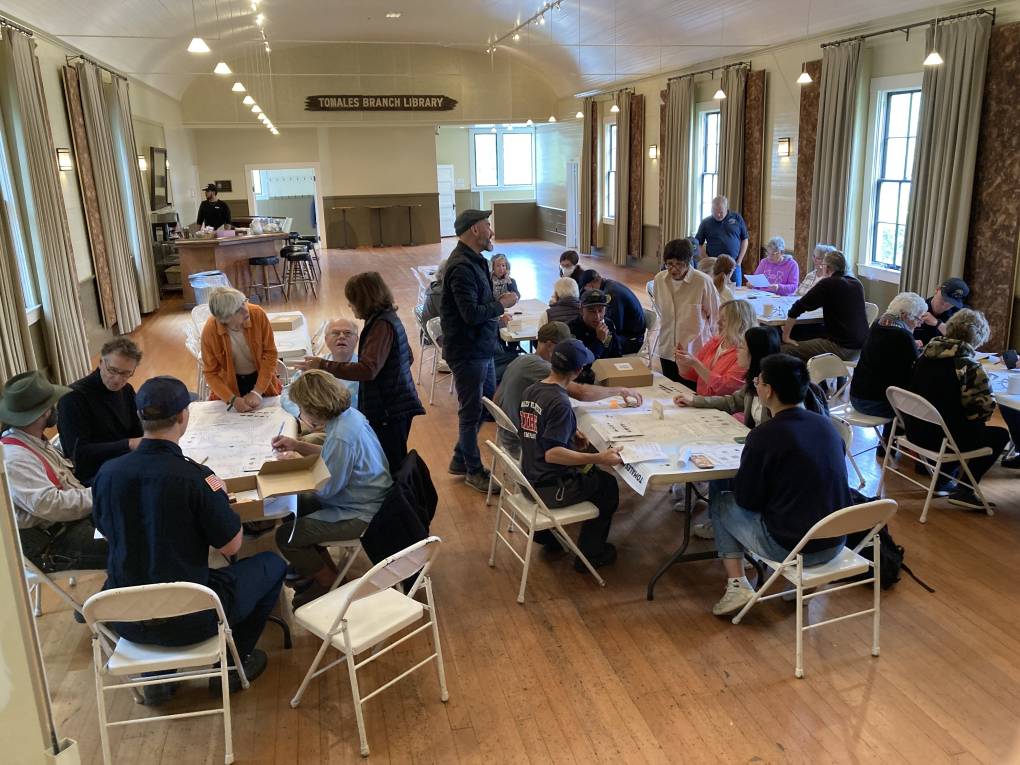
"caption": "Residents gathered in the Tomales town hall to play a game about wildfire evacuation.",
"credit": "Katherine Monahan/KQED",
"altTag": null,
"description": null,
"imgSizes": {
"medium": {
"file": "https://cdn.kqed.org/wp-content/uploads/sites/35/2024/06/IMG_2591-800x600.jpg",
"width": 800,
"height": 600,
"mimeType": "image/jpeg"
},
"large": {
"file": "https://cdn.kqed.org/wp-content/uploads/sites/35/2024/06/IMG_2591-1020x765.jpg",
"width": 1020,
"height": 765,
"mimeType": "image/jpeg"
},
"thumbnail": {
"file": "https://cdn.kqed.org/wp-content/uploads/sites/35/2024/06/IMG_2591-160x120.jpg",
"width": 160,
"height": 120,
"mimeType": "image/jpeg"
},
"medium_large": {
"file": "https://cdn.kqed.org/wp-content/uploads/sites/35/2024/06/IMG_2591-768x576.jpg",
"width": 768,
"height": 576,
"mimeType": "image/jpeg"
},
"1536x1536": {
"file": "https://cdn.kqed.org/wp-content/uploads/sites/35/2024/06/IMG_2591-1536x1152.jpg",
"width": 1536,
"height": 1152,
"mimeType": "image/jpeg"
},
"2048x2048": {
"file": "https://cdn.kqed.org/wp-content/uploads/sites/35/2024/06/IMG_2591-2048x1536.jpg",
"width": 2048,
"height": 1536,
"mimeType": "image/jpeg"
},
"post-thumbnail": {
"file": "https://cdn.kqed.org/wp-content/uploads/sites/35/2024/06/IMG_2591-672x372.jpg",
"width": 672,
"height": 372,
"mimeType": "image/jpeg"
},
"twentyfourteen-full-width": {
"file": "https://cdn.kqed.org/wp-content/uploads/sites/35/2024/06/IMG_2591-1038x576.jpg",
"width": 1038,
"height": 576,
"mimeType": "image/jpeg"
},
"full-width": {
"file": "https://cdn.kqed.org/wp-content/uploads/sites/35/2024/06/IMG_2591-1920x1440.jpg",
"width": 1920,
"height": 1440,
"mimeType": "image/jpeg"
},
"kqedFullSize": {
"file": "https://cdn.kqed.org/wp-content/uploads/sites/35/2024/06/IMG_2591-scaled.jpg",
"width": 2560,
"height": 1920
}
},
"isLoading": false,
"fetchFailed": false
},
"science_1985212": {
"type": "attachments",
"id": "science_1985212",
"meta": {
"index": "attachments_1716263798",
"site": "science",
"id": "1985212",
"found": true
},
"title": "231110-PRESCRIBED BURN_PENN VALLEY_NEVADA COUNTY10-EB-KQED",
"publishDate": 1699620650,
"status": "inherit",
"parent": 0,
"modified": 1718056791,
"caption": "Workers perform a prescribed burn on a private property in Penn Valley, a small, rural community in Nevada County, California, on June 22, 2023. The burn aims to reduce the brush and grasses that fuel megafires, while also helping to restore native plants to the region.",
"credit": "Erin Baldassari/KQED",
"altTag": "Two people walk through a smokey hillside.",
"description": null,
"imgSizes": {
"medium": {
"file": "https://cdn.kqed.org/wp-content/uploads/sites/35/2023/11/231110-PRESCRIBED-BURN_PENN-VALLEY_NEVADA-COUNTY10-EB-KQED-800x533.jpg",
"width": 800,
"height": 533,
"mimeType": "image/jpeg"
},
"large": {
"file": "https://cdn.kqed.org/wp-content/uploads/sites/35/2023/11/231110-PRESCRIBED-BURN_PENN-VALLEY_NEVADA-COUNTY10-EB-KQED-1020x680.jpg",
"width": 1020,
"height": 680,
"mimeType": "image/jpeg"
},
"thumbnail": {
"file": "https://cdn.kqed.org/wp-content/uploads/sites/35/2023/11/231110-PRESCRIBED-BURN_PENN-VALLEY_NEVADA-COUNTY10-EB-KQED-160x107.jpg",
"width": 160,
"height": 107,
"mimeType": "image/jpeg"
},
"medium_large": {
"file": "https://cdn.kqed.org/wp-content/uploads/sites/35/2023/11/231110-PRESCRIBED-BURN_PENN-VALLEY_NEVADA-COUNTY10-EB-KQED-768x512.jpg",
"width": 768,
"height": 512,
"mimeType": "image/jpeg"
},
"1536x1536": {
"file": "https://cdn.kqed.org/wp-content/uploads/sites/35/2023/11/231110-PRESCRIBED-BURN_PENN-VALLEY_NEVADA-COUNTY10-EB-KQED-1536x1024.jpg",
"width": 1536,
"height": 1024,
"mimeType": "image/jpeg"
},
"post-thumbnail": {
"file": "https://cdn.kqed.org/wp-content/uploads/sites/35/2023/11/231110-PRESCRIBED-BURN_PENN-VALLEY_NEVADA-COUNTY10-EB-KQED-672x372.jpg",
"width": 672,
"height": 372,
"mimeType": "image/jpeg"
},
"twentyfourteen-full-width": {
"file": "https://cdn.kqed.org/wp-content/uploads/sites/35/2023/11/231110-PRESCRIBED-BURN_PENN-VALLEY_NEVADA-COUNTY10-EB-KQED-1038x576.jpg",
"width": 1038,
"height": 576,
"mimeType": "image/jpeg"
},
"full-width": {
"file": "https://cdn.kqed.org/wp-content/uploads/sites/35/2023/11/231110-PRESCRIBED-BURN_PENN-VALLEY_NEVADA-COUNTY10-EB-KQED-1920x1280.jpg",
"width": 1920,
"height": 1280,
"mimeType": "image/jpeg"
},
"kqedFullSize": {
"file": "https://cdn.kqed.org/wp-content/uploads/sites/35/2023/11/231110-PRESCRIBED-BURN_PENN-VALLEY_NEVADA-COUNTY10-EB-KQED.jpg",
"width": 2000,
"height": 1333
}
},
"isLoading": false,
"fetchFailed": false
},
"science_1992918": {
"type": "attachments",
"id": "science_1992918",
"meta": {
"index": "attachments_1716263798",
"site": "science",
"id": "1992918",
"found": true
},
"title": "New research on Antarctica's Thwaites Glacier could reshape sea-level rise predictions",
"publishDate": 1716404791,
"status": "inherit",
"parent": 1992917,
"modified": 1716407437,
"caption": "This undated NASA image shows the Thwaites Glacier in Antarctica. Researchers say areas of the glacier may be undergoing 'vigorous melting' from warm ocean water caused by climate change.",
"credit": "NASA via Reuters",
"altTag": null,
"description": null,
"imgSizes": {
"medium": {
"file": "https://cdn.kqed.org/wp-content/uploads/sites/35/2024/05/2014-05-12t120000z_163168172_gm1ea5d0e0o01_rtrmadp_3_climatechange-antarctica_wide-dc872b259e838b06facf859b790dcd5ad4af35cf-800x450.jpg",
"width": 800,
"height": 450,
"mimeType": "image/jpeg"
},
"large": {
"file": "https://cdn.kqed.org/wp-content/uploads/sites/35/2024/05/2014-05-12t120000z_163168172_gm1ea5d0e0o01_rtrmadp_3_climatechange-antarctica_wide-dc872b259e838b06facf859b790dcd5ad4af35cf-1020x573.jpg",
"width": 1020,
"height": 573,
"mimeType": "image/jpeg"
},
"thumbnail": {
"file": "https://cdn.kqed.org/wp-content/uploads/sites/35/2024/05/2014-05-12t120000z_163168172_gm1ea5d0e0o01_rtrmadp_3_climatechange-antarctica_wide-dc872b259e838b06facf859b790dcd5ad4af35cf-160x90.jpg",
"width": 160,
"height": 90,
"mimeType": "image/jpeg"
},
"medium_large": {
"file": "https://cdn.kqed.org/wp-content/uploads/sites/35/2024/05/2014-05-12t120000z_163168172_gm1ea5d0e0o01_rtrmadp_3_climatechange-antarctica_wide-dc872b259e838b06facf859b790dcd5ad4af35cf-768x432.jpg",
"width": 768,
"height": 432,
"mimeType": "image/jpeg"
},
"1536x1536": {
"file": "https://cdn.kqed.org/wp-content/uploads/sites/35/2024/05/2014-05-12t120000z_163168172_gm1ea5d0e0o01_rtrmadp_3_climatechange-antarctica_wide-dc872b259e838b06facf859b790dcd5ad4af35cf-1536x864.jpg",
"width": 1536,
"height": 864,
"mimeType": "image/jpeg"
},
"2048x2048": {
"file": "https://cdn.kqed.org/wp-content/uploads/sites/35/2024/05/2014-05-12t120000z_163168172_gm1ea5d0e0o01_rtrmadp_3_climatechange-antarctica_wide-dc872b259e838b06facf859b790dcd5ad4af35cf-2048x1151.jpg",
"width": 2048,
"height": 1151,
"mimeType": "image/jpeg"
},
"post-thumbnail": {
"file": "https://cdn.kqed.org/wp-content/uploads/sites/35/2024/05/2014-05-12t120000z_163168172_gm1ea5d0e0o01_rtrmadp_3_climatechange-antarctica_wide-dc872b259e838b06facf859b790dcd5ad4af35cf-672x372.jpg",
"width": 672,
"height": 372,
"mimeType": "image/jpeg"
},
"twentyfourteen-full-width": {
"file": "https://cdn.kqed.org/wp-content/uploads/sites/35/2024/05/2014-05-12t120000z_163168172_gm1ea5d0e0o01_rtrmadp_3_climatechange-antarctica_wide-dc872b259e838b06facf859b790dcd5ad4af35cf-1038x576.jpg",
"width": 1038,
"height": 576,
"mimeType": "image/jpeg"
},
"full-width": {
"file": "https://cdn.kqed.org/wp-content/uploads/sites/35/2024/05/2014-05-12t120000z_163168172_gm1ea5d0e0o01_rtrmadp_3_climatechange-antarctica_wide-dc872b259e838b06facf859b790dcd5ad4af35cf-1920x1079.jpg",
"width": 1920,
"height": 1079,
"mimeType": "image/jpeg"
},
"kqedFullSize": {
"file": "https://cdn.kqed.org/wp-content/uploads/sites/35/2024/05/2014-05-12t120000z_163168172_gm1ea5d0e0o01_rtrmadp_3_climatechange-antarctica_wide-dc872b259e838b06facf859b790dcd5ad4af35cf-scaled.jpg",
"width": 2560,
"height": 1439
}
},
"isLoading": false,
"fetchFailed": false
},
"science_1985375": {
"type": "attachments",
"id": "science_1985375",
"meta": {
"index": "attachments_1716263798",
"site": "science",
"id": "1985375",
"found": true
},
"parent": 1985321,
"imgSizes": {
"twentyfourteen-full-width": {
"file": "https://ww2.kqed.org/app/uploads/sites/35/2023/11/231115-APECClimateProtest-15-BL-1038x576.jpg",
"width": 1038,
"mimeType": "image/jpeg",
"height": 576
},
"thumbnail": {
"file": "https://ww2.kqed.org/app/uploads/sites/35/2023/11/231115-APECClimateProtest-15-BL-160x107.jpg",
"width": 160,
"mimeType": "image/jpeg",
"height": 107
},
"post-thumbnail": {
"file": "https://ww2.kqed.org/app/uploads/sites/35/2023/11/231115-APECClimateProtest-15-BL-672x372.jpg",
"width": 672,
"mimeType": "image/jpeg",
"height": 372
},
"kqedFullSize": {
"file": "https://ww2.kqed.org/app/uploads/sites/35/2023/11/231115-APECClimateProtest-15-BL.jpg",
"width": 1920,
"height": 1280
},
"large": {
"file": "https://ww2.kqed.org/app/uploads/sites/35/2023/11/231115-APECClimateProtest-15-BL-1020x680.jpg",
"width": 1020,
"mimeType": "image/jpeg",
"height": 680
},
"1536x1536": {
"file": "https://ww2.kqed.org/app/uploads/sites/35/2023/11/231115-APECClimateProtest-15-BL-1536x1024.jpg",
"width": 1536,
"mimeType": "image/jpeg",
"height": 1024
},
"medium": {
"file": "https://ww2.kqed.org/app/uploads/sites/35/2023/11/231115-APECClimateProtest-15-BL-800x533.jpg",
"width": 800,
"mimeType": "image/jpeg",
"height": 533
},
"medium_large": {
"file": "https://ww2.kqed.org/app/uploads/sites/35/2023/11/231115-APECClimateProtest-15-BL-768x512.jpg",
"width": 768,
"mimeType": "image/jpeg",
"height": 512
}
},
"publishDate": 1700072743,
"modified": 1700079699,
"caption": "Kurtis Lamore holds a sign that says, 'Exxon Mobil Darren Wood' with red hand prints during a protest against the APEC summit in San Francisco on Nov. 15, 2023.",
"description": null,
"title": "231115-APECClimateProtest-15-BL",
"credit": "Beth LaBerge/KQED",
"status": "inherit",
"altTag": "A protester carries a sign.",
"isLoading": false,
"fetchFailed": false
},
"science_1992476": {
"type": "attachments",
"id": "science_1992476",
"meta": {
"index": "attachments_1716263798",
"site": "science",
"id": "1992476",
"found": true
},
"parent": 0,
"imgSizes": {
"twentyfourteen-full-width": {
"file": "https://cdn.kqed.org/wp-content/uploads/sites/35/2024/04/20240423_RITGER_CLIMATE-WEEK-DAY-2_72212-KQED-1038x576.jpg",
"width": 1038,
"mimeType": "image/jpeg",
"height": 576
},
"thumbnail": {
"file": "https://cdn.kqed.org/wp-content/uploads/sites/35/2024/04/20240423_RITGER_CLIMATE-WEEK-DAY-2_72212-KQED-160x107.jpg",
"width": 160,
"mimeType": "image/jpeg",
"height": 107
},
"post-thumbnail": {
"file": "https://cdn.kqed.org/wp-content/uploads/sites/35/2024/04/20240423_RITGER_CLIMATE-WEEK-DAY-2_72212-KQED-672x372.jpg",
"width": 672,
"mimeType": "image/jpeg",
"height": 372
},
"kqedFullSize": {
"file": "https://cdn.kqed.org/wp-content/uploads/sites/35/2024/04/20240423_RITGER_CLIMATE-WEEK-DAY-2_72212-KQED.jpg",
"width": 2000,
"height": 1333
},
"large": {
"file": "https://cdn.kqed.org/wp-content/uploads/sites/35/2024/04/20240423_RITGER_CLIMATE-WEEK-DAY-2_72212-KQED-1020x680.jpg",
"width": 1020,
"mimeType": "image/jpeg",
"height": 680
},
"1536x1536": {
"file": "https://cdn.kqed.org/wp-content/uploads/sites/35/2024/04/20240423_RITGER_CLIMATE-WEEK-DAY-2_72212-KQED-1536x1024.jpg",
"width": 1536,
"mimeType": "image/jpeg",
"height": 1024
},
"full-width": {
"file": "https://cdn.kqed.org/wp-content/uploads/sites/35/2024/04/20240423_RITGER_CLIMATE-WEEK-DAY-2_72212-KQED-1920x1280.jpg",
"width": 1920,
"mimeType": "image/jpeg",
"height": 1280
},
"medium": {
"file": "https://cdn.kqed.org/wp-content/uploads/sites/35/2024/04/20240423_RITGER_CLIMATE-WEEK-DAY-2_72212-KQED-800x533.jpg",
"width": 800,
"mimeType": "image/jpeg",
"height": 533
},
"medium_large": {
"file": "https://cdn.kqed.org/wp-content/uploads/sites/35/2024/04/20240423_RITGER_CLIMATE-WEEK-DAY-2_72212-KQED-768x512.jpg",
"width": 768,
"mimeType": "image/jpeg",
"height": 512
}
},
"publishDate": 1714067040,
"modified": 1714077922,
"caption": "California Secretary of Natural Resources Wade Crowfoot is interviewed by KQED reporter Danielle Venton for Climate One at the Commonwealth Club in San Francisco on April 23, 2024",
"description": null,
"title": "20240423_RITGER_CLIMATE WEEK DAY 2_72212-KQED",
"credit": "Courtesy of Climate One/Commonwealth Club",
"status": "inherit",
"altTag": "A man wearing a dark business suit sits next to a woman with a dark jacket with white designs on a stage.",
"isLoading": false,
"fetchFailed": false
}
},
"audioPlayerReducer": {
"postId": "stream_live",
"isPaused": true,
"isPlaying": false,
"pfsActive": false,
"pledgeModalIsOpen": true,
"playerDrawerIsOpen": false,
"liveAudioPlayStartedAt": 0,
"liveAudioPlayContext": ""
},
"authorsReducer": {
"byline_science_1994170": {
"type": "authors",
"id": "byline_science_1994170",
"meta": {
"override": true
},
"slug": "byline_science_1994170",
"name": "Lauren Sommer, NPR",
"isLoading": false
},
"byline_science_1993734": {
"type": "authors",
"id": "byline_science_1993734",
"meta": {
"override": true
},
"slug": "byline_science_1993734",
"name": "Molly Peterson, Public Health Watch",
"isLoading": false
},
"byline_science_1992917": {
"type": "authors",
"id": "byline_science_1992917",
"meta": {
"override": true
},
"slug": "byline_science_1992917",
"name": "Joe Hernandez",
"isLoading": false
},
"lklivans": {
"type": "authors",
"id": "8648",
"meta": {
"index": "authors_1716337520",
"id": "8648",
"found": true
},
"name": "Laura Klivans",
"firstName": "Laura",
"lastName": "Klivans",
"slug": "lklivans",
"email": "lklivans@kqed.org",
"display_author_email": true,
"staff_mastheads": [
"news",
"science"
],
"title": "Reporter",
"bio": "Laura Klivans is an award-winning science reporter for KQED News, where she covers climate change with an eye on both groundbreaking progress and gaps in action. She is the former host of KQED's blockbuster video series about tiny, amazing animals, \u003cem>Deep Look\u003c/em>. Her work reaches national audiences through NPR, \u003cem>Here & Now, \u003c/em>PRI, and other major outlets. \r\n\r\nLaura’s won five Northern California Area Emmy Awards for Deep Look and First Place in the Greater Bay Area Journalism Awards for a podcast exploring how one Oakland neighborhood teamed up to reduce planet-heating pollution.\r\n\r\nBeyond her reporting, she hosts and moderates events. In the past, she taught audio storytelling at the UC Berkeley Graduate School of Journalism, led international education programs, worked with immigrants and refugees along the Thai-Burmese border, taught high schoolers sex ed, and was an actress. \r\n\r\nShe's a former UC Berkeley Human Rights Fellow, USC Center for Health Journalism's California Fellow and Coro Fellow in Public Affairs. Laura has a master’s in journalism from UC Berkeley, a master’s in education from Harvard, and an undergraduate degree from Northwestern University.\r\n\r\nShe loves trying to riddle the meaning out of vanity license plates.",
"avatar": "https://secure.gravatar.com/avatar/2d2ecd1550a494cc10ad4a503406965585902124739e775a9b3817eebf1d88be?s=600&d=blank&r=g",
"twitter": "lauraklivans",
"bluesky": null,
"facebook": null,
"instagram": null,
"linkedin": null,
"sites": [
{
"site": "news",
"roles": [
"editor"
]
},
{
"site": "stateofhealth",
"roles": [
"contributor",
"editor"
]
},
{
"site": "science",
"roles": [
"editor"
]
},
{
"site": "forum",
"roles": [
"editor"
]
}
],
"headData": {
"title": "Laura Klivans | KQED",
"description": "Reporter",
"ogImgSrc": "https://secure.gravatar.com/avatar/2d2ecd1550a494cc10ad4a503406965585902124739e775a9b3817eebf1d88be?s=600&d=blank&r=g",
"twImgSrc": "https://secure.gravatar.com/avatar/2d2ecd1550a494cc10ad4a503406965585902124739e775a9b3817eebf1d88be?s=600&d=blank&r=g"
},
"isLoading": false,
"link": "/author/lklivans"
},
"dventon": {
"type": "authors",
"id": "11088",
"meta": {
"index": "authors_1716337520",
"id": "11088",
"found": true
},
"name": "Danielle Venton",
"firstName": "Danielle",
"lastName": "Venton",
"slug": "dventon",
"email": "dventon@kqed.org",
"display_author_email": true,
"staff_mastheads": [
"science"
],
"title": "Science reporter",
"bio": "Danielle Venton is a reporter for KQED Science. She covers wildfires, space and oceans (though she is prone to sea sickness).\r\n\r\nBefore joining KQED in 2015, Danielle was a staff reporter at KRCB in Sonoma County and a freelancer. She studied science communication at UC Santa Cruz and formerly worked at CERN in Geneva, Switzerland where she wrote about computing. She lives in Sonoma County and enjoys backpacking.",
"avatar": "https://secure.gravatar.com/avatar/37b292b5c40c8d93959c4f48d73b5286f41b7abd8588277e941905a3ed4c801c?s=600&d=blank&r=g",
"twitter": "DanielleVenton",
"bluesky": null,
"facebook": null,
"instagram": null,
"linkedin": null,
"sites": [
{
"site": "arts",
"roles": [
"contributor"
]
},
{
"site": "news",
"roles": [
"editor"
]
},
{
"site": "futureofyou",
"roles": [
"editor"
]
},
{
"site": "science",
"roles": [
"editor"
]
},
{
"site": "liveblog",
"roles": [
"contributor"
]
}
],
"headData": {
"title": "Danielle Venton | KQED",
"description": "Science reporter",
"ogImgSrc": "https://secure.gravatar.com/avatar/37b292b5c40c8d93959c4f48d73b5286f41b7abd8588277e941905a3ed4c801c?s=600&d=blank&r=g",
"twImgSrc": "https://secure.gravatar.com/avatar/37b292b5c40c8d93959c4f48d73b5286f41b7abd8588277e941905a3ed4c801c?s=600&d=blank&r=g"
},
"isLoading": false,
"link": "/author/dventon"
},
"kevinstark": {
"type": "authors",
"id": "11608",
"meta": {
"index": "authors_1716337520",
"id": "11608",
"found": true
},
"name": "Kevin Stark",
"firstName": "Kevin",
"lastName": "Stark",
"slug": "kevinstark",
"email": "kstark@kqed.org",
"display_author_email": true,
"staff_mastheads": [
"science"
],
"title": "Senior Editor",
"bio": "Kevin is a senior editor for KQED Science, managing the station's health and climate desks. His journalism career began in the Pacific Northwest, and he later became a lead reporter for the San Francisco Public Press. His work has appeared in Pacific Standard magazine, the Energy News Network, the Center for Investigative Reporting's Reveal and WBEZ in Chicago. Kevin joined KQED in 2019, and has covered issues related to energy, wildfire, climate change and the environment.",
"avatar": "https://secure.gravatar.com/avatar/365aaa4b597d3a8374f67504ff0facd323d7906e8eb4be0a7efd2427408e802c?s=600&d=blank&r=g",
"twitter": "starkkev",
"bluesky": null,
"facebook": null,
"instagram": null,
"linkedin": null,
"sites": [
{
"site": "",
"roles": [
"editor"
]
},
{
"site": "news",
"roles": [
"editor"
]
},
{
"site": "science",
"roles": [
"administrator"
]
}
],
"headData": {
"title": "Kevin Stark | KQED",
"description": "Senior Editor",
"ogImgSrc": "https://secure.gravatar.com/avatar/365aaa4b597d3a8374f67504ff0facd323d7906e8eb4be0a7efd2427408e802c?s=600&d=blank&r=g",
"twImgSrc": "https://secure.gravatar.com/avatar/365aaa4b597d3a8374f67504ff0facd323d7906e8eb4be0a7efd2427408e802c?s=600&d=blank&r=g"
},
"isLoading": false,
"link": "/author/kevinstark"
},
"eromero": {
"type": "authors",
"id": "11746",
"meta": {
"index": "authors_1716337520",
"id": "11746",
"found": true
},
"name": "Ezra David Romero",
"firstName": "Ezra David",
"lastName": "Romero",
"slug": "eromero",
"email": "eromero@kqed.org",
"display_author_email": true,
"staff_mastheads": [
"news",
"science"
],
"title": "Climate Reporter",
"bio": "Ezra David Romero is a climate reporter for KQED News. He covers the absence and excess of water in the Bay Area — think sea level rise, flooding and drought. For nearly a decade he’s covered how warming temperatures are altering the lives of Californians. He’s reported on farmers worried their pistachio trees aren’t getting enough sleep, families desperate for water, scientists studying dying giant sequoias, and alongside firefighters containing wildfires. His work has appeared on local stations across California and nationally on public radio shows like Morning Edition, Here and Now, All Things Considered and Science Friday. ",
"avatar": "https://secure.gravatar.com/avatar/c76404d287c10ed40224227551ac36e24352c7306f106632caf6fead76f8801f?s=600&d=blank&r=g",
"twitter": "ezraromero",
"bluesky": null,
"facebook": null,
"instagram": null,
"linkedin": null,
"sites": [
{
"site": "arts",
"roles": [
"editor"
]
},
{
"site": "news",
"roles": [
"editor"
]
},
{
"site": "science",
"roles": [
"editor"
]
},
{
"site": "liveblog",
"roles": [
"author"
]
}
],
"headData": {
"title": "Ezra David Romero | KQED",
"description": "Climate Reporter",
"ogImgSrc": "https://secure.gravatar.com/avatar/c76404d287c10ed40224227551ac36e24352c7306f106632caf6fead76f8801f?s=600&d=blank&r=g",
"twImgSrc": "https://secure.gravatar.com/avatar/c76404d287c10ed40224227551ac36e24352c7306f106632caf6fead76f8801f?s=600&d=blank&r=g"
},
"isLoading": false,
"link": "/author/eromero"
},
"kmonahan": {
"type": "authors",
"id": "11842",
"meta": {
"index": "authors_1716337520",
"id": "11842",
"found": true
},
"name": "Katherine Monahan",
"firstName": "Katherine",
"lastName": "Monahan",
"slug": "kmonahan",
"email": "kmonahan@kqed.org",
"display_author_email": true,
"staff_mastheads": [],
"title": "Reporter / Sound Engineer",
"bio": "I cover state and local news. I’m also a sound engineer at the station, mixing stories and running live broadcasts. I link to source materials so that readers can draw their own conclusions, and seek comment from a range of perspectives, including from people directly affected by events. Awards received include from the Society of Professional Journalists, Northern California chapter and the Alaska Press Club. I speak multiple languages and have reported and engineered in the Bay Area, Alaska, West Africa and Latin America.",
"avatar": "https://secure.gravatar.com/avatar/ff257b3a5da88893781a3d3266904b2d2f91c7f0e1bbf728f61f5fb81b74a669?s=600&d=blank&r=g",
"twitter": null,
"bluesky": null,
"facebook": null,
"instagram": null,
"linkedin": null,
"sites": [
{
"site": "news",
"roles": [
"editor"
]
},
{
"site": "science",
"roles": [
"contributor"
]
}
],
"headData": {
"title": "Katherine Monahan | KQED",
"description": "Reporter / Sound Engineer",
"ogImgSrc": "https://secure.gravatar.com/avatar/ff257b3a5da88893781a3d3266904b2d2f91c7f0e1bbf728f61f5fb81b74a669?s=600&d=blank&r=g",
"twImgSrc": "https://secure.gravatar.com/avatar/ff257b3a5da88893781a3d3266904b2d2f91c7f0e1bbf728f61f5fb81b74a669?s=600&d=blank&r=g"
},
"isLoading": false,
"link": "/author/kmonahan"
}
},
"pagesReducer": {
"science_tag_climate-change": {
"type": "terms",
"id": "science_194",
"meta": {
"index": "terms_1716263798",
"site": "science",
"id": "194",
"score": 7.946657
},
"featImg": null,
"name": "climate change",
"description": null,
"taxonomy": "tag",
"headData": {
"twImgId": null,
"twTitle": null,
"ogTitle": null,
"ogImgId": null,
"twDescription": null,
"description": null,
"title": "climate change Archives | KQED Science",
"ogDescription": null
},
"ttid": 198,
"slug": "climate-change",
"isLoading": false,
"title": "climate change",
"pageMeta": {
"site": "science",
"WpPageTemplate": "page-topic-editorial",
"currentPage": 8
},
"blocks": [
{
"blockName": "kqed/post-list",
"attrs": {
"layout": "cardArticle2",
"query": "posts/science?tag=climate-change",
"seeMore": false,
"paginated": true,
"page": 8
}
},
{
"blockName": "kqed/ad"
}
]
}
},
"pfsSessionReducer": {},
"postsReducer": {
"stream_live": {
"type": "live",
"id": "stream_live",
"audioUrl": "https://streams.kqed.org/kqedradio",
"title": "Live Stream",
"excerpt": "Live Stream information currently unavailable.",
"link": "/radio",
"featImg": "",
"label": {
"name": "KQED Live",
"link": "/"
}
},
"stream_kqedNewscast": {
"type": "posts",
"id": "stream_kqedNewscast",
"audioUrl": "https://www.kqed.org/.stream/anon/radio/RDnews/newscast.mp3?_=1",
"title": "KQED Newscast",
"featImg": "",
"label": {
"name": "88.5 FM",
"link": "/"
}
},
"science_1994406": {
"type": "posts",
"id": "science_1994406",
"meta": {
"index": "posts_1716263798",
"site": "science",
"id": "1994406",
"score": null,
"sort": [
1726530179000
]
},
"guestAuthors": [],
"slug": "landmark-bay-area-regional-plan-to-combat-sea-level-rise-unveiled",
"title": "Landmark Bay Area Regional Plan to Combat Sea-Level Rise Unveiled",
"publishDate": 1726530179,
"format": "standard",
"headTitle": "Landmark Bay Area Regional Plan to Combat Sea-Level Rise Unveiled | KQED",
"labelTerm": {
"site": "science"
},
"content": "\u003cp>For the first time in history, the \u003ca href=\"https://www.kqed.org/news/tag/bay-area\">Bay Area\u003c/a> now has a plan to protect the region from the havoc sea-level rise could unleash here — submerged neighborhoods, flooded freeways, skyscrapers surrounded by water, and so on.\u003c/p>\n\u003cp>No one said this work would be inexpensive. Regulators estimate it will cost $110 billion to construct all the seawalls, levees, marshes and other adaptation projects to protect the 400 miles of bay shoreline. But they believe it would cost the region far more, \u003ca href=\"https://www.kqed.org/science/1979603/california-overhauls-its-sea-level-rise-plan-as-climate-change-reshapes-coastal-life\">$230 billion, if it did nothing\u003c/a>.\u003c/p>\n\u003cp>“It’s not just people on the front lines who live near the bay who will be affected by this; it’s people who live inland because the bay shoreline protects everybody,” said Larry Goldzband, executive director of the Bay Conservation and Development Commission, or BCDC.\u003c/p>\n\u003cp>[ad fullwidth]\u003c/p>\n\u003cp>His state agency released a draft \u003ca href=\"https://www.bayadapt.org/regional-shoreline-adaptation-plan/\">Regional Shoreline Adaptation Plan\u003c/a> Monday afternoon. It is an attempt by regulators to get in front of the looming climate effect by creating standards and requirements that cities and counties along the lip of the bay will use to ensure that the preparation for sea-level rise is consistent across the region. However, some elected officials think the plan might be too ambitious, costing local governments time and money they say they don’t have.\u003c/p>\n\u003cp>Last year, California passed a law requiring \u003ca href=\"https://www.kqed.org/science/1984830/california-mandates-coastal-cities-plan-for-future-sea-level-rise\">all local governments along its coast, including those in the Bay Area, to address how they will tackle rising seas\u003c/a> by 2034. But it stops short of punishing cities that don’t comply.\u003c/p>\n\u003cp>The San Francisco Bay accounts for a third of California’s coastline. Still, the plan states that “the Bay Area is expected to experience two-thirds of the state’s total economic damage from sea-level rise.”\u003c/p>\n\u003cp>[aside postID=news_12003623 hero='https://cdn.kqed.org/wp-content/uploads/sites/10/2024/05/AP24130599594139-1020x680.jpg']\u003c/p>\n\u003cp>“We have so many habitats that could potentially drown over the next 10 to 20 years, and then everyone’s lifestyle is going to be impacted by flooding, whether or not they live near the shoreline,” said Dana Brechwald, assistant planning director for climate adaptation with BCDC.\u003c/p>\n\u003cp>Since the 1880s, the Pacific Ocean has risen by about 8 inches along the West Coast, but state scientists predict \u003ca href=\"https://opc.ca.gov/wp-content/uploads/2024/05/Item-4-Exhibit-A-Final-Draft-Sea-Level-Rise-Guidance-Update-2024-508.pdf\">more than a foot of bay rise by 2050 and more than six feet\u003c/a> by the end of the century in the worst-case scenario.\u003c/p>\n\u003cp>The plan attempts to do three main things: create a unified vision for the future of shoreline adaptation, outline eight regional priorities, and create guidelines for local governments to generate their plans. One of the regional priorities is reducing \u003ca href=\"https://www.kqed.org/science/1983106/map-more-than-5000-toxic-sites-along-sf-bay-are-threatened-by-rising-groundwater-new-study-finds\">contaminated sites, which could steep like teabags\u003c/a> in rising seawater.\u003c/p>\n\u003cp>Public comment is open until Oct. 18, BCDC will hold a \u003ca href=\"https://bcdc.ca.gov/event/october-17-2024-commission-meeting/\">public hearing on Oct. 17, \u003c/a>and the agency will finalize the plan by the end of the year.\u003c/p>\n\u003cp>Janelle Kellman is a city council member for the City of Sausalito who runs the nonprofit Center for Sea Level Rise Solutions. Kellman said she “fully endorses this idea of regional collaboration. This is absolutely the way we need to go.”\u003c/p>\n\u003cp>However, Kellman said she hopes BCDC will make the plan even more “actionable” with a detailed scope of the work or example budgets “with actions that local governments can implement immediately.”\u003c/p>\n\u003cp>Last Thursday, BCDC officials presented the plan to a group of elected officials, and San Rafael Mayor Kate Colin expressed concern.\u003c/p>\n\u003cp>“I have red flags,” she said. “I think this plan is too rigid. I think it’s too onerous. I really want cities to be met where they are.”\u003c/p>\n\u003cp>Colin told BCDC staff that she doesn’t think five weeks of public comment is enough time to get input on the sweeping plan that relies on localities to do much of the work. For example, Colin said it took over a year to get public input for her city’s general plan. Plus, the cost of mitigating a disaster is expensive. She said her city doesn’t have the “extra million bucks” to implement the plan locally.\u003c/p>\n\u003cp>“I will be the biggest fan when this goes forward in a way that I believe represents really good government, using the existing resources that I have here in San Rafael,” she said. “And this, to me right now, is not that.”\u003c/p>\n\u003cp>Assuming BCDC marches ahead with its timeline, the draft plan will be finalized and adopted in 2025.\u003c/p>\n\u003cp>Afterward, the agency will metaphorically hang an “open for business sign” outside of its door to help cities and counties come up with local sea-level rise plans.\u003c/p>\n\u003cp>The state is offering at least one grant program led by the Ocean Protection Council to help localities create these plans, Brechwald said.\u003c/p>\n\u003cp>“We hope that people start chatting with us early on so that we can all figure out how to proceed forward together,” Brechwald said.\u003c/p>\n\u003cp>\u003c/p>\n",
"blocks": [],
"excerpt": "For the first time in history, the Bay Area now has a regional sea-level rise plan, but it requires cities and counties to plan ahead — before the water laps over the top of the bay shoreline.",
"status": "publish",
"parent": 0,
"modified": 1726532014,
"stats": {
"hasAudio": false,
"hasVideo": false,
"hasChartOrMap": false,
"iframeSrcs": [],
"hasGoogleForm": false,
"hasGallery": false,
"hasHearkenModule": false,
"hasPolis": false,
"paragraphCount": 23,
"wordCount": 853
},
"headData": {
"title": "Landmark Bay Area Regional Plan to Combat Sea-Level Rise Unveiled | KQED",
"description": "For the first time in history, the Bay Area now has a regional sea-level rise plan, but it requires cities and counties to plan ahead — before the water laps over the top of the bay shoreline.",
"ogTitle": "",
"ogDescription": "",
"ogImgId": "",
"twTitle": "",
"twDescription": "",
"twImgId": "",
"schema": {
"@context": "https://schema.org",
"@type": "Article",
"headline": "Landmark Bay Area Regional Plan to Combat Sea-Level Rise Unveiled",
"datePublished": "2024-09-16T16:42:59-07:00",
"dateModified": "2024-09-16T17:13:34-07:00",
"image": "https://cdn.kqed.org/wp-content/uploads/2020/02/KQED-OG-Image@1x.png"
}
},
"sticky": false,
"nprStoryId": "kqed-1994406",
"excludeFromSiteSearch": "Include",
"articleAge": "0",
"path": "/science/1994406/landmark-bay-area-regional-plan-to-combat-sea-level-rise-unveiled",
"audioTrackLength": null,
"parsedContent": [
{
"type": "contentString",
"content": "\u003cdiv class=\"post-body\">\u003cp>\u003cp>For the first time in history, the \u003ca href=\"https://www.kqed.org/news/tag/bay-area\">Bay Area\u003c/a> now has a plan to protect the region from the havoc sea-level rise could unleash here — submerged neighborhoods, flooded freeways, skyscrapers surrounded by water, and so on.\u003c/p>\n\u003cp>No one said this work would be inexpensive. Regulators estimate it will cost $110 billion to construct all the seawalls, levees, marshes and other adaptation projects to protect the 400 miles of bay shoreline. But they believe it would cost the region far more, \u003ca href=\"https://www.kqed.org/science/1979603/california-overhauls-its-sea-level-rise-plan-as-climate-change-reshapes-coastal-life\">$230 billion, if it did nothing\u003c/a>.\u003c/p>\n\u003cp>“It’s not just people on the front lines who live near the bay who will be affected by this; it’s people who live inland because the bay shoreline protects everybody,” said Larry Goldzband, executive director of the Bay Conservation and Development Commission, or BCDC.\u003c/p>\n\u003cp>\u003c/p>\u003c/div>",
"attributes": {
"named": {},
"numeric": []
}
},
{
"type": "component",
"content": "",
"name": "ad",
"attributes": {
"named": {
"label": "fullwidth"
},
"numeric": [
"fullwidth"
]
}
},
{
"type": "contentString",
"content": "\u003cdiv class=\"post-body\">\u003cp>\u003c/p>\n\u003cp>His state agency released a draft \u003ca href=\"https://www.bayadapt.org/regional-shoreline-adaptation-plan/\">Regional Shoreline Adaptation Plan\u003c/a> Monday afternoon. It is an attempt by regulators to get in front of the looming climate effect by creating standards and requirements that cities and counties along the lip of the bay will use to ensure that the preparation for sea-level rise is consistent across the region. However, some elected officials think the plan might be too ambitious, costing local governments time and money they say they don’t have.\u003c/p>\n\u003cp>Last year, California passed a law requiring \u003ca href=\"https://www.kqed.org/science/1984830/california-mandates-coastal-cities-plan-for-future-sea-level-rise\">all local governments along its coast, including those in the Bay Area, to address how they will tackle rising seas\u003c/a> by 2034. But it stops short of punishing cities that don’t comply.\u003c/p>\n\u003cp>The San Francisco Bay accounts for a third of California’s coastline. Still, the plan states that “the Bay Area is expected to experience two-thirds of the state’s total economic damage from sea-level rise.”\u003c/p>\n\u003cp>\u003c/p>\u003c/div>",
"attributes": {
"named": {},
"numeric": []
}
},
{
"type": "component",
"content": "",
"name": "aside",
"attributes": {
"named": {
"postid": "news_12003623",
"hero": "https://cdn.kqed.org/wp-content/uploads/sites/10/2024/05/AP24130599594139-1020x680.jpg",
"label": ""
},
"numeric": []
}
},
{
"type": "contentString",
"content": "\u003cdiv class=\"post-body\">\u003cp>\u003c/p>\n\u003cp>“We have so many habitats that could potentially drown over the next 10 to 20 years, and then everyone’s lifestyle is going to be impacted by flooding, whether or not they live near the shoreline,” said Dana Brechwald, assistant planning director for climate adaptation with BCDC.\u003c/p>\n\u003cp>Since the 1880s, the Pacific Ocean has risen by about 8 inches along the West Coast, but state scientists predict \u003ca href=\"https://opc.ca.gov/wp-content/uploads/2024/05/Item-4-Exhibit-A-Final-Draft-Sea-Level-Rise-Guidance-Update-2024-508.pdf\">more than a foot of bay rise by 2050 and more than six feet\u003c/a> by the end of the century in the worst-case scenario.\u003c/p>\n\u003cp>The plan attempts to do three main things: create a unified vision for the future of shoreline adaptation, outline eight regional priorities, and create guidelines for local governments to generate their plans. One of the regional priorities is reducing \u003ca href=\"https://www.kqed.org/science/1983106/map-more-than-5000-toxic-sites-along-sf-bay-are-threatened-by-rising-groundwater-new-study-finds\">contaminated sites, which could steep like teabags\u003c/a> in rising seawater.\u003c/p>\n\u003cp>Public comment is open until Oct. 18, BCDC will hold a \u003ca href=\"https://bcdc.ca.gov/event/october-17-2024-commission-meeting/\">public hearing on Oct. 17, \u003c/a>and the agency will finalize the plan by the end of the year.\u003c/p>\n\u003cp>Janelle Kellman is a city council member for the City of Sausalito who runs the nonprofit Center for Sea Level Rise Solutions. Kellman said she “fully endorses this idea of regional collaboration. This is absolutely the way we need to go.”\u003c/p>\n\u003cp>However, Kellman said she hopes BCDC will make the plan even more “actionable” with a detailed scope of the work or example budgets “with actions that local governments can implement immediately.”\u003c/p>\n\u003cp>Last Thursday, BCDC officials presented the plan to a group of elected officials, and San Rafael Mayor Kate Colin expressed concern.\u003c/p>\n\u003cp>“I have red flags,” she said. “I think this plan is too rigid. I think it’s too onerous. I really want cities to be met where they are.”\u003c/p>\n\u003cp>Colin told BCDC staff that she doesn’t think five weeks of public comment is enough time to get input on the sweeping plan that relies on localities to do much of the work. For example, Colin said it took over a year to get public input for her city’s general plan. Plus, the cost of mitigating a disaster is expensive. She said her city doesn’t have the “extra million bucks” to implement the plan locally.\u003c/p>\n\u003cp>“I will be the biggest fan when this goes forward in a way that I believe represents really good government, using the existing resources that I have here in San Rafael,” she said. “And this, to me right now, is not that.”\u003c/p>\n\u003cp>Assuming BCDC marches ahead with its timeline, the draft plan will be finalized and adopted in 2025.\u003c/p>\n\u003cp>Afterward, the agency will metaphorically hang an “open for business sign” outside of its door to help cities and counties come up with local sea-level rise plans.\u003c/p>\n\u003cp>The state is offering at least one grant program led by the Ocean Protection Council to help localities create these plans, Brechwald said.\u003c/p>\n\u003cp>“We hope that people start chatting with us early on so that we can all figure out how to proceed forward together,” Brechwald said.\u003c/p>\n\u003cp>\u003c/p>\n\u003c/div>\u003c/p>",
"attributes": {
"named": {},
"numeric": []
}
}
],
"link": "/science/1994406/landmark-bay-area-regional-plan-to-combat-sea-level-rise-unveiled",
"authors": [
"11746"
],
"categories": [
"science_31",
"science_40",
"science_4450"
],
"tags": [
"science_182",
"science_194",
"science_4417",
"science_4414",
"science_2114",
"science_4833",
"science_5183",
"science_208",
"science_309",
"science_206"
],
"featImg": "science_1994408",
"label": "science"
},
"science_1994265": {
"type": "posts",
"id": "science_1994265",
"meta": {
"index": "posts_1716263798",
"site": "science",
"id": "1994265",
"score": null,
"sort": [
1726003892000
]
},
"guestAuthors": [],
"slug": "fire-weary-lake-county-again-faces-a-tough-recovery-and-questions-over-rebuilding",
"title": "Fire-Weary Lake County Again Faces a Tough Recovery and Questions Over Rebuilding",
"publishDate": 1726003892,
"format": "standard",
"headTitle": "Fire-Weary Lake County Again Faces a Tough Recovery and Questions Over Rebuilding | KQED",
"labelTerm": {
"site": "science"
},
"content": "\u003cp>Jeff Stanley watched in horror as \u003ca href=\"https://www.kqed.org/science/1994218/after-lake-county-fire-burns-dozens-of-homes-and-vehicles-crews-will-search-for-potential-casualties\">the Boyles Fire\u003c/a> enveloped his hilly Clearlake neighborhood Sunday, consuming his friends’ homes and cars. Standing near the rubble, Stanley reached down to pick up a handful of golden, dry grass.\u003c/p>\n\u003cp>“If you put a match to it, it’s almost like TNT,” he said.\u003c/p>\n\u003cp>Fire crews stopped the fire just blocks from his home in a Lake County neighborhood painted fluorescent pink with fire retardant and charred black with the short-term memory of flames. Thirty of his neighbors’ homes weren’t so lucky.\u003c/p>\n\u003cp>Stanley worries that the community won’t be able to rebound quickly due to a lack of money to rebuild.\u003c/p>\n\u003cp>[ad fullwidth]\u003c/p>\n\u003cp>“Most of us here are on government checks,” he said. “I’m on Social Security. When a house here burns to the ground, they’ve lost everything. There’s some sad stories here.”\u003c/p>\n\u003cp>Two days after the fire scorched the southern edge of Clearlake, in a region that is no stranger to wildfires, authorities are strategizing how to rebuild.\u003c/p>\n\u003cfigure id=\"attachment_1994258\" class=\"wp-caption aligncenter\" style=\"max-width: 2000px\">\u003cimg loading=\"lazy\" decoding=\"async\" class=\"size-full wp-image-1994258\" src=\"https://cdn.kqed.org/wp-content/uploads/sites/35/2024/09/240909-BOYLESFIRE-25-BL-KQED.jpg\" alt=\"\" width=\"2000\" height=\"1333\" srcset=\"https://cdn.kqed.org/wp-content/uploads/sites/35/2024/09/240909-BOYLESFIRE-25-BL-KQED.jpg 2000w, https://cdn.kqed.org/wp-content/uploads/sites/35/2024/09/240909-BOYLESFIRE-25-BL-KQED-800x533.jpg 800w, https://cdn.kqed.org/wp-content/uploads/sites/35/2024/09/240909-BOYLESFIRE-25-BL-KQED-1020x680.jpg 1020w, https://cdn.kqed.org/wp-content/uploads/sites/35/2024/09/240909-BOYLESFIRE-25-BL-KQED-160x107.jpg 160w, https://cdn.kqed.org/wp-content/uploads/sites/35/2024/09/240909-BOYLESFIRE-25-BL-KQED-768x512.jpg 768w, https://cdn.kqed.org/wp-content/uploads/sites/35/2024/09/240909-BOYLESFIRE-25-BL-KQED-1536x1024.jpg 1536w, https://cdn.kqed.org/wp-content/uploads/sites/35/2024/09/240909-BOYLESFIRE-25-BL-KQED-1920x1280.jpg 1920w\" sizes=\"(max-width: 2000px) 100vw, 2000px\">\u003cfigcaption class=\"wp-caption-text\">Fire retardant covers a home on 18th Avenue in Clearlake on Sept. 9, 2024, after the Boyles Fire swept through the area on Sept. 8. \u003ccite>(Beth LaBerge/KQED)\u003c/cite>\u003c/figcaption>\u003c/figure>\n\u003cp>The city is working with State Sen. Mike McGuire to fund temporary housing for the families who lost their homes. But the recovery won’t be easy — complicated by a potential lack of home insurance — and while the char isn’t visible from nearby Highway 53, the scar left on the community will be felt for decades, Clearlake Mayor David Claffey said.\u003c/p>\n\u003cp>“Every fire leaves a scar on the community, and a large part of that is because it’s so tough to rebuild here in California,” Claffey said. “Unfortunately, Lake County has experienced a lot of them.”\u003c/p>\n\u003cp>No other county has felt \u003ca href=\"https://www.kqed.org/science/1994263/california-fire-season-wakes-up-again-with-major-wildfires-and-hot-dry-conditions\">California’s wildfire crisis\u003c/a> like Lake County, where over 60% of land has burned since the 2015 Valley Fire, according to Claffey.\u003c/p>\n\u003cp>The destruction from the Boyles Fire could have been worse, Claffey said, attributing brush thinning near the burned area as part of the reason the fire didn’t spread farther.\u003c/p>\n\u003cfigure id=\"attachment_1994261\" class=\"wp-caption aligncenter\" style=\"max-width: 2000px\">\u003cimg loading=\"lazy\" decoding=\"async\" class=\"size-full wp-image-1994261\" src=\"https://cdn.kqed.org/wp-content/uploads/sites/35/2024/09/240909-BOYLESFIRE-67-BL-KQED.jpg\" alt=\"\" width=\"2000\" height=\"1333\" srcset=\"https://cdn.kqed.org/wp-content/uploads/sites/35/2024/09/240909-BOYLESFIRE-67-BL-KQED.jpg 2000w, https://cdn.kqed.org/wp-content/uploads/sites/35/2024/09/240909-BOYLESFIRE-67-BL-KQED-800x533.jpg 800w, https://cdn.kqed.org/wp-content/uploads/sites/35/2024/09/240909-BOYLESFIRE-67-BL-KQED-1020x680.jpg 1020w, https://cdn.kqed.org/wp-content/uploads/sites/35/2024/09/240909-BOYLESFIRE-67-BL-KQED-160x107.jpg 160w, https://cdn.kqed.org/wp-content/uploads/sites/35/2024/09/240909-BOYLESFIRE-67-BL-KQED-768x512.jpg 768w, https://cdn.kqed.org/wp-content/uploads/sites/35/2024/09/240909-BOYLESFIRE-67-BL-KQED-1536x1024.jpg 1536w, https://cdn.kqed.org/wp-content/uploads/sites/35/2024/09/240909-BOYLESFIRE-67-BL-KQED-1920x1280.jpg 1920w\" sizes=\"(max-width: 2000px) 100vw, 2000px\">\u003cfigcaption class=\"wp-caption-text\">Flames can be seen inside a tree near Boyles Avenue in Clearlake on Sept. 9, 2024, after the Boyles Fire swept through the area on Sept. 8. \u003ccite>(Beth LaBerge/KQED)\u003c/cite>\u003c/figcaption>\u003c/figure>\n\u003cp>“Only losing about 30 homes is a testament to all that work,” he said.\u003c/p>\n\u003cp>The other helpful break: a city police officer who lives nearby saw the plume of smoke and evacuated the first family out of a house that caught fire.\u003c/p>\n\u003cp>Claffey said as many as 2,300 people are still under evacuation orders, staying with family and friends or at a Red Cross shelter in the nearby city of Middletown.\u003c/p>\n\u003cp>They include Samantha Tarver and her 17-year-old son, Jeremy Cova, who stayed at a hotel Sunday night and visited the Red Cross shelter Monday to find out what aid might be available.\u003c/p>\n\u003cp>“We don’t know what we are going to do if our house burns. We just rented our place in May,” Tarver said, explaining that when the family evacuated, the fire was right across the street from their mobile home. As of Monday, she wasn’t sure if her home had burned. “I don’t want to live there anymore. I want to go somewhere that isn’t dangerous.”\u003c/p>\n\u003cfigure id=\"attachment_1994260\" class=\"wp-caption aligncenter\" style=\"max-width: 2000px\">\u003cimg loading=\"lazy\" decoding=\"async\" class=\"size-full wp-image-1994260\" src=\"https://cdn.kqed.org/wp-content/uploads/sites/35/2024/09/240909-BOYLESFIRE-57-BL-KQED.jpg\" alt=\"\" width=\"2000\" height=\"1333\" srcset=\"https://cdn.kqed.org/wp-content/uploads/sites/35/2024/09/240909-BOYLESFIRE-57-BL-KQED.jpg 2000w, https://cdn.kqed.org/wp-content/uploads/sites/35/2024/09/240909-BOYLESFIRE-57-BL-KQED-800x533.jpg 800w, https://cdn.kqed.org/wp-content/uploads/sites/35/2024/09/240909-BOYLESFIRE-57-BL-KQED-1020x680.jpg 1020w, https://cdn.kqed.org/wp-content/uploads/sites/35/2024/09/240909-BOYLESFIRE-57-BL-KQED-160x107.jpg 160w, https://cdn.kqed.org/wp-content/uploads/sites/35/2024/09/240909-BOYLESFIRE-57-BL-KQED-768x512.jpg 768w, https://cdn.kqed.org/wp-content/uploads/sites/35/2024/09/240909-BOYLESFIRE-57-BL-KQED-1536x1024.jpg 1536w, https://cdn.kqed.org/wp-content/uploads/sites/35/2024/09/240909-BOYLESFIRE-57-BL-KQED-1920x1280.jpg 1920w\" sizes=\"(max-width: 2000px) 100vw, 2000px\">\u003cfigcaption class=\"wp-caption-text\">El Cerrito Fire Department firefighter Henry Becker chainsaws a tree near Boyles Avenue in Clearlake on Sept. 9, 2024. \u003ccite>(Beth LaBerge/KQED)\u003c/cite>\u003c/figcaption>\u003c/figure>\n\u003cp>The city’s temporary housing plan in the works with McGuire would put people who lost their homes into local hotels free of charge, according to Claffey.\u003c/p>\n\u003cp>“We’re committed to getting folks out of the shelter as soon as possible,” he said. “The temporary housing could last several months or a very long time. Our goal is to get them in a more comfortable environment.”\u003c/p>\n\u003cp>Another issue the blaze surfaces is a potential lack of home insurance in the neighborhood. Claffey said the city is calculating how many people have insurance, are underinsured or are uninsured.\u003c/p>\n\u003cp>[aside postID=news_11834132 hero='https://cdn.kqed.org/wp-content/uploads/sites/10/2024/06/FireMapCap.jpg']\u003c/p>\n\u003cp>Kirsten Priebe lives several streets away from where the fire burned. Her anxiety was heightened given that Social Security checks make up most of her monthly income, and she gave up her home insurance a few years ago when the price doubled from $900 to $1,900.\u003c/p>\n\u003cp>“That’s two of my two checks,” she said. “I had to let my insurance go because I couldn’t afford it. So, it makes it extra scary.”\u003c/p>\n\u003cp>Because Priebe can’t afford home insurance, over the past few years she has prepared her home to withstand blazes like the Boyles Fire. She installed cement board siding on the home’s exterior, cut trees back, removed the grass in her yard and paved a lot of her property.\u003c/p>\n\u003cp>Still, the question remains whether staying in such a highly fire-prone area is feasible. UC Santa Cruz professor Miriam Greenberg, who studies the effects of climate catastrophes like fires on housing in the wildland-urban interface, cautioned the city and its residents to think about whether rebuilding in Clearlake is a good idea.\u003c/p>\n\u003cp>“It’s a question that should be asked sensitively because a fire may have already displaced them from an affordable housing community,” she said. “We haven’t had these conversations about fire-prone areas, but it’s beginning to happen.”\u003c/p>\n\u003cp>With all the issues that arise from living in a fire-vulnerable region like Lake County, Greenberg suggested considering the idea of managed retreat — choosing to leave because of the growing risk of wildfires fueled by human-caused climate change.\u003c/p>\n\u003cp>The idea might sound simple in theory but, in reality, is complex and can change the makeup of a community, she said, adding that for it to work, authorities must develop equitable solutions for those who want to stay and “for those individuals or families or communities that are actually interested in leaving but just can’t afford to do so.”\u003c/p>\n\u003cp>\u003c/p>\n",
"blocks": [],
"excerpt": "The Boyles Fire destroyed as many as 30 homes in Clearlake, where many are on fixed incomes and experts question whether it’s time to move out of the fire-prone area.",
"status": "publish",
"parent": 0,
"modified": 1726005654,
"stats": {
"hasAudio": false,
"hasVideo": false,
"hasChartOrMap": false,
"iframeSrcs": [],
"hasGoogleForm": false,
"hasGallery": false,
"hasHearkenModule": false,
"hasPolis": false,
"paragraphCount": 28,
"wordCount": 1076
},
"headData": {
"title": "Fire-Weary Lake County Again Faces a Tough Recovery and Questions Over Rebuilding | KQED",
"description": "The Boyles Fire destroyed as many as 30 homes in Clearlake, where many are on fixed incomes and experts question whether it’s time to move out of the fire-prone area.",
"ogTitle": "",
"ogDescription": "",
"ogImgId": "",
"twTitle": "",
"twDescription": "",
"twImgId": "",
"schema": {
"@context": "https://schema.org",
"@type": "Article",
"headline": "Fire-Weary Lake County Again Faces a Tough Recovery and Questions Over Rebuilding",
"datePublished": "2024-09-10T14:31:32-07:00",
"dateModified": "2024-09-10T15:00:54-07:00",
"image": "https://cdn.kqed.org/wp-content/uploads/2020/02/KQED-OG-Image@1x.png"
}
},
"sticky": false,
"nprStoryId": "kqed-1994265",
"excludeFromSiteSearch": "Include",
"articleAge": "0",
"path": "/science/1994265/fire-weary-lake-county-again-faces-a-tough-recovery-and-questions-over-rebuilding",
"audioTrackLength": null,
"parsedContent": [
{
"type": "contentString",
"content": "\u003cdiv class=\"post-body\">\u003cp>\u003cp>Jeff Stanley watched in horror as \u003ca href=\"https://www.kqed.org/science/1994218/after-lake-county-fire-burns-dozens-of-homes-and-vehicles-crews-will-search-for-potential-casualties\">the Boyles Fire\u003c/a> enveloped his hilly Clearlake neighborhood Sunday, consuming his friends’ homes and cars. Standing near the rubble, Stanley reached down to pick up a handful of golden, dry grass.\u003c/p>\n\u003cp>“If you put a match to it, it’s almost like TNT,” he said.\u003c/p>\n\u003cp>Fire crews stopped the fire just blocks from his home in a Lake County neighborhood painted fluorescent pink with fire retardant and charred black with the short-term memory of flames. Thirty of his neighbors’ homes weren’t so lucky.\u003c/p>\n\u003cp>Stanley worries that the community won’t be able to rebound quickly due to a lack of money to rebuild.\u003c/p>\n\u003cp>\u003c/p>\u003c/div>",
"attributes": {
"named": {},
"numeric": []
}
},
{
"type": "component",
"content": "",
"name": "ad",
"attributes": {
"named": {
"label": "fullwidth"
},
"numeric": [
"fullwidth"
]
}
},
{
"type": "contentString",
"content": "\u003cdiv class=\"post-body\">\u003cp>\u003c/p>\n\u003cp>“Most of us here are on government checks,” he said. “I’m on Social Security. When a house here burns to the ground, they’ve lost everything. There’s some sad stories here.”\u003c/p>\n\u003cp>Two days after the fire scorched the southern edge of Clearlake, in a region that is no stranger to wildfires, authorities are strategizing how to rebuild.\u003c/p>\n\u003cfigure id=\"attachment_1994258\" class=\"wp-caption aligncenter\" style=\"max-width: 2000px\">\u003cimg loading=\"lazy\" decoding=\"async\" class=\"size-full wp-image-1994258\" src=\"https://cdn.kqed.org/wp-content/uploads/sites/35/2024/09/240909-BOYLESFIRE-25-BL-KQED.jpg\" alt=\"\" width=\"2000\" height=\"1333\" srcset=\"https://cdn.kqed.org/wp-content/uploads/sites/35/2024/09/240909-BOYLESFIRE-25-BL-KQED.jpg 2000w, https://cdn.kqed.org/wp-content/uploads/sites/35/2024/09/240909-BOYLESFIRE-25-BL-KQED-800x533.jpg 800w, https://cdn.kqed.org/wp-content/uploads/sites/35/2024/09/240909-BOYLESFIRE-25-BL-KQED-1020x680.jpg 1020w, https://cdn.kqed.org/wp-content/uploads/sites/35/2024/09/240909-BOYLESFIRE-25-BL-KQED-160x107.jpg 160w, https://cdn.kqed.org/wp-content/uploads/sites/35/2024/09/240909-BOYLESFIRE-25-BL-KQED-768x512.jpg 768w, https://cdn.kqed.org/wp-content/uploads/sites/35/2024/09/240909-BOYLESFIRE-25-BL-KQED-1536x1024.jpg 1536w, https://cdn.kqed.org/wp-content/uploads/sites/35/2024/09/240909-BOYLESFIRE-25-BL-KQED-1920x1280.jpg 1920w\" sizes=\"(max-width: 2000px) 100vw, 2000px\">\u003cfigcaption class=\"wp-caption-text\">Fire retardant covers a home on 18th Avenue in Clearlake on Sept. 9, 2024, after the Boyles Fire swept through the area on Sept. 8. \u003ccite>(Beth LaBerge/KQED)\u003c/cite>\u003c/figcaption>\u003c/figure>\n\u003cp>The city is working with State Sen. Mike McGuire to fund temporary housing for the families who lost their homes. But the recovery won’t be easy — complicated by a potential lack of home insurance — and while the char isn’t visible from nearby Highway 53, the scar left on the community will be felt for decades, Clearlake Mayor David Claffey said.\u003c/p>\n\u003cp>“Every fire leaves a scar on the community, and a large part of that is because it’s so tough to rebuild here in California,” Claffey said. “Unfortunately, Lake County has experienced a lot of them.”\u003c/p>\n\u003cp>No other county has felt \u003ca href=\"https://www.kqed.org/science/1994263/california-fire-season-wakes-up-again-with-major-wildfires-and-hot-dry-conditions\">California’s wildfire crisis\u003c/a> like Lake County, where over 60% of land has burned since the 2015 Valley Fire, according to Claffey.\u003c/p>\n\u003cp>The destruction from the Boyles Fire could have been worse, Claffey said, attributing brush thinning near the burned area as part of the reason the fire didn’t spread farther.\u003c/p>\n\u003cfigure id=\"attachment_1994261\" class=\"wp-caption aligncenter\" style=\"max-width: 2000px\">\u003cimg loading=\"lazy\" decoding=\"async\" class=\"size-full wp-image-1994261\" src=\"https://cdn.kqed.org/wp-content/uploads/sites/35/2024/09/240909-BOYLESFIRE-67-BL-KQED.jpg\" alt=\"\" width=\"2000\" height=\"1333\" srcset=\"https://cdn.kqed.org/wp-content/uploads/sites/35/2024/09/240909-BOYLESFIRE-67-BL-KQED.jpg 2000w, https://cdn.kqed.org/wp-content/uploads/sites/35/2024/09/240909-BOYLESFIRE-67-BL-KQED-800x533.jpg 800w, https://cdn.kqed.org/wp-content/uploads/sites/35/2024/09/240909-BOYLESFIRE-67-BL-KQED-1020x680.jpg 1020w, https://cdn.kqed.org/wp-content/uploads/sites/35/2024/09/240909-BOYLESFIRE-67-BL-KQED-160x107.jpg 160w, https://cdn.kqed.org/wp-content/uploads/sites/35/2024/09/240909-BOYLESFIRE-67-BL-KQED-768x512.jpg 768w, https://cdn.kqed.org/wp-content/uploads/sites/35/2024/09/240909-BOYLESFIRE-67-BL-KQED-1536x1024.jpg 1536w, https://cdn.kqed.org/wp-content/uploads/sites/35/2024/09/240909-BOYLESFIRE-67-BL-KQED-1920x1280.jpg 1920w\" sizes=\"(max-width: 2000px) 100vw, 2000px\">\u003cfigcaption class=\"wp-caption-text\">Flames can be seen inside a tree near Boyles Avenue in Clearlake on Sept. 9, 2024, after the Boyles Fire swept through the area on Sept. 8. \u003ccite>(Beth LaBerge/KQED)\u003c/cite>\u003c/figcaption>\u003c/figure>\n\u003cp>“Only losing about 30 homes is a testament to all that work,” he said.\u003c/p>\n\u003cp>The other helpful break: a city police officer who lives nearby saw the plume of smoke and evacuated the first family out of a house that caught fire.\u003c/p>\n\u003cp>Claffey said as many as 2,300 people are still under evacuation orders, staying with family and friends or at a Red Cross shelter in the nearby city of Middletown.\u003c/p>\n\u003cp>They include Samantha Tarver and her 17-year-old son, Jeremy Cova, who stayed at a hotel Sunday night and visited the Red Cross shelter Monday to find out what aid might be available.\u003c/p>\n\u003cp>“We don’t know what we are going to do if our house burns. We just rented our place in May,” Tarver said, explaining that when the family evacuated, the fire was right across the street from their mobile home. As of Monday, she wasn’t sure if her home had burned. “I don’t want to live there anymore. I want to go somewhere that isn’t dangerous.”\u003c/p>\n\u003cfigure id=\"attachment_1994260\" class=\"wp-caption aligncenter\" style=\"max-width: 2000px\">\u003cimg loading=\"lazy\" decoding=\"async\" class=\"size-full wp-image-1994260\" src=\"https://cdn.kqed.org/wp-content/uploads/sites/35/2024/09/240909-BOYLESFIRE-57-BL-KQED.jpg\" alt=\"\" width=\"2000\" height=\"1333\" srcset=\"https://cdn.kqed.org/wp-content/uploads/sites/35/2024/09/240909-BOYLESFIRE-57-BL-KQED.jpg 2000w, https://cdn.kqed.org/wp-content/uploads/sites/35/2024/09/240909-BOYLESFIRE-57-BL-KQED-800x533.jpg 800w, https://cdn.kqed.org/wp-content/uploads/sites/35/2024/09/240909-BOYLESFIRE-57-BL-KQED-1020x680.jpg 1020w, https://cdn.kqed.org/wp-content/uploads/sites/35/2024/09/240909-BOYLESFIRE-57-BL-KQED-160x107.jpg 160w, https://cdn.kqed.org/wp-content/uploads/sites/35/2024/09/240909-BOYLESFIRE-57-BL-KQED-768x512.jpg 768w, https://cdn.kqed.org/wp-content/uploads/sites/35/2024/09/240909-BOYLESFIRE-57-BL-KQED-1536x1024.jpg 1536w, https://cdn.kqed.org/wp-content/uploads/sites/35/2024/09/240909-BOYLESFIRE-57-BL-KQED-1920x1280.jpg 1920w\" sizes=\"(max-width: 2000px) 100vw, 2000px\">\u003cfigcaption class=\"wp-caption-text\">El Cerrito Fire Department firefighter Henry Becker chainsaws a tree near Boyles Avenue in Clearlake on Sept. 9, 2024. \u003ccite>(Beth LaBerge/KQED)\u003c/cite>\u003c/figcaption>\u003c/figure>\n\u003cp>The city’s temporary housing plan in the works with McGuire would put people who lost their homes into local hotels free of charge, according to Claffey.\u003c/p>\n\u003cp>“We’re committed to getting folks out of the shelter as soon as possible,” he said. “The temporary housing could last several months or a very long time. Our goal is to get them in a more comfortable environment.”\u003c/p>\n\u003cp>Another issue the blaze surfaces is a potential lack of home insurance in the neighborhood. Claffey said the city is calculating how many people have insurance, are underinsured or are uninsured.\u003c/p>\n\u003cp>\u003c/p>\u003c/div>",
"attributes": {
"named": {},
"numeric": []
}
},
{
"type": "component",
"content": "",
"name": "aside",
"attributes": {
"named": {
"postid": "news_11834132",
"hero": "https://cdn.kqed.org/wp-content/uploads/sites/10/2024/06/FireMapCap.jpg",
"label": ""
},
"numeric": []
}
},
{
"type": "contentString",
"content": "\u003cdiv class=\"post-body\">\u003cp>\u003c/p>\n\u003cp>Kirsten Priebe lives several streets away from where the fire burned. Her anxiety was heightened given that Social Security checks make up most of her monthly income, and she gave up her home insurance a few years ago when the price doubled from $900 to $1,900.\u003c/p>\n\u003cp>“That’s two of my two checks,” she said. “I had to let my insurance go because I couldn’t afford it. So, it makes it extra scary.”\u003c/p>\n\u003cp>Because Priebe can’t afford home insurance, over the past few years she has prepared her home to withstand blazes like the Boyles Fire. She installed cement board siding on the home’s exterior, cut trees back, removed the grass in her yard and paved a lot of her property.\u003c/p>\n\u003cp>Still, the question remains whether staying in such a highly fire-prone area is feasible. UC Santa Cruz professor Miriam Greenberg, who studies the effects of climate catastrophes like fires on housing in the wildland-urban interface, cautioned the city and its residents to think about whether rebuilding in Clearlake is a good idea.\u003c/p>\n\u003cp>“It’s a question that should be asked sensitively because a fire may have already displaced them from an affordable housing community,” she said. “We haven’t had these conversations about fire-prone areas, but it’s beginning to happen.”\u003c/p>\n\u003cp>With all the issues that arise from living in a fire-vulnerable region like Lake County, Greenberg suggested considering the idea of managed retreat — choosing to leave because of the growing risk of wildfires fueled by human-caused climate change.\u003c/p>\n\u003cp>The idea might sound simple in theory but, in reality, is complex and can change the makeup of a community, she said, adding that for it to work, authorities must develop equitable solutions for those who want to stay and “for those individuals or families or communities that are actually interested in leaving but just can’t afford to do so.”\u003c/p>\n\u003cp>\u003c/p>\n\u003c/div>\u003c/p>",
"attributes": {
"named": {},
"numeric": []
}
}
],
"link": "/science/1994265/fire-weary-lake-county-again-faces-a-tough-recovery-and-questions-over-rebuilding",
"authors": [
"11746"
],
"categories": [
"science_40",
"science_4450",
"science_3730"
],
"tags": [
"science_5178",
"science_182",
"science_194",
"science_192",
"science_4417",
"science_4414",
"science_3464",
"science_309",
"science_5347"
],
"featImg": "science_1994250",
"label": "science"
},
"science_1994263": {
"type": "posts",
"id": "science_1994263",
"meta": {
"index": "posts_1716263798",
"site": "science",
"id": "1994263",
"score": null,
"sort": [
1725996947000
]
},
"guestAuthors": [],
"slug": "california-fire-season-wakes-up-again-with-major-wildfires-and-hot-dry-conditions",
"title": "California Fire Season Wakes Up Again With Major Wildfires and Hot, Dry Conditions",
"publishDate": 1725996947,
"format": "standard",
"headTitle": "California Fire Season Wakes Up Again With Major Wildfires and Hot, Dry Conditions | KQED",
"labelTerm": {
"site": "science"
},
"content": "\u003cp>California’s fire season has roared back to life in September after settling down somewhat during a cooler-than-average August, and forecasters warn that new powerful \u003ca href=\"https://www.kqed.org/wildfires\">wildfires could\u003c/a> still come before the winter rains.\u003c/p>\n\u003cp>In Lake County, \u003ca href=\"https://www.kqed.org/science/1994265/fire-weary-lake-county-again-faces-a-tough-recovery-and-questions-over-rebuilding\">the Boyles Fire\u003c/a> exploded Sunday afternoon amid hot, dry conditions and quickly destroyed scores of homes. Firefighters have stopped its spread as crews continue to assess the damage, but the conditions that fueled the fire are being felt around the state, as grass and brush are kept critically dry and primed to burn.\u003c/p>\n\u003cp>\u003ca href=\"https://www.kqed.org/news/11834132/see-where-wildfires-are-burning-in-california\">Several powerful wildfires\u003c/a> now burning out of control in Northern and Southern California, forcing thousands of people from their homes, closing schools and causing power outages.\u003c/p>\n\u003cp>[ad fullwidth]\u003c/p>\n\u003cp>In Southern California, three major fires — the Line, Bridge and Airport fires — threaten thousands of structures and leave populations swathed by deep smoke. Meanwhile, the region is at the tail end of a heat wave that has broken several records, with an excessive heat warning for multiple counties.\u003c/p>\n\u003cp>Gov. Gavin Newsom has \u003ca href=\"https://www.gov.ca.gov/2024/09/07/governor-newsom-proclaims-state-of-emergency-in-san-bernardino-county-secures-federal-assistance-to-support-response-to-line-fire\">proclaimed\u003c/a> a state of emergency in San Bernardino County in response to the Line Fire, which has burned over 26,000 acres and threatens over 65,000 structures, \u003ca href=\"https://www.fire.ca.gov/incidents/2024/9/5/line-fire\">according to Cal Fire\u003c/a>.\u003c/p>\n\u003cp>[aside postID=news_11834132 hero='https://cdn.kqed.org/wp-content/uploads/sites/10/2024/06/FireMapCap.jpg']\u003c/p>\n\u003cp>In Northern California, fire officials forecast above-normal conditions for bad fires between now and October.\u003c/p>\n\u003cp>Although the Bay Area in the next few days can expect a relaxing of the heat and low humidity that fed blazes like the Boyles Fire, it will come with the tradeoff of higher winds.\u003c/p>\n\u003cp>“We’re seeing that ridge that was responsible for the hot and dry conditions break down,” said Nicole Sarment, a meteorologist with the National Weather Service. It’ll be replaced by a pool of cold air sweeping into the upper atmosphere.\u003c/p>\n\u003cp>“Our main concern that we’re really trying to hammer home is wind,” Sarment said. “People should take precautions, secure objects, trash cans, etc.”\u003c/p>\n\u003cp>While this will welcome the cooler, moister marine layer, windy conditions could still pose a problem. If fires do get started, Sarment said, they will burn through fuels that are still critically dry and could be carried by the winds.\u003c/p>\n\u003cp>\u003c/p>\n",
"blocks": [],
"excerpt": "After a cooler-than-average August, a September heat wave has helped fuel major wildfires across California, and forecasters warn there could be new powerful fires still to come.",
"status": "publish",
"parent": 0,
"modified": 1727907050,
"stats": {
"hasAudio": false,
"hasVideo": false,
"hasChartOrMap": false,
"iframeSrcs": [],
"hasGoogleForm": false,
"hasGallery": false,
"hasHearkenModule": false,
"hasPolis": false,
"paragraphCount": 13,
"wordCount": 388
},
"headData": {
"title": "California Fire Season Wakes Up Again With Major Wildfires and Hot, Dry Conditions | KQED",
"description": "After a cooler-than-average August, a September heat wave has helped fuel major wildfires across California, and forecasters warn there could be new powerful fires still to come.",
"ogTitle": "",
"ogDescription": "",
"ogImgId": "",
"twTitle": "",
"twDescription": "",
"twImgId": "",
"schema": {
"@context": "https://schema.org",
"@type": "Article",
"headline": "California Fire Season Wakes Up Again With Major Wildfires and Hot, Dry Conditions",
"datePublished": "2024-09-10T12:35:47-07:00",
"dateModified": "2024-10-02T15:10:50-07:00",
"image": "https://cdn.kqed.org/wp-content/uploads/2020/02/KQED-OG-Image@1x.png"
}
},
"sticky": false,
"nprStoryId": "kqed-1994263",
"excludeFromSiteSearch": "Include",
"articleAge": "0",
"path": "/science/1994263/california-fire-season-wakes-up-again-with-major-wildfires-and-hot-dry-conditions",
"audioTrackLength": null,
"parsedContent": [
{
"type": "contentString",
"content": "\u003cdiv class=\"post-body\">\u003cp>\u003cp>California’s fire season has roared back to life in September after settling down somewhat during a cooler-than-average August, and forecasters warn that new powerful \u003ca href=\"https://www.kqed.org/wildfires\">wildfires could\u003c/a> still come before the winter rains.\u003c/p>\n\u003cp>In Lake County, \u003ca href=\"https://www.kqed.org/science/1994265/fire-weary-lake-county-again-faces-a-tough-recovery-and-questions-over-rebuilding\">the Boyles Fire\u003c/a> exploded Sunday afternoon amid hot, dry conditions and quickly destroyed scores of homes. Firefighters have stopped its spread as crews continue to assess the damage, but the conditions that fueled the fire are being felt around the state, as grass and brush are kept critically dry and primed to burn.\u003c/p>\n\u003cp>\u003ca href=\"https://www.kqed.org/news/11834132/see-where-wildfires-are-burning-in-california\">Several powerful wildfires\u003c/a> now burning out of control in Northern and Southern California, forcing thousands of people from their homes, closing schools and causing power outages.\u003c/p>\n\u003cp>\u003c/p>\u003c/div>",
"attributes": {
"named": {},
"numeric": []
}
},
{
"type": "component",
"content": "",
"name": "ad",
"attributes": {
"named": {
"label": "fullwidth"
},
"numeric": [
"fullwidth"
]
}
},
{
"type": "contentString",
"content": "\u003cdiv class=\"post-body\">\u003cp>\u003c/p>\n\u003cp>In Southern California, three major fires — the Line, Bridge and Airport fires — threaten thousands of structures and leave populations swathed by deep smoke. Meanwhile, the region is at the tail end of a heat wave that has broken several records, with an excessive heat warning for multiple counties.\u003c/p>\n\u003cp>Gov. Gavin Newsom has \u003ca href=\"https://www.gov.ca.gov/2024/09/07/governor-newsom-proclaims-state-of-emergency-in-san-bernardino-county-secures-federal-assistance-to-support-response-to-line-fire\">proclaimed\u003c/a> a state of emergency in San Bernardino County in response to the Line Fire, which has burned over 26,000 acres and threatens over 65,000 structures, \u003ca href=\"https://www.fire.ca.gov/incidents/2024/9/5/line-fire\">according to Cal Fire\u003c/a>.\u003c/p>\n\u003cp>\u003c/p>\u003c/div>",
"attributes": {
"named": {},
"numeric": []
}
},
{
"type": "component",
"content": "",
"name": "aside",
"attributes": {
"named": {
"postid": "news_11834132",
"hero": "https://cdn.kqed.org/wp-content/uploads/sites/10/2024/06/FireMapCap.jpg",
"label": ""
},
"numeric": []
}
},
{
"type": "contentString",
"content": "\u003cdiv class=\"post-body\">\u003cp>\u003c/p>\n\u003cp>In Northern California, fire officials forecast above-normal conditions for bad fires between now and October.\u003c/p>\n\u003cp>Although the Bay Area in the next few days can expect a relaxing of the heat and low humidity that fed blazes like the Boyles Fire, it will come with the tradeoff of higher winds.\u003c/p>\n\u003cp>“We’re seeing that ridge that was responsible for the hot and dry conditions break down,” said Nicole Sarment, a meteorologist with the National Weather Service. It’ll be replaced by a pool of cold air sweeping into the upper atmosphere.\u003c/p>\n\u003cp>“Our main concern that we’re really trying to hammer home is wind,” Sarment said. “People should take precautions, secure objects, trash cans, etc.”\u003c/p>\n\u003cp>While this will welcome the cooler, moister marine layer, windy conditions could still pose a problem. If fires do get started, Sarment said, they will burn through fuels that are still critically dry and could be carried by the winds.\u003c/p>\n\u003cp>\u003c/p>\n\u003c/div>\u003c/p>",
"attributes": {
"named": {},
"numeric": []
}
}
],
"link": "/science/1994263/california-fire-season-wakes-up-again-with-major-wildfires-and-hot-dry-conditions",
"authors": [
"11088"
],
"categories": [
"science_31",
"science_40",
"science_4450",
"science_3730"
],
"tags": [
"science_5178",
"science_182",
"science_194",
"science_192",
"science_4414",
"science_3464",
"science_5347"
],
"featImg": "science_1994259",
"label": "science"
},
"science_1994170": {
"type": "posts",
"id": "science_1994170",
"meta": {
"index": "posts_1716263798",
"site": "science",
"id": "1994170",
"score": null,
"sort": [
1725807720000
]
},
"guestAuthors": [],
"slug": "humpback-whales-make-custom-fishing-nets-out-of-bubbles",
"title": "Humpback Whales Make Custom Fishing Nets — Out of Bubbles",
"publishDate": 1725807720,
"format": "standard",
"headTitle": "Humpback Whales Make Custom Fishing Nets — Out of Bubbles | KQED",
"labelTerm": {},
"content": "\u003cp>Some of the largest living animals on the planet eat the tiniest food. For humpback whales, it’s krill — small shrimp-like animals floating in the ocean. Capturing enough krill can take a lot of work, like if your morning bowl of cereal were spread out across a football field.\u003c/p>\n\u003cp>So humpbacks have developed a solution: bubbles.\u003c/p>\n\u003cp>The 50-foot whales blow circles of bubbles underwater, creating a net of air that entraps the krill. A \u003ca href=\"https://royalsocietypublishing.org/doi/10.1098/rsos.240328\">\u003cu>new study\u003c/u>\u003c/a> shows that humpbacks can do this with remarkable precision to corral their prey, even tailoring the bubble nets for the type of food they’re eating.\u003c/p>\n\u003cp>“You realize how much control the animals are exerting over this,” says Andy Szabo, biologist and director of the Alaska Whale Foundation, who worked on the research. “It is not a random behavior. It’s a very structured, choreographed behavior.”\u003c/p>\n\u003cp>The researchers say it’s an example of tool-use by animals, something that few other animals are known to do, like \u003ca href=\"https://www.npr.org/2024/05/20/1252214990/sea-otters-tool-use-favorite-foods-disappearing\">\u003cu>sea otters\u003c/u>\u003c/a>, \u003ca href=\"https://www.npr.org/sections/health-shots/2023/03/10/1161652099/monkey-stone-flakes-early-humans-tools\">\u003cu>monkeys\u003c/u>\u003c/a>, and \u003ca href=\"https://www.npr.org/2020/10/23/927088859/crows-are-they-scary-or-just-super-smart\">\u003cu>crows\u003c/u>\u003c/a>.\u003c/p>\n\u003cp>[ad fullwidth]\u003c/p>\n\u003cp>“These whales are actually manufacturing these tools,” Szabo says. “And so we think that really elevates these animals, or it should elevate these animals in our own consciousness, in terms of their cognition.”\u003c/p>\n\u003ch2>Casting a net of bubbles\u003c/h2>\n\u003cp>Getting a whale’s eye view of dinnertime isn’t easy. To do it, Szabo and researchers from the University of Hawaiʻi at Mānoa used special suction-cup cameras with motion sensors that stick to the whale’s back. Attaching it requires \u003ca href=\"https://www.hawaii.edu/news/2024/08/21/humpback-whales-wield-tools/\">\u003cu>a 20-foot pole and a bit of finesse\u003c/u>\u003c/a>. They also used drones for an aerial view.\u003c/p>\n\u003cfigure class=\"wp-block-image size-large\">\u003cimg decoding=\"async\" src=\"https://npr.brightspotcdn.com/dims3/default/strip/false/crop/3326x2218+0+0/resize/1200/quality/75/format/jpeg/?url=http%3A%2F%2Fnpr-brightspot.s3.amazonaws.com%2Fdf%2Fdc%2F0a6dda1a43c3b83cbdc5b94c4bd9%2Fpl23-anim2490.jpg\" alt=\"Using bubble nets helps humpbacks consolidate krill, reducing the amount of energy they need to catch them.\">\u003cfigcaption>Using bubble nets helps humpbacks consolidate krill, reducing the amount of energy they need to catch them. \u003ccite>(Christin Khan | NOAA)\u003c/cite>\u003c/figcaption>\u003c/figure>\n\u003cp>In all, they documented more than 80 bubble nets in high detail in the waters of southeast Alaska.\u003c/p>\n\u003cp>The netting works like this: first, a humpback swims into a cloud of krill. Then, it starts swimming in a circle, blowing bubbles from its blowhole. The bubbles rise, creating a cylindrical shape with walls of air.\u003c/p>\n\u003cp>The krill avoid the bubbles, becoming trapped inside the net. The humpback keeps blowing bubbles but in tighter circles.\u003c/p>\n\u003cp>“The circle is getting smaller and smaller and smaller, so it’s creating a series of rings inside the net,” Szabo says. “They’re perfect nested rings within each ring.”\u003c/p>\n\u003cp>Finally, the humpback lunges upwards, gulping the krill in one big bite. The technique confines the krill into a much smaller space, increasing the density of the prey by about seven times, Szabo says.\u003c/p>\n\u003cp>“That translates to seven fewer mouthfuls that the whale needs to take to get the same amount of prey, so that seems to be where the big advantage is,” Szabo says. Humpbacks in Alaska don’t use bubble nets every time they feed on krill, suggesting they only use them when they need to.\u003c/p>\n\u003ch2>For fish, humpbacks bubble net in groups\u003c/h2>\n\u003cp>To catch fish, humpbacks deploy a different kind of bubble net. Herring are small schooling fish that are much faster swimmers than krill. So, to corral them, humpbacks use teamwork.\u003c/p>\n\u003cp>One humpback blows a large bubble net around the herring. Then, a second whale makes a feeding call.\u003c/p>\n\u003cp>“It’s a loud, trumpeting sound, and you can hear it through your boat hull,” says John Moran, a biologist at NOAA’s Alaska Fisheries Science Center. “If you hear a feeding call, it’s time to move away because they’re going to come up somewhere close to you.”\u003c/p>\n\u003cp>Then, a group of whales all lunge upwards at the same time, scooping up the herring with gaping mouths. Humpbacks generally position themselves in the same order each time, sometimes as many as 15 whales at once.\u003c/p>\n\u003cp>“They’re basically doing the same thing that fishermen are doing,” Moran says. “They’re being smart about it. They’re making it more energetically efficient to forage that way.”\u003c/p>\n\u003cp>Getting the most calories per gulp is a key survival strategy for humpbacks who spend their summers in Alaska. Afterward, they migrate thousands of miles to their breeding grounds in Hawaii or Mexico, where humpbacks don’t feed much. Packing on the pounds is crucial for that journey.\u003c/p>\n\u003ch2>Climate change upsets the food chain\u003c/h2>\n\u003cp>The flexibility that humpback whales use in bubble-netting is an example of tool use, Szabo says, which biologists define as when animals use something external to purposefully manipulate their environment.\u003c/p>\n\u003cp>“It really suggests that these whales have a toolkit,” Szabo says. “They’re trading out the net for whatever it is they’re targeting on that day, which is a pretty remarkable thing when you stop to think about it.”\u003c/p>\n\u003cp>It also shows that humpbacks are adaptable to their environment, tailoring their feeding techniques for different conditions. That seems to have helped humpback populations recover from the era of whaling faster than other whales.\u003c/p>\n\u003cp>Still, adaptability has its limits. In 2014, “the blob” hit the Pacific Ocean, where a marine heat wave dramatically increased ocean temperatures for several years. The entire food chain was affected, making it harder for humpbacks to feed.\u003c/p>\n\u003cp>“The prey was gone,” Moran says. “It cost them more to make a living. And we saw skinny whales, and the calf production dropped.”\u003c/p>\n\u003cp>Humpback whales in the North Pacific Ocean \u003ca href=\"https://www.npr.org/2024/02/29/1234718984/humpback-whale-decline-pacific-climate-change\">\u003cu>declined by 20%\u003c/u>\u003c/a> from 2012 to 2021. With marine heat waves expected to become more frequent and intense with climate change, understanding how whales feed and the nuances of how they maximize their bubble nets could be crucial for conservation.\u003c/p>\n\u003cp>\u003c/p>\n\u003cp>“It really starts to change our perception of these animals,” Szabo says. “That is very powerful when trying to convince people that there are remarkable animals out there and most of these animals are in jeopardy, unfortunately.”\u003c/p>\n\n",
"blocks": [],
"excerpt": "To target the tiny prey they depend on, humpbacks have developed a way of trapping them with nets made out of bubbles. A new study shows exactly how they do it.",
"status": "publish",
"parent": 0,
"modified": 1725894510,
"stats": {
"hasAudio": false,
"hasVideo": false,
"hasChartOrMap": false,
"iframeSrcs": [],
"hasGoogleForm": false,
"hasGallery": false,
"hasHearkenModule": false,
"hasPolis": false,
"paragraphCount": 28,
"wordCount": 1020
},
"headData": {
"title": "Humpback Whales Make Custom Fishing Nets — Out of Bubbles | KQED",
"description": "To target the tiny prey they depend on, humpbacks have developed a way of trapping them with nets made out of bubbles. A new study shows exactly how they do it.",
"ogTitle": "",
"ogDescription": "",
"ogImgId": "",
"twTitle": "",
"twDescription": "",
"twImgId": "",
"schema": {
"@context": "https://schema.org",
"@type": "Article",
"headline": "Humpback Whales Make Custom Fishing Nets — Out of Bubbles",
"datePublished": "2024-09-08T08:02:00-07:00",
"dateModified": "2024-09-09T08:08:30-07:00",
"image": "https://cdn.kqed.org/wp-content/uploads/2020/02/KQED-OG-Image@1x.png"
}
},
"source": "NPR",
"sticky": false,
"nprByline": "Lauren Sommer, NPR",
"nprStoryId": "nx-s1-5087900",
"nprHtmlLink": "https://www.npr.org/2024/09/06/nx-s1-5087900/humpback-whales-krill-bubble-net-feeding",
"nprRetrievedStory": "1",
"nprPubDate": "2024-09-06T05:45:00-04:00",
"nprStoryDate": "2024-09-06T05:45:00-04:00",
"nprLastModifiedDate": "2024-09-06T13:08:02.989-04:00",
"excludeFromSiteSearch": "Include",
"showOnAuthorArchivePages": "No",
"articleAge": "0",
"path": "/science/1994170/humpback-whales-make-custom-fishing-nets-out-of-bubbles",
"audioTrackLength": null,
"parsedContent": [
{
"type": "contentString",
"content": "\u003cdiv class=\"post-body\">\u003cp>\u003cp>Some of the largest living animals on the planet eat the tiniest food. For humpback whales, it’s krill — small shrimp-like animals floating in the ocean. Capturing enough krill can take a lot of work, like if your morning bowl of cereal were spread out across a football field.\u003c/p>\n\u003cp>So humpbacks have developed a solution: bubbles.\u003c/p>\n\u003cp>The 50-foot whales blow circles of bubbles underwater, creating a net of air that entraps the krill. A \u003ca href=\"https://royalsocietypublishing.org/doi/10.1098/rsos.240328\">\u003cu>new study\u003c/u>\u003c/a> shows that humpbacks can do this with remarkable precision to corral their prey, even tailoring the bubble nets for the type of food they’re eating.\u003c/p>\n\u003cp>“You realize how much control the animals are exerting over this,” says Andy Szabo, biologist and director of the Alaska Whale Foundation, who worked on the research. “It is not a random behavior. It’s a very structured, choreographed behavior.”\u003c/p>\n\u003cp>The researchers say it’s an example of tool-use by animals, something that few other animals are known to do, like \u003ca href=\"https://www.npr.org/2024/05/20/1252214990/sea-otters-tool-use-favorite-foods-disappearing\">\u003cu>sea otters\u003c/u>\u003c/a>, \u003ca href=\"https://www.npr.org/sections/health-shots/2023/03/10/1161652099/monkey-stone-flakes-early-humans-tools\">\u003cu>monkeys\u003c/u>\u003c/a>, and \u003ca href=\"https://www.npr.org/2020/10/23/927088859/crows-are-they-scary-or-just-super-smart\">\u003cu>crows\u003c/u>\u003c/a>.\u003c/p>\n\u003cp>\u003c/p>\u003c/div>",
"attributes": {
"named": {},
"numeric": []
}
},
{
"type": "component",
"content": "",
"name": "ad",
"attributes": {
"named": {
"label": "fullwidth"
},
"numeric": [
"fullwidth"
]
}
},
{
"type": "contentString",
"content": "\u003cdiv class=\"post-body\">\u003cp>\u003c/p>\n\u003cp>“These whales are actually manufacturing these tools,” Szabo says. “And so we think that really elevates these animals, or it should elevate these animals in our own consciousness, in terms of their cognition.”\u003c/p>\n\u003ch2>Casting a net of bubbles\u003c/h2>\n\u003cp>Getting a whale’s eye view of dinnertime isn’t easy. To do it, Szabo and researchers from the University of Hawaiʻi at Mānoa used special suction-cup cameras with motion sensors that stick to the whale’s back. Attaching it requires \u003ca href=\"https://www.hawaii.edu/news/2024/08/21/humpback-whales-wield-tools/\">\u003cu>a 20-foot pole and a bit of finesse\u003c/u>\u003c/a>. They also used drones for an aerial view.\u003c/p>\n\u003cfigure class=\"wp-block-image size-large\">\u003cimg decoding=\"async\" src=\"https://npr.brightspotcdn.com/dims3/default/strip/false/crop/3326x2218+0+0/resize/1200/quality/75/format/jpeg/?url=http%3A%2F%2Fnpr-brightspot.s3.amazonaws.com%2Fdf%2Fdc%2F0a6dda1a43c3b83cbdc5b94c4bd9%2Fpl23-anim2490.jpg\" alt=\"Using bubble nets helps humpbacks consolidate krill, reducing the amount of energy they need to catch them.\">\u003cfigcaption>Using bubble nets helps humpbacks consolidate krill, reducing the amount of energy they need to catch them. \u003ccite>(Christin Khan | NOAA)\u003c/cite>\u003c/figcaption>\u003c/figure>\n\u003cp>In all, they documented more than 80 bubble nets in high detail in the waters of southeast Alaska.\u003c/p>\n\u003cp>The netting works like this: first, a humpback swims into a cloud of krill. Then, it starts swimming in a circle, blowing bubbles from its blowhole. The bubbles rise, creating a cylindrical shape with walls of air.\u003c/p>\n\u003cp>The krill avoid the bubbles, becoming trapped inside the net. The humpback keeps blowing bubbles but in tighter circles.\u003c/p>\n\u003cp>“The circle is getting smaller and smaller and smaller, so it’s creating a series of rings inside the net,” Szabo says. “They’re perfect nested rings within each ring.”\u003c/p>\n\u003cp>Finally, the humpback lunges upwards, gulping the krill in one big bite. The technique confines the krill into a much smaller space, increasing the density of the prey by about seven times, Szabo says.\u003c/p>\n\u003cp>“That translates to seven fewer mouthfuls that the whale needs to take to get the same amount of prey, so that seems to be where the big advantage is,” Szabo says. Humpbacks in Alaska don’t use bubble nets every time they feed on krill, suggesting they only use them when they need to.\u003c/p>\n\u003ch2>For fish, humpbacks bubble net in groups\u003c/h2>\n\u003cp>To catch fish, humpbacks deploy a different kind of bubble net. Herring are small schooling fish that are much faster swimmers than krill. So, to corral them, humpbacks use teamwork.\u003c/p>\n\u003cp>One humpback blows a large bubble net around the herring. Then, a second whale makes a feeding call.\u003c/p>\n\u003cp>“It’s a loud, trumpeting sound, and you can hear it through your boat hull,” says John Moran, a biologist at NOAA’s Alaska Fisheries Science Center. “If you hear a feeding call, it’s time to move away because they’re going to come up somewhere close to you.”\u003c/p>\n\u003cp>Then, a group of whales all lunge upwards at the same time, scooping up the herring with gaping mouths. Humpbacks generally position themselves in the same order each time, sometimes as many as 15 whales at once.\u003c/p>\n\u003cp>“They’re basically doing the same thing that fishermen are doing,” Moran says. “They’re being smart about it. They’re making it more energetically efficient to forage that way.”\u003c/p>\n\u003cp>Getting the most calories per gulp is a key survival strategy for humpbacks who spend their summers in Alaska. Afterward, they migrate thousands of miles to their breeding grounds in Hawaii or Mexico, where humpbacks don’t feed much. Packing on the pounds is crucial for that journey.\u003c/p>\n\u003ch2>Climate change upsets the food chain\u003c/h2>\n\u003cp>The flexibility that humpback whales use in bubble-netting is an example of tool use, Szabo says, which biologists define as when animals use something external to purposefully manipulate their environment.\u003c/p>\n\u003cp>“It really suggests that these whales have a toolkit,” Szabo says. “They’re trading out the net for whatever it is they’re targeting on that day, which is a pretty remarkable thing when you stop to think about it.”\u003c/p>\n\u003cp>It also shows that humpbacks are adaptable to their environment, tailoring their feeding techniques for different conditions. That seems to have helped humpback populations recover from the era of whaling faster than other whales.\u003c/p>\n\u003cp>Still, adaptability has its limits. In 2014, “the blob” hit the Pacific Ocean, where a marine heat wave dramatically increased ocean temperatures for several years. The entire food chain was affected, making it harder for humpbacks to feed.\u003c/p>\n\u003cp>“The prey was gone,” Moran says. “It cost them more to make a living. And we saw skinny whales, and the calf production dropped.”\u003c/p>\n\u003cp>Humpback whales in the North Pacific Ocean \u003ca href=\"https://www.npr.org/2024/02/29/1234718984/humpback-whale-decline-pacific-climate-change\">\u003cu>declined by 20%\u003c/u>\u003c/a> from 2012 to 2021. With marine heat waves expected to become more frequent and intense with climate change, understanding how whales feed and the nuances of how they maximize their bubble nets could be crucial for conservation.\u003c/p>\n\u003cp>\u003c/p>\n\u003cp>“It really starts to change our perception of these animals,” Szabo says. “That is very powerful when trying to convince people that there are remarkable animals out there and most of these animals are in jeopardy, unfortunately.”\u003c/p>\n\n\u003c/div>\u003c/p>",
"attributes": {
"named": {},
"numeric": []
}
}
],
"link": "/science/1994170/humpback-whales-make-custom-fishing-nets-out-of-bubbles",
"authors": [
"byline_science_1994170"
],
"categories": [
"science_2874",
"science_31",
"science_40",
"science_4450"
],
"tags": [
"science_194",
"science_324",
"science_255"
],
"featImg": "science_1994171",
"label": "source_science_1994170"
},
"science_1993898": {
"type": "posts",
"id": "science_1993898",
"meta": {
"index": "posts_1716263798",
"site": "science",
"id": "1993898",
"score": null,
"sort": [
1723201210000
]
},
"guestAuthors": [],
"slug": "california-needs-to-pull-carbon-from-the-air-to-meet-climate-goals-this-bill-promises-a-plan",
"title": "California Needs to Pull Carbon From the Air to Meet Its Climate Goals. This Bill Lays Out a Plan",
"publishDate": 1723201210,
"format": "standard",
"headTitle": "California Needs to Pull Carbon From the Air to Meet Its Climate Goals. This Bill Lays Out a Plan | KQED",
"labelTerm": {
"site": "science"
},
"content": "\u003cp>To achieve its ambitious climate goals, California will likely need to not only slash emissions but also remove huge amounts of carbon dioxide from the atmosphere using technology that’s new and very expensive.\u003c/p>\n\u003cp>\u003ca href=\"https://leginfo.legislature.ca.gov/faces/billTextClient.xhtml?bill_id=202320240SB308\">A newly introduced bill\u003c/a> making its way through the state Legislature aims to push the carbon removal industry to be able to pull 75 million tons of carbon dioxide — the amount created by \u003ca href=\"https://ww2.arb.ca.gov/sites/default/files/2022-11/2022-sp.pdf\">roughly 200 gas-fired power plants\u003c/a> — from the air every year by 2045.\u003c/p>\n\u003cp>But that plan is not without controversy. Its critics include big oil, business associations and some environmental justice groups.\u003c/p>\n\u003cp>State Sen. Josh Becker (D-Menlo Park) said he authored the \u003ca href=\"https://leginfo.legislature.ca.gov/faces/billTextClient.xhtml?bill_id=202320240SB308\">bill\u003c/a> — SB 308 — to show companies that California is committed to carbon dioxide removal.\u003c/p>\n\u003cp>“We need to let these entrepreneurs know that there’s a long-term market for carbon removal so they can continue to work,” Becker said. “Investors will invest, and we can bring down the cost of these solutions, just like we’ve done with wind and solar.”\u003c/p>\n\u003cp>[ad fullwidth]\u003c/p>\n\u003cp>There are already several California-based carbon dioxide removal companies, but none of them are yet able to remove the planet-warming gas from the atmosphere in a cost-effective way, according to industry experts, who argue it should cost close to $100 per ton of carbon dioxide removed — a fraction of the current estimates.\u003c/p>\n\u003cp>Becker’s bill would require the California Air Resources Board, the state agency tasked with reducing air pollution, to set targets to scale up the amount of carbon dioxide removed annually and report on that progress. Becker thinks this will also help assure carbon-removal companies that they will have a robust market.\u003c/p>\n\u003cp>[aside postID=\"science_1982049\" hero='https://ww2.kqed.org/app/uploads/sites/35/2023/03/image5-2-1020x702.jpg']\u003c/p>\n\u003cp>The legislation would also establish guardrails for the carbon-removal industry, including how long the pulled carbon dioxide must be stored for — whether that be in deep underground wells, concrete, the ocean or other locations. It would also mandate that companies directly involve communities who live near project sites. Additionally, it would require that the efforts be focused on true carbon dioxide removal rather than projects used to extract oil from an existing well — a process known as enhanced oil recovery.\u003c/p>\n\u003cp>Carbon removal means pulling the gas out of the atmosphere through either nature-based approaches — like conserving existing wetlands — or through technological engineering methods that speed the process of carbon dioxide absorption using air, rocks, land and oceans and then sequester it.\u003c/p>\n\u003cp>Carbon removal is different from \u003ca href=\"https://www.c2es.org/content/carbon-capture/\">carbon capture\u003c/a>, which involves trapping greenhouse gasses at their source of emissions — like smokestacks — a process environmentalists have criticized as allowing fossil-fuel companies to continue burning gases that warm the planet.\u003c/p>\n\u003cp>Supporters of Becker’s bill, including carbon-removal companies and some environmental groups, emphasize that first and foremost, California must reduce emissions, like the pollution that comes from smokestacks and tailpipes. However, they argue that the gas must also be pulled from the atmosphere to meet the state’s goal of carbon neutrality by 2045. Realizing that goal means the state will have to\u003cspan style=\"font-weight: 400;\"> remove as many carbon emissions from the atmosphere as it emits.\u003c/span>\u003c/p>\n\u003cp>“This is a strategy that is necessary,” said Katelyn Roedner Sutter, California state director of the Environmental Defense Fund. “We have to design good rules now so we can start developing and scaling up these projects.”\u003c/p>\n\u003cp>However, a number of influential business groups, like the California Chamber of Commerce, oppose the bill, arguing it would be redundant and \u003ca href=\"https://advocacy.calchamber.com/wp-content/uploads/2023/10/Alert-10-20-23.pdf\">add unnecessary regulations\u003c/a>.\u003c/p>\n\u003cp>Environmental justice groups, like the Central Valley Air Quality Coalition, also oppose the bill but for entirely different reasons. They say carbon dioxide removal projects are popping up across the Central Valley, directly impacting low-income communities there, and that the money would be better spent on cutting emissions in the first place.\u003c/p>\n\u003cp>“We accept that direct air capture is a part of California’s climate strategy,” said Katie Valenzuela, the coalition’s senior policy advocate and a Sacramento City Council member. “But we have deep concerns about potentially replicating some of the same harms that we see from traditional industrial processes.”\u003c/p>\n\u003cp>Valenzuela said she worries about how the projects might negatively impact local air quality and how the chemicals used in the process will be disposed of. The way the captured carbon will be transported through those communities and the consequences of the gas potentially leaking out of storage areas are also major concerns, she adds.\u003c/p>\n\u003cp>\u003c/p>\n\u003cp>“Think about long term: Say there’s a leakage at a carbon storage site in 50 years. Whose job is it going to be to monitor that?” she asked. “Whose job is it going to be to pay for that?”\u003c/p>\n\n",
"blocks": [],
"excerpt": null,
"status": "publish",
"parent": 0,
"modified": 1725576784,
"stats": {
"hasAudio": false,
"hasVideo": false,
"hasChartOrMap": false,
"iframeSrcs": [],
"hasGoogleForm": false,
"hasGallery": false,
"hasHearkenModule": false,
"hasPolis": false,
"paragraphCount": 20,
"wordCount": 828
},
"headData": {
"title": "California Needs to Pull Carbon From the Air to Meet Its Climate Goals. This Bill Lays Out a Plan | KQED",
"description": "To achieve its ambitious climate goals, California will likely need to not only slash emissions but also remove huge amounts of carbon dioxide from the atmosphere using technology that’s new and very expensive. A newly introduced bill making its way through the state Legislature aims to push the carbon removal industry to be able to pull 75 million tons of carbon dioxide — the amount created by roughly 200 gas-fired power plants — from the air every year by 2045. But that plan is not without controversy. Its critics include big oil, business associations and some environmental justice groups. State",
"ogTitle": "",
"ogDescription": "",
"ogImgId": "",
"twTitle": "",
"twDescription": "",
"twImgId": "",
"schema": {
"@context": "https://schema.org",
"@type": "Article",
"headline": "California Needs to Pull Carbon From the Air to Meet Its Climate Goals. This Bill Lays Out a Plan",
"datePublished": "2024-08-09T04:00:10-07:00",
"dateModified": "2024-09-05T15:53:04-07:00",
"image": "https://cdn.kqed.org/wp-content/uploads/2020/02/KQED-OG-Image@1x.png"
}
},
"sticky": false,
"excludeFromSiteSearch": "Include",
"articleAge": "0",
"path": "/science/1993898/california-needs-to-pull-carbon-from-the-air-to-meet-climate-goals-this-bill-promises-a-plan",
"audioTrackLength": null,
"parsedContent": [
{
"type": "contentString",
"content": "\u003cdiv class=\"post-body\">\u003cp>\u003cp>To achieve its ambitious climate goals, California will likely need to not only slash emissions but also remove huge amounts of carbon dioxide from the atmosphere using technology that’s new and very expensive.\u003c/p>\n\u003cp>\u003ca href=\"https://leginfo.legislature.ca.gov/faces/billTextClient.xhtml?bill_id=202320240SB308\">A newly introduced bill\u003c/a> making its way through the state Legislature aims to push the carbon removal industry to be able to pull 75 million tons of carbon dioxide — the amount created by \u003ca href=\"https://ww2.arb.ca.gov/sites/default/files/2022-11/2022-sp.pdf\">roughly 200 gas-fired power plants\u003c/a> — from the air every year by 2045.\u003c/p>\n\u003cp>But that plan is not without controversy. Its critics include big oil, business associations and some environmental justice groups.\u003c/p>\n\u003cp>State Sen. Josh Becker (D-Menlo Park) said he authored the \u003ca href=\"https://leginfo.legislature.ca.gov/faces/billTextClient.xhtml?bill_id=202320240SB308\">bill\u003c/a> — SB 308 — to show companies that California is committed to carbon dioxide removal.\u003c/p>\n\u003cp>“We need to let these entrepreneurs know that there’s a long-term market for carbon removal so they can continue to work,” Becker said. “Investors will invest, and we can bring down the cost of these solutions, just like we’ve done with wind and solar.”\u003c/p>\n\u003cp>\u003c/p>\u003c/div>",
"attributes": {
"named": {},
"numeric": []
}
},
{
"type": "component",
"content": "",
"name": "ad",
"attributes": {
"named": {
"label": "fullwidth"
},
"numeric": [
"fullwidth"
]
}
},
{
"type": "contentString",
"content": "\u003cdiv class=\"post-body\">\u003cp>\u003c/p>\n\u003cp>There are already several California-based carbon dioxide removal companies, but none of them are yet able to remove the planet-warming gas from the atmosphere in a cost-effective way, according to industry experts, who argue it should cost close to $100 per ton of carbon dioxide removed — a fraction of the current estimates.\u003c/p>\n\u003cp>Becker’s bill would require the California Air Resources Board, the state agency tasked with reducing air pollution, to set targets to scale up the amount of carbon dioxide removed annually and report on that progress. Becker thinks this will also help assure carbon-removal companies that they will have a robust market.\u003c/p>\n\u003cp>\u003c/p>\u003c/div>",
"attributes": {
"named": {},
"numeric": []
}
},
{
"type": "component",
"content": "",
"name": "aside",
"attributes": {
"named": {
"postid": "science_1982049",
"hero": "https://ww2.kqed.org/app/uploads/sites/35/2023/03/image5-2-1020x702.jpg",
"label": ""
},
"numeric": []
}
},
{
"type": "contentString",
"content": "\u003cdiv class=\"post-body\">\u003cp>\u003c/p>\n\u003cp>The legislation would also establish guardrails for the carbon-removal industry, including how long the pulled carbon dioxide must be stored for — whether that be in deep underground wells, concrete, the ocean or other locations. It would also mandate that companies directly involve communities who live near project sites. Additionally, it would require that the efforts be focused on true carbon dioxide removal rather than projects used to extract oil from an existing well — a process known as enhanced oil recovery.\u003c/p>\n\u003cp>Carbon removal means pulling the gas out of the atmosphere through either nature-based approaches — like conserving existing wetlands — or through technological engineering methods that speed the process of carbon dioxide absorption using air, rocks, land and oceans and then sequester it.\u003c/p>\n\u003cp>Carbon removal is different from \u003ca href=\"https://www.c2es.org/content/carbon-capture/\">carbon capture\u003c/a>, which involves trapping greenhouse gasses at their source of emissions — like smokestacks — a process environmentalists have criticized as allowing fossil-fuel companies to continue burning gases that warm the planet.\u003c/p>\n\u003cp>Supporters of Becker’s bill, including carbon-removal companies and some environmental groups, emphasize that first and foremost, California must reduce emissions, like the pollution that comes from smokestacks and tailpipes. However, they argue that the gas must also be pulled from the atmosphere to meet the state’s goal of carbon neutrality by 2045. Realizing that goal means the state will have to\u003cspan style=\"font-weight: 400;\"> remove as many carbon emissions from the atmosphere as it emits.\u003c/span>\u003c/p>\n\u003cp>“This is a strategy that is necessary,” said Katelyn Roedner Sutter, California state director of the Environmental Defense Fund. “We have to design good rules now so we can start developing and scaling up these projects.”\u003c/p>\n\u003cp>However, a number of influential business groups, like the California Chamber of Commerce, oppose the bill, arguing it would be redundant and \u003ca href=\"https://advocacy.calchamber.com/wp-content/uploads/2023/10/Alert-10-20-23.pdf\">add unnecessary regulations\u003c/a>.\u003c/p>\n\u003cp>Environmental justice groups, like the Central Valley Air Quality Coalition, also oppose the bill but for entirely different reasons. They say carbon dioxide removal projects are popping up across the Central Valley, directly impacting low-income communities there, and that the money would be better spent on cutting emissions in the first place.\u003c/p>\n\u003cp>“We accept that direct air capture is a part of California’s climate strategy,” said Katie Valenzuela, the coalition’s senior policy advocate and a Sacramento City Council member. “But we have deep concerns about potentially replicating some of the same harms that we see from traditional industrial processes.”\u003c/p>\n\u003cp>Valenzuela said she worries about how the projects might negatively impact local air quality and how the chemicals used in the process will be disposed of. The way the captured carbon will be transported through those communities and the consequences of the gas potentially leaking out of storage areas are also major concerns, she adds.\u003c/p>\n\u003cp>\u003c/p>\n\u003cp>“Think about long term: Say there’s a leakage at a carbon storage site in 50 years. Whose job is it going to be to monitor that?” she asked. “Whose job is it going to be to pay for that?”\u003c/p>\n\n\u003c/div>\u003c/p>",
"attributes": {
"named": {},
"numeric": []
}
}
],
"link": "/science/1993898/california-needs-to-pull-carbon-from-the-air-to-meet-climate-goals-this-bill-promises-a-plan",
"authors": [
"8648"
],
"categories": [
"science_31",
"science_40",
"science_4450"
],
"tags": [
"science_765",
"science_2856",
"science_5360",
"science_194",
"science_4414",
"science_2164"
],
"featImg": "science_1993911",
"label": "science"
},
"science_1993734": {
"type": "posts",
"id": "science_1993734",
"meta": {
"index": "posts_1716263798",
"site": "science",
"id": "1993734",
"score": null,
"sort": [
1722596445000
]
},
"guestAuthors": [],
"slug": "the-public-health-concern-over-californias-hydrogen-hubs-explained",
"title": "The Public Health Concern Over California’s Hydrogen Hubs Explained",
"publishDate": 1722596445,
"format": "standard",
"headTitle": "The Public Health Concern Over California’s Hydrogen Hubs Explained | KQED",
"labelTerm": {
"site": "science"
},
"content": "\u003cp>\u003cem>This article was originally published by Public Health Watch, a nonprofit investigative news organization. Find out more at \u003ca href=\"http://publichealthwatch.org/\">publichealthwatch.org\u003c/a>.\u003c/em>\u003c/p>\n\u003cp>Billions of dollars in federal money are flowing to seven “hydrogen hubs” around the country — including in California. A public-private partnership called ARCHES recently negotiated a $1.2 billion agreement with the Department of Energy to build out hydrogen power plants, pipelines and other energy projects around the state.\u003c/p>\n\u003cp>Federal and state officials are celebrating the award, part of a risky and ambitious national bet on a potentially clean fuel that could someday rival renewables and cut carbon from the atmosphere. Backed by pots of money created by federal laws, California and six other hubs will serve as regional nerve centers, steering hydrogen-producing projects that can qualify for an uncapped federal tax credit – anticipated to be worth at least a hundred billion dollars.\u003c/p>\n\u003cp>However, producing hydrogen energy can be expensive and complicated, and if that process relies on fossil fuels, it could actually prolong climate pollution. When even clean hydrogen is blended with methane and burned, it can still dirty the air with toxic byproducts that contribute to lung-irritating smog.\u003c/p>\n\u003cp>Researchers and local advocates warn that unless the so-called hydrogen \u003ca href=\"https://www.energy.gov/articles/doe-releases-first-series-reports-highlighting-pathways-toward-clean-hydrogen-earthshot\">earthshot\u003c/a> has adequate safeguards, it could harm health and climate – even in California, a state that has declared a commitment not only to ambitious climate goals but also to environmental justice.\u003c/p>\n\u003cp>[ad fullwidth]\u003c/p>\n\u003cp>“The people got left behind in this conversation,” said Fatima Abdul-Khabir, the Energy Equity Program manager at Oakland-based Greenlining Institute, an advocacy group. “It’s a massive step backwards.”\u003c/p>\n\u003cp>Founded by the Governor’s Office of Business and Economic Development (GO-BIZ), the University of California, the state building and trades unions and a nonprofit called Renewables 100, ARCHES says it aims to develop hydrogen sustainably. Federal funding, GO-BIZ’s Tyson Eckerle has said, is “the pebble that launches the avalanche.” Partners are working quickly: To qualify for the federal tax credit, shovels have to be in the ground by 2032.\u003c/p>\n\u003cp>[aside postID=\"science_1993714\" label=\"Related coverage\"]\u003c/p>\n\u003cp>However, little has been made public about ARCHES’ top projects, their locations, or their potential health impacts. To fully participate in the hub, partners – including utilities like PG&E, companies like Amazon, and fossil fuel giants like Chevron – had to sign a nondisclosure agreement. Environmental advocates call it an “iron wall” and say that, as projects pop up in marginalized or already-polluted communities around the state, they’re playing “Whac-A-Mole” trying to keep up.\u003c/p>\n\u003cp>ARCHES also has rejected rules the federal government has proposed for the tax credit, a position directly contrary to that of experts who say the rules would guarantee that this huge investment leads to a sustainable hydrogen economy.\u003c/p>\n\u003cp>Clean hydrogen could be the angel of decarbonizing the energy sector, but Earthjustice analyst Sasan Saadat said poorly defined hydrogen could be the devil.\u003c/p>\n\u003cp>“The fossil fuel industry knows this, and they can blur the lines,” Saadat said.\u003c/p>\n\u003cp>So far, the message from ARCHES is: Trust California to do what is right with the $1.2 billion it has been awarded for its hub.\u003c/p>\n\u003cp>“There’s reason to trust California,” said Dan Kammen, an energy professor at the University of California, Berkeley. “But only if California continues to follow the rules that California created.”\u003c/p>\n\u003cp>\u003c/p>\n\u003cp>Read the full report here: \u003ca href=\"https://www.kqed.org/science/1993714/as-california-hydrogen-hubs-receive-billions-public-health-concerns-grow\">As California Hydrogen Hubs Receive Billions, Public Health Concerns Grow.\u003c/a>\u003c/p>\n\n",
"blocks": [],
"excerpt": "Billions of dollars are flowing to seven “hydrogen hubs” around the country — including in California. However, producing hydrogen energy can be expensive and complicated, and if that process relies on fossil fuels, it could actually prolong climate pollution.",
"status": "publish",
"parent": 0,
"modified": 1722533344,
"stats": {
"hasAudio": false,
"hasVideo": false,
"hasChartOrMap": false,
"iframeSrcs": [],
"hasGoogleForm": false,
"hasGallery": false,
"hasHearkenModule": false,
"hasPolis": false,
"paragraphCount": 17,
"wordCount": 602
},
"headData": {
"title": "The Public Health Concern Over California’s Hydrogen Hubs Explained | KQED",
"description": "Billions of dollars are flowing to seven “hydrogen hubs” around the country — including in California. However, producing hydrogen energy can be expensive and complicated, and if that process relies on fossil fuels, it could actually prolong climate pollution.",
"ogTitle": "",
"ogDescription": "",
"ogImgId": "",
"twTitle": "",
"twDescription": "",
"twImgId": "",
"schema": {
"@context": "https://schema.org",
"@type": "Article",
"headline": "The Public Health Concern Over California’s Hydrogen Hubs Explained",
"datePublished": "2024-08-02T04:00:45-07:00",
"dateModified": "2024-08-01T10:29:04-07:00",
"image": "https://cdn.kqed.org/wp-content/uploads/2020/02/KQED-OG-Image@1x.png"
}
},
"sticky": false,
"nprByline": "Molly Peterson, Public Health Watch",
"excludeFromSiteSearch": "Include",
"showOnAuthorArchivePages": "No",
"articleAge": "0",
"path": "/science/1993734/the-public-health-concern-over-californias-hydrogen-hubs-explained",
"audioTrackLength": null,
"parsedContent": [
{
"type": "contentString",
"content": "\u003cdiv class=\"post-body\">\u003cp>\u003cp>\u003cem>This article was originally published by Public Health Watch, a nonprofit investigative news organization. Find out more at \u003ca href=\"http://publichealthwatch.org/\">publichealthwatch.org\u003c/a>.\u003c/em>\u003c/p>\n\u003cp>Billions of dollars in federal money are flowing to seven “hydrogen hubs” around the country — including in California. A public-private partnership called ARCHES recently negotiated a $1.2 billion agreement with the Department of Energy to build out hydrogen power plants, pipelines and other energy projects around the state.\u003c/p>\n\u003cp>Federal and state officials are celebrating the award, part of a risky and ambitious national bet on a potentially clean fuel that could someday rival renewables and cut carbon from the atmosphere. Backed by pots of money created by federal laws, California and six other hubs will serve as regional nerve centers, steering hydrogen-producing projects that can qualify for an uncapped federal tax credit – anticipated to be worth at least a hundred billion dollars.\u003c/p>\n\u003cp>However, producing hydrogen energy can be expensive and complicated, and if that process relies on fossil fuels, it could actually prolong climate pollution. When even clean hydrogen is blended with methane and burned, it can still dirty the air with toxic byproducts that contribute to lung-irritating smog.\u003c/p>\n\u003cp>Researchers and local advocates warn that unless the so-called hydrogen \u003ca href=\"https://www.energy.gov/articles/doe-releases-first-series-reports-highlighting-pathways-toward-clean-hydrogen-earthshot\">earthshot\u003c/a> has adequate safeguards, it could harm health and climate – even in California, a state that has declared a commitment not only to ambitious climate goals but also to environmental justice.\u003c/p>\n\u003cp>\u003c/p>\u003c/div>",
"attributes": {
"named": {},
"numeric": []
}
},
{
"type": "component",
"content": "",
"name": "ad",
"attributes": {
"named": {
"label": "fullwidth"
},
"numeric": [
"fullwidth"
]
}
},
{
"type": "contentString",
"content": "\u003cdiv class=\"post-body\">\u003cp>\u003c/p>\n\u003cp>“The people got left behind in this conversation,” said Fatima Abdul-Khabir, the Energy Equity Program manager at Oakland-based Greenlining Institute, an advocacy group. “It’s a massive step backwards.”\u003c/p>\n\u003cp>Founded by the Governor’s Office of Business and Economic Development (GO-BIZ), the University of California, the state building and trades unions and a nonprofit called Renewables 100, ARCHES says it aims to develop hydrogen sustainably. Federal funding, GO-BIZ’s Tyson Eckerle has said, is “the pebble that launches the avalanche.” Partners are working quickly: To qualify for the federal tax credit, shovels have to be in the ground by 2032.\u003c/p>\n\u003cp>\u003c/p>\u003c/div>",
"attributes": {
"named": {},
"numeric": []
}
},
{
"type": "component",
"content": "",
"name": "aside",
"attributes": {
"named": {
"postid": "science_1993714",
"label": "Related coverage "
},
"numeric": []
}
},
{
"type": "contentString",
"content": "\u003cdiv class=\"post-body\">\u003cp>\u003c/p>\n\u003cp>However, little has been made public about ARCHES’ top projects, their locations, or their potential health impacts. To fully participate in the hub, partners – including utilities like PG&E, companies like Amazon, and fossil fuel giants like Chevron – had to sign a nondisclosure agreement. Environmental advocates call it an “iron wall” and say that, as projects pop up in marginalized or already-polluted communities around the state, they’re playing “Whac-A-Mole” trying to keep up.\u003c/p>\n\u003cp>ARCHES also has rejected rules the federal government has proposed for the tax credit, a position directly contrary to that of experts who say the rules would guarantee that this huge investment leads to a sustainable hydrogen economy.\u003c/p>\n\u003cp>Clean hydrogen could be the angel of decarbonizing the energy sector, but Earthjustice analyst Sasan Saadat said poorly defined hydrogen could be the devil.\u003c/p>\n\u003cp>“The fossil fuel industry knows this, and they can blur the lines,” Saadat said.\u003c/p>\n\u003cp>So far, the message from ARCHES is: Trust California to do what is right with the $1.2 billion it has been awarded for its hub.\u003c/p>\n\u003cp>“There’s reason to trust California,” said Dan Kammen, an energy professor at the University of California, Berkeley. “But only if California continues to follow the rules that California created.”\u003c/p>\n\u003cp>\u003c/p>\n\u003cp>Read the full report here: \u003ca href=\"https://www.kqed.org/science/1993714/as-california-hydrogen-hubs-receive-billions-public-health-concerns-grow\">As California Hydrogen Hubs Receive Billions, Public Health Concerns Grow.\u003c/a>\u003c/p>\n\n\u003c/div>\u003c/p>",
"attributes": {
"named": {},
"numeric": []
}
}
],
"link": "/science/1993734/the-public-health-concern-over-californias-hydrogen-hubs-explained",
"authors": [
"byline_science_1993734"
],
"categories": [
"science_31",
"science_35",
"science_40",
"science_4450"
],
"tags": [
"science_2889",
"science_194",
"science_192",
"science_4414"
],
"featImg": "science_1993764",
"label": "science"
},
"science_1993278": {
"type": "posts",
"id": "science_1993278",
"meta": {
"index": "posts_1716263798",
"site": "science",
"id": "1993278",
"score": null,
"sort": [
1718143318000
]
},
"guestAuthors": [],
"slug": "san-franciscos-aging-infrastructure-ill-prepared-for-future-flooding-report-warns",
"title": "San Francisco's Aging Infrastructure Ill-Prepared for Future Flooding, Report Warns",
"publishDate": 1718143318,
"format": "standard",
"headTitle": "San Francisco’s Aging Infrastructure Ill-Prepared for Future Flooding, Report Warns | KQED",
"labelTerm": {
"site": "science"
},
"content": "\u003cp>San Francisco’s bureaucracy is hindering it from adapting to worsening flood risk due to human-caused climate change, according to a \u003ca href=\"https://www.sf.gov/resource/2024/civil-grand-jury-reports-2023-2024\">new report\u003c/a> from the San Francisco Civil Grand Jury.\u003c/p>\n\u003cp>Surrounded by water on three sides, the city is in danger as seas rise and flooding worsens from more intense storms — projected to grow \u003ca href=\"https://www.kqed.org/science/1983299/san-franciscos-aging-infrastructure-isnt-ready-for-its-wetter-future\">as much as 37% wetter by the end of the century\u003c/a> — and the sewer system as it stands now is incapable of handling it, the grand jury also found.\u003c/p>\n\u003cp>“The biggest finding we found was that this is a challenge that faces every department within the city,” said Michael Carboy, jury foreperson.\u003c/p>\n\u003cp>The jury’s study found that San Francisco “lacks a comprehensive funding plan” for adapting to climate change, which is made worse by siloed agency planning. It also found that the city’s debt policies prevent it from funding needed flooding projects.\u003c/p>\n\u003cp>[ad fullwidth]\u003c/p>\n\u003cp>These issues are “aggravated by a lack of transparency” about the city’s current adaptation efforts, hindering climate resilience, the report said.\u003c/p>\n\u003cp>“With at least 23,700 residents likely harmed by inland flooding, the city needs a more comprehensive and integrated plan to adapt to climate change,” Carboy said.\u003c/p>\n\u003cp>The jury listed five main recommendations: for San Francisco to reform the decision-making process in its Climate Resilience Program, be transparent in how it plans for climate effects, reassess funding shortfalls required to respond to climate change, improve interdepartmental coordination needed to address flooding, and better inform the public about flood insurance options and the areas of the city that scientists expect to flood.\u003c/p>\n\u003cp>The San Francisco Civil Grand Jury is a panel of 19 citizens who don’t work in government. They serve for a year to investigate and issue reports on significant local government actions or, as in this case, government lack of action.\u003c/p>\n\u003cp>“The public needs to know what is being currently done to adapt to climate change, as they will be the taxpayers, ratepayers, and floodplain dwellers affected by the success of the city’s resilience efforts,” the jury wrote.\u003c/p>\n\u003cp>Representatives of San Francisco’s Office of Resilience and Capital Planning acknowledged the importance of a cohesive citywide effort in planning for climate change. [aside postID=science_1993253 hero='https://cdn.kqed.org/wp-content/uploads/sites/35/2023/11/231110-PRESCRIBED-BURN_PENN-VALLEY_NEVADA-COUNTY10-EB-KQED-1020x680.jpg']“To meet our climate goals, climate resilience must be embedded into every department’s work,” officials said in a statement on Tuesday. “While there’s still work to be done, San Francisco has been a nationwide leader on climate resilience, making strides on flood management.”\u003c/p>\n\u003cp>The jury noted that in 2021, the mayor’s office created ClimateSF — an interdepartmental agency made up of the San Francisco Public Utilities Commission, the Port of San Francisco, the Planning Department, the San Francisco Environment Department, and the Office of Resilience and Capital Planning — to help the city adapt to flooding.\u003c/p>\n\u003cp>However, the jury found the agencies need more capacity for unexpected major capital projects that could address future flooding. The jury could not find a list of infrastructure projects devoted to climate change resilience or a line item in the capital budget showcasing investment, making it “difficult to determine how much the city is currently spending on climate change,” it said.\u003c/p>\n\u003cp>The jury also found that future stormwater will exceed the capacity of the city’s storm and wastewater infrastructure.\u003c/p>\n\u003cp>“Not only will our feet get wet from rising sea levels, but the city is on a hill, so we are going to get a double whammy from extreme precipitation and rising groundwater,” Carboy said.\u003c/p>\n\u003cp>The Public Utilities Commission released a study last July finding \u003ca href=\"https://sfpuc.org/about-us/reports/san-francisco-bay-area-precipitation-warmer-world\">that the agency needs to dramatically update its stormwater infrastructure\u003c/a> to handle future deluges. When reached for comment on Tuesday, the agency deferred to the statement from the Office of Resilience and Capital Planning.\u003c/p>\n\u003cp>Lastly, the jurors found that the city is paying out flood damage claims for “inadequate wastewater drainage” because flood insurance is only required for structures in particular flood hazard areas. The jury recommended that the city better communicate with homeowners and business owners about obtaining flood protection.\u003c/p>\n\u003cp>Eric Young, communications director for the Port of San Francisco, said the agency is reviewing the report and “looks forward to coordinating” with other city agencies in responding to the jury’s findings.\u003c/p>\n\u003cp>The port is also working with the U.S. Army Corps of Engineers \u003ca href=\"https://sfport.com/about/news/port-san-francisco-us-army-corps-engineers-release-draft-plan-build-citys-flood-defenses#:~:text=Today%2C%20the%20Port%20of%20San,Park%20to%20Heron's%20Head%20Park.\">on a plan to adapt 7 1/2 miles of the shore to defend against future sea level rise\u003c/a>. This could include raising the Ferry Building seven feet, some managed retreat and even re-envisioning the entire Embarcadero.\u003c/p>\n\u003cp>\u003c/p>\n",
"blocks": [],
"excerpt": "Bureaucracy is hindering San Francisco from adapting to worsening flood risk due to human-caused climate change, according to a new report from the San Francisco Civil Grand Jury.",
"status": "publish",
"parent": 0,
"modified": 1725576788,
"stats": {
"hasAudio": false,
"hasVideo": false,
"hasChartOrMap": false,
"iframeSrcs": [],
"hasGoogleForm": false,
"hasGallery": false,
"hasHearkenModule": false,
"hasPolis": false,
"paragraphCount": 20,
"wordCount": 818
},
"headData": {
"title": "San Francisco's Aging Infrastructure Ill-Prepared for Future Flooding, Report Warns | KQED",
"description": "Bureaucracy is hindering San Francisco from adapting to worsening flood risk due to human-caused climate change, according to a new report from the San Francisco Civil Grand Jury.",
"ogTitle": "",
"ogDescription": "",
"ogImgId": "",
"twTitle": "",
"twDescription": "",
"twImgId": "",
"schema": {
"@context": "https://schema.org",
"@type": "Article",
"headline": "San Francisco's Aging Infrastructure Ill-Prepared for Future Flooding, Report Warns",
"datePublished": "2024-06-11T15:01:58-07:00",
"dateModified": "2024-09-05T15:53:08-07:00",
"image": "https://cdn.kqed.org/wp-content/uploads/2020/02/KQED-OG-Image@1x.png"
}
},
"sticky": false,
"nprStoryId": "kqed-1993278",
"excludeFromSiteSearch": "Include",
"articleAge": "0",
"path": "/science/1993278/san-franciscos-aging-infrastructure-ill-prepared-for-future-flooding-report-warns",
"audioTrackLength": null,
"parsedContent": [
{
"type": "contentString",
"content": "\u003cdiv class=\"post-body\">\u003cp>\u003cp>San Francisco’s bureaucracy is hindering it from adapting to worsening flood risk due to human-caused climate change, according to a \u003ca href=\"https://www.sf.gov/resource/2024/civil-grand-jury-reports-2023-2024\">new report\u003c/a> from the San Francisco Civil Grand Jury.\u003c/p>\n\u003cp>Surrounded by water on three sides, the city is in danger as seas rise and flooding worsens from more intense storms — projected to grow \u003ca href=\"https://www.kqed.org/science/1983299/san-franciscos-aging-infrastructure-isnt-ready-for-its-wetter-future\">as much as 37% wetter by the end of the century\u003c/a> — and the sewer system as it stands now is incapable of handling it, the grand jury also found.\u003c/p>\n\u003cp>“The biggest finding we found was that this is a challenge that faces every department within the city,” said Michael Carboy, jury foreperson.\u003c/p>\n\u003cp>The jury’s study found that San Francisco “lacks a comprehensive funding plan” for adapting to climate change, which is made worse by siloed agency planning. It also found that the city’s debt policies prevent it from funding needed flooding projects.\u003c/p>\n\u003cp>\u003c/p>\u003c/div>",
"attributes": {
"named": {},
"numeric": []
}
},
{
"type": "component",
"content": "",
"name": "ad",
"attributes": {
"named": {
"label": "fullwidth"
},
"numeric": [
"fullwidth"
]
}
},
{
"type": "contentString",
"content": "\u003cdiv class=\"post-body\">\u003cp>\u003c/p>\n\u003cp>These issues are “aggravated by a lack of transparency” about the city’s current adaptation efforts, hindering climate resilience, the report said.\u003c/p>\n\u003cp>“With at least 23,700 residents likely harmed by inland flooding, the city needs a more comprehensive and integrated plan to adapt to climate change,” Carboy said.\u003c/p>\n\u003cp>The jury listed five main recommendations: for San Francisco to reform the decision-making process in its Climate Resilience Program, be transparent in how it plans for climate effects, reassess funding shortfalls required to respond to climate change, improve interdepartmental coordination needed to address flooding, and better inform the public about flood insurance options and the areas of the city that scientists expect to flood.\u003c/p>\n\u003cp>The San Francisco Civil Grand Jury is a panel of 19 citizens who don’t work in government. They serve for a year to investigate and issue reports on significant local government actions or, as in this case, government lack of action.\u003c/p>\n\u003cp>“The public needs to know what is being currently done to adapt to climate change, as they will be the taxpayers, ratepayers, and floodplain dwellers affected by the success of the city’s resilience efforts,” the jury wrote.\u003c/p>\n\u003cp>Representatives of San Francisco’s Office of Resilience and Capital Planning acknowledged the importance of a cohesive citywide effort in planning for climate change. \u003c/p>\u003c/div>",
"attributes": {
"named": {},
"numeric": []
}
},
{
"type": "component",
"content": "",
"name": "aside",
"attributes": {
"named": {
"postid": "science_1993253",
"hero": "https://cdn.kqed.org/wp-content/uploads/sites/35/2023/11/231110-PRESCRIBED-BURN_PENN-VALLEY_NEVADA-COUNTY10-EB-KQED-1020x680.jpg",
"label": ""
},
"numeric": []
}
},
{
"type": "contentString",
"content": "\u003cdiv class=\"post-body\">\u003cp>“To meet our climate goals, climate resilience must be embedded into every department’s work,” officials said in a statement on Tuesday. “While there’s still work to be done, San Francisco has been a nationwide leader on climate resilience, making strides on flood management.”\u003c/p>\n\u003cp>The jury noted that in 2021, the mayor’s office created ClimateSF — an interdepartmental agency made up of the San Francisco Public Utilities Commission, the Port of San Francisco, the Planning Department, the San Francisco Environment Department, and the Office of Resilience and Capital Planning — to help the city adapt to flooding.\u003c/p>\n\u003cp>However, the jury found the agencies need more capacity for unexpected major capital projects that could address future flooding. The jury could not find a list of infrastructure projects devoted to climate change resilience or a line item in the capital budget showcasing investment, making it “difficult to determine how much the city is currently spending on climate change,” it said.\u003c/p>\n\u003cp>The jury also found that future stormwater will exceed the capacity of the city’s storm and wastewater infrastructure.\u003c/p>\n\u003cp>“Not only will our feet get wet from rising sea levels, but the city is on a hill, so we are going to get a double whammy from extreme precipitation and rising groundwater,” Carboy said.\u003c/p>\n\u003cp>The Public Utilities Commission released a study last July finding \u003ca href=\"https://sfpuc.org/about-us/reports/san-francisco-bay-area-precipitation-warmer-world\">that the agency needs to dramatically update its stormwater infrastructure\u003c/a> to handle future deluges. When reached for comment on Tuesday, the agency deferred to the statement from the Office of Resilience and Capital Planning.\u003c/p>\n\u003cp>Lastly, the jurors found that the city is paying out flood damage claims for “inadequate wastewater drainage” because flood insurance is only required for structures in particular flood hazard areas. The jury recommended that the city better communicate with homeowners and business owners about obtaining flood protection.\u003c/p>\n\u003cp>Eric Young, communications director for the Port of San Francisco, said the agency is reviewing the report and “looks forward to coordinating” with other city agencies in responding to the jury’s findings.\u003c/p>\n\u003cp>The port is also working with the U.S. Army Corps of Engineers \u003ca href=\"https://sfport.com/about/news/port-san-francisco-us-army-corps-engineers-release-draft-plan-build-citys-flood-defenses#:~:text=Today%2C%20the%20Port%20of%20San,Park%20to%20Heron's%20Head%20Park.\">on a plan to adapt 7 1/2 miles of the shore to defend against future sea level rise\u003c/a>. This could include raising the Ferry Building seven feet, some managed retreat and even re-envisioning the entire Embarcadero.\u003c/p>\n\u003cp>\u003c/p>\n\u003c/div>\u003c/p>",
"attributes": {
"named": {},
"numeric": []
}
}
],
"link": "/science/1993278/san-franciscos-aging-infrastructure-ill-prepared-for-future-flooding-report-warns",
"authors": [
"11746"
],
"categories": [
"science_31",
"science_40",
"science_4450"
],
"tags": [
"science_182",
"science_194",
"science_4417",
"science_4414",
"science_2114",
"science_271",
"science_5183",
"science_206"
],
"featImg": "science_1993287",
"label": "science"
},
"science_1993259": {
"type": "posts",
"id": "science_1993259",
"meta": {
"index": "posts_1716263798",
"site": "science",
"id": "1993259",
"score": null,
"sort": [
1718116208000
]
},
"guestAuthors": [],
"slug": "california-researchers-develop-board-game-to-teach-wildfire-safety-can-it-save-lives",
"title": "California Researchers Develop Board Game to Teach Wildfire Safety. Can It Save Lives?",
"publishDate": 1718116208,
"format": "standard",
"headTitle": "California Researchers Develop Board Game to Teach Wildfire Safety. Can It Save Lives? | KQED",
"labelTerm": {
"site": "science"
},
"content": "\u003cp>Dozens of residents and firefighters gathered on Sunday in the tiny coastal town of Tomales. In the town hall, past a table of coffee and donut holes, they met around six folding tables covered with giant maps of Tomales and the surrounding agricultural region from Dillon Beach to Two Rock.\u003c/p>\n\u003cp>Each map was a game board for “Tomales Resilience,” an experimental game that simulates a real-life wildfire evacuation. People play as themselves.\u003c/p>\n\u003cp>First, residents calculated whether they would start with a bonus or a penalty. They added points for how prepared they are in real life, like by already having a go bag or a radio. They subtracted points for factors that could slow them down, like having multiple pets.\u003c/p>\n\u003cp>[ad fullwidth]\u003c/p>\n\u003cp>Then, a Tomales firefighter used a spinner to generate the characteristics of an imaginary fire, including which day and time the fire would break out. Residents put their game pieces — which represented their real-life modes of transportation — at the point on the map where they would be at that time.\u003c/p>\n\u003cfigure id=\"attachment_1993268\" class=\"wp-caption alignleft\" style=\"max-width: 1920px\">\u003cimg loading=\"lazy\" decoding=\"async\" class=\"size-full wp-image-1993268\" src=\"https://cdn.kqed.org/wp-content/uploads/sites/35/2024/06/IMG_2592-scaled.jpg\" alt=\"\" width=\"1920\" height=\"2560\" srcset=\"https://cdn.kqed.org/wp-content/uploads/sites/35/2024/06/IMG_2592-scaled.jpg 1920w, https://cdn.kqed.org/wp-content/uploads/sites/35/2024/06/IMG_2592-800x1067.jpg 800w, https://cdn.kqed.org/wp-content/uploads/sites/35/2024/06/IMG_2592-1020x1360.jpg 1020w, https://cdn.kqed.org/wp-content/uploads/sites/35/2024/06/IMG_2592-160x213.jpg 160w, https://cdn.kqed.org/wp-content/uploads/sites/35/2024/06/IMG_2592-768x1024.jpg 768w, https://cdn.kqed.org/wp-content/uploads/sites/35/2024/06/IMG_2592-1152x1536.jpg 1152w, https://cdn.kqed.org/wp-content/uploads/sites/35/2024/06/IMG_2592-1536x2048.jpg 1536w\" sizes=\"(max-width: 1920px) 100vw, 1920px\">\u003cfigcaption class=\"wp-caption-text\">Members of the Marin County Fire Department play alongside residents of Tomales and the surrounding area. \u003ccite>(Katherine Monahan/KQED)\u003c/cite>\u003c/figcaption>\u003c/figure>\n\u003cp>And the game was on. At each turn, players encountered new variables — a blocked road, an additional fire, a neighbor asking for help — as they tried to get to their destinations.\u003c/p>\n\u003cp>The game, called “Tomales Resistance,” is part of an experimental approach to wildfire preparedness. With climate change, California wildfires are expected to increase in frequency and severity. And communities are looking for effective ways to plan ahead.\u003c/p>\n\u003cp>“Games are a great way to explore complex things in a very low-stakes way,” said Tom Maiorana, a Professor of Design at UC Davis. He created the game with an interdisciplinary team of colleagues at UC Davis, UC Berkeley, and UC Santa Cruz. The National Science Foundation funded the project.\u003c/p>\n\u003cp>The science behind it, Maiorana said, comes from an academic discipline called serious games. Serious games are defined as being for learning rather than entertainment.\u003c/p>\n\u003cp>“Games help people to think in more creative ways,” Maiorana said, “and yet have a visceral experience that’s a hint at what might happen in the real thing, but still simulating some of the stress and elements that would come up in this situation.”\u003c/p>\n\u003cp>To make Tomales Resilience realistic, Maiorana met with community members to learn what factors could impact an evacuation attempt in their area. He then turned their feedback into chance cards that players drew at each turn.\u003c/p>\n\u003cp>Seafood festival in Point Reyes? Go back two spaces — but only if you’re evacuating to the south. Motorcycle rally on Highway 1? Skip a turn. Not sure how much gas is in your tank right now? Skip a turn.\u003c/p>\n\u003cp>Thinking about these factors ahead of time can be very helpful, Maiorana said — especially in tiny coastal Tomales, which has only three roads out of town and is 18 miles from the nearest gas station. “Getting to play through scenarios gets us to think about it and actually enhance the confidence of community members, so we’re better prepared in the future,” Maiorana said.[aside postID=news_11988682 hero='https://cdn.kqed.org/wp-content/uploads/sites/10/2024/06/240602-CorralFire-15-BL-1020x680.jpg']After the game, community members talked through what they’d learned. Elizabeth Bonini, who lives in Santa Rosa but has family and property in Tomales, said it made her think about how she would evacuate her mother. “All of a sudden, it became clear that if you have an elderly family member,” she said, “boy, you were at a time crunch.” She suggested that each block in town create a plan to look after its elderly or disabled members in an evacuation.\u003c/p>\n\u003cp>Other residents proposed getting more radios, using the church bells as an alarm, planning carshares, and creating a townwide phone directory.\u003c/p>\n\u003cp>They plan to meet again soon to start implementing their new ideas. “That’s the next step,” Marshall resident Frank Werblin said. “And it’s really important. A lot of planning could be so lifesaving if we can do it.”\u003c/p>\n\u003cp>Tomales Fire Captain Tom Nunes was impressed with the game and said it could be useful in other towns as well. “There’s some great fundamentals behind this,” he said, “and it’s a matter of tailoring it for each community’s needs.”\u003c/p>\n\u003cp>Maiorana and his team hope to expand the project and play with other areas. “Wildfires are this existential threat for so many Californians,” he said. “Yet it’s one of those things that so few of us actually get to practice how we respond.”\u003c/p>\n\u003cp>\u003c/p>\n",
"blocks": [],
"excerpt": "Tomales residents and a UC research team are trying a new approach to planning for wildfire evacuations through a board game.",
"status": "publish",
"parent": 0,
"modified": 1725576792,
"stats": {
"hasAudio": false,
"hasVideo": false,
"hasChartOrMap": false,
"iframeSrcs": [],
"hasGoogleForm": false,
"hasGallery": false,
"hasHearkenModule": false,
"hasPolis": false,
"paragraphCount": 18,
"wordCount": 817
},
"headData": {
"title": "California Researchers Develop Board Game to Teach Wildfire Safety. Can It Save Lives? | KQED",
"description": "Tomales residents and a UC research team are trying a new approach to planning for wildfire evacuations through a board game.",
"ogTitle": "",
"ogDescription": "",
"ogImgId": "",
"twTitle": "",
"twDescription": "",
"twImgId": "",
"schema": {
"@context": "https://schema.org",
"@type": "Article",
"headline": "California Researchers Develop Board Game to Teach Wildfire Safety. Can It Save Lives?",
"datePublished": "2024-06-11T07:30:08-07:00",
"dateModified": "2024-09-05T15:53:12-07:00",
"image": "https://cdn.kqed.org/wp-content/uploads/2020/02/KQED-OG-Image@1x.png"
}
},
"audioUrl": "https://traffic.omny.fm/d/clips/0af137ef-751e-4b19-a055-aaef00d2d578/ffca7e9f-6831-4[…]f-aaef00f5a073/34e90c30-1b16-439d-a0e8-b18b010c95fc/audio.mp3",
"sticky": false,
"nprStoryId": "kqed-1993259",
"excludeFromSiteSearch": "Include",
"showOnAuthorArchivePages": "No",
"articleAge": "0",
"path": "/science/1993259/california-researchers-develop-board-game-to-teach-wildfire-safety-can-it-save-lives",
"audioTrackLength": null,
"parsedContent": [
{
"type": "contentString",
"content": "\u003cdiv class=\"post-body\">\u003cp>\u003cp>Dozens of residents and firefighters gathered on Sunday in the tiny coastal town of Tomales. In the town hall, past a table of coffee and donut holes, they met around six folding tables covered with giant maps of Tomales and the surrounding agricultural region from Dillon Beach to Two Rock.\u003c/p>\n\u003cp>Each map was a game board for “Tomales Resilience,” an experimental game that simulates a real-life wildfire evacuation. People play as themselves.\u003c/p>\n\u003cp>First, residents calculated whether they would start with a bonus or a penalty. They added points for how prepared they are in real life, like by already having a go bag or a radio. They subtracted points for factors that could slow them down, like having multiple pets.\u003c/p>\n\u003cp>\u003c/p>\u003c/div>",
"attributes": {
"named": {},
"numeric": []
}
},
{
"type": "component",
"content": "",
"name": "ad",
"attributes": {
"named": {
"label": "fullwidth"
},
"numeric": [
"fullwidth"
]
}
},
{
"type": "contentString",
"content": "\u003cdiv class=\"post-body\">\u003cp>\u003c/p>\n\u003cp>Then, a Tomales firefighter used a spinner to generate the characteristics of an imaginary fire, including which day and time the fire would break out. Residents put their game pieces — which represented their real-life modes of transportation — at the point on the map where they would be at that time.\u003c/p>\n\u003cfigure id=\"attachment_1993268\" class=\"wp-caption alignleft\" style=\"max-width: 1920px\">\u003cimg loading=\"lazy\" decoding=\"async\" class=\"size-full wp-image-1993268\" src=\"https://cdn.kqed.org/wp-content/uploads/sites/35/2024/06/IMG_2592-scaled.jpg\" alt=\"\" width=\"1920\" height=\"2560\" srcset=\"https://cdn.kqed.org/wp-content/uploads/sites/35/2024/06/IMG_2592-scaled.jpg 1920w, https://cdn.kqed.org/wp-content/uploads/sites/35/2024/06/IMG_2592-800x1067.jpg 800w, https://cdn.kqed.org/wp-content/uploads/sites/35/2024/06/IMG_2592-1020x1360.jpg 1020w, https://cdn.kqed.org/wp-content/uploads/sites/35/2024/06/IMG_2592-160x213.jpg 160w, https://cdn.kqed.org/wp-content/uploads/sites/35/2024/06/IMG_2592-768x1024.jpg 768w, https://cdn.kqed.org/wp-content/uploads/sites/35/2024/06/IMG_2592-1152x1536.jpg 1152w, https://cdn.kqed.org/wp-content/uploads/sites/35/2024/06/IMG_2592-1536x2048.jpg 1536w\" sizes=\"(max-width: 1920px) 100vw, 1920px\">\u003cfigcaption class=\"wp-caption-text\">Members of the Marin County Fire Department play alongside residents of Tomales and the surrounding area. \u003ccite>(Katherine Monahan/KQED)\u003c/cite>\u003c/figcaption>\u003c/figure>\n\u003cp>And the game was on. At each turn, players encountered new variables — a blocked road, an additional fire, a neighbor asking for help — as they tried to get to their destinations.\u003c/p>\n\u003cp>The game, called “Tomales Resistance,” is part of an experimental approach to wildfire preparedness. With climate change, California wildfires are expected to increase in frequency and severity. And communities are looking for effective ways to plan ahead.\u003c/p>\n\u003cp>“Games are a great way to explore complex things in a very low-stakes way,” said Tom Maiorana, a Professor of Design at UC Davis. He created the game with an interdisciplinary team of colleagues at UC Davis, UC Berkeley, and UC Santa Cruz. The National Science Foundation funded the project.\u003c/p>\n\u003cp>The science behind it, Maiorana said, comes from an academic discipline called serious games. Serious games are defined as being for learning rather than entertainment.\u003c/p>\n\u003cp>“Games help people to think in more creative ways,” Maiorana said, “and yet have a visceral experience that’s a hint at what might happen in the real thing, but still simulating some of the stress and elements that would come up in this situation.”\u003c/p>\n\u003cp>To make Tomales Resilience realistic, Maiorana met with community members to learn what factors could impact an evacuation attempt in their area. He then turned their feedback into chance cards that players drew at each turn.\u003c/p>\n\u003cp>Seafood festival in Point Reyes? Go back two spaces — but only if you’re evacuating to the south. Motorcycle rally on Highway 1? Skip a turn. Not sure how much gas is in your tank right now? Skip a turn.\u003c/p>\n\u003cp>Thinking about these factors ahead of time can be very helpful, Maiorana said — especially in tiny coastal Tomales, which has only three roads out of town and is 18 miles from the nearest gas station. “Getting to play through scenarios gets us to think about it and actually enhance the confidence of community members, so we’re better prepared in the future,” Maiorana said.\u003c/p>\u003c/div>",
"attributes": {
"named": {},
"numeric": []
}
},
{
"type": "component",
"content": "",
"name": "aside",
"attributes": {
"named": {
"postid": "news_11988682",
"hero": "https://cdn.kqed.org/wp-content/uploads/sites/10/2024/06/240602-CorralFire-15-BL-1020x680.jpg",
"label": ""
},
"numeric": []
}
},
{
"type": "contentString",
"content": "\u003cdiv class=\"post-body\">\u003cp>After the game, community members talked through what they’d learned. Elizabeth Bonini, who lives in Santa Rosa but has family and property in Tomales, said it made her think about how she would evacuate her mother. “All of a sudden, it became clear that if you have an elderly family member,” she said, “boy, you were at a time crunch.” She suggested that each block in town create a plan to look after its elderly or disabled members in an evacuation.\u003c/p>\n\u003cp>Other residents proposed getting more radios, using the church bells as an alarm, planning carshares, and creating a townwide phone directory.\u003c/p>\n\u003cp>They plan to meet again soon to start implementing their new ideas. “That’s the next step,” Marshall resident Frank Werblin said. “And it’s really important. A lot of planning could be so lifesaving if we can do it.”\u003c/p>\n\u003cp>Tomales Fire Captain Tom Nunes was impressed with the game and said it could be useful in other towns as well. “There’s some great fundamentals behind this,” he said, “and it’s a matter of tailoring it for each community’s needs.”\u003c/p>\n\u003cp>Maiorana and his team hope to expand the project and play with other areas. “Wildfires are this existential threat for so many Californians,” he said. “Yet it’s one of those things that so few of us actually get to practice how we respond.”\u003c/p>\n\u003cp>\u003c/p>\n\u003c/div>\u003c/p>",
"attributes": {
"named": {},
"numeric": []
}
}
],
"link": "/science/1993259/california-researchers-develop-board-game-to-teach-wildfire-safety-can-it-save-lives",
"authors": [
"11842"
],
"categories": [
"science_31",
"science_40",
"science_4450"
],
"tags": [
"science_4877",
"science_182",
"science_194",
"science_4414",
"science_113"
],
"featImg": "science_1993267",
"label": "science"
},
"science_1993253": {
"type": "posts",
"id": "science_1993253",
"meta": {
"index": "posts_1716263798",
"site": "science",
"id": "1993253",
"score": null,
"sort": [
1718057039000
]
},
"guestAuthors": [],
"slug": "what-to-know-about-landmark-wildfire-bills-led-by-california-congressman",
"title": "What to Know About Landmark Wildfire Bills Led by California Congressman",
"publishDate": 1718057039,
"format": "standard",
"headTitle": "What to Know About Landmark Wildfire Bills Led by California Congressman | KQED",
"labelTerm": {
"site": "science"
},
"content": "\u003cp>On Monday, Central Valley Rep. Josh Harder announced a package of wildfire bills, promising a “once-in-a-generation,” “first-of-its-kind,” “all-the-above” approach to addressing the nation’s wildfire issue.\u003c/p>\n\u003cp>The package focuses on four main areas:\u003c/p>\n\u003cp>1) Hiring and training more firefighters,\u003cbr>\n2) Retaining more firefighters with better benefits and working conditions,\u003cbr>\n3) Updating technology to improve fire response time,\u003cbr>\n4) Establishing a nationwide monitoring and alert system for wildfire smoke.\u003c/p>\n\u003cp>While there’s a lot the legislation promises, its true effect — if passed — will be how it’s applied.\u003c/p>\n\u003cp>\u003cstrong>Why it matters:\u003c/strong> In an era of human-caused climate change following a century of fire suppression, wildfire season in California is growing longer and more destructive, threatening our quality of life, health and housing affordability. Wildfire destruction has \u003ca href=\"https://www.kqed.org/science/1985175/insurance-in-california-is-changing-heres-how-it-may-affect-you\">prompted a home insurance crisis\u003c/a> that is affecting the ability of residents to live here.\u003c/p>\n\u003cp>[ad fullwidth]\u003c/p>\n\u003cp>And it’s not just the fires themselves that are dangerous; the smoke they produce travels far and wide and causes unseen deaths — a hazard for which there is currently no national-level alert program. Firefighter recruitment and retention have become a major problem, particularly for \u003ca href=\"https://www.npr.org/2022/06/02/1102575243/federal-agencies-are-struggling-to-hire-and-retain-firefighters\">federal agencies like the U.S. Forest Service\u003c/a> because the base pay can be extremely low, working conditions are brutal, and the cost of living is exorbitant.\u003c/p>\n\u003cp>\u003cstrong>The catch:\u003c/strong> For years, experts have cautioned that we’ll never be able to one-more-crew-of-firefighters our way out of this problem. What’s needed is to proactively prepare the landscape and communities for fire instead of focusing on quick suppression. A commission of 50 wildfire experts convened by Congress emphasized this need for proactivity and less reactivity in \u003ca href=\"https://www.usda.gov/sites/default/files/documents/wfmmc-final-report-09-2023.pdf\">its final report\u003c/a> released last September.\u003c/p>\n\u003cp>Harder, who introduced this package of bills explicitly to respond to the commission’s recommendations, seems aware of this.\u003c/p>\n\u003cp>“The biggest impediment to us being more proactive is our staffing shortages,” Harder said. “And if you talk to most of our fire departments [and] to the U.S. Forest Service, they’ll tell you that they want to be more proactive in addressing the vegetation and the overgrowth that’s happening. And they don’t have the people to do it. They also don’t always have the technology, and there’s often far too much red tape.”\u003c/p>\n\u003cp>All three of those bottlenecks are addressed in the package of bills, he said.\u003c/p>\n\u003cp>[aside postID=science_1993130,news_11988682,science_1992803,news_11970558 label='related coverage']\u003cstrong>The bottom line:\u003c/strong> If wildfire managers use increased staffing to focus only on putting out fires, then the boost in funding for firefighters will be a repeat of already failed policies.\u003c/p>\n\u003cp>Wildfire experts are, however, sure to welcome the increased attention on wildfire smoke, which is almost shockingly dangerous. In 2018, for example, wildfires officially killed 106 people in California, but UC Irvine researchers later estimated the \u003ca href=\"https://www.kqed.org/science/1971666/california-wildfires-killed-106-people-two-years-ago-researchers-say-the-smoke-killed-3652\">true toll of wildfire smoke\u003c/a> that year: 3,652 additional deaths and $150 billion in economic losses. From 2008 to 2018, more than 50,000 Californians died prematurely due to wildfire smoke, according to \u003ca href=\"https://www.science.org/doi/10.1126/sciadv.adl1252\">a study published Friday in the journal \u003cem>Science\u003c/em>\u003c/a>.\u003c/p>\n\u003cp>\u003cstrong>What’s next:\u003c/strong> The package of bills has been endorsed by a bipartisan group of representatives from around the country. Reps. Scott Franklin (R-Fla.) and Joe Neguse (D-Colo.) are also primary authors. Reps. Greg Stanton (D-Ariz.), Mike Thompson (D-St. Helena), John Garamendi (D-Walnut Grove), and Val Hoyle (D-Ore.) are co-sponsoring the legislation.\u003c/p>\n\u003cp>Harder (D-Tracy), for his part, is optimistic about its chances:\u003c/p>\n\u003cp>“We took the recommendations that we thought could make it into law in a Republican House, a Democratic Senate with a Democratic president,” he said. “There were some things that some folks like that ended up on the cutting room floor because they weren’t supported by both parties.”\u003c/p>\n\u003cp>\u003c/p>\n\u003cp>The full bill text is available \u003ca href=\"https://drive.google.com/file/d/1Zsx8K1RD6p2mw0GI4nSdGAYsQM77byfL/view\">here\u003c/a>.\u003c/p>\n\n",
"blocks": [],
"excerpt": "Rep. Josh Harder’s legislation would focus on hiring, training and retaining firefighters; updating technology; and starting a nationwide wildfire smoke alert system.",
"status": "publish",
"parent": 0,
"modified": 1718060441,
"stats": {
"hasAudio": false,
"hasVideo": false,
"hasChartOrMap": false,
"iframeSrcs": [],
"hasGoogleForm": false,
"hasGallery": false,
"hasHearkenModule": false,
"hasPolis": false,
"paragraphCount": 18,
"wordCount": 680
},
"headData": {
"title": "What to Know About Landmark Wildfire Bills Led by California Congressman | KQED",
"description": "Rep. Josh Harder’s legislation would focus on hiring, training and retaining firefighters; updating technology; and starting a nationwide wildfire smoke alert system.",
"ogTitle": "",
"ogDescription": "",
"ogImgId": "",
"twTitle": "",
"twDescription": "",
"twImgId": "",
"schema": {
"@context": "https://schema.org",
"@type": "Article",
"headline": "What to Know About Landmark Wildfire Bills Led by California Congressman",
"datePublished": "2024-06-10T15:03:59-07:00",
"dateModified": "2024-06-10T16:00:41-07:00",
"image": "https://cdn.kqed.org/wp-content/uploads/2020/02/KQED-OG-Image@1x.png"
}
},
"sticky": false,
"nprStoryId": "kqed-1993253",
"excludeFromSiteSearch": "Include",
"articleAge": "0",
"path": "/science/1993253/what-to-know-about-landmark-wildfire-bills-led-by-california-congressman",
"audioTrackLength": null,
"parsedContent": [
{
"type": "contentString",
"content": "\u003cdiv class=\"post-body\">\u003cp>\u003cp>On Monday, Central Valley Rep. Josh Harder announced a package of wildfire bills, promising a “once-in-a-generation,” “first-of-its-kind,” “all-the-above” approach to addressing the nation’s wildfire issue.\u003c/p>\n\u003cp>The package focuses on four main areas:\u003c/p>\n\u003cp>1) Hiring and training more firefighters,\u003cbr>\n2) Retaining more firefighters with better benefits and working conditions,\u003cbr>\n3) Updating technology to improve fire response time,\u003cbr>\n4) Establishing a nationwide monitoring and alert system for wildfire smoke.\u003c/p>\n\u003cp>While there’s a lot the legislation promises, its true effect — if passed — will be how it’s applied.\u003c/p>\n\u003cp>\u003cstrong>Why it matters:\u003c/strong> In an era of human-caused climate change following a century of fire suppression, wildfire season in California is growing longer and more destructive, threatening our quality of life, health and housing affordability. Wildfire destruction has \u003ca href=\"https://www.kqed.org/science/1985175/insurance-in-california-is-changing-heres-how-it-may-affect-you\">prompted a home insurance crisis\u003c/a> that is affecting the ability of residents to live here.\u003c/p>\n\u003cp>\u003c/p>\u003c/div>",
"attributes": {
"named": {},
"numeric": []
}
},
{
"type": "component",
"content": "",
"name": "ad",
"attributes": {
"named": {
"label": "fullwidth"
},
"numeric": [
"fullwidth"
]
}
},
{
"type": "contentString",
"content": "\u003cdiv class=\"post-body\">\u003cp>\u003c/p>\n\u003cp>And it’s not just the fires themselves that are dangerous; the smoke they produce travels far and wide and causes unseen deaths — a hazard for which there is currently no national-level alert program. Firefighter recruitment and retention have become a major problem, particularly for \u003ca href=\"https://www.npr.org/2022/06/02/1102575243/federal-agencies-are-struggling-to-hire-and-retain-firefighters\">federal agencies like the U.S. Forest Service\u003c/a> because the base pay can be extremely low, working conditions are brutal, and the cost of living is exorbitant.\u003c/p>\n\u003cp>\u003cstrong>The catch:\u003c/strong> For years, experts have cautioned that we’ll never be able to one-more-crew-of-firefighters our way out of this problem. What’s needed is to proactively prepare the landscape and communities for fire instead of focusing on quick suppression. A commission of 50 wildfire experts convened by Congress emphasized this need for proactivity and less reactivity in \u003ca href=\"https://www.usda.gov/sites/default/files/documents/wfmmc-final-report-09-2023.pdf\">its final report\u003c/a> released last September.\u003c/p>\n\u003cp>Harder, who introduced this package of bills explicitly to respond to the commission’s recommendations, seems aware of this.\u003c/p>\n\u003cp>“The biggest impediment to us being more proactive is our staffing shortages,” Harder said. “And if you talk to most of our fire departments [and] to the U.S. Forest Service, they’ll tell you that they want to be more proactive in addressing the vegetation and the overgrowth that’s happening. And they don’t have the people to do it. They also don’t always have the technology, and there’s often far too much red tape.”\u003c/p>\n\u003cp>All three of those bottlenecks are addressed in the package of bills, he said.\u003c/p>\n\u003cp>\u003c/p>\u003c/div>",
"attributes": {
"named": {},
"numeric": []
}
},
{
"type": "component",
"content": "",
"name": "aside",
"attributes": {
"named": {
"postid": "science_1993130,news_11988682,science_1992803,news_11970558",
"label": "related coverage "
},
"numeric": []
}
},
{
"type": "contentString",
"content": "\u003cdiv class=\"post-body\">\u003cp>\u003cstrong>The bottom line:\u003c/strong> If wildfire managers use increased staffing to focus only on putting out fires, then the boost in funding for firefighters will be a repeat of already failed policies.\u003c/p>\n\u003cp>Wildfire experts are, however, sure to welcome the increased attention on wildfire smoke, which is almost shockingly dangerous. In 2018, for example, wildfires officially killed 106 people in California, but UC Irvine researchers later estimated the \u003ca href=\"https://www.kqed.org/science/1971666/california-wildfires-killed-106-people-two-years-ago-researchers-say-the-smoke-killed-3652\">true toll of wildfire smoke\u003c/a> that year: 3,652 additional deaths and $150 billion in economic losses. From 2008 to 2018, more than 50,000 Californians died prematurely due to wildfire smoke, according to \u003ca href=\"https://www.science.org/doi/10.1126/sciadv.adl1252\">a study published Friday in the journal \u003cem>Science\u003c/em>\u003c/a>.\u003c/p>\n\u003cp>\u003cstrong>What’s next:\u003c/strong> The package of bills has been endorsed by a bipartisan group of representatives from around the country. Reps. Scott Franklin (R-Fla.) and Joe Neguse (D-Colo.) are also primary authors. Reps. Greg Stanton (D-Ariz.), Mike Thompson (D-St. Helena), John Garamendi (D-Walnut Grove), and Val Hoyle (D-Ore.) are co-sponsoring the legislation.\u003c/p>\n\u003cp>Harder (D-Tracy), for his part, is optimistic about its chances:\u003c/p>\n\u003cp>“We took the recommendations that we thought could make it into law in a Republican House, a Democratic Senate with a Democratic president,” he said. “There were some things that some folks like that ended up on the cutting room floor because they weren’t supported by both parties.”\u003c/p>\n\u003cp>\u003c/p>\n\u003cp>The full bill text is available \u003ca href=\"https://drive.google.com/file/d/1Zsx8K1RD6p2mw0GI4nSdGAYsQM77byfL/view\">here\u003c/a>.\u003c/p>\n\n\u003c/div>\u003c/p>",
"attributes": {
"named": {},
"numeric": []
}
}
],
"link": "/science/1993253/what-to-know-about-landmark-wildfire-bills-led-by-california-congressman",
"authors": [
"11088"
],
"categories": [
"science_31",
"science_35",
"science_40",
"science_4450"
],
"tags": [
"science_4877",
"science_194",
"science_1596",
"science_113",
"science_3693"
],
"featImg": "science_1985212",
"label": "science"
},
"science_1992917": {
"type": "posts",
"id": "science_1992917",
"meta": {
"index": "posts_1716263798",
"site": "science",
"id": "1992917",
"score": null,
"sort": [
1716412123000
]
},
"guestAuthors": [],
"slug": "new-research-on-antarcticas-thwaites-glacier-could-reshape-sea-level-rise-predictions",
"title": "New Research on Antarctica's Thwaites Glacier Could Reshape Sea-Level Rise Predictions",
"publishDate": 1716412123,
"format": "standard",
"headTitle": "New Research on Antarctica’s Thwaites Glacier Could Reshape Sea-Level Rise Predictions | KQED",
"labelTerm": {},
"content": "\u003cp>A team of scientists says seawater flowing underneath and into gaps in the Thwaites Glacier in Antarctica is contributing to the melting of the massive ice formation — a potentially ominous sign of the coming effects of human-driven climate change from the world’s widest glacier.\u003c/p>\n\u003cp>These areas of the glacier may be undergoing “vigorous melting” from warm ocean water caused by climate change, which could lead to even more rapid sea-level rise around the globe.\u003c/p>\n\u003cp>“The worry is that we are underestimating the speed that the glacier is changing, which would be devastating for coastal communities around the world,” says Christine Dow, a professor at the University of Waterloo in Canada and co-author of the study, in \u003ca href=\"https://news.uci.edu/2024/05/20/uc-irvine-led-team-uncovers-vigorous-melting-at-antarcticas-thwaites-glacier/\">a press release\u003c/a>.\u003c/p>\n\u003cp>However, researchers say more work is needed to fully understand the effects of warm water beneath the ice formation.\u003c/p>\n\u003cp>At roughly 80 miles across, Thwaites is the widest glacier in the world and roughly the size of Florida. It has been \u003ca href=\"https://www.npr.org/2024/03/01/1235354982/scientists-have-new-details-on-an-antarctic-glacier-crucial-to-future-sea-level-\">nicknamed\u003c/a> the “Doomsday Glacier” for the catastrophic effects its thawing could have on global sea-level rise.\u003c/p>\n\u003cp>[ad fullwidth]\u003c/p>\n\u003cp>Each year, Thwaites loses about 50 billion tons of ice, which comprises roughly 4% of all sea-level rise worldwide, \u003ca href=\"https://thwaitesglacier.org/about/facts\">according to the International Thwaites Glacier Collaboration\u003c/a>. One estimate \u003ca href=\"https://www.nature.com/articles/s41561-019-0510-8#Sec7\">predicted\u003c/a> that the total loss of Thwaites could cause average global sea levels to surge by more than 2 feet and could cause sea levels to rise even more in \u003ca href=\"https://apps.npr.org/arctic-ice-melting-climate-change/texas-galveston-sea-level-rise.html\">some parts of the U.S.\u003c/a>\u003c/p>\n\u003cp>In \u003ca href=\"https://www.pnas.org/doi/10.1073/pnas.2404766121\">the study\u003c/a> published Monday in the journal \u003cem>Proceedings of the National Academy of Sciences\u003c/em>, the team of glaciologists used radar data taken between March and June of last year by Finland’s ICEYE commercial satellite program to better understand what’s happening below the surface of the glacier.\u003c/p>\n\u003cp>They found that seawater flows in and away from the glacier with the tides, mixing with freshwater, but some of that warm ocean water also travels deep beneath the ice formation, going “through natural conduits” or collecting “in cavities” and becoming trapped.\u003c/p>\n\u003cp>“There are places where the water is almost at the pressure of the overlying ice, so just a little more pressure is needed to push up the ice,” says UC Irvine professor of Earth system science Eric Rignot, the study’s lead author. “The water is then squeezed enough to jack up a column of more than half a mile of ice.”\u003c/p>\n\u003cp>That salty seawater near the South Pole has a lower freezing point (28 F) than freshwater, which could further contribute to glacial melting.\u003c/p>\n\u003cp>Dow suggested that additional ice sheet modeling could help scientists better understand what’s happening under these major glaciers and develop a more precise timeline of expected sea-level rise across the world.\u003c/p>\n\u003cp>\u003c/p>\n\u003cp>“This work will help people adapt to changing ocean levels, along with focusing on reducing carbon emissions to prevent the worst-case scenario,” Dow says.\u003c/p>\n\n",
"blocks": [],
"excerpt": "At 80 miles across, Thwaites is the world's widest glacier. It has been nicknamed the \"Doomsday Glacier\" for the catastrophic effects its thawing could have on global sea-level rise.",
"status": "publish",
"parent": 0,
"modified": 1716412968,
"stats": {
"hasAudio": false,
"hasVideo": false,
"hasChartOrMap": false,
"iframeSrcs": [],
"hasGoogleForm": false,
"hasGallery": false,
"hasHearkenModule": false,
"hasPolis": false,
"paragraphCount": 14,
"wordCount": 504
},
"headData": {
"title": "New Research on Antarctica's Thwaites Glacier Could Reshape Sea-Level Rise Predictions | KQED",
"description": "At 80 miles across, Thwaites is the world's widest glacier. It has been nicknamed the "Doomsday Glacier" for the catastrophic effects its thawing could have on global sea-level rise.",
"ogTitle": "",
"ogDescription": "",
"ogImgId": "",
"twTitle": "",
"twDescription": "",
"twImgId": "",
"schema": {
"@context": "https://schema.org",
"@type": "Article",
"headline": "New Research on Antarctica's Thwaites Glacier Could Reshape Sea-Level Rise Predictions",
"datePublished": "2024-05-22T14:08:43-07:00",
"dateModified": "2024-05-22T14:22:48-07:00",
"image": "https://cdn.kqed.org/wp-content/uploads/2020/02/KQED-OG-Image@1x.png"
}
},
"source": "NPR",
"sticky": false,
"nprByline": "Joe Hernandez",
"nprStoryId": "1252727848",
"nprHtmlLink": "https://www.npr.org/2024/05/21/1252727848/antarctica-thwaites-glacier-climate-change-sea-level-rise",
"nprRetrievedStory": "1",
"nprPubDate": "2024-05-21T16:40:05-04:00",
"nprStoryDate": "2024-05-21T16:40:05-04:00",
"nprLastModifiedDate": "2024-05-21T17:31:52-04:00",
"excludeFromSiteSearch": "Include",
"showOnAuthorArchivePages": "No",
"articleAge": "0",
"path": "/science/1992917/new-research-on-antarcticas-thwaites-glacier-could-reshape-sea-level-rise-predictions",
"audioTrackLength": null,
"parsedContent": [
{
"type": "contentString",
"content": "\u003cdiv class=\"post-body\">\u003cp>\u003cp>A team of scientists says seawater flowing underneath and into gaps in the Thwaites Glacier in Antarctica is contributing to the melting of the massive ice formation — a potentially ominous sign of the coming effects of human-driven climate change from the world’s widest glacier.\u003c/p>\n\u003cp>These areas of the glacier may be undergoing “vigorous melting” from warm ocean water caused by climate change, which could lead to even more rapid sea-level rise around the globe.\u003c/p>\n\u003cp>“The worry is that we are underestimating the speed that the glacier is changing, which would be devastating for coastal communities around the world,” says Christine Dow, a professor at the University of Waterloo in Canada and co-author of the study, in \u003ca href=\"https://news.uci.edu/2024/05/20/uc-irvine-led-team-uncovers-vigorous-melting-at-antarcticas-thwaites-glacier/\">a press release\u003c/a>.\u003c/p>\n\u003cp>However, researchers say more work is needed to fully understand the effects of warm water beneath the ice formation.\u003c/p>\n\u003cp>At roughly 80 miles across, Thwaites is the widest glacier in the world and roughly the size of Florida. It has been \u003ca href=\"https://www.npr.org/2024/03/01/1235354982/scientists-have-new-details-on-an-antarctic-glacier-crucial-to-future-sea-level-\">nicknamed\u003c/a> the “Doomsday Glacier” for the catastrophic effects its thawing could have on global sea-level rise.\u003c/p>\n\u003cp>\u003c/p>\u003c/div>",
"attributes": {
"named": {},
"numeric": []
}
},
{
"type": "component",
"content": "",
"name": "ad",
"attributes": {
"named": {
"label": "fullwidth"
},
"numeric": [
"fullwidth"
]
}
},
{
"type": "contentString",
"content": "\u003cdiv class=\"post-body\">\u003cp>\u003c/p>\n\u003cp>Each year, Thwaites loses about 50 billion tons of ice, which comprises roughly 4% of all sea-level rise worldwide, \u003ca href=\"https://thwaitesglacier.org/about/facts\">according to the International Thwaites Glacier Collaboration\u003c/a>. One estimate \u003ca href=\"https://www.nature.com/articles/s41561-019-0510-8#Sec7\">predicted\u003c/a> that the total loss of Thwaites could cause average global sea levels to surge by more than 2 feet and could cause sea levels to rise even more in \u003ca href=\"https://apps.npr.org/arctic-ice-melting-climate-change/texas-galveston-sea-level-rise.html\">some parts of the U.S.\u003c/a>\u003c/p>\n\u003cp>In \u003ca href=\"https://www.pnas.org/doi/10.1073/pnas.2404766121\">the study\u003c/a> published Monday in the journal \u003cem>Proceedings of the National Academy of Sciences\u003c/em>, the team of glaciologists used radar data taken between March and June of last year by Finland’s ICEYE commercial satellite program to better understand what’s happening below the surface of the glacier.\u003c/p>\n\u003cp>They found that seawater flows in and away from the glacier with the tides, mixing with freshwater, but some of that warm ocean water also travels deep beneath the ice formation, going “through natural conduits” or collecting “in cavities” and becoming trapped.\u003c/p>\n\u003cp>“There are places where the water is almost at the pressure of the overlying ice, so just a little more pressure is needed to push up the ice,” says UC Irvine professor of Earth system science Eric Rignot, the study’s lead author. “The water is then squeezed enough to jack up a column of more than half a mile of ice.”\u003c/p>\n\u003cp>That salty seawater near the South Pole has a lower freezing point (28 F) than freshwater, which could further contribute to glacial melting.\u003c/p>\n\u003cp>Dow suggested that additional ice sheet modeling could help scientists better understand what’s happening under these major glaciers and develop a more precise timeline of expected sea-level rise across the world.\u003c/p>\n\u003cp>\u003c/p>\n\u003cp>“This work will help people adapt to changing ocean levels, along with focusing on reducing carbon emissions to prevent the worst-case scenario,” Dow says.\u003c/p>\n\n\u003c/div>\u003c/p>",
"attributes": {
"named": {},
"numeric": []
}
}
],
"link": "/science/1992917/new-research-on-antarcticas-thwaites-glacier-could-reshape-sea-level-rise-predictions",
"authors": [
"byline_science_1992917"
],
"categories": [
"science_31",
"science_40",
"science_4450"
],
"tags": [
"science_5316",
"science_194",
"science_5317",
"science_206"
],
"featImg": "science_1992918",
"label": "source_science_1992917"
},
"science_1992903": {
"type": "posts",
"id": "science_1992903",
"meta": {
"index": "posts_1716263798",
"site": "science",
"id": "1992903",
"score": null,
"sort": [
1716323876000
]
},
"guestAuthors": [],
"slug": "california-treasurer-joins-fracas-over-exxons-shareholder-climate-lawsuit",
"title": "California Treasurer Joins Fracas Over Exxon’s Shareholder Climate Lawsuit",
"publishDate": 1716323876,
"format": "standard",
"headTitle": "California Treasurer Joins Fracas Over Exxon’s Shareholder Climate Lawsuit | KQED",
"labelTerm": {
"site": "science"
},
"content": "\u003cp>A coalition of asset managers and state treasurers, including California’s Fiona Ma, called for a vote against Exxon’s top directors, pushing back on the oil giant for suing a group of its climate-oriented investors.\u003c/p>\n\u003cp>Back in January, Exxon filed a complaint in a Texas court, pressing a judge to block a climate proposal from activist investors Arjuna Capital and Follow This from receiving a vote at its annual board meeting on May 29.\u003c/p>\n\u003cp>The typical process for Exxon to adjudicate a dispute over a shareholder proposal lies with the U.S. Securities and Exchange Commission, but the company skipped that step and moved to litigate instead, which Ma’s group called an “unprecedented attack on its own investors.”\u003c/p>\n\u003cp>In response, the group called Tuesday for big banks and global asset managers, including JPMorgan Chase and BlackRock, to vote against Exxon CEO Darren Wood and Lead Independent Director Joseph Hooley next week. A day earlier, CalPERS, the state’s pension fund for its employees, \u003ca href=\"https://www.calpers.ca.gov/page/newsroom/for-the-record/2024/why-calpers-is-voting-against-exxonmobil-board-of-directors\">said it would vote against Exxon’s entire board of directors\u003c/a>.\u003c/p>\n\u003cp>[ad fullwidth]\u003c/p>\n\u003cp>The coalition said it takes “no position on the merits” of the proposal from Arjuna Capital and Follow This, which asked Exxon to reduce emissions from users of its products and set supply chain climate targets, but its members “are deeply concerned that ExxonMobil’s actions are aimed at curtailing an important shareholder right.”\u003c/p>\n\u003cp>In a statement, Ma said that Exxon’s actions “continue to display disregard for shareowners and their right to have a say in the direction of the company.”\u003c/p>\n\u003cp>[aside postID=science_1992686,science_1985321,news_11961542 label='Related Coverage']Exxon did not immediately respond to a KQED request to comment, but \u003ca href=\"https://www.reuters.com/legal/exxon-files-lawsuit-against-investors-climate-proposal-2024-01-21/\">the company told \u003cem>Reuters\u003c/em>\u003c/a> that Arjuna Capital and Follow This are “driven by an extreme agenda” and that their proposals do not serve investors’ interests or promote long-term shareholder value.\u003c/p>\n\u003cp>In theory, the shareholders could push to remove the leaders of Exxon’s board at the meeting next week, but there is no alternative slate of candidates, so pressure on the vote is largely meant to send a message.\u003c/p>\n\u003cp>If Exxon’s lawsuit against its activist investors is successful, the repercussions could be “devastating,” CalPERS said in a statement.\u003c/p>\n\u003cp>“Shareholder rights are a cornerstone of CalPERS’ approach to corporate governance and an essential component of our investing principles,” the statement said.\u003c/p>\n\u003cp>\u003c/p>\n",
"blocks": [],
"excerpt": "California Treasurer Fiona Ma is part of a coalition pushing big banks to make a symbolic vote against Exxon’s CEO Darren Woods. This effort follows CalPERS' statement that it would vote against the company’s entire board of directors. ",
"status": "publish",
"parent": 0,
"modified": 1716401965,
"stats": {
"hasAudio": false,
"hasVideo": false,
"hasChartOrMap": false,
"iframeSrcs": [],
"hasGoogleForm": false,
"hasGallery": false,
"hasHearkenModule": false,
"hasPolis": false,
"paragraphCount": 12,
"wordCount": 418
},
"headData": {
"title": "California Treasurer Joins Fracas Over Exxon’s Shareholder Climate Lawsuit | KQED",
"description": "California Treasurer Fiona Ma is part of a coalition pushing big banks to make a symbolic vote against Exxon’s CEO Darren Woods. This effort follows CalPERS' statement that it would vote against the company’s entire board of directors. ",
"ogTitle": "",
"ogDescription": "",
"ogImgId": "",
"twTitle": "",
"twDescription": "",
"twImgId": "",
"schema": {
"@context": "https://schema.org",
"@type": "Article",
"headline": "California Treasurer Joins Fracas Over Exxon’s Shareholder Climate Lawsuit",
"datePublished": "2024-05-21T13:37:56-07:00",
"dateModified": "2024-05-22T11:19:25-07:00",
"image": "https://cdn.kqed.org/wp-content/uploads/2020/02/KQED-OG-Image@1x.png"
}
},
"sticky": false,
"nprStoryId": "kqed-1992903",
"excludeFromSiteSearch": "Include",
"articleAge": "0",
"path": "/science/1992903/california-treasurer-joins-fracas-over-exxons-shareholder-climate-lawsuit",
"audioTrackLength": null,
"parsedContent": [
{
"type": "contentString",
"content": "\u003cdiv class=\"post-body\">\u003cp>\u003cp>A coalition of asset managers and state treasurers, including California’s Fiona Ma, called for a vote against Exxon’s top directors, pushing back on the oil giant for suing a group of its climate-oriented investors.\u003c/p>\n\u003cp>Back in January, Exxon filed a complaint in a Texas court, pressing a judge to block a climate proposal from activist investors Arjuna Capital and Follow This from receiving a vote at its annual board meeting on May 29.\u003c/p>\n\u003cp>The typical process for Exxon to adjudicate a dispute over a shareholder proposal lies with the U.S. Securities and Exchange Commission, but the company skipped that step and moved to litigate instead, which Ma’s group called an “unprecedented attack on its own investors.”\u003c/p>\n\u003cp>In response, the group called Tuesday for big banks and global asset managers, including JPMorgan Chase and BlackRock, to vote against Exxon CEO Darren Wood and Lead Independent Director Joseph Hooley next week. A day earlier, CalPERS, the state’s pension fund for its employees, \u003ca href=\"https://www.calpers.ca.gov/page/newsroom/for-the-record/2024/why-calpers-is-voting-against-exxonmobil-board-of-directors\">said it would vote against Exxon’s entire board of directors\u003c/a>.\u003c/p>\n\u003cp>\u003c/p>\u003c/div>",
"attributes": {
"named": {},
"numeric": []
}
},
{
"type": "component",
"content": "",
"name": "ad",
"attributes": {
"named": {
"label": "fullwidth"
},
"numeric": [
"fullwidth"
]
}
},
{
"type": "contentString",
"content": "\u003cdiv class=\"post-body\">\u003cp>\u003c/p>\n\u003cp>The coalition said it takes “no position on the merits” of the proposal from Arjuna Capital and Follow This, which asked Exxon to reduce emissions from users of its products and set supply chain climate targets, but its members “are deeply concerned that ExxonMobil’s actions are aimed at curtailing an important shareholder right.”\u003c/p>\n\u003cp>In a statement, Ma said that Exxon’s actions “continue to display disregard for shareowners and their right to have a say in the direction of the company.”\u003c/p>\n\u003cp>\u003c/p>\u003c/div>",
"attributes": {
"named": {},
"numeric": []
}
},
{
"type": "component",
"content": "",
"name": "aside",
"attributes": {
"named": {
"postid": "science_1992686,science_1985321,news_11961542",
"label": "Related Coverage "
},
"numeric": []
}
},
{
"type": "contentString",
"content": "\u003cdiv class=\"post-body\">\u003cp>Exxon did not immediately respond to a KQED request to comment, but \u003ca href=\"https://www.reuters.com/legal/exxon-files-lawsuit-against-investors-climate-proposal-2024-01-21/\">the company told \u003cem>Reuters\u003c/em>\u003c/a> that Arjuna Capital and Follow This are “driven by an extreme agenda” and that their proposals do not serve investors’ interests or promote long-term shareholder value.\u003c/p>\n\u003cp>In theory, the shareholders could push to remove the leaders of Exxon’s board at the meeting next week, but there is no alternative slate of candidates, so pressure on the vote is largely meant to send a message.\u003c/p>\n\u003cp>If Exxon’s lawsuit against its activist investors is successful, the repercussions could be “devastating,” CalPERS said in a statement.\u003c/p>\n\u003cp>“Shareholder rights are a cornerstone of CalPERS’ approach to corporate governance and an essential component of our investing principles,” the statement said.\u003c/p>\n\u003cp>\u003c/p>\n\u003c/div>\u003c/p>",
"attributes": {
"named": {},
"numeric": []
}
}
],
"link": "/science/1992903/california-treasurer-joins-fracas-over-exxons-shareholder-climate-lawsuit",
"authors": [
"11608"
],
"categories": [
"science_31",
"science_35",
"science_40",
"science_4450"
],
"tags": [
"science_182",
"science_194",
"science_5315",
"science_5313",
"science_5314"
],
"featImg": "science_1985375",
"label": "science"
},
"science_1992481": {
"type": "posts",
"id": "science_1992481",
"meta": {
"index": "posts_1716263798",
"site": "science",
"id": "1992481",
"score": null,
"sort": [
1714129240000
]
},
"parent": 0,
"labelTerm": {
"site": "science"
},
"blocks": [],
"publishDate": 1714129240,
"format": "aside",
"title": "California's Plans for Slowing Climate Change Through Nature-Based Solutions",
"headTitle": "California’s Plans for Slowing Climate Change Through Nature-Based Solutions | KQED",
"content": "\u003cp>https://www.youtube.com/watch?v=DgenXr7D950\u003c/p>\n\u003cp>As part of SF Climate Week, KQED’s Danielle Venton sat down with the California Secretary of Natural Resources, Wade Crowfoot, for Climate One at the Commonwealth Club.\u003c/p>\n\u003cp>They discussed wildfires, indigenous leadership, natural land and the State’s plans for slowing climate change.\u003c/p>\n\u003cp>“If I had one point to make,” said Crowfoot, “it’s the importance of nature in our efforts to combat climate change. We talk so much about energy, transportation, buildings, transitioning to 100% clean energy and reducing pollution. And that’s all critically important. But we can’t forget the natural carbon cycle.”\u003c/p>\n\u003cp>\u003cem>The following interview has been edited for clarity and length.\u003c/em>\u003c/p>\n\u003cp>[ad fullwidth]\u003c/p>\n\u003cp>\u003cb>Venton: Wildfires have been a huge source of carbon dioxide emissions in the state. In some years the second largest source of emissions after transportation. They threaten to wipe out some of the real progress the state has made in tamping down our greenhouse gas emissions. What are we going to do about that? \u003c/b>\u003c/p>\n\u003cp>[aside postID=\"news_11979516,mindshift_63636,science_1992415\" label=\"Related Stories\"]Crowfoot: Wildfire is a natural part of our ecology in California and across the American West. The big challenge is this unnatural, catastrophic level of wildfire that we’re experiencing in California. Before California was a state, when Native American communities were stewarding our lands, they had established a lot of low-level cultural fire on the landscape to manage this. California statehood comes on, and that practice is actually prohibited. There’s a misunderstanding of a lot of our natural resource professionals over almost a century that excluded fire from our landscapes. And then, when we add on climate change, that means hotter temperatures and less healthy forests. We have this epidemic of catastrophic wildfire risk.\u003c/p>\n\u003cp>Fundamentally, it’s about restoring health to our landscapes, whether it’s forests in northern California, the shrub chaparral in Southern California. It involves a couple of things. One is our firefighting agency, CalFire, is the most sophisticated in the world. We’re doing more to respond to fires and keep them small. And we’re doing more to take action up front, proactively. That’s where wildfire resilience comes in. Our governor and legislature have given $3 billion of funding over the last three years alone toward these projects, whether they’re fuel breaks around communities that allow wildfire firefighters to take a stand or whether they’re reducing their density of vegetation or reintroducing that prescribed fire. We have a target to hit a million acres of these projects with the federal government by 2025.\u003c/p>\n\u003cp>\u003cb>I want to ask you more about that in a bit, but this idea of forests being in largely an unhealthy state, can we change forests from being a carbon source to a carbon sink? \u003c/b>\u003c/p>\n\u003cp>We need to in California, and we need to across the world. Our landscapes, our plants, our soils, our oceans are part of our carbon cycle, and we know they are a critical solution to the climate change crisis. Ultimately, we need to shift our lands from becoming the source of emissions that they are and ultimately moving towards being the sink, removing that carbon dioxide and releasing oxygen.\u003c/p>\n\u003cp>\u003cb>Do you think we can get there once we work through the debt of unburned fire that we’ve seen in this state over the past 100 years?\u003c/b>\u003c/p>\n\u003cp>We can; it’s going to take time. The science is evolving in understanding carbon stocks in different landscapes, whether it’s a forest or a desert or a wetland. The expert in our state government called the California Air Resources Board, which sort of maintains the roadmap to achieve our climate goals, identifies that right now, our lands are a major source of emissions. For the first time in 2022, our road map was updated to achieve carbon neutrality. And our landscapes are variable, in other words, our landscapes are part of the roadmap to achieve carbon neutrality. So now we have a target at our agency that we’re working to achieve, to limit the amount of further carbon losses from our lands. And ultimately our goal is to help them be a sink.\u003c/p>\n\u003cp>\u003cb>Let’s talk about some news. California has set a goal to use more than half of its lands to help sequester carbon and fight climate change by 2045. Can you tell us more about that? And how does it fit in with the 30 by 30 goal?\u003c/b>\u003c/p>\n\u003cp>If I had one point to make here in this discussion, it’s the importance of nature in our efforts to combat climate change. We talk so much about energy, transportation, buildings, transitioning to 100% clean energy and reducing pollution. And that’s all critically important. But we can’t forget the natural carbon cycle. In fact, the Intergovernmental Panel on Climate Change, which are this collection of global scientists that advise the United Nations, identified that it’s nature-based solutions that are going to help us achieve a lot of the near-term progress we need to stabilize our climate.\u003c/p>\n\u003cp>In California, we’ve been focused on how do we set numeric goals to achieve what we want to on our lands as it relates to carbon. Gov. Newsom released over 80 specific targets, landscape by landscape. Think forests and farms, deserts and wetlands, coastal savanna, cities, with specific actions and a numeric target of the amount of acreage or the scale of these actions. Everything from the forest management that we talked about to restoring wetlands, to greening our cities, to introducing regenerative agricultural practices. These are all actions that are going to improve the health and resilience of our landscapes. And for the first time, they’re going to actually enroll our lands in California in this world-leading fight against climate change.\u003c/p>\n\u003cp>\u003cb>And how is the state going to make sure that that actually happens, that there’s policy to back up that goal? \u003c/b>\u003c/p>\n\u003cp>I was with the governor this morning with a group of leaders. And one point he made is that California sets among the most ambitious climate action goals in the world. And to date, we’ve met those targets. Think back to 2007. California was one of the first places in the world to set a state law to reduce carbon pollution; that was called Assembly Bill 32 or AB 32, and it required a certain pollution reduction by 2020. Well, California got there three years early. When I worked for Gov. Jerry Brown, we set a zero-emission vehicle target of 1.5 million vehicles by 2025, and we reached it last year, three years early.\u003c/p>\n\u003cp>So, we’re focused on setting ambitious goals and then meeting them. Now, as it relates to these nature-based solutions, a lot of work is already in place. Over $1 billion has already been spent in the last few years alone conserving our lands. I think over $100 million for a healthy soils program to incentivize farmers to put organic content into their soils. Same with urban greening, tens of millions of dollars to green schoolyards and city streets and vulnerable communities to extreme heat. There’s a lot of work that’s happening. But, like a lot of our goals in California and around the world, we have to accelerate our actions.\u003c/p>\n\u003cp>\u003cb>Let’s talk about 30 by 30. That was spurred by an executive order in 2020 establishing a goal of conserving 30% of California’s land by 2030. We’re only six years away. How are we progressing? \u003c/b>\u003c/p>\n\u003cp>I want to share the origins of 30 by 30. This is actually a global movement. And the legendary conservationist E.O. Wilson wrote a book called Half Earth. His contention is we have to conserve half the world in its natural form to maintain the life on Earth that we know. California was maybe the first one to actually adopt this as a 30 by 30 target, maybe on the way to 50%. Gov. Newsom did that in late 2020, four months later President Biden adopted 30 by 30 as the federal goal. Then, in late 2022, the UN organized the negotiations on biological diversity or biodiversity. And believe it or not, virtually every country in the world signed up to protect a third of the Earth. We were at about 23% of our lands protected or conserved before announcing the target. And over the last couple of years, we’ve added well over a thousand square miles to that. We’ll be announcing our annual update this summer with more progress.\u003c/p>\n\u003cp>\u003cb>Do we have a percentage for where we’re at right now? \u003c/b>\u003c/p>\n\u003cp>We are moving in at 25%. And I don’t want to scoop our annual report this summer and tell you.\u003c/p>\n\u003cp>\u003cb>I think many people are very excited about the idea of setting aside more lands. But how do you protect livelihoods while also protecting lands? I’m thinking of the agricultural industry. \u003c/b>\u003c/p>\n\u003cp>It’s a fair question. Historically, environmental protection has been set up against economic progress or prosperity. It’s been this false choice of economy or environment. And from our perspective, protecting our ecosystems doesn’t just make sense for the fish and wildlife. When we protect the ecosystems of the Sierra Nevada mountains, that’s a green infrastructure. Those headwaters are the beginning of our water system. We need to continue to grow in California. We need to build housing. We need to build that clean energy infrastructure. We need to modernize so much. We can do that while conserving land.\u003c/p>\n\u003cp>It needs to be planned and effectively. For example, we have a lot of focus on building housing where jobs and infrastructure already exist. Reducing sprawl that threatens some of those sensitive habitats. Lastly, I’ll say that one of the powerful aspects of 30 by 30 is that it is a voluntary, collaborative approach. So, it’s not forcibly taking, for example, farmland out of production. But within our pathways to 30 by 30 are other enhanced conservation measures. Things like putting compost on your soils or planting hedgerows for biodiversity. We actually have really strong partnerships with the agricultural community, the cattlemen, for example, because we know that productive working lands can actually deliver environmental benefits. And so we’re working to incentivize practices to do just that.\u003c/p>\n\u003cp>\u003cb>What is the state doing to bring indigenous people and native people to the table and empower them? \u003c/b>\u003c/p>\n\u003cp>That is probably among the most meaningful of the work that I get to do. Having this whole journey of reconciliation with our California tribes. You know, the first governor of California, in his inaugural address, put a financial bounty on the heads of native women and children, paying Californians to kill women and children. That is state-sanctioned genocide. And Gov. Newsom acknowledged that in the first few months of his first term, inviting tribal leaders to Sacramento and issuing a formal apology.\u003c/p>\n\u003cp>That was a powerful moment, probably the most powerful day of my career. But what we all recognized and the tribal leaders told us is, if that’s all you do, ultimately, it’s counterproductive. We have to lean in and follow through. So, in our agency, it looks like ancestral land return. It looks like binding co-management agreements for our resources. It looks like actually integrating traditional ecological knowledge into our scientific climate assessment. And we’re doing it. Our governor, our legislature, two years ago, allocated $100 million for ancestral land return. Some of California’s tribes that have been dispossessed of land are actually getting land back. So, I’ll always say I’m proud of our progress with a lot more work ahead in this area.\u003c/p>\n\u003cp>\u003cb>A lot of the people who I talk to, who really care about prescribed fire, say that prescribed fires aren’t going to get us to where we need to go in terms of the number of acres that need to be treated. And that we really need to start looking at allowing fires, when it’s safe and when it’s been prepared for, allowing fires that are doing ecological benefit on the land to continue to burn. What do you think about that? How is the state thinking about that? \u003c/b>\u003c/p>\n\u003cp>Managed fire, the idea if you have a fire in a remote area, rather than focusing your energy and putting it out, letting it burn, has been controversial in rural California because if you’re a small community and you’re worried about that fire, you’re very concerned that the firefighters are more interested in letting the fire do its thing than protecting your community. But I think we’ve made a lot of progress. We know that low-level intensity fire is healthy for landscapes, and that’s why we do prescribed fire. We know that some of the wildfires that are generated in California, many naturally occurring through lightning strikes, ultimately burn themselves out. I think that there’s a role for differentiating, low-level fire, from big catastrophic wildfire. We’ve only had one metric of fire, and that’s the acres burned. And we need different metrics.\u003c/p>\n\u003cp>If you drive up Route 50 to South Lake Tahoe and you see the burn scar of the Caldor fire. In some places, the fire burned fairly low severity. And there you see a lot of the understory cleared out. But the mature trees are still green and growing. And then, in other areas, you’ll see the whole place just looks like nuclear winter. So, we think that there is a role to get a lot more sophisticated about differentiating these fires and then ultimately getting to a point where you have low-level fire, whether that’s naturally occurring or prescribed on an annual basis.\u003c/p>\n\u003cp>\u003cb>My last question is tailored to my interests, but I think a lot of people care about it. Camping. It’s a way that many Californians enjoy this beautiful state, but it is so hard to get a reservation now. How are you thinking about this? And can we have more campgrounds? \u003c/b>\u003c/p>\n\u003cp>We have a demand supply imbalance in outdoor recreation. Part of why I came to California from the state of Michigan in my early 20s, was to be outside, to explore this incredible place. We definitely understand that to get a state park reservation; I used to set my alarm at 7 a.m. six months before and try to get that reservation. So yes, we’re working to build more, more campsites. We’re also working to improve the way that you can access those campsites. So, reduce or enable some reservations to actually stay open for longer so you don’t have to be like a professional camper, getting on the web at just the right moment.\u003c/p>\n\u003cp>[ad floatright]\u003c/p>\n\u003cp>We’re also implementing some legislation that enables more reservations that get canceled to be reused. Sometimes, you can show up in a state park, and you’re looking around, and like a third of the sites are actually unused because someone made the reservation and didn’t use it. We’re also engaging in some really interesting public-private partnerships with entities like Hipcamp, sort of the Airbnb for camping. Lastly, I’ll say we’re really focused on expanding access, particularly in those communities that don’t have outdoor access. Some communities don’t have enough parks or their parks aren’t safe. Others don’t feel welcome in our state and national parks. So, we’re working to change that through this initiative called Outdoors for All. So, you’ll see more investment in new parks, open space and, yes, campgrounds.\u003c/p>\n\n",
"stats": {
"hasVideo": true,
"hasChartOrMap": false,
"hasAudio": false,
"hasPolis": false,
"wordCount": 2721,
"hasGoogleForm": false,
"hasGallery": false,
"hasHearkenModule": false,
"iframeSrcs": [],
"paragraphCount": 35
},
"modified": 1714173704,
"excerpt": "As part of SF Climate Week, KQED’s Danielle Venton sat down with the California Secretary of Natural Resources, Wade Crowfoot, for Climate One at the Commonwealth Club. ",
"headData": {
"twImgId": "",
"twTitle": "",
"ogTitle": "",
"ogImgId": "",
"twDescription": "",
"description": "As part of SF Climate Week, KQED’s Danielle Venton sat down with the California Secretary of Natural Resources, Wade Crowfoot, for Climate One at the Commonwealth Club. ",
"title": "California's Plans for Slowing Climate Change Through Nature-Based Solutions | KQED",
"ogDescription": "",
"schema": {
"@context": "https://schema.org",
"@type": "Article",
"headline": "California's Plans for Slowing Climate Change Through Nature-Based Solutions",
"datePublished": "2024-04-26T04:00:40-07:00",
"dateModified": "2024-04-26T16:21:44-07:00",
"image": "https://cdn.kqed.org/wp-content/uploads/2020/02/KQED-OG-Image@1x.png"
}
},
"guestAuthors": [],
"slug": "californias-plans-for-slowing-climate-change-through-nature-based-solutions",
"status": "publish",
"excludeFromSiteSearch": "Include",
"sticky": false,
"articleAge": "0",
"path": "/science/1992481/californias-plans-for-slowing-climate-change-through-nature-based-solutions",
"audioTrackLength": null,
"parsedContent": [
{
"type": "contentString",
"content": "\u003cdiv class=\"post-body\">\u003cp>\u003c/p>\u003cp>\u003cspan class='utils-parseShortcode-shortcodes-__youtubeShortcode__embedYoutube'>\n \u003cspan class='utils-parseShortcode-shortcodes-__youtubeShortcode__embedYoutubeInside'>\n \u003ciframe\n loading='lazy'\n class='utils-parseShortcode-shortcodes-__youtubeShortcode__youtubePlayer'\n type='text/html'\n src='//www.youtube.com/embed/DgenXr7D950'\n title='//www.youtube.com/embed/DgenXr7D950'\n allowfullscreen='true'\n style='border:0;'>\u003c/iframe>\n \u003c/span>\n \u003c/span>\u003c/p>\u003cp>\u003cp>As part of SF Climate Week, KQED’s Danielle Venton sat down with the California Secretary of Natural Resources, Wade Crowfoot, for Climate One at the Commonwealth Club.\u003c/p>\n\u003cp>They discussed wildfires, indigenous leadership, natural land and the State’s plans for slowing climate change.\u003c/p>\n\u003cp>“If I had one point to make,” said Crowfoot, “it’s the importance of nature in our efforts to combat climate change. We talk so much about energy, transportation, buildings, transitioning to 100% clean energy and reducing pollution. And that’s all critically important. But we can’t forget the natural carbon cycle.”\u003c/p>\n\u003cp>\u003cem>The following interview has been edited for clarity and length.\u003c/em>\u003c/p>\n\u003cp>\u003c/p>\u003c/div>",
"attributes": {
"named": {},
"numeric": []
}
},
{
"type": "component",
"content": "",
"name": "ad",
"attributes": {
"named": {
"label": "fullwidth"
},
"numeric": [
"fullwidth"
]
}
},
{
"type": "contentString",
"content": "\u003cdiv class=\"post-body\">\u003cp>\u003c/p>\n\u003cp>\u003cb>Venton: Wildfires have been a huge source of carbon dioxide emissions in the state. In some years the second largest source of emissions after transportation. They threaten to wipe out some of the real progress the state has made in tamping down our greenhouse gas emissions. What are we going to do about that? \u003c/b>\u003c/p>\n\u003cp>\u003c/p>\u003c/div>",
"attributes": {
"named": {},
"numeric": []
}
},
{
"type": "component",
"content": "",
"name": "aside",
"attributes": {
"named": {
"postid": "news_11979516,mindshift_63636,science_1992415",
"label": "Related Stories "
},
"numeric": []
}
},
{
"type": "contentString",
"content": "\u003cdiv class=\"post-body\">\u003cp>Crowfoot: Wildfire is a natural part of our ecology in California and across the American West. The big challenge is this unnatural, catastrophic level of wildfire that we’re experiencing in California. Before California was a state, when Native American communities were stewarding our lands, they had established a lot of low-level cultural fire on the landscape to manage this. California statehood comes on, and that practice is actually prohibited. There’s a misunderstanding of a lot of our natural resource professionals over almost a century that excluded fire from our landscapes. And then, when we add on climate change, that means hotter temperatures and less healthy forests. We have this epidemic of catastrophic wildfire risk.\u003c/p>\n\u003cp>Fundamentally, it’s about restoring health to our landscapes, whether it’s forests in northern California, the shrub chaparral in Southern California. It involves a couple of things. One is our firefighting agency, CalFire, is the most sophisticated in the world. We’re doing more to respond to fires and keep them small. And we’re doing more to take action up front, proactively. That’s where wildfire resilience comes in. Our governor and legislature have given $3 billion of funding over the last three years alone toward these projects, whether they’re fuel breaks around communities that allow wildfire firefighters to take a stand or whether they’re reducing their density of vegetation or reintroducing that prescribed fire. We have a target to hit a million acres of these projects with the federal government by 2025.\u003c/p>\n\u003cp>\u003cb>I want to ask you more about that in a bit, but this idea of forests being in largely an unhealthy state, can we change forests from being a carbon source to a carbon sink? \u003c/b>\u003c/p>\n\u003cp>We need to in California, and we need to across the world. Our landscapes, our plants, our soils, our oceans are part of our carbon cycle, and we know they are a critical solution to the climate change crisis. Ultimately, we need to shift our lands from becoming the source of emissions that they are and ultimately moving towards being the sink, removing that carbon dioxide and releasing oxygen.\u003c/p>\n\u003cp>\u003cb>Do you think we can get there once we work through the debt of unburned fire that we’ve seen in this state over the past 100 years?\u003c/b>\u003c/p>\n\u003cp>We can; it’s going to take time. The science is evolving in understanding carbon stocks in different landscapes, whether it’s a forest or a desert or a wetland. The expert in our state government called the California Air Resources Board, which sort of maintains the roadmap to achieve our climate goals, identifies that right now, our lands are a major source of emissions. For the first time in 2022, our road map was updated to achieve carbon neutrality. And our landscapes are variable, in other words, our landscapes are part of the roadmap to achieve carbon neutrality. So now we have a target at our agency that we’re working to achieve, to limit the amount of further carbon losses from our lands. And ultimately our goal is to help them be a sink.\u003c/p>\n\u003cp>\u003cb>Let’s talk about some news. California has set a goal to use more than half of its lands to help sequester carbon and fight climate change by 2045. Can you tell us more about that? And how does it fit in with the 30 by 30 goal?\u003c/b>\u003c/p>\n\u003cp>If I had one point to make here in this discussion, it’s the importance of nature in our efforts to combat climate change. We talk so much about energy, transportation, buildings, transitioning to 100% clean energy and reducing pollution. And that’s all critically important. But we can’t forget the natural carbon cycle. In fact, the Intergovernmental Panel on Climate Change, which are this collection of global scientists that advise the United Nations, identified that it’s nature-based solutions that are going to help us achieve a lot of the near-term progress we need to stabilize our climate.\u003c/p>\n\u003cp>In California, we’ve been focused on how do we set numeric goals to achieve what we want to on our lands as it relates to carbon. Gov. Newsom released over 80 specific targets, landscape by landscape. Think forests and farms, deserts and wetlands, coastal savanna, cities, with specific actions and a numeric target of the amount of acreage or the scale of these actions. Everything from the forest management that we talked about to restoring wetlands, to greening our cities, to introducing regenerative agricultural practices. These are all actions that are going to improve the health and resilience of our landscapes. And for the first time, they’re going to actually enroll our lands in California in this world-leading fight against climate change.\u003c/p>\n\u003cp>\u003cb>And how is the state going to make sure that that actually happens, that there’s policy to back up that goal? \u003c/b>\u003c/p>\n\u003cp>I was with the governor this morning with a group of leaders. And one point he made is that California sets among the most ambitious climate action goals in the world. And to date, we’ve met those targets. Think back to 2007. California was one of the first places in the world to set a state law to reduce carbon pollution; that was called Assembly Bill 32 or AB 32, and it required a certain pollution reduction by 2020. Well, California got there three years early. When I worked for Gov. Jerry Brown, we set a zero-emission vehicle target of 1.5 million vehicles by 2025, and we reached it last year, three years early.\u003c/p>\n\u003cp>So, we’re focused on setting ambitious goals and then meeting them. Now, as it relates to these nature-based solutions, a lot of work is already in place. Over $1 billion has already been spent in the last few years alone conserving our lands. I think over $100 million for a healthy soils program to incentivize farmers to put organic content into their soils. Same with urban greening, tens of millions of dollars to green schoolyards and city streets and vulnerable communities to extreme heat. There’s a lot of work that’s happening. But, like a lot of our goals in California and around the world, we have to accelerate our actions.\u003c/p>\n\u003cp>\u003cb>Let’s talk about 30 by 30. That was spurred by an executive order in 2020 establishing a goal of conserving 30% of California’s land by 2030. We’re only six years away. How are we progressing? \u003c/b>\u003c/p>\n\u003cp>I want to share the origins of 30 by 30. This is actually a global movement. And the legendary conservationist E.O. Wilson wrote a book called Half Earth. His contention is we have to conserve half the world in its natural form to maintain the life on Earth that we know. California was maybe the first one to actually adopt this as a 30 by 30 target, maybe on the way to 50%. Gov. Newsom did that in late 2020, four months later President Biden adopted 30 by 30 as the federal goal. Then, in late 2022, the UN organized the negotiations on biological diversity or biodiversity. And believe it or not, virtually every country in the world signed up to protect a third of the Earth. We were at about 23% of our lands protected or conserved before announcing the target. And over the last couple of years, we’ve added well over a thousand square miles to that. We’ll be announcing our annual update this summer with more progress.\u003c/p>\n\u003cp>\u003cb>Do we have a percentage for where we’re at right now? \u003c/b>\u003c/p>\n\u003cp>We are moving in at 25%. And I don’t want to scoop our annual report this summer and tell you.\u003c/p>\n\u003cp>\u003cb>I think many people are very excited about the idea of setting aside more lands. But how do you protect livelihoods while also protecting lands? I’m thinking of the agricultural industry. \u003c/b>\u003c/p>\n\u003cp>It’s a fair question. Historically, environmental protection has been set up against economic progress or prosperity. It’s been this false choice of economy or environment. And from our perspective, protecting our ecosystems doesn’t just make sense for the fish and wildlife. When we protect the ecosystems of the Sierra Nevada mountains, that’s a green infrastructure. Those headwaters are the beginning of our water system. We need to continue to grow in California. We need to build housing. We need to build that clean energy infrastructure. We need to modernize so much. We can do that while conserving land.\u003c/p>\n\u003cp>It needs to be planned and effectively. For example, we have a lot of focus on building housing where jobs and infrastructure already exist. Reducing sprawl that threatens some of those sensitive habitats. Lastly, I’ll say that one of the powerful aspects of 30 by 30 is that it is a voluntary, collaborative approach. So, it’s not forcibly taking, for example, farmland out of production. But within our pathways to 30 by 30 are other enhanced conservation measures. Things like putting compost on your soils or planting hedgerows for biodiversity. We actually have really strong partnerships with the agricultural community, the cattlemen, for example, because we know that productive working lands can actually deliver environmental benefits. And so we’re working to incentivize practices to do just that.\u003c/p>\n\u003cp>\u003cb>What is the state doing to bring indigenous people and native people to the table and empower them? \u003c/b>\u003c/p>\n\u003cp>That is probably among the most meaningful of the work that I get to do. Having this whole journey of reconciliation with our California tribes. You know, the first governor of California, in his inaugural address, put a financial bounty on the heads of native women and children, paying Californians to kill women and children. That is state-sanctioned genocide. And Gov. Newsom acknowledged that in the first few months of his first term, inviting tribal leaders to Sacramento and issuing a formal apology.\u003c/p>\n\u003cp>That was a powerful moment, probably the most powerful day of my career. But what we all recognized and the tribal leaders told us is, if that’s all you do, ultimately, it’s counterproductive. We have to lean in and follow through. So, in our agency, it looks like ancestral land return. It looks like binding co-management agreements for our resources. It looks like actually integrating traditional ecological knowledge into our scientific climate assessment. And we’re doing it. Our governor, our legislature, two years ago, allocated $100 million for ancestral land return. Some of California’s tribes that have been dispossessed of land are actually getting land back. So, I’ll always say I’m proud of our progress with a lot more work ahead in this area.\u003c/p>\n\u003cp>\u003cb>A lot of the people who I talk to, who really care about prescribed fire, say that prescribed fires aren’t going to get us to where we need to go in terms of the number of acres that need to be treated. And that we really need to start looking at allowing fires, when it’s safe and when it’s been prepared for, allowing fires that are doing ecological benefit on the land to continue to burn. What do you think about that? How is the state thinking about that? \u003c/b>\u003c/p>\n\u003cp>Managed fire, the idea if you have a fire in a remote area, rather than focusing your energy and putting it out, letting it burn, has been controversial in rural California because if you’re a small community and you’re worried about that fire, you’re very concerned that the firefighters are more interested in letting the fire do its thing than protecting your community. But I think we’ve made a lot of progress. We know that low-level intensity fire is healthy for landscapes, and that’s why we do prescribed fire. We know that some of the wildfires that are generated in California, many naturally occurring through lightning strikes, ultimately burn themselves out. I think that there’s a role for differentiating, low-level fire, from big catastrophic wildfire. We’ve only had one metric of fire, and that’s the acres burned. And we need different metrics.\u003c/p>\n\u003cp>If you drive up Route 50 to South Lake Tahoe and you see the burn scar of the Caldor fire. In some places, the fire burned fairly low severity. And there you see a lot of the understory cleared out. But the mature trees are still green and growing. And then, in other areas, you’ll see the whole place just looks like nuclear winter. So, we think that there is a role to get a lot more sophisticated about differentiating these fires and then ultimately getting to a point where you have low-level fire, whether that’s naturally occurring or prescribed on an annual basis.\u003c/p>\n\u003cp>\u003cb>My last question is tailored to my interests, but I think a lot of people care about it. Camping. It’s a way that many Californians enjoy this beautiful state, but it is so hard to get a reservation now. How are you thinking about this? And can we have more campgrounds? \u003c/b>\u003c/p>\n\u003cp>We have a demand supply imbalance in outdoor recreation. Part of why I came to California from the state of Michigan in my early 20s, was to be outside, to explore this incredible place. We definitely understand that to get a state park reservation; I used to set my alarm at 7 a.m. six months before and try to get that reservation. So yes, we’re working to build more, more campsites. We’re also working to improve the way that you can access those campsites. So, reduce or enable some reservations to actually stay open for longer so you don’t have to be like a professional camper, getting on the web at just the right moment.\u003c/p>\n\u003cp>\u003c/p>\u003c/div>",
"attributes": {
"named": {},
"numeric": []
}
},
{
"type": "component",
"content": "",
"name": "ad",
"attributes": {
"named": {
"label": "floatright"
},
"numeric": [
"floatright"
]
}
},
{
"type": "contentString",
"content": "\u003cdiv class=\"post-body\">\u003cp>\u003c/p>\n\u003cp>We’re also implementing some legislation that enables more reservations that get canceled to be reused. Sometimes, you can show up in a state park, and you’re looking around, and like a third of the sites are actually unused because someone made the reservation and didn’t use it. We’re also engaging in some really interesting public-private partnerships with entities like Hipcamp, sort of the Airbnb for camping. Lastly, I’ll say we’re really focused on expanding access, particularly in those communities that don’t have outdoor access. Some communities don’t have enough parks or their parks aren’t safe. Others don’t feel welcome in our state and national parks. So, we’re working to change that through this initiative called Outdoors for All. So, you’ll see more investment in new parks, open space and, yes, campgrounds.\u003c/p>\n\n\u003c/div>\u003c/p>",
"attributes": {
"named": {},
"numeric": []
}
}
],
"link": "/science/1992481/californias-plans-for-slowing-climate-change-through-nature-based-solutions",
"authors": [
"11088"
],
"categories": [
"science_31",
"science_40"
],
"tags": [
"science_194",
"science_205",
"science_4417",
"science_4414",
"science_112"
],
"featImg": "science_1992476",
"label": "science"
}
},
"podcastsReducer": {
"isFetching": false,
"fetchFailed": false,
"hasFetched": false,
"podcasts": {}
},
"radioProgramsReducer": {
"isFetching": false,
"fetchFailed": false,
"hasFetched": false,
"radioPrograms": {}
},
"radioSearchSegmentsReducer": {},
"programsReducer": {
"all-things-considered": {
"id": "all-things-considered",
"title": "All Things Considered",
"info": "Every weekday, \u003cem>All Things Considered\u003c/em> hosts Robert Siegel, Audie Cornish, Ari Shapiro, and Kelly McEvers present the program's trademark mix of news, interviews, commentaries, reviews, and offbeat features. Michel Martin hosts on the weekends.",
"airtime": "MON-FRI 1pm-2pm, 4:30pm-6:30pm\u003cbr />SAT-SUN 5pm-6pm",
"imageSrc": "https://cdn.kqed.org/wp-content/uploads/2024/04/All-Things-Considered-Podcast-Tile-360x360-1.jpg",
"officialWebsiteLink": "https://www.npr.org/programs/all-things-considered/",
"meta": {
"site": "news",
"source": "npr"
},
"link": "/radio/program/all-things-considered"
},
"american-suburb-podcast": {
"id": "american-suburb-podcast",
"title": "American Suburb: The Podcast",
"tagline": "The flip side of gentrification, told through one town",
"info": "Gentrification is changing cities across America, forcing people from neighborhoods they have long called home. Call them the displaced. Now those priced out of the Bay Area are looking for a better life in an unlikely place. American Suburb follows this migration to one California town along the Delta, 45 miles from San Francisco. But is this once sleepy suburb ready for them?",
"imageSrc": "https://cdn.kqed.org/wp-content/uploads/2024/04/American-Suburb-Podcast-Tile-703x703-1.jpg",
"officialWebsiteLink": "/news/series/american-suburb-podcast",
"meta": {
"site": "news",
"source": "kqed",
"order": 19
},
"link": "/news/series/american-suburb-podcast/",
"subscribe": {
"npr": "https://rpb3r.app.goo.gl/RBrW",
"apple": "https://itunes.apple.com/WebObjects/MZStore.woa/wa/viewPodcast?mt=2&id=1287748328",
"tuneIn": "https://tunein.com/radio/American-Suburb-p1086805/",
"rss": "https://ww2.kqed.org/news/series/american-suburb-podcast/feed/podcast",
"google": "https://podcasts.google.com/feed/aHR0cHM6Ly9mZWVkcy5tZWdhcGhvbmUuZm0vS1FJTkMzMDExODgxNjA5"
}
},
"baycurious": {
"id": "baycurious",
"title": "Bay Curious",
"tagline": "Exploring the Bay Area, one question at a time",
"info": "KQED’s new podcast, Bay Curious, gets to the bottom of the mysteries — both profound and peculiar — that give the Bay Area its unique identity. And we’ll do it with your help! You ask the questions. You decide what Bay Curious investigates. And you join us on the journey to find the answers.",
"imageSrc": "https://cdn.kqed.org/wp-content/uploads/2024/04/Bay-Curious-Podcast-Tile-703x703-1.jpg",
"imageAlt": "KQED Bay Curious",
"officialWebsiteLink": "/news/series/baycurious",
"meta": {
"site": "news",
"source": "kqed",
"order": 3
},
"link": "/podcasts/baycurious",
"subscribe": {
"apple": "https://podcasts.apple.com/us/podcast/bay-curious/id1172473406",
"npr": "https://www.npr.org/podcasts/500557090/bay-curious",
"rss": "https://ww2.kqed.org/news/category/bay-curious-podcast/feed/podcast",
"amazon": "https://music.amazon.com/podcasts/9a90d476-aa04-455d-9a4c-0871ed6216d4/bay-curious",
"stitcher": "https://www.stitcher.com/podcast/kqed/bay-curious",
"spotify": "https://open.spotify.com/show/6O76IdmhixfijmhTZLIJ8k"
}
},
"bbc-world-service": {
"id": "bbc-world-service",
"title": "BBC World Service",
"info": "The day's top stories from BBC News compiled twice daily in the week, once at weekends.",
"airtime": "MON-FRI 9pm-10pm, TUE-FRI 1am-2am",
"imageSrc": "https://cdn.kqed.org/wp-content/uploads/2024/04/BBC-World-Service-Podcast-Tile-360x360-1.jpg",
"officialWebsiteLink": "https://www.bbc.co.uk/sounds/play/live:bbc_world_service",
"meta": {
"site": "news",
"source": "BBC World Service"
},
"link": "/radio/program/bbc-world-service",
"subscribe": {
"apple": "https://itunes.apple.com/us/podcast/global-news-podcast/id135067274?mt=2",
"tuneIn": "https://tunein.com/radio/BBC-World-Service-p455581/",
"rss": "https://podcasts.files.bbci.co.uk/p02nq0gn.rss"
}
},
"californiareport": {
"id": "californiareport",
"title": "The California Report",
"tagline": "California, day by day",
"info": "KQED’s statewide radio news program providing daily coverage of issues, trends and public policy decisions.",
"imageSrc": "https://cdn.kqed.org/wp-content/uploads/2024/04/The-California-Report-Podcast-Tile-703x703-1.jpg",
"imageAlt": "KQED The California Report",
"officialWebsiteLink": "/californiareport",
"meta": {
"site": "news",
"source": "kqed",
"order": 8
},
"link": "/californiareport",
"subscribe": {
"apple": "https://podcasts.apple.com/us/podcast/kqeds-the-california-report/id79681292",
"amazon": "https://music.amazon.com/podcasts/26099305-72af-4542-9dde-ac1807fe36d5/kqed-s-the-california-report",
"npr": "https://www.npr.org/podcasts/432285393/the-california-report",
"stitcher": "https://www.stitcher.com/podcast/kqedfm-kqeds-the-california-report-podcast-8838",
"rss": "https://ww2.kqed.org/news/tag/tcram/feed/podcast"
}
},
"californiareportmagazine": {
"id": "californiareportmagazine",
"title": "The California Report Magazine",
"tagline": "Your state, your stories",
"info": "Every week, The California Report Magazine takes you on a road trip for the ears: to visit the places and meet the people who make California unique. The in-depth storytelling podcast from the California Report.",
"airtime": "FRI 4:30pm-5pm, 6:30pm-7pm, 11pm-11:30pm",
"imageSrc": "https://cdn.kqed.org/wp-content/uploads/2024/04/The-California-Report-Magazine-Podcast-Tile-703x703-1.jpg",
"imageAlt": "KQED The California Report Magazine",
"officialWebsiteLink": "/californiareportmagazine",
"meta": {
"site": "news",
"source": "kqed",
"order": 10
},
"link": "/californiareportmagazine",
"subscribe": {
"apple": "https://podcasts.apple.com/us/podcast/the-california-report-magazine/id1314750545",
"google": "https://podcasts.google.com/feed/aHR0cHM6Ly9mZWVkcy5tZWdhcGhvbmUuZm0vS1FJTkM3NjkwNjk1OTAz",
"npr": "https://www.npr.org/podcasts/564733126/the-california-report-magazine",
"stitcher": "https://www.stitcher.com/podcast/kqed/the-california-report-magazine",
"rss": "https://ww2.kqed.org/news/tag/tcrmag/feed/podcast"
}
},
"city-arts": {
"id": "city-arts",
"title": "City Arts & Lectures",
"info": "A one-hour radio program to hear celebrated writers, artists and thinkers address contemporary ideas and values, often discussing the creative process. Please note: tapes or transcripts are not available",
"imageSrc": "https://ww2.kqed.org/radio/wp-content/uploads/sites/50/2018/05/cityartsandlecture-300x300.jpg",
"officialWebsiteLink": "https://www.cityarts.net/",
"airtime": "SUN 1pm-2pm, TUE 10pm, WED 1am",
"meta": {
"site": "news",
"source": "City Arts & Lectures"
},
"link": "https://www.cityarts.net",
"subscribe": {
"tuneIn": "https://tunein.com/radio/City-Arts-and-Lectures-p692/",
"rss": "https://www.cityarts.net/feed/"
}
},
"closealltabs": {
"id": "closealltabs",
"title": "Close All Tabs",
"tagline": "Your irreverent guide to the trends redefining our world",
"info": "Close All Tabs breaks down how digital culture shapes our world through thoughtful insights and irreverent humor.",
"imageSrc": "https://cdn.kqed.org/wp-content/uploads/2025/02/CAT_2_Tile-scaled.jpg",
"imageAlt": "KQED Close All Tabs",
"officialWebsiteLink": "/podcasts/closealltabs",
"meta": {
"site": "news",
"source": "kqed",
"order": 1
},
"link": "/podcasts/closealltabs",
"subscribe": {
"apple": "https://podcasts.apple.com/us/podcast/close-all-tabs/id214663465",
"rss": "https://feeds.megaphone.fm/KQINC6993880386",
"amazon": "https://music.amazon.com/podcasts/92d9d4ac-67a3-4eed-b10a-fb45d45b1ef2/close-all-tabs",
"spotify": "https://open.spotify.com/show/6LAJFHnGK1pYXYzv6SIol6?si=deb0cae19813417c"
}
},
"code-switch-life-kit": {
"id": "code-switch-life-kit",
"title": "Code Switch / Life Kit",
"info": "\u003cem>Code Switch\u003c/em>, which listeners will hear in the first part of the hour, has fearless and much-needed conversations about race. Hosted by journalists of color, the show tackles the subject of race head-on, exploring how it impacts every part of society — from politics and pop culture to history, sports and more.\u003cbr />\u003cbr />\u003cem>Life Kit\u003c/em>, which will be in the second part of the hour, guides you through spaces and feelings no one prepares you for — from finances to mental health, from workplace microaggressions to imposter syndrome, from relationships to parenting. The show features experts with real world experience and shares their knowledge. Because everyone needs a little help being human.\u003cbr />\u003cbr />\u003ca href=\"https://www.npr.org/podcasts/510312/codeswitch\">\u003cem>Code Switch\u003c/em> offical site and podcast\u003c/a>\u003cbr />\u003ca href=\"https://www.npr.org/lifekit\">\u003cem>Life Kit\u003c/em> offical site and podcast\u003c/a>\u003cbr />",
"airtime": "SUN 9pm-10pm",
"imageSrc": "https://cdn.kqed.org/wp-content/uploads/2024/04/Code-Switch-Life-Kit-Podcast-Tile-360x360-1.jpg",
"meta": {
"site": "radio",
"source": "npr"
},
"link": "/radio/program/code-switch-life-kit",
"subscribe": {
"apple": "https://podcasts.apple.com/podcast/1112190608?mt=2&at=11l79Y&ct=nprdirectory",
"google": "https://podcasts.google.com/feed/aHR0cHM6Ly93d3cubnByLm9yZy9yc3MvcG9kY2FzdC5waHA_aWQ9NTEwMzEy",
"spotify": "https://open.spotify.com/show/3bExJ9JQpkwNhoHvaIIuyV",
"rss": "https://feeds.npr.org/510312/podcast.xml"
}
},
"commonwealth-club": {
"id": "commonwealth-club",
"title": "Commonwealth Club of California Podcast",
"info": "The Commonwealth Club of California is the nation's oldest and largest public affairs forum. As a non-partisan forum, The Club brings to the public airwaves diverse viewpoints on important topics. The Club's weekly radio broadcast - the oldest in the U.S., dating back to 1924 - is carried across the nation on public radio stations and is now podcasting. Our website archive features audio of our recent programs, as well as selected speeches from our long and distinguished history. This podcast feed is usually updated twice a week and is always un-edited.",
"airtime": "THU 10pm, FRI 1am",
"imageSrc": "https://cdn.kqed.org/wp-content/uploads/2024/04/Commonwealth-Club-Podcast-Tile-360x360-1.jpg",
"officialWebsiteLink": "https://www.commonwealthclub.org/podcasts",
"meta": {
"site": "news",
"source": "Commonwealth Club of California"
},
"link": "/radio/program/commonwealth-club",
"subscribe": {
"apple": "https://itunes.apple.com/us/podcast/commonwealth-club-of-california-podcast/id976334034?mt=2",
"google": "https://podcasts.google.com/feed/aHR0cDovL3d3dy5jb21tb253ZWFsdGhjbHViLm9yZy9hdWRpby9wb2RjYXN0L3dlZWtseS54bWw",
"tuneIn": "https://tunein.com/radio/Commonwealth-Club-of-California-p1060/"
}
},
"forum": {
"id": "forum",
"title": "Forum",
"tagline": "The conversation starts here",
"info": "KQED’s live call-in program discussing local, state, national and international issues, as well as in-depth interviews.",
"airtime": "MON-FRI 9am-11am, 10pm-11pm",
"imageSrc": "https://cdn.kqed.org/wp-content/uploads/2024/04/Forum-Podcast-Tile-703x703-1.jpg",
"imageAlt": "KQED Forum with Mina Kim and Alexis Madrigal",
"officialWebsiteLink": "/forum",
"meta": {
"site": "news",
"source": "kqed",
"order": 9
},
"link": "/forum",
"subscribe": {
"apple": "https://podcasts.apple.com/us/podcast/kqeds-forum/id73329719",
"google": "https://podcasts.google.com/feed/aHR0cHM6Ly9mZWVkcy5tZWdhcGhvbmUuZm0vS1FJTkM5NTU3MzgxNjMz",
"npr": "https://www.npr.org/podcasts/432307980/forum",
"stitcher": "https://www.stitcher.com/podcast/kqedfm-kqeds-forum-podcast",
"rss": "https://feeds.megaphone.fm/KQINC9557381633"
}
},
"freakonomics-radio": {
"id": "freakonomics-radio",
"title": "Freakonomics Radio",
"info": "Freakonomics Radio is a one-hour award-winning podcast and public-radio project hosted by Stephen Dubner, with co-author Steve Levitt as a regular guest. It is produced in partnership with WNYC.",
"imageSrc": "https://ww2.kqed.org/news/wp-content/uploads/sites/10/2018/05/freakonomicsRadio.png",
"officialWebsiteLink": "http://freakonomics.com/",
"airtime": "SUN 1am-2am, SAT 3pm-4pm",
"meta": {
"site": "radio",
"source": "WNYC"
},
"link": "/radio/program/freakonomics-radio",
"subscribe": {
"npr": "https://rpb3r.app.goo.gl/4s8b",
"apple": "https://itunes.apple.com/us/podcast/freakonomics-radio/id354668519",
"tuneIn": "https://tunein.com/podcasts/WNYC-Podcasts/Freakonomics-Radio-p272293/",
"rss": "https://feeds.feedburner.com/freakonomicsradio"
}
},
"fresh-air": {
"id": "fresh-air",
"title": "Fresh Air",
"info": "Hosted by Terry Gross, \u003cem>Fresh Air from WHYY\u003c/em> is the Peabody Award-winning weekday magazine of contemporary arts and issues. One of public radio's most popular programs, Fresh Air features intimate conversations with today's biggest luminaries.",
"airtime": "MON-FRI 7pm-8pm",
"imageSrc": "https://cdn.kqed.org/wp-content/uploads/2024/04/Fresh-Air-Podcast-Tile-360x360-1.jpg",
"officialWebsiteLink": "https://www.npr.org/programs/fresh-air/",
"meta": {
"site": "radio",
"source": "npr"
},
"link": "/radio/program/fresh-air",
"subscribe": {
"npr": "https://rpb3r.app.goo.gl/4s8b",
"apple": "https://itunes.apple.com/WebObjects/MZStore.woa/wa/viewPodcast?s=143441&mt=2&id=214089682&at=11l79Y&ct=nprdirectory",
"tuneIn": "https://tunein.com/radio/Fresh-Air-p17/",
"rss": "https://feeds.npr.org/381444908/podcast.xml"
}
},
"here-and-now": {
"id": "here-and-now",
"title": "Here & Now",
"info": "A live production of NPR and WBUR Boston, in collaboration with stations across the country, Here & Now reflects the fluid world of news as it's happening in the middle of the day, with timely, in-depth news, interviews and conversation. Hosted by Robin Young, Jeremy Hobson and Tonya Mosley.",
"airtime": "MON-THU 11am-12pm",
"imageSrc": "https://cdn.kqed.org/wp-content/uploads/2024/04/Here-And-Now-Podcast-Tile-360x360-1.jpg",
"officialWebsiteLink": "http://www.wbur.org/hereandnow",
"meta": {
"site": "news",
"source": "npr"
},
"link": "/radio/program/here-and-now",
"subsdcribe": {
"apple": "https://itunes.apple.com/WebObjects/MZStore.woa/wa/viewPodcast?mt=2&id=426698661",
"tuneIn": "https://tunein.com/radio/Here--Now-p211/",
"rss": "https://feeds.npr.org/510051/podcast.xml"
}
},
"hidden-brain": {
"id": "hidden-brain",
"title": "Hidden Brain",
"info": "Shankar Vedantam uses science and storytelling to reveal the unconscious patterns that drive human behavior, shape our choices and direct our relationships.",
"imageSrc": "https://ww2.kqed.org/radio/wp-content/uploads/sites/50/2018/05/hiddenbrain.jpg",
"officialWebsiteLink": "https://www.npr.org/series/423302056/hidden-brain",
"airtime": "SUN 7pm-8pm",
"meta": {
"site": "news",
"source": "NPR"
},
"link": "/radio/program/hidden-brain",
"subscribe": {
"apple": "https://itunes.apple.com/us/podcast/hidden-brain/id1028908750?mt=2",
"tuneIn": "https://tunein.com/podcasts/Science-Podcasts/Hidden-Brain-p787503/",
"rss": "https://feeds.npr.org/510308/podcast.xml"
}
},
"how-i-built-this": {
"id": "how-i-built-this",
"title": "How I Built This with Guy Raz",
"info": "Guy Raz dives into the stories behind some of the world's best known companies. How I Built This weaves a narrative journey about innovators, entrepreneurs and idealists—and the movements they built.",
"imageSrc": "https://ww2.kqed.org/news/wp-content/uploads/sites/10/2018/05/howIBuiltThis.png",
"officialWebsiteLink": "https://www.npr.org/podcasts/510313/how-i-built-this",
"airtime": "SUN 7:30pm-8pm",
"meta": {
"site": "news",
"source": "npr"
},
"link": "/radio/program/how-i-built-this",
"subscribe": {
"npr": "https://rpb3r.app.goo.gl/3zxy",
"apple": "https://itunes.apple.com/us/podcast/how-i-built-this-with-guy-raz/id1150510297?mt=2",
"tuneIn": "https://tunein.com/podcasts/Arts--Culture-Podcasts/How-I-Built-This-p910896/",
"rss": "https://feeds.npr.org/510313/podcast.xml"
}
},
"hyphenacion": {
"id": "hyphenacion",
"title": "Hyphenación",
"tagline": "Where conversation and cultura meet",
"info": "What kind of no sabo word is Hyphenación? For us, it’s about living within a hyphenation. Like being a third-gen Mexican-American from the Texas border now living that Bay Area Chicano life. Like Xorje! Each week we bring together a couple of hyphenated Latinos to talk all about personal life choices: family, careers, relationships, belonging … everything is on the table. ",
"imageSrc": "https://cdn.kqed.org/wp-content/uploads/2025/03/Hyphenacion_FinalAssets_PodcastTile.png",
"imageAlt": "KQED Hyphenación",
"officialWebsiteLink": "/podcasts/hyphenacion",
"meta": {
"site": "news",
"source": "kqed",
"order": 15
},
"link": "/podcasts/hyphenacion",
"subscribe": {
"apple": "https://podcasts.apple.com/us/podcast/hyphenaci%C3%B3n/id1191591838",
"spotify": "https://open.spotify.com/show/2p3Fifq96nw9BPcmFdIq0o?si=39209f7b25774f38",
"youtube": "https://www.youtube.com/c/kqedarts",
"amazon": "https://music.amazon.com/podcasts/6c3dd23c-93fb-4aab-97ba-1725fa6315f1/hyphenaci%C3%B3n",
"rss": "https://feeds.megaphone.fm/KQINC2275451163"
}
},
"jerrybrown": {
"id": "jerrybrown",
"title": "The Political Mind of Jerry Brown",
"tagline": "Lessons from a lifetime in politics",
"info": "The Political Mind of Jerry Brown brings listeners the wisdom of the former Governor, Mayor, and presidential candidate. Scott Shafer interviewed Brown for more than 40 hours, covering the former governor's life and half-century in the political game – and Brown has some lessons he'd like to share. ",
"imageSrc": "https://cdn.kqed.org/wp-content/uploads/2024/04/The-Political-Mind-of-Jerry-Brown-Podcast-Tile-703x703-1.jpg",
"imageAlt": "KQED The Political Mind of Jerry Brown",
"officialWebsiteLink": "/podcasts/jerrybrown",
"meta": {
"site": "news",
"source": "kqed",
"order": 18
},
"link": "/podcasts/jerrybrown",
"subscribe": {
"npr": "https://www.npr.org/podcasts/790253322/the-political-mind-of-jerry-brown",
"apple": "https://itunes.apple.com/us/podcast/id1492194549",
"rss": "https://ww2.kqed.org/news/series/jerrybrown/feed/podcast/",
"tuneIn": "http://tun.in/pjGcK",
"stitcher": "https://www.stitcher.com/podcast/kqed/the-political-mind-of-jerry-brown",
"spotify": "https://open.spotify.com/show/54C1dmuyFyKMFttY6X2j6r?si=K8SgRCoISNK6ZbjpXrX5-w",
"amazon": "https://music.amazon.com/podcasts/44420f75-3b0e-4301-ab3b-16da6b09e543/the-political-mind-of-jerry-brown"
}
},
"latino-usa": {
"id": "latino-usa",
"title": "Latino USA",
"airtime": "MON 1am-2am, SUN 6pm-7pm",
"info": "Latino USA, the radio journal of news and culture, is the only national, English-language radio program produced from a Latino perspective.",
"imageSrc": "https://ww2.kqed.org/radio/wp-content/uploads/sites/50/2018/04/latinoUsa.jpg",
"officialWebsiteLink": "http://latinousa.org/",
"meta": {
"site": "news",
"source": "npr"
},
"link": "/radio/program/latino-usa",
"subscribe": {
"npr": "https://rpb3r.app.goo.gl/xtTd",
"apple": "https://itunes.apple.com/WebObjects/MZStore.woa/wa/viewPodcast?s=143441&mt=2&id=79681317&at=11l79Y&ct=nprdirectory",
"tuneIn": "https://tunein.com/radio/Latino-USA-p621/",
"rss": "https://feeds.npr.org/510016/podcast.xml"
}
},
"marketplace": {
"id": "marketplace",
"title": "Marketplace",
"info": "Our flagship program, helmed by Kai Ryssdal, examines what the day in money delivered, through stories, conversations, newsworthy numbers and more. Updated Monday through Friday at about 3:30 p.m. PT.",
"airtime": "MON-FRI 4pm-4:30pm, MON-WED 6:30pm-7pm",
"imageSrc": "https://cdn.kqed.org/wp-content/uploads/2024/04/Marketplace-Podcast-Tile-360x360-1.jpg",
"officialWebsiteLink": "https://www.marketplace.org/",
"meta": {
"site": "news",
"source": "American Public Media"
},
"link": "/radio/program/marketplace",
"subscribe": {
"apple": "https://itunes.apple.com/WebObjects/MZStore.woa/wa/viewPodcast?s=143441&mt=2&id=201853034&at=11l79Y&ct=nprdirectory",
"tuneIn": "https://tunein.com/radio/APM-Marketplace-p88/",
"rss": "https://feeds.publicradio.org/public_feeds/marketplace-pm/rss/rss"
}
},
"masters-of-scale": {
"id": "masters-of-scale",
"title": "Masters of Scale",
"info": "Masters of Scale is an original podcast in which LinkedIn co-founder and Greylock Partner Reid Hoffman sets out to describe and prove theories that explain how great entrepreneurs take their companies from zero to a gazillion in ingenious fashion.",
"airtime": "Every other Wednesday June 12 through October 16 at 8pm (repeats Thursdays at 2am)",
"imageSrc": "https://cdn.kqed.org/wp-content/uploads/2024/04/Masters-of-Scale-Podcast-Tile-360x360-1.jpg",
"officialWebsiteLink": "https://mastersofscale.com/",
"meta": {
"site": "radio",
"source": "WaitWhat"
},
"link": "/radio/program/masters-of-scale",
"subscribe": {
"apple": "http://mastersofscale.app.link/",
"rss": "https://rss.art19.com/masters-of-scale"
}
},
"mindshift": {
"id": "mindshift",
"title": "MindShift",
"tagline": "A podcast about the future of learning and how we raise our kids",
"info": "The MindShift podcast explores the innovations in education that are shaping how kids learn. Hosts Ki Sung and Katrina Schwartz introduce listeners to educators, researchers, parents and students who are developing effective ways to improve how kids learn. We cover topics like how fed-up administrators are developing surprising tactics to deal with classroom disruptions; how listening to podcasts are helping kids develop reading skills; the consequences of overparenting; and why interdisciplinary learning can engage students on all ends of the traditional achievement spectrum. This podcast is part of the MindShift education site, a division of KQED News. KQED is an NPR/PBS member station based in San Francisco. You can also visit the MindShift website for episodes and supplemental blog posts or tweet us \u003ca href=\"https://twitter.com/MindShiftKQED\">@MindShiftKQED\u003c/a> or visit us at \u003ca href=\"/mindshift\">MindShift.KQED.org\u003c/a>",
"imageSrc": "https://cdn.kqed.org/wp-content/uploads/2024/04/Mindshift-Podcast-Tile-703x703-1.jpg",
"imageAlt": "KQED MindShift: How We Will Learn",
"officialWebsiteLink": "/mindshift/",
"meta": {
"site": "news",
"source": "kqed",
"order": 12
},
"link": "/podcasts/mindshift",
"subscribe": {
"apple": "https://podcasts.apple.com/us/podcast/mindshift-podcast/id1078765985",
"google": "https://podcasts.google.com/feed/aHR0cHM6Ly9mZWVkcy5tZWdhcGhvbmUuZm0vS1FJTkM1NzY0NjAwNDI5",
"npr": "https://www.npr.org/podcasts/464615685/mind-shift-podcast",
"stitcher": "https://www.stitcher.com/podcast/kqed/stories-teachers-share",
"spotify": "https://open.spotify.com/show/0MxSpNYZKNprFLCl7eEtyx"
}
},
"morning-edition": {
"id": "morning-edition",
"title": "Morning Edition",
"info": "\u003cem>Morning Edition\u003c/em> takes listeners around the country and the world with multi-faceted stories and commentaries every weekday. Hosts Steve Inskeep, David Greene and Rachel Martin bring you the latest breaking news and features to prepare you for the day.",
"airtime": "MON-FRI 3am-9am",
"imageSrc": "https://cdn.kqed.org/wp-content/uploads/2024/04/Morning-Edition-Podcast-Tile-360x360-1.jpg",
"officialWebsiteLink": "https://www.npr.org/programs/morning-edition/",
"meta": {
"site": "news",
"source": "npr"
},
"link": "/radio/program/morning-edition"
},
"onourwatch": {
"id": "onourwatch",
"title": "On Our Watch",
"tagline": "Deeply-reported investigative journalism",
"info": "For decades, the process for how police police themselves has been inconsistent – if not opaque. In some states, like California, these proceedings were completely hidden. After a new police transparency law unsealed scores of internal affairs files, our reporters set out to examine these cases and the shadow world of police discipline. On Our Watch brings listeners into the rooms where officers are questioned and witnesses are interrogated to find out who this system is really protecting. Is it the officers, or the public they've sworn to serve?",
"imageSrc": "https://cdn.kqed.org/wp-content/uploads/2024/04/On-Our-Watch-Podcast-Tile-703x703-1.jpg",
"imageAlt": "On Our Watch from NPR and KQED",
"officialWebsiteLink": "/podcasts/onourwatch",
"meta": {
"site": "news",
"source": "kqed",
"order": 11
},
"link": "/podcasts/onourwatch",
"subscribe": {
"apple": "https://podcasts.apple.com/podcast/id1567098962",
"google": "https://podcasts.google.com/feed/aHR0cHM6Ly9mZWVkcy5ucHIub3JnLzUxMDM2MC9wb2RjYXN0LnhtbD9zYz1nb29nbGVwb2RjYXN0cw",
"npr": "https://rpb3r.app.goo.gl/onourwatch",
"spotify": "https://open.spotify.com/show/0OLWoyizopu6tY1XiuX70x",
"tuneIn": "https://tunein.com/radio/On-Our-Watch-p1436229/",
"stitcher": "https://www.stitcher.com/show/on-our-watch",
"rss": "https://feeds.npr.org/510360/podcast.xml"
}
},
"on-the-media": {
"id": "on-the-media",
"title": "On The Media",
"info": "Our weekly podcast explores how the media 'sausage' is made, casts an incisive eye on fluctuations in the marketplace of ideas, and examines threats to the freedom of information and expression in America and abroad. For one hour a week, the show tries to lift the veil from the process of \"making media,\" especially news media, because it's through that lens that we see the world and the world sees us",
"airtime": "SUN 2pm-3pm, MON 12am-1am",
"imageSrc": "https://ww2.kqed.org/radio/wp-content/uploads/sites/50/2018/04/onTheMedia.png",
"officialWebsiteLink": "https://www.wnycstudios.org/shows/otm",
"meta": {
"site": "news",
"source": "wnyc"
},
"link": "/radio/program/on-the-media",
"subscribe": {
"apple": "https://itunes.apple.com/us/podcast/on-the-media/id73330715?mt=2",
"tuneIn": "https://tunein.com/radio/On-the-Media-p69/",
"rss": "http://feeds.wnyc.org/onthemedia"
}
},
"pbs-newshour": {
"id": "pbs-newshour",
"title": "PBS NewsHour",
"info": "Analysis, background reports and updates from the PBS NewsHour putting today's news in context.",
"airtime": "MON-FRI 3pm-4pm",
"imageSrc": "https://cdn.kqed.org/wp-content/uploads/2024/04/PBS-News-Hour-Podcast-Tile-360x360-1.jpg",
"officialWebsiteLink": "https://www.pbs.org/newshour/",
"meta": {
"site": "news",
"source": "pbs"
},
"link": "/radio/program/pbs-newshour",
"subscribe": {
"apple": "https://itunes.apple.com/us/podcast/pbs-newshour-full-show/id394432287?mt=2",
"tuneIn": "https://tunein.com/radio/PBS-NewsHour---Full-Show-p425698/",
"rss": "https://www.pbs.org/newshour/feeds/rss/podcasts/show"
}
},
"perspectives": {
"id": "perspectives",
"title": "Perspectives",
"tagline": "KQED's series of daily listener commentaries since 1991",
"info": "KQED's series of daily listener commentaries since 1991.",
"imageSrc": "https://cdn.kqed.org/wp-content/uploads/2025/01/Perspectives_Tile_Final.jpg",
"imageAlt": "KQED Perspectives",
"officialWebsiteLink": "/perspectives/",
"meta": {
"site": "radio",
"source": "kqed",
"order": 14
},
"link": "/perspectives",
"subscribe": {
"apple": "https://podcasts.apple.com/us/podcast/id73801135",
"npr": "https://www.npr.org/podcasts/432309616/perspectives",
"rss": "https://ww2.kqed.org/perspectives/category/perspectives/feed/",
"google": "https://podcasts.google.com/feed/aHR0cHM6Ly93dzIua3FlZC5vcmcvcGVyc3BlY3RpdmVzL2NhdGVnb3J5L3BlcnNwZWN0aXZlcy9mZWVkLw"
}
},
"planet-money": {
"id": "planet-money",
"title": "Planet Money",
"info": "The economy explained. Imagine you could call up a friend and say, Meet me at the bar and tell me what's going on with the economy. Now imagine that's actually a fun evening.",
"airtime": "SUN 3pm-4pm",
"imageSrc": "https://ww2.kqed.org/radio/wp-content/uploads/sites/50/2018/04/planetmoney.jpg",
"officialWebsiteLink": "https://www.npr.org/sections/money/",
"meta": {
"site": "news",
"source": "npr"
},
"link": "/radio/program/planet-money",
"subscribe": {
"npr": "https://rpb3r.app.goo.gl/M4f5",
"apple": "https://itunes.apple.com/us/podcast/planet-money/id290783428?mt=2",
"tuneIn": "https://tunein.com/podcasts/Business--Economics-Podcasts/Planet-Money-p164680/",
"rss": "https://feeds.npr.org/510289/podcast.xml"
}
},
"politicalbreakdown": {
"id": "politicalbreakdown",
"title": "Political Breakdown",
"tagline": "Politics from a personal perspective",
"info": "Political Breakdown is a new series that explores the political intersection of California and the nation. Each week hosts Scott Shafer and Marisa Lagos are joined with a new special guest to unpack politics -- with personality — and offer an insider’s glimpse at how politics happens.",
"airtime": "THU 6:30pm-7pm",
"imageSrc": "https://cdn.kqed.org/wp-content/uploads/2024/04/Political-Breakdown-2024-Podcast-Tile-703x703-1.jpg",
"imageAlt": "KQED Political Breakdown",
"officialWebsiteLink": "/podcasts/politicalbreakdown",
"meta": {
"site": "radio",
"source": "kqed",
"order": 5
},
"link": "/podcasts/politicalbreakdown",
"subscribe": {
"apple": "https://podcasts.apple.com/us/podcast/political-breakdown/id1327641087",
"amazon": "https://music.amazon.com/podcasts/e0c2d153-ad36-4c8d-901d-f1da6a724824/political-breakdown",
"npr": "https://www.npr.org/podcasts/572155894/political-breakdown",
"stitcher": "https://www.stitcher.com/podcast/kqed/political-breakdown",
"spotify": "https://open.spotify.com/show/07RVyIjIdk2WDuVehvBMoN",
"rss": "https://ww2.kqed.org/news/tag/political-breakdown/feed/podcast"
}
},
"possible": {
"id": "possible",
"title": "Possible",
"info": "Possible is hosted by entrepreneur Reid Hoffman and writer Aria Finger. Together in Possible, Hoffman and Finger lead enlightening discussions about building a brighter collective future. The show features interviews with visionary guests like Trevor Noah, Sam Altman and Janette Sadik-Khan. Possible paints an optimistic portrait of the world we can create through science, policy, business, art and our shared humanity. It asks: What if everything goes right for once? How can we get there? Each episode also includes a short fiction story generated by advanced AI GPT-4, serving as a thought-provoking springboard to speculate how humanity could leverage technology for good.",
"airtime": "SUN 2pm",
"imageSrc": "https://cdn.kqed.org/wp-content/uploads/2024/04/Possible-Podcast-Tile-360x360-1.jpg",
"officialWebsiteLink": "https://www.possible.fm/",
"meta": {
"site": "news",
"source": "Possible"
},
"link": "/radio/program/possible",
"subscribe": {
"apple": "https://podcasts.apple.com/us/podcast/possible/id1677184070",
"spotify": "https://open.spotify.com/show/730YpdUSNlMyPQwNnyjp4k"
}
},
"pri-the-world": {
"id": "pri-the-world",
"title": "PRI's The World: Latest Edition",
"info": "Each weekday, host Marco Werman and his team of producers bring you the world's most interesting stories in an hour of radio that reminds us just how small our planet really is.",
"airtime": "MON-FRI 2pm-3pm",
"imageSrc": "https://cdn.kqed.org/wp-content/uploads/2024/04/The-World-Podcast-Tile-360x360-1.jpg",
"officialWebsiteLink": "https://www.pri.org/programs/the-world",
"meta": {
"site": "news",
"source": "PRI"
},
"link": "/radio/program/pri-the-world",
"subscribe": {
"apple": "https://itunes.apple.com/us/podcast/pris-the-world-latest-edition/id278196007?mt=2",
"tuneIn": "https://tunein.com/podcasts/News--Politics-Podcasts/PRIs-The-World-p24/",
"rss": "http://feeds.feedburner.com/pri/theworld"
}
},
"radiolab": {
"id": "radiolab",
"title": "Radiolab",
"info": "A two-time Peabody Award-winner, Radiolab is an investigation told through sounds and stories, and centered around one big idea. In the Radiolab world, information sounds like music and science and culture collide. Hosted by Jad Abumrad and Robert Krulwich, the show is designed for listeners who demand skepticism, but appreciate wonder. WNYC Studios is the producer of other leading podcasts including Freakonomics Radio, Death, Sex & Money, On the Media and many more.",
"airtime": "SUN 12am-1am, SAT 2pm-3pm",
"imageSrc": "https://ww2.kqed.org/radio/wp-content/uploads/sites/50/2018/04/radiolab1400.png",
"officialWebsiteLink": "https://www.wnycstudios.org/shows/radiolab/",
"meta": {
"site": "science",
"source": "WNYC"
},
"link": "/radio/program/radiolab",
"subscribe": {
"apple": "https://itunes.apple.com/us/podcast/radiolab/id152249110?mt=2",
"tuneIn": "https://tunein.com/radio/RadioLab-p68032/",
"rss": "https://feeds.wnyc.org/radiolab"
}
},
"reveal": {
"id": "reveal",
"title": "Reveal",
"info": "Created by The Center for Investigative Reporting and PRX, Reveal is public radios first one-hour weekly radio show and podcast dedicated to investigative reporting. Credible, fact based and without a partisan agenda, Reveal combines the power and artistry of driveway moment storytelling with data-rich reporting on critically important issues. The result is stories that inform and inspire, arming our listeners with information to right injustices, hold the powerful accountable and improve lives.Reveal is hosted by Al Letson and showcases the award-winning work of CIR and newsrooms large and small across the nation. In a radio and podcast market crowded with choices, Reveal focuses on important and often surprising stories that illuminate the world for our listeners.",
"airtime": "SAT 4pm-5pm",
"imageSrc": "https://ww2.kqed.org/radio/wp-content/uploads/sites/50/2018/04/reveal300px.png",
"officialWebsiteLink": "https://www.revealnews.org/episodes/",
"meta": {
"site": "news",
"source": "npr"
},
"link": "/radio/program/reveal",
"subscribe": {
"apple": "https://itunes.apple.com/us/podcast/reveal/id886009669",
"tuneIn": "https://tunein.com/radio/Reveal-p679597/",
"rss": "http://feeds.revealradio.org/revealpodcast"
}
},
"rightnowish": {
"id": "rightnowish",
"title": "Rightnowish",
"tagline": "Art is where you find it",
"info": "Rightnowish digs into life in the Bay Area right now… ish. Journalist Pendarvis Harshaw takes us to galleries painted on the sides of liquor stores in West Oakland. We'll dance in warehouses in the Bayview, make smoothies with kids in South Berkeley, and listen to classical music in a 1984 Cutlass Supreme in Richmond. Every week, Pen talks to movers and shakers about how the Bay Area shapes what they create, and how they shape the place we call home.",
"imageSrc": "https://cdn.kqed.org/wp-content/uploads/2024/04/Rightnowish-Podcast-Tile-500x500-1.jpg",
"imageAlt": "KQED Rightnowish with Pendarvis Harshaw",
"officialWebsiteLink": "/podcasts/rightnowish",
"meta": {
"site": "arts",
"source": "kqed",
"order": 16
},
"link": "/podcasts/rightnowish",
"subscribe": {
"npr": "https://www.npr.org/podcasts/721590300/rightnowish",
"rss": "https://ww2.kqed.org/arts/programs/rightnowish/feed/podcast",
"apple": "https://podcasts.apple.com/us/podcast/rightnowish/id1482187648",
"stitcher": "https://www.stitcher.com/podcast/kqed/rightnowish",
"google": "https://podcasts.google.com/feed/aHR0cHM6Ly9mZWVkcy5tZWdhcGhvbmUuZm0vS1FJTkMxMjU5MTY3NDc4",
"spotify": "https://open.spotify.com/show/7kEJuafTzTVan7B78ttz1I"
}
},
"science-friday": {
"id": "science-friday",
"title": "Science Friday",
"info": "Science Friday is a weekly science talk show, broadcast live over public radio stations nationwide. Each week, the show focuses on science topics that are in the news and tries to bring an educated, balanced discussion to bear on the scientific issues at hand. Panels of expert guests join host Ira Flatow, a veteran science journalist, to discuss science and to take questions from listeners during the call-in portion of the program.",
"airtime": "FRI 11am-1pm",
"imageSrc": "https://cdn.kqed.org/wp-content/uploads/2024/04/Science-Friday-Podcast-Tile-360x360-1.jpg",
"officialWebsiteLink": "https://www.wnycstudios.org/shows/science-friday",
"meta": {
"site": "news",
"source": "npr"
},
"link": "/radio/program/science-friday",
"subscribe": {
"apple": "https://itunes.apple.com/WebObjects/MZStore.woa/wa/viewPodcast?s=143441&mt=2&id=73329284&at=11l79Y&ct=nprdirectory",
"tuneIn": "https://tunein.com/radio/Science-Friday-p394/",
"rss": "http://feeds.wnyc.org/science-friday"
}
},
"snap-judgment": {
"id": "snap-judgment",
"title": "Snap Judgment",
"tagline": "Real stories with killer beats",
"info": "The Snap Judgment radio show and podcast mixes real stories with killer beats to produce cinematic, dramatic radio. Snap's musical brand of storytelling dares listeners to see the world through the eyes of another. This is storytelling... with a BEAT!! Snap first aired on public radio stations nationwide in July 2010. Today, Snap Judgment airs on over 450 public radio stations and is brought to the airwaves by KQED & PRX.",
"airtime": "SAT 1pm-2pm, 9pm-10pm",
"imageSrc": "https://cdn.kqed.org/wp-content/uploads/2024/05/Snap-Judgment-Podcast-Tile-703x703-1.jpg",
"imageAlt": "KQED Snap Judgment",
"officialWebsiteLink": "https://snapjudgment.org",
"meta": {
"site": "arts",
"source": "kqed",
"order": 4
},
"link": "https://snapjudgment.org",
"subscribe": {
"apple": "https://podcasts.apple.com/us/podcast/snap-judgment/id283657561",
"npr": "https://www.npr.org/podcasts/449018144/snap-judgment",
"stitcher": "https://www.pandora.com/podcast/snap-judgment/PC:241?source=stitcher-sunset",
"spotify": "https://open.spotify.com/show/3Cct7ZWmxHNAtLgBTqjC5v",
"rss": "https://snap.feed.snapjudgment.org/"
}
},
"soldout": {
"id": "soldout",
"title": "SOLD OUT: Rethinking Housing in America",
"tagline": "A new future for housing",
"info": "Sold Out: Rethinking Housing in America",
"imageSrc": "https://cdn.kqed.org/wp-content/uploads/2024/04/Sold-Out-Podcast-Tile-703x703-1.jpg",
"imageAlt": "KQED Sold Out: Rethinking Housing in America",
"officialWebsiteLink": "/podcasts/soldout",
"meta": {
"site": "news",
"source": "kqed",
"order": 13
},
"link": "/podcasts/soldout",
"subscribe": {
"npr": "https://www.npr.org/podcasts/911586047/s-o-l-d-o-u-t-a-new-future-for-housing",
"apple": "https://podcasts.apple.com/us/podcast/introducing-sold-out-rethinking-housing-in-america/id1531354937",
"rss": "https://feeds.megaphone.fm/soldout",
"spotify": "https://open.spotify.com/show/38dTBSk2ISFoPiyYNoKn1X",
"stitcher": "https://www.stitcher.com/podcast/kqed/sold-out-rethinking-housing-in-america",
"tunein": "https://tunein.com/radio/SOLD-OUT-Rethinking-Housing-in-America-p1365871/"
}
},
"spooked": {
"id": "spooked",
"title": "Spooked",
"tagline": "True-life supernatural stories",
"info": "",
"imageSrc": "https://cdn.kqed.org/wp-content/uploads/2024/10/Spooked-Podcast-Tile-703x703-1.jpg",
"imageAlt": "KQED Spooked",
"officialWebsiteLink": "https://spookedpodcast.org/",
"meta": {
"site": "news",
"source": "kqed",
"order": 7
},
"link": "https://spookedpodcast.org/",
"subscribe": {
"apple": "https://podcasts.apple.com/us/podcast/spooked/id1279361017",
"npr": "https://www.npr.org/podcasts/549547848/snap-judgment-presents-spooked",
"spotify": "https://open.spotify.com/show/76571Rfl3m7PLJQZKQIGCT",
"rss": "https://feeds.simplecast.com/TBotaapn"
}
},
"tech-nation": {
"id": "tech-nation",
"title": "Tech Nation Radio Podcast",
"info": "Tech Nation is a weekly public radio program, hosted by Dr. Moira Gunn. Founded in 1993, it has grown from a simple interview show to a multi-faceted production, featuring conversations with noted technology and science leaders, and a weekly science and technology-related commentary.",
"airtime": "FRI 10pm",
"imageSrc": "https://cdn.kqed.org/wp-content/uploads/2024/04/Tech-Nation-Radio-Podcast-Tile-360x360-1.jpg",
"officialWebsiteLink": "http://technation.podomatic.com/",
"meta": {
"site": "science",
"source": "Tech Nation Media"
},
"link": "/radio/program/tech-nation",
"subscribe": {
"rss": "https://technation.podomatic.com/rss2.xml"
}
},
"ted-radio-hour": {
"id": "ted-radio-hour",
"title": "TED Radio Hour",
"info": "The TED Radio Hour is a journey through fascinating ideas, astonishing inventions, fresh approaches to old problems, and new ways to think and create.",
"airtime": "SUN 3pm-4pm, SAT 10pm-11pm",
"imageSrc": "https://ww2.kqed.org/radio/wp-content/uploads/sites/50/2018/04/tedRadioHour.jpg",
"officialWebsiteLink": "https://www.npr.org/programs/ted-radio-hour/?showDate=2018-06-22",
"meta": {
"site": "news",
"source": "npr"
},
"link": "/radio/program/ted-radio-hour",
"subscribe": {
"npr": "https://rpb3r.app.goo.gl/8vsS",
"apple": "https://itunes.apple.com/WebObjects/MZStore.woa/wa/viewPodcast?s=143441&mt=2&id=523121474&at=11l79Y&ct=nprdirectory",
"tuneIn": "https://tunein.com/radio/TED-Radio-Hour-p418021/",
"rss": "https://feeds.npr.org/510298/podcast.xml"
}
},
"thebay": {
"id": "thebay",
"title": "The Bay",
"tagline": "Local news to keep you rooted",
"info": "Host Devin Katayama walks you through the biggest story of the day with reporters and newsmakers.",
"imageSrc": "https://cdn.kqed.org/wp-content/uploads/2024/04/The-Bay-Podcast-Tile-703x703-1.jpg",
"imageAlt": "KQED The Bay",
"officialWebsiteLink": "/podcasts/thebay",
"meta": {
"site": "radio",
"source": "kqed",
"order": 2
},
"link": "/podcasts/thebay",
"subscribe": {
"apple": "https://podcasts.apple.com/us/podcast/the-bay/id1350043452",
"amazon": "https://music.amazon.com/podcasts/d800ea4c-7a2c-42f2-b861-edaf78a5db0b/the-bay",
"npr": "https://www.npr.org/podcasts/586725995/the-bay",
"stitcher": "https://www.stitcher.com/podcast/kqed/the-bay",
"spotify": "https://open.spotify.com/show/4BIKBKIujizLHlIlBNaAqQ",
"rss": "https://feeds.megaphone.fm/KQINC8259786327"
}
},
"thelatest": {
"id": "thelatest",
"title": "The Latest",
"tagline": "Trusted local news in real time",
"info": "",
"imageSrc": "https://cdn.kqed.org/wp-content/uploads/2025/05/The-Latest-2025-Podcast-Tile-703x703-1.jpg",
"imageAlt": "KQED The Latest",
"officialWebsiteLink": "/thelatest",
"meta": {
"site": "news",
"source": "kqed",
"order": 6
},
"link": "/thelatest",
"subscribe": {
"apple": "https://podcasts.apple.com/us/podcast/the-latest-from-kqed/id1197721799",
"npr": "https://www.npr.org/podcasts/1257949365/the-latest-from-k-q-e-d",
"spotify": "https://open.spotify.com/show/5KIIXMgM9GTi5AepwOYvIZ?si=bd3053fec7244dba",
"rss": "https://feeds.megaphone.fm/KQINC9137121918"
}
},
"theleap": {
"id": "theleap",
"title": "The Leap",
"tagline": "What if you closed your eyes, and jumped?",
"info": "Stories about people making dramatic, risky changes, told by award-winning public radio reporter Judy Campbell.",
"imageSrc": "https://cdn.kqed.org/wp-content/uploads/2024/04/The-Leap-Podcast-Tile-703x703-1.jpg",
"imageAlt": "KQED The Leap",
"officialWebsiteLink": "/podcasts/theleap",
"meta": {
"site": "news",
"source": "kqed",
"order": 17
},
"link": "/podcasts/theleap",
"subscribe": {
"apple": "https://podcasts.apple.com/us/podcast/the-leap/id1046668171",
"npr": "https://www.npr.org/podcasts/447248267/the-leap",
"stitcher": "https://www.stitcher.com/podcast/kqed/the-leap",
"spotify": "https://open.spotify.com/show/3sSlVHHzU0ytLwuGs1SD1U",
"rss": "https://ww2.kqed.org/news/programs/the-leap/feed/podcast"
}
},
"the-moth-radio-hour": {
"id": "the-moth-radio-hour",
"title": "The Moth Radio Hour",
"info": "Since its launch in 1997, The Moth has presented thousands of true stories, told live and without notes, to standing-room-only crowds worldwide. Moth storytellers stand alone, under a spotlight, with only a microphone and a roomful of strangers. The storyteller and the audience embark on a high-wire act of shared experience which is both terrifying and exhilarating. Since 2008, The Moth podcast has featured many of our favorite stories told live on Moth stages around the country. For information on all of our programs and live events, visit themoth.org.",
"airtime": "SAT 8pm-9pm and SUN 11am-12pm",
"imageSrc": "https://ww2.kqed.org/radio/wp-content/uploads/sites/50/2018/04/theMoth.jpg",
"officialWebsiteLink": "https://themoth.org/",
"meta": {
"site": "arts",
"source": "prx"
},
"link": "/radio/program/the-moth-radio-hour",
"subscribe": {
"apple": "https://itunes.apple.com/us/podcast/the-moth-podcast/id275699983?mt=2",
"tuneIn": "https://tunein.com/radio/The-Moth-p273888/",
"rss": "http://feeds.themoth.org/themothpodcast"
}
},
"the-new-yorker-radio-hour": {
"id": "the-new-yorker-radio-hour",
"title": "The New Yorker Radio Hour",
"info": "The New Yorker Radio Hour is a weekly program presented by the magazine's editor, David Remnick, and produced by WNYC Studios and The New Yorker. Each episode features a diverse mix of interviews, profiles, storytelling, and an occasional burst of humor inspired by the magazine, and shaped by its writers, artists, and editors. This isn't a radio version of a magazine, but something all its own, reflecting the rich possibilities of audio storytelling and conversation. Theme music for the show was composed and performed by Merrill Garbus of tUnE-YArDs.",
"airtime": "SAT 10am-11am",
"imageSrc": "https://cdn.kqed.org/wp-content/uploads/2024/04/The-New-Yorker-Podcast-Tile-360x360-1.jpg",
"officialWebsiteLink": "https://www.wnycstudios.org/shows/tnyradiohour",
"meta": {
"site": "arts",
"source": "WNYC"
},
"link": "/radio/program/the-new-yorker-radio-hour",
"subscribe": {
"apple": "https://itunes.apple.com/us/podcast/id1050430296",
"tuneIn": "https://tunein.com/podcasts/WNYC-Podcasts/New-Yorker-Radio-Hour-p803804/",
"rss": "https://feeds.feedburner.com/newyorkerradiohour"
}
},
"the-sam-sanders-show": {
"id": "the-sam-sanders-show",
"title": "The Sam Sanders Show",
"info": "One of public radio's most dynamic voices, Sam Sanders helped launch The NPR Politics Podcast and hosted NPR's hit show It's Been A Minute. Now, the award-winning host returns with something brand new, The Sam Sanders Show. Every week, Sam Sanders and friends dig into the culture that shapes our lives: what's driving the biggest trends, how artists really think, and even the memes you can't stop scrolling past. Sam is beloved for his way of unpacking the world and bringing you up close to fresh currents and engaging conversations. The Sam Sanders Show is smart, funny and always a good time.",
"airtime": "FRI 12-1pm AND SAT 11am-12pm",
"imageSrc": "https://cdn.kqed.org/wp-content/uploads/2025/11/The-Sam-Sanders-Show-Podcast-Tile-400x400-1.jpg",
"officialWebsiteLink": "https://www.kcrw.com/shows/the-sam-sanders-show/latest",
"meta": {
"site": "arts",
"source": "KCRW"
},
"link": "https://www.kcrw.com/shows/the-sam-sanders-show/latest",
"subscribe": {
"rss": "https://feed.cdnstream1.com/zjb/feed/download/ac/28/59/ac28594c-e1d0-4231-8728-61865cdc80e8.xml"
}
},
"the-splendid-table": {
"id": "the-splendid-table",
"title": "The Splendid Table",
"info": "\u003cem>The Splendid Table\u003c/em> hosts our nation's conversations about cooking, sustainability and food culture.",
"imageSrc": "https://cdn.kqed.org/wp-content/uploads/2024/04/The-Splendid-Table-Podcast-Tile-360x360-1.jpg",
"officialWebsiteLink": "https://www.splendidtable.org/",
"airtime": "SUN 10-11 pm",
"meta": {
"site": "radio",
"source": "npr"
},
"link": "/radio/program/the-splendid-table"
},
"this-american-life": {
"id": "this-american-life",
"title": "This American Life",
"info": "This American Life is a weekly public radio show, heard by 2.2 million people on more than 500 stations. Another 2.5 million people download the weekly podcast. It is hosted by Ira Glass, produced in collaboration with Chicago Public Media, delivered to stations by PRX The Public Radio Exchange, and has won all of the major broadcasting awards.",
"airtime": "SAT 12pm-1pm, 7pm-8pm",
"imageSrc": "https://ww2.kqed.org/radio/wp-content/uploads/sites/50/2018/04/thisAmericanLife.png",
"officialWebsiteLink": "https://www.thisamericanlife.org/",
"meta": {
"site": "news",
"source": "wbez"
},
"link": "/radio/program/this-american-life",
"subscribe": {
"apple": "https://itunes.apple.com/WebObjects/MZStore.woa/wa/viewPodcast?s=143441&mt=2&id=201671138&at=11l79Y&ct=nprdirectory",
"rss": "https://www.thisamericanlife.org/podcast/rss.xml"
}
},
"tinydeskradio": {
"id": "tinydeskradio",
"title": "Tiny Desk Radio",
"info": "We're bringing the best of Tiny Desk to the airwaves, only on public radio.",
"airtime": "SUN 8pm and SAT 9pm",
"imageSrc": "https://cdn.kqed.org/wp-content/uploads/2025/04/300x300-For-Member-Station-Logo-Tiny-Desk-Radio-@2x.png",
"officialWebsiteLink": "https://www.npr.org/series/g-s1-52030/tiny-desk-radio",
"meta": {
"site": "news",
"source": "npr"
},
"link": "/radio/program/tinydeskradio",
"subscribe": {
"rss": "https://feeds.npr.org/g-s1-52030/rss.xml"
}
},
"wait-wait-dont-tell-me": {
"id": "wait-wait-dont-tell-me",
"title": "Wait Wait... Don't Tell Me!",
"info": "Peter Sagal and Bill Kurtis host the weekly NPR News quiz show alongside some of the best and brightest news and entertainment personalities.",
"airtime": "SUN 10am-11am, SAT 11am-12pm, SAT 6pm-7pm",
"imageSrc": "https://cdn.kqed.org/wp-content/uploads/2024/04/Wait-Wait-Podcast-Tile-300x300-1.jpg",
"officialWebsiteLink": "https://www.npr.org/programs/wait-wait-dont-tell-me/",
"meta": {
"site": "news",
"source": "npr"
},
"link": "/radio/program/wait-wait-dont-tell-me",
"subscribe": {
"npr": "https://rpb3r.app.goo.gl/Xogv",
"apple": "https://itunes.apple.com/WebObjects/MZStore.woa/wa/viewPodcast?s=143441&mt=2&id=121493804&at=11l79Y&ct=nprdirectory",
"tuneIn": "https://tunein.com/radio/Wait-Wait-Dont-Tell-Me-p46/",
"rss": "https://feeds.npr.org/344098539/podcast.xml"
}
},
"weekend-edition-saturday": {
"id": "weekend-edition-saturday",
"title": "Weekend Edition Saturday",
"info": "Weekend Edition Saturday wraps up the week's news and offers a mix of analysis and features on a wide range of topics, including arts, sports, entertainment, and human interest stories. The two-hour program is hosted by NPR's Peabody Award-winning Scott Simon.",
"airtime": "SAT 5am-10am",
"imageSrc": "https://cdn.kqed.org/wp-content/uploads/2024/04/Weekend-Edition-Podcast-Tile-360x360-1.jpg",
"officialWebsiteLink": "https://www.npr.org/programs/weekend-edition-saturday/",
"meta": {
"site": "news",
"source": "npr"
},
"link": "/radio/program/weekend-edition-saturday"
},
"weekend-edition-sunday": {
"id": "weekend-edition-sunday",
"title": "Weekend Edition Sunday",
"info": "Weekend Edition Sunday features interviews with newsmakers, artists, scientists, politicians, musicians, writers, theologians and historians. The program has covered news events from Nelson Mandela's 1990 release from a South African prison to the capture of Saddam Hussein.",
"airtime": "SUN 5am-10am",
"imageSrc": "https://cdn.kqed.org/wp-content/uploads/2024/04/Weekend-Edition-Podcast-Tile-360x360-1.jpg",
"officialWebsiteLink": "https://www.npr.org/programs/weekend-edition-sunday/",
"meta": {
"site": "news",
"source": "npr"
},
"link": "/radio/program/weekend-edition-sunday"
}
},
"racesReducer": {},
"racesGenElectionReducer": {},
"racesGenElection2026Reducer": {},
"radioSchedulesReducer": {},
"listsReducer": {
"posts/science?tag=climate-change": {
"isFetching": false,
"latestQuery": {
"from": 84,
"size": 12
},
"vitalsOnly": false,
"totalRequested": 12,
"isLoading": false,
"isLoadingMore": true,
"total": {
"value": 634,
"relation": "eq"
},
"items": [
"science_1994406",
"science_1994265",
"science_1994263",
"science_1994170",
"science_1993898",
"science_1993734",
"science_1993278",
"science_1993259",
"science_1993253",
"science_1992917",
"science_1992903",
"science_1992481"
],
"complete": true
}
},
"recallGuideReducer": {
"intros": {},
"policy": {},
"candidates": {}
},
"savedArticleReducer": {
"articles": [],
"status": {}
},
"newslettersReducer": {
"isFetching": false,
"fetchFailed": false,
"hasFetched": false,
"newsletters": {},
"isSubscribing": false,
"isUnsubscribing": false,
"subscribedNewsletters": {}
},
"termsReducer": {
"about": {
"name": "About",
"type": "terms",
"id": "about",
"slug": "about",
"link": "/about",
"taxonomy": "site"
},
"arts": {
"name": "Arts & Culture",
"grouping": [
"arts",
"pop",
"trulyca"
],
"description": "KQED Arts provides daily in-depth coverage of the Bay Area's music, art, film, performing arts, literature and arts news, as well as cultural commentary and criticism.",
"type": "terms",
"id": "arts",
"slug": "arts",
"link": "/arts",
"taxonomy": "site"
},
"artschool": {
"name": "Art School",
"parent": "arts",
"type": "terms",
"id": "artschool",
"slug": "artschool",
"link": "/artschool",
"taxonomy": "site"
},
"bayareabites": {
"name": "KQED food",
"grouping": [
"food",
"bayareabites",
"checkplease"
],
"parent": "food",
"type": "terms",
"id": "bayareabites",
"slug": "bayareabites",
"link": "/food",
"taxonomy": "site"
},
"bayareahiphop": {
"name": "Bay Area Hiphop",
"type": "terms",
"id": "bayareahiphop",
"slug": "bayareahiphop",
"link": "/bayareahiphop",
"taxonomy": "site"
},
"campaign21": {
"name": "Campaign 21",
"type": "terms",
"id": "campaign21",
"slug": "campaign21",
"link": "/campaign21",
"taxonomy": "site"
},
"careers": {
"name": "Careers",
"type": "terms",
"id": "careers",
"slug": "careers",
"link": "/careers",
"taxonomy": "site"
},
"checkplease": {
"name": "KQED food",
"grouping": [
"food",
"bayareabites",
"checkplease"
],
"parent": "food",
"type": "terms",
"id": "checkplease",
"slug": "checkplease",
"link": "/food",
"taxonomy": "site"
},
"education": {
"name": "Education",
"grouping": [
"education"
],
"type": "terms",
"id": "education",
"slug": "education",
"link": "/education",
"taxonomy": "site"
},
"elections": {
"name": "Elections",
"type": "terms",
"id": "elections",
"slug": "elections",
"link": "/elections",
"taxonomy": "site"
},
"events": {
"name": "Events",
"type": "terms",
"id": "events",
"slug": "events",
"link": "/events",
"taxonomy": "site"
},
"event": {
"name": "Event",
"alias": "events",
"type": "terms",
"id": "event",
"slug": "event",
"link": "/event",
"taxonomy": "site"
},
"filmschoolshorts": {
"name": "Film School Shorts",
"type": "terms",
"id": "filmschoolshorts",
"slug": "filmschoolshorts",
"link": "/filmschoolshorts",
"taxonomy": "site"
},
"food": {
"name": "KQED food",
"grouping": [
"food",
"bayareabites",
"checkplease"
],
"type": "terms",
"id": "food",
"slug": "food",
"link": "/food",
"taxonomy": "site"
},
"forum": {
"name": "Forum",
"relatedContentQuery": "posts/forum?",
"parent": "news",
"type": "terms",
"id": "forum",
"slug": "forum",
"link": "/forum",
"taxonomy": "site"
},
"futureofyou": {
"name": "Future of You",
"grouping": [
"science",
"futureofyou"
],
"parent": "science",
"type": "terms",
"id": "futureofyou",
"slug": "futureofyou",
"link": "/futureofyou",
"taxonomy": "site"
},
"jpepinheart": {
"name": "KQED food",
"relatedContentQuery": "posts/food,bayareabites,checkplease",
"parent": "food",
"type": "terms",
"id": "jpepinheart",
"slug": "jpepinheart",
"link": "/food",
"taxonomy": "site"
},
"liveblog": {
"name": "Live Blog",
"type": "terms",
"id": "liveblog",
"slug": "liveblog",
"link": "/liveblog",
"taxonomy": "site"
},
"livetv": {
"name": "Live TV",
"parent": "tv",
"type": "terms",
"id": "livetv",
"slug": "livetv",
"link": "/livetv",
"taxonomy": "site"
},
"lowdown": {
"name": "The Lowdown",
"relatedContentQuery": "posts/lowdown?",
"parent": "news",
"type": "terms",
"id": "lowdown",
"slug": "lowdown",
"link": "/lowdown",
"taxonomy": "site"
},
"mindshift": {
"name": "Mindshift",
"parent": "news",
"description": "MindShift explores the future of education by highlighting the innovative – and sometimes counterintuitive – ways educators and parents are helping all children succeed.",
"type": "terms",
"id": "mindshift",
"slug": "mindshift",
"link": "/mindshift",
"taxonomy": "site"
},
"news": {
"name": "News",
"grouping": [
"news",
"forum"
],
"type": "terms",
"id": "news",
"slug": "news",
"link": "/news",
"taxonomy": "site"
},
"newsletters": {
"name": "newsletters",
"type": "terms",
"id": "newsletters",
"slug": "newsletters",
"link": "/newsletters",
"taxonomy": "site"
},
"perspectives": {
"name": "Perspectives",
"parent": "radio",
"type": "terms",
"id": "perspectives",
"slug": "perspectives",
"link": "/perspectives",
"taxonomy": "site"
},
"podcasts": {
"name": "Podcasts",
"type": "terms",
"id": "podcasts",
"slug": "podcasts",
"link": "/podcasts",
"taxonomy": "site"
},
"pop": {
"name": "Pop",
"parent": "arts",
"type": "terms",
"id": "pop",
"slug": "pop",
"link": "/pop",
"taxonomy": "site"
},
"pressroom": {
"name": "Pressroom",
"type": "terms",
"id": "pressroom",
"slug": "pressroom",
"link": "/pressroom",
"taxonomy": "site"
},
"quest": {
"name": "Quest",
"parent": "science",
"type": "terms",
"id": "quest",
"slug": "quest",
"link": "/quest",
"taxonomy": "site"
},
"radio": {
"name": "Radio",
"grouping": [
"forum",
"perspectives"
],
"description": "Listen to KQED Public Radio – home of Forum and The California Report – on 88.5 FM in San Francisco, 89.3 FM in Sacramento, 88.3 FM in Santa Rosa and 88.1 FM in Martinez.",
"type": "terms",
"id": "radio",
"slug": "radio",
"link": "/radio",
"taxonomy": "site"
},
"root": {
"name": "KQED",
"image": "https://ww2.kqed.org/app/uploads/2020/02/KQED-OG-Image@1x.png",
"imageWidth": 1200,
"imageHeight": 630,
"headData": {
"title": "KQED | News, Radio, Podcasts, TV | Public Media for Northern California",
"description": "KQED provides public radio, television, and independent reporting on issues that matter to the Bay Area. We’re the NPR and PBS member station for Northern California."
},
"type": "terms",
"id": "root",
"slug": "root",
"link": "/root",
"taxonomy": "site"
},
"science": {
"name": "Science",
"grouping": [
"science",
"futureofyou"
],
"description": "KQED Science brings you award-winning science and environment coverage from the Bay Area and beyond.",
"type": "terms",
"id": "science",
"slug": "science",
"link": "/science",
"taxonomy": "site"
},
"stateofhealth": {
"name": "State of Health",
"parent": "science",
"type": "terms",
"id": "stateofhealth",
"slug": "stateofhealth",
"link": "/stateofhealth",
"taxonomy": "site"
},
"support": {
"name": "Support",
"type": "terms",
"id": "support",
"slug": "support",
"link": "/support",
"taxonomy": "site"
},
"thedolist": {
"name": "The Do List",
"parent": "arts",
"type": "terms",
"id": "thedolist",
"slug": "thedolist",
"link": "/thedolist",
"taxonomy": "site"
},
"trulyca": {
"name": "Truly CA",
"grouping": [
"arts",
"pop",
"trulyca"
],
"parent": "arts",
"type": "terms",
"id": "trulyca",
"slug": "trulyca",
"link": "/trulyca",
"taxonomy": "site"
},
"tv": {
"name": "TV",
"type": "terms",
"id": "tv",
"slug": "tv",
"link": "/tv",
"taxonomy": "site"
},
"voterguide": {
"name": "Voter Guide",
"parent": "elections",
"alias": "elections",
"type": "terms",
"id": "voterguide",
"slug": "voterguide",
"link": "/voterguide",
"taxonomy": "site"
},
"guiaelectoral": {
"name": "Guia Electoral",
"parent": "elections",
"alias": "elections",
"type": "terms",
"id": "guiaelectoral",
"slug": "guiaelectoral",
"link": "/guiaelectoral",
"taxonomy": "site"
},
"science_tag_climate-change": {
"isLoading": true
},
"science_194": {
"type": "terms",
"id": "science_194",
"meta": {
"index": "terms_1716263798",
"site": "science",
"id": "194",
"found": true
},
"relationships": {},
"featImg": null,
"name": "climate change",
"description": null,
"taxonomy": "tag",
"headData": {
"twImgId": null,
"twTitle": null,
"ogTitle": null,
"ogImgId": null,
"twDescription": null,
"description": null,
"title": "climate change Archives | KQED Science",
"ogDescription": null
},
"ttid": 198,
"slug": "climate-change",
"isLoading": false,
"link": "/science/tag/climate-change"
},
"source_science_1994170": {
"type": "terms",
"id": "source_science_1994170",
"meta": {
"override": true
},
"name": "NPR",
"isLoading": false
},
"source_science_1992917": {
"type": "terms",
"id": "source_science_1992917",
"meta": {
"override": true
},
"name": "NPR",
"isLoading": false
},
"science_31": {
"type": "terms",
"id": "science_31",
"meta": {
"index": "terms_1716263798",
"site": "science",
"id": "31",
"found": true
},
"relationships": {},
"featImg": null,
"name": "Climate",
"description": null,
"taxonomy": "category",
"headData": {
"twImgId": null,
"twTitle": null,
"ogTitle": null,
"ogImgId": null,
"twDescription": null,
"description": null,
"title": "Climate Archives | KQED Science",
"ogDescription": null
},
"ttid": 33,
"slug": "climate",
"isLoading": false,
"link": "/science/category/climate"
},
"science_40": {
"type": "terms",
"id": "science_40",
"meta": {
"index": "terms_1716263798",
"site": "science",
"id": "40",
"found": true
},
"relationships": {},
"featImg": null,
"name": "News",
"description": null,
"taxonomy": "category",
"headData": {
"twImgId": null,
"twTitle": null,
"ogTitle": null,
"ogImgId": null,
"twDescription": null,
"description": null,
"title": "News Archives | KQED Science",
"ogDescription": null
},
"ttid": 42,
"slug": "news",
"isLoading": false,
"link": "/science/category/news"
},
"science_4450": {
"type": "terms",
"id": "science_4450",
"meta": {
"index": "terms_1716263798",
"site": "science",
"id": "4450",
"found": true
},
"relationships": {},
"featImg": null,
"name": "Science",
"description": null,
"taxonomy": "category",
"headData": {
"twImgId": null,
"twTitle": null,
"ogTitle": null,
"ogImgId": null,
"twDescription": null,
"description": null,
"title": "Science Archives | KQED Science",
"ogDescription": null
},
"ttid": 4450,
"slug": "science",
"isLoading": false,
"link": "/science/category/science"
},
"science_182": {
"type": "terms",
"id": "science_182",
"meta": {
"index": "terms_1716263798",
"site": "science",
"id": "182",
"found": true
},
"relationships": {},
"featImg": null,
"name": "climate",
"description": null,
"taxonomy": "tag",
"headData": {
"twImgId": null,
"twTitle": null,
"ogTitle": null,
"ogImgId": null,
"twDescription": null,
"description": null,
"title": "climate Archives | KQED Science",
"ogDescription": null
},
"ttid": 186,
"slug": "climate-2",
"isLoading": false,
"link": "/science/tag/climate-2"
},
"science_4417": {
"type": "terms",
"id": "science_4417",
"meta": {
"index": "terms_1716263798",
"site": "science",
"id": "4417",
"found": true
},
"relationships": {},
"featImg": null,
"name": "featured-news",
"description": null,
"taxonomy": "tag",
"headData": {
"twImgId": null,
"twTitle": null,
"ogTitle": null,
"ogImgId": null,
"twDescription": null,
"description": null,
"title": "featured-news Archives | KQED Science",
"ogDescription": null
},
"ttid": 4417,
"slug": "featured-news",
"isLoading": false,
"link": "/science/tag/featured-news"
},
"science_4414": {
"type": "terms",
"id": "science_4414",
"meta": {
"index": "terms_1716263798",
"site": "science",
"id": "4414",
"found": true
},
"relationships": {},
"featImg": null,
"name": "featured-science",
"description": null,
"taxonomy": "tag",
"headData": {
"twImgId": null,
"twTitle": null,
"ogTitle": null,
"ogImgId": null,
"twDescription": null,
"description": null,
"title": "featured-science Archives | KQED Science",
"ogDescription": null
},
"ttid": 4414,
"slug": "featured-science",
"isLoading": false,
"link": "/science/tag/featured-science"
},
"science_2114": {
"type": "terms",
"id": "science_2114",
"meta": {
"index": "terms_1716263798",
"site": "science",
"id": "2114",
"found": true
},
"relationships": {},
"featImg": null,
"name": "flooding",
"description": null,
"taxonomy": "tag",
"headData": {
"twImgId": null,
"twTitle": null,
"ogTitle": null,
"ogImgId": null,
"twDescription": null,
"description": null,
"title": "flooding Archives | KQED Science",
"ogDescription": null
},
"ttid": 2125,
"slug": "flooding",
"isLoading": false,
"link": "/science/tag/flooding"
},
"science_4833": {
"type": "terms",
"id": "science_4833",
"meta": {
"index": "terms_1716263798",
"site": "science",
"id": "4833",
"found": true
},
"relationships": {},
"featImg": null,
"name": "rising sea levels",
"description": null,
"taxonomy": "tag",
"headData": {
"twImgId": null,
"twTitle": null,
"ogTitle": null,
"ogImgId": null,
"twDescription": null,
"description": null,
"title": "rising sea levels Archives | KQED Science",
"ogDescription": null
},
"ttid": 4833,
"slug": "rising-sea-levels",
"isLoading": false,
"link": "/science/tag/rising-sea-levels"
},
"science_5183": {
"type": "terms",
"id": "science_5183",
"meta": {
"index": "terms_1716263798",
"site": "science",
"id": "5183",
"found": true
},
"relationships": {},
"featImg": null,
"name": "San Francisco",
"description": null,
"taxonomy": "tag",
"headData": {
"twImgId": null,
"twTitle": null,
"ogTitle": null,
"ogImgId": null,
"twDescription": null,
"description": null,
"title": "San Francisco Archives | KQED Science",
"ogDescription": null
},
"ttid": 5183,
"slug": "san-francisco",
"isLoading": false,
"link": "/science/tag/san-francisco"
},
"science_208": {
"type": "terms",
"id": "science_208",
"meta": {
"index": "terms_1716263798",
"site": "science",
"id": "208",
"found": true
},
"relationships": {},
"featImg": null,
"name": "San Francisco Bay",
"description": null,
"taxonomy": "tag",
"headData": {
"twImgId": null,
"twTitle": null,
"ogTitle": null,
"ogImgId": null,
"twDescription": null,
"description": null,
"title": "San Francisco Bay Archives | KQED Science",
"ogDescription": null
},
"ttid": 212,
"slug": "san-francisco-bay",
"isLoading": false,
"link": "/science/tag/san-francisco-bay"
},
"science_309": {
"type": "terms",
"id": "science_309",
"meta": {
"index": "terms_1716263798",
"site": "science",
"id": "309",
"found": true
},
"relationships": {},
"featImg": null,
"name": "science",
"description": null,
"taxonomy": "tag",
"headData": {
"twImgId": null,
"twTitle": null,
"ogTitle": null,
"ogImgId": null,
"twDescription": null,
"description": null,
"title": "science Archives | KQED Science",
"ogDescription": null
},
"ttid": 314,
"slug": "science",
"isLoading": false,
"link": "/science/tag/science"
},
"science_206": {
"type": "terms",
"id": "science_206",
"meta": {
"index": "terms_1716263798",
"site": "science",
"id": "206",
"found": true
},
"relationships": {},
"featImg": null,
"name": "sea level rise",
"description": null,
"taxonomy": "tag",
"headData": {
"twImgId": null,
"twTitle": null,
"ogTitle": null,
"ogImgId": null,
"twDescription": null,
"description": null,
"title": "sea level rise Archives | KQED Science",
"ogDescription": null
},
"ttid": 210,
"slug": "sea-level-rise",
"isLoading": false,
"link": "/science/tag/sea-level-rise"
},
"science_5229": {
"type": "terms",
"id": "science_5229",
"meta": {
"index": "terms_1716263798",
"site": "science",
"id": "5229",
"found": true
},
"relationships": {},
"featImg": null,
"name": "Climate",
"description": null,
"taxonomy": "interest",
"headData": {
"twImgId": null,
"twTitle": null,
"ogTitle": null,
"ogImgId": null,
"twDescription": null,
"description": null,
"title": "Climate Archives | KQED Science",
"ogDescription": null
},
"ttid": 5229,
"slug": "climate",
"isLoading": false,
"link": "/science/interest/climate"
},
"science_5212": {
"type": "terms",
"id": "science_5212",
"meta": {
"index": "terms_1716263798",
"site": "science",
"id": "5212",
"found": true
},
"relationships": {},
"featImg": null,
"name": "News",
"description": null,
"taxonomy": "interest",
"headData": {
"twImgId": null,
"twTitle": null,
"ogTitle": null,
"ogImgId": null,
"twDescription": null,
"description": null,
"title": "News Archives | KQED Science",
"ogDescription": null
},
"ttid": 5212,
"slug": "news",
"isLoading": false,
"link": "/science/interest/news"
},
"science_5216": {
"type": "terms",
"id": "science_5216",
"meta": {
"index": "terms_1716263798",
"site": "science",
"id": "5216",
"found": true
},
"relationships": {},
"featImg": null,
"name": "Science",
"description": null,
"taxonomy": "interest",
"headData": {
"twImgId": null,
"twTitle": null,
"ogTitle": null,
"ogImgId": null,
"twDescription": null,
"description": null,
"title": "Science Archives | KQED Science",
"ogDescription": null
},
"ttid": 5216,
"slug": "science",
"isLoading": false,
"link": "/science/interest/science"
},
"science_3730": {
"type": "terms",
"id": "science_3730",
"meta": {
"index": "terms_1716263798",
"site": "science",
"id": "3730",
"found": true
},
"relationships": {},
"featImg": null,
"name": "Wildfires",
"description": null,
"taxonomy": "category",
"headData": {
"twImgId": null,
"twTitle": null,
"ogTitle": null,
"ogImgId": null,
"twDescription": null,
"description": null,
"title": "Wildfires Archives | KQED Science",
"ogDescription": null
},
"ttid": 3730,
"slug": "wildfires",
"isLoading": false,
"link": "/science/category/wildfires"
},
"science_5178": {
"type": "terms",
"id": "science_5178",
"meta": {
"index": "terms_1716263798",
"site": "science",
"id": "5178",
"found": true
},
"relationships": {},
"featImg": null,
"name": "California",
"description": null,
"taxonomy": "tag",
"headData": {
"twImgId": null,
"twTitle": null,
"ogTitle": null,
"ogImgId": null,
"twDescription": null,
"description": null,
"title": "California Archives | KQED Science",
"ogDescription": null
},
"ttid": 5178,
"slug": "california",
"isLoading": false,
"link": "/science/tag/california"
},
"science_192": {
"type": "terms",
"id": "science_192",
"meta": {
"index": "terms_1716263798",
"site": "science",
"id": "192",
"found": true
},
"relationships": {},
"featImg": null,
"name": "environment",
"description": null,
"taxonomy": "tag",
"headData": {
"twImgId": null,
"twTitle": null,
"ogTitle": null,
"ogImgId": null,
"twDescription": null,
"description": null,
"title": "environment Archives | KQED Science",
"ogDescription": null
},
"ttid": 196,
"slug": "environment-2",
"isLoading": false,
"link": "/science/tag/environment-2"
},
"science_3464": {
"type": "terms",
"id": "science_3464",
"meta": {
"index": "terms_1716263798",
"site": "science",
"id": "3464",
"found": true
},
"relationships": {},
"featImg": null,
"name": "northern california wildfires",
"description": null,
"taxonomy": "tag",
"headData": {
"twImgId": null,
"twTitle": null,
"ogTitle": null,
"ogImgId": null,
"twDescription": null,
"description": null,
"title": "northern california wildfires Archives | KQED Science",
"ogDescription": null
},
"ttid": 3464,
"slug": "northern-california-wildfires",
"isLoading": false,
"link": "/science/tag/northern-california-wildfires"
},
"science_5347": {
"type": "terms",
"id": "science_5347",
"meta": {
"index": "terms_1716263798",
"site": "science",
"id": "5347",
"found": true
},
"relationships": {},
"name": "wildfires",
"slug": "wildfires",
"taxonomy": "tag",
"description": null,
"featImg": null,
"headData": {
"title": "wildfires Archives | KQED Science",
"description": null,
"ogTitle": null,
"ogDescription": null,
"ogImgId": null,
"twTitle": null,
"twDescription": null,
"twImgId": null
},
"ttid": 5347,
"isLoading": false,
"link": "/science/tag/wildfires"
},
"science_5217": {
"type": "terms",
"id": "science_5217",
"meta": {
"index": "terms_1716263798",
"site": "science",
"id": "5217",
"found": true
},
"relationships": {},
"featImg": null,
"name": "California",
"description": null,
"taxonomy": "interest",
"headData": {
"twImgId": null,
"twTitle": null,
"ogTitle": null,
"ogImgId": null,
"twDescription": null,
"description": null,
"title": "California Archives | KQED Science",
"ogDescription": null
},
"ttid": 5217,
"slug": "california",
"isLoading": false,
"link": "/science/interest/california"
},
"science_2874": {
"type": "terms",
"id": "science_2874",
"meta": {
"index": "terms_1716263798",
"site": "science",
"id": "2874",
"found": true
},
"relationships": {},
"featImg": null,
"name": "Animals",
"description": null,
"taxonomy": "category",
"headData": {
"twImgId": null,
"twTitle": null,
"ogTitle": null,
"ogImgId": null,
"twDescription": null,
"description": null,
"title": "Animals Archives | KQED Science",
"ogDescription": null
},
"ttid": 2874,
"slug": "animals",
"isLoading": false,
"link": "/science/category/animals"
},
"science_324": {
"type": "terms",
"id": "science_324",
"meta": {
"index": "terms_1716263798",
"site": "science",
"id": "324",
"found": true
},
"relationships": {},
"featImg": null,
"name": "oceans",
"description": null,
"taxonomy": "tag",
"headData": {
"twImgId": null,
"twTitle": null,
"ogTitle": null,
"ogImgId": null,
"twDescription": null,
"description": null,
"title": "oceans Archives | KQED Science",
"ogDescription": null
},
"ttid": 330,
"slug": "oceans",
"isLoading": false,
"link": "/science/tag/oceans"
},
"science_255": {
"type": "terms",
"id": "science_255",
"meta": {
"index": "terms_1716263798",
"site": "science",
"id": "255",
"found": true
},
"relationships": {},
"featImg": null,
"name": "whales",
"description": null,
"taxonomy": "tag",
"headData": {
"twImgId": null,
"twTitle": null,
"ogTitle": null,
"ogImgId": null,
"twDescription": null,
"description": null,
"title": "whales Archives | KQED Science",
"ogDescription": null
},
"ttid": 259,
"slug": "whales",
"isLoading": false,
"link": "/science/tag/whales"
},
"science_765": {
"type": "terms",
"id": "science_765",
"meta": {
"index": "terms_1716263798",
"site": "science",
"id": "765",
"found": true
},
"relationships": {},
"featImg": null,
"name": "carbon",
"description": null,
"taxonomy": "tag",
"headData": {
"twImgId": null,
"twTitle": null,
"ogTitle": null,
"ogImgId": null,
"twDescription": null,
"description": null,
"title": "carbon Archives | KQED Science",
"ogDescription": null
},
"ttid": 772,
"slug": "carbon",
"isLoading": false,
"link": "/science/tag/carbon"
},
"science_2856": {
"type": "terms",
"id": "science_2856",
"meta": {
"index": "terms_1716263798",
"site": "science",
"id": "2856",
"found": true
},
"relationships": {},
"featImg": null,
"name": "carbon capture",
"description": null,
"taxonomy": "tag",
"headData": {
"twImgId": null,
"twTitle": null,
"ogTitle": null,
"ogImgId": null,
"twDescription": null,
"description": null,
"title": "carbon capture Archives | KQED Science",
"ogDescription": null
},
"ttid": 2856,
"slug": "carbon-capture",
"isLoading": false,
"link": "/science/tag/carbon-capture"
},
"science_5360": {
"type": "terms",
"id": "science_5360",
"meta": {
"index": "terms_1716263798",
"site": "science",
"id": "5360",
"found": true
},
"relationships": {},
"name": "carbon removal",
"slug": "carbon-removal",
"taxonomy": "tag",
"description": null,
"featImg": null,
"headData": {
"title": "carbon removal Archives | KQED Science",
"description": null,
"ogTitle": null,
"ogDescription": null,
"ogImgId": null,
"twTitle": null,
"twDescription": null,
"twImgId": null
},
"ttid": 5360,
"isLoading": false,
"link": "/science/tag/carbon-removal"
},
"science_2164": {
"type": "terms",
"id": "science_2164",
"meta": {
"index": "terms_1716263798",
"site": "science",
"id": "2164",
"found": true
},
"relationships": {},
"featImg": null,
"name": "greenhouse gas emissions",
"description": null,
"taxonomy": "tag",
"headData": {
"twImgId": null,
"twTitle": null,
"ogTitle": null,
"ogImgId": null,
"twDescription": null,
"description": null,
"title": "greenhouse gas emissions Archives | KQED Science",
"ogDescription": null
},
"ttid": 2175,
"slug": "greenhouse-gas-emissions",
"isLoading": false,
"link": "/science/tag/greenhouse-gas-emissions"
},
"science_35": {
"type": "terms",
"id": "science_35",
"meta": {
"index": "terms_1716263798",
"site": "science",
"id": "35",
"found": true
},
"relationships": {},
"featImg": null,
"name": "Environment",
"description": null,
"taxonomy": "category",
"headData": {
"twImgId": null,
"twTitle": null,
"ogTitle": null,
"ogImgId": null,
"twDescription": null,
"description": null,
"title": "Environment Archives | KQED Science",
"ogDescription": null
},
"ttid": 37,
"slug": "environment",
"isLoading": false,
"link": "/science/category/environment"
},
"science_2889": {
"type": "terms",
"id": "science_2889",
"meta": {
"index": "terms_1716263798",
"site": "science",
"id": "2889",
"found": true
},
"relationships": {},
"featImg": null,
"name": "clean energy",
"description": null,
"taxonomy": "tag",
"headData": {
"twImgId": null,
"twTitle": null,
"ogTitle": null,
"ogImgId": null,
"twDescription": null,
"description": null,
"title": "clean energy Archives | KQED Science",
"ogDescription": null
},
"ttid": 2889,
"slug": "clean-energy",
"isLoading": false,
"link": "/science/tag/clean-energy"
},
"science_271": {
"type": "terms",
"id": "science_271",
"meta": {
"index": "terms_1716263798",
"site": "science",
"id": "271",
"found": true
},
"relationships": {},
"featImg": null,
"name": "infrastructure",
"description": null,
"taxonomy": "tag",
"headData": {
"twImgId": null,
"twTitle": null,
"ogTitle": null,
"ogImgId": null,
"twDescription": null,
"description": null,
"title": "infrastructure Archives | KQED Science",
"ogDescription": null
},
"ttid": 276,
"slug": "infrastructure",
"isLoading": false,
"link": "/science/tag/infrastructure"
},
"science_5208": {
"type": "terms",
"id": "science_5208",
"meta": {
"index": "terms_1716263798",
"site": "science",
"id": "5208",
"found": true
},
"relationships": {},
"featImg": null,
"name": "San Francisco",
"description": null,
"taxonomy": "interest",
"headData": {
"twImgId": null,
"twTitle": null,
"ogTitle": null,
"ogImgId": null,
"twDescription": null,
"description": null,
"title": "San Francisco Archives | KQED Science",
"ogDescription": null
},
"ttid": 5208,
"slug": "san-francisco",
"isLoading": false,
"link": "/science/interest/san-francisco"
},
"science_4877": {
"type": "terms",
"id": "science_4877",
"meta": {
"index": "terms_1716263798",
"site": "science",
"id": "4877",
"found": true
},
"relationships": {},
"featImg": null,
"name": "California Wildfire",
"description": null,
"taxonomy": "tag",
"headData": {
"twImgId": null,
"twTitle": null,
"ogTitle": null,
"ogImgId": null,
"twDescription": null,
"description": null,
"title": "California Wildfire Archives | KQED Science",
"ogDescription": null
},
"ttid": 4877,
"slug": "california-wildfire",
"isLoading": false,
"link": "/science/tag/california-wildfire"
},
"science_113": {
"type": "terms",
"id": "science_113",
"meta": {
"index": "terms_1716263798",
"site": "science",
"id": "113",
"found": true
},
"relationships": {},
"featImg": null,
"name": "wildfire",
"description": null,
"taxonomy": "tag",
"headData": {
"twImgId": null,
"twTitle": null,
"ogTitle": null,
"ogImgId": null,
"twDescription": null,
"description": null,
"title": "wildfire Archives | KQED Science",
"ogDescription": null
},
"ttid": 117,
"slug": "wildfire",
"isLoading": false,
"link": "/science/tag/wildfire"
},
"science_1596": {
"type": "terms",
"id": "science_1596",
"meta": {
"index": "terms_1716263798",
"site": "science",
"id": "1596",
"found": true
},
"relationships": {},
"featImg": null,
"name": "fire season",
"description": null,
"taxonomy": "tag",
"headData": {
"twImgId": null,
"twTitle": null,
"ogTitle": null,
"ogImgId": null,
"twDescription": null,
"description": null,
"title": "fire season Archives | KQED Science",
"ogDescription": null
},
"ttid": 1605,
"slug": "fire-season",
"isLoading": false,
"link": "/science/tag/fire-season"
},
"science_3693": {
"type": "terms",
"id": "science_3693",
"meta": {
"index": "terms_1716263798",
"site": "science",
"id": "3693",
"found": true
},
"relationships": {},
"featImg": null,
"name": "wildfire smoke",
"description": null,
"taxonomy": "tag",
"headData": {
"twImgId": null,
"twTitle": null,
"ogTitle": null,
"ogImgId": null,
"twDescription": null,
"description": null,
"title": "wildfire smoke Archives | KQED Science",
"ogDescription": null
},
"ttid": 3693,
"slug": "wildfire-smoke",
"isLoading": false,
"link": "/science/tag/wildfire-smoke"
},
"science_5316": {
"type": "terms",
"id": "science_5316",
"meta": {
"index": "terms_1716263798",
"site": "science",
"id": "5316",
"found": true
},
"relationships": {},
"name": "Antarctica",
"slug": "antarctica",
"taxonomy": "tag",
"description": null,
"featImg": null,
"headData": {
"title": "Antarctica Archives | KQED Science",
"description": null,
"ogTitle": null,
"ogDescription": null,
"ogImgId": null,
"twTitle": null,
"twDescription": null,
"twImgId": null
},
"ttid": 5316,
"isLoading": false,
"link": "/science/tag/antarctica"
},
"science_5317": {
"type": "terms",
"id": "science_5317",
"meta": {
"index": "terms_1716263798",
"site": "science",
"id": "5317",
"found": true
},
"relationships": {},
"name": "glaciers",
"slug": "glaciers",
"taxonomy": "tag",
"description": null,
"featImg": null,
"headData": {
"title": "glaciers Archives | KQED Science",
"description": null,
"ogTitle": null,
"ogDescription": null,
"ogImgId": null,
"twTitle": null,
"twDescription": null,
"twImgId": null
},
"ttid": 5317,
"isLoading": false,
"link": "/science/tag/glaciers"
},
"science_5315": {
"type": "terms",
"id": "science_5315",
"meta": {
"index": "terms_1716263798",
"site": "science",
"id": "5315",
"found": true
},
"relationships": {},
"name": "darren woods",
"slug": "darren-woods",
"taxonomy": "tag",
"description": null,
"featImg": null,
"headData": {
"title": "darren woods Archives | KQED Science",
"description": null,
"ogTitle": null,
"ogDescription": null,
"ogImgId": null,
"twTitle": null,
"twDescription": null,
"twImgId": null
},
"ttid": 5315,
"isLoading": false,
"link": "/science/tag/darren-woods"
},
"science_5313": {
"type": "terms",
"id": "science_5313",
"meta": {
"index": "terms_1716263798",
"site": "science",
"id": "5313",
"found": true
},
"relationships": {},
"name": "exxon",
"slug": "exxon",
"taxonomy": "tag",
"description": null,
"featImg": null,
"headData": {
"title": "exxon Archives | KQED Science",
"description": null,
"ogTitle": null,
"ogDescription": null,
"ogImgId": null,
"twTitle": null,
"twDescription": null,
"twImgId": null
},
"ttid": 5313,
"isLoading": false,
"link": "/science/tag/exxon"
},
"science_5314": {
"type": "terms",
"id": "science_5314",
"meta": {
"index": "terms_1716263798",
"site": "science",
"id": "5314",
"found": true
},
"relationships": {},
"name": "fiona ma",
"slug": "fiona-ma",
"taxonomy": "tag",
"description": null,
"featImg": null,
"headData": {
"title": "fiona ma Archives | KQED Science",
"description": null,
"ogTitle": null,
"ogDescription": null,
"ogImgId": null,
"twTitle": null,
"twDescription": null,
"twImgId": null
},
"ttid": 5314,
"isLoading": false,
"link": "/science/tag/fiona-ma"
},
"science_205": {
"type": "terms",
"id": "science_205",
"meta": {
"index": "terms_1716263798",
"site": "science",
"id": "205",
"found": true
},
"relationships": {},
"featImg": null,
"name": "conservation",
"description": null,
"taxonomy": "tag",
"headData": {
"twImgId": null,
"twTitle": null,
"ogTitle": null,
"ogImgId": null,
"twDescription": null,
"description": null,
"title": "conservation Archives | KQED Science",
"ogDescription": null
},
"ttid": 209,
"slug": "conservation",
"isLoading": false,
"link": "/science/tag/conservation"
},
"science_112": {
"type": "terms",
"id": "science_112",
"meta": {
"index": "terms_1716263798",
"site": "science",
"id": "112",
"found": true
},
"relationships": {},
"featImg": null,
"name": "fire",
"description": null,
"taxonomy": "tag",
"headData": {
"twImgId": null,
"twTitle": null,
"ogTitle": null,
"ogImgId": null,
"twDescription": null,
"description": null,
"title": "fire Archives | KQED Science",
"ogDescription": null
},
"ttid": 116,
"slug": "fire",
"isLoading": false,
"link": "/science/tag/fire"
}
},
"userPermissionsReducer": {
"wpLoggedIn": false
},
"eventsReducer": {},
"fssReducer": {},
"tvDailyScheduleReducer": {},
"tvWeeklyScheduleReducer": {},
"tvPrimetimeScheduleReducer": {},
"tvMonthlyScheduleReducer": {},
"userAccountReducer": {
"user": {
"email": null,
"emailStatus": "EMAIL_UNVALIDATED",
"loggedStatus": "LOGGED_OUT",
"loggingChecked": false,
"articles": [],
"firstName": null,
"lastName": null,
"phoneNumber": null,
"fetchingMembership": false,
"membershipError": false,
"memberships": [
{
"id": null,
"startDate": null,
"firstName": null,
"lastName": null,
"familyNumber": null,
"memberNumber": null,
"memberSince": null,
"expirationDate": null,
"pfsEligible": false,
"isSustaining": false,
"membershipLevel": "Prospect",
"membershipStatus": "Non Member",
"lastGiftDate": null,
"renewalDate": null,
"lastDonationAmount": null
}
]
},
"authModal": {
"isOpen": false,
"view": "LANDING_VIEW"
},
"error": null
},
"youthMediaReducer": {},
"checkPleaseReducer": {
"filterData": {
"region": {
"key": "Restaurant Region",
"filters": [
"Any Region"
]
},
"cuisine": {
"key": "Restaurant Cuisine",
"filters": [
"Any Cuisine"
]
}
},
"restaurantDataById": {},
"restaurantIdsSorted": [],
"error": null
},
"userAgentReducer": {
"userAgent": "Mozilla/5.0 AppleWebKit/537.36 (KHTML, like Gecko; compatible; ClaudeBot/1.0; +claudebot@anthropic.com)",
"isBot": true
},
"requestOutcomesReducer": {
"notFound": []
}
}