window.__IS_SSR__=true
window.__INITIAL_STATE__={
"attachmentsReducer": {
"audio_0": {
"type": "attachments",
"id": "audio_0",
"imgSizes": {
"kqedFullSize": {
"file": "https://ww2.kqed.org/news/wp-content/themes/KQED-unified/img/audio_bgs/background0.jpg"
}
}
},
"audio_1": {
"type": "attachments",
"id": "audio_1",
"imgSizes": {
"kqedFullSize": {
"file": "https://ww2.kqed.org/news/wp-content/themes/KQED-unified/img/audio_bgs/background1.jpg"
}
}
},
"audio_2": {
"type": "attachments",
"id": "audio_2",
"imgSizes": {
"kqedFullSize": {
"file": "https://ww2.kqed.org/news/wp-content/themes/KQED-unified/img/audio_bgs/background2.jpg"
}
}
},
"audio_3": {
"type": "attachments",
"id": "audio_3",
"imgSizes": {
"kqedFullSize": {
"file": "https://ww2.kqed.org/news/wp-content/themes/KQED-unified/img/audio_bgs/background3.jpg"
}
}
},
"audio_4": {
"type": "attachments",
"id": "audio_4",
"imgSizes": {
"kqedFullSize": {
"file": "https://ww2.kqed.org/news/wp-content/themes/KQED-unified/img/audio_bgs/background4.jpg"
}
}
},
"placeholder": {
"type": "attachments",
"id": "placeholder",
"imgSizes": {
"thumbnail": {
"file": "https://cdn.kqed.org/wp-content/uploads/2024/12/KQED-Default-Image-816638274-2000x1333-1-160x107.jpg",
"width": 160,
"height": 107,
"mimeType": "image/jpeg"
},
"medium": {
"file": "https://cdn.kqed.org/wp-content/uploads/2024/12/KQED-Default-Image-816638274-2000x1333-1-800x533.jpg",
"width": 800,
"height": 533,
"mimeType": "image/jpeg"
},
"medium_large": {
"file": "https://cdn.kqed.org/wp-content/uploads/2024/12/KQED-Default-Image-816638274-2000x1333-1-768x512.jpg",
"width": 768,
"height": 512,
"mimeType": "image/jpeg"
},
"large": {
"file": "https://cdn.kqed.org/wp-content/uploads/2024/12/KQED-Default-Image-816638274-2000x1333-1-1020x680.jpg",
"width": 1020,
"height": 680,
"mimeType": "image/jpeg"
},
"1536x1536": {
"file": "https://cdn.kqed.org/wp-content/uploads/2024/12/KQED-Default-Image-816638274-2000x1333-1-1536x1024.jpg",
"width": 1536,
"height": 1024,
"mimeType": "image/jpeg"
},
"fd-lrg": {
"file": "https://cdn.kqed.org/wp-content/uploads/2024/12/KQED-Default-Image-816638274-2000x1333-1-1536x1024.jpg",
"width": 1536,
"height": 1024,
"mimeType": "image/jpeg"
},
"fd-med": {
"file": "https://cdn.kqed.org/wp-content/uploads/2024/12/KQED-Default-Image-816638274-2000x1333-1-1020x680.jpg",
"width": 1020,
"height": 680,
"mimeType": "image/jpeg"
},
"fd-sm": {
"file": "https://cdn.kqed.org/wp-content/uploads/2024/12/KQED-Default-Image-816638274-2000x1333-1-800x533.jpg",
"width": 800,
"height": 533,
"mimeType": "image/jpeg"
},
"post-thumbnail": {
"file": "https://cdn.kqed.org/wp-content/uploads/2024/12/KQED-Default-Image-816638274-2000x1333-1-672x372.jpg",
"width": 672,
"height": 372,
"mimeType": "image/jpeg"
},
"twentyfourteen-full-width": {
"file": "https://cdn.kqed.org/wp-content/uploads/2024/12/KQED-Default-Image-816638274-2000x1333-1-1038x576.jpg",
"width": 1038,
"height": 576,
"mimeType": "image/jpeg"
},
"xxsmall": {
"file": "https://cdn.kqed.org/wp-content/uploads/2024/12/KQED-Default-Image-816638274-2000x1333-1-160x107.jpg",
"width": 160,
"height": 107,
"mimeType": "image/jpeg"
},
"xsmall": {
"file": "https://cdn.kqed.org/wp-content/uploads/2024/12/KQED-Default-Image-816638274-2000x1333-1-672x372.jpg",
"width": 672,
"height": 372,
"mimeType": "image/jpeg"
},
"small": {
"file": "https://cdn.kqed.org/wp-content/uploads/2024/12/KQED-Default-Image-816638274-2000x1333-1-672x372.jpg",
"width": 672,
"height": 372,
"mimeType": "image/jpeg"
},
"xlarge": {
"file": "https://cdn.kqed.org/wp-content/uploads/2024/12/KQED-Default-Image-816638274-2000x1333-1-1020x680.jpg",
"width": 1020,
"height": 680,
"mimeType": "image/jpeg"
},
"full-width": {
"file": "https://cdn.kqed.org/wp-content/uploads/2024/12/KQED-Default-Image-816638274-2000x1333-1-1920x1280.jpg",
"width": 1920,
"height": 1280,
"mimeType": "image/jpeg"
},
"guest-author-32": {
"file": "https://cdn.kqed.org/wp-content/uploads/2025/01/KQED-Default-Image-816638274-1333x1333-1-160x160.jpg",
"width": 32,
"height": 32,
"mimeType": "image/jpeg"
},
"guest-author-50": {
"file": "https://cdn.kqed.org/wp-content/uploads/2025/01/KQED-Default-Image-816638274-1333x1333-1-160x160.jpg",
"width": 50,
"height": 50,
"mimeType": "image/jpeg"
},
"guest-author-64": {
"file": "https://cdn.kqed.org/wp-content/uploads/2025/01/KQED-Default-Image-816638274-1333x1333-1-160x160.jpg",
"width": 64,
"height": 64,
"mimeType": "image/jpeg"
},
"guest-author-96": {
"file": "https://cdn.kqed.org/wp-content/uploads/2025/01/KQED-Default-Image-816638274-1333x1333-1-160x160.jpg",
"width": 96,
"height": 96,
"mimeType": "image/jpeg"
},
"guest-author-128": {
"file": "https://cdn.kqed.org/wp-content/uploads/2025/01/KQED-Default-Image-816638274-1333x1333-1-160x160.jpg",
"width": 128,
"height": 128,
"mimeType": "image/jpeg"
},
"detail": {
"file": "https://cdn.kqed.org/wp-content/uploads/2025/01/KQED-Default-Image-816638274-1333x1333-1-160x160.jpg",
"width": 160,
"height": 160,
"mimeType": "image/jpeg"
},
"kqedFullSize": {
"file": "https://cdn.kqed.org/wp-content/uploads/2024/12/KQED-Default-Image-816638274-2000x1333-1.jpg",
"width": 2000,
"height": 1333
}
}
},
"science_581803": {
"type": "attachments",
"id": "science_581803",
"meta": {
"index": "attachments_1716263798",
"site": "science",
"id": "581803",
"found": true
},
"parent": 581726,
"imgSizes": {
"twentyfourteen-full-width": {
"file": "https://ww2.kqed.org/app/uploads/sites/35/2016/03/Tree_el-nino-800x576.jpg",
"width": 800,
"mimeType": "image/jpeg",
"height": 576
},
"thumbnail": {
"file": "https://ww2.kqed.org/app/uploads/sites/35/2016/03/Tree_el-nino-400x301.jpg",
"width": 400,
"mimeType": "image/jpeg",
"height": 301
},
"post-thumbnail": {
"file": "https://ww2.kqed.org/app/uploads/sites/35/2016/03/Tree_el-nino-672x372.jpg",
"width": 672,
"mimeType": "image/jpeg",
"height": 372
},
"kqedFullSize": {
"file": "https://ww2.kqed.org/app/uploads/sites/35/2016/03/Tree_el-nino.jpg",
"width": 800,
"height": 601
},
"guest-author-96": {
"file": "https://ww2.kqed.org/app/uploads/sites/35/2016/03/Tree_el-nino-96x96.jpg",
"width": 96,
"mimeType": "image/jpeg",
"height": 96
},
"medium": {
"file": "https://ww2.kqed.org/app/uploads/sites/35/2016/03/Tree_el-nino-800x601.jpg",
"width": 800,
"mimeType": "image/jpeg",
"height": 601
},
"guest-author-64": {
"file": "https://ww2.kqed.org/app/uploads/sites/35/2016/03/Tree_el-nino-64x64.jpg",
"width": 64,
"mimeType": "image/jpeg",
"height": 64
},
"detail": {
"file": "https://ww2.kqed.org/app/uploads/sites/35/2016/03/Tree_el-nino-75x75.jpg",
"width": 75,
"mimeType": "image/jpeg",
"height": 75
},
"guest-author-32": {
"file": "https://ww2.kqed.org/app/uploads/sites/35/2016/03/Tree_el-nino-32x32.jpg",
"width": 32,
"mimeType": "image/jpeg",
"height": 32
},
"medium_large": {
"file": "https://ww2.kqed.org/app/uploads/sites/35/2016/03/Tree_el-nino-768x577.jpg",
"width": 768,
"mimeType": "image/jpeg",
"height": 577
},
"guest-author-128": {
"file": "https://ww2.kqed.org/app/uploads/sites/35/2016/03/Tree_el-nino-128x128.jpg",
"width": 128,
"mimeType": "image/jpeg",
"height": 128
}
},
"publishDate": 1458148763,
"modified": 1458148866,
"caption": "A downed tree in Oakland after last weekend's El Niño-fueled storms.",
"description": null,
"title": "Tree_el nino",
"credit": "Andrea Kissack/KQED",
"status": "inherit",
"isLoading": false,
"fetchFailed": false
},
"science_550572": {
"type": "attachments",
"id": "science_550572",
"meta": {
"index": "attachments_1716263798",
"site": "science",
"id": "550572",
"found": true
},
"parent": 550567,
"imgSizes": {
"thumbnail": {
"file": "https://ww2.kqed.org/app/uploads/sites/35/2016/02/butterflies-400x266.jpg",
"width": 400,
"mimeType": "image/jpeg",
"height": 266
},
"post-thumbnail": {
"file": "https://ww2.kqed.org/app/uploads/sites/35/2016/02/butterflies-672x372.jpg",
"width": 672,
"mimeType": "image/jpeg",
"height": 372
},
"kqedFullSize": {
"file": "https://ww2.kqed.org/app/uploads/sites/35/2016/02/butterflies.jpg",
"width": 800,
"height": 532
},
"guest-author-96": {
"file": "https://ww2.kqed.org/app/uploads/sites/35/2016/02/butterflies-96x96.jpg",
"width": 96,
"mimeType": "image/jpeg",
"height": 96
},
"medium": {
"file": "https://ww2.kqed.org/app/uploads/sites/35/2016/02/butterflies-800x532.jpg",
"width": 800,
"mimeType": "image/jpeg",
"height": 532
},
"guest-author-64": {
"file": "https://ww2.kqed.org/app/uploads/sites/35/2016/02/butterflies-64x64.jpg",
"width": 64,
"mimeType": "image/jpeg",
"height": 64
},
"detail": {
"file": "https://ww2.kqed.org/app/uploads/sites/35/2016/02/butterflies-75x75.jpg",
"width": 75,
"mimeType": "image/jpeg",
"height": 75
},
"guest-author-32": {
"file": "https://ww2.kqed.org/app/uploads/sites/35/2016/02/butterflies-32x32.jpg",
"width": 32,
"mimeType": "image/jpeg",
"height": 32
},
"medium_large": {
"file": "https://ww2.kqed.org/app/uploads/sites/35/2016/02/butterflies-768x511.jpg",
"width": 768,
"mimeType": "image/jpeg",
"height": 511
},
"guest-author-128": {
"file": "https://ww2.kqed.org/app/uploads/sites/35/2016/02/butterflies-128x128.jpg",
"width": 128,
"mimeType": "image/jpeg",
"height": 128
}
},
"publishDate": 1456516794,
"modified": 1456516804,
"caption": "Monarch butterflies mass on a tree branch in the Cerro Chincua mountain at the Monarch Butterfly Biosphere Reserve in Cerro Chincua, central Mexico.\n",
"description": null,
"title": "butterflies",
"credit": "Richard Ellis/Getty Images",
"status": "inherit",
"isLoading": false,
"fetchFailed": false
},
"science_545722": {
"type": "attachments",
"id": "science_545722",
"meta": {
"index": "attachments_1716263798",
"site": "science",
"id": "545722",
"found": true
},
"parent": 545718,
"imgSizes": {
"twentyfourteen-full-width": {
"file": "https://ww2.kqed.org/app/uploads/sites/35/2016/02/King-tide-in-SF-e1456269303662-1038x576.jpg",
"width": 1038,
"mimeType": "image/jpeg",
"height": 576
},
"thumbnail": {
"file": "https://ww2.kqed.org/app/uploads/sites/35/2016/02/King-tide-in-SF-e1456269303662-400x224.jpg",
"width": 400,
"mimeType": "image/jpeg",
"height": 224
},
"fd-sm": {
"file": "https://ww2.kqed.org/app/uploads/sites/35/2016/02/King-tide-in-SF-e1456269303662-960x537.jpg",
"width": 960,
"mimeType": "image/jpeg",
"height": 537
},
"post-thumbnail": {
"file": "https://ww2.kqed.org/app/uploads/sites/35/2016/02/King-tide-in-SF-e1456269303662-672x372.jpg",
"width": 672,
"mimeType": "image/jpeg",
"height": 372
},
"kqedFullSize": {
"file": "https://ww2.kqed.org/app/uploads/sites/35/2016/02/King-tide-in-SF-e1456269303662.jpg",
"width": 1280,
"height": 716
},
"guest-author-96": {
"file": "https://ww2.kqed.org/app/uploads/sites/35/2016/02/King-tide-in-SF-e1456269303662-96x96.jpg",
"width": 96,
"mimeType": "image/jpeg",
"height": 96
},
"medium": {
"file": "https://ww2.kqed.org/app/uploads/sites/35/2016/02/King-tide-in-SF-e1456269303662-800x448.jpg",
"width": 800,
"mimeType": "image/jpeg",
"height": 448
},
"guest-author-64": {
"file": "https://ww2.kqed.org/app/uploads/sites/35/2016/02/King-tide-in-SF-e1456269303662-64x64.jpg",
"width": 64,
"mimeType": "image/jpeg",
"height": 64
},
"guest-author-32": {
"file": "https://ww2.kqed.org/app/uploads/sites/35/2016/02/King-tide-in-SF-e1456269303662-32x32.jpg",
"width": 32,
"mimeType": "image/jpeg",
"height": 32
},
"fd-med": {
"file": "https://ww2.kqed.org/app/uploads/sites/35/2016/02/King-tide-in-SF-e1456269303662-1180x660.jpg",
"width": 1180,
"mimeType": "image/jpeg",
"height": 660
},
"detail": {
"file": "https://ww2.kqed.org/app/uploads/sites/35/2016/02/King-tide-in-SF-e1456269303662-75x75.jpg",
"width": 75,
"mimeType": "image/jpeg",
"height": 75
},
"medium_large": {
"file": "https://ww2.kqed.org/app/uploads/sites/35/2016/02/King-tide-in-SF-e1456269303662-768x430.jpg",
"width": 768,
"mimeType": "image/jpeg",
"height": 430
},
"guest-author-128": {
"file": "https://ww2.kqed.org/app/uploads/sites/35/2016/02/King-tide-in-SF-e1456269303662-128x128.jpg",
"width": 128,
"mimeType": "image/jpeg",
"height": 128
}
},
"publishDate": 1456269037,
"modified": 1456340559,
"caption": "Flooding during (L) and after (R) a king tide outside AT&T Park in San Francisco.",
"description": "Flooding during (L) and after (R) a king tide outside AT&T Park in San Francisco.",
"title": "King tide in SF",
"credit": "California King Tides",
"status": "inherit",
"isLoading": false,
"fetchFailed": false
},
"science_521723": {
"type": "attachments",
"id": "science_521723",
"meta": {
"index": "attachments_1716263798",
"site": "science",
"id": "521723",
"found": true
},
"parent": 520469,
"imgSizes": {
"twentyfourteen-full-width": {
"file": "https://ww2.kqed.org/app/uploads/sites/35/2016/02/atmosphericriver-1038x576.jpeg",
"width": 1038,
"mimeType": "image/jpeg",
"height": 576
},
"thumbnail": {
"file": "https://ww2.kqed.org/app/uploads/sites/35/2016/02/atmosphericriver-400x242.jpeg",
"width": 400,
"mimeType": "image/jpeg",
"height": 242
},
"fd-sm": {
"file": "https://ww2.kqed.org/app/uploads/sites/35/2016/02/atmosphericriver-960x580.jpeg",
"width": 960,
"mimeType": "image/jpeg",
"height": 580
},
"post-thumbnail": {
"file": "https://ww2.kqed.org/app/uploads/sites/35/2016/02/atmosphericriver-672x372.jpeg",
"width": 672,
"mimeType": "image/jpeg",
"height": 372
},
"kqedFullSize": {
"file": "https://ww2.kqed.org/app/uploads/sites/35/2016/02/atmosphericriver.jpeg",
"width": 1107,
"height": 669
},
"guest-author-96": {
"file": "https://ww2.kqed.org/app/uploads/sites/35/2016/02/atmosphericriver-96x96.jpeg",
"width": 96,
"mimeType": "image/jpeg",
"height": 96
},
"medium": {
"file": "https://ww2.kqed.org/app/uploads/sites/35/2016/02/atmosphericriver-800x483.jpeg",
"width": 800,
"mimeType": "image/jpeg",
"height": 483
},
"guest-author-64": {
"file": "https://ww2.kqed.org/app/uploads/sites/35/2016/02/atmosphericriver-64x64.jpeg",
"width": 64,
"mimeType": "image/jpeg",
"height": 64
},
"detail": {
"file": "https://ww2.kqed.org/app/uploads/sites/35/2016/02/atmosphericriver-75x75.jpeg",
"width": 75,
"mimeType": "image/jpeg",
"height": 75
},
"guest-author-32": {
"file": "https://ww2.kqed.org/app/uploads/sites/35/2016/02/atmosphericriver-32x32.jpeg",
"width": 32,
"mimeType": "image/jpeg",
"height": 32
},
"medium_large": {
"file": "https://ww2.kqed.org/app/uploads/sites/35/2016/02/atmosphericriver-768x464.jpeg",
"width": 768,
"mimeType": "image/jpeg",
"height": 464
},
"guest-author-128": {
"file": "https://ww2.kqed.org/app/uploads/sites/35/2016/02/atmosphericriver-128x128.jpeg",
"width": 128,
"mimeType": "image/jpeg",
"height": 128
}
},
"publishDate": 1455119826,
"modified": 1455119862,
"caption": "Researchers say moisture-laden atmospheric rivers like this one, captured in a NASA satellite image in late January, could bring bigger, wetter storms to the West Coast in the future. ",
"description": null,
"title": "Atmospheric River",
"credit": "NASA Worldview",
"status": "inherit",
"isLoading": false,
"fetchFailed": false
},
"science_84576": {
"type": "attachments",
"id": "science_84576",
"meta": {
"index": "attachments_1716263798",
"site": "science",
"id": "84576",
"found": true
},
"parent": 84201,
"imgSizes": {
"twentyfourteen-full-width": {
"file": "https://ww2.kqed.org/app/uploads/sites/35/2015/06/Navajo-generating-station-1038x576.jpg",
"width": 1038,
"mimeType": "image/jpeg",
"height": 576
},
"thumbnail": {
"file": "https://ww2.kqed.org/app/uploads/sites/35/2015/06/Navajo-generating-station-400x300.jpg",
"width": 400,
"mimeType": "image/jpeg",
"height": 300
},
"fd-sm": {
"file": "https://ww2.kqed.org/app/uploads/sites/35/2015/06/Navajo-generating-station-960x720.jpg",
"width": 960,
"mimeType": "image/jpeg",
"height": 720
},
"post-thumbnail": {
"file": "https://ww2.kqed.org/app/uploads/sites/35/2015/06/Navajo-generating-station-672x372.jpg",
"width": 672,
"mimeType": "image/jpeg",
"height": 372
},
"kqedFullSize": {
"file": "https://ww2.kqed.org/app/uploads/sites/35/2015/06/Navajo-generating-station.jpg",
"width": 1440,
"height": 1080
},
"large": {
"file": "https://ww2.kqed.org/app/uploads/sites/35/2015/06/Navajo-generating-station-1440x1080.jpg",
"width": 1440,
"mimeType": "image/jpeg",
"height": 1080
},
"guest-author-96": {
"file": "https://ww2.kqed.org/app/uploads/sites/35/2015/06/Navajo-generating-station-96x96.jpg",
"width": 96,
"mimeType": "image/jpeg",
"height": 96
},
"medium": {
"file": "https://ww2.kqed.org/app/uploads/sites/35/2015/06/Navajo-generating-station-800x600.jpg",
"width": 800,
"mimeType": "image/jpeg",
"height": 600
},
"guest-author-64": {
"file": "https://ww2.kqed.org/app/uploads/sites/35/2015/06/Navajo-generating-station-64x64.jpg",
"width": 64,
"mimeType": "image/jpeg",
"height": 64
},
"guest-author-32": {
"file": "https://ww2.kqed.org/app/uploads/sites/35/2015/06/Navajo-generating-station-32x32.jpg",
"width": 32,
"mimeType": "image/jpeg",
"height": 32
},
"fd-med": {
"file": "https://ww2.kqed.org/app/uploads/sites/35/2015/06/Navajo-generating-station-1180x885.jpg",
"width": 1180,
"mimeType": "image/jpeg",
"height": 885
},
"detail": {
"file": "https://ww2.kqed.org/app/uploads/sites/35/2015/06/Navajo-generating-station-75x75.jpg",
"width": 75,
"mimeType": "image/jpeg",
"height": 75
},
"guest-author-128": {
"file": "https://ww2.kqed.org/app/uploads/sites/35/2015/06/Navajo-generating-station-128x128.jpg",
"width": 128,
"mimeType": "image/jpeg",
"height": 128
}
},
"publishDate": 1435610020,
"modified": 1455064624,
"caption": "President Obama's clean power plan aims to reduce carbon dioxide emissions, like those coming from this coal-fired power plant outside Page, Arizona.",
"description": "Navajo Generating Station, a coal-fired power plant outside Page, Arizona. ",
"title": "Page - Centrale thermique de Navajo",
"credit": "Wikimedia Commons",
"status": "inherit",
"isLoading": false,
"fetchFailed": false
},
"science_517881": {
"type": "attachments",
"id": "science_517881",
"meta": {
"index": "attachments_1716263798",
"site": "science",
"id": "517881",
"found": true
},
"parent": 517792,
"imgSizes": {
"twentyfourteen-full-width": {
"file": "https://ww2.kqed.org/app/uploads/sites/35/2016/02/Manzanita_mount_tam-1038x576.jpg",
"width": 1038,
"mimeType": "image/jpeg",
"height": 576
},
"thumbnail": {
"file": "https://ww2.kqed.org/app/uploads/sites/35/2016/02/Manzanita_mount_tam-400x267.jpg",
"width": 400,
"mimeType": "image/jpeg",
"height": 267
},
"fd-sm": {
"file": "https://ww2.kqed.org/app/uploads/sites/35/2016/02/Manzanita_mount_tam-960x640.jpg",
"width": 960,
"mimeType": "image/jpeg",
"height": 640
},
"post-thumbnail": {
"file": "https://ww2.kqed.org/app/uploads/sites/35/2016/02/Manzanita_mount_tam-672x372.jpg",
"width": 672,
"mimeType": "image/jpeg",
"height": 372
},
"kqedFullSize": {
"file": "https://ww2.kqed.org/app/uploads/sites/35/2016/02/Manzanita_mount_tam.jpg",
"width": 1200,
"height": 800
},
"guest-author-96": {
"file": "https://ww2.kqed.org/app/uploads/sites/35/2016/02/Manzanita_mount_tam-96x96.jpg",
"width": 96,
"mimeType": "image/jpeg",
"height": 96
},
"medium": {
"file": "https://ww2.kqed.org/app/uploads/sites/35/2016/02/Manzanita_mount_tam-800x533.jpg",
"width": 800,
"mimeType": "image/jpeg",
"height": 533
},
"guest-author-64": {
"file": "https://ww2.kqed.org/app/uploads/sites/35/2016/02/Manzanita_mount_tam-64x64.jpg",
"width": 64,
"mimeType": "image/jpeg",
"height": 64
},
"guest-author-32": {
"file": "https://ww2.kqed.org/app/uploads/sites/35/2016/02/Manzanita_mount_tam-32x32.jpg",
"width": 32,
"mimeType": "image/jpeg",
"height": 32
},
"fd-med": {
"file": "https://ww2.kqed.org/app/uploads/sites/35/2016/02/Manzanita_mount_tam-1180x787.jpg",
"width": 1180,
"mimeType": "image/jpeg",
"height": 787
},
"detail": {
"file": "https://ww2.kqed.org/app/uploads/sites/35/2016/02/Manzanita_mount_tam-75x75.jpg",
"width": 75,
"mimeType": "image/jpeg",
"height": 75
},
"medium_large": {
"file": "https://ww2.kqed.org/app/uploads/sites/35/2016/02/Manzanita_mount_tam-768x512.jpg",
"width": 768,
"mimeType": "image/jpeg",
"height": 512
},
"guest-author-128": {
"file": "https://ww2.kqed.org/app/uploads/sites/35/2016/02/Manzanita_mount_tam-128x128.jpg",
"width": 128,
"mimeType": "image/jpeg",
"height": 128
}
},
"publishDate": 1454956437,
"modified": 1454957248,
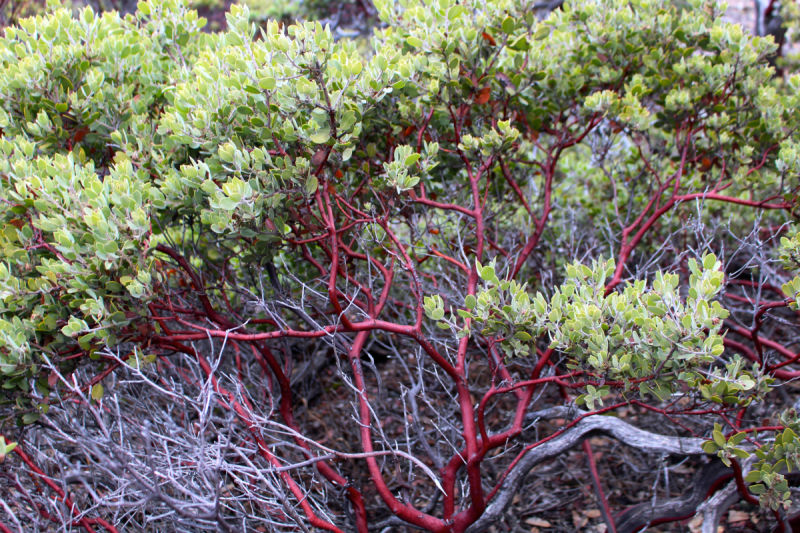
"caption": "Hooker's manzanita\nis endemic to California and hasn't moved its habitat upward in response to climate change.\n\n",
"description": null,
"title": "Manzanita_mount_tam",
"credit": "Kaela in Somewhere-land",
"status": "inherit",
"isLoading": false,
"fetchFailed": false
},
"science_510439": {
"type": "attachments",
"id": "science_510439",
"meta": {
"index": "attachments_1716263798",
"site": "science",
"id": "510439",
"found": true
},
"parent": 510438,
"imgSizes": {
"twentyfourteen-full-width": {
"file": "https://ww2.kqed.org/app/uploads/sites/35/2016/02/SierraView-1038x576.jpg",
"width": 1038,
"mimeType": "image/jpeg",
"height": 576
},
"thumbnail": {
"file": "https://ww2.kqed.org/app/uploads/sites/35/2016/02/SierraView-400x181.jpg",
"width": 400,
"mimeType": "image/jpeg",
"height": 181
},
"fd-sm": {
"file": "https://ww2.kqed.org/app/uploads/sites/35/2016/02/SierraView-960x434.jpg",
"width": 960,
"mimeType": "image/jpeg",
"height": 434
},
"post-thumbnail": {
"file": "https://ww2.kqed.org/app/uploads/sites/35/2016/02/SierraView-672x372.jpg",
"width": 672,
"mimeType": "image/jpeg",
"height": 372
},
"kqedFullSize": {
"file": "https://ww2.kqed.org/app/uploads/sites/35/2016/02/SierraView.jpg",
"width": 1863,
"height": 843
},
"large": {
"file": "https://ww2.kqed.org/app/uploads/sites/35/2016/02/SierraView-1440x652.jpg",
"width": 1440,
"mimeType": "image/jpeg",
"height": 652
},
"guest-author-96": {
"file": "https://ww2.kqed.org/app/uploads/sites/35/2016/02/SierraView-96x96.jpg",
"width": 96,
"mimeType": "image/jpeg",
"height": 96
},
"medium": {
"file": "https://ww2.kqed.org/app/uploads/sites/35/2016/02/SierraView-800x362.jpg",
"width": 800,
"mimeType": "image/jpeg",
"height": 362
},
"guest-author-64": {
"file": "https://ww2.kqed.org/app/uploads/sites/35/2016/02/SierraView-64x64.jpg",
"width": 64,
"mimeType": "image/jpeg",
"height": 64
},
"guest-author-32": {
"file": "https://ww2.kqed.org/app/uploads/sites/35/2016/02/SierraView-32x32.jpg",
"width": 32,
"mimeType": "image/jpeg",
"height": 32
},
"fd-med": {
"file": "https://ww2.kqed.org/app/uploads/sites/35/2016/02/SierraView-1180x534.jpg",
"width": 1180,
"mimeType": "image/jpeg",
"height": 534
},
"detail": {
"file": "https://ww2.kqed.org/app/uploads/sites/35/2016/02/SierraView-75x75.jpg",
"width": 75,
"mimeType": "image/jpeg",
"height": 75
},
"medium_large": {
"file": "https://ww2.kqed.org/app/uploads/sites/35/2016/02/SierraView-768x348.jpg",
"width": 768,
"mimeType": "image/jpeg",
"height": 348
},
"guest-author-128": {
"file": "https://ww2.kqed.org/app/uploads/sites/35/2016/02/SierraView-128x128.jpg",
"width": 128,
"mimeType": "image/jpeg",
"height": 128
}
},
"publishDate": 1454632445,
"modified": 1454632505,
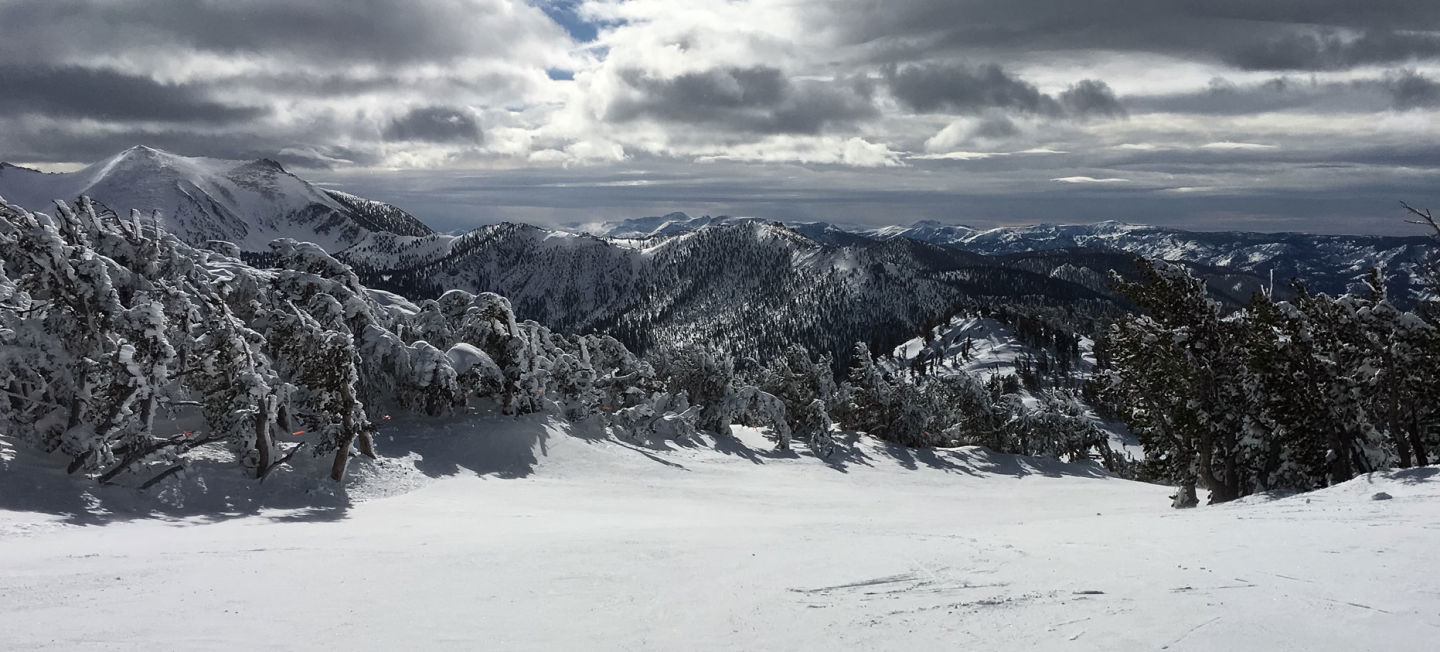
"caption": "Last winter, the coldest temperatures in the Sierra were above freezing on average for the first time ever recorded.",
"description": null,
"title": "SierraView",
"credit": "Olivia Allen-Price/KQED",
"status": "inherit",
"isLoading": false,
"fetchFailed": false
},
"science_490612": {
"type": "attachments",
"id": "science_490612",
"meta": {
"index": "attachments_1716263798",
"site": "science",
"id": "490612",
"found": true
},
"parent": 485125,
"imgSizes": {
"twentyfourteen-full-width": {
"file": "https://ww2.kqed.org/app/uploads/sites/35/2016/01/NatGasplant-1-1920x11782-1038x576.jpg",
"width": 1038,
"mimeType": "image/jpeg",
"height": 576
},
"thumbnail": {
"file": "https://ww2.kqed.org/app/uploads/sites/35/2016/01/NatGasplant-1-1920x11782-400x208.jpg",
"width": 400,
"mimeType": "image/jpeg",
"height": 208
},
"fd-sm": {
"file": "https://ww2.kqed.org/app/uploads/sites/35/2016/01/NatGasplant-1-1920x11782-960x499.jpg",
"width": 960,
"mimeType": "image/jpeg",
"height": 499
},
"post-thumbnail": {
"file": "https://ww2.kqed.org/app/uploads/sites/35/2016/01/NatGasplant-1-1920x11782-672x372.jpg",
"width": 672,
"mimeType": "image/jpeg",
"height": 372
},
"kqedFullSize": {
"file": "https://ww2.kqed.org/app/uploads/sites/35/2016/01/NatGasplant-1-1920x11782.jpg",
"width": 1920,
"height": 998
},
"large": {
"file": "https://ww2.kqed.org/app/uploads/sites/35/2016/01/NatGasplant-1-1920x11782-1440x749.jpg",
"width": 1440,
"mimeType": "image/jpeg",
"height": 749
},
"guest-author-96": {
"file": "https://ww2.kqed.org/app/uploads/sites/35/2016/01/NatGasplant-1-1920x11782-96x96.jpg",
"width": 96,
"mimeType": "image/jpeg",
"height": 96
},
"medium": {
"file": "https://ww2.kqed.org/app/uploads/sites/35/2016/01/NatGasplant-1-1920x11782-800x416.jpg",
"width": 800,
"mimeType": "image/jpeg",
"height": 416
},
"guest-author-64": {
"file": "https://ww2.kqed.org/app/uploads/sites/35/2016/01/NatGasplant-1-1920x11782-64x64.jpg",
"width": 64,
"mimeType": "image/jpeg",
"height": 64
},
"guest-author-32": {
"file": "https://ww2.kqed.org/app/uploads/sites/35/2016/01/NatGasplant-1-1920x11782-32x32.jpg",
"width": 32,
"mimeType": "image/jpeg",
"height": 32
},
"fd-lrg": {
"file": "https://ww2.kqed.org/app/uploads/sites/35/2016/01/NatGasplant-1-1920x11782-1920x998.jpg",
"width": 1920,
"mimeType": "image/jpeg",
"height": 998
},
"fd-med": {
"file": "https://ww2.kqed.org/app/uploads/sites/35/2016/01/NatGasplant-1-1920x11782-1180x613.jpg",
"width": 1180,
"mimeType": "image/jpeg",
"height": 613
},
"detail": {
"file": "https://ww2.kqed.org/app/uploads/sites/35/2016/01/NatGasplant-1-1920x11782-75x75.jpg",
"width": 75,
"mimeType": "image/jpeg",
"height": 75
},
"medium_large": {
"file": "https://ww2.kqed.org/app/uploads/sites/35/2016/01/NatGasplant-1-1920x11782-768x399.jpg",
"width": 768,
"mimeType": "image/jpeg",
"height": 399
},
"guest-author-128": {
"file": "https://ww2.kqed.org/app/uploads/sites/35/2016/01/NatGasplant-1-1920x11782-128x128.jpg",
"width": 128,
"mimeType": "image/jpeg",
"height": 128
}
},
"publishDate": 1453699905,
"modified": 1453699920,
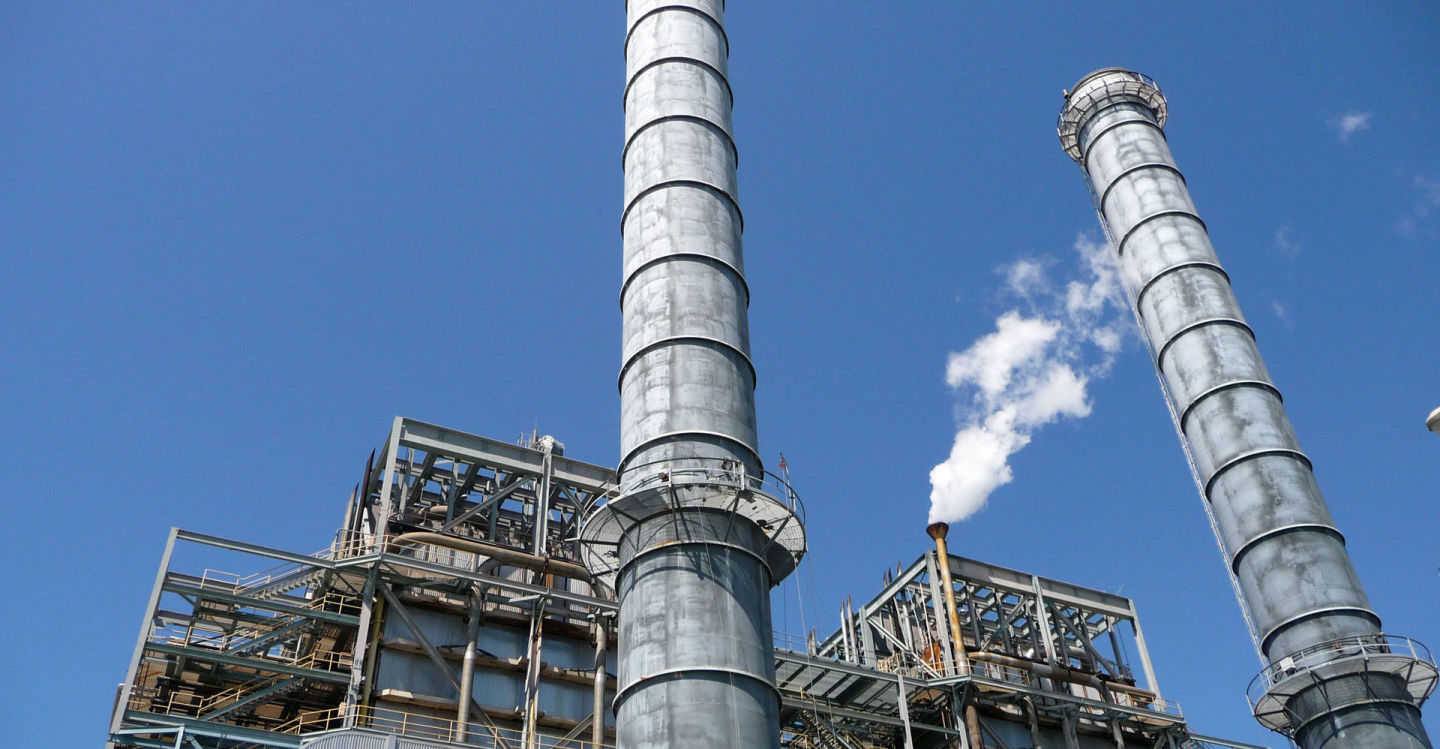
"caption": "California gets most of its electricity from fossil fuels, like this natural gas power plant in Long Beach.",
"description": null,
"title": "NatGasplant-1-1920x11782",
"credit": "Lauren Sommer/KQED",
"status": "inherit",
"isLoading": false,
"fetchFailed": false
},
"science_445518": {
"type": "attachments",
"id": "science_445518",
"meta": {
"index": "attachments_1716263798",
"site": "science",
"id": "445518",
"found": true
},
"parent": 407801,
"imgSizes": {
"twentyfourteen-full-width": {
"file": "https://ww2.kqed.org/app/uploads/sites/35/2015/12/Aliso-featured-better-1038x436.jpg",
"width": 1038,
"mimeType": "image/jpeg",
"height": 436
},
"thumbnail": {
"file": "https://ww2.kqed.org/app/uploads/sites/35/2015/12/Aliso-featured-better-400x138.jpg",
"width": 400,
"mimeType": "image/jpeg",
"height": 138
},
"fd-sm": {
"file": "https://ww2.kqed.org/app/uploads/sites/35/2015/12/Aliso-featured-better-960x331.jpg",
"width": 960,
"mimeType": "image/jpeg",
"height": 331
},
"post-thumbnail": {
"file": "https://ww2.kqed.org/app/uploads/sites/35/2015/12/Aliso-featured-better-672x372.jpg",
"width": 672,
"mimeType": "image/jpeg",
"height": 372
},
"kqedFullSize": {
"file": "https://ww2.kqed.org/app/uploads/sites/35/2015/12/Aliso-featured-better.jpg",
"width": 1264,
"height": 436
},
"guest-author-96": {
"file": "https://ww2.kqed.org/app/uploads/sites/35/2015/12/Aliso-featured-better-96x96.jpg",
"width": 96,
"mimeType": "image/jpeg",
"height": 96
},
"medium": {
"file": "https://ww2.kqed.org/app/uploads/sites/35/2015/12/Aliso-featured-better-800x276.jpg",
"width": 800,
"mimeType": "image/jpeg",
"height": 276
},
"guest-author-64": {
"file": "https://ww2.kqed.org/app/uploads/sites/35/2015/12/Aliso-featured-better-64x64.jpg",
"width": 64,
"mimeType": "image/jpeg",
"height": 64
},
"guest-author-32": {
"file": "https://ww2.kqed.org/app/uploads/sites/35/2015/12/Aliso-featured-better-32x32.jpg",
"width": 32,
"mimeType": "image/jpeg",
"height": 32
},
"fd-med": {
"file": "https://ww2.kqed.org/app/uploads/sites/35/2015/12/Aliso-featured-better-1180x407.jpg",
"width": 1180,
"mimeType": "image/jpeg",
"height": 407
},
"detail": {
"file": "https://ww2.kqed.org/app/uploads/sites/35/2015/12/Aliso-featured-better-75x75.jpg",
"width": 75,
"mimeType": "image/jpeg",
"height": 75
},
"medium_large": {
"file": "https://ww2.kqed.org/app/uploads/sites/35/2015/12/Aliso-featured-better-768x265.jpg",
"width": 768,
"mimeType": "image/jpeg",
"height": 265
},
"guest-author-128": {
"file": "https://ww2.kqed.org/app/uploads/sites/35/2015/12/Aliso-featured-better-128x128.jpg",
"width": 128,
"mimeType": "image/jpeg",
"height": 128
}
},
"publishDate": 1451597770,
"modified": 1451597804,
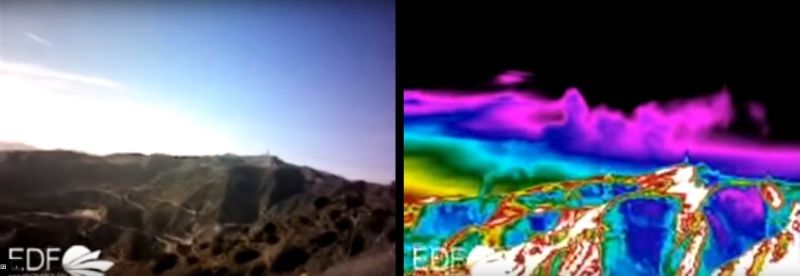
"caption": "The methane pouring from the leak at the Aliso Canyon natural gas storage facility isn't visible to the naked eye (Left), but is seen here in an infrared photo (Right) as the green plume coming up from the hillside. ",
"description": "The methane pouring from the leak at the Aliso Canyon natural gas storage facility isn't visible to the naked eye (Left), but is seen here in an infrared photo (Right) as the green plume coming up from the hillside. ",
"title": "Aliso Canyon",
"credit": "\u003ca href=\"https://www.youtube.com/watch?v=aO8HraNes9w\" target=\"_blank\">Environmental Defense Fund\u003c/a>",
"status": "inherit",
"isLoading": false,
"fetchFailed": false
},
"science_402347": {
"type": "attachments",
"id": "science_402347",
"meta": {
"index": "attachments_1716263798",
"site": "science",
"id": "402347",
"found": true
},
"parent": 400046,
"imgSizes": {
"twentyfourteen-full-width": {
"file": "https://ww2.kqed.org/app/uploads/sites/35/2015/12/RS16644_GettyImages-488158900-qut-1038x576.jpg",
"width": 1038,
"mimeType": "image/jpeg",
"height": 576
},
"thumbnail": {
"file": "https://ww2.kqed.org/app/uploads/sites/35/2015/12/RS16644_GettyImages-488158900-qut-400x267.jpg",
"width": 400,
"mimeType": "image/jpeg",
"height": 267
},
"fd-sm": {
"file": "https://ww2.kqed.org/app/uploads/sites/35/2015/12/RS16644_GettyImages-488158900-qut-960x640.jpg",
"width": 960,
"mimeType": "image/jpeg",
"height": 640
},
"post-thumbnail": {
"file": "https://ww2.kqed.org/app/uploads/sites/35/2015/12/RS16644_GettyImages-488158900-qut-672x372.jpg",
"width": 672,
"mimeType": "image/jpeg",
"height": 372
},
"kqedFullSize": {
"file": "https://ww2.kqed.org/app/uploads/sites/35/2015/12/RS16644_GettyImages-488158900-qut.jpg",
"width": 1920,
"height": 1280
},
"large": {
"file": "https://ww2.kqed.org/app/uploads/sites/35/2015/12/RS16644_GettyImages-488158900-qut-1440x960.jpg",
"width": 1440,
"mimeType": "image/jpeg",
"height": 960
},
"guest-author-96": {
"file": "https://ww2.kqed.org/app/uploads/sites/35/2015/12/RS16644_GettyImages-488158900-qut-96x96.jpg",
"width": 96,
"mimeType": "image/jpeg",
"height": 96
},
"medium": {
"file": "https://ww2.kqed.org/app/uploads/sites/35/2015/12/RS16644_GettyImages-488158900-qut-800x533.jpg",
"width": 800,
"mimeType": "image/jpeg",
"height": 533
},
"guest-author-64": {
"file": "https://ww2.kqed.org/app/uploads/sites/35/2015/12/RS16644_GettyImages-488158900-qut-64x64.jpg",
"width": 64,
"mimeType": "image/jpeg",
"height": 64
},
"guest-author-32": {
"file": "https://ww2.kqed.org/app/uploads/sites/35/2015/12/RS16644_GettyImages-488158900-qut-32x32.jpg",
"width": 32,
"mimeType": "image/jpeg",
"height": 32
},
"fd-lrg": {
"file": "https://ww2.kqed.org/app/uploads/sites/35/2015/12/RS16644_GettyImages-488158900-qut-1920x1280.jpg",
"width": 1920,
"mimeType": "image/jpeg",
"height": 1280
},
"fd-med": {
"file": "https://ww2.kqed.org/app/uploads/sites/35/2015/12/RS16644_GettyImages-488158900-qut-1180x787.jpg",
"width": 1180,
"mimeType": "image/jpeg",
"height": 787
},
"detail": {
"file": "https://ww2.kqed.org/app/uploads/sites/35/2015/12/RS16644_GettyImages-488158900-qut-75x75.jpg",
"width": 75,
"mimeType": "image/jpeg",
"height": 75
},
"guest-author-128": {
"file": "https://ww2.kqed.org/app/uploads/sites/35/2015/12/RS16644_GettyImages-488158900-qut-128x128.jpg",
"width": 128,
"mimeType": "image/jpeg",
"height": 128
}
},
"publishDate": 1449621768,
"modified": 1449621902,
"caption": "Firefighters with the Marin County Fire Department's Tamalpais Fire Crew monitor a backfire as they battle the Valley Fire on September 13, near Middletown.",
"description": "Firefighters with the Marin County Fire Department's Tamalpais Fire Crew monitor a backfire as they battle the Valley Fire on September 13, near Middletown. (Stephen Lam/Getty Images)",
"title": "RS16644_GettyImages-488158900-qut",
"credit": "Stephen Lam/Getty Images",
"status": "inherit",
"isLoading": false,
"fetchFailed": false
},
"science_377537": {
"type": "attachments",
"id": "science_377537",
"meta": {
"index": "attachments_1716263798",
"site": "science",
"id": "377537",
"found": true
},
"parent": 377457,
"imgSizes": {
"thumbnail": {
"file": "https://ww2.kqed.org/app/uploads/sites/35/2015/11/traffic-400x267.jpg",
"width": 400,
"mimeType": "image/jpeg",
"height": 267
},
"post-thumbnail": {
"file": "https://ww2.kqed.org/app/uploads/sites/35/2015/11/traffic-672x372.jpg",
"width": 672,
"mimeType": "image/jpeg",
"height": 372
},
"kqedFullSize": {
"file": "https://ww2.kqed.org/app/uploads/sites/35/2015/11/traffic.jpg",
"width": 720,
"height": 481
},
"guest-author-96": {
"file": "https://ww2.kqed.org/app/uploads/sites/35/2015/11/traffic-96x96.jpg",
"width": 96,
"mimeType": "image/jpeg",
"height": 96
},
"guest-author-64": {
"file": "https://ww2.kqed.org/app/uploads/sites/35/2015/11/traffic-64x64.jpg",
"width": 64,
"mimeType": "image/jpeg",
"height": 64
},
"detail": {
"file": "https://ww2.kqed.org/app/uploads/sites/35/2015/11/traffic-75x75.jpg",
"width": 75,
"mimeType": "image/jpeg",
"height": 75
},
"guest-author-32": {
"file": "https://ww2.kqed.org/app/uploads/sites/35/2015/11/traffic-32x32.jpg",
"width": 32,
"mimeType": "image/jpeg",
"height": 32
},
"guest-author-128": {
"file": "https://ww2.kqed.org/app/uploads/sites/35/2015/11/traffic-128x128.jpg",
"width": 128,
"mimeType": "image/jpeg",
"height": 128
}
},
"publishDate": 1448484930,
"modified": 1448485121,
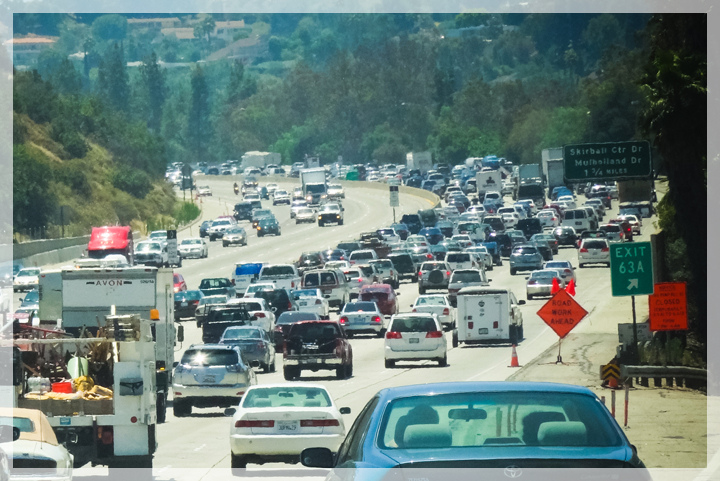
"caption": "Los Angeles traffic. California produces more greenhouse gas emissions per person than almost anywhere else in the world due partly to its heavy reliance on cars.",
"description": null,
"title": "traffic",
"credit": "Ordinary Grace/Flickr",
"status": "inherit",
"isLoading": false,
"fetchFailed": false
},
"science_377298": {
"type": "attachments",
"id": "science_377298",
"meta": {
"index": "attachments_1716263798",
"site": "science",
"id": "377298",
"found": true
},
"parent": 377218,
"imgSizes": {
"twentyfourteen-full-width": {
"file": "https://ww2.kqed.org/app/uploads/sites/35/2015/11/greenhouse-gases-1038x576.jpg",
"width": 1038,
"mimeType": "image/jpeg",
"height": 576
},
"thumbnail": {
"file": "https://ww2.kqed.org/app/uploads/sites/35/2015/11/greenhouse-gases-400x225.jpg",
"width": 400,
"mimeType": "image/jpeg",
"height": 225
},
"fd-sm": {
"file": "https://ww2.kqed.org/app/uploads/sites/35/2015/11/greenhouse-gases-960x540.jpg",
"width": 960,
"mimeType": "image/jpeg",
"height": 540
},
"post-thumbnail": {
"file": "https://ww2.kqed.org/app/uploads/sites/35/2015/11/greenhouse-gases-672x372.jpg",
"width": 672,
"mimeType": "image/jpeg",
"height": 372
},
"kqedFullSize": {
"file": "https://ww2.kqed.org/app/uploads/sites/35/2015/11/greenhouse-gases-e1448477309622.jpg",
"width": 650,
"height": 366
},
"guest-author-96": {
"file": "https://ww2.kqed.org/app/uploads/sites/35/2015/11/greenhouse-gases-96x96.jpg",
"width": 96,
"mimeType": "image/jpeg",
"height": 96
},
"medium": {
"file": "https://ww2.kqed.org/app/uploads/sites/35/2015/11/greenhouse-gases-800x450.jpg",
"width": 800,
"mimeType": "image/jpeg",
"height": 450
},
"guest-author-64": {
"file": "https://ww2.kqed.org/app/uploads/sites/35/2015/11/greenhouse-gases-64x64.jpg",
"width": 64,
"mimeType": "image/jpeg",
"height": 64
},
"detail": {
"file": "https://ww2.kqed.org/app/uploads/sites/35/2015/11/greenhouse-gases-75x75.jpg",
"width": 75,
"mimeType": "image/jpeg",
"height": 75
},
"guest-author-32": {
"file": "https://ww2.kqed.org/app/uploads/sites/35/2015/11/greenhouse-gases-32x32.jpg",
"width": 32,
"mimeType": "image/jpeg",
"height": 32
},
"guest-author-128": {
"file": "https://ww2.kqed.org/app/uploads/sites/35/2015/11/greenhouse-gases-128x128.jpg",
"width": 128,
"mimeType": "image/jpeg",
"height": 128
}
},
"publishDate": 1448472309,
"modified": 1448477455,
"caption": "\u003ci>The gray line on this graph shows observed surface temperatures from 1880 to 2015. The red line shows the effective temperature forcing of greenhouse gases and aerosols (converted to CO2), and the blue line shows the forcing from both those manmade sources and natural factors, like solar radiation. Early on in the temperature record, the red and blue lines diverge because natural factors meant the full impact of greenhouse gases on temperatures wasn't being felt, but in recent years, the two lines match closely, showing how much greenhouse gases are dominating global temperatures. 2015 is slightly above the red line because of a small push from El Niño as well as even smaller contributions from solar radiation and random weather variations.\u003c/i>",
"description": null,
"title": "greenhouse gases",
"credit": null,
"status": "inherit",
"isLoading": false,
"fetchFailed": false
}
},
"audioPlayerReducer": {
"postId": "stream_live",
"isPaused": true,
"isPlaying": false,
"pfsActive": false,
"pledgeModalIsOpen": true,
"playerDrawerIsOpen": false,
"liveAudioPlayStartedAt": 0,
"liveAudioPlayContext": ""
},
"authorsReducer": {
"byline_science_581726": {
"type": "authors",
"id": "byline_science_581726",
"meta": {
"override": true
},
"slug": "byline_science_581726",
"name": "\u003cstrong>Andrea Thompson, Climate Central\u003c/strong>",
"isLoading": false
},
"byline_science_550567": {
"type": "authors",
"id": "byline_science_550567",
"meta": {
"override": true
},
"slug": "byline_science_550567",
"name": "Merrit Kennedy",
"isLoading": false
},
"byline_science_545718": {
"type": "authors",
"id": "byline_science_545718",
"meta": {
"override": true
},
"slug": "byline_science_545718",
"name": "Geoff Brumfiel",
"isLoading": false
},
"byline_science_520469": {
"type": "authors",
"id": "byline_science_520469",
"meta": {
"override": true
},
"slug": "byline_science_520469",
"name": "\u003cb>John Upton, \u003c/br> Climate Central\u003cb>",
"isLoading": false
},
"byline_science_520463": {
"type": "authors",
"id": "byline_science_520463",
"meta": {
"override": true
},
"slug": "byline_science_520463",
"name": "\u003cb>Michael Biesecker, \u003c/br>Associated Press\u003c/b>",
"isLoading": false
},
"byline_science_517792": {
"type": "authors",
"id": "byline_science_517792",
"meta": {
"override": true
},
"slug": "byline_science_517792",
"name": "John Upton, Climate Central",
"isLoading": false
},
"byline_science_407801": {
"type": "authors",
"id": "byline_science_407801",
"meta": {
"override": true
},
"slug": "byline_science_407801",
"name": "Rebecca Bowe",
"isLoading": false
},
"byline_science_377457": {
"type": "authors",
"id": "byline_science_377457",
"meta": {
"override": true
},
"slug": "byline_science_377457",
"name": "Kate Galbraith\u003cbr />CALMatters",
"isLoading": false
},
"byline_science_377218": {
"type": "authors",
"id": "byline_science_377218",
"meta": {
"override": true
},
"slug": "byline_science_377218",
"name": "Andrea Thompson\u003cbr />\u003ca href=\"http://www.climatecentral.org/\">Climate Central\u003c/a>",
"isLoading": false
},
"laurensommer": {
"type": "authors",
"id": "239",
"meta": {
"index": "authors_1716337520",
"id": "239",
"found": true
},
"name": "Lauren Sommer",
"firstName": "Lauren",
"lastName": "Sommer",
"slug": "laurensommer",
"email": "lsommer@kqed.org",
"display_author_email": false,
"staff_mastheads": [],
"title": "KQED Contributor",
"bio": "Lauren is a radio reporter formerly covering environment, water, and energy for KQED Science. As part of her day job, she has scaled Sierra Nevada peaks, run from charging elephant seals, and desperately tried to get her sea legs - all in pursuit of good radio. Her work has appeared on Marketplace, Living on Earth, Science Friday and NPR's Morning Edition and All Things Considered. You can find her on Twitter at \u003ca href=\"https://twitter.com/lesommer\">@lesommer\u003c/a>.",
"avatar": "https://secure.gravatar.com/avatar/33aa3772bb86c6ad45b8aca6a238bbdf?s=600&d=blank&r=g",
"twitter": null,
"facebook": null,
"instagram": null,
"linkedin": null,
"sites": [
{
"site": "news",
"roles": [
"author"
]
},
{
"site": "science",
"roles": [
"editor",
"manage_content_types",
"manage_taxonomies"
]
},
{
"site": "quest",
"roles": [
"editor"
]
}
],
"headData": {
"title": "Lauren Sommer | KQED",
"description": "KQED Contributor",
"ogImgSrc": "https://secure.gravatar.com/avatar/33aa3772bb86c6ad45b8aca6a238bbdf?s=600&d=blank&r=g",
"twImgSrc": "https://secure.gravatar.com/avatar/33aa3772bb86c6ad45b8aca6a238bbdf?s=600&d=blank&r=g"
},
"isLoading": false,
"link": "/author/laurensommer"
},
"sasha-khokha": {
"type": "authors",
"id": "254",
"meta": {
"index": "authors_1716337520",
"id": "254",
"found": true
},
"name": "Sasha Khokha",
"firstName": "Sasha",
"lastName": "Khokha",
"slug": "sasha-khokha",
"email": "skhokha@kqed.org",
"display_author_email": true,
"staff_mastheads": [
"news"
],
"title": "Host, The California Report Magazine",
"bio": "Sasha Khokha is the host of \u003cem>The California Report's \u003c/em> weekly magazine program, which takes listeners on sound-rich excursions to meet the people that make the Golden State unique -- through audio documentaries and long-form stories. As \u003cem>The California Report's\u003c/em> Central Valley Bureau Chief based in Fresno for nearly a dozen years, Sasha brought the lives and concerns of rural Californians to listeners around the state. Her reporting helped expose the hidden price immigrant women janitors and farmworkers may pay to keep their jobs: sexual assault at work. It inspired two new California laws to protect them from sexual harassment. She was a key member of the reporting team for the Frontline film \u003cem>Rape on the Night Shift, \u003c/em>which was nominated for two national Emmys. Sasha has also won a national Edward R. Murrow and a national PRNDI award for investigative reporting, as well as multiple prizes from the Society for Professional Journalists. Sasha is a proud alum of the UC Berkeley Graduate School of Journalism and Brown University and a member of the South Asian Journalists Association.",
"avatar": "https://secure.gravatar.com/avatar/e4b5e1541aaeea2aa356aa1fb2a68950?s=600&d=blank&r=g",
"twitter": "KQEDSashaKhokha",
"facebook": null,
"instagram": null,
"linkedin": null,
"sites": [
{
"site": "news",
"roles": [
"editor"
]
},
{
"site": "stateofhealth",
"roles": [
"author"
]
},
{
"site": "science",
"roles": [
"author"
]
},
{
"site": "quest",
"roles": [
"subscriber"
]
}
],
"headData": {
"title": "Sasha Khokha | KQED",
"description": "Host, The California Report Magazine",
"ogImgSrc": "https://secure.gravatar.com/avatar/e4b5e1541aaeea2aa356aa1fb2a68950?s=600&d=blank&r=g",
"twImgSrc": "https://secure.gravatar.com/avatar/e4b5e1541aaeea2aa356aa1fb2a68950?s=600&d=blank&r=g"
},
"isLoading": false,
"link": "/author/sasha-khokha"
}
},
"pagesReducer": {
"science_tag_climate-change": {
"type": "terms",
"id": "science_194",
"meta": {
"index": "terms_1716263798",
"site": "science",
"id": "194",
"score": 7.946677
},
"featImg": null,
"name": "climate change",
"description": null,
"taxonomy": "tag",
"headData": {
"twImgId": null,
"twTitle": null,
"ogTitle": null,
"ogImgId": null,
"twDescription": null,
"description": null,
"title": "climate change Archives | KQED Science",
"ogDescription": null
},
"ttid": 198,
"slug": "climate-change",
"isLoading": false,
"title": "climate change",
"pageMeta": {
"site": "science",
"WpPageTemplate": "page-topic-editorial",
"currentPage": 50
},
"blocks": [
{
"blockName": "kqed/post-list",
"attrs": {
"layout": "cardArticle2",
"query": "posts/science?tag=climate-change",
"seeMore": false,
"paginated": true,
"page": 50
}
},
{
"blockName": "kqed/ad"
}
]
}
},
"pfsSessionReducer": {},
"postsReducer": {
"stream_live": {
"type": "live",
"id": "stream_live",
"audioUrl": "https://streams.kqed.org/kqedradio",
"title": "Live Stream",
"excerpt": "Live Stream information currently unavailable.",
"link": "/radio",
"featImg": "",
"label": {
"name": "KQED Live",
"link": "/"
}
},
"stream_kqedNewscast": {
"type": "posts",
"id": "stream_kqedNewscast",
"audioUrl": "https://www.kqed.org/.stream/anon/radio/RDnews/newscast.mp3?_=1",
"title": "KQED Newscast",
"featImg": "",
"label": {
"name": "88.5 FM",
"link": "/"
}
},
"science_581726": {
"type": "posts",
"id": "science_581726",
"meta": {
"index": "posts_1716263798",
"site": "science",
"id": "581726",
"score": null,
"sort": [
1458153097000
]
},
"parent": 0,
"labelTerm": {
"site": "science"
},
"blocks": [],
"publishDate": 1458153097,
"format": "standard",
"title": "How a Monster El Niño Transforms the World’s Weather",
"headTitle": "How a Monster El Niño Transforms the World’s Weather | KQED",
"content": "\u003cp>From crippling drought in southern Africa to a record number of February tornadoes in the U.S. Southeast, an exceptionally strong El Niño has been making headlines around the globe as it tampers with the world’s weather.\u003c/p>\n\u003cp>While the event has begun its slow decline, those wide-ranging impacts will continue to be felt for weeks and months to come — good news for those in California, who need El Niño-fueled rains, but bad news for the many areas, like Indonesia, which is suffering from deep drought, food and water shortages, and wildfires.\u003c/p>\n\u003cp>Already this year, El Niño-related weather has cost billions of dollars in damage and left some 100 million people \u003ca href=\"http://www.theguardian.com/global-development/2016/feb/17/el-nino-leaves-100-million-people-hungry-short-of-water-droughts-floods-worldwide\">facing food and water shortages\u003c/a>.\u003c/p>\n\u003cp>Through the interactive graphic below, Climate Central takes a look at how this major climate pattern typically influences the world’s weather, what it can mean for societies in the areas it affects, and what has actually been happening with this particular event, which ranks amongst the strongest on record. After all, \u003ca href=\"http://www.climatecentral.org/news/comparing-el-nino-to-1997-19278\">no two El Niños are the same\u003c/a>. For instance, while Southern California was drenched during the 1997-1998 El Niño, it has remained disconcertingly dry this time around.\u003c/p>\n\u003cp>\u003c!-- iframe plugin v.4.3 wordpress.org/plugins/iframe/ -->\u003cbr>\n\u003ciframe loading=\"lazy\" width=\"720\" height=\"571\" frameborder=\"0\" scrolling=\"no\" src=\"http://www.climatecentral.org/wgts/el-nino-impacts/index.html?utm_source=ext&utm_medium=embed&utm_campaign=2016ElNinoImpacts\" class=\"iframe-class\">\u003c/iframe>\u003c/p>\n\u003cp>[ad fullwidth]\u003c/p>\n\u003cp>First, the big picture: El Niño is most known for \u003ca href=\"http://www.climatecentral.org/news/why-do-we-care-so-much-about-el-nino-17806\">shifting a large pool of warm ocean waters\u003c/a> from the western to the central and eastern tropical Pacific. That shift changes where heat is pumped into the tropical atmosphere, disrupting its typical circulation patterns. Those local disruptions cause a domino effect through the global atmosphere that can alter weather thousands of miles away.\u003c/p>\n\u003cp>There are two main circulation patterns that are affected. All around the tropics is a pattern of rising and sinking air — like a vertical loop — called the \u003ca href=\"https://www.climate.gov/news-features/blogs/enso/walker-circulation-ensos-atmospheric-buddy\">Walker Circulation\u003c/a>. The rising air corresponds to areas of unsettled, rainy weather, while the sinking air creates a stable, dry clime. Normally in the tropical Pacific, a major area of rising air is found over the western portions, where the warmest waters are found. With the eastward shift from El Niño, that rising air (and its sinking counterpart) move eastward as well.\u003c/p>\n\u003cp>This displacement shifts the other branches of the Walker Circulation around the tropics, pushing wetter weather over areas that might normally be dry and vice versa. These areas typically see some of the strongest impacts from El Niño because they are in a region more directly linked to it.\u003c/p>\n\u003cp>The changes in the Walker Circulation in turn cause shifts in another looping pattern called the \u003ca href=\"https://www.climate.gov/news-features/blogs/enso/how-enso-leads-cascade-global-impacts\">Hadley Circulation\u003c/a> that runs north-to-south to the Walker’s east-to-west. And those changes in the Hadley Circulation can affect the subtropical jet stream — an area of fast-moving air that guides storms — in both the Northern and Southern hemispheres. This is how El Niño can affect regions far from the tropics.\u003c/p>\n\u003cp>The changes in these main circulation patterns interact with other factors, like seasonal monsoons and other major climate patterns, which is why none of the typical impacts associated with El Niño are guaranteed. It merely shifts the odds in their favor.\u003c/p>\n\u003cp>Let’s dive in for a closer look at some of the local and regional impacts and what has actually played out this year.\u003c/p>\n\u003cfigure id=\"attachment_581808\" class=\"wp-caption aligncenter\" style=\"max-width: 450px\">\u003cimg loading=\"lazy\" decoding=\"async\" class=\"size-full wp-image-581808\" src=\"http://ww2.kqed.org/science/wp-content/uploads/sites/35/2016/03/NOAA_el-Nino-graphic.jpg\" alt=\"How the Walker Circulation changes from neutral to El Niño conditions.\" width=\"450\" height=\"451\" srcset=\"https://cdn.kqed.org/wp-content/uploads/sites/35/2016/03/NOAA_el-Nino-graphic.jpg 450w, https://cdn.kqed.org/wp-content/uploads/sites/35/2016/03/NOAA_el-Nino-graphic-400x401.jpg 400w, https://cdn.kqed.org/wp-content/uploads/sites/35/2016/03/NOAA_el-Nino-graphic-32x32.jpg 32w, https://cdn.kqed.org/wp-content/uploads/sites/35/2016/03/NOAA_el-Nino-graphic-64x64.jpg 64w, https://cdn.kqed.org/wp-content/uploads/sites/35/2016/03/NOAA_el-Nino-graphic-96x96.jpg 96w, https://cdn.kqed.org/wp-content/uploads/sites/35/2016/03/NOAA_el-Nino-graphic-128x128.jpg 128w, https://cdn.kqed.org/wp-content/uploads/sites/35/2016/03/NOAA_el-Nino-graphic-75x75.jpg 75w\" sizes=\"(max-width: 450px) 100vw, 450px\">\u003cfigcaption class=\"wp-caption-text\">How the Walker Circulation changes from neutral to El Niño conditions. \u003ccite>(Fiona Martin)\u003c/cite>\u003c/figcaption>\u003c/figure>\n\u003ch3>\u003cstrong>Southeast Asia\u003c/strong>\u003c/h3>\n\u003cp>Indonesia, and Southeast Asia more broadly, is one of the areas most directly impacted by El Niño. The eastward shift in the Walker Circulation means the normal area of rising air and rainy weather is shifted eastward as well, leaving the Indonesian area high and dry during much of the year. This can lead to drought that can cause water shortages and crop and livestock losses from dried up fields. Those losses then lead to food shortages and rising prices, and can also increase the odds of large wildfires.\u003c/p>\n\u003cp>This year has seen major drought grip Indonesia, Vietnam, Thailand, the Philippines and much of the \u003ca href=\"http://www.ncdc.noaa.gov/sotc/drought/201601#det-reg-pacis-usapi\">U.S. Pacific Island territories\u003c/a>. In Indonesia there were \u003ca href=\"https://www.irinnews.org/report/102140/el-nino-brings-drought-hunger-indonesia-and-south-pacific\">major delays\u003c/a> in the planting of the rice crop, leading to concerns over food shortages. And when farmers set their usual fires to clear brush for planting, the dry conditions caused many to burn out of control, causing one of the biggest burn years on record and leading to \u003ca href=\"http://www.climatecentral.org/news/indonesias-fires-climate-public-health-19601\">a pall of smoke\u003c/a> over the region. In Vietnam, drought has led to \u003ca href=\"http://www.channelnewsasia.com/news/asiapacific/vietnam-hit-by-worst/2562802.html\">salinization issues in the Mekong Delta\u003c/a> region, home to some 20 million people and a major rice growing area.\u003c/p>\n\u003cp>Drought has caused the Republic of the Marshall Islands and the Federated States of Micronesia to \u003ca href=\"http://www1.ncdc.noaa.gov/pub/data/cmb/sotc/drought/2016/01/RMI-Proclamation-Declaring-State-of-Emergency-160203.pdf\">declare states of emergency\u003c/a>, with some islands enacting water rationing and having to have water shipped in.\u003c/p>\n\u003ch3>\u003cstrong>Australia\u003c/strong>\u003c/h3>\n\u003cp>That same eastward shift of storm activity tends to bring drier conditions to northern Australia during the Southern Hemisphere summer and more broadly to the east in the winter. It also tends to bring warmer summer weather to southeast Australia because of the larger mass of stable, subsiding air in place. During El Niño years, drought and wildfires also become a concern here.\u003c/p>\n\u003cfigure id=\"attachment_581810\" class=\"wp-caption aligncenter\" style=\"max-width: 550px\">\u003cimg loading=\"lazy\" decoding=\"async\" class=\"size-full wp-image-581810\" src=\"http://ww2.kqed.org/science/wp-content/uploads/sites/35/2016/03/Australia_CC_image.jpg\" alt=\"A wildfire burns along the Great Ocean Road in Victoria, Australia in December 2015.\" width=\"550\" height=\"396\" srcset=\"https://cdn.kqed.org/wp-content/uploads/sites/35/2016/03/Australia_CC_image.jpg 550w, https://cdn.kqed.org/wp-content/uploads/sites/35/2016/03/Australia_CC_image-400x288.jpg 400w\" sizes=\"(max-width: 550px) 100vw, 550px\">\u003cfigcaption class=\"wp-caption-text\">A wildfire burns along the Great Ocean Road in Victoria, Australia in December 2015. \u003ccite>(Victoria County Fire Authority)\u003c/cite>\u003c/figcaption>\u003c/figure>\n\u003cp>So far this year, Australia has seen a mixed bag of El Niño impacts. While dry conditions have been in place in much of the usual areas, some of the inland regions of the eastern part of the country actually had fairly normal rains. That may be due to exceptionally warm Indian Ocean waters providing more moisture to storm systems. The southeast has seen some\u003ca href=\"http://www.theguardian.com/australia-news/2016/feb/10/perth-heatwave-temperatures-climb-above-40c-for-fourth-day-in-a-row\">major heat waves\u003c/a>, though, with temperatures sometimes climbing above 100°F (40°C). The hot and dry conditions have helped create more favorable wildfire conditions, with several burning in Victoria this year. One of the worst \u003ca href=\"http://www.abc.net.au/news/2015-12-25/great-ocean-road-fire-destroys-dozens-of-homes/7054028\">destroyed 116 houses\u003c/a> around Christmas.\u003c/p>\n\u003ch3>\u003cstrong>India\u003c/strong>\u003c/h3>\n\u003cp>India also tends to see drier weather during the Northern Hemisphere summer because the changes to atmospheric circulation patterns delay the onset of the seasonal monsoons. Monsoon rains are critical to supplying water for drinking and agriculture, and El Niño years tend to see drought develop in parts of India.\u003c/p>\n\u003cp>This summer, rainfall in India was 14 percent below normal and reservoirs were down by 30 percent, according to \u003ca href=\"http://www.unescap.org/sites/default/files/El%20Nino%20Advisory%20Note%20Dec%202015%20Final.pdf\">a United Nations report\u003c/a>. That led to shortages of drinking water in some areas and caused rice, corn and soybean fields to dry up, setting off worries for food shortages and \u003ca href=\"http://profit.ndtv.com/news/economy/article-rising-food-prices-to-hit-rural-india-in-2016-1242073\">inflated food prices\u003c/a>.\u003c/p>\n\u003cp>El Niño can lead to wetter weather in southern India, which also happened this year, with torrential rains that caused \u003ca href=\"http://www.accuweather.com/en/weather-news/india-tamil-nadu-chennai-flooding-continues-wet-november/53943597\">major flooding\u003c/a> in the area around Chennai.\u003c/p>\n\u003ch3>\u003cstrong>Pacific Ocean\u003c/strong>\u003c/h3>\n\u003cp>Moving back out into the Pacific Ocean, the warmer ocean waters can cause bleaching of coral reefs, killing them. This event has seen one of the \u003ca href=\"http://www.climatecentral.org/news/longest-global-coral-bleaching-20062\">longest global bleaching events\u003c/a> ever recorded, according to experts.\u003c/p>\n\u003cp>Warmer ocean waters in that area also provide more fuel for hurricanes in the central and eastern Pacific Ocean basins. The atmospheric changes El Niño brings also mean more favorable winds for storm formation. This year saw\u003ca href=\"http://wxshift.com/news/a-tale-of-two-hurricane-seasons\">above-normal hurricane activity\u003c/a> in the region, including the strongest storm ever directly measured in the Western Hemisphere. \u003ca href=\"http://www.climatecentral.org/news/patricia-record-setting-monster-beeline-for-mexico-19595\">Hurricane Patricia\u003c/a>, which had winds that clocked in at 200 mph, hit the west coast of Mexico, though its effects were mostly confined to less populated areas.\u003c/p>\n\u003ch3>\u003cstrong>South America\u003c/strong>\u003c/h3>\n\u003cp>Parts of South America are also more directly affected by El Niño. The warmer ocean waters off its west coast tend to bring warmer weather to coastal areas during the Southern Hemisphere winter. Those waters also make more moisture available to storms. Combined with changes to storm tracks linked to atmospheric circulation changes, this can mean wetter winter weather for central Chile. Several rounds of storms during this event had some benefits, bringing moisture to a region in drought and \u003ca href=\"http://www.reuters.com/article/us-chile-weather-idUSKCN0S127O20151007\">snows to ski resorts\u003c/a>. But the rains also brought flooding and mudslides. A rare storm event in March saw parts of the bone dry Atacama Desert receive a \u003ca href=\"https://www.climate.gov/news-features/event-tracker/flooding-chile%E2%80%99s-atacama-desert-after-years%E2%80%99-worth-rain-one-day\">year’s worth of rain\u003c/a> in just one day. The Copiapó River — dry for nearly 17 years — filled to overflowing and flash floods swept through several towns. Come spring, that influx of water led to a \u003ca href=\"https://www.washingtonpost.com/news/capital-weather-gang/wp/2015/10/29/the-driest-place-on-earth-is-covered-in-pink-flowers-after-a-crazy-year-of-rain/\">surreal bloom of flowers\u003c/a> across the desert that tends to coincide with rainy El Niño years.\u003c/p>\n\u003cp>The chain of changes to the Walker and Hadley circulations also tends to bring rainier weather to an area that includes Paraguay, northern Argentina, part of southern Brazil and Uruguay during the Southern Hemisphere summer. In December and January, heavy rains caused the \u003ca href=\"http://earthobservatory.nasa.gov/IOTD/view.php?id=87334\">worst flooding in the region\u003c/a> in 50 years, displacing more than 200,000 people. The Paraguay River in Asunción reached more than 16 feet above its normal level in December. Thousands of acres of cropland were inundated and concerns were heightened for the spread of mosquito-borne disease like dengue fever and the Zika virus.\u003c/p>\n\u003cp>In northern Brazil and other countries in the north of South America, the eastward shift of the Walker Circulation brings sinking air and drier conditions. Those come with the usual tendency toward drought, water shortages and crop and livestock losses. Drought and those follow-on impacts \u003ca href=\"http://news.trust.org//item/20151125082700-93r0x/?source=leadCarousel\">have been recorded\u003c/a> in northeastern Brazil, an area already vulnerable due to poverty and remoteness.\u003c/p>\n\u003cp>Some \u003ca href=\"http://health.usnews.com/health-news/articles/2016-02-05/record-heat-drought-may-explain-zika-outbreak-in-brazil-research\">recent research\u003c/a> has suggested that the exceptional heat and drought in the area may actually have helped fuel the rise of the \u003ca href=\"http://www.climatecentral.org/news/zika-virus-climate-change-19970\">Zika virus epidemic\u003c/a> in the region. Heat promotes the growth of the mosquito that carries the disease, and during drought, residents tend to store water in containers in which the mosquitoes can breed.\u003c/p>\n\u003ch3>\u003cstrong>Central America and the Caribbean\u003c/strong>\u003c/h3>\n\u003cp>Further north, drier weather also tends to grip Central America and the Caribbean for the same reasons as northern South America. The area that spans Guatemala, Nicaragua, Honduras and El Salvador is experiencing one of its worst droughts in decades, according to the \u003ca href=\"http://reliefweb.int/sites/reliefweb.int/files/resources/ECHO%20Crisis%20Report%20no%201-%20World%20El%20Nino.pdf\">European Commission\u003c/a>. Major crop losses have caused huge financial hits to farmers and left some 3.5 million people facing food shortages, the agency reported.\u003c/p>\n\u003cp>In the eastern Caribbean, 2015 was the driest year on record and led to water restrictions on many islands, including St. Lucia, St. Kitts, Barbados and \u003ca href=\"http://www.pbs.org/newshour/bb/how-puerto-rico-is-coping-with-the-worst-drought-in-decades/\">Puerto Rico\u003c/a>. Diminished water supplies also led to crop losses in the Dominican Republic, Haiti and other areas. As of August,\u003ca href=\"https://anumetservice.wordpress.com/2015/08/17/antigua-is-out-of-surface-water-again/\">Antigua had no surface water\u003c/a> supplies, and by October it was using 100 percent desalinated water.\u003c/p>\n\u003cp>The subsiding air that leads to drought also tends to help tamp down on hurricane formation in the region. This year saw a \u003ca href=\"http://wxshift.com/news/a-tale-of-two-hurricane-seasons\">below-average Atlantic hurricane season\u003c/a>.\u003c/p>\n\u003ch3>\u003cstrong>United States\u003c/strong>\u003c/h3>\n\u003cp>Not far away, though, El Niño brings the opposite conditions to Florida. The shifts in the Hadley Circulation affect the subtropical jet stream that crosses the U.S., pushing it southward and making it extend further eastward. This puts Florida in a prime location for storms during the winter months, which is normally its dry season. It also ups the odds for tornadoes thanks to the added energy from the jet stream.\u003c/p>\n\u003cp>Florida did have a \u003ca href=\"http://wxshift.com/news/el-nino-boosting-south-floridas-wild-winter-rains\">wetter than normal winter\u003c/a> this year, and its southern tip had its wettest year on record. It also \u003ca href=\"http://wxshift.com/news/record-high-number-of-tornadoes-hit-southeast-in-february\">saw 18 tornadoes\u003c/a> in January and February, compared to the seven it usually sees during those months.\u003c/p>\n\u003cp>While tornado activity may typically rise in Florida in El Niño years, it is usually tamped down in the area of the central U.S. known as Tornado Alley. The more southward jet blocks the moisture from the Gulf of Mexico that is key to fueling spring storms there. An experimental seasonal tornado forecast \u003ca href=\"http://www.climatecentral.org/news/el-nino-tornado-season-19910\">favors a below-average tornado season\u003c/a> there this year.\u003c/p>\n\u003cp>The tweak to the jet stream also tends to favor wetter weather over Southern California — much needed this year after four years of deep drought. While \u003ca href=\"http://wxshift.com/news/el-nino-helps-fuel-string-of-california-storms\">storms have been hitting California\u003c/a>, they have mostly affected the northern portions of the state because the jet stream has been slightly further north than is typical during an El Niño. The rains shut off almost completely in February, \u003ca href=\"http://wxshift.com/news/warm-west-cold-east-pattern-re-emerges-cuts-off-california-snows\">bringing hot and dry weather\u003c/a> to the state, though storms \u003ca href=\"http://wxshift.com/news/march-miracle-el-nino-fueled-storms-return-to-california\">have since returned\u003c/a>and look to bring at least some rain to Southern California.\u003c/p>\n\u003cp>Across the northern tier of the U.S., from the Northeast all the way up into eastern Alaska, El Niño tends to favor warmer than normal conditions. That has indeed been the case this year, with nearly all northern states recording one of their top 10 warmest winters. Alaska saw its \u003ca href=\"https://www.climatecentral.org/news/winter-warmest-on-record-for-us-20110\">second-warmest winter\u003c/a> in the books, which has contributed to a \u003ca href=\"http://wxshift.com/news/winter-snow-a-no-show-in-parts-of-alaska\">lack of snow\u003c/a> in varied locations there. That dearth of snow can have ecological impacts and promote the spread of invasive species. El Niño wasn’t the only reason Alaska was warm, though, as the Arctic more broadly was exceptionally warm this winter.\u003c/p>\n\u003ch3>\u003cstrong>Africa\u003c/strong>\u003c/h3>\n\u003cp>And, finally, across the Atlantic in Africa, some of the populations most vulnerable to El Niño’s impacts are found.\u003c/p>\n\u003cp>In the Southern Hemisphere summer, the eastward shift of the Walker Circulation leads to rising air over Kenya, southern Somalia and southern Ethiopia, which can enhance seasonal rains. Increased rains can lead to flooding, mudslides and outbreaks of diseases.\u003c/p>\n\u003cp>\u003ca href=\"http://www.kenyaredcross.org/PDF/El%20NinoSituationReport28.pdf\">Heavy rains\u003c/a> in the area began in late October, inundating villages and agricultural lands. By January, more than 100,000 people had been displaced and 112 killed, according to the \u003ca href=\"http://floodlist.com/africa/kenya-3-months-of-flooding-leaves-112-dead-and-over-100000-displaced\">International Federation of Red Cross and Red Crescent Societies\u003c/a>. Authorities are concerned about the spread of both waterborne diseases, such as cholera, and mosquito-borne ones, particularly \u003ca href=\"https://www.climate.gov/news-features/understanding-climate/el-ni%C3%B1o-east-africa-and-rift-valley-fever\">Rift Valley Fever\u003c/a>, which tends to occur in years with unusually heavy rainfall.\u003c/p>\n\u003cp>Just to the north, in Ethiopia and Somalia, El Niño has brought dry conditions that have exacerbated a drought and led to crop failures and widespread livestock deaths, according to the \u003ca href=\"http://www.un.org/apps/news/story.asp?NewsID=53381#.VucLz4wrKRs\">United Nations Food and Agriculture Organization\u003c/a>.\u003c/p>\n\u003cp>Drought has also gripped \u003ca href=\"https://www.climate.gov/news-features/event-tracker/not-so-rainy-season-drought-southern-africa-january-2016\">large parts of southern Africa\u003c/a>, particularly the northeast of South Africa, Mozambique and Zimbabwe. The changes to the Walker and Hadley circulations interact with the normal monsoon there and tend to suppress monsoon rains, leading to drought, crop losses and food and water shortages.\u003c/p>\n\u003cp>Severe rainfall deficits this year have lead to widespread drought that has decimated the maize crop, costing hundreds of millions of dollars in losses. Zimbabwe \u003ca href=\"http://www.independent.co.uk/news/world/africa/zimbabwean-president-robert-mugabe-declares-state-of-disaster-as-drought-means-24m-need-food-aid-a6857046.html\">declared a state of disaster\u003c/a> as some 2.5 million people are in need of food aid. South Africa, normally an exporter of corn, is expected to have to import it this year to feed its citizens.\u003c/p>\n\u003cp>The drought has also severely reduced the flow of rivers that feed hydropower dams, leading to power rationing and even blackouts in the region. The flow down the majestic Victoria Falls has \u003ca href=\"http://www.reuters.com/article/us-africa-drought-victoriafalls-idUSKCN0W340I?feedType=RSS&feedName=environmentNews\">reached a 30-year low\u003c/a>.\u003c/p>\n\u003cp>While El Niño has shown signs in recent weeks that it is beginning to weaken, it will likely be late summer or early fall before it fully dissipates. Its weather affects around the world are expected to continue for several more months, and the impacts of that weather could reverberate for years to come, making it one for the record books.\u003c/p>\n\u003cp>[ad floatright]\u003c/p>\n\u003cp>\u003ca href=\"http://www.climatecentral.org/\">Climate Central\u003c/a> \u003cem>is an independent organization that researches and reports on climate change.\u003c/em>\u003c/p>\n\n",
"stats": {
"hasVideo": false,
"hasChartOrMap": true,
"hasAudio": false,
"hasPolis": false,
"wordCount": 2593,
"hasGoogleForm": false,
"hasGallery": false,
"hasHearkenModule": false,
"iframeSrcs": [
"http://www.climatecentral.org/wgts/el-nino-impacts/index.html"
],
"paragraphCount": 44
},
"modified": 1704930481,
"excerpt": "An exceptionally strong El Niño has tampered with the world’s weather, bringing drought, floods and heat waves",
"headData": {
"twImgId": "",
"twTitle": "",
"ogTitle": "",
"ogImgId": "",
"twDescription": "",
"description": "An exceptionally strong El Niño has tampered with the world’s weather, bringing drought, floods and heat waves",
"title": "How a Monster El Niño Transforms the World’s Weather | KQED",
"ogDescription": "",
"schema": {
"@context": "https://schema.org",
"@type": "Article",
"headline": "How a Monster El Niño Transforms the World’s Weather",
"datePublished": "2016-03-16T11:31:37-07:00",
"dateModified": "2024-01-10T15:48:01-08:00",
"image": "https://cdn.kqed.org/wp-content/uploads/2020/02/KQED-OG-Image@1x.png"
}
},
"guestAuthors": [],
"slug": "how-a-monster-el-nino-transforms-the-worlds-weather",
"status": "publish",
"nprByline": "\u003cstrong>Andrea Thompson, Climate Central\u003c/strong>",
"sticky": false,
"path": "/science/581726/how-a-monster-el-nino-transforms-the-worlds-weather",
"audioTrackLength": null,
"parsedContent": [
{
"type": "contentString",
"content": "\u003cdiv class=\"post-body\">\u003cp>\u003cp>From crippling drought in southern Africa to a record number of February tornadoes in the U.S. Southeast, an exceptionally strong El Niño has been making headlines around the globe as it tampers with the world’s weather.\u003c/p>\n\u003cp>While the event has begun its slow decline, those wide-ranging impacts will continue to be felt for weeks and months to come — good news for those in California, who need El Niño-fueled rains, but bad news for the many areas, like Indonesia, which is suffering from deep drought, food and water shortages, and wildfires.\u003c/p>\n\u003cp>Already this year, El Niño-related weather has cost billions of dollars in damage and left some 100 million people \u003ca href=\"http://www.theguardian.com/global-development/2016/feb/17/el-nino-leaves-100-million-people-hungry-short-of-water-droughts-floods-worldwide\">facing food and water shortages\u003c/a>.\u003c/p>\n\u003cp>Through the interactive graphic below, Climate Central takes a look at how this major climate pattern typically influences the world’s weather, what it can mean for societies in the areas it affects, and what has actually been happening with this particular event, which ranks amongst the strongest on record. After all, \u003ca href=\"http://www.climatecentral.org/news/comparing-el-nino-to-1997-19278\">no two El Niños are the same\u003c/a>. For instance, while Southern California was drenched during the 1997-1998 El Niño, it has remained disconcertingly dry this time around.\u003c/p>\n\u003cp>\u003c!-- iframe plugin v.4.3 wordpress.org/plugins/iframe/ -->\u003cbr>\n\u003ciframe loading=\"lazy\" width=\"720\" height=\"571\" frameborder=\"0\" scrolling=\"no\" src=\"http://www.climatecentral.org/wgts/el-nino-impacts/index.html?utm_source=ext&utm_medium=embed&utm_campaign=2016ElNinoImpacts\" class=\"iframe-class\">\u003c/iframe>\u003c/p>\n\u003cp>\u003c/p>\u003c/div>",
"attributes": {
"named": {},
"numeric": []
}
},
{
"type": "component",
"content": "",
"name": "ad",
"attributes": {
"named": {
"label": "fullwidth"
},
"numeric": [
"fullwidth"
]
}
},
{
"type": "contentString",
"content": "\u003cdiv class=\"post-body\">\u003cp>\u003c/p>\n\u003cp>First, the big picture: El Niño is most known for \u003ca href=\"http://www.climatecentral.org/news/why-do-we-care-so-much-about-el-nino-17806\">shifting a large pool of warm ocean waters\u003c/a> from the western to the central and eastern tropical Pacific. That shift changes where heat is pumped into the tropical atmosphere, disrupting its typical circulation patterns. Those local disruptions cause a domino effect through the global atmosphere that can alter weather thousands of miles away.\u003c/p>\n\u003cp>There are two main circulation patterns that are affected. All around the tropics is a pattern of rising and sinking air — like a vertical loop — called the \u003ca href=\"https://www.climate.gov/news-features/blogs/enso/walker-circulation-ensos-atmospheric-buddy\">Walker Circulation\u003c/a>. The rising air corresponds to areas of unsettled, rainy weather, while the sinking air creates a stable, dry clime. Normally in the tropical Pacific, a major area of rising air is found over the western portions, where the warmest waters are found. With the eastward shift from El Niño, that rising air (and its sinking counterpart) move eastward as well.\u003c/p>\n\u003cp>This displacement shifts the other branches of the Walker Circulation around the tropics, pushing wetter weather over areas that might normally be dry and vice versa. These areas typically see some of the strongest impacts from El Niño because they are in a region more directly linked to it.\u003c/p>\n\u003cp>The changes in the Walker Circulation in turn cause shifts in another looping pattern called the \u003ca href=\"https://www.climate.gov/news-features/blogs/enso/how-enso-leads-cascade-global-impacts\">Hadley Circulation\u003c/a> that runs north-to-south to the Walker’s east-to-west. And those changes in the Hadley Circulation can affect the subtropical jet stream — an area of fast-moving air that guides storms — in both the Northern and Southern hemispheres. This is how El Niño can affect regions far from the tropics.\u003c/p>\n\u003cp>The changes in these main circulation patterns interact with other factors, like seasonal monsoons and other major climate patterns, which is why none of the typical impacts associated with El Niño are guaranteed. It merely shifts the odds in their favor.\u003c/p>\n\u003cp>Let’s dive in for a closer look at some of the local and regional impacts and what has actually played out this year.\u003c/p>\n\u003cfigure id=\"attachment_581808\" class=\"wp-caption aligncenter\" style=\"max-width: 450px\">\u003cimg loading=\"lazy\" decoding=\"async\" class=\"size-full wp-image-581808\" src=\"http://ww2.kqed.org/science/wp-content/uploads/sites/35/2016/03/NOAA_el-Nino-graphic.jpg\" alt=\"How the Walker Circulation changes from neutral to El Niño conditions.\" width=\"450\" height=\"451\" srcset=\"https://cdn.kqed.org/wp-content/uploads/sites/35/2016/03/NOAA_el-Nino-graphic.jpg 450w, https://cdn.kqed.org/wp-content/uploads/sites/35/2016/03/NOAA_el-Nino-graphic-400x401.jpg 400w, https://cdn.kqed.org/wp-content/uploads/sites/35/2016/03/NOAA_el-Nino-graphic-32x32.jpg 32w, https://cdn.kqed.org/wp-content/uploads/sites/35/2016/03/NOAA_el-Nino-graphic-64x64.jpg 64w, https://cdn.kqed.org/wp-content/uploads/sites/35/2016/03/NOAA_el-Nino-graphic-96x96.jpg 96w, https://cdn.kqed.org/wp-content/uploads/sites/35/2016/03/NOAA_el-Nino-graphic-128x128.jpg 128w, https://cdn.kqed.org/wp-content/uploads/sites/35/2016/03/NOAA_el-Nino-graphic-75x75.jpg 75w\" sizes=\"(max-width: 450px) 100vw, 450px\">\u003cfigcaption class=\"wp-caption-text\">How the Walker Circulation changes from neutral to El Niño conditions. \u003ccite>(Fiona Martin)\u003c/cite>\u003c/figcaption>\u003c/figure>\n\u003ch3>\u003cstrong>Southeast Asia\u003c/strong>\u003c/h3>\n\u003cp>Indonesia, and Southeast Asia more broadly, is one of the areas most directly impacted by El Niño. The eastward shift in the Walker Circulation means the normal area of rising air and rainy weather is shifted eastward as well, leaving the Indonesian area high and dry during much of the year. This can lead to drought that can cause water shortages and crop and livestock losses from dried up fields. Those losses then lead to food shortages and rising prices, and can also increase the odds of large wildfires.\u003c/p>\n\u003cp>This year has seen major drought grip Indonesia, Vietnam, Thailand, the Philippines and much of the \u003ca href=\"http://www.ncdc.noaa.gov/sotc/drought/201601#det-reg-pacis-usapi\">U.S. Pacific Island territories\u003c/a>. In Indonesia there were \u003ca href=\"https://www.irinnews.org/report/102140/el-nino-brings-drought-hunger-indonesia-and-south-pacific\">major delays\u003c/a> in the planting of the rice crop, leading to concerns over food shortages. And when farmers set their usual fires to clear brush for planting, the dry conditions caused many to burn out of control, causing one of the biggest burn years on record and leading to \u003ca href=\"http://www.climatecentral.org/news/indonesias-fires-climate-public-health-19601\">a pall of smoke\u003c/a> over the region. In Vietnam, drought has led to \u003ca href=\"http://www.channelnewsasia.com/news/asiapacific/vietnam-hit-by-worst/2562802.html\">salinization issues in the Mekong Delta\u003c/a> region, home to some 20 million people and a major rice growing area.\u003c/p>\n\u003cp>Drought has caused the Republic of the Marshall Islands and the Federated States of Micronesia to \u003ca href=\"http://www1.ncdc.noaa.gov/pub/data/cmb/sotc/drought/2016/01/RMI-Proclamation-Declaring-State-of-Emergency-160203.pdf\">declare states of emergency\u003c/a>, with some islands enacting water rationing and having to have water shipped in.\u003c/p>\n\u003ch3>\u003cstrong>Australia\u003c/strong>\u003c/h3>\n\u003cp>That same eastward shift of storm activity tends to bring drier conditions to northern Australia during the Southern Hemisphere summer and more broadly to the east in the winter. It also tends to bring warmer summer weather to southeast Australia because of the larger mass of stable, subsiding air in place. During El Niño years, drought and wildfires also become a concern here.\u003c/p>\n\u003cfigure id=\"attachment_581810\" class=\"wp-caption aligncenter\" style=\"max-width: 550px\">\u003cimg loading=\"lazy\" decoding=\"async\" class=\"size-full wp-image-581810\" src=\"http://ww2.kqed.org/science/wp-content/uploads/sites/35/2016/03/Australia_CC_image.jpg\" alt=\"A wildfire burns along the Great Ocean Road in Victoria, Australia in December 2015.\" width=\"550\" height=\"396\" srcset=\"https://cdn.kqed.org/wp-content/uploads/sites/35/2016/03/Australia_CC_image.jpg 550w, https://cdn.kqed.org/wp-content/uploads/sites/35/2016/03/Australia_CC_image-400x288.jpg 400w\" sizes=\"(max-width: 550px) 100vw, 550px\">\u003cfigcaption class=\"wp-caption-text\">A wildfire burns along the Great Ocean Road in Victoria, Australia in December 2015. \u003ccite>(Victoria County Fire Authority)\u003c/cite>\u003c/figcaption>\u003c/figure>\n\u003cp>So far this year, Australia has seen a mixed bag of El Niño impacts. While dry conditions have been in place in much of the usual areas, some of the inland regions of the eastern part of the country actually had fairly normal rains. That may be due to exceptionally warm Indian Ocean waters providing more moisture to storm systems. The southeast has seen some\u003ca href=\"http://www.theguardian.com/australia-news/2016/feb/10/perth-heatwave-temperatures-climb-above-40c-for-fourth-day-in-a-row\">major heat waves\u003c/a>, though, with temperatures sometimes climbing above 100°F (40°C). The hot and dry conditions have helped create more favorable wildfire conditions, with several burning in Victoria this year. One of the worst \u003ca href=\"http://www.abc.net.au/news/2015-12-25/great-ocean-road-fire-destroys-dozens-of-homes/7054028\">destroyed 116 houses\u003c/a> around Christmas.\u003c/p>\n\u003ch3>\u003cstrong>India\u003c/strong>\u003c/h3>\n\u003cp>India also tends to see drier weather during the Northern Hemisphere summer because the changes to atmospheric circulation patterns delay the onset of the seasonal monsoons. Monsoon rains are critical to supplying water for drinking and agriculture, and El Niño years tend to see drought develop in parts of India.\u003c/p>\n\u003cp>This summer, rainfall in India was 14 percent below normal and reservoirs were down by 30 percent, according to \u003ca href=\"http://www.unescap.org/sites/default/files/El%20Nino%20Advisory%20Note%20Dec%202015%20Final.pdf\">a United Nations report\u003c/a>. That led to shortages of drinking water in some areas and caused rice, corn and soybean fields to dry up, setting off worries for food shortages and \u003ca href=\"http://profit.ndtv.com/news/economy/article-rising-food-prices-to-hit-rural-india-in-2016-1242073\">inflated food prices\u003c/a>.\u003c/p>\n\u003cp>El Niño can lead to wetter weather in southern India, which also happened this year, with torrential rains that caused \u003ca href=\"http://www.accuweather.com/en/weather-news/india-tamil-nadu-chennai-flooding-continues-wet-november/53943597\">major flooding\u003c/a> in the area around Chennai.\u003c/p>\n\u003ch3>\u003cstrong>Pacific Ocean\u003c/strong>\u003c/h3>\n\u003cp>Moving back out into the Pacific Ocean, the warmer ocean waters can cause bleaching of coral reefs, killing them. This event has seen one of the \u003ca href=\"http://www.climatecentral.org/news/longest-global-coral-bleaching-20062\">longest global bleaching events\u003c/a> ever recorded, according to experts.\u003c/p>\n\u003cp>Warmer ocean waters in that area also provide more fuel for hurricanes in the central and eastern Pacific Ocean basins. The atmospheric changes El Niño brings also mean more favorable winds for storm formation. This year saw\u003ca href=\"http://wxshift.com/news/a-tale-of-two-hurricane-seasons\">above-normal hurricane activity\u003c/a> in the region, including the strongest storm ever directly measured in the Western Hemisphere. \u003ca href=\"http://www.climatecentral.org/news/patricia-record-setting-monster-beeline-for-mexico-19595\">Hurricane Patricia\u003c/a>, which had winds that clocked in at 200 mph, hit the west coast of Mexico, though its effects were mostly confined to less populated areas.\u003c/p>\n\u003ch3>\u003cstrong>South America\u003c/strong>\u003c/h3>\n\u003cp>Parts of South America are also more directly affected by El Niño. The warmer ocean waters off its west coast tend to bring warmer weather to coastal areas during the Southern Hemisphere winter. Those waters also make more moisture available to storms. Combined with changes to storm tracks linked to atmospheric circulation changes, this can mean wetter winter weather for central Chile. Several rounds of storms during this event had some benefits, bringing moisture to a region in drought and \u003ca href=\"http://www.reuters.com/article/us-chile-weather-idUSKCN0S127O20151007\">snows to ski resorts\u003c/a>. But the rains also brought flooding and mudslides. A rare storm event in March saw parts of the bone dry Atacama Desert receive a \u003ca href=\"https://www.climate.gov/news-features/event-tracker/flooding-chile%E2%80%99s-atacama-desert-after-years%E2%80%99-worth-rain-one-day\">year’s worth of rain\u003c/a> in just one day. The Copiapó River — dry for nearly 17 years — filled to overflowing and flash floods swept through several towns. Come spring, that influx of water led to a \u003ca href=\"https://www.washingtonpost.com/news/capital-weather-gang/wp/2015/10/29/the-driest-place-on-earth-is-covered-in-pink-flowers-after-a-crazy-year-of-rain/\">surreal bloom of flowers\u003c/a> across the desert that tends to coincide with rainy El Niño years.\u003c/p>\n\u003cp>The chain of changes to the Walker and Hadley circulations also tends to bring rainier weather to an area that includes Paraguay, northern Argentina, part of southern Brazil and Uruguay during the Southern Hemisphere summer. In December and January, heavy rains caused the \u003ca href=\"http://earthobservatory.nasa.gov/IOTD/view.php?id=87334\">worst flooding in the region\u003c/a> in 50 years, displacing more than 200,000 people. The Paraguay River in Asunción reached more than 16 feet above its normal level in December. Thousands of acres of cropland were inundated and concerns were heightened for the spread of mosquito-borne disease like dengue fever and the Zika virus.\u003c/p>\n\u003cp>In northern Brazil and other countries in the north of South America, the eastward shift of the Walker Circulation brings sinking air and drier conditions. Those come with the usual tendency toward drought, water shortages and crop and livestock losses. Drought and those follow-on impacts \u003ca href=\"http://news.trust.org//item/20151125082700-93r0x/?source=leadCarousel\">have been recorded\u003c/a> in northeastern Brazil, an area already vulnerable due to poverty and remoteness.\u003c/p>\n\u003cp>Some \u003ca href=\"http://health.usnews.com/health-news/articles/2016-02-05/record-heat-drought-may-explain-zika-outbreak-in-brazil-research\">recent research\u003c/a> has suggested that the exceptional heat and drought in the area may actually have helped fuel the rise of the \u003ca href=\"http://www.climatecentral.org/news/zika-virus-climate-change-19970\">Zika virus epidemic\u003c/a> in the region. Heat promotes the growth of the mosquito that carries the disease, and during drought, residents tend to store water in containers in which the mosquitoes can breed.\u003c/p>\n\u003ch3>\u003cstrong>Central America and the Caribbean\u003c/strong>\u003c/h3>\n\u003cp>Further north, drier weather also tends to grip Central America and the Caribbean for the same reasons as northern South America. The area that spans Guatemala, Nicaragua, Honduras and El Salvador is experiencing one of its worst droughts in decades, according to the \u003ca href=\"http://reliefweb.int/sites/reliefweb.int/files/resources/ECHO%20Crisis%20Report%20no%201-%20World%20El%20Nino.pdf\">European Commission\u003c/a>. Major crop losses have caused huge financial hits to farmers and left some 3.5 million people facing food shortages, the agency reported.\u003c/p>\n\u003cp>In the eastern Caribbean, 2015 was the driest year on record and led to water restrictions on many islands, including St. Lucia, St. Kitts, Barbados and \u003ca href=\"http://www.pbs.org/newshour/bb/how-puerto-rico-is-coping-with-the-worst-drought-in-decades/\">Puerto Rico\u003c/a>. Diminished water supplies also led to crop losses in the Dominican Republic, Haiti and other areas. As of August,\u003ca href=\"https://anumetservice.wordpress.com/2015/08/17/antigua-is-out-of-surface-water-again/\">Antigua had no surface water\u003c/a> supplies, and by October it was using 100 percent desalinated water.\u003c/p>\n\u003cp>The subsiding air that leads to drought also tends to help tamp down on hurricane formation in the region. This year saw a \u003ca href=\"http://wxshift.com/news/a-tale-of-two-hurricane-seasons\">below-average Atlantic hurricane season\u003c/a>.\u003c/p>\n\u003ch3>\u003cstrong>United States\u003c/strong>\u003c/h3>\n\u003cp>Not far away, though, El Niño brings the opposite conditions to Florida. The shifts in the Hadley Circulation affect the subtropical jet stream that crosses the U.S., pushing it southward and making it extend further eastward. This puts Florida in a prime location for storms during the winter months, which is normally its dry season. It also ups the odds for tornadoes thanks to the added energy from the jet stream.\u003c/p>\n\u003cp>Florida did have a \u003ca href=\"http://wxshift.com/news/el-nino-boosting-south-floridas-wild-winter-rains\">wetter than normal winter\u003c/a> this year, and its southern tip had its wettest year on record. It also \u003ca href=\"http://wxshift.com/news/record-high-number-of-tornadoes-hit-southeast-in-february\">saw 18 tornadoes\u003c/a> in January and February, compared to the seven it usually sees during those months.\u003c/p>\n\u003cp>While tornado activity may typically rise in Florida in El Niño years, it is usually tamped down in the area of the central U.S. known as Tornado Alley. The more southward jet blocks the moisture from the Gulf of Mexico that is key to fueling spring storms there. An experimental seasonal tornado forecast \u003ca href=\"http://www.climatecentral.org/news/el-nino-tornado-season-19910\">favors a below-average tornado season\u003c/a> there this year.\u003c/p>\n\u003cp>The tweak to the jet stream also tends to favor wetter weather over Southern California — much needed this year after four years of deep drought. While \u003ca href=\"http://wxshift.com/news/el-nino-helps-fuel-string-of-california-storms\">storms have been hitting California\u003c/a>, they have mostly affected the northern portions of the state because the jet stream has been slightly further north than is typical during an El Niño. The rains shut off almost completely in February, \u003ca href=\"http://wxshift.com/news/warm-west-cold-east-pattern-re-emerges-cuts-off-california-snows\">bringing hot and dry weather\u003c/a> to the state, though storms \u003ca href=\"http://wxshift.com/news/march-miracle-el-nino-fueled-storms-return-to-california\">have since returned\u003c/a>and look to bring at least some rain to Southern California.\u003c/p>\n\u003cp>Across the northern tier of the U.S., from the Northeast all the way up into eastern Alaska, El Niño tends to favor warmer than normal conditions. That has indeed been the case this year, with nearly all northern states recording one of their top 10 warmest winters. Alaska saw its \u003ca href=\"https://www.climatecentral.org/news/winter-warmest-on-record-for-us-20110\">second-warmest winter\u003c/a> in the books, which has contributed to a \u003ca href=\"http://wxshift.com/news/winter-snow-a-no-show-in-parts-of-alaska\">lack of snow\u003c/a> in varied locations there. That dearth of snow can have ecological impacts and promote the spread of invasive species. El Niño wasn’t the only reason Alaska was warm, though, as the Arctic more broadly was exceptionally warm this winter.\u003c/p>\n\u003ch3>\u003cstrong>Africa\u003c/strong>\u003c/h3>\n\u003cp>And, finally, across the Atlantic in Africa, some of the populations most vulnerable to El Niño’s impacts are found.\u003c/p>\n\u003cp>In the Southern Hemisphere summer, the eastward shift of the Walker Circulation leads to rising air over Kenya, southern Somalia and southern Ethiopia, which can enhance seasonal rains. Increased rains can lead to flooding, mudslides and outbreaks of diseases.\u003c/p>\n\u003cp>\u003ca href=\"http://www.kenyaredcross.org/PDF/El%20NinoSituationReport28.pdf\">Heavy rains\u003c/a> in the area began in late October, inundating villages and agricultural lands. By January, more than 100,000 people had been displaced and 112 killed, according to the \u003ca href=\"http://floodlist.com/africa/kenya-3-months-of-flooding-leaves-112-dead-and-over-100000-displaced\">International Federation of Red Cross and Red Crescent Societies\u003c/a>. Authorities are concerned about the spread of both waterborne diseases, such as cholera, and mosquito-borne ones, particularly \u003ca href=\"https://www.climate.gov/news-features/understanding-climate/el-ni%C3%B1o-east-africa-and-rift-valley-fever\">Rift Valley Fever\u003c/a>, which tends to occur in years with unusually heavy rainfall.\u003c/p>\n\u003cp>Just to the north, in Ethiopia and Somalia, El Niño has brought dry conditions that have exacerbated a drought and led to crop failures and widespread livestock deaths, according to the \u003ca href=\"http://www.un.org/apps/news/story.asp?NewsID=53381#.VucLz4wrKRs\">United Nations Food and Agriculture Organization\u003c/a>.\u003c/p>\n\u003cp>Drought has also gripped \u003ca href=\"https://www.climate.gov/news-features/event-tracker/not-so-rainy-season-drought-southern-africa-january-2016\">large parts of southern Africa\u003c/a>, particularly the northeast of South Africa, Mozambique and Zimbabwe. The changes to the Walker and Hadley circulations interact with the normal monsoon there and tend to suppress monsoon rains, leading to drought, crop losses and food and water shortages.\u003c/p>\n\u003cp>Severe rainfall deficits this year have lead to widespread drought that has decimated the maize crop, costing hundreds of millions of dollars in losses. Zimbabwe \u003ca href=\"http://www.independent.co.uk/news/world/africa/zimbabwean-president-robert-mugabe-declares-state-of-disaster-as-drought-means-24m-need-food-aid-a6857046.html\">declared a state of disaster\u003c/a> as some 2.5 million people are in need of food aid. South Africa, normally an exporter of corn, is expected to have to import it this year to feed its citizens.\u003c/p>\n\u003cp>The drought has also severely reduced the flow of rivers that feed hydropower dams, leading to power rationing and even blackouts in the region. The flow down the majestic Victoria Falls has \u003ca href=\"http://www.reuters.com/article/us-africa-drought-victoriafalls-idUSKCN0W340I?feedType=RSS&feedName=environmentNews\">reached a 30-year low\u003c/a>.\u003c/p>\n\u003cp>While El Niño has shown signs in recent weeks that it is beginning to weaken, it will likely be late summer or early fall before it fully dissipates. Its weather affects around the world are expected to continue for several more months, and the impacts of that weather could reverberate for years to come, making it one for the record books.\u003c/p>\n\u003cp>\u003c/p>\u003c/div>",
"attributes": {
"named": {},
"numeric": []
}
},
{
"type": "component",
"content": "",
"name": "ad",
"attributes": {
"named": {
"label": "floatright"
},
"numeric": [
"floatright"
]
}
},
{
"type": "contentString",
"content": "\u003cdiv class=\"post-body\">\u003cp>\u003c/p>\n\u003cp>\u003ca href=\"http://www.climatecentral.org/\">Climate Central\u003c/a> \u003cem>is an independent organization that researches and reports on climate change.\u003c/em>\u003c/p>\n\n\u003c/div>\u003c/p>",
"attributes": {
"named": {},
"numeric": []
}
}
],
"link": "/science/581726/how-a-monster-el-nino-transforms-the-worlds-weather",
"authors": [
"byline_science_581726"
],
"categories": [
"science_31",
"science_40"
],
"tags": [
"science_1678",
"science_194",
"science_371"
],
"featImg": "science_581803",
"label": "science"
},
"science_550567": {
"type": "posts",
"id": "science_550567",
"meta": {
"index": "posts_1716263798",
"site": "science",
"id": "550567",
"score": null,
"sort": [
1456518202000
]
},
"parent": 0,
"labelTerm": {
"site": "science"
},
"blocks": [],
"publishDate": 1456518202,
"format": "standard",
"title": "Report Outlines Decline of Pollinators and Threat to World Food Supply",
"headTitle": "Report Outlines Decline of Pollinators and Threat to World Food Supply | KQED",
"content": "\u003cp>A major global assessment of pollinators is raising concerns about the future of the planet’s food supply.\u003c/p>\n\u003cp>A U.N.-sponsored report drawing on about 3,000 scientific papers concludes that about 40 percent of invertebrate pollinator species (such as bees and butterflies) are facing extinction. Vertebrate pollinators (such as bats and birds) are somewhat better off by comparison — 16 percent are threatened with extinction, “with a trend towards more extinctions,” the researchers say.\u003c/p>\n\u003cp>About 75 percent of the world’s food crops, the report notes, depend at least partly on pollination.\u003c/p>\n\u003caside class=\"pullquote alignright\">‘Pollinators are important contributors to world food production and nutritional security.’\u003ccite> Vera Lucia Imperatriz-Fonseca,\u003cbr>\nUniversity of São Paulo \u003c/cite>\u003c/aside>\n\u003cp>“Pollinators are important contributors to world food production and nutritional security,” assessment co-Chair Vera Lucia Imperatriz-Fonseca says \u003ca href=\"http://www.ipbes.net/article/pollinators-vital-our-food-supply-under-threat\">in a statement\u003c/a>. “Their health is directly linked to our own well-being.”\u003c/p>\n\u003cp>Crops that need help from pollinators include coffee, apples, cacao, cotton, mangoes and almonds, to name just a few.\u003c/p>\n\u003cp>[ad fullwidth]\u003c/p>\n\u003cp>We’re also talking big business: “The annual value of global crops directly affected by pollinators” ranges from $235 billion to $577 billion, according to the statement.\u003c/p>\n\u003cp>NPR’s Dan Charles says the report “is largely based on studies in North America and Europe; there’s been less research on pollinators in Africa and Asia.”\u003c/p>\n\u003cp>It was released by The Intergovernmental Science-Policy Platform on Biodiversity and Ecosystem Services, which operates under U.N. auspices. The assessment cites about 3,000 scientific papers and, researchers say, “includes information about practices based on indigenous and local knowledge from more than 60 locations around the world.” The report was presented by IPBES on Friday in Kuala Lumpur.\u003c/p>\n\u003cfigure id=\"attachment_550641\" class=\"wp-caption alignleft\" style=\"max-width: 431px\">\u003cimg loading=\"lazy\" decoding=\"async\" class=\" wp-image-550641\" src=\"http://ww2.kqed.org/science/wp-content/uploads/sites/35/2016/02/RS4802_167524958-sfi.jpg\" alt=\"Worker bees surround a queen, who is marked with a yellow spot on her back, Bees are essential in nature in pollinating a wide variety of plants and trees. \" width=\"431\" height=\"309\" srcset=\"https://cdn.kqed.org/wp-content/uploads/sites/35/2016/02/RS4802_167524958-sfi.jpg 502w, https://cdn.kqed.org/wp-content/uploads/sites/35/2016/02/RS4802_167524958-sfi-400x287.jpg 400w\" sizes=\"(max-width: 431px) 100vw, 431px\">\u003cfigcaption class=\"wp-caption-text\">Worker bees surround a queen, who is marked with a yellow spot on her back. Bees are essential for pollinating a wide variety of plants and trees. \u003ccite>(Sean Gallup/Getty Images)\u003c/cite>\u003c/figcaption>\u003c/figure>\n\u003cp>Pollinators are under threat for a number of reasons.\u003cbr>\nThe decline of wild butterflies, bees and other pollinators “is primarily due to changes in land use, intensive agricultural practices and pesticide use, alien invasion species, diseases and pest, and climate change,” says IPBES Vice-Chair Robert Watson.\u003c/p>\n\u003cp>Also harming pollinators: “the decline of practices based on indigenous and local knowledge,” the assessment states. “These practices include traditional farming systems; maintenance of diverse landscapes and gardens; kinship relationships that protect specific pollinators; and cultures and languages that are connected to pollinators.”\u003c/p>\n\u003cp>However, the researchers say there’s plenty governments and communities can do to support these animals. “The good news is that a number of steps can be taken to reduce the risks to pollinators, including practices based on indigenous and local knowledge,” says IPBES founding Chair Zakri Abdul Hamid.\u003c/p>\n\u003cp>\u003c/p>\n\u003cp>The statement cites such examples as:\u003c/p>\n\u003cul>\n\u003cli>“The promotion of sustainable agriculture” that emphasizes diverse habitats.\u003c/li>\n\u003cli>“Supporting traditional practices that manage habitat patchiness, crop rotation, and coproduction between science and indigenous local knowledge.”\u003c/li>\n\u003cli>Reducing their exposure to pesticides, including “seeking alternative forms of pest control, and adopting a range of specific applications, including technologies to reduce pesticide drift.”\u003c/li>\n\u003cli>“Improving managed bee husbandry for pathogen control, coupled with better regulation of trade and use of commercial pollinators.”\u003c/li>\n\u003c/ul>\n\u003cdiv class=\"fullattribution\">Copyright 2016 NPR. To see more, visit http://www.npr.org/.\u003cimg decoding=\"async\" src=\"http://www.google-analytics.com/__utm.gif?utmac=UA-5828686-4&utmdt=Report%3A+More+Pollinator+Species+In+Jeopardy%2C+Threatening+World+Food+Supply&utme=8(APIKey)9(MDAxOTAwOTE4MDEyMTkxMDAzNjczZDljZA004)\" alt=\"\">\u003c/div>\n\n",
"stats": {
"hasVideo": false,
"hasChartOrMap": false,
"hasAudio": false,
"hasPolis": false,
"wordCount": 576,
"hasGoogleForm": false,
"hasGallery": false,
"hasHearkenModule": false,
"iframeSrcs": [],
"paragraphCount": 14
},
"modified": 1704930564,
"excerpt": "About 40 percent of invertebrate pollinator species such as bees and butterflies are facing extinction, according to the global assessment.",
"headData": {
"twImgId": "",
"twTitle": "",
"ogTitle": "",
"ogImgId": "",
"twDescription": "",
"description": "About 40 percent of invertebrate pollinator species such as bees and butterflies are facing extinction, according to the global assessment.",
"title": "Report Outlines Decline of Pollinators and Threat to World Food Supply | KQED",
"ogDescription": "",
"schema": {
"@context": "https://schema.org",
"@type": "Article",
"headline": "Report Outlines Decline of Pollinators and Threat to World Food Supply",
"datePublished": "2016-02-26T12:23:22-08:00",
"dateModified": "2024-01-10T15:49:24-08:00",
"image": "https://cdn.kqed.org/wp-content/uploads/2020/02/KQED-OG-Image@1x.png"
}
},
"guestAuthors": [],
"slug": "report-more-pollinator-species-in-jeopardy-threatening-world-food-supply",
"status": "publish",
"nprApiLink": "http://api.npr.org/query?id=468241649&apiKey=MDAxOTAwOTE4MDEyMTkxMDAzNjczZDljZA004",
"nprByline": "Merrit Kennedy",
"nprStoryDate": "Fri, 26 Feb 2016 12:13:00 -0500",
"nprLastModifiedDate": "Fri, 26 Feb 2016 13:02:17 -0500",
"sticky": false,
"nprHtmlLink": "http://www.npr.org/sections/thetwo-way/2016/02/26/468241649/report-more-pollinators-species-in-jeopardy-threatening-world-food-supply?ft=nprml&f=468241649",
"nprImageAgency": "AP",
"nprImageCredit": "Dean Fosdick",
"nprStoryId": "468241649",
"nprRetrievedStory": "1",
"nprPubDate": "Fri, 26 Feb 2016 13:02:00 -0500",
"path": "/science/550567/report-more-pollinator-species-in-jeopardy-threatening-world-food-supply",
"audioTrackLength": null,
"parsedContent": [
{
"type": "contentString",
"content": "\u003cdiv class=\"post-body\">\u003cp>\u003cp>A major global assessment of pollinators is raising concerns about the future of the planet’s food supply.\u003c/p>\n\u003cp>A U.N.-sponsored report drawing on about 3,000 scientific papers concludes that about 40 percent of invertebrate pollinator species (such as bees and butterflies) are facing extinction. Vertebrate pollinators (such as bats and birds) are somewhat better off by comparison — 16 percent are threatened with extinction, “with a trend towards more extinctions,” the researchers say.\u003c/p>\n\u003cp>About 75 percent of the world’s food crops, the report notes, depend at least partly on pollination.\u003c/p>\n\u003caside class=\"pullquote alignright\">‘Pollinators are important contributors to world food production and nutritional security.’\u003ccite> Vera Lucia Imperatriz-Fonseca,\u003cbr>\nUniversity of São Paulo \u003c/cite>\u003c/aside>\n\u003cp>“Pollinators are important contributors to world food production and nutritional security,” assessment co-Chair Vera Lucia Imperatriz-Fonseca says \u003ca href=\"http://www.ipbes.net/article/pollinators-vital-our-food-supply-under-threat\">in a statement\u003c/a>. “Their health is directly linked to our own well-being.”\u003c/p>\n\u003cp>Crops that need help from pollinators include coffee, apples, cacao, cotton, mangoes and almonds, to name just a few.\u003c/p>\n\u003cp>\u003c/p>\u003c/div>",
"attributes": {
"named": {},
"numeric": []
}
},
{
"type": "component",
"content": "",
"name": "ad",
"attributes": {
"named": {
"label": "fullwidth"
},
"numeric": [
"fullwidth"
]
}
},
{
"type": "contentString",
"content": "\u003cdiv class=\"post-body\">\u003cp>\u003c/p>\n\u003cp>We’re also talking big business: “The annual value of global crops directly affected by pollinators” ranges from $235 billion to $577 billion, according to the statement.\u003c/p>\n\u003cp>NPR’s Dan Charles says the report “is largely based on studies in North America and Europe; there’s been less research on pollinators in Africa and Asia.”\u003c/p>\n\u003cp>It was released by The Intergovernmental Science-Policy Platform on Biodiversity and Ecosystem Services, which operates under U.N. auspices. The assessment cites about 3,000 scientific papers and, researchers say, “includes information about practices based on indigenous and local knowledge from more than 60 locations around the world.” The report was presented by IPBES on Friday in Kuala Lumpur.\u003c/p>\n\u003cfigure id=\"attachment_550641\" class=\"wp-caption alignleft\" style=\"max-width: 431px\">\u003cimg loading=\"lazy\" decoding=\"async\" class=\" wp-image-550641\" src=\"http://ww2.kqed.org/science/wp-content/uploads/sites/35/2016/02/RS4802_167524958-sfi.jpg\" alt=\"Worker bees surround a queen, who is marked with a yellow spot on her back, Bees are essential in nature in pollinating a wide variety of plants and trees. \" width=\"431\" height=\"309\" srcset=\"https://cdn.kqed.org/wp-content/uploads/sites/35/2016/02/RS4802_167524958-sfi.jpg 502w, https://cdn.kqed.org/wp-content/uploads/sites/35/2016/02/RS4802_167524958-sfi-400x287.jpg 400w\" sizes=\"(max-width: 431px) 100vw, 431px\">\u003cfigcaption class=\"wp-caption-text\">Worker bees surround a queen, who is marked with a yellow spot on her back. Bees are essential for pollinating a wide variety of plants and trees. \u003ccite>(Sean Gallup/Getty Images)\u003c/cite>\u003c/figcaption>\u003c/figure>\n\u003cp>Pollinators are under threat for a number of reasons.\u003cbr>\nThe decline of wild butterflies, bees and other pollinators “is primarily due to changes in land use, intensive agricultural practices and pesticide use, alien invasion species, diseases and pest, and climate change,” says IPBES Vice-Chair Robert Watson.\u003c/p>\n\u003cp>Also harming pollinators: “the decline of practices based on indigenous and local knowledge,” the assessment states. “These practices include traditional farming systems; maintenance of diverse landscapes and gardens; kinship relationships that protect specific pollinators; and cultures and languages that are connected to pollinators.”\u003c/p>\n\u003cp>However, the researchers say there’s plenty governments and communities can do to support these animals. “The good news is that a number of steps can be taken to reduce the risks to pollinators, including practices based on indigenous and local knowledge,” says IPBES founding Chair Zakri Abdul Hamid.\u003c/p>\n\u003cp>\u003c/p>\n\u003cp>The statement cites such examples as:\u003c/p>\n\u003cul>\n\u003cli>“The promotion of sustainable agriculture” that emphasizes diverse habitats.\u003c/li>\n\u003cli>“Supporting traditional practices that manage habitat patchiness, crop rotation, and coproduction between science and indigenous local knowledge.”\u003c/li>\n\u003cli>Reducing their exposure to pesticides, including “seeking alternative forms of pest control, and adopting a range of specific applications, including technologies to reduce pesticide drift.”\u003c/li>\n\u003cli>“Improving managed bee husbandry for pathogen control, coupled with better regulation of trade and use of commercial pollinators.”\u003c/li>\n\u003c/ul>\n\u003cdiv class=\"fullattribution\">Copyright 2016 NPR. To see more, visit http://www.npr.org/.\u003cimg decoding=\"async\" src=\"http://www.google-analytics.com/__utm.gif?utmac=UA-5828686-4&utmdt=Report%3A+More+Pollinator+Species+In+Jeopardy%2C+Threatening+World+Food+Supply&utme=8(APIKey)9(MDAxOTAwOTE4MDEyMTkxMDAzNjczZDljZA004)\" alt=\"\">\u003c/div>\n\n\u003c/div>\u003c/p>",
"attributes": {
"named": {},
"numeric": []
}
}
],
"link": "/science/550567/report-more-pollinator-species-in-jeopardy-threatening-world-food-supply",
"authors": [
"byline_science_550567"
],
"categories": [
"science_2874",
"science_31",
"science_35",
"science_40"
],
"tags": [
"science_194",
"science_192",
"science_179",
"science_521"
],
"featImg": "science_550572",
"label": "science"
},
"science_545718": {
"type": "posts",
"id": "science_545718",
"meta": {
"index": "posts_1716263798",
"site": "science",
"id": "545718",
"score": null,
"sort": [
1456269229000
]
},
"parent": 0,
"labelTerm": {
"site": "science"
},
"blocks": [],
"publishDate": 1456269229,
"format": "standard",
"title": "Report: Sea Levels Rose Faster Last Century Than in Previous 2,700 Years",
"headTitle": "Report: Sea Levels Rose Faster Last Century Than in Previous 2,700 Years | KQED",
"content": "\u003cp>A new study suggests that sea levels are rising at an unprecedented rate and that the problem will continue well into this century.\u003c/p>\n\u003cp>“Sea level rise in the 20th century was truly extraordinary by historical standards,” says \u003ca href=\"http://www.bobkopp.net/\">Bob Kopp\u003c/a>, an associate professor of Earth and planetary sciences at Rutgers University, and who is lead author on \u003ca href=\"http://www.pnas.org/content/early/2016/02/17/1517056113.full\">the study\u003c/a>, which appears in the journal \u003cem>Proceedings of the National Academy of Sciences\u003c/em>.\u003c/p>\n\u003cp>[contextly_sidebar id=”AvuAsiu83wIKEQ0WfuFbSTPRc7gcR9I6″]Sea levels rose by roughly 5½ inches in the past hundred years, Kopp says, noting, “That’s faster than any century since at least 800 B.C., since the founding of Rome.”\u003c/p>\n\u003cp>Kopp’s team based its findings on dozens of earlier studies carried out around the world. Those studies determined past sea levels by looking at everything from microbial fossils to the locations of ancient Roman ruins along the Italian coast.\u003c/p>\n\u003cp>The results show sea levels remained largely unchanged for more than two millennia — except for one period around 1000 A.D., in which the oceans dropped slightly due to a brief medieval cold snap.\u003c/p>\n\u003cp>[ad fullwidth]\u003c/p>\n\u003cp>Looking forward, Kopp and his co-authors predict things are going to get worse. The team’s findings suggest sea levels will rise between 1 to 4 feet by 2100.\u003c/p>\n\u003cp>\u003c/p>\n\u003cp>Kopp says those kinds of increases will put many coastal cities at risk of frequent flooding. Although cutting carbon emissions could help in the future, rising seas now appear inevitable. Sea level rise “is going to be something we have to prepare for,” he says.\u003c/p>\n\u003cdiv class=\"fullattribution\">Copyright 2016 NPR. To see more, visit http://www.npr.org/.\u003cimg decoding=\"async\" src=\"http://www.google-analytics.com/__utm.gif?utmac=UA-5828686-4&utmdt=Sea+Levels+Rose+Faster+Last+Century+Than+In+Previous+2%2C700+Years%2C+Study+Finds&utme=8(APIKey)9(MDAxOTAwOTE4MDEyMTkxMDAzNjczZDljZA004)\" alt=\"\">\u003c/div>\n\n",
"stats": {
"hasVideo": false,
"hasChartOrMap": false,
"hasAudio": false,
"hasPolis": false,
"wordCount": 280,
"hasGoogleForm": false,
"hasGallery": false,
"hasHearkenModule": false,
"iframeSrcs": [],
"paragraphCount": 9
},
"modified": 1704930584,
"excerpt": "And researchers predict things are going to get worse — their findings suggest sea levels will rise between 1 to 4 feet by 2100.",
"headData": {
"twImgId": "",
"twTitle": "",
"ogTitle": "",
"ogImgId": "",
"twDescription": "",
"description": "And researchers predict things are going to get worse — their findings suggest sea levels will rise between 1 to 4 feet by 2100.",
"title": "Report: Sea Levels Rose Faster Last Century Than in Previous 2,700 Years | KQED",
"ogDescription": "",
"schema": {
"@context": "https://schema.org",
"@type": "Article",
"headline": "Report: Sea Levels Rose Faster Last Century Than in Previous 2,700 Years",
"datePublished": "2016-02-23T15:13:49-08:00",
"dateModified": "2024-01-10T15:49:44-08:00",
"image": "https://cdn.kqed.org/wp-content/uploads/2020/02/KQED-OG-Image@1x.png"
}
},
"guestAuthors": [],
"slug": "sea-levels-rose-faster-last-century-than-in-previous-2700-years-study-finds",
"status": "publish",
"nprApiLink": "http://api.npr.org/query?id=467813673&apiKey=MDAxOTAwOTE4MDEyMTkxMDAzNjczZDljZA004",
"nprByline": "Geoff Brumfiel",
"nprStoryDate": "Tue, 23 Feb 2016 13:53:17 -0500",
"nprLastModifiedDate": "Tue, 23 Feb 2016 13:53:17 -0500",
"sticky": false,
"nprHtmlLink": "http://www.npr.org/sections/thetwo-way/2016/02/23/467813673/sea-levels-rose-faster-last-century-than-in-previous-2-700-years-study-finds?ft=nprml&f=467813673",
"nprImageAgency": "AP",
"nprImageCredit": "Andrew Harnik",
"nprStoryId": "467813673",
"nprRetrievedStory": "1",
"nprPubDate": "Tue, 23 Feb 2016 13:53:00 -0500",
"path": "/science/545718/sea-levels-rose-faster-last-century-than-in-previous-2700-years-study-finds",
"audioTrackLength": null,
"parsedContent": [
{
"type": "contentString",
"content": "\u003cdiv class=\"post-body\">\u003cp>\u003cp>A new study suggests that sea levels are rising at an unprecedented rate and that the problem will continue well into this century.\u003c/p>\n\u003cp>“Sea level rise in the 20th century was truly extraordinary by historical standards,” says \u003ca href=\"http://www.bobkopp.net/\">Bob Kopp\u003c/a>, an associate professor of Earth and planetary sciences at Rutgers University, and who is lead author on \u003ca href=\"http://www.pnas.org/content/early/2016/02/17/1517056113.full\">the study\u003c/a>, which appears in the journal \u003cem>Proceedings of the National Academy of Sciences\u003c/em>.\u003c/p>\n\u003cp>\u003c/p>\u003cp>\u003c/p>\u003cp>Sea levels rose by roughly 5½ inches in the past hundred years, Kopp says, noting, “That’s faster than any century since at least 800 B.C., since the founding of Rome.”\u003c/p>\n\u003cp>Kopp’s team based its findings on dozens of earlier studies carried out around the world. Those studies determined past sea levels by looking at everything from microbial fossils to the locations of ancient Roman ruins along the Italian coast.\u003c/p>\n\u003cp>The results show sea levels remained largely unchanged for more than two millennia — except for one period around 1000 A.D., in which the oceans dropped slightly due to a brief medieval cold snap.\u003c/p>\n\u003cp>\u003c/p>\u003c/div>",
"attributes": {
"named": {},
"numeric": []
}
},
{
"type": "component",
"content": "",
"name": "ad",
"attributes": {
"named": {
"label": "fullwidth"
},
"numeric": [
"fullwidth"
]
}
},
{
"type": "contentString",
"content": "\u003cdiv class=\"post-body\">\u003cp>\u003c/p>\n\u003cp>Looking forward, Kopp and his co-authors predict things are going to get worse. The team’s findings suggest sea levels will rise between 1 to 4 feet by 2100.\u003c/p>\n\u003cp>\u003c/p>\n\u003cp>Kopp says those kinds of increases will put many coastal cities at risk of frequent flooding. Although cutting carbon emissions could help in the future, rising seas now appear inevitable. Sea level rise “is going to be something we have to prepare for,” he says.\u003c/p>\n\u003cdiv class=\"fullattribution\">Copyright 2016 NPR. To see more, visit http://www.npr.org/.\u003cimg decoding=\"async\" src=\"http://www.google-analytics.com/__utm.gif?utmac=UA-5828686-4&utmdt=Sea+Levels+Rose+Faster+Last+Century+Than+In+Previous+2%2C700+Years%2C+Study+Finds&utme=8(APIKey)9(MDAxOTAwOTE4MDEyMTkxMDAzNjczZDljZA004)\" alt=\"\">\u003c/div>\n\n\u003c/div>\u003c/p>",
"attributes": {
"named": {},
"numeric": []
}
}
],
"link": "/science/545718/sea-levels-rose-faster-last-century-than-in-previous-2700-years-study-finds",
"authors": [
"byline_science_545718"
],
"categories": [
"science_31",
"science_35",
"science_40",
"science_2873",
"science_98"
],
"tags": [
"science_194",
"science_206"
],
"featImg": "science_545722",
"label": "science"
},
"science_520469": {
"type": "posts",
"id": "science_520469",
"meta": {
"index": "posts_1716263798",
"site": "science",
"id": "520469",
"score": null,
"sort": [
1455066083000
]
},
"parent": 0,
"labelTerm": {
"site": "science"
},
"blocks": [],
"publishDate": 1455066083,
"format": "standard",
"title": "Climate Change Could Bring Bigger, Wetter Storms to California, Study Says",
"headTitle": "Climate Change Could Bring Bigger, Wetter Storms to California, Study Says | KQED",
"content": "\u003cp>The types of storms that have been bringing heavy snow and rain to the West this winter, triggering landslides and floods while easing stubborn droughts, are likely to become stronger and more frequent, according to the results of a new study.\u003c/p>\n\u003cp>The drenching storms have been falling from atmospheric rivers — high-altitude streams of moisture that carry much of the West’s water from the Pacific Ocean in sometimes-violent spurts that can lead to floods.\u003c/p>\n\u003cp>[contextly_sidebar id=”BJnVHIn18HVUXBsJbtwYgOnWbIlKMh44″]The latest study to project an increase in the frequency and ferocity with which atmospheric rivers will reach the West Coast was \u003ca href=\"http://onlinelibrary.wiley.com/doi/10.1002/2015GL067392/full\">published over the weekend\u003c/a> in Geophysical Research Letters. Scientists described the analysis as more robust than earlier ones.\u003c/p>\n\u003cp>Days on which atmospheric rivers reach the West Coast each year could increase by a third this century, if greenhouse gas pollution continues to rise sharply, Pacific Northwest National Laboratory researchers concluded after running model simulations.\u003c/p>\n\u003cp>Currently, the West Coast is likely to receive rain or snow from atmospheric rivers between 25 and 40 days each year, the analysis concluded. By century’s end, that’s expected to rise to between 35 and 55 days annually.\u003c/p>\n\u003cp>[ad fullwidth]\u003c/p>\n\u003cp>Meanwhile, the number of days each year on which the atmospheric rivers bring “extreme” amounts of rain and snow to the region could increase by more than a quarter.\u003c/p>\n\u003cp>The results of the study were “consistent” with findings from earlier modeling-based studies, said Scripps Institution of Oceanography researcher \u003ca href=\"http://scrippsscholars.ucsd.edu/mralph\">Marty Ralph\u003c/a>, who wasn’t involved with it. He said the study went further than others in demonstrating that the projections were likely to play out in the real world, rather than being the result of any modeling errors.\u003c/p>\n\u003cp>“In California, the majority of the variation from one year to the next in total precipitation is the result of just the few wettest days each year,” said Ralph, who is based in California. “The \u003ca href=\"http://www.climatecentral.org/news/el-nino-is-here-so-why-is-california-still-in-drought-19975\">drought we’re in\u003c/a> is a result of the absence of the atmospheric rivers.”\u003c/p>\n\u003cp>Although storms caused by atmospheric rivers are needed to quench landscapes and fill reservoirs, they can also deliver deadly hazards.\u003c/p>\n\u003cp>Momentous floods of the early 1860s, which affected several Western states, evacuating Californian lawmakers from Sacramento after the Central Valley filled like a tub, were linked to a series of atmospheric rivers. Scientists warn such floods could again beset the region under a winter storm scenario \u003ca href=\"http://pubs.usgs.gov/of/2010/1312/\">they call ARkStorm\u003c/a>.\u003c/p>\n\u003cp>“What we noticed is that the entire West Coast of North America will experience increased atmospheric river frequency,” said \u003ca href=\"http://www.pnl.gov/science/staff/staff_info.asp?staff_num=7433\">Samson Hagos\u003c/a>, a Pacific Northwest National Laboratory earth system scientist who led the new study.\u003c/p>\n\u003cp>That’s largely because a warmer atmosphere can hold more moisture. Which would mean worse floods, more often.\u003c/p>\n\u003cp>“The strongest atmospheric river events along the West Coast during the 20th century are strongly linked to flood events of historical significance,” said \u003ca href=\"https://earth.stanford.edu/daniel-swain\">Daniel Swain\u003c/a>, a PhD candidate at Stanford who researches extreme weather.\u003c/p>\n\u003cp>“A reasonable inference to draw from these studies is that the risk of severe flood events along the West Coast will likely increase,” Swain said.\u003c/p>\n\u003cp>The findings may also have implications for projecting tempestuous conditions in other regions as well.\u003c/p>\n\u003cp>“This paper provides a nice framework for exploring storm variability in other regions of the world,” said \u003ca href=\"http://www.gfdl.noaa.gov/sarah-kapnicks-homepage\">Sarah Kapnick\u003c/a>, a National Oceanic and Atmospheric Administration climate change scientist.\u003c/p>\n\u003cp>But it’s harder to say what such findings might mean for the frequency or severity of droughts.\u003c/p>\n\u003cp>Recent research has suggested that higher temperatures linked to global warming exacerbated the intensity of California’s ongoing drought, by drying out the state. It’s \u003ca href=\"http://www.climatecentral.org/news/hints-of-climate-change-in-californias-drought-18109\">far less clear\u003c/a> what effect climate change had on the likelihood that such a drought would occur.\u003c/p>\n\u003cp>“The role of anthropogenic influences on the lack of precipitation is still an open question,” said \u003ca href=\"http://www.u.arizona.edu/~kanchukaitis/people.html\">Kevin Anchukaitis\u003c/a>, a paleoclimatologist and earth systems geographer at the University of Arizona. “Different research groups have come to different conclusions.”\u003c/p>\n\u003cp>Rising temperatures are expected to accelerate evaporation and lead to drier conditions across the West — producing what scientists call hot droughts.\u003c/p>\n\u003cp>Anchukaitis said atmospheric rivers don’t necessarily affect the conditions that produce hot droughts.\u003c/p>\n\u003cp>\u003c/p>\n\u003cp>But the “severity and duration” of droughts, Anchukaitis said, “will depend on a complex interplay between temperature increases, uncertain long-term precipitation trends and the punctuated role of drought-busting atmospheric rivers.”\u003c/p>\n\n",
"stats": {
"hasVideo": false,
"hasChartOrMap": false,
"hasAudio": false,
"hasPolis": false,
"wordCount": 762,
"hasGoogleForm": false,
"hasGallery": false,
"hasHearkenModule": false,
"iframeSrcs": [],
"paragraphCount": 24
},
"modified": 1704930655,
"excerpt": "Extreme rain and snow will hit the West Coast more often as the climate changes, scientists found.",
"headData": {
"twImgId": "",
"twTitle": "",
"ogTitle": "",
"ogImgId": "",
"twDescription": "",
"description": "Extreme rain and snow will hit the West Coast more often as the climate changes, scientists found.",
"title": "Climate Change Could Bring Bigger, Wetter Storms to California, Study Says | KQED",
"ogDescription": "",
"schema": {
"@context": "https://schema.org",
"@type": "Article",
"headline": "Climate Change Could Bring Bigger, Wetter Storms to California, Study Says",
"datePublished": "2016-02-09T17:01:23-08:00",
"dateModified": "2024-01-10T15:50:55-08:00",
"image": "https://cdn.kqed.org/wp-content/uploads/2020/02/KQED-OG-Image@1x.png"
}
},
"guestAuthors": [],
"slug": "california-is-likely-to-be-stormier-with-climate-change",
"status": "publish",
"nprByline": "\u003cb>John Upton, \u003c/br> Climate Central\u003cb>",
"sticky": false,
"path": "/science/520469/california-is-likely-to-be-stormier-with-climate-change",
"audioTrackLength": null,
"parsedContent": [
{
"type": "contentString",
"content": "\u003cdiv class=\"post-body\">\u003cp>\u003cp>The types of storms that have been bringing heavy snow and rain to the West this winter, triggering landslides and floods while easing stubborn droughts, are likely to become stronger and more frequent, according to the results of a new study.\u003c/p>\n\u003cp>The drenching storms have been falling from atmospheric rivers — high-altitude streams of moisture that carry much of the West’s water from the Pacific Ocean in sometimes-violent spurts that can lead to floods.\u003c/p>\n\u003cp>\u003c/p>\u003cp>\u003c/p>\u003cp>The latest study to project an increase in the frequency and ferocity with which atmospheric rivers will reach the West Coast was \u003ca href=\"http://onlinelibrary.wiley.com/doi/10.1002/2015GL067392/full\">published over the weekend\u003c/a> in Geophysical Research Letters. Scientists described the analysis as more robust than earlier ones.\u003c/p>\n\u003cp>Days on which atmospheric rivers reach the West Coast each year could increase by a third this century, if greenhouse gas pollution continues to rise sharply, Pacific Northwest National Laboratory researchers concluded after running model simulations.\u003c/p>\n\u003cp>Currently, the West Coast is likely to receive rain or snow from atmospheric rivers between 25 and 40 days each year, the analysis concluded. By century’s end, that’s expected to rise to between 35 and 55 days annually.\u003c/p>\n\u003cp>\u003c/p>\u003c/div>",
"attributes": {
"named": {},
"numeric": []
}
},
{
"type": "component",
"content": "",
"name": "ad",
"attributes": {
"named": {
"label": "fullwidth"
},
"numeric": [
"fullwidth"
]
}
},
{
"type": "contentString",
"content": "\u003cdiv class=\"post-body\">\u003cp>\u003c/p>\n\u003cp>Meanwhile, the number of days each year on which the atmospheric rivers bring “extreme” amounts of rain and snow to the region could increase by more than a quarter.\u003c/p>\n\u003cp>The results of the study were “consistent” with findings from earlier modeling-based studies, said Scripps Institution of Oceanography researcher \u003ca href=\"http://scrippsscholars.ucsd.edu/mralph\">Marty Ralph\u003c/a>, who wasn’t involved with it. He said the study went further than others in demonstrating that the projections were likely to play out in the real world, rather than being the result of any modeling errors.\u003c/p>\n\u003cp>“In California, the majority of the variation from one year to the next in total precipitation is the result of just the few wettest days each year,” said Ralph, who is based in California. “The \u003ca href=\"http://www.climatecentral.org/news/el-nino-is-here-so-why-is-california-still-in-drought-19975\">drought we’re in\u003c/a> is a result of the absence of the atmospheric rivers.”\u003c/p>\n\u003cp>Although storms caused by atmospheric rivers are needed to quench landscapes and fill reservoirs, they can also deliver deadly hazards.\u003c/p>\n\u003cp>Momentous floods of the early 1860s, which affected several Western states, evacuating Californian lawmakers from Sacramento after the Central Valley filled like a tub, were linked to a series of atmospheric rivers. Scientists warn such floods could again beset the region under a winter storm scenario \u003ca href=\"http://pubs.usgs.gov/of/2010/1312/\">they call ARkStorm\u003c/a>.\u003c/p>\n\u003cp>“What we noticed is that the entire West Coast of North America will experience increased atmospheric river frequency,” said \u003ca href=\"http://www.pnl.gov/science/staff/staff_info.asp?staff_num=7433\">Samson Hagos\u003c/a>, a Pacific Northwest National Laboratory earth system scientist who led the new study.\u003c/p>\n\u003cp>That’s largely because a warmer atmosphere can hold more moisture. Which would mean worse floods, more often.\u003c/p>\n\u003cp>“The strongest atmospheric river events along the West Coast during the 20th century are strongly linked to flood events of historical significance,” said \u003ca href=\"https://earth.stanford.edu/daniel-swain\">Daniel Swain\u003c/a>, a PhD candidate at Stanford who researches extreme weather.\u003c/p>\n\u003cp>“A reasonable inference to draw from these studies is that the risk of severe flood events along the West Coast will likely increase,” Swain said.\u003c/p>\n\u003cp>The findings may also have implications for projecting tempestuous conditions in other regions as well.\u003c/p>\n\u003cp>“This paper provides a nice framework for exploring storm variability in other regions of the world,” said \u003ca href=\"http://www.gfdl.noaa.gov/sarah-kapnicks-homepage\">Sarah Kapnick\u003c/a>, a National Oceanic and Atmospheric Administration climate change scientist.\u003c/p>\n\u003cp>But it’s harder to say what such findings might mean for the frequency or severity of droughts.\u003c/p>\n\u003cp>Recent research has suggested that higher temperatures linked to global warming exacerbated the intensity of California’s ongoing drought, by drying out the state. It’s \u003ca href=\"http://www.climatecentral.org/news/hints-of-climate-change-in-californias-drought-18109\">far less clear\u003c/a> what effect climate change had on the likelihood that such a drought would occur.\u003c/p>\n\u003cp>“The role of anthropogenic influences on the lack of precipitation is still an open question,” said \u003ca href=\"http://www.u.arizona.edu/~kanchukaitis/people.html\">Kevin Anchukaitis\u003c/a>, a paleoclimatologist and earth systems geographer at the University of Arizona. “Different research groups have come to different conclusions.”\u003c/p>\n\u003cp>Rising temperatures are expected to accelerate evaporation and lead to drier conditions across the West — producing what scientists call hot droughts.\u003c/p>\n\u003cp>Anchukaitis said atmospheric rivers don’t necessarily affect the conditions that produce hot droughts.\u003c/p>\n\u003cp>\u003c/p>\n\u003cp>But the “severity and duration” of droughts, Anchukaitis said, “will depend on a complex interplay between temperature increases, uncertain long-term precipitation trends and the punctuated role of drought-busting atmospheric rivers.”\u003c/p>\n\n\u003c/div>\u003c/p>",
"attributes": {
"named": {},
"numeric": []
}
}
],
"link": "/science/520469/california-is-likely-to-be-stormier-with-climate-change",
"authors": [
"byline_science_520469"
],
"categories": [
"science_31",
"science_35",
"science_40"
],
"tags": [
"science_1678",
"science_194",
"science_2878"
],
"featImg": "science_521723",
"label": "science"
},
"science_520463": {
"type": "posts",
"id": "science_520463",
"meta": {
"index": "posts_1716263798",
"site": "science",
"id": "520463",
"score": null,
"sort": [
1455064725000
]
},
"parent": 0,
"labelTerm": {
"site": "science"
},
"blocks": [],
"publishDate": 1455064725,
"format": "standard",
"title": "Supreme Court Puts Obama's Clean Power Plan on Hold",
"headTitle": "Supreme Court Puts Obama’s Clean Power Plan on Hold | KQED",
"content": "\u003cp>A divided \u003cspan style=\"color: red\">Supreme\u003c/span> \u003cspan style=\"color: red\">Court\u003c/span> agreed Tuesday to halt enforcement of President Barack Obama’s sweeping plan to address climate change until after legal challenges are resolved.\u003c/p>\n\u003cp>The surprising move is a blow to the administration and a victory for the coalition of 27 mostly Republican-led states and industry opponents that call the regulations “an unprecedented power grab.”\u003c/p>\n\u003cp>[contextly_sidebar id=”KhfrftL96N9dt5tgPTQfjAfNmkRXIpvz”]By temporarily freezing the rule the high \u003cspan style=\"color: red\">court’s\u003c/span> order signals that opponents have made a strong argument against the plan, which aims to stave off the worst predicted impacts of climate change by reducing carbon dioxide emissions at existing power plants by about one-third by 2030. A federal appeals \u003cspan style=\"color: red\">court\u003c/span> last month refused to put it on hold.\u003c/p>\n\u003cp>The appeals \u003cspan style=\"color: red\">court\u003c/span> is not likely to issue a ruling on the plan until months after it hears oral arguments begin on June 2. But any decision likely would be appealed to the \u003cspan style=\"color: red\">Supreme\u003c/span> \u003cspan style=\"color: red\">Court\u003c/span>, meaning resolution of the legal fight is not likely to happen until Obama leaves office.\u003c/p>\n\u003cp>The high \u003cspan style=\"color: red\">court’s\u003c/span> four liberal justices said Tuesday they would have denied the request for delay.\u003c/p>\n\u003cp>[ad fullwidth]\u003c/p>\n\u003cp>Compliance with the new rules isn’t required until 2022, but states must submit their plans to the Environmental Protection Administration by September or seek an extension.\u003c/p>\n\u003cp>Many states opposing the plan depend on economic activity tied to such fossil fuels as coal, oil and gas. They argued that power plants will have to spend billions of dollars to begin complying with a rule that may end up being overturned.\u003c/p>\n\u003cp>Attorney General Patrick Morrisey of West Virginia, whose coal-dependent state is helping lead the legal fight, hailed the \u003cspan style=\"color: red\">court’s\u003c/span> decision.\u003c/p>\n\u003cp>“We are thrilled that the \u003cspan style=\"color: red\">Supreme\u003c/span> \u003cspan style=\"color: red\">Court\u003c/span> realized the rule’s immediate impact and froze its implementation, protecting workers and saving countless dollars as our fight against its legality continues,” Morrisey said.\u003c/p>\n\u003cp>Implementation of the rules is considered essential to the United States meeting emissions-reduction targets in a global climate agreement signed in Paris last month. The Obama administration and environmental groups also say the plan will spur new clean-energy jobs.\u003c/p>\n\u003cp>\u003c/p>\n\u003cp>To convince the high \u003cspan style=\"color: red\">court\u003c/span> to temporarily halt the plan, opponents had to convince the justices that there was a “fair prospect” the \u003cspan style=\"color: red\">court\u003c/span> would strike down the rule. The \u003cspan style=\"color: red\">court\u003c/span> also had to consider whether denying a stay would cause irreparable harm to the states and utility companies affected.\u003c/p>\n\n",
"stats": {
"hasVideo": false,
"hasChartOrMap": false,
"hasAudio": false,
"hasPolis": false,
"wordCount": 422,
"hasGoogleForm": false,
"hasGallery": false,
"hasHearkenModule": false,
"iframeSrcs": [],
"paragraphCount": 13
},
"modified": 1704930657,
"excerpt": "In a setback to the Obama administration, the Supreme Court agreed to halt enforcement of the president's sweeping plan to address climate change until after legal challenges are resolved.\r\n\r\n",
"headData": {
"twImgId": "",
"twTitle": "",
"ogTitle": "",
"ogImgId": "",
"twDescription": "",
"description": "In a setback to the Obama administration, the Supreme Court agreed to halt enforcement of the president's sweeping plan to address climate change until after legal challenges are resolved.\r\n\r\n",
"title": "Supreme Court Puts Obama's Clean Power Plan on Hold | KQED",
"ogDescription": "",
"schema": {
"@context": "https://schema.org",
"@type": "Article",
"headline": "Supreme Court Puts Obama's Clean Power Plan on Hold",
"datePublished": "2016-02-09T16:38:45-08:00",
"dateModified": "2024-01-10T15:50:57-08:00",
"image": "https://cdn.kqed.org/wp-content/uploads/2020/02/KQED-OG-Image@1x.png"
}
},
"guestAuthors": [],
"slug": "supreme-court-puts-obamas-clean-power-plan-on-hold",
"status": "publish",
"nprByline": "\u003cb>Michael Biesecker, \u003c/br>Associated Press\u003c/b>",
"sticky": false,
"path": "/science/520463/supreme-court-puts-obamas-clean-power-plan-on-hold",
"audioTrackLength": null,
"parsedContent": [
{
"type": "contentString",
"content": "\u003cdiv class=\"post-body\">\u003cp>\u003cp>A divided \u003cspan style=\"color: red\">Supreme\u003c/span> \u003cspan style=\"color: red\">Court\u003c/span> agreed Tuesday to halt enforcement of President Barack Obama’s sweeping plan to address climate change until after legal challenges are resolved.\u003c/p>\n\u003cp>The surprising move is a blow to the administration and a victory for the coalition of 27 mostly Republican-led states and industry opponents that call the regulations “an unprecedented power grab.”\u003c/p>\n\u003cp>\u003c/p>\u003cp>\u003c/p>\u003cp>By temporarily freezing the rule the high \u003cspan style=\"color: red\">court’s\u003c/span> order signals that opponents have made a strong argument against the plan, which aims to stave off the worst predicted impacts of climate change by reducing carbon dioxide emissions at existing power plants by about one-third by 2030. A federal appeals \u003cspan style=\"color: red\">court\u003c/span> last month refused to put it on hold.\u003c/p>\n\u003cp>The appeals \u003cspan style=\"color: red\">court\u003c/span> is not likely to issue a ruling on the plan until months after it hears oral arguments begin on June 2. But any decision likely would be appealed to the \u003cspan style=\"color: red\">Supreme\u003c/span> \u003cspan style=\"color: red\">Court\u003c/span>, meaning resolution of the legal fight is not likely to happen until Obama leaves office.\u003c/p>\n\u003cp>The high \u003cspan style=\"color: red\">court’s\u003c/span> four liberal justices said Tuesday they would have denied the request for delay.\u003c/p>\n\u003cp>\u003c/p>\u003c/div>",
"attributes": {
"named": {},
"numeric": []
}
},
{
"type": "component",
"content": "",
"name": "ad",
"attributes": {
"named": {
"label": "fullwidth"
},
"numeric": [
"fullwidth"
]
}
},
{
"type": "contentString",
"content": "\u003cdiv class=\"post-body\">\u003cp>\u003c/p>\n\u003cp>Compliance with the new rules isn’t required until 2022, but states must submit their plans to the Environmental Protection Administration by September or seek an extension.\u003c/p>\n\u003cp>Many states opposing the plan depend on economic activity tied to such fossil fuels as coal, oil and gas. They argued that power plants will have to spend billions of dollars to begin complying with a rule that may end up being overturned.\u003c/p>\n\u003cp>Attorney General Patrick Morrisey of West Virginia, whose coal-dependent state is helping lead the legal fight, hailed the \u003cspan style=\"color: red\">court’s\u003c/span> decision.\u003c/p>\n\u003cp>“We are thrilled that the \u003cspan style=\"color: red\">Supreme\u003c/span> \u003cspan style=\"color: red\">Court\u003c/span> realized the rule’s immediate impact and froze its implementation, protecting workers and saving countless dollars as our fight against its legality continues,” Morrisey said.\u003c/p>\n\u003cp>Implementation of the rules is considered essential to the United States meeting emissions-reduction targets in a global climate agreement signed in Paris last month. The Obama administration and environmental groups also say the plan will spur new clean-energy jobs.\u003c/p>\n\u003cp>\u003c/p>\n\u003cp>To convince the high \u003cspan style=\"color: red\">court\u003c/span> to temporarily halt the plan, opponents had to convince the justices that there was a “fair prospect” the \u003cspan style=\"color: red\">court\u003c/span> would strike down the rule. The \u003cspan style=\"color: red\">court\u003c/span> also had to consider whether denying a stay would cause irreparable harm to the states and utility companies affected.\u003c/p>\n\n\u003c/div>\u003c/p>",
"attributes": {
"named": {},
"numeric": []
}
}
],
"link": "/science/520463/supreme-court-puts-obamas-clean-power-plan-on-hold",
"authors": [
"byline_science_520463"
],
"categories": [
"science_31",
"science_33",
"science_40"
],
"tags": [
"science_194"
],
"featImg": "science_84576",
"label": "science"
},
"science_517792": {
"type": "posts",
"id": "science_517792",
"meta": {
"index": "posts_1716263798",
"site": "science",
"id": "517792",
"score": null,
"sort": [
1454958024000
]
},
"parent": 0,
"labelTerm": {
"site": "science"
},
"blocks": [],
"publishDate": 1454958024,
"format": "standard",
"title": "Climate Change Is Leaving Native Plants Behind",
"headTitle": "Climate Change Is Leaving Native Plants Behind | KQED",
"content": "\u003cp>Willis Linn Jepson encountered a squat shrub while he was collecting botanical specimens on California’s Mount Tamalpais in the fall of 1936. He trimmed off a few branches and jotted down the location along the ridge trail where the manzanita grew, 2,255 feet above sea level.\u003c/p>\n\u003cp>The desiccated specimen is now part of an \u003ca href=\"http://ucjeps.berkeley.edu/\">herbarium here\u003c/a> that’s named for the famed botanist. It was among hundreds of thousands of specimens of thousands of different species that were used recently to track the movement of plant species up the state’s many hills.\u003c/p>\n\u003cp>[contextly_sidebar id=”7swK7Qp0JuUh8gyefXT0ZWzUlphgkOLV”]The results of the analysis warn that native plants are struggling to keep up with changes around them as pollution from fuel burning and deforestation continues to warm the planet. Earlier research into the movement of Californian animals shows they’re shifting more quickly than the native plants.\u003c/p>\n\u003cp>“The big takeaway is that species are on the move, and they’re moving at different rates,” said \u003ca href=\"http://www.environment.ucla.edu/people/jon-christensen\">Jon Christensen\u003c/a>, a scientist and historian at the \u003ca href=\"http://www.ucla.edu/\">University of California, Los Angeles\u003c/a>. “Which raises the concern that the ecosystems of California could be unraveling.”\u003c/p>\n\u003cp>Christensen and four other scientists analyzed a database of 2 million specimens from a network of \u003ca href=\"http://ucjeps.berkeley.edu/consortium/participants.html\">35 Californian herbariums\u003c/a>. Herbariums are like little-known natural history museums that store vast collections of ferns, mosses, algae and other plants. They found 681,609 specimen records to include in their analysis.\u003c/p>\n\u003cp>[ad fullwidth]\u003c/p>\n\u003cp>They discovered that the range of the Eastwood’s manzanita, which was the type of plant Jepson trimmed on the mountain trail in 1936, hasn’t budged — even as temperatures have risen around it.\u003c/p>\n\u003cp>Temperatures have been rising around the world because of the heat-trapping effects of carbon dioxide, methane and other types of atmospheric pollution. The combined effects of global warming and phases in ocean cycles contributed to \u003ca href=\"http://www.climatecentral.org/news/2015-hottest-year-2016-could-surpass-19929\">record-breaking warmth\u003c/a> globally in 2015.\u003c/p>\n\u003cp>More warming is anticipated in the years and decades ahead, yet ecologists remain unsure how wildlife will be affected. The discovery that the Eastwood’s manzanita range has been locked in its original range “raises questions” about whether it will be able to adapt as the climate changes around it, Christensen said.\u003c/p>\n\u003cp>Overall, just one in eight native Californian species shifted their ranges significantly upward during more than a century of specimen collecting in California, during which time temperatures rose by about 1°C (nearly 2°F), the researchers \u003ca href=\"http://onlinelibrary.wiley.com/doi/10.1111/geb.12423/abstract\">concluded in a paper\u003c/a> published in Global Ecology and Biogeography.\u003c/p>\n\u003cp>“Plants and animals aren’t moving together in sync,” University of Connecticut ornithologist \u003ca href=\"http://www.morgantingley.com/\">Morgan Tingley\u003c/a>, who has studied the \u003ca href=\"http://www.pnas.org/content/106/Supplement_2/19637.full.pdf\">shifting ranges of native birds\u003c/a> in parts of California, said after reading the new paper.\u003c/p>\n\u003cp>“This leads us to suspect that ecological communities are breaking down and disassembling,” Tingley said. “It’s a worrying possibility, and one that we don’t yet know the consequences of.”\u003c/p>\n\u003cp>The native plants were also found to be moving more slowly into higher altitudes than their invasive counterparts, one in four of which were found to be spreading uphill.\u003c/p>\n\u003cp>As the planet warms, ideal climatic conditions for different species of wildlife tend to shift to higher latitudes and greater altitudes. Not all species are expected to be able to keep pace with the changes underway. Of those that do, some will encounter mountaintops, shorelines and freeways that prevent them from going any further.\u003c/p>\n\u003cp>“If the climate changes too quickly, and species can’t keep up with it, they might be left behind in a climate that’s completely unsuitable for them,” said \u003ca href=\"http://www.werc.usgs.gov/person.aspx?personid=138\">Nate Stephenson\u003c/a>, a federal forest ecologist who researches climate change. “Then their population numbers may go down. In extreme cases, they might even blink out.”\u003c/p>\n\u003cp>While animals can fly or clamber to new grounds, most plants expand their ranges only when they cast their seeds.\u003c/p>\n\u003cp>“There’s a legitimate concern that many plant species are simply not evolved to be able to shift their population distributions as fast as the current climate-change event will require,” said \u003ca href=\"http://www.ldeo.columbia.edu/user/williams\">Park Williams\u003c/a>, a bioclimatologist at the Lamont-Doherty Earth Observatory.\u003c/p>\n\u003cp>Williams described the new paper, with which he was not involved, as the “culmination of an incredible amount of work.” He said its conclusions are also “broadly relevant” outside California.\u003c/p>\n\u003cp>“California is a great place to study species’ range responses to climate,” Williams said. “They have a great dataset, and also a lot of diversity in terms of elevation and climate type.”\u003c/p>\n\u003cp>The new study relied on the results of the ongoing digitization of the specimens at the Californian herbariums. Digitization involves shooting digital photographs of samples and noting the coordinates and other details of the sites where they were collected.\u003c/p>\n\u003cp>About a quarter of more than 2 million specimens stored in manilla folders in long rows of tall cabinets in a large herbarium at the University of California, Berkeley have been digitized so far. “Big data is a big thing on our campus,” said \u003ca href=\"http://ucjeps.berkeley.edu/people/mishler.html\">Brent Mishler\u003c/a>, a biology professor who oversees the collection.\u003c/p>\n\u003cp>The potential power of each piece of data is limited by the amount of information recorded when the specimen was collected.\u003c/p>\n\u003cp>“The older ones — they may not have as much data,” Mishler said. “But it still tells you where it was collected and when.”\u003c/p>\n\u003cp>The analysis of the big herbarium data showed small-seeded native plant species, such as grasses, are moving more quickly and more often up California’s hills than those with larger seeds — such as manzanita. Small seeds travel further than large ones, making it easier for those types of plants to spread.\u003c/p>\n\u003cp>“There’s huge variation in the species distribution shifts, depending on whether a plant is endemic, native or invasive,” said \u003ca href=\"https://adamwolf.princeton.edu/about/\">Adam Wolf\u003c/a>, a former Princeton University scientist who led the study. “On top of that, there’s huge variation, depending on whether they have little seeds, medium seeds or big seeds.”\u003c/p>\n\u003cp>Invasive species were more likely to be stretching their ranges upward than native species, and the ranges are moving or expanding more quickly.\u003c/p>\n\u003cp>Unwanted weeds aren’t necessarily growing their Californian footprints because of climate change, although it may be helping some of them. Many would still be conquering new territory as they continued to invade after finding footholds in the state in decades past, regardless of climatic changes.\u003c/p>\n\u003cp>The expanding ranges of unwanted weeds is putting extra pressures on native plants, which are already struggling to withstand the effects climate change.\u003c/p>\n\u003cp>[ad floatright]\u003c/p>\n\u003cp>“The fact that non-native plant species have been shifting upslope faster than native plant species is worrisome,” Lamont-Doherty’s Williams said. “In the time required for some slow-migrating native plant species to shift their distributions to locations where the climate is more suitable, those locations may already be colonized by invasive plants.”\u003c/p>\n\n",
"stats": {
"hasVideo": false,
"hasChartOrMap": false,
"hasAudio": false,
"hasPolis": false,
"wordCount": 1196,
"hasGoogleForm": false,
"hasGallery": false,
"hasHearkenModule": false,
"iframeSrcs": [],
"paragraphCount": 30
},
"modified": 1704930667,
"excerpt": "Animals and weeds are bounding up California's warming hills, while native plants are stuck in place.",
"headData": {
"twImgId": "",
"twTitle": "",
"ogTitle": "",
"ogImgId": "",
"twDescription": "",
"description": "Animals and weeds are bounding up California's warming hills, while native plants are stuck in place.",
"title": "Climate Change Is Leaving Native Plants Behind | KQED",
"ogDescription": "",
"schema": {
"@context": "https://schema.org",
"@type": "Article",
"headline": "Climate Change Is Leaving Native Plants Behind",
"datePublished": "2016-02-08T11:00:24-08:00",
"dateModified": "2024-01-10T15:51:07-08:00",
"image": "https://cdn.kqed.org/wp-content/uploads/2020/02/KQED-OG-Image@1x.png"
}
},
"guestAuthors": [],
"slug": "climate-change-is-leaving-native-plants-behind",
"status": "publish",
"nprByline": "John Upton, Climate Central",
"sticky": false,
"path": "/science/517792/climate-change-is-leaving-native-plants-behind",
"audioTrackLength": null,
"parsedContent": [
{
"type": "contentString",
"content": "\u003cdiv class=\"post-body\">\u003cp>\u003cp>Willis Linn Jepson encountered a squat shrub while he was collecting botanical specimens on California’s Mount Tamalpais in the fall of 1936. He trimmed off a few branches and jotted down the location along the ridge trail where the manzanita grew, 2,255 feet above sea level.\u003c/p>\n\u003cp>The desiccated specimen is now part of an \u003ca href=\"http://ucjeps.berkeley.edu/\">herbarium here\u003c/a> that’s named for the famed botanist. It was among hundreds of thousands of specimens of thousands of different species that were used recently to track the movement of plant species up the state’s many hills.\u003c/p>\n\u003cp>\u003c/p>\u003cp>\u003c/p>\u003cp>The results of the analysis warn that native plants are struggling to keep up with changes around them as pollution from fuel burning and deforestation continues to warm the planet. Earlier research into the movement of Californian animals shows they’re shifting more quickly than the native plants.\u003c/p>\n\u003cp>“The big takeaway is that species are on the move, and they’re moving at different rates,” said \u003ca href=\"http://www.environment.ucla.edu/people/jon-christensen\">Jon Christensen\u003c/a>, a scientist and historian at the \u003ca href=\"http://www.ucla.edu/\">University of California, Los Angeles\u003c/a>. “Which raises the concern that the ecosystems of California could be unraveling.”\u003c/p>\n\u003cp>Christensen and four other scientists analyzed a database of 2 million specimens from a network of \u003ca href=\"http://ucjeps.berkeley.edu/consortium/participants.html\">35 Californian herbariums\u003c/a>. Herbariums are like little-known natural history museums that store vast collections of ferns, mosses, algae and other plants. They found 681,609 specimen records to include in their analysis.\u003c/p>\n\u003cp>\u003c/p>\u003c/div>",
"attributes": {
"named": {},
"numeric": []
}
},
{
"type": "component",
"content": "",
"name": "ad",
"attributes": {
"named": {
"label": "fullwidth"
},
"numeric": [
"fullwidth"
]
}
},
{
"type": "contentString",
"content": "\u003cdiv class=\"post-body\">\u003cp>\u003c/p>\n\u003cp>They discovered that the range of the Eastwood’s manzanita, which was the type of plant Jepson trimmed on the mountain trail in 1936, hasn’t budged — even as temperatures have risen around it.\u003c/p>\n\u003cp>Temperatures have been rising around the world because of the heat-trapping effects of carbon dioxide, methane and other types of atmospheric pollution. The combined effects of global warming and phases in ocean cycles contributed to \u003ca href=\"http://www.climatecentral.org/news/2015-hottest-year-2016-could-surpass-19929\">record-breaking warmth\u003c/a> globally in 2015.\u003c/p>\n\u003cp>More warming is anticipated in the years and decades ahead, yet ecologists remain unsure how wildlife will be affected. The discovery that the Eastwood’s manzanita range has been locked in its original range “raises questions” about whether it will be able to adapt as the climate changes around it, Christensen said.\u003c/p>\n\u003cp>Overall, just one in eight native Californian species shifted their ranges significantly upward during more than a century of specimen collecting in California, during which time temperatures rose by about 1°C (nearly 2°F), the researchers \u003ca href=\"http://onlinelibrary.wiley.com/doi/10.1111/geb.12423/abstract\">concluded in a paper\u003c/a> published in Global Ecology and Biogeography.\u003c/p>\n\u003cp>“Plants and animals aren’t moving together in sync,” University of Connecticut ornithologist \u003ca href=\"http://www.morgantingley.com/\">Morgan Tingley\u003c/a>, who has studied the \u003ca href=\"http://www.pnas.org/content/106/Supplement_2/19637.full.pdf\">shifting ranges of native birds\u003c/a> in parts of California, said after reading the new paper.\u003c/p>\n\u003cp>“This leads us to suspect that ecological communities are breaking down and disassembling,” Tingley said. “It’s a worrying possibility, and one that we don’t yet know the consequences of.”\u003c/p>\n\u003cp>The native plants were also found to be moving more slowly into higher altitudes than their invasive counterparts, one in four of which were found to be spreading uphill.\u003c/p>\n\u003cp>As the planet warms, ideal climatic conditions for different species of wildlife tend to shift to higher latitudes and greater altitudes. Not all species are expected to be able to keep pace with the changes underway. Of those that do, some will encounter mountaintops, shorelines and freeways that prevent them from going any further.\u003c/p>\n\u003cp>“If the climate changes too quickly, and species can’t keep up with it, they might be left behind in a climate that’s completely unsuitable for them,” said \u003ca href=\"http://www.werc.usgs.gov/person.aspx?personid=138\">Nate Stephenson\u003c/a>, a federal forest ecologist who researches climate change. “Then their population numbers may go down. In extreme cases, they might even blink out.”\u003c/p>\n\u003cp>While animals can fly or clamber to new grounds, most plants expand their ranges only when they cast their seeds.\u003c/p>\n\u003cp>“There’s a legitimate concern that many plant species are simply not evolved to be able to shift their population distributions as fast as the current climate-change event will require,” said \u003ca href=\"http://www.ldeo.columbia.edu/user/williams\">Park Williams\u003c/a>, a bioclimatologist at the Lamont-Doherty Earth Observatory.\u003c/p>\n\u003cp>Williams described the new paper, with which he was not involved, as the “culmination of an incredible amount of work.” He said its conclusions are also “broadly relevant” outside California.\u003c/p>\n\u003cp>“California is a great place to study species’ range responses to climate,” Williams said. “They have a great dataset, and also a lot of diversity in terms of elevation and climate type.”\u003c/p>\n\u003cp>The new study relied on the results of the ongoing digitization of the specimens at the Californian herbariums. Digitization involves shooting digital photographs of samples and noting the coordinates and other details of the sites where they were collected.\u003c/p>\n\u003cp>About a quarter of more than 2 million specimens stored in manilla folders in long rows of tall cabinets in a large herbarium at the University of California, Berkeley have been digitized so far. “Big data is a big thing on our campus,” said \u003ca href=\"http://ucjeps.berkeley.edu/people/mishler.html\">Brent Mishler\u003c/a>, a biology professor who oversees the collection.\u003c/p>\n\u003cp>The potential power of each piece of data is limited by the amount of information recorded when the specimen was collected.\u003c/p>\n\u003cp>“The older ones — they may not have as much data,” Mishler said. “But it still tells you where it was collected and when.”\u003c/p>\n\u003cp>The analysis of the big herbarium data showed small-seeded native plant species, such as grasses, are moving more quickly and more often up California’s hills than those with larger seeds — such as manzanita. Small seeds travel further than large ones, making it easier for those types of plants to spread.\u003c/p>\n\u003cp>“There’s huge variation in the species distribution shifts, depending on whether a plant is endemic, native or invasive,” said \u003ca href=\"https://adamwolf.princeton.edu/about/\">Adam Wolf\u003c/a>, a former Princeton University scientist who led the study. “On top of that, there’s huge variation, depending on whether they have little seeds, medium seeds or big seeds.”\u003c/p>\n\u003cp>Invasive species were more likely to be stretching their ranges upward than native species, and the ranges are moving or expanding more quickly.\u003c/p>\n\u003cp>Unwanted weeds aren’t necessarily growing their Californian footprints because of climate change, although it may be helping some of them. Many would still be conquering new territory as they continued to invade after finding footholds in the state in decades past, regardless of climatic changes.\u003c/p>\n\u003cp>The expanding ranges of unwanted weeds is putting extra pressures on native plants, which are already struggling to withstand the effects climate change.\u003c/p>\n\u003cp>\u003c/p>\u003c/div>",
"attributes": {
"named": {},
"numeric": []
}
},
{
"type": "component",
"content": "",
"name": "ad",
"attributes": {
"named": {
"label": "floatright"
},
"numeric": [
"floatright"
]
}
},
{
"type": "contentString",
"content": "\u003cdiv class=\"post-body\">\u003cp>\u003c/p>\n\u003cp>“The fact that non-native plant species have been shifting upslope faster than native plant species is worrisome,” Lamont-Doherty’s Williams said. “In the time required for some slow-migrating native plant species to shift their distributions to locations where the climate is more suitable, those locations may already be colonized by invasive plants.”\u003c/p>\n\n\u003c/div>\u003c/p>",
"attributes": {
"named": {},
"numeric": []
}
}
],
"link": "/science/517792/climate-change-is-leaving-native-plants-behind",
"authors": [
"byline_science_517792"
],
"categories": [
"science_31",
"science_35",
"science_40"
],
"tags": [
"science_1665",
"science_5178",
"science_1678",
"science_194",
"science_311"
],
"featImg": "science_517881",
"label": "science"
},
"science_510438": {
"type": "posts",
"id": "science_510438",
"meta": {
"index": "posts_1716263798",
"site": "science",
"id": "510438",
"score": null,
"sort": [
1454943621000
]
},
"guestAuthors": [],
"slug": "californias-water-supply-at-risk-from-warmer-winters",
"title": "California’s Water Supply at Risk From Warmer Winters",
"publishDate": 1454943621,
"format": "image",
"headTitle": "California’s Water Supply at Risk From Warmer Winters | KQED",
"labelTerm": {
"term": 1151,
"site": "science"
},
"content": "\u003cp>Any sign of precipitation in the forecast is a welcome sight for Californians these days. But with temperatures \u003ca href=\"http://www.cpc.ncep.noaa.gov/\" target=\"_blank\" rel=\"noopener\">expected to be above normal\u003c/a> this winter, California’s snowpack may not reach the heights it could.\u003c/p>\n\u003cp>Getting snow in the Sierra Nevada Mountains is crucial to the state’s water supply. But scientists say as the climate continues to warm, more precipitation will fall as rain instead of snow.\u003c/p>\n\u003cp>\u003cstrong>All in the Timing\u003c/strong>\u003c/p>\n\u003cp>“Not all precipitation is created equal,” said Kelly Redmond, who studies the snowpack at the Desert Research Institute in Reno.\u003c/p>\n\u003cp>Both snow and rainfall end up in the same place in California, feeding its \u003ca href=\"http://ww2.kqed.org/lowdown/2015/09/21/now-that-summers-over-what-do-californias-reservoirs-look-like-a-real-time-visualization/\">network rivers and reservoirs\u003c/a>. The key difference is timing.\u003c/p>\n\u003cp>[ad fullwidth]\u003c/p>\n\u003cp>“When it falls as snow, it stays there,” said Redmond. “It’s like a free reservoir. It doesn’t run off, doesn’t cause floods.”\u003c/p>\n\u003cp>\u003cstrong>Listen to the story:\u003c/strong>\u003cbr>\nhttp://www.kqed.org/.stream/anon/radio/science/2016/02/20160208ScienceWarmerWinters.mp3\u003c/p>\n\u003cp>The Sierra snowpack melts just as California’s dry season begins.\u003c/p>\n\u003cp>“It releases slowly in the spring, and shows up in the rivers and in our faucets in the summer months,” he said.\u003c/p>\n\u003cp>This timing is critical, Redmond says. The snowpack feeds about a third of the California’s water supply. If it fell as rain instead, water managers would need to find a way to store it in reservoirs in the winter until the dry summer months.\u003c/p>\n\u003cp>\u003cstrong>Record Warm Winter\u003c/strong>\u003c/p>\n\u003cp>State officials, understandably, keep a very close eye on snow levels, doing \u003ca href=\"http://ww2.kqed.org/science/2016/02/02/good-news-sierra-snowpack-is-above-average/\" target=\"_blank\" rel=\"noopener\">monthly snow surveys\u003c/a> in the Sierra.\u003c/p>\n\u003cp>Currently, the snowpack is its best in years – \u003ca href=\"http://cdec.water.ca.gov/cdecapp/snowapp/sweq.action\" target=\"_blank\" rel=\"noopener\">110 percent of normal\u003c/a>. But last year at this time, it was just 21 percent. Dry weather was the main culprit to blame, but so was record-breaking warmth.\u003c/p>\n\u003cp>Last year, for the first time ever recorded in the Sierra, the coldest winter temperatures were above freezing on average.\u003c/p>\n\u003cp>\u003c!-- iframe plugin v.4.3 wordpress.org/plugins/iframe/ -->\u003cbr>\n\u003ciframe loading=\"lazy\" src=\"http://kroodsma.com/charts/california_water/snow.php?width=700&height=350\" width=\"700\" height=\"350\" scrolling=\"no\" frameborder=\"0\" class=\"iframe-class\">\u003c/iframe>\u003c/p>\n\u003cp>“It doesn’t take much warming to switch from rain to snow,” said Redmond.\u003c/p>\n\u003cp>California’s snow is already nicknamed “Sierra cement,” because it’s known for being wet and heavy.\u003c/p>\n\u003cp>“It’s almost ready to turn to rain,” Redmond said. “It’s not like the powder you get in Utah and Montana and Colorado, which are at higher altitudes.”\u003c/p>\n\u003cp>For every five degrees of warming, the freezing point of a storm, or the altitude of the “snow level” as it’s called, will rise by a thousand feet, driving the snowpack higher into the mountains.\u003c/p>\n\u003cp>If rain falls on top of snow, it diminishes the snowpack further by melting it and producing heaving runoff.\u003c/p>\n\u003cp>“Overall the freezing level in the Sierra Nevada has been going up,” said Redmond. “It’s been more in the spring. What this means is that melting is starting to occur earlier at higher altitudes and runoff is starting earlier.”\u003c/p>\n\u003cp>\u003cstrong>Future of Warming\u003c/strong>\u003c/p>\n\u003cp>“I think this has been kind of a wake up call,” said Dan Cayan, who studies climate change at the Scripps Institution of Oceanography and the US Geological Survey.\u003c/p>\n\u003caside class=\"pullquote alignright\">‘The last couple years were extraordinarily warm and I think to some extent those are models for what we might expect in the future.’\u003ccite>Dan Cayan, USGS\u003c/cite>\u003c/aside>\n\u003cp>“The last couple years were extraordinarily warm and I think to some extent those are models for what we might expect in the future,” he said.\u003c/p>\n\u003cp>Cayan says California’s snowpack has already shrunk by 10 percent on average since World War II, a trend that is likely to continue as the climate warms.\u003c/p>\n\u003cp>“By the end of the century, if we’re lucky, we’ll only lose half,” said Cayan. “And if we’re unlucky, we could lose more than that. We’re in an era of unprecedented changes.”\u003c/p>\n\u003cp>Whether California will get more or less precipitation overall with climate change is something that’s been debated, but a \u003ca href=\"https://news.agu.org/press-release/southwest-sliding-into-a-drier-normal-weather-patterns-that-bring-rain-are-becoming-less-frequent/\" target=\"_blank\" rel=\"noopener\">study released on Thursday\u003c/a> indicates that periods of dryness could increase.\u003c/p>\n\u003cp>Researchers found that the low-pressure weather systems that typically bring rain to the Southwestern US \u003ca href=\"https://www.cpr.org/news/newsbeat/wet-weather-less-likely-southwest-us-ncar-study-finds\" target=\"_blank\" rel=\"noopener\">have formed less often\u003c/a> during the last three decades.\u003c/p>\n\u003cp>“Droughts in the Southwest, specifically in California, are getting more intense and can last longer than in the past,” said Andreas Prein of the National Center for Atmospheric Research, who led the study.\u003c/p>\n\u003cp>\u003cstrong>Preparing for More Runoff\u003c/strong>\u003c/p>\n\u003cp>“It’s a big deal,” said Mark Cowin, director of California’s Department of Water Resources. “It really does change the dynamic.”\u003c/p>\n\u003cp>To prepare for a future with more extreme winter runoff, some have called for expanding California’s system of reservoirs.\u003c/p>\n\u003cfigure id=\"attachment_510440\" class=\"wp-caption alignright\" style=\"max-width: 800px\">\u003cimg loading=\"lazy\" decoding=\"async\" class=\"size-medium wp-image-510440\" src=\"http://ww2.kqed.org/science/wp-content/uploads/sites/35/2016/02/Survey-April15-800x533.jpg\" alt=\"A snow survey last April in the Sierra Nevada turned up only dry ground.\" width=\"800\" height=\"533\" srcset=\"https://cdn.kqed.org/wp-content/uploads/sites/35/2016/02/Survey-April15-800x533.jpg 800w, https://cdn.kqed.org/wp-content/uploads/sites/35/2016/02/Survey-April15-400x267.jpg 400w, https://cdn.kqed.org/wp-content/uploads/sites/35/2016/02/Survey-April15-768x512.jpg 768w, https://cdn.kqed.org/wp-content/uploads/sites/35/2016/02/Survey-April15-1440x960.jpg 1440w, https://cdn.kqed.org/wp-content/uploads/sites/35/2016/02/Survey-April15.jpg 1920w, https://cdn.kqed.org/wp-content/uploads/sites/35/2016/02/Survey-April15-1180x787.jpg 1180w, https://cdn.kqed.org/wp-content/uploads/sites/35/2016/02/Survey-April15-960x640.jpg 960w\" sizes=\"(max-width: 800px) 100vw, 800px\">\u003cfigcaption class=\"wp-caption-text\">A snow survey last April in the Sierra Nevada turned up only dry ground. \u003ccite>(Max Whittaker/Getty Images)\u003c/cite>\u003c/figcaption>\u003c/figure>\n\u003cp>“Of course, there’s always been interest in dams,” said Cowin. “They’re big. You can see them. But the fact is we’re not going to appreciably change the amount of reservoir capacity we have in California.”\u003c/p>\n\u003cp>Aside from a handful of proposed projects, there are not many good locations left for dams, he says.\u003c/p>\n\u003cp>Instead, Cowin says the state will need to look at other options, like storing more water underground through groundwater banking, preparing for floods and using water more efficiently.\u003c/p>\n\u003cp>Those options will also take substantial financial investment.\u003c/p>\n\u003cp>“We could spend a hundred billion dollars over the next decade or two pretty easily,” Cowin said. “Even more than that.”\u003c/p>\n\u003cp>\u003c/p>\n\u003cp>California’s recent water bond could help with that, but at just $7 billion dollars, it’s really (and here comes the water metaphor) only a drop in the bucket.\u003c/p>\n\n",
"blocks": [],
"excerpt": "The Sierra Nevada snowpack is crucial to the state’s water supply, and warmer winters are putting it at risk. ",
"status": "publish",
"parent": 0,
"modified": 1721108174,
"stats": {
"hasAudio": true,
"hasVideo": false,
"hasChartOrMap": true,
"iframeSrcs": [
"http://kroodsma.com/charts/california_water/snow.php"
],
"hasGoogleForm": false,
"hasGallery": false,
"hasHearkenModule": false,
"hasPolis": false,
"paragraphCount": 40,
"wordCount": 989
},
"headData": {
"title": "California’s Water Supply at Risk From Warmer Winters | KQED",
"description": "The Sierra Nevada snowpack is crucial to the state’s water supply, and warmer winters are putting it at risk. ",
"ogTitle": "",
"ogDescription": "",
"ogImgId": "",
"twTitle": "",
"twDescription": "",
"twImgId": "",
"schema": {
"@context": "https://schema.org",
"@type": "Article",
"headline": "California’s Water Supply at Risk From Warmer Winters",
"datePublished": "2016-02-08T07:00:21-08:00",
"dateModified": "2024-07-15T22:36:14-07:00",
"image": "https://cdn.kqed.org/wp-content/uploads/2020/02/KQED-OG-Image@1x.png"
}
},
"sticky": false,
"path": "/science/510438/californias-water-supply-at-risk-from-warmer-winters",
"audioUrl": "http://www.kqed.org/.stream/anon/radio/science/2016/02/20160208ScienceWarmerWinters.mp3",
"audioDuration": null,
"audioTrackLength": null,
"parsedContent": [
{
"type": "contentString",
"content": "\u003cdiv class=\"post-body\">\u003cp>\u003cp>Any sign of precipitation in the forecast is a welcome sight for Californians these days. But with temperatures \u003ca href=\"http://www.cpc.ncep.noaa.gov/\" target=\"_blank\" rel=\"noopener\">expected to be above normal\u003c/a> this winter, California’s snowpack may not reach the heights it could.\u003c/p>\n\u003cp>Getting snow in the Sierra Nevada Mountains is crucial to the state’s water supply. But scientists say as the climate continues to warm, more precipitation will fall as rain instead of snow.\u003c/p>\n\u003cp>\u003cstrong>All in the Timing\u003c/strong>\u003c/p>\n\u003cp>“Not all precipitation is created equal,” said Kelly Redmond, who studies the snowpack at the Desert Research Institute in Reno.\u003c/p>\n\u003cp>Both snow and rainfall end up in the same place in California, feeding its \u003ca href=\"http://ww2.kqed.org/lowdown/2015/09/21/now-that-summers-over-what-do-californias-reservoirs-look-like-a-real-time-visualization/\">network rivers and reservoirs\u003c/a>. The key difference is timing.\u003c/p>\n\u003cp>\u003c/p>\u003c/div>",
"attributes": {
"named": {},
"numeric": []
}
},
{
"type": "component",
"content": "",
"name": "ad",
"attributes": {
"named": {
"label": "fullwidth"
},
"numeric": [
"fullwidth"
]
}
},
{
"type": "contentString",
"content": "\u003cdiv class=\"post-body\">\u003cp>\u003c/p>\n\u003cp>“When it falls as snow, it stays there,” said Redmond. “It’s like a free reservoir. It doesn’t run off, doesn’t cause floods.”\u003c/p>\n\u003cp>\u003cstrong>Listen to the story:\u003c/strong>\u003cbr>\u003c/p>\u003c/div>",
"attributes": {
"named": {},
"numeric": []
}
},
{
"type": "component",
"content": "",
"name": "audioLink",
"attributes": {
"named": {
"src": "http://www.kqed.org/.stream/anon/radio/science/2016/02/20160208ScienceWarmerWinters.mp3"
},
"numeric": []
}
},
{
"type": "contentString",
"content": "\u003cdiv class=\"post-body\">\u003cp>\u003cp>The Sierra snowpack melts just as California’s dry season begins.\u003c/p>\n\u003cp>“It releases slowly in the spring, and shows up in the rivers and in our faucets in the summer months,” he said.\u003c/p>\n\u003cp>This timing is critical, Redmond says. The snowpack feeds about a third of the California’s water supply. If it fell as rain instead, water managers would need to find a way to store it in reservoirs in the winter until the dry summer months.\u003c/p>\n\u003cp>\u003cstrong>Record Warm Winter\u003c/strong>\u003c/p>\n\u003cp>State officials, understandably, keep a very close eye on snow levels, doing \u003ca href=\"http://ww2.kqed.org/science/2016/02/02/good-news-sierra-snowpack-is-above-average/\" target=\"_blank\" rel=\"noopener\">monthly snow surveys\u003c/a> in the Sierra.\u003c/p>\n\u003cp>Currently, the snowpack is its best in years – \u003ca href=\"http://cdec.water.ca.gov/cdecapp/snowapp/sweq.action\" target=\"_blank\" rel=\"noopener\">110 percent of normal\u003c/a>. But last year at this time, it was just 21 percent. Dry weather was the main culprit to blame, but so was record-breaking warmth.\u003c/p>\n\u003cp>Last year, for the first time ever recorded in the Sierra, the coldest winter temperatures were above freezing on average.\u003c/p>\n\u003cp>\u003c!-- iframe plugin v.4.3 wordpress.org/plugins/iframe/ -->\u003cbr>\n\u003ciframe loading=\"lazy\" src=\"http://kroodsma.com/charts/california_water/snow.php?width=700&height=350\" width=\"700\" height=\"350\" scrolling=\"no\" frameborder=\"0\" class=\"iframe-class\">\u003c/iframe>\u003c/p>\n\u003cp>“It doesn’t take much warming to switch from rain to snow,” said Redmond.\u003c/p>\n\u003cp>California’s snow is already nicknamed “Sierra cement,” because it’s known for being wet and heavy.\u003c/p>\n\u003cp>“It’s almost ready to turn to rain,” Redmond said. “It’s not like the powder you get in Utah and Montana and Colorado, which are at higher altitudes.”\u003c/p>\n\u003cp>For every five degrees of warming, the freezing point of a storm, or the altitude of the “snow level” as it’s called, will rise by a thousand feet, driving the snowpack higher into the mountains.\u003c/p>\n\u003cp>If rain falls on top of snow, it diminishes the snowpack further by melting it and producing heaving runoff.\u003c/p>\n\u003cp>“Overall the freezing level in the Sierra Nevada has been going up,” said Redmond. “It’s been more in the spring. What this means is that melting is starting to occur earlier at higher altitudes and runoff is starting earlier.”\u003c/p>\n\u003cp>\u003cstrong>Future of Warming\u003c/strong>\u003c/p>\n\u003cp>“I think this has been kind of a wake up call,” said Dan Cayan, who studies climate change at the Scripps Institution of Oceanography and the US Geological Survey.\u003c/p>\n\u003caside class=\"pullquote alignright\">‘The last couple years were extraordinarily warm and I think to some extent those are models for what we might expect in the future.’\u003ccite>Dan Cayan, USGS\u003c/cite>\u003c/aside>\n\u003cp>“The last couple years were extraordinarily warm and I think to some extent those are models for what we might expect in the future,” he said.\u003c/p>\n\u003cp>Cayan says California’s snowpack has already shrunk by 10 percent on average since World War II, a trend that is likely to continue as the climate warms.\u003c/p>\n\u003cp>“By the end of the century, if we’re lucky, we’ll only lose half,” said Cayan. “And if we’re unlucky, we could lose more than that. We’re in an era of unprecedented changes.”\u003c/p>\n\u003cp>Whether California will get more or less precipitation overall with climate change is something that’s been debated, but a \u003ca href=\"https://news.agu.org/press-release/southwest-sliding-into-a-drier-normal-weather-patterns-that-bring-rain-are-becoming-less-frequent/\" target=\"_blank\" rel=\"noopener\">study released on Thursday\u003c/a> indicates that periods of dryness could increase.\u003c/p>\n\u003cp>Researchers found that the low-pressure weather systems that typically bring rain to the Southwestern US \u003ca href=\"https://www.cpr.org/news/newsbeat/wet-weather-less-likely-southwest-us-ncar-study-finds\" target=\"_blank\" rel=\"noopener\">have formed less often\u003c/a> during the last three decades.\u003c/p>\n\u003cp>“Droughts in the Southwest, specifically in California, are getting more intense and can last longer than in the past,” said Andreas Prein of the National Center for Atmospheric Research, who led the study.\u003c/p>\n\u003cp>\u003cstrong>Preparing for More Runoff\u003c/strong>\u003c/p>\n\u003cp>“It’s a big deal,” said Mark Cowin, director of California’s Department of Water Resources. “It really does change the dynamic.”\u003c/p>\n\u003cp>To prepare for a future with more extreme winter runoff, some have called for expanding California’s system of reservoirs.\u003c/p>\n\u003cfigure id=\"attachment_510440\" class=\"wp-caption alignright\" style=\"max-width: 800px\">\u003cimg loading=\"lazy\" decoding=\"async\" class=\"size-medium wp-image-510440\" src=\"http://ww2.kqed.org/science/wp-content/uploads/sites/35/2016/02/Survey-April15-800x533.jpg\" alt=\"A snow survey last April in the Sierra Nevada turned up only dry ground.\" width=\"800\" height=\"533\" srcset=\"https://cdn.kqed.org/wp-content/uploads/sites/35/2016/02/Survey-April15-800x533.jpg 800w, https://cdn.kqed.org/wp-content/uploads/sites/35/2016/02/Survey-April15-400x267.jpg 400w, https://cdn.kqed.org/wp-content/uploads/sites/35/2016/02/Survey-April15-768x512.jpg 768w, https://cdn.kqed.org/wp-content/uploads/sites/35/2016/02/Survey-April15-1440x960.jpg 1440w, https://cdn.kqed.org/wp-content/uploads/sites/35/2016/02/Survey-April15.jpg 1920w, https://cdn.kqed.org/wp-content/uploads/sites/35/2016/02/Survey-April15-1180x787.jpg 1180w, https://cdn.kqed.org/wp-content/uploads/sites/35/2016/02/Survey-April15-960x640.jpg 960w\" sizes=\"(max-width: 800px) 100vw, 800px\">\u003cfigcaption class=\"wp-caption-text\">A snow survey last April in the Sierra Nevada turned up only dry ground. \u003ccite>(Max Whittaker/Getty Images)\u003c/cite>\u003c/figcaption>\u003c/figure>\n\u003cp>“Of course, there’s always been interest in dams,” said Cowin. “They’re big. You can see them. But the fact is we’re not going to appreciably change the amount of reservoir capacity we have in California.”\u003c/p>\n\u003cp>Aside from a handful of proposed projects, there are not many good locations left for dams, he says.\u003c/p>\n\u003cp>Instead, Cowin says the state will need to look at other options, like storing more water underground through groundwater banking, preparing for floods and using water more efficiently.\u003c/p>\n\u003cp>Those options will also take substantial financial investment.\u003c/p>\n\u003cp>“We could spend a hundred billion dollars over the next decade or two pretty easily,” Cowin said. “Even more than that.”\u003c/p>\n\u003cp>\u003c/p>\n\u003cp>California’s recent water bond could help with that, but at just $7 billion dollars, it’s really (and here comes the water metaphor) only a drop in the bucket.\u003c/p>\n\n\u003c/div>\u003c/p>",
"attributes": {
"named": {},
"numeric": []
}
}
],
"link": "/science/510438/californias-water-supply-at-risk-from-warmer-winters",
"authors": [
"239"
],
"series": [
"science_1151"
],
"categories": [
"science_46",
"science_31",
"science_35",
"science_40",
"science_43",
"science_98"
],
"tags": [
"science_194",
"science_572",
"science_1462",
"science_1243",
"science_201"
],
"featImg": "science_510439",
"label": "science_1151"
},
"science_485125": {
"type": "posts",
"id": "science_485125",
"meta": {
"index": "posts_1716263798",
"site": "science",
"id": "485125",
"score": null,
"sort": [
1453690840000
]
},
"parent": 0,
"labelTerm": {
"site": "science"
},
"blocks": [],
"publishDate": 1453690840,
"format": "image",
"title": "Carbon Capture Flops in California Despite Millions in Investment",
"headTitle": "Carbon Capture Flops in California Despite Millions in Investment | KQED",
"content": "\u003cp>California is barreling ahead with its ambitious climate change goals, pushing renewable energy and cleaner cars. That doesn’t mean that fossil fuels are going away anytime soon.\u003c/p>\n\u003cp>Some doubt that the state can meet its lofty goals without capturing carbon emissions from fossil-fired power plants and stashing it someplace, like deep underground.\u003c/p>\n\u003cp>But despite millions in government investment, “carbon capture and storage,” as it’s called, has largely flopped in California.\u003c/p>\n\u003cp>Faced with high costs and public opposition, several projects have failed to move beyond the planning stage.\u003c/p>\n\u003cp>\u003cstrong>Listen to the story:\u003c/strong>\u003cbr>\nhttp://www.kqed.org/.stream/anon/radio/science/2016/01/Sciencecarboncapturefull.mp3\u003c/p>\n\u003cp>[ad fullwidth]\u003c/p>\n\u003cp>The pilot projects gathered momentum six years ago, when they got a boost from the \u003ca href=\"http://www.energy.gov/recovery-act\">federal Recovery Act funding program\u003c/a>, which was designed to develop emerging technology.\u003c/p>\n\u003cp>Back then, Keith Pronske, CEO of \u003ca href=\"http://www.cleanenergysystems.com/\" target=\"_blank\" rel=\"noopener\">Clean Energy Systems\u003c/a> was riding a wave of optimism for the carbon capture project he was developing, known as the Kimberlina power plant.\u003c/p>\n\u003caside class=\"pullquote alignright\">“This is about changing the way power is produced.”\u003ccite>Keith Pronske, Clean Energy Systems\u003c/cite>\u003c/aside>\n\u003cp>“We’ve had a lot of interest,” he told me in 2009. “We’ve had a lot of folks from really all over the world.”\u003c/p>\n\u003cp>The power plant burned natural gas, which is still where most of California’s electricity comes from. But this one had a key difference: Pronske pointed to an overhead pipe wide enough that it looked like you could roll basketballs through it.\u003c/p>\n\u003cp>“What we have here is essentially pure CO2,” he said. “Instead of a big stack venting everything to atmosphere, we’re capturing it all.”\u003c/p>\n\u003cp>Pronske’s idea was to take the carbon dioxide, compress it, and inject it underground, where it would be permanently trapped by rock layers thousands of feet down.\u003c/p>\n\u003cp>“This is about changing the way power is produced,” he said. “If you bring the carbon up, use it and put it back is the basic idea.”\u003c/p>\n\u003cp>It was designed to be a model project, the first of its kind in California to demonstrate zero-carbon energy from fossil fuels.\u003c/p>\n\u003cp>Six years later, it remains a dream.\u003c/p>\n\u003cp>“Well, it’s been a bit of a wild ride and we’ve had a few bumps,” Pronske said, when I caught up with him in December.\u003c/p>\n\u003cp>His company’s plans had largely stalled. He had looked for a utility to buy the electricity from his power plant, but with little success.\u003c/p>\n\u003cfigure id=\"attachment_485136\" class=\"wp-caption aligncenter\" style=\"max-width: 800px\">\u003cimg loading=\"lazy\" decoding=\"async\" class=\"wp-image-485136 size-full\" src=\"http://ww2.kqed.org/science/wp-content/uploads/sites/35/2016/01/CCS-image.jpg\" alt=\"How carbon capture and sequestration works.\" width=\"800\" height=\"495\" srcset=\"https://cdn.kqed.org/wp-content/uploads/sites/35/2016/01/CCS-image.jpg 800w, https://cdn.kqed.org/wp-content/uploads/sites/35/2016/01/CCS-image-400x248.jpg 400w, https://cdn.kqed.org/wp-content/uploads/sites/35/2016/01/CCS-image-768x475.jpg 768w\" sizes=\"(max-width: 800px) 100vw, 800px\">\u003cfigcaption class=\"wp-caption-text\">Many carbon-capture-and-sequestration, or CCS schemes aim to intercept carbon emissions and store them underground. \u003ccite>(Vattenfall)\u003c/cite>\u003c/figcaption>\u003c/figure>\n\u003cp>“The big focus is on renewable energy – wind and solar,” he said, which utilities are mandated to purchase by state policy. “So we had a hard time finding a market.”\u003c/p>\n\u003cp>His project’s electricity would be pricier than wind or solar because it also has to cover the cost of burying the carbon underground.\u003c/p>\n\u003cp>“You bang your head against the wall several times and you figure out it’s not going to really accomplish anything,” he said.\u003c/p>\n\u003cp>\u003cstrong>Other Projects Stall Out\u003c/strong>\u003c/p>\n\u003cp>Pronske isn’t alone. Two other carbon capture projects in California are facing the same fate.\u003c/p>\n\u003cp>One in Northern California was cancelled. C6 Resources, an affiliate of Shell, \u003ca href=\"http://energy.gov/fe/articles/secretary-chu-announces-first-awards-14-billion-industrial\" target=\"_blank\" rel=\"noopener\">was awarded $3 million\u003c/a> in stimulus funds for the \u003ca href=\"http://www.westcarb.org/norcal_co2reduction_project.html\" target=\"_blank\" rel=\"noopener\">Northern California CO2 Reduction Project\u003c/a>, where a million tons of carbon were to be sequestered underground in Solano County.\u003c/p>\n\u003cp>But the lion’s share of stimulus funding went to \u003ca href=\"http://hydrogenenergycalifornia.com/\" target=\"_blank\" rel=\"noopener\">Hydrogen Energy California\u003c/a> (HECA), a larger project in Kern County. The Department of Energy offered it more than $400 million in grants. It’s already spent $152 million, but it missed so many deadlines, it had to give up its claim on $122 million last summer.\u003c/p>\n\u003cp>HECA had originally planned to sell the carbon it captured to the oil industry, where it would have been used to boost production from oil wells. After those plans fell through, the project is now looking to sequester the carbon underground, if it can overcome some fierce pubic opposition.\u003c/p>\n\u003cp>“The idea that these projects are green in some way is not true,” said Evan Gillespie, who runs the campaign against the project for the Sierra Club.\u003c/p>\n\u003cp>[contextly_sidebar id=”gQN8H1y3bLQFyuhusmTVtazUF1miwYuW”]Unlike Pronske’s natural gas project, HECA would use coal, a fuel California has spurned because of its air pollution and huge carbon footprint.\u003c/p>\n\u003cp>“The idea that we were going to provide a lifeline to an industry that is a huge public health threat and is actively destroying our climate,” said Gillespie. “We found it really problematic to see a state like California that was such a leader on green energy be so open to coal again.”\u003c/p>\n\u003cp>Gillespie does see a limited role for capturing carbon. “There are a number of heavy industries: steel, cement factories,” he said. “But in the electric sector, there are just too many cheaper options that have no carbon footprint.”\u003c/p>\n\u003cp>This is a core debate around capturing carbon from power plants. Some see it as a way to prop up fossil fuels. Others say we won’t be able to cut carbon emissions fast enough without it.\u003c/p>\n\u003cp>In December, when international leaders met in Paris to tackle climate change, scientists said that the world would have to \u003ca href=\"http://bigstory.ap.org/article/54e0d2bd61d24a6eb9d1d57840bc8a22/paris-climate-goals-mean-emissions-need-drop-below-zero\" target=\"_blank\" rel=\"noopener\">drastically cut emissions\u003c/a>, even to negative levels, to avoid the most catastrophic impacts.\u003c/p>\n\u003cp>“We have to de-carbonize everything we can,” says Sally Benson, a professor of energy at Stanford University and a longtime proponent of carbon capture.\u003c/p>\n\u003cp>“If we have to wait to replace every gas or coal plant with renewables, I think we’ve run out of time,” she says. The power plants being built today will keep emitting for decades.\u003c/p>\n\u003cp>\u003cstrong>Going Too Big?\u003c/strong>\u003c/p>\n\u003cp>Benson admits that big challenges remain for carbon capture. Getting permits for the projects at the county and state level can be complicated, to put it kindly. There are also questions of liability about who is responsible for keeping the carbon underground indefinitely.\u003c/p>\n\u003cfigure id=\"attachment_485140\" class=\"wp-caption alignright\" style=\"max-width: 800px\">\u003cimg loading=\"lazy\" decoding=\"async\" class=\"size-medium wp-image-485140\" src=\"http://ww2.kqed.org/science/wp-content/uploads/sites/35/2016/01/Kimberlina-800x520.jpg\" alt=\"Clean Energy Systems' Kimberlina Power Plant, just north of Bakersfield.\" width=\"800\" height=\"520\" srcset=\"https://cdn.kqed.org/wp-content/uploads/sites/35/2016/01/Kimberlina-800x520.jpg 800w, https://cdn.kqed.org/wp-content/uploads/sites/35/2016/01/Kimberlina-400x260.jpg 400w, https://cdn.kqed.org/wp-content/uploads/sites/35/2016/01/Kimberlina-768x499.jpg 768w, https://cdn.kqed.org/wp-content/uploads/sites/35/2016/01/Kimberlina-1180x767.jpg 1180w, https://cdn.kqed.org/wp-content/uploads/sites/35/2016/01/Kimberlina-960x624.jpg 960w, https://cdn.kqed.org/wp-content/uploads/sites/35/2016/01/Kimberlina.jpg 1372w\" sizes=\"(max-width: 800px) 100vw, 800px\">\u003cfigcaption class=\"wp-caption-text\">Clean Energy Systems’ Kimberlina Power Plant, just north of Bakersfield.\u003c/figcaption>\u003c/figure>\n\u003cp>Financing may be the biggest challenge.\u003c/p>\n\u003cp>“When you start talking half-billion to one-billion-dollar projects, people begin to get nervous,” said Pronske.\u003c/p>\n\u003cp>That hasn’t stopped a state agency, the California Air Resources Board, from kick-starting a brand new process in February to \u003ca href=\"http://www.arb.ca.gov/cc/ccs/ccs.htm\" target=\"_blank\" rel=\"noopener\">set up rules and guidelines\u003c/a> for carbon capture projects, in the hope that the technology will become part of the state’s strategy to meet its climate change goals.\u003c/p>\n\u003cp>“Carbon capture and sequestration has the potential to help us meet our long term goals, but we need to better understand the extent and ensure that any projects would maintain environmental integrity,” said Dave Clegern, a spokesperson at the Air Resources Board.\u003c/p>\n\u003cp>The upcoming state guidelines are giving many in the carbon capture industry hope.\u003c/p>\n\u003cp>“These regulations are critical to establish greater certainty for investors in commercialization and in assuring environmental protection and climate change benefits,” said Elizabeth Burton, technical director of the \u003ca href=\"http://www.westcarb.org/\" target=\"_blank\" rel=\"noopener\">West Coast Regional Carbon Sequestration Partnership\u003c/a> (WESTCARB), a research collaboration launched by the Department of Energy.\u003c/p>\n\u003cp>Burton defends the use of government stimulus funding on the previous projects, saying the work they completed could inform future projects.\u003c/p>\n\u003cp>“They were also useful in progressing the technology by laying the groundwork and providing lessons learned for how to develop a carbon capture, use and storage project in California,” she said.\u003c/p>\n\u003cp>But with a string of high-profile failures around the country, including the \u003ca href=\"http://www.bna.com/doe-suspends-billion-n17179922773/\" target=\"_blank\" rel=\"noopener\">$1.65 billion FutureGen project\u003c/a> in Illinois, Pronske worries that carbon capture is getting a bad reputation.\u003c/p>\n\u003cp>“It’s been a little frustrating, just because it’s Goldilocks and the Three Bears,” he said. “We went too big to start with. The real issue is getting across the valley of death of: how do we get these first plants built?”\u003c/p>\n\u003cp>Putting a hefty price on carbon pollution could be the silver bullet the industry is looking for. If polluters have to pay for every ton of carbon they emit, capturing carbon from power plants starts to look pretty good, Benson says.\u003c/p>\n\u003cp>“I think there really has to be clear price on carbon,” she speculates. “$50 a ton plus – that will get people to really pay attention.”\u003c/p>\n\u003cp>California already has put a price on carbon, as part of its \u003ca href=\"http://ww2.kqed.org/quest/2012/11/09/cap-and-trade-101-how-californias-carbon-market-works/\" target=\"_blank\" rel=\"noopener\">cap-and-trade program\u003c/a>, but it’s only about $12 dollars a ton.\u003c/p>\n\u003cp>“We’re on a roller coaster and I’m sure it will continue to be that way for a long time,” Benson said.\u003c/p>\n\u003cp>[ad floatright]\u003c/p>\n\u003cp>In the meantime, regulators at the California Energy Commission will decide the final fate of the HECA project sometime this spring.\u003c/p>\n\n",
"stats": {
"hasVideo": false,
"hasChartOrMap": false,
"hasAudio": true,
"hasPolis": false,
"wordCount": 1520,
"hasGoogleForm": false,
"hasGallery": false,
"hasHearkenModule": false,
"iframeSrcs": [],
"paragraphCount": 51
},
"modified": 1704930737,
"excerpt": "State officials aren't giving up on the idea of snatching carbon emissions and stashing them underground, but investors and utilities might be.",
"headData": {
"twImgId": "",
"twTitle": "",
"ogTitle": "",
"ogImgId": "",
"twDescription": "",
"description": "State officials aren't giving up on the idea of snatching carbon emissions and stashing them underground, but investors and utilities might be.",
"title": "Carbon Capture Flops in California Despite Millions in Investment | KQED",
"ogDescription": "",
"schema": {
"@context": "https://schema.org",
"@type": "Article",
"headline": "Carbon Capture Flops in California Despite Millions in Investment",
"datePublished": "2016-01-24T19:00:40-08:00",
"dateModified": "2024-01-10T15:52:17-08:00",
"image": "https://cdn.kqed.org/wp-content/uploads/2020/02/KQED-OG-Image@1x.png"
}
},
"guestAuthors": [],
"slug": "despite-millions-in-investment-carbon-capture-flops-in-california",
"status": "publish",
"sticky": false,
"path": "/science/485125/despite-millions-in-investment-carbon-capture-flops-in-california",
"audioUrl": "http://www.kqed.org/.stream/anon/radio/science/2016/01/Sciencecarboncapturefull.mp3",
"audioDuration": null,
"audioTrackLength": null,
"parsedContent": [
{
"type": "contentString",
"content": "\u003cdiv class=\"post-body\">\u003cp>\u003cp>California is barreling ahead with its ambitious climate change goals, pushing renewable energy and cleaner cars. That doesn’t mean that fossil fuels are going away anytime soon.\u003c/p>\n\u003cp>Some doubt that the state can meet its lofty goals without capturing carbon emissions from fossil-fired power plants and stashing it someplace, like deep underground.\u003c/p>\n\u003cp>But despite millions in government investment, “carbon capture and storage,” as it’s called, has largely flopped in California.\u003c/p>\n\u003cp>Faced with high costs and public opposition, several projects have failed to move beyond the planning stage.\u003c/p>\n\u003cp>\u003cstrong>Listen to the story:\u003c/strong>\u003cbr>\u003c/p>\u003c/div>",
"attributes": {
"named": {},
"numeric": []
}
},
{
"type": "component",
"content": "",
"name": "audioLink",
"attributes": {
"named": {
"src": "http://www.kqed.org/.stream/anon/radio/science/2016/01/Sciencecarboncapturefull.mp3"
},
"numeric": []
}
},
{
"type": "contentString",
"content": "\u003cdiv class=\"post-body\">\u003cp>\u003cp>\u003c/p>\u003c/div>",
"attributes": {
"named": {},
"numeric": []
}
},
{
"type": "component",
"content": "",
"name": "ad",
"attributes": {
"named": {
"label": "fullwidth"
},
"numeric": [
"fullwidth"
]
}
},
{
"type": "contentString",
"content": "\u003cdiv class=\"post-body\">\u003cp>\u003c/p>\n\u003cp>The pilot projects gathered momentum six years ago, when they got a boost from the \u003ca href=\"http://www.energy.gov/recovery-act\">federal Recovery Act funding program\u003c/a>, which was designed to develop emerging technology.\u003c/p>\n\u003cp>Back then, Keith Pronske, CEO of \u003ca href=\"http://www.cleanenergysystems.com/\" target=\"_blank\" rel=\"noopener\">Clean Energy Systems\u003c/a> was riding a wave of optimism for the carbon capture project he was developing, known as the Kimberlina power plant.\u003c/p>\n\u003caside class=\"pullquote alignright\">“This is about changing the way power is produced.”\u003ccite>Keith Pronske, Clean Energy Systems\u003c/cite>\u003c/aside>\n\u003cp>“We’ve had a lot of interest,” he told me in 2009. “We’ve had a lot of folks from really all over the world.”\u003c/p>\n\u003cp>The power plant burned natural gas, which is still where most of California’s electricity comes from. But this one had a key difference: Pronske pointed to an overhead pipe wide enough that it looked like you could roll basketballs through it.\u003c/p>\n\u003cp>“What we have here is essentially pure CO2,” he said. “Instead of a big stack venting everything to atmosphere, we’re capturing it all.”\u003c/p>\n\u003cp>Pronske’s idea was to take the carbon dioxide, compress it, and inject it underground, where it would be permanently trapped by rock layers thousands of feet down.\u003c/p>\n\u003cp>“This is about changing the way power is produced,” he said. “If you bring the carbon up, use it and put it back is the basic idea.”\u003c/p>\n\u003cp>It was designed to be a model project, the first of its kind in California to demonstrate zero-carbon energy from fossil fuels.\u003c/p>\n\u003cp>Six years later, it remains a dream.\u003c/p>\n\u003cp>“Well, it’s been a bit of a wild ride and we’ve had a few bumps,” Pronske said, when I caught up with him in December.\u003c/p>\n\u003cp>His company’s plans had largely stalled. He had looked for a utility to buy the electricity from his power plant, but with little success.\u003c/p>\n\u003cfigure id=\"attachment_485136\" class=\"wp-caption aligncenter\" style=\"max-width: 800px\">\u003cimg loading=\"lazy\" decoding=\"async\" class=\"wp-image-485136 size-full\" src=\"http://ww2.kqed.org/science/wp-content/uploads/sites/35/2016/01/CCS-image.jpg\" alt=\"How carbon capture and sequestration works.\" width=\"800\" height=\"495\" srcset=\"https://cdn.kqed.org/wp-content/uploads/sites/35/2016/01/CCS-image.jpg 800w, https://cdn.kqed.org/wp-content/uploads/sites/35/2016/01/CCS-image-400x248.jpg 400w, https://cdn.kqed.org/wp-content/uploads/sites/35/2016/01/CCS-image-768x475.jpg 768w\" sizes=\"(max-width: 800px) 100vw, 800px\">\u003cfigcaption class=\"wp-caption-text\">Many carbon-capture-and-sequestration, or CCS schemes aim to intercept carbon emissions and store them underground. \u003ccite>(Vattenfall)\u003c/cite>\u003c/figcaption>\u003c/figure>\n\u003cp>“The big focus is on renewable energy – wind and solar,” he said, which utilities are mandated to purchase by state policy. “So we had a hard time finding a market.”\u003c/p>\n\u003cp>His project’s electricity would be pricier than wind or solar because it also has to cover the cost of burying the carbon underground.\u003c/p>\n\u003cp>“You bang your head against the wall several times and you figure out it’s not going to really accomplish anything,” he said.\u003c/p>\n\u003cp>\u003cstrong>Other Projects Stall Out\u003c/strong>\u003c/p>\n\u003cp>Pronske isn’t alone. Two other carbon capture projects in California are facing the same fate.\u003c/p>\n\u003cp>One in Northern California was cancelled. C6 Resources, an affiliate of Shell, \u003ca href=\"http://energy.gov/fe/articles/secretary-chu-announces-first-awards-14-billion-industrial\" target=\"_blank\" rel=\"noopener\">was awarded $3 million\u003c/a> in stimulus funds for the \u003ca href=\"http://www.westcarb.org/norcal_co2reduction_project.html\" target=\"_blank\" rel=\"noopener\">Northern California CO2 Reduction Project\u003c/a>, where a million tons of carbon were to be sequestered underground in Solano County.\u003c/p>\n\u003cp>But the lion’s share of stimulus funding went to \u003ca href=\"http://hydrogenenergycalifornia.com/\" target=\"_blank\" rel=\"noopener\">Hydrogen Energy California\u003c/a> (HECA), a larger project in Kern County. The Department of Energy offered it more than $400 million in grants. It’s already spent $152 million, but it missed so many deadlines, it had to give up its claim on $122 million last summer.\u003c/p>\n\u003cp>HECA had originally planned to sell the carbon it captured to the oil industry, where it would have been used to boost production from oil wells. After those plans fell through, the project is now looking to sequester the carbon underground, if it can overcome some fierce pubic opposition.\u003c/p>\n\u003cp>“The idea that these projects are green in some way is not true,” said Evan Gillespie, who runs the campaign against the project for the Sierra Club.\u003c/p>\n\u003cp>\u003c/p>\u003cp>\u003c/p>\u003cp>Unlike Pronske’s natural gas project, HECA would use coal, a fuel California has spurned because of its air pollution and huge carbon footprint.\u003c/p>\n\u003cp>“The idea that we were going to provide a lifeline to an industry that is a huge public health threat and is actively destroying our climate,” said Gillespie. “We found it really problematic to see a state like California that was such a leader on green energy be so open to coal again.”\u003c/p>\n\u003cp>Gillespie does see a limited role for capturing carbon. “There are a number of heavy industries: steel, cement factories,” he said. “But in the electric sector, there are just too many cheaper options that have no carbon footprint.”\u003c/p>\n\u003cp>This is a core debate around capturing carbon from power plants. Some see it as a way to prop up fossil fuels. Others say we won’t be able to cut carbon emissions fast enough without it.\u003c/p>\n\u003cp>In December, when international leaders met in Paris to tackle climate change, scientists said that the world would have to \u003ca href=\"http://bigstory.ap.org/article/54e0d2bd61d24a6eb9d1d57840bc8a22/paris-climate-goals-mean-emissions-need-drop-below-zero\" target=\"_blank\" rel=\"noopener\">drastically cut emissions\u003c/a>, even to negative levels, to avoid the most catastrophic impacts.\u003c/p>\n\u003cp>“We have to de-carbonize everything we can,” says Sally Benson, a professor of energy at Stanford University and a longtime proponent of carbon capture.\u003c/p>\n\u003cp>“If we have to wait to replace every gas or coal plant with renewables, I think we’ve run out of time,” she says. The power plants being built today will keep emitting for decades.\u003c/p>\n\u003cp>\u003cstrong>Going Too Big?\u003c/strong>\u003c/p>\n\u003cp>Benson admits that big challenges remain for carbon capture. Getting permits for the projects at the county and state level can be complicated, to put it kindly. There are also questions of liability about who is responsible for keeping the carbon underground indefinitely.\u003c/p>\n\u003cfigure id=\"attachment_485140\" class=\"wp-caption alignright\" style=\"max-width: 800px\">\u003cimg loading=\"lazy\" decoding=\"async\" class=\"size-medium wp-image-485140\" src=\"http://ww2.kqed.org/science/wp-content/uploads/sites/35/2016/01/Kimberlina-800x520.jpg\" alt=\"Clean Energy Systems' Kimberlina Power Plant, just north of Bakersfield.\" width=\"800\" height=\"520\" srcset=\"https://cdn.kqed.org/wp-content/uploads/sites/35/2016/01/Kimberlina-800x520.jpg 800w, https://cdn.kqed.org/wp-content/uploads/sites/35/2016/01/Kimberlina-400x260.jpg 400w, https://cdn.kqed.org/wp-content/uploads/sites/35/2016/01/Kimberlina-768x499.jpg 768w, https://cdn.kqed.org/wp-content/uploads/sites/35/2016/01/Kimberlina-1180x767.jpg 1180w, https://cdn.kqed.org/wp-content/uploads/sites/35/2016/01/Kimberlina-960x624.jpg 960w, https://cdn.kqed.org/wp-content/uploads/sites/35/2016/01/Kimberlina.jpg 1372w\" sizes=\"(max-width: 800px) 100vw, 800px\">\u003cfigcaption class=\"wp-caption-text\">Clean Energy Systems’ Kimberlina Power Plant, just north of Bakersfield.\u003c/figcaption>\u003c/figure>\n\u003cp>Financing may be the biggest challenge.\u003c/p>\n\u003cp>“When you start talking half-billion to one-billion-dollar projects, people begin to get nervous,” said Pronske.\u003c/p>\n\u003cp>That hasn’t stopped a state agency, the California Air Resources Board, from kick-starting a brand new process in February to \u003ca href=\"http://www.arb.ca.gov/cc/ccs/ccs.htm\" target=\"_blank\" rel=\"noopener\">set up rules and guidelines\u003c/a> for carbon capture projects, in the hope that the technology will become part of the state’s strategy to meet its climate change goals.\u003c/p>\n\u003cp>“Carbon capture and sequestration has the potential to help us meet our long term goals, but we need to better understand the extent and ensure that any projects would maintain environmental integrity,” said Dave Clegern, a spokesperson at the Air Resources Board.\u003c/p>\n\u003cp>The upcoming state guidelines are giving many in the carbon capture industry hope.\u003c/p>\n\u003cp>“These regulations are critical to establish greater certainty for investors in commercialization and in assuring environmental protection and climate change benefits,” said Elizabeth Burton, technical director of the \u003ca href=\"http://www.westcarb.org/\" target=\"_blank\" rel=\"noopener\">West Coast Regional Carbon Sequestration Partnership\u003c/a> (WESTCARB), a research collaboration launched by the Department of Energy.\u003c/p>\n\u003cp>Burton defends the use of government stimulus funding on the previous projects, saying the work they completed could inform future projects.\u003c/p>\n\u003cp>“They were also useful in progressing the technology by laying the groundwork and providing lessons learned for how to develop a carbon capture, use and storage project in California,” she said.\u003c/p>\n\u003cp>But with a string of high-profile failures around the country, including the \u003ca href=\"http://www.bna.com/doe-suspends-billion-n17179922773/\" target=\"_blank\" rel=\"noopener\">$1.65 billion FutureGen project\u003c/a> in Illinois, Pronske worries that carbon capture is getting a bad reputation.\u003c/p>\n\u003cp>“It’s been a little frustrating, just because it’s Goldilocks and the Three Bears,” he said. “We went too big to start with. The real issue is getting across the valley of death of: how do we get these first plants built?”\u003c/p>\n\u003cp>Putting a hefty price on carbon pollution could be the silver bullet the industry is looking for. If polluters have to pay for every ton of carbon they emit, capturing carbon from power plants starts to look pretty good, Benson says.\u003c/p>\n\u003cp>“I think there really has to be clear price on carbon,” she speculates. “$50 a ton plus – that will get people to really pay attention.”\u003c/p>\n\u003cp>California already has put a price on carbon, as part of its \u003ca href=\"http://ww2.kqed.org/quest/2012/11/09/cap-and-trade-101-how-californias-carbon-market-works/\" target=\"_blank\" rel=\"noopener\">cap-and-trade program\u003c/a>, but it’s only about $12 dollars a ton.\u003c/p>\n\u003cp>“We’re on a roller coaster and I’m sure it will continue to be that way for a long time,” Benson said.\u003c/p>\n\u003cp>\u003c/p>\u003c/div>",
"attributes": {
"named": {},
"numeric": []
}
},
{
"type": "component",
"content": "",
"name": "ad",
"attributes": {
"named": {
"label": "floatright"
},
"numeric": [
"floatright"
]
}
},
{
"type": "contentString",
"content": "\u003cdiv class=\"post-body\">\u003cp>\u003c/p>\n\u003cp>In the meantime, regulators at the California Energy Commission will decide the final fate of the HECA project sometime this spring.\u003c/p>\n\n\u003c/div>\u003c/p>",
"attributes": {
"named": {},
"numeric": []
}
}
],
"link": "/science/485125/despite-millions-in-investment-carbon-capture-flops-in-california",
"authors": [
"239"
],
"categories": [
"science_46",
"science_31",
"science_33",
"science_89",
"science_35",
"science_40",
"science_43"
],
"tags": [
"science_765",
"science_2856",
"science_194",
"science_1916",
"science_135",
"science_134",
"science_1041"
],
"featImg": "science_490612",
"label": "science"
},
"science_407801": {
"type": "posts",
"id": "science_407801",
"meta": {
"index": "posts_1716263798",
"site": "science",
"id": "407801",
"score": null,
"sort": [
1450080111000
]
},
"parent": 0,
"labelTerm": {
"site": "science"
},
"blocks": [],
"publishDate": 1450080111,
"format": "image",
"title": "Methane Leaks: A Visible 'Environmental Disaster' and Hidden Threat",
"headTitle": "Methane Leaks: A Visible ‘Environmental Disaster’ and Hidden Threat | KQED",
"content": "\u003cp>\u003cem>Update: 7 January 2016, 12:20 p.m.\u003c/em>\u003c/p>\n\u003cp>Today, UC Davis released the first estimates of methane emissions from an underground gas storage field north of Los Angeles. Owned by Southern California Gas Company, the gas has been leaking since October.\u003c/p>\n\u003cp>UC Davis pilot and scientist Stephen Conley measured the plume and estimates nearly 80,000 tons of methane have been released, or about 1,000 tons per day.\u003c/p>\n\u003cp>“To put this into perspective, the leak effectively doubles the emission rate for the entire Los Angeles Basin,” says Conley.\u003c/p>\n\u003cp>The methane has traveled and affected nearby Los Angeles suburb Porter Ranch, displacing thousands of residents.\u003c/p>\n\u003cp>[ad fullwidth]\u003c/p>\n\u003cp>Yesterday, California Governor Jerry Brown declared a state of emergency over the leak and its impact on the Porter Ranch community.\u003c/p>\n\u003cp>\u003cem>Update: 31 December 2015, 1:45 p.m.\u003c/em>\u003c/p>\n\u003cp>Utility officials in Southern California say they have determined the underground location of a pipe leak that has spewed natural gas into the air since late October, but it could be months before they’re able to fix the rupture that has driven up the state’s methane emissions and chased thousands of families from their homes.\u003c/p>\n\u003cp>Los Angeles Mayor Eric Garcetti has called the leak an “environmental disaster,” and the Los Angeles Unified School District shuttered two area schools for the rest of the year.\u003c/p>\n\u003cp>Meanwhile, the leak at Southern California Gas Company’s Aliso Canyon storage facility is pouring methane into the air at a rate equal to putting an additional 7 million cars on the road daily. The Environmental Defense Fund created this real-time counter showing how many metric tons of methane are estimated to have escaped from the Aliso Canyon facility since Oct. 23:\u003cbr>\n\u003c!-- iframe plugin v.4.3 wordpress.org/plugins/iframe/ -->\u003cbr>\n\u003ciframe loading=\"lazy\" src=\"https://www.edf.org/embed/methane-counters\" width=\"100%\" height=\"515\" style=\"width: 100%; border: none; height: 515px;\" scrolling=\"yes\" class=\"iframe-class\" frameborder=\"0\">\u003c/iframe>\u003cbr>\n\u003cem>Original Story:\u003c/em>\u003c/p>\n\u003cp>World leaders left Paris over the weekend with an aggressive agreement to cut methane emissions and other so-called short-lived climate pollutants. Methane doesn’t last as long in the atmosphere as carbon dioxide, but it’s much more potent. That’s one reason the city of Los Angeles is suing over the methane leak from a natural gas well north of L.A., and it’s why state leaders are concerned about a long-hidden source of methane emissions: leaking natural gas pipelines.\u003c/p>\n\u003cp>For decades, utilities in California have logged, but not repaired, thousands of pinprick leaks in pipelines criss-crossing the state. These leaks are considered non-hazardous because they don’t pose a health or safety risk. But they do pose an environmental risk. Tim O’Connor, an attorney with the Environmental Defense Fund (EDF), says not many people, from utilities to state leaders, have been thinking about it.\u003c/p>\n\u003cp>“It is this hidden environmental issue which is quite significant,” O’Connor says.\u003c/p>\n\u003caside class=\"pullquote alignright\">‘Certain situations—not all, I want to be very clear on this—you’d find some leaks that would go unrepaired for literally years.’\u003ccite>Eric Hofmann,\u003cbr>\nUtility Workers Union of America\u003c/cite>\u003c/aside>\n\u003cp>If you add up the greenhouse gas emissions coming from all pipeline leaks statewide, he says, it’s as if we’re putting 700,000 more cars on the roads.\u003c/p>\n\u003cp>\u003cstrong>Methane is a Potent Greenhouse Gas\u003c/strong>\u003c/p>\n\u003cp>Most Californians who care about climate change understand that carbon dioxide emissions are a key part of the problem, but methane – which can seep from landfills, oil and gas infrastructure, wastewater ponds or agricultural facilities – is an important piece of the puzzle when it comes to combating climate change.\u003c/p>\n\u003cp>“It has a stronger global warming potential,” explains Riley Duren, a climate scientist who has been tracking atmospheric methane with NASA’s Jet Propulsion Laboratory. “On a 20-year timeline, methane is about 80 times more efficient at trapping heat than an equivalent amount of carbon dioxide.”\u003c/p>\n\u003cp>Right now, the biggest single source of methane emissions in the state is in a hilly territory north of Los Angeles, where a massive natural gas leak from Southern California Gas Company’s underground Aliso Canyon storage field has permeated the nearby community of Porter Ranch with a foul smell, sickening some residents and prompting hundreds to relocate.\u003c/p>\n\u003cp>“When I moved here, I didn’t know about the gas facility,” said Matt Pakucko, who lives near the leaking gas well and started a grassroots organization called Save Porter Ranch. Even before the leak started, he said, he’d notice the smell of gas sometimes. “Late night or early morning, it smells like natural gas, like my stove is on,” he explained. “I’d call the gas company, they would come out, and nothing in my house was leaking.”\u003c/p>\n\u003cp>https://www.youtube.com/watch?v=aO8HraNes9w\u003c/p>\n\u003cp>But when the leak started Oct. 23, he said the fumes grew to an extreme level – and started to affect residents’ health. “It was hard to breathe,” he said. “It’s the kind of thing where you call the emergency number. It’s that strong all over the neighborhood.”\u003c/p>\n\u003cp>Three weeks after the rupture began, the Los Angeles Department of Public Health issued \u003ca href=\"http://publichealth.lacounty.gov/eh/docs/AlisoCanyonFactSheet.pdf\" target=\"_blank\" rel=\"noopener\">a fact sheet\u003c/a> noting that exposure to the methane gas wasn’t expected to cause long-term health impacts, but an additive called mercaptans is known to cause dizziness, respiratory issues, headaches and other short-term health issues. SoCalGas made several unsuccessful attempts to plug the leak, and it’s now \u003ca href=\"https://www.alisoupdates.com/main\" target=\"_blank\" rel=\"noopener\">drilling a relief well\u003c/a> to contain it—a process that could take up to four months.\u003c/p>\n\u003cp>SoCalGas now faces a class-action lawsuit from residents of Porter Ranch, charging the company showed a “willful disregard for public health,” and a lawsuit from the city of Los Angeles charging that the utility failed to notify residents of the health hazard in a timely manner and didn’t have a sufficient plan in place to repair the breach. The company has also drawn heat from environmentalists.\u003c/p>\n\u003cp>[contextly_sidebar id=”j8ZKAhTyX6vUmZUPJsNS6vYz2BUiiQ2Q”]\u003c/p>\n\u003cp>“At a calculated rate per hour of about 50,000 kilograms of methane emissions, this single leak is likely responsible for over 25 percent of the state’s daily total methane emissions from all sources, including landfills and agriculture,” O’Connor wrote in a recent blog post. “Depending on when it is fixed, this one leak is also likely to single-handedly double the methane emissions associated with natural gas use in California this year.”\u003c/p>\n\u003cp>While the Aliso Canyon leak has released a staggering amount of heat-trapping gases, leaking natural gas pipelines are a more insidious problem that has persisted for years.\u003c/p>\n\u003cp>\u003cstrong>Hidden Source of Climate Change\u003c/strong>\u003c/p>\n\u003cp>Non-hazardous pipeline leaks are graded differently from ruptures that cause gas explosions – under state law, utilities must respond immediately if a detected leak is deemed hazardous. But leaks that vent outdoors, or emit only a small amount of gas, are classified as Grade 3 and have historically ranked as utilities’ lowest priority for repair. Usually the amount of gas they leak is so minuscule you can’t smell it, and if they’re venting outdoors, there’s no danger of a gas build-up that could lead to explosion.\u003c/p>\n\u003cp>\u003cstrong>Listen to the Story:\u003c/strong>\u003cbr>\nhttp://www.kqed.org/.stream/anon/radio//2015/12/WEBLeakyPipelinesBowe151214.mp3\u003c/p>\n\u003cp>“If there are really high levels that could be dangerous, flammable, [utilities] come out immediately,” explains Francesca Hopkins, who works with Duren on the NASA carbon monitoring team. “What we’re talking about is worrying about methane leaks because of their impact on climate, not finding leaks because they’re a public safety hazard. We care because it’s those smaller, long-term leaks that affect global warming.”\u003c/p>\n\u003cp>The California Air Resources Board estimates gas pipeline leaks will account for 12 percent of the state’s methane emissions by 2030—a problem that will translate to higher utility bills in the long run, since customers pay for that wasted fuel. Policymakers have only recently started taking action to require utilities to fix them.\u003c/p>\n\u003cp>In 2014, Governor Jerry Brown signed legislation requiring utilities to seal non-hazardous pipeline leaks that don’t pose a threat to public safety. Before this policy, it was common practice to simply allow them to vent.\u003c/p>\n\u003cfigure id=\"attachment_408396\" class=\"wp-caption alignleft\" style=\"max-width: 497px\">\u003cimg loading=\"lazy\" decoding=\"async\" class=\" wp-image-408396\" src=\"http://ww2.kqed.org/science/wp-content/uploads/sites/35/2015/12/armato-800x600.jpg\" alt=\"A PG&E crew member uses soap to identify the exact location of a gas pipeline leak.\" width=\"497\" height=\"373\">\u003cfigcaption class=\"wp-caption-text\">A PG&E crew member uses soap to identify the exact location of a gas pipeline leak. \u003ccite>(Rebecca Bowe/KQED)\u003c/cite>\u003c/figcaption>\u003c/figure>\n\u003cp>“Certain situations — not all, I want to be very clear on this — you’d find some leaks that would go unrepaired for literally years,” said Eric Hofmann, business agent with the SoCalGas utility workers’ union. He said leaks from plastic pipes were more likely to be repaired, but leaks from steel pipes could persist for years.\u003c/p>\n\u003cp>Partly because the deadly 2010 explosion in San Bruno drew attention to leaky pipelines, and partly because of the new state law, utilities are paying more attention to these small, non-hazardous leaks.\u003c/p>\n\u003cp>Across the industry, Hofmann said, “there’s definitely been a sense of a more aggressive approach.”\u003c/p>\n\u003cp>Utilities are currently working with state regulators to formulate long-term plans for complying with the new legislation. In the meantime, Hofmann and others say the gas companies have started adopting new practices, with the recognition that addressing environmentally hazardous leaks is now mandated under state law.\u003cstrong>\u003cbr>\n\u003c/strong>\u003cbr>\nAround the time of this paradigm shift, PG&E adopted new air-monitoring technology that’s 1,000 times more sensitive than the devices it used to rely on. Now they’re finding leaks they couldn’t detect before. In 2014, PG&E reported to regulators that crews found more than 18,800 new, non-hazardous pipeline leaks.\u003c/p>\n\u003cp>Methane has drawn a lot of attention from policymakers lately. Speaking at a press conference in Paris, Democratic Senator Ricardo Lara of Los Angeles County issued a proposal to slash methane emissions in California to 40 percent below current rates by 2030.\u003c/p>\n\u003cp>[ad floatright]\u003c/p>\n\u003cp>“The scientific evidence is really quite clear,” O’Connor said. “Methane, actual methane into the air, is responsible for 20 to 30 percent of the temperature increases we’re feeling today.”\u003c/p>\n\n",
"stats": {
"hasVideo": true,
"hasChartOrMap": true,
"hasAudio": true,
"hasPolis": false,
"wordCount": 1738,
"hasGoogleForm": false,
"hasGallery": false,
"hasHearkenModule": false,
"iframeSrcs": [
"https://www.edf.org/embed/methane-counters"
],
"paragraphCount": 39
},
"modified": 1704930940,
"excerpt": "For decades, California utilities have logged, but not repaired, thousands of pinprick leaks in pipelines criss-crossing the state. ",
"headData": {
"twImgId": "",
"twTitle": "",
"ogTitle": "",
"ogImgId": "",
"twDescription": "",
"description": "For decades, California utilities have logged, but not repaired, thousands of pinprick leaks in pipelines criss-crossing the state. ",
"title": "Methane Leaks: A Visible 'Environmental Disaster' and Hidden Threat | KQED",
"ogDescription": "",
"schema": {
"@context": "https://schema.org",
"@type": "Article",
"headline": "Methane Leaks: A Visible 'Environmental Disaster' and Hidden Threat",
"datePublished": "2015-12-14T00:01:51-08:00",
"dateModified": "2024-01-10T15:55:40-08:00",
"image": "https://cdn.kqed.org/wp-content/uploads/2020/02/KQED-OG-Image@1x.png"
}
},
"guestAuthors": [],
"slug": "the-hidden-climate-threat-that-gas-companies-noticed-but-rarely-fixed",
"status": "publish",
"nprByline": "Rebecca Bowe",
"sticky": false,
"path": "/science/407801/the-hidden-climate-threat-that-gas-companies-noticed-but-rarely-fixed",
"audioUrl": "http://www.kqed.org/.stream/anon/radio//2015/12/WEBLeakyPipelinesBowe151214.mp3",
"audioDuration": null,
"audioTrackLength": null,
"parsedContent": [
{
"type": "contentString",
"content": "\u003cdiv class=\"post-body\">\u003cp>\u003cp>\u003cem>Update: 7 January 2016, 12:20 p.m.\u003c/em>\u003c/p>\n\u003cp>Today, UC Davis released the first estimates of methane emissions from an underground gas storage field north of Los Angeles. Owned by Southern California Gas Company, the gas has been leaking since October.\u003c/p>\n\u003cp>UC Davis pilot and scientist Stephen Conley measured the plume and estimates nearly 80,000 tons of methane have been released, or about 1,000 tons per day.\u003c/p>\n\u003cp>“To put this into perspective, the leak effectively doubles the emission rate for the entire Los Angeles Basin,” says Conley.\u003c/p>\n\u003cp>The methane has traveled and affected nearby Los Angeles suburb Porter Ranch, displacing thousands of residents.\u003c/p>\n\u003cp>\u003c/p>\u003c/div>",
"attributes": {
"named": {},
"numeric": []
}
},
{
"type": "component",
"content": "",
"name": "ad",
"attributes": {
"named": {
"label": "fullwidth"
},
"numeric": [
"fullwidth"
]
}
},
{
"type": "contentString",
"content": "\u003cdiv class=\"post-body\">\u003cp>\u003c/p>\n\u003cp>Yesterday, California Governor Jerry Brown declared a state of emergency over the leak and its impact on the Porter Ranch community.\u003c/p>\n\u003cp>\u003cem>Update: 31 December 2015, 1:45 p.m.\u003c/em>\u003c/p>\n\u003cp>Utility officials in Southern California say they have determined the underground location of a pipe leak that has spewed natural gas into the air since late October, but it could be months before they’re able to fix the rupture that has driven up the state’s methane emissions and chased thousands of families from their homes.\u003c/p>\n\u003cp>Los Angeles Mayor Eric Garcetti has called the leak an “environmental disaster,” and the Los Angeles Unified School District shuttered two area schools for the rest of the year.\u003c/p>\n\u003cp>Meanwhile, the leak at Southern California Gas Company’s Aliso Canyon storage facility is pouring methane into the air at a rate equal to putting an additional 7 million cars on the road daily. The Environmental Defense Fund created this real-time counter showing how many metric tons of methane are estimated to have escaped from the Aliso Canyon facility since Oct. 23:\u003cbr>\n\u003c!-- iframe plugin v.4.3 wordpress.org/plugins/iframe/ -->\u003cbr>\n\u003ciframe loading=\"lazy\" src=\"https://www.edf.org/embed/methane-counters\" width=\"100%\" height=\"515\" style=\"width: 100%; border: none; height: 515px;\" scrolling=\"yes\" class=\"iframe-class\" frameborder=\"0\">\u003c/iframe>\u003cbr>\n\u003cem>Original Story:\u003c/em>\u003c/p>\n\u003cp>World leaders left Paris over the weekend with an aggressive agreement to cut methane emissions and other so-called short-lived climate pollutants. Methane doesn’t last as long in the atmosphere as carbon dioxide, but it’s much more potent. That’s one reason the city of Los Angeles is suing over the methane leak from a natural gas well north of L.A., and it’s why state leaders are concerned about a long-hidden source of methane emissions: leaking natural gas pipelines.\u003c/p>\n\u003cp>For decades, utilities in California have logged, but not repaired, thousands of pinprick leaks in pipelines criss-crossing the state. These leaks are considered non-hazardous because they don’t pose a health or safety risk. But they do pose an environmental risk. Tim O’Connor, an attorney with the Environmental Defense Fund (EDF), says not many people, from utilities to state leaders, have been thinking about it.\u003c/p>\n\u003cp>“It is this hidden environmental issue which is quite significant,” O’Connor says.\u003c/p>\n\u003caside class=\"pullquote alignright\">‘Certain situations—not all, I want to be very clear on this—you’d find some leaks that would go unrepaired for literally years.’\u003ccite>Eric Hofmann,\u003cbr>\nUtility Workers Union of America\u003c/cite>\u003c/aside>\n\u003cp>If you add up the greenhouse gas emissions coming from all pipeline leaks statewide, he says, it’s as if we’re putting 700,000 more cars on the roads.\u003c/p>\n\u003cp>\u003cstrong>Methane is a Potent Greenhouse Gas\u003c/strong>\u003c/p>\n\u003cp>Most Californians who care about climate change understand that carbon dioxide emissions are a key part of the problem, but methane – which can seep from landfills, oil and gas infrastructure, wastewater ponds or agricultural facilities – is an important piece of the puzzle when it comes to combating climate change.\u003c/p>\n\u003cp>“It has a stronger global warming potential,” explains Riley Duren, a climate scientist who has been tracking atmospheric methane with NASA’s Jet Propulsion Laboratory. “On a 20-year timeline, methane is about 80 times more efficient at trapping heat than an equivalent amount of carbon dioxide.”\u003c/p>\n\u003cp>Right now, the biggest single source of methane emissions in the state is in a hilly territory north of Los Angeles, where a massive natural gas leak from Southern California Gas Company’s underground Aliso Canyon storage field has permeated the nearby community of Porter Ranch with a foul smell, sickening some residents and prompting hundreds to relocate.\u003c/p>\n\u003cp>“When I moved here, I didn’t know about the gas facility,” said Matt Pakucko, who lives near the leaking gas well and started a grassroots organization called Save Porter Ranch. Even before the leak started, he said, he’d notice the smell of gas sometimes. “Late night or early morning, it smells like natural gas, like my stove is on,” he explained. “I’d call the gas company, they would come out, and nothing in my house was leaking.”\u003c/p>\u003c/p>\u003cp>\u003cspan class='utils-parseShortcode-shortcodes-__youtubeShortcode__embedYoutube'>\n \u003cspan class='utils-parseShortcode-shortcodes-__youtubeShortcode__embedYoutubeInside'>\n \u003ciframe\n loading='lazy'\n class='utils-parseShortcode-shortcodes-__youtubeShortcode__youtubePlayer'\n type='text/html'\n src='//www.youtube.com/embed/aO8HraNes9w'\n title='//www.youtube.com/embed/aO8HraNes9w'\n allowfullscreen='true'\n style='border:0;'>\u003c/iframe>\n \u003c/span>\n \u003c/span>\u003c/p>\u003cp>\u003cp>But when the leak started Oct. 23, he said the fumes grew to an extreme level – and started to affect residents’ health. “It was hard to breathe,” he said. “It’s the kind of thing where you call the emergency number. It’s that strong all over the neighborhood.”\u003c/p>\n\u003cp>Three weeks after the rupture began, the Los Angeles Department of Public Health issued \u003ca href=\"http://publichealth.lacounty.gov/eh/docs/AlisoCanyonFactSheet.pdf\" target=\"_blank\" rel=\"noopener\">a fact sheet\u003c/a> noting that exposure to the methane gas wasn’t expected to cause long-term health impacts, but an additive called mercaptans is known to cause dizziness, respiratory issues, headaches and other short-term health issues. SoCalGas made several unsuccessful attempts to plug the leak, and it’s now \u003ca href=\"https://www.alisoupdates.com/main\" target=\"_blank\" rel=\"noopener\">drilling a relief well\u003c/a> to contain it—a process that could take up to four months.\u003c/p>\n\u003cp>SoCalGas now faces a class-action lawsuit from residents of Porter Ranch, charging the company showed a “willful disregard for public health,” and a lawsuit from the city of Los Angeles charging that the utility failed to notify residents of the health hazard in a timely manner and didn’t have a sufficient plan in place to repair the breach. The company has also drawn heat from environmentalists.\u003c/p>\n\u003cp>\u003c/p>\u003cp>\u003c/p>\u003cp>\u003c/p>\n\u003cp>“At a calculated rate per hour of about 50,000 kilograms of methane emissions, this single leak is likely responsible for over 25 percent of the state’s daily total methane emissions from all sources, including landfills and agriculture,” O’Connor wrote in a recent blog post. “Depending on when it is fixed, this one leak is also likely to single-handedly double the methane emissions associated with natural gas use in California this year.”\u003c/p>\n\u003cp>While the Aliso Canyon leak has released a staggering amount of heat-trapping gases, leaking natural gas pipelines are a more insidious problem that has persisted for years.\u003c/p>\n\u003cp>\u003cstrong>Hidden Source of Climate Change\u003c/strong>\u003c/p>\n\u003cp>Non-hazardous pipeline leaks are graded differently from ruptures that cause gas explosions – under state law, utilities must respond immediately if a detected leak is deemed hazardous. But leaks that vent outdoors, or emit only a small amount of gas, are classified as Grade 3 and have historically ranked as utilities’ lowest priority for repair. Usually the amount of gas they leak is so minuscule you can’t smell it, and if they’re venting outdoors, there’s no danger of a gas build-up that could lead to explosion.\u003c/p>\n\u003cp>\u003cstrong>Listen to the Story:\u003c/strong>\u003cbr>\u003c/p>\u003c/div>",
"attributes": {
"named": {},
"numeric": []
}
},
{
"type": "component",
"content": "",
"name": "audioLink",
"attributes": {
"named": {
"src": "http://www.kqed.org/.stream/anon/radio//2015/12/WEBLeakyPipelinesBowe151214.mp3"
},
"numeric": []
}
},
{
"type": "contentString",
"content": "\u003cdiv class=\"post-body\">\u003cp>\u003cp>“If there are really high levels that could be dangerous, flammable, [utilities] come out immediately,” explains Francesca Hopkins, who works with Duren on the NASA carbon monitoring team. “What we’re talking about is worrying about methane leaks because of their impact on climate, not finding leaks because they’re a public safety hazard. We care because it’s those smaller, long-term leaks that affect global warming.”\u003c/p>\n\u003cp>The California Air Resources Board estimates gas pipeline leaks will account for 12 percent of the state’s methane emissions by 2030—a problem that will translate to higher utility bills in the long run, since customers pay for that wasted fuel. Policymakers have only recently started taking action to require utilities to fix them.\u003c/p>\n\u003cp>In 2014, Governor Jerry Brown signed legislation requiring utilities to seal non-hazardous pipeline leaks that don’t pose a threat to public safety. Before this policy, it was common practice to simply allow them to vent.\u003c/p>\n\u003cfigure id=\"attachment_408396\" class=\"wp-caption alignleft\" style=\"max-width: 497px\">\u003cimg loading=\"lazy\" decoding=\"async\" class=\" wp-image-408396\" src=\"http://ww2.kqed.org/science/wp-content/uploads/sites/35/2015/12/armato-800x600.jpg\" alt=\"A PG&E crew member uses soap to identify the exact location of a gas pipeline leak.\" width=\"497\" height=\"373\">\u003cfigcaption class=\"wp-caption-text\">A PG&E crew member uses soap to identify the exact location of a gas pipeline leak. \u003ccite>(Rebecca Bowe/KQED)\u003c/cite>\u003c/figcaption>\u003c/figure>\n\u003cp>“Certain situations — not all, I want to be very clear on this — you’d find some leaks that would go unrepaired for literally years,” said Eric Hofmann, business agent with the SoCalGas utility workers’ union. He said leaks from plastic pipes were more likely to be repaired, but leaks from steel pipes could persist for years.\u003c/p>\n\u003cp>Partly because the deadly 2010 explosion in San Bruno drew attention to leaky pipelines, and partly because of the new state law, utilities are paying more attention to these small, non-hazardous leaks.\u003c/p>\n\u003cp>Across the industry, Hofmann said, “there’s definitely been a sense of a more aggressive approach.”\u003c/p>\n\u003cp>Utilities are currently working with state regulators to formulate long-term plans for complying with the new legislation. In the meantime, Hofmann and others say the gas companies have started adopting new practices, with the recognition that addressing environmentally hazardous leaks is now mandated under state law.\u003cstrong>\u003cbr>\n\u003c/strong>\u003cbr>\nAround the time of this paradigm shift, PG&E adopted new air-monitoring technology that’s 1,000 times more sensitive than the devices it used to rely on. Now they’re finding leaks they couldn’t detect before. In 2014, PG&E reported to regulators that crews found more than 18,800 new, non-hazardous pipeline leaks.\u003c/p>\n\u003cp>Methane has drawn a lot of attention from policymakers lately. Speaking at a press conference in Paris, Democratic Senator Ricardo Lara of Los Angeles County issued a proposal to slash methane emissions in California to 40 percent below current rates by 2030.\u003c/p>\n\u003cp>\u003c/p>\u003c/div>",
"attributes": {
"named": {},
"numeric": []
}
},
{
"type": "component",
"content": "",
"name": "ad",
"attributes": {
"named": {
"label": "floatright"
},
"numeric": [
"floatright"
]
}
},
{
"type": "contentString",
"content": "\u003cdiv class=\"post-body\">\u003cp>\u003c/p>\n\u003cp>“The scientific evidence is really quite clear,” O’Connor said. “Methane, actual methane into the air, is responsible for 20 to 30 percent of the temperature increases we’re feeling today.”\u003c/p>\n\n\u003c/div>\u003c/p>",
"attributes": {
"named": {},
"numeric": []
}
}
],
"link": "/science/407801/the-hidden-climate-threat-that-gas-companies-noticed-but-rarely-fixed",
"authors": [
"byline_science_407801"
],
"categories": [
"science_31",
"science_33",
"science_35",
"science_40",
"science_43"
],
"tags": [
"science_194",
"science_784"
],
"featImg": "science_445518",
"label": "science"
},
"science_400046": {
"type": "posts",
"id": "science_400046",
"meta": {
"index": "posts_1716263798",
"site": "science",
"id": "400046",
"score": null,
"sort": [
1449624962000
]
},
"parent": 0,
"labelTerm": {
"site": "science",
"term": 1151
},
"blocks": [],
"publishDate": 1449624962,
"format": "standard",
"title": "'Local Warming:' Radio Documentary Captures California Attitudes Toward Climate Change",
"headTitle": "‘Local Warming:’ Radio Documentary Captures California Attitudes Toward Climate Change | KQED",
"content": "\u003cp>Drought. Wildfire. Mudslides.\u003c/p>\n\u003cp>What do Californians who’ve lived through these natural disasters think about climate change? Governor Jerry Brown is determined to\u003ca href=\"http://ww2.kqed.org/science/2015/12/04/brown-on-climate-the-california-governors-big-footprint-in-paris/\"> leave a big footprint\u003c/a> at the Paris climate talks, but how do the attitudes of average Californians shape the state’s role on the world climate stage?\u003c/p>\n\u003cp>That’s what the \u003ca href=\"http://www.bbc.co.uk/worldserviceradio\">BBC World Service\u003c/a> set out to explore when it chose to feature California as one of three locations around the world for its new series\u003ca href=\"http://www.bbc.co.uk/programmes/p037t3tg\"> ‘Local Warming,\u003c/a>’ airing as the Paris talks progress. KQED partnered with the BBC for the California segment. Radio reporters in the Philippines and Nigeria anchored the other two segments.\u003c/p>\n\u003cp>\u003c!-- iframe plugin v.4.3 wordpress.org/plugins/iframe/ -->\u003cbr>\n\u003ciframe loading=\"lazy\" width=\"100%\" height=\"166\" scrolling=\"no\" frameborder=\"no\" src=\"https://w.soundcloud.com/player/?url=https%3A//api.soundcloud.com/tracks/236712945&color=ff5500&auto_play=false&hide_related=false&show_comments=true&show_user=true&show_reposts=false\" class=\"iframe-class\">\u003c/iframe>\u003c/p>\n\u003cp>I teamed up with BBC producer Ben Carter to bring the voices of regular Californians to World Service listeners from Nairobi to New Delhi. Our goal: to hear the voices behind the \u003ca href=\"http://www.ppic.org/main/publication_show.asp?i=1172\">polling data \u003c/a> that an overwhelming majority of Californians see climate change as a serious threat to the state’s future.\u003c/p>\n\u003cp>[ad fullwidth]\u003c/p>\n\u003cp>\u003ca href=\"http://www.ppic.org/main/pressrelease.asp?i=1824\">Polls\u003c/a> also show that most Californians think the state’s drought has been intensified by climate change. We traveled the state talking to farmers who’ve lost their crops, and rural residents who have no drinking water because their wells went dry. Guillermo Lopez, a Fresno County resident, showed us how he brushes his teeth using two tiny paper cups of water he pours from a jug.\u003c/p>\n\u003cfigure id=\"attachment_400051\" class=\"wp-caption alignnone\" style=\"max-width: 800px\">\u003ca href=\"http://ww2.kqed.org/science/wp-content/uploads/sites/35/2015/12/Guillermo-brushing-teeth-3.jpg\">\u003cimg loading=\"lazy\" decoding=\"async\" class=\"wp-image-400051 size-medium\" src=\"http://ww2.kqed.org/science/wp-content/uploads/sites/35/2015/12/Guillermo-brushing-teeth-3-800x600.jpg\" alt=\"Guillermo Lopez brushes his teeth using a portable water jug. He and his mother lived without running water for nine months after their well went dry in rural Fresno County.\" width=\"800\" height=\"600\" srcset=\"https://cdn.kqed.org/wp-content/uploads/sites/35/2015/12/Guillermo-brushing-teeth-3-800x600.jpg 800w, https://cdn.kqed.org/wp-content/uploads/sites/35/2015/12/Guillermo-brushing-teeth-3-400x300.jpg 400w, https://cdn.kqed.org/wp-content/uploads/sites/35/2015/12/Guillermo-brushing-teeth-3-1440x1080.jpg 1440w, https://cdn.kqed.org/wp-content/uploads/sites/35/2015/12/Guillermo-brushing-teeth-3-1920x1440.jpg 1920w, https://cdn.kqed.org/wp-content/uploads/sites/35/2015/12/Guillermo-brushing-teeth-3-1180x885.jpg 1180w, https://cdn.kqed.org/wp-content/uploads/sites/35/2015/12/Guillermo-brushing-teeth-3-960x720.jpg 960w\" sizes=\"(max-width: 800px) 100vw, 800px\">\u003c/a>\u003cfigcaption class=\"wp-caption-text\">Guillermo Lopez brushes his teeth using a portable water jug. He and his mother lived without running water for nine months after their well went dry in rural Fresno County. \u003ccite>(Sasha Khokha/KQED )\u003c/cite>\u003c/figcaption>\u003c/figure>\n\u003cp>“When you think of California, people all over the world think we live by a beach, or there’s water and palm trees everywhere,” Lopez told me. “But the reality is there is no water here.”\u003c/p>\n\u003cp>BBC listeners may be shocked to hear from people living without running water in the wealthiest state of one of the richest countries in the world.\u003c/p>\n\u003cp>One of the most memorable interviews for me, though, had to do with the other climate extreme: sudden, intense rain after months of drought. Trucker Shannon Doyle showed us chilling video he shot on his iPhone when his 18-wheeler was stuck in the October mudslides in the Tehachapis. The river of mud was 12 feet deep in some places.\u003c/p>\n\u003cfigure id=\"attachment_400053\" class=\"wp-caption alignnone\" style=\"max-width: 800px\">\u003ca href=\"http://ww2.kqed.org/science/wp-content/uploads/sites/35/2015/12/Shannon-Doyle-trucker.jpg\">\u003cimg loading=\"lazy\" decoding=\"async\" class=\"size-medium wp-image-400053\" src=\"http://ww2.kqed.org/science/wp-content/uploads/sites/35/2015/12/Shannon-Doyle-trucker-800x600.jpg\" alt=\"Trucker Shannon Doyle with his big rig. Every day, he drives 500 miles from Fresno to Los Angeles, hauling auto parts. \" width=\"800\" height=\"600\" srcset=\"https://cdn.kqed.org/wp-content/uploads/sites/35/2015/12/Shannon-Doyle-trucker-800x600.jpg 800w, https://cdn.kqed.org/wp-content/uploads/sites/35/2015/12/Shannon-Doyle-trucker-400x300.jpg 400w, https://cdn.kqed.org/wp-content/uploads/sites/35/2015/12/Shannon-Doyle-trucker-1440x1080.jpg 1440w, https://cdn.kqed.org/wp-content/uploads/sites/35/2015/12/Shannon-Doyle-trucker-1920x1440.jpg 1920w, https://cdn.kqed.org/wp-content/uploads/sites/35/2015/12/Shannon-Doyle-trucker-1180x885.jpg 1180w, https://cdn.kqed.org/wp-content/uploads/sites/35/2015/12/Shannon-Doyle-trucker-960x720.jpg 960w\" sizes=\"(max-width: 800px) 100vw, 800px\">\u003c/a>\u003cfigcaption class=\"wp-caption-text\">Trucker Shannon Doyle with his big rig. Every day, he drives 500 miles from Fresno to Los Angeles, hauling auto parts. \u003ccite>(Sasha Khokha/KQED)\u003c/cite>\u003c/figcaption>\u003c/figure>\n\u003cp>Doyle makes his living as a diesel trucker, and he resents California’s strict regulations on air pollution (including \u003ca href=\"http://www.arb.ca.gov/newsrel/newsrelease.php?id=444\">carbon pollution\u003c/a>) that require drivers to spend money upgrading their trucks and make them more \u003ca href=\"http://www.arb.ca.gov/cc/hdghg/hdghg.htm\">aerodynamic and fuel efficient\u003c/a>. But at the same time, he thinks climate change is already reshaping California in very real ways, and he’s worried.\u003c/p>\n\u003cp>“You have to think of future generations to come, and if it does help them, I’m willing to sacrifice,” he told me. “I have a grandson, and I want him to have a place to live as he grows up. We can’t just keep going like we are.”\u003c/p>\n\u003cp>California’s car culture fascinated BBC producer Ben Carter. He doesn’t drive in the UK, but takes the train to most of his radio interviews. He was fascinated by our Amtrak ride from Fresno to the Bay Area, when he realized that the five-hour journey could be made in just three by car. Californians are still heavily car-dependent, even if they’re environmentally conscious and willing to alter their lives in other ways to reduce their carbon footprint.\u003c/p>\n\u003cp>Take Luke Iseman and the others we met at “Containertopia,” a Bay Area village of shipping containers occupied by a group of young artists and entrepreneurs.\u003c/p>\n\u003cp>“I think that for sustainability to be scalable, we have to do a ‘less-but-better’ version of modernity, where we have modern conveniences but we create a different model, a new desirability, instead of everyone wanting giant houses in the suburbs,” Iseman told me.\u003c/p>\n\u003cp>The documentary also tries to capture the devastation and intensity of California wildfires during this drought.\u003c/p>\n\u003cfigure id=\"attachment_400048\" class=\"wp-caption alignnone\" style=\"max-width: 800px\">\u003ca href=\"http://ww2.kqed.org/science/wp-content/uploads/sites/35/2015/12/Prathers-more-family.jpg\">\u003cimg loading=\"lazy\" decoding=\"async\" class=\"size-medium wp-image-400048\" src=\"http://ww2.kqed.org/science/wp-content/uploads/sites/35/2015/12/Prathers-more-family-800x600.jpg\" alt=\"The Prather family includes a number of retired firefighters. They rigged up a homemade fire engine to battle the Valley Fire. \" width=\"800\" height=\"600\" srcset=\"https://cdn.kqed.org/wp-content/uploads/sites/35/2015/12/Prathers-more-family-800x600.jpg 800w, https://cdn.kqed.org/wp-content/uploads/sites/35/2015/12/Prathers-more-family-400x300.jpg 400w, https://cdn.kqed.org/wp-content/uploads/sites/35/2015/12/Prathers-more-family-1440x1080.jpg 1440w, https://cdn.kqed.org/wp-content/uploads/sites/35/2015/12/Prathers-more-family-1920x1440.jpg 1920w, https://cdn.kqed.org/wp-content/uploads/sites/35/2015/12/Prathers-more-family-1180x885.jpg 1180w, https://cdn.kqed.org/wp-content/uploads/sites/35/2015/12/Prathers-more-family-960x720.jpg 960w\" sizes=\"(max-width: 800px) 100vw, 800px\">\u003c/a>\u003cfigcaption class=\"wp-caption-text\">The Prather family includes a number of retired firefighters. They rigged up a homemade fire engine to battle the Valley Fire. \u003ccite>(Sasha Khokha/KQED)\u003c/cite>\u003c/figcaption>\u003c/figure>\n\u003cp>In Lake County, we were invited to a family barbecue with the Prather brothers, who battled this fall’s Valley Fire using jerry-built fire engines around their mountain property. Many of them consider themselves politically conservative, especially when it comes to gun laws. But when I asked them about climate change, they could rattle off the statistics in flash:\u003c/p>\n\u003cp>“Parts per million of C02 in the atmosphere is 400,” piped up one of the seven brothers. “It’s here.”\u003c/p>\n\u003cp>The Prathers say they’d like to find an electric vehicle that could scale their steep, muddy mountain roads.\u003c/p>\n\u003cp>We also toured the charred remains of Jessica Pyska’s home, where she pointed out her son’s melted toy trucks in the rubble.\u003c/p>\n\u003cfigure id=\"attachment_400049\" class=\"wp-caption alignnone\" style=\"max-width: 800px\">\u003ca href=\"http://ww2.kqed.org/science/wp-content/uploads/sites/35/2015/12/Jessicas-kids-watching-the-fire-start.jpg\">\u003cimg loading=\"lazy\" decoding=\"async\" class=\"size-medium wp-image-400049\" src=\"http://ww2.kqed.org/science/wp-content/uploads/sites/35/2015/12/Jessicas-kids-watching-the-fire-start-800x600.jpg\" alt=\"Jessica Pyska's two children watched the valley fire start, minutes before their parents realized they had to evacuate. \" width=\"800\" height=\"600\" srcset=\"https://cdn.kqed.org/wp-content/uploads/sites/35/2015/12/Jessicas-kids-watching-the-fire-start-800x600.jpg 800w, https://cdn.kqed.org/wp-content/uploads/sites/35/2015/12/Jessicas-kids-watching-the-fire-start-400x300.jpg 400w, https://cdn.kqed.org/wp-content/uploads/sites/35/2015/12/Jessicas-kids-watching-the-fire-start-1440x1080.jpg 1440w, https://cdn.kqed.org/wp-content/uploads/sites/35/2015/12/Jessicas-kids-watching-the-fire-start-1920x1440.jpg 1920w, https://cdn.kqed.org/wp-content/uploads/sites/35/2015/12/Jessicas-kids-watching-the-fire-start-1180x885.jpg 1180w, https://cdn.kqed.org/wp-content/uploads/sites/35/2015/12/Jessicas-kids-watching-the-fire-start-960x720.jpg 960w\" sizes=\"(max-width: 800px) 100vw, 800px\">\u003c/a>\u003cfigcaption class=\"wp-caption-text\">Jessica Pyska’s two children watched the valley fire start, minutes before their parents realized they had to evacuate. \u003ccite>(Jessica Pyska)\u003c/cite>\u003c/figcaption>\u003c/figure>\n\u003cp>One silver lining for Pyska: she and her neighbors are planning to rebuild their houses to be more energy-efficient.\u003c/p>\n\u003cp>\u003c/p>\n\u003cp>“We can all be fully solar now,” she laughs. “Because we don’t have trees.”\u003c/p>\n\n",
"stats": {
"hasVideo": false,
"hasChartOrMap": false,
"hasAudio": true,
"hasPolis": false,
"wordCount": 941,
"hasGoogleForm": false,
"hasGallery": false,
"hasHearkenModule": false,
"iframeSrcs": [],
"paragraphCount": 23
},
"modified": 1704930956,
"excerpt": "And some of them might surprise you. KQED's Sasha Khokha teams up with the BBC for a three-part documentary series.",
"headData": {
"twImgId": "",
"twTitle": "",
"ogTitle": "",
"ogImgId": "",
"twDescription": "",
"description": "And some of them might surprise you. KQED's Sasha Khokha teams up with the BBC for a three-part documentary series.",
"title": "'Local Warming:' Radio Documentary Captures California Attitudes Toward Climate Change | KQED",
"ogDescription": "",
"schema": {
"@context": "https://schema.org",
"@type": "Article",
"headline": "'Local Warming:' Radio Documentary Captures California Attitudes Toward Climate Change",
"datePublished": "2015-12-08T17:36:02-08:00",
"dateModified": "2024-01-10T15:55:56-08:00",
"image": "https://cdn.kqed.org/wp-content/uploads/2020/02/KQED-OG-Image@1x.png"
}
},
"guestAuthors": [],
"slug": "local-warming-radio-documentary-captures-california-attitudes-toward-climate-change",
"status": "publish",
"sticky": false,
"path": "/science/400046/local-warming-radio-documentary-captures-california-attitudes-toward-climate-change",
"audioTrackLength": null,
"parsedContent": [
{
"type": "contentString",
"content": "\u003cdiv class=\"post-body\">\u003cp>\u003cp>Drought. Wildfire. Mudslides.\u003c/p>\n\u003cp>What do Californians who’ve lived through these natural disasters think about climate change? Governor Jerry Brown is determined to\u003ca href=\"http://ww2.kqed.org/science/2015/12/04/brown-on-climate-the-california-governors-big-footprint-in-paris/\"> leave a big footprint\u003c/a> at the Paris climate talks, but how do the attitudes of average Californians shape the state’s role on the world climate stage?\u003c/p>\n\u003cp>That’s what the \u003ca href=\"http://www.bbc.co.uk/worldserviceradio\">BBC World Service\u003c/a> set out to explore when it chose to feature California as one of three locations around the world for its new series\u003ca href=\"http://www.bbc.co.uk/programmes/p037t3tg\"> ‘Local Warming,\u003c/a>’ airing as the Paris talks progress. KQED partnered with the BBC for the California segment. Radio reporters in the Philippines and Nigeria anchored the other two segments.\u003c/p>\n\u003cp>\u003c!-- iframe plugin v.4.3 wordpress.org/plugins/iframe/ -->\u003cbr>\n\u003ciframe loading=\"lazy\" width=\"100%\" height=\"166\" scrolling=\"no\" frameborder=\"no\" src=\"https://w.soundcloud.com/player/?url=https%3A//api.soundcloud.com/tracks/236712945&color=ff5500&auto_play=false&hide_related=false&show_comments=true&show_user=true&show_reposts=false\" class=\"iframe-class\">\u003c/iframe>\u003c/p>\n\u003cp>I teamed up with BBC producer Ben Carter to bring the voices of regular Californians to World Service listeners from Nairobi to New Delhi. Our goal: to hear the voices behind the \u003ca href=\"http://www.ppic.org/main/publication_show.asp?i=1172\">polling data \u003c/a> that an overwhelming majority of Californians see climate change as a serious threat to the state’s future.\u003c/p>\n\u003cp>\u003c/p>\u003c/div>",
"attributes": {
"named": {},
"numeric": []
}
},
{
"type": "component",
"content": "",
"name": "ad",
"attributes": {
"named": {
"label": "fullwidth"
},
"numeric": [
"fullwidth"
]
}
},
{
"type": "contentString",
"content": "\u003cdiv class=\"post-body\">\u003cp>\u003c/p>\n\u003cp>\u003ca href=\"http://www.ppic.org/main/pressrelease.asp?i=1824\">Polls\u003c/a> also show that most Californians think the state’s drought has been intensified by climate change. We traveled the state talking to farmers who’ve lost their crops, and rural residents who have no drinking water because their wells went dry. Guillermo Lopez, a Fresno County resident, showed us how he brushes his teeth using two tiny paper cups of water he pours from a jug.\u003c/p>\n\u003cfigure id=\"attachment_400051\" class=\"wp-caption alignnone\" style=\"max-width: 800px\">\u003ca href=\"http://ww2.kqed.org/science/wp-content/uploads/sites/35/2015/12/Guillermo-brushing-teeth-3.jpg\">\u003cimg loading=\"lazy\" decoding=\"async\" class=\"wp-image-400051 size-medium\" src=\"http://ww2.kqed.org/science/wp-content/uploads/sites/35/2015/12/Guillermo-brushing-teeth-3-800x600.jpg\" alt=\"Guillermo Lopez brushes his teeth using a portable water jug. He and his mother lived without running water for nine months after their well went dry in rural Fresno County.\" width=\"800\" height=\"600\" srcset=\"https://cdn.kqed.org/wp-content/uploads/sites/35/2015/12/Guillermo-brushing-teeth-3-800x600.jpg 800w, https://cdn.kqed.org/wp-content/uploads/sites/35/2015/12/Guillermo-brushing-teeth-3-400x300.jpg 400w, https://cdn.kqed.org/wp-content/uploads/sites/35/2015/12/Guillermo-brushing-teeth-3-1440x1080.jpg 1440w, https://cdn.kqed.org/wp-content/uploads/sites/35/2015/12/Guillermo-brushing-teeth-3-1920x1440.jpg 1920w, https://cdn.kqed.org/wp-content/uploads/sites/35/2015/12/Guillermo-brushing-teeth-3-1180x885.jpg 1180w, https://cdn.kqed.org/wp-content/uploads/sites/35/2015/12/Guillermo-brushing-teeth-3-960x720.jpg 960w\" sizes=\"(max-width: 800px) 100vw, 800px\">\u003c/a>\u003cfigcaption class=\"wp-caption-text\">Guillermo Lopez brushes his teeth using a portable water jug. He and his mother lived without running water for nine months after their well went dry in rural Fresno County. \u003ccite>(Sasha Khokha/KQED )\u003c/cite>\u003c/figcaption>\u003c/figure>\n\u003cp>“When you think of California, people all over the world think we live by a beach, or there’s water and palm trees everywhere,” Lopez told me. “But the reality is there is no water here.”\u003c/p>\n\u003cp>BBC listeners may be shocked to hear from people living without running water in the wealthiest state of one of the richest countries in the world.\u003c/p>\n\u003cp>One of the most memorable interviews for me, though, had to do with the other climate extreme: sudden, intense rain after months of drought. Trucker Shannon Doyle showed us chilling video he shot on his iPhone when his 18-wheeler was stuck in the October mudslides in the Tehachapis. The river of mud was 12 feet deep in some places.\u003c/p>\n\u003cfigure id=\"attachment_400053\" class=\"wp-caption alignnone\" style=\"max-width: 800px\">\u003ca href=\"http://ww2.kqed.org/science/wp-content/uploads/sites/35/2015/12/Shannon-Doyle-trucker.jpg\">\u003cimg loading=\"lazy\" decoding=\"async\" class=\"size-medium wp-image-400053\" src=\"http://ww2.kqed.org/science/wp-content/uploads/sites/35/2015/12/Shannon-Doyle-trucker-800x600.jpg\" alt=\"Trucker Shannon Doyle with his big rig. Every day, he drives 500 miles from Fresno to Los Angeles, hauling auto parts. \" width=\"800\" height=\"600\" srcset=\"https://cdn.kqed.org/wp-content/uploads/sites/35/2015/12/Shannon-Doyle-trucker-800x600.jpg 800w, https://cdn.kqed.org/wp-content/uploads/sites/35/2015/12/Shannon-Doyle-trucker-400x300.jpg 400w, https://cdn.kqed.org/wp-content/uploads/sites/35/2015/12/Shannon-Doyle-trucker-1440x1080.jpg 1440w, https://cdn.kqed.org/wp-content/uploads/sites/35/2015/12/Shannon-Doyle-trucker-1920x1440.jpg 1920w, https://cdn.kqed.org/wp-content/uploads/sites/35/2015/12/Shannon-Doyle-trucker-1180x885.jpg 1180w, https://cdn.kqed.org/wp-content/uploads/sites/35/2015/12/Shannon-Doyle-trucker-960x720.jpg 960w\" sizes=\"(max-width: 800px) 100vw, 800px\">\u003c/a>\u003cfigcaption class=\"wp-caption-text\">Trucker Shannon Doyle with his big rig. Every day, he drives 500 miles from Fresno to Los Angeles, hauling auto parts. \u003ccite>(Sasha Khokha/KQED)\u003c/cite>\u003c/figcaption>\u003c/figure>\n\u003cp>Doyle makes his living as a diesel trucker, and he resents California’s strict regulations on air pollution (including \u003ca href=\"http://www.arb.ca.gov/newsrel/newsrelease.php?id=444\">carbon pollution\u003c/a>) that require drivers to spend money upgrading their trucks and make them more \u003ca href=\"http://www.arb.ca.gov/cc/hdghg/hdghg.htm\">aerodynamic and fuel efficient\u003c/a>. But at the same time, he thinks climate change is already reshaping California in very real ways, and he’s worried.\u003c/p>\n\u003cp>“You have to think of future generations to come, and if it does help them, I’m willing to sacrifice,” he told me. “I have a grandson, and I want him to have a place to live as he grows up. We can’t just keep going like we are.”\u003c/p>\n\u003cp>California’s car culture fascinated BBC producer Ben Carter. He doesn’t drive in the UK, but takes the train to most of his radio interviews. He was fascinated by our Amtrak ride from Fresno to the Bay Area, when he realized that the five-hour journey could be made in just three by car. Californians are still heavily car-dependent, even if they’re environmentally conscious and willing to alter their lives in other ways to reduce their carbon footprint.\u003c/p>\n\u003cp>Take Luke Iseman and the others we met at “Containertopia,” a Bay Area village of shipping containers occupied by a group of young artists and entrepreneurs.\u003c/p>\n\u003cp>“I think that for sustainability to be scalable, we have to do a ‘less-but-better’ version of modernity, where we have modern conveniences but we create a different model, a new desirability, instead of everyone wanting giant houses in the suburbs,” Iseman told me.\u003c/p>\n\u003cp>The documentary also tries to capture the devastation and intensity of California wildfires during this drought.\u003c/p>\n\u003cfigure id=\"attachment_400048\" class=\"wp-caption alignnone\" style=\"max-width: 800px\">\u003ca href=\"http://ww2.kqed.org/science/wp-content/uploads/sites/35/2015/12/Prathers-more-family.jpg\">\u003cimg loading=\"lazy\" decoding=\"async\" class=\"size-medium wp-image-400048\" src=\"http://ww2.kqed.org/science/wp-content/uploads/sites/35/2015/12/Prathers-more-family-800x600.jpg\" alt=\"The Prather family includes a number of retired firefighters. They rigged up a homemade fire engine to battle the Valley Fire. \" width=\"800\" height=\"600\" srcset=\"https://cdn.kqed.org/wp-content/uploads/sites/35/2015/12/Prathers-more-family-800x600.jpg 800w, https://cdn.kqed.org/wp-content/uploads/sites/35/2015/12/Prathers-more-family-400x300.jpg 400w, https://cdn.kqed.org/wp-content/uploads/sites/35/2015/12/Prathers-more-family-1440x1080.jpg 1440w, https://cdn.kqed.org/wp-content/uploads/sites/35/2015/12/Prathers-more-family-1920x1440.jpg 1920w, https://cdn.kqed.org/wp-content/uploads/sites/35/2015/12/Prathers-more-family-1180x885.jpg 1180w, https://cdn.kqed.org/wp-content/uploads/sites/35/2015/12/Prathers-more-family-960x720.jpg 960w\" sizes=\"(max-width: 800px) 100vw, 800px\">\u003c/a>\u003cfigcaption class=\"wp-caption-text\">The Prather family includes a number of retired firefighters. They rigged up a homemade fire engine to battle the Valley Fire. \u003ccite>(Sasha Khokha/KQED)\u003c/cite>\u003c/figcaption>\u003c/figure>\n\u003cp>In Lake County, we were invited to a family barbecue with the Prather brothers, who battled this fall’s Valley Fire using jerry-built fire engines around their mountain property. Many of them consider themselves politically conservative, especially when it comes to gun laws. But when I asked them about climate change, they could rattle off the statistics in flash:\u003c/p>\n\u003cp>“Parts per million of C02 in the atmosphere is 400,” piped up one of the seven brothers. “It’s here.”\u003c/p>\n\u003cp>The Prathers say they’d like to find an electric vehicle that could scale their steep, muddy mountain roads.\u003c/p>\n\u003cp>We also toured the charred remains of Jessica Pyska’s home, where she pointed out her son’s melted toy trucks in the rubble.\u003c/p>\n\u003cfigure id=\"attachment_400049\" class=\"wp-caption alignnone\" style=\"max-width: 800px\">\u003ca href=\"http://ww2.kqed.org/science/wp-content/uploads/sites/35/2015/12/Jessicas-kids-watching-the-fire-start.jpg\">\u003cimg loading=\"lazy\" decoding=\"async\" class=\"size-medium wp-image-400049\" src=\"http://ww2.kqed.org/science/wp-content/uploads/sites/35/2015/12/Jessicas-kids-watching-the-fire-start-800x600.jpg\" alt=\"Jessica Pyska's two children watched the valley fire start, minutes before their parents realized they had to evacuate. \" width=\"800\" height=\"600\" srcset=\"https://cdn.kqed.org/wp-content/uploads/sites/35/2015/12/Jessicas-kids-watching-the-fire-start-800x600.jpg 800w, https://cdn.kqed.org/wp-content/uploads/sites/35/2015/12/Jessicas-kids-watching-the-fire-start-400x300.jpg 400w, https://cdn.kqed.org/wp-content/uploads/sites/35/2015/12/Jessicas-kids-watching-the-fire-start-1440x1080.jpg 1440w, https://cdn.kqed.org/wp-content/uploads/sites/35/2015/12/Jessicas-kids-watching-the-fire-start-1920x1440.jpg 1920w, https://cdn.kqed.org/wp-content/uploads/sites/35/2015/12/Jessicas-kids-watching-the-fire-start-1180x885.jpg 1180w, https://cdn.kqed.org/wp-content/uploads/sites/35/2015/12/Jessicas-kids-watching-the-fire-start-960x720.jpg 960w\" sizes=\"(max-width: 800px) 100vw, 800px\">\u003c/a>\u003cfigcaption class=\"wp-caption-text\">Jessica Pyska’s two children watched the valley fire start, minutes before their parents realized they had to evacuate. \u003ccite>(Jessica Pyska)\u003c/cite>\u003c/figcaption>\u003c/figure>\n\u003cp>One silver lining for Pyska: she and her neighbors are planning to rebuild their houses to be more energy-efficient.\u003c/p>\n\u003cp>\u003c/p>\n\u003cp>“We can all be fully solar now,” she laughs. “Because we don’t have trees.”\u003c/p>\n\n\u003c/div>\u003c/p>",
"attributes": {
"named": {},
"numeric": []
}
}
],
"link": "/science/400046/local-warming-radio-documentary-captures-california-attitudes-toward-climate-change",
"authors": [
"254"
],
"series": [
"science_1151"
],
"categories": [
"science_31",
"science_35",
"science_40",
"science_43",
"science_98"
],
"tags": [
"science_194",
"science_572",
"science_113"
],
"featImg": "science_402347",
"label": "science_1151"
},
"science_377457": {
"type": "posts",
"id": "science_377457",
"meta": {
"index": "posts_1716263798",
"site": "science",
"id": "377457",
"score": null,
"sort": [
1448719209000
]
},
"parent": 0,
"labelTerm": {
"site": "science"
},
"blocks": [],
"publishDate": 1448719209,
"format": "standard",
"title": "California Leads on Climate Policy ... But Also in Greenhouse Gases",
"headTitle": "California Leads on Climate Policy … But Also in Greenhouse Gases | KQED",
"content": "\u003cp>When Gov. Jerry Brown arrives in Paris for a major international conference on climate change, he will showcase one of the world’s most sweeping programs to cut greenhouse gas emissions.\u003c/p>\n\u003cp>California has perhaps the most comprehensive cap-and-trade program in the world, setting a limit and a price for pollution from factories, utilities and transportation fuels. The state’s 2030 goals of getting half of its electricity from renewable sources and reducing greenhouse gas emissions to 40 percent below 1990 levels are also among the most ambitious anywhere.\u003c/p>\n\u003cp>As the world’s eighth-largest economy, California is often cited as an international example of what is possible on climate, alongside powerhouses like Germany.\u003c/p>\n\u003cp>\u003ca href=\"http://ww2.kqed.org/science/2015/11/28/california-leads-on-climate-policy-but-also-greenhouse-gases/emissions/\" rel=\"attachment wp-att-377535\">\u003cimg loading=\"lazy\" decoding=\"async\" class=\"alignright size-full wp-image-377535\" src=\"http://ww2.kqed.org/science/wp-content/uploads/sites/35/2015/11/emissions.png\" alt=\"emissions\" width=\"500\" height=\"375\" srcset=\"https://cdn.kqed.org/wp-content/uploads/sites/35/2015/11/emissions.png 500w, https://cdn.kqed.org/wp-content/uploads/sites/35/2015/11/emissions-400x300.png 400w\" sizes=\"(max-width: 500px) 100vw, 500px\">\u003c/a>“California definitely is in a leadership role, and has been for quite a long time,” said Richard Kinley, a top official with the United Nations Framework Convention on Climate Change, which is the forum for the Paris conference. The state, he added, has “a lot of opportunity” to work with other jurisdictions to push for climate action.\u003c/p>\n\u003cp>While the state is a global model for climate policy, however, it also produces more greenhouse gas emissions per person than almost anywhere else in the world, due partly to its heavy reliance on cars. Among the eight largest economies, California is second only to the U.S. in emissions per capita.\u003c/p>\n\u003cp>[ad fullwidth]\u003c/p>\n\u003cp>Transportation is the largest single source of California’s greenhouse gas emissions, accounting for 37 percent of the state’s total. For most of the world’s large economies, the most polluting sector is electricity and heat, according to data from World Resources Institute, a nonprofit research organization.\u003c/p>\n\u003cp>California fares better compared to other major economies in terms of the emissions intensity of its economy — meaning that its emissions are relatively low per unit of economic output. But Severin Borenstein, an energy expert at UC Berkeley’s Haas School of Business, said that measure can be misleading because California imports many items that are manufactured elsewhere, effectively outsourcing the carbon-intensive activities to other nations.\u003c/p>\n\u003cp>“If you count … greenhouse gases per-capita or per dollar of GDP, I think it’s too early to claim California is a real leader,” Borenstein said. “California’s leadership is in recognizing the problem, and in starting to propose and investigate real solutions.”\u003c/p>\n\u003cp>That’s what California leaders will be emphasizing when they arrive at the Paris conference with perhaps the biggest state delegation.\u003c/p>\n\u003caside class=\"pullquote alignright\">Transportation is the largest single source of California’s greenhouse gas emissions, accounting for 37 percent of the state’s total.\u003c/aside>\n\u003cp>The goal of the Paris conference, running from November 30th to December 11th, is to produce a global pact that describes what the world, and each nation, will do to cut emissions and slow global warming. The conference is continuing despite the recent terrorist attacks.\u003c/p>\n\u003cp>California will have no negotiating role. But state officials will ensure that federal negotiators hear their views, and they will showcase California at the innumerable climate action panels and meetings that happen alongside the negotiations. Brown plans to meet with officials from a number of countries.\u003c/p>\n\u003cp>Going into the Paris conference, “we’re concerned that the international effort is insufficiently ambitious — that it’s going to come up short,” said Ken Alex, a senior policy advisor to Brown. California has a major stake in climate action, due to concerns about rising sea levels, shrinking snow packs, wildfires and drought, Alex said.\u003c/p>\n\u003cp>As part of its lobbying effort in Paris, California has been helping to organize more than 55 “sub-national” governments around the world. Each government, from the Chinese city of Zhenjiang to Wales, has signed or endorsed the “Under 2 MOU,” encouraging the conference to adopt goals that will limit global warming to less than 2-degrees Celsius.\u003c/p>\n\u003cp>Alex is one of approximately six officials from the governor’s office who will travel to Paris alongside Brown, with costs paid by foundations and business groups. Other Californians attending the conference include former Gov. Arnold Schwarzenegger; the Democratic leaders of the state Senate and Assembly; state Sen. Fran Pavley (D-Agoura Hills); Mary Nichols, chair of the California Air Resources Board, the state’s powerful regulatory agency and Tom Steyer, a wealthy Bay Area environmentalist and prominent political donor.\u003c/p>\n\u003cp>Pavley was the co-author of the California Global Warming Solutions Act in 2006, which calls for the state to cut greenhouse gas emissions to 1990 levels by 2020. The act, also known as AB 32, led to the creation of the state’s cap-and-trade program and a requirement for lowering the carbon intensity of motor fuels like gasoline and diesel.\u003c/p>\n\u003cp>Pavley said California has had plenty of opportunity to preview the Paris conference, with a parade of international officials visiting to discuss climate. “Almost never a week goes by that we don’t have people from a foreign country coming to Sacramento on these policies,” she said.\u003c/p>\n\u003cp>California’s international reputation was buttressed this year by a law requiring half of the state’s electricity to come from renewable sources in 15 years. That is more ambitious than most US states or the federal government, and it runs parallel to the aggressive clean-energy goals in Germany, which plans to get 80 percent of its electricity from renewables by 2050.\u003c/p>\n\u003cp>Democratic leaders had hoped to require halving the amount of petroleum used in motor vehicles by 2030, but that goal was cut from the bill after opposition from moderate Democrats. Brown, aware of California’s outsize transportation emissions, has vowed to achieve such cuts anyway. California’s cap-and-trade program covers transportation fuels like gasoline and diesel, in contrast to Europe’s cap-and-trade program, which does not include most transportation.\u003c/p>\n\u003cp>Senate President pro Tempore Kevin de León (D-Los Angeles), who authored the climate change bill this year, said a crucial goal of his in Paris will be attracting more investment to California “so we can keep innovating and create the technology that will help reduce carbon emissions.”\u003c/p>\n\u003cp>[ad floatright]\u003c/p>\n\u003cp>California’s greenhouse gas emissions are declining, but not rapidly. They fell by less than 1 percent between 2009 and 2013, the latest year available, according to a state inventory. Emissions need to fall dramatically, by more than 40 percent, to meet the 2030 goal Brown has set, and even farther for another goal in 2050.\u003c/p>\n\n",
"stats": {
"hasVideo": false,
"hasChartOrMap": false,
"hasAudio": false,
"hasPolis": false,
"wordCount": 1110,
"hasGoogleForm": false,
"hasGallery": false,
"hasHearkenModule": false,
"iframeSrcs": [],
"paragraphCount": 22
},
"modified": 1704930984,
"excerpt": "While the state is a global model for climate policy, it's also second only to the U.S. as a top emitter of greenhouse gases.",
"headData": {
"twImgId": "",
"twTitle": "",
"ogTitle": "",
"ogImgId": "",
"twDescription": "",
"description": "While the state is a global model for climate policy, it's also second only to the U.S. as a top emitter of greenhouse gases.",
"title": "California Leads on Climate Policy ... But Also in Greenhouse Gases | KQED",
"ogDescription": "",
"schema": {
"@context": "https://schema.org",
"@type": "Article",
"headline": "California Leads on Climate Policy ... But Also in Greenhouse Gases",
"datePublished": "2015-11-28T06:00:09-08:00",
"dateModified": "2024-01-10T15:56:24-08:00",
"image": "https://cdn.kqed.org/wp-content/uploads/2020/02/KQED-OG-Image@1x.png"
}
},
"guestAuthors": [],
"slug": "california-leads-on-climate-policy-but-also-greenhouse-gases",
"status": "publish",
"nprByline": "Kate Galbraith\u003cbr />CALMatters",
"sticky": false,
"path": "/science/377457/california-leads-on-climate-policy-but-also-greenhouse-gases",
"audioTrackLength": null,
"parsedContent": [
{
"type": "contentString",
"content": "\u003cdiv class=\"post-body\">\u003cp>\u003cp>When Gov. Jerry Brown arrives in Paris for a major international conference on climate change, he will showcase one of the world’s most sweeping programs to cut greenhouse gas emissions.\u003c/p>\n\u003cp>California has perhaps the most comprehensive cap-and-trade program in the world, setting a limit and a price for pollution from factories, utilities and transportation fuels. The state’s 2030 goals of getting half of its electricity from renewable sources and reducing greenhouse gas emissions to 40 percent below 1990 levels are also among the most ambitious anywhere.\u003c/p>\n\u003cp>As the world’s eighth-largest economy, California is often cited as an international example of what is possible on climate, alongside powerhouses like Germany.\u003c/p>\n\u003cp>\u003ca href=\"http://ww2.kqed.org/science/2015/11/28/california-leads-on-climate-policy-but-also-greenhouse-gases/emissions/\" rel=\"attachment wp-att-377535\">\u003cimg loading=\"lazy\" decoding=\"async\" class=\"alignright size-full wp-image-377535\" src=\"http://ww2.kqed.org/science/wp-content/uploads/sites/35/2015/11/emissions.png\" alt=\"emissions\" width=\"500\" height=\"375\" srcset=\"https://cdn.kqed.org/wp-content/uploads/sites/35/2015/11/emissions.png 500w, https://cdn.kqed.org/wp-content/uploads/sites/35/2015/11/emissions-400x300.png 400w\" sizes=\"(max-width: 500px) 100vw, 500px\">\u003c/a>“California definitely is in a leadership role, and has been for quite a long time,” said Richard Kinley, a top official with the United Nations Framework Convention on Climate Change, which is the forum for the Paris conference. The state, he added, has “a lot of opportunity” to work with other jurisdictions to push for climate action.\u003c/p>\n\u003cp>While the state is a global model for climate policy, however, it also produces more greenhouse gas emissions per person than almost anywhere else in the world, due partly to its heavy reliance on cars. Among the eight largest economies, California is second only to the U.S. in emissions per capita.\u003c/p>\n\u003cp>\u003c/p>\u003c/div>",
"attributes": {
"named": {},
"numeric": []
}
},
{
"type": "component",
"content": "",
"name": "ad",
"attributes": {
"named": {
"label": "fullwidth"
},
"numeric": [
"fullwidth"
]
}
},
{
"type": "contentString",
"content": "\u003cdiv class=\"post-body\">\u003cp>\u003c/p>\n\u003cp>Transportation is the largest single source of California’s greenhouse gas emissions, accounting for 37 percent of the state’s total. For most of the world’s large economies, the most polluting sector is electricity and heat, according to data from World Resources Institute, a nonprofit research organization.\u003c/p>\n\u003cp>California fares better compared to other major economies in terms of the emissions intensity of its economy — meaning that its emissions are relatively low per unit of economic output. But Severin Borenstein, an energy expert at UC Berkeley’s Haas School of Business, said that measure can be misleading because California imports many items that are manufactured elsewhere, effectively outsourcing the carbon-intensive activities to other nations.\u003c/p>\n\u003cp>“If you count … greenhouse gases per-capita or per dollar of GDP, I think it’s too early to claim California is a real leader,” Borenstein said. “California’s leadership is in recognizing the problem, and in starting to propose and investigate real solutions.”\u003c/p>\n\u003cp>That’s what California leaders will be emphasizing when they arrive at the Paris conference with perhaps the biggest state delegation.\u003c/p>\n\u003caside class=\"pullquote alignright\">Transportation is the largest single source of California’s greenhouse gas emissions, accounting for 37 percent of the state’s total.\u003c/aside>\n\u003cp>The goal of the Paris conference, running from November 30th to December 11th, is to produce a global pact that describes what the world, and each nation, will do to cut emissions and slow global warming. The conference is continuing despite the recent terrorist attacks.\u003c/p>\n\u003cp>California will have no negotiating role. But state officials will ensure that federal negotiators hear their views, and they will showcase California at the innumerable climate action panels and meetings that happen alongside the negotiations. Brown plans to meet with officials from a number of countries.\u003c/p>\n\u003cp>Going into the Paris conference, “we’re concerned that the international effort is insufficiently ambitious — that it’s going to come up short,” said Ken Alex, a senior policy advisor to Brown. California has a major stake in climate action, due to concerns about rising sea levels, shrinking snow packs, wildfires and drought, Alex said.\u003c/p>\n\u003cp>As part of its lobbying effort in Paris, California has been helping to organize more than 55 “sub-national” governments around the world. Each government, from the Chinese city of Zhenjiang to Wales, has signed or endorsed the “Under 2 MOU,” encouraging the conference to adopt goals that will limit global warming to less than 2-degrees Celsius.\u003c/p>\n\u003cp>Alex is one of approximately six officials from the governor’s office who will travel to Paris alongside Brown, with costs paid by foundations and business groups. Other Californians attending the conference include former Gov. Arnold Schwarzenegger; the Democratic leaders of the state Senate and Assembly; state Sen. Fran Pavley (D-Agoura Hills); Mary Nichols, chair of the California Air Resources Board, the state’s powerful regulatory agency and Tom Steyer, a wealthy Bay Area environmentalist and prominent political donor.\u003c/p>\n\u003cp>Pavley was the co-author of the California Global Warming Solutions Act in 2006, which calls for the state to cut greenhouse gas emissions to 1990 levels by 2020. The act, also known as AB 32, led to the creation of the state’s cap-and-trade program and a requirement for lowering the carbon intensity of motor fuels like gasoline and diesel.\u003c/p>\n\u003cp>Pavley said California has had plenty of opportunity to preview the Paris conference, with a parade of international officials visiting to discuss climate. “Almost never a week goes by that we don’t have people from a foreign country coming to Sacramento on these policies,” she said.\u003c/p>\n\u003cp>California’s international reputation was buttressed this year by a law requiring half of the state’s electricity to come from renewable sources in 15 years. That is more ambitious than most US states or the federal government, and it runs parallel to the aggressive clean-energy goals in Germany, which plans to get 80 percent of its electricity from renewables by 2050.\u003c/p>\n\u003cp>Democratic leaders had hoped to require halving the amount of petroleum used in motor vehicles by 2030, but that goal was cut from the bill after opposition from moderate Democrats. Brown, aware of California’s outsize transportation emissions, has vowed to achieve such cuts anyway. California’s cap-and-trade program covers transportation fuels like gasoline and diesel, in contrast to Europe’s cap-and-trade program, which does not include most transportation.\u003c/p>\n\u003cp>Senate President pro Tempore Kevin de León (D-Los Angeles), who authored the climate change bill this year, said a crucial goal of his in Paris will be attracting more investment to California “so we can keep innovating and create the technology that will help reduce carbon emissions.”\u003c/p>\n\u003cp>\u003c/p>\u003c/div>",
"attributes": {
"named": {},
"numeric": []
}
},
{
"type": "component",
"content": "",
"name": "ad",
"attributes": {
"named": {
"label": "floatright"
},
"numeric": [
"floatright"
]
}
},
{
"type": "contentString",
"content": "\u003cdiv class=\"post-body\">\u003cp>\u003c/p>\n\u003cp>California’s greenhouse gas emissions are declining, but not rapidly. They fell by less than 1 percent between 2009 and 2013, the latest year available, according to a state inventory. Emissions need to fall dramatically, by more than 40 percent, to meet the 2030 goal Brown has set, and even farther for another goal in 2050.\u003c/p>\n\n\u003c/div>\u003c/p>",
"attributes": {
"named": {},
"numeric": []
}
}
],
"link": "/science/377457/california-leads-on-climate-policy-but-also-greenhouse-gases",
"authors": [
"byline_science_377457"
],
"categories": [
"science_31",
"science_40"
],
"tags": [
"science_194"
],
"featImg": "science_377537",
"label": "science"
},
"science_377218": {
"type": "posts",
"id": "science_377218",
"meta": {
"index": "posts_1716263798",
"site": "science",
"id": "377218",
"score": null,
"sort": [
1448477492000
]
},
"parent": 0,
"labelTerm": {
"site": "science"
},
"blocks": [],
"publishDate": 1448477492,
"format": "aside",
"title": "Global Warming is Key Driver of 2015’s Record Heat, Says Analysis",
"headTitle": "Global Warming is Key Driver of 2015’s Record Heat, Says Analysis | KQED",
"content": "\u003cp>Both globally and in California, it is virtually certain that 2015 will be the warmest year on record, with one of the strongest El Niños ever recorded combining with manmade warming to send global temperatures soaring. But which of these is more responsible for the record heat this year?\u003c/p>\n\u003cp>Global warming fueled by the buildup of heat-trapping gases in the atmosphere is the overwhelming contributor, according to a new analysis by scientists involved with Climate Central’s World Weather Attribution program and at the University of Reading.\u003c/p>\n\u003cfigure id=\"attachment_377298\" class=\"wp-caption aligncenter\" style=\"max-width: 800px\">\u003ca href=\"http://ww2.kqed.org/science/2015/11/25/global-warming-is-key-driver-of-2015s-record-heat-says-analysis/greenhouse-gases/\" rel=\"attachment wp-att-377298\">\u003cimg loading=\"lazy\" decoding=\"async\" src=\"http://ww2.kqed.org/science/wp-content/uploads/sites/35/2015/11/greenhouse-gases-800x450.jpg\" alt=\"The gray line on this graph shows observed surface temperatures from 1880 to 2015. The red line shows the effective temperature forcing of greenhouse gases and aerosols (converted to CO2), and the blue line shows the forcing from both those manmade sources and natural factors, like solar radiation. Early on in the temperature record, the red and blue lines diverge because natural factors meant the full impact of greenhouse gases on temperatures wasn't being felt, but in recent years, the two lines match closely, showing how much greenhouse gases are dominating global temperatures. 2015 is slightly above the red line because of a small push from El Niño as well as even smaller contributions from solar radiation and random weather variations.\" width=\"800\" height=\"450\" class=\"size-medium wp-image-377298\">\u003c/a>\u003cfigcaption class=\"wp-caption-text\">The gray line on this graph shows observed surface temperatures from 1880 to 2015. The red line shows the effective temperature forcing of greenhouse gases and aerosols (converted to CO2), and the blue line shows the forcing from both those manmade sources and natural factors, like solar radiation. Early on in the temperature record, the red and blue lines diverge because natural factors meant the full impact of greenhouse gases on temperatures wasn’t being felt, but in recent years, the two lines match closely, showing how much greenhouse gases are dominating global temperatures. 2015 is slightly above the red line because of a small push from El Niño as well as even smaller contributions from solar radiation and random weather variations.\u003c/figcaption>\u003c/figure>\n\u003cp>That analysis, which broke down the effects of a number of different possible influences on the global temperature, found that El Niño provided only a relatively small, though still noticeable, assist. And with 2015 not even officially yet in the record books, 2016 could see even more of a warming boost from El Niño, thanks to the delayed effect it has on temperatures.\u003c/p>\n\u003cp>“2015 is a climate milestone in several ways. Atmospheric carbon dioxide has now passed 400 [parts per million] for the foreseeable future. It will also be the warmest year on record, primarily because of anthropogenic emissions of greenhouse gases, with CO2 being the main culprit,” Ed Hawkins, a climate scientist at the University of Reading, said in an email.\u003c/p>\n\u003cp>The average global temperature for 2015 is well ahead of last year, the current titleholder of warmest year. October provided a particularly large boost, with a temperature that was above average by more than any other single month in the past 135 years. By NASA’s reckoning, October was more than a full degree Celsius (nearly 2°F) above the average from 1951-1980, the first month that has ever happened.\u003c/p>\n\u003cp>[ad fullwidth]\u003c/p>\n\u003cp>The new analysis underscores what climate scientists have long been saying: The unabated accumulation of carbon dioxide and other greenhouse gases in the atmosphere is steadily raising the planet’s temperature. The CO2 levels that are currently rising above 400 parts per million are unlikely to drop below that mark for the foreseeable future — a stark difference from the 280 ppm that prevailed before the Industrial Revolution.\u003c/p>\n\u003cp>But despite that steady climb, not every year is warmer than the one before it, thanks to the vagaries of weather, the influence of natural climate cycles, and the effects of events like volcanic eruptions. (The 1991 eruption of Mount Pinatubo in the Philippines depressed global temperatures by nearly 1°F, or 0.5°C, for a couple years afterward.)\u003c/p>\n\u003cp>To figure out the relative contributions from all these potential factors, the WWA program team did a simple analysis that matched up surface temperature measurements going back to 1880 with two other sets of data. One just included the effective influence on temperatures from manmade forces (including greenhouse gases and aerosols, which tend to have a cooling effect), while the second included both manmade and natural ones (including volcanic activity and solar radiation).\u003c/p>\n\u003cp>To come up with a final temperature for this year, the analysis assumed that November and December would differ about as much from average as August and September did (given that October had a boost from particular weather patterns). With that assumption, the year would finish out 1.05°C (1.89°F) above the average from pre-industrial times, which the Intergovernmental Panel on Climate Change has defined as 1850-1900.\u003c/p>\n\u003cp>The analysis showed that of that temperature difference, about 1°C (1.8°F) was due to human-caused warming. The remainder was predominantly the influence of El Niño with some smaller contribution from random weather fluctuations and slightly elevated solar radiation. (There was no significant volcanic activity.)\u003c/p>\n\u003cp>Negotiators are meeting in Paris next week to try to hammer out an international agreement to limit warming to no more than 2°C (3.6°F) from pre-industrial times, a mark the analysis makes clear the world is already halfway toward reaching.\u003c/p>\n\u003cp>The contribution from El Niño depended on how long the delay in its effects on temperature was determined to be. The analysis calculated a delay of about five months, which resulted in El Niño contributing about 0.05°C (0.09°F) to 2015’s elevated temperature. Shorter delays, as others have calculated, raise that contribution up to about 0.1°C (0.18°F).\u003c/p>\n\u003cp>The delayed effects of El Niño mean it is likely to have a larger impact on 2016’s temperature than it did this year. This also happened during the major El Niño of 1997-1998, which had its biggest temperature impacts on that second year.\u003c/p>\n\u003cp>\u003c/p>\n\u003cp>Of course, how 2016 will ultimately rank is impossible to say at the moment, given other factors that could come into play and can’t yet be predicted, but, as this analysis makes clear, the heat steadily building in the atmosphere is the major force pushing Earth’s temperature ever higher.\u003c/p>\n\n",
"stats": {
"hasVideo": false,
"hasChartOrMap": false,
"hasAudio": false,
"hasPolis": false,
"wordCount": 967,
"hasGoogleForm": false,
"hasGallery": false,
"hasHearkenModule": false,
"iframeSrcs": [],
"paragraphCount": 16
},
"modified": 1704930988,
"excerpt": "The analysis found that El Niño was a relatively small, though still noticeable, influence on the globe's -- and California's -- record heat.",
"headData": {
"twImgId": "",
"twTitle": "",
"ogTitle": "",
"ogImgId": "",
"twDescription": "",
"description": "The analysis found that El Niño was a relatively small, though still noticeable, influence on the globe's -- and California's -- record heat.",
"title": "Global Warming is Key Driver of 2015’s Record Heat, Says Analysis | KQED",
"ogDescription": "",
"schema": {
"@context": "https://schema.org",
"@type": "Article",
"headline": "Global Warming is Key Driver of 2015’s Record Heat, Says Analysis",
"datePublished": "2015-11-25T10:51:32-08:00",
"dateModified": "2024-01-10T15:56:28-08:00",
"image": "https://cdn.kqed.org/wp-content/uploads/2020/02/KQED-OG-Image@1x.png"
}
},
"guestAuthors": [],
"slug": "global-warming-is-key-driver-of-2015s-record-heat-says-analysis",
"status": "publish",
"nprByline": "Andrea Thompson\u003cbr />\u003ca href=\"http://www.climatecentral.org/\">Climate Central\u003c/a>",
"sticky": false,
"path": "/science/377218/global-warming-is-key-driver-of-2015s-record-heat-says-analysis",
"audioTrackLength": null,
"parsedContent": [
{
"type": "contentString",
"content": "\u003cdiv class=\"post-body\">\u003cp>\u003cp>Both globally and in California, it is virtually certain that 2015 will be the warmest year on record, with one of the strongest El Niños ever recorded combining with manmade warming to send global temperatures soaring. But which of these is more responsible for the record heat this year?\u003c/p>\n\u003cp>Global warming fueled by the buildup of heat-trapping gases in the atmosphere is the overwhelming contributor, according to a new analysis by scientists involved with Climate Central’s World Weather Attribution program and at the University of Reading.\u003c/p>\n\u003cfigure id=\"attachment_377298\" class=\"wp-caption aligncenter\" style=\"max-width: 800px\">\u003ca href=\"http://ww2.kqed.org/science/2015/11/25/global-warming-is-key-driver-of-2015s-record-heat-says-analysis/greenhouse-gases/\" rel=\"attachment wp-att-377298\">\u003cimg loading=\"lazy\" decoding=\"async\" src=\"http://ww2.kqed.org/science/wp-content/uploads/sites/35/2015/11/greenhouse-gases-800x450.jpg\" alt=\"The gray line on this graph shows observed surface temperatures from 1880 to 2015. The red line shows the effective temperature forcing of greenhouse gases and aerosols (converted to CO2), and the blue line shows the forcing from both those manmade sources and natural factors, like solar radiation. Early on in the temperature record, the red and blue lines diverge because natural factors meant the full impact of greenhouse gases on temperatures wasn't being felt, but in recent years, the two lines match closely, showing how much greenhouse gases are dominating global temperatures. 2015 is slightly above the red line because of a small push from El Niño as well as even smaller contributions from solar radiation and random weather variations.\" width=\"800\" height=\"450\" class=\"size-medium wp-image-377298\">\u003c/a>\u003cfigcaption class=\"wp-caption-text\">The gray line on this graph shows observed surface temperatures from 1880 to 2015. The red line shows the effective temperature forcing of greenhouse gases and aerosols (converted to CO2), and the blue line shows the forcing from both those manmade sources and natural factors, like solar radiation. Early on in the temperature record, the red and blue lines diverge because natural factors meant the full impact of greenhouse gases on temperatures wasn’t being felt, but in recent years, the two lines match closely, showing how much greenhouse gases are dominating global temperatures. 2015 is slightly above the red line because of a small push from El Niño as well as even smaller contributions from solar radiation and random weather variations.\u003c/figcaption>\u003c/figure>\n\u003cp>That analysis, which broke down the effects of a number of different possible influences on the global temperature, found that El Niño provided only a relatively small, though still noticeable, assist. And with 2015 not even officially yet in the record books, 2016 could see even more of a warming boost from El Niño, thanks to the delayed effect it has on temperatures.\u003c/p>\n\u003cp>“2015 is a climate milestone in several ways. Atmospheric carbon dioxide has now passed 400 [parts per million] for the foreseeable future. It will also be the warmest year on record, primarily because of anthropogenic emissions of greenhouse gases, with CO2 being the main culprit,” Ed Hawkins, a climate scientist at the University of Reading, said in an email.\u003c/p>\n\u003cp>The average global temperature for 2015 is well ahead of last year, the current titleholder of warmest year. October provided a particularly large boost, with a temperature that was above average by more than any other single month in the past 135 years. By NASA’s reckoning, October was more than a full degree Celsius (nearly 2°F) above the average from 1951-1980, the first month that has ever happened.\u003c/p>\n\u003cp>\u003c/p>\u003c/div>",
"attributes": {
"named": {},
"numeric": []
}
},
{
"type": "component",
"content": "",
"name": "ad",
"attributes": {
"named": {
"label": "fullwidth"
},
"numeric": [
"fullwidth"
]
}
},
{
"type": "contentString",
"content": "\u003cdiv class=\"post-body\">\u003cp>\u003c/p>\n\u003cp>The new analysis underscores what climate scientists have long been saying: The unabated accumulation of carbon dioxide and other greenhouse gases in the atmosphere is steadily raising the planet’s temperature. The CO2 levels that are currently rising above 400 parts per million are unlikely to drop below that mark for the foreseeable future — a stark difference from the 280 ppm that prevailed before the Industrial Revolution.\u003c/p>\n\u003cp>But despite that steady climb, not every year is warmer than the one before it, thanks to the vagaries of weather, the influence of natural climate cycles, and the effects of events like volcanic eruptions. (The 1991 eruption of Mount Pinatubo in the Philippines depressed global temperatures by nearly 1°F, or 0.5°C, for a couple years afterward.)\u003c/p>\n\u003cp>To figure out the relative contributions from all these potential factors, the WWA program team did a simple analysis that matched up surface temperature measurements going back to 1880 with two other sets of data. One just included the effective influence on temperatures from manmade forces (including greenhouse gases and aerosols, which tend to have a cooling effect), while the second included both manmade and natural ones (including volcanic activity and solar radiation).\u003c/p>\n\u003cp>To come up with a final temperature for this year, the analysis assumed that November and December would differ about as much from average as August and September did (given that October had a boost from particular weather patterns). With that assumption, the year would finish out 1.05°C (1.89°F) above the average from pre-industrial times, which the Intergovernmental Panel on Climate Change has defined as 1850-1900.\u003c/p>\n\u003cp>The analysis showed that of that temperature difference, about 1°C (1.8°F) was due to human-caused warming. The remainder was predominantly the influence of El Niño with some smaller contribution from random weather fluctuations and slightly elevated solar radiation. (There was no significant volcanic activity.)\u003c/p>\n\u003cp>Negotiators are meeting in Paris next week to try to hammer out an international agreement to limit warming to no more than 2°C (3.6°F) from pre-industrial times, a mark the analysis makes clear the world is already halfway toward reaching.\u003c/p>\n\u003cp>The contribution from El Niño depended on how long the delay in its effects on temperature was determined to be. The analysis calculated a delay of about five months, which resulted in El Niño contributing about 0.05°C (0.09°F) to 2015’s elevated temperature. Shorter delays, as others have calculated, raise that contribution up to about 0.1°C (0.18°F).\u003c/p>\n\u003cp>The delayed effects of El Niño mean it is likely to have a larger impact on 2016’s temperature than it did this year. This also happened during the major El Niño of 1997-1998, which had its biggest temperature impacts on that second year.\u003c/p>\n\u003cp>\u003c/p>\n\u003cp>Of course, how 2016 will ultimately rank is impossible to say at the moment, given other factors that could come into play and can’t yet be predicted, but, as this analysis makes clear, the heat steadily building in the atmosphere is the major force pushing Earth’s temperature ever higher.\u003c/p>\n\n\u003c/div>\u003c/p>",
"attributes": {
"named": {},
"numeric": []
}
}
],
"link": "/science/377218/global-warming-is-key-driver-of-2015s-record-heat-says-analysis",
"authors": [
"byline_science_377218"
],
"categories": [
"science_31"
],
"tags": [
"science_194",
"science_556"
],
"featImg": "science_377298",
"label": "science"
}
},
"podcastsReducer": {
"isFetching": false,
"fetchFailed": false,
"hasFetched": false,
"podcasts": {}
},
"radioProgramsReducer": {
"isFetching": false,
"fetchFailed": false,
"hasFetched": false,
"radioPrograms": {}
},
"radioSearchSegmentsReducer": {},
"programsReducer": {
"all-things-considered": {
"id": "all-things-considered",
"title": "All Things Considered",
"info": "Every weekday, \u003cem>All Things Considered\u003c/em> hosts Robert Siegel, Audie Cornish, Ari Shapiro, and Kelly McEvers present the program's trademark mix of news, interviews, commentaries, reviews, and offbeat features. Michel Martin hosts on the weekends.",
"airtime": "MON-FRI 1pm-2pm, 4:30pm-6:30pm\u003cbr />SAT-SUN 5pm-6pm",
"imageSrc": "https://cdn.kqed.org/wp-content/uploads/2024/04/All-Things-Considered-Podcast-Tile-360x360-1.jpg",
"officialWebsiteLink": "https://www.npr.org/programs/all-things-considered/",
"meta": {
"site": "news",
"source": "npr"
},
"link": "/radio/program/all-things-considered"
},
"american-suburb-podcast": {
"id": "american-suburb-podcast",
"title": "American Suburb: The Podcast",
"tagline": "The flip side of gentrification, told through one town",
"info": "Gentrification is changing cities across America, forcing people from neighborhoods they have long called home. Call them the displaced. Now those priced out of the Bay Area are looking for a better life in an unlikely place. American Suburb follows this migration to one California town along the Delta, 45 miles from San Francisco. But is this once sleepy suburb ready for them?",
"imageSrc": "https://cdn.kqed.org/wp-content/uploads/2024/04/American-Suburb-Podcast-Tile-703x703-1.jpg",
"officialWebsiteLink": "/news/series/american-suburb-podcast",
"meta": {
"site": "news",
"source": "kqed",
"order": 19
},
"link": "/news/series/american-suburb-podcast/",
"subscribe": {
"npr": "https://rpb3r.app.goo.gl/RBrW",
"apple": "https://itunes.apple.com/WebObjects/MZStore.woa/wa/viewPodcast?mt=2&id=1287748328",
"tuneIn": "https://tunein.com/radio/American-Suburb-p1086805/",
"rss": "https://ww2.kqed.org/news/series/american-suburb-podcast/feed/podcast",
"google": "https://podcasts.google.com/feed/aHR0cHM6Ly9mZWVkcy5tZWdhcGhvbmUuZm0vS1FJTkMzMDExODgxNjA5"
}
},
"baycurious": {
"id": "baycurious",
"title": "Bay Curious",
"tagline": "Exploring the Bay Area, one question at a time",
"info": "KQED’s new podcast, Bay Curious, gets to the bottom of the mysteries — both profound and peculiar — that give the Bay Area its unique identity. And we’ll do it with your help! You ask the questions. You decide what Bay Curious investigates. And you join us on the journey to find the answers.",
"imageSrc": "https://cdn.kqed.org/wp-content/uploads/2024/04/Bay-Curious-Podcast-Tile-703x703-1.jpg",
"imageAlt": "KQED Bay Curious",
"officialWebsiteLink": "/news/series/baycurious",
"meta": {
"site": "news",
"source": "kqed",
"order": 3
},
"link": "/podcasts/baycurious",
"subscribe": {
"apple": "https://podcasts.apple.com/us/podcast/bay-curious/id1172473406",
"npr": "https://www.npr.org/podcasts/500557090/bay-curious",
"rss": "https://ww2.kqed.org/news/category/bay-curious-podcast/feed/podcast",
"amazon": "https://music.amazon.com/podcasts/9a90d476-aa04-455d-9a4c-0871ed6216d4/bay-curious",
"stitcher": "https://www.stitcher.com/podcast/kqed/bay-curious",
"spotify": "https://open.spotify.com/show/6O76IdmhixfijmhTZLIJ8k"
}
},
"bbc-world-service": {
"id": "bbc-world-service",
"title": "BBC World Service",
"info": "The day's top stories from BBC News compiled twice daily in the week, once at weekends.",
"airtime": "MON-FRI 9pm-10pm, TUE-FRI 1am-2am",
"imageSrc": "https://cdn.kqed.org/wp-content/uploads/2024/04/BBC-World-Service-Podcast-Tile-360x360-1.jpg",
"officialWebsiteLink": "https://www.bbc.co.uk/sounds/play/live:bbc_world_service",
"meta": {
"site": "news",
"source": "BBC World Service"
},
"link": "/radio/program/bbc-world-service",
"subscribe": {
"apple": "https://itunes.apple.com/us/podcast/global-news-podcast/id135067274?mt=2",
"tuneIn": "https://tunein.com/radio/BBC-World-Service-p455581/",
"rss": "https://podcasts.files.bbci.co.uk/p02nq0gn.rss"
}
},
"californiareport": {
"id": "californiareport",
"title": "The California Report",
"tagline": "California, day by day",
"info": "KQED’s statewide radio news program providing daily coverage of issues, trends and public policy decisions.",
"imageSrc": "https://cdn.kqed.org/wp-content/uploads/2024/04/The-California-Report-Podcast-Tile-703x703-1.jpg",
"imageAlt": "KQED The California Report",
"officialWebsiteLink": "/californiareport",
"meta": {
"site": "news",
"source": "kqed",
"order": 8
},
"link": "/californiareport",
"subscribe": {
"apple": "https://podcasts.apple.com/us/podcast/kqeds-the-california-report/id79681292",
"amazon": "https://music.amazon.com/podcasts/26099305-72af-4542-9dde-ac1807fe36d5/kqed-s-the-california-report",
"npr": "https://www.npr.org/podcasts/432285393/the-california-report",
"stitcher": "https://www.stitcher.com/podcast/kqedfm-kqeds-the-california-report-podcast-8838",
"rss": "https://ww2.kqed.org/news/tag/tcram/feed/podcast"
}
},
"californiareportmagazine": {
"id": "californiareportmagazine",
"title": "The California Report Magazine",
"tagline": "Your state, your stories",
"info": "Every week, The California Report Magazine takes you on a road trip for the ears: to visit the places and meet the people who make California unique. The in-depth storytelling podcast from the California Report.",
"airtime": "FRI 4:30pm-5pm, 6:30pm-7pm, 11pm-11:30pm",
"imageSrc": "https://cdn.kqed.org/wp-content/uploads/2024/04/The-California-Report-Magazine-Podcast-Tile-703x703-1.jpg",
"imageAlt": "KQED The California Report Magazine",
"officialWebsiteLink": "/californiareportmagazine",
"meta": {
"site": "news",
"source": "kqed",
"order": 10
},
"link": "/californiareportmagazine",
"subscribe": {
"apple": "https://podcasts.apple.com/us/podcast/the-california-report-magazine/id1314750545",
"google": "https://podcasts.google.com/feed/aHR0cHM6Ly9mZWVkcy5tZWdhcGhvbmUuZm0vS1FJTkM3NjkwNjk1OTAz",
"npr": "https://www.npr.org/podcasts/564733126/the-california-report-magazine",
"stitcher": "https://www.stitcher.com/podcast/kqed/the-california-report-magazine",
"rss": "https://ww2.kqed.org/news/tag/tcrmag/feed/podcast"
}
},
"city-arts": {
"id": "city-arts",
"title": "City Arts & Lectures",
"info": "A one-hour radio program to hear celebrated writers, artists and thinkers address contemporary ideas and values, often discussing the creative process. Please note: tapes or transcripts are not available",
"imageSrc": "https://ww2.kqed.org/radio/wp-content/uploads/sites/50/2018/05/cityartsandlecture-300x300.jpg",
"officialWebsiteLink": "https://www.cityarts.net/",
"airtime": "SUN 1pm-2pm, TUE 10pm, WED 1am",
"meta": {
"site": "news",
"source": "City Arts & Lectures"
},
"link": "https://www.cityarts.net",
"subscribe": {
"tuneIn": "https://tunein.com/radio/City-Arts-and-Lectures-p692/",
"rss": "https://www.cityarts.net/feed/"
}
},
"closealltabs": {
"id": "closealltabs",
"title": "Close All Tabs",
"tagline": "Your irreverent guide to the trends redefining our world",
"info": "Close All Tabs breaks down how digital culture shapes our world through thoughtful insights and irreverent humor.",
"imageSrc": "https://cdn.kqed.org/wp-content/uploads/2025/02/CAT_2_Tile-scaled.jpg",
"imageAlt": "KQED Close All Tabs",
"officialWebsiteLink": "/podcasts/closealltabs",
"meta": {
"site": "news",
"source": "kqed",
"order": 1
},
"link": "/podcasts/closealltabs",
"subscribe": {
"apple": "https://podcasts.apple.com/us/podcast/close-all-tabs/id214663465",
"rss": "https://feeds.megaphone.fm/KQINC6993880386",
"amazon": "https://music.amazon.com/podcasts/92d9d4ac-67a3-4eed-b10a-fb45d45b1ef2/close-all-tabs",
"spotify": "https://open.spotify.com/show/6LAJFHnGK1pYXYzv6SIol6?si=deb0cae19813417c"
}
},
"code-switch-life-kit": {
"id": "code-switch-life-kit",
"title": "Code Switch / Life Kit",
"info": "\u003cem>Code Switch\u003c/em>, which listeners will hear in the first part of the hour, has fearless and much-needed conversations about race. Hosted by journalists of color, the show tackles the subject of race head-on, exploring how it impacts every part of society — from politics and pop culture to history, sports and more.\u003cbr />\u003cbr />\u003cem>Life Kit\u003c/em>, which will be in the second part of the hour, guides you through spaces and feelings no one prepares you for — from finances to mental health, from workplace microaggressions to imposter syndrome, from relationships to parenting. The show features experts with real world experience and shares their knowledge. Because everyone needs a little help being human.\u003cbr />\u003cbr />\u003ca href=\"https://www.npr.org/podcasts/510312/codeswitch\">\u003cem>Code Switch\u003c/em> offical site and podcast\u003c/a>\u003cbr />\u003ca href=\"https://www.npr.org/lifekit\">\u003cem>Life Kit\u003c/em> offical site and podcast\u003c/a>\u003cbr />",
"airtime": "SUN 9pm-10pm",
"imageSrc": "https://cdn.kqed.org/wp-content/uploads/2024/04/Code-Switch-Life-Kit-Podcast-Tile-360x360-1.jpg",
"meta": {
"site": "radio",
"source": "npr"
},
"link": "/radio/program/code-switch-life-kit",
"subscribe": {
"apple": "https://podcasts.apple.com/podcast/1112190608?mt=2&at=11l79Y&ct=nprdirectory",
"google": "https://podcasts.google.com/feed/aHR0cHM6Ly93d3cubnByLm9yZy9yc3MvcG9kY2FzdC5waHA_aWQ9NTEwMzEy",
"spotify": "https://open.spotify.com/show/3bExJ9JQpkwNhoHvaIIuyV",
"rss": "https://feeds.npr.org/510312/podcast.xml"
}
},
"commonwealth-club": {
"id": "commonwealth-club",
"title": "Commonwealth Club of California Podcast",
"info": "The Commonwealth Club of California is the nation's oldest and largest public affairs forum. As a non-partisan forum, The Club brings to the public airwaves diverse viewpoints on important topics. The Club's weekly radio broadcast - the oldest in the U.S., dating back to 1924 - is carried across the nation on public radio stations and is now podcasting. Our website archive features audio of our recent programs, as well as selected speeches from our long and distinguished history. This podcast feed is usually updated twice a week and is always un-edited.",
"airtime": "THU 10pm, FRI 1am",
"imageSrc": "https://cdn.kqed.org/wp-content/uploads/2024/04/Commonwealth-Club-Podcast-Tile-360x360-1.jpg",
"officialWebsiteLink": "https://www.commonwealthclub.org/podcasts",
"meta": {
"site": "news",
"source": "Commonwealth Club of California"
},
"link": "/radio/program/commonwealth-club",
"subscribe": {
"apple": "https://itunes.apple.com/us/podcast/commonwealth-club-of-california-podcast/id976334034?mt=2",
"google": "https://podcasts.google.com/feed/aHR0cDovL3d3dy5jb21tb253ZWFsdGhjbHViLm9yZy9hdWRpby9wb2RjYXN0L3dlZWtseS54bWw",
"tuneIn": "https://tunein.com/radio/Commonwealth-Club-of-California-p1060/"
}
},
"forum": {
"id": "forum",
"title": "Forum",
"tagline": "The conversation starts here",
"info": "KQED’s live call-in program discussing local, state, national and international issues, as well as in-depth interviews.",
"airtime": "MON-FRI 9am-11am, 10pm-11pm",
"imageSrc": "https://cdn.kqed.org/wp-content/uploads/2024/04/Forum-Podcast-Tile-703x703-1.jpg",
"imageAlt": "KQED Forum with Mina Kim and Alexis Madrigal",
"officialWebsiteLink": "/forum",
"meta": {
"site": "news",
"source": "kqed",
"order": 9
},
"link": "/forum",
"subscribe": {
"apple": "https://podcasts.apple.com/us/podcast/kqeds-forum/id73329719",
"google": "https://podcasts.google.com/feed/aHR0cHM6Ly9mZWVkcy5tZWdhcGhvbmUuZm0vS1FJTkM5NTU3MzgxNjMz",
"npr": "https://www.npr.org/podcasts/432307980/forum",
"stitcher": "https://www.stitcher.com/podcast/kqedfm-kqeds-forum-podcast",
"rss": "https://feeds.megaphone.fm/KQINC9557381633"
}
},
"freakonomics-radio": {
"id": "freakonomics-radio",
"title": "Freakonomics Radio",
"info": "Freakonomics Radio is a one-hour award-winning podcast and public-radio project hosted by Stephen Dubner, with co-author Steve Levitt as a regular guest. It is produced in partnership with WNYC.",
"imageSrc": "https://ww2.kqed.org/news/wp-content/uploads/sites/10/2018/05/freakonomicsRadio.png",
"officialWebsiteLink": "http://freakonomics.com/",
"airtime": "SUN 1am-2am, SAT 3pm-4pm",
"meta": {
"site": "radio",
"source": "WNYC"
},
"link": "/radio/program/freakonomics-radio",
"subscribe": {
"npr": "https://rpb3r.app.goo.gl/4s8b",
"apple": "https://itunes.apple.com/us/podcast/freakonomics-radio/id354668519",
"tuneIn": "https://tunein.com/podcasts/WNYC-Podcasts/Freakonomics-Radio-p272293/",
"rss": "https://feeds.feedburner.com/freakonomicsradio"
}
},
"fresh-air": {
"id": "fresh-air",
"title": "Fresh Air",
"info": "Hosted by Terry Gross, \u003cem>Fresh Air from WHYY\u003c/em> is the Peabody Award-winning weekday magazine of contemporary arts and issues. One of public radio's most popular programs, Fresh Air features intimate conversations with today's biggest luminaries.",
"airtime": "MON-FRI 7pm-8pm",
"imageSrc": "https://cdn.kqed.org/wp-content/uploads/2024/04/Fresh-Air-Podcast-Tile-360x360-1.jpg",
"officialWebsiteLink": "https://www.npr.org/programs/fresh-air/",
"meta": {
"site": "radio",
"source": "npr"
},
"link": "/radio/program/fresh-air",
"subscribe": {
"npr": "https://rpb3r.app.goo.gl/4s8b",
"apple": "https://itunes.apple.com/WebObjects/MZStore.woa/wa/viewPodcast?s=143441&mt=2&id=214089682&at=11l79Y&ct=nprdirectory",
"tuneIn": "https://tunein.com/radio/Fresh-Air-p17/",
"rss": "https://feeds.npr.org/381444908/podcast.xml"
}
},
"here-and-now": {
"id": "here-and-now",
"title": "Here & Now",
"info": "A live production of NPR and WBUR Boston, in collaboration with stations across the country, Here & Now reflects the fluid world of news as it's happening in the middle of the day, with timely, in-depth news, interviews and conversation. Hosted by Robin Young, Jeremy Hobson and Tonya Mosley.",
"airtime": "MON-THU 11am-12pm",
"imageSrc": "https://cdn.kqed.org/wp-content/uploads/2024/04/Here-And-Now-Podcast-Tile-360x360-1.jpg",
"officialWebsiteLink": "http://www.wbur.org/hereandnow",
"meta": {
"site": "news",
"source": "npr"
},
"link": "/radio/program/here-and-now",
"subsdcribe": {
"apple": "https://itunes.apple.com/WebObjects/MZStore.woa/wa/viewPodcast?mt=2&id=426698661",
"tuneIn": "https://tunein.com/radio/Here--Now-p211/",
"rss": "https://feeds.npr.org/510051/podcast.xml"
}
},
"hidden-brain": {
"id": "hidden-brain",
"title": "Hidden Brain",
"info": "Shankar Vedantam uses science and storytelling to reveal the unconscious patterns that drive human behavior, shape our choices and direct our relationships.",
"imageSrc": "https://ww2.kqed.org/radio/wp-content/uploads/sites/50/2018/05/hiddenbrain.jpg",
"officialWebsiteLink": "https://www.npr.org/series/423302056/hidden-brain",
"airtime": "SUN 7pm-8pm",
"meta": {
"site": "news",
"source": "NPR"
},
"link": "/radio/program/hidden-brain",
"subscribe": {
"apple": "https://itunes.apple.com/us/podcast/hidden-brain/id1028908750?mt=2",
"tuneIn": "https://tunein.com/podcasts/Science-Podcasts/Hidden-Brain-p787503/",
"rss": "https://feeds.npr.org/510308/podcast.xml"
}
},
"how-i-built-this": {
"id": "how-i-built-this",
"title": "How I Built This with Guy Raz",
"info": "Guy Raz dives into the stories behind some of the world's best known companies. How I Built This weaves a narrative journey about innovators, entrepreneurs and idealists—and the movements they built.",
"imageSrc": "https://ww2.kqed.org/news/wp-content/uploads/sites/10/2018/05/howIBuiltThis.png",
"officialWebsiteLink": "https://www.npr.org/podcasts/510313/how-i-built-this",
"airtime": "SUN 7:30pm-8pm",
"meta": {
"site": "news",
"source": "npr"
},
"link": "/radio/program/how-i-built-this",
"subscribe": {
"npr": "https://rpb3r.app.goo.gl/3zxy",
"apple": "https://itunes.apple.com/us/podcast/how-i-built-this-with-guy-raz/id1150510297?mt=2",
"tuneIn": "https://tunein.com/podcasts/Arts--Culture-Podcasts/How-I-Built-This-p910896/",
"rss": "https://feeds.npr.org/510313/podcast.xml"
}
},
"hyphenacion": {
"id": "hyphenacion",
"title": "Hyphenación",
"tagline": "Where conversation and cultura meet",
"info": "What kind of no sabo word is Hyphenación? For us, it’s about living within a hyphenation. Like being a third-gen Mexican-American from the Texas border now living that Bay Area Chicano life. Like Xorje! Each week we bring together a couple of hyphenated Latinos to talk all about personal life choices: family, careers, relationships, belonging … everything is on the table. ",
"imageSrc": "https://cdn.kqed.org/wp-content/uploads/2025/03/Hyphenacion_FinalAssets_PodcastTile.png",
"imageAlt": "KQED Hyphenación",
"officialWebsiteLink": "/podcasts/hyphenacion",
"meta": {
"site": "news",
"source": "kqed",
"order": 15
},
"link": "/podcasts/hyphenacion",
"subscribe": {
"apple": "https://podcasts.apple.com/us/podcast/hyphenaci%C3%B3n/id1191591838",
"spotify": "https://open.spotify.com/show/2p3Fifq96nw9BPcmFdIq0o?si=39209f7b25774f38",
"youtube": "https://www.youtube.com/c/kqedarts",
"amazon": "https://music.amazon.com/podcasts/6c3dd23c-93fb-4aab-97ba-1725fa6315f1/hyphenaci%C3%B3n",
"rss": "https://feeds.megaphone.fm/KQINC2275451163"
}
},
"jerrybrown": {
"id": "jerrybrown",
"title": "The Political Mind of Jerry Brown",
"tagline": "Lessons from a lifetime in politics",
"info": "The Political Mind of Jerry Brown brings listeners the wisdom of the former Governor, Mayor, and presidential candidate. Scott Shafer interviewed Brown for more than 40 hours, covering the former governor's life and half-century in the political game – and Brown has some lessons he'd like to share. ",
"imageSrc": "https://cdn.kqed.org/wp-content/uploads/2024/04/The-Political-Mind-of-Jerry-Brown-Podcast-Tile-703x703-1.jpg",
"imageAlt": "KQED The Political Mind of Jerry Brown",
"officialWebsiteLink": "/podcasts/jerrybrown",
"meta": {
"site": "news",
"source": "kqed",
"order": 18
},
"link": "/podcasts/jerrybrown",
"subscribe": {
"npr": "https://www.npr.org/podcasts/790253322/the-political-mind-of-jerry-brown",
"apple": "https://itunes.apple.com/us/podcast/id1492194549",
"rss": "https://ww2.kqed.org/news/series/jerrybrown/feed/podcast/",
"tuneIn": "http://tun.in/pjGcK",
"stitcher": "https://www.stitcher.com/podcast/kqed/the-political-mind-of-jerry-brown",
"spotify": "https://open.spotify.com/show/54C1dmuyFyKMFttY6X2j6r?si=K8SgRCoISNK6ZbjpXrX5-w",
"amazon": "https://music.amazon.com/podcasts/44420f75-3b0e-4301-ab3b-16da6b09e543/the-political-mind-of-jerry-brown"
}
},
"latino-usa": {
"id": "latino-usa",
"title": "Latino USA",
"airtime": "MON 1am-2am, SUN 6pm-7pm",
"info": "Latino USA, the radio journal of news and culture, is the only national, English-language radio program produced from a Latino perspective.",
"imageSrc": "https://ww2.kqed.org/radio/wp-content/uploads/sites/50/2018/04/latinoUsa.jpg",
"officialWebsiteLink": "http://latinousa.org/",
"meta": {
"site": "news",
"source": "npr"
},
"link": "/radio/program/latino-usa",
"subscribe": {
"npr": "https://rpb3r.app.goo.gl/xtTd",
"apple": "https://itunes.apple.com/WebObjects/MZStore.woa/wa/viewPodcast?s=143441&mt=2&id=79681317&at=11l79Y&ct=nprdirectory",
"tuneIn": "https://tunein.com/radio/Latino-USA-p621/",
"rss": "https://feeds.npr.org/510016/podcast.xml"
}
},
"marketplace": {
"id": "marketplace",
"title": "Marketplace",
"info": "Our flagship program, helmed by Kai Ryssdal, examines what the day in money delivered, through stories, conversations, newsworthy numbers and more. Updated Monday through Friday at about 3:30 p.m. PT.",
"airtime": "MON-FRI 4pm-4:30pm, MON-WED 6:30pm-7pm",
"imageSrc": "https://cdn.kqed.org/wp-content/uploads/2024/04/Marketplace-Podcast-Tile-360x360-1.jpg",
"officialWebsiteLink": "https://www.marketplace.org/",
"meta": {
"site": "news",
"source": "American Public Media"
},
"link": "/radio/program/marketplace",
"subscribe": {
"apple": "https://itunes.apple.com/WebObjects/MZStore.woa/wa/viewPodcast?s=143441&mt=2&id=201853034&at=11l79Y&ct=nprdirectory",
"tuneIn": "https://tunein.com/radio/APM-Marketplace-p88/",
"rss": "https://feeds.publicradio.org/public_feeds/marketplace-pm/rss/rss"
}
},
"masters-of-scale": {
"id": "masters-of-scale",
"title": "Masters of Scale",
"info": "Masters of Scale is an original podcast in which LinkedIn co-founder and Greylock Partner Reid Hoffman sets out to describe and prove theories that explain how great entrepreneurs take their companies from zero to a gazillion in ingenious fashion.",
"airtime": "Every other Wednesday June 12 through October 16 at 8pm (repeats Thursdays at 2am)",
"imageSrc": "https://cdn.kqed.org/wp-content/uploads/2024/04/Masters-of-Scale-Podcast-Tile-360x360-1.jpg",
"officialWebsiteLink": "https://mastersofscale.com/",
"meta": {
"site": "radio",
"source": "WaitWhat"
},
"link": "/radio/program/masters-of-scale",
"subscribe": {
"apple": "http://mastersofscale.app.link/",
"rss": "https://rss.art19.com/masters-of-scale"
}
},
"mindshift": {
"id": "mindshift",
"title": "MindShift",
"tagline": "A podcast about the future of learning and how we raise our kids",
"info": "The MindShift podcast explores the innovations in education that are shaping how kids learn. Hosts Ki Sung and Katrina Schwartz introduce listeners to educators, researchers, parents and students who are developing effective ways to improve how kids learn. We cover topics like how fed-up administrators are developing surprising tactics to deal with classroom disruptions; how listening to podcasts are helping kids develop reading skills; the consequences of overparenting; and why interdisciplinary learning can engage students on all ends of the traditional achievement spectrum. This podcast is part of the MindShift education site, a division of KQED News. KQED is an NPR/PBS member station based in San Francisco. You can also visit the MindShift website for episodes and supplemental blog posts or tweet us \u003ca href=\"https://twitter.com/MindShiftKQED\">@MindShiftKQED\u003c/a> or visit us at \u003ca href=\"/mindshift\">MindShift.KQED.org\u003c/a>",
"imageSrc": "https://cdn.kqed.org/wp-content/uploads/2024/04/Mindshift-Podcast-Tile-703x703-1.jpg",
"imageAlt": "KQED MindShift: How We Will Learn",
"officialWebsiteLink": "/mindshift/",
"meta": {
"site": "news",
"source": "kqed",
"order": 12
},
"link": "/podcasts/mindshift",
"subscribe": {
"apple": "https://podcasts.apple.com/us/podcast/mindshift-podcast/id1078765985",
"google": "https://podcasts.google.com/feed/aHR0cHM6Ly9mZWVkcy5tZWdhcGhvbmUuZm0vS1FJTkM1NzY0NjAwNDI5",
"npr": "https://www.npr.org/podcasts/464615685/mind-shift-podcast",
"stitcher": "https://www.stitcher.com/podcast/kqed/stories-teachers-share",
"spotify": "https://open.spotify.com/show/0MxSpNYZKNprFLCl7eEtyx"
}
},
"morning-edition": {
"id": "morning-edition",
"title": "Morning Edition",
"info": "\u003cem>Morning Edition\u003c/em> takes listeners around the country and the world with multi-faceted stories and commentaries every weekday. Hosts Steve Inskeep, David Greene and Rachel Martin bring you the latest breaking news and features to prepare you for the day.",
"airtime": "MON-FRI 3am-9am",
"imageSrc": "https://cdn.kqed.org/wp-content/uploads/2024/04/Morning-Edition-Podcast-Tile-360x360-1.jpg",
"officialWebsiteLink": "https://www.npr.org/programs/morning-edition/",
"meta": {
"site": "news",
"source": "npr"
},
"link": "/radio/program/morning-edition"
},
"onourwatch": {
"id": "onourwatch",
"title": "On Our Watch",
"tagline": "Deeply-reported investigative journalism",
"info": "For decades, the process for how police police themselves has been inconsistent – if not opaque. In some states, like California, these proceedings were completely hidden. After a new police transparency law unsealed scores of internal affairs files, our reporters set out to examine these cases and the shadow world of police discipline. On Our Watch brings listeners into the rooms where officers are questioned and witnesses are interrogated to find out who this system is really protecting. Is it the officers, or the public they've sworn to serve?",
"imageSrc": "https://cdn.kqed.org/wp-content/uploads/2024/04/On-Our-Watch-Podcast-Tile-703x703-1.jpg",
"imageAlt": "On Our Watch from NPR and KQED",
"officialWebsiteLink": "/podcasts/onourwatch",
"meta": {
"site": "news",
"source": "kqed",
"order": 11
},
"link": "/podcasts/onourwatch",
"subscribe": {
"apple": "https://podcasts.apple.com/podcast/id1567098962",
"google": "https://podcasts.google.com/feed/aHR0cHM6Ly9mZWVkcy5ucHIub3JnLzUxMDM2MC9wb2RjYXN0LnhtbD9zYz1nb29nbGVwb2RjYXN0cw",
"npr": "https://rpb3r.app.goo.gl/onourwatch",
"spotify": "https://open.spotify.com/show/0OLWoyizopu6tY1XiuX70x",
"tuneIn": "https://tunein.com/radio/On-Our-Watch-p1436229/",
"stitcher": "https://www.stitcher.com/show/on-our-watch",
"rss": "https://feeds.npr.org/510360/podcast.xml"
}
},
"on-the-media": {
"id": "on-the-media",
"title": "On The Media",
"info": "Our weekly podcast explores how the media 'sausage' is made, casts an incisive eye on fluctuations in the marketplace of ideas, and examines threats to the freedom of information and expression in America and abroad. For one hour a week, the show tries to lift the veil from the process of \"making media,\" especially news media, because it's through that lens that we see the world and the world sees us",
"airtime": "SUN 2pm-3pm, MON 12am-1am",
"imageSrc": "https://ww2.kqed.org/radio/wp-content/uploads/sites/50/2018/04/onTheMedia.png",
"officialWebsiteLink": "https://www.wnycstudios.org/shows/otm",
"meta": {
"site": "news",
"source": "wnyc"
},
"link": "/radio/program/on-the-media",
"subscribe": {
"apple": "https://itunes.apple.com/us/podcast/on-the-media/id73330715?mt=2",
"tuneIn": "https://tunein.com/radio/On-the-Media-p69/",
"rss": "http://feeds.wnyc.org/onthemedia"
}
},
"pbs-newshour": {
"id": "pbs-newshour",
"title": "PBS NewsHour",
"info": "Analysis, background reports and updates from the PBS NewsHour putting today's news in context.",
"airtime": "MON-FRI 3pm-4pm",
"imageSrc": "https://cdn.kqed.org/wp-content/uploads/2024/04/PBS-News-Hour-Podcast-Tile-360x360-1.jpg",
"officialWebsiteLink": "https://www.pbs.org/newshour/",
"meta": {
"site": "news",
"source": "pbs"
},
"link": "/radio/program/pbs-newshour",
"subscribe": {
"apple": "https://itunes.apple.com/us/podcast/pbs-newshour-full-show/id394432287?mt=2",
"tuneIn": "https://tunein.com/radio/PBS-NewsHour---Full-Show-p425698/",
"rss": "https://www.pbs.org/newshour/feeds/rss/podcasts/show"
}
},
"perspectives": {
"id": "perspectives",
"title": "Perspectives",
"tagline": "KQED's series of daily listener commentaries since 1991",
"info": "KQED's series of daily listener commentaries since 1991.",
"imageSrc": "https://cdn.kqed.org/wp-content/uploads/2025/01/Perspectives_Tile_Final.jpg",
"imageAlt": "KQED Perspectives",
"officialWebsiteLink": "/perspectives/",
"meta": {
"site": "radio",
"source": "kqed",
"order": 14
},
"link": "/perspectives",
"subscribe": {
"apple": "https://podcasts.apple.com/us/podcast/id73801135",
"npr": "https://www.npr.org/podcasts/432309616/perspectives",
"rss": "https://ww2.kqed.org/perspectives/category/perspectives/feed/",
"google": "https://podcasts.google.com/feed/aHR0cHM6Ly93dzIua3FlZC5vcmcvcGVyc3BlY3RpdmVzL2NhdGVnb3J5L3BlcnNwZWN0aXZlcy9mZWVkLw"
}
},
"planet-money": {
"id": "planet-money",
"title": "Planet Money",
"info": "The economy explained. Imagine you could call up a friend and say, Meet me at the bar and tell me what's going on with the economy. Now imagine that's actually a fun evening.",
"airtime": "SUN 3pm-4pm",
"imageSrc": "https://ww2.kqed.org/radio/wp-content/uploads/sites/50/2018/04/planetmoney.jpg",
"officialWebsiteLink": "https://www.npr.org/sections/money/",
"meta": {
"site": "news",
"source": "npr"
},
"link": "/radio/program/planet-money",
"subscribe": {
"npr": "https://rpb3r.app.goo.gl/M4f5",
"apple": "https://itunes.apple.com/us/podcast/planet-money/id290783428?mt=2",
"tuneIn": "https://tunein.com/podcasts/Business--Economics-Podcasts/Planet-Money-p164680/",
"rss": "https://feeds.npr.org/510289/podcast.xml"
}
},
"politicalbreakdown": {
"id": "politicalbreakdown",
"title": "Political Breakdown",
"tagline": "Politics from a personal perspective",
"info": "Political Breakdown is a new series that explores the political intersection of California and the nation. Each week hosts Scott Shafer and Marisa Lagos are joined with a new special guest to unpack politics -- with personality — and offer an insider’s glimpse at how politics happens.",
"airtime": "THU 6:30pm-7pm",
"imageSrc": "https://cdn.kqed.org/wp-content/uploads/2024/04/Political-Breakdown-2024-Podcast-Tile-703x703-1.jpg",
"imageAlt": "KQED Political Breakdown",
"officialWebsiteLink": "/podcasts/politicalbreakdown",
"meta": {
"site": "radio",
"source": "kqed",
"order": 5
},
"link": "/podcasts/politicalbreakdown",
"subscribe": {
"apple": "https://podcasts.apple.com/us/podcast/political-breakdown/id1327641087",
"amazon": "https://music.amazon.com/podcasts/e0c2d153-ad36-4c8d-901d-f1da6a724824/political-breakdown",
"npr": "https://www.npr.org/podcasts/572155894/political-breakdown",
"stitcher": "https://www.stitcher.com/podcast/kqed/political-breakdown",
"spotify": "https://open.spotify.com/show/07RVyIjIdk2WDuVehvBMoN",
"rss": "https://ww2.kqed.org/news/tag/political-breakdown/feed/podcast"
}
},
"possible": {
"id": "possible",
"title": "Possible",
"info": "Possible is hosted by entrepreneur Reid Hoffman and writer Aria Finger. Together in Possible, Hoffman and Finger lead enlightening discussions about building a brighter collective future. The show features interviews with visionary guests like Trevor Noah, Sam Altman and Janette Sadik-Khan. Possible paints an optimistic portrait of the world we can create through science, policy, business, art and our shared humanity. It asks: What if everything goes right for once? How can we get there? Each episode also includes a short fiction story generated by advanced AI GPT-4, serving as a thought-provoking springboard to speculate how humanity could leverage technology for good.",
"airtime": "SUN 2pm",
"imageSrc": "https://cdn.kqed.org/wp-content/uploads/2024/04/Possible-Podcast-Tile-360x360-1.jpg",
"officialWebsiteLink": "https://www.possible.fm/",
"meta": {
"site": "news",
"source": "Possible"
},
"link": "/radio/program/possible",
"subscribe": {
"apple": "https://podcasts.apple.com/us/podcast/possible/id1677184070",
"spotify": "https://open.spotify.com/show/730YpdUSNlMyPQwNnyjp4k"
}
},
"pri-the-world": {
"id": "pri-the-world",
"title": "PRI's The World: Latest Edition",
"info": "Each weekday, host Marco Werman and his team of producers bring you the world's most interesting stories in an hour of radio that reminds us just how small our planet really is.",
"airtime": "MON-FRI 2pm-3pm",
"imageSrc": "https://cdn.kqed.org/wp-content/uploads/2024/04/The-World-Podcast-Tile-360x360-1.jpg",
"officialWebsiteLink": "https://www.pri.org/programs/the-world",
"meta": {
"site": "news",
"source": "PRI"
},
"link": "/radio/program/pri-the-world",
"subscribe": {
"apple": "https://itunes.apple.com/us/podcast/pris-the-world-latest-edition/id278196007?mt=2",
"tuneIn": "https://tunein.com/podcasts/News--Politics-Podcasts/PRIs-The-World-p24/",
"rss": "http://feeds.feedburner.com/pri/theworld"
}
},
"radiolab": {
"id": "radiolab",
"title": "Radiolab",
"info": "A two-time Peabody Award-winner, Radiolab is an investigation told through sounds and stories, and centered around one big idea. In the Radiolab world, information sounds like music and science and culture collide. Hosted by Jad Abumrad and Robert Krulwich, the show is designed for listeners who demand skepticism, but appreciate wonder. WNYC Studios is the producer of other leading podcasts including Freakonomics Radio, Death, Sex & Money, On the Media and many more.",
"airtime": "SUN 12am-1am, SAT 2pm-3pm",
"imageSrc": "https://ww2.kqed.org/radio/wp-content/uploads/sites/50/2018/04/radiolab1400.png",
"officialWebsiteLink": "https://www.wnycstudios.org/shows/radiolab/",
"meta": {
"site": "science",
"source": "WNYC"
},
"link": "/radio/program/radiolab",
"subscribe": {
"apple": "https://itunes.apple.com/us/podcast/radiolab/id152249110?mt=2",
"tuneIn": "https://tunein.com/radio/RadioLab-p68032/",
"rss": "https://feeds.wnyc.org/radiolab"
}
},
"reveal": {
"id": "reveal",
"title": "Reveal",
"info": "Created by The Center for Investigative Reporting and PRX, Reveal is public radios first one-hour weekly radio show and podcast dedicated to investigative reporting. Credible, fact based and without a partisan agenda, Reveal combines the power and artistry of driveway moment storytelling with data-rich reporting on critically important issues. The result is stories that inform and inspire, arming our listeners with information to right injustices, hold the powerful accountable and improve lives.Reveal is hosted by Al Letson and showcases the award-winning work of CIR and newsrooms large and small across the nation. In a radio and podcast market crowded with choices, Reveal focuses on important and often surprising stories that illuminate the world for our listeners.",
"airtime": "SAT 4pm-5pm",
"imageSrc": "https://ww2.kqed.org/radio/wp-content/uploads/sites/50/2018/04/reveal300px.png",
"officialWebsiteLink": "https://www.revealnews.org/episodes/",
"meta": {
"site": "news",
"source": "npr"
},
"link": "/radio/program/reveal",
"subscribe": {
"apple": "https://itunes.apple.com/us/podcast/reveal/id886009669",
"tuneIn": "https://tunein.com/radio/Reveal-p679597/",
"rss": "http://feeds.revealradio.org/revealpodcast"
}
},
"rightnowish": {
"id": "rightnowish",
"title": "Rightnowish",
"tagline": "Art is where you find it",
"info": "Rightnowish digs into life in the Bay Area right now… ish. Journalist Pendarvis Harshaw takes us to galleries painted on the sides of liquor stores in West Oakland. We'll dance in warehouses in the Bayview, make smoothies with kids in South Berkeley, and listen to classical music in a 1984 Cutlass Supreme in Richmond. Every week, Pen talks to movers and shakers about how the Bay Area shapes what they create, and how they shape the place we call home.",
"imageSrc": "https://cdn.kqed.org/wp-content/uploads/2024/04/Rightnowish-Podcast-Tile-500x500-1.jpg",
"imageAlt": "KQED Rightnowish with Pendarvis Harshaw",
"officialWebsiteLink": "/podcasts/rightnowish",
"meta": {
"site": "arts",
"source": "kqed",
"order": 16
},
"link": "/podcasts/rightnowish",
"subscribe": {
"npr": "https://www.npr.org/podcasts/721590300/rightnowish",
"rss": "https://ww2.kqed.org/arts/programs/rightnowish/feed/podcast",
"apple": "https://podcasts.apple.com/us/podcast/rightnowish/id1482187648",
"stitcher": "https://www.stitcher.com/podcast/kqed/rightnowish",
"google": "https://podcasts.google.com/feed/aHR0cHM6Ly9mZWVkcy5tZWdhcGhvbmUuZm0vS1FJTkMxMjU5MTY3NDc4",
"spotify": "https://open.spotify.com/show/7kEJuafTzTVan7B78ttz1I"
}
},
"science-friday": {
"id": "science-friday",
"title": "Science Friday",
"info": "Science Friday is a weekly science talk show, broadcast live over public radio stations nationwide. Each week, the show focuses on science topics that are in the news and tries to bring an educated, balanced discussion to bear on the scientific issues at hand. Panels of expert guests join host Ira Flatow, a veteran science journalist, to discuss science and to take questions from listeners during the call-in portion of the program.",
"airtime": "FRI 11am-1pm",
"imageSrc": "https://cdn.kqed.org/wp-content/uploads/2024/04/Science-Friday-Podcast-Tile-360x360-1.jpg",
"officialWebsiteLink": "https://www.wnycstudios.org/shows/science-friday",
"meta": {
"site": "news",
"source": "npr"
},
"link": "/radio/program/science-friday",
"subscribe": {
"apple": "https://itunes.apple.com/WebObjects/MZStore.woa/wa/viewPodcast?s=143441&mt=2&id=73329284&at=11l79Y&ct=nprdirectory",
"tuneIn": "https://tunein.com/radio/Science-Friday-p394/",
"rss": "http://feeds.wnyc.org/science-friday"
}
},
"snap-judgment": {
"id": "snap-judgment",
"title": "Snap Judgment",
"tagline": "Real stories with killer beats",
"info": "The Snap Judgment radio show and podcast mixes real stories with killer beats to produce cinematic, dramatic radio. Snap's musical brand of storytelling dares listeners to see the world through the eyes of another. This is storytelling... with a BEAT!! Snap first aired on public radio stations nationwide in July 2010. Today, Snap Judgment airs on over 450 public radio stations and is brought to the airwaves by KQED & PRX.",
"airtime": "SAT 1pm-2pm, 9pm-10pm",
"imageSrc": "https://cdn.kqed.org/wp-content/uploads/2024/05/Snap-Judgment-Podcast-Tile-703x703-1.jpg",
"imageAlt": "KQED Snap Judgment",
"officialWebsiteLink": "https://snapjudgment.org",
"meta": {
"site": "arts",
"source": "kqed",
"order": 4
},
"link": "https://snapjudgment.org",
"subscribe": {
"apple": "https://podcasts.apple.com/us/podcast/snap-judgment/id283657561",
"npr": "https://www.npr.org/podcasts/449018144/snap-judgment",
"stitcher": "https://www.pandora.com/podcast/snap-judgment/PC:241?source=stitcher-sunset",
"spotify": "https://open.spotify.com/show/3Cct7ZWmxHNAtLgBTqjC5v",
"rss": "https://snap.feed.snapjudgment.org/"
}
},
"soldout": {
"id": "soldout",
"title": "SOLD OUT: Rethinking Housing in America",
"tagline": "A new future for housing",
"info": "Sold Out: Rethinking Housing in America",
"imageSrc": "https://cdn.kqed.org/wp-content/uploads/2024/04/Sold-Out-Podcast-Tile-703x703-1.jpg",
"imageAlt": "KQED Sold Out: Rethinking Housing in America",
"officialWebsiteLink": "/podcasts/soldout",
"meta": {
"site": "news",
"source": "kqed",
"order": 13
},
"link": "/podcasts/soldout",
"subscribe": {
"npr": "https://www.npr.org/podcasts/911586047/s-o-l-d-o-u-t-a-new-future-for-housing",
"apple": "https://podcasts.apple.com/us/podcast/introducing-sold-out-rethinking-housing-in-america/id1531354937",
"rss": "https://feeds.megaphone.fm/soldout",
"spotify": "https://open.spotify.com/show/38dTBSk2ISFoPiyYNoKn1X",
"stitcher": "https://www.stitcher.com/podcast/kqed/sold-out-rethinking-housing-in-america",
"tunein": "https://tunein.com/radio/SOLD-OUT-Rethinking-Housing-in-America-p1365871/"
}
},
"spooked": {
"id": "spooked",
"title": "Spooked",
"tagline": "True-life supernatural stories",
"info": "",
"imageSrc": "https://cdn.kqed.org/wp-content/uploads/2024/10/Spooked-Podcast-Tile-703x703-1.jpg",
"imageAlt": "KQED Spooked",
"officialWebsiteLink": "https://spookedpodcast.org/",
"meta": {
"site": "news",
"source": "kqed",
"order": 7
},
"link": "https://spookedpodcast.org/",
"subscribe": {
"apple": "https://podcasts.apple.com/us/podcast/spooked/id1279361017",
"npr": "https://www.npr.org/podcasts/549547848/snap-judgment-presents-spooked",
"spotify": "https://open.spotify.com/show/76571Rfl3m7PLJQZKQIGCT",
"rss": "https://feeds.simplecast.com/TBotaapn"
}
},
"tech-nation": {
"id": "tech-nation",
"title": "Tech Nation Radio Podcast",
"info": "Tech Nation is a weekly public radio program, hosted by Dr. Moira Gunn. Founded in 1993, it has grown from a simple interview show to a multi-faceted production, featuring conversations with noted technology and science leaders, and a weekly science and technology-related commentary.",
"airtime": "FRI 10pm",
"imageSrc": "https://cdn.kqed.org/wp-content/uploads/2024/04/Tech-Nation-Radio-Podcast-Tile-360x360-1.jpg",
"officialWebsiteLink": "http://technation.podomatic.com/",
"meta": {
"site": "science",
"source": "Tech Nation Media"
},
"link": "/radio/program/tech-nation",
"subscribe": {
"rss": "https://technation.podomatic.com/rss2.xml"
}
},
"ted-radio-hour": {
"id": "ted-radio-hour",
"title": "TED Radio Hour",
"info": "The TED Radio Hour is a journey through fascinating ideas, astonishing inventions, fresh approaches to old problems, and new ways to think and create.",
"airtime": "SUN 3pm-4pm, SAT 10pm-11pm",
"imageSrc": "https://ww2.kqed.org/radio/wp-content/uploads/sites/50/2018/04/tedRadioHour.jpg",
"officialWebsiteLink": "https://www.npr.org/programs/ted-radio-hour/?showDate=2018-06-22",
"meta": {
"site": "news",
"source": "npr"
},
"link": "/radio/program/ted-radio-hour",
"subscribe": {
"npr": "https://rpb3r.app.goo.gl/8vsS",
"apple": "https://itunes.apple.com/WebObjects/MZStore.woa/wa/viewPodcast?s=143441&mt=2&id=523121474&at=11l79Y&ct=nprdirectory",
"tuneIn": "https://tunein.com/radio/TED-Radio-Hour-p418021/",
"rss": "https://feeds.npr.org/510298/podcast.xml"
}
},
"thebay": {
"id": "thebay",
"title": "The Bay",
"tagline": "Local news to keep you rooted",
"info": "Host Devin Katayama walks you through the biggest story of the day with reporters and newsmakers.",
"imageSrc": "https://cdn.kqed.org/wp-content/uploads/2024/04/The-Bay-Podcast-Tile-703x703-1.jpg",
"imageAlt": "KQED The Bay",
"officialWebsiteLink": "/podcasts/thebay",
"meta": {
"site": "radio",
"source": "kqed",
"order": 2
},
"link": "/podcasts/thebay",
"subscribe": {
"apple": "https://podcasts.apple.com/us/podcast/the-bay/id1350043452",
"amazon": "https://music.amazon.com/podcasts/d800ea4c-7a2c-42f2-b861-edaf78a5db0b/the-bay",
"npr": "https://www.npr.org/podcasts/586725995/the-bay",
"stitcher": "https://www.stitcher.com/podcast/kqed/the-bay",
"spotify": "https://open.spotify.com/show/4BIKBKIujizLHlIlBNaAqQ",
"rss": "https://feeds.megaphone.fm/KQINC8259786327"
}
},
"thelatest": {
"id": "thelatest",
"title": "The Latest",
"tagline": "Trusted local news in real time",
"info": "",
"imageSrc": "https://cdn.kqed.org/wp-content/uploads/2025/05/The-Latest-2025-Podcast-Tile-703x703-1.jpg",
"imageAlt": "KQED The Latest",
"officialWebsiteLink": "/thelatest",
"meta": {
"site": "news",
"source": "kqed",
"order": 6
},
"link": "/thelatest",
"subscribe": {
"apple": "https://podcasts.apple.com/us/podcast/the-latest-from-kqed/id1197721799",
"npr": "https://www.npr.org/podcasts/1257949365/the-latest-from-k-q-e-d",
"spotify": "https://open.spotify.com/show/5KIIXMgM9GTi5AepwOYvIZ?si=bd3053fec7244dba",
"rss": "https://feeds.megaphone.fm/KQINC9137121918"
}
},
"theleap": {
"id": "theleap",
"title": "The Leap",
"tagline": "What if you closed your eyes, and jumped?",
"info": "Stories about people making dramatic, risky changes, told by award-winning public radio reporter Judy Campbell.",
"imageSrc": "https://cdn.kqed.org/wp-content/uploads/2024/04/The-Leap-Podcast-Tile-703x703-1.jpg",
"imageAlt": "KQED The Leap",
"officialWebsiteLink": "/podcasts/theleap",
"meta": {
"site": "news",
"source": "kqed",
"order": 17
},
"link": "/podcasts/theleap",
"subscribe": {
"apple": "https://podcasts.apple.com/us/podcast/the-leap/id1046668171",
"npr": "https://www.npr.org/podcasts/447248267/the-leap",
"stitcher": "https://www.stitcher.com/podcast/kqed/the-leap",
"spotify": "https://open.spotify.com/show/3sSlVHHzU0ytLwuGs1SD1U",
"rss": "https://ww2.kqed.org/news/programs/the-leap/feed/podcast"
}
},
"the-moth-radio-hour": {
"id": "the-moth-radio-hour",
"title": "The Moth Radio Hour",
"info": "Since its launch in 1997, The Moth has presented thousands of true stories, told live and without notes, to standing-room-only crowds worldwide. Moth storytellers stand alone, under a spotlight, with only a microphone and a roomful of strangers. The storyteller and the audience embark on a high-wire act of shared experience which is both terrifying and exhilarating. Since 2008, The Moth podcast has featured many of our favorite stories told live on Moth stages around the country. For information on all of our programs and live events, visit themoth.org.",
"airtime": "SAT 8pm-9pm and SUN 11am-12pm",
"imageSrc": "https://ww2.kqed.org/radio/wp-content/uploads/sites/50/2018/04/theMoth.jpg",
"officialWebsiteLink": "https://themoth.org/",
"meta": {
"site": "arts",
"source": "prx"
},
"link": "/radio/program/the-moth-radio-hour",
"subscribe": {
"apple": "https://itunes.apple.com/us/podcast/the-moth-podcast/id275699983?mt=2",
"tuneIn": "https://tunein.com/radio/The-Moth-p273888/",
"rss": "http://feeds.themoth.org/themothpodcast"
}
},
"the-new-yorker-radio-hour": {
"id": "the-new-yorker-radio-hour",
"title": "The New Yorker Radio Hour",
"info": "The New Yorker Radio Hour is a weekly program presented by the magazine's editor, David Remnick, and produced by WNYC Studios and The New Yorker. Each episode features a diverse mix of interviews, profiles, storytelling, and an occasional burst of humor inspired by the magazine, and shaped by its writers, artists, and editors. This isn't a radio version of a magazine, but something all its own, reflecting the rich possibilities of audio storytelling and conversation. Theme music for the show was composed and performed by Merrill Garbus of tUnE-YArDs.",
"airtime": "SAT 10am-11am",
"imageSrc": "https://cdn.kqed.org/wp-content/uploads/2024/04/The-New-Yorker-Podcast-Tile-360x360-1.jpg",
"officialWebsiteLink": "https://www.wnycstudios.org/shows/tnyradiohour",
"meta": {
"site": "arts",
"source": "WNYC"
},
"link": "/radio/program/the-new-yorker-radio-hour",
"subscribe": {
"apple": "https://itunes.apple.com/us/podcast/id1050430296",
"tuneIn": "https://tunein.com/podcasts/WNYC-Podcasts/New-Yorker-Radio-Hour-p803804/",
"rss": "https://feeds.feedburner.com/newyorkerradiohour"
}
},
"the-sam-sanders-show": {
"id": "the-sam-sanders-show",
"title": "The Sam Sanders Show",
"info": "One of public radio's most dynamic voices, Sam Sanders helped launch The NPR Politics Podcast and hosted NPR's hit show It's Been A Minute. Now, the award-winning host returns with something brand new, The Sam Sanders Show. Every week, Sam Sanders and friends dig into the culture that shapes our lives: what's driving the biggest trends, how artists really think, and even the memes you can't stop scrolling past. Sam is beloved for his way of unpacking the world and bringing you up close to fresh currents and engaging conversations. The Sam Sanders Show is smart, funny and always a good time.",
"airtime": "FRI 12-1pm AND SAT 11am-12pm",
"imageSrc": "https://cdn.kqed.org/wp-content/uploads/2025/11/The-Sam-Sanders-Show-Podcast-Tile-400x400-1.jpg",
"officialWebsiteLink": "https://www.kcrw.com/shows/the-sam-sanders-show/latest",
"meta": {
"site": "arts",
"source": "KCRW"
},
"link": "https://www.kcrw.com/shows/the-sam-sanders-show/latest",
"subscribe": {
"rss": "https://feed.cdnstream1.com/zjb/feed/download/ac/28/59/ac28594c-e1d0-4231-8728-61865cdc80e8.xml"
}
},
"the-splendid-table": {
"id": "the-splendid-table",
"title": "The Splendid Table",
"info": "\u003cem>The Splendid Table\u003c/em> hosts our nation's conversations about cooking, sustainability and food culture.",
"imageSrc": "https://cdn.kqed.org/wp-content/uploads/2024/04/The-Splendid-Table-Podcast-Tile-360x360-1.jpg",
"officialWebsiteLink": "https://www.splendidtable.org/",
"airtime": "SUN 10-11 pm",
"meta": {
"site": "radio",
"source": "npr"
},
"link": "/radio/program/the-splendid-table"
},
"this-american-life": {
"id": "this-american-life",
"title": "This American Life",
"info": "This American Life is a weekly public radio show, heard by 2.2 million people on more than 500 stations. Another 2.5 million people download the weekly podcast. It is hosted by Ira Glass, produced in collaboration with Chicago Public Media, delivered to stations by PRX The Public Radio Exchange, and has won all of the major broadcasting awards.",
"airtime": "SAT 12pm-1pm, 7pm-8pm",
"imageSrc": "https://ww2.kqed.org/radio/wp-content/uploads/sites/50/2018/04/thisAmericanLife.png",
"officialWebsiteLink": "https://www.thisamericanlife.org/",
"meta": {
"site": "news",
"source": "wbez"
},
"link": "/radio/program/this-american-life",
"subscribe": {
"apple": "https://itunes.apple.com/WebObjects/MZStore.woa/wa/viewPodcast?s=143441&mt=2&id=201671138&at=11l79Y&ct=nprdirectory",
"rss": "https://www.thisamericanlife.org/podcast/rss.xml"
}
},
"tinydeskradio": {
"id": "tinydeskradio",
"title": "Tiny Desk Radio",
"info": "We're bringing the best of Tiny Desk to the airwaves, only on public radio.",
"airtime": "SUN 8pm and SAT 9pm",
"imageSrc": "https://cdn.kqed.org/wp-content/uploads/2025/04/300x300-For-Member-Station-Logo-Tiny-Desk-Radio-@2x.png",
"officialWebsiteLink": "https://www.npr.org/series/g-s1-52030/tiny-desk-radio",
"meta": {
"site": "news",
"source": "npr"
},
"link": "/radio/program/tinydeskradio",
"subscribe": {
"rss": "https://feeds.npr.org/g-s1-52030/rss.xml"
}
},
"wait-wait-dont-tell-me": {
"id": "wait-wait-dont-tell-me",
"title": "Wait Wait... Don't Tell Me!",
"info": "Peter Sagal and Bill Kurtis host the weekly NPR News quiz show alongside some of the best and brightest news and entertainment personalities.",
"airtime": "SUN 10am-11am, SAT 11am-12pm, SAT 6pm-7pm",
"imageSrc": "https://cdn.kqed.org/wp-content/uploads/2024/04/Wait-Wait-Podcast-Tile-300x300-1.jpg",
"officialWebsiteLink": "https://www.npr.org/programs/wait-wait-dont-tell-me/",
"meta": {
"site": "news",
"source": "npr"
},
"link": "/radio/program/wait-wait-dont-tell-me",
"subscribe": {
"npr": "https://rpb3r.app.goo.gl/Xogv",
"apple": "https://itunes.apple.com/WebObjects/MZStore.woa/wa/viewPodcast?s=143441&mt=2&id=121493804&at=11l79Y&ct=nprdirectory",
"tuneIn": "https://tunein.com/radio/Wait-Wait-Dont-Tell-Me-p46/",
"rss": "https://feeds.npr.org/344098539/podcast.xml"
}
},
"weekend-edition-saturday": {
"id": "weekend-edition-saturday",
"title": "Weekend Edition Saturday",
"info": "Weekend Edition Saturday wraps up the week's news and offers a mix of analysis and features on a wide range of topics, including arts, sports, entertainment, and human interest stories. The two-hour program is hosted by NPR's Peabody Award-winning Scott Simon.",
"airtime": "SAT 5am-10am",
"imageSrc": "https://cdn.kqed.org/wp-content/uploads/2024/04/Weekend-Edition-Podcast-Tile-360x360-1.jpg",
"officialWebsiteLink": "https://www.npr.org/programs/weekend-edition-saturday/",
"meta": {
"site": "news",
"source": "npr"
},
"link": "/radio/program/weekend-edition-saturday"
},
"weekend-edition-sunday": {
"id": "weekend-edition-sunday",
"title": "Weekend Edition Sunday",
"info": "Weekend Edition Sunday features interviews with newsmakers, artists, scientists, politicians, musicians, writers, theologians and historians. The program has covered news events from Nelson Mandela's 1990 release from a South African prison to the capture of Saddam Hussein.",
"airtime": "SUN 5am-10am",
"imageSrc": "https://cdn.kqed.org/wp-content/uploads/2024/04/Weekend-Edition-Podcast-Tile-360x360-1.jpg",
"officialWebsiteLink": "https://www.npr.org/programs/weekend-edition-sunday/",
"meta": {
"site": "news",
"source": "npr"
},
"link": "/radio/program/weekend-edition-sunday"
}
},
"racesReducer": {},
"racesGenElectionReducer": {},
"racesGenElection2026Reducer": {},
"radioSchedulesReducer": {},
"listsReducer": {
"posts/science?tag=climate-change": {
"isFetching": false,
"latestQuery": {
"from": 588,
"size": 12
},
"vitalsOnly": false,
"totalRequested": 12,
"isLoading": false,
"isLoadingMore": true,
"total": {
"value": 634,
"relation": "eq"
},
"items": [
"science_581726",
"science_550567",
"science_545718",
"science_520469",
"science_520463",
"science_517792",
"science_510438",
"science_485125",
"science_407801",
"science_400046",
"science_377457",
"science_377218"
],
"complete": true
}
},
"recallGuideReducer": {
"intros": {},
"policy": {},
"candidates": {}
},
"savedArticleReducer": {
"articles": [],
"status": {}
},
"newslettersReducer": {
"isFetching": false,
"fetchFailed": false,
"hasFetched": false,
"newsletters": {},
"isSubscribing": false,
"isUnsubscribing": false,
"subscribedNewsletters": {}
},
"termsReducer": {
"about": {
"name": "About",
"type": "terms",
"id": "about",
"slug": "about",
"link": "/about",
"taxonomy": "site"
},
"arts": {
"name": "Arts & Culture",
"grouping": [
"arts",
"pop",
"trulyca"
],
"description": "KQED Arts provides daily in-depth coverage of the Bay Area's music, art, film, performing arts, literature and arts news, as well as cultural commentary and criticism.",
"type": "terms",
"id": "arts",
"slug": "arts",
"link": "/arts",
"taxonomy": "site"
},
"artschool": {
"name": "Art School",
"parent": "arts",
"type": "terms",
"id": "artschool",
"slug": "artschool",
"link": "/artschool",
"taxonomy": "site"
},
"bayareabites": {
"name": "KQED food",
"grouping": [
"food",
"bayareabites",
"checkplease"
],
"parent": "food",
"type": "terms",
"id": "bayareabites",
"slug": "bayareabites",
"link": "/food",
"taxonomy": "site"
},
"bayareahiphop": {
"name": "Bay Area Hiphop",
"type": "terms",
"id": "bayareahiphop",
"slug": "bayareahiphop",
"link": "/bayareahiphop",
"taxonomy": "site"
},
"campaign21": {
"name": "Campaign 21",
"type": "terms",
"id": "campaign21",
"slug": "campaign21",
"link": "/campaign21",
"taxonomy": "site"
},
"careers": {
"name": "Careers",
"type": "terms",
"id": "careers",
"slug": "careers",
"link": "/careers",
"taxonomy": "site"
},
"checkplease": {
"name": "KQED food",
"grouping": [
"food",
"bayareabites",
"checkplease"
],
"parent": "food",
"type": "terms",
"id": "checkplease",
"slug": "checkplease",
"link": "/food",
"taxonomy": "site"
},
"education": {
"name": "Education",
"grouping": [
"education"
],
"type": "terms",
"id": "education",
"slug": "education",
"link": "/education",
"taxonomy": "site"
},
"elections": {
"name": "Elections",
"type": "terms",
"id": "elections",
"slug": "elections",
"link": "/elections",
"taxonomy": "site"
},
"events": {
"name": "Events",
"type": "terms",
"id": "events",
"slug": "events",
"link": "/events",
"taxonomy": "site"
},
"event": {
"name": "Event",
"alias": "events",
"type": "terms",
"id": "event",
"slug": "event",
"link": "/event",
"taxonomy": "site"
},
"filmschoolshorts": {
"name": "Film School Shorts",
"type": "terms",
"id": "filmschoolshorts",
"slug": "filmschoolshorts",
"link": "/filmschoolshorts",
"taxonomy": "site"
},
"food": {
"name": "KQED food",
"grouping": [
"food",
"bayareabites",
"checkplease"
],
"type": "terms",
"id": "food",
"slug": "food",
"link": "/food",
"taxonomy": "site"
},
"forum": {
"name": "Forum",
"relatedContentQuery": "posts/forum?",
"parent": "news",
"type": "terms",
"id": "forum",
"slug": "forum",
"link": "/forum",
"taxonomy": "site"
},
"futureofyou": {
"name": "Future of You",
"grouping": [
"science",
"futureofyou"
],
"parent": "science",
"type": "terms",
"id": "futureofyou",
"slug": "futureofyou",
"link": "/futureofyou",
"taxonomy": "site"
},
"jpepinheart": {
"name": "KQED food",
"relatedContentQuery": "posts/food,bayareabites,checkplease",
"parent": "food",
"type": "terms",
"id": "jpepinheart",
"slug": "jpepinheart",
"link": "/food",
"taxonomy": "site"
},
"liveblog": {
"name": "Live Blog",
"type": "terms",
"id": "liveblog",
"slug": "liveblog",
"link": "/liveblog",
"taxonomy": "site"
},
"livetv": {
"name": "Live TV",
"parent": "tv",
"type": "terms",
"id": "livetv",
"slug": "livetv",
"link": "/livetv",
"taxonomy": "site"
},
"lowdown": {
"name": "The Lowdown",
"relatedContentQuery": "posts/lowdown?",
"parent": "news",
"type": "terms",
"id": "lowdown",
"slug": "lowdown",
"link": "/lowdown",
"taxonomy": "site"
},
"mindshift": {
"name": "Mindshift",
"parent": "news",
"description": "MindShift explores the future of education by highlighting the innovative – and sometimes counterintuitive – ways educators and parents are helping all children succeed.",
"type": "terms",
"id": "mindshift",
"slug": "mindshift",
"link": "/mindshift",
"taxonomy": "site"
},
"news": {
"name": "News",
"grouping": [
"news",
"forum"
],
"type": "terms",
"id": "news",
"slug": "news",
"link": "/news",
"taxonomy": "site"
},
"newsletters": {
"name": "newsletters",
"type": "terms",
"id": "newsletters",
"slug": "newsletters",
"link": "/newsletters",
"taxonomy": "site"
},
"perspectives": {
"name": "Perspectives",
"parent": "radio",
"type": "terms",
"id": "perspectives",
"slug": "perspectives",
"link": "/perspectives",
"taxonomy": "site"
},
"podcasts": {
"name": "Podcasts",
"type": "terms",
"id": "podcasts",
"slug": "podcasts",
"link": "/podcasts",
"taxonomy": "site"
},
"pop": {
"name": "Pop",
"parent": "arts",
"type": "terms",
"id": "pop",
"slug": "pop",
"link": "/pop",
"taxonomy": "site"
},
"pressroom": {
"name": "Pressroom",
"type": "terms",
"id": "pressroom",
"slug": "pressroom",
"link": "/pressroom",
"taxonomy": "site"
},
"quest": {
"name": "Quest",
"parent": "science",
"type": "terms",
"id": "quest",
"slug": "quest",
"link": "/quest",
"taxonomy": "site"
},
"radio": {
"name": "Radio",
"grouping": [
"forum",
"perspectives"
],
"description": "Listen to KQED Public Radio – home of Forum and The California Report – on 88.5 FM in San Francisco, 89.3 FM in Sacramento, 88.3 FM in Santa Rosa and 88.1 FM in Martinez.",
"type": "terms",
"id": "radio",
"slug": "radio",
"link": "/radio",
"taxonomy": "site"
},
"root": {
"name": "KQED",
"image": "https://ww2.kqed.org/app/uploads/2020/02/KQED-OG-Image@1x.png",
"imageWidth": 1200,
"imageHeight": 630,
"headData": {
"title": "KQED | News, Radio, Podcasts, TV | Public Media for Northern California",
"description": "KQED provides public radio, television, and independent reporting on issues that matter to the Bay Area. We’re the NPR and PBS member station for Northern California."
},
"type": "terms",
"id": "root",
"slug": "root",
"link": "/root",
"taxonomy": "site"
},
"science": {
"name": "Science",
"grouping": [
"science",
"futureofyou"
],
"description": "KQED Science brings you award-winning science and environment coverage from the Bay Area and beyond.",
"type": "terms",
"id": "science",
"slug": "science",
"link": "/science",
"taxonomy": "site"
},
"stateofhealth": {
"name": "State of Health",
"parent": "science",
"type": "terms",
"id": "stateofhealth",
"slug": "stateofhealth",
"link": "/stateofhealth",
"taxonomy": "site"
},
"support": {
"name": "Support",
"type": "terms",
"id": "support",
"slug": "support",
"link": "/support",
"taxonomy": "site"
},
"thedolist": {
"name": "The Do List",
"parent": "arts",
"type": "terms",
"id": "thedolist",
"slug": "thedolist",
"link": "/thedolist",
"taxonomy": "site"
},
"trulyca": {
"name": "Truly CA",
"grouping": [
"arts",
"pop",
"trulyca"
],
"parent": "arts",
"type": "terms",
"id": "trulyca",
"slug": "trulyca",
"link": "/trulyca",
"taxonomy": "site"
},
"tv": {
"name": "TV",
"type": "terms",
"id": "tv",
"slug": "tv",
"link": "/tv",
"taxonomy": "site"
},
"voterguide": {
"name": "Voter Guide",
"parent": "elections",
"alias": "elections",
"type": "terms",
"id": "voterguide",
"slug": "voterguide",
"link": "/voterguide",
"taxonomy": "site"
},
"guiaelectoral": {
"name": "Guia Electoral",
"parent": "elections",
"alias": "elections",
"type": "terms",
"id": "guiaelectoral",
"slug": "guiaelectoral",
"link": "/guiaelectoral",
"taxonomy": "site"
},
"science_tag_climate-change": {
"isLoading": true
},
"science_194": {
"type": "terms",
"id": "science_194",
"meta": {
"index": "terms_1716263798",
"site": "science",
"id": "194",
"found": true
},
"relationships": {},
"featImg": null,
"name": "climate change",
"description": null,
"taxonomy": "tag",
"headData": {
"twImgId": null,
"twTitle": null,
"ogTitle": null,
"ogImgId": null,
"twDescription": null,
"description": null,
"title": "climate change Archives | KQED Science",
"ogDescription": null
},
"ttid": 198,
"slug": "climate-change",
"isLoading": false,
"link": "/science/tag/climate-change"
},
"science_31": {
"type": "terms",
"id": "science_31",
"meta": {
"index": "terms_1716263798",
"site": "science",
"id": "31",
"found": true
},
"relationships": {},
"featImg": null,
"name": "Climate",
"description": null,
"taxonomy": "category",
"headData": {
"twImgId": null,
"twTitle": null,
"ogTitle": null,
"ogImgId": null,
"twDescription": null,
"description": null,
"title": "Climate Archives | KQED Science",
"ogDescription": null
},
"ttid": 33,
"slug": "climate",
"isLoading": false,
"link": "/science/category/climate"
},
"science_40": {
"type": "terms",
"id": "science_40",
"meta": {
"index": "terms_1716263798",
"site": "science",
"id": "40",
"found": true
},
"relationships": {},
"featImg": null,
"name": "News",
"description": null,
"taxonomy": "category",
"headData": {
"twImgId": null,
"twTitle": null,
"ogTitle": null,
"ogImgId": null,
"twDescription": null,
"description": null,
"title": "News Archives | KQED Science",
"ogDescription": null
},
"ttid": 42,
"slug": "news",
"isLoading": false,
"link": "/science/category/news"
},
"science_1678": {
"type": "terms",
"id": "science_1678",
"meta": {
"index": "terms_1716263798",
"site": "science",
"id": "1678",
"found": true
},
"relationships": {},
"featImg": null,
"name": "climate central",
"description": null,
"taxonomy": "tag",
"headData": {
"twImgId": null,
"twTitle": null,
"ogTitle": null,
"ogImgId": null,
"twDescription": null,
"description": null,
"title": "climate central Archives | KQED Science",
"ogDescription": null
},
"ttid": 1687,
"slug": "climate-central",
"isLoading": false,
"link": "/science/tag/climate-central"
},
"science_371": {
"type": "terms",
"id": "science_371",
"meta": {
"index": "terms_1716263798",
"site": "science",
"id": "371",
"found": true
},
"relationships": {},
"featImg": null,
"name": "el nino",
"description": null,
"taxonomy": "tag",
"headData": {
"twImgId": null,
"twTitle": null,
"ogTitle": null,
"ogImgId": null,
"twDescription": null,
"description": null,
"title": "el nino Archives | KQED Science",
"ogDescription": null
},
"ttid": 377,
"slug": "el-nino",
"isLoading": false,
"link": "/science/tag/el-nino"
},
"science_2874": {
"type": "terms",
"id": "science_2874",
"meta": {
"index": "terms_1716263798",
"site": "science",
"id": "2874",
"found": true
},
"relationships": {},
"featImg": null,
"name": "Animals",
"description": null,
"taxonomy": "category",
"headData": {
"twImgId": null,
"twTitle": null,
"ogTitle": null,
"ogImgId": null,
"twDescription": null,
"description": null,
"title": "Animals Archives | KQED Science",
"ogDescription": null
},
"ttid": 2874,
"slug": "animals",
"isLoading": false,
"link": "/science/category/animals"
},
"science_35": {
"type": "terms",
"id": "science_35",
"meta": {
"index": "terms_1716263798",
"site": "science",
"id": "35",
"found": true
},
"relationships": {},
"featImg": null,
"name": "Environment",
"description": null,
"taxonomy": "category",
"headData": {
"twImgId": null,
"twTitle": null,
"ogTitle": null,
"ogImgId": null,
"twDescription": null,
"description": null,
"title": "Environment Archives | KQED Science",
"ogDescription": null
},
"ttid": 37,
"slug": "environment",
"isLoading": false,
"link": "/science/category/environment"
},
"science_192": {
"type": "terms",
"id": "science_192",
"meta": {
"index": "terms_1716263798",
"site": "science",
"id": "192",
"found": true
},
"relationships": {},
"featImg": null,
"name": "environment",
"description": null,
"taxonomy": "tag",
"headData": {
"twImgId": null,
"twTitle": null,
"ogTitle": null,
"ogImgId": null,
"twDescription": null,
"description": null,
"title": "environment Archives | KQED Science",
"ogDescription": null
},
"ttid": 196,
"slug": "environment-2",
"isLoading": false,
"link": "/science/tag/environment-2"
},
"science_179": {
"type": "terms",
"id": "science_179",
"meta": {
"index": "terms_1716263798",
"site": "science",
"id": "179",
"found": true
},
"relationships": {},
"featImg": null,
"name": "nature",
"description": null,
"taxonomy": "tag",
"headData": {
"twImgId": null,
"twTitle": null,
"ogTitle": null,
"ogImgId": null,
"twDescription": null,
"description": null,
"title": "nature Archives | KQED Science",
"ogDescription": null
},
"ttid": 183,
"slug": "nature",
"isLoading": false,
"link": "/science/tag/nature"
},
"science_521": {
"type": "terms",
"id": "science_521",
"meta": {
"index": "terms_1716263798",
"site": "science",
"id": "521",
"found": true
},
"relationships": {},
"featImg": null,
"name": "pesticides",
"description": null,
"taxonomy": "tag",
"headData": {
"twImgId": null,
"twTitle": null,
"ogTitle": null,
"ogImgId": null,
"twDescription": null,
"description": null,
"title": "pesticides Archives | KQED Science",
"ogDescription": null
},
"ttid": 527,
"slug": "pesticides",
"isLoading": false,
"link": "/science/tag/pesticides"
},
"science_2873": {
"type": "terms",
"id": "science_2873",
"meta": {
"index": "terms_1716263798",
"site": "science",
"id": "2873",
"found": true
},
"relationships": {},
"featImg": null,
"name": "Oceans",
"description": null,
"taxonomy": "category",
"headData": {
"twImgId": null,
"twTitle": null,
"ogTitle": null,
"ogImgId": null,
"twDescription": null,
"description": null,
"title": "Oceans Archives | KQED Science",
"ogDescription": null
},
"ttid": 2873,
"slug": "oceans",
"isLoading": false,
"link": "/science/category/oceans"
},
"science_98": {
"type": "terms",
"id": "science_98",
"meta": {
"index": "terms_1716263798",
"site": "science",
"id": "98",
"found": true
},
"relationships": {},
"featImg": null,
"name": "Water",
"description": null,
"taxonomy": "category",
"headData": {
"twImgId": null,
"twTitle": null,
"ogTitle": null,
"ogImgId": null,
"twDescription": null,
"description": null,
"title": "Water Archives | KQED Science",
"ogDescription": null
},
"ttid": 102,
"slug": "water",
"isLoading": false,
"link": "/science/category/water"
},
"science_206": {
"type": "terms",
"id": "science_206",
"meta": {
"index": "terms_1716263798",
"site": "science",
"id": "206",
"found": true
},
"relationships": {},
"featImg": null,
"name": "sea level rise",
"description": null,
"taxonomy": "tag",
"headData": {
"twImgId": null,
"twTitle": null,
"ogTitle": null,
"ogImgId": null,
"twDescription": null,
"description": null,
"title": "sea level rise Archives | KQED Science",
"ogDescription": null
},
"ttid": 210,
"slug": "sea-level-rise",
"isLoading": false,
"link": "/science/tag/sea-level-rise"
},
"science_2878": {
"type": "terms",
"id": "science_2878",
"meta": {
"index": "terms_1716263798",
"site": "science",
"id": "2878",
"found": true
},
"relationships": {},
"featImg": null,
"name": "storms",
"description": null,
"taxonomy": "tag",
"headData": {
"twImgId": null,
"twTitle": null,
"ogTitle": null,
"ogImgId": null,
"twDescription": null,
"description": null,
"title": "storms Archives | KQED Science",
"ogDescription": null
},
"ttid": 2878,
"slug": "storms",
"isLoading": false,
"link": "/science/tag/storms"
},
"science_33": {
"type": "terms",
"id": "science_33",
"meta": {
"index": "terms_1716263798",
"site": "science",
"id": "33",
"found": true
},
"relationships": {},
"featImg": null,
"name": "Energy",
"description": null,
"taxonomy": "category",
"headData": {
"twImgId": null,
"twTitle": null,
"ogTitle": null,
"ogImgId": null,
"twDescription": null,
"description": null,
"title": "Energy Archives | KQED Science",
"ogDescription": null
},
"ttid": 35,
"slug": "energy",
"isLoading": false,
"link": "/science/category/energy"
},
"science_1665": {
"type": "terms",
"id": "science_1665",
"meta": {
"index": "terms_1716263798",
"site": "science",
"id": "1665",
"found": true
},
"relationships": {},
"featImg": null,
"name": "Berkeley",
"description": null,
"taxonomy": "tag",
"headData": {
"twImgId": null,
"twTitle": null,
"ogTitle": null,
"ogImgId": null,
"twDescription": null,
"description": null,
"title": "Berkeley Archives | KQED Science",
"ogDescription": null
},
"ttid": 1674,
"slug": "berkeley",
"isLoading": false,
"link": "/science/tag/berkeley"
},
"science_5178": {
"type": "terms",
"id": "science_5178",
"meta": {
"index": "terms_1716263798",
"site": "science",
"id": "5178",
"found": true
},
"relationships": {},
"featImg": null,
"name": "California",
"description": null,
"taxonomy": "tag",
"headData": {
"twImgId": null,
"twTitle": null,
"ogTitle": null,
"ogImgId": null,
"twDescription": null,
"description": null,
"title": "California Archives | KQED Science",
"ogDescription": null
},
"ttid": 5178,
"slug": "california",
"isLoading": false,
"link": "/science/tag/california"
},
"science_311": {
"type": "terms",
"id": "science_311",
"meta": {
"index": "terms_1716263798",
"site": "science",
"id": "311",
"found": true
},
"relationships": {},
"featImg": null,
"name": "native plants",
"description": null,
"taxonomy": "tag",
"headData": {
"twImgId": null,
"twTitle": null,
"ogTitle": null,
"ogImgId": null,
"twDescription": null,
"description": null,
"title": "native plants Archives | KQED Science",
"ogDescription": null
},
"ttid": 317,
"slug": "native-plants",
"isLoading": false,
"link": "/science/tag/native-plants"
},
"science_1151": {
"type": "terms",
"id": "science_1151",
"meta": {
"index": "terms_1716263798",
"site": "science",
"id": "1151",
"found": true
},
"relationships": {},
"featImg": null,
"name": "Drought Watch",
"description": "\u003cem>What California's reservoirs look like right now (From KQED's \u003ca href=\"http://ww2.kqed.org/lowdown/\">The Lowdown\u003c/a>)\u003c/em>\r\n\r\n[iframe src=\"http://kroodsma.com/KQED/water-supply-master/public/map.html\" width=\"640\" height=\"720\" frameborder=\"0\" scrolling=\"no\"]\r\n\r\n\u003cem>We’re collecting all of our California drought coverage here, starting with the current state of the drought, then providing the \u003ca href=\"#background\">background\u003c/a> and rounding up \u003ca href=\"#river\">all the stories\u003c/a> we’ve produced.\u003c/em>\r\n\r\n\u003cstrong>Relief at Last\r\n\u003c/strong>\r\n\r\nIn early April, after more than five years of the most withering drought on record, California Governor Jerry Brown finally lifted the emergency drought order he issued in January of 2014. By that time, the record-setting winter of 2016-17 had removed all doubt that the drought was over, though concerns over depleted groundwater levels still remain. According to the \u003ca href=\"http://droughtmonitor.unl.edu/\" target=\"_blank\">U.S. Drought Monitor\u003c/a>, less than 10 percent of California remains in “moderate drought” — compared to nearly 100 percent of the state a year ago.\r\n\r\n[http_redir]",
"taxonomy": "series",
"headData": {
"twImgId": null,
"twTitle": null,
"ogTitle": null,
"ogImgId": null,
"twDescription": null,
"description": "What California's reservoirs look like right now (From KQED's The Lowdown) [iframe src=\"http://kroodsma.com/KQED/water-supply-master/public/map.html\" width=\"640\" height=\"720\" frameborder=\"0\" scrolling=\"no\"] We’re collecting all of our California drought coverage here, starting with the current state of the drought, then providing the background and rounding up all the stories we’ve produced. Relief at Last In early April, after more than five years of the most withering drought on record, California Governor Jerry Brown finally lifted the emergency drought order he issued in January of 2014. By that time, the record-setting winter of 2016-17 had removed all doubt that the drought was over, though concerns over depleted groundwater levels still remain. According to the U.S. Drought Monitor, less than 10 percent of California remains in “moderate drought” — compared to nearly 100 percent of the state a year ago. [http_redir]",
"title": "Drought Watch Archives | KQED Science",
"ogDescription": null
},
"ttid": 1160,
"slug": "california-drought-watch",
"isLoading": false,
"link": "/science/series/california-drought-watch"
},
"science_46": {
"type": "terms",
"id": "science_46",
"meta": {
"index": "terms_1716263798",
"site": "science",
"id": "46",
"found": true
},
"relationships": {},
"featImg": null,
"name": "Audio",
"description": null,
"taxonomy": "category",
"headData": {
"twImgId": null,
"twTitle": null,
"ogTitle": null,
"ogImgId": null,
"twDescription": null,
"description": null,
"title": "Audio Archives | KQED Science",
"ogDescription": null
},
"ttid": 48,
"slug": "audio",
"isLoading": false,
"link": "/science/category/audio"
},
"science_43": {
"type": "terms",
"id": "science_43",
"meta": {
"index": "terms_1716263798",
"site": "science",
"id": "43",
"found": true
},
"relationships": {},
"featImg": null,
"name": "Radio",
"description": null,
"taxonomy": "category",
"headData": {
"twImgId": null,
"twTitle": null,
"ogTitle": null,
"ogImgId": null,
"twDescription": null,
"description": null,
"title": "Radio Archives | KQED Science",
"ogDescription": null
},
"ttid": 45,
"slug": "radio",
"isLoading": false,
"link": "/science/category/radio"
},
"science_572": {
"type": "terms",
"id": "science_572",
"meta": {
"index": "terms_1716263798",
"site": "science",
"id": "572",
"found": true
},
"relationships": {},
"featImg": null,
"name": "drought",
"description": null,
"taxonomy": "tag",
"headData": {
"twImgId": null,
"twTitle": null,
"ogTitle": null,
"ogImgId": null,
"twDescription": null,
"description": null,
"title": "drought Archives | KQED Science",
"ogDescription": null
},
"ttid": 578,
"slug": "drought",
"isLoading": false,
"link": "/science/tag/drought"
},
"science_1462": {
"type": "terms",
"id": "science_1462",
"meta": {
"index": "terms_1716263798",
"site": "science",
"id": "1462",
"found": true
},
"relationships": {},
"featImg": null,
"name": "Sierra snowpack",
"description": null,
"taxonomy": "tag",
"headData": {
"twImgId": null,
"twTitle": null,
"ogTitle": null,
"ogImgId": null,
"twDescription": null,
"description": null,
"title": "Sierra snowpack Archives | KQED Science",
"ogDescription": null
},
"ttid": 1471,
"slug": "sierra-snowpack",
"isLoading": false,
"link": "/science/tag/sierra-snowpack"
},
"science_1243": {
"type": "terms",
"id": "science_1243",
"meta": {
"index": "terms_1716263798",
"site": "science",
"id": "1243",
"found": true
},
"relationships": {},
"featImg": null,
"name": "snow survey",
"description": null,
"taxonomy": "tag",
"headData": {
"twImgId": null,
"twTitle": null,
"ogTitle": null,
"ogImgId": null,
"twDescription": null,
"description": null,
"title": "snow survey Archives | KQED Science",
"ogDescription": null
},
"ttid": 1252,
"slug": "snow-survey",
"isLoading": false,
"link": "/science/tag/snow-survey"
},
"science_201": {
"type": "terms",
"id": "science_201",
"meta": {
"index": "terms_1716263798",
"site": "science",
"id": "201",
"found": true
},
"relationships": {},
"featImg": null,
"name": "water",
"description": null,
"taxonomy": "tag",
"headData": {
"twImgId": null,
"twTitle": null,
"ogTitle": null,
"ogImgId": null,
"twDescription": null,
"description": null,
"title": "water Archives | KQED Science",
"ogDescription": null
},
"ttid": 205,
"slug": "water-2",
"isLoading": false,
"link": "/science/tag/water-2"
},
"science_89": {
"type": "terms",
"id": "science_89",
"meta": {
"index": "terms_1716263798",
"site": "science",
"id": "89",
"found": true
},
"relationships": {},
"featImg": null,
"name": "Engineering",
"description": null,
"taxonomy": "category",
"headData": {
"twImgId": null,
"twTitle": null,
"ogTitle": null,
"ogImgId": null,
"twDescription": null,
"description": null,
"title": "Engineering Archives | KQED Science",
"ogDescription": null
},
"ttid": 92,
"slug": "engineering",
"isLoading": false,
"link": "/science/category/engineering"
},
"science_765": {
"type": "terms",
"id": "science_765",
"meta": {
"index": "terms_1716263798",
"site": "science",
"id": "765",
"found": true
},
"relationships": {},
"featImg": null,
"name": "carbon",
"description": null,
"taxonomy": "tag",
"headData": {
"twImgId": null,
"twTitle": null,
"ogTitle": null,
"ogImgId": null,
"twDescription": null,
"description": null,
"title": "carbon Archives | KQED Science",
"ogDescription": null
},
"ttid": 772,
"slug": "carbon",
"isLoading": false,
"link": "/science/tag/carbon"
},
"science_2856": {
"type": "terms",
"id": "science_2856",
"meta": {
"index": "terms_1716263798",
"site": "science",
"id": "2856",
"found": true
},
"relationships": {},
"featImg": null,
"name": "carbon capture",
"description": null,
"taxonomy": "tag",
"headData": {
"twImgId": null,
"twTitle": null,
"ogTitle": null,
"ogImgId": null,
"twDescription": null,
"description": null,
"title": "carbon capture Archives | KQED Science",
"ogDescription": null
},
"ttid": 2856,
"slug": "carbon-capture",
"isLoading": false,
"link": "/science/tag/carbon-capture"
},
"science_1916": {
"type": "terms",
"id": "science_1916",
"meta": {
"index": "terms_1716263798",
"site": "science",
"id": "1916",
"found": true
},
"relationships": {},
"featImg": null,
"name": "coal",
"description": null,
"taxonomy": "tag",
"headData": {
"twImgId": null,
"twTitle": null,
"ogTitle": null,
"ogImgId": null,
"twDescription": null,
"description": null,
"title": "coal Archives | KQED Science",
"ogDescription": null
},
"ttid": 1927,
"slug": "coal",
"isLoading": false,
"link": "/science/tag/coal"
},
"science_135": {
"type": "terms",
"id": "science_135",
"meta": {
"index": "terms_1716263798",
"site": "science",
"id": "135",
"found": true
},
"relationships": {},
"featImg": null,
"name": "electricity",
"description": null,
"taxonomy": "tag",
"headData": {
"twImgId": null,
"twTitle": null,
"ogTitle": null,
"ogImgId": null,
"twDescription": null,
"description": null,
"title": "electricity Archives | KQED Science",
"ogDescription": null
},
"ttid": 139,
"slug": "electricity",
"isLoading": false,
"link": "/science/tag/electricity"
},
"science_134": {
"type": "terms",
"id": "science_134",
"meta": {
"index": "terms_1716263798",
"site": "science",
"id": "134",
"found": true
},
"relationships": {},
"featImg": null,
"name": "energy",
"description": null,
"taxonomy": "tag",
"headData": {
"twImgId": null,
"twTitle": null,
"ogTitle": null,
"ogImgId": null,
"twDescription": null,
"description": null,
"title": "energy Archives | KQED Science",
"ogDescription": null
},
"ttid": 138,
"slug": "energy-2",
"isLoading": false,
"link": "/science/tag/energy-2"
},
"science_1041": {
"type": "terms",
"id": "science_1041",
"meta": {
"index": "terms_1716263798",
"site": "science",
"id": "1041",
"found": true
},
"relationships": {},
"featImg": null,
"name": "natural gas",
"description": null,
"taxonomy": "tag",
"headData": {
"twImgId": null,
"twTitle": null,
"ogTitle": null,
"ogImgId": null,
"twDescription": null,
"description": null,
"title": "natural gas Archives | KQED Science",
"ogDescription": null
},
"ttid": 1049,
"slug": "natural-gas",
"isLoading": false,
"link": "/science/tag/natural-gas"
},
"science_784": {
"type": "terms",
"id": "science_784",
"meta": {
"index": "terms_1716263798",
"site": "science",
"id": "784",
"found": true
},
"relationships": {},
"featImg": null,
"name": "methane",
"description": null,
"taxonomy": "tag",
"headData": {
"twImgId": null,
"twTitle": null,
"ogTitle": null,
"ogImgId": null,
"twDescription": null,
"description": null,
"title": "methane Archives | KQED Science",
"ogDescription": null
},
"ttid": 791,
"slug": "methane",
"isLoading": false,
"link": "/science/tag/methane"
},
"science_113": {
"type": "terms",
"id": "science_113",
"meta": {
"index": "terms_1716263798",
"site": "science",
"id": "113",
"found": true
},
"relationships": {},
"featImg": null,
"name": "wildfire",
"description": null,
"taxonomy": "tag",
"headData": {
"twImgId": null,
"twTitle": null,
"ogTitle": null,
"ogImgId": null,
"twDescription": null,
"description": null,
"title": "wildfire Archives | KQED Science",
"ogDescription": null
},
"ttid": 117,
"slug": "wildfire",
"isLoading": false,
"link": "/science/tag/wildfire"
},
"science_556": {
"type": "terms",
"id": "science_556",
"meta": {
"index": "terms_1716263798",
"site": "science",
"id": "556",
"found": true
},
"relationships": {},
"featImg": null,
"name": "global warming",
"description": null,
"taxonomy": "tag",
"headData": {
"twImgId": null,
"twTitle": null,
"ogTitle": null,
"ogImgId": null,
"twDescription": null,
"description": null,
"title": "global warming Archives | KQED Science",
"ogDescription": null
},
"ttid": 562,
"slug": "global-warming",
"isLoading": false,
"link": "/science/tag/global-warming"
}
},
"userPermissionsReducer": {
"wpLoggedIn": false
},
"eventsReducer": {},
"fssReducer": {},
"tvDailyScheduleReducer": {},
"tvWeeklyScheduleReducer": {},
"tvPrimetimeScheduleReducer": {},
"tvMonthlyScheduleReducer": {},
"userAccountReducer": {
"user": {
"email": null,
"emailStatus": "EMAIL_UNVALIDATED",
"loggedStatus": "LOGGED_OUT",
"loggingChecked": false,
"articles": [],
"firstName": null,
"lastName": null,
"phoneNumber": null,
"fetchingMembership": false,
"membershipError": false,
"memberships": [
{
"id": null,
"startDate": null,
"firstName": null,
"lastName": null,
"familyNumber": null,
"memberNumber": null,
"memberSince": null,
"expirationDate": null,
"pfsEligible": false,
"isSustaining": false,
"membershipLevel": "Prospect",
"membershipStatus": "Non Member",
"lastGiftDate": null,
"renewalDate": null,
"lastDonationAmount": null
}
]
},
"authModal": {
"isOpen": false,
"view": "LANDING_VIEW"
},
"error": null
},
"youthMediaReducer": {},
"checkPleaseReducer": {
"filterData": {
"region": {
"key": "Restaurant Region",
"filters": [
"Any Region"
]
},
"cuisine": {
"key": "Restaurant Cuisine",
"filters": [
"Any Cuisine"
]
}
},
"restaurantDataById": {},
"restaurantIdsSorted": [],
"error": null
},
"userAgentReducer": {
"userAgent": "Mozilla/5.0 AppleWebKit/537.36 (KHTML, like Gecko; compatible; ClaudeBot/1.0; +claudebot@anthropic.com)",
"isBot": true
},
"requestOutcomesReducer": {
"notFound": []
}
}