window.__IS_SSR__=true
window.__INITIAL_STATE__={
"attachmentsReducer": {
"audio_0": {
"type": "attachments",
"id": "audio_0",
"imgSizes": {
"kqedFullSize": {
"file": "https://ww2.kqed.org/news/wp-content/themes/KQED-unified/img/audio_bgs/background0.jpg"
}
}
},
"audio_1": {
"type": "attachments",
"id": "audio_1",
"imgSizes": {
"kqedFullSize": {
"file": "https://ww2.kqed.org/news/wp-content/themes/KQED-unified/img/audio_bgs/background1.jpg"
}
}
},
"audio_2": {
"type": "attachments",
"id": "audio_2",
"imgSizes": {
"kqedFullSize": {
"file": "https://ww2.kqed.org/news/wp-content/themes/KQED-unified/img/audio_bgs/background2.jpg"
}
}
},
"audio_3": {
"type": "attachments",
"id": "audio_3",
"imgSizes": {
"kqedFullSize": {
"file": "https://ww2.kqed.org/news/wp-content/themes/KQED-unified/img/audio_bgs/background3.jpg"
}
}
},
"audio_4": {
"type": "attachments",
"id": "audio_4",
"imgSizes": {
"kqedFullSize": {
"file": "https://ww2.kqed.org/news/wp-content/themes/KQED-unified/img/audio_bgs/background4.jpg"
}
}
},
"placeholder": {
"type": "attachments",
"id": "placeholder",
"imgSizes": {
"thumbnail": {
"file": "https://cdn.kqed.org/wp-content/uploads/2024/12/KQED-Default-Image-816638274-2000x1333-1-160x107.jpg",
"width": 160,
"height": 107,
"mimeType": "image/jpeg"
},
"medium": {
"file": "https://cdn.kqed.org/wp-content/uploads/2024/12/KQED-Default-Image-816638274-2000x1333-1-800x533.jpg",
"width": 800,
"height": 533,
"mimeType": "image/jpeg"
},
"medium_large": {
"file": "https://cdn.kqed.org/wp-content/uploads/2024/12/KQED-Default-Image-816638274-2000x1333-1-768x512.jpg",
"width": 768,
"height": 512,
"mimeType": "image/jpeg"
},
"large": {
"file": "https://cdn.kqed.org/wp-content/uploads/2024/12/KQED-Default-Image-816638274-2000x1333-1-1020x680.jpg",
"width": 1020,
"height": 680,
"mimeType": "image/jpeg"
},
"1536x1536": {
"file": "https://cdn.kqed.org/wp-content/uploads/2024/12/KQED-Default-Image-816638274-2000x1333-1-1536x1024.jpg",
"width": 1536,
"height": 1024,
"mimeType": "image/jpeg"
},
"fd-lrg": {
"file": "https://cdn.kqed.org/wp-content/uploads/2024/12/KQED-Default-Image-816638274-2000x1333-1-1536x1024.jpg",
"width": 1536,
"height": 1024,
"mimeType": "image/jpeg"
},
"fd-med": {
"file": "https://cdn.kqed.org/wp-content/uploads/2024/12/KQED-Default-Image-816638274-2000x1333-1-1020x680.jpg",
"width": 1020,
"height": 680,
"mimeType": "image/jpeg"
},
"fd-sm": {
"file": "https://cdn.kqed.org/wp-content/uploads/2024/12/KQED-Default-Image-816638274-2000x1333-1-800x533.jpg",
"width": 800,
"height": 533,
"mimeType": "image/jpeg"
},
"post-thumbnail": {
"file": "https://cdn.kqed.org/wp-content/uploads/2024/12/KQED-Default-Image-816638274-2000x1333-1-672x372.jpg",
"width": 672,
"height": 372,
"mimeType": "image/jpeg"
},
"twentyfourteen-full-width": {
"file": "https://cdn.kqed.org/wp-content/uploads/2024/12/KQED-Default-Image-816638274-2000x1333-1-1038x576.jpg",
"width": 1038,
"height": 576,
"mimeType": "image/jpeg"
},
"xxsmall": {
"file": "https://cdn.kqed.org/wp-content/uploads/2024/12/KQED-Default-Image-816638274-2000x1333-1-160x107.jpg",
"width": 160,
"height": 107,
"mimeType": "image/jpeg"
},
"xsmall": {
"file": "https://cdn.kqed.org/wp-content/uploads/2024/12/KQED-Default-Image-816638274-2000x1333-1-672x372.jpg",
"width": 672,
"height": 372,
"mimeType": "image/jpeg"
},
"small": {
"file": "https://cdn.kqed.org/wp-content/uploads/2024/12/KQED-Default-Image-816638274-2000x1333-1-672x372.jpg",
"width": 672,
"height": 372,
"mimeType": "image/jpeg"
},
"xlarge": {
"file": "https://cdn.kqed.org/wp-content/uploads/2024/12/KQED-Default-Image-816638274-2000x1333-1-1020x680.jpg",
"width": 1020,
"height": 680,
"mimeType": "image/jpeg"
},
"full-width": {
"file": "https://cdn.kqed.org/wp-content/uploads/2024/12/KQED-Default-Image-816638274-2000x1333-1-1920x1280.jpg",
"width": 1920,
"height": 1280,
"mimeType": "image/jpeg"
},
"guest-author-32": {
"file": "https://cdn.kqed.org/wp-content/uploads/2025/01/KQED-Default-Image-816638274-1333x1333-1-160x160.jpg",
"width": 32,
"height": 32,
"mimeType": "image/jpeg"
},
"guest-author-50": {
"file": "https://cdn.kqed.org/wp-content/uploads/2025/01/KQED-Default-Image-816638274-1333x1333-1-160x160.jpg",
"width": 50,
"height": 50,
"mimeType": "image/jpeg"
},
"guest-author-64": {
"file": "https://cdn.kqed.org/wp-content/uploads/2025/01/KQED-Default-Image-816638274-1333x1333-1-160x160.jpg",
"width": 64,
"height": 64,
"mimeType": "image/jpeg"
},
"guest-author-96": {
"file": "https://cdn.kqed.org/wp-content/uploads/2025/01/KQED-Default-Image-816638274-1333x1333-1-160x160.jpg",
"width": 96,
"height": 96,
"mimeType": "image/jpeg"
},
"guest-author-128": {
"file": "https://cdn.kqed.org/wp-content/uploads/2025/01/KQED-Default-Image-816638274-1333x1333-1-160x160.jpg",
"width": 128,
"height": 128,
"mimeType": "image/jpeg"
},
"detail": {
"file": "https://cdn.kqed.org/wp-content/uploads/2025/01/KQED-Default-Image-816638274-1333x1333-1-160x160.jpg",
"width": 160,
"height": 160,
"mimeType": "image/jpeg"
},
"kqedFullSize": {
"file": "https://cdn.kqed.org/wp-content/uploads/2024/12/KQED-Default-Image-816638274-2000x1333-1.jpg",
"width": 2000,
"height": 1333
}
}
},
"science_1973377": {
"type": "attachments",
"id": "science_1973377",
"meta": {
"index": "attachments_1716263798",
"site": "science",
"id": "1973377",
"found": true
},
"parent": 1973372,
"imgSizes": {
"twentyfourteen-full-width": {
"file": "https://ww2.kqed.org/app/uploads/sites/35/2021/03/RS48091_GettyImages-507138914-qut-1038x576.jpg",
"width": 1038,
"mimeType": "image/jpeg",
"height": 576
},
"thumbnail": {
"file": "https://ww2.kqed.org/app/uploads/sites/35/2021/03/RS48091_GettyImages-507138914-qut-160x108.jpg",
"width": 160,
"mimeType": "image/jpeg",
"height": 108
},
"post-thumbnail": {
"file": "https://ww2.kqed.org/app/uploads/sites/35/2021/03/RS48091_GettyImages-507138914-qut-672x372.jpg",
"width": 672,
"mimeType": "image/jpeg",
"height": 372
},
"kqedFullSize": {
"file": "https://ww2.kqed.org/app/uploads/sites/35/2021/03/RS48091_GettyImages-507138914-qut.jpg",
"width": 1920,
"height": 1291
},
"large": {
"file": "https://ww2.kqed.org/app/uploads/sites/35/2021/03/RS48091_GettyImages-507138914-qut-1020x686.jpg",
"width": 1020,
"mimeType": "image/jpeg",
"height": 686
},
"1536x1536": {
"file": "https://ww2.kqed.org/app/uploads/sites/35/2021/03/RS48091_GettyImages-507138914-qut-1536x1033.jpg",
"width": 1536,
"mimeType": "image/jpeg",
"height": 1033
},
"medium": {
"file": "https://ww2.kqed.org/app/uploads/sites/35/2021/03/RS48091_GettyImages-507138914-qut-800x538.jpg",
"width": 800,
"mimeType": "image/jpeg",
"height": 538
},
"medium_large": {
"file": "https://ww2.kqed.org/app/uploads/sites/35/2021/03/RS48091_GettyImages-507138914-qut-768x516.jpg",
"width": 768,
"mimeType": "image/jpeg",
"height": 516
}
},
"publishDate": 1616692723,
"modified": 1616714564,
"caption": "Houses hang on the edge of an eroding cliff in Pacifica, California, on Jan. 27, 2016. Storms and powerful waves caused by El Niño have been intensifying erosion along nearby coastal bluffs and beaches in the area. In a controversial ruling on Thursday, the California Coastal Commission allowed Pacifica to use seawalls to protect its shoreline for two decades, but emphasized that a long-term solution is needed.",
"description": null,
"title": "RS48091_GettyImages-507138914-qut",
"credit": "Josh Edelson/AFP via Getty Images)",
"status": "inherit",
"altTag": null,
"isLoading": false,
"fetchFailed": false
},
"science_1996730": {
"type": "attachments",
"id": "science_1996730",
"meta": {
"index": "attachments_1716263798",
"site": "science",
"id": "1996730",
"found": true
},
"title": "SFChronicleSeaLevelRise",
"publishDate": 1746736492,
"status": "inherit",
"parent": 1996728,
"modified": 1746740836,
"caption": "Millennium Tower (left) and the Salesforce building on Mission Street on Feb. 17, 2021, in San Francisco, California. Construction crews are working to stabilize the foundation of the 645-foot Millennium Tower, which has sunk 16 inches since it was completed in 2009. A researcher has calculated that the Bay Area region has subsided 3 inches from the combined weight of a century's worth of development, triggering concerns about sea level rise, coastal flooding and damage.",
"credit": "Gabrielle Lurie/The San Francisco Chronicle via Getty Images",
"altTag": null,
"description": null,
"imgSizes": {
"medium": {
"file": "https://cdn.kqed.org/wp-content/uploads/sites/35/2025/05/SanFranciscoSinkingGetty-800x533.jpg",
"width": 800,
"height": 533,
"mimeType": "image/jpeg"
},
"large": {
"file": "https://cdn.kqed.org/wp-content/uploads/sites/35/2025/05/SanFranciscoSinkingGetty-1020x680.jpg",
"width": 1020,
"height": 680,
"mimeType": "image/jpeg"
},
"thumbnail": {
"file": "https://cdn.kqed.org/wp-content/uploads/sites/35/2025/05/SanFranciscoSinkingGetty-160x107.jpg",
"width": 160,
"height": 107,
"mimeType": "image/jpeg"
},
"medium_large": {
"file": "https://cdn.kqed.org/wp-content/uploads/sites/35/2025/05/SanFranciscoSinkingGetty-768x512.jpg",
"width": 768,
"height": 512,
"mimeType": "image/jpeg"
},
"1536x1536": {
"file": "https://cdn.kqed.org/wp-content/uploads/sites/35/2025/05/SanFranciscoSinkingGetty-1536x1024.jpg",
"width": 1536,
"height": 1024,
"mimeType": "image/jpeg"
},
"post-thumbnail": {
"file": "https://cdn.kqed.org/wp-content/uploads/sites/35/2025/05/SanFranciscoSinkingGetty-672x372.jpg",
"width": 672,
"height": 372,
"mimeType": "image/jpeg"
},
"twentyfourteen-full-width": {
"file": "https://cdn.kqed.org/wp-content/uploads/sites/35/2025/05/SanFranciscoSinkingGetty-1038x576.jpg",
"width": 1038,
"height": 576,
"mimeType": "image/jpeg"
},
"full-width": {
"file": "https://cdn.kqed.org/wp-content/uploads/sites/35/2025/05/SanFranciscoSinkingGetty-1920x1280.jpg",
"width": 1920,
"height": 1280,
"mimeType": "image/jpeg"
},
"kqedFullSize": {
"file": "https://cdn.kqed.org/wp-content/uploads/sites/35/2025/05/SanFranciscoSinkingGetty.jpg",
"width": 2000,
"height": 1333
}
},
"isLoading": false,
"fetchFailed": false
},
"science_1996627": {
"type": "attachments",
"id": "science_1996627",
"meta": {
"index": "attachments_1716263798",
"site": "science",
"id": "1996627",
"found": true
},
"title": "250409-DELTAINSURANCE-05-BL-KQED-1",
"publishDate": 1744669927,
"status": "inherit",
"parent": 0,
"modified": 1744669938,
"caption": "The downtown of Isleton along the Sacramento River in the Sacramento Delta on April 9, 2025.",
"credit": "Beth LaBerge/KQED",
"altTag": null,
"description": null,
"imgSizes": {
"medium": {
"file": "https://cdn.kqed.org/wp-content/uploads/sites/35/2025/04/250409-DELTAINSURANCE-05-BL-KQED-1-800x533.jpg",
"width": 800,
"height": 533,
"mimeType": "image/jpeg"
},
"large": {
"file": "https://cdn.kqed.org/wp-content/uploads/sites/35/2025/04/250409-DELTAINSURANCE-05-BL-KQED-1-1020x680.jpg",
"width": 1020,
"height": 680,
"mimeType": "image/jpeg"
},
"thumbnail": {
"file": "https://cdn.kqed.org/wp-content/uploads/sites/35/2025/04/250409-DELTAINSURANCE-05-BL-KQED-1-160x107.jpg",
"width": 160,
"height": 107,
"mimeType": "image/jpeg"
},
"medium_large": {
"file": "https://cdn.kqed.org/wp-content/uploads/sites/35/2025/04/250409-DELTAINSURANCE-05-BL-KQED-1-768x512.jpg",
"width": 768,
"height": 512,
"mimeType": "image/jpeg"
},
"1536x1536": {
"file": "https://cdn.kqed.org/wp-content/uploads/sites/35/2025/04/250409-DELTAINSURANCE-05-BL-KQED-1-1536x1024.jpg",
"width": 1536,
"height": 1024,
"mimeType": "image/jpeg"
},
"post-thumbnail": {
"file": "https://cdn.kqed.org/wp-content/uploads/sites/35/2025/04/250409-DELTAINSURANCE-05-BL-KQED-1-672x372.jpg",
"width": 672,
"height": 372,
"mimeType": "image/jpeg"
},
"twentyfourteen-full-width": {
"file": "https://cdn.kqed.org/wp-content/uploads/sites/35/2025/04/250409-DELTAINSURANCE-05-BL-KQED-1-1038x576.jpg",
"width": 1038,
"height": 576,
"mimeType": "image/jpeg"
},
"full-width": {
"file": "https://cdn.kqed.org/wp-content/uploads/sites/35/2025/04/250409-DELTAINSURANCE-05-BL-KQED-1-1920x1280.jpg",
"width": 1920,
"height": 1280,
"mimeType": "image/jpeg"
},
"kqedFullSize": {
"file": "https://cdn.kqed.org/wp-content/uploads/sites/35/2025/04/250409-DELTAINSURANCE-05-BL-KQED-1.jpg",
"width": 2000,
"height": 1333
}
},
"isLoading": false,
"fetchFailed": false
},
"science_1996688": {
"type": "attachments",
"id": "science_1996688",
"meta": {
"index": "attachments_1716263798",
"site": "science",
"id": "1996688",
"found": true
},
"title": "Yosemite National Park Reopens After Months Of Closure Due To Coronavirus Pandemic",
"publishDate": 1746130649,
"status": "inherit",
"parent": 1996682,
"modified": 1746130705,
"caption": "Visitors hike up the Mist Trail toward Vernal Fall on June 19, 2020 in Yosemite National Park, California.",
"credit": "Mario Tama/Getty Images",
"altTag": null,
"description": null,
"imgSizes": {
"medium": {
"file": "https://cdn.kqed.org/wp-content/uploads/sites/35/2025/05/YosemiteGetty-800x533.jpg",
"width": 800,
"height": 533,
"mimeType": "image/jpeg"
},
"large": {
"file": "https://cdn.kqed.org/wp-content/uploads/sites/35/2025/05/YosemiteGetty-1020x680.jpg",
"width": 1020,
"height": 680,
"mimeType": "image/jpeg"
},
"thumbnail": {
"file": "https://cdn.kqed.org/wp-content/uploads/sites/35/2025/05/YosemiteGetty-160x107.jpg",
"width": 160,
"height": 107,
"mimeType": "image/jpeg"
},
"medium_large": {
"file": "https://cdn.kqed.org/wp-content/uploads/sites/35/2025/05/YosemiteGetty-768x512.jpg",
"width": 768,
"height": 512,
"mimeType": "image/jpeg"
},
"1536x1536": {
"file": "https://cdn.kqed.org/wp-content/uploads/sites/35/2025/05/YosemiteGetty-1536x1024.jpg",
"width": 1536,
"height": 1024,
"mimeType": "image/jpeg"
},
"post-thumbnail": {
"file": "https://cdn.kqed.org/wp-content/uploads/sites/35/2025/05/YosemiteGetty-672x372.jpg",
"width": 672,
"height": 372,
"mimeType": "image/jpeg"
},
"twentyfourteen-full-width": {
"file": "https://cdn.kqed.org/wp-content/uploads/sites/35/2025/05/YosemiteGetty-1038x576.jpg",
"width": 1038,
"height": 576,
"mimeType": "image/jpeg"
},
"full-width": {
"file": "https://cdn.kqed.org/wp-content/uploads/sites/35/2025/05/YosemiteGetty-1920x1280.jpg",
"width": 1920,
"height": 1280,
"mimeType": "image/jpeg"
},
"kqedFullSize": {
"file": "https://cdn.kqed.org/wp-content/uploads/sites/35/2025/05/YosemiteGetty.jpg",
"width": 2000,
"height": 1333
}
},
"isLoading": false,
"fetchFailed": false
},
"science_1996591": {
"type": "attachments",
"id": "science_1996591",
"meta": {
"index": "attachments_1716263798",
"site": "science",
"id": "1996591",
"found": true
},
"title": "California's Wildflower Superbloom Arrives",
"publishDate": 1744052150,
"status": "inherit",
"parent": 1996589,
"modified": 1744065060,
"caption": "Following recent heavy rains, the hillsides and pastures are covered in a carpet of goldfields and other wildflowers, drawing thousands of visitors to this remote part of California on March 26, 2023, near Cuyama, California. ",
"credit": "George Rose/Getty Images",
"altTag": null,
"description": null,
"imgSizes": {
"medium": {
"file": "https://cdn.kqed.org/wp-content/uploads/sites/35/2025/04/WildflowersGetty-800x532.jpg",
"width": 800,
"height": 532,
"mimeType": "image/jpeg"
},
"large": {
"file": "https://cdn.kqed.org/wp-content/uploads/sites/35/2025/04/WildflowersGetty-1020x678.jpg",
"width": 1020,
"height": 678,
"mimeType": "image/jpeg"
},
"thumbnail": {
"file": "https://cdn.kqed.org/wp-content/uploads/sites/35/2025/04/WildflowersGetty-160x106.jpg",
"width": 160,
"height": 106,
"mimeType": "image/jpeg"
},
"medium_large": {
"file": "https://cdn.kqed.org/wp-content/uploads/sites/35/2025/04/WildflowersGetty-768x511.jpg",
"width": 768,
"height": 511,
"mimeType": "image/jpeg"
},
"1536x1536": {
"file": "https://cdn.kqed.org/wp-content/uploads/sites/35/2025/04/WildflowersGetty-1536x1021.jpg",
"width": 1536,
"height": 1021,
"mimeType": "image/jpeg"
},
"post-thumbnail": {
"file": "https://cdn.kqed.org/wp-content/uploads/sites/35/2025/04/WildflowersGetty-672x372.jpg",
"width": 672,
"height": 372,
"mimeType": "image/jpeg"
},
"twentyfourteen-full-width": {
"file": "https://cdn.kqed.org/wp-content/uploads/sites/35/2025/04/WildflowersGetty-1038x576.jpg",
"width": 1038,
"height": 576,
"mimeType": "image/jpeg"
},
"full-width": {
"file": "https://cdn.kqed.org/wp-content/uploads/sites/35/2025/04/WildflowersGetty-1920x1277.jpg",
"width": 1920,
"height": 1277,
"mimeType": "image/jpeg"
},
"kqedFullSize": {
"file": "https://cdn.kqed.org/wp-content/uploads/sites/35/2025/04/WildflowersGetty.jpg",
"width": 2000,
"height": 1330
}
},
"isLoading": false,
"fetchFailed": false
},
"science_1996547": {
"type": "attachments",
"id": "science_1996547",
"meta": {
"index": "attachments_1716263798",
"site": "science",
"id": "1996547",
"found": true
},
"title": "250321-VIRTUALPOWERPLANT-04-BL-KQED",
"publishDate": 1743616448,
"status": "inherit",
"parent": 0,
"modified": 1743616555,
"caption": "Ivan Israel Amezcua (left) and Ramon Heredia stand outside of their all-electric home in Richmond on March 21, 2025.",
"credit": "Beth LaBerge/KQED",
"altTag": null,
"description": null,
"imgSizes": {
"medium": {
"file": "https://cdn.kqed.org/wp-content/uploads/sites/35/2025/04/250321-VIRTUALPOWERPLANT-04-BL-KQED-800x533.jpg",
"width": 800,
"height": 533,
"mimeType": "image/jpeg"
},
"large": {
"file": "https://cdn.kqed.org/wp-content/uploads/sites/35/2025/04/250321-VIRTUALPOWERPLANT-04-BL-KQED-1020x680.jpg",
"width": 1020,
"height": 680,
"mimeType": "image/jpeg"
},
"thumbnail": {
"file": "https://cdn.kqed.org/wp-content/uploads/sites/35/2025/04/250321-VIRTUALPOWERPLANT-04-BL-KQED-160x107.jpg",
"width": 160,
"height": 107,
"mimeType": "image/jpeg"
},
"medium_large": {
"file": "https://cdn.kqed.org/wp-content/uploads/sites/35/2025/04/250321-VIRTUALPOWERPLANT-04-BL-KQED-768x512.jpg",
"width": 768,
"height": 512,
"mimeType": "image/jpeg"
},
"1536x1536": {
"file": "https://cdn.kqed.org/wp-content/uploads/sites/35/2025/04/250321-VIRTUALPOWERPLANT-04-BL-KQED-1536x1024.jpg",
"width": 1536,
"height": 1024,
"mimeType": "image/jpeg"
},
"post-thumbnail": {
"file": "https://cdn.kqed.org/wp-content/uploads/sites/35/2025/04/250321-VIRTUALPOWERPLANT-04-BL-KQED-672x372.jpg",
"width": 672,
"height": 372,
"mimeType": "image/jpeg"
},
"twentyfourteen-full-width": {
"file": "https://cdn.kqed.org/wp-content/uploads/sites/35/2025/04/250321-VIRTUALPOWERPLANT-04-BL-KQED-1038x576.jpg",
"width": 1038,
"height": 576,
"mimeType": "image/jpeg"
},
"full-width": {
"file": "https://cdn.kqed.org/wp-content/uploads/sites/35/2025/04/250321-VIRTUALPOWERPLANT-04-BL-KQED-1920x1280.jpg",
"width": 1920,
"height": 1280,
"mimeType": "image/jpeg"
},
"kqedFullSize": {
"file": "https://cdn.kqed.org/wp-content/uploads/sites/35/2025/04/250321-VIRTUALPOWERPLANT-04-BL-KQED.jpg",
"width": 2000,
"height": 1333
}
},
"isLoading": false,
"fetchFailed": false
},
"science_1996554": {
"type": "attachments",
"id": "science_1996554",
"meta": {
"index": "attachments_1716263798",
"site": "science",
"id": "1996554",
"found": true
},
"title": "250403-BLUEJELLIES-02-BL-KQED",
"publishDate": 1743704586,
"status": "inherit",
"parent": 0,
"modified": 1743704852,
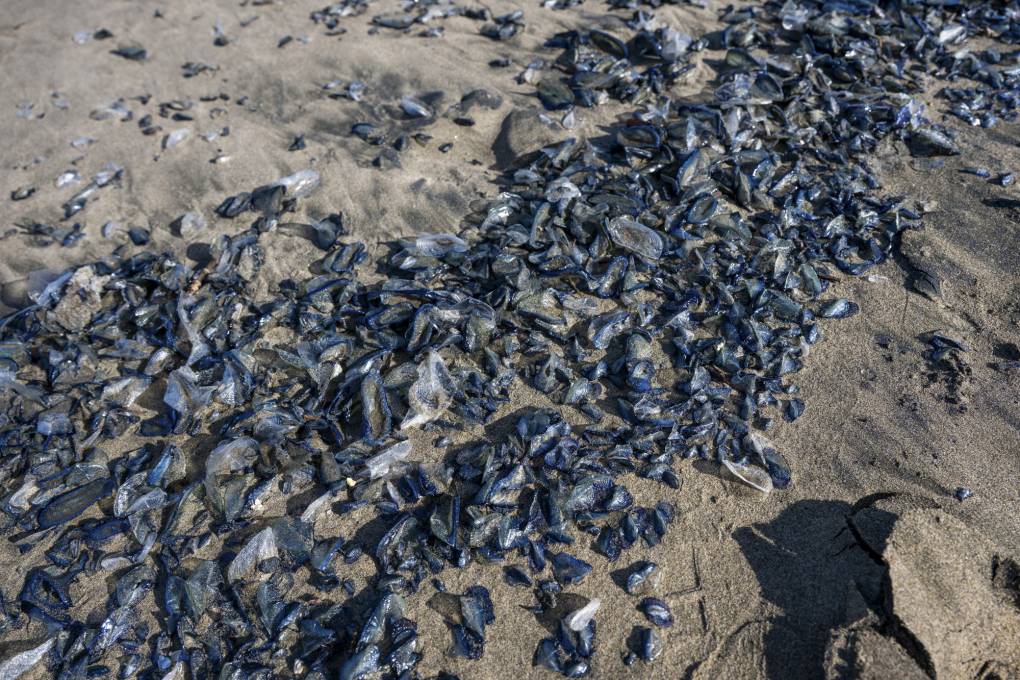
"caption": "Thousands of Velella velella, blue jellyfish-like creatures, are scattered along the beach at Aquatic Park in San Francisco on April 3, 2025, after washing up on shore.",
"credit": "Beth LaBerge/KQED",
"altTag": null,
"description": null,
"imgSizes": {
"medium": {
"file": "https://cdn.kqed.org/wp-content/uploads/sites/35/2025/04/250403-BLUEJELLIES-02-BL-KQED-800x533.jpg",
"width": 800,
"height": 533,
"mimeType": "image/jpeg"
},
"large": {
"file": "https://cdn.kqed.org/wp-content/uploads/sites/35/2025/04/250403-BLUEJELLIES-02-BL-KQED-1020x680.jpg",
"width": 1020,
"height": 680,
"mimeType": "image/jpeg"
},
"thumbnail": {
"file": "https://cdn.kqed.org/wp-content/uploads/sites/35/2025/04/250403-BLUEJELLIES-02-BL-KQED-160x107.jpg",
"width": 160,
"height": 107,
"mimeType": "image/jpeg"
},
"medium_large": {
"file": "https://cdn.kqed.org/wp-content/uploads/sites/35/2025/04/250403-BLUEJELLIES-02-BL-KQED-768x512.jpg",
"width": 768,
"height": 512,
"mimeType": "image/jpeg"
},
"1536x1536": {
"file": "https://cdn.kqed.org/wp-content/uploads/sites/35/2025/04/250403-BLUEJELLIES-02-BL-KQED-1536x1024.jpg",
"width": 1536,
"height": 1024,
"mimeType": "image/jpeg"
},
"post-thumbnail": {
"file": "https://cdn.kqed.org/wp-content/uploads/sites/35/2025/04/250403-BLUEJELLIES-02-BL-KQED-672x372.jpg",
"width": 672,
"height": 372,
"mimeType": "image/jpeg"
},
"twentyfourteen-full-width": {
"file": "https://cdn.kqed.org/wp-content/uploads/sites/35/2025/04/250403-BLUEJELLIES-02-BL-KQED-1038x576.jpg",
"width": 1038,
"height": 576,
"mimeType": "image/jpeg"
},
"full-width": {
"file": "https://cdn.kqed.org/wp-content/uploads/sites/35/2025/04/250403-BLUEJELLIES-02-BL-KQED-1920x1280.jpg",
"width": 1920,
"height": 1280,
"mimeType": "image/jpeg"
},
"kqedFullSize": {
"file": "https://cdn.kqed.org/wp-content/uploads/sites/35/2025/04/250403-BLUEJELLIES-02-BL-KQED.jpg",
"width": 2000,
"height": 1333
}
},
"isLoading": false,
"fetchFailed": false
},
"science_1996492": {
"type": "attachments",
"id": "science_1996492",
"meta": {
"index": "attachments_1716263798",
"site": "science",
"id": "1996492",
"found": true
},
"title": "EPARally1",
"publishDate": 1743105865,
"status": "inherit",
"parent": 1996483,
"modified": 1743107380,
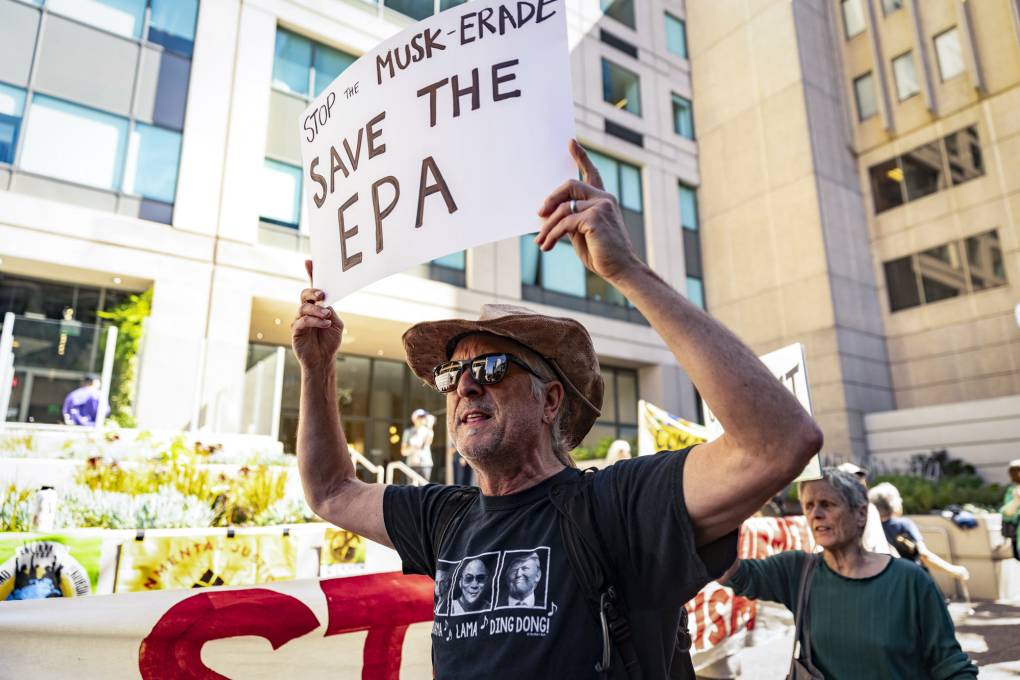
"caption": "Jon Fox attends a rally denouncing President Trump and Elon Musk’s attacks on environmental laws and environmental justice programs in front of the USEPA’s Regional Headquarters in San Francisco on Tuesday, March 25, 2025.",
"credit": "Gina Castro/KQED",
"altTag": null,
"description": null,
"imgSizes": {
"medium": {
"file": "https://cdn.kqed.org/wp-content/uploads/sites/35/2025/03/EPARally1-800x533.jpg",
"width": 800,
"height": 533,
"mimeType": "image/jpeg"
},
"large": {
"file": "https://cdn.kqed.org/wp-content/uploads/sites/35/2025/03/EPARally1-1020x680.jpg",
"width": 1020,
"height": 680,
"mimeType": "image/jpeg"
},
"thumbnail": {
"file": "https://cdn.kqed.org/wp-content/uploads/sites/35/2025/03/EPARally1-160x107.jpg",
"width": 160,
"height": 107,
"mimeType": "image/jpeg"
},
"medium_large": {
"file": "https://cdn.kqed.org/wp-content/uploads/sites/35/2025/03/EPARally1-768x512.jpg",
"width": 768,
"height": 512,
"mimeType": "image/jpeg"
},
"1536x1536": {
"file": "https://cdn.kqed.org/wp-content/uploads/sites/35/2025/03/EPARally1-1536x1024.jpg",
"width": 1536,
"height": 1024,
"mimeType": "image/jpeg"
},
"post-thumbnail": {
"file": "https://cdn.kqed.org/wp-content/uploads/sites/35/2025/03/EPARally1-672x372.jpg",
"width": 672,
"height": 372,
"mimeType": "image/jpeg"
},
"twentyfourteen-full-width": {
"file": "https://cdn.kqed.org/wp-content/uploads/sites/35/2025/03/EPARally1-1038x576.jpg",
"width": 1038,
"height": 576,
"mimeType": "image/jpeg"
},
"full-width": {
"file": "https://cdn.kqed.org/wp-content/uploads/sites/35/2025/03/EPARally1-1920x1280.jpg",
"width": 1920,
"height": 1280,
"mimeType": "image/jpeg"
},
"kqedFullSize": {
"file": "https://cdn.kqed.org/wp-content/uploads/sites/35/2025/03/EPARally1.jpg",
"width": 2000,
"height": 1333
}
},
"isLoading": false,
"fetchFailed": false
},
"science_1996463": {
"type": "attachments",
"id": "science_1996463",
"meta": {
"index": "attachments_1716263798",
"site": "science",
"id": "1996463",
"found": true
},
"title": "Coyote Valley - Landscapes - DN - 3-22-2016 - 19",
"publishDate": 1742857108,
"status": "inherit",
"parent": 1996440,
"modified": 1742857715,
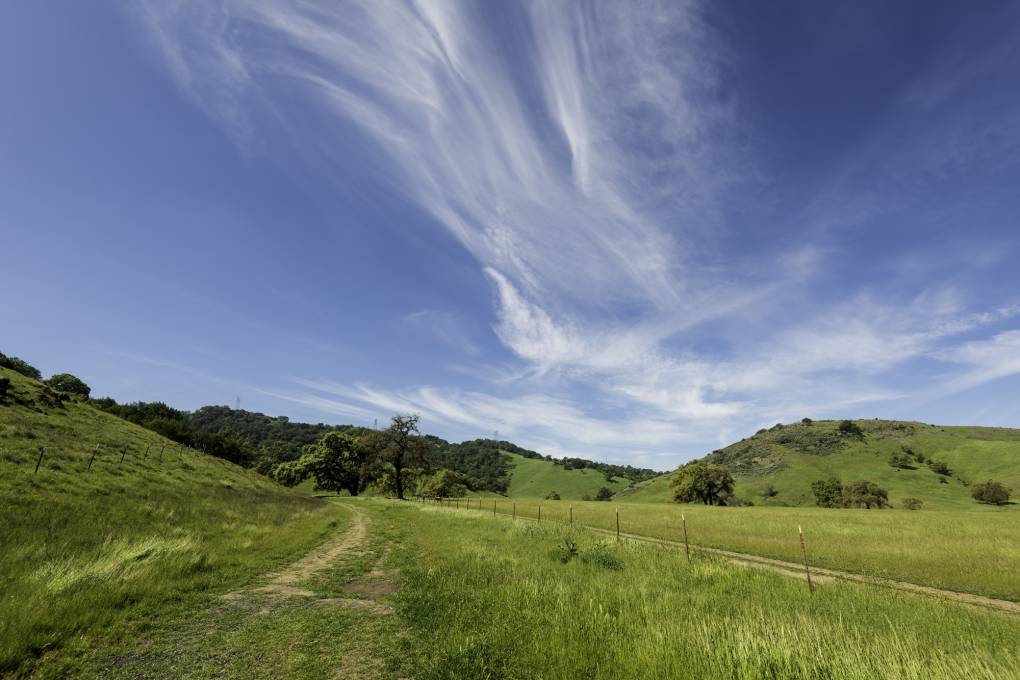
"caption": "Despite plans to break ground in 2026, project leaders say they have yet to get answers on the federal funding needed to build accessible trails in Coyote Valley.",
"credit": "Courtesy Open Space Authority Santa Clara Valley",
"altTag": null,
"description": null,
"imgSizes": {
"medium": {
"file": "https://cdn.kqed.org/wp-content/uploads/sites/35/2025/03/Coyote-Valley-Landscapes-DN-3-22-2016-19-800x534.jpg",
"width": 800,
"height": 534,
"mimeType": "image/jpeg"
},
"large": {
"file": "https://cdn.kqed.org/wp-content/uploads/sites/35/2025/03/Coyote-Valley-Landscapes-DN-3-22-2016-19-1020x680.jpg",
"width": 1020,
"height": 680,
"mimeType": "image/jpeg"
},
"thumbnail": {
"file": "https://cdn.kqed.org/wp-content/uploads/sites/35/2025/03/Coyote-Valley-Landscapes-DN-3-22-2016-19-160x107.jpg",
"width": 160,
"height": 107,
"mimeType": "image/jpeg"
},
"medium_large": {
"file": "https://cdn.kqed.org/wp-content/uploads/sites/35/2025/03/Coyote-Valley-Landscapes-DN-3-22-2016-19-768x512.jpg",
"width": 768,
"height": 512,
"mimeType": "image/jpeg"
},
"1536x1536": {
"file": "https://cdn.kqed.org/wp-content/uploads/sites/35/2025/03/Coyote-Valley-Landscapes-DN-3-22-2016-19-1536x1025.jpg",
"width": 1536,
"height": 1025,
"mimeType": "image/jpeg"
},
"post-thumbnail": {
"file": "https://cdn.kqed.org/wp-content/uploads/sites/35/2025/03/Coyote-Valley-Landscapes-DN-3-22-2016-19-672x372.jpg",
"width": 672,
"height": 372,
"mimeType": "image/jpeg"
},
"twentyfourteen-full-width": {
"file": "https://cdn.kqed.org/wp-content/uploads/sites/35/2025/03/Coyote-Valley-Landscapes-DN-3-22-2016-19-1038x576.jpg",
"width": 1038,
"height": 576,
"mimeType": "image/jpeg"
},
"full-width": {
"file": "https://cdn.kqed.org/wp-content/uploads/sites/35/2025/03/Coyote-Valley-Landscapes-DN-3-22-2016-19-1920x1281.jpg",
"width": 1920,
"height": 1281,
"mimeType": "image/jpeg"
},
"kqedFullSize": {
"file": "https://cdn.kqed.org/wp-content/uploads/sites/35/2025/03/Coyote-Valley-Landscapes-DN-3-22-2016-19.jpg",
"width": 2000,
"height": 1334
}
},
"isLoading": false,
"fetchFailed": false
},
"science_1996283": {
"type": "attachments",
"id": "science_1996283",
"meta": {
"index": "attachments_1716263798",
"site": "science",
"id": "1996283",
"found": true
},
"title": "19 1115_0531.NEF",
"publishDate": 1741799242,
"status": "inherit",
"parent": 0,
"modified": 1741972214,
"caption": "A subterranean giant: The Des Plaines tunnel, a one-mile stretch of Chicago’s ambitious Tunnel and Reservoir Plan (TARP), spans 20 feet in diameter and sits 250 feet underground. This massive tunnel, photographed on Nov. 15, 2019, is a crucial link to the McCook Reservoir, designed to combat flooding and improve water quality by capturing stormwater and sewer overflows.",
"credit": "Courtesy of Dan Wendt/MWRDGC",
"altTag": null,
"description": null,
"imgSizes": {
"medium": {
"file": "https://cdn.kqed.org/wp-content/uploads/sites/35/2025/03/19-1115_0531-800x532.jpg",
"width": 800,
"height": 532,
"mimeType": "image/jpeg"
},
"large": {
"file": "https://cdn.kqed.org/wp-content/uploads/sites/35/2025/03/19-1115_0531-1020x679.jpg",
"width": 1020,
"height": 679,
"mimeType": "image/jpeg"
},
"thumbnail": {
"file": "https://cdn.kqed.org/wp-content/uploads/sites/35/2025/03/19-1115_0531-160x106.jpg",
"width": 160,
"height": 106,
"mimeType": "image/jpeg"
},
"medium_large": {
"file": "https://cdn.kqed.org/wp-content/uploads/sites/35/2025/03/19-1115_0531-768x511.jpg",
"width": 768,
"height": 511,
"mimeType": "image/jpeg"
},
"1536x1536": {
"file": "https://cdn.kqed.org/wp-content/uploads/sites/35/2025/03/19-1115_0531-1536x1022.jpg",
"width": 1536,
"height": 1022,
"mimeType": "image/jpeg"
},
"post-thumbnail": {
"file": "https://cdn.kqed.org/wp-content/uploads/sites/35/2025/03/19-1115_0531-672x372.jpg",
"width": 672,
"height": 372,
"mimeType": "image/jpeg"
},
"twentyfourteen-full-width": {
"file": "https://cdn.kqed.org/wp-content/uploads/sites/35/2025/03/19-1115_0531-1038x576.jpg",
"width": 1038,
"height": 576,
"mimeType": "image/jpeg"
},
"full-width": {
"file": "https://cdn.kqed.org/wp-content/uploads/sites/35/2025/03/19-1115_0531-1920x1278.jpg",
"width": 1920,
"height": 1278,
"mimeType": "image/jpeg"
},
"kqedFullSize": {
"file": "https://cdn.kqed.org/wp-content/uploads/sites/35/2025/03/19-1115_0531.jpg",
"width": 2000,
"height": 1331
}
},
"isLoading": false,
"fetchFailed": false
},
"science_1995294": {
"type": "attachments",
"id": "science_1995294",
"meta": {
"index": "attachments_1716263798",
"site": "science",
"id": "1995294",
"found": true
},
"title": "StanfordUniversity",
"publishDate": 1733862242,
"status": "inherit",
"parent": 1995286,
"modified": 1733862283,
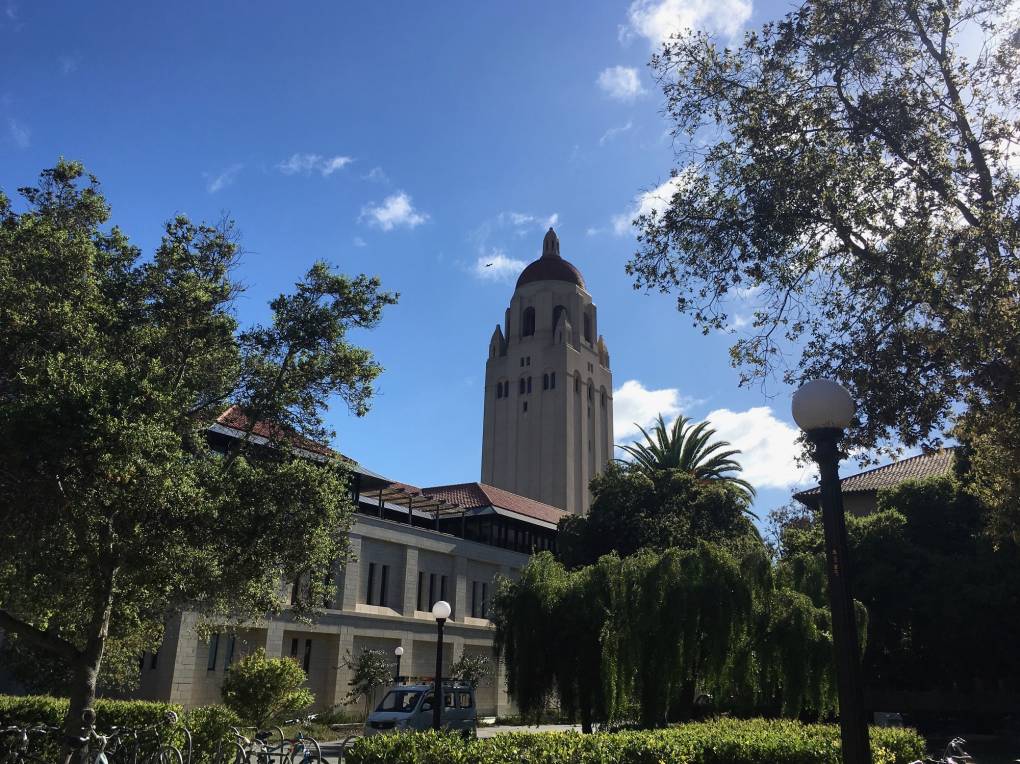
"caption": "Hoover Tower on the Stanford University campus on April 9, 2019. ",
"credit": "Rachael Myrow/KQED",
"altTag": null,
"description": null,
"imgSizes": {
"medium": {
"file": "https://cdn.kqed.org/wp-content/uploads/sites/35/2024/12/StanfordUniversity-800x600.jpg",
"width": 800,
"height": 600,
"mimeType": "image/jpeg"
},
"large": {
"file": "https://cdn.kqed.org/wp-content/uploads/sites/35/2024/12/StanfordUniversity-1020x764.jpg",
"width": 1020,
"height": 764,
"mimeType": "image/jpeg"
},
"thumbnail": {
"file": "https://cdn.kqed.org/wp-content/uploads/sites/35/2024/12/StanfordUniversity-160x120.jpg",
"width": 160,
"height": 120,
"mimeType": "image/jpeg"
},
"medium_large": {
"file": "https://cdn.kqed.org/wp-content/uploads/sites/35/2024/12/StanfordUniversity-768x576.jpg",
"width": 768,
"height": 576,
"mimeType": "image/jpeg"
},
"1536x1536": {
"file": "https://cdn.kqed.org/wp-content/uploads/sites/35/2024/12/StanfordUniversity-1536x1151.jpg",
"width": 1536,
"height": 1151,
"mimeType": "image/jpeg"
},
"post-thumbnail": {
"file": "https://cdn.kqed.org/wp-content/uploads/sites/35/2024/12/StanfordUniversity-672x372.jpg",
"width": 672,
"height": 372,
"mimeType": "image/jpeg"
},
"twentyfourteen-full-width": {
"file": "https://cdn.kqed.org/wp-content/uploads/sites/35/2024/12/StanfordUniversity-1038x576.jpg",
"width": 1038,
"height": 576,
"mimeType": "image/jpeg"
},
"full-width": {
"file": "https://cdn.kqed.org/wp-content/uploads/sites/35/2024/12/StanfordUniversity-1920x1439.jpg",
"width": 1920,
"height": 1439,
"mimeType": "image/jpeg"
},
"kqedFullSize": {
"file": "https://cdn.kqed.org/wp-content/uploads/sites/35/2024/12/StanfordUniversity.jpg",
"width": 2000,
"height": 1499
}
},
"isLoading": false,
"fetchFailed": false
},
"science_1995142": {
"type": "attachments",
"id": "science_1995142",
"meta": {
"index": "attachments_1716263798",
"site": "science",
"id": "1995142",
"found": true
},
"title": "Election 2024 Trump",
"publishDate": 1731436898,
"status": "inherit",
"parent": 1995140,
"modified": 1743106536,
"caption": "President Donald Trump shakes hands with former Rep. Lee Zeldin, R-New York, during a roundtable at the Drexelbrook Catering & Event Center on Oct. 29, 2024, in Drexel Hill, Pennsylvania.",
"credit": "Julia Demaree Nikhinson/AP Photo",
"altTag": null,
"description": null,
"imgSizes": {
"medium": {
"file": "https://cdn.kqed.org/wp-content/uploads/sites/35/2024/11/TrumpLeeZeldinAP-800x533.jpg",
"width": 800,
"height": 533,
"mimeType": "image/jpeg"
},
"large": {
"file": "https://cdn.kqed.org/wp-content/uploads/sites/35/2024/11/TrumpLeeZeldinAP-1020x680.jpg",
"width": 1020,
"height": 680,
"mimeType": "image/jpeg"
},
"thumbnail": {
"file": "https://cdn.kqed.org/wp-content/uploads/sites/35/2024/11/TrumpLeeZeldinAP-160x107.jpg",
"width": 160,
"height": 107,
"mimeType": "image/jpeg"
},
"medium_large": {
"file": "https://cdn.kqed.org/wp-content/uploads/sites/35/2024/11/TrumpLeeZeldinAP-768x512.jpg",
"width": 768,
"height": 512,
"mimeType": "image/jpeg"
},
"1536x1536": {
"file": "https://cdn.kqed.org/wp-content/uploads/sites/35/2024/11/TrumpLeeZeldinAP-1536x1024.jpg",
"width": 1536,
"height": 1024,
"mimeType": "image/jpeg"
},
"post-thumbnail": {
"file": "https://cdn.kqed.org/wp-content/uploads/sites/35/2024/11/TrumpLeeZeldinAP-672x372.jpg",
"width": 672,
"height": 372,
"mimeType": "image/jpeg"
},
"twentyfourteen-full-width": {
"file": "https://cdn.kqed.org/wp-content/uploads/sites/35/2024/11/TrumpLeeZeldinAP-1038x576.jpg",
"width": 1038,
"height": 576,
"mimeType": "image/jpeg"
},
"full-width": {
"file": "https://cdn.kqed.org/wp-content/uploads/sites/35/2024/11/TrumpLeeZeldinAP-1920x1280.jpg",
"width": 1920,
"height": 1280,
"mimeType": "image/jpeg"
},
"kqedFullSize": {
"file": "https://cdn.kqed.org/wp-content/uploads/sites/35/2024/11/TrumpLeeZeldinAP.jpg",
"width": 2000,
"height": 1333
}
},
"isLoading": false,
"fetchFailed": false
}
},
"audioPlayerReducer": {
"postId": "stream_live",
"isPaused": true,
"isPlaying": false,
"pfsActive": false,
"pledgeModalIsOpen": true,
"playerDrawerIsOpen": false,
"liveAudioPlayStartedAt": 0,
"liveAudioPlayContext": ""
},
"authorsReducer": {
"byline_science_1996611": {
"type": "authors",
"id": "byline_science_1996611",
"meta": {
"override": true
},
"slug": "byline_science_1996611",
"name": "Anna FitzGerald Guth",
"isLoading": false
},
"lklivans": {
"type": "authors",
"id": "8648",
"meta": {
"index": "authors_1716337520",
"id": "8648",
"found": true
},
"name": "Laura Klivans",
"firstName": "Laura",
"lastName": "Klivans",
"slug": "lklivans",
"email": "lklivans@kqed.org",
"display_author_email": true,
"staff_mastheads": [
"news",
"science"
],
"title": "Reporter",
"bio": "Laura Klivans is an award-winning science reporter for KQED News, where she covers climate change with an eye on both groundbreaking progress and gaps in action. She is the former host of KQED's blockbuster video series about tiny, amazing animals, \u003cem>Deep Look\u003c/em>. Her work reaches national audiences through NPR, \u003cem>Here & Now, \u003c/em>PRI, and other major outlets. \r\n\r\nLaura’s won five Northern California Area Emmy Awards for Deep Look and First Place in the Greater Bay Area Journalism Awards for a podcast exploring how one Oakland neighborhood teamed up to reduce planet-heating pollution.\r\n\r\nBeyond her reporting, she hosts and moderates events. In the past, she taught audio storytelling at the UC Berkeley Graduate School of Journalism, led international education programs, worked with immigrants and refugees along the Thai-Burmese border, taught high schoolers sex ed, and was an actress. \r\n\r\nShe's a former UC Berkeley Human Rights Fellow, USC Center for Health Journalism's California Fellow and Coro Fellow in Public Affairs. Laura has a master’s in journalism from UC Berkeley, a master’s in education from Harvard, and an undergraduate degree from Northwestern University.\r\n\r\nShe loves trying to riddle the meaning out of vanity license plates.",
"avatar": "https://secure.gravatar.com/avatar/2d2ecd1550a494cc10ad4a503406965585902124739e775a9b3817eebf1d88be?s=600&d=blank&r=g",
"twitter": "lauraklivans",
"bluesky": null,
"facebook": null,
"instagram": null,
"linkedin": null,
"sites": [
{
"site": "news",
"roles": [
"editor"
]
},
{
"site": "stateofhealth",
"roles": [
"contributor",
"editor"
]
},
{
"site": "science",
"roles": [
"editor"
]
},
{
"site": "forum",
"roles": [
"editor"
]
}
],
"headData": {
"title": "Laura Klivans | KQED",
"description": "Reporter",
"ogImgSrc": "https://secure.gravatar.com/avatar/2d2ecd1550a494cc10ad4a503406965585902124739e775a9b3817eebf1d88be?s=600&d=blank&r=g",
"twImgSrc": "https://secure.gravatar.com/avatar/2d2ecd1550a494cc10ad4a503406965585902124739e775a9b3817eebf1d88be?s=600&d=blank&r=g"
},
"isLoading": false,
"link": "/author/lklivans"
},
"dventon": {
"type": "authors",
"id": "11088",
"meta": {
"index": "authors_1716337520",
"id": "11088",
"found": true
},
"name": "Danielle Venton",
"firstName": "Danielle",
"lastName": "Venton",
"slug": "dventon",
"email": "dventon@kqed.org",
"display_author_email": true,
"staff_mastheads": [
"science"
],
"title": "Science reporter",
"bio": "Danielle Venton is a reporter for KQED Science. She covers wildfires, space and oceans (though she is prone to sea sickness).\r\n\r\nBefore joining KQED in 2015, Danielle was a staff reporter at KRCB in Sonoma County and a freelancer. She studied science communication at UC Santa Cruz and formerly worked at CERN in Geneva, Switzerland where she wrote about computing. She lives in Sonoma County and enjoys backpacking.",
"avatar": "https://secure.gravatar.com/avatar/37b292b5c40c8d93959c4f48d73b5286f41b7abd8588277e941905a3ed4c801c?s=600&d=blank&r=g",
"twitter": "DanielleVenton",
"bluesky": null,
"facebook": null,
"instagram": null,
"linkedin": null,
"sites": [
{
"site": "arts",
"roles": [
"contributor"
]
},
{
"site": "news",
"roles": [
"editor"
]
},
{
"site": "futureofyou",
"roles": [
"editor"
]
},
{
"site": "science",
"roles": [
"editor"
]
},
{
"site": "liveblog",
"roles": [
"contributor"
]
}
],
"headData": {
"title": "Danielle Venton | KQED",
"description": "Science reporter",
"ogImgSrc": "https://secure.gravatar.com/avatar/37b292b5c40c8d93959c4f48d73b5286f41b7abd8588277e941905a3ed4c801c?s=600&d=blank&r=g",
"twImgSrc": "https://secure.gravatar.com/avatar/37b292b5c40c8d93959c4f48d73b5286f41b7abd8588277e941905a3ed4c801c?s=600&d=blank&r=g"
},
"isLoading": false,
"link": "/author/dventon"
},
"kevinstark": {
"type": "authors",
"id": "11608",
"meta": {
"index": "authors_1716337520",
"id": "11608",
"found": true
},
"name": "Kevin Stark",
"firstName": "Kevin",
"lastName": "Stark",
"slug": "kevinstark",
"email": "kstark@kqed.org",
"display_author_email": true,
"staff_mastheads": [
"science"
],
"title": "Senior Editor",
"bio": "Kevin is a senior editor for KQED Science, managing the station's health and climate desks. His journalism career began in the Pacific Northwest, and he later became a lead reporter for the San Francisco Public Press. His work has appeared in Pacific Standard magazine, the Energy News Network, the Center for Investigative Reporting's Reveal and WBEZ in Chicago. Kevin joined KQED in 2019, and has covered issues related to energy, wildfire, climate change and the environment.",
"avatar": "https://secure.gravatar.com/avatar/365aaa4b597d3a8374f67504ff0facd323d7906e8eb4be0a7efd2427408e802c?s=600&d=blank&r=g",
"twitter": "starkkev",
"bluesky": null,
"facebook": null,
"instagram": null,
"linkedin": null,
"sites": [
{
"site": "",
"roles": [
"editor"
]
},
{
"site": "news",
"roles": [
"editor"
]
},
{
"site": "science",
"roles": [
"administrator"
]
}
],
"headData": {
"title": "Kevin Stark | KQED",
"description": "Senior Editor",
"ogImgSrc": "https://secure.gravatar.com/avatar/365aaa4b597d3a8374f67504ff0facd323d7906e8eb4be0a7efd2427408e802c?s=600&d=blank&r=g",
"twImgSrc": "https://secure.gravatar.com/avatar/365aaa4b597d3a8374f67504ff0facd323d7906e8eb4be0a7efd2427408e802c?s=600&d=blank&r=g"
},
"isLoading": false,
"link": "/author/kevinstark"
},
"smohamad": {
"type": "authors",
"id": "11631",
"meta": {
"index": "authors_1716337520",
"id": "11631",
"found": true
},
"name": "Sarah Mohamad",
"firstName": "Sarah",
"lastName": "Mohamad",
"slug": "smohamad",
"email": "smohamad@KQED.org",
"display_author_email": true,
"staff_mastheads": [],
"title": "Engagement Producer and Reporter, KQED Science",
"bio": "Sarah Mohamad is an audience engagement reporter and producer for KQED Science. She reports on audience-focused science and environment stories and manages the team's social media, newsletter, and engagement efforts. Prior to this role, she played a key role as project manager for NSF's \u003ca href=\"https://www.kqed.org/crackingthecode\">\u003cem>Cracking the Code: Influencing Millennial Science Engagement\u003c/em> \u003c/a>audience research.",
"avatar": "https://secure.gravatar.com/avatar/e6224957cd82d015183756ddde1f928013a563d7ca2e4565f8c4de1ec64886c5?s=600&d=blank&r=g",
"twitter": "sarahkmohamad",
"bluesky": null,
"facebook": null,
"instagram": null,
"linkedin": null,
"sites": [
{
"site": "",
"roles": [
"editor"
]
},
{
"site": "arts",
"roles": [
"editor"
]
},
{
"site": "news",
"roles": [
"editor"
]
},
{
"site": "about",
"roles": [
"editor"
]
},
{
"site": "science",
"roles": [
"editor"
]
}
],
"headData": {
"title": "Sarah Mohamad | KQED",
"description": "Engagement Producer and Reporter, KQED Science",
"ogImgSrc": "https://secure.gravatar.com/avatar/e6224957cd82d015183756ddde1f928013a563d7ca2e4565f8c4de1ec64886c5?s=600&d=blank&r=g",
"twImgSrc": "https://secure.gravatar.com/avatar/e6224957cd82d015183756ddde1f928013a563d7ca2e4565f8c4de1ec64886c5?s=600&d=blank&r=g"
},
"isLoading": false,
"link": "/author/smohamad"
},
"eromero": {
"type": "authors",
"id": "11746",
"meta": {
"index": "authors_1716337520",
"id": "11746",
"found": true
},
"name": "Ezra David Romero",
"firstName": "Ezra David",
"lastName": "Romero",
"slug": "eromero",
"email": "eromero@kqed.org",
"display_author_email": true,
"staff_mastheads": [
"news",
"science"
],
"title": "Climate Reporter",
"bio": "Ezra David Romero is a climate reporter for KQED News. He covers the absence and excess of water in the Bay Area — think sea level rise, flooding and drought. For nearly a decade he’s covered how warming temperatures are altering the lives of Californians. He’s reported on farmers worried their pistachio trees aren’t getting enough sleep, families desperate for water, scientists studying dying giant sequoias, and alongside firefighters containing wildfires. His work has appeared on local stations across California and nationally on public radio shows like Morning Edition, Here and Now, All Things Considered and Science Friday. ",
"avatar": "https://secure.gravatar.com/avatar/c76404d287c10ed40224227551ac36e24352c7306f106632caf6fead76f8801f?s=600&d=blank&r=g",
"twitter": "ezraromero",
"bluesky": null,
"facebook": null,
"instagram": null,
"linkedin": null,
"sites": [
{
"site": "arts",
"roles": [
"editor"
]
},
{
"site": "news",
"roles": [
"editor"
]
},
{
"site": "science",
"roles": [
"editor"
]
},
{
"site": "liveblog",
"roles": [
"author"
]
}
],
"headData": {
"title": "Ezra David Romero | KQED",
"description": "Climate Reporter",
"ogImgSrc": "https://secure.gravatar.com/avatar/c76404d287c10ed40224227551ac36e24352c7306f106632caf6fead76f8801f?s=600&d=blank&r=g",
"twImgSrc": "https://secure.gravatar.com/avatar/c76404d287c10ed40224227551ac36e24352c7306f106632caf6fead76f8801f?s=600&d=blank&r=g"
},
"isLoading": false,
"link": "/author/eromero"
}
},
"pagesReducer": {
"science_tag_california": {
"type": "terms",
"id": "science_5178",
"meta": {
"index": "terms_1716263798",
"site": "science",
"id": "5178",
"score": 6.84948
},
"featImg": null,
"name": "California",
"description": null,
"taxonomy": "tag",
"headData": {
"twImgId": null,
"twTitle": null,
"ogTitle": null,
"ogImgId": null,
"twDescription": null,
"description": null,
"title": "California Archives | KQED Science",
"ogDescription": null
},
"ttid": 5178,
"slug": "california",
"isLoading": false,
"title": "California",
"pageMeta": {
"site": "science",
"WpPageTemplate": "page-topic-editorial",
"currentPage": 14
},
"blocks": [
{
"blockName": "kqed/post-list",
"attrs": {
"layout": "cardArticle2",
"query": "posts/science?tag=california",
"seeMore": false,
"paginated": true,
"page": 14
}
},
{
"blockName": "kqed/ad"
}
]
}
},
"pfsSessionReducer": {},
"postsReducer": {
"stream_live": {
"type": "live",
"id": "stream_live",
"audioUrl": "https://streams.kqed.org/kqedradio",
"title": "Live Stream",
"excerpt": "Live Stream information currently unavailable.",
"link": "/radio",
"featImg": "",
"label": {
"name": "KQED Live",
"link": "/"
}
},
"stream_kqedNewscast": {
"type": "posts",
"id": "stream_kqedNewscast",
"audioUrl": "https://www.kqed.org/.stream/anon/radio/RDnews/newscast.mp3?_=1",
"title": "KQED Newscast",
"featImg": "",
"label": {
"name": "88.5 FM",
"link": "/"
}
},
"science_1996746": {
"type": "posts",
"id": "science_1996746",
"meta": {
"index": "posts_1716263798",
"site": "science",
"id": "1996746",
"score": null,
"sort": [
1746826202000
]
},
"guestAuthors": [],
"slug": "rising-tides-tough-choices-pacifica-allowed-bolster-seawalls-stopgap-plan",
"title": "Rising Tides, Tough Choices: Pacifica Allowed to Bolster Seawalls as a Stopgap Plan",
"publishDate": 1746826202,
"format": "standard",
"headTitle": "Rising Tides, Tough Choices: Pacifica Allowed to Bolster Seawalls as a Stopgap Plan | KQED",
"labelTerm": {
"site": "science"
},
"content": "\u003cp>Pacifica can continue using old seawalls and reinforce or expand them to protect the city from crashing waves, erosion and \u003ca href=\"https://www.kqed.org/news/12016813/bay-area-now-has-first-ever-regional-sea-level-rise-plan\">sea level rise\u003c/a> over the next two decades, the California Coastal Commission ruled Thursday.\u003c/p>\n\u003cp>The controversial ruling serves as a stopgap so the city can develop a long-term strategy to deal with sea level rise, which was \u003ca href=\"https://www.kqed.org/science/1984830/california-mandates-coastal-cities-plan-for-future-sea-level-rise\">mandated by a state law\u003c/a> passed in 2023.\u003c/p>\n\u003cp>The city is known for its sweeping beach, homes with views of the Pacific Ocean, big waves for surfing, a shoreline Taco Bell and hiking trails. However, many of the reasons people love and live in Pacifica are at risk from the effects of climate change, primarily rising seas and flooding from intensifying storms.\u003c/p>\n\u003cp>[ad fullwidth]\u003c/p>\n\u003cp>Pacifica’s push to improve and continue to use its old seawalls, backed by local elected officials and developers, was part of updating its more than 40-year-old local coastal program land use plan.\u003c/p>\n\u003cp>“That plan is no longer sufficient to address the challenging conditions we face in Pacifica: significant bluff erosion impacts from intensifying weather events, flooding from storm surges, rising sea levels and other effects of climate change,” Mayor Sue Beckmeyer said.\u003c/p>\n\u003cfigure id=\"attachment_1915665\" class=\"wp-caption aligncenter\" style=\"max-width: 2000px\">\u003cimg loading=\"lazy\" decoding=\"async\" class=\"size-full wp-image-1915665\" src=\"https://cdn.kqed.org/wp-content/uploads/sites/35/2017/09/Fig4-9_PacificaCliff_Griggs.jpeg\" alt=\"Eroding sea cliffs have forced the demolition of several apartment buildings in Pacifica.\" width=\"2000\" height=\"1500\" srcset=\"https://cdn.kqed.org/wp-content/uploads/sites/35/2017/09/Fig4-9_PacificaCliff_Griggs.jpeg 2000w, https://cdn.kqed.org/wp-content/uploads/sites/35/2017/09/Fig4-9_PacificaCliff_Griggs-160x120.jpeg 160w, https://cdn.kqed.org/wp-content/uploads/sites/35/2017/09/Fig4-9_PacificaCliff_Griggs-800x600.jpeg 800w, https://cdn.kqed.org/wp-content/uploads/sites/35/2017/09/Fig4-9_PacificaCliff_Griggs-768x576.jpeg 768w, https://cdn.kqed.org/wp-content/uploads/sites/35/2017/09/Fig4-9_PacificaCliff_Griggs-1020x765.jpeg 1020w, https://cdn.kqed.org/wp-content/uploads/sites/35/2017/09/Fig4-9_PacificaCliff_Griggs-1920x1440.jpeg 1920w, https://cdn.kqed.org/wp-content/uploads/sites/35/2017/09/Fig4-9_PacificaCliff_Griggs-1180x885.jpeg 1180w, https://cdn.kqed.org/wp-content/uploads/sites/35/2017/09/Fig4-9_PacificaCliff_Griggs-960x720.jpeg 960w, https://cdn.kqed.org/wp-content/uploads/sites/35/2017/09/Fig4-9_PacificaCliff_Griggs-240x180.jpeg 240w, https://cdn.kqed.org/wp-content/uploads/sites/35/2017/09/Fig4-9_PacificaCliff_Griggs-375x281.jpeg 375w, https://cdn.kqed.org/wp-content/uploads/sites/35/2017/09/Fig4-9_PacificaCliff_Griggs-520x390.jpeg 520w\" sizes=\"auto, (max-width: 2000px) 100vw, 2000px\">\u003cfigcaption class=\"wp-caption-text\">Eroding sea cliffs have forced the demolition of several apartment buildings in Pacifica. \u003ccite>(Gary Griggs/Getty Images)\u003c/cite>\u003c/figcaption>\u003c/figure>\n\u003cp>Under the new plan approved by the commission, Pacifica can continue to armor its shoreline at Beach Boulevard near Pacifica Pier and Rockaway Beach. Existing seawalls and riprap can be rebuilt or expanded.\u003c/p>\n\u003cp>Environmental groups, residents and other elected officials who opposed the seawall plan said it would make it more difficult to protect the coastline.\u003c/p>\n\u003cp>Both Gov. Gavin Newsom and the Trump administration are closely watching the decisions of the Coastal Commission, which the president has called for dismantling as federal lawmakers aim to weaken its purview.\u003c/p>\n\u003cp>Justin Cummings, chair of the commission, commended Pacifica for being one of the first cities to begin to adapt to sea level rise as part of the state’s mandate, in the face of a long history of erosion and the need to prepare for more in the future.[aside postID=science_1996728 hero='https://cdn.kqed.org/wp-content/uploads/sites/35/2025/05/SanFranciscoSinkingGetty-1020x680.jpg']“The fact that there is tension shows this has been made very public,” Cummings said. “Our coastline is not the same, and there is no one-size-fits-all approach to dealing with sea level rise.”\u003c/p>\n\u003cp>The ruling attempts to balance developers’ needs with coastal protection, but opponents argue the plan to upgrade seawalls violates the Coastal Act, is short-sighted and will make it more complicated in the long run to adapt to sea level rise.\u003c/p>\n\u003cp>“When large-scale seawalls are built or rebuilt or reinforced, and the new development goes in behind it, long-term solutions like relocating out of harm’s way will fall by the wayside and seawalls will remain,” said Mandy Sackett, California policy manager for the Surfrider Foundation. “But in truth, it’s giving away our leverage now with no guarantee of results later.”\u003c/p>\n\u003cp>Opponents also argue that seawalls cause beaches to erode and can exacerbate flooding or the loss of coastal homes, roads and infrastructure in the long run. They said continuing to armor Pacifica’s coastline will ultimately lock the city into using seawalls as long-term strategies and sacrifice more of the city to the rising ocean.\u003c/p>\n\u003cp>Catalina Gomes, founder of the Muchia Te’ Indigenous Land Trust and descendant of a Ramaytush Ohlone settlement village in Pacifica, opposes the plan and said the commission declined her tribal consultation, although it agreed to work with tribes on any new projects.\u003c/p>\n\u003cfigure id=\"attachment_1996757\" class=\"wp-caption aligncenter\" style=\"max-width: 1777px\">\u003cimg loading=\"lazy\" decoding=\"async\" class=\"size-full wp-image-1996757\" src=\"https://cdn.kqed.org/wp-content/uploads/sites/35/2025/05/LindaMar_qed.jpg\" alt=\"\" width=\"1777\" height=\"1333\" srcset=\"https://cdn.kqed.org/wp-content/uploads/sites/35/2025/05/LindaMar_qed.jpg 1777w, https://cdn.kqed.org/wp-content/uploads/sites/35/2025/05/LindaMar_qed-800x600.jpg 800w, https://cdn.kqed.org/wp-content/uploads/sites/35/2025/05/LindaMar_qed-1020x765.jpg 1020w, https://cdn.kqed.org/wp-content/uploads/sites/35/2025/05/LindaMar_qed-160x120.jpg 160w, https://cdn.kqed.org/wp-content/uploads/sites/35/2025/05/LindaMar_qed-768x576.jpg 768w, https://cdn.kqed.org/wp-content/uploads/sites/35/2025/05/LindaMar_qed-1536x1152.jpg 1536w\" sizes=\"auto, (max-width: 1777px) 100vw, 1777px\">\u003cfigcaption class=\"wp-caption-text\">Linda Mar Beach in Pacifica is a common surf spot, and for many, just a great place to relax. \u003ccite>(Courtesy of Bill Zeller)\u003c/cite>\u003c/figcaption>\u003c/figure>\n\u003cp>“This is a culturally sensitive area for us. This is sacred land,” she said. “It’s a very short-sighted approach, and science proves that restoration of wetlands, marshes and dunes is the best solution to dealing with sea level rise.”\u003c/p>\n\u003cp>Surfers worry that more seawalls will eventually limit beach access, and some residents said that coastal hazards like erosion have already caused the city to tear down homes over the decades to prevent them from collapsing into the ocean.\u003c/p>\n\u003cp>Cindy Abbott, who has lived in Pacifica for decades, said intense storms and strong waves have resulted in “the end of her street being closed off every year and multiple times.” She asked the commission to denounce the plan and instead “honor the coast.”\u003c/p>\n\u003cp>However, Kate Huckelbridge, executive director of the Coastal Commission, emphasized that the 20-year seawall plan is a temporary solution for the “existential threat” from the long-term effects of sea level rise brought about by human-caused climate change.\u003c/p>\n\u003cp>“The scope and scale of that challenge here in Pacifica, but also for the rest of our coastal communities, is daunting,” she said. “Our beaches will disappear if we do not change how we live, work and play on our coastline. If we want to avoid that future, we need to get serious about planning for the future that we do want.”\u003c/p>\n\u003cp>\u003c/p>\n",
"blocks": [],
"excerpt": "In a controversial ruling, the California Coastal Commission allowed Pacifica to use seawalls to protect its shoreline for two decades but emphasized that a long-term solution is needed.",
"status": "publish",
"parent": 0,
"modified": 1746828838,
"stats": {
"hasAudio": false,
"hasVideo": false,
"hasChartOrMap": false,
"iframeSrcs": [],
"hasGoogleForm": false,
"hasGallery": false,
"hasHearkenModule": false,
"hasPolis": false,
"paragraphCount": 20,
"wordCount": 888
},
"headData": {
"title": "Rising Tides, Tough Choices: Pacifica Allowed to Bolster Seawalls as a Stopgap Plan | KQED",
"description": "In a controversial ruling, the California Coastal Commission allowed Pacifica to use seawalls to protect its shoreline for two decades but emphasized that a long-term solution is needed.",
"ogTitle": "",
"ogDescription": "",
"ogImgId": "",
"twTitle": "",
"twDescription": "",
"twImgId": "",
"schema": {
"@context": "https://schema.org",
"@type": "Article",
"headline": "Rising Tides, Tough Choices: Pacifica Allowed to Bolster Seawalls as a Stopgap Plan",
"datePublished": "2025-05-09T14:30:02-07:00",
"dateModified": "2025-05-09T15:13:58-07:00",
"image": "https://cdn.kqed.org/wp-content/uploads/2020/02/KQED-OG-Image@1x.png"
}
},
"sticky": false,
"nprStoryId": "kqed-1996746",
"templateType": "standard",
"featuredImageType": "standard",
"excludeFromSiteSearch": "Include",
"articleAge": "0",
"path": "/science/1996746/rising-tides-tough-choices-pacifica-allowed-bolster-seawalls-stopgap-plan",
"audioTrackLength": null,
"parsedContent": [
{
"type": "contentString",
"content": "\u003cdiv class=\"post-body\">\u003cp>\u003cp>Pacifica can continue using old seawalls and reinforce or expand them to protect the city from crashing waves, erosion and \u003ca href=\"https://www.kqed.org/news/12016813/bay-area-now-has-first-ever-regional-sea-level-rise-plan\">sea level rise\u003c/a> over the next two decades, the California Coastal Commission ruled Thursday.\u003c/p>\n\u003cp>The controversial ruling serves as a stopgap so the city can develop a long-term strategy to deal with sea level rise, which was \u003ca href=\"https://www.kqed.org/science/1984830/california-mandates-coastal-cities-plan-for-future-sea-level-rise\">mandated by a state law\u003c/a> passed in 2023.\u003c/p>\n\u003cp>The city is known for its sweeping beach, homes with views of the Pacific Ocean, big waves for surfing, a shoreline Taco Bell and hiking trails. However, many of the reasons people love and live in Pacifica are at risk from the effects of climate change, primarily rising seas and flooding from intensifying storms.\u003c/p>\n\u003cp>\u003c/p>\u003c/div>",
"attributes": {
"named": {},
"numeric": []
}
},
{
"type": "component",
"content": "",
"name": "ad",
"attributes": {
"named": {
"label": "fullwidth"
},
"numeric": [
"fullwidth"
]
}
},
{
"type": "contentString",
"content": "\u003cdiv class=\"post-body\">\u003cp>\u003c/p>\n\u003cp>Pacifica’s push to improve and continue to use its old seawalls, backed by local elected officials and developers, was part of updating its more than 40-year-old local coastal program land use plan.\u003c/p>\n\u003cp>“That plan is no longer sufficient to address the challenging conditions we face in Pacifica: significant bluff erosion impacts from intensifying weather events, flooding from storm surges, rising sea levels and other effects of climate change,” Mayor Sue Beckmeyer said.\u003c/p>\n\u003cfigure id=\"attachment_1915665\" class=\"wp-caption aligncenter\" style=\"max-width: 2000px\">\u003cimg loading=\"lazy\" decoding=\"async\" class=\"size-full wp-image-1915665\" src=\"https://cdn.kqed.org/wp-content/uploads/sites/35/2017/09/Fig4-9_PacificaCliff_Griggs.jpeg\" alt=\"Eroding sea cliffs have forced the demolition of several apartment buildings in Pacifica.\" width=\"2000\" height=\"1500\" srcset=\"https://cdn.kqed.org/wp-content/uploads/sites/35/2017/09/Fig4-9_PacificaCliff_Griggs.jpeg 2000w, https://cdn.kqed.org/wp-content/uploads/sites/35/2017/09/Fig4-9_PacificaCliff_Griggs-160x120.jpeg 160w, https://cdn.kqed.org/wp-content/uploads/sites/35/2017/09/Fig4-9_PacificaCliff_Griggs-800x600.jpeg 800w, https://cdn.kqed.org/wp-content/uploads/sites/35/2017/09/Fig4-9_PacificaCliff_Griggs-768x576.jpeg 768w, https://cdn.kqed.org/wp-content/uploads/sites/35/2017/09/Fig4-9_PacificaCliff_Griggs-1020x765.jpeg 1020w, https://cdn.kqed.org/wp-content/uploads/sites/35/2017/09/Fig4-9_PacificaCliff_Griggs-1920x1440.jpeg 1920w, https://cdn.kqed.org/wp-content/uploads/sites/35/2017/09/Fig4-9_PacificaCliff_Griggs-1180x885.jpeg 1180w, https://cdn.kqed.org/wp-content/uploads/sites/35/2017/09/Fig4-9_PacificaCliff_Griggs-960x720.jpeg 960w, https://cdn.kqed.org/wp-content/uploads/sites/35/2017/09/Fig4-9_PacificaCliff_Griggs-240x180.jpeg 240w, https://cdn.kqed.org/wp-content/uploads/sites/35/2017/09/Fig4-9_PacificaCliff_Griggs-375x281.jpeg 375w, https://cdn.kqed.org/wp-content/uploads/sites/35/2017/09/Fig4-9_PacificaCliff_Griggs-520x390.jpeg 520w\" sizes=\"auto, (max-width: 2000px) 100vw, 2000px\">\u003cfigcaption class=\"wp-caption-text\">Eroding sea cliffs have forced the demolition of several apartment buildings in Pacifica. \u003ccite>(Gary Griggs/Getty Images)\u003c/cite>\u003c/figcaption>\u003c/figure>\n\u003cp>Under the new plan approved by the commission, Pacifica can continue to armor its shoreline at Beach Boulevard near Pacifica Pier and Rockaway Beach. Existing seawalls and riprap can be rebuilt or expanded.\u003c/p>\n\u003cp>Environmental groups, residents and other elected officials who opposed the seawall plan said it would make it more difficult to protect the coastline.\u003c/p>\n\u003cp>Both Gov. Gavin Newsom and the Trump administration are closely watching the decisions of the Coastal Commission, which the president has called for dismantling as federal lawmakers aim to weaken its purview.\u003c/p>\n\u003cp>Justin Cummings, chair of the commission, commended Pacifica for being one of the first cities to begin to adapt to sea level rise as part of the state’s mandate, in the face of a long history of erosion and the need to prepare for more in the future.\u003c/p>\u003c/div>",
"attributes": {
"named": {},
"numeric": []
}
},
{
"type": "component",
"content": "",
"name": "aside",
"attributes": {
"named": {
"postid": "science_1996728",
"hero": "https://cdn.kqed.org/wp-content/uploads/sites/35/2025/05/SanFranciscoSinkingGetty-1020x680.jpg",
"label": ""
},
"numeric": []
}
},
{
"type": "contentString",
"content": "\u003cdiv class=\"post-body\">\u003cp>“The fact that there is tension shows this has been made very public,” Cummings said. “Our coastline is not the same, and there is no one-size-fits-all approach to dealing with sea level rise.”\u003c/p>\n\u003cp>The ruling attempts to balance developers’ needs with coastal protection, but opponents argue the plan to upgrade seawalls violates the Coastal Act, is short-sighted and will make it more complicated in the long run to adapt to sea level rise.\u003c/p>\n\u003cp>“When large-scale seawalls are built or rebuilt or reinforced, and the new development goes in behind it, long-term solutions like relocating out of harm’s way will fall by the wayside and seawalls will remain,” said Mandy Sackett, California policy manager for the Surfrider Foundation. “But in truth, it’s giving away our leverage now with no guarantee of results later.”\u003c/p>\n\u003cp>Opponents also argue that seawalls cause beaches to erode and can exacerbate flooding or the loss of coastal homes, roads and infrastructure in the long run. They said continuing to armor Pacifica’s coastline will ultimately lock the city into using seawalls as long-term strategies and sacrifice more of the city to the rising ocean.\u003c/p>\n\u003cp>Catalina Gomes, founder of the Muchia Te’ Indigenous Land Trust and descendant of a Ramaytush Ohlone settlement village in Pacifica, opposes the plan and said the commission declined her tribal consultation, although it agreed to work with tribes on any new projects.\u003c/p>\n\u003cfigure id=\"attachment_1996757\" class=\"wp-caption aligncenter\" style=\"max-width: 1777px\">\u003cimg loading=\"lazy\" decoding=\"async\" class=\"size-full wp-image-1996757\" src=\"https://cdn.kqed.org/wp-content/uploads/sites/35/2025/05/LindaMar_qed.jpg\" alt=\"\" width=\"1777\" height=\"1333\" srcset=\"https://cdn.kqed.org/wp-content/uploads/sites/35/2025/05/LindaMar_qed.jpg 1777w, https://cdn.kqed.org/wp-content/uploads/sites/35/2025/05/LindaMar_qed-800x600.jpg 800w, https://cdn.kqed.org/wp-content/uploads/sites/35/2025/05/LindaMar_qed-1020x765.jpg 1020w, https://cdn.kqed.org/wp-content/uploads/sites/35/2025/05/LindaMar_qed-160x120.jpg 160w, https://cdn.kqed.org/wp-content/uploads/sites/35/2025/05/LindaMar_qed-768x576.jpg 768w, https://cdn.kqed.org/wp-content/uploads/sites/35/2025/05/LindaMar_qed-1536x1152.jpg 1536w\" sizes=\"auto, (max-width: 1777px) 100vw, 1777px\">\u003cfigcaption class=\"wp-caption-text\">Linda Mar Beach in Pacifica is a common surf spot, and for many, just a great place to relax. \u003ccite>(Courtesy of Bill Zeller)\u003c/cite>\u003c/figcaption>\u003c/figure>\n\u003cp>“This is a culturally sensitive area for us. This is sacred land,” she said. “It’s a very short-sighted approach, and science proves that restoration of wetlands, marshes and dunes is the best solution to dealing with sea level rise.”\u003c/p>\n\u003cp>Surfers worry that more seawalls will eventually limit beach access, and some residents said that coastal hazards like erosion have already caused the city to tear down homes over the decades to prevent them from collapsing into the ocean.\u003c/p>\n\u003cp>Cindy Abbott, who has lived in Pacifica for decades, said intense storms and strong waves have resulted in “the end of her street being closed off every year and multiple times.” She asked the commission to denounce the plan and instead “honor the coast.”\u003c/p>\n\u003cp>However, Kate Huckelbridge, executive director of the Coastal Commission, emphasized that the 20-year seawall plan is a temporary solution for the “existential threat” from the long-term effects of sea level rise brought about by human-caused climate change.\u003c/p>\n\u003cp>“The scope and scale of that challenge here in Pacifica, but also for the rest of our coastal communities, is daunting,” she said. “Our beaches will disappear if we do not change how we live, work and play on our coastline. If we want to avoid that future, we need to get serious about planning for the future that we do want.”\u003c/p>\n\u003cp>\u003c/p>\n\u003c/div>\u003c/p>",
"attributes": {
"named": {},
"numeric": []
}
}
],
"link": "/science/1996746/rising-tides-tough-choices-pacifica-allowed-bolster-seawalls-stopgap-plan",
"authors": [
"11746"
],
"categories": [
"science_31",
"science_40",
"science_4450"
],
"tags": [
"science_856",
"science_5178",
"science_715",
"science_182",
"science_194",
"science_4414",
"science_1155",
"science_309",
"science_206"
],
"featImg": "science_1973377",
"label": "science"
},
"science_1996728": {
"type": "posts",
"id": "science_1996728",
"meta": {
"index": "posts_1716263798",
"site": "science",
"id": "1996728",
"score": null,
"sort": [
1746738248000
]
},
"guestAuthors": [],
"slug": "americas-largest-cities-including-san-francisco-quietly-sinking",
"title": "America's Largest Cities, Including San Francisco, Are Quietly Sinking",
"publishDate": 1746738248,
"format": "standard",
"headTitle": "America’s Largest Cities, Including San Francisco, Are Quietly Sinking | KQED",
"labelTerm": {
"site": "science"
},
"content": "\u003cp>The \u003ca href=\"https://www.kqed.org/news/12027540/land-sinking-fast-around-bay-area-worsening-effects-sea-level-rise\">slow sinking\u003c/a> of the nation’s biggest metropolitan areas — including parts of San Francisco — poses a growing hazard with vast socioeconomic consequences, researchers said in a new study.\u003c/p>\n\u003cp>Because the sinking areas are usually in the densest parts of cities, as many as 34 million people could be affected and 29,000 buildings could be at high risk of damage, according to the study \u003ca href=\"https://www.nature.com/articles/s44284-025-00240-y\">published this week\u003c/a> in the journal Nature Cities.\u003c/p>\n\u003cp>Using satellite data from 2015 to 2021, the authors looked at 28 U.S. cities with populations over 600,000 and found that in every one, at least 20% of urban areas are sinking — but in 25 of the cities, at least two-thirds of their area is subsiding. This phenomenon, often caused by overpumping groundwater, can increase flood potential.\u003c/p>\n\u003cp>[ad fullwidth]\u003c/p>\n\u003cp>“Settlement can allow cracks to propagate across structures, causing warping of roads and pavement, which can strain infrastructure,” said lead author Leonard Ohenhen, a postdoctoral researcher at the Columbia Climate School’s Lamont-Doherty Earth Observatory.\u003c/p>\n\u003cp>In San Francisco, groundwater pumping isn’t a problem. Because much of the city’s fringes are built on filled-in land and the region is influenced by tectonic activity, the authors suggest that soil is compacting over time in areas like Treasure Island and Islais Creek.\u003c/p>\n\u003cfigure id=\"attachment_1996736\" class=\"wp-caption aligncenter\" style=\"max-width: 2000px\">\u003cimg loading=\"lazy\" decoding=\"async\" class=\"size-full wp-image-1996736\" src=\"https://cdn.kqed.org/wp-content/uploads/sites/35/2025/05/SinkingCities.jpg\" alt=\"\" width=\"2000\" height=\"2004\" srcset=\"https://cdn.kqed.org/wp-content/uploads/sites/35/2025/05/SinkingCities.jpg 2000w, https://cdn.kqed.org/wp-content/uploads/sites/35/2025/05/SinkingCities-800x802.jpg 800w, https://cdn.kqed.org/wp-content/uploads/sites/35/2025/05/SinkingCities-1020x1022.jpg 1020w, https://cdn.kqed.org/wp-content/uploads/sites/35/2025/05/SinkingCities-160x160.jpg 160w, https://cdn.kqed.org/wp-content/uploads/sites/35/2025/05/SinkingCities-768x770.jpg 768w, https://cdn.kqed.org/wp-content/uploads/sites/35/2025/05/SinkingCities-1533x1536.jpg 1533w, https://cdn.kqed.org/wp-content/uploads/sites/35/2025/05/SinkingCities-1920x1924.jpg 1920w\" sizes=\"auto, (max-width: 2000px) 100vw, 2000px\">\u003cfigcaption class=\"wp-caption-text\">The researchers looked at four California cities for rates of subsidence: San Francisco, San José, Los Angeles and San Diego. \u003ccite>(Courtesy of Leonard Ohenhen)\u003c/cite>\u003c/figcaption>\u003c/figure>\n\u003cp>The authors found that parts of the city subsided around 5 millimeters a year. On average, San Francisco sank a millimeter annually, Los Angeles 0.7 millimeters per year and San Diego 1.1 millimeters per year. Houston led all major U.S. cities, with about \u003ca href=\"https://lamont.columbia.edu/news/all-biggest-us-cities-are-sinking\">20 millimeters of sinking annually\u003c/a>.\u003c/p>\n\u003cp>In some cities, including parts of San José, however, land is lifting slightly, potentially because of groundwater recharge.\u003c/p>\n\u003cp>While millimeters’ worth of land movement may seem tiny, subsidence can stress infrastructure over time, making it unsafe in the decades to come.\u003c/p>\n\u003cp>“The sky is not falling,” Ohenhen said. “This does not mean that you have to leave your homes right now. But in places like San Francisco, where you have tectonic forces and earthquakes, you’re already weakening the foundations of the buildings.”[aside postID=news_12027540 hero='https://cdn.kqed.org/wp-content/uploads/sites/10/2025/02/BayFarmShoreline_001_qed-1020x680.jpg']Ohenhen said the extra pressure from seismic activity can “lead eventually to such high-end catastrophes like a building collapse or more prominent structural failure.”\u003c/p>\n\u003cp>The good news is that with this knowledge, cities can prepare for a future that involves sinking land.\u003c/p>\n\u003cp>“As opposed to just saying it’s a problem, we can respond, address, mitigate, adapt,” Ohenhen said in a release. “We have to move to solutions.”\u003c/p>\n\u003cp>A \u003ca href=\"https://www.kqed.org/news/12027540/land-sinking-fast-around-bay-area-worsening-effects-sea-level-rise\">separate study from this year\u003c/a>, also using satellite imagery, found that land along San Francisco Bay in San Rafael, Corte Madera, Foster City and Alameda’s Bay Farm Island is subsiding more than 0.4 inches, about 10 millimeters, a year. When considering the subsidence rate, local sea levels could rise by more than double the regional estimate by 2050.\u003c/p>\n\u003cp>“Areas might be affected by the rising water much sooner than we anticipate, and that brings by itself increased flooding and tidal inundation,” said Marin Govorcin, the study’s lead author and a NASA remote sensing scientist in Southern California.\u003c/p>\n\u003cp>According to the study, infrastructure such as San Francisco International Airport could see nearly a foot of sea level rise by 2050.\u003c/p>\n\u003cp>“What this says is that our situation in relation to flooding is worse than we thought,” said Kristina Hill, a UC Berkeley professor and a leading sea level rise scientist who was not involved in the study. “The region’s economy depends on the airports, so we’ll need to continue to focus on how to adapt those airports to these new conditions.”\u003c/p>\n\u003cp>\u003c/p>\n",
"blocks": [],
"excerpt": "A new study found significant parts of all major urban areas of the country are sinking, posing a growing hazard to buildings, roads, bridges and utilities. ",
"status": "publish",
"parent": 0,
"modified": 1746741917,
"stats": {
"hasAudio": false,
"hasVideo": false,
"hasChartOrMap": false,
"iframeSrcs": [],
"hasGoogleForm": false,
"hasGallery": false,
"hasHearkenModule": false,
"hasPolis": false,
"paragraphCount": 17,
"wordCount": 681
},
"headData": {
"title": "America's Largest Cities, Including San Francisco, Are Quietly Sinking | KQED",
"description": "A new study found significant parts of all major urban areas of the country are sinking, posing a growing hazard to buildings, roads, bridges and utilities. ",
"ogTitle": "",
"ogDescription": "",
"ogImgId": "",
"twTitle": "",
"twDescription": "",
"twImgId": "",
"schema": {
"@context": "https://schema.org",
"@type": "Article",
"headline": "America's Largest Cities, Including San Francisco, Are Quietly Sinking",
"datePublished": "2025-05-08T14:04:08-07:00",
"dateModified": "2025-05-08T15:05:17-07:00",
"image": "https://cdn.kqed.org/wp-content/uploads/2020/02/KQED-OG-Image@1x.png"
}
},
"sticky": false,
"nprStoryId": "kqed-1996728",
"templateType": "standard",
"featuredImageType": "standard",
"excludeFromSiteSearch": "Include",
"articleAge": "0",
"path": "/science/1996728/americas-largest-cities-including-san-francisco-quietly-sinking",
"audioTrackLength": null,
"parsedContent": [
{
"type": "contentString",
"content": "\u003cdiv class=\"post-body\">\u003cp>\u003cp>The \u003ca href=\"https://www.kqed.org/news/12027540/land-sinking-fast-around-bay-area-worsening-effects-sea-level-rise\">slow sinking\u003c/a> of the nation’s biggest metropolitan areas — including parts of San Francisco — poses a growing hazard with vast socioeconomic consequences, researchers said in a new study.\u003c/p>\n\u003cp>Because the sinking areas are usually in the densest parts of cities, as many as 34 million people could be affected and 29,000 buildings could be at high risk of damage, according to the study \u003ca href=\"https://www.nature.com/articles/s44284-025-00240-y\">published this week\u003c/a> in the journal Nature Cities.\u003c/p>\n\u003cp>Using satellite data from 2015 to 2021, the authors looked at 28 U.S. cities with populations over 600,000 and found that in every one, at least 20% of urban areas are sinking — but in 25 of the cities, at least two-thirds of their area is subsiding. This phenomenon, often caused by overpumping groundwater, can increase flood potential.\u003c/p>\n\u003cp>\u003c/p>\u003c/div>",
"attributes": {
"named": {},
"numeric": []
}
},
{
"type": "component",
"content": "",
"name": "ad",
"attributes": {
"named": {
"label": "fullwidth"
},
"numeric": [
"fullwidth"
]
}
},
{
"type": "contentString",
"content": "\u003cdiv class=\"post-body\">\u003cp>\u003c/p>\n\u003cp>“Settlement can allow cracks to propagate across structures, causing warping of roads and pavement, which can strain infrastructure,” said lead author Leonard Ohenhen, a postdoctoral researcher at the Columbia Climate School’s Lamont-Doherty Earth Observatory.\u003c/p>\n\u003cp>In San Francisco, groundwater pumping isn’t a problem. Because much of the city’s fringes are built on filled-in land and the region is influenced by tectonic activity, the authors suggest that soil is compacting over time in areas like Treasure Island and Islais Creek.\u003c/p>\n\u003cfigure id=\"attachment_1996736\" class=\"wp-caption aligncenter\" style=\"max-width: 2000px\">\u003cimg loading=\"lazy\" decoding=\"async\" class=\"size-full wp-image-1996736\" src=\"https://cdn.kqed.org/wp-content/uploads/sites/35/2025/05/SinkingCities.jpg\" alt=\"\" width=\"2000\" height=\"2004\" srcset=\"https://cdn.kqed.org/wp-content/uploads/sites/35/2025/05/SinkingCities.jpg 2000w, https://cdn.kqed.org/wp-content/uploads/sites/35/2025/05/SinkingCities-800x802.jpg 800w, https://cdn.kqed.org/wp-content/uploads/sites/35/2025/05/SinkingCities-1020x1022.jpg 1020w, https://cdn.kqed.org/wp-content/uploads/sites/35/2025/05/SinkingCities-160x160.jpg 160w, https://cdn.kqed.org/wp-content/uploads/sites/35/2025/05/SinkingCities-768x770.jpg 768w, https://cdn.kqed.org/wp-content/uploads/sites/35/2025/05/SinkingCities-1533x1536.jpg 1533w, https://cdn.kqed.org/wp-content/uploads/sites/35/2025/05/SinkingCities-1920x1924.jpg 1920w\" sizes=\"auto, (max-width: 2000px) 100vw, 2000px\">\u003cfigcaption class=\"wp-caption-text\">The researchers looked at four California cities for rates of subsidence: San Francisco, San José, Los Angeles and San Diego. \u003ccite>(Courtesy of Leonard Ohenhen)\u003c/cite>\u003c/figcaption>\u003c/figure>\n\u003cp>The authors found that parts of the city subsided around 5 millimeters a year. On average, San Francisco sank a millimeter annually, Los Angeles 0.7 millimeters per year and San Diego 1.1 millimeters per year. Houston led all major U.S. cities, with about \u003ca href=\"https://lamont.columbia.edu/news/all-biggest-us-cities-are-sinking\">20 millimeters of sinking annually\u003c/a>.\u003c/p>\n\u003cp>In some cities, including parts of San José, however, land is lifting slightly, potentially because of groundwater recharge.\u003c/p>\n\u003cp>While millimeters’ worth of land movement may seem tiny, subsidence can stress infrastructure over time, making it unsafe in the decades to come.\u003c/p>\n\u003cp>“The sky is not falling,” Ohenhen said. “This does not mean that you have to leave your homes right now. But in places like San Francisco, where you have tectonic forces and earthquakes, you’re already weakening the foundations of the buildings.”\u003c/p>\u003c/div>",
"attributes": {
"named": {},
"numeric": []
}
},
{
"type": "component",
"content": "",
"name": "aside",
"attributes": {
"named": {
"postid": "news_12027540",
"hero": "https://cdn.kqed.org/wp-content/uploads/sites/10/2025/02/BayFarmShoreline_001_qed-1020x680.jpg",
"label": ""
},
"numeric": []
}
},
{
"type": "contentString",
"content": "\u003cdiv class=\"post-body\">\u003cp>Ohenhen said the extra pressure from seismic activity can “lead eventually to such high-end catastrophes like a building collapse or more prominent structural failure.”\u003c/p>\n\u003cp>The good news is that with this knowledge, cities can prepare for a future that involves sinking land.\u003c/p>\n\u003cp>“As opposed to just saying it’s a problem, we can respond, address, mitigate, adapt,” Ohenhen said in a release. “We have to move to solutions.”\u003c/p>\n\u003cp>A \u003ca href=\"https://www.kqed.org/news/12027540/land-sinking-fast-around-bay-area-worsening-effects-sea-level-rise\">separate study from this year\u003c/a>, also using satellite imagery, found that land along San Francisco Bay in San Rafael, Corte Madera, Foster City and Alameda’s Bay Farm Island is subsiding more than 0.4 inches, about 10 millimeters, a year. When considering the subsidence rate, local sea levels could rise by more than double the regional estimate by 2050.\u003c/p>\n\u003cp>“Areas might be affected by the rising water much sooner than we anticipate, and that brings by itself increased flooding and tidal inundation,” said Marin Govorcin, the study’s lead author and a NASA remote sensing scientist in Southern California.\u003c/p>\n\u003cp>According to the study, infrastructure such as San Francisco International Airport could see nearly a foot of sea level rise by 2050.\u003c/p>\n\u003cp>“What this says is that our situation in relation to flooding is worse than we thought,” said Kristina Hill, a UC Berkeley professor and a leading sea level rise scientist who was not involved in the study. “The region’s economy depends on the airports, so we’ll need to continue to focus on how to adapt those airports to these new conditions.”\u003c/p>\n\u003cp>\u003c/p>\n\u003c/div>\u003c/p>",
"attributes": {
"named": {},
"numeric": []
}
}
],
"link": "/science/1996728/americas-largest-cities-including-san-francisco-quietly-sinking",
"authors": [
"11746"
],
"categories": [
"science_31",
"science_40",
"science_4450"
],
"tags": [
"science_856",
"science_5178",
"science_182",
"science_194",
"science_4414",
"science_4833",
"science_5183",
"science_5177",
"science_309",
"science_206"
],
"featImg": "science_1996730",
"label": "science"
},
"science_1996611": {
"type": "posts",
"id": "science_1996611",
"meta": {
"index": "posts_1716263798",
"site": "science",
"id": "1996611",
"score": null,
"sort": [
1746442812000
]
},
"guestAuthors": [],
"slug": "tiny-california-town-flooded-broke-reimagining-climate-insurance",
"title": "This Tiny California Town Is Flooded, Broke — and Reimagining Climate Insurance",
"publishDate": 1746442812,
"format": "standard",
"headTitle": "This Tiny California Town Is Flooded, Broke — and Reimagining Climate Insurance | KQED",
"labelTerm": {
"site": "science"
},
"content": "\u003cp>On a typical day, Iva Walton, a bar owner and the new mayor of the nearly forgotten city of \u003ca href=\"https://www.kqed.org/news/11973656/bay-area-creatives-find-unexpected-welcome-in-small-town-delta\">Isleton\u003c/a>, feels like she is trying to save the world.\u003c/p>\n\u003cp>“Even though the present isn’t great right now, I have faith that our city is going to survive,” Walton said.\u003c/p>\n\u003cp>Deep in the Sacramento-San Joaquin Delta’s \u003ca href=\"https://water.ca.gov/Programs/Bay-Delta\">sprawling web\u003c/a> of rivers and wetlands, deserted storefronts line Isleton’s Main Street. Walton’s business, Mei Wah Beer Room, presents a stark contrast with its fresh red and green paint.\u003c/p>\n\u003cp>[ad fullwidth]\u003c/p>\n\u003cp>Walton sat across a table from Vice Mayor David Kent at her bar on a Friday morning in January, drinking coffee. They mulled over how to preserve \u003ca href=\"https://www.kqed.org/news/11973656/bay-area-creatives-find-unexpected-welcome-in-small-town-delta\">free-spirited\u003c/a> Isleton — known for its crawdad and Spam festivals — and the troubles the \u003ca href=\"https://www.nps.gov/places/isleton-chinese-and-japanese-commercial-districts.htm\">historic\u003c/a> city faces, some of which stem from the nearby Sacramento and San Joaquin rivers.\u003c/p>\n\u003cp>Isleton has a high risk of flooding but few resources, with a \u003ca href=\"https://www.census.gov/data/developers/data-sets/acs-5year.html\">fifth\u003c/a> of the city’s roughly 800 residents living in poverty. After rainstorms damaged its wastewater treatment facility, Isleton narrowly avoided bankruptcy this year. Walton consulted lawyers, accountants and flood insurance experts to bail it out.\u003c/p>\n\u003cp>“We’re in lightning mode,” Walton said. “There’s been a tendency for things to take a while to come to fruition here — you might call that ‘Delta time.’ But now, the faster, the better, so we can start to build up our city again.”\u003c/p>\n\u003cfigure id=\"attachment_1996621\" class=\"wp-caption alignleft\" style=\"max-width: 800px\">\u003cimg loading=\"lazy\" decoding=\"async\" class=\"wp-image-1996621 size-medium\" src=\"https://cdn.kqed.org/wp-content/uploads/sites/35/2025/04/20250409_DELTAINSURANCE_GC-20-KQED-800x1200.jpg\" alt=\"\" width=\"800\" height=\"1200\" srcset=\"https://cdn.kqed.org/wp-content/uploads/sites/35/2025/04/20250409_DELTAINSURANCE_GC-20-KQED-800x1200.jpg 800w, https://cdn.kqed.org/wp-content/uploads/sites/35/2025/04/20250409_DELTAINSURANCE_GC-20-KQED-1020x1530.jpg 1020w, https://cdn.kqed.org/wp-content/uploads/sites/35/2025/04/20250409_DELTAINSURANCE_GC-20-KQED-160x240.jpg 160w, https://cdn.kqed.org/wp-content/uploads/sites/35/2025/04/20250409_DELTAINSURANCE_GC-20-KQED-768x1152.jpg 768w, https://cdn.kqed.org/wp-content/uploads/sites/35/2025/04/20250409_DELTAINSURANCE_GC-20-KQED-1024x1536.jpg 1024w, https://cdn.kqed.org/wp-content/uploads/sites/35/2025/04/20250409_DELTAINSURANCE_GC-20-KQED.jpg 1333w\" sizes=\"auto, (max-width: 800px) 100vw, 800px\">\u003cfigcaption class=\"wp-caption-text\">Iva Walton, Mayor of Isleton, poses for a photo at her bar, Mei Wan Beer Room, in Isleton on April 9, 2025. \u003ccite>(Gina Castro/KQED)\u003c/cite>\u003c/figcaption>\u003c/figure>\n\u003cp>\u003ca href=\"https://www.kqed.org/science/1984643/reluctant-retreat-one-familys-fight-against-climate-induced-flooding\">As climate change drives up flooding risk\u003c/a>, the safest move for Isleton residents might be to abandon their small city — but short of that drastic option, insurance could provide a safety net. Now, with help from researchers, the state has \u003ca href=\"https://www.insurance.ca.gov/0400-news/0100-press-releases/release051-2024.cfm\">funded\u003c/a> its first community flood program, providing one private insurance policy for all Isleton residents at no cost.\u003c/p>\n\u003cp>Isleton is piloting community-based insurance for California, which desperately needs alternatives. Wildfires supercharged by climate change have \u003ca href=\"https://www.kqed.org/news/12026808/fair-plan-bailout-from-insurance-companies-policyholders-following-la-fires\">cratered the home insurance market\u003c/a> — and many Californians don’t buy flood insurance at all, even as severe storms batter the state and its aging levees.\u003c/p>\n\u003cp>Isleton hoped to fund the program independently after the pilot ends in 2027 by establishing a parcel tax, but many residents seem unsupportive of paying it. Despite the uncertain future, Isleton’s new leadership said they plan to lock in the insurance policy this month.\u003c/p>\n\u003cp>“The idea of insurance for the city of Isleton is hugely important and our number-one priority,” Kent said.\u003c/p>\n\u003cp>Twenty-six miles of \u003ca href=\"https://calmatters.org/environment/water/2025/04/delta-levees-risk-of-floods-repairs-cost-3-billion/\">underperforming\u003c/a> levees encircle Isleton, which sits on one of the Delta’s \u003ca href=\"https://ca.water.usgs.gov/projects/central-valley/delta-eastside-streams.html\">many islands\u003c/a>. The city ranges from around 6 feet below to 6 feet above sea level. The region is \u003ca href=\"https://calmatters.org/environment/water/2025/04/delta-levees-risk-of-floods-repairs-cost-3-billion/\">accustomed\u003c/a> to flooding, but the June 21, 1972, flood was the most \u003ca href=\"https://californiarevealed.org/do/167c554e-972a-4634-b6ac-407ac3d4d3e1\">infamous\u003c/a> in Isleton.\u003c/p>\n\u003cp>Isleton resident Pam Bulahan was 9 years old at the time. Her family received word before dawn of a levee breach. They borrowed a flatbed truck and scrambled to load up their nice furniture.\u003c/p>\n\u003cp>“I’m watching the water creep across the road,” remembered Bulahan, who today sits on the City Council with Walton and supports the insurance pilot. “It was the eeriest thing I ever saw. I figured the houses were going down, and they did.”\u003c/p>\n\u003cfigure id=\"attachment_1996624\" class=\"wp-caption aligncenter\" style=\"max-width: 2000px\">\u003cimg loading=\"lazy\" decoding=\"async\" class=\"size-full wp-image-1996624\" src=\"https://cdn.kqed.org/wp-content/uploads/sites/35/2025/04/20250409_DELTAINSURANCE_GC-30-KQED.jpg\" alt=\"\" width=\"2000\" height=\"1333\" srcset=\"https://cdn.kqed.org/wp-content/uploads/sites/35/2025/04/20250409_DELTAINSURANCE_GC-30-KQED.jpg 2000w, https://cdn.kqed.org/wp-content/uploads/sites/35/2025/04/20250409_DELTAINSURANCE_GC-30-KQED-800x533.jpg 800w, https://cdn.kqed.org/wp-content/uploads/sites/35/2025/04/20250409_DELTAINSURANCE_GC-30-KQED-1020x680.jpg 1020w, https://cdn.kqed.org/wp-content/uploads/sites/35/2025/04/20250409_DELTAINSURANCE_GC-30-KQED-160x107.jpg 160w, https://cdn.kqed.org/wp-content/uploads/sites/35/2025/04/20250409_DELTAINSURANCE_GC-30-KQED-768x512.jpg 768w, https://cdn.kqed.org/wp-content/uploads/sites/35/2025/04/20250409_DELTAINSURANCE_GC-30-KQED-1536x1024.jpg 1536w, https://cdn.kqed.org/wp-content/uploads/sites/35/2025/04/20250409_DELTAINSURANCE_GC-30-KQED-1920x1280.jpg 1920w\" sizes=\"auto, (max-width: 2000px) 100vw, 2000px\">\u003cfigcaption class=\"wp-caption-text\">Pam Bulahan poses for a photo outside of her home in Isleton, which flooded in 1972, on April 9, 2025. She was only 9 years old when her family had to evacuate during the 1972 flood after a levee was breached. \u003ccite>(Gina Castro/KQED)\u003c/cite>\u003c/figcaption>\u003c/figure>\n\u003cp>By sunrise, up to 5 feet of floodwater soaked her property. Around 200 buildings remained flooded for \u003ca href=\"https://www.cityofisleton.com/files/51f09522f/City_of_Isleton_General_Plan_2000_Part_I_Introduction_to_the_General_Plan_and_Executive_Su82959.pdf\">months\u003c/a>, forcing the entire community to evacuate. It took Bulahan’s family a couple of years and a loan to repair their house, where she still lives today.\u003c/p>\n\u003cp>Most recently, \u003ca href=\"https://www.cbsnews.com/sacramento/news/isleton-sewage-overflows-into-surrounding-rivers-are-you-at-risk/\">in 2023\u003c/a>, excessive rainfall cracked sewer pipes and overtopped Isleton’s wastewater treatment ponds, spilling sewage into the neighboring rivers — \u003ca href=\"https://water.ca.gov/water-basics/the-delta\">major sources\u003c/a> of \u003ca href=\"https://www.kqed.org/news/11886536/bay-area-do-you-know-where-your-water-comes-from-2\">drinking water\u003c/a> for the Bay Area and across the state.\u003c/p>\n\u003cp>In response to disasters like this, FEMA can \u003ca href=\"https://www.fema.gov/fact-sheet/understanding-individual-assistance-and-public-assistance#:~:text=Public%20Assistance%20can%20reimburse%20for,remaining%2025%20percent%20of%20costs\">reimburse\u003c/a> cities for public infrastructure damage. But as Isleton awaited FEMA’s relief, Walton said the city took out a bridge loan to assist with the repairs — and then struggled to make payments. \u003ca href=\"https://www.latimes.com/archives/la-xpm-2009-feb-04-me-isleton4-story.html\">Added to a long history of financial mismanagement\u003c/a>\u003cu>,\u003c/u> the city this year had to lay off 12 of its 16 staff members to avoid bankruptcy.\u003c/p>\n\u003cp>Isleton’s challenges are not going away. With climate change, \u003ca href=\"https://www.nature.com/articles/s41598-022-15474-2#Sec7\">models predict\u003c/a> annual flood damages from atmospheric rivers in the western U.S. could increase from $1 billion up to $3 billion by the end of this century.\u003c/p>\n\u003cfigure id=\"attachment_1996625\" class=\"wp-caption aligncenter\" style=\"max-width: 2000px\">\u003cimg loading=\"lazy\" decoding=\"async\" class=\"wp-image-1996625 size-full\" src=\"https://cdn.kqed.org/wp-content/uploads/sites/35/2025/04/20250409_DELTAINSURANCE_GC-38-KQED.jpg\" alt=\"\" width=\"2000\" height=\"1333\" srcset=\"https://cdn.kqed.org/wp-content/uploads/sites/35/2025/04/20250409_DELTAINSURANCE_GC-38-KQED.jpg 2000w, https://cdn.kqed.org/wp-content/uploads/sites/35/2025/04/20250409_DELTAINSURANCE_GC-38-KQED-800x533.jpg 800w, https://cdn.kqed.org/wp-content/uploads/sites/35/2025/04/20250409_DELTAINSURANCE_GC-38-KQED-1020x680.jpg 1020w, https://cdn.kqed.org/wp-content/uploads/sites/35/2025/04/20250409_DELTAINSURANCE_GC-38-KQED-160x107.jpg 160w, https://cdn.kqed.org/wp-content/uploads/sites/35/2025/04/20250409_DELTAINSURANCE_GC-38-KQED-768x512.jpg 768w, https://cdn.kqed.org/wp-content/uploads/sites/35/2025/04/20250409_DELTAINSURANCE_GC-38-KQED-1536x1024.jpg 1536w, https://cdn.kqed.org/wp-content/uploads/sites/35/2025/04/20250409_DELTAINSURANCE_GC-38-KQED-1920x1280.jpg 1920w\" sizes=\"auto, (max-width: 2000px) 100vw, 2000px\">\u003cfigcaption class=\"wp-caption-text\">Pam Bulahan points to the San Joaquin River, at the site where a levee breach caused the 1972 flood, on W Brannan Island Road, in Isleton, on April 9, 2025. \u003ccite>(Gina Castro/KQED)\u003c/cite>\u003c/figcaption>\u003c/figure>\n\u003cp>Together, Walton, Kent and Bulahan form the board of Isleton’s \u003ca href=\"https://marineapps.naturalcapitalproject.org/california/docs/GeologicHazardAbatementDistricts.pdf\">Geologic Hazard Abatement District\u003c/a>, the entity tasked with purchasing the new community-wide insurance policy. With the help of the engineering firm \u003ca href=\"https://www.engeo.com/\">ENGEO\u003c/a>, the district plans to finalize the policy in May.\u003c/p>\n\u003cp>At the district’s planning meeting in January, Walton clunked her water bottle on the table: “Call to order.”\u003c/p>\n\u003cp>The group was joined by \u003ca href=\"https://www.kqed.org/news/11938647/it-was-like-a-river-flood-insurance-is-often-out-of-reach-for-bay-area-residents-who-need-it-most\">Kathy Schaefer\u003c/a>, an insurance advisor who left her longtime job as a FEMA engineer to pursue her civil and environmental engineering PhD from UC Davis. She took an interest in Isleton’s high flood risk. In her December dissertation, Schaefer outlined a program she argued offers more affordable and effective private insurance for Isleton than FEMA’s, and then successfully lobbied the state to fund that program.\u003c/p>\n\u003cp>“I became convinced that FEMA was fundamentally broken,” Schaefer explained. “I went back to school to find out exactly what the problem was and how we could solve it.”\u003c/p>\n\u003cfigure id=\"attachment_1996617\" class=\"wp-caption aligncenter\" style=\"max-width: 2000px\">\u003cimg loading=\"lazy\" decoding=\"async\" class=\"size-full wp-image-1996617\" src=\"https://cdn.kqed.org/wp-content/uploads/sites/35/2025/04/20250409_DELTAINSURANCE_GC-9-KQED.jpg\" alt=\"\" width=\"2000\" height=\"1333\" srcset=\"https://cdn.kqed.org/wp-content/uploads/sites/35/2025/04/20250409_DELTAINSURANCE_GC-9-KQED.jpg 2000w, https://cdn.kqed.org/wp-content/uploads/sites/35/2025/04/20250409_DELTAINSURANCE_GC-9-KQED-800x533.jpg 800w, https://cdn.kqed.org/wp-content/uploads/sites/35/2025/04/20250409_DELTAINSURANCE_GC-9-KQED-1020x680.jpg 1020w, https://cdn.kqed.org/wp-content/uploads/sites/35/2025/04/20250409_DELTAINSURANCE_GC-9-KQED-160x107.jpg 160w, https://cdn.kqed.org/wp-content/uploads/sites/35/2025/04/20250409_DELTAINSURANCE_GC-9-KQED-768x512.jpg 768w, https://cdn.kqed.org/wp-content/uploads/sites/35/2025/04/20250409_DELTAINSURANCE_GC-9-KQED-1536x1024.jpg 1536w, https://cdn.kqed.org/wp-content/uploads/sites/35/2025/04/20250409_DELTAINSURANCE_GC-9-KQED-1920x1280.jpg 1920w\" sizes=\"auto, (max-width: 2000px) 100vw, 2000px\">\u003cfigcaption class=\"wp-caption-text\">Kathy Schaefer points to elevated homes, which meet FEMA requirements, in Isleton on April 9, 2025. \u003ccite>(Gina Castro/KQED)\u003c/cite>\u003c/figcaption>\u003c/figure>\n\u003cp>Schaefer considers FEMA too costly and slow, leading many people to avoid flood insurance altogether. FEMA not only provides flood disaster funds for public infrastructure but, unlike the separate and privatized home insurance market, also sells most individual flood insurance policies. Although FEMA’s National Flood Insurance Program is widely available, it only covers around \u003ca href=\"https://www.ppic.org/blog/a-conversation-about-flood-risk-with-insurance-commissioner-ricardo-lara/\">2% of California\u003c/a> properties.\u003c/p>\n\u003cp>Because Isleton falls into its \u003ca href=\"https://msc.fema.gov/portal/home\">high-risk flood zone\u003c/a>, FEMA mandates that most homeowners with a mortgage buy flood insurance. But Schaefer found that less than a quarter of the some 500 Isleton households comply.\u003c/p>\n\u003cp>Schaefer fought hard to bring dollars to Isleton, so the entire community could have insurance.[aside postID=news_11938251 hero='https://cdn.kqed.org/wp-content/uploads/sites/10/2023/01/RS62026_GettyImages-1455813510-qut-672x372.jpg']Last fall, the California Department of Water Resources dedicated $200,000 for Isleton’s $2.5 million insurance policy through insurer \u003ca href=\"https://floodflash.co/us/about-floodflash-commercial-flood-insurance/\">FloodFlash\u003c/a> and with underwriting from Munich Re.\u003c/p>\n\u003cp>Since Schaefer wanted this policy to be fast and flexible, she chose an innovative insurance structure dubbed “\u003ca href=\"https://www.icrrl.org/wp-content/blogs.dir/102/files/2022/09/Parametric-Insurance-22.pdf\">parametric\u003c/a>.” Floodwaters trigger an immediate payout with this plan. By contrast, a more traditional “indemnity” insurance requires a lengthy claims adjustment process to determine payments based on damages.\u003c/p>\n\u003cp>In other words, if sensors on Isleton’s wastewater pump detect water rising above a certain level, the city automatically receives its $2.5 million.\u003c/p>\n\u003cp>The new geological district still has to decide how to distribute this money. One possibility is for $5,000 to go to each homeowner to cover temporary living expenses, cleaning and repairs. The district is also looking into options to include renters and for excess funds to go toward the city’s infrastructure. The dollars won’t necessarily make anyone whole, but will provide immediate aid.\u003c/p>\n\u003cp>FEMA won’t be obsolete in Isleton, however. Schaefer anticipates that if homeowners know the first $5,000 — and maybe one day $10,000 — is covered, they could actually afford traditional flood insurance by raising their deductibles.\u003c/p>\n\u003cfigure id=\"attachment_1996623\" class=\"wp-caption aligncenter\" style=\"max-width: 2000px\">\u003cimg loading=\"lazy\" decoding=\"async\" class=\"size-full wp-image-1996623\" src=\"https://cdn.kqed.org/wp-content/uploads/sites/35/2025/04/20250409_DELTAINSURANCE_GC-28-KQED.jpg\" alt=\"\" width=\"2000\" height=\"1445\" srcset=\"https://cdn.kqed.org/wp-content/uploads/sites/35/2025/04/20250409_DELTAINSURANCE_GC-28-KQED.jpg 2000w, https://cdn.kqed.org/wp-content/uploads/sites/35/2025/04/20250409_DELTAINSURANCE_GC-28-KQED-800x578.jpg 800w, https://cdn.kqed.org/wp-content/uploads/sites/35/2025/04/20250409_DELTAINSURANCE_GC-28-KQED-1020x737.jpg 1020w, https://cdn.kqed.org/wp-content/uploads/sites/35/2025/04/20250409_DELTAINSURANCE_GC-28-KQED-160x116.jpg 160w, https://cdn.kqed.org/wp-content/uploads/sites/35/2025/04/20250409_DELTAINSURANCE_GC-28-KQED-768x555.jpg 768w, https://cdn.kqed.org/wp-content/uploads/sites/35/2025/04/20250409_DELTAINSURANCE_GC-28-KQED-1536x1110.jpg 1536w, https://cdn.kqed.org/wp-content/uploads/sites/35/2025/04/20250409_DELTAINSURANCE_GC-28-KQED-1920x1387.jpg 1920w\" sizes=\"auto, (max-width: 2000px) 100vw, 2000px\">\u003cfigcaption class=\"wp-caption-text\">A photo of the 1970s Isleton flood is displayed at the Isleton Museum in Isleton on April 9, 2025. \u003ccite>(Gina Castro/KQED)\u003c/cite>\u003c/figcaption>\u003c/figure>\n\u003cp>That would lower their total insurance costs to as low as $800 annually, Schaefer said.\u003c/p>\n\u003cp>Currently, residents pay an estimated $1,100 per year — a significant cost, given the median household income in Isleton is about $60,000. By contrast, the statewide median household income is $96,000.\u003c/p>\n\u003cp>At first, Schaefer hoped Isleton property owners would greenlight a parcel tax to fund the parametric policy in the long term, but a recent survey revealed a lack of support in the community. A contractor stopped after interviewing just three residents, since they all voiced similar, strong doubts — such as not wanting to prioritize flood insurance in the first place.\u003c/p>\n\u003cp>Longtime property owner \u003ca href=\"https://rafu.com/2020/05/jean-yokotobi-named-sacramento-county-woman-of-the-year/\">Jean Yokotobi\u003c/a> helped with the pilot early on but became disillusioned. She did not feel confident in Isleton’s ability to navigate an effective program, and she doubts her neighbors can afford it.\u003c/p>\n\u003cp>“I can say now [a tax] is not going to pass,” Yokotobi said. “This is a severely depressed, disadvantaged community.”\u003c/p>\n\u003cp>An alternative to a tax, Schaefer said, could be to obtain additional grant money.\u003c/p>\n\u003cfigure id=\"attachment_1996616\" class=\"wp-caption aligncenter\" style=\"max-width: 2000px\">\u003cimg loading=\"lazy\" decoding=\"async\" class=\"size-full wp-image-1996616\" src=\"https://cdn.kqed.org/wp-content/uploads/sites/35/2025/04/20250409_DELTAINSURANCE_GC-1-KQED.jpg\" alt=\"\" width=\"2000\" height=\"1333\" srcset=\"https://cdn.kqed.org/wp-content/uploads/sites/35/2025/04/20250409_DELTAINSURANCE_GC-1-KQED.jpg 2000w, https://cdn.kqed.org/wp-content/uploads/sites/35/2025/04/20250409_DELTAINSURANCE_GC-1-KQED-800x533.jpg 800w, https://cdn.kqed.org/wp-content/uploads/sites/35/2025/04/20250409_DELTAINSURANCE_GC-1-KQED-1020x680.jpg 1020w, https://cdn.kqed.org/wp-content/uploads/sites/35/2025/04/20250409_DELTAINSURANCE_GC-1-KQED-160x107.jpg 160w, https://cdn.kqed.org/wp-content/uploads/sites/35/2025/04/20250409_DELTAINSURANCE_GC-1-KQED-768x512.jpg 768w, https://cdn.kqed.org/wp-content/uploads/sites/35/2025/04/20250409_DELTAINSURANCE_GC-1-KQED-1536x1024.jpg 1536w, https://cdn.kqed.org/wp-content/uploads/sites/35/2025/04/20250409_DELTAINSURANCE_GC-1-KQED-1920x1280.jpg 1920w\" sizes=\"auto, (max-width: 2000px) 100vw, 2000px\">\u003cfigcaption class=\"wp-caption-text\">Downtown Isleton on April 9, 2025. \u003ccite>(Gina Castro/KQED)\u003c/cite>\u003c/figcaption>\u003c/figure>\n\u003cp>In California, \u003ca href=\"https://www.kqed.org/science/1992401/homeowners-insurance-market-stretched-even-thinner-as-2-more-companies-leave-california\">many home insurers\u003c/a> have either left entirely, stopped offering new policies or raised premiums. While home and flood insurance are distinct, similar issues around affordability and the climate crisis beg for new solutions. A \u003ca href=\"https://www.montereyherald.com/2025/01/25/rethinking-flood-insurance-monterey-county-considering-new-approach/\">range\u003c/a> of parametric products for different disasters, including \u003ca href=\"https://www.businessinsurance.com/more-buyers-seek-parametric-wildfire-cover/\">wildfires\u003c/a>, are making inroads in \u003ca href=\"https://calmatters.digitaldemocracy.org/hearings/258352?f=c4d97bfcfc43c58ab7d6fabc70dc76a8\">California\u003c/a> and \u003ca href=\"https://apnews.com/article/extreme-weatherinsuranceclimate-changestorms-064635f482e66a5e22dd030f3fa8b7cb\">globally\u003c/a>. In \u003ca href=\"https://blogs.edf.org/markets/2023/11/02/harnessing-community-insurance-lessons-from-nycs-innovative-post-flood-assistance-program/\">New York City\u003c/a>, the country’s first community parametric flood insurance program launched in 2023.\u003c/p>\n\u003cp>The California Department of Insurance helped spearhead the Isleton pilot. “We need to help our communities be more resilient to climate change,” Commissioner Ricardo Lara said in a \u003ca href=\"https://www.insurance.ca.gov/0400-news/0100-press-releases/release051-2024.cfm\">press release\u003c/a>. “We need to think creatively about how new insurance pilots like this Delta community project can be tested and scaled to help our most vulnerable communities.”\u003c/p>\n\u003cp>The “transparency and cleanliness” of parametric policies also appeals to insurers, according to Alex Kaplan, an executive vice president with the \u003ca href=\"https://www.amwins.com/products/atmospheric-river-flood-insurance-program\">insurance broker Amwins.\u003c/a>[aside postID=science_1984643 hero='https://ww2.kqed.org/app/uploads/sites/35/2023/10/03242023_kqed_pajaroreturning-1305-qut-1020x678.jpg']Parametric insurance streamlines the claim process and caps liability for insurers, since the payouts are predetermined — an appealing option in the face of heightened natural disasters.\u003c/p>\n\u003cp>Tom Corringham, a \u003ca href=\"https://tcorringham.scrippsprofiles.ucsd.edu/\">climate economist\u003c/a> from Scripps Institution of Oceanography, said he is rooting for Isleton, though infrastructure improvements and insurance can only go so far.“\u003c/p>\n\u003cp>We’ve spent a lot of money helping people rebuild after a disaster and, in some cases, it may be better to actually move people to a safer location,” he said. “Underneath all of this is the changing climate, which is intensifying our storms, making us more susceptible to floods.”\u003c/p>\n\u003cp>Walton and Kent lingered after the January insurance meeting, discussing the responsibility to balance Isleton’s books, especially so the insurance plans could continue. In their long view, addressing the city’s flood risk helps ensure its prosperity.\u003c/p>\n\u003cp>They envision a flourishing Main Street with hotels, shops and restaurants drawing more tourists to enjoy Isleton’s undeniable charm.\u003c/p>\n\u003cp>“This tiny spot on the map has so much impact, and that’s why we have to take care of it,” Walton said. “That’s why I’m doing this.”\u003c/p>\n\u003cp>[ad floatright]\u003c/p>\n",
"blocks": [],
"excerpt": "Isleton is piloting community-based insurance for California, which desperately needs alternatives for the home insurance market.",
"status": "publish",
"parent": 0,
"modified": 1746464389,
"stats": {
"hasAudio": false,
"hasVideo": false,
"hasChartOrMap": false,
"iframeSrcs": [],
"hasGoogleForm": false,
"hasGallery": false,
"hasHearkenModule": false,
"hasPolis": false,
"paragraphCount": 44,
"wordCount": 1987
},
"headData": {
"title": "This Tiny California Town Is Flooded, Broke — and Reimagining Climate Insurance | KQED",
"description": "Isleton is piloting community-based insurance for California, which desperately needs alternatives for the home insurance market.",
"ogTitle": "",
"ogDescription": "",
"ogImgId": "",
"twTitle": "",
"twDescription": "",
"twImgId": "",
"schema": {
"@context": "https://schema.org",
"@type": "Article",
"headline": "This Tiny California Town Is Flooded, Broke — and Reimagining Climate Insurance",
"datePublished": "2025-05-05T04:00:12-07:00",
"dateModified": "2025-05-05T09:59:49-07:00",
"image": "https://cdn.kqed.org/wp-content/uploads/2020/02/KQED-OG-Image@1x.png"
}
},
"sticky": false,
"nprByline": "Anna FitzGerald Guth",
"nprStoryId": "kqed-1996611",
"templateType": "standard",
"featuredImageType": "standard",
"excludeFromSiteSearch": "Include",
"showOnAuthorArchivePages": "No",
"articleAge": "0",
"path": "/science/1996611/tiny-california-town-flooded-broke-reimagining-climate-insurance",
"audioTrackLength": null,
"parsedContent": [
{
"type": "contentString",
"content": "\u003cdiv class=\"post-body\">\u003cp>\u003cp>On a typical day, Iva Walton, a bar owner and the new mayor of the nearly forgotten city of \u003ca href=\"https://www.kqed.org/news/11973656/bay-area-creatives-find-unexpected-welcome-in-small-town-delta\">Isleton\u003c/a>, feels like she is trying to save the world.\u003c/p>\n\u003cp>“Even though the present isn’t great right now, I have faith that our city is going to survive,” Walton said.\u003c/p>\n\u003cp>Deep in the Sacramento-San Joaquin Delta’s \u003ca href=\"https://water.ca.gov/Programs/Bay-Delta\">sprawling web\u003c/a> of rivers and wetlands, deserted storefronts line Isleton’s Main Street. Walton’s business, Mei Wah Beer Room, presents a stark contrast with its fresh red and green paint.\u003c/p>\n\u003cp>\u003c/p>\u003c/div>",
"attributes": {
"named": {},
"numeric": []
}
},
{
"type": "component",
"content": "",
"name": "ad",
"attributes": {
"named": {
"label": "fullwidth"
},
"numeric": [
"fullwidth"
]
}
},
{
"type": "contentString",
"content": "\u003cdiv class=\"post-body\">\u003cp>\u003c/p>\n\u003cp>Walton sat across a table from Vice Mayor David Kent at her bar on a Friday morning in January, drinking coffee. They mulled over how to preserve \u003ca href=\"https://www.kqed.org/news/11973656/bay-area-creatives-find-unexpected-welcome-in-small-town-delta\">free-spirited\u003c/a> Isleton — known for its crawdad and Spam festivals — and the troubles the \u003ca href=\"https://www.nps.gov/places/isleton-chinese-and-japanese-commercial-districts.htm\">historic\u003c/a> city faces, some of which stem from the nearby Sacramento and San Joaquin rivers.\u003c/p>\n\u003cp>Isleton has a high risk of flooding but few resources, with a \u003ca href=\"https://www.census.gov/data/developers/data-sets/acs-5year.html\">fifth\u003c/a> of the city’s roughly 800 residents living in poverty. After rainstorms damaged its wastewater treatment facility, Isleton narrowly avoided bankruptcy this year. Walton consulted lawyers, accountants and flood insurance experts to bail it out.\u003c/p>\n\u003cp>“We’re in lightning mode,” Walton said. “There’s been a tendency for things to take a while to come to fruition here — you might call that ‘Delta time.’ But now, the faster, the better, so we can start to build up our city again.”\u003c/p>\n\u003cfigure id=\"attachment_1996621\" class=\"wp-caption alignleft\" style=\"max-width: 800px\">\u003cimg loading=\"lazy\" decoding=\"async\" class=\"wp-image-1996621 size-medium\" src=\"https://cdn.kqed.org/wp-content/uploads/sites/35/2025/04/20250409_DELTAINSURANCE_GC-20-KQED-800x1200.jpg\" alt=\"\" width=\"800\" height=\"1200\" srcset=\"https://cdn.kqed.org/wp-content/uploads/sites/35/2025/04/20250409_DELTAINSURANCE_GC-20-KQED-800x1200.jpg 800w, https://cdn.kqed.org/wp-content/uploads/sites/35/2025/04/20250409_DELTAINSURANCE_GC-20-KQED-1020x1530.jpg 1020w, https://cdn.kqed.org/wp-content/uploads/sites/35/2025/04/20250409_DELTAINSURANCE_GC-20-KQED-160x240.jpg 160w, https://cdn.kqed.org/wp-content/uploads/sites/35/2025/04/20250409_DELTAINSURANCE_GC-20-KQED-768x1152.jpg 768w, https://cdn.kqed.org/wp-content/uploads/sites/35/2025/04/20250409_DELTAINSURANCE_GC-20-KQED-1024x1536.jpg 1024w, https://cdn.kqed.org/wp-content/uploads/sites/35/2025/04/20250409_DELTAINSURANCE_GC-20-KQED.jpg 1333w\" sizes=\"auto, (max-width: 800px) 100vw, 800px\">\u003cfigcaption class=\"wp-caption-text\">Iva Walton, Mayor of Isleton, poses for a photo at her bar, Mei Wan Beer Room, in Isleton on April 9, 2025. \u003ccite>(Gina Castro/KQED)\u003c/cite>\u003c/figcaption>\u003c/figure>\n\u003cp>\u003ca href=\"https://www.kqed.org/science/1984643/reluctant-retreat-one-familys-fight-against-climate-induced-flooding\">As climate change drives up flooding risk\u003c/a>, the safest move for Isleton residents might be to abandon their small city — but short of that drastic option, insurance could provide a safety net. Now, with help from researchers, the state has \u003ca href=\"https://www.insurance.ca.gov/0400-news/0100-press-releases/release051-2024.cfm\">funded\u003c/a> its first community flood program, providing one private insurance policy for all Isleton residents at no cost.\u003c/p>\n\u003cp>Isleton is piloting community-based insurance for California, which desperately needs alternatives. Wildfires supercharged by climate change have \u003ca href=\"https://www.kqed.org/news/12026808/fair-plan-bailout-from-insurance-companies-policyholders-following-la-fires\">cratered the home insurance market\u003c/a> — and many Californians don’t buy flood insurance at all, even as severe storms batter the state and its aging levees.\u003c/p>\n\u003cp>Isleton hoped to fund the program independently after the pilot ends in 2027 by establishing a parcel tax, but many residents seem unsupportive of paying it. Despite the uncertain future, Isleton’s new leadership said they plan to lock in the insurance policy this month.\u003c/p>\n\u003cp>“The idea of insurance for the city of Isleton is hugely important and our number-one priority,” Kent said.\u003c/p>\n\u003cp>Twenty-six miles of \u003ca href=\"https://calmatters.org/environment/water/2025/04/delta-levees-risk-of-floods-repairs-cost-3-billion/\">underperforming\u003c/a> levees encircle Isleton, which sits on one of the Delta’s \u003ca href=\"https://ca.water.usgs.gov/projects/central-valley/delta-eastside-streams.html\">many islands\u003c/a>. The city ranges from around 6 feet below to 6 feet above sea level. The region is \u003ca href=\"https://calmatters.org/environment/water/2025/04/delta-levees-risk-of-floods-repairs-cost-3-billion/\">accustomed\u003c/a> to flooding, but the June 21, 1972, flood was the most \u003ca href=\"https://californiarevealed.org/do/167c554e-972a-4634-b6ac-407ac3d4d3e1\">infamous\u003c/a> in Isleton.\u003c/p>\n\u003cp>Isleton resident Pam Bulahan was 9 years old at the time. Her family received word before dawn of a levee breach. They borrowed a flatbed truck and scrambled to load up their nice furniture.\u003c/p>\n\u003cp>“I’m watching the water creep across the road,” remembered Bulahan, who today sits on the City Council with Walton and supports the insurance pilot. “It was the eeriest thing I ever saw. I figured the houses were going down, and they did.”\u003c/p>\n\u003cfigure id=\"attachment_1996624\" class=\"wp-caption aligncenter\" style=\"max-width: 2000px\">\u003cimg loading=\"lazy\" decoding=\"async\" class=\"size-full wp-image-1996624\" src=\"https://cdn.kqed.org/wp-content/uploads/sites/35/2025/04/20250409_DELTAINSURANCE_GC-30-KQED.jpg\" alt=\"\" width=\"2000\" height=\"1333\" srcset=\"https://cdn.kqed.org/wp-content/uploads/sites/35/2025/04/20250409_DELTAINSURANCE_GC-30-KQED.jpg 2000w, https://cdn.kqed.org/wp-content/uploads/sites/35/2025/04/20250409_DELTAINSURANCE_GC-30-KQED-800x533.jpg 800w, https://cdn.kqed.org/wp-content/uploads/sites/35/2025/04/20250409_DELTAINSURANCE_GC-30-KQED-1020x680.jpg 1020w, https://cdn.kqed.org/wp-content/uploads/sites/35/2025/04/20250409_DELTAINSURANCE_GC-30-KQED-160x107.jpg 160w, https://cdn.kqed.org/wp-content/uploads/sites/35/2025/04/20250409_DELTAINSURANCE_GC-30-KQED-768x512.jpg 768w, https://cdn.kqed.org/wp-content/uploads/sites/35/2025/04/20250409_DELTAINSURANCE_GC-30-KQED-1536x1024.jpg 1536w, https://cdn.kqed.org/wp-content/uploads/sites/35/2025/04/20250409_DELTAINSURANCE_GC-30-KQED-1920x1280.jpg 1920w\" sizes=\"auto, (max-width: 2000px) 100vw, 2000px\">\u003cfigcaption class=\"wp-caption-text\">Pam Bulahan poses for a photo outside of her home in Isleton, which flooded in 1972, on April 9, 2025. She was only 9 years old when her family had to evacuate during the 1972 flood after a levee was breached. \u003ccite>(Gina Castro/KQED)\u003c/cite>\u003c/figcaption>\u003c/figure>\n\u003cp>By sunrise, up to 5 feet of floodwater soaked her property. Around 200 buildings remained flooded for \u003ca href=\"https://www.cityofisleton.com/files/51f09522f/City_of_Isleton_General_Plan_2000_Part_I_Introduction_to_the_General_Plan_and_Executive_Su82959.pdf\">months\u003c/a>, forcing the entire community to evacuate. It took Bulahan’s family a couple of years and a loan to repair their house, where she still lives today.\u003c/p>\n\u003cp>Most recently, \u003ca href=\"https://www.cbsnews.com/sacramento/news/isleton-sewage-overflows-into-surrounding-rivers-are-you-at-risk/\">in 2023\u003c/a>, excessive rainfall cracked sewer pipes and overtopped Isleton’s wastewater treatment ponds, spilling sewage into the neighboring rivers — \u003ca href=\"https://water.ca.gov/water-basics/the-delta\">major sources\u003c/a> of \u003ca href=\"https://www.kqed.org/news/11886536/bay-area-do-you-know-where-your-water-comes-from-2\">drinking water\u003c/a> for the Bay Area and across the state.\u003c/p>\n\u003cp>In response to disasters like this, FEMA can \u003ca href=\"https://www.fema.gov/fact-sheet/understanding-individual-assistance-and-public-assistance#:~:text=Public%20Assistance%20can%20reimburse%20for,remaining%2025%20percent%20of%20costs\">reimburse\u003c/a> cities for public infrastructure damage. But as Isleton awaited FEMA’s relief, Walton said the city took out a bridge loan to assist with the repairs — and then struggled to make payments. \u003ca href=\"https://www.latimes.com/archives/la-xpm-2009-feb-04-me-isleton4-story.html\">Added to a long history of financial mismanagement\u003c/a>\u003cu>,\u003c/u> the city this year had to lay off 12 of its 16 staff members to avoid bankruptcy.\u003c/p>\n\u003cp>Isleton’s challenges are not going away. With climate change, \u003ca href=\"https://www.nature.com/articles/s41598-022-15474-2#Sec7\">models predict\u003c/a> annual flood damages from atmospheric rivers in the western U.S. could increase from $1 billion up to $3 billion by the end of this century.\u003c/p>\n\u003cfigure id=\"attachment_1996625\" class=\"wp-caption aligncenter\" style=\"max-width: 2000px\">\u003cimg loading=\"lazy\" decoding=\"async\" class=\"wp-image-1996625 size-full\" src=\"https://cdn.kqed.org/wp-content/uploads/sites/35/2025/04/20250409_DELTAINSURANCE_GC-38-KQED.jpg\" alt=\"\" width=\"2000\" height=\"1333\" srcset=\"https://cdn.kqed.org/wp-content/uploads/sites/35/2025/04/20250409_DELTAINSURANCE_GC-38-KQED.jpg 2000w, https://cdn.kqed.org/wp-content/uploads/sites/35/2025/04/20250409_DELTAINSURANCE_GC-38-KQED-800x533.jpg 800w, https://cdn.kqed.org/wp-content/uploads/sites/35/2025/04/20250409_DELTAINSURANCE_GC-38-KQED-1020x680.jpg 1020w, https://cdn.kqed.org/wp-content/uploads/sites/35/2025/04/20250409_DELTAINSURANCE_GC-38-KQED-160x107.jpg 160w, https://cdn.kqed.org/wp-content/uploads/sites/35/2025/04/20250409_DELTAINSURANCE_GC-38-KQED-768x512.jpg 768w, https://cdn.kqed.org/wp-content/uploads/sites/35/2025/04/20250409_DELTAINSURANCE_GC-38-KQED-1536x1024.jpg 1536w, https://cdn.kqed.org/wp-content/uploads/sites/35/2025/04/20250409_DELTAINSURANCE_GC-38-KQED-1920x1280.jpg 1920w\" sizes=\"auto, (max-width: 2000px) 100vw, 2000px\">\u003cfigcaption class=\"wp-caption-text\">Pam Bulahan points to the San Joaquin River, at the site where a levee breach caused the 1972 flood, on W Brannan Island Road, in Isleton, on April 9, 2025. \u003ccite>(Gina Castro/KQED)\u003c/cite>\u003c/figcaption>\u003c/figure>\n\u003cp>Together, Walton, Kent and Bulahan form the board of Isleton’s \u003ca href=\"https://marineapps.naturalcapitalproject.org/california/docs/GeologicHazardAbatementDistricts.pdf\">Geologic Hazard Abatement District\u003c/a>, the entity tasked with purchasing the new community-wide insurance policy. With the help of the engineering firm \u003ca href=\"https://www.engeo.com/\">ENGEO\u003c/a>, the district plans to finalize the policy in May.\u003c/p>\n\u003cp>At the district’s planning meeting in January, Walton clunked her water bottle on the table: “Call to order.”\u003c/p>\n\u003cp>The group was joined by \u003ca href=\"https://www.kqed.org/news/11938647/it-was-like-a-river-flood-insurance-is-often-out-of-reach-for-bay-area-residents-who-need-it-most\">Kathy Schaefer\u003c/a>, an insurance advisor who left her longtime job as a FEMA engineer to pursue her civil and environmental engineering PhD from UC Davis. She took an interest in Isleton’s high flood risk. In her December dissertation, Schaefer outlined a program she argued offers more affordable and effective private insurance for Isleton than FEMA’s, and then successfully lobbied the state to fund that program.\u003c/p>\n\u003cp>“I became convinced that FEMA was fundamentally broken,” Schaefer explained. “I went back to school to find out exactly what the problem was and how we could solve it.”\u003c/p>\n\u003cfigure id=\"attachment_1996617\" class=\"wp-caption aligncenter\" style=\"max-width: 2000px\">\u003cimg loading=\"lazy\" decoding=\"async\" class=\"size-full wp-image-1996617\" src=\"https://cdn.kqed.org/wp-content/uploads/sites/35/2025/04/20250409_DELTAINSURANCE_GC-9-KQED.jpg\" alt=\"\" width=\"2000\" height=\"1333\" srcset=\"https://cdn.kqed.org/wp-content/uploads/sites/35/2025/04/20250409_DELTAINSURANCE_GC-9-KQED.jpg 2000w, https://cdn.kqed.org/wp-content/uploads/sites/35/2025/04/20250409_DELTAINSURANCE_GC-9-KQED-800x533.jpg 800w, https://cdn.kqed.org/wp-content/uploads/sites/35/2025/04/20250409_DELTAINSURANCE_GC-9-KQED-1020x680.jpg 1020w, https://cdn.kqed.org/wp-content/uploads/sites/35/2025/04/20250409_DELTAINSURANCE_GC-9-KQED-160x107.jpg 160w, https://cdn.kqed.org/wp-content/uploads/sites/35/2025/04/20250409_DELTAINSURANCE_GC-9-KQED-768x512.jpg 768w, https://cdn.kqed.org/wp-content/uploads/sites/35/2025/04/20250409_DELTAINSURANCE_GC-9-KQED-1536x1024.jpg 1536w, https://cdn.kqed.org/wp-content/uploads/sites/35/2025/04/20250409_DELTAINSURANCE_GC-9-KQED-1920x1280.jpg 1920w\" sizes=\"auto, (max-width: 2000px) 100vw, 2000px\">\u003cfigcaption class=\"wp-caption-text\">Kathy Schaefer points to elevated homes, which meet FEMA requirements, in Isleton on April 9, 2025. \u003ccite>(Gina Castro/KQED)\u003c/cite>\u003c/figcaption>\u003c/figure>\n\u003cp>Schaefer considers FEMA too costly and slow, leading many people to avoid flood insurance altogether. FEMA not only provides flood disaster funds for public infrastructure but, unlike the separate and privatized home insurance market, also sells most individual flood insurance policies. Although FEMA’s National Flood Insurance Program is widely available, it only covers around \u003ca href=\"https://www.ppic.org/blog/a-conversation-about-flood-risk-with-insurance-commissioner-ricardo-lara/\">2% of California\u003c/a> properties.\u003c/p>\n\u003cp>Because Isleton falls into its \u003ca href=\"https://msc.fema.gov/portal/home\">high-risk flood zone\u003c/a>, FEMA mandates that most homeowners with a mortgage buy flood insurance. But Schaefer found that less than a quarter of the some 500 Isleton households comply.\u003c/p>\n\u003cp>Schaefer fought hard to bring dollars to Isleton, so the entire community could have insurance.\u003c/p>\u003c/div>",
"attributes": {
"named": {},
"numeric": []
}
},
{
"type": "component",
"content": "",
"name": "aside",
"attributes": {
"named": {
"postid": "news_11938251",
"hero": "https://cdn.kqed.org/wp-content/uploads/sites/10/2023/01/RS62026_GettyImages-1455813510-qut-672x372.jpg",
"label": ""
},
"numeric": []
}
},
{
"type": "contentString",
"content": "\u003cdiv class=\"post-body\">\u003cp>Last fall, the California Department of Water Resources dedicated $200,000 for Isleton’s $2.5 million insurance policy through insurer \u003ca href=\"https://floodflash.co/us/about-floodflash-commercial-flood-insurance/\">FloodFlash\u003c/a> and with underwriting from Munich Re.\u003c/p>\n\u003cp>Since Schaefer wanted this policy to be fast and flexible, she chose an innovative insurance structure dubbed “\u003ca href=\"https://www.icrrl.org/wp-content/blogs.dir/102/files/2022/09/Parametric-Insurance-22.pdf\">parametric\u003c/a>.” Floodwaters trigger an immediate payout with this plan. By contrast, a more traditional “indemnity” insurance requires a lengthy claims adjustment process to determine payments based on damages.\u003c/p>\n\u003cp>In other words, if sensors on Isleton’s wastewater pump detect water rising above a certain level, the city automatically receives its $2.5 million.\u003c/p>\n\u003cp>The new geological district still has to decide how to distribute this money. One possibility is for $5,000 to go to each homeowner to cover temporary living expenses, cleaning and repairs. The district is also looking into options to include renters and for excess funds to go toward the city’s infrastructure. The dollars won’t necessarily make anyone whole, but will provide immediate aid.\u003c/p>\n\u003cp>FEMA won’t be obsolete in Isleton, however. Schaefer anticipates that if homeowners know the first $5,000 — and maybe one day $10,000 — is covered, they could actually afford traditional flood insurance by raising their deductibles.\u003c/p>\n\u003cfigure id=\"attachment_1996623\" class=\"wp-caption aligncenter\" style=\"max-width: 2000px\">\u003cimg loading=\"lazy\" decoding=\"async\" class=\"size-full wp-image-1996623\" src=\"https://cdn.kqed.org/wp-content/uploads/sites/35/2025/04/20250409_DELTAINSURANCE_GC-28-KQED.jpg\" alt=\"\" width=\"2000\" height=\"1445\" srcset=\"https://cdn.kqed.org/wp-content/uploads/sites/35/2025/04/20250409_DELTAINSURANCE_GC-28-KQED.jpg 2000w, https://cdn.kqed.org/wp-content/uploads/sites/35/2025/04/20250409_DELTAINSURANCE_GC-28-KQED-800x578.jpg 800w, https://cdn.kqed.org/wp-content/uploads/sites/35/2025/04/20250409_DELTAINSURANCE_GC-28-KQED-1020x737.jpg 1020w, https://cdn.kqed.org/wp-content/uploads/sites/35/2025/04/20250409_DELTAINSURANCE_GC-28-KQED-160x116.jpg 160w, https://cdn.kqed.org/wp-content/uploads/sites/35/2025/04/20250409_DELTAINSURANCE_GC-28-KQED-768x555.jpg 768w, https://cdn.kqed.org/wp-content/uploads/sites/35/2025/04/20250409_DELTAINSURANCE_GC-28-KQED-1536x1110.jpg 1536w, https://cdn.kqed.org/wp-content/uploads/sites/35/2025/04/20250409_DELTAINSURANCE_GC-28-KQED-1920x1387.jpg 1920w\" sizes=\"auto, (max-width: 2000px) 100vw, 2000px\">\u003cfigcaption class=\"wp-caption-text\">A photo of the 1970s Isleton flood is displayed at the Isleton Museum in Isleton on April 9, 2025. \u003ccite>(Gina Castro/KQED)\u003c/cite>\u003c/figcaption>\u003c/figure>\n\u003cp>That would lower their total insurance costs to as low as $800 annually, Schaefer said.\u003c/p>\n\u003cp>Currently, residents pay an estimated $1,100 per year — a significant cost, given the median household income in Isleton is about $60,000. By contrast, the statewide median household income is $96,000.\u003c/p>\n\u003cp>At first, Schaefer hoped Isleton property owners would greenlight a parcel tax to fund the parametric policy in the long term, but a recent survey revealed a lack of support in the community. A contractor stopped after interviewing just three residents, since they all voiced similar, strong doubts — such as not wanting to prioritize flood insurance in the first place.\u003c/p>\n\u003cp>Longtime property owner \u003ca href=\"https://rafu.com/2020/05/jean-yokotobi-named-sacramento-county-woman-of-the-year/\">Jean Yokotobi\u003c/a> helped with the pilot early on but became disillusioned. She did not feel confident in Isleton’s ability to navigate an effective program, and she doubts her neighbors can afford it.\u003c/p>\n\u003cp>“I can say now [a tax] is not going to pass,” Yokotobi said. “This is a severely depressed, disadvantaged community.”\u003c/p>\n\u003cp>An alternative to a tax, Schaefer said, could be to obtain additional grant money.\u003c/p>\n\u003cfigure id=\"attachment_1996616\" class=\"wp-caption aligncenter\" style=\"max-width: 2000px\">\u003cimg loading=\"lazy\" decoding=\"async\" class=\"size-full wp-image-1996616\" src=\"https://cdn.kqed.org/wp-content/uploads/sites/35/2025/04/20250409_DELTAINSURANCE_GC-1-KQED.jpg\" alt=\"\" width=\"2000\" height=\"1333\" srcset=\"https://cdn.kqed.org/wp-content/uploads/sites/35/2025/04/20250409_DELTAINSURANCE_GC-1-KQED.jpg 2000w, https://cdn.kqed.org/wp-content/uploads/sites/35/2025/04/20250409_DELTAINSURANCE_GC-1-KQED-800x533.jpg 800w, https://cdn.kqed.org/wp-content/uploads/sites/35/2025/04/20250409_DELTAINSURANCE_GC-1-KQED-1020x680.jpg 1020w, https://cdn.kqed.org/wp-content/uploads/sites/35/2025/04/20250409_DELTAINSURANCE_GC-1-KQED-160x107.jpg 160w, https://cdn.kqed.org/wp-content/uploads/sites/35/2025/04/20250409_DELTAINSURANCE_GC-1-KQED-768x512.jpg 768w, https://cdn.kqed.org/wp-content/uploads/sites/35/2025/04/20250409_DELTAINSURANCE_GC-1-KQED-1536x1024.jpg 1536w, https://cdn.kqed.org/wp-content/uploads/sites/35/2025/04/20250409_DELTAINSURANCE_GC-1-KQED-1920x1280.jpg 1920w\" sizes=\"auto, (max-width: 2000px) 100vw, 2000px\">\u003cfigcaption class=\"wp-caption-text\">Downtown Isleton on April 9, 2025. \u003ccite>(Gina Castro/KQED)\u003c/cite>\u003c/figcaption>\u003c/figure>\n\u003cp>In California, \u003ca href=\"https://www.kqed.org/science/1992401/homeowners-insurance-market-stretched-even-thinner-as-2-more-companies-leave-california\">many home insurers\u003c/a> have either left entirely, stopped offering new policies or raised premiums. While home and flood insurance are distinct, similar issues around affordability and the climate crisis beg for new solutions. A \u003ca href=\"https://www.montereyherald.com/2025/01/25/rethinking-flood-insurance-monterey-county-considering-new-approach/\">range\u003c/a> of parametric products for different disasters, including \u003ca href=\"https://www.businessinsurance.com/more-buyers-seek-parametric-wildfire-cover/\">wildfires\u003c/a>, are making inroads in \u003ca href=\"https://calmatters.digitaldemocracy.org/hearings/258352?f=c4d97bfcfc43c58ab7d6fabc70dc76a8\">California\u003c/a> and \u003ca href=\"https://apnews.com/article/extreme-weatherinsuranceclimate-changestorms-064635f482e66a5e22dd030f3fa8b7cb\">globally\u003c/a>. In \u003ca href=\"https://blogs.edf.org/markets/2023/11/02/harnessing-community-insurance-lessons-from-nycs-innovative-post-flood-assistance-program/\">New York City\u003c/a>, the country’s first community parametric flood insurance program launched in 2023.\u003c/p>\n\u003cp>The California Department of Insurance helped spearhead the Isleton pilot. “We need to help our communities be more resilient to climate change,” Commissioner Ricardo Lara said in a \u003ca href=\"https://www.insurance.ca.gov/0400-news/0100-press-releases/release051-2024.cfm\">press release\u003c/a>. “We need to think creatively about how new insurance pilots like this Delta community project can be tested and scaled to help our most vulnerable communities.”\u003c/p>\n\u003cp>The “transparency and cleanliness” of parametric policies also appeals to insurers, according to Alex Kaplan, an executive vice president with the \u003ca href=\"https://www.amwins.com/products/atmospheric-river-flood-insurance-program\">insurance broker Amwins.\u003c/a>\u003c/p>\u003c/div>",
"attributes": {
"named": {},
"numeric": []
}
},
{
"type": "component",
"content": "",
"name": "aside",
"attributes": {
"named": {
"postid": "science_1984643",
"hero": "https://ww2.kqed.org/app/uploads/sites/35/2023/10/03242023_kqed_pajaroreturning-1305-qut-1020x678.jpg",
"label": ""
},
"numeric": []
}
},
{
"type": "contentString",
"content": "\u003cdiv class=\"post-body\">\u003cp>Parametric insurance streamlines the claim process and caps liability for insurers, since the payouts are predetermined — an appealing option in the face of heightened natural disasters.\u003c/p>\n\u003cp>Tom Corringham, a \u003ca href=\"https://tcorringham.scrippsprofiles.ucsd.edu/\">climate economist\u003c/a> from Scripps Institution of Oceanography, said he is rooting for Isleton, though infrastructure improvements and insurance can only go so far.“\u003c/p>\n\u003cp>We’ve spent a lot of money helping people rebuild after a disaster and, in some cases, it may be better to actually move people to a safer location,” he said. “Underneath all of this is the changing climate, which is intensifying our storms, making us more susceptible to floods.”\u003c/p>\n\u003cp>Walton and Kent lingered after the January insurance meeting, discussing the responsibility to balance Isleton’s books, especially so the insurance plans could continue. In their long view, addressing the city’s flood risk helps ensure its prosperity.\u003c/p>\n\u003cp>They envision a flourishing Main Street with hotels, shops and restaurants drawing more tourists to enjoy Isleton’s undeniable charm.\u003c/p>\n\u003cp>“This tiny spot on the map has so much impact, and that’s why we have to take care of it,” Walton said. “That’s why I’m doing this.”\u003c/p>\n\u003cp>\u003c/p>\u003c/div>",
"attributes": {
"named": {},
"numeric": []
}
},
{
"type": "component",
"content": "",
"name": "ad",
"attributes": {
"named": {
"label": "floatright"
},
"numeric": [
"floatright"
]
}
},
{
"type": "contentString",
"content": "\u003cdiv class=\"post-body\">\u003cp>\u003c/p>\n\u003c/div>\u003c/p>",
"attributes": {
"named": {},
"numeric": []
}
}
],
"link": "/science/1996611/tiny-california-town-flooded-broke-reimagining-climate-insurance",
"authors": [
"byline_science_1996611"
],
"categories": [
"science_31",
"science_40",
"science_4450"
],
"tags": [
"science_5178",
"science_182",
"science_194",
"science_202",
"science_4417",
"science_4414",
"science_3779",
"science_633",
"science_100"
],
"featImg": "science_1996627",
"label": "science"
},
"science_1996682": {
"type": "posts",
"id": "science_1996682",
"meta": {
"index": "posts_1716263798",
"site": "science",
"id": "1996682",
"score": null,
"sort": [
1746131743000
]
},
"guestAuthors": [],
"slug": "yosemite-reservation-system-2025-vehicles-camping",
"title": "Want to Visit Yosemite This Summer? You'll Probably Need a Reservation Again",
"publishDate": 1746131743,
"format": "standard",
"headTitle": "Want to Visit Yosemite This Summer? You’ll Probably Need a Reservation Again | KQED",
"labelTerm": {
"site": "science"
},
"content": "\u003cp>This summer, travelers planning to visit \u003ca href=\"https://www.kqed.org/science/1996404/yosemite-camping-national-park-reservations-delay-2025\">Yosemite National Park\u003c/a> — California’s most popular national park — will likely need a day reservation to enter.\u003c/p>\n\u003cp>Starting Memorial Day weekend, the National Park Service is enforcing a temporary vehicle reservation system for peak summer dates in Yosemite.\u003c/p>\n\u003cp>This announcement comes after\u003ca href=\"https://www.kqed.org/science/1996404/yosemite-camping-national-park-reservations-delay-2025\"> monthslong delays\u003c/a> around what was originally intended to be a permanent policy requiring all visitors without camping or lodging reservations to make a separate day-use reservation before driving into the park.\u003c/p>\n\u003cp>[ad fullwidth]\u003c/p>\n\u003cul>\n\u003cli>\u003cstrong>Jump straight to: \u003ca href=\"#no-yosemite-reservations\">When can I avoid having to make a Yosemite reservation?\u003c/a>\u003cbr>\n\u003c/strong>\u003c/li>\n\u003c/ul>\n\u003cp>\u003ca href=\"https://www.kqed.org/science/1996404/yosemite-camping-national-park-reservations-delay-2025\">Reservations for Yosemite’s campgrounds\u003c/a>, which were also delayed this year, were announced in March.[aside postID=news_12035515 hero='https://cdn.kqed.org/wp-content/uploads/sites/10/2025/04/GettyImages-1366211065_qed-1020x681.jpg']Keep reading for what you need to know about making a vehicle reservation to visit Yosemite National Park this summer.\u003c/p>\n\u003ch2>When will I need a day reservation to enter Yosemite?\u003c/h2>\n\u003cp>Yosemite officials say that \u003ca href=\"https://www.nps.gov/yose/planyourvisit/reservations.htm\">visitors entering the park between 6 a.m. and 2 p.m. during specific high-traffic periods will likely need a reservation\u003c/a>. Reservations will be valid for three consecutive days.\u003c/p>\n\u003cp>High-traffic periods include:\u003c/p>\n\u003cul>\n\u003cli>Memorial Day weekend (May 24–26)\u003c/li>\n\u003cli>Every day between June 15 and Aug. 15\u003c/li>\n\u003cli>Labor Day weekend (Aug. 30–Sept. 1).\u003c/li>\n\u003c/ul>\n\u003cp>Even travelers passing through the park between 6 a.m. and 2 p.m. during the reservation period must secure a pass in advance. Officials urge drivers not to queue up early at the entrances if they don’t have a reservation, as doing so can block roads and result in \u003ca href=\"https://www.nps.gov/yose/planyourvisit/reservations.htm\">citations\u003c/a>.\u003c/p>\n\u003ch2>How do I make a Yosemite vehicle reservation?\u003c/h2>\n\u003cp>Starting at 8 a.m. PT on May 6, visitors can make vehicle reservations through\u003ca href=\"https://www.recreation.gov/\"> recreation.gov\u003c/a>.\u003c/p>\n\u003cp>Each reservation costs a nonrefundable $2 fee, which is separate from the park’s regular entrance fee.\u003c/p>\n\u003ch2>\u003ca id=\"no-yosemite-reservations\">\u003c/a>When \u003cem>don’t\u003c/em> I need a reservation to visit Yosemite?\u003c/h2>\n\u003cp>While the reservation system affects most daytime vehicle access during peak summer dates, there are several exceptions. For example, no day reservations are required for Yosemite from May 27 to June 14 or from Aug. 16 to 29.\u003c/p>\n\u003cp>Visitors also do not need a reservation, even for the peak dates above, if they:\u003c/p>\n\u003cul>\n\u003cli>Enter the park before 6:00 a.m. or after 2:00 p.m.\u003c/li>\n\u003cli>Have booked overnight \u003ca href=\"https://www.nps.gov/yose/planyourvisit/lodging.htm\">lodging \u003c/a>or a \u003ca href=\"https://www.nps.gov/yose/planyourvisit/camping.htm\">campground\u003c/a> within the park.\u003c/li>\n\u003cli>Arrive via \u003ca href=\"https://www.yosemite.com/plan-your-trip/travel-responsibly/yarts/?utm_medium=email&utm_source=ymctb&utm_content=reservations_for_2025&utm_campaign=consumer_email\">YARTS\u003c/a> (Yosemite Area Regional Transportation System).\u003c/li>\n\u003cli>Are taking part in a \u003ca href=\"https://www.yosemite.com/things-to-do/yosemite-tours/?utm_medium=email&utm_source=ymctb&utm_content=reservations_for_2025&utm_campaign=consumer_email\">commercial tour \u003c/a>or guided experience.\u003c/li>\n\u003cli>Hold a \u003ca href=\"https://www.yosemite.com/plan-your-trip/yosemite-wilderness-permits/?utm_medium=email&utm_source=ymctb&utm_content=reservations_for_2025&utm_campaign=consumer_email\">wilderness\u003c/a> or \u003ca href=\"https://www.yosemite.com/things-to-do/half-dome-hike/?utm_medium=email&utm_source=ymctb&utm_content=reservations_for_2025&utm_campaign=consumer_email\">Half Dome permit\u003c/a>.\u003c/li>\n\u003cli>Visit during off-peak seasons in fall, winter, or early spring.\u003c/li>\n\u003c/ul>\n\u003ch2>Why is Yosemite bringing this reservation system back?\u003c/h2>\n\u003cp>NPS reported a record\u003ca href=\"https://www.nps.gov/subjects/socialscience/visitor-use-statistics-dashboard.htm\"> 331.9 million visits\u003c/a> to its lands nationwide in 2024, with Yosemite accounting for over 4% of all visits to national parks that same year.\u003c/p>\n\u003cp>Officials say the reservation system is intended to distribute visitor numbers more evenly throughout the day, making the Yosemite experience more enjoyable and sustainable for everyone.[aside postID=science_1996404 hero='https://cdn.kqed.org/wp-content/uploads/sites/35/2025/03/GettyImages-2203092818-1020x680.jpg']“To make the most of your Yosemite visit, aim to arrive early, stay late, and plan ahead with a well-thought-out itinerary,” said Kim Lawson, Director of Communications and Content at \u003ca href=\"https://www.yosemite.com/\">Yosemite Mariposa County Tourism Board.\u003c/a> “Having a plan ensures a smoother, more relaxed experience throughout the day.”\u003c/p>\n\u003cp>Vehicle congestion has long been an issue during the park’s busy months, especially around popular sites like Yosemite Valley, Glacier Point, and Tuolumne Meadows. Park officials say this system is part of Yosemite’s broader effort to protect its ecosystems while ensuring that guests have the best possible experience.\u003c/p>\n\u003cp>Lawson advises visitors to explore areas outside those most popular spots, especially between 10 a.m. and 2 p.m. “There are countless scenic trails, quieter viewpoints, and hidden gems throughout the park that offer a more relaxed experience during peak hours,” she said.\u003c/p>\n\u003cp>For complete details, reservation instructions, and trip-planning resources, visit the\u003ca href=\"https://www.nps.gov/yose\"> National Park Service’s Yosemite page\u003c/a> or the\u003ca href=\"https://www.nps.gov/subjects/digital/nps-apps.htm\"> NPS mobile app\u003c/a>.\u003c/p>\n\u003cp>\u003c/p>\n",
"blocks": [],
"excerpt": "If you're hoping to visit Yosemite this summer, here's what to know about when day reservations will be enforced and how to make a Yosemite vehicle reservation.\r\n",
"status": "publish",
"parent": 0,
"modified": 1746134708,
"stats": {
"hasAudio": false,
"hasVideo": false,
"hasChartOrMap": false,
"iframeSrcs": [],
"hasGoogleForm": false,
"hasGallery": false,
"hasHearkenModule": false,
"hasPolis": false,
"paragraphCount": 18,
"wordCount": 700
},
"headData": {
"title": "Want to Visit Yosemite This Summer? You'll Probably Need a Reservation Again | KQED",
"description": "If you're hoping to visit Yosemite this summer, here's what to know about when day reservations will be enforced and how to make a Yosemite vehicle reservation.\r\n",
"ogTitle": "",
"ogDescription": "",
"ogImgId": "",
"twTitle": "",
"twDescription": "",
"twImgId": "",
"schema": {
"@context": "https://schema.org",
"@type": "Article",
"headline": "Want to Visit Yosemite This Summer? You'll Probably Need a Reservation Again",
"datePublished": "2025-05-01T13:35:43-07:00",
"dateModified": "2025-05-01T14:25:08-07:00",
"image": "https://cdn.kqed.org/wp-content/uploads/2020/02/KQED-OG-Image@1x.png"
}
},
"sticky": false,
"nprStoryId": "kqed-1996682",
"templateType": "standard",
"featuredImageType": "standard",
"excludeFromSiteSearch": "Include",
"articleAge": "0",
"path": "/science/1996682/yosemite-reservation-system-2025-vehicles-camping",
"audioTrackLength": null,
"parsedContent": [
{
"type": "contentString",
"content": "\u003cdiv class=\"post-body\">\u003cp>\u003cp>This summer, travelers planning to visit \u003ca href=\"https://www.kqed.org/science/1996404/yosemite-camping-national-park-reservations-delay-2025\">Yosemite National Park\u003c/a> — California’s most popular national park — will likely need a day reservation to enter.\u003c/p>\n\u003cp>Starting Memorial Day weekend, the National Park Service is enforcing a temporary vehicle reservation system for peak summer dates in Yosemite.\u003c/p>\n\u003cp>This announcement comes after\u003ca href=\"https://www.kqed.org/science/1996404/yosemite-camping-national-park-reservations-delay-2025\"> monthslong delays\u003c/a> around what was originally intended to be a permanent policy requiring all visitors without camping or lodging reservations to make a separate day-use reservation before driving into the park.\u003c/p>\n\u003cp>\u003c/p>\u003c/div>",
"attributes": {
"named": {},
"numeric": []
}
},
{
"type": "component",
"content": "",
"name": "ad",
"attributes": {
"named": {
"label": "fullwidth"
},
"numeric": [
"fullwidth"
]
}
},
{
"type": "contentString",
"content": "\u003cdiv class=\"post-body\">\u003cp>\u003c/p>\n\u003cul>\n\u003cli>\u003cstrong>Jump straight to: \u003ca href=\"#no-yosemite-reservations\">When can I avoid having to make a Yosemite reservation?\u003c/a>\u003cbr>\n\u003c/strong>\u003c/li>\n\u003c/ul>\n\u003cp>\u003ca href=\"https://www.kqed.org/science/1996404/yosemite-camping-national-park-reservations-delay-2025\">Reservations for Yosemite’s campgrounds\u003c/a>, which were also delayed this year, were announced in March.\u003c/p>\u003c/div>",
"attributes": {
"named": {},
"numeric": []
}
},
{
"type": "component",
"content": "",
"name": "aside",
"attributes": {
"named": {
"postid": "news_12035515",
"hero": "https://cdn.kqed.org/wp-content/uploads/sites/10/2025/04/GettyImages-1366211065_qed-1020x681.jpg",
"label": ""
},
"numeric": []
}
},
{
"type": "contentString",
"content": "\u003cdiv class=\"post-body\">\u003cp>Keep reading for what you need to know about making a vehicle reservation to visit Yosemite National Park this summer.\u003c/p>\n\u003ch2>When will I need a day reservation to enter Yosemite?\u003c/h2>\n\u003cp>Yosemite officials say that \u003ca href=\"https://www.nps.gov/yose/planyourvisit/reservations.htm\">visitors entering the park between 6 a.m. and 2 p.m. during specific high-traffic periods will likely need a reservation\u003c/a>. Reservations will be valid for three consecutive days.\u003c/p>\n\u003cp>High-traffic periods include:\u003c/p>\n\u003cul>\n\u003cli>Memorial Day weekend (May 24–26)\u003c/li>\n\u003cli>Every day between June 15 and Aug. 15\u003c/li>\n\u003cli>Labor Day weekend (Aug. 30–Sept. 1).\u003c/li>\n\u003c/ul>\n\u003cp>Even travelers passing through the park between 6 a.m. and 2 p.m. during the reservation period must secure a pass in advance. Officials urge drivers not to queue up early at the entrances if they don’t have a reservation, as doing so can block roads and result in \u003ca href=\"https://www.nps.gov/yose/planyourvisit/reservations.htm\">citations\u003c/a>.\u003c/p>\n\u003ch2>How do I make a Yosemite vehicle reservation?\u003c/h2>\n\u003cp>Starting at 8 a.m. PT on May 6, visitors can make vehicle reservations through\u003ca href=\"https://www.recreation.gov/\"> recreation.gov\u003c/a>.\u003c/p>\n\u003cp>Each reservation costs a nonrefundable $2 fee, which is separate from the park’s regular entrance fee.\u003c/p>\n\u003ch2>\u003ca id=\"no-yosemite-reservations\">\u003c/a>When \u003cem>don’t\u003c/em> I need a reservation to visit Yosemite?\u003c/h2>\n\u003cp>While the reservation system affects most daytime vehicle access during peak summer dates, there are several exceptions. For example, no day reservations are required for Yosemite from May 27 to June 14 or from Aug. 16 to 29.\u003c/p>\n\u003cp>Visitors also do not need a reservation, even for the peak dates above, if they:\u003c/p>\n\u003cul>\n\u003cli>Enter the park before 6:00 a.m. or after 2:00 p.m.\u003c/li>\n\u003cli>Have booked overnight \u003ca href=\"https://www.nps.gov/yose/planyourvisit/lodging.htm\">lodging \u003c/a>or a \u003ca href=\"https://www.nps.gov/yose/planyourvisit/camping.htm\">campground\u003c/a> within the park.\u003c/li>\n\u003cli>Arrive via \u003ca href=\"https://www.yosemite.com/plan-your-trip/travel-responsibly/yarts/?utm_medium=email&utm_source=ymctb&utm_content=reservations_for_2025&utm_campaign=consumer_email\">YARTS\u003c/a> (Yosemite Area Regional Transportation System).\u003c/li>\n\u003cli>Are taking part in a \u003ca href=\"https://www.yosemite.com/things-to-do/yosemite-tours/?utm_medium=email&utm_source=ymctb&utm_content=reservations_for_2025&utm_campaign=consumer_email\">commercial tour \u003c/a>or guided experience.\u003c/li>\n\u003cli>Hold a \u003ca href=\"https://www.yosemite.com/plan-your-trip/yosemite-wilderness-permits/?utm_medium=email&utm_source=ymctb&utm_content=reservations_for_2025&utm_campaign=consumer_email\">wilderness\u003c/a> or \u003ca href=\"https://www.yosemite.com/things-to-do/half-dome-hike/?utm_medium=email&utm_source=ymctb&utm_content=reservations_for_2025&utm_campaign=consumer_email\">Half Dome permit\u003c/a>.\u003c/li>\n\u003cli>Visit during off-peak seasons in fall, winter, or early spring.\u003c/li>\n\u003c/ul>\n\u003ch2>Why is Yosemite bringing this reservation system back?\u003c/h2>\n\u003cp>NPS reported a record\u003ca href=\"https://www.nps.gov/subjects/socialscience/visitor-use-statistics-dashboard.htm\"> 331.9 million visits\u003c/a> to its lands nationwide in 2024, with Yosemite accounting for over 4% of all visits to national parks that same year.\u003c/p>\n\u003cp>Officials say the reservation system is intended to distribute visitor numbers more evenly throughout the day, making the Yosemite experience more enjoyable and sustainable for everyone.\u003c/p>\u003c/div>",
"attributes": {
"named": {},
"numeric": []
}
},
{
"type": "component",
"content": "",
"name": "aside",
"attributes": {
"named": {
"postid": "science_1996404",
"hero": "https://cdn.kqed.org/wp-content/uploads/sites/35/2025/03/GettyImages-2203092818-1020x680.jpg",
"label": ""
},
"numeric": []
}
},
{
"type": "contentString",
"content": "\u003cdiv class=\"post-body\">\u003cp>“To make the most of your Yosemite visit, aim to arrive early, stay late, and plan ahead with a well-thought-out itinerary,” said Kim Lawson, Director of Communications and Content at \u003ca href=\"https://www.yosemite.com/\">Yosemite Mariposa County Tourism Board.\u003c/a> “Having a plan ensures a smoother, more relaxed experience throughout the day.”\u003c/p>\n\u003cp>Vehicle congestion has long been an issue during the park’s busy months, especially around popular sites like Yosemite Valley, Glacier Point, and Tuolumne Meadows. Park officials say this system is part of Yosemite’s broader effort to protect its ecosystems while ensuring that guests have the best possible experience.\u003c/p>\n\u003cp>Lawson advises visitors to explore areas outside those most popular spots, especially between 10 a.m. and 2 p.m. “There are countless scenic trails, quieter viewpoints, and hidden gems throughout the park that offer a more relaxed experience during peak hours,” she said.\u003c/p>\n\u003cp>For complete details, reservation instructions, and trip-planning resources, visit the\u003ca href=\"https://www.nps.gov/yose\"> National Park Service’s Yosemite page\u003c/a> or the\u003ca href=\"https://www.nps.gov/subjects/digital/nps-apps.htm\"> NPS mobile app\u003c/a>.\u003c/p>\n\u003cp>\u003c/p>\n\u003c/div>\u003c/p>",
"attributes": {
"named": {},
"numeric": []
}
}
],
"link": "/science/1996682/yosemite-reservation-system-2025-vehicles-camping",
"authors": [
"11631"
],
"categories": [
"science_40"
],
"tags": [
"science_4992",
"science_5178",
"science_4414",
"science_254",
"science_4729",
"science_159"
],
"featImg": "science_1996688",
"label": "science"
},
"science_1996589": {
"type": "posts",
"id": "science_1996589",
"meta": {
"index": "posts_1716263798",
"site": "science",
"id": "1996589",
"score": null,
"sort": [
1744122609000
]
},
"guestAuthors": [],
"slug": "can-nasa-help-predict-wildflower-super-blooms",
"title": "Can NASA Help Predict Wildflower Super Blooms?",
"publishDate": 1744122609,
"format": "standard",
"headTitle": "Can NASA Help Predict Wildflower Super Blooms? | KQED",
"labelTerm": {
"site": "science"
},
"content": "\u003cp>\u003cem>Updated 9:09 a.m. Tuesday\u003c/em>\u003c/p>\n\u003cp>What if scientists could accurately predict when and where a \u003ca href=\"https://www.kqed.org/science/1996323/where-to-see-wildflowers-near-you-in-the-bay-area\">wildflower super bloom\u003c/a> will occur?\u003c/p>\n\u003cp>NASA researchers are working to do just that — with the help of a fancy device they call an imaging spectrometer. The advanced camera maps and tracks blooms across landscapes in California.\u003c/p>\n\u003cp>These scientists analyzed native California wildflowers for a \u003ca href=\"https://doi.org/10.1002/ecs2.70127\">recent study\u003c/a> and found that both space-based and airborne sensors can monitor the seasonal cycles of blooming plants by detecting one of their signature traits: colors.\u003c/p>\n\u003cp>[ad fullwidth]\u003c/p>\n\u003cp>“This camera has the capability to let us see what we don’t see as humans with our vision,” said Yoseline Angel, a scientist at NASA’s Goddard Space Flight Center and lead researcher of the study. “Our vision is limited.”\u003c/p>\n\u003cp>This kind of data could become a powerful tool for farmers, ecologists and conservationists who rely on flowering plants for food production and ecosystem health. It could even help wildflower enthusiasts track local blooms with scientific precision.\u003c/p>\n\u003cfigure id=\"attachment_1996592\" class=\"wp-caption aligncenter\" style=\"max-width: 1747px\">\u003cimg loading=\"lazy\" decoding=\"async\" class=\"size-full wp-image-1996592\" src=\"https://cdn.kqed.org/wp-content/uploads/sites/35/2025/04/KingsRiver-2025-03-26-Landsat-89.jpg\" alt=\"\" width=\"1747\" height=\"940\" srcset=\"https://cdn.kqed.org/wp-content/uploads/sites/35/2025/04/KingsRiver-2025-03-26-Landsat-89.jpg 1747w, https://cdn.kqed.org/wp-content/uploads/sites/35/2025/04/KingsRiver-2025-03-26-Landsat-89-800x430.jpg 800w, https://cdn.kqed.org/wp-content/uploads/sites/35/2025/04/KingsRiver-2025-03-26-Landsat-89-1020x549.jpg 1020w, https://cdn.kqed.org/wp-content/uploads/sites/35/2025/04/KingsRiver-2025-03-26-Landsat-89-160x86.jpg 160w, https://cdn.kqed.org/wp-content/uploads/sites/35/2025/04/KingsRiver-2025-03-26-Landsat-89-768x413.jpg 768w, https://cdn.kqed.org/wp-content/uploads/sites/35/2025/04/KingsRiver-2025-03-26-Landsat-89-1536x826.jpg 1536w\" sizes=\"auto, (max-width: 1747px) 100vw, 1747px\">\u003cfigcaption class=\"wp-caption-text\">Overview of yellow and orange wildflower blooms around Pine Flat Lake hillsides and along Kings River, California, on March 26, 2025. \u003ccite>(Satellite Image Landsat 8&9/OLI, NASA Worldview)\u003c/cite>\u003c/figcaption>\u003c/figure>\n\u003cp>To collect the data, the research team used a state-of-the-art \u003ca href=\"https://avirisng.jpl.nasa.gov/\">spectrometer\u003c/a> developed by NASA’s Jet Propulsion Laboratory in Pasadena. Mounted on an aircraft, the sensor flew over \u003ca href=\"https://www.jpl.nasa.gov/news/california-field-campaign-helping-scientists-protect-diverse-ecosystems/\">two California nature reserves between February and June 2022\u003c/a> and captured hundreds of wavelengths of light — far beyond what the human eye can see — allowing researchers to monitor the wildflower bloom and its fade throughout the season.\u003c/p>\n\u003cp>At the same time, scientists on the ground with handheld devices measured how the different flowers reflect light, building a library for each flower type.[aside postID=science_1996323 hero='https://cdn.kqed.org/wp-content/uploads/sites/35/2023/03/GettyImages-1141101456-1020x680.jpg']By comparing the spectrometer’s data with ground measurements, researchers were able to determine where flowers were blooming in the aerial images and create maps that show blooming patterns over time.\u003c/p>\n\u003cp>Researchers had never before used the instrument to monitor blooming vegetation for an entire growing season, collecting images each week, \u003ca href=\"https://www.jpl.nasa.gov/news/nasa-takes-to-the-air-to-study-wildflowers/\">said David Schimel, a research scientist with NASA JPL\u003c/a>.\u003c/p>\n\u003cp>Flowers have a bigger impact on the landscape’s appearance in aerial images than the scientists expected. The team was able to differentiate between flowers, leaves and background cover with 97% accuracy and determine different flowering stages with 80% certainty.\u003c/p>\n\u003cp>Spectral imaging could be a game-changer for tracking blooms on a regional or even global scale — without needing to hike through every field.\u003c/p>\n\u003cp>A challenge was differentiating flower colors from leaves, soil and shadows. “Compared to other parts of a plant, flowers can be pretty ephemeral,” Angel said. “They may last only a few weeks.”\u003c/p>\n\u003cfigure id=\"attachment_1996594\" class=\"wp-caption alignleft\" style=\"max-width: 800px\">\u003cimg loading=\"lazy\" decoding=\"async\" class=\"size-full wp-image-1996594\" src=\"https://cdn.kqed.org/wp-content/uploads/sites/35/2025/04/nasa-takes-to-the-air-2.jpg\" alt=\"\" width=\"800\" height=\"530\" srcset=\"https://cdn.kqed.org/wp-content/uploads/sites/35/2025/04/nasa-takes-to-the-air-2.jpg 800w, https://cdn.kqed.org/wp-content/uploads/sites/35/2025/04/nasa-takes-to-the-air-2-160x106.jpg 160w, https://cdn.kqed.org/wp-content/uploads/sites/35/2025/04/nasa-takes-to-the-air-2-768x509.jpg 768w\" sizes=\"auto, (max-width: 800px) 100vw, 800px\">\u003cfigcaption class=\"wp-caption-text\">NASA’s AVIRIS sensors have been used to study wildfires, World Trade Center wreckage, and critical minerals, among numerous airborne missions over the years. AVIRIS-3 is seen here on a field campaign in Panama, where it helped analyze vegetation in many wavelengths of light not visible to human eyes. \u003ccite>(Courtesy of NASA/Shawn Serbin)\u003c/cite>\u003c/figcaption>\u003c/figure>\n\u003cp>Flowering plants, from crops to desert shrubs, synchronize their bloom cycles with seasonal changes in temperature, \u003ca href=\"https://science.nasa.gov/earth/water-on-earth/nasa-study-crops-forests-responding-to-changing-rainfall-patterns/\">rainfall\u003c/a> and daylight. However, these patterns are shifting due to climate change, and scientists are eager to track how rising temperatures impact plant life.\u003c/p>\n\u003cp>Flowers produce pigments that absorb and reflect light in unique ways. Spectrometers can detect these light signatures and identify plants based on their distinct \u003ca href=\"https://avirisng.jpl.nasa.gov/science.html\">chemical “fingerprints.”\u003c/a> This technology has been used for \u003ca href=\"https://microdevices.jpl.nasa.gov/capabilities/imaging-spectroscopy/\">decades\u003c/a> to analyze planetary surfaces — including Earth — and is now proving valuable for monitoring plant life from above.\u003c/p>\n\u003cp>“These sensors are helping us to see what pollinators see,” Angel said, adding that pollinators like bees, birds or butterflies see through different spectral ranges than humans.\u003c/p>\n\u003cp>The implications extend far beyond wildflowers. Around 90% of land plants are flowering species, many of which are crucial to agriculture.\u003c/p>\n\u003cp>Understanding their bloom patterns could help farmers plan harvests and track crop development, assist conservationists in managing habitats and support climate scientists tracking changes over time.\u003c/p>\n\u003cfigure id=\"attachment_1996595\" class=\"wp-caption aligncenter\" style=\"max-width: 1320px\">\u003cimg loading=\"lazy\" decoding=\"async\" class=\"size-full wp-image-1996595\" src=\"https://cdn.kqed.org/wp-content/uploads/sites/35/2025/04/1-Wildflower-Field-work-.width-1320.jpg\" alt=\"\" width=\"1320\" height=\"742\" srcset=\"https://cdn.kqed.org/wp-content/uploads/sites/35/2025/04/1-Wildflower-Field-work-.width-1320.jpg 1320w, https://cdn.kqed.org/wp-content/uploads/sites/35/2025/04/1-Wildflower-Field-work-.width-1320-800x450.jpg 800w, https://cdn.kqed.org/wp-content/uploads/sites/35/2025/04/1-Wildflower-Field-work-.width-1320-1020x573.jpg 1020w, https://cdn.kqed.org/wp-content/uploads/sites/35/2025/04/1-Wildflower-Field-work-.width-1320-160x90.jpg 160w, https://cdn.kqed.org/wp-content/uploads/sites/35/2025/04/1-Wildflower-Field-work-.width-1320-768x432.jpg 768w\" sizes=\"auto, (max-width: 1320px) 100vw, 1320px\">\u003cfigcaption class=\"wp-caption-text\">Researcher Ann Raiho measures sunlight interacting with yellow Coreopsis gigantea flowers during field work in the Jack and Laura Dangermond Preserve in California’s Santa Barbara County in 2022. \u003ccite>(Courtesy of NASA/Yoseline Angel)\u003c/cite>\u003c/figcaption>\u003c/figure>\n\u003cp>Angel and her team are now analyzing data from a \u003ca href=\"https://earth.jpl.nasa.gov/emit/\">spectrometer\u003c/a> aboard the International Space Station, originally designed to map Earth’s desert minerals. By combining those images with environmental conditions, scientists hope to predict when and where massive super blooms — those rare, breathtaking explosions of desert flowers — will occur.\u003c/p>\n\u003cp>Beyond scientific research, the project has sparked excitement among citizen scientists. Angel, who follows wildflower updates through social media, believes public enthusiasm can complement NASA’s data collection.\u003c/p>\n\u003cp>“People can help us to observe and report flowers. If they see something like a bloom or super bloom happening, they can always help us to try to enhance our models and [contribute to] science,” Angel said.\u003c/p>\n\u003cp>Apps like \u003ca href=\"https://observer.globe.gov/about/get-the-app\">GLOBE\u003c/a> and \u003ca href=\"https://www.inaturalist.org/\">iNaturalist\u003c/a> let people be part of the science — by snapping photos and logging what plants or flowers they see, users help scientists study changes in nature and the environment over time.\u003c/p>\n\u003cp>\u003c/p>\n",
"blocks": [],
"excerpt": "Scientists at NASA are mapping flower blooms to better understand our ever-changing planet. ",
"status": "publish",
"parent": 0,
"modified": 1744302499,
"stats": {
"hasAudio": false,
"hasVideo": false,
"hasChartOrMap": false,
"iframeSrcs": [],
"hasGoogleForm": false,
"hasGallery": false,
"hasHearkenModule": false,
"hasPolis": false,
"paragraphCount": 23,
"wordCount": 900
},
"headData": {
"title": "Can NASA Help Predict Wildflower Super Blooms? | KQED",
"description": "Scientists at NASA are mapping flower blooms to better understand our ever-changing planet. ",
"ogTitle": "",
"ogDescription": "",
"ogImgId": "",
"twTitle": "",
"twDescription": "",
"twImgId": "",
"schema": {
"@context": "https://schema.org",
"@type": "Article",
"headline": "Can NASA Help Predict Wildflower Super Blooms?",
"datePublished": "2025-04-08T07:30:09-07:00",
"dateModified": "2025-04-10T09:28:19-07:00",
"image": "https://cdn.kqed.org/wp-content/uploads/2020/02/KQED-OG-Image@1x.png"
}
},
"sticky": false,
"nprStoryId": "kqed-1996589",
"templateType": "standard",
"featuredImageType": "standard",
"excludeFromSiteSearch": "Include",
"articleAge": "0",
"path": "/science/1996589/can-nasa-help-predict-wildflower-super-blooms",
"audioTrackLength": null,
"parsedContent": [
{
"type": "contentString",
"content": "\u003cdiv class=\"post-body\">\u003cp>\u003cp>\u003cem>Updated 9:09 a.m. Tuesday\u003c/em>\u003c/p>\n\u003cp>What if scientists could accurately predict when and where a \u003ca href=\"https://www.kqed.org/science/1996323/where-to-see-wildflowers-near-you-in-the-bay-area\">wildflower super bloom\u003c/a> will occur?\u003c/p>\n\u003cp>NASA researchers are working to do just that — with the help of a fancy device they call an imaging spectrometer. The advanced camera maps and tracks blooms across landscapes in California.\u003c/p>\n\u003cp>These scientists analyzed native California wildflowers for a \u003ca href=\"https://doi.org/10.1002/ecs2.70127\">recent study\u003c/a> and found that both space-based and airborne sensors can monitor the seasonal cycles of blooming plants by detecting one of their signature traits: colors.\u003c/p>\n\u003cp>\u003c/p>\u003c/div>",
"attributes": {
"named": {},
"numeric": []
}
},
{
"type": "component",
"content": "",
"name": "ad",
"attributes": {
"named": {
"label": "fullwidth"
},
"numeric": [
"fullwidth"
]
}
},
{
"type": "contentString",
"content": "\u003cdiv class=\"post-body\">\u003cp>\u003c/p>\n\u003cp>“This camera has the capability to let us see what we don’t see as humans with our vision,” said Yoseline Angel, a scientist at NASA’s Goddard Space Flight Center and lead researcher of the study. “Our vision is limited.”\u003c/p>\n\u003cp>This kind of data could become a powerful tool for farmers, ecologists and conservationists who rely on flowering plants for food production and ecosystem health. It could even help wildflower enthusiasts track local blooms with scientific precision.\u003c/p>\n\u003cfigure id=\"attachment_1996592\" class=\"wp-caption aligncenter\" style=\"max-width: 1747px\">\u003cimg loading=\"lazy\" decoding=\"async\" class=\"size-full wp-image-1996592\" src=\"https://cdn.kqed.org/wp-content/uploads/sites/35/2025/04/KingsRiver-2025-03-26-Landsat-89.jpg\" alt=\"\" width=\"1747\" height=\"940\" srcset=\"https://cdn.kqed.org/wp-content/uploads/sites/35/2025/04/KingsRiver-2025-03-26-Landsat-89.jpg 1747w, https://cdn.kqed.org/wp-content/uploads/sites/35/2025/04/KingsRiver-2025-03-26-Landsat-89-800x430.jpg 800w, https://cdn.kqed.org/wp-content/uploads/sites/35/2025/04/KingsRiver-2025-03-26-Landsat-89-1020x549.jpg 1020w, https://cdn.kqed.org/wp-content/uploads/sites/35/2025/04/KingsRiver-2025-03-26-Landsat-89-160x86.jpg 160w, https://cdn.kqed.org/wp-content/uploads/sites/35/2025/04/KingsRiver-2025-03-26-Landsat-89-768x413.jpg 768w, https://cdn.kqed.org/wp-content/uploads/sites/35/2025/04/KingsRiver-2025-03-26-Landsat-89-1536x826.jpg 1536w\" sizes=\"auto, (max-width: 1747px) 100vw, 1747px\">\u003cfigcaption class=\"wp-caption-text\">Overview of yellow and orange wildflower blooms around Pine Flat Lake hillsides and along Kings River, California, on March 26, 2025. \u003ccite>(Satellite Image Landsat 8&9/OLI, NASA Worldview)\u003c/cite>\u003c/figcaption>\u003c/figure>\n\u003cp>To collect the data, the research team used a state-of-the-art \u003ca href=\"https://avirisng.jpl.nasa.gov/\">spectrometer\u003c/a> developed by NASA’s Jet Propulsion Laboratory in Pasadena. Mounted on an aircraft, the sensor flew over \u003ca href=\"https://www.jpl.nasa.gov/news/california-field-campaign-helping-scientists-protect-diverse-ecosystems/\">two California nature reserves between February and June 2022\u003c/a> and captured hundreds of wavelengths of light — far beyond what the human eye can see — allowing researchers to monitor the wildflower bloom and its fade throughout the season.\u003c/p>\n\u003cp>At the same time, scientists on the ground with handheld devices measured how the different flowers reflect light, building a library for each flower type.\u003c/p>\u003c/div>",
"attributes": {
"named": {},
"numeric": []
}
},
{
"type": "component",
"content": "",
"name": "aside",
"attributes": {
"named": {
"postid": "science_1996323",
"hero": "https://cdn.kqed.org/wp-content/uploads/sites/35/2023/03/GettyImages-1141101456-1020x680.jpg",
"label": ""
},
"numeric": []
}
},
{
"type": "contentString",
"content": "\u003cdiv class=\"post-body\">\u003cp>By comparing the spectrometer’s data with ground measurements, researchers were able to determine where flowers were blooming in the aerial images and create maps that show blooming patterns over time.\u003c/p>\n\u003cp>Researchers had never before used the instrument to monitor blooming vegetation for an entire growing season, collecting images each week, \u003ca href=\"https://www.jpl.nasa.gov/news/nasa-takes-to-the-air-to-study-wildflowers/\">said David Schimel, a research scientist with NASA JPL\u003c/a>.\u003c/p>\n\u003cp>Flowers have a bigger impact on the landscape’s appearance in aerial images than the scientists expected. The team was able to differentiate between flowers, leaves and background cover with 97% accuracy and determine different flowering stages with 80% certainty.\u003c/p>\n\u003cp>Spectral imaging could be a game-changer for tracking blooms on a regional or even global scale — without needing to hike through every field.\u003c/p>\n\u003cp>A challenge was differentiating flower colors from leaves, soil and shadows. “Compared to other parts of a plant, flowers can be pretty ephemeral,” Angel said. “They may last only a few weeks.”\u003c/p>\n\u003cfigure id=\"attachment_1996594\" class=\"wp-caption alignleft\" style=\"max-width: 800px\">\u003cimg loading=\"lazy\" decoding=\"async\" class=\"size-full wp-image-1996594\" src=\"https://cdn.kqed.org/wp-content/uploads/sites/35/2025/04/nasa-takes-to-the-air-2.jpg\" alt=\"\" width=\"800\" height=\"530\" srcset=\"https://cdn.kqed.org/wp-content/uploads/sites/35/2025/04/nasa-takes-to-the-air-2.jpg 800w, https://cdn.kqed.org/wp-content/uploads/sites/35/2025/04/nasa-takes-to-the-air-2-160x106.jpg 160w, https://cdn.kqed.org/wp-content/uploads/sites/35/2025/04/nasa-takes-to-the-air-2-768x509.jpg 768w\" sizes=\"auto, (max-width: 800px) 100vw, 800px\">\u003cfigcaption class=\"wp-caption-text\">NASA’s AVIRIS sensors have been used to study wildfires, World Trade Center wreckage, and critical minerals, among numerous airborne missions over the years. AVIRIS-3 is seen here on a field campaign in Panama, where it helped analyze vegetation in many wavelengths of light not visible to human eyes. \u003ccite>(Courtesy of NASA/Shawn Serbin)\u003c/cite>\u003c/figcaption>\u003c/figure>\n\u003cp>Flowering plants, from crops to desert shrubs, synchronize their bloom cycles with seasonal changes in temperature, \u003ca href=\"https://science.nasa.gov/earth/water-on-earth/nasa-study-crops-forests-responding-to-changing-rainfall-patterns/\">rainfall\u003c/a> and daylight. However, these patterns are shifting due to climate change, and scientists are eager to track how rising temperatures impact plant life.\u003c/p>\n\u003cp>Flowers produce pigments that absorb and reflect light in unique ways. Spectrometers can detect these light signatures and identify plants based on their distinct \u003ca href=\"https://avirisng.jpl.nasa.gov/science.html\">chemical “fingerprints.”\u003c/a> This technology has been used for \u003ca href=\"https://microdevices.jpl.nasa.gov/capabilities/imaging-spectroscopy/\">decades\u003c/a> to analyze planetary surfaces — including Earth — and is now proving valuable for monitoring plant life from above.\u003c/p>\n\u003cp>“These sensors are helping us to see what pollinators see,” Angel said, adding that pollinators like bees, birds or butterflies see through different spectral ranges than humans.\u003c/p>\n\u003cp>The implications extend far beyond wildflowers. Around 90% of land plants are flowering species, many of which are crucial to agriculture.\u003c/p>\n\u003cp>Understanding their bloom patterns could help farmers plan harvests and track crop development, assist conservationists in managing habitats and support climate scientists tracking changes over time.\u003c/p>\n\u003cfigure id=\"attachment_1996595\" class=\"wp-caption aligncenter\" style=\"max-width: 1320px\">\u003cimg loading=\"lazy\" decoding=\"async\" class=\"size-full wp-image-1996595\" src=\"https://cdn.kqed.org/wp-content/uploads/sites/35/2025/04/1-Wildflower-Field-work-.width-1320.jpg\" alt=\"\" width=\"1320\" height=\"742\" srcset=\"https://cdn.kqed.org/wp-content/uploads/sites/35/2025/04/1-Wildflower-Field-work-.width-1320.jpg 1320w, https://cdn.kqed.org/wp-content/uploads/sites/35/2025/04/1-Wildflower-Field-work-.width-1320-800x450.jpg 800w, https://cdn.kqed.org/wp-content/uploads/sites/35/2025/04/1-Wildflower-Field-work-.width-1320-1020x573.jpg 1020w, https://cdn.kqed.org/wp-content/uploads/sites/35/2025/04/1-Wildflower-Field-work-.width-1320-160x90.jpg 160w, https://cdn.kqed.org/wp-content/uploads/sites/35/2025/04/1-Wildflower-Field-work-.width-1320-768x432.jpg 768w\" sizes=\"auto, (max-width: 1320px) 100vw, 1320px\">\u003cfigcaption class=\"wp-caption-text\">Researcher Ann Raiho measures sunlight interacting with yellow Coreopsis gigantea flowers during field work in the Jack and Laura Dangermond Preserve in California’s Santa Barbara County in 2022. \u003ccite>(Courtesy of NASA/Yoseline Angel)\u003c/cite>\u003c/figcaption>\u003c/figure>\n\u003cp>Angel and her team are now analyzing data from a \u003ca href=\"https://earth.jpl.nasa.gov/emit/\">spectrometer\u003c/a> aboard the International Space Station, originally designed to map Earth’s desert minerals. By combining those images with environmental conditions, scientists hope to predict when and where massive super blooms — those rare, breathtaking explosions of desert flowers — will occur.\u003c/p>\n\u003cp>Beyond scientific research, the project has sparked excitement among citizen scientists. Angel, who follows wildflower updates through social media, believes public enthusiasm can complement NASA’s data collection.\u003c/p>\n\u003cp>“People can help us to observe and report flowers. If they see something like a bloom or super bloom happening, they can always help us to try to enhance our models and [contribute to] science,” Angel said.\u003c/p>\n\u003cp>Apps like \u003ca href=\"https://observer.globe.gov/about/get-the-app\">GLOBE\u003c/a> and \u003ca href=\"https://www.inaturalist.org/\">iNaturalist\u003c/a> let people be part of the science — by snapping photos and logging what plants or flowers they see, users help scientists study changes in nature and the environment over time.\u003c/p>\n\u003cp>\u003c/p>\n\u003c/div>\u003c/p>",
"attributes": {
"named": {},
"numeric": []
}
}
],
"link": "/science/1996589/can-nasa-help-predict-wildflower-super-blooms",
"authors": [
"11631"
],
"categories": [
"science_31",
"science_35",
"science_40",
"science_4450",
"science_3947"
],
"tags": [
"science_5178",
"science_2455",
"science_182",
"science_194",
"science_4414",
"science_5175",
"science_3338",
"science_2371"
],
"featImg": "science_1996591",
"label": "science"
},
"science_1996563": {
"type": "posts",
"id": "science_1996563",
"meta": {
"index": "posts_1716263798",
"site": "science",
"id": "1996563",
"score": null,
"sort": [
1744023644000
]
},
"guestAuthors": [],
"slug": "meet-power-plant-tucked-into-garages-basements",
"title": "Meet the Power Plant Tucked into Garages and Basements",
"publishDate": 1744023644,
"format": "audio",
"headTitle": "Meet the Power Plant Tucked into Garages and Basements | KQED",
"labelTerm": {
"site": "science"
},
"content": "\u003cp>Each morning after waking up, Ivan Israel Amezcua heads to his kitchen to prepare mate for himself and his husband. He fills a black teapot, sets it on their sleek, flat induction cooktop and presses a button. The water quickly warms, and he pours it over crushed green leaves tucked into an hourglass-shaped mate gourd on the counter.\u003c/p>\n\u003cp>Israel Amezcua does not light a flame or burn any planet-warming gases in the process. The only flames in the couple’s three-bedroom North Richmond home dance atop scented candles.\u003c/p>\n\u003cp>That’s because the home is fully electric and then some. Each appliance is connected to the couple’s phones, as well as a software that can respond to the needs of the larger electricity grid — what energy nerds call a “virtual power plant.”\u003c/p>\n\u003cp>[ad fullwidth]\u003c/p>\n\u003cp>If weather reports forecast extreme heat and people crank up their air conditioners in the afternoon, Israel Amezcua’s water heater will warm its tank in the morning. His showers will still be hot. Israel Amezcua avoids pulling power from the grid during the hours when it is expensive and in high demand. His backup battery can power his home during peak energy demand, too.\u003c/p>\n\u003cp>On a bright day, when solar power is abundant and cheap, his home appliances will turn on and the battery charges.\u003c/p>\n\u003cfigure id=\"attachment_1996551\" class=\"wp-caption aligncenter\" style=\"max-width: 2000px\">\u003cimg loading=\"lazy\" decoding=\"async\" class=\"size-full wp-image-1996551\" src=\"https://cdn.kqed.org/wp-content/uploads/sites/35/2025/04/250321-VIRTUALPOWERPLANT-20-BL-KQED.jpg\" alt=\"\" width=\"2000\" height=\"1333\" srcset=\"https://cdn.kqed.org/wp-content/uploads/sites/35/2025/04/250321-VIRTUALPOWERPLANT-20-BL-KQED.jpg 2000w, https://cdn.kqed.org/wp-content/uploads/sites/35/2025/04/250321-VIRTUALPOWERPLANT-20-BL-KQED-800x533.jpg 800w, https://cdn.kqed.org/wp-content/uploads/sites/35/2025/04/250321-VIRTUALPOWERPLANT-20-BL-KQED-1020x680.jpg 1020w, https://cdn.kqed.org/wp-content/uploads/sites/35/2025/04/250321-VIRTUALPOWERPLANT-20-BL-KQED-160x107.jpg 160w, https://cdn.kqed.org/wp-content/uploads/sites/35/2025/04/250321-VIRTUALPOWERPLANT-20-BL-KQED-768x512.jpg 768w, https://cdn.kqed.org/wp-content/uploads/sites/35/2025/04/250321-VIRTUALPOWERPLANT-20-BL-KQED-1536x1024.jpg 1536w, https://cdn.kqed.org/wp-content/uploads/sites/35/2025/04/250321-VIRTUALPOWERPLANT-20-BL-KQED-1920x1280.jpg 1920w\" sizes=\"auto, (max-width: 2000px) 100vw, 2000px\">\u003cfigcaption class=\"wp-caption-text\">An aerial view of Ramon Heredia and Ivan Israel Amezcua’s home and solar panels in Richmond on March 21, 2025. \u003ccite>(Beth LaBerge/KQED)\u003c/cite>\u003c/figcaption>\u003c/figure>\n\u003cp>Now imagine many homes, with many electric water and space heaters, induction stoves, smart thermostats, electric vehicle chargers, solar panels and backup batteries. When directed through a command center with software, the potential is enormous to cut demands on the grid or feed power back to it.\u003c/p>\n\u003cp>In some ways, it is like adding a large-scale power plant without \u003ca href=\"https://www.brattle.com/wp-content/uploads/2024/04/Californias-Virtual-Power-Potential-How-Five-Consumer-Technologies-Could-Improve-the-States-Energy-Affordability.pdf\">the time-consuming task\u003c/a> of constructing and running a polluting behemoth.\u003c/p>\n\u003cp>Advocates of virtual power plant technology argue it will grow exponentially, modernize and strengthen California’s grid and avoid burning gases that harm the planet. Skeptics see the technology as repackaging what already exists and point out that it can be expensive for customers.\u003c/p>\n\u003cp>Still, California’s lawmakers are introducing bills to build virtual power plants in hopes of lowering soaring electricity costs.[aside postID=news_12029684 hero='https://cdn.kqed.org/wp-content/uploads/sites/10/2025/02/250225-Rebuilding-Electric-MD-02-1020x680.jpg']But none of this was on the minds of Israel Amezcua, a hairstylist, and his husband, Ramon Heredia, when they toured the home they bought last summer. To Heredia, it was just “the most beautiful house in the area.”\u003c/p>\n\u003cp>“When I saw that this house had air conditioning, that was my number one,” said Heredia, who manages inventory at a manufacturing company. “I didn’t know we had solar panels, I didn’t know this was a carbon-free home, I didn’t understand any of that. All I knew was it had air conditioning, and I was going to sleep so comfortably.”\u003c/p>\n\u003cp>The couple also had no idea that dozens of scientists, housing advocates, energy professionals, and journalists — even Eduardo Martinez, Richmond’s mayor — pressed into the “home of the future” for a media event days before it went on the market.\u003c/p>\n\u003cp>A typical power plant might make you think of smoke stacks or Homer Simpson juggling a glowing tube of nuclear waste. A virtual power plant is mostly invisible, said Alexandra McGee, a vice president at MCE, a nonprofit energy provider serving Marin, Napa, Solano and Contra Costa counties.\u003c/p>\n\u003cp>“There’s these small pockets of power tucked into garages or basements or homes and businesses,” McGee said of the distributed appliances that make up the virtual power plant.\u003c/p>\n\u003cfigure id=\"attachment_1996549\" class=\"wp-caption aligncenter\" style=\"max-width: 2000px\">\u003cimg loading=\"lazy\" decoding=\"async\" class=\"size-full wp-image-1996549\" src=\"https://cdn.kqed.org/wp-content/uploads/sites/35/2025/04/250321-VIRTUALPOWERPLANT-13-BL-KQED.jpg\" alt=\"\" width=\"2000\" height=\"1333\" srcset=\"https://cdn.kqed.org/wp-content/uploads/sites/35/2025/04/250321-VIRTUALPOWERPLANT-13-BL-KQED.jpg 2000w, https://cdn.kqed.org/wp-content/uploads/sites/35/2025/04/250321-VIRTUALPOWERPLANT-13-BL-KQED-800x533.jpg 800w, https://cdn.kqed.org/wp-content/uploads/sites/35/2025/04/250321-VIRTUALPOWERPLANT-13-BL-KQED-1020x680.jpg 1020w, https://cdn.kqed.org/wp-content/uploads/sites/35/2025/04/250321-VIRTUALPOWERPLANT-13-BL-KQED-160x107.jpg 160w, https://cdn.kqed.org/wp-content/uploads/sites/35/2025/04/250321-VIRTUALPOWERPLANT-13-BL-KQED-768x512.jpg 768w, https://cdn.kqed.org/wp-content/uploads/sites/35/2025/04/250321-VIRTUALPOWERPLANT-13-BL-KQED-1536x1024.jpg 1536w, https://cdn.kqed.org/wp-content/uploads/sites/35/2025/04/250321-VIRTUALPOWERPLANT-13-BL-KQED-1920x1280.jpg 1920w\" sizes=\"auto, (max-width: 2000px) 100vw, 2000px\">\u003cfigcaption class=\"wp-caption-text\">Ramon Heredia makes mate in the kitchen of his all-electric home in Richmond on March 21, 2025. Heredia and his partner, Ivan Israel Amezcua, had to buy new cookware to use with the electric oven range. \u003ccite>(Beth LaBerge/KQED)\u003c/cite>\u003c/figcaption>\u003c/figure>\n\u003cp>California’s grid, abundant with solar power in the middle of the day, often experiences a \u003ca href=\"https://www.eia.gov/todayinenergy/detail.php?id=56880\">strain\u003c/a> between 4 p.m. and 9 p.m., as the sun sets and people return home from work and begin using their electric appliances. To compensate, energy providers can ramp up a gas-fired power plant.\u003c/p>\n\u003cp>However, a virtual power plant could relieve that evening power grid strain: backup batteries, fully charged from midday, could power not only the homes they are attached to but also others nearby.\u003c/p>\n\u003cp>While virtual power plants are still in their nascency, they could power roughly 1 million homes during times of peak energy use last year.\u003c/p>\n\u003cp>The volume could \u003ca href=\"https://www.brattle.com/wp-content/uploads/2024/04/Californias-Virtual-Power-Potential-How-Five-Consumer-Technologies-Could-Improve-the-States-Energy-Affordability.pdf\">grow fivefold\u003c/a> by 2035, saving ratepayers around $550 million each year, according to a report by research firm the Brattle Group. The extra power could prove significant, as California’s energy needs are anticipated to grow by \u003ca href=\"https://www.energy.ca.gov/sites/default/files/2024-05/2023_Integrated_Energy_Policy_Report_Highlights_ADA.pdf\">close to 30%\u003c/a> in the next decade.\u003c/p>\n\u003cp>State Assemblymembers \u003ca href=\"https://leginfo.legislature.ca.gov/faces/billTextClient.xhtml?bill_id=202520260AB740\">John Harabedian, \u003c/a>D-Pasadena, and \u003ca href=\"https://leginfo.legislature.ca.gov/faces/billTextClient.xhtml?bill_id=202520260AB44\">Nick Schultz,\u003c/a> D-Burbank, as well as state Sen. \u003ca href=\"https://leginfo.legislature.ca.gov/faces/billNavClient.xhtml?bill_id=202520260SB541\">Josh Becker, \u003c/a>D-Menlo Park, have introduced bills to help deploy virtual power plants.\u003c/p>\n\u003cp>\u003cimg loading=\"lazy\" decoding=\"async\" class=\"aligncenter wp-image-1996582 size-full\" src=\"https://cdn.kqed.org/wp-content/uploads/sites/35/2025/04/IMG_0987.jpg\" alt=\"\" width=\"2560\" height=\"1920\" srcset=\"https://cdn.kqed.org/wp-content/uploads/sites/35/2025/04/IMG_0987.jpg 2560w, https://cdn.kqed.org/wp-content/uploads/sites/35/2025/04/IMG_0987-800x600.jpg 800w, https://cdn.kqed.org/wp-content/uploads/sites/35/2025/04/IMG_0987-1020x765.jpg 1020w, https://cdn.kqed.org/wp-content/uploads/sites/35/2025/04/IMG_0987-160x120.jpg 160w, https://cdn.kqed.org/wp-content/uploads/sites/35/2025/04/IMG_0987-768x576.jpg 768w, https://cdn.kqed.org/wp-content/uploads/sites/35/2025/04/IMG_0987-1536x1152.jpg 1536w, https://cdn.kqed.org/wp-content/uploads/sites/35/2025/04/IMG_0987-2048x1536.jpg 2048w, https://cdn.kqed.org/wp-content/uploads/sites/35/2025/04/IMG_0987-1920x1440.jpg 1920w\" sizes=\"auto, (max-width: 2560px) 100vw, 2560px\">\u003c/p>\n\u003cp>MCE heads a pilot in Richmond, which includes the home of Israel Amezcua and Heredia.\u003c/p>\n\u003cp>It kicked off in 2024 and will be fully operational at the end of this year. The pilot includes roughly 100 homes with low-income residents and two businesses. For participating, residents earn up to $50 off of their monthly energy bills, and businesses can earn up to $350. In return, MCE software will communicate with and direct hundreds of appliances, including backup batteries and heat pump water heaters.\u003c/p>\n\u003cp>MCE is one of several community energy providers in California that generate or purchase power, using PG&E’s infrastructure to deliver it to customers. The virtual power plant cuts down on the costs of buying energy. MCE won state funding to build out the pilot for all the communities it serves over the next four years.\u003c/p>\n\u003cp>“It saves MCE money because we’re the ones who are procuring the energy to serve that customer load,” McGee said. “So if collectively we’re shifting everyone out of the more expensive times, then our contracts get cheaper and we can pass along those bill savings for the customers.”\u003c/p>\n\u003cp>PG&E spokesperson Paul Doherty said the utility has been using virtual power plant technology for roughly 15 years. He said the company has enough energy to power more than 500,000 homes at any given time.\u003c/p>\n\u003cfigure id=\"attachment_1996550\" class=\"wp-caption aligncenter\" style=\"max-width: 2000px\">\u003cimg loading=\"lazy\" decoding=\"async\" class=\"size-full wp-image-1996550\" src=\"https://cdn.kqed.org/wp-content/uploads/sites/35/2025/04/250321-VIRTUALPOWERPLANT-15-BL-KQED.jpg\" alt=\"\" width=\"2000\" height=\"1333\" srcset=\"https://cdn.kqed.org/wp-content/uploads/sites/35/2025/04/250321-VIRTUALPOWERPLANT-15-BL-KQED.jpg 2000w, https://cdn.kqed.org/wp-content/uploads/sites/35/2025/04/250321-VIRTUALPOWERPLANT-15-BL-KQED-800x533.jpg 800w, https://cdn.kqed.org/wp-content/uploads/sites/35/2025/04/250321-VIRTUALPOWERPLANT-15-BL-KQED-1020x680.jpg 1020w, https://cdn.kqed.org/wp-content/uploads/sites/35/2025/04/250321-VIRTUALPOWERPLANT-15-BL-KQED-160x107.jpg 160w, https://cdn.kqed.org/wp-content/uploads/sites/35/2025/04/250321-VIRTUALPOWERPLANT-15-BL-KQED-768x512.jpg 768w, https://cdn.kqed.org/wp-content/uploads/sites/35/2025/04/250321-VIRTUALPOWERPLANT-15-BL-KQED-1536x1024.jpg 1536w, https://cdn.kqed.org/wp-content/uploads/sites/35/2025/04/250321-VIRTUALPOWERPLANT-15-BL-KQED-1920x1280.jpg 1920w\" sizes=\"auto, (max-width: 2000px) 100vw, 2000px\">\u003cfigcaption class=\"wp-caption-text\">Ivan Israel Amezcua (left) and Ramon Heredia talk about their heating system in the garage of their all-electric home in Richmond on March 21, 2025. \u003ccite>(Beth LaBerge/KQED)\u003c/cite>\u003c/figcaption>\u003c/figure>\n\u003cp>This year, PG&E, Sunrun, a San Francisco-based solar company, and SPAN, a San Francisco-based electric panel company, launched a project in the South Bay and Central Valley that harnesses more than a thousand residential backup batteries and smart panels to reduce strain on the grid. Smart panels connected to the internet allow people to manage how their homes use energy, such as prioritizing when certain appliances run, turn off or charge.\u003c/p>\n\u003cp>Apart from reducing the probability of outages and saving money, virtual power plants allow PG&E to “get more out of our existing infrastructure,” Doherty said.\u003c/p>\n\u003cp>If several people adopt new electric vehicles, heat pumps or other technologies in one neighborhood rather than upgrading wires and transformers to accommodate the need for more electricity, a virtual power plant can help balance energy demand. Software can help stagger when EVs charge, for example.\u003c/p>\n\u003cp>While some utilities have struggled to interest customers in virtual power plants, representatives of Sunrun think they know how to explain the technology and enroll people. Customers pay no upfront costs to install solar and batteries on their homes. Instead, they contribute a monthly payment. Sunrun manages the software that connects equipment and the logistics of being part of the virtual power plant.\u003c/p>\n\u003cp>Sunrun’s Chris Rauscher said their biggest dispatch this year was “enough to power the city of Santa Monica during the evening peak.”\u003c/p>\n\u003cfigure id=\"attachment_1996574\" class=\"wp-caption aligncenter\" style=\"max-width: 2000px\">\u003cimg loading=\"lazy\" decoding=\"async\" class=\"size-full wp-image-1996574\" src=\"https://cdn.kqed.org/wp-content/uploads/sites/35/2025/04/250321-VirtualPowerPlant-14-BL_qed.jpg\" alt=\"\" width=\"2000\" height=\"1333\" srcset=\"https://cdn.kqed.org/wp-content/uploads/sites/35/2025/04/250321-VirtualPowerPlant-14-BL_qed.jpg 2000w, https://cdn.kqed.org/wp-content/uploads/sites/35/2025/04/250321-VirtualPowerPlant-14-BL_qed-800x533.jpg 800w, https://cdn.kqed.org/wp-content/uploads/sites/35/2025/04/250321-VirtualPowerPlant-14-BL_qed-1020x680.jpg 1020w, https://cdn.kqed.org/wp-content/uploads/sites/35/2025/04/250321-VirtualPowerPlant-14-BL_qed-160x107.jpg 160w, https://cdn.kqed.org/wp-content/uploads/sites/35/2025/04/250321-VirtualPowerPlant-14-BL_qed-768x512.jpg 768w, https://cdn.kqed.org/wp-content/uploads/sites/35/2025/04/250321-VirtualPowerPlant-14-BL_qed-1536x1024.jpg 1536w, https://cdn.kqed.org/wp-content/uploads/sites/35/2025/04/250321-VirtualPowerPlant-14-BL_qed-1920x1280.jpg 1920w\" sizes=\"auto, (max-width: 2000px) 100vw, 2000px\">\u003cfigcaption class=\"wp-caption-text\">Ivan Israel Amezcua (left) and Ramon Heredia stand inside the garage of their all-electric home in Richmond on March 21, 2025. \u003ccite>(Beth LaBerge/KQED)\u003c/cite>\u003c/figcaption>\u003c/figure>\n\u003cp>However, researchers warn that significant barriers, both technological and behavioral, stand in the way of growing virtual power plants.\u003c/p>\n\u003cp>“The scaling is really hard,” said Ram Rajagopal, professor of civil and environmental engineering at Stanford University, adding that virtual power plants are less reliable than natural gas generators.\u003c/p>\n\u003cp>While Israel Amezcua and Heredia moved into a home with gadgets ready to switch on, most people would need to upgrade their existing appliances and electric system to participate in a virtual power plant. Increasing the amount of electricity a panel can handle could cost thousands of dollars.\u003c/p>\n\u003cp>“Even if it is economically viable for you to adopt it, there’s so many barriers: financing and installation and the panel upgrades, utility approvals, going through all these hoops just demotivates people,” Rajagopal said.[aside postID=science_1995336 hero='https://cdn.kqed.org/wp-content/uploads/sites/35/2024/12/Brett-Tryon_1-1020x679.jpg']To succeed, Rajagopal said federal electric codes need updating. “If you’re clearly connecting things that are flexible to your panel, you shouldn’t be required to do panel upgrades.”\u003c/p>\n\u003cp>Duncan Callaway, professor of energy and resources at UC Berkeley, said the technology helped keep the lights on during an extreme heatwave in September 2022 when California’s grid nearly shut down and caused blackouts. Utilities controlled the energy use of appliances remotely, which some would call a virtual power plant. Callaway said utilities have done so for decades, and, before the internet, they used radio signals to turn down air conditioners en masse.\u003c/p>\n\u003cp>He is not yet “convinced that this is a new idea versus taking an old idea and just wrapping it into a cool name that you can get funding for.”\u003c/p>\n\u003cp>And the issues utilities faced decades ago remain. “Folks are very reluctant to have somebody else controlling how much electricity they consume,” Callaway said.\u003c/p>\n\u003cp>When they moved into their home, Israel Amezcua and Heredia bought new pots and pans that work with their induction stove, which requires magnetic materials like iron or steel.\u003c/p>\n\u003cp>“I never thought I was going to pay that much for my pans,” Heredia joked, adding that their food tastes better now than before. “This house opened up the opportunity to live differently and to get a better quality of life.”\u003c/p>\n\u003cp>That includes paying no gas bill and $11 monthly for electricity.\u003c/p>\n\u003cp>[ad floatright]\u003c/p>\n",
"blocks": [],
"excerpt": "In California, an army of smartphone- and internet-connected home appliances is already helping with power grid reliability. How far can it go?",
"status": "publish",
"parent": 0,
"modified": 1744134428,
"stats": {
"hasAudio": false,
"hasVideo": false,
"hasChartOrMap": false,
"iframeSrcs": [],
"hasGoogleForm": false,
"hasGallery": false,
"hasHearkenModule": false,
"hasPolis": false,
"paragraphCount": 41,
"wordCount": 1817
},
"headData": {
"title": "Meet the Power Plant Tucked into Garages and Basements | KQED",
"description": "In California, an army of smartphone- and internet-connected home appliances is already helping with power grid reliability. How far can it go?",
"ogTitle": "",
"ogDescription": "",
"ogImgId": "",
"twTitle": "",
"twDescription": "",
"twImgId": "",
"schema": {
"@context": "https://schema.org",
"@type": "Article",
"headline": "Meet the Power Plant Tucked into Garages and Basements",
"datePublished": "2025-04-07T04:00:44-07:00",
"dateModified": "2025-04-08T10:47:08-07:00",
"image": "https://cdn.kqed.org/wp-content/uploads/2020/02/KQED-OG-Image@1x.png"
}
},
"audioUrl": "https://traffic.omny.fm/d/clips/0af137ef-751e-4b19-a055-aaef00d2d578/ffca7e9f-6831-4[…]f-aaef00f5a073/6d232279-c923-4cab-b4df-b2b90111c452/audio.mp3",
"sticky": false,
"nprStoryId": "kqed-1996563",
"templateType": "standard",
"featuredImageType": "standard",
"excludeFromSiteSearch": "Include",
"articleAge": "0",
"path": "/science/1996563/meet-power-plant-tucked-into-garages-basements",
"audioTrackLength": null,
"parsedContent": [
{
"type": "contentString",
"content": "\u003cdiv class=\"post-body\">\u003cp>\u003cp>Each morning after waking up, Ivan Israel Amezcua heads to his kitchen to prepare mate for himself and his husband. He fills a black teapot, sets it on their sleek, flat induction cooktop and presses a button. The water quickly warms, and he pours it over crushed green leaves tucked into an hourglass-shaped mate gourd on the counter.\u003c/p>\n\u003cp>Israel Amezcua does not light a flame or burn any planet-warming gases in the process. The only flames in the couple’s three-bedroom North Richmond home dance atop scented candles.\u003c/p>\n\u003cp>That’s because the home is fully electric and then some. Each appliance is connected to the couple’s phones, as well as a software that can respond to the needs of the larger electricity grid — what energy nerds call a “virtual power plant.”\u003c/p>\n\u003cp>\u003c/p>\u003c/div>",
"attributes": {
"named": {},
"numeric": []
}
},
{
"type": "component",
"content": "",
"name": "ad",
"attributes": {
"named": {
"label": "fullwidth"
},
"numeric": [
"fullwidth"
]
}
},
{
"type": "contentString",
"content": "\u003cdiv class=\"post-body\">\u003cp>\u003c/p>\n\u003cp>If weather reports forecast extreme heat and people crank up their air conditioners in the afternoon, Israel Amezcua’s water heater will warm its tank in the morning. His showers will still be hot. Israel Amezcua avoids pulling power from the grid during the hours when it is expensive and in high demand. His backup battery can power his home during peak energy demand, too.\u003c/p>\n\u003cp>On a bright day, when solar power is abundant and cheap, his home appliances will turn on and the battery charges.\u003c/p>\n\u003cfigure id=\"attachment_1996551\" class=\"wp-caption aligncenter\" style=\"max-width: 2000px\">\u003cimg loading=\"lazy\" decoding=\"async\" class=\"size-full wp-image-1996551\" src=\"https://cdn.kqed.org/wp-content/uploads/sites/35/2025/04/250321-VIRTUALPOWERPLANT-20-BL-KQED.jpg\" alt=\"\" width=\"2000\" height=\"1333\" srcset=\"https://cdn.kqed.org/wp-content/uploads/sites/35/2025/04/250321-VIRTUALPOWERPLANT-20-BL-KQED.jpg 2000w, https://cdn.kqed.org/wp-content/uploads/sites/35/2025/04/250321-VIRTUALPOWERPLANT-20-BL-KQED-800x533.jpg 800w, https://cdn.kqed.org/wp-content/uploads/sites/35/2025/04/250321-VIRTUALPOWERPLANT-20-BL-KQED-1020x680.jpg 1020w, https://cdn.kqed.org/wp-content/uploads/sites/35/2025/04/250321-VIRTUALPOWERPLANT-20-BL-KQED-160x107.jpg 160w, https://cdn.kqed.org/wp-content/uploads/sites/35/2025/04/250321-VIRTUALPOWERPLANT-20-BL-KQED-768x512.jpg 768w, https://cdn.kqed.org/wp-content/uploads/sites/35/2025/04/250321-VIRTUALPOWERPLANT-20-BL-KQED-1536x1024.jpg 1536w, https://cdn.kqed.org/wp-content/uploads/sites/35/2025/04/250321-VIRTUALPOWERPLANT-20-BL-KQED-1920x1280.jpg 1920w\" sizes=\"auto, (max-width: 2000px) 100vw, 2000px\">\u003cfigcaption class=\"wp-caption-text\">An aerial view of Ramon Heredia and Ivan Israel Amezcua’s home and solar panels in Richmond on March 21, 2025. \u003ccite>(Beth LaBerge/KQED)\u003c/cite>\u003c/figcaption>\u003c/figure>\n\u003cp>Now imagine many homes, with many electric water and space heaters, induction stoves, smart thermostats, electric vehicle chargers, solar panels and backup batteries. When directed through a command center with software, the potential is enormous to cut demands on the grid or feed power back to it.\u003c/p>\n\u003cp>In some ways, it is like adding a large-scale power plant without \u003ca href=\"https://www.brattle.com/wp-content/uploads/2024/04/Californias-Virtual-Power-Potential-How-Five-Consumer-Technologies-Could-Improve-the-States-Energy-Affordability.pdf\">the time-consuming task\u003c/a> of constructing and running a polluting behemoth.\u003c/p>\n\u003cp>Advocates of virtual power plant technology argue it will grow exponentially, modernize and strengthen California’s grid and avoid burning gases that harm the planet. Skeptics see the technology as repackaging what already exists and point out that it can be expensive for customers.\u003c/p>\n\u003cp>Still, California’s lawmakers are introducing bills to build virtual power plants in hopes of lowering soaring electricity costs.\u003c/p>\u003c/div>",
"attributes": {
"named": {},
"numeric": []
}
},
{
"type": "component",
"content": "",
"name": "aside",
"attributes": {
"named": {
"postid": "news_12029684",
"hero": "https://cdn.kqed.org/wp-content/uploads/sites/10/2025/02/250225-Rebuilding-Electric-MD-02-1020x680.jpg",
"label": ""
},
"numeric": []
}
},
{
"type": "contentString",
"content": "\u003cdiv class=\"post-body\">\u003cp>But none of this was on the minds of Israel Amezcua, a hairstylist, and his husband, Ramon Heredia, when they toured the home they bought last summer. To Heredia, it was just “the most beautiful house in the area.”\u003c/p>\n\u003cp>“When I saw that this house had air conditioning, that was my number one,” said Heredia, who manages inventory at a manufacturing company. “I didn’t know we had solar panels, I didn’t know this was a carbon-free home, I didn’t understand any of that. All I knew was it had air conditioning, and I was going to sleep so comfortably.”\u003c/p>\n\u003cp>The couple also had no idea that dozens of scientists, housing advocates, energy professionals, and journalists — even Eduardo Martinez, Richmond’s mayor — pressed into the “home of the future” for a media event days before it went on the market.\u003c/p>\n\u003cp>A typical power plant might make you think of smoke stacks or Homer Simpson juggling a glowing tube of nuclear waste. A virtual power plant is mostly invisible, said Alexandra McGee, a vice president at MCE, a nonprofit energy provider serving Marin, Napa, Solano and Contra Costa counties.\u003c/p>\n\u003cp>“There’s these small pockets of power tucked into garages or basements or homes and businesses,” McGee said of the distributed appliances that make up the virtual power plant.\u003c/p>\n\u003cfigure id=\"attachment_1996549\" class=\"wp-caption aligncenter\" style=\"max-width: 2000px\">\u003cimg loading=\"lazy\" decoding=\"async\" class=\"size-full wp-image-1996549\" src=\"https://cdn.kqed.org/wp-content/uploads/sites/35/2025/04/250321-VIRTUALPOWERPLANT-13-BL-KQED.jpg\" alt=\"\" width=\"2000\" height=\"1333\" srcset=\"https://cdn.kqed.org/wp-content/uploads/sites/35/2025/04/250321-VIRTUALPOWERPLANT-13-BL-KQED.jpg 2000w, https://cdn.kqed.org/wp-content/uploads/sites/35/2025/04/250321-VIRTUALPOWERPLANT-13-BL-KQED-800x533.jpg 800w, https://cdn.kqed.org/wp-content/uploads/sites/35/2025/04/250321-VIRTUALPOWERPLANT-13-BL-KQED-1020x680.jpg 1020w, https://cdn.kqed.org/wp-content/uploads/sites/35/2025/04/250321-VIRTUALPOWERPLANT-13-BL-KQED-160x107.jpg 160w, https://cdn.kqed.org/wp-content/uploads/sites/35/2025/04/250321-VIRTUALPOWERPLANT-13-BL-KQED-768x512.jpg 768w, https://cdn.kqed.org/wp-content/uploads/sites/35/2025/04/250321-VIRTUALPOWERPLANT-13-BL-KQED-1536x1024.jpg 1536w, https://cdn.kqed.org/wp-content/uploads/sites/35/2025/04/250321-VIRTUALPOWERPLANT-13-BL-KQED-1920x1280.jpg 1920w\" sizes=\"auto, (max-width: 2000px) 100vw, 2000px\">\u003cfigcaption class=\"wp-caption-text\">Ramon Heredia makes mate in the kitchen of his all-electric home in Richmond on March 21, 2025. Heredia and his partner, Ivan Israel Amezcua, had to buy new cookware to use with the electric oven range. \u003ccite>(Beth LaBerge/KQED)\u003c/cite>\u003c/figcaption>\u003c/figure>\n\u003cp>California’s grid, abundant with solar power in the middle of the day, often experiences a \u003ca href=\"https://www.eia.gov/todayinenergy/detail.php?id=56880\">strain\u003c/a> between 4 p.m. and 9 p.m., as the sun sets and people return home from work and begin using their electric appliances. To compensate, energy providers can ramp up a gas-fired power plant.\u003c/p>\n\u003cp>However, a virtual power plant could relieve that evening power grid strain: backup batteries, fully charged from midday, could power not only the homes they are attached to but also others nearby.\u003c/p>\n\u003cp>While virtual power plants are still in their nascency, they could power roughly 1 million homes during times of peak energy use last year.\u003c/p>\n\u003cp>The volume could \u003ca href=\"https://www.brattle.com/wp-content/uploads/2024/04/Californias-Virtual-Power-Potential-How-Five-Consumer-Technologies-Could-Improve-the-States-Energy-Affordability.pdf\">grow fivefold\u003c/a> by 2035, saving ratepayers around $550 million each year, according to a report by research firm the Brattle Group. The extra power could prove significant, as California’s energy needs are anticipated to grow by \u003ca href=\"https://www.energy.ca.gov/sites/default/files/2024-05/2023_Integrated_Energy_Policy_Report_Highlights_ADA.pdf\">close to 30%\u003c/a> in the next decade.\u003c/p>\n\u003cp>State Assemblymembers \u003ca href=\"https://leginfo.legislature.ca.gov/faces/billTextClient.xhtml?bill_id=202520260AB740\">John Harabedian, \u003c/a>D-Pasadena, and \u003ca href=\"https://leginfo.legislature.ca.gov/faces/billTextClient.xhtml?bill_id=202520260AB44\">Nick Schultz,\u003c/a> D-Burbank, as well as state Sen. \u003ca href=\"https://leginfo.legislature.ca.gov/faces/billNavClient.xhtml?bill_id=202520260SB541\">Josh Becker, \u003c/a>D-Menlo Park, have introduced bills to help deploy virtual power plants.\u003c/p>\n\u003cp>\u003cimg loading=\"lazy\" decoding=\"async\" class=\"aligncenter wp-image-1996582 size-full\" src=\"https://cdn.kqed.org/wp-content/uploads/sites/35/2025/04/IMG_0987.jpg\" alt=\"\" width=\"2560\" height=\"1920\" srcset=\"https://cdn.kqed.org/wp-content/uploads/sites/35/2025/04/IMG_0987.jpg 2560w, https://cdn.kqed.org/wp-content/uploads/sites/35/2025/04/IMG_0987-800x600.jpg 800w, https://cdn.kqed.org/wp-content/uploads/sites/35/2025/04/IMG_0987-1020x765.jpg 1020w, https://cdn.kqed.org/wp-content/uploads/sites/35/2025/04/IMG_0987-160x120.jpg 160w, https://cdn.kqed.org/wp-content/uploads/sites/35/2025/04/IMG_0987-768x576.jpg 768w, https://cdn.kqed.org/wp-content/uploads/sites/35/2025/04/IMG_0987-1536x1152.jpg 1536w, https://cdn.kqed.org/wp-content/uploads/sites/35/2025/04/IMG_0987-2048x1536.jpg 2048w, https://cdn.kqed.org/wp-content/uploads/sites/35/2025/04/IMG_0987-1920x1440.jpg 1920w\" sizes=\"auto, (max-width: 2560px) 100vw, 2560px\">\u003c/p>\n\u003cp>MCE heads a pilot in Richmond, which includes the home of Israel Amezcua and Heredia.\u003c/p>\n\u003cp>It kicked off in 2024 and will be fully operational at the end of this year. The pilot includes roughly 100 homes with low-income residents and two businesses. For participating, residents earn up to $50 off of their monthly energy bills, and businesses can earn up to $350. In return, MCE software will communicate with and direct hundreds of appliances, including backup batteries and heat pump water heaters.\u003c/p>\n\u003cp>MCE is one of several community energy providers in California that generate or purchase power, using PG&E’s infrastructure to deliver it to customers. The virtual power plant cuts down on the costs of buying energy. MCE won state funding to build out the pilot for all the communities it serves over the next four years.\u003c/p>\n\u003cp>“It saves MCE money because we’re the ones who are procuring the energy to serve that customer load,” McGee said. “So if collectively we’re shifting everyone out of the more expensive times, then our contracts get cheaper and we can pass along those bill savings for the customers.”\u003c/p>\n\u003cp>PG&E spokesperson Paul Doherty said the utility has been using virtual power plant technology for roughly 15 years. He said the company has enough energy to power more than 500,000 homes at any given time.\u003c/p>\n\u003cfigure id=\"attachment_1996550\" class=\"wp-caption aligncenter\" style=\"max-width: 2000px\">\u003cimg loading=\"lazy\" decoding=\"async\" class=\"size-full wp-image-1996550\" src=\"https://cdn.kqed.org/wp-content/uploads/sites/35/2025/04/250321-VIRTUALPOWERPLANT-15-BL-KQED.jpg\" alt=\"\" width=\"2000\" height=\"1333\" srcset=\"https://cdn.kqed.org/wp-content/uploads/sites/35/2025/04/250321-VIRTUALPOWERPLANT-15-BL-KQED.jpg 2000w, https://cdn.kqed.org/wp-content/uploads/sites/35/2025/04/250321-VIRTUALPOWERPLANT-15-BL-KQED-800x533.jpg 800w, https://cdn.kqed.org/wp-content/uploads/sites/35/2025/04/250321-VIRTUALPOWERPLANT-15-BL-KQED-1020x680.jpg 1020w, https://cdn.kqed.org/wp-content/uploads/sites/35/2025/04/250321-VIRTUALPOWERPLANT-15-BL-KQED-160x107.jpg 160w, https://cdn.kqed.org/wp-content/uploads/sites/35/2025/04/250321-VIRTUALPOWERPLANT-15-BL-KQED-768x512.jpg 768w, https://cdn.kqed.org/wp-content/uploads/sites/35/2025/04/250321-VIRTUALPOWERPLANT-15-BL-KQED-1536x1024.jpg 1536w, https://cdn.kqed.org/wp-content/uploads/sites/35/2025/04/250321-VIRTUALPOWERPLANT-15-BL-KQED-1920x1280.jpg 1920w\" sizes=\"auto, (max-width: 2000px) 100vw, 2000px\">\u003cfigcaption class=\"wp-caption-text\">Ivan Israel Amezcua (left) and Ramon Heredia talk about their heating system in the garage of their all-electric home in Richmond on March 21, 2025. \u003ccite>(Beth LaBerge/KQED)\u003c/cite>\u003c/figcaption>\u003c/figure>\n\u003cp>This year, PG&E, Sunrun, a San Francisco-based solar company, and SPAN, a San Francisco-based electric panel company, launched a project in the South Bay and Central Valley that harnesses more than a thousand residential backup batteries and smart panels to reduce strain on the grid. Smart panels connected to the internet allow people to manage how their homes use energy, such as prioritizing when certain appliances run, turn off or charge.\u003c/p>\n\u003cp>Apart from reducing the probability of outages and saving money, virtual power plants allow PG&E to “get more out of our existing infrastructure,” Doherty said.\u003c/p>\n\u003cp>If several people adopt new electric vehicles, heat pumps or other technologies in one neighborhood rather than upgrading wires and transformers to accommodate the need for more electricity, a virtual power plant can help balance energy demand. Software can help stagger when EVs charge, for example.\u003c/p>\n\u003cp>While some utilities have struggled to interest customers in virtual power plants, representatives of Sunrun think they know how to explain the technology and enroll people. Customers pay no upfront costs to install solar and batteries on their homes. Instead, they contribute a monthly payment. Sunrun manages the software that connects equipment and the logistics of being part of the virtual power plant.\u003c/p>\n\u003cp>Sunrun’s Chris Rauscher said their biggest dispatch this year was “enough to power the city of Santa Monica during the evening peak.”\u003c/p>\n\u003cfigure id=\"attachment_1996574\" class=\"wp-caption aligncenter\" style=\"max-width: 2000px\">\u003cimg loading=\"lazy\" decoding=\"async\" class=\"size-full wp-image-1996574\" src=\"https://cdn.kqed.org/wp-content/uploads/sites/35/2025/04/250321-VirtualPowerPlant-14-BL_qed.jpg\" alt=\"\" width=\"2000\" height=\"1333\" srcset=\"https://cdn.kqed.org/wp-content/uploads/sites/35/2025/04/250321-VirtualPowerPlant-14-BL_qed.jpg 2000w, https://cdn.kqed.org/wp-content/uploads/sites/35/2025/04/250321-VirtualPowerPlant-14-BL_qed-800x533.jpg 800w, https://cdn.kqed.org/wp-content/uploads/sites/35/2025/04/250321-VirtualPowerPlant-14-BL_qed-1020x680.jpg 1020w, https://cdn.kqed.org/wp-content/uploads/sites/35/2025/04/250321-VirtualPowerPlant-14-BL_qed-160x107.jpg 160w, https://cdn.kqed.org/wp-content/uploads/sites/35/2025/04/250321-VirtualPowerPlant-14-BL_qed-768x512.jpg 768w, https://cdn.kqed.org/wp-content/uploads/sites/35/2025/04/250321-VirtualPowerPlant-14-BL_qed-1536x1024.jpg 1536w, https://cdn.kqed.org/wp-content/uploads/sites/35/2025/04/250321-VirtualPowerPlant-14-BL_qed-1920x1280.jpg 1920w\" sizes=\"auto, (max-width: 2000px) 100vw, 2000px\">\u003cfigcaption class=\"wp-caption-text\">Ivan Israel Amezcua (left) and Ramon Heredia stand inside the garage of their all-electric home in Richmond on March 21, 2025. \u003ccite>(Beth LaBerge/KQED)\u003c/cite>\u003c/figcaption>\u003c/figure>\n\u003cp>However, researchers warn that significant barriers, both technological and behavioral, stand in the way of growing virtual power plants.\u003c/p>\n\u003cp>“The scaling is really hard,” said Ram Rajagopal, professor of civil and environmental engineering at Stanford University, adding that virtual power plants are less reliable than natural gas generators.\u003c/p>\n\u003cp>While Israel Amezcua and Heredia moved into a home with gadgets ready to switch on, most people would need to upgrade their existing appliances and electric system to participate in a virtual power plant. Increasing the amount of electricity a panel can handle could cost thousands of dollars.\u003c/p>\n\u003cp>“Even if it is economically viable for you to adopt it, there’s so many barriers: financing and installation and the panel upgrades, utility approvals, going through all these hoops just demotivates people,” Rajagopal said.\u003c/p>\u003c/div>",
"attributes": {
"named": {},
"numeric": []
}
},
{
"type": "component",
"content": "",
"name": "aside",
"attributes": {
"named": {
"postid": "science_1995336",
"hero": "https://cdn.kqed.org/wp-content/uploads/sites/35/2024/12/Brett-Tryon_1-1020x679.jpg",
"label": ""
},
"numeric": []
}
},
{
"type": "contentString",
"content": "\u003cdiv class=\"post-body\">\u003cp>To succeed, Rajagopal said federal electric codes need updating. “If you’re clearly connecting things that are flexible to your panel, you shouldn’t be required to do panel upgrades.”\u003c/p>\n\u003cp>Duncan Callaway, professor of energy and resources at UC Berkeley, said the technology helped keep the lights on during an extreme heatwave in September 2022 when California’s grid nearly shut down and caused blackouts. Utilities controlled the energy use of appliances remotely, which some would call a virtual power plant. Callaway said utilities have done so for decades, and, before the internet, they used radio signals to turn down air conditioners en masse.\u003c/p>\n\u003cp>He is not yet “convinced that this is a new idea versus taking an old idea and just wrapping it into a cool name that you can get funding for.”\u003c/p>\n\u003cp>And the issues utilities faced decades ago remain. “Folks are very reluctant to have somebody else controlling how much electricity they consume,” Callaway said.\u003c/p>\n\u003cp>When they moved into their home, Israel Amezcua and Heredia bought new pots and pans that work with their induction stove, which requires magnetic materials like iron or steel.\u003c/p>\n\u003cp>“I never thought I was going to pay that much for my pans,” Heredia joked, adding that their food tastes better now than before. “This house opened up the opportunity to live differently and to get a better quality of life.”\u003c/p>\n\u003cp>That includes paying no gas bill and $11 monthly for electricity.\u003c/p>\n\u003cp>\u003c/p>\u003c/div>",
"attributes": {
"named": {},
"numeric": []
}
},
{
"type": "component",
"content": "",
"name": "ad",
"attributes": {
"named": {
"label": "floatright"
},
"numeric": [
"floatright"
]
}
},
{
"type": "contentString",
"content": "\u003cdiv class=\"post-body\">\u003cp>\u003c/p>\n\u003c/div>\u003c/p>",
"attributes": {
"named": {},
"numeric": []
}
}
],
"link": "/science/1996563/meet-power-plant-tucked-into-garages-basements",
"authors": [
"8648"
],
"categories": [
"science_33",
"science_40",
"science_4450"
],
"tags": [
"science_856",
"science_5178",
"science_2889",
"science_135",
"science_356",
"science_4417",
"science_4414",
"science_3779",
"science_283",
"science_1455",
"science_1066",
"science_461"
],
"featImg": "science_1996547",
"label": "science"
},
"science_1996552": {
"type": "posts",
"id": "science_1996552",
"meta": {
"index": "posts_1716263798",
"site": "science",
"id": "1996552",
"score": null,
"sort": [
1743713676000
]
},
"guestAuthors": [],
"slug": "thousands-mysterious-blue-creatures-bay-area-beaches-san-francisco",
"title": "Thousands of Mysterious Blue Creatures Wash Up on Bay Area Beaches After Warmer Winters",
"publishDate": 1743713676,
"format": "standard",
"headTitle": "Thousands of Mysterious Blue Creatures Wash Up on Bay Area Beaches After Warmer Winters | KQED",
"labelTerm": {
"site": "science"
},
"content": "\u003cp>Blue, jellyfish-like creatures called Velella velella have been washing up along \u003ca href=\"https://www.sfchronicle.com/science/article/bolinas-beach-velella-photos-20249340.php\">California’s coast recently\u003c/a>, captivating beachgoers and worrying climate scientists tracking stranding patterns.\u003c/p>\n\u003cp>Gabriel Speyer, who is a member of the South End Rowing Club, was swimming near Aquatic Park near San Francisco’s Ghirardelli Square on Wednesday when he noticed these peculiar creatures — also known as “by-the-wind-sailors” — stranded on the shore.\u003c/p>\n\u003cp>“There were thousands of dead jellyfish all over the beach,” Speyer said, adding that he also noticed them in the water while he was swimming. “They were all over the beach and in the water too. They’re like little rubbery blue-black discs, and when you’re swimming, they just float out of the way.”\u003c/p>\n\u003cp>[ad fullwidth]\u003c/p>\n\u003cp>Speyer said he had heard of these sightings occasionally but had never seen them for himself, especially in these amounts. “The trippy part was that so many of them had washed ashore. I’ve never seen something like that before,” Speyer continued.\u003c/p>\n\u003cp>These translucent organisms, related to the \u003ca href=\"https://oceanservice.noaa.gov/facts/portuguese-man-o-war.html\">Portuguese man o’ war\u003c/a> — a species of siphonophore closely related to jellyfish — use their small, stiff sails to ride the ocean waves. Unlike their venomous relatives, V. velella stings are relatively mild, according to Steven Haddock, a senior scientist at Monterey Bay Aquarium Research Institute.\u003c/p>\n\u003cfigure id=\"attachment_1996555\" class=\"wp-caption aligncenter\" style=\"max-width: 2000px\">\u003cimg loading=\"lazy\" decoding=\"async\" class=\"size-full wp-image-1996555\" src=\"https://cdn.kqed.org/wp-content/uploads/sites/35/2025/04/250403-BLUEJELLIES-07-BL-KQED.jpg\" alt=\"\" width=\"2000\" height=\"1333\" srcset=\"https://cdn.kqed.org/wp-content/uploads/sites/35/2025/04/250403-BLUEJELLIES-07-BL-KQED.jpg 2000w, https://cdn.kqed.org/wp-content/uploads/sites/35/2025/04/250403-BLUEJELLIES-07-BL-KQED-800x533.jpg 800w, https://cdn.kqed.org/wp-content/uploads/sites/35/2025/04/250403-BLUEJELLIES-07-BL-KQED-1020x680.jpg 1020w, https://cdn.kqed.org/wp-content/uploads/sites/35/2025/04/250403-BLUEJELLIES-07-BL-KQED-160x107.jpg 160w, https://cdn.kqed.org/wp-content/uploads/sites/35/2025/04/250403-BLUEJELLIES-07-BL-KQED-768x512.jpg 768w, https://cdn.kqed.org/wp-content/uploads/sites/35/2025/04/250403-BLUEJELLIES-07-BL-KQED-1536x1024.jpg 1536w, https://cdn.kqed.org/wp-content/uploads/sites/35/2025/04/250403-BLUEJELLIES-07-BL-KQED-1920x1280.jpg 1920w\" sizes=\"auto, (max-width: 2000px) 100vw, 2000px\">\u003cfigcaption class=\"wp-caption-text\">Thousands of Velella velella, blue jellyfish-like creatures, are scattered along the beach at Aquatic Park in San Francisco on April 3, 2025, after washing up on shore. \u003ccite>(Beth LaBerge/KQED)\u003c/cite>\u003c/figcaption>\u003c/figure>\n\u003cp>When beachgoers see them on the shore, they’ve usually been washed up and have dried out, turning them even more translucent. But when they’re alive, the V. velella is a bright blue, purple or indigo. “They’re beautiful when they’re alive,” Haddock told KQED in 2023.\u003c/p>\n\u003cp>They mainly feed on plankton, including tiny fish larvae and zooplankton, by using their tentacle-like polyps, which dangle beneath their floating bodies, to capture prey. These polyps contain special cells called \u003ca href=\"https://scripps.ucsd.edu/news/what-are-those-blue-blobs-washing-socal-beaches#:~:text=Velellas%20are%20a%20part%20of,a%20lot%20of%20zooplankton%20food.\">nematocysts\u003c/a> that help them break down their food before digesting them.\u003c/p>\n\u003cp>V. velella are most commonly found on Northern California beaches in spring or early summer, according to Raphael Kudela, professor of ocean science at UC Santa Cruz.[aside postID=science_1992036 hero='https://cdn.kqed.org/wp-content/uploads/sites/35/2024/03/iStock-501441083-1020x680.jpg']“That’s because in the spring is when we have upwelling. Upwelling brings lots of nutrients and lots of nutrients bring phytoplankton and zooplankton.” Kudela said.\u003c/p>\n\u003cp>The upwelling concentrates the animals offshore, and then a change in wind patterns or ocean currents can push them ashore.\u003c/p>\n\u003cp>Recent rain storms and winds coming from the south and moving north have blown them ashore. “They don’t wanna be on the beach particularly, but they end up there because they can’t control where they go,“ Kudela said.\u003c/p>\n\u003cp>His forecast for continuing to see them in the coming weeks is rosy.\u003c/p>\n\u003cp>“I would say if we get a nice high pressure system, which is generally associated with nice clear skies, but also upwelling, it’s going to really concentrate them just offshore,” Kudela added. “And then all we need is a break in that — a low [pressure system] coming through or the high weakening — and then we would probably see a nice big raft of them come washing into the beaches. It’s kind of cool to see, they’re really beautiful.”\u003c/p>\n\u003cp>If it feels that they’re being seen more often along the coast, there’s a good reason.\u003c/p>\n\u003cfigure id=\"attachment_1996556\" class=\"wp-caption aligncenter\" style=\"max-width: 2000px\">\u003cimg loading=\"lazy\" decoding=\"async\" class=\"size-full wp-image-1996556\" src=\"https://cdn.kqed.org/wp-content/uploads/sites/35/2025/04/250403-BLUEJELLIES-16-BL-KQED.jpg\" alt=\"\" width=\"2000\" height=\"1333\" srcset=\"https://cdn.kqed.org/wp-content/uploads/sites/35/2025/04/250403-BLUEJELLIES-16-BL-KQED.jpg 2000w, https://cdn.kqed.org/wp-content/uploads/sites/35/2025/04/250403-BLUEJELLIES-16-BL-KQED-800x533.jpg 800w, https://cdn.kqed.org/wp-content/uploads/sites/35/2025/04/250403-BLUEJELLIES-16-BL-KQED-1020x680.jpg 1020w, https://cdn.kqed.org/wp-content/uploads/sites/35/2025/04/250403-BLUEJELLIES-16-BL-KQED-160x107.jpg 160w, https://cdn.kqed.org/wp-content/uploads/sites/35/2025/04/250403-BLUEJELLIES-16-BL-KQED-768x512.jpg 768w, https://cdn.kqed.org/wp-content/uploads/sites/35/2025/04/250403-BLUEJELLIES-16-BL-KQED-1536x1024.jpg 1536w, https://cdn.kqed.org/wp-content/uploads/sites/35/2025/04/250403-BLUEJELLIES-16-BL-KQED-1920x1280.jpg 1920w\" sizes=\"auto, (max-width: 2000px) 100vw, 2000px\">\u003cfigcaption class=\"wp-caption-text\">Thousands of Velella velella are scattered along the beach at Aquatic Park in San Francisco on April 3, 2025. \u003ccite>(Beth LaBerge/KQED)\u003c/cite>\u003c/figcaption>\u003c/figure>\n\u003cp>They’ve always been around and they’re not \u003cem>particularly\u003c/em> unusual, Kudela said. However, some\u003ca href=\"https://www.washington.edu/news/2021/03/18/by-the-wind-sailor-jellies-wash-ashore-in-massive-numbers-after-warmer-winters/\"> research indicates\u003c/a> that the frequency of seeing them is increasing over time. Scientists think climate change may be influencing these strandings.\u003c/p>\n\u003cp>Julia K. Parrish, marine biologist and professor at the University of Washington, \u003ca href=\"https://www.int-res.com/articles/meps_oa/m662p069.pdf?__cf_chl_tk=NdC4pAoMi0q69rS6kvdJA9R_dGLrzn8omzBCwGAjM40-1743691105-1.0.1.1-2OdPMCl48WC2.wirQQwAhQ5.fMIx7O0qRNuoOAJzRCY\">studied Velella velella in 2021\u003c/a>. Through community science data, she found a possible link between rising sea surface temperatures and increased strandings. “When we see them a lot, it’s sort of like they’re putting up a huge billboard that says, ‘Hey, pay attention, things are changing,’” \u003ca href=\"https://www.kqed.org/science/1982750/blue-jellyfish-like-creatures-ride-california-waves-a-climate-change-indicator\">she told KQED in 2023\u003c/a>.\u003c/p>\n\u003cp>While there is still a lack of concrete evidence, the rising sea temperatures linked to human-caused climate change may lead to more sightings of these disc-like creatures.\u003c/p>\n\u003cp>“When we see signals coming from the ocean to the coast, we should pay attention,” she said. “The Velella velella is an early-warning bell that we may be seeing some shifts.”\u003c/p>\n\u003cp>\u003c/p>\n",
"blocks": [],
"excerpt": "Blue, jellyfish-like creatures called Velella velella have been washing up along California’s coast recently, captivating Bay Area beachgoers and ringing alarms for climate change scientists. ",
"status": "publish",
"parent": 0,
"modified": 1744302528,
"stats": {
"hasAudio": false,
"hasVideo": false,
"hasChartOrMap": false,
"iframeSrcs": [],
"hasGoogleForm": false,
"hasGallery": false,
"hasHearkenModule": false,
"hasPolis": false,
"paragraphCount": 19,
"wordCount": 823
},
"headData": {
"title": "Thousands of Mysterious Blue Creatures Wash Up on Bay Area Beaches After Warmer Winters | KQED",
"description": "Blue, jellyfish-like creatures called Velella velella have been washing up along California’s coast recently, captivating Bay Area beachgoers and ringing alarms for climate change scientists. ",
"ogTitle": "",
"ogDescription": "",
"ogImgId": "",
"twTitle": "",
"twDescription": "",
"twImgId": "",
"schema": {
"@context": "https://schema.org",
"@type": "Article",
"headline": "Thousands of Mysterious Blue Creatures Wash Up on Bay Area Beaches After Warmer Winters",
"datePublished": "2025-04-03T13:54:36-07:00",
"dateModified": "2025-04-10T09:28:48-07:00",
"image": "https://cdn.kqed.org/wp-content/uploads/2020/02/KQED-OG-Image@1x.png"
}
},
"audioUrl": "https://traffic.omny.fm/d/clips/0af137ef-751e-4b19-a055-aaef00d2d578/ffca7e9f-6831-41c5-bcaf-aaef00f5a073/7442ffe5-dbeb-40d3-9ed4-b2b50119de24/audio.mp3",
"sticky": false,
"nprStoryId": "kqed-1996552",
"templateType": "standard",
"featuredImageType": "standard",
"excludeFromSiteSearch": "Include",
"articleAge": "0",
"path": "/science/1996552/thousands-mysterious-blue-creatures-bay-area-beaches-san-francisco",
"audioTrackLength": null,
"parsedContent": [
{
"type": "contentString",
"content": "\u003cdiv class=\"post-body\">\u003cp>\u003cp>Blue, jellyfish-like creatures called Velella velella have been washing up along \u003ca href=\"https://www.sfchronicle.com/science/article/bolinas-beach-velella-photos-20249340.php\">California’s coast recently\u003c/a>, captivating beachgoers and worrying climate scientists tracking stranding patterns.\u003c/p>\n\u003cp>Gabriel Speyer, who is a member of the South End Rowing Club, was swimming near Aquatic Park near San Francisco’s Ghirardelli Square on Wednesday when he noticed these peculiar creatures — also known as “by-the-wind-sailors” — stranded on the shore.\u003c/p>\n\u003cp>“There were thousands of dead jellyfish all over the beach,” Speyer said, adding that he also noticed them in the water while he was swimming. “They were all over the beach and in the water too. They’re like little rubbery blue-black discs, and when you’re swimming, they just float out of the way.”\u003c/p>\n\u003cp>\u003c/p>\u003c/div>",
"attributes": {
"named": {},
"numeric": []
}
},
{
"type": "component",
"content": "",
"name": "ad",
"attributes": {
"named": {
"label": "fullwidth"
},
"numeric": [
"fullwidth"
]
}
},
{
"type": "contentString",
"content": "\u003cdiv class=\"post-body\">\u003cp>\u003c/p>\n\u003cp>Speyer said he had heard of these sightings occasionally but had never seen them for himself, especially in these amounts. “The trippy part was that so many of them had washed ashore. I’ve never seen something like that before,” Speyer continued.\u003c/p>\n\u003cp>These translucent organisms, related to the \u003ca href=\"https://oceanservice.noaa.gov/facts/portuguese-man-o-war.html\">Portuguese man o’ war\u003c/a> — a species of siphonophore closely related to jellyfish — use their small, stiff sails to ride the ocean waves. Unlike their venomous relatives, V. velella stings are relatively mild, according to Steven Haddock, a senior scientist at Monterey Bay Aquarium Research Institute.\u003c/p>\n\u003cfigure id=\"attachment_1996555\" class=\"wp-caption aligncenter\" style=\"max-width: 2000px\">\u003cimg loading=\"lazy\" decoding=\"async\" class=\"size-full wp-image-1996555\" src=\"https://cdn.kqed.org/wp-content/uploads/sites/35/2025/04/250403-BLUEJELLIES-07-BL-KQED.jpg\" alt=\"\" width=\"2000\" height=\"1333\" srcset=\"https://cdn.kqed.org/wp-content/uploads/sites/35/2025/04/250403-BLUEJELLIES-07-BL-KQED.jpg 2000w, https://cdn.kqed.org/wp-content/uploads/sites/35/2025/04/250403-BLUEJELLIES-07-BL-KQED-800x533.jpg 800w, https://cdn.kqed.org/wp-content/uploads/sites/35/2025/04/250403-BLUEJELLIES-07-BL-KQED-1020x680.jpg 1020w, https://cdn.kqed.org/wp-content/uploads/sites/35/2025/04/250403-BLUEJELLIES-07-BL-KQED-160x107.jpg 160w, https://cdn.kqed.org/wp-content/uploads/sites/35/2025/04/250403-BLUEJELLIES-07-BL-KQED-768x512.jpg 768w, https://cdn.kqed.org/wp-content/uploads/sites/35/2025/04/250403-BLUEJELLIES-07-BL-KQED-1536x1024.jpg 1536w, https://cdn.kqed.org/wp-content/uploads/sites/35/2025/04/250403-BLUEJELLIES-07-BL-KQED-1920x1280.jpg 1920w\" sizes=\"auto, (max-width: 2000px) 100vw, 2000px\">\u003cfigcaption class=\"wp-caption-text\">Thousands of Velella velella, blue jellyfish-like creatures, are scattered along the beach at Aquatic Park in San Francisco on April 3, 2025, after washing up on shore. \u003ccite>(Beth LaBerge/KQED)\u003c/cite>\u003c/figcaption>\u003c/figure>\n\u003cp>When beachgoers see them on the shore, they’ve usually been washed up and have dried out, turning them even more translucent. But when they’re alive, the V. velella is a bright blue, purple or indigo. “They’re beautiful when they’re alive,” Haddock told KQED in 2023.\u003c/p>\n\u003cp>They mainly feed on plankton, including tiny fish larvae and zooplankton, by using their tentacle-like polyps, which dangle beneath their floating bodies, to capture prey. These polyps contain special cells called \u003ca href=\"https://scripps.ucsd.edu/news/what-are-those-blue-blobs-washing-socal-beaches#:~:text=Velellas%20are%20a%20part%20of,a%20lot%20of%20zooplankton%20food.\">nematocysts\u003c/a> that help them break down their food before digesting them.\u003c/p>\n\u003cp>V. velella are most commonly found on Northern California beaches in spring or early summer, according to Raphael Kudela, professor of ocean science at UC Santa Cruz.\u003c/p>\u003c/div>",
"attributes": {
"named": {},
"numeric": []
}
},
{
"type": "component",
"content": "",
"name": "aside",
"attributes": {
"named": {
"postid": "science_1992036",
"hero": "https://cdn.kqed.org/wp-content/uploads/sites/35/2024/03/iStock-501441083-1020x680.jpg",
"label": ""
},
"numeric": []
}
},
{
"type": "contentString",
"content": "\u003cdiv class=\"post-body\">\u003cp>“That’s because in the spring is when we have upwelling. Upwelling brings lots of nutrients and lots of nutrients bring phytoplankton and zooplankton.” Kudela said.\u003c/p>\n\u003cp>The upwelling concentrates the animals offshore, and then a change in wind patterns or ocean currents can push them ashore.\u003c/p>\n\u003cp>Recent rain storms and winds coming from the south and moving north have blown them ashore. “They don’t wanna be on the beach particularly, but they end up there because they can’t control where they go,“ Kudela said.\u003c/p>\n\u003cp>His forecast for continuing to see them in the coming weeks is rosy.\u003c/p>\n\u003cp>“I would say if we get a nice high pressure system, which is generally associated with nice clear skies, but also upwelling, it’s going to really concentrate them just offshore,” Kudela added. “And then all we need is a break in that — a low [pressure system] coming through or the high weakening — and then we would probably see a nice big raft of them come washing into the beaches. It’s kind of cool to see, they’re really beautiful.”\u003c/p>\n\u003cp>If it feels that they’re being seen more often along the coast, there’s a good reason.\u003c/p>\n\u003cfigure id=\"attachment_1996556\" class=\"wp-caption aligncenter\" style=\"max-width: 2000px\">\u003cimg loading=\"lazy\" decoding=\"async\" class=\"size-full wp-image-1996556\" src=\"https://cdn.kqed.org/wp-content/uploads/sites/35/2025/04/250403-BLUEJELLIES-16-BL-KQED.jpg\" alt=\"\" width=\"2000\" height=\"1333\" srcset=\"https://cdn.kqed.org/wp-content/uploads/sites/35/2025/04/250403-BLUEJELLIES-16-BL-KQED.jpg 2000w, https://cdn.kqed.org/wp-content/uploads/sites/35/2025/04/250403-BLUEJELLIES-16-BL-KQED-800x533.jpg 800w, https://cdn.kqed.org/wp-content/uploads/sites/35/2025/04/250403-BLUEJELLIES-16-BL-KQED-1020x680.jpg 1020w, https://cdn.kqed.org/wp-content/uploads/sites/35/2025/04/250403-BLUEJELLIES-16-BL-KQED-160x107.jpg 160w, https://cdn.kqed.org/wp-content/uploads/sites/35/2025/04/250403-BLUEJELLIES-16-BL-KQED-768x512.jpg 768w, https://cdn.kqed.org/wp-content/uploads/sites/35/2025/04/250403-BLUEJELLIES-16-BL-KQED-1536x1024.jpg 1536w, https://cdn.kqed.org/wp-content/uploads/sites/35/2025/04/250403-BLUEJELLIES-16-BL-KQED-1920x1280.jpg 1920w\" sizes=\"auto, (max-width: 2000px) 100vw, 2000px\">\u003cfigcaption class=\"wp-caption-text\">Thousands of Velella velella are scattered along the beach at Aquatic Park in San Francisco on April 3, 2025. \u003ccite>(Beth LaBerge/KQED)\u003c/cite>\u003c/figcaption>\u003c/figure>\n\u003cp>They’ve always been around and they’re not \u003cem>particularly\u003c/em> unusual, Kudela said. However, some\u003ca href=\"https://www.washington.edu/news/2021/03/18/by-the-wind-sailor-jellies-wash-ashore-in-massive-numbers-after-warmer-winters/\"> research indicates\u003c/a> that the frequency of seeing them is increasing over time. Scientists think climate change may be influencing these strandings.\u003c/p>\n\u003cp>Julia K. Parrish, marine biologist and professor at the University of Washington, \u003ca href=\"https://www.int-res.com/articles/meps_oa/m662p069.pdf?__cf_chl_tk=NdC4pAoMi0q69rS6kvdJA9R_dGLrzn8omzBCwGAjM40-1743691105-1.0.1.1-2OdPMCl48WC2.wirQQwAhQ5.fMIx7O0qRNuoOAJzRCY\">studied Velella velella in 2021\u003c/a>. Through community science data, she found a possible link between rising sea surface temperatures and increased strandings. “When we see them a lot, it’s sort of like they’re putting up a huge billboard that says, ‘Hey, pay attention, things are changing,’” \u003ca href=\"https://www.kqed.org/science/1982750/blue-jellyfish-like-creatures-ride-california-waves-a-climate-change-indicator\">she told KQED in 2023\u003c/a>.\u003c/p>\n\u003cp>While there is still a lack of concrete evidence, the rising sea temperatures linked to human-caused climate change may lead to more sightings of these disc-like creatures.\u003c/p>\n\u003cp>“When we see signals coming from the ocean to the coast, we should pay attention,” she said. “The Velella velella is an early-warning bell that we may be seeing some shifts.”\u003c/p>\n\u003cp>\u003c/p>\n\u003c/div>\u003c/p>",
"attributes": {
"named": {},
"numeric": []
}
}
],
"link": "/science/1996552/thousands-mysterious-blue-creatures-bay-area-beaches-san-francisco",
"authors": [
"11088",
"11631"
],
"categories": [
"science_31",
"science_40",
"science_4450",
"science_98"
],
"tags": [
"science_5178",
"science_182",
"science_4414",
"science_843",
"science_324"
],
"featImg": "science_1996554",
"label": "science"
},
"science_1996483": {
"type": "posts",
"id": "science_1996483",
"meta": {
"index": "posts_1716263798",
"site": "science",
"id": "1996483",
"score": null,
"sort": [
1743106586000
]
},
"guestAuthors": [],
"slug": "never-before-seen-documents-reveal-epa-canceled-63-grants-across-california",
"title": "‘Never-Before-Seen’ Documents Reveal EPA Canceled 63 Grants Across California",
"publishDate": 1743106586,
"format": "standard",
"headTitle": "‘Never-Before-Seen’ Documents Reveal EPA Canceled 63 Grants Across California | KQED",
"labelTerm": {
"site": "science"
},
"content": "\u003cp>Among the billions of dollars in funding \u003ca href=\"https://www.kqed.org/science/1996440/uncertainty-looms-over-bay-area-climate-projects-under-trump\">terminated by the U.S. Environmental Protection Agency\u003c/a> in recent months were 63 grants representing nearly $260 million for projects and organizations across California, according to a KQED analysis of a list compiled by a group of Democratic senators.\u003c/p>\n\u003cp>The senators, including California’s Adam Schiff and Alex Padilla, \u003ca href=\"https://www.schiff.senate.gov/wp-content/uploads/2025/03/letter-re-ej-grant-terminations-and-oej-ecr-closure.pdf\">sent a letter\u003c/a> this week to EPA Administrator Lee Zeldin demanding that the agency reverse what they called the illegal termination of 400 congressionally authorized grants.\u003c/p>\n\u003cp>In addition to the letter, the senators released “never-before-seen” internal EPA documents listing the grants targeted for elimination, which would have gone toward projects addressing childhood lead poisoning, air pollution and health risks related to extreme heat and wildfires. Twenty-one of the grants, totaling more than $67 million, were meant for the Bay Area and its organizations, including major cities like San Francisco and San José as well as small climate-based nonprofits in places like East Palo Alto.\u003c/p>\n\u003cp>[ad fullwidth]\u003c/p>\n\u003cp>The Democratic members of the Senate Committee on Environment and Public Works said the EPA has knowingly violated contractual obligations and court orders by terminating the grants.\u003c/p>\n\u003cp>“They’re trying to overwhelm us because the reality is most families in America are too busy to try to keep up,” Padilla said at a press conference on Wednesday.\u003c/p>\n\u003cp>The senators want the EPA to reverse all terminations immediately and to stop “making further unlawful terminations.” They would also like the agency to deliver any documents and information related to the “illegal clawbacks” by March 31.\u003c/p>\n\u003cfigure id=\"attachment_1996495\" class=\"wp-caption aligncenter\" style=\"max-width: 2000px\">\u003cimg loading=\"lazy\" decoding=\"async\" class=\"size-full wp-image-1996495\" src=\"https://cdn.kqed.org/wp-content/uploads/sites/35/2025/03/20250325_EPAProtests_GC-16_qed.jpg\" alt=\"\" width=\"2000\" height=\"1333\" srcset=\"https://cdn.kqed.org/wp-content/uploads/sites/35/2025/03/20250325_EPAProtests_GC-16_qed.jpg 2000w, https://cdn.kqed.org/wp-content/uploads/sites/35/2025/03/20250325_EPAProtests_GC-16_qed-800x533.jpg 800w, https://cdn.kqed.org/wp-content/uploads/sites/35/2025/03/20250325_EPAProtests_GC-16_qed-1020x680.jpg 1020w, https://cdn.kqed.org/wp-content/uploads/sites/35/2025/03/20250325_EPAProtests_GC-16_qed-160x107.jpg 160w, https://cdn.kqed.org/wp-content/uploads/sites/35/2025/03/20250325_EPAProtests_GC-16_qed-768x512.jpg 768w, https://cdn.kqed.org/wp-content/uploads/sites/35/2025/03/20250325_EPAProtests_GC-16_qed-1536x1024.jpg 1536w, https://cdn.kqed.org/wp-content/uploads/sites/35/2025/03/20250325_EPAProtests_GC-16_qed-1920x1280.jpg 1920w\" sizes=\"auto, (max-width: 2000px) 100vw, 2000px\">\u003cfigcaption class=\"wp-caption-text\">Community, environmental and climate justice groups hold an emergency rally to denounce Trump’s and Musk’s attacks on environmental laws and justice programs in front of USEPA’s Regional Headquarters in San Francisco on Tuesday, March 25, 2025. \u003ccite>(Gina Castro/KQED)\u003c/cite>\u003c/figcaption>\u003c/figure>\n\u003cp>“We call on you to follow the law,” the senators wrote, adding that they want information on the agency’s decision-making process for the grant terminations and \u003ca href=\"https://www.kqed.org/news/12031373/a-radically-reshaped-epa-takes-its-toll-on-bay-area-environmental-justice-efforts\">closing of its environmental justice offices nationwide\u003c/a>, including in San Francisco.\u003c/p>\n\u003cp>Climate groups across the Bay Area have seen federal grants canceled or frozen over the last few months. Some told KQED they do not know their funding status because agency staffers have been ordered not to communicate with them. Others are blindly billing for their projects with no assurance that they will be reimbursed.\u003c/p>\n\u003cp>In February, EPA officials terminated $20 billion in climate grants issued by the Biden administration. The money was meant to finance clean energy and environmental projects through a so-called green bank. Environmental groups filed a lawsuit in response.[aside postID=science_1996440 hero='https://cdn.kqed.org/wp-content/uploads/sites/35/2025/03/Coyote-Valley-Landscapes-DN-3-22-2016-19-1020x680.jpg']The $67 million in Bay Area grants targeted by the EPA \u003ca href=\"https://www.kqed.org/science/1996440/uncertainty-looms-over-bay-area-climate-projects-under-trump\">closely mirrors survey results\u003c/a> of Bay Area climate nonprofits, public agencies and tribes by Together Bay Area. The group found that at least $60 million in federal funding for climate projects across the region is at risk, potentially stalling wildfire prevention efforts, trail building and more.\u003c/p>\n\u003cp>“I really think that’s just the beginning,” said Annie Burke, executive director of Together Bay Area, which represents many affected organizations and agencies. “Every day, I’m getting emails saying there’s another million-dollar project that just got paused, and those million-dollar projects are things like catastrophic wildfire prevention.“\u003c/p>\n\u003cp>Administration officials have also targeted diversity, equity and inclusion programs, calling them wasteful spending that needs to be cut to align with orders from President Donald Trump. The agency shuttered its environmental justice offices nationwide, including in San Francisco.\u003c/p>\n\u003cp>In a statement, EPA Administrator Zeldin said environmental justice has been used “primarily as an excuse to fund left-wing activists instead of actually spending those dollars to directly remediate environmental issues for those communities.”\u003c/p>\n\u003cfigure id=\"attachment_1995142\" class=\"wp-caption aligncenter\" style=\"max-width: 2000px\">\u003cimg loading=\"lazy\" decoding=\"async\" class=\"size-full wp-image-1995142\" src=\"https://cdn.kqed.org/wp-content/uploads/sites/35/2024/11/TrumpLeeZeldinAP.jpg\" alt=\"\" width=\"2000\" height=\"1333\" srcset=\"https://cdn.kqed.org/wp-content/uploads/sites/35/2024/11/TrumpLeeZeldinAP.jpg 2000w, https://cdn.kqed.org/wp-content/uploads/sites/35/2024/11/TrumpLeeZeldinAP-800x533.jpg 800w, https://cdn.kqed.org/wp-content/uploads/sites/35/2024/11/TrumpLeeZeldinAP-1020x680.jpg 1020w, https://cdn.kqed.org/wp-content/uploads/sites/35/2024/11/TrumpLeeZeldinAP-160x107.jpg 160w, https://cdn.kqed.org/wp-content/uploads/sites/35/2024/11/TrumpLeeZeldinAP-768x512.jpg 768w, https://cdn.kqed.org/wp-content/uploads/sites/35/2024/11/TrumpLeeZeldinAP-1536x1024.jpg 1536w, https://cdn.kqed.org/wp-content/uploads/sites/35/2024/11/TrumpLeeZeldinAP-1920x1280.jpg 1920w\" sizes=\"auto, (max-width: 2000px) 100vw, 2000px\">\u003cfigcaption class=\"wp-caption-text\">President Donald Trump shakes hands with former Rep. Lee Zeldin, R-New York, during a roundtable at the Drexelbrook Catering & Event Center on Oct. 29, 2024, in Drexel Hill, Pennsylvania. \u003ccite>(Julia Demaree Nikhinson/AP Photo)\u003c/cite>\u003c/figcaption>\u003c/figure>\n\u003cp>Zeldin also announced 31 actions meant to assign more authority to the states and relax federal regulations. The administration argued that this would lower the cost of living while supporting the energy and automobile industries.\u003c/p>\n\u003cp>“We are driving a dagger straight into the heart of the climate change religion to drive down cost of living for American families, unleash American energy, bring auto jobs back to the U.S. and more,” Zeldin said.\u003c/p>\n\u003cp>The Environmental Protection Network, made up of over 600 EPA alumni across the country who volunteer their time to protect the integrity of the agency, condemned the rollbacks.\u003c/p>\n\u003cp>The group analyzed data from the EPA and found that for every million dollars “in favors handed to corporate polluters,” Americans “will suffer” around $6 million in health-related costs. It said the consequences of “these rollbacks will disproportionately harm vulnerable communities, exacerbating existing health inequities and accelerating environmental degradation at a time when climate disasters are becoming more frequent and severe.”\u003c/p>\n\u003cp>“The EPA’s mission is to protect human health and the environment, yet these rollbacks do the exact opposite,” said Michelle Roos, executive director of the Environmental Protection Network. “The agency is endangering lives, worsening pollution and undermining decades of progress protecting the air we breathe and the water we drink. Congress, the courts, and the public must stand up to these reckless rollbacks.”\u003c/p>\n\u003cp>\u003c/p>\n",
"blocks": [],
"excerpt": "A group of Democratic senators is pressing the U.S. Environmental Protection Agency to reverse what they call the illegal termination of 400 congressionally authorized grants.",
"status": "publish",
"parent": 0,
"modified": 1743175523,
"stats": {
"hasAudio": false,
"hasVideo": false,
"hasChartOrMap": false,
"iframeSrcs": [],
"hasGoogleForm": false,
"hasGallery": false,
"hasHearkenModule": false,
"hasPolis": false,
"paragraphCount": 19,
"wordCount": 944
},
"headData": {
"title": "‘Never-Before-Seen’ Documents Reveal EPA Canceled 63 Grants Across California | KQED",
"description": "A group of Democratic senators is pressing the U.S. Environmental Protection Agency to reverse what they call the illegal termination of 400 congressionally authorized grants.",
"ogTitle": "",
"ogDescription": "",
"ogImgId": "",
"twTitle": "",
"twDescription": "",
"twImgId": "",
"schema": {
"@context": "https://schema.org",
"@type": "Article",
"headline": "‘Never-Before-Seen’ Documents Reveal EPA Canceled 63 Grants Across California",
"datePublished": "2025-03-27T13:16:26-07:00",
"dateModified": "2025-03-28T08:25:23-07:00",
"image": "https://cdn.kqed.org/wp-content/uploads/2020/02/KQED-OG-Image@1x.png"
}
},
"audioUrl": "https://traffic.omny.fm/d/clips/0af137ef-751e-4b19-a055-aaef00d2d578/ffca7e9f-6831-41c5-bcaf-aaef00f5a073/57508aaf-534e-4f8b-b1e6-b2ad0106ceb5/audio.mp3",
"sticky": false,
"nprStoryId": "kqed-1996483",
"templateType": "standard",
"featuredImageType": "standard",
"excludeFromSiteSearch": "Include",
"articleAge": "0",
"path": "/science/1996483/never-before-seen-documents-reveal-epa-canceled-63-grants-across-california",
"audioTrackLength": null,
"parsedContent": [
{
"type": "contentString",
"content": "\u003cdiv class=\"post-body\">\u003cp>\u003cp>Among the billions of dollars in funding \u003ca href=\"https://www.kqed.org/science/1996440/uncertainty-looms-over-bay-area-climate-projects-under-trump\">terminated by the U.S. Environmental Protection Agency\u003c/a> in recent months were 63 grants representing nearly $260 million for projects and organizations across California, according to a KQED analysis of a list compiled by a group of Democratic senators.\u003c/p>\n\u003cp>The senators, including California’s Adam Schiff and Alex Padilla, \u003ca href=\"https://www.schiff.senate.gov/wp-content/uploads/2025/03/letter-re-ej-grant-terminations-and-oej-ecr-closure.pdf\">sent a letter\u003c/a> this week to EPA Administrator Lee Zeldin demanding that the agency reverse what they called the illegal termination of 400 congressionally authorized grants.\u003c/p>\n\u003cp>In addition to the letter, the senators released “never-before-seen” internal EPA documents listing the grants targeted for elimination, which would have gone toward projects addressing childhood lead poisoning, air pollution and health risks related to extreme heat and wildfires. Twenty-one of the grants, totaling more than $67 million, were meant for the Bay Area and its organizations, including major cities like San Francisco and San José as well as small climate-based nonprofits in places like East Palo Alto.\u003c/p>\n\u003cp>\u003c/p>\u003c/div>",
"attributes": {
"named": {},
"numeric": []
}
},
{
"type": "component",
"content": "",
"name": "ad",
"attributes": {
"named": {
"label": "fullwidth"
},
"numeric": [
"fullwidth"
]
}
},
{
"type": "contentString",
"content": "\u003cdiv class=\"post-body\">\u003cp>\u003c/p>\n\u003cp>The Democratic members of the Senate Committee on Environment and Public Works said the EPA has knowingly violated contractual obligations and court orders by terminating the grants.\u003c/p>\n\u003cp>“They’re trying to overwhelm us because the reality is most families in America are too busy to try to keep up,” Padilla said at a press conference on Wednesday.\u003c/p>\n\u003cp>The senators want the EPA to reverse all terminations immediately and to stop “making further unlawful terminations.” They would also like the agency to deliver any documents and information related to the “illegal clawbacks” by March 31.\u003c/p>\n\u003cfigure id=\"attachment_1996495\" class=\"wp-caption aligncenter\" style=\"max-width: 2000px\">\u003cimg loading=\"lazy\" decoding=\"async\" class=\"size-full wp-image-1996495\" src=\"https://cdn.kqed.org/wp-content/uploads/sites/35/2025/03/20250325_EPAProtests_GC-16_qed.jpg\" alt=\"\" width=\"2000\" height=\"1333\" srcset=\"https://cdn.kqed.org/wp-content/uploads/sites/35/2025/03/20250325_EPAProtests_GC-16_qed.jpg 2000w, https://cdn.kqed.org/wp-content/uploads/sites/35/2025/03/20250325_EPAProtests_GC-16_qed-800x533.jpg 800w, https://cdn.kqed.org/wp-content/uploads/sites/35/2025/03/20250325_EPAProtests_GC-16_qed-1020x680.jpg 1020w, https://cdn.kqed.org/wp-content/uploads/sites/35/2025/03/20250325_EPAProtests_GC-16_qed-160x107.jpg 160w, https://cdn.kqed.org/wp-content/uploads/sites/35/2025/03/20250325_EPAProtests_GC-16_qed-768x512.jpg 768w, https://cdn.kqed.org/wp-content/uploads/sites/35/2025/03/20250325_EPAProtests_GC-16_qed-1536x1024.jpg 1536w, https://cdn.kqed.org/wp-content/uploads/sites/35/2025/03/20250325_EPAProtests_GC-16_qed-1920x1280.jpg 1920w\" sizes=\"auto, (max-width: 2000px) 100vw, 2000px\">\u003cfigcaption class=\"wp-caption-text\">Community, environmental and climate justice groups hold an emergency rally to denounce Trump’s and Musk’s attacks on environmental laws and justice programs in front of USEPA’s Regional Headquarters in San Francisco on Tuesday, March 25, 2025. \u003ccite>(Gina Castro/KQED)\u003c/cite>\u003c/figcaption>\u003c/figure>\n\u003cp>“We call on you to follow the law,” the senators wrote, adding that they want information on the agency’s decision-making process for the grant terminations and \u003ca href=\"https://www.kqed.org/news/12031373/a-radically-reshaped-epa-takes-its-toll-on-bay-area-environmental-justice-efforts\">closing of its environmental justice offices nationwide\u003c/a>, including in San Francisco.\u003c/p>\n\u003cp>Climate groups across the Bay Area have seen federal grants canceled or frozen over the last few months. Some told KQED they do not know their funding status because agency staffers have been ordered not to communicate with them. Others are blindly billing for their projects with no assurance that they will be reimbursed.\u003c/p>\n\u003cp>In February, EPA officials terminated $20 billion in climate grants issued by the Biden administration. The money was meant to finance clean energy and environmental projects through a so-called green bank. Environmental groups filed a lawsuit in response.\u003c/p>\u003c/div>",
"attributes": {
"named": {},
"numeric": []
}
},
{
"type": "component",
"content": "",
"name": "aside",
"attributes": {
"named": {
"postid": "science_1996440",
"hero": "https://cdn.kqed.org/wp-content/uploads/sites/35/2025/03/Coyote-Valley-Landscapes-DN-3-22-2016-19-1020x680.jpg",
"label": ""
},
"numeric": []
}
},
{
"type": "contentString",
"content": "\u003cdiv class=\"post-body\">\u003cp>The $67 million in Bay Area grants targeted by the EPA \u003ca href=\"https://www.kqed.org/science/1996440/uncertainty-looms-over-bay-area-climate-projects-under-trump\">closely mirrors survey results\u003c/a> of Bay Area climate nonprofits, public agencies and tribes by Together Bay Area. The group found that at least $60 million in federal funding for climate projects across the region is at risk, potentially stalling wildfire prevention efforts, trail building and more.\u003c/p>\n\u003cp>“I really think that’s just the beginning,” said Annie Burke, executive director of Together Bay Area, which represents many affected organizations and agencies. “Every day, I’m getting emails saying there’s another million-dollar project that just got paused, and those million-dollar projects are things like catastrophic wildfire prevention.“\u003c/p>\n\u003cp>Administration officials have also targeted diversity, equity and inclusion programs, calling them wasteful spending that needs to be cut to align with orders from President Donald Trump. The agency shuttered its environmental justice offices nationwide, including in San Francisco.\u003c/p>\n\u003cp>In a statement, EPA Administrator Zeldin said environmental justice has been used “primarily as an excuse to fund left-wing activists instead of actually spending those dollars to directly remediate environmental issues for those communities.”\u003c/p>\n\u003cfigure id=\"attachment_1995142\" class=\"wp-caption aligncenter\" style=\"max-width: 2000px\">\u003cimg loading=\"lazy\" decoding=\"async\" class=\"size-full wp-image-1995142\" src=\"https://cdn.kqed.org/wp-content/uploads/sites/35/2024/11/TrumpLeeZeldinAP.jpg\" alt=\"\" width=\"2000\" height=\"1333\" srcset=\"https://cdn.kqed.org/wp-content/uploads/sites/35/2024/11/TrumpLeeZeldinAP.jpg 2000w, https://cdn.kqed.org/wp-content/uploads/sites/35/2024/11/TrumpLeeZeldinAP-800x533.jpg 800w, https://cdn.kqed.org/wp-content/uploads/sites/35/2024/11/TrumpLeeZeldinAP-1020x680.jpg 1020w, https://cdn.kqed.org/wp-content/uploads/sites/35/2024/11/TrumpLeeZeldinAP-160x107.jpg 160w, https://cdn.kqed.org/wp-content/uploads/sites/35/2024/11/TrumpLeeZeldinAP-768x512.jpg 768w, https://cdn.kqed.org/wp-content/uploads/sites/35/2024/11/TrumpLeeZeldinAP-1536x1024.jpg 1536w, https://cdn.kqed.org/wp-content/uploads/sites/35/2024/11/TrumpLeeZeldinAP-1920x1280.jpg 1920w\" sizes=\"auto, (max-width: 2000px) 100vw, 2000px\">\u003cfigcaption class=\"wp-caption-text\">President Donald Trump shakes hands with former Rep. Lee Zeldin, R-New York, during a roundtable at the Drexelbrook Catering & Event Center on Oct. 29, 2024, in Drexel Hill, Pennsylvania. \u003ccite>(Julia Demaree Nikhinson/AP Photo)\u003c/cite>\u003c/figcaption>\u003c/figure>\n\u003cp>Zeldin also announced 31 actions meant to assign more authority to the states and relax federal regulations. The administration argued that this would lower the cost of living while supporting the energy and automobile industries.\u003c/p>\n\u003cp>“We are driving a dagger straight into the heart of the climate change religion to drive down cost of living for American families, unleash American energy, bring auto jobs back to the U.S. and more,” Zeldin said.\u003c/p>\n\u003cp>The Environmental Protection Network, made up of over 600 EPA alumni across the country who volunteer their time to protect the integrity of the agency, condemned the rollbacks.\u003c/p>\n\u003cp>The group analyzed data from the EPA and found that for every million dollars “in favors handed to corporate polluters,” Americans “will suffer” around $6 million in health-related costs. It said the consequences of “these rollbacks will disproportionately harm vulnerable communities, exacerbating existing health inequities and accelerating environmental degradation at a time when climate disasters are becoming more frequent and severe.”\u003c/p>\n\u003cp>“The EPA’s mission is to protect human health and the environment, yet these rollbacks do the exact opposite,” said Michelle Roos, executive director of the Environmental Protection Network. “The agency is endangering lives, worsening pollution and undermining decades of progress protecting the air we breathe and the water we drink. Congress, the courts, and the public must stand up to these reckless rollbacks.”\u003c/p>\n\u003cp>\u003c/p>\n\u003c/div>\u003c/p>",
"attributes": {
"named": {},
"numeric": []
}
}
],
"link": "/science/1996483/never-before-seen-documents-reveal-epa-canceled-63-grants-across-california",
"authors": [
"11746"
],
"categories": [
"science_31",
"science_35",
"science_40",
"science_4450"
],
"tags": [
"science_5178",
"science_182",
"science_4417",
"science_4414",
"science_5375"
],
"featImg": "science_1996492",
"label": "science"
},
"science_1996440": {
"type": "posts",
"id": "science_1996440",
"meta": {
"index": "posts_1716263798",
"site": "science",
"id": "1996440",
"score": null,
"sort": [
1742913038000
]
},
"guestAuthors": [],
"slug": "uncertainty-looms-over-bay-area-climate-projects-under-trump",
"title": "Uncertainty Looms Over Bay Area Climate Projects Under Trump: ‘We’re in Triage’",
"publishDate": 1742913038,
"format": "standard",
"headTitle": "Uncertainty Looms Over Bay Area Climate Projects Under Trump: ‘We’re in Triage’ | KQED",
"labelTerm": {
"site": "science"
},
"content": "\u003cp>At least $60 million in federal funding for climate projects across the Bay Area is at risk, stalling efforts on \u003ca href=\"https://www.kqed.org/news/12029182/federal-policy-turmoil-threatens-californias-wildfire-prevention-efforts\">wildfire prevention\u003c/a> and other critical projects across the region amid the uncertainty, according to a new survey by Together Bay Area, which represents dozens of nonprofits, tribes and public agencies.\u003c/p>\n\u003cp>Some of the 28 respondents, which include water agencies, nonprofits, environmental consulting firms and public agencies, said the federal government froze their grants; many have no idea of their funding status because agency staffers aren’t communicating with them, and others are blindly billing for their projects with no assurance they will be reimbursed.\u003c/p>\n\u003cp>The funding limbo comes as the Trump administration has taken \u003ca href=\"https://www.kqed.org/news/12031373/a-radically-reshaped-epa-takes-its-toll-on-bay-area-environmental-justice-efforts\">drastic steps to reshape the Environmental Protection Agency\u003c/a>, cut or freeze hundreds of grants and deemphasize programs that promote climate awareness. EPA Administrator Lee Zeldin said the cuts will eliminate “forced discrimination programs” and “serve every American with equal dignity and respect.”\u003c/p>\n\u003cp>[ad fullwidth]\u003c/p>\n\u003cp>“We found out that nature-based solutions to the climate crisis are slowing down and stopping because of the federal administration’s orders,” said Annie Burke, the executive director of Together Bay Area. “That’s not a good thing. Climate change doesn’t care about what’s happening in Washington, D.C.”\u003c/p>\n\u003cp>The surveyed groups are spread across the nine Bay Area counties and Santa Cruz County; the climate projects in jeopardy include efforts to protect endangered fish species, adapt to wildfire risk and shield communities from the dangers of flooding.\u003c/p>\n\u003cfigure id=\"attachment_1927406\" class=\"wp-caption aligncenter\" style=\"max-width: 2000px\">\u003cimg loading=\"lazy\" decoding=\"async\" class=\"size-full wp-image-1927406\" src=\"https://cdn.kqed.org/wp-content/uploads/sites/35/2018/07/IMG_0118-e1742855390118.jpg\" alt=\"A CalFire wildland crewmember uses a drip torch to light land on fire for a prescribed burn.\" width=\"2000\" height=\"1333\">\u003cfigcaption class=\"wp-caption-text\">California fire officials say planning more burns safely could reduce catastrophic risks posed by wildfire. \u003ccite>(Courtesy Cal Fire)\u003c/cite>\u003c/figcaption>\u003c/figure>\n\u003cp>“I think this is just the beginning; every day, I’m getting emails from members saying there’s another million-dollar project that just got paused,” Burke said. “Overall, there’s a lot of uncertainty, and it’s making people stressed and uncertain about the future.”\u003c/p>\n\u003cp>Many of the surveyed leaders expressed hope that the \u003ca href=\"https://www.kqed.org/news/12012256/californias-10-billion-climate-bond-ahead-with-a-strong-lead\">$10 billion climate bond\u003c/a> passed by California voters in November could help fill in the potential funding gaps, but state officials aren’t sure all projects will exactly align with the bond’s goals.\u003c/p>\n\u003cp>Julie Alvis, deputy assistant secretary for administration at the California Natural Resources Agency, said around $2.7 billion will likely be available from the climate bond this year, but that won’t be certain until the state budget is finalized in July. Key areas for grants include safe drinking water, water infrastructure, wildfire prevention, clean energy and climate resilience, Alvis said.[aside postID=news_12027540 hero='https://cdn.kqed.org/wp-content/uploads/sites/10/2025/02/BayFarmShoreline_001_qed-1020x680.jpg']“We could see more applications coming in with more demand than resources available, which makes it difficult for organizations to compete given that there might be more projects in the mix to evaluate,” she said.\u003c/p>\n\u003cp>The California State Coastal Conservancy is already accepting grant applications for wetland restoration projects, coastal flood risk management, public access and coastal resource protection. The agency will begin deciding on grants this fall.\u003c/p>\n\u003cp>“I don’t know that we’re going to use the climate bond to just backfill any lost federal funds,” said Amy Hutzel, executive officer at the Coastal Conservancy. “To the extent that projects align with the state’s objectives, they could be competitive for climate bond funding.”\u003c/p>\n\u003cp>With so much uncertainty over projects that had been planned for years, Burke said this is a moment for California and private funders to help organizations meet their missions, which play into the state’s climate goals.\u003c/p>\n\u003cp>“What’s going to save us is us working locally, regionally, to advocate for funding in Sacramento,” she said. “If we don’t think differently and organize differently, it’s going to set us back years, if not decades, in the work to adapt to and mitigate the climate crisis\u003cem>.”\u003c/em>\u003c/p>\n\u003ch2>‘We’re in triage’\u003c/h2>\n\u003cp>At least $6 million for restoring native habitat for endangered salmon, mitigating flooding issues and reducing wildfire risk is in question, said Kellyx Nelson, executive director of the San Mateo Resource Conservation District, which uses nature-based solutions for climate resilience and natural disaster mitigation.\u003c/p>\n\u003cp>“I can’t tell you exactly what the risk is because some of the greatest impact to us right now is uncertainty,” Nelson said. “Information is changing hour by hour, almost minute by minute. Some of it comes down to interpretation because it’s not even clear what’s happening.”\u003c/p>\n\u003cfigure id=\"attachment_647328\" class=\"wp-caption aligncenter\" style=\"max-width: 2000px\">\u003cimg loading=\"lazy\" decoding=\"async\" class=\"size-full wp-image-647328\" src=\"https://cdn.kqed.org/wp-content/uploads/sites/35/2016/04/Tara-Lohan_2.jpg\" alt=\"\" width=\"2000\" height=\"1335\" srcset=\"https://cdn.kqed.org/wp-content/uploads/sites/35/2016/04/Tara-Lohan_2.jpg 2000w, https://cdn.kqed.org/wp-content/uploads/sites/35/2016/04/Tara-Lohan_2-400x267.jpg 400w, https://cdn.kqed.org/wp-content/uploads/sites/35/2016/04/Tara-Lohan_2-800x534.jpg 800w, https://cdn.kqed.org/wp-content/uploads/sites/35/2016/04/Tara-Lohan_2-768x513.jpg 768w, https://cdn.kqed.org/wp-content/uploads/sites/35/2016/04/Tara-Lohan_2-1440x961.jpg 1440w, https://cdn.kqed.org/wp-content/uploads/sites/35/2016/04/Tara-Lohan_2-1920x1282.jpg 1920w, https://cdn.kqed.org/wp-content/uploads/sites/35/2016/04/Tara-Lohan_2-1180x788.jpg 1180w, https://cdn.kqed.org/wp-content/uploads/sites/35/2016/04/Tara-Lohan_2-960x641.jpg 960w\" sizes=\"auto, (max-width: 2000px) 100vw, 2000px\">\u003cfigcaption class=\"wp-caption-text\">Kellyx Nelson, executive director of San Mateo County Resource Conservation District, stands next to a retention pond on land managed by flower grower Dave Repetto in San Mateo County, California. \u003ccite>(Courtesy Tara Lohan)\u003c/cite>\u003c/figcaption>\u003c/figure>\n\u003cp>Funding for local grants comes from various sources, including the Biden-era infrastructure act and the U.S. Department of Agriculture. But federal agencies are either not communicating with her staff, were fired or don’t know the status of their grants, Nelson said, adding that there’s also confusion from unresolved lawsuits and federal firings or court decisions that “aren’t being recognized by the administration.”\u003c/p>\n\u003cp>For grants that Nelson knows aren’t frozen, her staff is billing for the projects, but she is hesitant to keep moving forward.\u003c/p>\n\u003cp>“We’re in triage,” she said. “We aren’t moving forward with something where a grant manager has said to us, ‘Don’t work on this.’ If we don’t hear from anybody, we’re moving forward. Then it’s scary because we’re moving forward and hoping that isn’t a concern.”\u003c/p>\n\u003cfigure id=\"attachment_1996464\" class=\"wp-caption aligncenter\" style=\"max-width: 2000px\">\u003cimg loading=\"lazy\" decoding=\"async\" class=\"size-full wp-image-1996464\" src=\"https://cdn.kqed.org/wp-content/uploads/sites/35/2025/03/CVAL-Rainbow-N.Perry-2024-04-2.jpeg\" alt=\"\" width=\"2000\" height=\"1286\" srcset=\"https://cdn.kqed.org/wp-content/uploads/sites/35/2025/03/CVAL-Rainbow-N.Perry-2024-04-2.jpeg 2000w, https://cdn.kqed.org/wp-content/uploads/sites/35/2025/03/CVAL-Rainbow-N.Perry-2024-04-2-800x514.jpeg 800w, https://cdn.kqed.org/wp-content/uploads/sites/35/2025/03/CVAL-Rainbow-N.Perry-2024-04-2-1020x656.jpeg 1020w, https://cdn.kqed.org/wp-content/uploads/sites/35/2025/03/CVAL-Rainbow-N.Perry-2024-04-2-160x103.jpeg 160w, https://cdn.kqed.org/wp-content/uploads/sites/35/2025/03/CVAL-Rainbow-N.Perry-2024-04-2-768x494.jpeg 768w, https://cdn.kqed.org/wp-content/uploads/sites/35/2025/03/CVAL-Rainbow-N.Perry-2024-04-2-1536x988.jpeg 1536w, https://cdn.kqed.org/wp-content/uploads/sites/35/2025/03/CVAL-Rainbow-N.Perry-2024-04-2-1920x1235.jpeg 1920w\" sizes=\"auto, (max-width: 2000px) 100vw, 2000px\">\u003cfigcaption class=\"wp-caption-text\">Coyote Valley Open Space Preserve, south of San José, could lose $800,000 in funding for accessible trails designed for people with disabilities. \u003ccite>(Courtesy Open Space Authority Santa Clara Valley)\u003c/cite>\u003c/figcaption>\u003c/figure>\n\u003cp>In Santa Clara County, south of San José, $800,000 in funds are at risk that would create trails for people with disabilities within the \u003ca href=\"https://www.kqed.org/science/1996323/where-to-see-wildflowers-near-you-in-the-bay-area\">Coyote Valley Open Space Preserve\u003c/a>.\u003c/p>\n\u003cp>Andrea Mackenzie, general manager of the Santa Clara Valley Open Space Authority, said the team has already hired consultants, is designing the project and hopes to break ground in 2026. Though Congress had already approved the funds, she said she had not been able to get answers about the grant status from the U.S. Department of Housing & Urban Development, which did not reply to KQED for comment.\u003c/p>\n\u003cp>“Coyote Valley is one of the last undeveloped valley floors in the San Francisco Bay Area in one of the most diverse and fastest growing communities in the Bay Area,” she said. “It would be made accessible to people with disabilities in wheelchairs, with walkers, crutches and people who just can’t handle slopes.”\u003c/p>\n\u003cp>[ad floatright]\u003c/p>\n",
"blocks": [],
"excerpt": "Potential federal cuts threaten at least $60 million in funding, stalling wildfire prevention efforts and other critical projects across the region. Local leaders warn years of progress could be lost.",
"status": "publish",
"parent": 0,
"modified": 1743175551,
"stats": {
"hasAudio": false,
"hasVideo": false,
"hasChartOrMap": false,
"iframeSrcs": [],
"hasGoogleForm": false,
"hasGallery": false,
"hasHearkenModule": false,
"hasPolis": false,
"paragraphCount": 22,
"wordCount": 1176
},
"headData": {
"title": "Uncertainty Looms Over Bay Area Climate Projects Under Trump: ‘We’re in Triage’ | KQED",
"description": "Potential federal cuts threaten at least $60 million in funding, stalling wildfire prevention efforts and other critical projects across the region. Local leaders warn years of progress could be lost.",
"ogTitle": "",
"ogDescription": "",
"ogImgId": "",
"twTitle": "",
"twDescription": "",
"twImgId": "",
"schema": {
"@context": "https://schema.org",
"@type": "Article",
"headline": "Uncertainty Looms Over Bay Area Climate Projects Under Trump: ‘We’re in Triage’",
"datePublished": "2025-03-25T07:30:38-07:00",
"dateModified": "2025-03-28T08:25:51-07:00",
"image": "https://cdn.kqed.org/wp-content/uploads/2020/02/KQED-OG-Image@1x.png"
}
},
"audioUrl": "https://traffic.omny.fm/d/clips/0af137ef-751e-4b19-a055-aaef00d2d578/ffca7e9f-6831-41c5-bcaf-aaef00f5a073/86ca9ffc-6be1-4b5f-8b4b-b2ab0109ecca/audio.mp3",
"sticky": false,
"nprStoryId": "kqed-1996440",
"templateType": "standard",
"featuredImageType": "standard",
"excludeFromSiteSearch": "Include",
"articleAge": "0",
"path": "/science/1996440/uncertainty-looms-over-bay-area-climate-projects-under-trump",
"audioTrackLength": null,
"parsedContent": [
{
"type": "contentString",
"content": "\u003cdiv class=\"post-body\">\u003cp>\u003cp>At least $60 million in federal funding for climate projects across the Bay Area is at risk, stalling efforts on \u003ca href=\"https://www.kqed.org/news/12029182/federal-policy-turmoil-threatens-californias-wildfire-prevention-efforts\">wildfire prevention\u003c/a> and other critical projects across the region amid the uncertainty, according to a new survey by Together Bay Area, which represents dozens of nonprofits, tribes and public agencies.\u003c/p>\n\u003cp>Some of the 28 respondents, which include water agencies, nonprofits, environmental consulting firms and public agencies, said the federal government froze their grants; many have no idea of their funding status because agency staffers aren’t communicating with them, and others are blindly billing for their projects with no assurance they will be reimbursed.\u003c/p>\n\u003cp>The funding limbo comes as the Trump administration has taken \u003ca href=\"https://www.kqed.org/news/12031373/a-radically-reshaped-epa-takes-its-toll-on-bay-area-environmental-justice-efforts\">drastic steps to reshape the Environmental Protection Agency\u003c/a>, cut or freeze hundreds of grants and deemphasize programs that promote climate awareness. EPA Administrator Lee Zeldin said the cuts will eliminate “forced discrimination programs” and “serve every American with equal dignity and respect.”\u003c/p>\n\u003cp>\u003c/p>\u003c/div>",
"attributes": {
"named": {},
"numeric": []
}
},
{
"type": "component",
"content": "",
"name": "ad",
"attributes": {
"named": {
"label": "fullwidth"
},
"numeric": [
"fullwidth"
]
}
},
{
"type": "contentString",
"content": "\u003cdiv class=\"post-body\">\u003cp>\u003c/p>\n\u003cp>“We found out that nature-based solutions to the climate crisis are slowing down and stopping because of the federal administration’s orders,” said Annie Burke, the executive director of Together Bay Area. “That’s not a good thing. Climate change doesn’t care about what’s happening in Washington, D.C.”\u003c/p>\n\u003cp>The surveyed groups are spread across the nine Bay Area counties and Santa Cruz County; the climate projects in jeopardy include efforts to protect endangered fish species, adapt to wildfire risk and shield communities from the dangers of flooding.\u003c/p>\n\u003cfigure id=\"attachment_1927406\" class=\"wp-caption aligncenter\" style=\"max-width: 2000px\">\u003cimg loading=\"lazy\" decoding=\"async\" class=\"size-full wp-image-1927406\" src=\"https://cdn.kqed.org/wp-content/uploads/sites/35/2018/07/IMG_0118-e1742855390118.jpg\" alt=\"A CalFire wildland crewmember uses a drip torch to light land on fire for a prescribed burn.\" width=\"2000\" height=\"1333\">\u003cfigcaption class=\"wp-caption-text\">California fire officials say planning more burns safely could reduce catastrophic risks posed by wildfire. \u003ccite>(Courtesy Cal Fire)\u003c/cite>\u003c/figcaption>\u003c/figure>\n\u003cp>“I think this is just the beginning; every day, I’m getting emails from members saying there’s another million-dollar project that just got paused,” Burke said. “Overall, there’s a lot of uncertainty, and it’s making people stressed and uncertain about the future.”\u003c/p>\n\u003cp>Many of the surveyed leaders expressed hope that the \u003ca href=\"https://www.kqed.org/news/12012256/californias-10-billion-climate-bond-ahead-with-a-strong-lead\">$10 billion climate bond\u003c/a> passed by California voters in November could help fill in the potential funding gaps, but state officials aren’t sure all projects will exactly align with the bond’s goals.\u003c/p>\n\u003cp>Julie Alvis, deputy assistant secretary for administration at the California Natural Resources Agency, said around $2.7 billion will likely be available from the climate bond this year, but that won’t be certain until the state budget is finalized in July. Key areas for grants include safe drinking water, water infrastructure, wildfire prevention, clean energy and climate resilience, Alvis said.\u003c/p>\u003c/div>",
"attributes": {
"named": {},
"numeric": []
}
},
{
"type": "component",
"content": "",
"name": "aside",
"attributes": {
"named": {
"postid": "news_12027540",
"hero": "https://cdn.kqed.org/wp-content/uploads/sites/10/2025/02/BayFarmShoreline_001_qed-1020x680.jpg",
"label": ""
},
"numeric": []
}
},
{
"type": "contentString",
"content": "\u003cdiv class=\"post-body\">\u003cp>“We could see more applications coming in with more demand than resources available, which makes it difficult for organizations to compete given that there might be more projects in the mix to evaluate,” she said.\u003c/p>\n\u003cp>The California State Coastal Conservancy is already accepting grant applications for wetland restoration projects, coastal flood risk management, public access and coastal resource protection. The agency will begin deciding on grants this fall.\u003c/p>\n\u003cp>“I don’t know that we’re going to use the climate bond to just backfill any lost federal funds,” said Amy Hutzel, executive officer at the Coastal Conservancy. “To the extent that projects align with the state’s objectives, they could be competitive for climate bond funding.”\u003c/p>\n\u003cp>With so much uncertainty over projects that had been planned for years, Burke said this is a moment for California and private funders to help organizations meet their missions, which play into the state’s climate goals.\u003c/p>\n\u003cp>“What’s going to save us is us working locally, regionally, to advocate for funding in Sacramento,” she said. “If we don’t think differently and organize differently, it’s going to set us back years, if not decades, in the work to adapt to and mitigate the climate crisis\u003cem>.”\u003c/em>\u003c/p>\n\u003ch2>‘We’re in triage’\u003c/h2>\n\u003cp>At least $6 million for restoring native habitat for endangered salmon, mitigating flooding issues and reducing wildfire risk is in question, said Kellyx Nelson, executive director of the San Mateo Resource Conservation District, which uses nature-based solutions for climate resilience and natural disaster mitigation.\u003c/p>\n\u003cp>“I can’t tell you exactly what the risk is because some of the greatest impact to us right now is uncertainty,” Nelson said. “Information is changing hour by hour, almost minute by minute. Some of it comes down to interpretation because it’s not even clear what’s happening.”\u003c/p>\n\u003cfigure id=\"attachment_647328\" class=\"wp-caption aligncenter\" style=\"max-width: 2000px\">\u003cimg loading=\"lazy\" decoding=\"async\" class=\"size-full wp-image-647328\" src=\"https://cdn.kqed.org/wp-content/uploads/sites/35/2016/04/Tara-Lohan_2.jpg\" alt=\"\" width=\"2000\" height=\"1335\" srcset=\"https://cdn.kqed.org/wp-content/uploads/sites/35/2016/04/Tara-Lohan_2.jpg 2000w, https://cdn.kqed.org/wp-content/uploads/sites/35/2016/04/Tara-Lohan_2-400x267.jpg 400w, https://cdn.kqed.org/wp-content/uploads/sites/35/2016/04/Tara-Lohan_2-800x534.jpg 800w, https://cdn.kqed.org/wp-content/uploads/sites/35/2016/04/Tara-Lohan_2-768x513.jpg 768w, https://cdn.kqed.org/wp-content/uploads/sites/35/2016/04/Tara-Lohan_2-1440x961.jpg 1440w, https://cdn.kqed.org/wp-content/uploads/sites/35/2016/04/Tara-Lohan_2-1920x1282.jpg 1920w, https://cdn.kqed.org/wp-content/uploads/sites/35/2016/04/Tara-Lohan_2-1180x788.jpg 1180w, https://cdn.kqed.org/wp-content/uploads/sites/35/2016/04/Tara-Lohan_2-960x641.jpg 960w\" sizes=\"auto, (max-width: 2000px) 100vw, 2000px\">\u003cfigcaption class=\"wp-caption-text\">Kellyx Nelson, executive director of San Mateo County Resource Conservation District, stands next to a retention pond on land managed by flower grower Dave Repetto in San Mateo County, California. \u003ccite>(Courtesy Tara Lohan)\u003c/cite>\u003c/figcaption>\u003c/figure>\n\u003cp>Funding for local grants comes from various sources, including the Biden-era infrastructure act and the U.S. Department of Agriculture. But federal agencies are either not communicating with her staff, were fired or don’t know the status of their grants, Nelson said, adding that there’s also confusion from unresolved lawsuits and federal firings or court decisions that “aren’t being recognized by the administration.”\u003c/p>\n\u003cp>For grants that Nelson knows aren’t frozen, her staff is billing for the projects, but she is hesitant to keep moving forward.\u003c/p>\n\u003cp>“We’re in triage,” she said. “We aren’t moving forward with something where a grant manager has said to us, ‘Don’t work on this.’ If we don’t hear from anybody, we’re moving forward. Then it’s scary because we’re moving forward and hoping that isn’t a concern.”\u003c/p>\n\u003cfigure id=\"attachment_1996464\" class=\"wp-caption aligncenter\" style=\"max-width: 2000px\">\u003cimg loading=\"lazy\" decoding=\"async\" class=\"size-full wp-image-1996464\" src=\"https://cdn.kqed.org/wp-content/uploads/sites/35/2025/03/CVAL-Rainbow-N.Perry-2024-04-2.jpeg\" alt=\"\" width=\"2000\" height=\"1286\" srcset=\"https://cdn.kqed.org/wp-content/uploads/sites/35/2025/03/CVAL-Rainbow-N.Perry-2024-04-2.jpeg 2000w, https://cdn.kqed.org/wp-content/uploads/sites/35/2025/03/CVAL-Rainbow-N.Perry-2024-04-2-800x514.jpeg 800w, https://cdn.kqed.org/wp-content/uploads/sites/35/2025/03/CVAL-Rainbow-N.Perry-2024-04-2-1020x656.jpeg 1020w, https://cdn.kqed.org/wp-content/uploads/sites/35/2025/03/CVAL-Rainbow-N.Perry-2024-04-2-160x103.jpeg 160w, https://cdn.kqed.org/wp-content/uploads/sites/35/2025/03/CVAL-Rainbow-N.Perry-2024-04-2-768x494.jpeg 768w, https://cdn.kqed.org/wp-content/uploads/sites/35/2025/03/CVAL-Rainbow-N.Perry-2024-04-2-1536x988.jpeg 1536w, https://cdn.kqed.org/wp-content/uploads/sites/35/2025/03/CVAL-Rainbow-N.Perry-2024-04-2-1920x1235.jpeg 1920w\" sizes=\"auto, (max-width: 2000px) 100vw, 2000px\">\u003cfigcaption class=\"wp-caption-text\">Coyote Valley Open Space Preserve, south of San José, could lose $800,000 in funding for accessible trails designed for people with disabilities. \u003ccite>(Courtesy Open Space Authority Santa Clara Valley)\u003c/cite>\u003c/figcaption>\u003c/figure>\n\u003cp>In Santa Clara County, south of San José, $800,000 in funds are at risk that would create trails for people with disabilities within the \u003ca href=\"https://www.kqed.org/science/1996323/where-to-see-wildflowers-near-you-in-the-bay-area\">Coyote Valley Open Space Preserve\u003c/a>.\u003c/p>\n\u003cp>Andrea Mackenzie, general manager of the Santa Clara Valley Open Space Authority, said the team has already hired consultants, is designing the project and hopes to break ground in 2026. Though Congress had already approved the funds, she said she had not been able to get answers about the grant status from the U.S. Department of Housing & Urban Development, which did not reply to KQED for comment.\u003c/p>\n\u003cp>“Coyote Valley is one of the last undeveloped valley floors in the San Francisco Bay Area in one of the most diverse and fastest growing communities in the Bay Area,” she said. “It would be made accessible to people with disabilities in wheelchairs, with walkers, crutches and people who just can’t handle slopes.”\u003c/p>\n\u003cp>\u003c/p>\u003c/div>",
"attributes": {
"named": {},
"numeric": []
}
},
{
"type": "component",
"content": "",
"name": "ad",
"attributes": {
"named": {
"label": "floatright"
},
"numeric": [
"floatright"
]
}
},
{
"type": "contentString",
"content": "\u003cdiv class=\"post-body\">\u003cp>\u003c/p>\n\u003c/div>\u003c/p>",
"attributes": {
"named": {},
"numeric": []
}
}
],
"link": "/science/1996440/uncertainty-looms-over-bay-area-climate-projects-under-trump",
"authors": [
"11746"
],
"categories": [
"science_31",
"science_4550",
"science_40",
"science_4450"
],
"tags": [
"science_5178",
"science_182",
"science_4414",
"science_5375"
],
"featImg": "science_1996463",
"label": "science"
},
"science_1996303": {
"type": "posts",
"id": "science_1996303",
"meta": {
"index": "posts_1716263798",
"site": "science",
"id": "1996303",
"score": null,
"sort": [
1742209209000
]
},
"guestAuthors": [],
"slug": "lessons-from-elsewhere-managing-san-franciscos-stormwater-sewage-mess",
"title": "Lessons From Elsewhere: Managing San Francisco's Stormwater and Sewage Mess",
"publishDate": 1742209209,
"format": "standard",
"headTitle": "Lessons From Elsewhere: Managing San Francisco’s Stormwater and Sewage Mess | KQED",
"labelTerm": {
"site": "science"
},
"content": "\u003cp>San Francisco shares one nasty thing in common with New York, Chicago and Milwaukee. When big storms soak each city, \u003ca href=\"http://kqed.org/science/1996145/sf-dumps-millions-of-gallons-of-sewage-during-big-storms-surfers-say-that-needs-to-stop\">millions of gallons of stormwater and raw sewage pour\u003c/a> into nearby waterways.\u003c/p>\n\u003cp>It’s a legacy of how the cities were built over a century ago. Sewage and stormwater flow through the same pipes, and during large storms, the combined systems overflow, spilling into rivers, lakes and oceans. The federal government has mandated that the four cities clean up the water pollution.\u003c/p>\n\u003cp>San Francisco has spent billions of dollars to improve its system, but it has a long way to go, especially with the growing intensity of storms due to human-caused climate change. Water experts suggest the city can learn from the successes of other cities.\u003c/p>\n\u003cp>[ad fullwidth]\u003c/p>\n\u003cp>New York has invested in green infrastructure, turning its concrete jungle into a sponge to soak up water. Chicago and Milwaukee both dug massive tunnels deep in the earth to capture water flows while also leading the way with adaptation strategies.\u003c/p>\n\u003cp>San Francisco has upgraded parts of the combined sewer and stormwater system, installed collection boxes across the city and created hundreds of small green infrastructure projects, all to capture hundreds of millions of gallons of water annually, reducing overflows by 80% since the 1970s.\u003c/p>\n\u003cfigure id=\"attachment_1996294\" class=\"wp-caption aligncenter\" style=\"max-width: 2000px\">\u003cimg loading=\"lazy\" decoding=\"async\" class=\"size-full wp-image-1996294\" src=\"https://cdn.kqed.org/wp-content/uploads/sites/35/2025/03/250228-WaterCitiesSF-04-BL.jpg\" alt=\"\" width=\"2000\" height=\"1333\" srcset=\"https://cdn.kqed.org/wp-content/uploads/sites/35/2025/03/250228-WaterCitiesSF-04-BL.jpg 2000w, https://cdn.kqed.org/wp-content/uploads/sites/35/2025/03/250228-WaterCitiesSF-04-BL-800x533.jpg 800w, https://cdn.kqed.org/wp-content/uploads/sites/35/2025/03/250228-WaterCitiesSF-04-BL-1020x680.jpg 1020w, https://cdn.kqed.org/wp-content/uploads/sites/35/2025/03/250228-WaterCitiesSF-04-BL-160x107.jpg 160w, https://cdn.kqed.org/wp-content/uploads/sites/35/2025/03/250228-WaterCitiesSF-04-BL-768x512.jpg 768w, https://cdn.kqed.org/wp-content/uploads/sites/35/2025/03/250228-WaterCitiesSF-04-BL-1536x1024.jpg 1536w, https://cdn.kqed.org/wp-content/uploads/sites/35/2025/03/250228-WaterCitiesSF-04-BL-1920x1280.jpg 1920w\" sizes=\"auto, (max-width: 2000px) 100vw, 2000px\">\u003cfigcaption class=\"wp-caption-text\">A greener, safer corridor: Trees line the center median of Cesar Chavez Street in San Francisco on Feb. 28, 2025, as part of a streetscape project that transformed the area with widened sidewalks, stormwater planters and redesigned intersections to enhance pedestrian safety and urban greenery. \u003ccite>(Beth LaBerge/KQED)\u003c/cite>\u003c/figcaption>\u003c/figure>\n\u003cp>Most of the year, the system works well, treating all of the city’s wastewater with little issue. However, during the rainy season, the city discharges nearly \u003ca href=\"https://www.epa.gov/system/files/documents/2024-05/3-24-cv-02594-city-county-san-francisco-complaint-2024-05-01.pdf\">2 billion gallons of sewage water\u003c/a> into the ocean and San Francisco Bay, according to the Federal Environmental Protection Agency.\u003c/p>\n\u003cp>\u003ca href=\"https://www.kqed.org/science/1996145/sf-dumps-millions-of-gallons-of-sewage-during-big-storms-surfers-say-that-needs-to-stop\">Surfers and environmentalists\u003c/a> are pressing the city to reduce pollution further and say they avoid the ocean on rainy days because swimming in the murky water can lead to ear and skin infections.\u003c/p>\n\u003cp>Last winter, sewers spilled into the bay 15 times, according to the San Francisco Public Utilities Commission. In an email to KQED, city officials wrote that all its fixes “alone are not a solution for reducing the impact of the increasingly intense storms that climate change brings.”\u003c/p>\n\u003cfigure id=\"attachment_1996293\" class=\"wp-caption aligncenter\" style=\"max-width: 2000px\">\u003cimg loading=\"lazy\" decoding=\"async\" class=\"wp-image-1996293 size-full\" src=\"https://cdn.kqed.org/wp-content/uploads/sites/35/2025/03/250228-WaterCitiesSF-37-BL.jpg\" alt=\"\" width=\"2000\" height=\"1333\" srcset=\"https://cdn.kqed.org/wp-content/uploads/sites/35/2025/03/250228-WaterCitiesSF-37-BL.jpg 2000w, https://cdn.kqed.org/wp-content/uploads/sites/35/2025/03/250228-WaterCitiesSF-37-BL-800x533.jpg 800w, https://cdn.kqed.org/wp-content/uploads/sites/35/2025/03/250228-WaterCitiesSF-37-BL-1020x680.jpg 1020w, https://cdn.kqed.org/wp-content/uploads/sites/35/2025/03/250228-WaterCitiesSF-37-BL-160x107.jpg 160w, https://cdn.kqed.org/wp-content/uploads/sites/35/2025/03/250228-WaterCitiesSF-37-BL-768x512.jpg 768w, https://cdn.kqed.org/wp-content/uploads/sites/35/2025/03/250228-WaterCitiesSF-37-BL-1536x1024.jpg 1536w, https://cdn.kqed.org/wp-content/uploads/sites/35/2025/03/250228-WaterCitiesSF-37-BL-1920x1280.jpg 1920w\" sizes=\"auto, (max-width: 2000px) 100vw, 2000px\">\u003cfigcaption class=\"wp-caption-text\">Revitalizing a historic alley: Trees line Spofford Alley in San Francisco’s Chinatown on Feb. 28, 2025, as part of the Chinatown Spofford Living Alley project. The project includes flow-through planters that manage stormwater, pedestrian lighting for safety and bench seating for visitors to rest and take in the area. \u003ccite>(Beth LaBerge/KQED)\u003c/cite>\u003c/figcaption>\u003c/figure>\n\u003cp>The dispute over water pollution in San Francisco reached the Supreme Court after the EPA alleged the city repeatedly violated the Clean Water Act.\u003c/p>\n\u003cp>San Francisco sued in response, claiming the regulations were too vague. The conservative-leaning court \u003ca href=\"https://www.kqed.org/news/12029553/supreme-court-sides-with-san-francisco-against-epa-sewage-lawsuit\">largely sided with the city\u003c/a> in an opinion released in early March.\u003c/p>\n\u003cp>There’s no simple or cheap solution for San Francisco’s sewage woes, and no city has implemented a perfect fix, but Chicago, Milwaukee and New York’s efforts to soak up the rain provide a potential model for how to tackle the problem.\u003c/p>\n\u003ch2>Chicago — ‘Waterways are cleaner than ever’\u003c/h2>\n\u003cp>Chicago has a long history of water quality issues. In the late 1800s, the Chicago River was essentially the city’s latrine and flowed directly into Lake Michigan.\u003c/p>\n\u003cp>“We soon started to see massive outbreaks of typhoid and other waterborne diseases,” said Karl Rockne, an environmental engineering professor at the University of Illinois Chicago. “We recognized that we had to do something here in Chicago.”\u003c/p>\n\u003cfigure id=\"attachment_1996291\" class=\"wp-caption aligncenter\" style=\"max-width: 2000px\">\u003cimg loading=\"lazy\" decoding=\"async\" class=\"size-full wp-image-1996291\" src=\"https://cdn.kqed.org/wp-content/uploads/sites/35/2025/03/23-0201_daily_historical_1904_0922_2958_000.jpg\" alt=\"\" width=\"2000\" height=\"1258\" srcset=\"https://cdn.kqed.org/wp-content/uploads/sites/35/2025/03/23-0201_daily_historical_1904_0922_2958_000.jpg 2000w, https://cdn.kqed.org/wp-content/uploads/sites/35/2025/03/23-0201_daily_historical_1904_0922_2958_000-800x503.jpg 800w, https://cdn.kqed.org/wp-content/uploads/sites/35/2025/03/23-0201_daily_historical_1904_0922_2958_000-1020x642.jpg 1020w, https://cdn.kqed.org/wp-content/uploads/sites/35/2025/03/23-0201_daily_historical_1904_0922_2958_000-160x101.jpg 160w, https://cdn.kqed.org/wp-content/uploads/sites/35/2025/03/23-0201_daily_historical_1904_0922_2958_000-768x483.jpg 768w, https://cdn.kqed.org/wp-content/uploads/sites/35/2025/03/23-0201_daily_historical_1904_0922_2958_000-1536x966.jpg 1536w, https://cdn.kqed.org/wp-content/uploads/sites/35/2025/03/23-0201_daily_historical_1904_0922_2958_000-1920x1208.jpg 1920w\" sizes=\"auto, (max-width: 2000px) 100vw, 2000px\">\u003cfigcaption class=\"wp-caption-text\">Grit and progress: Laborers pause for a photograph on Sept. 22, 1904, during construction of the Chicago Sanitary and Ship Canal extension. Covered in drilling mud, they stand beside compressed air rock drills used to bore holes for explosives. Built from 1903 to 1907, the four-mile extension connected Lockport to Joliet, enabling full navigation from Lake Michigan to the Des Plaines River and replacing the aging I&M Canal. \u003ccite>(Courtesy of the Metropolitan Water Reclamation District of Greater Chicago)\u003c/cite>\u003c/figcaption>\u003c/figure>\n\u003cp>To prevent sewage from reaching Lake Michigan, the city \u003ca href=\"https://www.youtube.com/watch?app=desktop&v=kSsrrKMwPzQ&feature=youtu.be\">reversed the river’s flow\u003c/a> on \u003ca href=\"https://mwrd.org/news/chicago-rivers-reversal-1900-was-engineering-triumph-transformed-our-city-chicago-sun-times\">Jan. 2, 1900\u003c/a>. The city later built an elaborate maze of sewers and treatment plants and by 1930, according to the \u003ca href=\"https://www.chipublib.org/fa-chicago-sewers-collection/#:~:text=Later%2C%20the%20establishment%20of%20the,most%20extensive%20in%20the%20world.\">Sewers Collection\u003c/a> at the Chicago Library, it had the most extensive system in the world.\u003c/p>\n\u003cp>But that was not enough, and in the 1970s, the Windy City still discharged sewage into waterways about 100 times a year. The federal government required Chicago to clean up its act.\u003c/p>\n\u003cp>Since then, Chicago has reduced its smelly water issues by digging massive tunnels up to 300 feet below the Chicago River and others that flow around the city.\u003c/p>\n\u003cp>[aside postID=news_12029553 hero='https://cdn.kqed.org/wp-content/uploads/sites/10/2017/08/cleaner-1180x787.jpg']\u003c/p>\n\u003cp>The city also captures runoff and sewage in three above-ground reservoirs, storing the water until it can be treated and released. The current system can store 11 billion gallons of water and will have the capacity to hold 17.5 billion gallons by 2029.\u003c/p>\n\u003cp>“It is working, but there is always going to be some storm that will create problems,” said Marcelo Garcia, professor of civil and environmental engineering at the University of Illinois at Urbana-Champaign. “When the tunnels and reservoirs fill up, and you get another storm that takes you basically back to ground zero.”\u003c/p>\n\u003cp>Today, the city discharges about 10 times annually, about the same as San Francisco. The Metropolitan Water Reclamation District of Greater Chicago hopes discharges will decrease when the new reservoir is finished.\u003c/p>\n\u003cp>“The pollution load has drastically decreased,” said Kevin Fitzpatrick, assistant director of engineering for Chicago’s reclamation district. But storms are testing the system, he added, which was designed before the current effects of climate change.\u003c/p>\n\u003cfigure id=\"attachment_1996295\" class=\"wp-caption aligncenter\" style=\"max-width: 2000px\">\u003cimg loading=\"lazy\" decoding=\"async\" class=\"size-full wp-image-1996295\" src=\"https://cdn.kqed.org/wp-content/uploads/sites/35/2025/03/481300323_938424718481344_7313946279226847448_n-e1741972639259.jpg\" alt=\"\" width=\"2000\" height=\"1254\">\u003cfigcaption class=\"wp-caption-text\">Building Chicago’s infrastructure: Workers construct the Calumet Sag Sewer near 127th Street and the Little Calumet River on July 20, 1921. This vital project helped expand the city’s sewer system, supporting flood control and wastewater management in the growing region. \u003ccite>(Courtesy of the Metropolitan Water Reclamation District of Greater Chicago)\u003c/cite>\u003c/figcaption>\u003c/figure>\n\u003cp>“The waterways are cleaner than ever, but we still have flooding,” Fitzpatrick said. “So we realize [the tunnels and reservoirs] aren’t the only solution.” The agency also manages porous parking lots and hundreds of other projects that allow rainwater to infiltrate into the ground.\u003c/p>\n\u003cp>What can San Francisco learn from Chicago regarding reducing dirty flows? Garcia said tunnels are an “obvious thing to do,” but it is important to remember that Chicago has many times the open space and can store 16 times more water than San Francisco.\u003c/p>\n\u003cp>The SFPUC said digging tunnels would significantly raise water bills for San Franciscans. In a fact sheet, the agency wrote the 7-by-7 mile-wide city would need 13 miles of tunnels 24 feet in diameter to capture overflows just on the city’s bayside each year but noted it still wouldn’t prevent discharges “in the biggest storms.”\u003c/p>\n\u003ch2>New York — ‘An all-the-above strategy’\u003c/h2>\n\u003cp>In 2005, the federal government cited New York City for violating the Clean Water Act because its sewer systems \u003ca href=\"https://dec.ny.gov/environmental-protection/water/cso/nyc-cso\">spewed contaminated water\u003c/a> into Flushing Bay, Jamaica Bay and tributaries to the East River, Long Island Sound and Outer Harbor. Around 60% of New York City’s sewers are part of a combined system.\u003c/p>\n\u003cp>Unlike Chicago, which sits on massive amounts of limestone that it was able to dig into, New York City has limited subterranean space, extensive underground infrastructure and a high water table.\u003c/p>\n\u003cfigure id=\"attachment_1996288\" class=\"wp-caption aligncenter\" style=\"max-width: 2000px\">\u003cimg loading=\"lazy\" decoding=\"async\" class=\"size-full wp-image-1996288\" src=\"https://cdn.kqed.org/wp-content/uploads/sites/35/2025/03/20250307_Water-Cities_JB_254.jpg\" alt=\"\" width=\"2000\" height=\"1331\" srcset=\"https://cdn.kqed.org/wp-content/uploads/sites/35/2025/03/20250307_Water-Cities_JB_254.jpg 2000w, https://cdn.kqed.org/wp-content/uploads/sites/35/2025/03/20250307_Water-Cities_JB_254-800x532.jpg 800w, https://cdn.kqed.org/wp-content/uploads/sites/35/2025/03/20250307_Water-Cities_JB_254-1020x679.jpg 1020w, https://cdn.kqed.org/wp-content/uploads/sites/35/2025/03/20250307_Water-Cities_JB_254-160x106.jpg 160w, https://cdn.kqed.org/wp-content/uploads/sites/35/2025/03/20250307_Water-Cities_JB_254-768x511.jpg 768w, https://cdn.kqed.org/wp-content/uploads/sites/35/2025/03/20250307_Water-Cities_JB_254-1536x1022.jpg 1536w, https://cdn.kqed.org/wp-content/uploads/sites/35/2025/03/20250307_Water-Cities_JB_254-1920x1278.jpg 1920w\" sizes=\"auto, (max-width: 2000px) 100vw, 2000px\">\u003cfigcaption class=\"wp-caption-text\">A living landscape: The green roof at Greenpoint Public Library in Brooklyn, New York, on March 7, 2025. Completed in 2020 as part of the library’s Environmental Education Center, the space features soil beds for horticultural programs, solar panels for renewable energy and permeable paving to manage rainwater sustainably. \u003ccite>(Jack Beal for KQED)\u003c/cite>\u003c/figcaption>\u003c/figure>\n\u003cp>The Big Apple has instead invested in more than 13,000 rain gardens, green roofs, permeable pavement and other infrastructure projects.\u003c/p>\n\u003cp>“New York City is not the first city to use green infrastructure, but it is the first city to broadly implement it specifically for this purpose of combined sewer overflow management,” said Bernice Rosenzweig\u003cstrong>, \u003c/strong>professor of environmental science at Sarah Lawrence College.\u003c/p>\n\u003cp>While New York still grapples with reducing its discharges, Rosenzweig thinks San Francisco can learn a lot from it.\u003c/p>\n\u003cfigure id=\"attachment_1996289\" class=\"wp-caption aligncenter\" style=\"max-width: 2000px\">\u003cimg loading=\"lazy\" decoding=\"async\" class=\"size-full wp-image-1996289\" src=\"https://cdn.kqed.org/wp-content/uploads/sites/35/2025/03/NYC_Map-e1741973347558.png\" alt=\"\" width=\"2000\" height=\"1355\">\u003cfigcaption class=\"wp-caption-text\">Mapping sustainability: The Green Infrastructure Program map, created by New York City’s Department of Environmental Protection, offers an interactive tool for users to explore green infrastructure projects across the city’s five boroughs, highlighting efforts to manage stormwater and promote environmental resilience. \u003ccite>(Courtesy of New York City Department of Environmental Protection)\u003c/cite>\u003c/figcaption>\u003c/figure>\n\u003cp>“New York City and San Francisco have a lot of similarities,” Rosenzweig said — even though New York’s population is more than 10 times bigger. “They’re some of the densest communities in the United States, and they both rely on subterranean infrastructure.”\u003c/p>\n\u003cp>Building green infrastructure has the effect of punching “holes” in the hard concrete landscape to “create sponges” so rainwater can be absorbed into the ground, said Jennifer Cherrier, an earth and environmental sciences professor at City University of New York.\u003c/p>\n\u003cp>The city isn’t relying solely on green infrastructure; it also has plans that include holding tanks, sewer improvements and marsh restoration.\u003c/p>\n\u003cfigure id=\"attachment_1996290\" class=\"wp-caption aligncenter\" style=\"max-width: 2000px\">\u003cimg loading=\"lazy\" decoding=\"async\" class=\"wp-image-1996290 size-full\" src=\"https://cdn.kqed.org/wp-content/uploads/sites/35/2025/03/20250307_Water-Cities_JB_121_duo.jpg\" alt=\"\" width=\"2000\" height=\"659\" srcset=\"https://cdn.kqed.org/wp-content/uploads/sites/35/2025/03/20250307_Water-Cities_JB_121_duo.jpg 2000w, https://cdn.kqed.org/wp-content/uploads/sites/35/2025/03/20250307_Water-Cities_JB_121_duo-800x264.jpg 800w, https://cdn.kqed.org/wp-content/uploads/sites/35/2025/03/20250307_Water-Cities_JB_121_duo-1020x336.jpg 1020w, https://cdn.kqed.org/wp-content/uploads/sites/35/2025/03/20250307_Water-Cities_JB_121_duo-160x53.jpg 160w, https://cdn.kqed.org/wp-content/uploads/sites/35/2025/03/20250307_Water-Cities_JB_121_duo-768x253.jpg 768w, https://cdn.kqed.org/wp-content/uploads/sites/35/2025/03/20250307_Water-Cities_JB_121_duo-1536x506.jpg 1536w, https://cdn.kqed.org/wp-content/uploads/sites/35/2025/03/20250307_Water-Cities_JB_121_duo-1920x633.jpg 1920w\" sizes=\"auto, (max-width: 2000px) 100vw, 2000px\">\u003cfigcaption class=\"wp-caption-text\">Nature’s solutions: (Left) A rain garden at Saint Mary’s Park in the Bronx, New York, in March 2025, captures runoff from the recreation center’s roof, gradually releasing it to irrigate the garden while easing the strain on the city’s drainage system. The curb cuts direct water from the pavement into the ground. (Right) Snowdrops bloom in a rain garden beside permeable pavers at the Gil Hodges Community Garden in Brooklyn, New York, in March 2025. This rain garden, paired with permeable pavers, captures and reuses over 285,000 gallons of rainwater annually, promoting sustainable stormwater management. \u003ccite>(Jack Beal for KQED)\u003c/cite>\u003c/figcaption>\u003c/figure>\n\u003cp>“Our waters are getting a lot cleaner,” Cherrier said. “We have great white shark nursery grounds showing up again. We have had whales underneath the Brooklyn Bridge.”\u003c/p>\n\u003cp>Still, the advocacy group Save the Sound estimates that more than 21 billion gallons of raw sewage enter New York City’s coastal waters annually, more than 10 times that of San Francisco.\u003c/p>\n\u003cp>“We really do need an all-of-the-above strategy, and the strategies that are implemented are going to vary across the city,” Rosenzweig said.\u003c/p>\n\u003ch2>Milwaukee — ‘Every drop of water counts’\u003c/h2>\n\u003cp>At the height of a water quality crisis in the 1970s, Milwaukee poured millions of gallons of sewage and stormwater into Lake Michigan an average of 60 times a year. Kevin Shafer, executive director of the Milwaukee Metropolitan Sewerage District, described the rivers in the region “as big, open sewers.”\u003c/p>\n\u003cp>However, over time, the city brought down the number of discharges; last year, it had only one.\u003c/p>\n\u003cp>“The goal was zero, and we had one,” Shafer said. “That’s not good enough.”\u003c/p>\n\u003cfigure id=\"attachment_1996284\" class=\"wp-caption aligncenter\" style=\"max-width: 2000px\">\u003cimg loading=\"lazy\" decoding=\"async\" class=\"wp-image-1996284 size-full\" src=\"https://cdn.kqed.org/wp-content/uploads/sites/35/2025/03/23-0515_0005.jpg\" alt=\"\" width=\"2000\" height=\"1121\" srcset=\"https://cdn.kqed.org/wp-content/uploads/sites/35/2025/03/23-0515_0005.jpg 2000w, https://cdn.kqed.org/wp-content/uploads/sites/35/2025/03/23-0515_0005-800x448.jpg 800w, https://cdn.kqed.org/wp-content/uploads/sites/35/2025/03/23-0515_0005-1020x572.jpg 1020w, https://cdn.kqed.org/wp-content/uploads/sites/35/2025/03/23-0515_0005-160x90.jpg 160w, https://cdn.kqed.org/wp-content/uploads/sites/35/2025/03/23-0515_0005-768x430.jpg 768w, https://cdn.kqed.org/wp-content/uploads/sites/35/2025/03/23-0515_0005-1536x861.jpg 1536w, https://cdn.kqed.org/wp-content/uploads/sites/35/2025/03/23-0515_0005-1920x1076.jpg 1920w\" sizes=\"auto, (max-width: 2000px) 100vw, 2000px\">\u003cfigcaption class=\"wp-caption-text\">Lessons from Chicago’s infrastructure: The McCook Reservoir, stages 1 and 2, part of Chicago’s Tunnel and Reservoir Plan (TARP), photographed on May 15, 2023, during excavation. This critical infrastructure project is designed to prevent pollution and manage stormwater, helping to protect the city from flooding and improve water quality. \u003ccite>(Courtesy of Dan Wendt/MWRDGC)\u003c/cite>\u003c/figcaption>\u003c/figure>\n\u003cp>Milwaukee applied the strategies pioneered in Chicago, digging miles of deep tunnels. It’s also developed more green infrastructure, like New York, transforming more than 5 square miles of land into a watershed and deploying rain barrels and green roofs to capture billions of gallons of water.\u003c/p>\n\u003cp>“Tunnels are the backbone of everything we do,” he said.\u003c/p>\n\u003cp>The agency also sends alerts for residents to reduce water use during storms to “preserve the tunnels for the big events by cutting off the water at the surface.”\u003c/p>\n\u003cfigure id=\"attachment_1996321\" class=\"wp-caption aligncenter\" style=\"max-width: 2000px\">\u003cimg loading=\"lazy\" decoding=\"async\" class=\"wp-image-1996321 size-full\" src=\"https://cdn.kqed.org/wp-content/uploads/sites/35/2025/03/250228-WaterCitiesSF-19-BL_qed.jpg\" alt=\"\" width=\"2000\" height=\"1333\" srcset=\"https://cdn.kqed.org/wp-content/uploads/sites/35/2025/03/250228-WaterCitiesSF-19-BL_qed.jpg 2000w, https://cdn.kqed.org/wp-content/uploads/sites/35/2025/03/250228-WaterCitiesSF-19-BL_qed-800x533.jpg 800w, https://cdn.kqed.org/wp-content/uploads/sites/35/2025/03/250228-WaterCitiesSF-19-BL_qed-1020x680.jpg 1020w, https://cdn.kqed.org/wp-content/uploads/sites/35/2025/03/250228-WaterCitiesSF-19-BL_qed-160x107.jpg 160w, https://cdn.kqed.org/wp-content/uploads/sites/35/2025/03/250228-WaterCitiesSF-19-BL_qed-768x512.jpg 768w, https://cdn.kqed.org/wp-content/uploads/sites/35/2025/03/250228-WaterCitiesSF-19-BL_qed-1536x1024.jpg 1536w, https://cdn.kqed.org/wp-content/uploads/sites/35/2025/03/250228-WaterCitiesSF-19-BL_qed-1920x1280.jpg 1920w\" sizes=\"auto, (max-width: 2000px) 100vw, 2000px\">\u003cfigcaption class=\"wp-caption-text\">A step toward sustainability: A green infrastructure installation at San Francisco State University on Feb. 28, 2025, outside the science building. This basin captures and infiltrates stormwater through a spillway, channeling runoff into a swale that directs water to an outlet drain, enhancing the campus’s resilience to heavy rainfall. \u003ccite>(Beth LaBerge/KQED)\u003c/cite>\u003c/figcaption>\u003c/figure>\n\u003cp>“When we started it, we were laughed at,” Shafer said. “Now we have people actively signing up.”\u003c/p>\n\u003cp>The SFPUC said San Francisco’s water use is low compared to other cities, and the city has enough capacity to not issue household alerts. “We’re more worried about the rain coming down rather than people flushing their toilets; we can generally handle that,” said Joel Prather, the SFPUC’s assistant general manager for wastewater enterprise.\u003c/p>\n\u003cp>While Shafer understands San Francisco is geographically different, he thinks the city could learn from Milwaukee’s success at reducing pollution in Lake Michigan.\u003c/p>\n\u003cp>“I think you have to take this approach that every drop of water counts, no matter where it hits the surface,” he said.\u003c/p>\n\u003cp>[ad floatright]\u003c/p>\n",
"blocks": [],
"excerpt": "San Francisco’s aging sewer system overflows during storms, polluting the ocean and bay. Other big cities have tackled the issue with tunnels, green development and holistic water management. ",
"status": "publish",
"parent": 0,
"modified": 1743175630,
"stats": {
"hasAudio": false,
"hasVideo": false,
"hasChartOrMap": false,
"iframeSrcs": [],
"hasGoogleForm": false,
"hasGallery": false,
"hasHearkenModule": false,
"hasPolis": false,
"paragraphCount": 47,
"wordCount": 2264
},
"headData": {
"title": "Lessons From Elsewhere: Managing San Francisco's Stormwater and Sewage Mess | KQED",
"description": "San Francisco’s aging sewer system overflows during storms, polluting the ocean and bay. Other big cities have tackled the issue with tunnels, green development and holistic water management. ",
"ogTitle": "",
"ogDescription": "",
"ogImgId": "",
"twTitle": "",
"twDescription": "",
"twImgId": "",
"schema": {
"@context": "https://schema.org",
"@type": "Article",
"headline": "Lessons From Elsewhere: Managing San Francisco's Stormwater and Sewage Mess",
"datePublished": "2025-03-17T04:00:09-07:00",
"dateModified": "2025-03-28T08:27:10-07:00",
"image": "https://cdn.kqed.org/wp-content/uploads/2020/02/KQED-OG-Image@1x.png"
}
},
"sticky": false,
"nprStoryId": "kqed-1996303",
"templateType": "standard",
"featuredImageType": "standard",
"excludeFromSiteSearch": "Include",
"articleAge": "0",
"path": "/science/1996303/lessons-from-elsewhere-managing-san-franciscos-stormwater-sewage-mess",
"audioTrackLength": null,
"parsedContent": [
{
"type": "contentString",
"content": "\u003cdiv class=\"post-body\">\u003cp>\u003cp>San Francisco shares one nasty thing in common with New York, Chicago and Milwaukee. When big storms soak each city, \u003ca href=\"http://kqed.org/science/1996145/sf-dumps-millions-of-gallons-of-sewage-during-big-storms-surfers-say-that-needs-to-stop\">millions of gallons of stormwater and raw sewage pour\u003c/a> into nearby waterways.\u003c/p>\n\u003cp>It’s a legacy of how the cities were built over a century ago. Sewage and stormwater flow through the same pipes, and during large storms, the combined systems overflow, spilling into rivers, lakes and oceans. The federal government has mandated that the four cities clean up the water pollution.\u003c/p>\n\u003cp>San Francisco has spent billions of dollars to improve its system, but it has a long way to go, especially with the growing intensity of storms due to human-caused climate change. Water experts suggest the city can learn from the successes of other cities.\u003c/p>\n\u003cp>\u003c/p>\u003c/div>",
"attributes": {
"named": {},
"numeric": []
}
},
{
"type": "component",
"content": "",
"name": "ad",
"attributes": {
"named": {
"label": "fullwidth"
},
"numeric": [
"fullwidth"
]
}
},
{
"type": "contentString",
"content": "\u003cdiv class=\"post-body\">\u003cp>\u003c/p>\n\u003cp>New York has invested in green infrastructure, turning its concrete jungle into a sponge to soak up water. Chicago and Milwaukee both dug massive tunnels deep in the earth to capture water flows while also leading the way with adaptation strategies.\u003c/p>\n\u003cp>San Francisco has upgraded parts of the combined sewer and stormwater system, installed collection boxes across the city and created hundreds of small green infrastructure projects, all to capture hundreds of millions of gallons of water annually, reducing overflows by 80% since the 1970s.\u003c/p>\n\u003cfigure id=\"attachment_1996294\" class=\"wp-caption aligncenter\" style=\"max-width: 2000px\">\u003cimg loading=\"lazy\" decoding=\"async\" class=\"size-full wp-image-1996294\" src=\"https://cdn.kqed.org/wp-content/uploads/sites/35/2025/03/250228-WaterCitiesSF-04-BL.jpg\" alt=\"\" width=\"2000\" height=\"1333\" srcset=\"https://cdn.kqed.org/wp-content/uploads/sites/35/2025/03/250228-WaterCitiesSF-04-BL.jpg 2000w, https://cdn.kqed.org/wp-content/uploads/sites/35/2025/03/250228-WaterCitiesSF-04-BL-800x533.jpg 800w, https://cdn.kqed.org/wp-content/uploads/sites/35/2025/03/250228-WaterCitiesSF-04-BL-1020x680.jpg 1020w, https://cdn.kqed.org/wp-content/uploads/sites/35/2025/03/250228-WaterCitiesSF-04-BL-160x107.jpg 160w, https://cdn.kqed.org/wp-content/uploads/sites/35/2025/03/250228-WaterCitiesSF-04-BL-768x512.jpg 768w, https://cdn.kqed.org/wp-content/uploads/sites/35/2025/03/250228-WaterCitiesSF-04-BL-1536x1024.jpg 1536w, https://cdn.kqed.org/wp-content/uploads/sites/35/2025/03/250228-WaterCitiesSF-04-BL-1920x1280.jpg 1920w\" sizes=\"auto, (max-width: 2000px) 100vw, 2000px\">\u003cfigcaption class=\"wp-caption-text\">A greener, safer corridor: Trees line the center median of Cesar Chavez Street in San Francisco on Feb. 28, 2025, as part of a streetscape project that transformed the area with widened sidewalks, stormwater planters and redesigned intersections to enhance pedestrian safety and urban greenery. \u003ccite>(Beth LaBerge/KQED)\u003c/cite>\u003c/figcaption>\u003c/figure>\n\u003cp>Most of the year, the system works well, treating all of the city’s wastewater with little issue. However, during the rainy season, the city discharges nearly \u003ca href=\"https://www.epa.gov/system/files/documents/2024-05/3-24-cv-02594-city-county-san-francisco-complaint-2024-05-01.pdf\">2 billion gallons of sewage water\u003c/a> into the ocean and San Francisco Bay, according to the Federal Environmental Protection Agency.\u003c/p>\n\u003cp>\u003ca href=\"https://www.kqed.org/science/1996145/sf-dumps-millions-of-gallons-of-sewage-during-big-storms-surfers-say-that-needs-to-stop\">Surfers and environmentalists\u003c/a> are pressing the city to reduce pollution further and say they avoid the ocean on rainy days because swimming in the murky water can lead to ear and skin infections.\u003c/p>\n\u003cp>Last winter, sewers spilled into the bay 15 times, according to the San Francisco Public Utilities Commission. In an email to KQED, city officials wrote that all its fixes “alone are not a solution for reducing the impact of the increasingly intense storms that climate change brings.”\u003c/p>\n\u003cfigure id=\"attachment_1996293\" class=\"wp-caption aligncenter\" style=\"max-width: 2000px\">\u003cimg loading=\"lazy\" decoding=\"async\" class=\"wp-image-1996293 size-full\" src=\"https://cdn.kqed.org/wp-content/uploads/sites/35/2025/03/250228-WaterCitiesSF-37-BL.jpg\" alt=\"\" width=\"2000\" height=\"1333\" srcset=\"https://cdn.kqed.org/wp-content/uploads/sites/35/2025/03/250228-WaterCitiesSF-37-BL.jpg 2000w, https://cdn.kqed.org/wp-content/uploads/sites/35/2025/03/250228-WaterCitiesSF-37-BL-800x533.jpg 800w, https://cdn.kqed.org/wp-content/uploads/sites/35/2025/03/250228-WaterCitiesSF-37-BL-1020x680.jpg 1020w, https://cdn.kqed.org/wp-content/uploads/sites/35/2025/03/250228-WaterCitiesSF-37-BL-160x107.jpg 160w, https://cdn.kqed.org/wp-content/uploads/sites/35/2025/03/250228-WaterCitiesSF-37-BL-768x512.jpg 768w, https://cdn.kqed.org/wp-content/uploads/sites/35/2025/03/250228-WaterCitiesSF-37-BL-1536x1024.jpg 1536w, https://cdn.kqed.org/wp-content/uploads/sites/35/2025/03/250228-WaterCitiesSF-37-BL-1920x1280.jpg 1920w\" sizes=\"auto, (max-width: 2000px) 100vw, 2000px\">\u003cfigcaption class=\"wp-caption-text\">Revitalizing a historic alley: Trees line Spofford Alley in San Francisco’s Chinatown on Feb. 28, 2025, as part of the Chinatown Spofford Living Alley project. The project includes flow-through planters that manage stormwater, pedestrian lighting for safety and bench seating for visitors to rest and take in the area. \u003ccite>(Beth LaBerge/KQED)\u003c/cite>\u003c/figcaption>\u003c/figure>\n\u003cp>The dispute over water pollution in San Francisco reached the Supreme Court after the EPA alleged the city repeatedly violated the Clean Water Act.\u003c/p>\n\u003cp>San Francisco sued in response, claiming the regulations were too vague. The conservative-leaning court \u003ca href=\"https://www.kqed.org/news/12029553/supreme-court-sides-with-san-francisco-against-epa-sewage-lawsuit\">largely sided with the city\u003c/a> in an opinion released in early March.\u003c/p>\n\u003cp>There’s no simple or cheap solution for San Francisco’s sewage woes, and no city has implemented a perfect fix, but Chicago, Milwaukee and New York’s efforts to soak up the rain provide a potential model for how to tackle the problem.\u003c/p>\n\u003ch2>Chicago — ‘Waterways are cleaner than ever’\u003c/h2>\n\u003cp>Chicago has a long history of water quality issues. In the late 1800s, the Chicago River was essentially the city’s latrine and flowed directly into Lake Michigan.\u003c/p>\n\u003cp>“We soon started to see massive outbreaks of typhoid and other waterborne diseases,” said Karl Rockne, an environmental engineering professor at the University of Illinois Chicago. “We recognized that we had to do something here in Chicago.”\u003c/p>\n\u003cfigure id=\"attachment_1996291\" class=\"wp-caption aligncenter\" style=\"max-width: 2000px\">\u003cimg loading=\"lazy\" decoding=\"async\" class=\"size-full wp-image-1996291\" src=\"https://cdn.kqed.org/wp-content/uploads/sites/35/2025/03/23-0201_daily_historical_1904_0922_2958_000.jpg\" alt=\"\" width=\"2000\" height=\"1258\" srcset=\"https://cdn.kqed.org/wp-content/uploads/sites/35/2025/03/23-0201_daily_historical_1904_0922_2958_000.jpg 2000w, https://cdn.kqed.org/wp-content/uploads/sites/35/2025/03/23-0201_daily_historical_1904_0922_2958_000-800x503.jpg 800w, https://cdn.kqed.org/wp-content/uploads/sites/35/2025/03/23-0201_daily_historical_1904_0922_2958_000-1020x642.jpg 1020w, https://cdn.kqed.org/wp-content/uploads/sites/35/2025/03/23-0201_daily_historical_1904_0922_2958_000-160x101.jpg 160w, https://cdn.kqed.org/wp-content/uploads/sites/35/2025/03/23-0201_daily_historical_1904_0922_2958_000-768x483.jpg 768w, https://cdn.kqed.org/wp-content/uploads/sites/35/2025/03/23-0201_daily_historical_1904_0922_2958_000-1536x966.jpg 1536w, https://cdn.kqed.org/wp-content/uploads/sites/35/2025/03/23-0201_daily_historical_1904_0922_2958_000-1920x1208.jpg 1920w\" sizes=\"auto, (max-width: 2000px) 100vw, 2000px\">\u003cfigcaption class=\"wp-caption-text\">Grit and progress: Laborers pause for a photograph on Sept. 22, 1904, during construction of the Chicago Sanitary and Ship Canal extension. Covered in drilling mud, they stand beside compressed air rock drills used to bore holes for explosives. Built from 1903 to 1907, the four-mile extension connected Lockport to Joliet, enabling full navigation from Lake Michigan to the Des Plaines River and replacing the aging I&M Canal. \u003ccite>(Courtesy of the Metropolitan Water Reclamation District of Greater Chicago)\u003c/cite>\u003c/figcaption>\u003c/figure>\n\u003cp>To prevent sewage from reaching Lake Michigan, the city \u003ca href=\"https://www.youtube.com/watch?app=desktop&v=kSsrrKMwPzQ&feature=youtu.be\">reversed the river’s flow\u003c/a> on \u003ca href=\"https://mwrd.org/news/chicago-rivers-reversal-1900-was-engineering-triumph-transformed-our-city-chicago-sun-times\">Jan. 2, 1900\u003c/a>. The city later built an elaborate maze of sewers and treatment plants and by 1930, according to the \u003ca href=\"https://www.chipublib.org/fa-chicago-sewers-collection/#:~:text=Later%2C%20the%20establishment%20of%20the,most%20extensive%20in%20the%20world.\">Sewers Collection\u003c/a> at the Chicago Library, it had the most extensive system in the world.\u003c/p>\n\u003cp>But that was not enough, and in the 1970s, the Windy City still discharged sewage into waterways about 100 times a year. The federal government required Chicago to clean up its act.\u003c/p>\n\u003cp>Since then, Chicago has reduced its smelly water issues by digging massive tunnels up to 300 feet below the Chicago River and others that flow around the city.\u003c/p>\n\u003cp>\u003c/p>\u003c/div>",
"attributes": {
"named": {},
"numeric": []
}
},
{
"type": "component",
"content": "",
"name": "aside",
"attributes": {
"named": {
"postid": "news_12029553",
"hero": "https://cdn.kqed.org/wp-content/uploads/sites/10/2017/08/cleaner-1180x787.jpg",
"label": ""
},
"numeric": []
}
},
{
"type": "contentString",
"content": "\u003cdiv class=\"post-body\">\u003cp>\u003c/p>\n\u003cp>The city also captures runoff and sewage in three above-ground reservoirs, storing the water until it can be treated and released. The current system can store 11 billion gallons of water and will have the capacity to hold 17.5 billion gallons by 2029.\u003c/p>\n\u003cp>“It is working, but there is always going to be some storm that will create problems,” said Marcelo Garcia, professor of civil and environmental engineering at the University of Illinois at Urbana-Champaign. “When the tunnels and reservoirs fill up, and you get another storm that takes you basically back to ground zero.”\u003c/p>\n\u003cp>Today, the city discharges about 10 times annually, about the same as San Francisco. The Metropolitan Water Reclamation District of Greater Chicago hopes discharges will decrease when the new reservoir is finished.\u003c/p>\n\u003cp>“The pollution load has drastically decreased,” said Kevin Fitzpatrick, assistant director of engineering for Chicago’s reclamation district. But storms are testing the system, he added, which was designed before the current effects of climate change.\u003c/p>\n\u003cfigure id=\"attachment_1996295\" class=\"wp-caption aligncenter\" style=\"max-width: 2000px\">\u003cimg loading=\"lazy\" decoding=\"async\" class=\"size-full wp-image-1996295\" src=\"https://cdn.kqed.org/wp-content/uploads/sites/35/2025/03/481300323_938424718481344_7313946279226847448_n-e1741972639259.jpg\" alt=\"\" width=\"2000\" height=\"1254\">\u003cfigcaption class=\"wp-caption-text\">Building Chicago’s infrastructure: Workers construct the Calumet Sag Sewer near 127th Street and the Little Calumet River on July 20, 1921. This vital project helped expand the city’s sewer system, supporting flood control and wastewater management in the growing region. \u003ccite>(Courtesy of the Metropolitan Water Reclamation District of Greater Chicago)\u003c/cite>\u003c/figcaption>\u003c/figure>\n\u003cp>“The waterways are cleaner than ever, but we still have flooding,” Fitzpatrick said. “So we realize [the tunnels and reservoirs] aren’t the only solution.” The agency also manages porous parking lots and hundreds of other projects that allow rainwater to infiltrate into the ground.\u003c/p>\n\u003cp>What can San Francisco learn from Chicago regarding reducing dirty flows? Garcia said tunnels are an “obvious thing to do,” but it is important to remember that Chicago has many times the open space and can store 16 times more water than San Francisco.\u003c/p>\n\u003cp>The SFPUC said digging tunnels would significantly raise water bills for San Franciscans. In a fact sheet, the agency wrote the 7-by-7 mile-wide city would need 13 miles of tunnels 24 feet in diameter to capture overflows just on the city’s bayside each year but noted it still wouldn’t prevent discharges “in the biggest storms.”\u003c/p>\n\u003ch2>New York — ‘An all-the-above strategy’\u003c/h2>\n\u003cp>In 2005, the federal government cited New York City for violating the Clean Water Act because its sewer systems \u003ca href=\"https://dec.ny.gov/environmental-protection/water/cso/nyc-cso\">spewed contaminated water\u003c/a> into Flushing Bay, Jamaica Bay and tributaries to the East River, Long Island Sound and Outer Harbor. Around 60% of New York City’s sewers are part of a combined system.\u003c/p>\n\u003cp>Unlike Chicago, which sits on massive amounts of limestone that it was able to dig into, New York City has limited subterranean space, extensive underground infrastructure and a high water table.\u003c/p>\n\u003cfigure id=\"attachment_1996288\" class=\"wp-caption aligncenter\" style=\"max-width: 2000px\">\u003cimg loading=\"lazy\" decoding=\"async\" class=\"size-full wp-image-1996288\" src=\"https://cdn.kqed.org/wp-content/uploads/sites/35/2025/03/20250307_Water-Cities_JB_254.jpg\" alt=\"\" width=\"2000\" height=\"1331\" srcset=\"https://cdn.kqed.org/wp-content/uploads/sites/35/2025/03/20250307_Water-Cities_JB_254.jpg 2000w, https://cdn.kqed.org/wp-content/uploads/sites/35/2025/03/20250307_Water-Cities_JB_254-800x532.jpg 800w, https://cdn.kqed.org/wp-content/uploads/sites/35/2025/03/20250307_Water-Cities_JB_254-1020x679.jpg 1020w, https://cdn.kqed.org/wp-content/uploads/sites/35/2025/03/20250307_Water-Cities_JB_254-160x106.jpg 160w, https://cdn.kqed.org/wp-content/uploads/sites/35/2025/03/20250307_Water-Cities_JB_254-768x511.jpg 768w, https://cdn.kqed.org/wp-content/uploads/sites/35/2025/03/20250307_Water-Cities_JB_254-1536x1022.jpg 1536w, https://cdn.kqed.org/wp-content/uploads/sites/35/2025/03/20250307_Water-Cities_JB_254-1920x1278.jpg 1920w\" sizes=\"auto, (max-width: 2000px) 100vw, 2000px\">\u003cfigcaption class=\"wp-caption-text\">A living landscape: The green roof at Greenpoint Public Library in Brooklyn, New York, on March 7, 2025. Completed in 2020 as part of the library’s Environmental Education Center, the space features soil beds for horticultural programs, solar panels for renewable energy and permeable paving to manage rainwater sustainably. \u003ccite>(Jack Beal for KQED)\u003c/cite>\u003c/figcaption>\u003c/figure>\n\u003cp>The Big Apple has instead invested in more than 13,000 rain gardens, green roofs, permeable pavement and other infrastructure projects.\u003c/p>\n\u003cp>“New York City is not the first city to use green infrastructure, but it is the first city to broadly implement it specifically for this purpose of combined sewer overflow management,” said Bernice Rosenzweig\u003cstrong>, \u003c/strong>professor of environmental science at Sarah Lawrence College.\u003c/p>\n\u003cp>While New York still grapples with reducing its discharges, Rosenzweig thinks San Francisco can learn a lot from it.\u003c/p>\n\u003cfigure id=\"attachment_1996289\" class=\"wp-caption aligncenter\" style=\"max-width: 2000px\">\u003cimg loading=\"lazy\" decoding=\"async\" class=\"size-full wp-image-1996289\" src=\"https://cdn.kqed.org/wp-content/uploads/sites/35/2025/03/NYC_Map-e1741973347558.png\" alt=\"\" width=\"2000\" height=\"1355\">\u003cfigcaption class=\"wp-caption-text\">Mapping sustainability: The Green Infrastructure Program map, created by New York City’s Department of Environmental Protection, offers an interactive tool for users to explore green infrastructure projects across the city’s five boroughs, highlighting efforts to manage stormwater and promote environmental resilience. \u003ccite>(Courtesy of New York City Department of Environmental Protection)\u003c/cite>\u003c/figcaption>\u003c/figure>\n\u003cp>“New York City and San Francisco have a lot of similarities,” Rosenzweig said — even though New York’s population is more than 10 times bigger. “They’re some of the densest communities in the United States, and they both rely on subterranean infrastructure.”\u003c/p>\n\u003cp>Building green infrastructure has the effect of punching “holes” in the hard concrete landscape to “create sponges” so rainwater can be absorbed into the ground, said Jennifer Cherrier, an earth and environmental sciences professor at City University of New York.\u003c/p>\n\u003cp>The city isn’t relying solely on green infrastructure; it also has plans that include holding tanks, sewer improvements and marsh restoration.\u003c/p>\n\u003cfigure id=\"attachment_1996290\" class=\"wp-caption aligncenter\" style=\"max-width: 2000px\">\u003cimg loading=\"lazy\" decoding=\"async\" class=\"wp-image-1996290 size-full\" src=\"https://cdn.kqed.org/wp-content/uploads/sites/35/2025/03/20250307_Water-Cities_JB_121_duo.jpg\" alt=\"\" width=\"2000\" height=\"659\" srcset=\"https://cdn.kqed.org/wp-content/uploads/sites/35/2025/03/20250307_Water-Cities_JB_121_duo.jpg 2000w, https://cdn.kqed.org/wp-content/uploads/sites/35/2025/03/20250307_Water-Cities_JB_121_duo-800x264.jpg 800w, https://cdn.kqed.org/wp-content/uploads/sites/35/2025/03/20250307_Water-Cities_JB_121_duo-1020x336.jpg 1020w, https://cdn.kqed.org/wp-content/uploads/sites/35/2025/03/20250307_Water-Cities_JB_121_duo-160x53.jpg 160w, https://cdn.kqed.org/wp-content/uploads/sites/35/2025/03/20250307_Water-Cities_JB_121_duo-768x253.jpg 768w, https://cdn.kqed.org/wp-content/uploads/sites/35/2025/03/20250307_Water-Cities_JB_121_duo-1536x506.jpg 1536w, https://cdn.kqed.org/wp-content/uploads/sites/35/2025/03/20250307_Water-Cities_JB_121_duo-1920x633.jpg 1920w\" sizes=\"auto, (max-width: 2000px) 100vw, 2000px\">\u003cfigcaption class=\"wp-caption-text\">Nature’s solutions: (Left) A rain garden at Saint Mary’s Park in the Bronx, New York, in March 2025, captures runoff from the recreation center’s roof, gradually releasing it to irrigate the garden while easing the strain on the city’s drainage system. The curb cuts direct water from the pavement into the ground. (Right) Snowdrops bloom in a rain garden beside permeable pavers at the Gil Hodges Community Garden in Brooklyn, New York, in March 2025. This rain garden, paired with permeable pavers, captures and reuses over 285,000 gallons of rainwater annually, promoting sustainable stormwater management. \u003ccite>(Jack Beal for KQED)\u003c/cite>\u003c/figcaption>\u003c/figure>\n\u003cp>“Our waters are getting a lot cleaner,” Cherrier said. “We have great white shark nursery grounds showing up again. We have had whales underneath the Brooklyn Bridge.”\u003c/p>\n\u003cp>Still, the advocacy group Save the Sound estimates that more than 21 billion gallons of raw sewage enter New York City’s coastal waters annually, more than 10 times that of San Francisco.\u003c/p>\n\u003cp>“We really do need an all-of-the-above strategy, and the strategies that are implemented are going to vary across the city,” Rosenzweig said.\u003c/p>\n\u003ch2>Milwaukee — ‘Every drop of water counts’\u003c/h2>\n\u003cp>At the height of a water quality crisis in the 1970s, Milwaukee poured millions of gallons of sewage and stormwater into Lake Michigan an average of 60 times a year. Kevin Shafer, executive director of the Milwaukee Metropolitan Sewerage District, described the rivers in the region “as big, open sewers.”\u003c/p>\n\u003cp>However, over time, the city brought down the number of discharges; last year, it had only one.\u003c/p>\n\u003cp>“The goal was zero, and we had one,” Shafer said. “That’s not good enough.”\u003c/p>\n\u003cfigure id=\"attachment_1996284\" class=\"wp-caption aligncenter\" style=\"max-width: 2000px\">\u003cimg loading=\"lazy\" decoding=\"async\" class=\"wp-image-1996284 size-full\" src=\"https://cdn.kqed.org/wp-content/uploads/sites/35/2025/03/23-0515_0005.jpg\" alt=\"\" width=\"2000\" height=\"1121\" srcset=\"https://cdn.kqed.org/wp-content/uploads/sites/35/2025/03/23-0515_0005.jpg 2000w, https://cdn.kqed.org/wp-content/uploads/sites/35/2025/03/23-0515_0005-800x448.jpg 800w, https://cdn.kqed.org/wp-content/uploads/sites/35/2025/03/23-0515_0005-1020x572.jpg 1020w, https://cdn.kqed.org/wp-content/uploads/sites/35/2025/03/23-0515_0005-160x90.jpg 160w, https://cdn.kqed.org/wp-content/uploads/sites/35/2025/03/23-0515_0005-768x430.jpg 768w, https://cdn.kqed.org/wp-content/uploads/sites/35/2025/03/23-0515_0005-1536x861.jpg 1536w, https://cdn.kqed.org/wp-content/uploads/sites/35/2025/03/23-0515_0005-1920x1076.jpg 1920w\" sizes=\"auto, (max-width: 2000px) 100vw, 2000px\">\u003cfigcaption class=\"wp-caption-text\">Lessons from Chicago’s infrastructure: The McCook Reservoir, stages 1 and 2, part of Chicago’s Tunnel and Reservoir Plan (TARP), photographed on May 15, 2023, during excavation. This critical infrastructure project is designed to prevent pollution and manage stormwater, helping to protect the city from flooding and improve water quality. \u003ccite>(Courtesy of Dan Wendt/MWRDGC)\u003c/cite>\u003c/figcaption>\u003c/figure>\n\u003cp>Milwaukee applied the strategies pioneered in Chicago, digging miles of deep tunnels. It’s also developed more green infrastructure, like New York, transforming more than 5 square miles of land into a watershed and deploying rain barrels and green roofs to capture billions of gallons of water.\u003c/p>\n\u003cp>“Tunnels are the backbone of everything we do,” he said.\u003c/p>\n\u003cp>The agency also sends alerts for residents to reduce water use during storms to “preserve the tunnels for the big events by cutting off the water at the surface.”\u003c/p>\n\u003cfigure id=\"attachment_1996321\" class=\"wp-caption aligncenter\" style=\"max-width: 2000px\">\u003cimg loading=\"lazy\" decoding=\"async\" class=\"wp-image-1996321 size-full\" src=\"https://cdn.kqed.org/wp-content/uploads/sites/35/2025/03/250228-WaterCitiesSF-19-BL_qed.jpg\" alt=\"\" width=\"2000\" height=\"1333\" srcset=\"https://cdn.kqed.org/wp-content/uploads/sites/35/2025/03/250228-WaterCitiesSF-19-BL_qed.jpg 2000w, https://cdn.kqed.org/wp-content/uploads/sites/35/2025/03/250228-WaterCitiesSF-19-BL_qed-800x533.jpg 800w, https://cdn.kqed.org/wp-content/uploads/sites/35/2025/03/250228-WaterCitiesSF-19-BL_qed-1020x680.jpg 1020w, https://cdn.kqed.org/wp-content/uploads/sites/35/2025/03/250228-WaterCitiesSF-19-BL_qed-160x107.jpg 160w, https://cdn.kqed.org/wp-content/uploads/sites/35/2025/03/250228-WaterCitiesSF-19-BL_qed-768x512.jpg 768w, https://cdn.kqed.org/wp-content/uploads/sites/35/2025/03/250228-WaterCitiesSF-19-BL_qed-1536x1024.jpg 1536w, https://cdn.kqed.org/wp-content/uploads/sites/35/2025/03/250228-WaterCitiesSF-19-BL_qed-1920x1280.jpg 1920w\" sizes=\"auto, (max-width: 2000px) 100vw, 2000px\">\u003cfigcaption class=\"wp-caption-text\">A step toward sustainability: A green infrastructure installation at San Francisco State University on Feb. 28, 2025, outside the science building. This basin captures and infiltrates stormwater through a spillway, channeling runoff into a swale that directs water to an outlet drain, enhancing the campus’s resilience to heavy rainfall. \u003ccite>(Beth LaBerge/KQED)\u003c/cite>\u003c/figcaption>\u003c/figure>\n\u003cp>“When we started it, we were laughed at,” Shafer said. “Now we have people actively signing up.”\u003c/p>\n\u003cp>The SFPUC said San Francisco’s water use is low compared to other cities, and the city has enough capacity to not issue household alerts. “We’re more worried about the rain coming down rather than people flushing their toilets; we can generally handle that,” said Joel Prather, the SFPUC’s assistant general manager for wastewater enterprise.\u003c/p>\n\u003cp>While Shafer understands San Francisco is geographically different, he thinks the city could learn from Milwaukee’s success at reducing pollution in Lake Michigan.\u003c/p>\n\u003cp>“I think you have to take this approach that every drop of water counts, no matter where it hits the surface,” he said.\u003c/p>\n\u003cp>\u003c/p>\u003c/div>",
"attributes": {
"named": {},
"numeric": []
}
},
{
"type": "component",
"content": "",
"name": "ad",
"attributes": {
"named": {
"label": "floatright"
},
"numeric": [
"floatright"
]
}
},
{
"type": "contentString",
"content": "\u003cdiv class=\"post-body\">\u003cp>\u003c/p>\n\u003c/div>\u003c/p>",
"attributes": {
"named": {},
"numeric": []
}
}
],
"link": "/science/1996303/lessons-from-elsewhere-managing-san-franciscos-stormwater-sewage-mess",
"authors": [
"11746"
],
"categories": [
"science_31",
"science_4550",
"science_40",
"science_4450"
],
"tags": [
"science_5178",
"science_3905",
"science_182",
"science_194",
"science_4417",
"science_4414",
"science_2114",
"science_490",
"science_1213",
"science_1126",
"science_5183",
"science_5399",
"science_2581",
"science_201"
],
"featImg": "science_1996283",
"label": "science"
},
"science_1995286": {
"type": "posts",
"id": "science_1995286",
"meta": {
"index": "posts_1716263798",
"site": "science",
"id": "1995286",
"score": null,
"sort": [
1733862510000
]
},
"guestAuthors": [],
"slug": "stanford-ai-predicts-scorching-future-even-greenhouse-gas-goals-met",
"title": "Stanford AI Predicts a Scorching Future — Even If Greenhouse Gas Goals Are Met",
"publishDate": 1733862510,
"format": "standard",
"headTitle": "Stanford AI Predicts a Scorching Future — Even If Greenhouse Gas Goals Are Met | KQED",
"labelTerm": {
"site": "science"
},
"content": "\u003cp>Even after some of Earth’s warmest years in history, two new climate studies from \u003ca href=\"https://www.kqed.org/news/tag/stanford-university\">Stanford University\u003c/a> suggest that the hottest years ahead will likely shatter existing records — even if greenhouse gas emissions are slashed.\u003c/p>\n\u003cp>The research comes as this year is likely on track to beat out 2023 as Earth’s hottest year on record. This summer was the warmest in the world for California and at least \u003ca href=\"https://www.kqed.org/science/1994538/3-bay-area-cities-had-hottest-summer-in-history-as-climate-change-pushes-temps-up\">three Bay Area cities\u003c/a>. And as average temperatures continue to climb, more extreme \u003ca href=\"https://www.kqed.org/climate\">climate conditions\u003c/a> will be likely.\u003c/p>\n\u003cp>For the first study, published in \u003ca href=\"https://agupubs.onlinelibrary.wiley.com/doi/full/10.1029/2024GL111832\">\u003cem>Geophysical Research Letters\u003c/em>\u003c/a>, the researchers trained artificial intelligence using historical temperature observations alongside a range of temperature and greenhouse gas data from global climate models.\u003c/p>\n\u003cp>[ad fullwidth]\u003c/p>\n\u003cp>They found that “the world’s virtually certain to cross” the Paris Climate Agreement’s threshold of limiting global temperature increases to 1.5 degrees Celsius to curb the worst impacts of climate change. They also found about a 50% chance of crossing the 2 degrees Celsius threshold. That’s even if humanity meets current goals of rapidly reducing greenhouse gas emissions to net zero by 2050.\u003c/p>\n\u003cp>“We’ll likely have an individual year that is at least as hot as what we faced in 2023,” said Noah Diffenbaugh, a Stanford climate scientist and coauthor of both studies. The record-breaking heat of 2023 influenced climate patterns, leading to marine heat waves, droughts, wildfires and significant flooding worldwide.\u003c/p>\n\u003cp>[aside postID=news_12017333 hero='https://cdn.kqed.org/wp-content/uploads/sites/10/2024/12/LuigiMangioneAP1-1020x680.jpg']\u003c/p>\n\u003cp>“We’re arguably not keeping up with the climate change that’s already occurred,” he added.\u003c/p>\n\u003cp>For the second study, published in \u003ca href=\"https://iopscience.iop.org/article/10.1088/1748-9326/ad91ca\">\u003cem>Environmental Research Letters\u003c/em>\u003c/a>, the researchers trained artificial intelligence to predict how long until different regions reach different warming thresholds. They found that western North America has a high likelihood of meeting the 2-degree Celsius threshold by around 2030 and is “virtually certain” to reach that level by 2040.\u003c/p>\n\u003cp>“This is earlier than what has been projected based on just the climate model projections,” Diffenbaugh said. “We find a narrower uncertainty and, in many cases, an earlier crossing of these warming thresholds.”\u003c/p>\n\u003cp>Diffenbaugh said the findings are a big deal for California and the Bay Area because he expects \u003ca href=\"https://www.kqed.org/news/12016676/intense-california-storm-caused-2-6-million-damage-sonoma-county\">flood-inducing storms\u003c/a>, \u003ca href=\"https://www.kqed.org/news/12016813/bay-area-now-has-first-ever-regional-sea-level-rise-plan\">sea level rise\u003c/a>, \u003ca href=\"https://www.kqed.org/science/1994643/yes-these-california-heat-waves-are-connected-to-climate-change-heres-how\">heat waves\u003c/a> and \u003ca href=\"https://www.kqed.org/news/12016806/congress-oks-long-awaited-tax-relief-california-wildfire-victims\">wildfires\u003c/a> to worsen as climate change heats the planet.\u003c/p>\n\u003cp>That means state and local governments, as well as communities, will need to prepare for a warmer world and more extreme weather scenarios in the coming years.\u003c/p>\n\u003cp>“These results suggest that even in the best-case scenario for reducing emissions, people in ecosystems are still very likely to face conditions much more severe than what we’ve been exposed to so far,” he said.\u003c/p>\n\u003cp>\u003c/p>\n",
"blocks": [],
"excerpt": "Two new Stanford University studies using artificial intelligence suggest Earth’s hottest years ahead will likely shatter records, leading to more extreme climate conditions for California.",
"status": "publish",
"parent": 0,
"modified": 1733868868,
"stats": {
"hasAudio": false,
"hasVideo": false,
"hasChartOrMap": false,
"iframeSrcs": [],
"hasGoogleForm": false,
"hasGallery": false,
"hasHearkenModule": false,
"hasPolis": false,
"paragraphCount": 14,
"wordCount": 483
},
"headData": {
"title": "Stanford AI Predicts a Scorching Future — Even If Greenhouse Gas Goals Are Met | KQED",
"description": "Two new Stanford University studies using artificial intelligence suggest Earth’s hottest years ahead will likely shatter records, leading to more extreme climate conditions for California.",
"ogTitle": "",
"ogDescription": "",
"ogImgId": "",
"twTitle": "",
"twDescription": "",
"twImgId": "",
"schema": {
"@context": "https://schema.org",
"@type": "Article",
"headline": "Stanford AI Predicts a Scorching Future — Even If Greenhouse Gas Goals Are Met",
"datePublished": "2024-12-10T12:28:30-08:00",
"dateModified": "2024-12-10T14:14:28-08:00",
"image": "https://cdn.kqed.org/wp-content/uploads/2020/02/KQED-OG-Image@1x.png"
}
},
"sticky": false,
"nprStoryId": "kqed-1995286",
"excludeFromSiteSearch": "Include",
"articleAge": "0",
"path": "/science/1995286/stanford-ai-predicts-scorching-future-even-greenhouse-gas-goals-met",
"audioTrackLength": null,
"parsedContent": [
{
"type": "contentString",
"content": "\u003cdiv class=\"post-body\">\u003cp>\u003cp>Even after some of Earth’s warmest years in history, two new climate studies from \u003ca href=\"https://www.kqed.org/news/tag/stanford-university\">Stanford University\u003c/a> suggest that the hottest years ahead will likely shatter existing records — even if greenhouse gas emissions are slashed.\u003c/p>\n\u003cp>The research comes as this year is likely on track to beat out 2023 as Earth’s hottest year on record. This summer was the warmest in the world for California and at least \u003ca href=\"https://www.kqed.org/science/1994538/3-bay-area-cities-had-hottest-summer-in-history-as-climate-change-pushes-temps-up\">three Bay Area cities\u003c/a>. And as average temperatures continue to climb, more extreme \u003ca href=\"https://www.kqed.org/climate\">climate conditions\u003c/a> will be likely.\u003c/p>\n\u003cp>For the first study, published in \u003ca href=\"https://agupubs.onlinelibrary.wiley.com/doi/full/10.1029/2024GL111832\">\u003cem>Geophysical Research Letters\u003c/em>\u003c/a>, the researchers trained artificial intelligence using historical temperature observations alongside a range of temperature and greenhouse gas data from global climate models.\u003c/p>\n\u003cp>\u003c/p>\u003c/div>",
"attributes": {
"named": {},
"numeric": []
}
},
{
"type": "component",
"content": "",
"name": "ad",
"attributes": {
"named": {
"label": "fullwidth"
},
"numeric": [
"fullwidth"
]
}
},
{
"type": "contentString",
"content": "\u003cdiv class=\"post-body\">\u003cp>\u003c/p>\n\u003cp>They found that “the world’s virtually certain to cross” the Paris Climate Agreement’s threshold of limiting global temperature increases to 1.5 degrees Celsius to curb the worst impacts of climate change. They also found about a 50% chance of crossing the 2 degrees Celsius threshold. That’s even if humanity meets current goals of rapidly reducing greenhouse gas emissions to net zero by 2050.\u003c/p>\n\u003cp>“We’ll likely have an individual year that is at least as hot as what we faced in 2023,” said Noah Diffenbaugh, a Stanford climate scientist and coauthor of both studies. The record-breaking heat of 2023 influenced climate patterns, leading to marine heat waves, droughts, wildfires and significant flooding worldwide.\u003c/p>\n\u003cp>\u003c/p>\u003c/div>",
"attributes": {
"named": {},
"numeric": []
}
},
{
"type": "component",
"content": "",
"name": "aside",
"attributes": {
"named": {
"postid": "news_12017333",
"hero": "https://cdn.kqed.org/wp-content/uploads/sites/10/2024/12/LuigiMangioneAP1-1020x680.jpg",
"label": ""
},
"numeric": []
}
},
{
"type": "contentString",
"content": "\u003cdiv class=\"post-body\">\u003cp>\u003c/p>\n\u003cp>“We’re arguably not keeping up with the climate change that’s already occurred,” he added.\u003c/p>\n\u003cp>For the second study, published in \u003ca href=\"https://iopscience.iop.org/article/10.1088/1748-9326/ad91ca\">\u003cem>Environmental Research Letters\u003c/em>\u003c/a>, the researchers trained artificial intelligence to predict how long until different regions reach different warming thresholds. They found that western North America has a high likelihood of meeting the 2-degree Celsius threshold by around 2030 and is “virtually certain” to reach that level by 2040.\u003c/p>\n\u003cp>“This is earlier than what has been projected based on just the climate model projections,” Diffenbaugh said. “We find a narrower uncertainty and, in many cases, an earlier crossing of these warming thresholds.”\u003c/p>\n\u003cp>Diffenbaugh said the findings are a big deal for California and the Bay Area because he expects \u003ca href=\"https://www.kqed.org/news/12016676/intense-california-storm-caused-2-6-million-damage-sonoma-county\">flood-inducing storms\u003c/a>, \u003ca href=\"https://www.kqed.org/news/12016813/bay-area-now-has-first-ever-regional-sea-level-rise-plan\">sea level rise\u003c/a>, \u003ca href=\"https://www.kqed.org/science/1994643/yes-these-california-heat-waves-are-connected-to-climate-change-heres-how\">heat waves\u003c/a> and \u003ca href=\"https://www.kqed.org/news/12016806/congress-oks-long-awaited-tax-relief-california-wildfire-victims\">wildfires\u003c/a> to worsen as climate change heats the planet.\u003c/p>\n\u003cp>That means state and local governments, as well as communities, will need to prepare for a warmer world and more extreme weather scenarios in the coming years.\u003c/p>\n\u003cp>“These results suggest that even in the best-case scenario for reducing emissions, people in ecosystems are still very likely to face conditions much more severe than what we’ve been exposed to so far,” he said.\u003c/p>\n\u003cp>\u003c/p>\n\u003c/div>\u003c/p>",
"attributes": {
"named": {},
"numeric": []
}
}
],
"link": "/science/1995286/stanford-ai-predicts-scorching-future-even-greenhouse-gas-goals-met",
"authors": [
"11746"
],
"categories": [
"science_31",
"science_40",
"science_4450"
],
"tags": [
"science_3663",
"science_5178",
"science_2455",
"science_4790",
"science_194",
"science_4414",
"science_1490",
"science_556",
"science_5187"
],
"featImg": "science_1995294",
"label": "science"
},
"science_1995140": {
"type": "posts",
"id": "science_1995140",
"meta": {
"index": "posts_1716263798",
"site": "science",
"id": "1995140",
"score": null,
"sort": [
1731454272000
]
},
"guestAuthors": [],
"slug": "bay-area-environmentalists-criticize-trumps-pick-lead-epa",
"title": "Bay Area Environmentalists Criticize Trump’s Pick to Lead EPA",
"publishDate": 1731454272,
"format": "standard",
"headTitle": "Bay Area Environmentalists Criticize Trump’s Pick to Lead EPA | KQED",
"labelTerm": {
"site": "science"
},
"content": "\u003cp>Bay Area environmentalists are shaking their heads at \u003ca href=\"https://www.kqed.org/news/tag/donald-trump\">President-elect Donald Trump\u003c/a>’s tapping of a former New York congressman to run the federal Environmental Protection Agency with marching orders to ensure “fair and swift deregulatory decisions that will be enacted in a way to unleash the power of American businesses.”\u003c/p>\n\u003cp>His pick, Lee Zeldin, served four terms in the House, during which he was a vocal defender of Trump and sat on the Veterans’ Affairs, Foreign Affairs and Financial Services committees — but had little experience with environmental or climate-related issues.\u003c/p>\n\u003cp>He would take charge of the EPA as the incoming Trump administration is almost certain to \u003ca href=\"https://www.kqed.org/forum/2010101907787/what-the-trump-administration-could-mean-for-our-climate\">clash with California\u003c/a> over oil and gas regulation as well as rules meant to combat climate change and protect environmental resources.\u003c/p>\n\u003cp>Zeldin, in his own statement posted to social media, promised to “restore US energy dominance, revitalize our auto industry to bring back American jobs and make the US the global leader of AI. We will do so while protecting access to clean air and water.”\u003c/p>\n\u003cp>[ad fullwidth]\u003c/p>\n\u003cp>Environmental leaders expressed concern that Trump’s choice all but confirmed a deregulatory shift at the federal level.\u003c/p>\n\u003cp>“We are disappointed but not surprised,” Sejal Choksi-Chugh, executive director of San Francisco Baykeeper, told KQED. “[Zeldin] has very little environmental experience, but that also seems to be the reason he was chosen. It looks like he’s going to be very pro-fossil fuels, pro-pollution and just trying to get rid of the regulations that protect human health across the country.\u003c/p>\n\u003cfigure id=\"attachment_1994372\" class=\"wp-caption aligncenter\" style=\"max-width: 2000px\">\u003cimg loading=\"lazy\" decoding=\"async\" class=\"wp-image-1994372 size-full\" src=\"https://cdn.kqed.org/wp-content/uploads/sites/35/2024/09/MethaneFlaresScienceGetty1.jpg\" alt=\"\" width=\"2000\" height=\"1125\" srcset=\"https://cdn.kqed.org/wp-content/uploads/sites/35/2024/09/MethaneFlaresScienceGetty1.jpg 2000w, https://cdn.kqed.org/wp-content/uploads/sites/35/2024/09/MethaneFlaresScienceGetty1-800x450.jpg 800w, https://cdn.kqed.org/wp-content/uploads/sites/35/2024/09/MethaneFlaresScienceGetty1-1020x574.jpg 1020w, https://cdn.kqed.org/wp-content/uploads/sites/35/2024/09/MethaneFlaresScienceGetty1-160x90.jpg 160w, https://cdn.kqed.org/wp-content/uploads/sites/35/2024/09/MethaneFlaresScienceGetty1-768x432.jpg 768w, https://cdn.kqed.org/wp-content/uploads/sites/35/2024/09/MethaneFlaresScienceGetty1-1536x864.jpg 1536w, https://cdn.kqed.org/wp-content/uploads/sites/35/2024/09/MethaneFlaresScienceGetty1-1920x1080.jpg 1920w\" sizes=\"(max-width: 2000px) 100vw, 2000px\">\u003cfigcaption class=\"wp-caption-text\">Flames from a flaring pit near a well in the Bakken Oil Field. \u003ccite>(Orjan F. Ellingvag/Corbis via Getty Images)\u003c/cite>\u003c/figcaption>\u003c/figure>\n\u003cp>“We’re expecting from day one the administration [will propose] rollbacks and a lot of anti-climate deregulation that’s going to impact the entire country,” Choksi-Chugh said. “Every single person in the country is going to be harmed by the increased pollution that we’re going to see if they succeed in getting the oil industry to expand and in deregulating power plants. It’s just going to be a mess.”\u003c/p>\n\u003cp>The Oakland-based Sierra Club said in a statement that Zeldin is an unqualified and anti-American choice who will be terrible for the nation’s air and water.\u003c/p>\n\u003cp>“Our lives, our livelihoods, and our collective future cannot afford Lee Zeldin — or anyone who seeks to carry out a mission antithetical to the EPA’s mission,” the environmental organization said.\u003c/p>\n\u003cp>[aside postID=news_12014032 hero='https://cdn.kqed.org/wp-content/uploads/sites/10/2024/11/20161109_203307_qed-1020x765.jpg']\u003c/p>\n\u003cp>Local leaders have been discussing for several months what a second Trump term could mean for the Bay Area environment and are prepared for years of litigation to defend climate rules, Choksi-Chugh said.\u003c/p>\n\u003cp>During the first Trump administration, California was involved in dozens of major legal cases, most directly on issues of the environment, according to a \u003ca href=\"https://attorneysgeneral.org/multistate-lawsuits-vs-the-federal-government/\">tracker\u003c/a> developed by a Marquette University political scientist, including the federal government’s effort to roll back \u003ca href=\"https://www.kqed.org/science/1923269/california-sues-over-plan-to-scrap-car-emission-standards\">emission standards\u003c/a>, its \u003ca href=\"https://www.kqed.org/science/1956060/epa-rolls-back-obama-era-rules-protecting-rivers-and-wetlands\">justification for new water rules\u003c/a>, and its push to ease methane regulations, for example.\u003c/p>\n\u003cp>California won injunctions, policy reversals or other favorable rulings on the vast majority of its major environmental cases.\u003c/p>\n\u003cp>Mary Nichols, former chair of the California Air Resources Board, was the architect of much of California’s resistance to the Trump administration’s environmental deregulation.\u003c/p>\n\u003cp>She told KQED that “he was particularly focused on California as the enemy because we have been so out in front, both in terms of pollution regulation over many years, and also because we had taken a strong stand on climate change.”\u003c/p>\n\u003cp>Nichols noted that Trump’s victory this time is different because it puts numerous new clean-air rules in jeopardy, as the state is still awaiting waivers from federal regulators at the EPA.\u003c/p>\n\u003cp>“Unfortunately for the Trump agenda, it takes as much work to deregulate as it does to regulate,” she said. “You still have to go through a lot of hoops in order to make that happen. It won’t happen overnight.”\u003c/p>\n\u003cp>The nomination for EPA administrator will need confirmation from the Senate, where Republicans are poised to hold a majority of seats next term.\u003c/p>\n\u003cp>\u003c/p>\n",
"blocks": [],
"excerpt": "As President-elect Donald Trump tapped former Rep. Lee Zeldin, environmental leaders say they have been planning for months on how to push back against swift environmental deregulation.",
"status": "publish",
"parent": 0,
"modified": 1731458851,
"stats": {
"hasAudio": false,
"hasVideo": false,
"hasChartOrMap": false,
"iframeSrcs": [],
"hasGoogleForm": false,
"hasGallery": false,
"hasHearkenModule": false,
"hasPolis": false,
"paragraphCount": 20,
"wordCount": 739
},
"headData": {
"title": "Bay Area Environmentalists Criticize Trump’s Pick to Lead EPA | KQED",
"description": "As President-elect Donald Trump tapped former Rep. Lee Zeldin, environmental leaders say they have been planning for months on how to push back against swift environmental deregulation.",
"ogTitle": "",
"ogDescription": "",
"ogImgId": "",
"twTitle": "",
"twDescription": "",
"twImgId": "",
"schema": {
"@context": "https://schema.org",
"@type": "Article",
"headline": "Bay Area Environmentalists Criticize Trump’s Pick to Lead EPA",
"datePublished": "2024-11-12T15:31:12-08:00",
"dateModified": "2024-11-12T16:47:31-08:00",
"image": "https://cdn.kqed.org/wp-content/uploads/2020/02/KQED-OG-Image@1x.png"
}
},
"sticky": false,
"nprStoryId": "kqed-1995140",
"excludeFromSiteSearch": "Include",
"articleAge": "0",
"path": "/science/1995140/bay-area-environmentalists-criticize-trumps-pick-lead-epa",
"audioTrackLength": null,
"parsedContent": [
{
"type": "contentString",
"content": "\u003cdiv class=\"post-body\">\u003cp>\u003cp>Bay Area environmentalists are shaking their heads at \u003ca href=\"https://www.kqed.org/news/tag/donald-trump\">President-elect Donald Trump\u003c/a>’s tapping of a former New York congressman to run the federal Environmental Protection Agency with marching orders to ensure “fair and swift deregulatory decisions that will be enacted in a way to unleash the power of American businesses.”\u003c/p>\n\u003cp>His pick, Lee Zeldin, served four terms in the House, during which he was a vocal defender of Trump and sat on the Veterans’ Affairs, Foreign Affairs and Financial Services committees — but had little experience with environmental or climate-related issues.\u003c/p>\n\u003cp>He would take charge of the EPA as the incoming Trump administration is almost certain to \u003ca href=\"https://www.kqed.org/forum/2010101907787/what-the-trump-administration-could-mean-for-our-climate\">clash with California\u003c/a> over oil and gas regulation as well as rules meant to combat climate change and protect environmental resources.\u003c/p>\n\u003cp>Zeldin, in his own statement posted to social media, promised to “restore US energy dominance, revitalize our auto industry to bring back American jobs and make the US the global leader of AI. We will do so while protecting access to clean air and water.”\u003c/p>\n\u003cp>\u003c/p>\u003c/div>",
"attributes": {
"named": {},
"numeric": []
}
},
{
"type": "component",
"content": "",
"name": "ad",
"attributes": {
"named": {
"label": "fullwidth"
},
"numeric": [
"fullwidth"
]
}
},
{
"type": "contentString",
"content": "\u003cdiv class=\"post-body\">\u003cp>\u003c/p>\n\u003cp>Environmental leaders expressed concern that Trump’s choice all but confirmed a deregulatory shift at the federal level.\u003c/p>\n\u003cp>“We are disappointed but not surprised,” Sejal Choksi-Chugh, executive director of San Francisco Baykeeper, told KQED. “[Zeldin] has very little environmental experience, but that also seems to be the reason he was chosen. It looks like he’s going to be very pro-fossil fuels, pro-pollution and just trying to get rid of the regulations that protect human health across the country.\u003c/p>\n\u003cfigure id=\"attachment_1994372\" class=\"wp-caption aligncenter\" style=\"max-width: 2000px\">\u003cimg loading=\"lazy\" decoding=\"async\" class=\"wp-image-1994372 size-full\" src=\"https://cdn.kqed.org/wp-content/uploads/sites/35/2024/09/MethaneFlaresScienceGetty1.jpg\" alt=\"\" width=\"2000\" height=\"1125\" srcset=\"https://cdn.kqed.org/wp-content/uploads/sites/35/2024/09/MethaneFlaresScienceGetty1.jpg 2000w, https://cdn.kqed.org/wp-content/uploads/sites/35/2024/09/MethaneFlaresScienceGetty1-800x450.jpg 800w, https://cdn.kqed.org/wp-content/uploads/sites/35/2024/09/MethaneFlaresScienceGetty1-1020x574.jpg 1020w, https://cdn.kqed.org/wp-content/uploads/sites/35/2024/09/MethaneFlaresScienceGetty1-160x90.jpg 160w, https://cdn.kqed.org/wp-content/uploads/sites/35/2024/09/MethaneFlaresScienceGetty1-768x432.jpg 768w, https://cdn.kqed.org/wp-content/uploads/sites/35/2024/09/MethaneFlaresScienceGetty1-1536x864.jpg 1536w, https://cdn.kqed.org/wp-content/uploads/sites/35/2024/09/MethaneFlaresScienceGetty1-1920x1080.jpg 1920w\" sizes=\"(max-width: 2000px) 100vw, 2000px\">\u003cfigcaption class=\"wp-caption-text\">Flames from a flaring pit near a well in the Bakken Oil Field. \u003ccite>(Orjan F. Ellingvag/Corbis via Getty Images)\u003c/cite>\u003c/figcaption>\u003c/figure>\n\u003cp>“We’re expecting from day one the administration [will propose] rollbacks and a lot of anti-climate deregulation that’s going to impact the entire country,” Choksi-Chugh said. “Every single person in the country is going to be harmed by the increased pollution that we’re going to see if they succeed in getting the oil industry to expand and in deregulating power plants. It’s just going to be a mess.”\u003c/p>\n\u003cp>The Oakland-based Sierra Club said in a statement that Zeldin is an unqualified and anti-American choice who will be terrible for the nation’s air and water.\u003c/p>\n\u003cp>“Our lives, our livelihoods, and our collective future cannot afford Lee Zeldin — or anyone who seeks to carry out a mission antithetical to the EPA’s mission,” the environmental organization said.\u003c/p>\n\u003cp>\u003c/p>\u003c/div>",
"attributes": {
"named": {},
"numeric": []
}
},
{
"type": "component",
"content": "",
"name": "aside",
"attributes": {
"named": {
"postid": "news_12014032",
"hero": "https://cdn.kqed.org/wp-content/uploads/sites/10/2024/11/20161109_203307_qed-1020x765.jpg",
"label": ""
},
"numeric": []
}
},
{
"type": "contentString",
"content": "\u003cdiv class=\"post-body\">\u003cp>\u003c/p>\n\u003cp>Local leaders have been discussing for several months what a second Trump term could mean for the Bay Area environment and are prepared for years of litigation to defend climate rules, Choksi-Chugh said.\u003c/p>\n\u003cp>During the first Trump administration, California was involved in dozens of major legal cases, most directly on issues of the environment, according to a \u003ca href=\"https://attorneysgeneral.org/multistate-lawsuits-vs-the-federal-government/\">tracker\u003c/a> developed by a Marquette University political scientist, including the federal government’s effort to roll back \u003ca href=\"https://www.kqed.org/science/1923269/california-sues-over-plan-to-scrap-car-emission-standards\">emission standards\u003c/a>, its \u003ca href=\"https://www.kqed.org/science/1956060/epa-rolls-back-obama-era-rules-protecting-rivers-and-wetlands\">justification for new water rules\u003c/a>, and its push to ease methane regulations, for example.\u003c/p>\n\u003cp>California won injunctions, policy reversals or other favorable rulings on the vast majority of its major environmental cases.\u003c/p>\n\u003cp>Mary Nichols, former chair of the California Air Resources Board, was the architect of much of California’s resistance to the Trump administration’s environmental deregulation.\u003c/p>\n\u003cp>She told KQED that “he was particularly focused on California as the enemy because we have been so out in front, both in terms of pollution regulation over many years, and also because we had taken a strong stand on climate change.”\u003c/p>\n\u003cp>Nichols noted that Trump’s victory this time is different because it puts numerous new clean-air rules in jeopardy, as the state is still awaiting waivers from federal regulators at the EPA.\u003c/p>\n\u003cp>“Unfortunately for the Trump agenda, it takes as much work to deregulate as it does to regulate,” she said. “You still have to go through a lot of hoops in order to make that happen. It won’t happen overnight.”\u003c/p>\n\u003cp>The nomination for EPA administrator will need confirmation from the Senate, where Republicans are poised to hold a majority of seats next term.\u003c/p>\n\u003cp>\u003c/p>\n\u003c/div>\u003c/p>",
"attributes": {
"named": {},
"numeric": []
}
}
],
"link": "/science/1995140/bay-area-environmentalists-criticize-trumps-pick-lead-epa",
"authors": [
"11608"
],
"categories": [
"science_31",
"science_35",
"science_40"
],
"tags": [
"science_5178",
"science_182",
"science_194",
"science_3221",
"science_5383",
"science_192",
"science_2080",
"science_4417",
"science_4414",
"science_5375"
],
"featImg": "science_1995142",
"label": "science"
}
},
"podcastsReducer": {
"isFetching": false,
"fetchFailed": false,
"hasFetched": false,
"podcasts": {}
},
"radioProgramsReducer": {
"isFetching": false,
"fetchFailed": false,
"hasFetched": false,
"radioPrograms": {}
},
"radioSearchSegmentsReducer": {},
"programsReducer": {
"all-things-considered": {
"id": "all-things-considered",
"title": "All Things Considered",
"info": "Every weekday, \u003cem>All Things Considered\u003c/em> hosts Robert Siegel, Audie Cornish, Ari Shapiro, and Kelly McEvers present the program's trademark mix of news, interviews, commentaries, reviews, and offbeat features. Michel Martin hosts on the weekends.",
"airtime": "MON-FRI 1pm-2pm, 4:30pm-6:30pm\u003cbr />SAT-SUN 5pm-6pm",
"imageSrc": "https://cdn.kqed.org/wp-content/uploads/2024/04/All-Things-Considered-Podcast-Tile-360x360-1.jpg",
"officialWebsiteLink": "https://www.npr.org/programs/all-things-considered/",
"meta": {
"site": "news",
"source": "npr"
},
"link": "/radio/program/all-things-considered"
},
"american-suburb-podcast": {
"id": "american-suburb-podcast",
"title": "American Suburb: The Podcast",
"tagline": "The flip side of gentrification, told through one town",
"info": "Gentrification is changing cities across America, forcing people from neighborhoods they have long called home. Call them the displaced. Now those priced out of the Bay Area are looking for a better life in an unlikely place. American Suburb follows this migration to one California town along the Delta, 45 miles from San Francisco. But is this once sleepy suburb ready for them?",
"imageSrc": "https://cdn.kqed.org/wp-content/uploads/2024/04/American-Suburb-Podcast-Tile-703x703-1.jpg",
"officialWebsiteLink": "/news/series/american-suburb-podcast",
"meta": {
"site": "news",
"source": "kqed",
"order": 19
},
"link": "/news/series/american-suburb-podcast/",
"subscribe": {
"npr": "https://rpb3r.app.goo.gl/RBrW",
"apple": "https://itunes.apple.com/WebObjects/MZStore.woa/wa/viewPodcast?mt=2&id=1287748328",
"tuneIn": "https://tunein.com/radio/American-Suburb-p1086805/",
"rss": "https://ww2.kqed.org/news/series/american-suburb-podcast/feed/podcast",
"google": "https://podcasts.google.com/feed/aHR0cHM6Ly9mZWVkcy5tZWdhcGhvbmUuZm0vS1FJTkMzMDExODgxNjA5"
}
},
"baycurious": {
"id": "baycurious",
"title": "Bay Curious",
"tagline": "Exploring the Bay Area, one question at a time",
"info": "KQED’s new podcast, Bay Curious, gets to the bottom of the mysteries — both profound and peculiar — that give the Bay Area its unique identity. And we’ll do it with your help! You ask the questions. You decide what Bay Curious investigates. And you join us on the journey to find the answers.",
"imageSrc": "https://cdn.kqed.org/wp-content/uploads/2024/04/Bay-Curious-Podcast-Tile-703x703-1.jpg",
"imageAlt": "KQED Bay Curious",
"officialWebsiteLink": "/news/series/baycurious",
"meta": {
"site": "news",
"source": "kqed",
"order": 3
},
"link": "/podcasts/baycurious",
"subscribe": {
"apple": "https://podcasts.apple.com/us/podcast/bay-curious/id1172473406",
"npr": "https://www.npr.org/podcasts/500557090/bay-curious",
"rss": "https://ww2.kqed.org/news/category/bay-curious-podcast/feed/podcast",
"amazon": "https://music.amazon.com/podcasts/9a90d476-aa04-455d-9a4c-0871ed6216d4/bay-curious",
"stitcher": "https://www.stitcher.com/podcast/kqed/bay-curious",
"spotify": "https://open.spotify.com/show/6O76IdmhixfijmhTZLIJ8k"
}
},
"bbc-world-service": {
"id": "bbc-world-service",
"title": "BBC World Service",
"info": "The day's top stories from BBC News compiled twice daily in the week, once at weekends.",
"airtime": "MON-FRI 9pm-10pm, TUE-FRI 1am-2am",
"imageSrc": "https://cdn.kqed.org/wp-content/uploads/2024/04/BBC-World-Service-Podcast-Tile-360x360-1.jpg",
"officialWebsiteLink": "https://www.bbc.co.uk/sounds/play/live:bbc_world_service",
"meta": {
"site": "news",
"source": "BBC World Service"
},
"link": "/radio/program/bbc-world-service",
"subscribe": {
"apple": "https://itunes.apple.com/us/podcast/global-news-podcast/id135067274?mt=2",
"tuneIn": "https://tunein.com/radio/BBC-World-Service-p455581/",
"rss": "https://podcasts.files.bbci.co.uk/p02nq0gn.rss"
}
},
"californiareport": {
"id": "californiareport",
"title": "The California Report",
"tagline": "California, day by day",
"info": "KQED’s statewide radio news program providing daily coverage of issues, trends and public policy decisions.",
"imageSrc": "https://cdn.kqed.org/wp-content/uploads/2024/04/The-California-Report-Podcast-Tile-703x703-1.jpg",
"imageAlt": "KQED The California Report",
"officialWebsiteLink": "/californiareport",
"meta": {
"site": "news",
"source": "kqed",
"order": 8
},
"link": "/californiareport",
"subscribe": {
"apple": "https://podcasts.apple.com/us/podcast/kqeds-the-california-report/id79681292",
"amazon": "https://music.amazon.com/podcasts/26099305-72af-4542-9dde-ac1807fe36d5/kqed-s-the-california-report",
"npr": "https://www.npr.org/podcasts/432285393/the-california-report",
"stitcher": "https://www.stitcher.com/podcast/kqedfm-kqeds-the-california-report-podcast-8838",
"rss": "https://ww2.kqed.org/news/tag/tcram/feed/podcast"
}
},
"californiareportmagazine": {
"id": "californiareportmagazine",
"title": "The California Report Magazine",
"tagline": "Your state, your stories",
"info": "Every week, The California Report Magazine takes you on a road trip for the ears: to visit the places and meet the people who make California unique. The in-depth storytelling podcast from the California Report.",
"airtime": "FRI 4:30pm-5pm, 6:30pm-7pm, 11pm-11:30pm",
"imageSrc": "https://cdn.kqed.org/wp-content/uploads/2024/04/The-California-Report-Magazine-Podcast-Tile-703x703-1.jpg",
"imageAlt": "KQED The California Report Magazine",
"officialWebsiteLink": "/californiareportmagazine",
"meta": {
"site": "news",
"source": "kqed",
"order": 10
},
"link": "/californiareportmagazine",
"subscribe": {
"apple": "https://podcasts.apple.com/us/podcast/the-california-report-magazine/id1314750545",
"google": "https://podcasts.google.com/feed/aHR0cHM6Ly9mZWVkcy5tZWdhcGhvbmUuZm0vS1FJTkM3NjkwNjk1OTAz",
"npr": "https://www.npr.org/podcasts/564733126/the-california-report-magazine",
"stitcher": "https://www.stitcher.com/podcast/kqed/the-california-report-magazine",
"rss": "https://ww2.kqed.org/news/tag/tcrmag/feed/podcast"
}
},
"city-arts": {
"id": "city-arts",
"title": "City Arts & Lectures",
"info": "A one-hour radio program to hear celebrated writers, artists and thinkers address contemporary ideas and values, often discussing the creative process. Please note: tapes or transcripts are not available",
"imageSrc": "https://ww2.kqed.org/radio/wp-content/uploads/sites/50/2018/05/cityartsandlecture-300x300.jpg",
"officialWebsiteLink": "https://www.cityarts.net/",
"airtime": "SUN 1pm-2pm, TUE 10pm, WED 1am",
"meta": {
"site": "news",
"source": "City Arts & Lectures"
},
"link": "https://www.cityarts.net",
"subscribe": {
"tuneIn": "https://tunein.com/radio/City-Arts-and-Lectures-p692/",
"rss": "https://www.cityarts.net/feed/"
}
},
"closealltabs": {
"id": "closealltabs",
"title": "Close All Tabs",
"tagline": "Your irreverent guide to the trends redefining our world",
"info": "Close All Tabs breaks down how digital culture shapes our world through thoughtful insights and irreverent humor.",
"imageSrc": "https://cdn.kqed.org/wp-content/uploads/2025/02/CAT_2_Tile-scaled.jpg",
"imageAlt": "KQED Close All Tabs",
"officialWebsiteLink": "/podcasts/closealltabs",
"meta": {
"site": "news",
"source": "kqed",
"order": 1
},
"link": "/podcasts/closealltabs",
"subscribe": {
"apple": "https://podcasts.apple.com/us/podcast/close-all-tabs/id214663465",
"rss": "https://feeds.megaphone.fm/KQINC6993880386",
"amazon": "https://music.amazon.com/podcasts/92d9d4ac-67a3-4eed-b10a-fb45d45b1ef2/close-all-tabs",
"spotify": "https://open.spotify.com/show/6LAJFHnGK1pYXYzv6SIol6?si=deb0cae19813417c"
}
},
"code-switch-life-kit": {
"id": "code-switch-life-kit",
"title": "Code Switch / Life Kit",
"info": "\u003cem>Code Switch\u003c/em>, which listeners will hear in the first part of the hour, has fearless and much-needed conversations about race. Hosted by journalists of color, the show tackles the subject of race head-on, exploring how it impacts every part of society — from politics and pop culture to history, sports and more.\u003cbr />\u003cbr />\u003cem>Life Kit\u003c/em>, which will be in the second part of the hour, guides you through spaces and feelings no one prepares you for — from finances to mental health, from workplace microaggressions to imposter syndrome, from relationships to parenting. The show features experts with real world experience and shares their knowledge. Because everyone needs a little help being human.\u003cbr />\u003cbr />\u003ca href=\"https://www.npr.org/podcasts/510312/codeswitch\">\u003cem>Code Switch\u003c/em> offical site and podcast\u003c/a>\u003cbr />\u003ca href=\"https://www.npr.org/lifekit\">\u003cem>Life Kit\u003c/em> offical site and podcast\u003c/a>\u003cbr />",
"airtime": "SUN 9pm-10pm",
"imageSrc": "https://cdn.kqed.org/wp-content/uploads/2024/04/Code-Switch-Life-Kit-Podcast-Tile-360x360-1.jpg",
"meta": {
"site": "radio",
"source": "npr"
},
"link": "/radio/program/code-switch-life-kit",
"subscribe": {
"apple": "https://podcasts.apple.com/podcast/1112190608?mt=2&at=11l79Y&ct=nprdirectory",
"google": "https://podcasts.google.com/feed/aHR0cHM6Ly93d3cubnByLm9yZy9yc3MvcG9kY2FzdC5waHA_aWQ9NTEwMzEy",
"spotify": "https://open.spotify.com/show/3bExJ9JQpkwNhoHvaIIuyV",
"rss": "https://feeds.npr.org/510312/podcast.xml"
}
},
"commonwealth-club": {
"id": "commonwealth-club",
"title": "Commonwealth Club of California Podcast",
"info": "The Commonwealth Club of California is the nation's oldest and largest public affairs forum. As a non-partisan forum, The Club brings to the public airwaves diverse viewpoints on important topics. The Club's weekly radio broadcast - the oldest in the U.S., dating back to 1924 - is carried across the nation on public radio stations and is now podcasting. Our website archive features audio of our recent programs, as well as selected speeches from our long and distinguished history. This podcast feed is usually updated twice a week and is always un-edited.",
"airtime": "THU 10pm, FRI 1am",
"imageSrc": "https://cdn.kqed.org/wp-content/uploads/2024/04/Commonwealth-Club-Podcast-Tile-360x360-1.jpg",
"officialWebsiteLink": "https://www.commonwealthclub.org/podcasts",
"meta": {
"site": "news",
"source": "Commonwealth Club of California"
},
"link": "/radio/program/commonwealth-club",
"subscribe": {
"apple": "https://itunes.apple.com/us/podcast/commonwealth-club-of-california-podcast/id976334034?mt=2",
"google": "https://podcasts.google.com/feed/aHR0cDovL3d3dy5jb21tb253ZWFsdGhjbHViLm9yZy9hdWRpby9wb2RjYXN0L3dlZWtseS54bWw",
"tuneIn": "https://tunein.com/radio/Commonwealth-Club-of-California-p1060/"
}
},
"forum": {
"id": "forum",
"title": "Forum",
"tagline": "The conversation starts here",
"info": "KQED’s live call-in program discussing local, state, national and international issues, as well as in-depth interviews.",
"airtime": "MON-FRI 9am-11am, 10pm-11pm",
"imageSrc": "https://cdn.kqed.org/wp-content/uploads/2024/04/Forum-Podcast-Tile-703x703-1.jpg",
"imageAlt": "KQED Forum with Mina Kim and Alexis Madrigal",
"officialWebsiteLink": "/forum",
"meta": {
"site": "news",
"source": "kqed",
"order": 9
},
"link": "/forum",
"subscribe": {
"apple": "https://podcasts.apple.com/us/podcast/kqeds-forum/id73329719",
"google": "https://podcasts.google.com/feed/aHR0cHM6Ly9mZWVkcy5tZWdhcGhvbmUuZm0vS1FJTkM5NTU3MzgxNjMz",
"npr": "https://www.npr.org/podcasts/432307980/forum",
"stitcher": "https://www.stitcher.com/podcast/kqedfm-kqeds-forum-podcast",
"rss": "https://feeds.megaphone.fm/KQINC9557381633"
}
},
"freakonomics-radio": {
"id": "freakonomics-radio",
"title": "Freakonomics Radio",
"info": "Freakonomics Radio is a one-hour award-winning podcast and public-radio project hosted by Stephen Dubner, with co-author Steve Levitt as a regular guest. It is produced in partnership with WNYC.",
"imageSrc": "https://ww2.kqed.org/news/wp-content/uploads/sites/10/2018/05/freakonomicsRadio.png",
"officialWebsiteLink": "http://freakonomics.com/",
"airtime": "SUN 1am-2am, SAT 3pm-4pm",
"meta": {
"site": "radio",
"source": "WNYC"
},
"link": "/radio/program/freakonomics-radio",
"subscribe": {
"npr": "https://rpb3r.app.goo.gl/4s8b",
"apple": "https://itunes.apple.com/us/podcast/freakonomics-radio/id354668519",
"tuneIn": "https://tunein.com/podcasts/WNYC-Podcasts/Freakonomics-Radio-p272293/",
"rss": "https://feeds.feedburner.com/freakonomicsradio"
}
},
"fresh-air": {
"id": "fresh-air",
"title": "Fresh Air",
"info": "Hosted by Terry Gross, \u003cem>Fresh Air from WHYY\u003c/em> is the Peabody Award-winning weekday magazine of contemporary arts and issues. One of public radio's most popular programs, Fresh Air features intimate conversations with today's biggest luminaries.",
"airtime": "MON-FRI 7pm-8pm",
"imageSrc": "https://cdn.kqed.org/wp-content/uploads/2024/04/Fresh-Air-Podcast-Tile-360x360-1.jpg",
"officialWebsiteLink": "https://www.npr.org/programs/fresh-air/",
"meta": {
"site": "radio",
"source": "npr"
},
"link": "/radio/program/fresh-air",
"subscribe": {
"npr": "https://rpb3r.app.goo.gl/4s8b",
"apple": "https://itunes.apple.com/WebObjects/MZStore.woa/wa/viewPodcast?s=143441&mt=2&id=214089682&at=11l79Y&ct=nprdirectory",
"tuneIn": "https://tunein.com/radio/Fresh-Air-p17/",
"rss": "https://feeds.npr.org/381444908/podcast.xml"
}
},
"here-and-now": {
"id": "here-and-now",
"title": "Here & Now",
"info": "A live production of NPR and WBUR Boston, in collaboration with stations across the country, Here & Now reflects the fluid world of news as it's happening in the middle of the day, with timely, in-depth news, interviews and conversation. Hosted by Robin Young, Jeremy Hobson and Tonya Mosley.",
"airtime": "MON-THU 11am-12pm",
"imageSrc": "https://cdn.kqed.org/wp-content/uploads/2024/04/Here-And-Now-Podcast-Tile-360x360-1.jpg",
"officialWebsiteLink": "http://www.wbur.org/hereandnow",
"meta": {
"site": "news",
"source": "npr"
},
"link": "/radio/program/here-and-now",
"subsdcribe": {
"apple": "https://itunes.apple.com/WebObjects/MZStore.woa/wa/viewPodcast?mt=2&id=426698661",
"tuneIn": "https://tunein.com/radio/Here--Now-p211/",
"rss": "https://feeds.npr.org/510051/podcast.xml"
}
},
"hidden-brain": {
"id": "hidden-brain",
"title": "Hidden Brain",
"info": "Shankar Vedantam uses science and storytelling to reveal the unconscious patterns that drive human behavior, shape our choices and direct our relationships.",
"imageSrc": "https://ww2.kqed.org/radio/wp-content/uploads/sites/50/2018/05/hiddenbrain.jpg",
"officialWebsiteLink": "https://www.npr.org/series/423302056/hidden-brain",
"airtime": "SUN 7pm-8pm",
"meta": {
"site": "news",
"source": "NPR"
},
"link": "/radio/program/hidden-brain",
"subscribe": {
"apple": "https://itunes.apple.com/us/podcast/hidden-brain/id1028908750?mt=2",
"tuneIn": "https://tunein.com/podcasts/Science-Podcasts/Hidden-Brain-p787503/",
"rss": "https://feeds.npr.org/510308/podcast.xml"
}
},
"how-i-built-this": {
"id": "how-i-built-this",
"title": "How I Built This with Guy Raz",
"info": "Guy Raz dives into the stories behind some of the world's best known companies. How I Built This weaves a narrative journey about innovators, entrepreneurs and idealists—and the movements they built.",
"imageSrc": "https://ww2.kqed.org/news/wp-content/uploads/sites/10/2018/05/howIBuiltThis.png",
"officialWebsiteLink": "https://www.npr.org/podcasts/510313/how-i-built-this",
"airtime": "SUN 7:30pm-8pm",
"meta": {
"site": "news",
"source": "npr"
},
"link": "/radio/program/how-i-built-this",
"subscribe": {
"npr": "https://rpb3r.app.goo.gl/3zxy",
"apple": "https://itunes.apple.com/us/podcast/how-i-built-this-with-guy-raz/id1150510297?mt=2",
"tuneIn": "https://tunein.com/podcasts/Arts--Culture-Podcasts/How-I-Built-This-p910896/",
"rss": "https://feeds.npr.org/510313/podcast.xml"
}
},
"hyphenacion": {
"id": "hyphenacion",
"title": "Hyphenación",
"tagline": "Where conversation and cultura meet",
"info": "What kind of no sabo word is Hyphenación? For us, it’s about living within a hyphenation. Like being a third-gen Mexican-American from the Texas border now living that Bay Area Chicano life. Like Xorje! Each week we bring together a couple of hyphenated Latinos to talk all about personal life choices: family, careers, relationships, belonging … everything is on the table. ",
"imageSrc": "https://cdn.kqed.org/wp-content/uploads/2025/03/Hyphenacion_FinalAssets_PodcastTile.png",
"imageAlt": "KQED Hyphenación",
"officialWebsiteLink": "/podcasts/hyphenacion",
"meta": {
"site": "news",
"source": "kqed",
"order": 15
},
"link": "/podcasts/hyphenacion",
"subscribe": {
"apple": "https://podcasts.apple.com/us/podcast/hyphenaci%C3%B3n/id1191591838",
"spotify": "https://open.spotify.com/show/2p3Fifq96nw9BPcmFdIq0o?si=39209f7b25774f38",
"youtube": "https://www.youtube.com/c/kqedarts",
"amazon": "https://music.amazon.com/podcasts/6c3dd23c-93fb-4aab-97ba-1725fa6315f1/hyphenaci%C3%B3n",
"rss": "https://feeds.megaphone.fm/KQINC2275451163"
}
},
"jerrybrown": {
"id": "jerrybrown",
"title": "The Political Mind of Jerry Brown",
"tagline": "Lessons from a lifetime in politics",
"info": "The Political Mind of Jerry Brown brings listeners the wisdom of the former Governor, Mayor, and presidential candidate. Scott Shafer interviewed Brown for more than 40 hours, covering the former governor's life and half-century in the political game – and Brown has some lessons he'd like to share. ",
"imageSrc": "https://cdn.kqed.org/wp-content/uploads/2024/04/The-Political-Mind-of-Jerry-Brown-Podcast-Tile-703x703-1.jpg",
"imageAlt": "KQED The Political Mind of Jerry Brown",
"officialWebsiteLink": "/podcasts/jerrybrown",
"meta": {
"site": "news",
"source": "kqed",
"order": 18
},
"link": "/podcasts/jerrybrown",
"subscribe": {
"npr": "https://www.npr.org/podcasts/790253322/the-political-mind-of-jerry-brown",
"apple": "https://itunes.apple.com/us/podcast/id1492194549",
"rss": "https://ww2.kqed.org/news/series/jerrybrown/feed/podcast/",
"tuneIn": "http://tun.in/pjGcK",
"stitcher": "https://www.stitcher.com/podcast/kqed/the-political-mind-of-jerry-brown",
"spotify": "https://open.spotify.com/show/54C1dmuyFyKMFttY6X2j6r?si=K8SgRCoISNK6ZbjpXrX5-w",
"amazon": "https://music.amazon.com/podcasts/44420f75-3b0e-4301-ab3b-16da6b09e543/the-political-mind-of-jerry-brown"
}
},
"latino-usa": {
"id": "latino-usa",
"title": "Latino USA",
"airtime": "MON 1am-2am, SUN 6pm-7pm",
"info": "Latino USA, the radio journal of news and culture, is the only national, English-language radio program produced from a Latino perspective.",
"imageSrc": "https://ww2.kqed.org/radio/wp-content/uploads/sites/50/2018/04/latinoUsa.jpg",
"officialWebsiteLink": "http://latinousa.org/",
"meta": {
"site": "news",
"source": "npr"
},
"link": "/radio/program/latino-usa",
"subscribe": {
"npr": "https://rpb3r.app.goo.gl/xtTd",
"apple": "https://itunes.apple.com/WebObjects/MZStore.woa/wa/viewPodcast?s=143441&mt=2&id=79681317&at=11l79Y&ct=nprdirectory",
"tuneIn": "https://tunein.com/radio/Latino-USA-p621/",
"rss": "https://feeds.npr.org/510016/podcast.xml"
}
},
"marketplace": {
"id": "marketplace",
"title": "Marketplace",
"info": "Our flagship program, helmed by Kai Ryssdal, examines what the day in money delivered, through stories, conversations, newsworthy numbers and more. Updated Monday through Friday at about 3:30 p.m. PT.",
"airtime": "MON-FRI 4pm-4:30pm, MON-WED 6:30pm-7pm",
"imageSrc": "https://cdn.kqed.org/wp-content/uploads/2024/04/Marketplace-Podcast-Tile-360x360-1.jpg",
"officialWebsiteLink": "https://www.marketplace.org/",
"meta": {
"site": "news",
"source": "American Public Media"
},
"link": "/radio/program/marketplace",
"subscribe": {
"apple": "https://itunes.apple.com/WebObjects/MZStore.woa/wa/viewPodcast?s=143441&mt=2&id=201853034&at=11l79Y&ct=nprdirectory",
"tuneIn": "https://tunein.com/radio/APM-Marketplace-p88/",
"rss": "https://feeds.publicradio.org/public_feeds/marketplace-pm/rss/rss"
}
},
"masters-of-scale": {
"id": "masters-of-scale",
"title": "Masters of Scale",
"info": "Masters of Scale is an original podcast in which LinkedIn co-founder and Greylock Partner Reid Hoffman sets out to describe and prove theories that explain how great entrepreneurs take their companies from zero to a gazillion in ingenious fashion.",
"airtime": "Every other Wednesday June 12 through October 16 at 8pm (repeats Thursdays at 2am)",
"imageSrc": "https://cdn.kqed.org/wp-content/uploads/2024/04/Masters-of-Scale-Podcast-Tile-360x360-1.jpg",
"officialWebsiteLink": "https://mastersofscale.com/",
"meta": {
"site": "radio",
"source": "WaitWhat"
},
"link": "/radio/program/masters-of-scale",
"subscribe": {
"apple": "http://mastersofscale.app.link/",
"rss": "https://rss.art19.com/masters-of-scale"
}
},
"mindshift": {
"id": "mindshift",
"title": "MindShift",
"tagline": "A podcast about the future of learning and how we raise our kids",
"info": "The MindShift podcast explores the innovations in education that are shaping how kids learn. Hosts Ki Sung and Katrina Schwartz introduce listeners to educators, researchers, parents and students who are developing effective ways to improve how kids learn. We cover topics like how fed-up administrators are developing surprising tactics to deal with classroom disruptions; how listening to podcasts are helping kids develop reading skills; the consequences of overparenting; and why interdisciplinary learning can engage students on all ends of the traditional achievement spectrum. This podcast is part of the MindShift education site, a division of KQED News. KQED is an NPR/PBS member station based in San Francisco. You can also visit the MindShift website for episodes and supplemental blog posts or tweet us \u003ca href=\"https://twitter.com/MindShiftKQED\">@MindShiftKQED\u003c/a> or visit us at \u003ca href=\"/mindshift\">MindShift.KQED.org\u003c/a>",
"imageSrc": "https://cdn.kqed.org/wp-content/uploads/2024/04/Mindshift-Podcast-Tile-703x703-1.jpg",
"imageAlt": "KQED MindShift: How We Will Learn",
"officialWebsiteLink": "/mindshift/",
"meta": {
"site": "news",
"source": "kqed",
"order": 12
},
"link": "/podcasts/mindshift",
"subscribe": {
"apple": "https://podcasts.apple.com/us/podcast/mindshift-podcast/id1078765985",
"google": "https://podcasts.google.com/feed/aHR0cHM6Ly9mZWVkcy5tZWdhcGhvbmUuZm0vS1FJTkM1NzY0NjAwNDI5",
"npr": "https://www.npr.org/podcasts/464615685/mind-shift-podcast",
"stitcher": "https://www.stitcher.com/podcast/kqed/stories-teachers-share",
"spotify": "https://open.spotify.com/show/0MxSpNYZKNprFLCl7eEtyx"
}
},
"morning-edition": {
"id": "morning-edition",
"title": "Morning Edition",
"info": "\u003cem>Morning Edition\u003c/em> takes listeners around the country and the world with multi-faceted stories and commentaries every weekday. Hosts Steve Inskeep, David Greene and Rachel Martin bring you the latest breaking news and features to prepare you for the day.",
"airtime": "MON-FRI 3am-9am",
"imageSrc": "https://cdn.kqed.org/wp-content/uploads/2024/04/Morning-Edition-Podcast-Tile-360x360-1.jpg",
"officialWebsiteLink": "https://www.npr.org/programs/morning-edition/",
"meta": {
"site": "news",
"source": "npr"
},
"link": "/radio/program/morning-edition"
},
"onourwatch": {
"id": "onourwatch",
"title": "On Our Watch",
"tagline": "Deeply-reported investigative journalism",
"info": "For decades, the process for how police police themselves has been inconsistent – if not opaque. In some states, like California, these proceedings were completely hidden. After a new police transparency law unsealed scores of internal affairs files, our reporters set out to examine these cases and the shadow world of police discipline. On Our Watch brings listeners into the rooms where officers are questioned and witnesses are interrogated to find out who this system is really protecting. Is it the officers, or the public they've sworn to serve?",
"imageSrc": "https://cdn.kqed.org/wp-content/uploads/2024/04/On-Our-Watch-Podcast-Tile-703x703-1.jpg",
"imageAlt": "On Our Watch from NPR and KQED",
"officialWebsiteLink": "/podcasts/onourwatch",
"meta": {
"site": "news",
"source": "kqed",
"order": 11
},
"link": "/podcasts/onourwatch",
"subscribe": {
"apple": "https://podcasts.apple.com/podcast/id1567098962",
"google": "https://podcasts.google.com/feed/aHR0cHM6Ly9mZWVkcy5ucHIub3JnLzUxMDM2MC9wb2RjYXN0LnhtbD9zYz1nb29nbGVwb2RjYXN0cw",
"npr": "https://rpb3r.app.goo.gl/onourwatch",
"spotify": "https://open.spotify.com/show/0OLWoyizopu6tY1XiuX70x",
"tuneIn": "https://tunein.com/radio/On-Our-Watch-p1436229/",
"stitcher": "https://www.stitcher.com/show/on-our-watch",
"rss": "https://feeds.npr.org/510360/podcast.xml"
}
},
"on-the-media": {
"id": "on-the-media",
"title": "On The Media",
"info": "Our weekly podcast explores how the media 'sausage' is made, casts an incisive eye on fluctuations in the marketplace of ideas, and examines threats to the freedom of information and expression in America and abroad. For one hour a week, the show tries to lift the veil from the process of \"making media,\" especially news media, because it's through that lens that we see the world and the world sees us",
"airtime": "SUN 2pm-3pm, MON 12am-1am",
"imageSrc": "https://ww2.kqed.org/radio/wp-content/uploads/sites/50/2018/04/onTheMedia.png",
"officialWebsiteLink": "https://www.wnycstudios.org/shows/otm",
"meta": {
"site": "news",
"source": "wnyc"
},
"link": "/radio/program/on-the-media",
"subscribe": {
"apple": "https://itunes.apple.com/us/podcast/on-the-media/id73330715?mt=2",
"tuneIn": "https://tunein.com/radio/On-the-Media-p69/",
"rss": "http://feeds.wnyc.org/onthemedia"
}
},
"pbs-newshour": {
"id": "pbs-newshour",
"title": "PBS NewsHour",
"info": "Analysis, background reports and updates from the PBS NewsHour putting today's news in context.",
"airtime": "MON-FRI 3pm-4pm",
"imageSrc": "https://cdn.kqed.org/wp-content/uploads/2024/04/PBS-News-Hour-Podcast-Tile-360x360-1.jpg",
"officialWebsiteLink": "https://www.pbs.org/newshour/",
"meta": {
"site": "news",
"source": "pbs"
},
"link": "/radio/program/pbs-newshour",
"subscribe": {
"apple": "https://itunes.apple.com/us/podcast/pbs-newshour-full-show/id394432287?mt=2",
"tuneIn": "https://tunein.com/radio/PBS-NewsHour---Full-Show-p425698/",
"rss": "https://www.pbs.org/newshour/feeds/rss/podcasts/show"
}
},
"perspectives": {
"id": "perspectives",
"title": "Perspectives",
"tagline": "KQED's series of daily listener commentaries since 1991",
"info": "KQED's series of daily listener commentaries since 1991.",
"imageSrc": "https://cdn.kqed.org/wp-content/uploads/2025/01/Perspectives_Tile_Final.jpg",
"imageAlt": "KQED Perspectives",
"officialWebsiteLink": "/perspectives/",
"meta": {
"site": "radio",
"source": "kqed",
"order": 14
},
"link": "/perspectives",
"subscribe": {
"apple": "https://podcasts.apple.com/us/podcast/id73801135",
"npr": "https://www.npr.org/podcasts/432309616/perspectives",
"rss": "https://ww2.kqed.org/perspectives/category/perspectives/feed/",
"google": "https://podcasts.google.com/feed/aHR0cHM6Ly93dzIua3FlZC5vcmcvcGVyc3BlY3RpdmVzL2NhdGVnb3J5L3BlcnNwZWN0aXZlcy9mZWVkLw"
}
},
"planet-money": {
"id": "planet-money",
"title": "Planet Money",
"info": "The economy explained. Imagine you could call up a friend and say, Meet me at the bar and tell me what's going on with the economy. Now imagine that's actually a fun evening.",
"airtime": "SUN 3pm-4pm",
"imageSrc": "https://ww2.kqed.org/radio/wp-content/uploads/sites/50/2018/04/planetmoney.jpg",
"officialWebsiteLink": "https://www.npr.org/sections/money/",
"meta": {
"site": "news",
"source": "npr"
},
"link": "/radio/program/planet-money",
"subscribe": {
"npr": "https://rpb3r.app.goo.gl/M4f5",
"apple": "https://itunes.apple.com/us/podcast/planet-money/id290783428?mt=2",
"tuneIn": "https://tunein.com/podcasts/Business--Economics-Podcasts/Planet-Money-p164680/",
"rss": "https://feeds.npr.org/510289/podcast.xml"
}
},
"politicalbreakdown": {
"id": "politicalbreakdown",
"title": "Political Breakdown",
"tagline": "Politics from a personal perspective",
"info": "Political Breakdown is a new series that explores the political intersection of California and the nation. Each week hosts Scott Shafer and Marisa Lagos are joined with a new special guest to unpack politics -- with personality — and offer an insider’s glimpse at how politics happens.",
"airtime": "THU 6:30pm-7pm",
"imageSrc": "https://cdn.kqed.org/wp-content/uploads/2024/04/Political-Breakdown-2024-Podcast-Tile-703x703-1.jpg",
"imageAlt": "KQED Political Breakdown",
"officialWebsiteLink": "/podcasts/politicalbreakdown",
"meta": {
"site": "radio",
"source": "kqed",
"order": 5
},
"link": "/podcasts/politicalbreakdown",
"subscribe": {
"apple": "https://podcasts.apple.com/us/podcast/political-breakdown/id1327641087",
"amazon": "https://music.amazon.com/podcasts/e0c2d153-ad36-4c8d-901d-f1da6a724824/political-breakdown",
"npr": "https://www.npr.org/podcasts/572155894/political-breakdown",
"stitcher": "https://www.stitcher.com/podcast/kqed/political-breakdown",
"spotify": "https://open.spotify.com/show/07RVyIjIdk2WDuVehvBMoN",
"rss": "https://ww2.kqed.org/news/tag/political-breakdown/feed/podcast"
}
},
"possible": {
"id": "possible",
"title": "Possible",
"info": "Possible is hosted by entrepreneur Reid Hoffman and writer Aria Finger. Together in Possible, Hoffman and Finger lead enlightening discussions about building a brighter collective future. The show features interviews with visionary guests like Trevor Noah, Sam Altman and Janette Sadik-Khan. Possible paints an optimistic portrait of the world we can create through science, policy, business, art and our shared humanity. It asks: What if everything goes right for once? How can we get there? Each episode also includes a short fiction story generated by advanced AI GPT-4, serving as a thought-provoking springboard to speculate how humanity could leverage technology for good.",
"airtime": "SUN 2pm",
"imageSrc": "https://cdn.kqed.org/wp-content/uploads/2024/04/Possible-Podcast-Tile-360x360-1.jpg",
"officialWebsiteLink": "https://www.possible.fm/",
"meta": {
"site": "news",
"source": "Possible"
},
"link": "/radio/program/possible",
"subscribe": {
"apple": "https://podcasts.apple.com/us/podcast/possible/id1677184070",
"spotify": "https://open.spotify.com/show/730YpdUSNlMyPQwNnyjp4k"
}
},
"pri-the-world": {
"id": "pri-the-world",
"title": "PRI's The World: Latest Edition",
"info": "Each weekday, host Marco Werman and his team of producers bring you the world's most interesting stories in an hour of radio that reminds us just how small our planet really is.",
"airtime": "MON-FRI 2pm-3pm",
"imageSrc": "https://cdn.kqed.org/wp-content/uploads/2024/04/The-World-Podcast-Tile-360x360-1.jpg",
"officialWebsiteLink": "https://www.pri.org/programs/the-world",
"meta": {
"site": "news",
"source": "PRI"
},
"link": "/radio/program/pri-the-world",
"subscribe": {
"apple": "https://itunes.apple.com/us/podcast/pris-the-world-latest-edition/id278196007?mt=2",
"tuneIn": "https://tunein.com/podcasts/News--Politics-Podcasts/PRIs-The-World-p24/",
"rss": "http://feeds.feedburner.com/pri/theworld"
}
},
"radiolab": {
"id": "radiolab",
"title": "Radiolab",
"info": "A two-time Peabody Award-winner, Radiolab is an investigation told through sounds and stories, and centered around one big idea. In the Radiolab world, information sounds like music and science and culture collide. Hosted by Jad Abumrad and Robert Krulwich, the show is designed for listeners who demand skepticism, but appreciate wonder. WNYC Studios is the producer of other leading podcasts including Freakonomics Radio, Death, Sex & Money, On the Media and many more.",
"airtime": "SUN 12am-1am, SAT 2pm-3pm",
"imageSrc": "https://ww2.kqed.org/radio/wp-content/uploads/sites/50/2018/04/radiolab1400.png",
"officialWebsiteLink": "https://www.wnycstudios.org/shows/radiolab/",
"meta": {
"site": "science",
"source": "WNYC"
},
"link": "/radio/program/radiolab",
"subscribe": {
"apple": "https://itunes.apple.com/us/podcast/radiolab/id152249110?mt=2",
"tuneIn": "https://tunein.com/radio/RadioLab-p68032/",
"rss": "https://feeds.wnyc.org/radiolab"
}
},
"reveal": {
"id": "reveal",
"title": "Reveal",
"info": "Created by The Center for Investigative Reporting and PRX, Reveal is public radios first one-hour weekly radio show and podcast dedicated to investigative reporting. Credible, fact based and without a partisan agenda, Reveal combines the power and artistry of driveway moment storytelling with data-rich reporting on critically important issues. The result is stories that inform and inspire, arming our listeners with information to right injustices, hold the powerful accountable and improve lives.Reveal is hosted by Al Letson and showcases the award-winning work of CIR and newsrooms large and small across the nation. In a radio and podcast market crowded with choices, Reveal focuses on important and often surprising stories that illuminate the world for our listeners.",
"airtime": "SAT 4pm-5pm",
"imageSrc": "https://ww2.kqed.org/radio/wp-content/uploads/sites/50/2018/04/reveal300px.png",
"officialWebsiteLink": "https://www.revealnews.org/episodes/",
"meta": {
"site": "news",
"source": "npr"
},
"link": "/radio/program/reveal",
"subscribe": {
"apple": "https://itunes.apple.com/us/podcast/reveal/id886009669",
"tuneIn": "https://tunein.com/radio/Reveal-p679597/",
"rss": "http://feeds.revealradio.org/revealpodcast"
}
},
"rightnowish": {
"id": "rightnowish",
"title": "Rightnowish",
"tagline": "Art is where you find it",
"info": "Rightnowish digs into life in the Bay Area right now… ish. Journalist Pendarvis Harshaw takes us to galleries painted on the sides of liquor stores in West Oakland. We'll dance in warehouses in the Bayview, make smoothies with kids in South Berkeley, and listen to classical music in a 1984 Cutlass Supreme in Richmond. Every week, Pen talks to movers and shakers about how the Bay Area shapes what they create, and how they shape the place we call home.",
"imageSrc": "https://cdn.kqed.org/wp-content/uploads/2024/04/Rightnowish-Podcast-Tile-500x500-1.jpg",
"imageAlt": "KQED Rightnowish with Pendarvis Harshaw",
"officialWebsiteLink": "/podcasts/rightnowish",
"meta": {
"site": "arts",
"source": "kqed",
"order": 16
},
"link": "/podcasts/rightnowish",
"subscribe": {
"npr": "https://www.npr.org/podcasts/721590300/rightnowish",
"rss": "https://ww2.kqed.org/arts/programs/rightnowish/feed/podcast",
"apple": "https://podcasts.apple.com/us/podcast/rightnowish/id1482187648",
"stitcher": "https://www.stitcher.com/podcast/kqed/rightnowish",
"google": "https://podcasts.google.com/feed/aHR0cHM6Ly9mZWVkcy5tZWdhcGhvbmUuZm0vS1FJTkMxMjU5MTY3NDc4",
"spotify": "https://open.spotify.com/show/7kEJuafTzTVan7B78ttz1I"
}
},
"science-friday": {
"id": "science-friday",
"title": "Science Friday",
"info": "Science Friday is a weekly science talk show, broadcast live over public radio stations nationwide. Each week, the show focuses on science topics that are in the news and tries to bring an educated, balanced discussion to bear on the scientific issues at hand. Panels of expert guests join host Ira Flatow, a veteran science journalist, to discuss science and to take questions from listeners during the call-in portion of the program.",
"airtime": "FRI 11am-1pm",
"imageSrc": "https://cdn.kqed.org/wp-content/uploads/2024/04/Science-Friday-Podcast-Tile-360x360-1.jpg",
"officialWebsiteLink": "https://www.wnycstudios.org/shows/science-friday",
"meta": {
"site": "news",
"source": "npr"
},
"link": "/radio/program/science-friday",
"subscribe": {
"apple": "https://itunes.apple.com/WebObjects/MZStore.woa/wa/viewPodcast?s=143441&mt=2&id=73329284&at=11l79Y&ct=nprdirectory",
"tuneIn": "https://tunein.com/radio/Science-Friday-p394/",
"rss": "http://feeds.wnyc.org/science-friday"
}
},
"snap-judgment": {
"id": "snap-judgment",
"title": "Snap Judgment",
"tagline": "Real stories with killer beats",
"info": "The Snap Judgment radio show and podcast mixes real stories with killer beats to produce cinematic, dramatic radio. Snap's musical brand of storytelling dares listeners to see the world through the eyes of another. This is storytelling... with a BEAT!! Snap first aired on public radio stations nationwide in July 2010. Today, Snap Judgment airs on over 450 public radio stations and is brought to the airwaves by KQED & PRX.",
"airtime": "SAT 1pm-2pm, 9pm-10pm",
"imageSrc": "https://cdn.kqed.org/wp-content/uploads/2024/05/Snap-Judgment-Podcast-Tile-703x703-1.jpg",
"imageAlt": "KQED Snap Judgment",
"officialWebsiteLink": "https://snapjudgment.org",
"meta": {
"site": "arts",
"source": "kqed",
"order": 4
},
"link": "https://snapjudgment.org",
"subscribe": {
"apple": "https://podcasts.apple.com/us/podcast/snap-judgment/id283657561",
"npr": "https://www.npr.org/podcasts/449018144/snap-judgment",
"stitcher": "https://www.pandora.com/podcast/snap-judgment/PC:241?source=stitcher-sunset",
"spotify": "https://open.spotify.com/show/3Cct7ZWmxHNAtLgBTqjC5v",
"rss": "https://snap.feed.snapjudgment.org/"
}
},
"soldout": {
"id": "soldout",
"title": "SOLD OUT: Rethinking Housing in America",
"tagline": "A new future for housing",
"info": "Sold Out: Rethinking Housing in America",
"imageSrc": "https://cdn.kqed.org/wp-content/uploads/2024/04/Sold-Out-Podcast-Tile-703x703-1.jpg",
"imageAlt": "KQED Sold Out: Rethinking Housing in America",
"officialWebsiteLink": "/podcasts/soldout",
"meta": {
"site": "news",
"source": "kqed",
"order": 13
},
"link": "/podcasts/soldout",
"subscribe": {
"npr": "https://www.npr.org/podcasts/911586047/s-o-l-d-o-u-t-a-new-future-for-housing",
"apple": "https://podcasts.apple.com/us/podcast/introducing-sold-out-rethinking-housing-in-america/id1531354937",
"rss": "https://feeds.megaphone.fm/soldout",
"spotify": "https://open.spotify.com/show/38dTBSk2ISFoPiyYNoKn1X",
"stitcher": "https://www.stitcher.com/podcast/kqed/sold-out-rethinking-housing-in-america",
"tunein": "https://tunein.com/radio/SOLD-OUT-Rethinking-Housing-in-America-p1365871/"
}
},
"spooked": {
"id": "spooked",
"title": "Spooked",
"tagline": "True-life supernatural stories",
"info": "",
"imageSrc": "https://cdn.kqed.org/wp-content/uploads/2024/10/Spooked-Podcast-Tile-703x703-1.jpg",
"imageAlt": "KQED Spooked",
"officialWebsiteLink": "https://spookedpodcast.org/",
"meta": {
"site": "news",
"source": "kqed",
"order": 7
},
"link": "https://spookedpodcast.org/",
"subscribe": {
"apple": "https://podcasts.apple.com/us/podcast/spooked/id1279361017",
"npr": "https://www.npr.org/podcasts/549547848/snap-judgment-presents-spooked",
"spotify": "https://open.spotify.com/show/76571Rfl3m7PLJQZKQIGCT",
"rss": "https://feeds.simplecast.com/TBotaapn"
}
},
"tech-nation": {
"id": "tech-nation",
"title": "Tech Nation Radio Podcast",
"info": "Tech Nation is a weekly public radio program, hosted by Dr. Moira Gunn. Founded in 1993, it has grown from a simple interview show to a multi-faceted production, featuring conversations with noted technology and science leaders, and a weekly science and technology-related commentary.",
"airtime": "FRI 10pm",
"imageSrc": "https://cdn.kqed.org/wp-content/uploads/2024/04/Tech-Nation-Radio-Podcast-Tile-360x360-1.jpg",
"officialWebsiteLink": "http://technation.podomatic.com/",
"meta": {
"site": "science",
"source": "Tech Nation Media"
},
"link": "/radio/program/tech-nation",
"subscribe": {
"rss": "https://technation.podomatic.com/rss2.xml"
}
},
"ted-radio-hour": {
"id": "ted-radio-hour",
"title": "TED Radio Hour",
"info": "The TED Radio Hour is a journey through fascinating ideas, astonishing inventions, fresh approaches to old problems, and new ways to think and create.",
"airtime": "SUN 3pm-4pm, SAT 10pm-11pm",
"imageSrc": "https://ww2.kqed.org/radio/wp-content/uploads/sites/50/2018/04/tedRadioHour.jpg",
"officialWebsiteLink": "https://www.npr.org/programs/ted-radio-hour/?showDate=2018-06-22",
"meta": {
"site": "news",
"source": "npr"
},
"link": "/radio/program/ted-radio-hour",
"subscribe": {
"npr": "https://rpb3r.app.goo.gl/8vsS",
"apple": "https://itunes.apple.com/WebObjects/MZStore.woa/wa/viewPodcast?s=143441&mt=2&id=523121474&at=11l79Y&ct=nprdirectory",
"tuneIn": "https://tunein.com/radio/TED-Radio-Hour-p418021/",
"rss": "https://feeds.npr.org/510298/podcast.xml"
}
},
"thebay": {
"id": "thebay",
"title": "The Bay",
"tagline": "Local news to keep you rooted",
"info": "Host Devin Katayama walks you through the biggest story of the day with reporters and newsmakers.",
"imageSrc": "https://cdn.kqed.org/wp-content/uploads/2024/04/The-Bay-Podcast-Tile-703x703-1.jpg",
"imageAlt": "KQED The Bay",
"officialWebsiteLink": "/podcasts/thebay",
"meta": {
"site": "radio",
"source": "kqed",
"order": 2
},
"link": "/podcasts/thebay",
"subscribe": {
"apple": "https://podcasts.apple.com/us/podcast/the-bay/id1350043452",
"amazon": "https://music.amazon.com/podcasts/d800ea4c-7a2c-42f2-b861-edaf78a5db0b/the-bay",
"npr": "https://www.npr.org/podcasts/586725995/the-bay",
"stitcher": "https://www.stitcher.com/podcast/kqed/the-bay",
"spotify": "https://open.spotify.com/show/4BIKBKIujizLHlIlBNaAqQ",
"rss": "https://feeds.megaphone.fm/KQINC8259786327"
}
},
"thelatest": {
"id": "thelatest",
"title": "The Latest",
"tagline": "Trusted local news in real time",
"info": "",
"imageSrc": "https://cdn.kqed.org/wp-content/uploads/2025/05/The-Latest-2025-Podcast-Tile-703x703-1.jpg",
"imageAlt": "KQED The Latest",
"officialWebsiteLink": "/thelatest",
"meta": {
"site": "news",
"source": "kqed",
"order": 6
},
"link": "/thelatest",
"subscribe": {
"apple": "https://podcasts.apple.com/us/podcast/the-latest-from-kqed/id1197721799",
"npr": "https://www.npr.org/podcasts/1257949365/the-latest-from-k-q-e-d",
"spotify": "https://open.spotify.com/show/5KIIXMgM9GTi5AepwOYvIZ?si=bd3053fec7244dba",
"rss": "https://feeds.megaphone.fm/KQINC9137121918"
}
},
"theleap": {
"id": "theleap",
"title": "The Leap",
"tagline": "What if you closed your eyes, and jumped?",
"info": "Stories about people making dramatic, risky changes, told by award-winning public radio reporter Judy Campbell.",
"imageSrc": "https://cdn.kqed.org/wp-content/uploads/2024/04/The-Leap-Podcast-Tile-703x703-1.jpg",
"imageAlt": "KQED The Leap",
"officialWebsiteLink": "/podcasts/theleap",
"meta": {
"site": "news",
"source": "kqed",
"order": 17
},
"link": "/podcasts/theleap",
"subscribe": {
"apple": "https://podcasts.apple.com/us/podcast/the-leap/id1046668171",
"npr": "https://www.npr.org/podcasts/447248267/the-leap",
"stitcher": "https://www.stitcher.com/podcast/kqed/the-leap",
"spotify": "https://open.spotify.com/show/3sSlVHHzU0ytLwuGs1SD1U",
"rss": "https://ww2.kqed.org/news/programs/the-leap/feed/podcast"
}
},
"the-moth-radio-hour": {
"id": "the-moth-radio-hour",
"title": "The Moth Radio Hour",
"info": "Since its launch in 1997, The Moth has presented thousands of true stories, told live and without notes, to standing-room-only crowds worldwide. Moth storytellers stand alone, under a spotlight, with only a microphone and a roomful of strangers. The storyteller and the audience embark on a high-wire act of shared experience which is both terrifying and exhilarating. Since 2008, The Moth podcast has featured many of our favorite stories told live on Moth stages around the country. For information on all of our programs and live events, visit themoth.org.",
"airtime": "SAT 8pm-9pm and SUN 11am-12pm",
"imageSrc": "https://ww2.kqed.org/radio/wp-content/uploads/sites/50/2018/04/theMoth.jpg",
"officialWebsiteLink": "https://themoth.org/",
"meta": {
"site": "arts",
"source": "prx"
},
"link": "/radio/program/the-moth-radio-hour",
"subscribe": {
"apple": "https://itunes.apple.com/us/podcast/the-moth-podcast/id275699983?mt=2",
"tuneIn": "https://tunein.com/radio/The-Moth-p273888/",
"rss": "http://feeds.themoth.org/themothpodcast"
}
},
"the-new-yorker-radio-hour": {
"id": "the-new-yorker-radio-hour",
"title": "The New Yorker Radio Hour",
"info": "The New Yorker Radio Hour is a weekly program presented by the magazine's editor, David Remnick, and produced by WNYC Studios and The New Yorker. Each episode features a diverse mix of interviews, profiles, storytelling, and an occasional burst of humor inspired by the magazine, and shaped by its writers, artists, and editors. This isn't a radio version of a magazine, but something all its own, reflecting the rich possibilities of audio storytelling and conversation. Theme music for the show was composed and performed by Merrill Garbus of tUnE-YArDs.",
"airtime": "SAT 10am-11am",
"imageSrc": "https://cdn.kqed.org/wp-content/uploads/2024/04/The-New-Yorker-Podcast-Tile-360x360-1.jpg",
"officialWebsiteLink": "https://www.wnycstudios.org/shows/tnyradiohour",
"meta": {
"site": "arts",
"source": "WNYC"
},
"link": "/radio/program/the-new-yorker-radio-hour",
"subscribe": {
"apple": "https://itunes.apple.com/us/podcast/id1050430296",
"tuneIn": "https://tunein.com/podcasts/WNYC-Podcasts/New-Yorker-Radio-Hour-p803804/",
"rss": "https://feeds.feedburner.com/newyorkerradiohour"
}
},
"the-sam-sanders-show": {
"id": "the-sam-sanders-show",
"title": "The Sam Sanders Show",
"info": "One of public radio's most dynamic voices, Sam Sanders helped launch The NPR Politics Podcast and hosted NPR's hit show It's Been A Minute. Now, the award-winning host returns with something brand new, The Sam Sanders Show. Every week, Sam Sanders and friends dig into the culture that shapes our lives: what's driving the biggest trends, how artists really think, and even the memes you can't stop scrolling past. Sam is beloved for his way of unpacking the world and bringing you up close to fresh currents and engaging conversations. The Sam Sanders Show is smart, funny and always a good time.",
"airtime": "FRI 12-1pm AND SAT 11am-12pm",
"imageSrc": "https://cdn.kqed.org/wp-content/uploads/2025/11/The-Sam-Sanders-Show-Podcast-Tile-400x400-1.jpg",
"officialWebsiteLink": "https://www.kcrw.com/shows/the-sam-sanders-show/latest",
"meta": {
"site": "arts",
"source": "KCRW"
},
"link": "https://www.kcrw.com/shows/the-sam-sanders-show/latest",
"subscribe": {
"rss": "https://feed.cdnstream1.com/zjb/feed/download/ac/28/59/ac28594c-e1d0-4231-8728-61865cdc80e8.xml"
}
},
"the-splendid-table": {
"id": "the-splendid-table",
"title": "The Splendid Table",
"info": "\u003cem>The Splendid Table\u003c/em> hosts our nation's conversations about cooking, sustainability and food culture.",
"imageSrc": "https://cdn.kqed.org/wp-content/uploads/2024/04/The-Splendid-Table-Podcast-Tile-360x360-1.jpg",
"officialWebsiteLink": "https://www.splendidtable.org/",
"airtime": "SUN 10-11 pm",
"meta": {
"site": "radio",
"source": "npr"
},
"link": "/radio/program/the-splendid-table"
},
"this-american-life": {
"id": "this-american-life",
"title": "This American Life",
"info": "This American Life is a weekly public radio show, heard by 2.2 million people on more than 500 stations. Another 2.5 million people download the weekly podcast. It is hosted by Ira Glass, produced in collaboration with Chicago Public Media, delivered to stations by PRX The Public Radio Exchange, and has won all of the major broadcasting awards.",
"airtime": "SAT 12pm-1pm, 7pm-8pm",
"imageSrc": "https://ww2.kqed.org/radio/wp-content/uploads/sites/50/2018/04/thisAmericanLife.png",
"officialWebsiteLink": "https://www.thisamericanlife.org/",
"meta": {
"site": "news",
"source": "wbez"
},
"link": "/radio/program/this-american-life",
"subscribe": {
"apple": "https://itunes.apple.com/WebObjects/MZStore.woa/wa/viewPodcast?s=143441&mt=2&id=201671138&at=11l79Y&ct=nprdirectory",
"rss": "https://www.thisamericanlife.org/podcast/rss.xml"
}
},
"tinydeskradio": {
"id": "tinydeskradio",
"title": "Tiny Desk Radio",
"info": "We're bringing the best of Tiny Desk to the airwaves, only on public radio.",
"airtime": "SUN 8pm and SAT 9pm",
"imageSrc": "https://cdn.kqed.org/wp-content/uploads/2025/04/300x300-For-Member-Station-Logo-Tiny-Desk-Radio-@2x.png",
"officialWebsiteLink": "https://www.npr.org/series/g-s1-52030/tiny-desk-radio",
"meta": {
"site": "news",
"source": "npr"
},
"link": "/radio/program/tinydeskradio",
"subscribe": {
"rss": "https://feeds.npr.org/g-s1-52030/rss.xml"
}
},
"wait-wait-dont-tell-me": {
"id": "wait-wait-dont-tell-me",
"title": "Wait Wait... Don't Tell Me!",
"info": "Peter Sagal and Bill Kurtis host the weekly NPR News quiz show alongside some of the best and brightest news and entertainment personalities.",
"airtime": "SUN 10am-11am, SAT 11am-12pm, SAT 6pm-7pm",
"imageSrc": "https://cdn.kqed.org/wp-content/uploads/2024/04/Wait-Wait-Podcast-Tile-300x300-1.jpg",
"officialWebsiteLink": "https://www.npr.org/programs/wait-wait-dont-tell-me/",
"meta": {
"site": "news",
"source": "npr"
},
"link": "/radio/program/wait-wait-dont-tell-me",
"subscribe": {
"npr": "https://rpb3r.app.goo.gl/Xogv",
"apple": "https://itunes.apple.com/WebObjects/MZStore.woa/wa/viewPodcast?s=143441&mt=2&id=121493804&at=11l79Y&ct=nprdirectory",
"tuneIn": "https://tunein.com/radio/Wait-Wait-Dont-Tell-Me-p46/",
"rss": "https://feeds.npr.org/344098539/podcast.xml"
}
},
"weekend-edition-saturday": {
"id": "weekend-edition-saturday",
"title": "Weekend Edition Saturday",
"info": "Weekend Edition Saturday wraps up the week's news and offers a mix of analysis and features on a wide range of topics, including arts, sports, entertainment, and human interest stories. The two-hour program is hosted by NPR's Peabody Award-winning Scott Simon.",
"airtime": "SAT 5am-10am",
"imageSrc": "https://cdn.kqed.org/wp-content/uploads/2024/04/Weekend-Edition-Podcast-Tile-360x360-1.jpg",
"officialWebsiteLink": "https://www.npr.org/programs/weekend-edition-saturday/",
"meta": {
"site": "news",
"source": "npr"
},
"link": "/radio/program/weekend-edition-saturday"
},
"weekend-edition-sunday": {
"id": "weekend-edition-sunday",
"title": "Weekend Edition Sunday",
"info": "Weekend Edition Sunday features interviews with newsmakers, artists, scientists, politicians, musicians, writers, theologians and historians. The program has covered news events from Nelson Mandela's 1990 release from a South African prison to the capture of Saddam Hussein.",
"airtime": "SUN 5am-10am",
"imageSrc": "https://cdn.kqed.org/wp-content/uploads/2024/04/Weekend-Edition-Podcast-Tile-360x360-1.jpg",
"officialWebsiteLink": "https://www.npr.org/programs/weekend-edition-sunday/",
"meta": {
"site": "news",
"source": "npr"
},
"link": "/radio/program/weekend-edition-sunday"
}
},
"racesReducer": {},
"racesGenElectionReducer": {},
"racesGenElection2026Reducer": {},
"racesGenElection2026PresidentialReducer": {},
"radioSchedulesReducer": {},
"listsReducer": {
"posts/science?tag=california": {
"isFetching": false,
"latestQuery": {
"from": 156,
"size": 12
},
"vitalsOnly": false,
"totalRequested": 12,
"isLoading": false,
"isLoadingMore": true,
"total": {
"value": 251,
"relation": "eq"
},
"items": [
"science_1996746",
"science_1996728",
"science_1996611",
"science_1996682",
"science_1996589",
"science_1996563",
"science_1996552",
"science_1996483",
"science_1996440",
"science_1996303",
"science_1995286",
"science_1995140"
],
"complete": true
}
},
"recallGuideReducer": {
"intros": {},
"policy": {},
"candidates": {}
},
"savedArticleReducer": {
"articles": [],
"status": {}
},
"newslettersReducer": {
"isFetching": false,
"fetchFailed": false,
"hasFetched": false,
"newsletters": {},
"isSubscribing": false,
"isUnsubscribing": false,
"subscribedNewsletters": {}
},
"termsReducer": {
"about": {
"name": "About",
"type": "terms",
"id": "about",
"slug": "about",
"link": "/about",
"taxonomy": "site"
},
"arts": {
"name": "Arts & Culture",
"grouping": [
"arts",
"pop",
"trulyca"
],
"description": "KQED Arts provides daily in-depth coverage of the Bay Area's music, art, film, performing arts, literature and arts news, as well as cultural commentary and criticism.",
"type": "terms",
"id": "arts",
"slug": "arts",
"link": "/arts",
"taxonomy": "site"
},
"artschool": {
"name": "Art School",
"parent": "arts",
"type": "terms",
"id": "artschool",
"slug": "artschool",
"link": "/artschool",
"taxonomy": "site"
},
"bayareabites": {
"name": "KQED food",
"grouping": [
"food",
"bayareabites",
"checkplease"
],
"parent": "food",
"type": "terms",
"id": "bayareabites",
"slug": "bayareabites",
"link": "/food",
"taxonomy": "site"
},
"bayareahiphop": {
"name": "Bay Area Hiphop",
"type": "terms",
"id": "bayareahiphop",
"slug": "bayareahiphop",
"link": "/bayareahiphop",
"taxonomy": "site"
},
"campaign21": {
"name": "Campaign 21",
"type": "terms",
"id": "campaign21",
"slug": "campaign21",
"link": "/campaign21",
"taxonomy": "site"
},
"careers": {
"name": "Careers",
"type": "terms",
"id": "careers",
"slug": "careers",
"link": "/careers",
"taxonomy": "site"
},
"checkplease": {
"name": "KQED food",
"grouping": [
"food",
"bayareabites",
"checkplease"
],
"parent": "food",
"type": "terms",
"id": "checkplease",
"slug": "checkplease",
"link": "/food",
"taxonomy": "site"
},
"education": {
"name": "Education",
"grouping": [
"education"
],
"type": "terms",
"id": "education",
"slug": "education",
"link": "/education",
"taxonomy": "site"
},
"elections": {
"name": "Elections",
"type": "terms",
"id": "elections",
"slug": "elections",
"link": "/elections",
"taxonomy": "site"
},
"events": {
"name": "Events",
"type": "terms",
"id": "events",
"slug": "events",
"link": "/events",
"taxonomy": "site"
},
"event": {
"name": "Event",
"alias": "events",
"type": "terms",
"id": "event",
"slug": "event",
"link": "/event",
"taxonomy": "site"
},
"filmschoolshorts": {
"name": "Film School Shorts",
"type": "terms",
"id": "filmschoolshorts",
"slug": "filmschoolshorts",
"link": "/filmschoolshorts",
"taxonomy": "site"
},
"food": {
"name": "KQED food",
"grouping": [
"food",
"bayareabites",
"checkplease"
],
"type": "terms",
"id": "food",
"slug": "food",
"link": "/food",
"taxonomy": "site"
},
"forum": {
"name": "Forum",
"relatedContentQuery": "posts/forum?",
"parent": "news",
"type": "terms",
"id": "forum",
"slug": "forum",
"link": "/forum",
"taxonomy": "site"
},
"futureofyou": {
"name": "Future of You",
"grouping": [
"science",
"futureofyou"
],
"parent": "science",
"type": "terms",
"id": "futureofyou",
"slug": "futureofyou",
"link": "/futureofyou",
"taxonomy": "site"
},
"jpepinheart": {
"name": "KQED food",
"relatedContentQuery": "posts/food,bayareabites,checkplease",
"parent": "food",
"type": "terms",
"id": "jpepinheart",
"slug": "jpepinheart",
"link": "/food",
"taxonomy": "site"
},
"liveblog": {
"name": "Live Blog",
"type": "terms",
"id": "liveblog",
"slug": "liveblog",
"link": "/liveblog",
"taxonomy": "site"
},
"livetv": {
"name": "Live TV",
"parent": "tv",
"type": "terms",
"id": "livetv",
"slug": "livetv",
"link": "/livetv",
"taxonomy": "site"
},
"lowdown": {
"name": "The Lowdown",
"relatedContentQuery": "posts/lowdown?",
"parent": "news",
"type": "terms",
"id": "lowdown",
"slug": "lowdown",
"link": "/lowdown",
"taxonomy": "site"
},
"mindshift": {
"name": "Mindshift",
"parent": "news",
"description": "MindShift explores the future of education by highlighting the innovative – and sometimes counterintuitive – ways educators and parents are helping all children succeed.",
"type": "terms",
"id": "mindshift",
"slug": "mindshift",
"link": "/mindshift",
"taxonomy": "site"
},
"news": {
"name": "News",
"grouping": [
"news",
"forum"
],
"type": "terms",
"id": "news",
"slug": "news",
"link": "/news",
"taxonomy": "site"
},
"newsletters": {
"name": "newsletters",
"type": "terms",
"id": "newsletters",
"slug": "newsletters",
"link": "/newsletters",
"taxonomy": "site"
},
"perspectives": {
"name": "Perspectives",
"parent": "radio",
"type": "terms",
"id": "perspectives",
"slug": "perspectives",
"link": "/perspectives",
"taxonomy": "site"
},
"podcasts": {
"name": "Podcasts",
"type": "terms",
"id": "podcasts",
"slug": "podcasts",
"link": "/podcasts",
"taxonomy": "site"
},
"pop": {
"name": "Pop",
"parent": "arts",
"type": "terms",
"id": "pop",
"slug": "pop",
"link": "/pop",
"taxonomy": "site"
},
"pressroom": {
"name": "Pressroom",
"type": "terms",
"id": "pressroom",
"slug": "pressroom",
"link": "/pressroom",
"taxonomy": "site"
},
"quest": {
"name": "Quest",
"parent": "science",
"type": "terms",
"id": "quest",
"slug": "quest",
"link": "/quest",
"taxonomy": "site"
},
"radio": {
"name": "Radio",
"grouping": [
"forum",
"perspectives"
],
"description": "Listen to KQED Public Radio – home of Forum and The California Report – on 88.5 FM in San Francisco, 89.3 FM in Sacramento, 88.3 FM in Santa Rosa and 88.1 FM in Martinez.",
"type": "terms",
"id": "radio",
"slug": "radio",
"link": "/radio",
"taxonomy": "site"
},
"root": {
"name": "KQED",
"image": "https://ww2.kqed.org/app/uploads/2020/02/KQED-OG-Image@1x.png",
"imageWidth": 1200,
"imageHeight": 630,
"headData": {
"title": "KQED | News, Radio, Podcasts, TV | Public Media for Northern California",
"description": "KQED provides public radio, television, and independent reporting on issues that matter to the Bay Area. We’re the NPR and PBS member station for Northern California."
},
"type": "terms",
"id": "root",
"slug": "root",
"link": "/root",
"taxonomy": "site"
},
"science": {
"name": "Science",
"grouping": [
"science",
"futureofyou"
],
"description": "KQED Science brings you award-winning science and environment coverage from the Bay Area and beyond.",
"type": "terms",
"id": "science",
"slug": "science",
"link": "/science",
"taxonomy": "site"
},
"stateofhealth": {
"name": "State of Health",
"parent": "science",
"type": "terms",
"id": "stateofhealth",
"slug": "stateofhealth",
"link": "/stateofhealth",
"taxonomy": "site"
},
"support": {
"name": "Support",
"type": "terms",
"id": "support",
"slug": "support",
"link": "/support",
"taxonomy": "site"
},
"thedolist": {
"name": "The Do List",
"parent": "arts",
"type": "terms",
"id": "thedolist",
"slug": "thedolist",
"link": "/thedolist",
"taxonomy": "site"
},
"trulyca": {
"name": "Truly CA",
"grouping": [
"arts",
"pop",
"trulyca"
],
"parent": "arts",
"type": "terms",
"id": "trulyca",
"slug": "trulyca",
"link": "/trulyca",
"taxonomy": "site"
},
"tv": {
"name": "TV",
"type": "terms",
"id": "tv",
"slug": "tv",
"link": "/tv",
"taxonomy": "site"
},
"voterguide": {
"name": "Voter Guide",
"parent": "elections",
"alias": "elections",
"type": "terms",
"id": "voterguide",
"slug": "voterguide",
"link": "/voterguide",
"taxonomy": "site"
},
"guiaelectoral": {
"name": "Guia Electoral",
"parent": "elections",
"alias": "elections",
"type": "terms",
"id": "guiaelectoral",
"slug": "guiaelectoral",
"link": "/guiaelectoral",
"taxonomy": "site"
},
"science_tag_california": {
"isLoading": true
},
"science_5178": {
"type": "terms",
"id": "science_5178",
"meta": {
"index": "terms_1716263798",
"site": "science",
"id": "5178",
"found": true
},
"relationships": {},
"featImg": null,
"name": "California",
"description": null,
"taxonomy": "tag",
"headData": {
"twImgId": null,
"twTitle": null,
"ogTitle": null,
"ogImgId": null,
"twDescription": null,
"description": null,
"title": "California Archives | KQED Science",
"ogDescription": null
},
"ttid": 5178,
"slug": "california",
"isLoading": false,
"link": "/science/tag/california"
},
"science_31": {
"type": "terms",
"id": "science_31",
"meta": {
"index": "terms_1716263798",
"site": "science",
"id": "31",
"found": true
},
"relationships": {},
"featImg": null,
"name": "Climate",
"description": null,
"taxonomy": "category",
"headData": {
"twImgId": null,
"twTitle": null,
"ogTitle": null,
"ogImgId": null,
"twDescription": null,
"description": null,
"title": "Climate Archives | KQED Science",
"ogDescription": null
},
"ttid": 33,
"slug": "climate",
"isLoading": false,
"link": "/science/category/climate"
},
"science_40": {
"type": "terms",
"id": "science_40",
"meta": {
"index": "terms_1716263798",
"site": "science",
"id": "40",
"found": true
},
"relationships": {},
"featImg": null,
"name": "News",
"description": null,
"taxonomy": "category",
"headData": {
"twImgId": null,
"twTitle": null,
"ogTitle": null,
"ogImgId": null,
"twDescription": null,
"description": null,
"title": "News Archives | KQED Science",
"ogDescription": null
},
"ttid": 42,
"slug": "news",
"isLoading": false,
"link": "/science/category/news"
},
"science_4450": {
"type": "terms",
"id": "science_4450",
"meta": {
"index": "terms_1716263798",
"site": "science",
"id": "4450",
"found": true
},
"relationships": {},
"featImg": null,
"name": "Science",
"description": null,
"taxonomy": "category",
"headData": {
"twImgId": null,
"twTitle": null,
"ogTitle": null,
"ogImgId": null,
"twDescription": null,
"description": null,
"title": "Science Archives | KQED Science",
"ogDescription": null
},
"ttid": 4450,
"slug": "science",
"isLoading": false,
"link": "/science/category/science"
},
"science_856": {
"type": "terms",
"id": "science_856",
"meta": {
"index": "terms_1716263798",
"site": "science",
"id": "856",
"found": true
},
"relationships": {},
"featImg": null,
"name": "bay area",
"description": null,
"taxonomy": "tag",
"headData": {
"twImgId": null,
"twTitle": null,
"ogTitle": null,
"ogImgId": null,
"twDescription": null,
"description": null,
"title": "bay area Archives | KQED Science",
"ogDescription": null
},
"ttid": 862,
"slug": "bay-area",
"isLoading": false,
"link": "/science/tag/bay-area"
},
"science_715": {
"type": "terms",
"id": "science_715",
"meta": {
"index": "terms_1716263798",
"site": "science",
"id": "715",
"found": true
},
"relationships": {},
"featImg": null,
"name": "California Coastal Commission",
"description": null,
"taxonomy": "tag",
"headData": {
"twImgId": null,
"twTitle": null,
"ogTitle": null,
"ogImgId": null,
"twDescription": null,
"description": null,
"title": "California Coastal Commission Archives | KQED Science",
"ogDescription": null
},
"ttid": 722,
"slug": "california-coastal-commission",
"isLoading": false,
"link": "/science/tag/california-coastal-commission"
},
"science_182": {
"type": "terms",
"id": "science_182",
"meta": {
"index": "terms_1716263798",
"site": "science",
"id": "182",
"found": true
},
"relationships": {},
"featImg": null,
"name": "climate",
"description": null,
"taxonomy": "tag",
"headData": {
"twImgId": null,
"twTitle": null,
"ogTitle": null,
"ogImgId": null,
"twDescription": null,
"description": null,
"title": "climate Archives | KQED Science",
"ogDescription": null
},
"ttid": 186,
"slug": "climate-2",
"isLoading": false,
"link": "/science/tag/climate-2"
},
"science_194": {
"type": "terms",
"id": "science_194",
"meta": {
"index": "terms_1716263798",
"site": "science",
"id": "194",
"found": true
},
"relationships": {},
"featImg": null,
"name": "climate change",
"description": null,
"taxonomy": "tag",
"headData": {
"twImgId": null,
"twTitle": null,
"ogTitle": null,
"ogImgId": null,
"twDescription": null,
"description": null,
"title": "climate change Archives | KQED Science",
"ogDescription": null
},
"ttid": 198,
"slug": "climate-change",
"isLoading": false,
"link": "/science/tag/climate-change"
},
"science_4414": {
"type": "terms",
"id": "science_4414",
"meta": {
"index": "terms_1716263798",
"site": "science",
"id": "4414",
"found": true
},
"relationships": {},
"featImg": null,
"name": "featured-science",
"description": null,
"taxonomy": "tag",
"headData": {
"twImgId": null,
"twTitle": null,
"ogTitle": null,
"ogImgId": null,
"twDescription": null,
"description": null,
"title": "featured-science Archives | KQED Science",
"ogDescription": null
},
"ttid": 4414,
"slug": "featured-science",
"isLoading": false,
"link": "/science/tag/featured-science"
},
"science_1155": {
"type": "terms",
"id": "science_1155",
"meta": {
"index": "terms_1716263798",
"site": "science",
"id": "1155",
"found": true
},
"relationships": {},
"featImg": null,
"name": "pacific ocean",
"description": null,
"taxonomy": "tag",
"headData": {
"twImgId": null,
"twTitle": null,
"ogTitle": null,
"ogImgId": null,
"twDescription": null,
"description": null,
"title": "pacific ocean Archives | KQED Science",
"ogDescription": null
},
"ttid": 1164,
"slug": "pacific-ocean",
"isLoading": false,
"link": "/science/tag/pacific-ocean"
},
"science_309": {
"type": "terms",
"id": "science_309",
"meta": {
"index": "terms_1716263798",
"site": "science",
"id": "309",
"found": true
},
"relationships": {},
"featImg": null,
"name": "science",
"description": null,
"taxonomy": "tag",
"headData": {
"twImgId": null,
"twTitle": null,
"ogTitle": null,
"ogImgId": null,
"twDescription": null,
"description": null,
"title": "science Archives | KQED Science",
"ogDescription": null
},
"ttid": 314,
"slug": "science",
"isLoading": false,
"link": "/science/tag/science"
},
"science_206": {
"type": "terms",
"id": "science_206",
"meta": {
"index": "terms_1716263798",
"site": "science",
"id": "206",
"found": true
},
"relationships": {},
"featImg": null,
"name": "sea level rise",
"description": null,
"taxonomy": "tag",
"headData": {
"twImgId": null,
"twTitle": null,
"ogTitle": null,
"ogImgId": null,
"twDescription": null,
"description": null,
"title": "sea level rise Archives | KQED Science",
"ogDescription": null
},
"ttid": 210,
"slug": "sea-level-rise",
"isLoading": false,
"link": "/science/tag/sea-level-rise"
},
"science_5217": {
"type": "terms",
"id": "science_5217",
"meta": {
"index": "terms_1716263798",
"site": "science",
"id": "5217",
"found": true
},
"relationships": {},
"featImg": null,
"name": "California",
"description": null,
"taxonomy": "interest",
"headData": {
"twImgId": null,
"twTitle": null,
"ogTitle": null,
"ogImgId": null,
"twDescription": null,
"description": null,
"title": "California Archives | KQED Science",
"ogDescription": null
},
"ttid": 5217,
"slug": "california",
"isLoading": false,
"link": "/science/interest/california"
},
"science_5229": {
"type": "terms",
"id": "science_5229",
"meta": {
"index": "terms_1716263798",
"site": "science",
"id": "5229",
"found": true
},
"relationships": {},
"featImg": null,
"name": "Climate",
"description": null,
"taxonomy": "interest",
"headData": {
"twImgId": null,
"twTitle": null,
"ogTitle": null,
"ogImgId": null,
"twDescription": null,
"description": null,
"title": "Climate Archives | KQED Science",
"ogDescription": null
},
"ttid": 5229,
"slug": "climate",
"isLoading": false,
"link": "/science/interest/climate"
},
"science_5212": {
"type": "terms",
"id": "science_5212",
"meta": {
"index": "terms_1716263798",
"site": "science",
"id": "5212",
"found": true
},
"relationships": {},
"featImg": null,
"name": "News",
"description": null,
"taxonomy": "interest",
"headData": {
"twImgId": null,
"twTitle": null,
"ogTitle": null,
"ogImgId": null,
"twDescription": null,
"description": null,
"title": "News Archives | KQED Science",
"ogDescription": null
},
"ttid": 5212,
"slug": "news",
"isLoading": false,
"link": "/science/interest/news"
},
"science_4833": {
"type": "terms",
"id": "science_4833",
"meta": {
"index": "terms_1716263798",
"site": "science",
"id": "4833",
"found": true
},
"relationships": {},
"featImg": null,
"name": "rising sea levels",
"description": null,
"taxonomy": "tag",
"headData": {
"twImgId": null,
"twTitle": null,
"ogTitle": null,
"ogImgId": null,
"twDescription": null,
"description": null,
"title": "rising sea levels Archives | KQED Science",
"ogDescription": null
},
"ttid": 4833,
"slug": "rising-sea-levels",
"isLoading": false,
"link": "/science/tag/rising-sea-levels"
},
"science_5183": {
"type": "terms",
"id": "science_5183",
"meta": {
"index": "terms_1716263798",
"site": "science",
"id": "5183",
"found": true
},
"relationships": {},
"featImg": null,
"name": "San Francisco",
"description": null,
"taxonomy": "tag",
"headData": {
"twImgId": null,
"twTitle": null,
"ogTitle": null,
"ogImgId": null,
"twDescription": null,
"description": null,
"title": "San Francisco Archives | KQED Science",
"ogDescription": null
},
"ttid": 5183,
"slug": "san-francisco",
"isLoading": false,
"link": "/science/tag/san-francisco"
},
"science_5177": {
"type": "terms",
"id": "science_5177",
"meta": {
"index": "terms_1716263798",
"site": "science",
"id": "5177",
"found": true
},
"relationships": {},
"featImg": null,
"name": "San Jose",
"description": null,
"taxonomy": "tag",
"headData": {
"twImgId": null,
"twTitle": null,
"ogTitle": null,
"ogImgId": null,
"twDescription": null,
"description": null,
"title": "San Jose Archives | KQED Science",
"ogDescription": null
},
"ttid": 5177,
"slug": "san-jose",
"isLoading": false,
"link": "/science/tag/san-jose"
},
"science_5208": {
"type": "terms",
"id": "science_5208",
"meta": {
"index": "terms_1716263798",
"site": "science",
"id": "5208",
"found": true
},
"relationships": {},
"featImg": null,
"name": "San Francisco",
"description": null,
"taxonomy": "interest",
"headData": {
"twImgId": null,
"twTitle": null,
"ogTitle": null,
"ogImgId": null,
"twDescription": null,
"description": null,
"title": "San Francisco Archives | KQED Science",
"ogDescription": null
},
"ttid": 5208,
"slug": "san-francisco",
"isLoading": false,
"link": "/science/interest/san-francisco"
},
"science_5216": {
"type": "terms",
"id": "science_5216",
"meta": {
"index": "terms_1716263798",
"site": "science",
"id": "5216",
"found": true
},
"relationships": {},
"featImg": null,
"name": "Science",
"description": null,
"taxonomy": "interest",
"headData": {
"twImgId": null,
"twTitle": null,
"ogTitle": null,
"ogImgId": null,
"twDescription": null,
"description": null,
"title": "Science Archives | KQED Science",
"ogDescription": null
},
"ttid": 5216,
"slug": "science",
"isLoading": false,
"link": "/science/interest/science"
},
"science_202": {
"type": "terms",
"id": "science_202",
"meta": {
"index": "terms_1716263798",
"site": "science",
"id": "202",
"found": true
},
"relationships": {},
"featImg": null,
"name": "delta",
"description": null,
"taxonomy": "tag",
"headData": {
"twImgId": null,
"twTitle": null,
"ogTitle": null,
"ogImgId": null,
"twDescription": null,
"description": null,
"title": "delta Archives | KQED Science",
"ogDescription": null
},
"ttid": 206,
"slug": "delta",
"isLoading": false,
"link": "/science/tag/delta"
},
"science_4417": {
"type": "terms",
"id": "science_4417",
"meta": {
"index": "terms_1716263798",
"site": "science",
"id": "4417",
"found": true
},
"relationships": {},
"featImg": null,
"name": "featured-news",
"description": null,
"taxonomy": "tag",
"headData": {
"twImgId": null,
"twTitle": null,
"ogTitle": null,
"ogImgId": null,
"twDescription": null,
"description": null,
"title": "featured-news Archives | KQED Science",
"ogDescription": null
},
"ttid": 4417,
"slug": "featured-news",
"isLoading": false,
"link": "/science/tag/featured-news"
},
"science_3779": {
"type": "terms",
"id": "science_3779",
"meta": {
"index": "terms_1716263798",
"site": "science",
"id": "3779",
"found": true
},
"relationships": {},
"featImg": null,
"name": "housing",
"description": null,
"taxonomy": "tag",
"headData": {
"twImgId": null,
"twTitle": null,
"ogTitle": null,
"ogImgId": null,
"twDescription": null,
"description": null,
"title": "housing Archives | KQED Science",
"ogDescription": null
},
"ttid": 3779,
"slug": "housing",
"isLoading": false,
"link": "/science/tag/housing"
},
"science_633": {
"type": "terms",
"id": "science_633",
"meta": {
"index": "terms_1716263798",
"site": "science",
"id": "633",
"found": true
},
"relationships": {},
"featImg": null,
"name": "photography",
"description": null,
"taxonomy": "tag",
"headData": {
"twImgId": null,
"twTitle": null,
"ogTitle": null,
"ogImgId": null,
"twDescription": null,
"description": null,
"title": "photography Archives | KQED Science",
"ogDescription": null
},
"ttid": 639,
"slug": "photography",
"isLoading": false,
"link": "/science/tag/photography"
},
"science_100": {
"type": "terms",
"id": "science_100",
"meta": {
"index": "terms_1716263798",
"site": "science",
"id": "100",
"found": true
},
"relationships": {},
"featImg": null,
"name": "Sacramento-San Joaquin Delta",
"description": null,
"taxonomy": "tag",
"headData": {
"twImgId": null,
"twTitle": null,
"ogTitle": null,
"ogImgId": null,
"twDescription": null,
"description": null,
"title": "Sacramento-San Joaquin Delta Archives | KQED Science",
"ogDescription": null
},
"ttid": 104,
"slug": "sacramento-san-joaquin-delta",
"isLoading": false,
"link": "/science/tag/sacramento-san-joaquin-delta"
},
"science_5218": {
"type": "terms",
"id": "science_5218",
"meta": {
"index": "terms_1716263798",
"site": "science",
"id": "5218",
"found": true
},
"relationships": {},
"featImg": null,
"name": "Housing",
"description": null,
"taxonomy": "interest",
"headData": {
"twImgId": null,
"twTitle": null,
"ogTitle": null,
"ogImgId": null,
"twDescription": null,
"description": null,
"title": "Housing Archives | KQED Science",
"ogDescription": null
},
"ttid": 5218,
"slug": "housing",
"isLoading": false,
"link": "/science/interest/housing"
},
"science_4992": {
"type": "terms",
"id": "science_4992",
"meta": {
"index": "terms_1716263798",
"site": "science",
"id": "4992",
"found": true
},
"relationships": {},
"featImg": null,
"name": "audience-news",
"description": null,
"taxonomy": "tag",
"headData": {
"twImgId": null,
"twTitle": null,
"ogTitle": null,
"ogImgId": null,
"twDescription": null,
"description": null,
"title": "audience-news Archives | KQED Science",
"ogDescription": null
},
"ttid": 4992,
"slug": "audience-news",
"isLoading": false,
"link": "/science/tag/audience-news"
},
"science_254": {
"type": "terms",
"id": "science_254",
"meta": {
"index": "terms_1716263798",
"site": "science",
"id": "254",
"found": true
},
"relationships": {},
"featImg": null,
"name": "hiking",
"description": null,
"taxonomy": "tag",
"headData": {
"twImgId": null,
"twTitle": null,
"ogTitle": null,
"ogImgId": null,
"twDescription": null,
"description": null,
"title": "hiking Archives | KQED Science",
"ogDescription": null
},
"ttid": 258,
"slug": "hiking",
"isLoading": false,
"link": "/science/tag/hiking"
},
"science_4729": {
"type": "terms",
"id": "science_4729",
"meta": {
"index": "terms_1716263798",
"site": "science",
"id": "4729",
"found": true
},
"relationships": {},
"featImg": null,
"name": "outdoors",
"description": null,
"taxonomy": "tag",
"headData": {
"twImgId": null,
"twTitle": null,
"ogTitle": null,
"ogImgId": null,
"twDescription": null,
"description": null,
"title": "outdoors Archives | KQED Science",
"ogDescription": null
},
"ttid": 4729,
"slug": "outdoors",
"isLoading": false,
"link": "/science/tag/outdoors"
},
"science_159": {
"type": "terms",
"id": "science_159",
"meta": {
"index": "terms_1716263798",
"site": "science",
"id": "159",
"found": true
},
"relationships": {},
"featImg": null,
"name": "Yosemite",
"description": null,
"taxonomy": "tag",
"headData": {
"twImgId": null,
"twTitle": null,
"ogTitle": null,
"ogImgId": null,
"twDescription": null,
"description": null,
"title": "Yosemite Archives | KQED Science",
"ogDescription": null
},
"ttid": 163,
"slug": "yosemite",
"isLoading": false,
"link": "/science/tag/yosemite"
},
"science_35": {
"type": "terms",
"id": "science_35",
"meta": {
"index": "terms_1716263798",
"site": "science",
"id": "35",
"found": true
},
"relationships": {},
"featImg": null,
"name": "Environment",
"description": null,
"taxonomy": "category",
"headData": {
"twImgId": null,
"twTitle": null,
"ogTitle": null,
"ogImgId": null,
"twDescription": null,
"description": null,
"title": "Environment Archives | KQED Science",
"ogDescription": null
},
"ttid": 37,
"slug": "environment",
"isLoading": false,
"link": "/science/category/environment"
},
"science_3947": {
"type": "terms",
"id": "science_3947",
"meta": {
"index": "terms_1716263798",
"site": "science",
"id": "3947",
"found": true
},
"relationships": {},
"featImg": null,
"name": "Space",
"description": null,
"taxonomy": "category",
"headData": {
"twImgId": null,
"twTitle": null,
"ogTitle": null,
"ogImgId": null,
"twDescription": null,
"description": null,
"title": "Space Archives | KQED Science",
"ogDescription": null
},
"ttid": 3947,
"slug": "space",
"isLoading": false,
"link": "/science/category/space"
},
"science_2455": {
"type": "terms",
"id": "science_2455",
"meta": {
"index": "terms_1716263798",
"site": "science",
"id": "2455",
"found": true
},
"relationships": {},
"featImg": null,
"name": "California climate",
"description": null,
"taxonomy": "tag",
"headData": {
"twImgId": null,
"twTitle": null,
"ogTitle": null,
"ogImgId": null,
"twDescription": null,
"description": null,
"title": "California climate Archives | KQED Science",
"ogDescription": null
},
"ttid": 2467,
"slug": "california-climate",
"isLoading": false,
"link": "/science/tag/california-climate"
},
"science_5175": {
"type": "terms",
"id": "science_5175",
"meta": {
"index": "terms_1716263798",
"site": "science",
"id": "5175",
"found": true
},
"relationships": {},
"featImg": null,
"name": "NASA",
"description": null,
"taxonomy": "tag",
"headData": {
"twImgId": null,
"twTitle": null,
"ogTitle": null,
"ogImgId": null,
"twDescription": null,
"description": null,
"title": "NASA Archives | KQED Science",
"ogDescription": null
},
"ttid": 5175,
"slug": "nasa",
"isLoading": false,
"link": "/science/tag/nasa"
},
"science_3338": {
"type": "terms",
"id": "science_3338",
"meta": {
"index": "terms_1716263798",
"site": "science",
"id": "3338",
"found": true
},
"relationships": {},
"featImg": null,
"name": "superbloom",
"description": null,
"taxonomy": "tag",
"headData": {
"twImgId": null,
"twTitle": null,
"ogTitle": null,
"ogImgId": null,
"twDescription": null,
"description": null,
"title": "superbloom Archives | KQED Science",
"ogDescription": null
},
"ttid": 3338,
"slug": "superbloom",
"isLoading": false,
"link": "/science/tag/superbloom"
},
"science_2371": {
"type": "terms",
"id": "science_2371",
"meta": {
"index": "terms_1716263798",
"site": "science",
"id": "2371",
"found": true
},
"relationships": {},
"featImg": null,
"name": "wildflowers",
"description": null,
"taxonomy": "tag",
"headData": {
"twImgId": null,
"twTitle": null,
"ogTitle": null,
"ogImgId": null,
"twDescription": null,
"description": null,
"title": "wildflowers Archives | KQED Science",
"ogDescription": null
},
"ttid": 2383,
"slug": "wildflowers",
"isLoading": false,
"link": "/science/tag/wildflowers"
},
"science_33": {
"type": "terms",
"id": "science_33",
"meta": {
"index": "terms_1716263798",
"site": "science",
"id": "33",
"found": true
},
"relationships": {},
"featImg": null,
"name": "Energy",
"description": null,
"taxonomy": "category",
"headData": {
"twImgId": null,
"twTitle": null,
"ogTitle": null,
"ogImgId": null,
"twDescription": null,
"description": null,
"title": "Energy Archives | KQED Science",
"ogDescription": null
},
"ttid": 35,
"slug": "energy",
"isLoading": false,
"link": "/science/category/energy"
},
"science_2889": {
"type": "terms",
"id": "science_2889",
"meta": {
"index": "terms_1716263798",
"site": "science",
"id": "2889",
"found": true
},
"relationships": {},
"featImg": null,
"name": "clean energy",
"description": null,
"taxonomy": "tag",
"headData": {
"twImgId": null,
"twTitle": null,
"ogTitle": null,
"ogImgId": null,
"twDescription": null,
"description": null,
"title": "clean energy Archives | KQED Science",
"ogDescription": null
},
"ttid": 2889,
"slug": "clean-energy",
"isLoading": false,
"link": "/science/tag/clean-energy"
},
"science_135": {
"type": "terms",
"id": "science_135",
"meta": {
"index": "terms_1716263798",
"site": "science",
"id": "135",
"found": true
},
"relationships": {},
"featImg": null,
"name": "electricity",
"description": null,
"taxonomy": "tag",
"headData": {
"twImgId": null,
"twTitle": null,
"ogTitle": null,
"ogImgId": null,
"twDescription": null,
"description": null,
"title": "electricity Archives | KQED Science",
"ogDescription": null
},
"ttid": 139,
"slug": "electricity",
"isLoading": false,
"link": "/science/tag/electricity"
},
"science_356": {
"type": "terms",
"id": "science_356",
"meta": {
"index": "terms_1716263798",
"site": "science",
"id": "356",
"found": true
},
"relationships": {},
"featImg": null,
"name": "energy efficiency",
"description": null,
"taxonomy": "tag",
"headData": {
"twImgId": null,
"twTitle": null,
"ogTitle": null,
"ogImgId": null,
"twDescription": null,
"description": null,
"title": "energy efficiency Archives | KQED Science",
"ogDescription": null
},
"ttid": 362,
"slug": "energy-efficiency",
"isLoading": false,
"link": "/science/tag/energy-efficiency"
},
"science_283": {
"type": "terms",
"id": "science_283",
"meta": {
"index": "terms_1716263798",
"site": "science",
"id": "283",
"found": true
},
"relationships": {},
"featImg": null,
"name": "power grid",
"description": null,
"taxonomy": "tag",
"headData": {
"twImgId": null,
"twTitle": null,
"ogTitle": null,
"ogImgId": null,
"twDescription": null,
"description": null,
"title": "power grid Archives | KQED Science",
"ogDescription": null
},
"ttid": 288,
"slug": "power-grid",
"isLoading": false,
"link": "/science/tag/power-grid"
},
"science_1455": {
"type": "terms",
"id": "science_1455",
"meta": {
"index": "terms_1716263798",
"site": "science",
"id": "1455",
"found": true
},
"relationships": {},
"featImg": null,
"name": "richmond",
"description": null,
"taxonomy": "tag",
"headData": {
"twImgId": null,
"twTitle": null,
"ogTitle": null,
"ogImgId": null,
"twDescription": null,
"description": null,
"title": "richmond Archives | KQED Science",
"ogDescription": null
},
"ttid": 1464,
"slug": "richmond",
"isLoading": false,
"link": "/science/tag/richmond"
},
"science_1066": {
"type": "terms",
"id": "science_1066",
"meta": {
"index": "terms_1716263798",
"site": "science",
"id": "1066",
"found": true
},
"relationships": {},
"featImg": null,
"name": "solar energy",
"description": null,
"taxonomy": "tag",
"headData": {
"twImgId": null,
"twTitle": null,
"ogTitle": null,
"ogImgId": null,
"twDescription": null,
"description": null,
"title": "solar energy Archives | KQED Science",
"ogDescription": null
},
"ttid": 1074,
"slug": "solar-energy",
"isLoading": false,
"link": "/science/tag/solar-energy"
},
"science_461": {
"type": "terms",
"id": "science_461",
"meta": {
"index": "terms_1716263798",
"site": "science",
"id": "461",
"found": true
},
"relationships": {},
"featImg": null,
"name": "technology",
"description": null,
"taxonomy": "tag",
"headData": {
"twImgId": null,
"twTitle": null,
"ogTitle": null,
"ogImgId": null,
"twDescription": null,
"description": null,
"title": "technology Archives | KQED Science",
"ogDescription": null
},
"ttid": 467,
"slug": "technology",
"isLoading": false,
"link": "/science/tag/technology"
},
"science_5211": {
"type": "terms",
"id": "science_5211",
"meta": {
"index": "terms_1716263798",
"site": "science",
"id": "5211",
"found": true
},
"relationships": {},
"featImg": null,
"name": "Technology",
"description": null,
"taxonomy": "interest",
"headData": {
"twImgId": null,
"twTitle": null,
"ogTitle": null,
"ogImgId": null,
"twDescription": null,
"description": null,
"title": "Technology Archives | KQED Science",
"ogDescription": null
},
"ttid": 5211,
"slug": "technology",
"isLoading": false,
"link": "/science/interest/technology"
},
"science_98": {
"type": "terms",
"id": "science_98",
"meta": {
"index": "terms_1716263798",
"site": "science",
"id": "98",
"found": true
},
"relationships": {},
"featImg": null,
"name": "Water",
"description": null,
"taxonomy": "category",
"headData": {
"twImgId": null,
"twTitle": null,
"ogTitle": null,
"ogImgId": null,
"twDescription": null,
"description": null,
"title": "Water Archives | KQED Science",
"ogDescription": null
},
"ttid": 102,
"slug": "water",
"isLoading": false,
"link": "/science/category/water"
},
"science_843": {
"type": "terms",
"id": "science_843",
"meta": {
"index": "terms_1716263798",
"site": "science",
"id": "843",
"found": true
},
"relationships": {},
"featImg": null,
"name": "ocean",
"description": null,
"taxonomy": "tag",
"headData": {
"twImgId": null,
"twTitle": null,
"ogTitle": null,
"ogImgId": null,
"twDescription": null,
"description": null,
"title": "ocean Archives | KQED Science",
"ogDescription": null
},
"ttid": 849,
"slug": "ocean",
"isLoading": false,
"link": "/science/tag/ocean"
},
"science_324": {
"type": "terms",
"id": "science_324",
"meta": {
"index": "terms_1716263798",
"site": "science",
"id": "324",
"found": true
},
"relationships": {},
"featImg": null,
"name": "oceans",
"description": null,
"taxonomy": "tag",
"headData": {
"twImgId": null,
"twTitle": null,
"ogTitle": null,
"ogImgId": null,
"twDescription": null,
"description": null,
"title": "oceans Archives | KQED Science",
"ogDescription": null
},
"ttid": 330,
"slug": "oceans",
"isLoading": false,
"link": "/science/tag/oceans"
},
"science_5375": {
"type": "terms",
"id": "science_5375",
"meta": {
"index": "terms_1716263798",
"site": "science",
"id": "5375",
"found": true
},
"relationships": {},
"name": "politics",
"slug": "politics",
"taxonomy": "tag",
"description": null,
"featImg": null,
"headData": {
"title": "politics | KQED Science",
"description": null,
"ogTitle": null,
"ogDescription": null,
"ogImgId": null,
"twTitle": null,
"twDescription": null,
"twImgId": null
},
"ttid": 5375,
"isLoading": false,
"link": "/science/tag/politics"
},
"science_5213": {
"type": "terms",
"id": "science_5213",
"meta": {
"index": "terms_1716263798",
"site": "science",
"id": "5213",
"found": true
},
"relationships": {},
"featImg": null,
"name": "Local Politics",
"description": null,
"taxonomy": "interest",
"headData": {
"twImgId": null,
"twTitle": null,
"ogTitle": null,
"ogImgId": null,
"twDescription": null,
"description": null,
"title": "Local Politics Archives | KQED Science",
"ogDescription": null
},
"ttid": 5213,
"slug": "local-politics",
"isLoading": false,
"link": "/science/interest/local-politics"
},
"science_4550": {
"type": "terms",
"id": "science_4550",
"meta": {
"index": "terms_1716263798",
"site": "science",
"id": "4550",
"found": true
},
"relationships": {},
"featImg": null,
"name": "Local",
"description": null,
"taxonomy": "category",
"headData": {
"twImgId": null,
"twTitle": null,
"ogTitle": null,
"ogImgId": null,
"twDescription": null,
"description": null,
"title": "Local Archives | KQED Science",
"ogDescription": null
},
"ttid": 4550,
"slug": "local",
"isLoading": false,
"link": "/science/category/local"
},
"science_3905": {
"type": "terms",
"id": "science_3905",
"meta": {
"index": "terms_1716263798",
"site": "science",
"id": "3905",
"found": true
},
"relationships": {},
"featImg": null,
"name": "California water",
"description": null,
"taxonomy": "tag",
"headData": {
"twImgId": null,
"twTitle": null,
"ogTitle": null,
"ogImgId": null,
"twDescription": null,
"description": null,
"title": "California water Archives | KQED Science",
"ogDescription": null
},
"ttid": 3905,
"slug": "california-water",
"isLoading": false,
"link": "/science/tag/california-water"
},
"science_2114": {
"type": "terms",
"id": "science_2114",
"meta": {
"index": "terms_1716263798",
"site": "science",
"id": "2114",
"found": true
},
"relationships": {},
"featImg": null,
"name": "flooding",
"description": null,
"taxonomy": "tag",
"headData": {
"twImgId": null,
"twTitle": null,
"ogTitle": null,
"ogImgId": null,
"twDescription": null,
"description": null,
"title": "flooding Archives | KQED Science",
"ogDescription": null
},
"ttid": 2125,
"slug": "flooding",
"isLoading": false,
"link": "/science/tag/flooding"
},
"science_490": {
"type": "terms",
"id": "science_490",
"meta": {
"index": "terms_1716263798",
"site": "science",
"id": "490",
"found": true
},
"relationships": {},
"featImg": null,
"name": "groundwater",
"description": null,
"taxonomy": "tag",
"headData": {
"twImgId": null,
"twTitle": null,
"ogTitle": null,
"ogImgId": null,
"twDescription": null,
"description": null,
"title": "groundwater Archives | KQED Science",
"ogDescription": null
},
"ttid": 496,
"slug": "groundwater",
"isLoading": false,
"link": "/science/tag/groundwater"
},
"science_1213": {
"type": "terms",
"id": "science_1213",
"meta": {
"index": "terms_1716263798",
"site": "science",
"id": "1213",
"found": true
},
"relationships": {},
"featImg": null,
"name": "rain",
"description": null,
"taxonomy": "tag",
"headData": {
"twImgId": null,
"twTitle": null,
"ogTitle": null,
"ogImgId": null,
"twDescription": null,
"description": null,
"title": "rain Archives | KQED Science",
"ogDescription": null
},
"ttid": 1222,
"slug": "rain",
"isLoading": false,
"link": "/science/tag/rain"
},
"science_1126": {
"type": "terms",
"id": "science_1126",
"meta": {
"index": "terms_1716263798",
"site": "science",
"id": "1126",
"found": true
},
"relationships": {},
"featImg": null,
"name": "rainfall",
"description": null,
"taxonomy": "tag",
"headData": {
"twImgId": null,
"twTitle": null,
"ogTitle": null,
"ogImgId": null,
"twDescription": null,
"description": null,
"title": "rainfall Archives | KQED Science",
"ogDescription": null
},
"ttid": 1134,
"slug": "rainfall",
"isLoading": false,
"link": "/science/tag/rainfall"
},
"science_5399": {
"type": "terms",
"id": "science_5399",
"meta": {
"index": "terms_1716263798",
"site": "science",
"id": "5399",
"found": true
},
"relationships": {},
"name": "sewage",
"slug": "sewage",
"taxonomy": "tag",
"description": null,
"featImg": null,
"headData": {
"title": "sewage | KQED Science",
"description": null,
"ogTitle": null,
"ogDescription": null,
"ogImgId": null,
"twTitle": null,
"twDescription": null,
"twImgId": null
},
"ttid": 5399,
"isLoading": false,
"link": "/science/tag/sewage"
},
"science_2581": {
"type": "terms",
"id": "science_2581",
"meta": {
"index": "terms_1716263798",
"site": "science",
"id": "2581",
"found": true
},
"relationships": {},
"featImg": null,
"name": "wastewater",
"description": null,
"taxonomy": "tag",
"headData": {
"twImgId": null,
"twTitle": null,
"ogTitle": null,
"ogImgId": null,
"twDescription": null,
"description": null,
"title": "wastewater Archives | KQED Science",
"ogDescription": null
},
"ttid": 2593,
"slug": "wastewater",
"isLoading": false,
"link": "/science/tag/wastewater"
},
"science_201": {
"type": "terms",
"id": "science_201",
"meta": {
"index": "terms_1716263798",
"site": "science",
"id": "201",
"found": true
},
"relationships": {},
"featImg": null,
"name": "water",
"description": null,
"taxonomy": "tag",
"headData": {
"twImgId": null,
"twTitle": null,
"ogTitle": null,
"ogImgId": null,
"twDescription": null,
"description": null,
"title": "water Archives | KQED Science",
"ogDescription": null
},
"ttid": 205,
"slug": "water-2",
"isLoading": false,
"link": "/science/tag/water-2"
},
"science_3663": {
"type": "terms",
"id": "science_3663",
"meta": {
"index": "terms_1716263798",
"site": "science",
"id": "3663",
"found": true
},
"relationships": {},
"featImg": null,
"name": "artificial intelligence",
"description": null,
"taxonomy": "tag",
"headData": {
"twImgId": null,
"twTitle": null,
"ogTitle": null,
"ogImgId": null,
"twDescription": null,
"description": null,
"title": "artificial intelligence Archives | KQED Science",
"ogDescription": null
},
"ttid": 3663,
"slug": "artificial-intelligence",
"isLoading": false,
"link": "/science/tag/artificial-intelligence"
},
"science_4790": {
"type": "terms",
"id": "science_4790",
"meta": {
"index": "terms_1716263798",
"site": "science",
"id": "4790",
"found": true
},
"relationships": {},
"featImg": null,
"name": "climate action",
"description": null,
"taxonomy": "tag",
"headData": {
"twImgId": null,
"twTitle": null,
"ogTitle": null,
"ogImgId": null,
"twDescription": null,
"description": null,
"title": "climate action Archives | KQED Science",
"ogDescription": null
},
"ttid": 4790,
"slug": "climate-action",
"isLoading": false,
"link": "/science/tag/climate-action"
},
"science_1490": {
"type": "terms",
"id": "science_1490",
"meta": {
"index": "terms_1716263798",
"site": "science",
"id": "1490",
"found": true
},
"relationships": {},
"featImg": null,
"name": "global climate change",
"description": null,
"taxonomy": "tag",
"headData": {
"twImgId": null,
"twTitle": null,
"ogTitle": null,
"ogImgId": null,
"twDescription": null,
"description": null,
"title": "global climate change Archives | KQED Science",
"ogDescription": null
},
"ttid": 1499,
"slug": "global-climate-change",
"isLoading": false,
"link": "/science/tag/global-climate-change"
},
"science_556": {
"type": "terms",
"id": "science_556",
"meta": {
"index": "terms_1716263798",
"site": "science",
"id": "556",
"found": true
},
"relationships": {},
"featImg": null,
"name": "global warming",
"description": null,
"taxonomy": "tag",
"headData": {
"twImgId": null,
"twTitle": null,
"ogTitle": null,
"ogImgId": null,
"twDescription": null,
"description": null,
"title": "global warming Archives | KQED Science",
"ogDescription": null
},
"ttid": 562,
"slug": "global-warming",
"isLoading": false,
"link": "/science/tag/global-warming"
},
"science_5187": {
"type": "terms",
"id": "science_5187",
"meta": {
"index": "terms_1716263798",
"site": "science",
"id": "5187",
"found": true
},
"relationships": {},
"featImg": null,
"name": "Stanford University",
"description": null,
"taxonomy": "tag",
"headData": {
"twImgId": null,
"twTitle": null,
"ogTitle": null,
"ogImgId": null,
"twDescription": null,
"description": null,
"title": "Stanford University Archives | KQED Science",
"ogDescription": null
},
"ttid": 5187,
"slug": "stanford-university",
"isLoading": false,
"link": "/science/tag/stanford-university"
},
"science_3221": {
"type": "terms",
"id": "science_3221",
"meta": {
"index": "terms_1716263798",
"site": "science",
"id": "3221",
"found": true
},
"relationships": {},
"featImg": null,
"name": "Donald Trump",
"description": null,
"taxonomy": "tag",
"headData": {
"twImgId": null,
"twTitle": null,
"ogTitle": null,
"ogImgId": null,
"twDescription": null,
"description": null,
"title": "Donald Trump Archives | KQED Science",
"ogDescription": null
},
"ttid": 3221,
"slug": "donald-trump",
"isLoading": false,
"link": "/science/tag/donald-trump"
},
"science_5383": {
"type": "terms",
"id": "science_5383",
"meta": {
"index": "terms_1716263798",
"site": "science",
"id": "5383",
"found": true
},
"relationships": {},
"name": "Election 2024",
"slug": "election-2024",
"taxonomy": "tag",
"description": null,
"featImg": null,
"headData": {
"title": "Election 2024 | KQED Science",
"description": null,
"ogTitle": null,
"ogDescription": null,
"ogImgId": null,
"twTitle": null,
"twDescription": null,
"twImgId": null
},
"ttid": 5383,
"isLoading": false,
"link": "/science/tag/election-2024"
},
"science_192": {
"type": "terms",
"id": "science_192",
"meta": {
"index": "terms_1716263798",
"site": "science",
"id": "192",
"found": true
},
"relationships": {},
"featImg": null,
"name": "environment",
"description": null,
"taxonomy": "tag",
"headData": {
"twImgId": null,
"twTitle": null,
"ogTitle": null,
"ogImgId": null,
"twDescription": null,
"description": null,
"title": "environment Archives | KQED Science",
"ogDescription": null
},
"ttid": 196,
"slug": "environment-2",
"isLoading": false,
"link": "/science/tag/environment-2"
},
"science_2080": {
"type": "terms",
"id": "science_2080",
"meta": {
"index": "terms_1716263798",
"site": "science",
"id": "2080",
"found": true
},
"relationships": {},
"featImg": null,
"name": "EPA",
"description": null,
"taxonomy": "tag",
"headData": {
"twImgId": null,
"twTitle": null,
"ogTitle": null,
"ogImgId": null,
"twDescription": null,
"description": null,
"title": "EPA Archives | KQED Science",
"ogDescription": null
},
"ttid": 2091,
"slug": "epa",
"isLoading": false,
"link": "/science/tag/epa"
}
},
"userPermissionsReducer": {
"wpLoggedIn": false
},
"eventsReducer": {},
"fssReducer": {},
"tvDailyScheduleReducer": {},
"tvWeeklyScheduleReducer": {},
"tvPrimetimeScheduleReducer": {},
"tvMonthlyScheduleReducer": {},
"userAccountReducer": {
"user": {
"email": null,
"emailStatus": "EMAIL_UNVALIDATED",
"loggedStatus": "LOGGED_OUT",
"loggingChecked": false,
"articles": [],
"firstName": null,
"lastName": null,
"phoneNumber": null,
"fetchingMembership": false,
"membershipError": false,
"memberships": [
{
"id": null,
"startDate": null,
"firstName": null,
"lastName": null,
"familyNumber": null,
"memberNumber": null,
"memberSince": null,
"expirationDate": null,
"pfsEligible": false,
"isSustaining": false,
"membershipLevel": "Prospect",
"membershipStatus": "Non Member",
"lastGiftDate": null,
"renewalDate": null,
"lastDonationAmount": null
}
]
},
"authModal": {
"isOpen": false,
"view": "LANDING_VIEW"
},
"error": null
},
"youthMediaReducer": {},
"checkPleaseReducer": {
"filterData": {
"region": {
"key": "Restaurant Region",
"filters": [
"Any Region"
]
},
"cuisine": {
"key": "Restaurant Cuisine",
"filters": [
"Any Cuisine"
]
}
},
"restaurantDataById": {},
"restaurantIdsSorted": [],
"error": null
},
"userAgentReducer": {
"userAgent": "Mozilla/5.0 AppleWebKit/537.36 (KHTML, like Gecko; compatible; ClaudeBot/1.0; +claudebot@anthropic.com)",
"isBot": true
},
"requestOutcomesReducer": {
"notFound": []
}
}